



Children's Dance Class 101: A Parent's Guide to Kids' Dance Classes in Every Style
Table of contents
- Key Takeaways
- How children's dance classes actually work
- Which style fits your kid?
- What age should kids start dance classes?
- Recreational vs competitive: know which track you are on
- How much are dance classes?
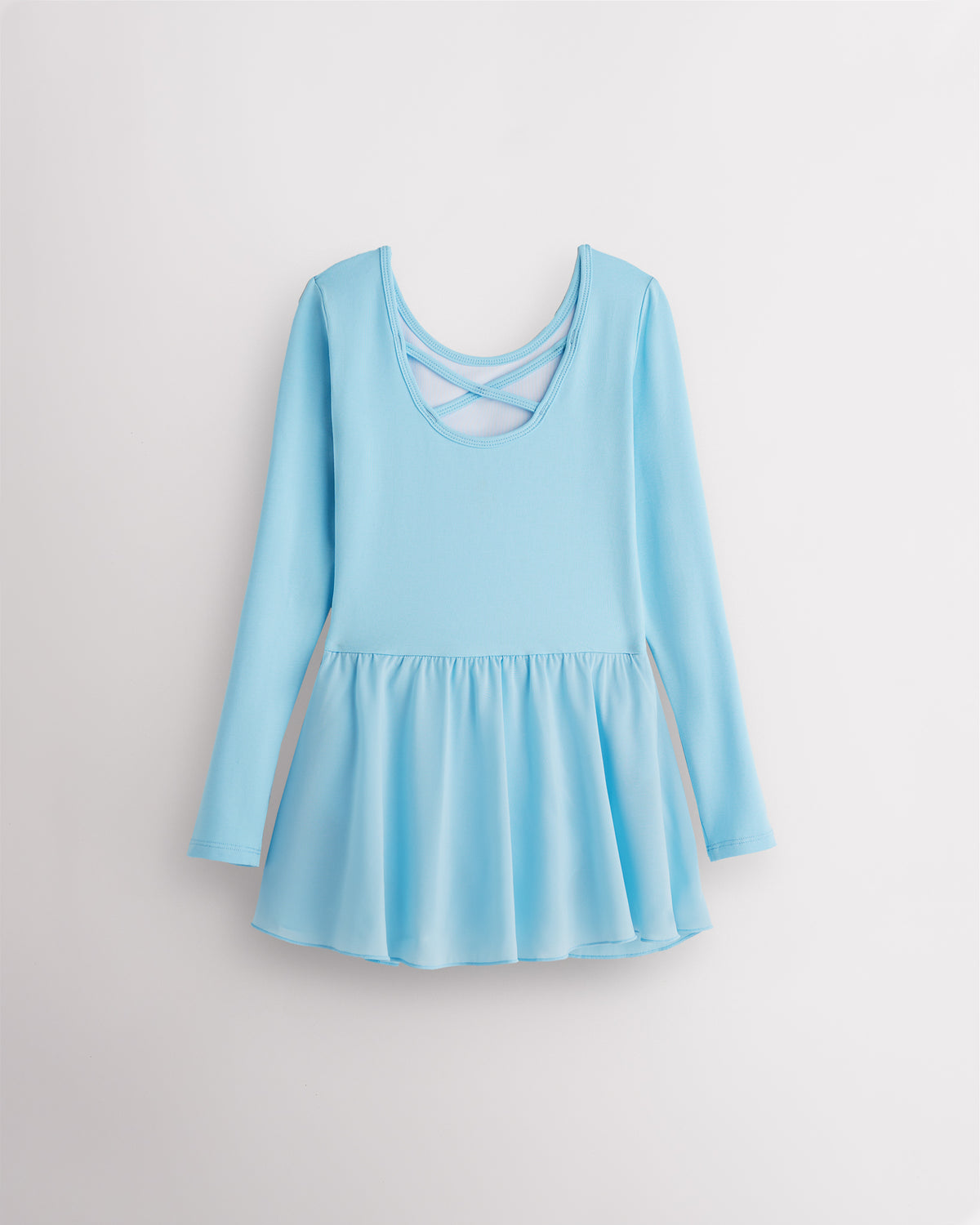
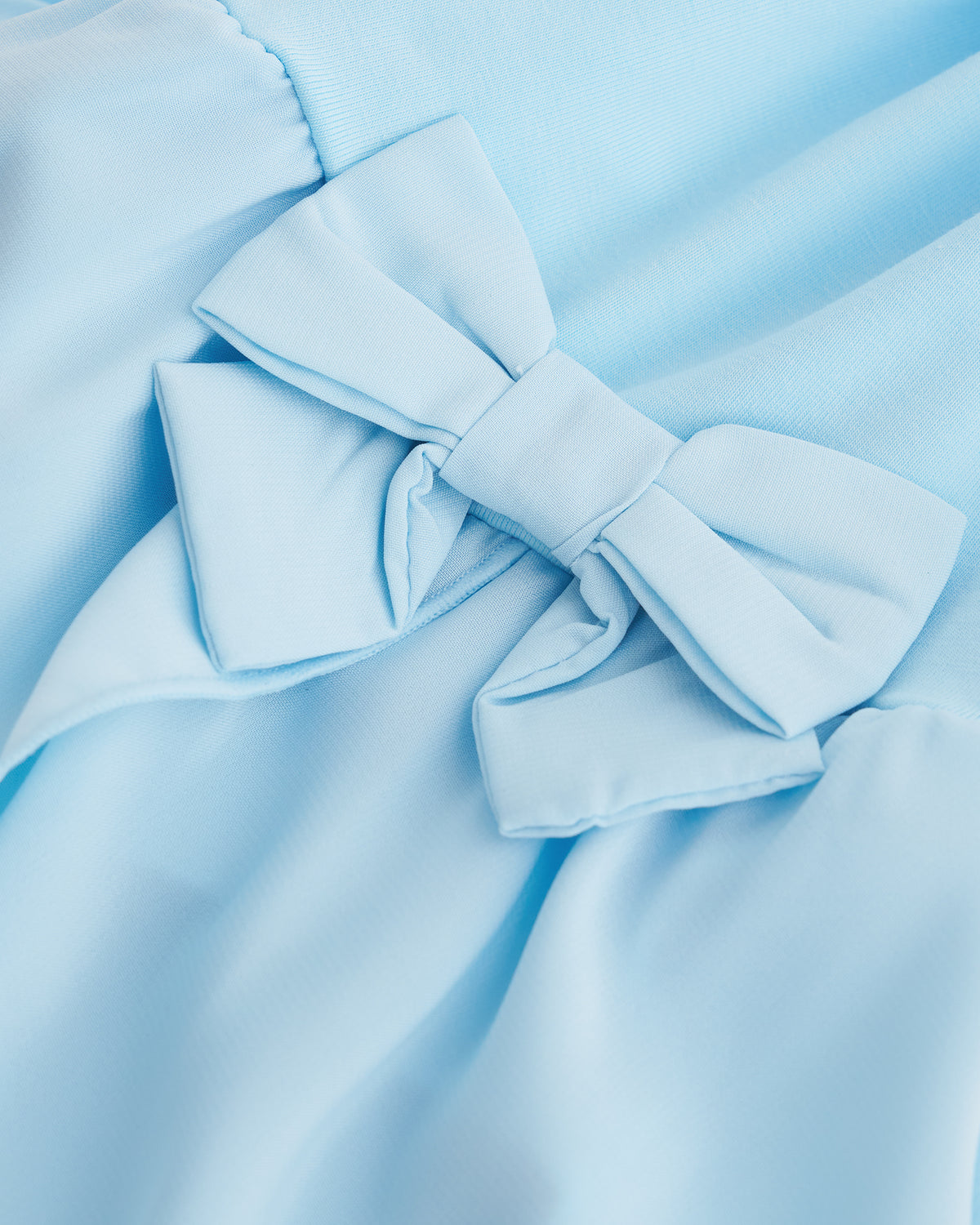
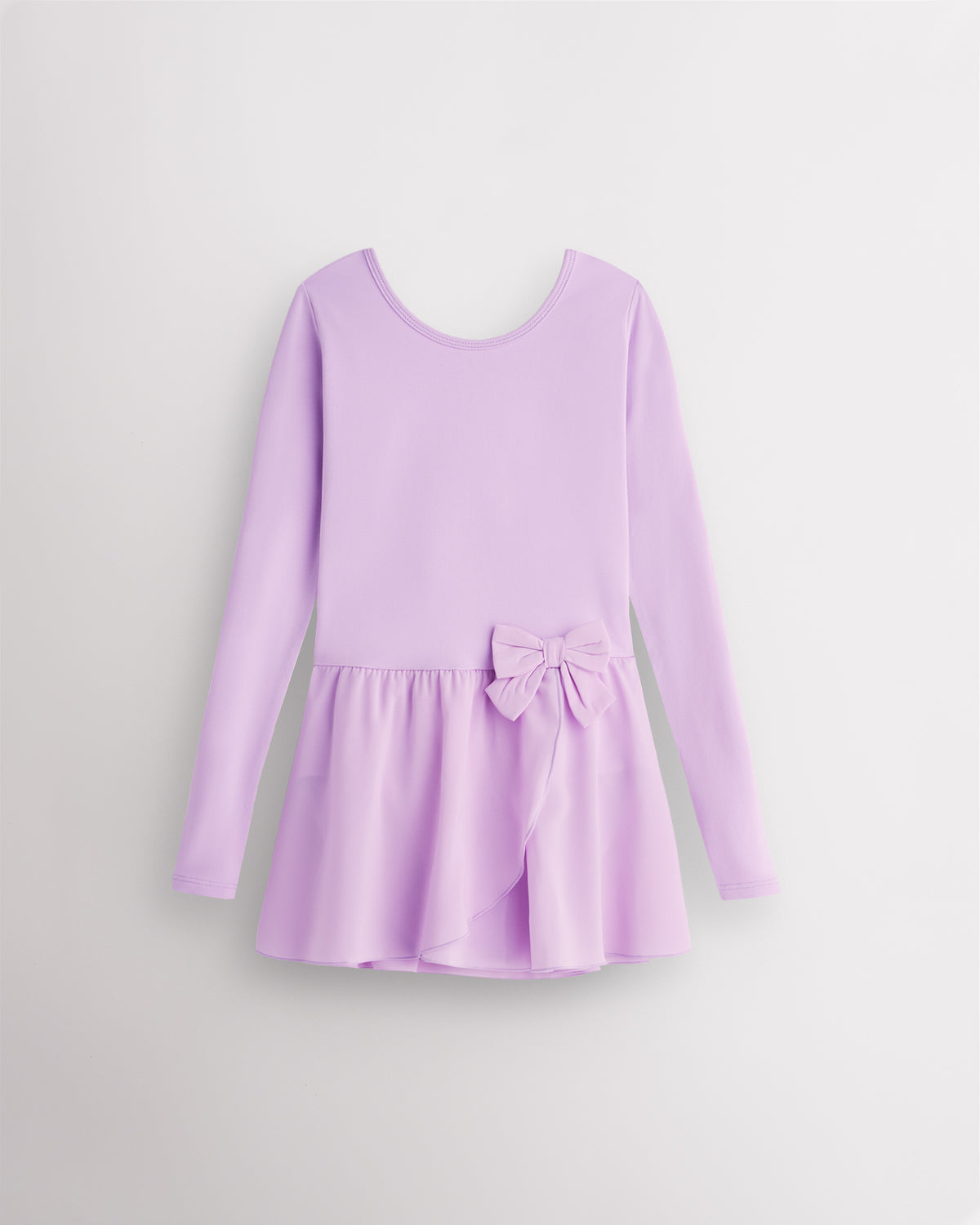
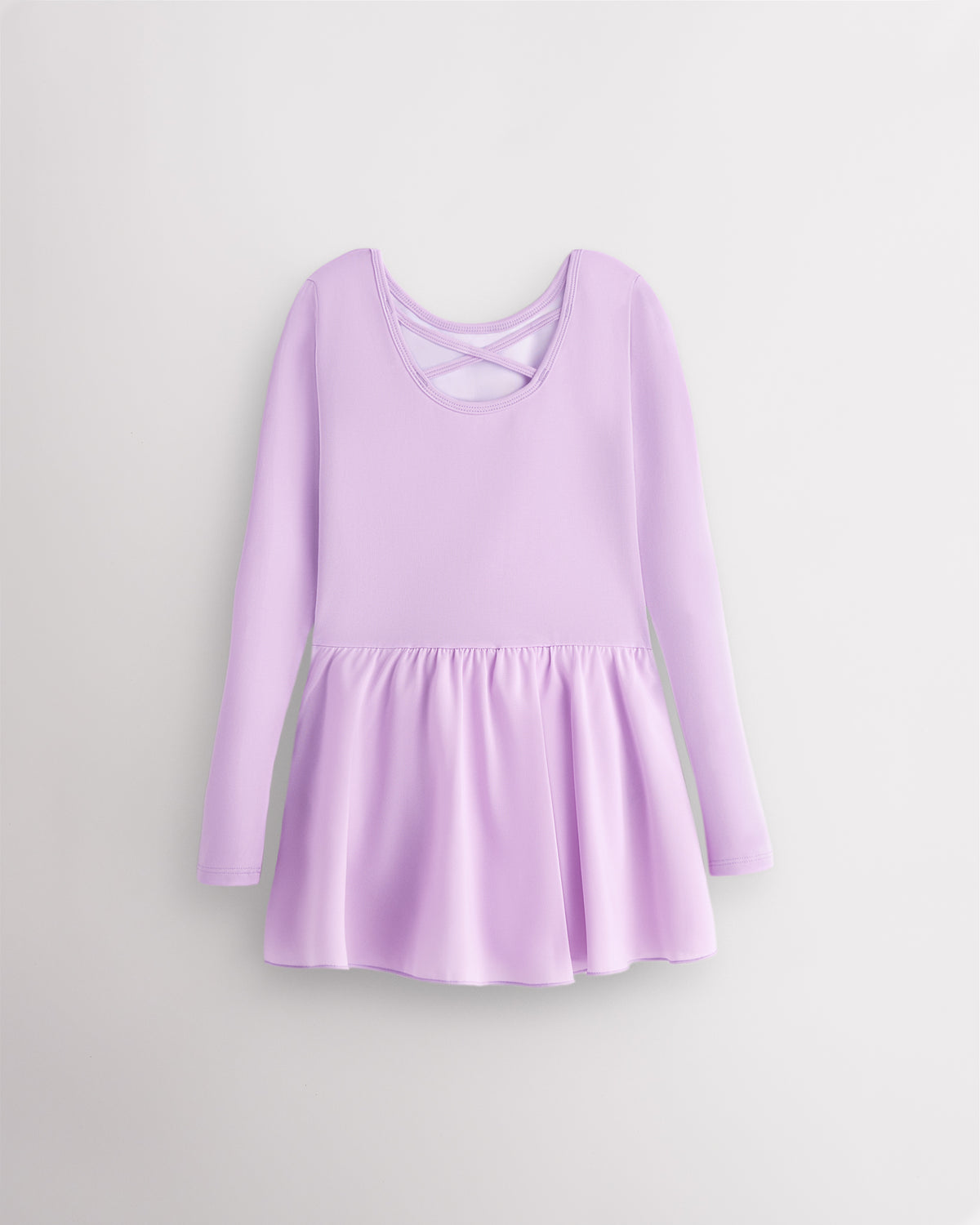
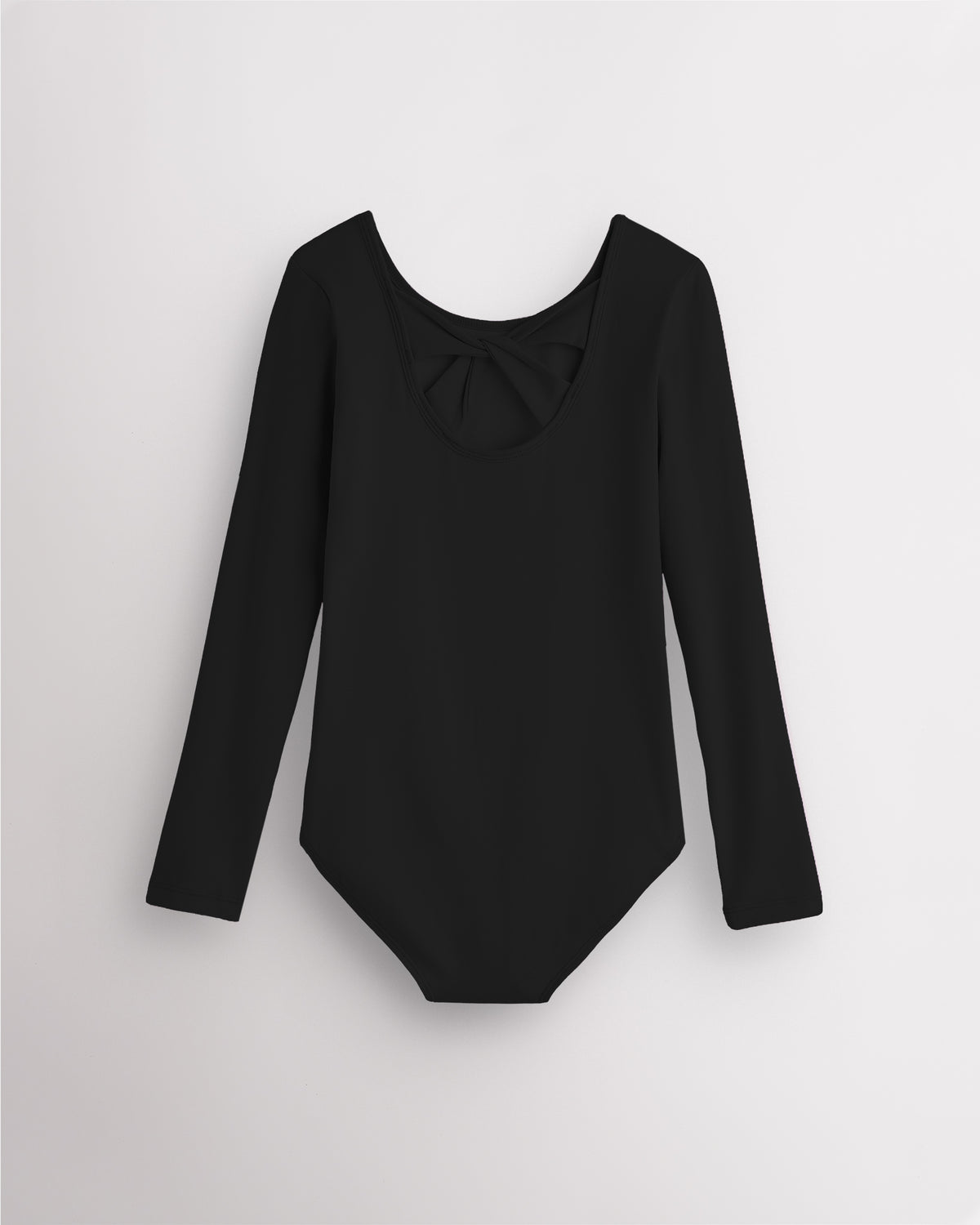
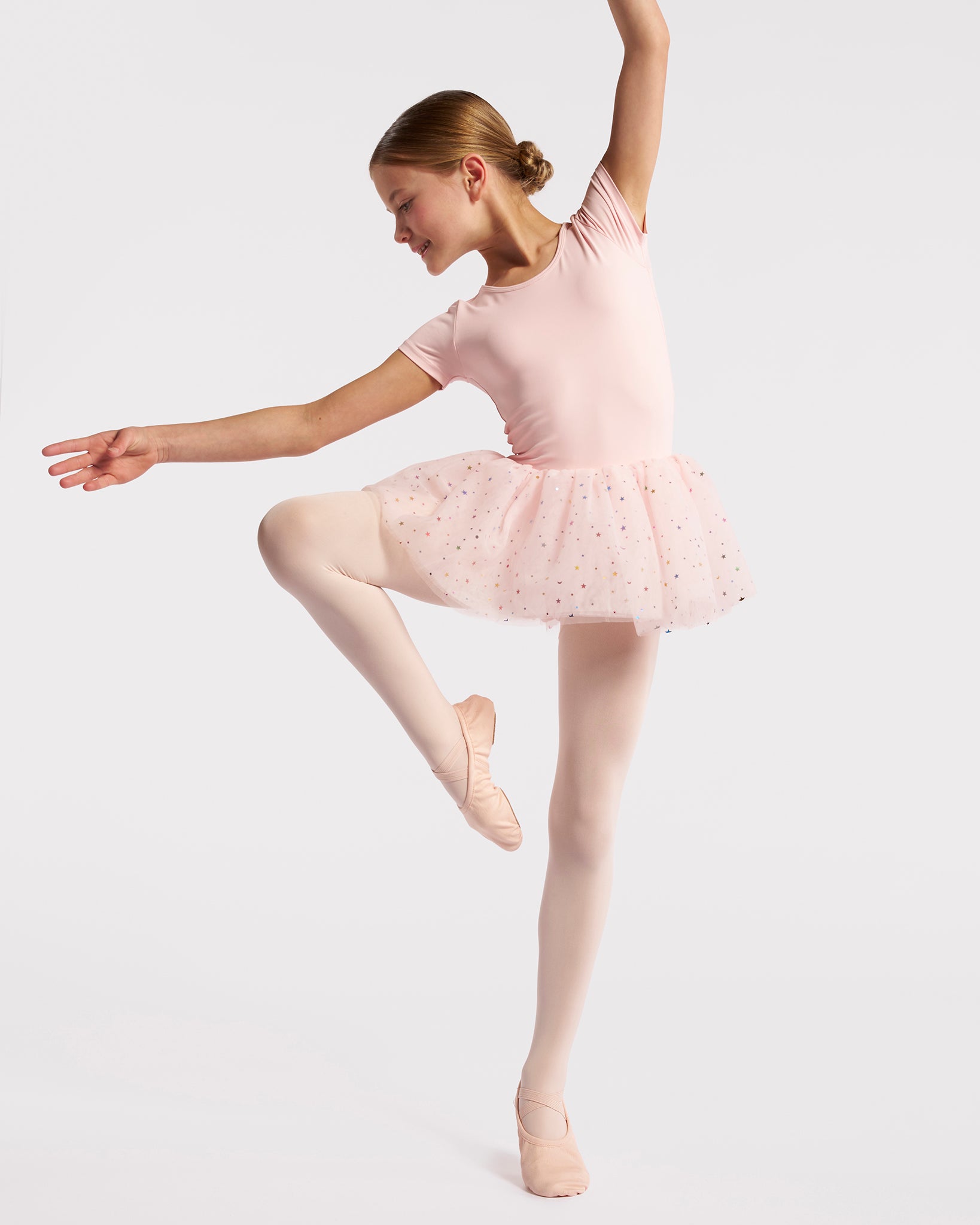
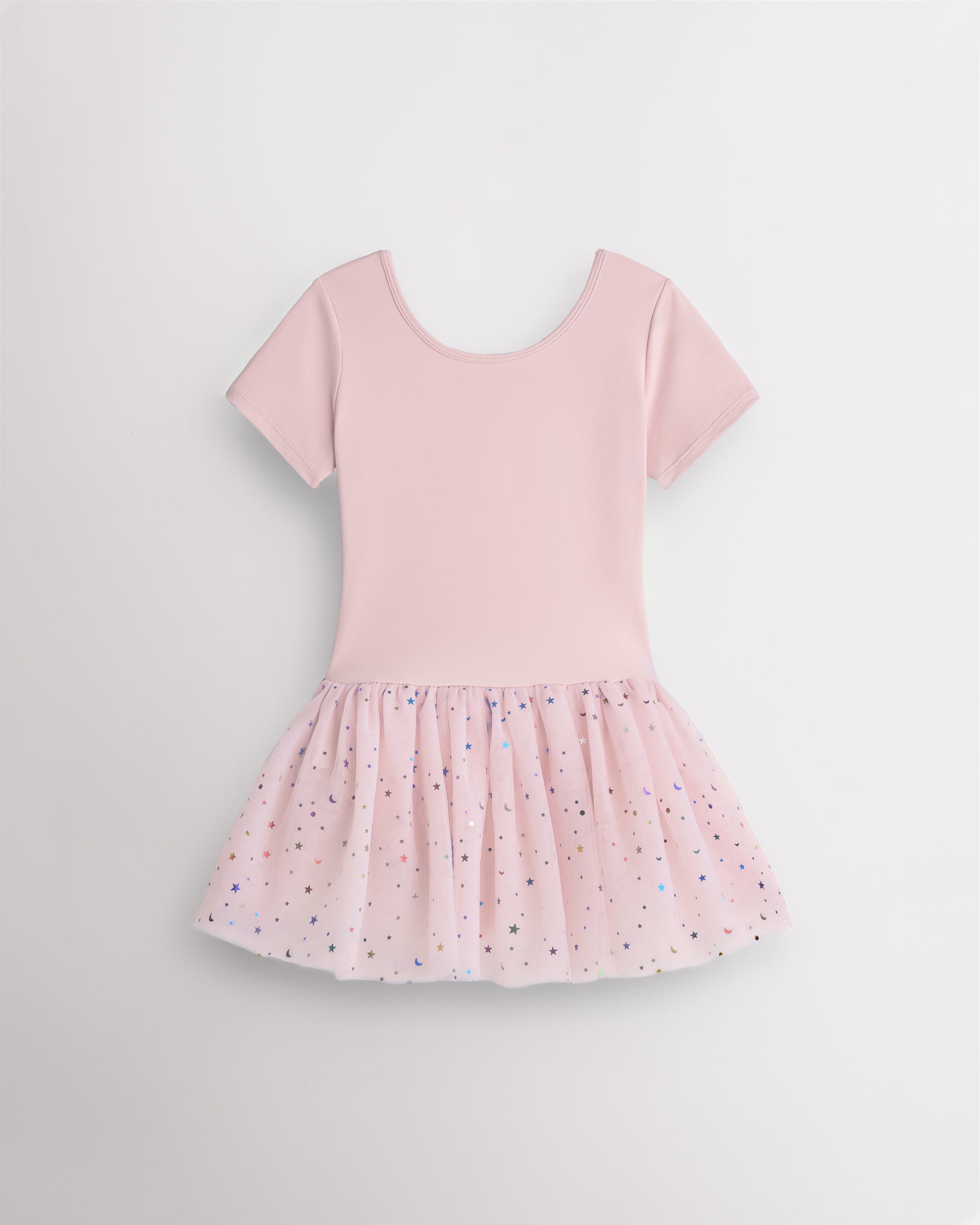
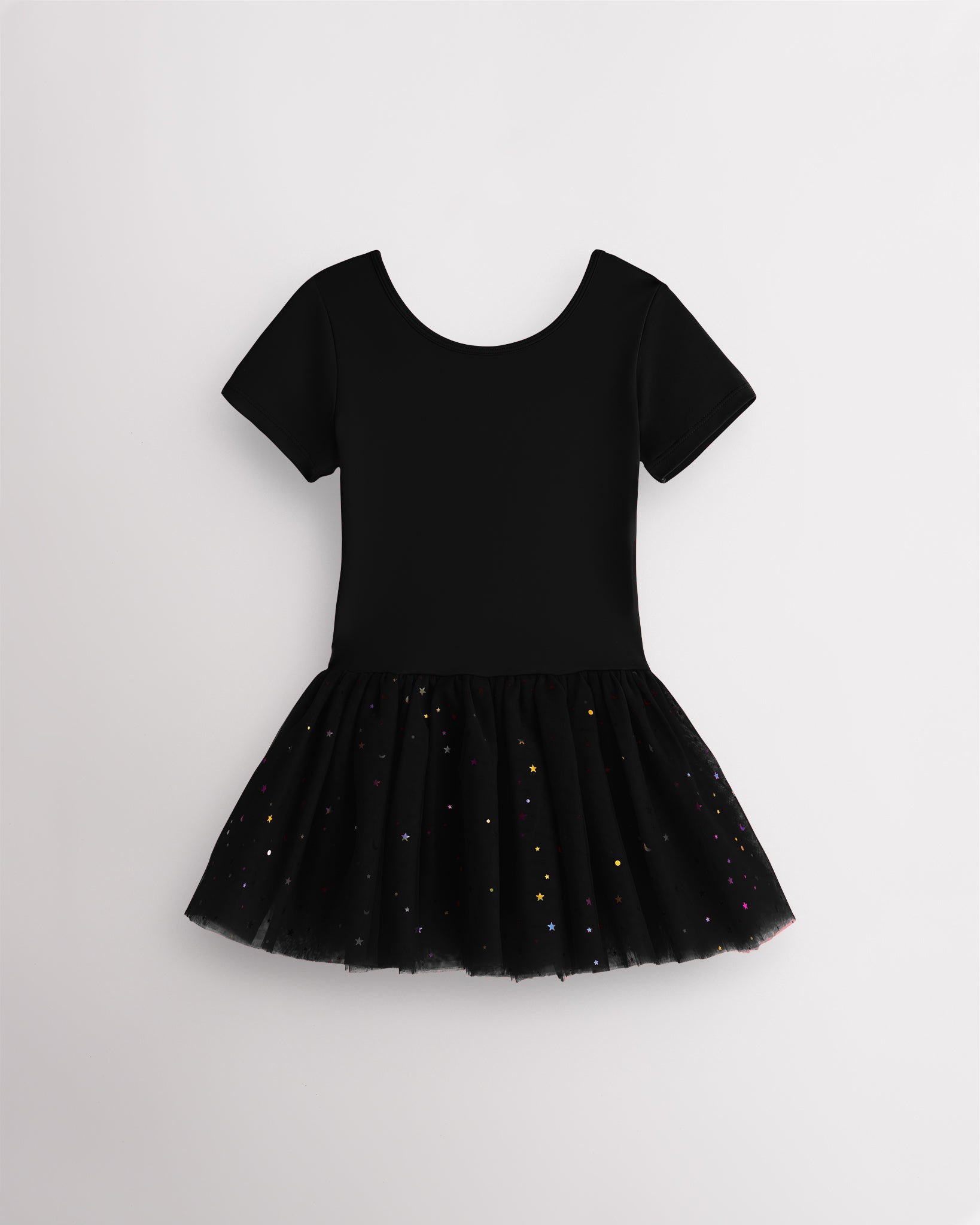
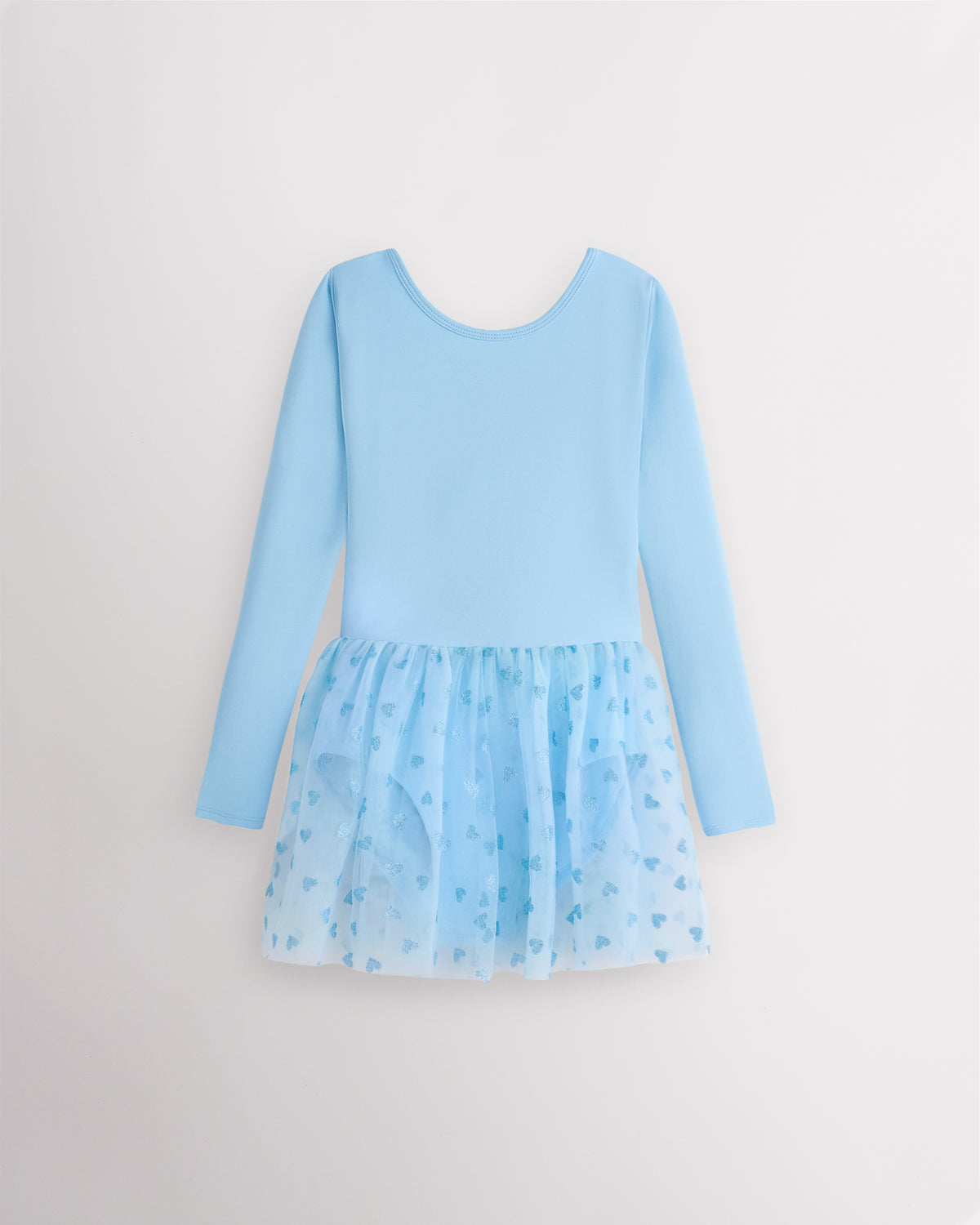
- What to wear to dance class
- How to choose a studio and use the trial class
- FAQ
-
- About the Stelle Team
A children's dance class usually means one 30 to 60 minute class per week in ballet, tap, hip hop, jazz, or a combo class that mixes two styles. Match the class to your child's personality and age, take a trial class before you commit, and budget roughly $60 to $100 or more per month for tuition (Lessons.com puts the national span at $60 to $200), plus recital costs.
Key Takeaways
-
Most dance classes for kids run once a week for 30 to 60 minutes, on a fall-to-spring season that ends in a recital.
-
A combo class lets a beginner between ages 3 and 6 sample two styles before choosing one.
-
Personality is a better style guide than talent: structured kids often like ballet, rhythm-driven kids gravitate to tap, high-energy kids love hip hop.
-
Group dance lessons for kids often start around $60 per month for one weekly class, with recital and costume fees added in spring.
-
Recreational tracks mean one or two low-pressure classes a week. Competitive teams multiply the hours and cost, and neither is required to start.
-
Many studios offer a trial class. Use it before you buy shoes or sign a season contract.
How children's dance classes actually work
A typical children's dance class follows a season, not a drop-in schedule. Most US studios enroll in late summer, run classes from September through May or June, and close the year with a recital where every class performs a short routine. Some studios and recreation centers also offer 6 to 10 week sessions, a lower-commitment way to test interest.
Class length scales with age: 30 to 45 minutes for preschoolers, 45 to 60 minutes for elementary-age kids, longer and more frequent for serious older dancers. A class of 8 to 12 kids with one teacher (plus an assistant for the littlest groups) is a size many teachers prefer, and it is worth asking about, since in much bigger groups beginners get fewer corrections.
For ages 3 to 6, many studios funnel beginners into a combo class: one class period split between two styles, most often ballet and tap, sometimes ballet and jazz. Young kids learn faster with contrast, and your child tells you within a semester which half of class they wait for.
One structural choice worth understanding early: ballet schools train one discipline deeply, while dance studios offer a menu of styles under one roof. Our ballet school vs dance studio guide breaks down which suits which kid; for a first children's dance class, a multi-style studio is the more flexible default.
Which style fits your kid?
You do not need to pick the "right" style on the first try, and switching after a season is common. Match energy to energy, and for fuller descriptions of each style, our types of dance guide covers more than 30 of them, family by family.
-
Ballet builds posture, balance, and control, and it underpins nearly every other style; it suits kids who like structure and clear rules. Our guide to kids' ballet classes covers ballet-specific ages, levels, and costs.
-
Tap turns feet into percussion instruments; it clicks with kids who tap out a beat on every hard surface in the house. Here is what tap dance is in plain English.
-
Jazz is upbeat, sharp, and performance-driven, a natural home for expressive kids who love an audience; see our jazz dance guide for parents.
-
Hip hop is high-energy and playful, with music kids already know; it works for kids who find ballet's formality intimidating but cannot stop moving.
-
Contemporary and lyrical blend ballet technique with emotional, story-driven movement, usually for ages 7 and up; start with what contemporary dance is if that sounds like yours.
|
Style |
Typical starting age |
Energy of the class |
A good match for kids who... |
|---|---|---|---|
|
Ballet |
3-4 (creative movement), 6-7 (technique) |
Calm, structured |
Like rules, focus, and quiet precision |
|
Tap |
3-5 |
Rhythmic, noisy, fun |
Love making sound and finding the beat |
|
Jazz |
5-8 |
Upbeat, performative |
Love music, attention, and big movement |
|
Hip hop |
5-6 |
High-energy, casual |
Never sit still, want "cool" over formal |
|
Contemporary/lyrical |
7-10 |
Expressive, emotional |
Feel music deeply, enjoy storytelling |
|
Combo (ballet + tap/jazz) |
3-6 |
Varied within one class |
Are brand new and still deciding |
Starting ages are a general guide based on common studio program structures, not a sourced standard; individual studios set their own cutoffs, and readiness matters as much as age.

What age should kids start dance classes?
If you are wondering what age to start dance classes, most studios accept children from age 2 or 3 in parent-and-me or creative movement classes, and ages 3 to 5 are the sweet spot for a first structured class. There is no deadline, though: kids who start at 8, 10, or 13 often catch up quickly because they follow directions better. Starting "late" mostly matters for a pre-professional ballet track, a decision for years down the road. We cover this in our guide to the best age to start dancing; the short version is that readiness (follows directions, separates from you, wants to go) beats age.
A weekly class also adds to your child's activity for the week. The CDC recommends 60 minutes or more of moderate-to-vigorous daily activity for ages 6 to 17, including muscle-strengthening and bone-strengthening activity on at least 3 days a week, and active play throughout the day for preschoolers. A dance class includes plenty of the jumping and strength work those guidelines ask for, but one class a week will not cover the week on its own.
Recreational vs competitive: know which track you are on
Most studios of any size run two tracks, and it pays to know which one you are signing up for before the first invoice.
Recreational is the default and the right starting point for almost every new dancer: one class per week per style, a spring recital, no auditions. The goal is skill, confidence, and fun.
Competitive (often called "company" or "team") involves auditions, several classes plus rehearsals each week, travel to competitions, and meaningfully higher costs for entry fees, extra costumes, and conventions. Some kids thrive on it, but most do not need it in year one, so it is worth asking questions if a studio pushes a brand-new 6 year old toward the competition team.
If weekly studio classes will not fit your family's schedule at all, structured online dance classes for kids have gotten good enough to be a real supplement or stopgap.
How much are dance classes?
Plan around $60 to $100 or more per month for one weekly group class, with big-city studios and longer classes running higher. National estimates from Lessons.com put kids' group classes at $60 to $200 per month depending on location and class length. For a lower reference point, a survey of 50+ US dance schools by Dance Parent 101 found advertised monthly tuition for one weekly lesson ranged from about $40 to $97 and averaged about $63, but those are 2021-22 fees, so current rates are likely higher.
Tuition is only the headline number. These add-ons are commonly quoted planning ranges, so ask each studio for its fee sheet:
-
Registration fee: often $25 to $50 per year.
-
Shoes and dancewear: roughly $50 to $100 to outfit a beginner in one style.
-
Recital costs: a costume (often $60 to $90 per class) plus tickets, in spring. Our first dance recital guide explains that week. If recital is optional, ask whether the costume fee is still due.
-
Each added style multiplies tuition and costume count, another argument for combo classes early on.
Prices, class schedules, and age ranges can change, so use these examples as a starting point and confirm details on each platform before signing up. Many studios discount a second sibling or second class, and recreation departments often run kids dance classes at a fraction of private-studio rates, so ask before assuming dance is out of budget.
What to wear to dance class
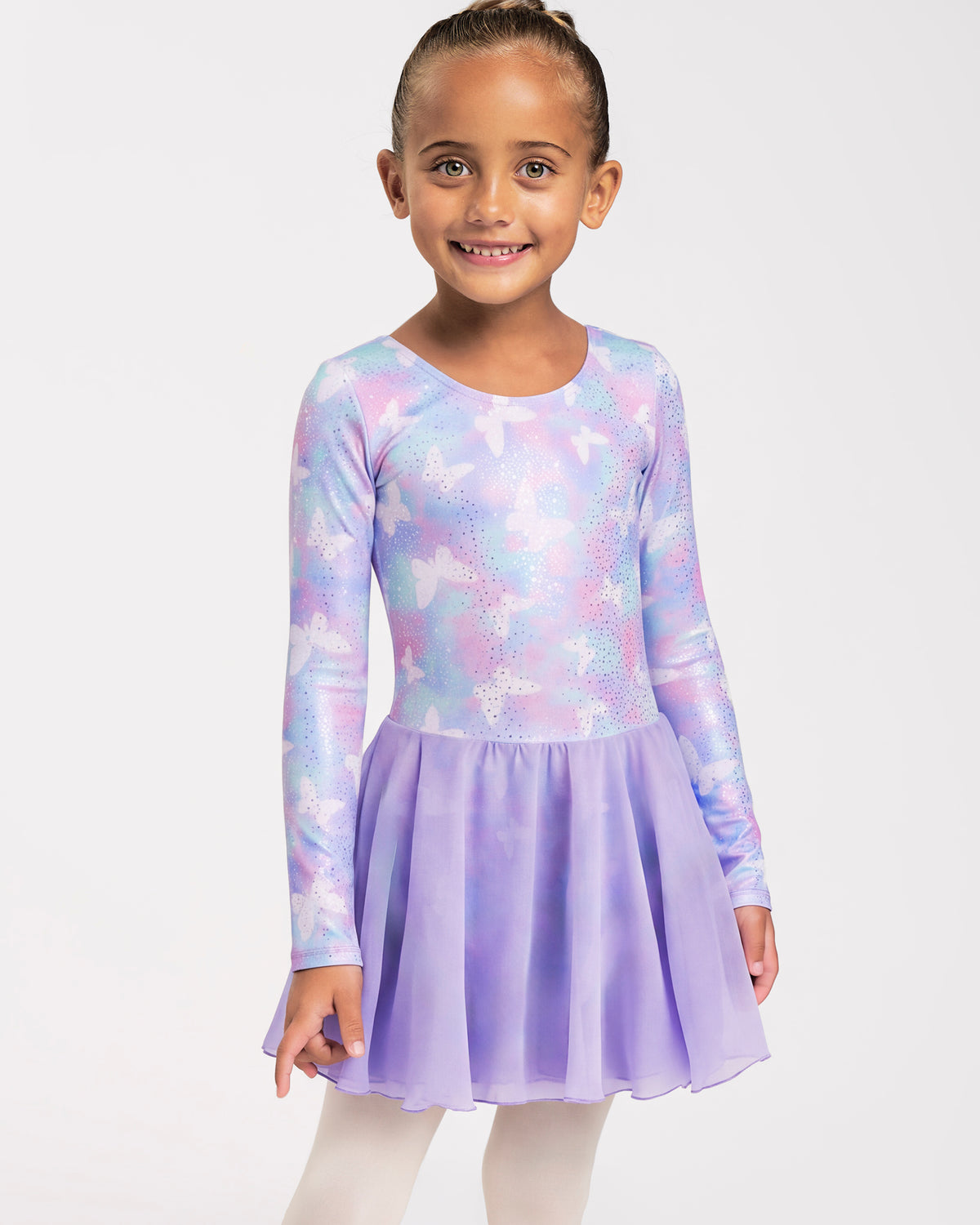
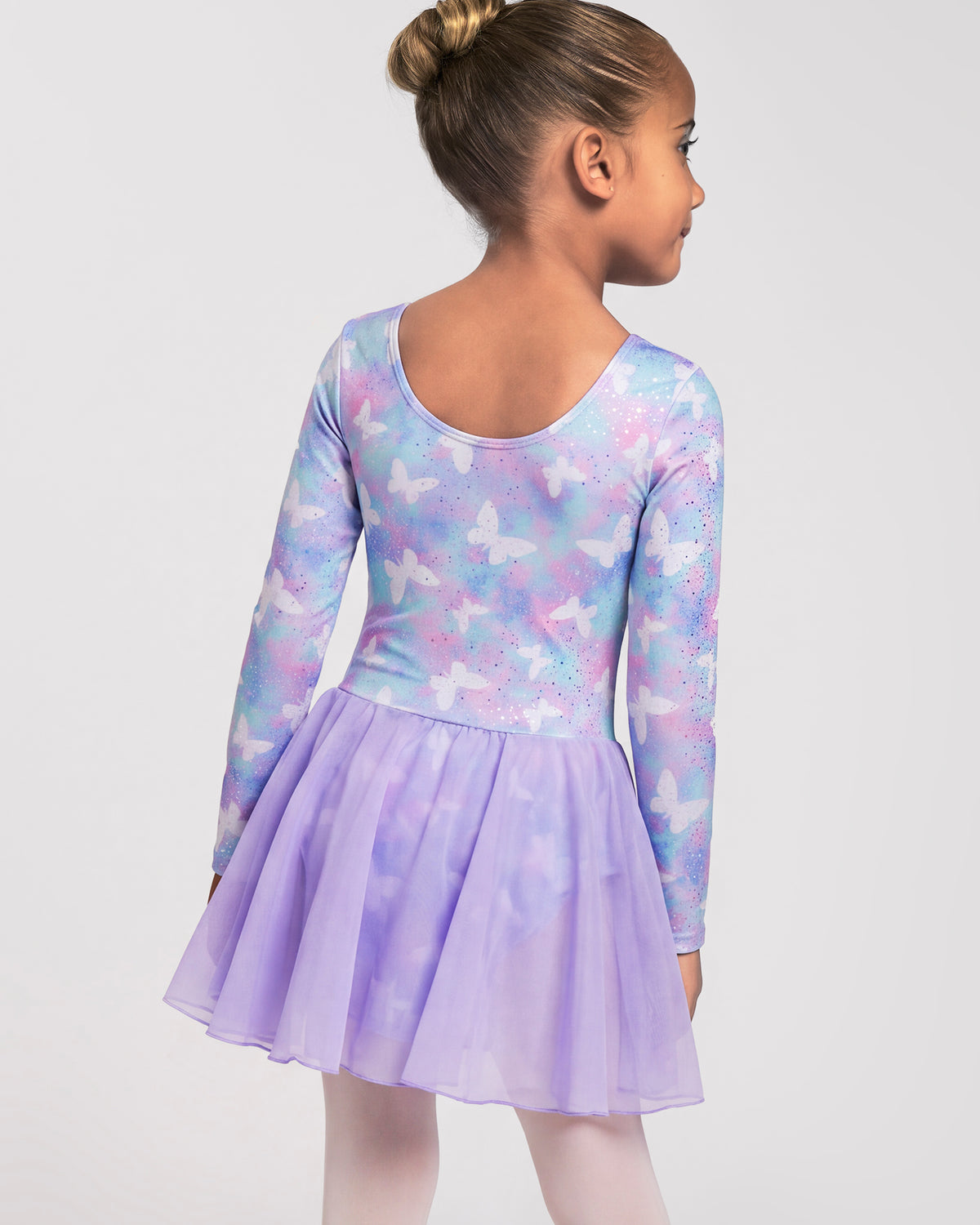
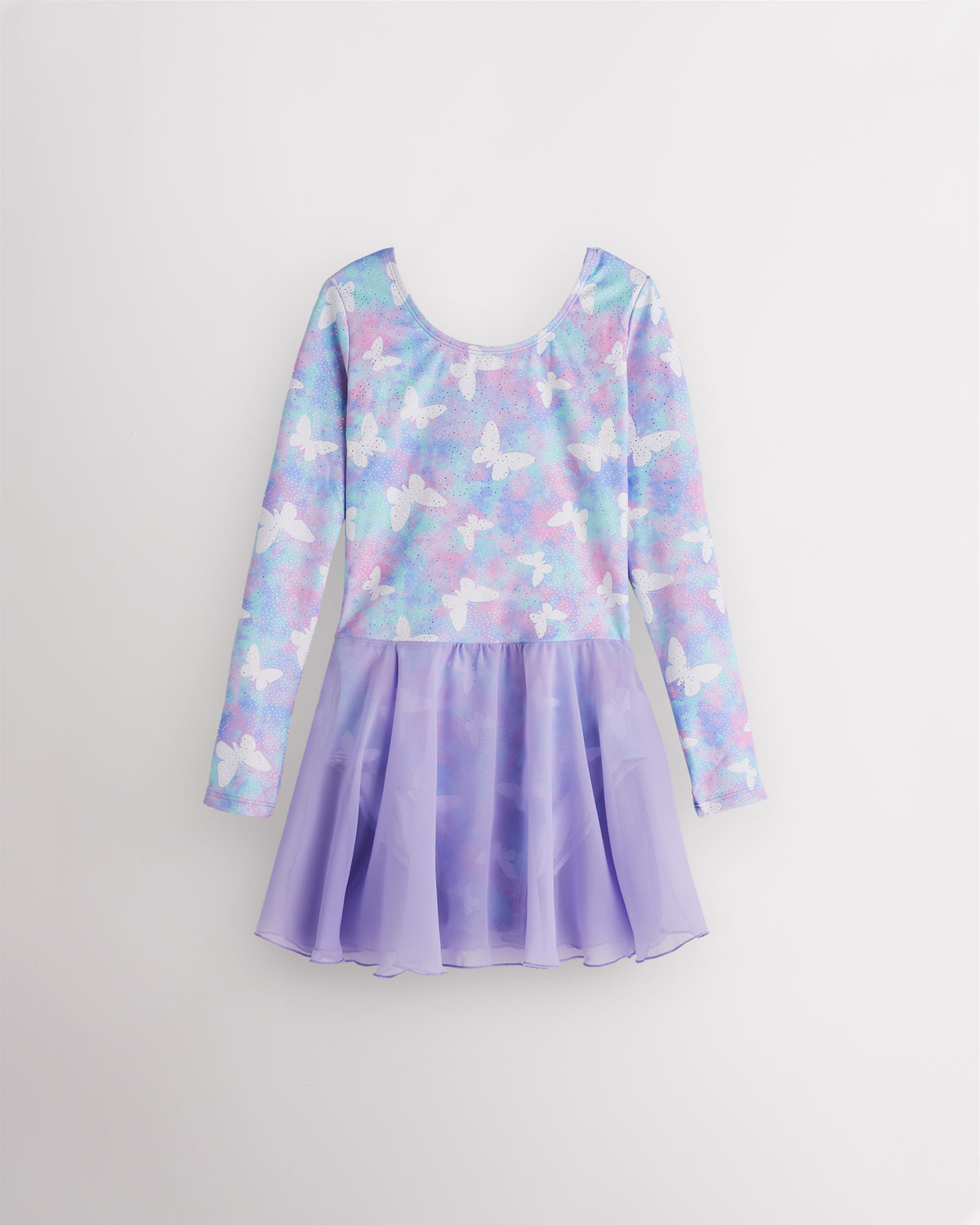
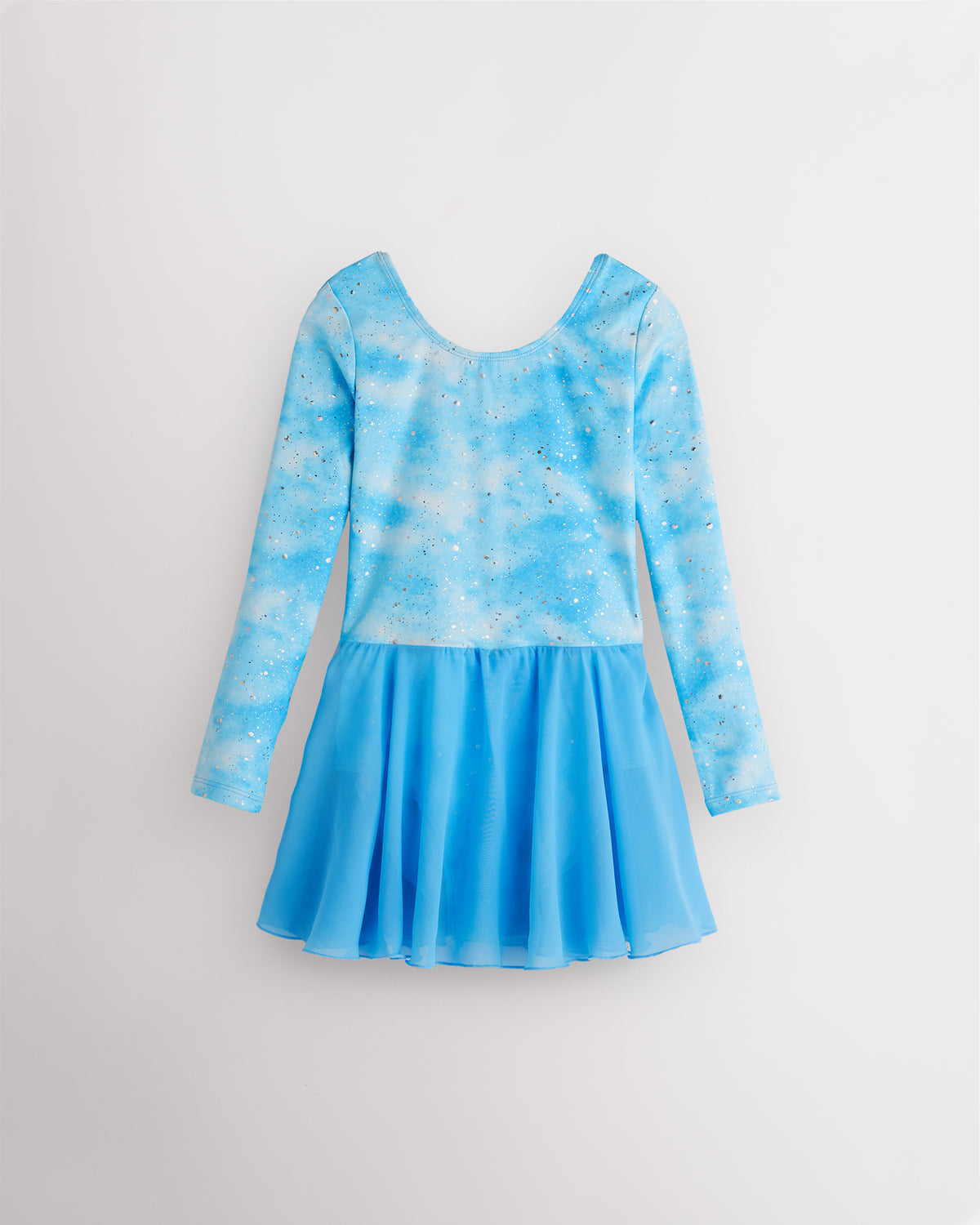
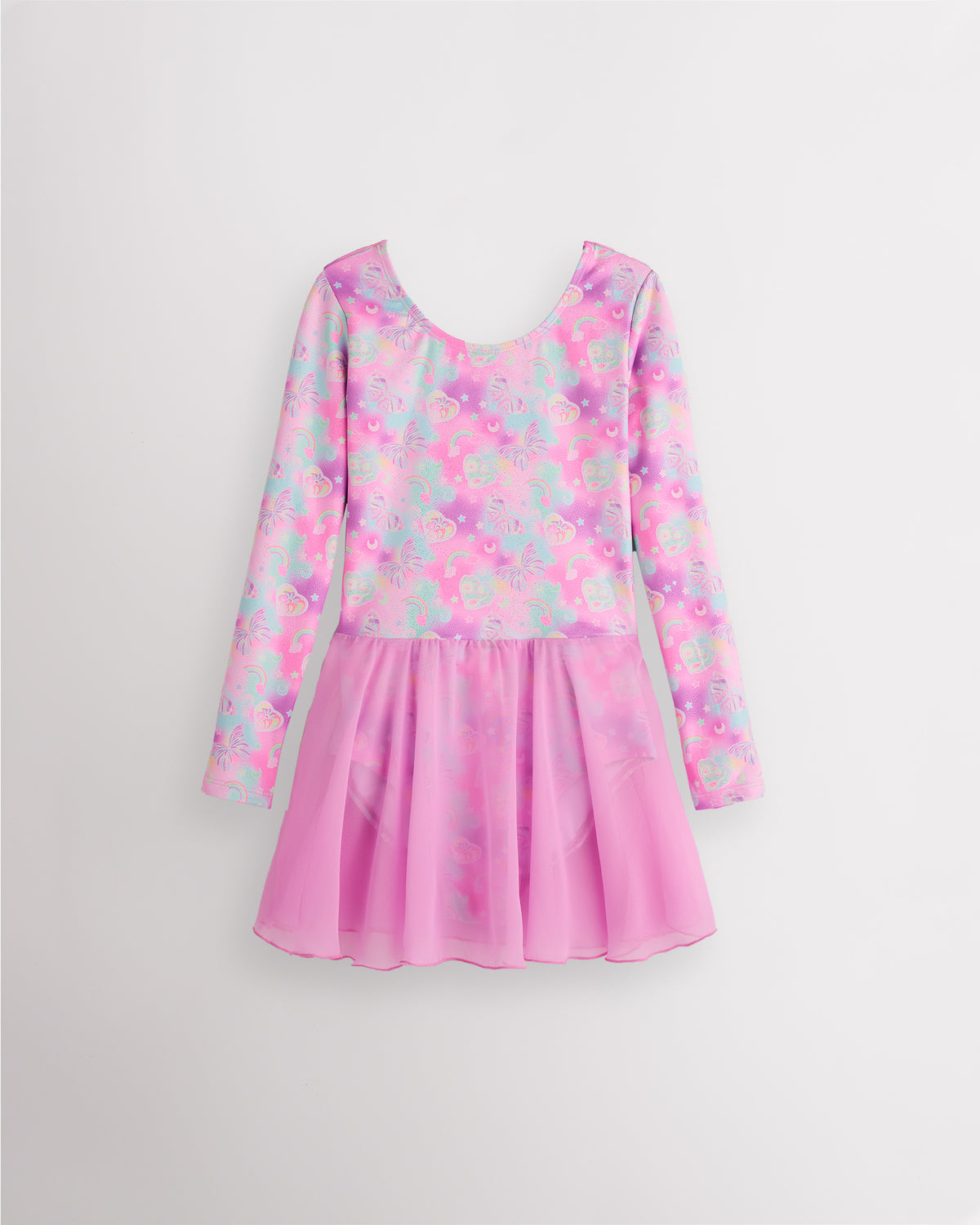
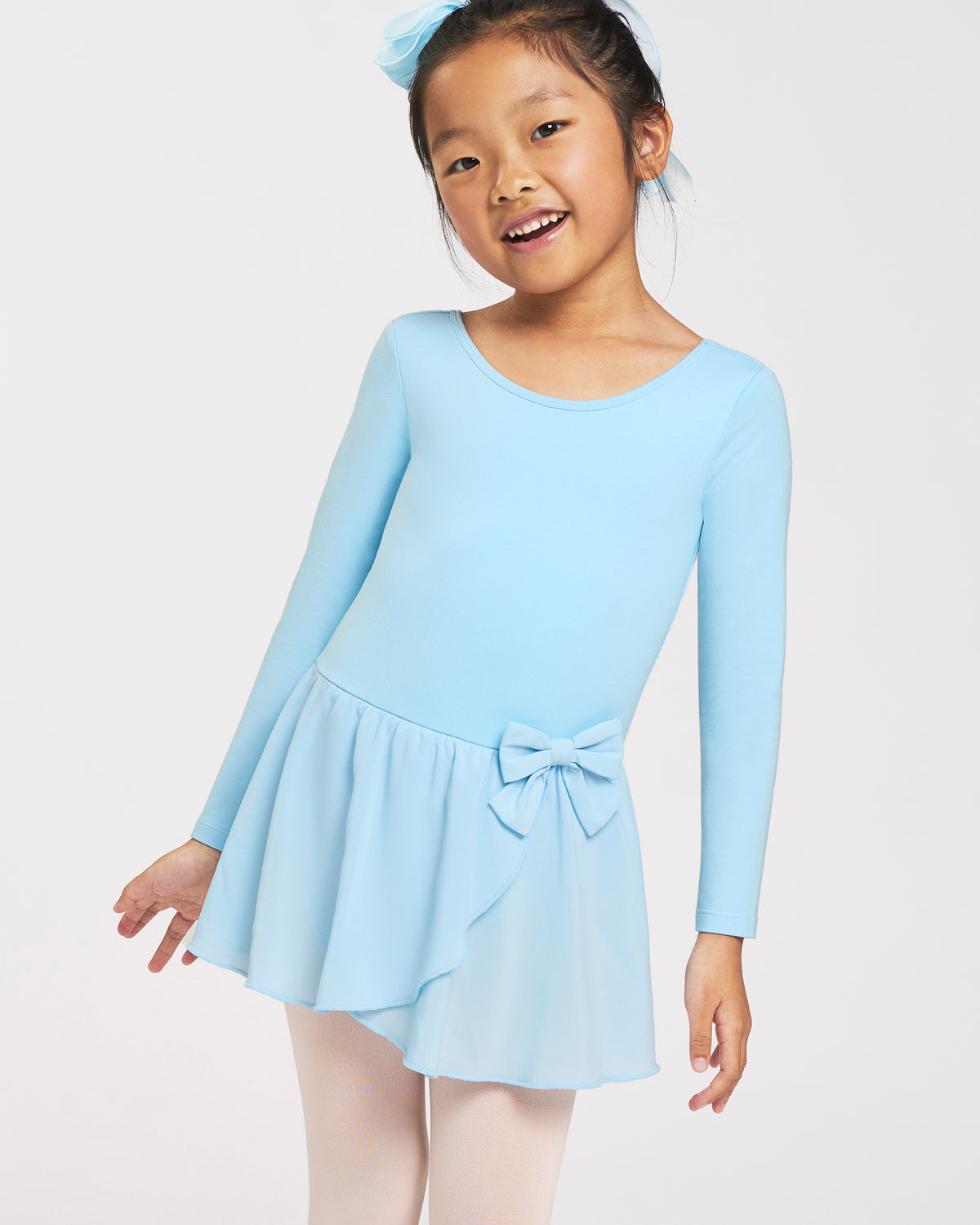
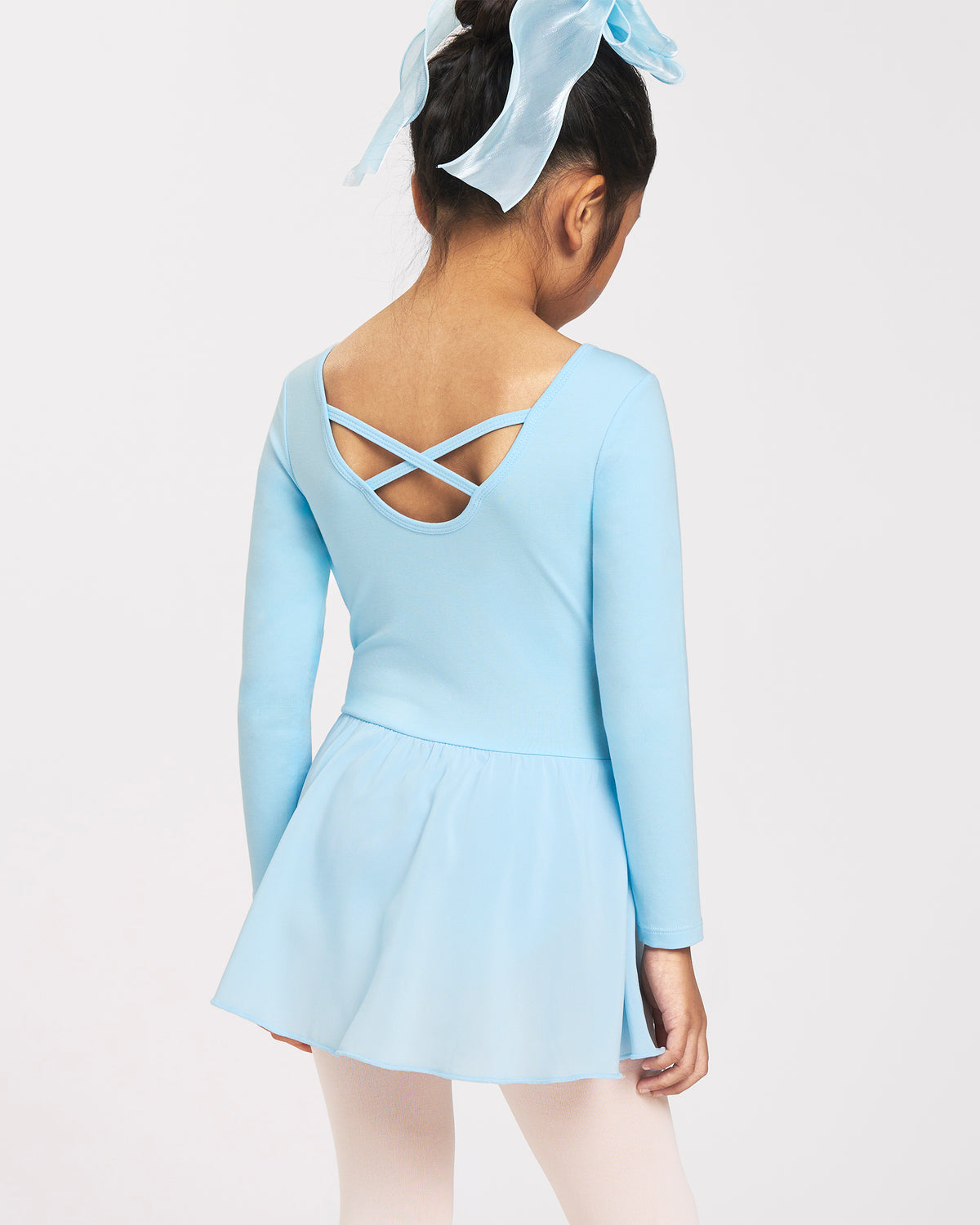
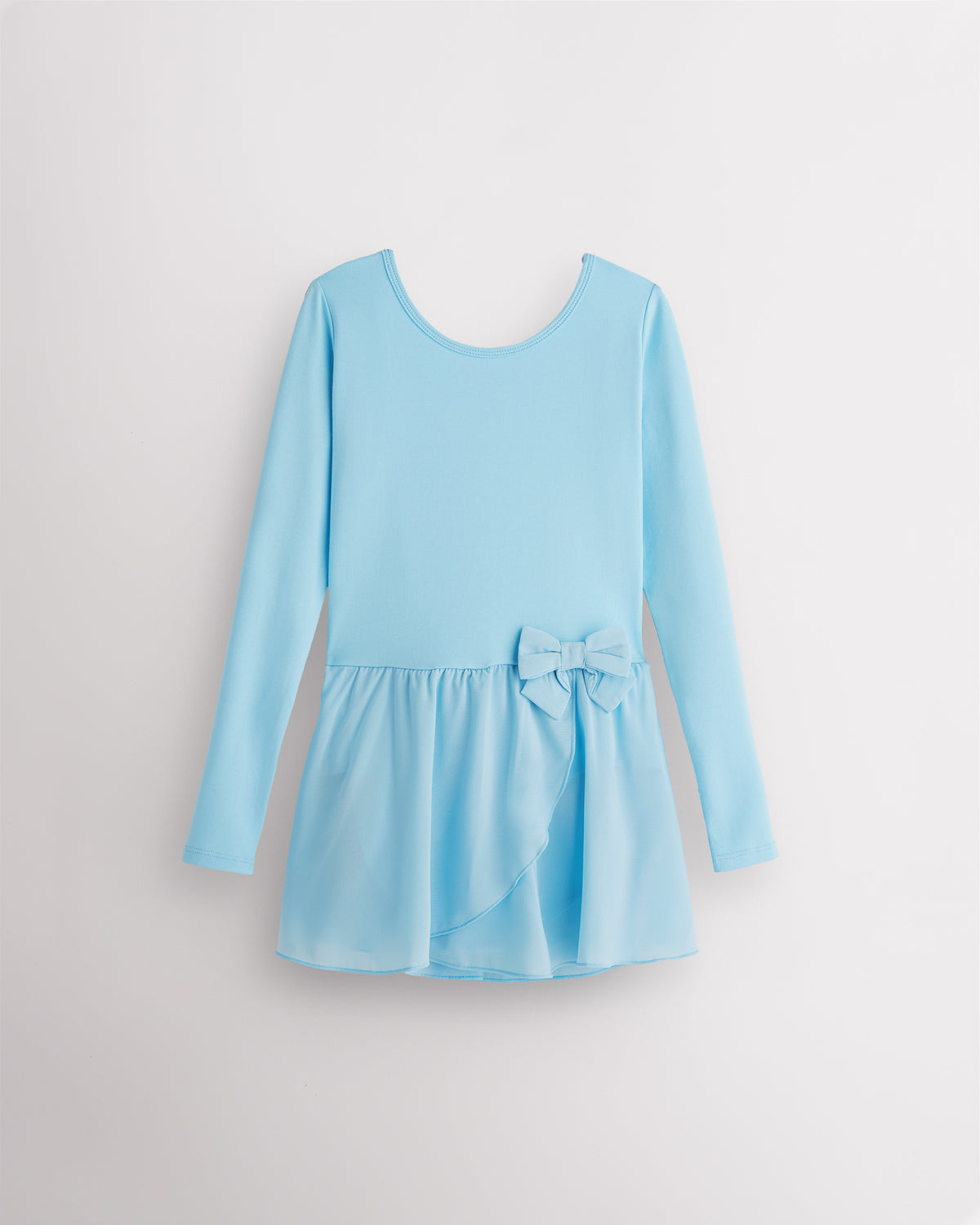
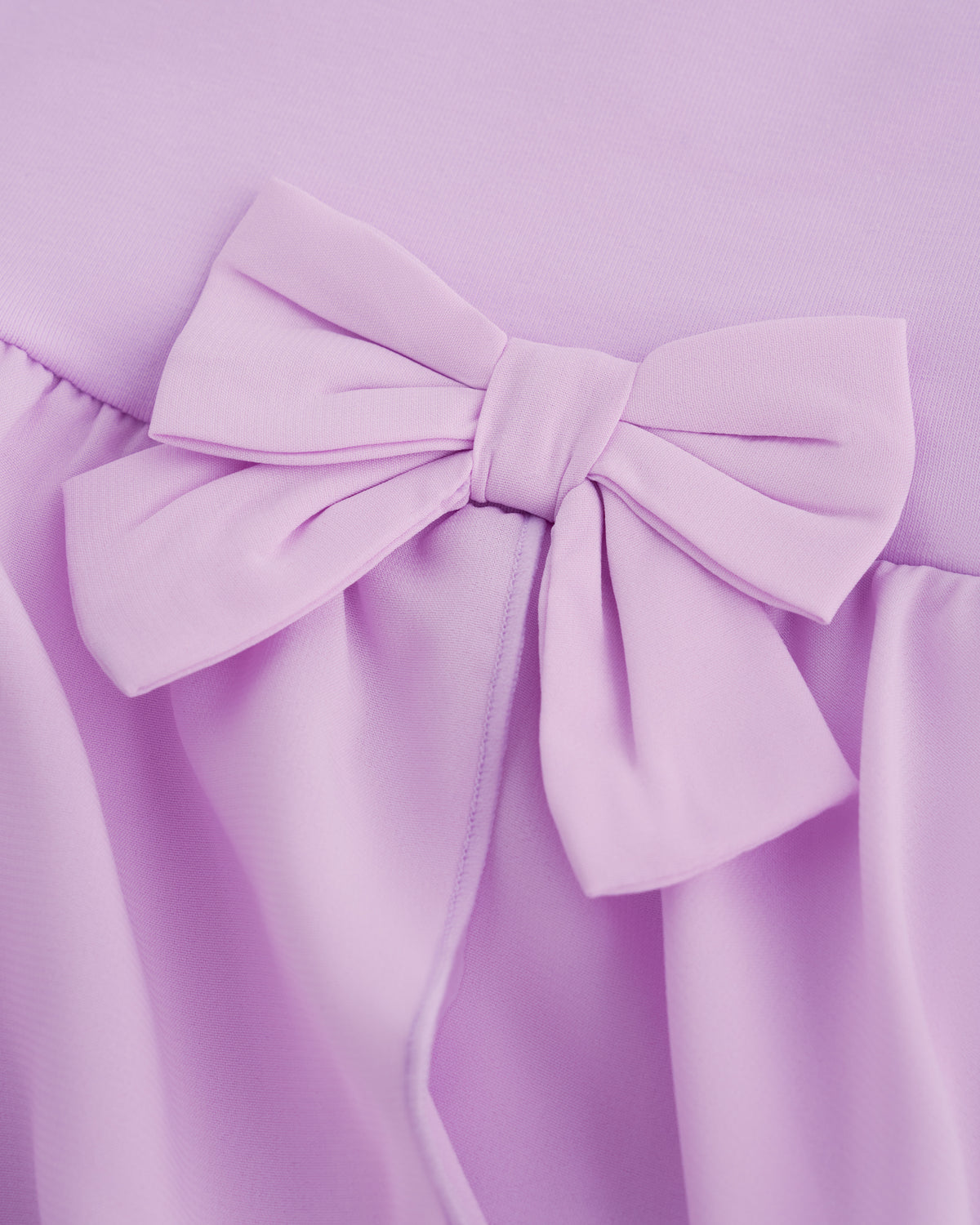
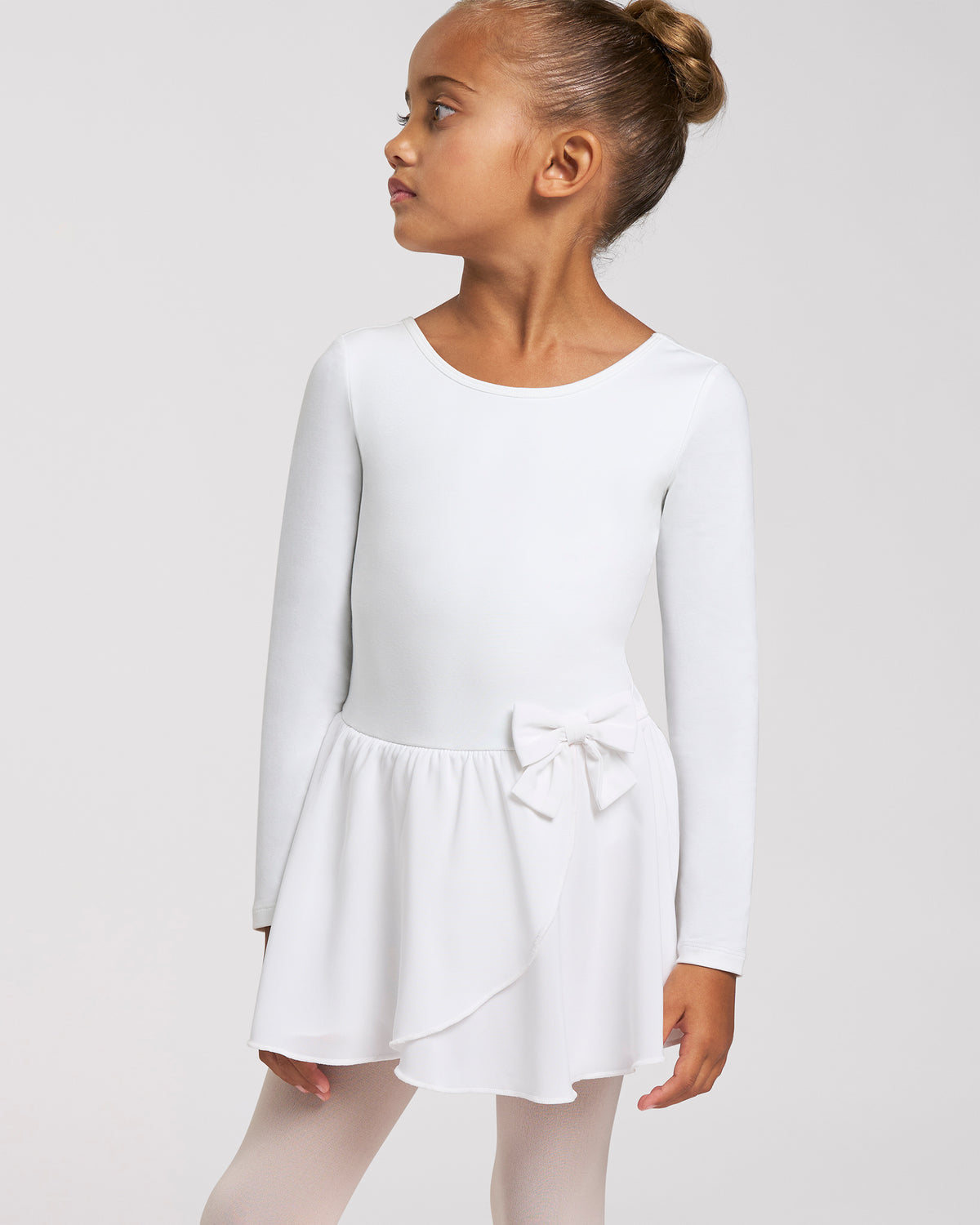
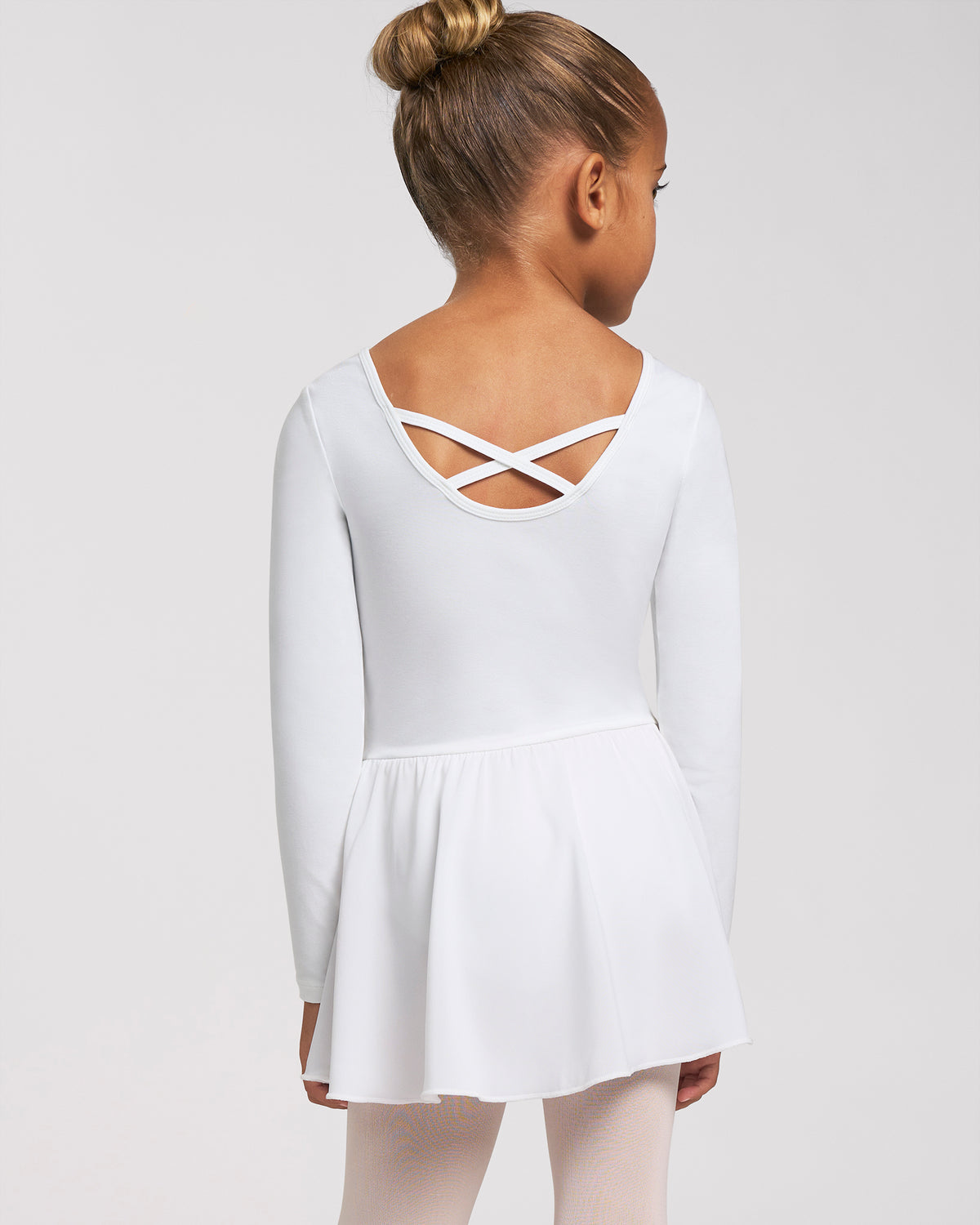
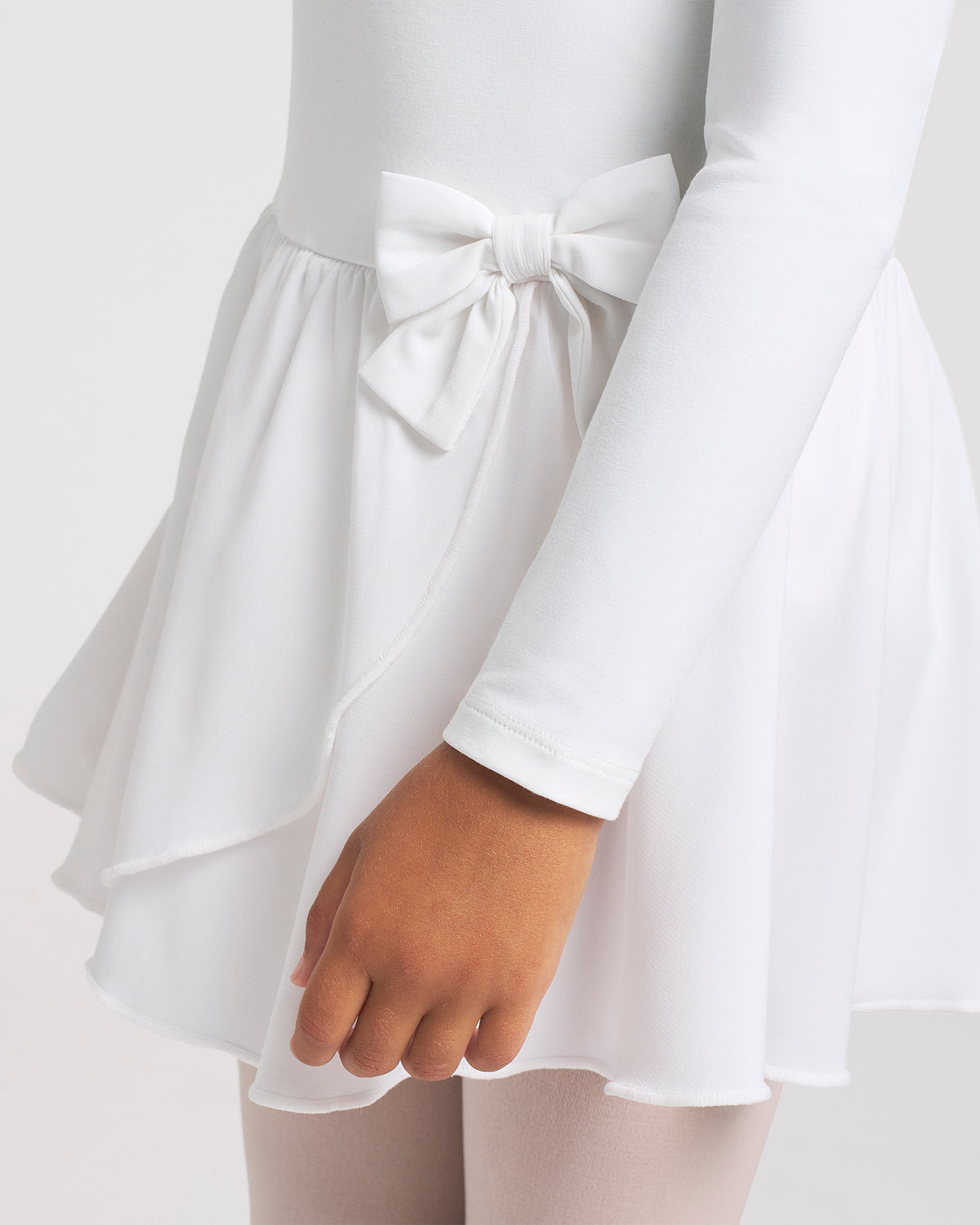
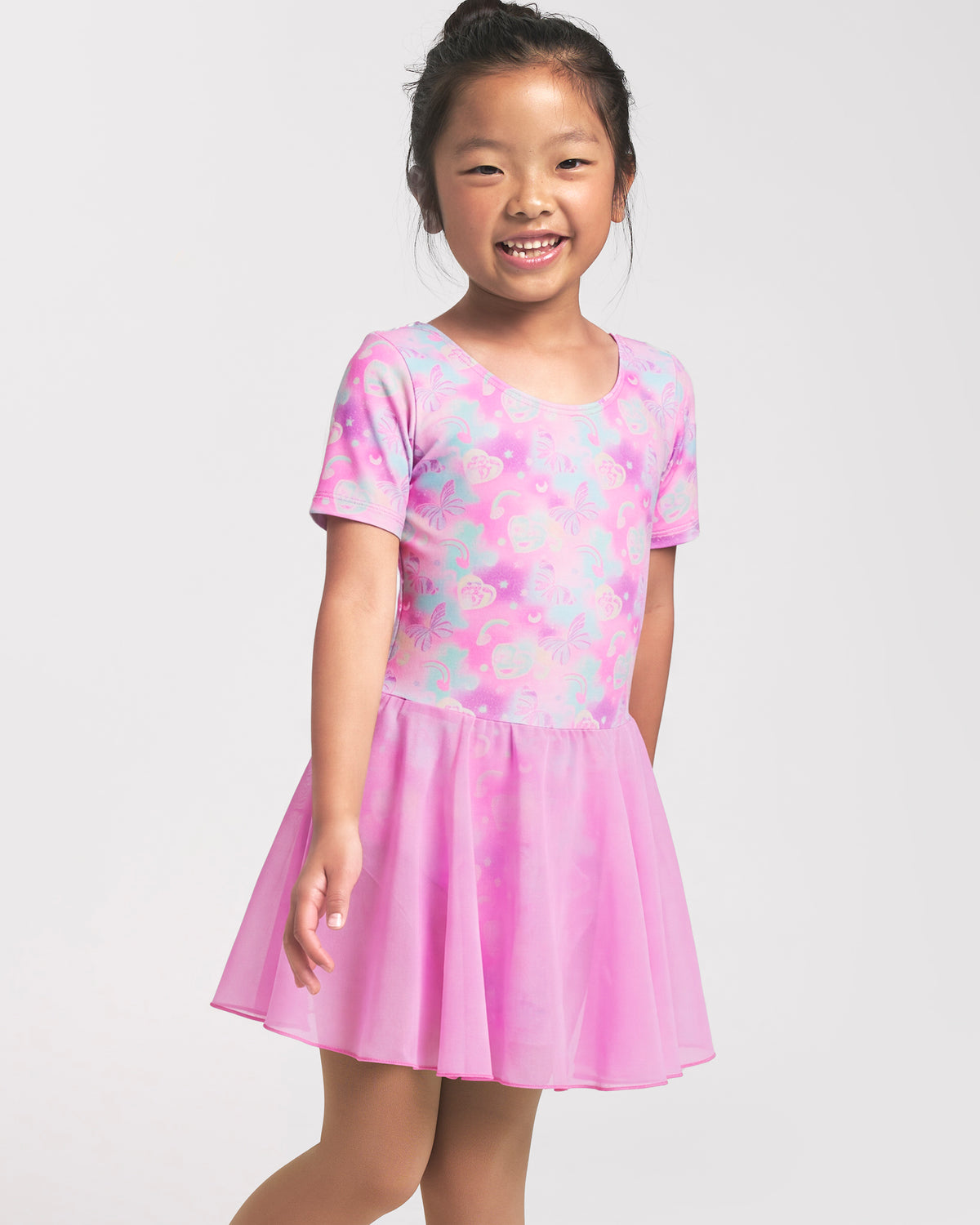
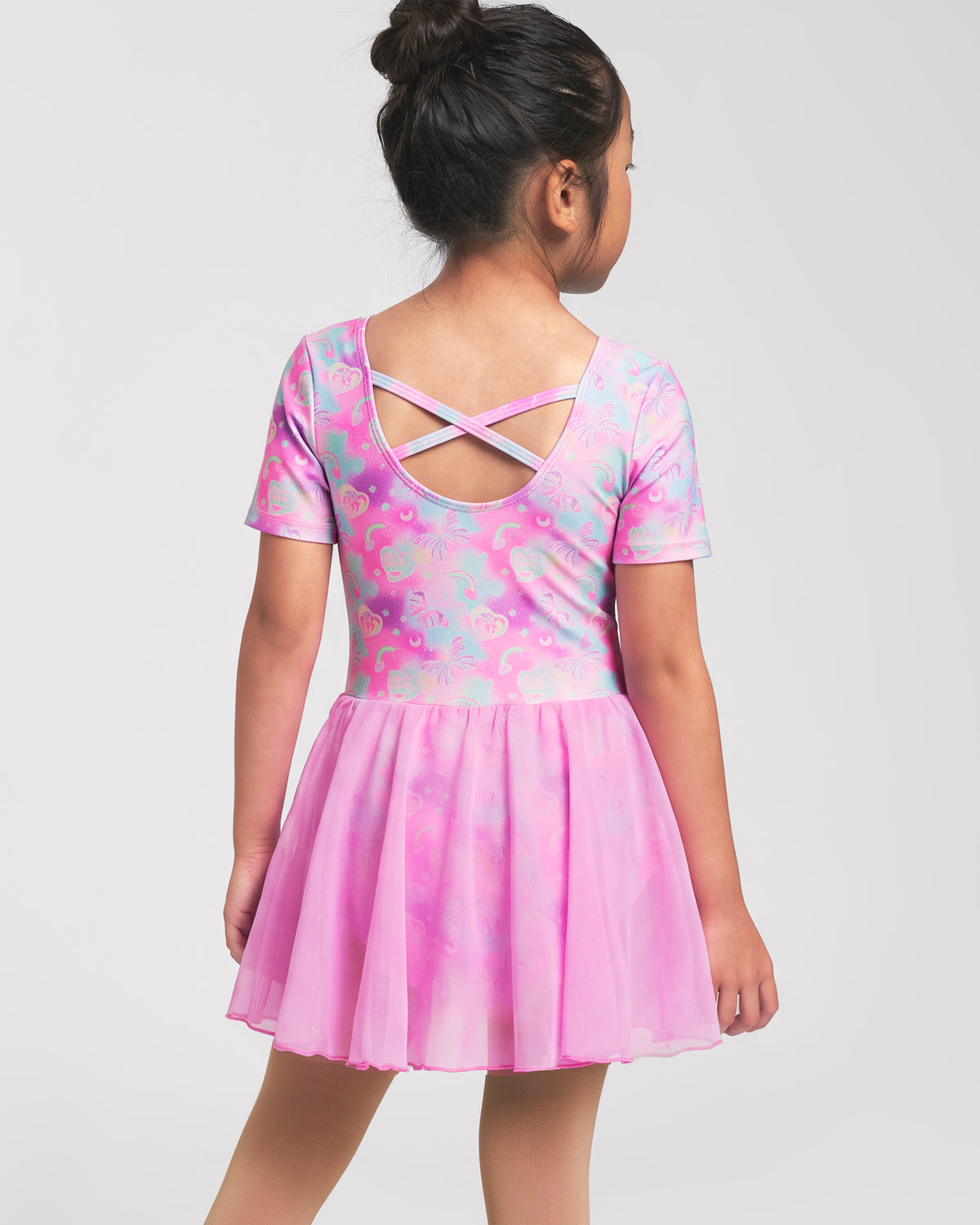
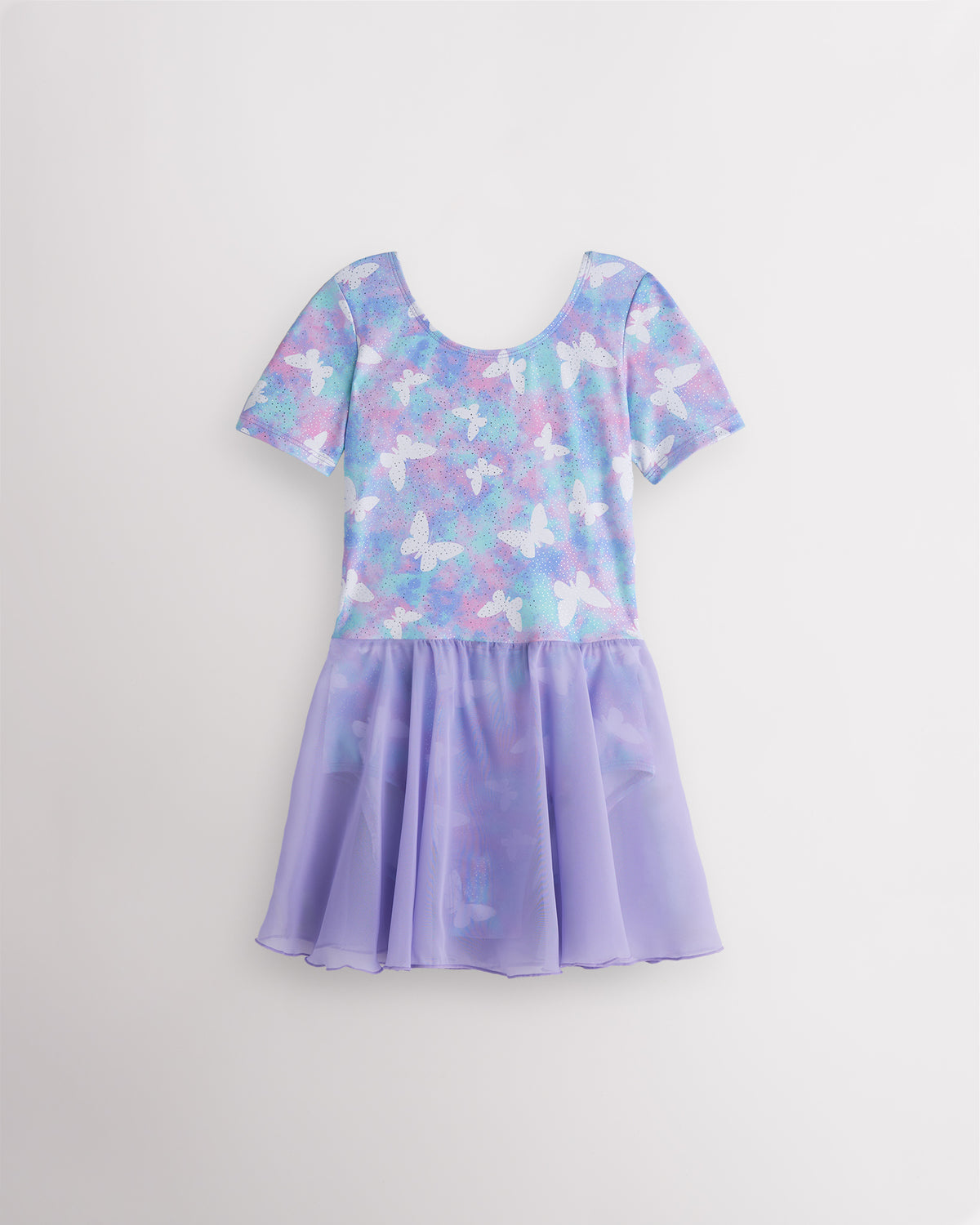
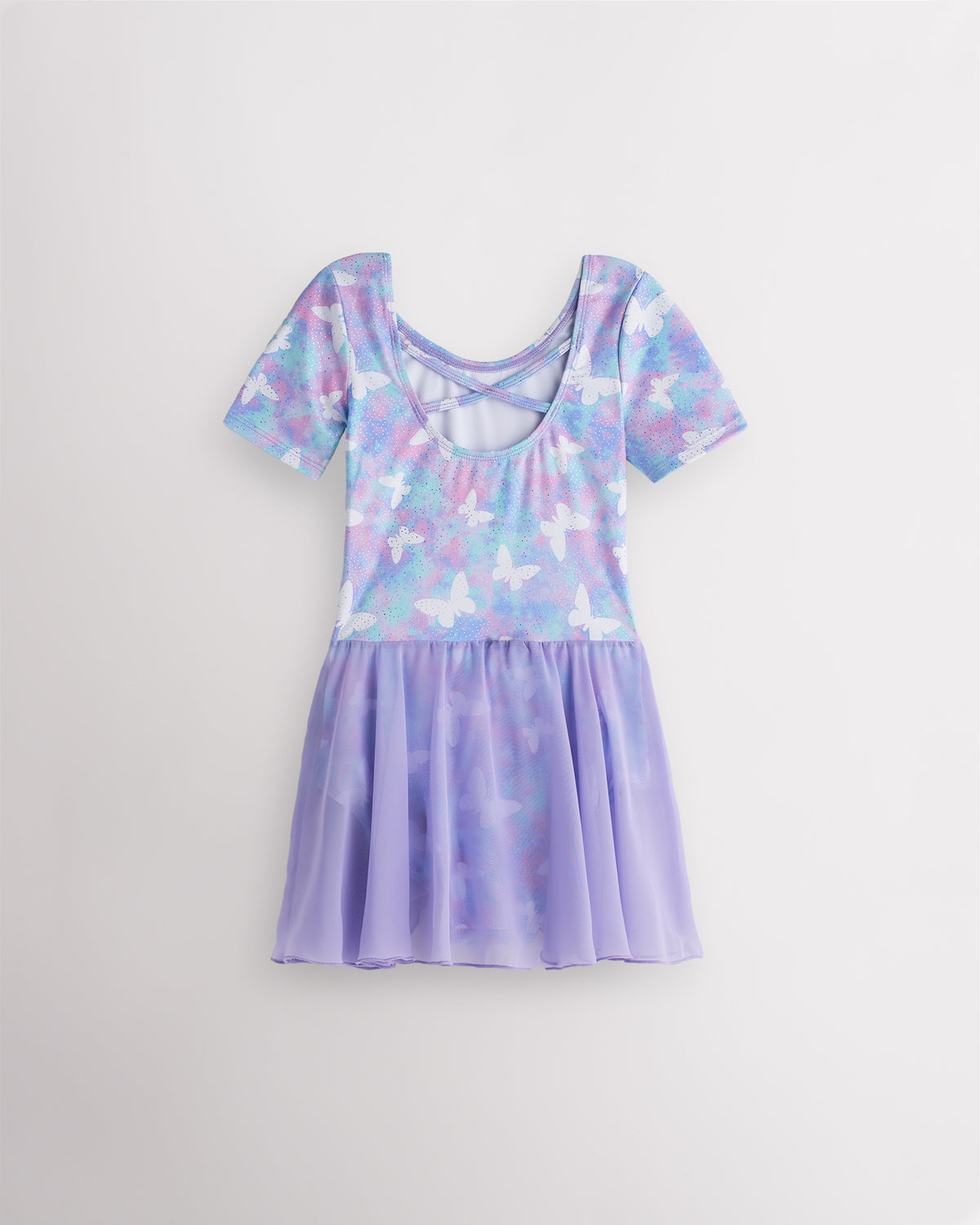
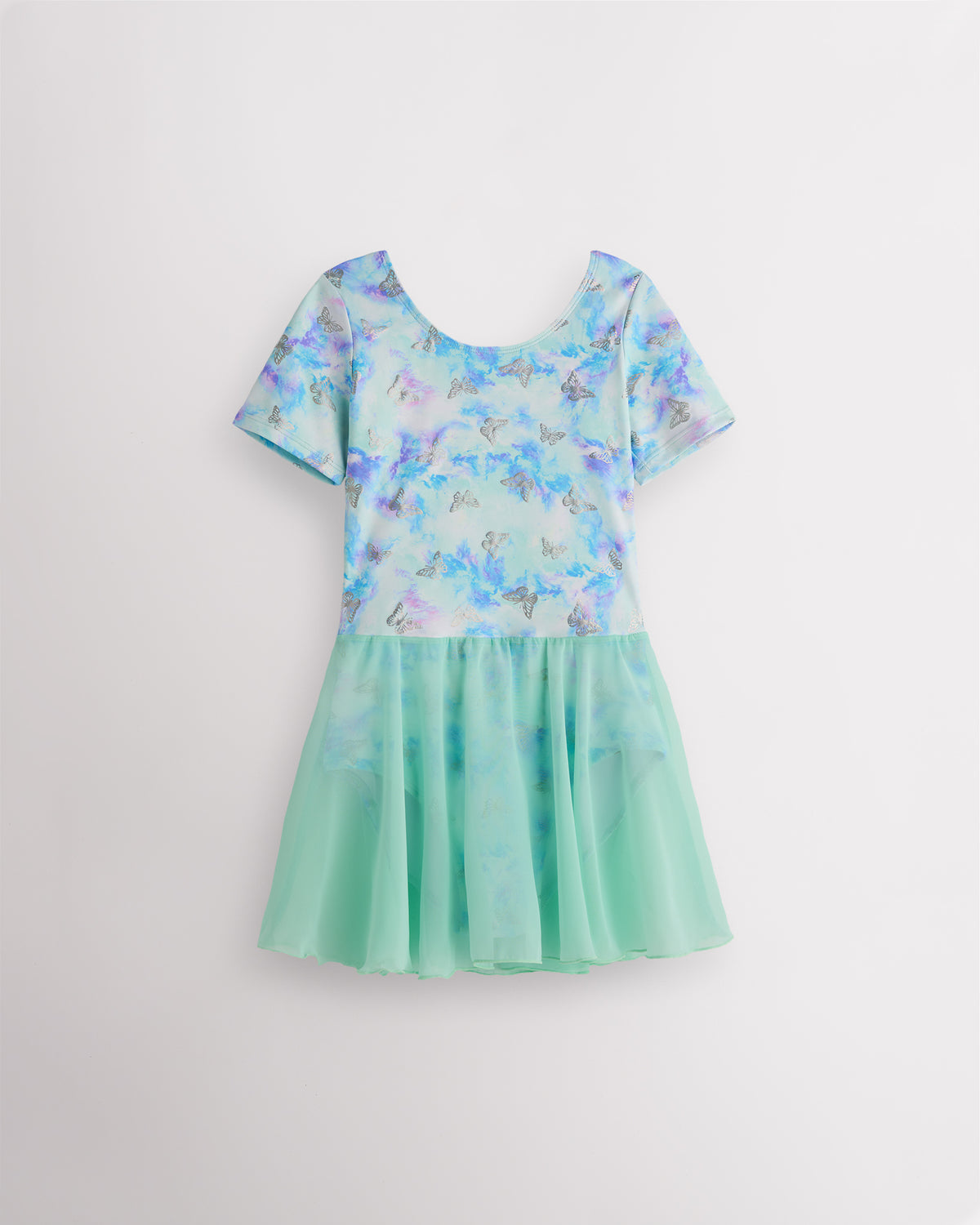
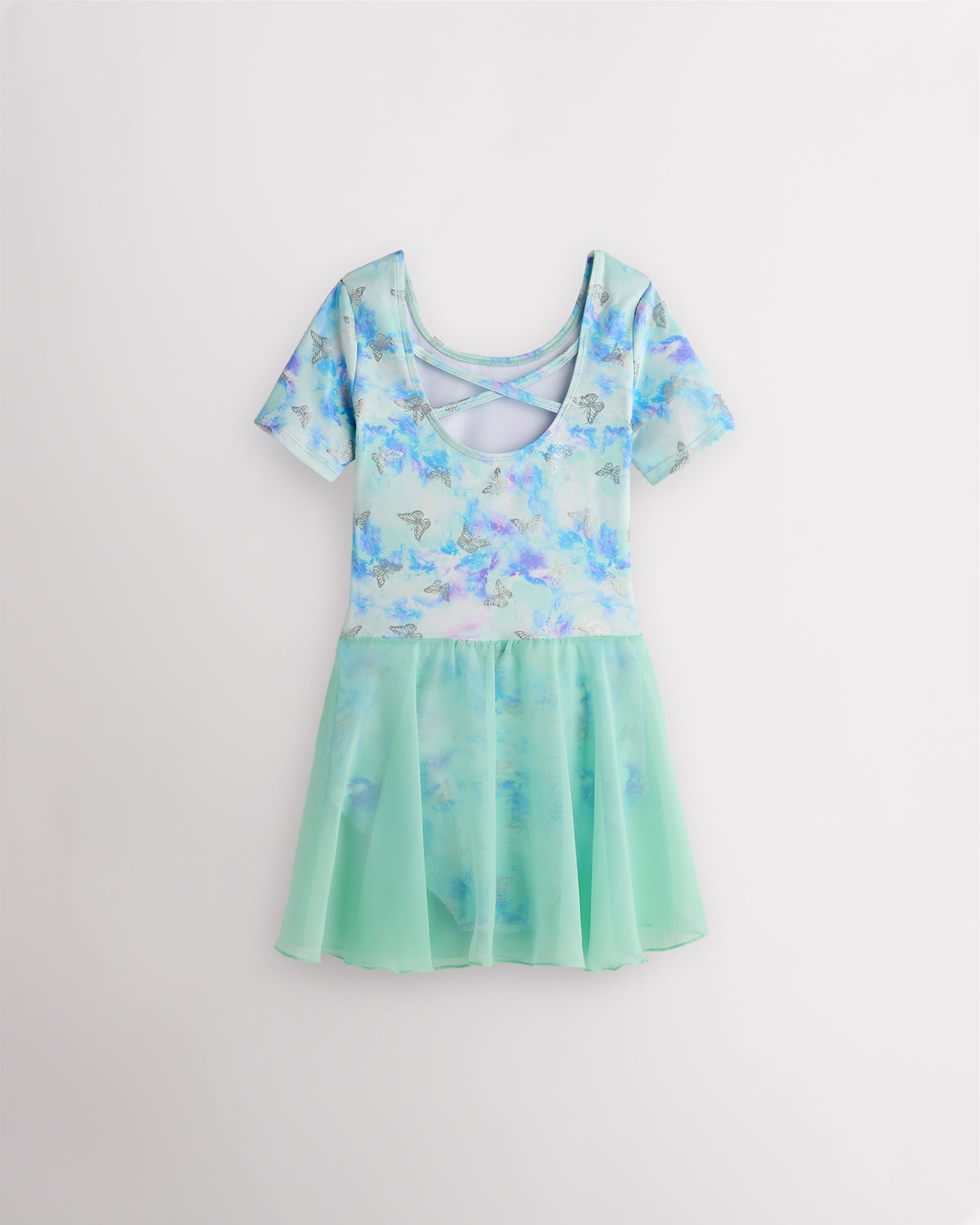
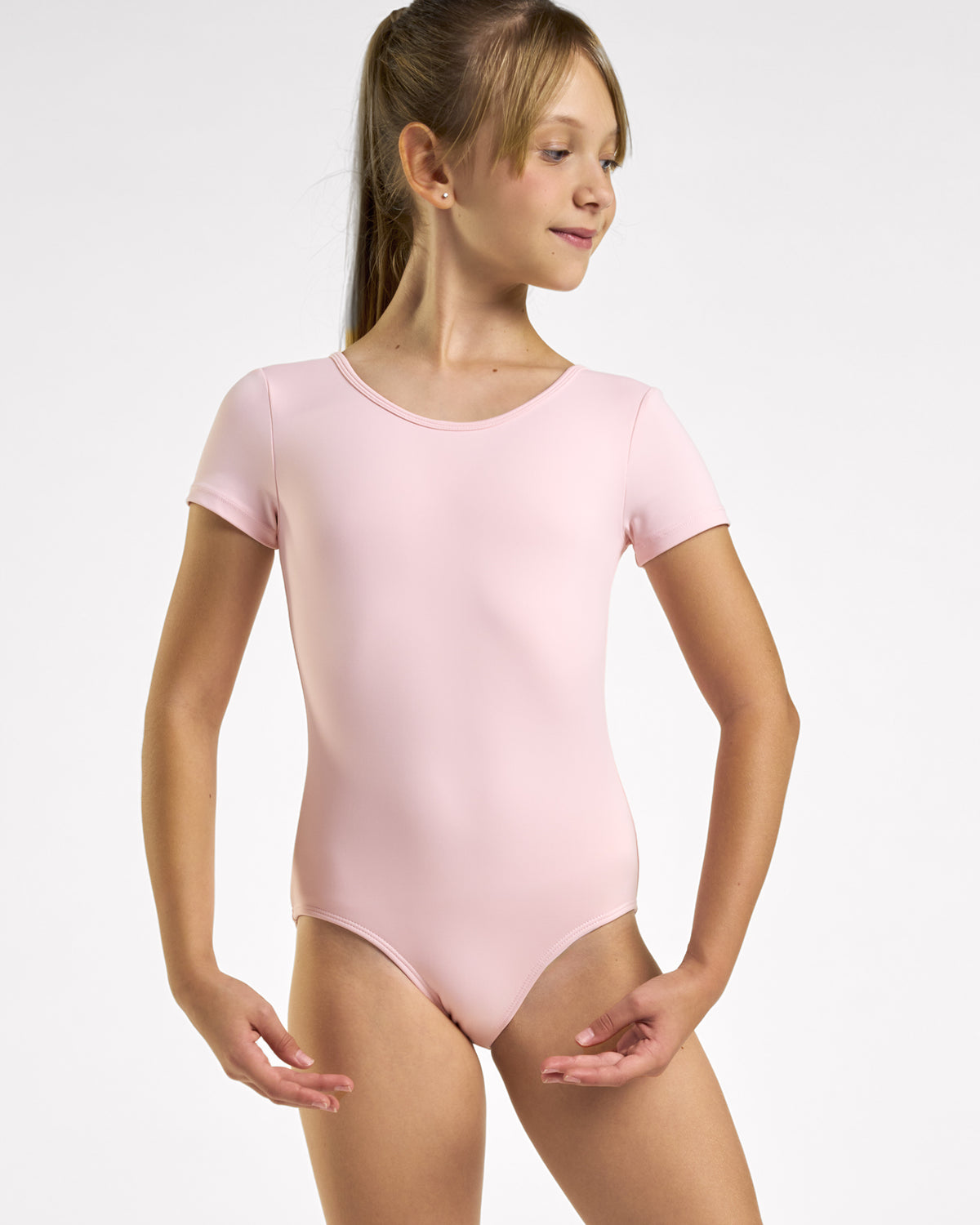
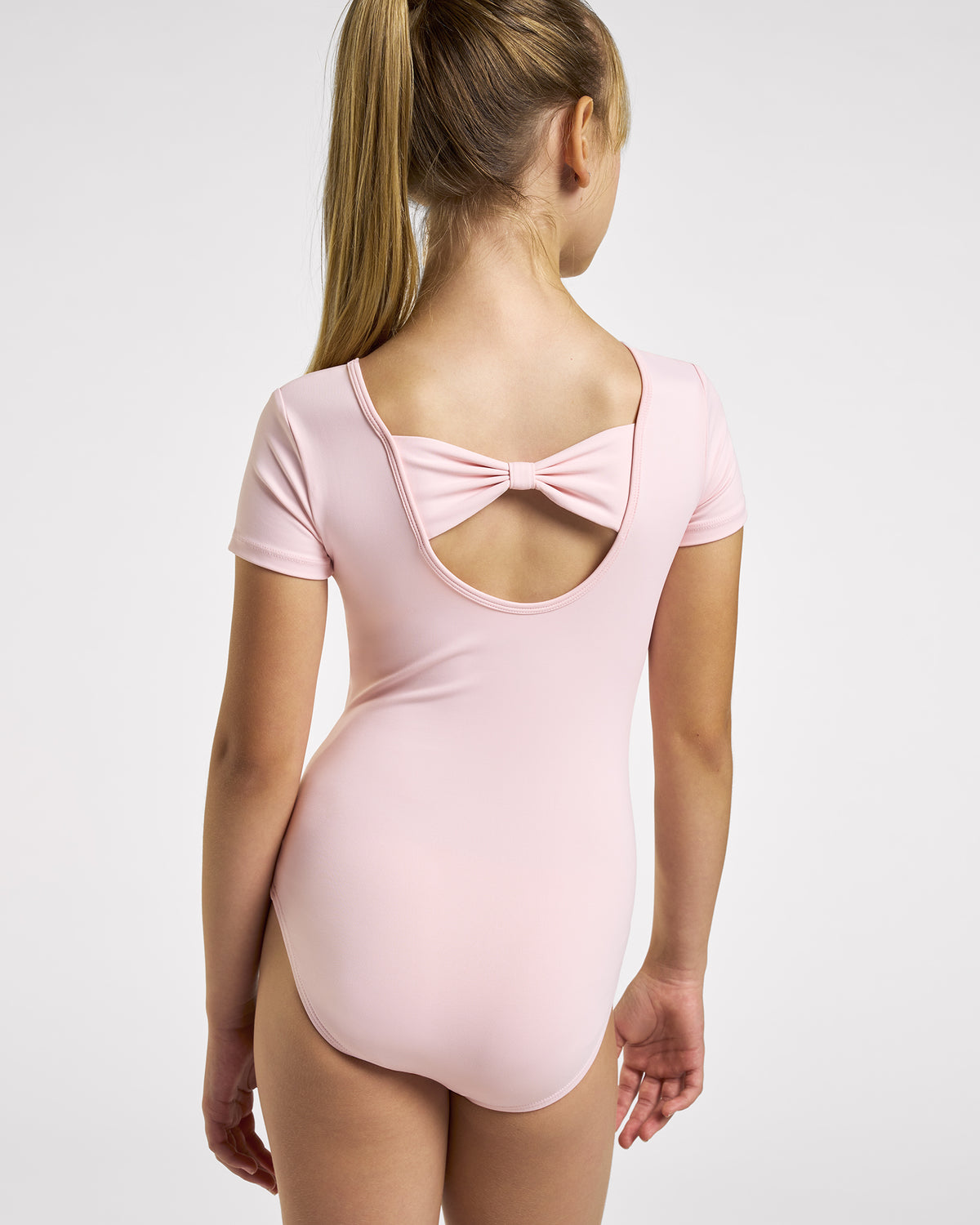
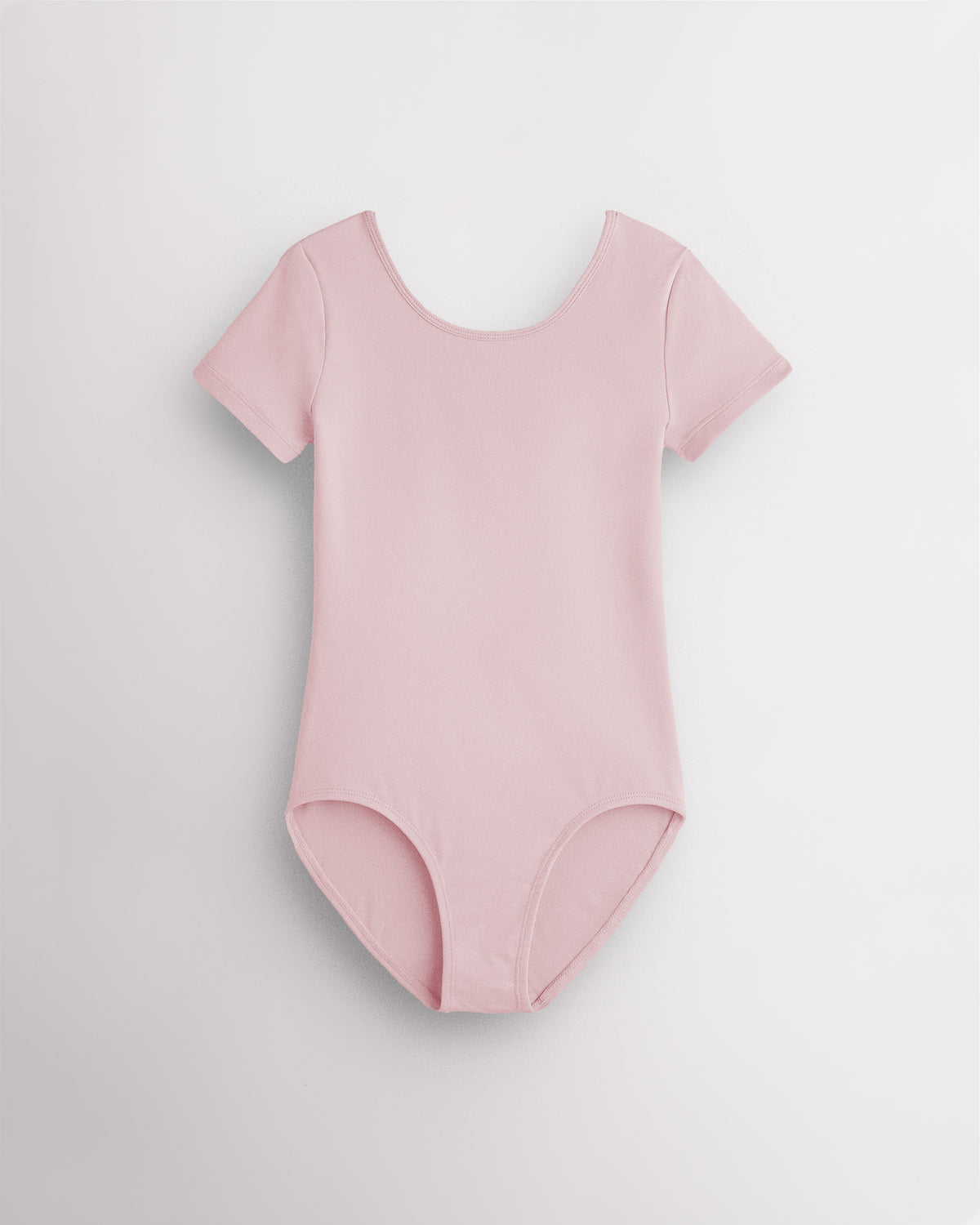
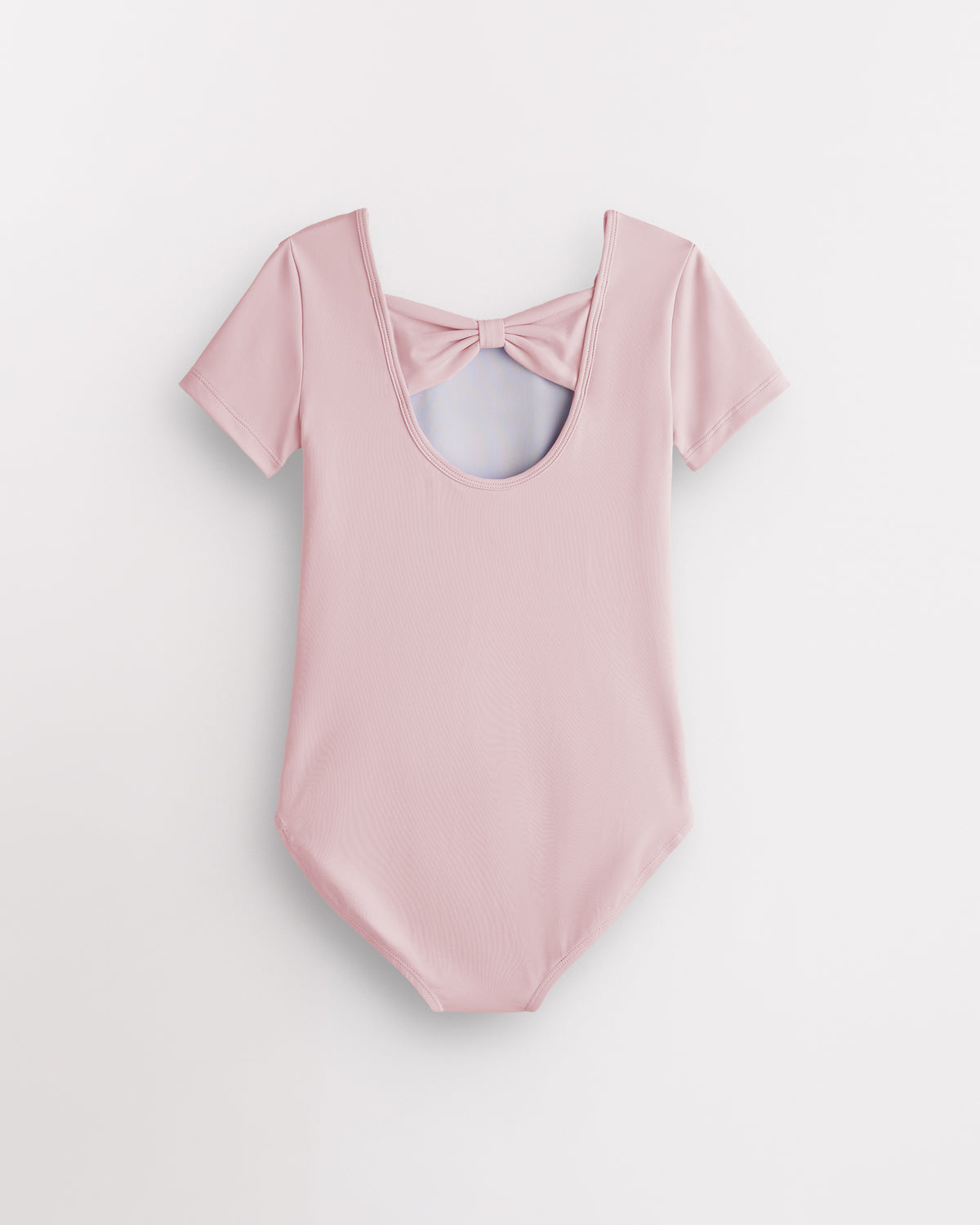
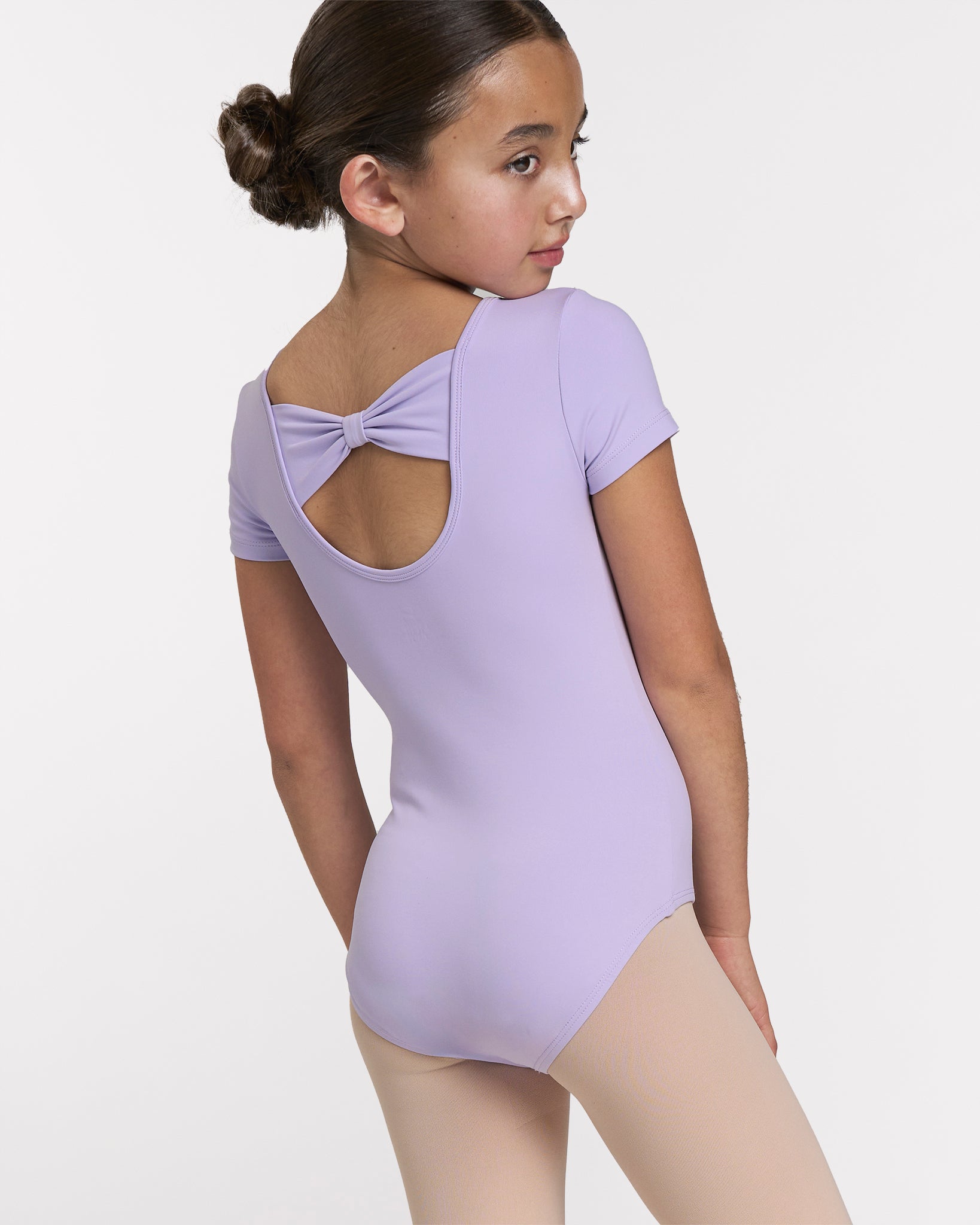
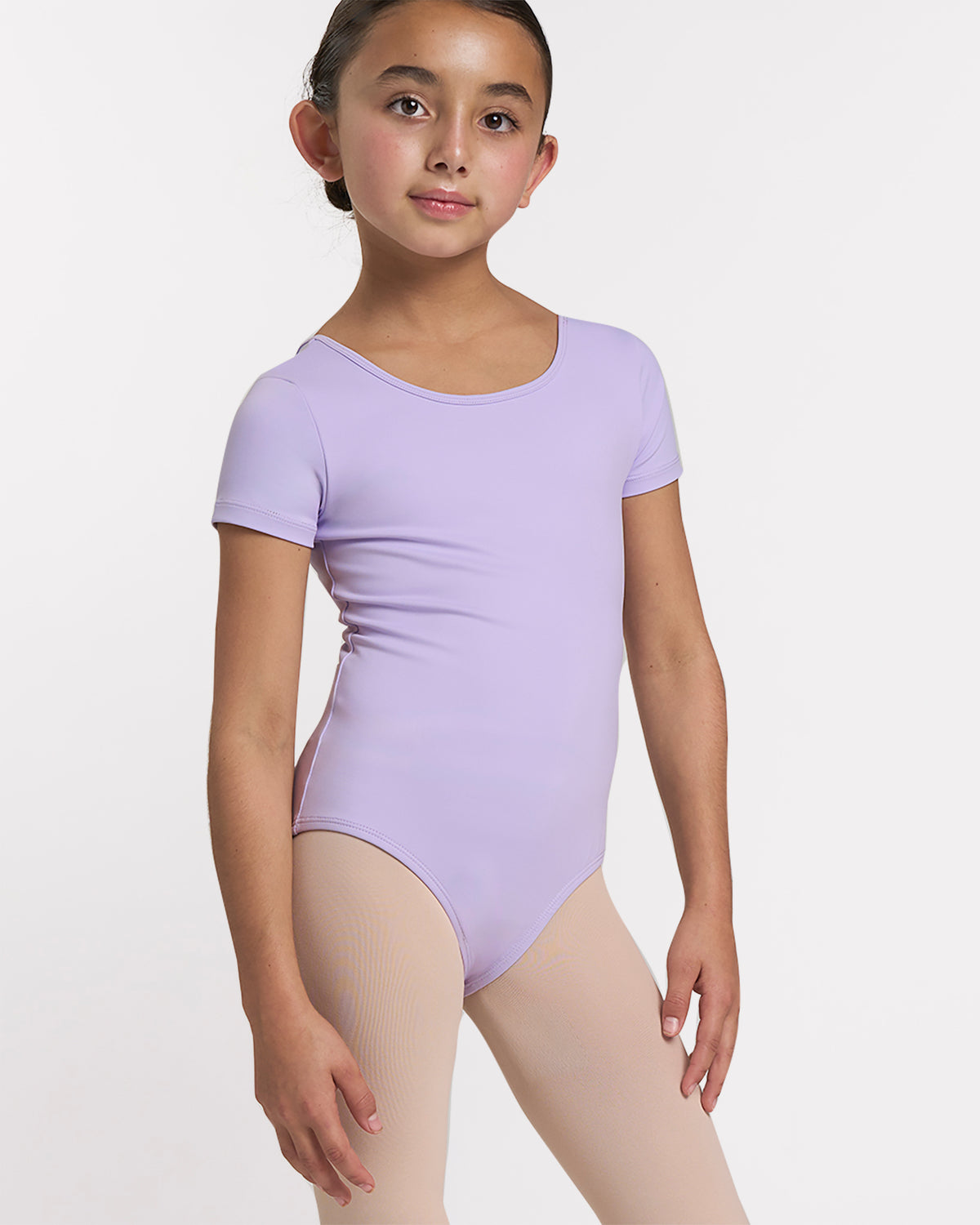
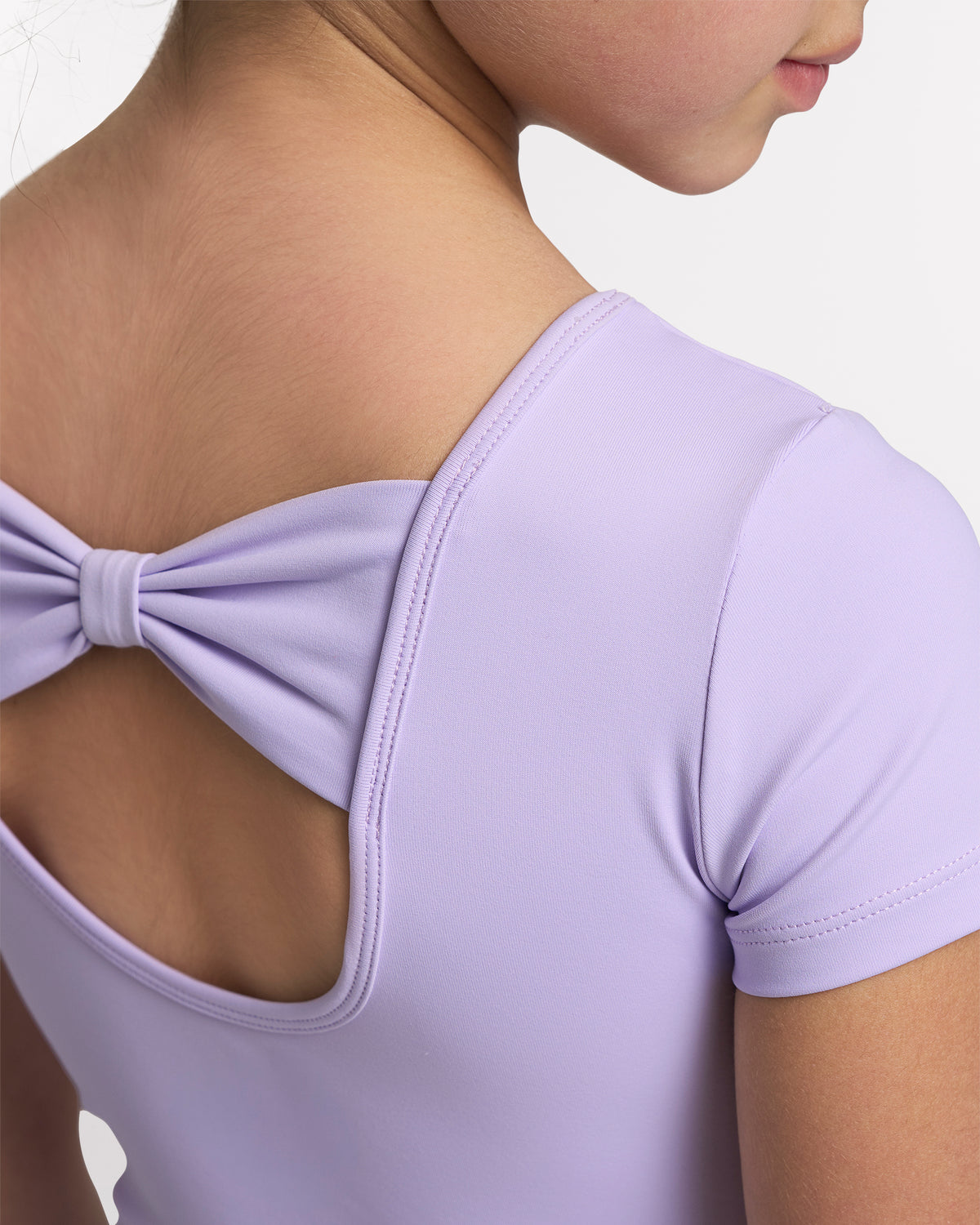
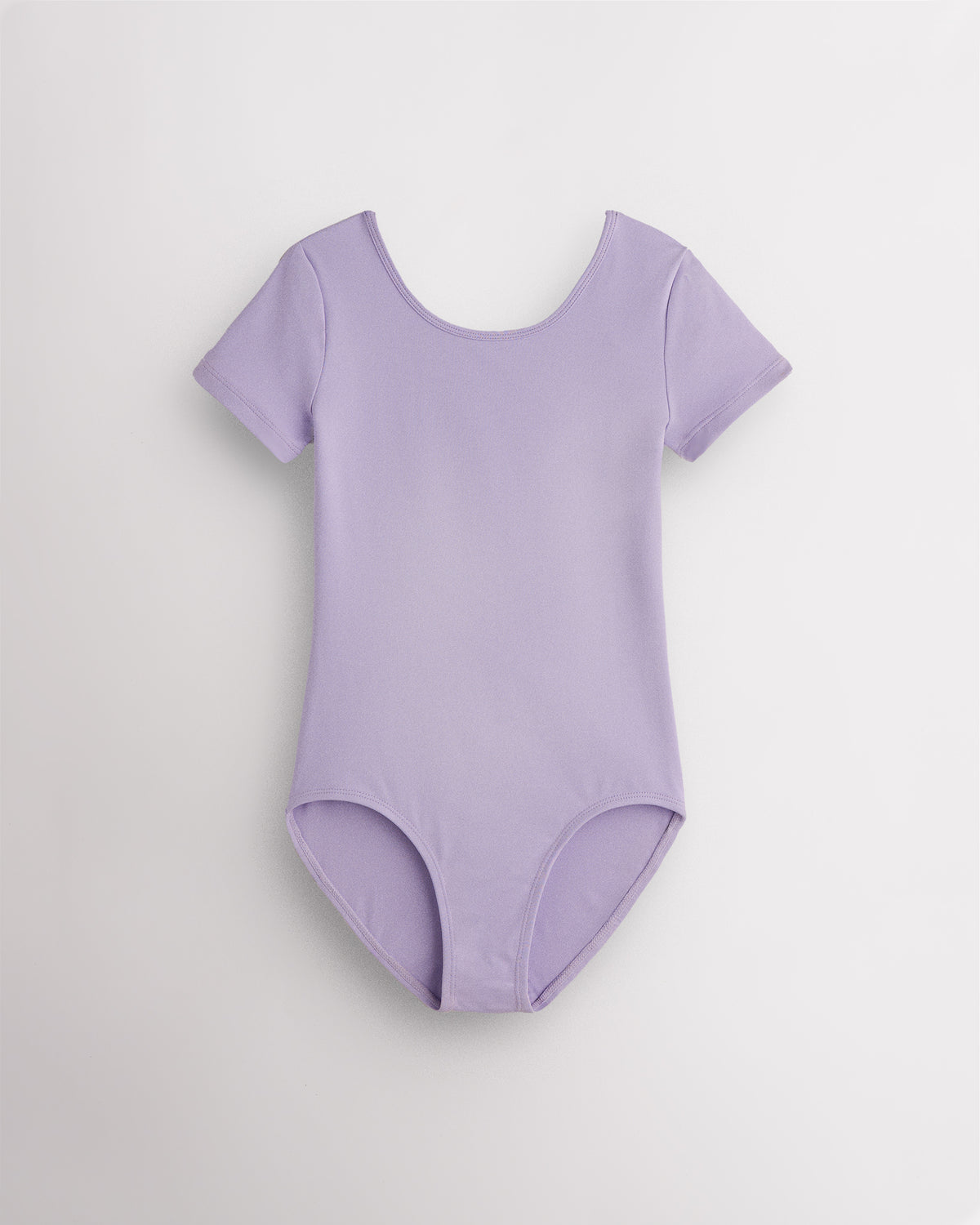
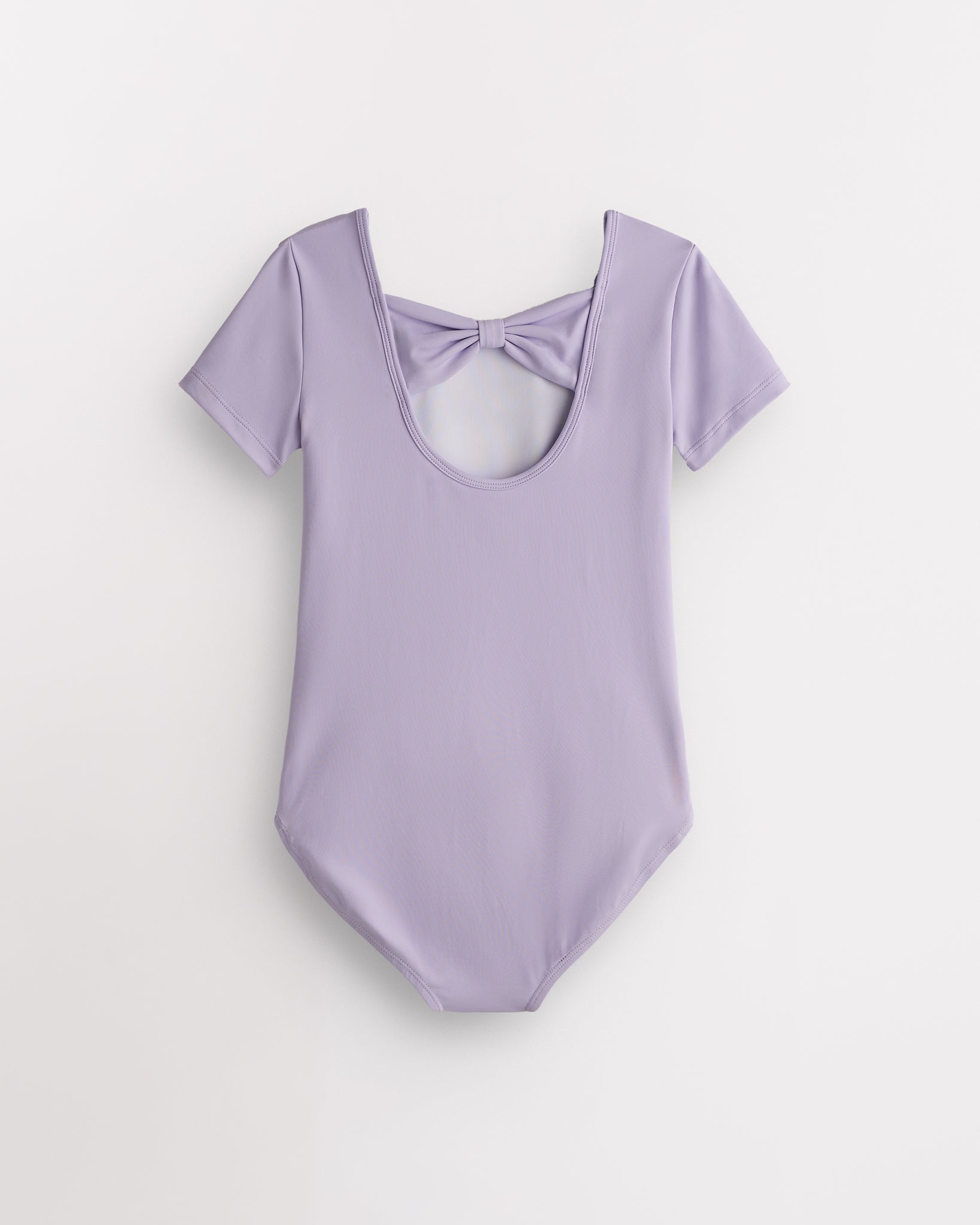
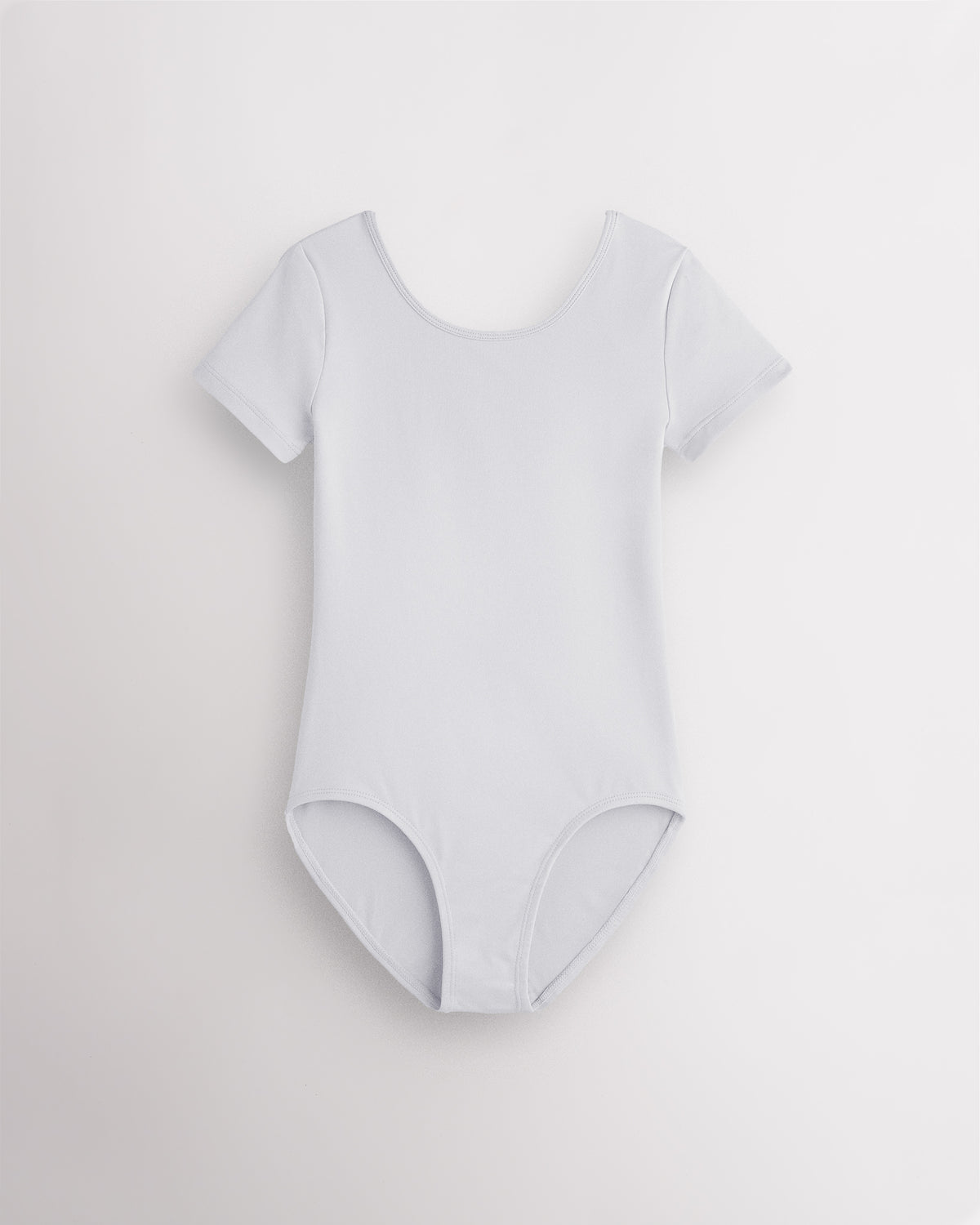
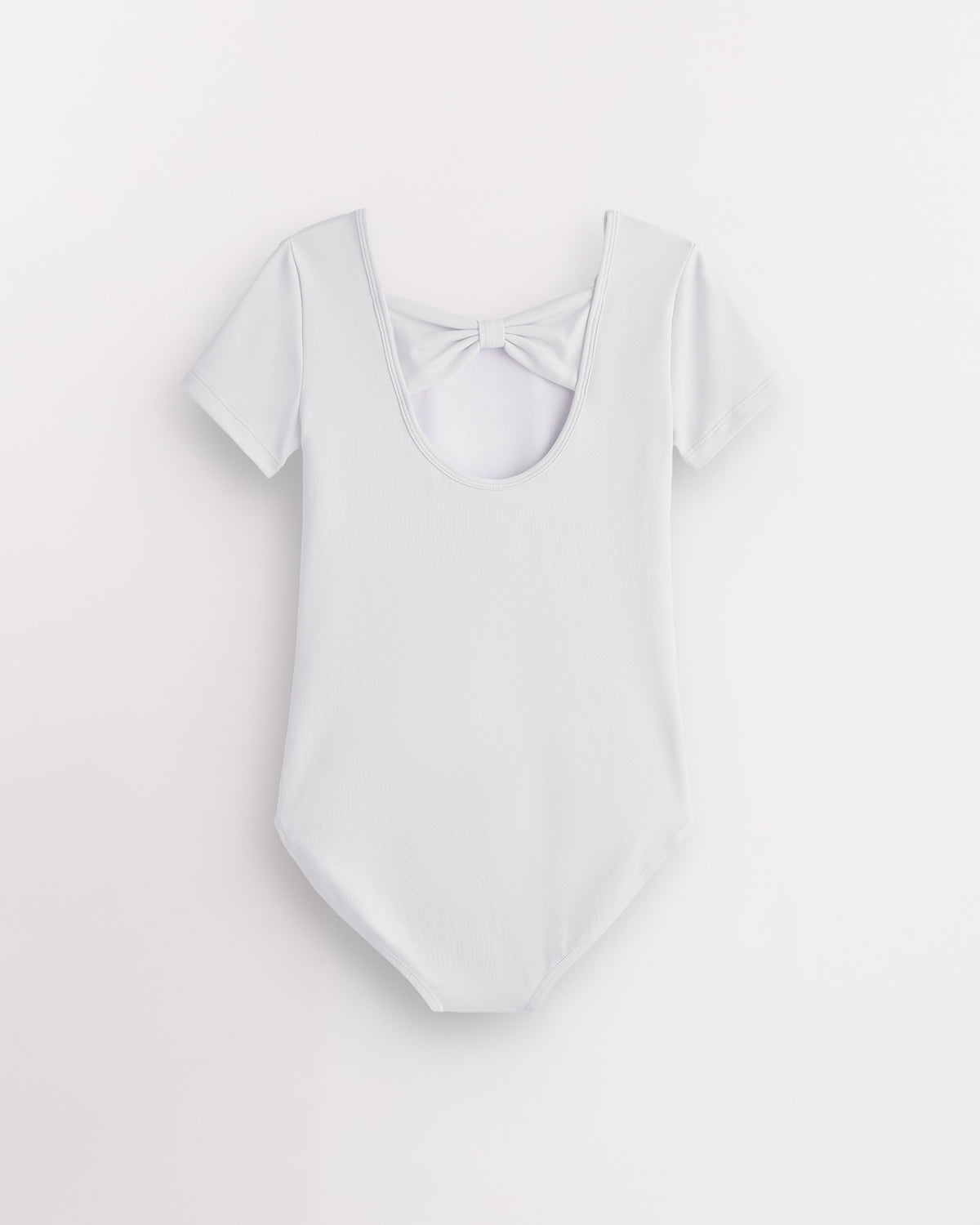
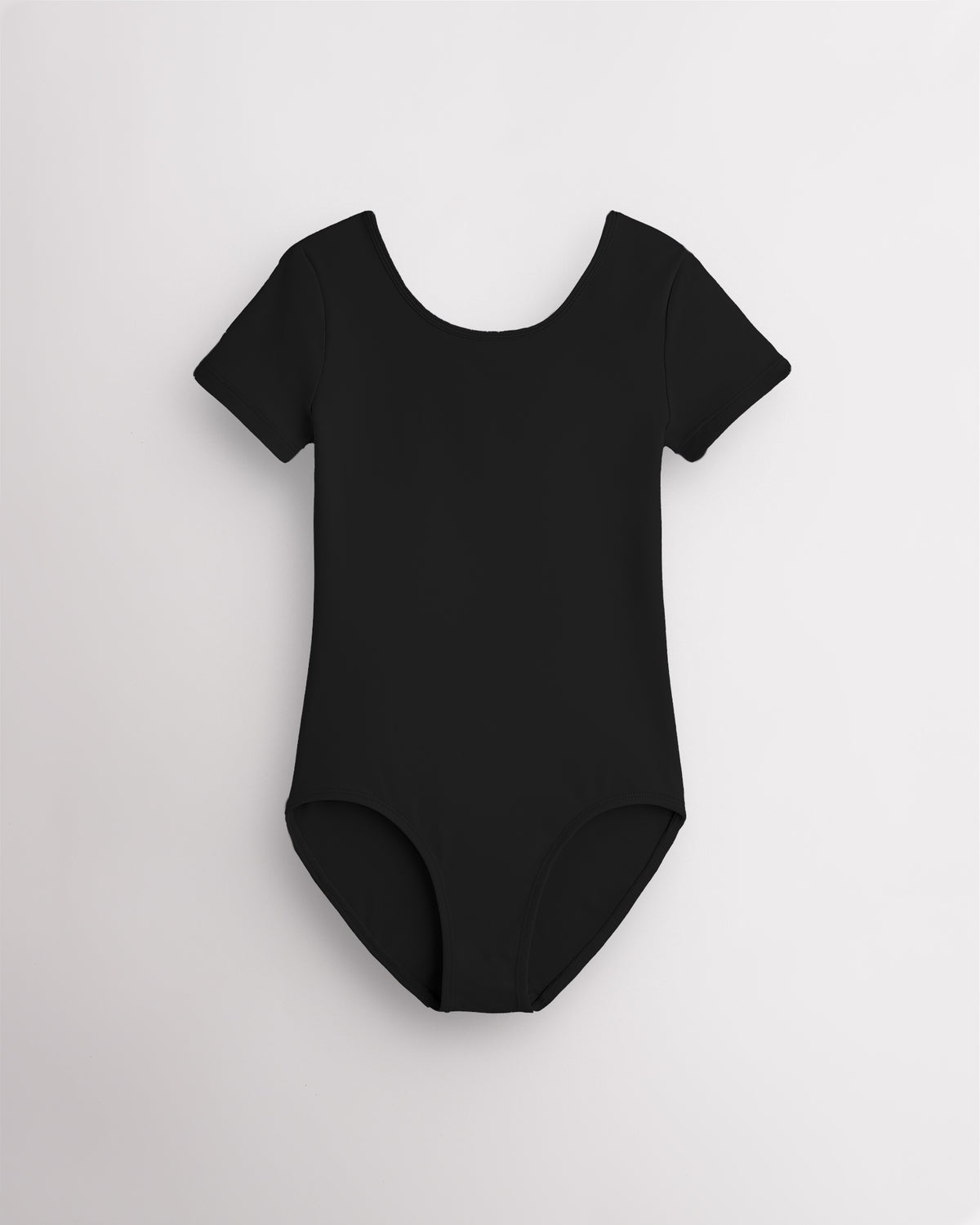
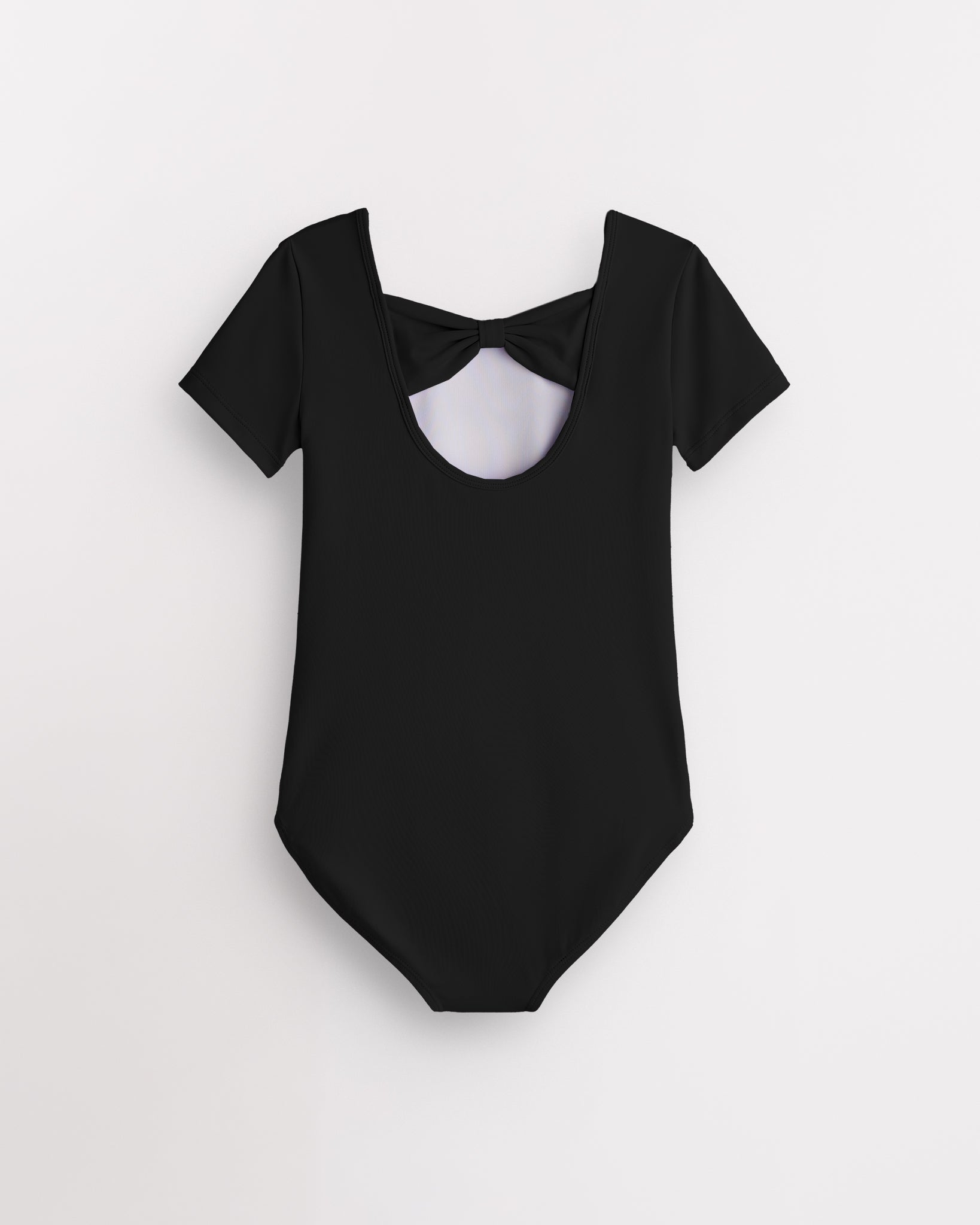
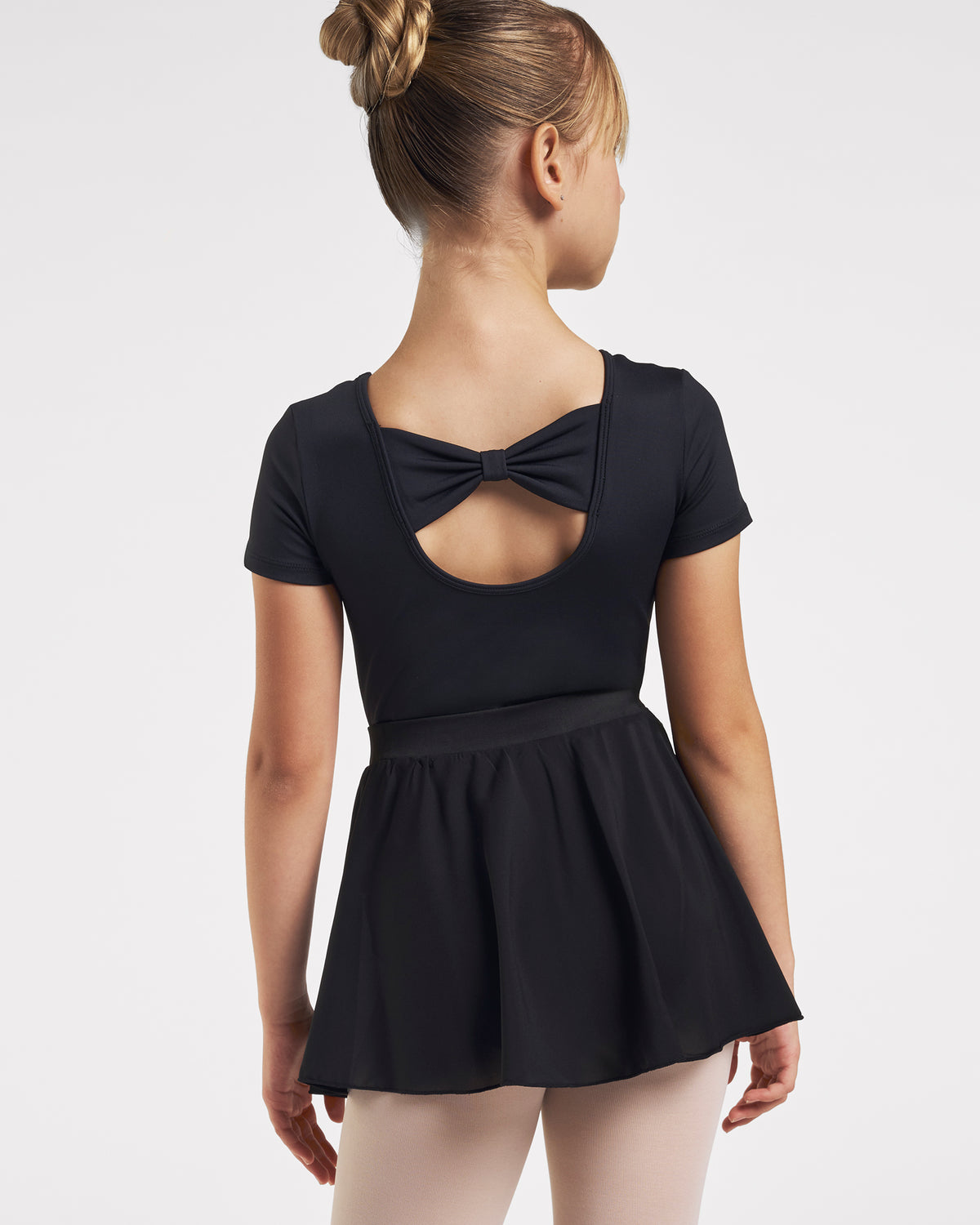
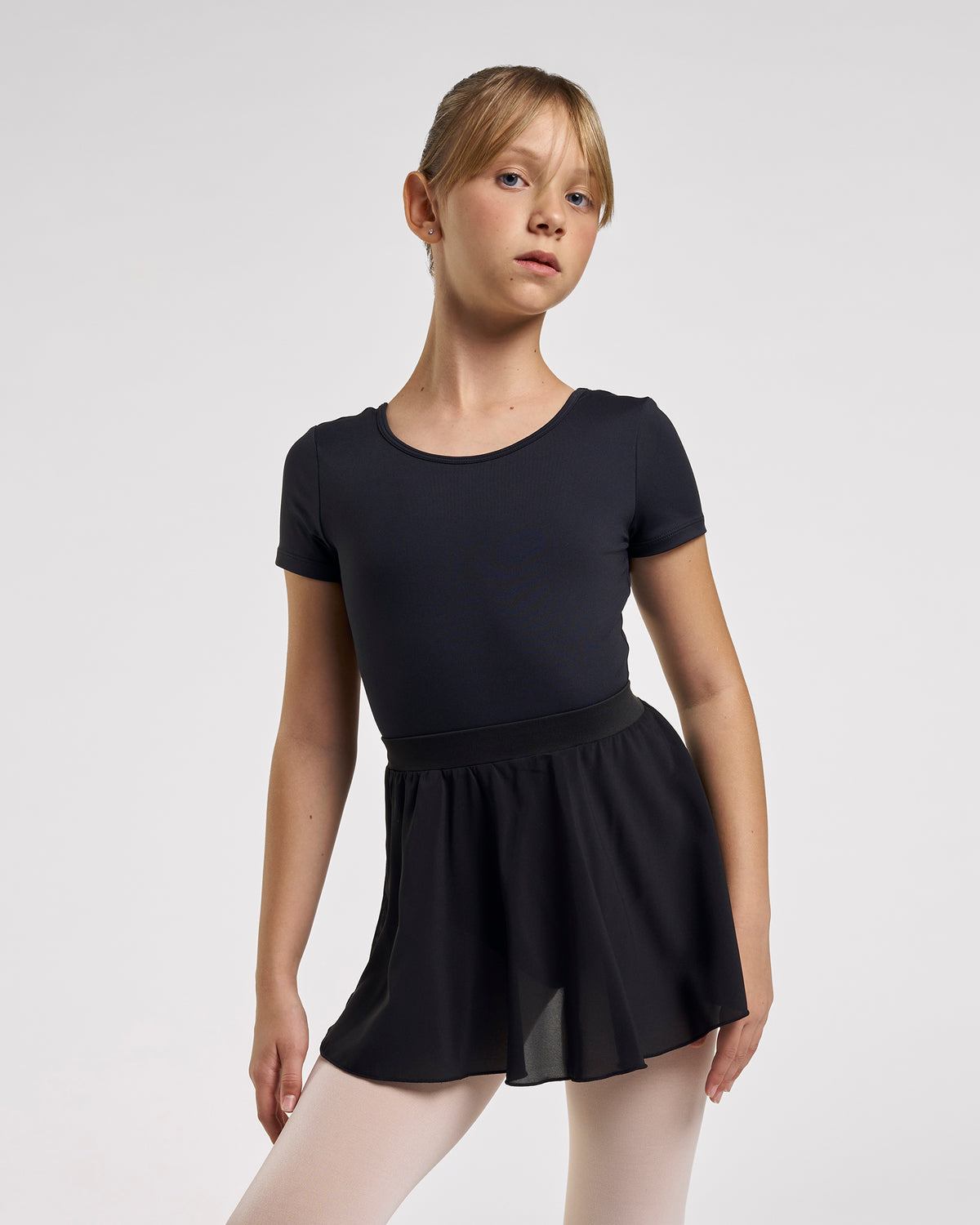
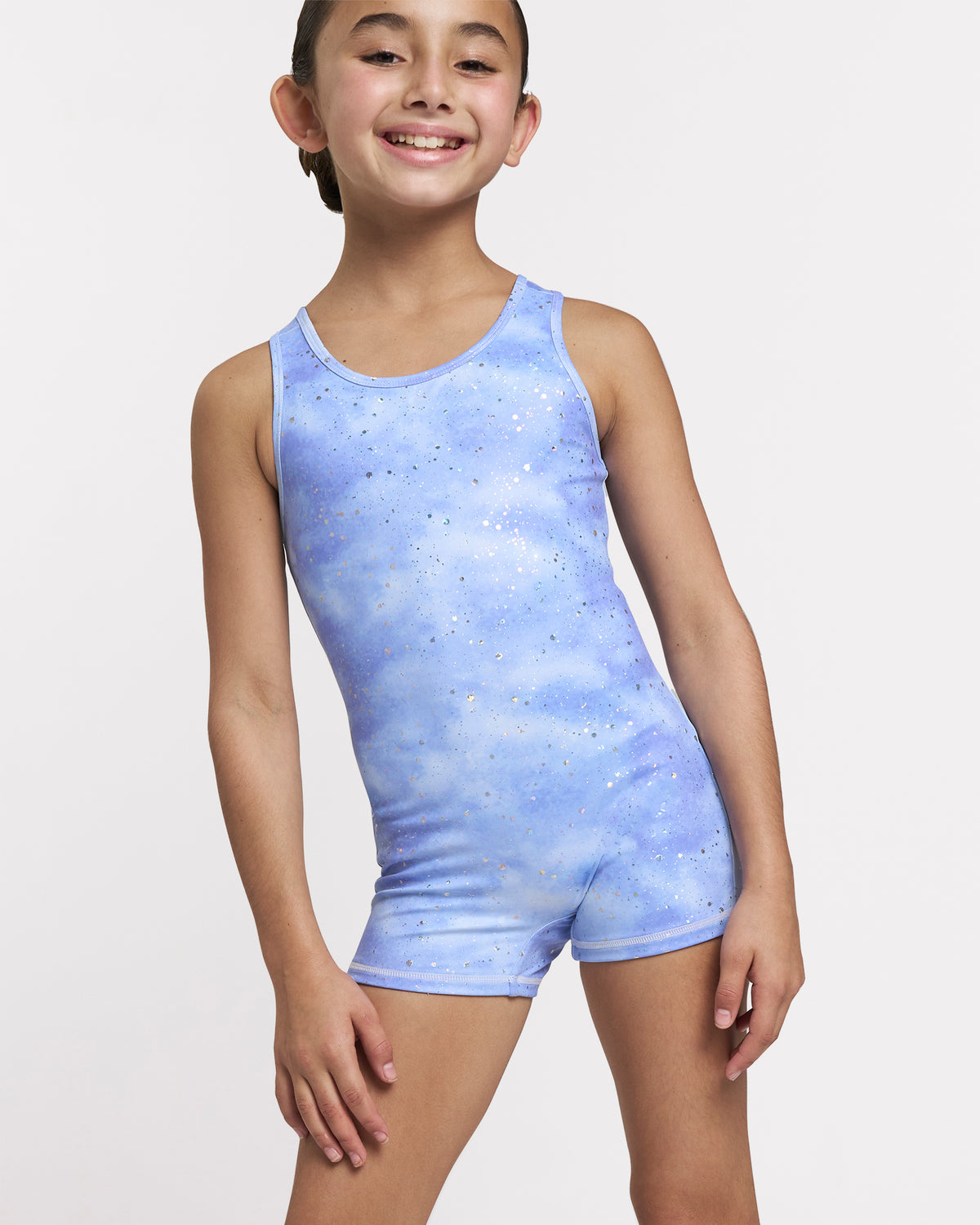
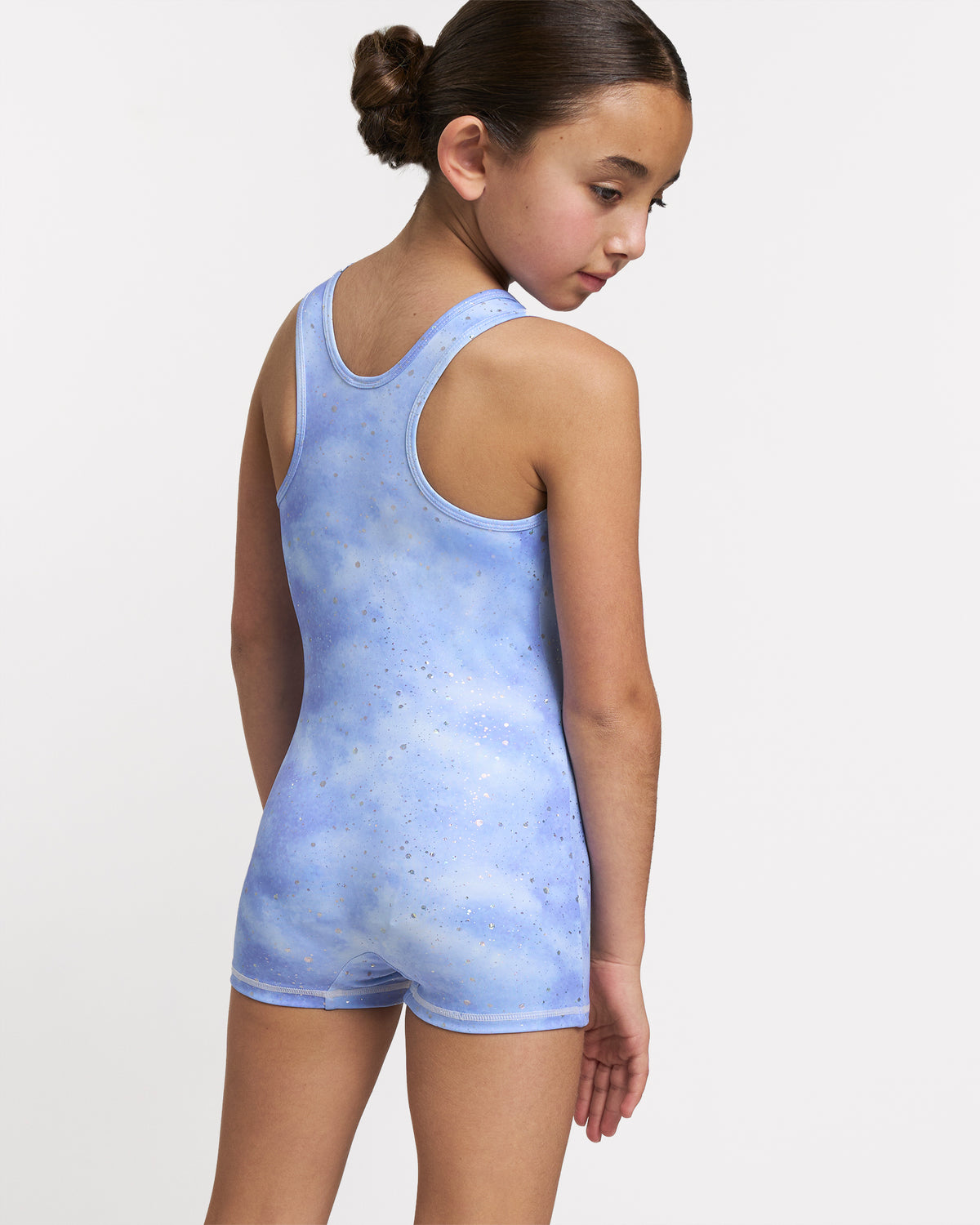
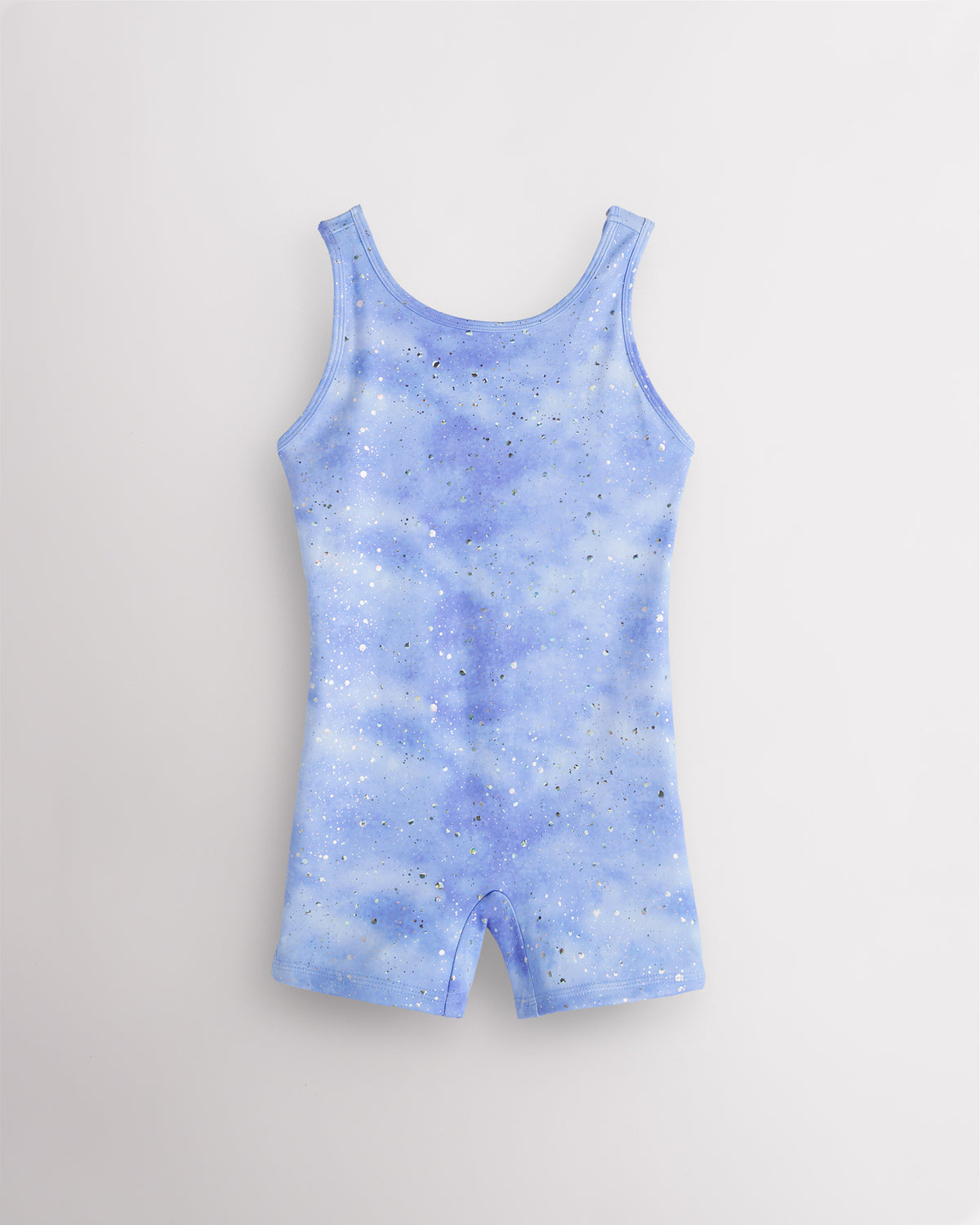
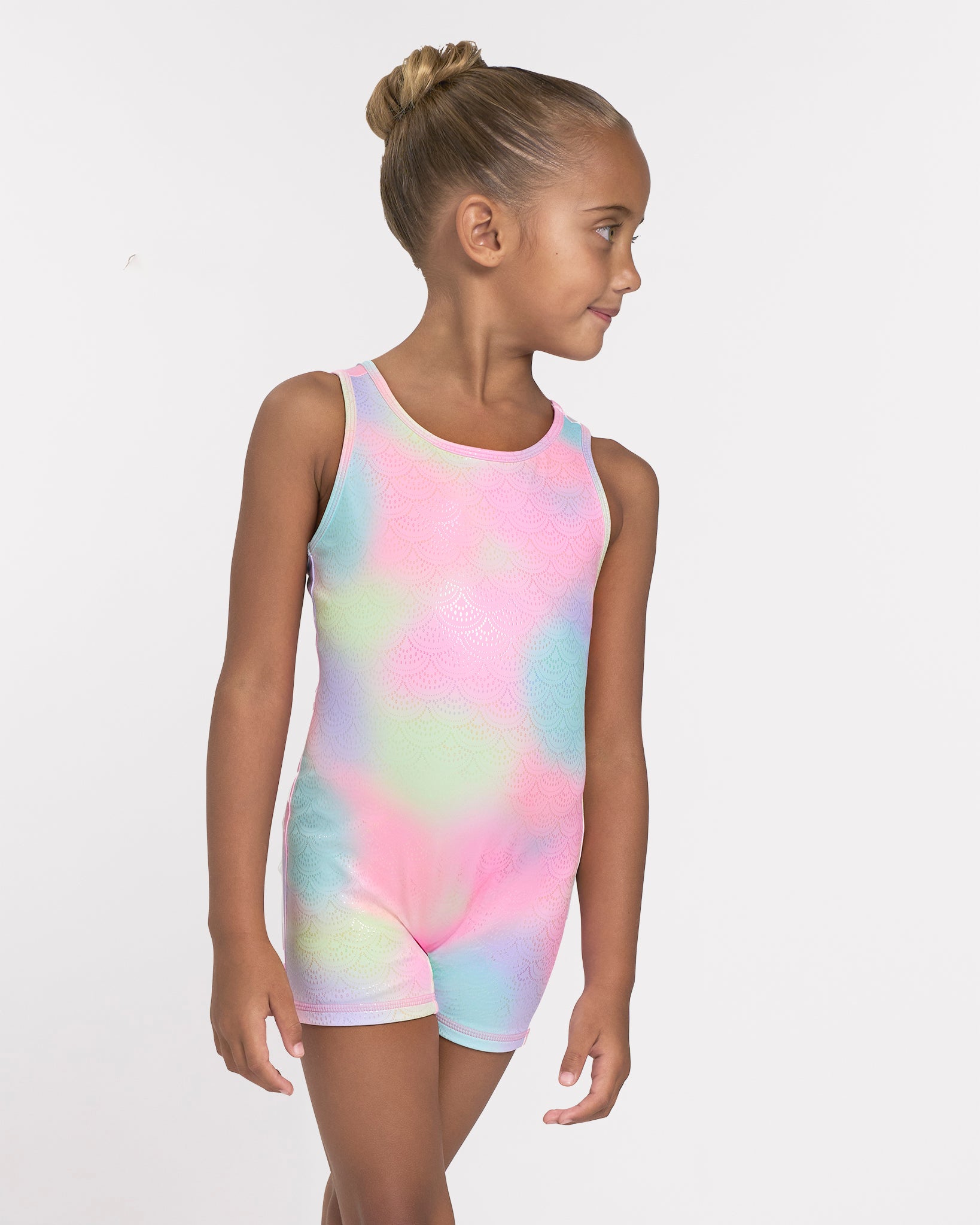
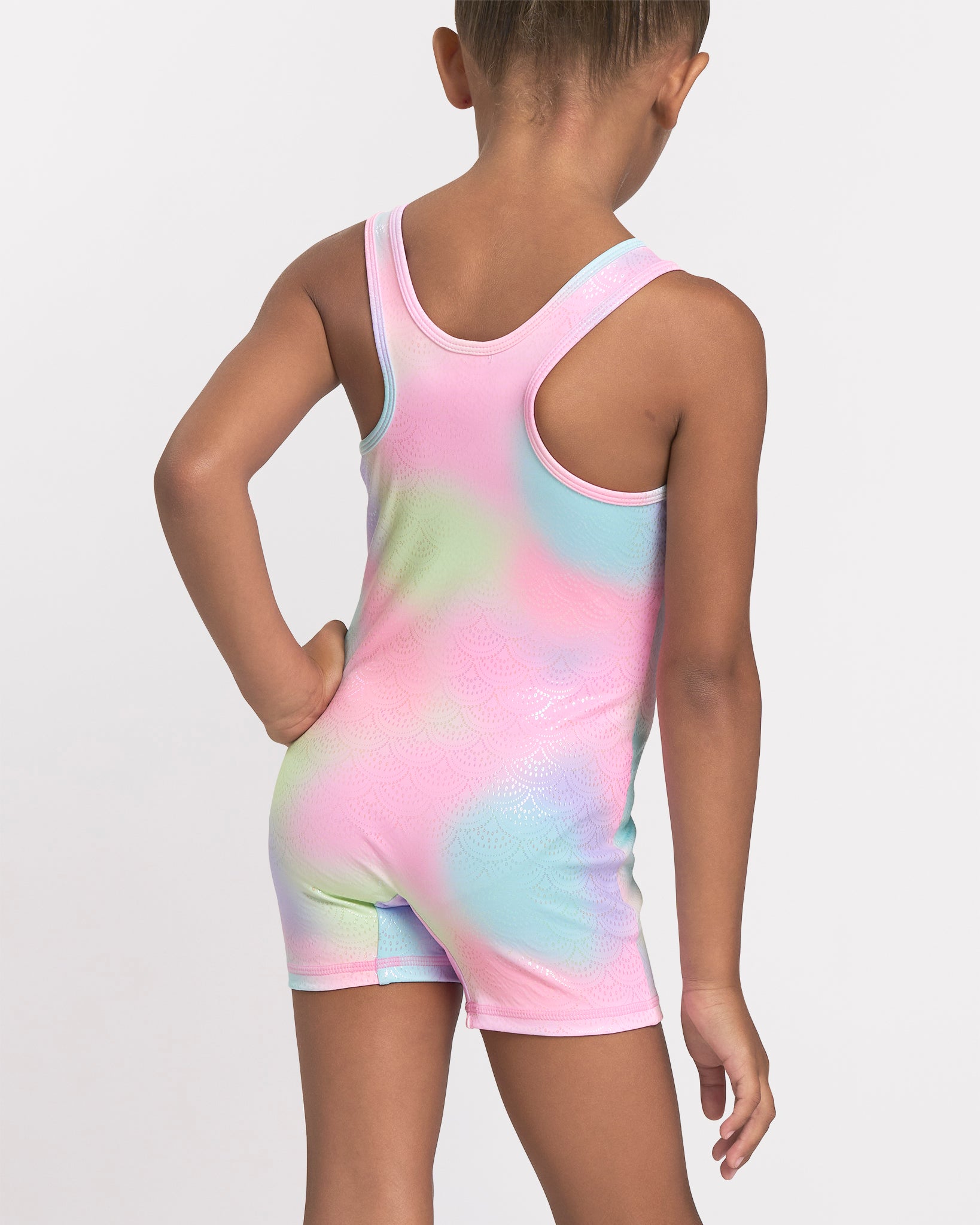
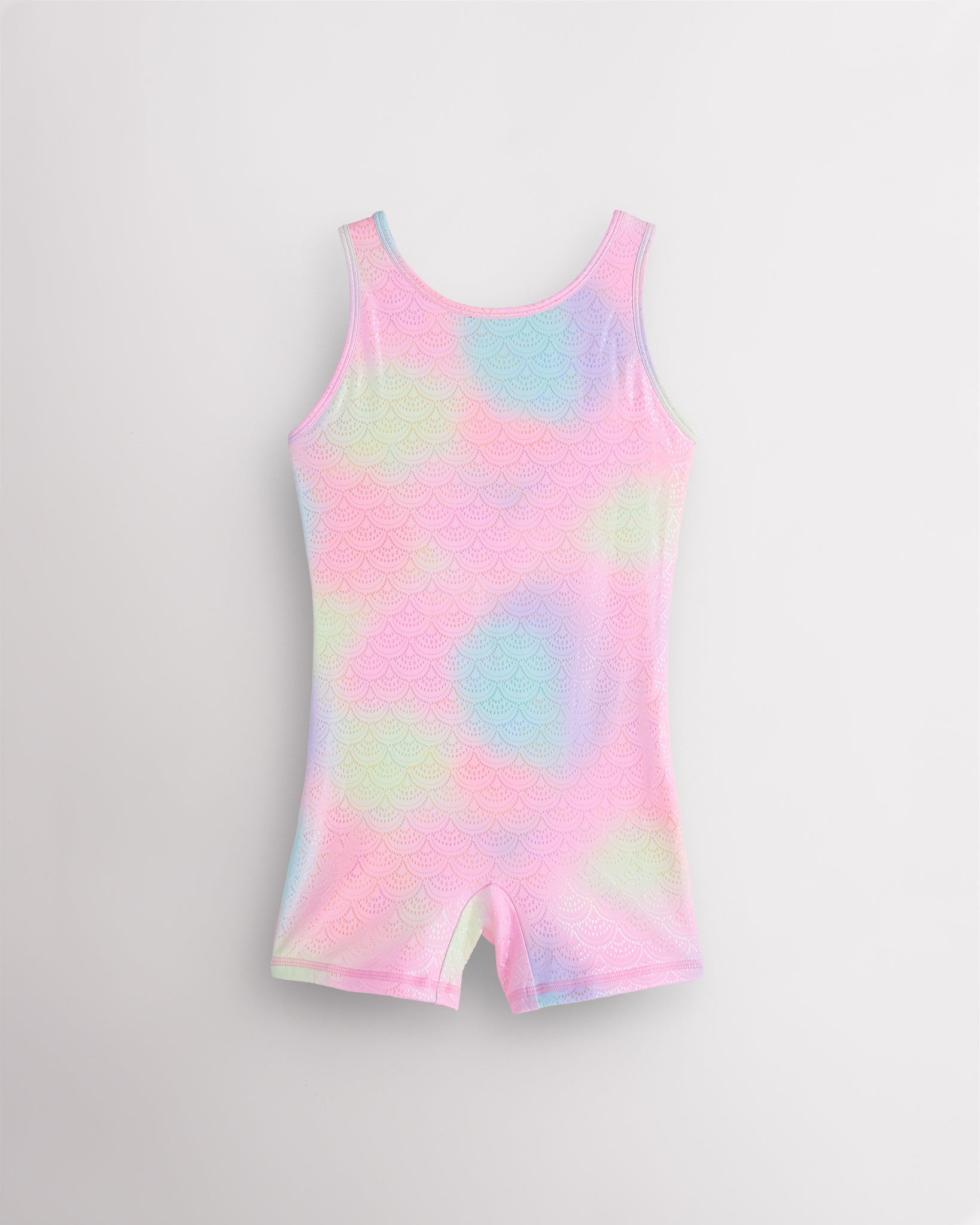
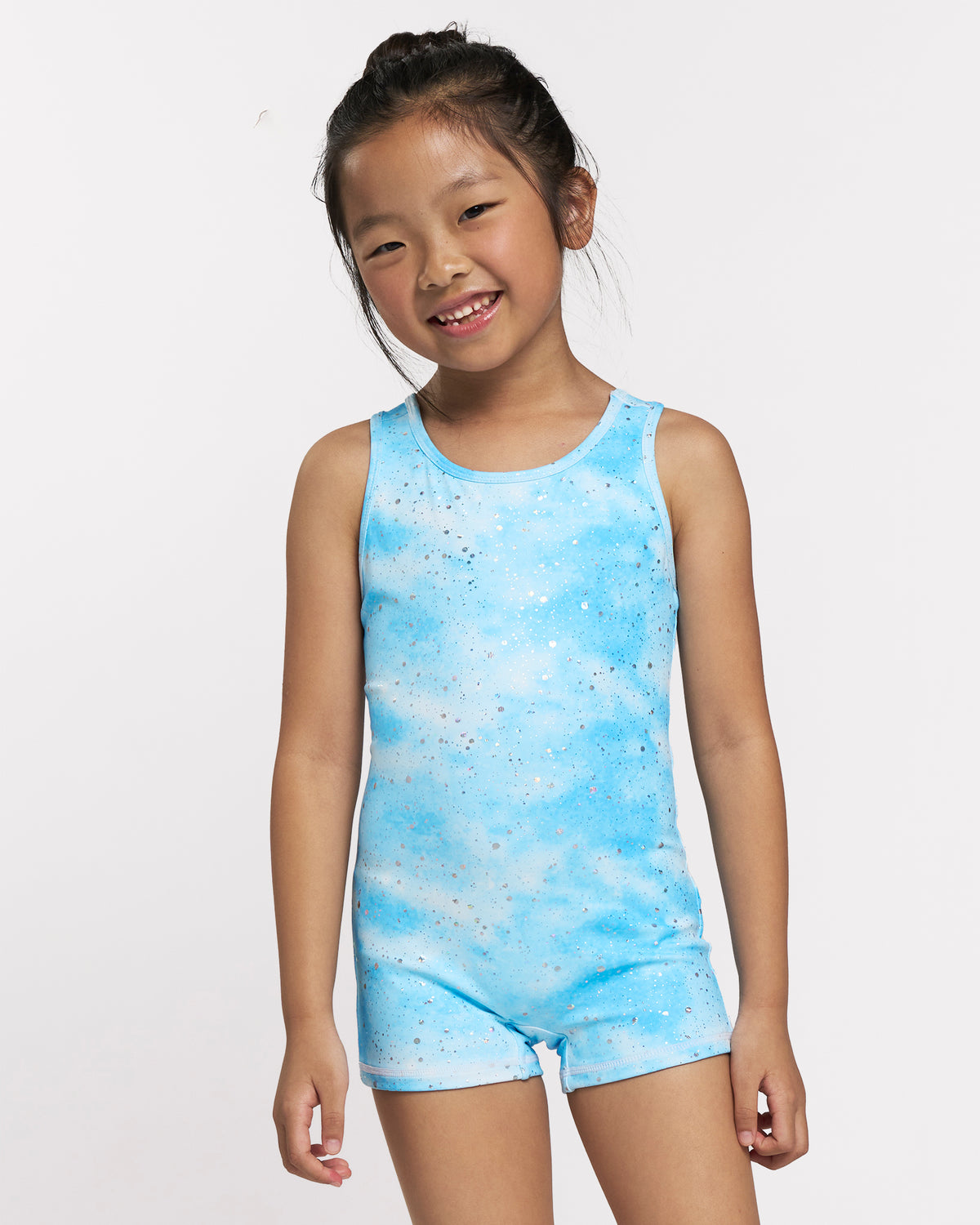
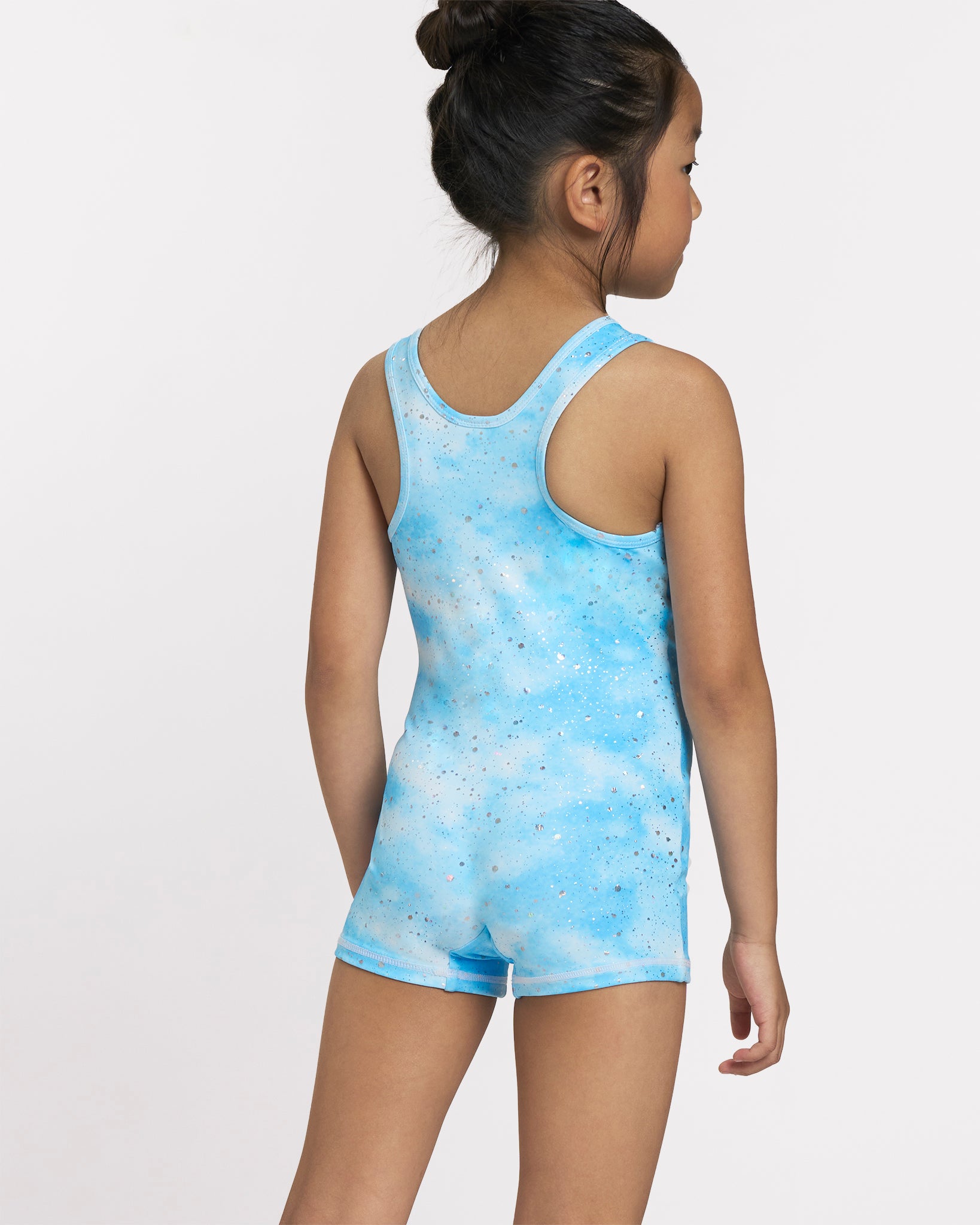
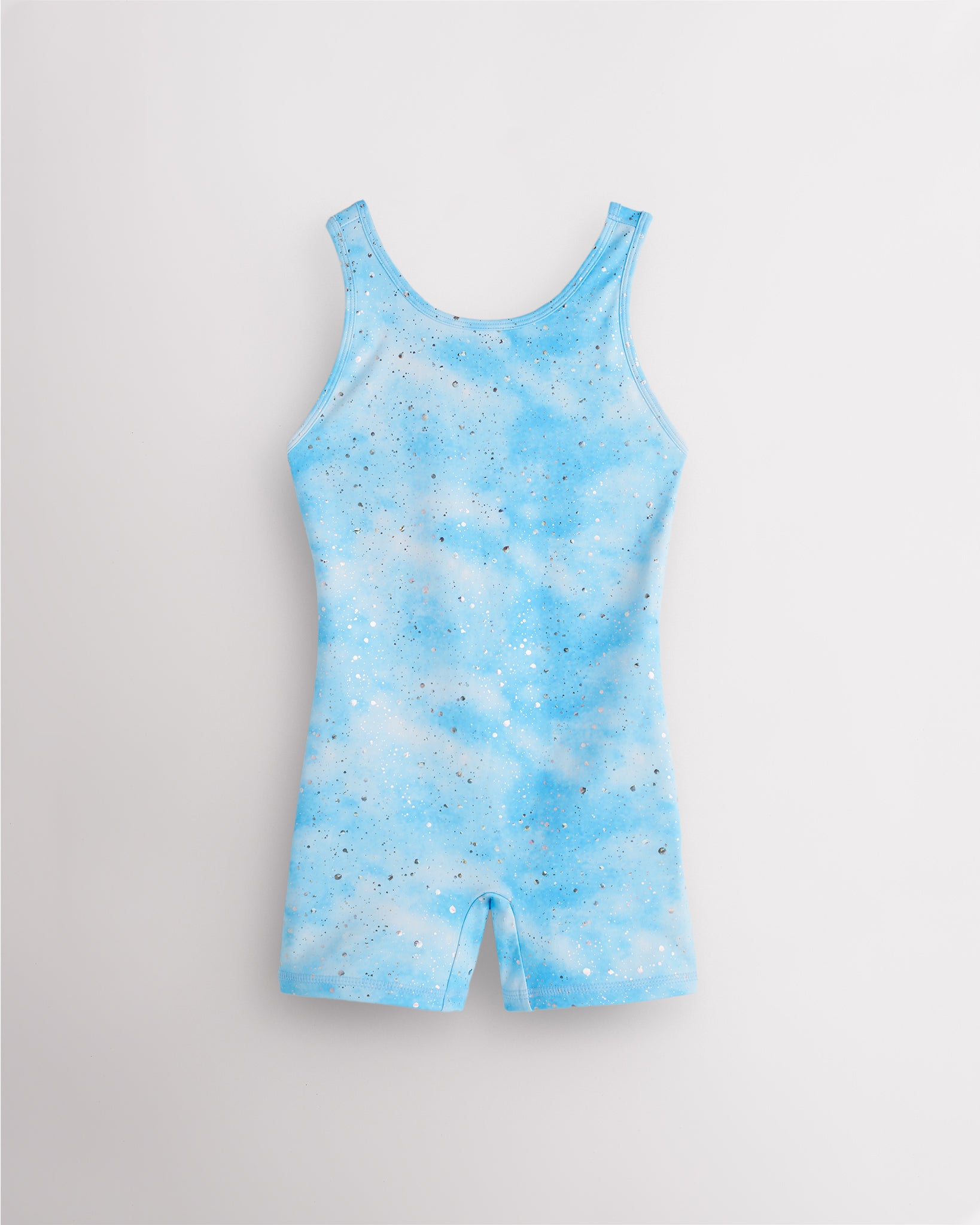
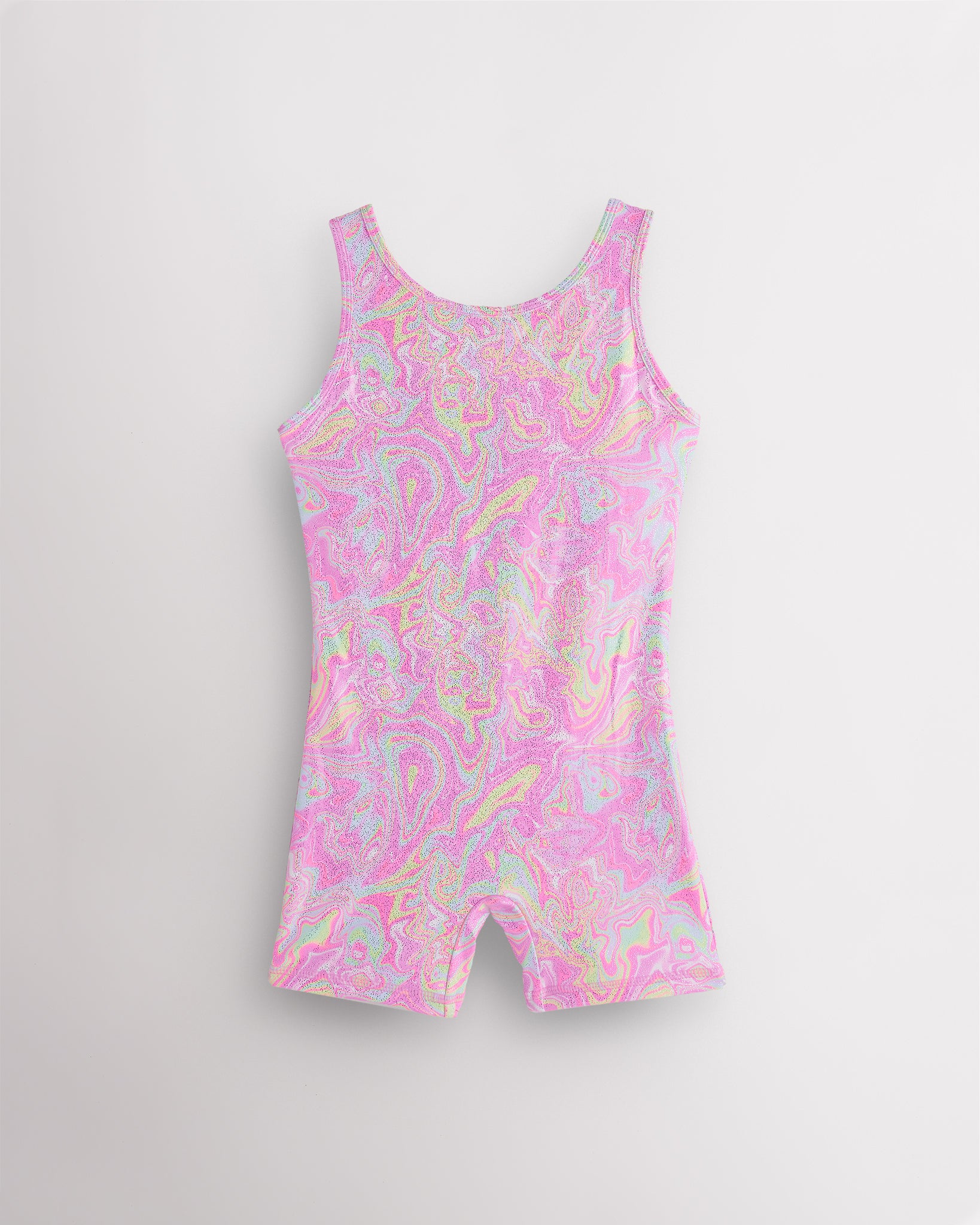
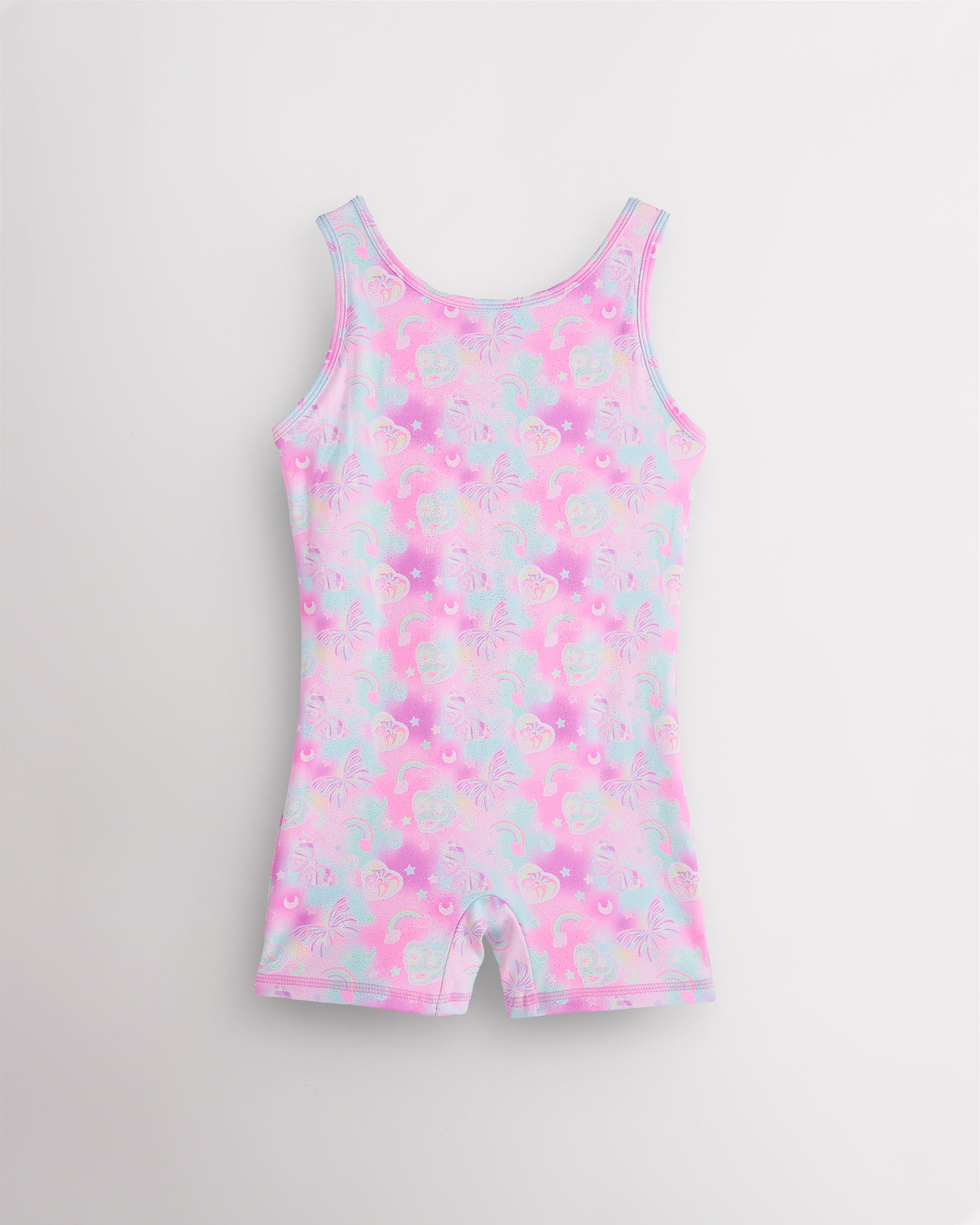
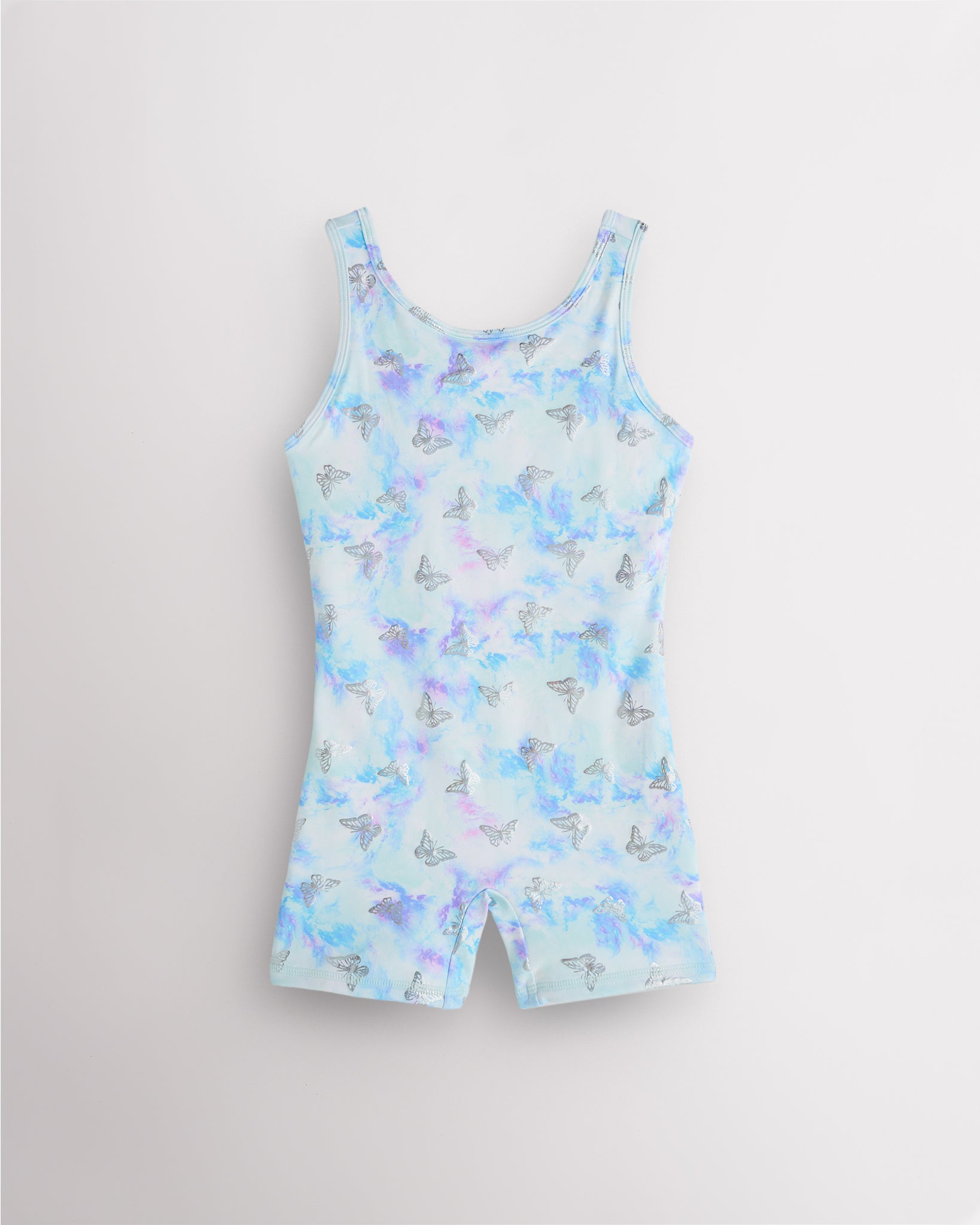
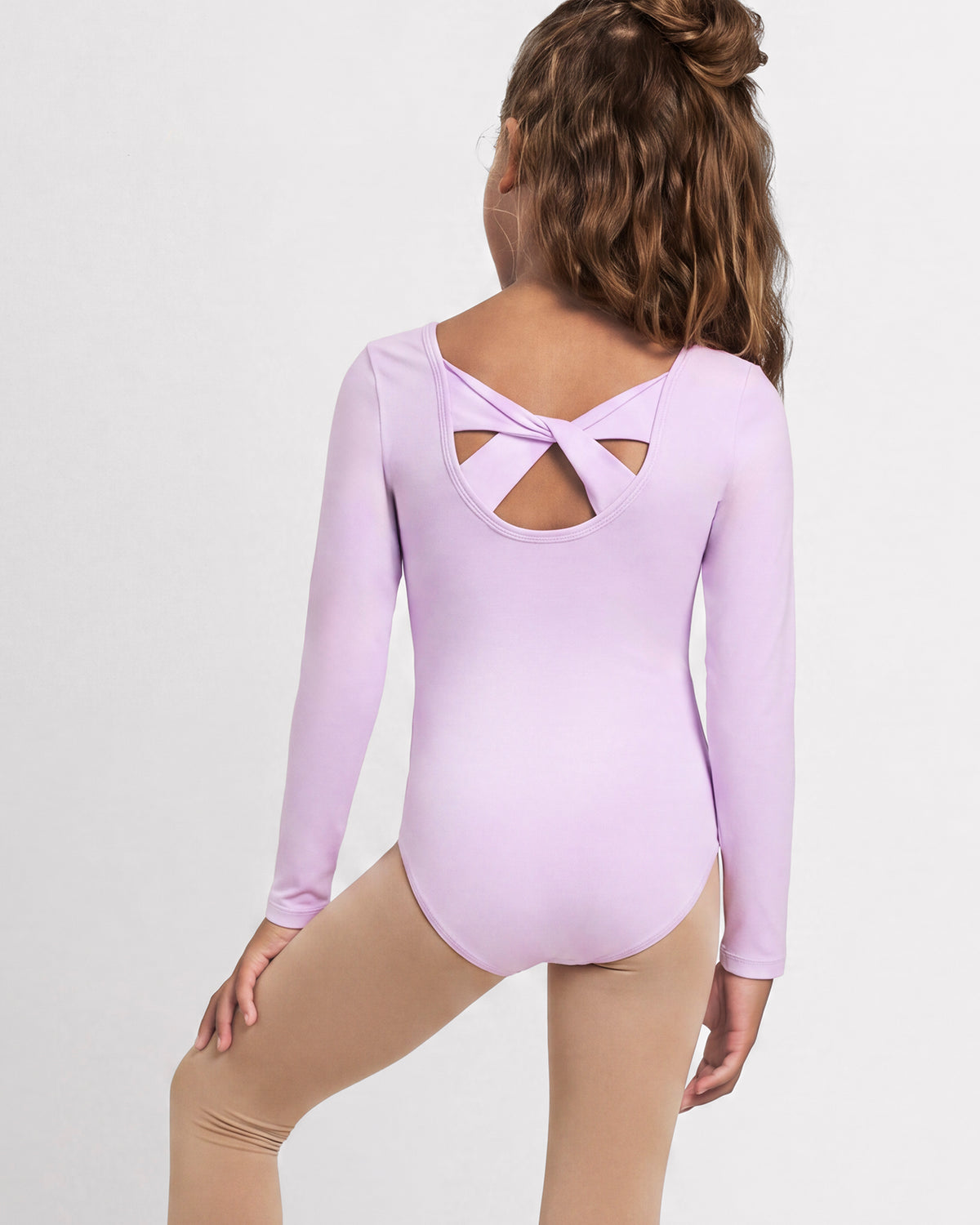
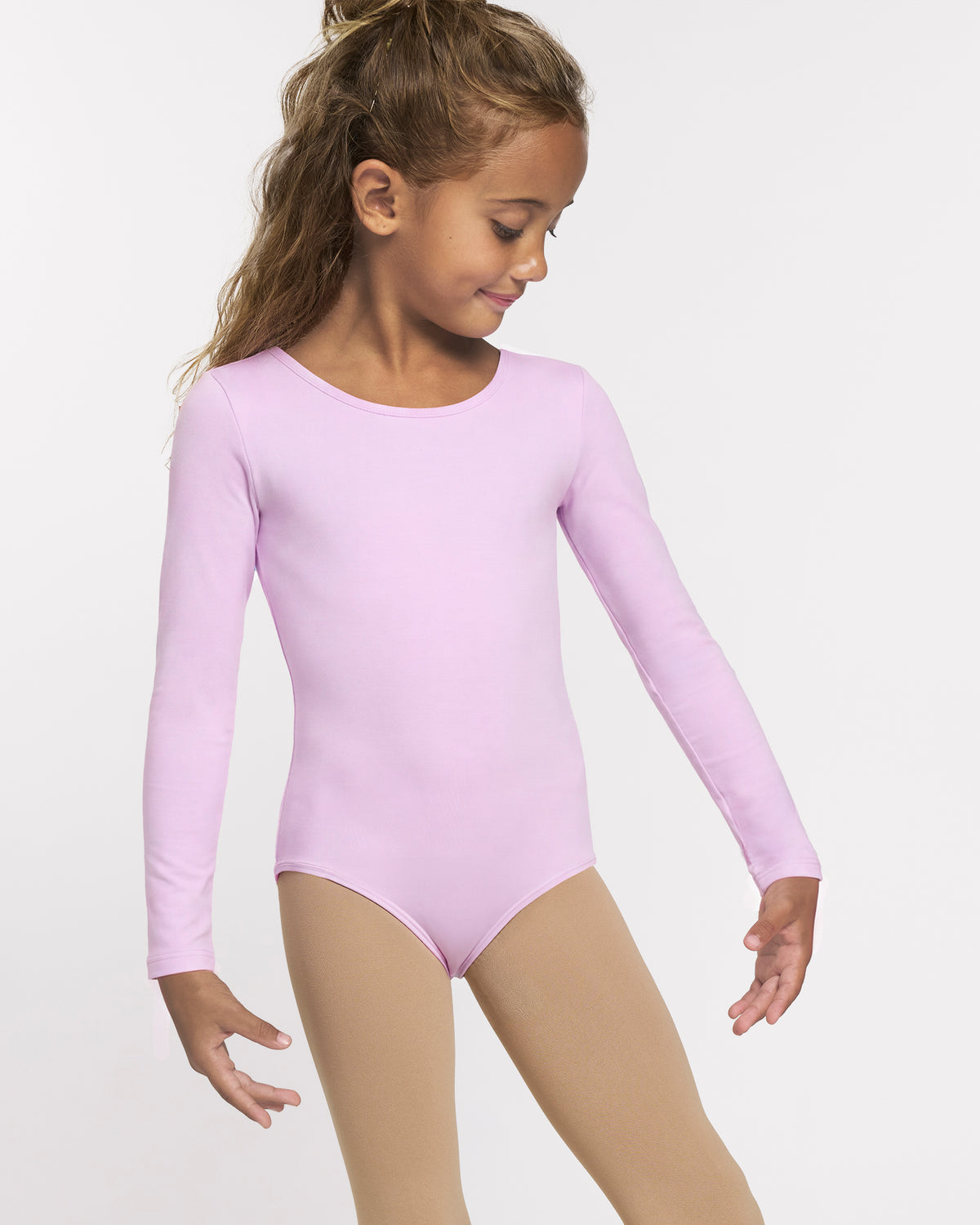
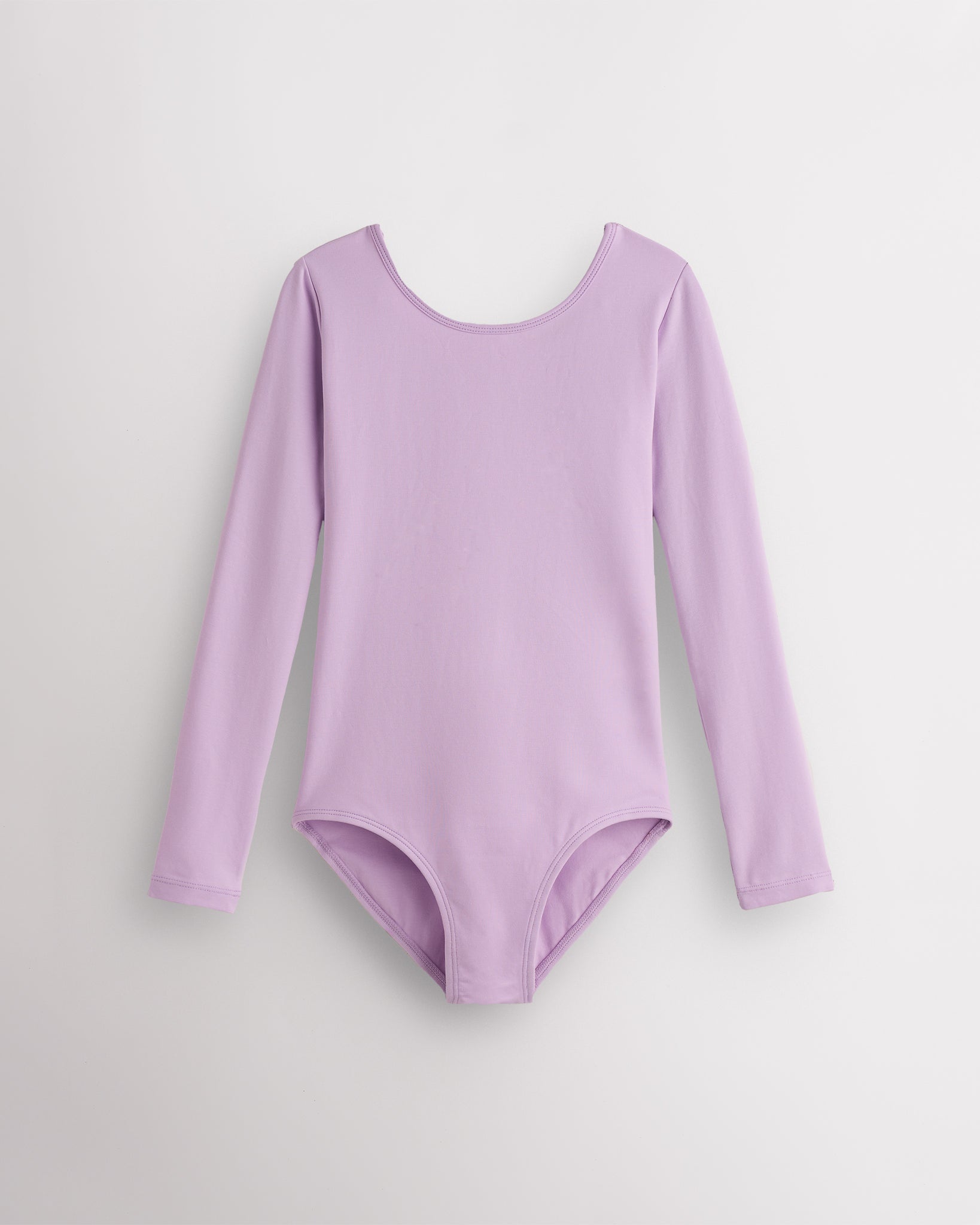
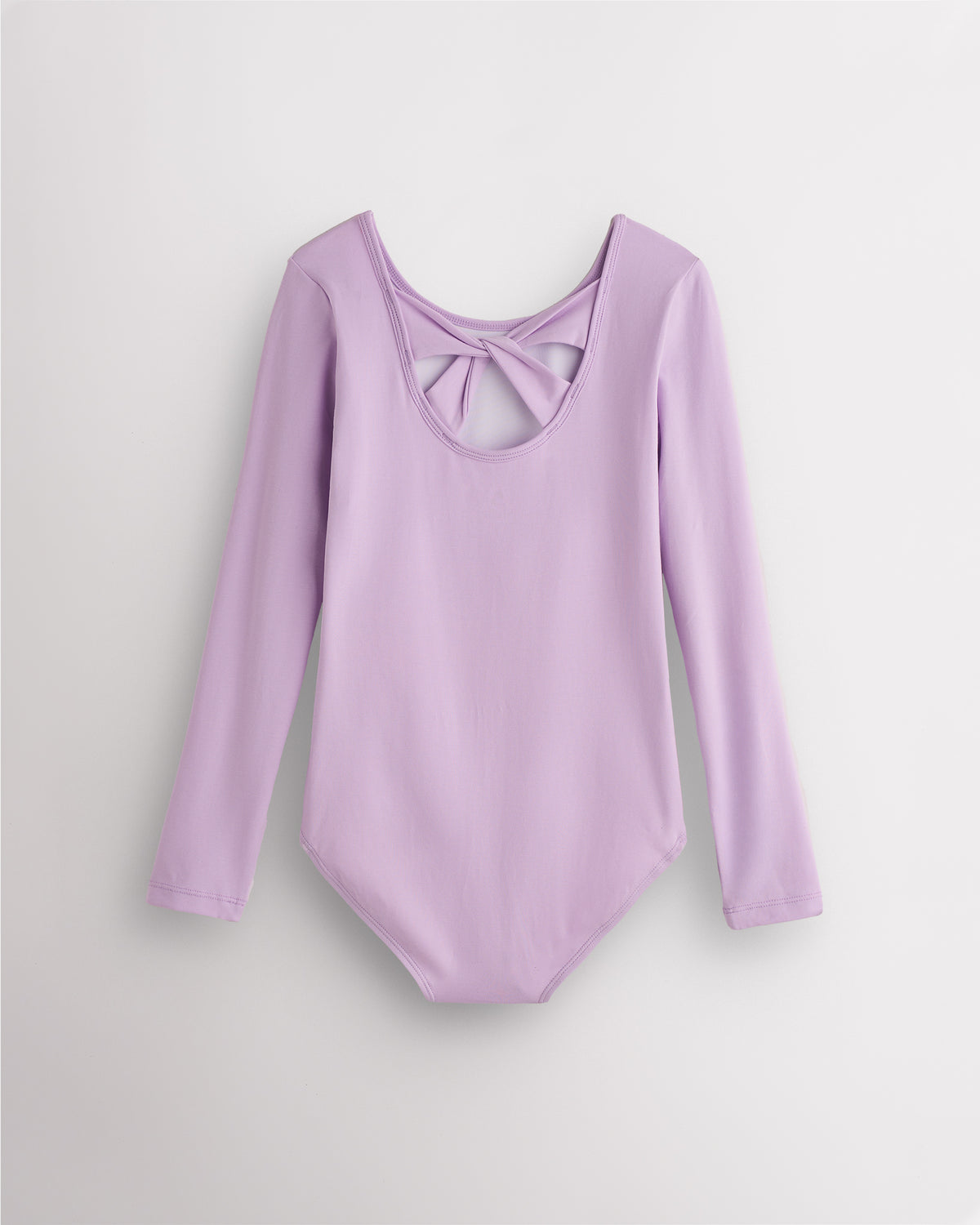
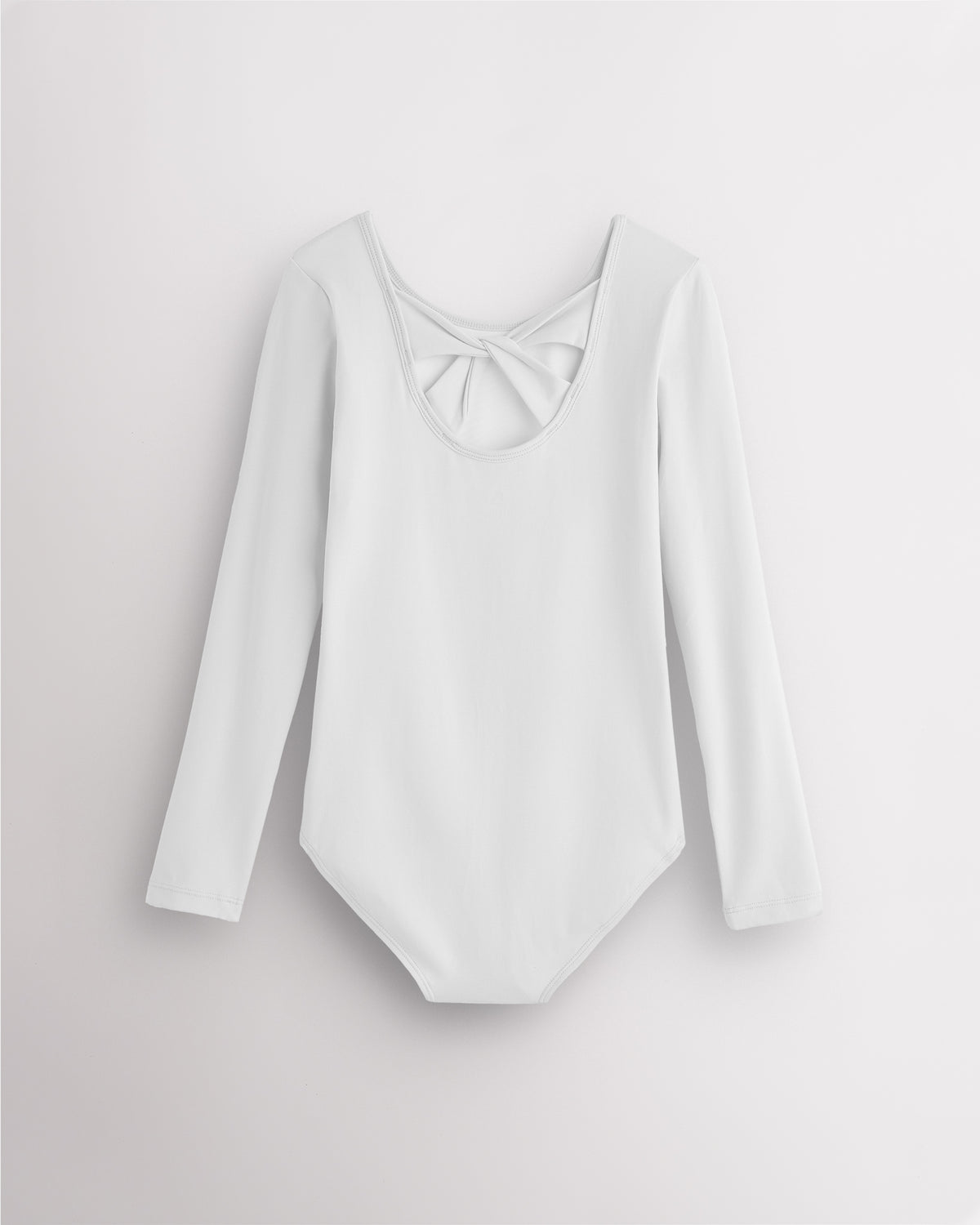
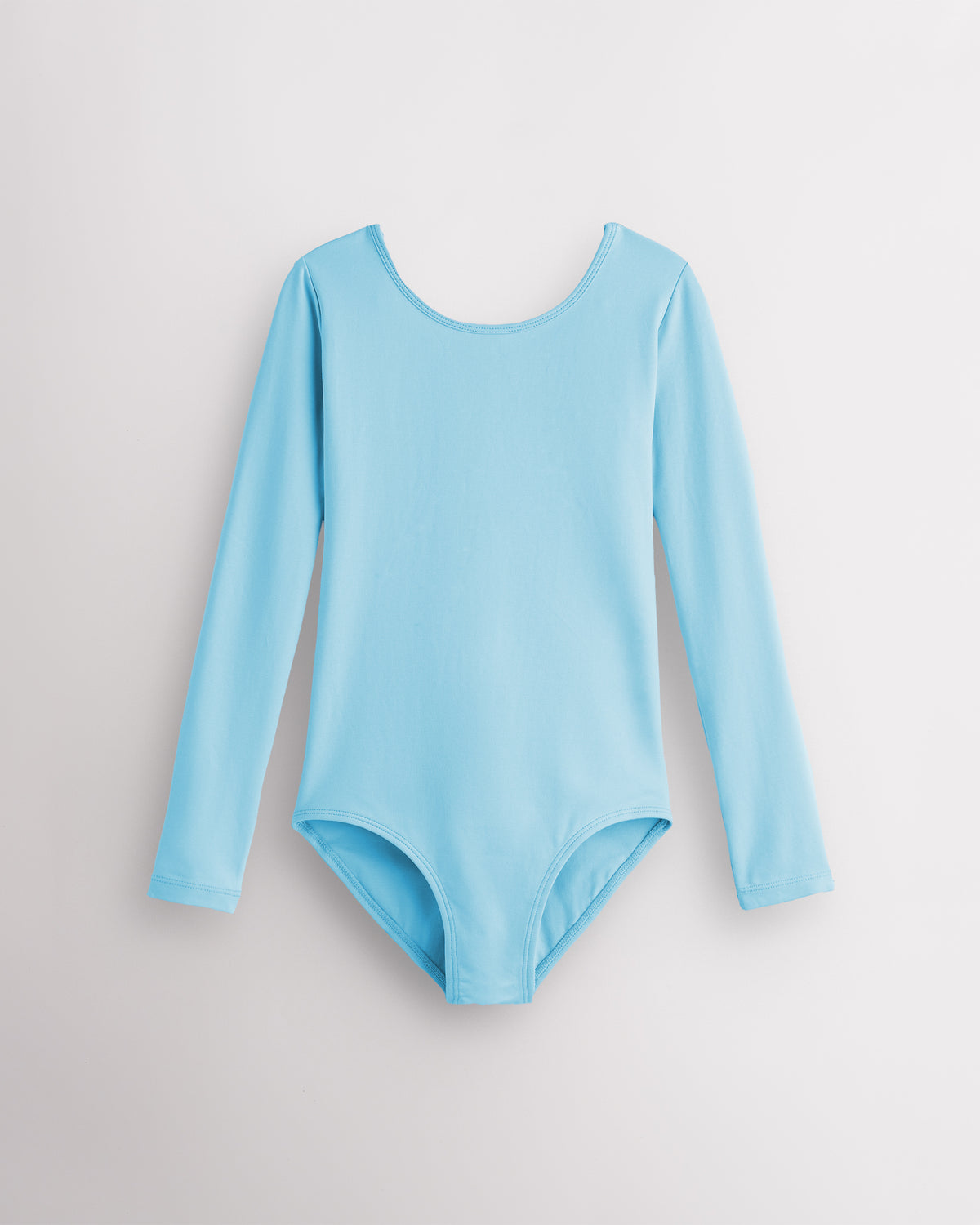
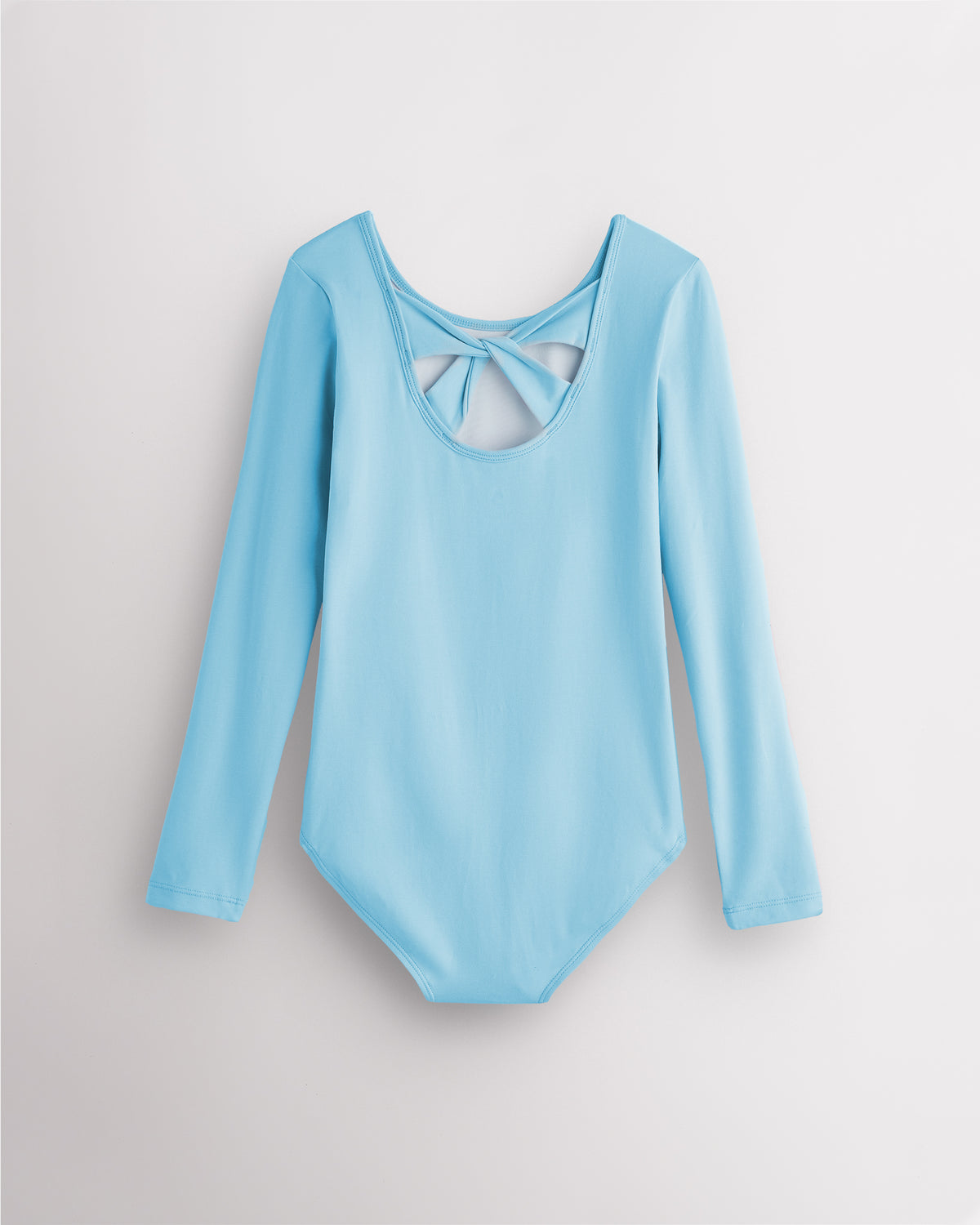
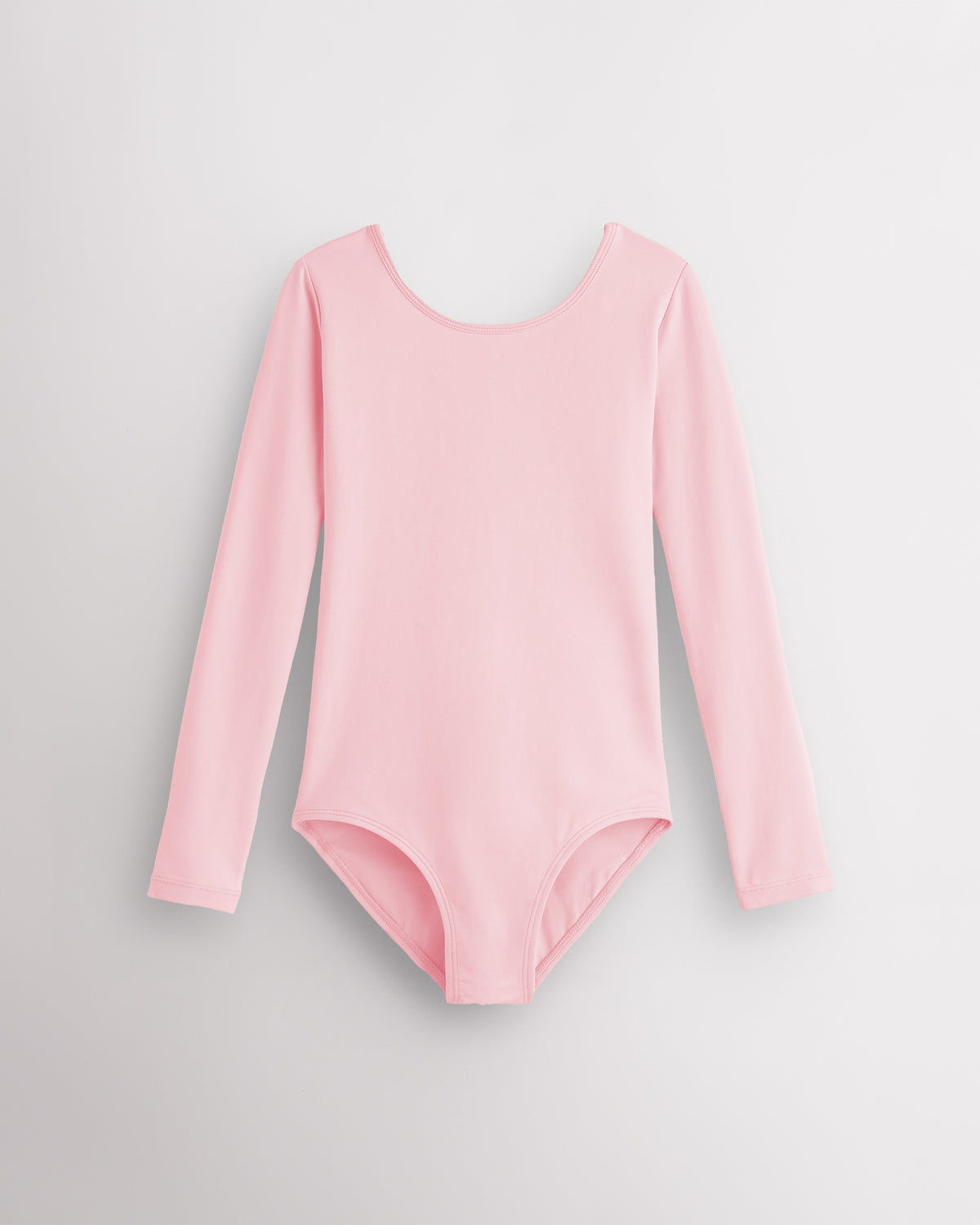
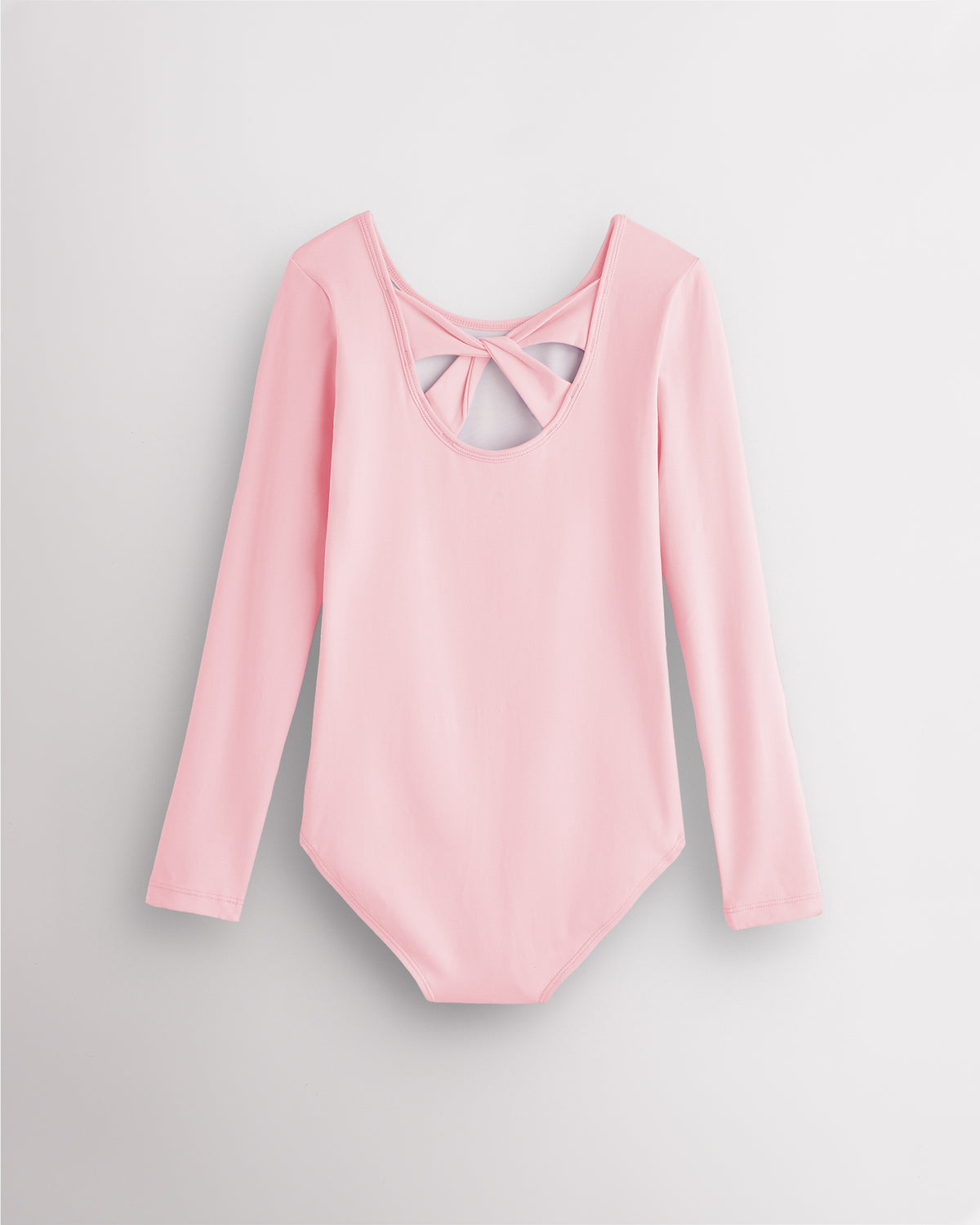
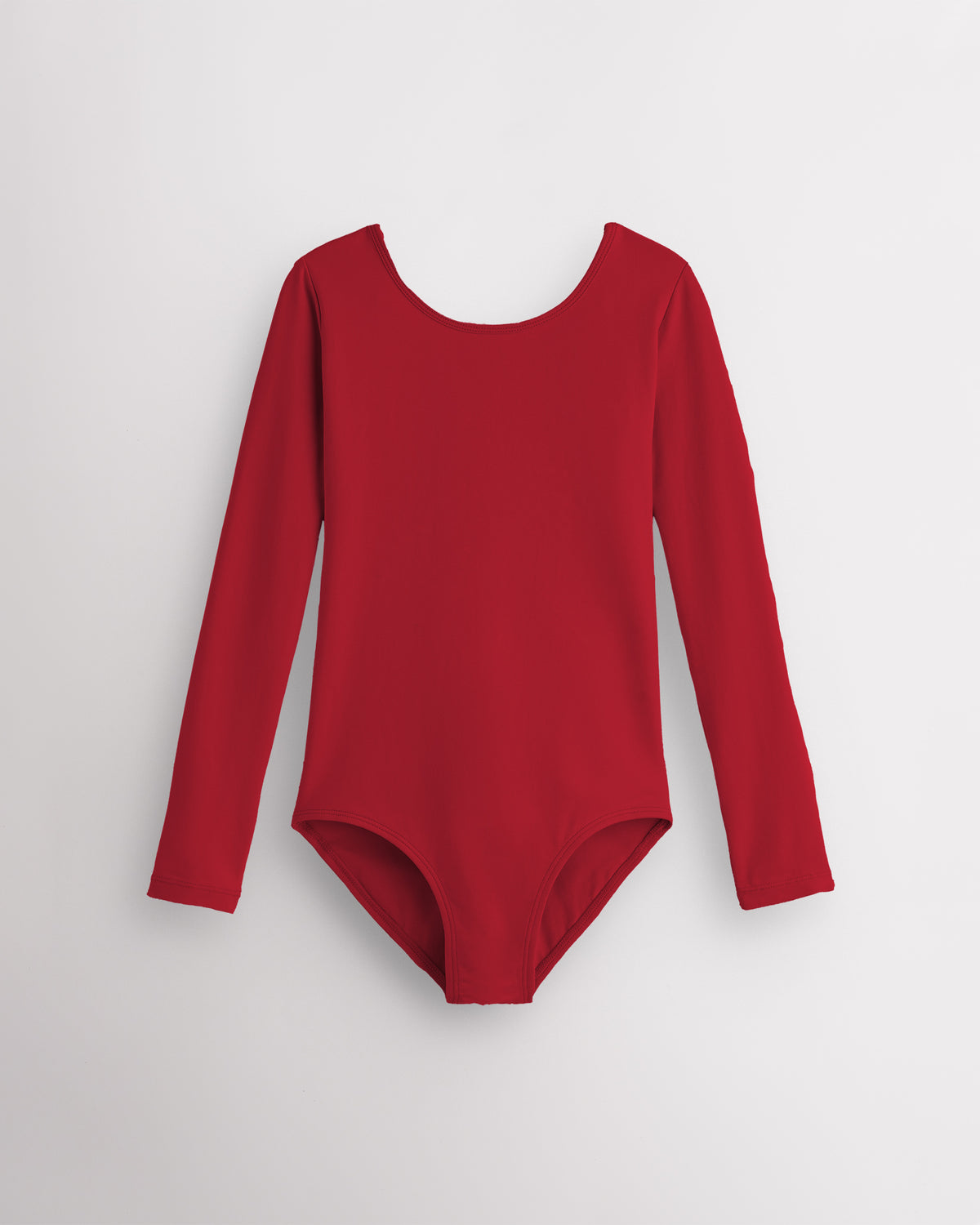
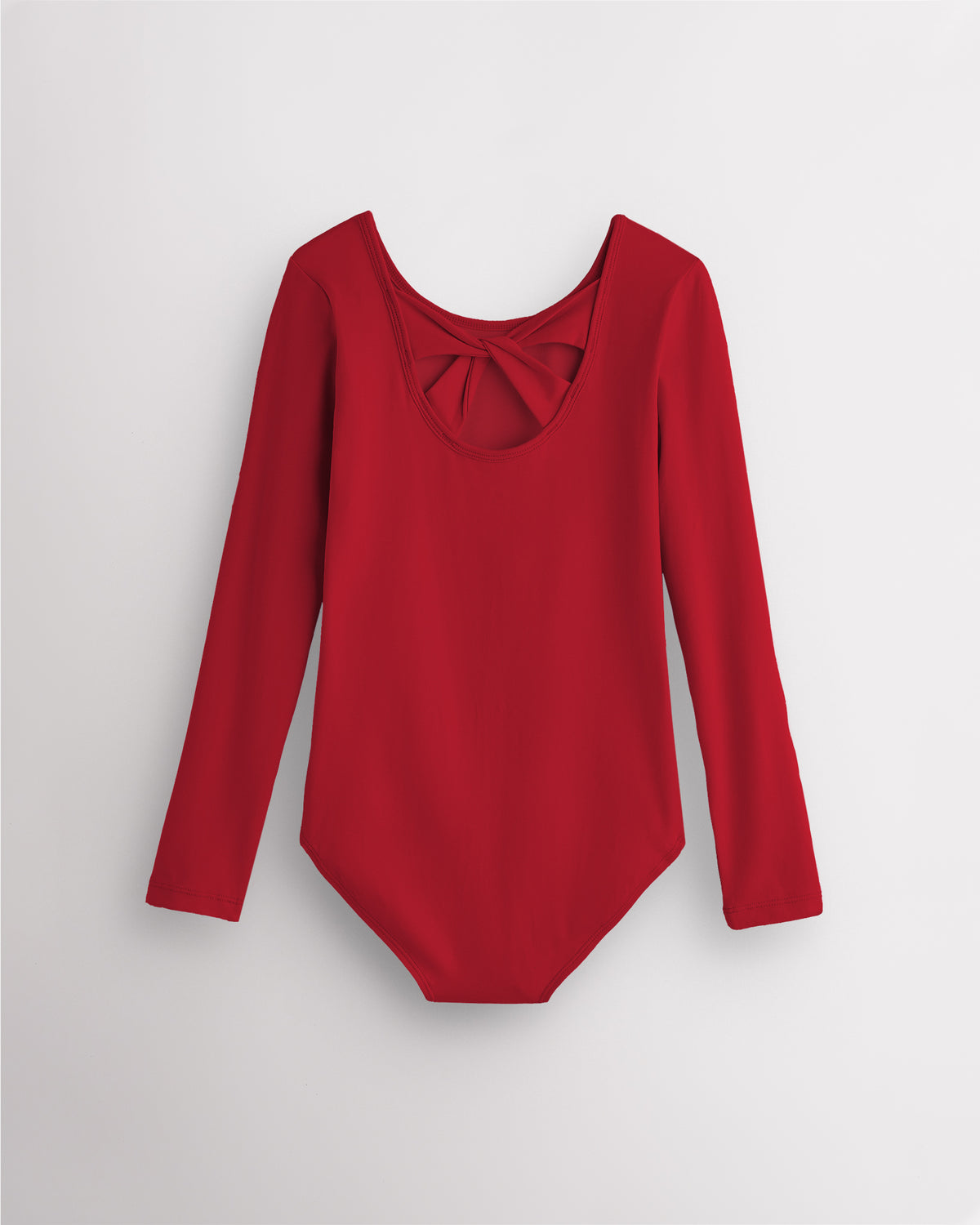
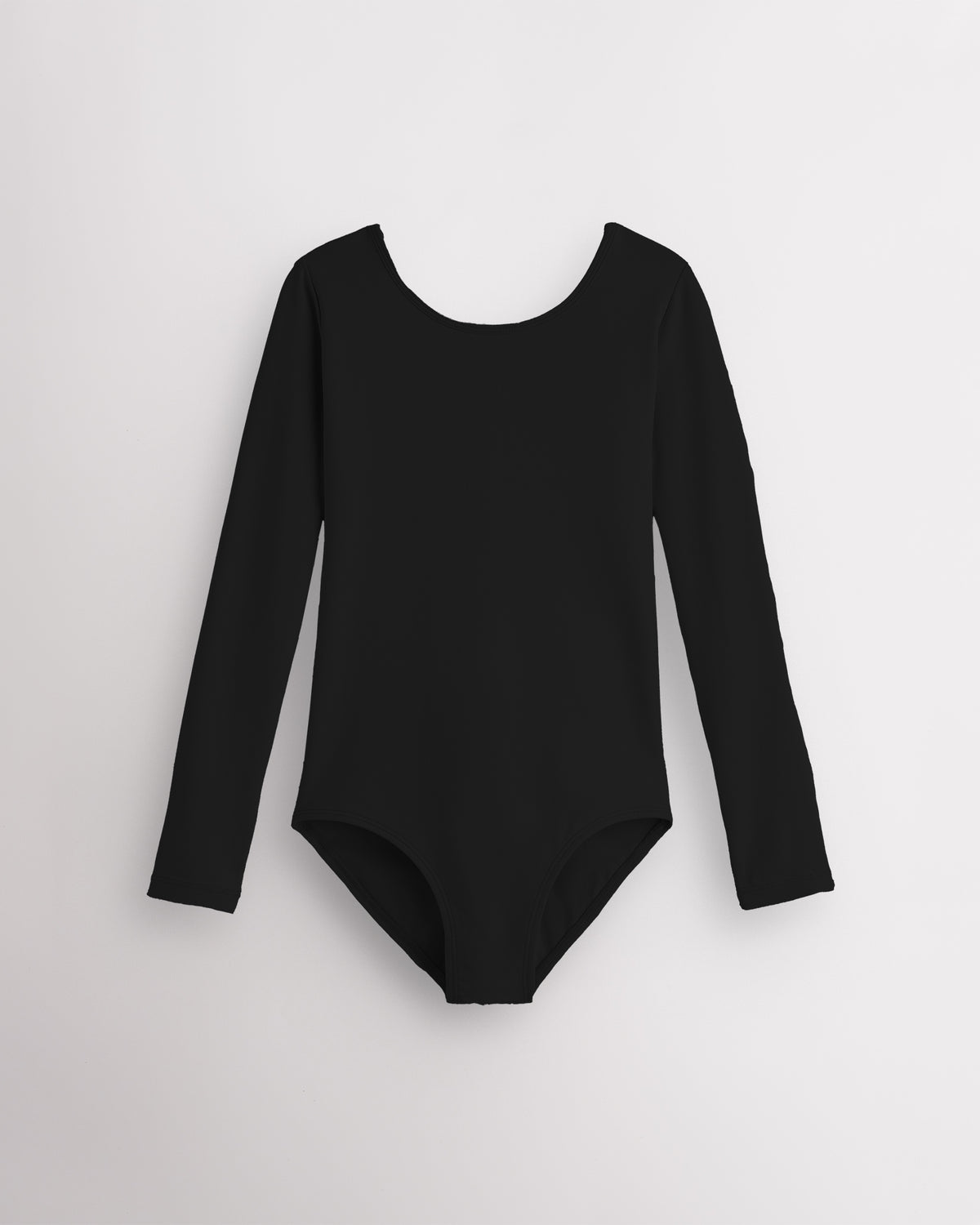
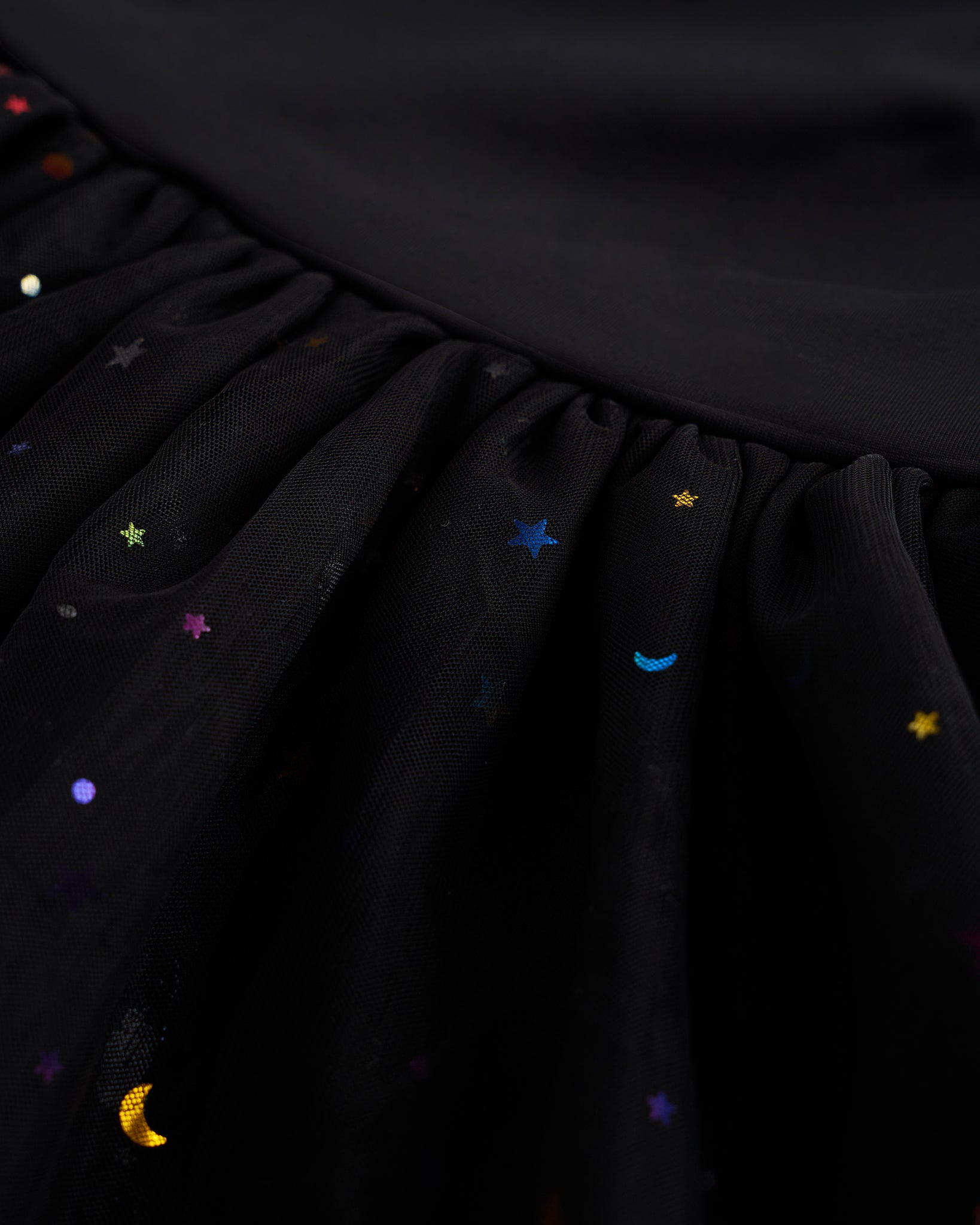
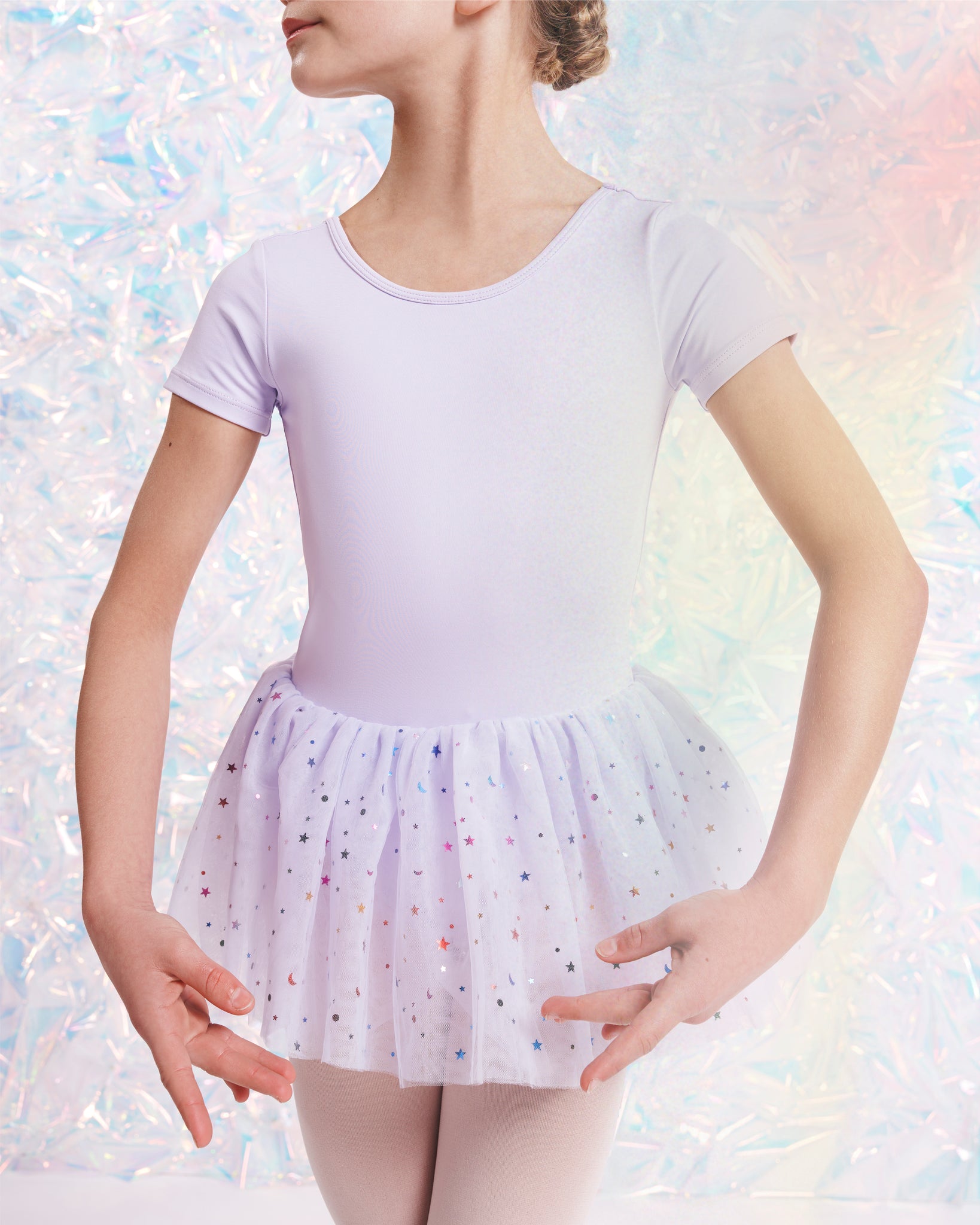
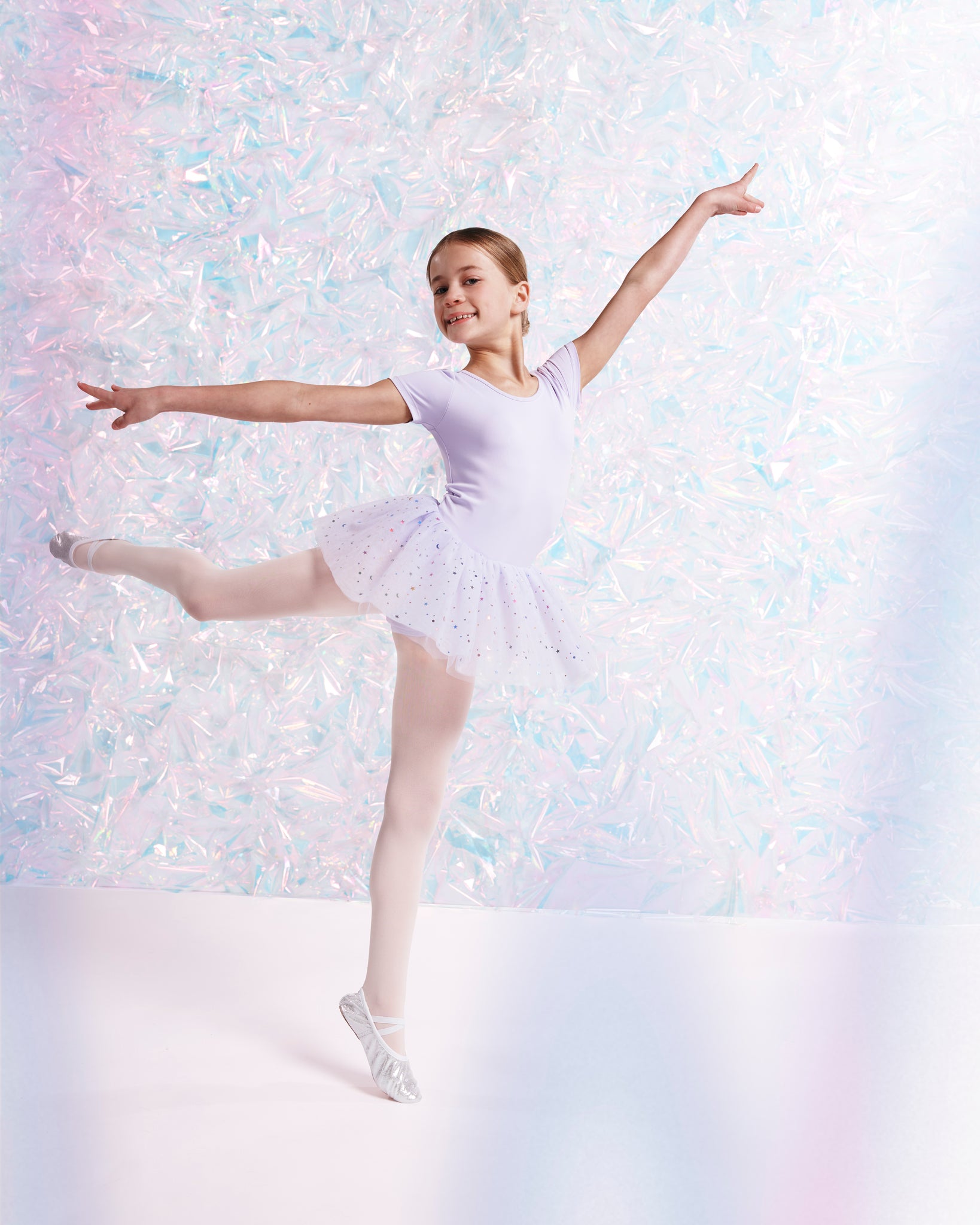
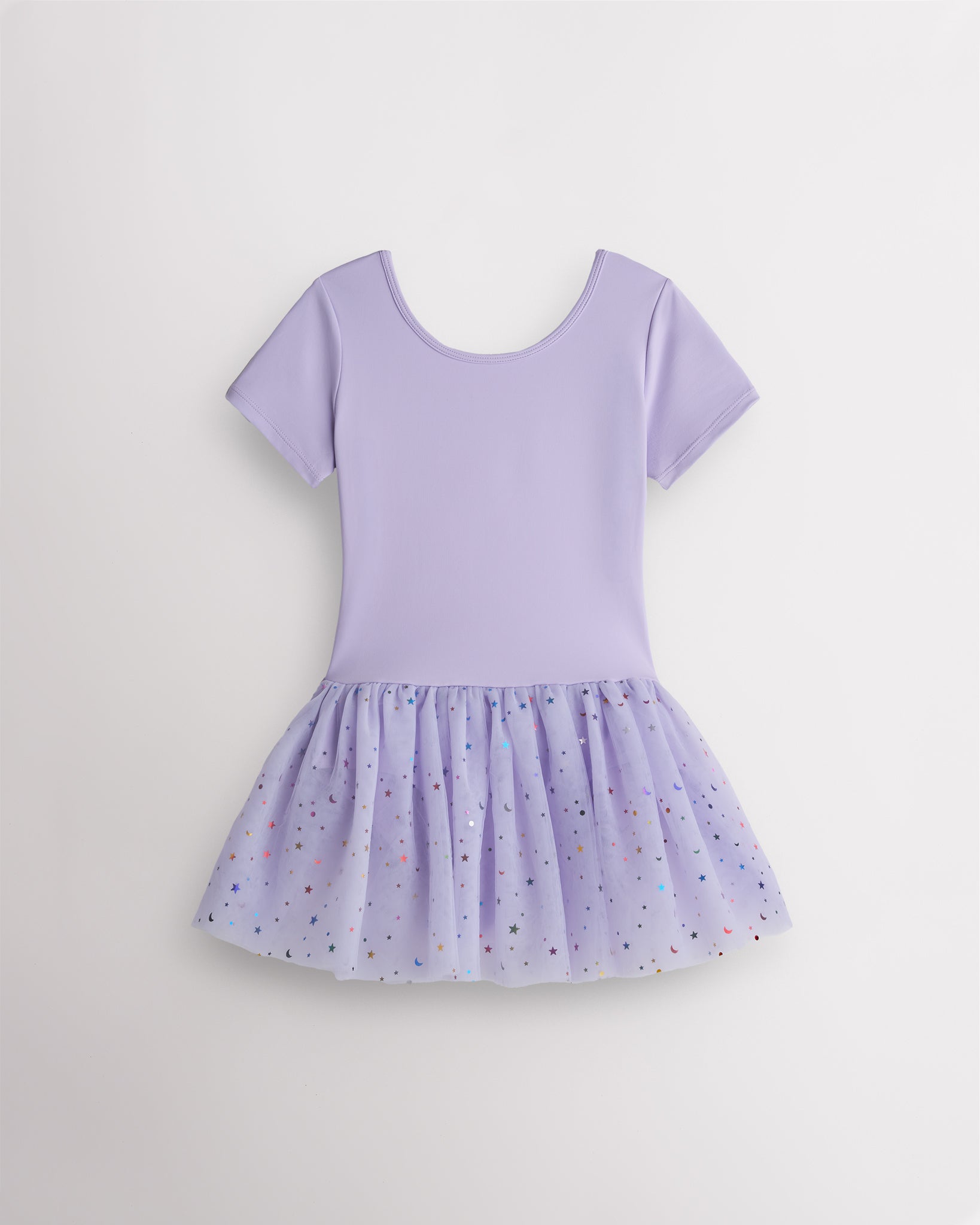
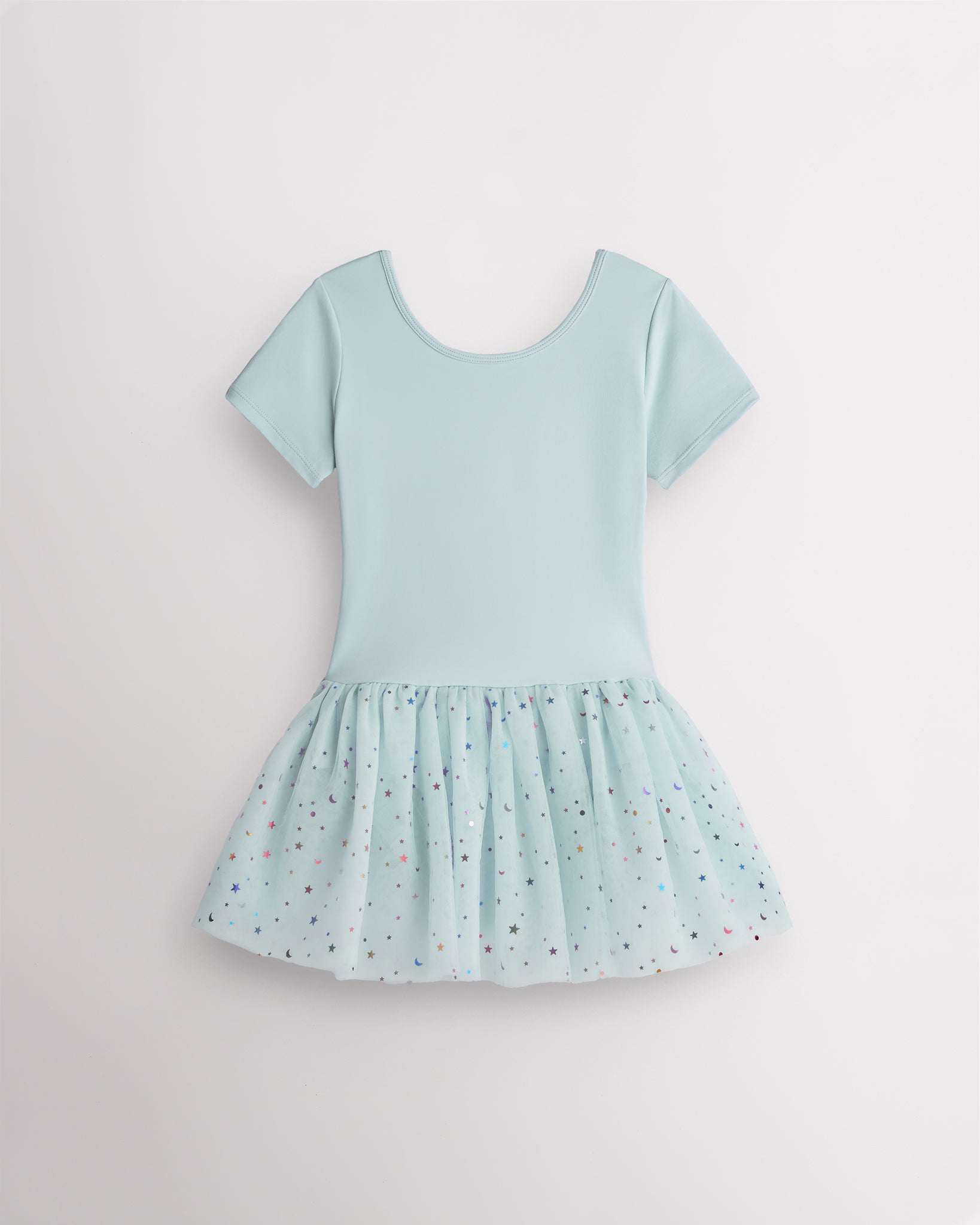
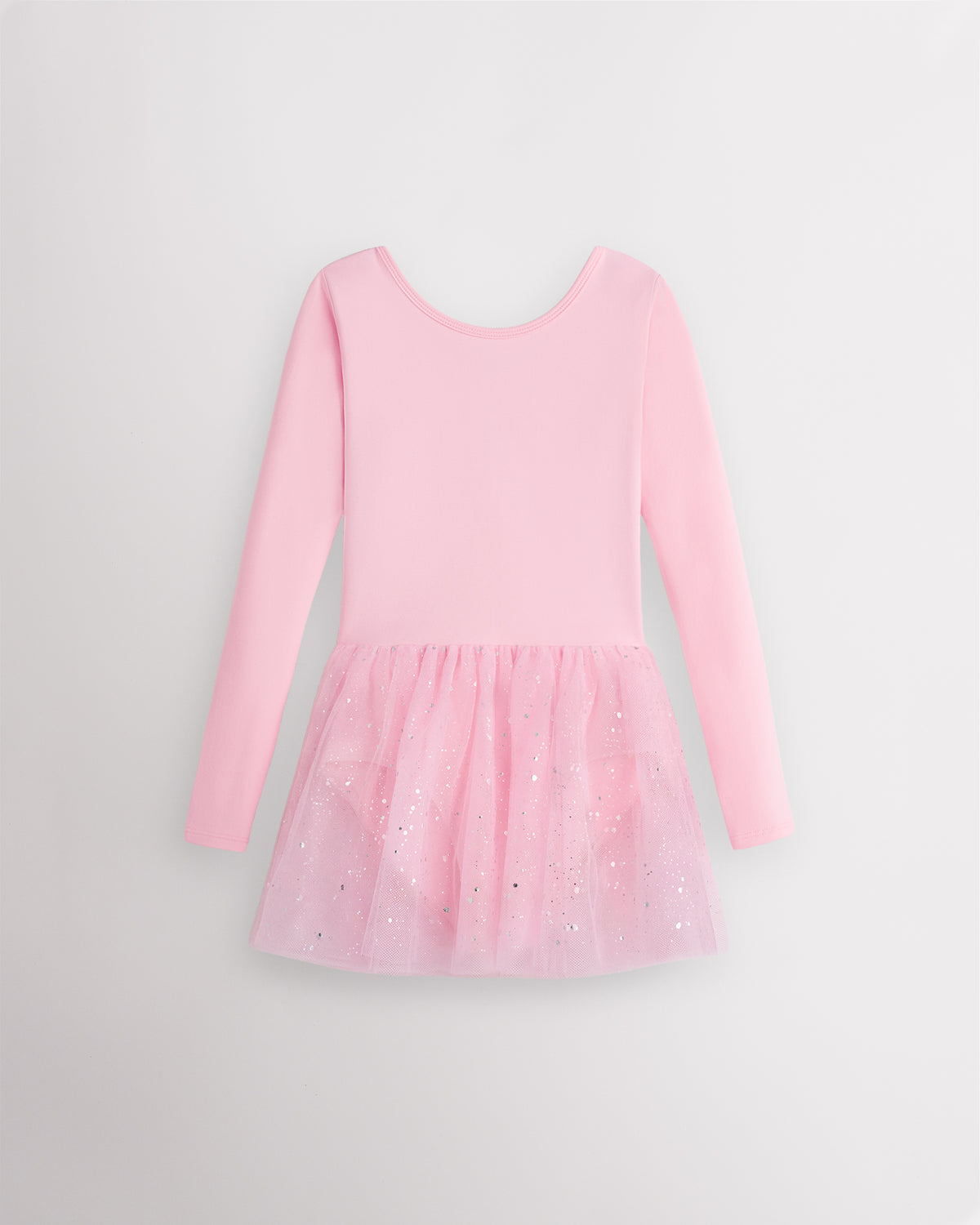
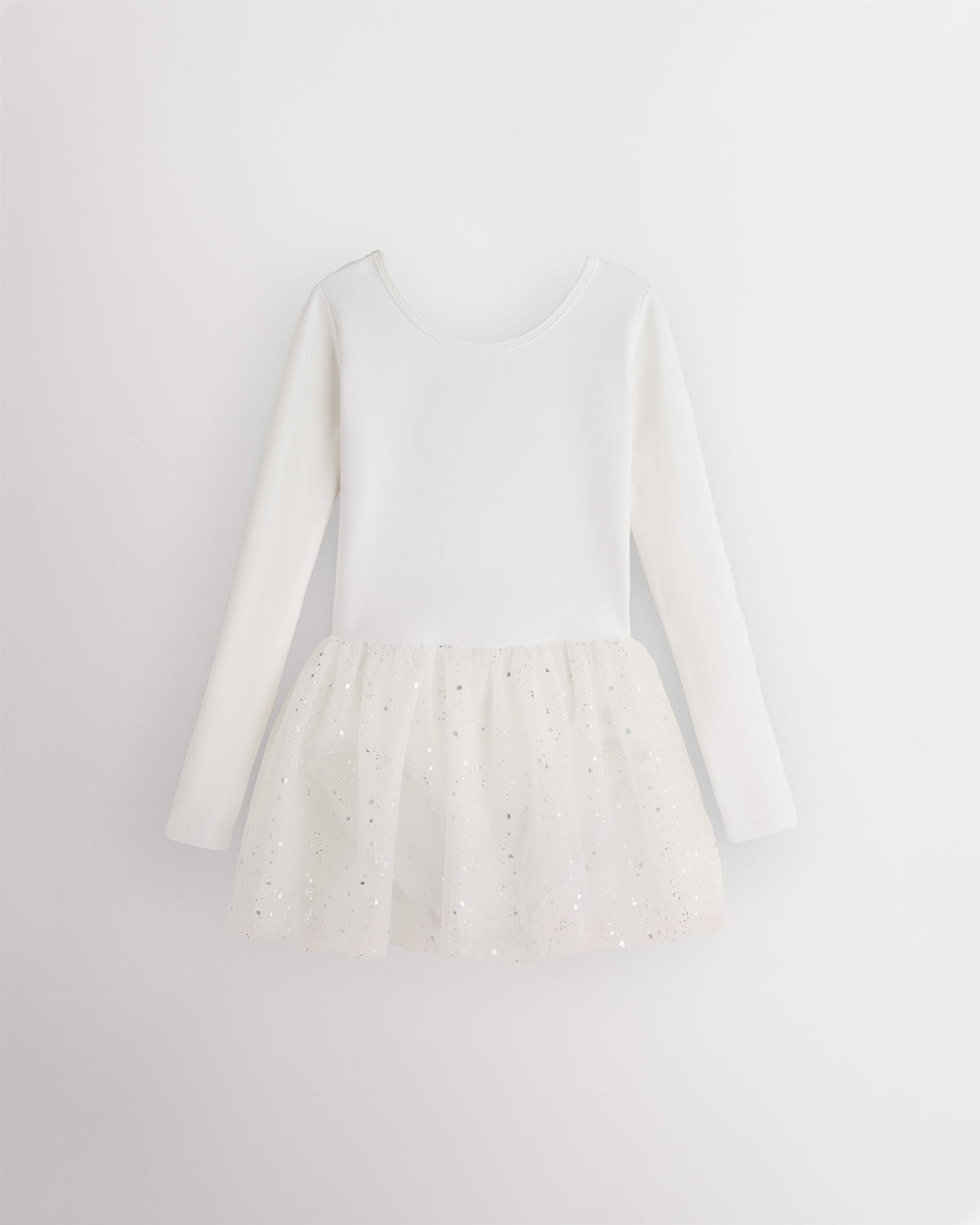
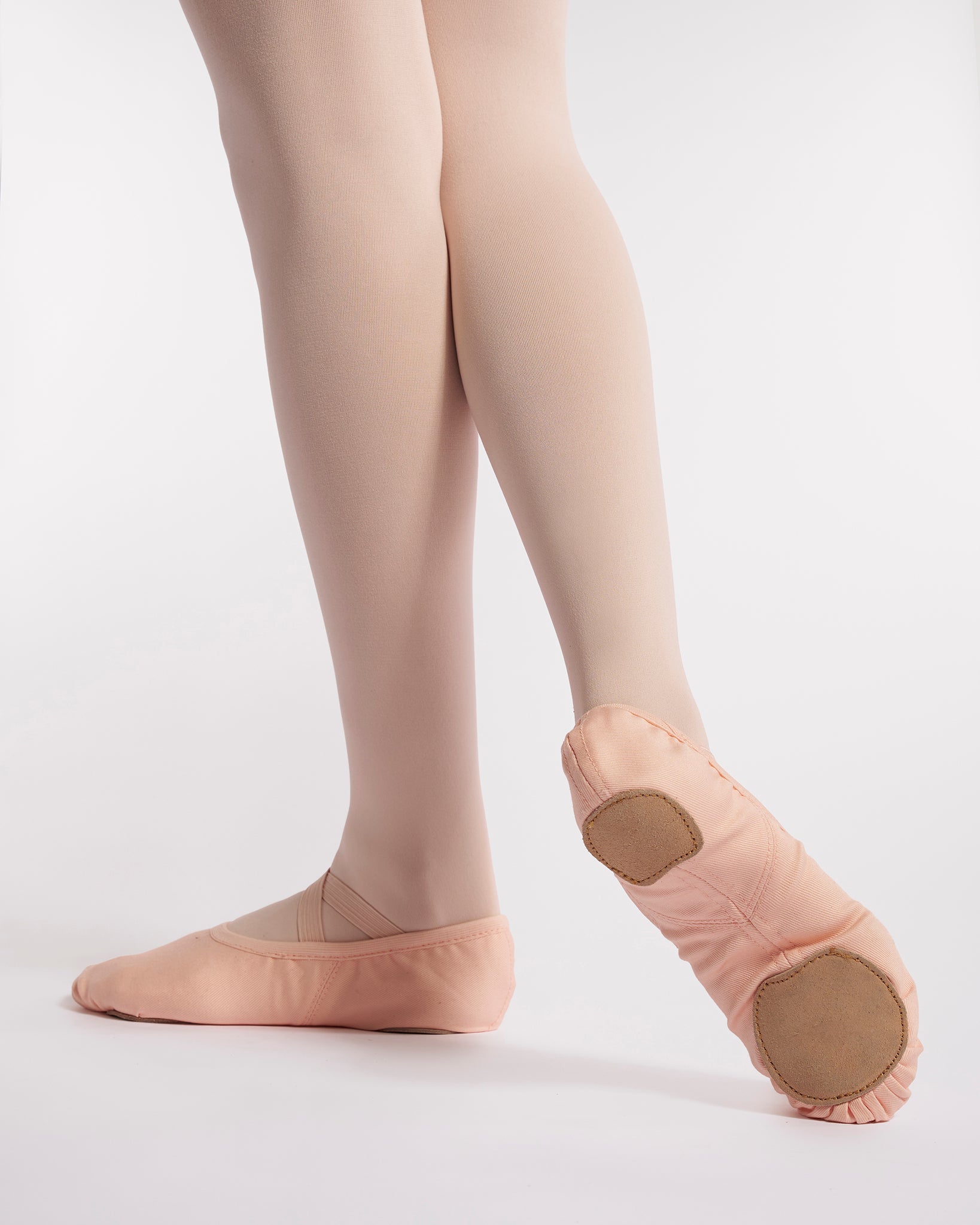
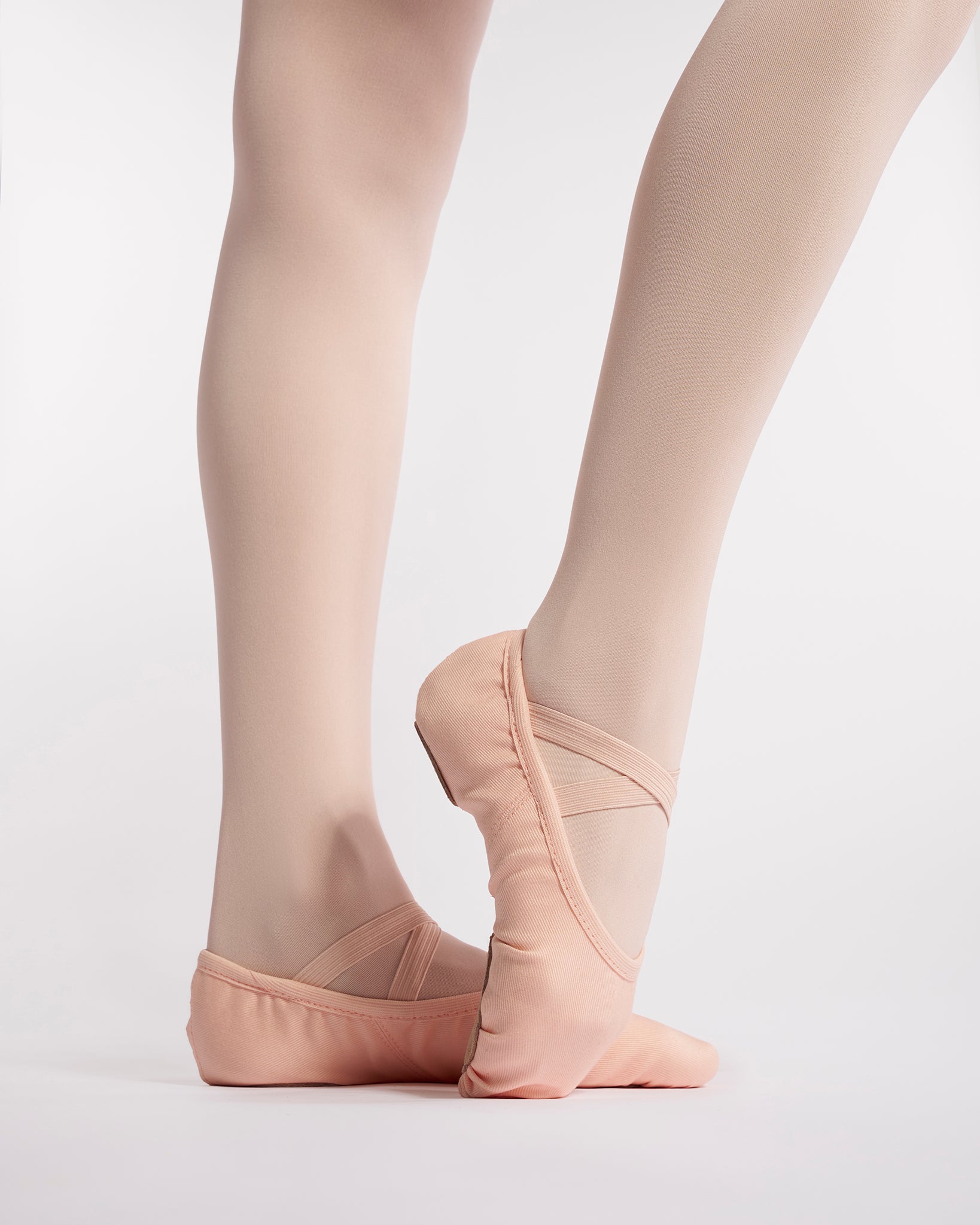
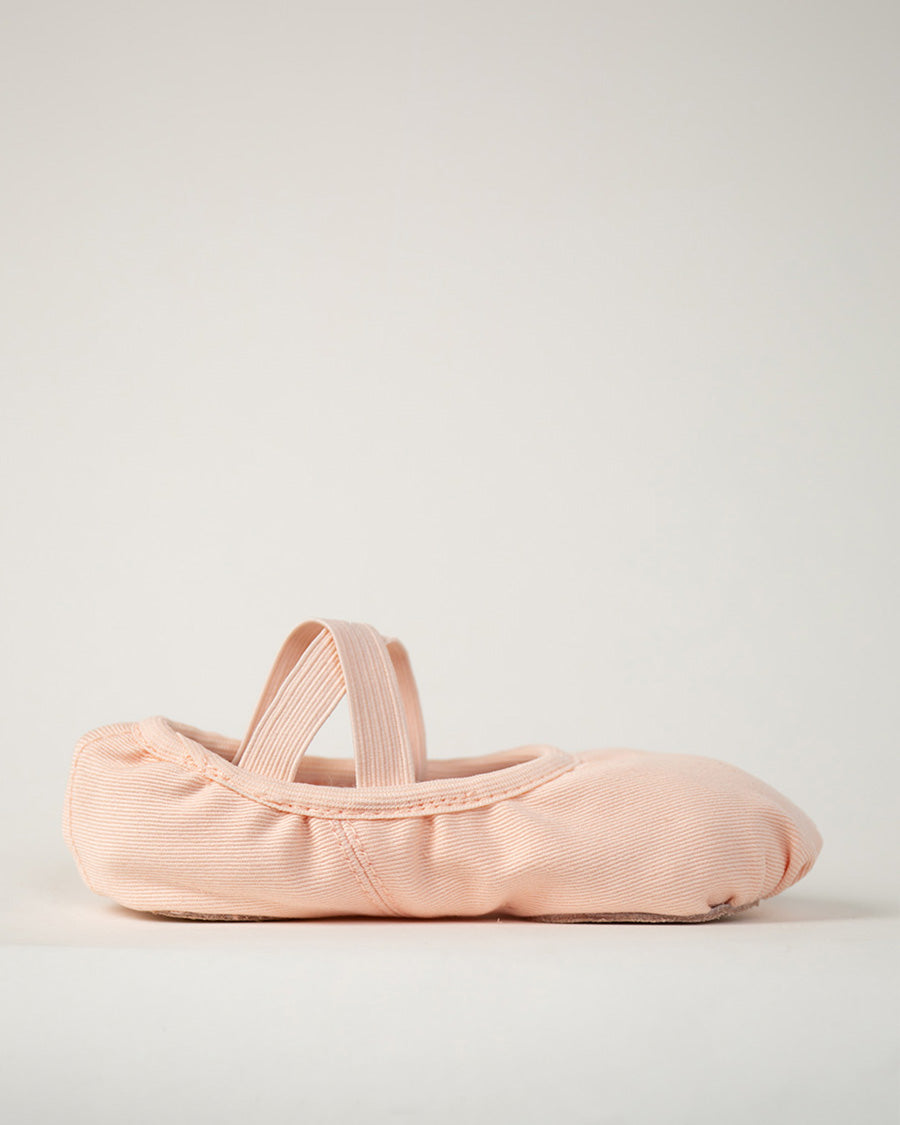
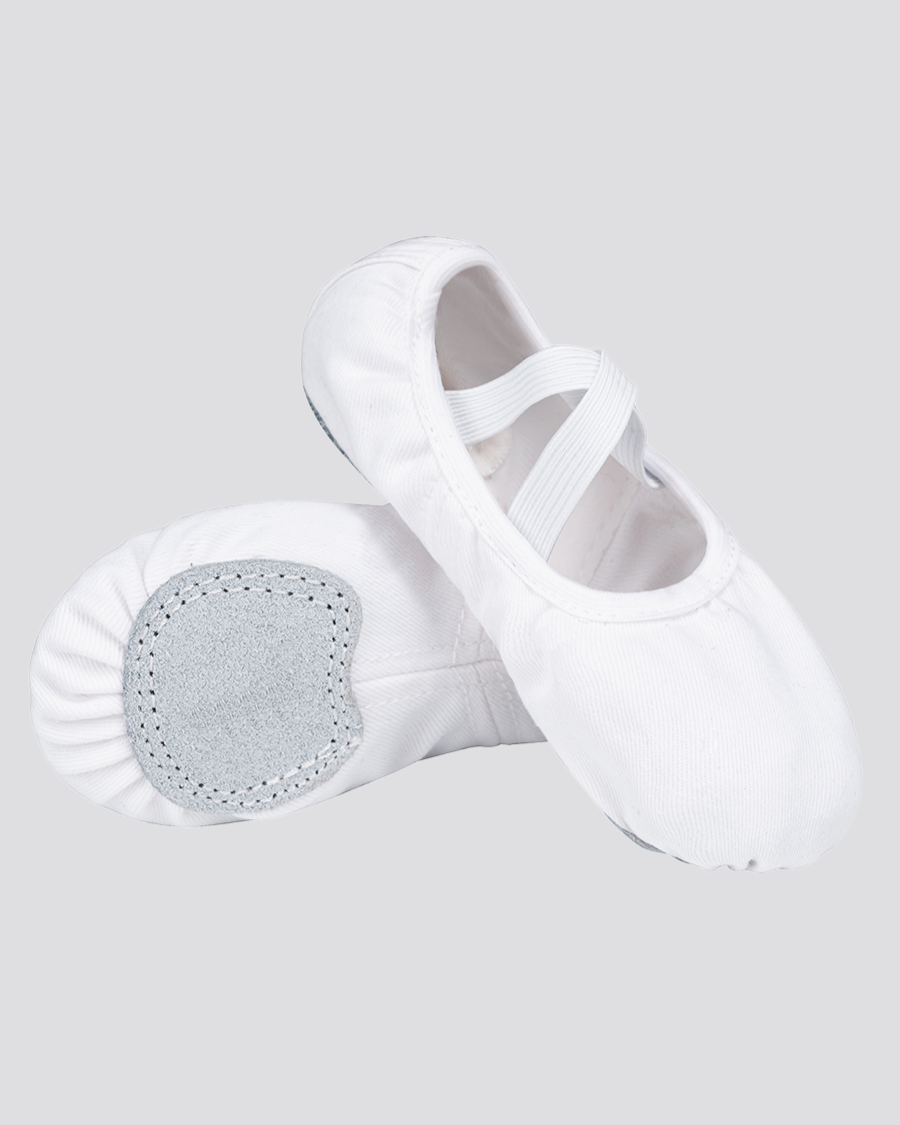
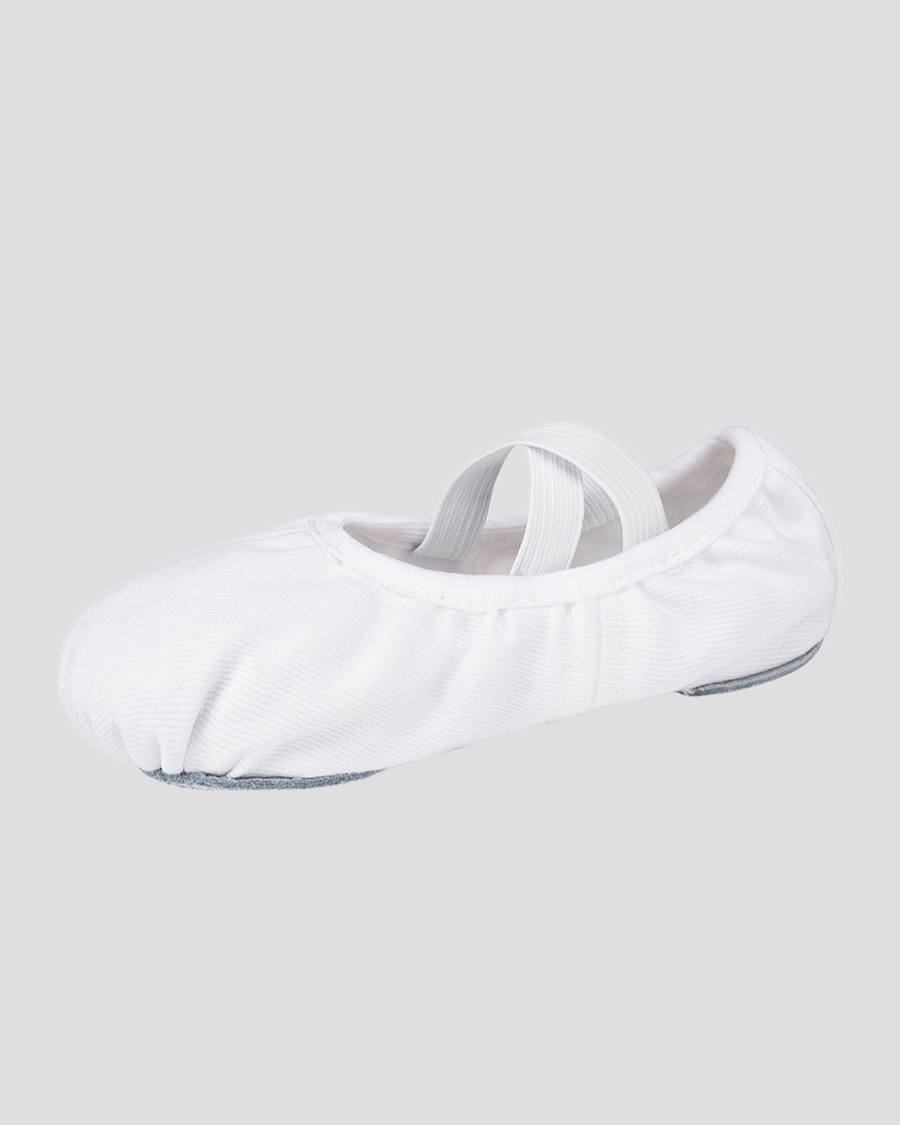
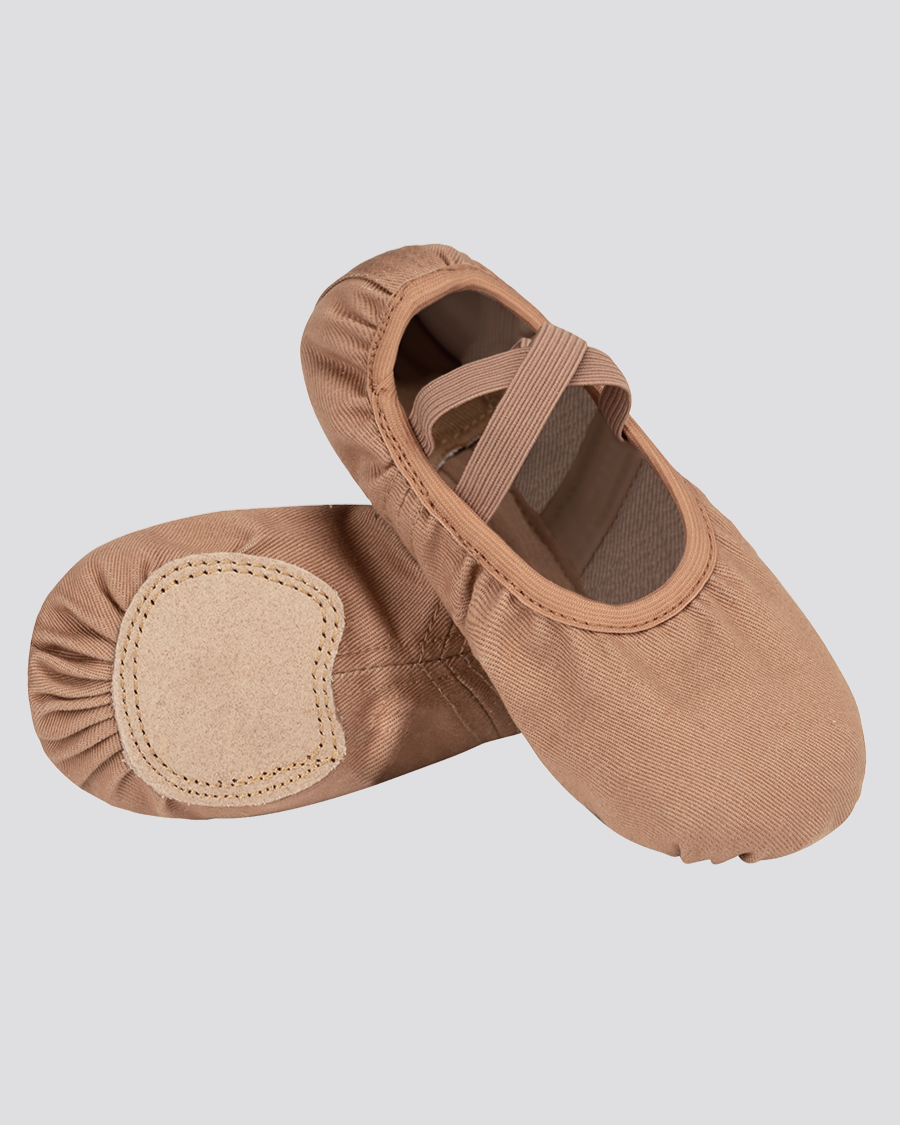
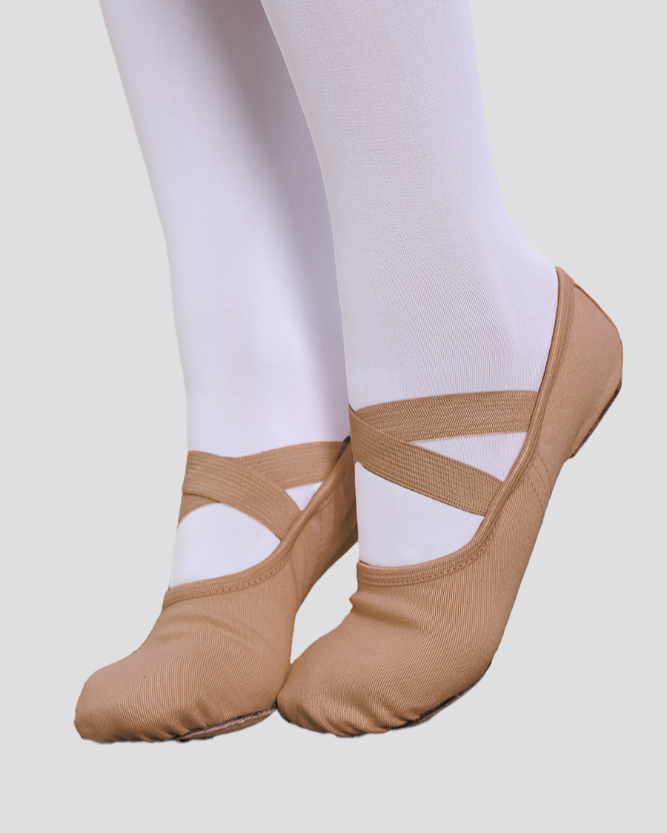
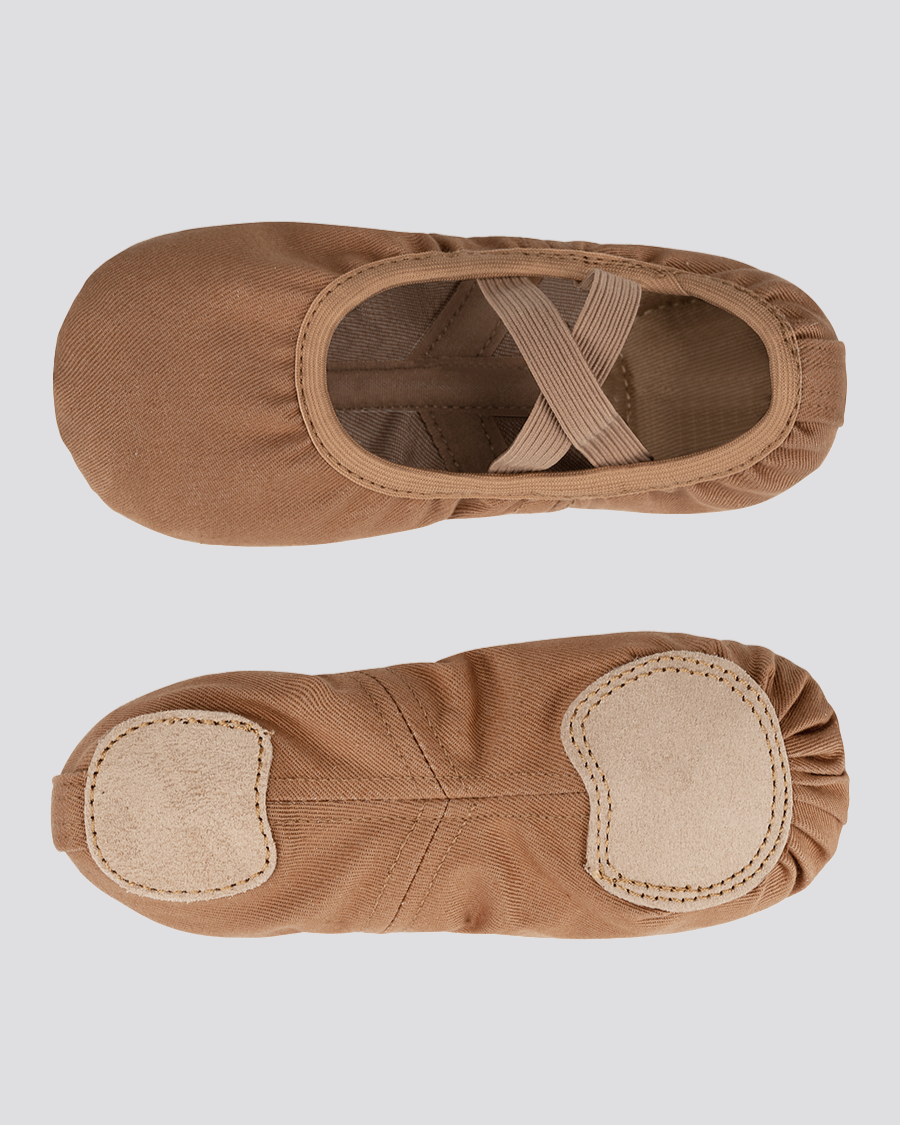
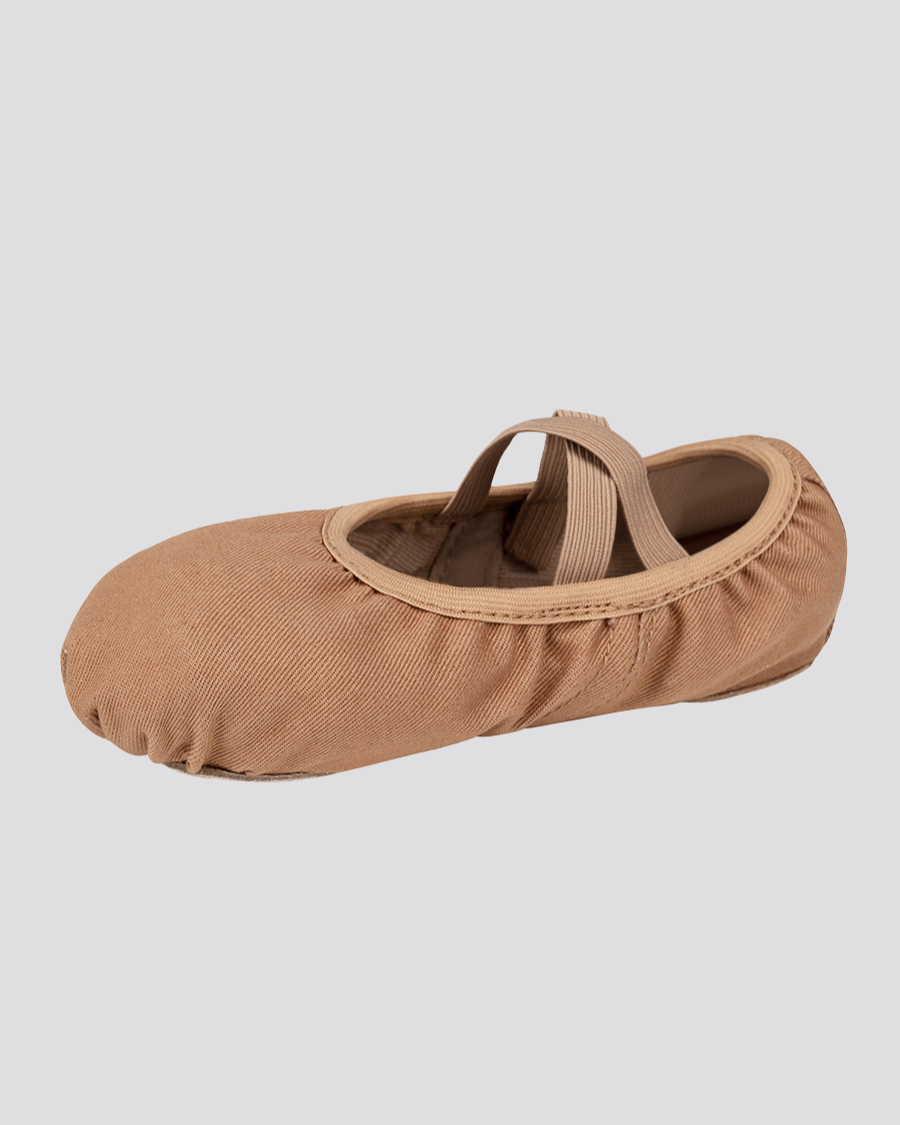
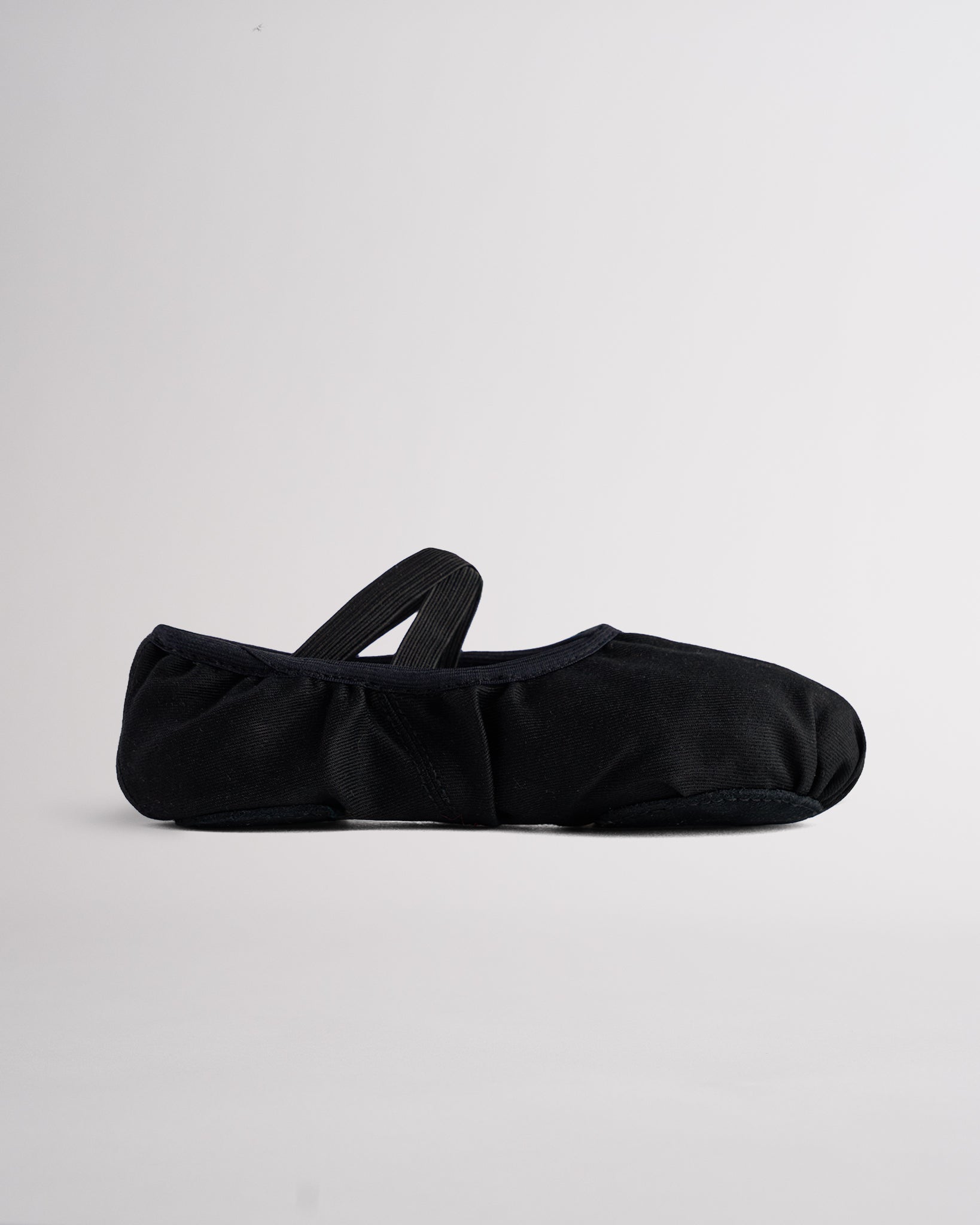
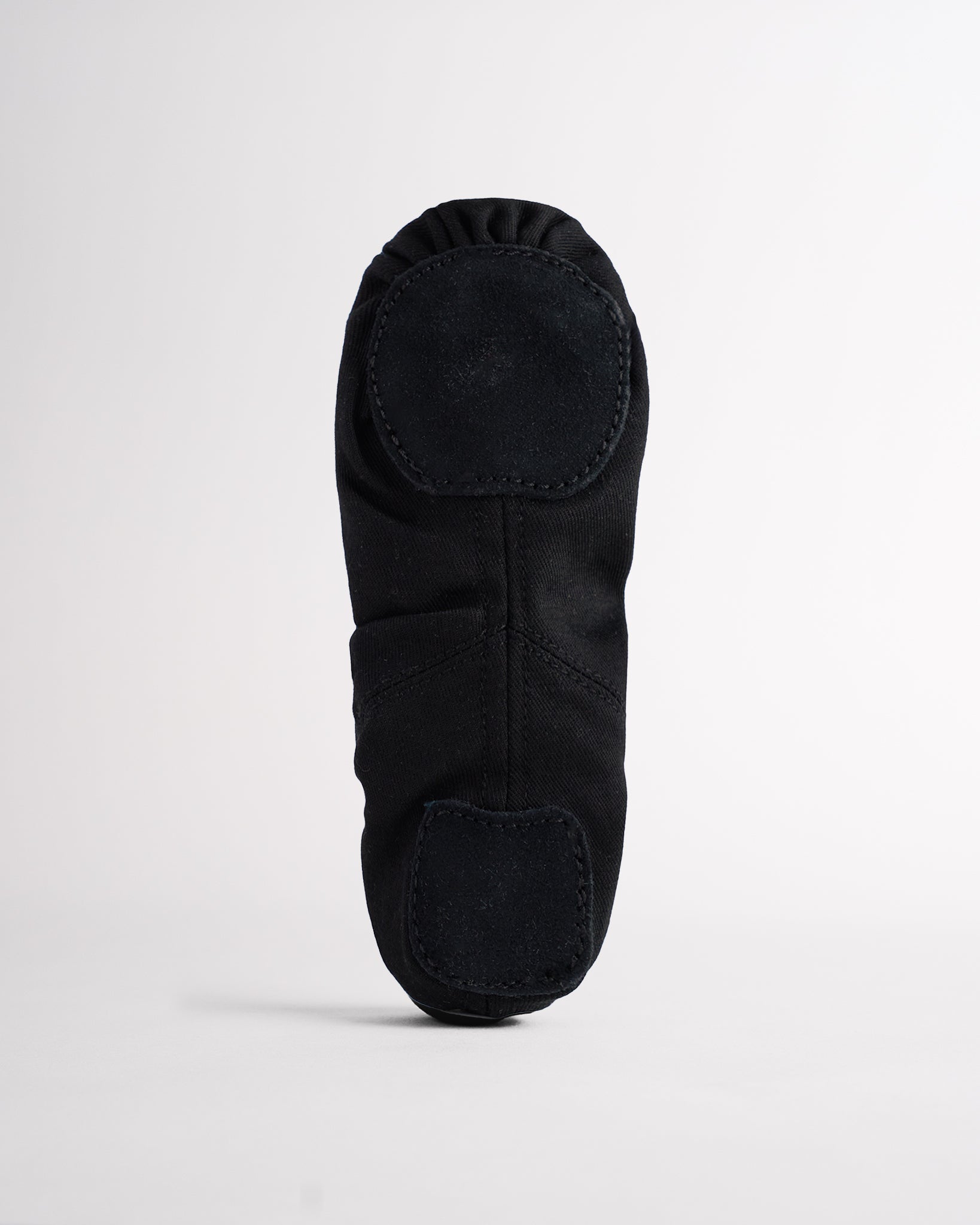
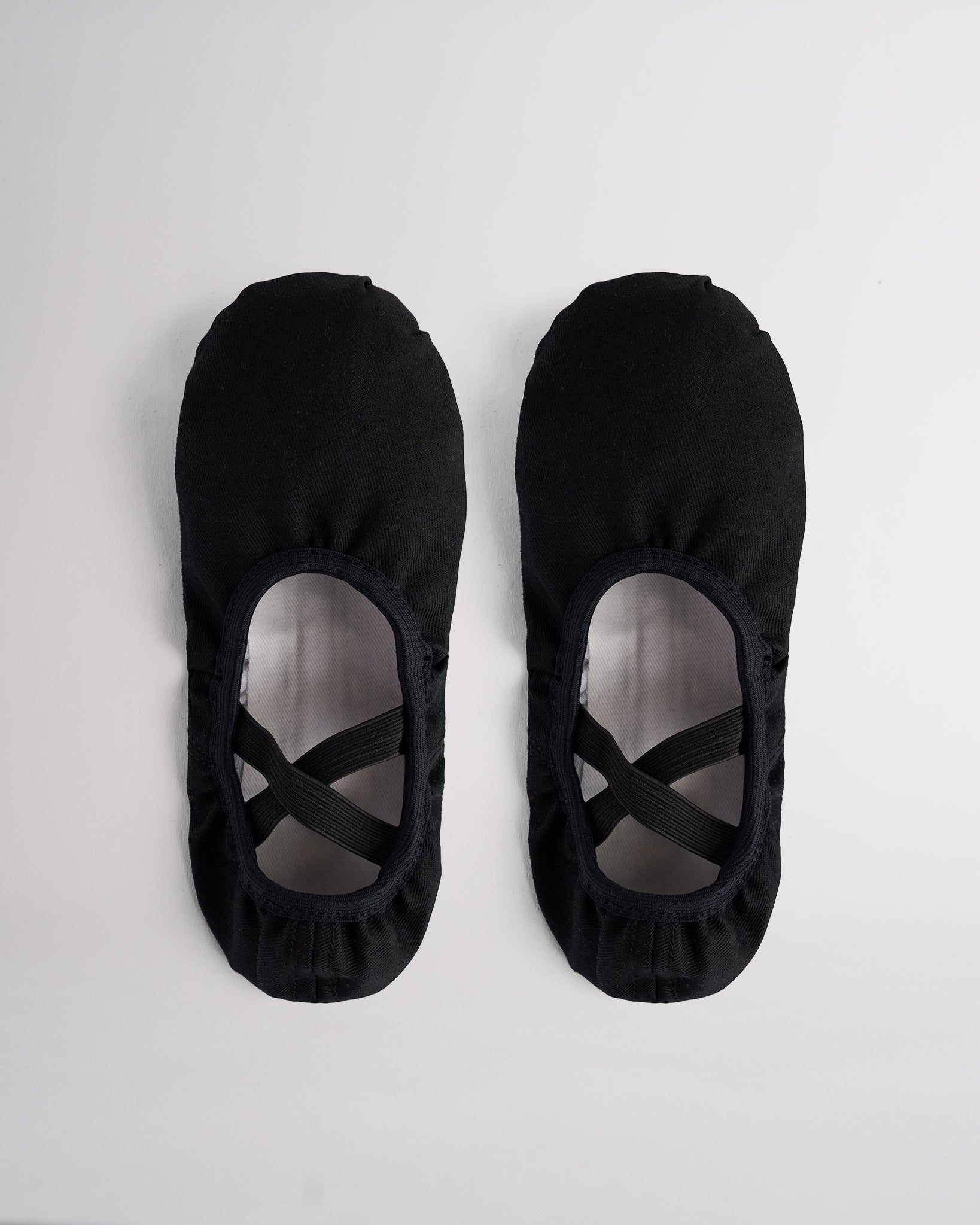
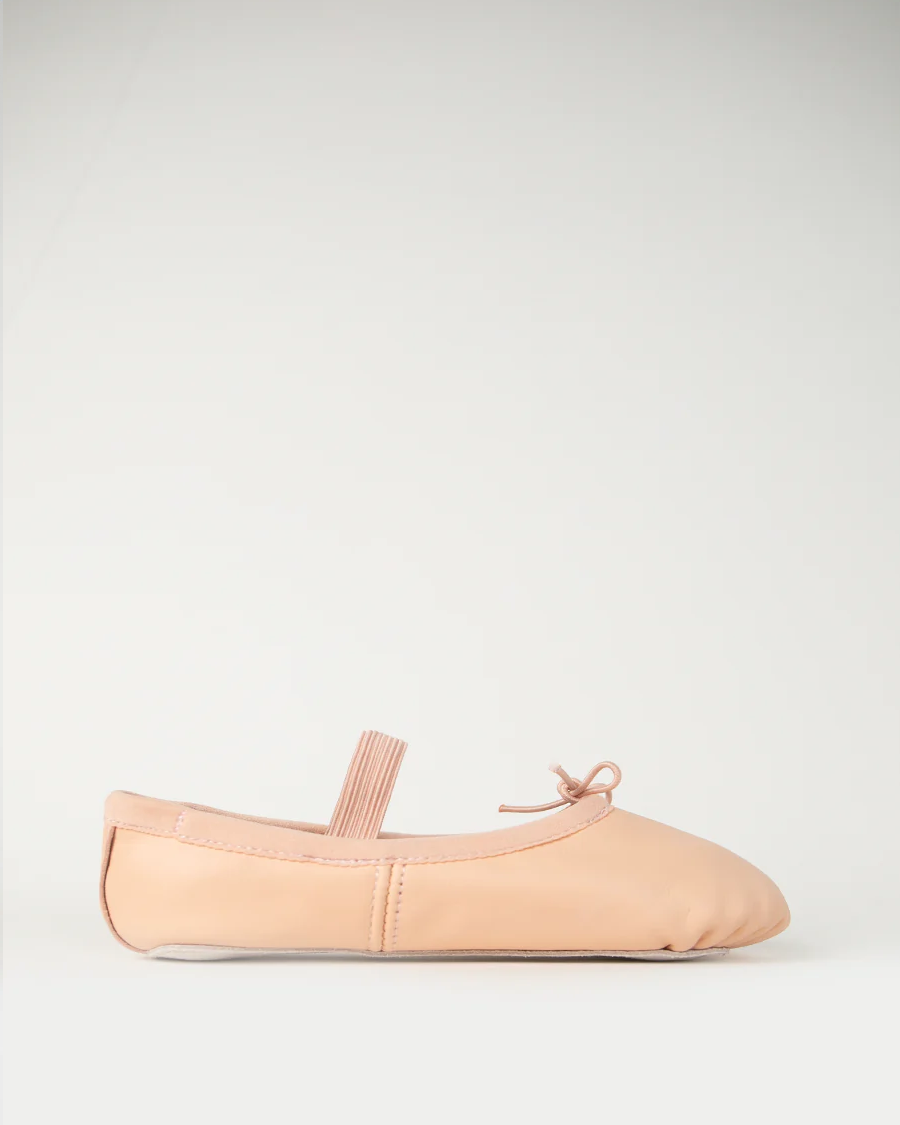
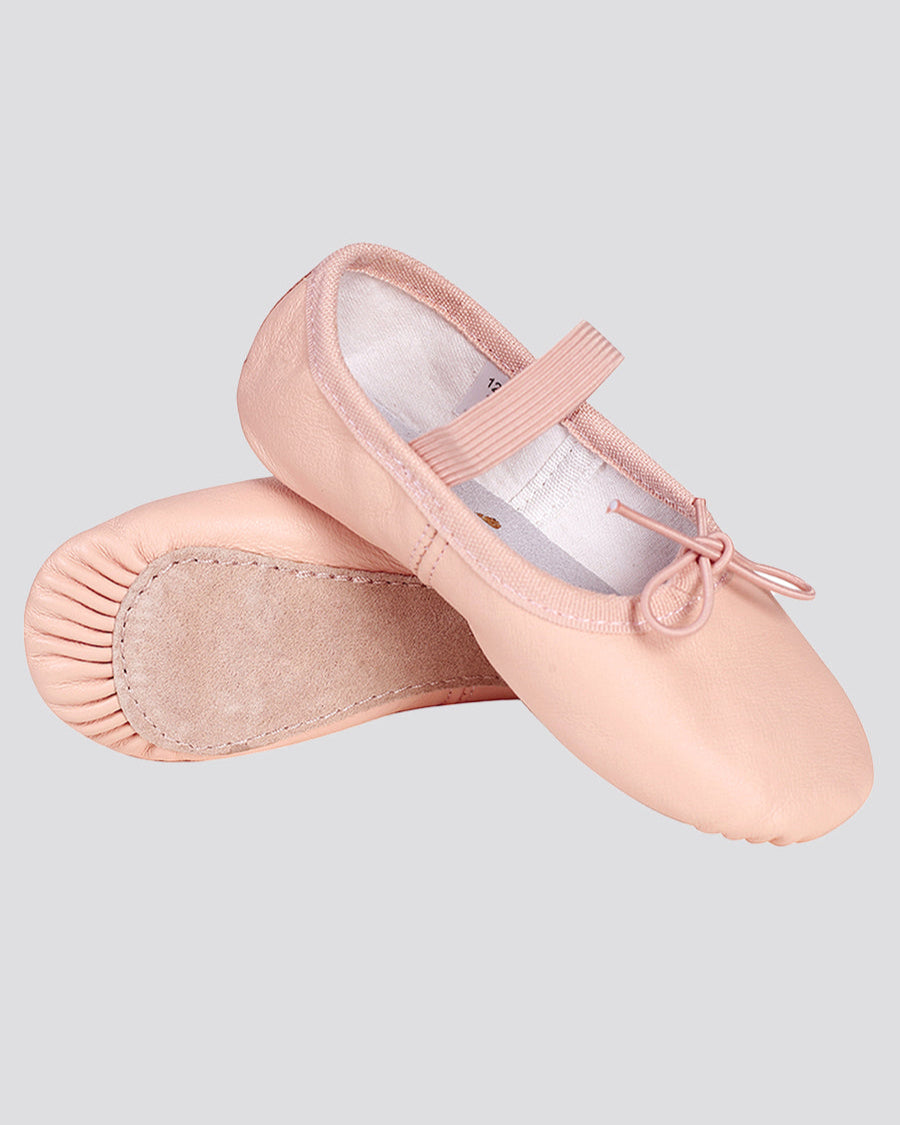
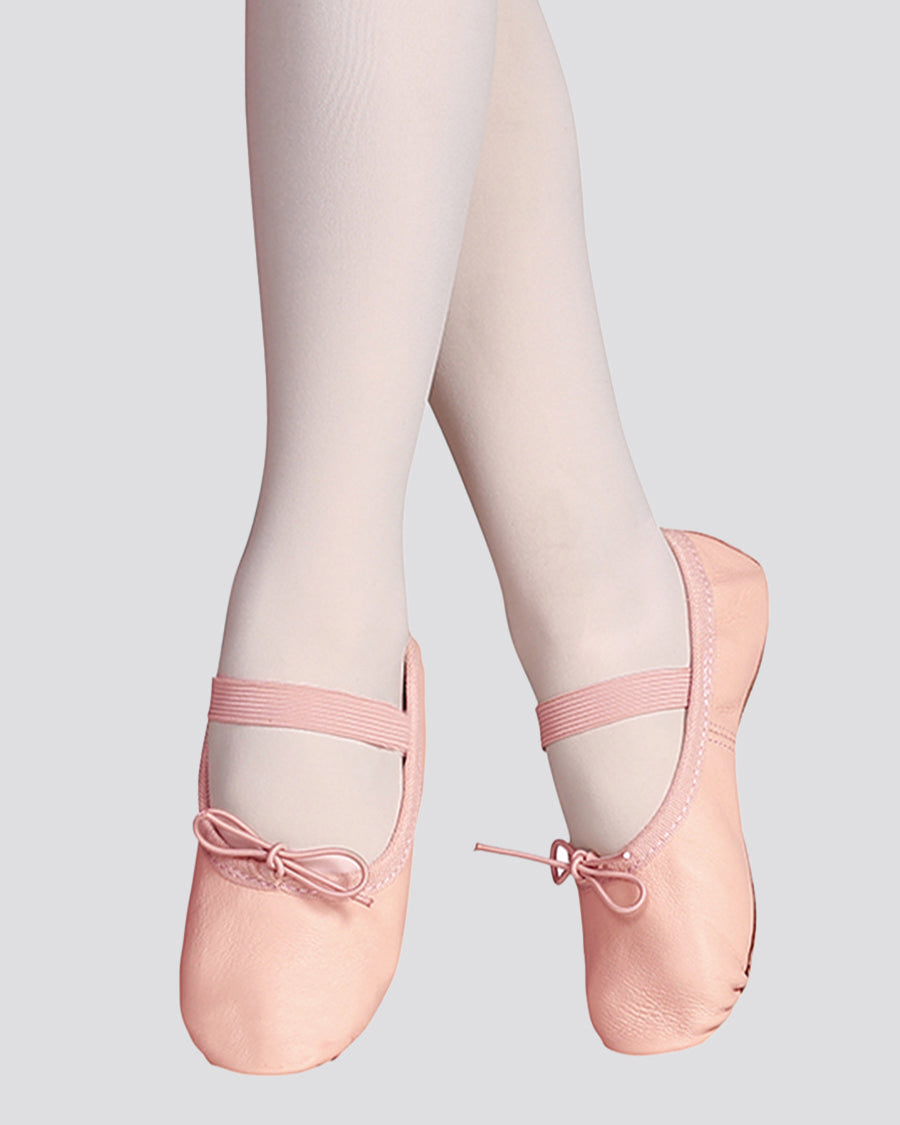
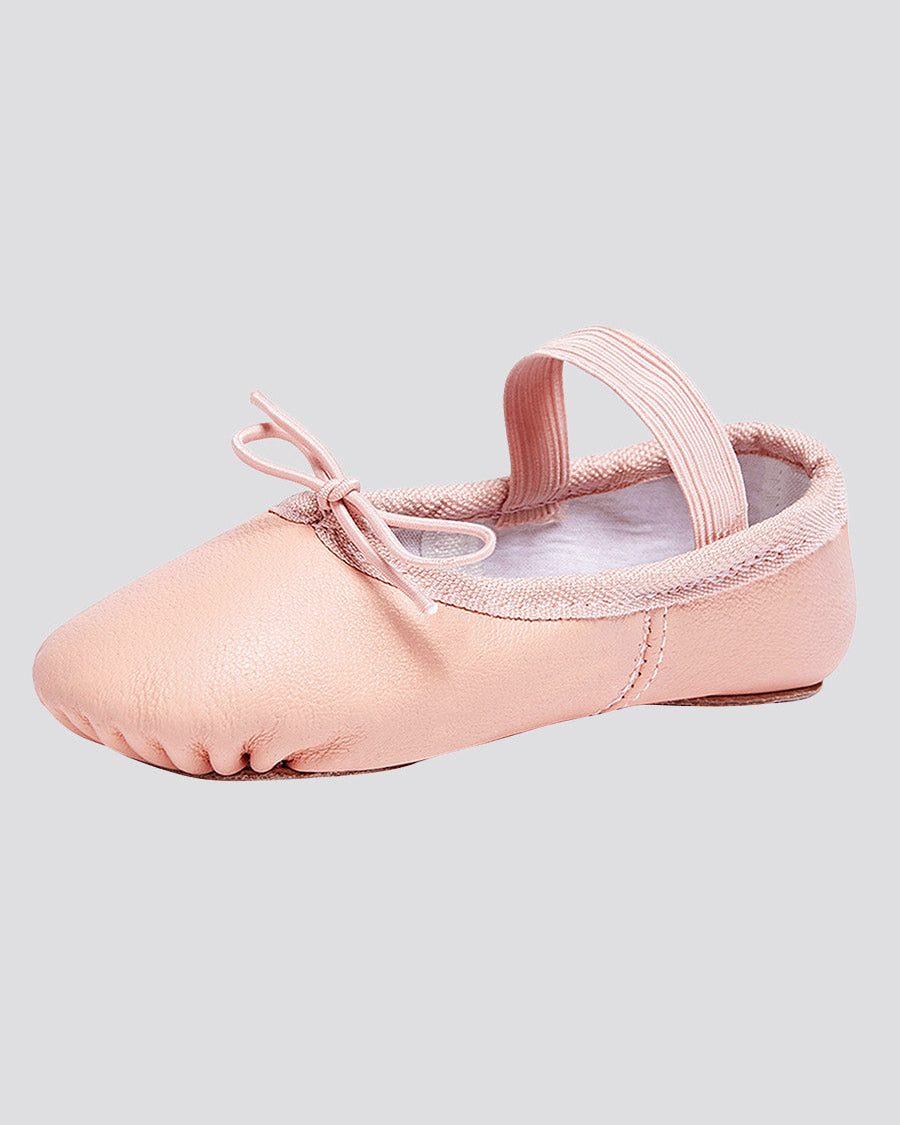
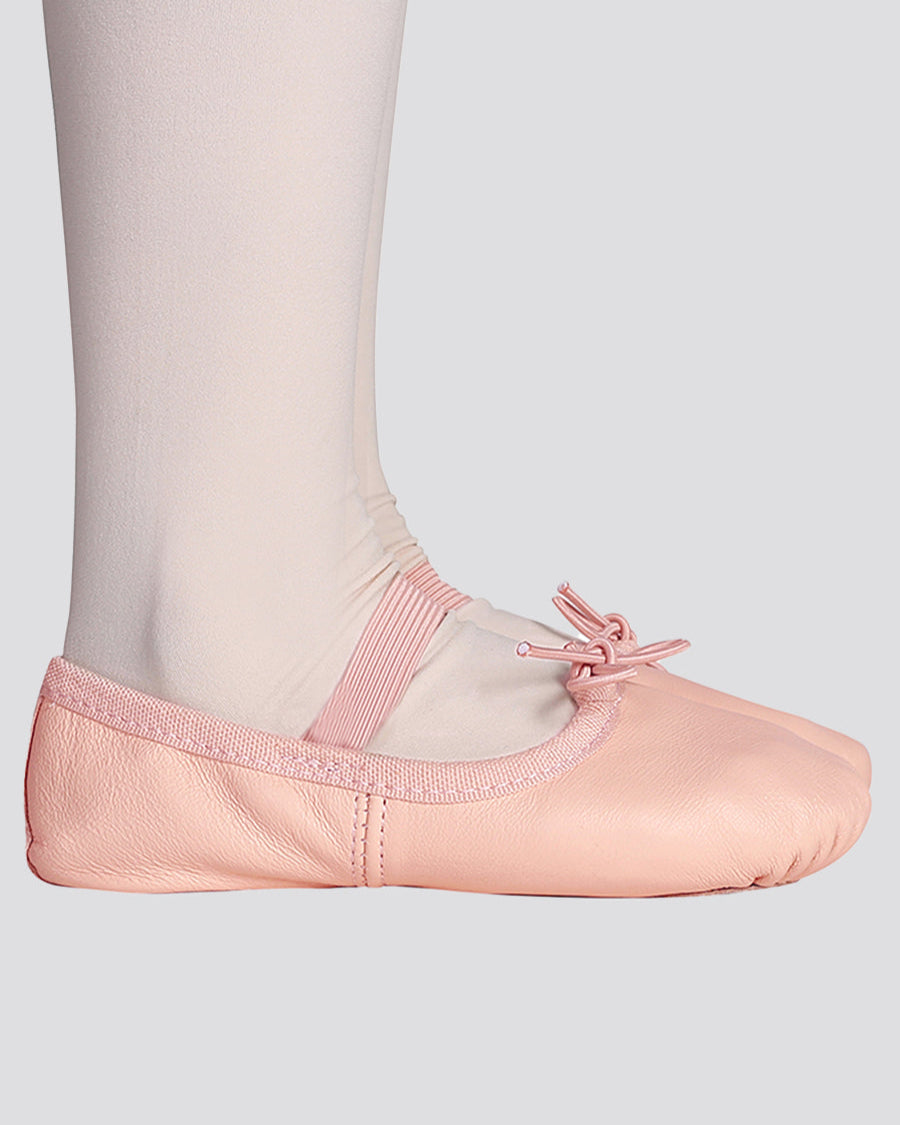
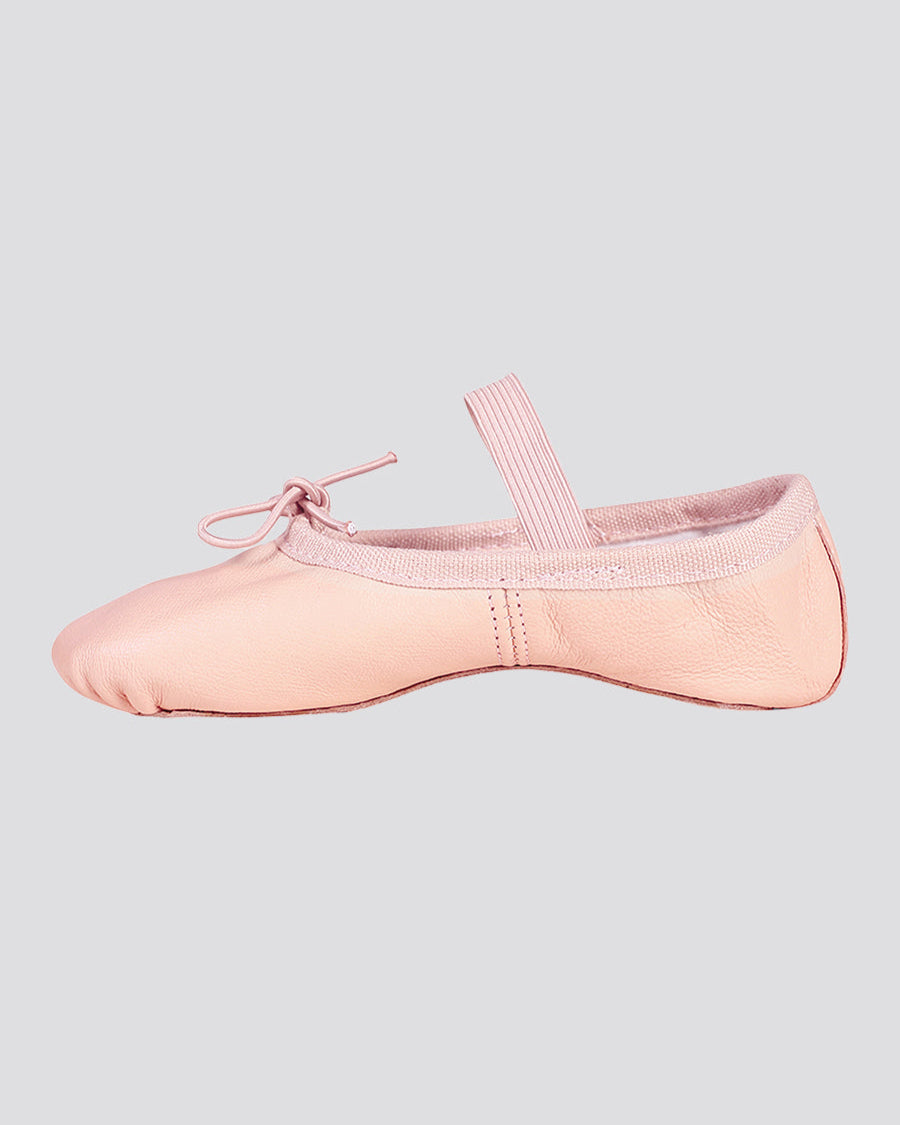
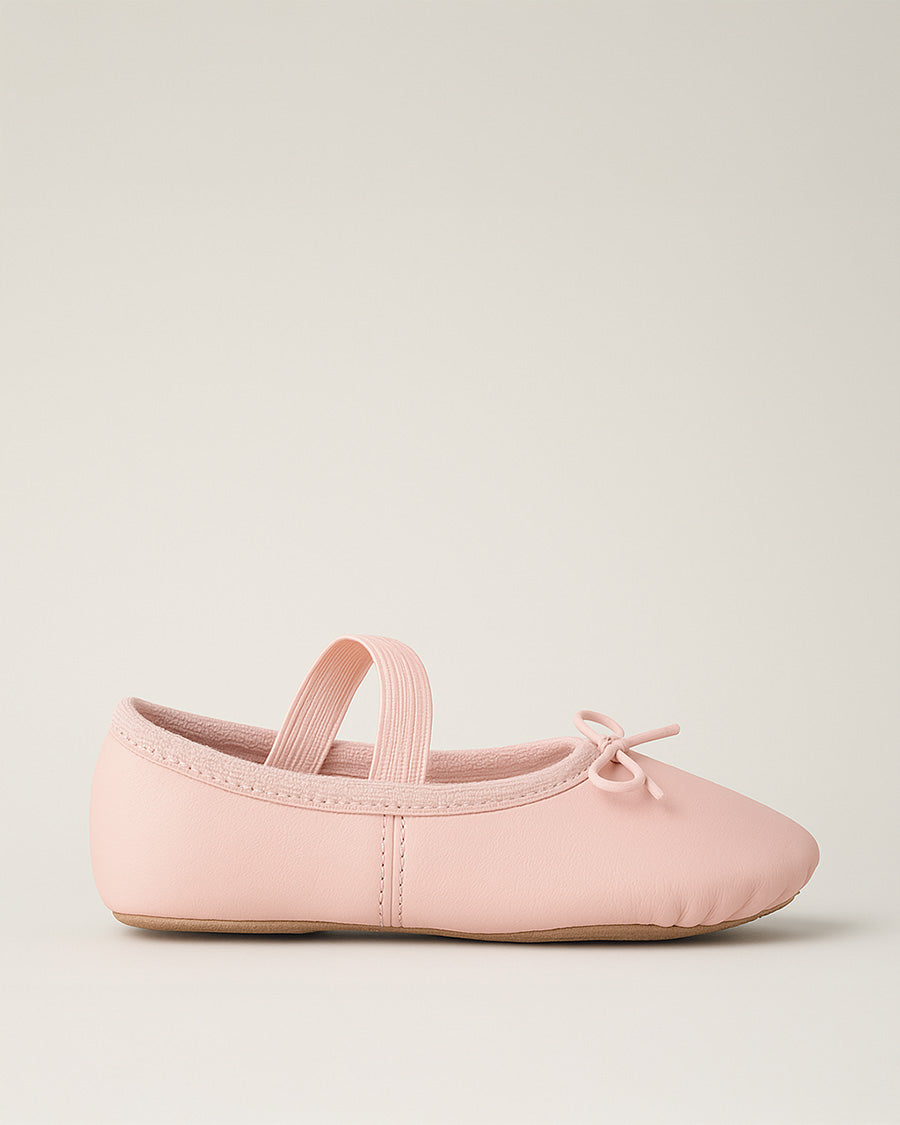
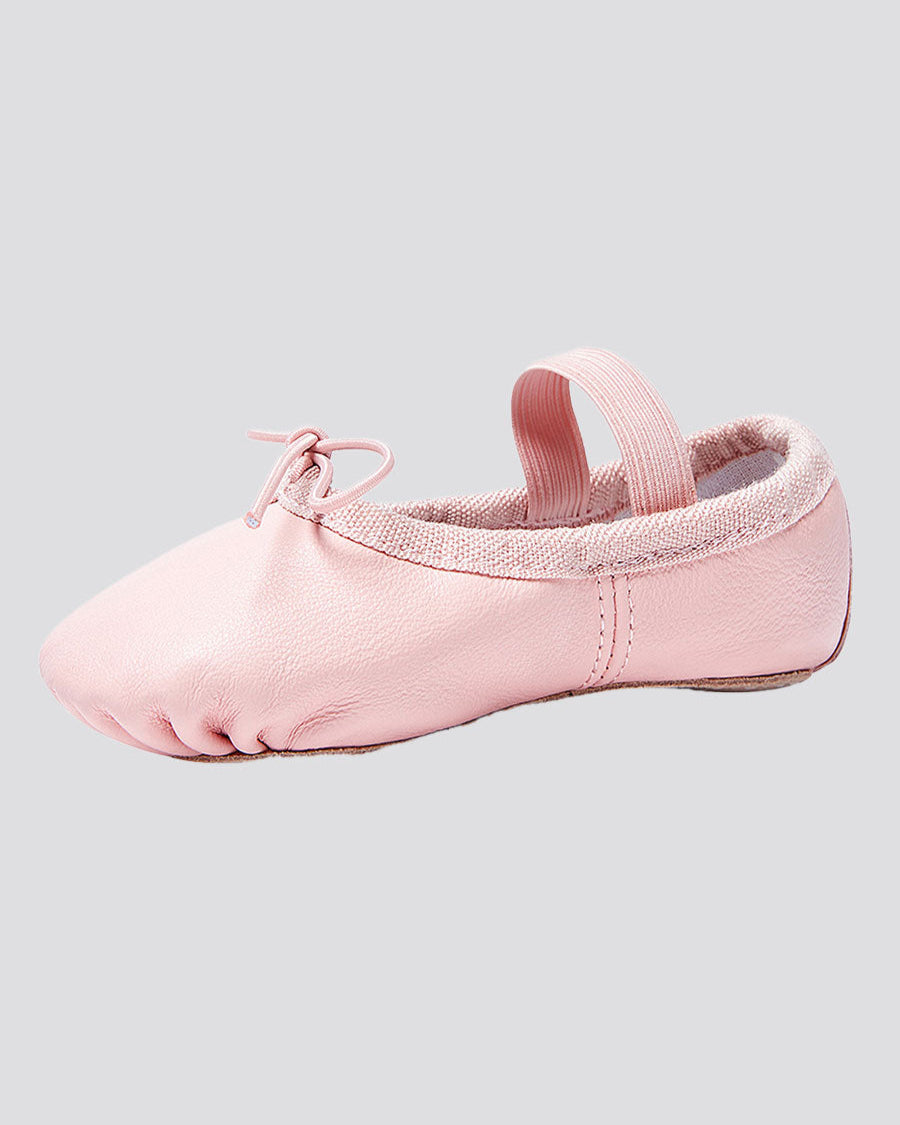
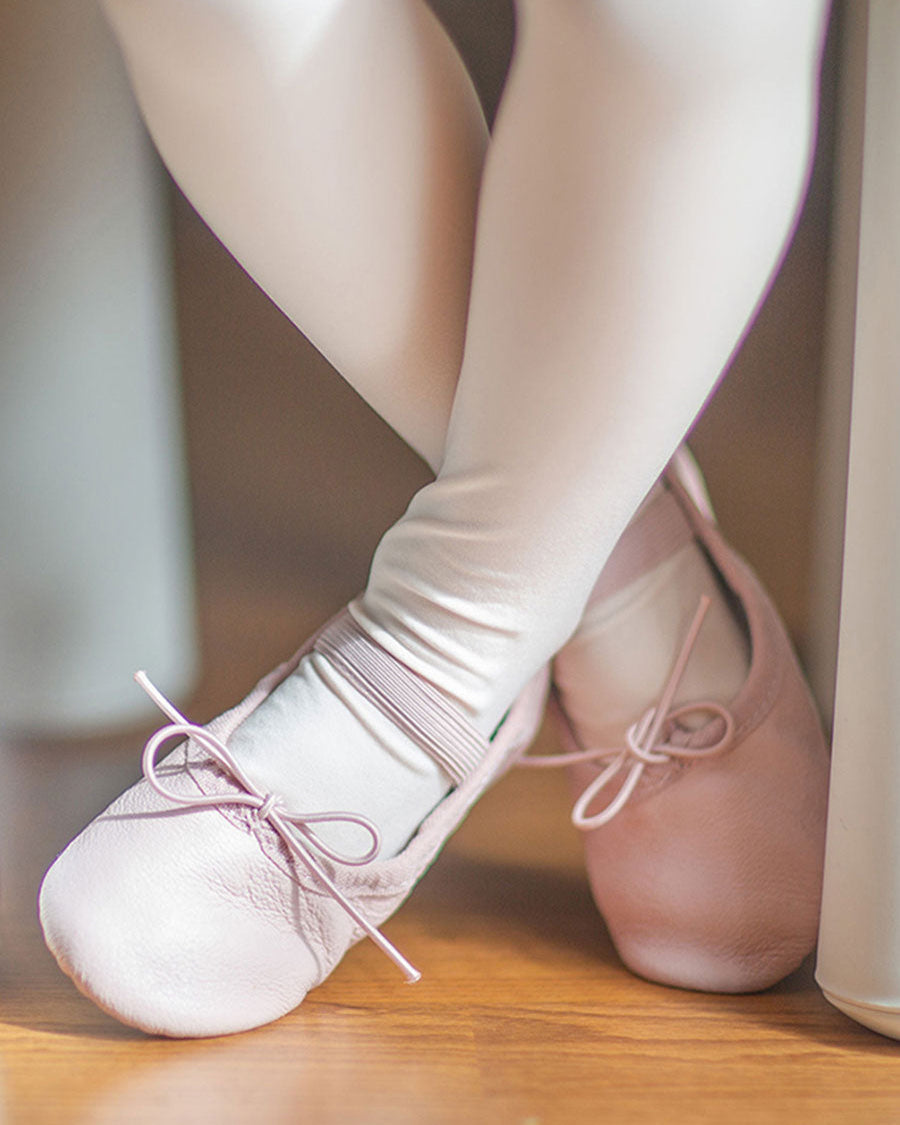
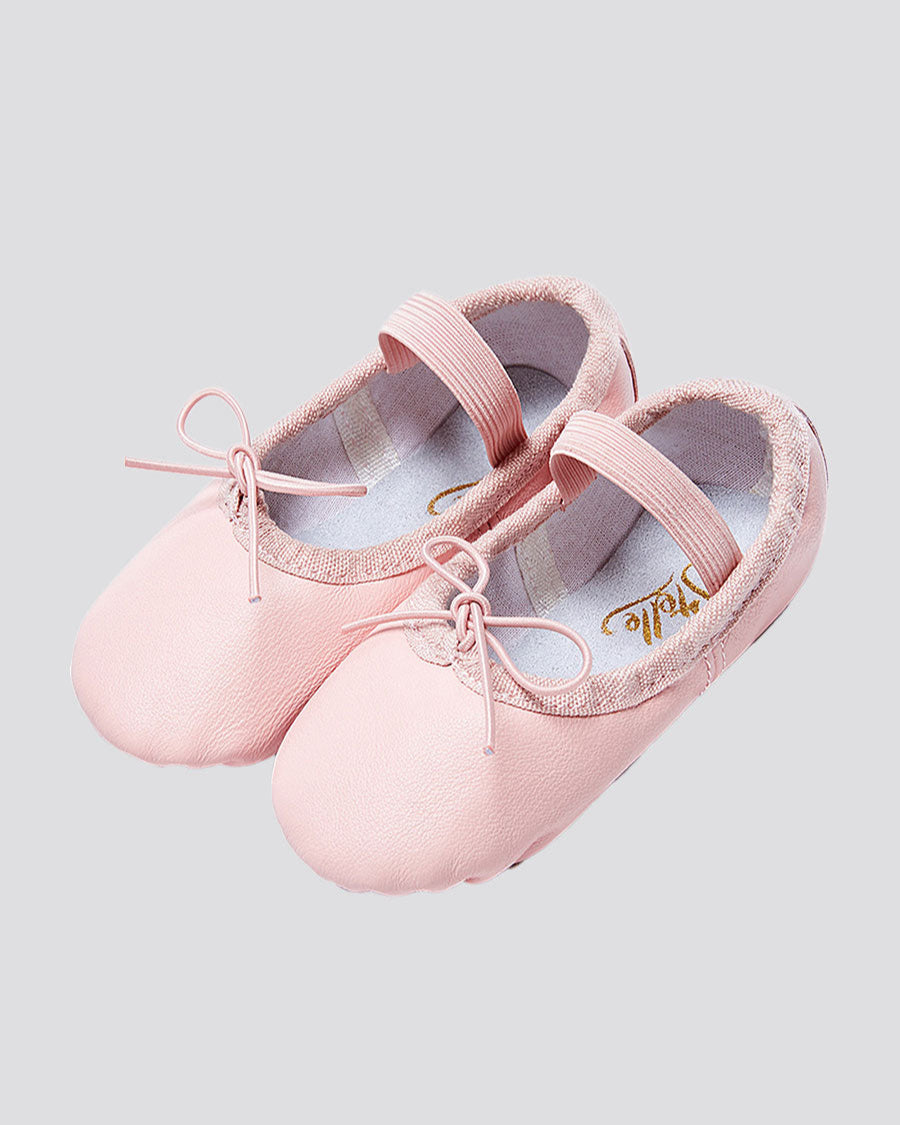
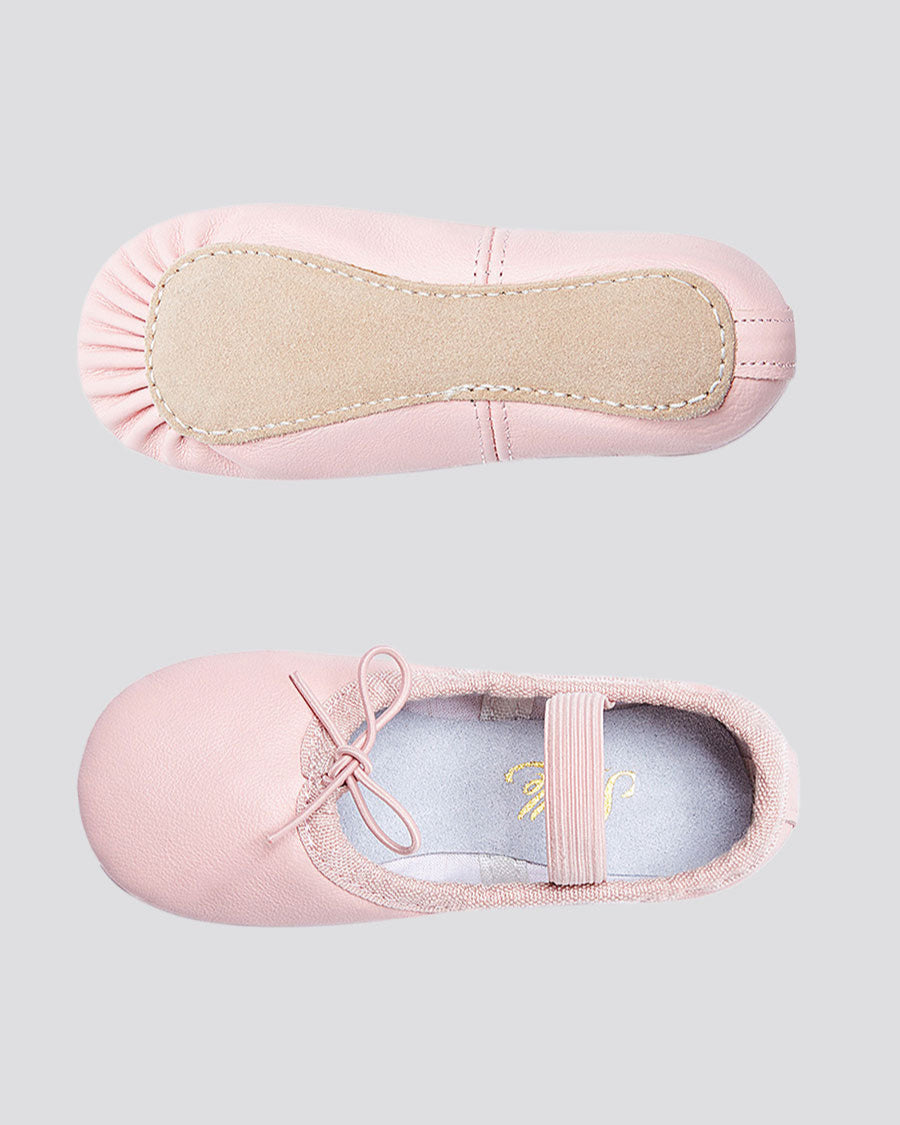
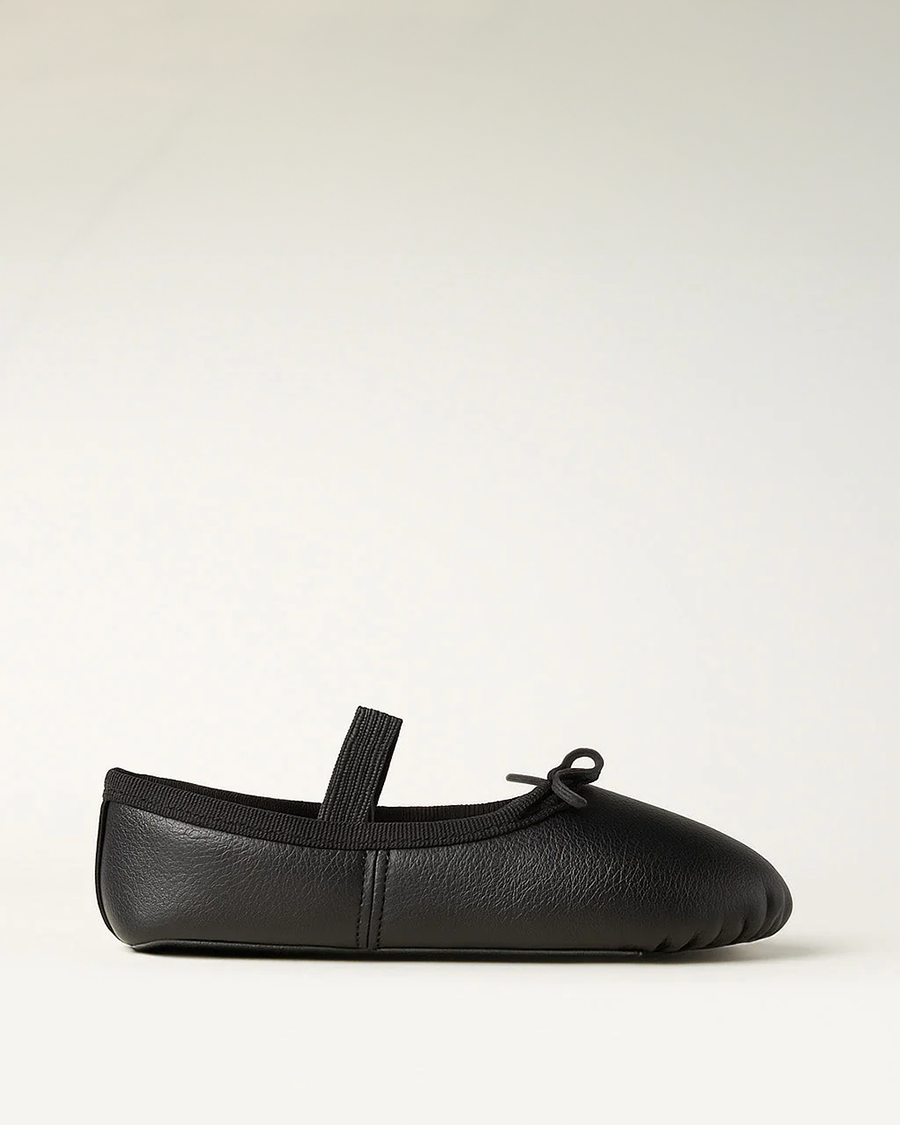
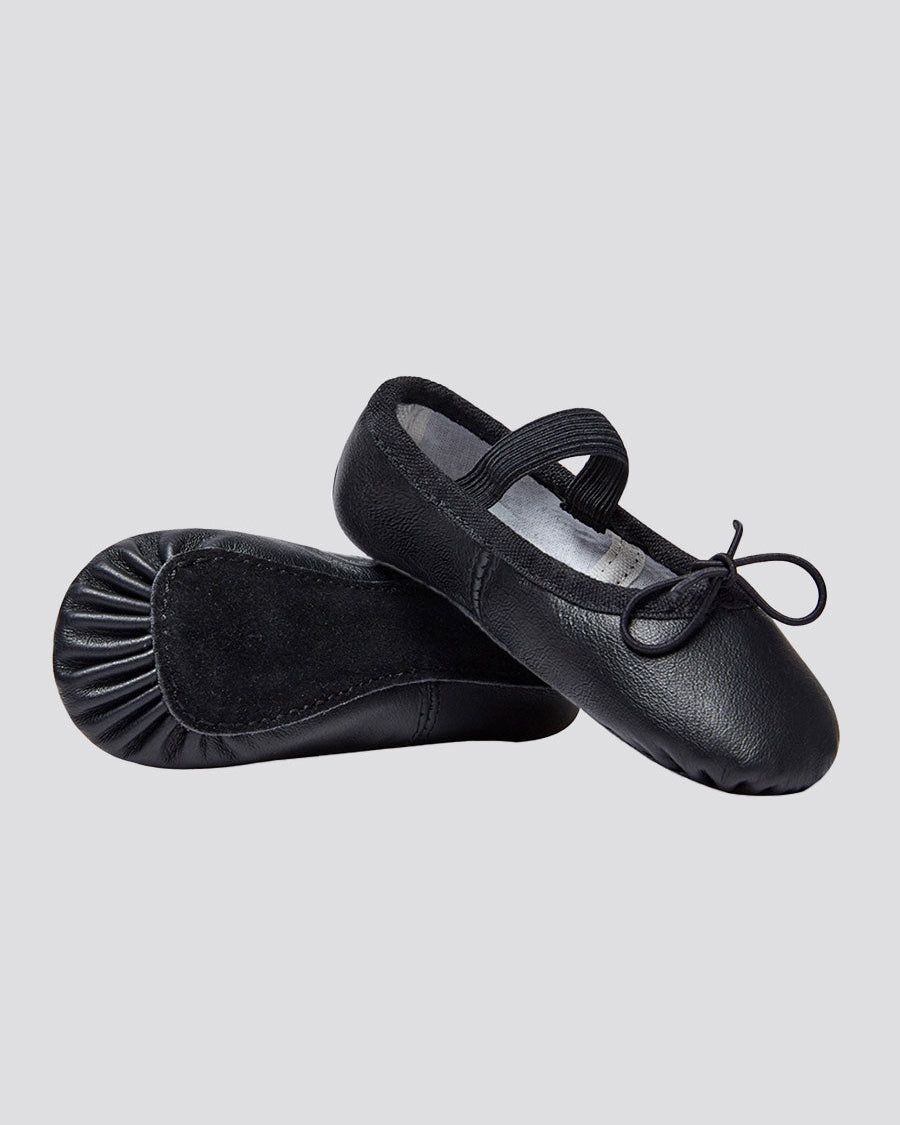
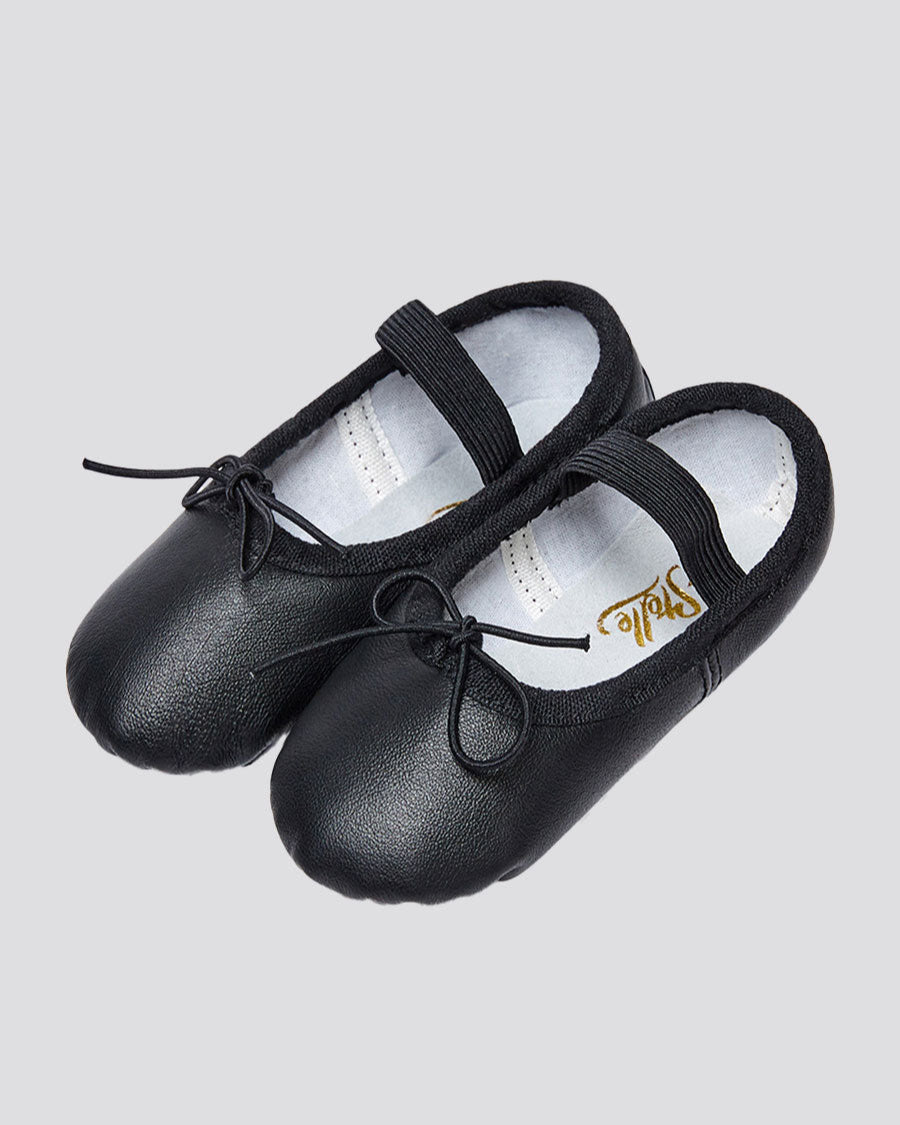
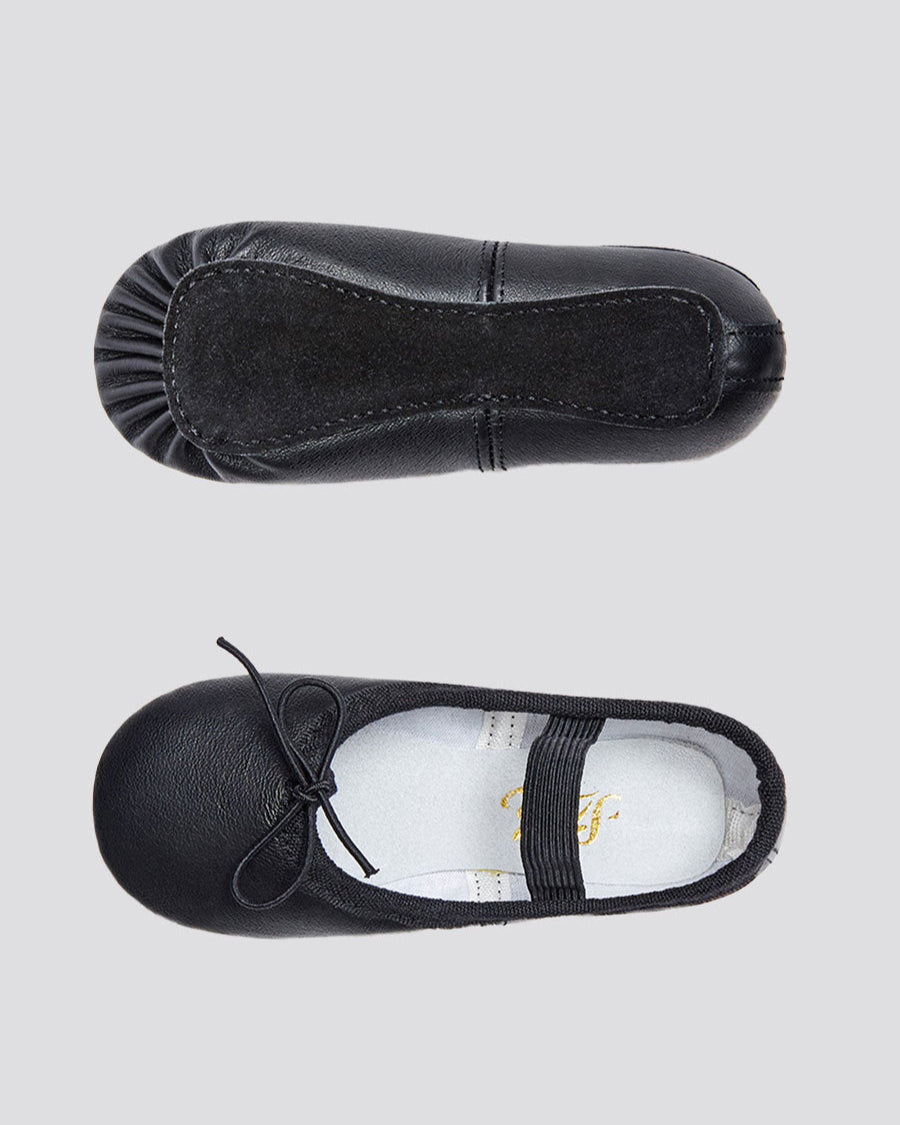
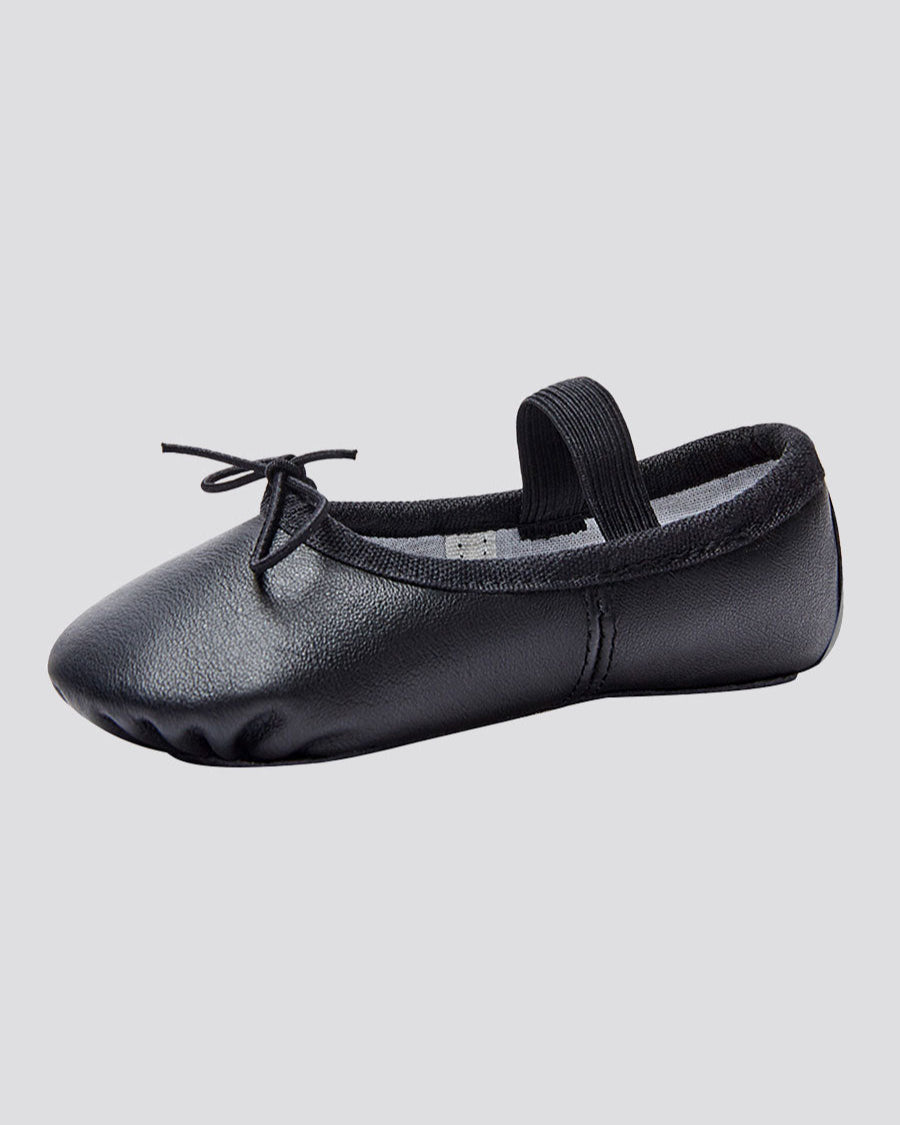
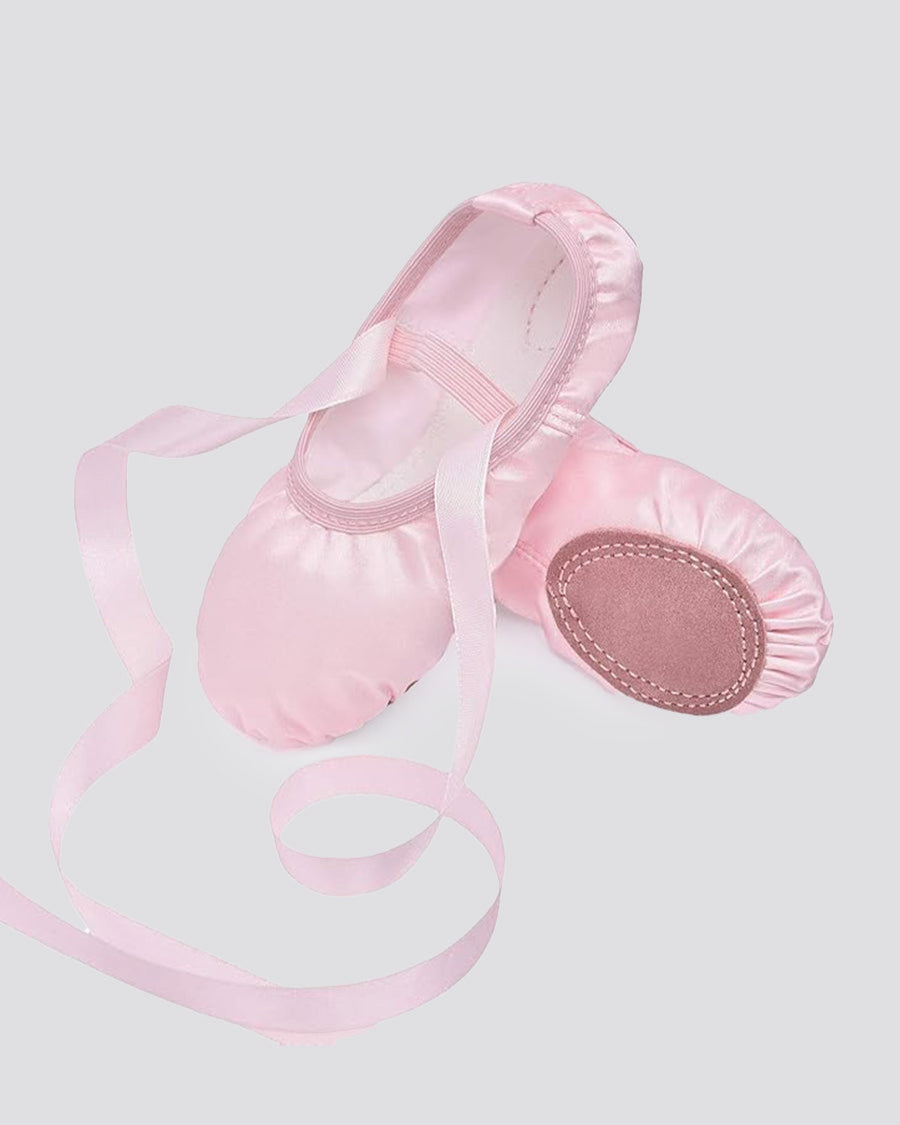
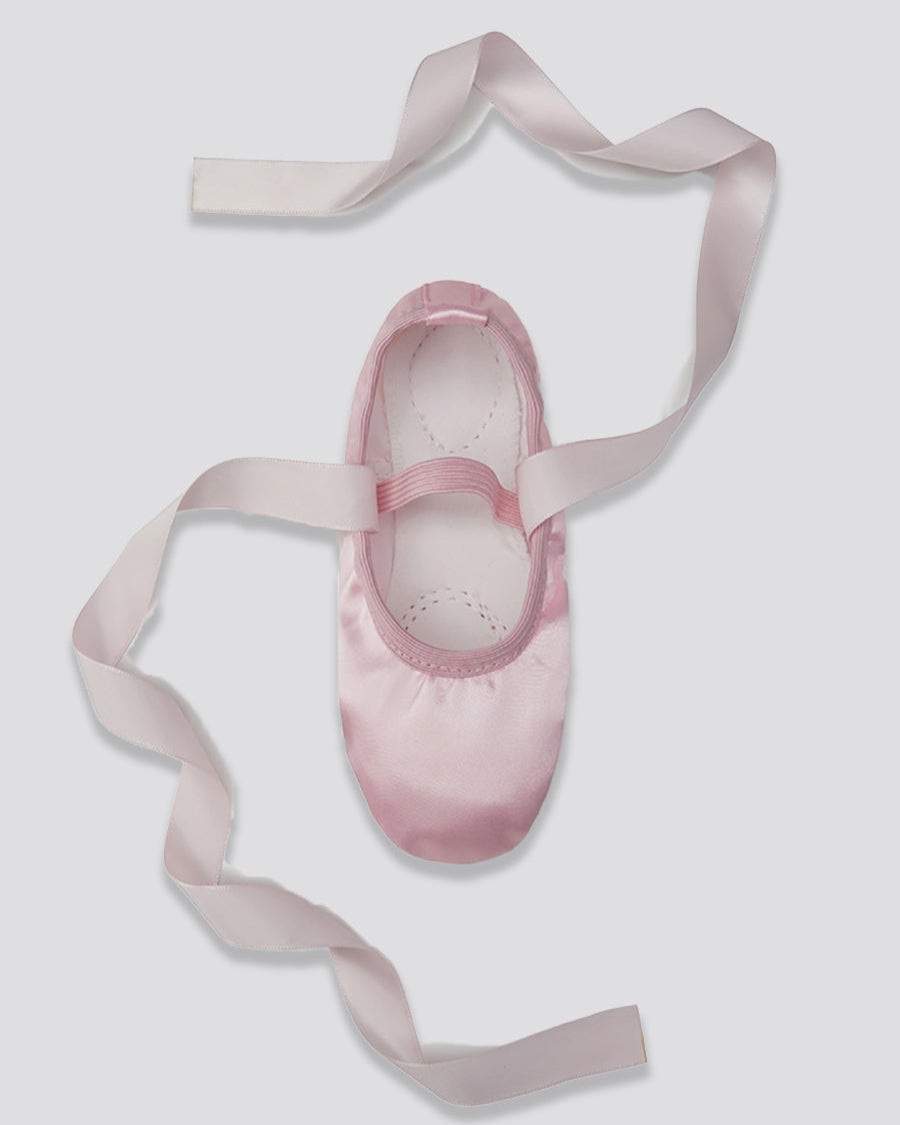
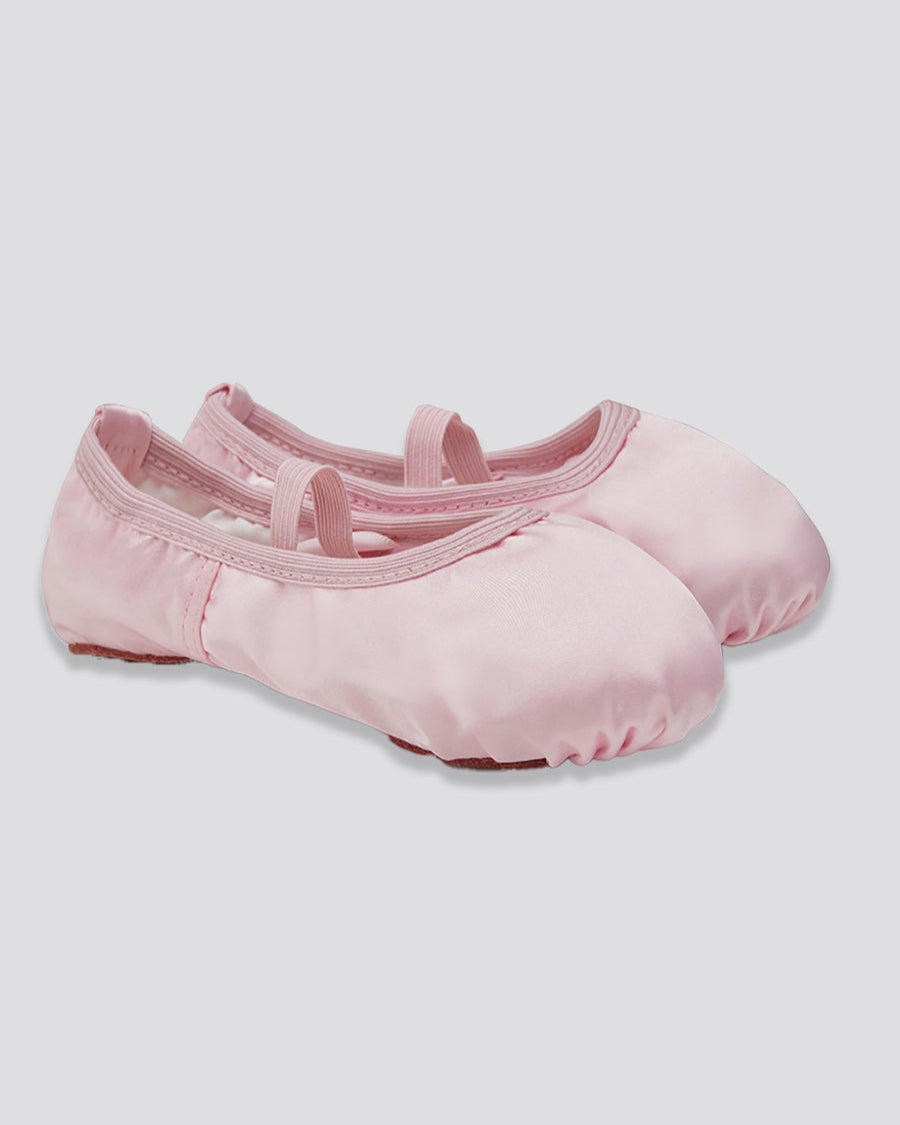
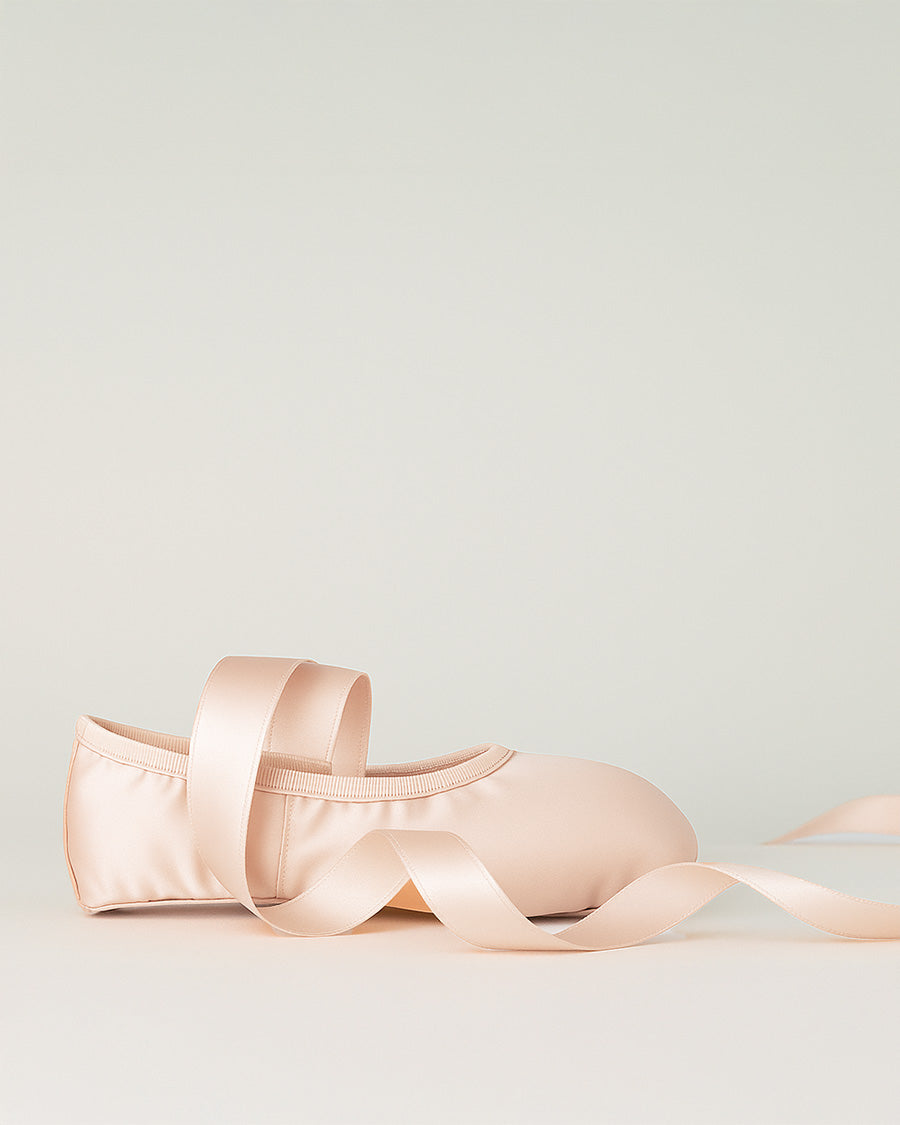
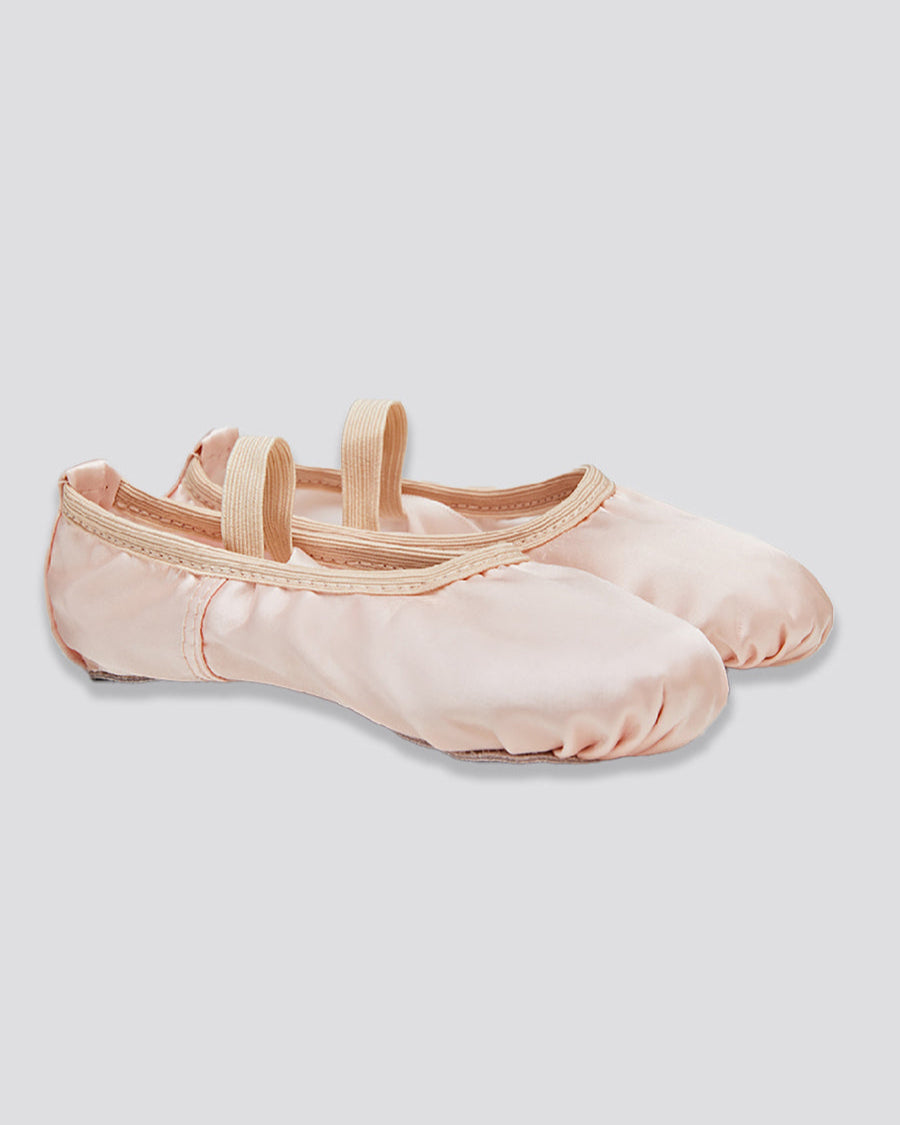
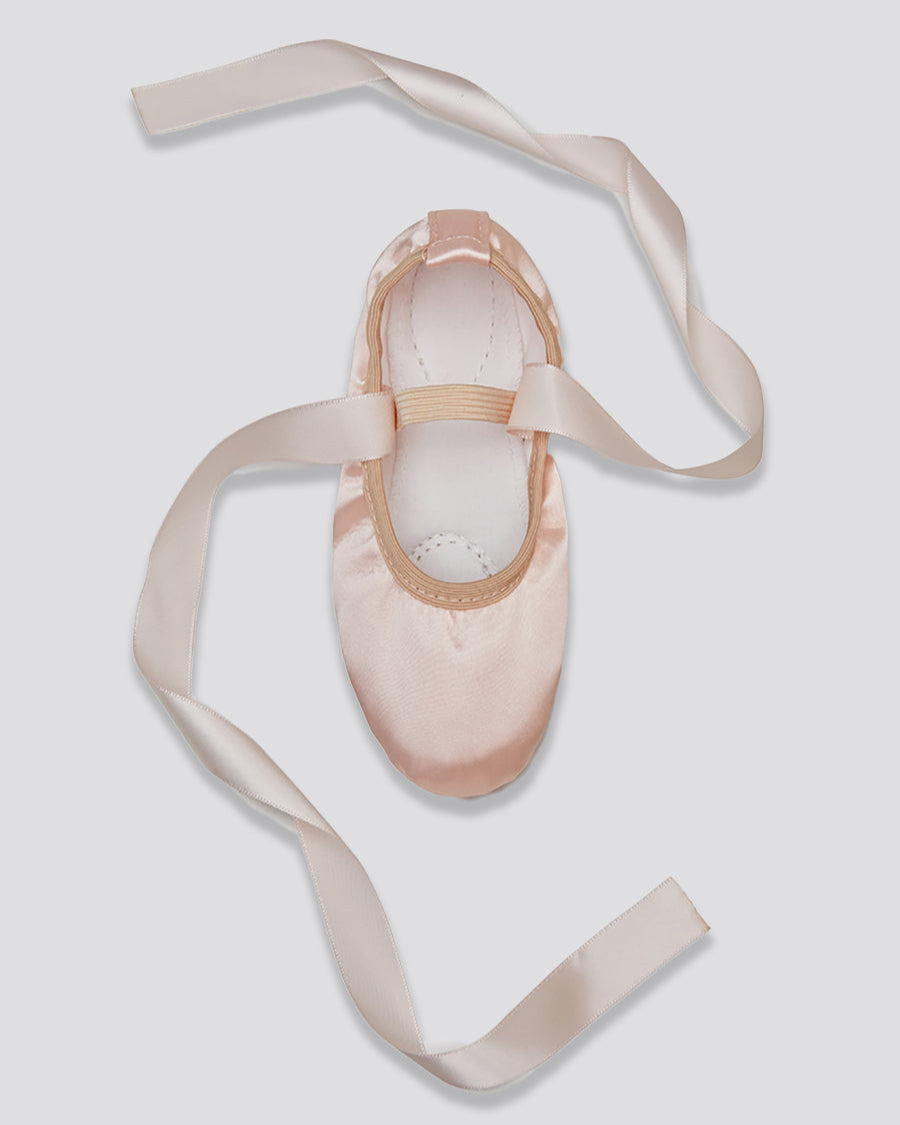
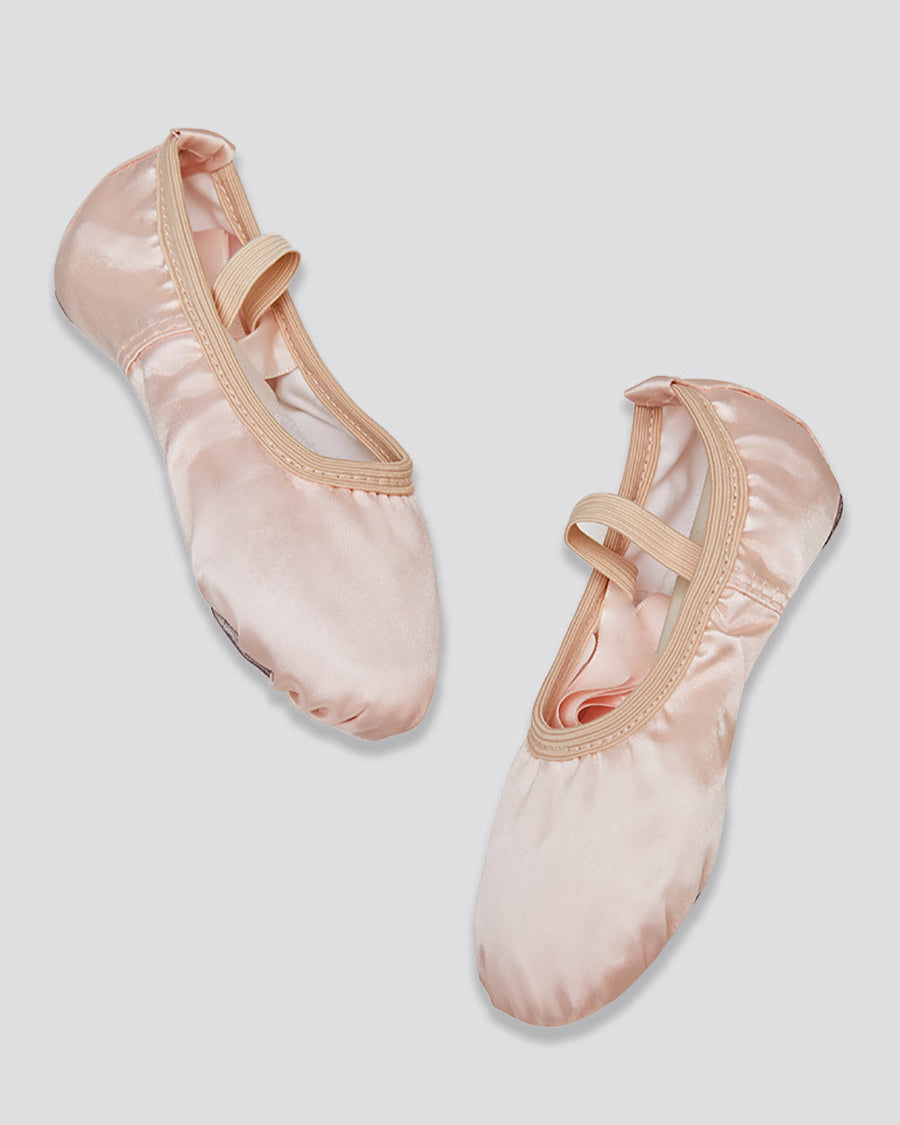
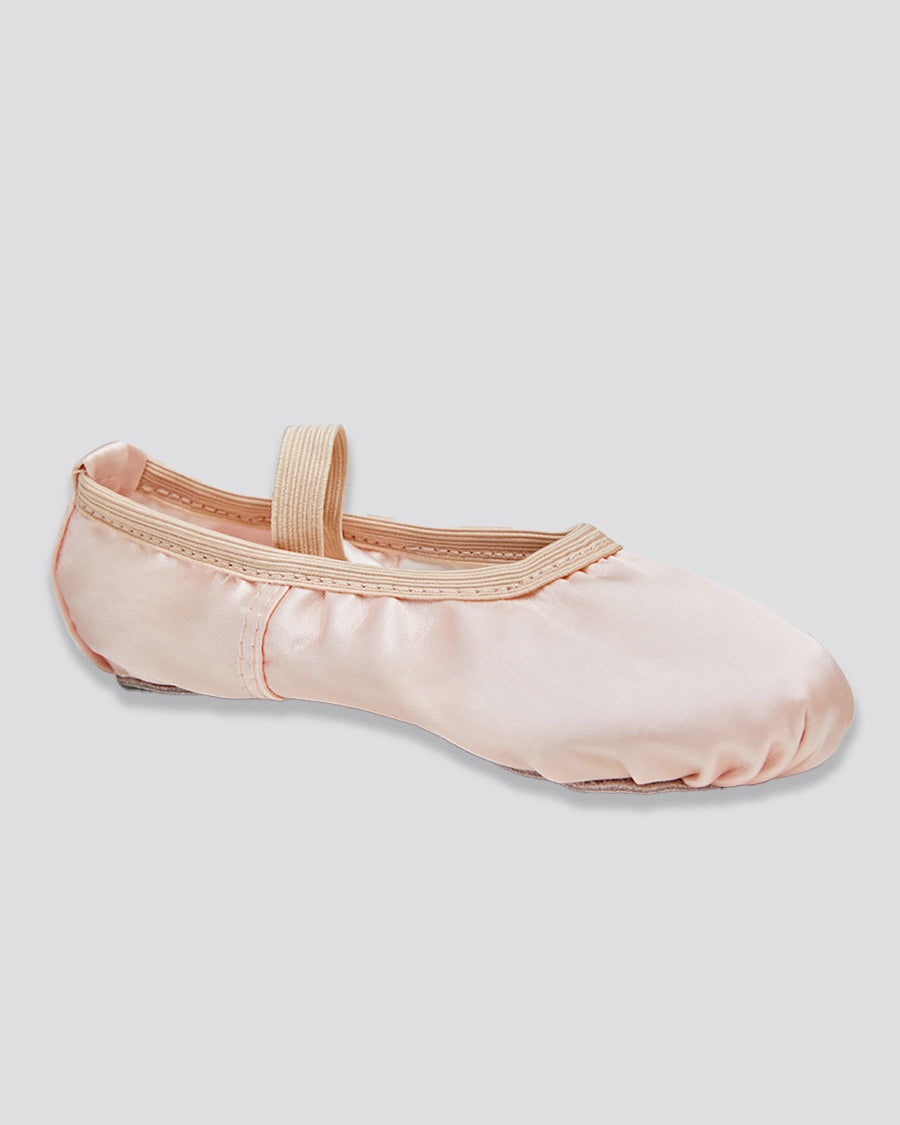
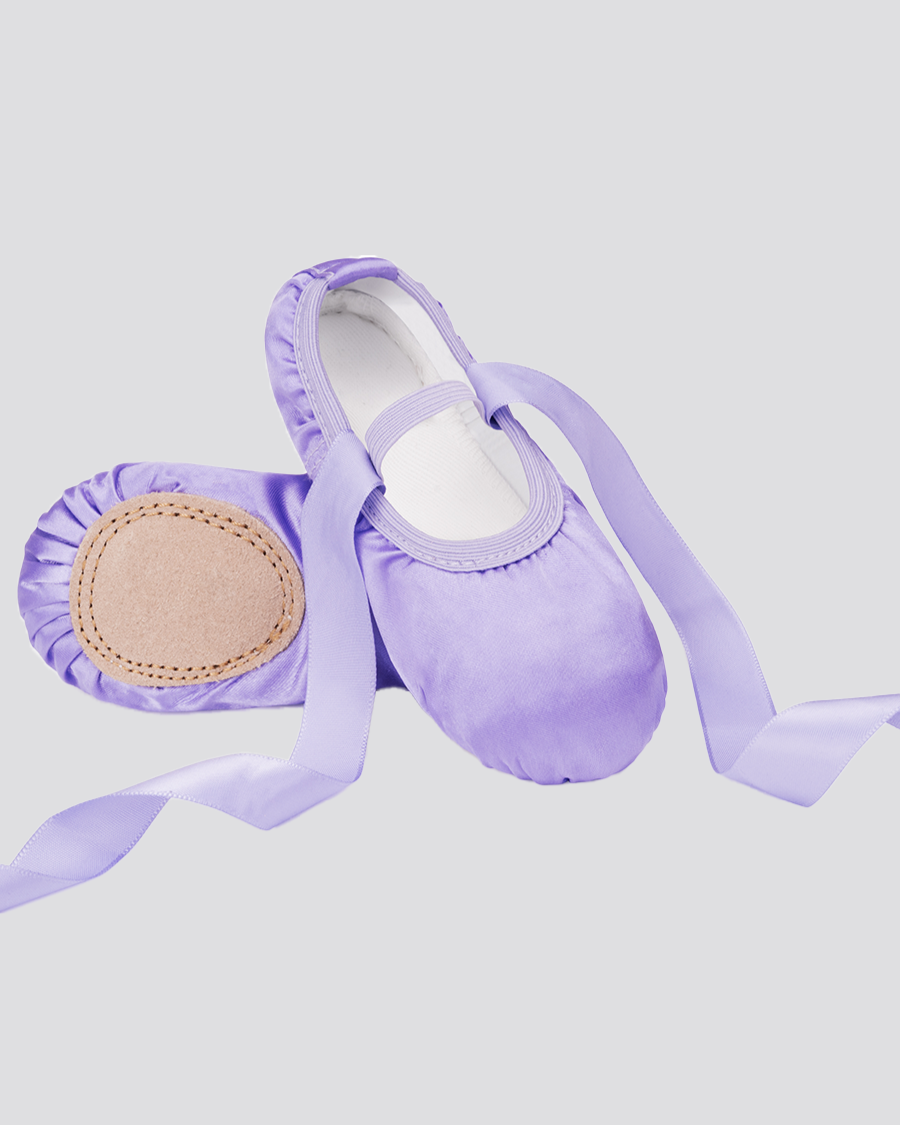
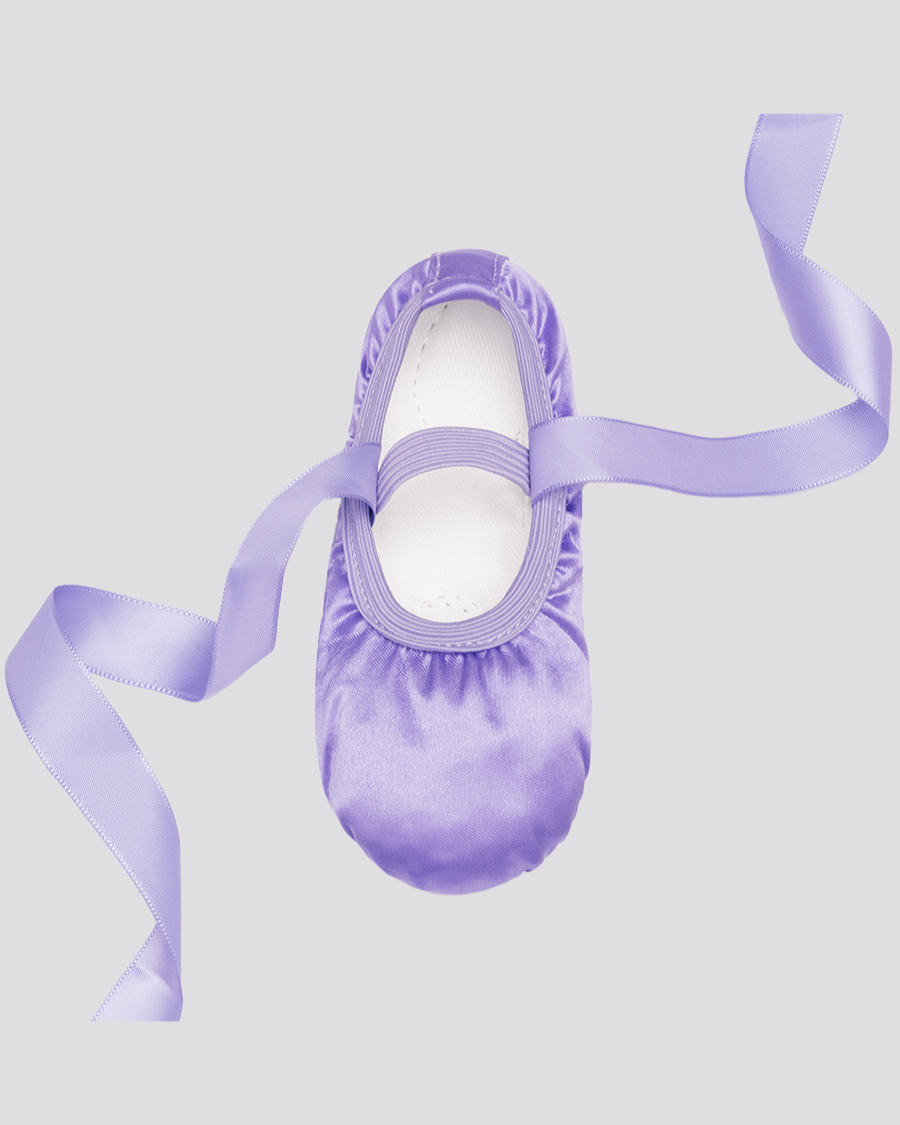
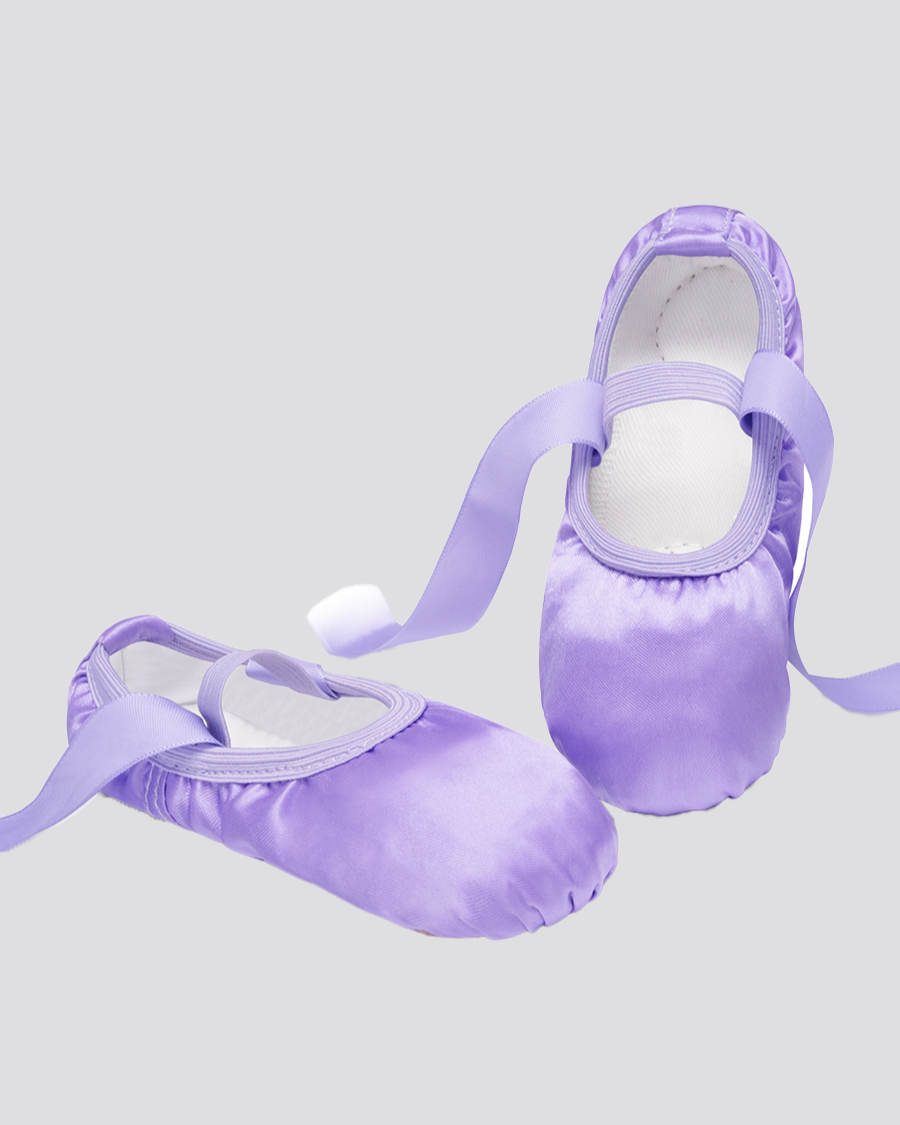
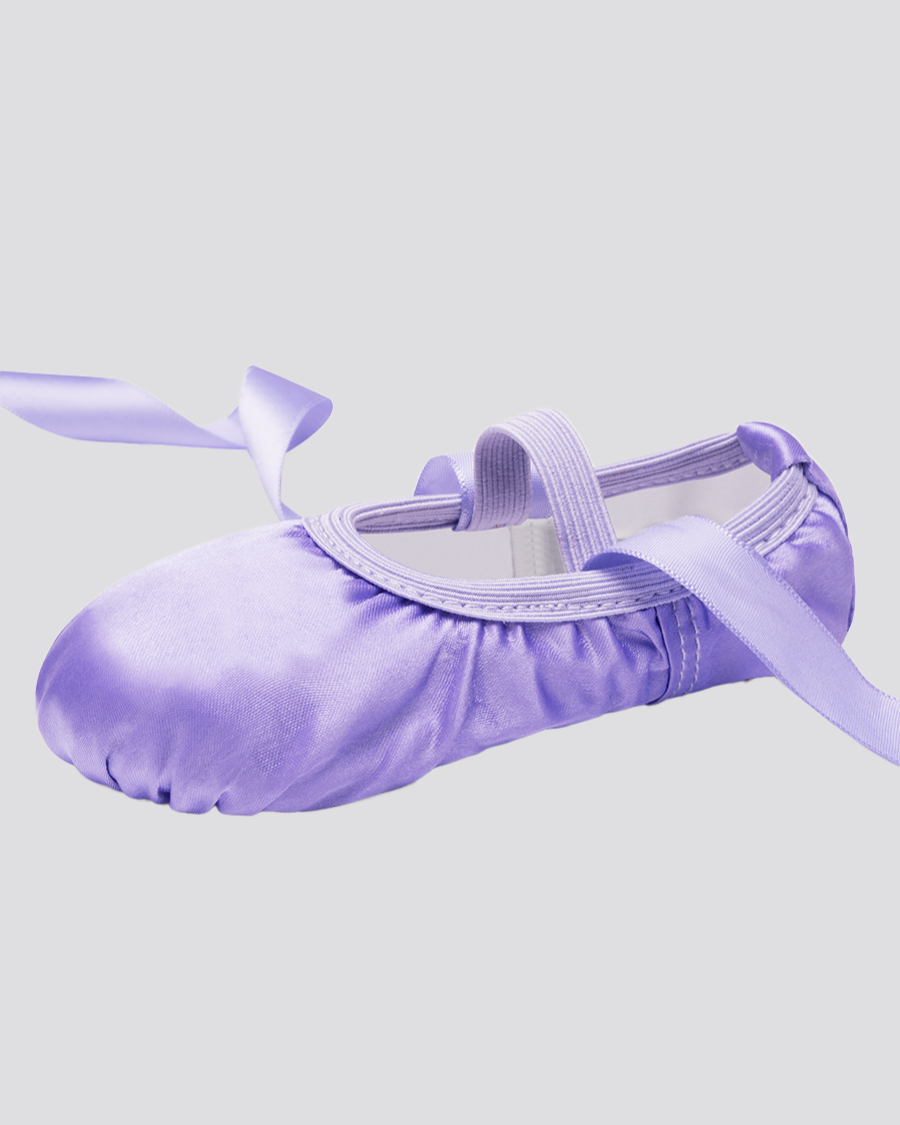
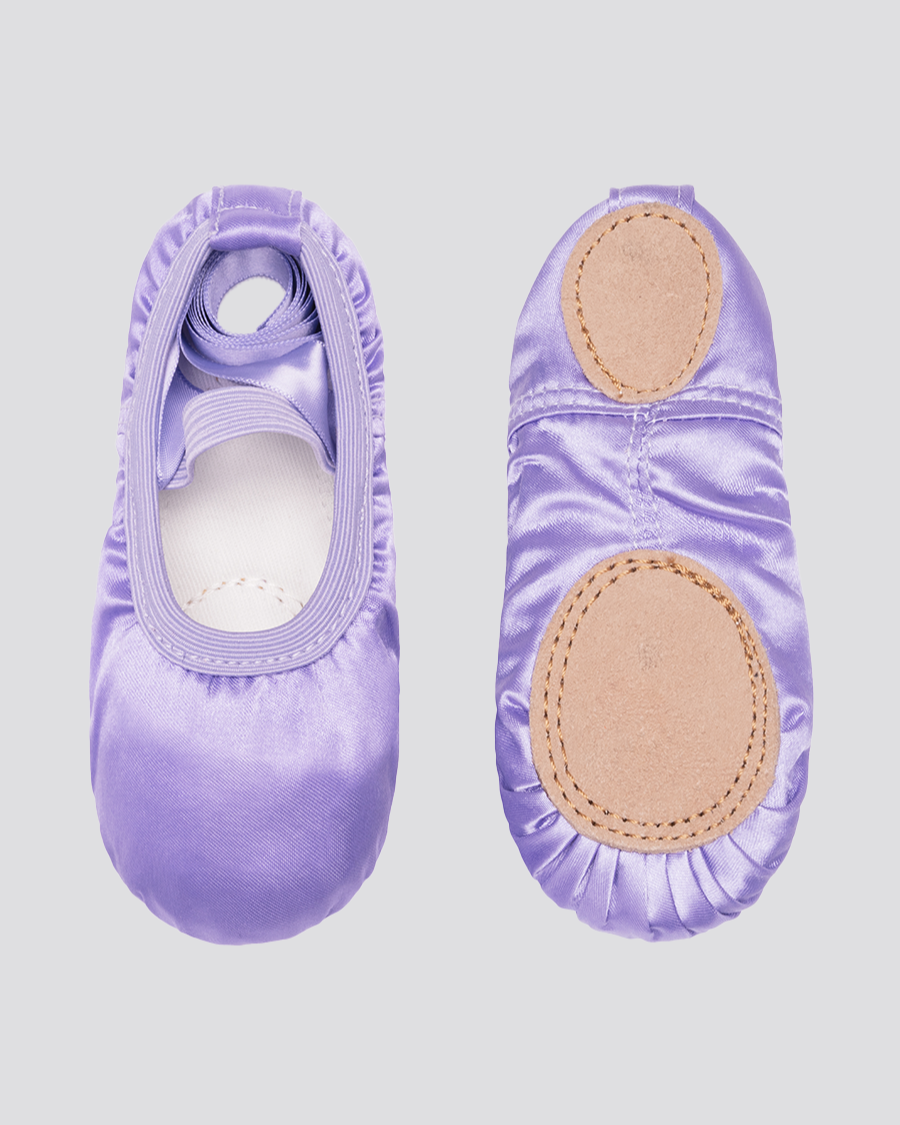
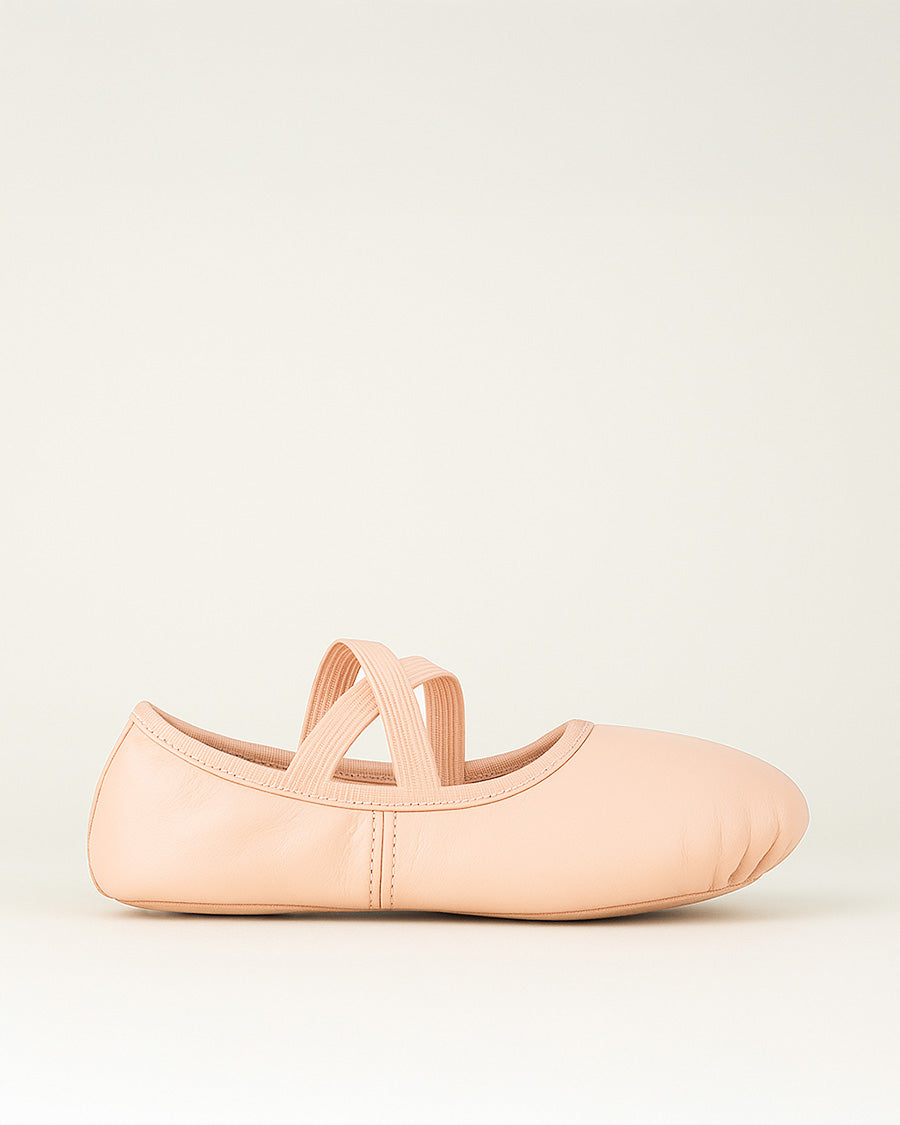
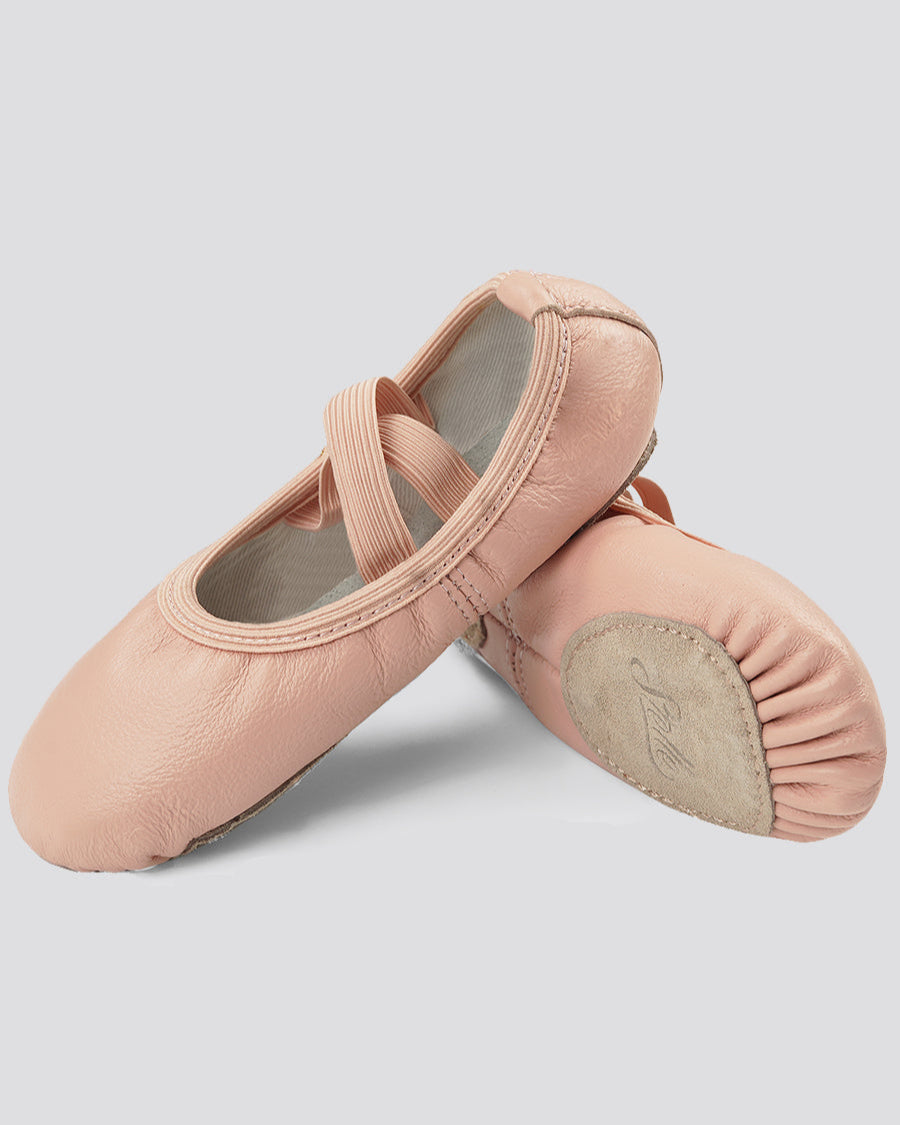
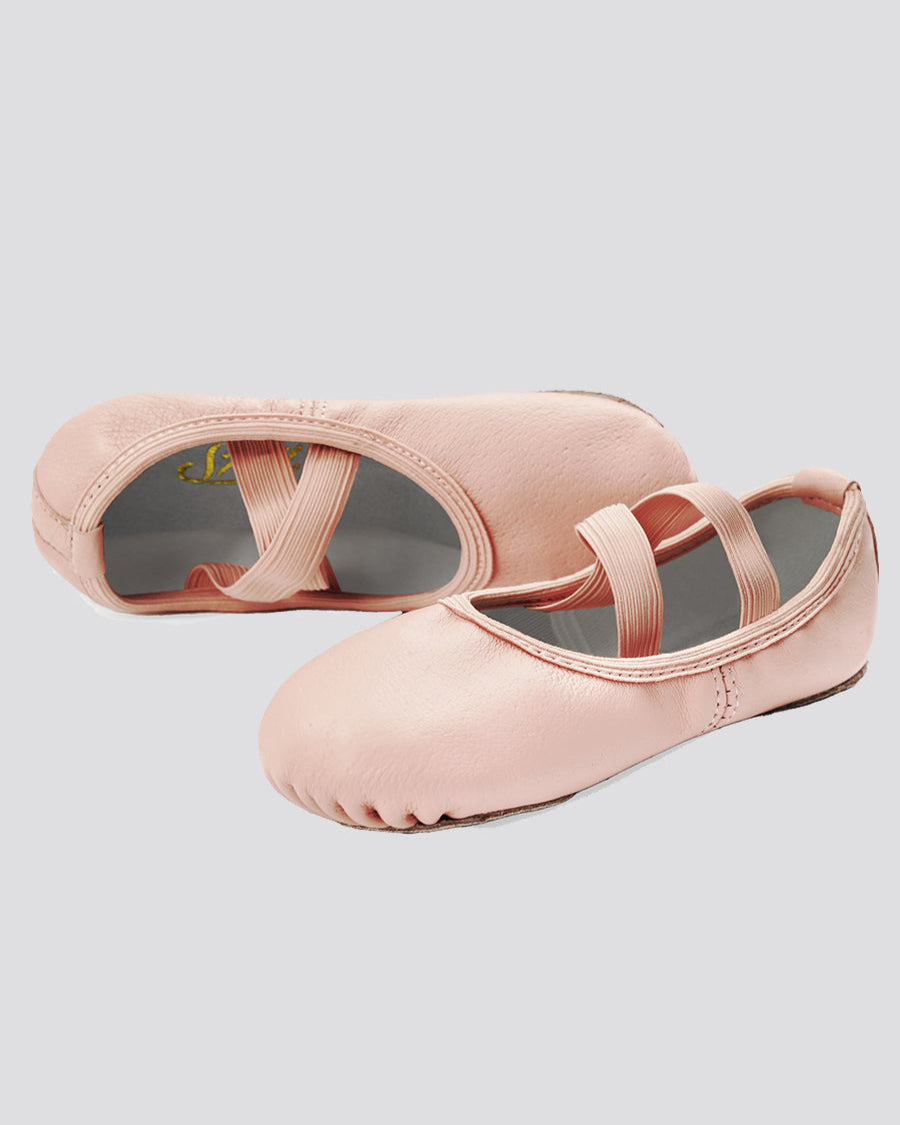
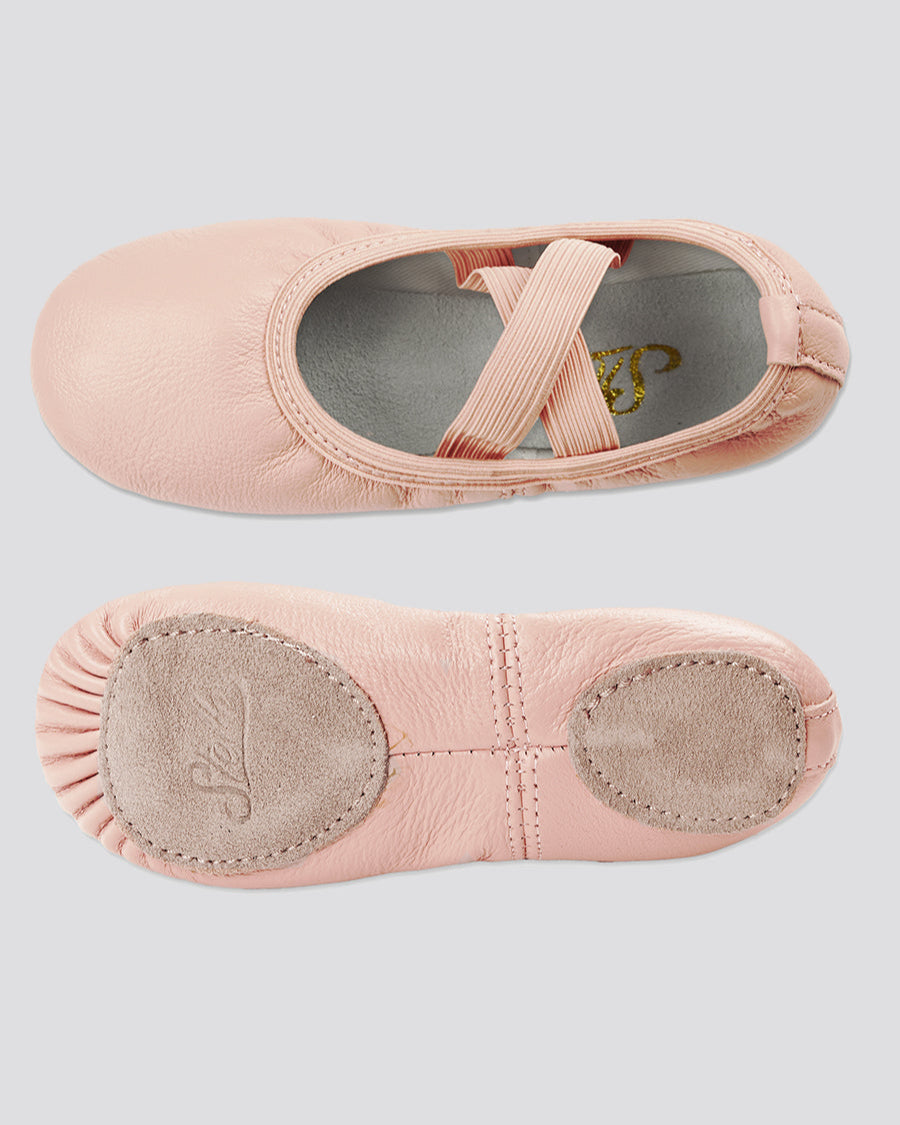
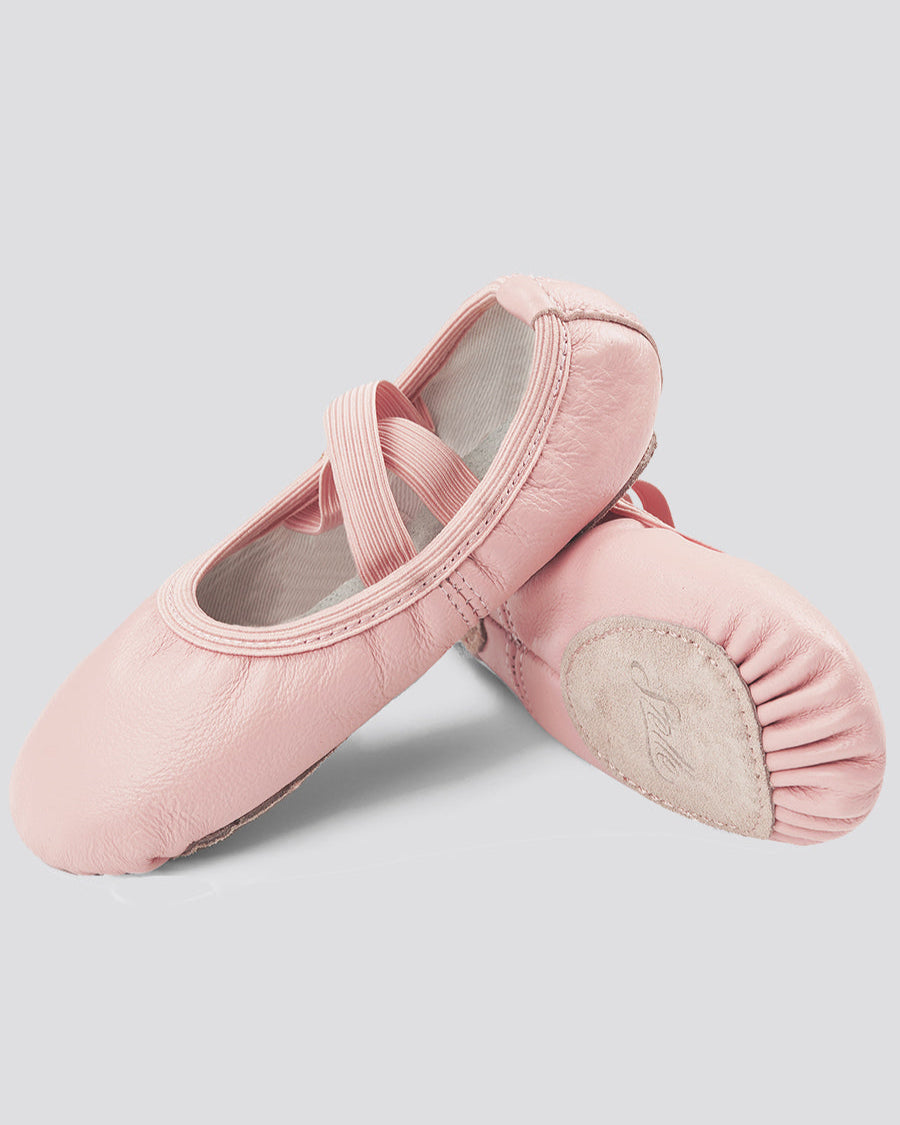
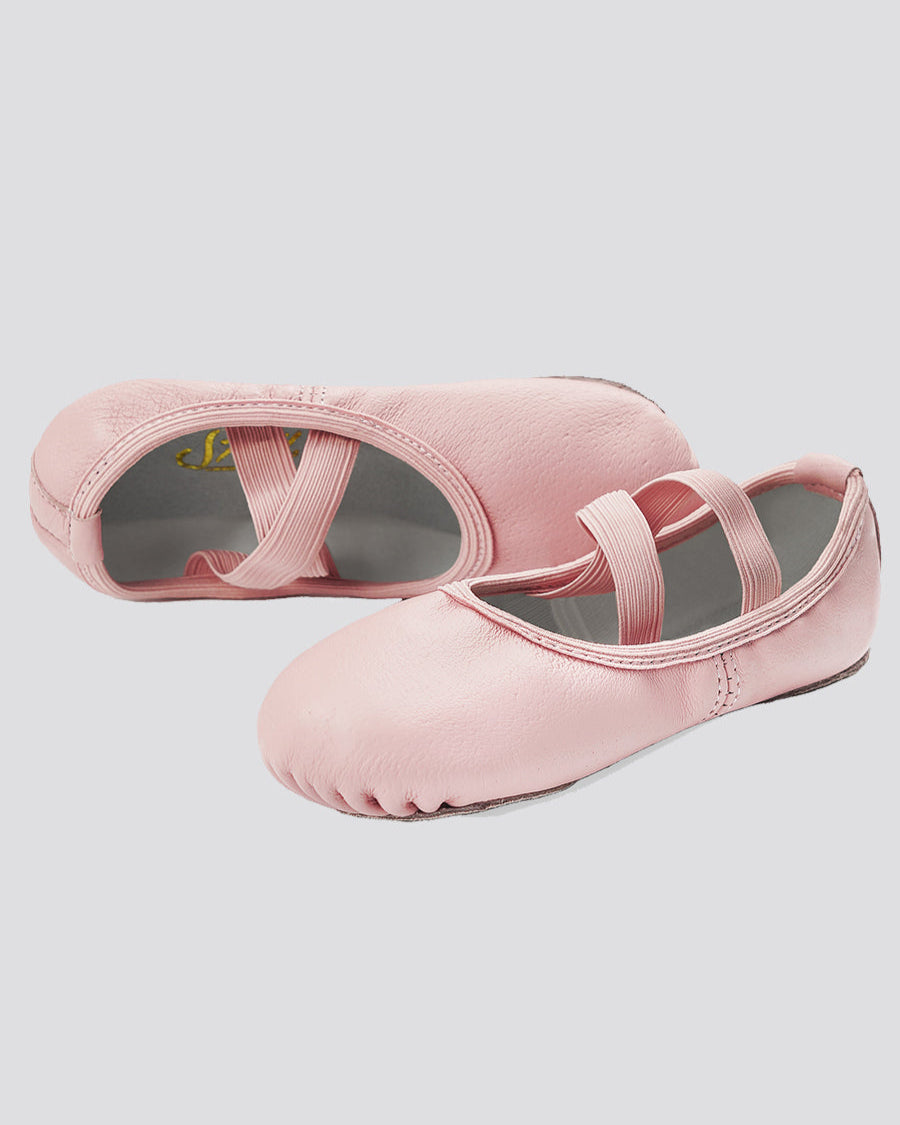
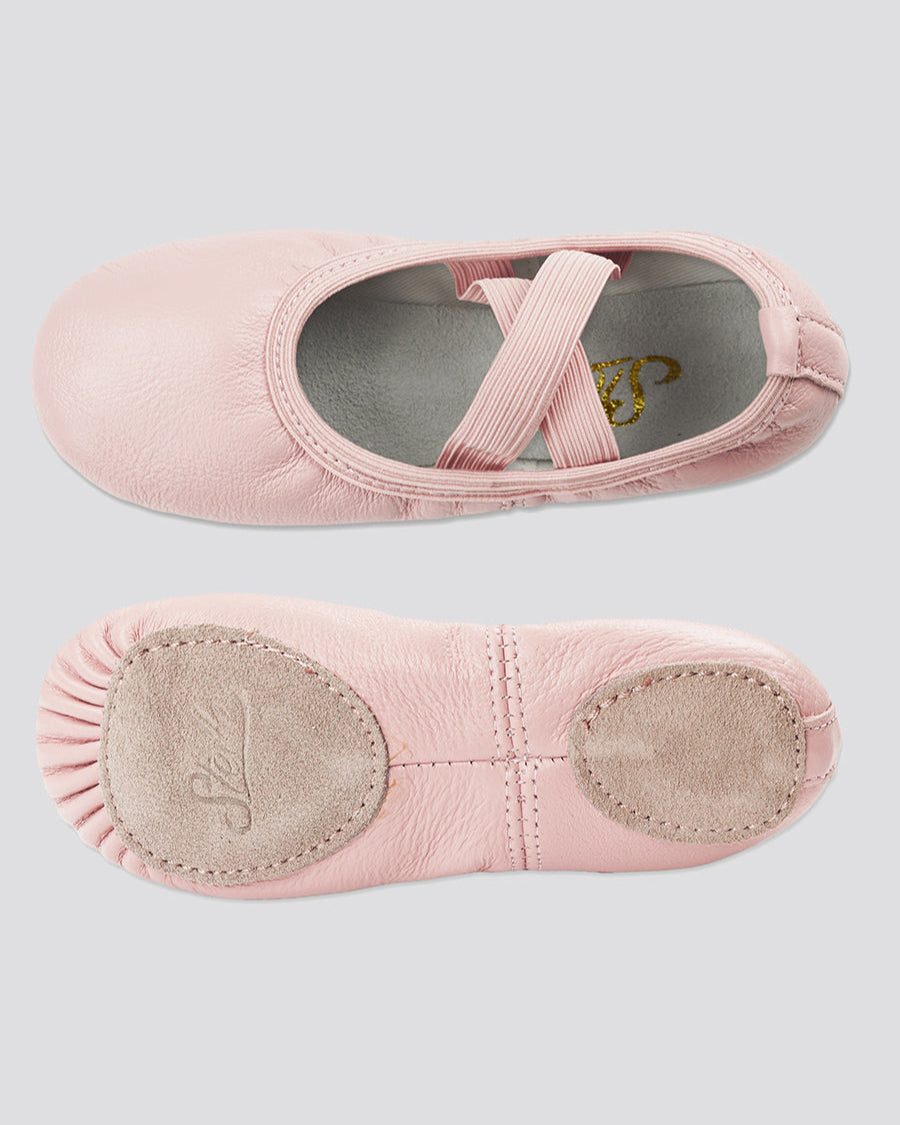
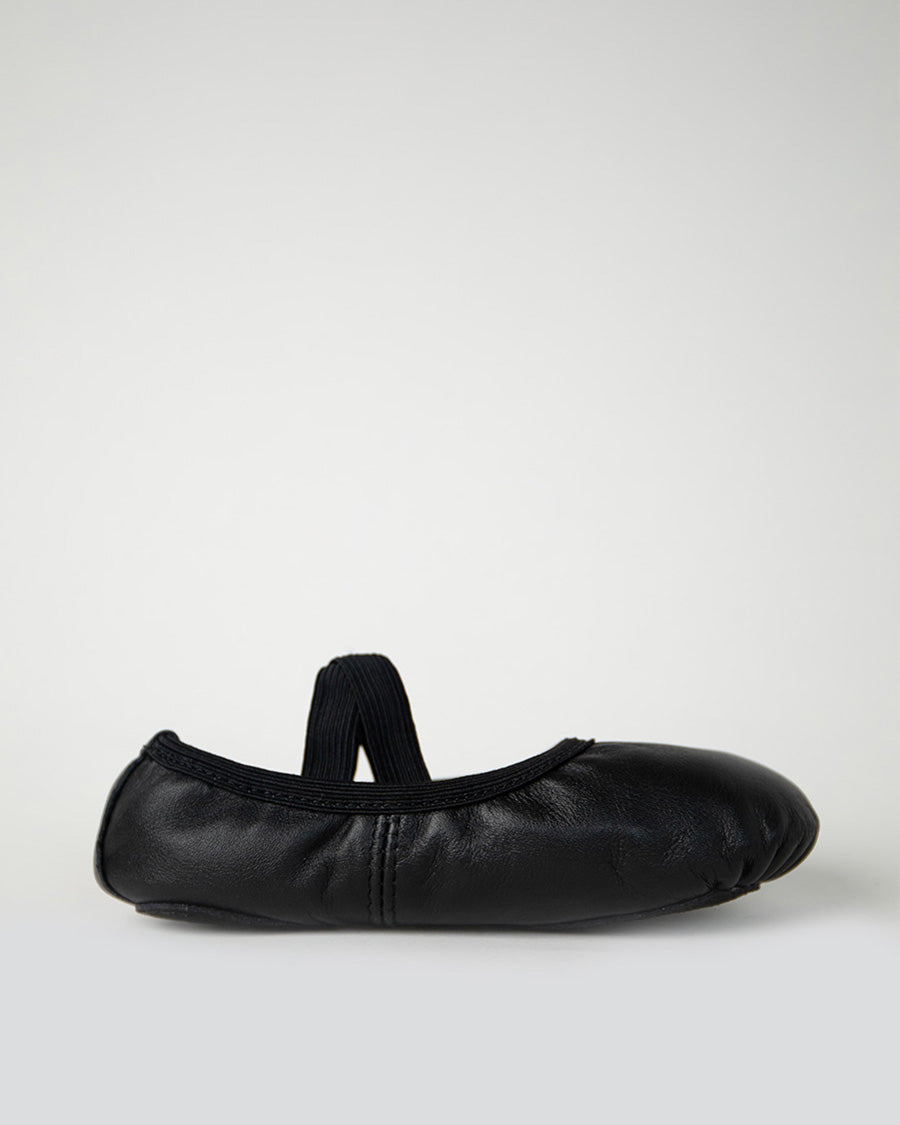
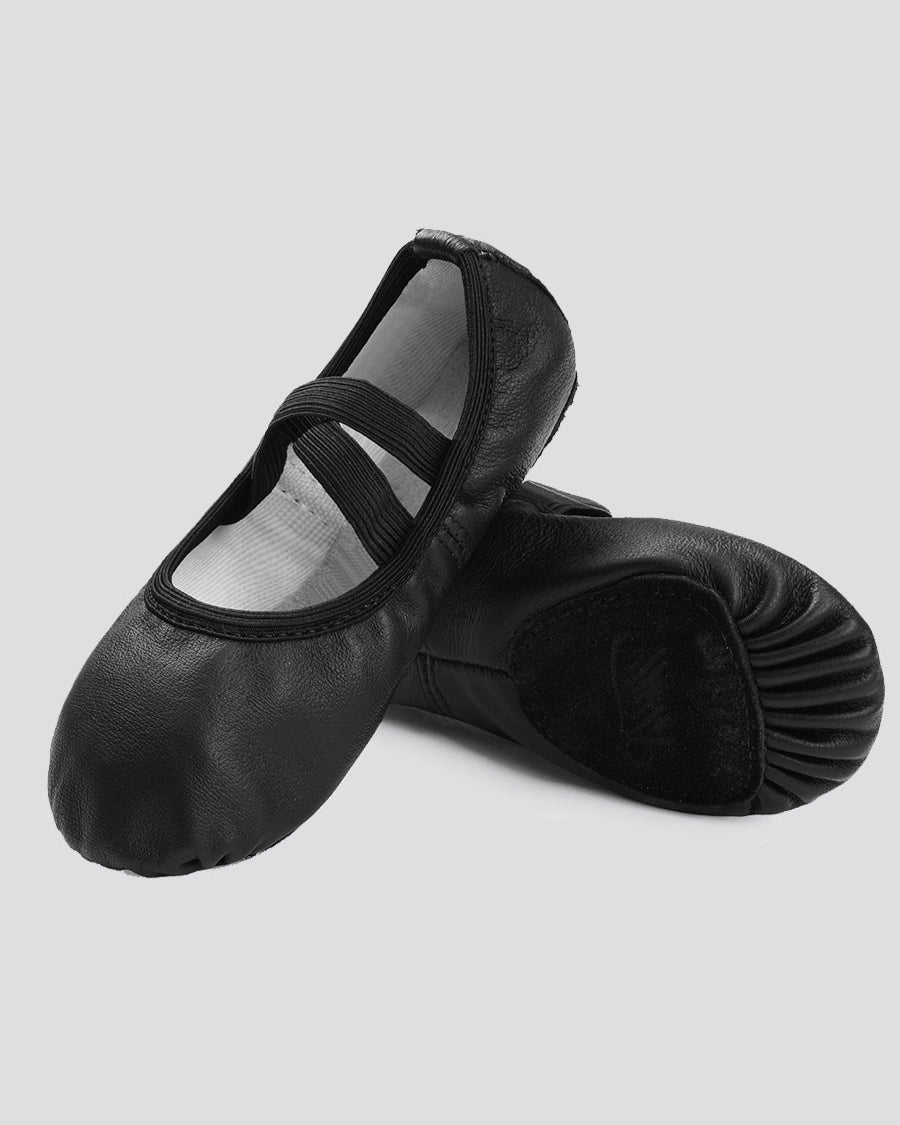
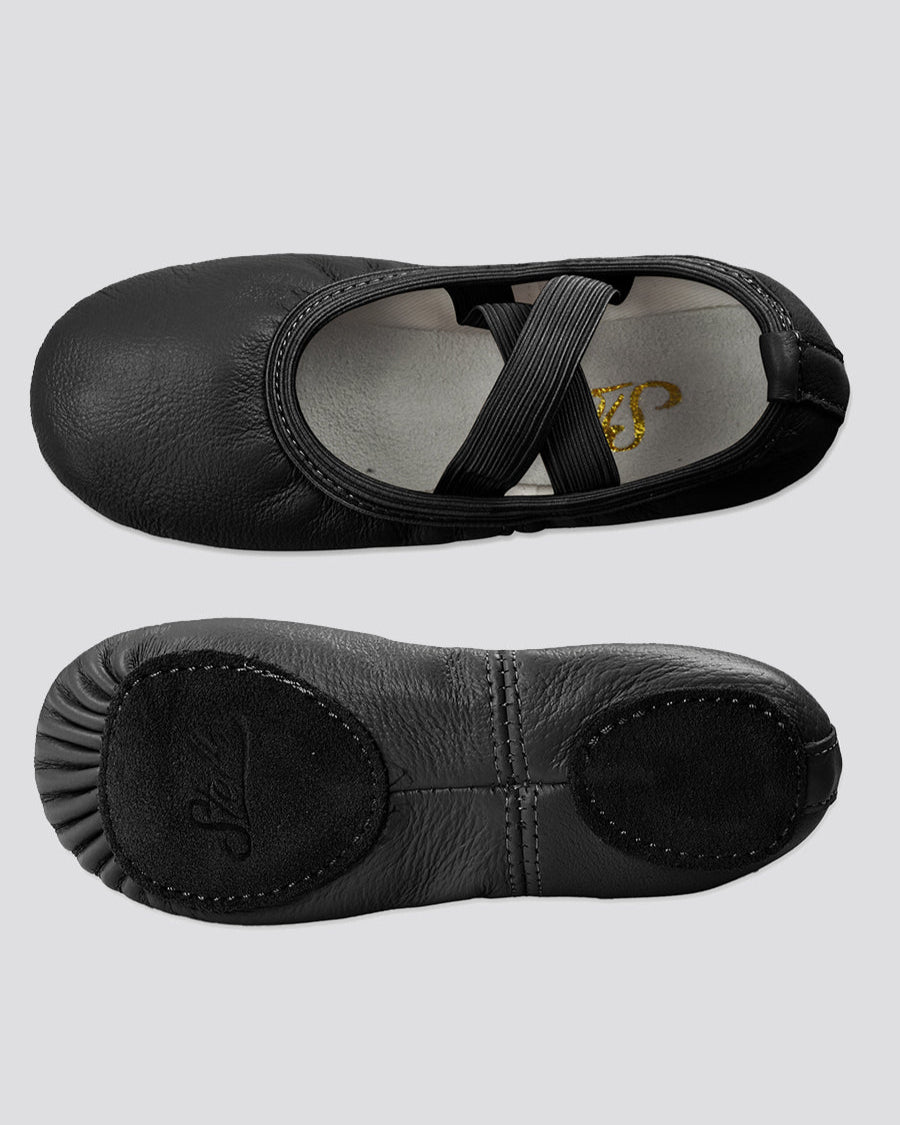
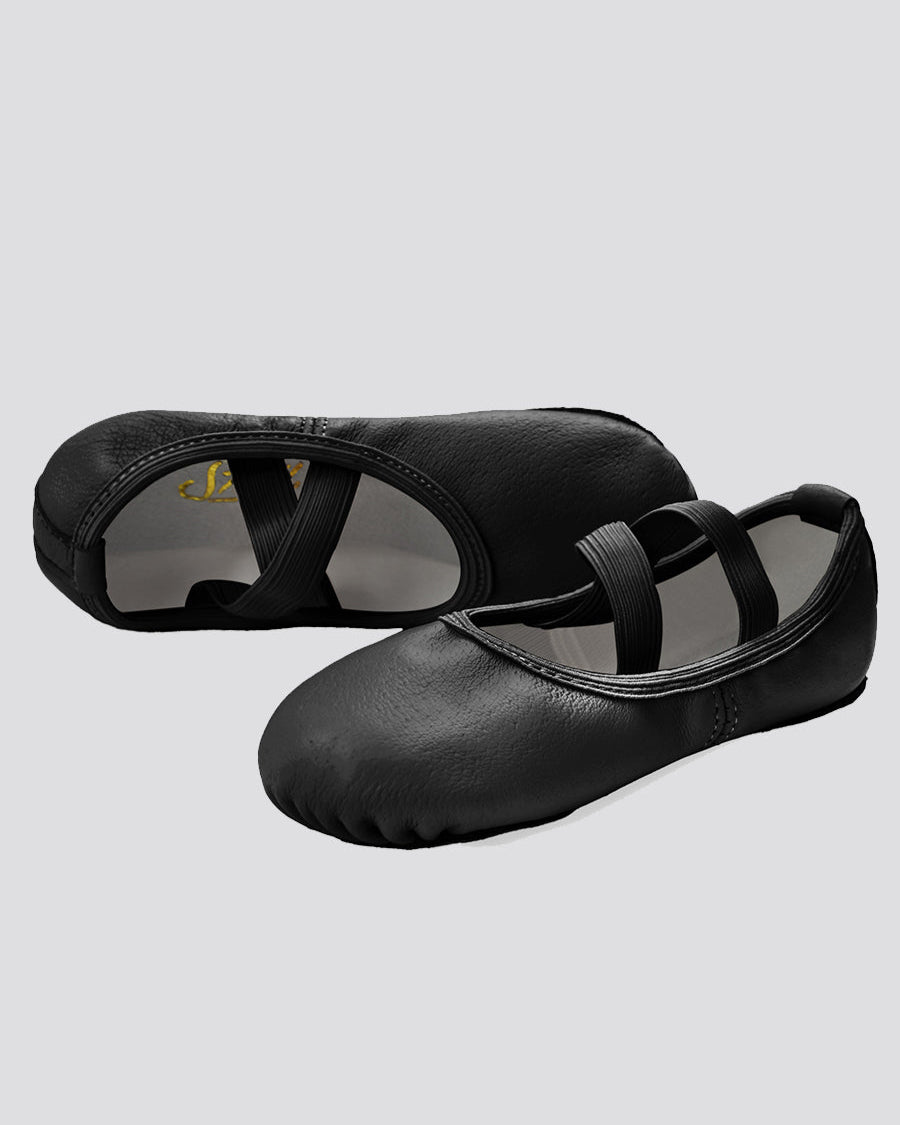
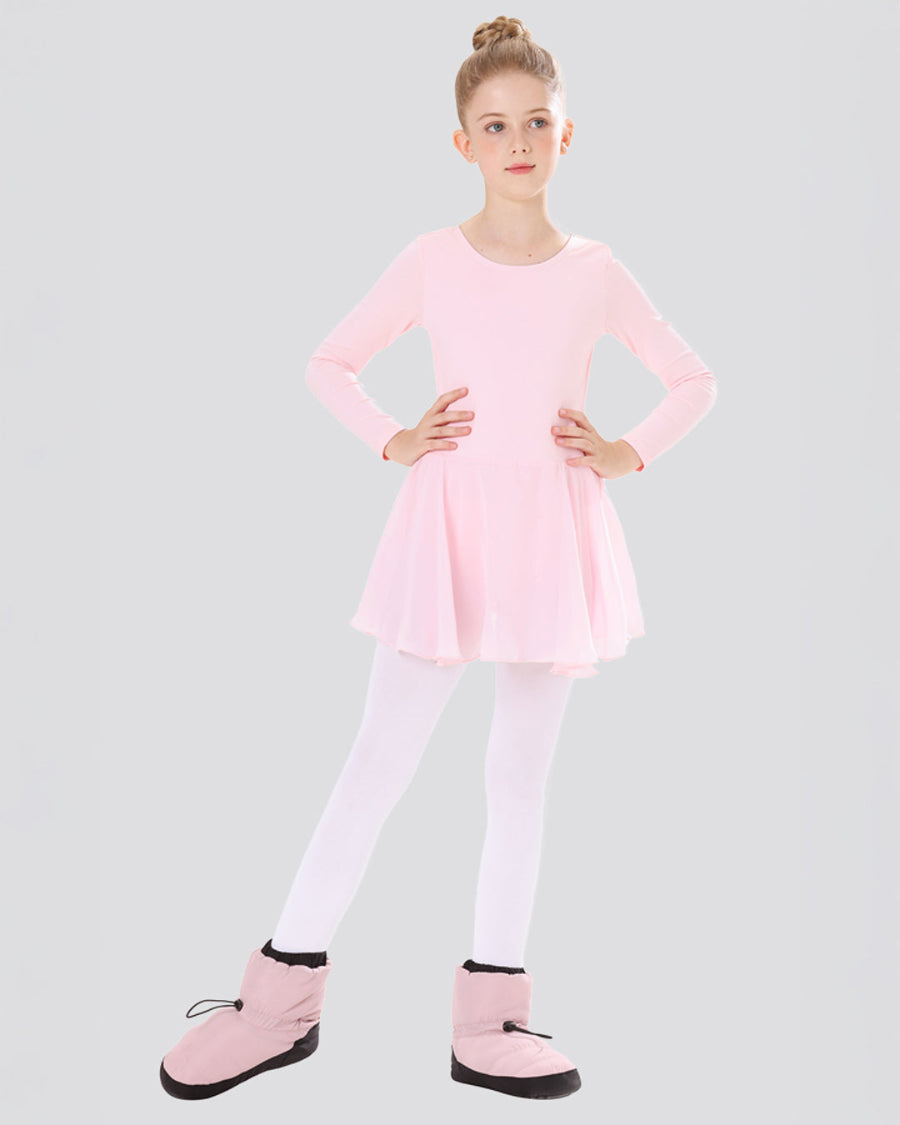
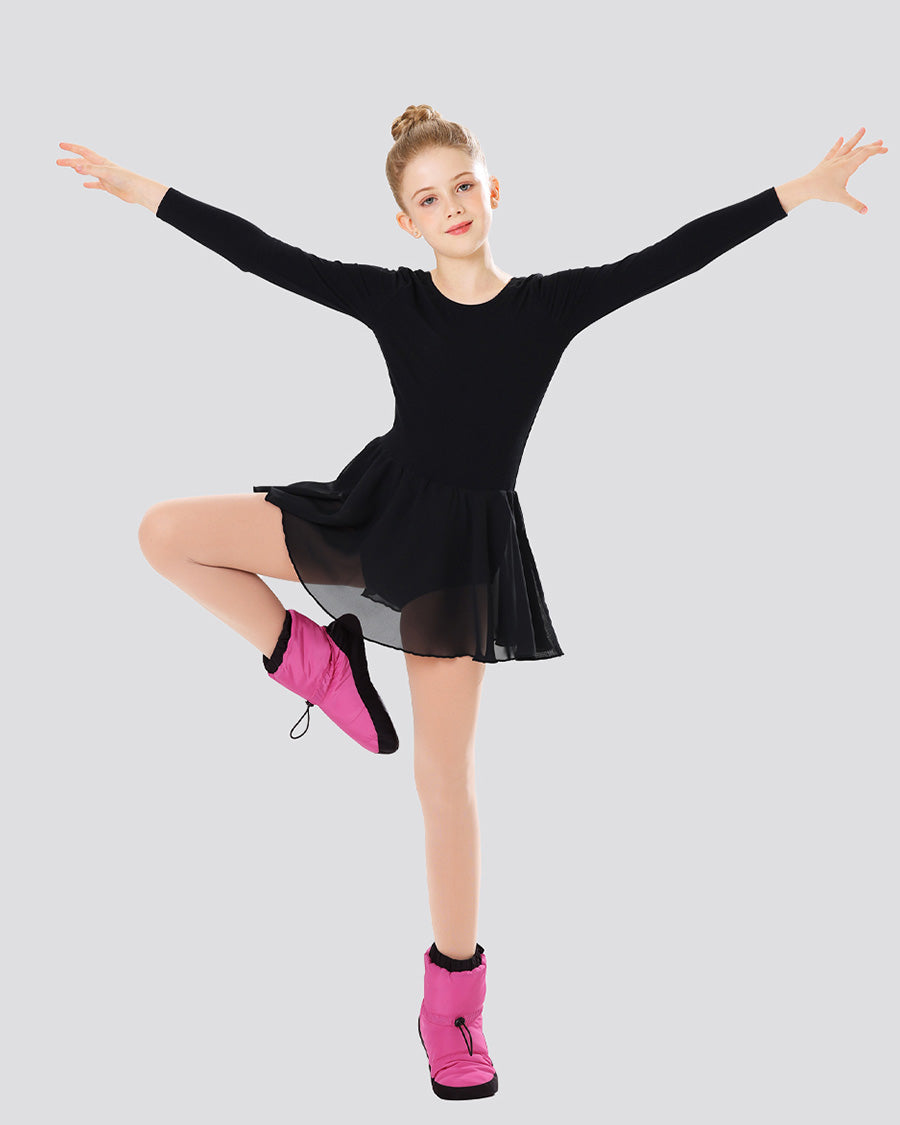
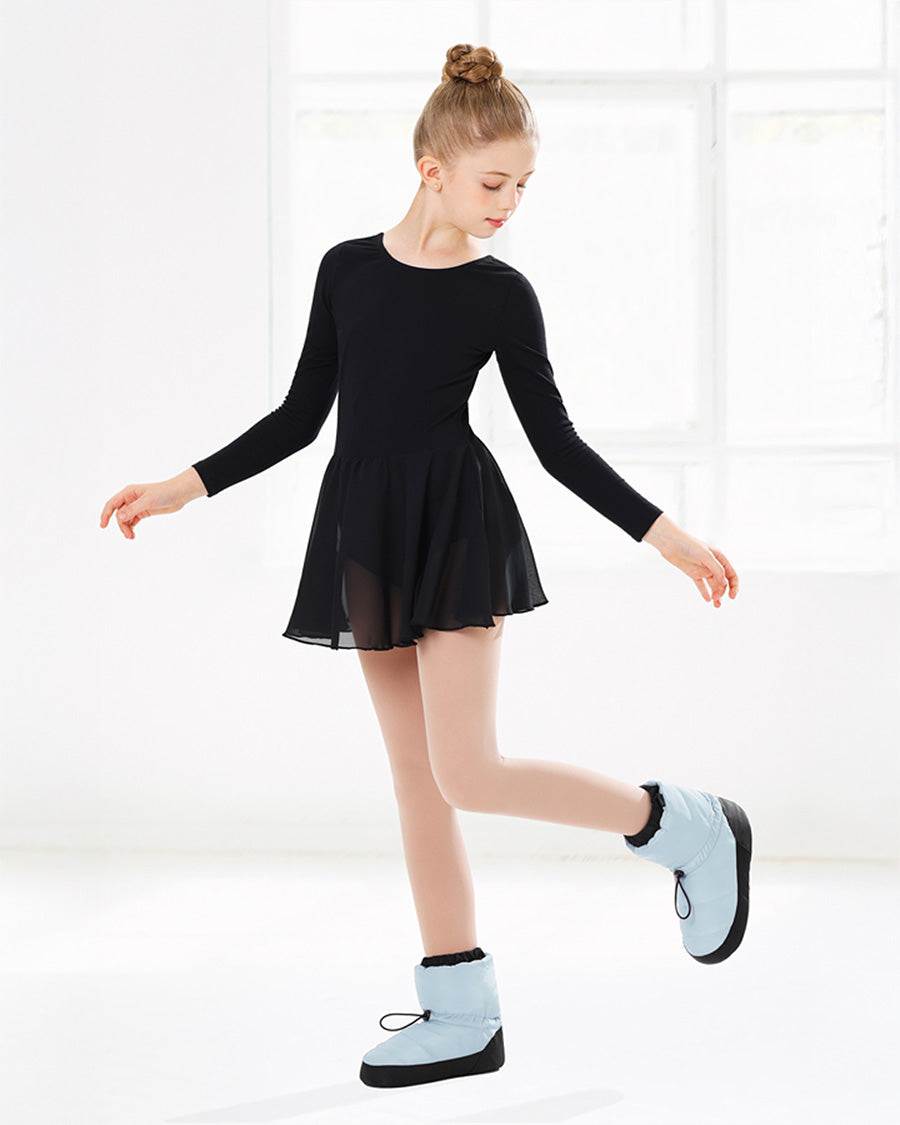
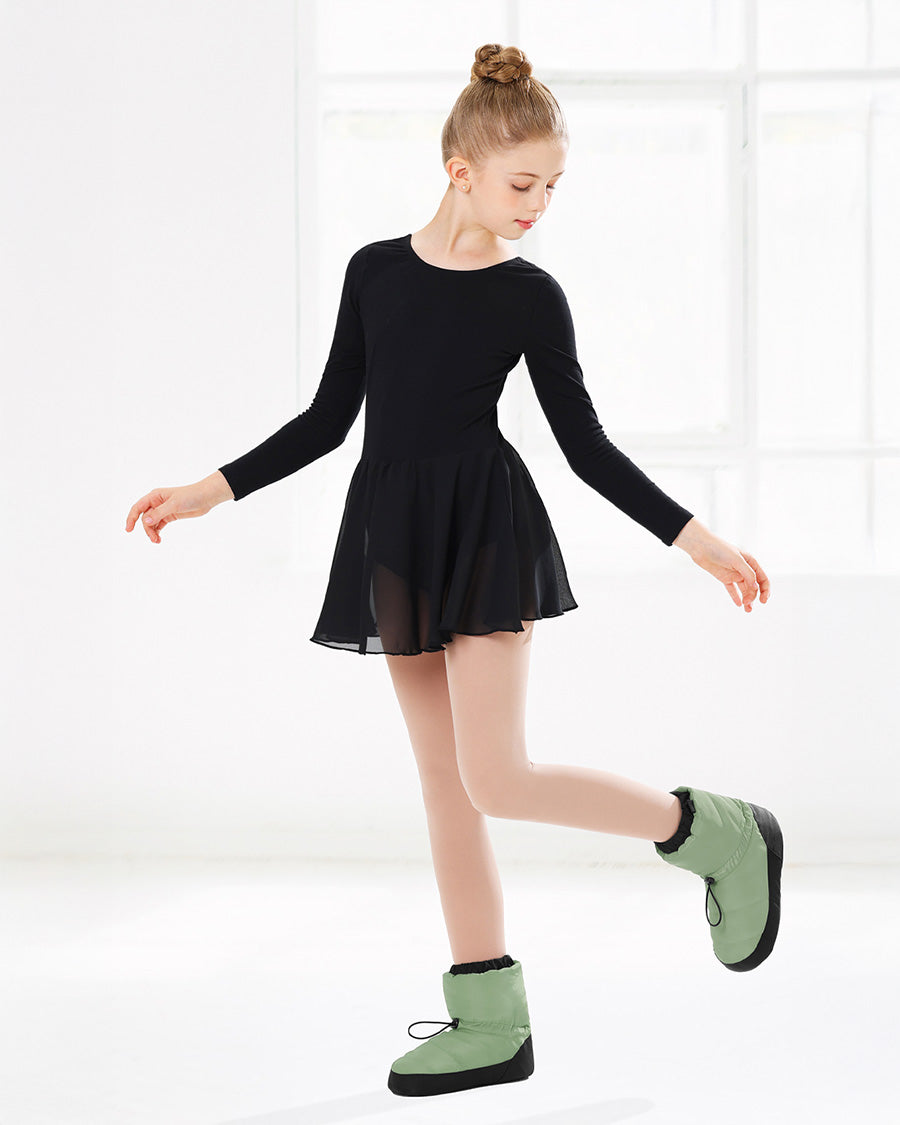
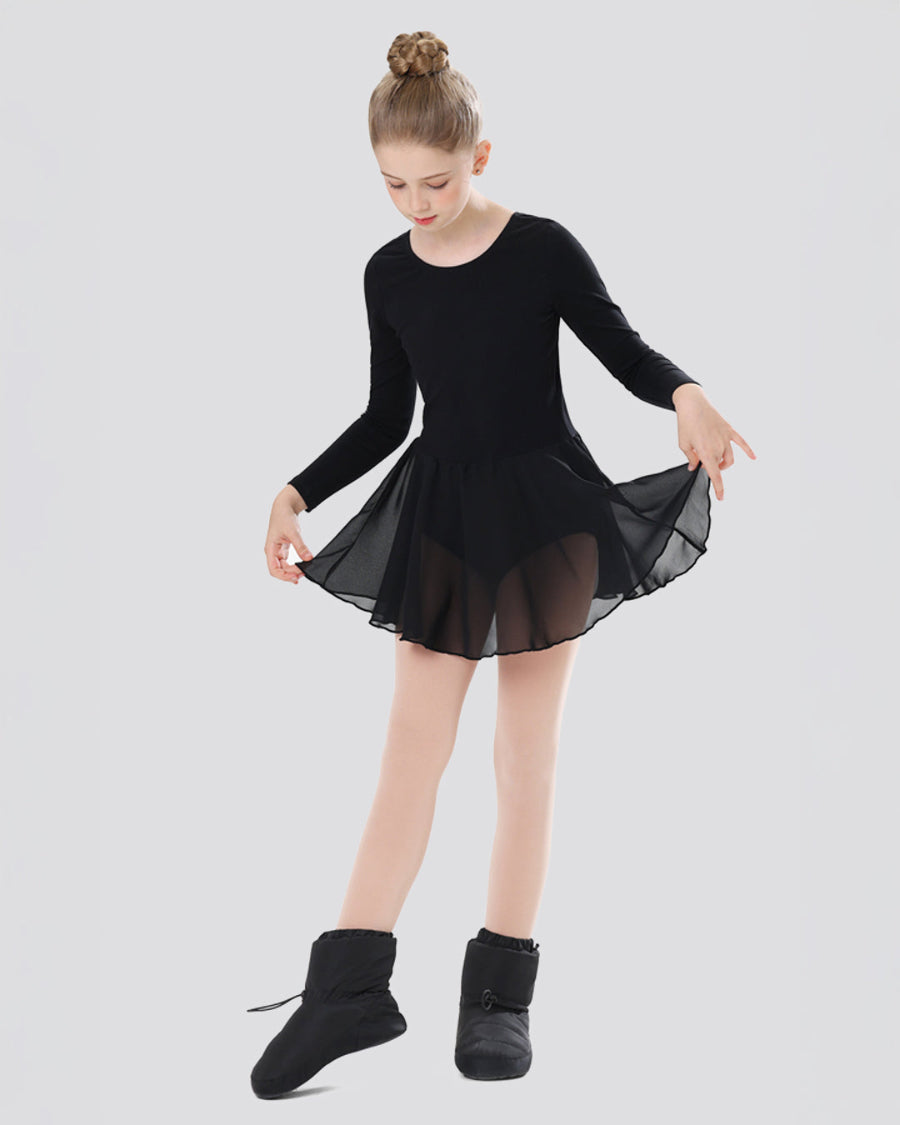
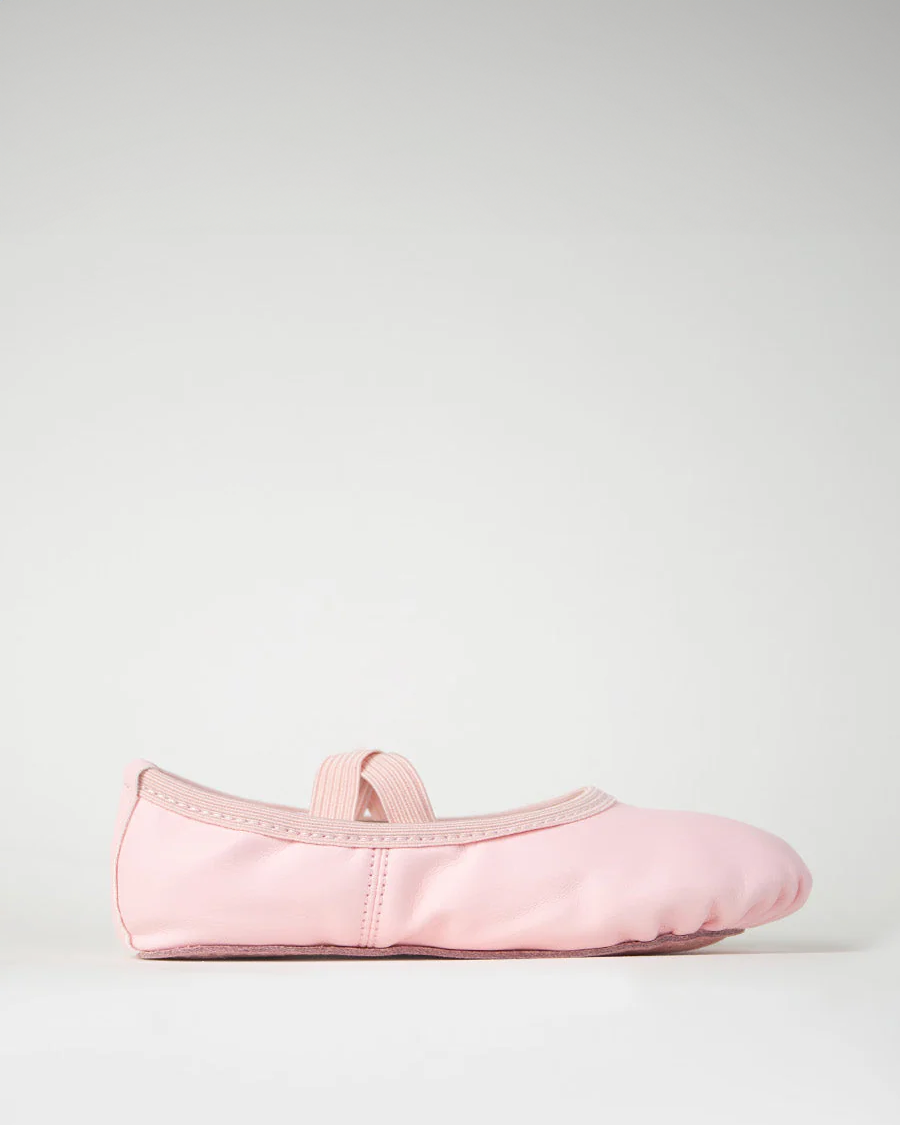
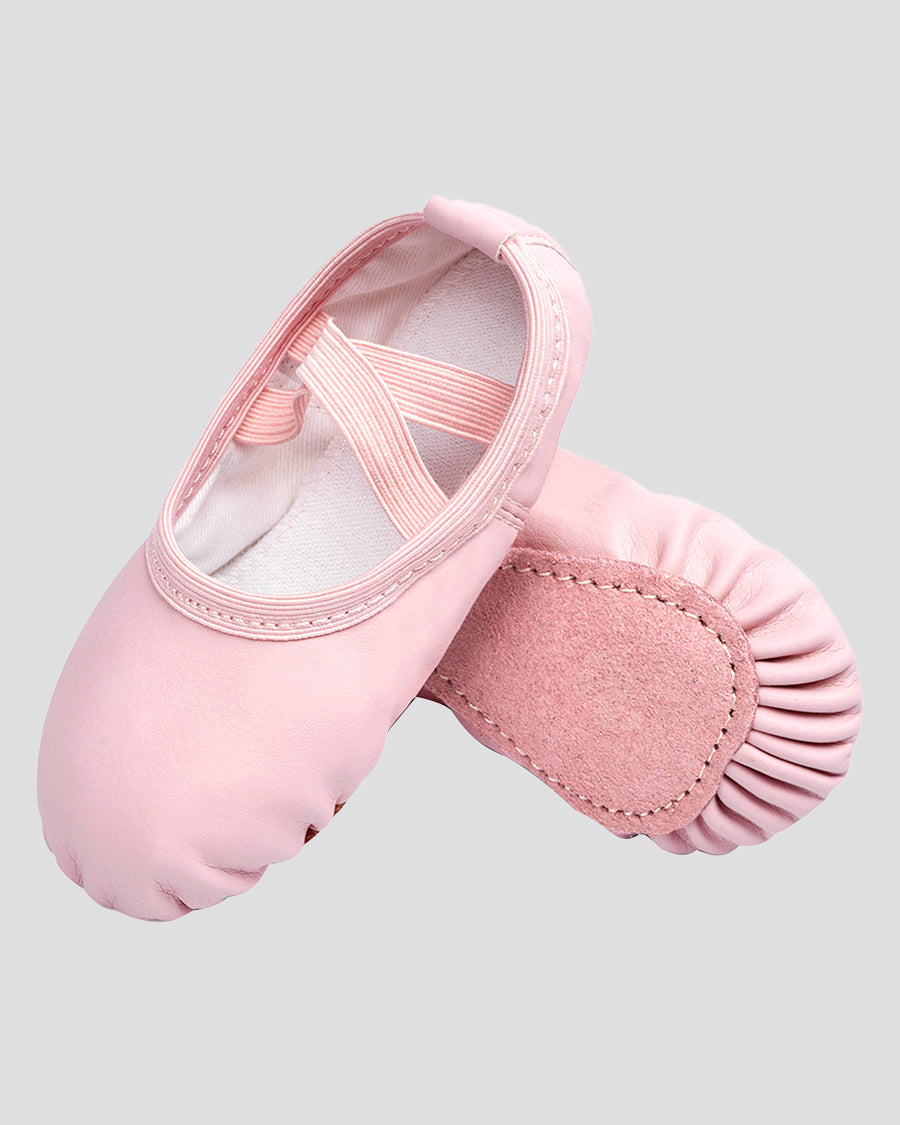
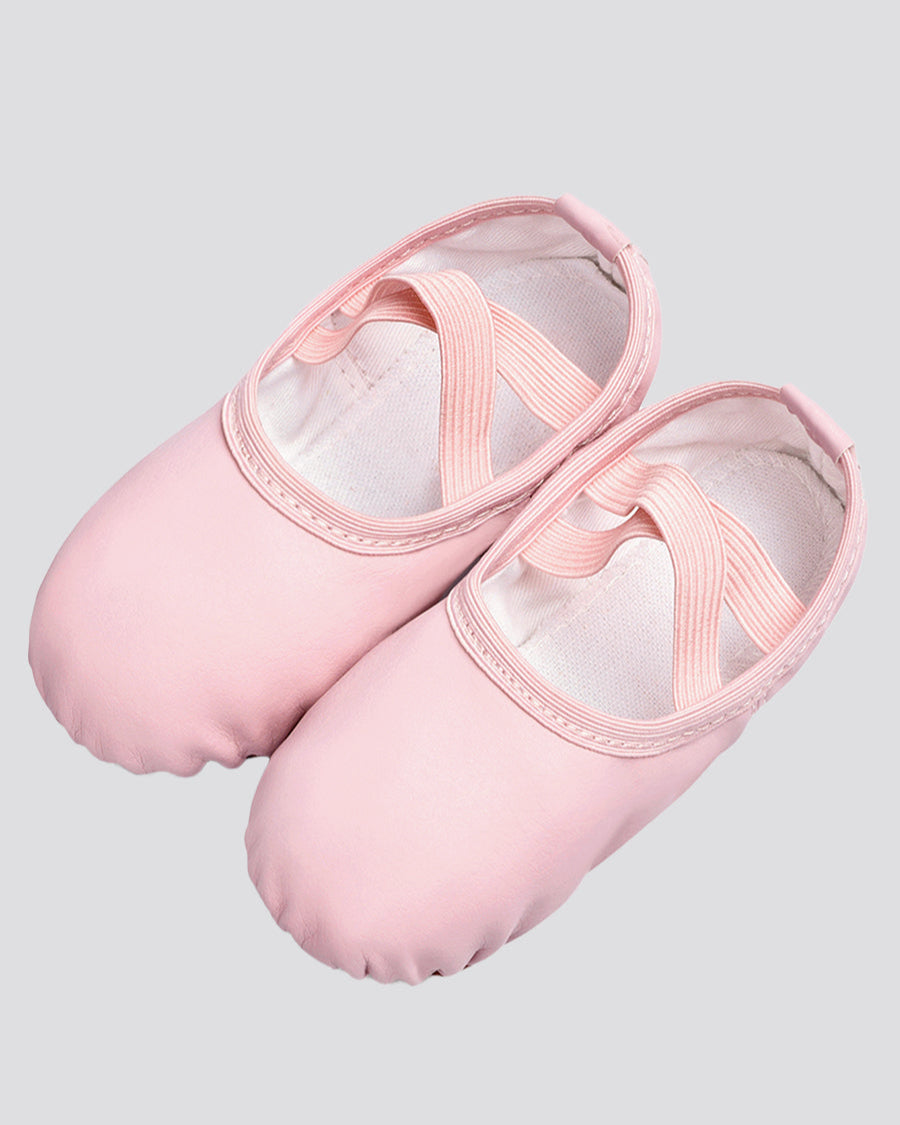
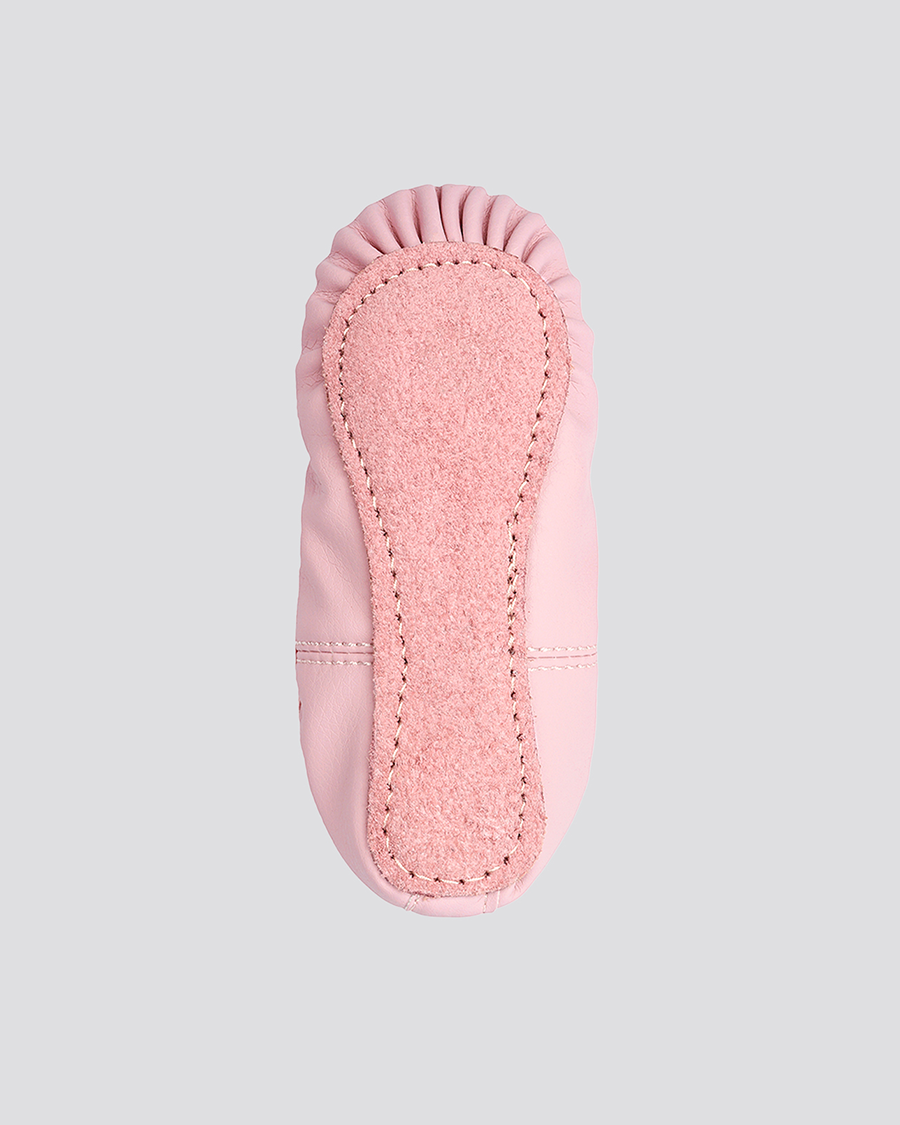
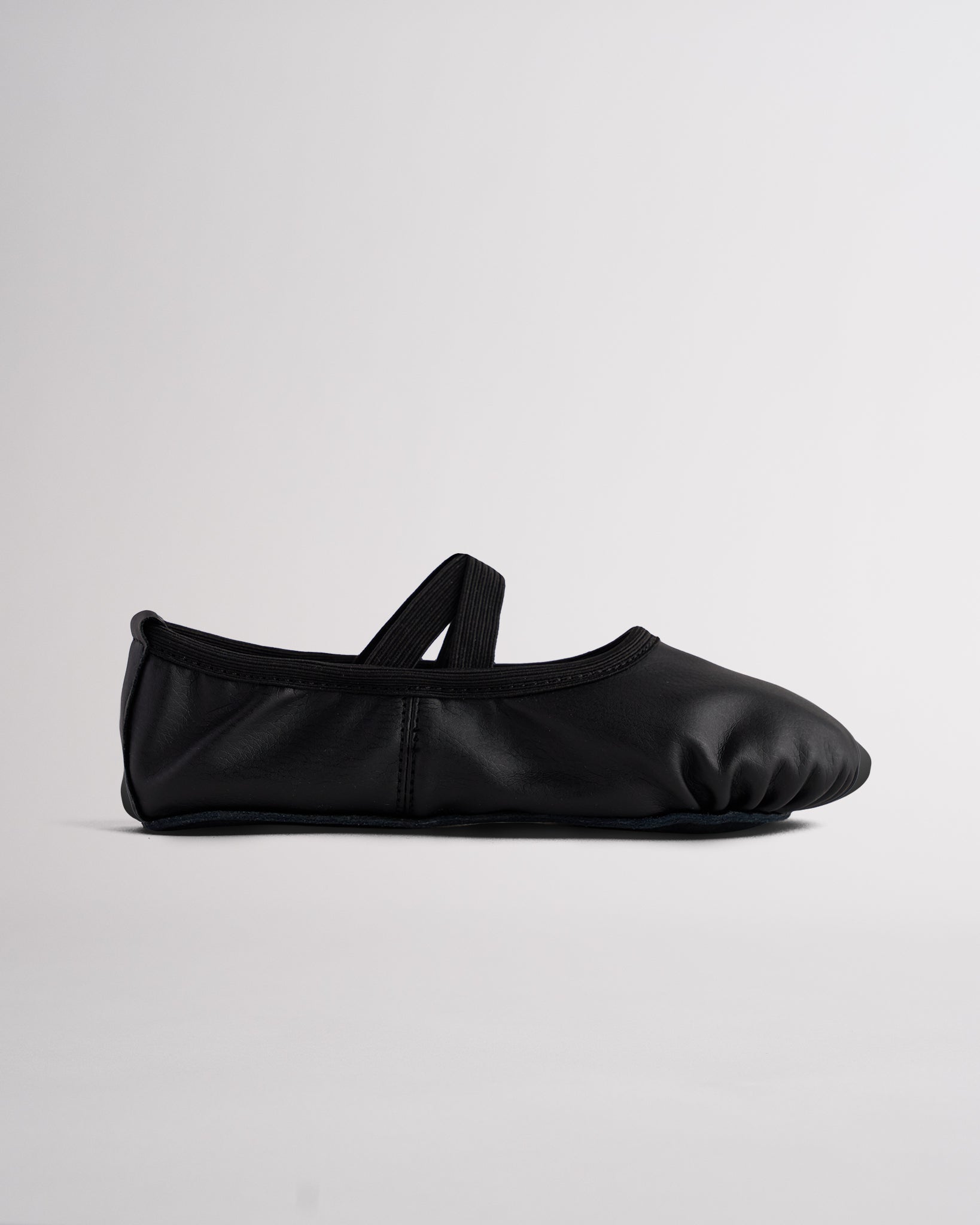
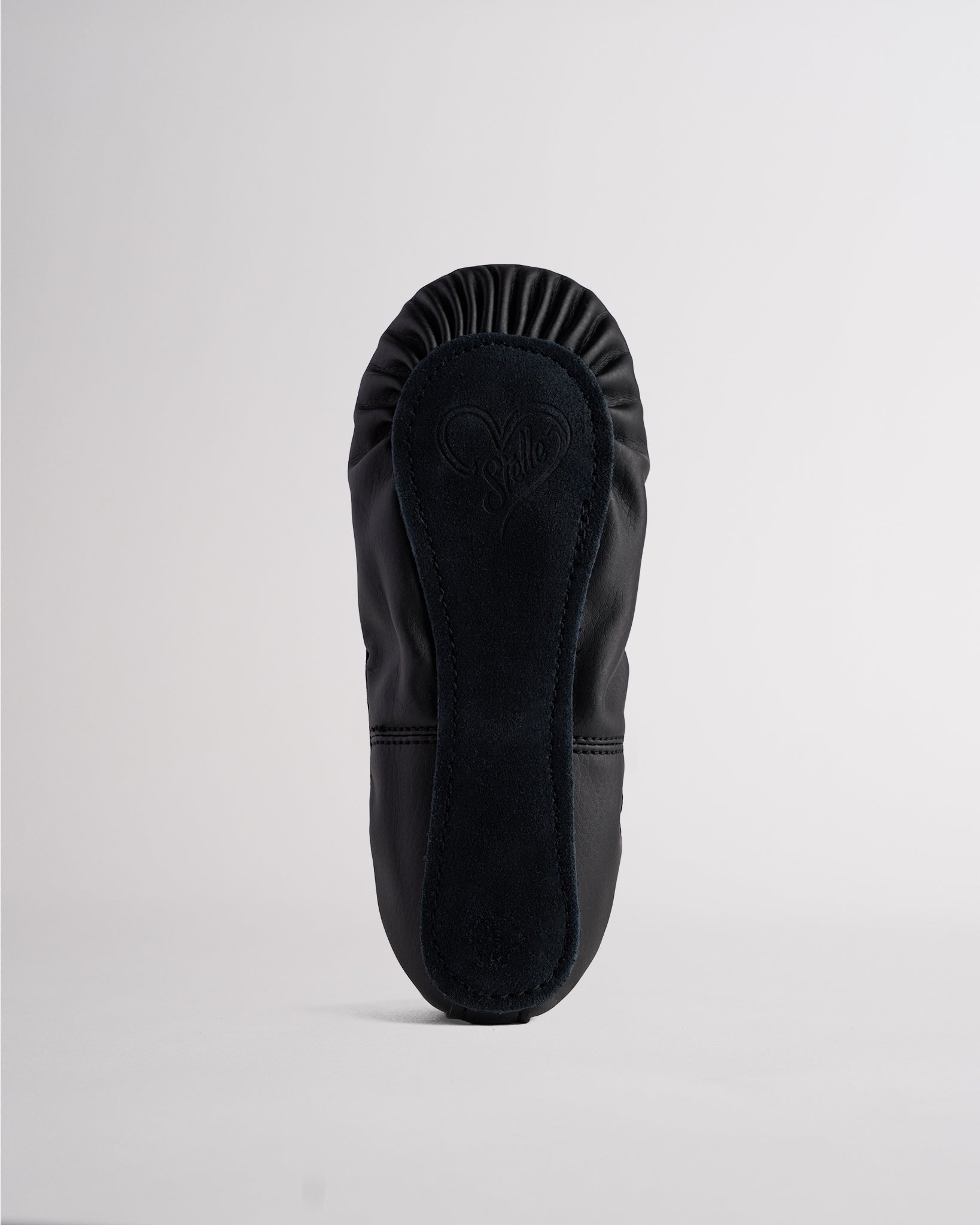
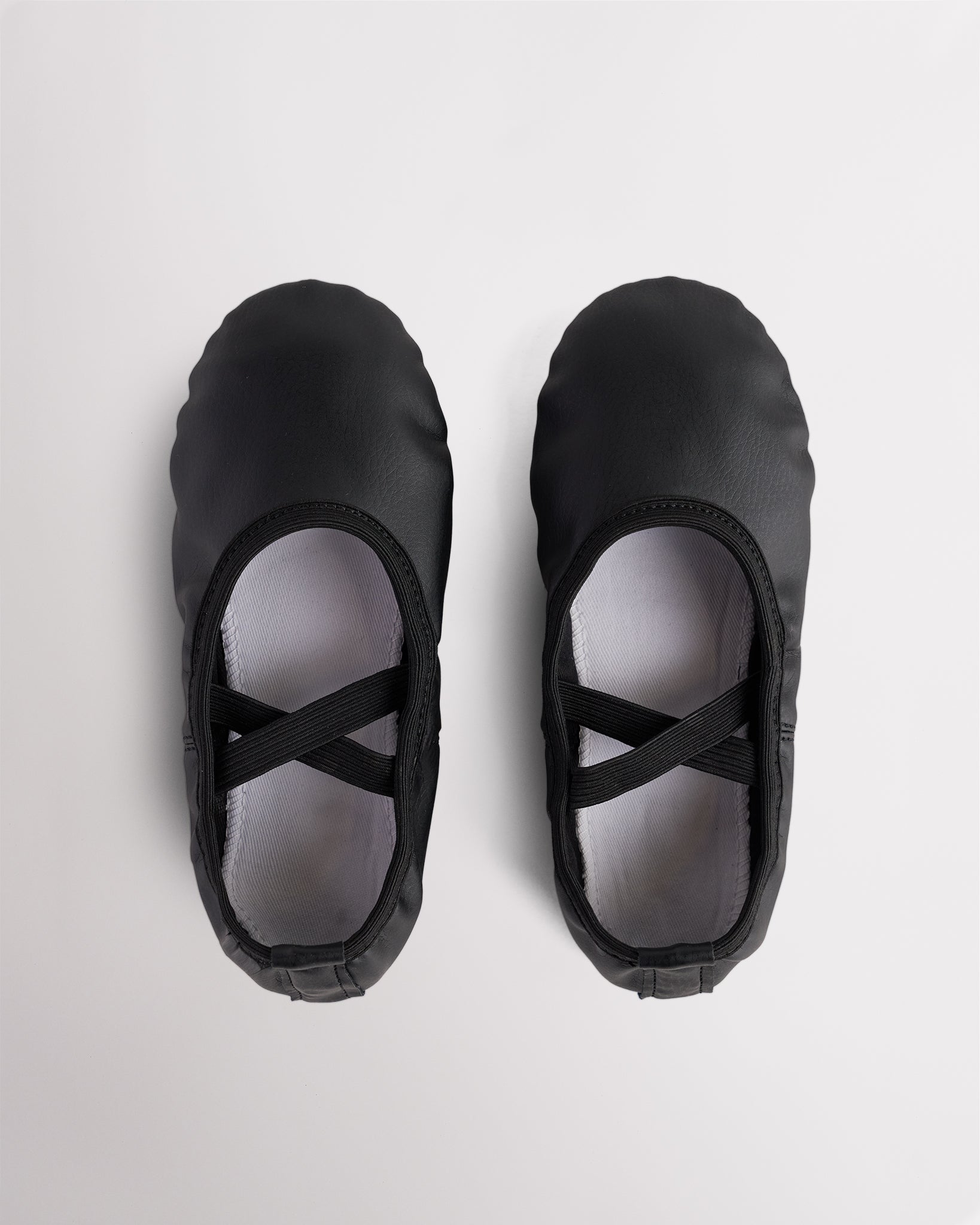
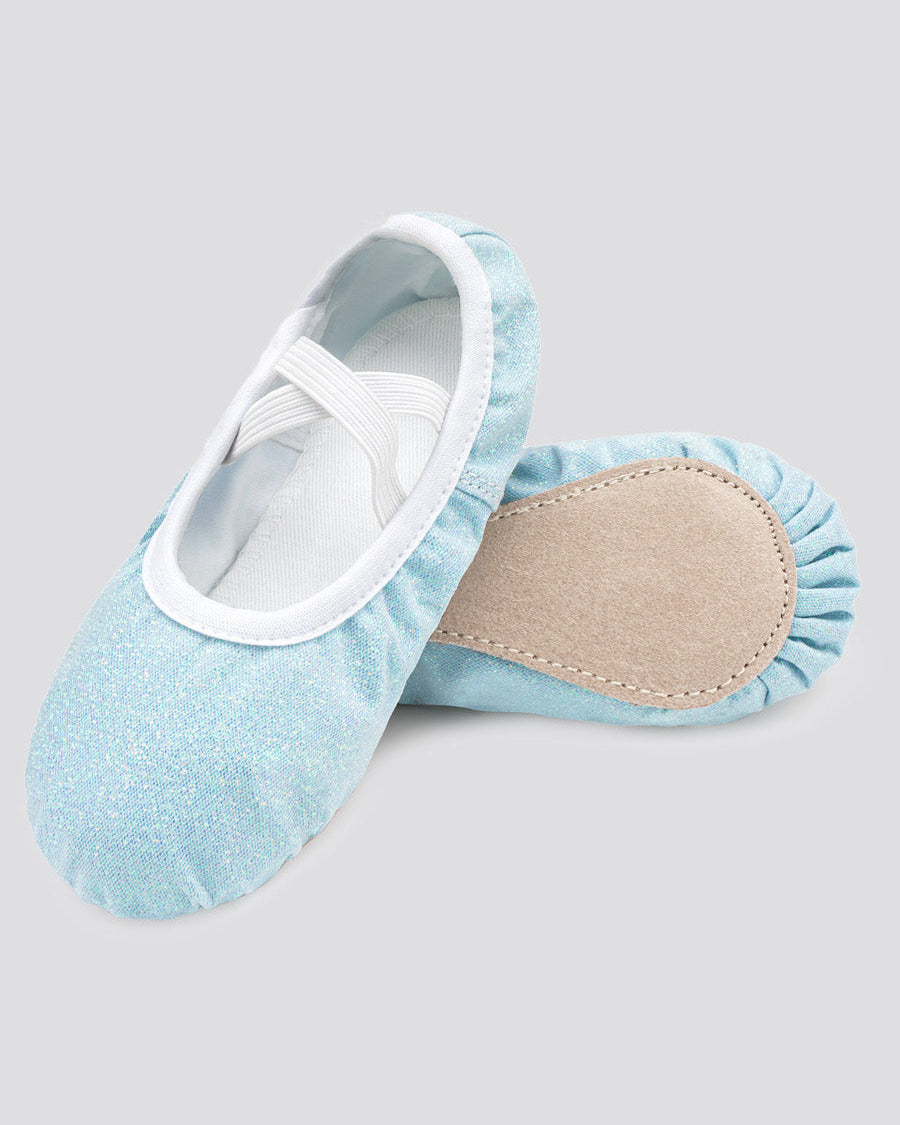
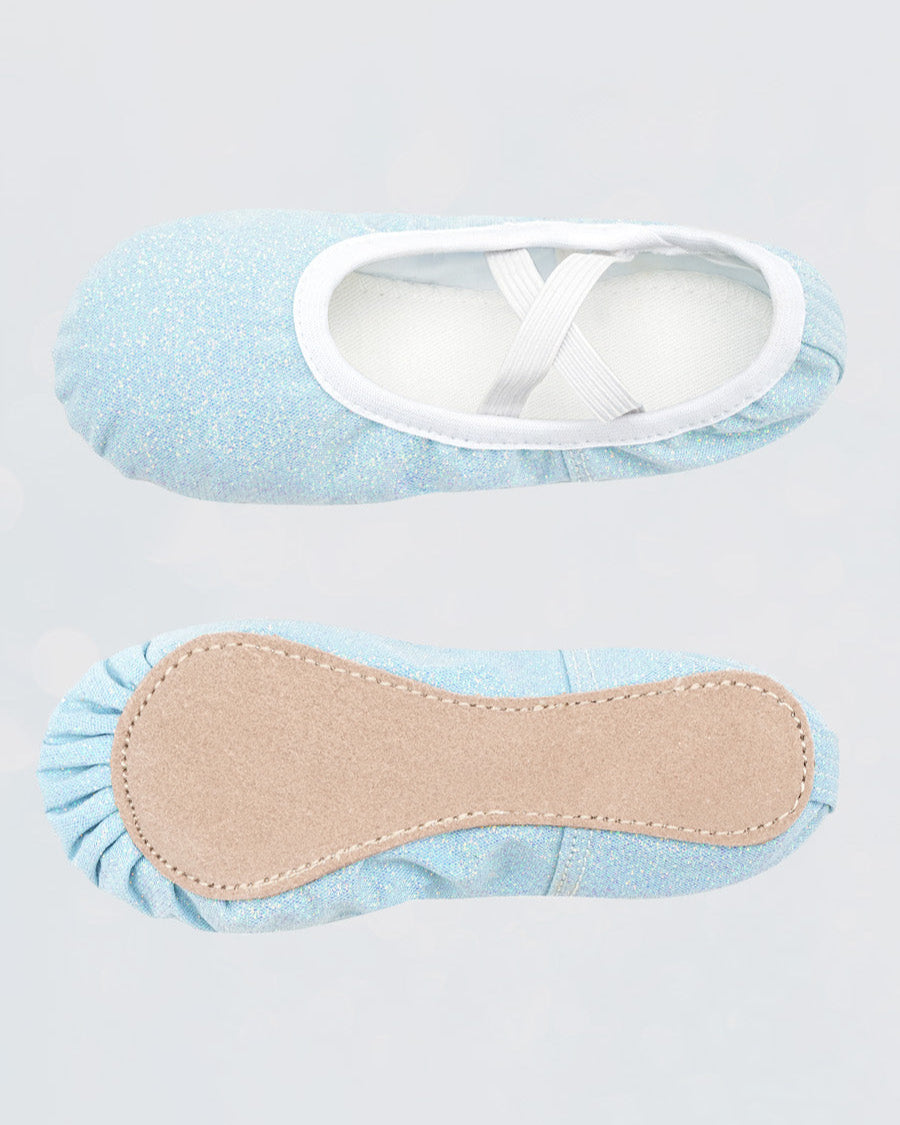
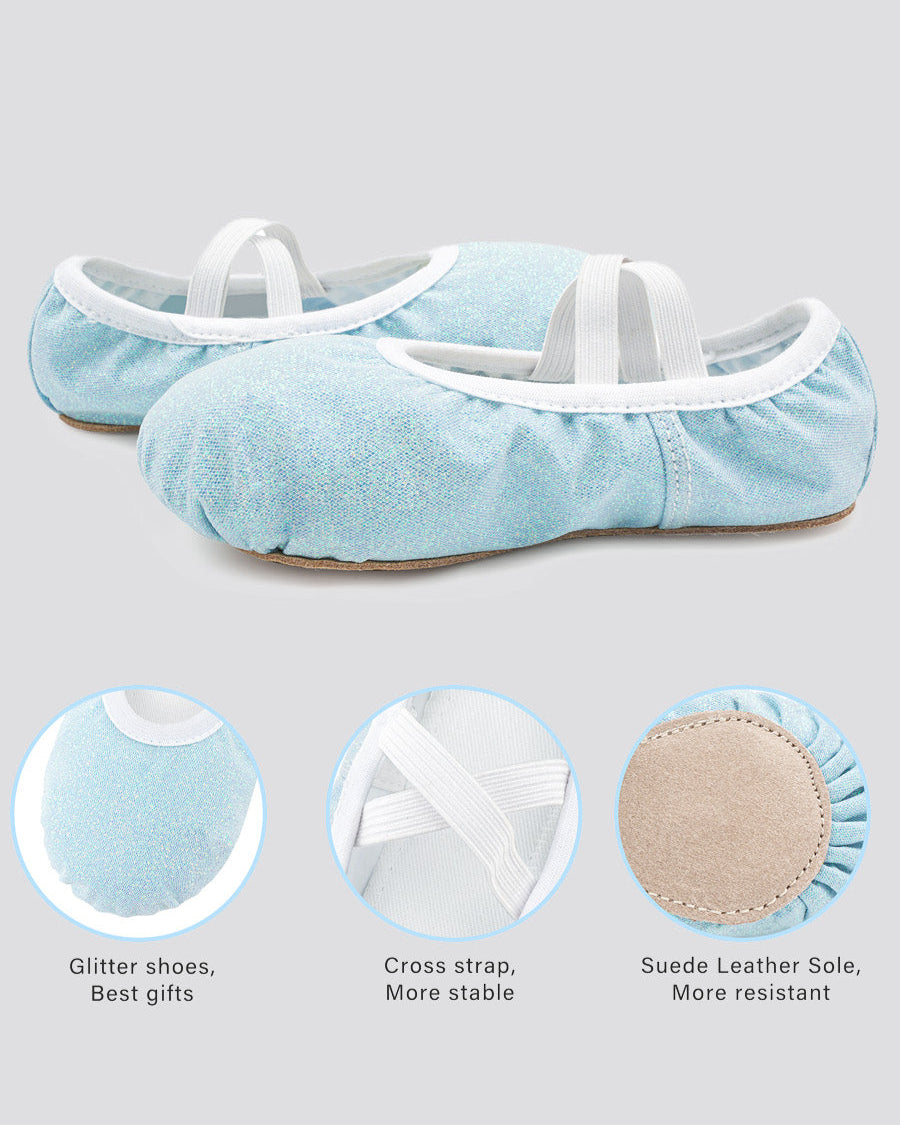
Dress codes exist so teachers can see alignment, and most studios publish theirs by style and level, so check the studio's list first. Common beginner defaults are a leotard and tights for ballet and combo classes; leggings or dance shorts with a fitted top for jazz and contemporary, though some studios prefer a leotard there too; sneakers with comfortable athletic clothes for hip hop; and hair up and out of the face for every style. Tap and ballet each need style-specific shoes, the one purchase worth delaying until the trial class confirms your child is staying.
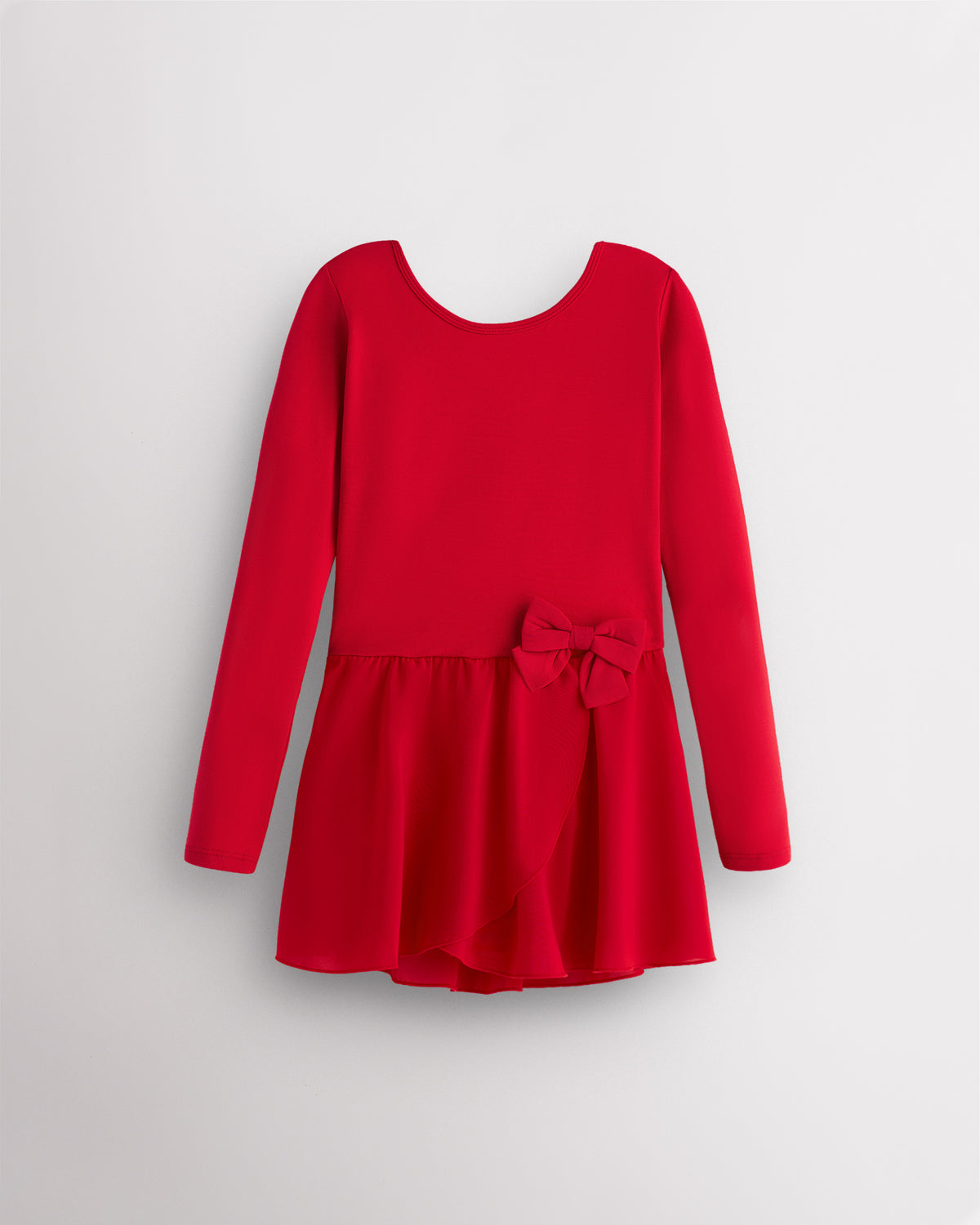
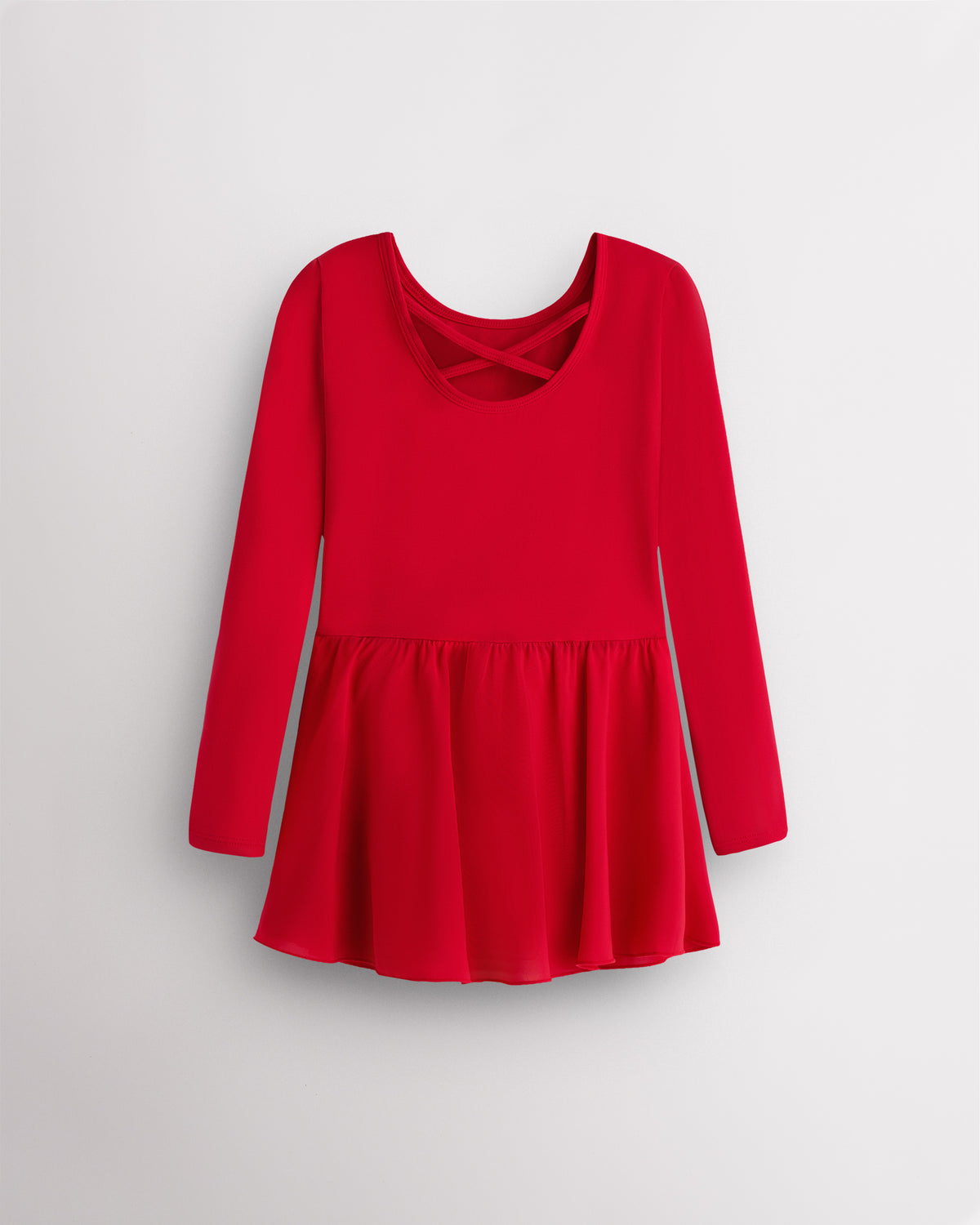
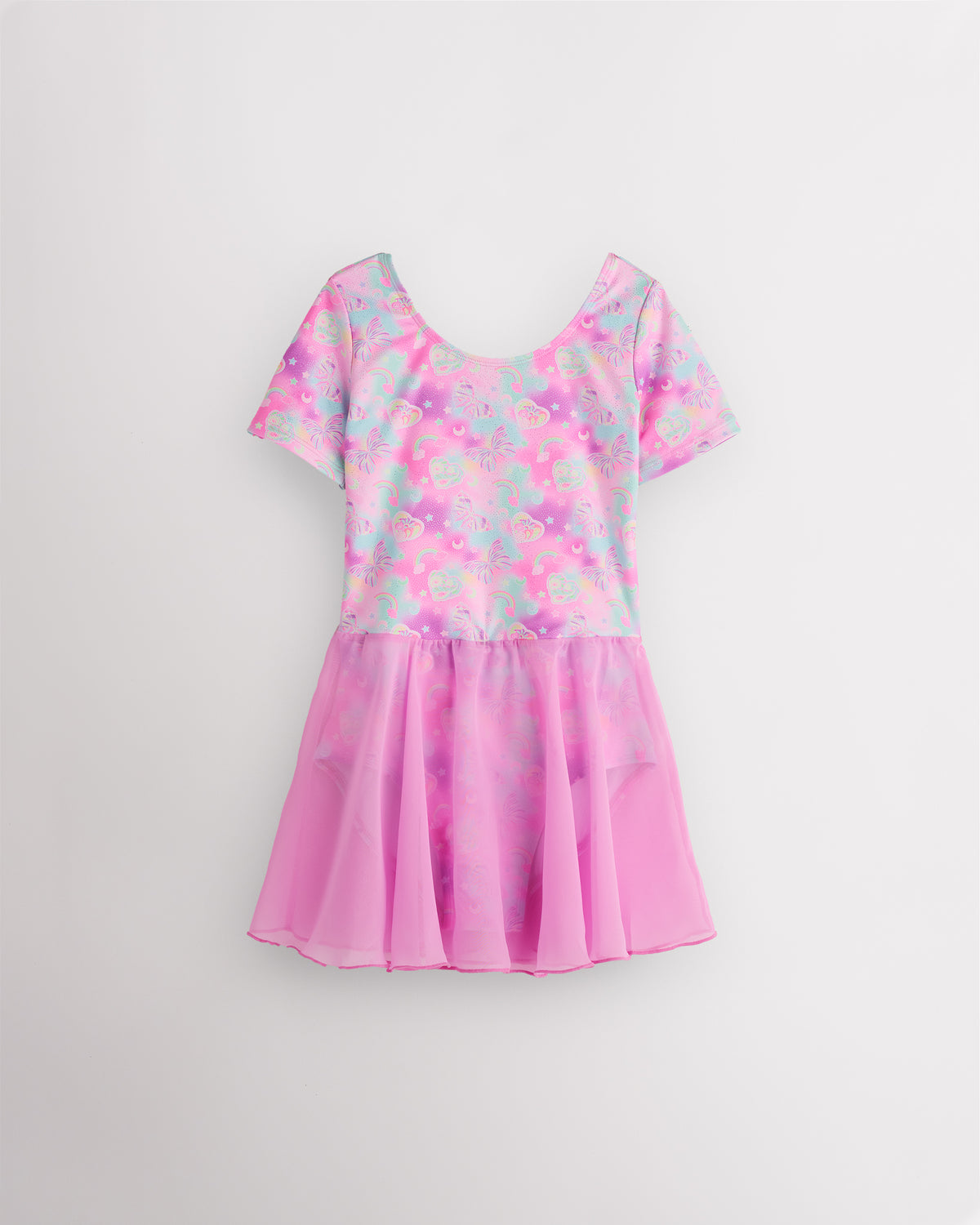
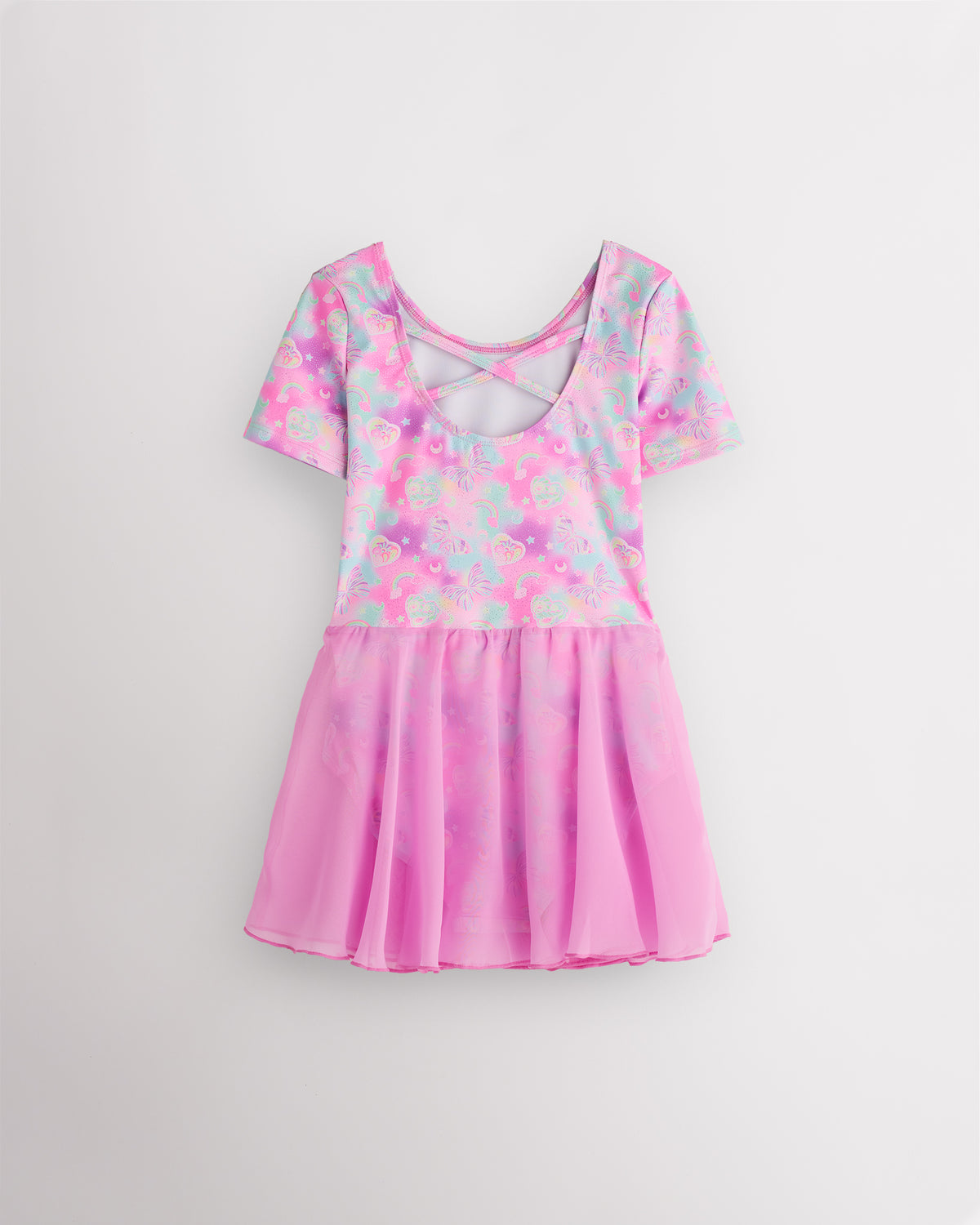
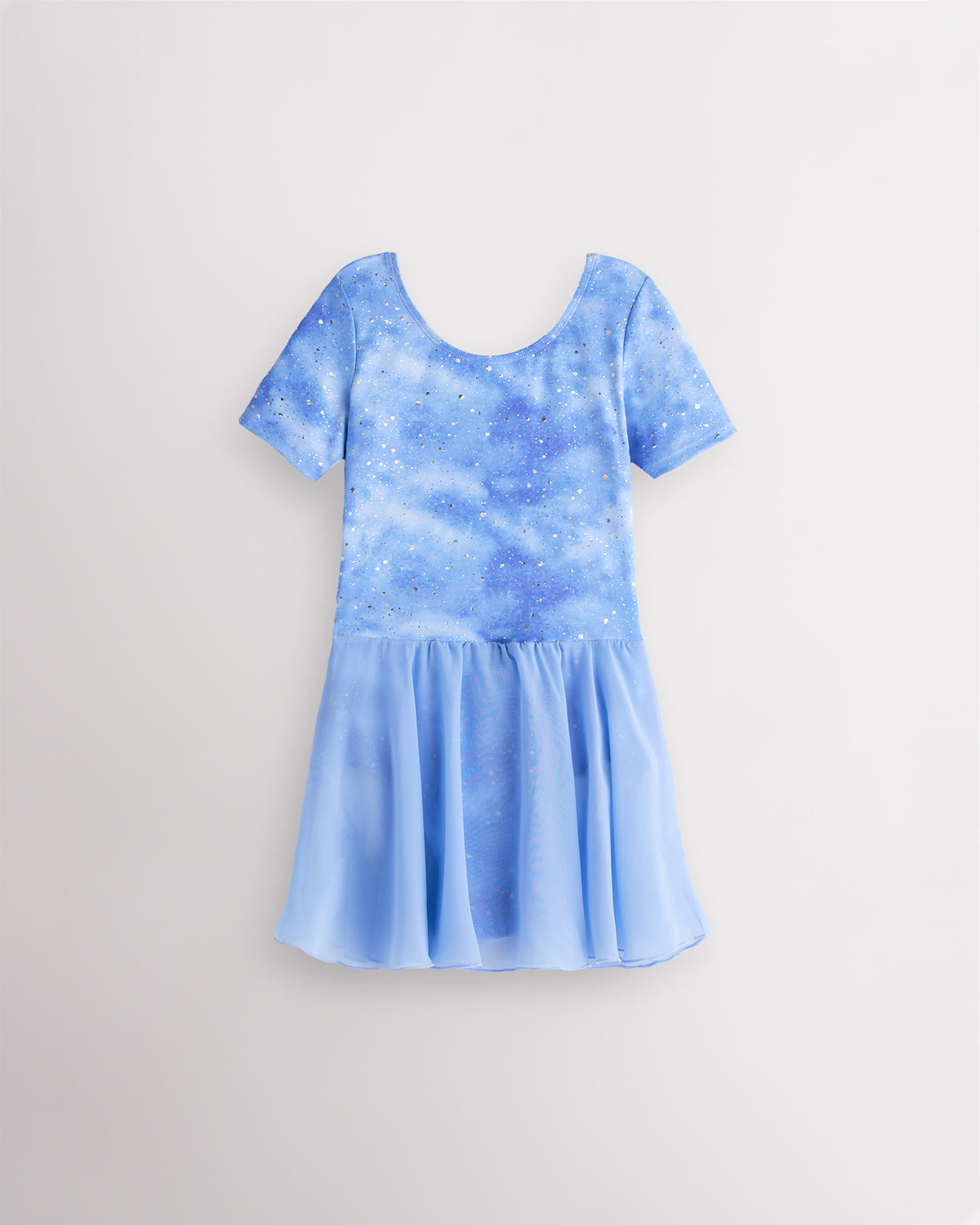
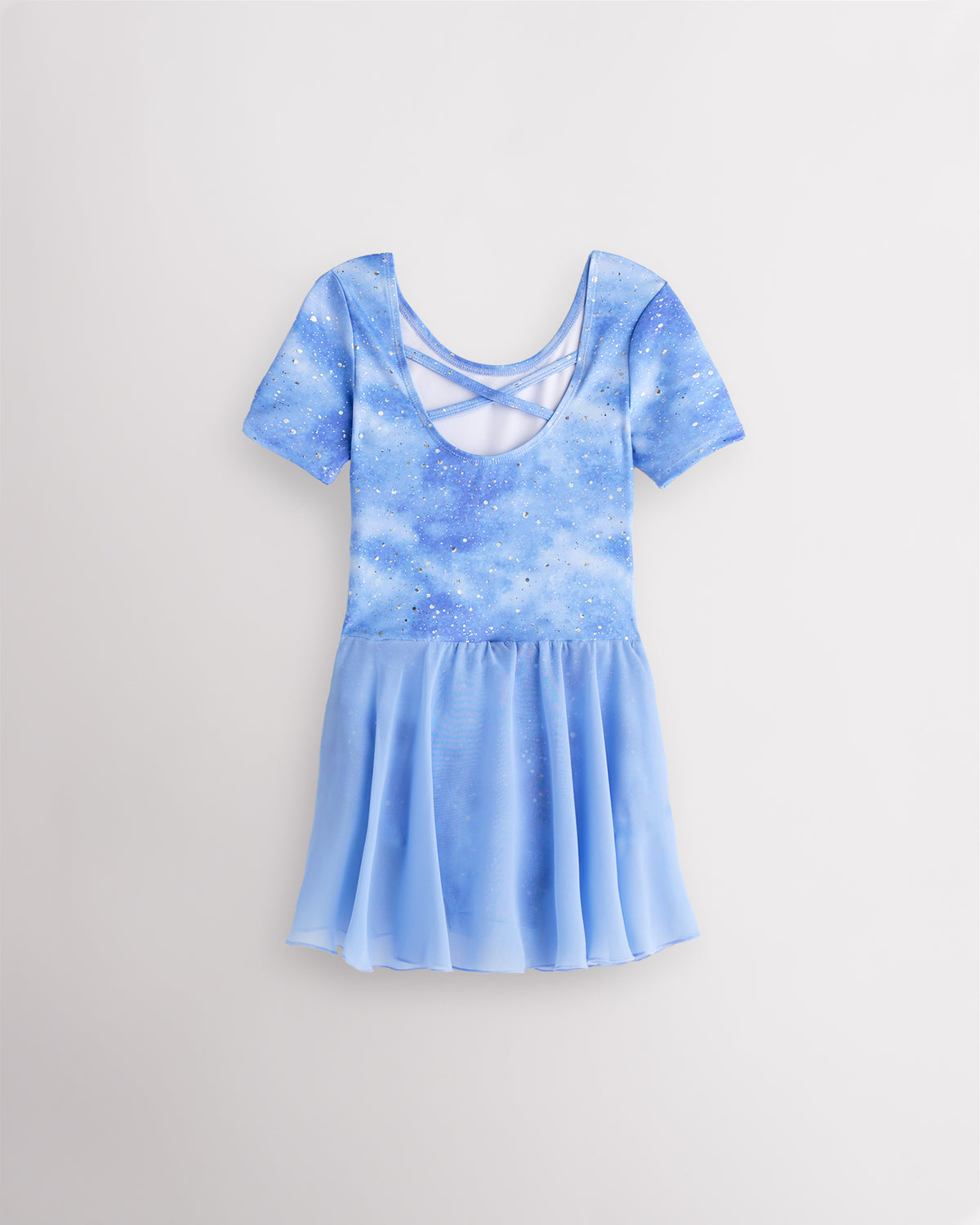
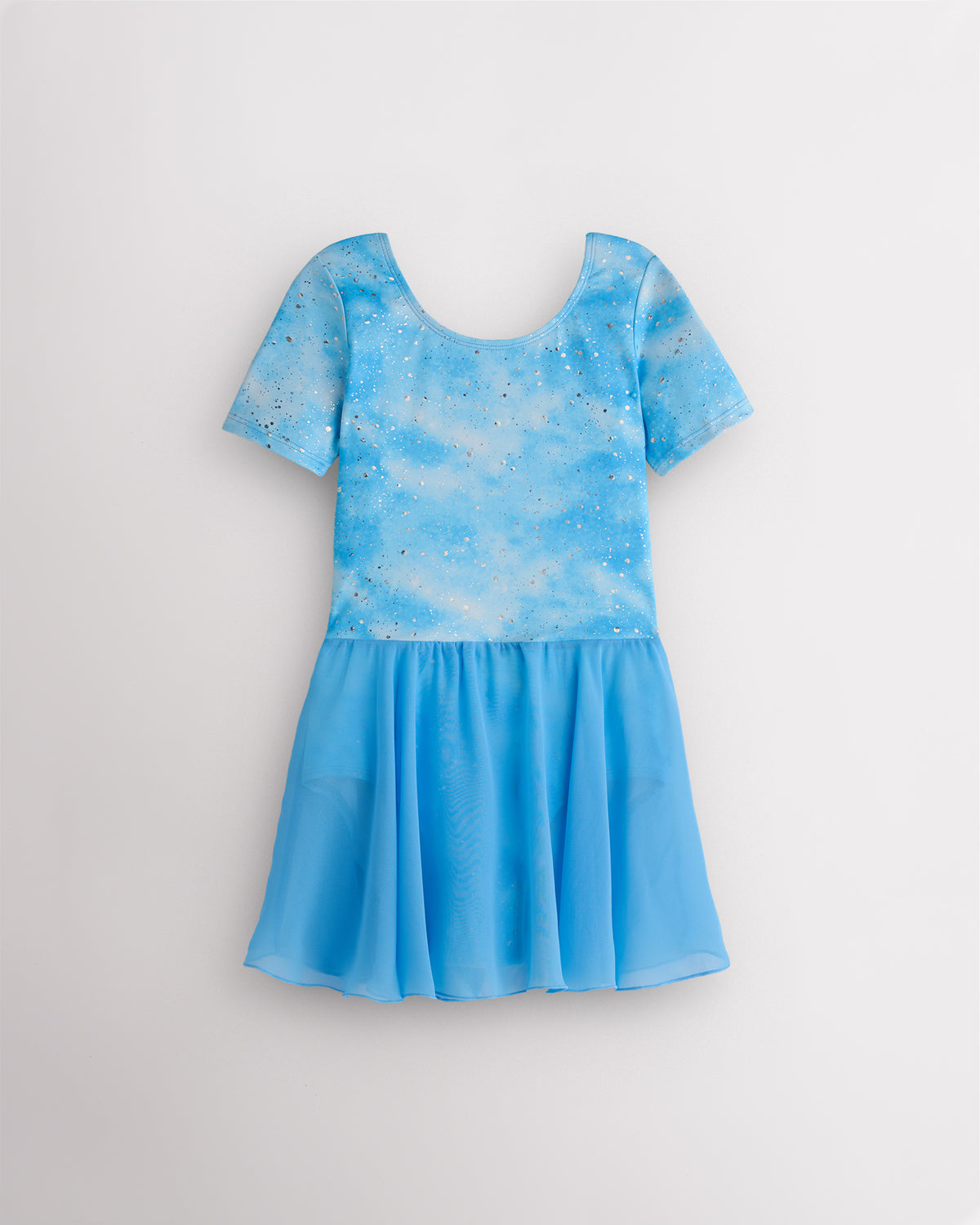
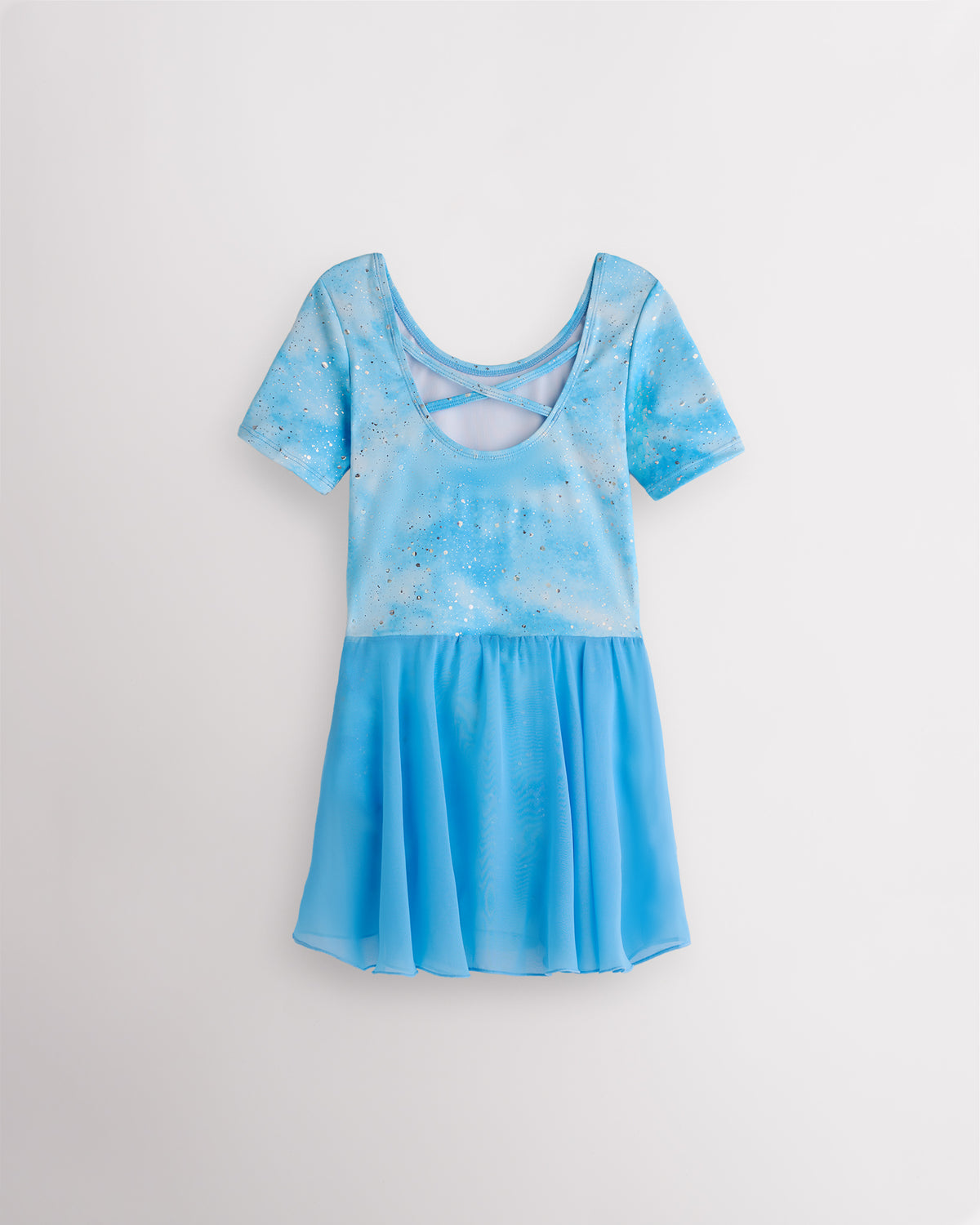
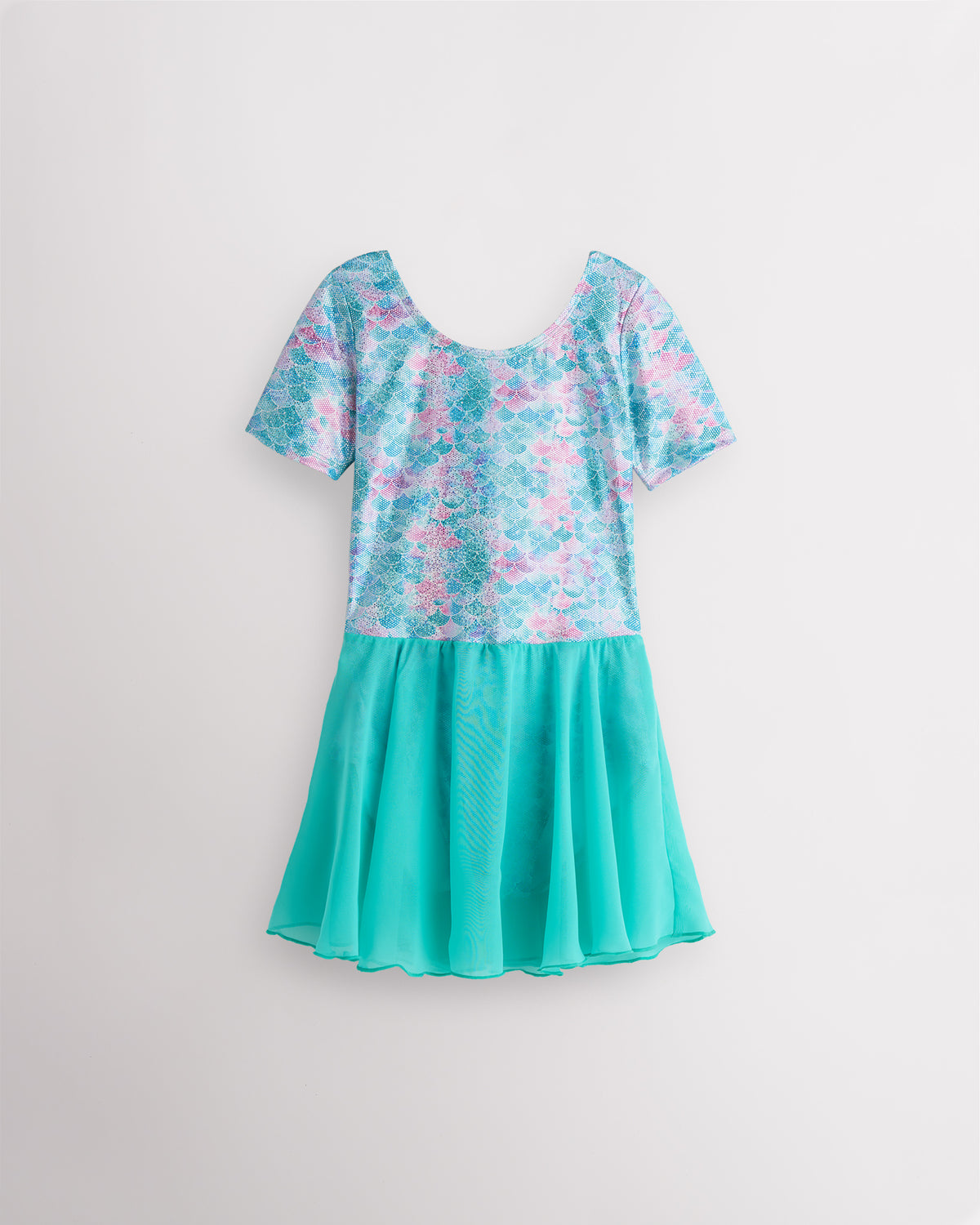
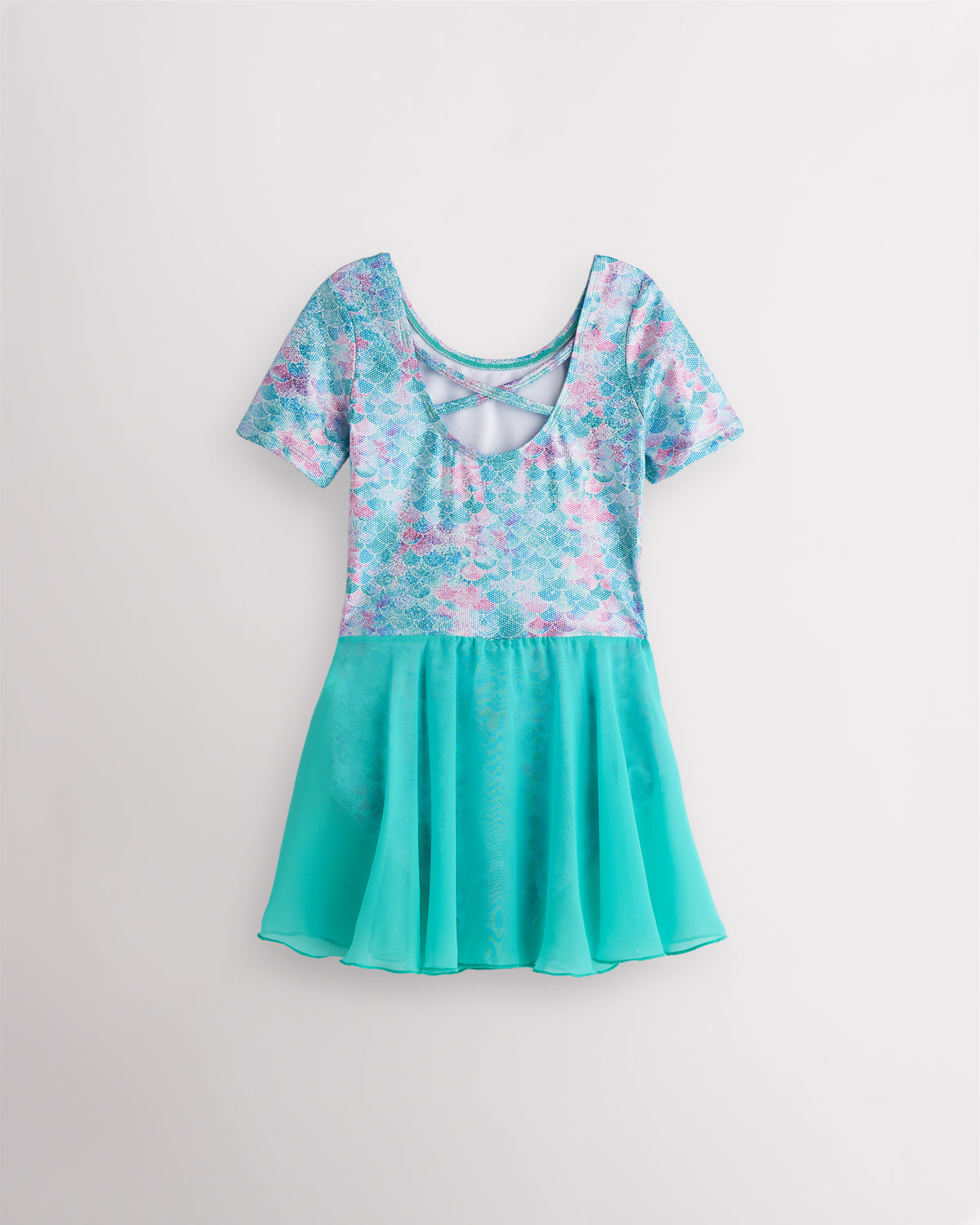
Wait for the studio's specific list before buying beyond basics. A simple leotard and tights in the right size is usually all a beginner needs for ballet and combo classes, and you can browse girls' dancewear once the dress code is confirmed.

How to choose a studio and use the trial class
The studio matters more than the style: a warm teacher in a well-run program keeps kids dancing for years, and a chaotic or harsh one can end it in a month. This process avoids most regrets:
-
Shortlist 2 or 3 studios within a drive you can sustain weekly, then read their class schedules for your child's age band.
-
Ask five questions before visiting: class size and teacher-to-student ratio, teacher experience with young beginners, dress code, the full year's fee list (tuition, registration, costumes, recital), and whether recital participation is optional.
-
Book a trial class. Many studios offer a free or cheap one. Watch for whether the teacher uses names, redirects wiggly kids kindly, and keeps the whole group moving rather than waiting in line.
-
Debrief your child with open questions ("what was your favorite part?") rather than verdict questions ("did you love it?").
-
Commit to one season, not forever. A semester is long enough to get past the awkward first weeks and see the recital payoff before deciding what is next.
If you want to vet studios more deeply, from faculty credentials to flooring and progress reports, our guide to choosing the best dance studio for your child goes point by point.
First-day jitters are normal and usually gone by week three. For a preview of that first hour, our walkthrough of a child's first dance class covers it minute by minute.
FAQ
What is a good first dance class for a 4 or 5 year old?
A combo class that pairs ballet with tap or jazz is the most common first children's dance class for this age. The variety holds a preschooler's attention, and you get two vocabularies for one tuition.
How long is a typical children's dance class?
Preschool classes usually run 30 to 45 minutes and elementary-age classes 45 to 60. Past beginner levels, classes stretch toward 75 or 90 minutes and may meet more than once a week. A 60 minute class for 3 year olds is worth asking the studio about.
Do parents stay and watch dance class?
Often not, after the first week or two. Most studios teach with the door closed because kids focus better without an audience, then offer observation windows, lobby monitors, or designated watch weeks. Parent-and-me classes for 2 and 3 year olds are the exception, since you participate in those.
How much do dance classes cost per month?
Roughly $60 to $100 or more per month for one weekly group class, with Lessons.com putting the national span at $60 to $200 depending on city, studio, and class length. Add registration, basic dancewear and shoes, and a spring recital costume to the full-year budget. Ask about sibling and second-class discounts, and whether a trial class is free, before you pay any fees.
What if my child wants to quit after a few classes?
Most kids hit a wobble a few weeks in, once novelty fades and the class asks for real effort, so hold off on any decision for about a month. Then talk to the teacher and separate "wrong style" from "wrong studio" from "not right now." Finishing the paid session teaches follow-through; forcing a second season on a genuinely miserable kid does not. Our tips on keeping a young dancer motivated help with the wobble weeks.
Should my child start with online or in-person dance lessons?
In-person classes are the better default for beginners, who need hands-on corrections, floor space, and the social pull of a group. Online dance lessons for kids work well as a practice supplement, for remote families, or for shy kids who want to preview a style at home first.
About the Stelle Team
Stelle is a mom-trusted dancewear & athleisure brand best known for girls’ ballet and dance essentials since 2015. Every article is created and reviewed by the team behind the products, drawing on what we hear from dance teachers, studio owners, and dance parents every day. Learn more about Stelle.