






What Is Contemporary Dance? A Parent's Guide
Table of contents
- Quick answer
- Key Takeaways
- Contemporary Dance, Defined
- How to Recognize Contemporary Dance: 5 Hallmarks
- A Short History: From Rebellion to Right Now
- Contemporary vs Modern Dance: What's the Difference?
- What a Kids' Contemporary Class Looks Like
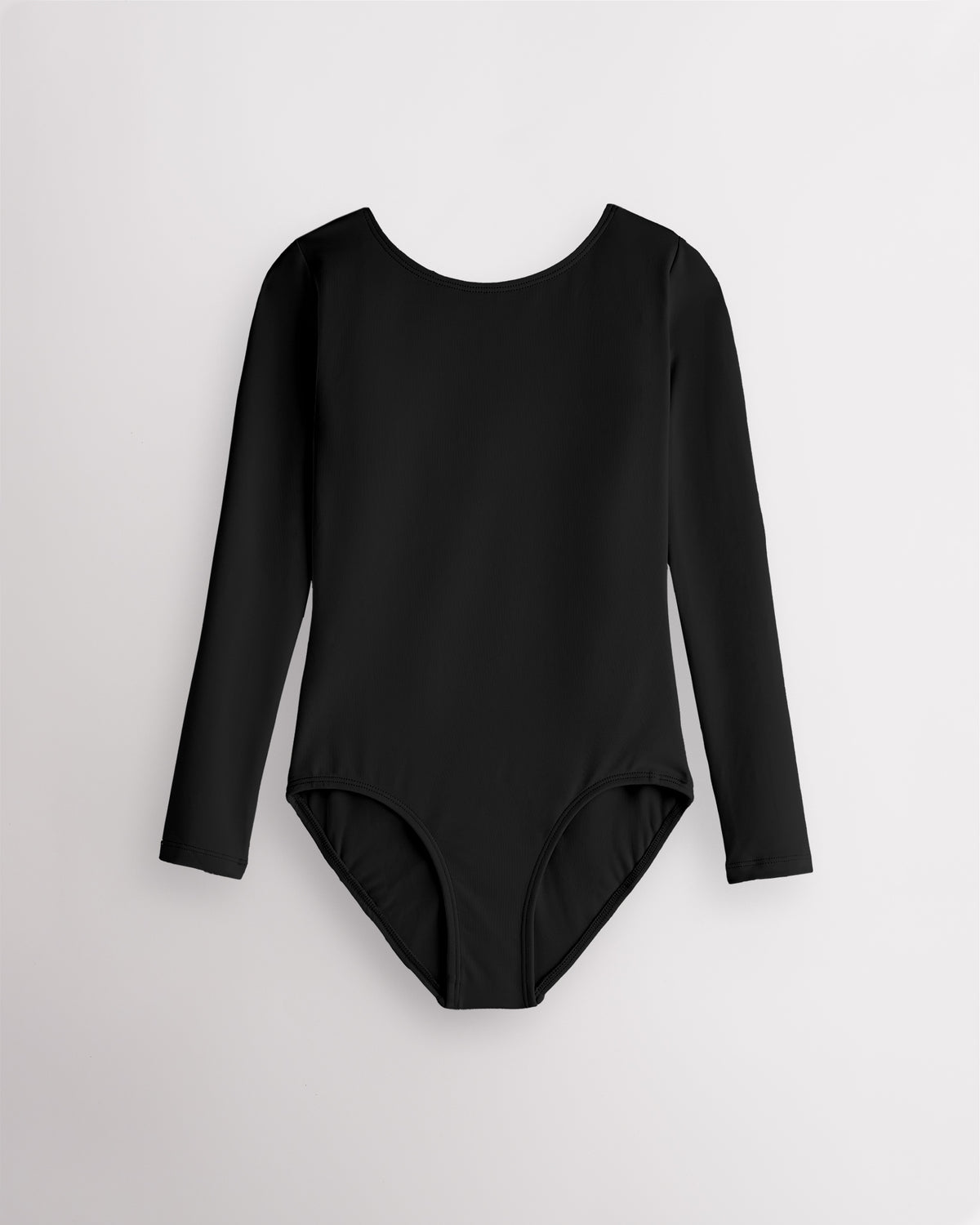
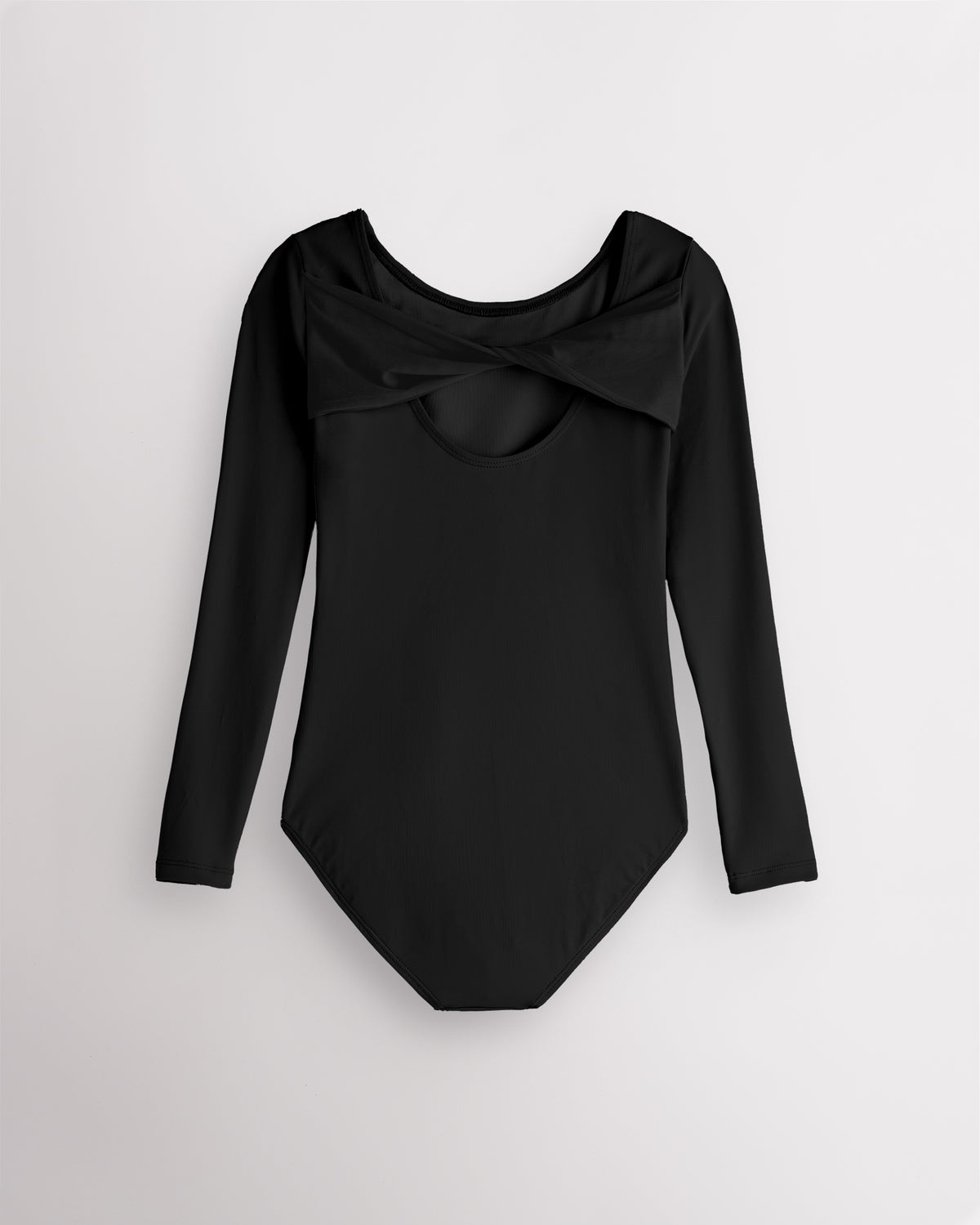
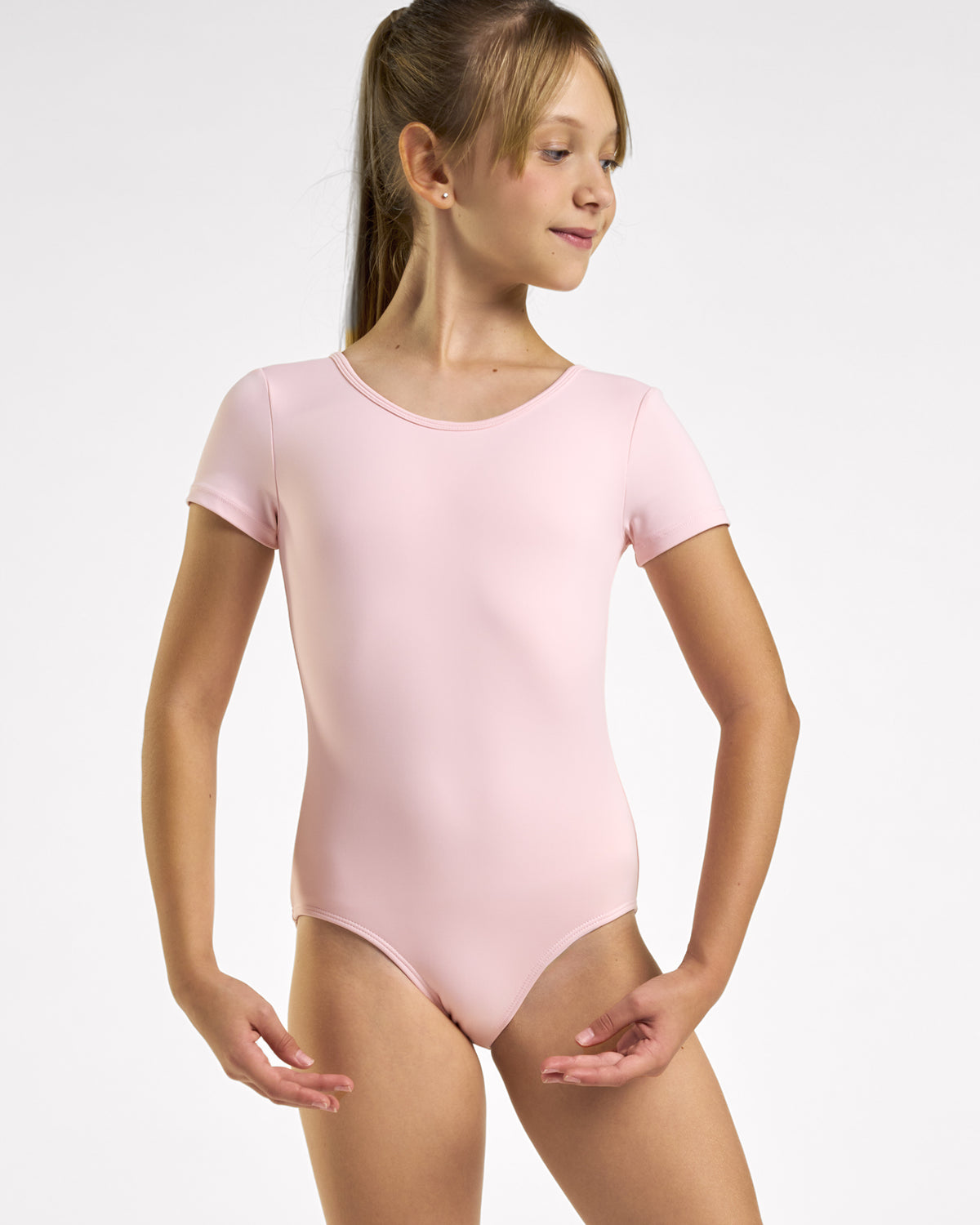
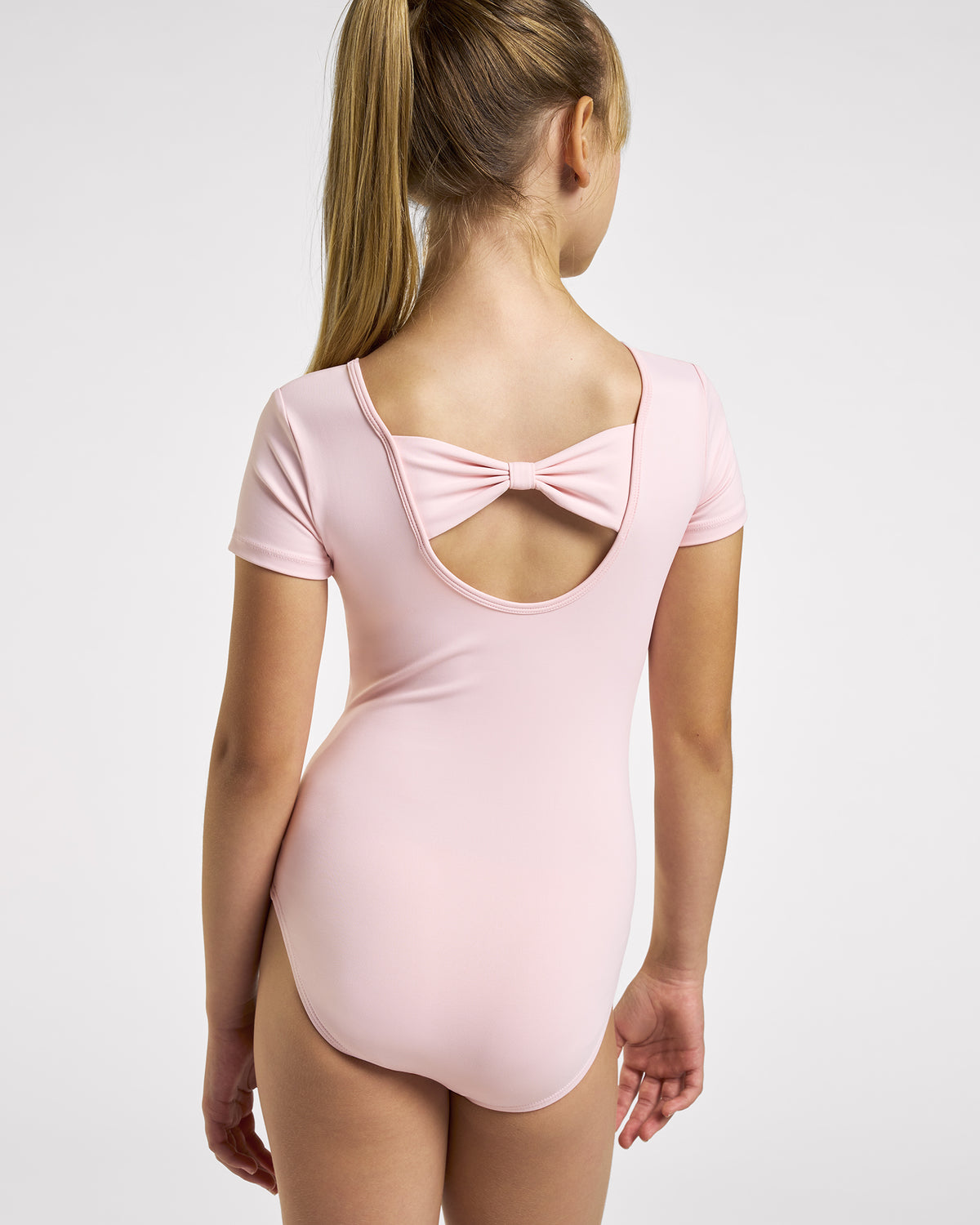
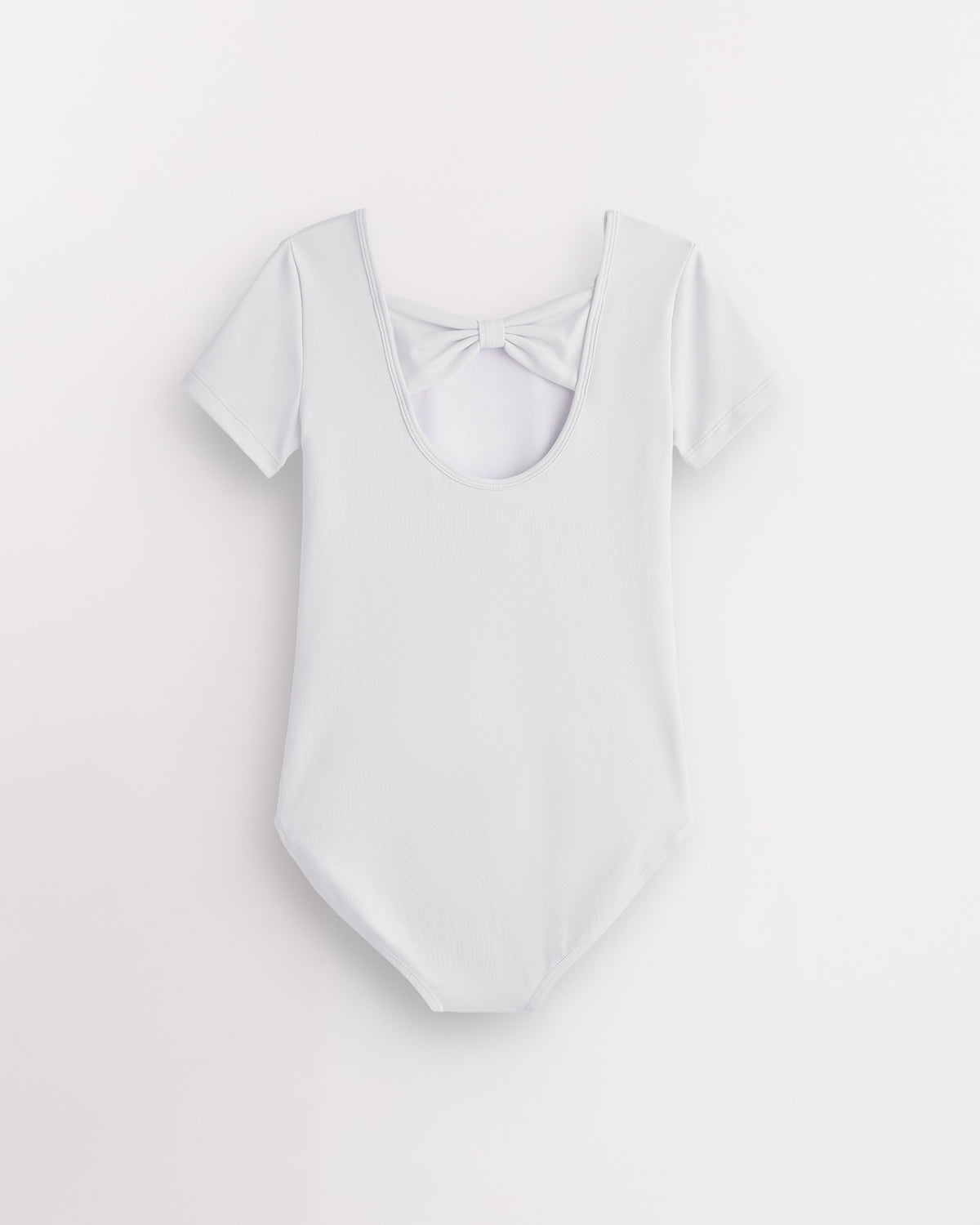
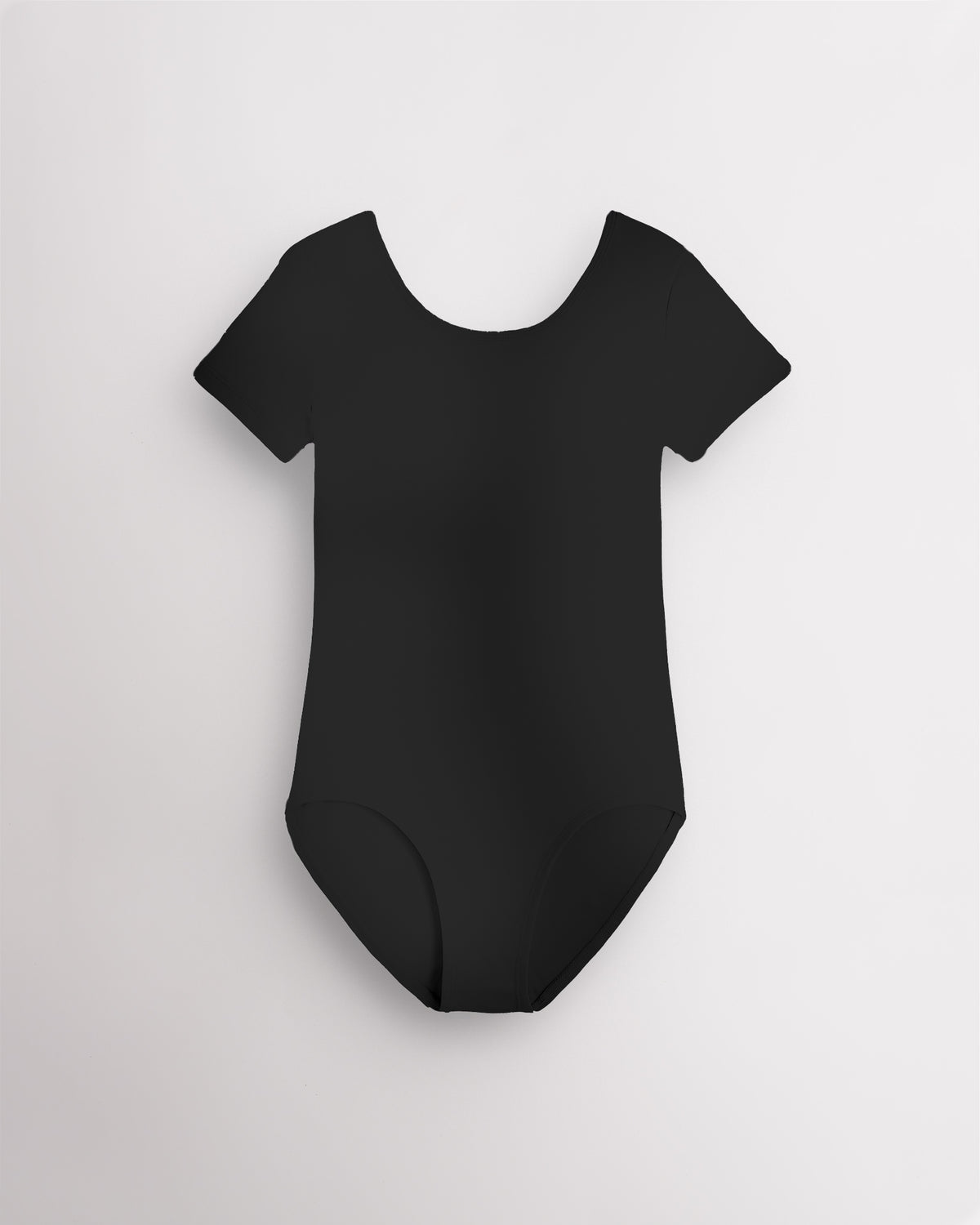
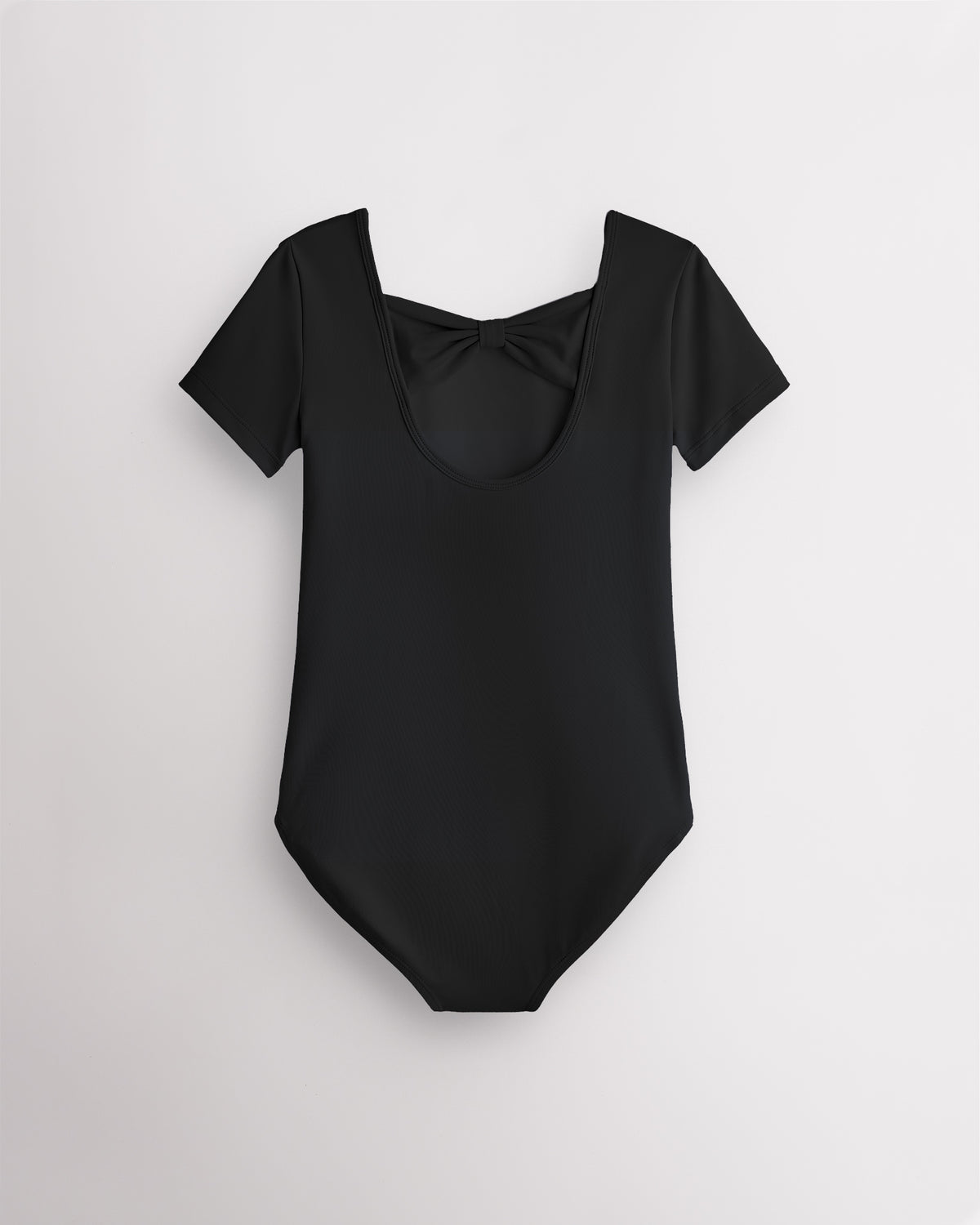
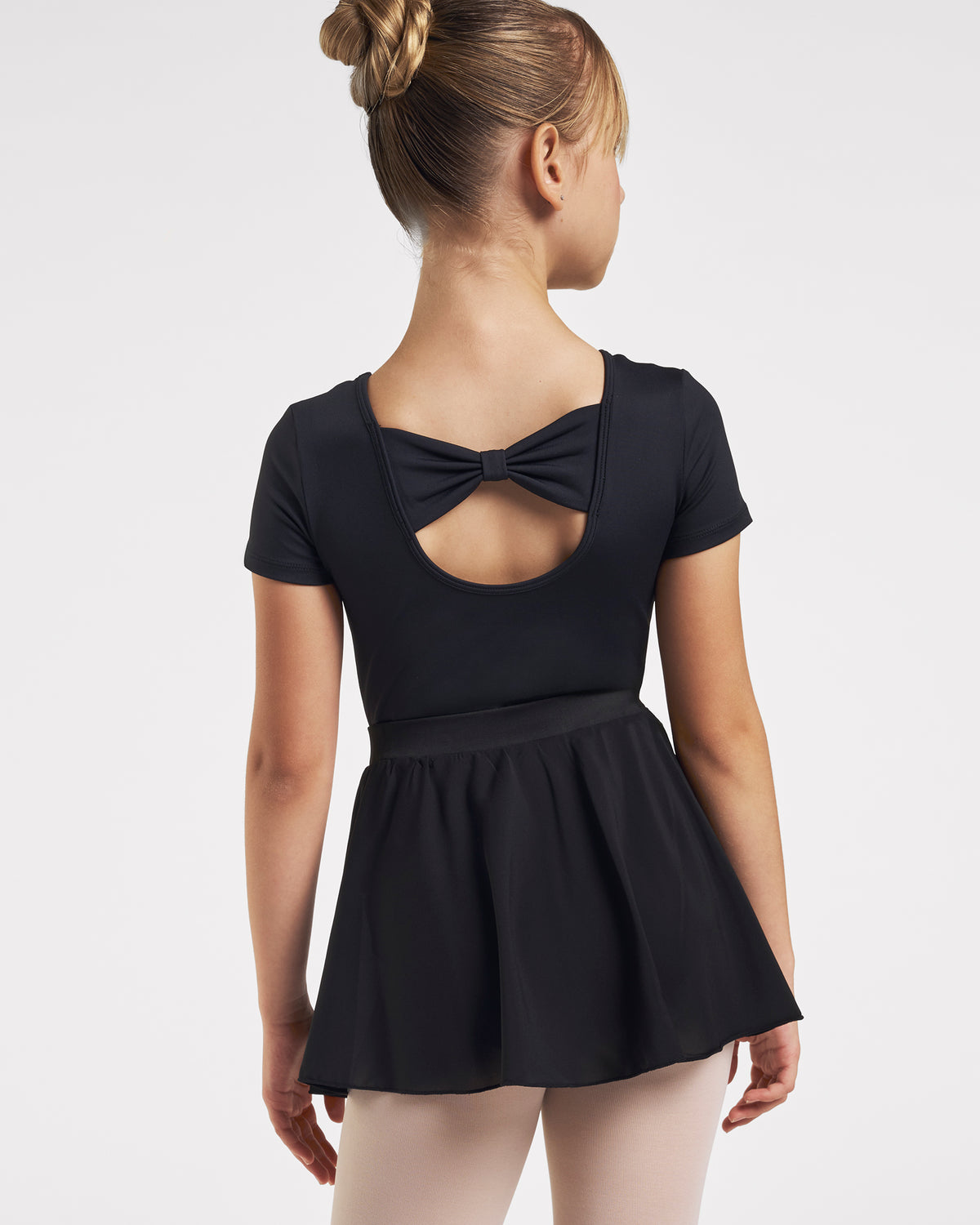
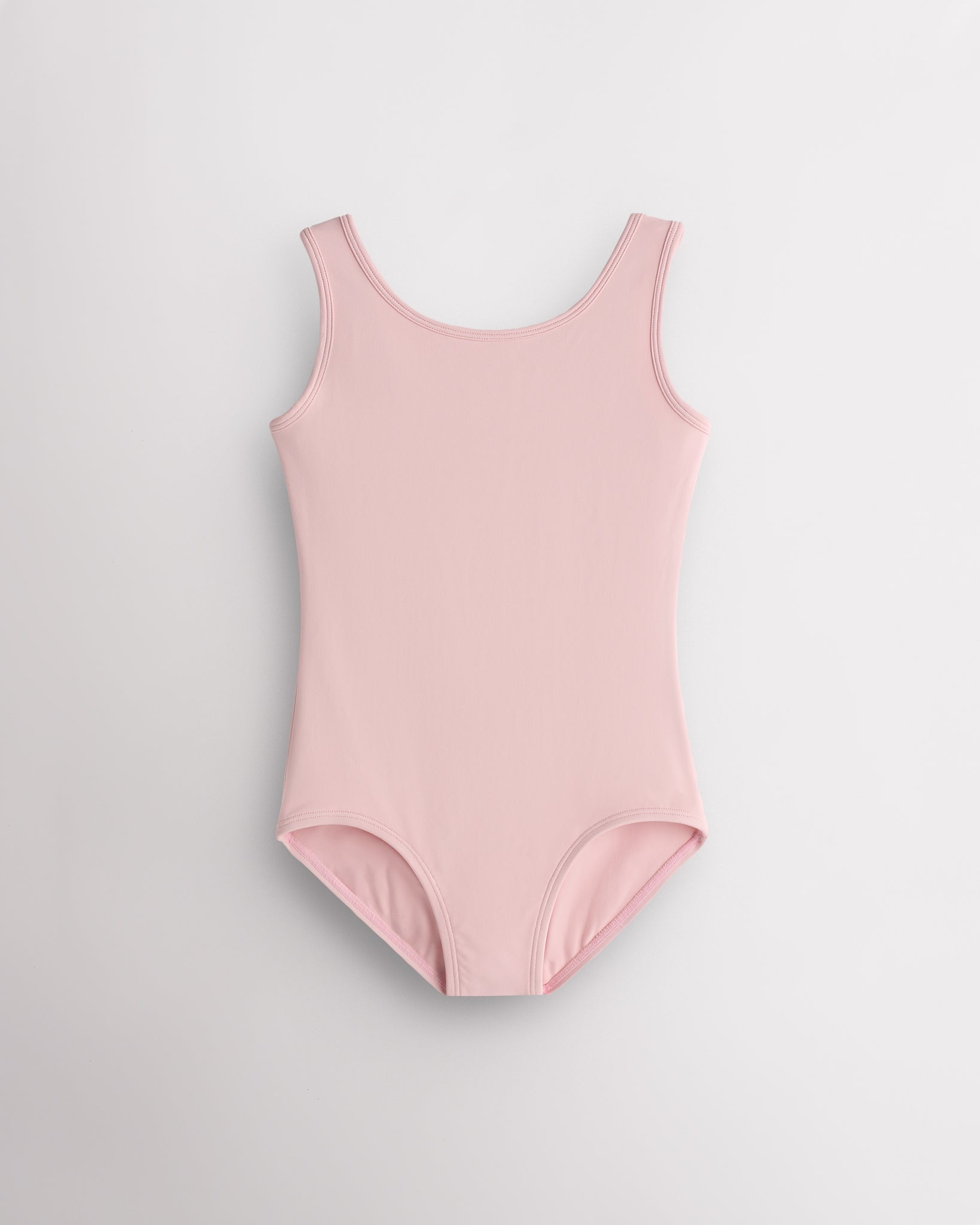
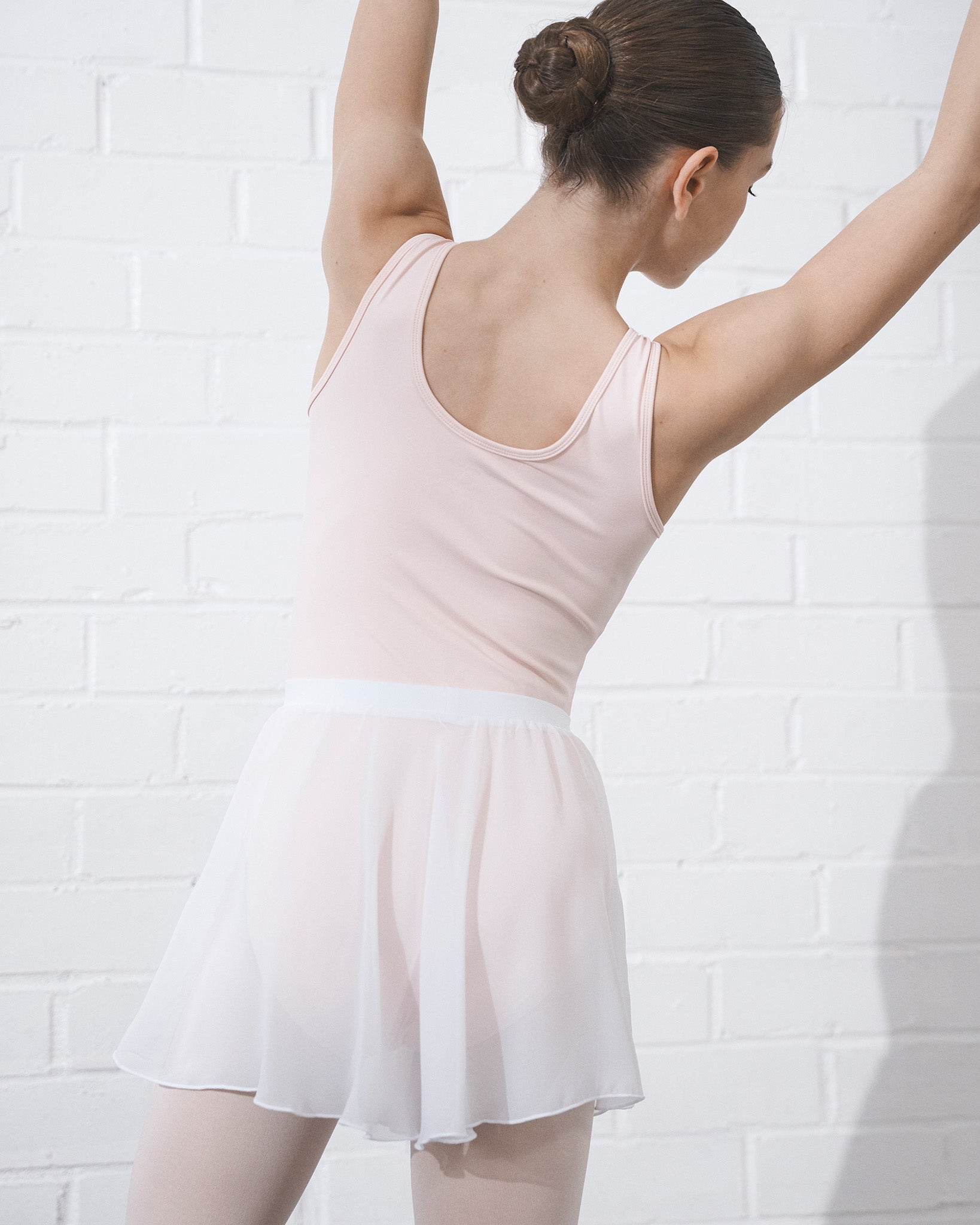
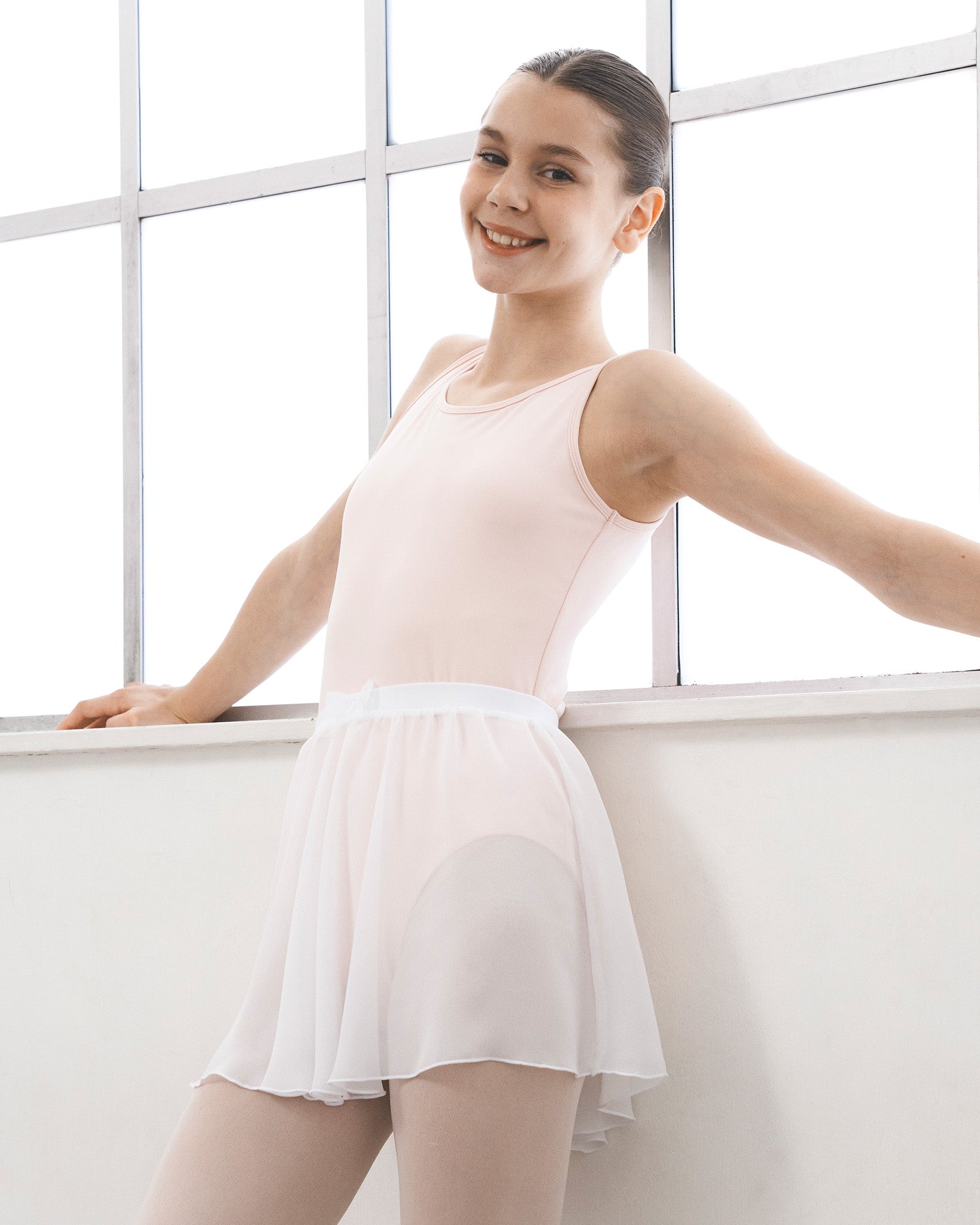
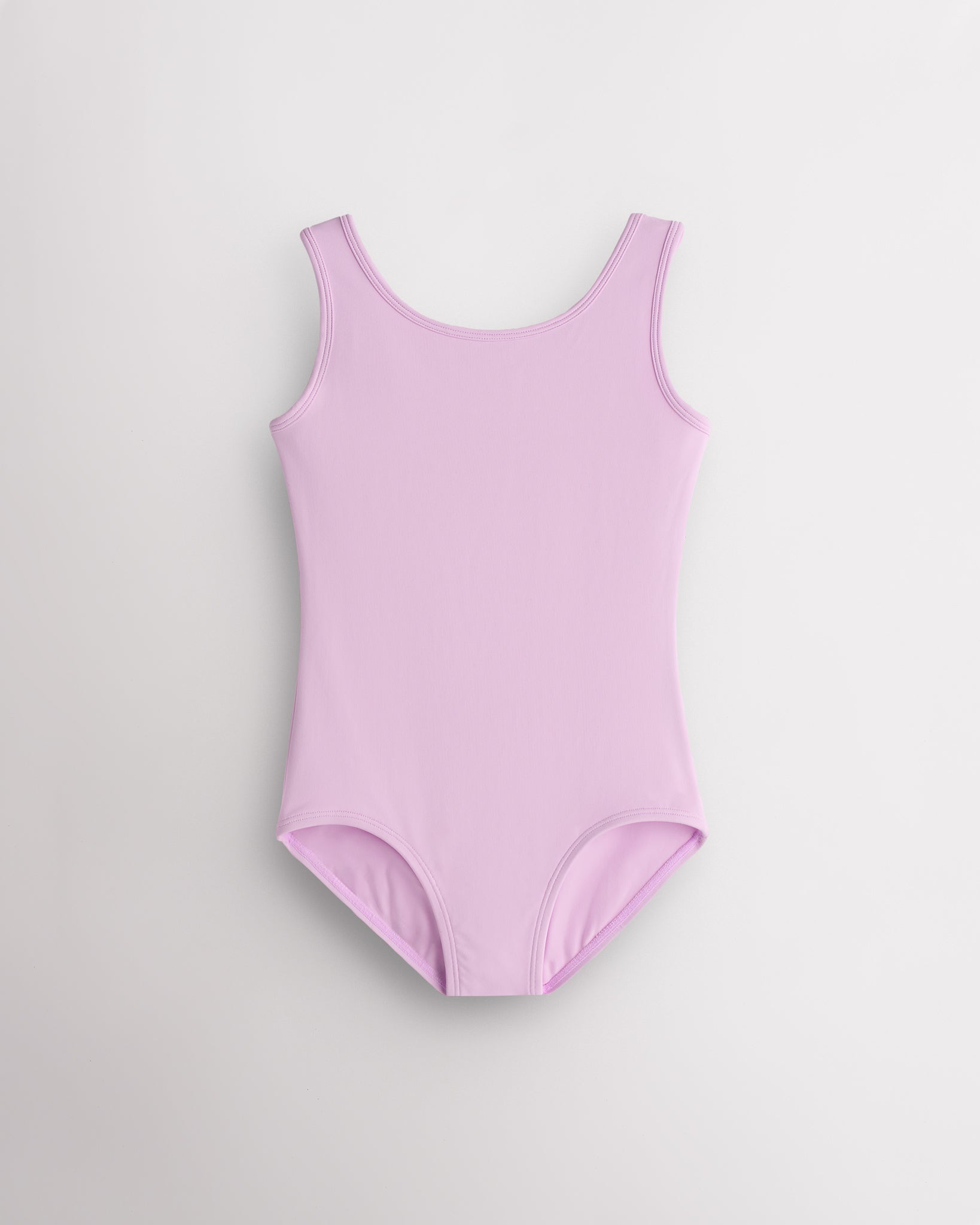
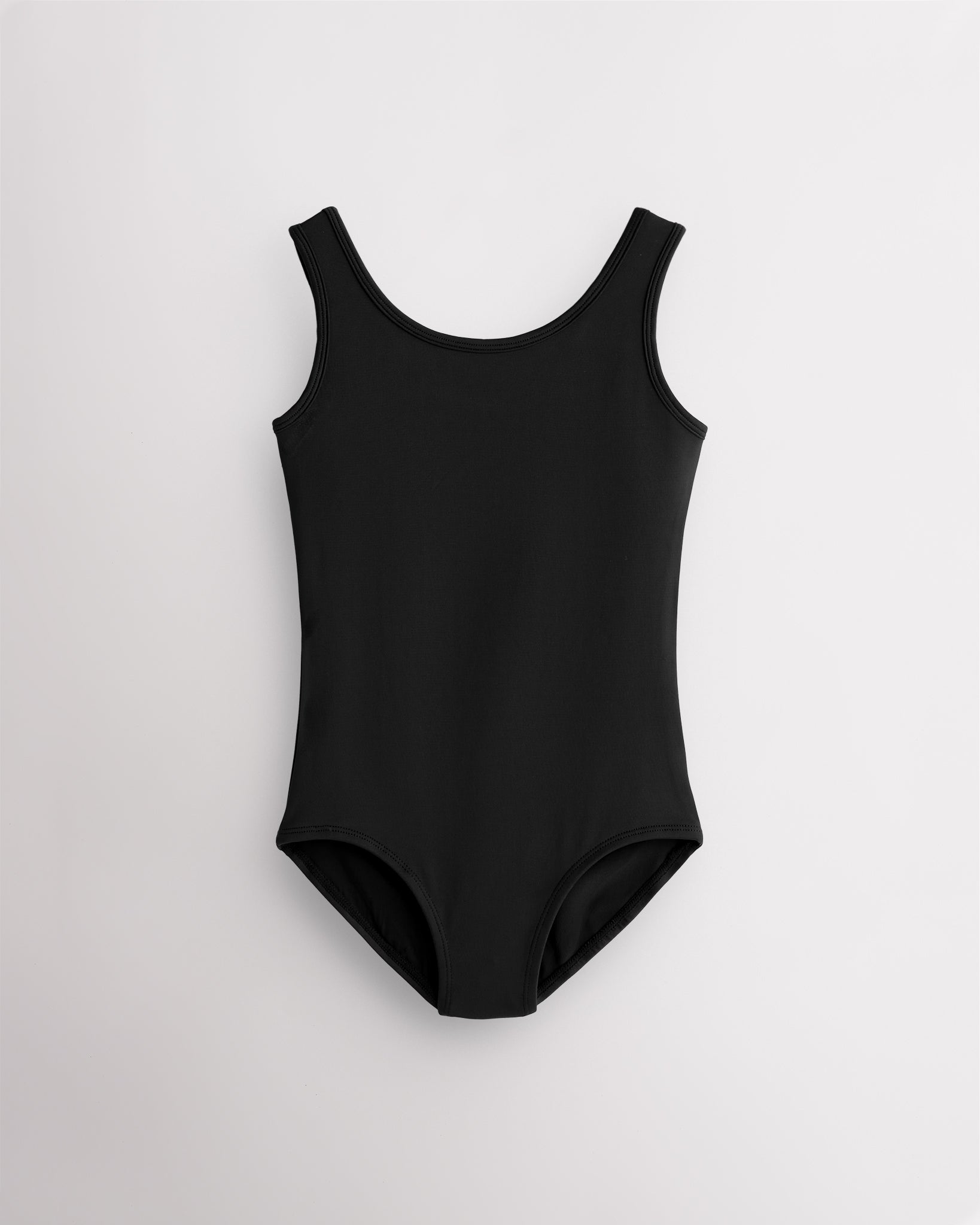
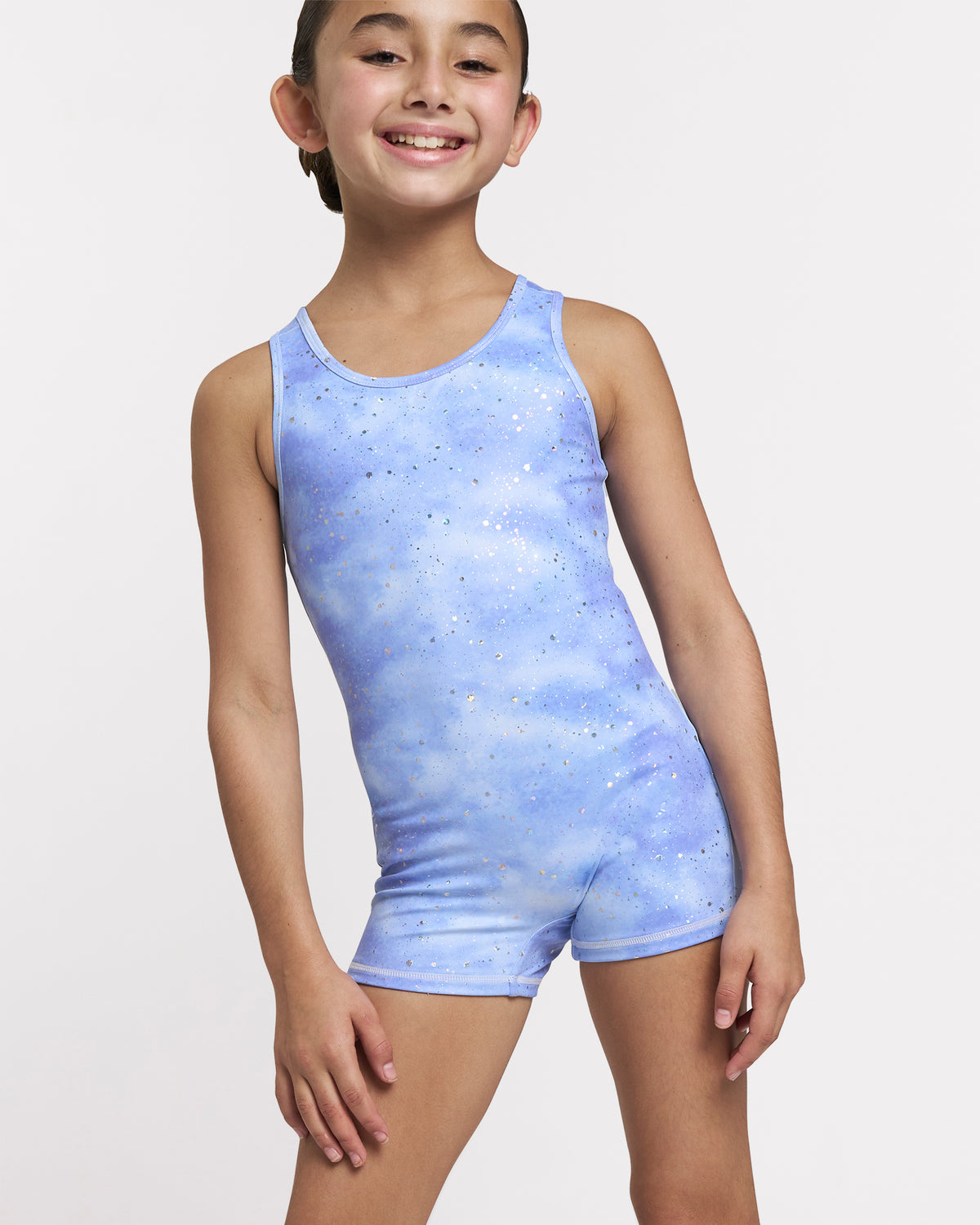
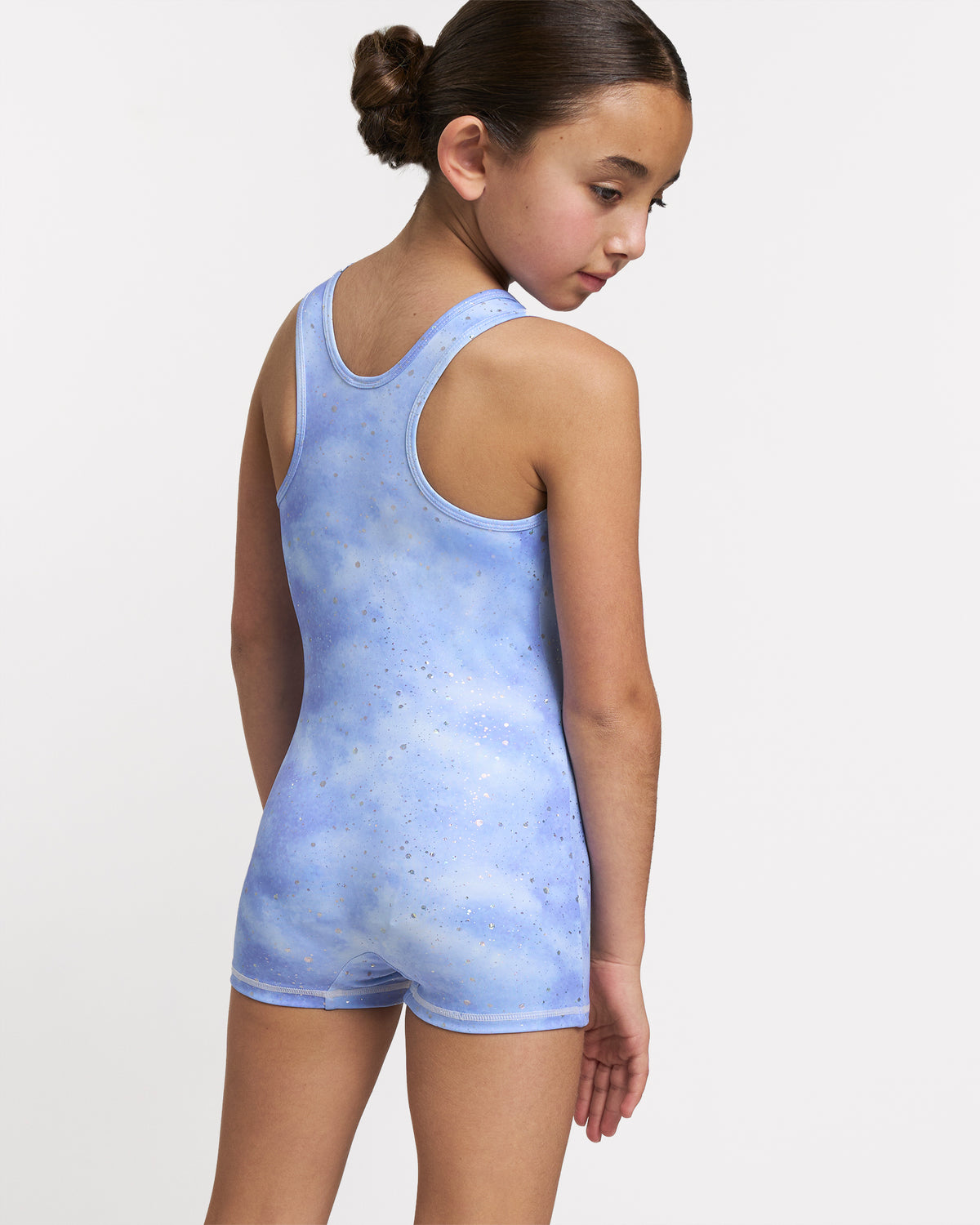
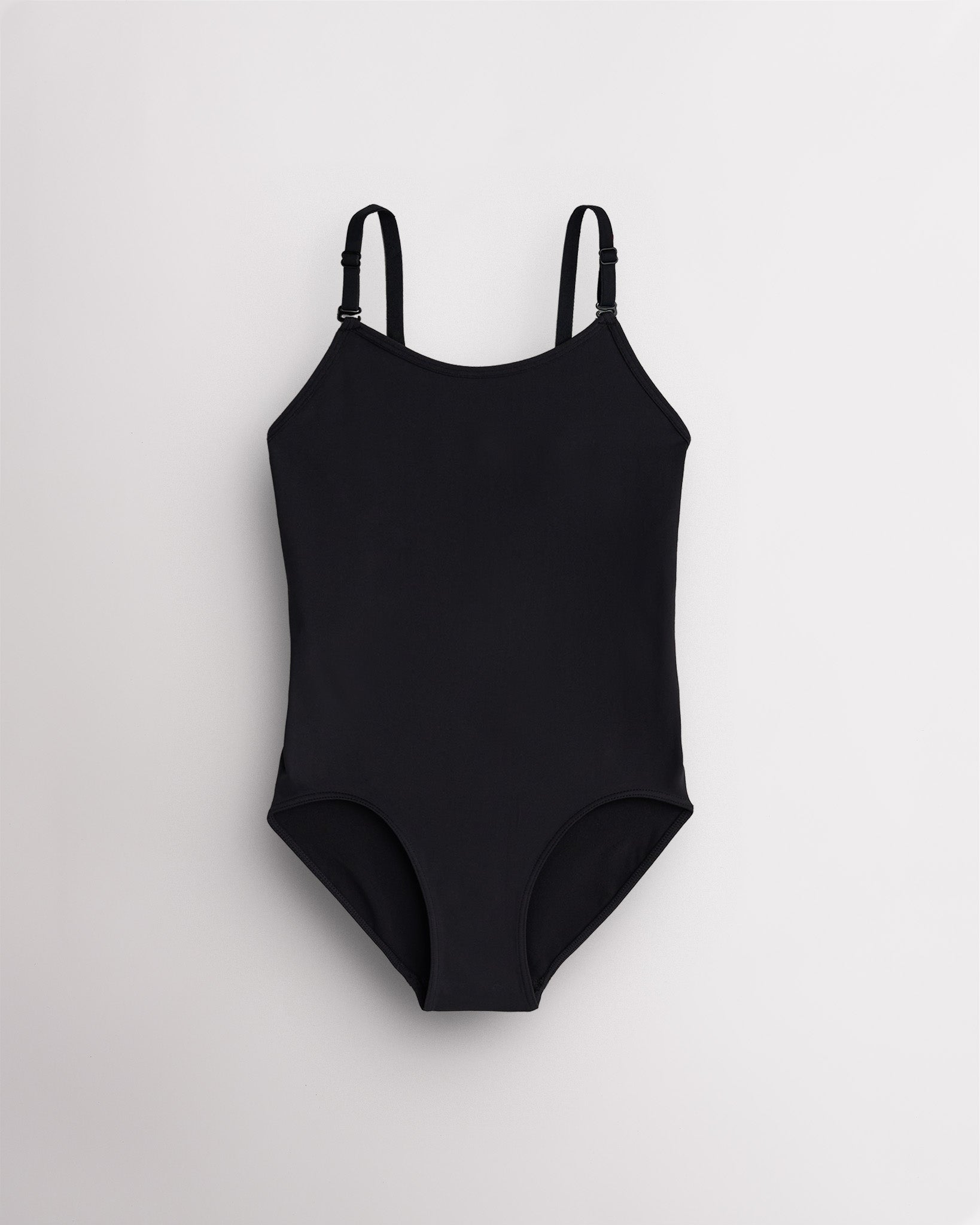
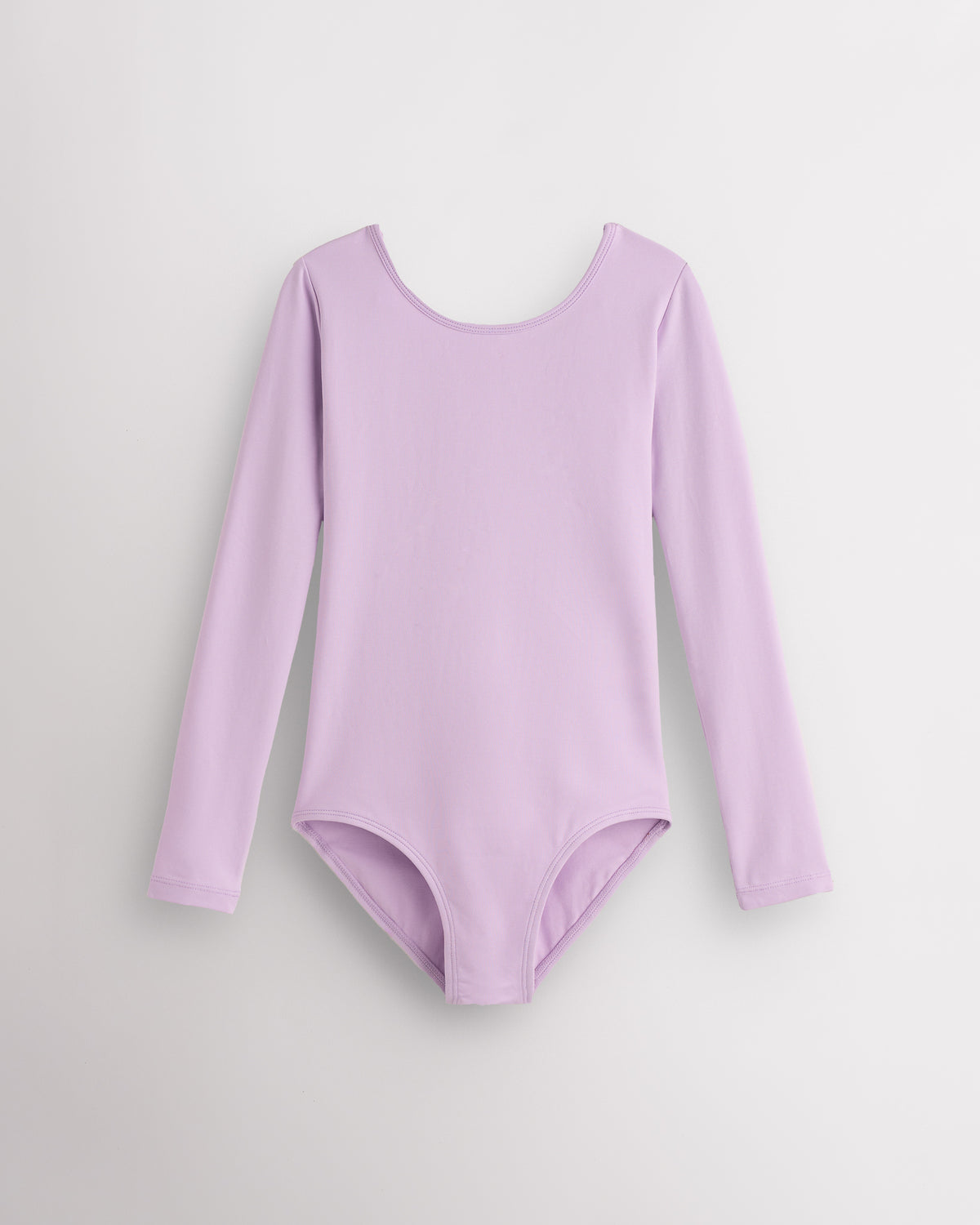
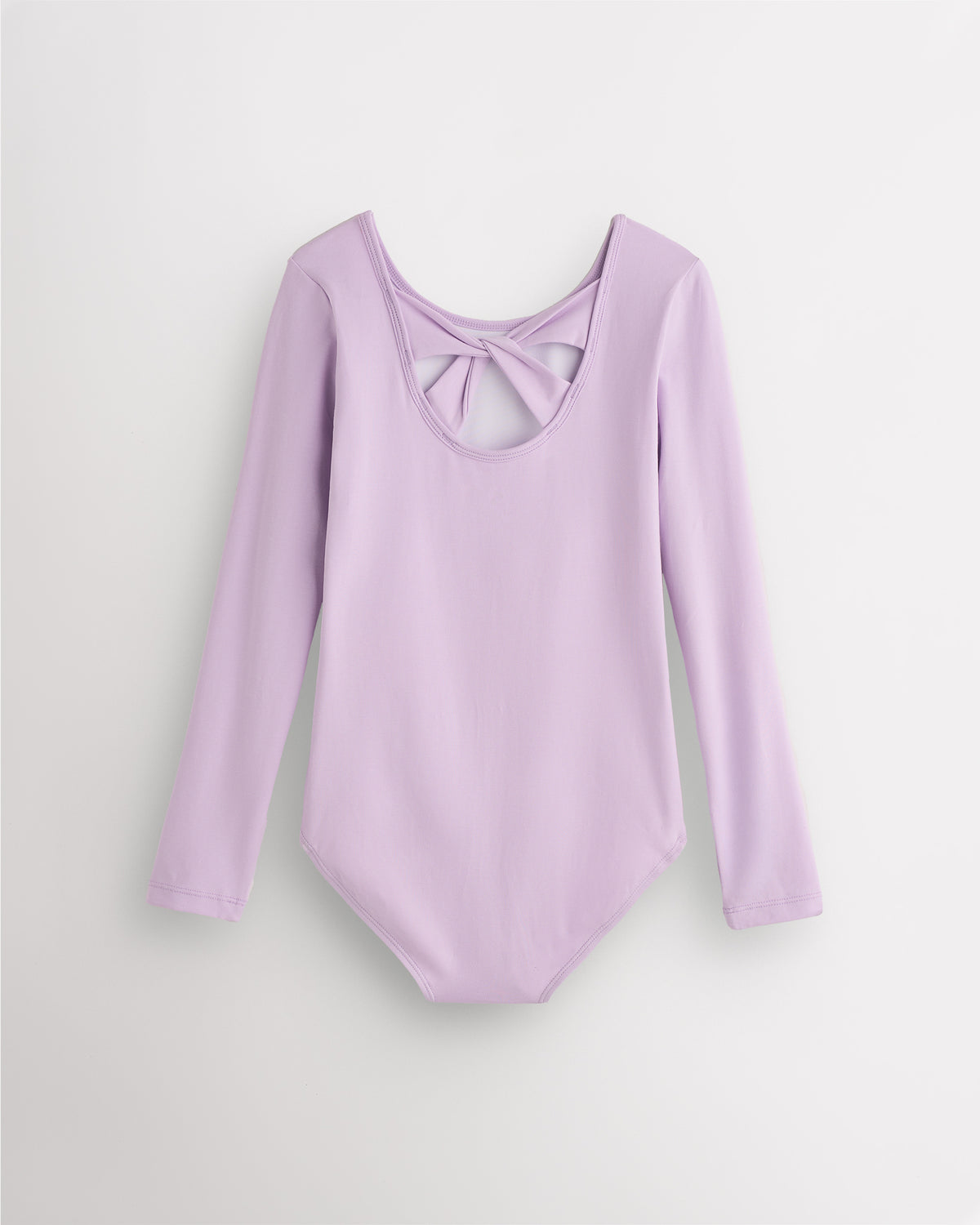
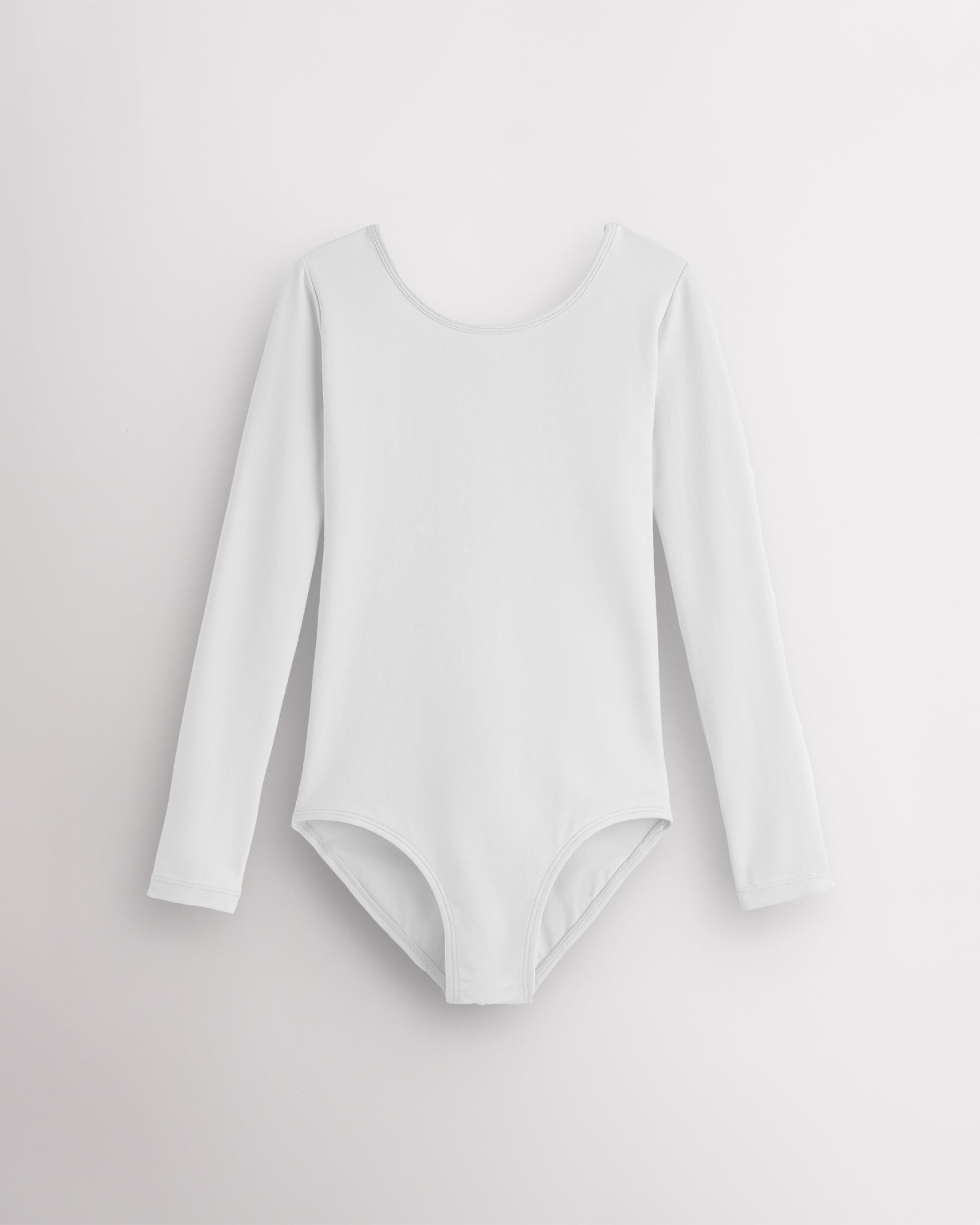
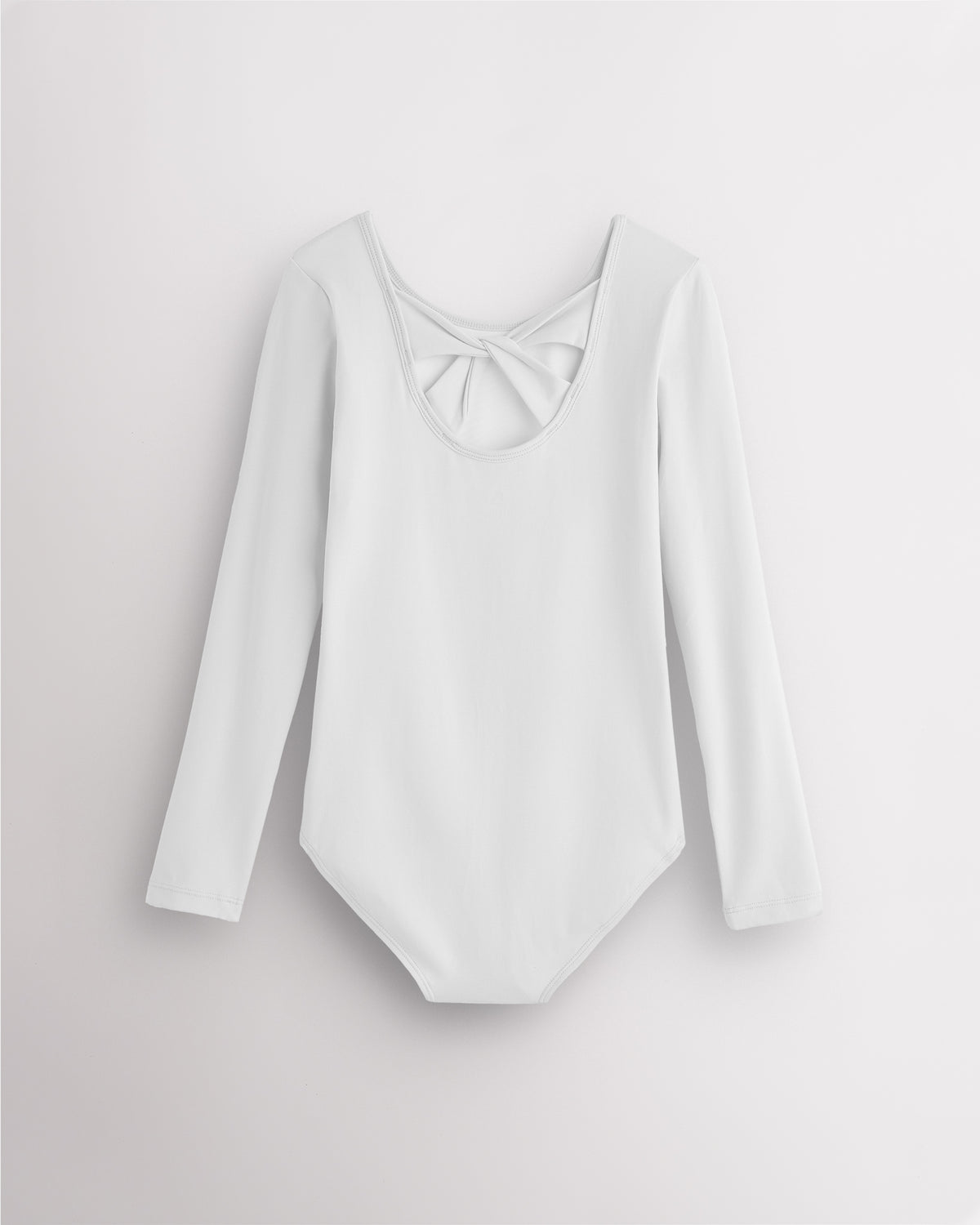
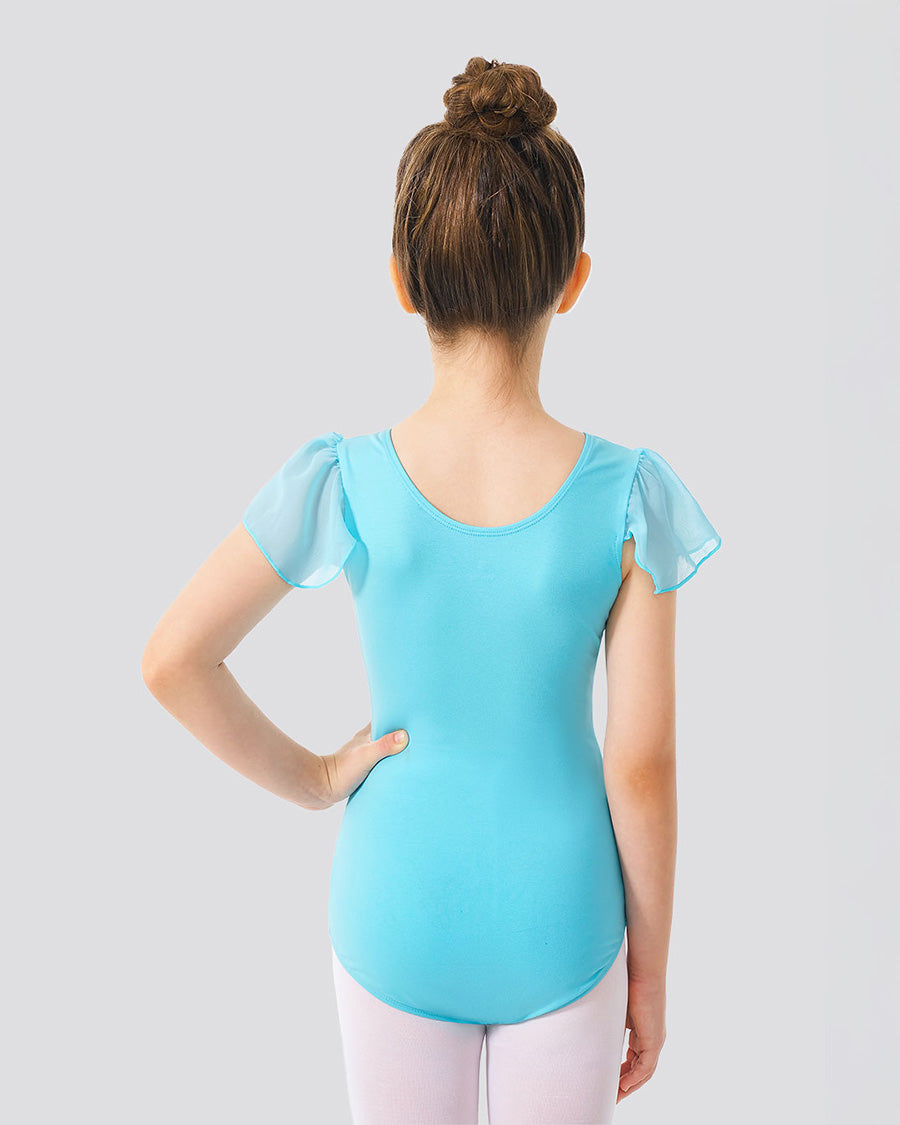
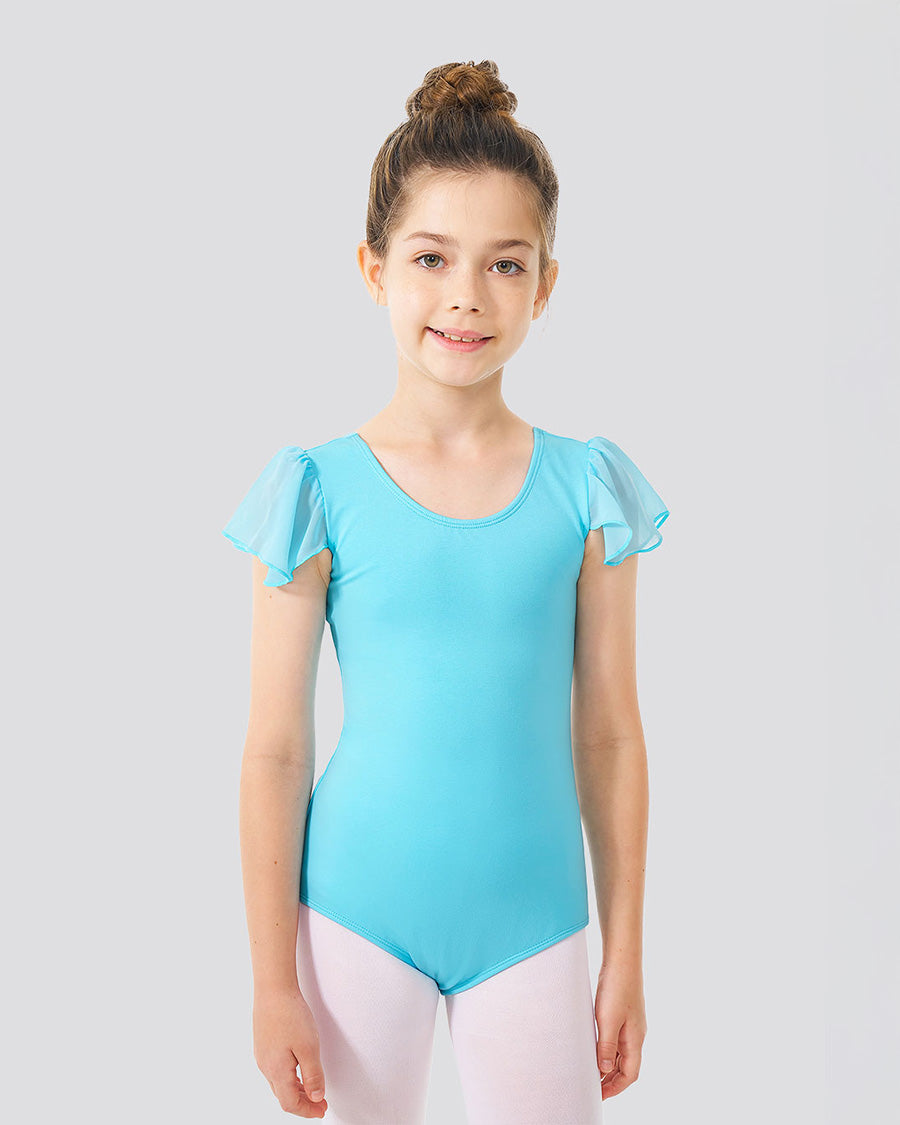
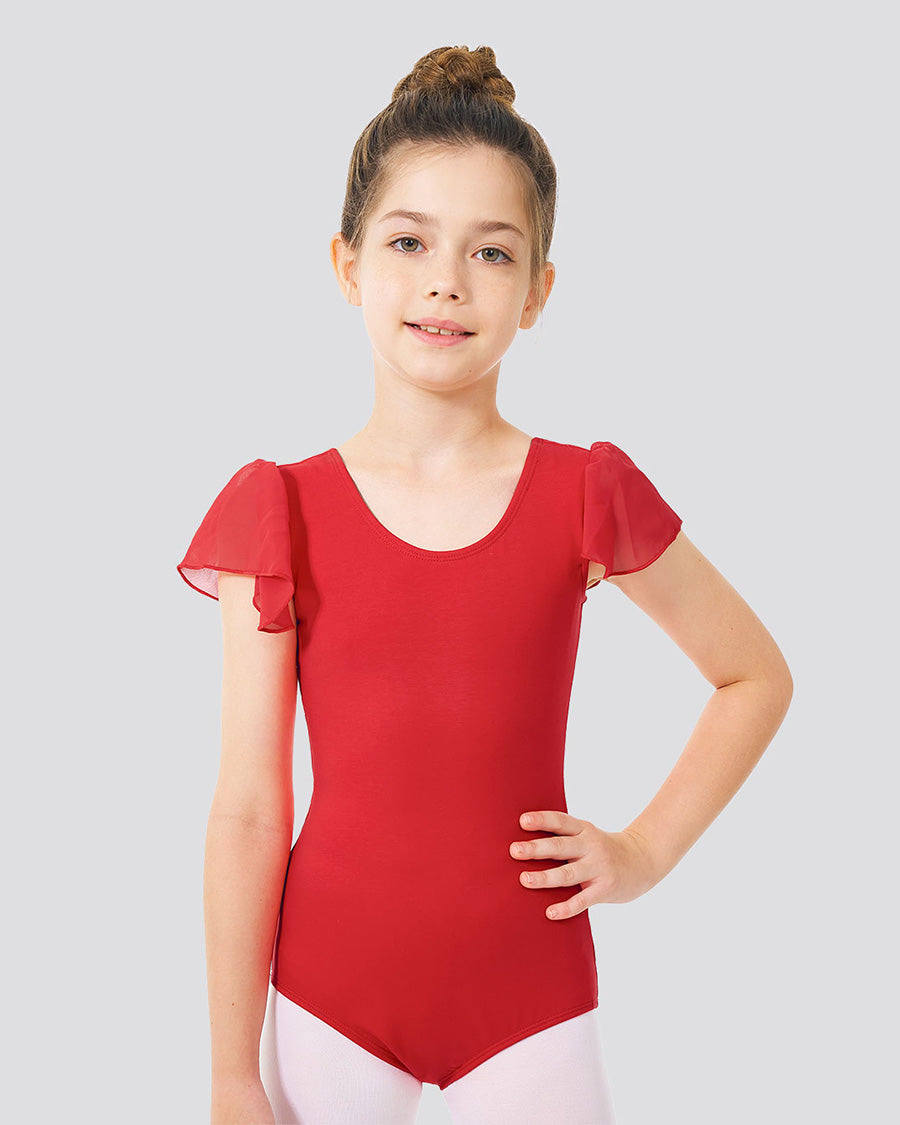
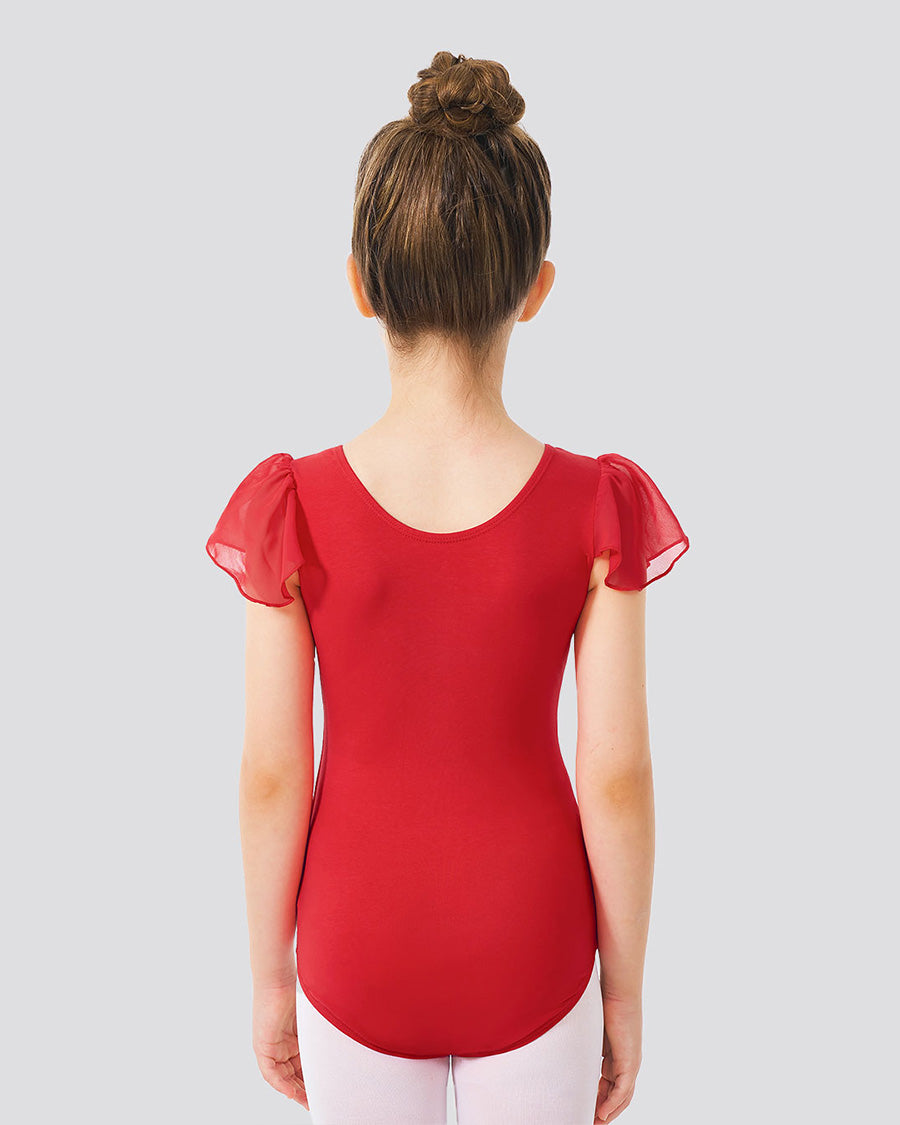
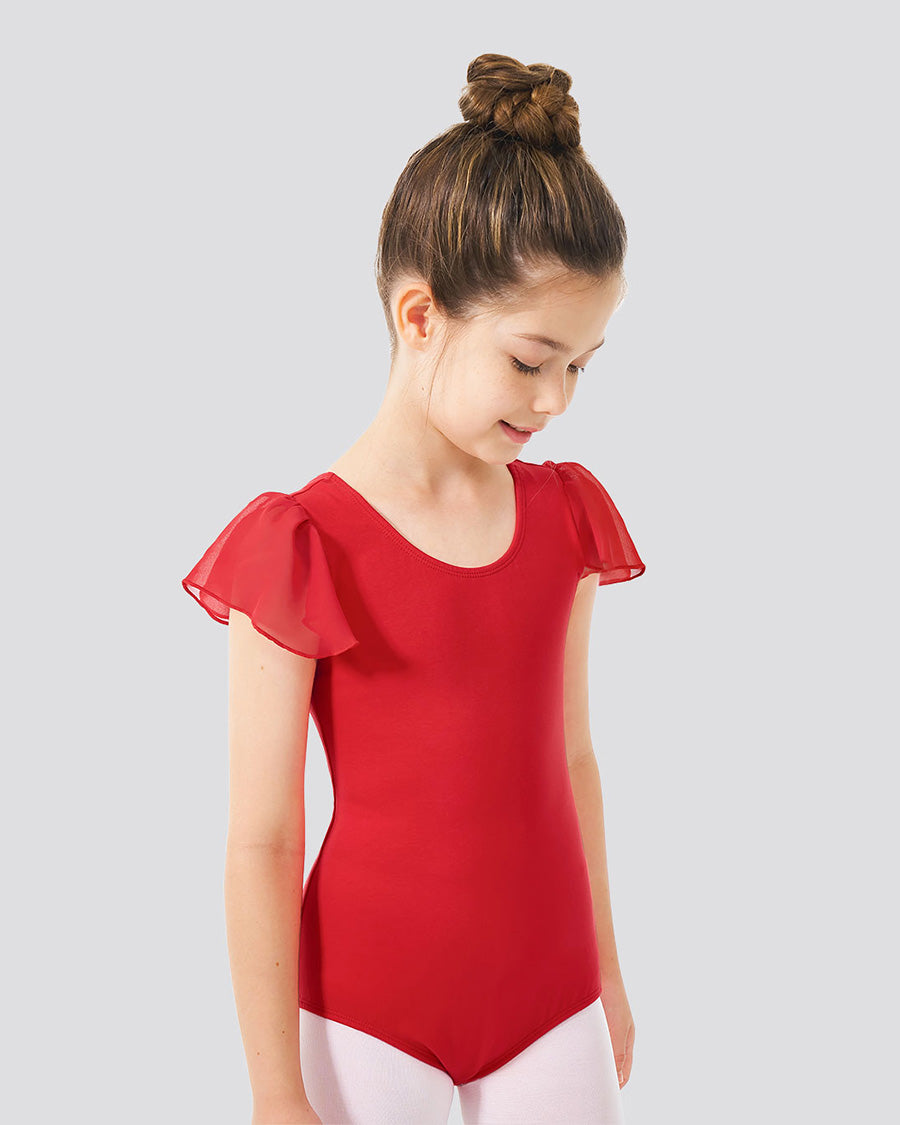
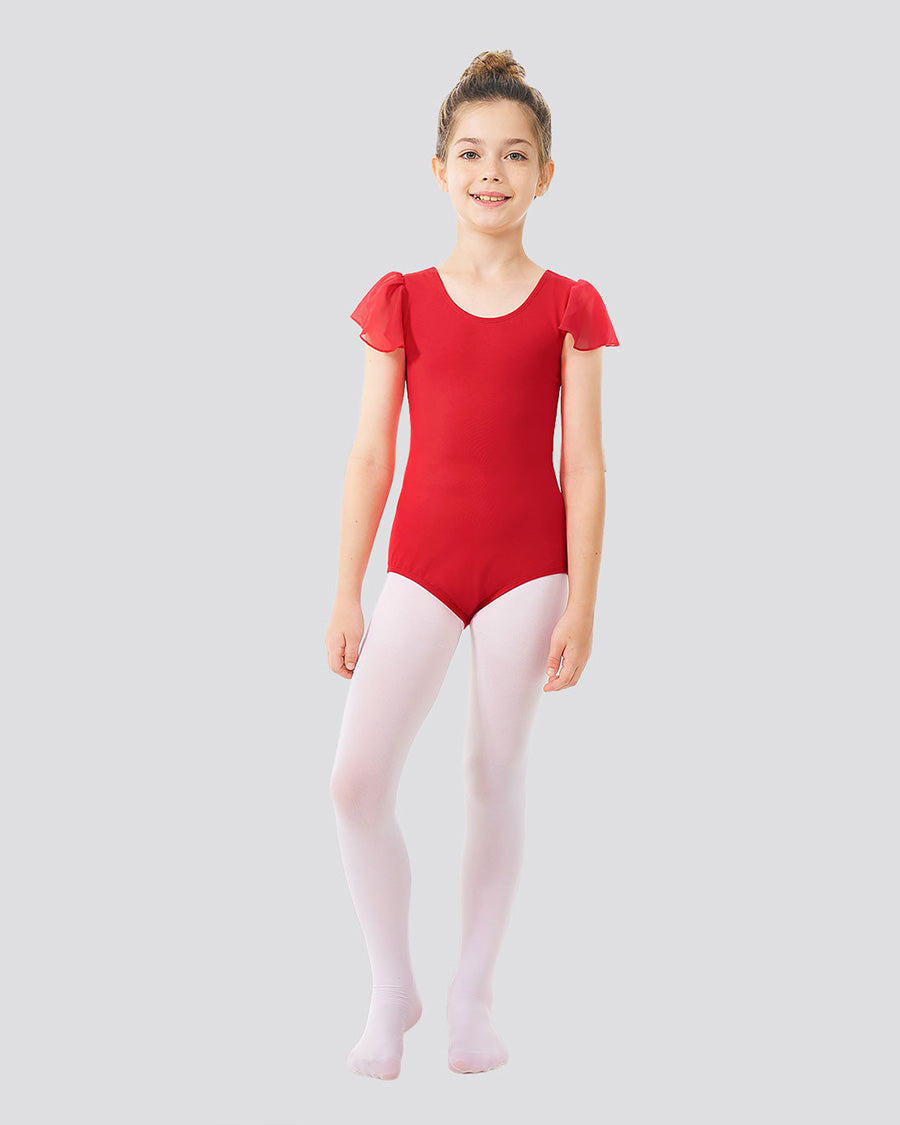
- What to Wear to Contemporary Dance Class
- FAQ
-
- About the Stelle Team
Quick answer
Contemporary dance is a current, expressive style that blends ballet, modern dance, and jazz techniques without following a single codified system. Dancers usually perform barefoot and build movement around floor work, release, breath, and natural momentum rather than fixed positions. It grew out of 20th-century modern dance and is now a staple at studios and on competition stages.
Key Takeaways
-
Contemporary dance blends ballet, modern, and jazz into a current, expressive style with no single rulebook.
-
Its hallmarks are floor work, release, visible use of breath, momentum, and versatility across styles.
-
Modern vs contemporary dance in one line: modern grew through influential 20th-century techniques and approaches associated with pioneers like Martha Graham, Merce Cunningham, and José Limón; contemporary is a broader style that draws from modern, ballet, jazz, and other movement traditions.
-
Many studios start dedicated contemporary classes around ages 7 to 9, often after a year of ballet or jazz basics; confirm age cutoffs with your studio before signing up.
-
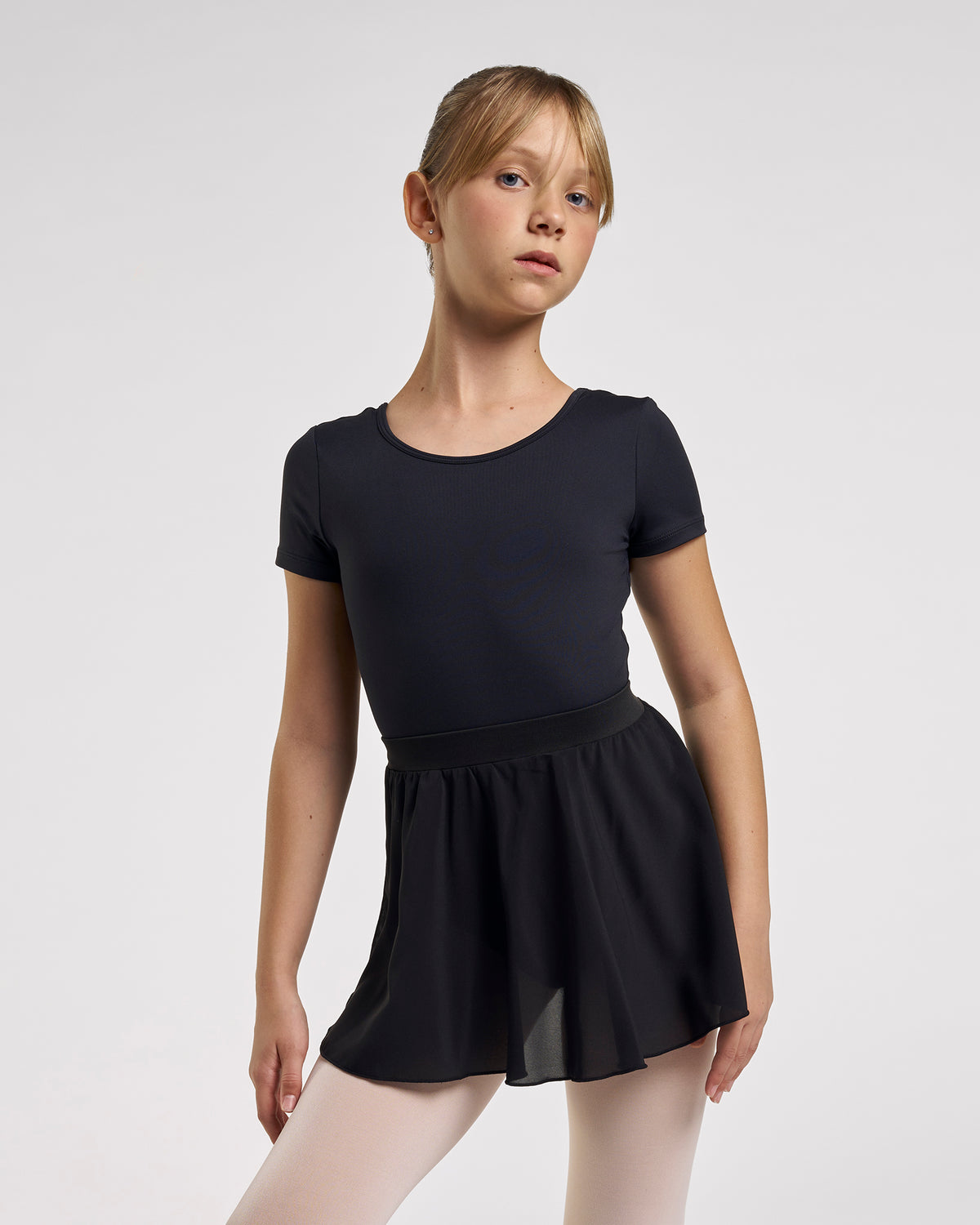
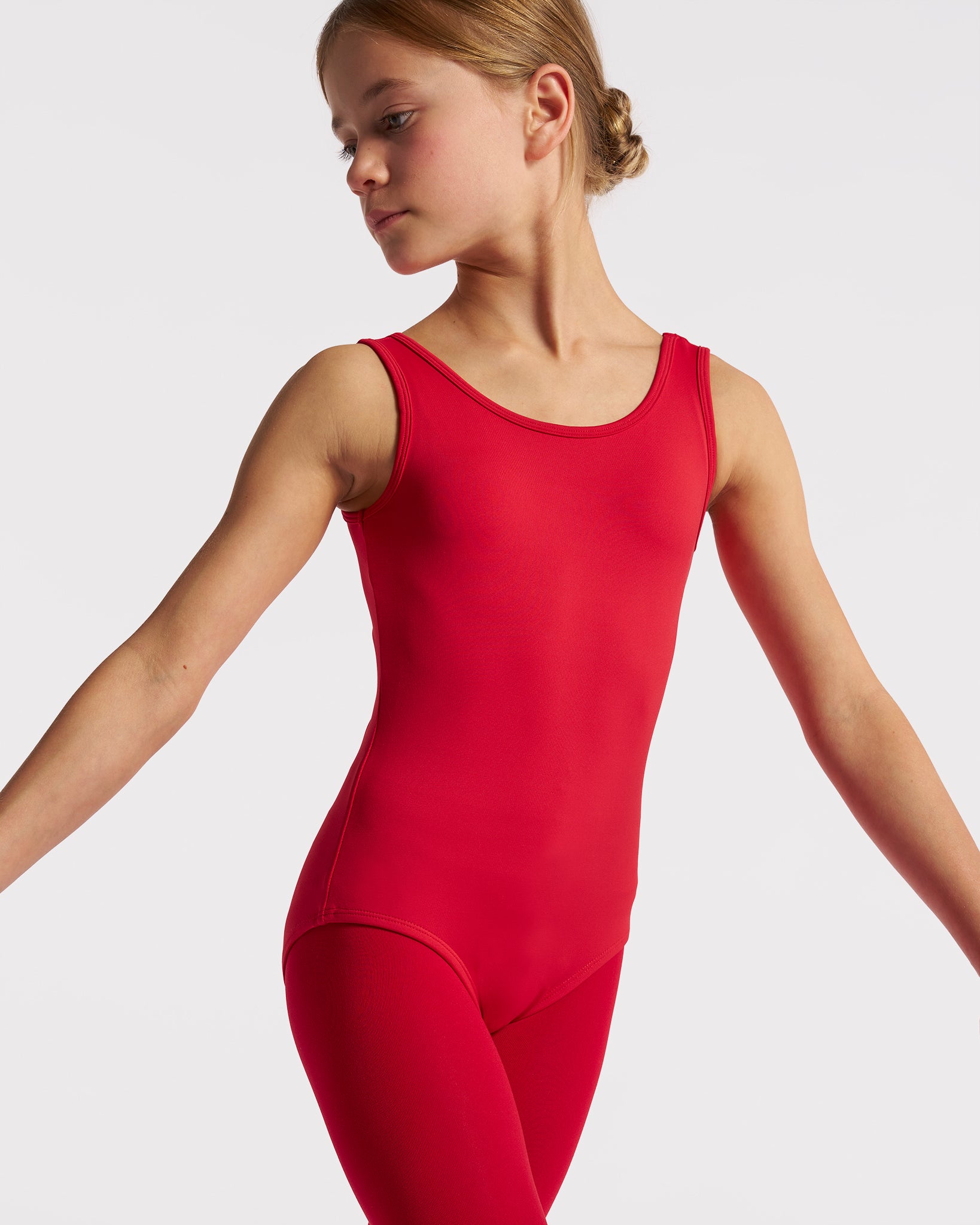
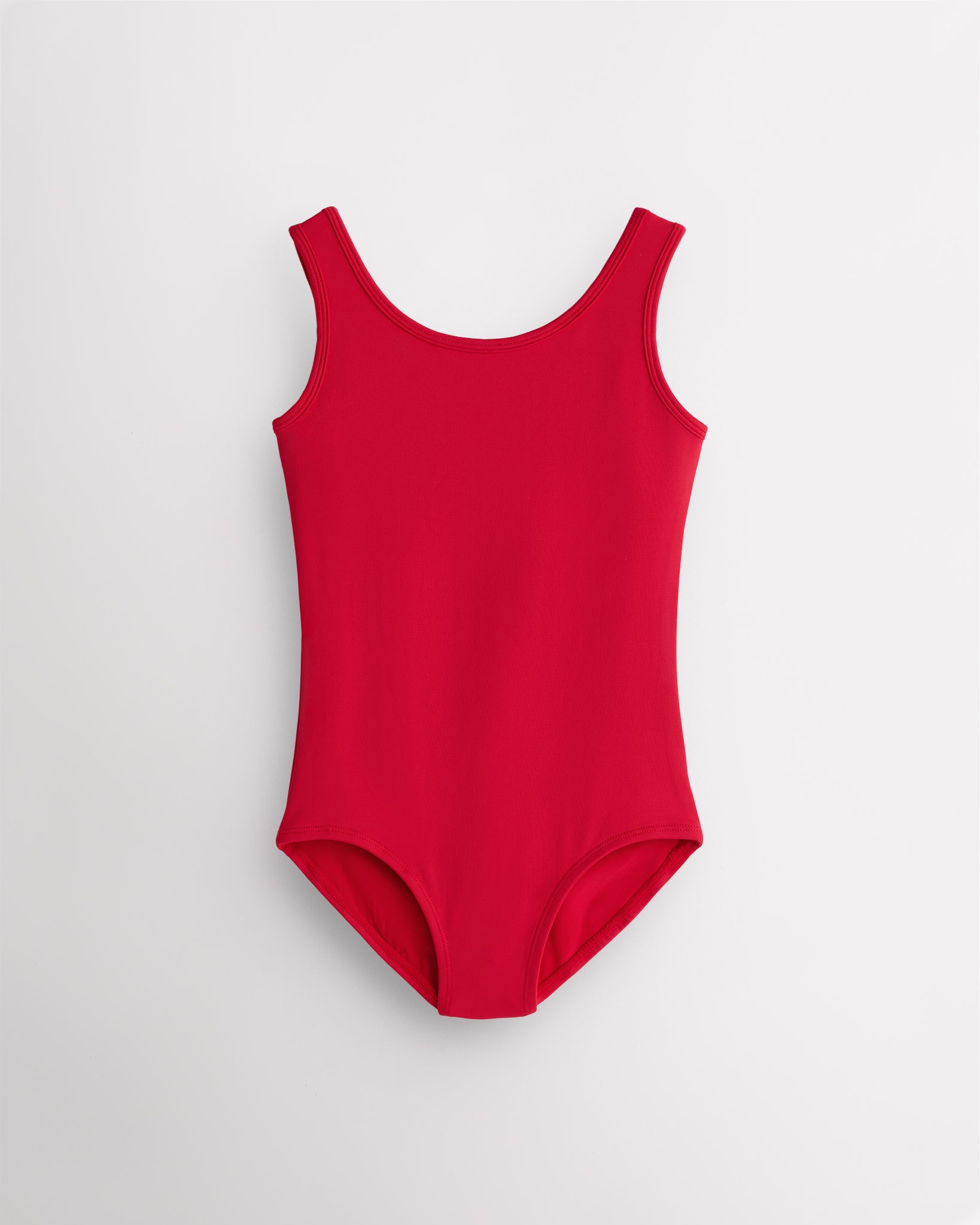
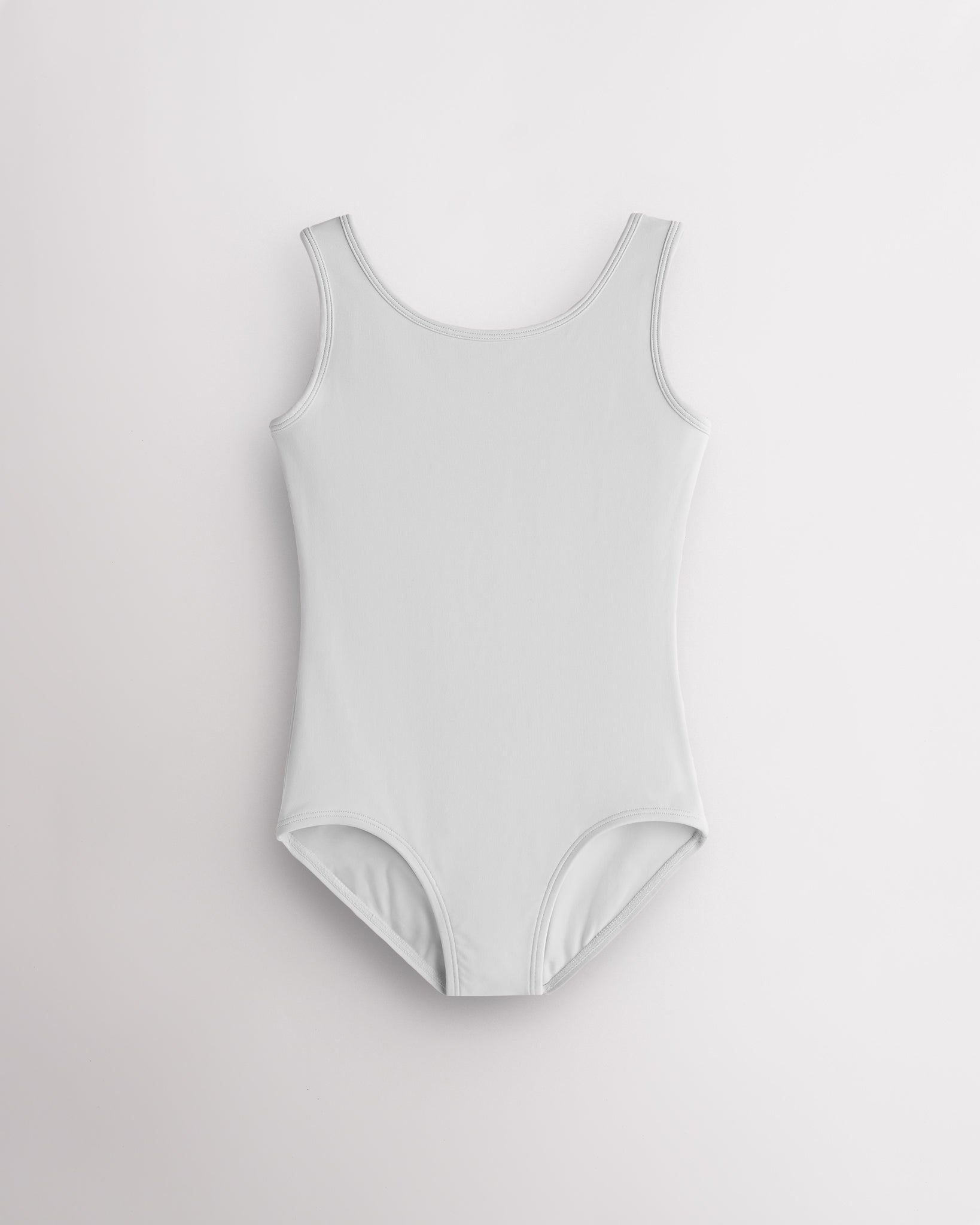
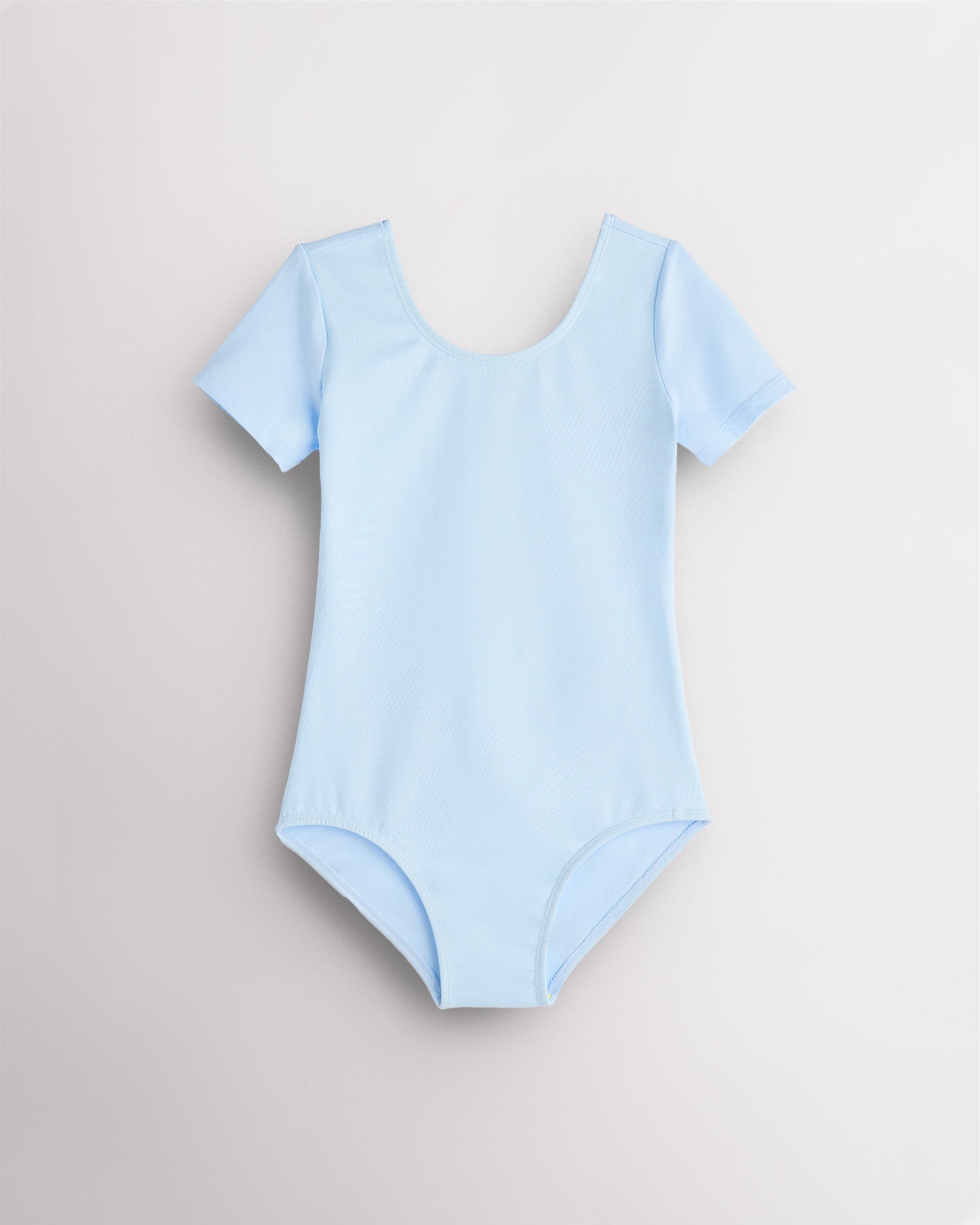
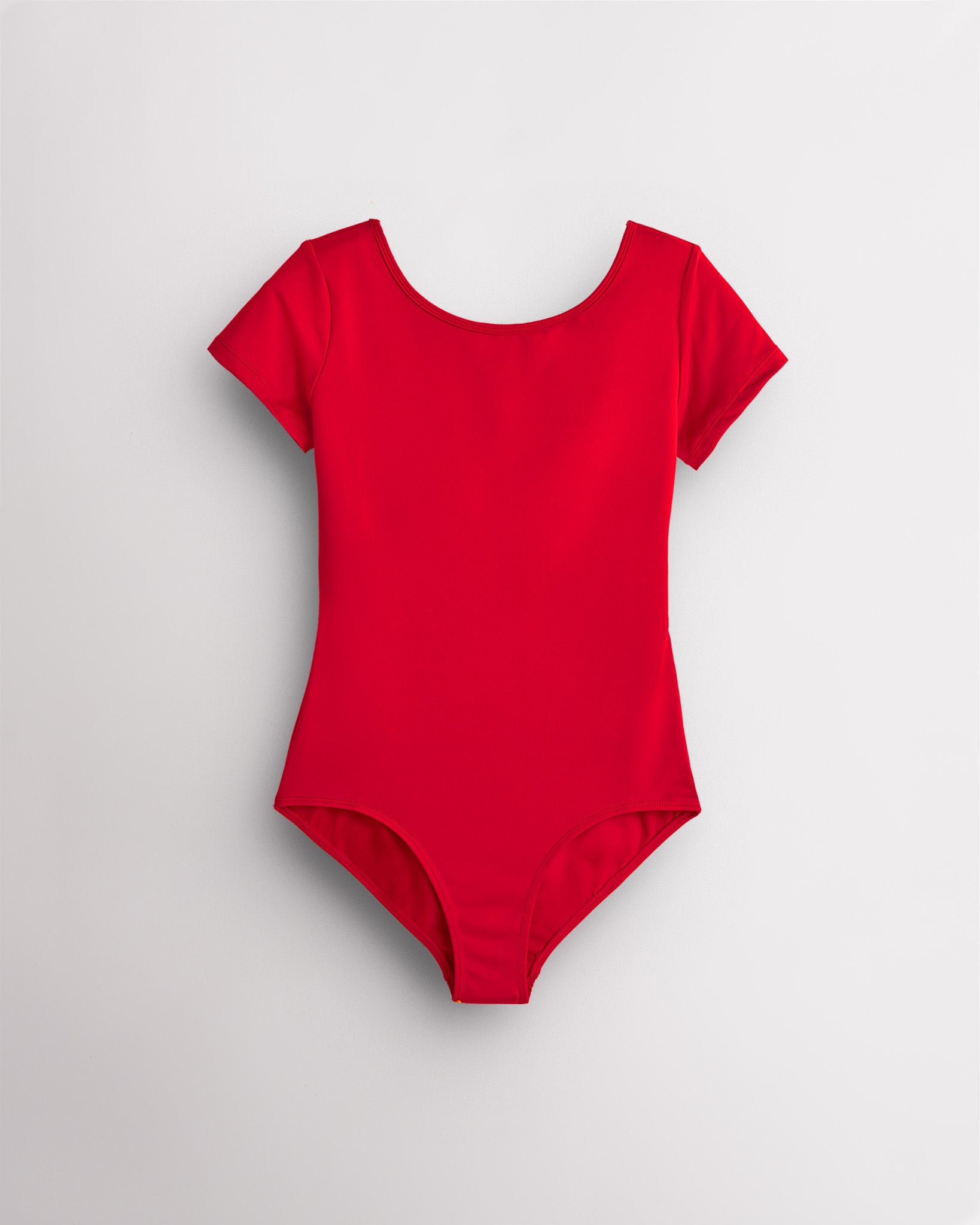
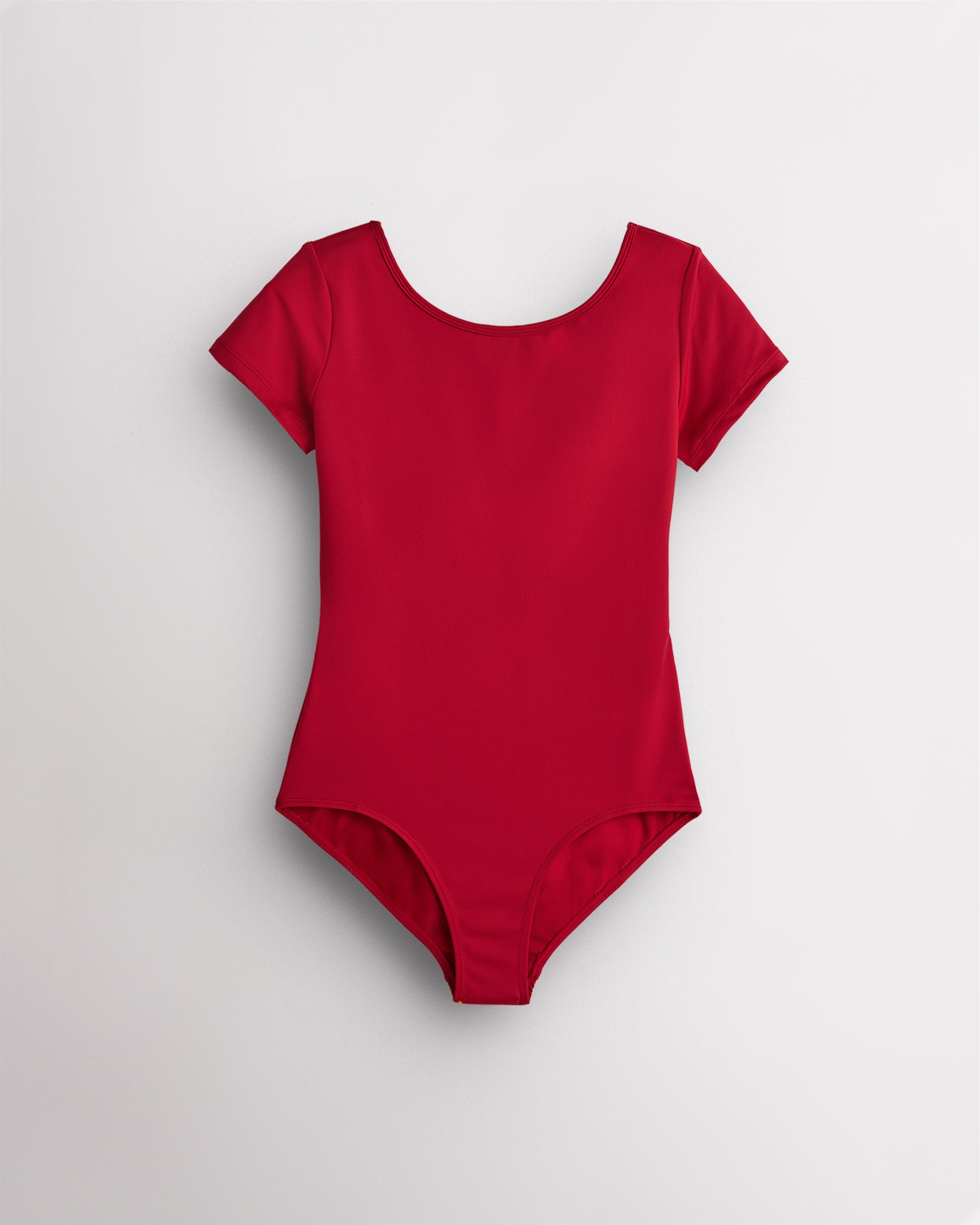
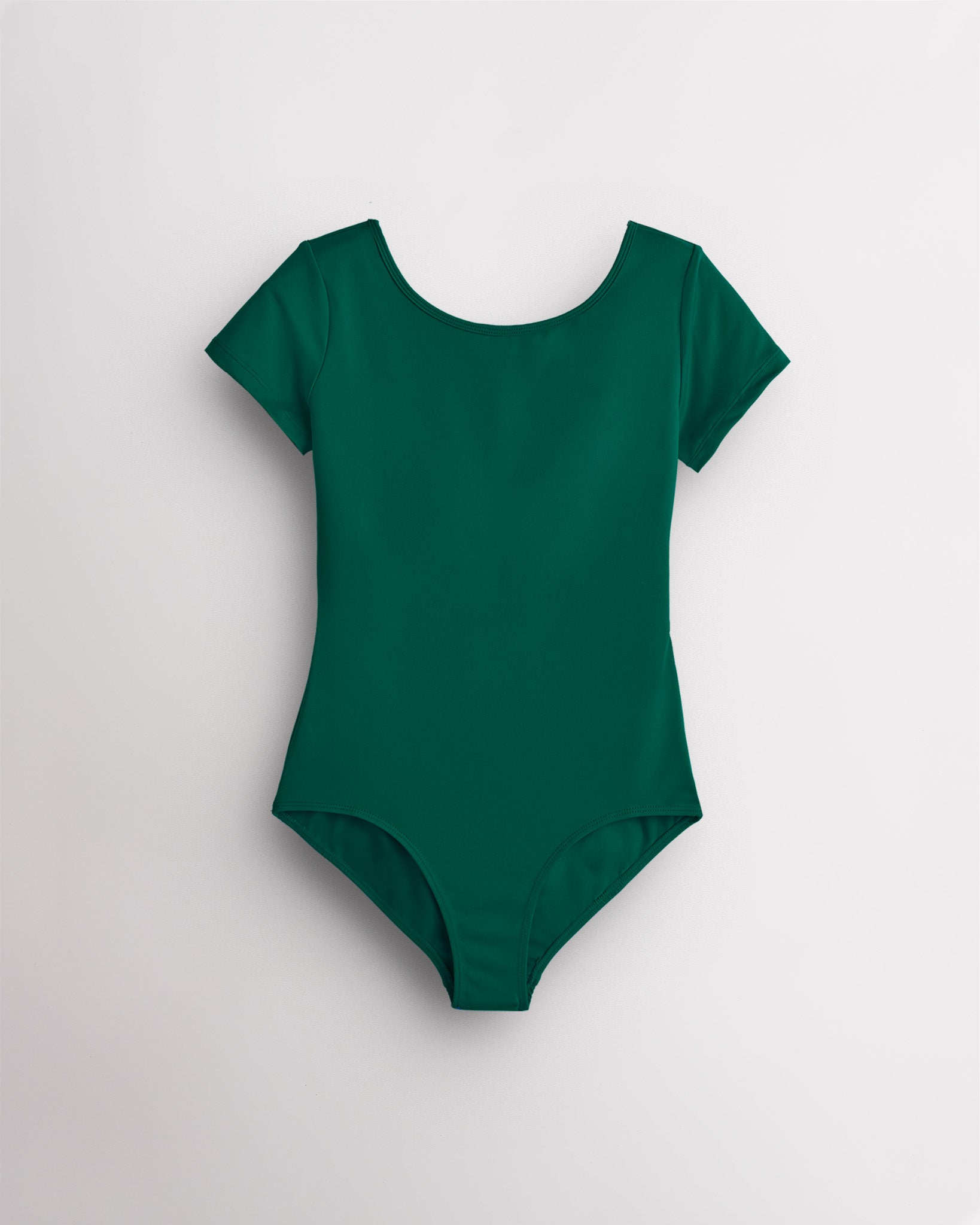
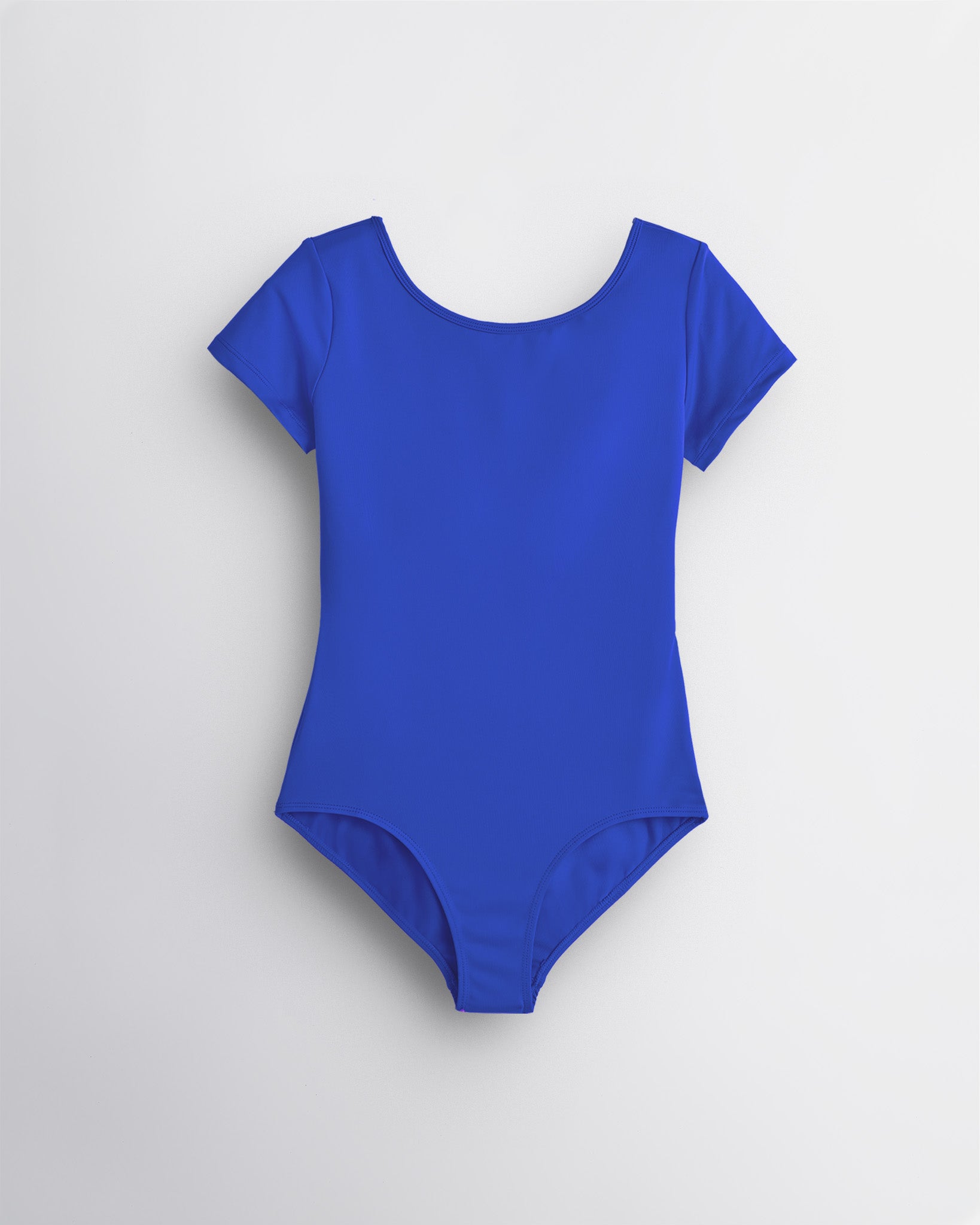
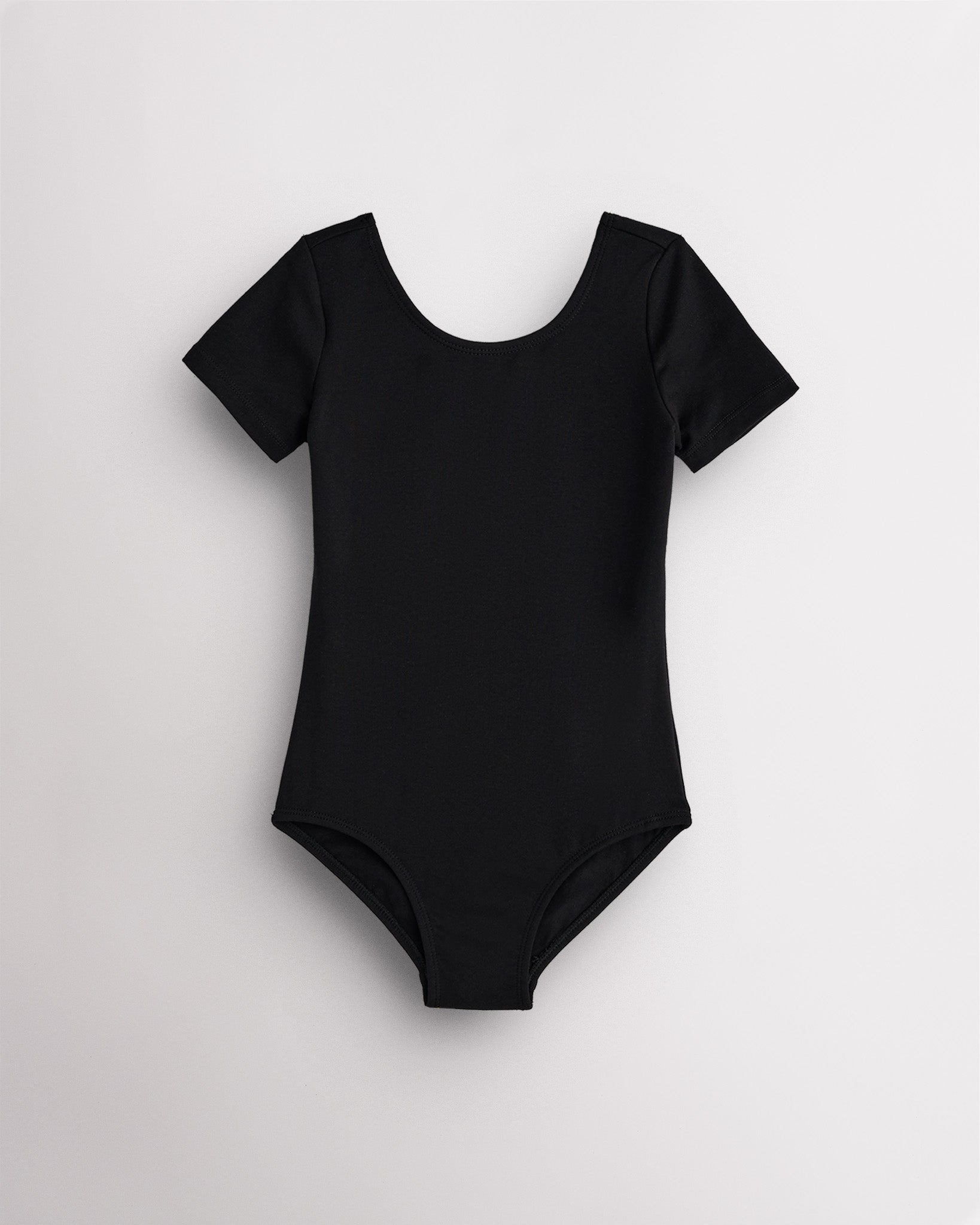
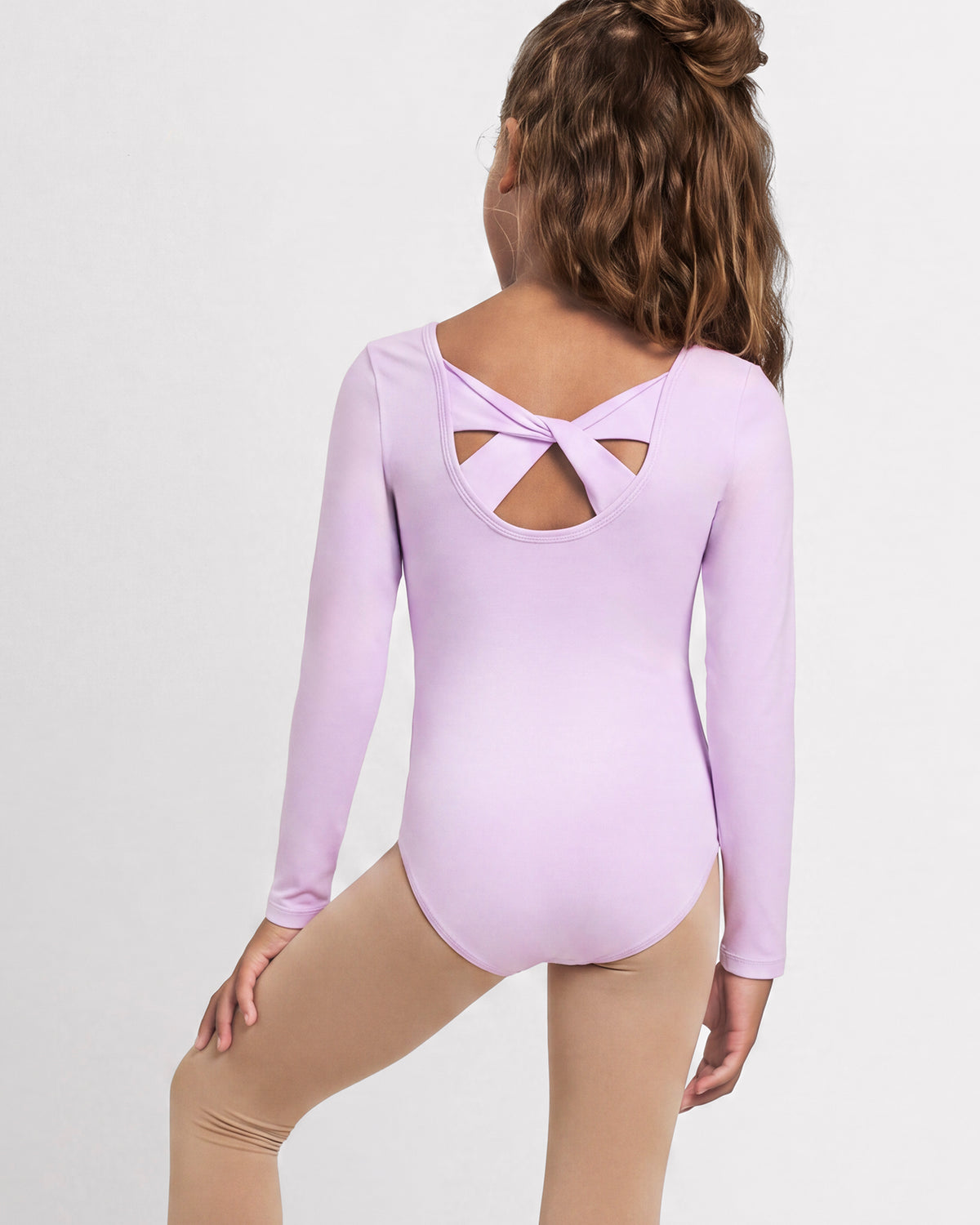
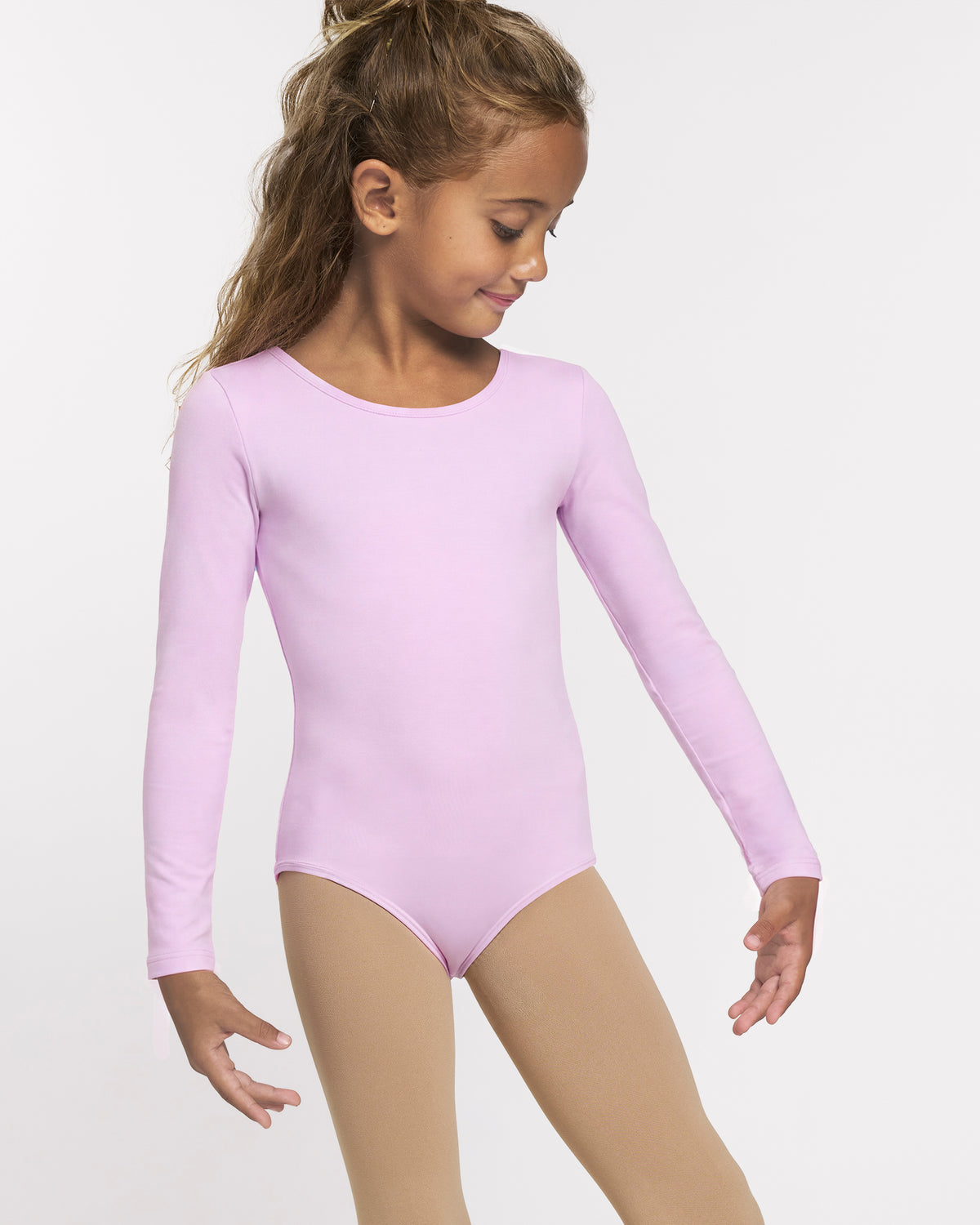
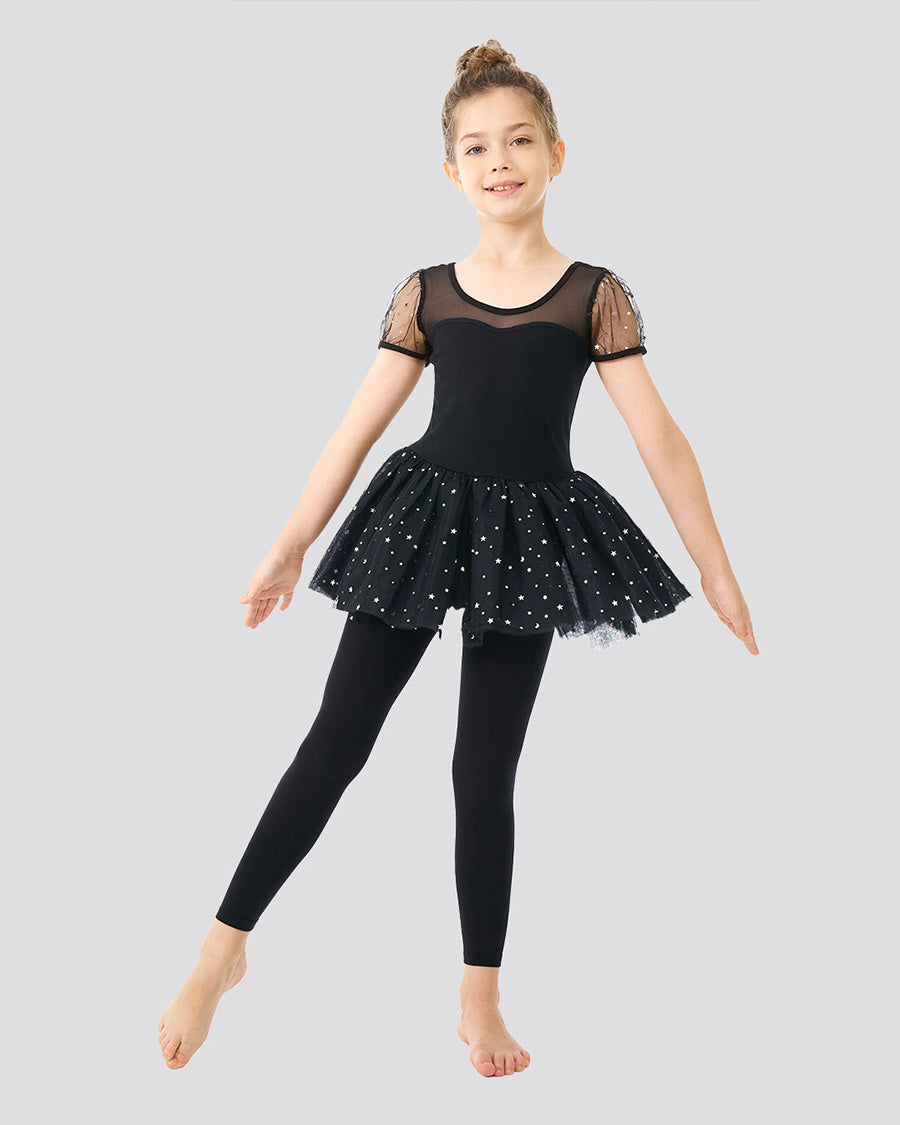
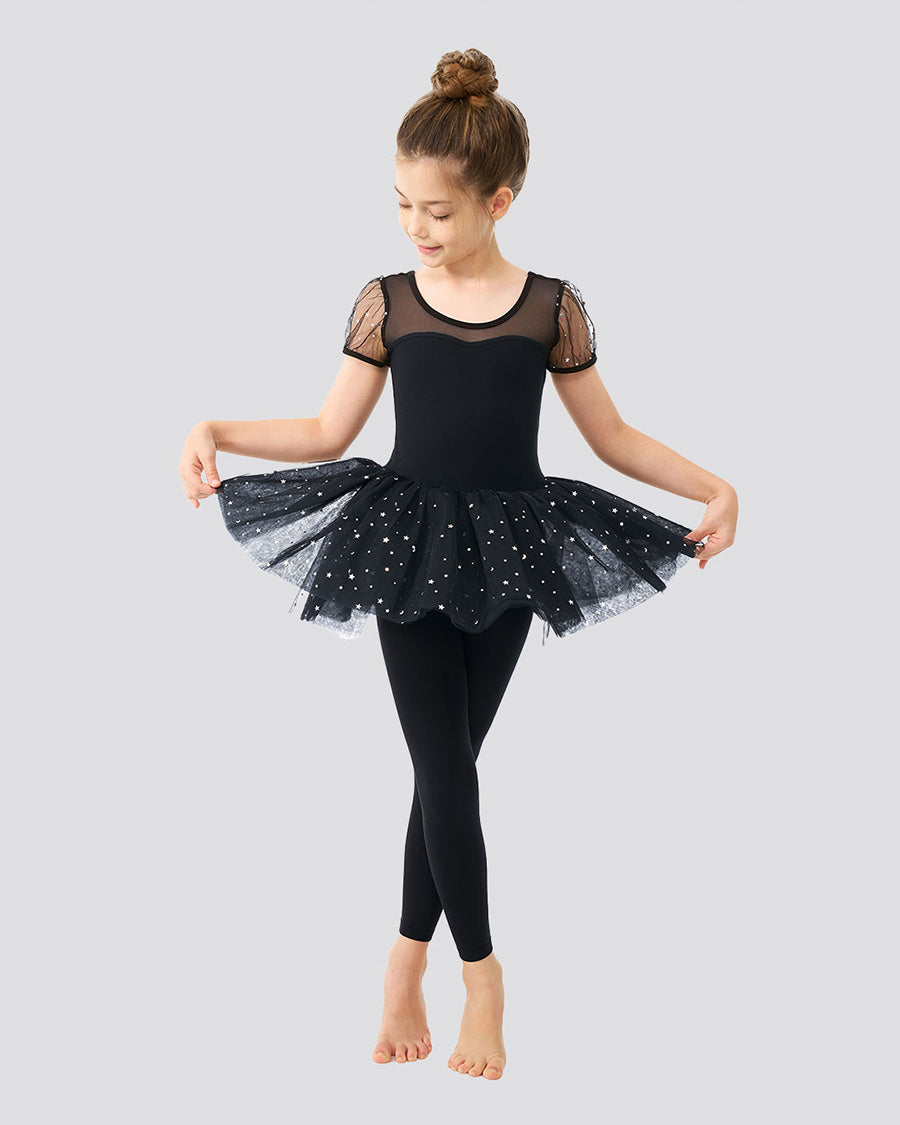
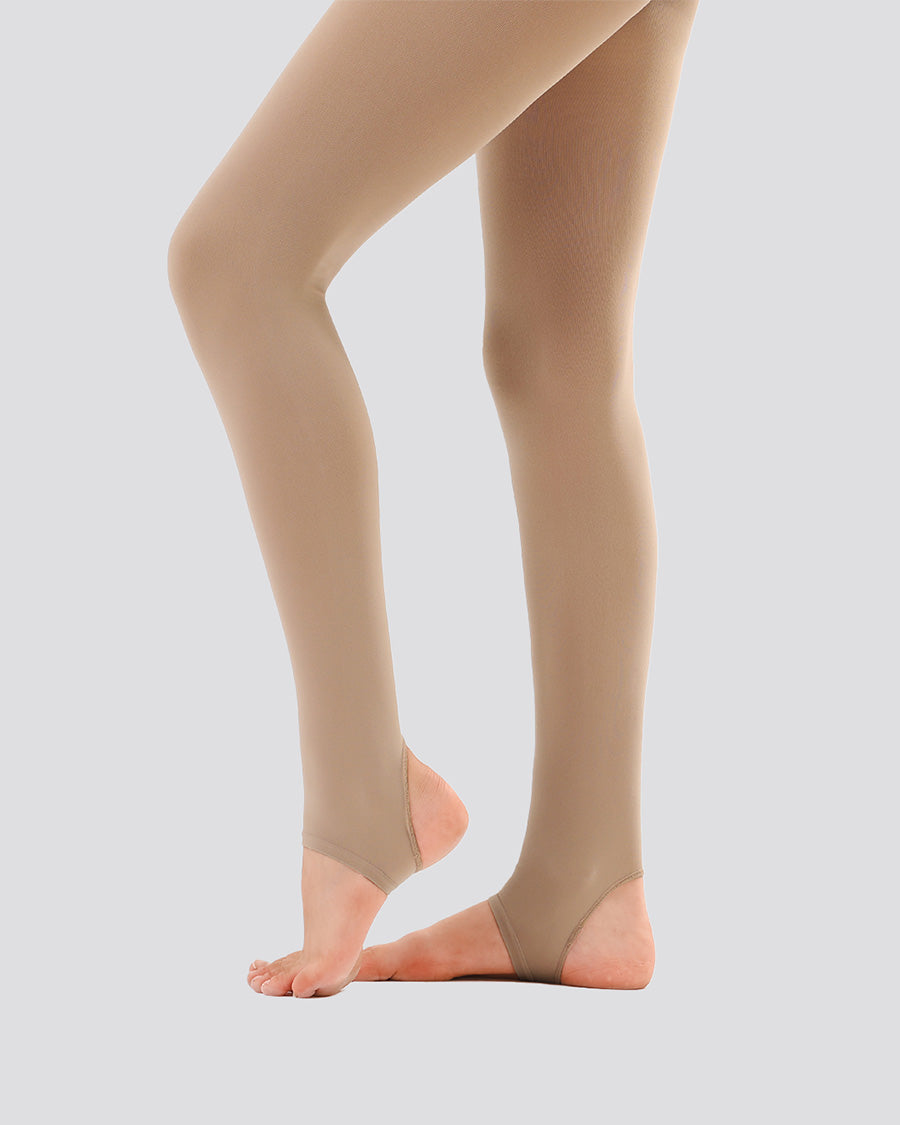
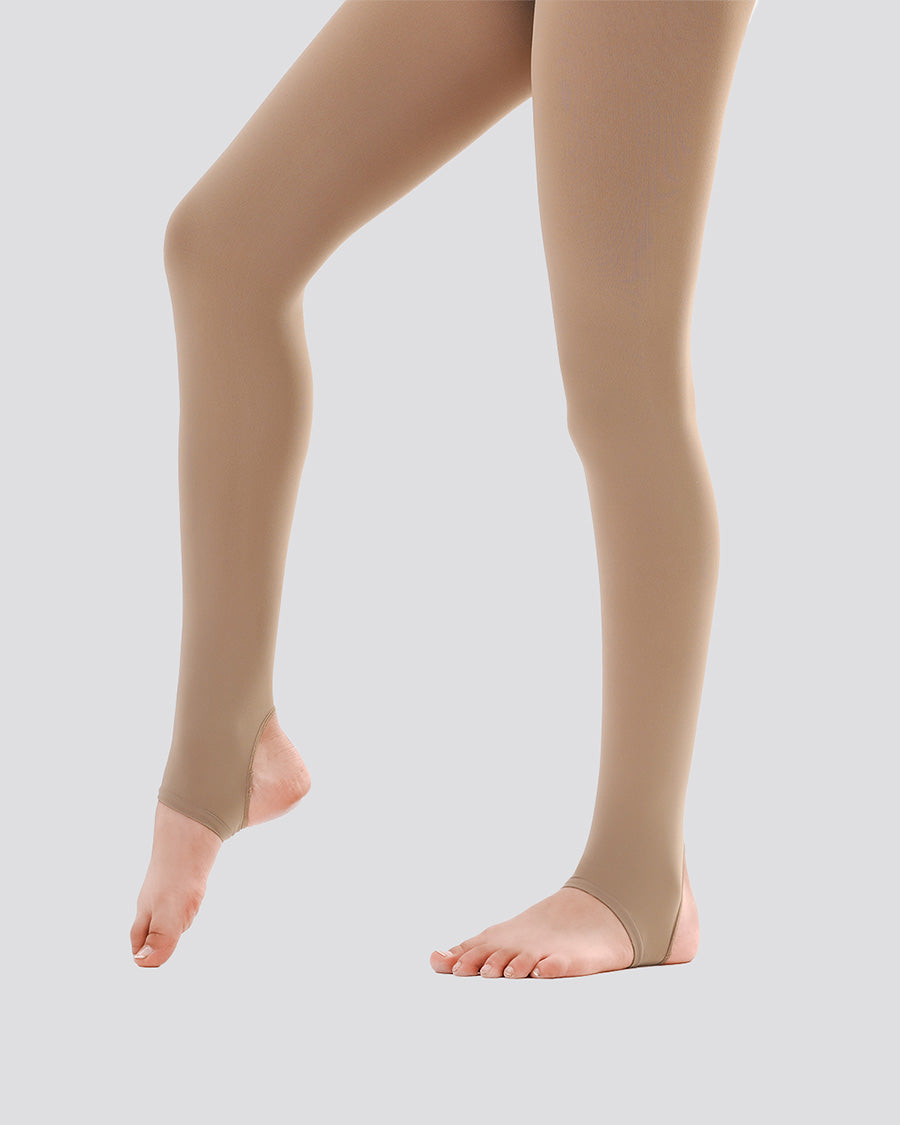
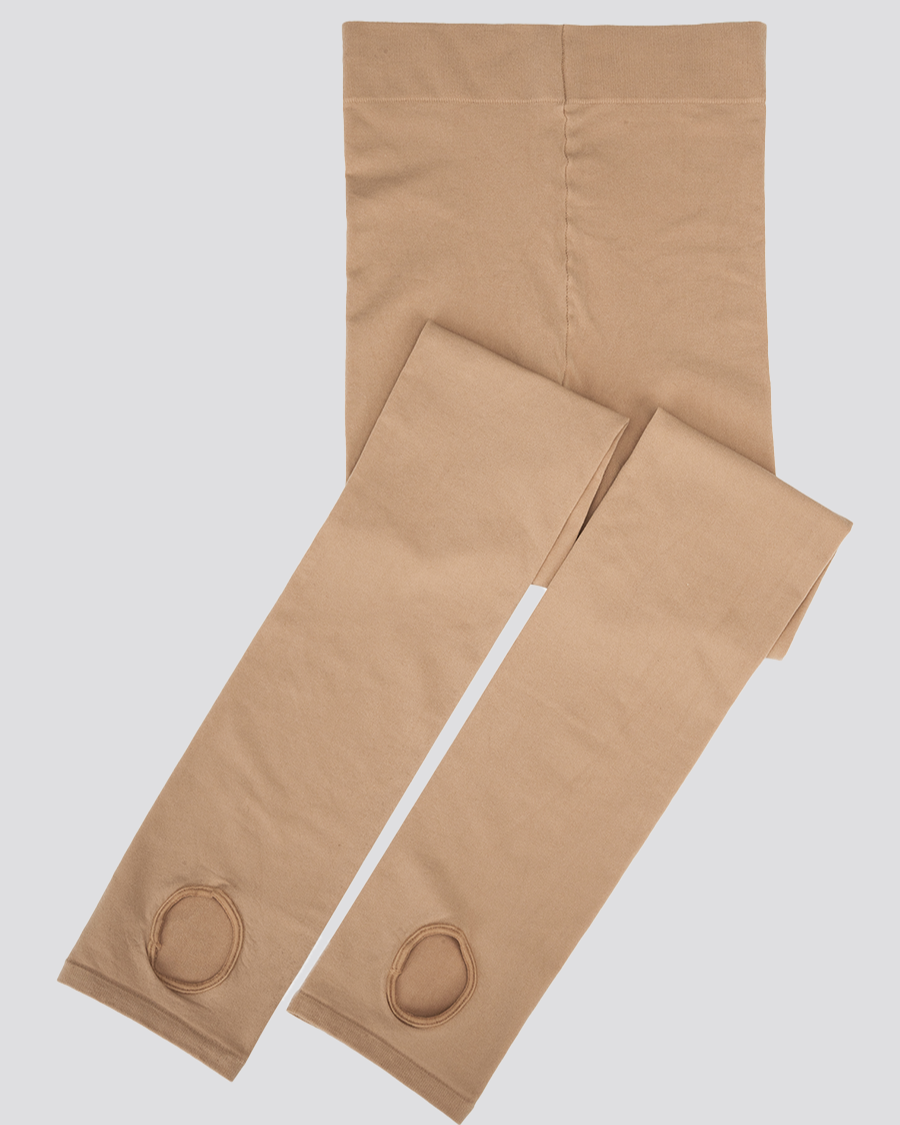
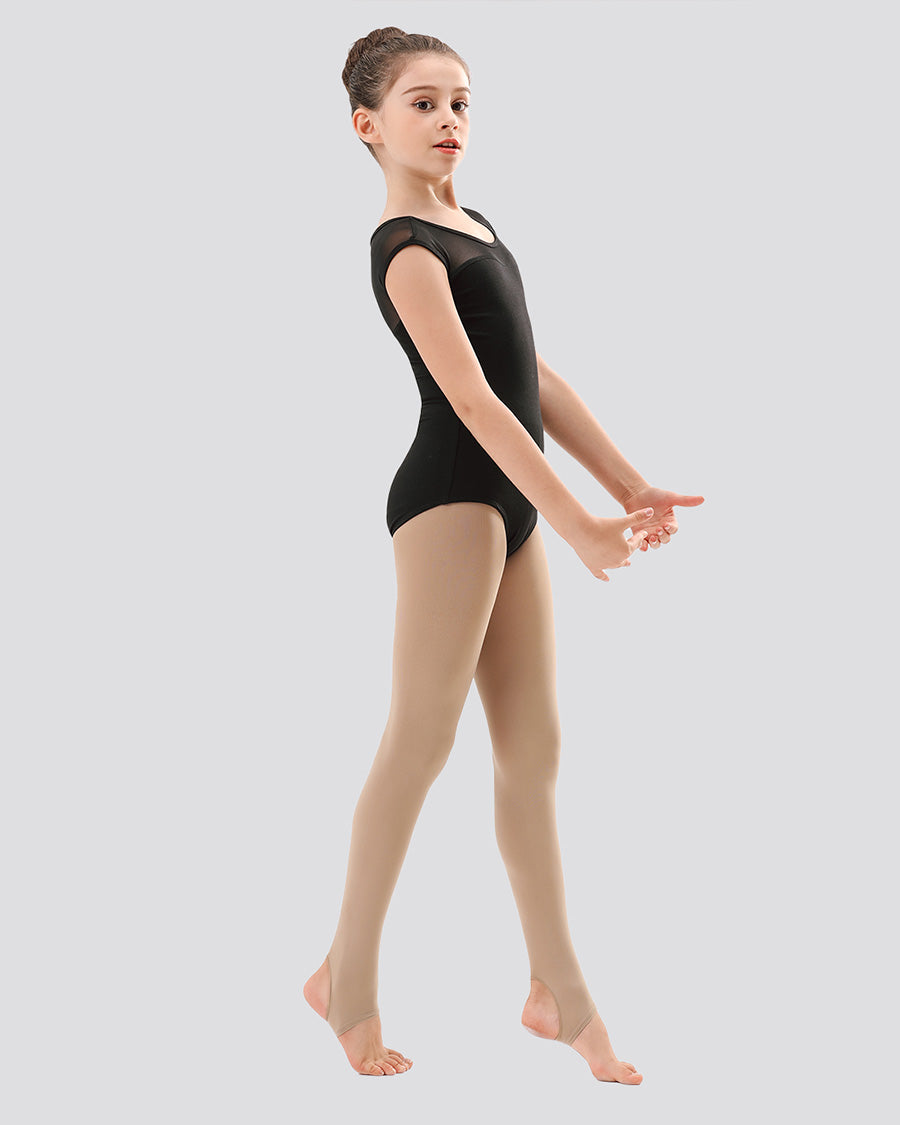
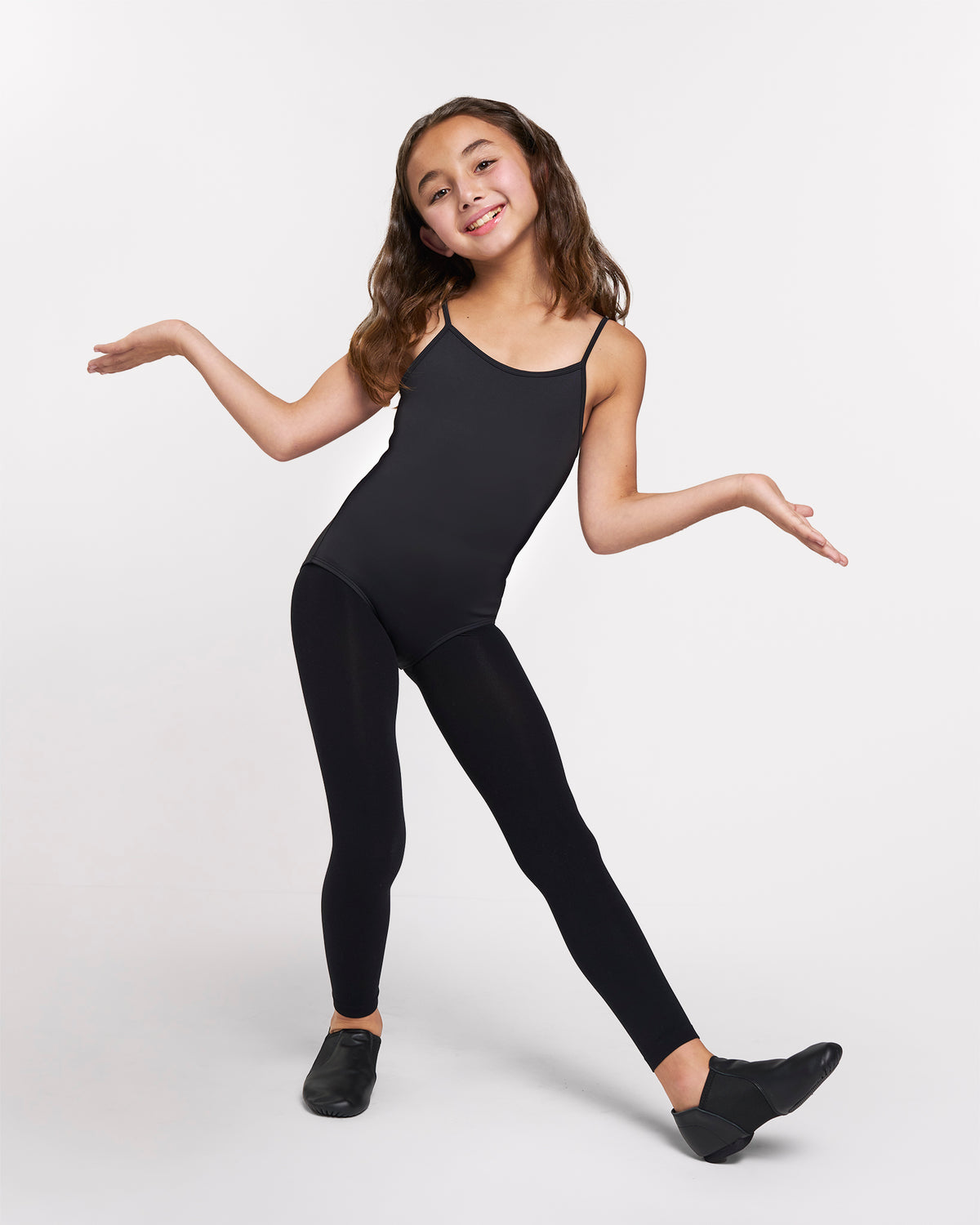
Kids wear fitted basics to class: a leotard with footless or convertible tights, or a fitted top with leggings, and bare feet.
Contemporary Dance, Defined
Contemporary dance is the broad label for dance being made right now: it draws on the training of ballet, modern, and jazz but is not committed to the rules of one technique. Ask three choreographers to define contemporary dance and you will likely get three answers.
If you want a tidy contemporary dance definition to give a curious kid: it is dance that uses everything you learn in other classes to say something personal. Parents usually search for it after a competition piece that did not look like ballet, jazz, or hip hop. That in-between quality is the giveaway: where a jazz routine hits accents and a ballet variation follows set positions, this style bends, melts, rebounds, and often ends up on the floor.
How to Recognize Contemporary Dance: 5 Hallmarks
You can usually spot contemporary within the first eight counts of a piece. These are the features teachers build classes around and what set the style apart from the other popular types of dance on a studio schedule; expect a studio's contemporary dance description to mention most of them.
-
Floor work. Dancers roll, slide, and spiral in and out of the ground. The floor is treated as a partner, not a place you end up by accident.
-
Release. Instead of holding tension the way classical technique asks, dancers let it go, so movement looks loose, weighted, and natural.
-
Breath. Phrases are timed to inhales and exhales, and you can often hear dancers breathe on purpose.
-
Fall and momentum. Dancers give in to gravity, then ride the rebound. Off-balance tilts, suspensions, and swings replace the held, vertical shapes of ballet.
-
Versatility. A contemporary dancer is expected to shift between balletic lines, grounded modern weight, and jazz-style dynamics inside one piece.
Bare feet are the norm in contemporary dancing too: skin on the floor gives dancers the grip and feedback floor work requires.

A Short History: From Rebellion to Right Now
Today's contemporary class is the product of a century of choreographers pushing back on whatever came before them. It is also why a single definition of contemporary dance is hard to pin down: each generation rewrote the rules.
|
When |
Who and what |
Why it matters in class today |
|---|---|---|
|
Late 1800s to 1920s |
Early modern dancers like Isadora Duncan reject ballet's formality |
Bare feet, natural movement, and emotional honesty enter concert dance |
|
1926 |
Martha Graham opens her company and school in New York |
Contraction and release, the breath-driven core work your child will practice |
|
1953 |
Merce Cunningham forms his company at Black Mountain College |
Movement freed from music and story; choreography by chance |
|
Early 1960s |
Judson Dance Theater experiments in Greenwich Village |
Everyday, pedestrian movement and improvisation become legitimate tools |
|
Roughly the 1980s onward, by general dance-history consensus |
Studio and competition contemporary emerges as its own label |
The blended, expressive style kids learn today |
The modern dance rebellion
Modern dance began developing in the United States and Europe in the late 19th century as a protest against ballet and the polite interpretive dance of the era, according to Britannica. Its most famous architect, Martha Graham, founded her company in 1926 from a Carnegie Hall studio and built a technique on contraction and release, basic human movements powered by breath, per the Martha Graham Dance Company. Choreographers like the Mexican-born American José Limón (1908-1972) extended the form with movement developed from natural gesture, as Britannica notes.
Cunningham breaks the rules again
Merce Cunningham (1919-2009) formed his company in 1953 at Black Mountain College and spent the next five decades separating dance from music and storytelling, even using chance operations to order his choreography, according to the Merce Cunningham Trust. His work with composer John Cage made the radical case that movement could stand on its own.
The postmodern roots of today's style
In the early 1960s, experimenters at Judson Memorial Church in Greenwich Village, including Trisha Brown, Yvonne Rainer, and Steve Paxton, redefined what counted as dance by building pieces from everyday gestures, games, and simple tasks, as documented by MoMA. That postmodern dance moment is why improvisation and pedestrian movement feel at home in a contemporary class. Concert works, competition solos, and improvisation-based pieces are all forms of contemporary dance that grew from these roots, blended with ballet and jazz training.
Contemporary dance companies to see on tour
Seeing professionals live helps kids understand the style, and several major troupes tour widely. Nederlands Dans Theater, based in The Hague, performs across Europe, the Americas, Asia, and Australia, per NDT. Tel Aviv's Batsheva Dance Company is known for the work of house choreographer Ohad Naharin, per Batsheva. For ballet-loving kids, contemporary ballet companies like San Francisco's Alonzo King LINES Ballet show classical technique stretched into the style, and Hubbard Street Dance Chicago keeps an active touring schedule too. Tour dates change each season, so check a company's calendar before planning an outing.
Contemporary vs Modern Dance: What's the Difference?
Modern dance developed through several influential 20th-century techniques and approaches, including Graham, Cunningham, Limón, and Horton, while contemporary dance is a broader current style that may borrow from several of them without following one system. The contemporary dance vs modern dance difference comes down to codification: you can take a Graham class or a Cunningham class and be corrected against that technique's rules, while a contemporary class reflects the teacher's own mix.
Here is modern dance vs contemporary dance at a glance:
|
Modern dance |
Contemporary dance |
|
|---|---|---|
|
When it emerged |
Late 1800s to mid 1900s |
Roughly the 1980s onward as a label |
|
Core idea |
Break from ballet with new, named techniques |
Blend techniques freely to express something current |
|
Technique |
Codified systems (Graham, Cunningham, Limón, Horton) |
No single system; borrows from ballet, modern, and jazz |
|
Relationship to music |
Often structured, sometimes fully independent (Cunningham) |
Wide open: instrumental, ambient, pop, spoken word |
|
In a kids' class |
Rare as its own class outside pre-professional schools |
Common studio offering from elementary ages up |
So what is modern dance in practical terms for a parent? Unless you are near a conservatory-style school, your child will probably meet modern technique inside a contemporary class, not as a separate subject.
Contemporary vs lyrical dance
Lyrical is the style contemporary gets confused with most at competitions: lyrical stays tied to the lyrics and emotion of a song while contemporary is freer with music, shape, and floor work. Our guide to what lyrical dance is breaks down that comparison, including how studios decide class placement.
What a Kids' Contemporary Class Looks Like
A typical children's contemporary class runs like this: a traveling warm-up with rolls and stretches, technique work that borrows from ballet and jazz (our jazz vs ballet comparison helps if you are weighing those tracks), floor work basics like safe rolls and spirals, a short improvisation game, and a combination that puts it together.
Improvisation surprises parents the most. A teacher might ask dancers to move like they are underwater or to cross the floor without using their feet. It looks like play, but it is the Judson-era toolkit teaching kids to make movement choices instead of copying them.
Music in class varies widely. Teachers commonly mix instrumental, classical, and pop tracks, sometimes working in spoken word or silence, and pick each one to shape how a phrase flows and breathes.
Many studios ask for a year or so of ballet or jazz first, since the style leans on that base; policies vary, so confirm details with your studio before signing up. For younger kids, practicing a few easy dance moves at home is a low-pressure way to test interest first.

What to Wear to Contemporary Dance Class
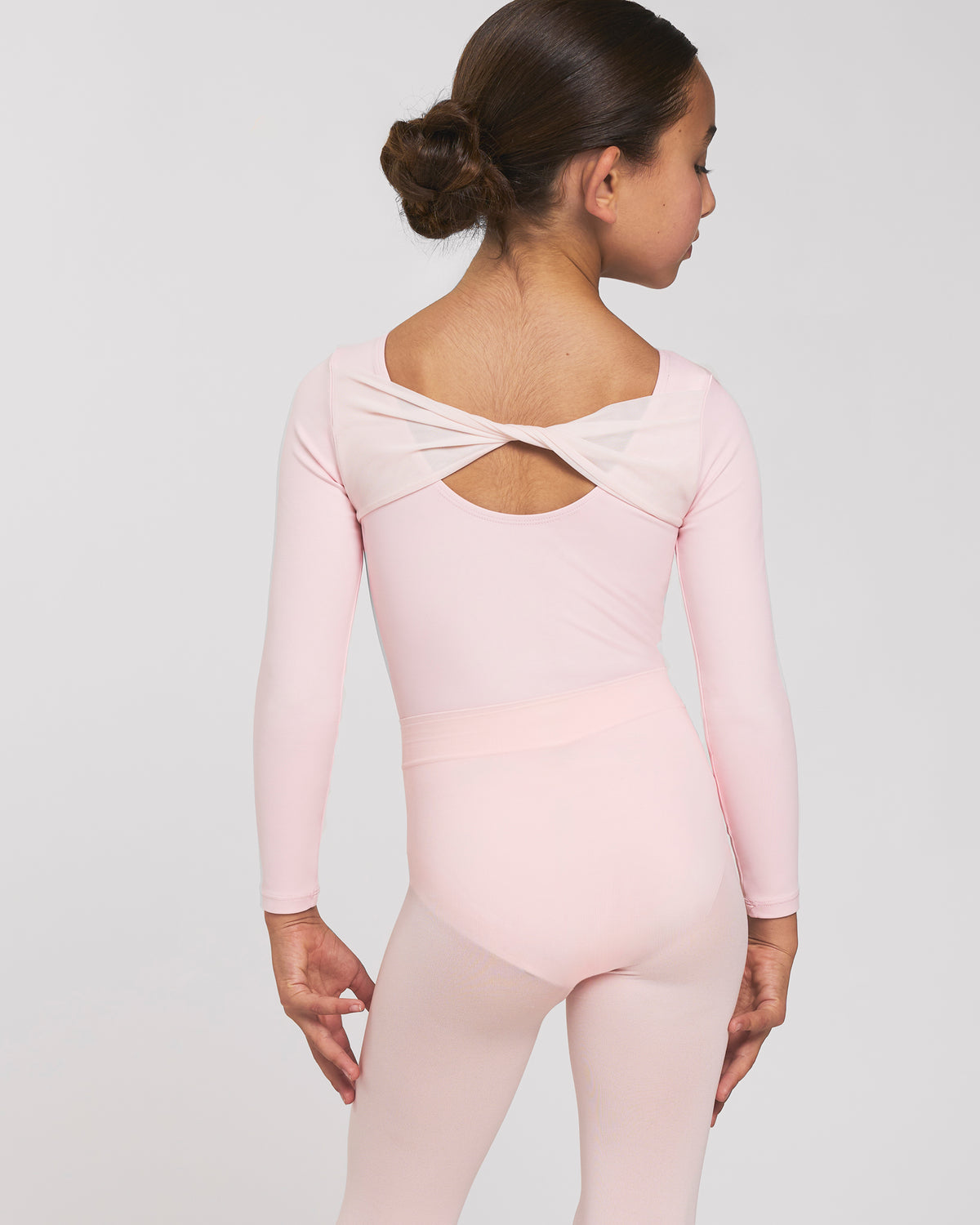
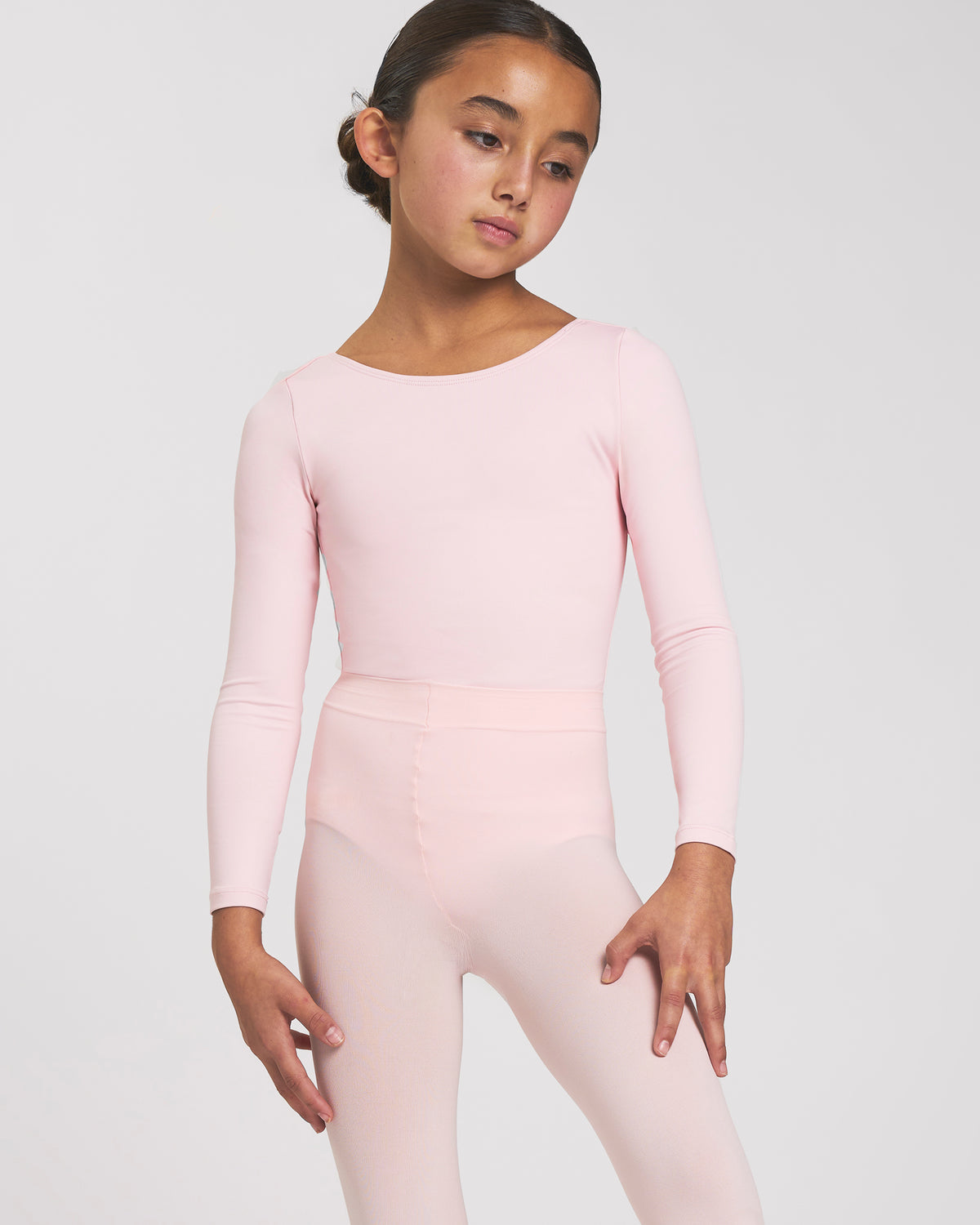
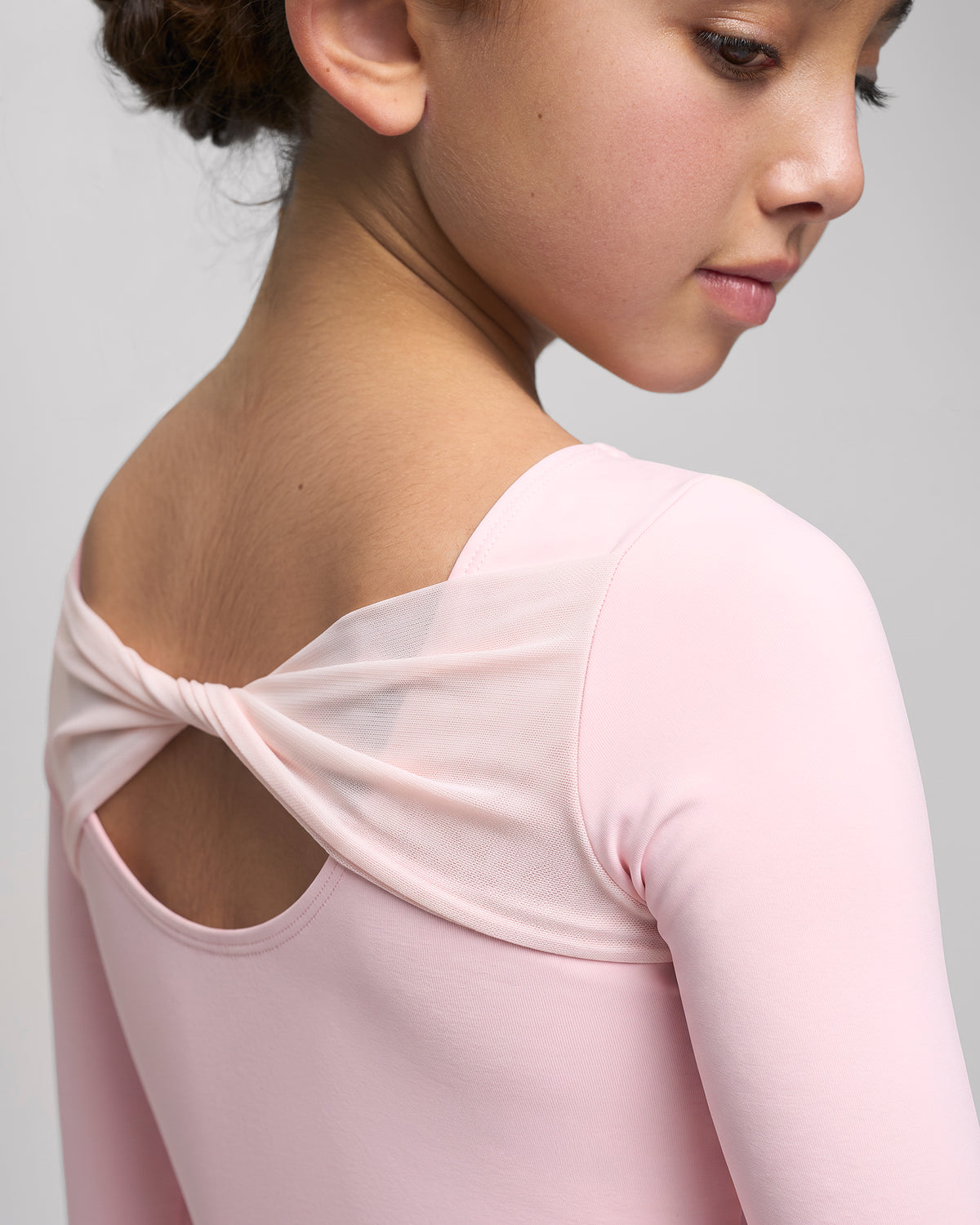
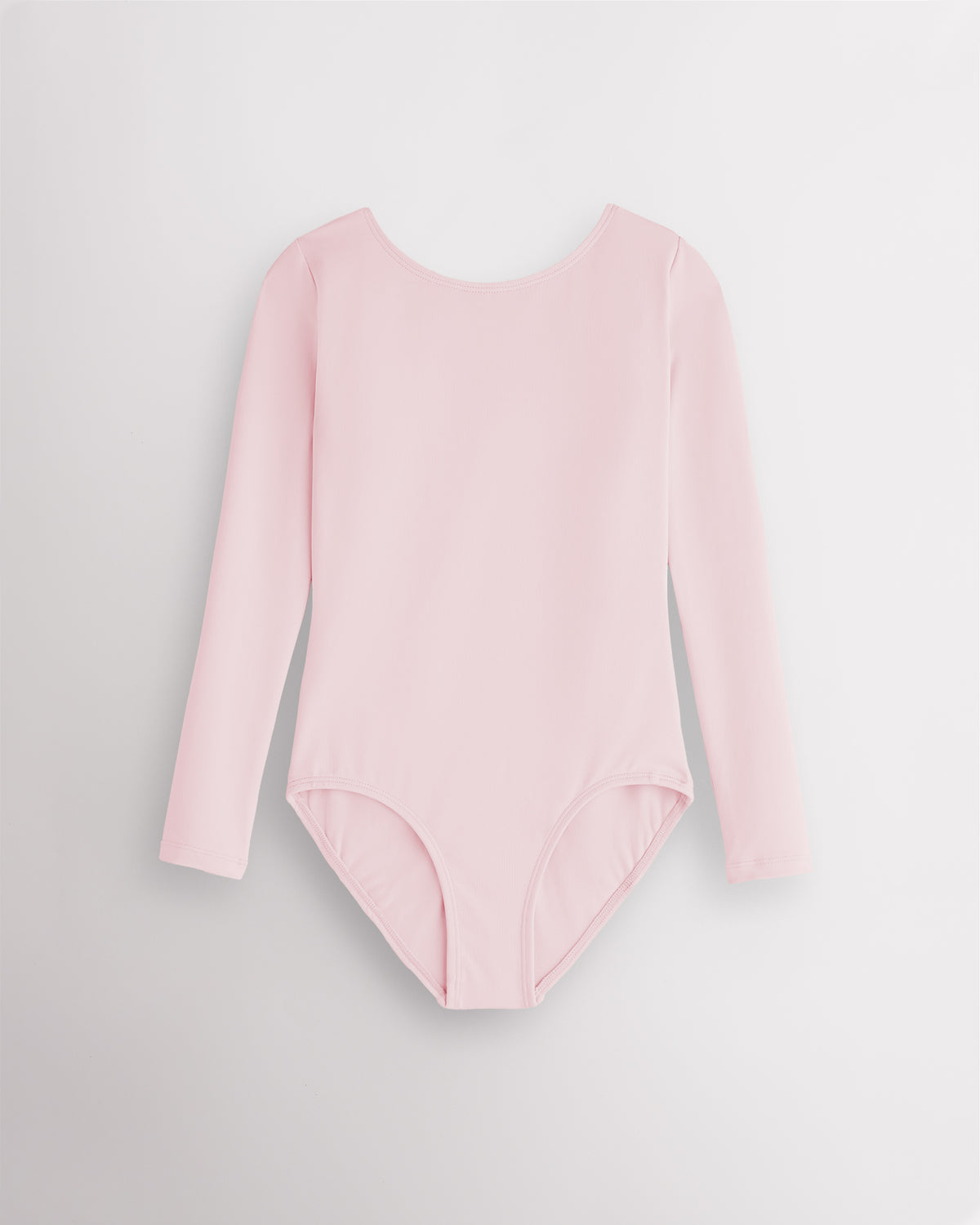
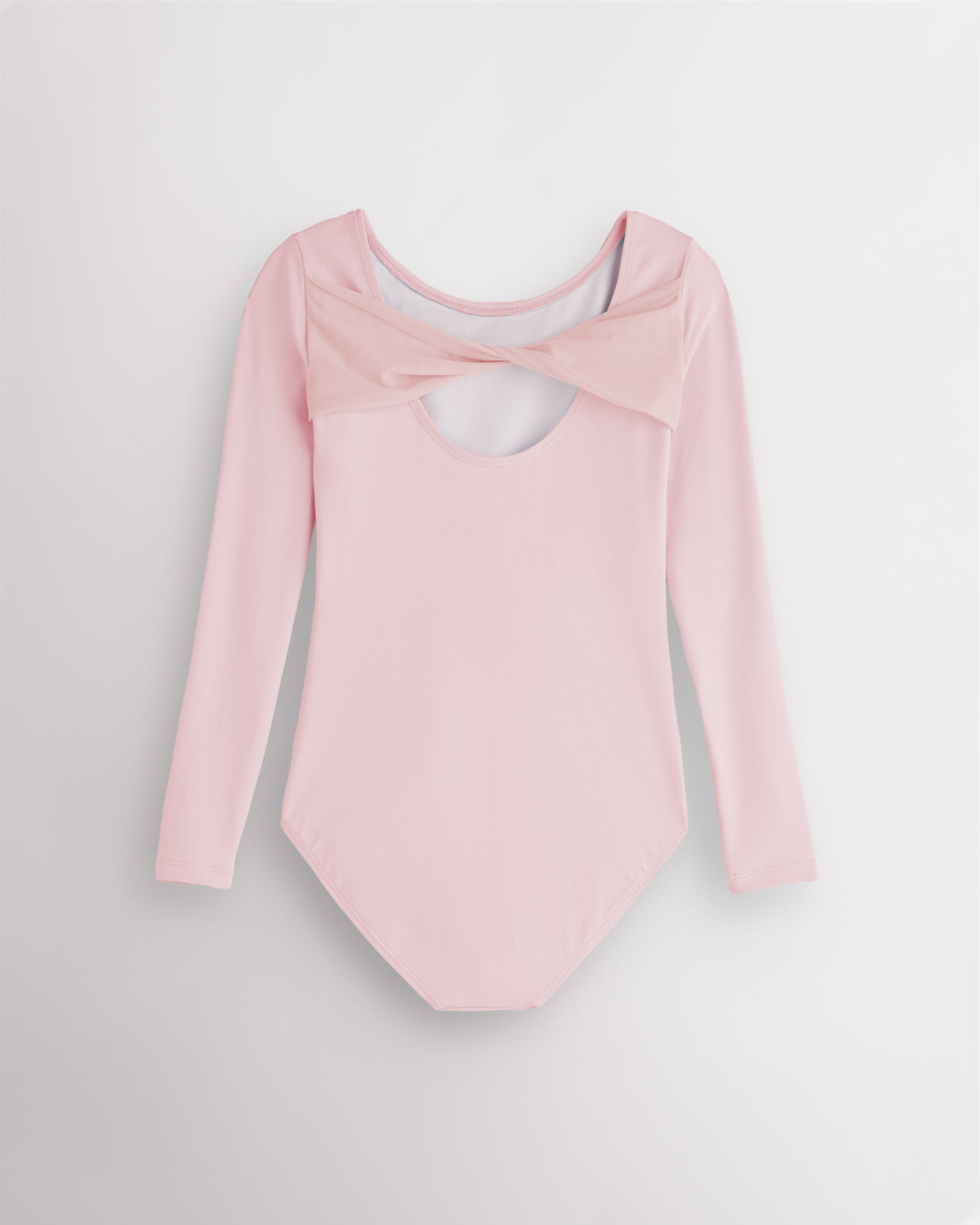
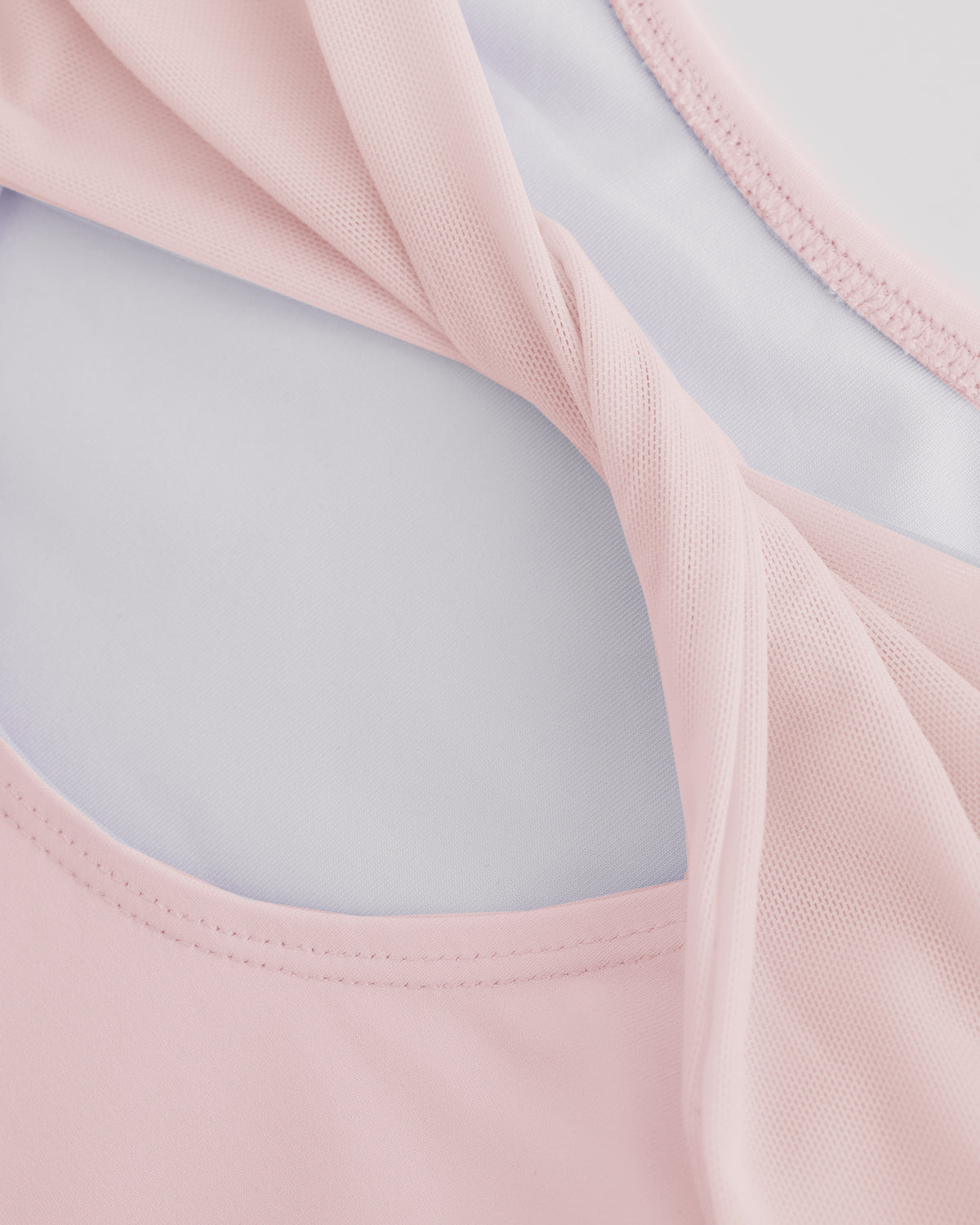
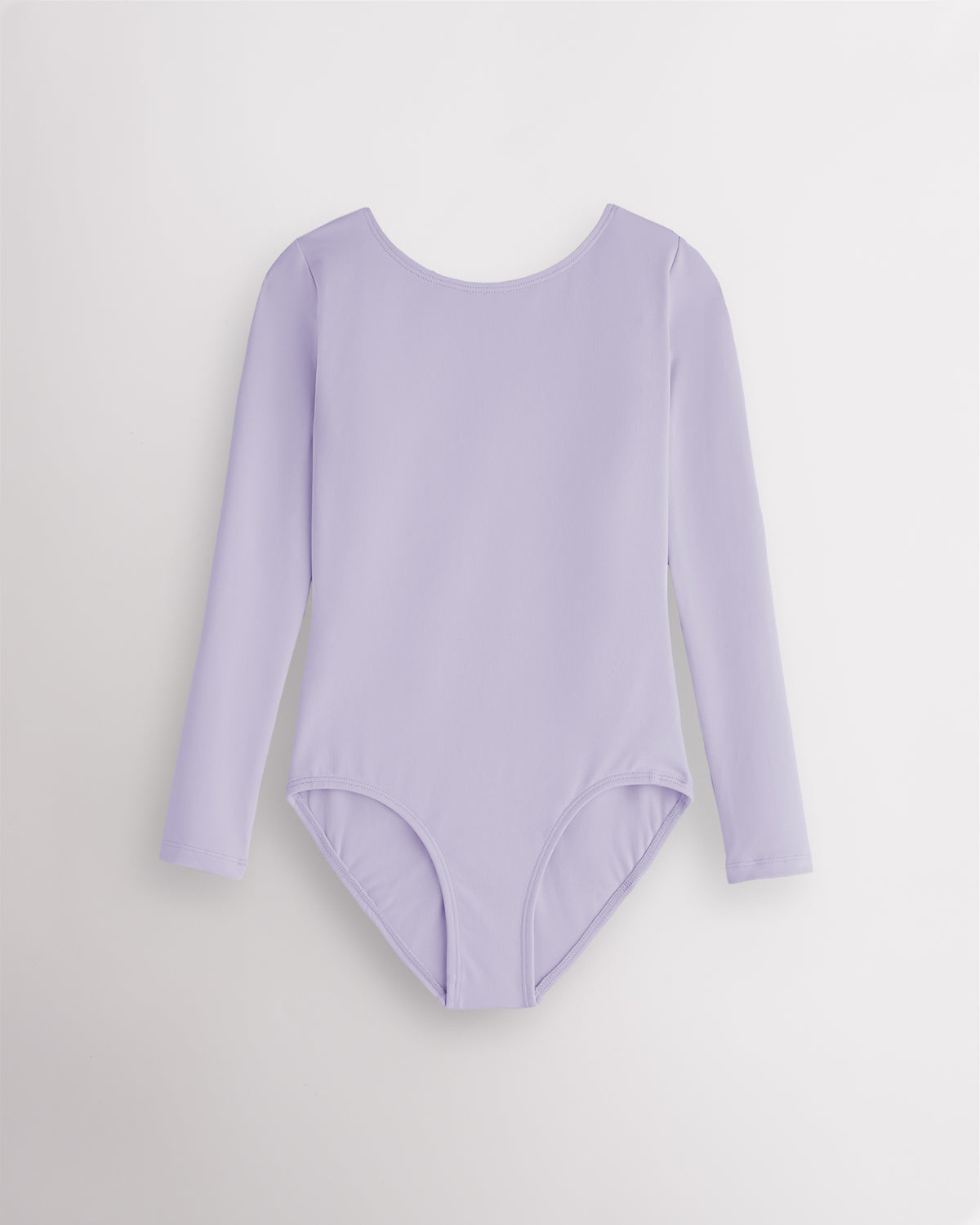
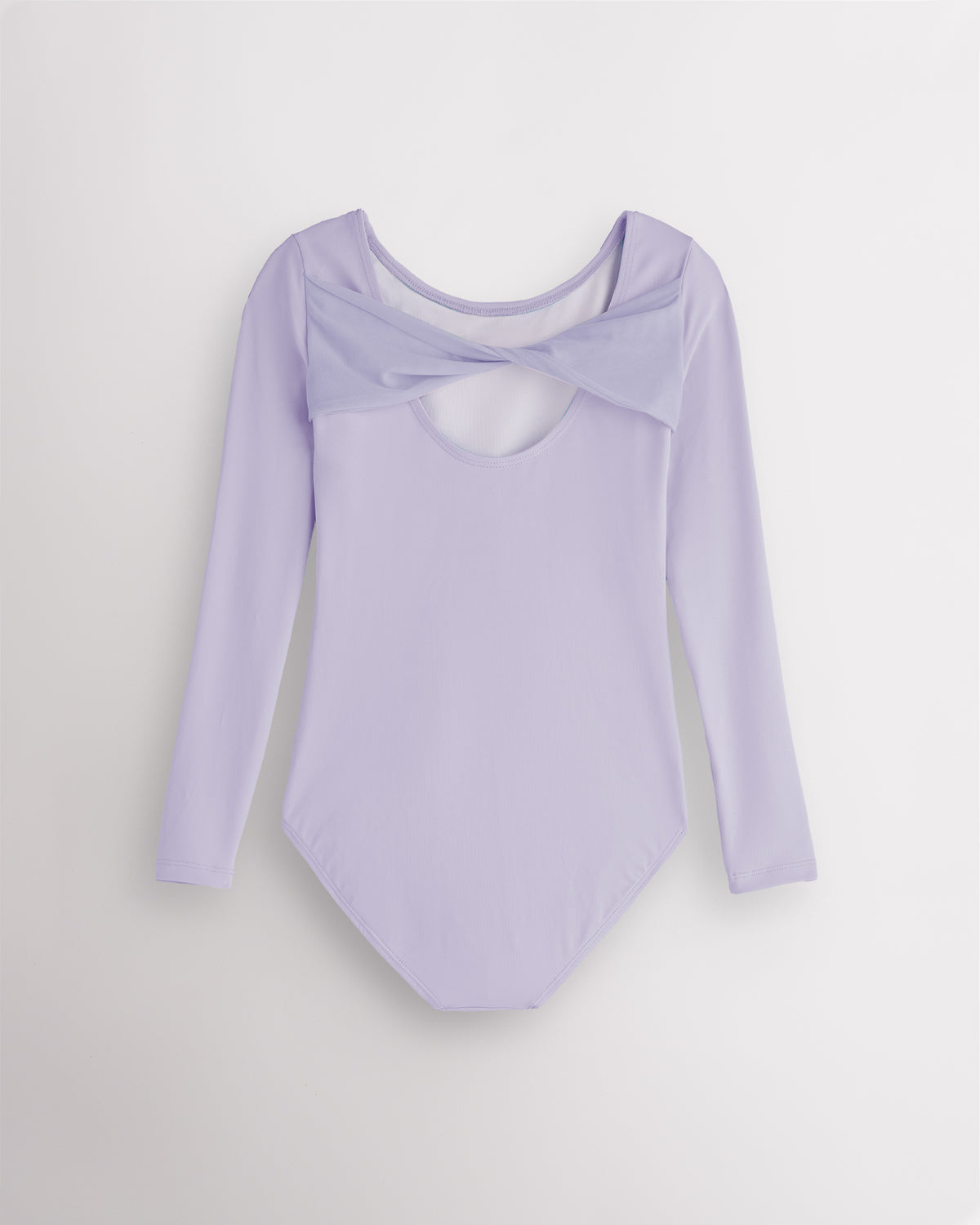
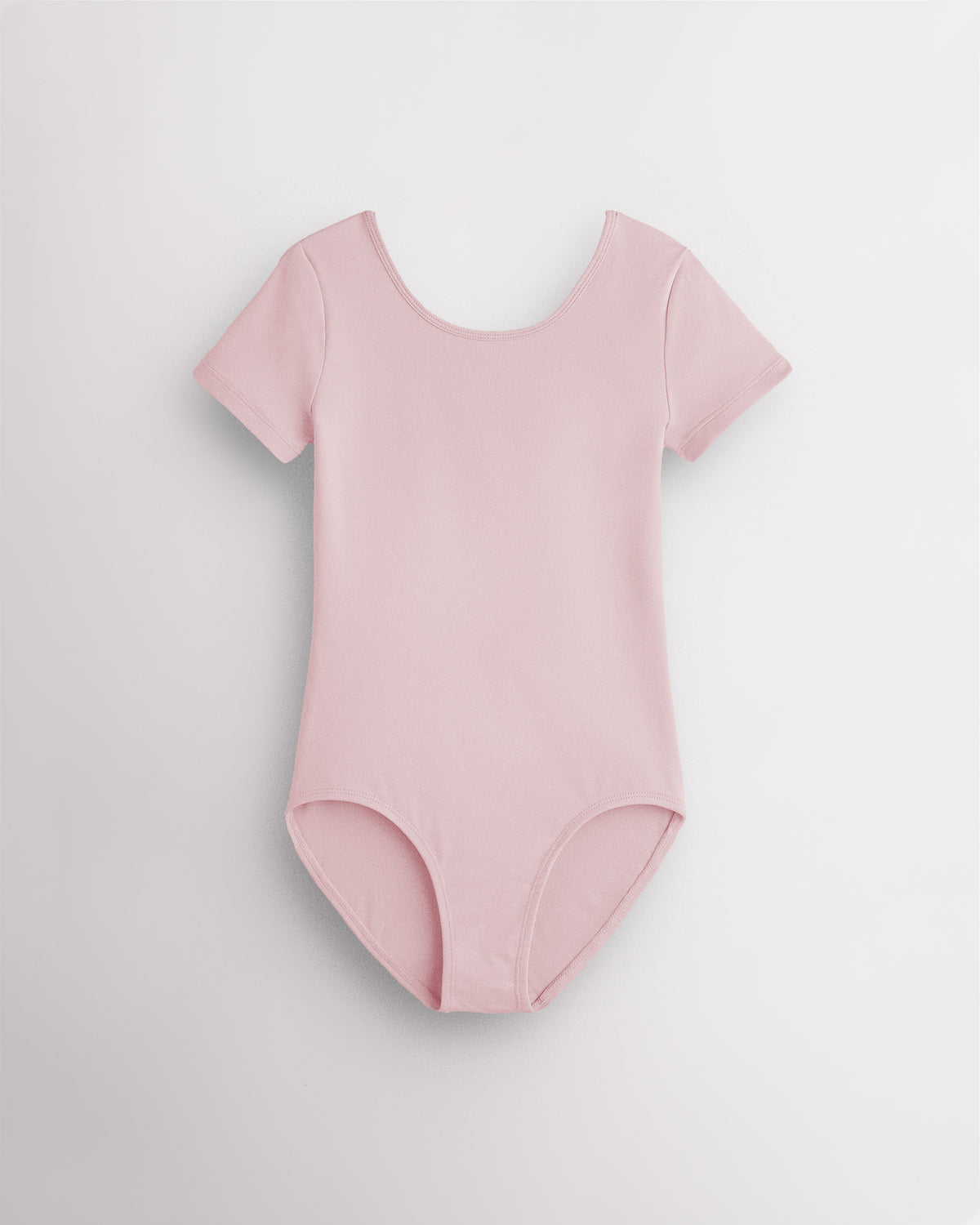
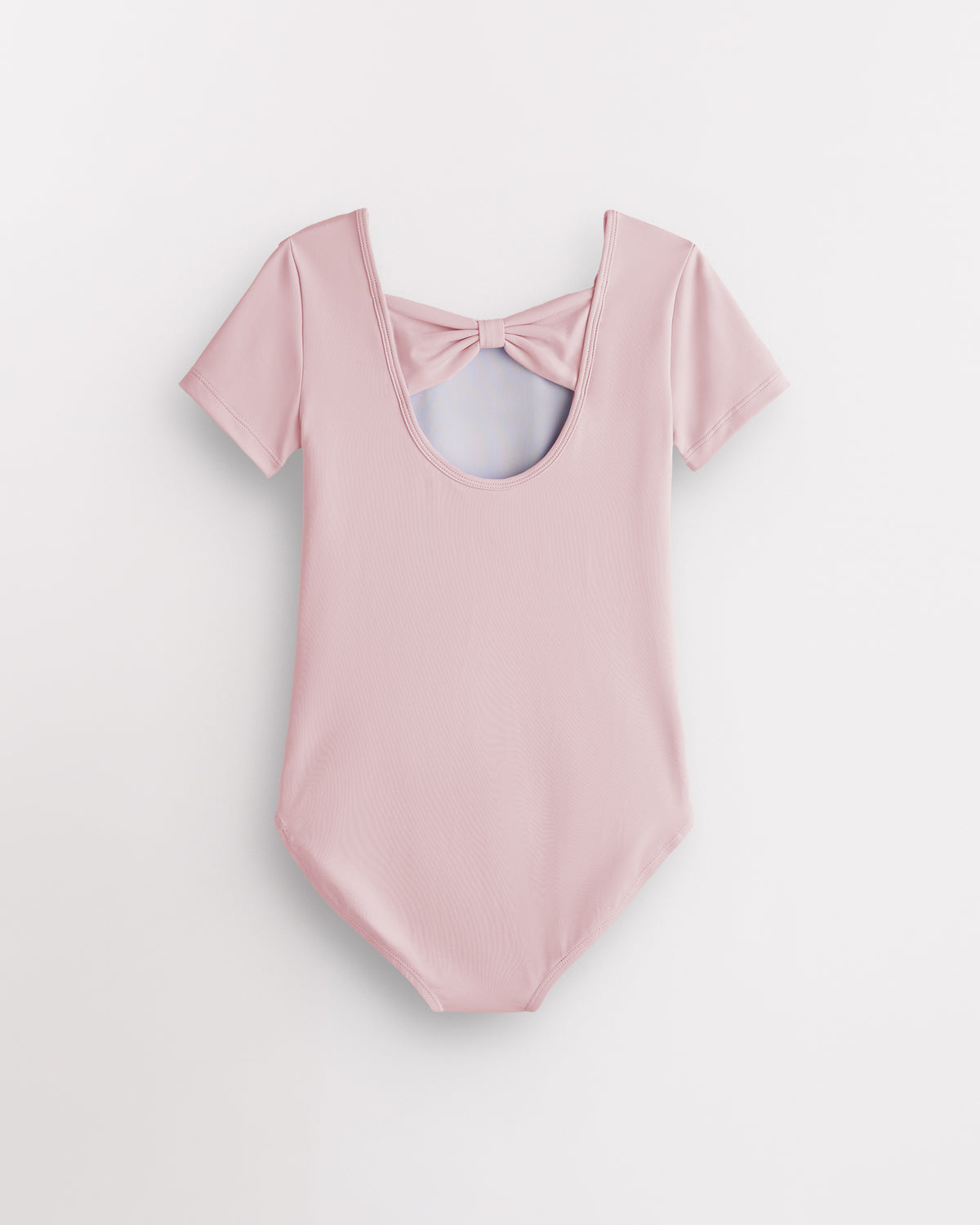
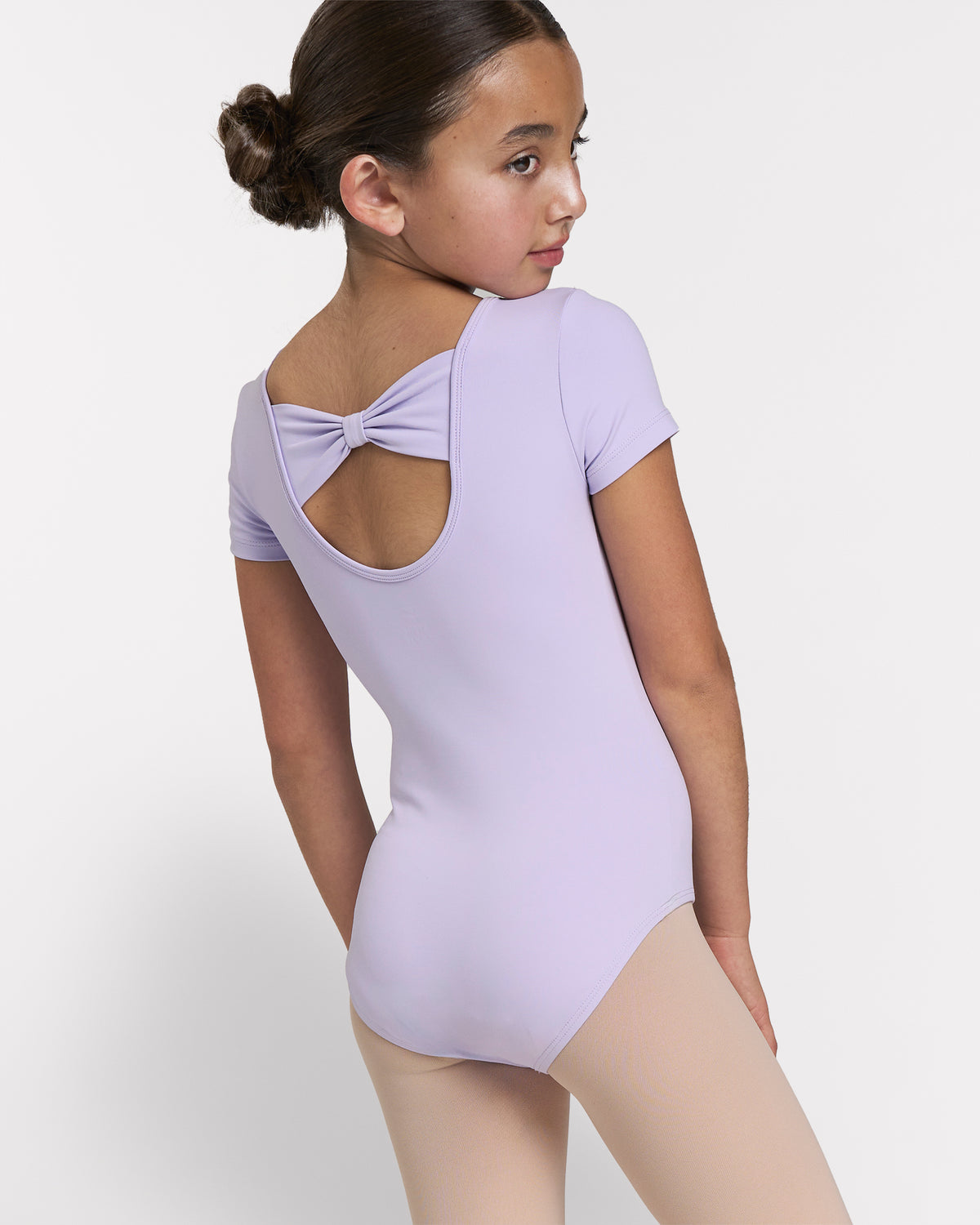
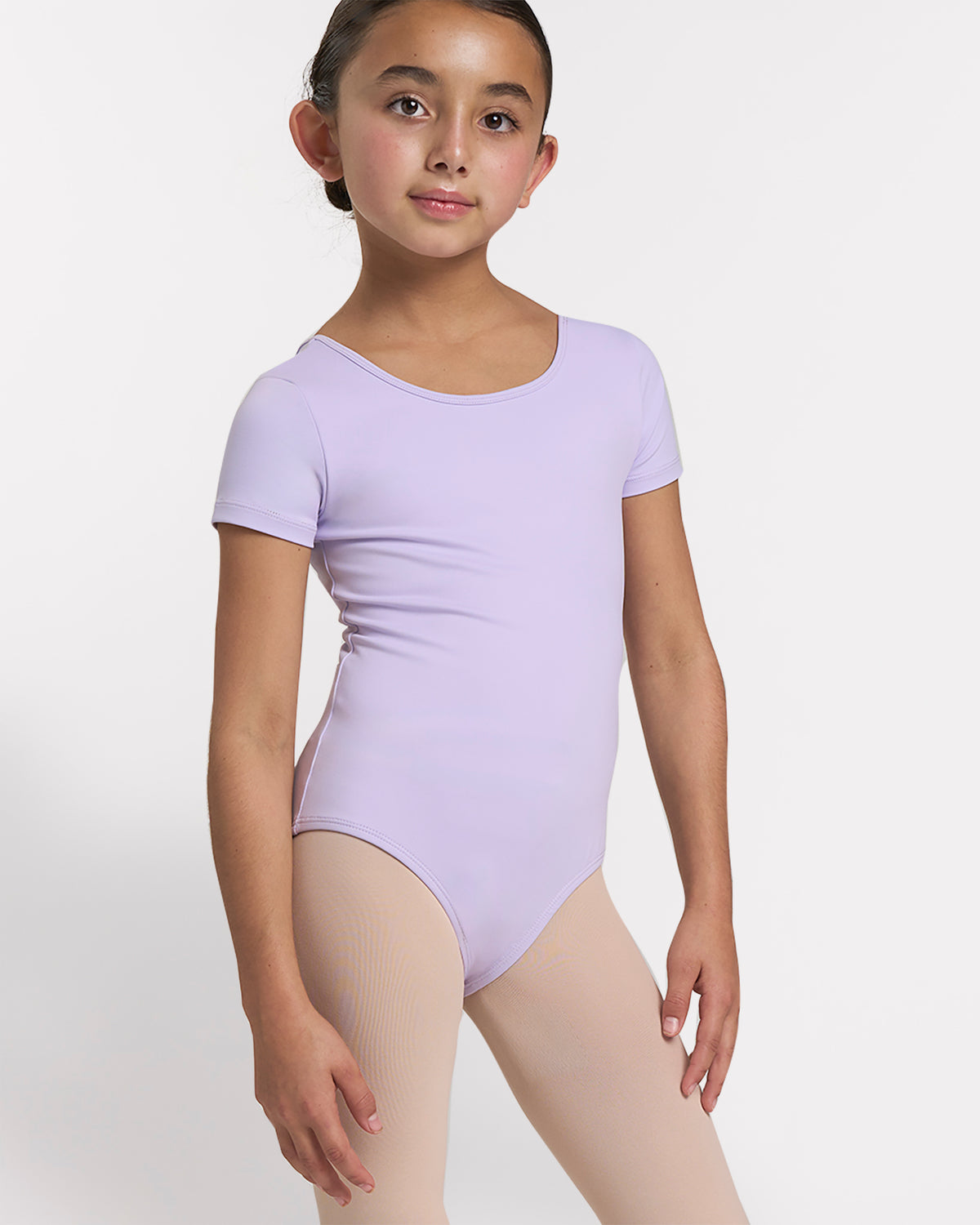
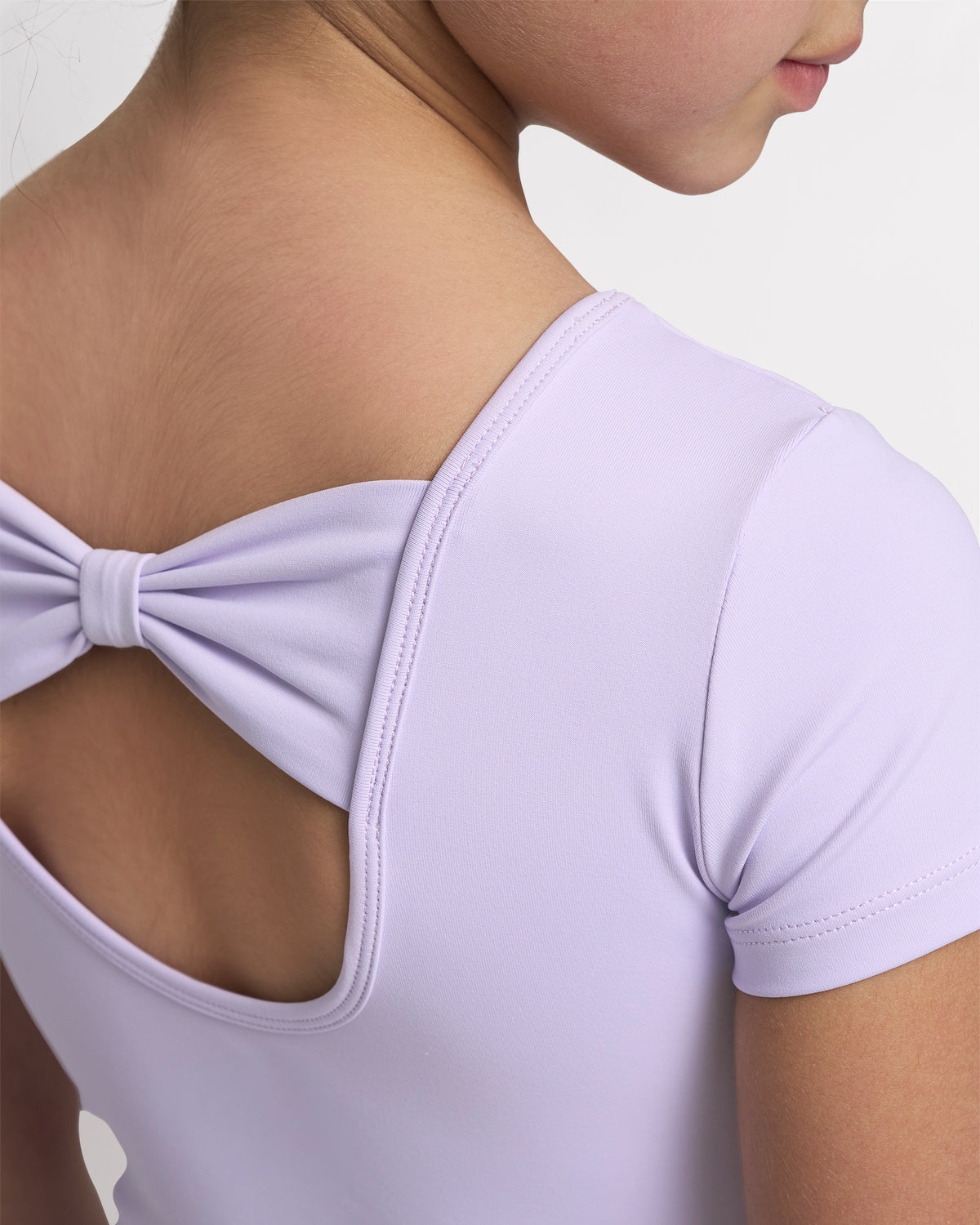
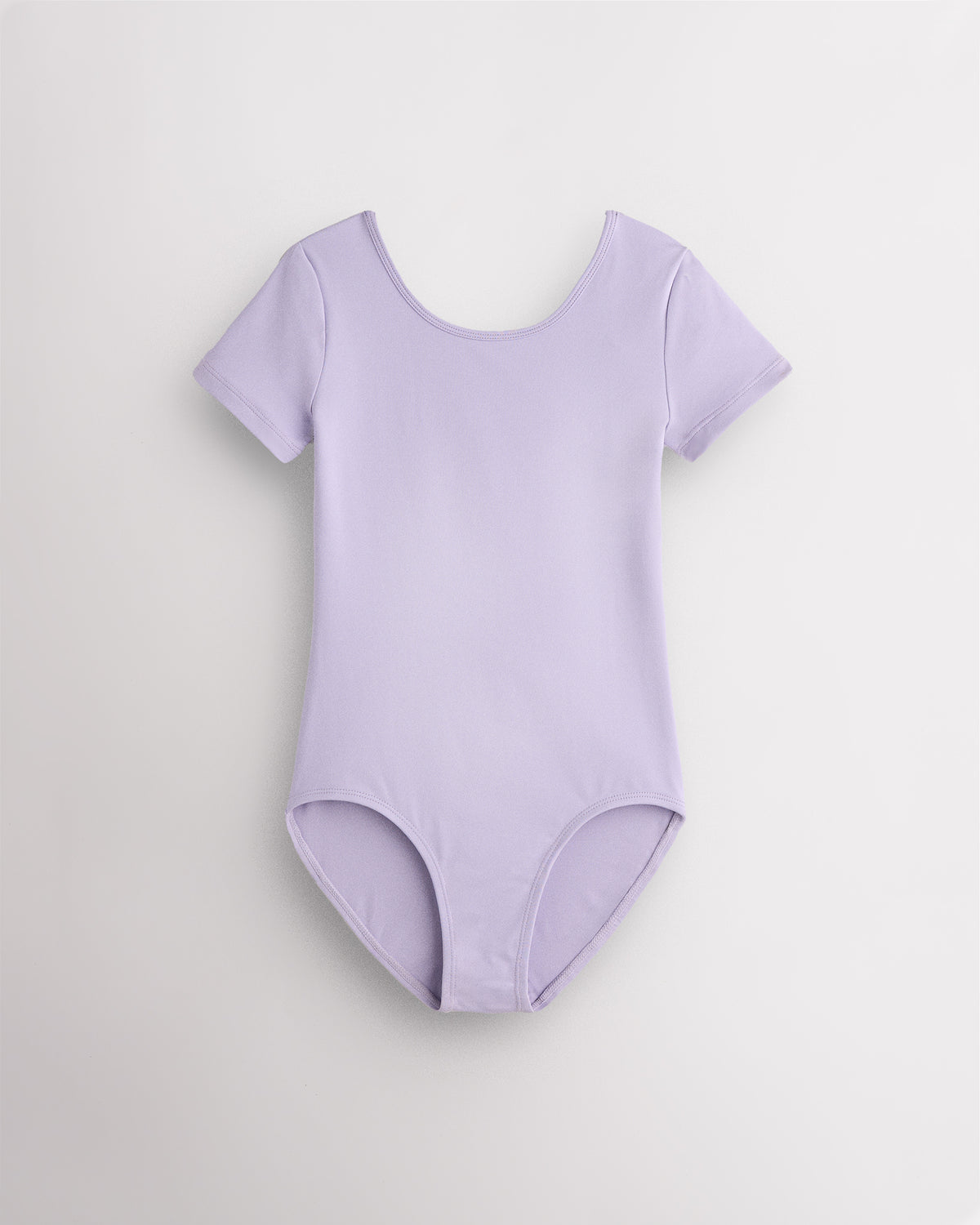
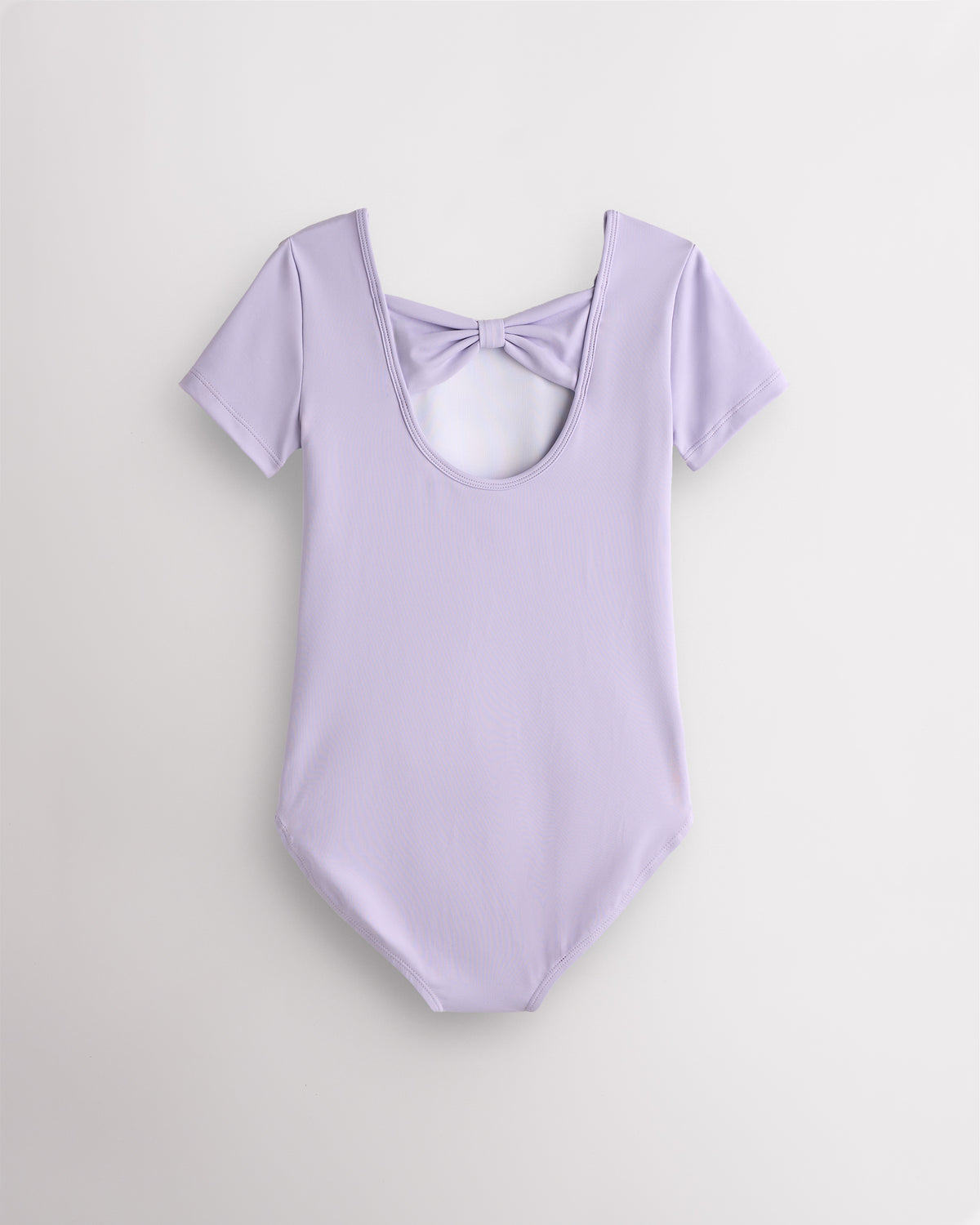
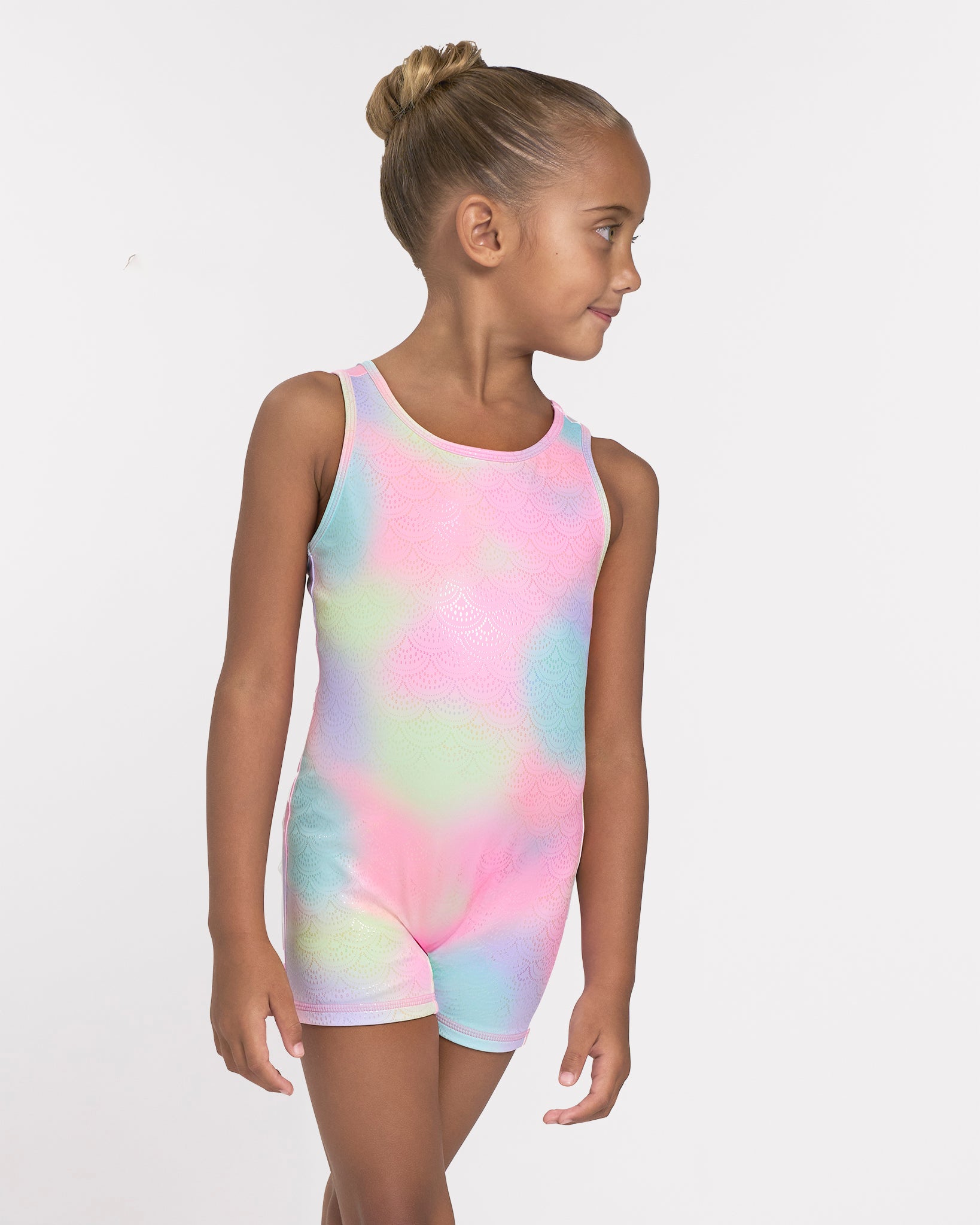
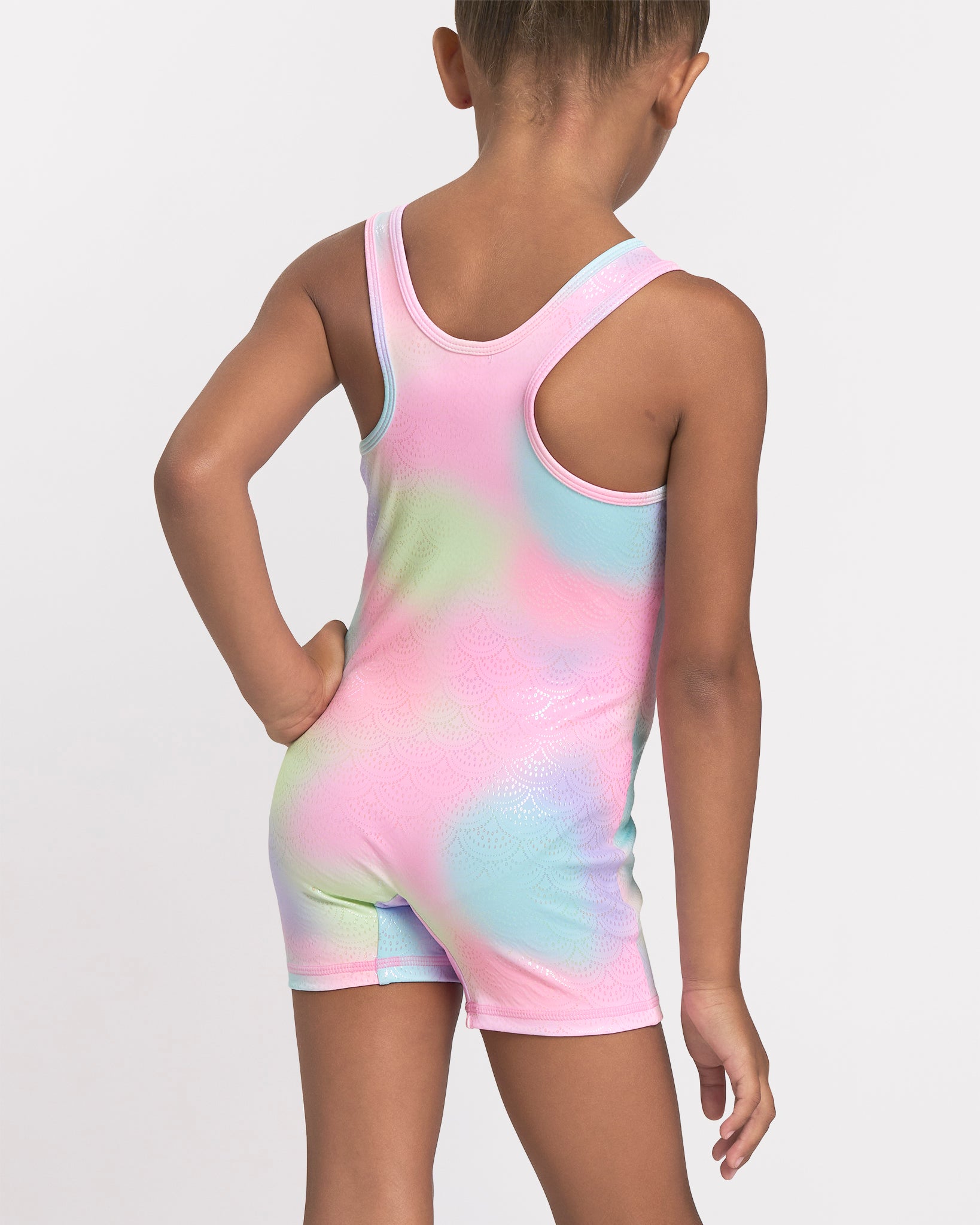
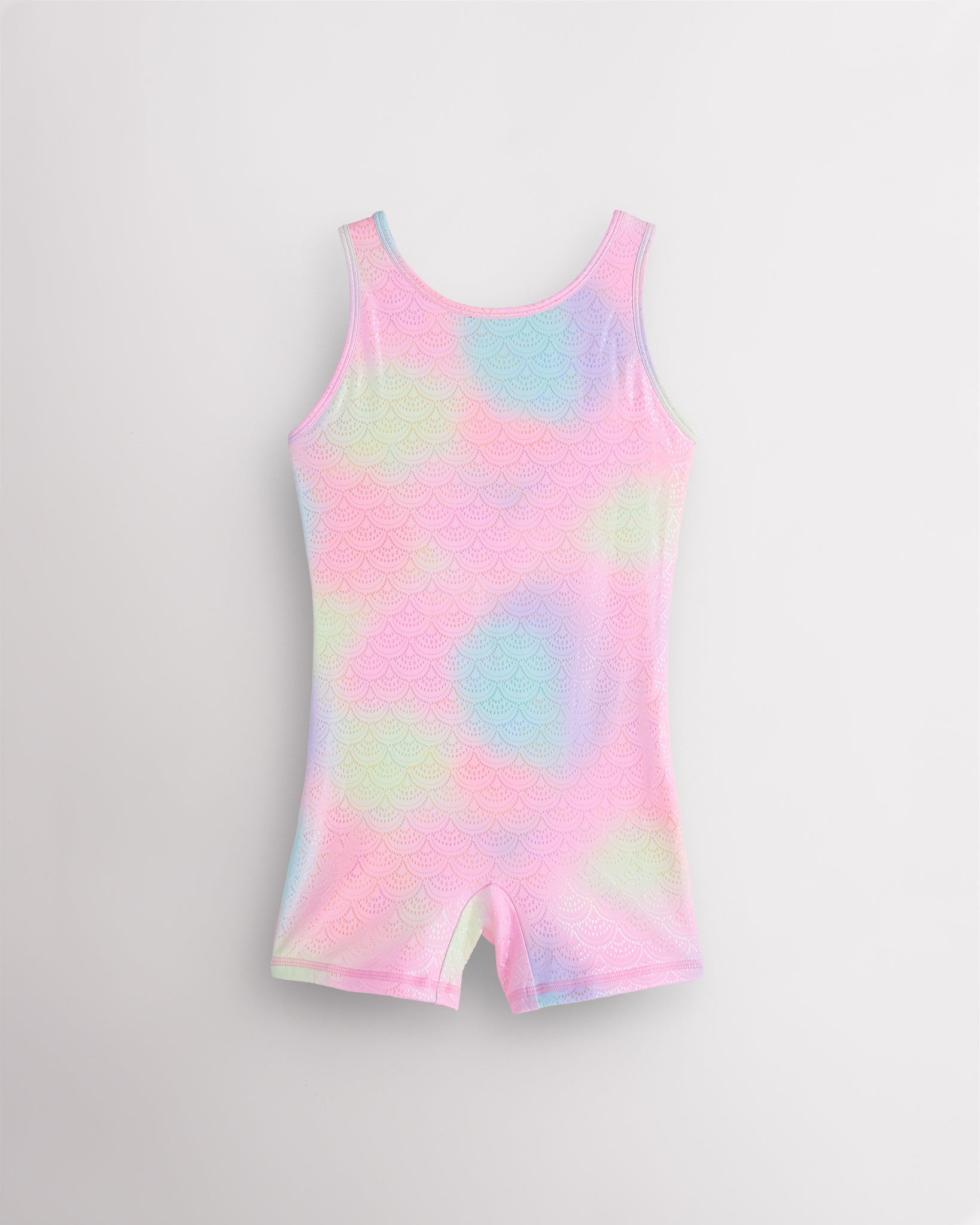
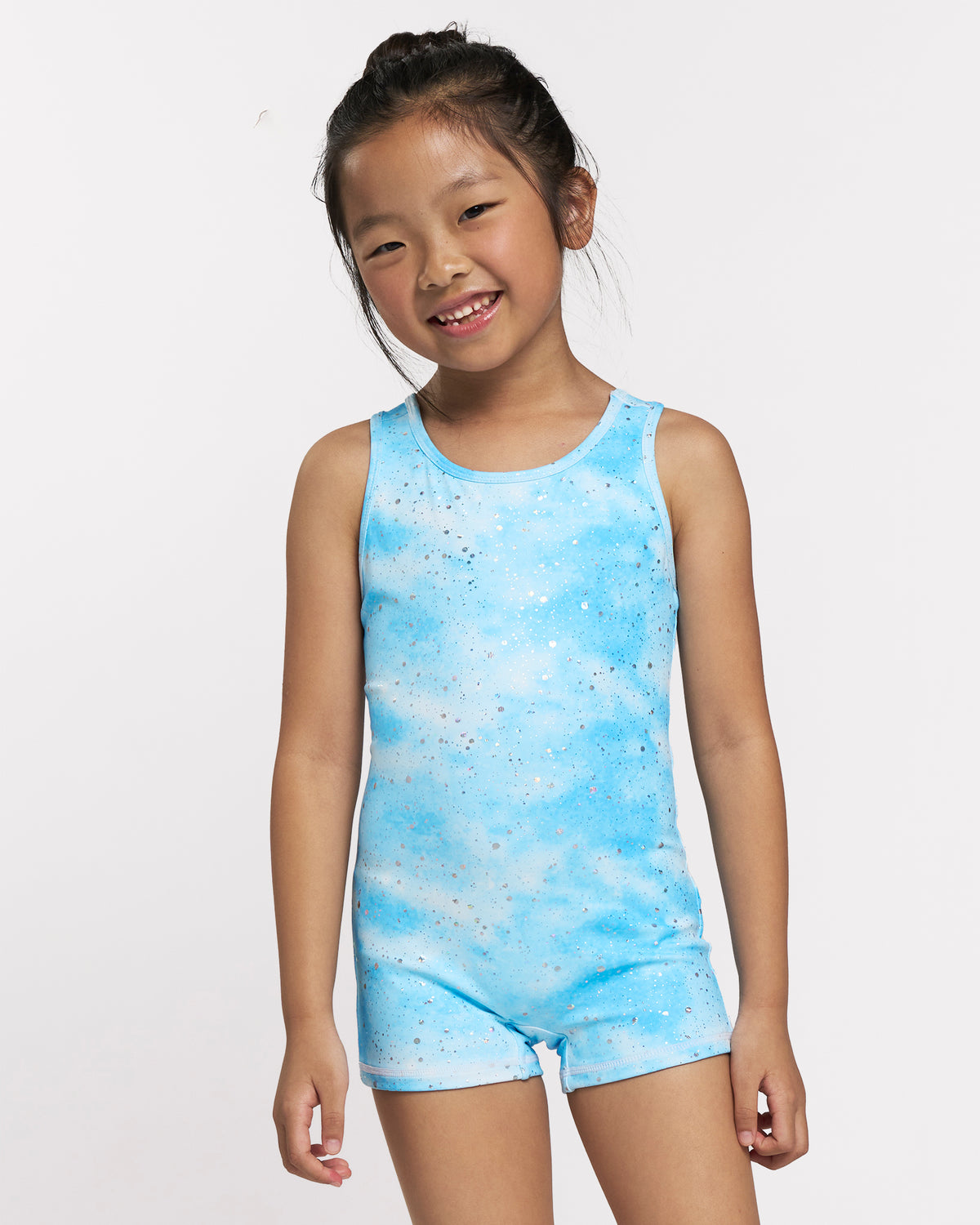
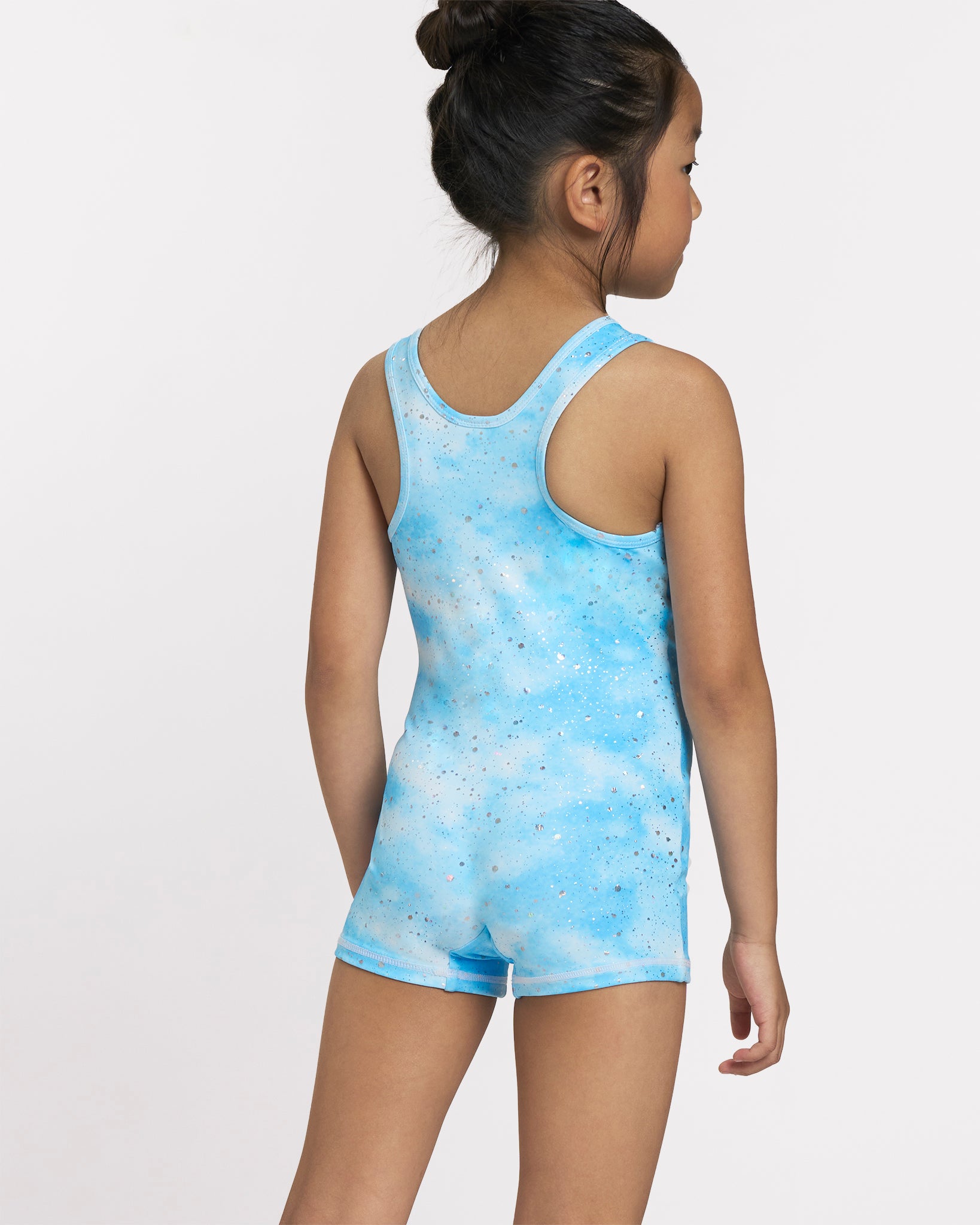
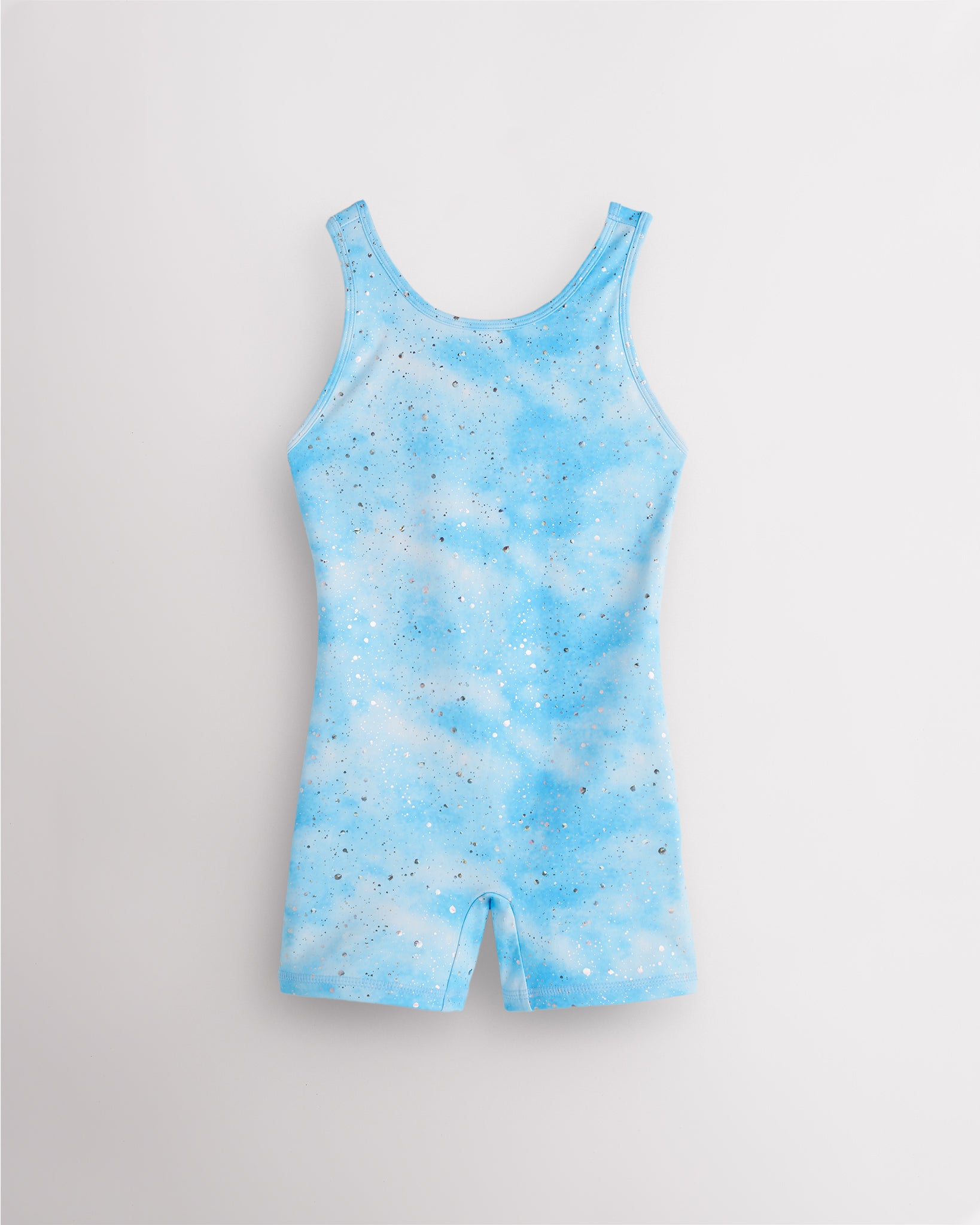
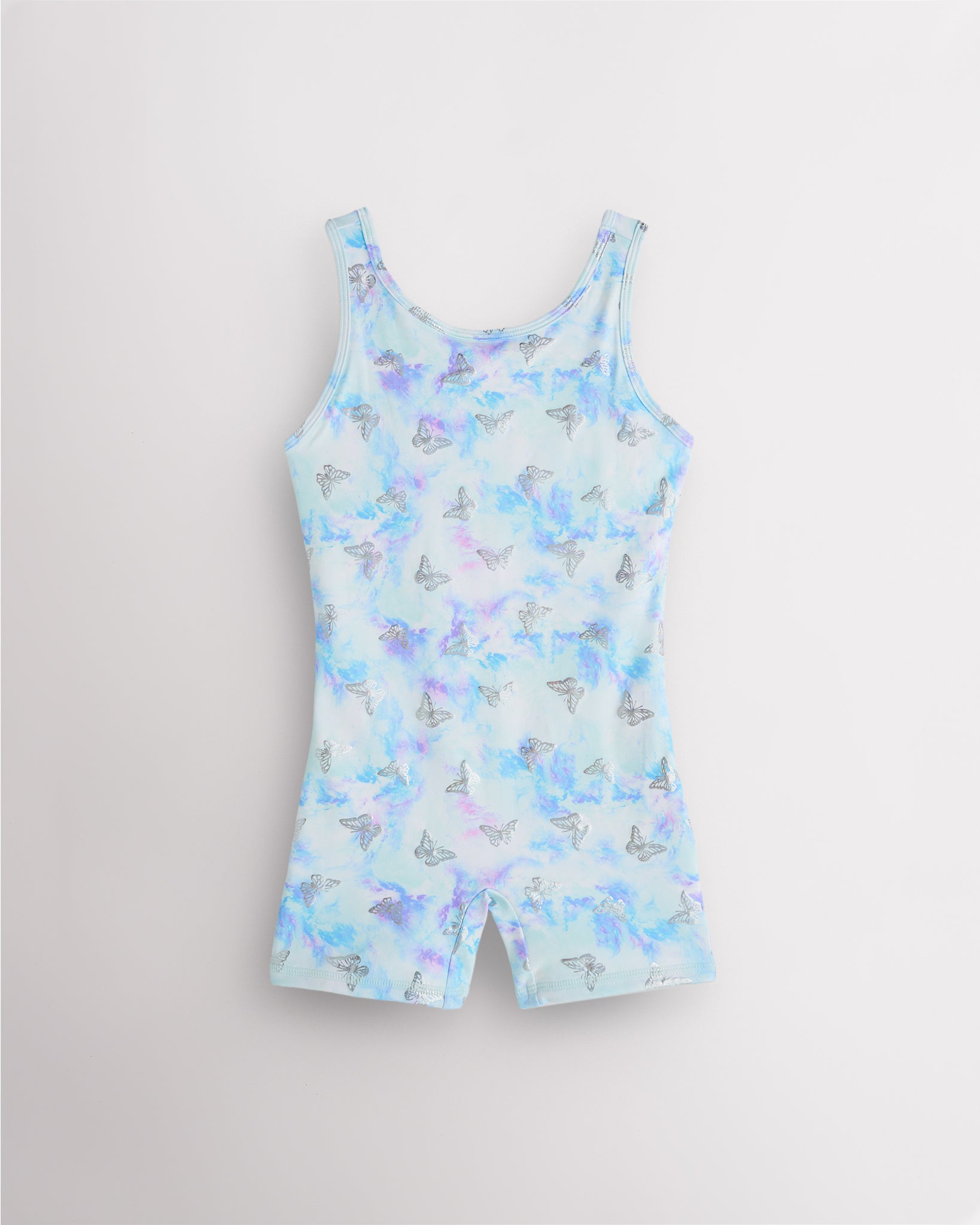
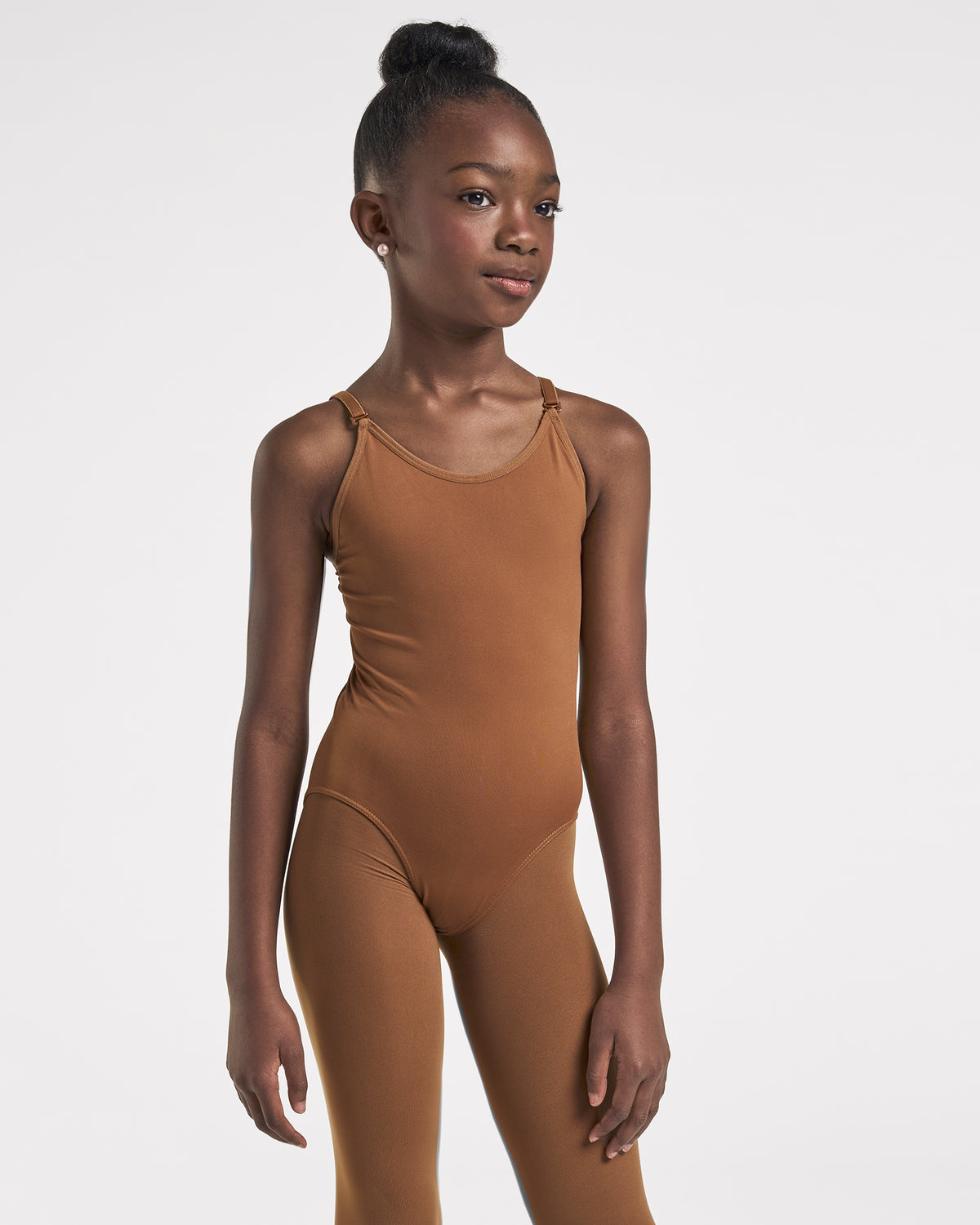
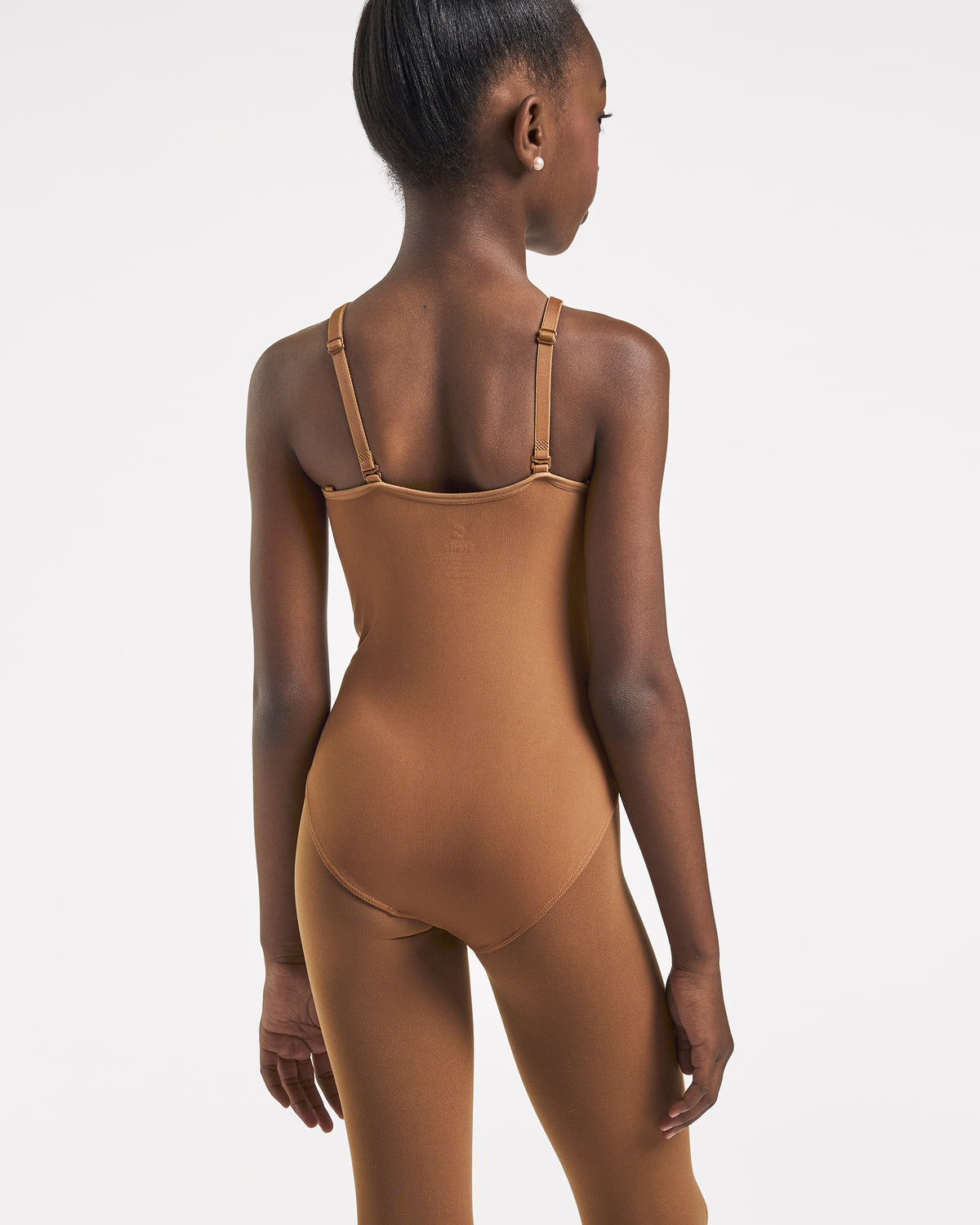
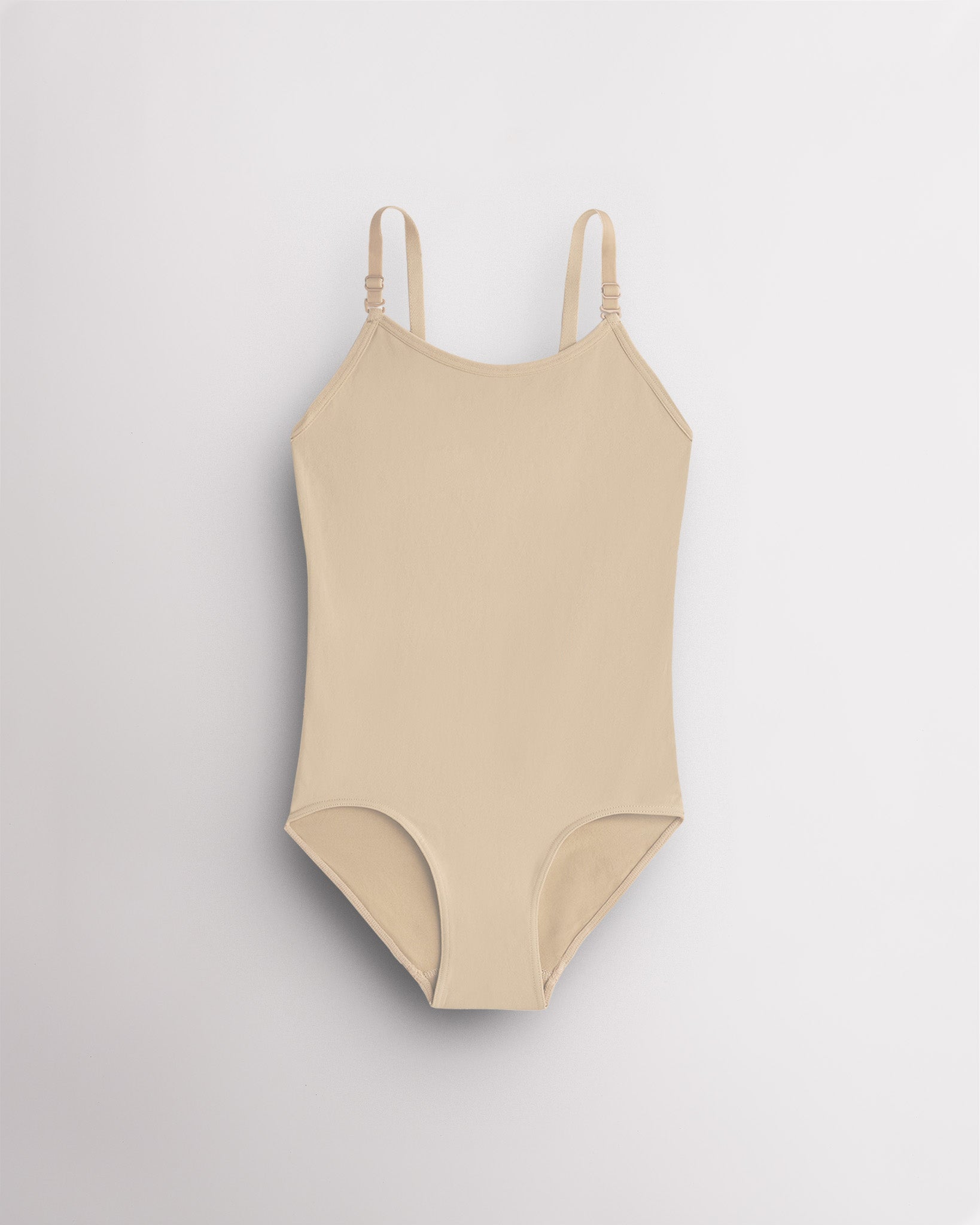
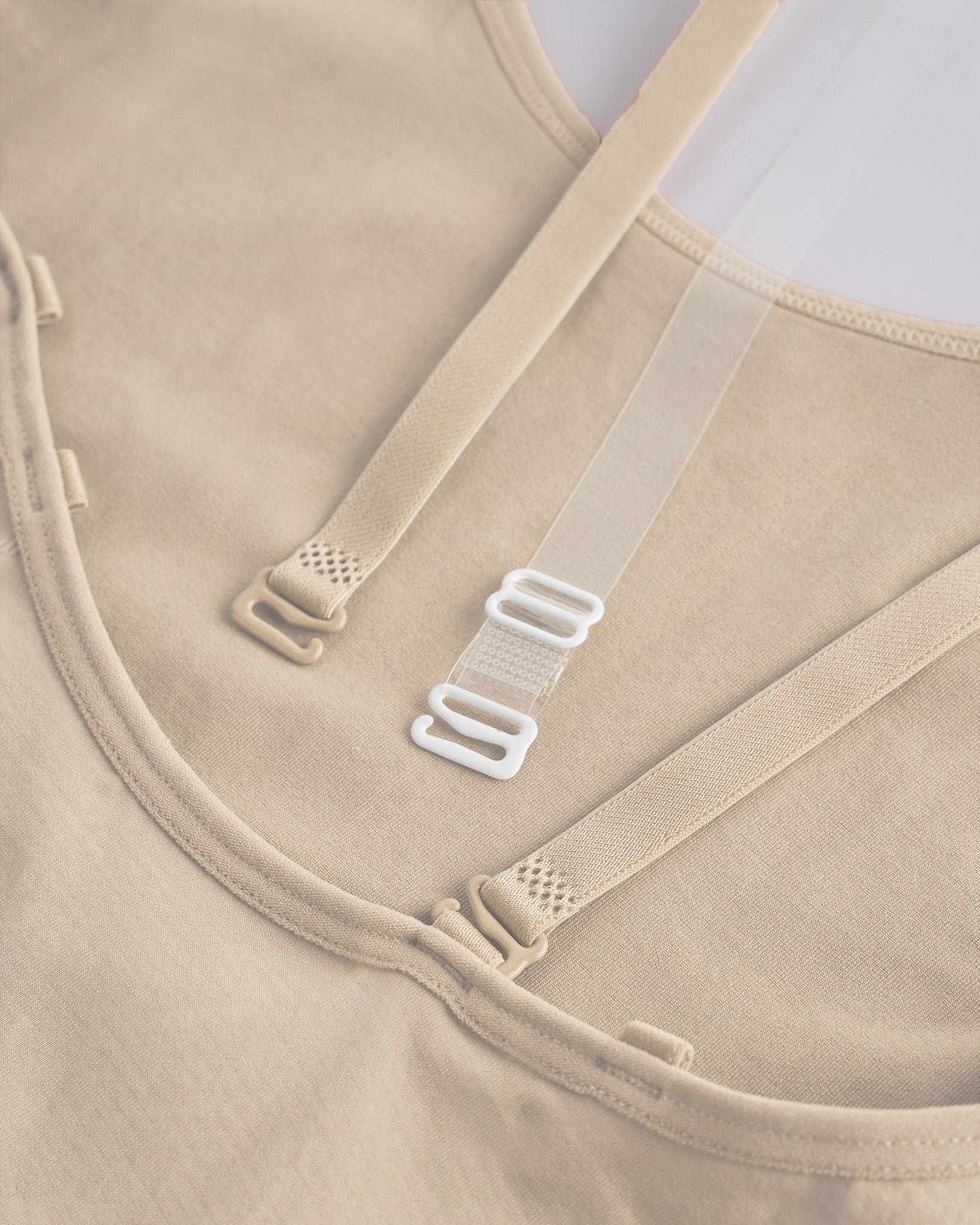
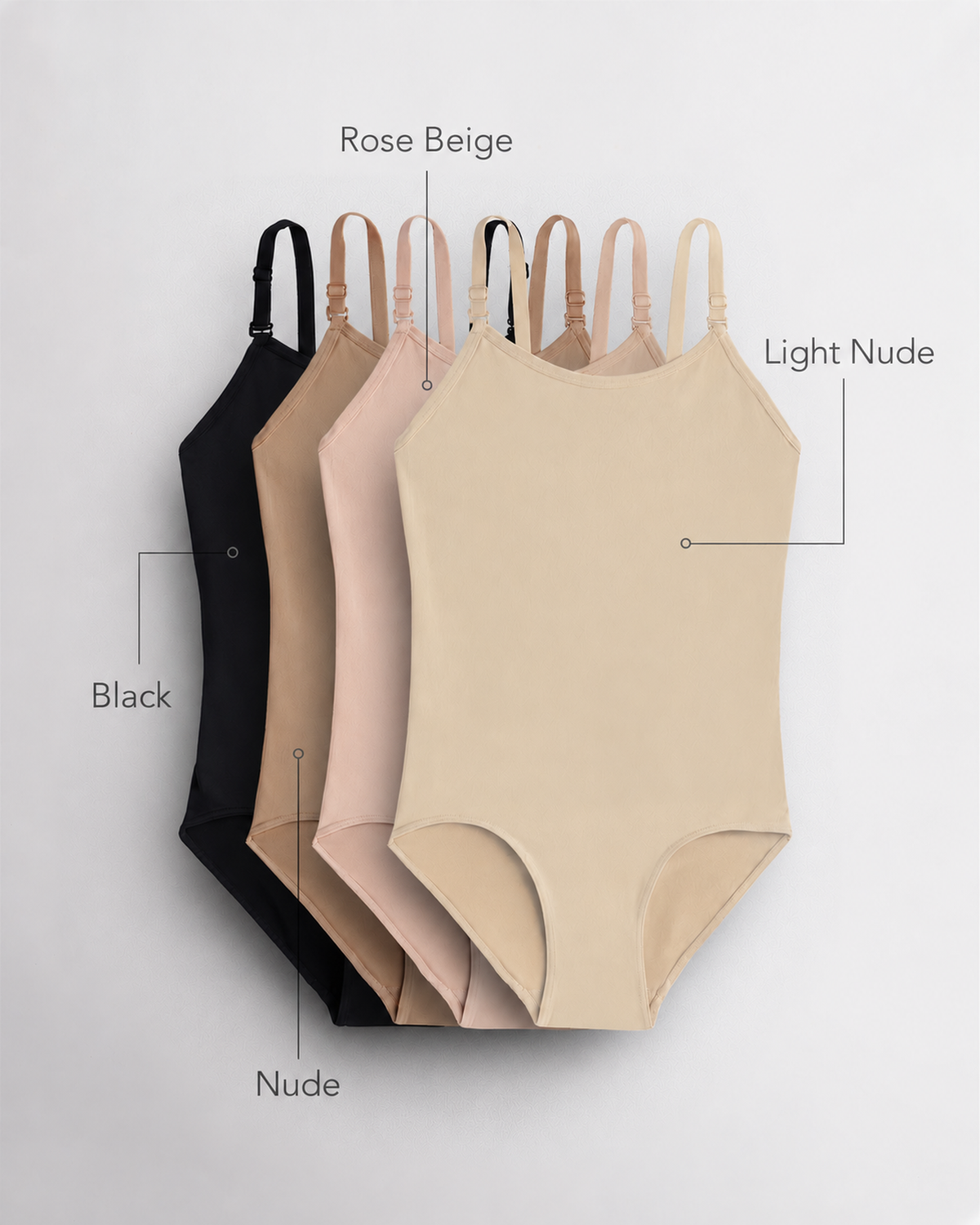
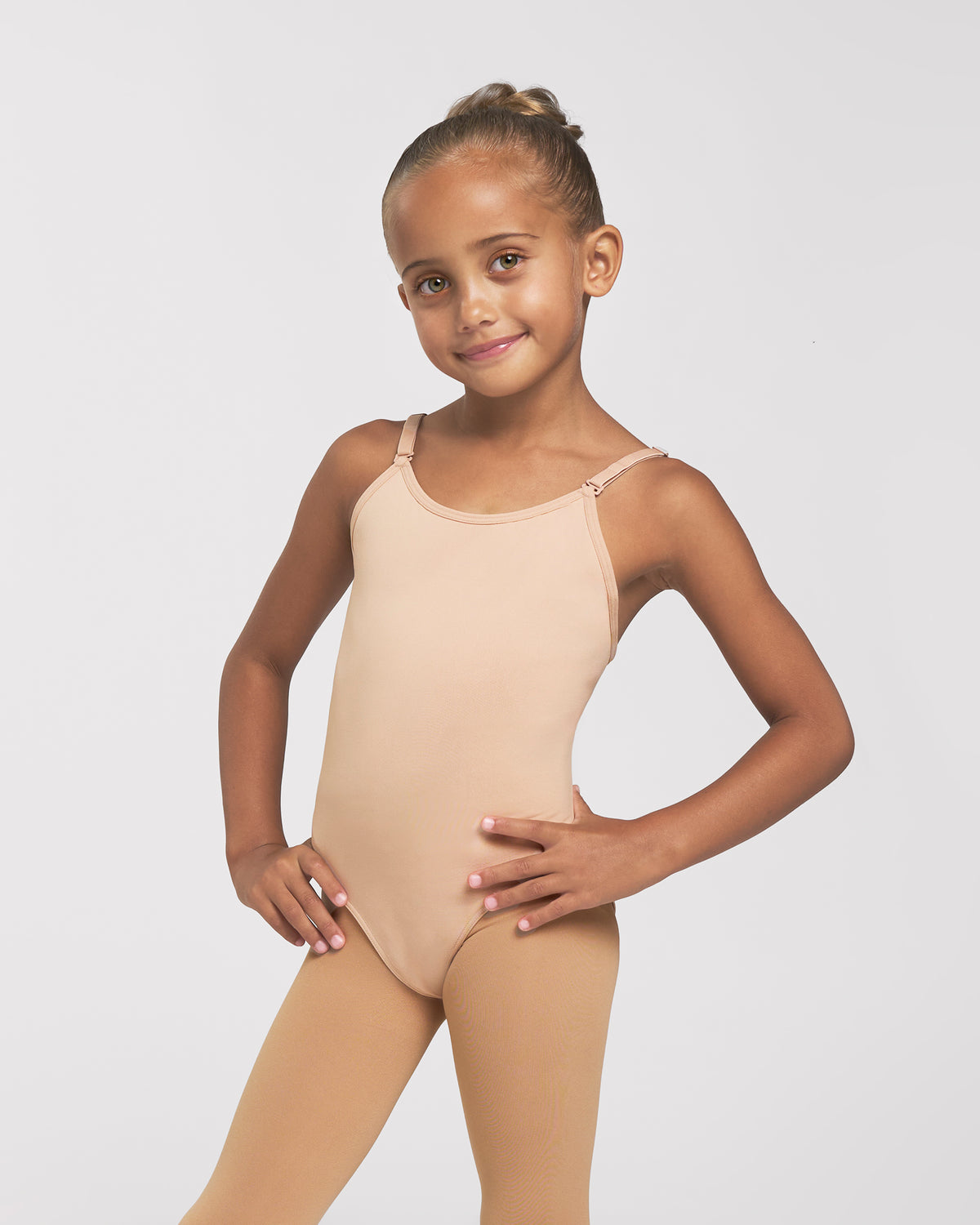
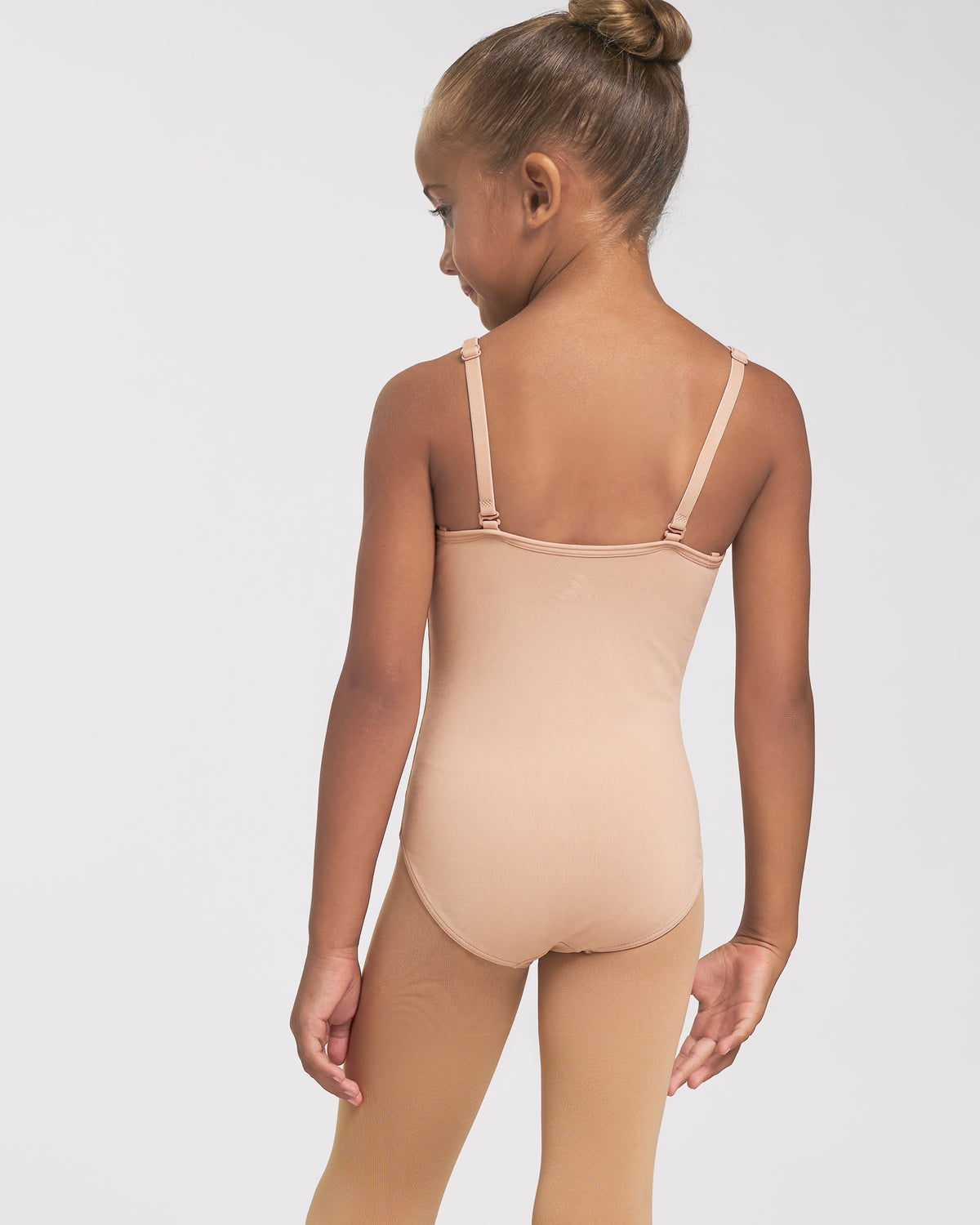
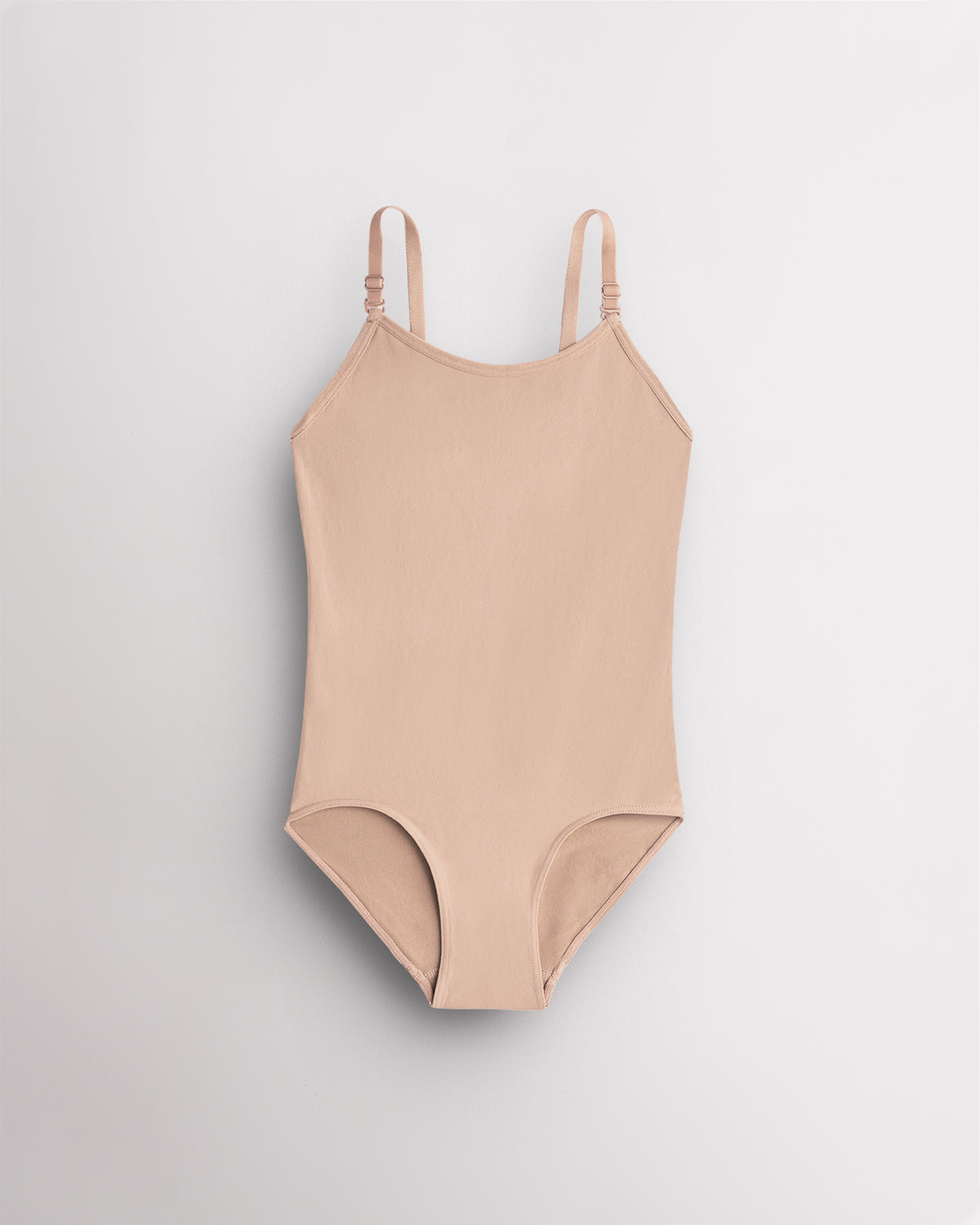
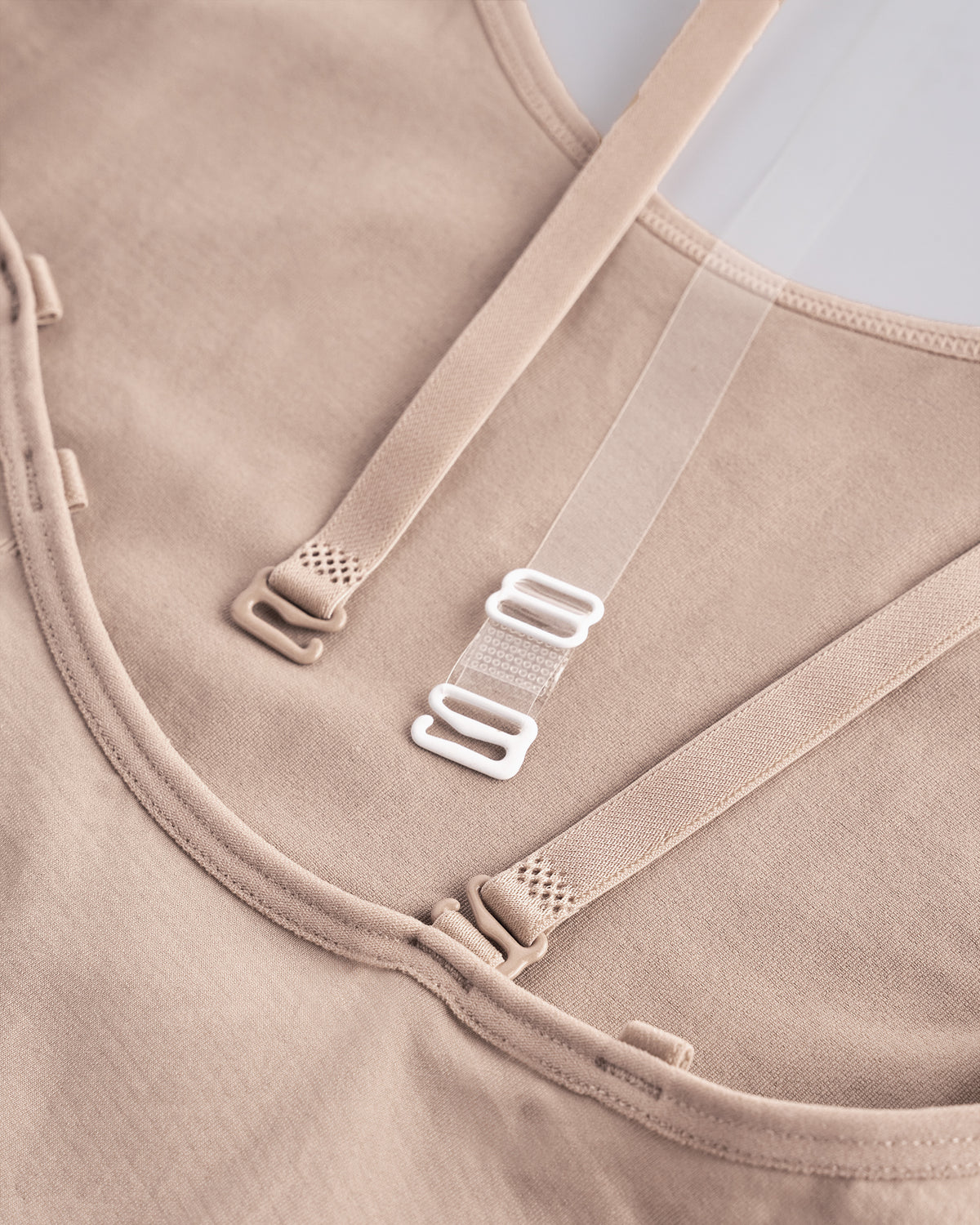
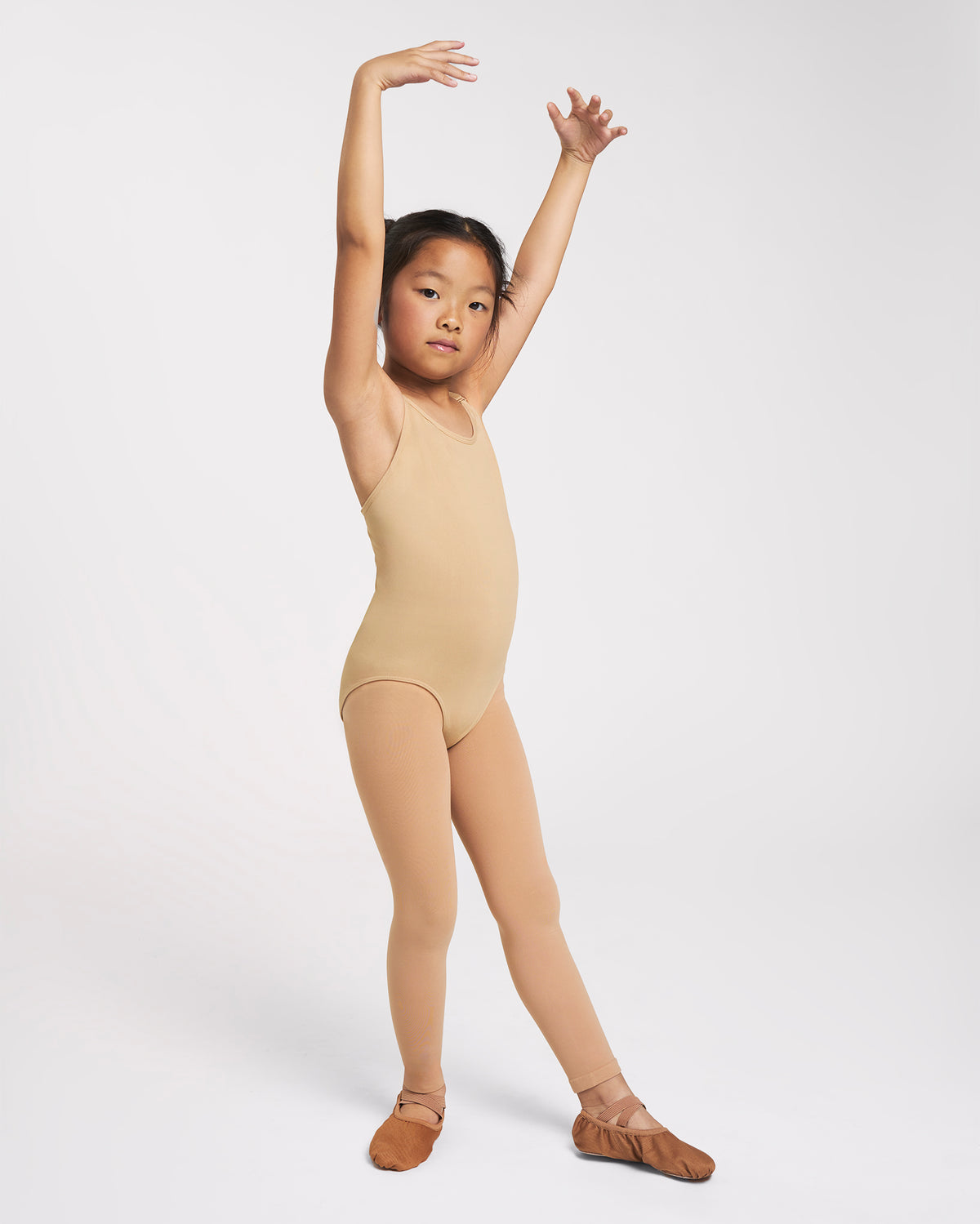
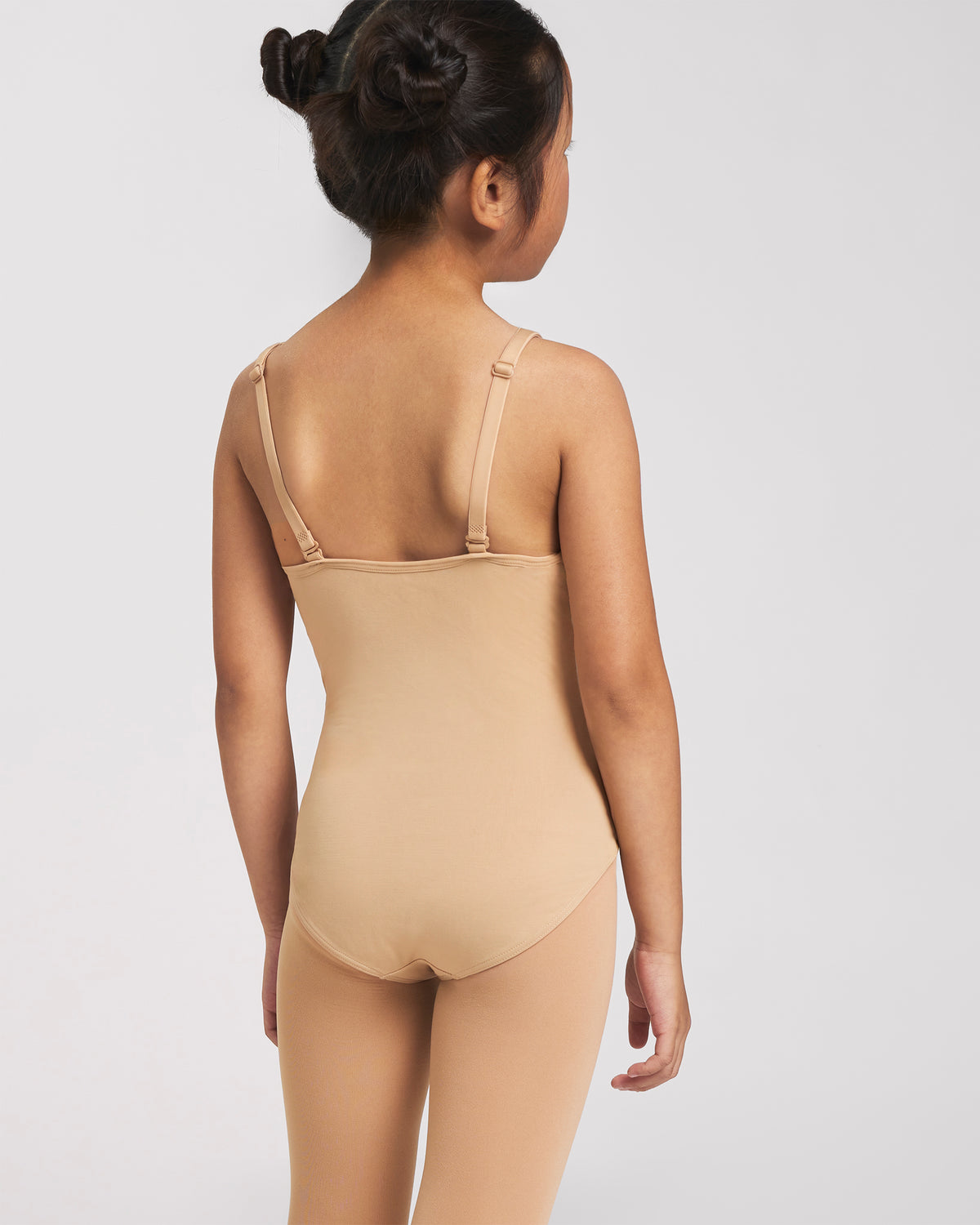
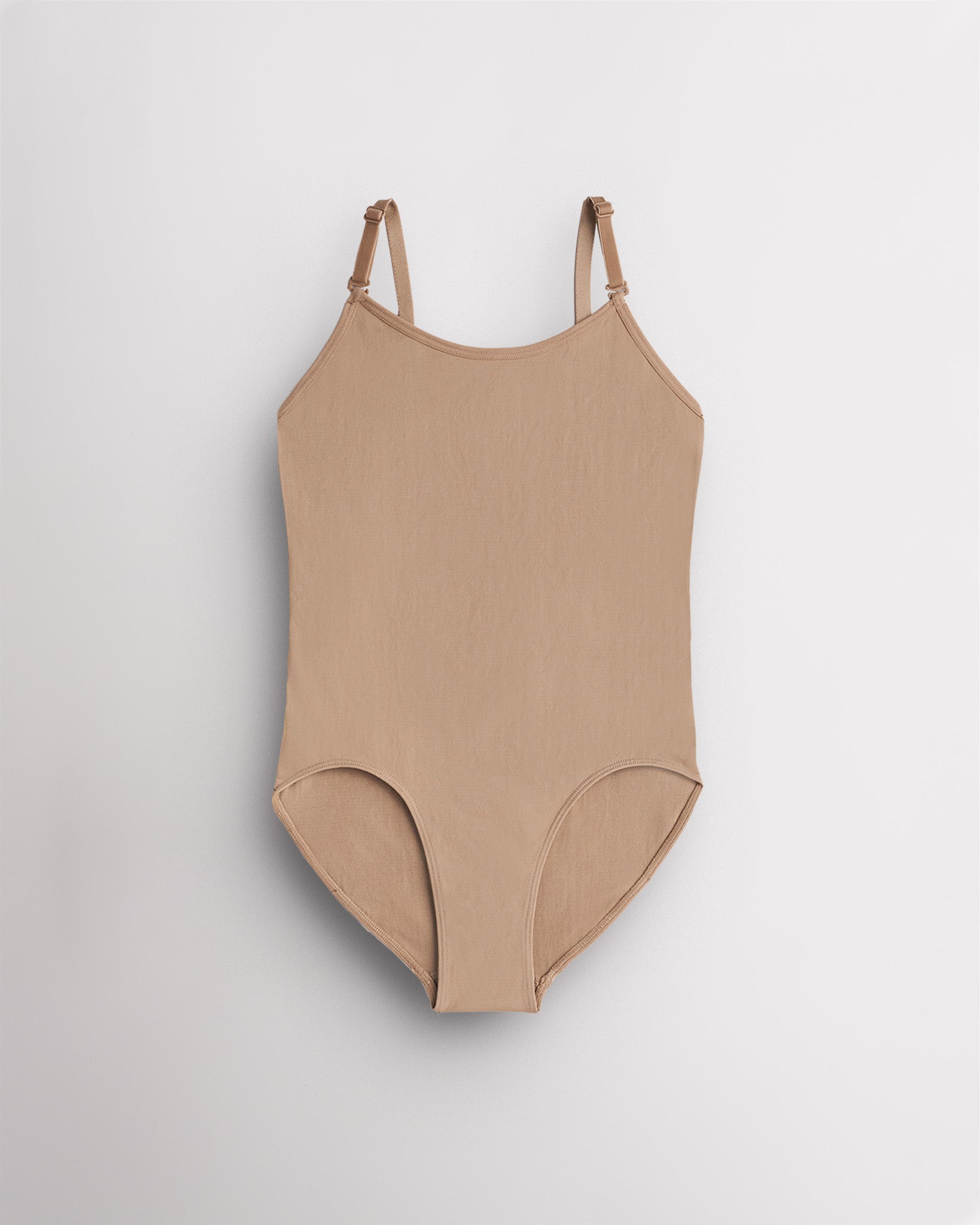
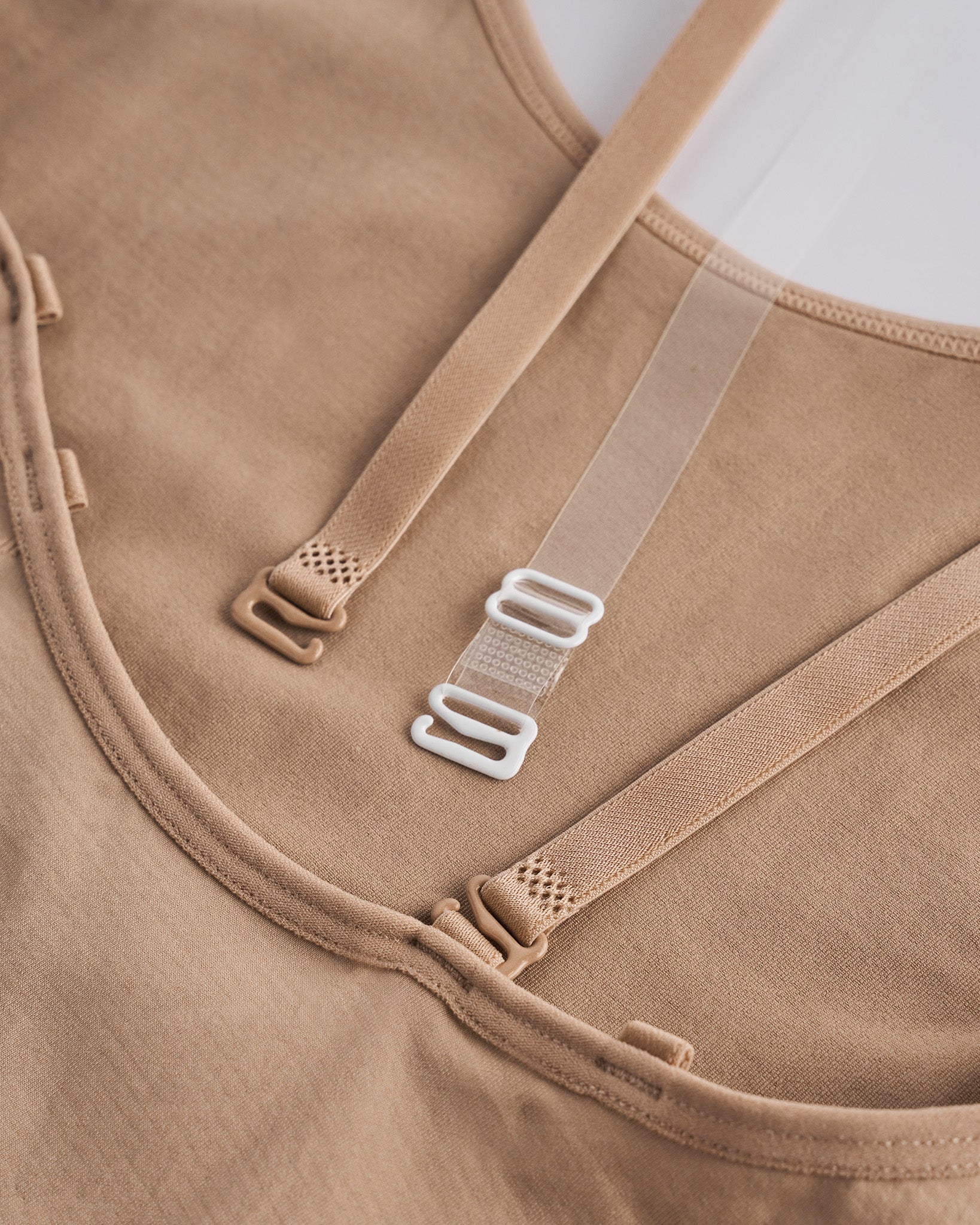
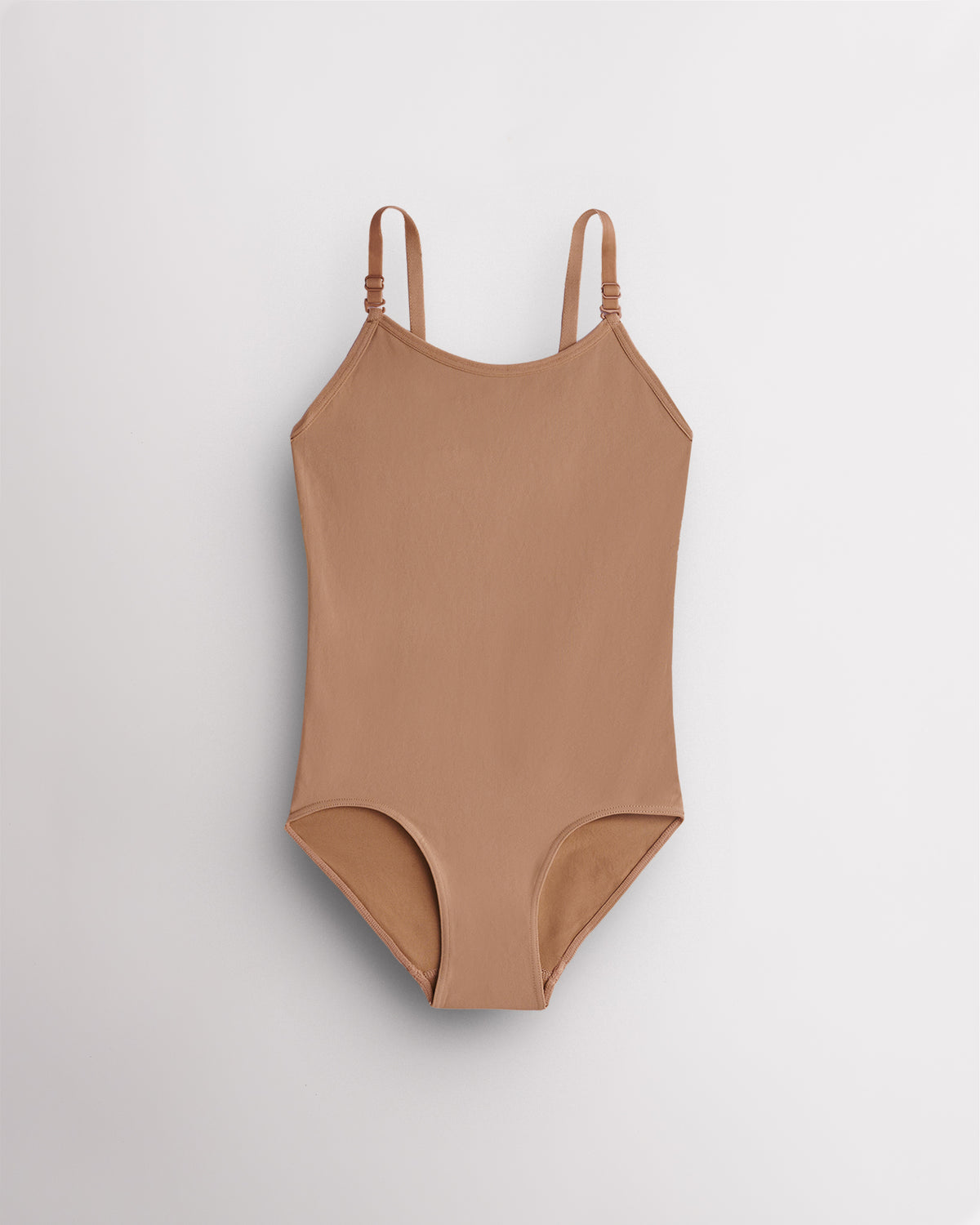
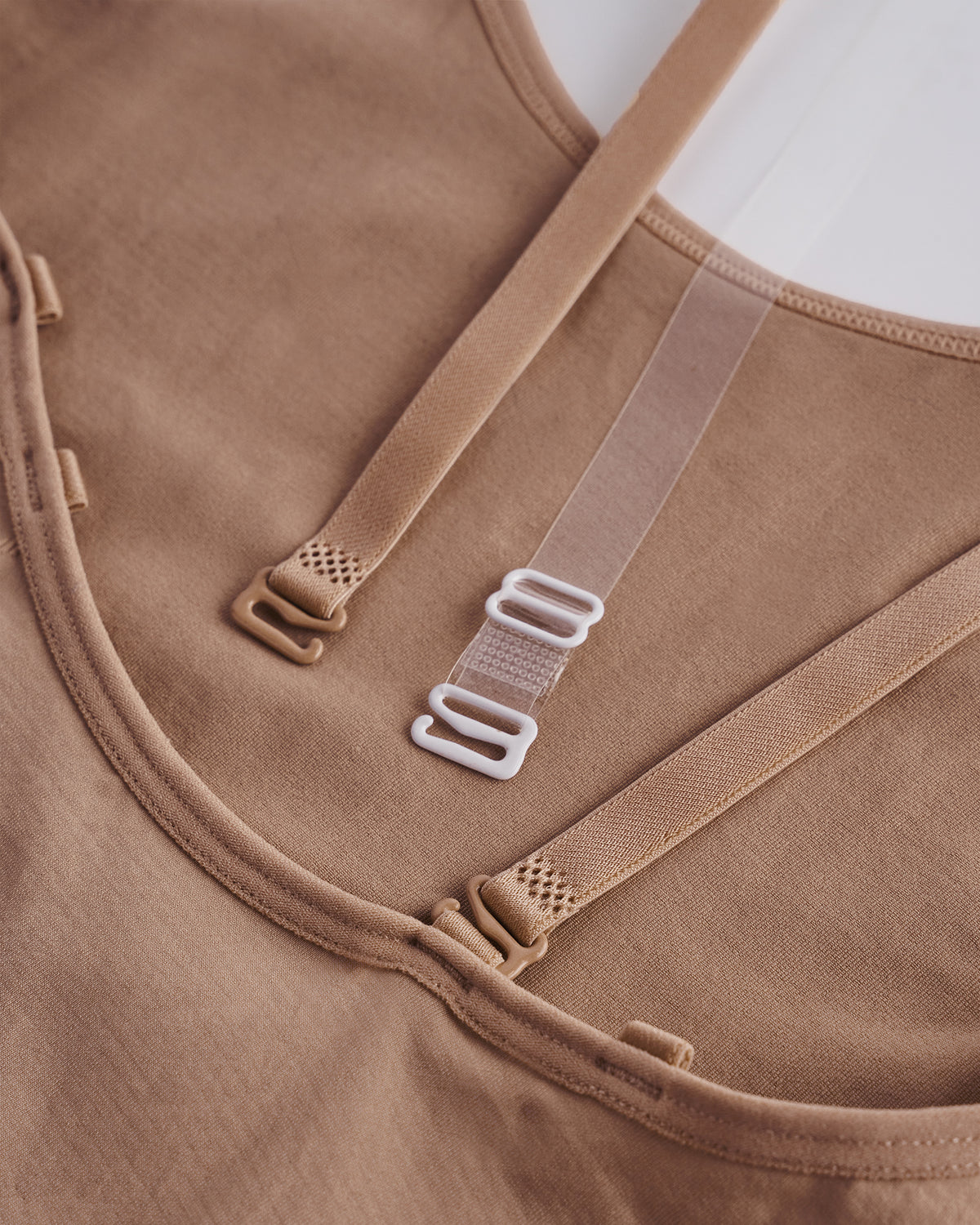
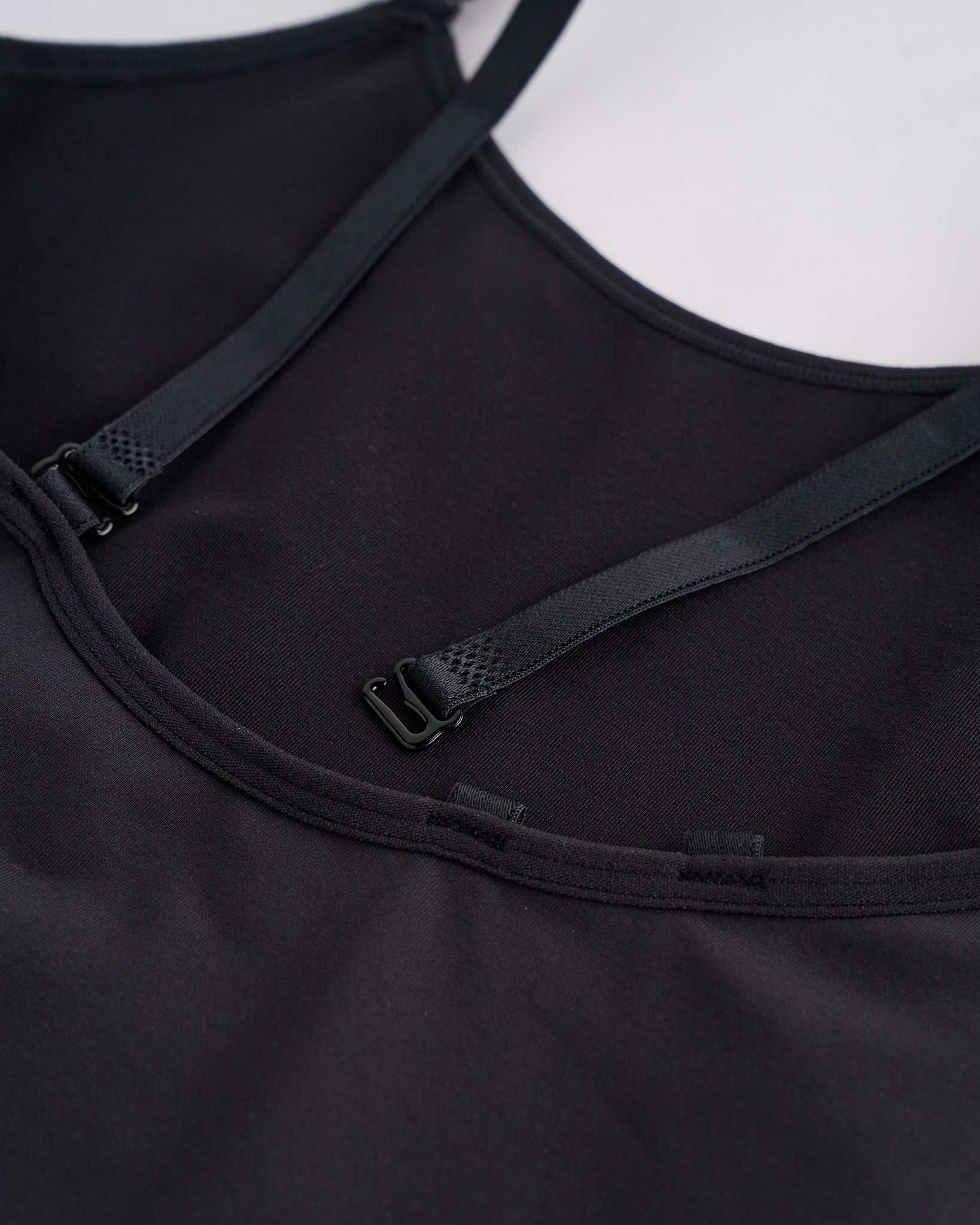
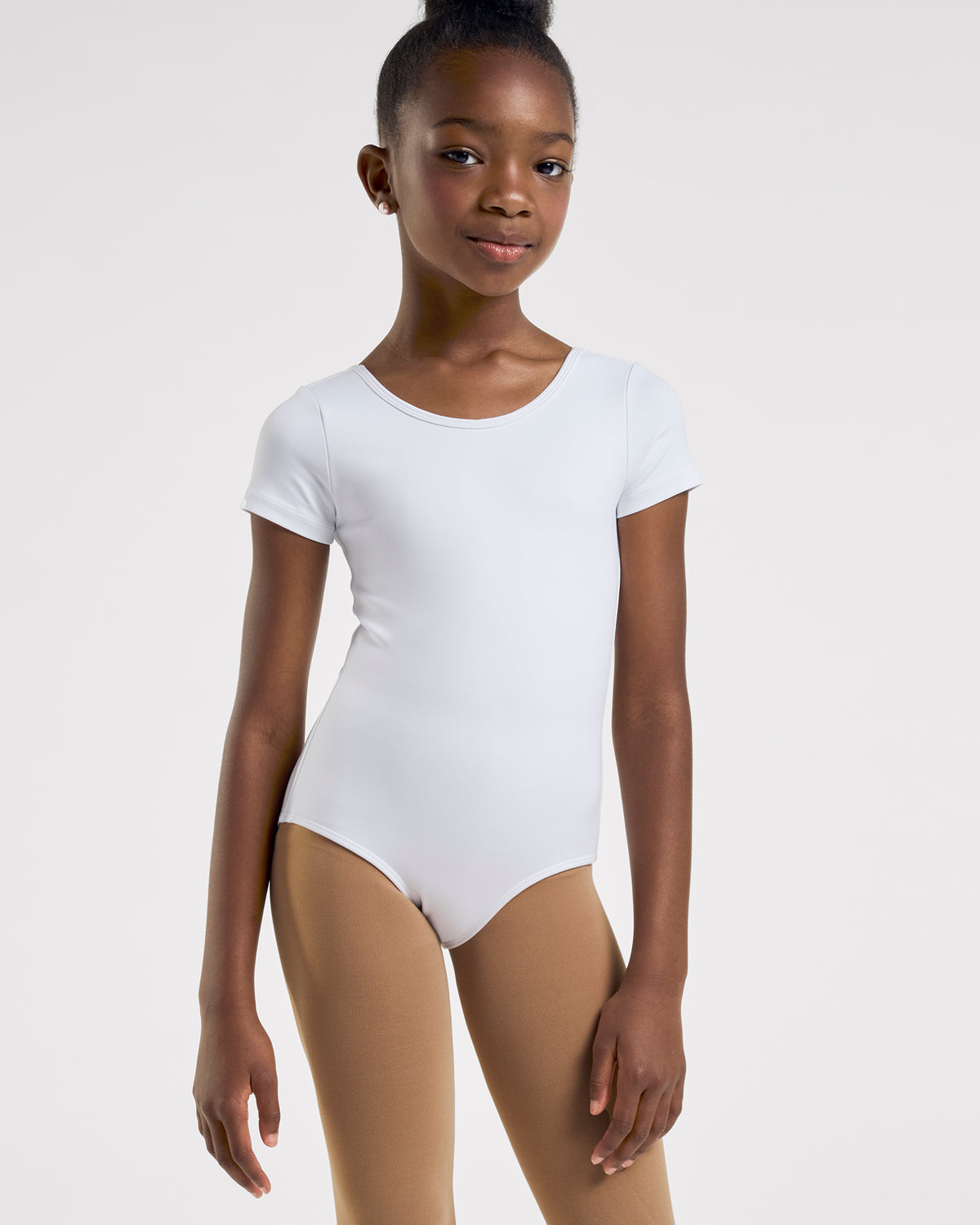
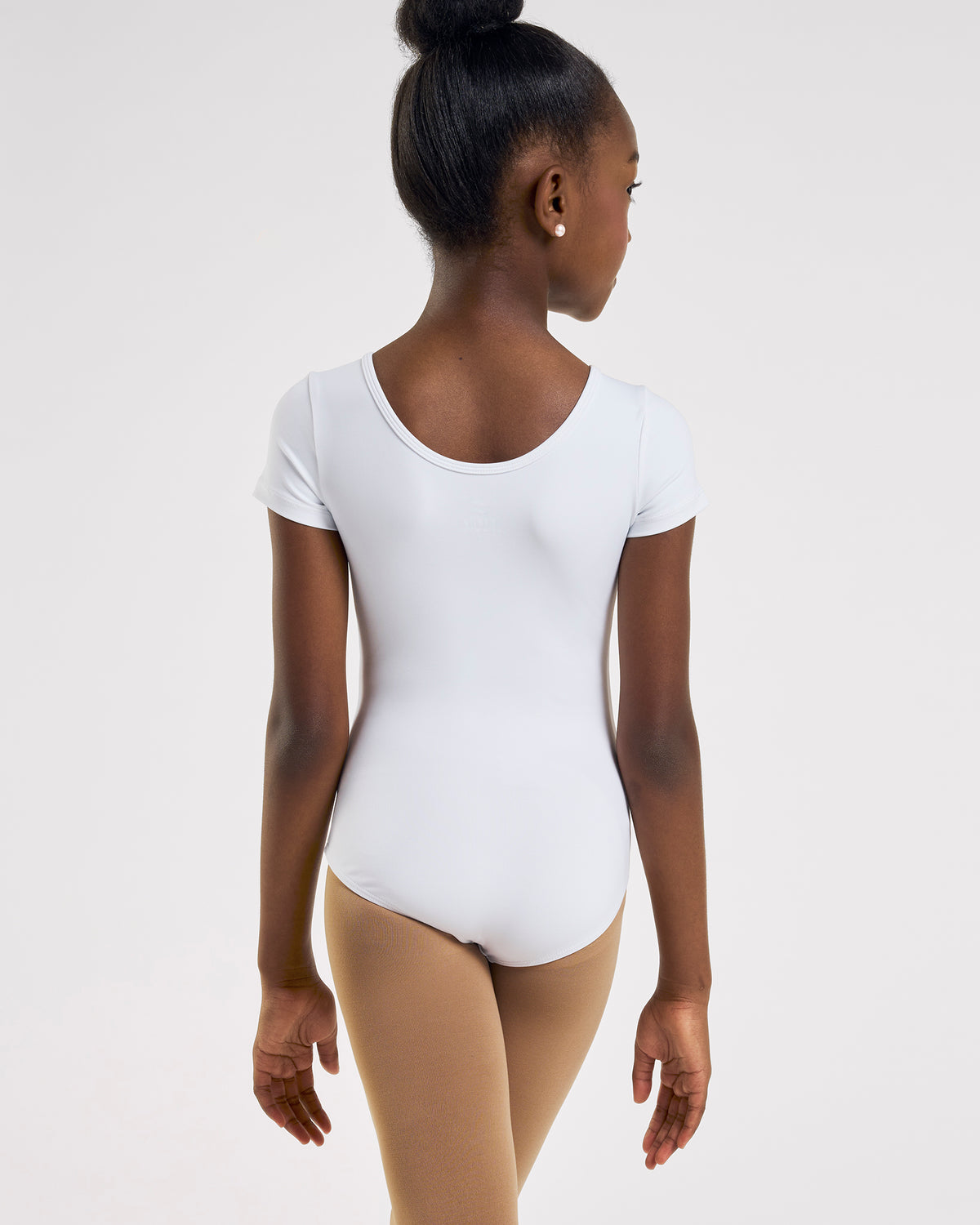
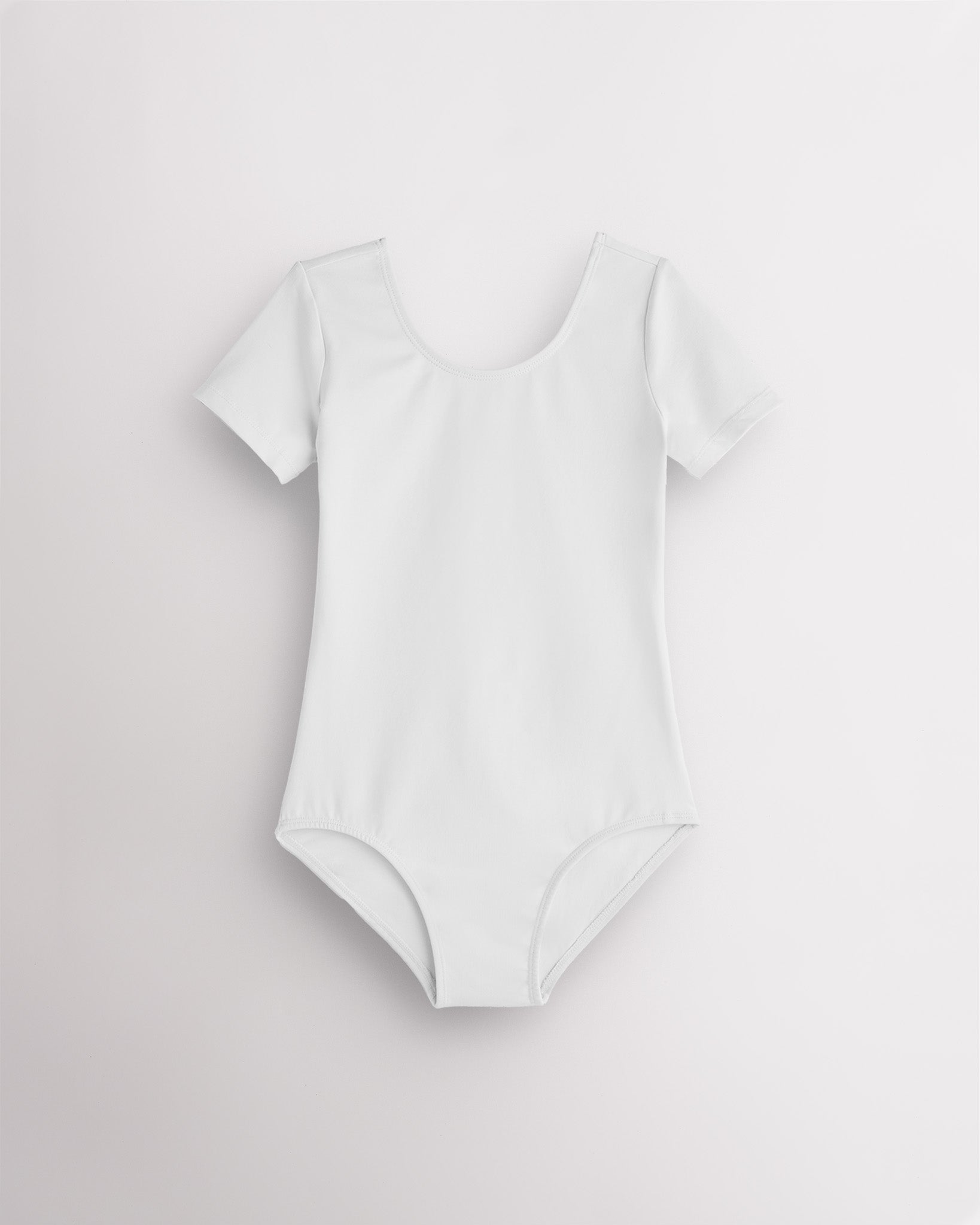
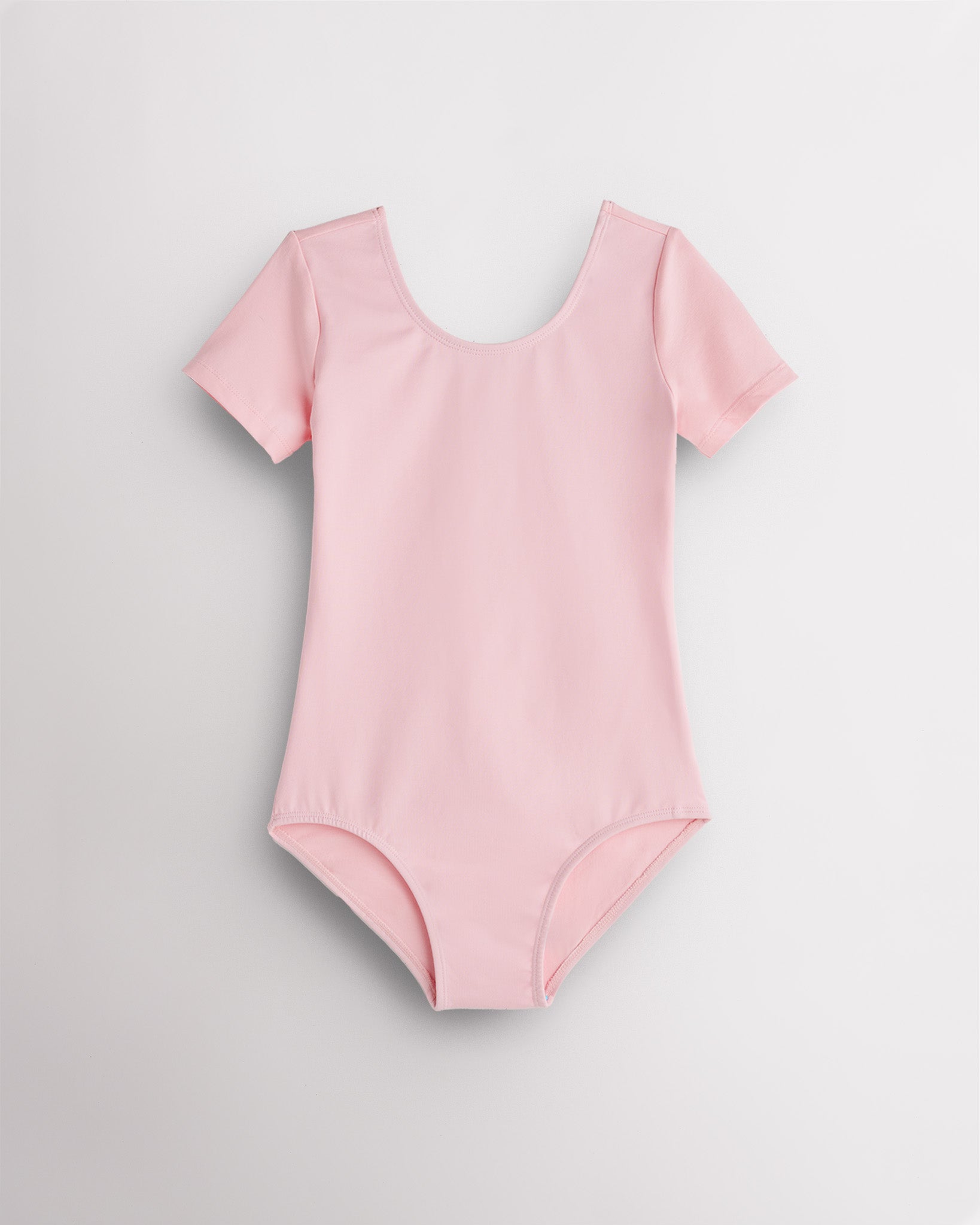
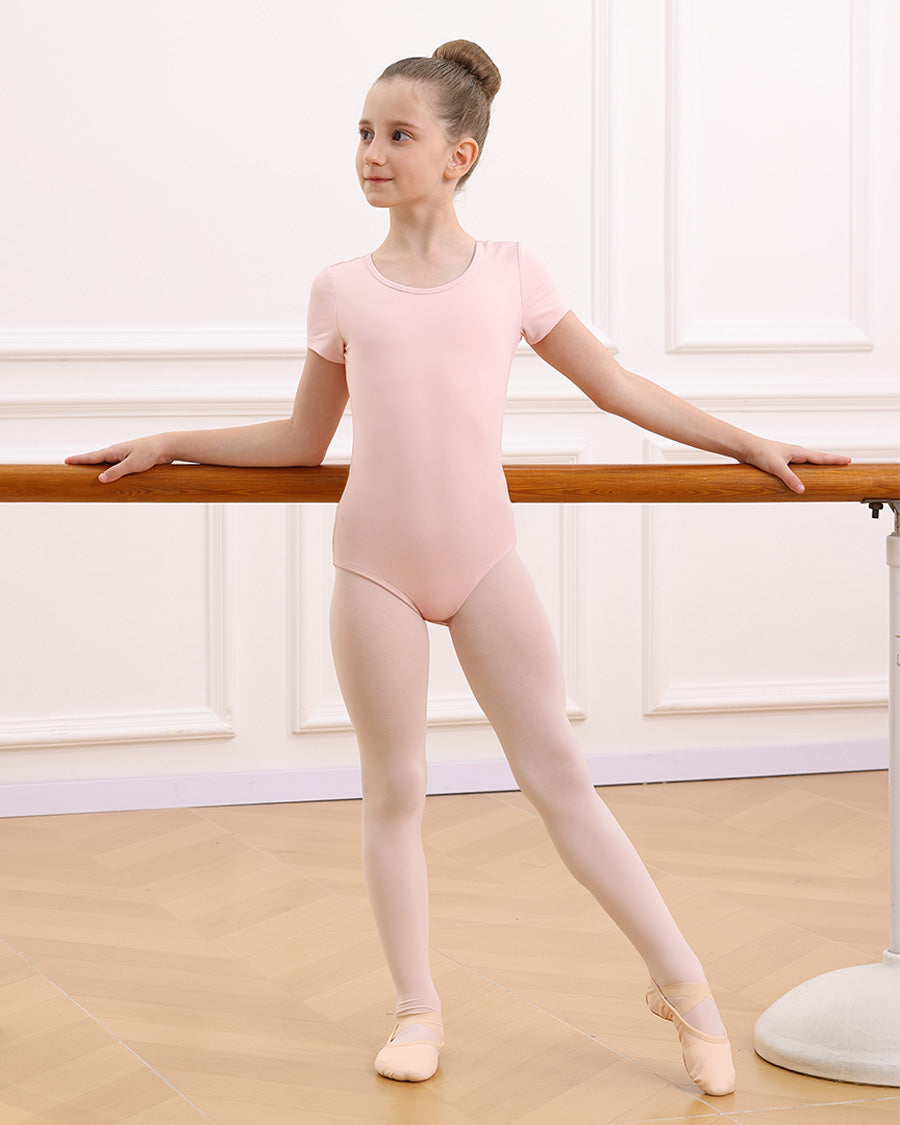
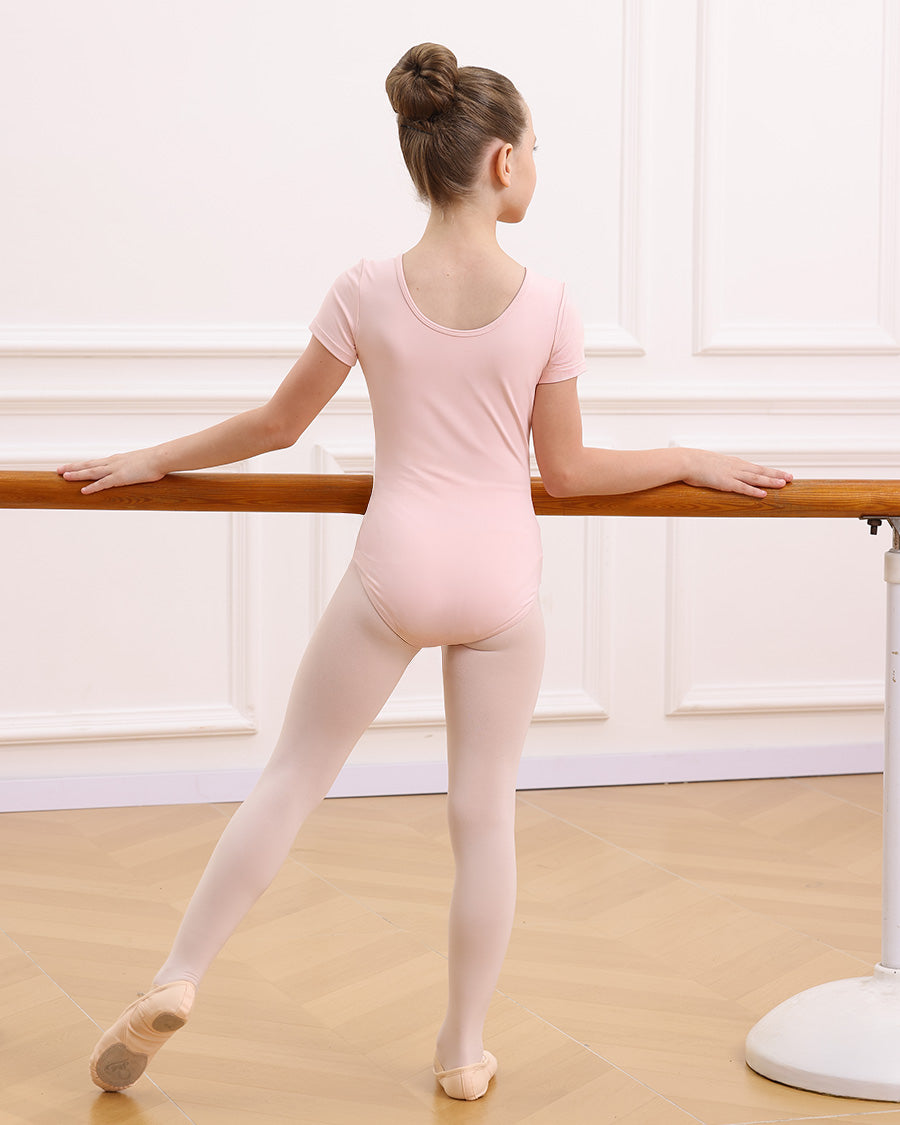
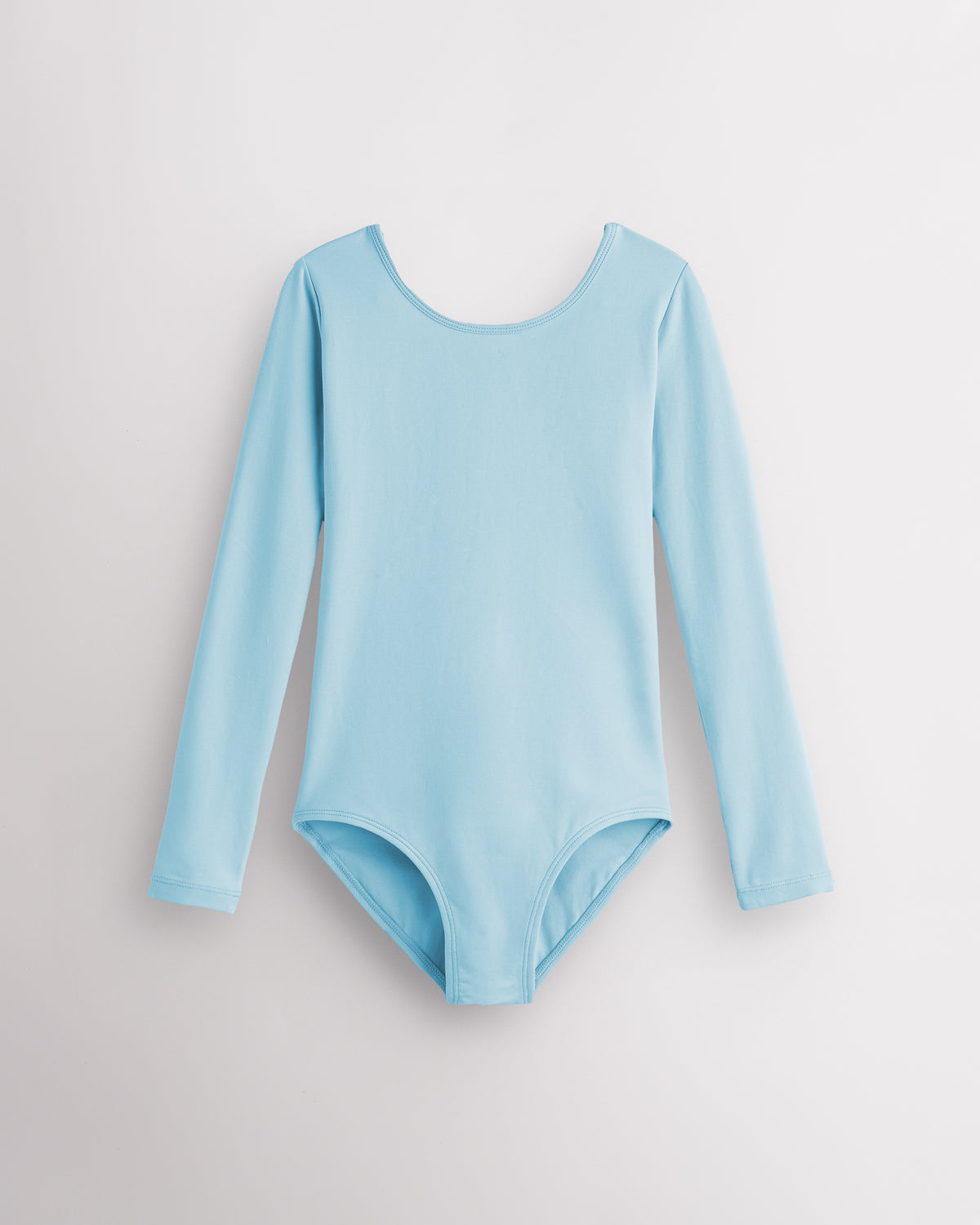
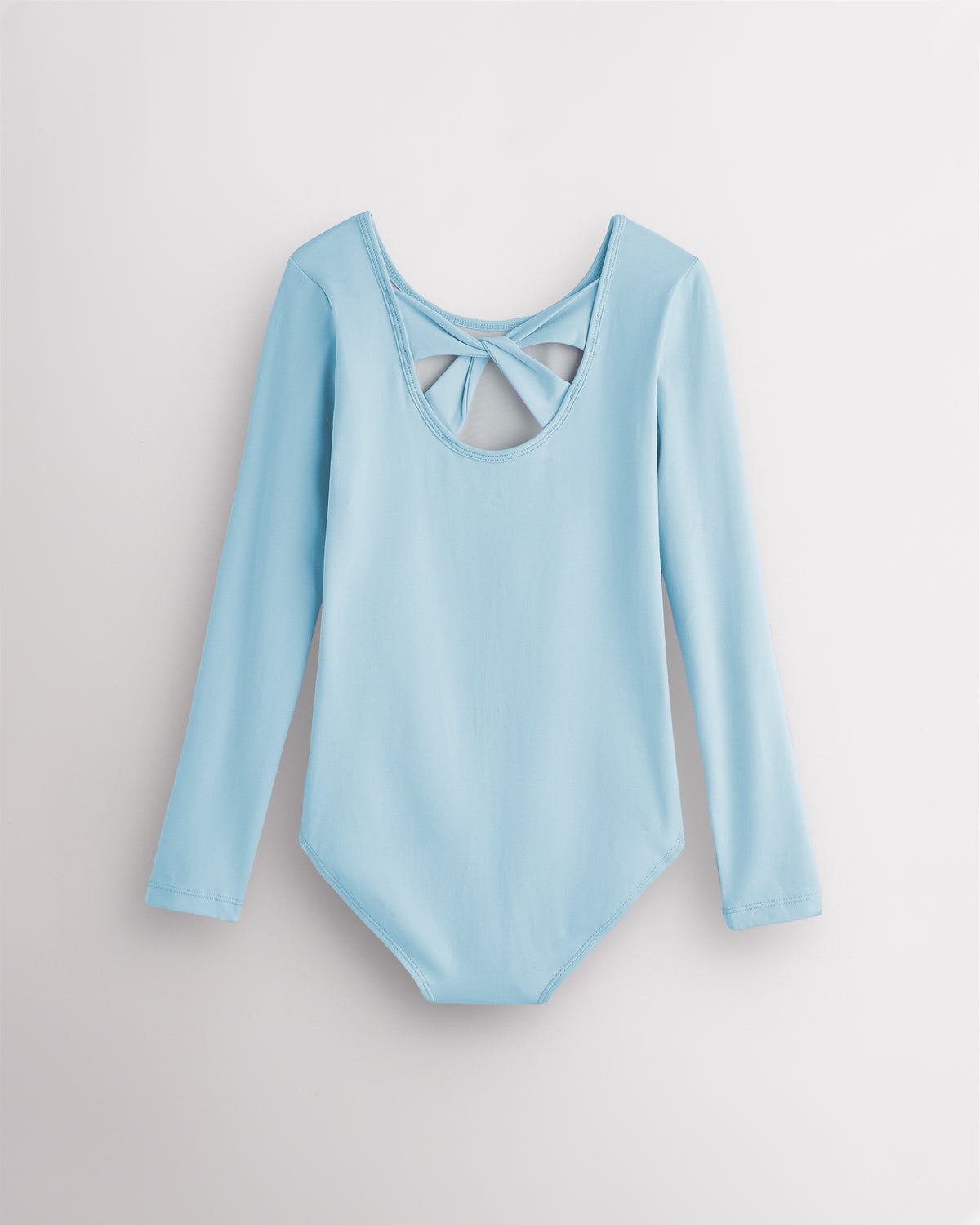
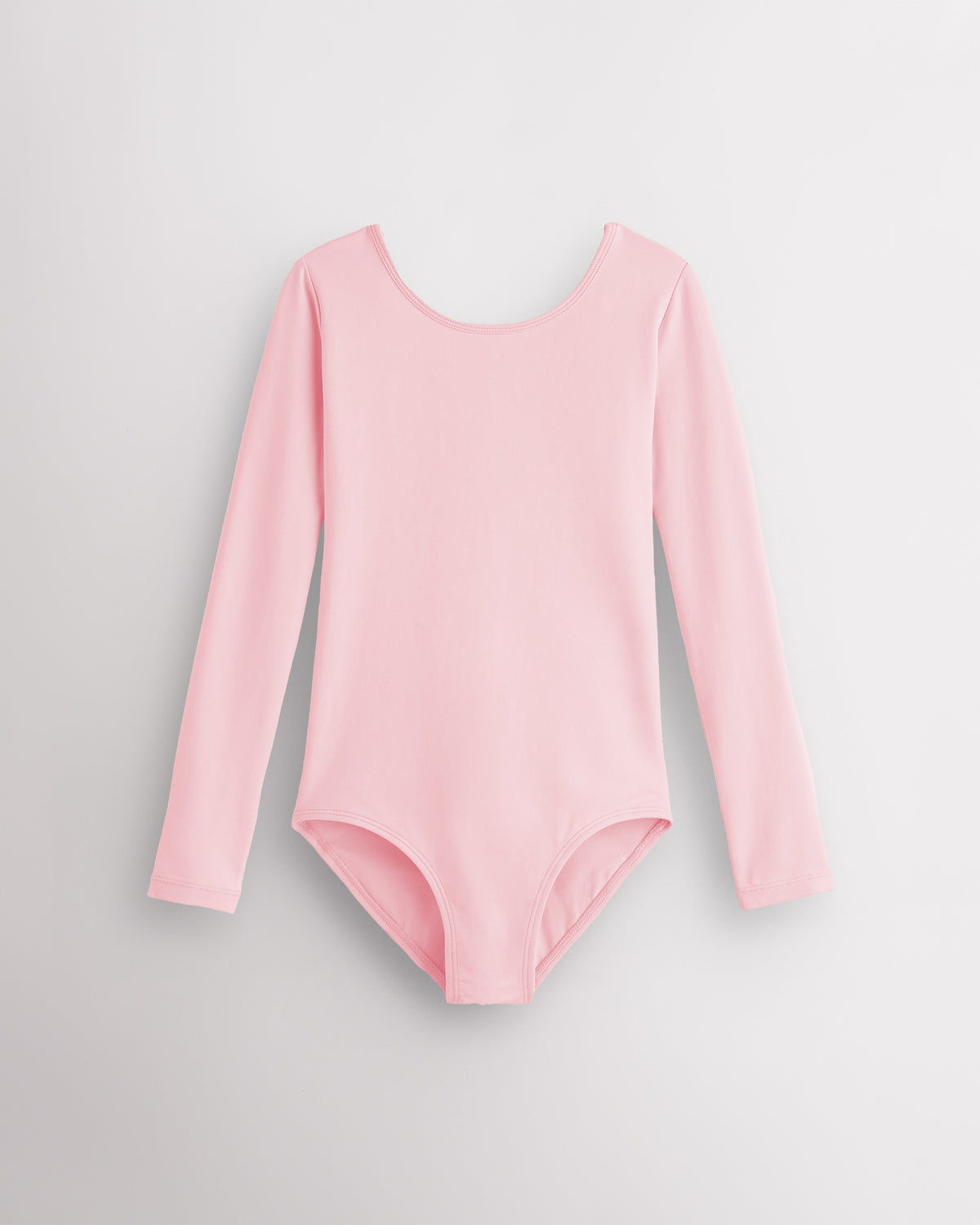
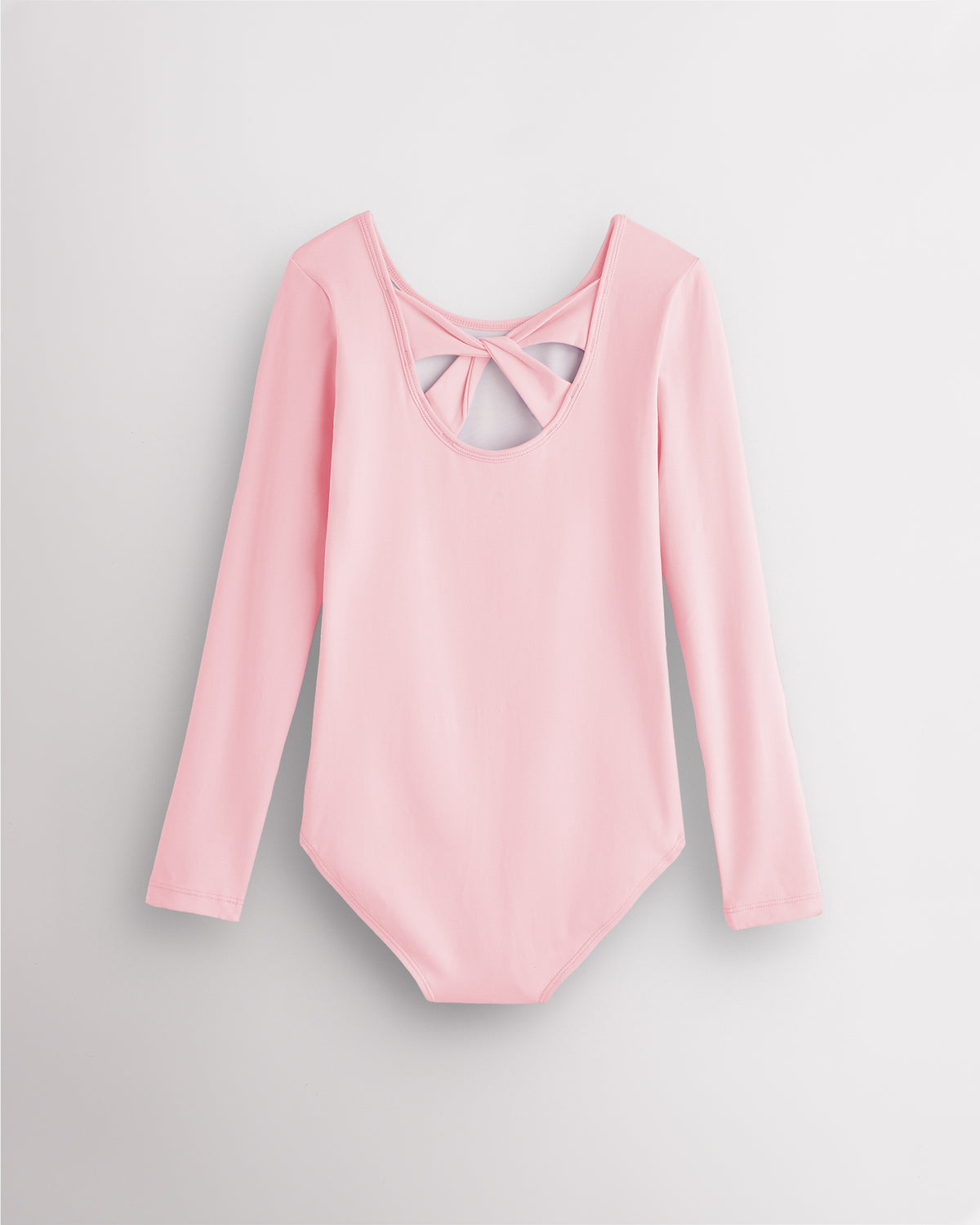
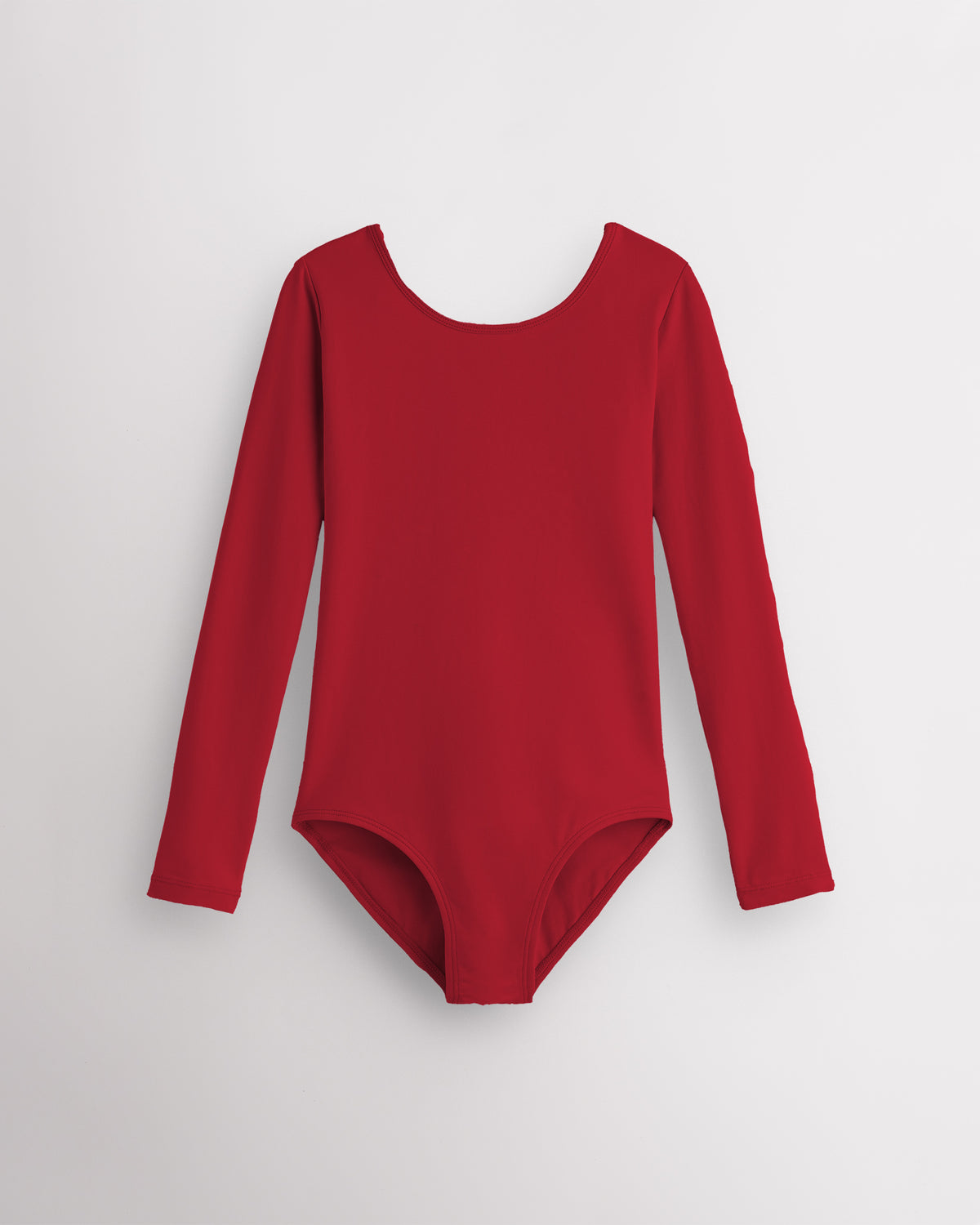
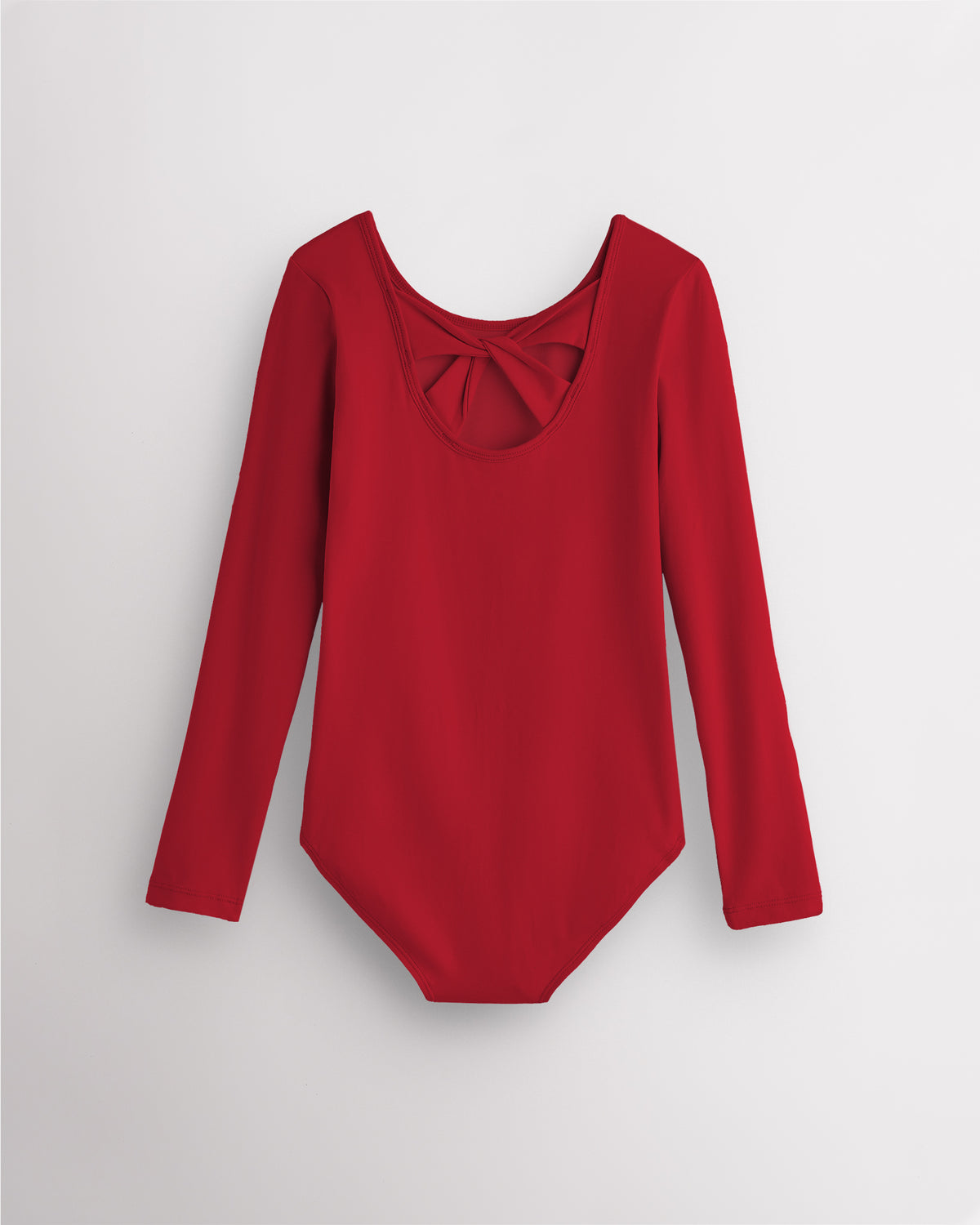
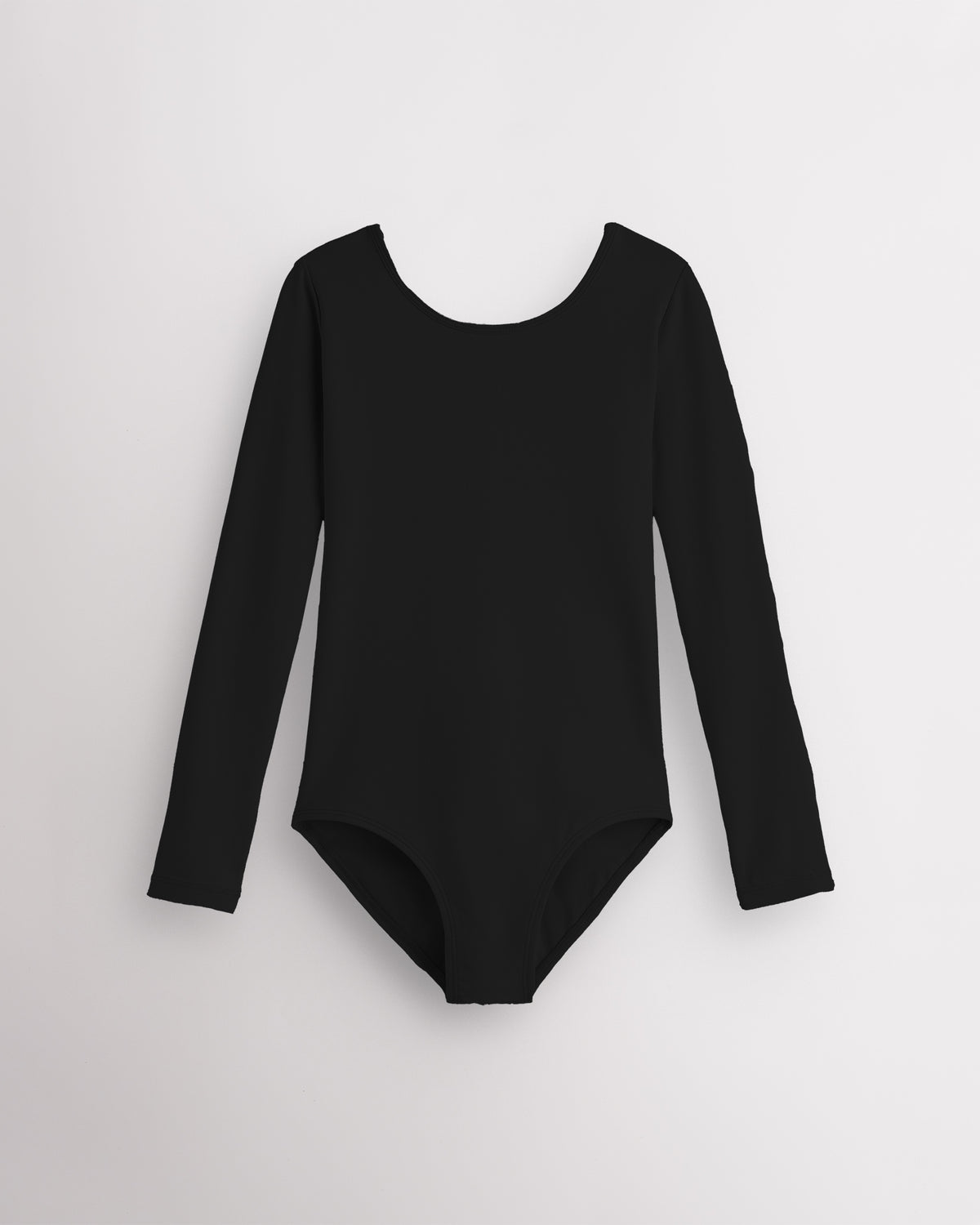
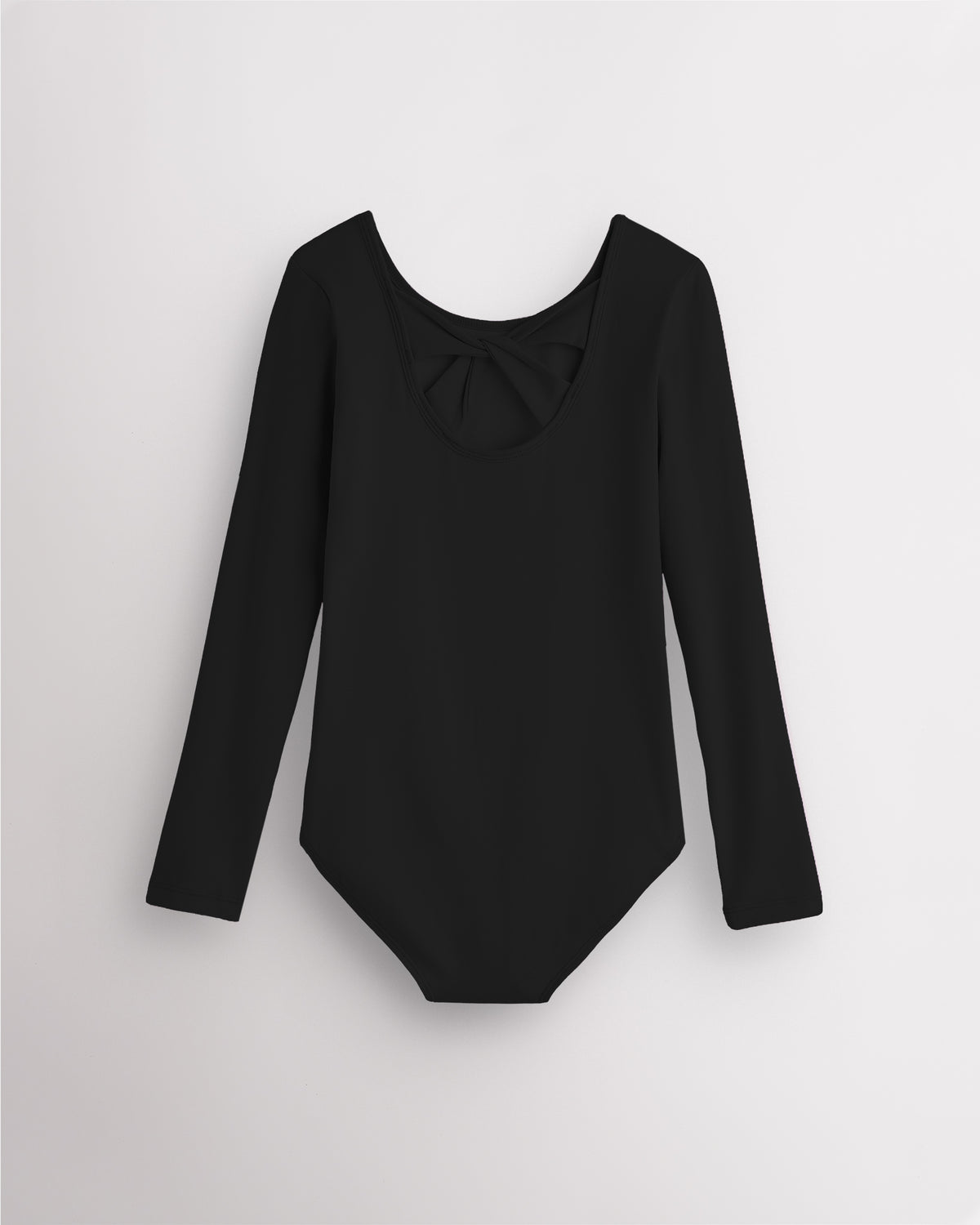
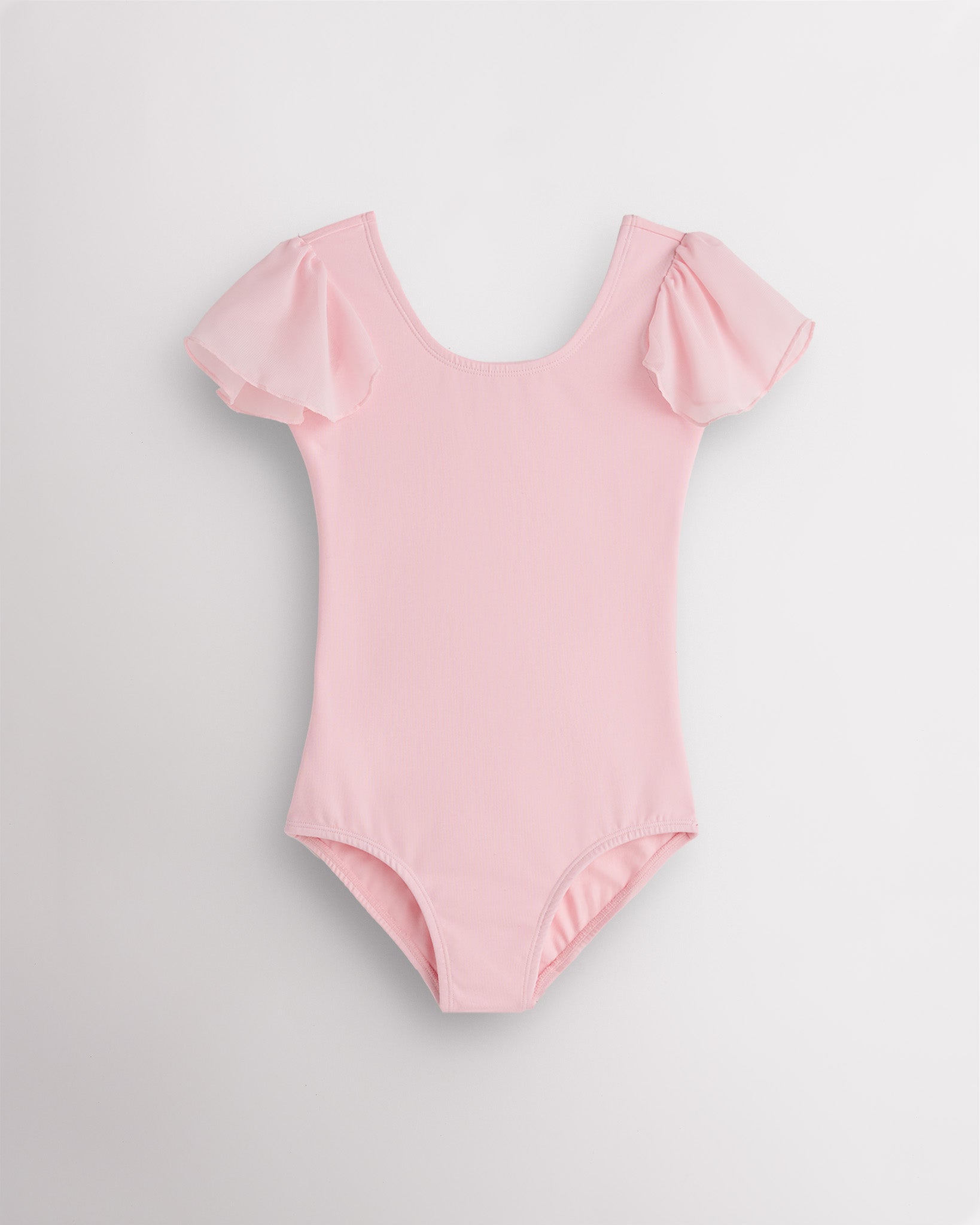
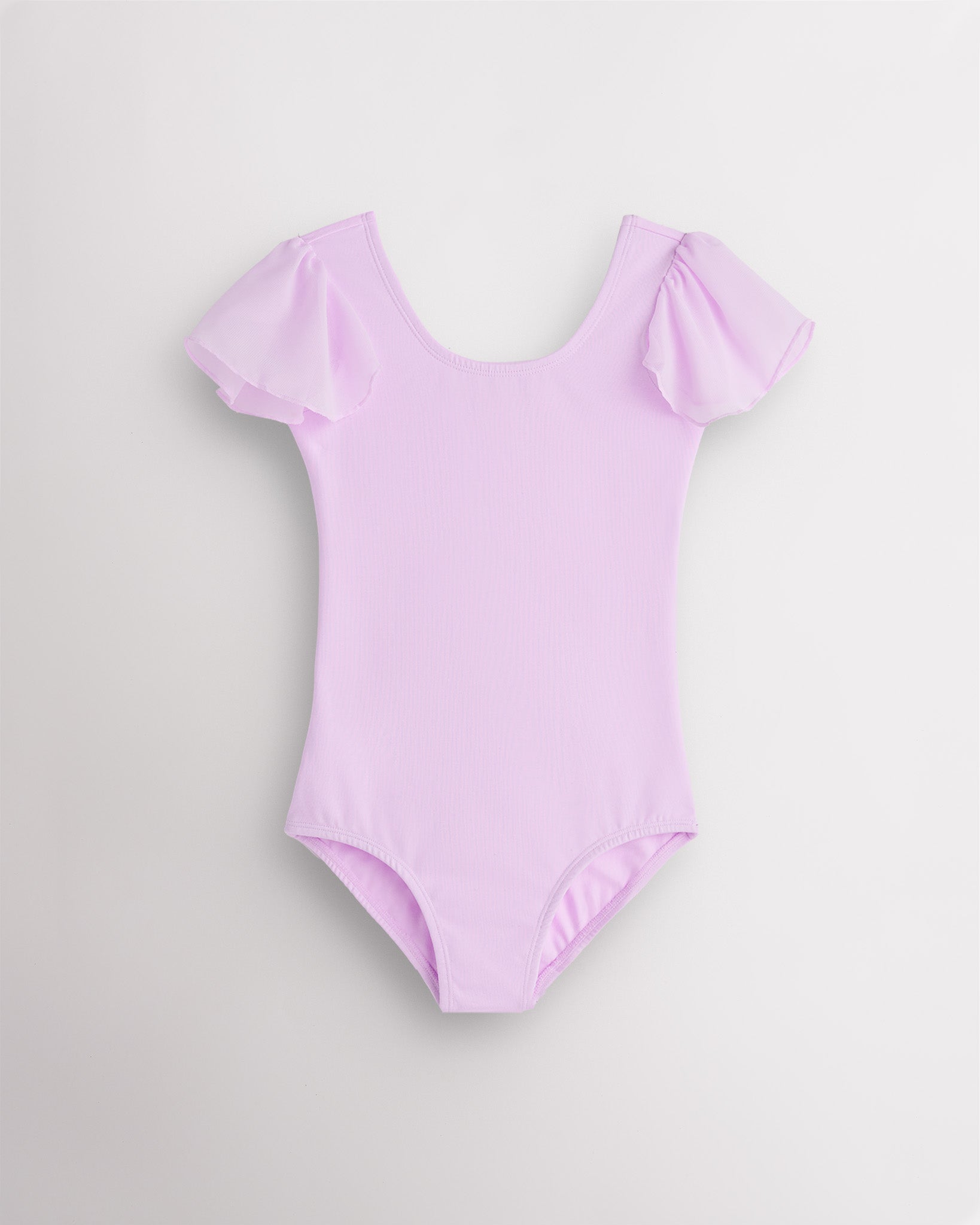
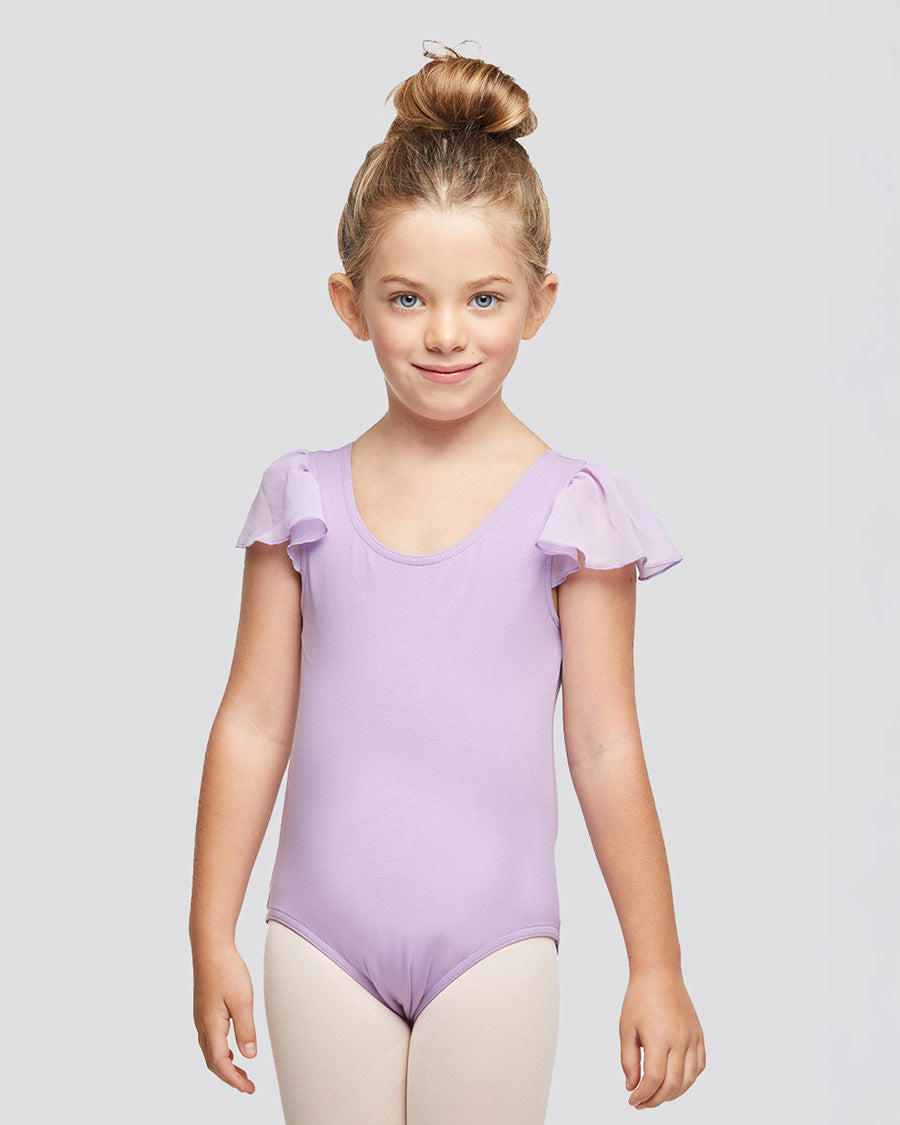
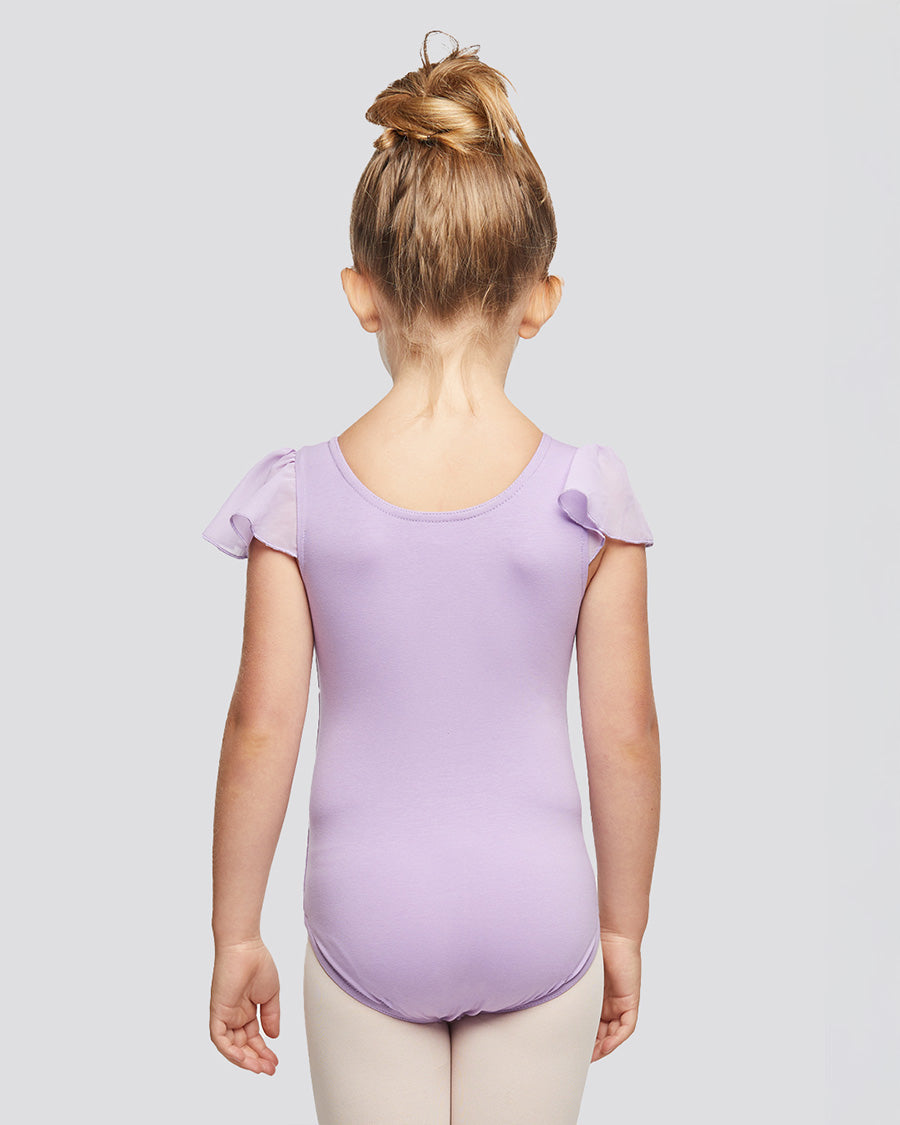
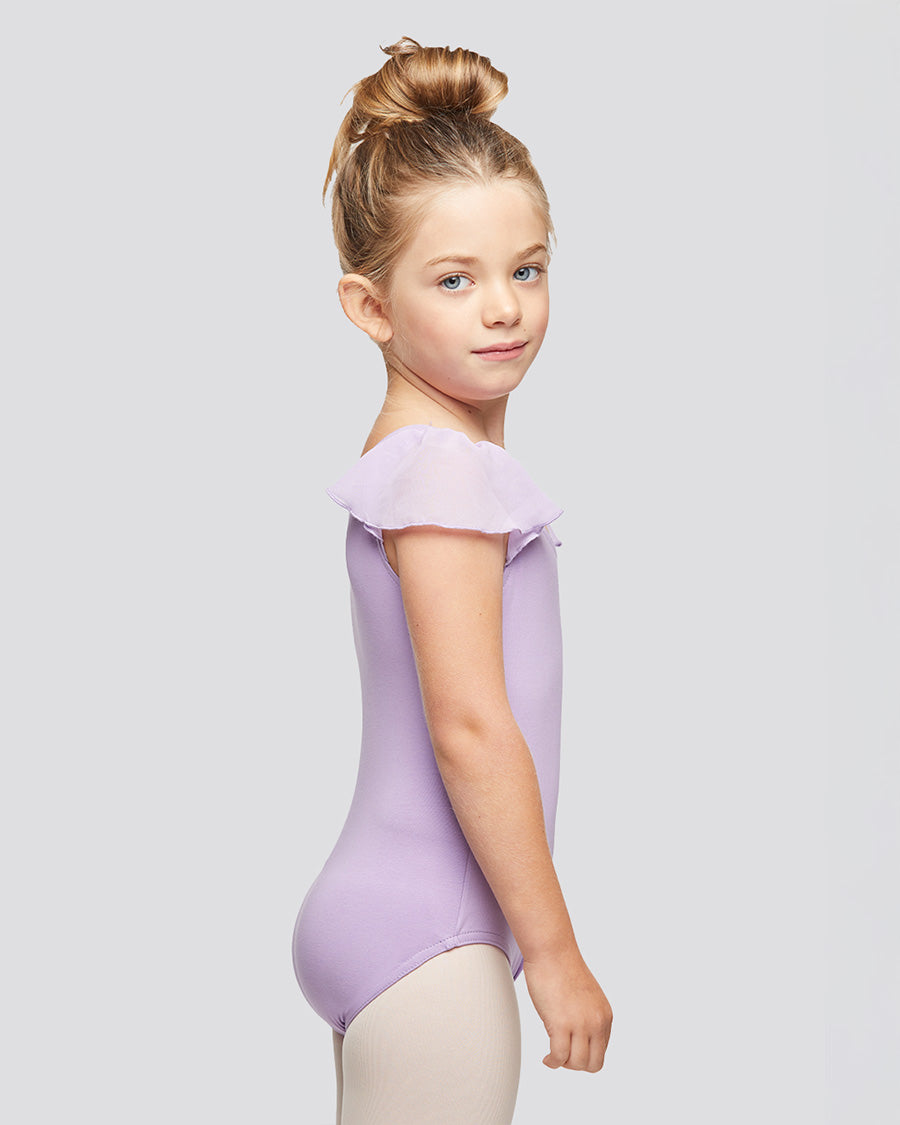
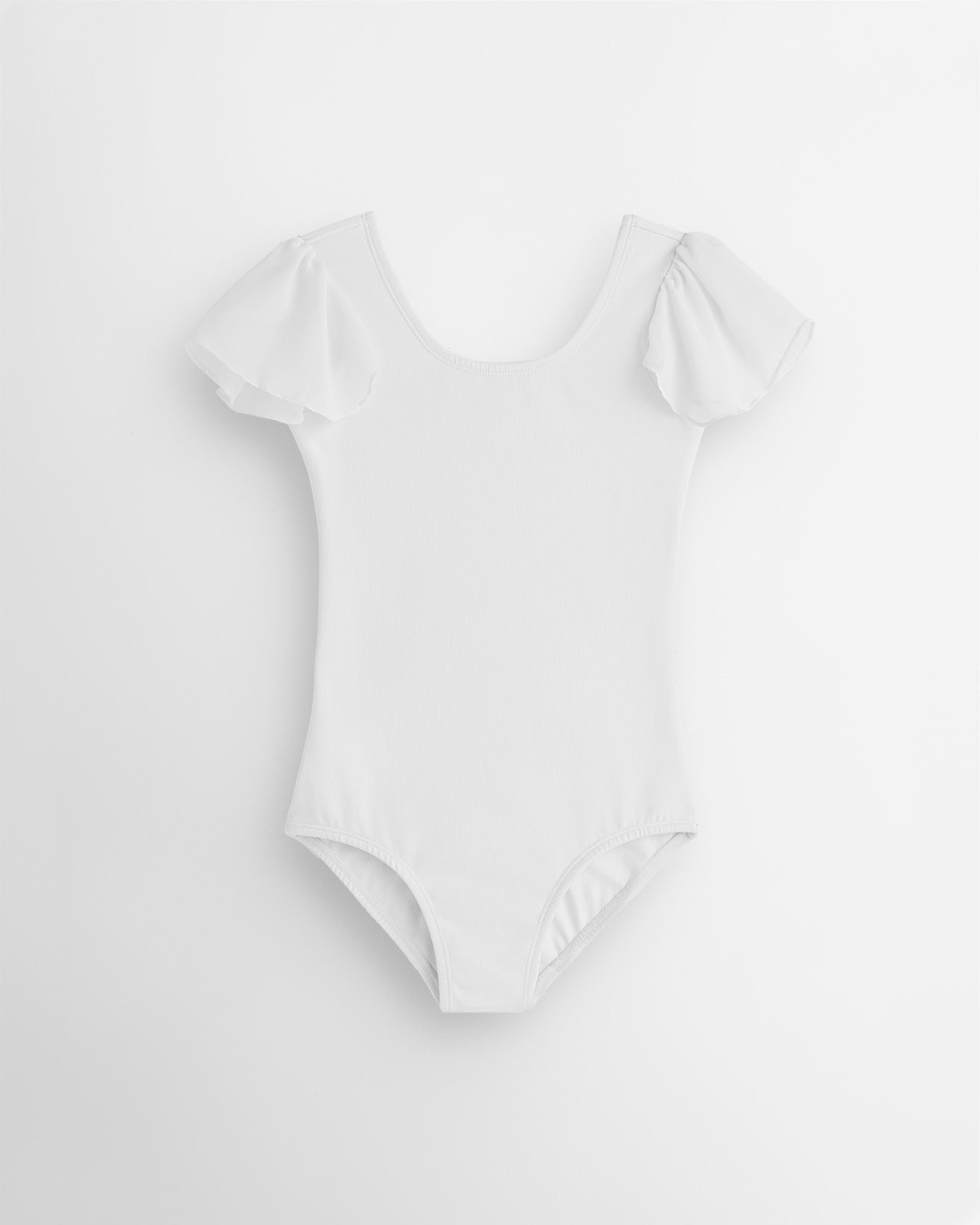
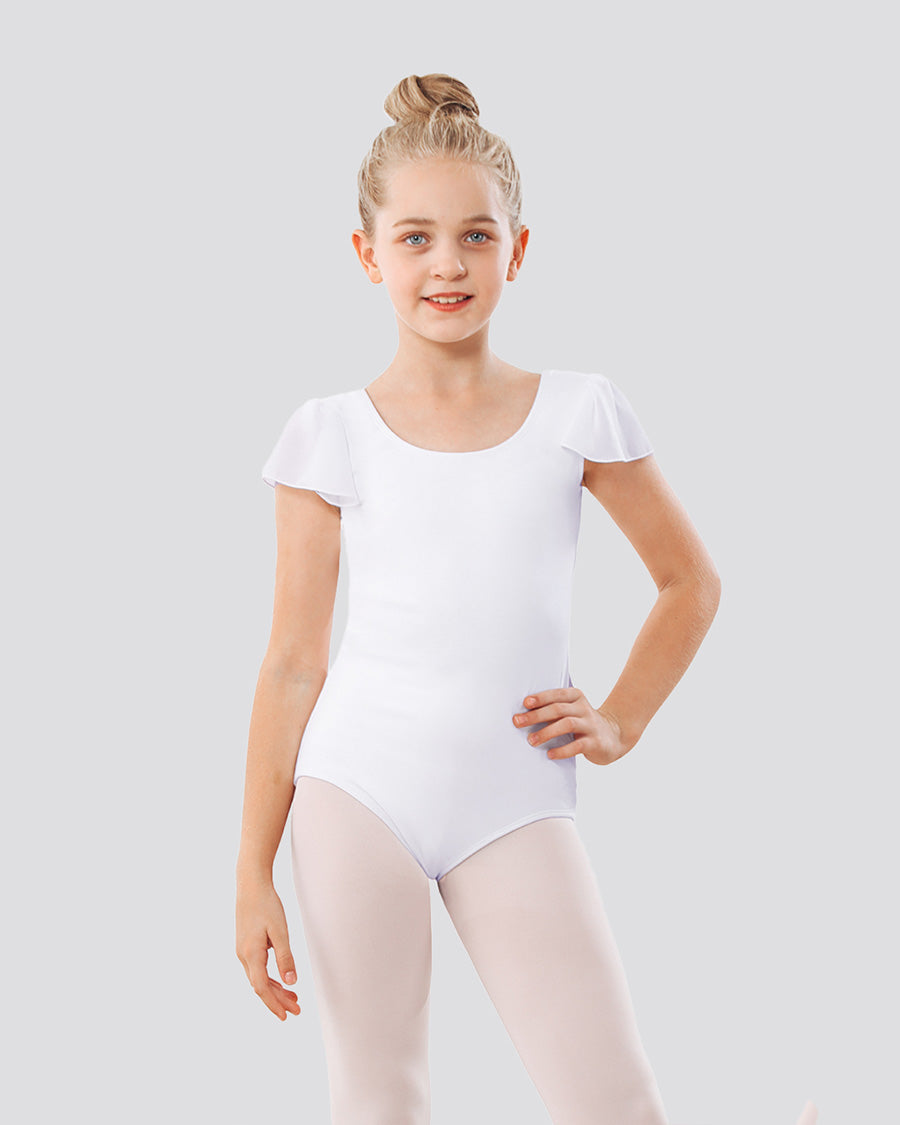
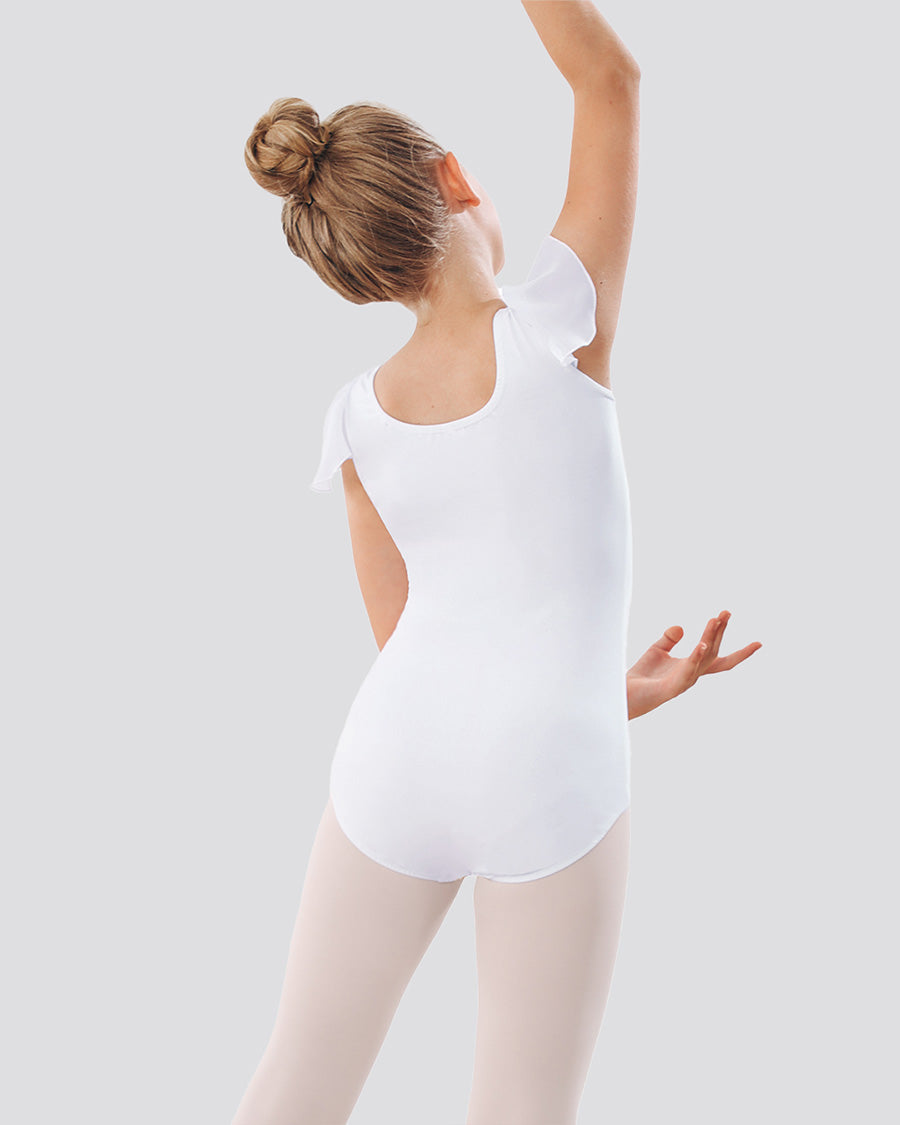
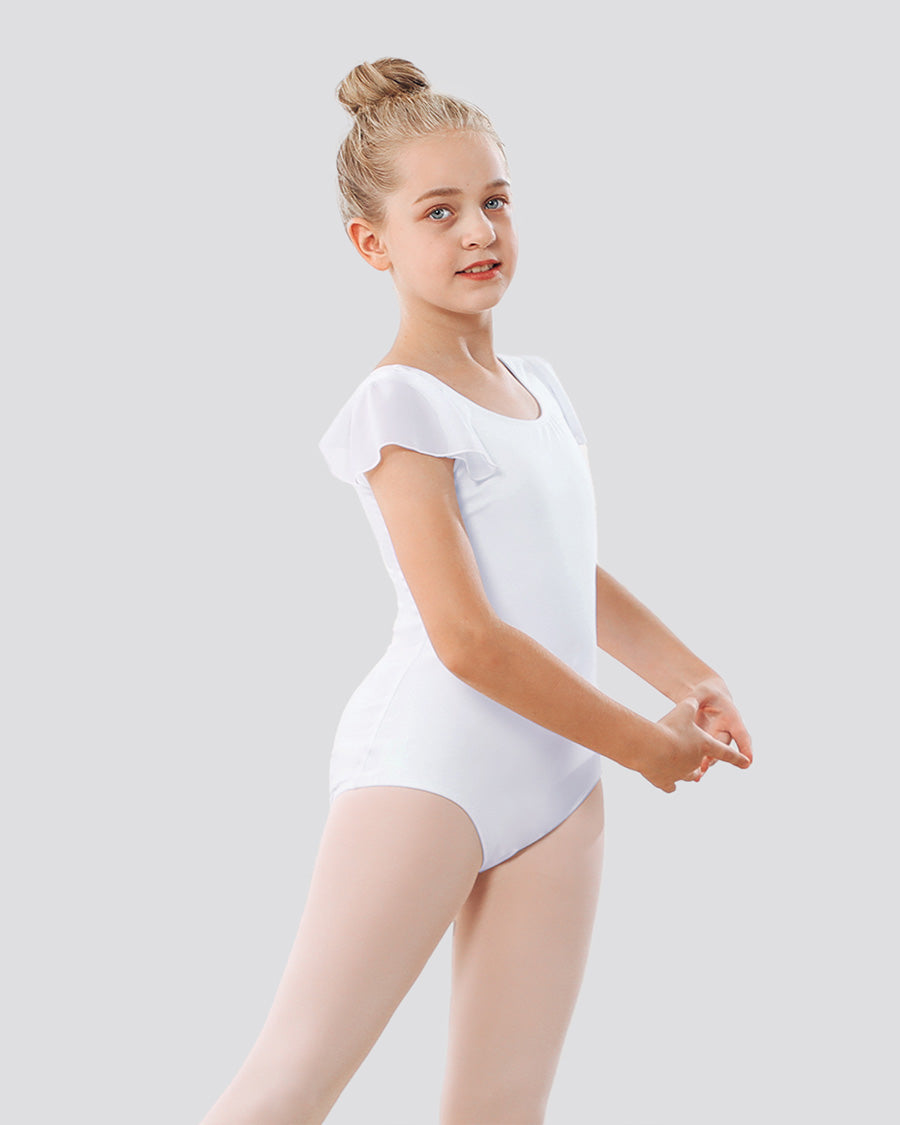
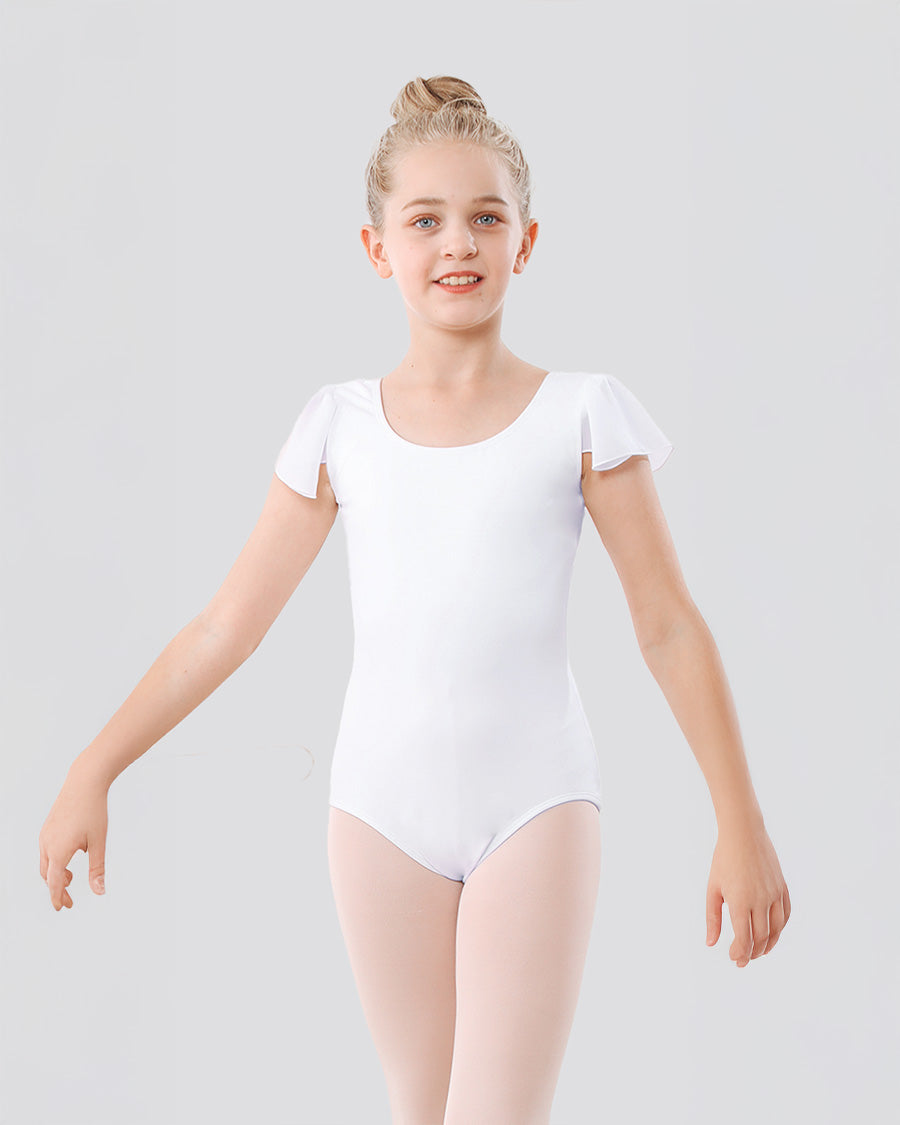
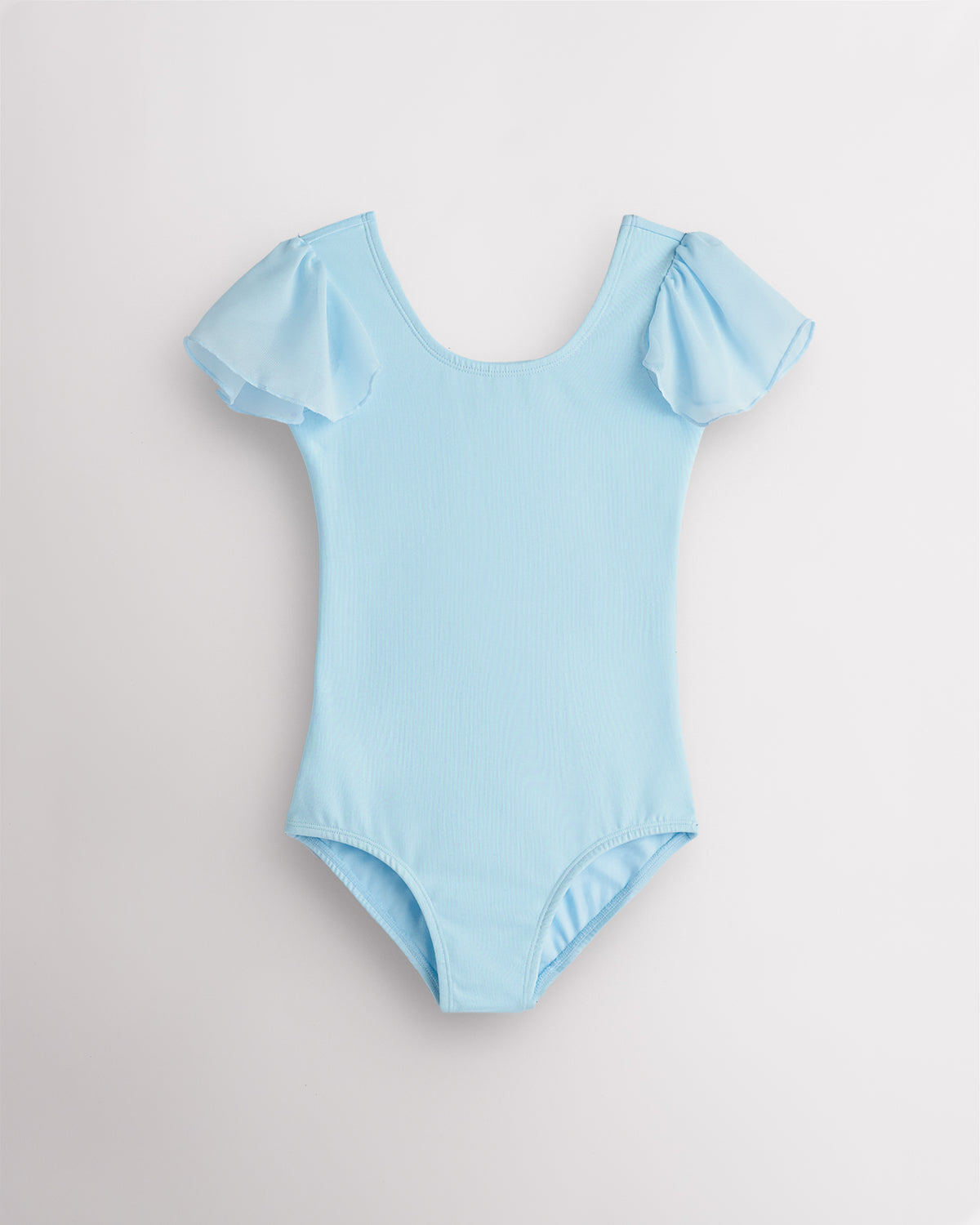
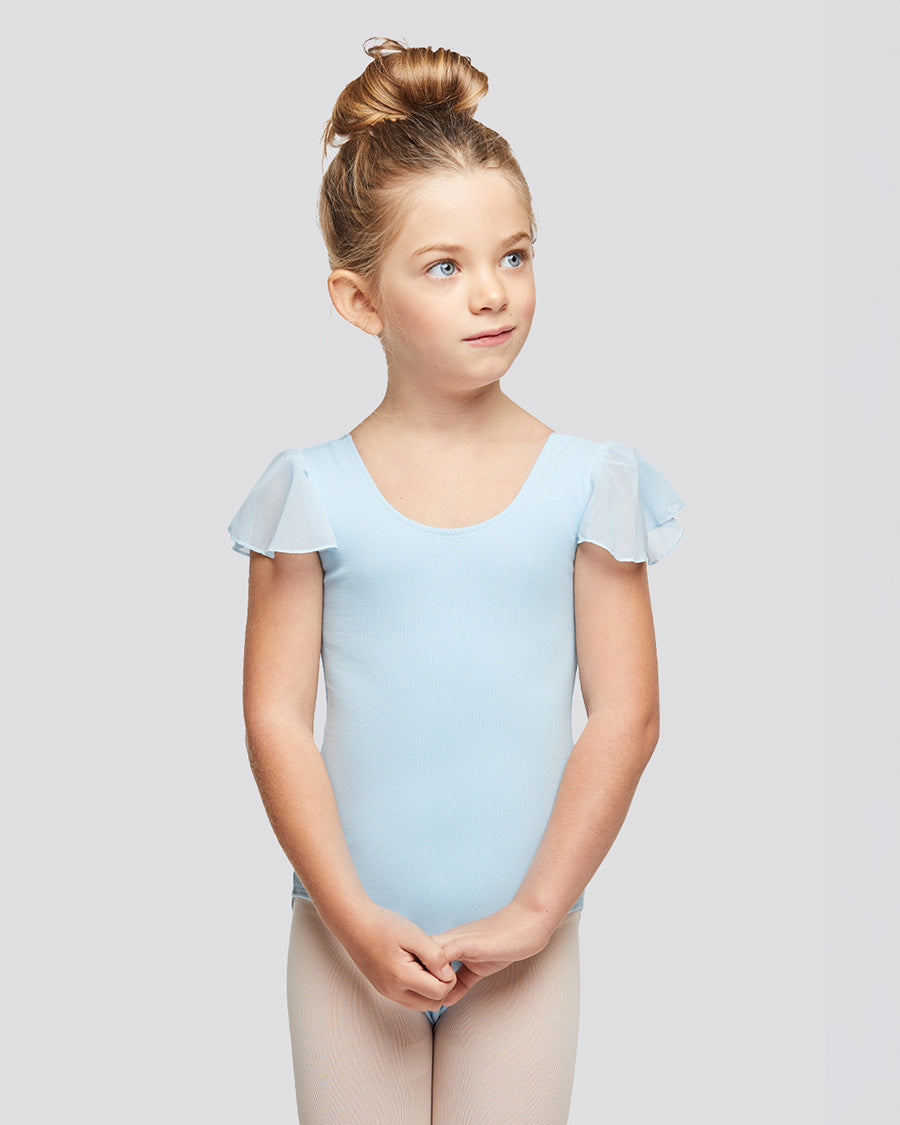
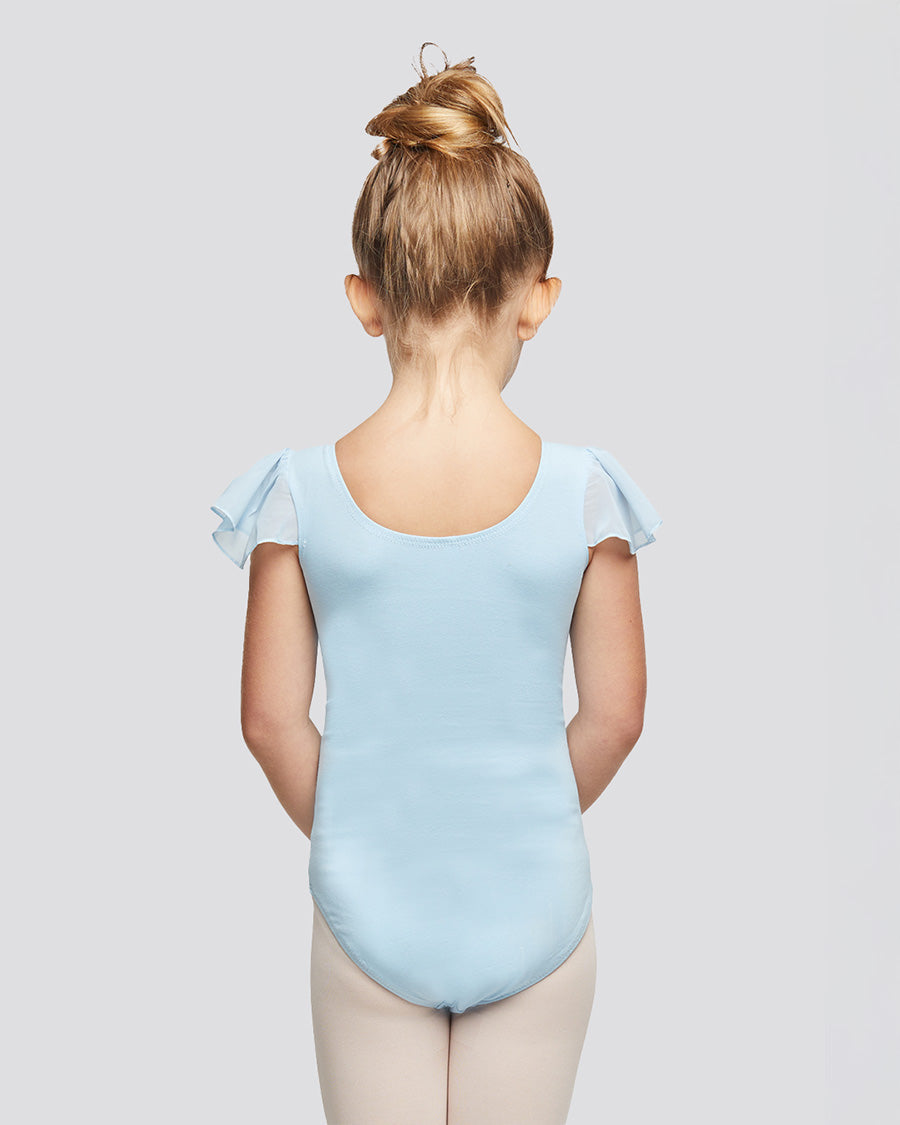
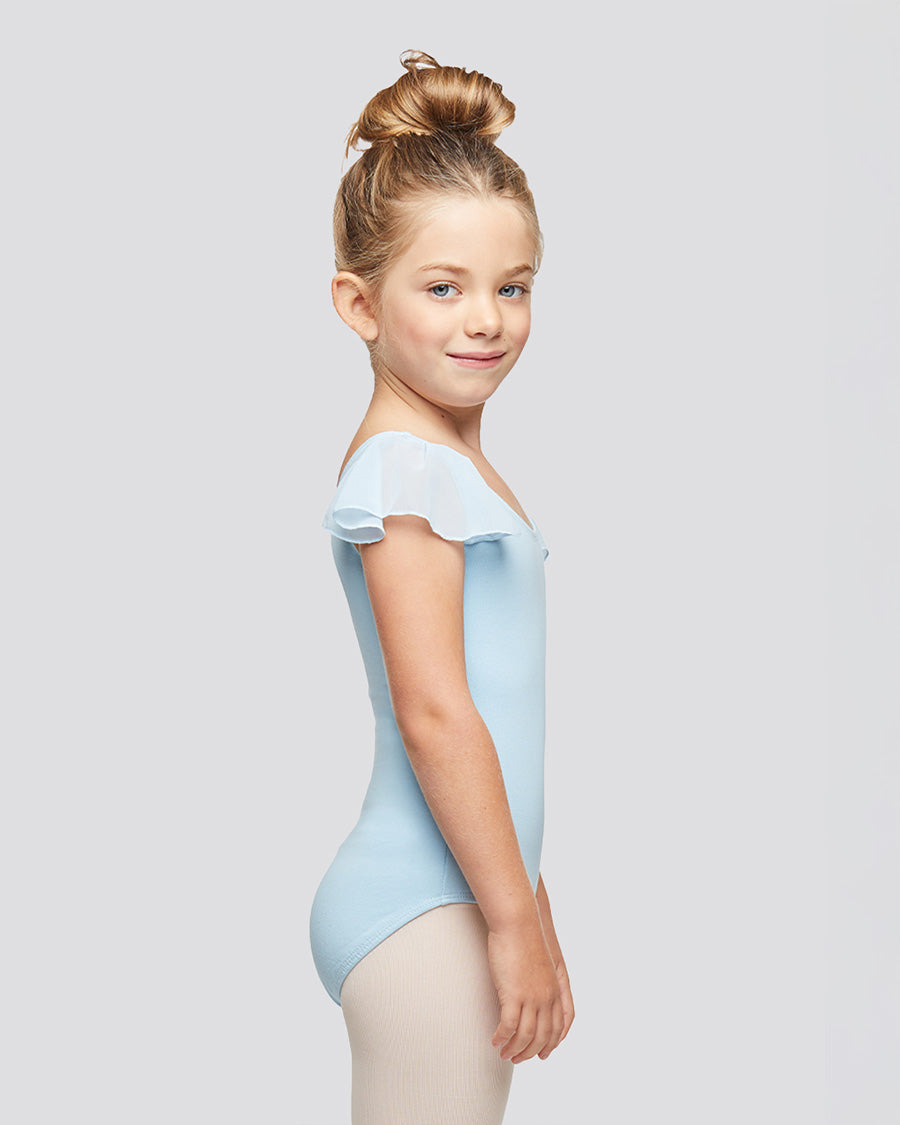
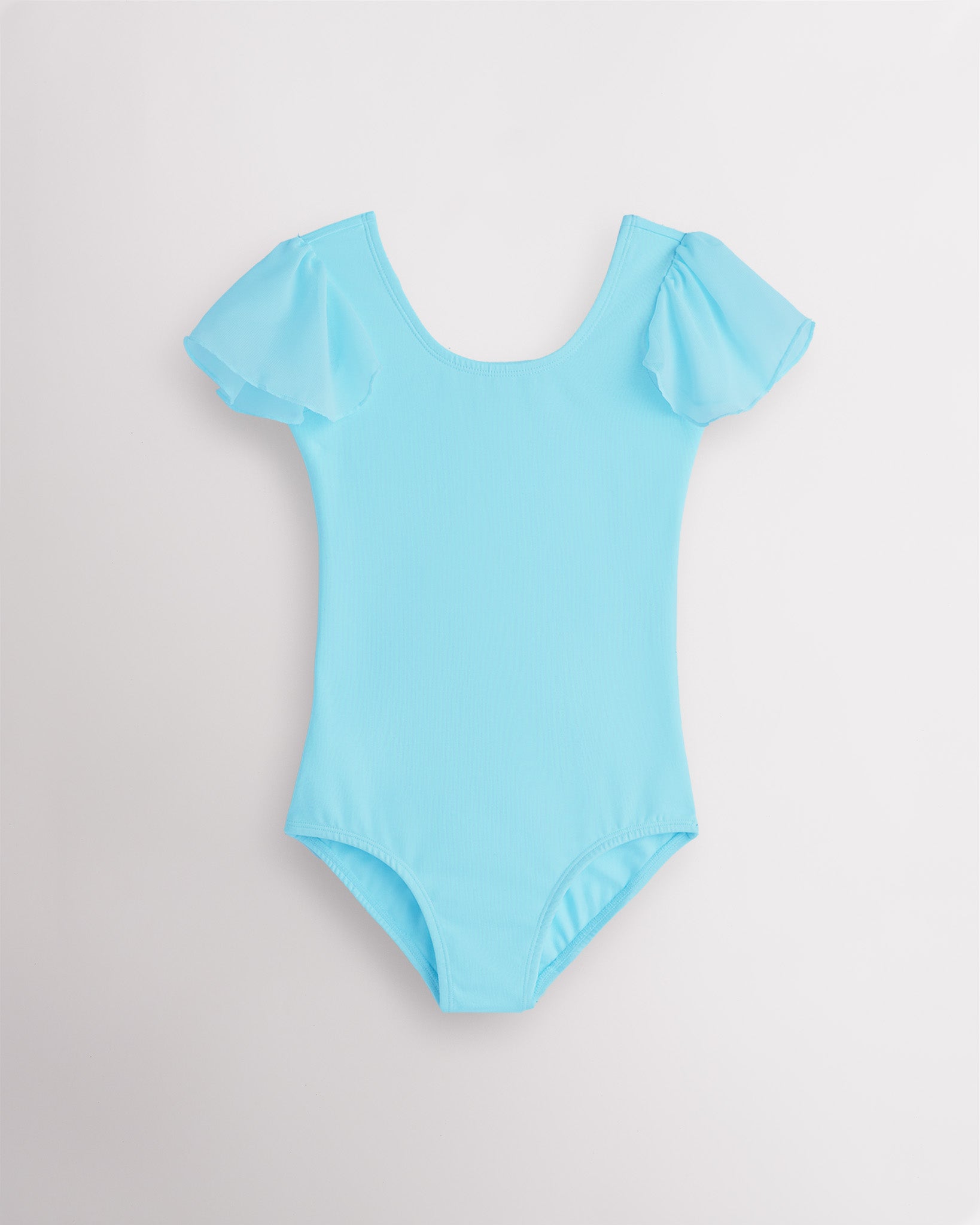
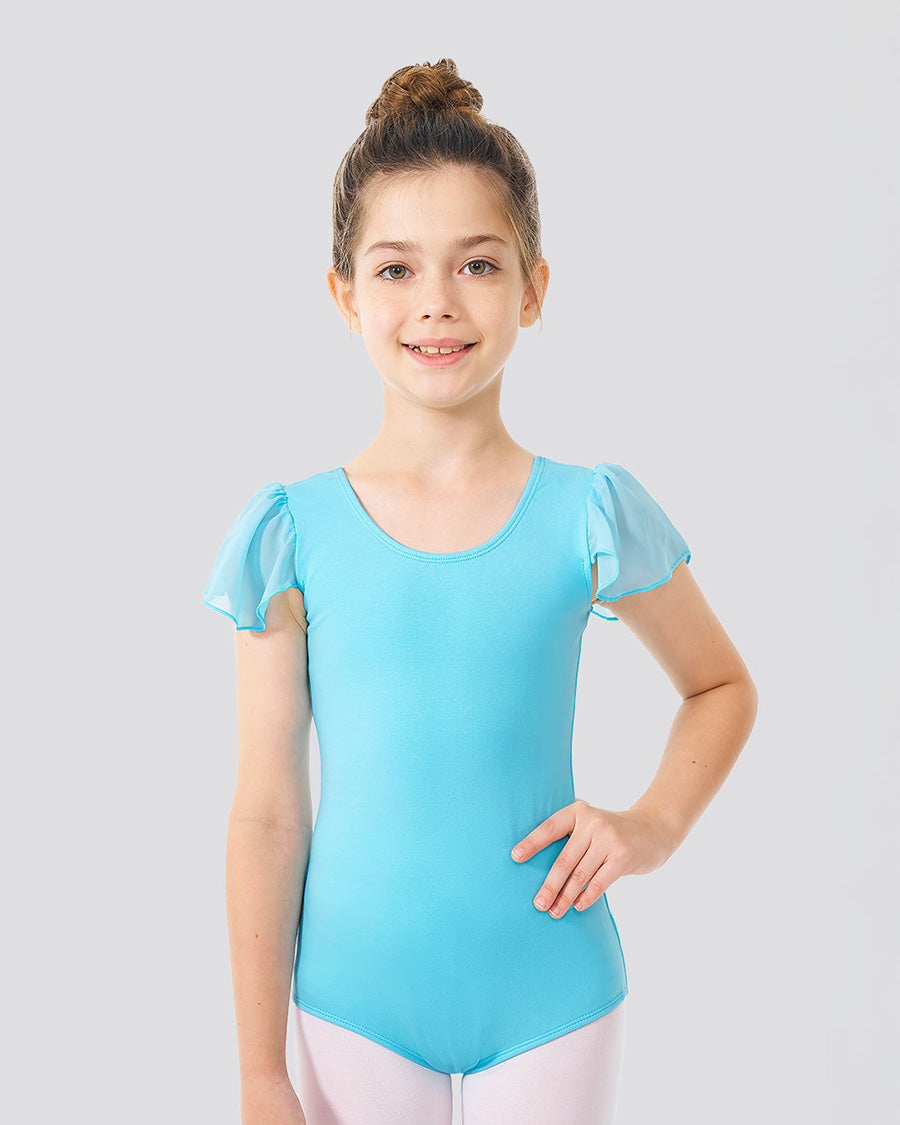
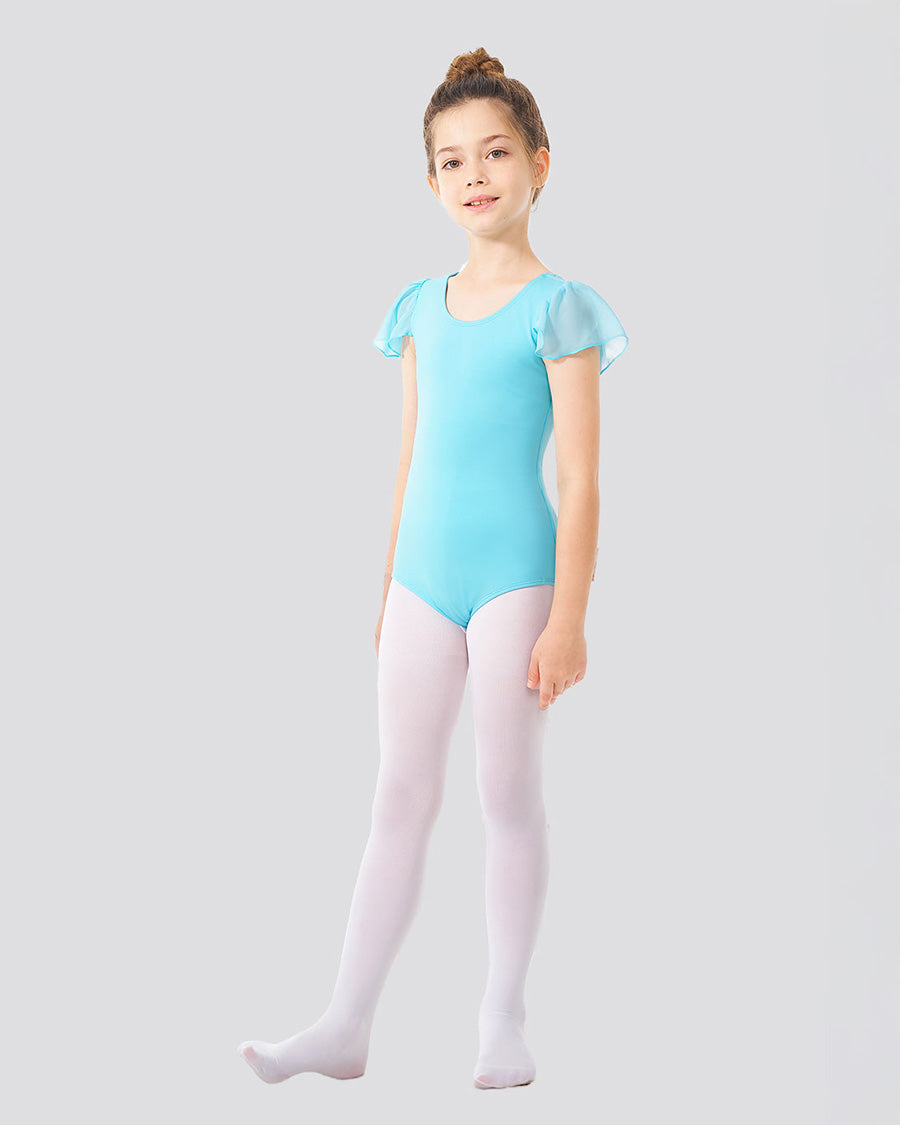
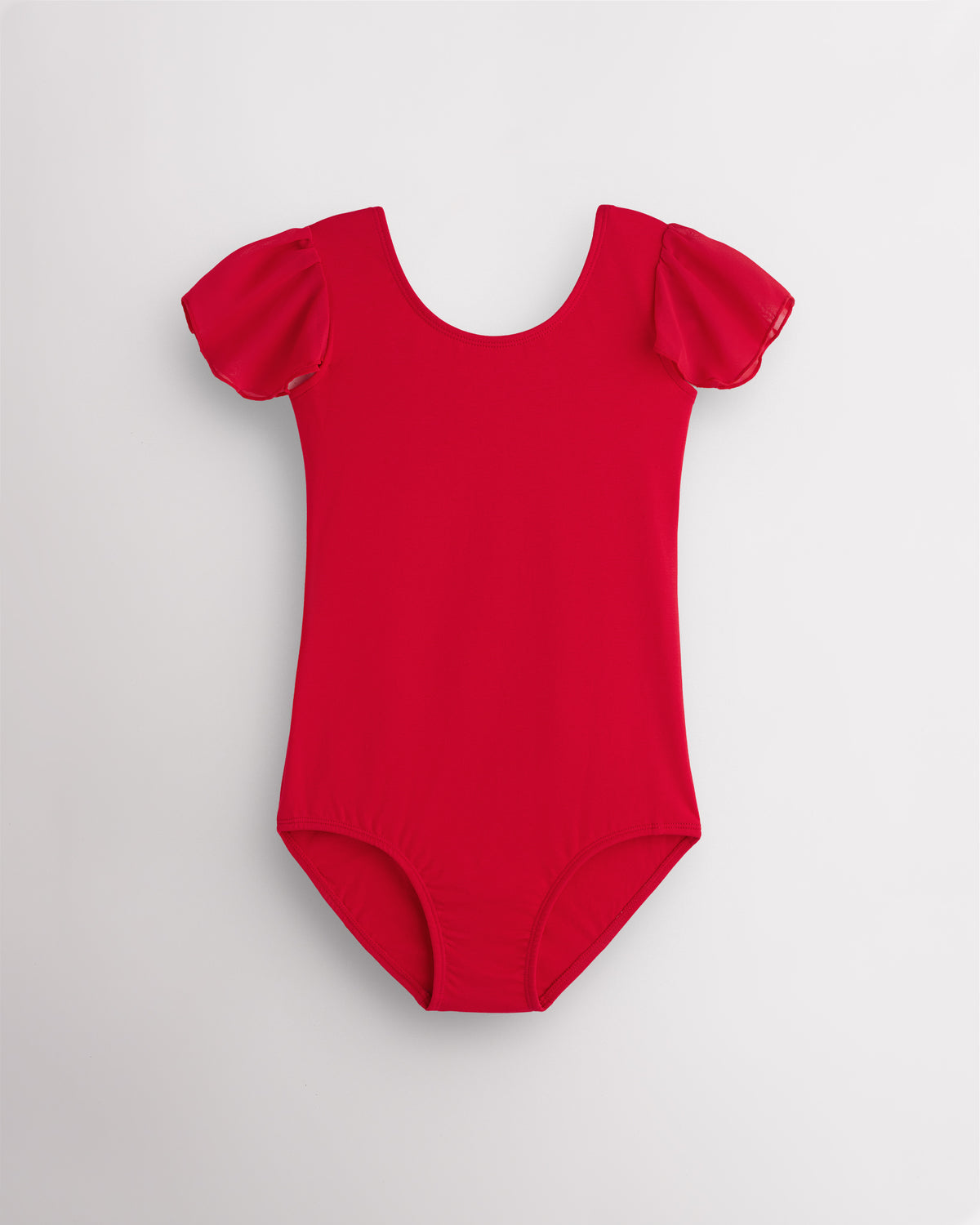
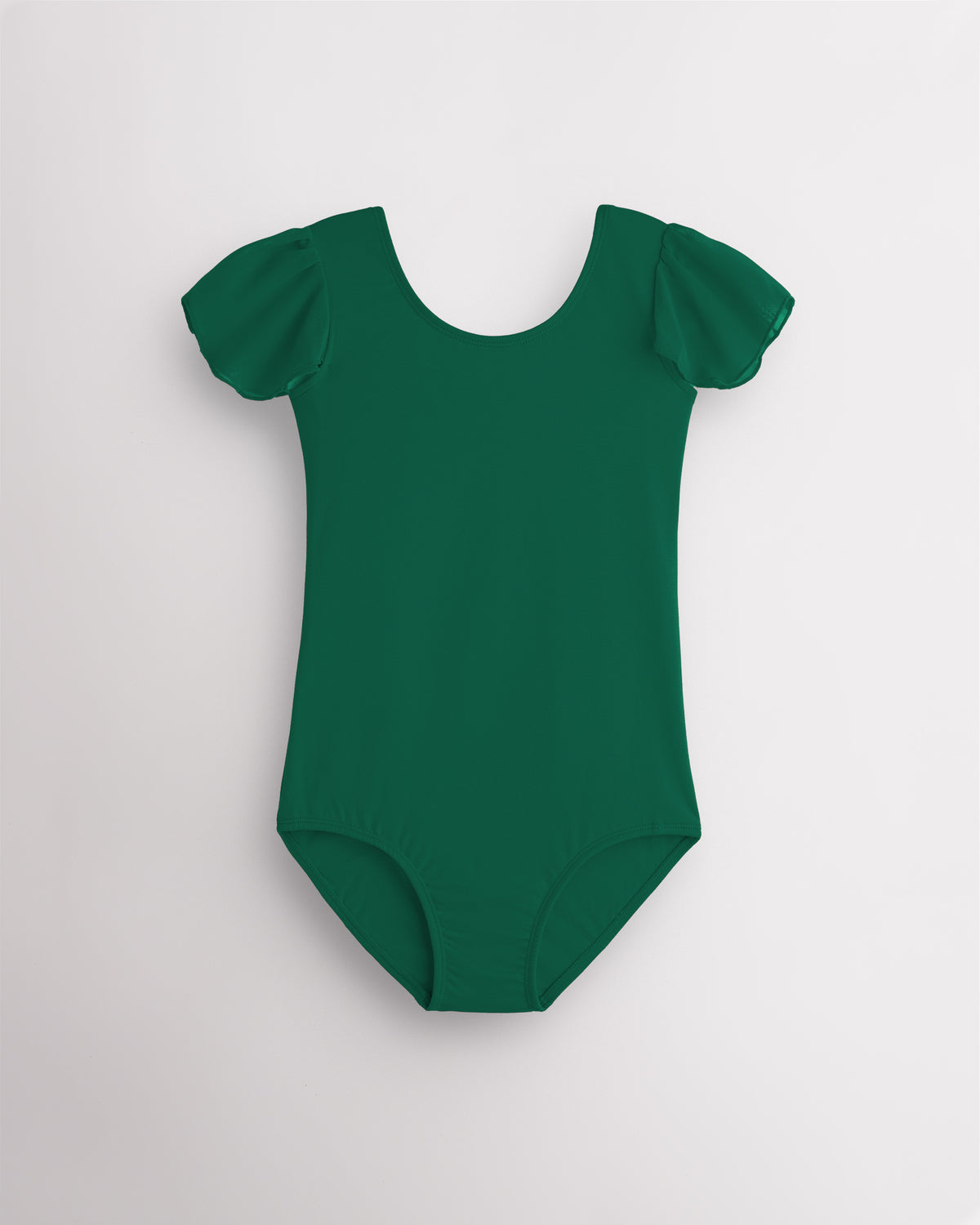
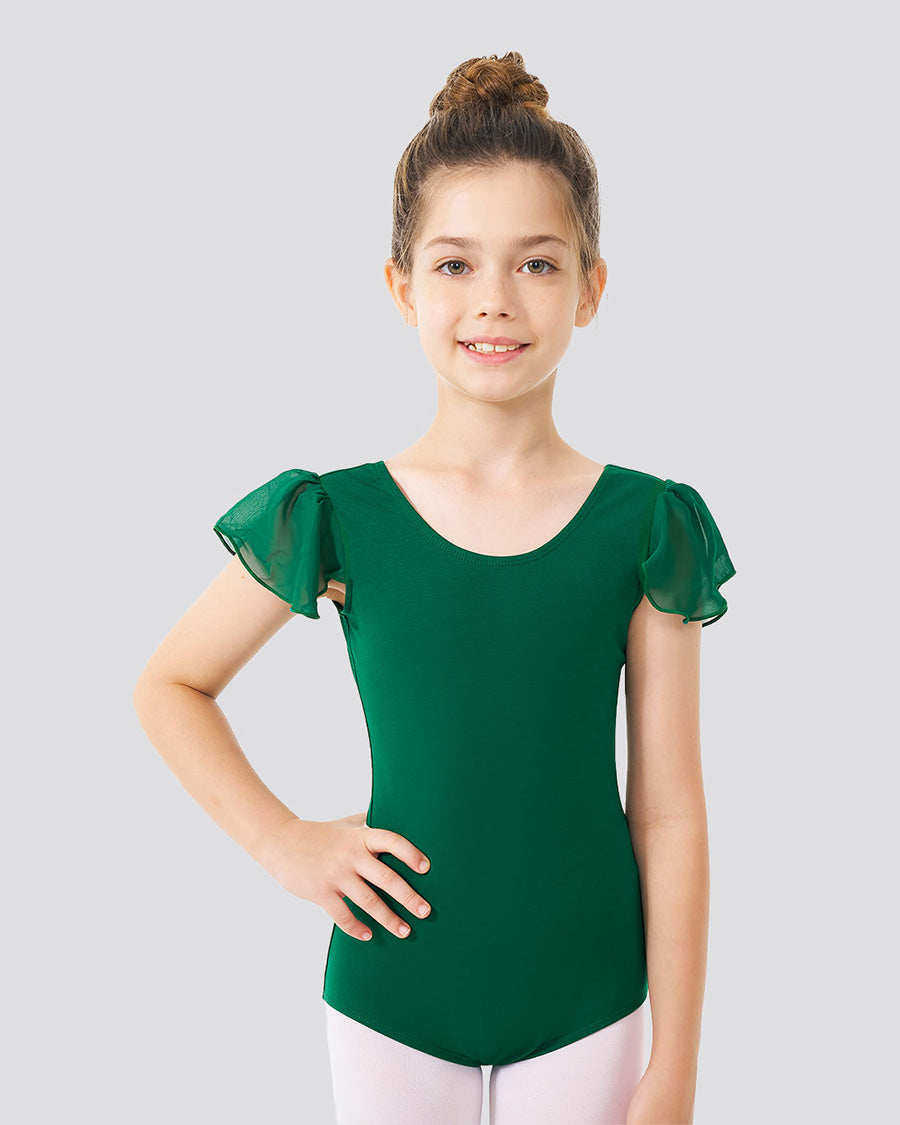
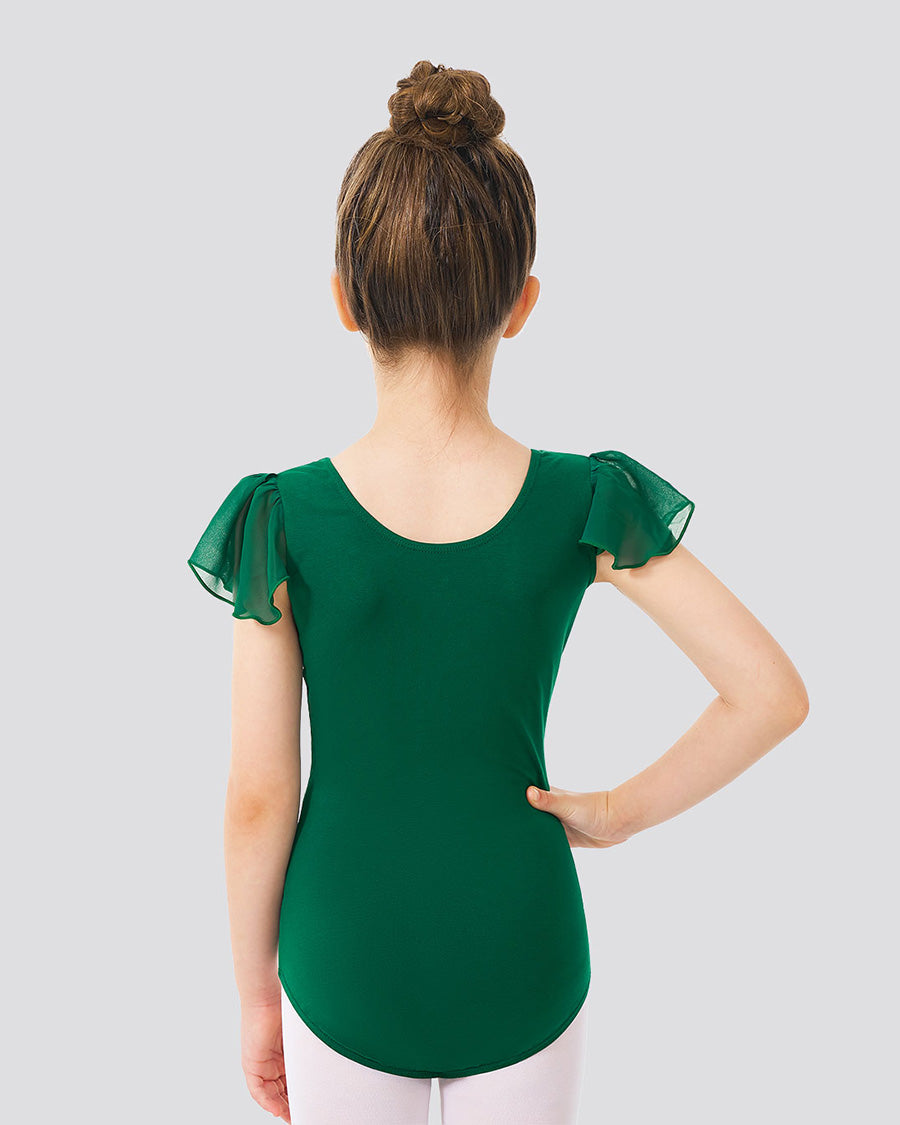
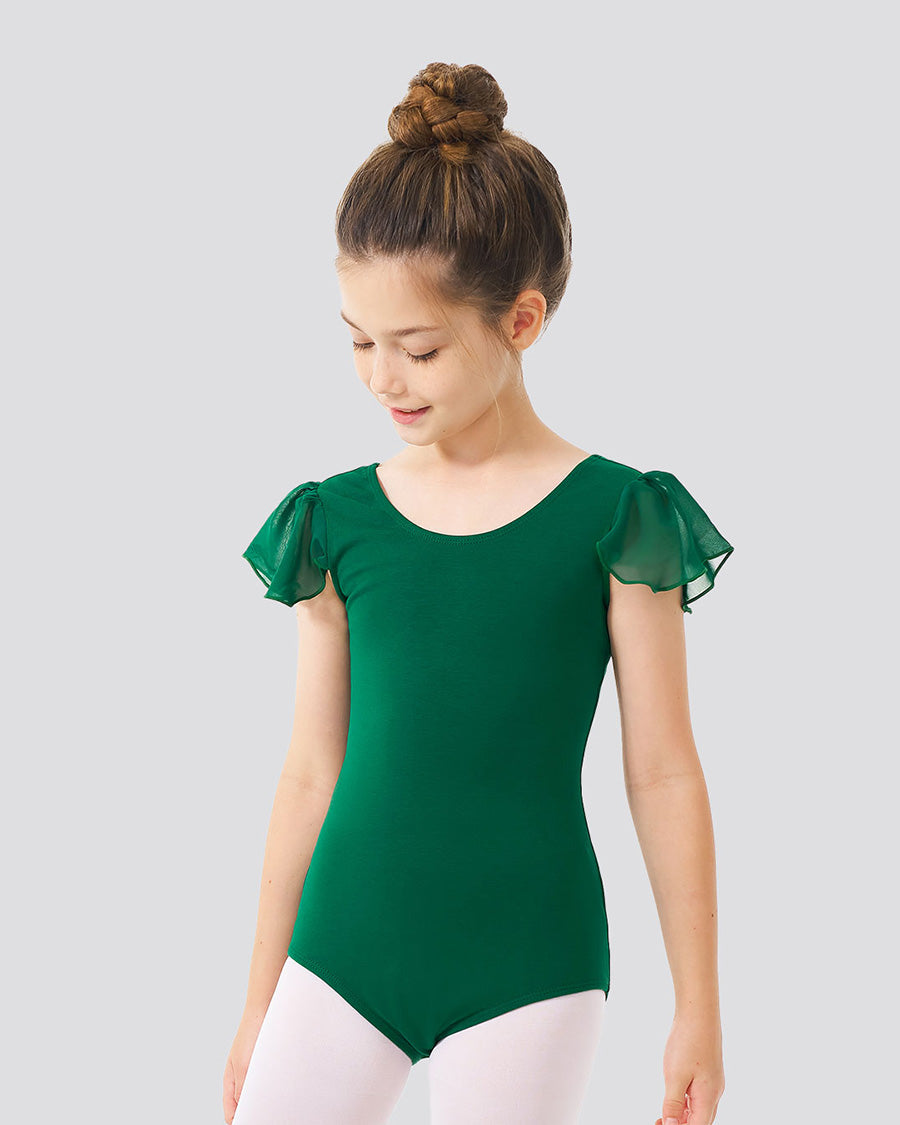
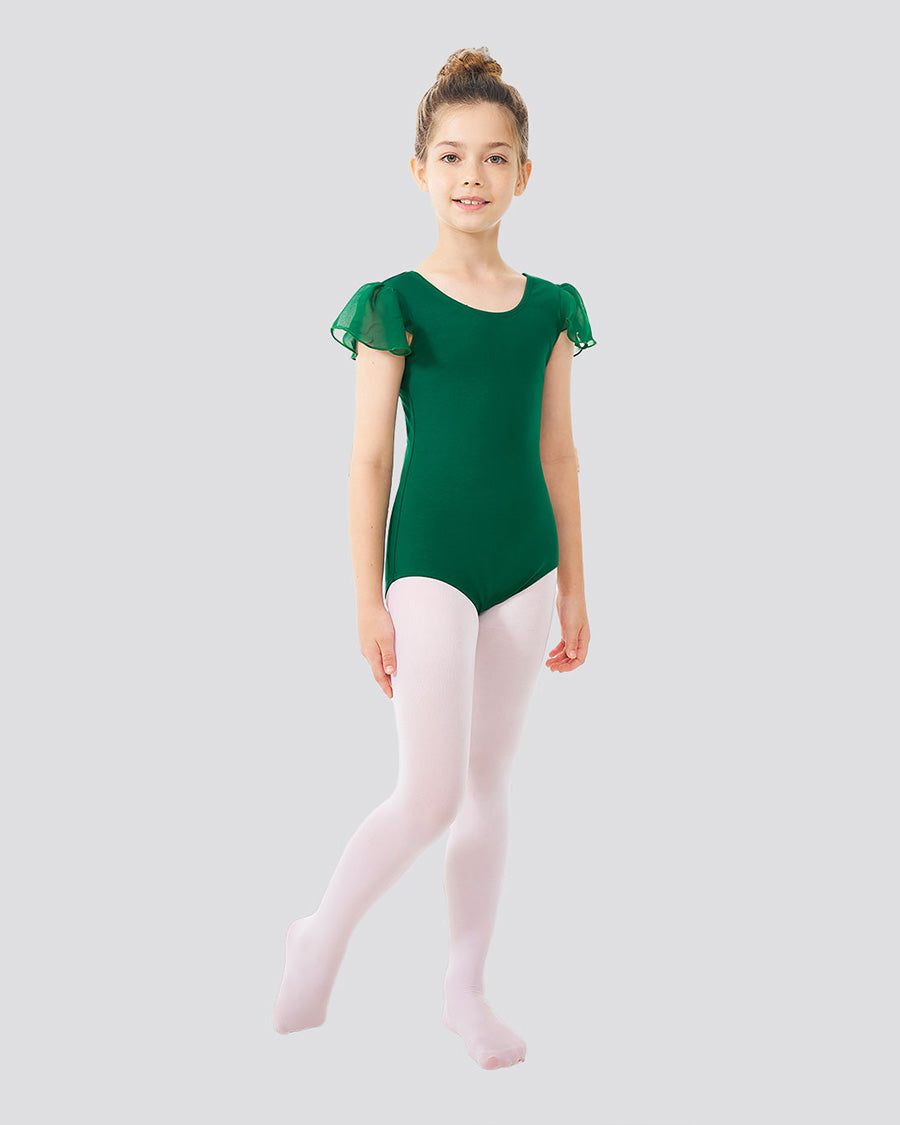
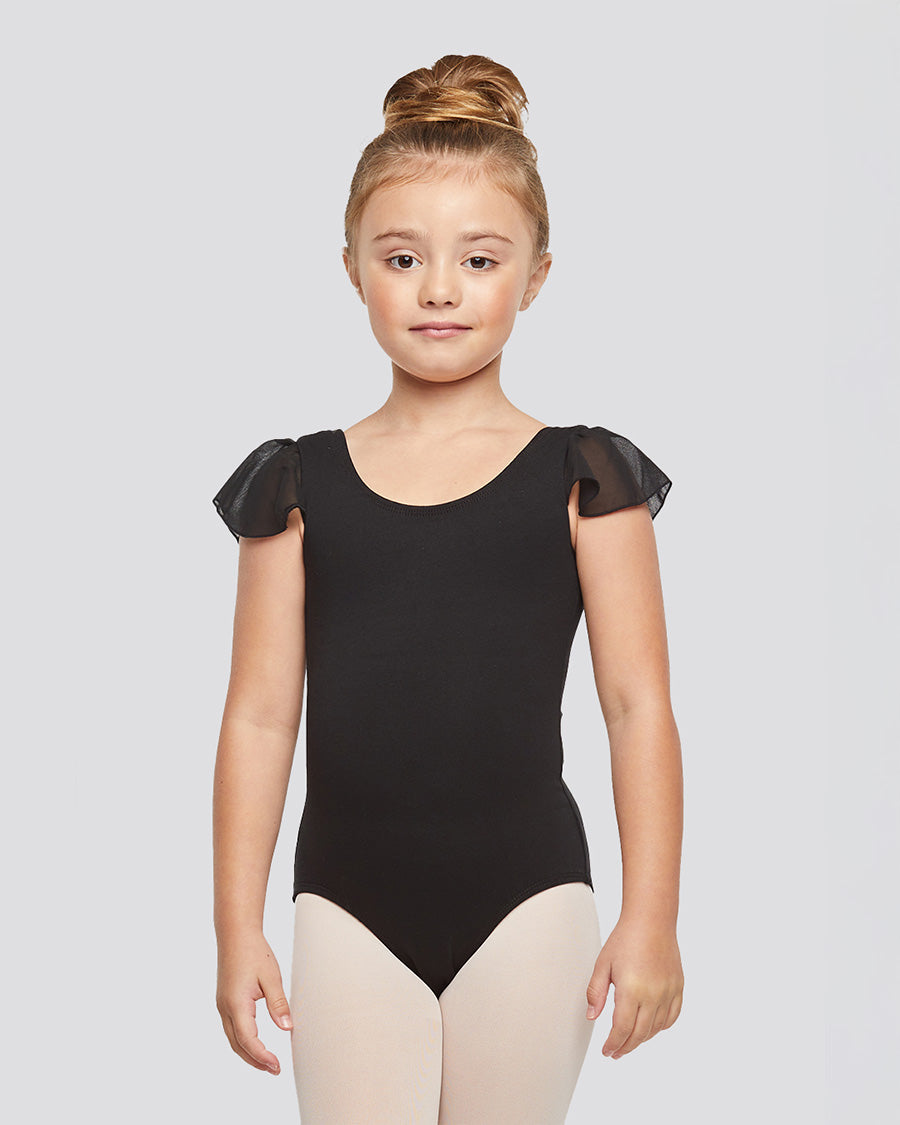
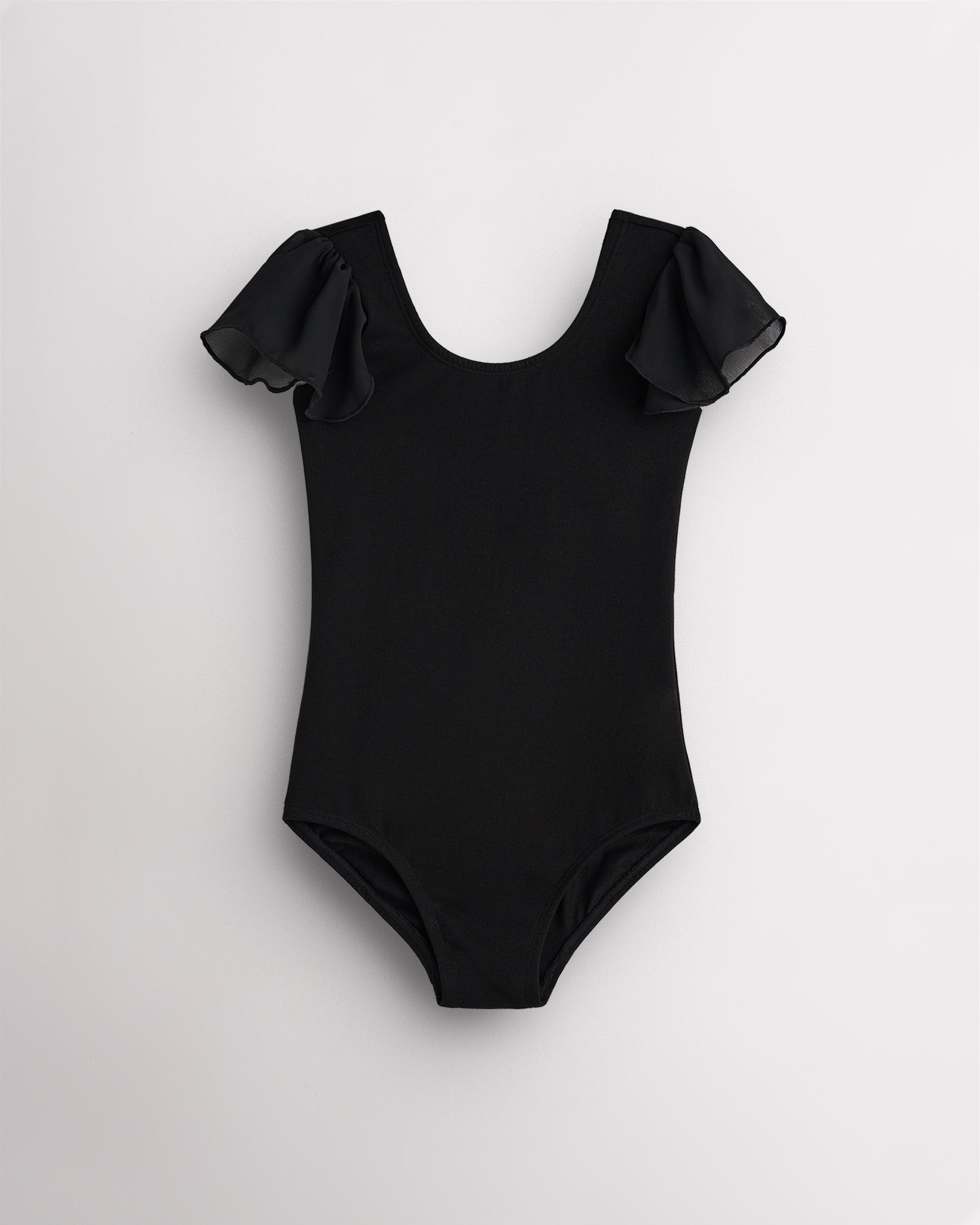
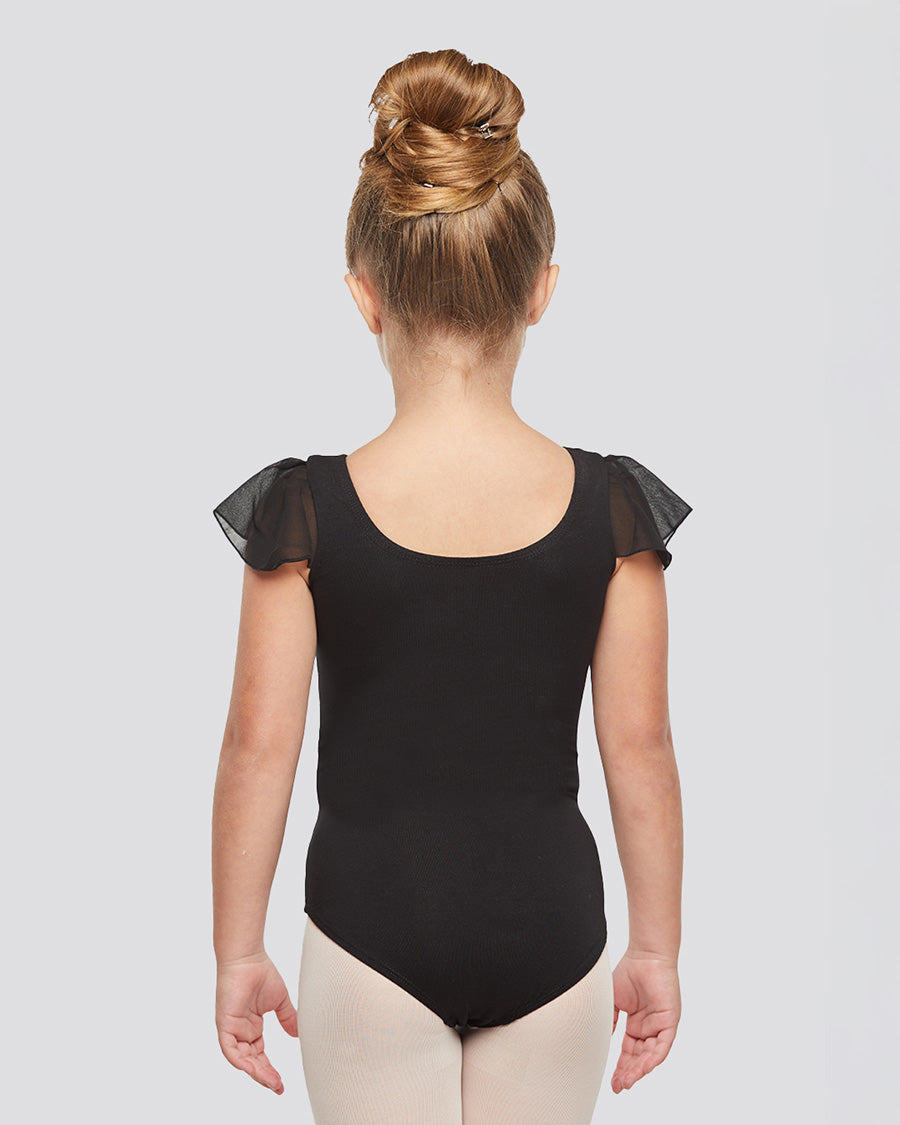
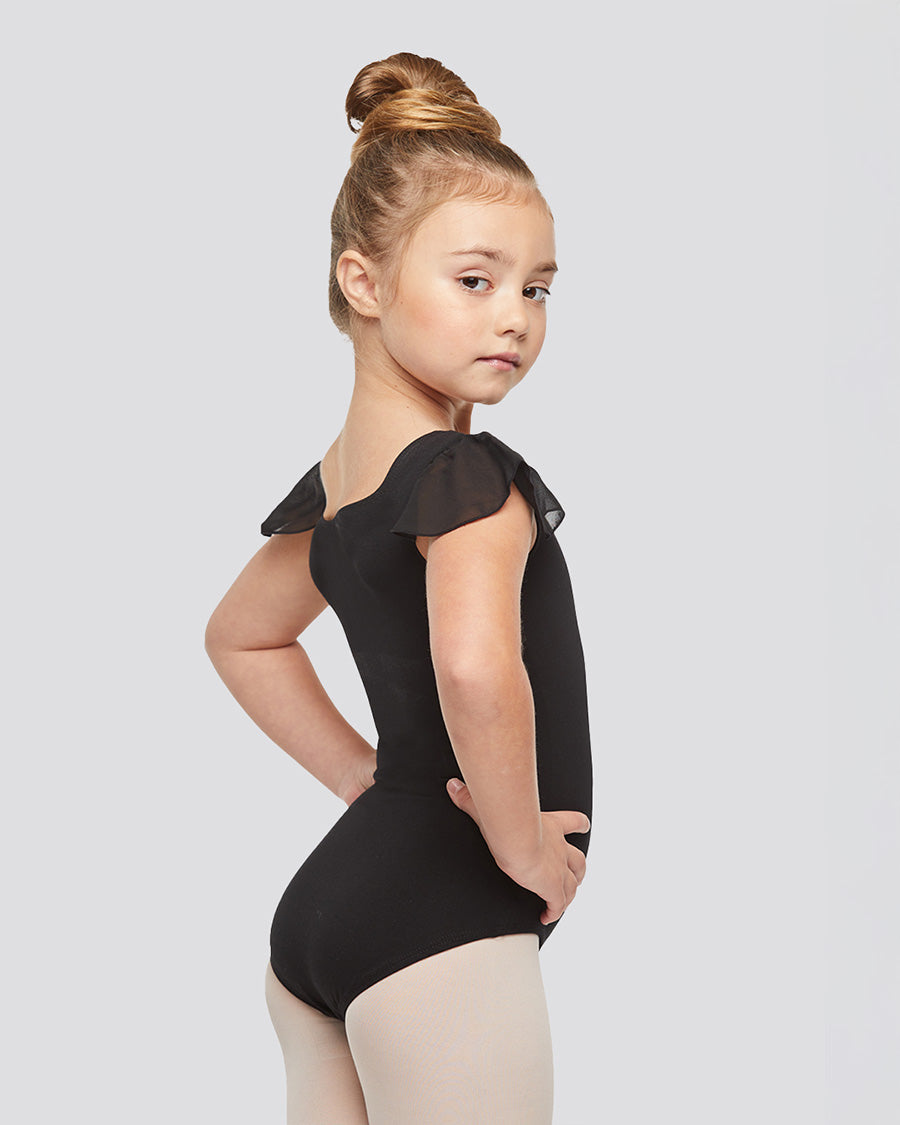
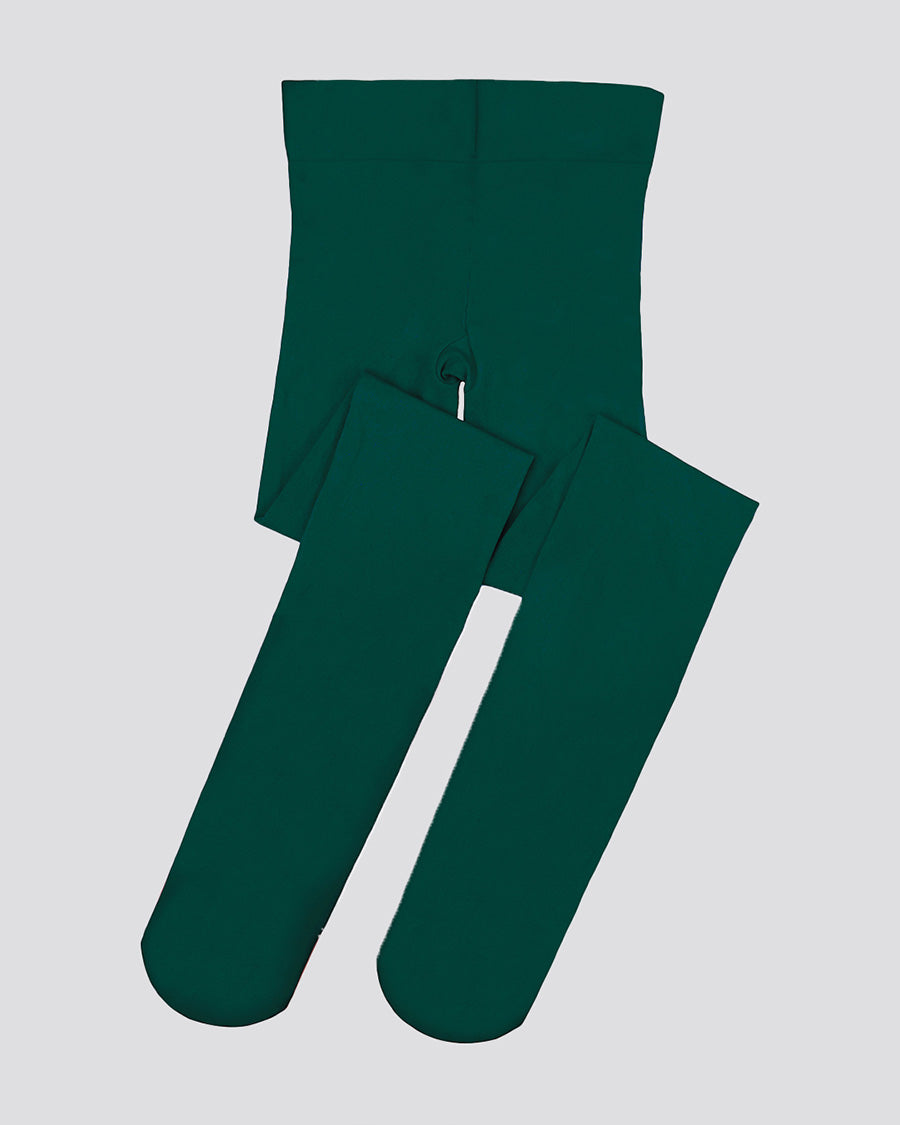
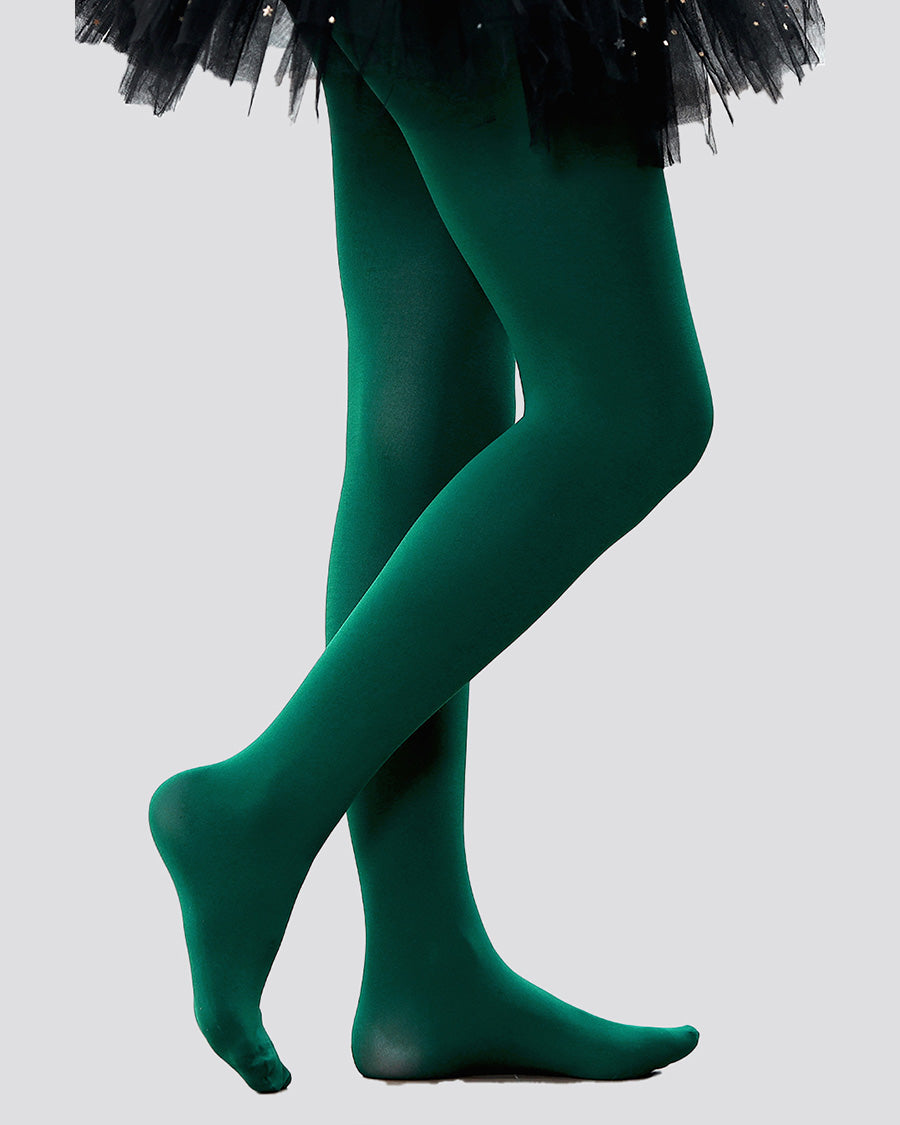
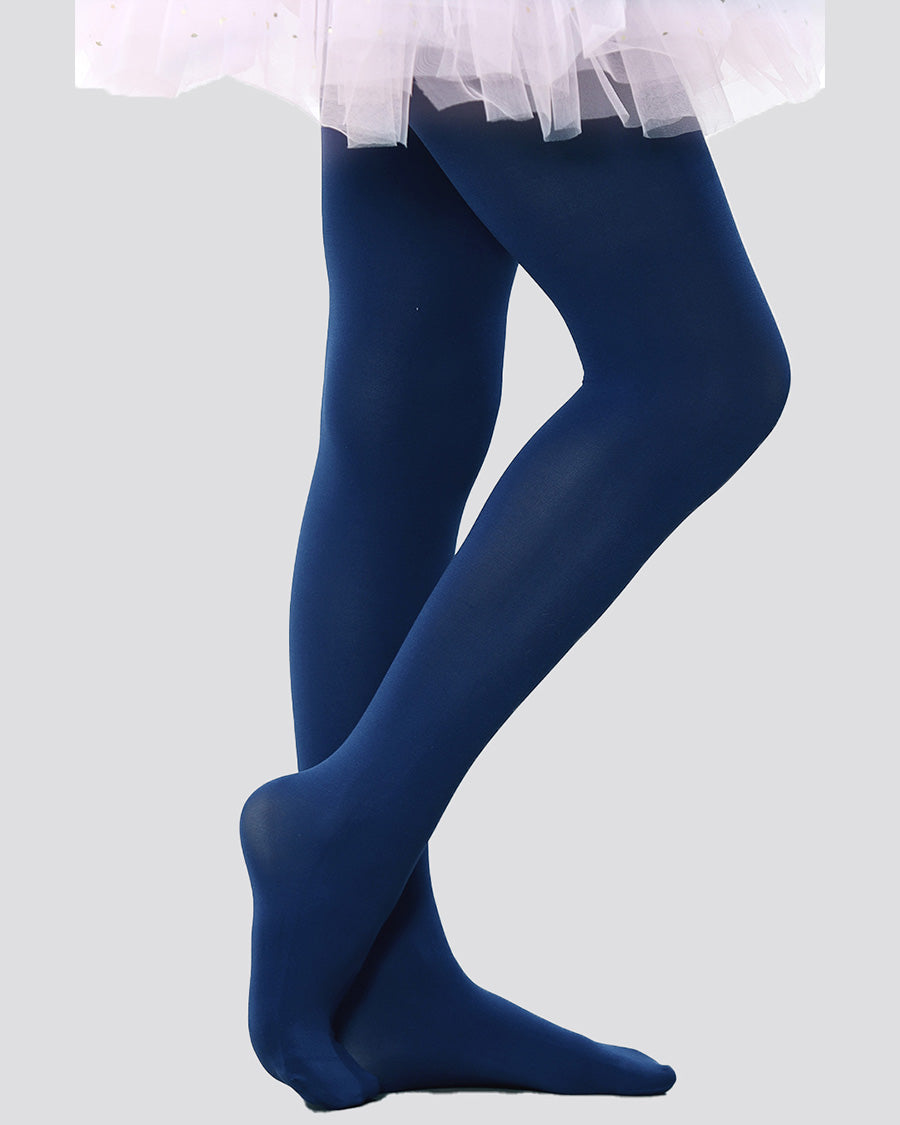
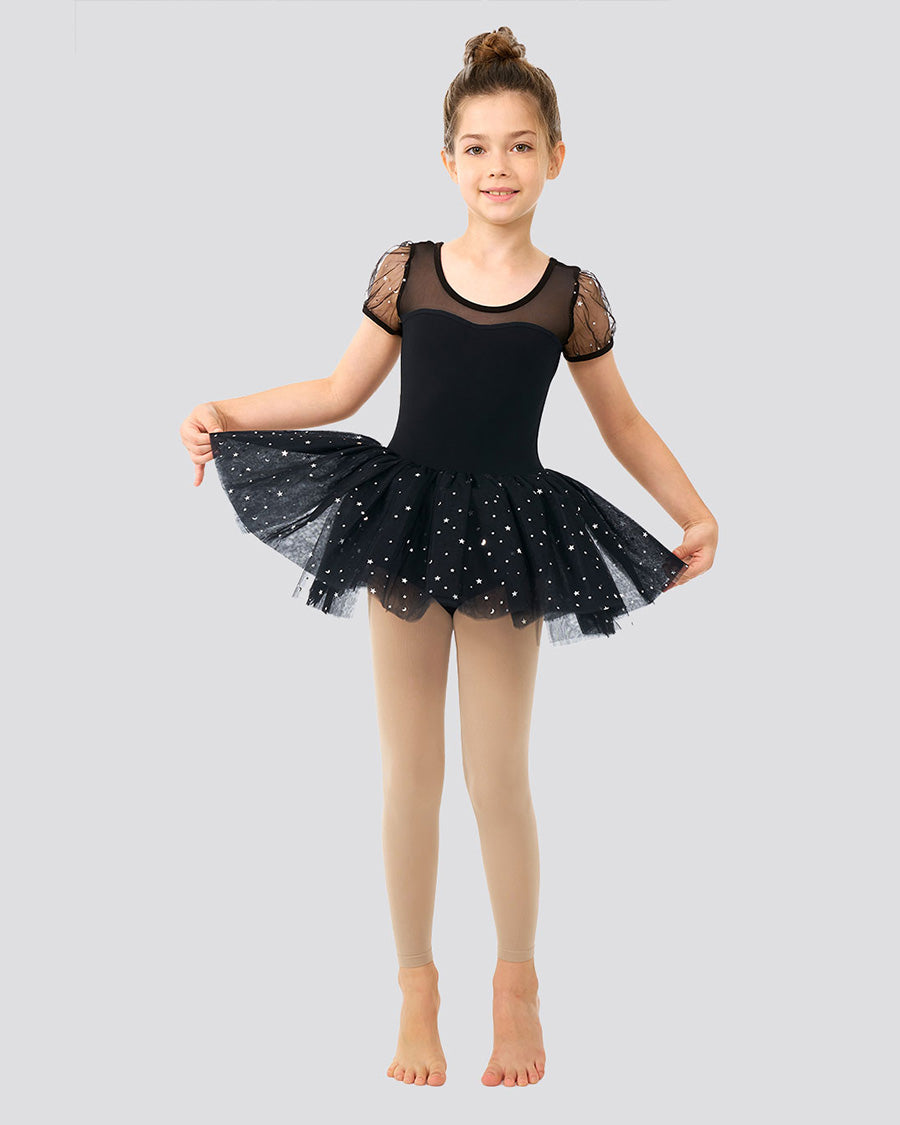
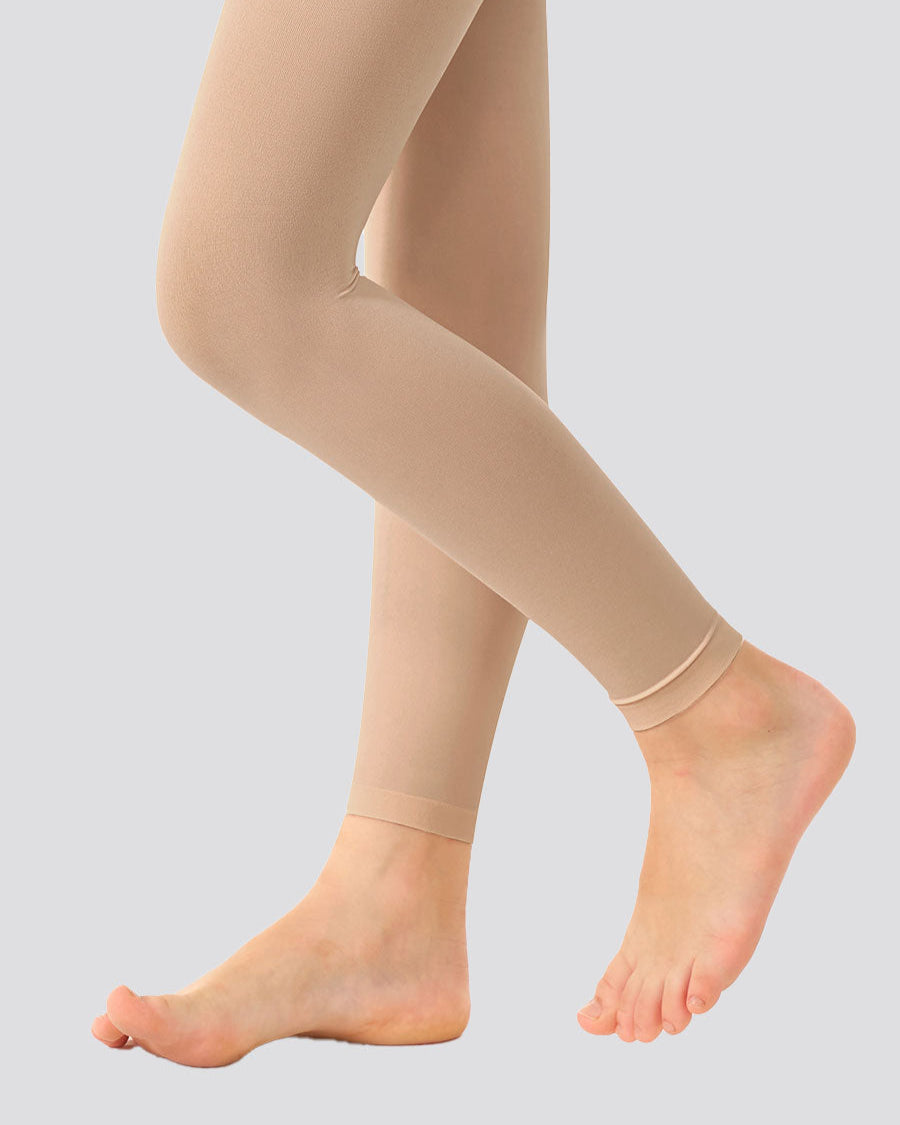
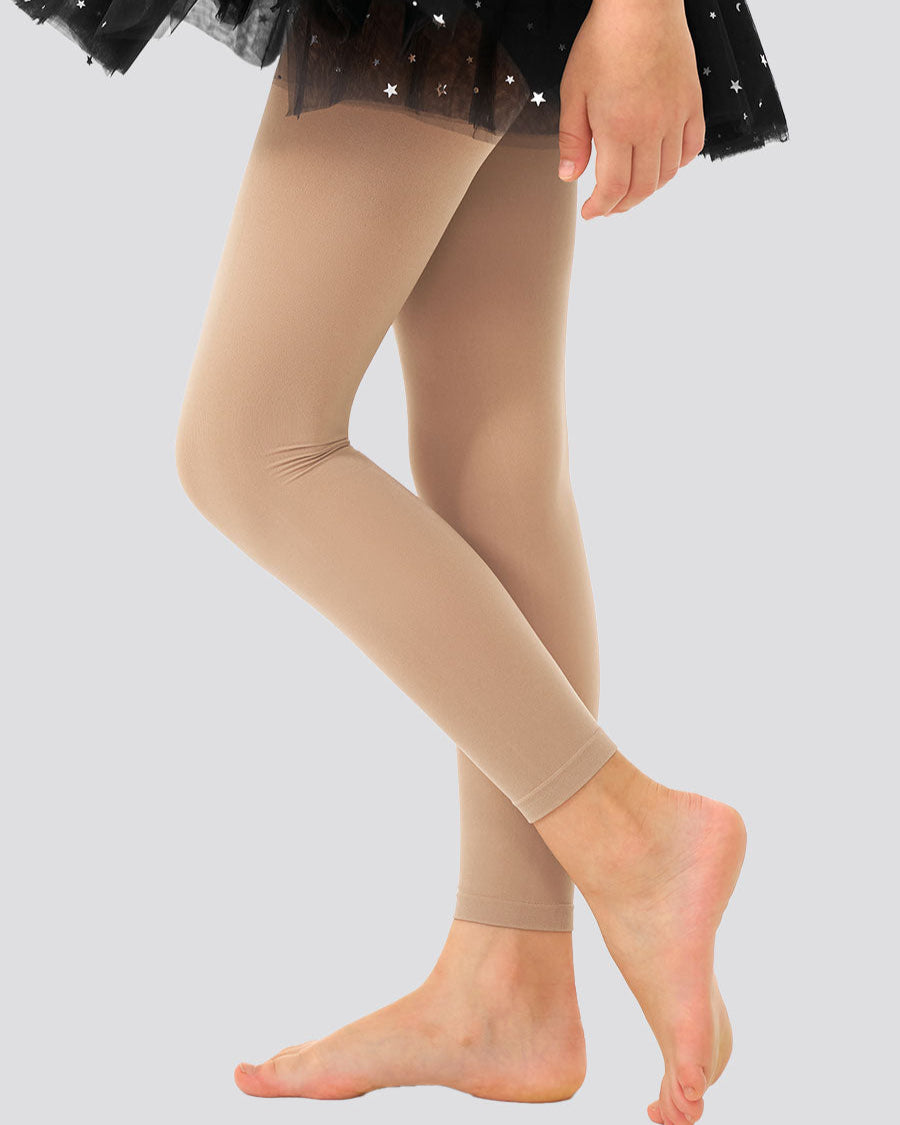
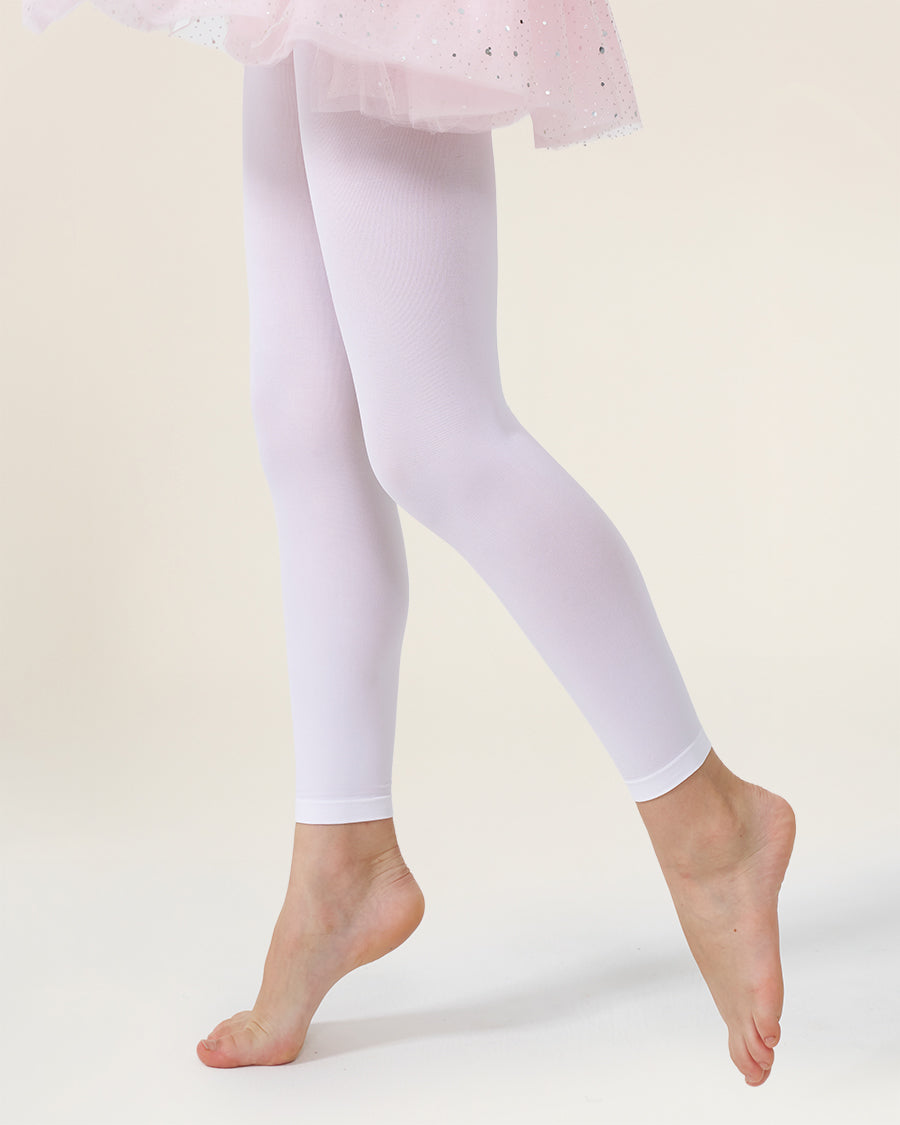
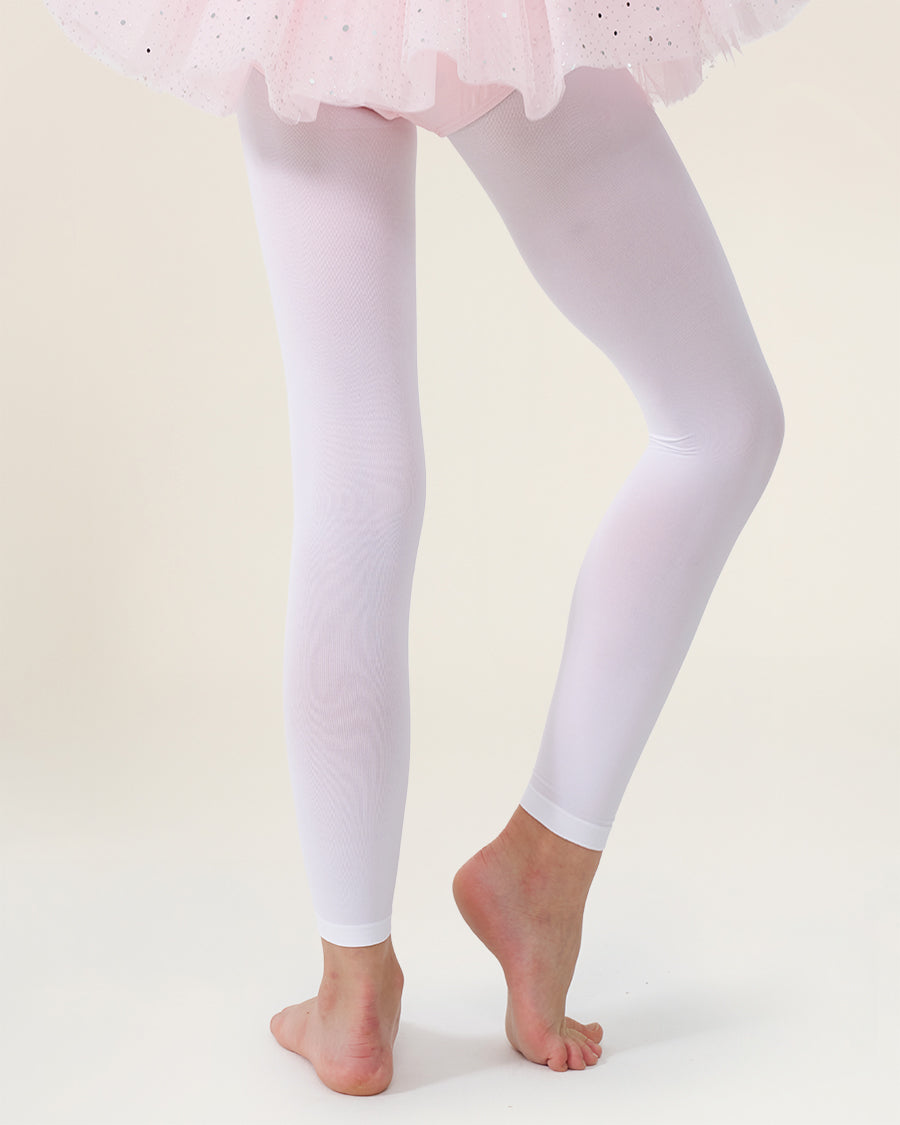
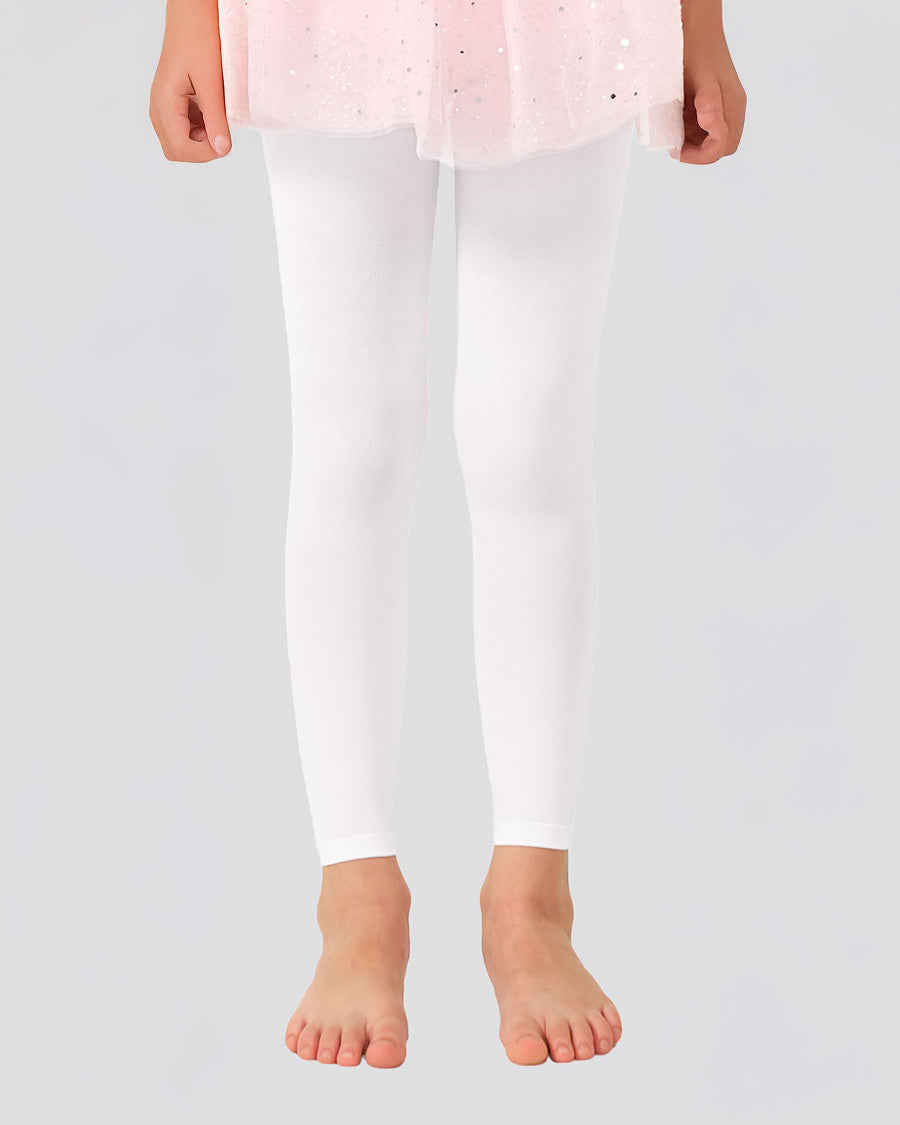
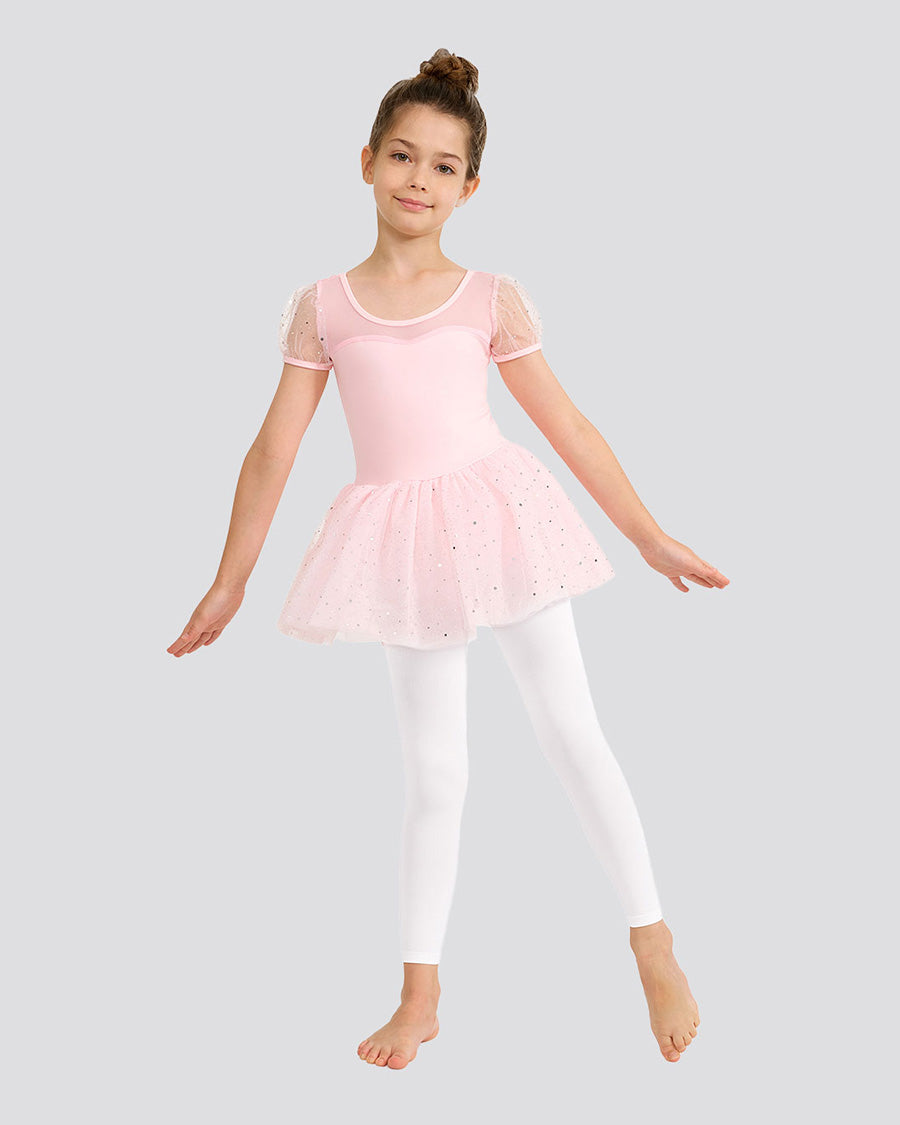
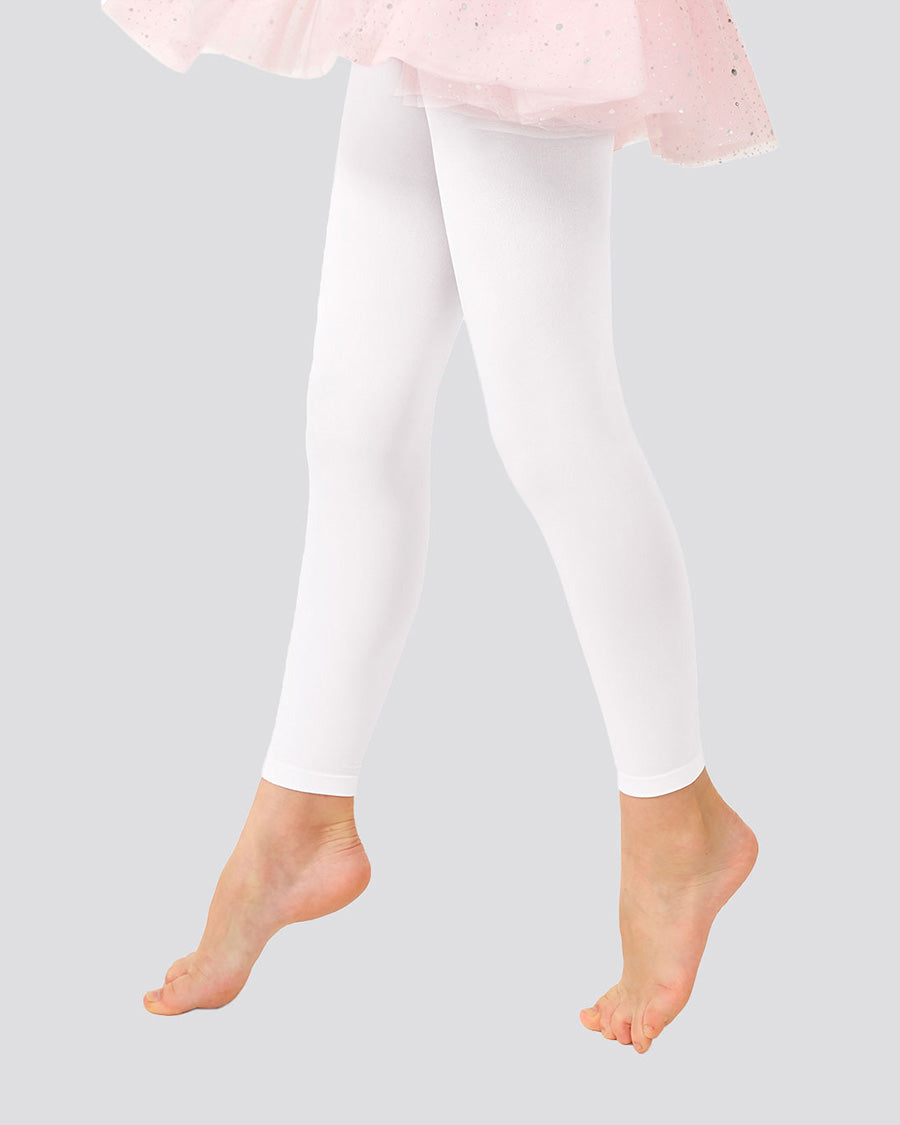
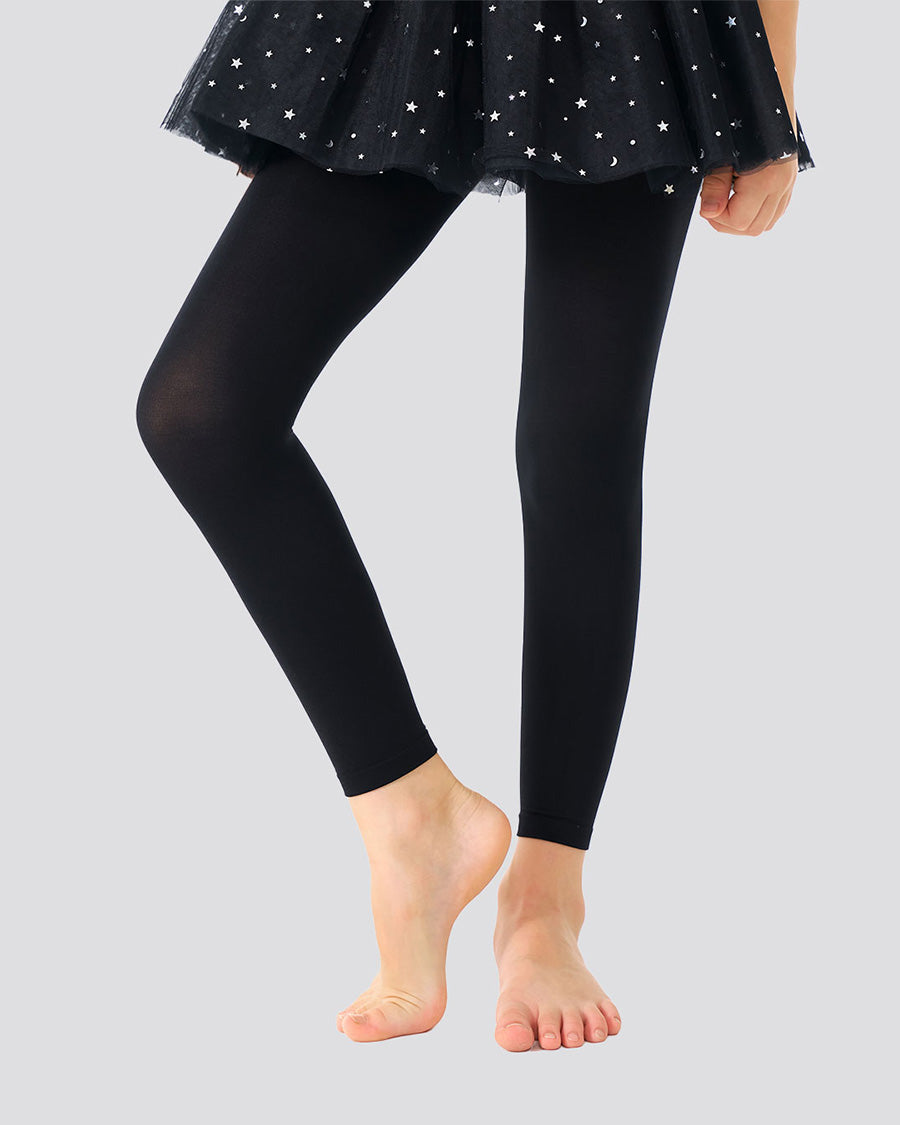
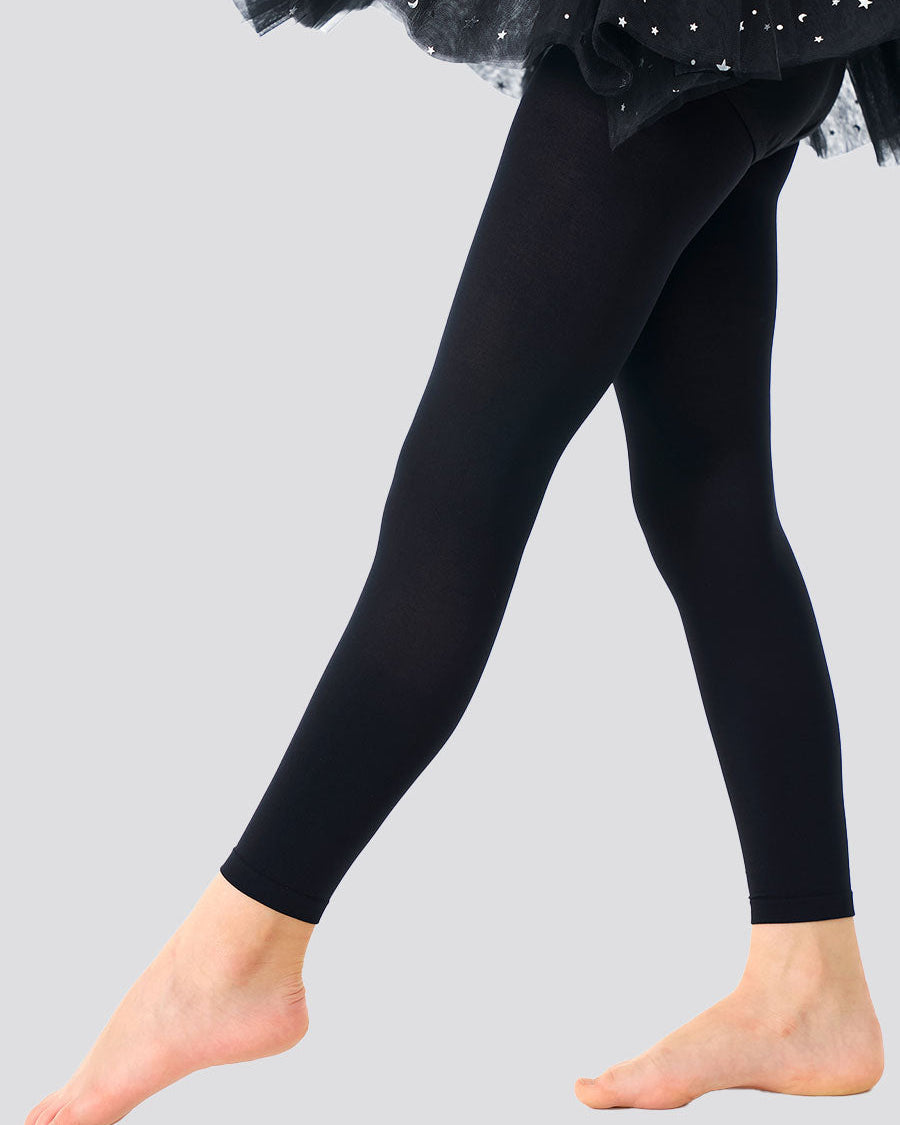
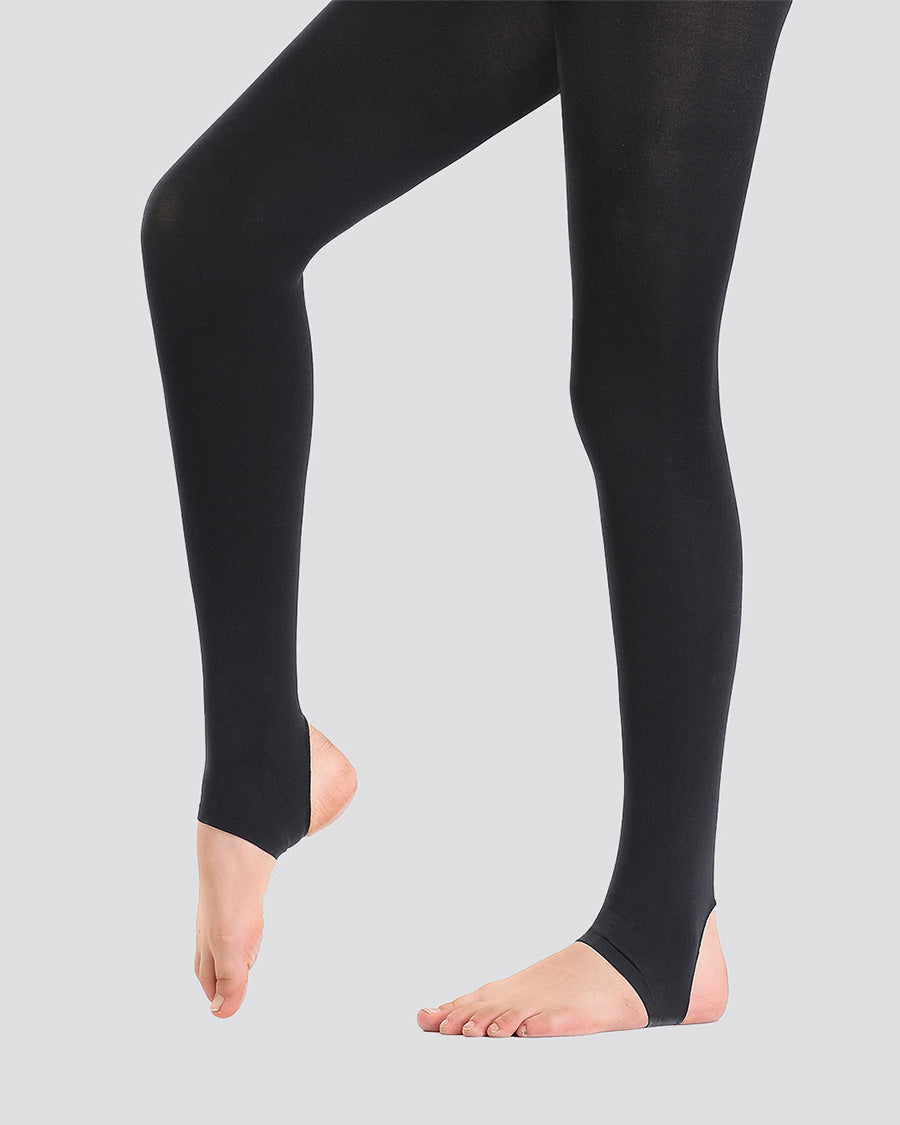
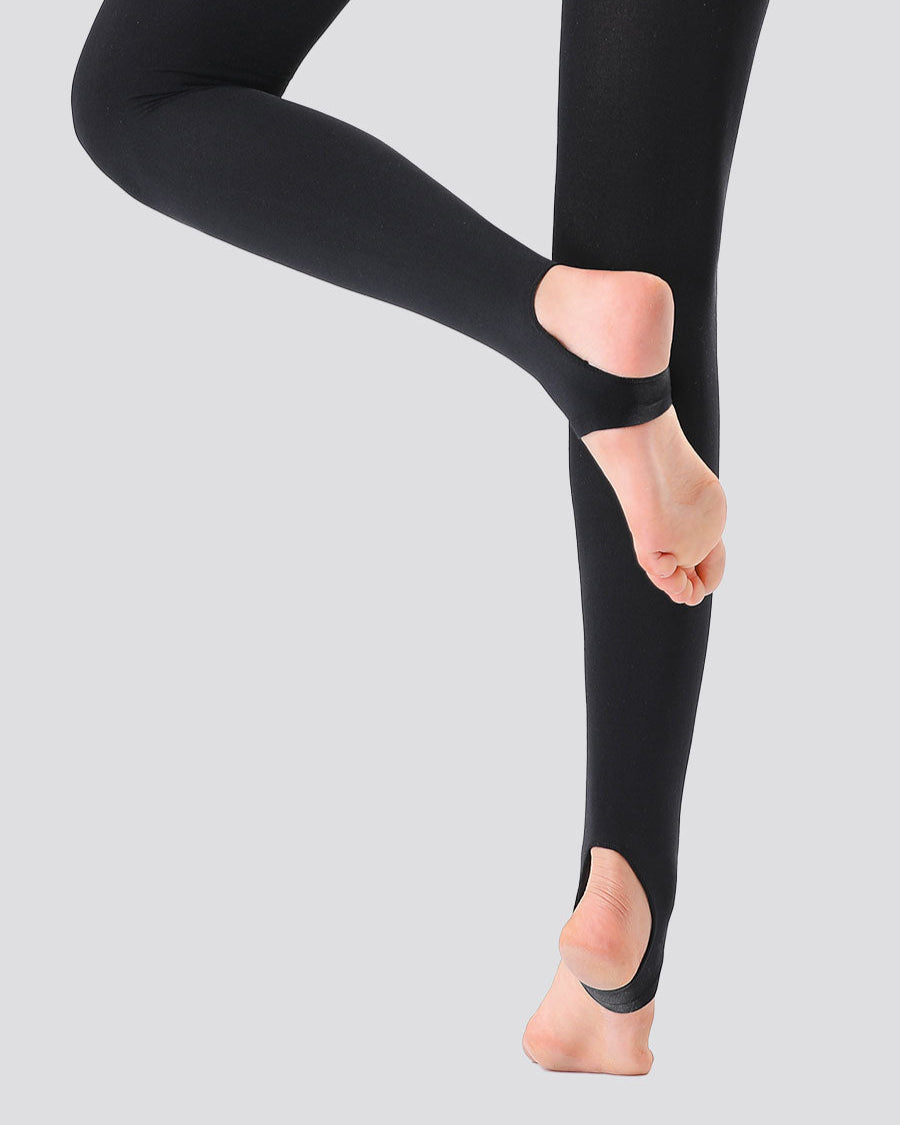
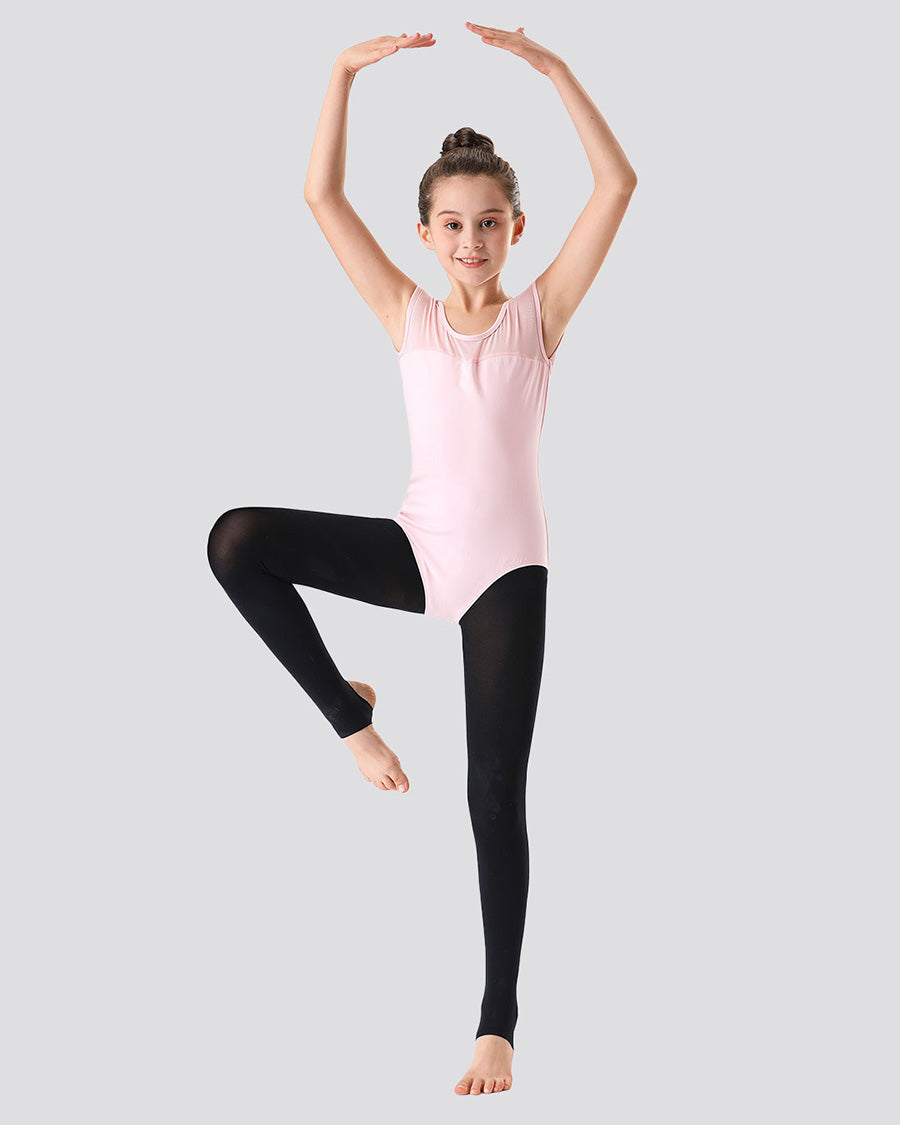
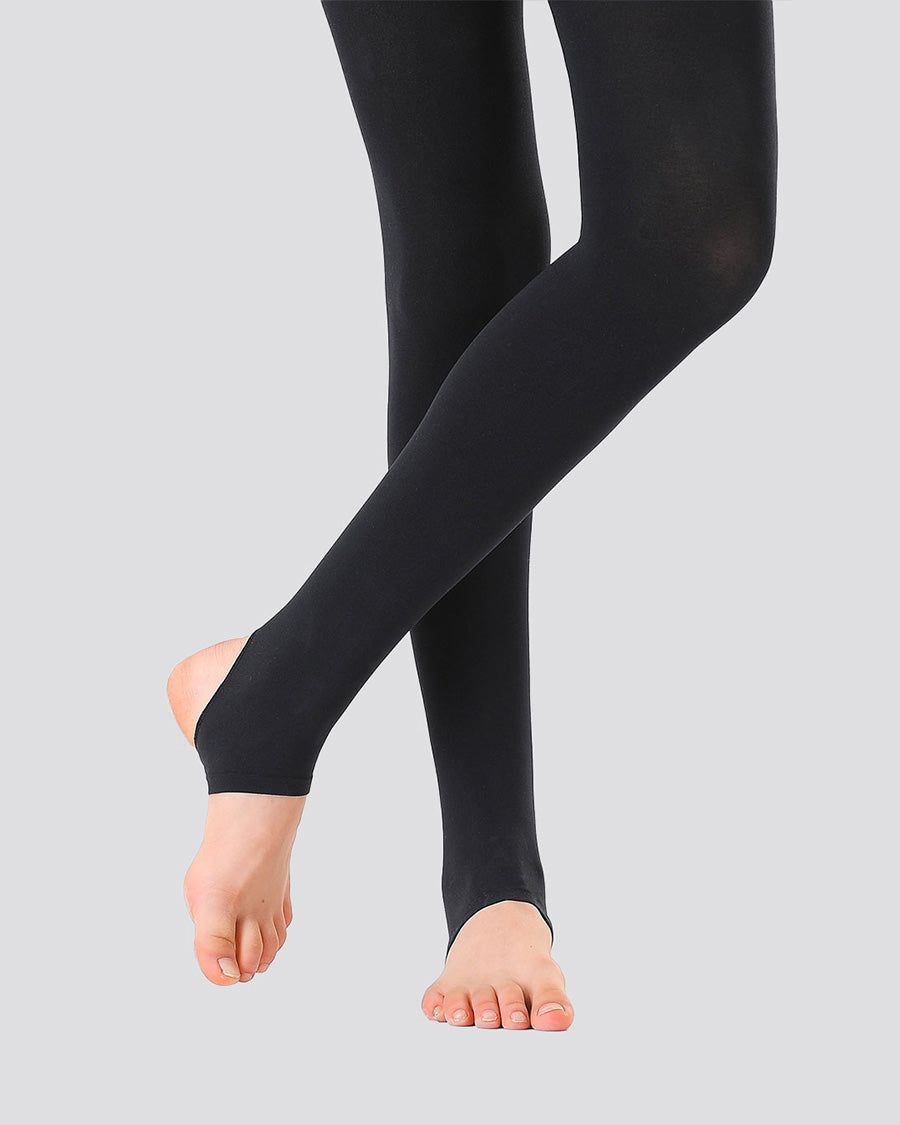
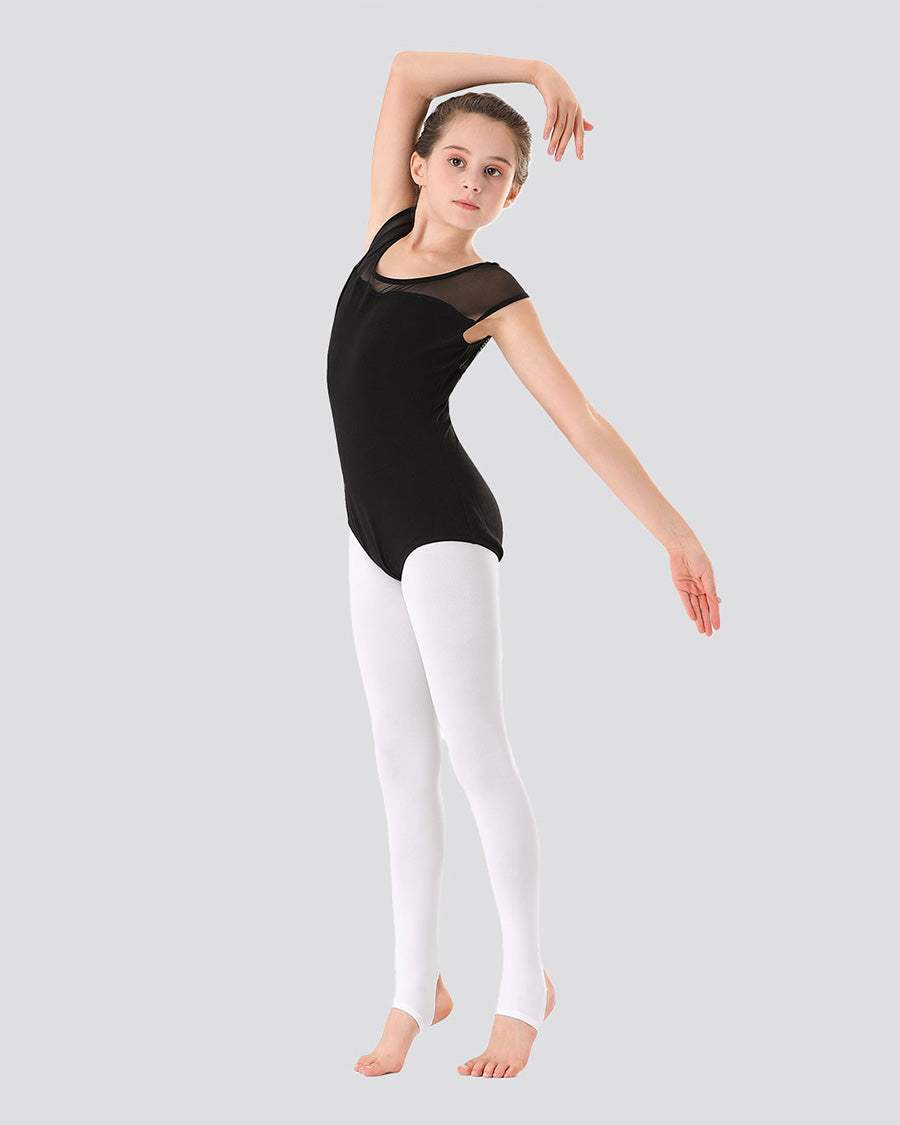
Fitted basics and bare feet cover it for most beginner classes. Teachers need to see the spine, knees, and feet to correct alignment, and loose clothing hides all three, so the reliable formula is a simple leotard with leggings or footless tights over it.
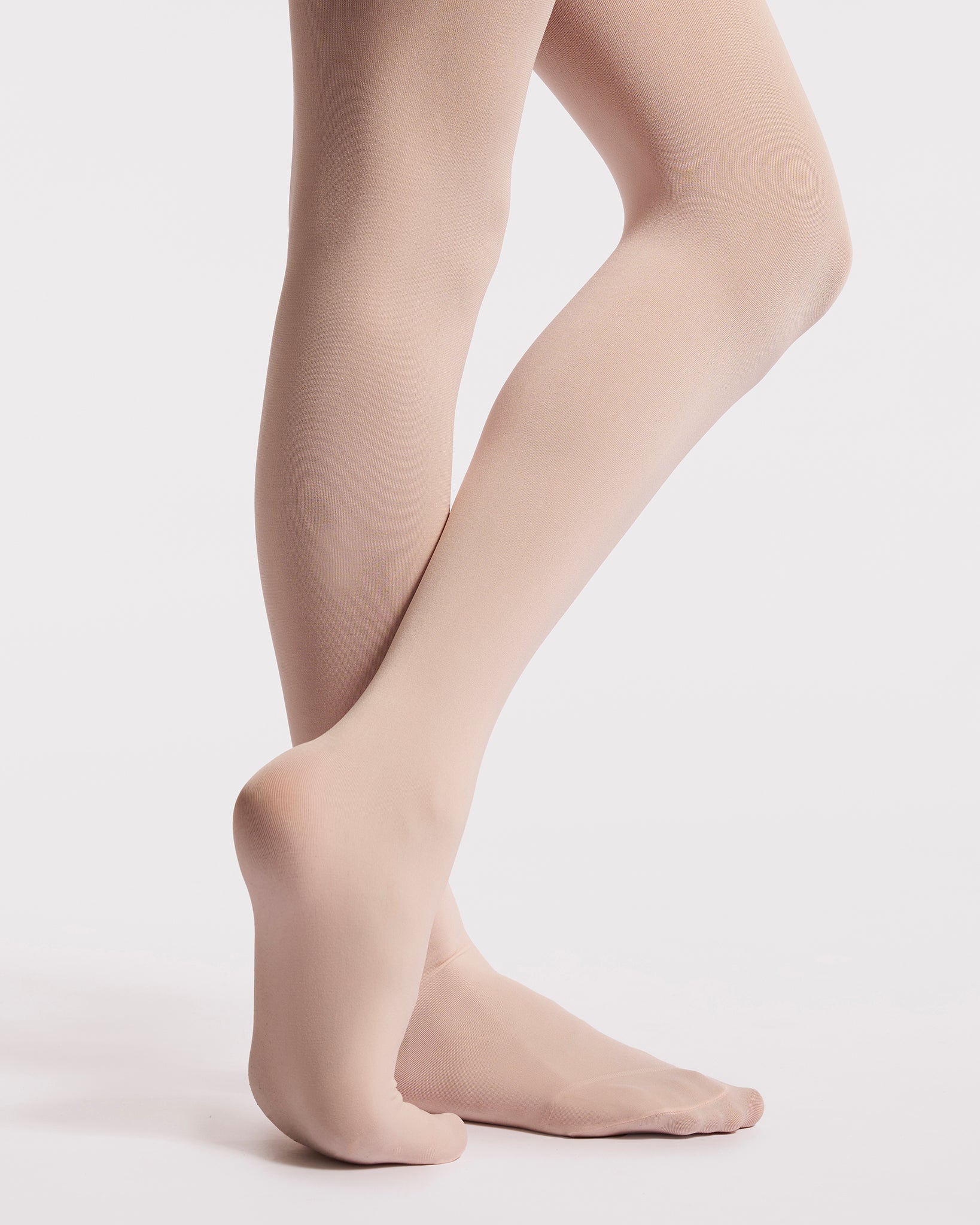
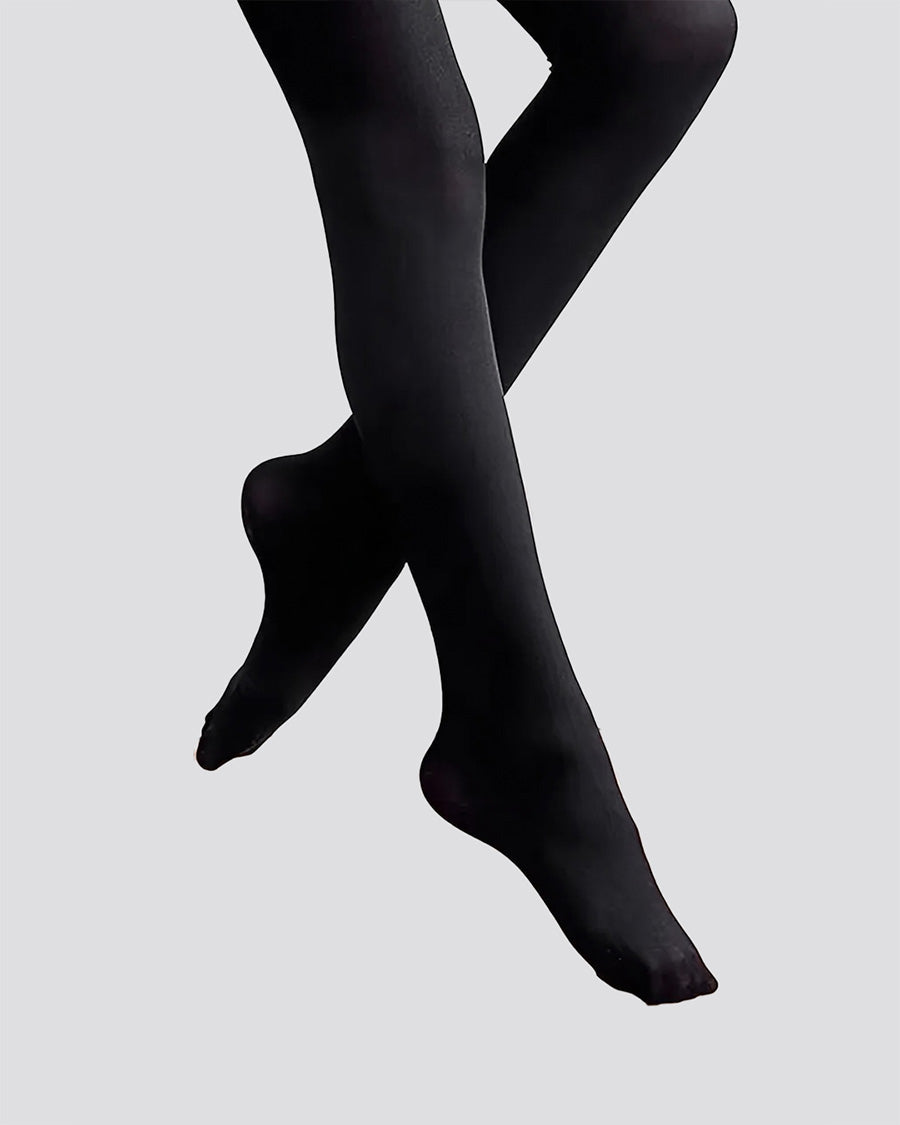
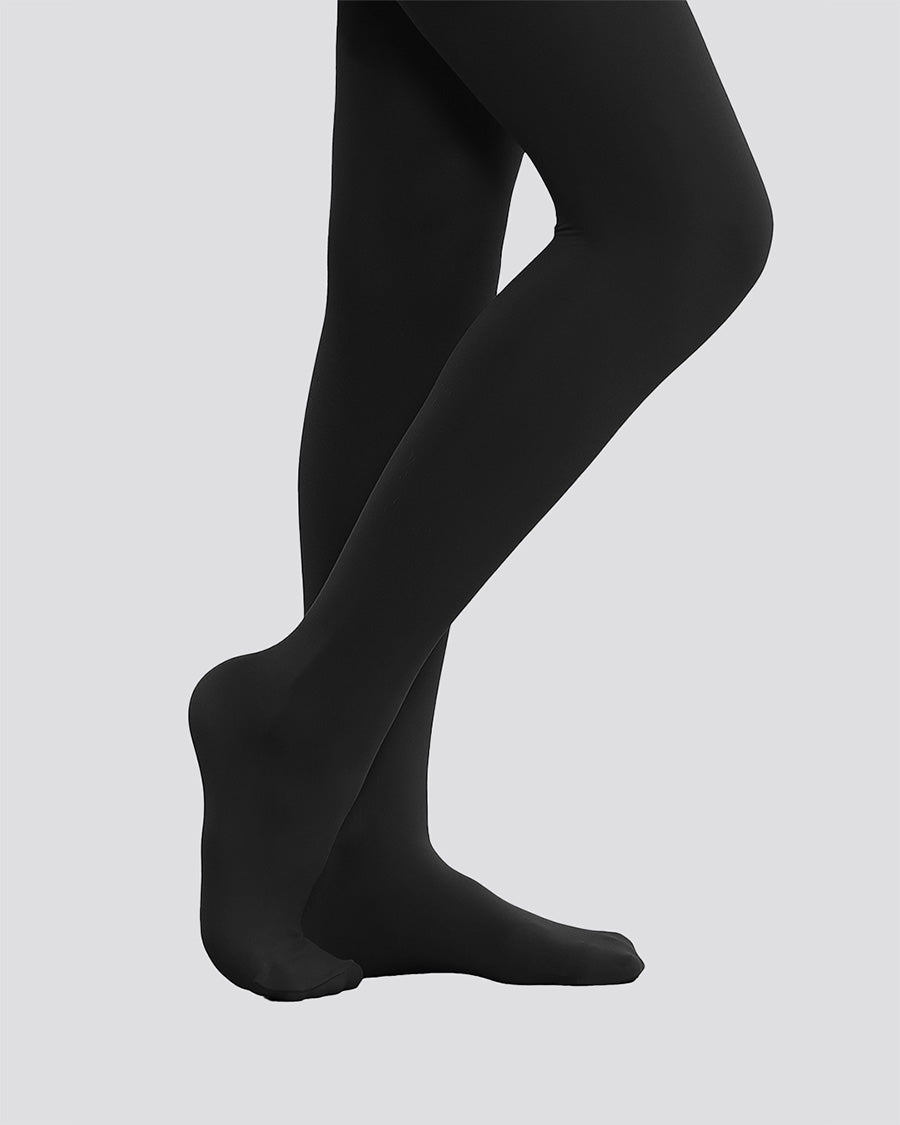
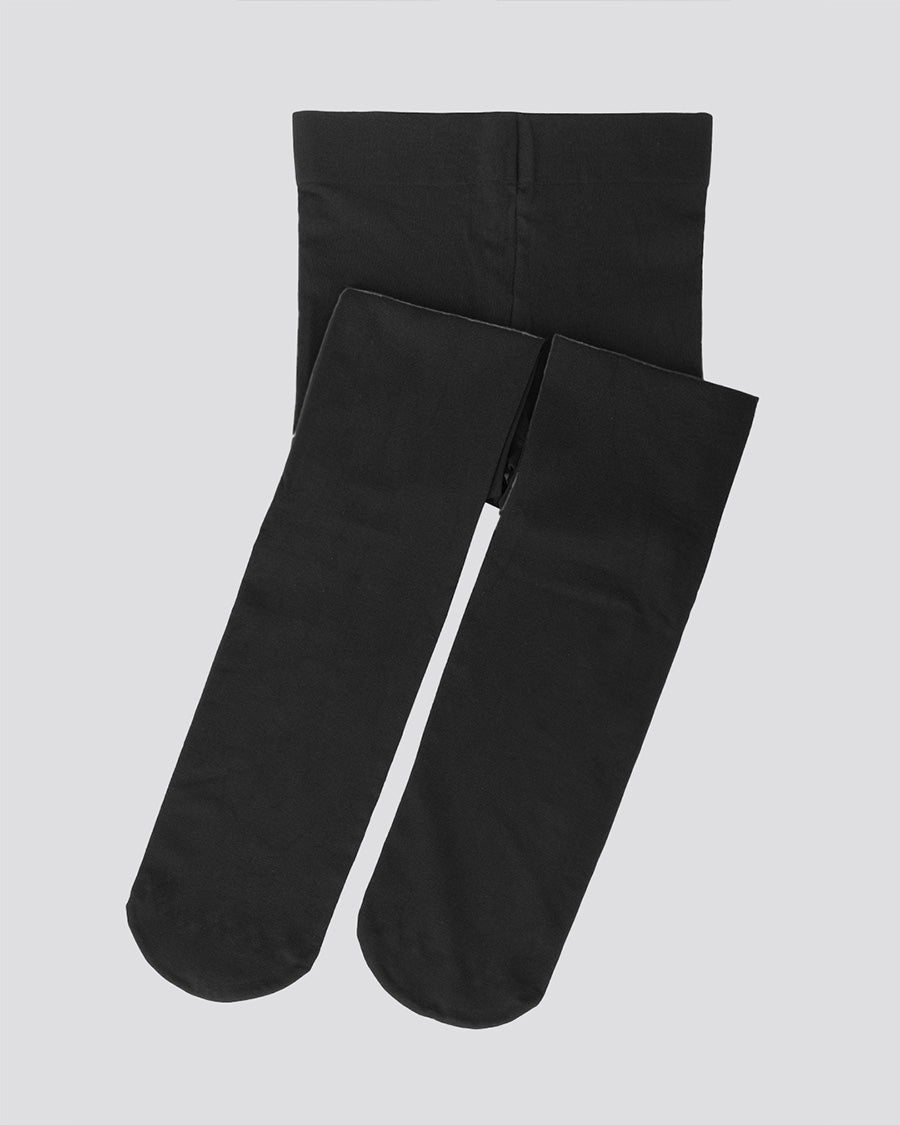
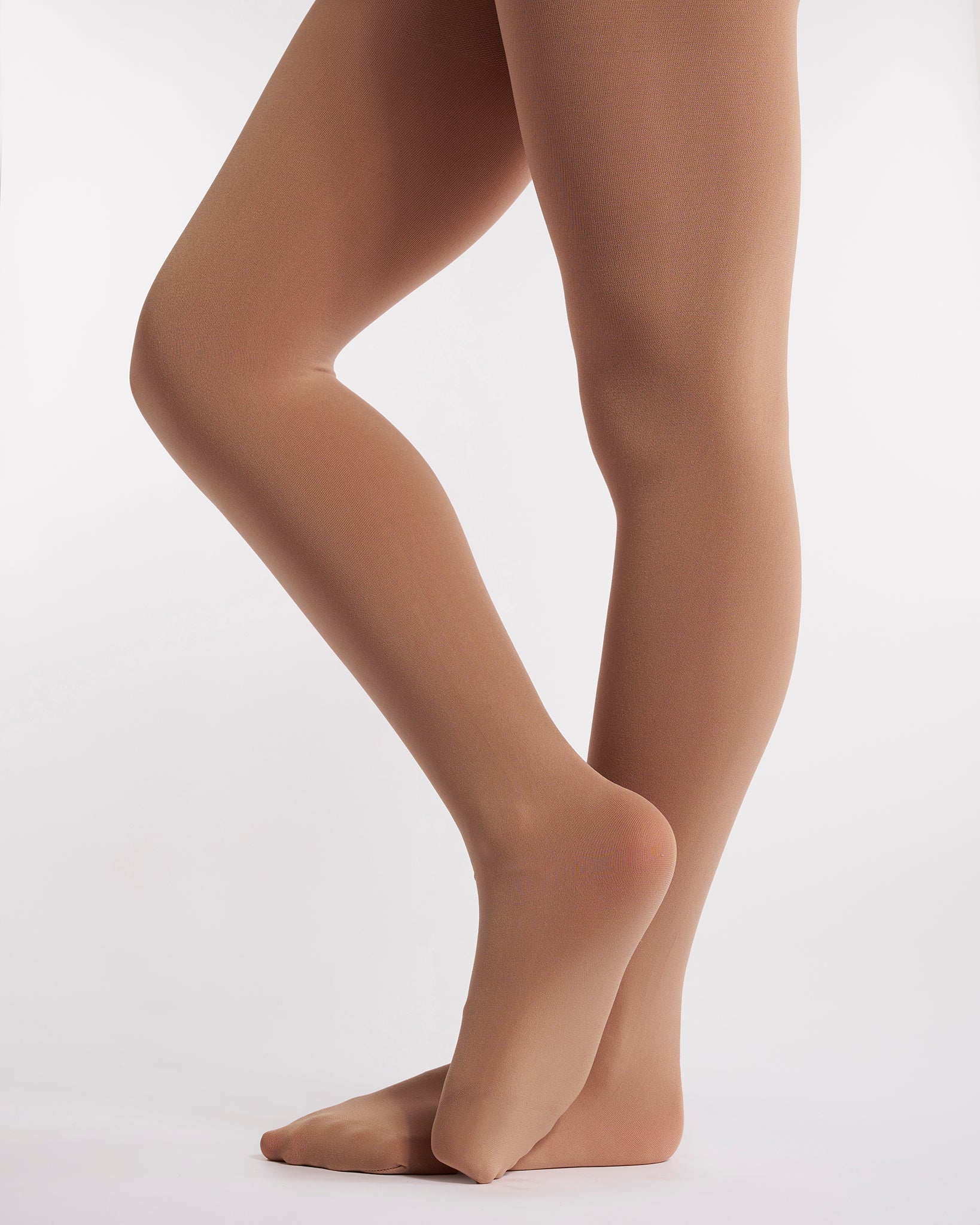
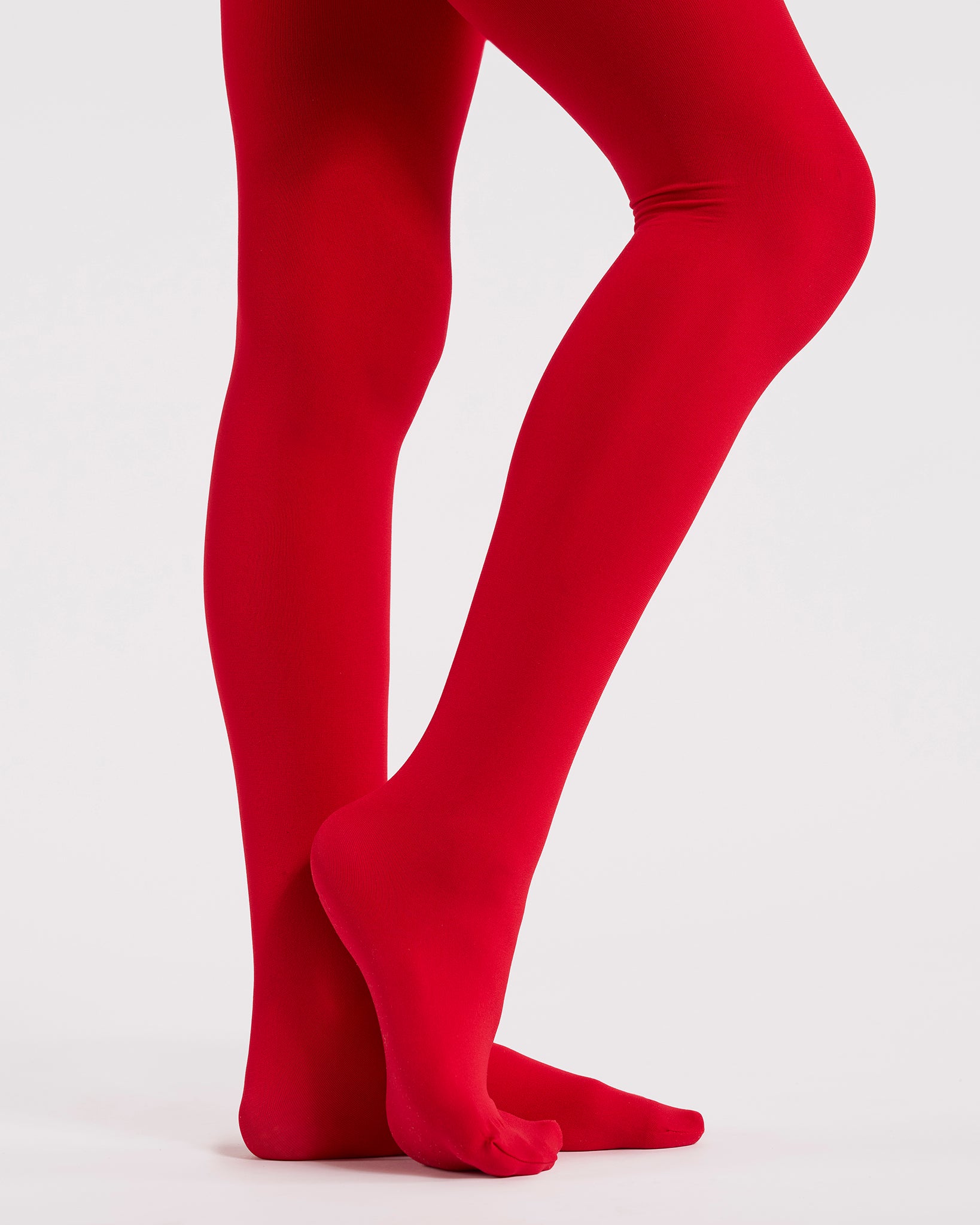
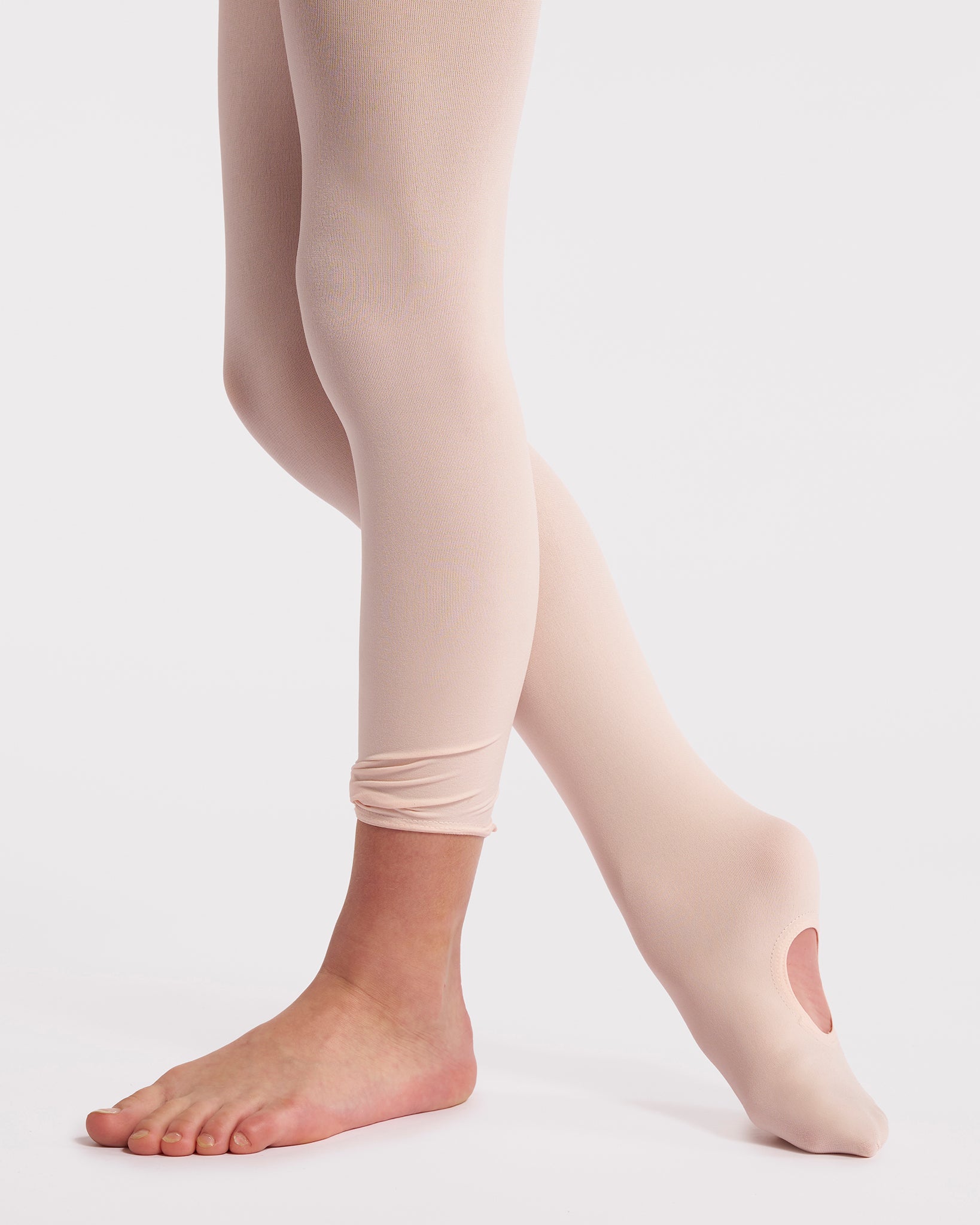
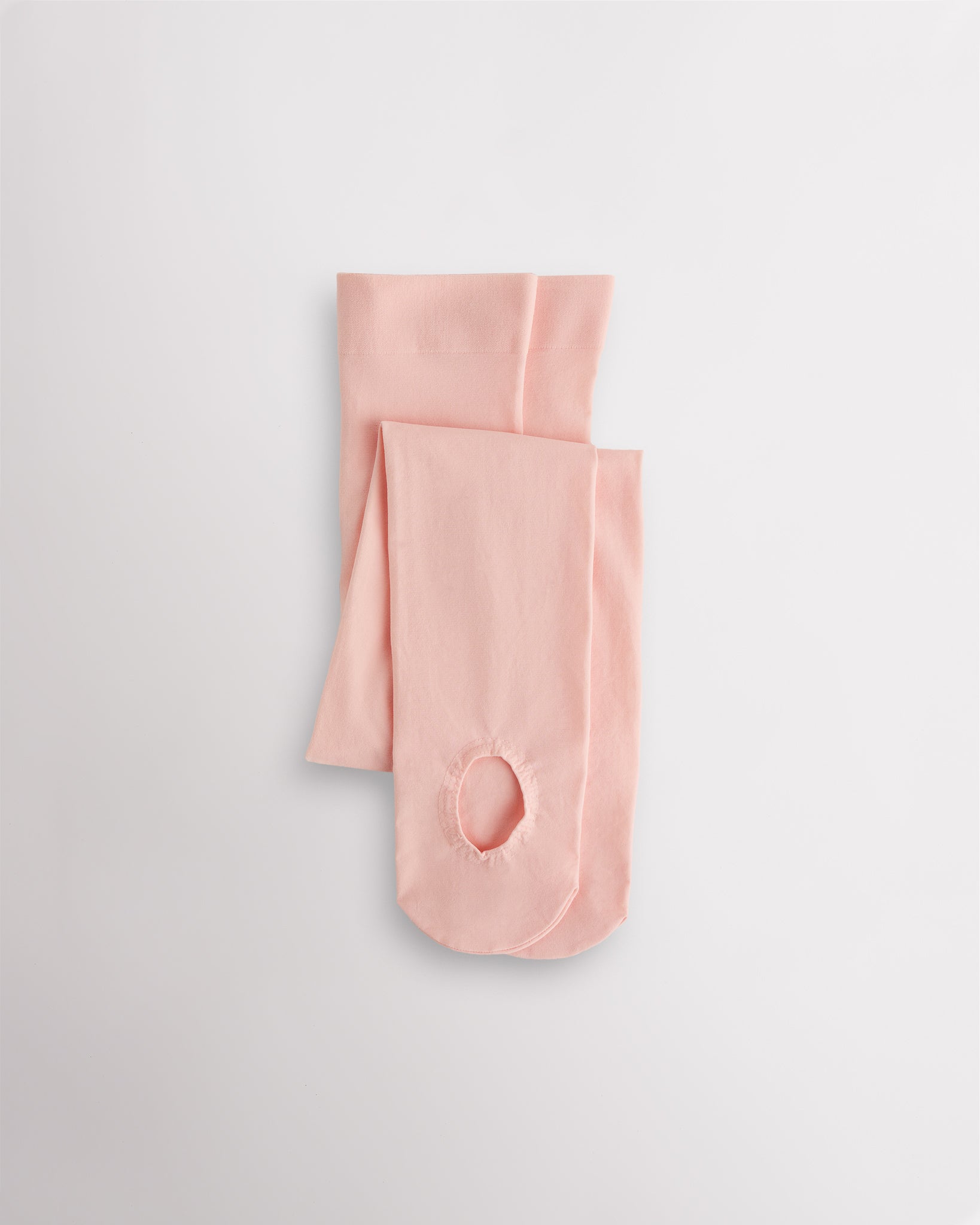
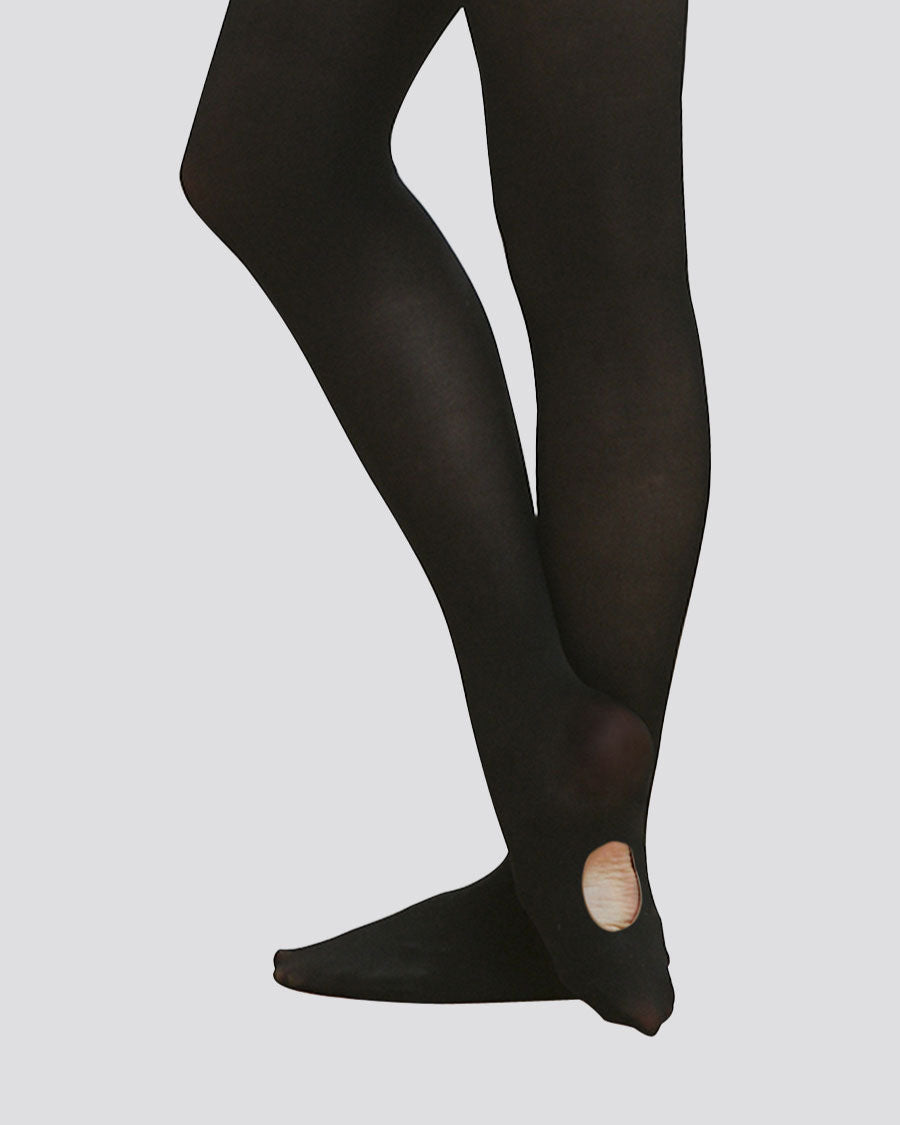
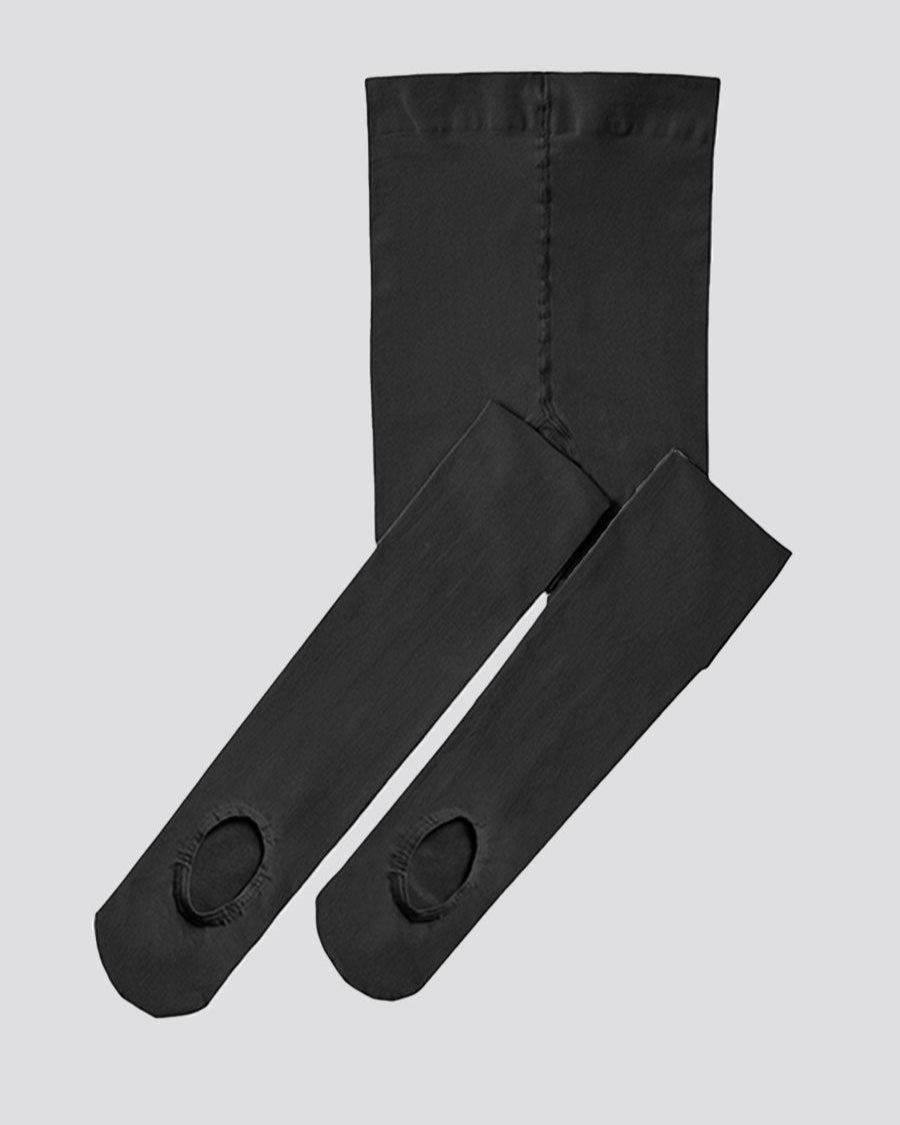
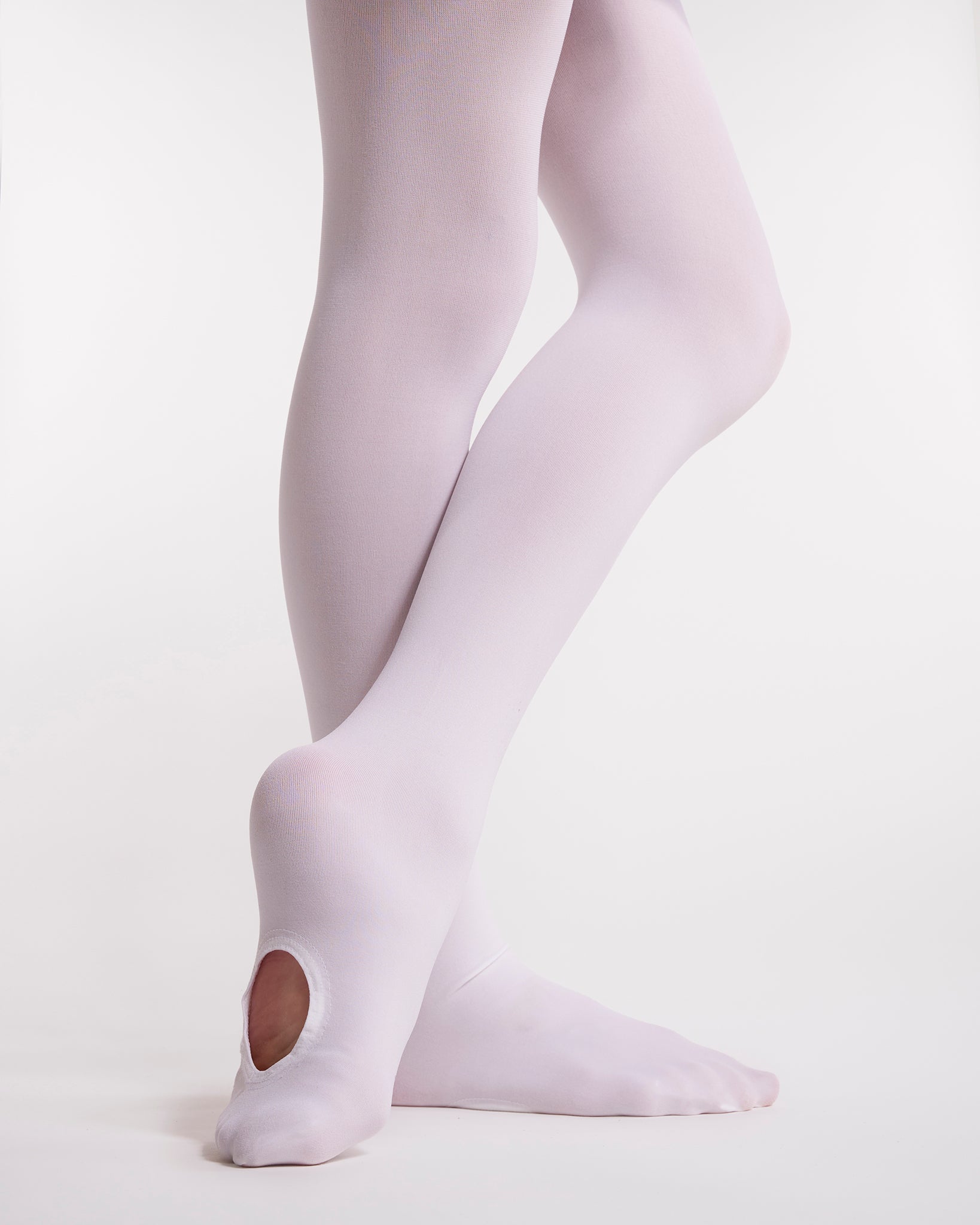
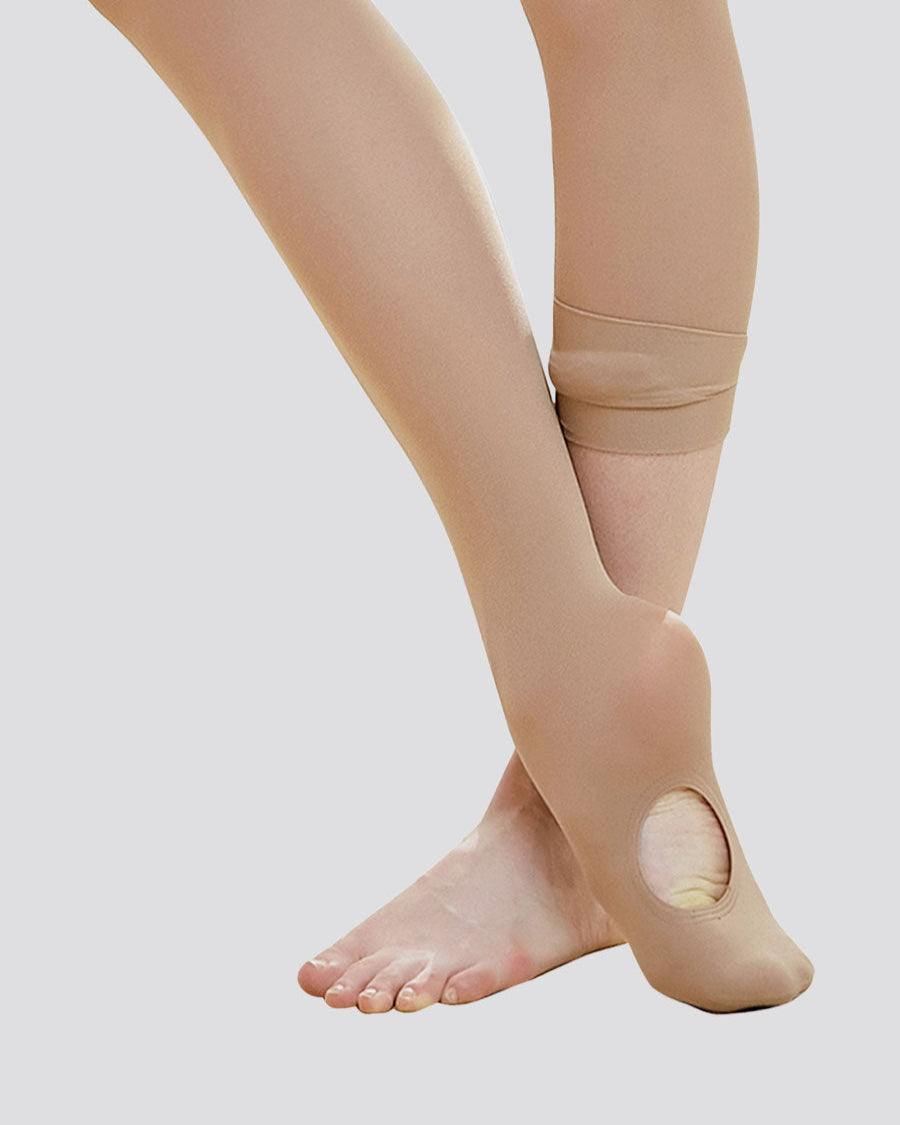
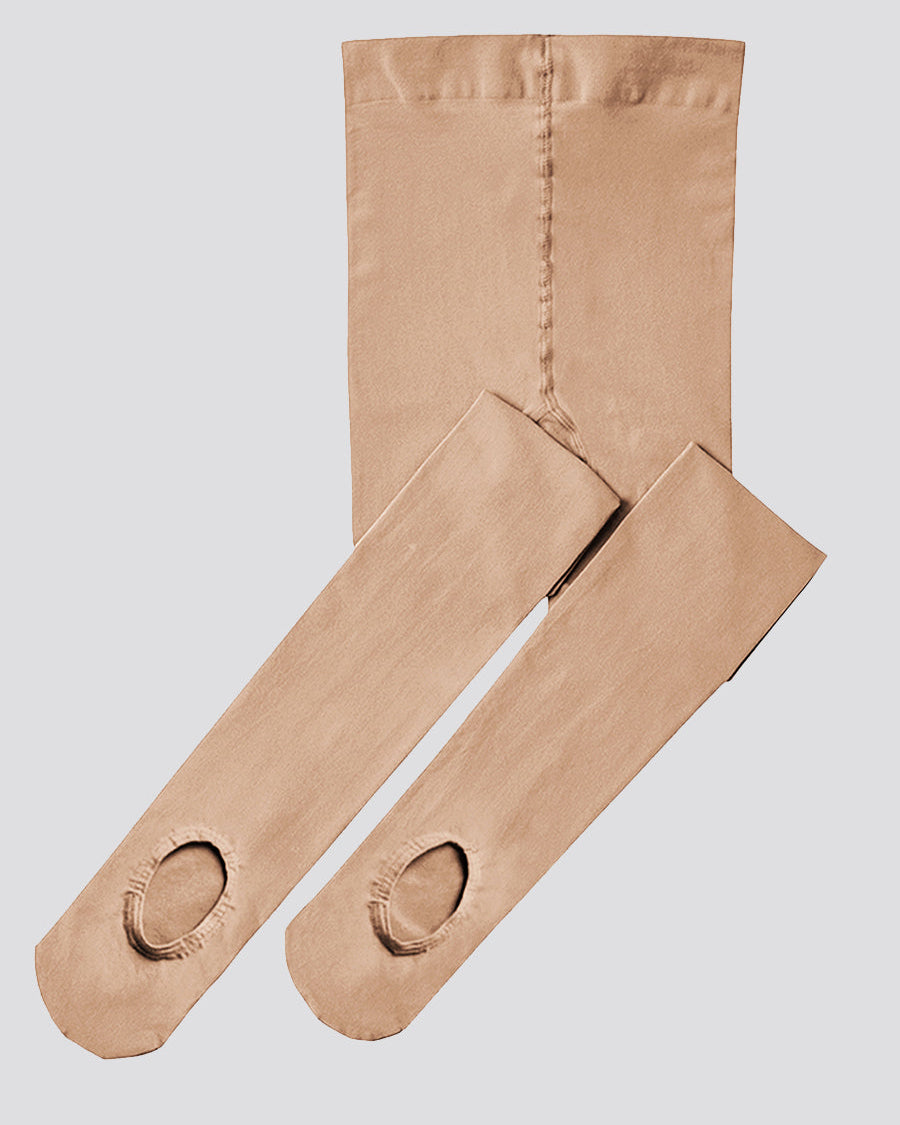
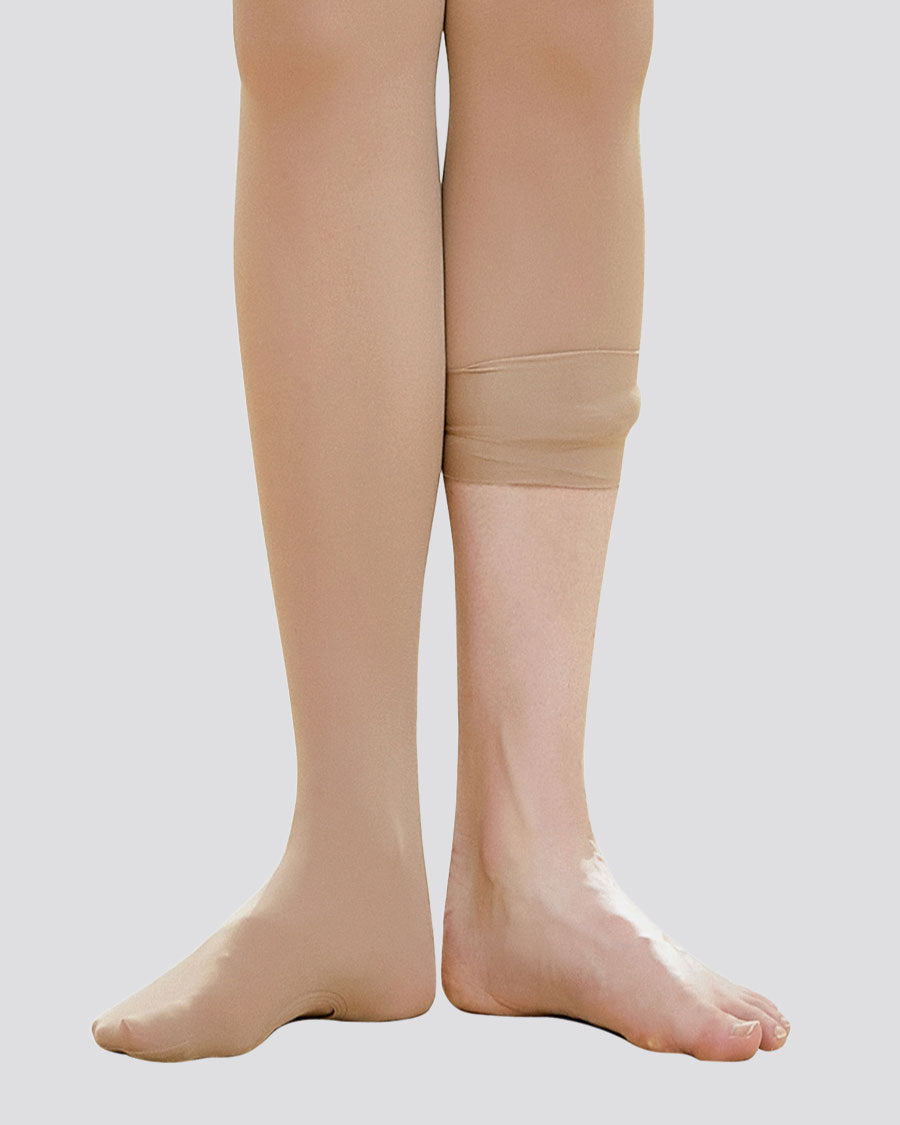
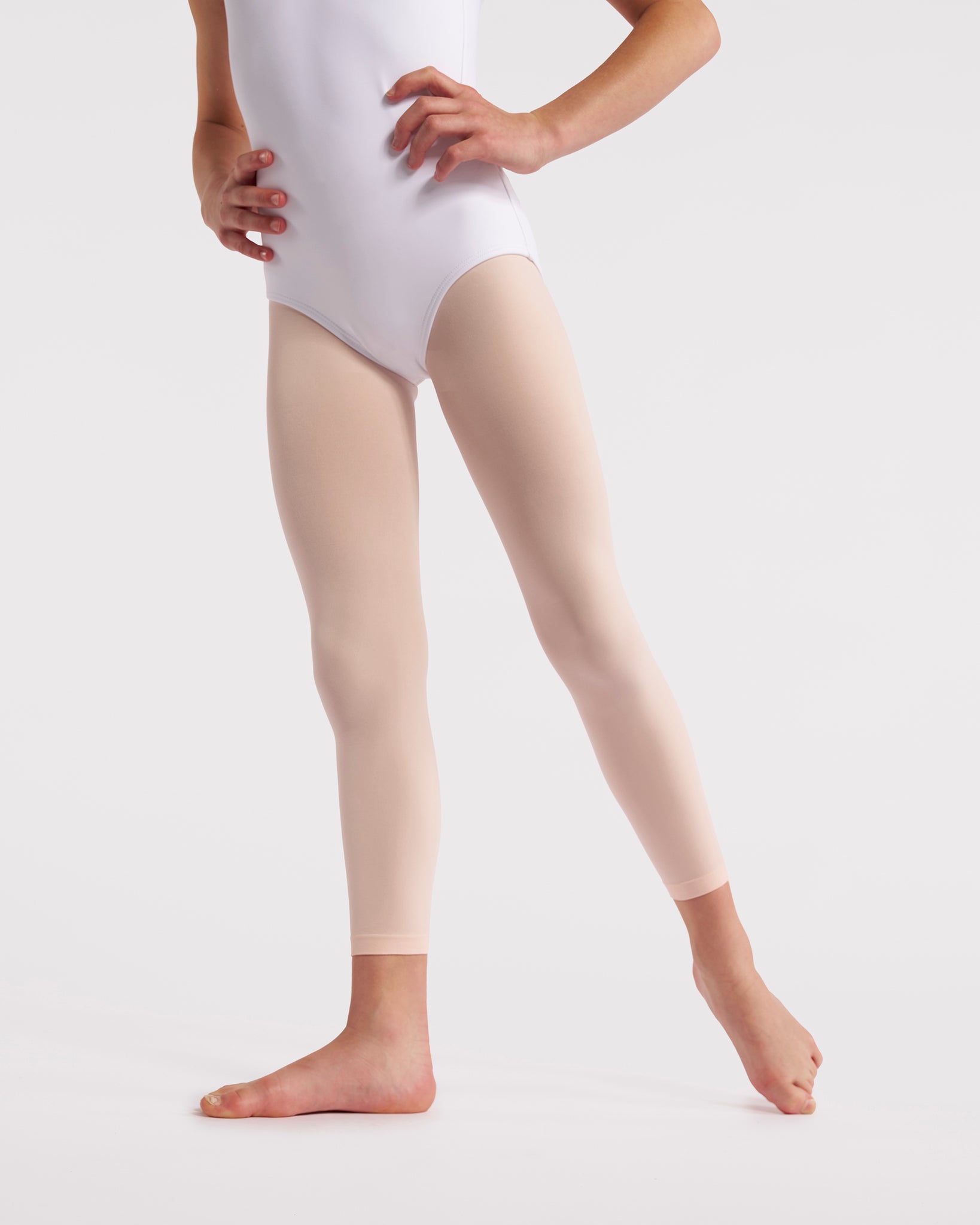
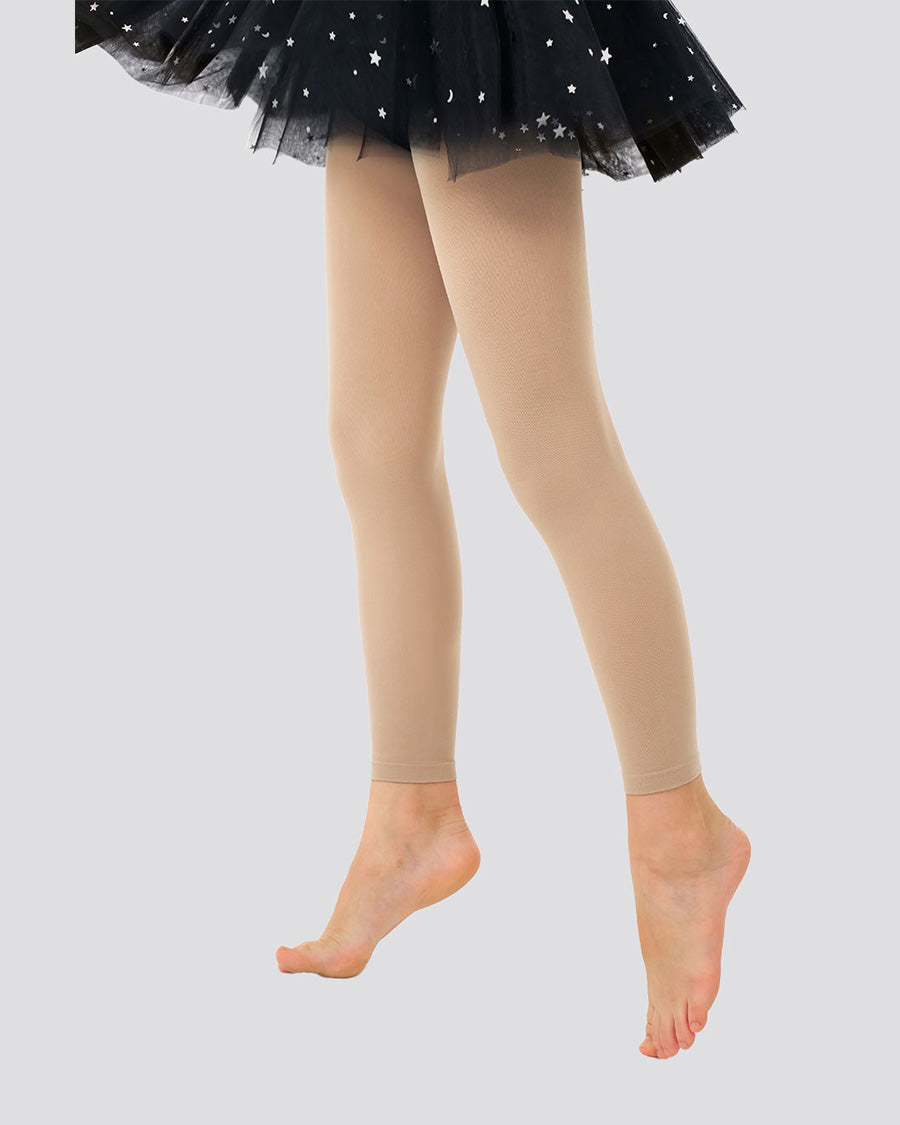
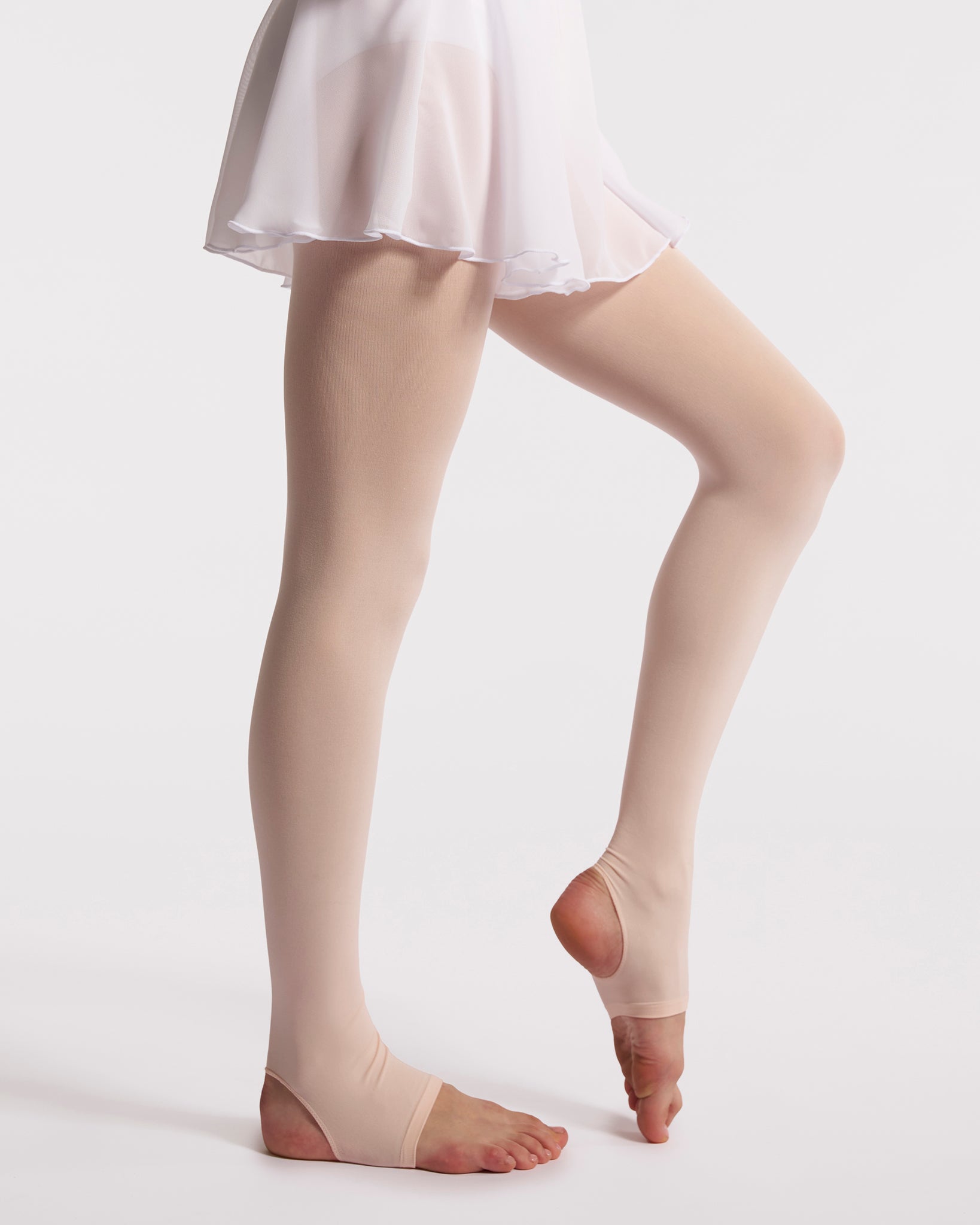
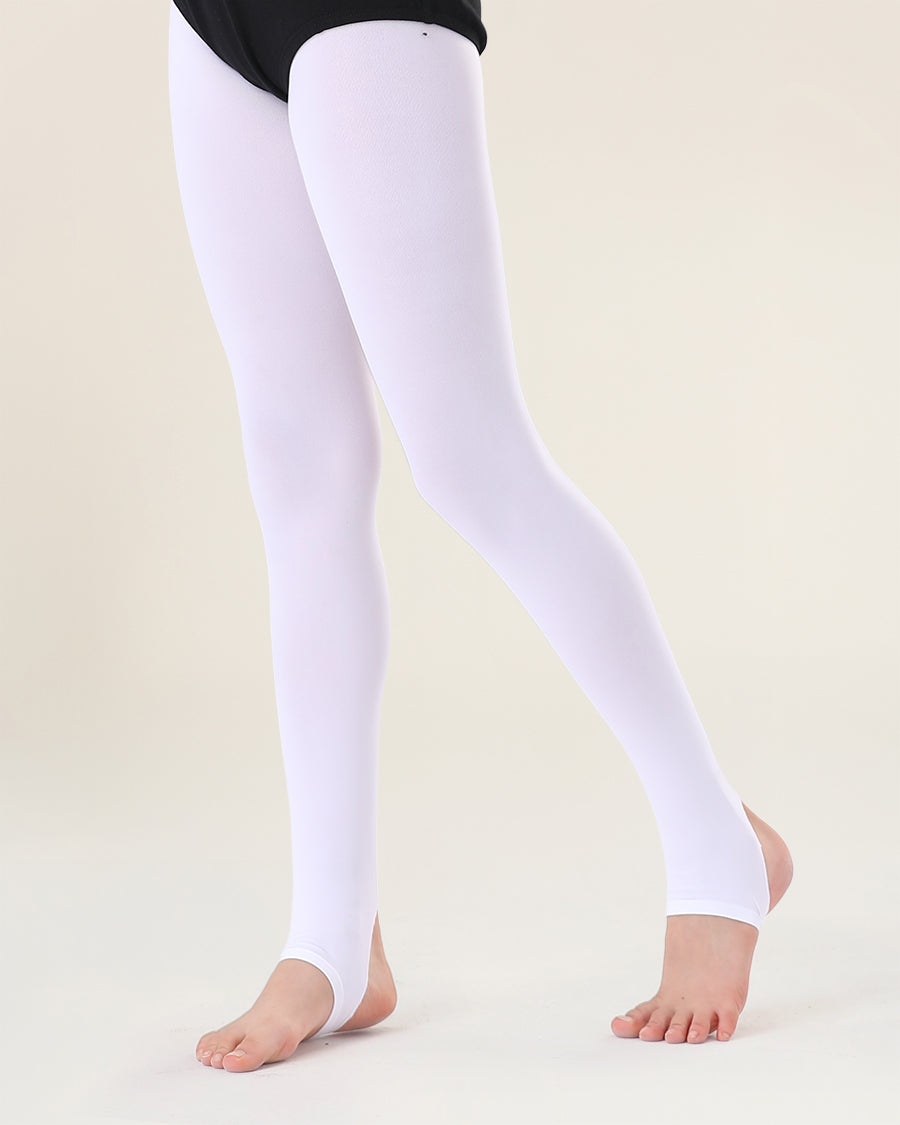
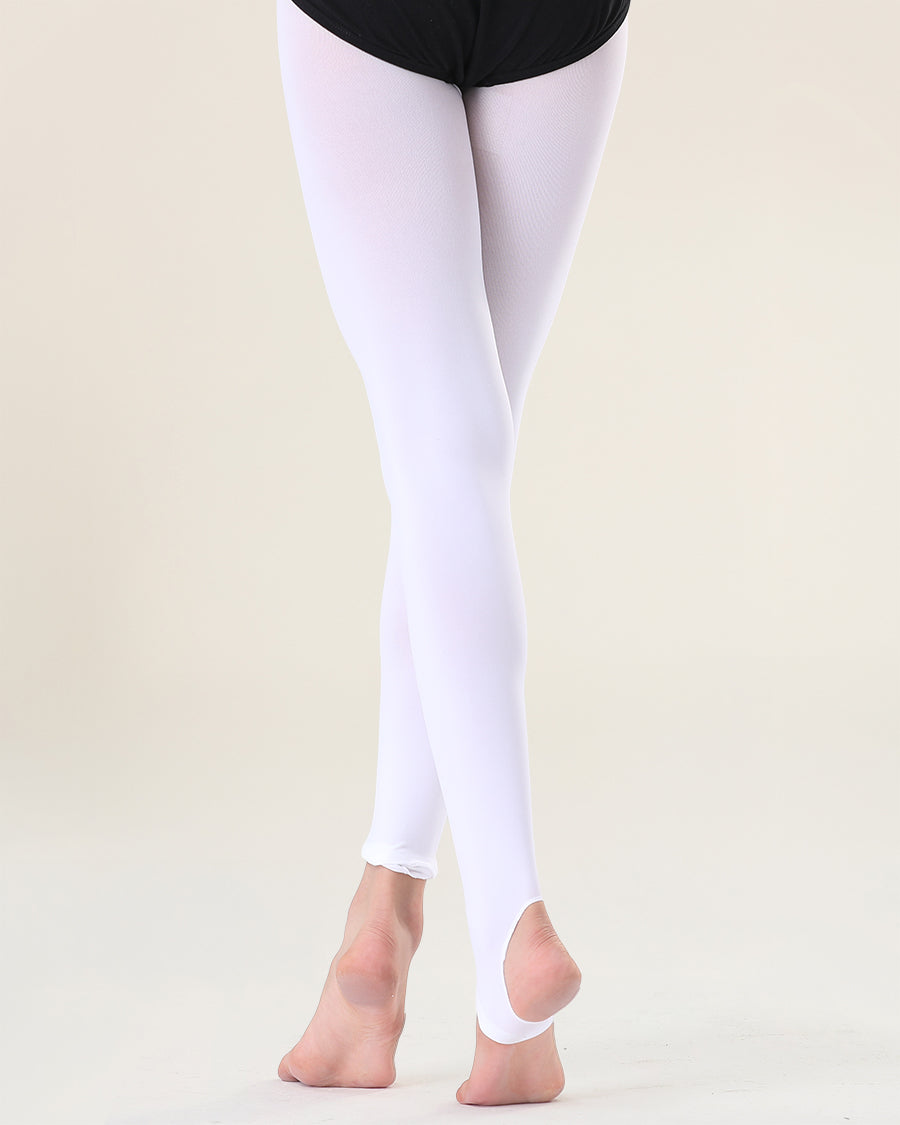
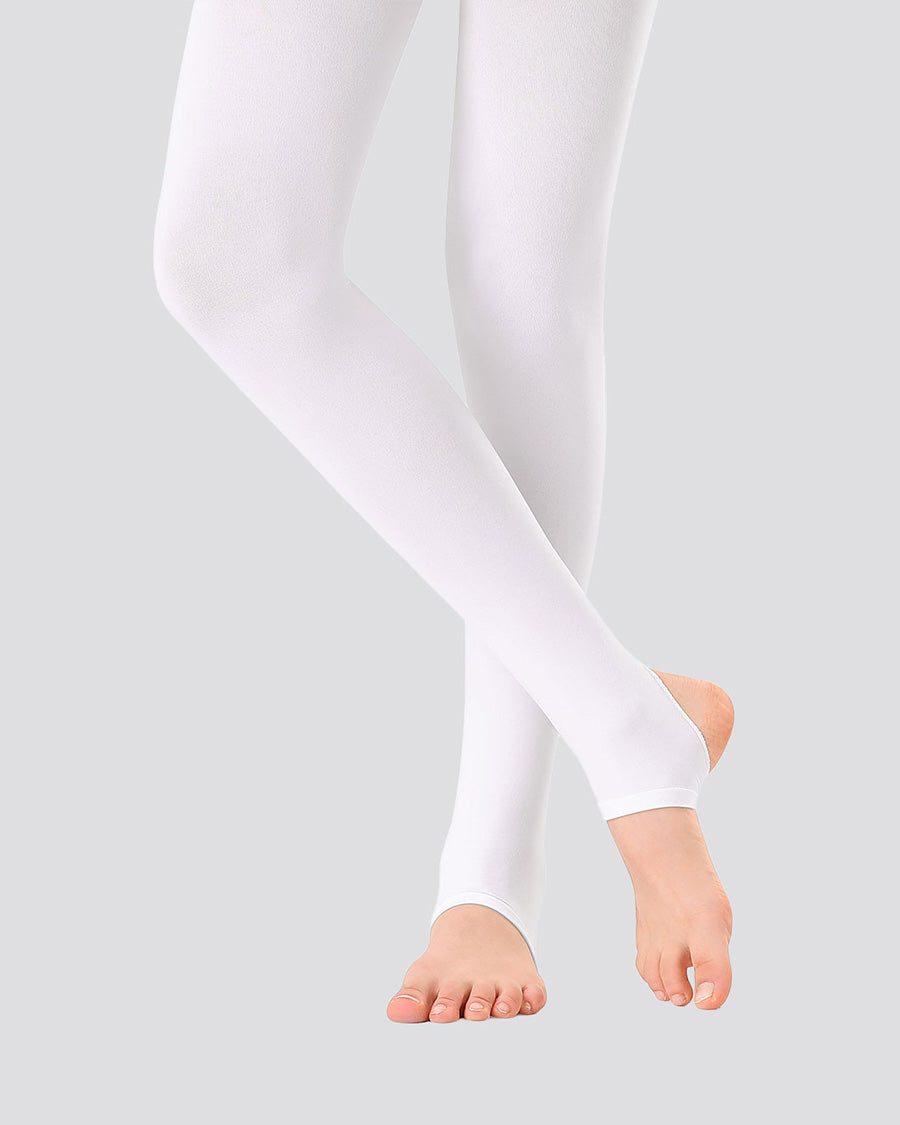
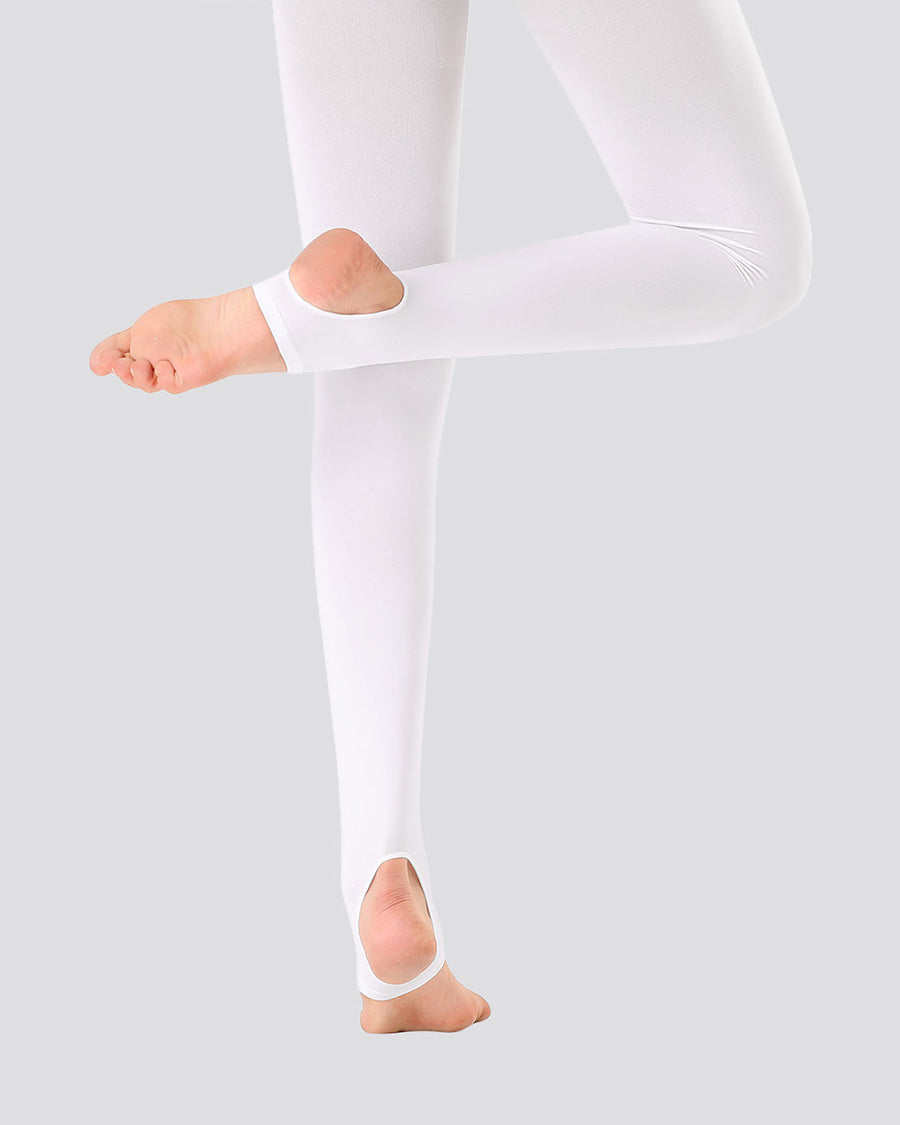
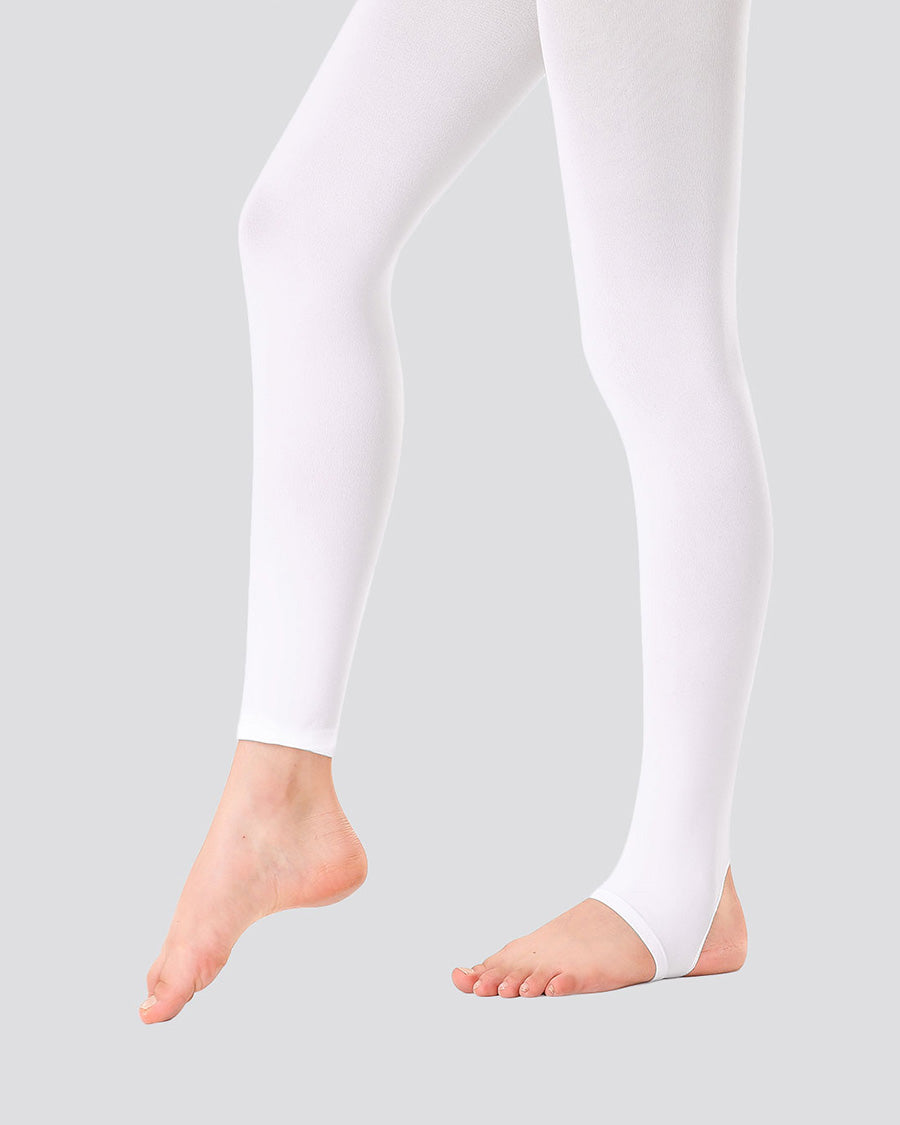
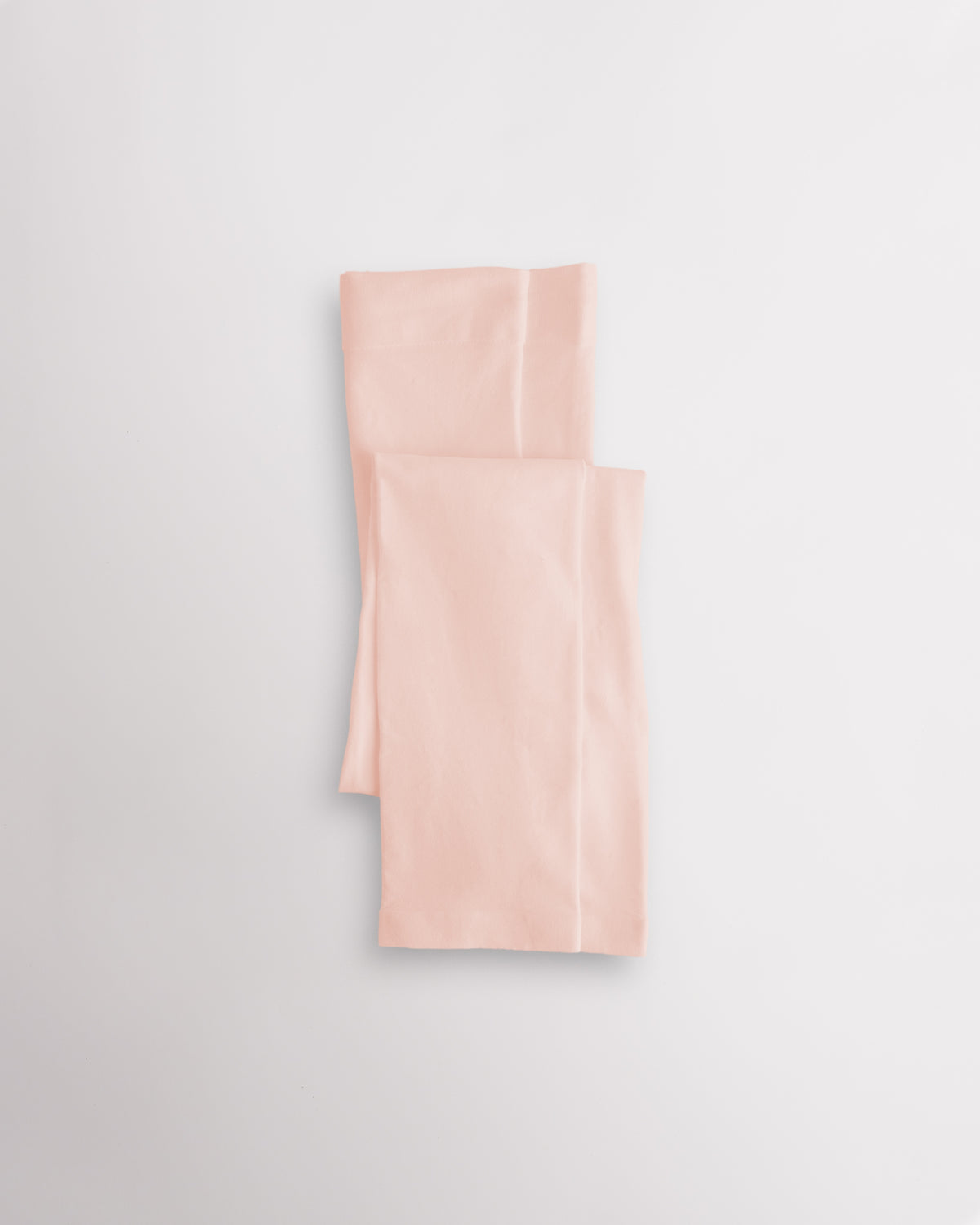
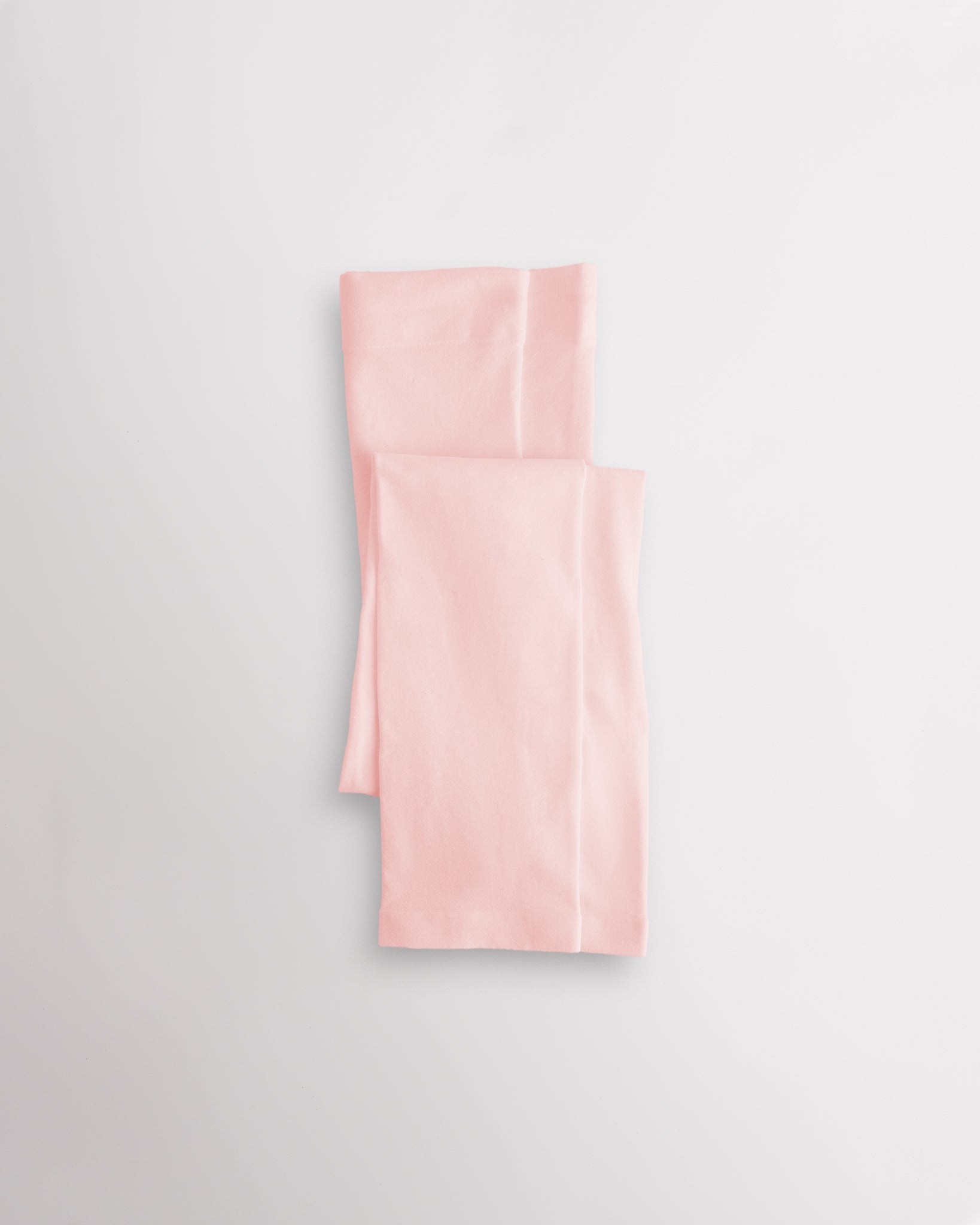
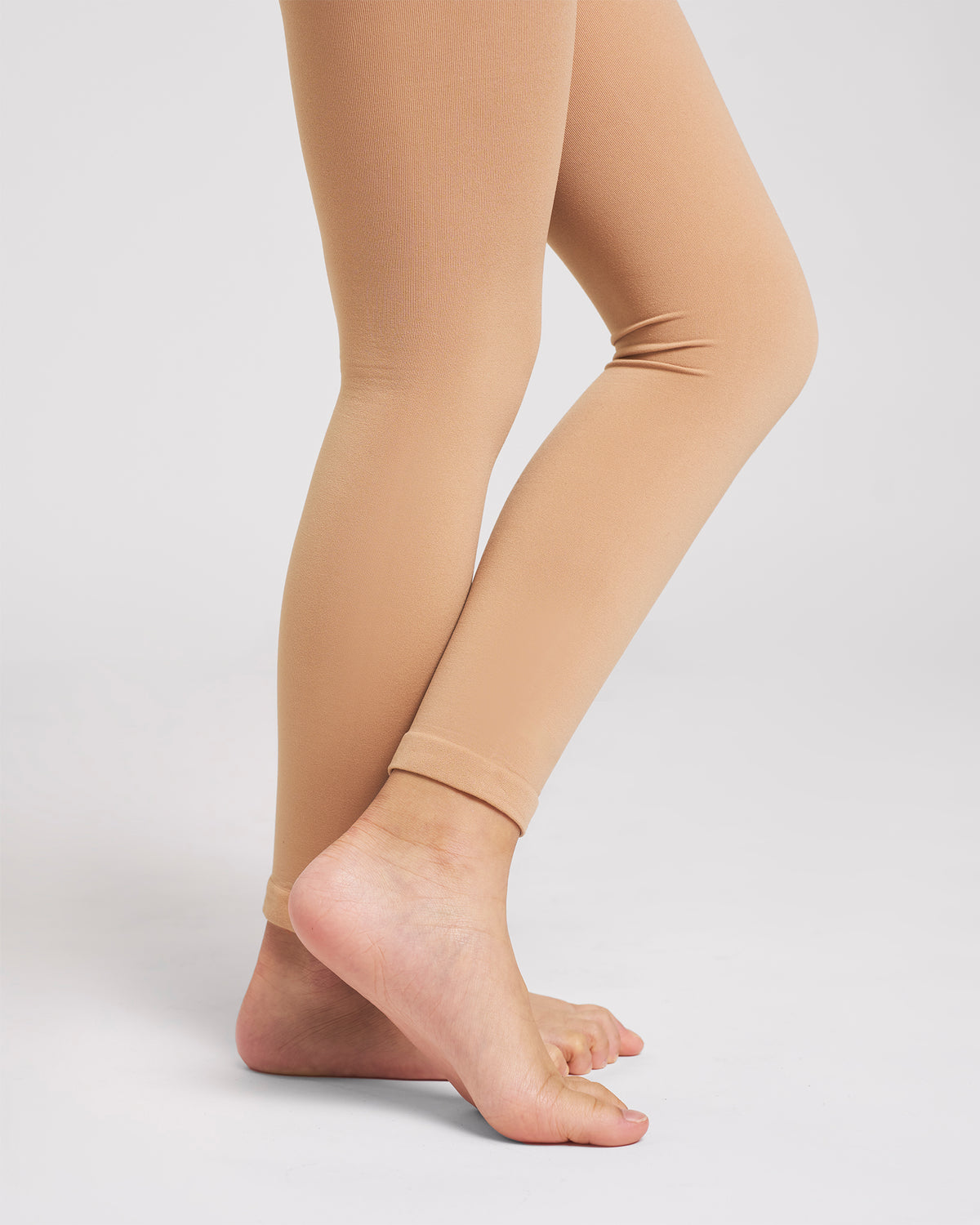
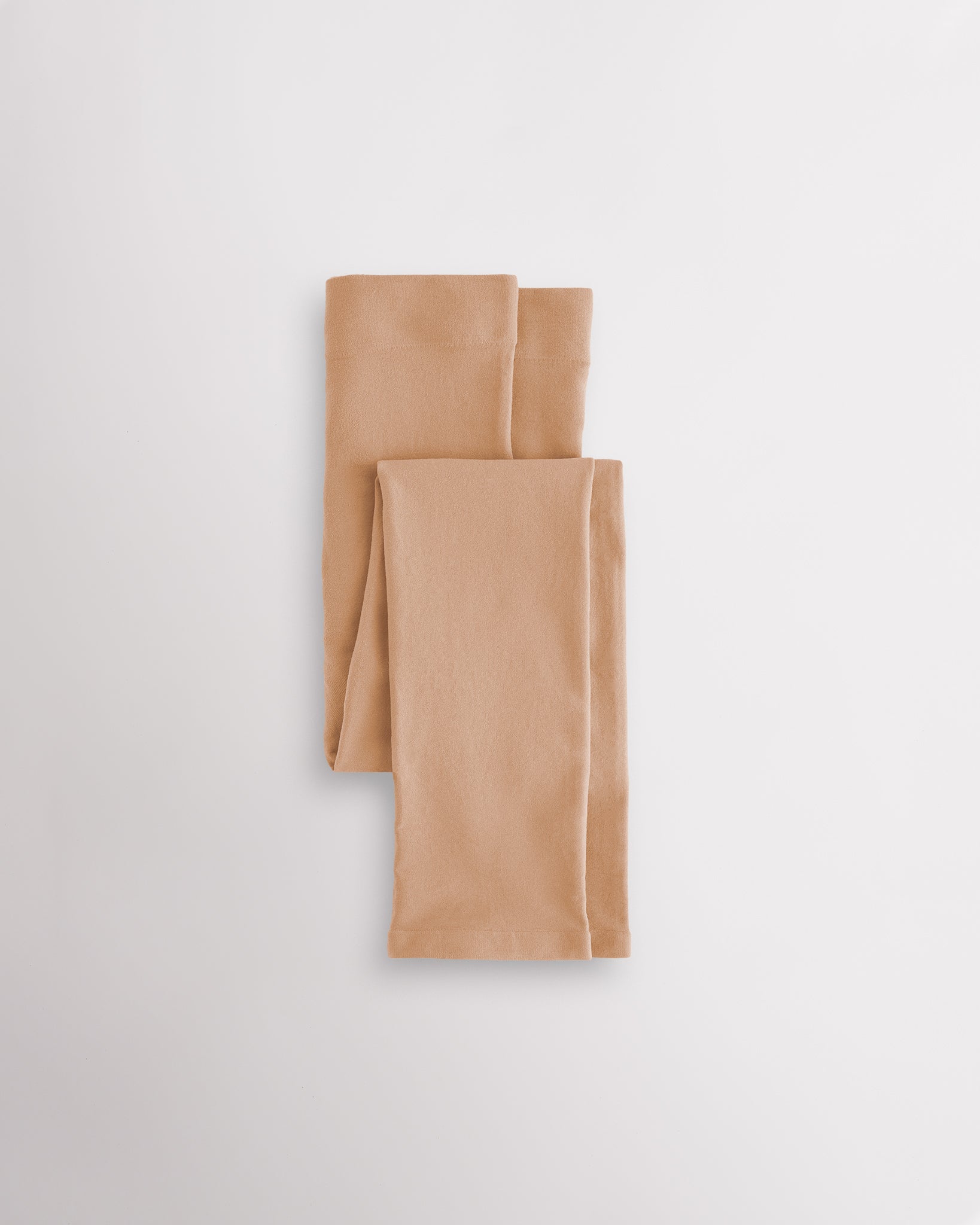
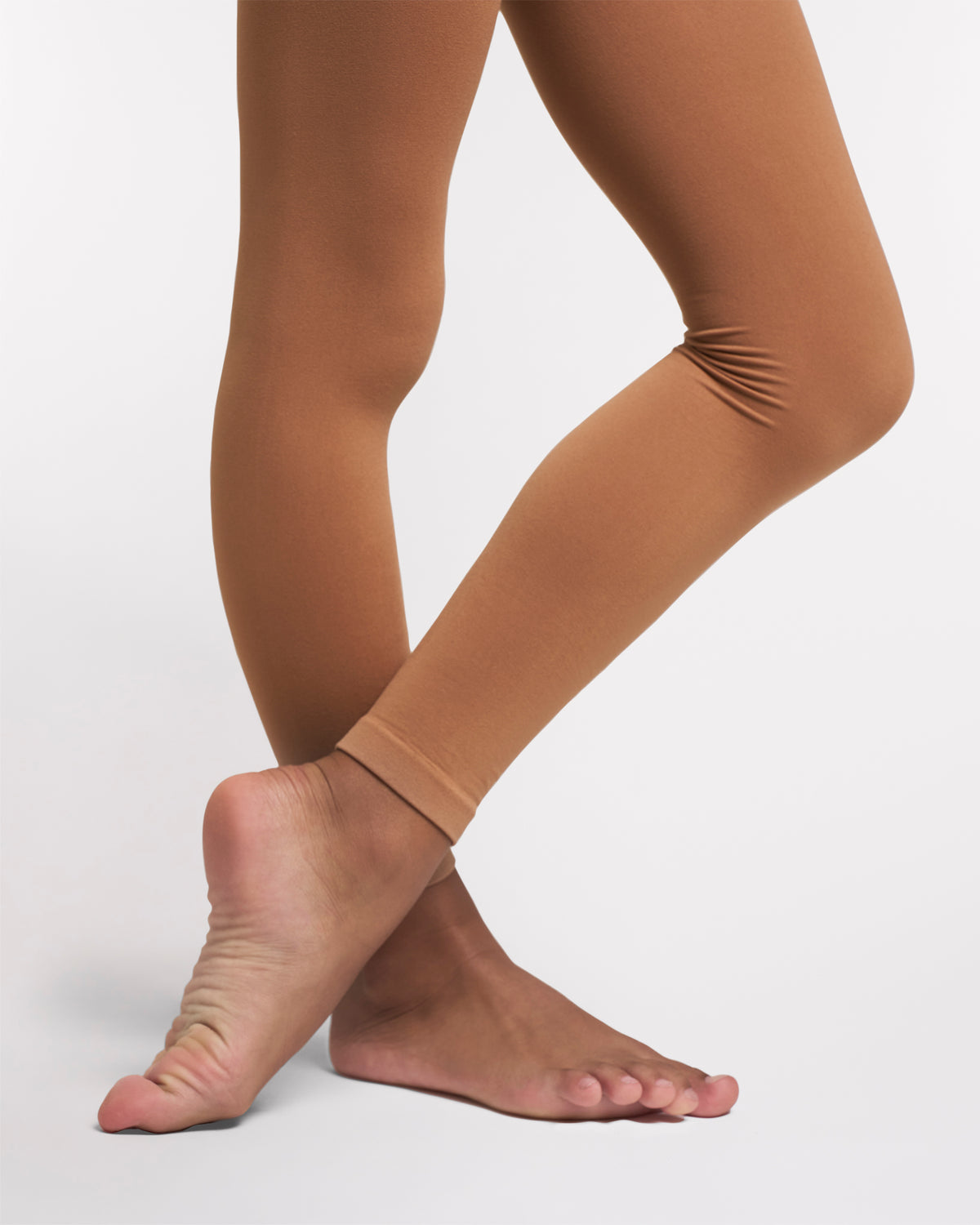
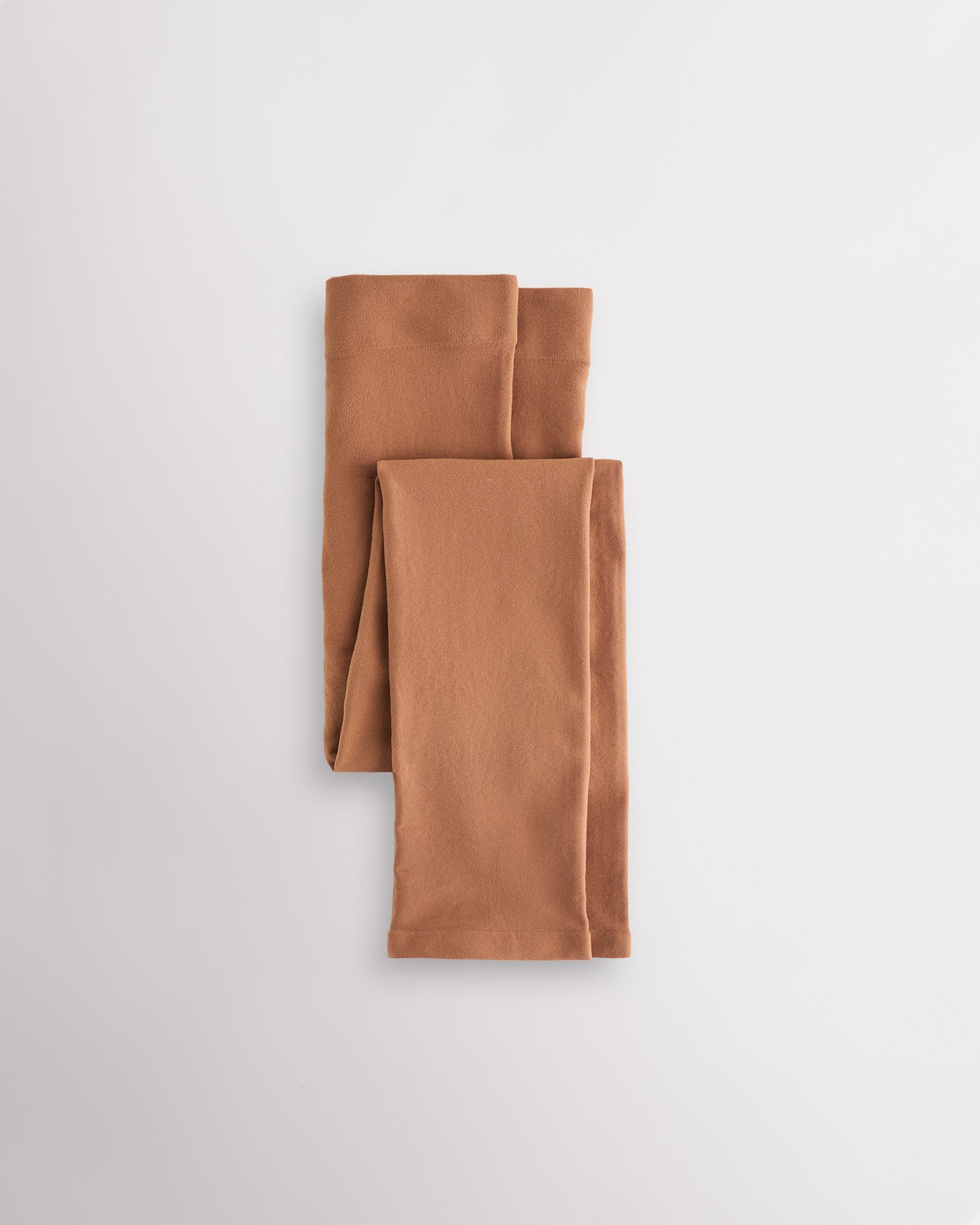
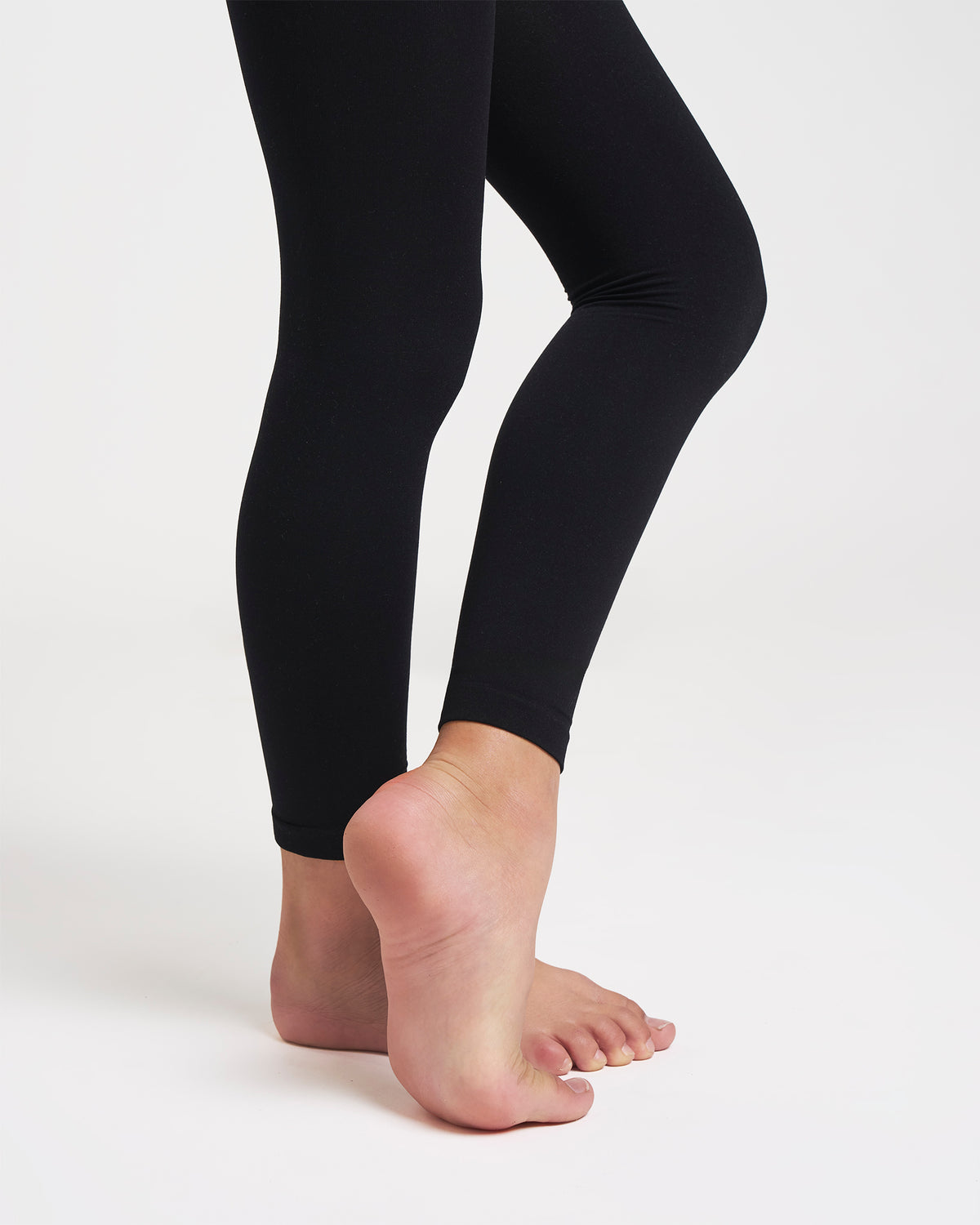
Tights are the one spot where contemporary differs from ballet: because the style is danced barefoot, footless or convertible tights work while footed ballet tights do not, and convertible styles roll up at the ankle. Leggings earn their keep during floor work: knees take real contact, and covered legs slide across marley flooring more comfortably than bare skin. Beyond that, contemporary dance clothes stay minimal: hair secured off the face, no jewelry, and a warm layer for the start of class. If you are starting from zero, our dance starter kit checklist covers the wider shopping list.

FAQ
Is contemporary dance the same as modern dance?
No, and it matters when you read a studio schedule. A class labeled modern often focuses on a specific modern-dance technique or approach, such as Graham, Cunningham, Limón, or Horton, while a contemporary class may blend several influences with ballet and jazz.
What does contemporary dance mean?
In studio terms, it means a class that blends ballet, modern, and jazz technique into expressive, often floor-based movement. The catch is that the contemporary dance meaning shifts from studio to studio: one program's class leans balletic, another's is grounded and improvisation-heavy, so watch a class or ask for a trial before enrolling.
What age can kids start contemporary dance?
Dedicated contemporary classes commonly start around ages 7 to 9, though studios set their own cutoffs, so check before enrolling. A good first class pairs floor work basics with technique borrowed from ballet or jazz; younger children get the same coordination benefits from creative movement or pre-ballet classes in the meantime.
Do contemporary dancers wear shoes?
Contemporary is danced barefoot as the default, because skin on the floor gives the grip and sensory feedback floor work needs. Some dancers wear half soles or dance socks for turn-heavy choreography or rough floors, but in a beginner class bare feet are standard unless the teacher says otherwise.
Does my child need ballet before starting contemporary?
Not universally required, but genuinely useful. Ballet and contemporary dance share a technical base, and many studios list a year of ballet or jazz as a prerequisite. Dancers with that foundation tend to progress faster.
What music is contemporary dance performed to?
On stage, almost anything goes, from ambient tracks and stripped-back pop covers to silence. There is no required music style, and choreographers since Cunningham have even built dances independent of the music entirely.
About the Stelle Team
Stelle is a mom-trusted dancewear & athleisure brand best known for girls’ ballet and dance essentials since 2015. Every article is created and reviewed by the team behind the products, drawing on what we hear from dance teachers, studio owners, and dance parents every day. Learn more about Stelle.