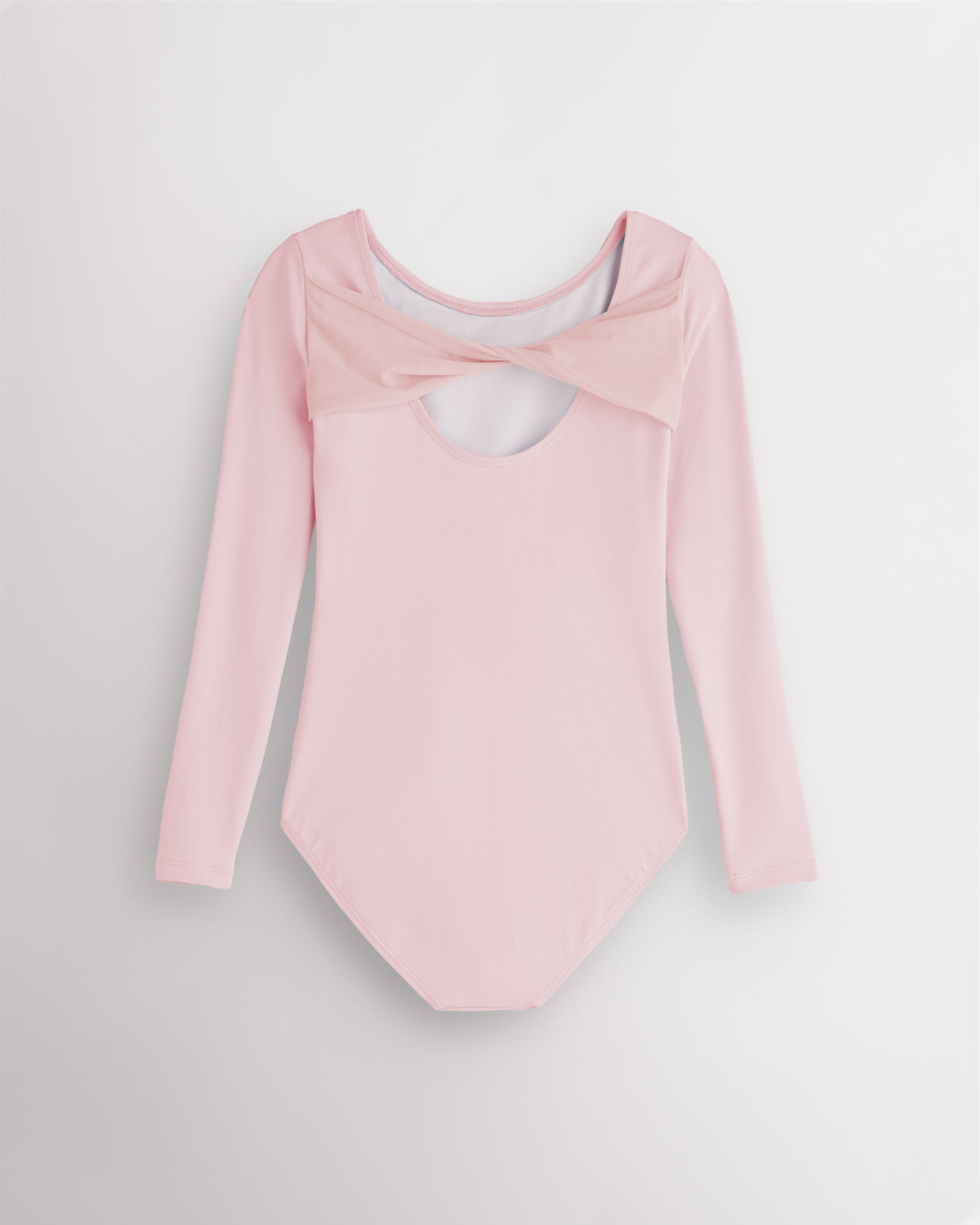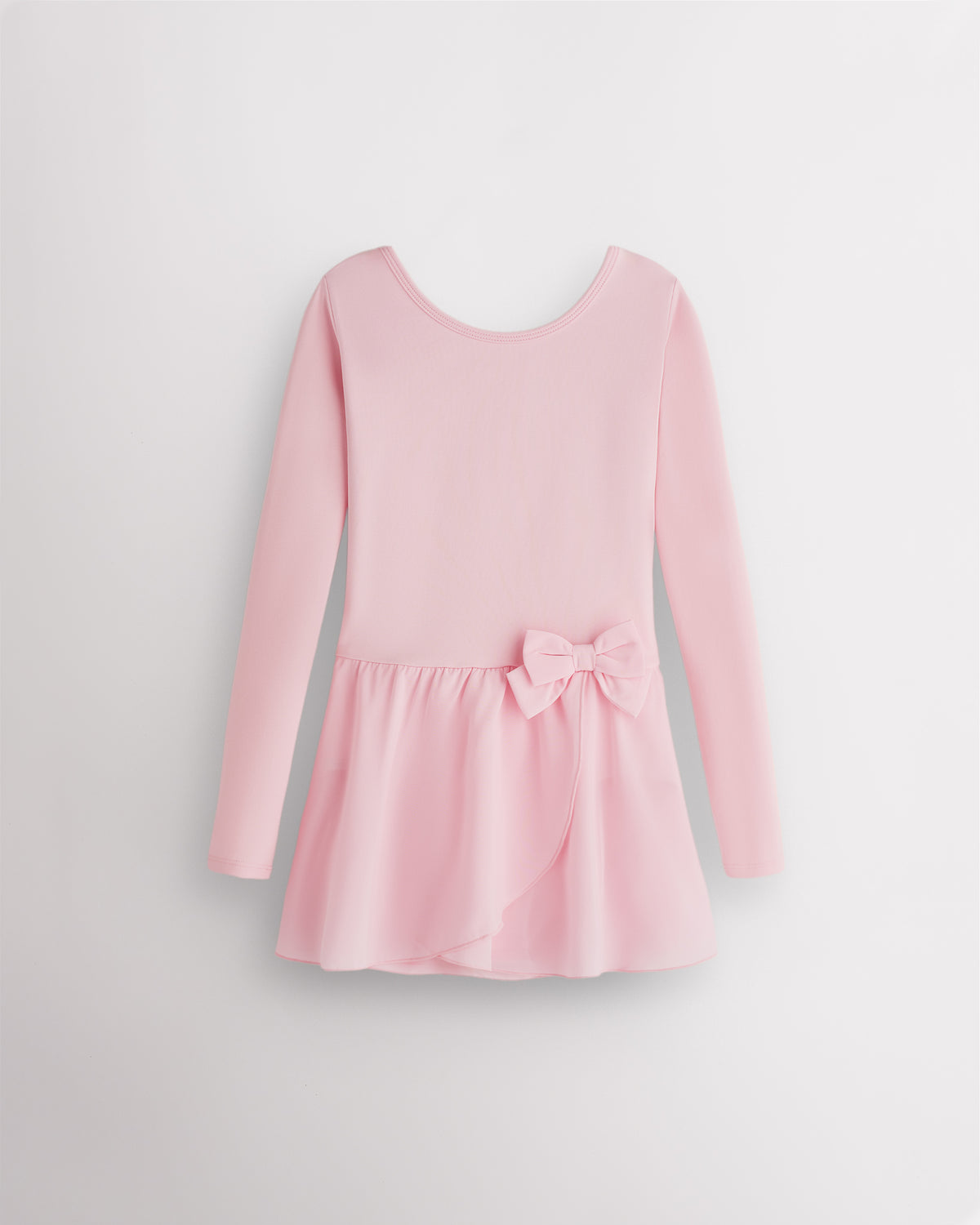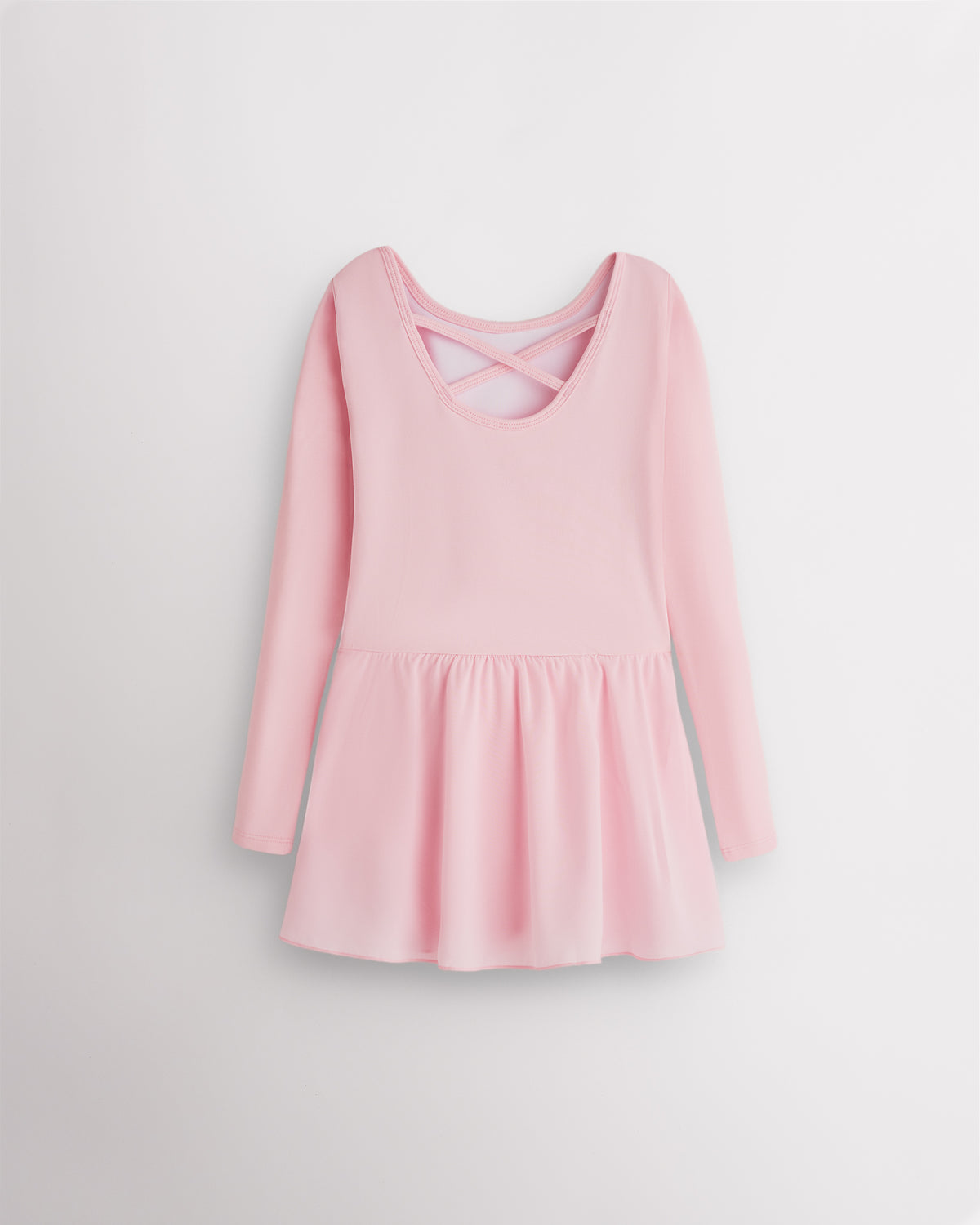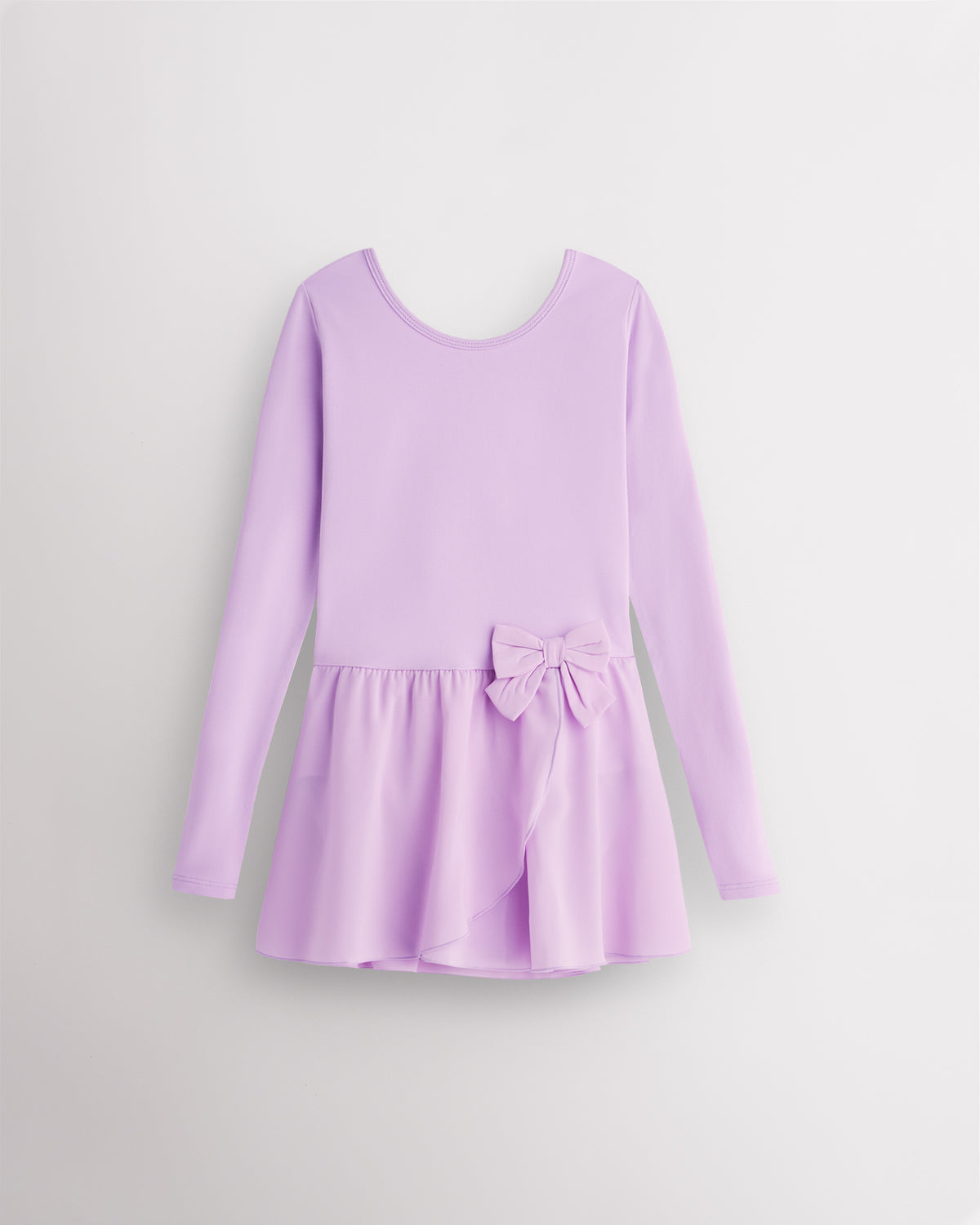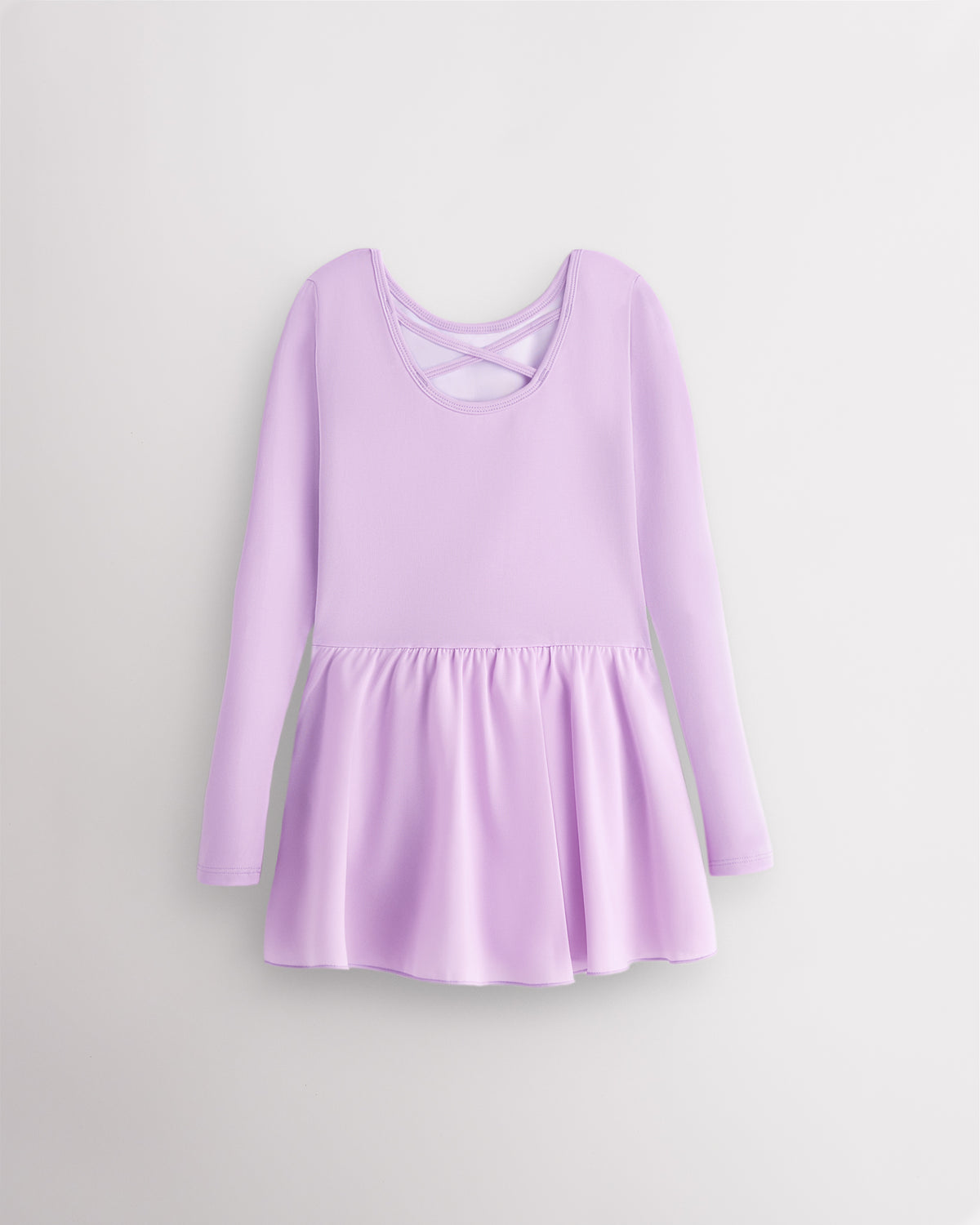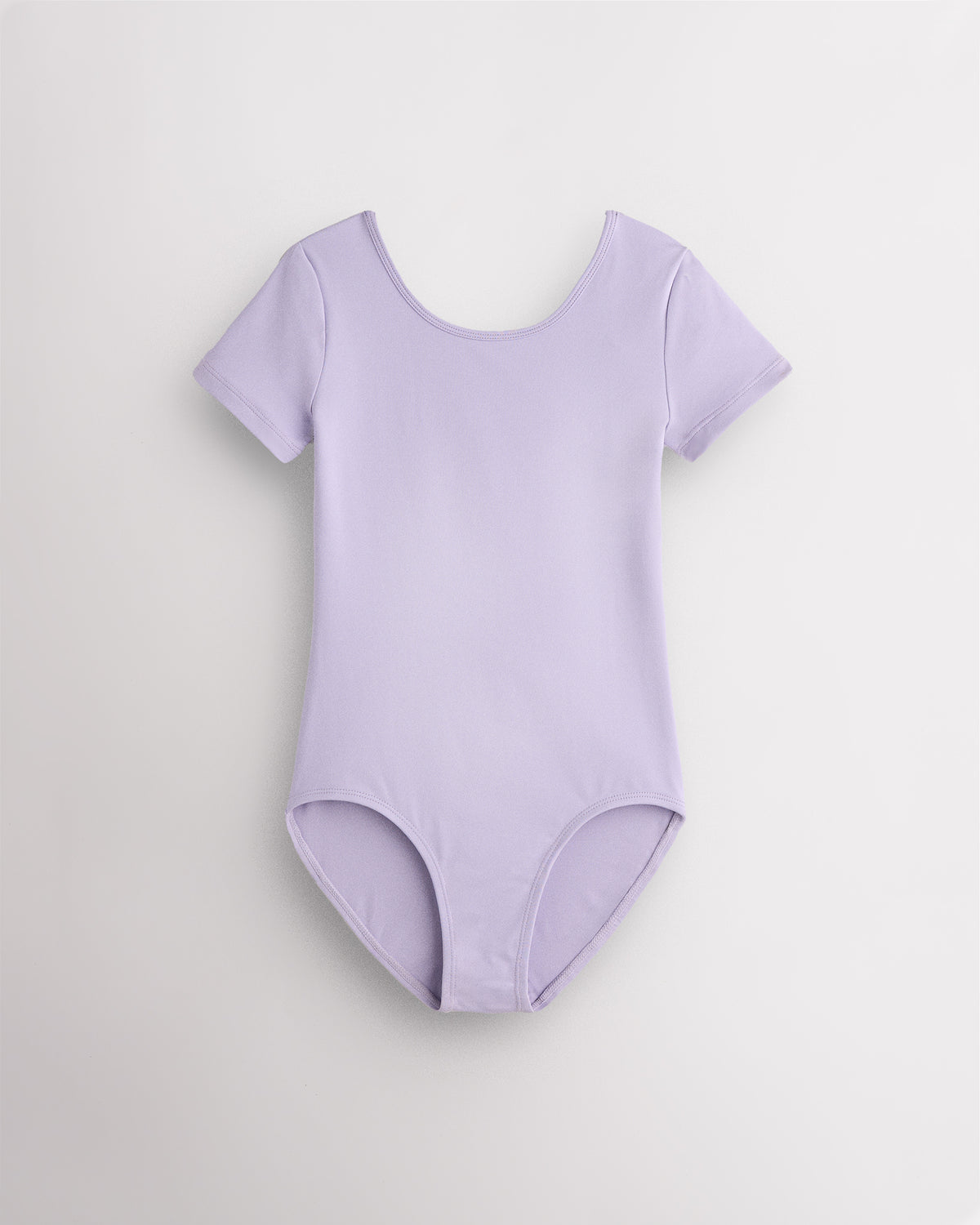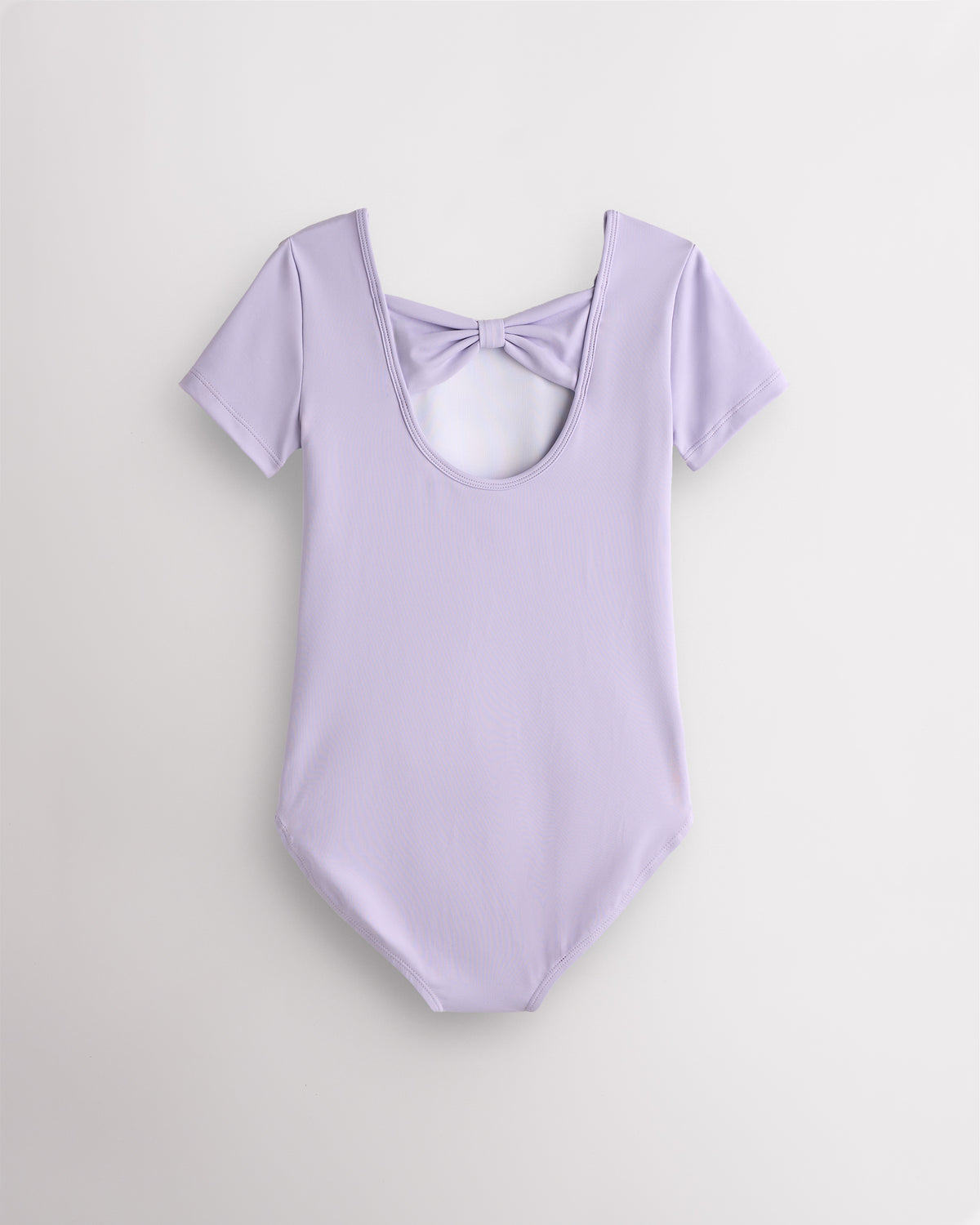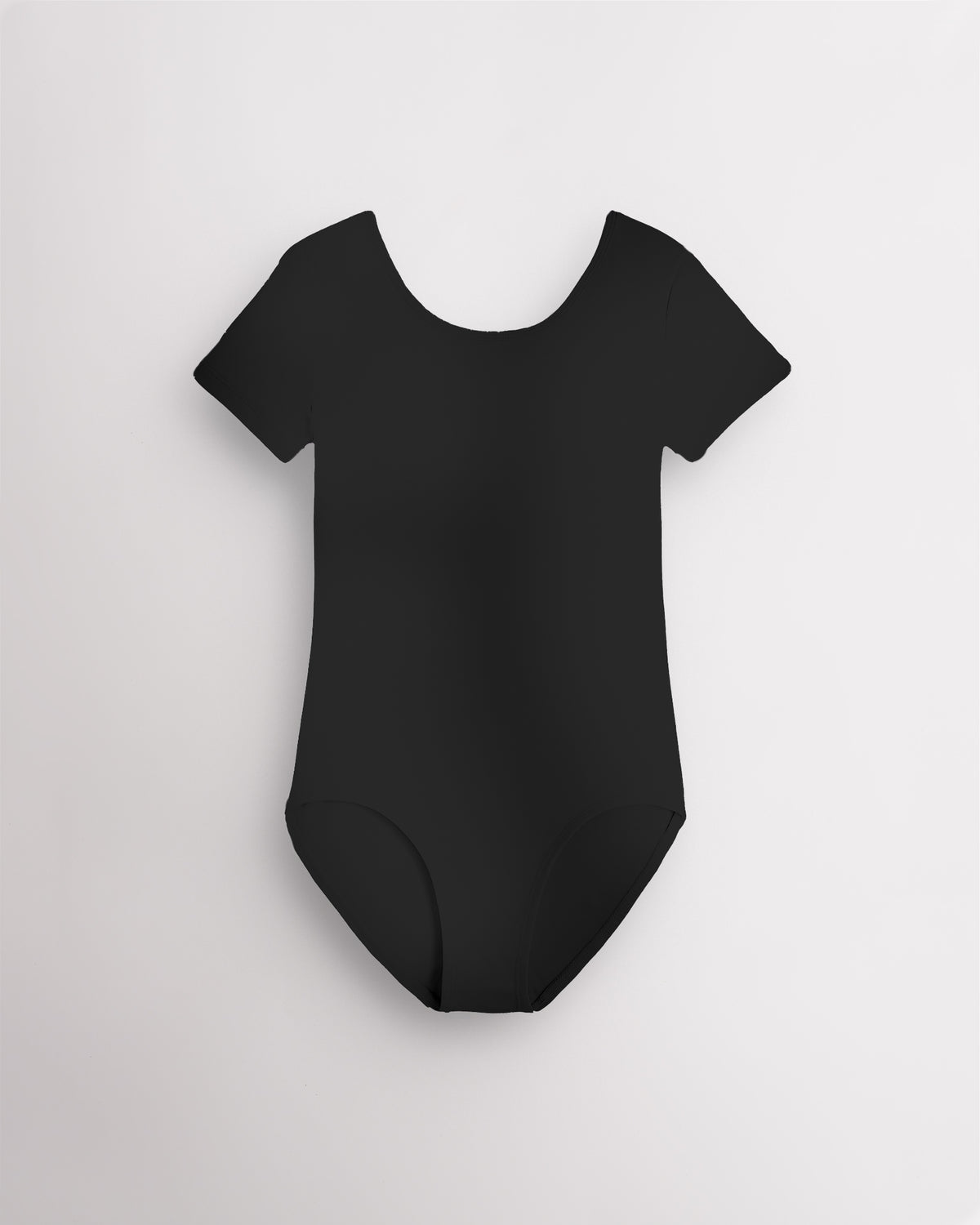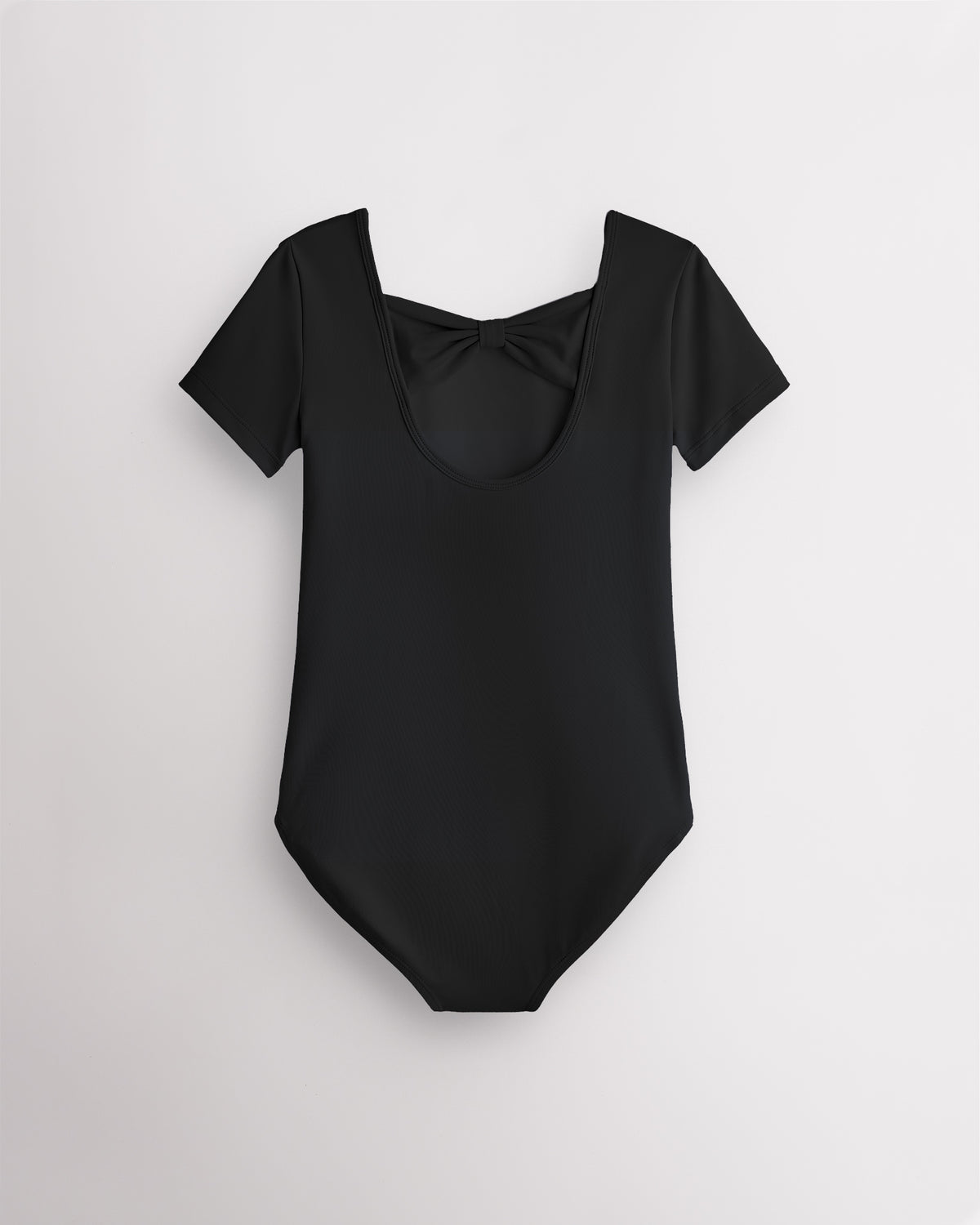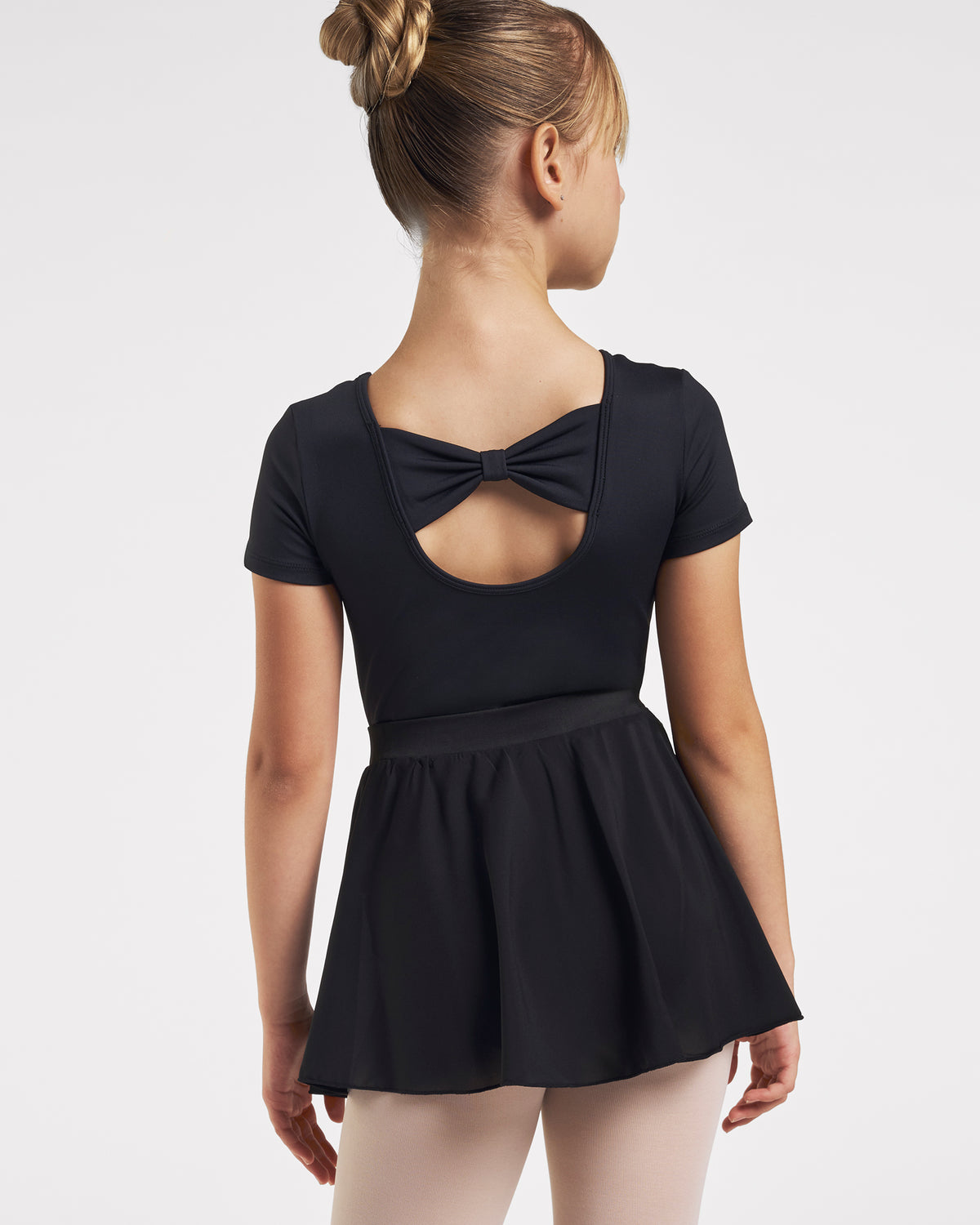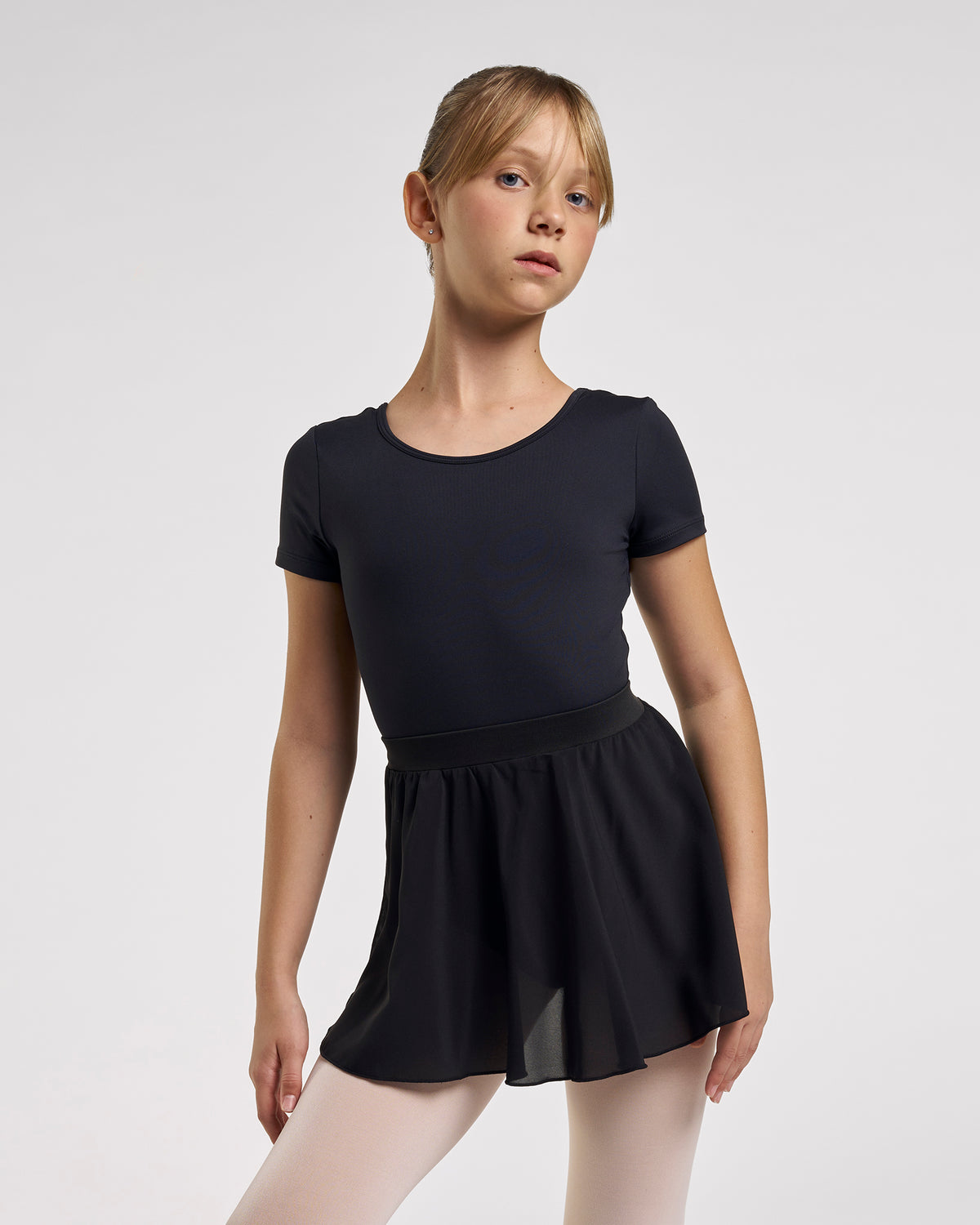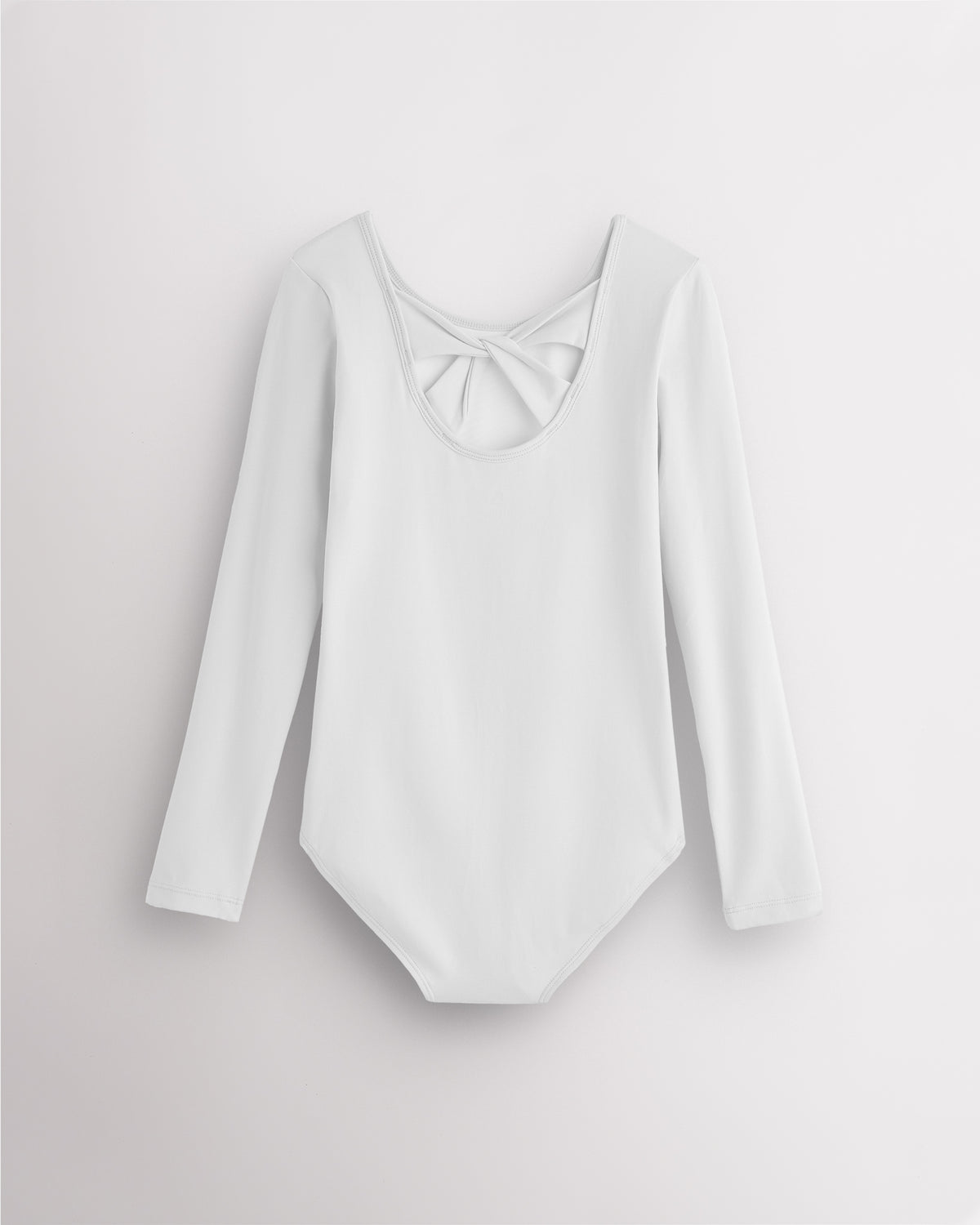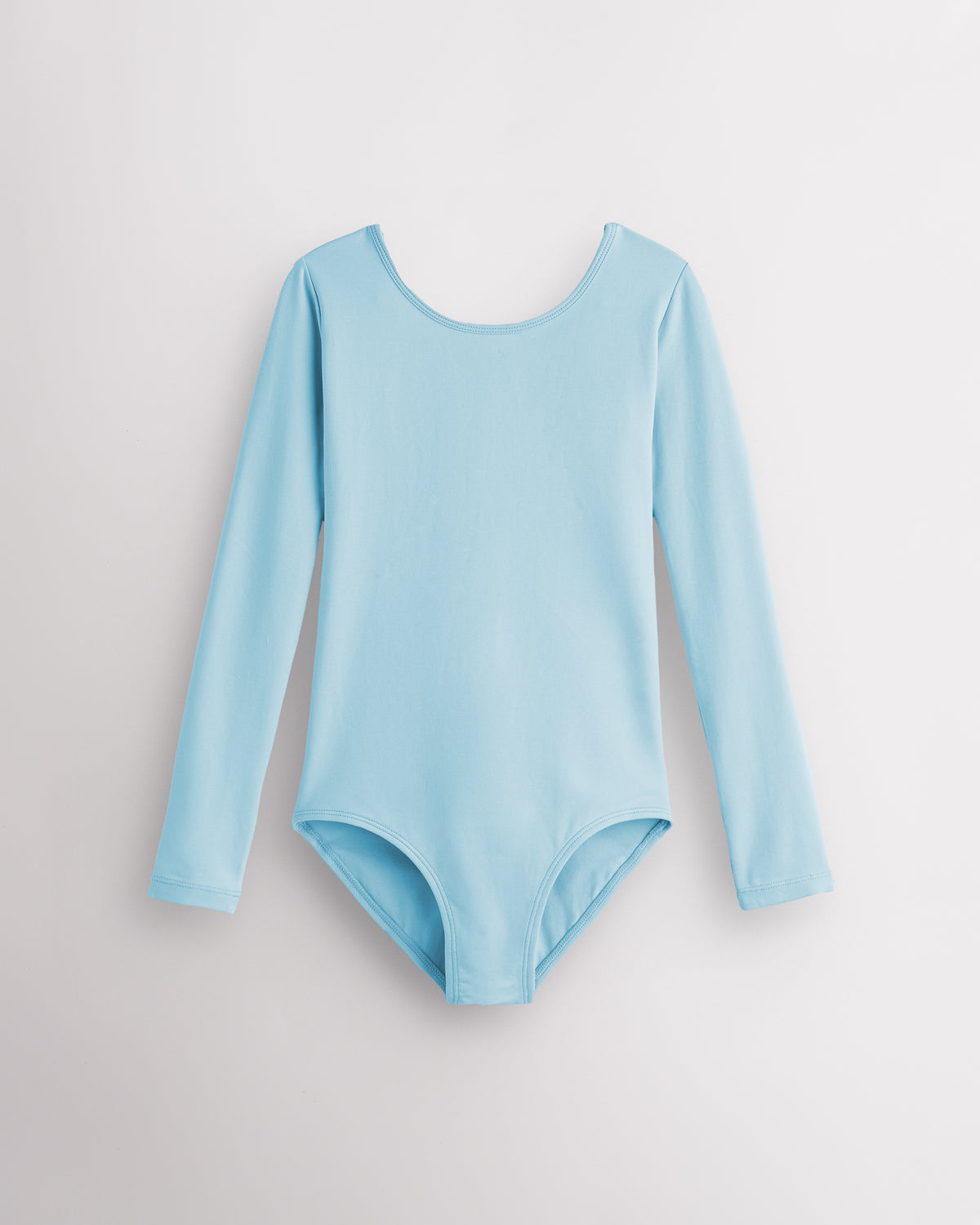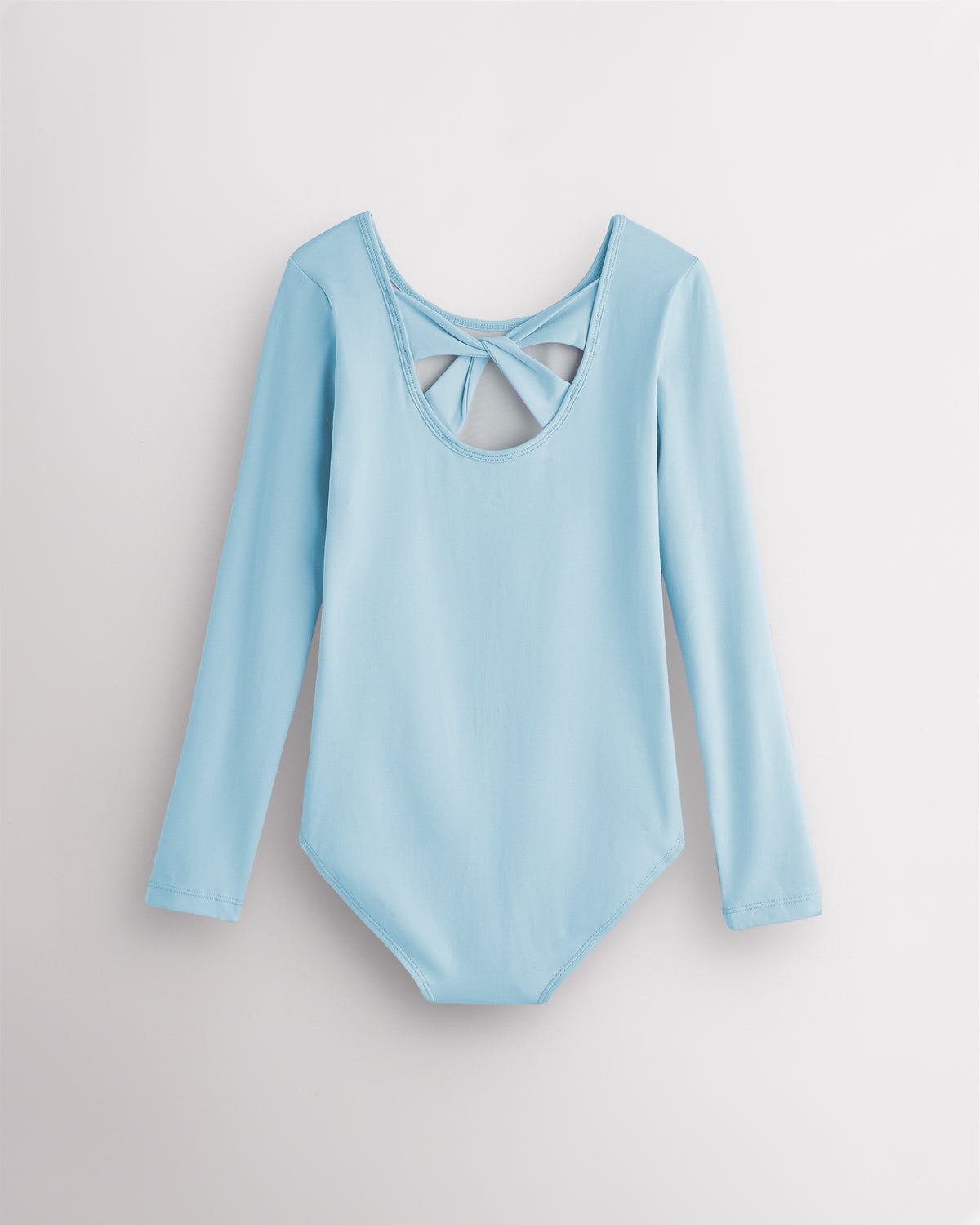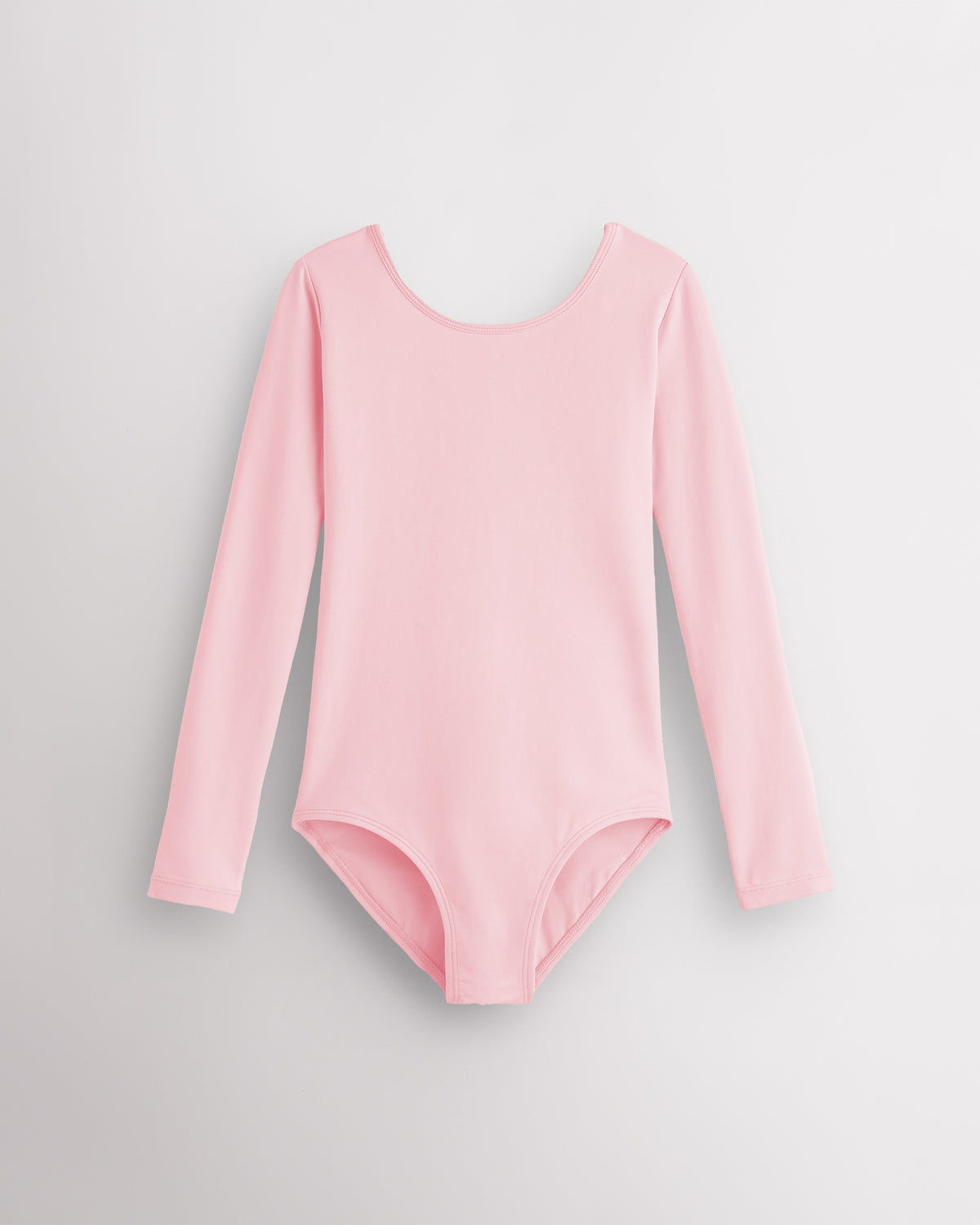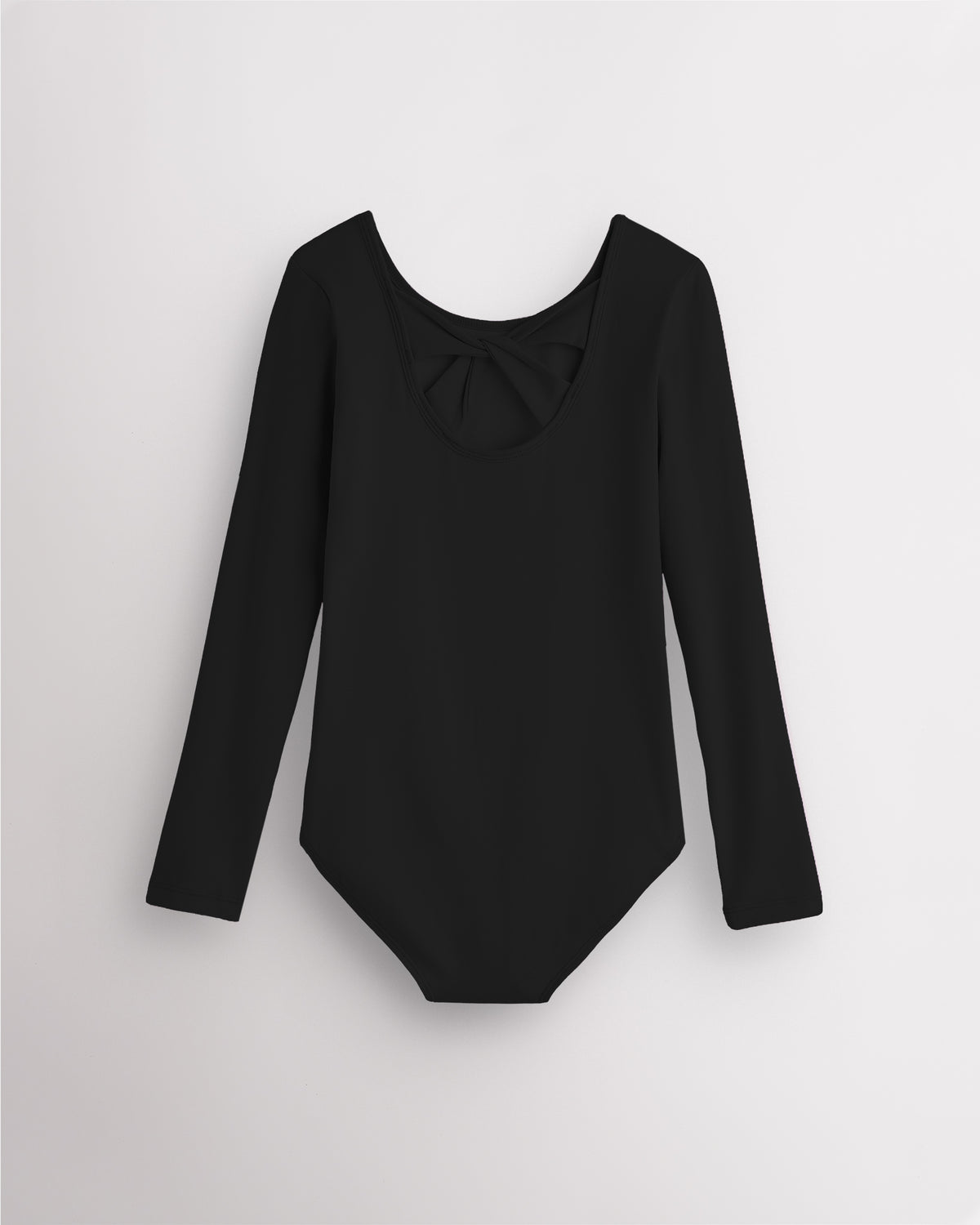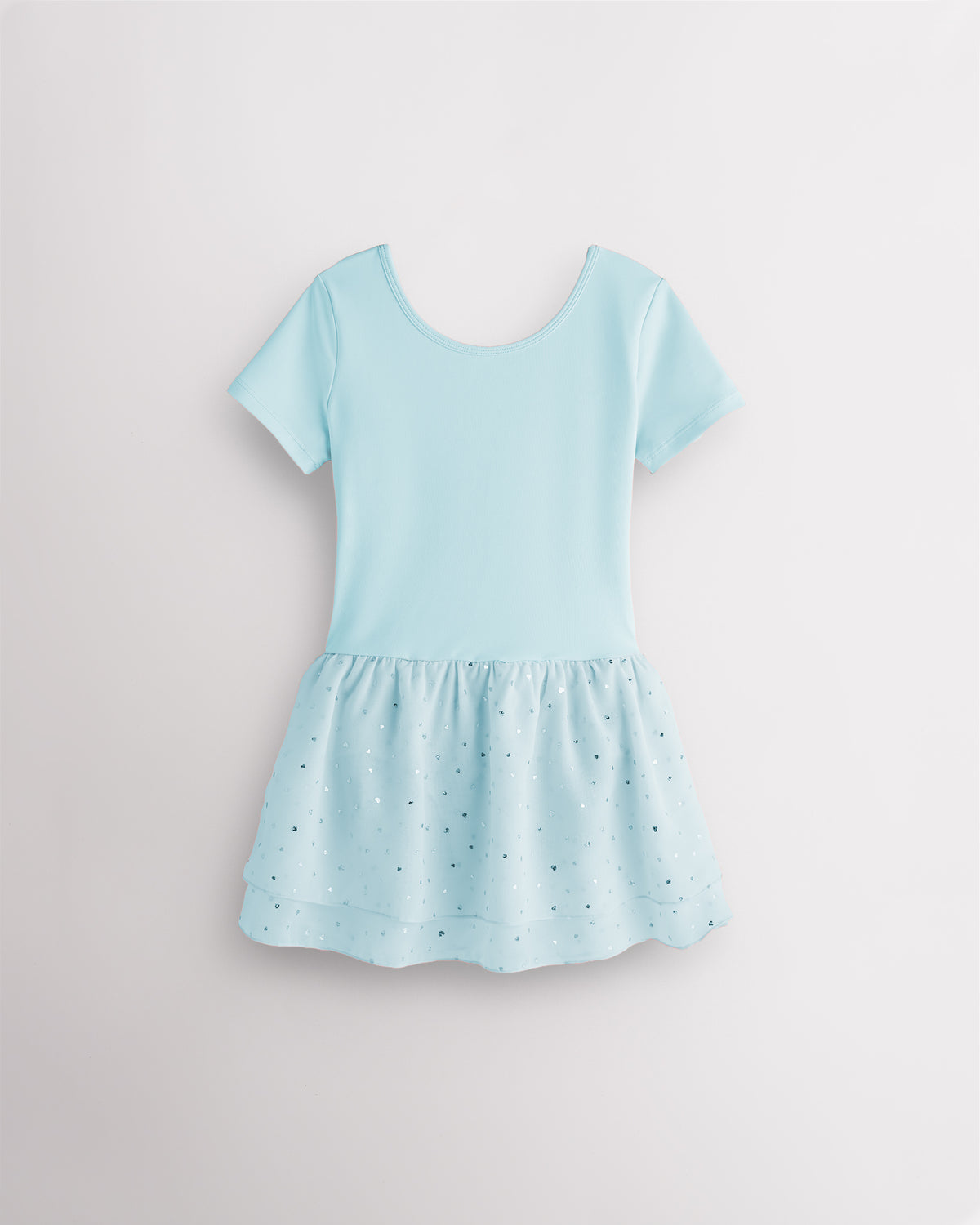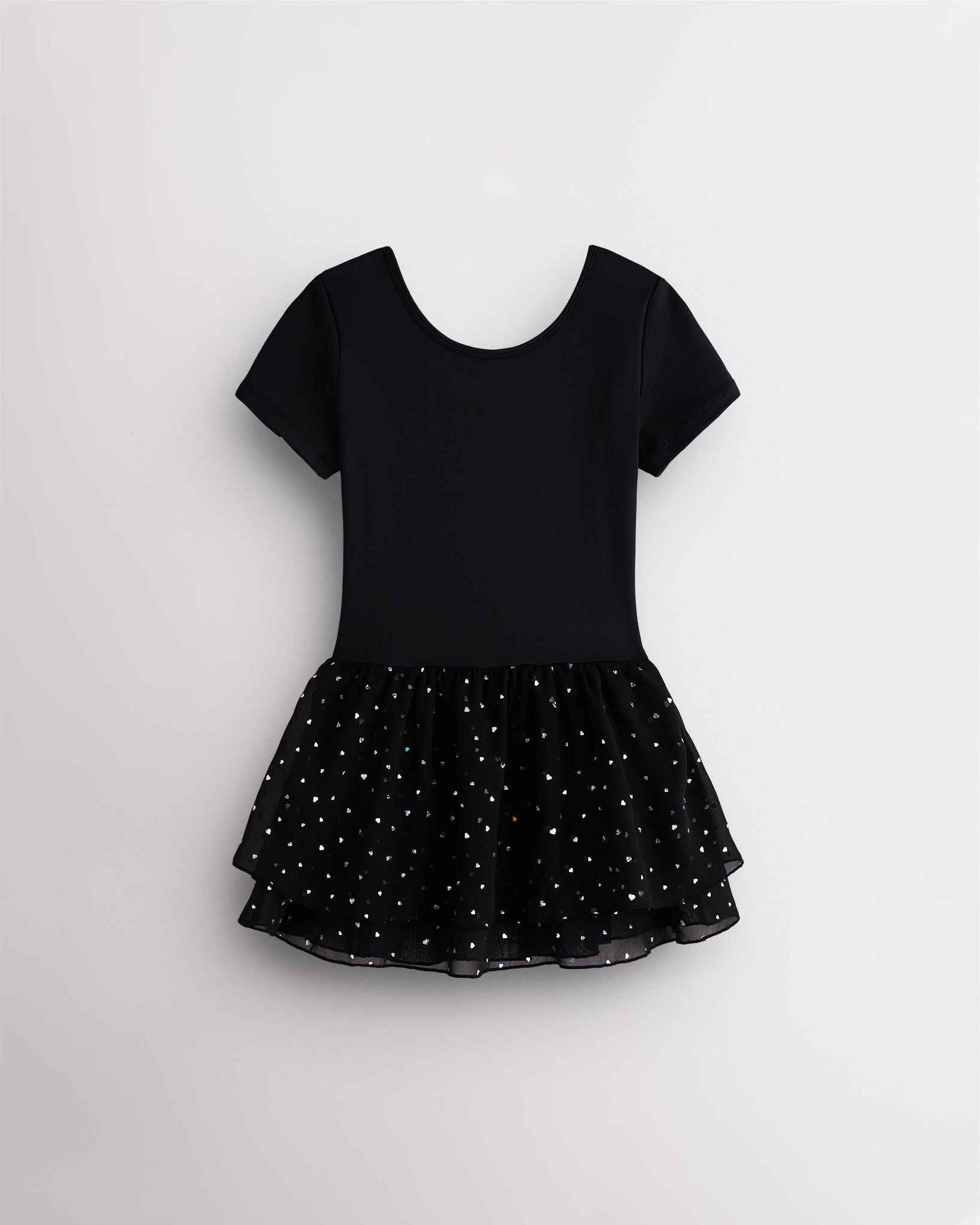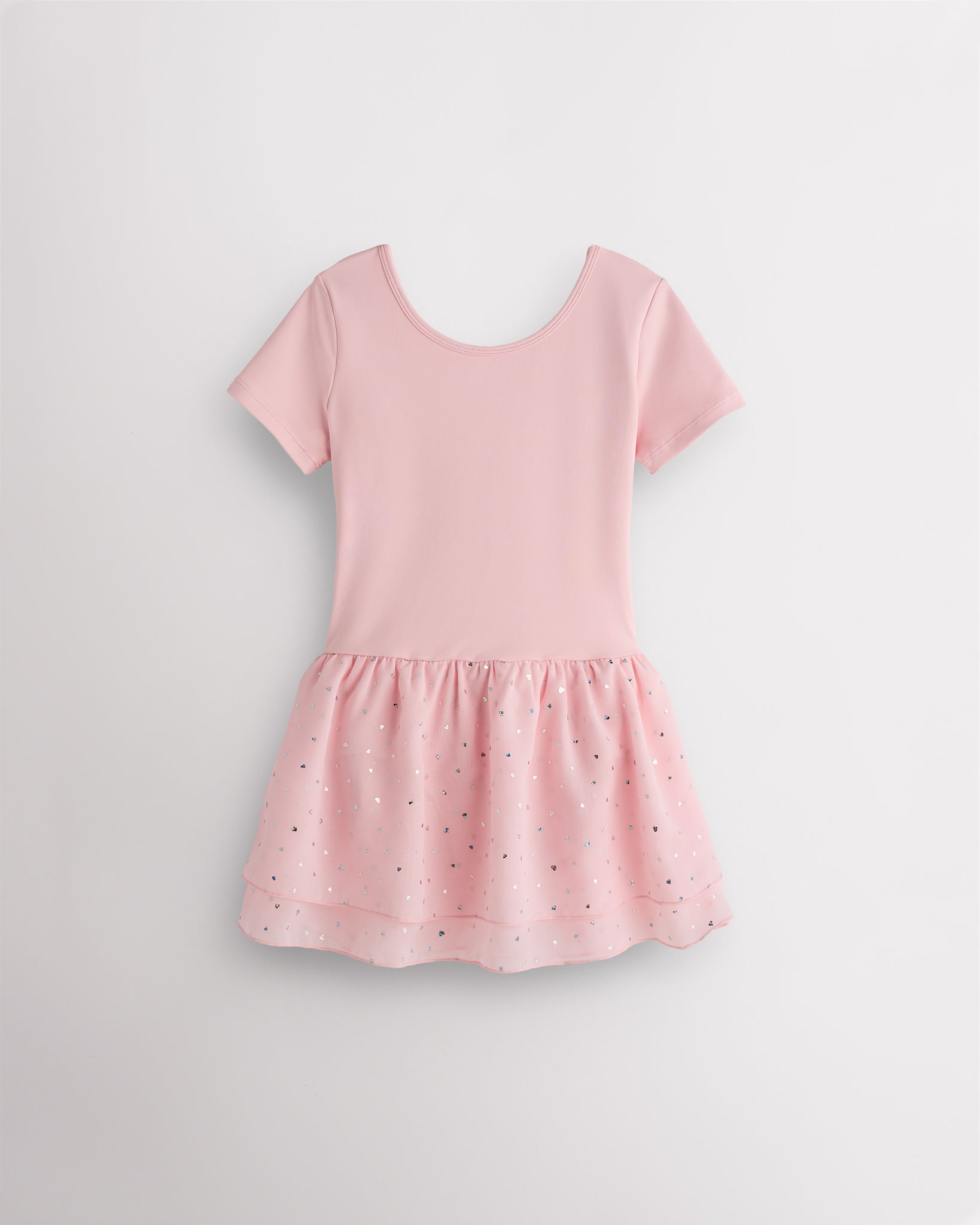







What Is a Recital? Your Child's First Dance Recital, Explained
Table of contents
Quick answer
In dance, a recital is the end-of-season performance where every class at a dance studio performs the routine it has been learning, usually on a real stage with costumes, lights, and an audience of families. Most kids' recitals run about 1.5 to 2.5 hours (large multi-show events can run longer), and your child is typically on stage for one or two numbers of 2 to 4 minutes each. It is less a test and more a celebration of the year.
If your studio just handed you a packet full of dates, fees, and words like "tech rehearsal," take a breath. Recital season looks complicated from the outside, but it follows the same rhythm at almost every studio in the country. Here is the whole season, explained the way another dance parent would explain it to you in the lobby.
Key takeaways
-
A recital showcases a full year of classes; it is not a competition and nobody is scored.
-
Expect the show to run roughly 1.5 to 2.5 hours even though your child dances only a few minutes. Every class performs.
-
Costs arrive in stages: costume fees in winter, then tickets, photos, and sometimes a recital fee in spring.
-
Dress rehearsal is usually mandatory. Treat it as seriously as the show itself.
-
Most studios have parents drop dancers off backstage, then watch from the audience. You usually cannot sit with your child.
-
Pack two bags: one for the dancer backstage, one for you in your seat.
What is a dance recital?
A dance recital is a staged performance by a studio's students, usually held once a year in late spring or early summer, where each class performs the routine it rehearsed all season. The word "recital" comes from the same tradition as piano recitals: students presenting what they have learned to an audience of family and friends. Dance parent resource DanceParent101 describes it as amateur dancers, mostly children and teens, showcasing a year of training on stage.
For your child, the recital is often the first time all the pieces come together: costume, stage lights, music through real speakers, and applause. For you, it is the payoff for every Tuesday-afternoon drive to the studio.
Recital vs. dance competition
These get confused a lot by new dance families. A recital is in-house and celebratory: only your studio performs, everyone gets applause, and there are no judges. A dance competition is a separate event where teams from many studios perform for scores and awards, usually with extra fees, travel, and rehearsals. Most beginner and recreational dancers only do the recital, and that is plenty for a first year.
The recital season timeline
Recital day is the finale of a season that starts months earlier. Here is the usual sequence, with the surprises attached to each stage so none of them catch you off guard.
Winter: costume fees and measurements
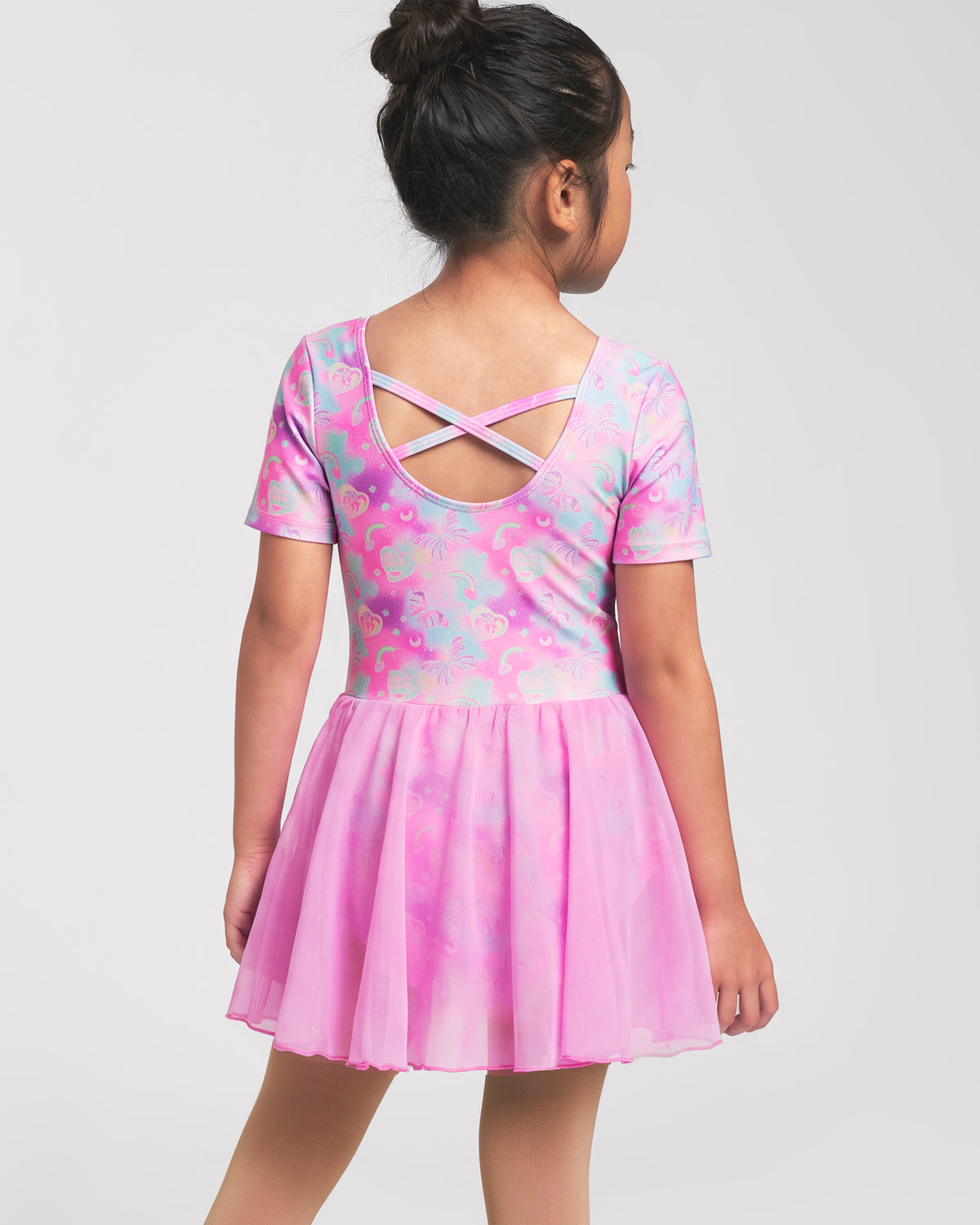
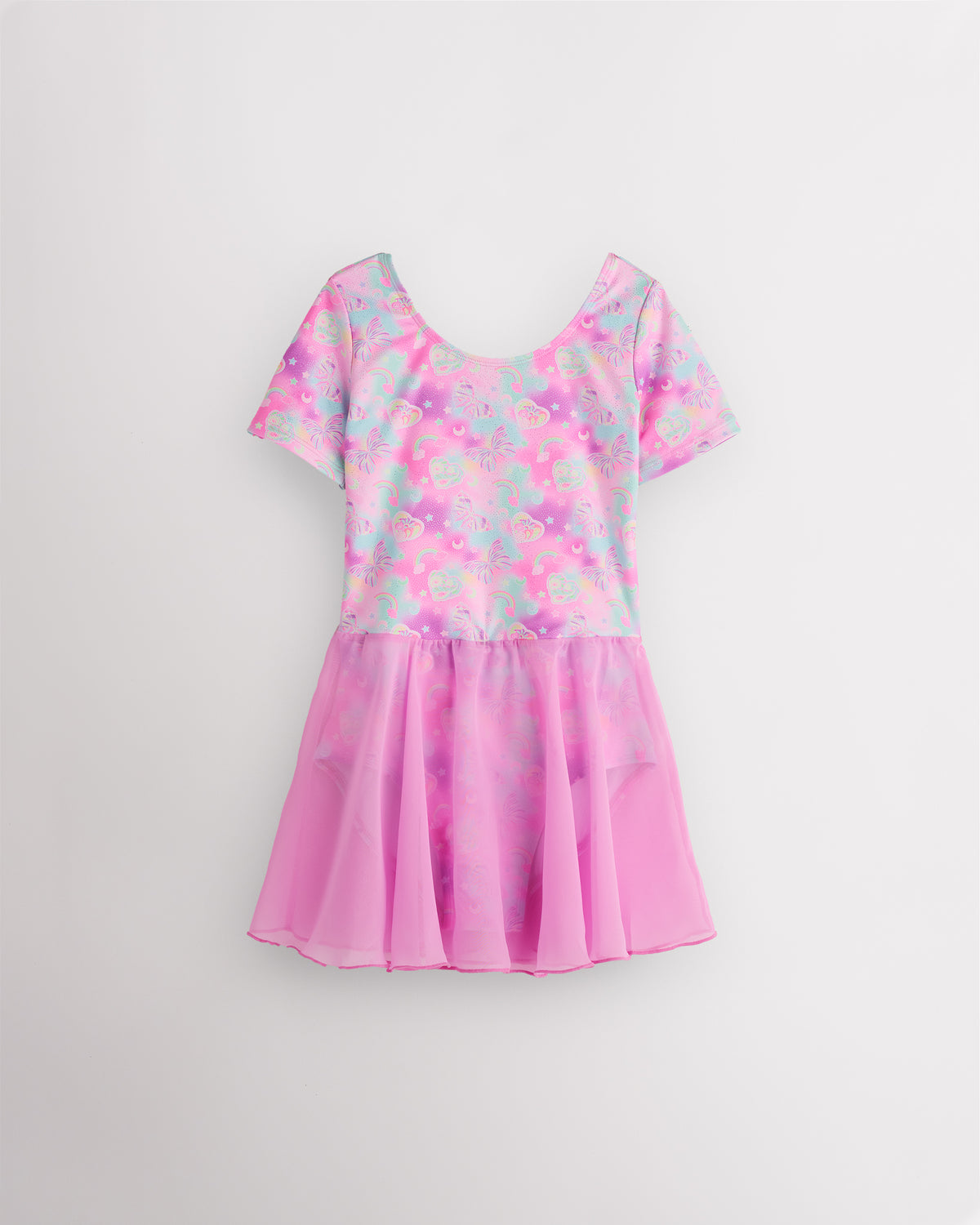
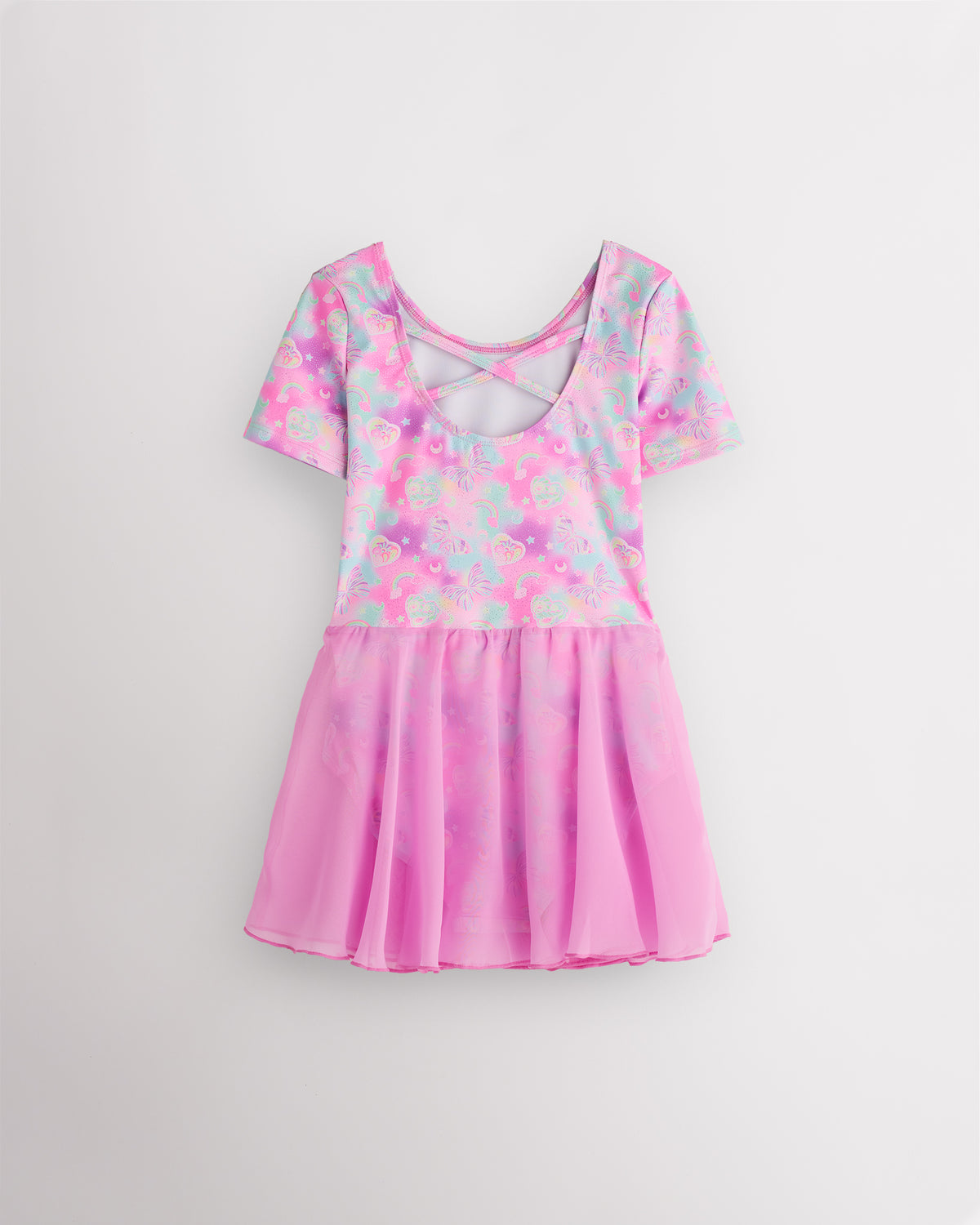
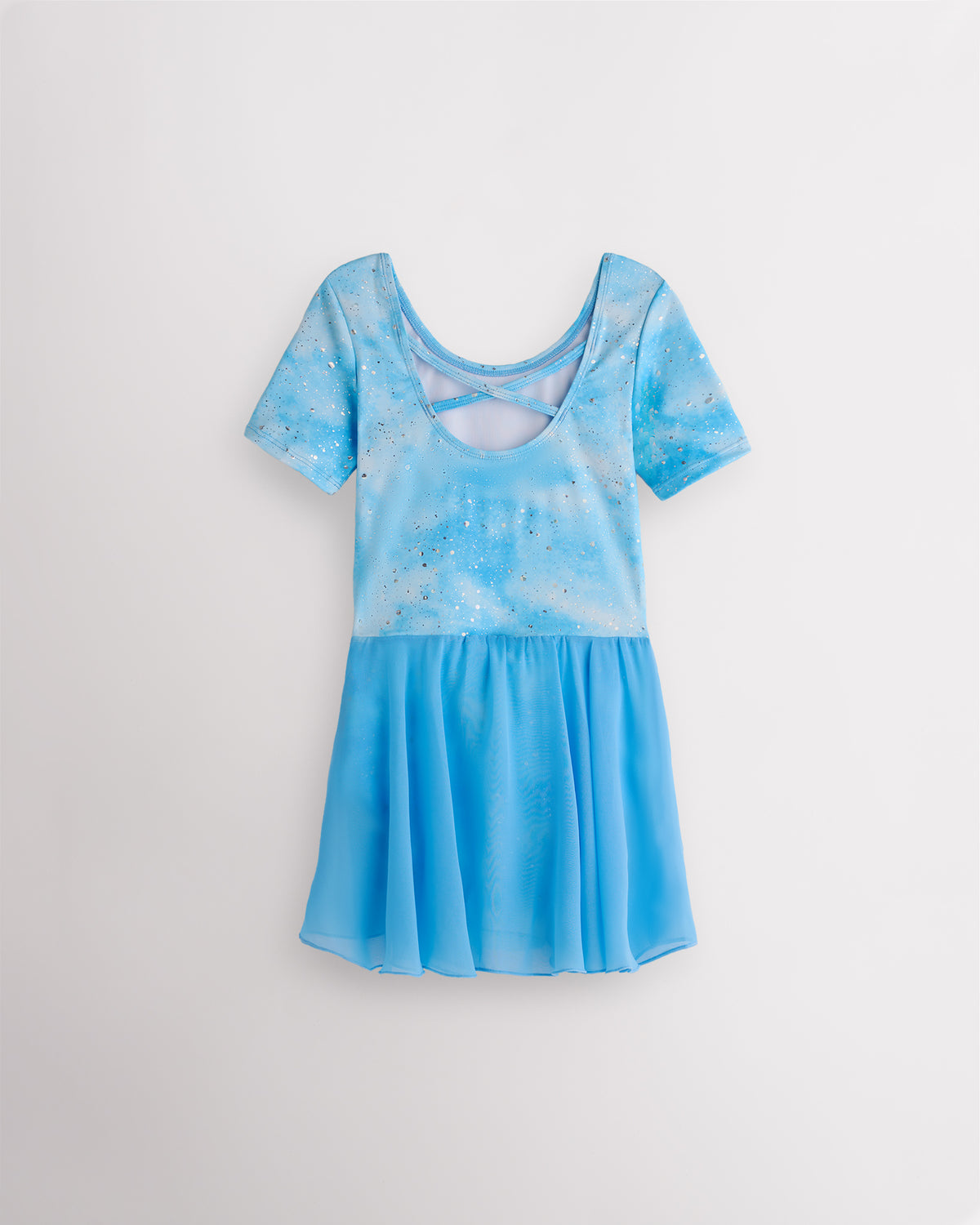
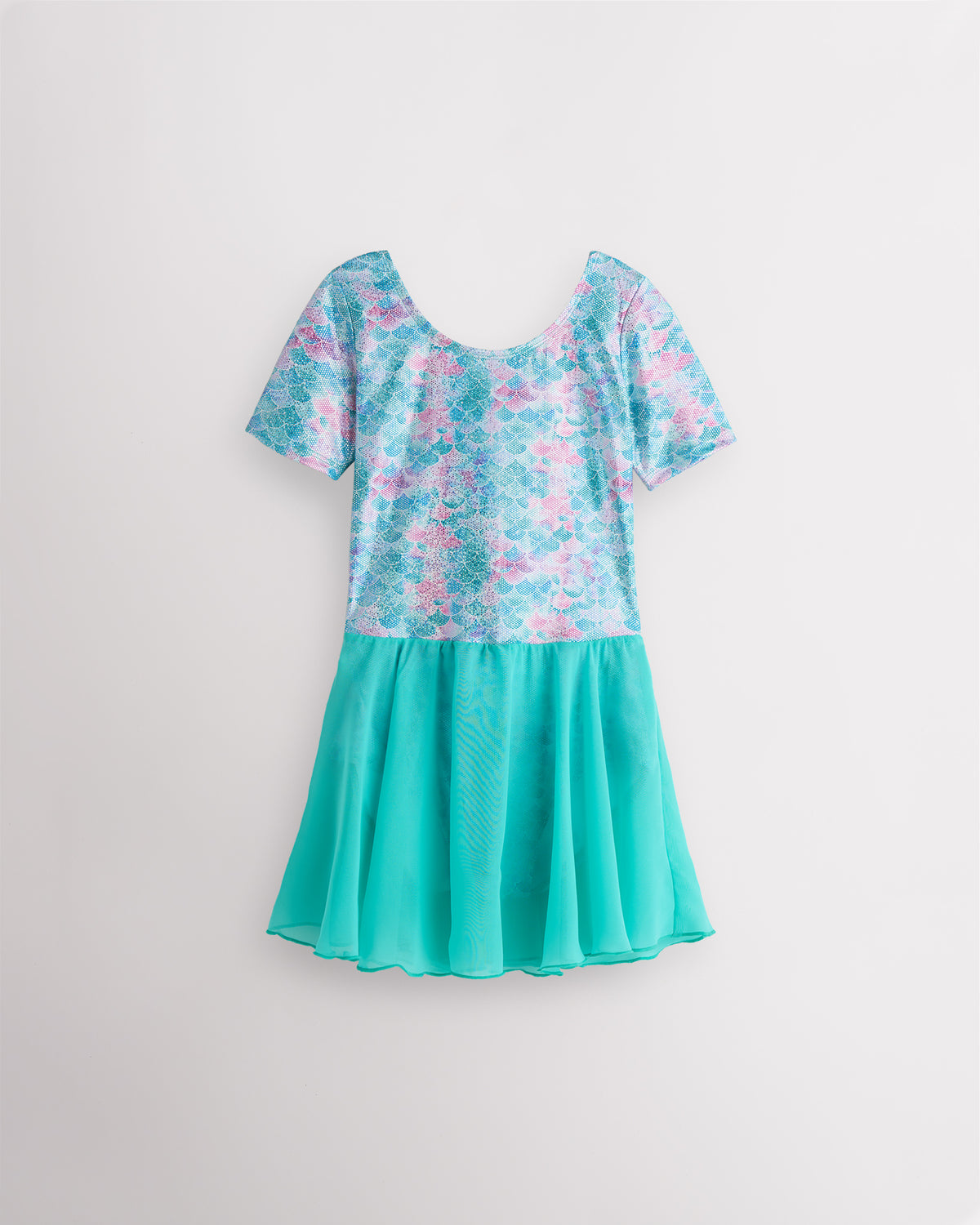
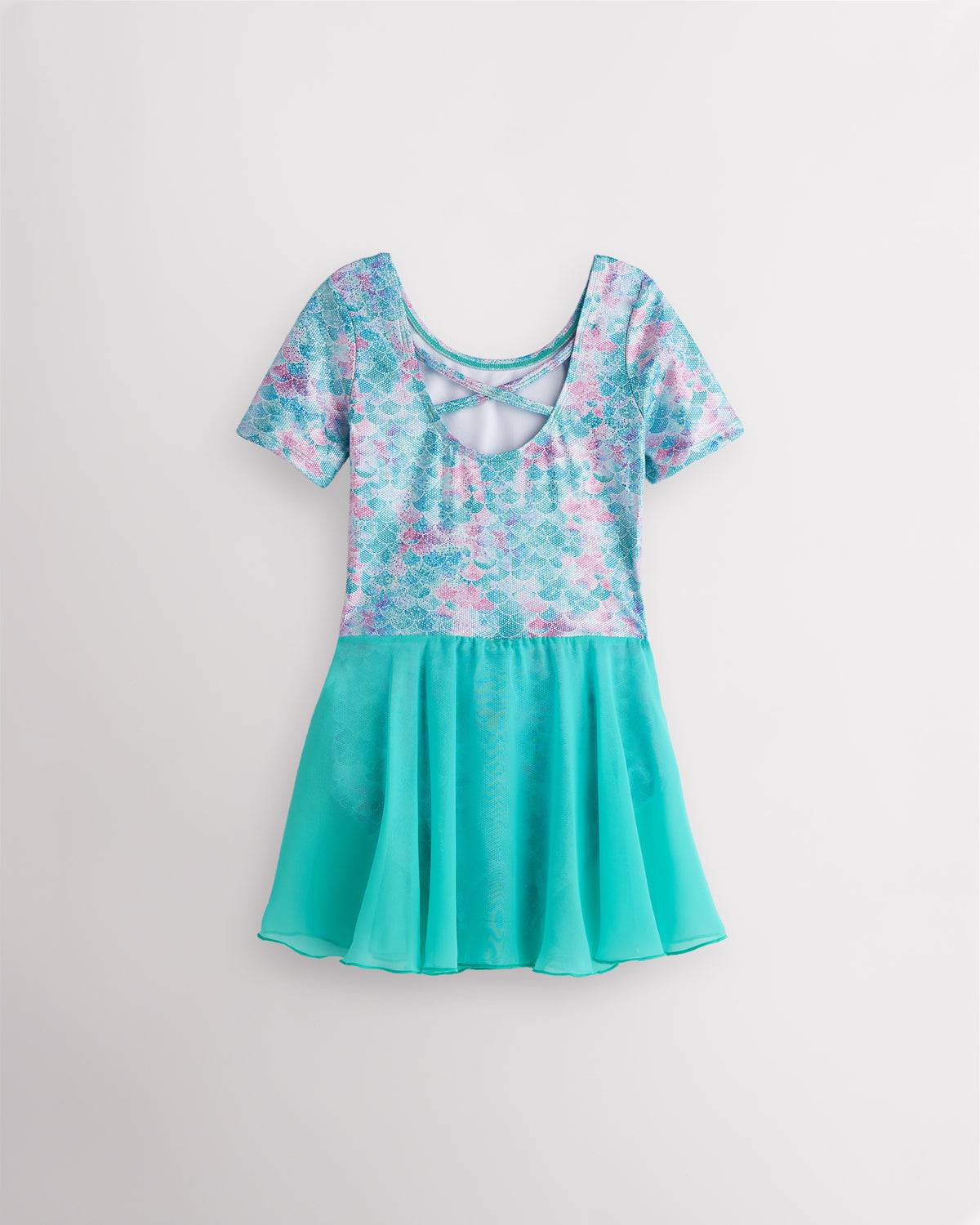
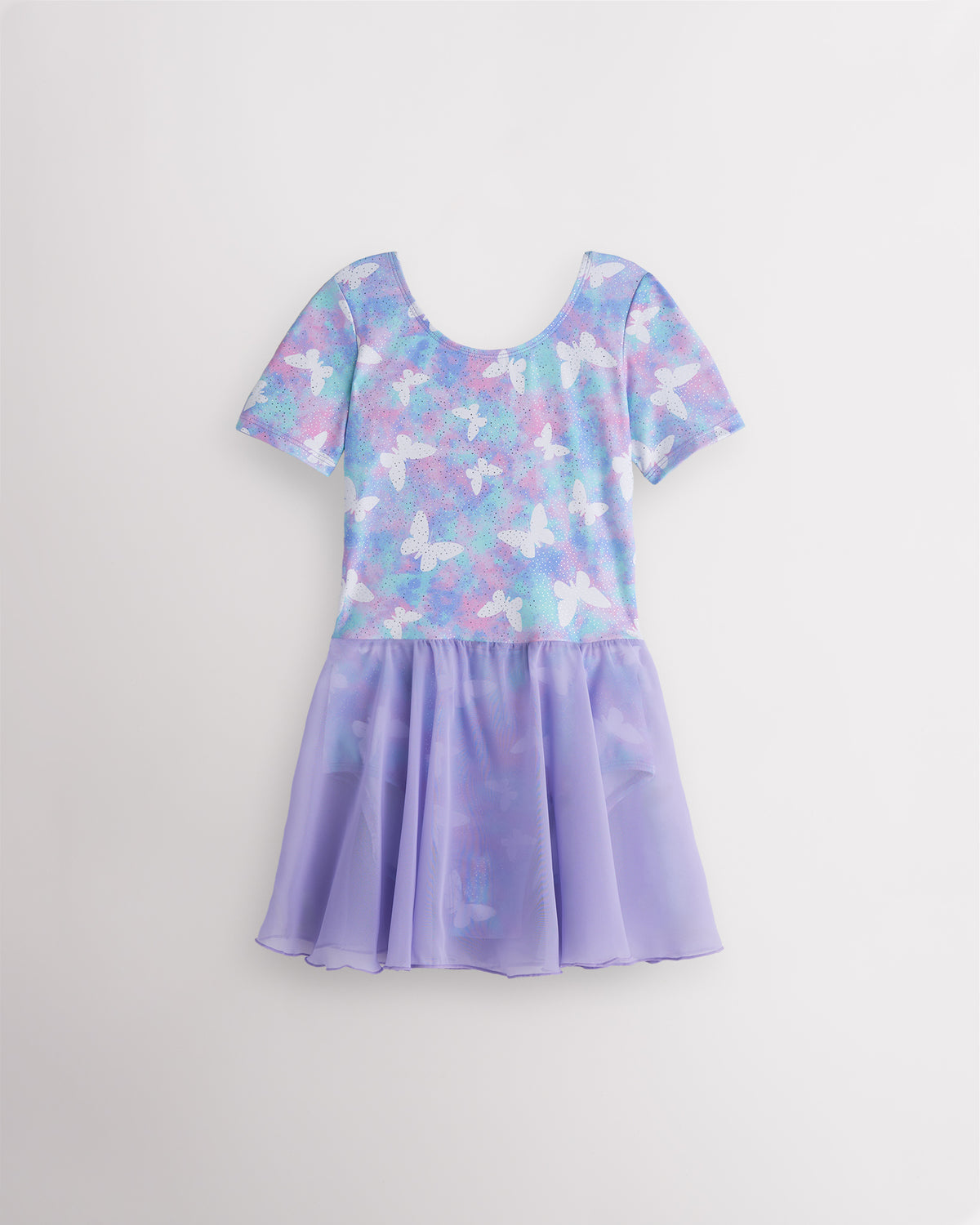
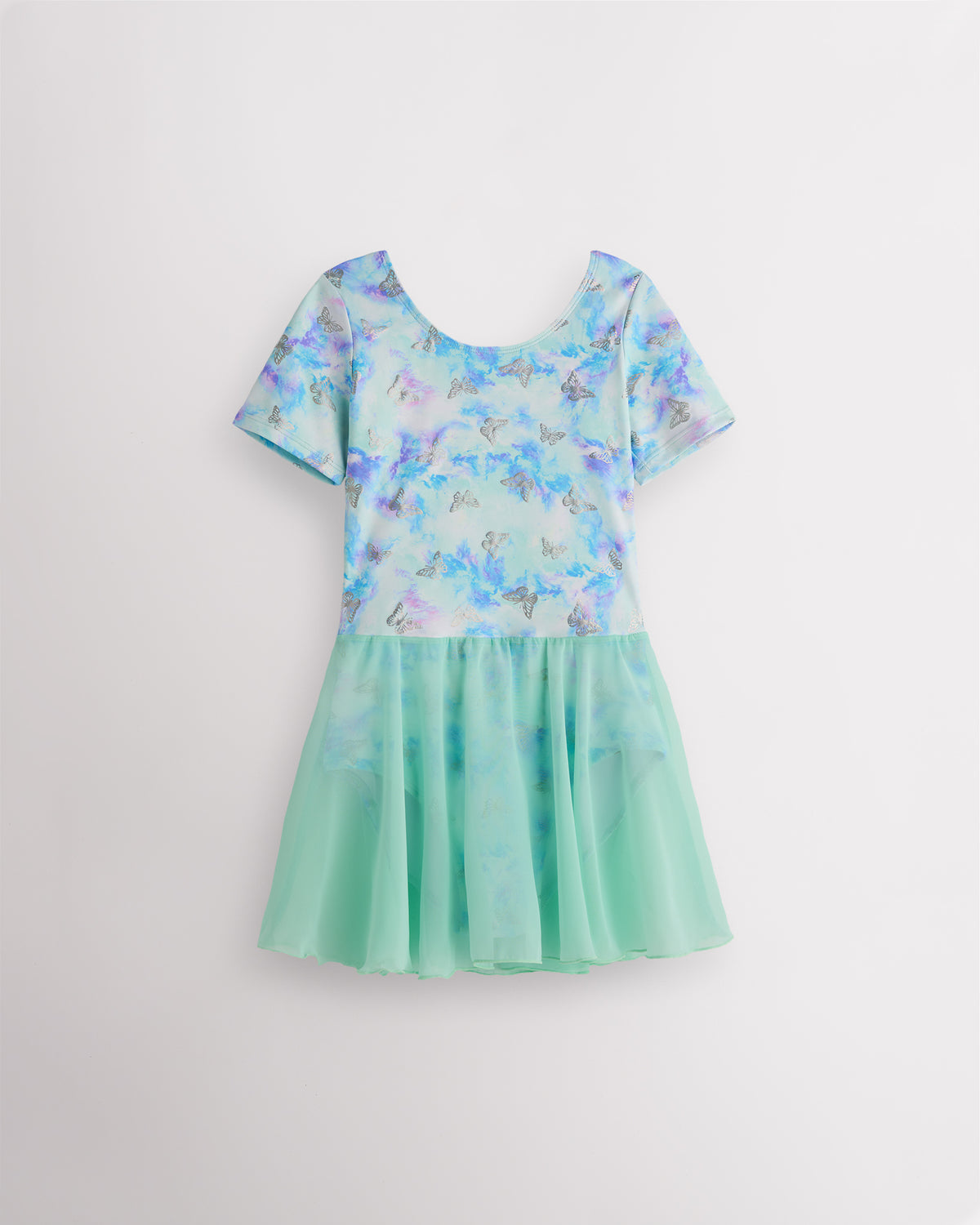
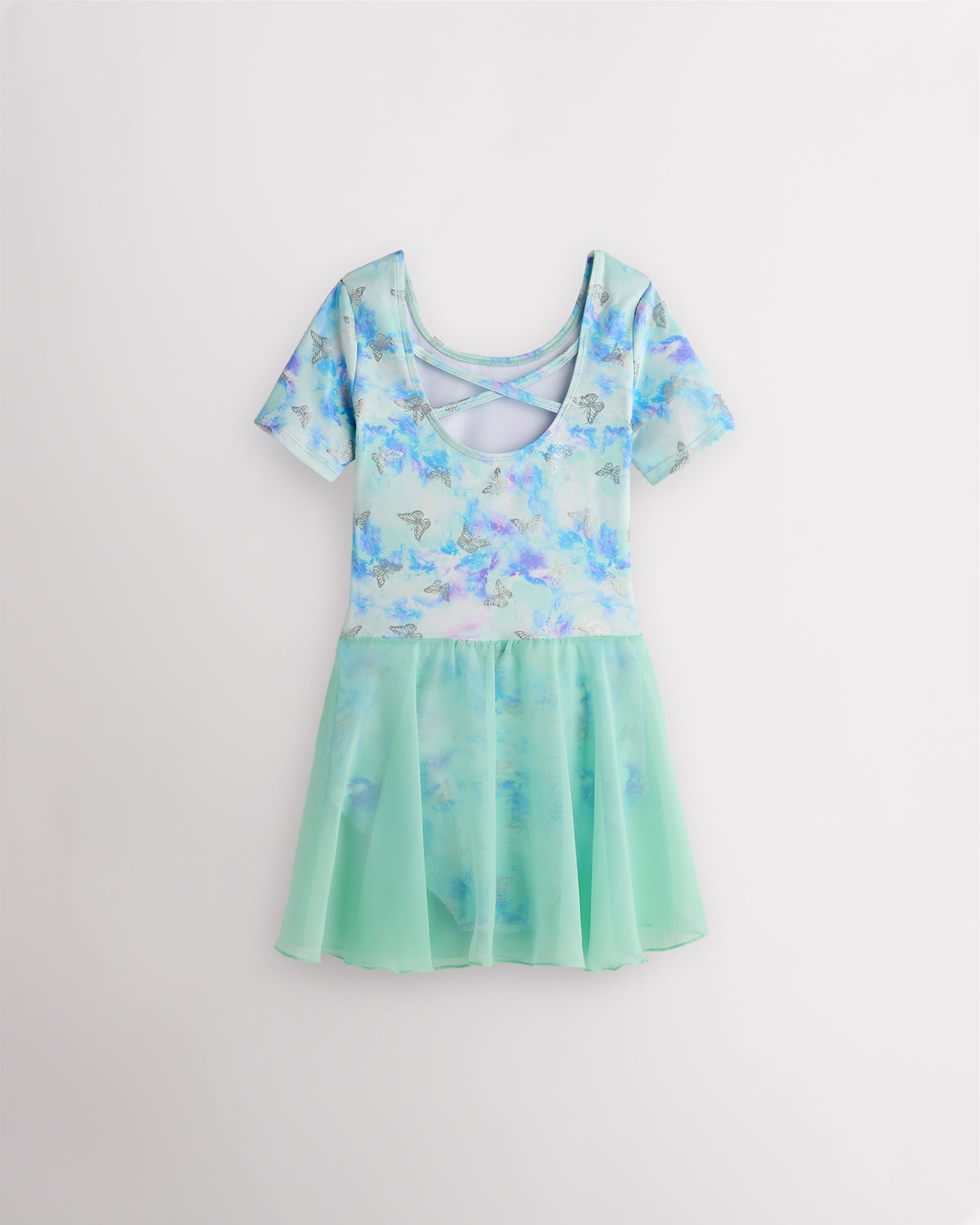
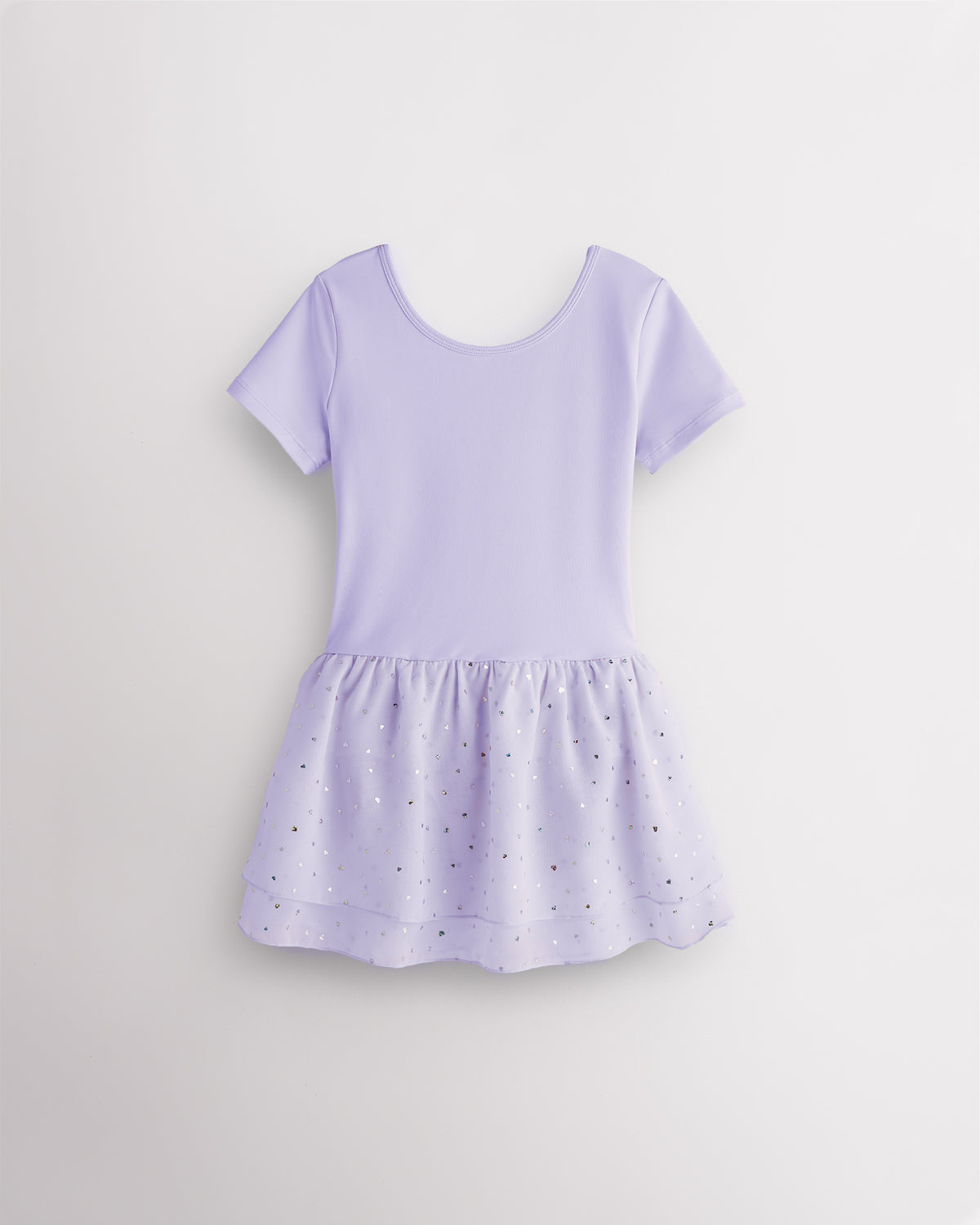
Sometime between November and February, the studio measures your child and orders costumes. Expect a costume fee per class, commonly somewhere in the $60 to $100 range per costume, billed months before you see the actual outfit. If your child takes two styles, that is two costumes. When the costume arrives in spring, try it on once, then store it somewhere safe away from snacks, pets, and dress-up bins.
Spring: photo week
Most studios schedule a professional photo day, where dancers pose in full costume, individually and with their class. Our dance headshots guide covers how to prep so the photos come out well. Hair and makeup usually follow the same rules as show day, which makes photo week a useful practice run. If your studio asks for stage makeup, our dance recital makeup for kids guide covers age-appropriate looks that read well under lights without going full pageant.
This is also the season to practice hair. Veteran dance moms consistently say to start early: one mom-written recital survival guide jokes that you will attempt the YouTube bun tutorial at least three times before nailing it, and that you will find bobby pins and glitter in your house for months. She is not wrong. Our ballet bun tutorial breaks it into steps you can practice on a random weeknight.

Recital week: dress rehearsal
A day or two before the show, the studio runs a dress rehearsal at the actual venue: full costume, full hair and makeup, real stage. It is usually mandatory, and it matters more than it looks. This is when little dancers learn where to stand, how bright the lights are, and that the audience area is a big dark room. Kids who have done a dress rehearsal walk onto the stage on show day like they own it.
Fair warning from experienced parents: rehearsals tend to run long, so bring water, snacks for after, and something quiet for the waiting. Do not plan anything tight afterward.
Show day
Dancers arrive early, often 30 to 60 minutes before curtain, checked in with hair and makeup already done. You hand your child off to the backstage team, find your seat, and watch the show. Afterward there is a pickup routine, lots of photos in the lobby, and one very proud, very tired kid.
How long are dance recitals?
Most children's dance recitals last between 1.5 and 2.5 hours including a short intermission, and very large or multi-studio shows can stretch toward 3. Danza Academy's duration breakdown puts kids' studio recitals at roughly 1 to 2.5 hours, with each routine running only 2 to 4 minutes; preschool-only mini-recitals can be as short as 20 to 45 minutes, while big multi-studio showcases stretch longer. DanceParent101 pegs the common average at about 2 to 2.5 hours with an intermission.
Why so long when each dance is three minutes? Because every class in the studio performs, from the 3-year-old creative movement group to the senior company, and transitions between numbers add up. Large studios often split the recital into two or three separate shows to keep each one shorter, so check whether your child is in Show A or Show B before inviting grandparents.
The honest math for your expectations: your child may dance for 3 of the 120 minutes. The other 117 are you watching other people's children, which is genuinely more charming than it sounds, especially the tiny classes where one kid waves at their dad mid-routine. Plan for the length, and it stops being a problem.
What to pack: dancer bag vs. parent bag
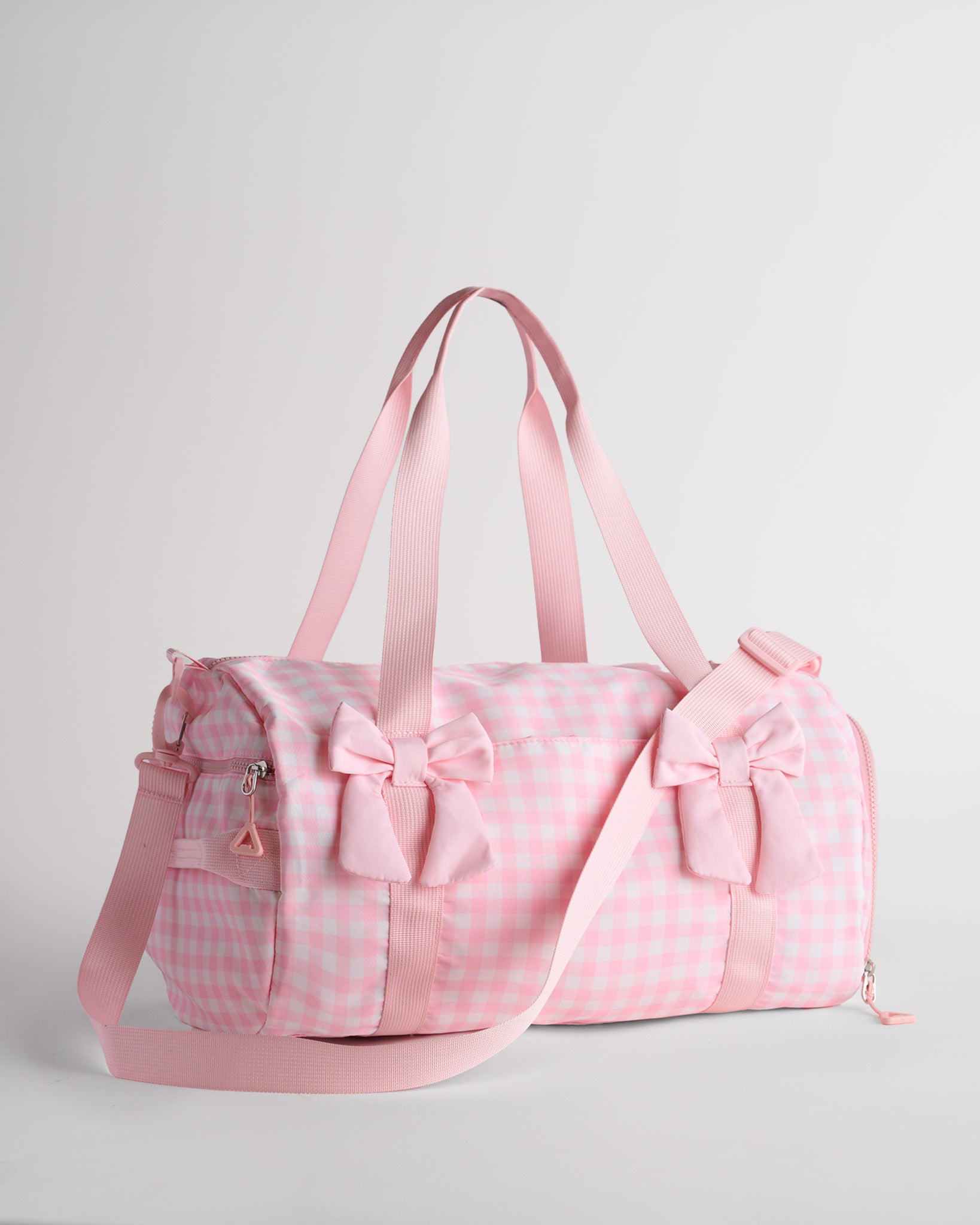
Think in two bags. The dancer's bag goes backstage with your child; your bag stays with you in the audience. Label everything with your child's name, because backstage is a sea of identical pink tights and someone's shoes go missing at nearly every recital.
|
Item |
Dancer's bag (backstage) |
Parent's bag (audience) |
|---|---|---|
|
Costume, worn or garment-bagged |
Yes |
|
|
Dance shoes for each routine |
Yes |
|
|
Extra tights (matching pair) |
Yes |
|
|
Hair kit: pins, elastics, hairspray, brush |
Yes |
|
|
Makeup for touch-ups, plus wipes |
Yes |
|
|
Water and mess-free snacks (no chocolate, no red juice) |
Yes |
|
|
Quiet activity: coloring book, cards |
Yes |
|
|
Cover-up or warm-up layer over the costume |
Yes |
|
|
Tickets or e-tickets |
Yes |
|
|
Cash or card for flowers, videos, concessions |
Yes |
|
|
Phone charged, plus tissues |
Yes |
|
|
Small gift or bouquet for after |
Yes |
Two packing notes that save the day more often than any others. First, pack the extra tights; runs happen in the car on the way there, and our kids' dance tights guide explains which type your studio likely requires (a spare pair from the tights collection lives happily in the dance bag all year). Second, snacks near costumes are risky, so send food that cannot stain and a cover-up layer to wear over the costume between numbers. Experienced parents also swear by packing the whole bag the night before, off a written checklist, rather than the morning of.
For a deeper backstage checklist, we keep a full guide in what parents should prepare backstage for a dance recital.

Backstage basics and drop-off
At most venues, parents do not stay backstage. You check your dancer in with their class, where teachers and parent volunteers supervise them until their number, then bring them back afterward. This surprises a lot of first-timers, especially parents of 3-to-5-year-olds, but backstage teams do this every year and the kids are usually fine within minutes. If your child struggles with separation, mention it at dress rehearsal so the backstage crew knows.
Practical drop-off norms to expect:
-
Arrive at the studio's stated call time, not the show time. In dance, on time functionally means early.
-
Hair and makeup should be done before arrival; backstage is for touch-ups, not full glam.
-
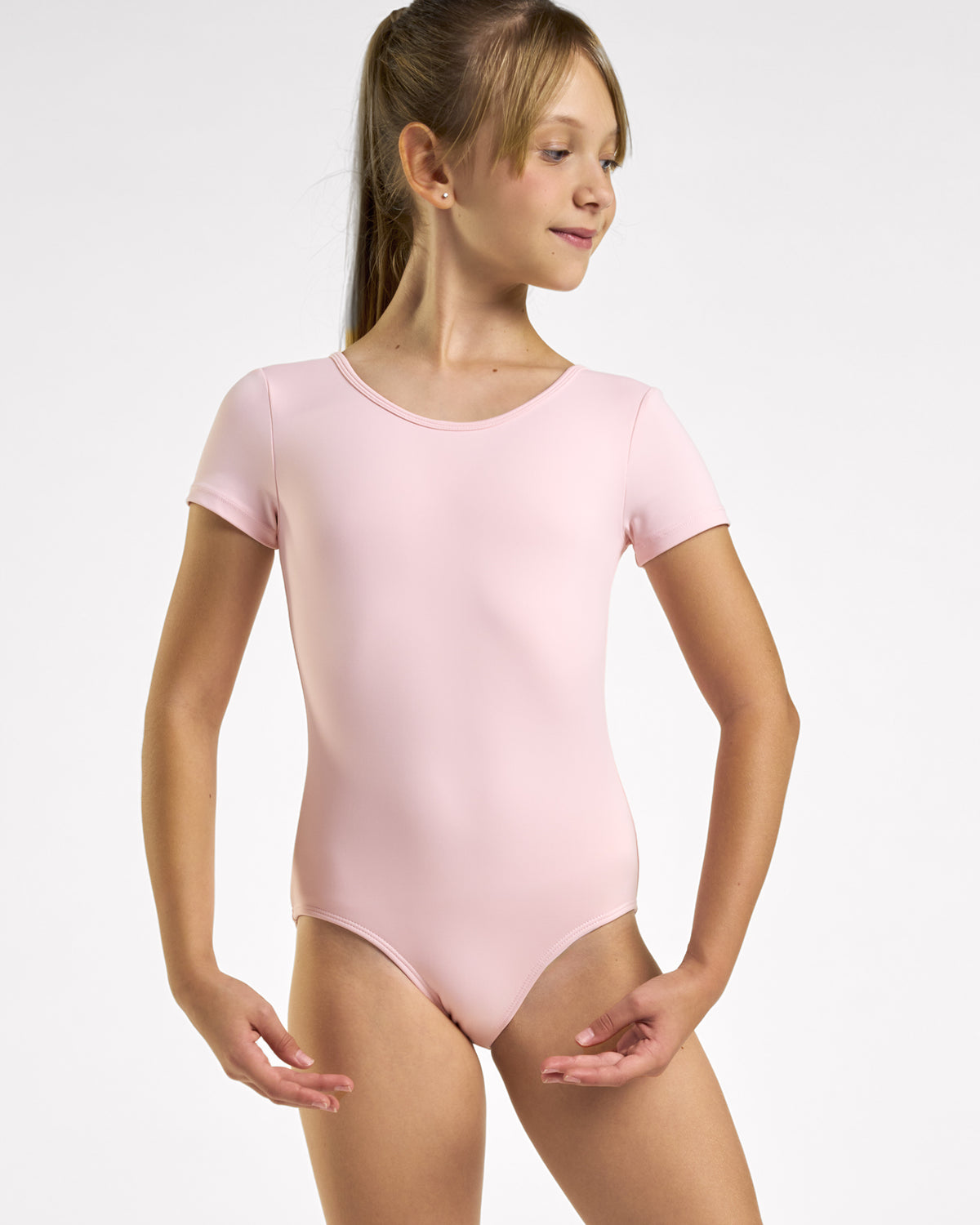
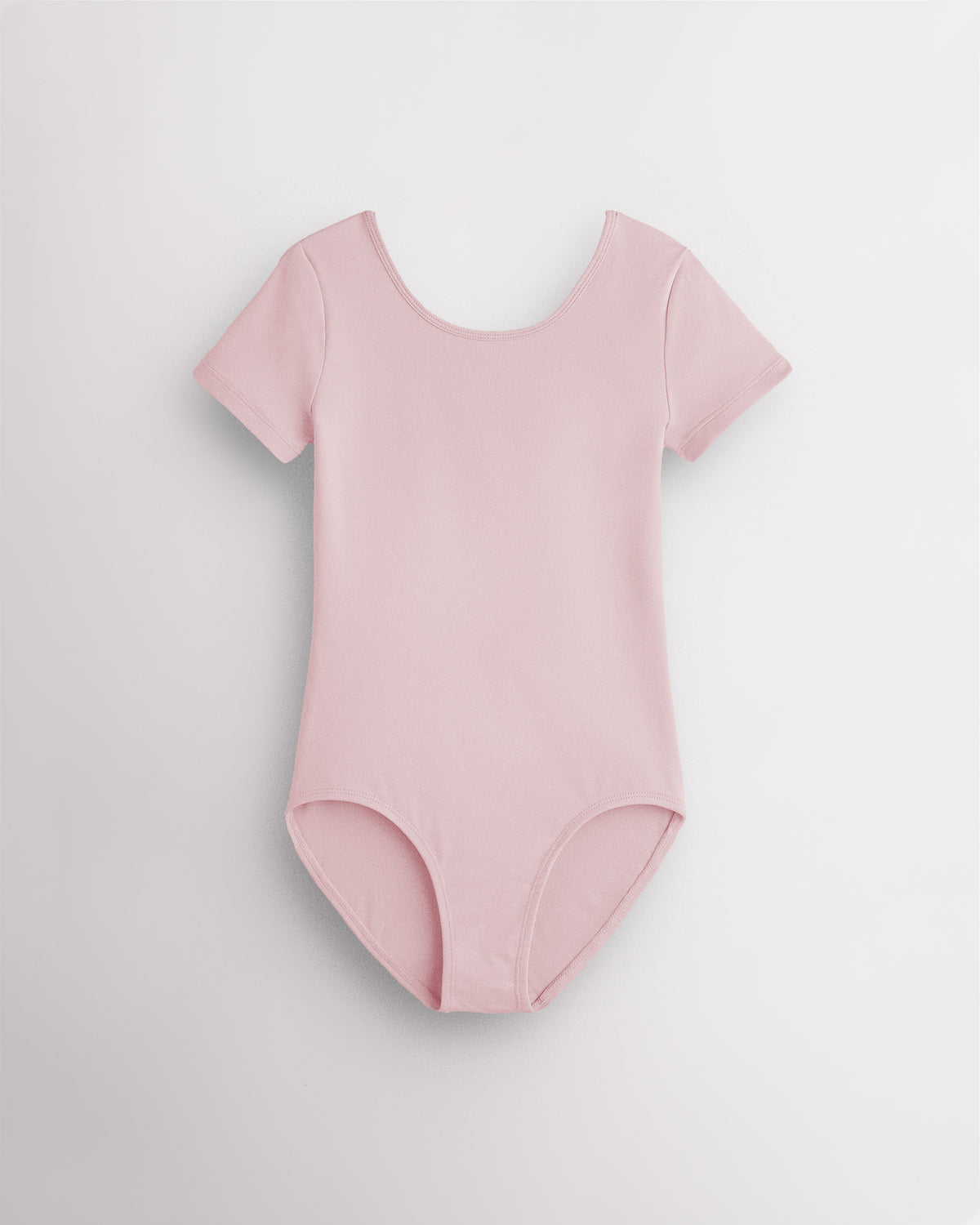
Underneath the costume, most young dancers wear only tights or a nude leotard liner, since regular underwear tends to show. Our what to wear under a leotard guide covers the options by age.
-
Pickup after the show usually requires the same adult who dropped off, and lines can be slow. Build in patience.
Audience etiquette for first-timers
Recital audiences run on a few unwritten rules, and knowing them keeps you comfortably invisible:
-
Stay for the whole show, or at least the act your child is in. Leaving right after your child's number reads as rude to the families still waiting, and many finales bring every dancer back on stage.
-
Move only between numbers. If you need to leave your seat, wait for applause, not mid-routine.
-
Follow the studio's photo and video policy. Many studios prohibit flash photography and personal video because flashes can disorient dancers and studios often sell a professional recording instead. Etiquette guides like DanceParent101 flag this as one of the most common first-timer mistakes.
-
Cheer generously, for every class. Recital audiences are warm by tradition. Clap for the wobbly toddlers and the show-off seniors alike.
-
Think twice about bringing babies or restless toddlers as audience members, or sit near an aisle so you can slip out between numbers if needed. Headed to a professional performance next? Our guide to what to wear to the ballet covers theater dress and etiquette.
Making recital day special
The performance is the memory; the small rituals around it are what your child replays later.
-
Flowers at the stage door. A small bouquet after the show is a classic and completely optional tradition. Many venues sell single roses in the lobby if you forget.
-
A little gift. Some families mark a first recital with a small keepsake. If you want ideas beyond flowers, our gifts for dancers guide has options across budgets.
-
Thank the teacher. Recital week is the natural moment to thank the person who taught your child to count to eight and love it. A card from your dancer goes a long way, and if your class wants to go in on something together, we cover group and individual options in our dance teacher gift ideas guide.
-
A post-show tradition. Ice cream in a tutu, dinner at the same diner every year. Pick something small and repeatable, because odds are good you will be back next June.
And bring tissues for yourself. Parents consistently report that the emotional wallop of seeing their kid under stage lights is bigger than expected. That part, nobody fully warns you about.
FAQ
What is the difference between a dance recital and a dance competition?
A recital is your studio's own end-of-season show: no judges, no scores, and the audience is families. A competition is a multi-studio event with judging, awards, entry fees, and travel, joined by invitation or audition through a competition team, often with extra weekly rehearsals.
How long are dance recitals?
Typically 1.5 to 2.5 hours including intermission; preschool-only shows can be as short as 20 to 45 minutes, and big multi-studio showcases run longer. Length depends on how many classes perform; large studios often split into multiple shorter shows.
Can I leave after my child's dance?
It is considered poor form at most studios, and many recitals end with a full-cast finale your child may be in. Check the printed program at your seat: it lists the running order, so you can see exactly how close to the end the finale falls before deciding.
Do you bring flowers to a dance recital?
It is a common, optional tradition. Hand flowers over after the show at pickup, not backstage before, where they can get crushed or lost in the costume shuffle. Nothing is expected or required; a single rose delights most young dancers as much as a bouquet.
What does my child wear under their costume?
Usually just tights, or a nude leotard liner. The liner earns its keep when a dancer has two numbers: quick changes happen in a crowded room on a tight clock, and a liner makes them faster and less stressful.
How much does a first recital cost in total?
Beyond tuition, expect a costume fee per class (often $60 to $100 each), plus tickets, and optionally photos, video, flowers, and a recital fee. Studios vary widely, so ask for the full fee list early; a rough plan-for range at many studios is $100 to $250 for one child in one class.