




Best Online Dance Classes for Kids: How to Choose the Right Program
Table of contents
- Quick answer
- Key Takeaways
- When online dance classes make sense for kids (and when they don't)
- Live vs on-demand classes, explained
- What a good kids' online dance program includes
- Types of online dance classes, with examples
- Setting up a home dance space
- What progress realistically looks like
- FAQ
- About the Stelle Team
Quick answer
Online dance classes can work well for kids when the program is built for their age: live classes (or recorded ones with a feedback option) of 20 to 45 minutes, a leveled curriculum, and a parent nearby for younger dancers. Live platforms like Outschool and CLI Studios, on-demand libraries like STEEZY and Dancio, and ballet-specific programs like The Ballet Coach cover most needs, while in-person classes still win for hands-on corrections, partnering, and the social side of dance.
Key Takeaways
-
Online classes suit kids who need schedule flexibility, live far from a studio, want to try a style cheaply, or need extra practice between studio classes.
-
Live classes give real feedback and accountability; on-demand libraries are cheaper and more flexible but rely on your child's self-motivation.
-
A good kids' program shows its hand: age-banded classes, stated class lengths, a way for the teacher to see your child, and a clear level progression.
-
Typical class lengths that hold attention: around 20 to 30 minutes for preschoolers, 30 to 45 for early elementary, 45 to 60 for tweens and teens.
-
You need less gear than you think: a small cleared space, smooth footing, the device showing the whole body, and regular dancewear so habits transfer to the studio.
-
Online works well as a supplement or a starting point. For serious technique, especially ballet past the beginner stage, plan on in-person eventually.
When online dance classes make sense for kids (and when they don't)
Online classes are a real option, not a pandemic leftover. Since 2020, online dance options have become more common, and many platforms now offer live kids' classes regularly. They solve specific problems well, and they solve other problems poorly, so start with your reason.
Good fits for online
-
No studio nearby, or a packed family schedule. A live 30-minute class at home beats an hour of driving each way.
-
Trying a style before committing. A month of online hip hop costs less than most studio registration fees, and quitting is drama-free.
-
Extra practice between studio classes. Many studio kids use on-demand classes to review technique at home. A simple ballet workout at home works the same way.
-
Shy or slow-to-warm-up kids. Some children participate more freely without a room of strangers watching. Home can be a low-stakes on-ramp to a studio later.
-
Movement goals. The CDC recommends children ages 6 to 17 get 60 minutes or more of physical activity daily, and preschoolers should be active throughout the day. These dance workouts for kids are an easy way to hit that goal at home.
When in-person wins
Be honest with yourself here, because a mismatch wastes months. In-person classes win when your child needs hands-on corrections (a teacher physically adjusting alignment matters in ballet), when the social side is the point (friends, recitals, belonging to a class), for partnering or acro work, and for kids under about 5, who mostly need an adult dancing along beside them to stay engaged. If a local studio is realistic for you, our guide to kids' ballet classes covers what in-person training looks like by age. Many families land on a hybrid: studio classes for technique and community, online for practice and extra styles.
Live vs on-demand classes, explained
Live virtual dance classes happen at a scheduled time over video (usually Zoom) with a teacher who can see and correct your child. On-demand classes are pre-recorded videos your child follows whenever it suits you. This is the biggest fork in the road, and the right pick depends more on your kid's temperament than on the platform.
|
Live classes |
On-demand libraries |
|
|---|---|---|
|
Schedule |
Fixed weekly time slot |
Anytime, any pace |
|
Feedback |
Teacher sees your child and gives corrections |
None built in (a few platforms add video feedback options) |
|
Accountability |
High: a teacher and classmates expect them |
Low: depends on your child's motivation |
|
Cost pattern |
Usually per class or per semester |
Usually a monthly or annual subscription |
|
Attention fit |
Better for younger kids and beginners |
Better for self-driven kids, roughly 8 and up |
|
Repetition |
One shot per class |
Rewatch, slow down, loop tricky sections |
|
Best for |
First-time dancers, kids who need structure |
Practice, extra styles, motivated tweens and teens |
A useful rule of thumb: the younger the child or the newer they are to dance, the more the live format earns its higher price. Without feedback, kids can pick up habits that may take time to correct later, especially in technique-heavy styles like ballet.

What a good kids' online dance program includes
A quality program is visible before you pay. Check these five things on any platform or class listing:
-
Age bands, not "all ages." A class built for 6 to 8 year olds looks different from one for teens. "All ages welcome" usually means built for adults.
-
Class length that matches the age. As a rough guide, 20 to 30 minutes holds a preschooler, 30 to 45 minutes suits early elementary, and 45 to 60 minutes works for most tweens and teens. Reviewers who test free content for young kids report the same pattern: short, energetic segments hold little dancers far better than full-length classes (Dance Parent 101 rates channels for under-6s by realistic attention span).
-
A feedback mechanism. In live classes, ask whether cameras stay on and whether the teacher gives individual corrections or just demonstrates. Small class caps are a good sign. For on-demand programs, look for progress checks or optional video-review add-ons.
-
A progression, not a pile of videos. Leveled curricula (beginner 1, beginner 2, and so on) tell you the program was designed by a teacher, not assembled for browsing.
-
Qualified teachers you can look up. Real programs name their instructors and their training or performance background.
If a listing fails two or more of these, keep looking. There are many online dance options now, so you do not need to settle for a vague class description.
Types of online dance classes, with examples
Roundups like Dance Magazine's online training guide list platforms mostly for adult and pre-professional dancers, so here is the landscape sorted for parents. These examples are ones we checked directly; they are illustrations of each category, not a ranking.
Prices, class schedules, and age ranges can change, so use these examples as a starting point and confirm details on each platform before signing up.
Live class platforms
-
Outschool is a marketplace of live online classes for kids ages 3 to 18, including a deep dance category. You pick by age, style, schedule, and teacher, and formats range from one-time tasters to weekly semester classes. Because it is a marketplace, teacher quality varies, so read reviews and vet with the checklist above.
-
CLI Studios runs weekly interactive Zoom classes for kids ages 8 and up, teens, and adults, taught by working professionals, alongside a large on-demand library (hip hop, contemporary, jazz, ballet, lyrical, tap). At the time of writing, its parents page lists an annual membership at $199 with a 7-day trial.
On-demand class libraries
-
STEEZY offers 1,500+ recorded classes, with a catalog built around hip hop and street styles, and practice tools that suit learning from video: mirrored view, speed control, looping, and front/back camera angles. It skews teen and adult, so it fits motivated older kids more than young beginners.
-
Dancio is a recorded-class library focused on ballet, taught by notable professionals including dancers with New York City Ballet credits. Levels run from absolute beginner to advanced, which makes it useful for serious tweens and teens reviewing technique.
Ballet-specific programs
-
The Ballet Coach teaches live online ballet in kid-sized age groups (2 to 5, 6 to 8, 9 to 11, plus teens and adults), with replays included, led by Sarah Du-Feu, a former English National Ballet dancer. At the time of writing, membership is listed at £9.99 a month. It is UK-based, so check class times against your time zone.
-
Dancio's ballet track (above) covers the on-demand side of ballet-specific training for older kids.
Free YouTube classes
Free is a legitimate starting point, especially for testing interest. The trade-off is zero feedback and uneven quality, so curation matters more than anywhere else. We keep a vetted list in our roundup of YouTube dance instructors worth following, which pairs well with this guide: try free first, then move to a structured program once your child is hooked.

Setting up a home dance space
You do not need a home studio, just a safe corner. Four things matter:
-
Space. Clear roughly a 6x6 ft area, check the ceiling for light fixtures if jumps are coming, and move anything with corners. Rugs slide, so roll them back.
-
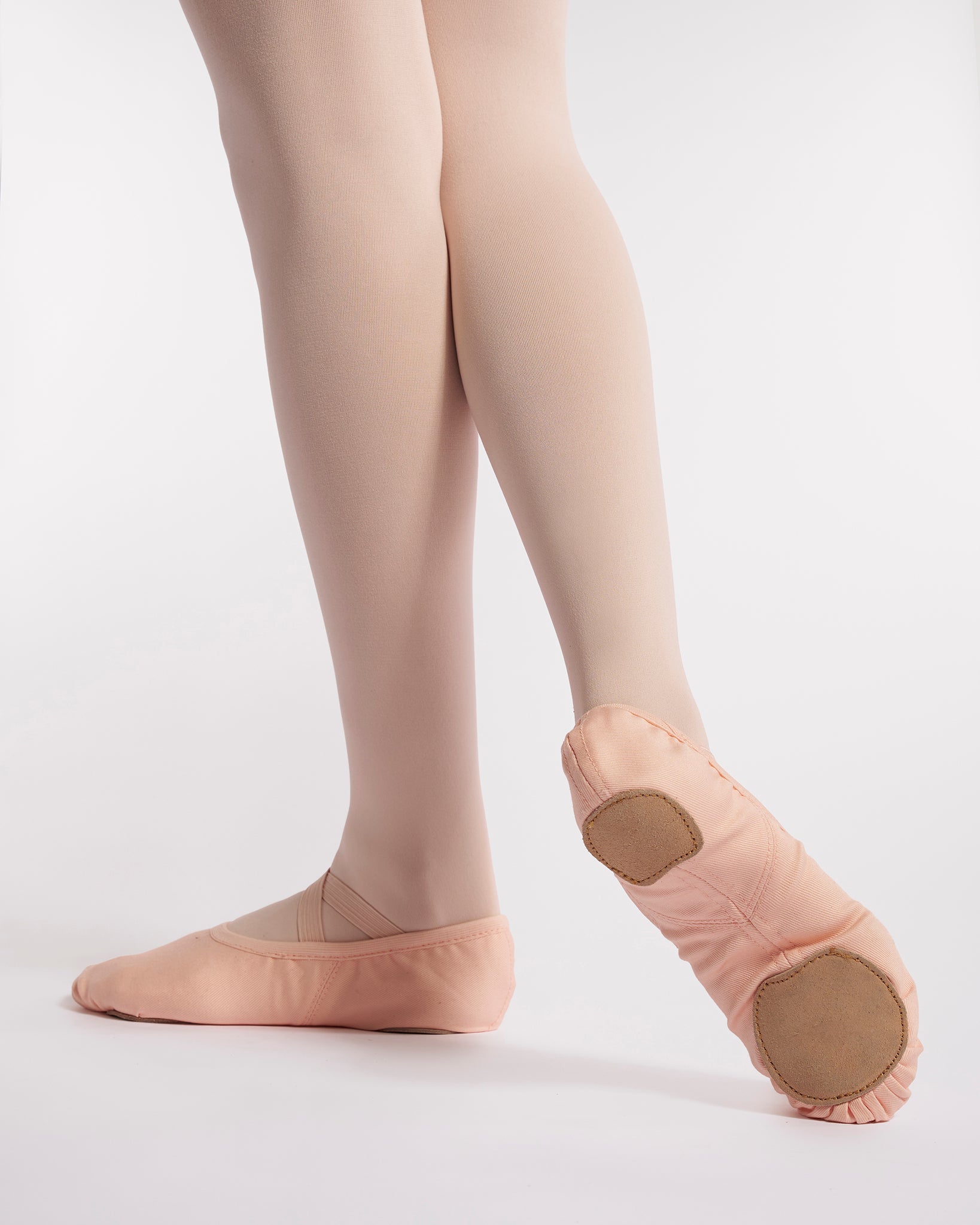
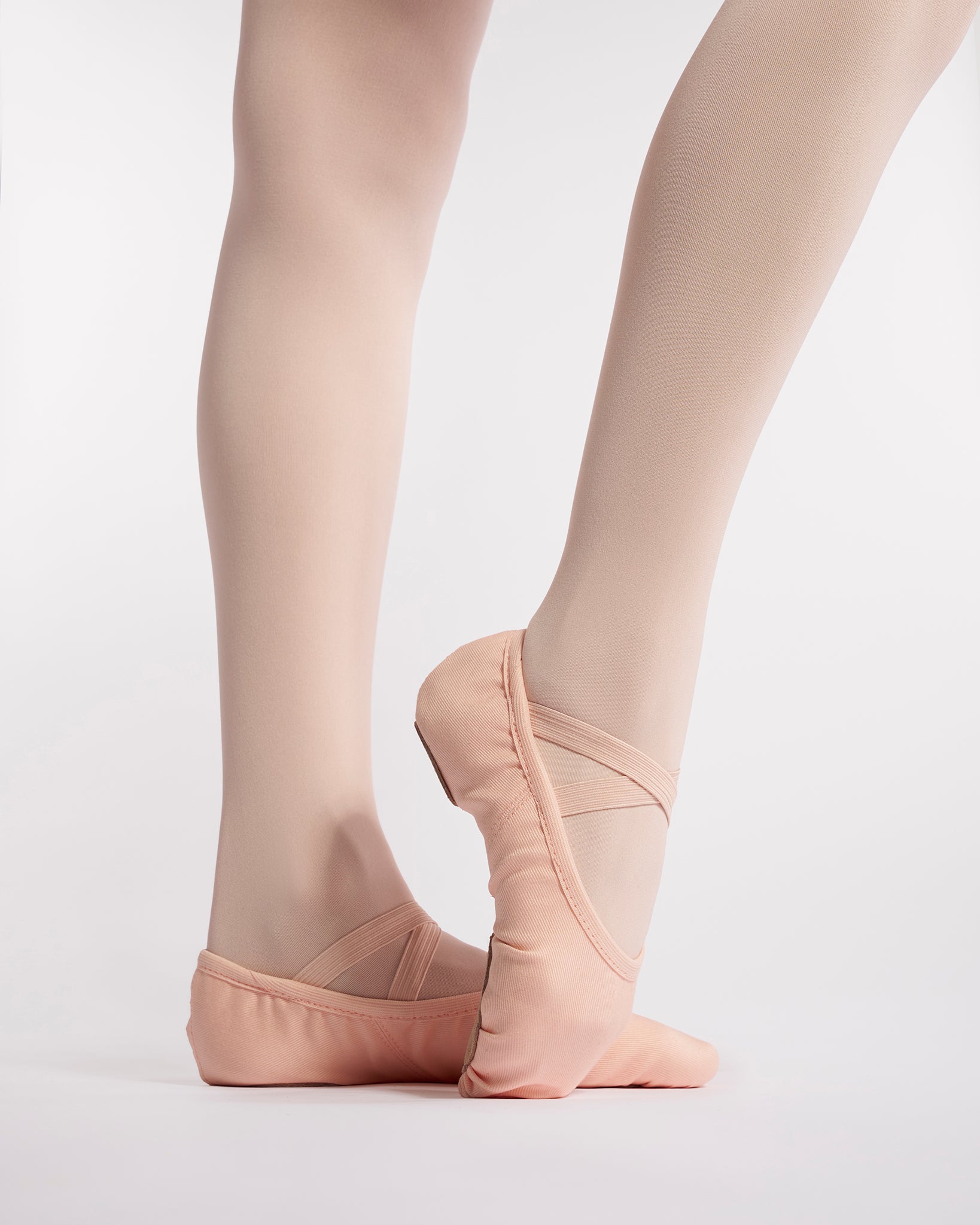
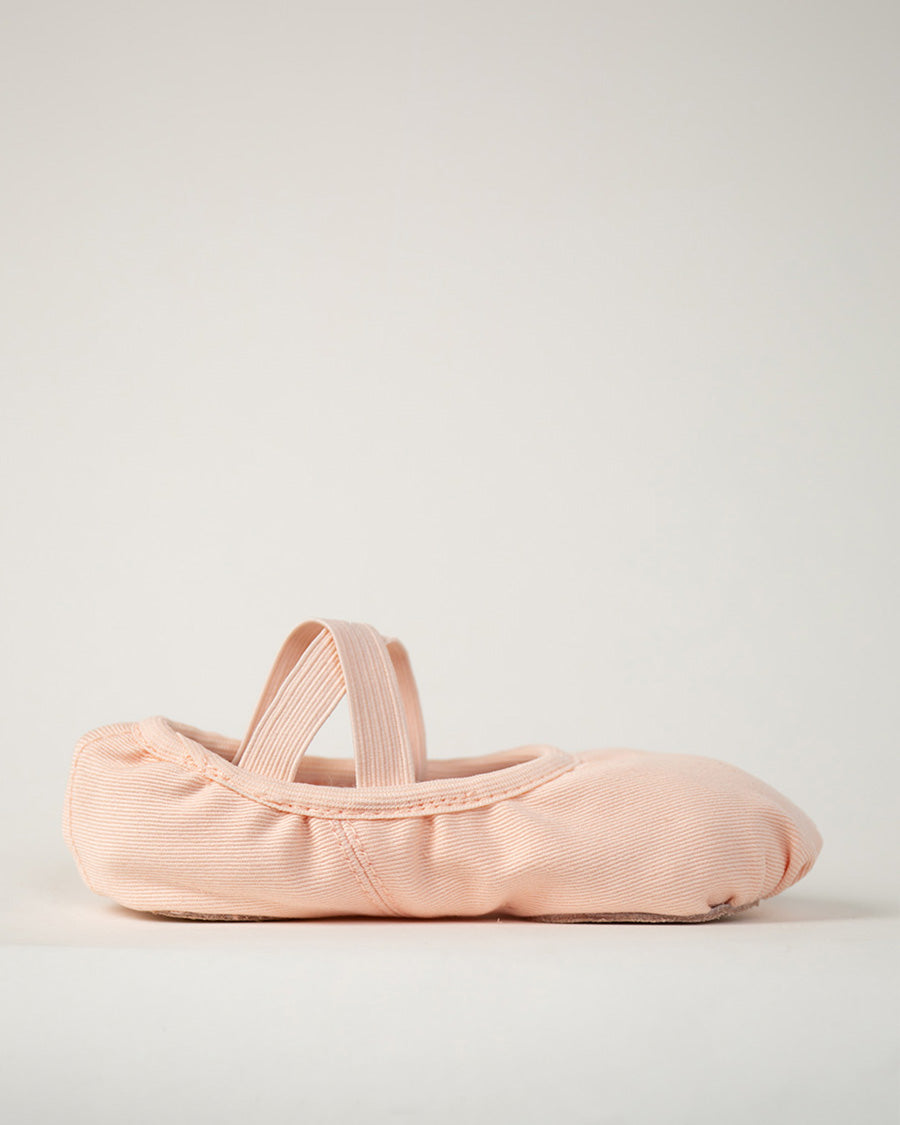
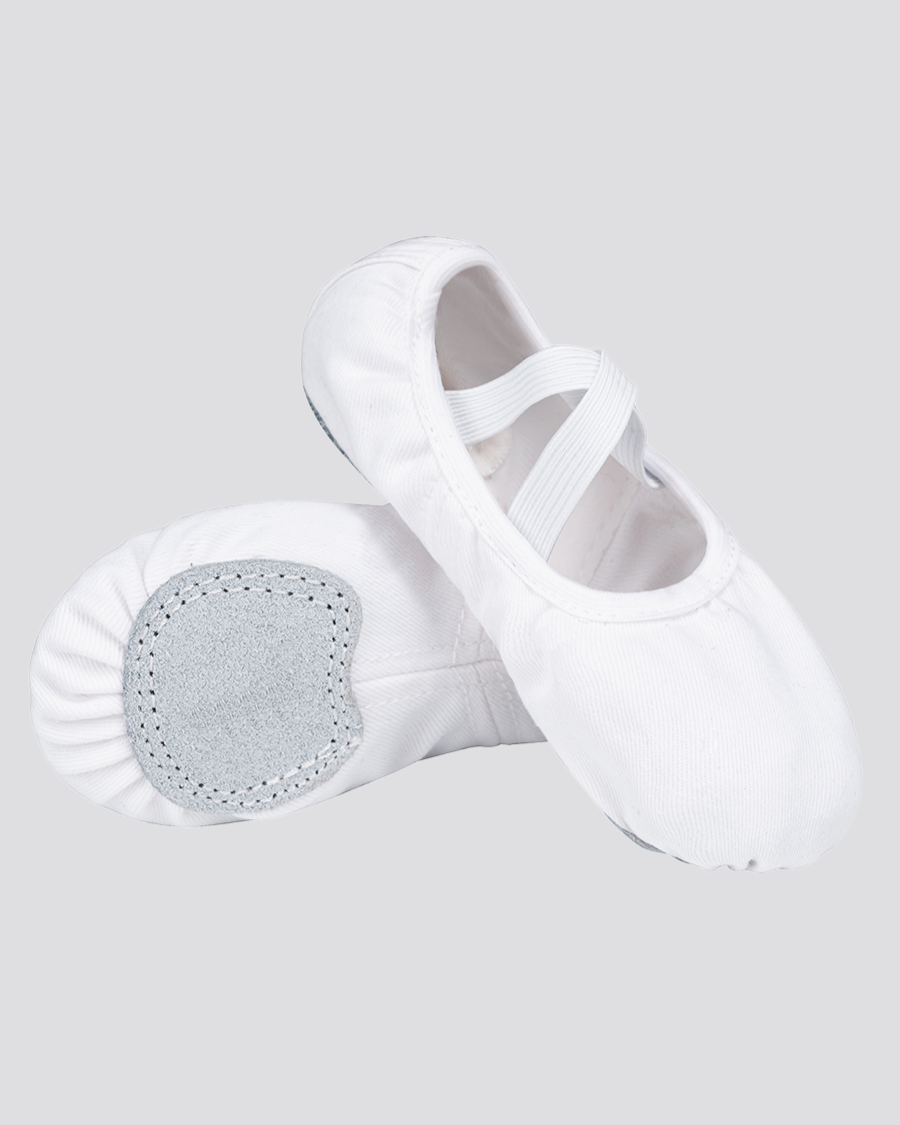
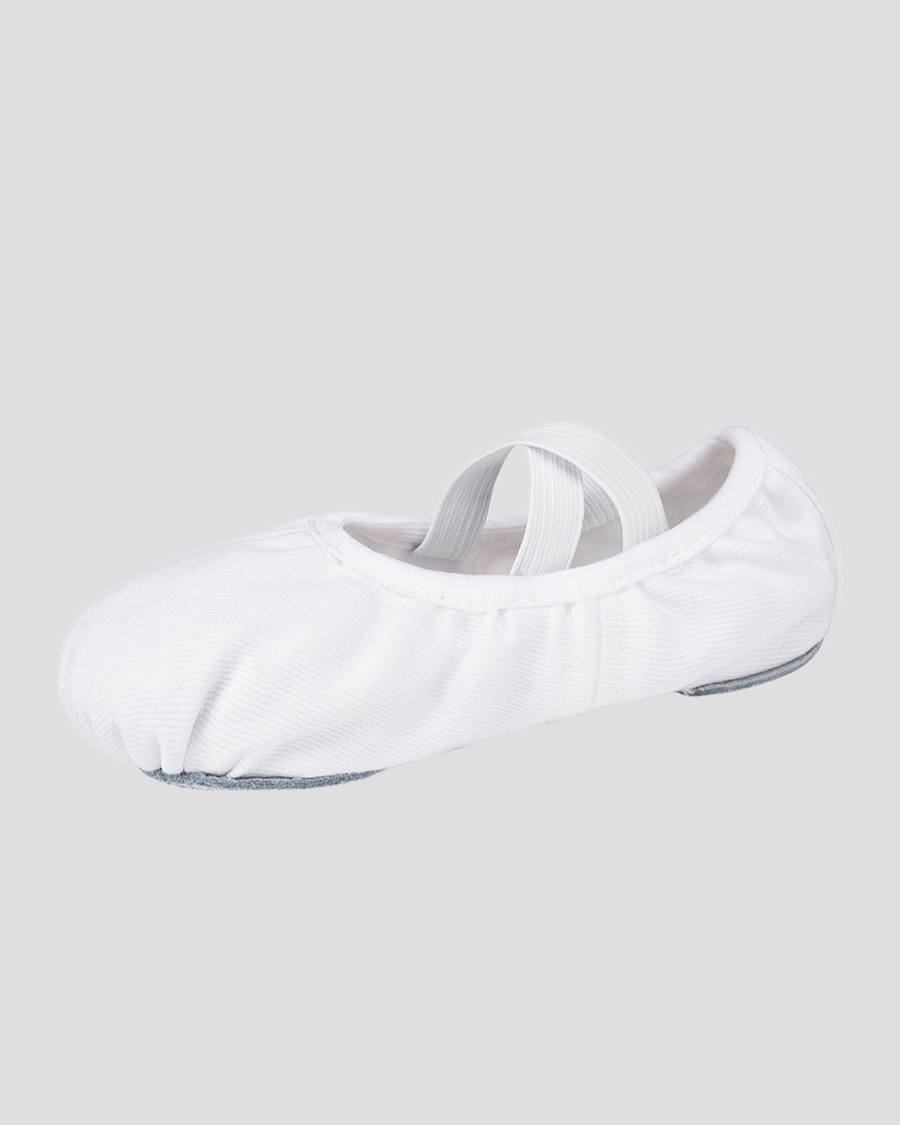
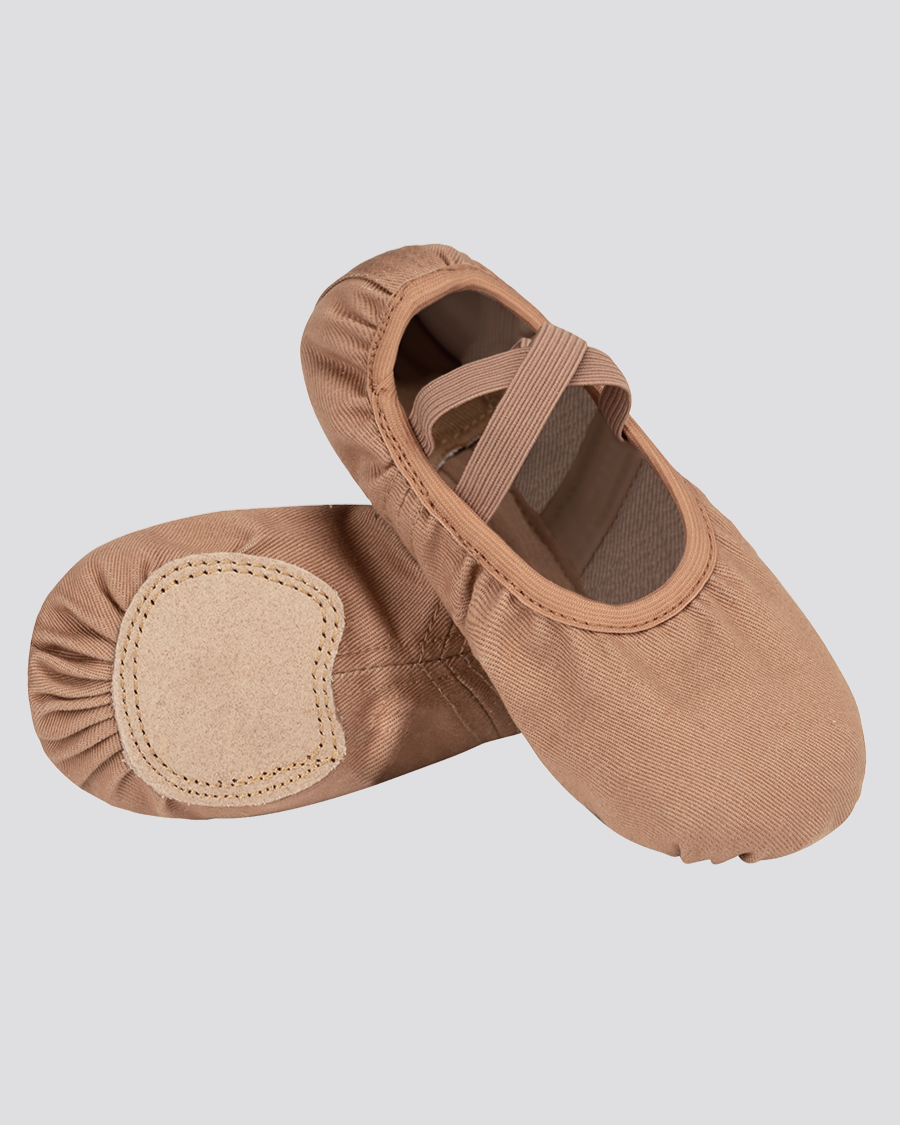
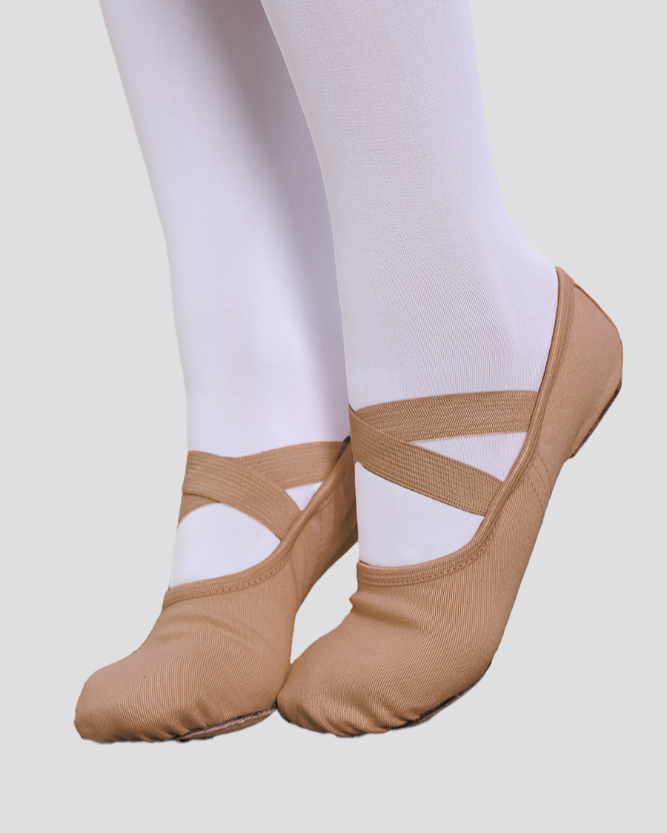
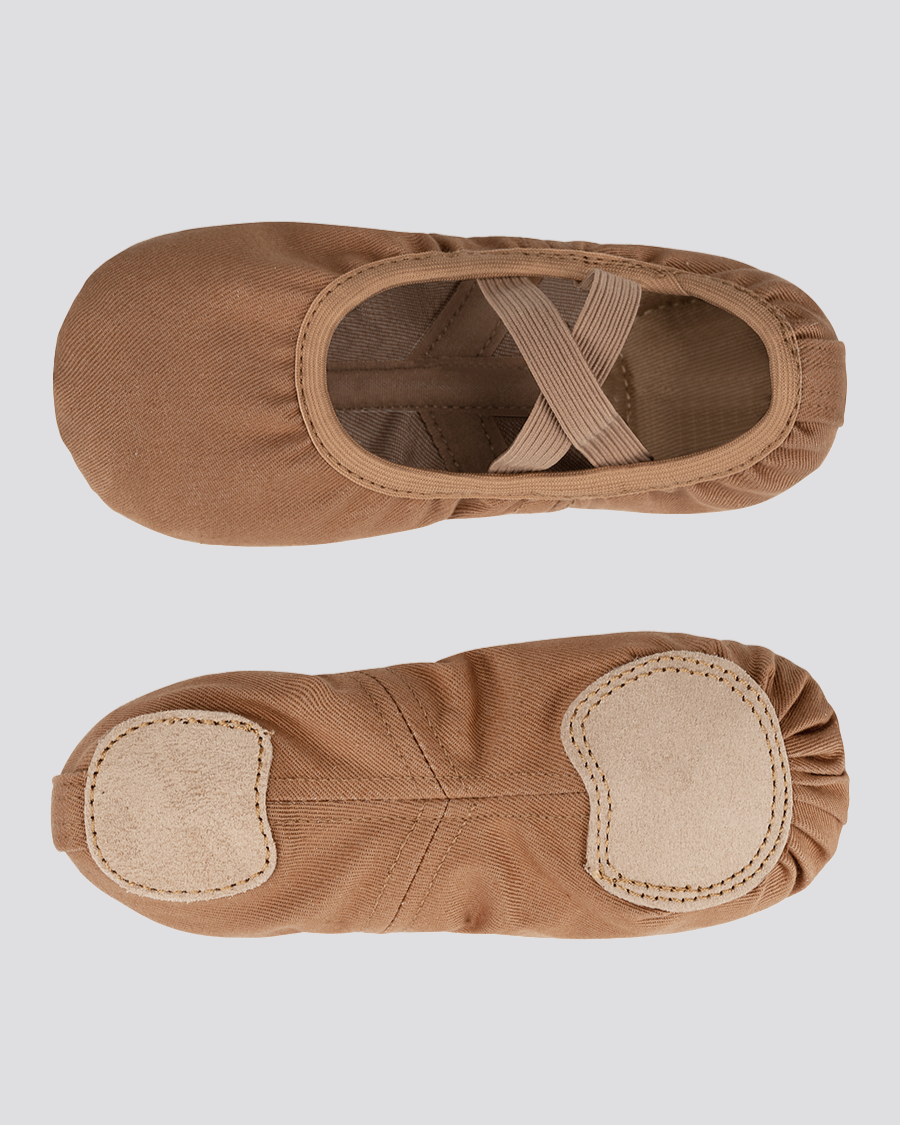
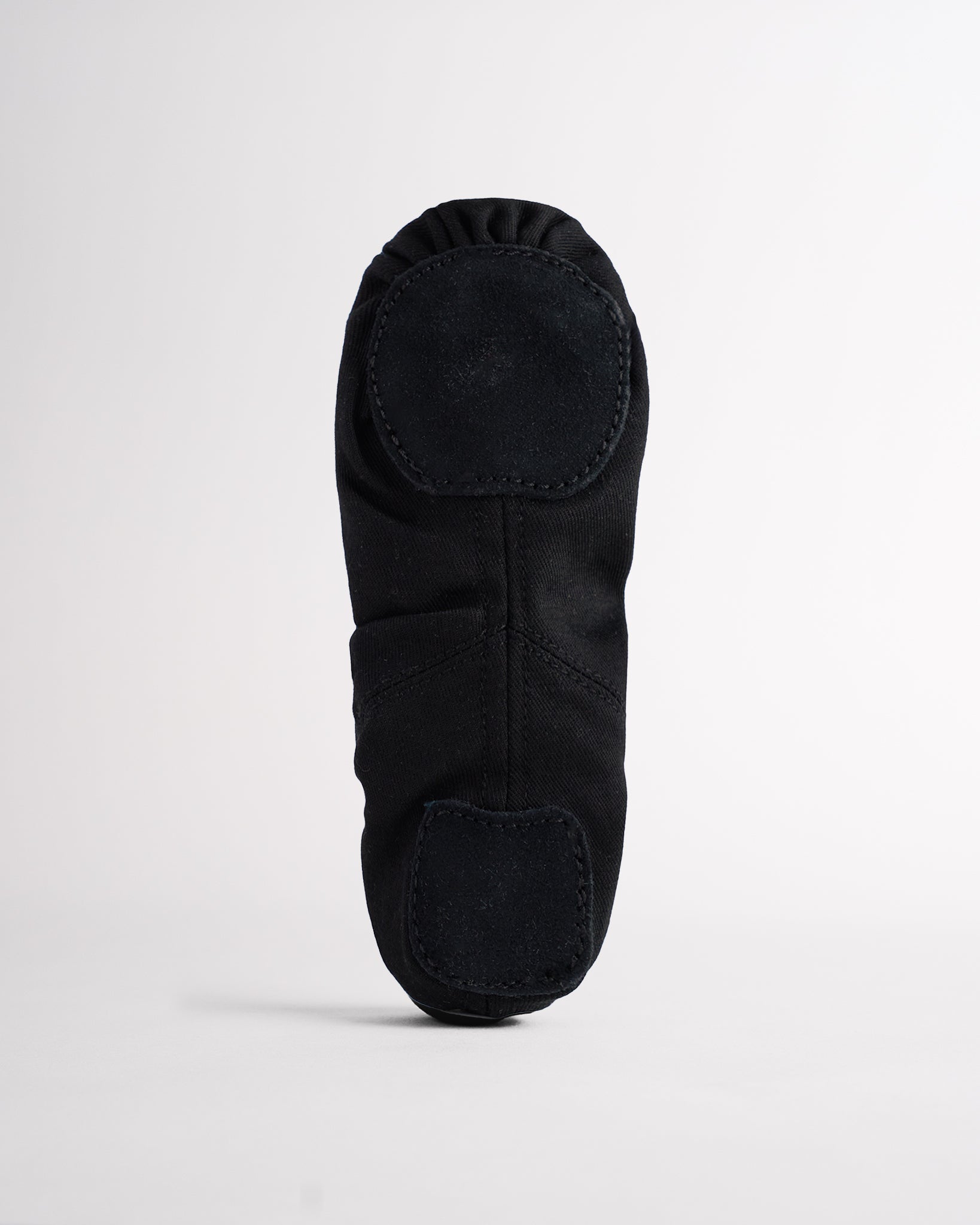
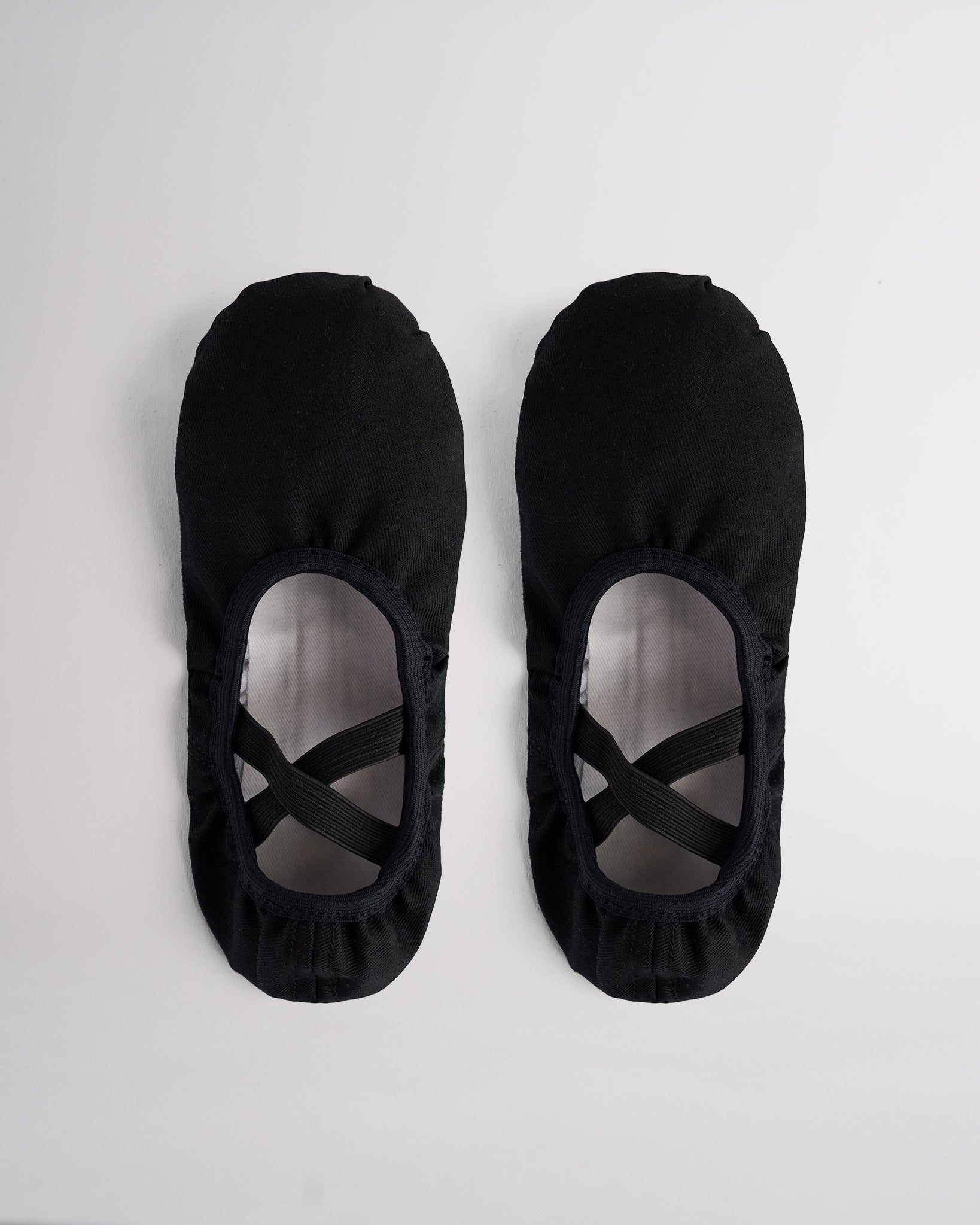
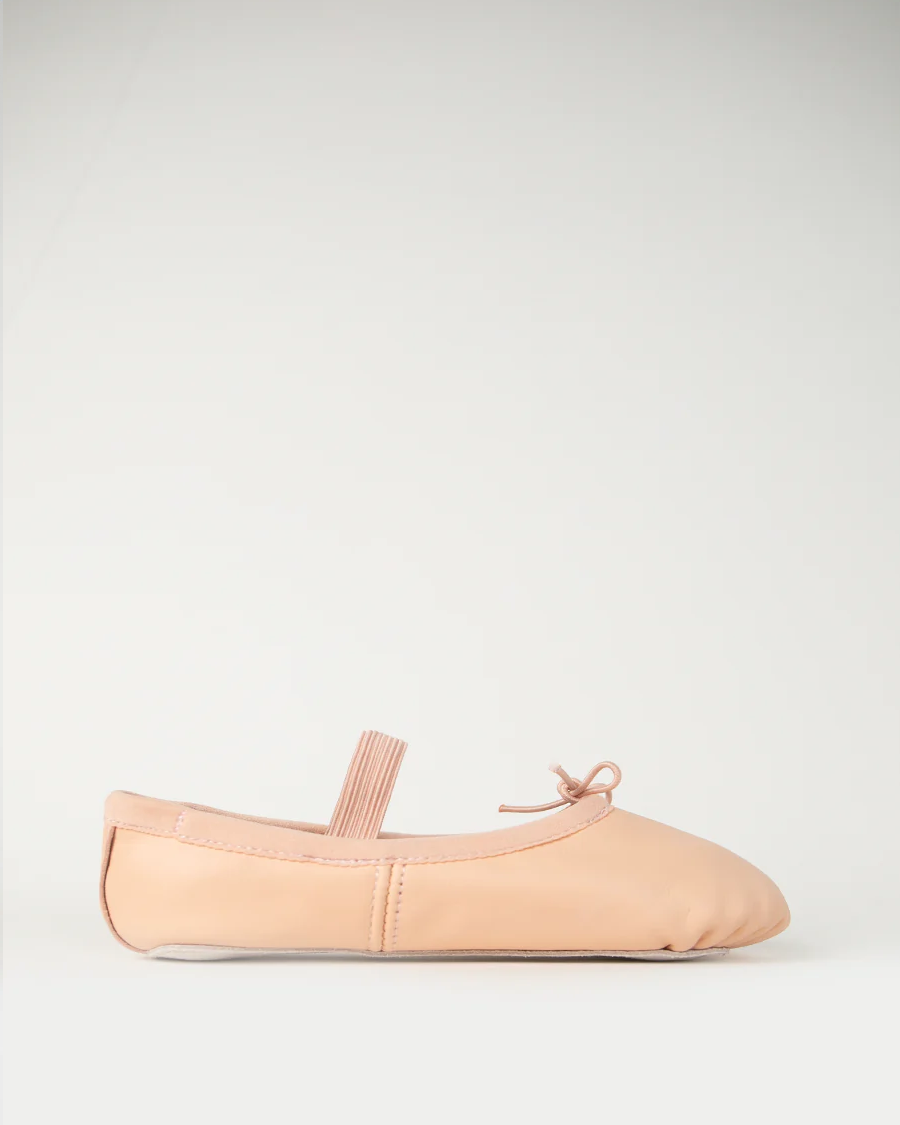
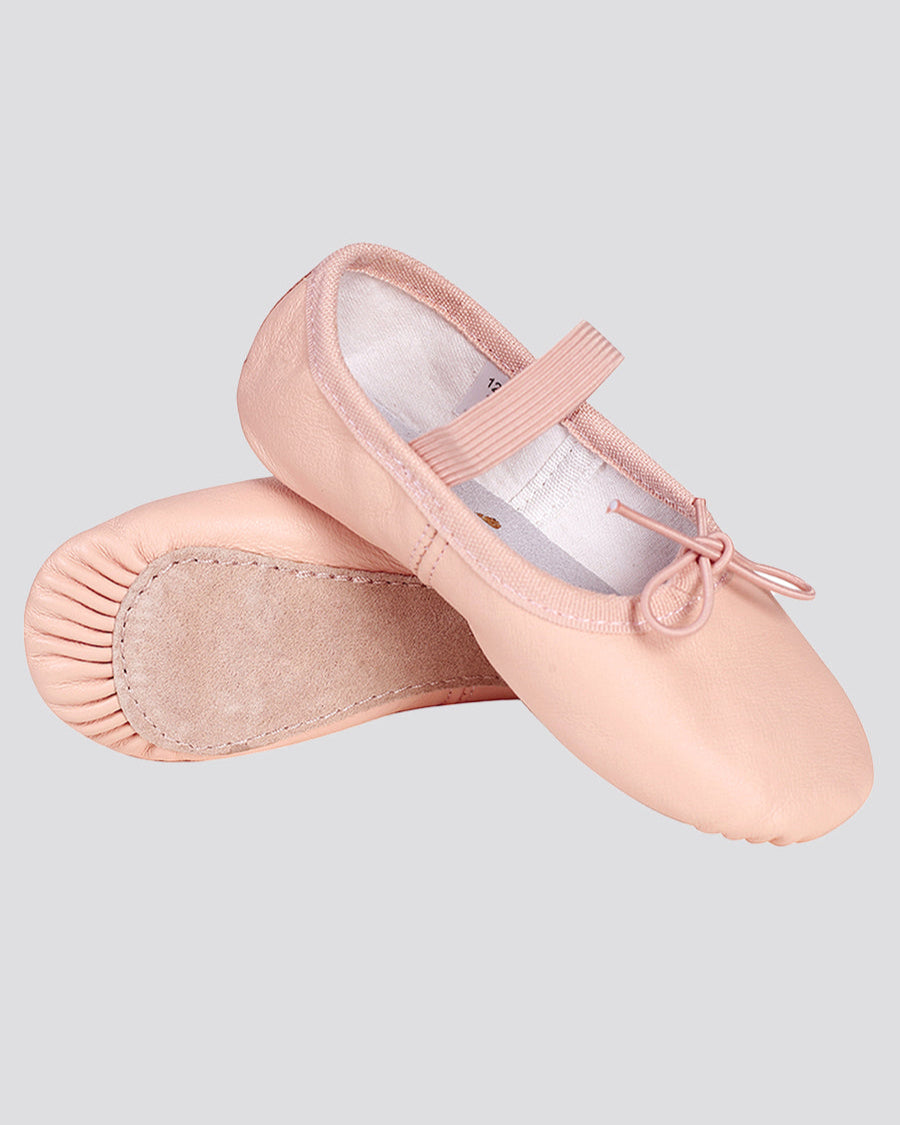
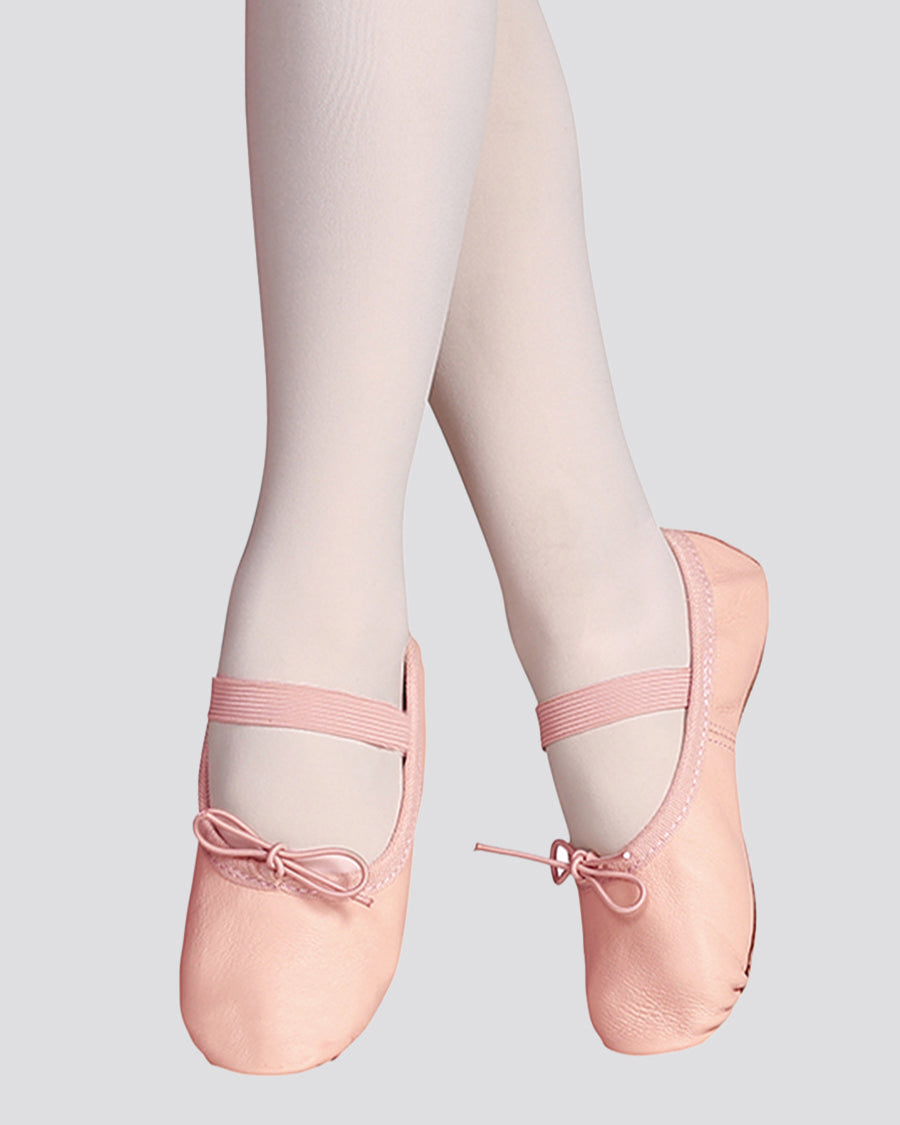
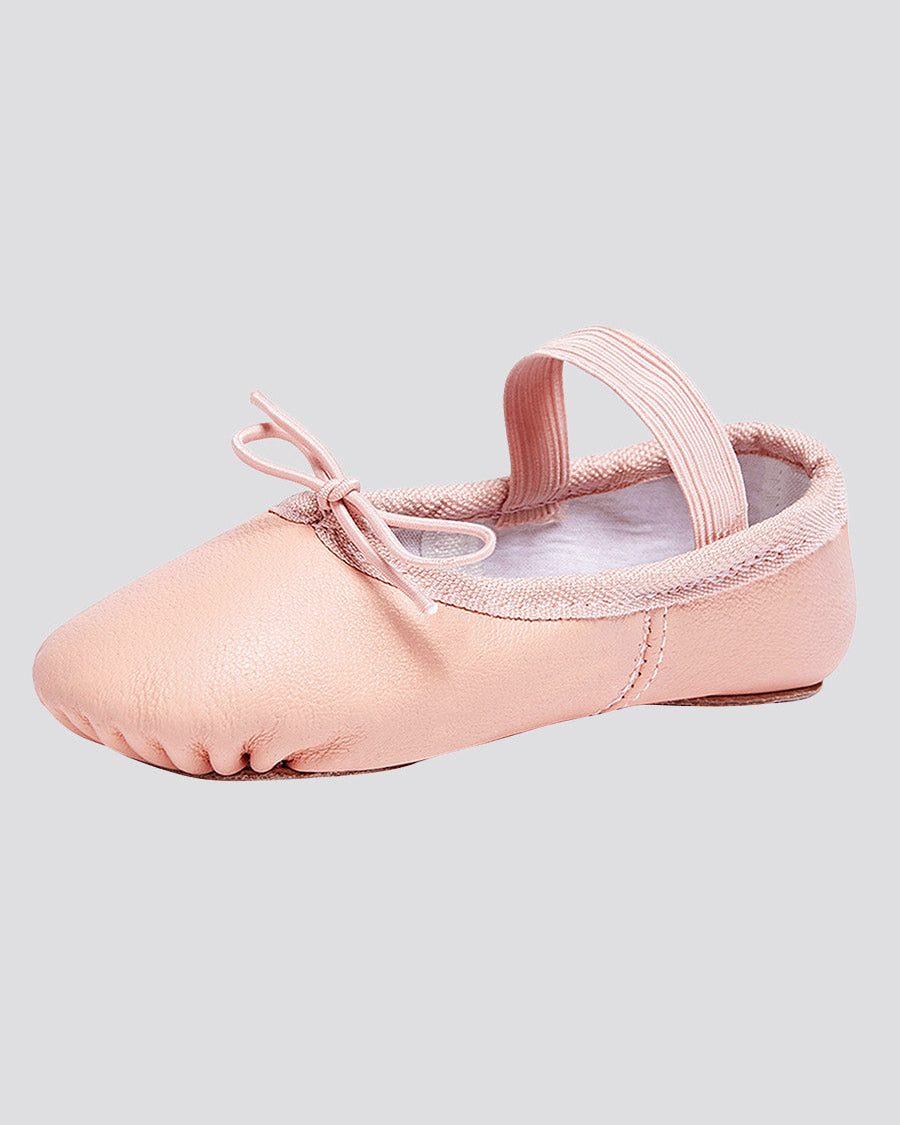
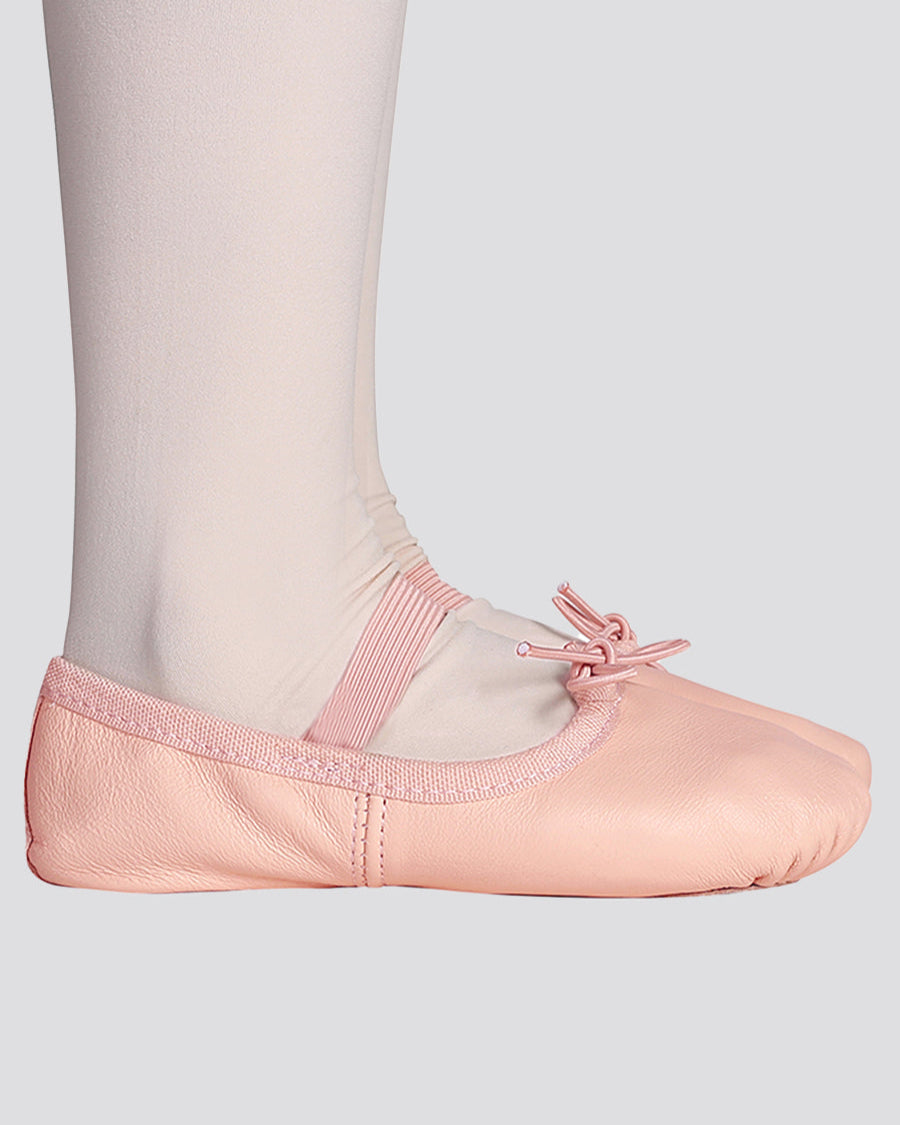
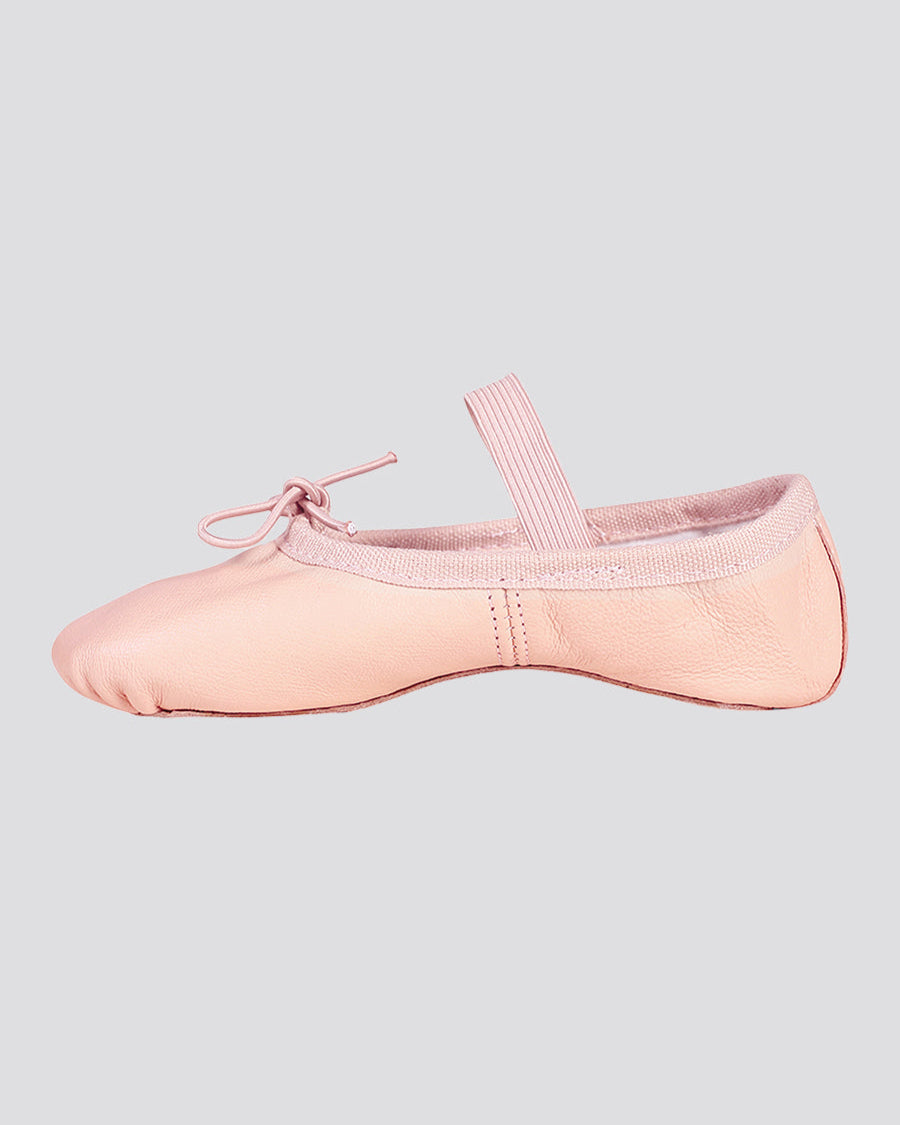
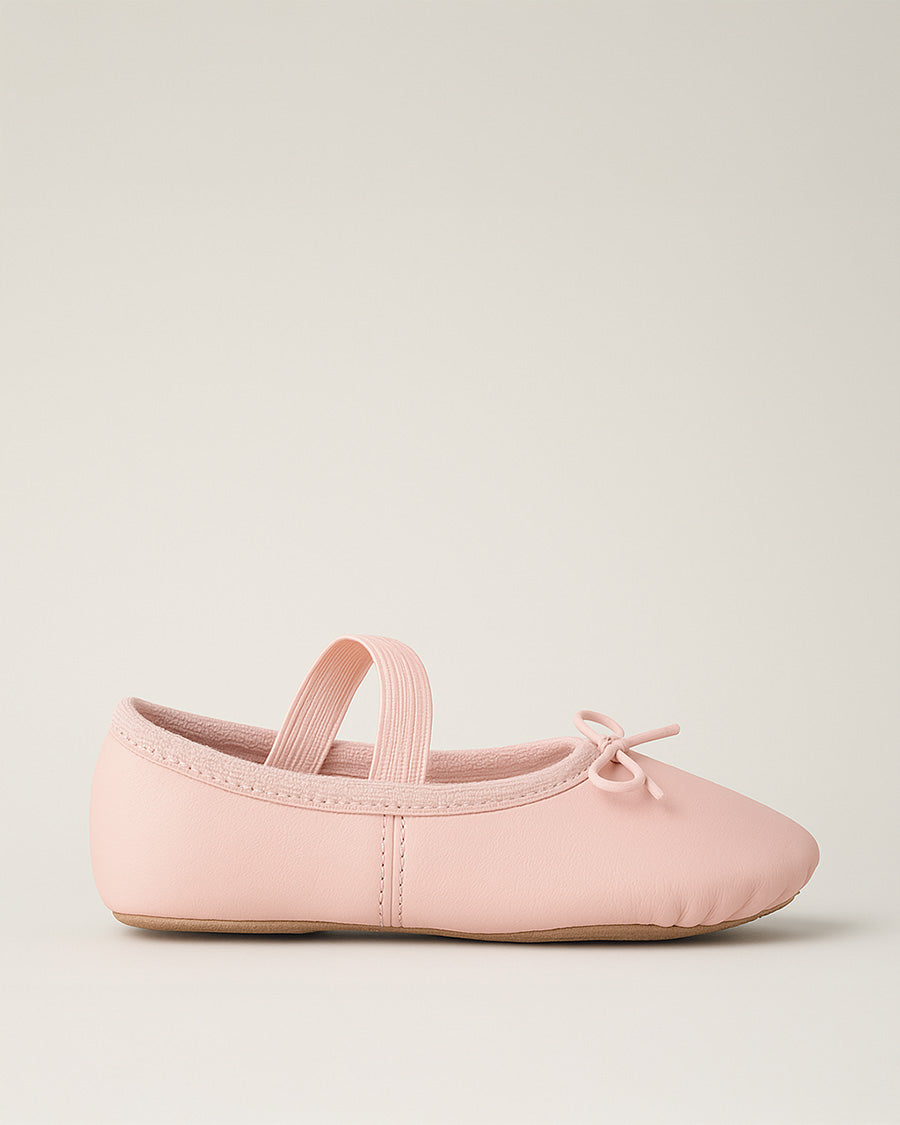
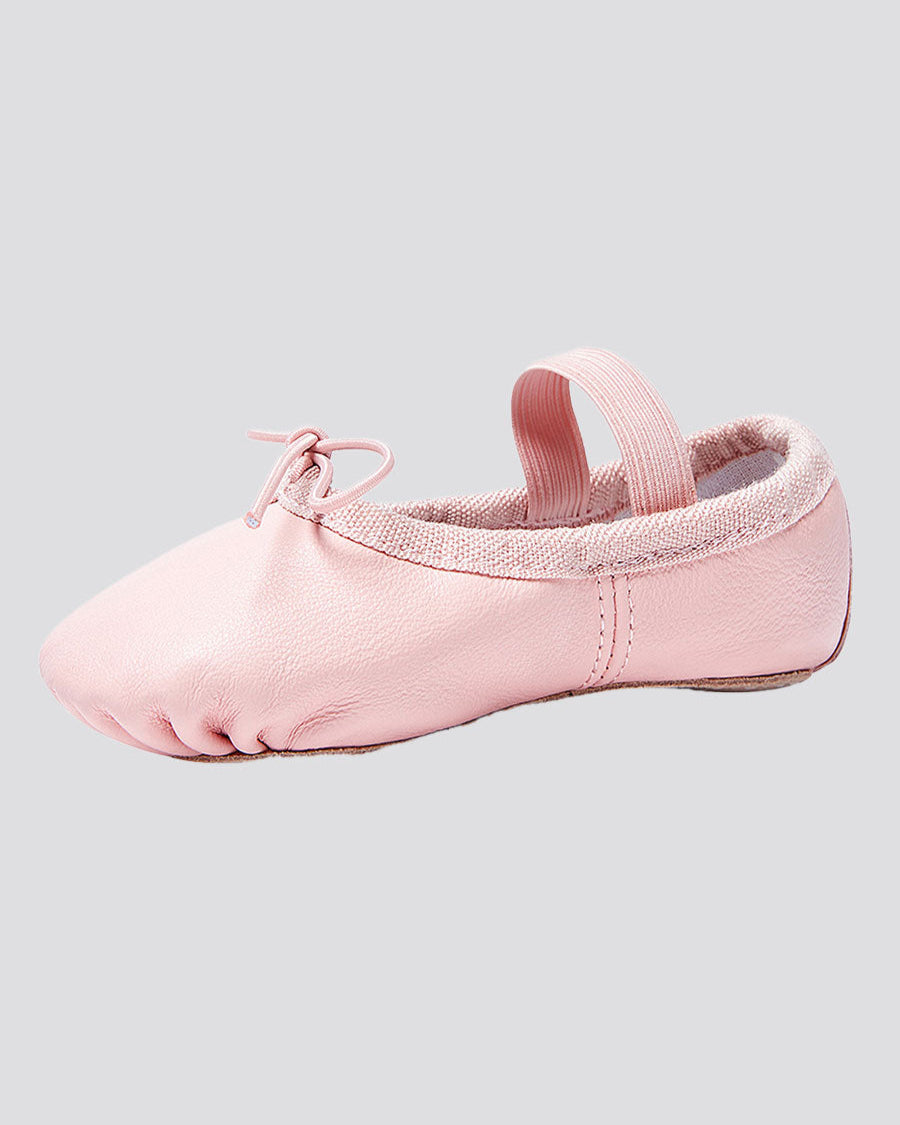
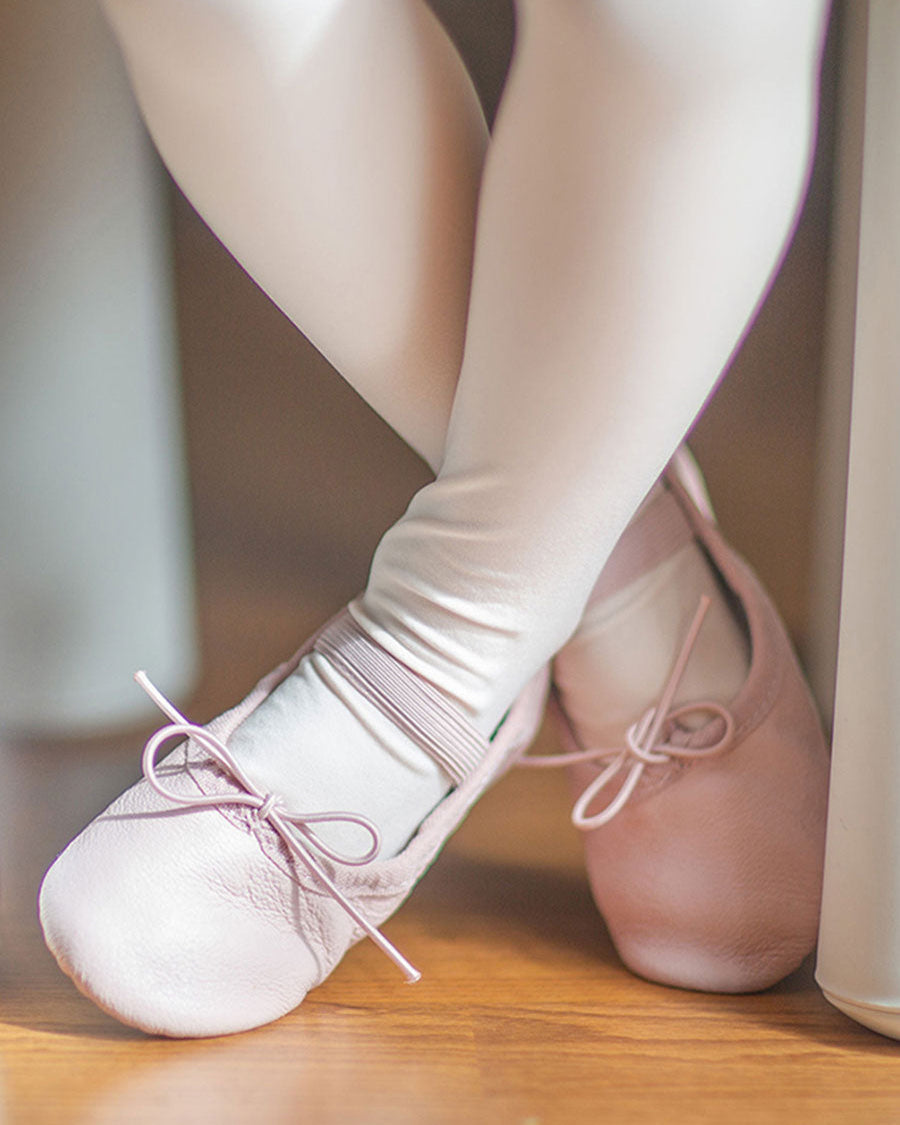
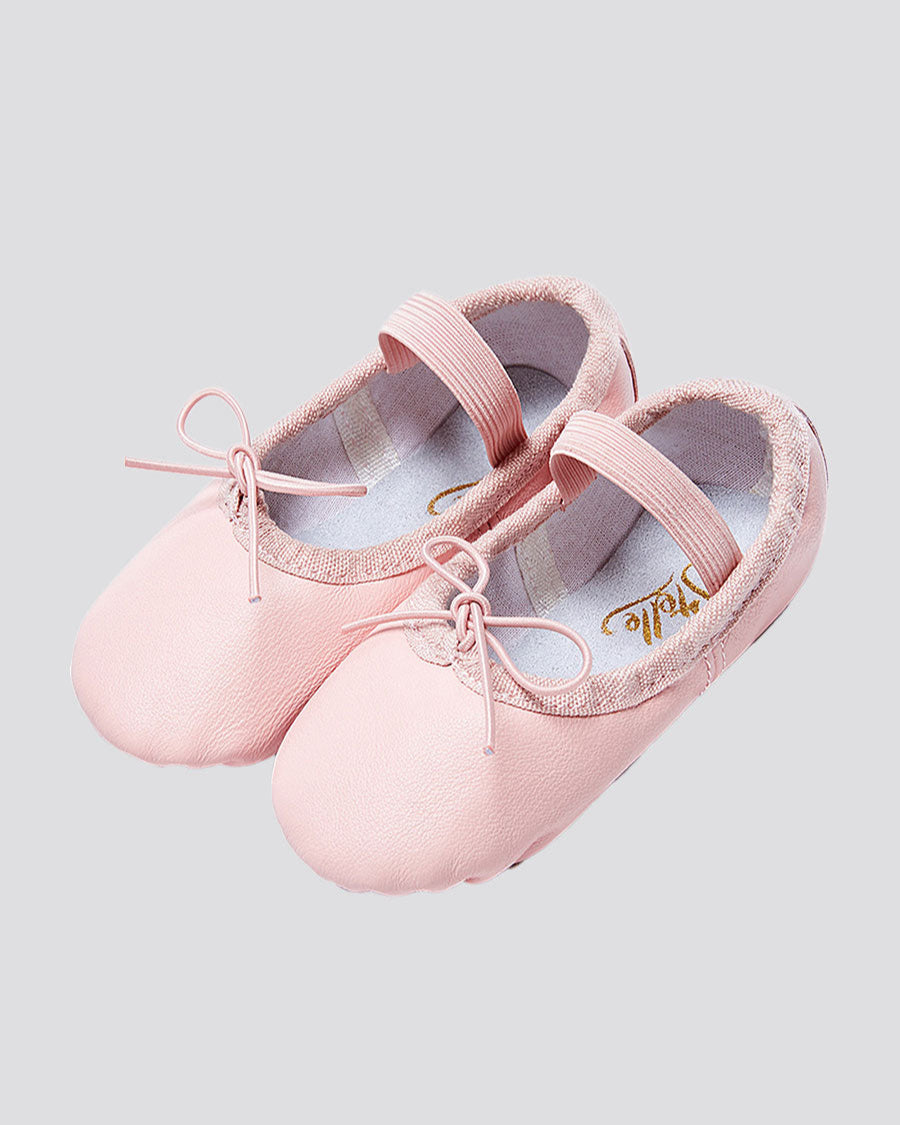
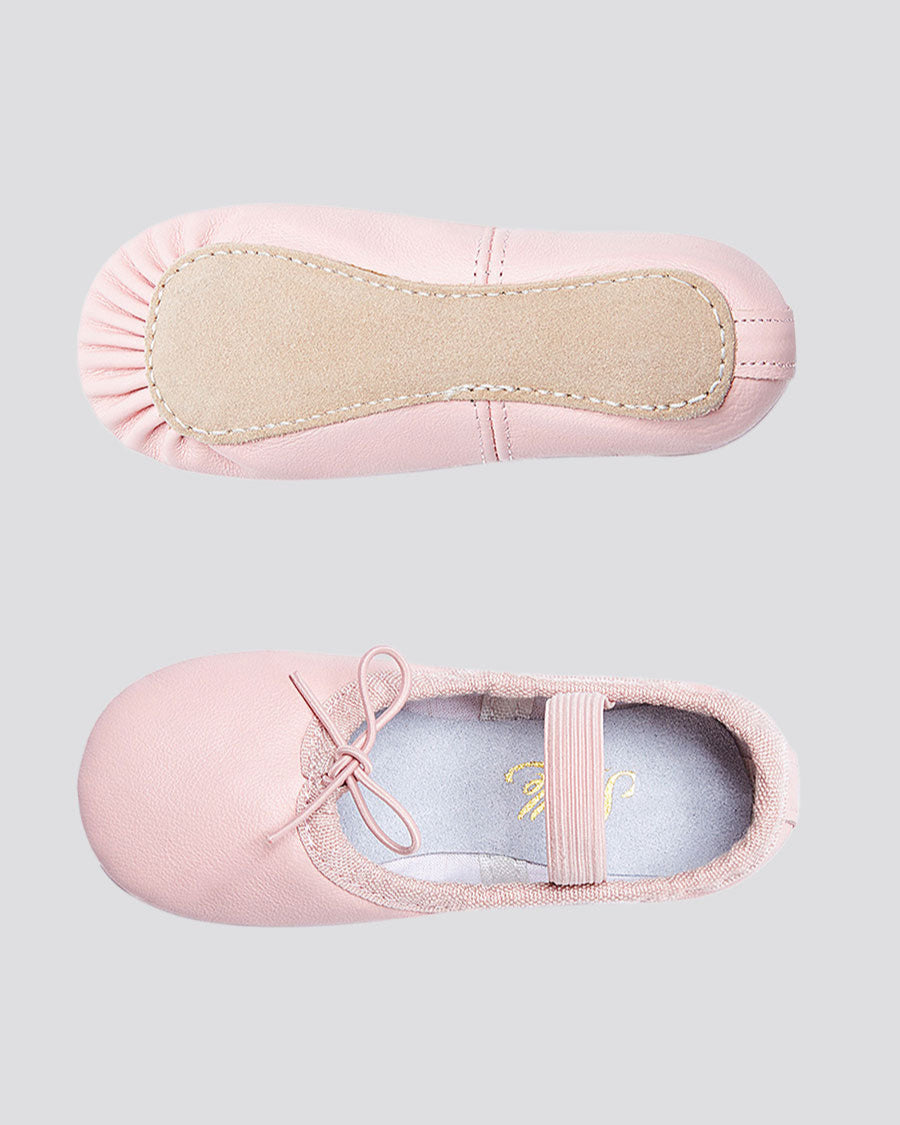
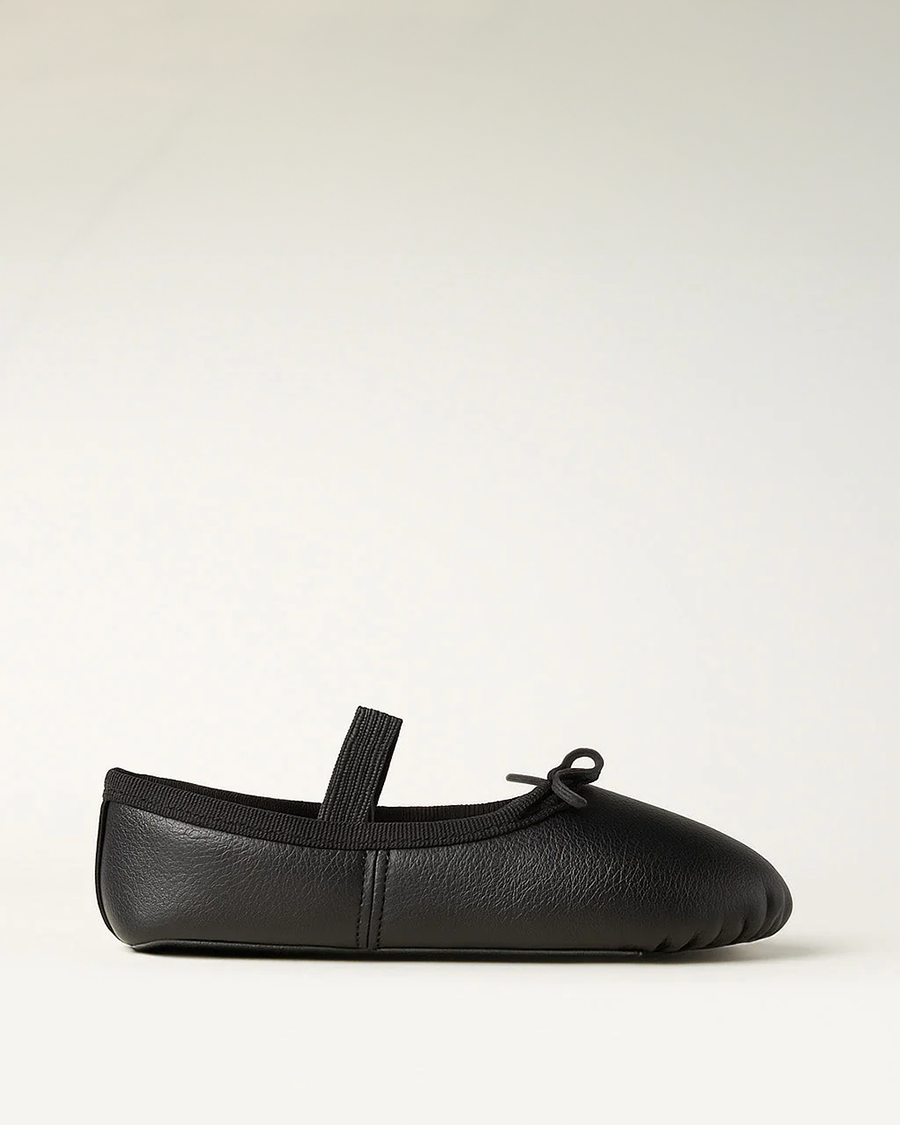
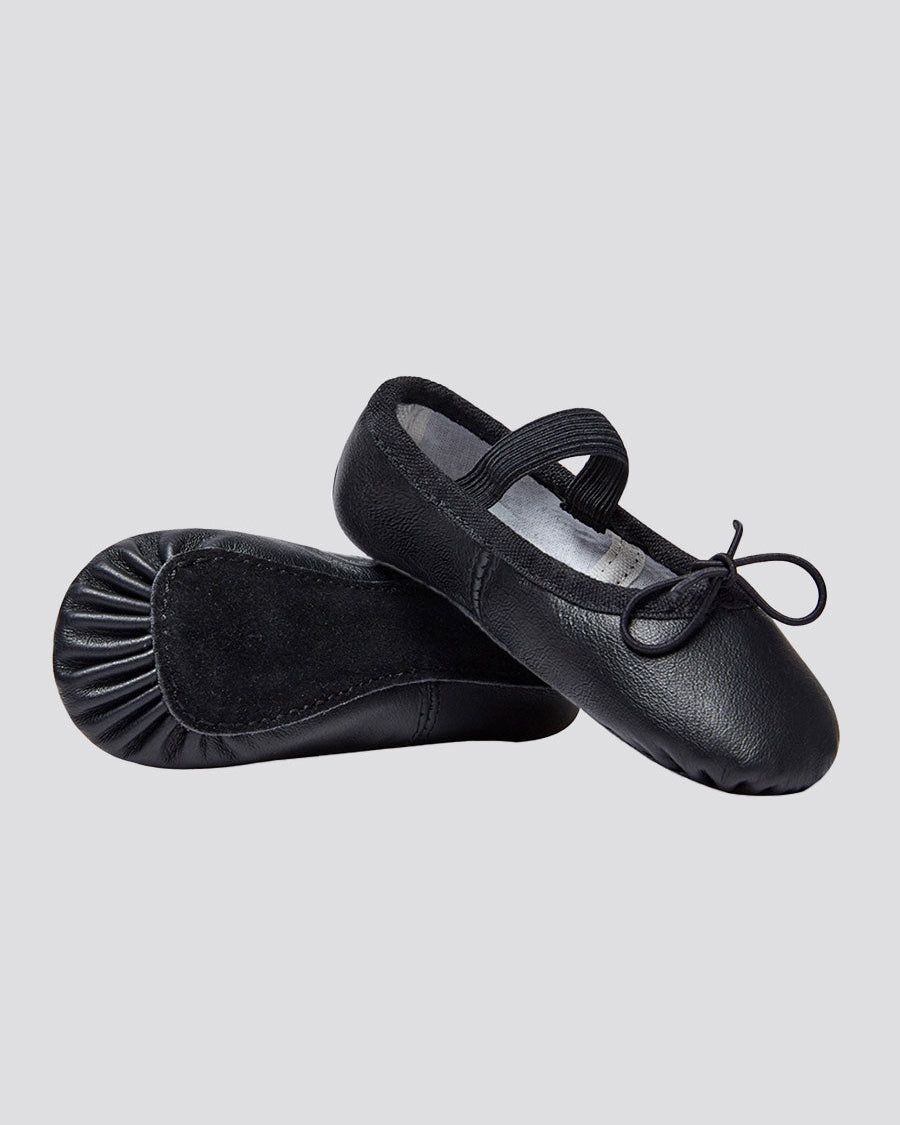
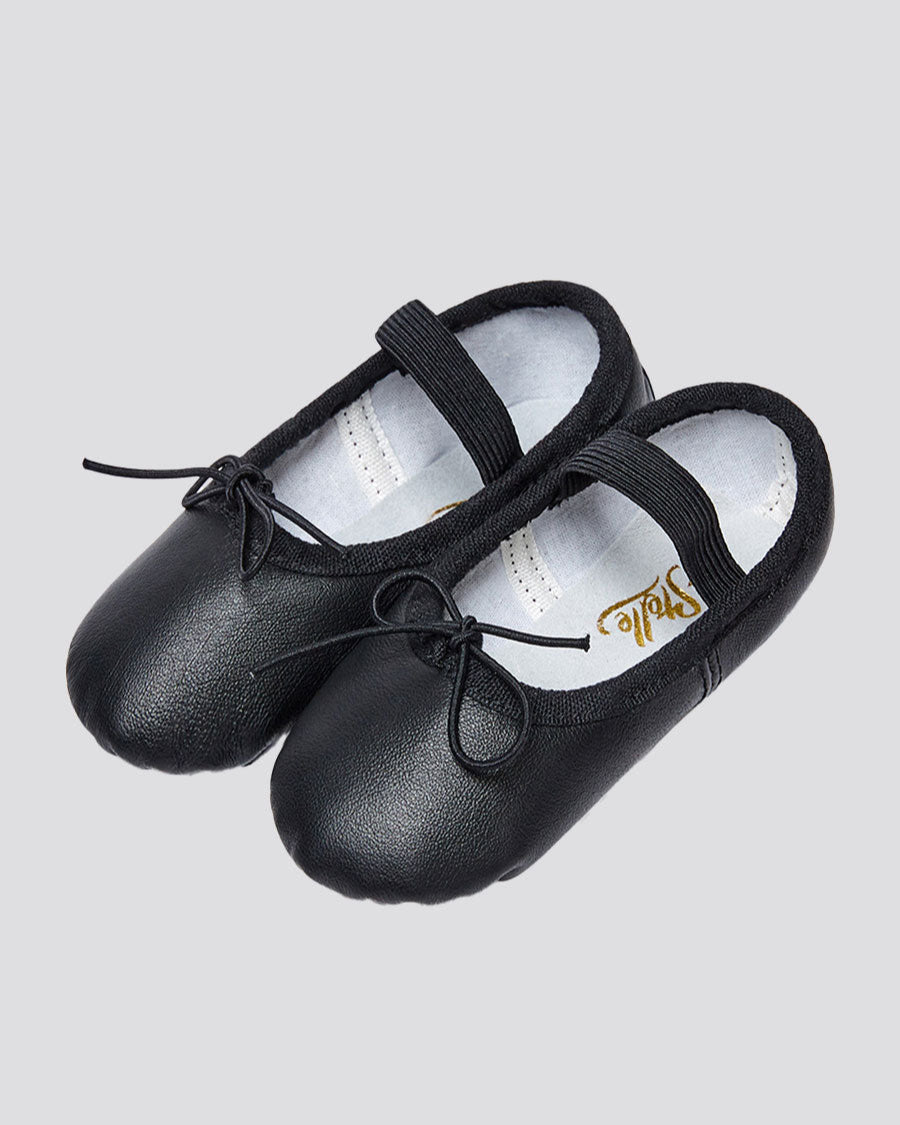
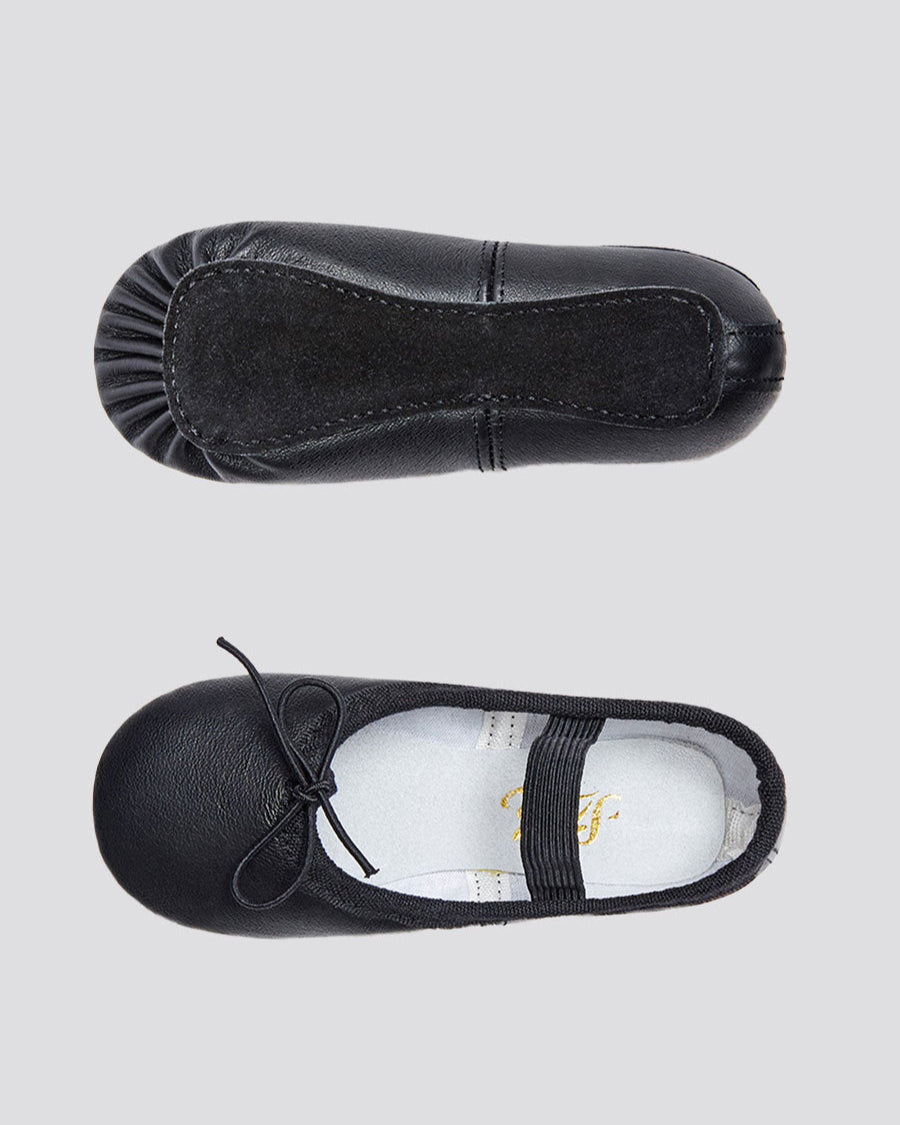
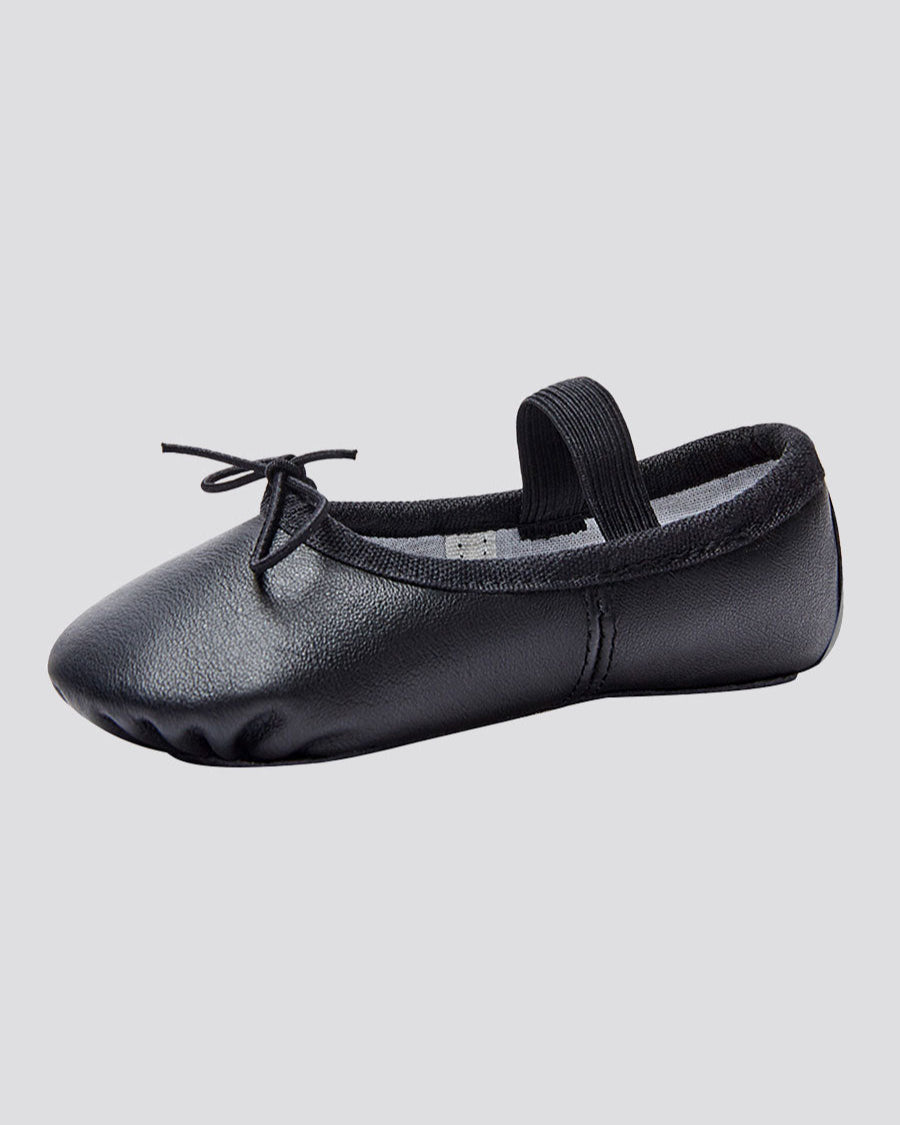
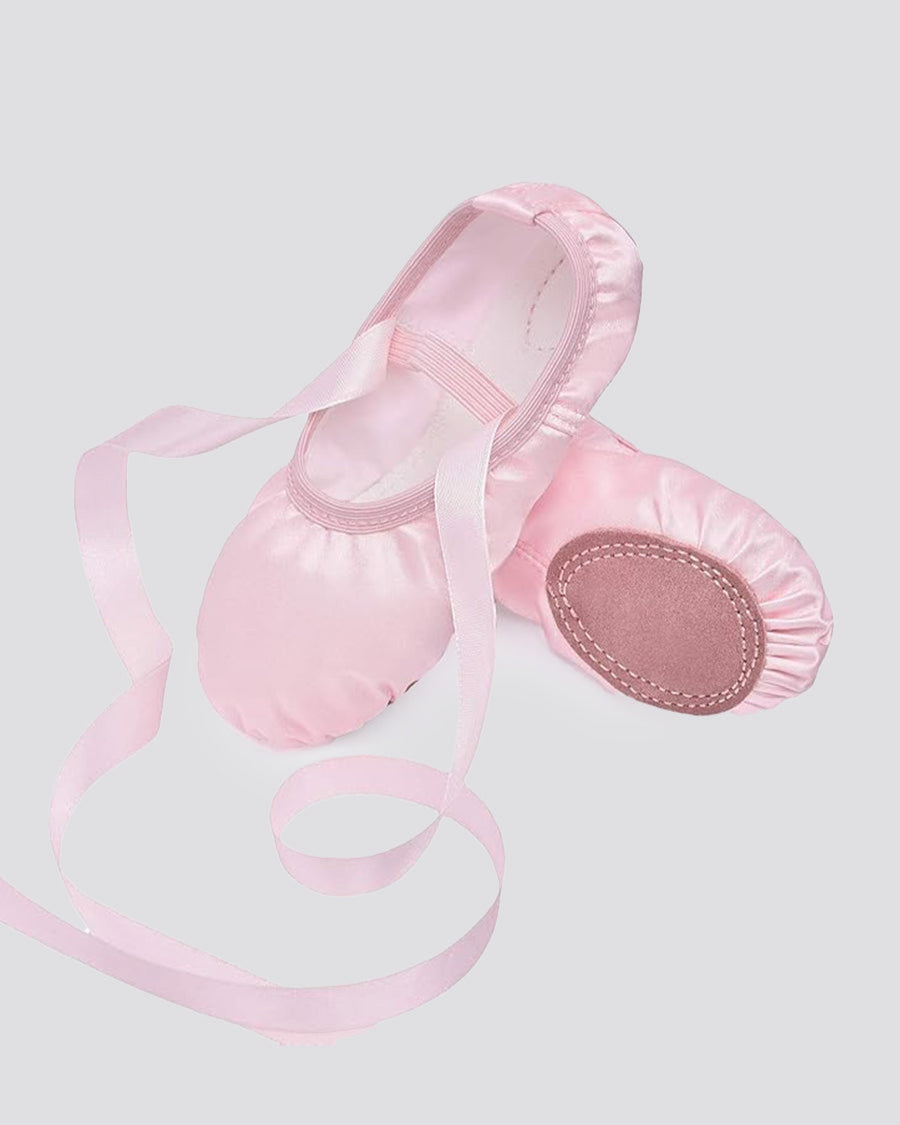
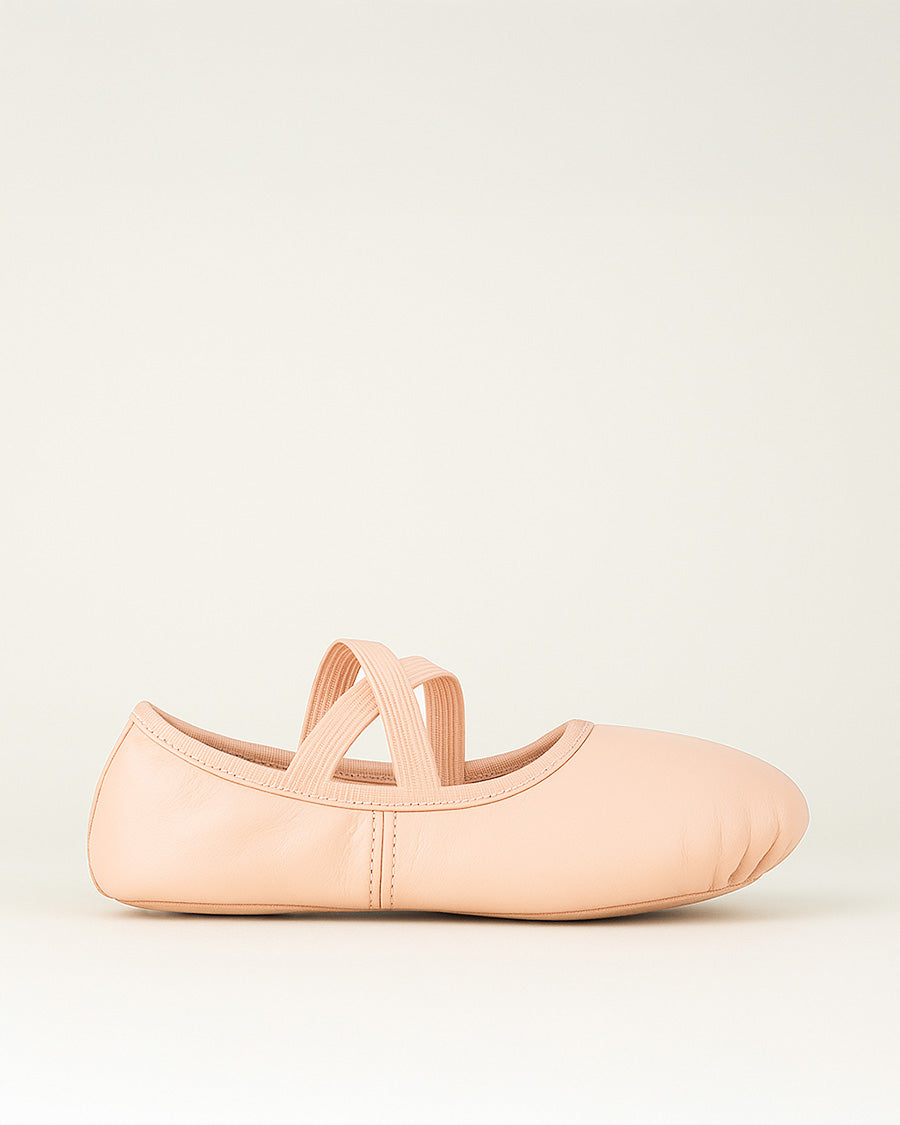
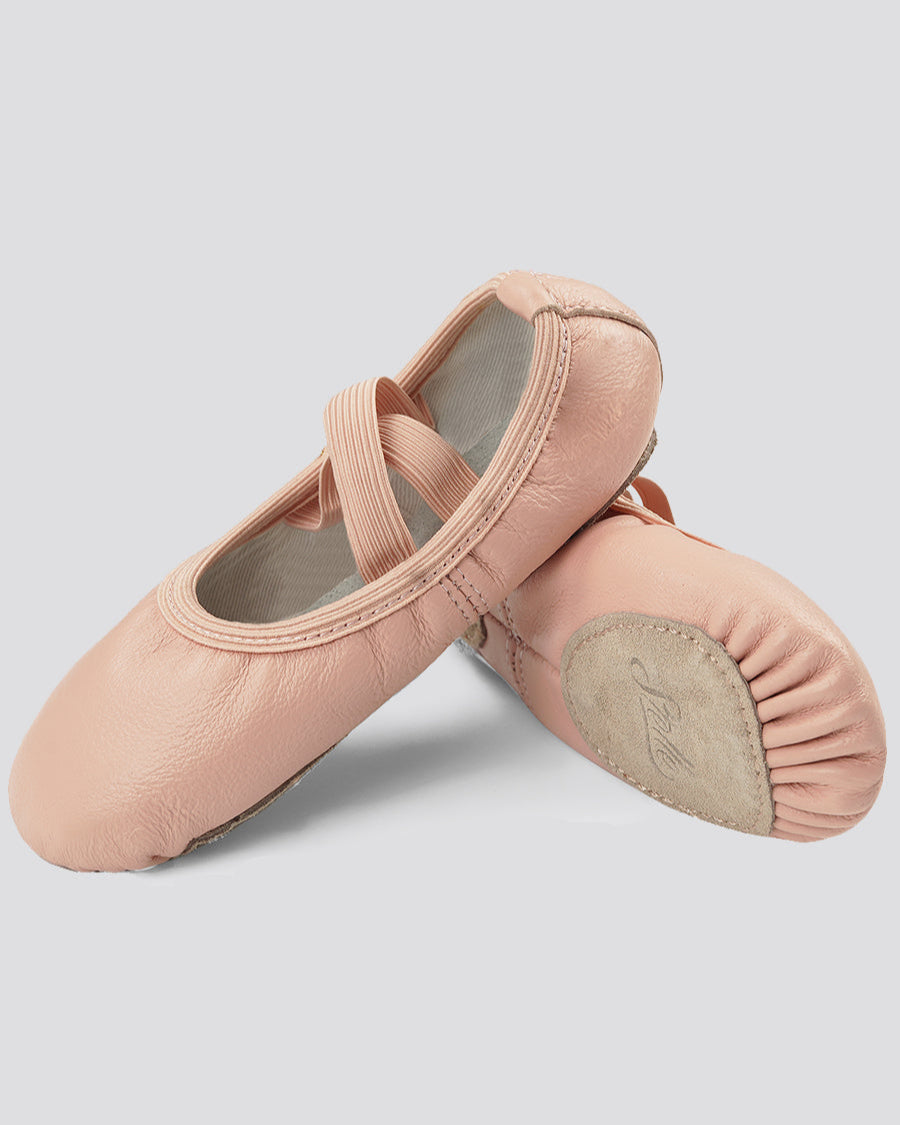
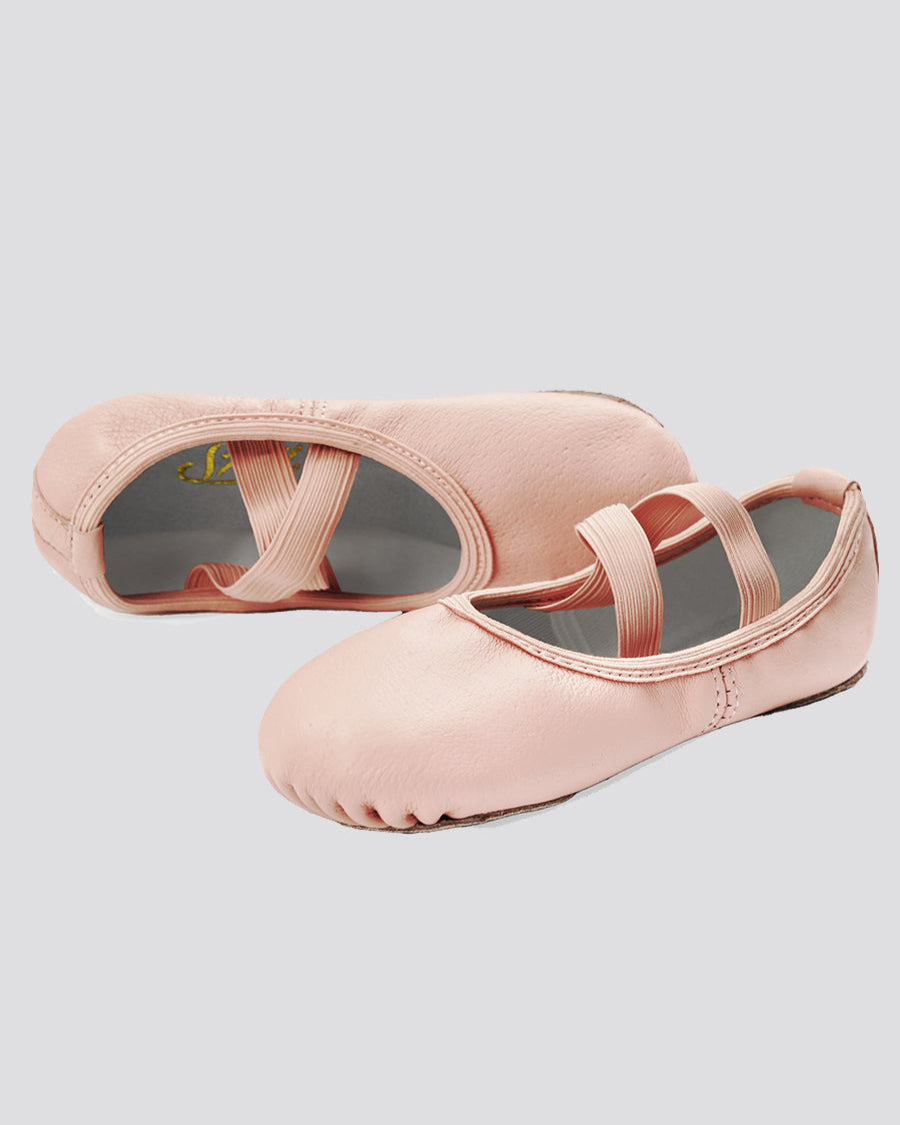
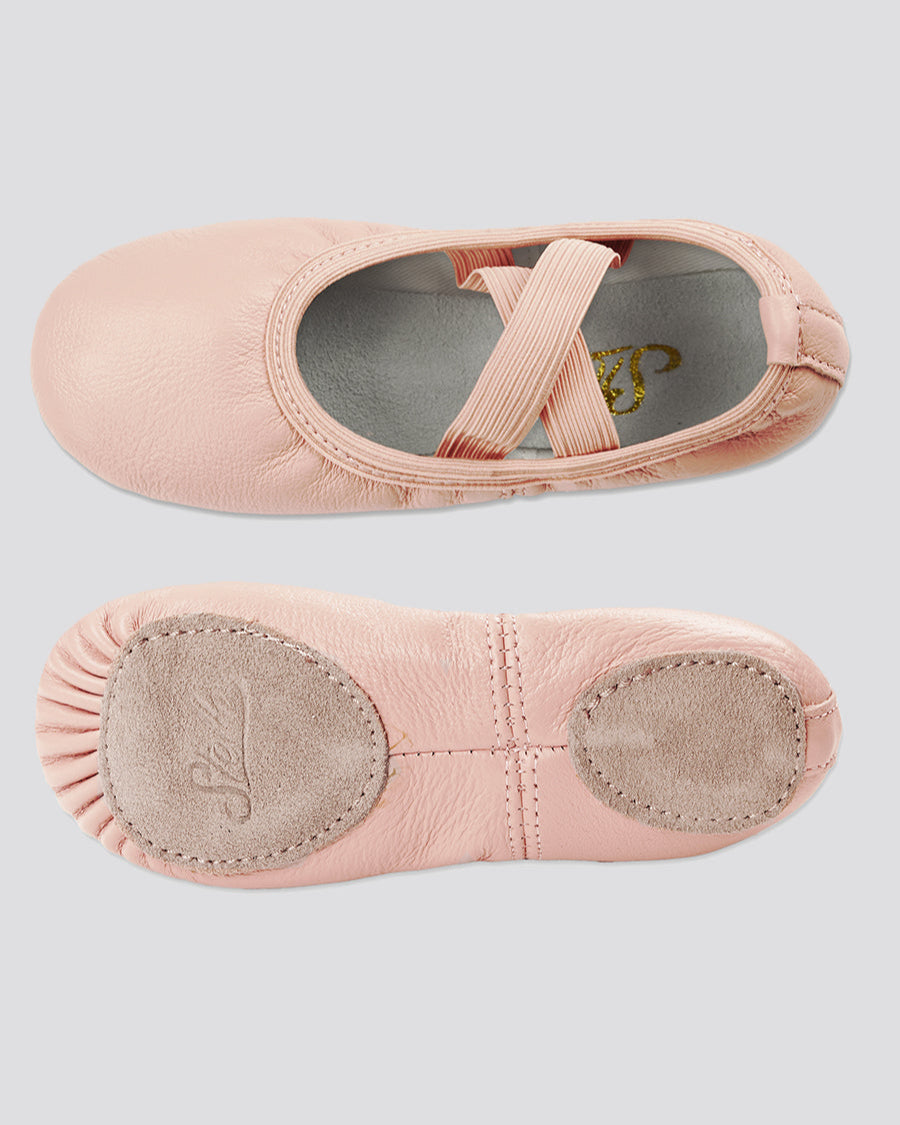
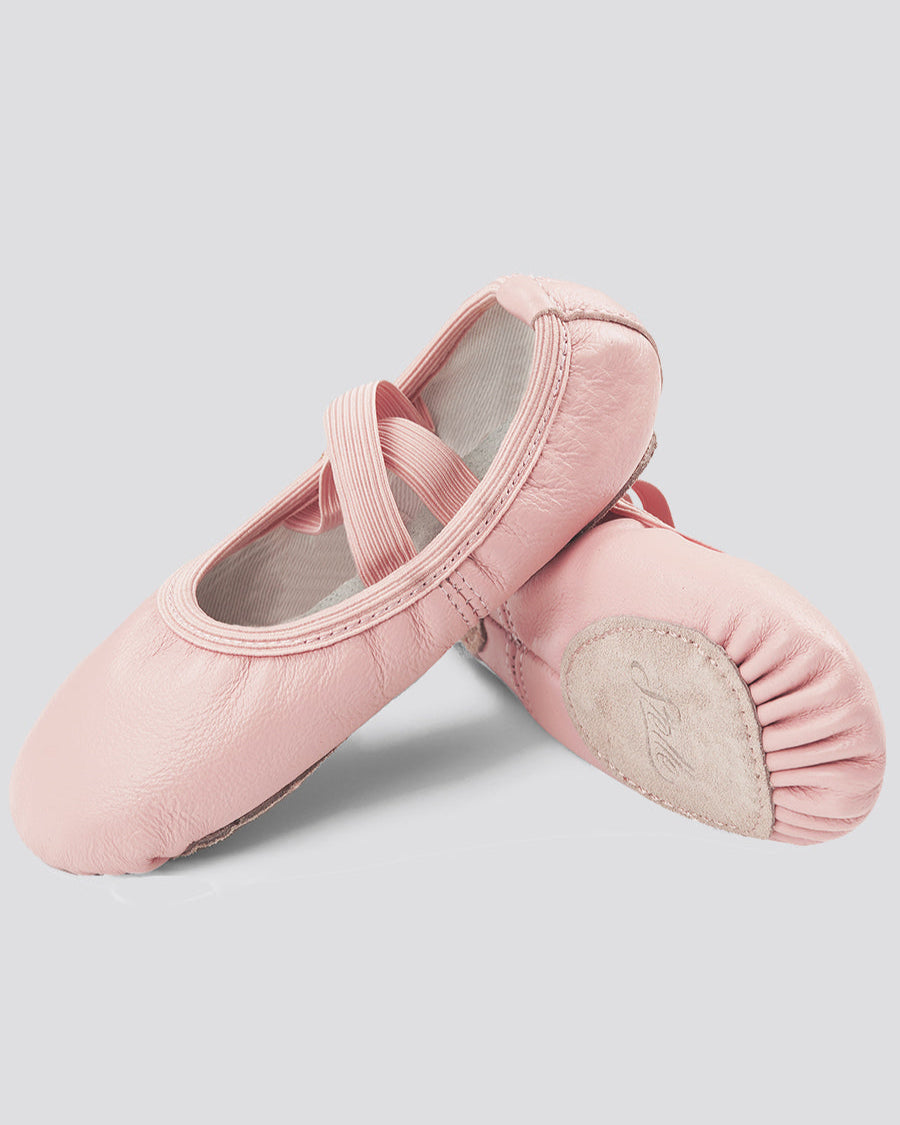
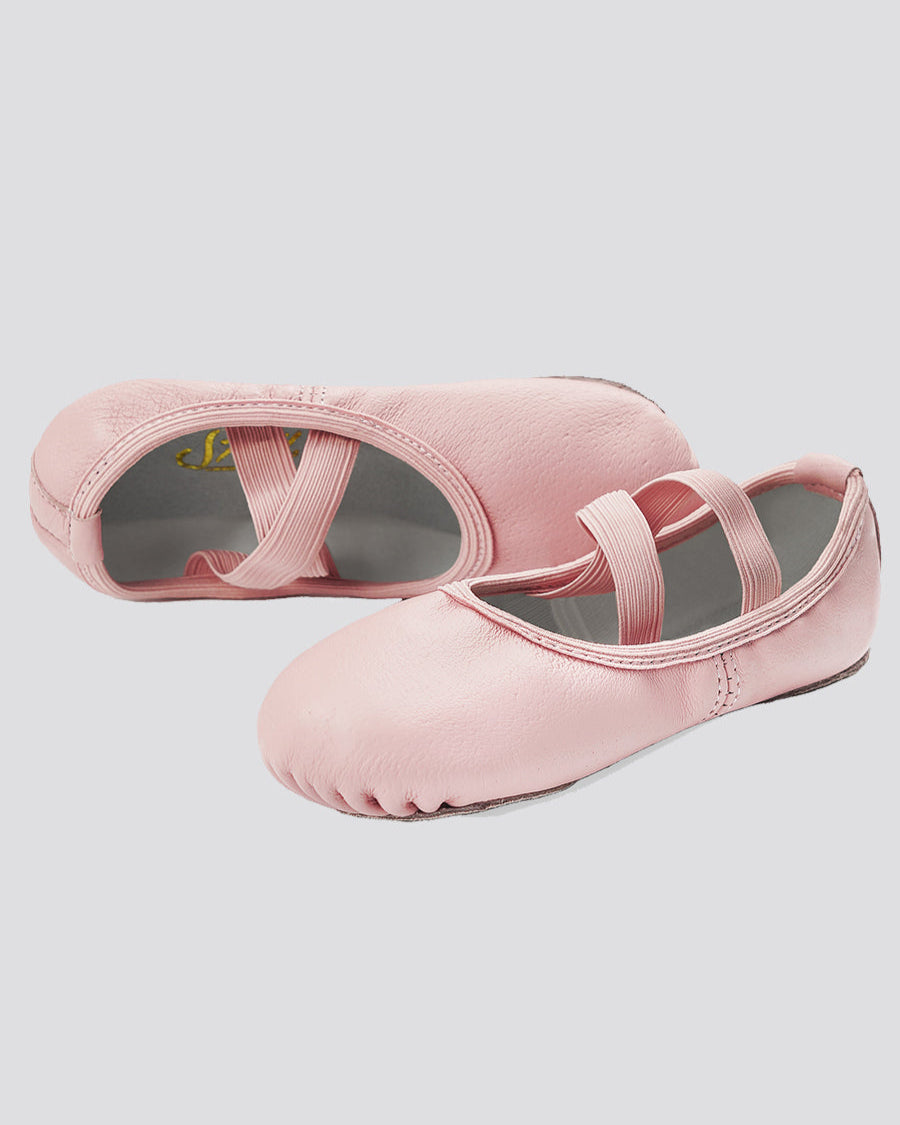
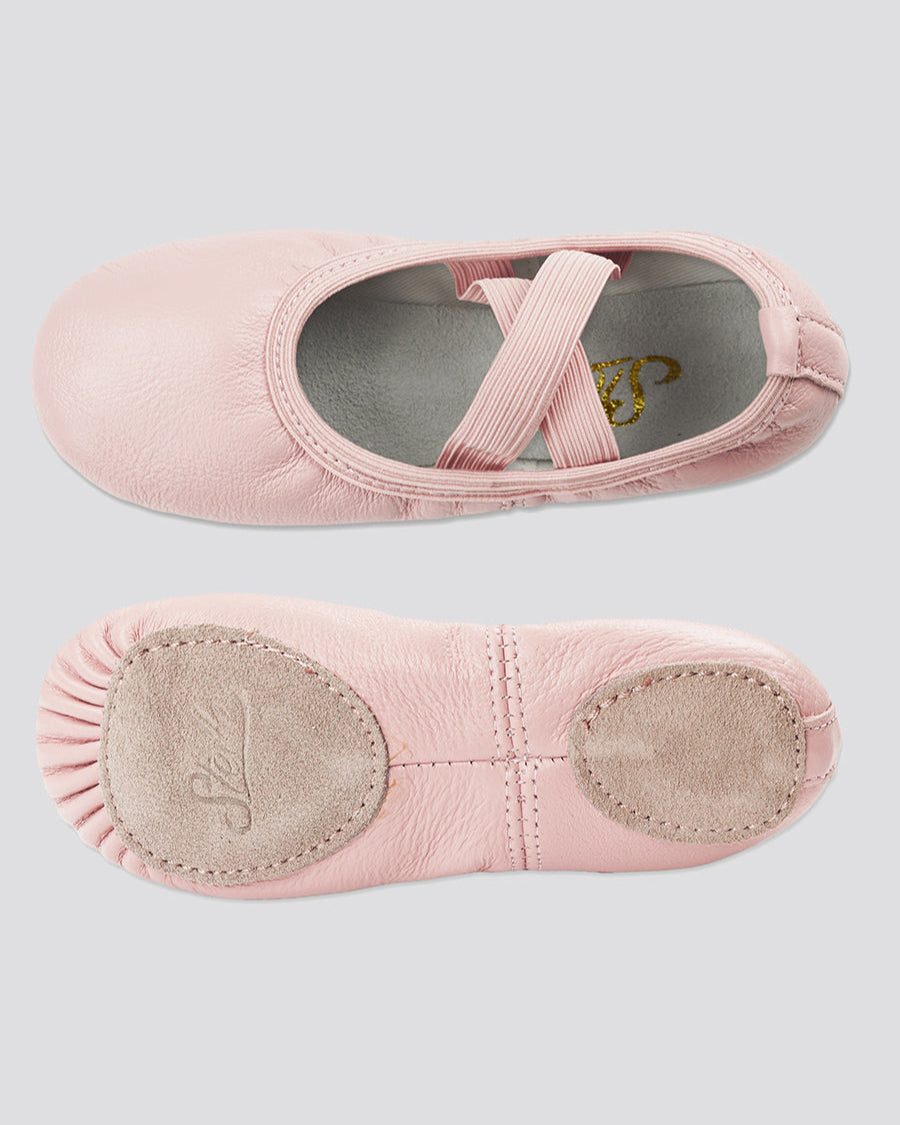
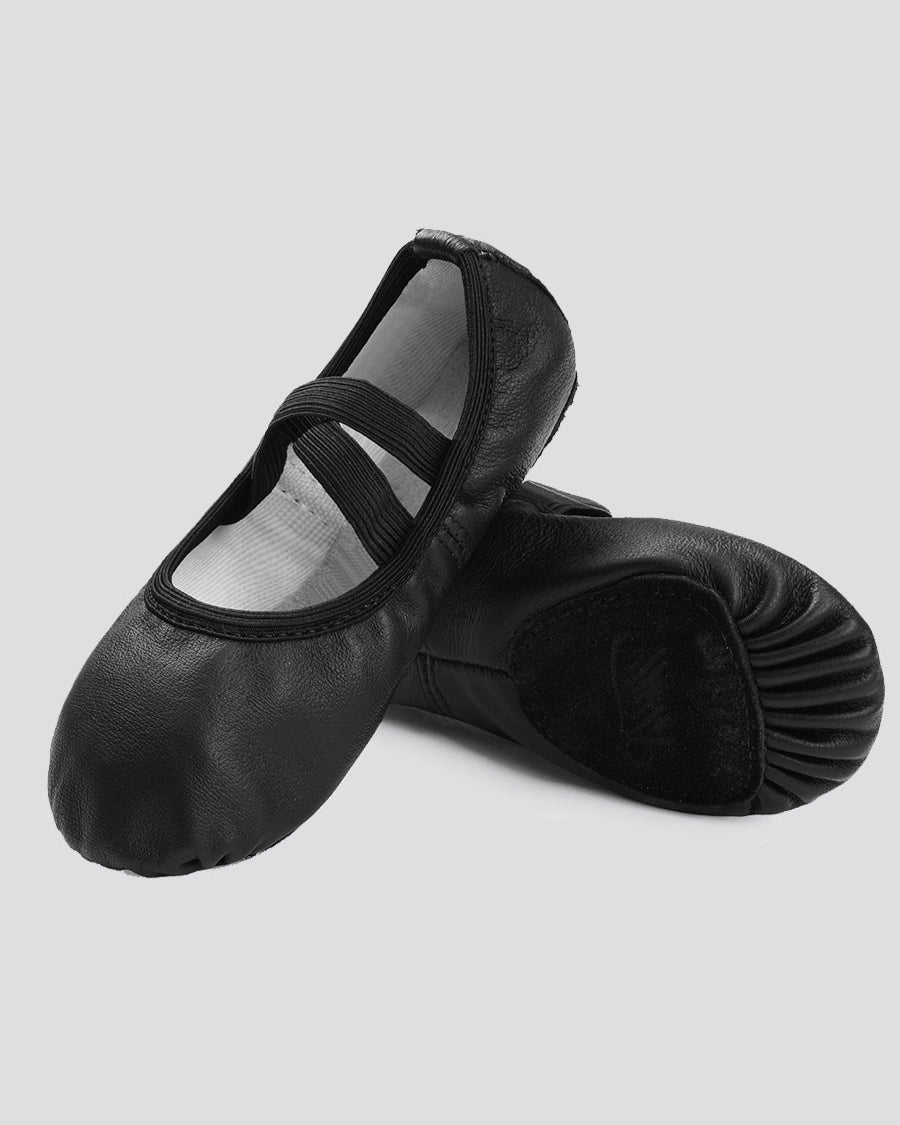
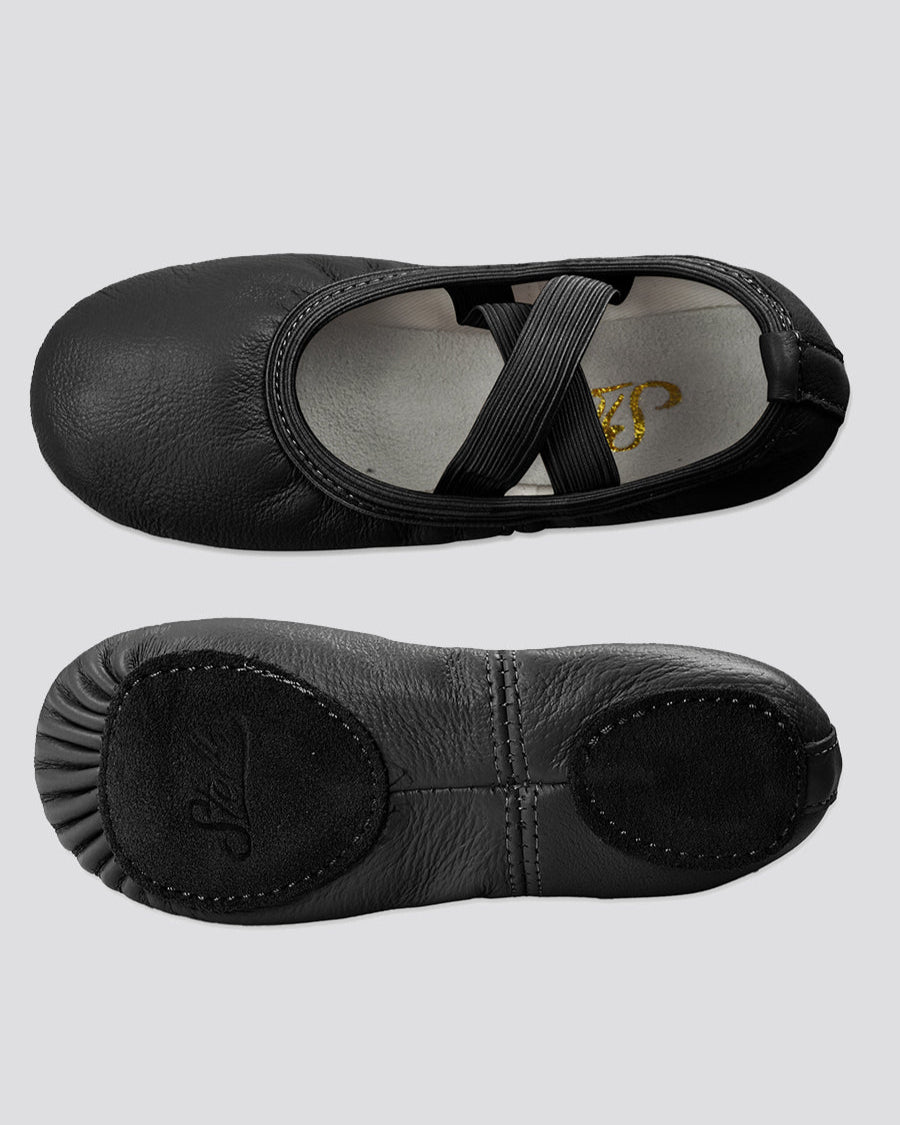
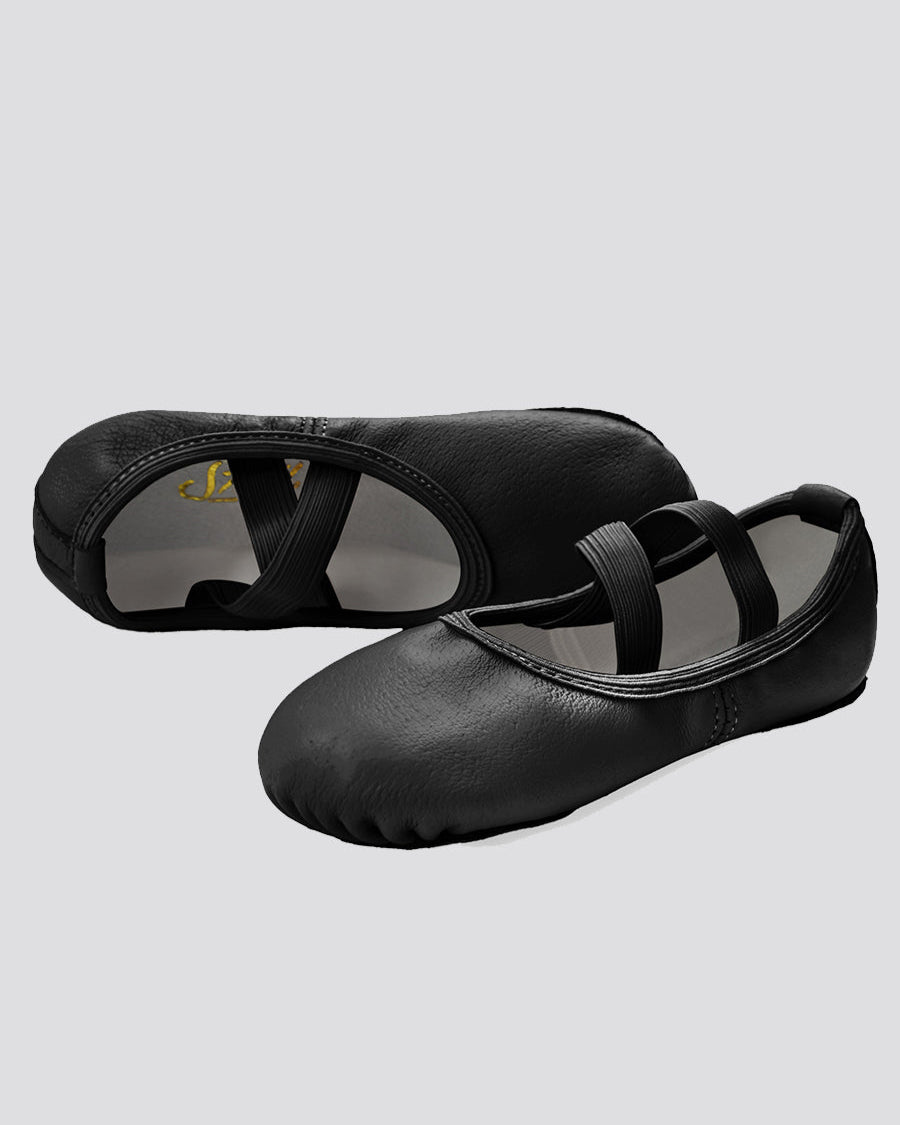
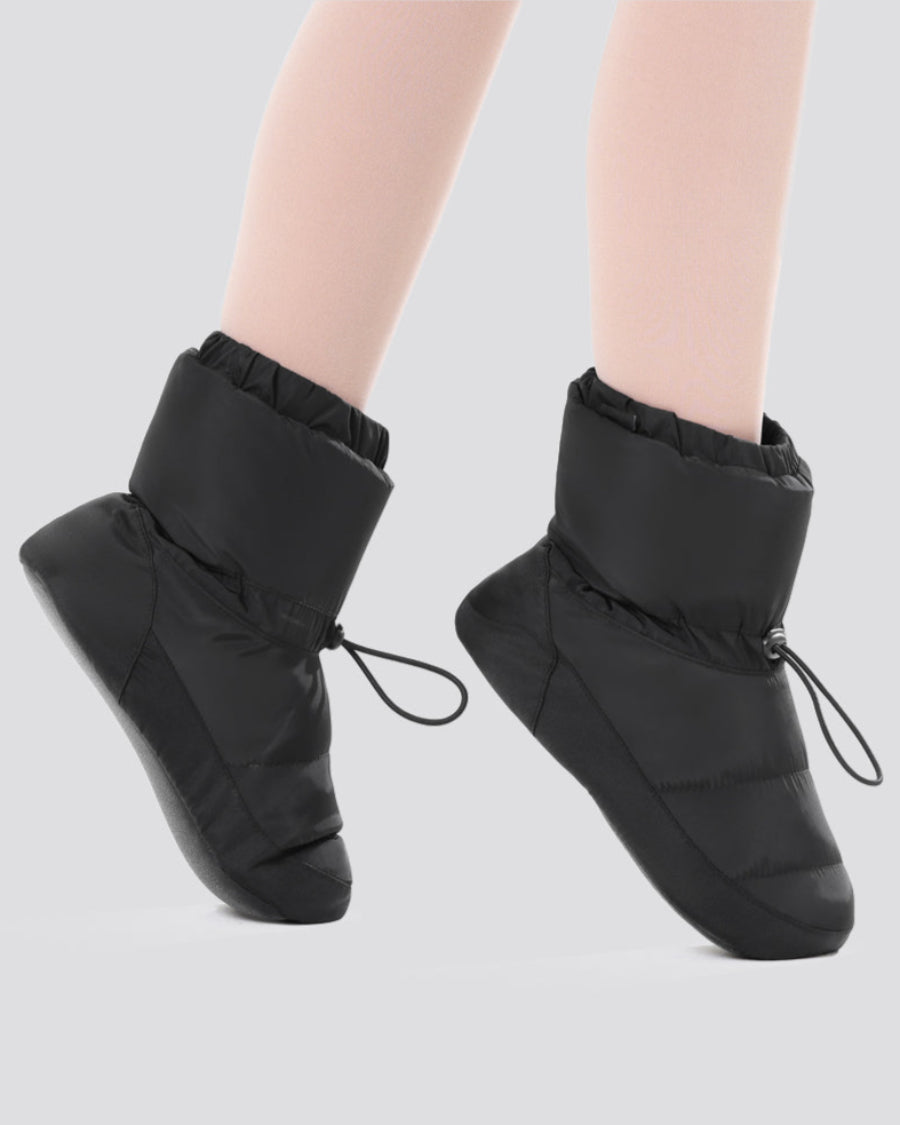
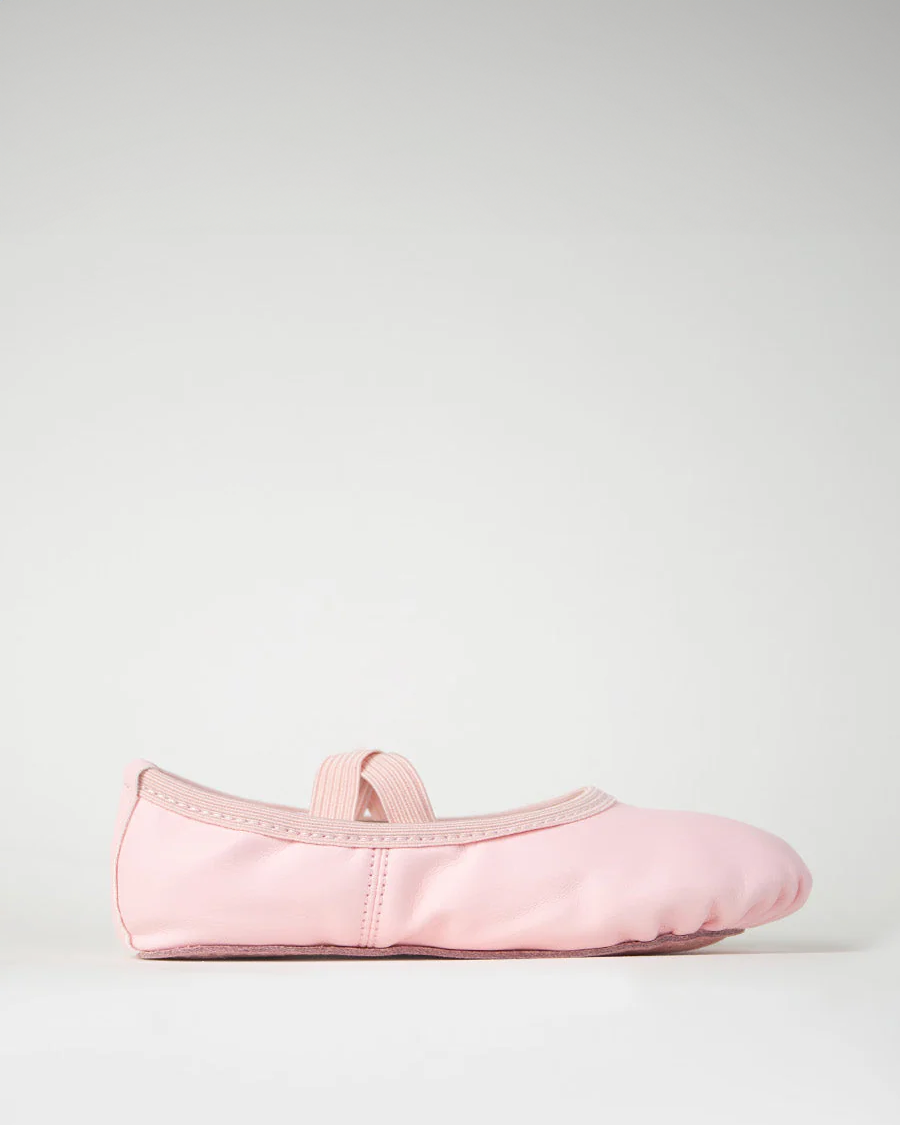
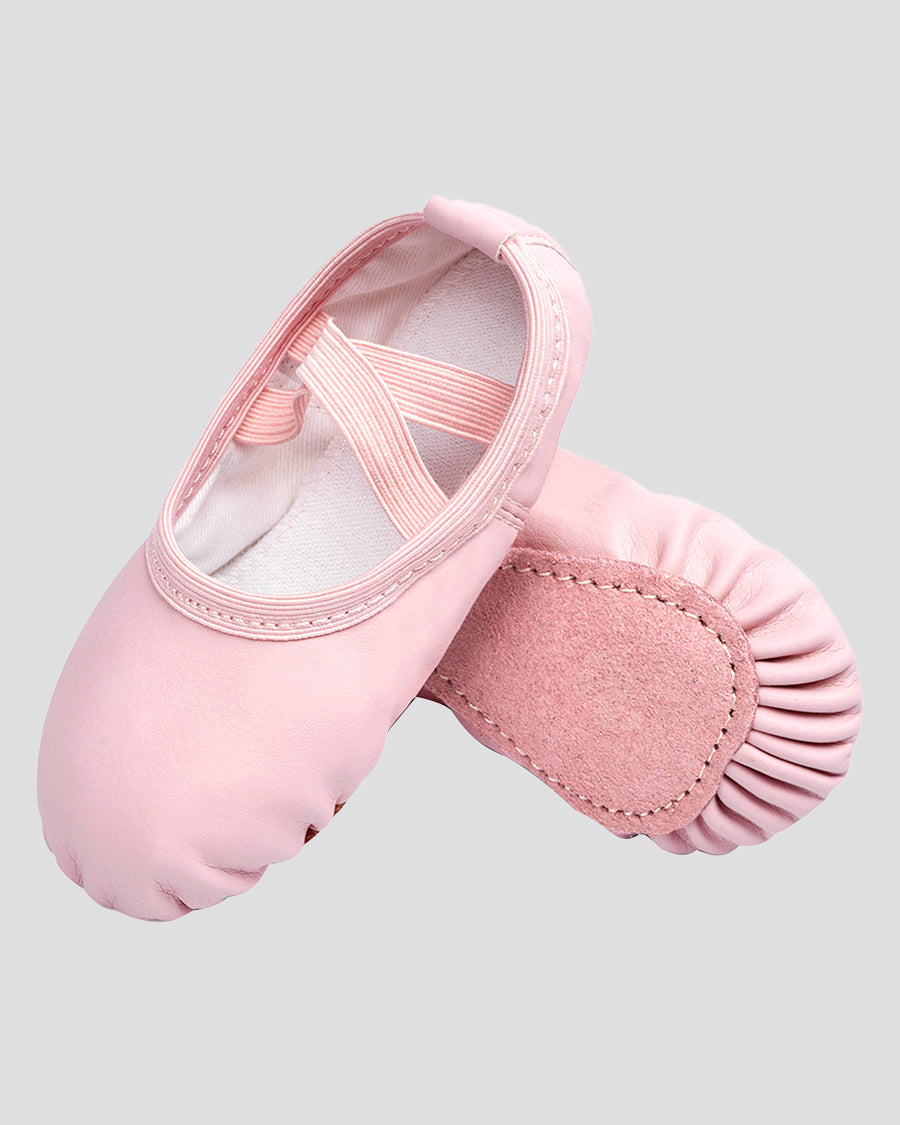
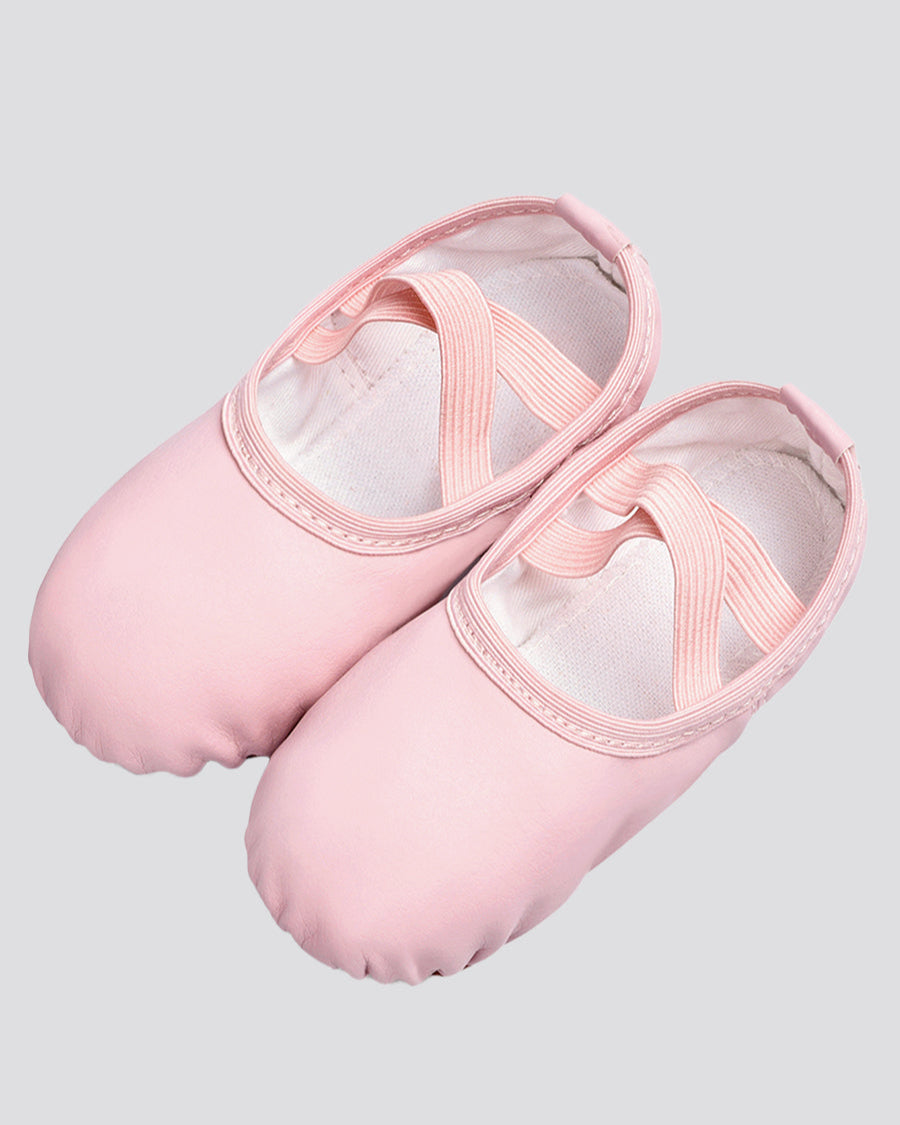
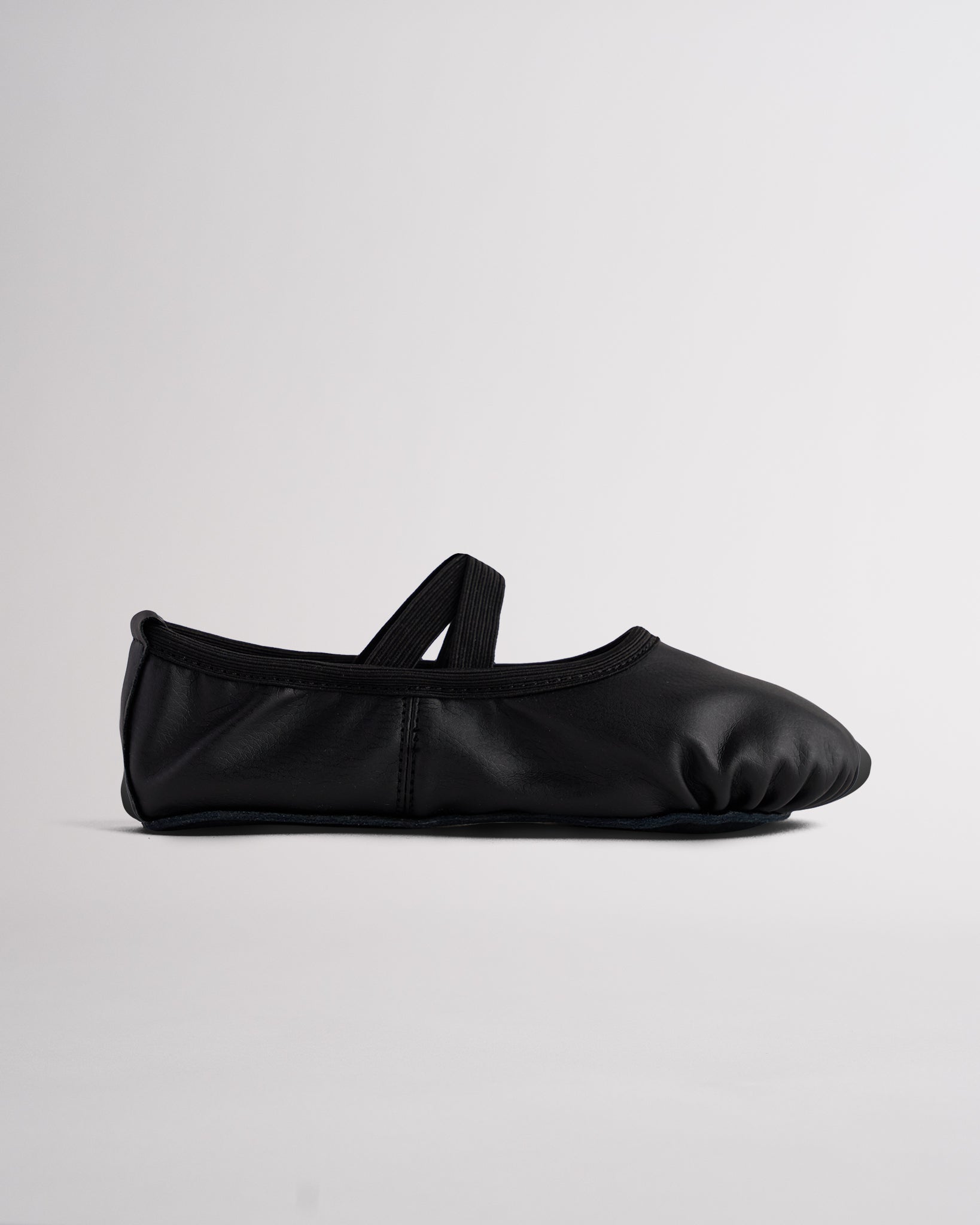
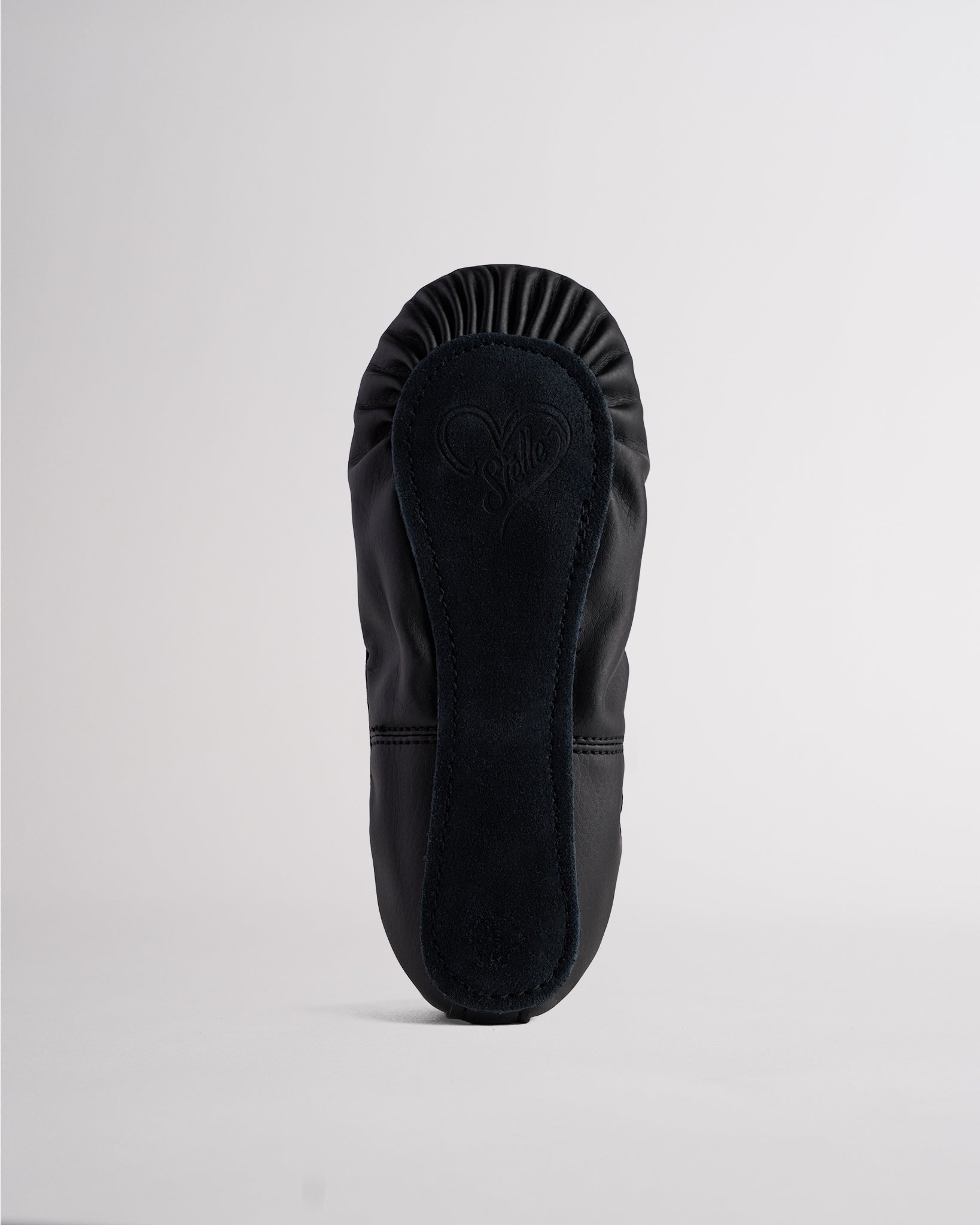
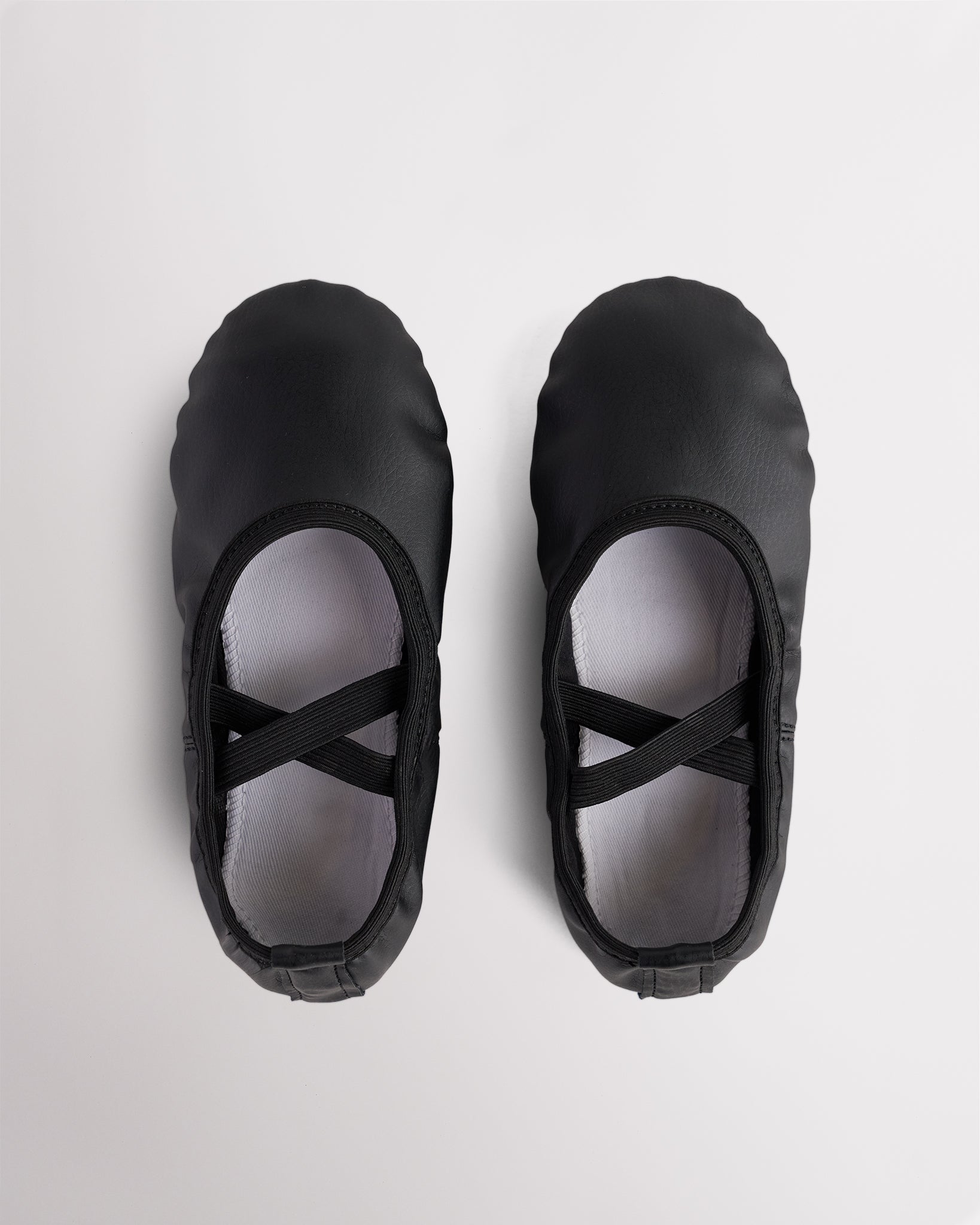
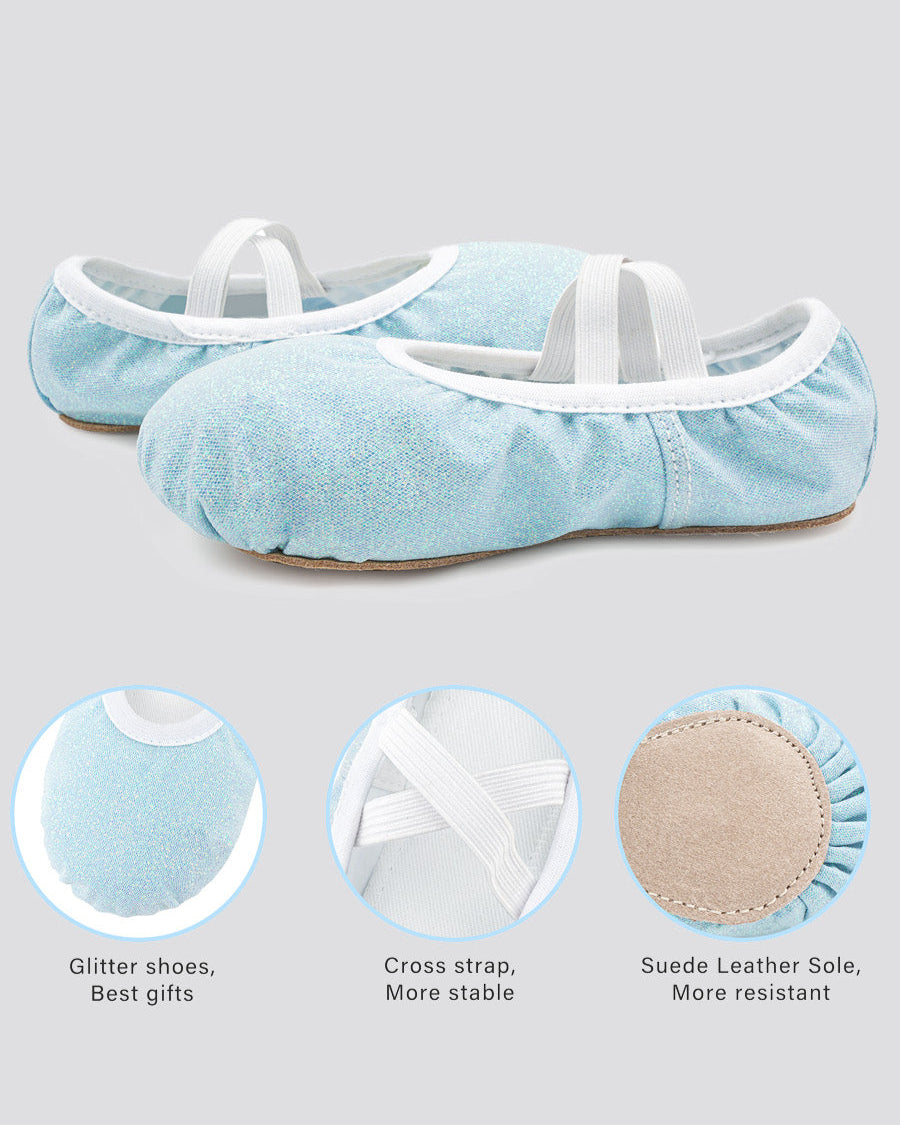
Flooring and footwear. Smooth, grippy flooring is the goal. Hardwood or laminate with ballet shoes or bare feet works for most classes; plain socks on hard floors get slippery fast, so save them for carpet or grab grip socks. Skip dancing in sneakers indoors for ballet-style classes, since they block the foot articulation the teacher is asking for. If dance at home is becoming a habit, our guide to building an at-home dance studio covers flooring and barre options properly.
-
Device placement. Put the screen at your child's chest height, far enough back to show their whole body, and prop it stably (a chair works; a wobbly shelf does not). For live classes, the teacher can only correct what the camera shows, so full-body framing is usually the highest-impact setup fix.
-
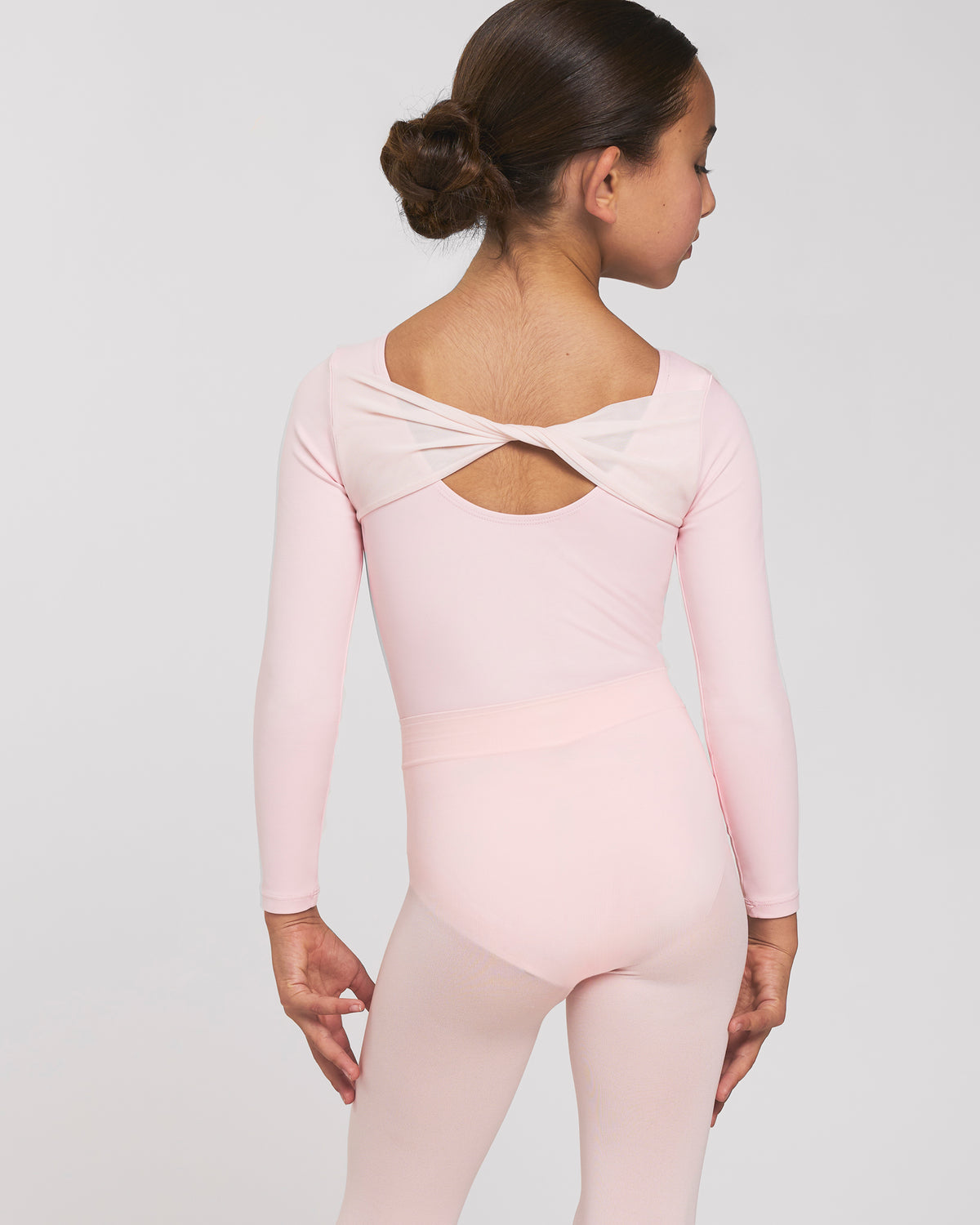
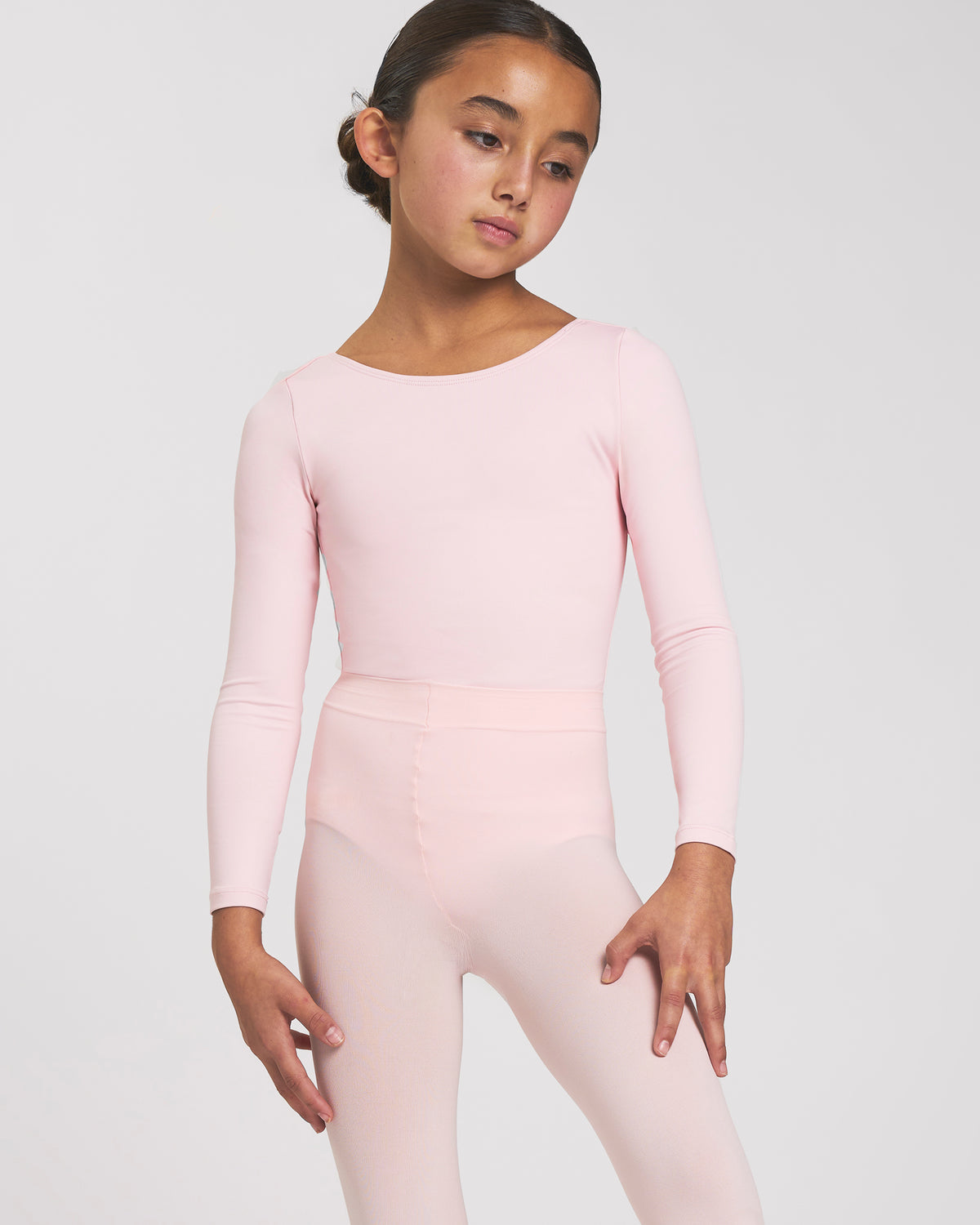
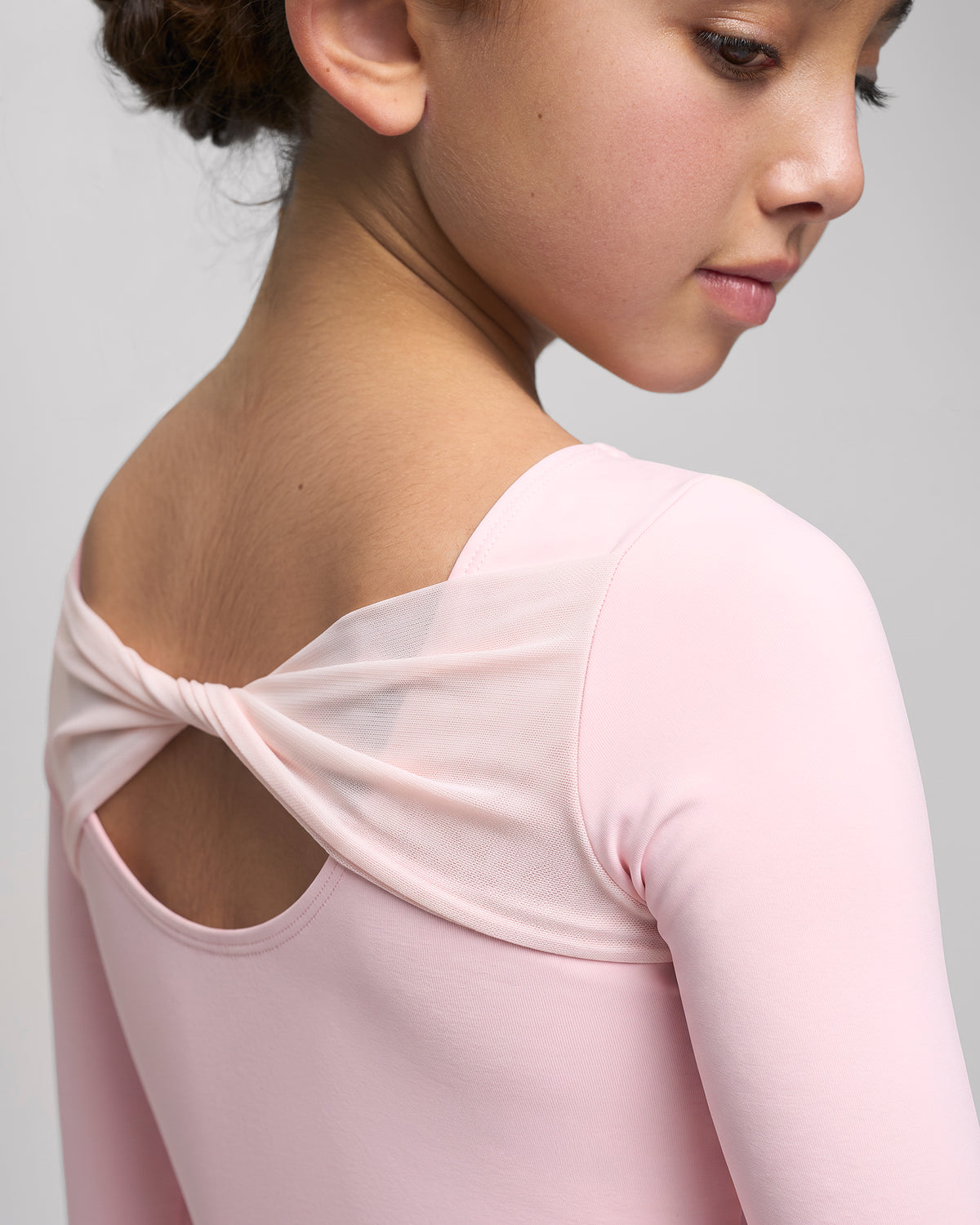
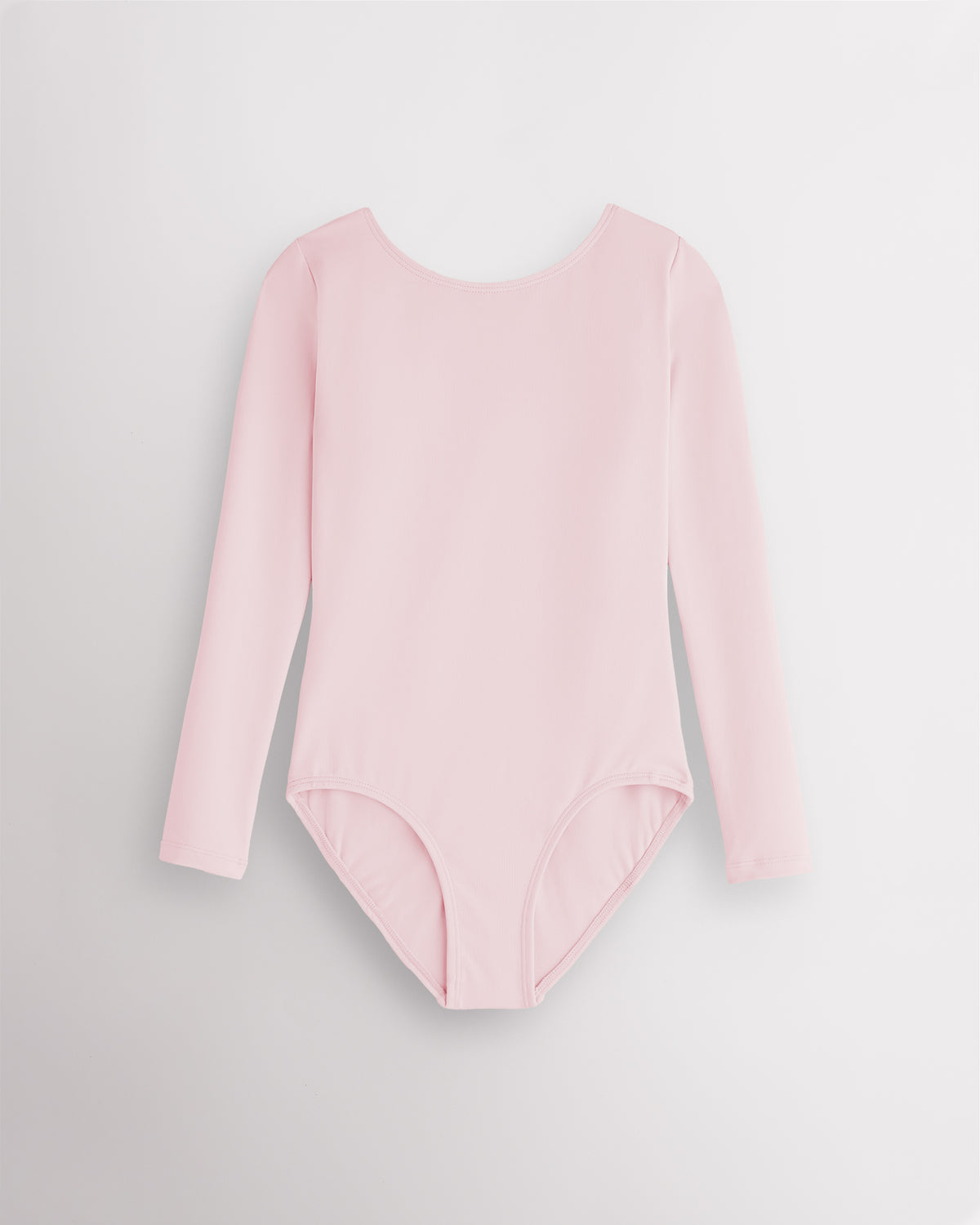
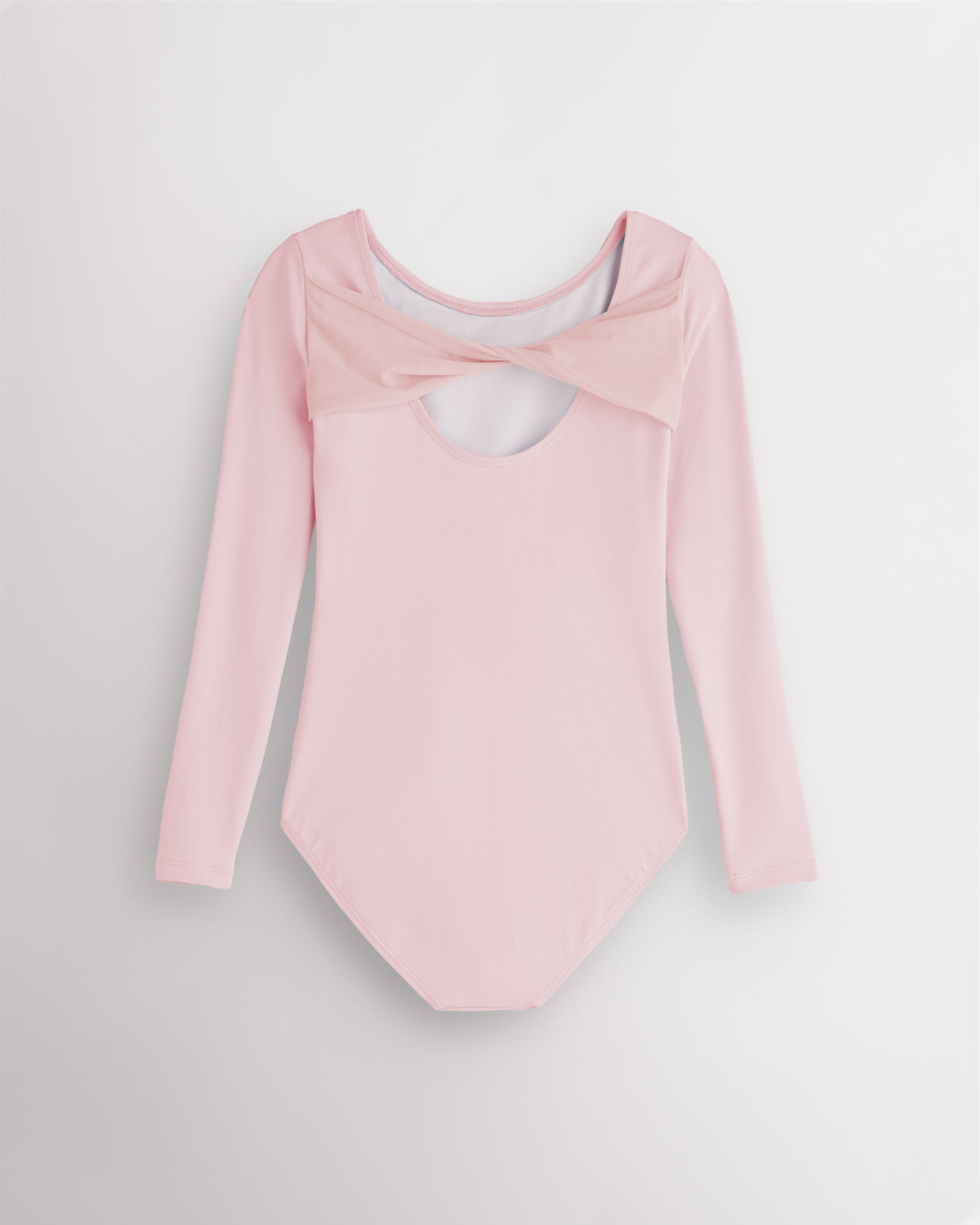
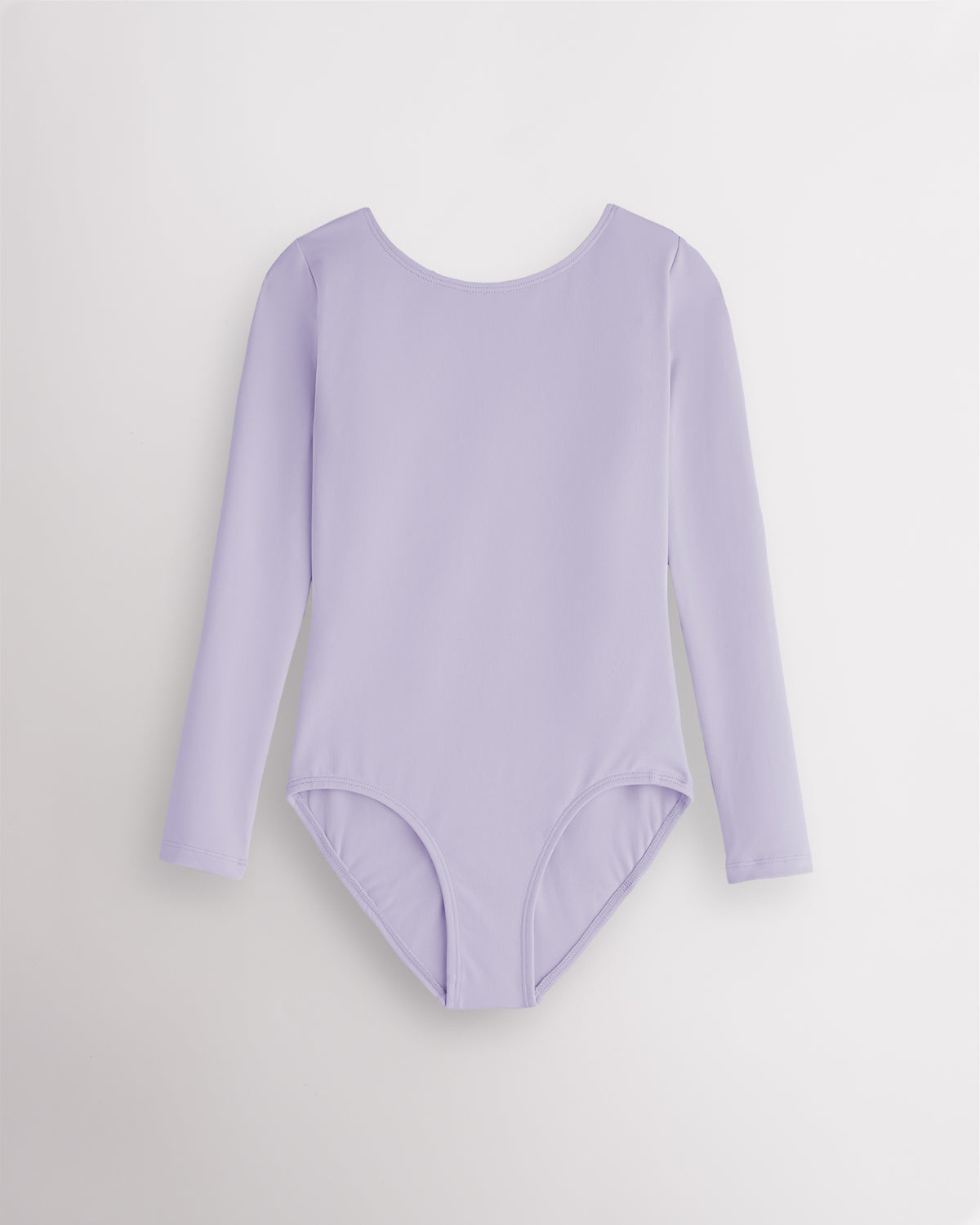
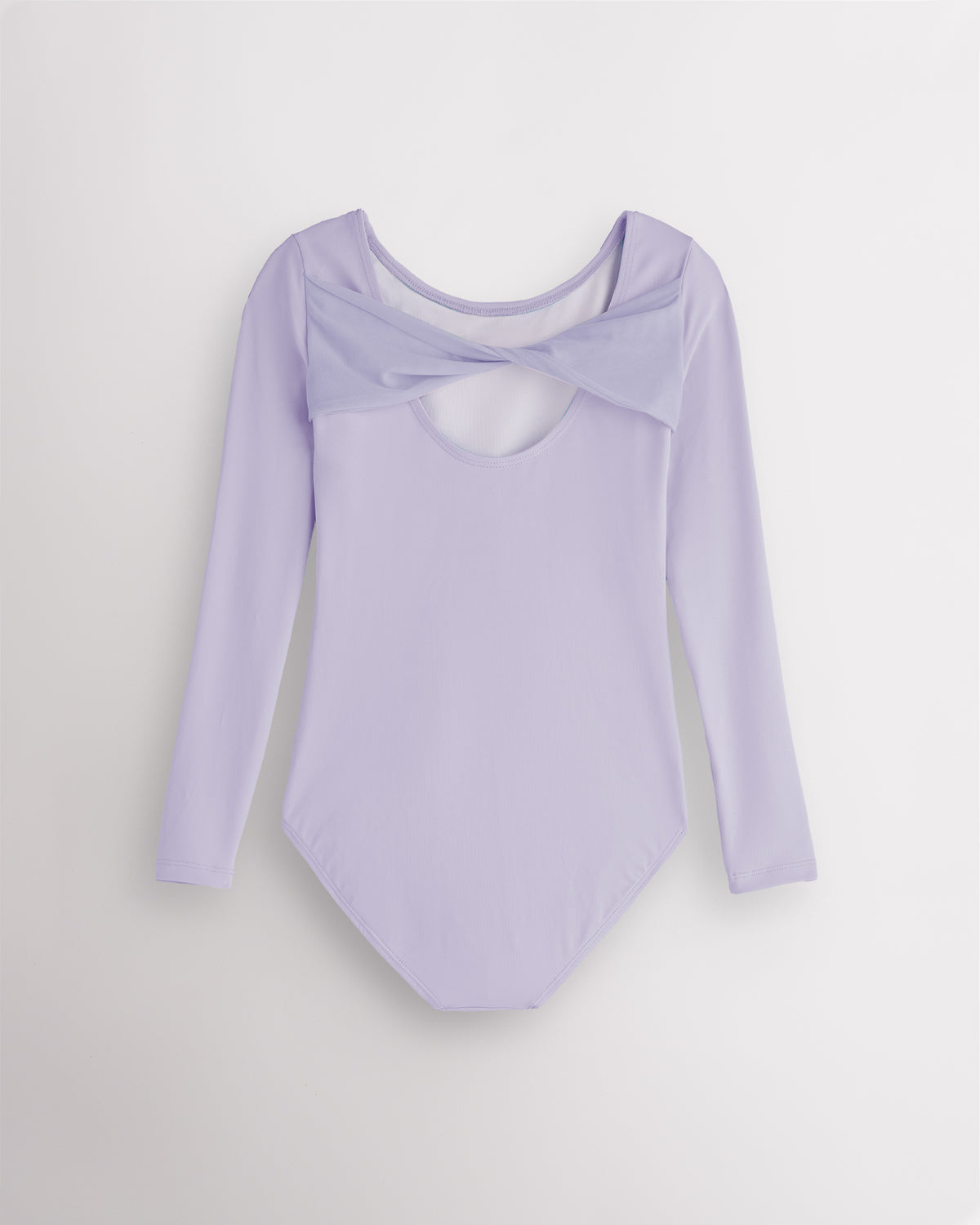
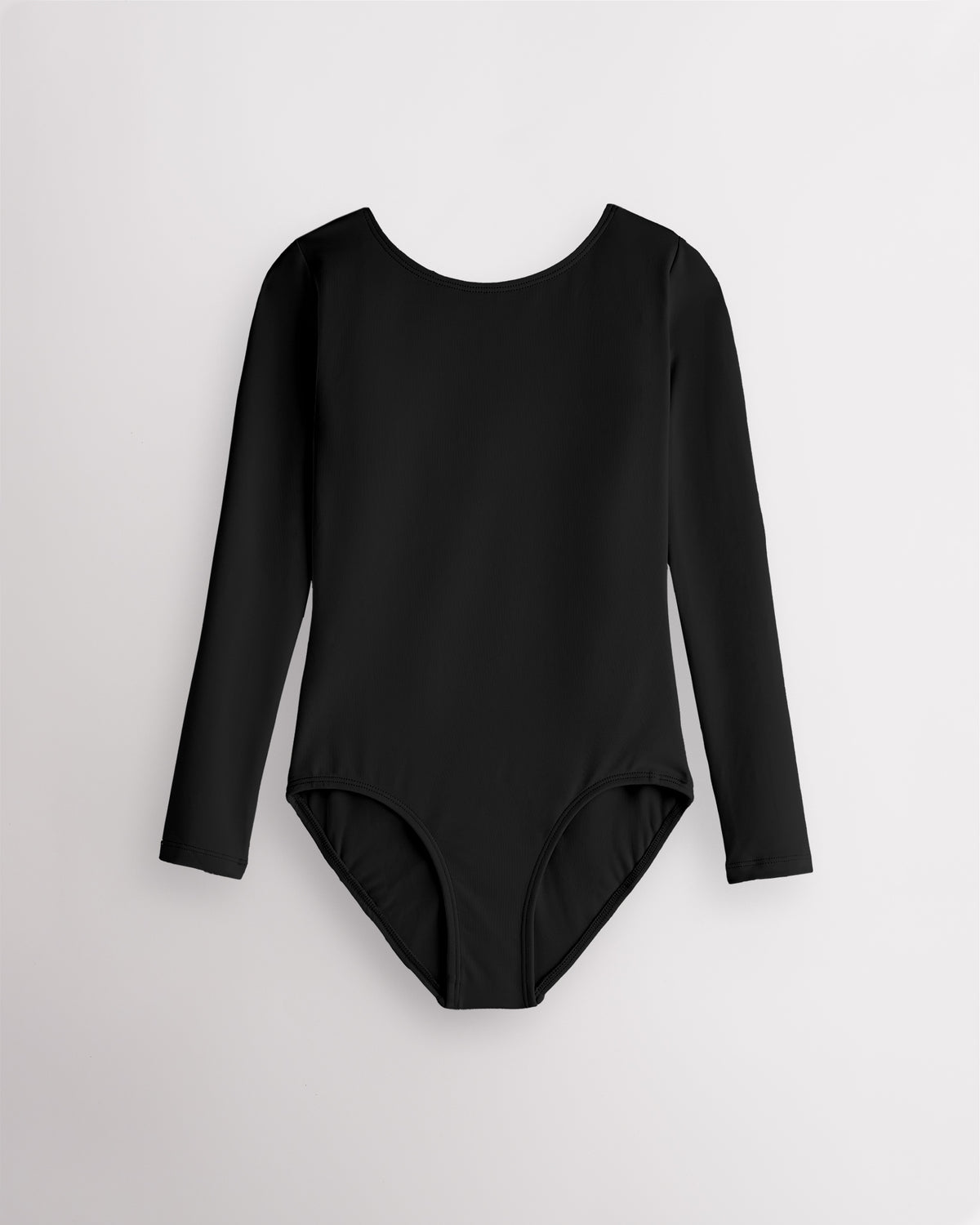
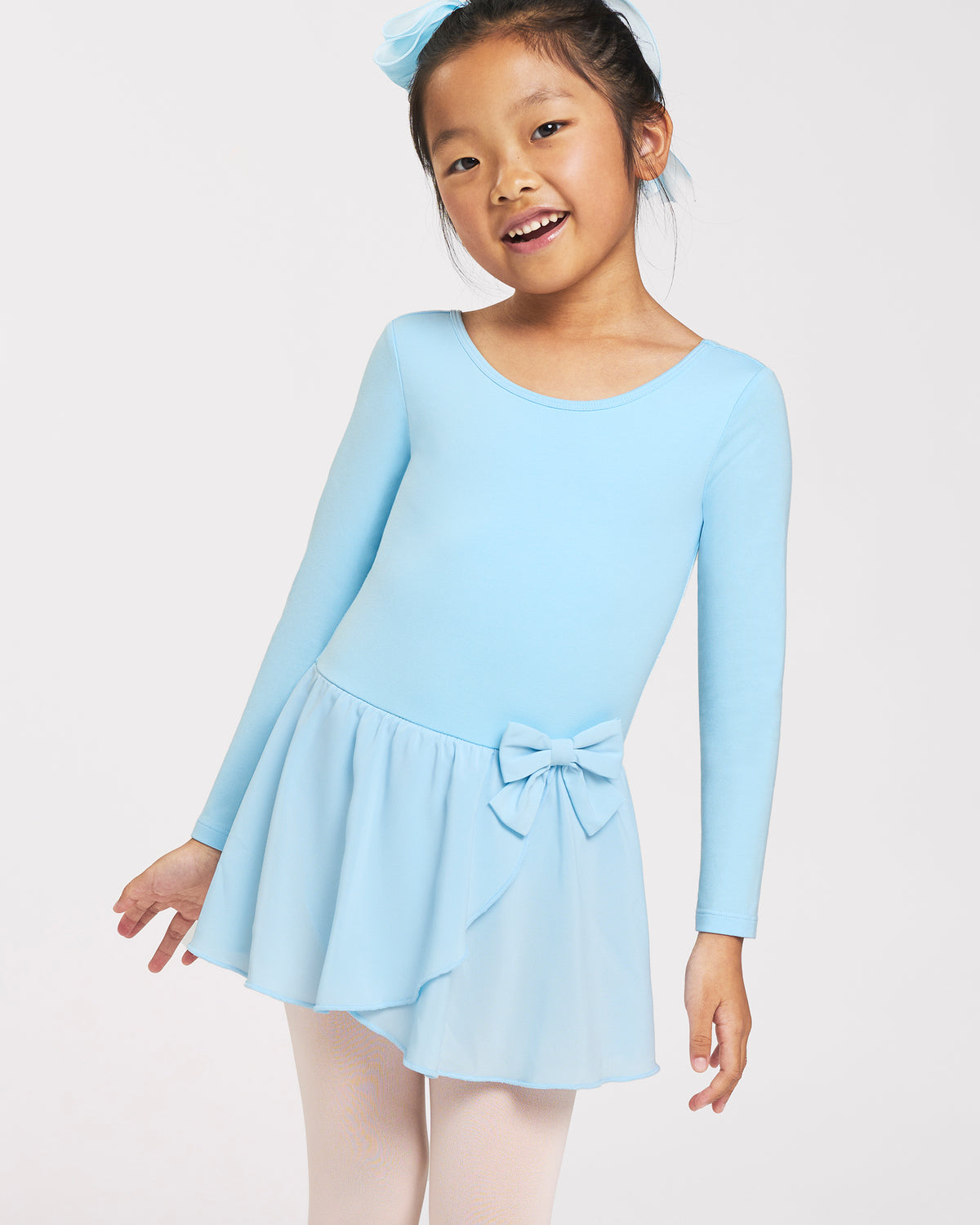
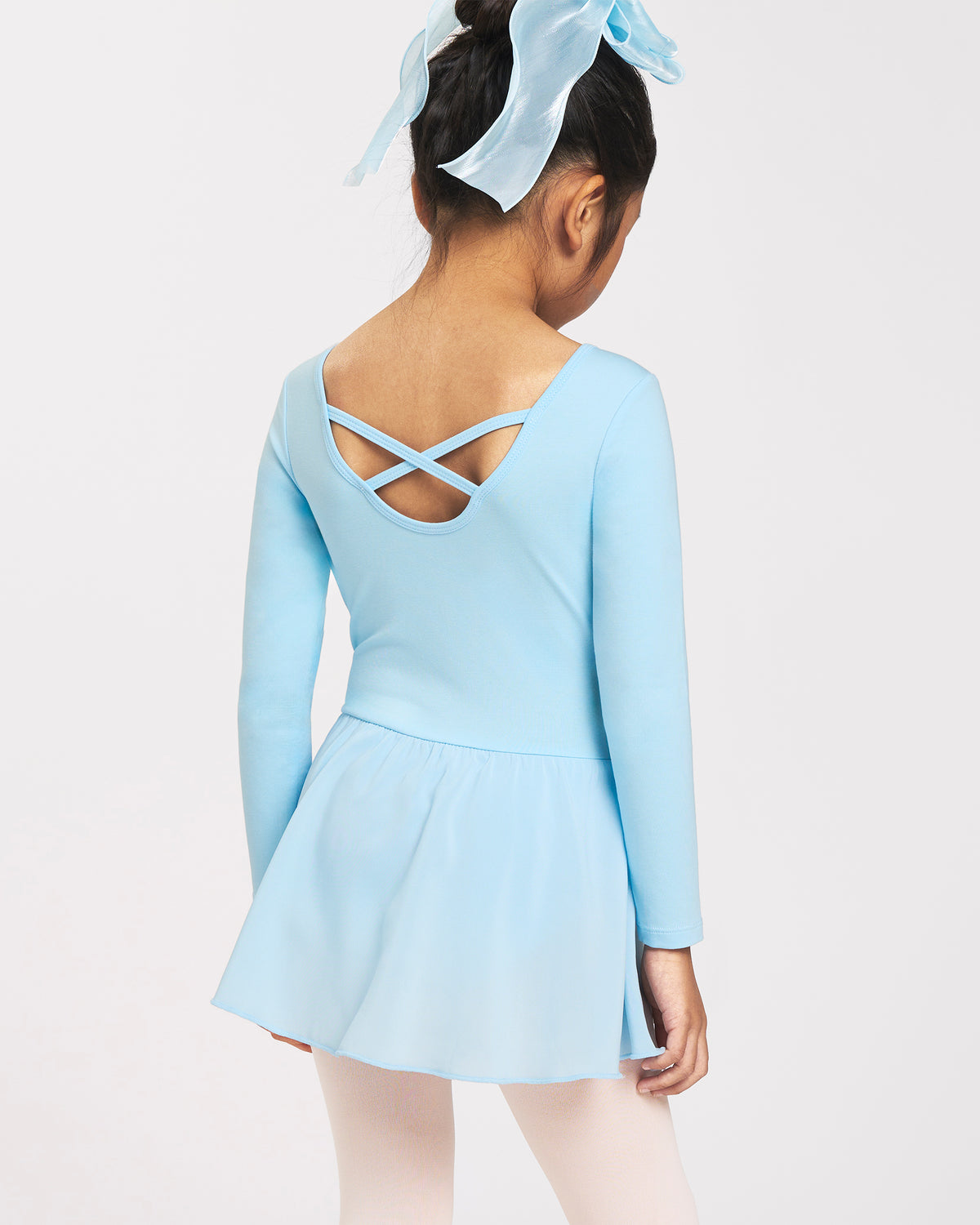
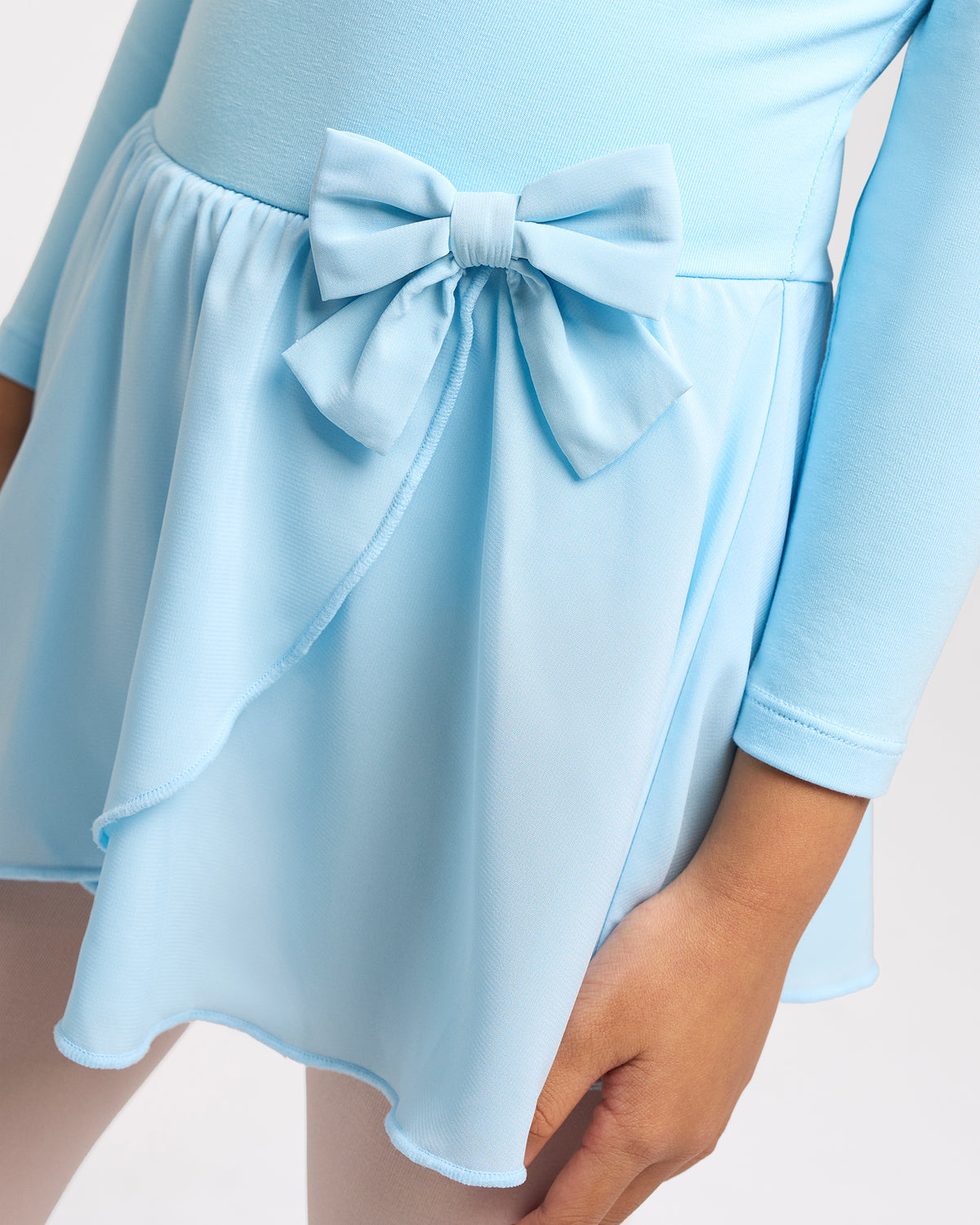
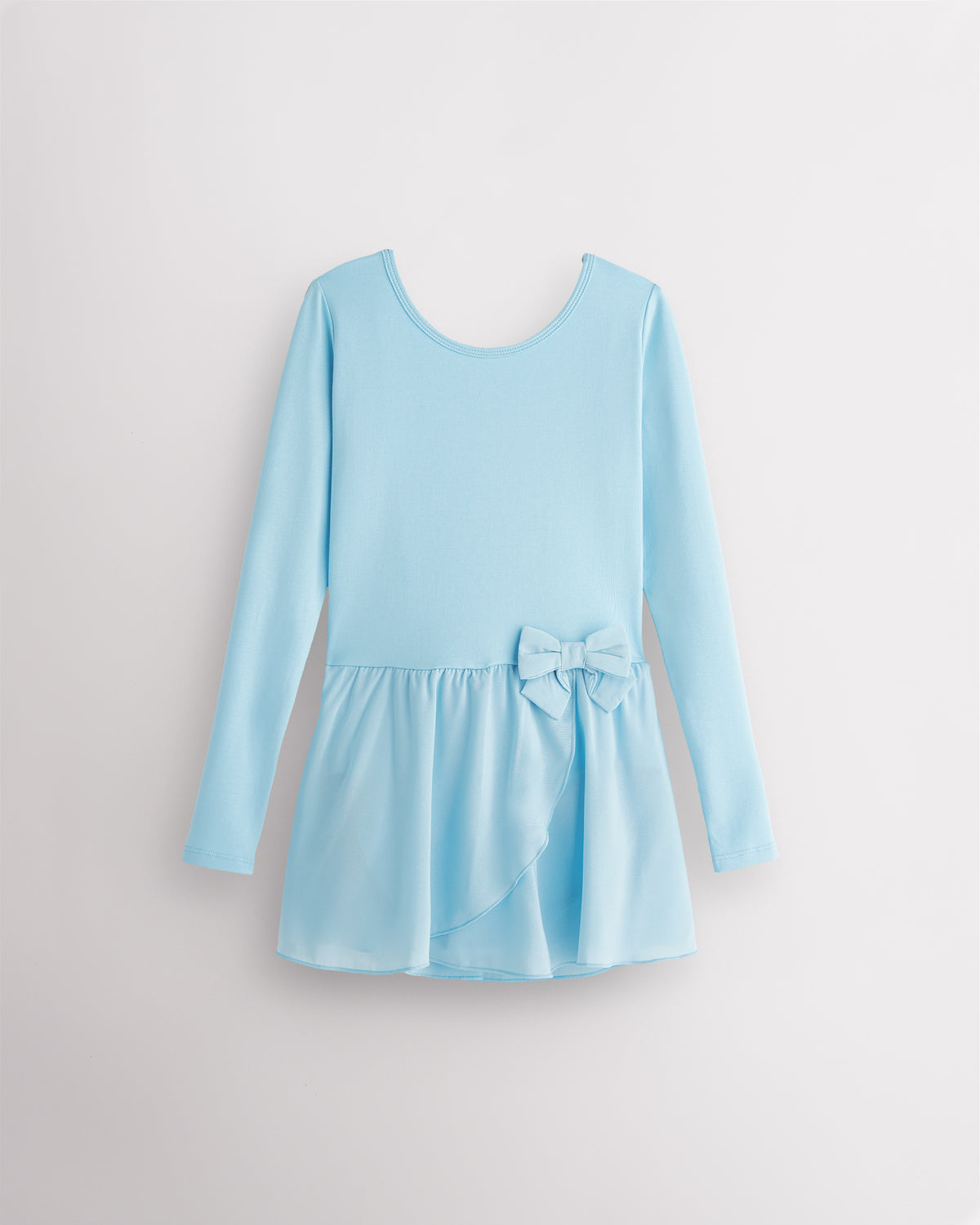
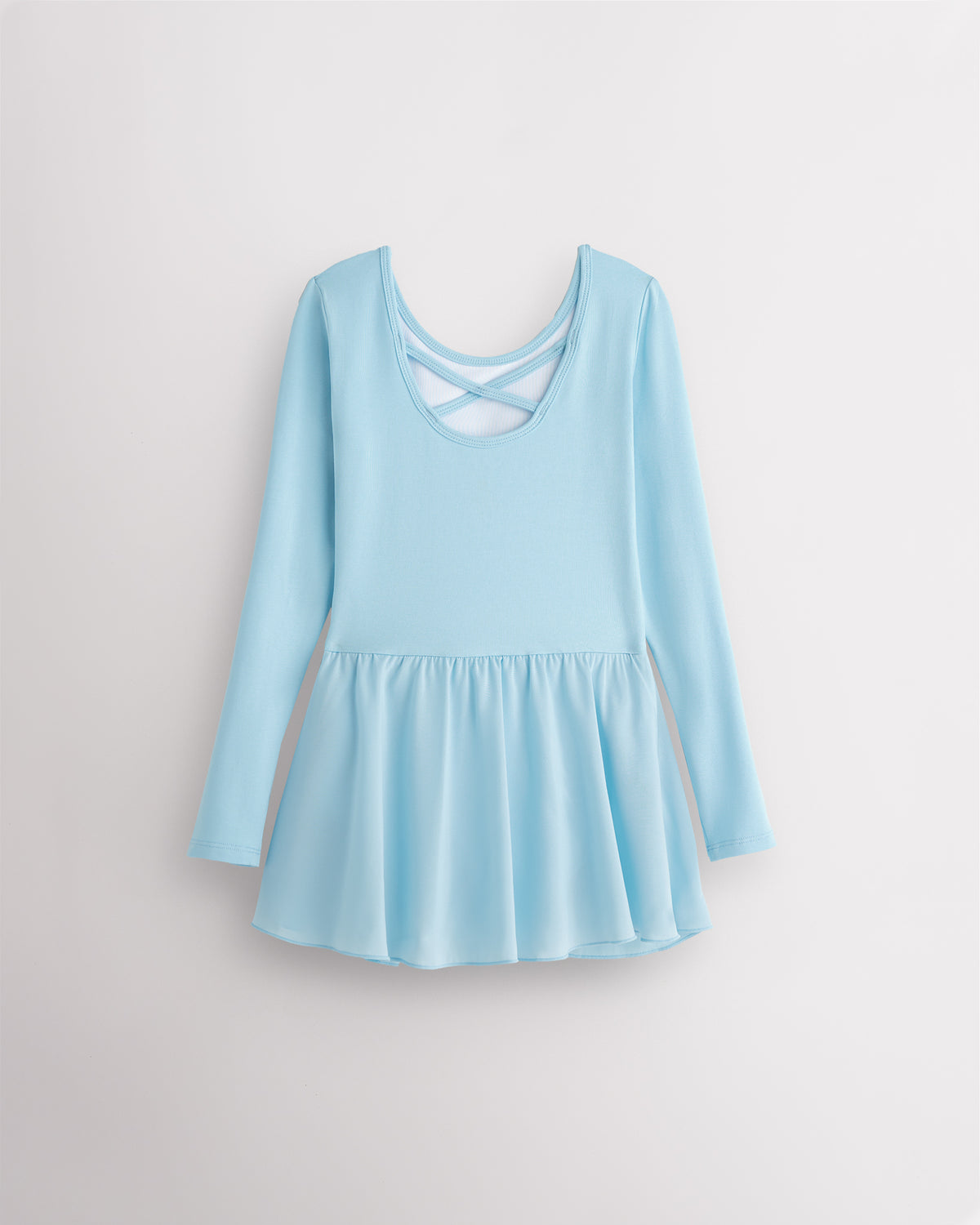
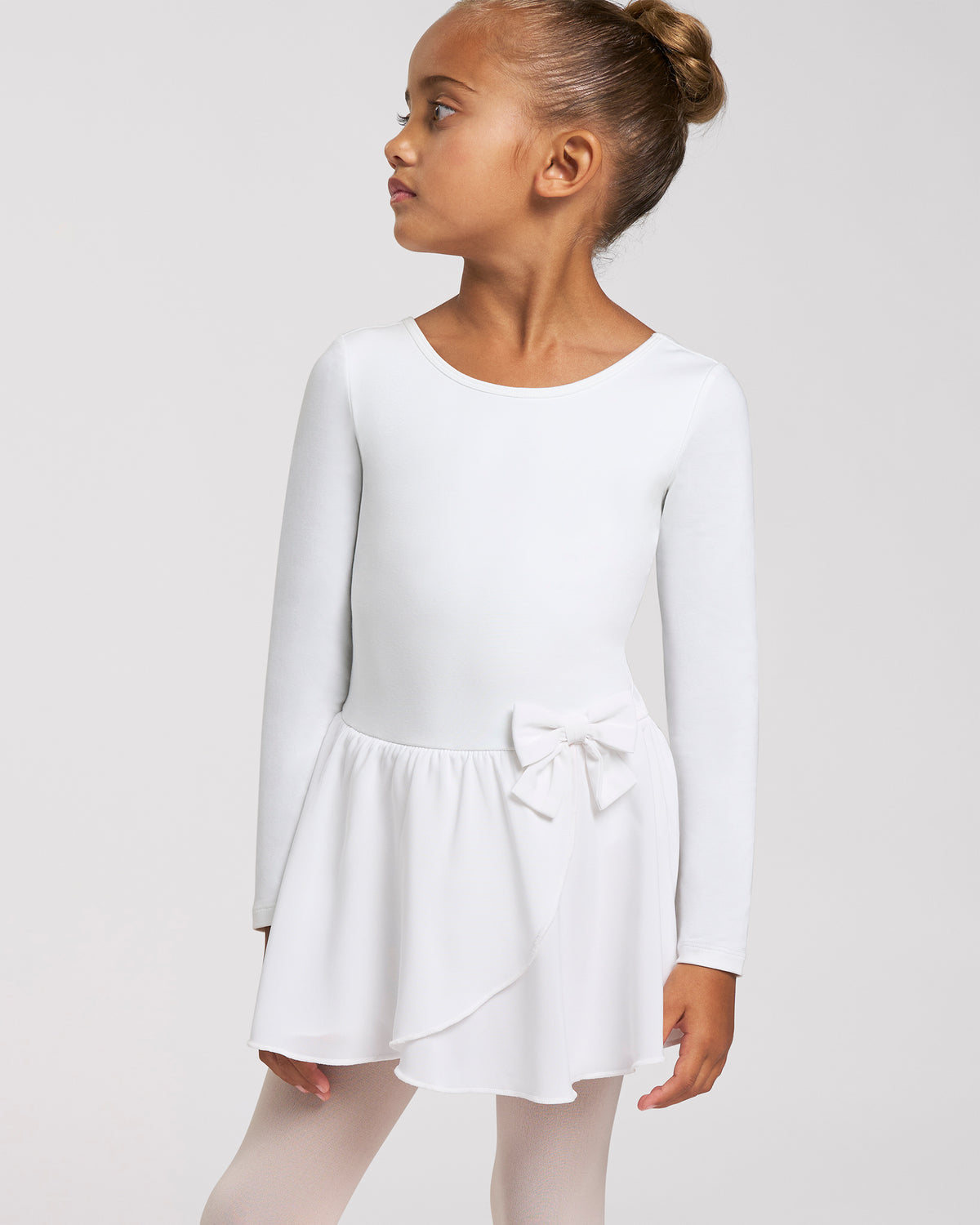
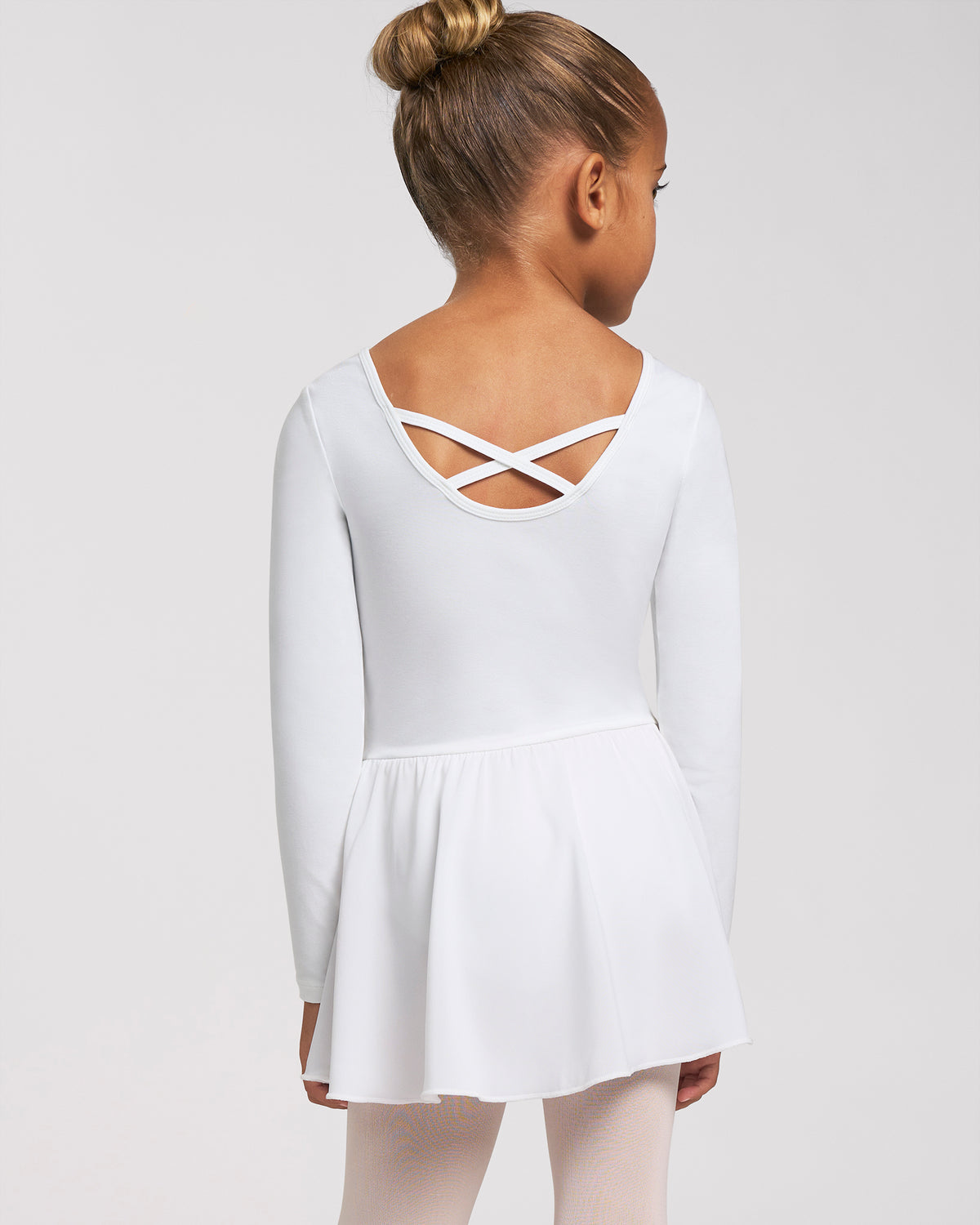
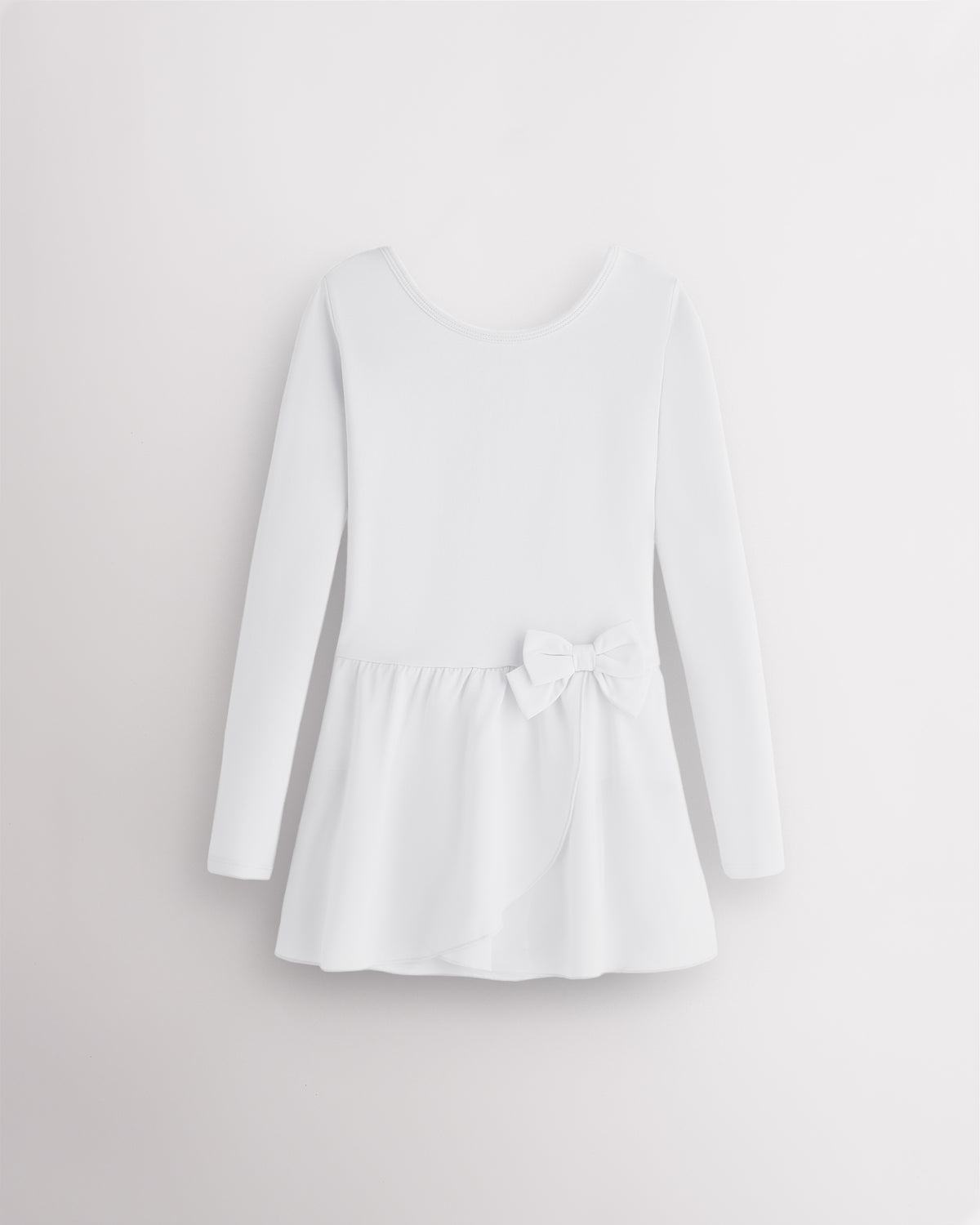
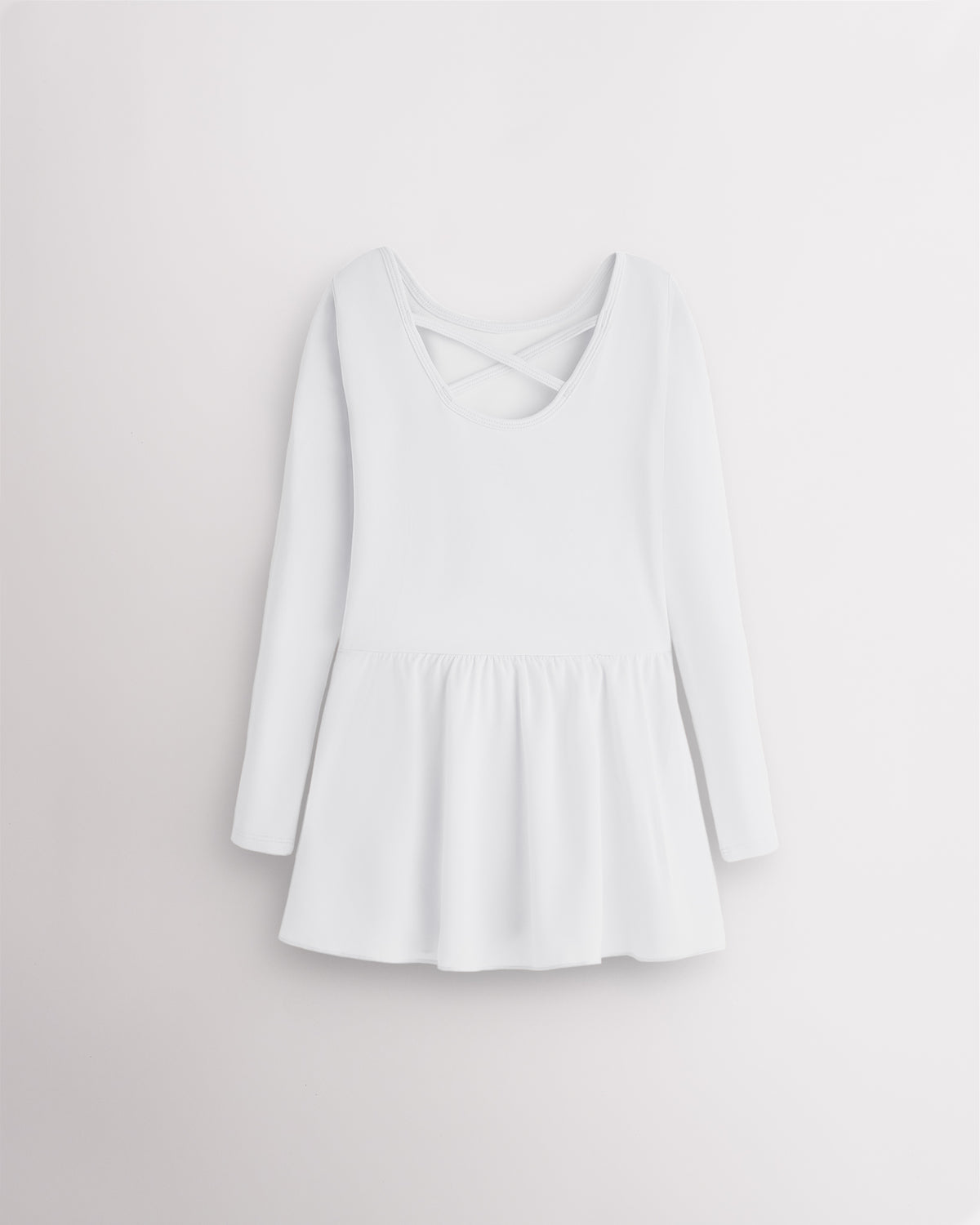
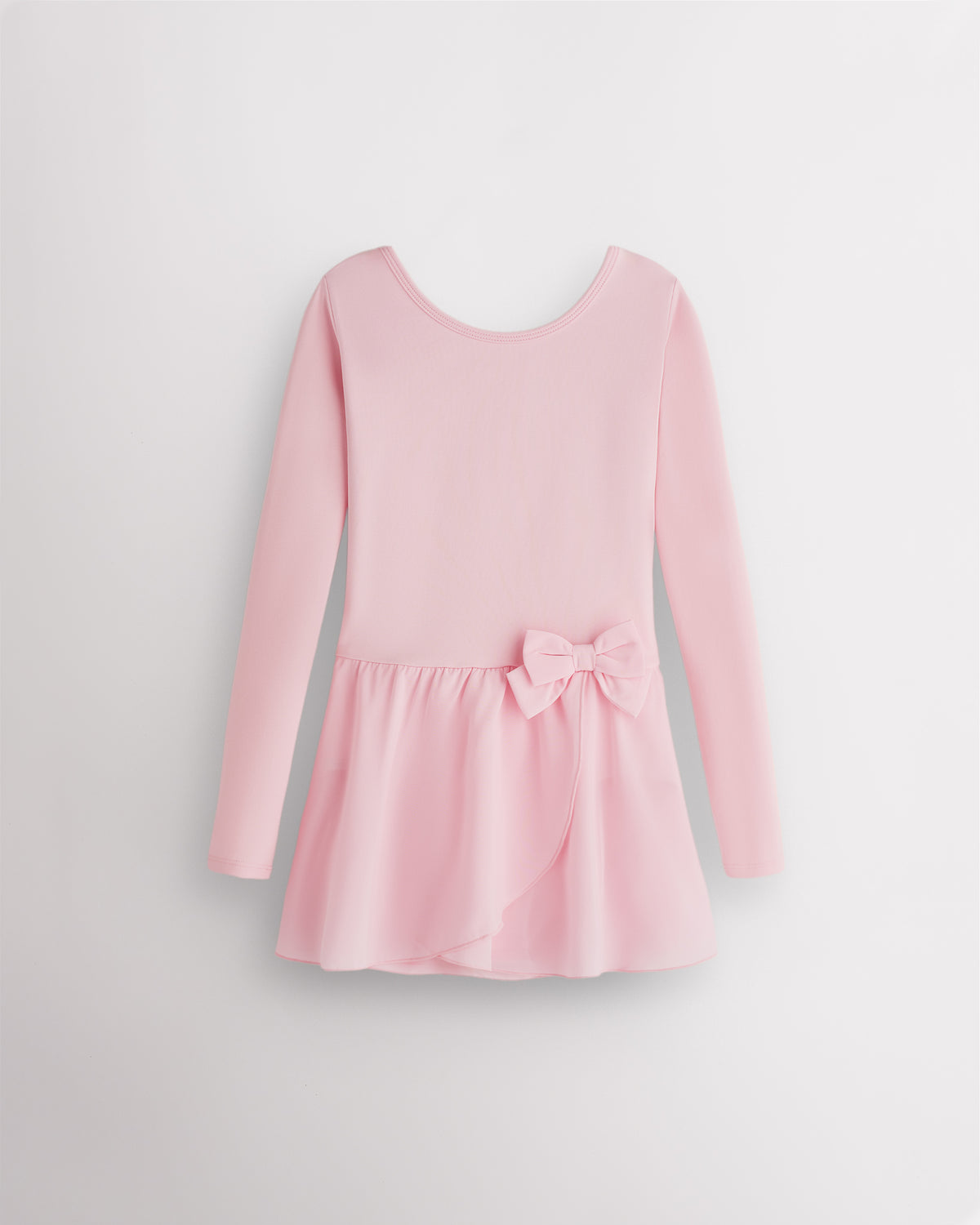
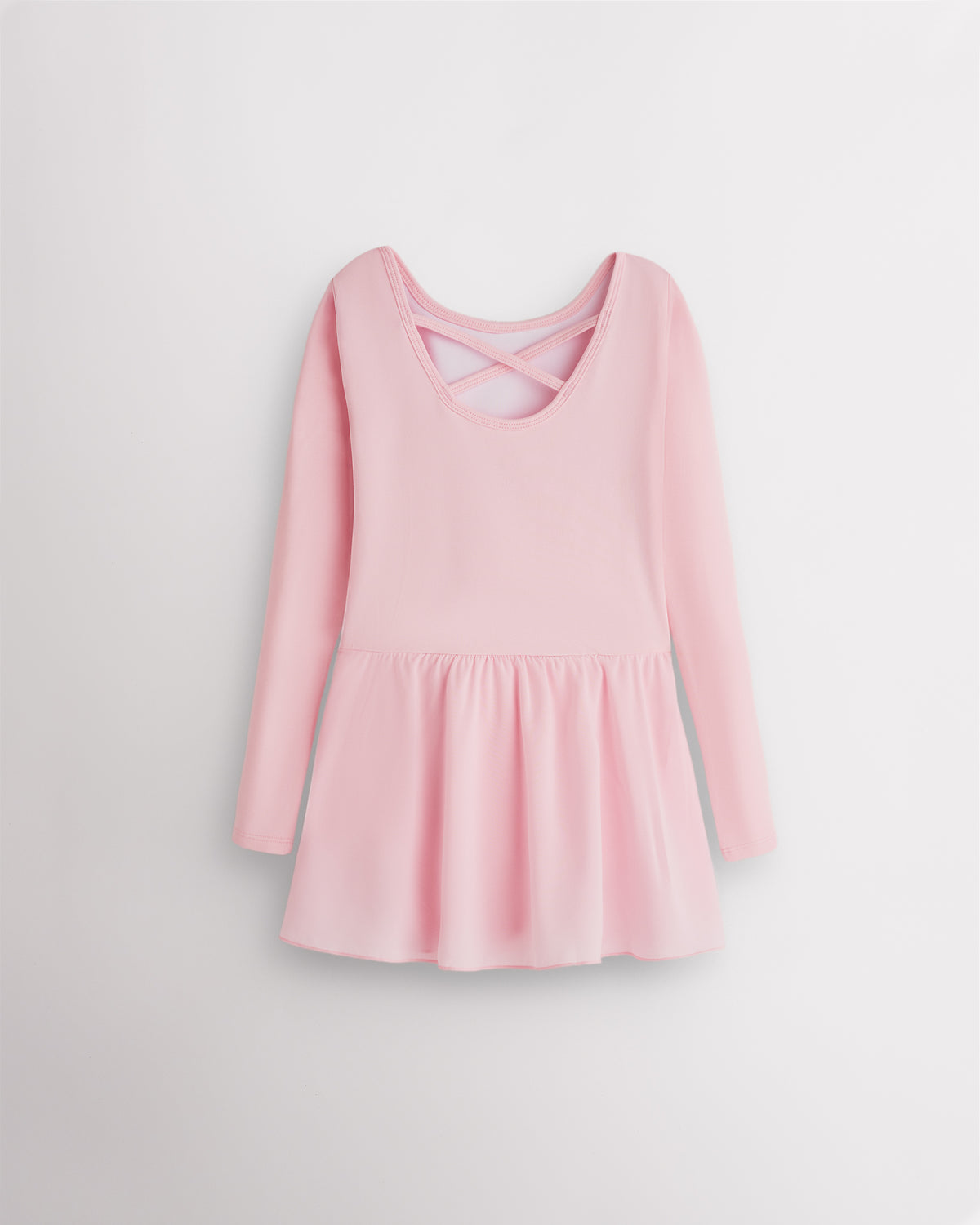
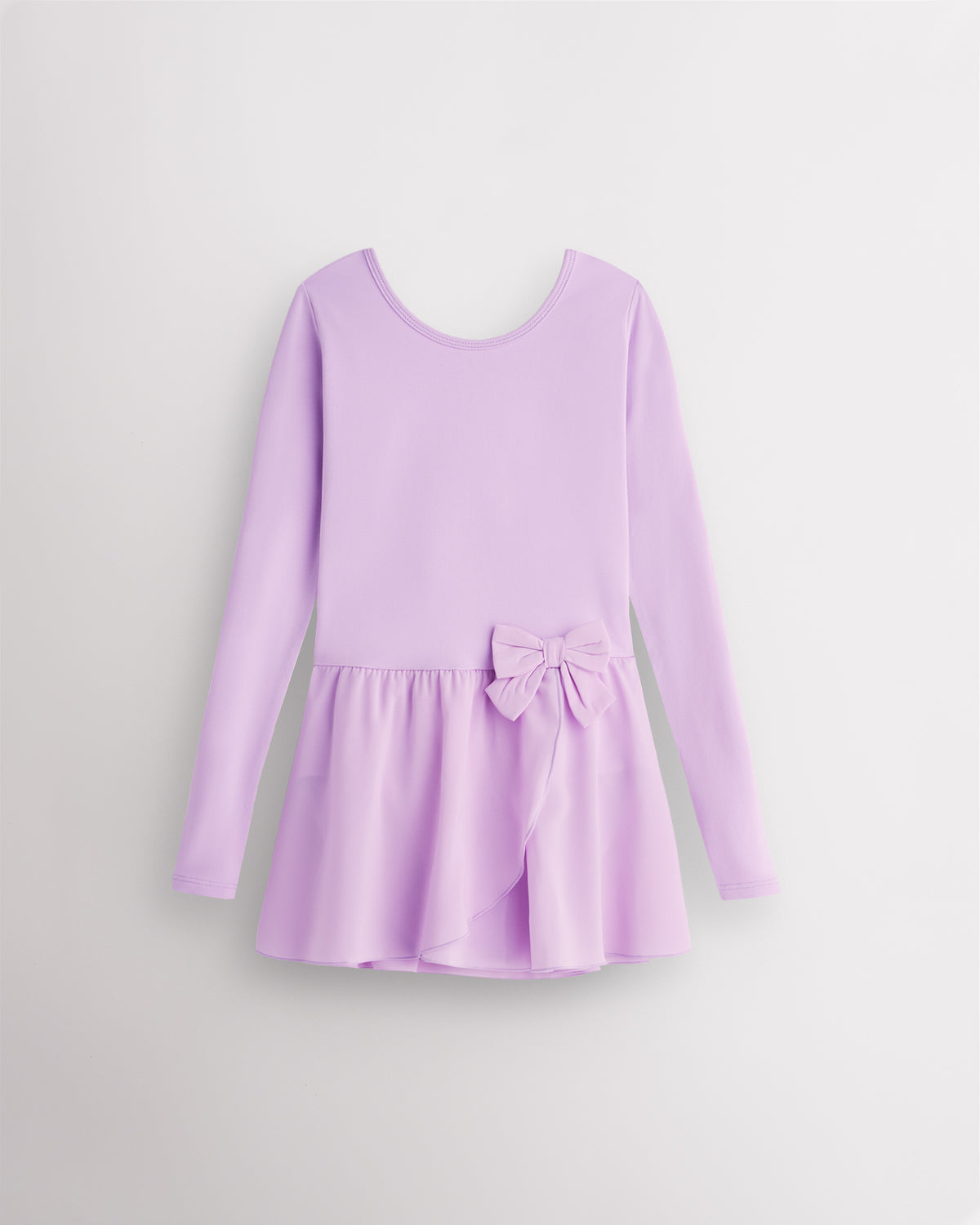
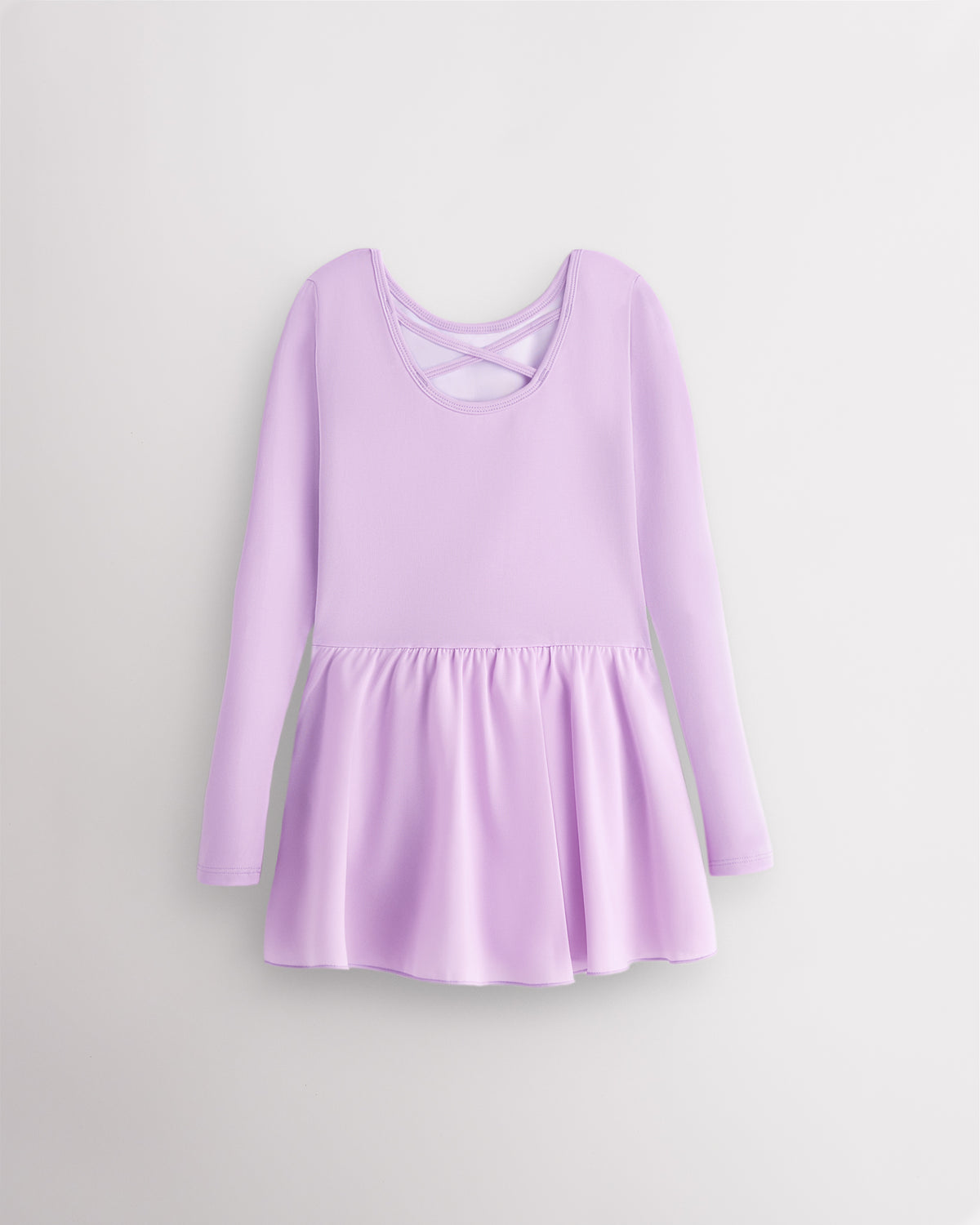
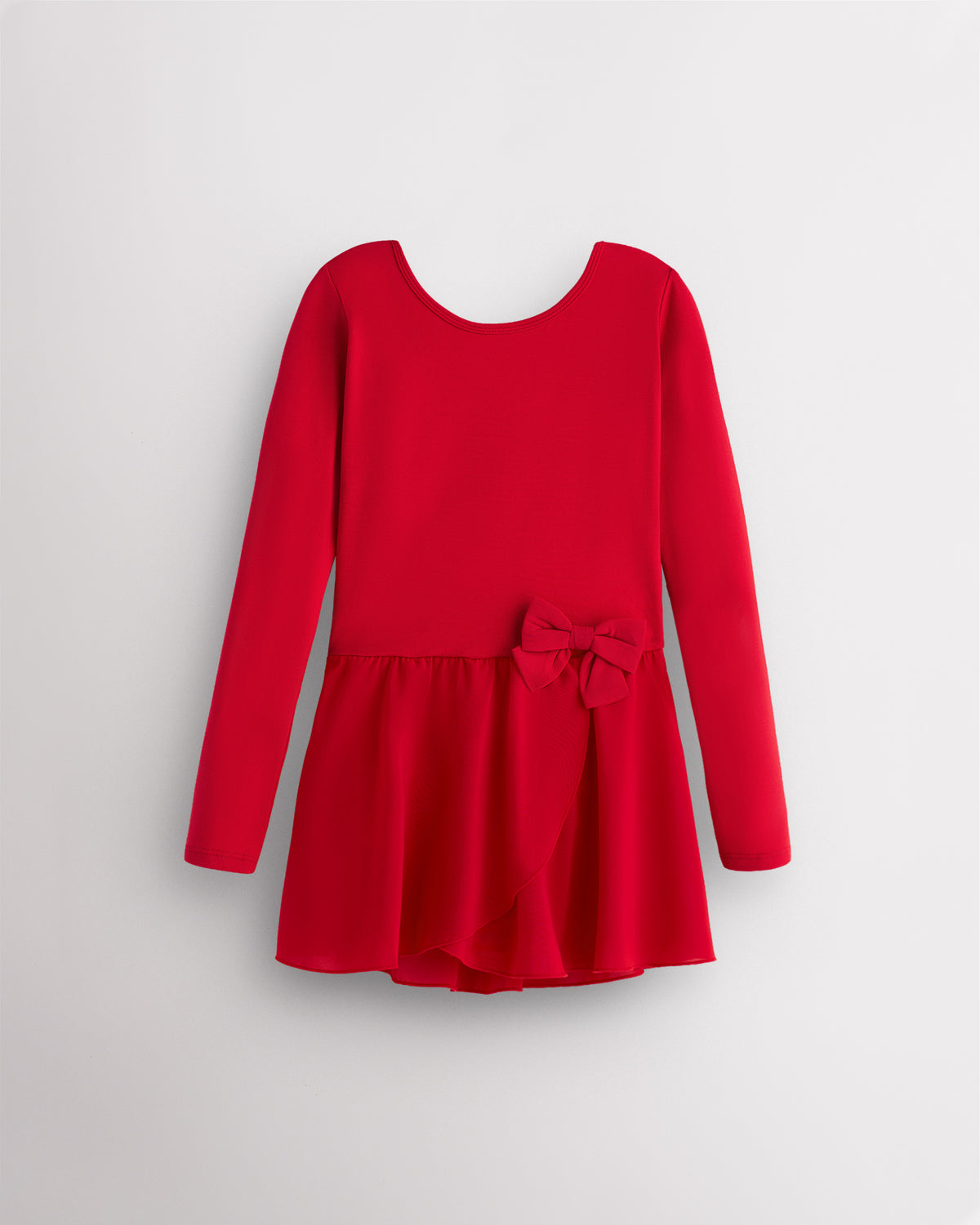
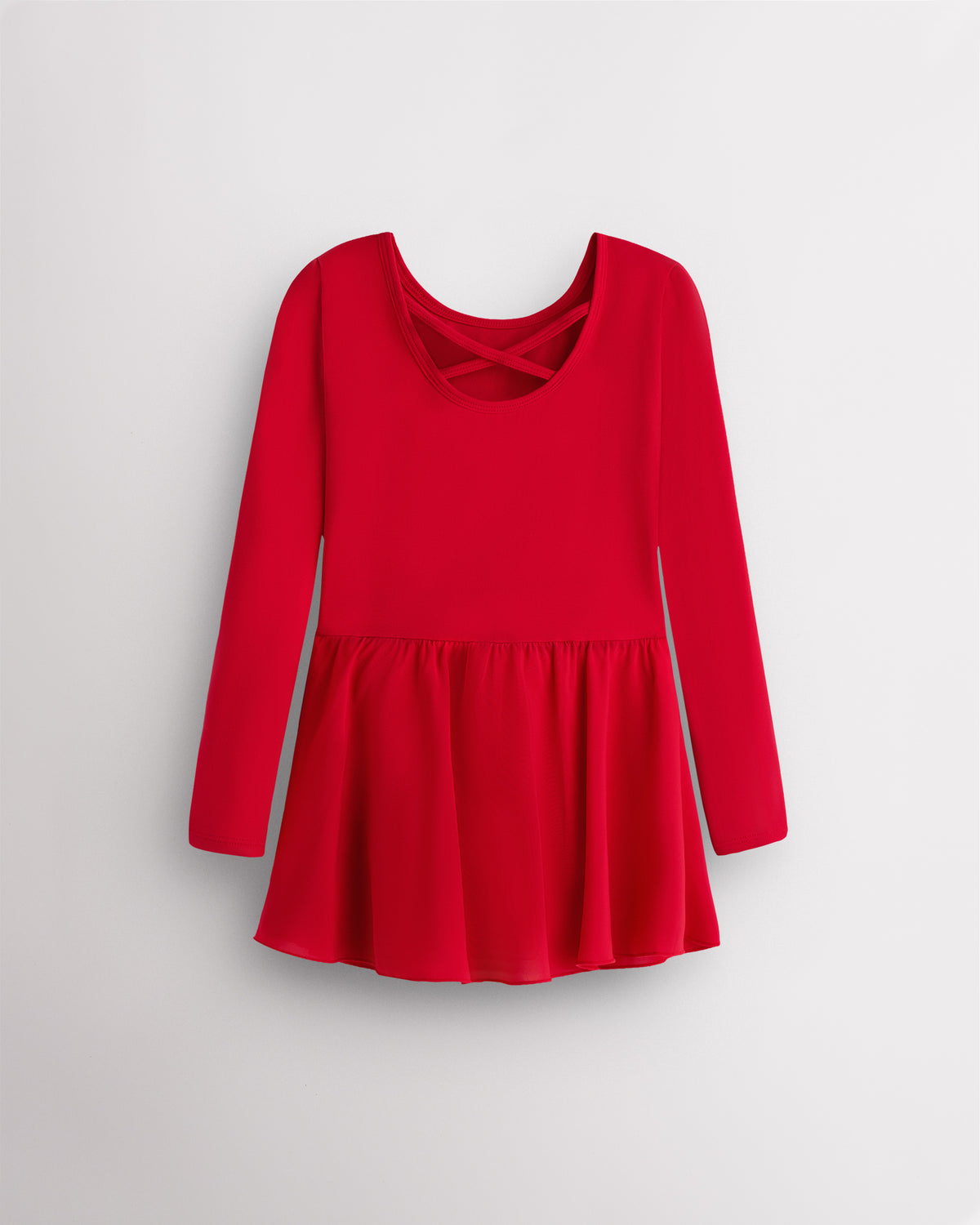
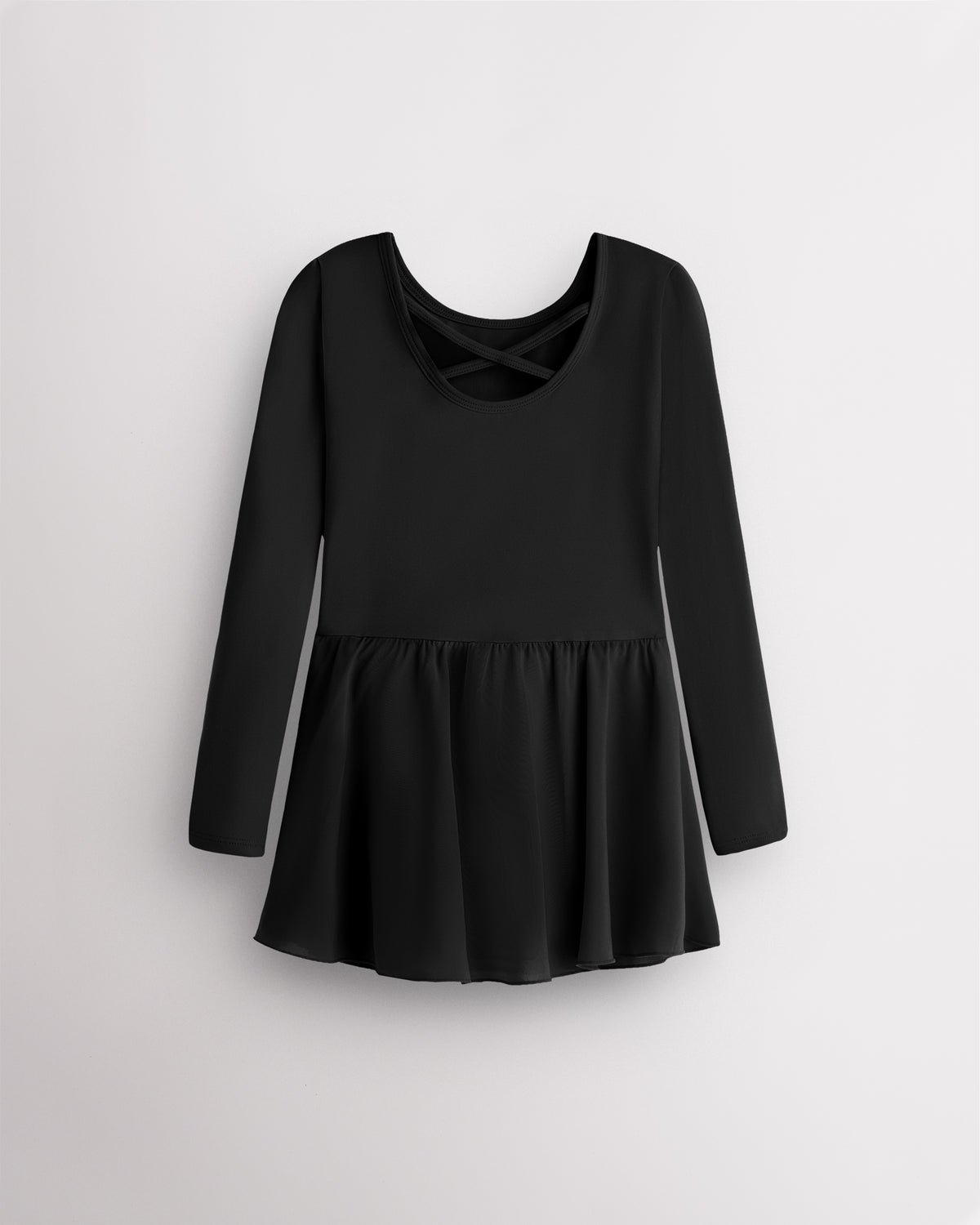
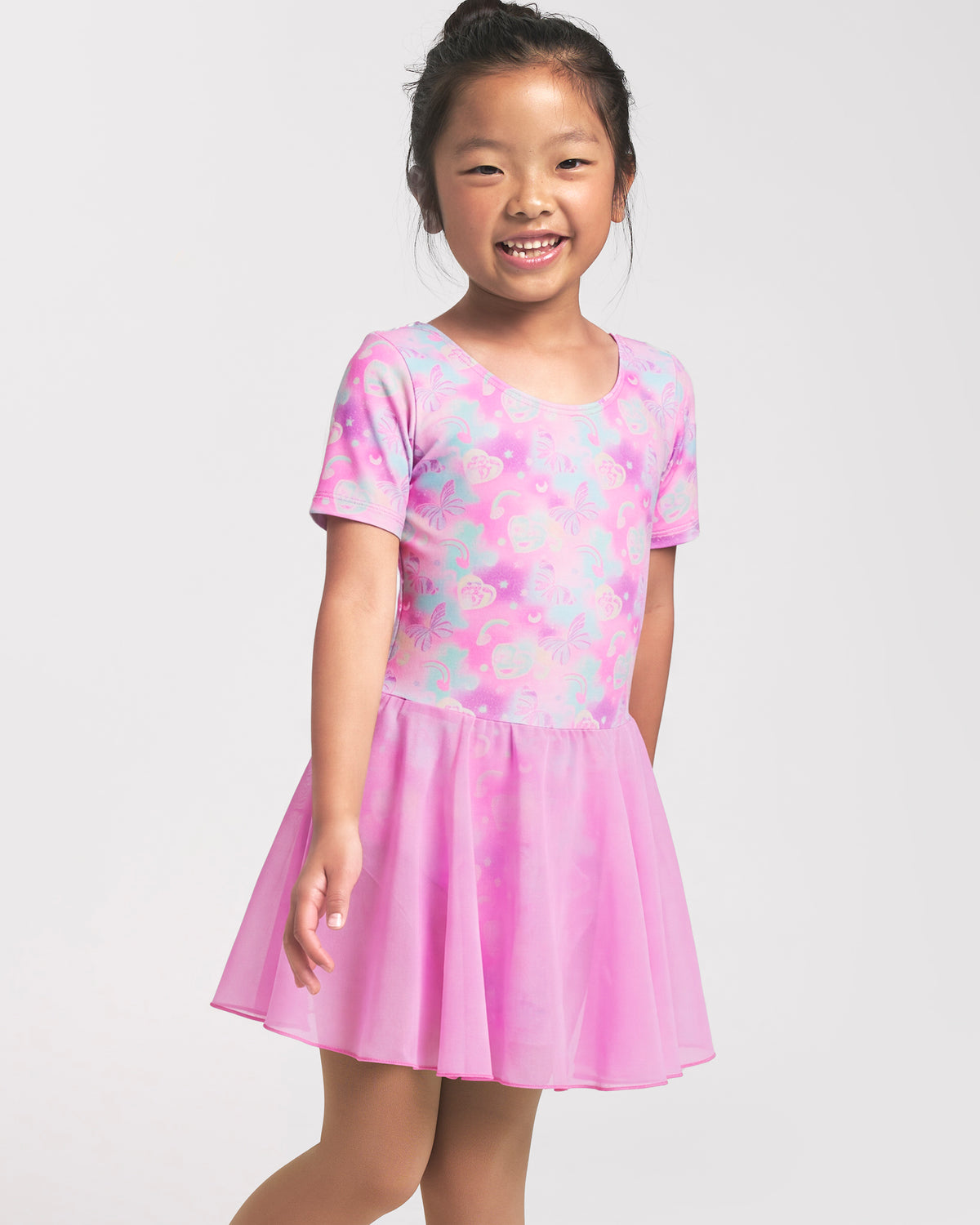
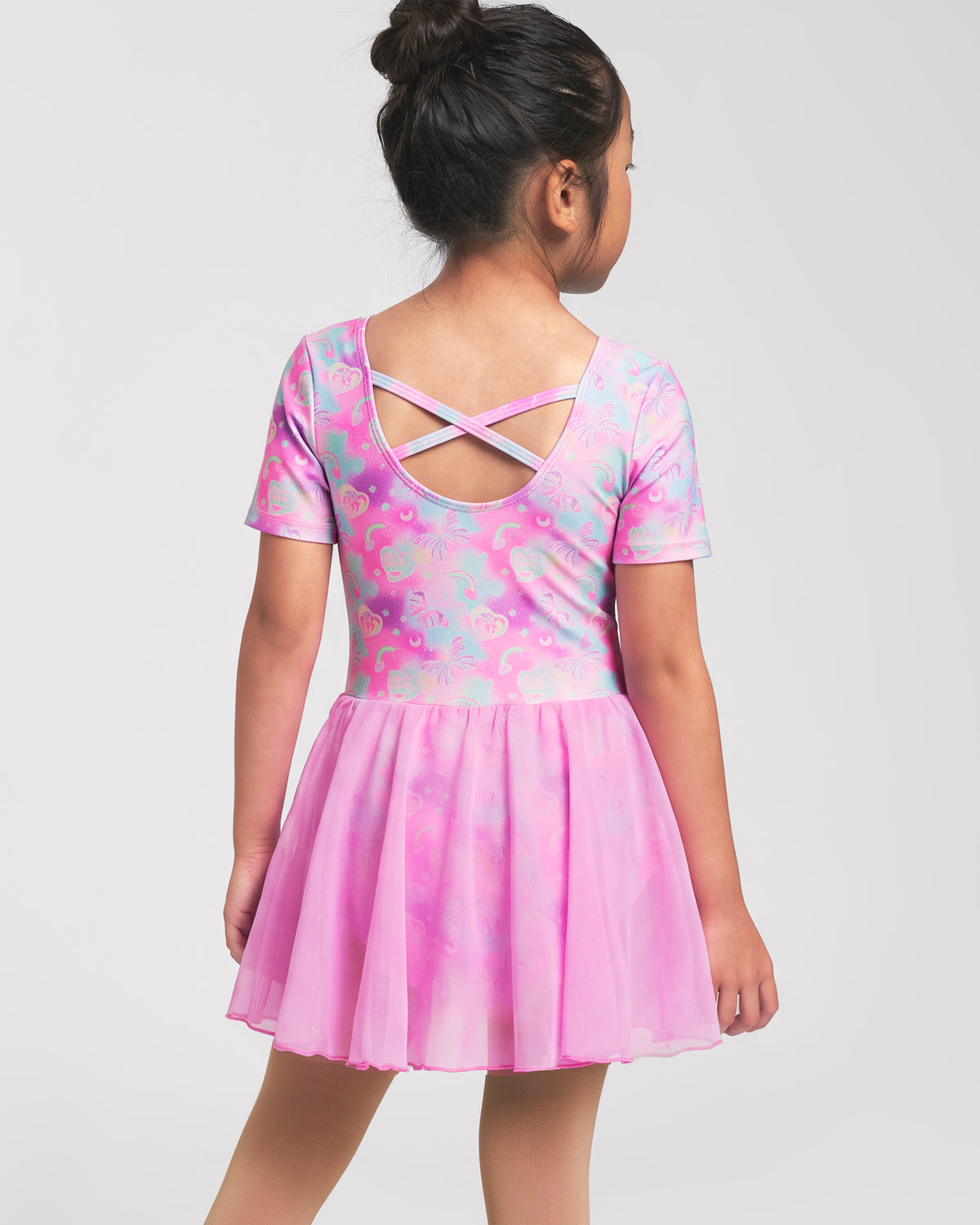
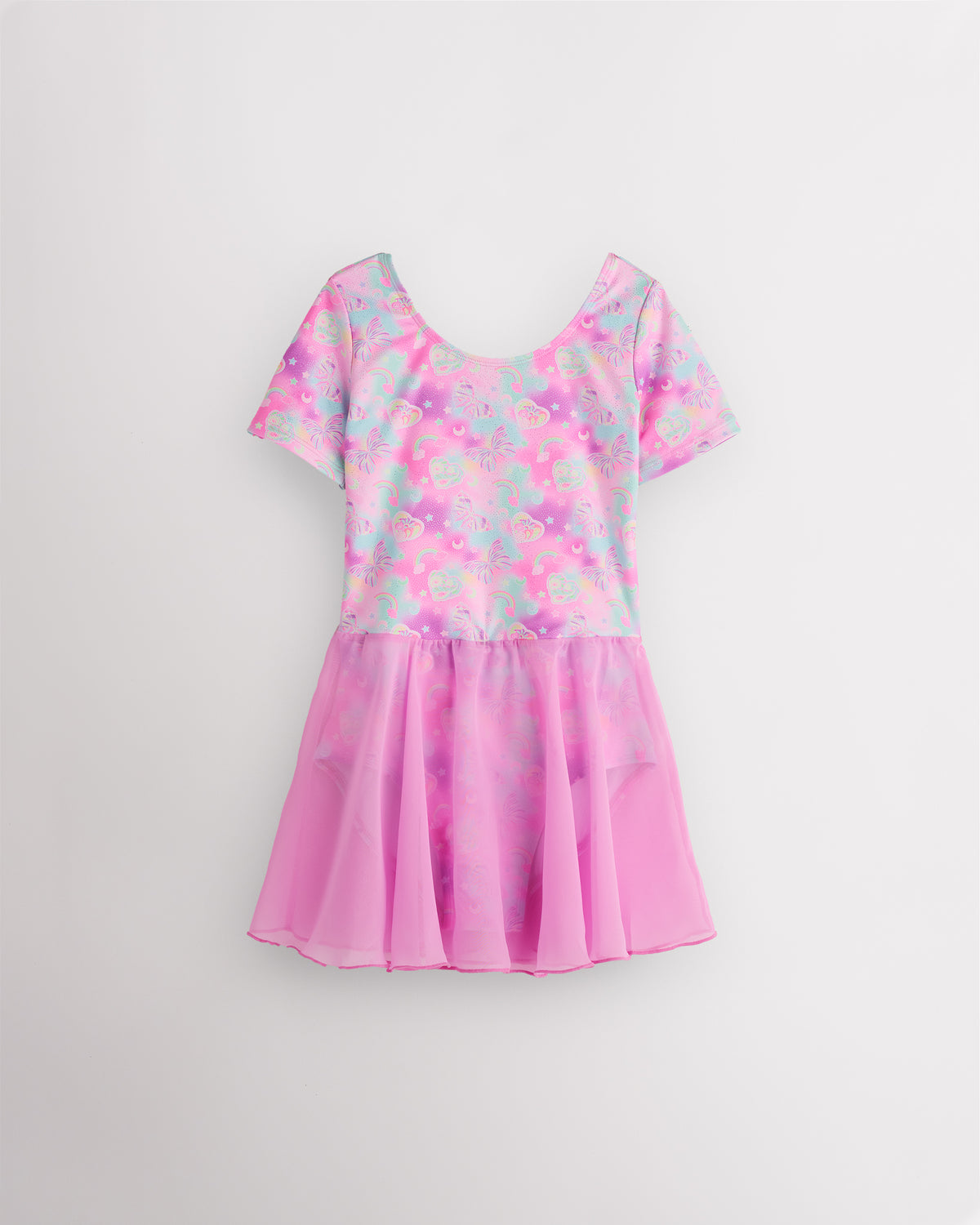
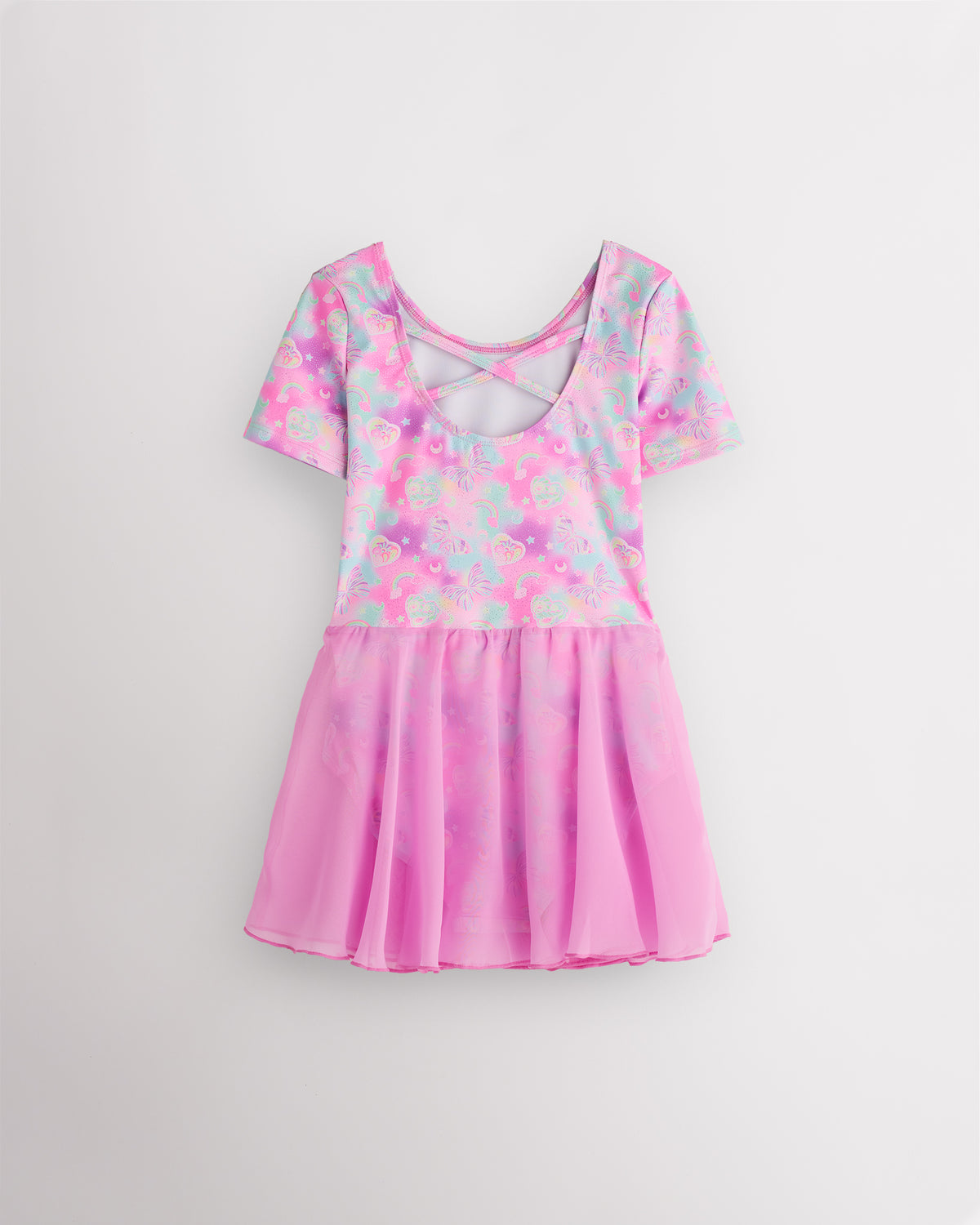
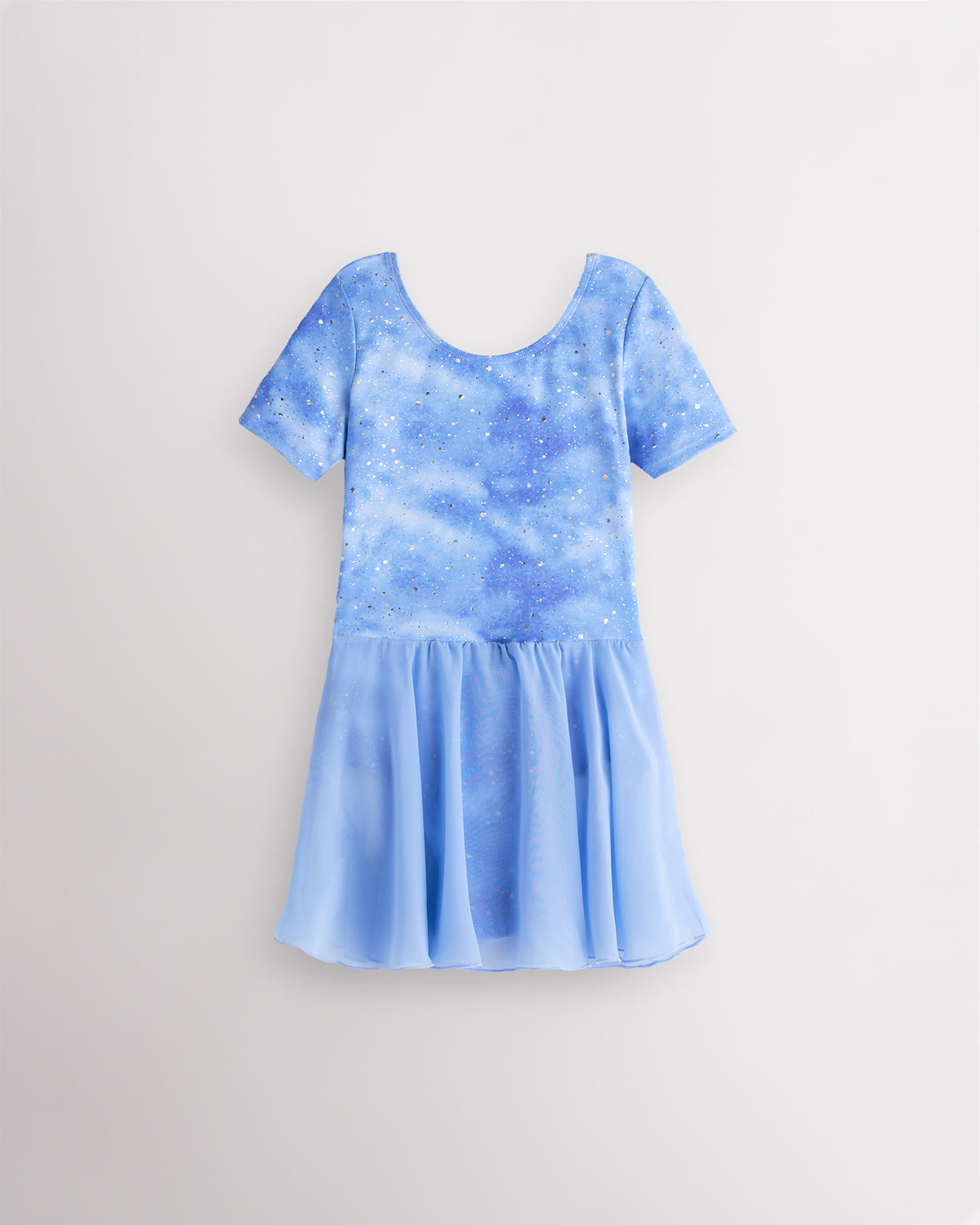
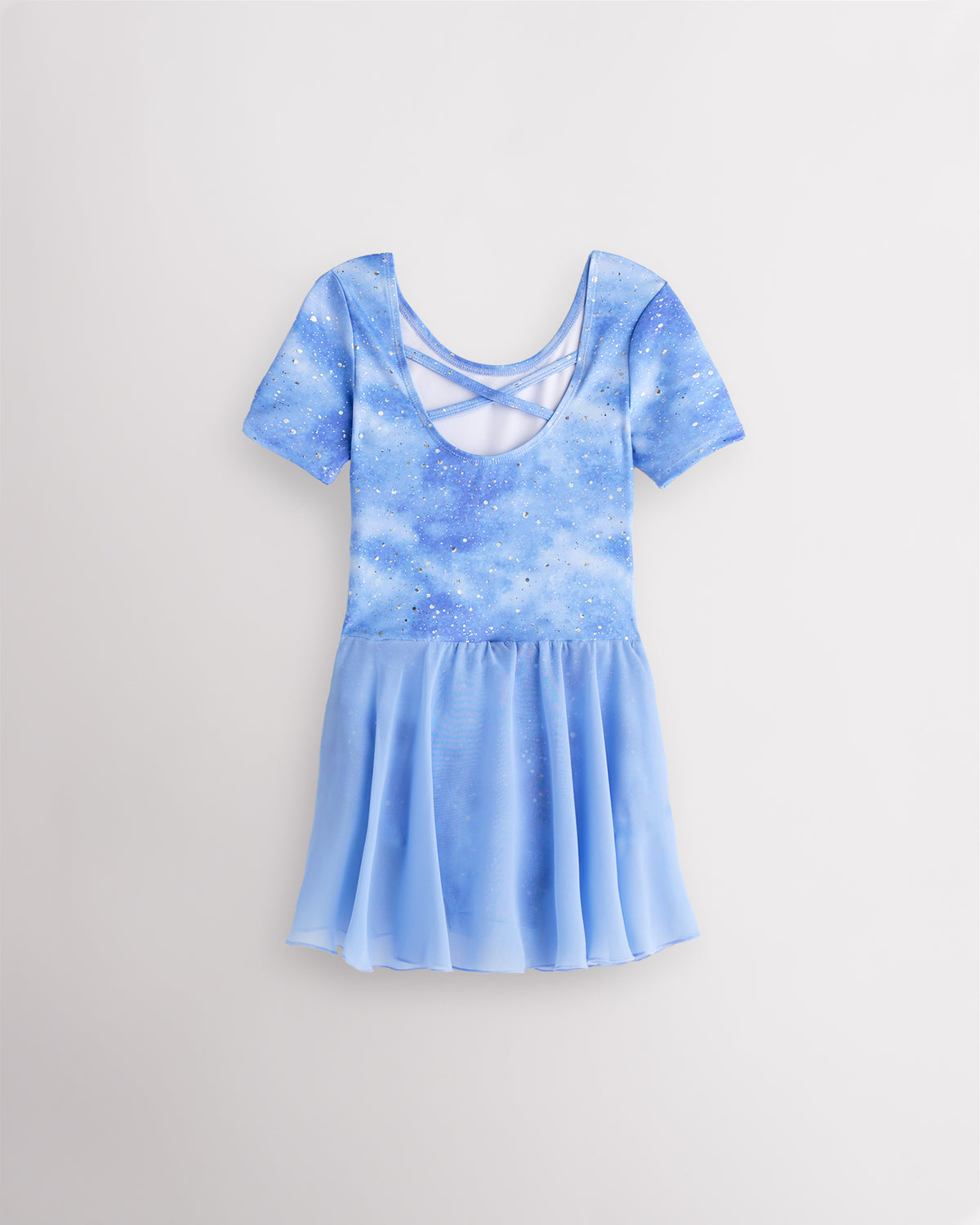
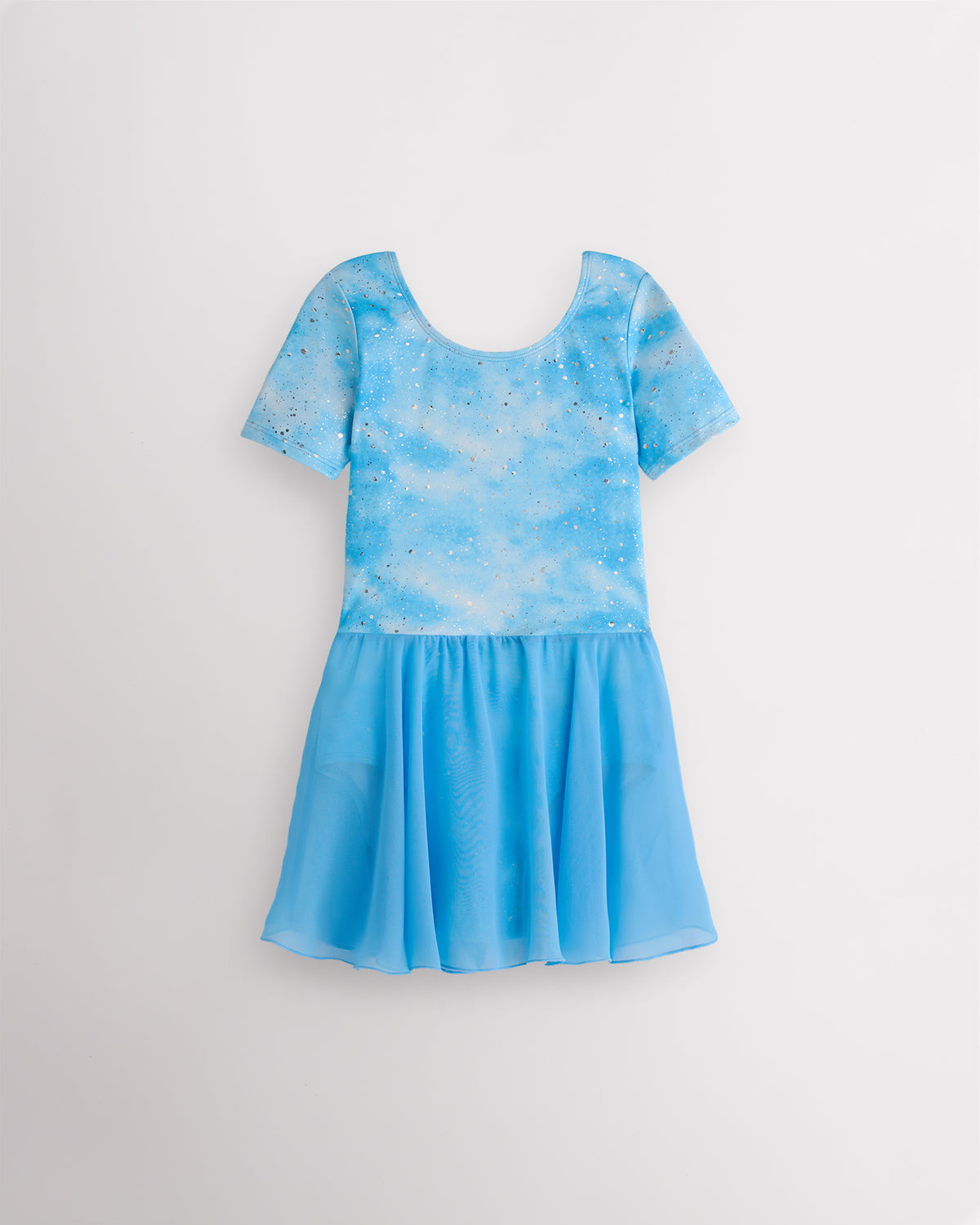
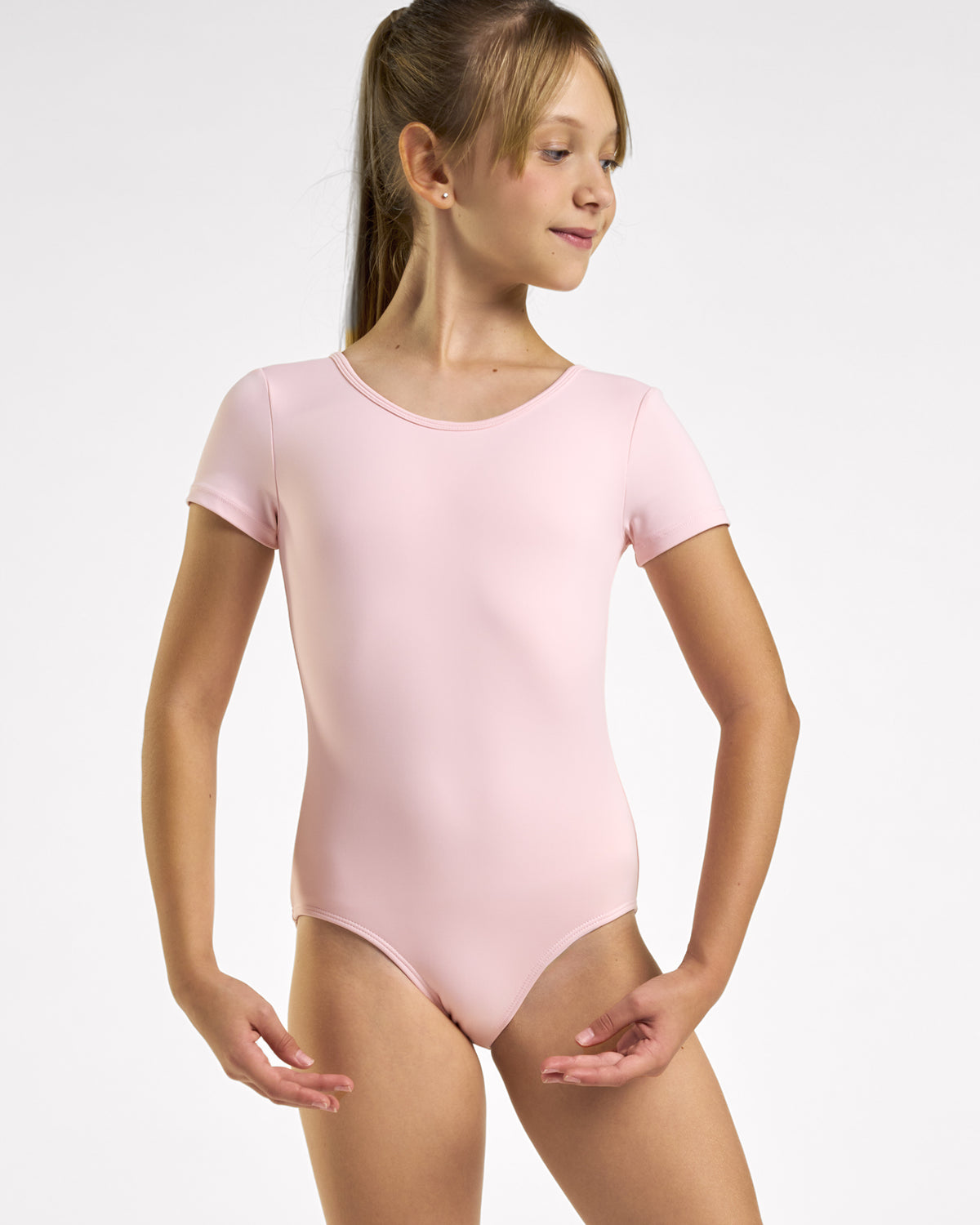
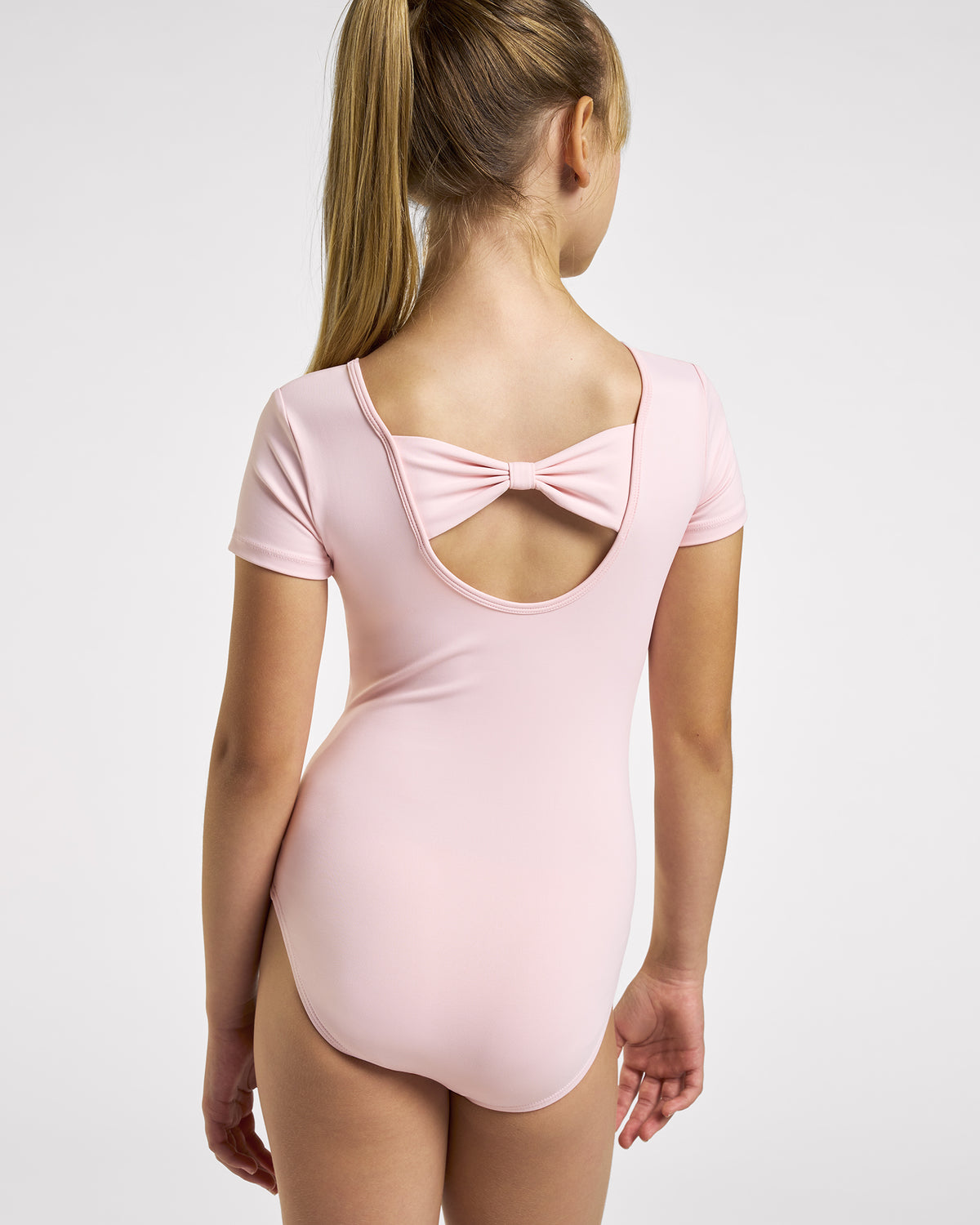
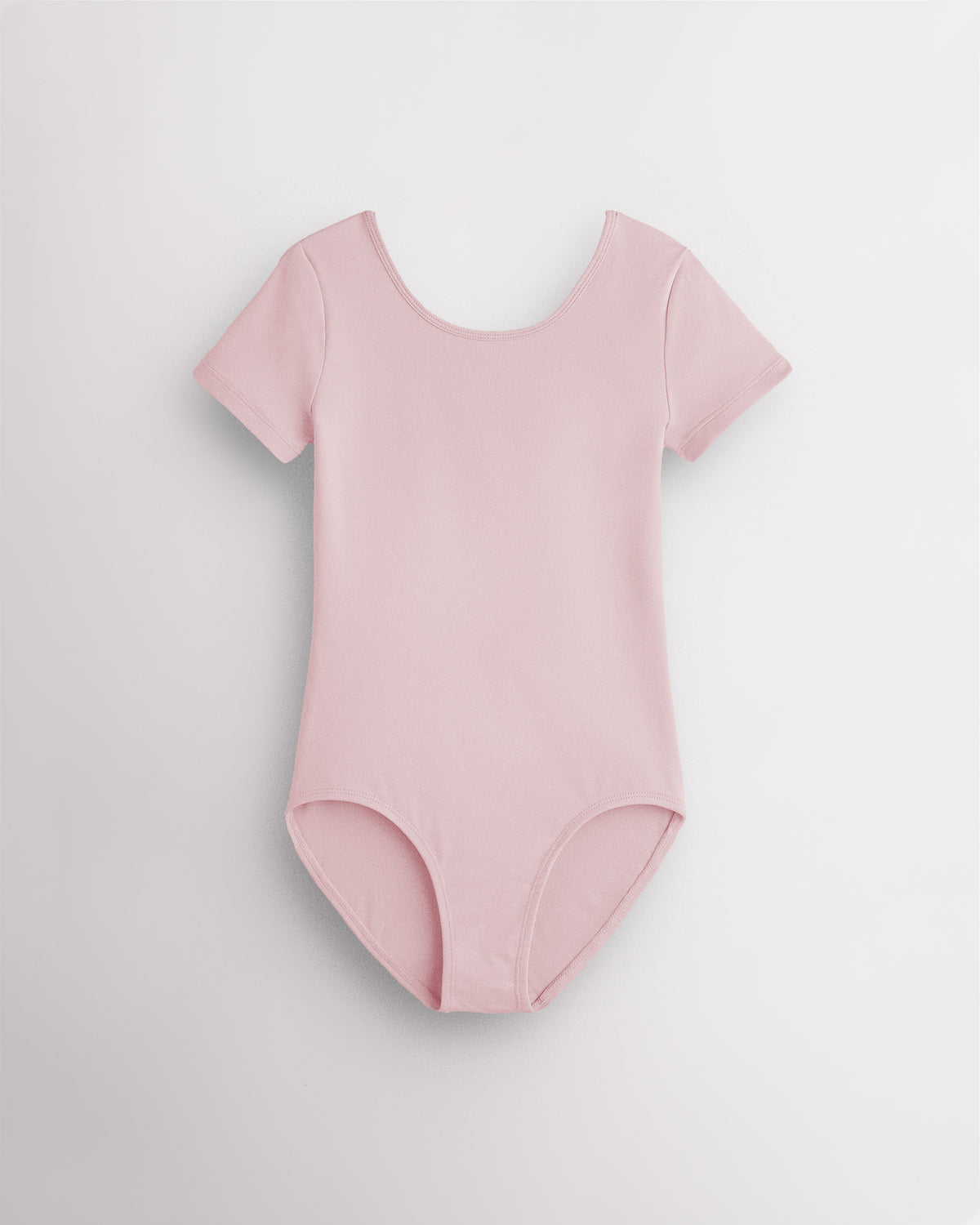
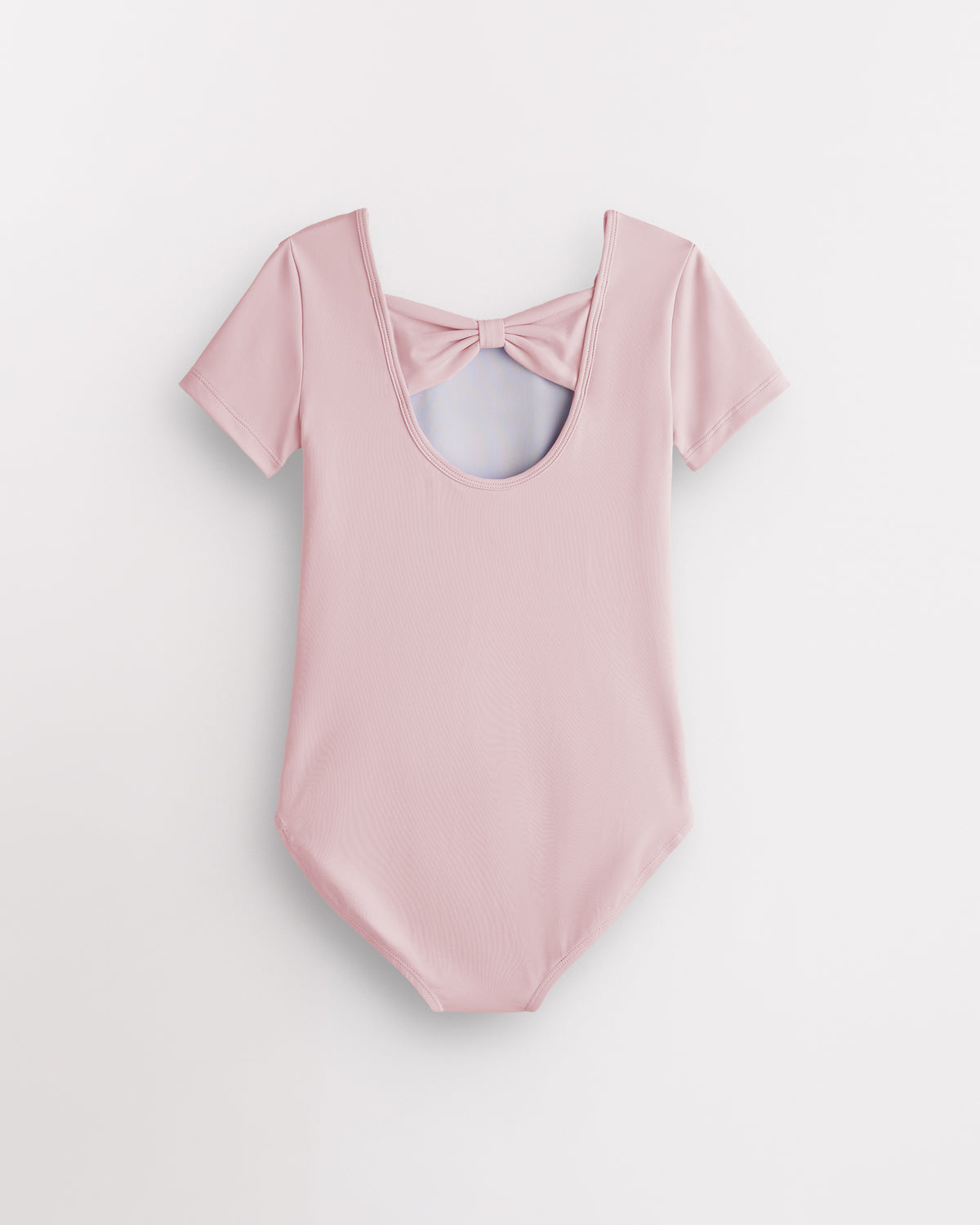
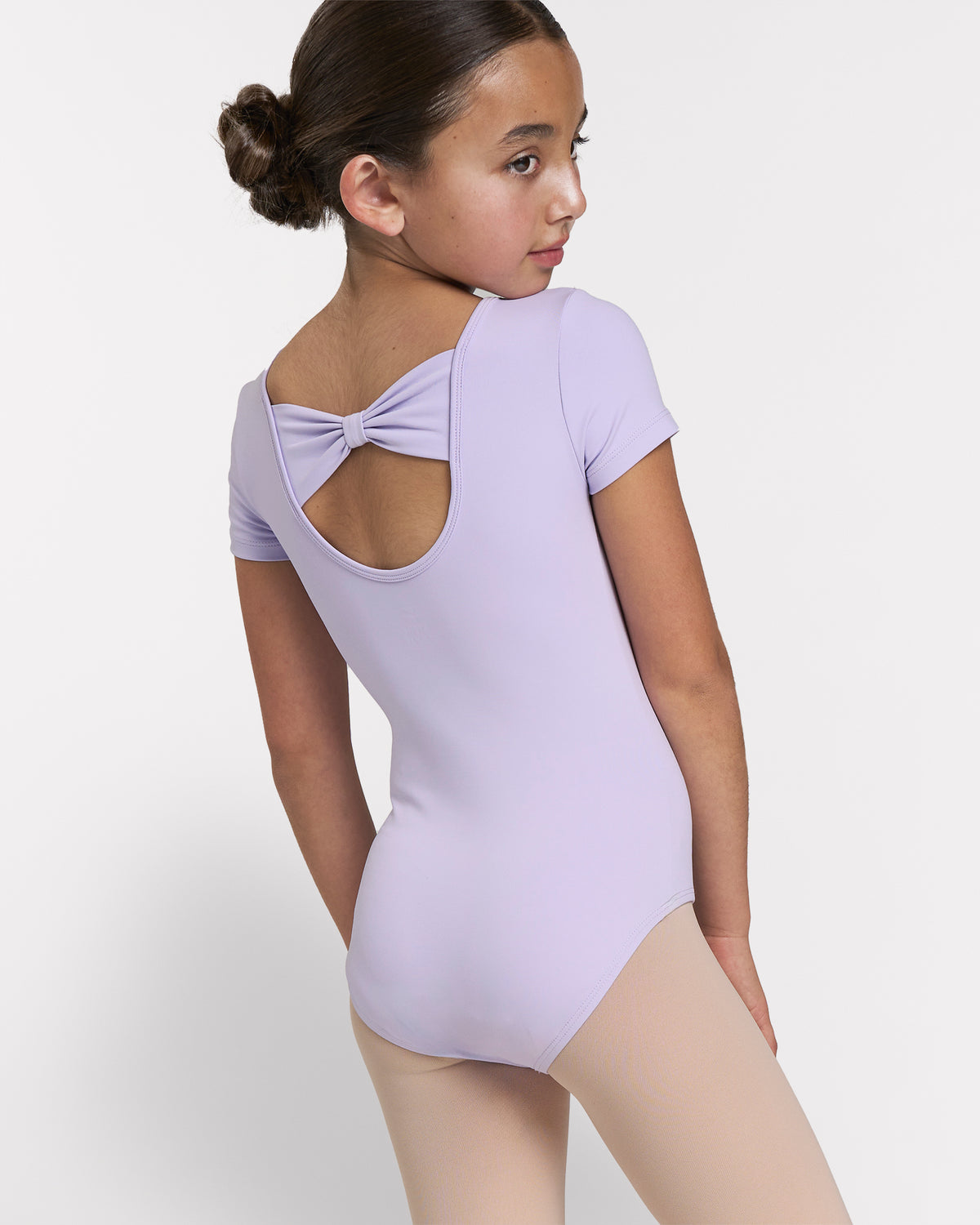
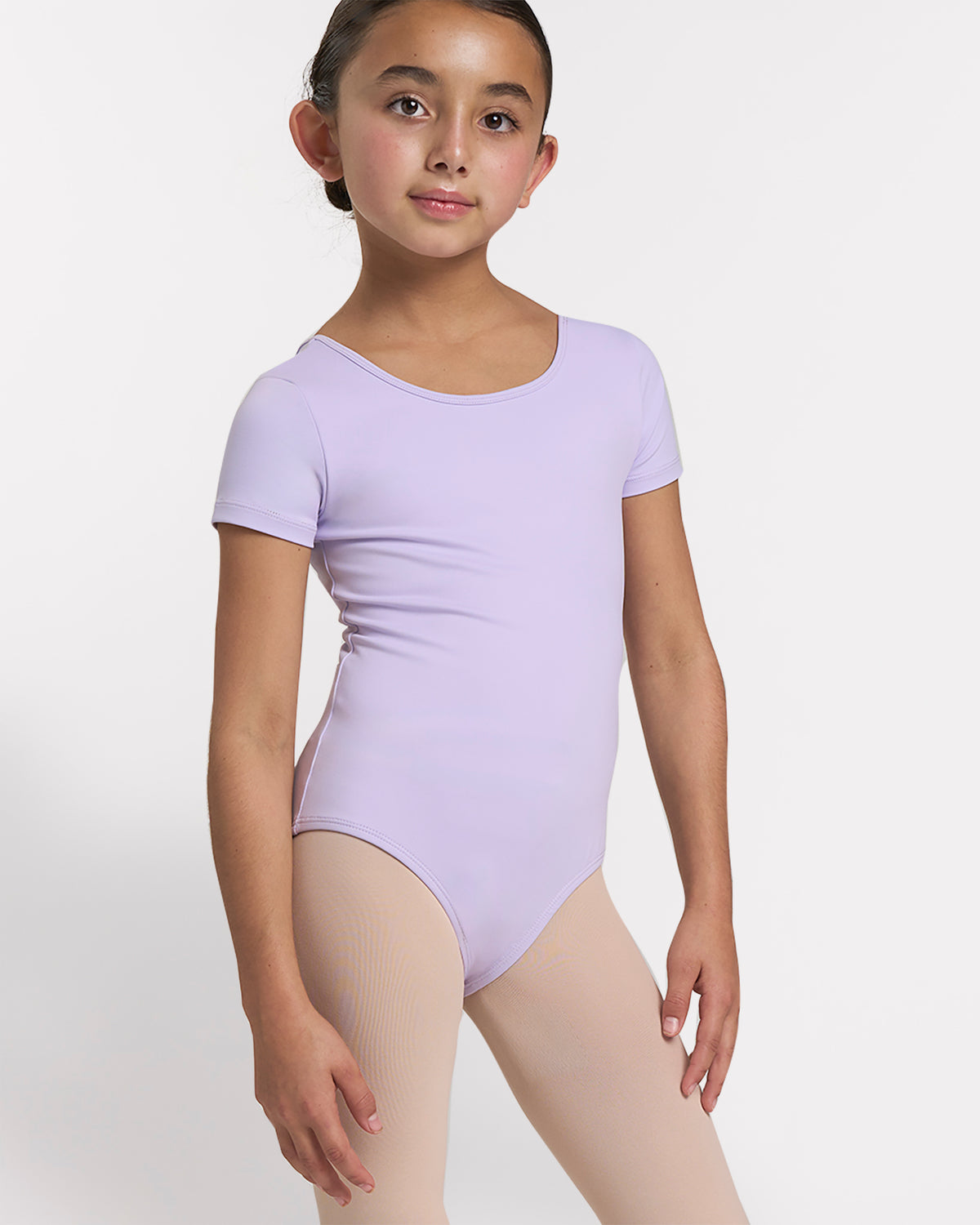
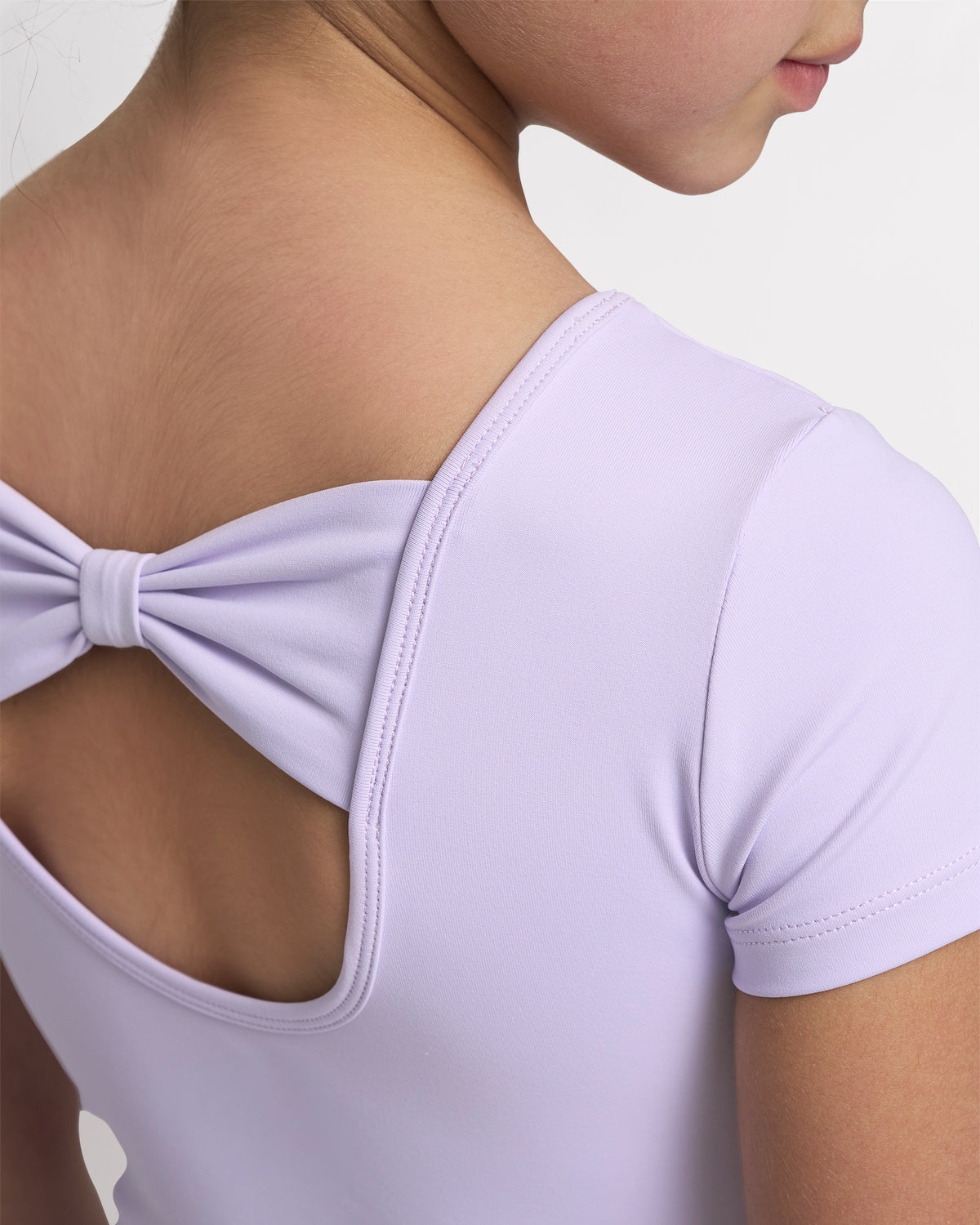
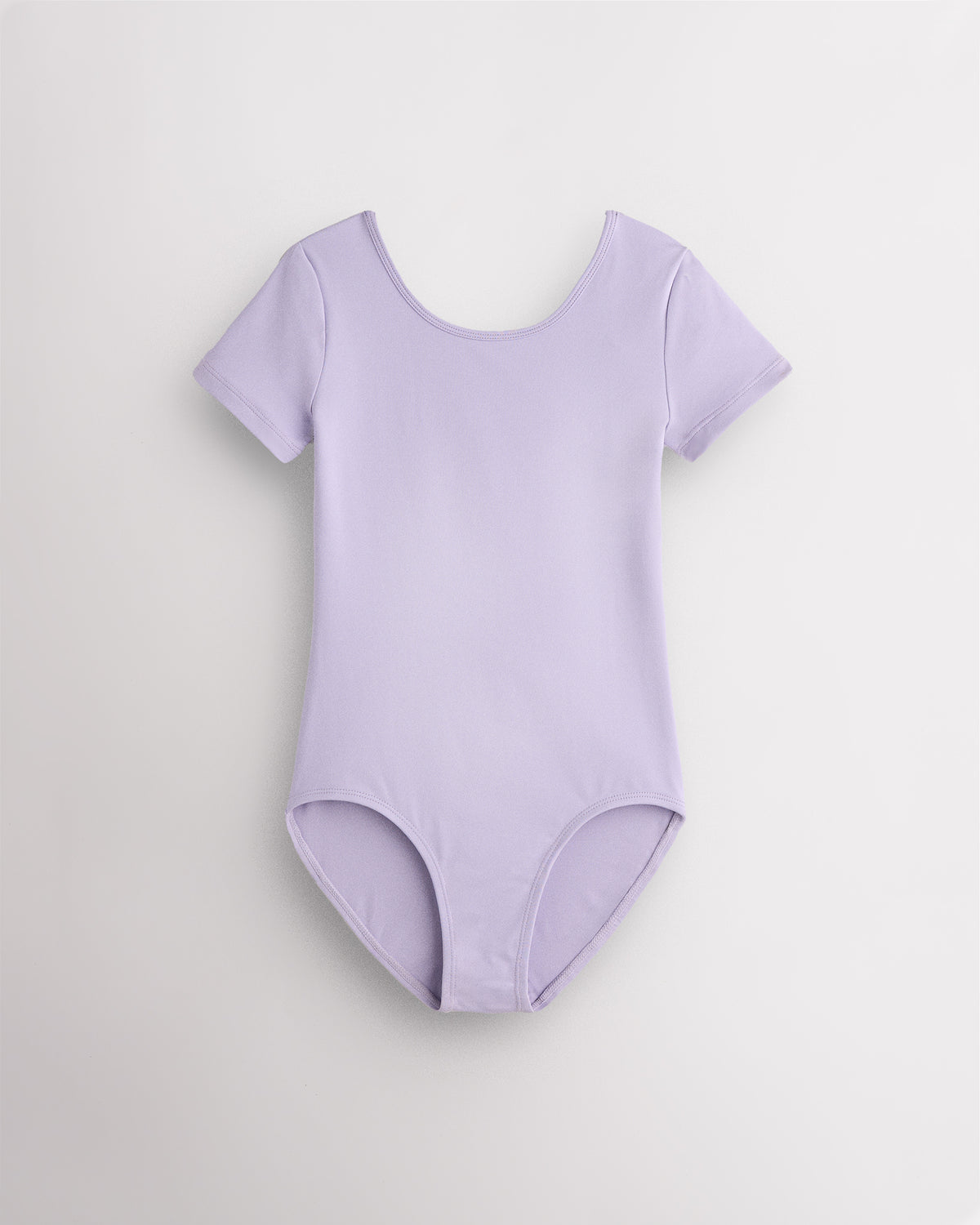
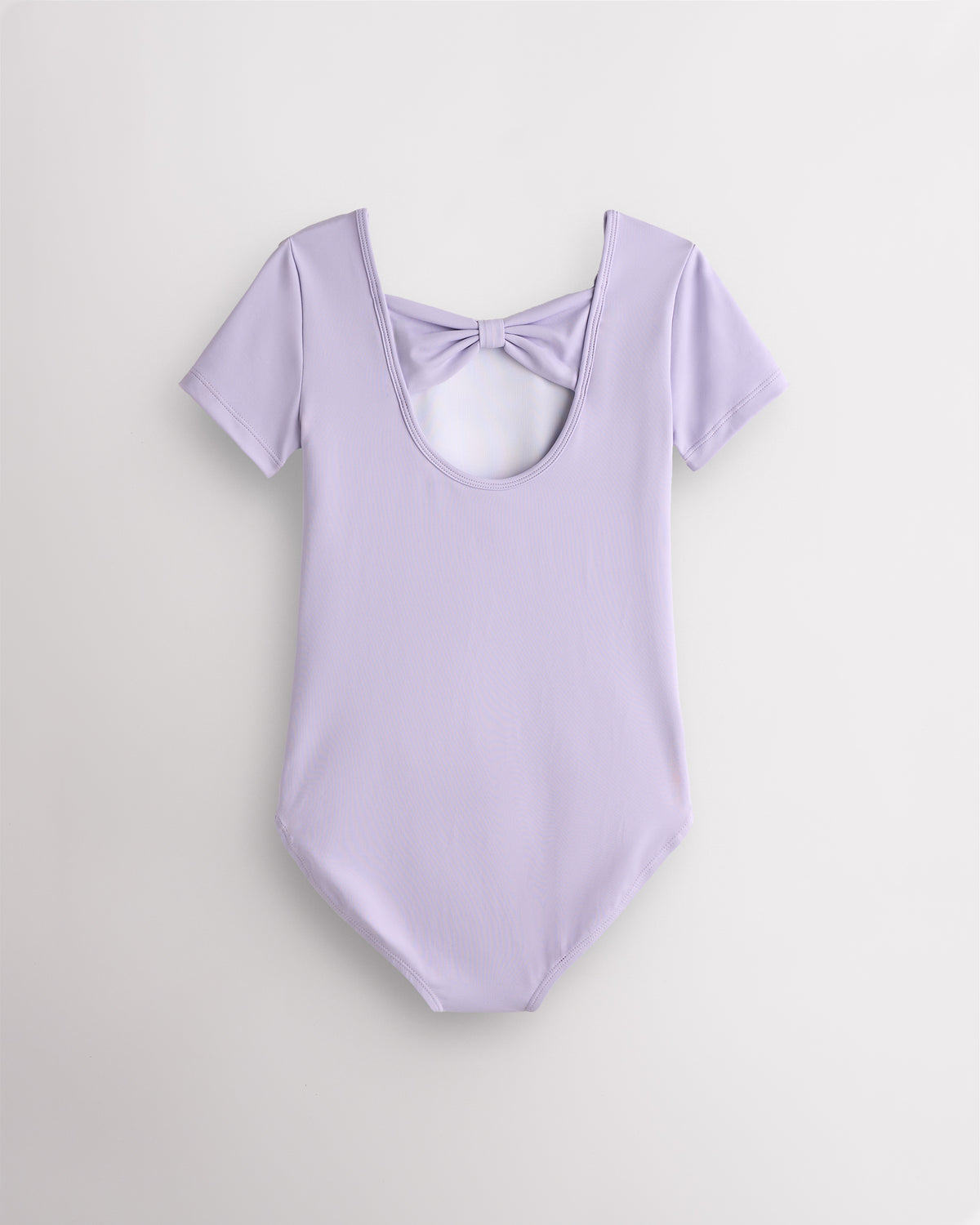
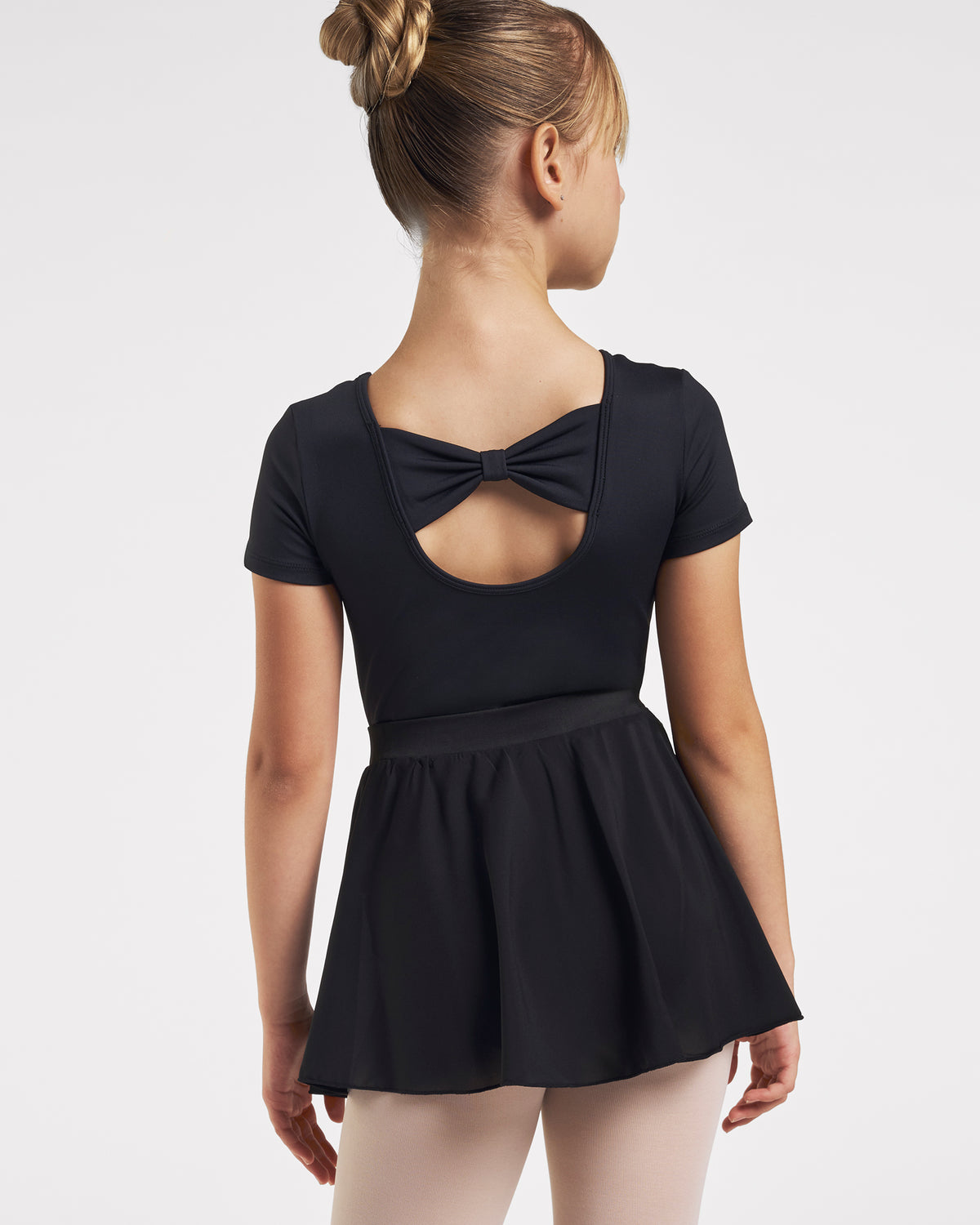
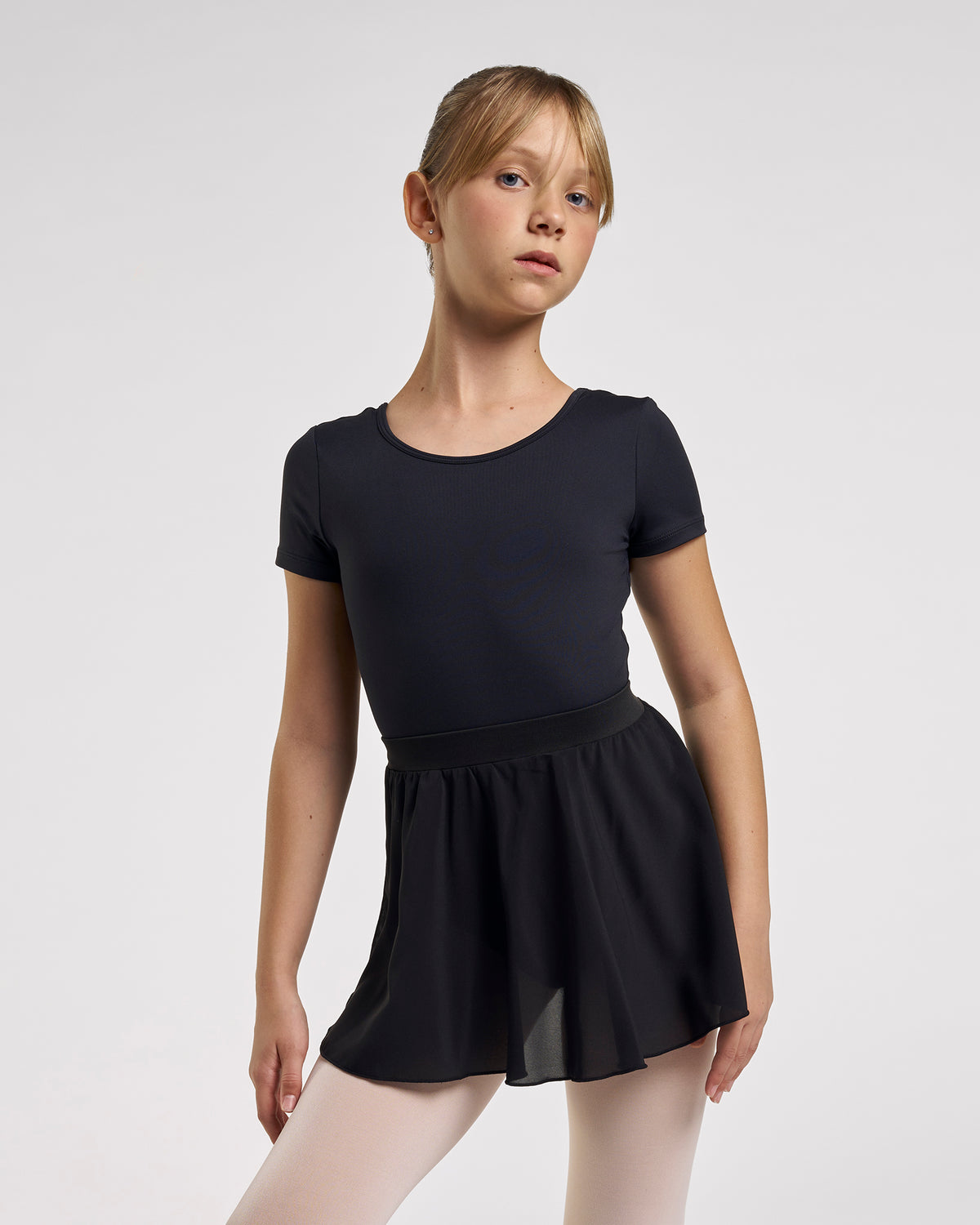
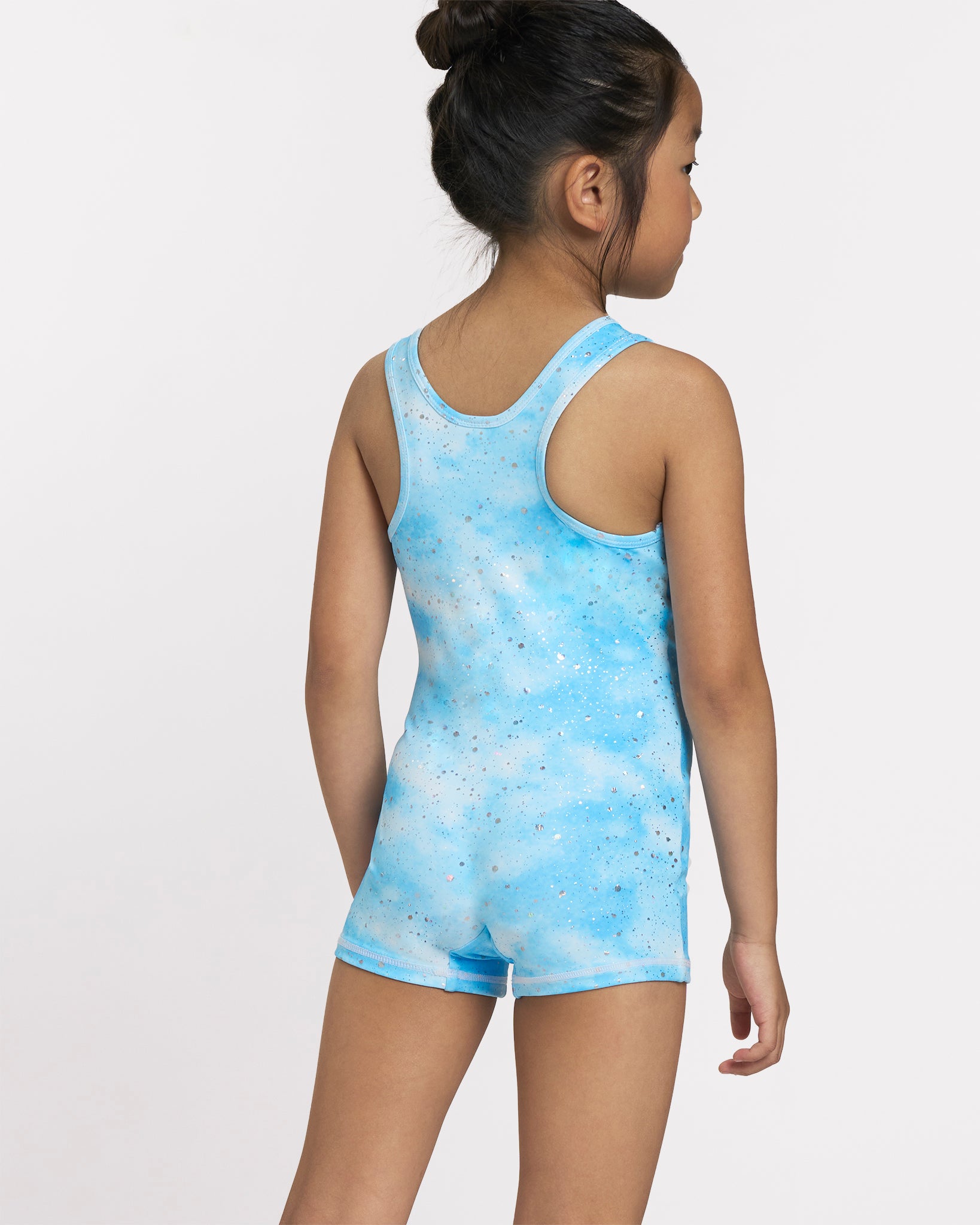
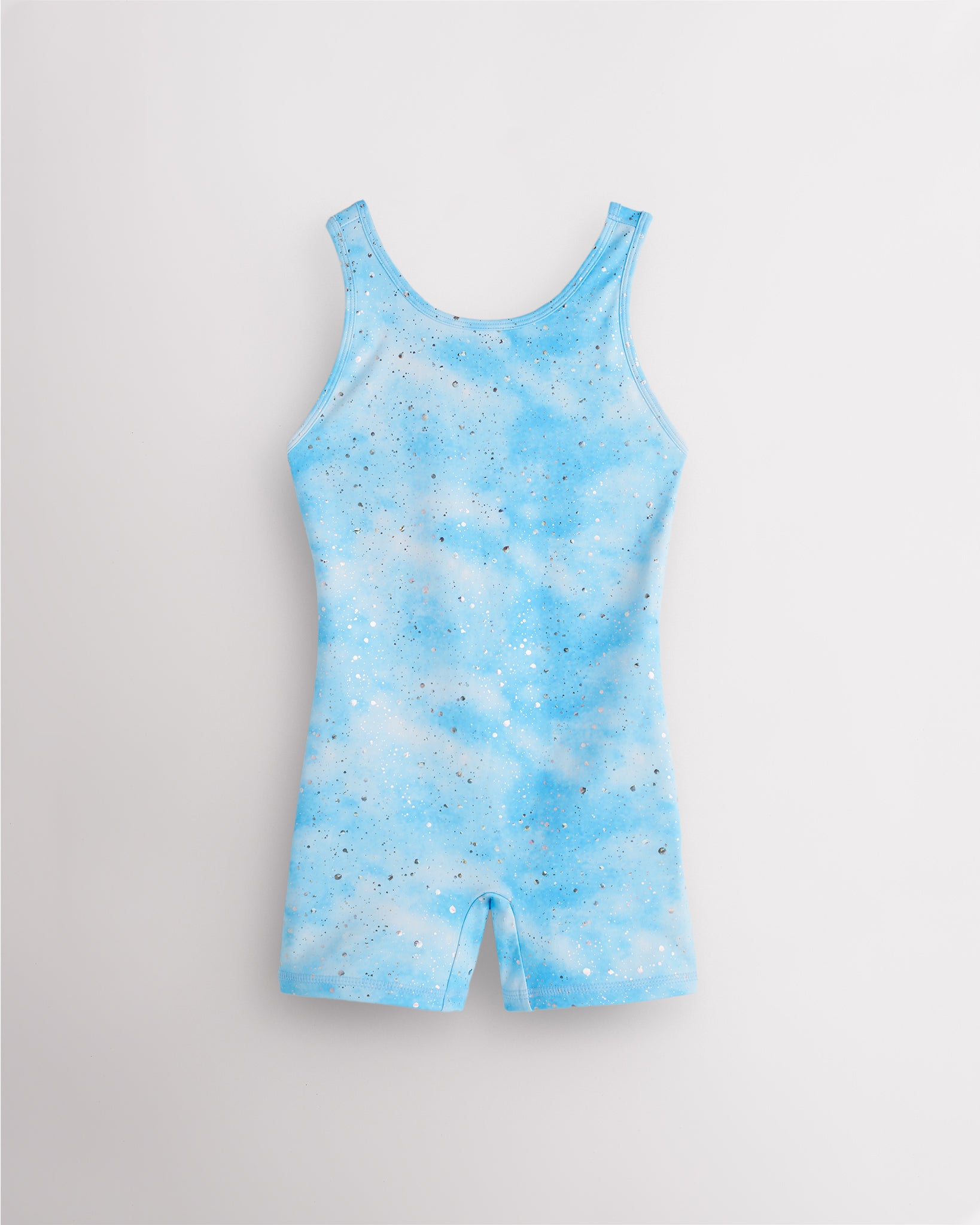
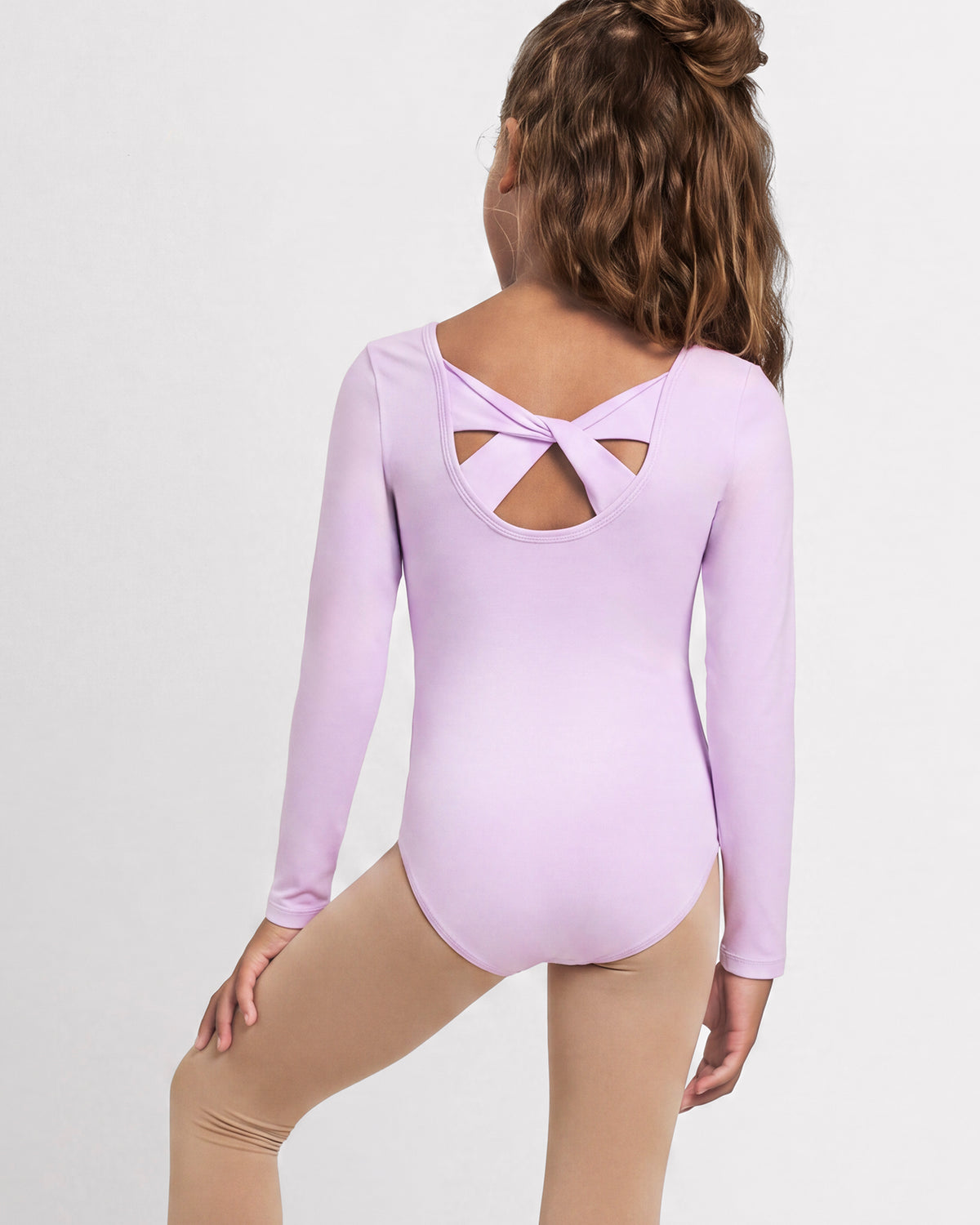
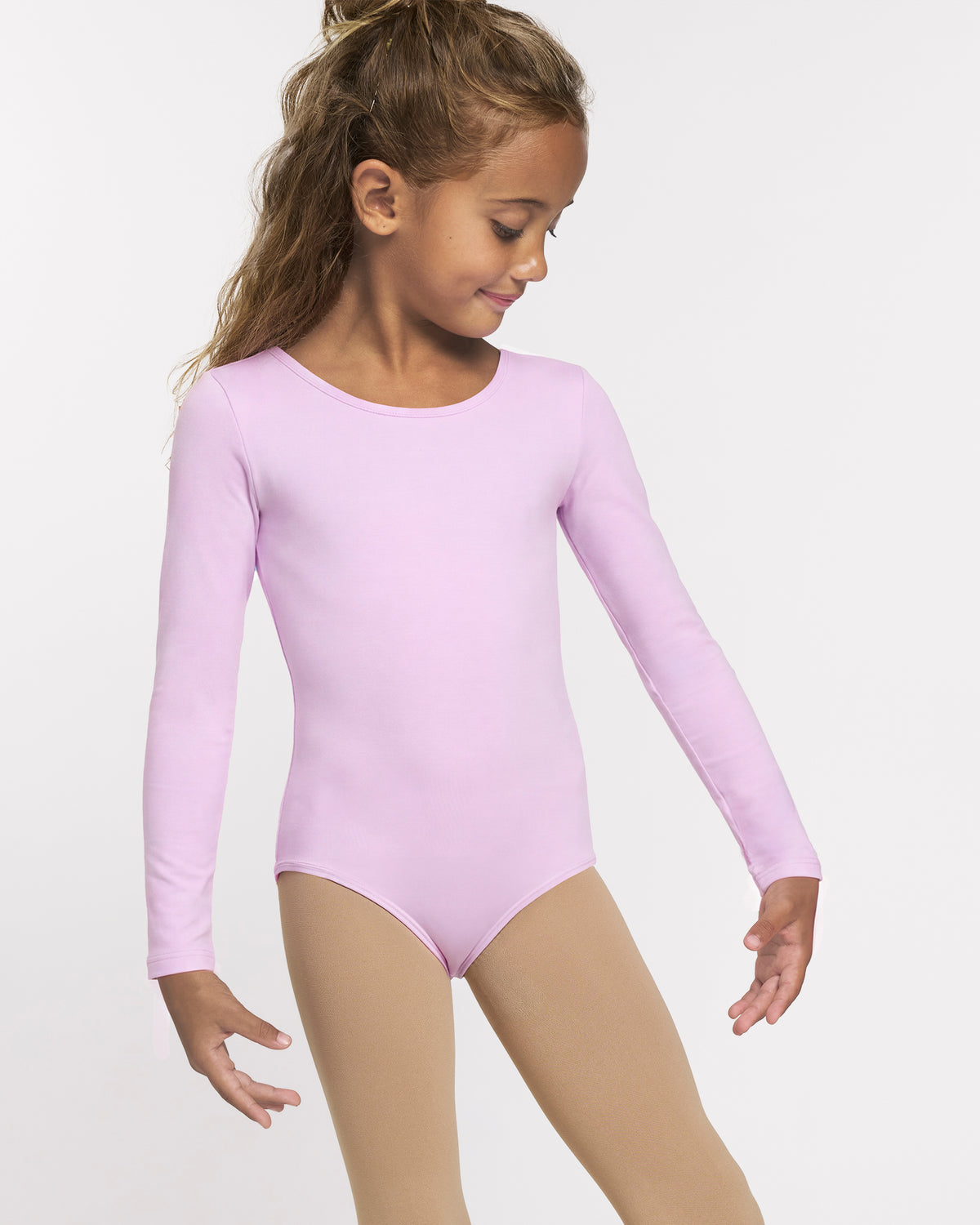
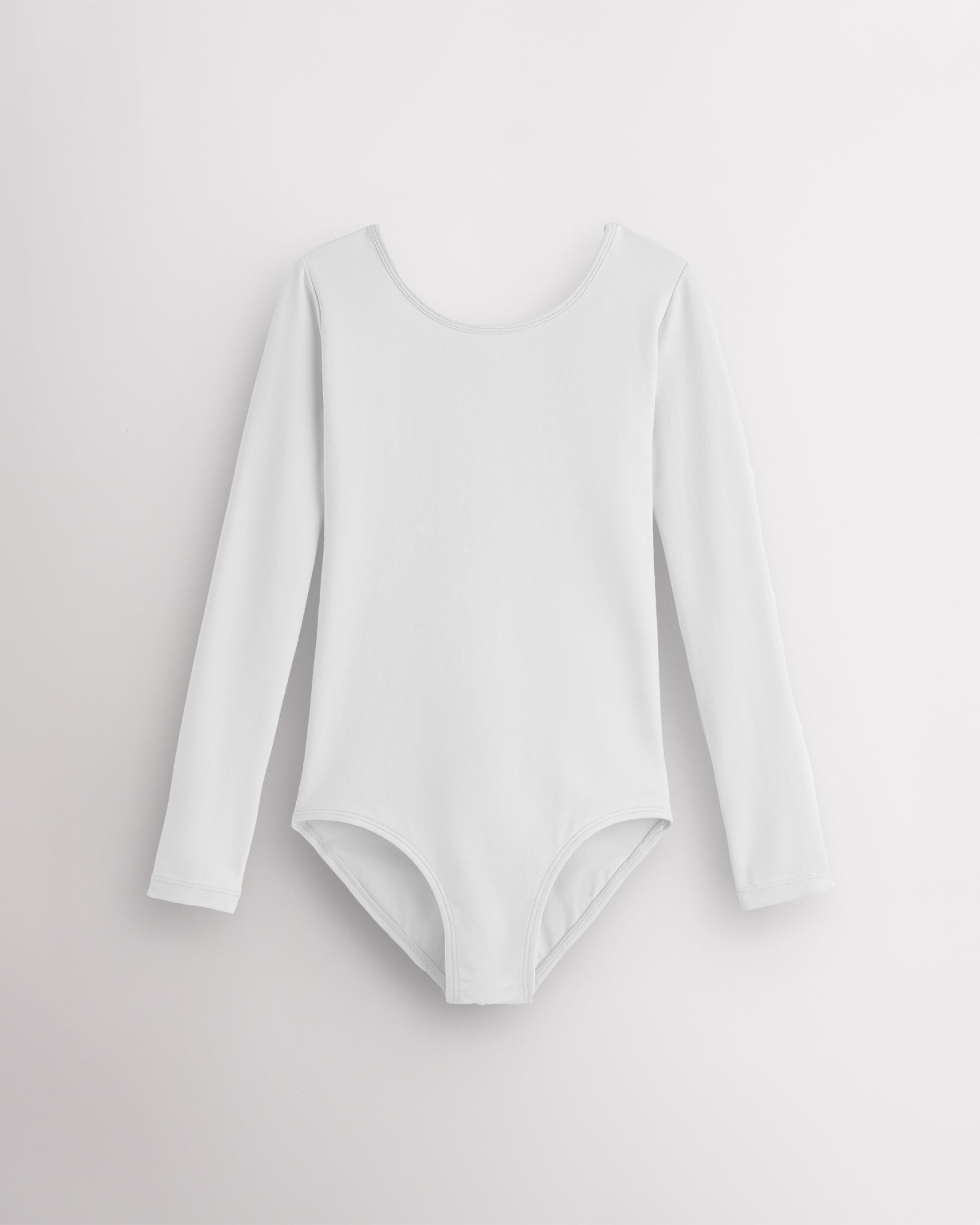
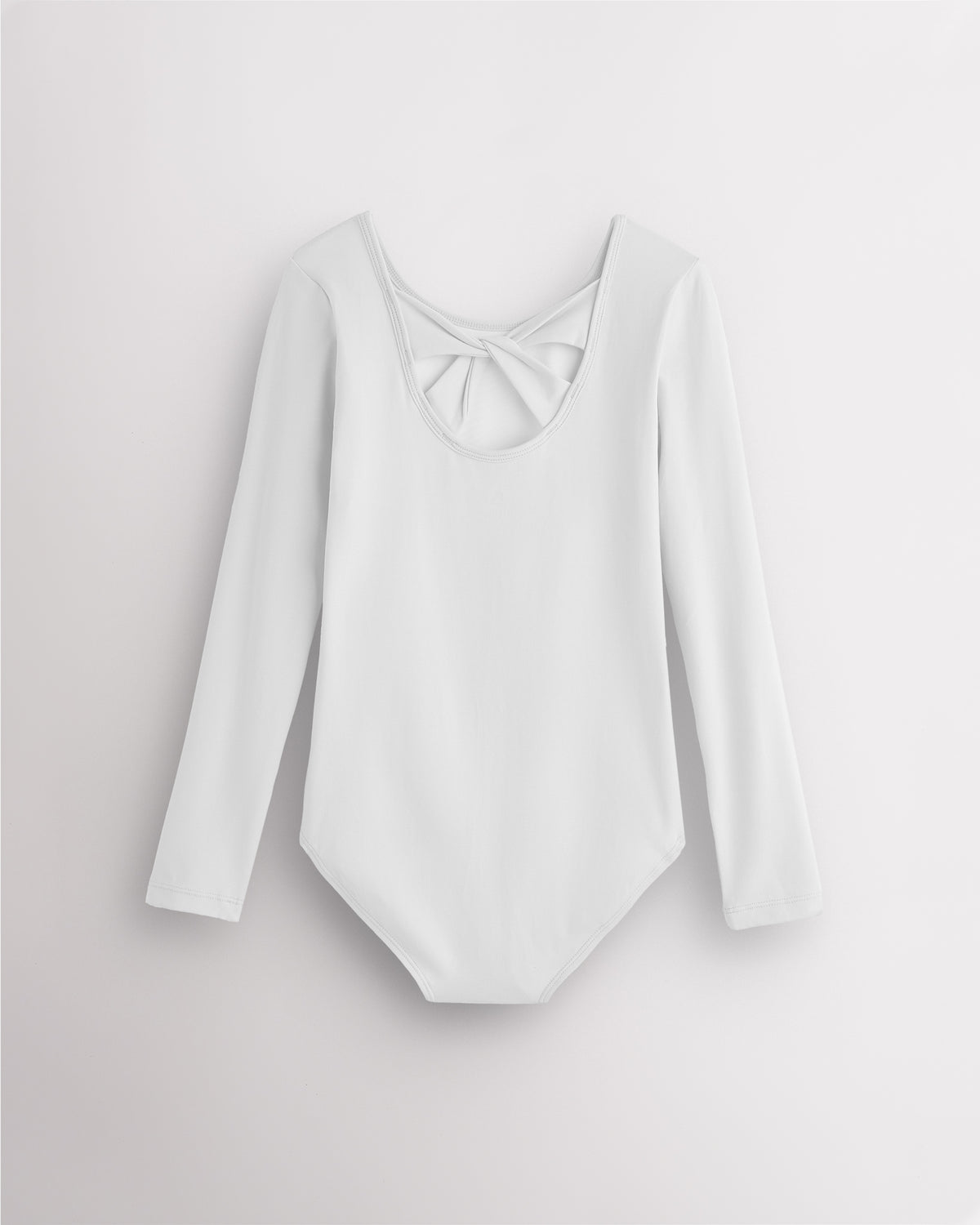
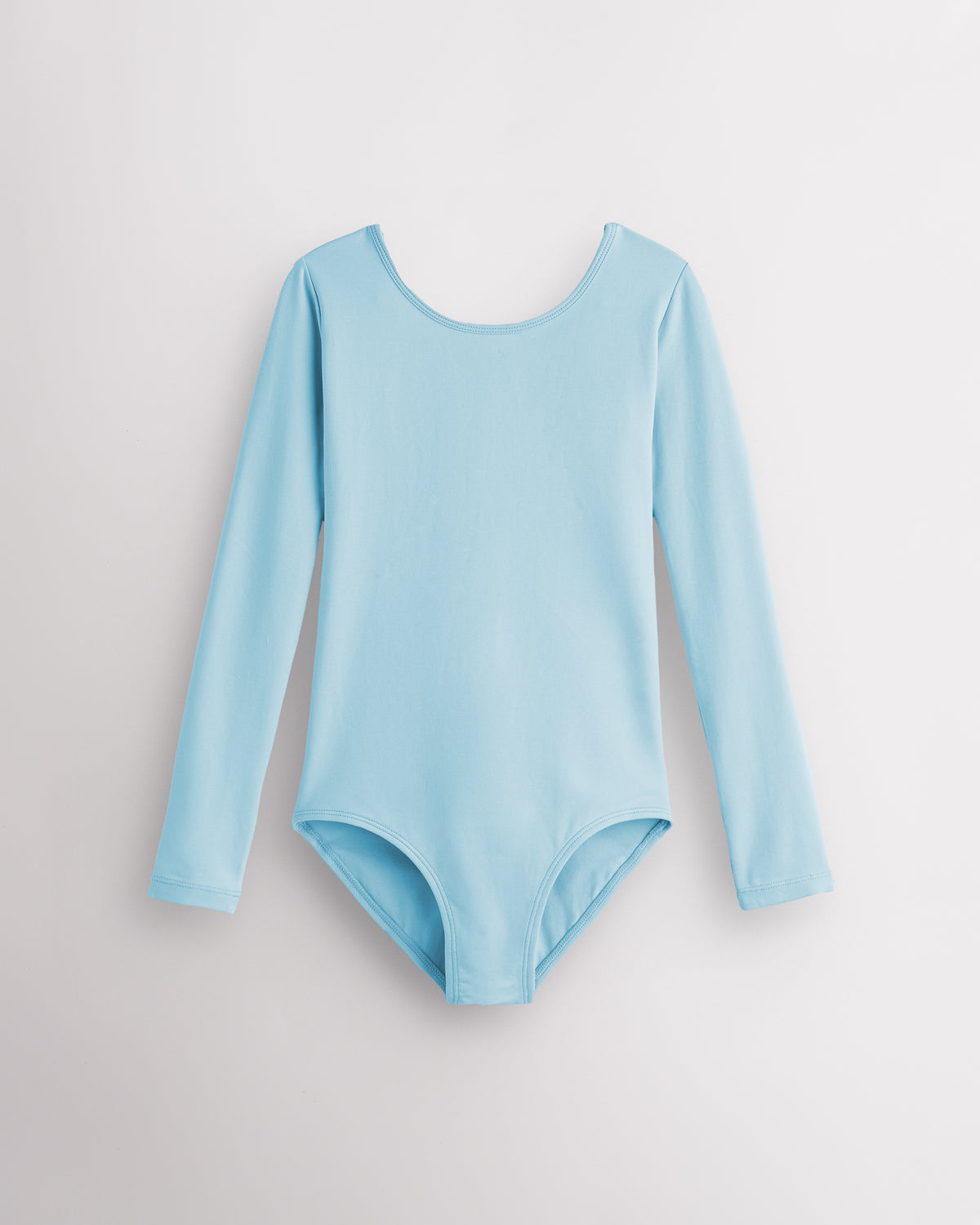
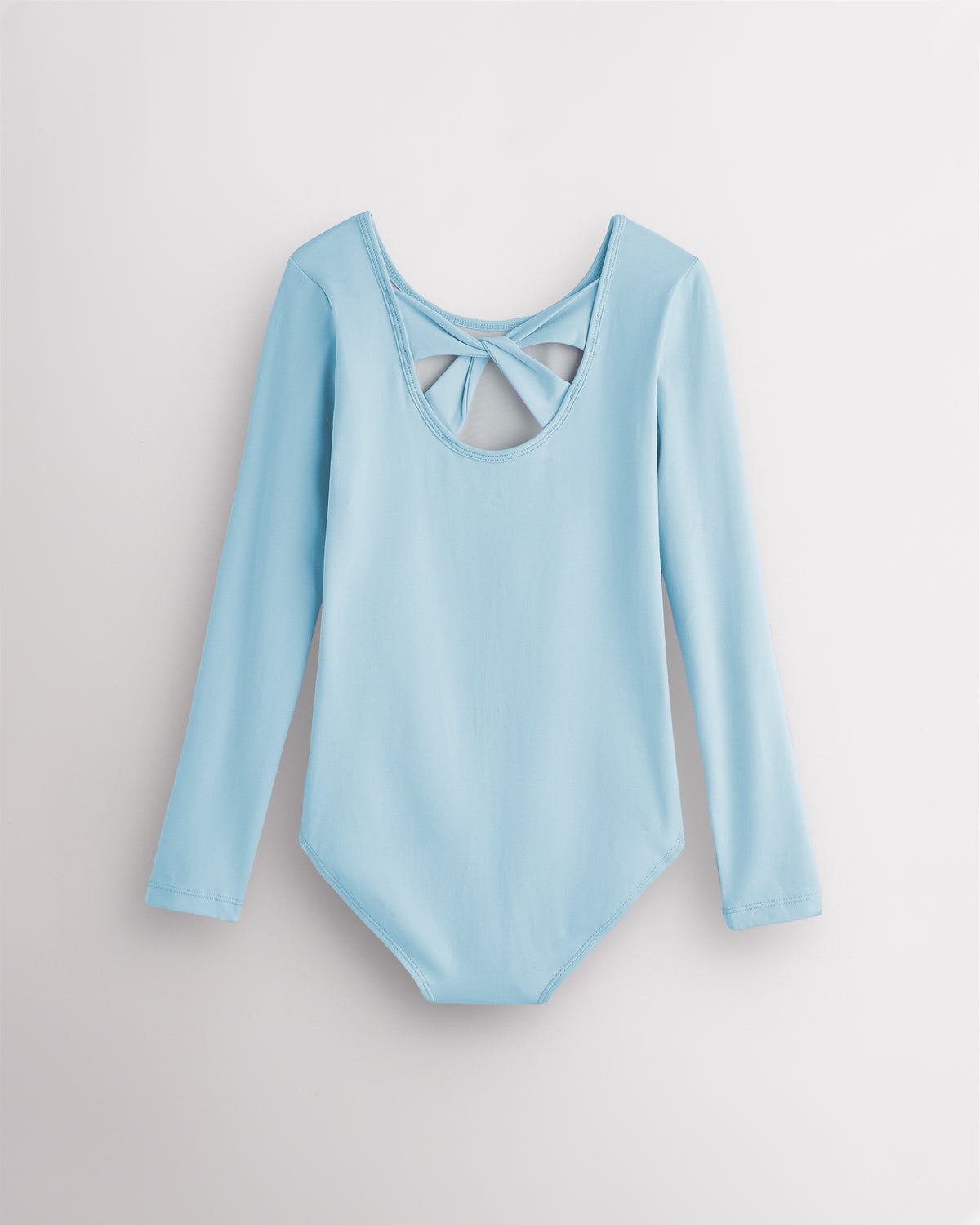
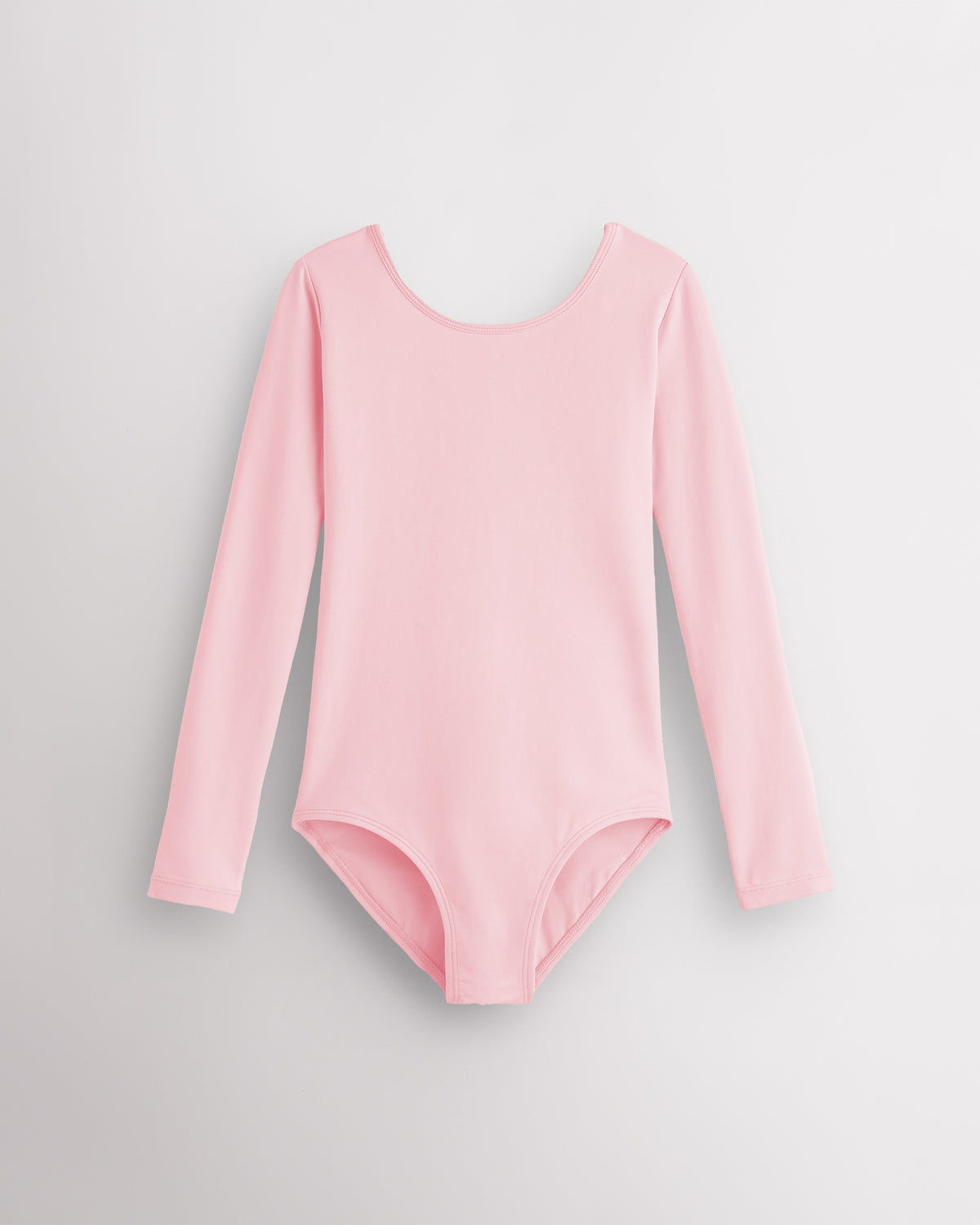
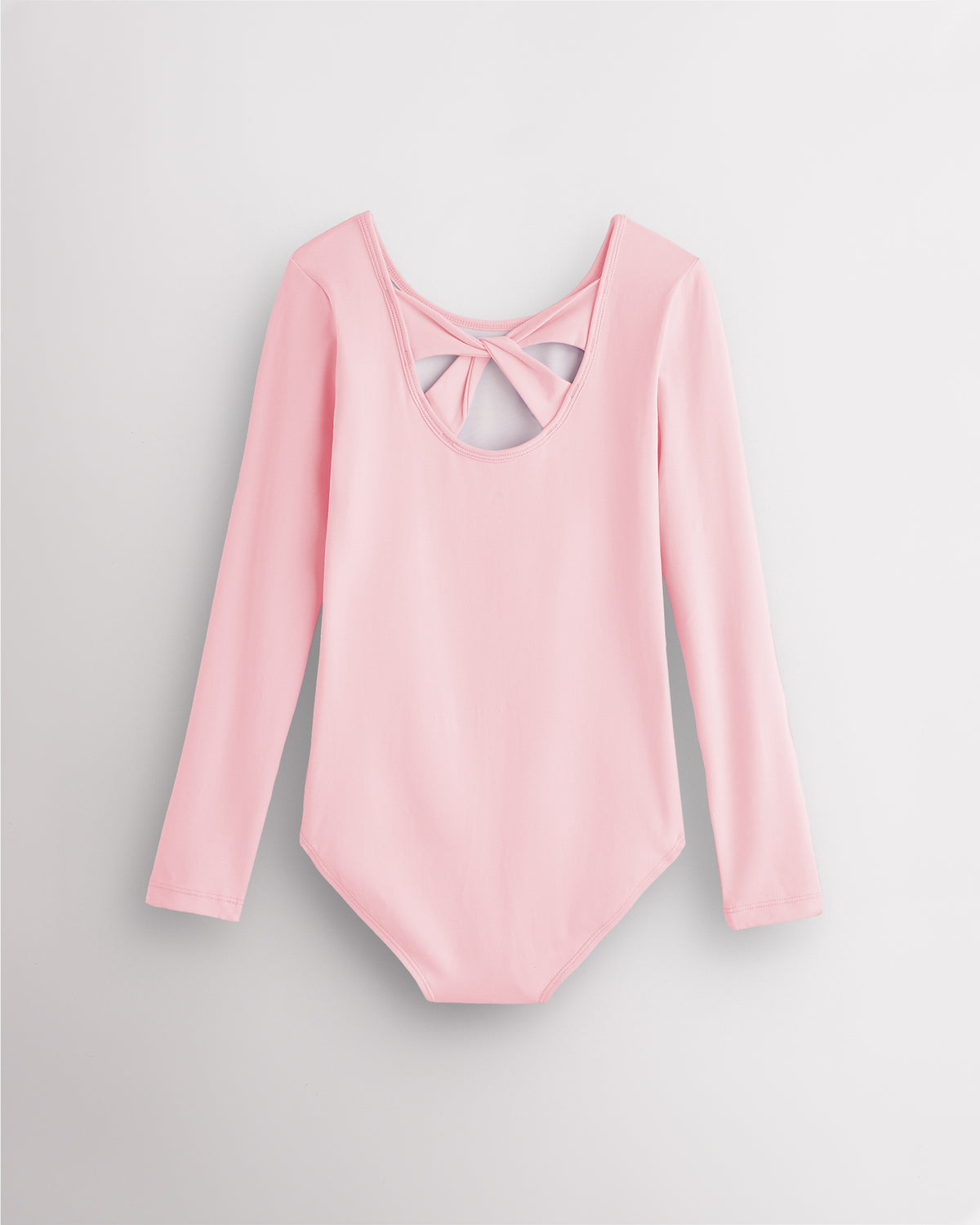
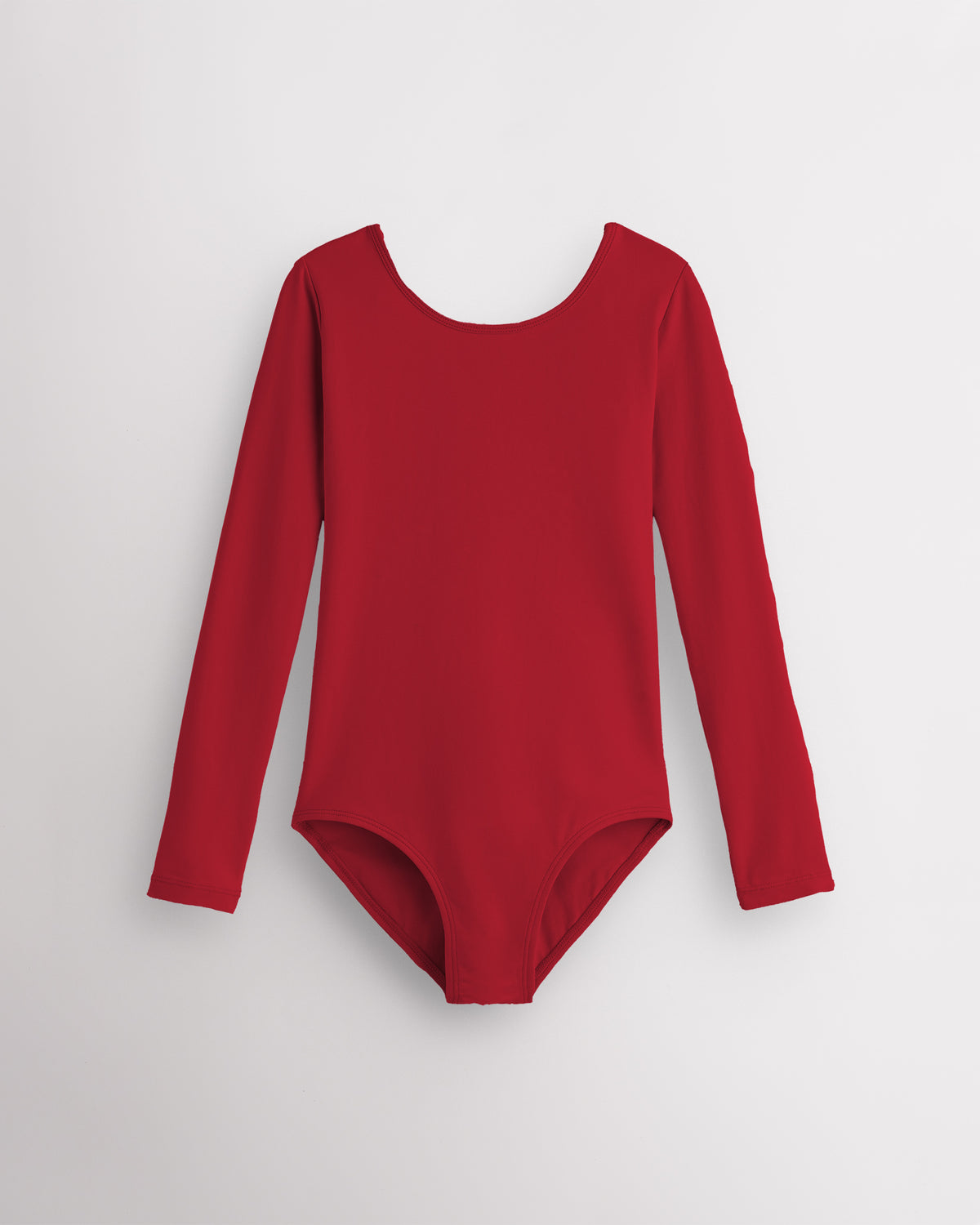
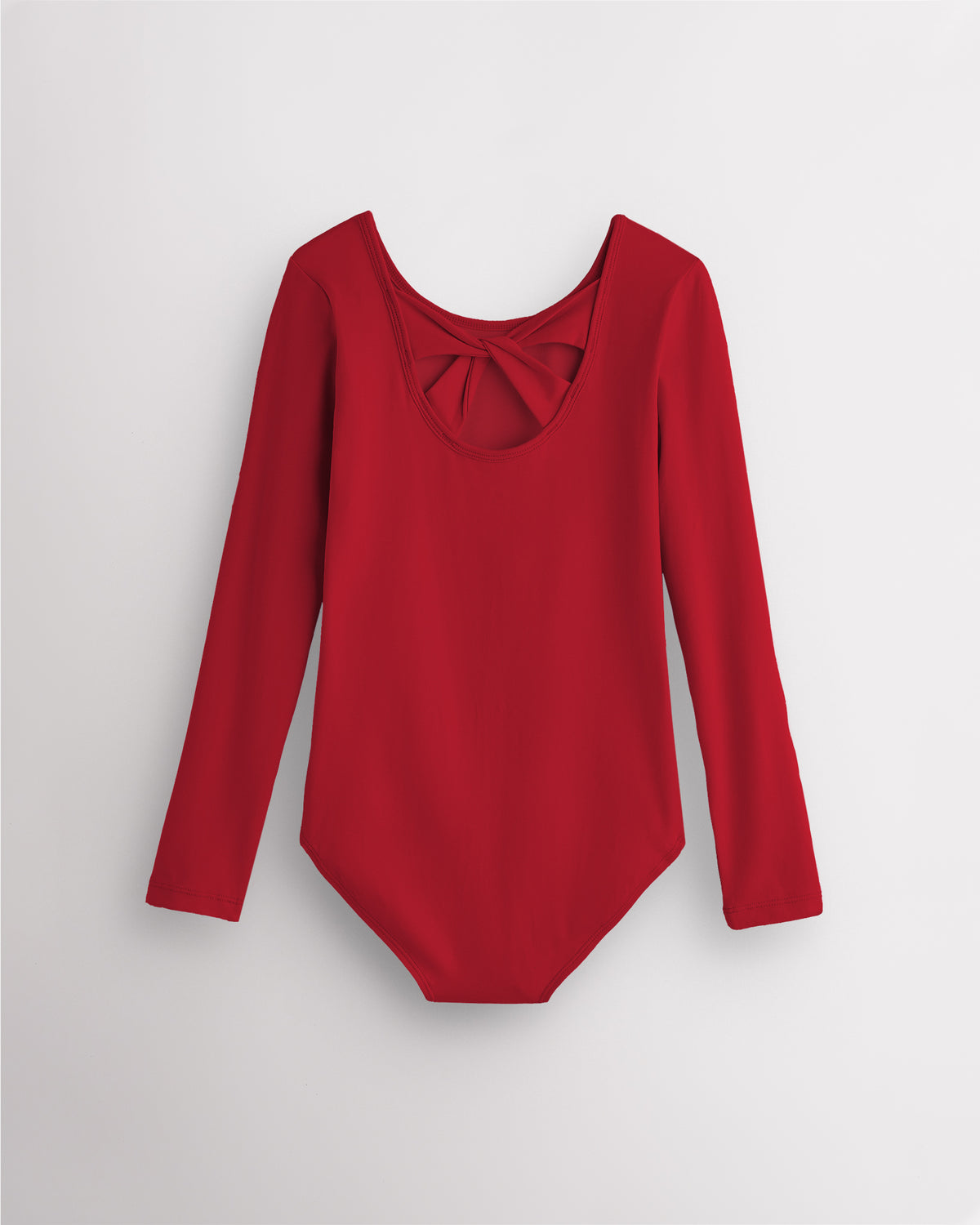
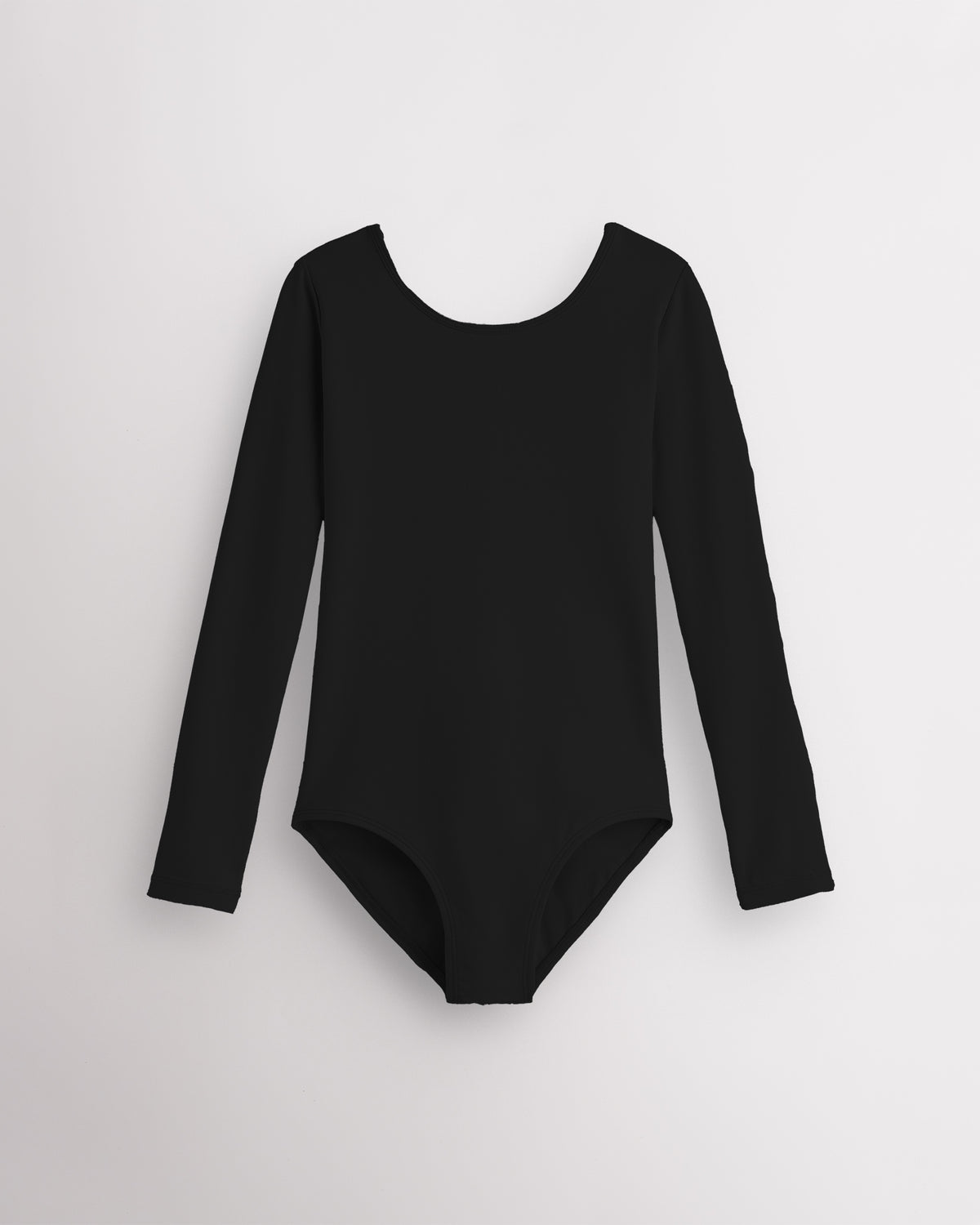
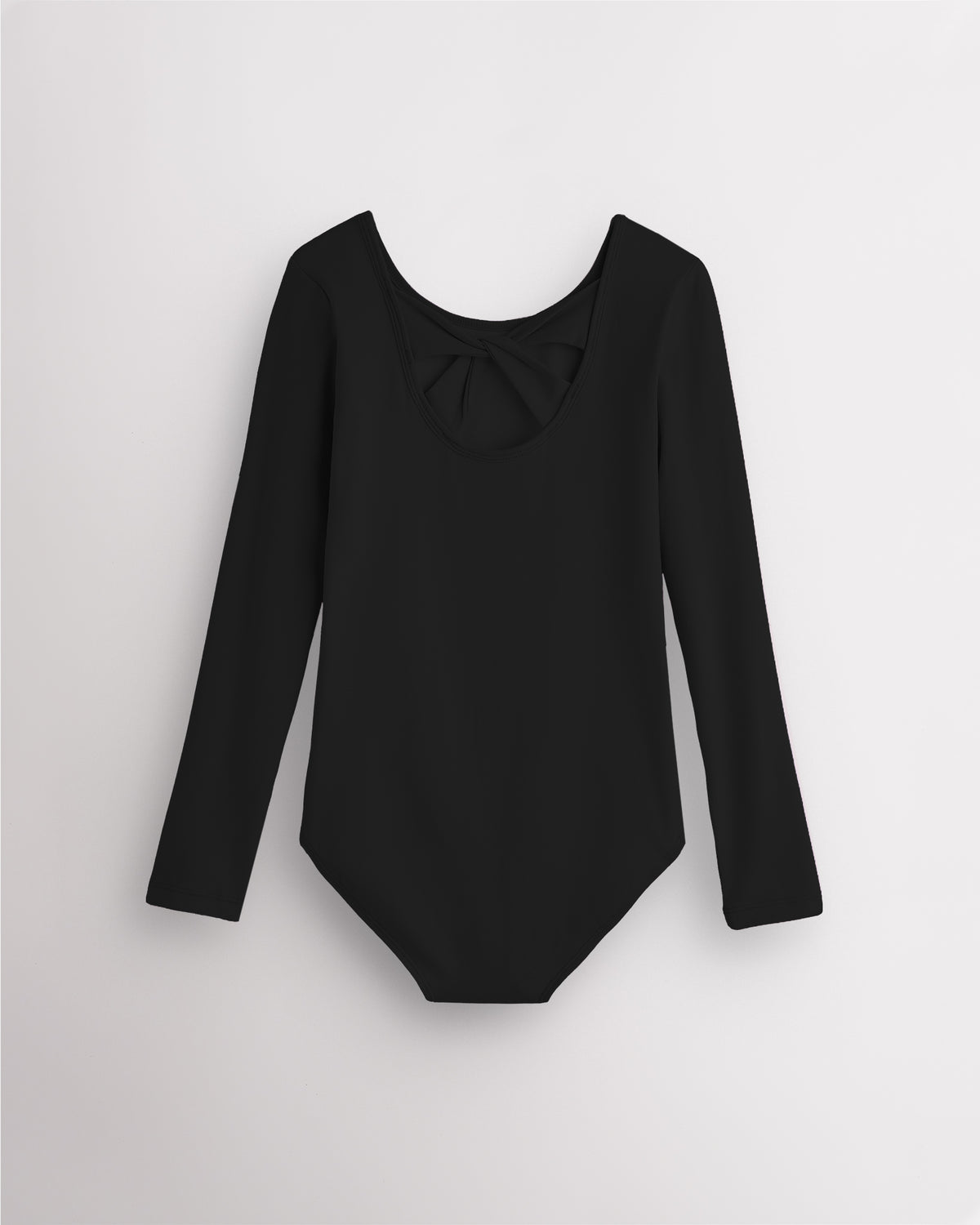
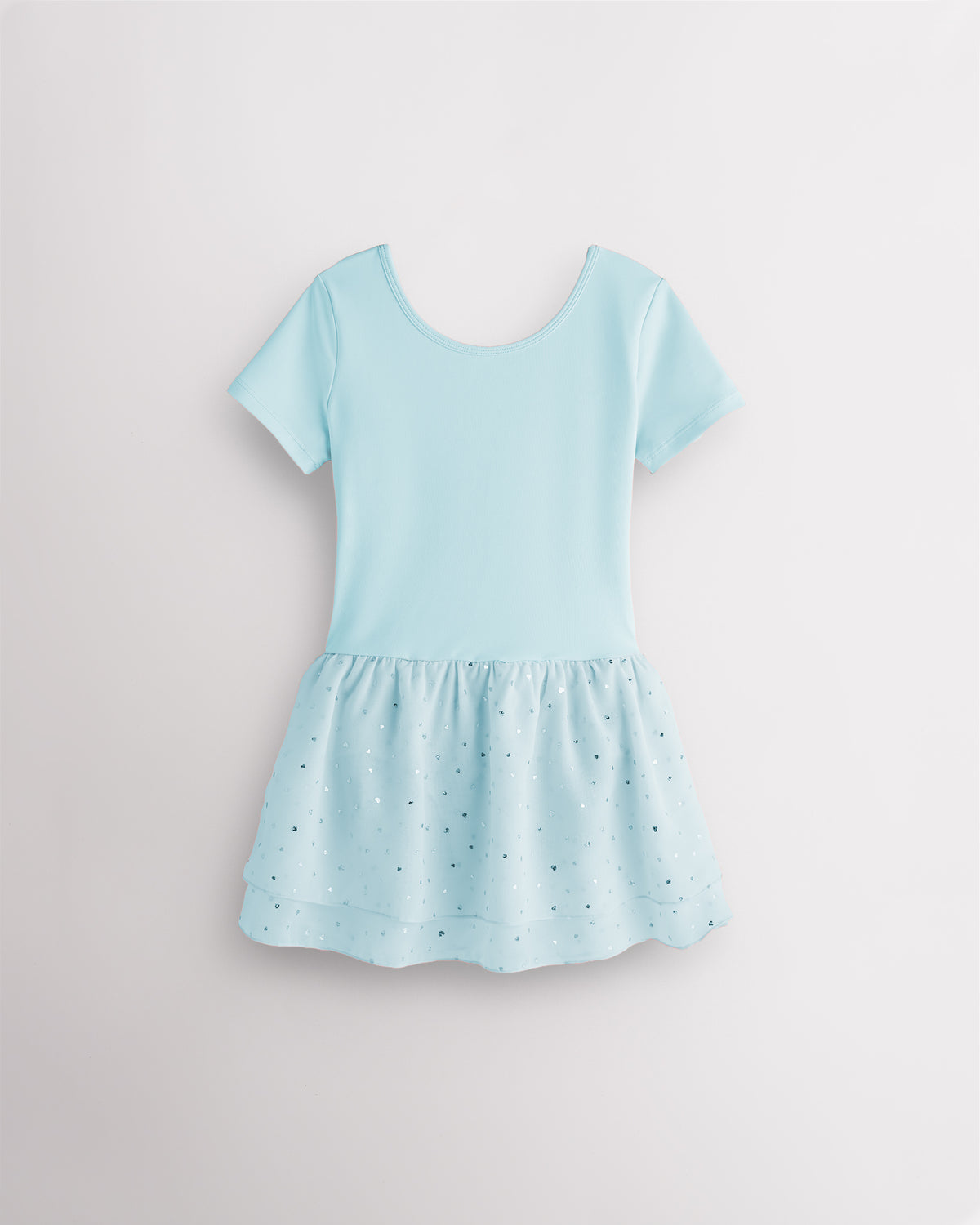
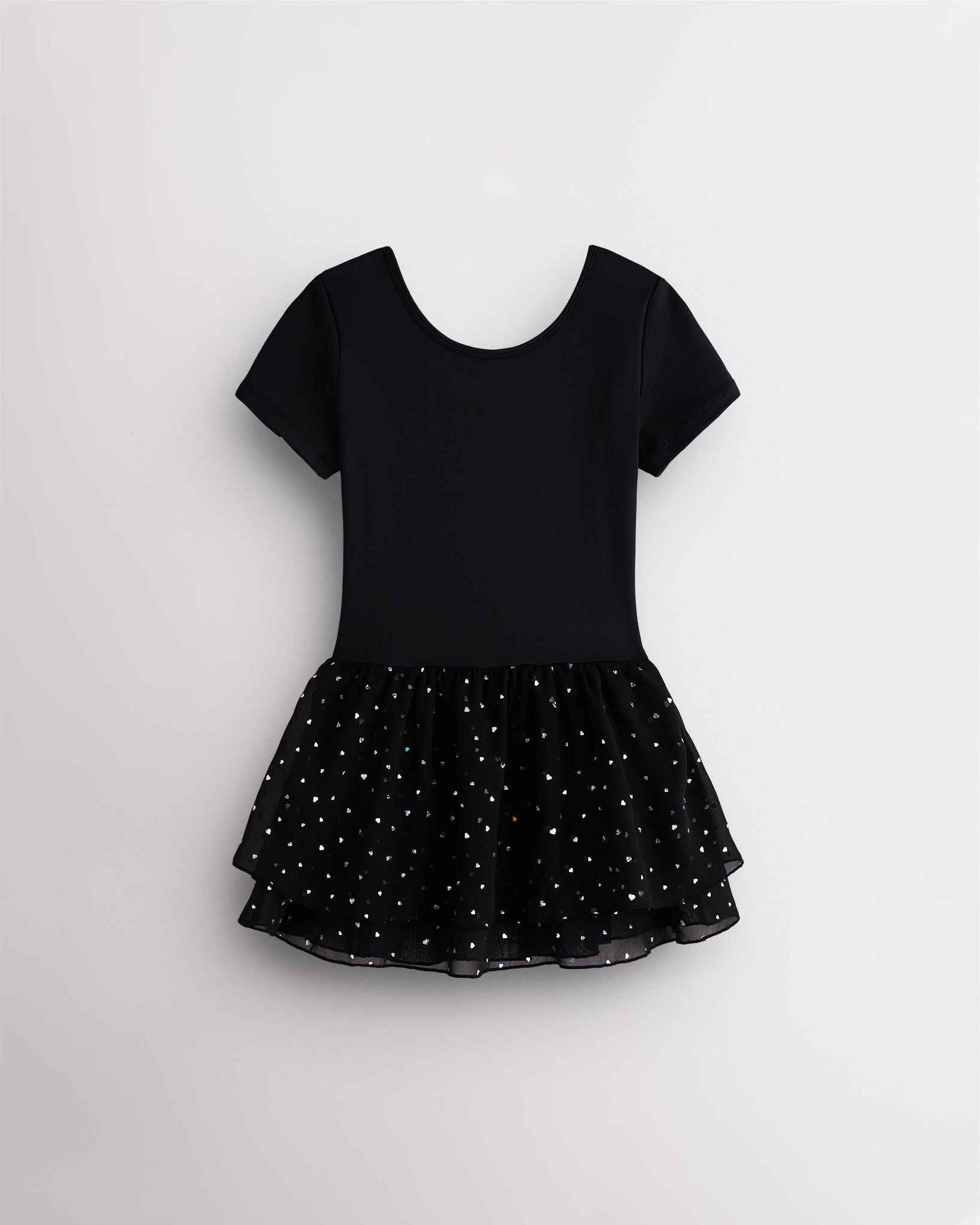
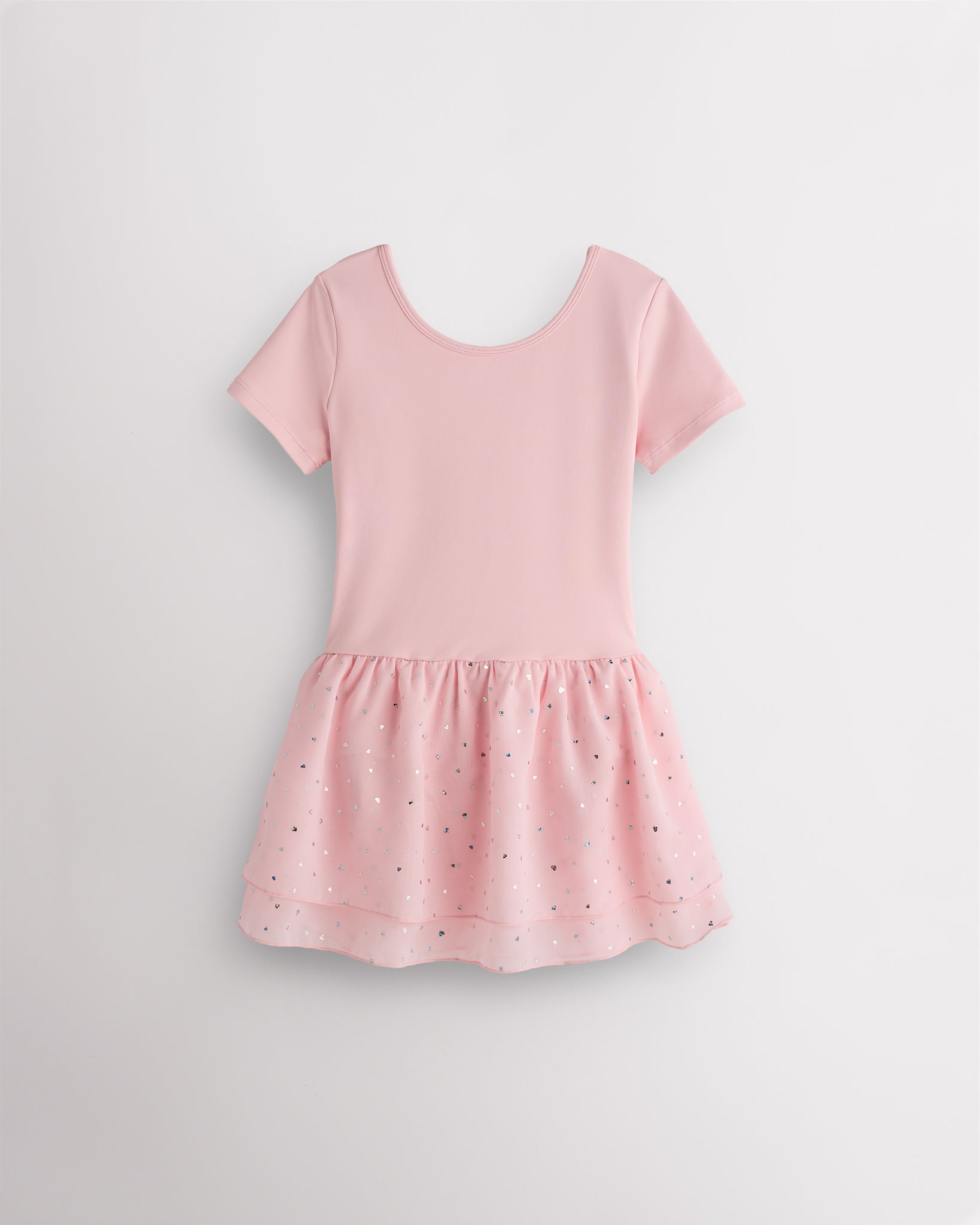
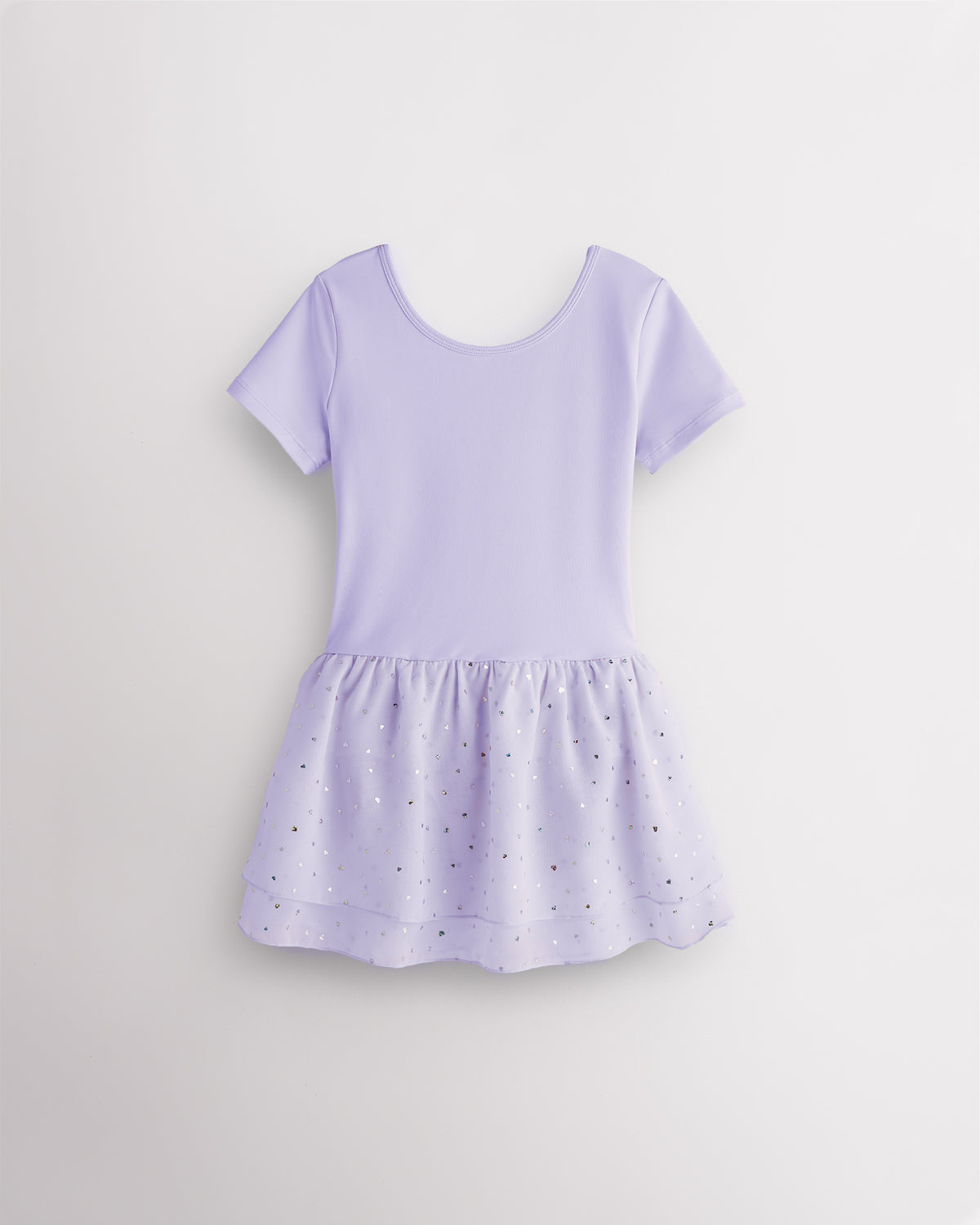
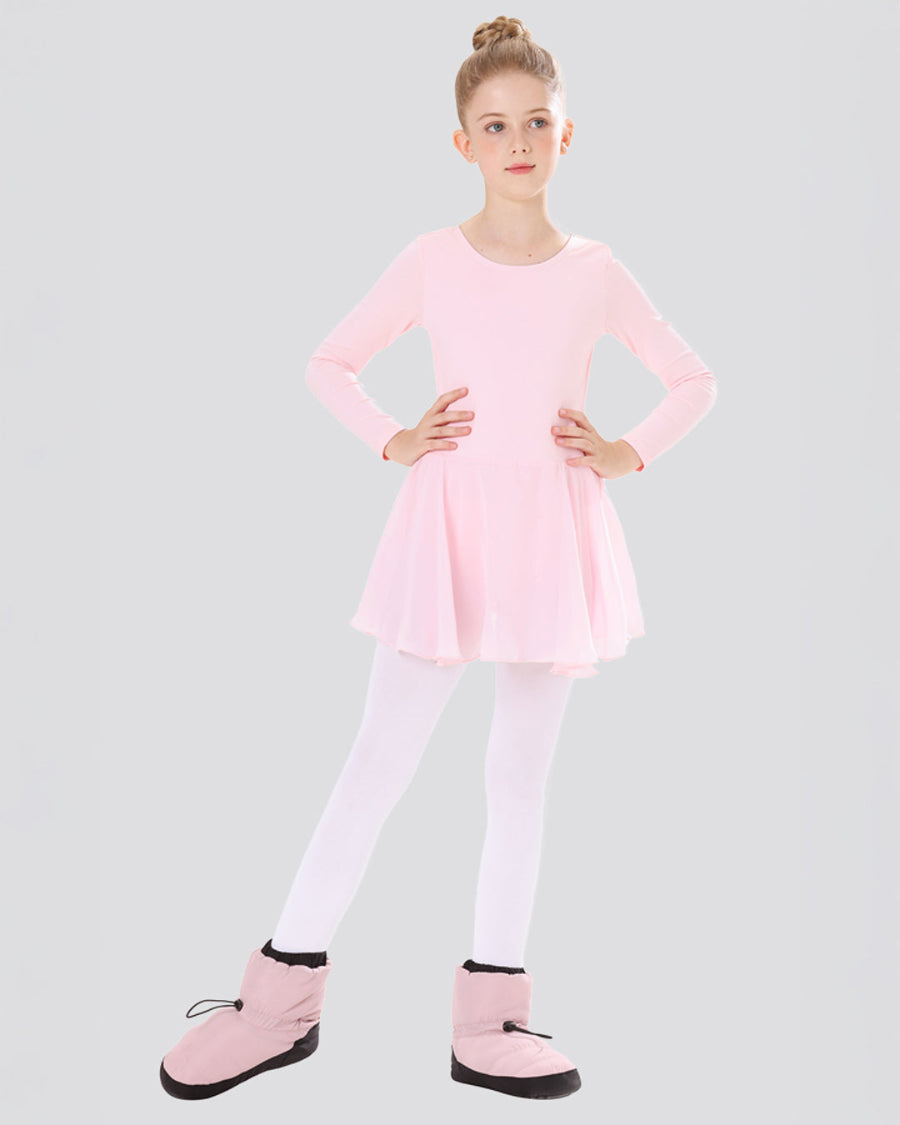
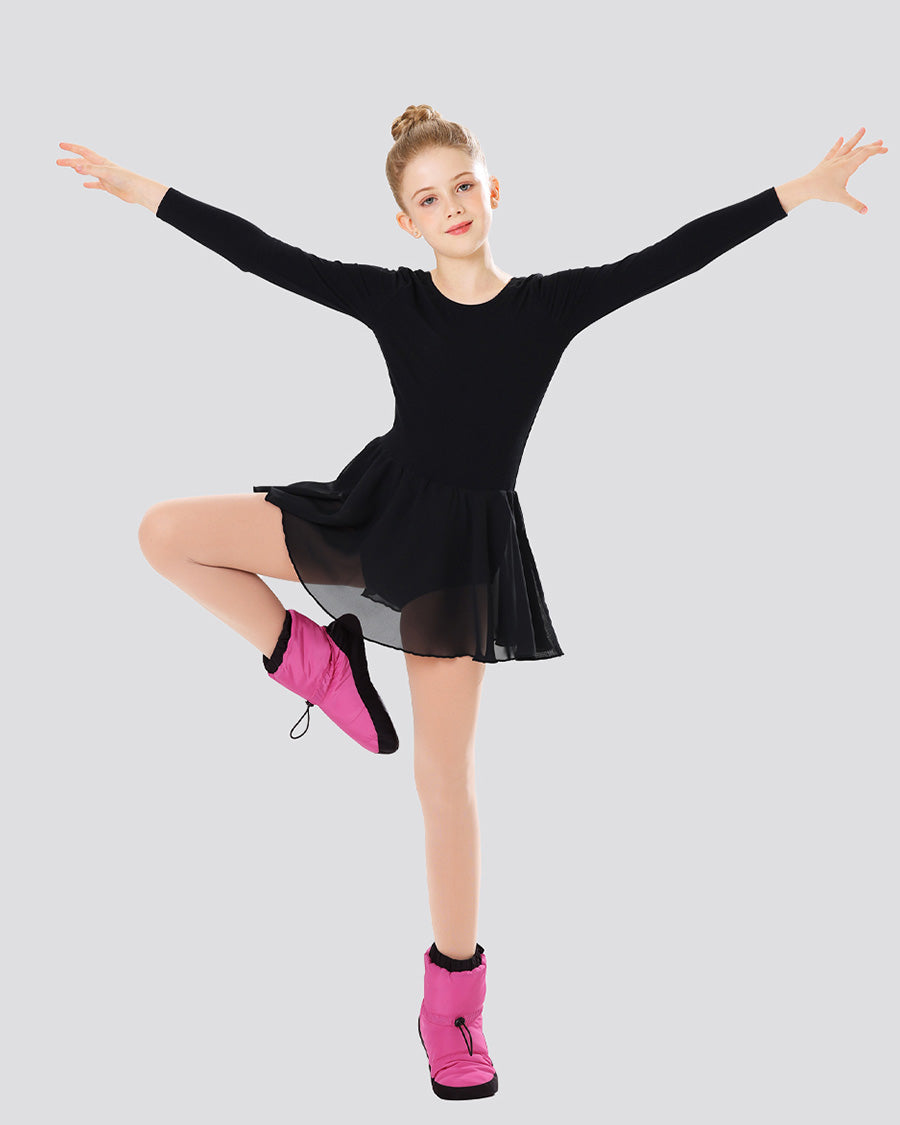
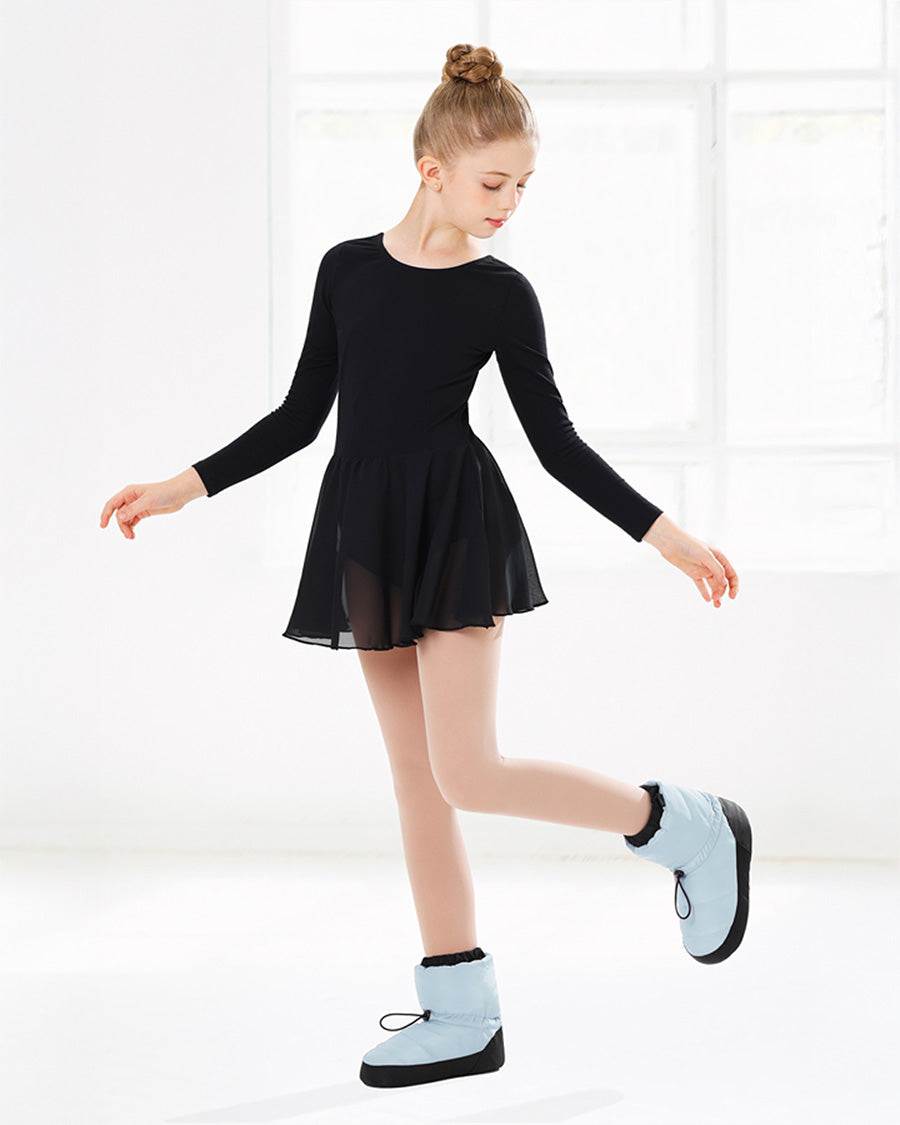
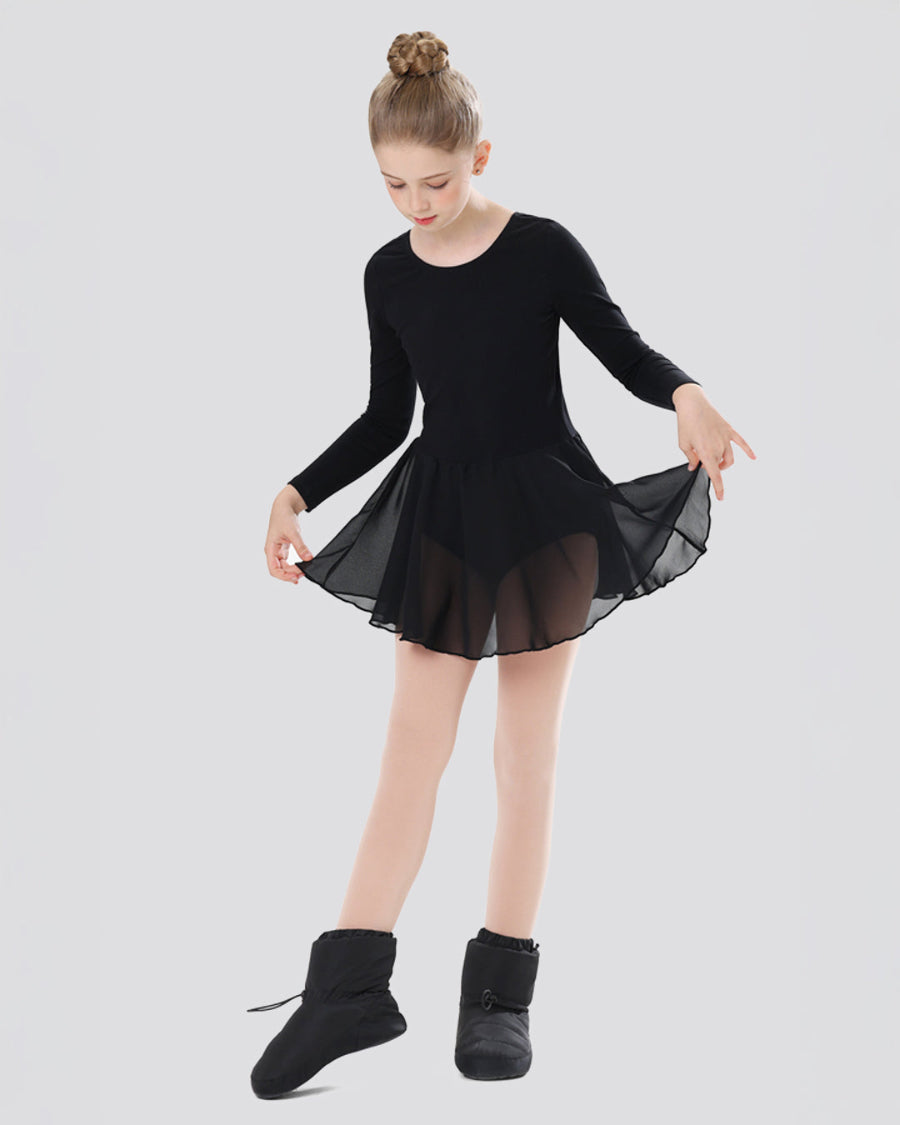
What to wear. Dress like it is a real class: a leotard and dance tights for ballet, or fitted activewear for hip hop and jazz. It is partly practical (the teacher needs to see knees and alignment) and partly psychological: changing into dance clothes tells a kid the next 30 minutes are class, not screen time.

What progress realistically looks like
Expect online progress to run slower than studio progress for technique-heavy styles, and roughly on pace for rhythm, coordination, musicality, and confidence. A young beginner taking one live class a week will likely learn basic positions, follow choreography, and build a habit within a couple of months. What online rarely delivers by itself is refined technique, because no camera replaces a teacher's hands and eyes across the room. That is not a reason to skip online; it is a reason to hold it to the right standard. If your child is thriving after a semester online and wants more, that is your cue to add or switch to in-person training.
FAQ
Are online dance classes worth it for kids?
Often, yes, for the right job: trying a style, practicing between studio classes, or dancing when no studio is practical. They are a poor substitute for in-person training when your child needs hands-on corrections or craves the social side of a class.
What age can kids start online dance classes?
Live platforms list classes from about age 3, but under about 5, plan to participate alongside your child and favor short, playful sessions. Independent on-demand classes tend to click around age 8 and up.
Are there free online dance classes for kids?
Yes. YouTube carries a lot of free follow-along content, and some academies post free intro classes. Quality varies widely and there is no feedback, so start with a curated list (we keep one on the blog) and upgrade to a structured program if interest sticks.
What does my child need for online dance classes at home?
Beyond the basics covered above, the two purchases worth considering are a foldable smooth-surface mat if your floors are carpet (roughly the cost of one month of classes) and, only for a committed ballet student, a freestanding barre; a sturdy chair back does the same job for free. A wall mirror is optional, since the camera preview usually suffices.
Can kids learn ballet online?
Beginners can build positions, vocabulary, and musicality through live online ballet classes, especially in small groups where the teacher corrects individuals. Past the early levels, ballet's precision usually needs in-person correction, so treat online ballet as a start or a supplement rather than the whole path.
About the Stelle Team
Stelle is a mom-founded dancewear brand, making leotards, tutus, and activewear for young dancers since 2015. Our articles are written by the team behind the products — people who spend their days talking with dance teachers, studio owners, and dance parents, and who test everything from fabric stretch to tutu twirl in real classes. Learn more about Stelle.