



What Is Tap Dance? A Beginner's Guide for Parents
Table of contents
Quick answer
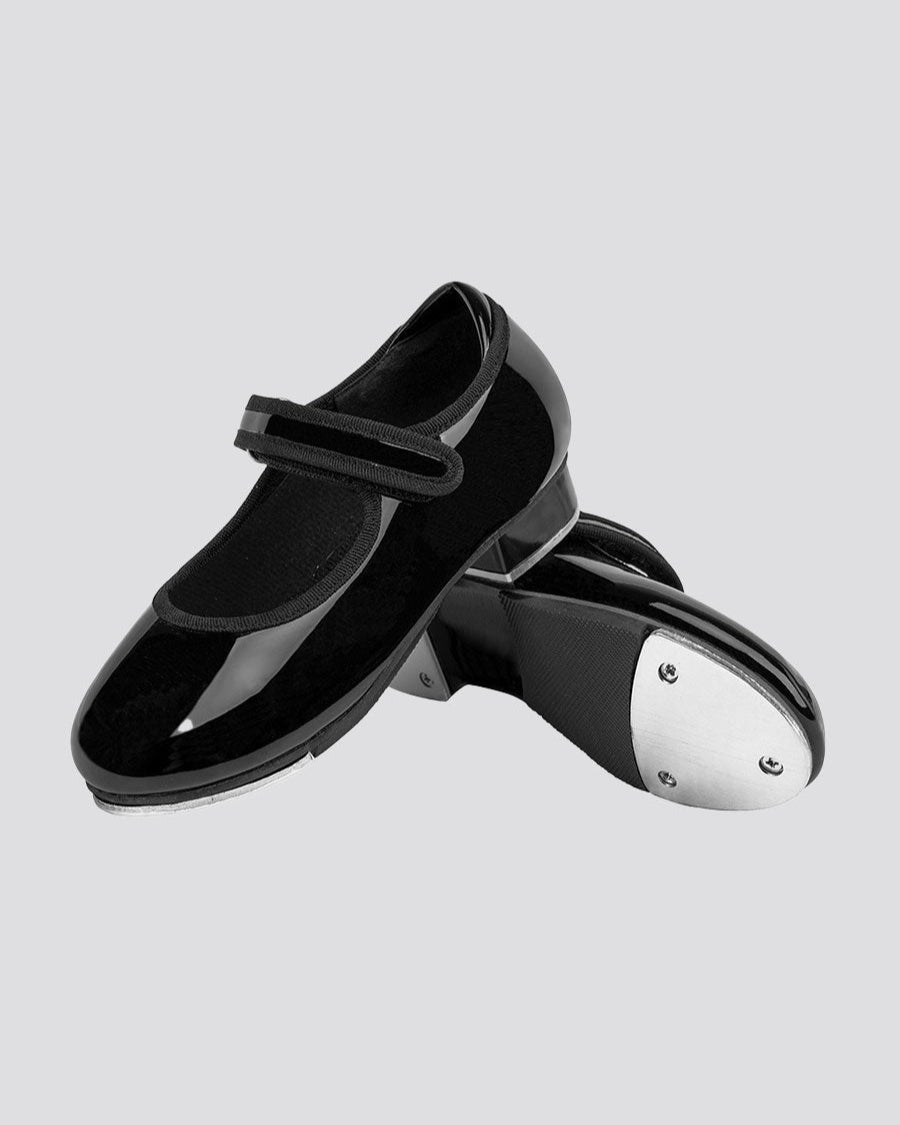
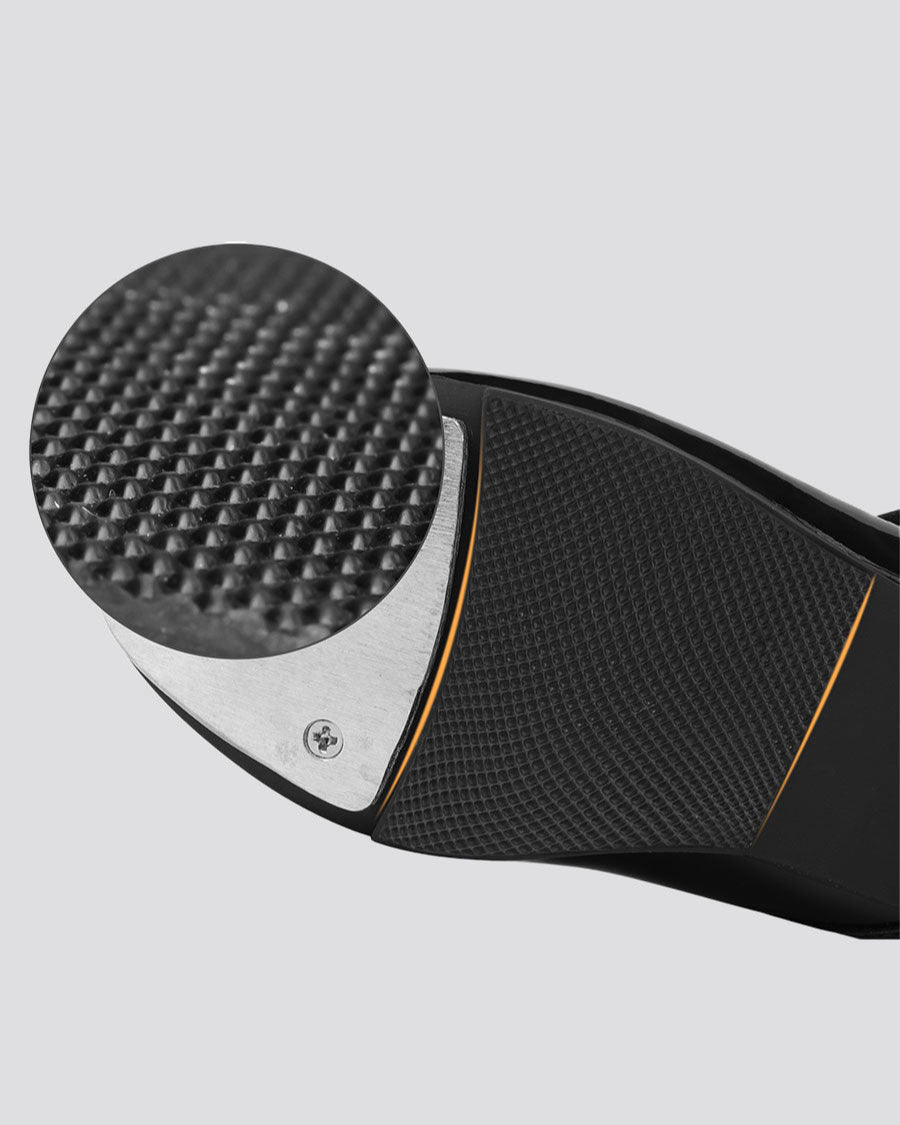
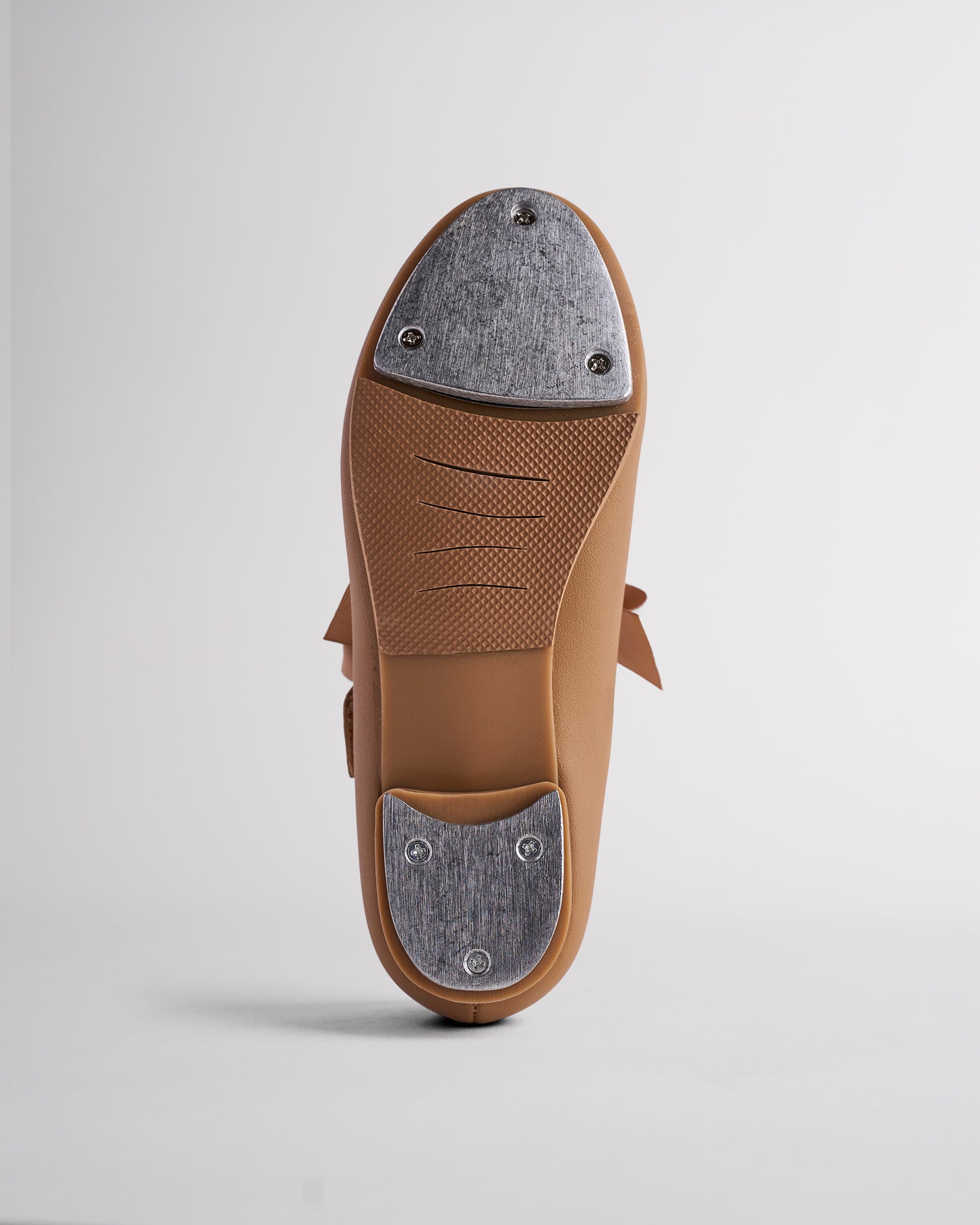
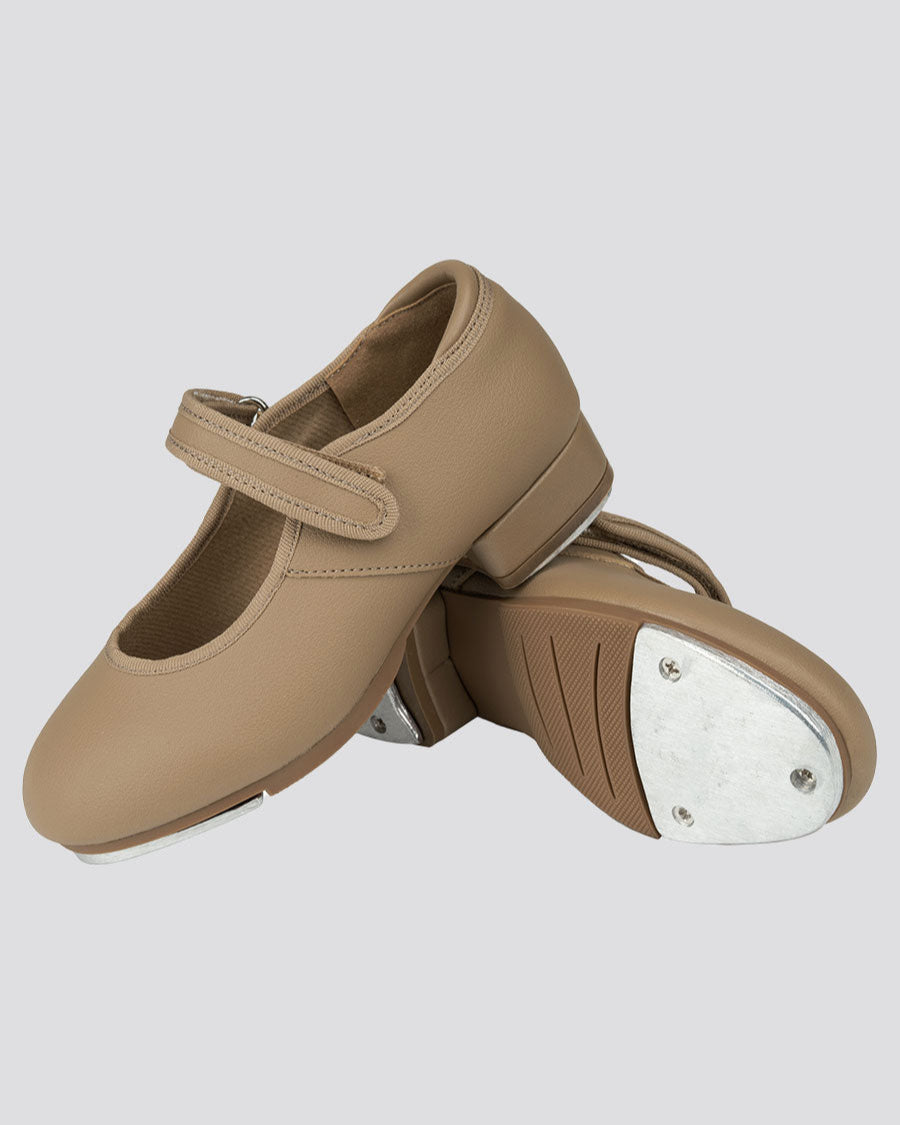
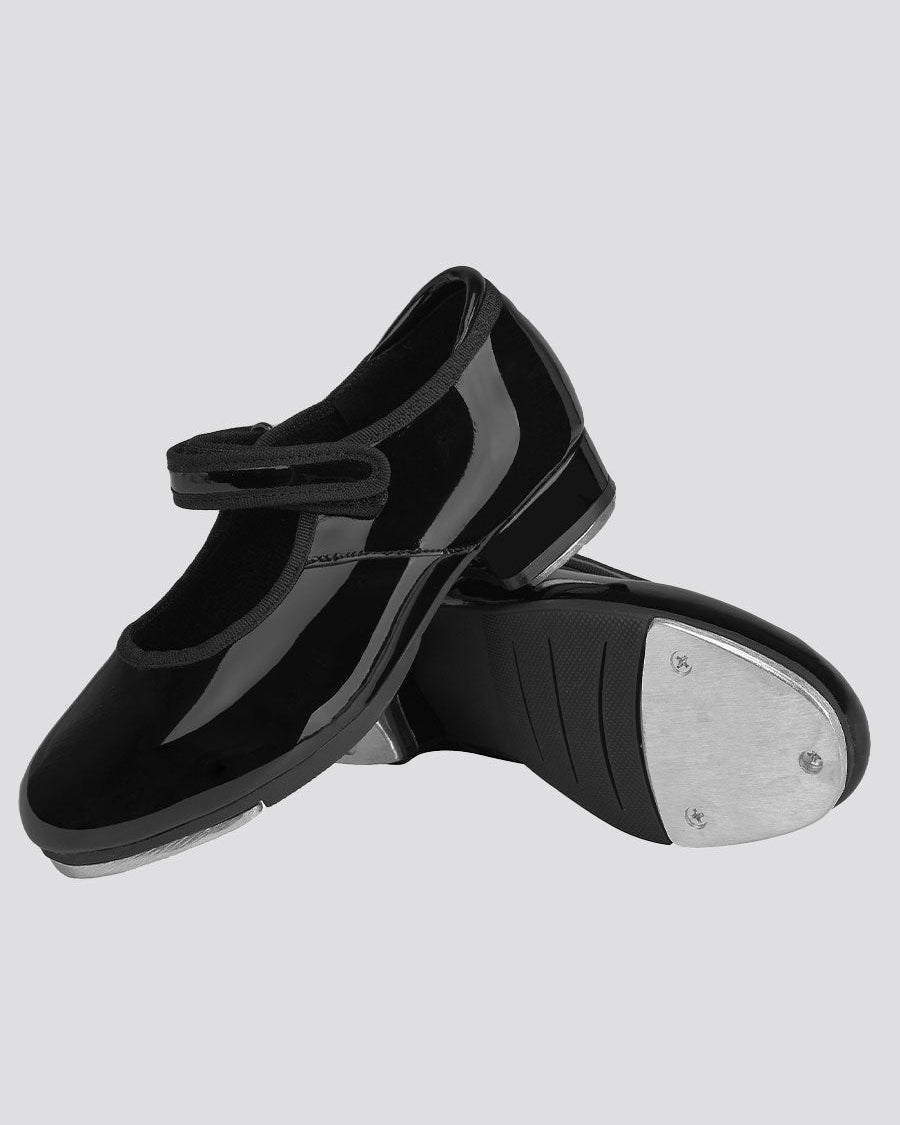
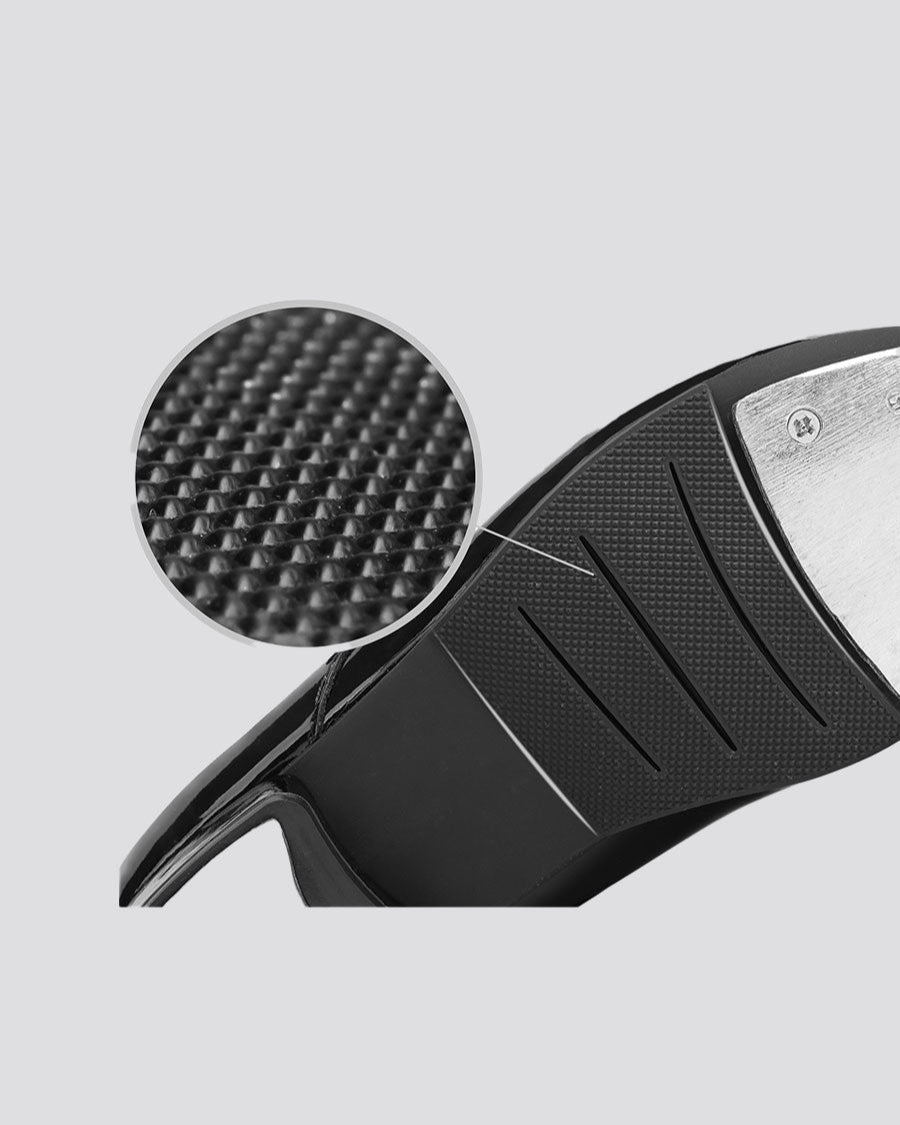
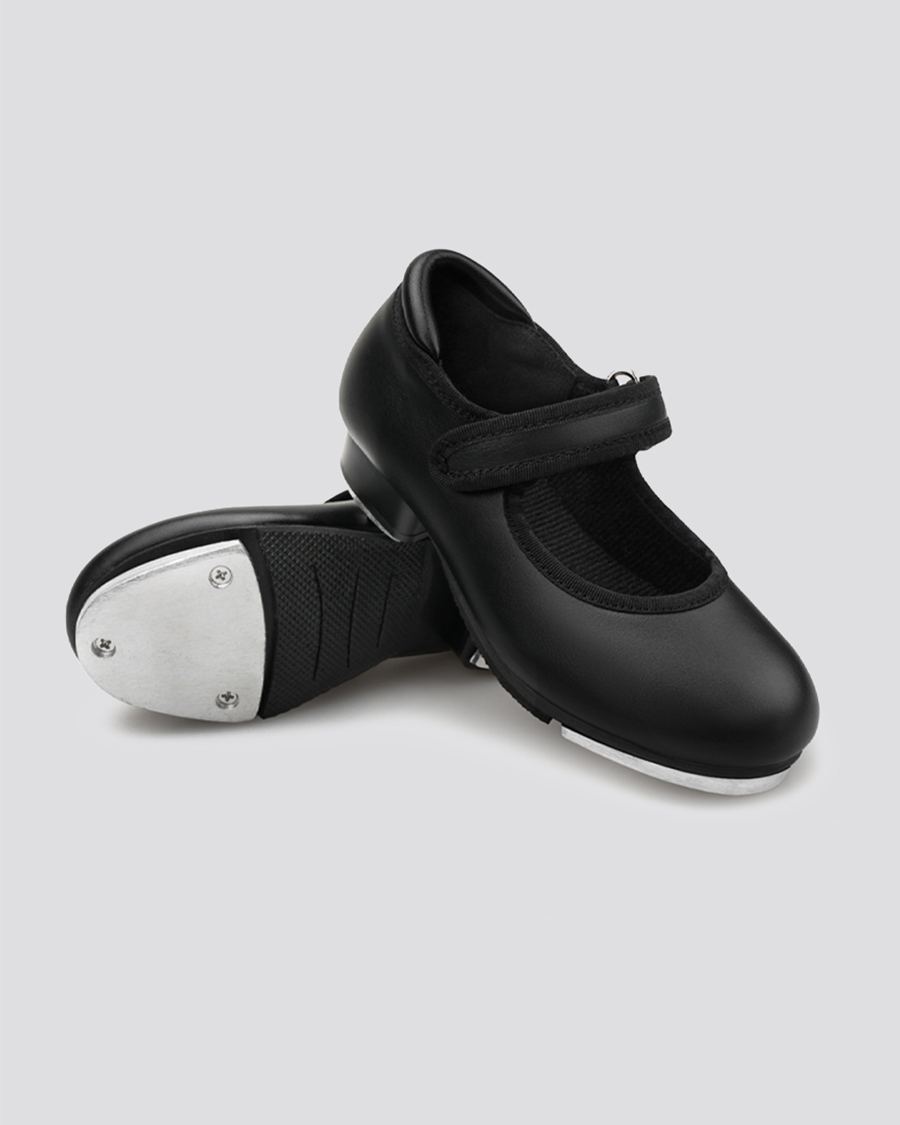
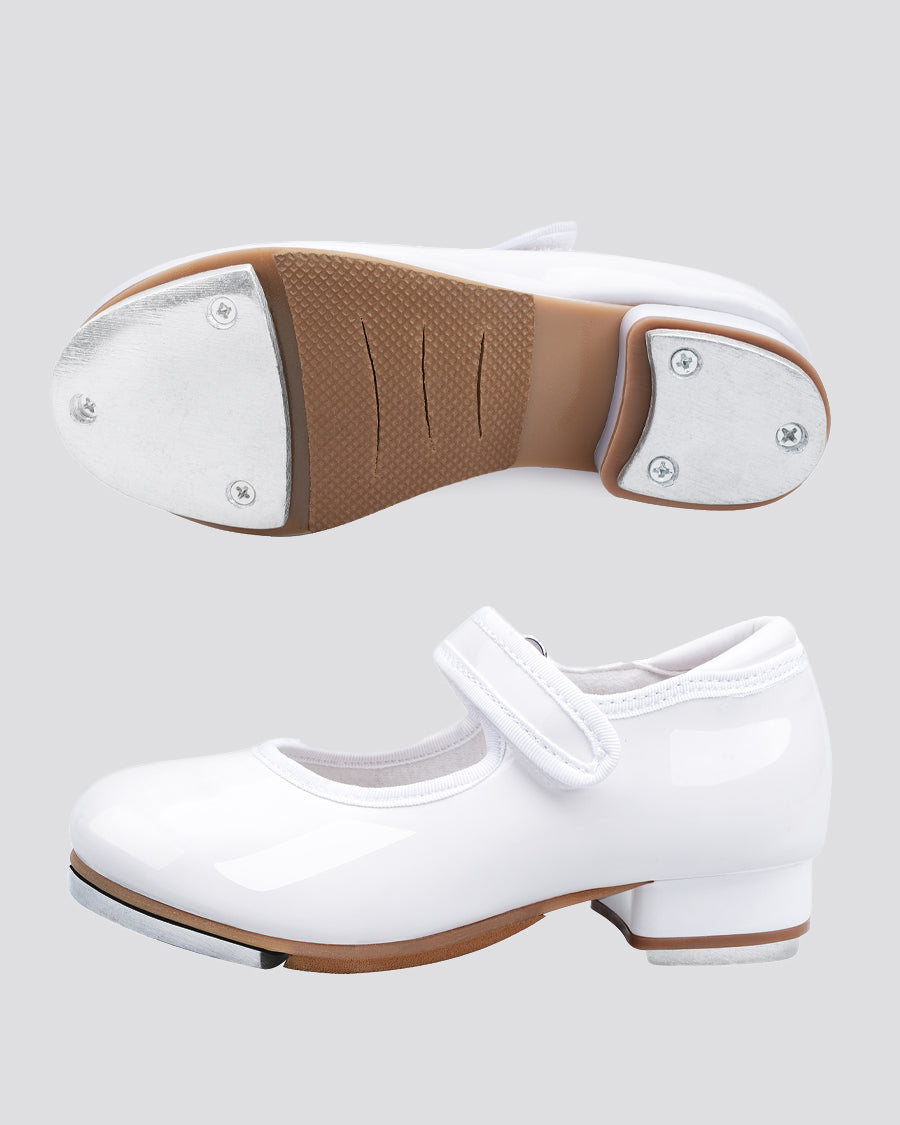
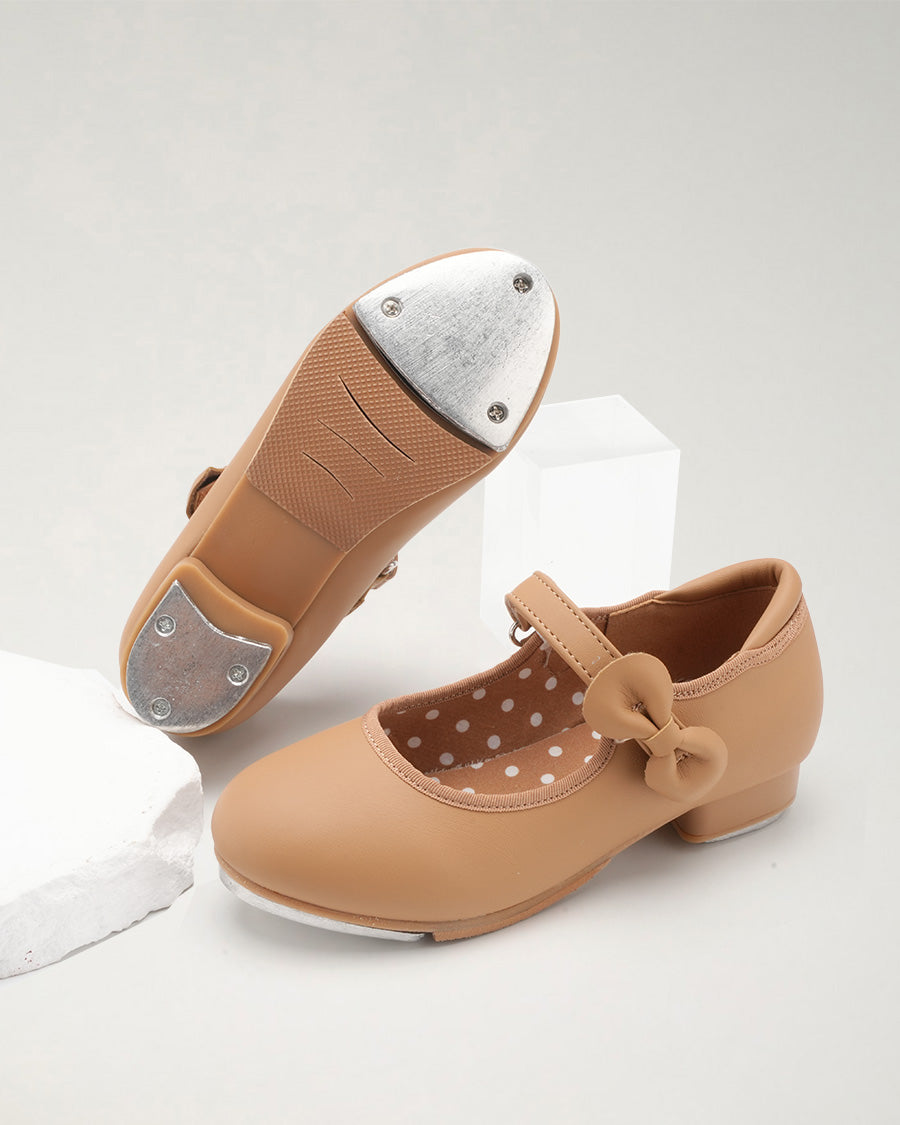
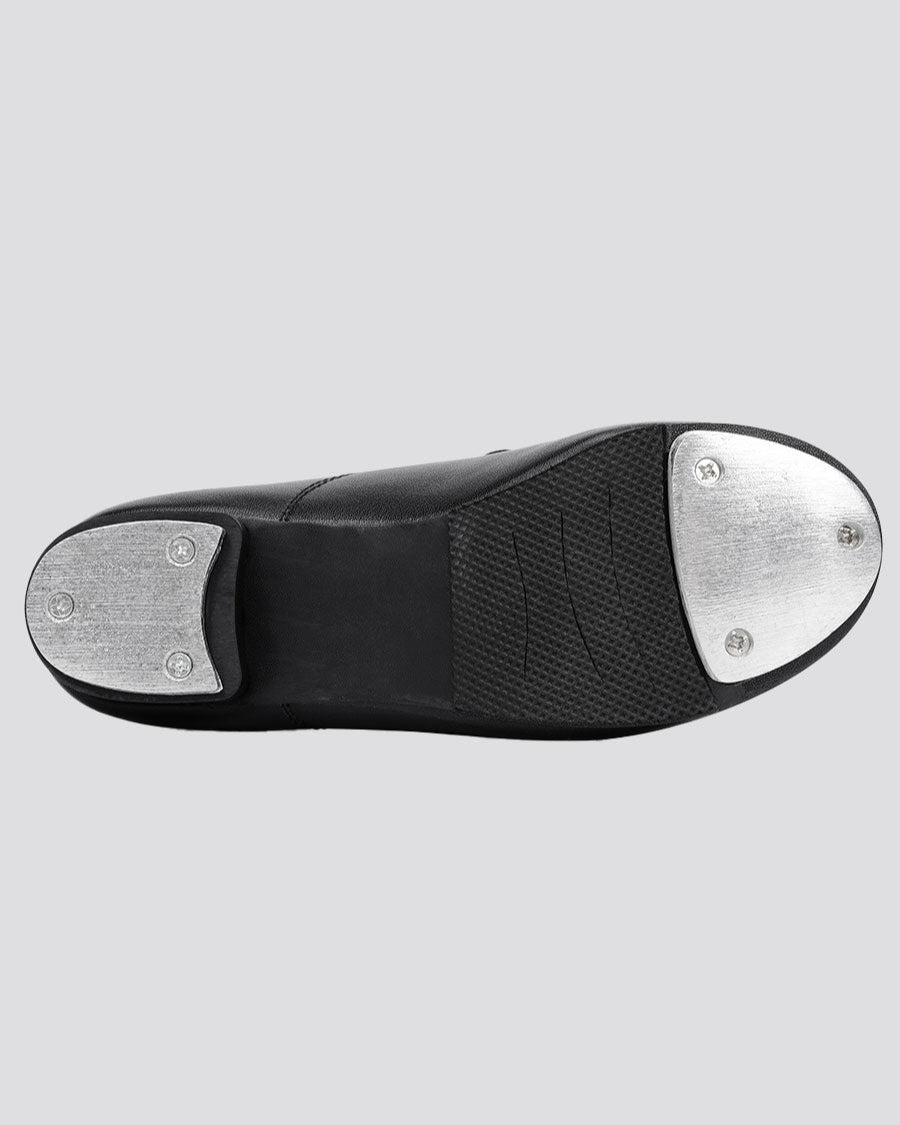
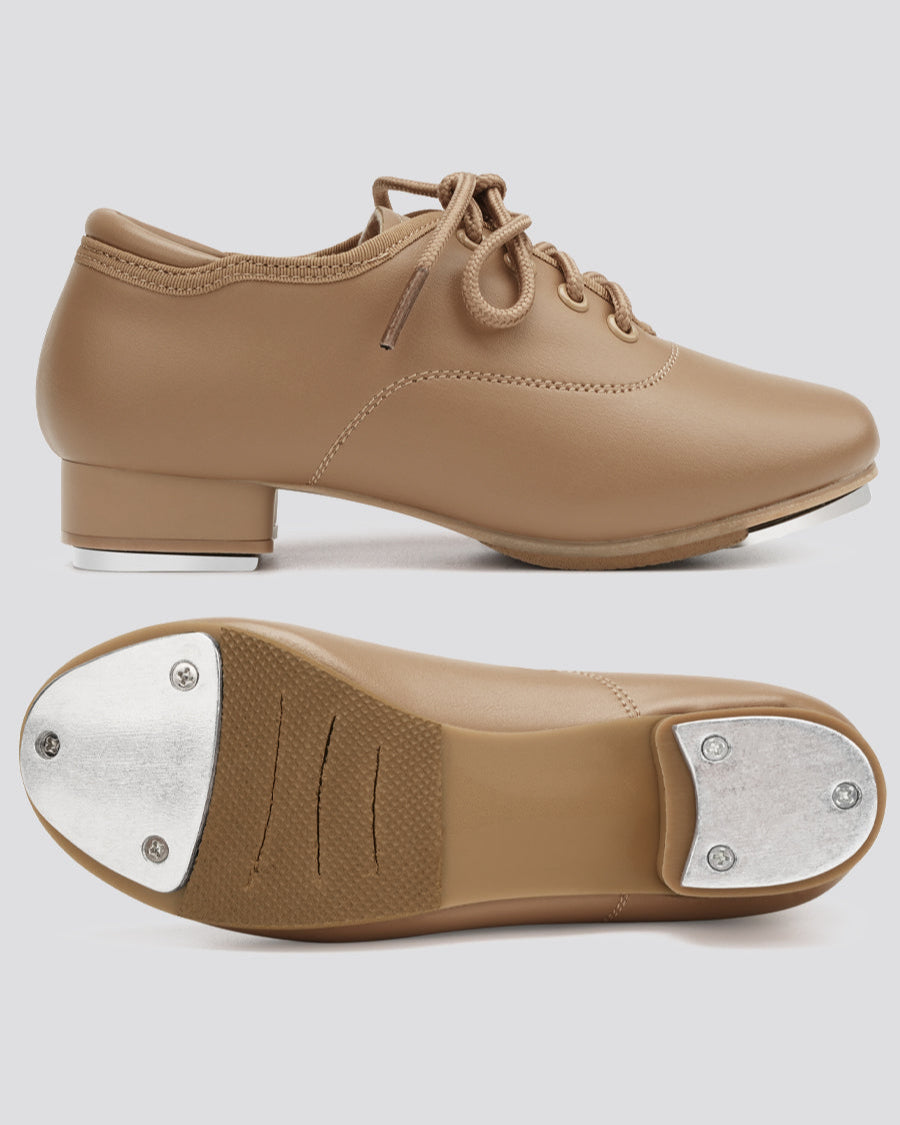
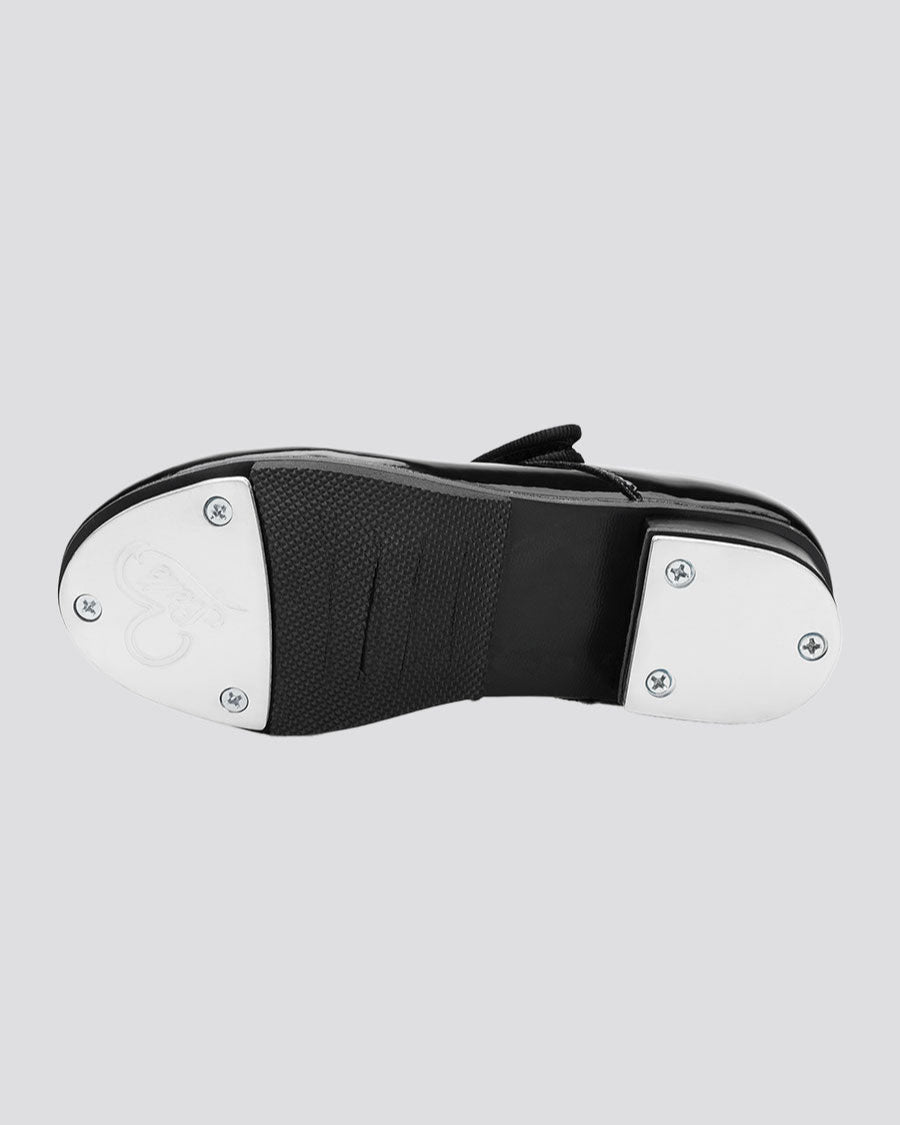
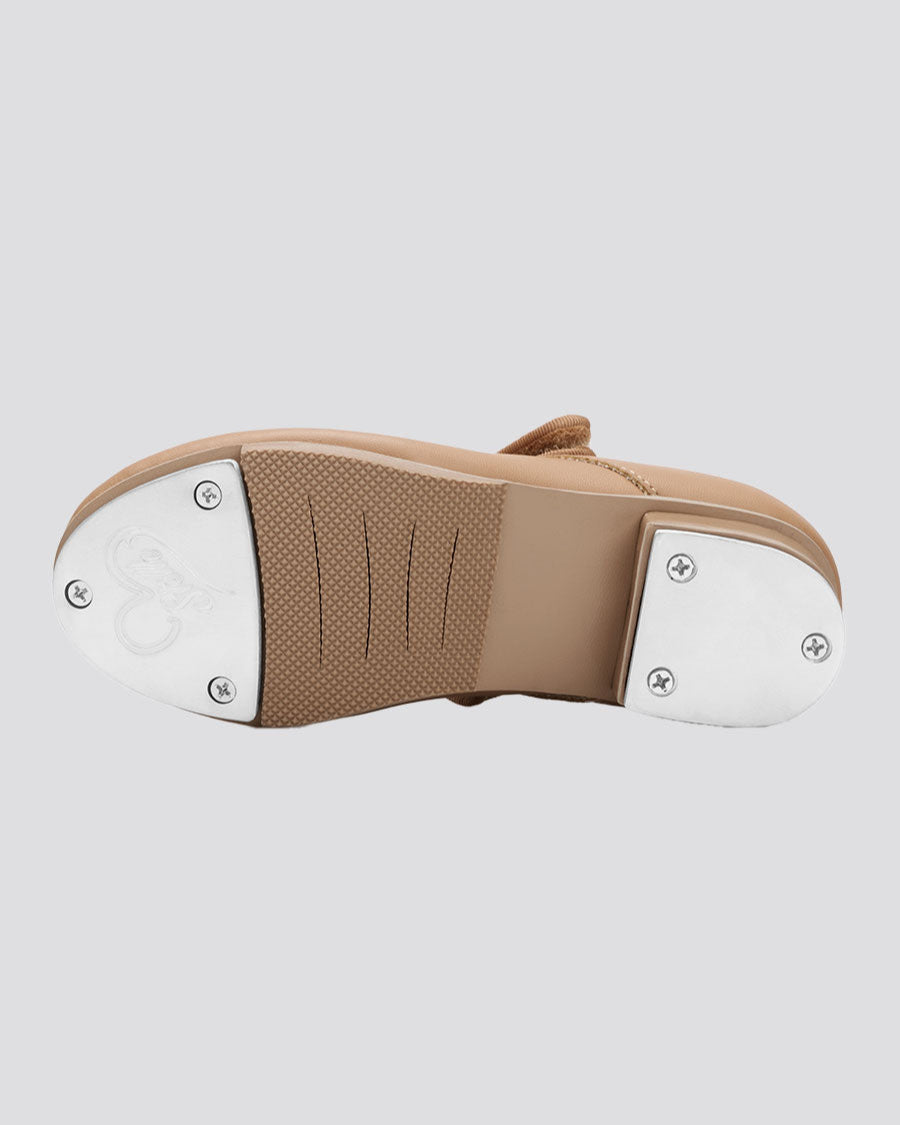
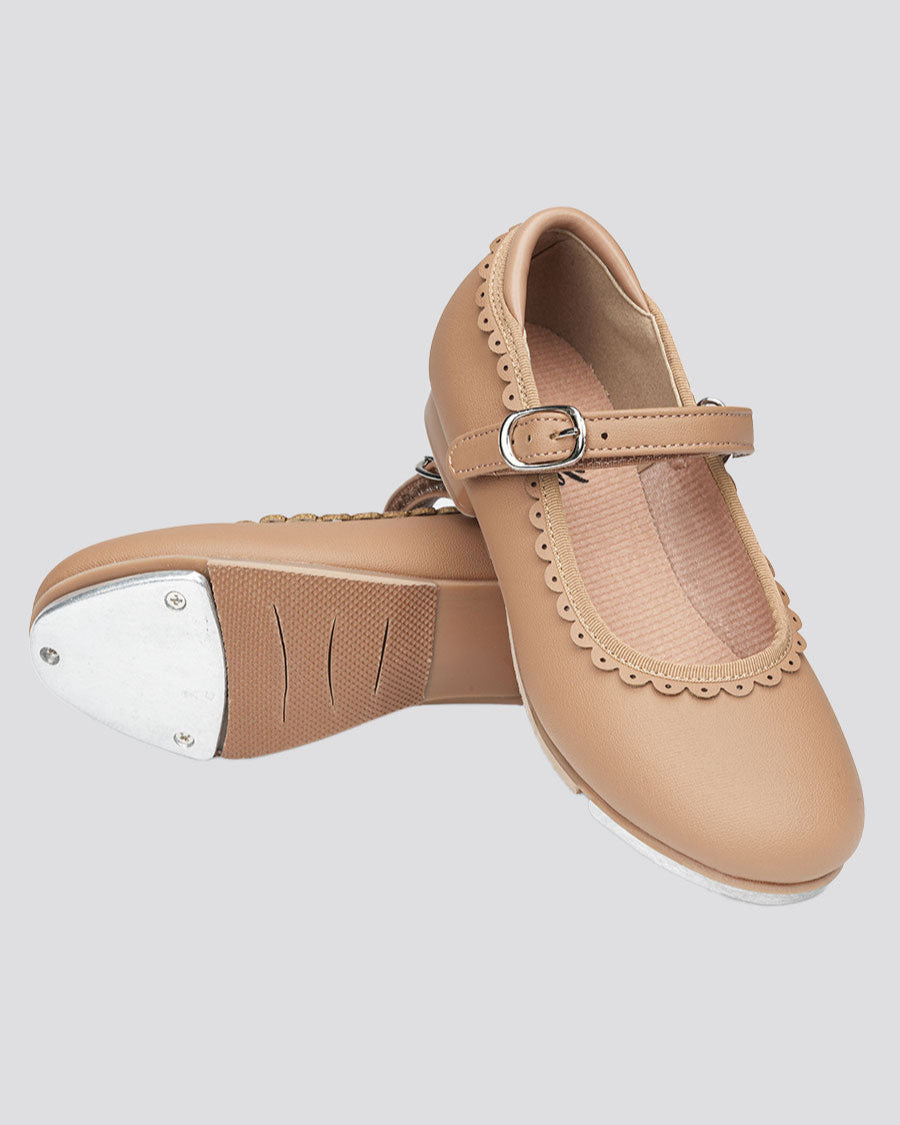
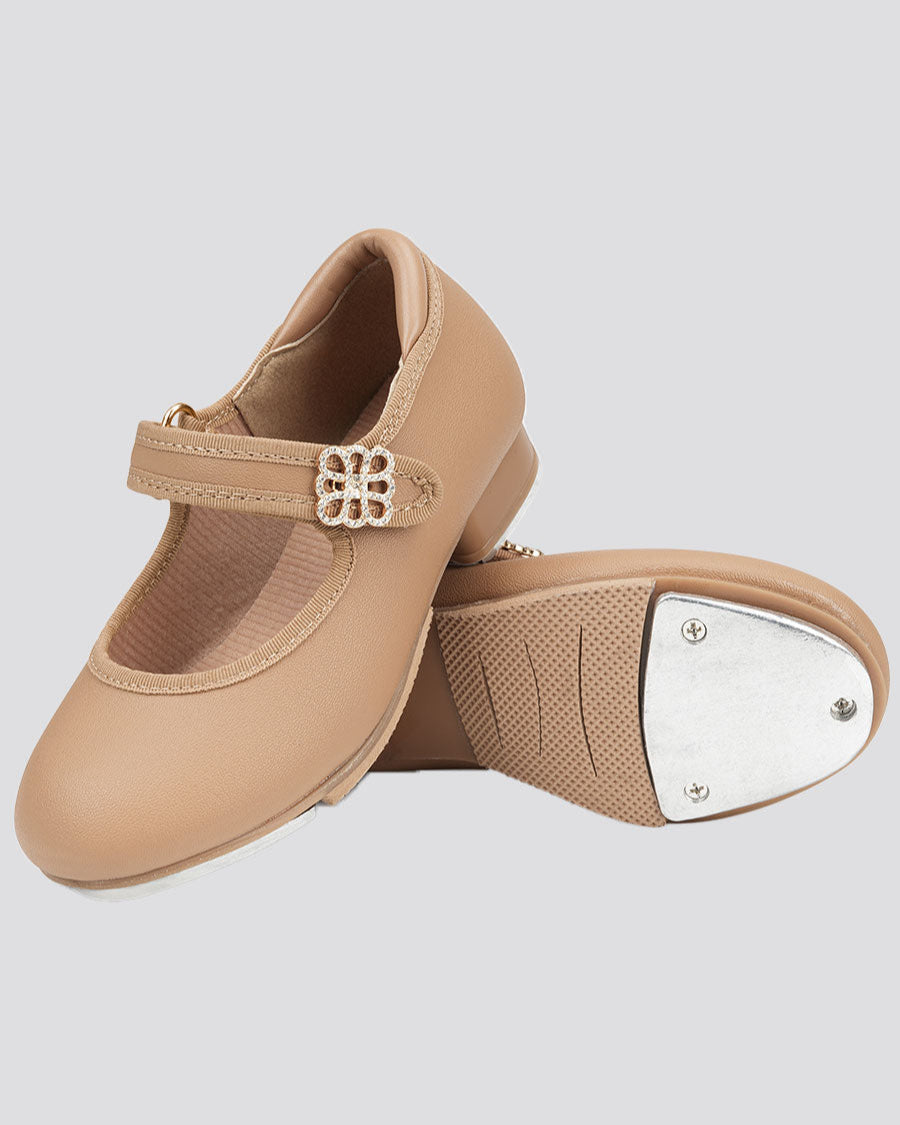
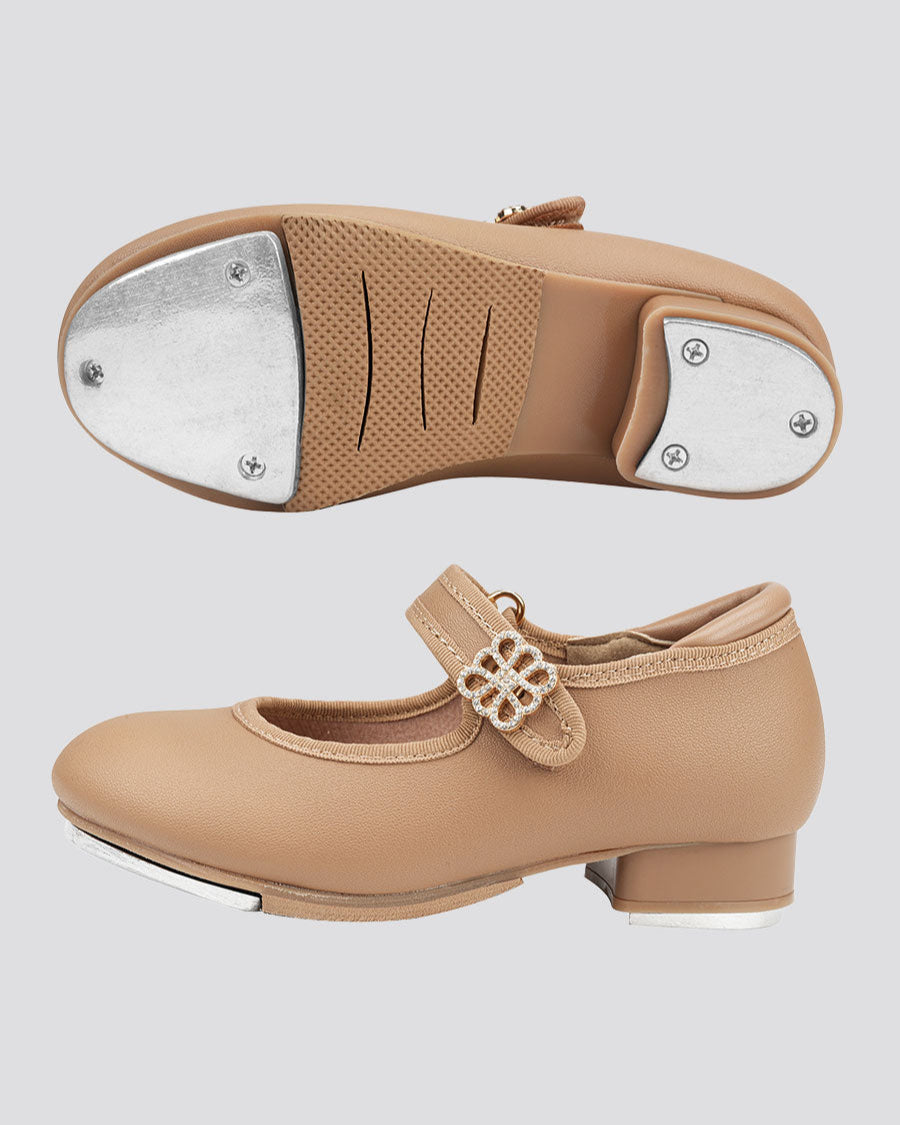
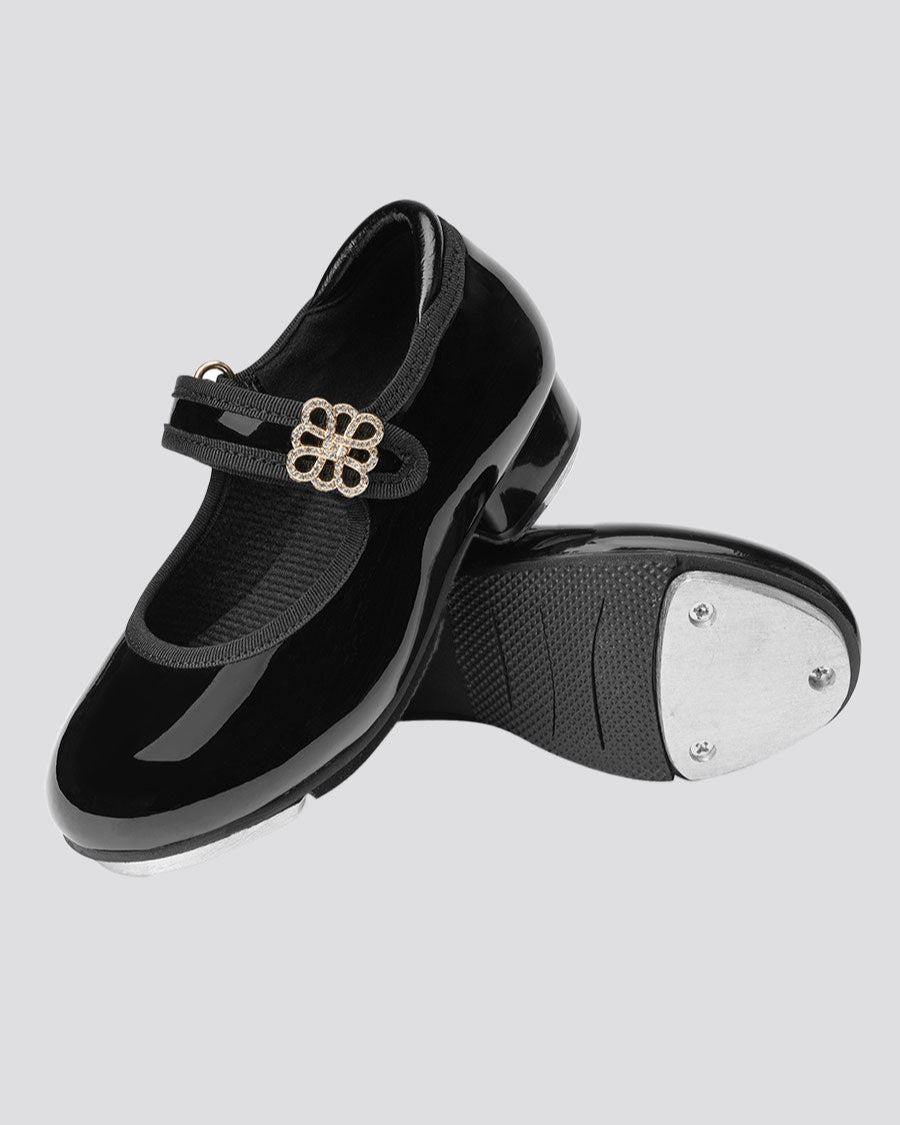
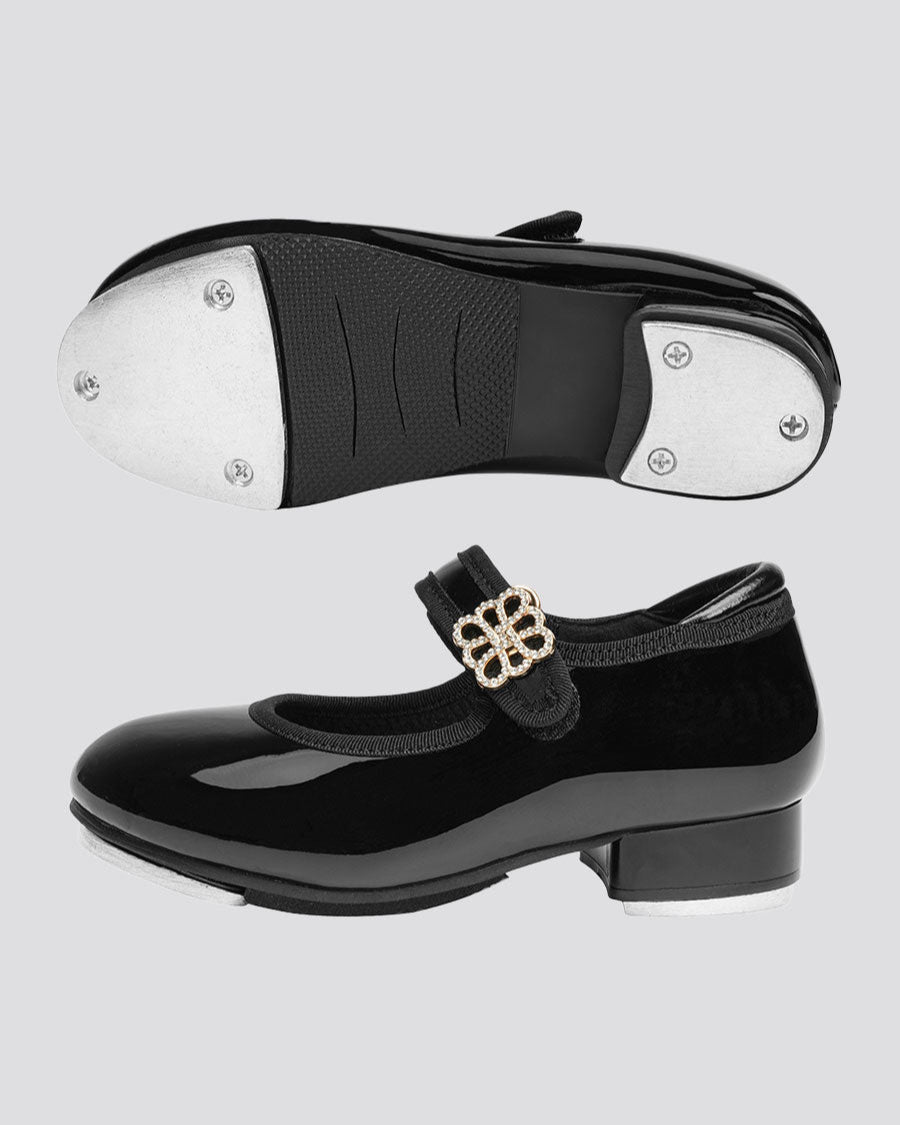
Tap dance is a percussive American dance style. Dancers wear shoes with metal plates attached at the toe and heel and strike the floor to build rhythms, so the feet work as an instrument as much as a dance tool. It grew in the United States from a blend of West African, Irish, and British step-dance traditions, and it remains one of the friendliest styles for a child to start.
Key Takeaways
-
Tap dance turns steps into sound: metal plates on the toe and heel make the rhythm audible, so a tap dancer is part dancer, part percussionist.
-
Tap is an American art form built from West African, Irish, and British step-dance roots, according to the Library of Congress.
-
Two common ways tap is described are rhythm tap and Broadway-style tap. Many kids' classes borrow elements from both.
-
Beginners start with three steps: the shuffle, the flap, and the ball change.
-
Gear is simple: tap shoes with the taps attached, clothes your child can move in, and socks or tights that prevent rubbing.
-
The payoff is sound, so tap builds rhythm and musicality quickly.
What Is Tap Dance, Exactly?
Strip away the sparkle and the tap dancing meaning is simple: making music with your feet. Britannica defines tap as a dance style in which performers in specially equipped shoes sound out audible beats by rhythmically striking the floor. The Imperial Society of Teachers of Dancing, one of the bodies that writes children's tap syllabi, calls it "an exciting, percussive, rhythmical dance form" in which the dancer beats out a melody with small metal plates on the toe and heel.
That double job is what makes the style click for so many kids. A tap dancer has to move like a dancer and count like a drummer at the same time, and the room hears the result right away. For a six year old, that feedback loop of step, sound, grin is the hook.
Where Does Tap Dance Come From?
Where did tap dancing originate? Not in Europe's courts. It grew up in America, from the ground floor. The Library of Congress traces tap to the 1700s in the southern United States, where West African step and musical traditions met Irish and British jigs and clog dances, blending over generations into a hybrid percussive style people were calling "jigging" by 1800.
Much of tap's early professional life then played out on minstrel-show stages, blackface acts built on dehumanizing racist caricature, and that history is worth naming honestly: Black artists kept innovating the form while working inside a system that demeaned them. William Henry Lane, who performed as Master Juba in the 1840s, won renown on the strength of his own artistry even within that system. Per the Library of Congress, he out-danced the era's white stars in head-to-head challenge matches, became the first African American dancer to tour with a white minstrel troupe, and performed without blackface for Queen Victoria.
Metal taps were added to shoes in the early twentieth century, and as ragtime and jazz took over American music, tap absorbed those rhythms and flowered on Broadway and in Harlem. Bill "Bojangles" Robinson made his stair dance famous in 1928, tuning each step to a different pitch, and John Bubbles rewired the form in the same era by dropping his heels to add accents, the innovation behind what dancers now call rhythm tap.
Teachers treat tap as a living tradition rather than a shoe style for exactly this reason. Routines like the Shim Sham tap dance sequence still get danced at jams around the world, and tap dancers still trade steps the way musicians trade riffs.
Rhythm Tap vs Broadway Tap
Modern tap sorts loosely into two camps, and knowing them helps you decode studio class descriptions.
|
Rhythm tap |
Broadway tap |
|
|---|---|---|
|
Priority |
The music the feet make |
The overall stage picture |
|
Feel |
Grounded, into the floor, jazz-influenced |
Upright, presentational, show-tune energy |
|
Improvisation |
Central; dancers jam like musicians |
Minimal; choreography leads |
|
Where you see it |
Tap jams, concert stages, festivals |
Musicals, recitals, competition numbers |
|
In kids' classes |
Rhythm drills, call-and-response games |
Recital choreography, formations |
Most children's programs do not force a choice. A typical kids' class teaches Broadway-style presentation with rhythm-tap ear training folded in, and that mix serves beginners well for years.
What a Kids' Tap Class Looks Like
Beginner classes usually run 30 to 45 minutes for young dancers, and many studios open enrollment somewhere around ages 3 to 5. Formats and cutoffs vary, so confirm details with the studio before signing up.
Most classes follow a familiar arc. They open with a warm-up for ankles and feet, since nearly every tap sound starts from a loose ankle. Then come drills in place, often in lines, where kids repeat one step until the sound comes out clean. Traveling steps move across the floor next, and most classes close with a short combination set to music.
One thing to expect: it is loud. Twelve kids in tap shoes sound like a hailstorm, and good teachers lean into that with stop-and-listen games and echo rhythms. If your child narrates their day in drumbeats on the kitchen table, this is their room.

The First Tap Steps Kids Learn
Nearly every beginner syllabus starts with the same three sounds, and most kids can produce a recognizable version within the first few classes.
-
Shuffle. Brush the ball of the foot forward, then back. Two sounds, no weight change.
-
Flap. Brush forward, then step onto the ball of the foot. Two sounds with a weight transfer, which turns it into a walking step.
-
Ball change. Two quick shifts of weight from the ball of one foot to the other. It is the glue that connects steps into combinations.
From there, classes stack combinations like shuffle ball change, add traveling moves such as the buffalo tap dance step (a shuffle-and-leap pattern handed down from the vaudeville era), and eventually build toward time steps, the repeating rhythmic phrases that anchor whole routines. We break those down in our guide to time steps in tap dance.
What Kids Need for Tap Class
Less than you might think. One real purchase covers most of it.
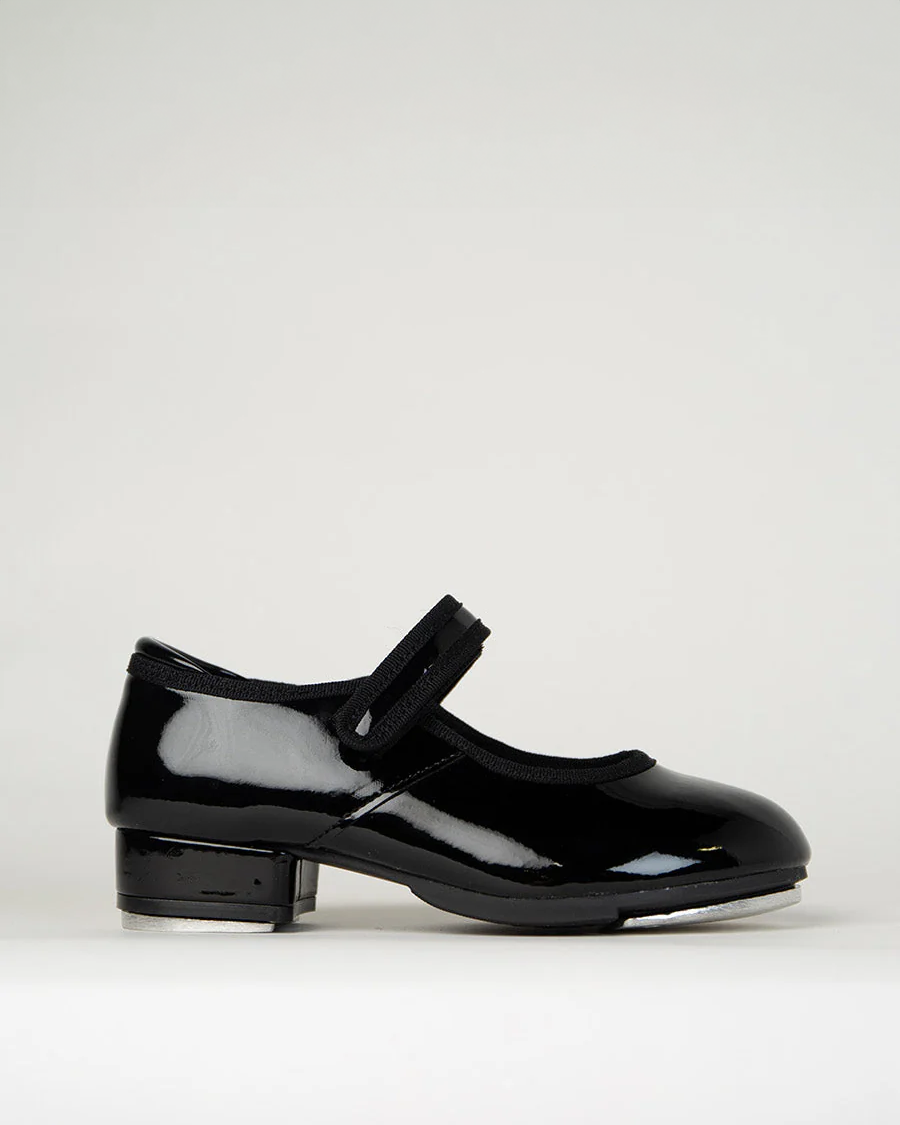
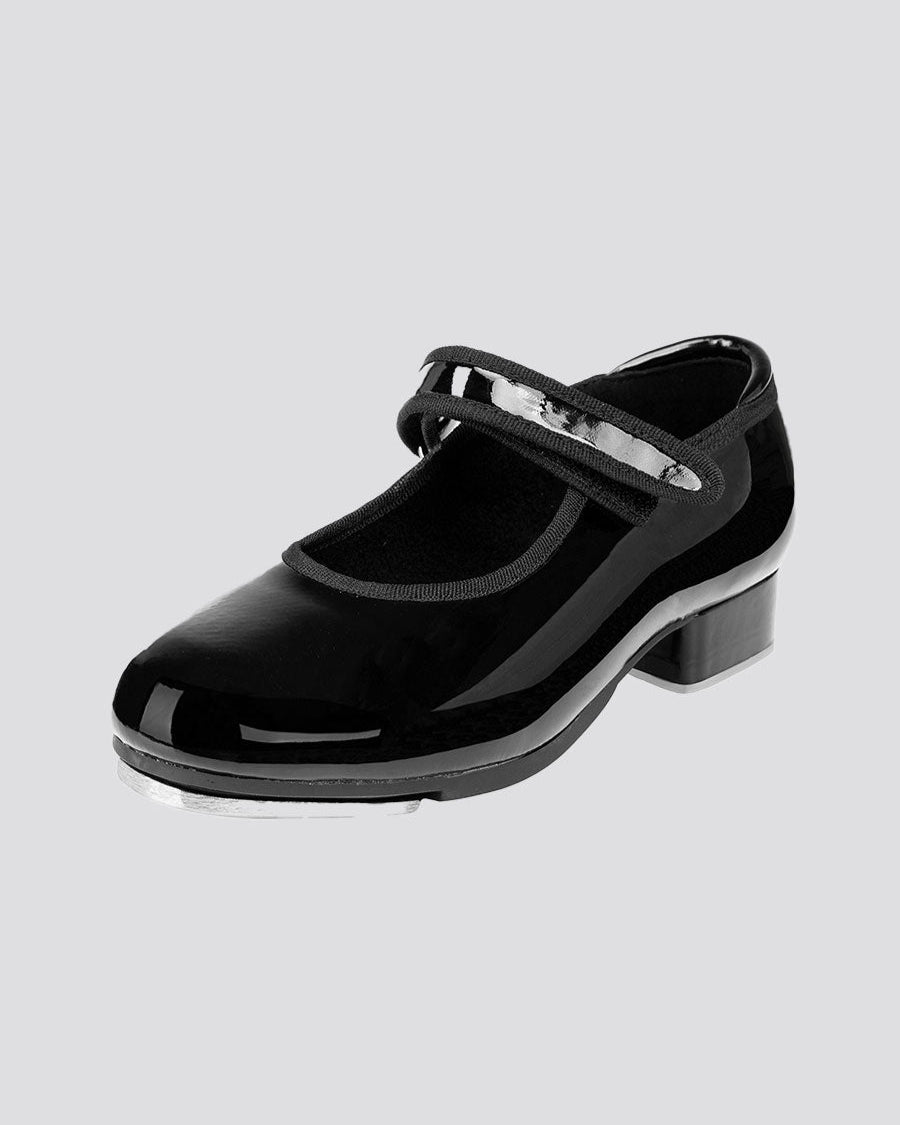
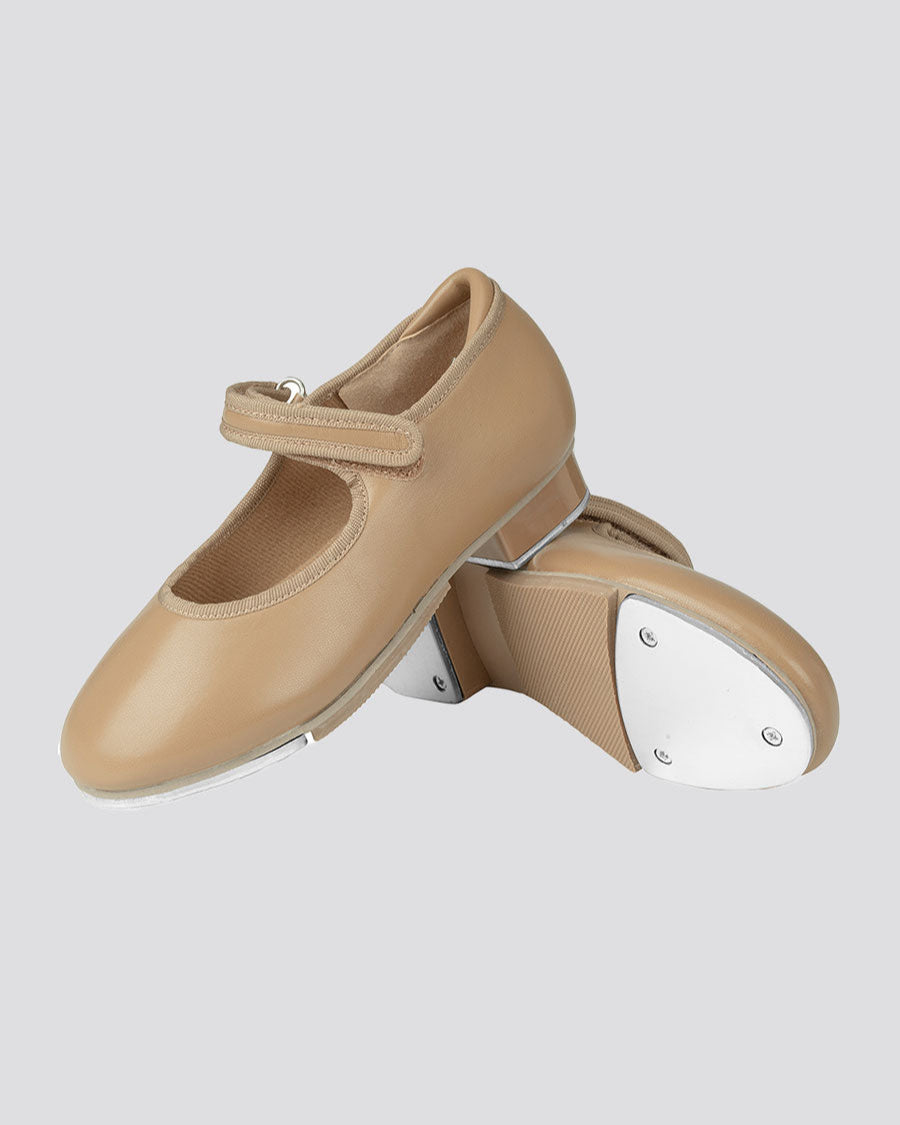
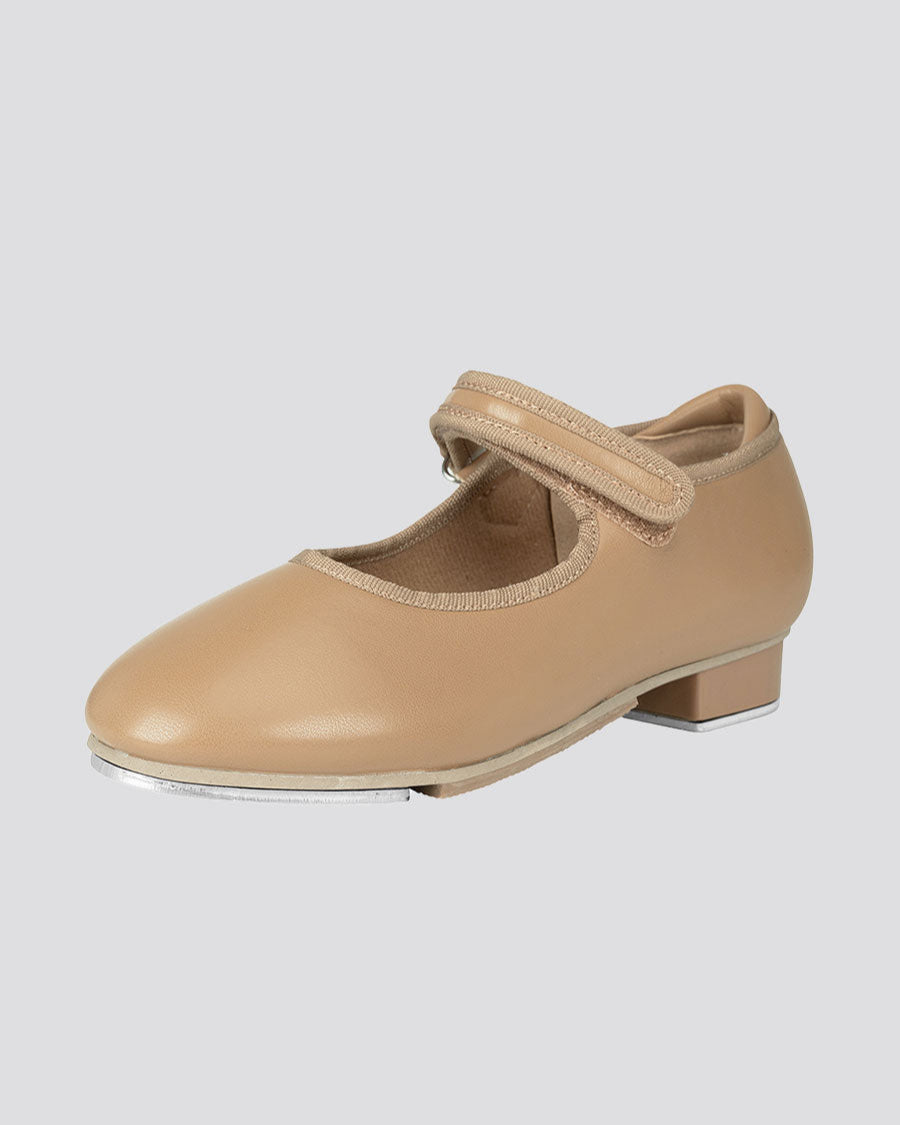
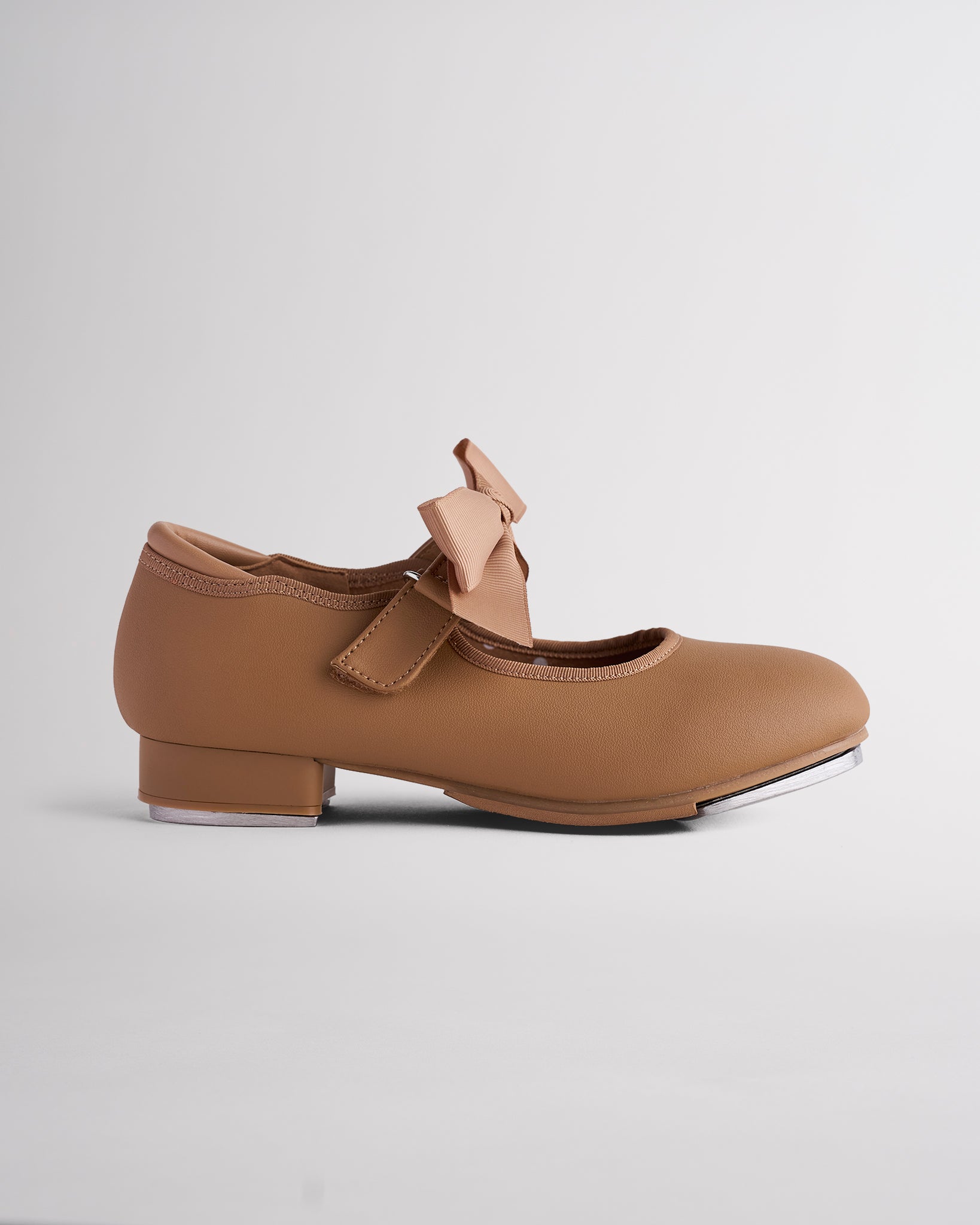
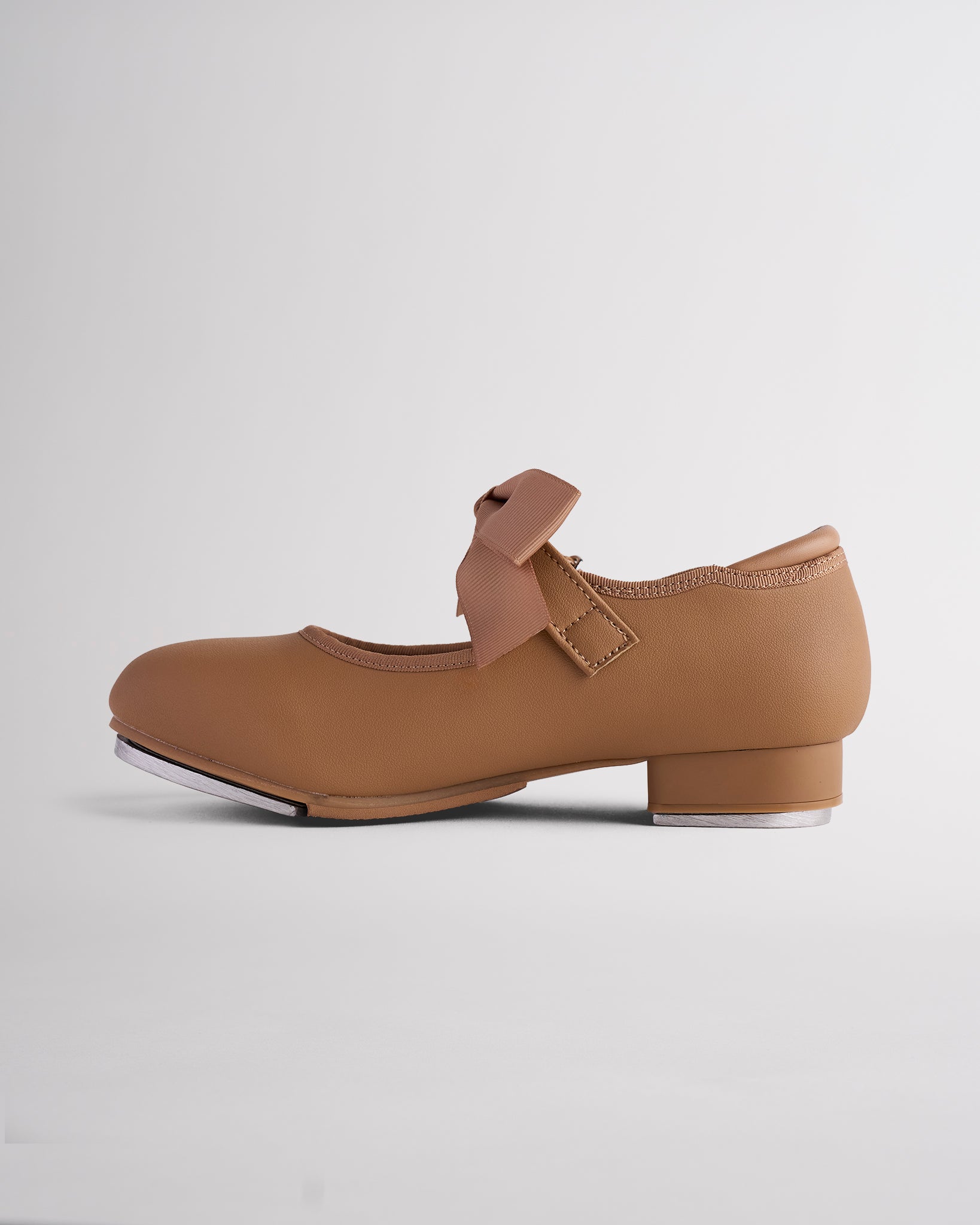
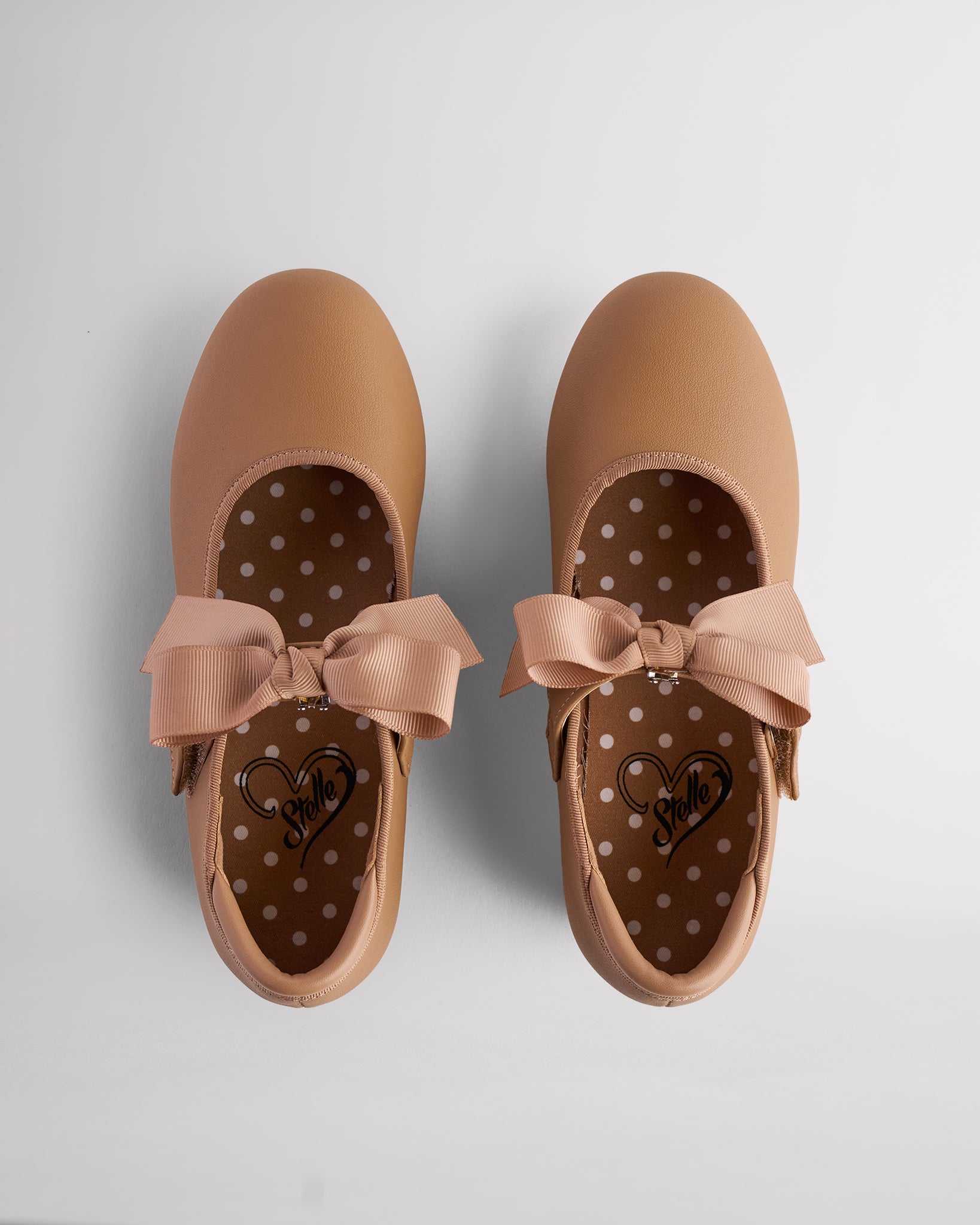
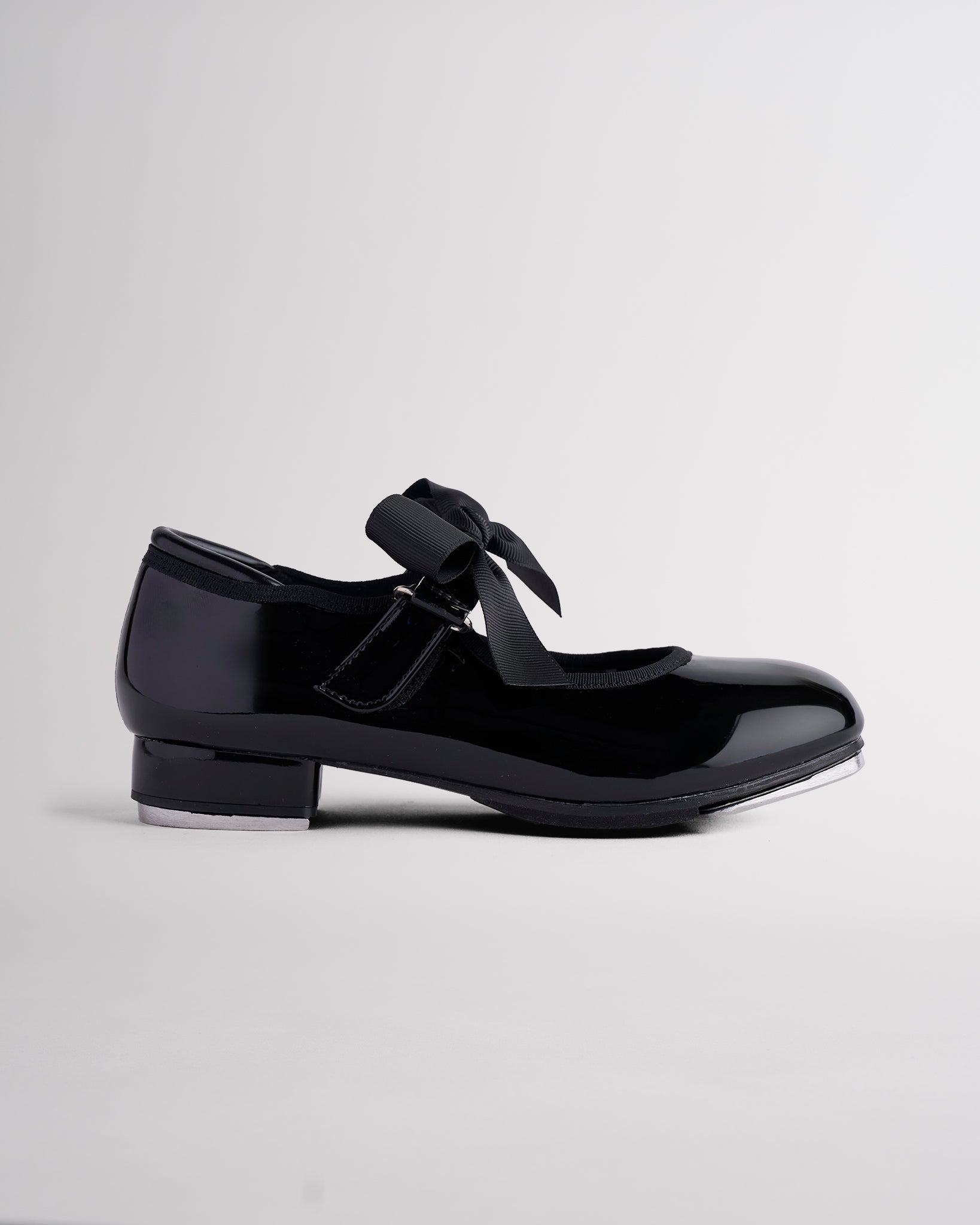
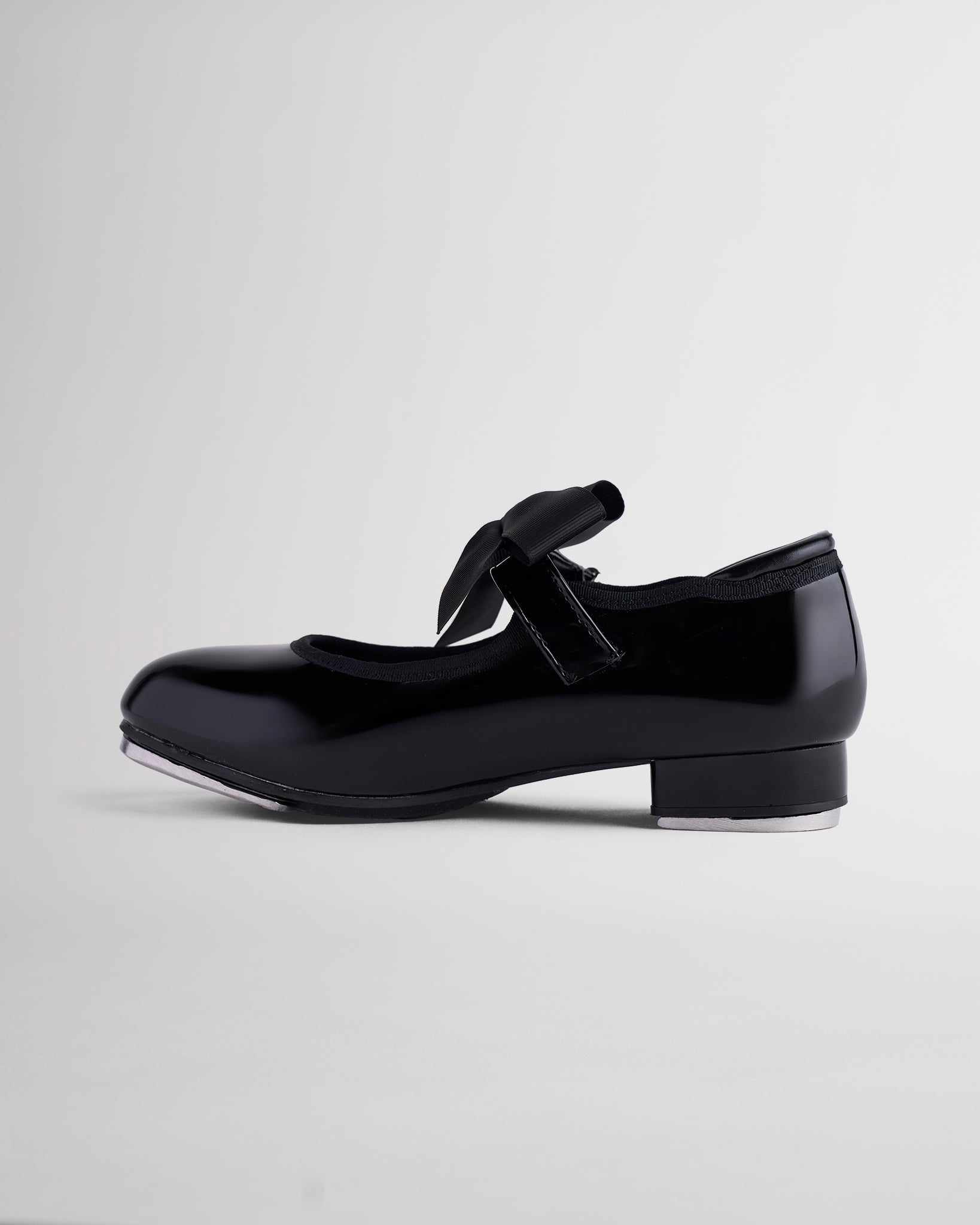
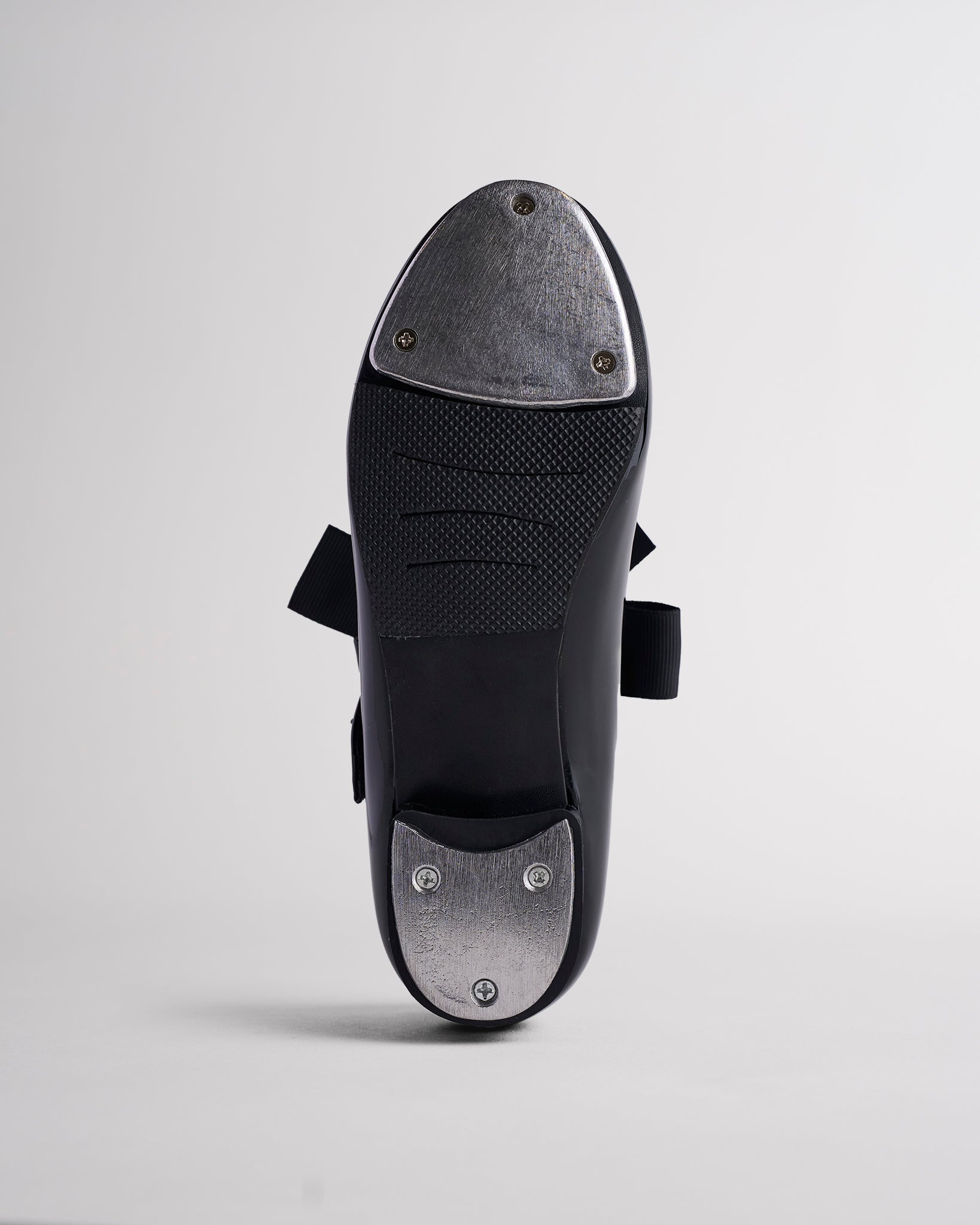
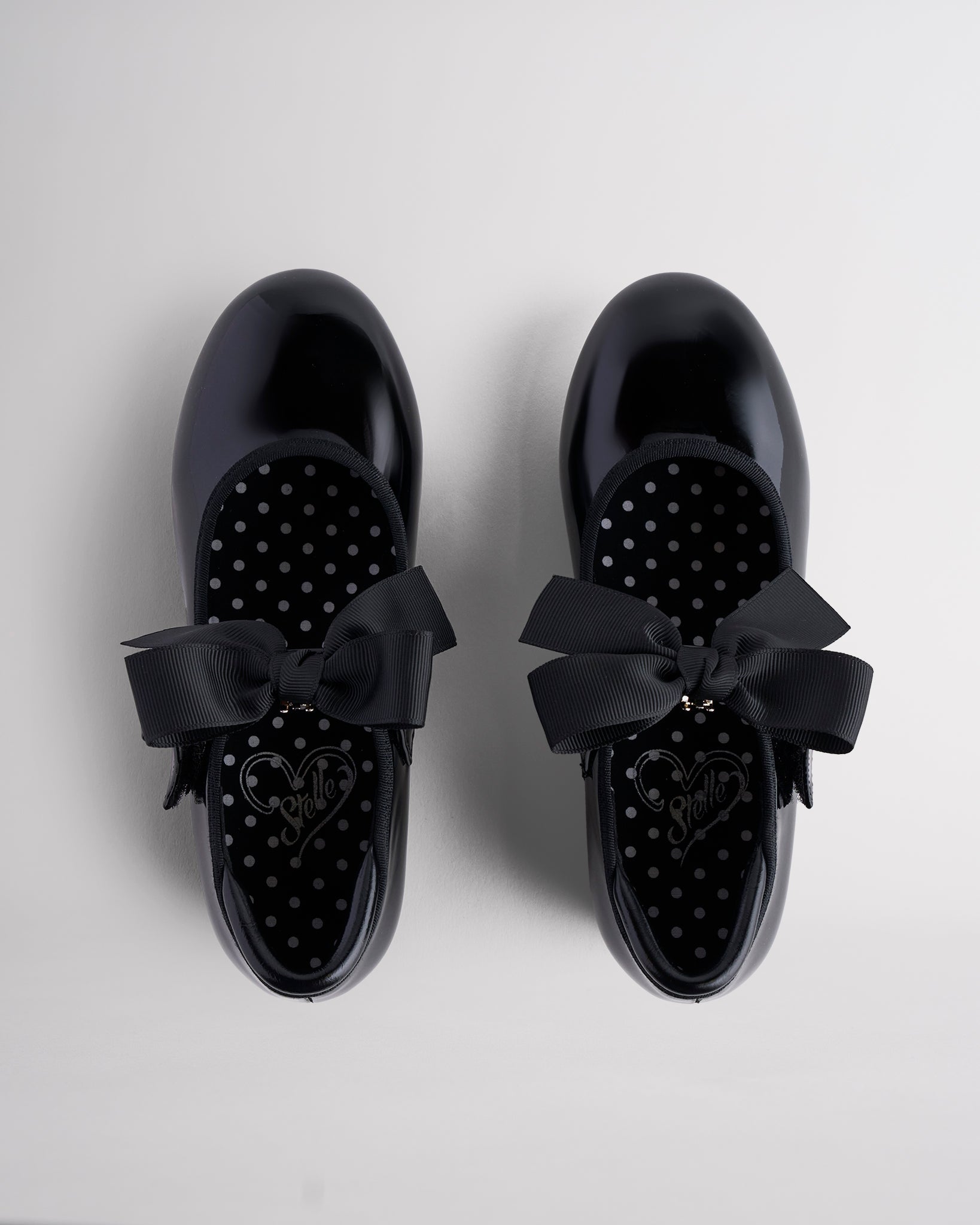
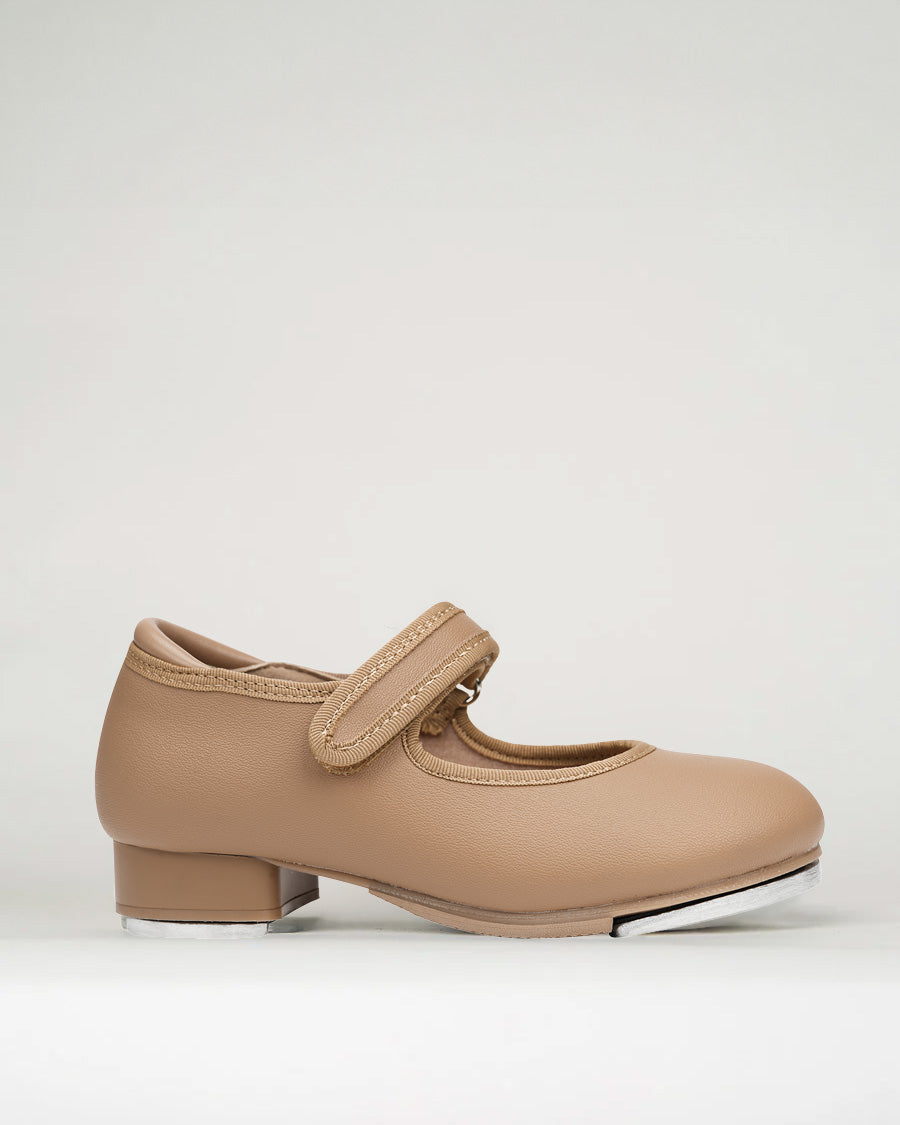
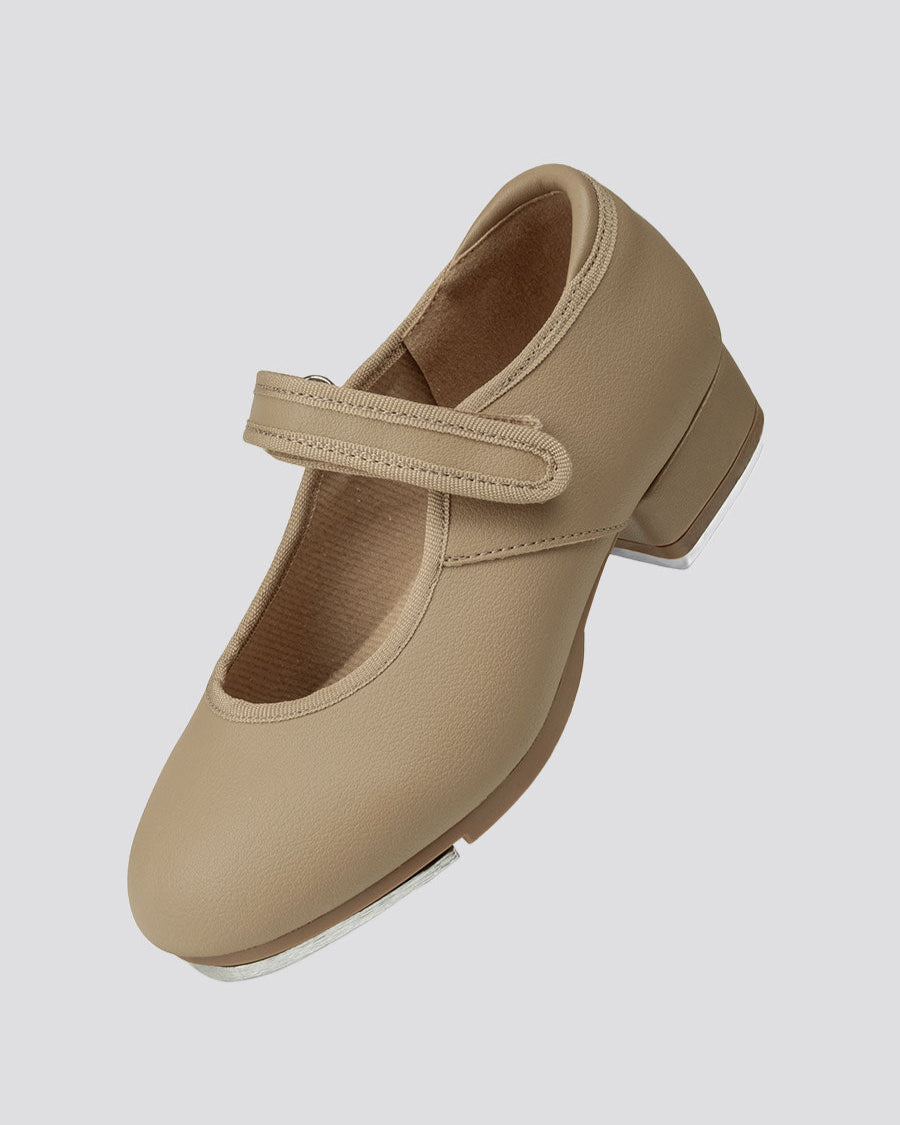
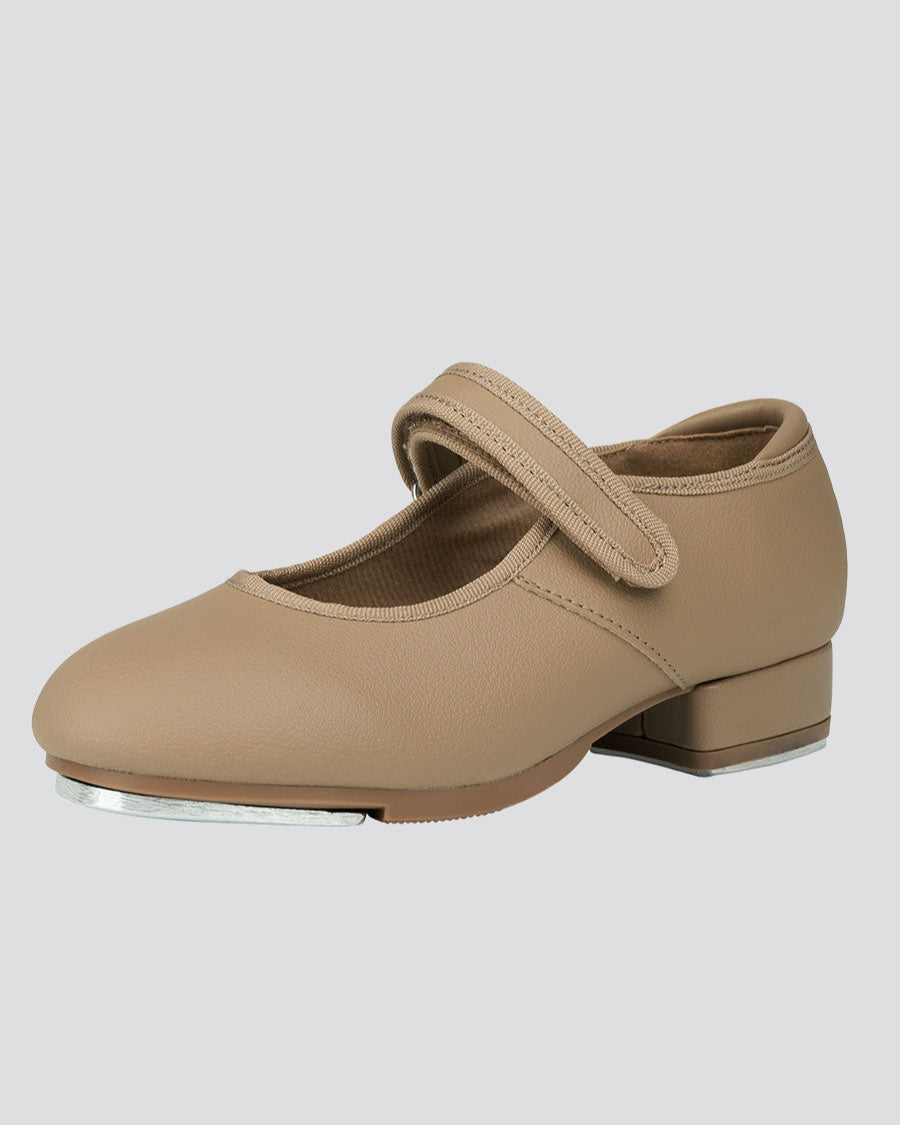
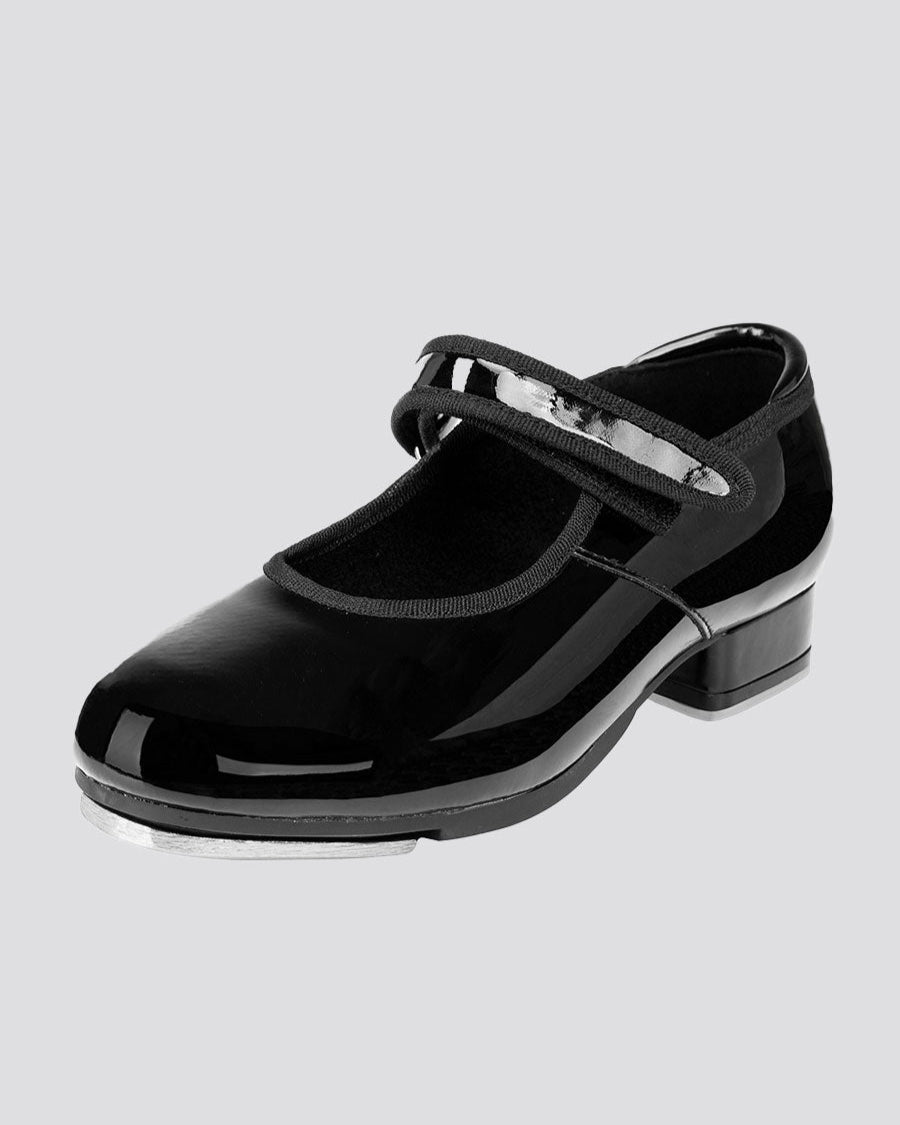
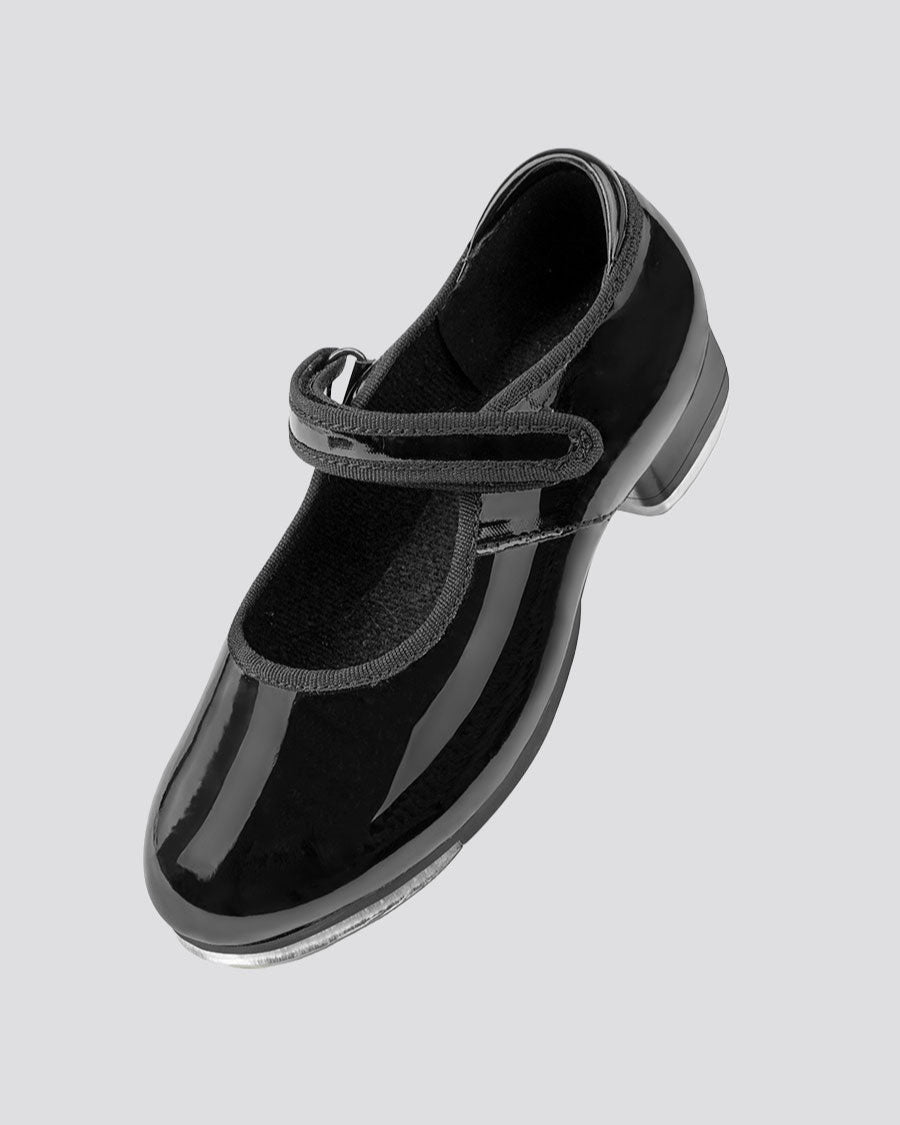
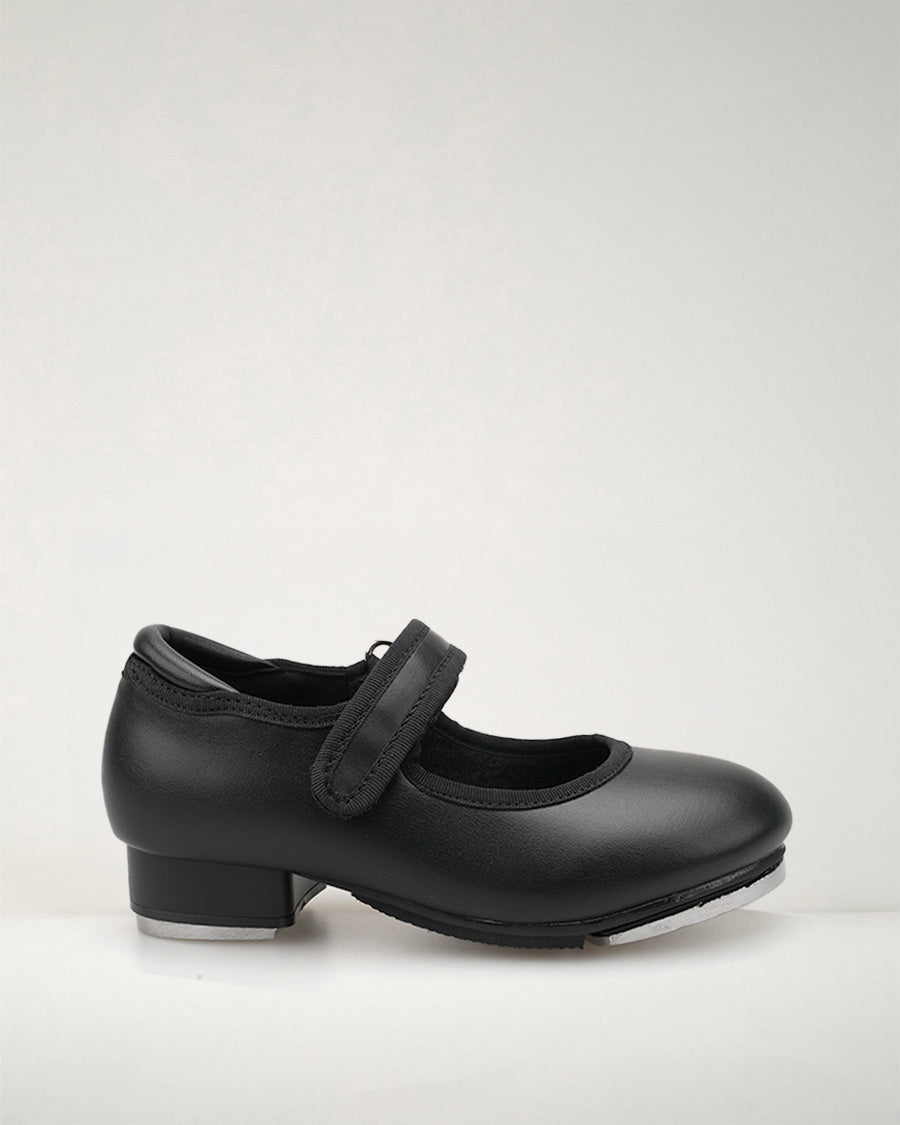
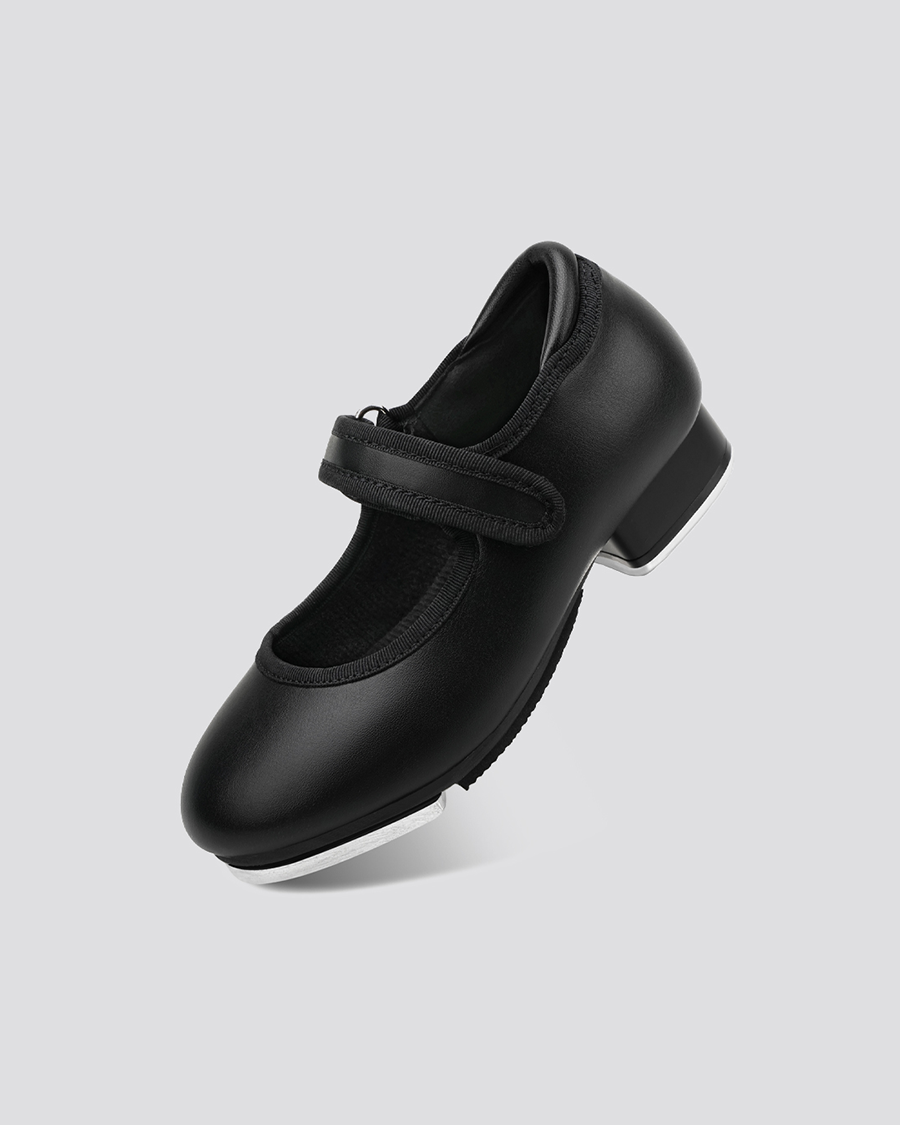
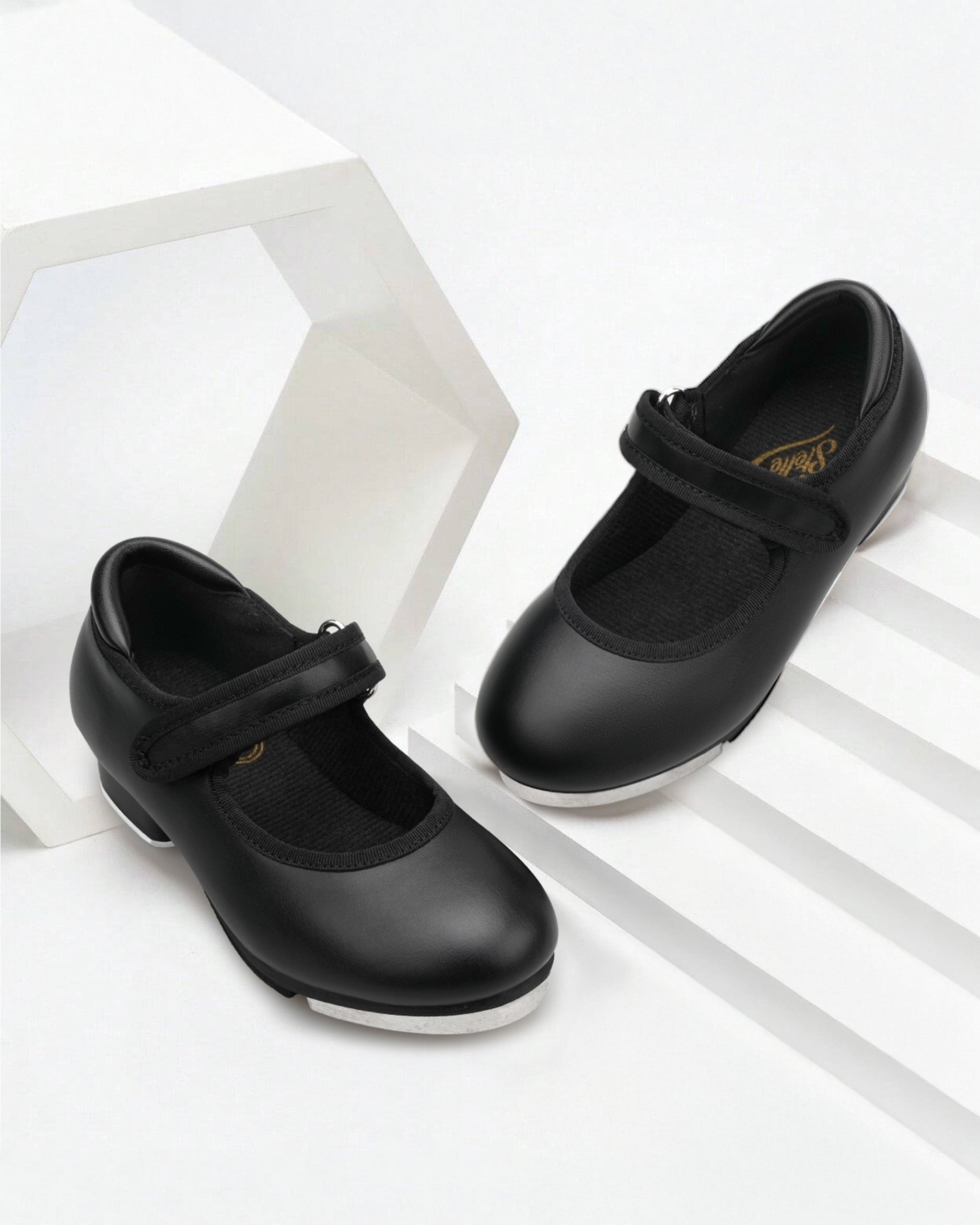
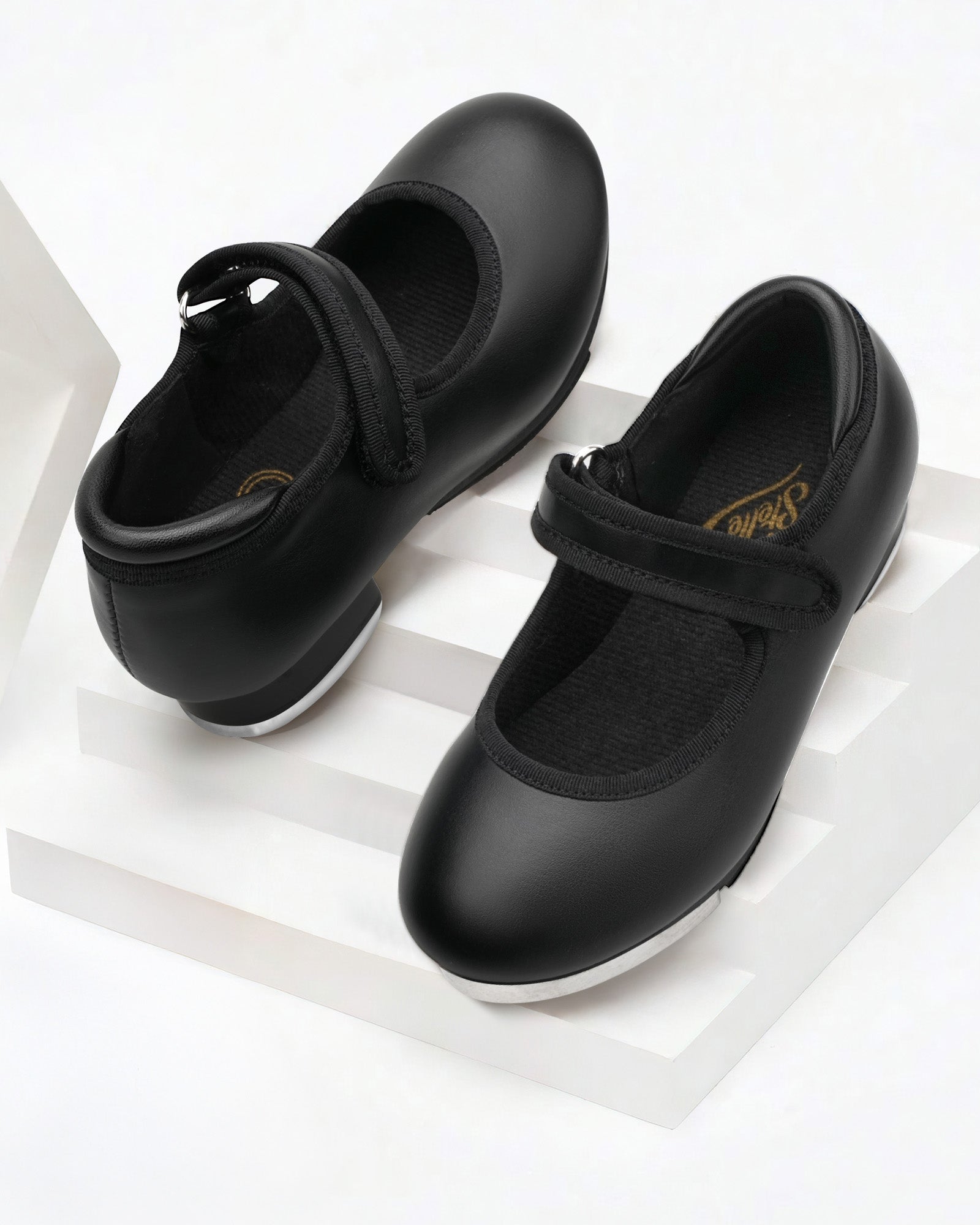
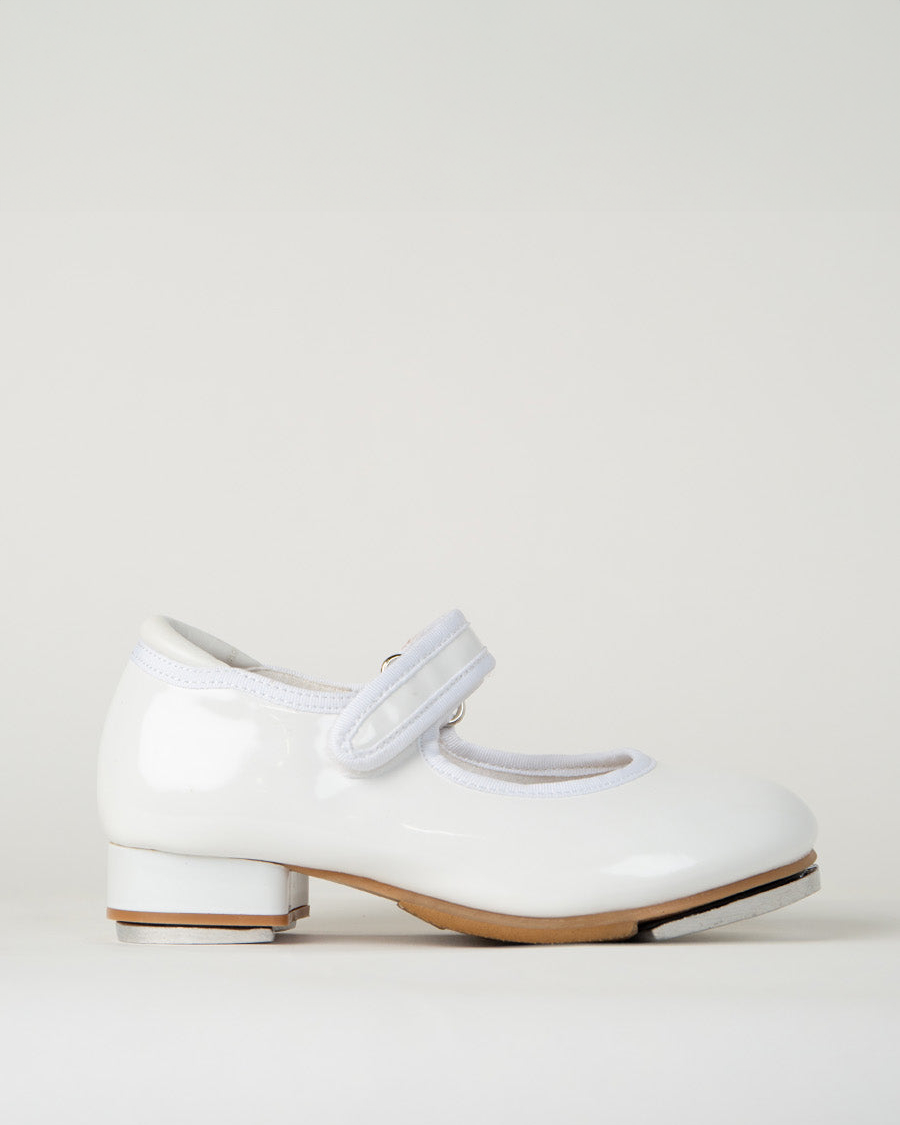
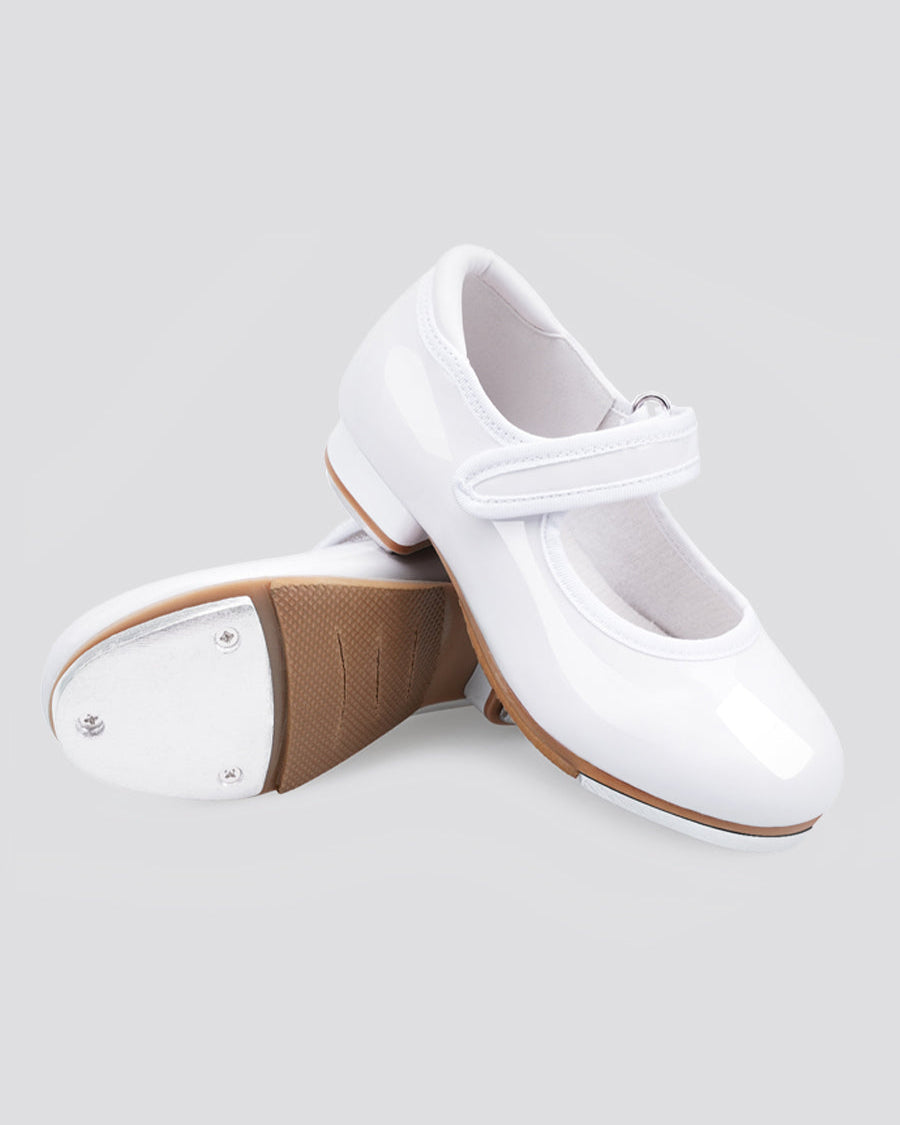
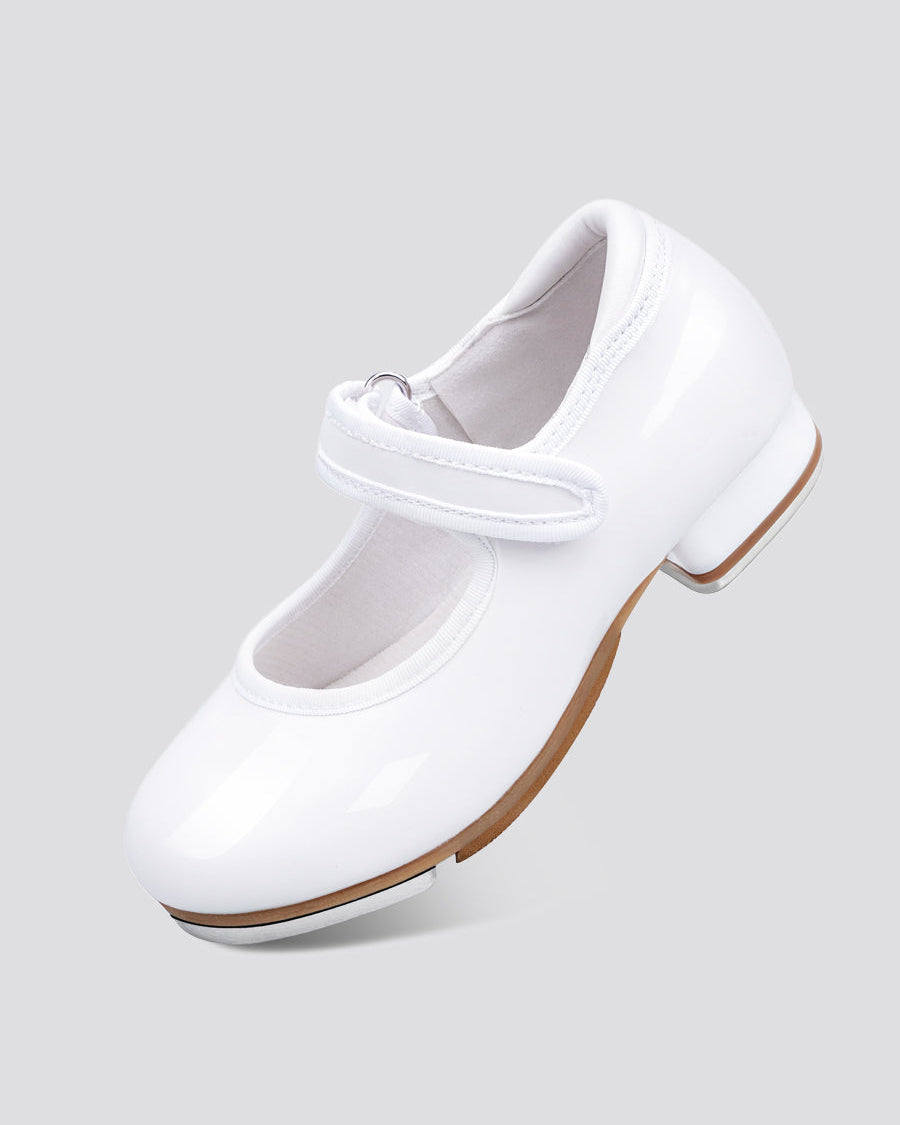
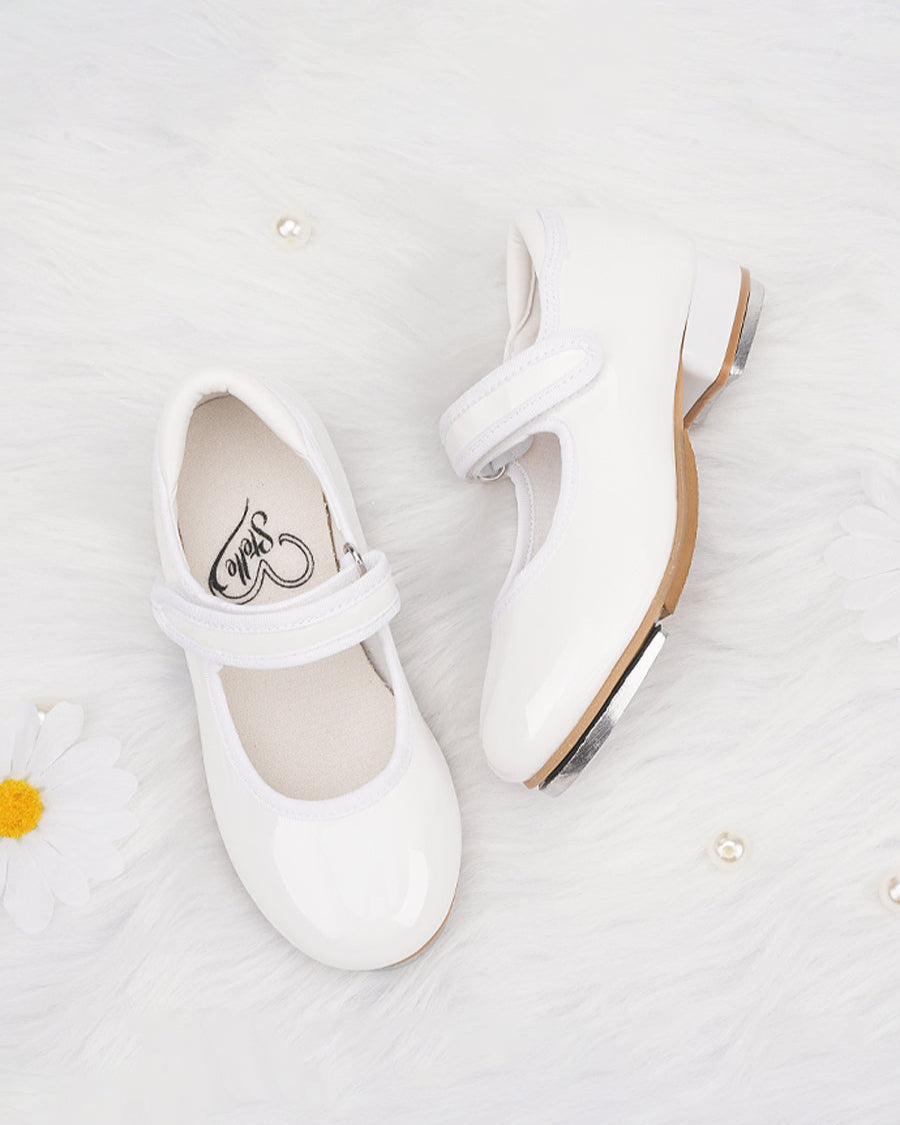
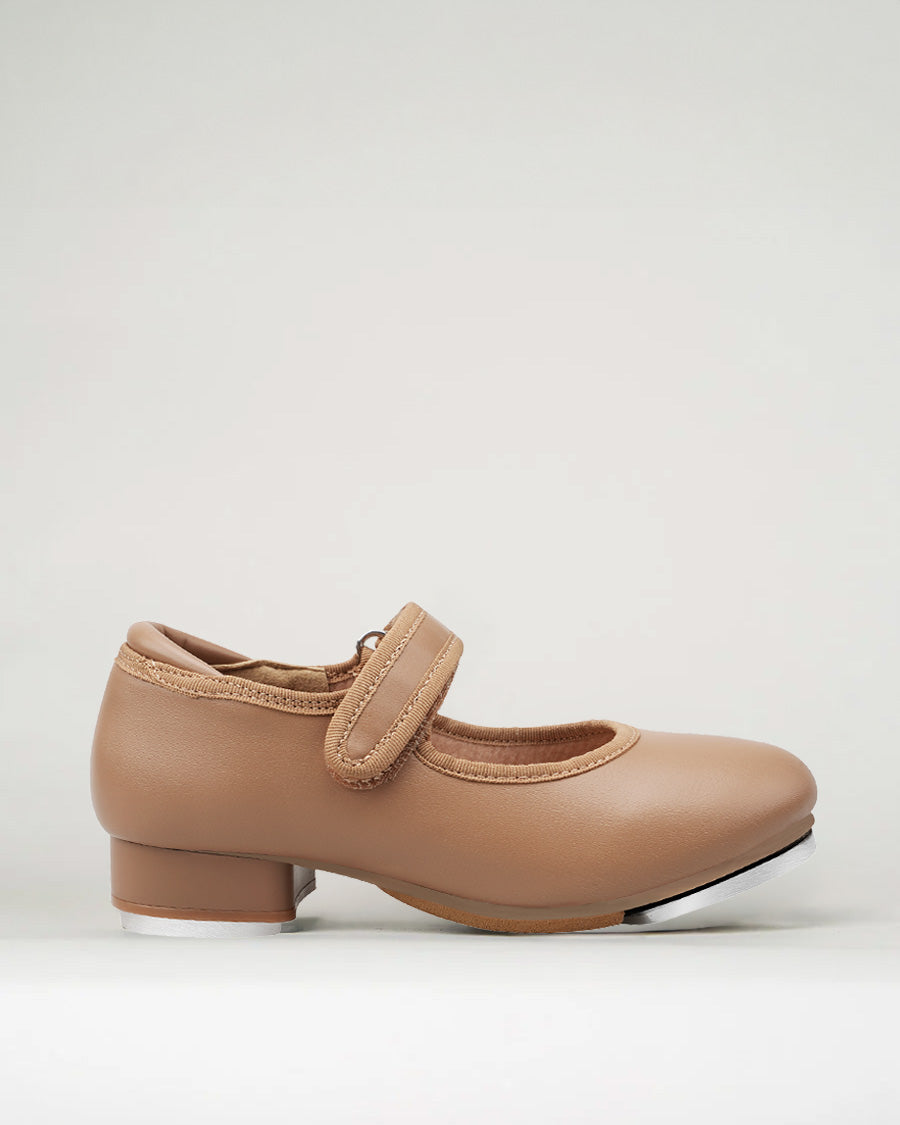
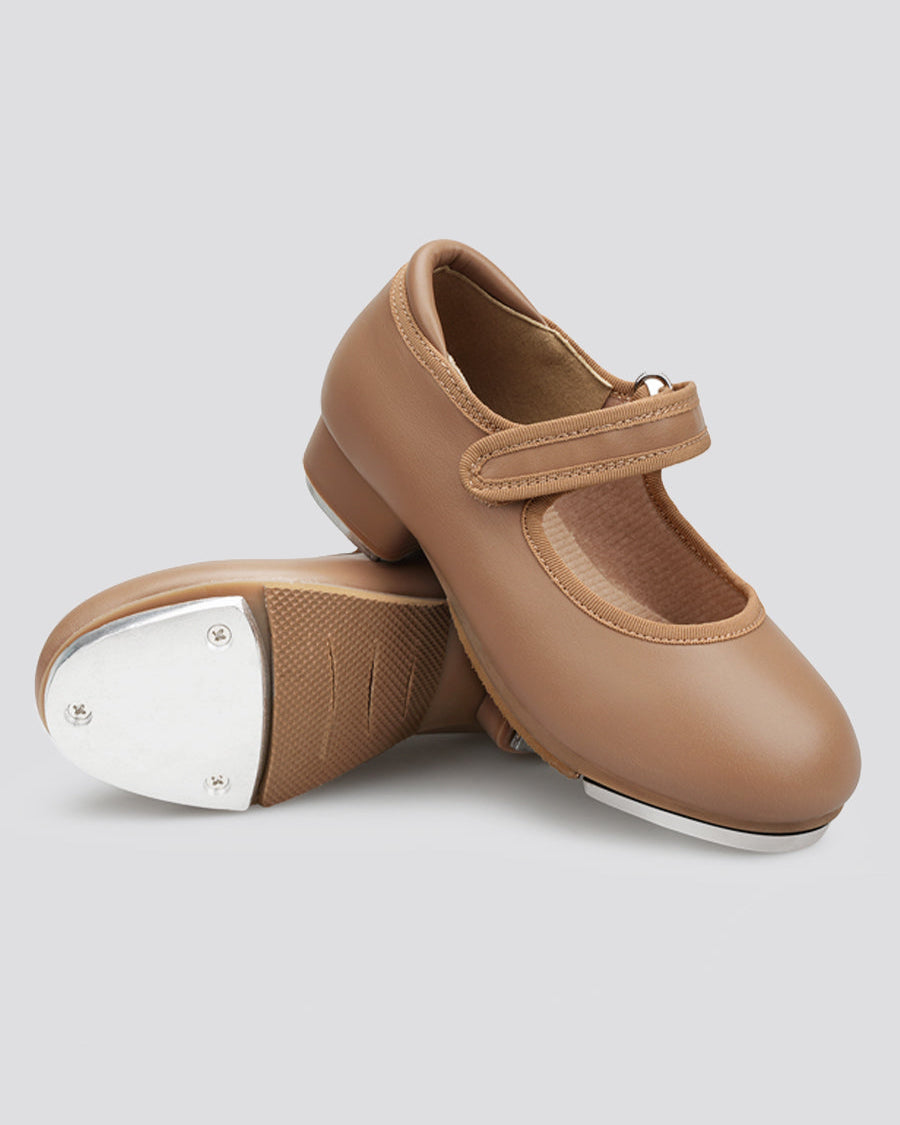
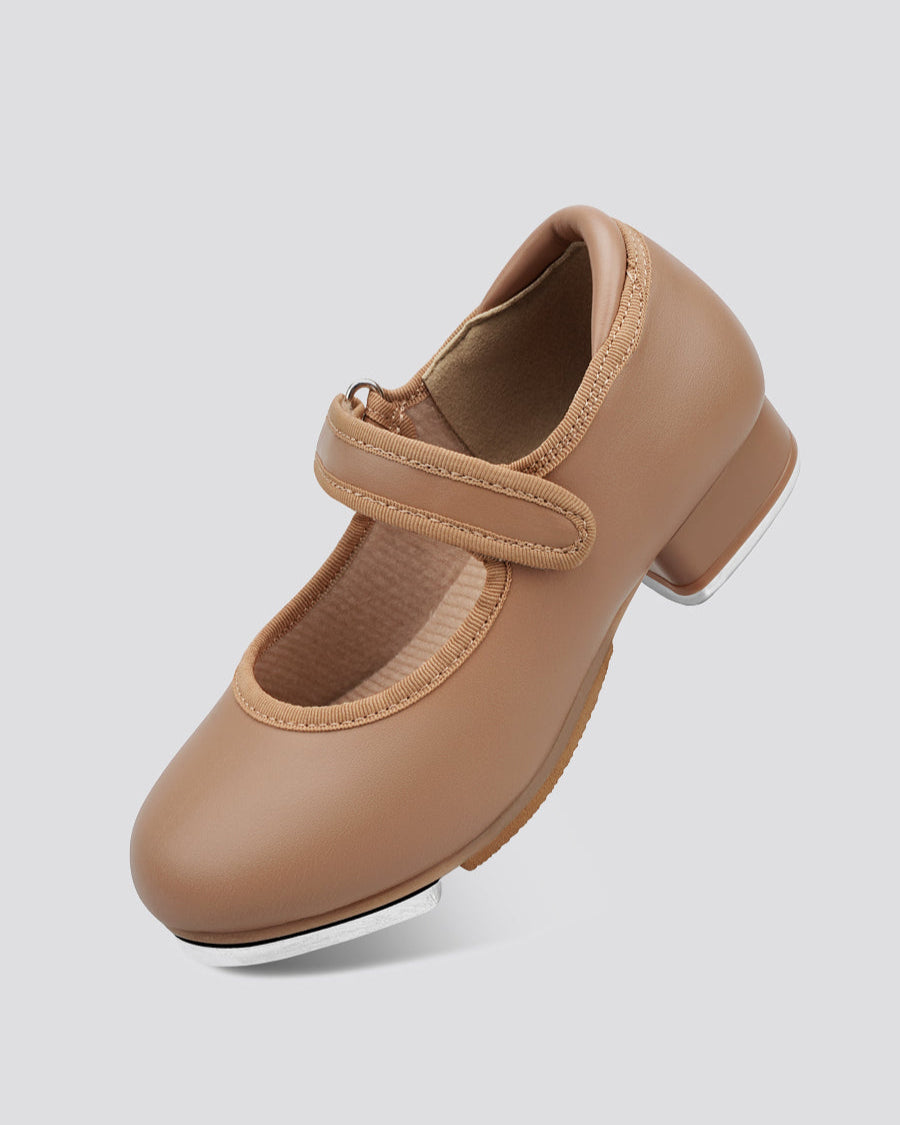
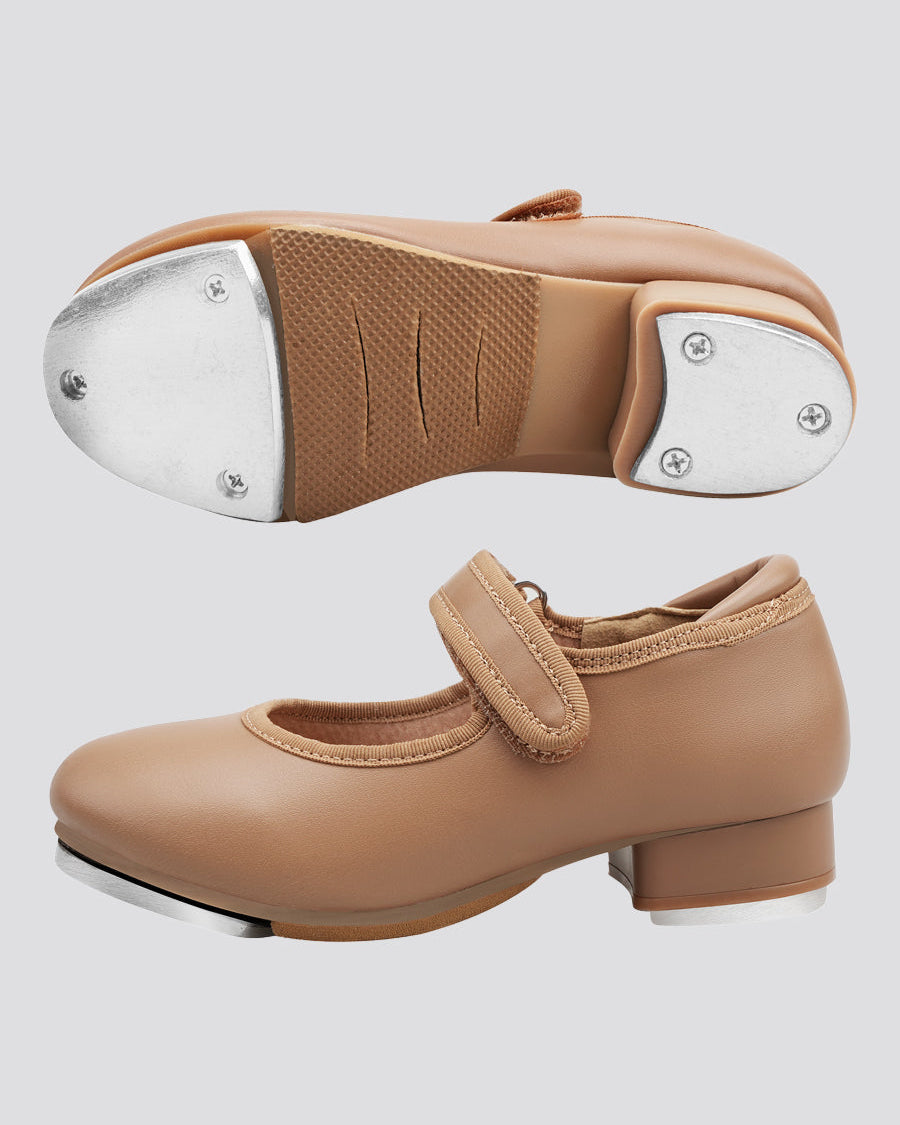
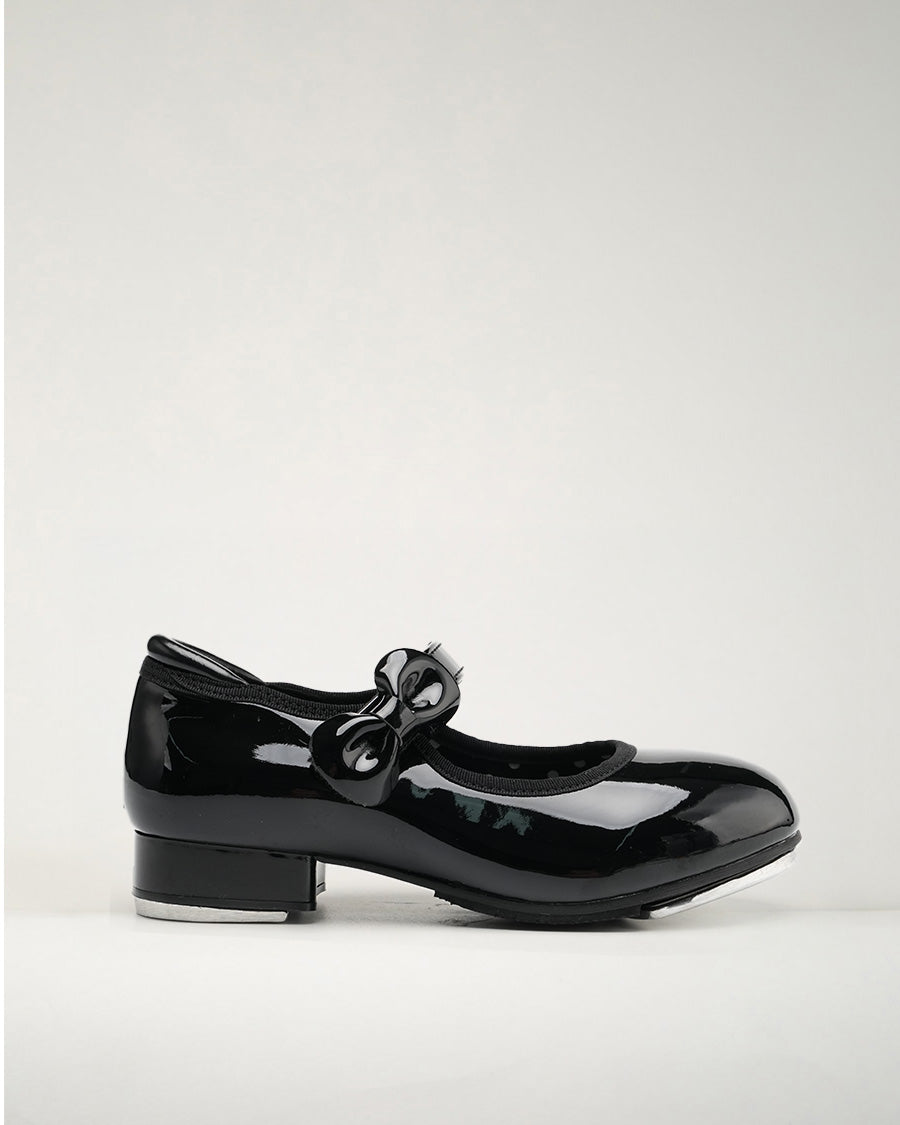
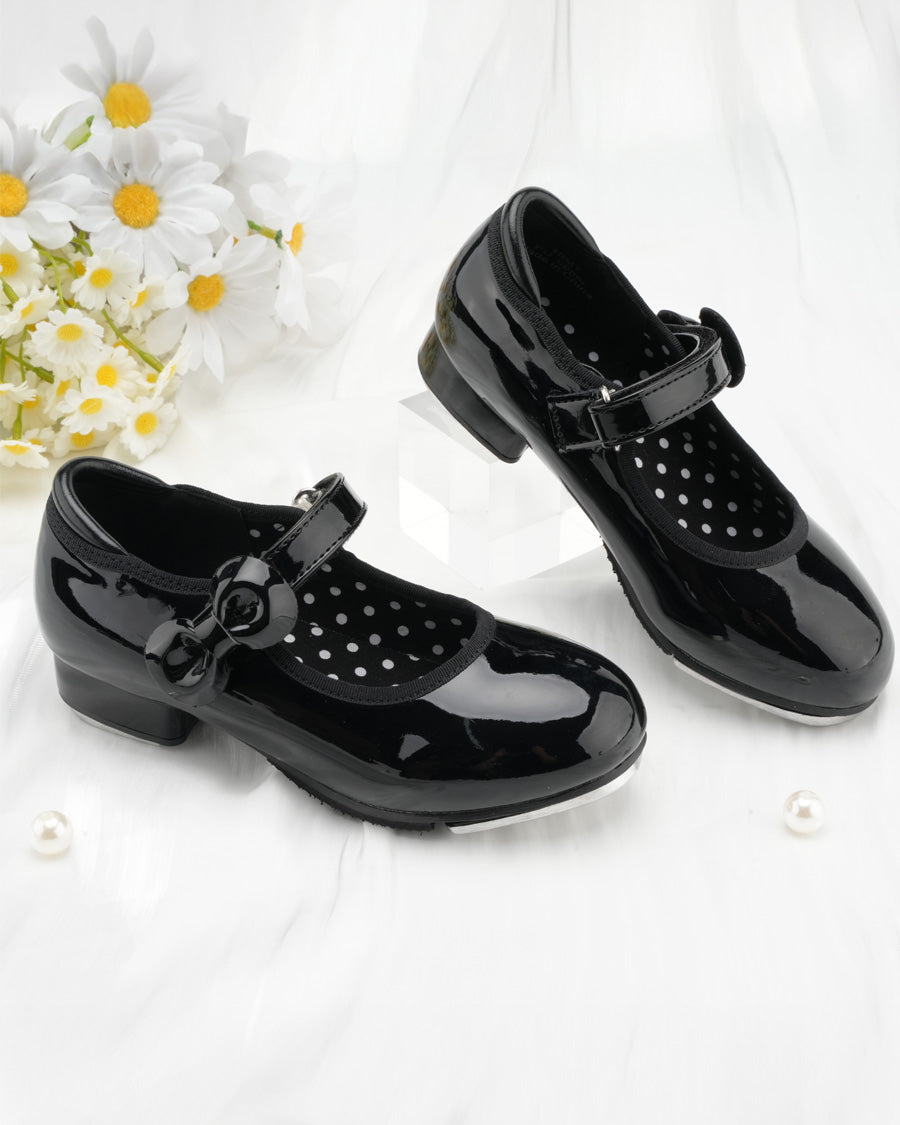
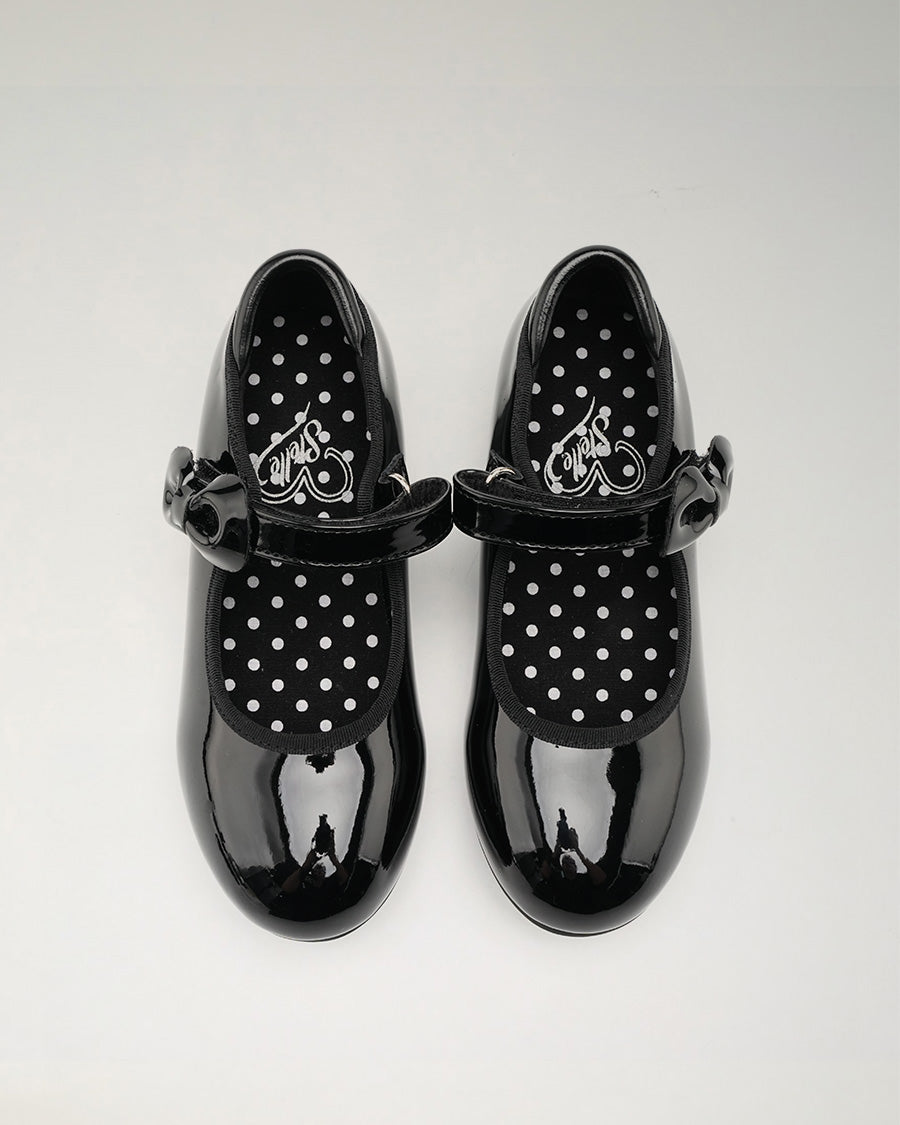
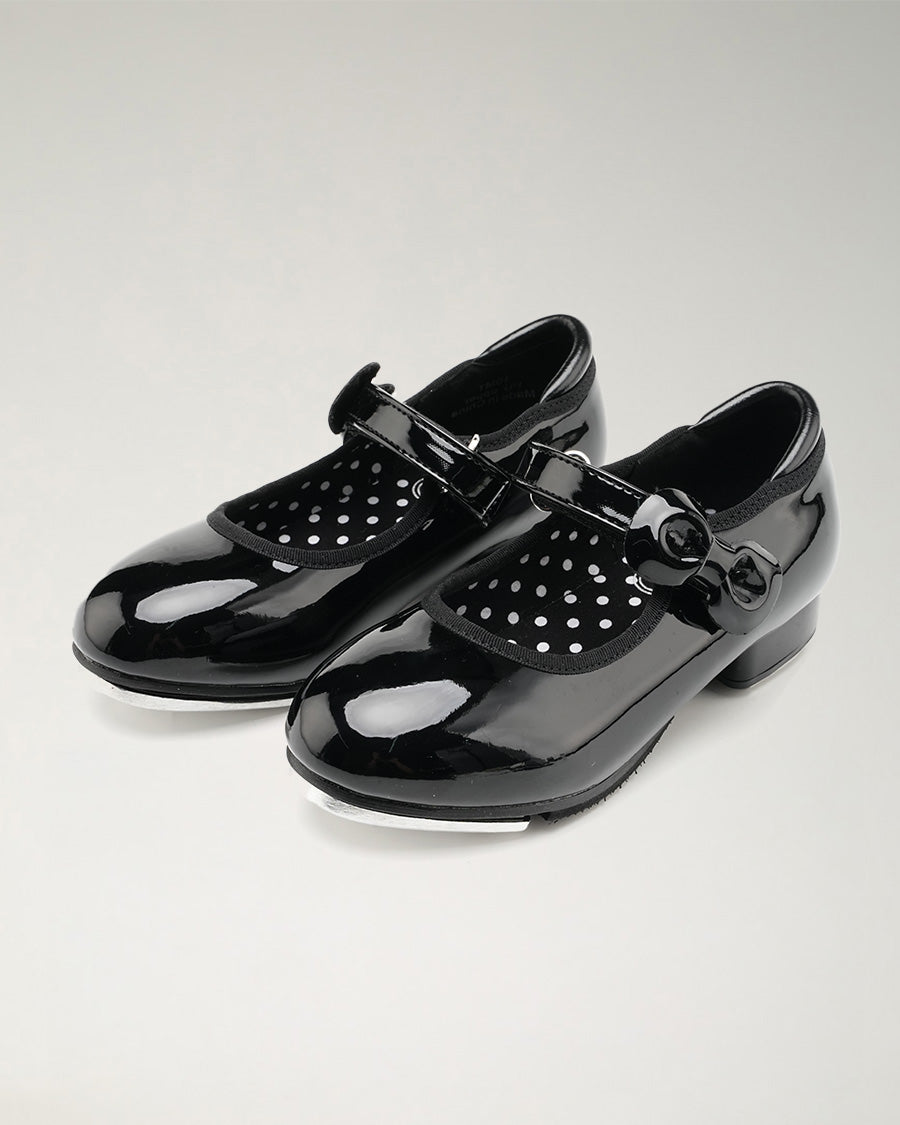
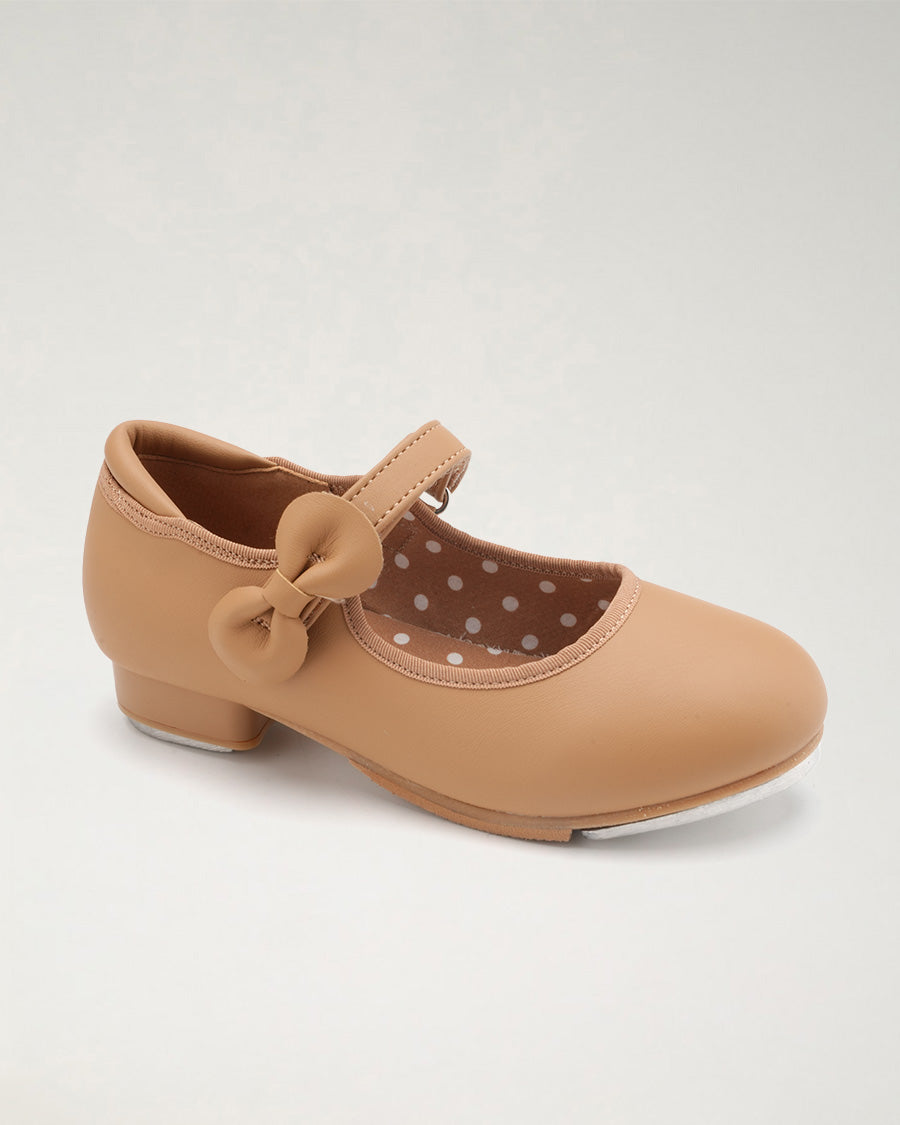
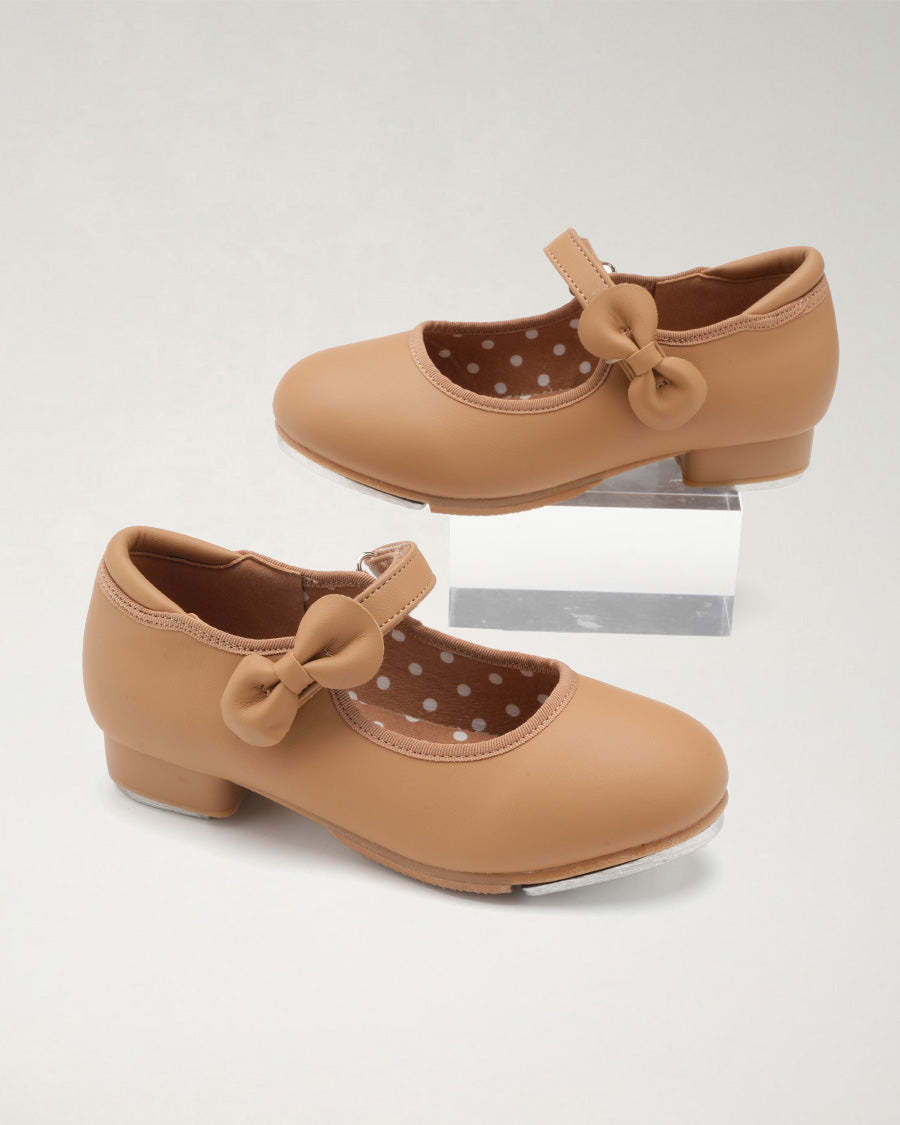
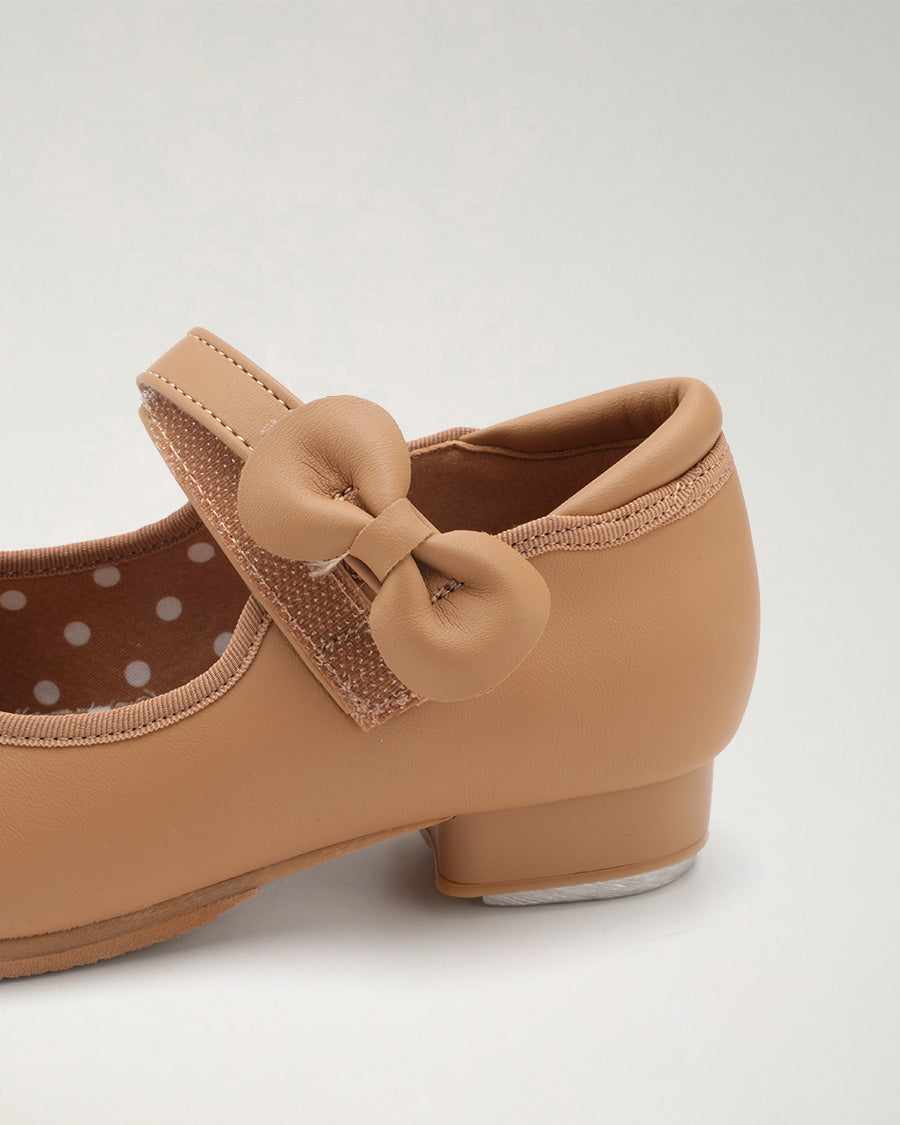
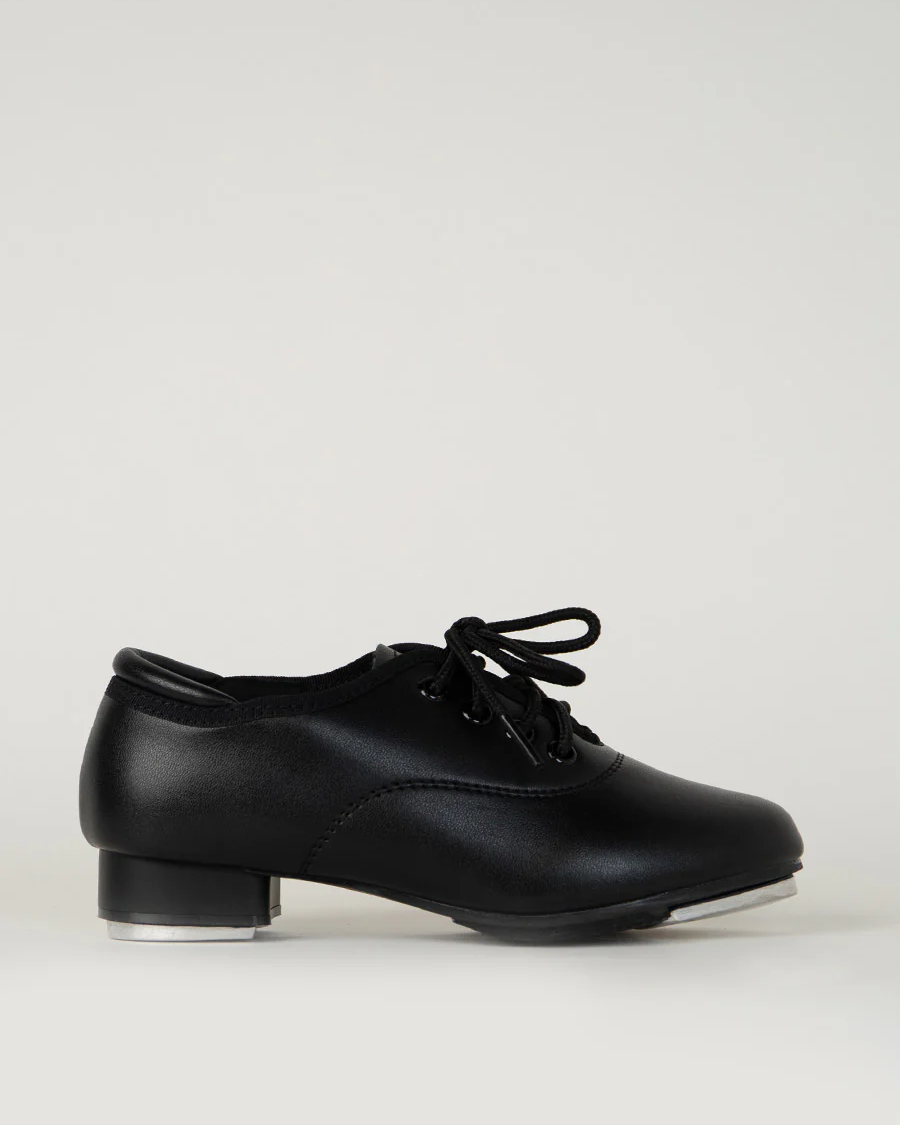
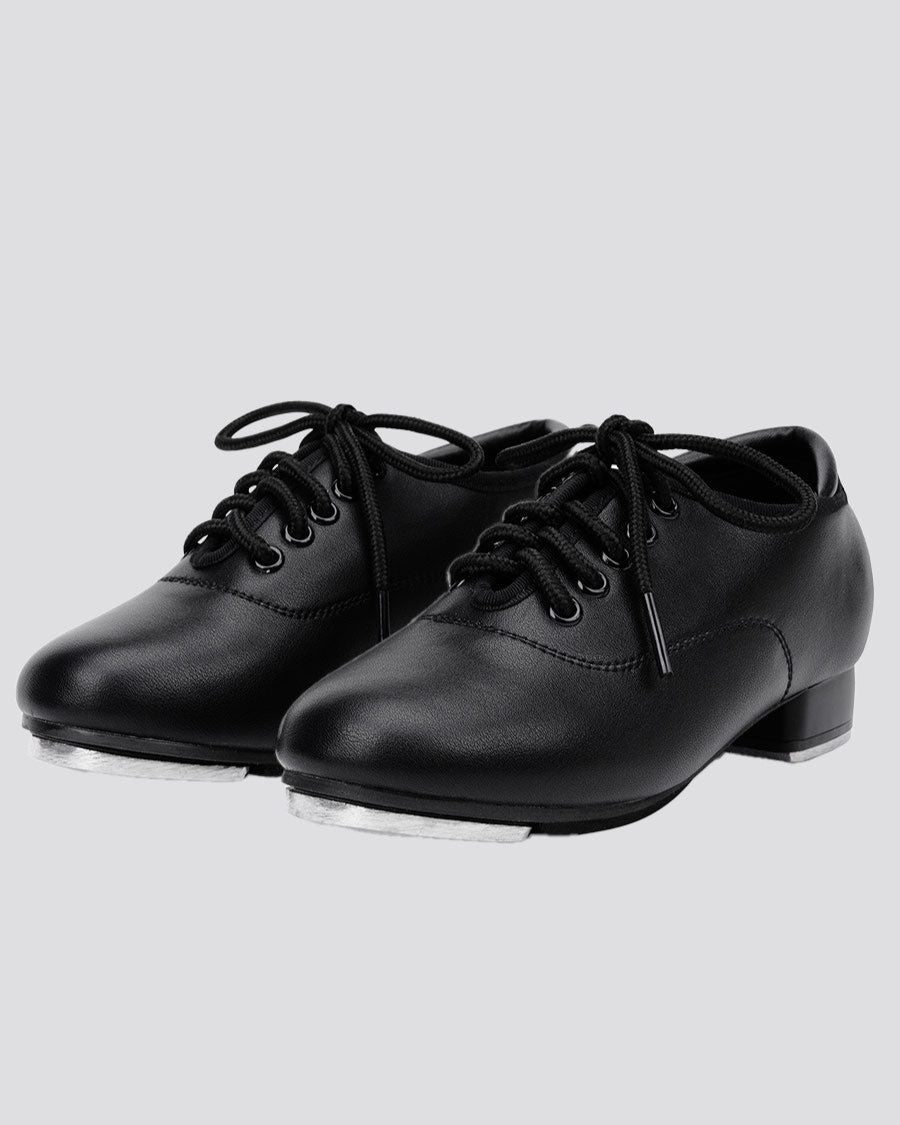
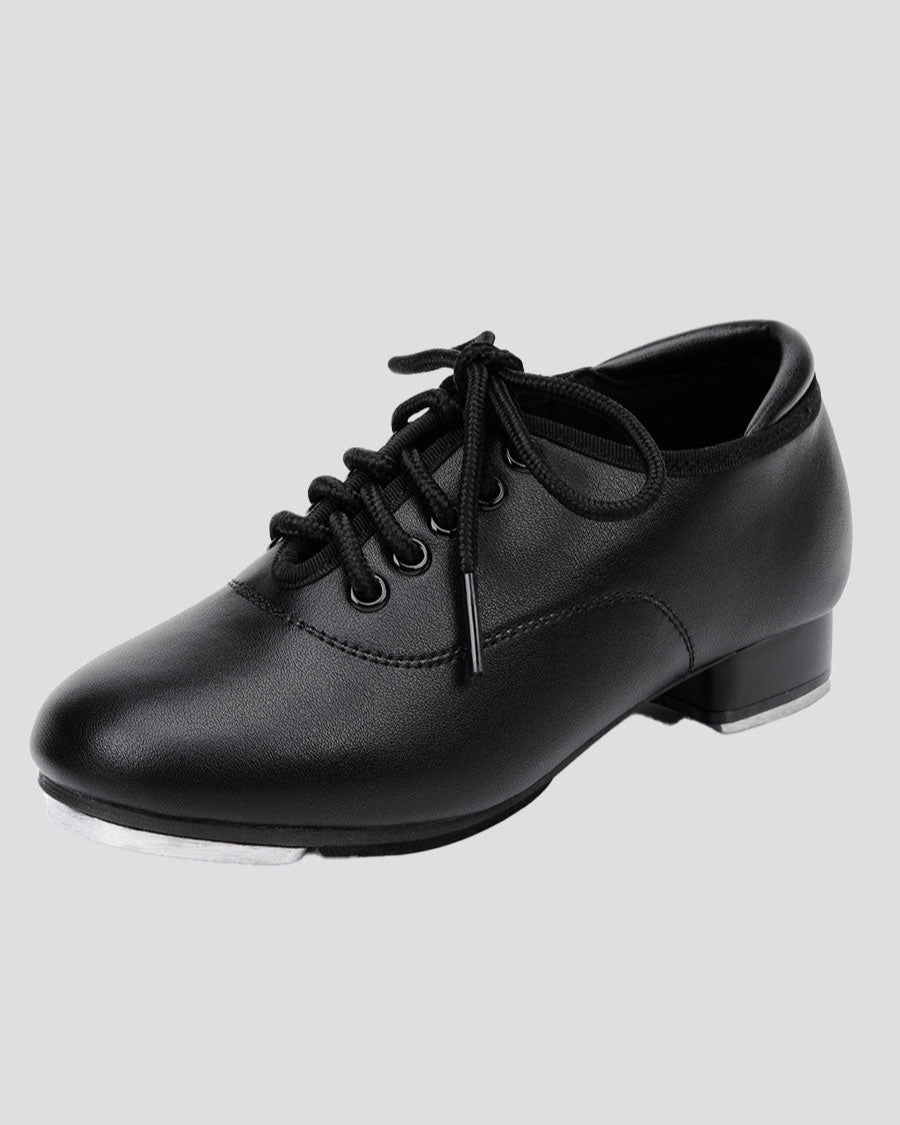
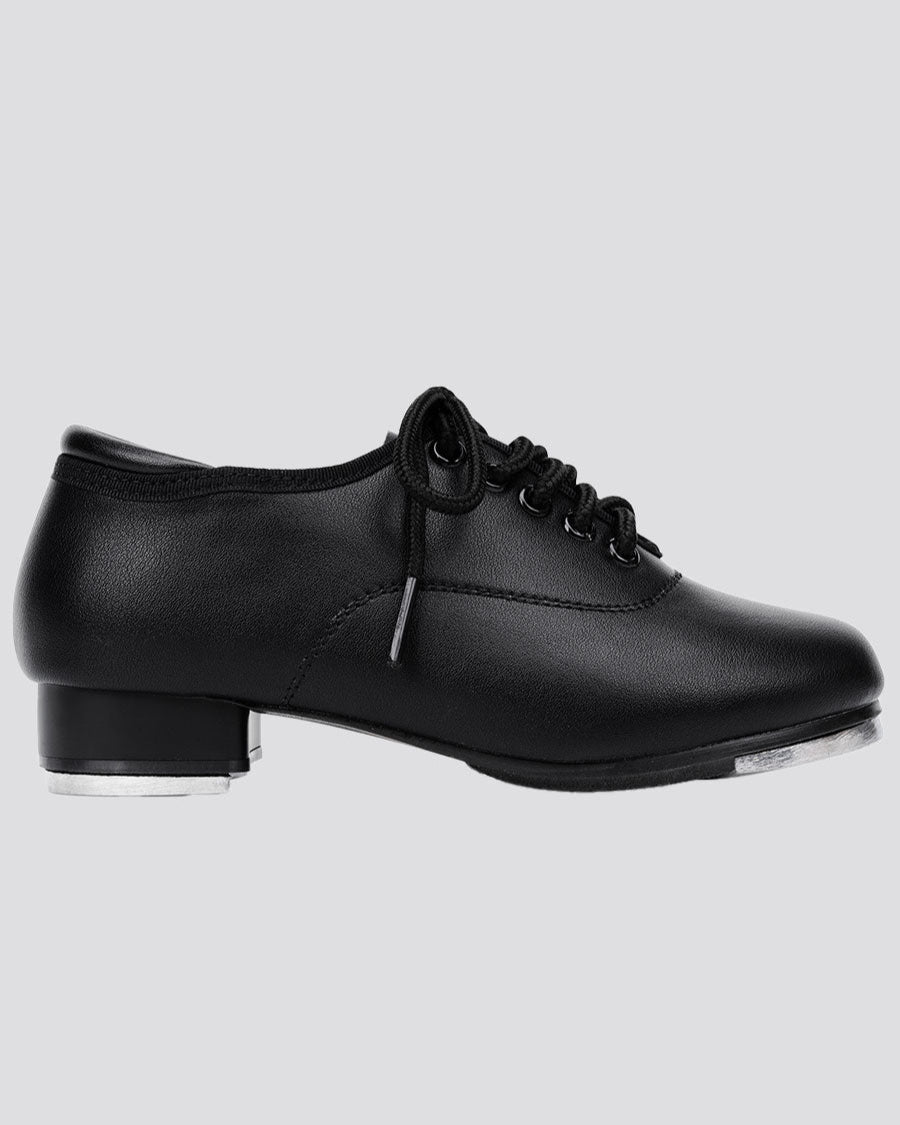
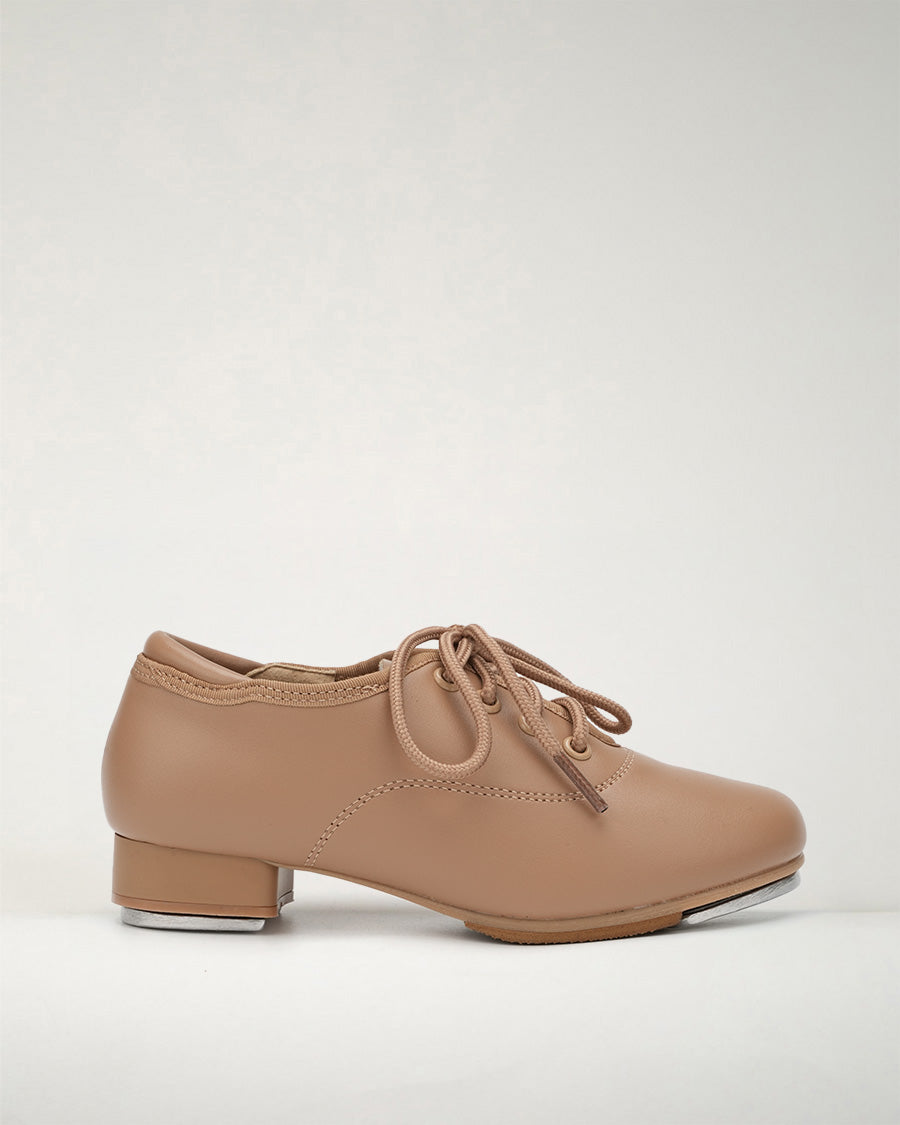
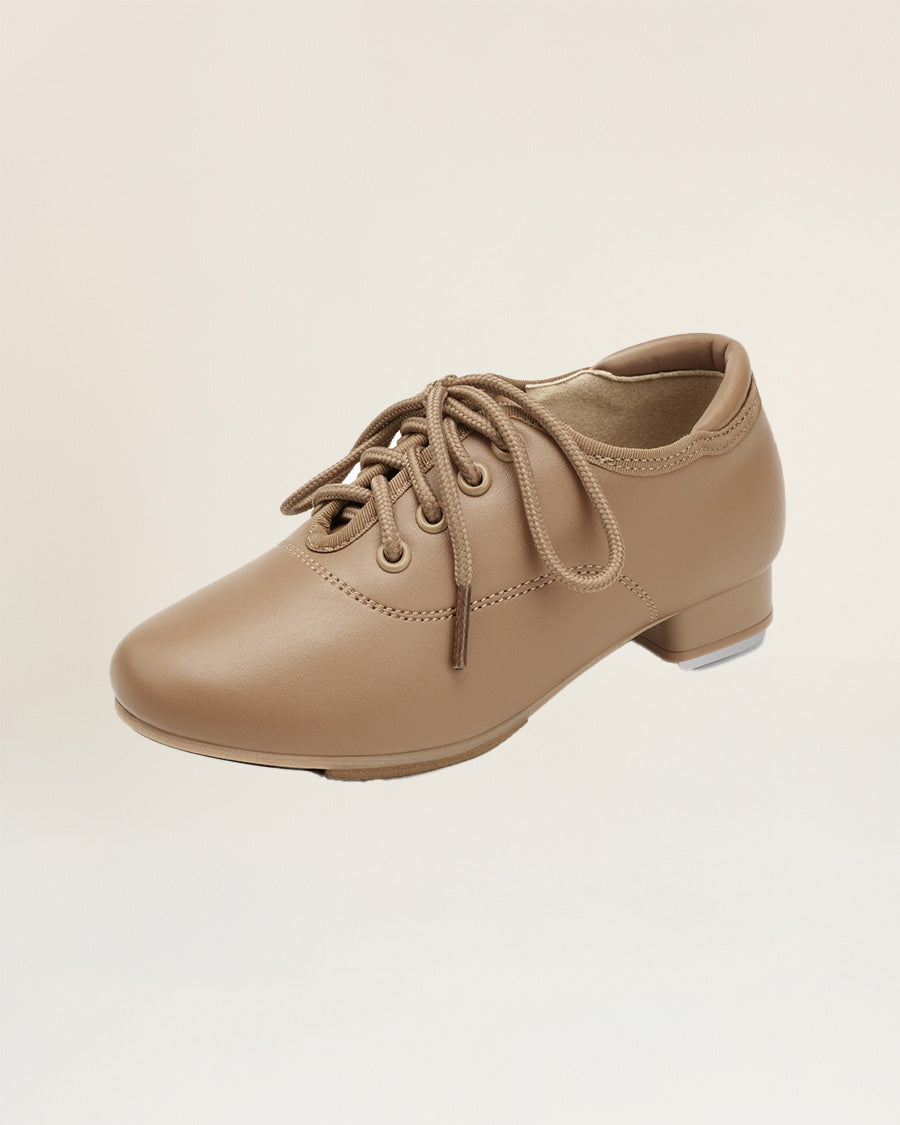
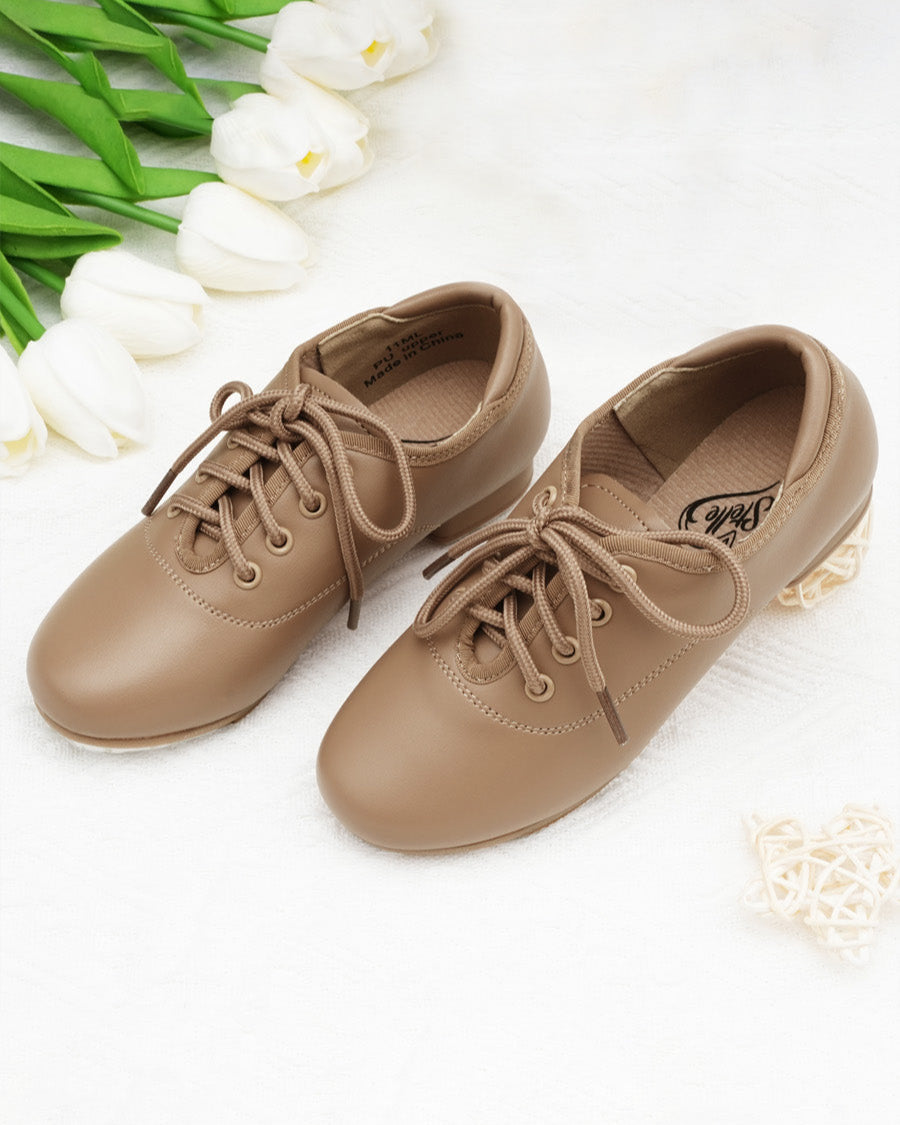
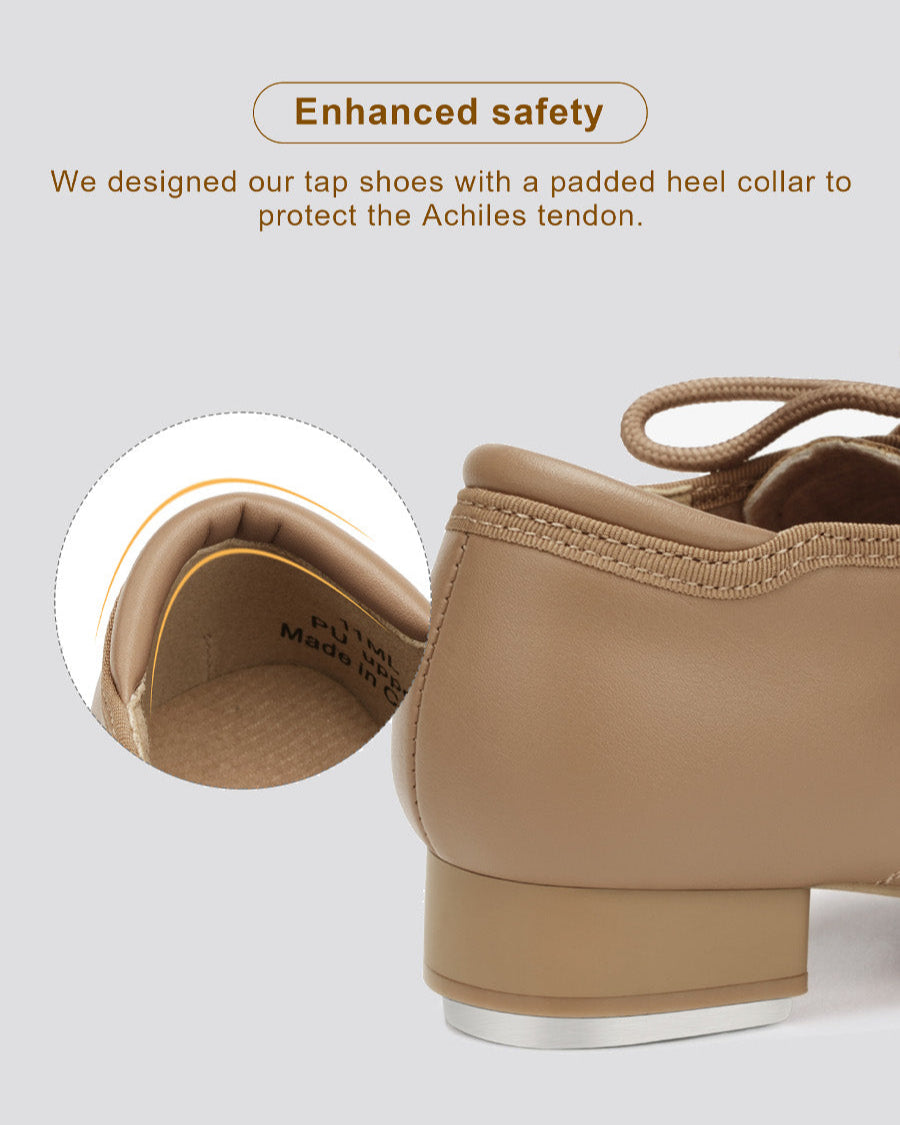
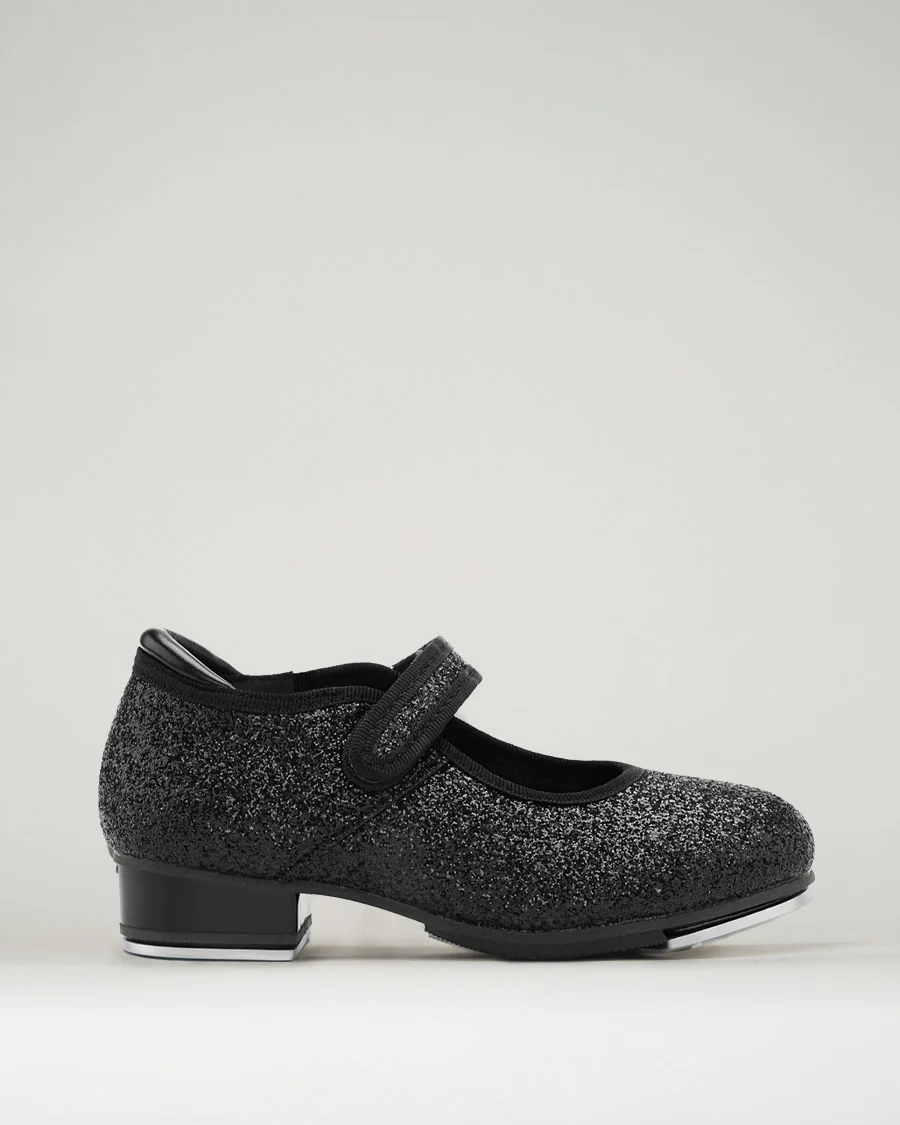
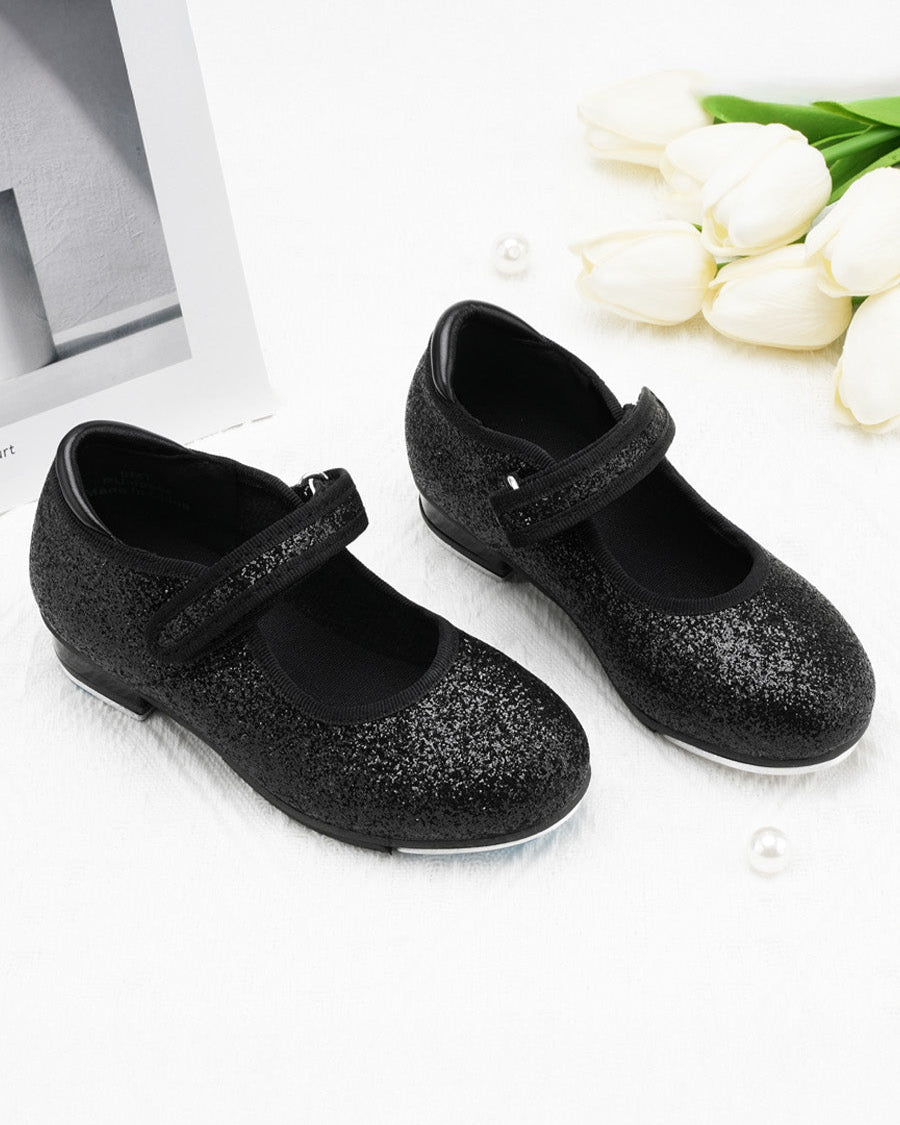
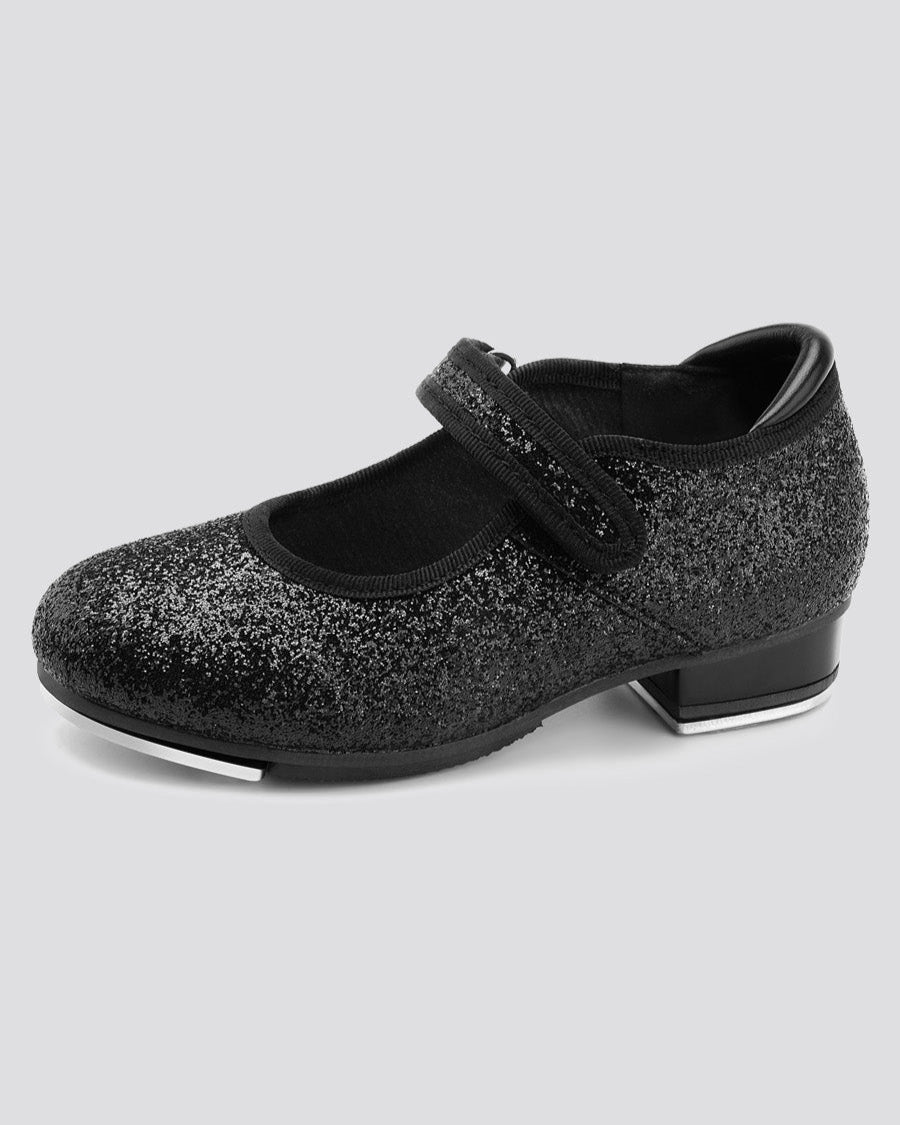
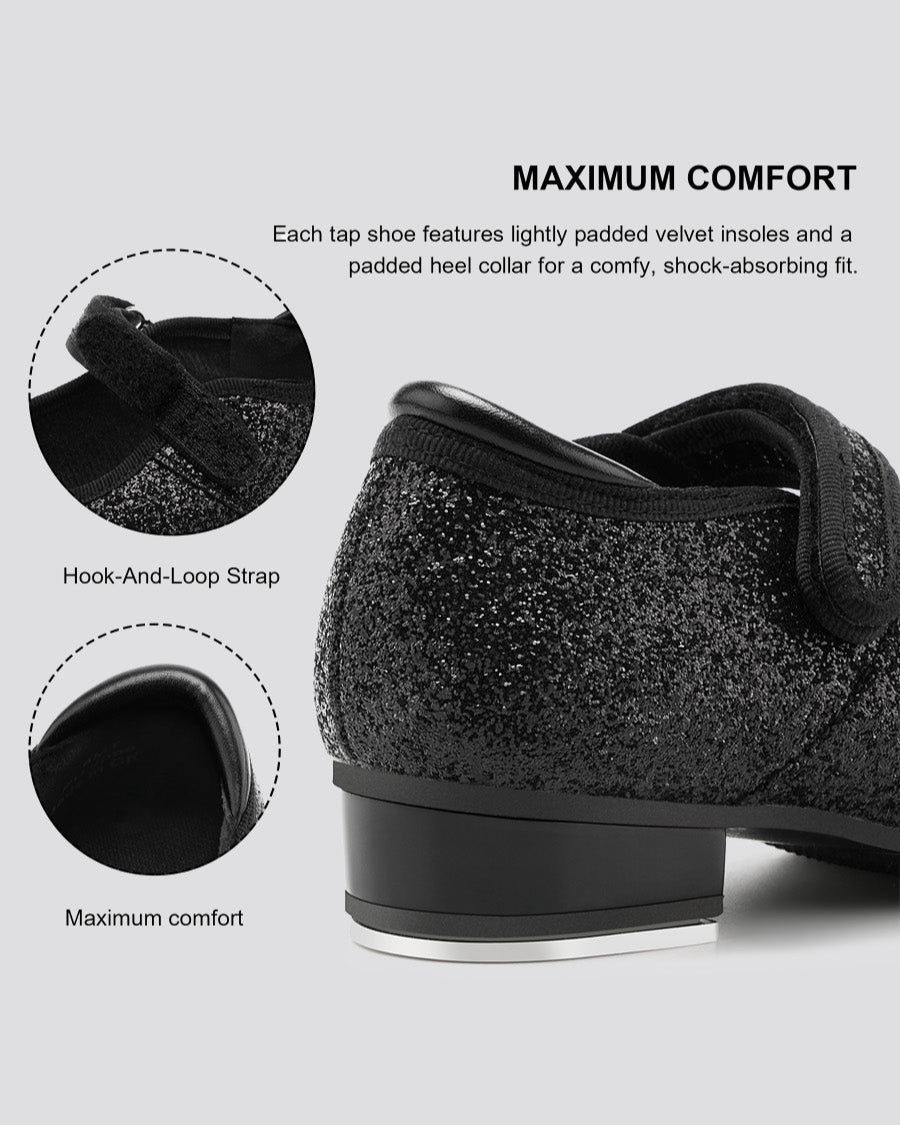
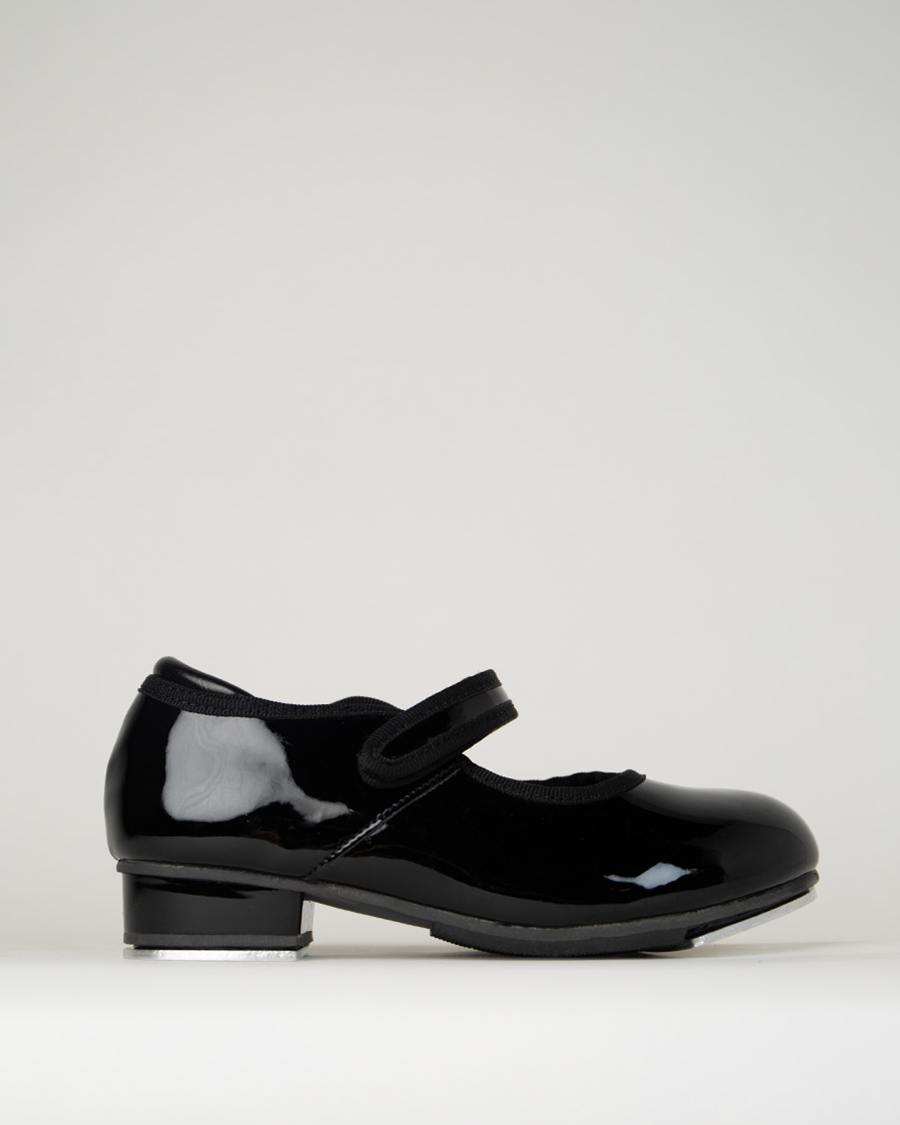
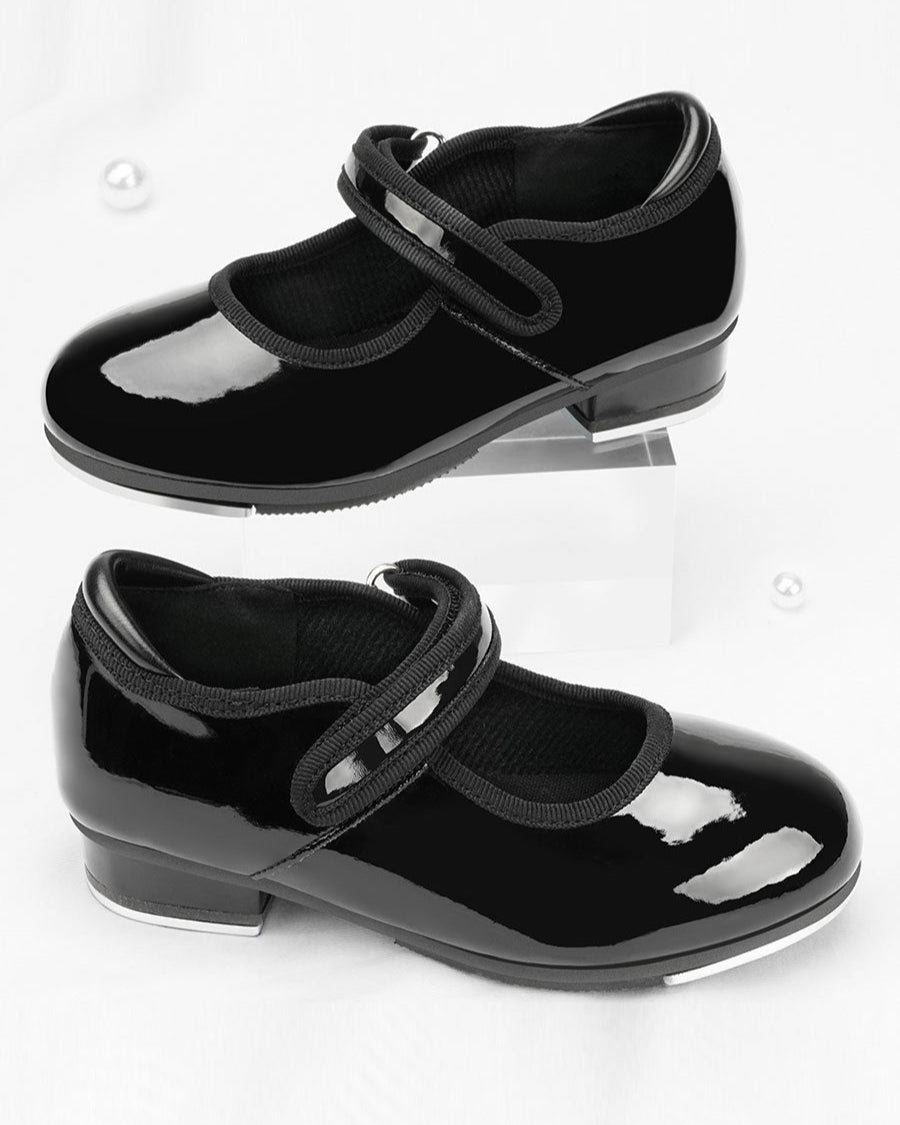
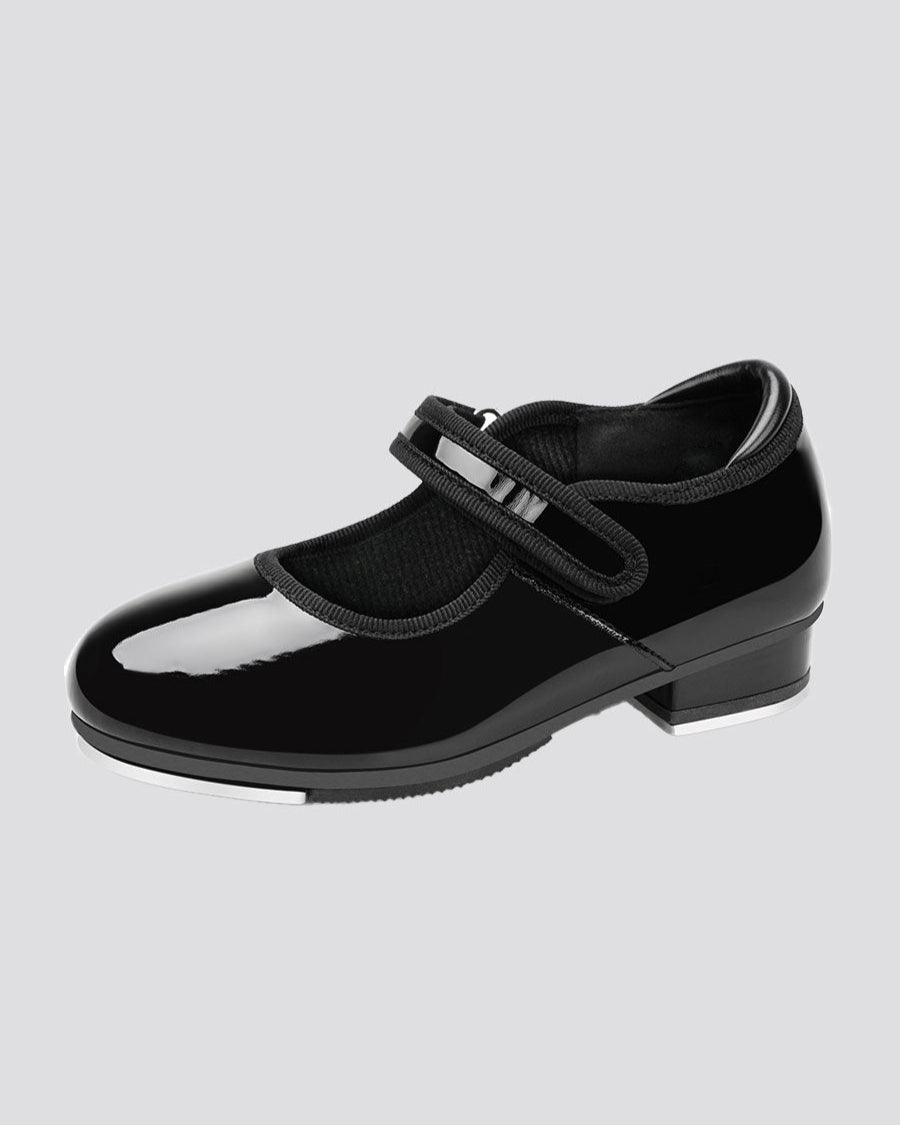
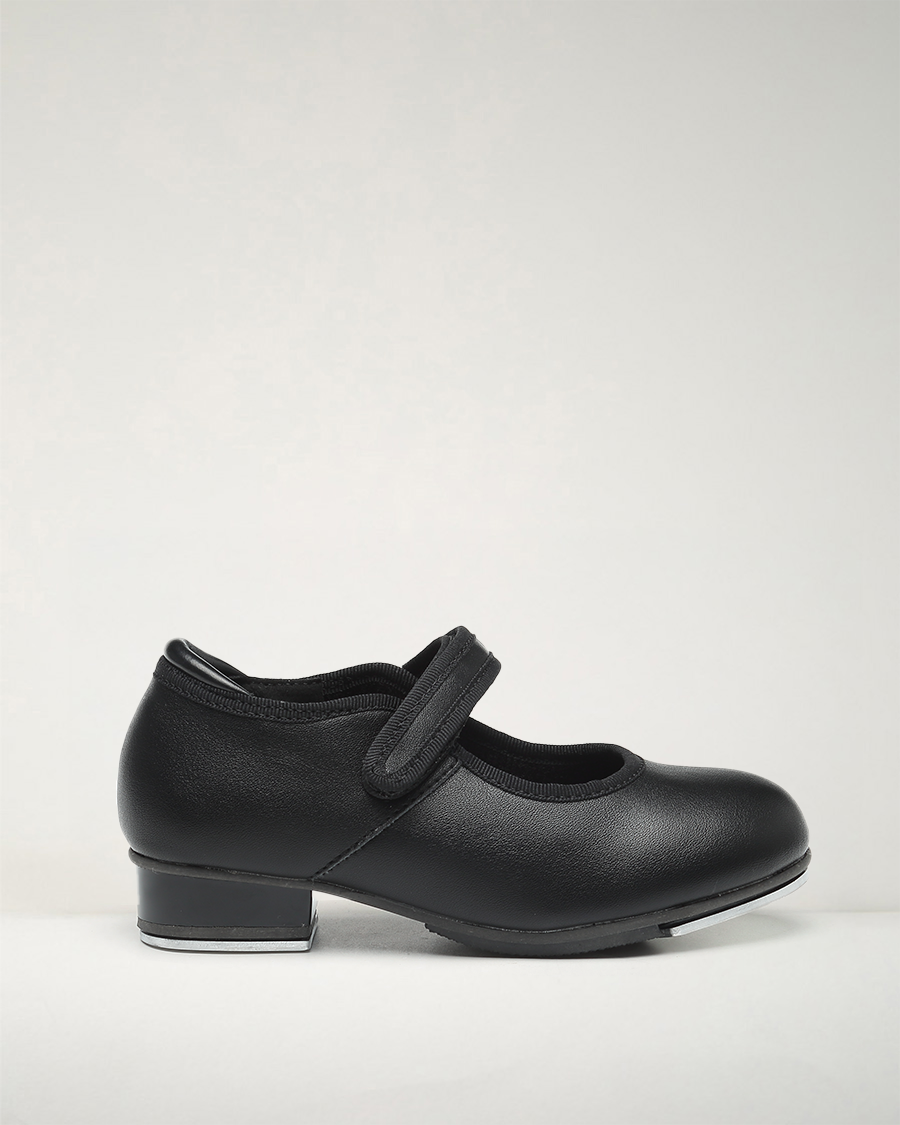
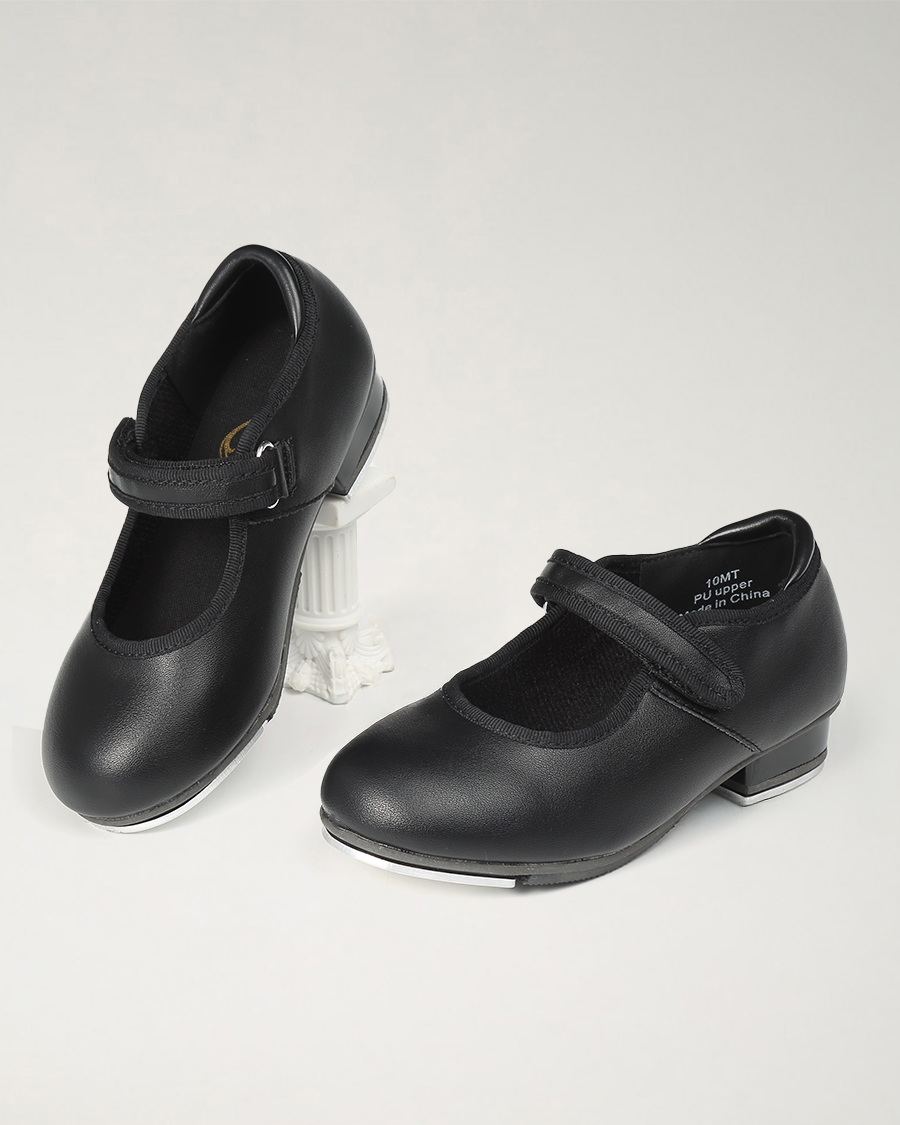
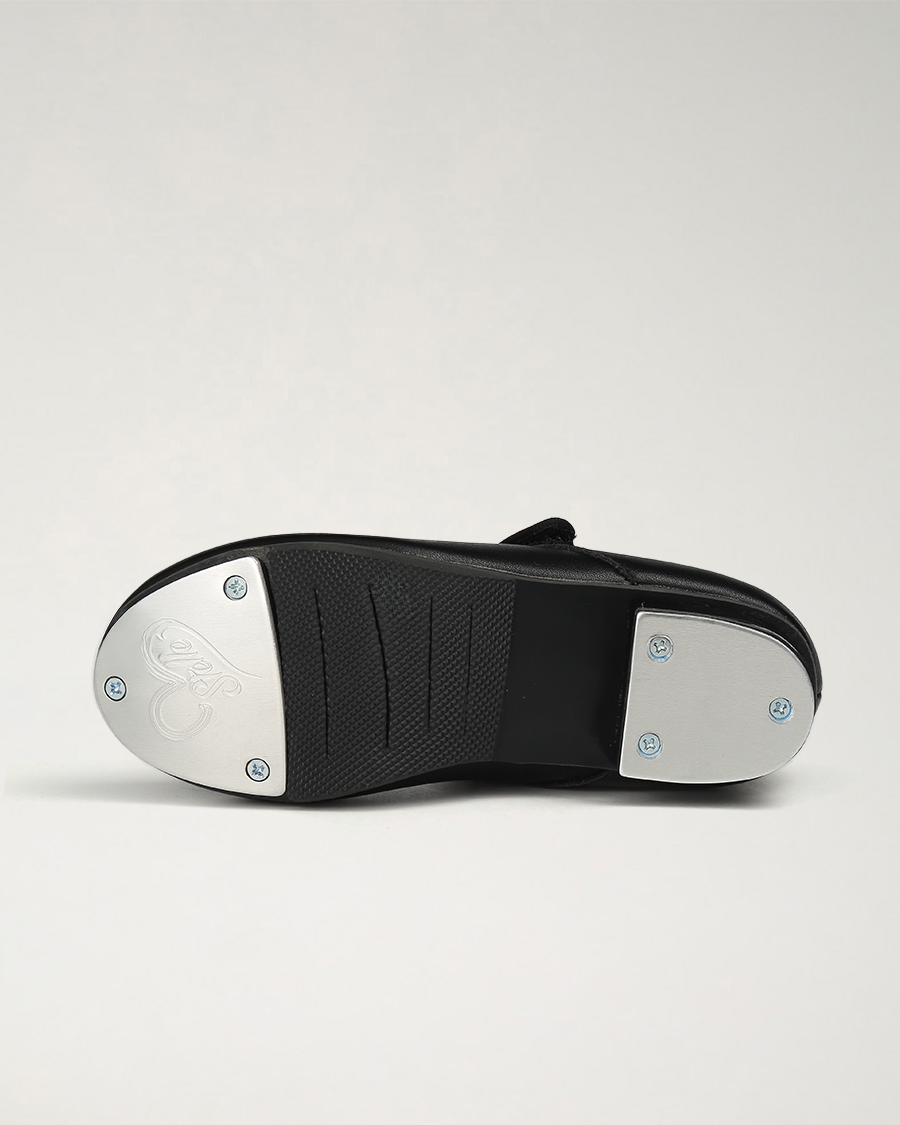
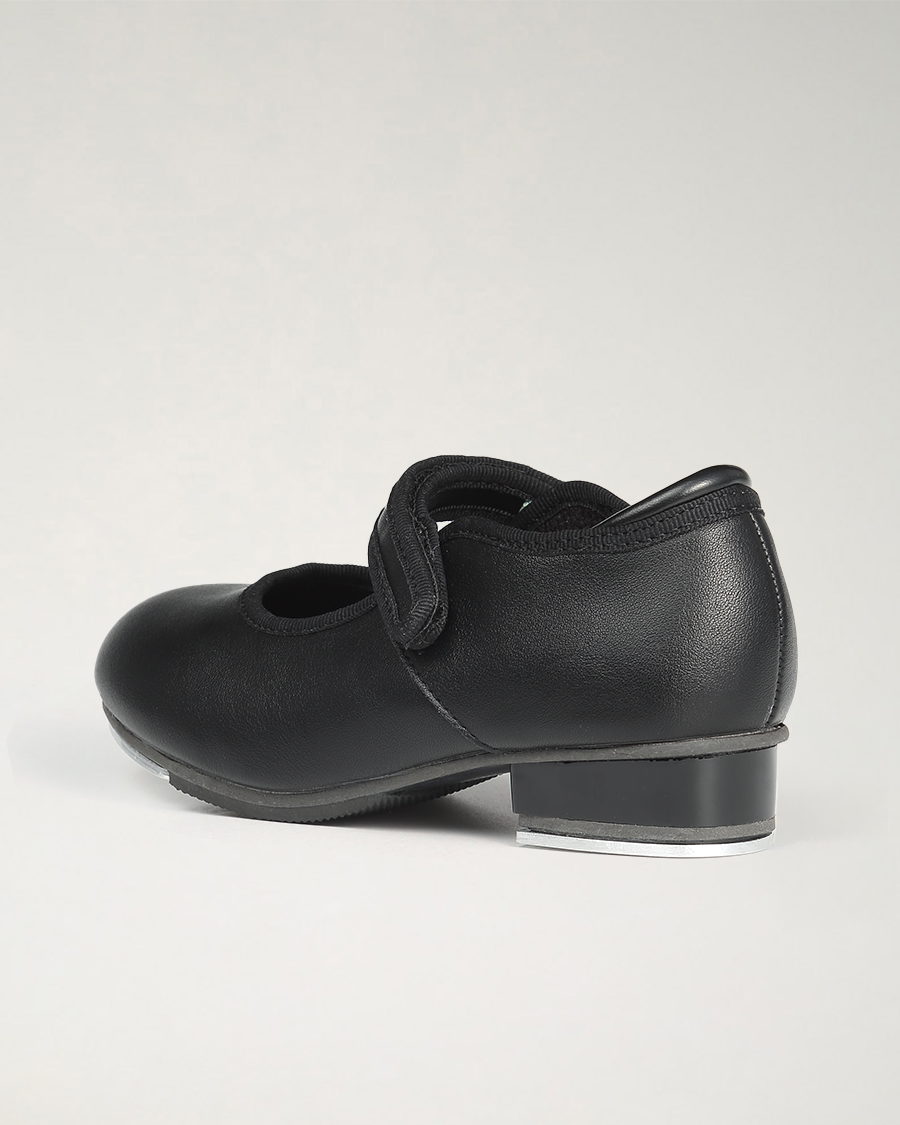
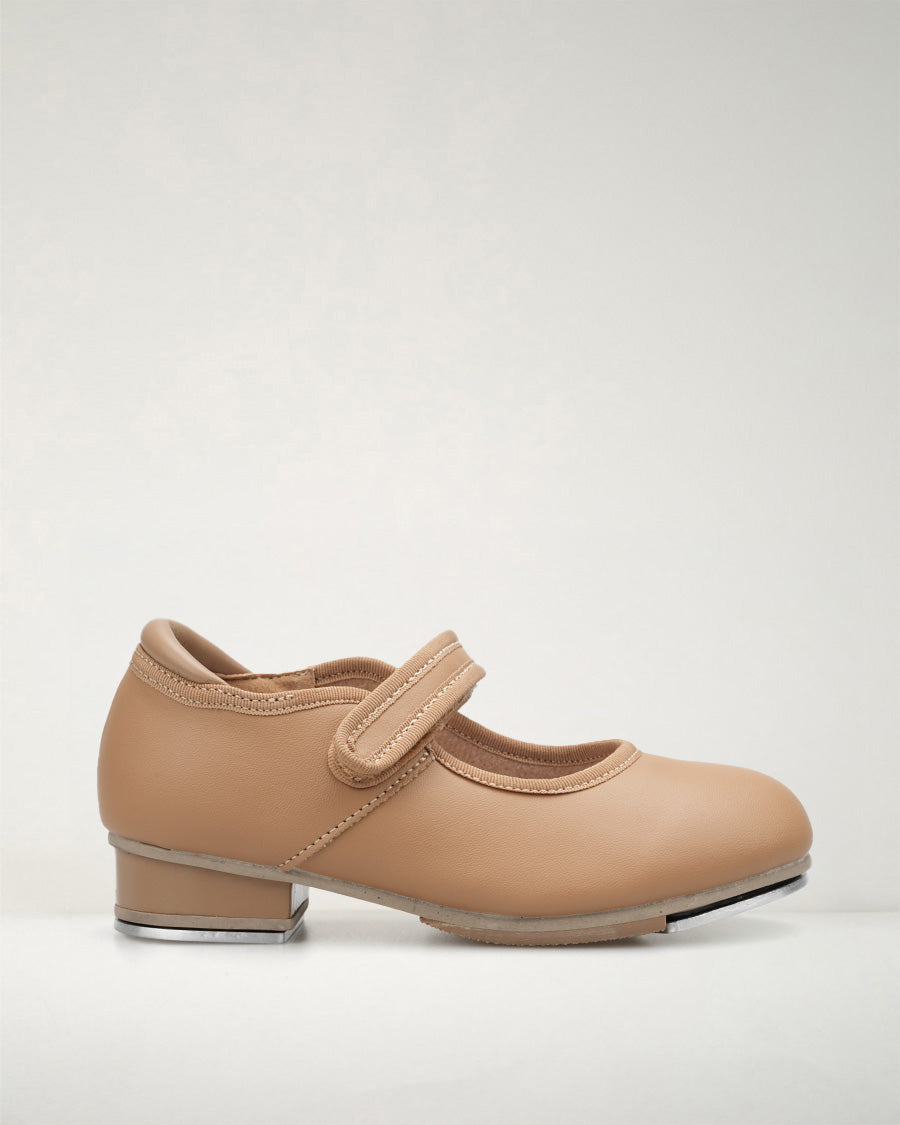
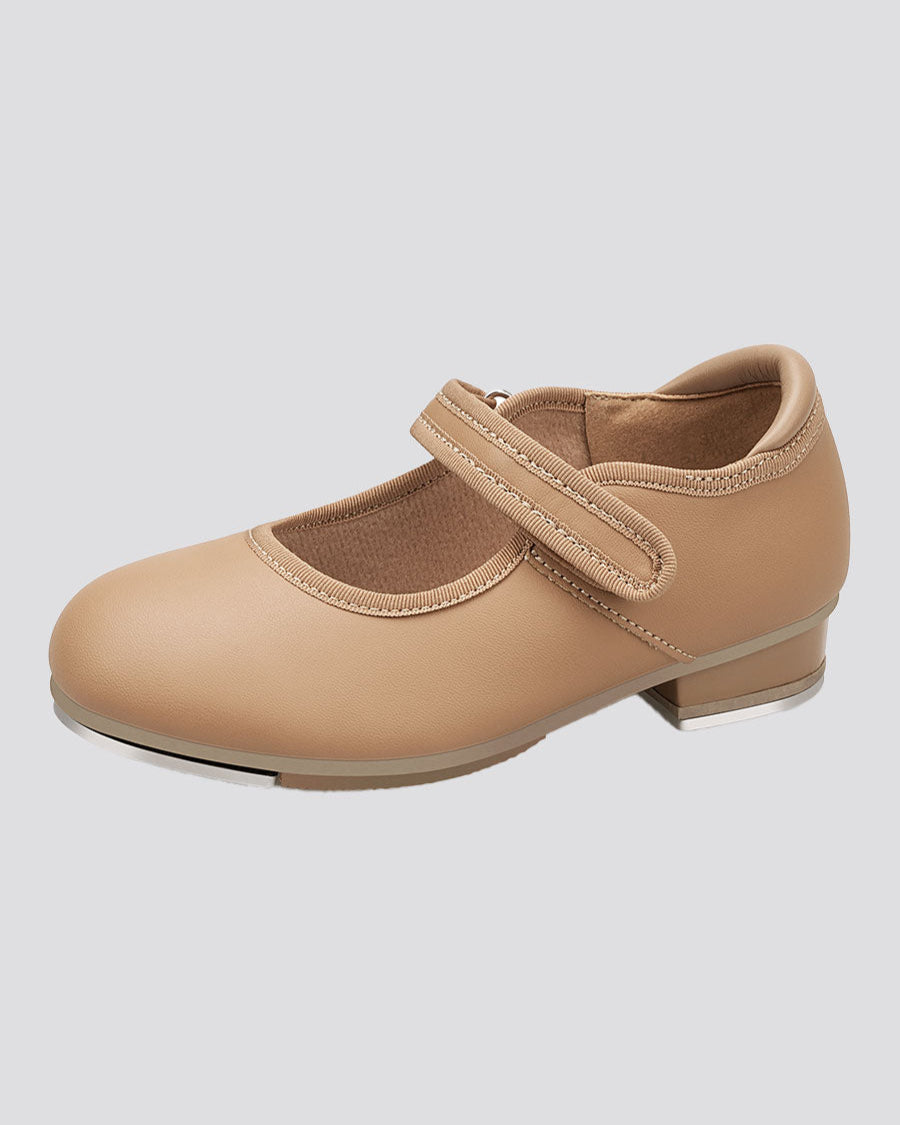
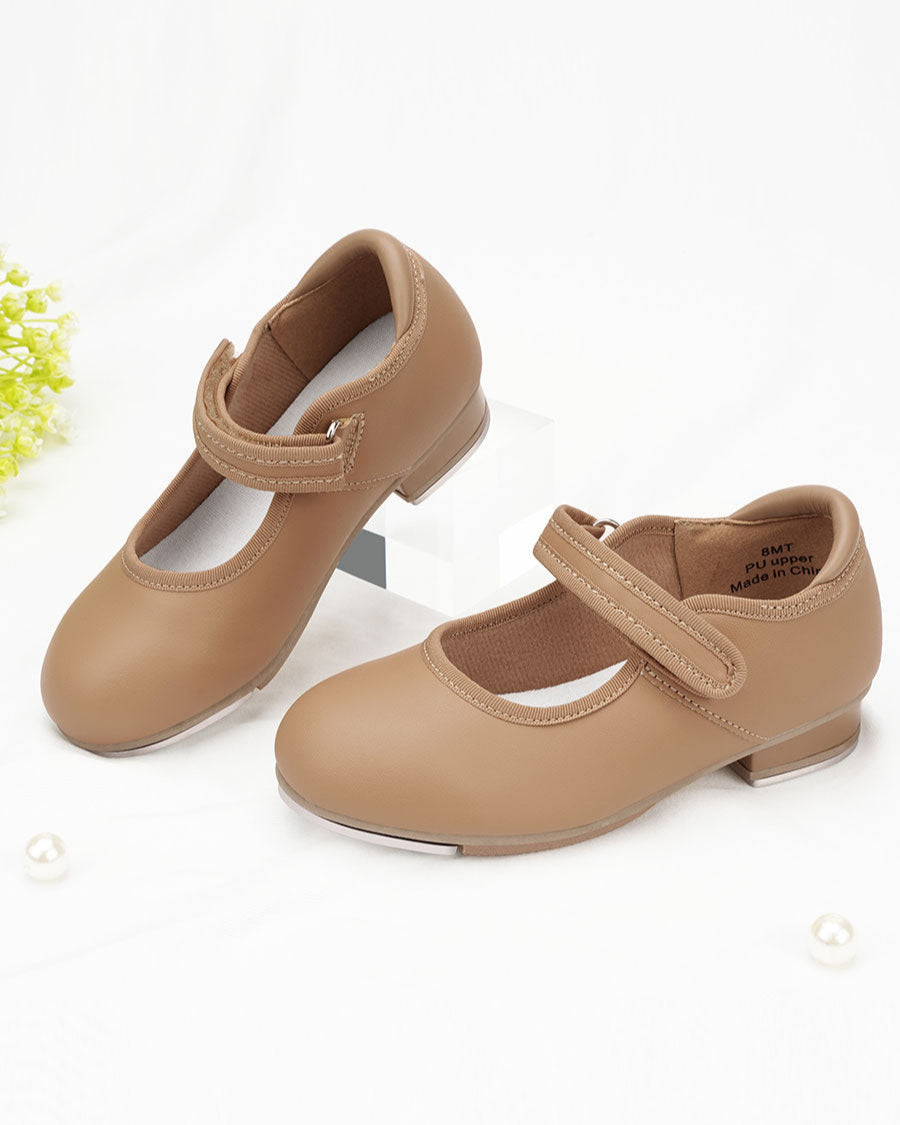
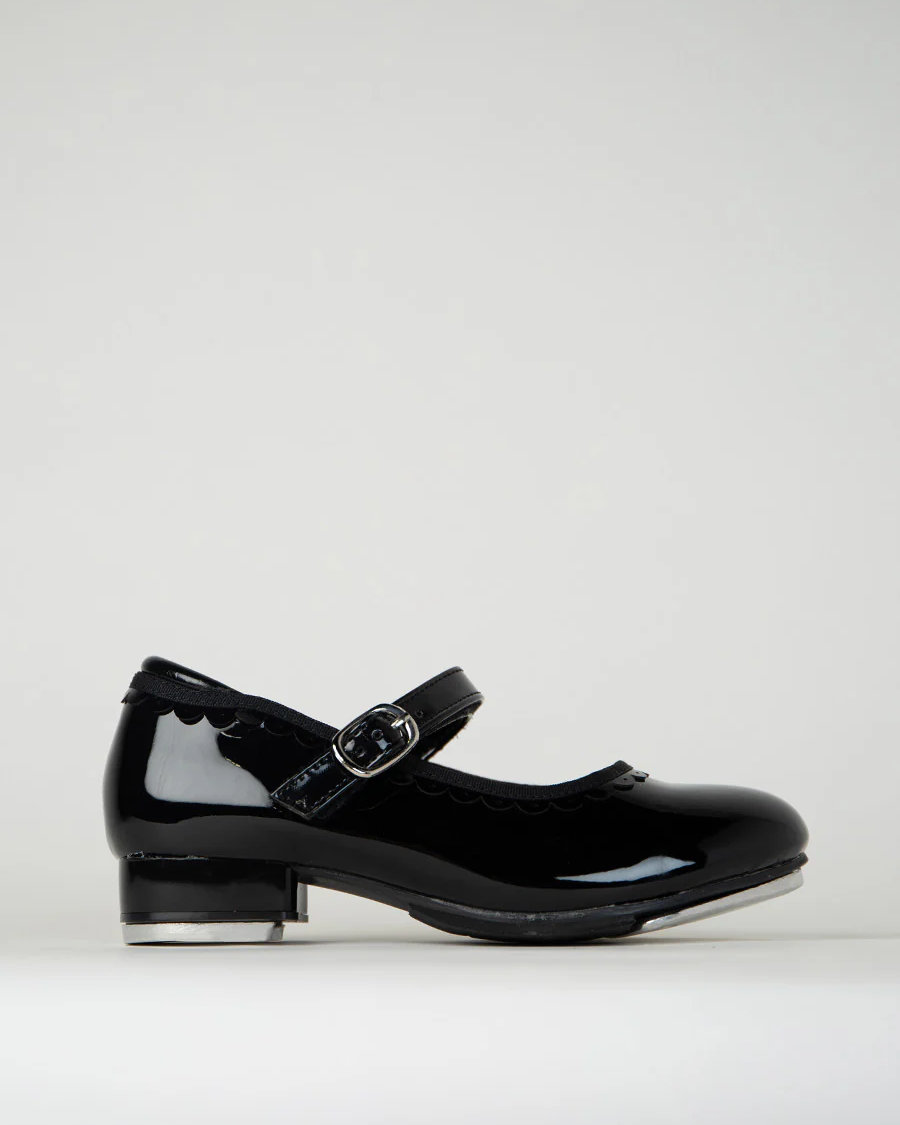
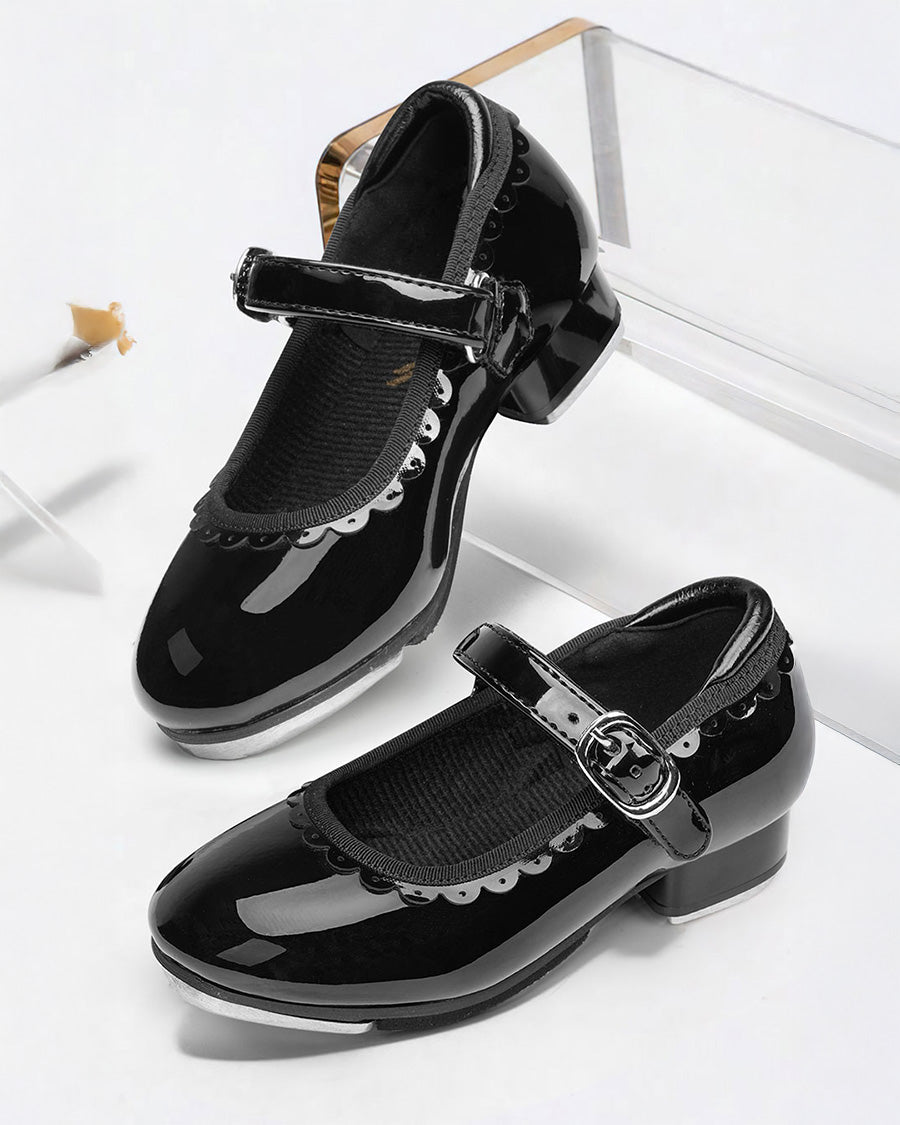
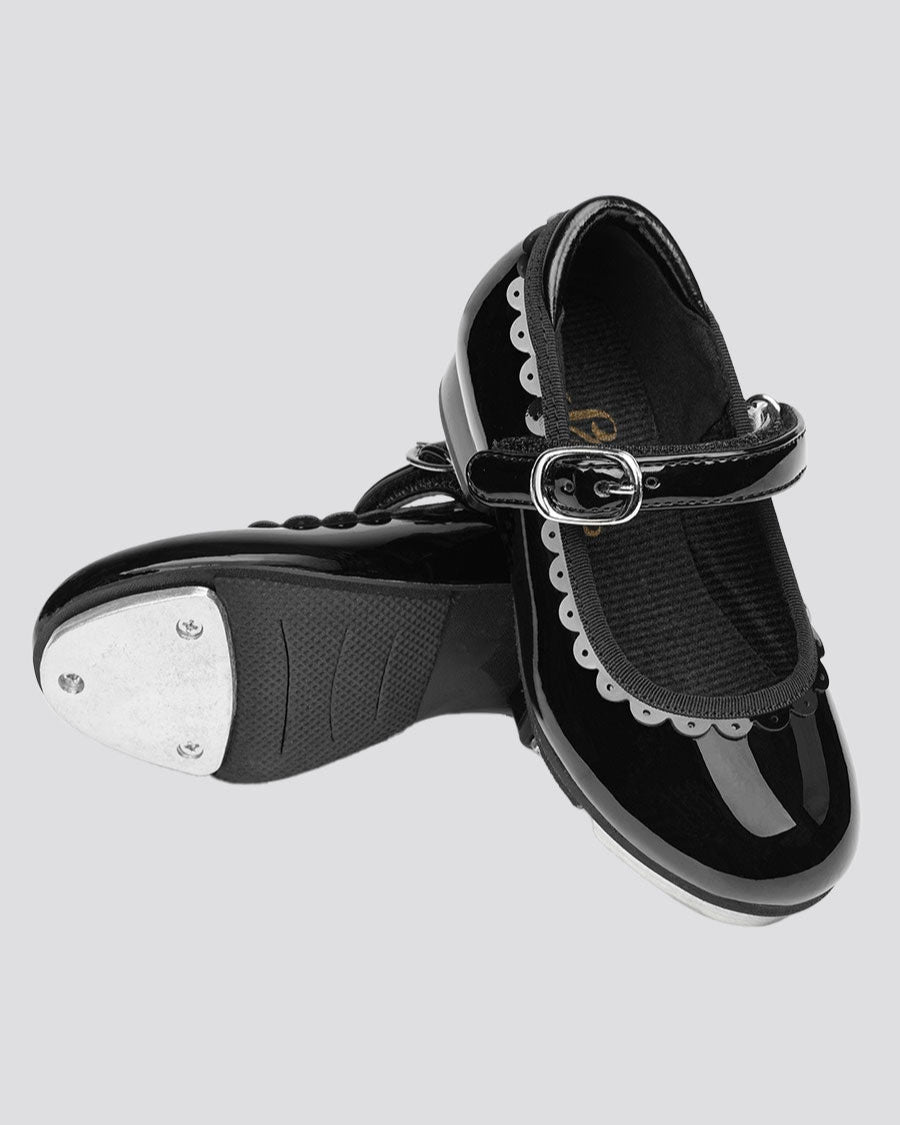
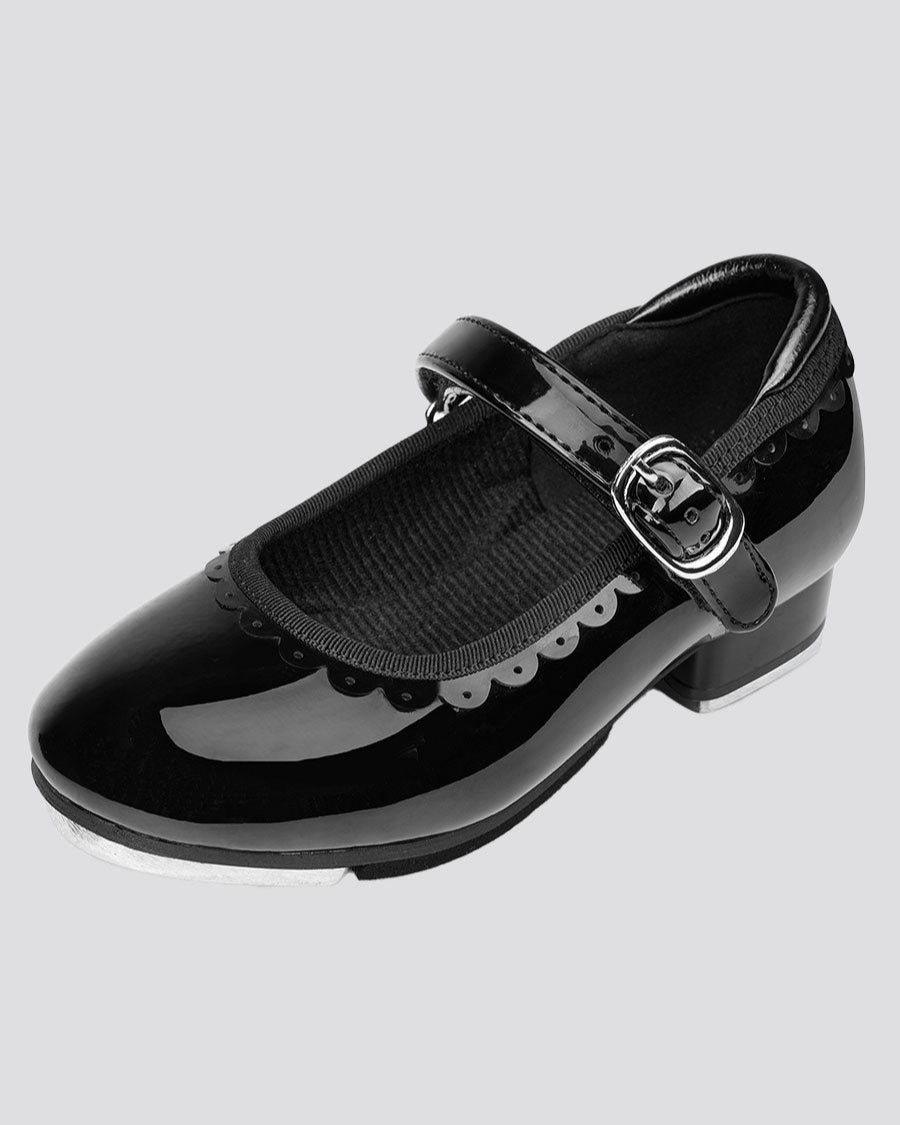
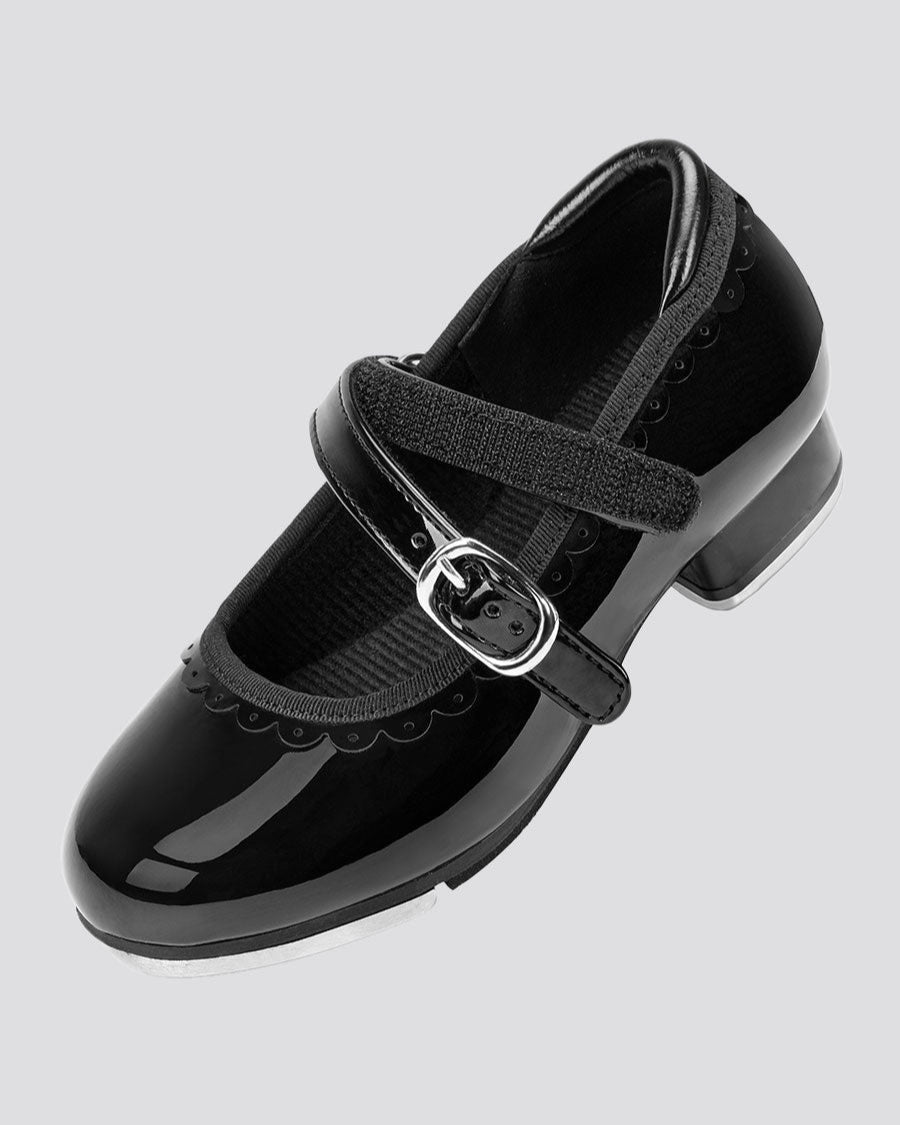
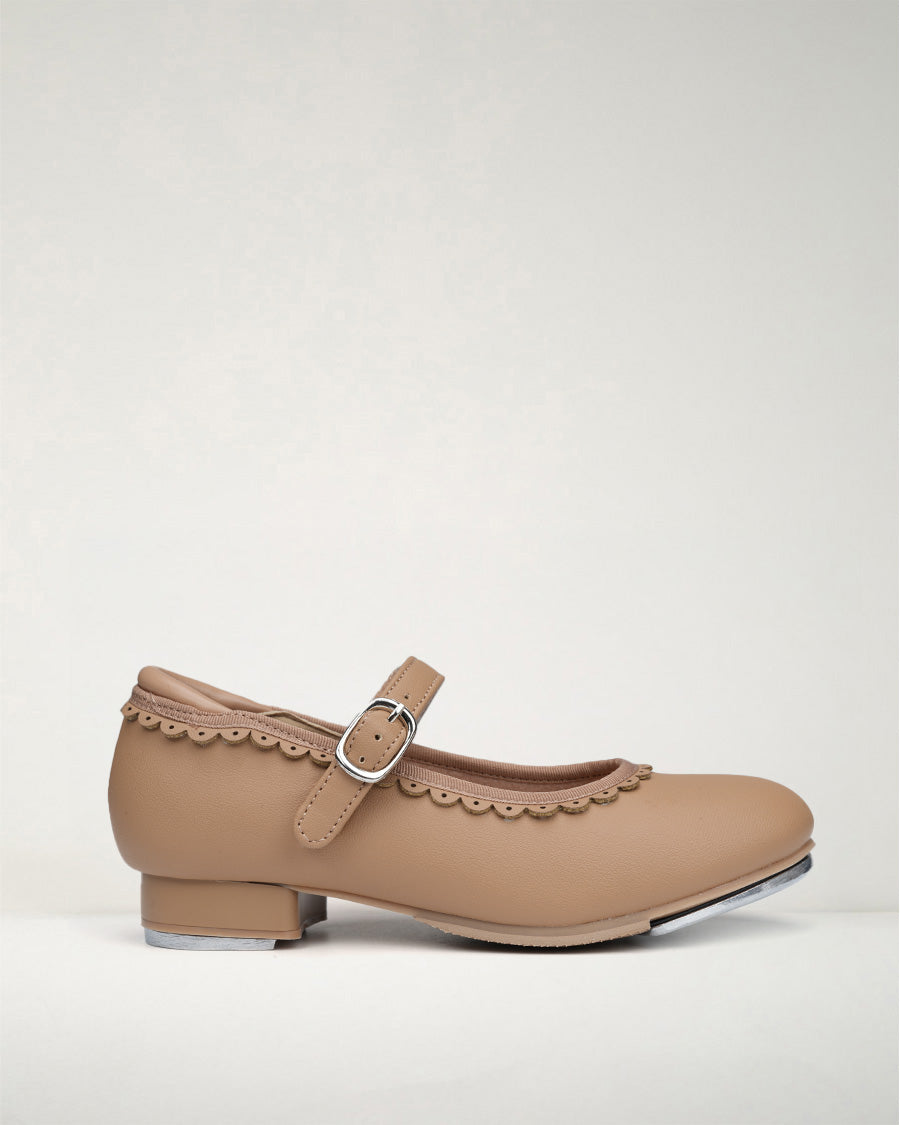
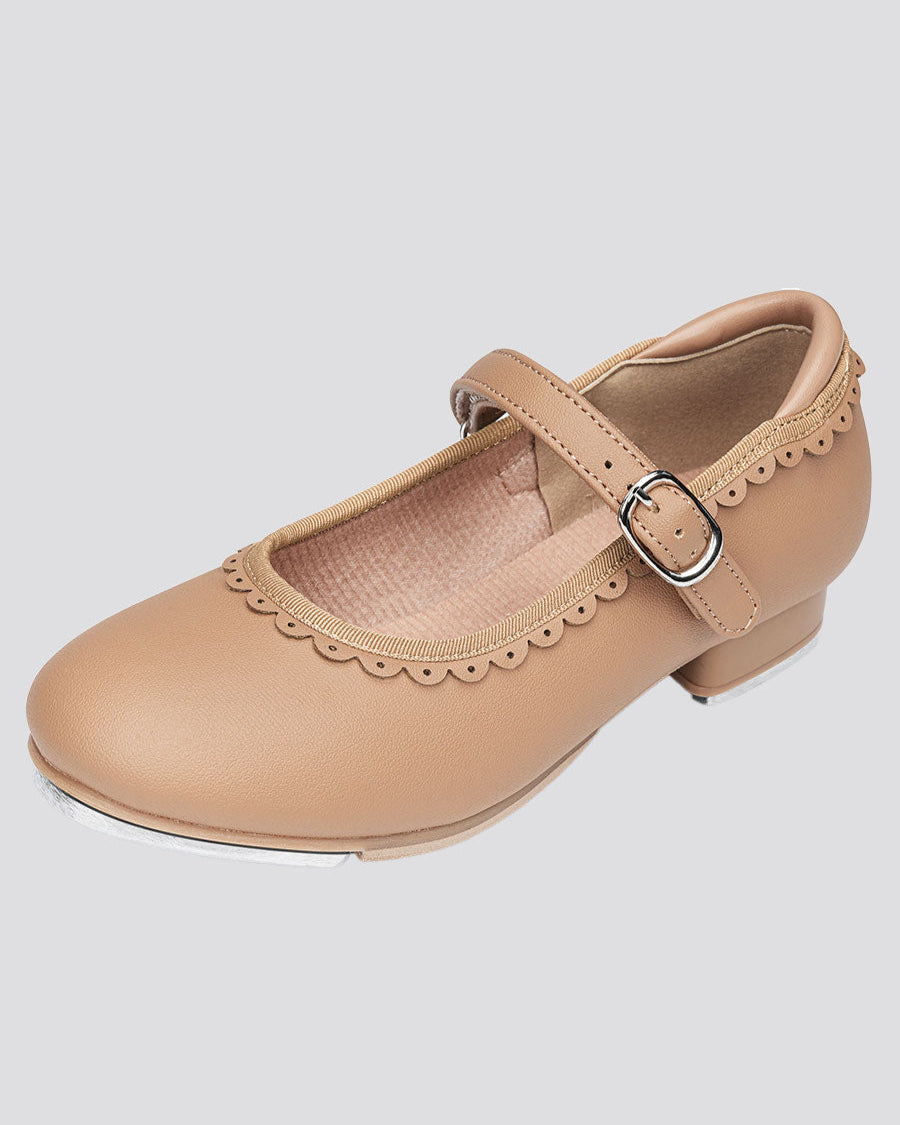
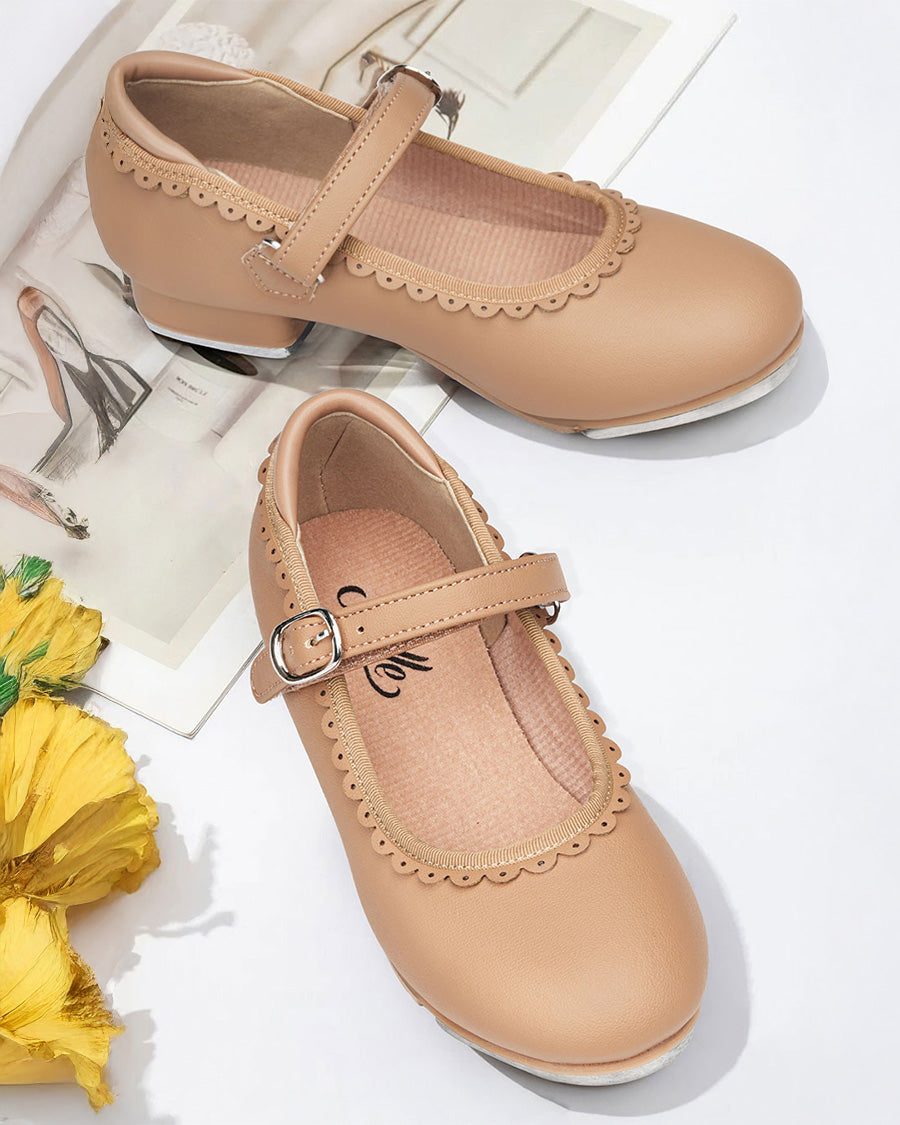
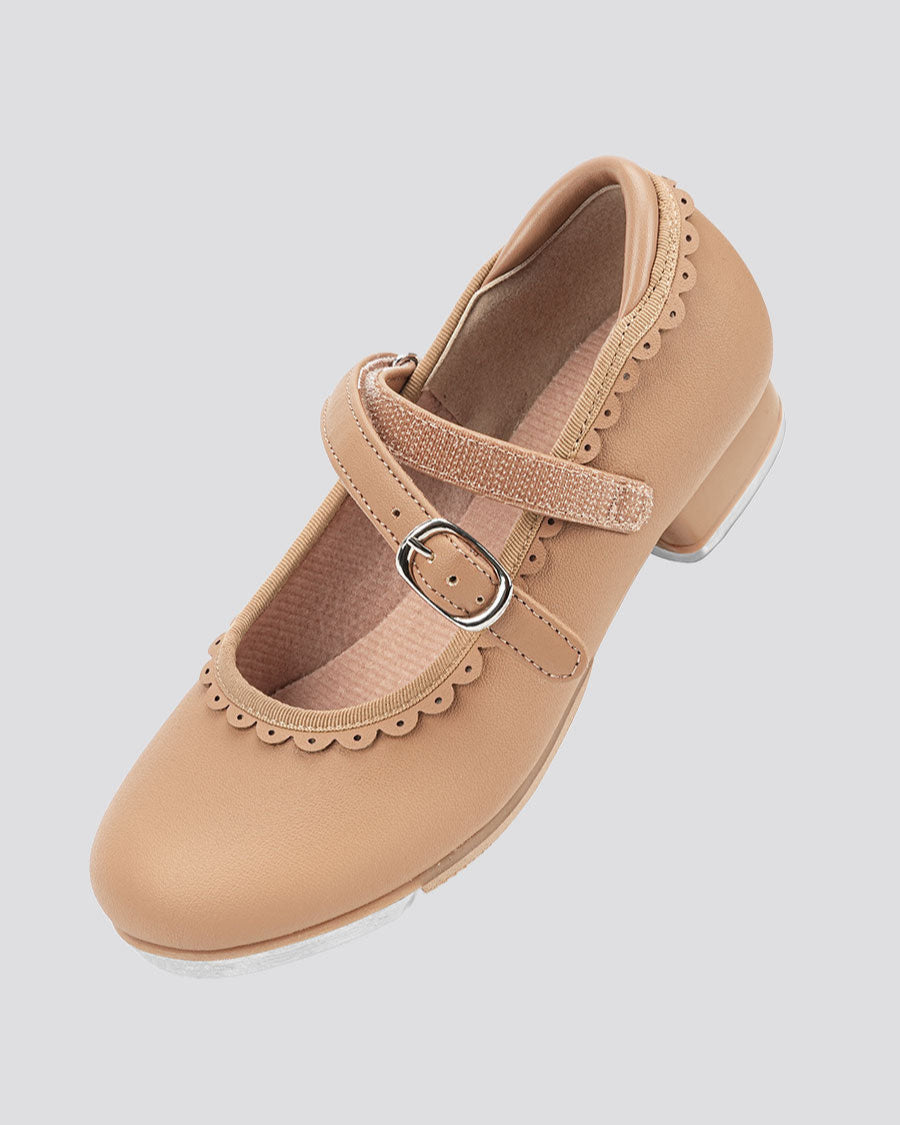
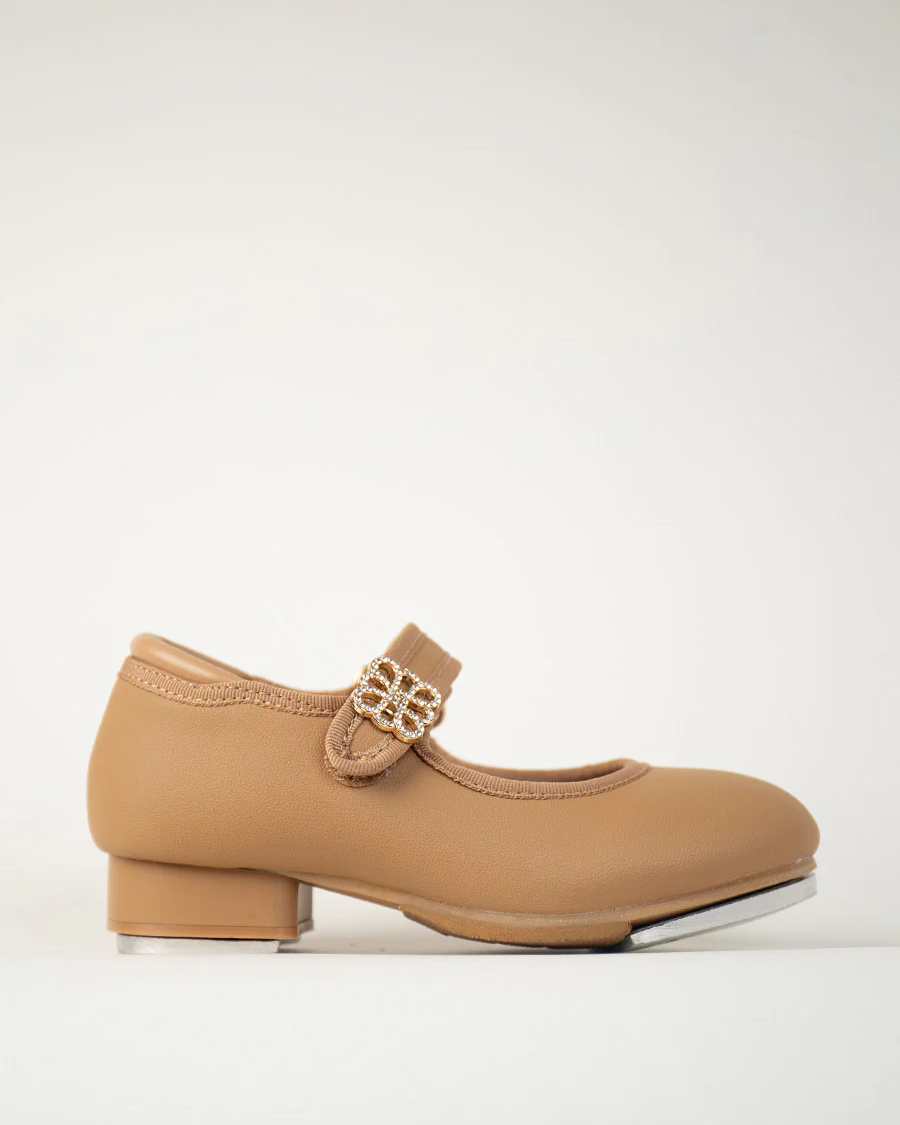
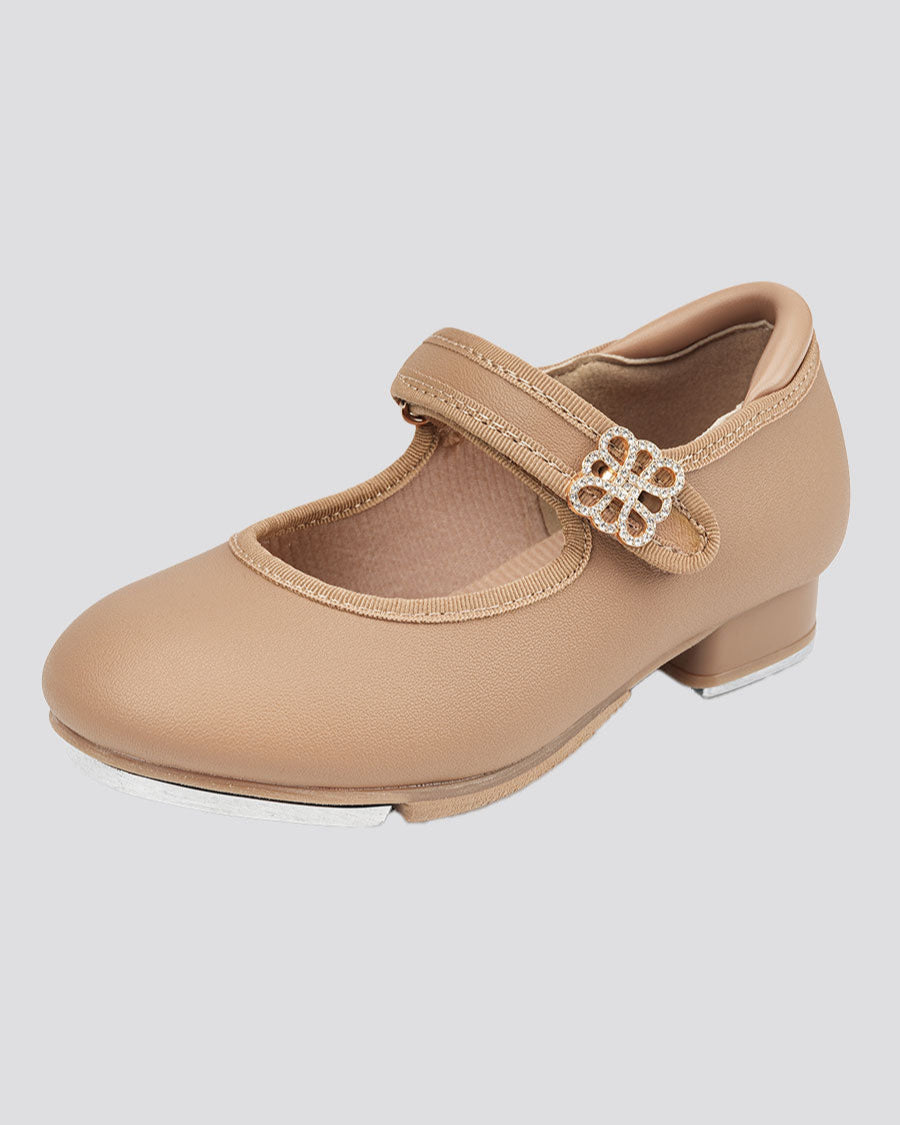
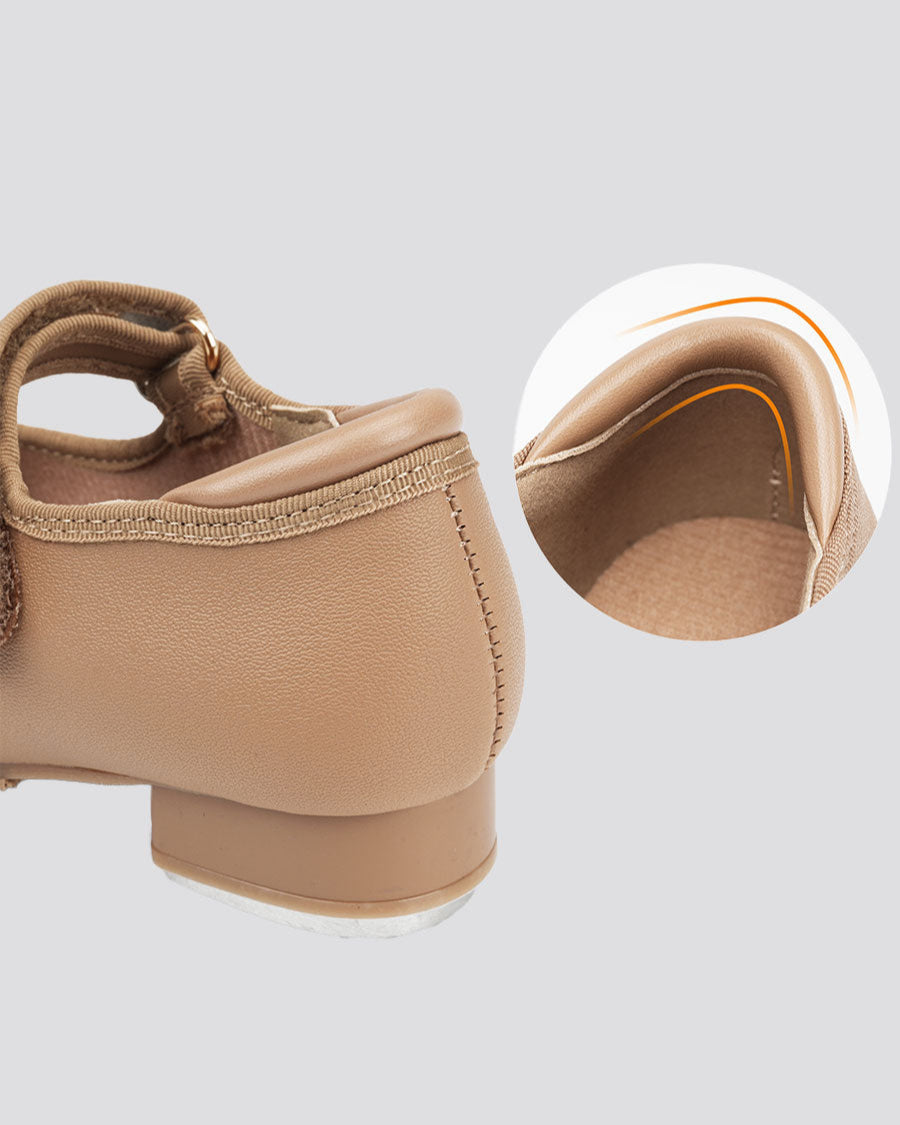
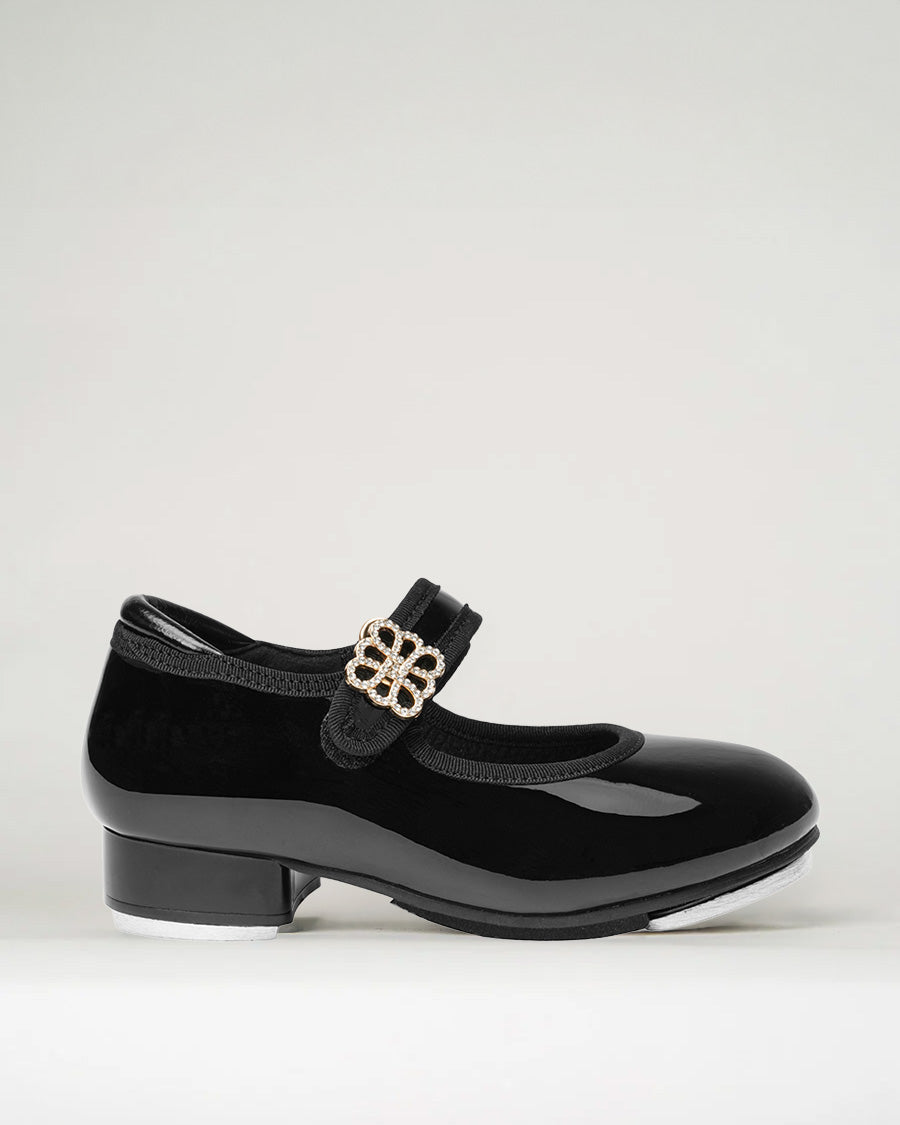
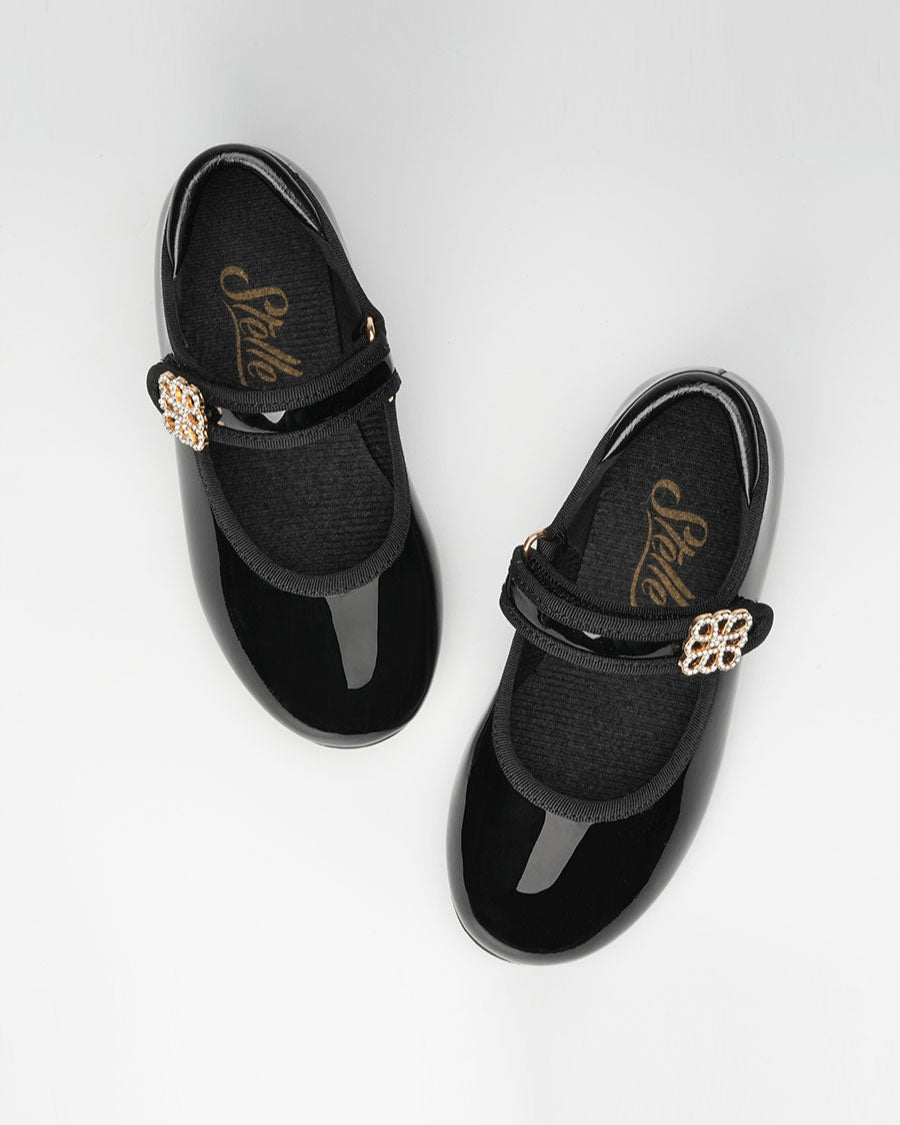
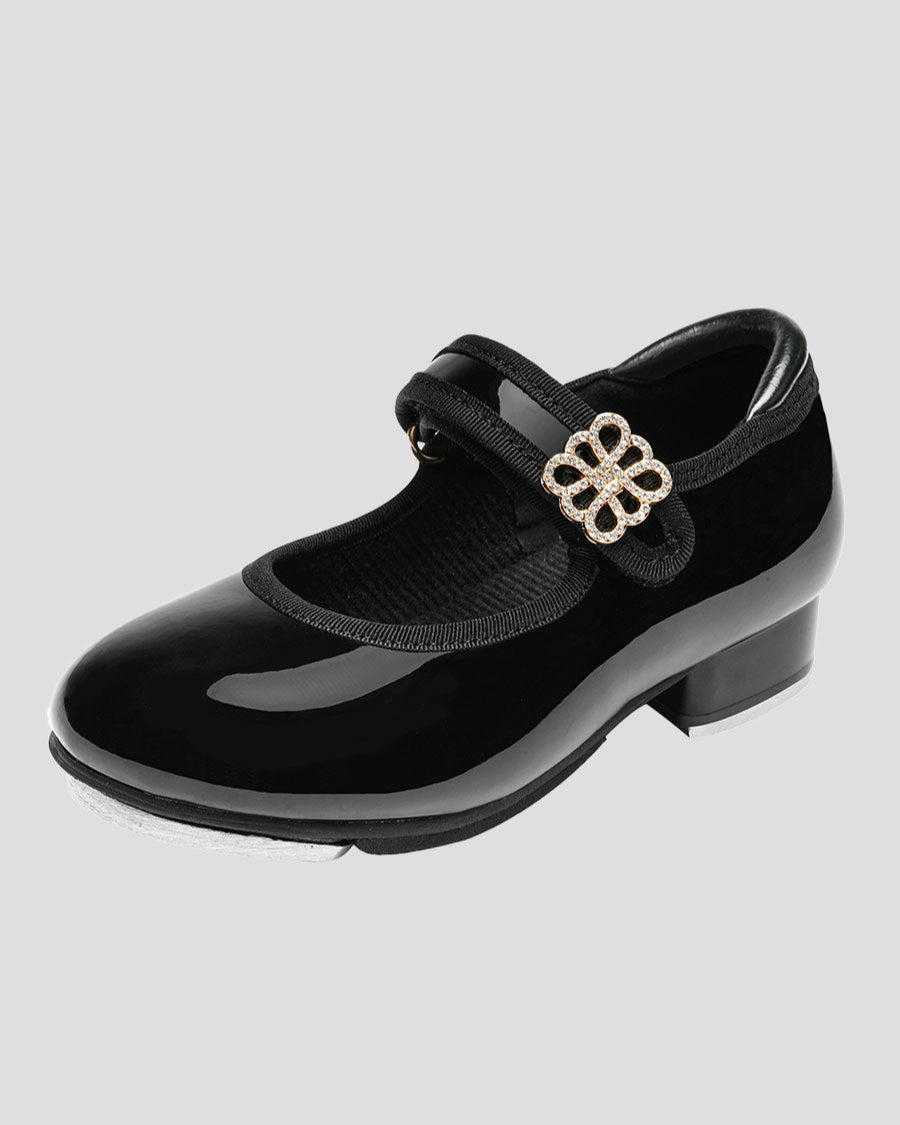
Tap shoes are the essential item, since sneakers cannot make the sound the class is built around. For beginners, look for a snug street-shoe fit, a strap or laces your child can fasten without help, and taps that come already attached. Our girls' tap shoes are built around exactly those requirements if you want a starting point. Most studios specify a color, usually black or tan.
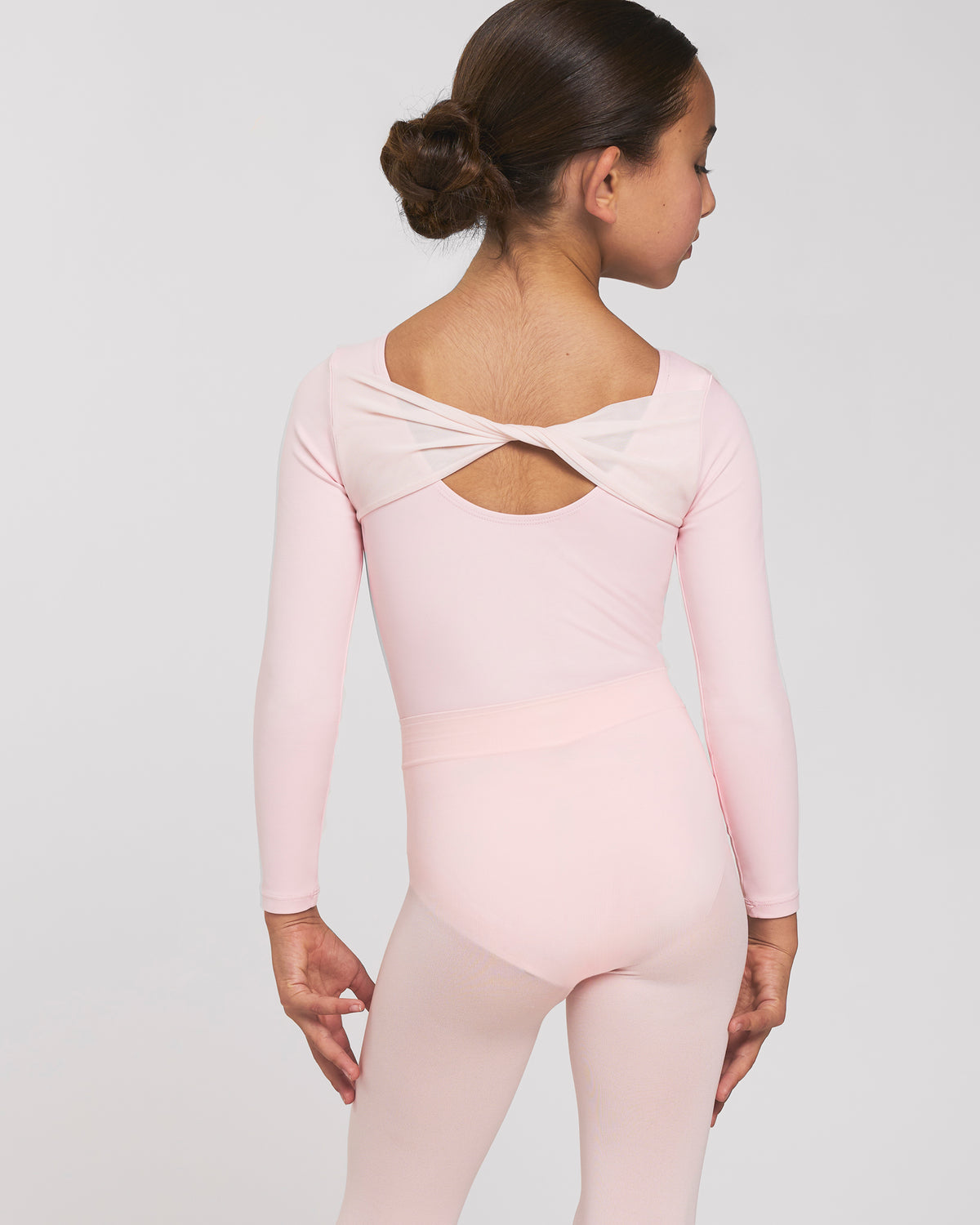
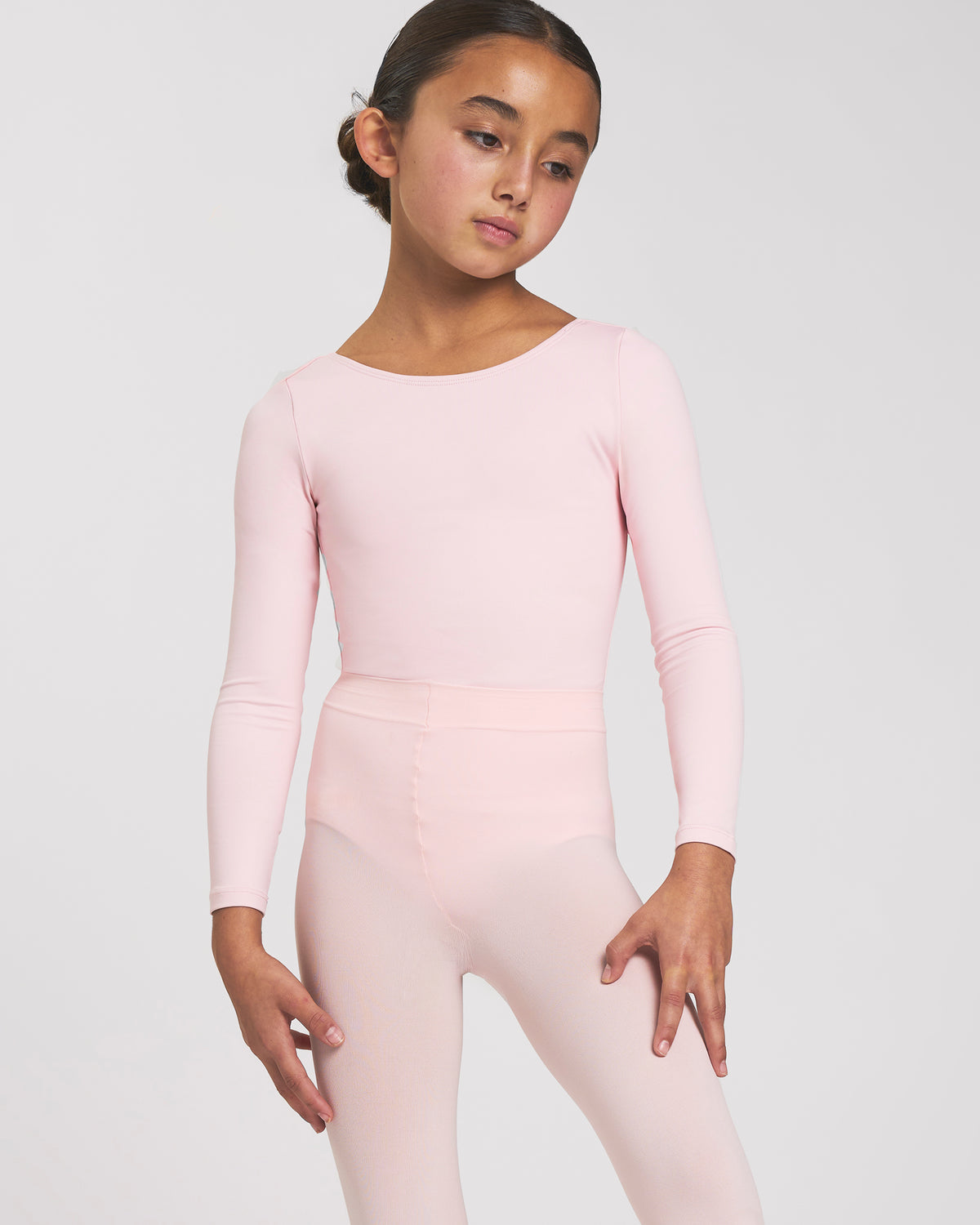
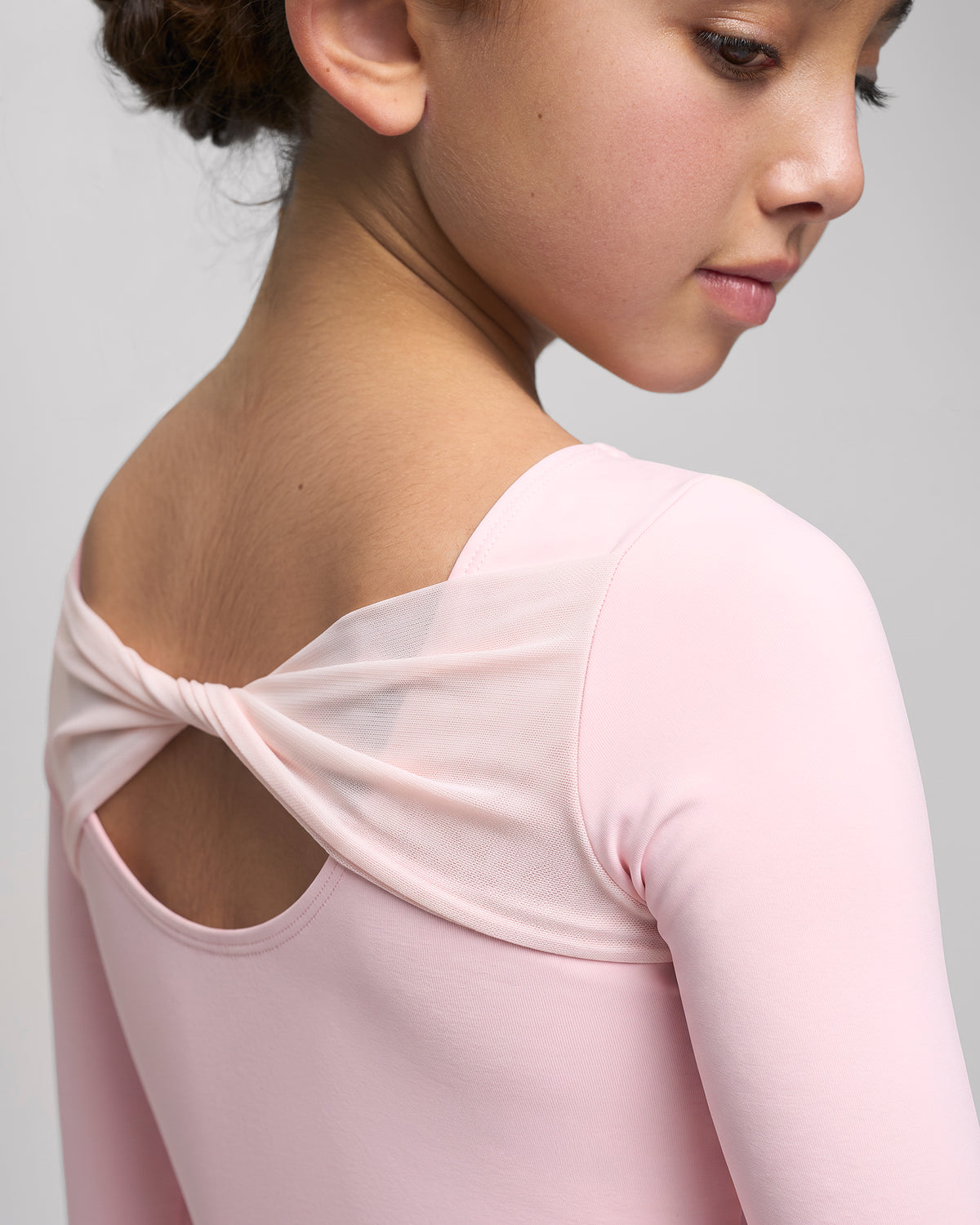
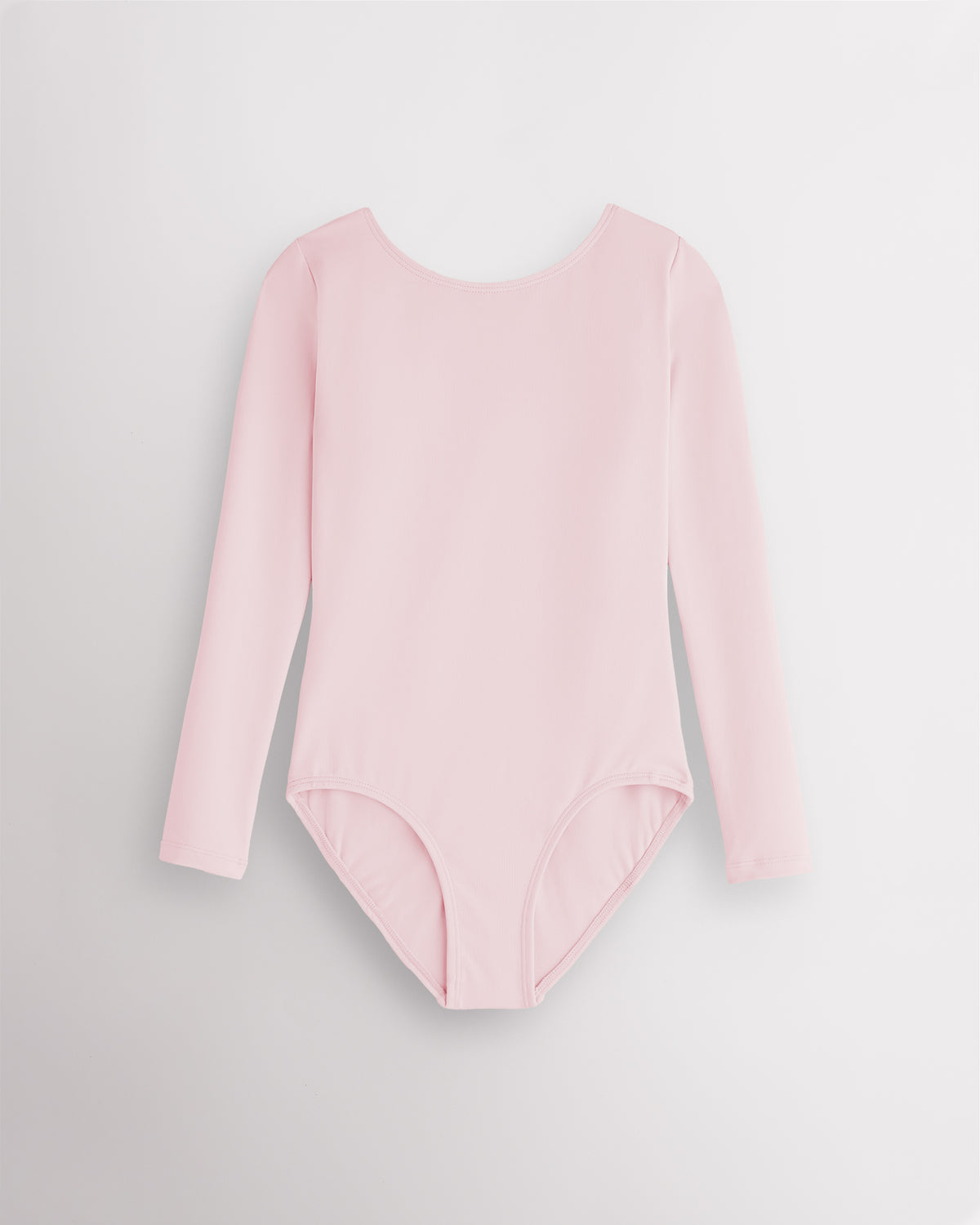
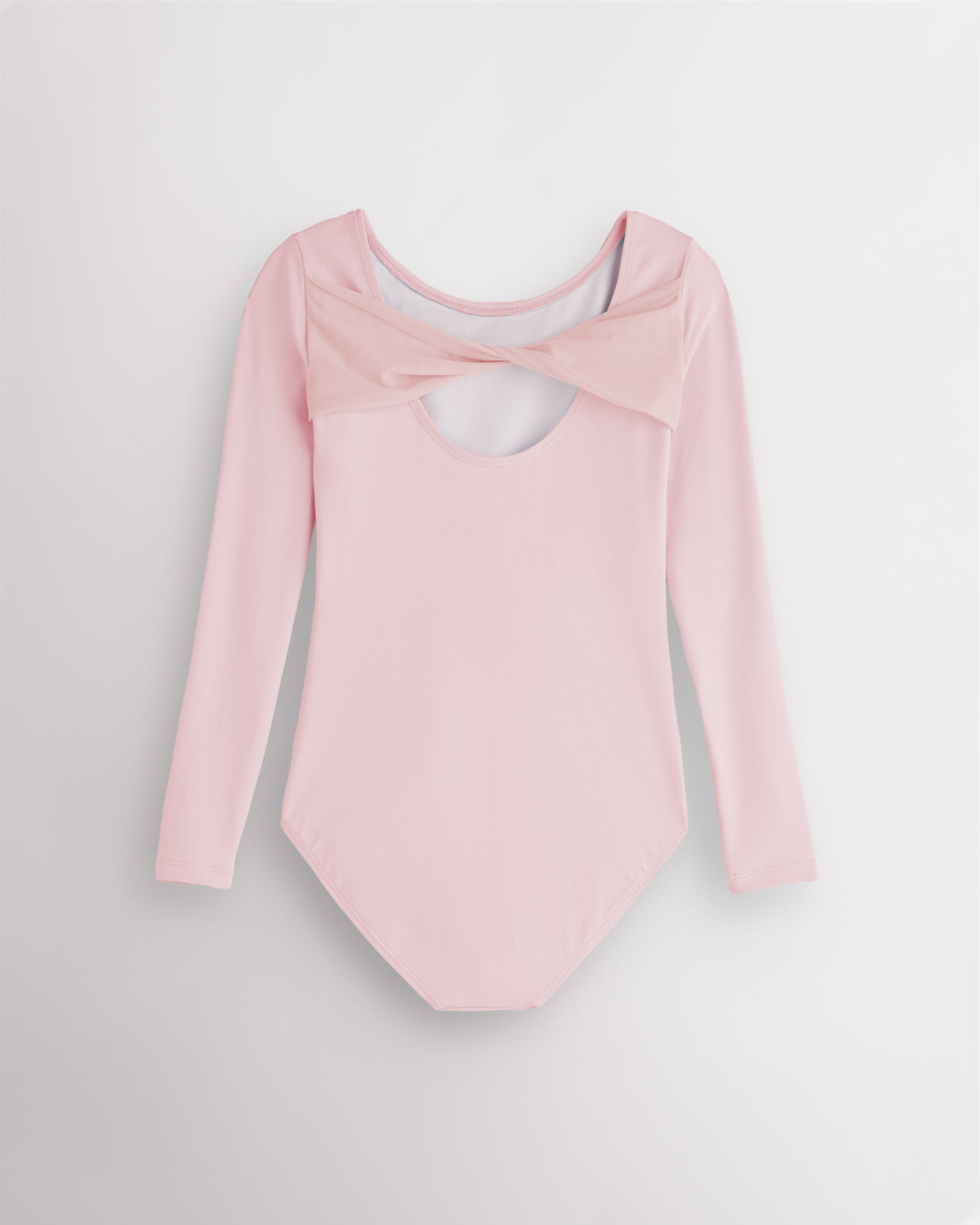
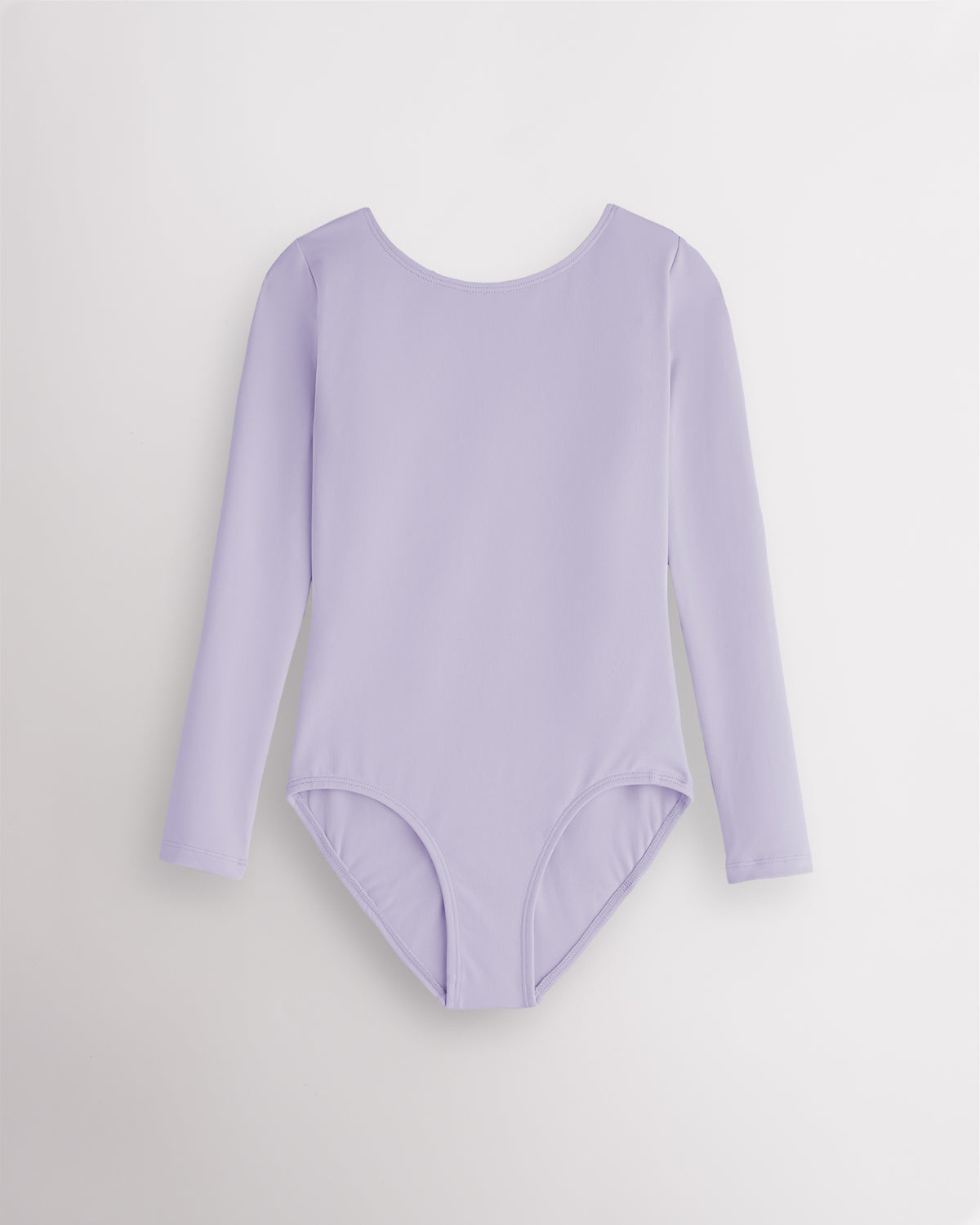
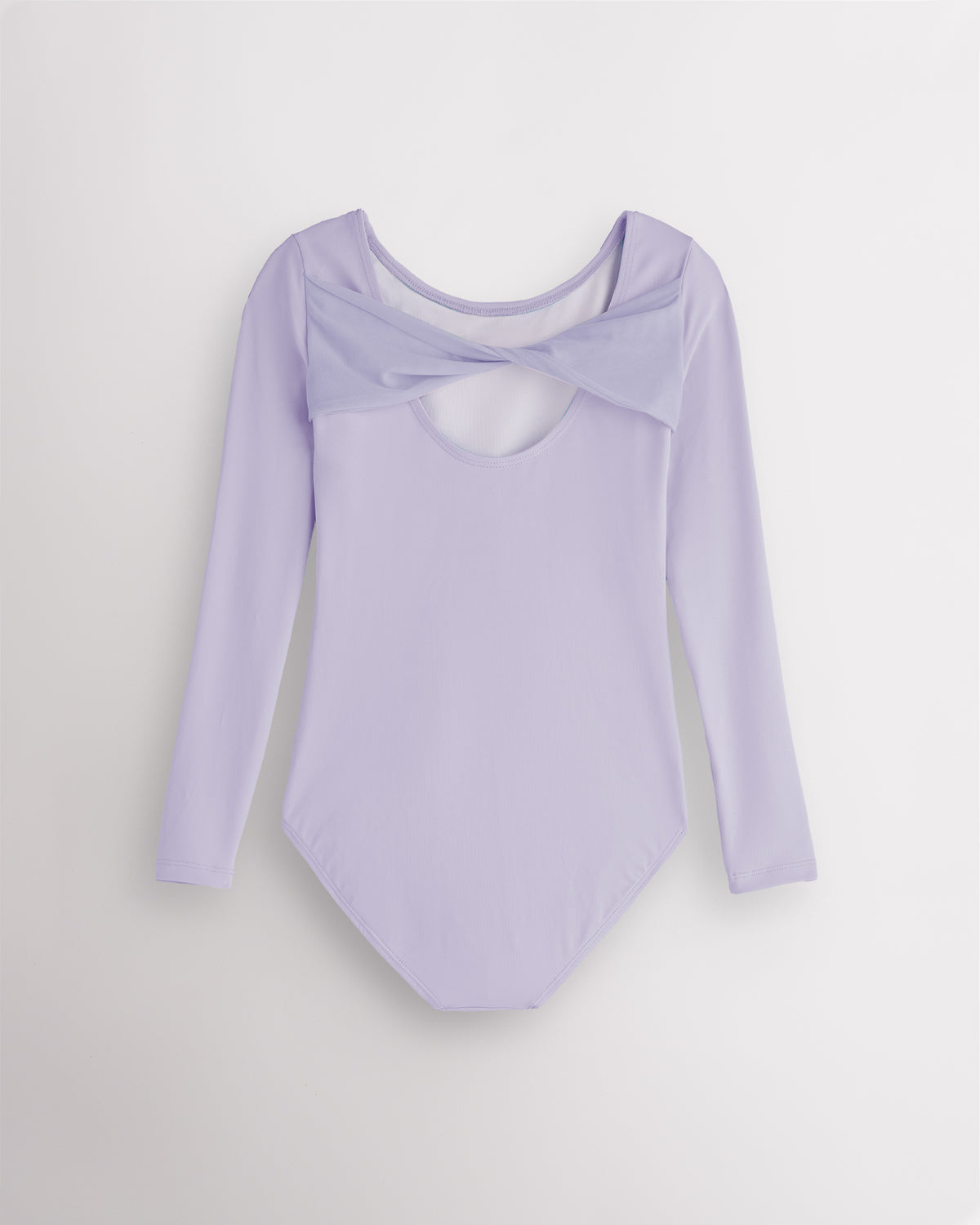
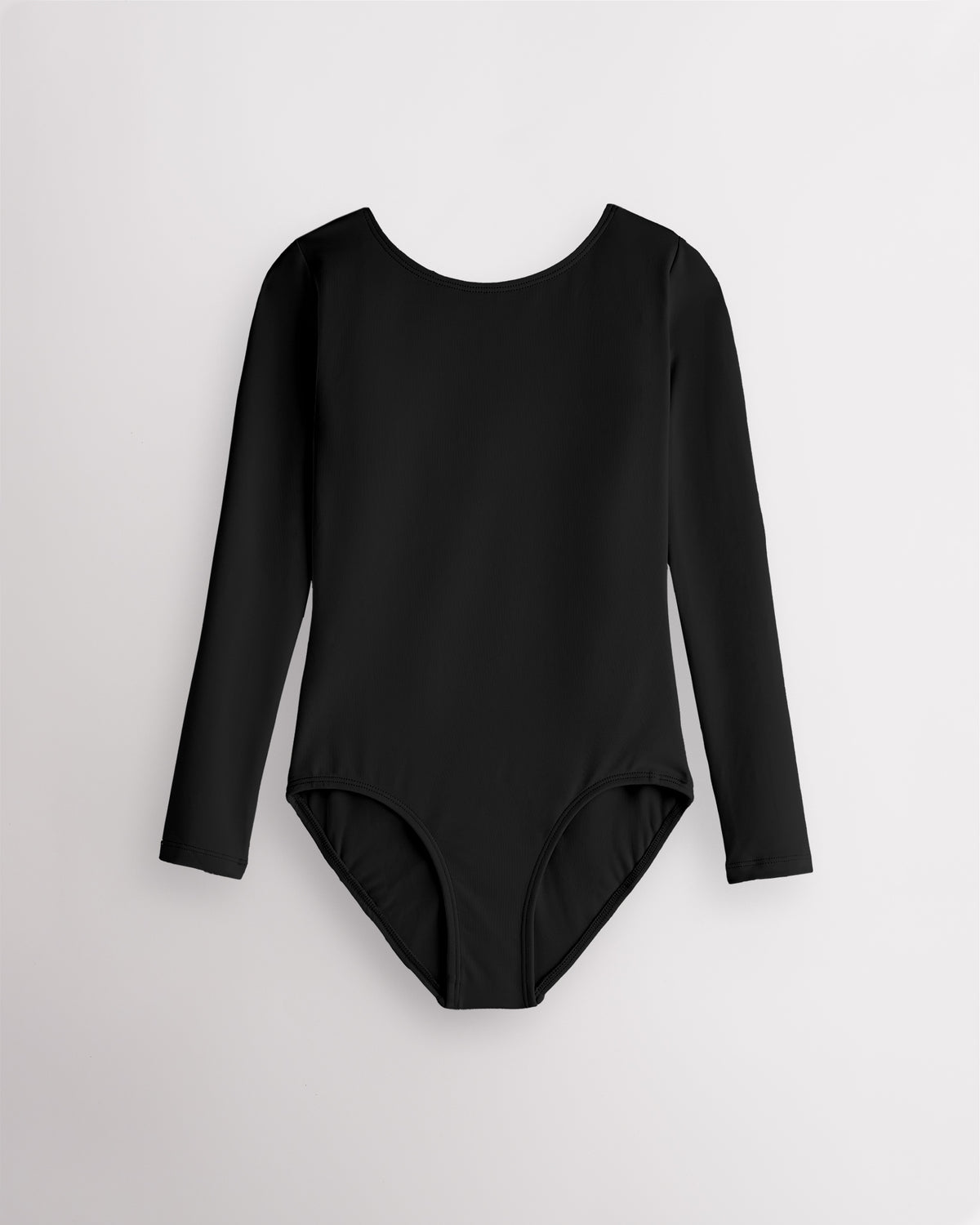
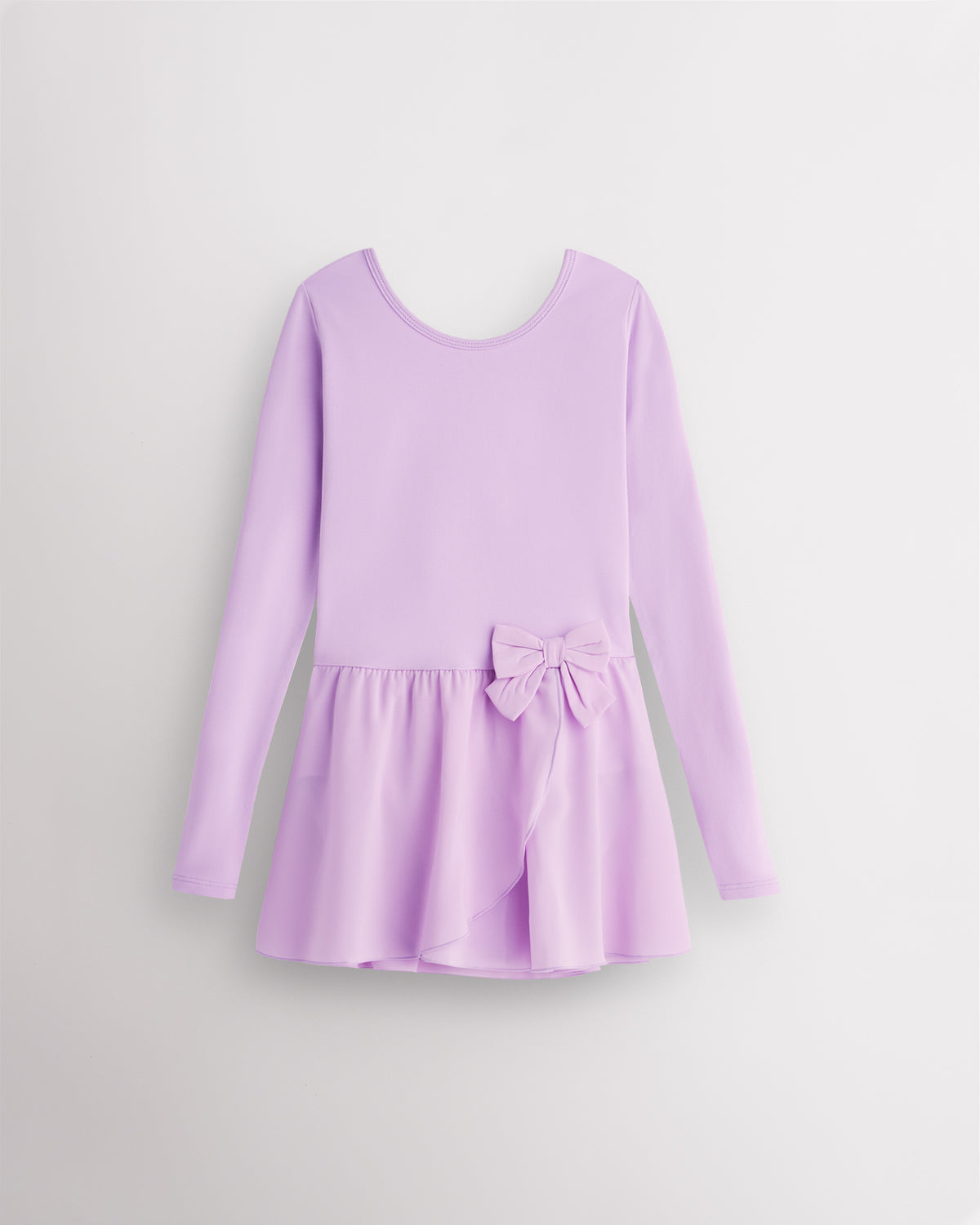
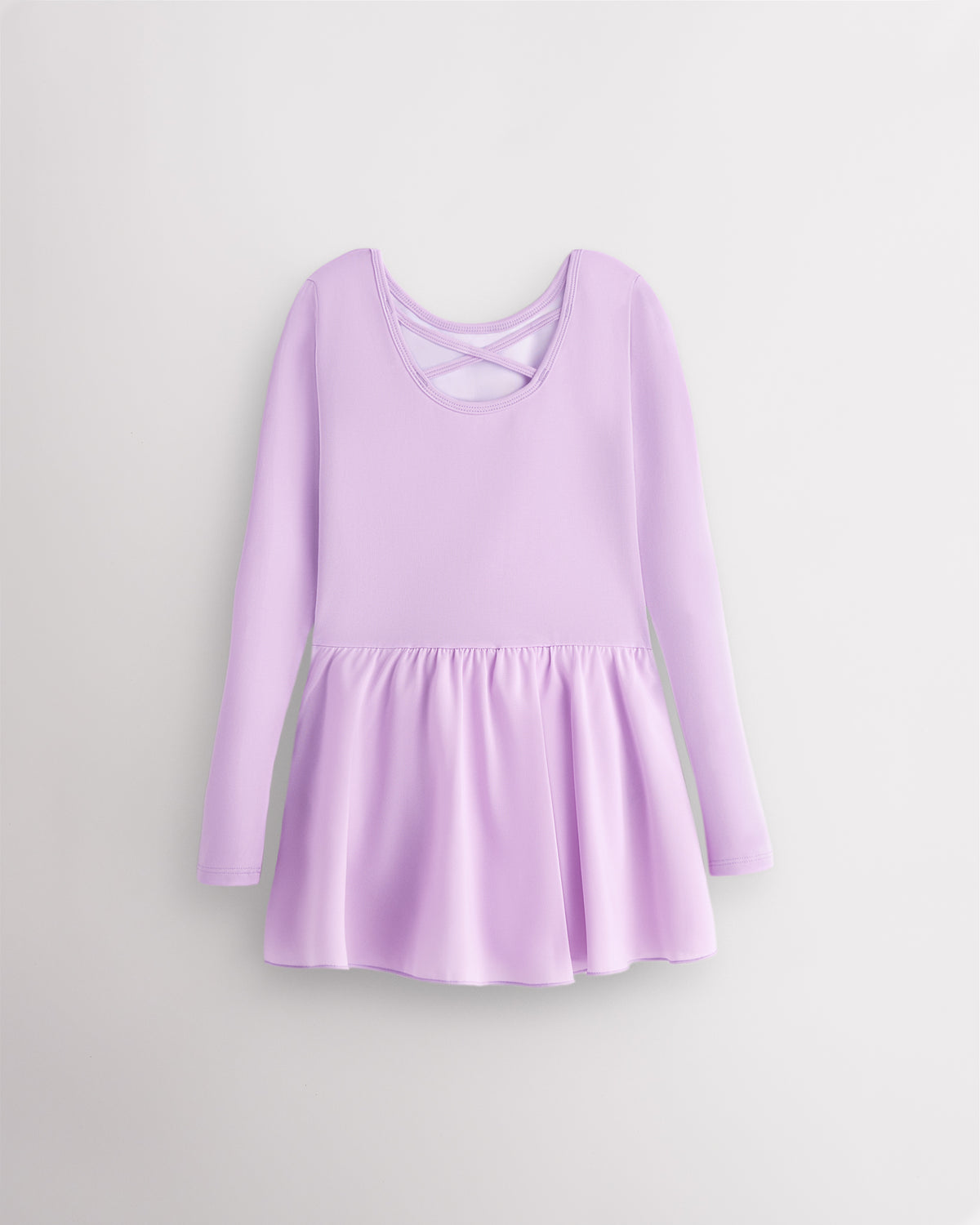
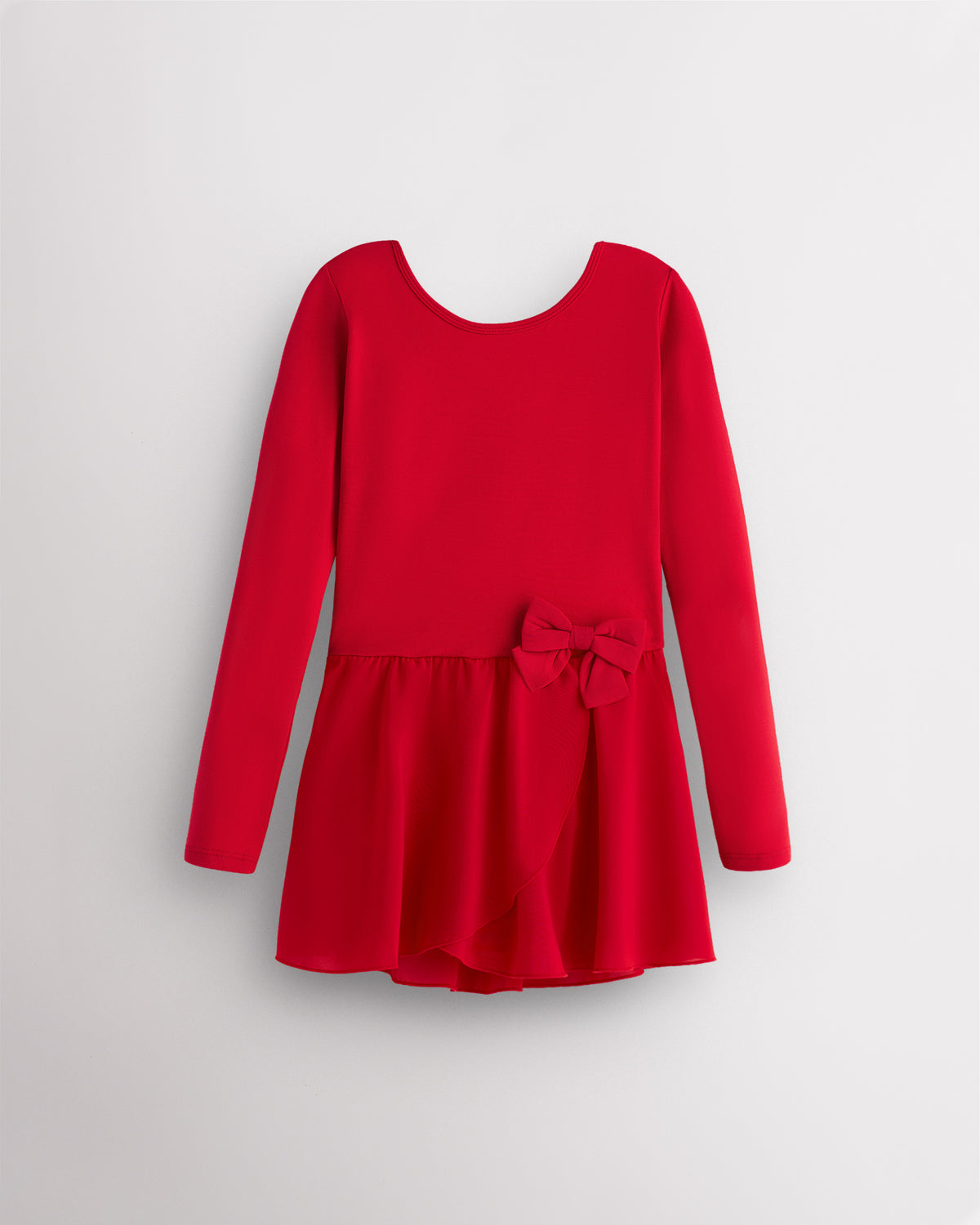
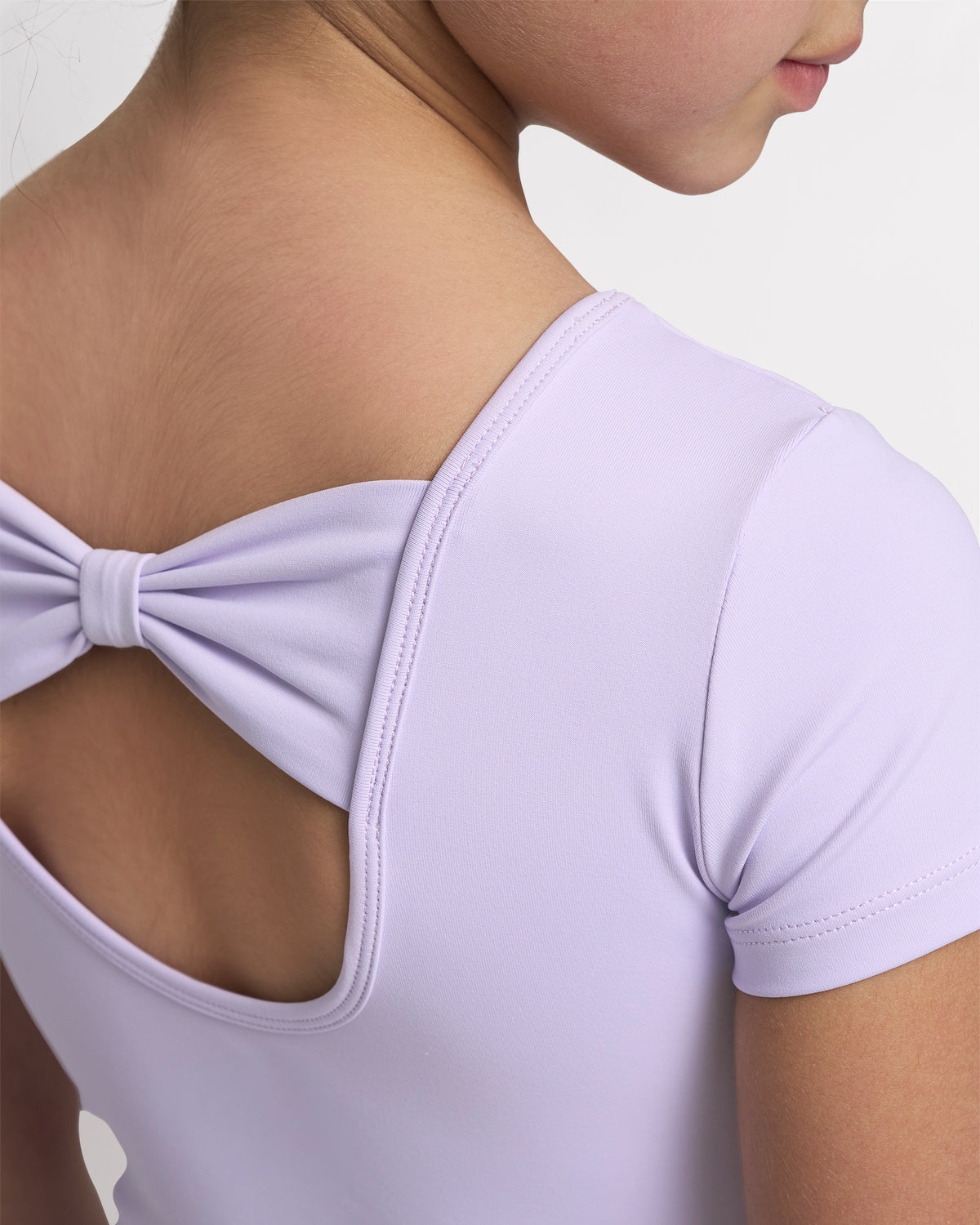
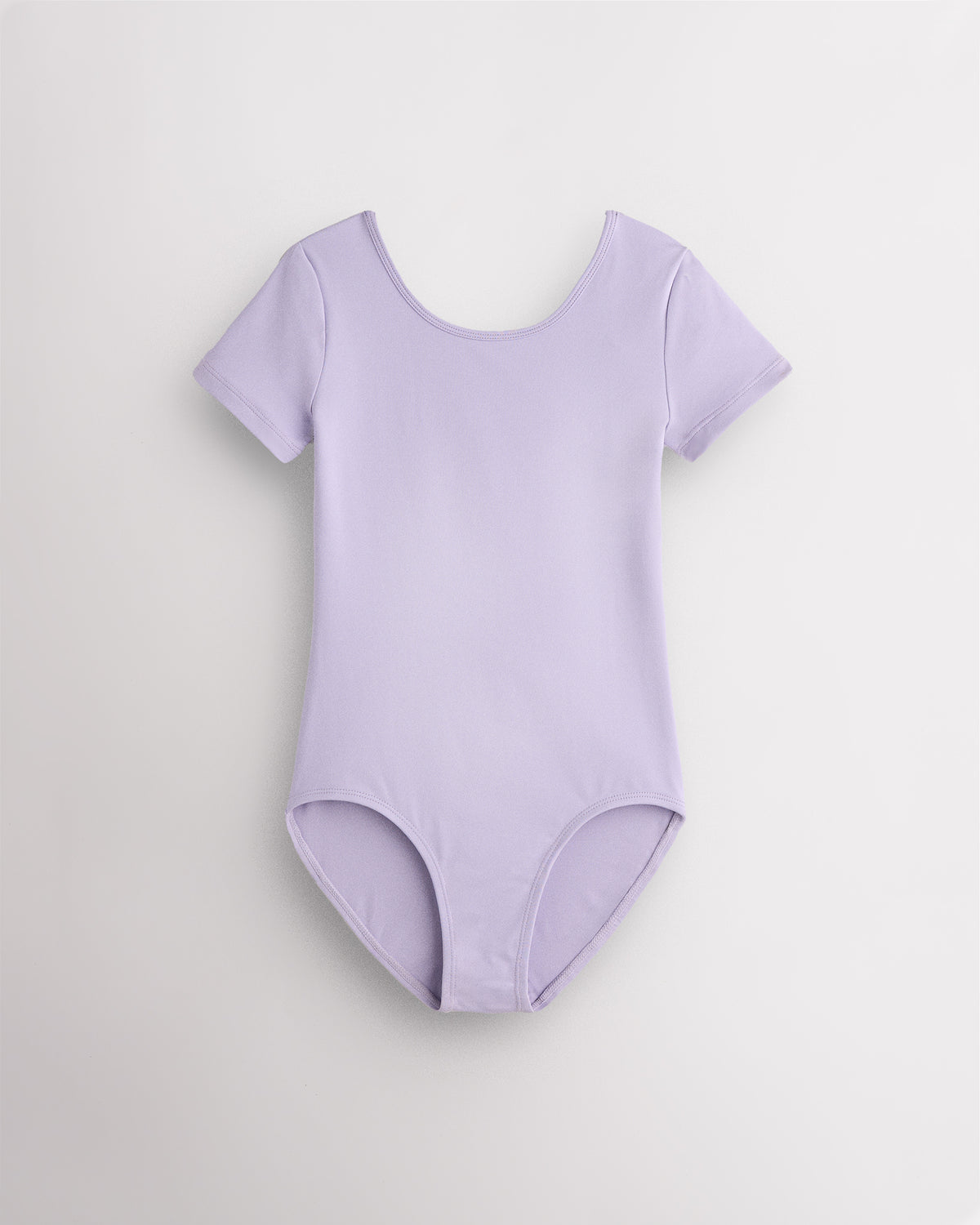
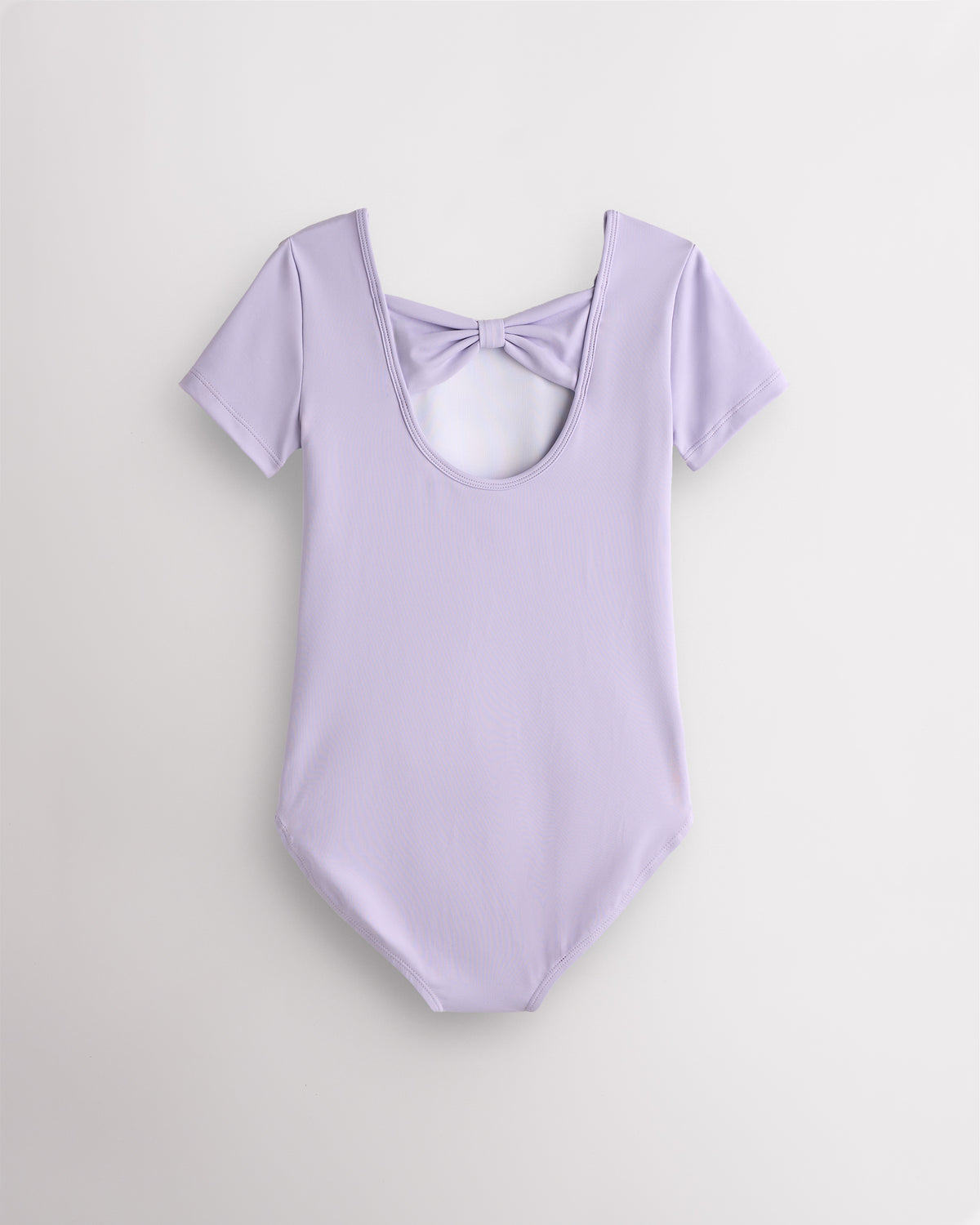
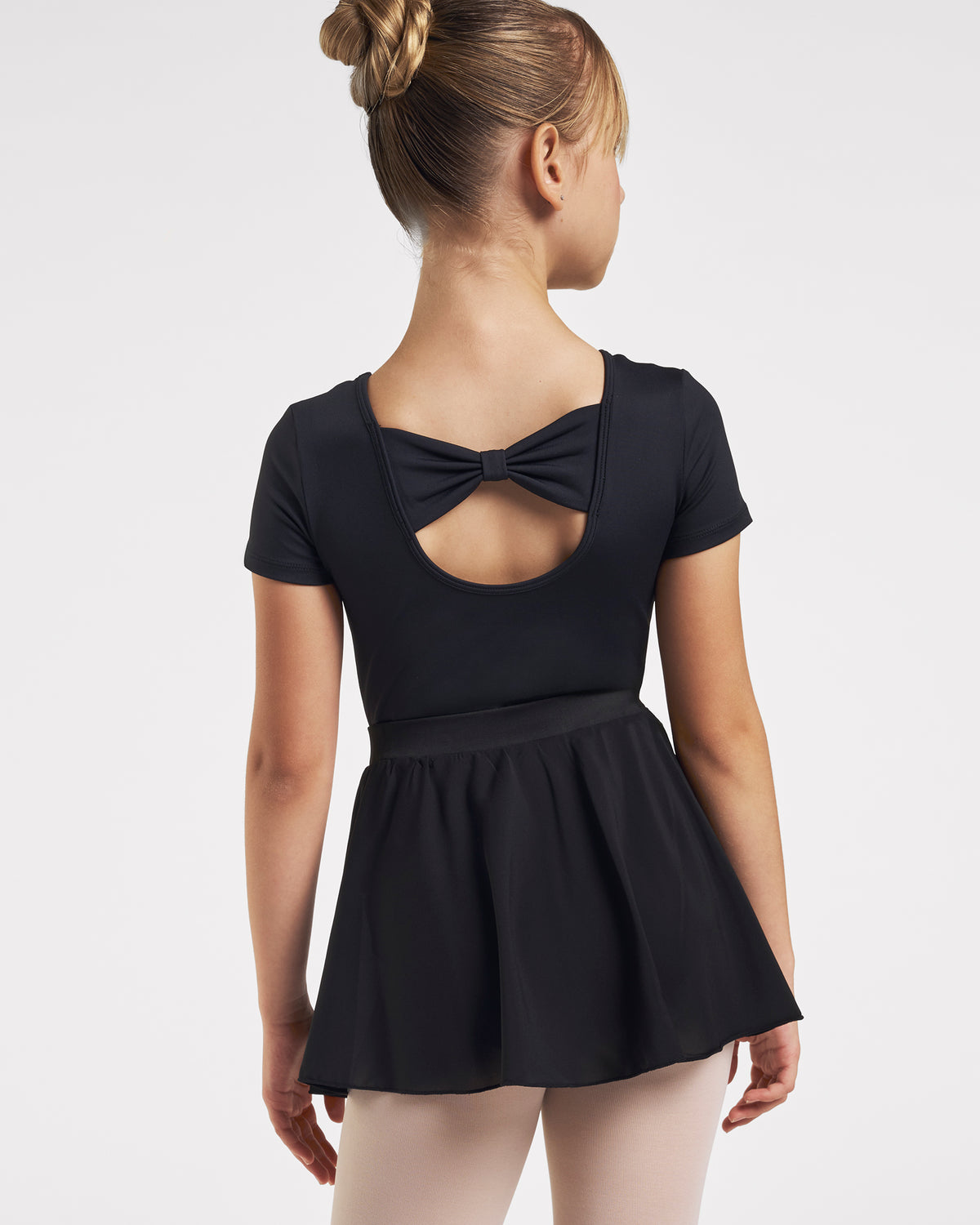
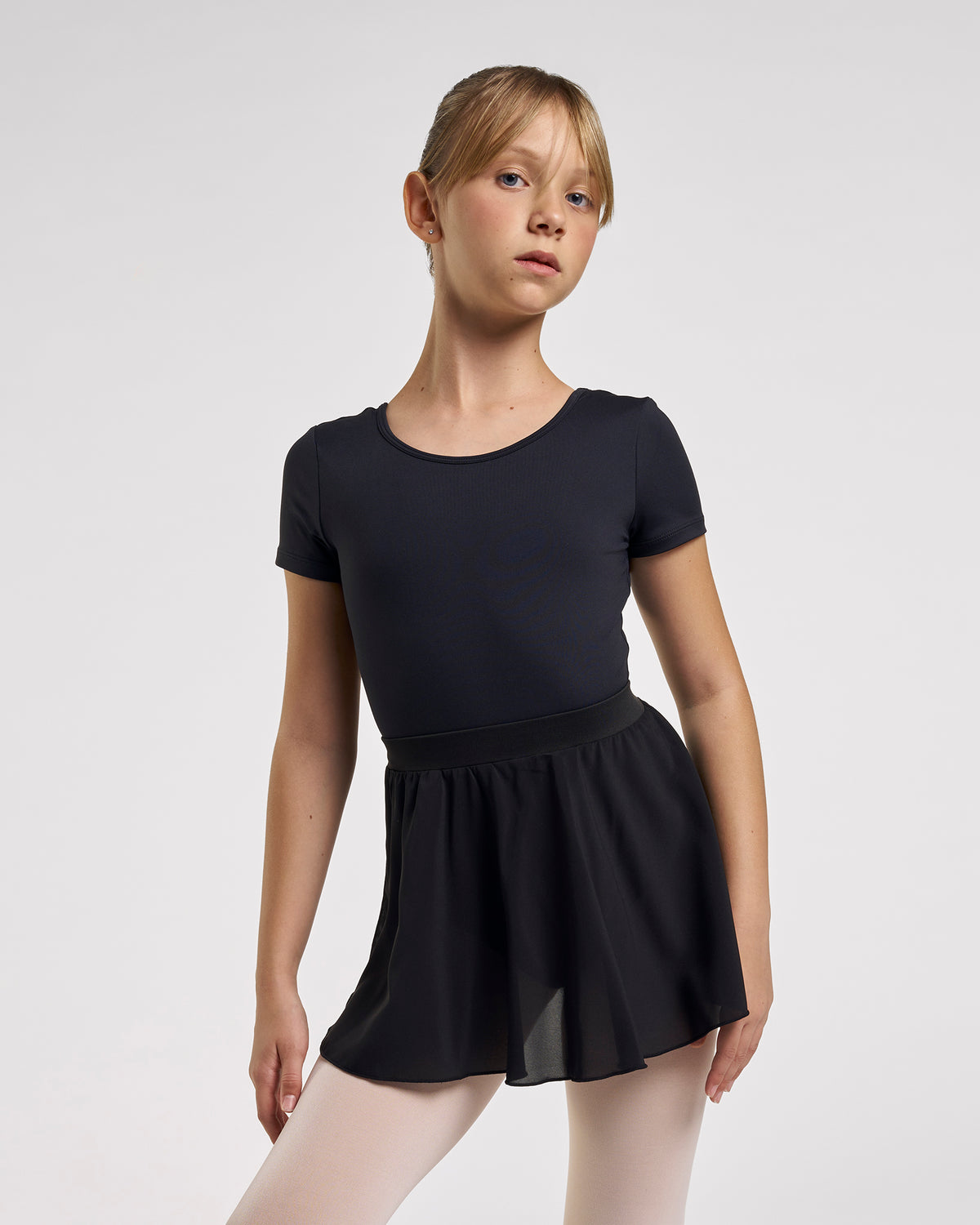
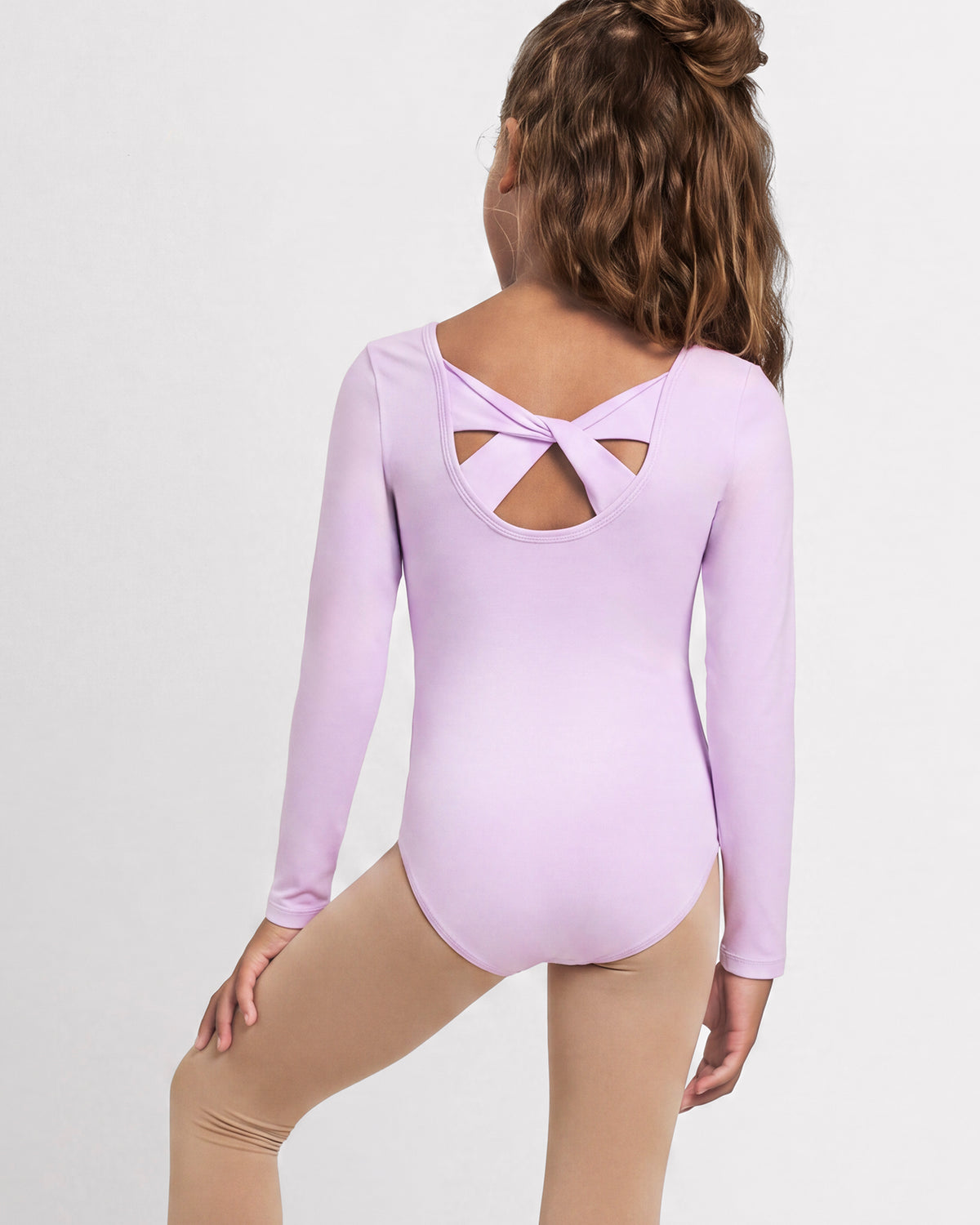
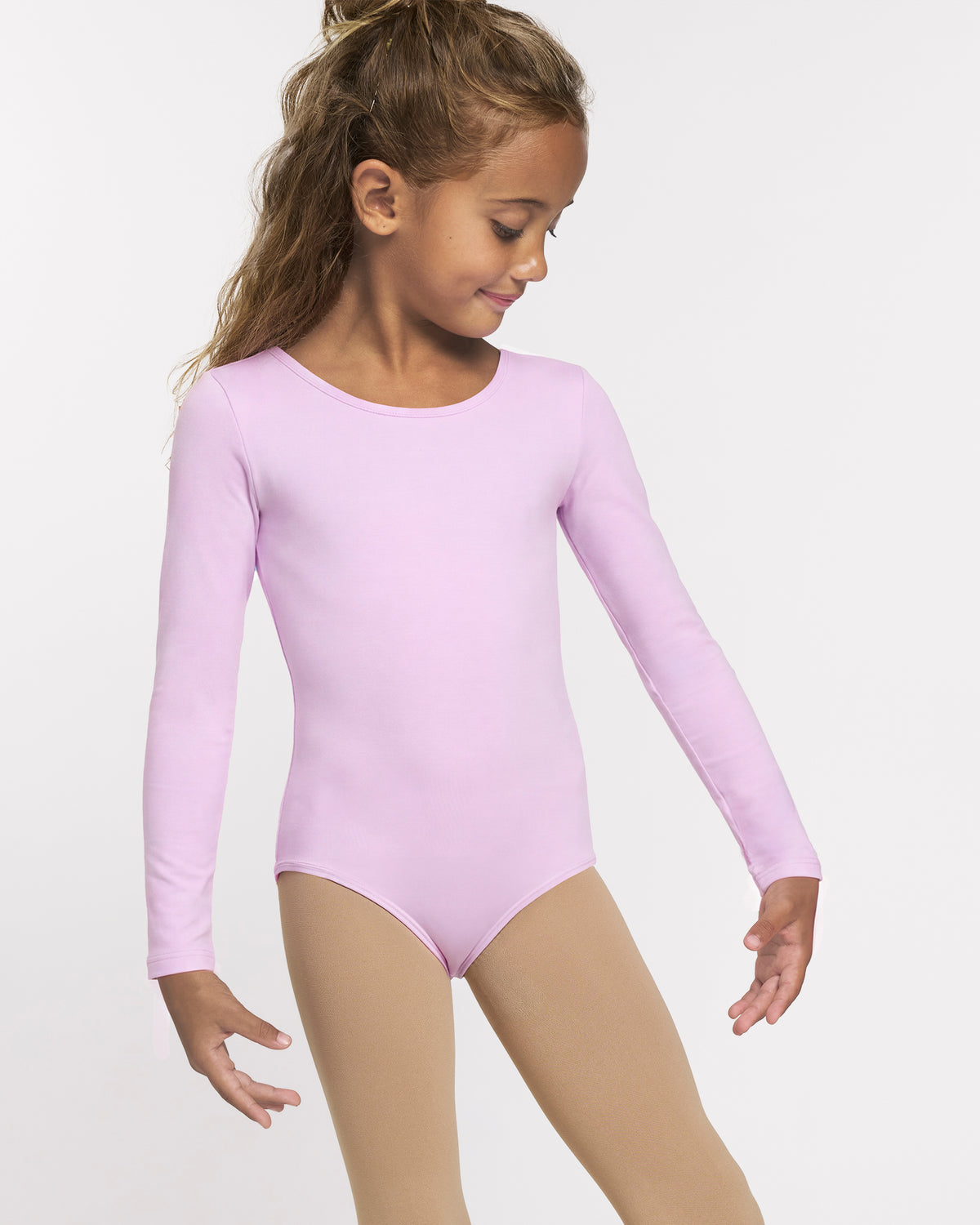
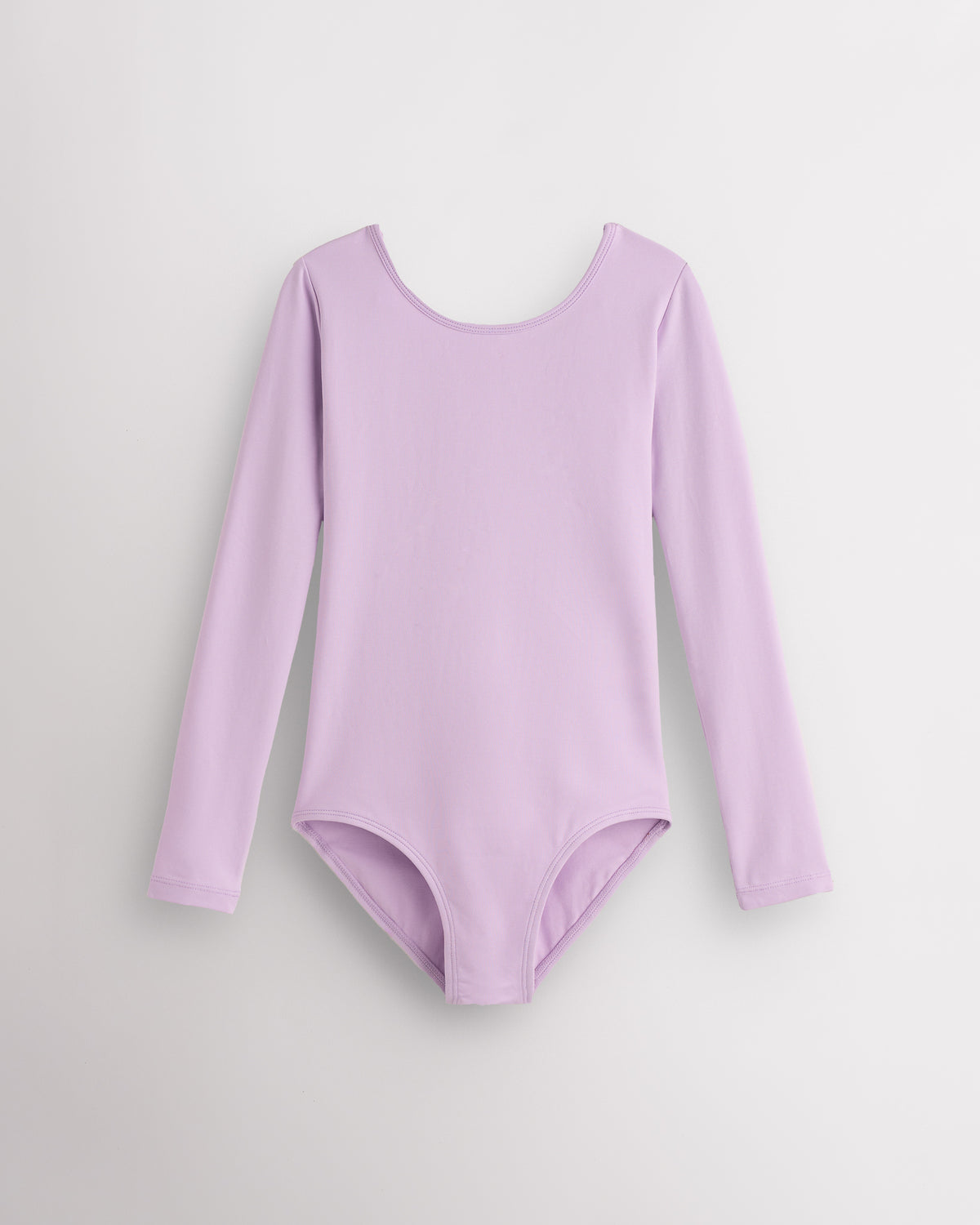
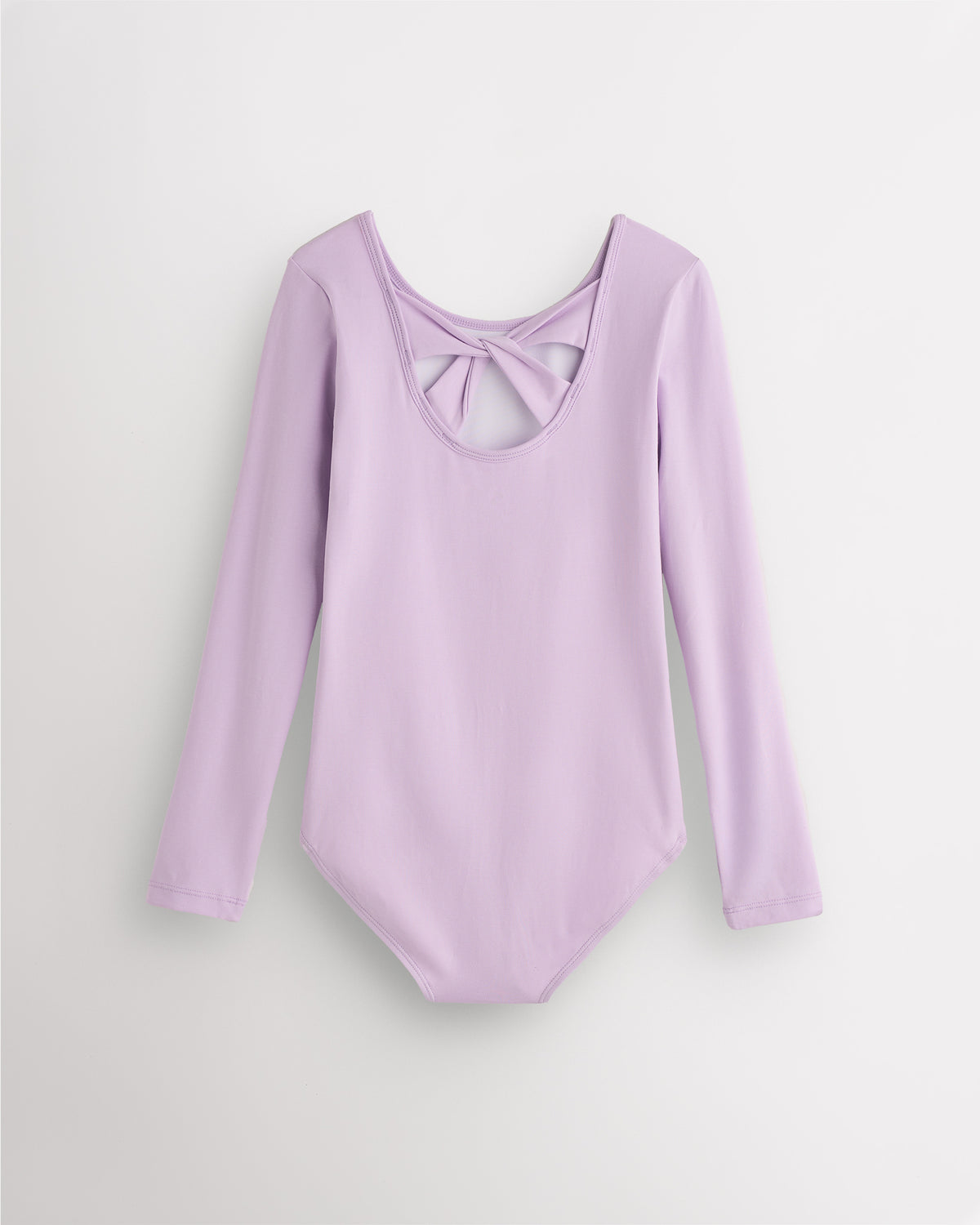
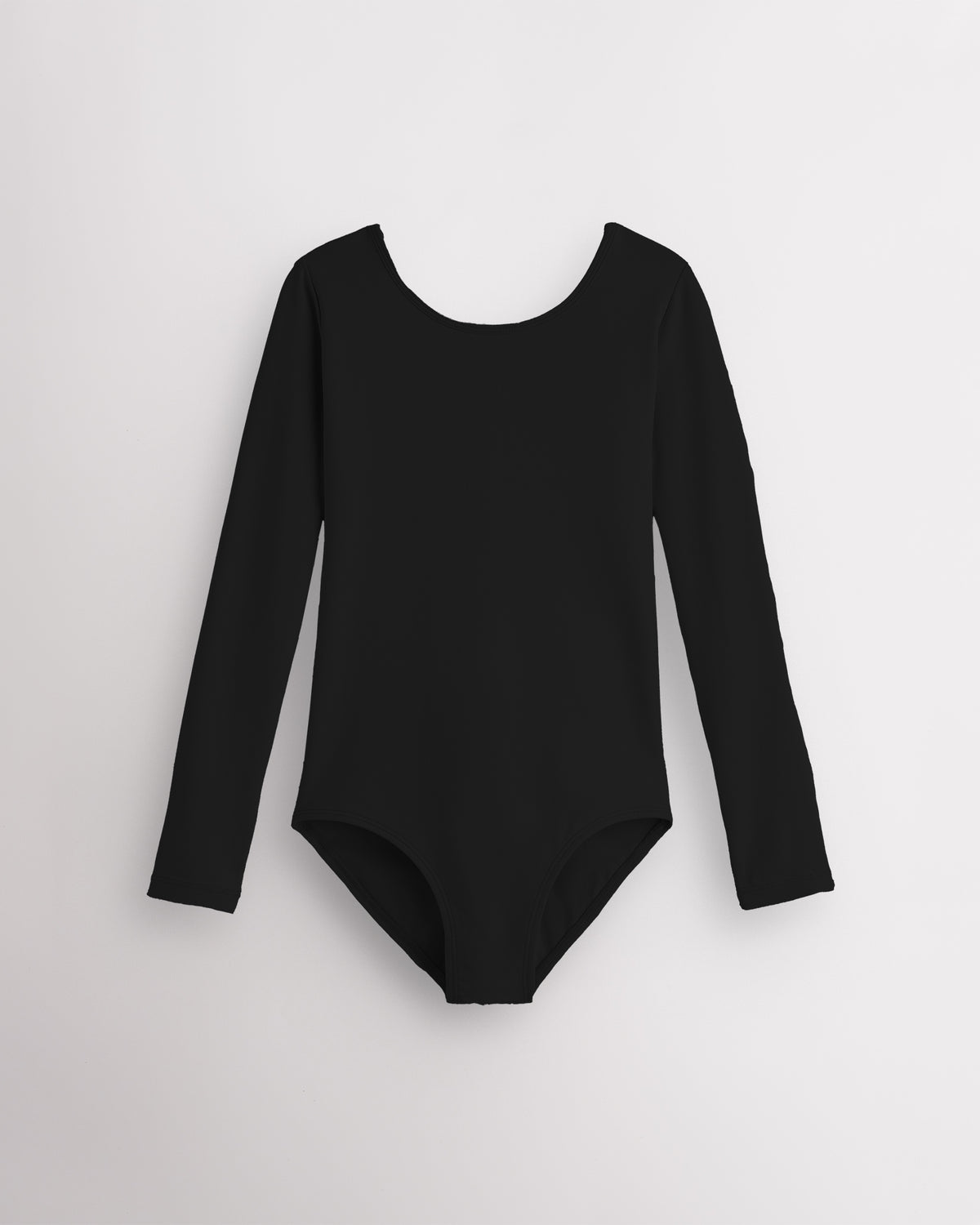
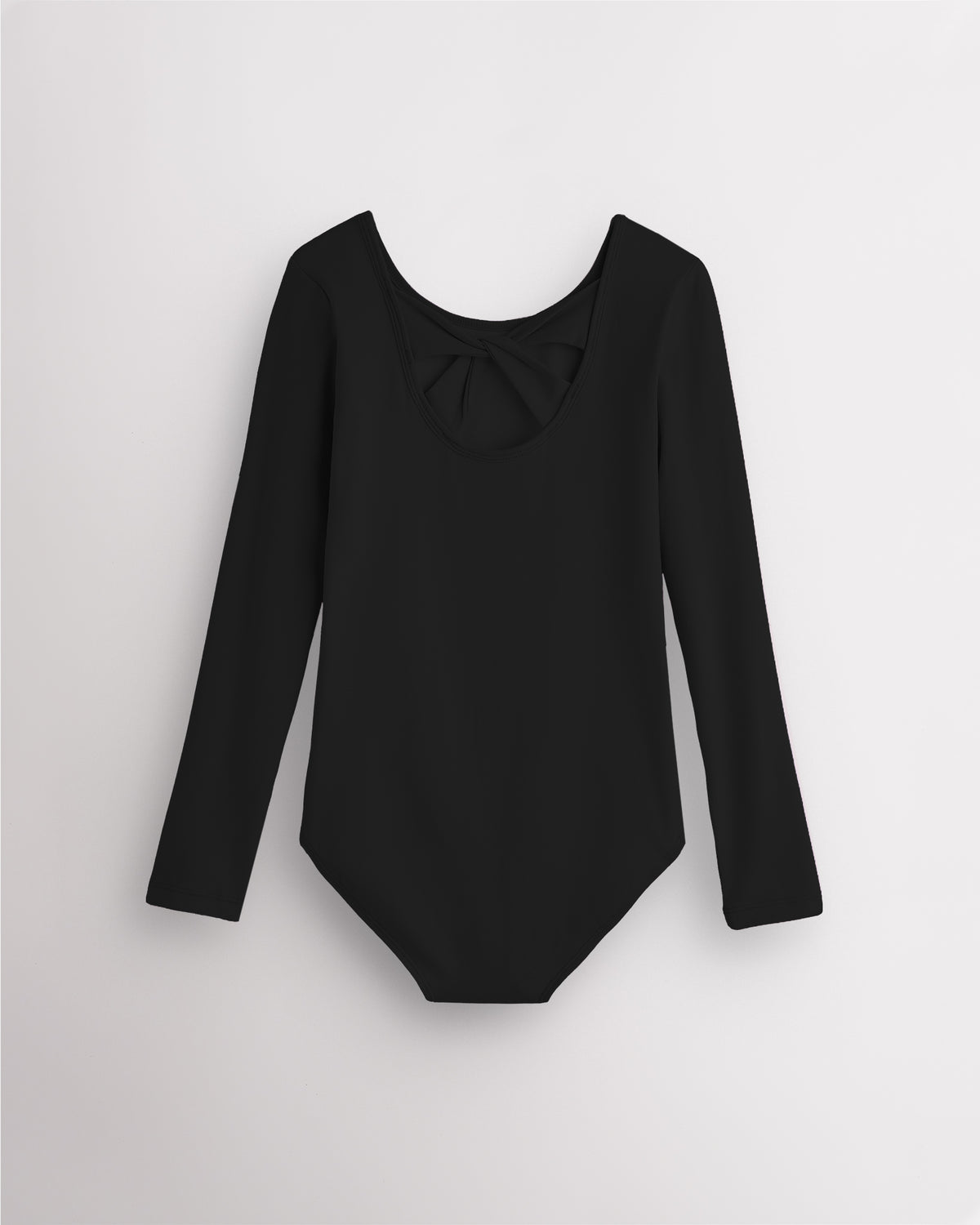
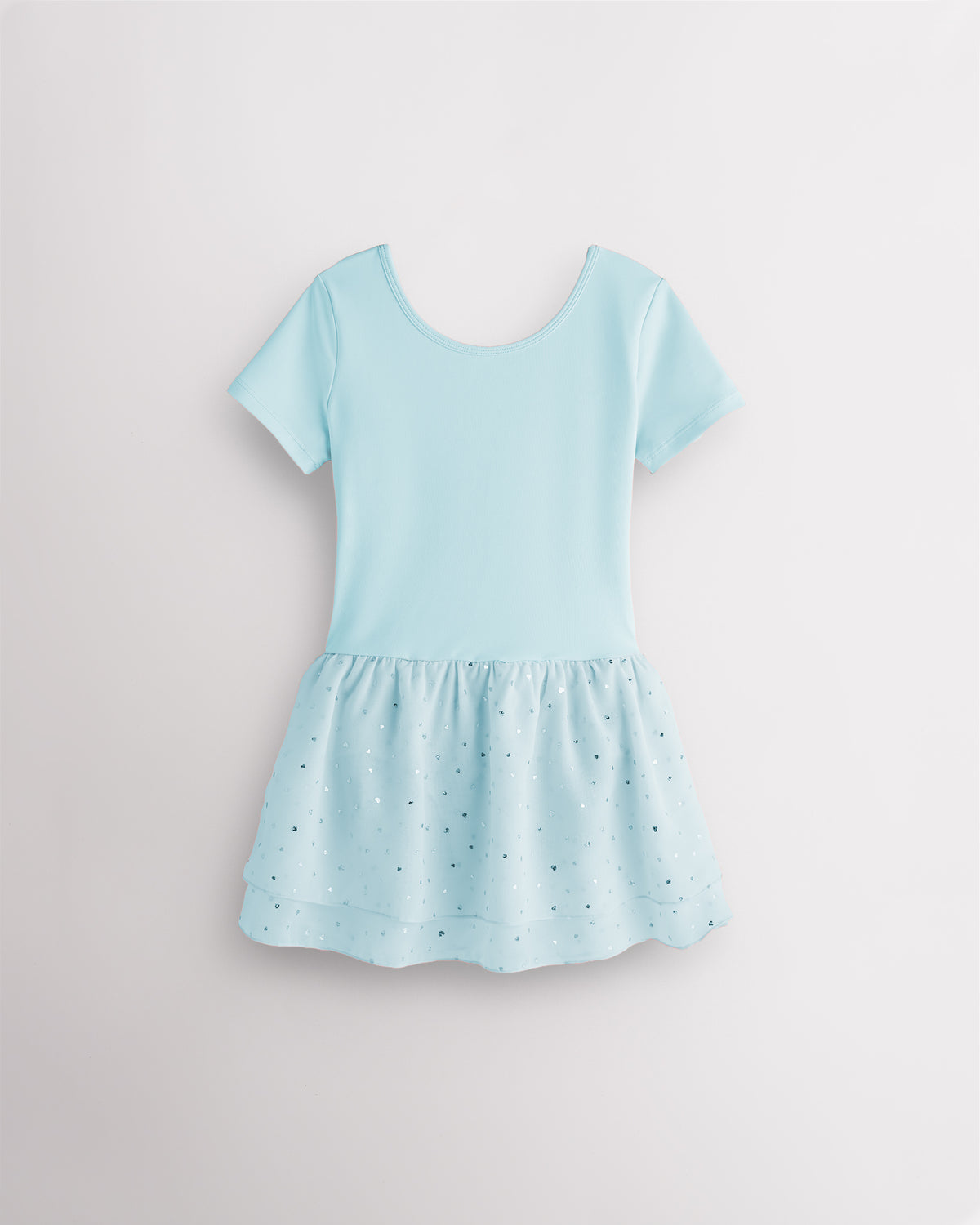
Clothes matter less than fit and freedom. A simple tap dance outfit is whatever your child can move and sweat in: a leotard with leggings, a tee with bike shorts, plus socks or tights to prevent blisters. Basic dancewear your child already likes beats anything purchased for looks. Skip the sequined tap dance costume too; if a recital calls for one, the studio will organize it later.

How Tap Differs From Jazz and Ballet
The short version: in ballet, quiet is the goal; in tap, sound is the whole point. Ballet builds turnout, posture, and line, with landings trained to be silent, and our walkthrough of a first ballet class shows how different that room feels. Jazz sits in between: stylized, energetic movement to popular music, danced in soft shoes that stay quiet. Our beginner's guide to jazz dance is the sibling read to this one if your child is weighing styles.
Tap is the one style where the ears matter as much as the mirror. Musicality is not a bonus skill layered on top of technique; it is the technique. It also explains why tap pairs so well with ballet or jazz rather than replacing them: one class trains the shape of movement, the other trains its timing.
Why Tap Is Worth Trying
Tap dancers learn to count, subdivide, and feel a beat the way young drummers do, and that musicality transfers to instruments and singing. The style also has a low barrier to entry: flat, supportive shoes, no flexibility prerequisite, and steps that reward practice quickly. For kids who find ballet's stillness hard, tap offers structure with noise built in, which can be the difference between quitting in October and asking for a second class by spring.
FAQ
What age can kids start tap dance?
Look for readiness rather than a birthday: a child who can march on the beat, follow two-step directions, and handle half an hour of group instruction is ready to try. Some programs take dancers as young as 3, and cutoffs vary by studio, so confirm placement before enrolling.
Do kids need tap shoes for the first class?
Often not. Plenty of studios let brand-new students try a lesson or two in hard-soled shoes or sneakers before committing, so ask before you shop. Once your child is enrolled, proper tap shoes become necessary, because the sound is the skill being taught.
What is the difference between tap dancing and clogging?
They are cousins, and parents weighing clogging vs tap dancing usually notice the shoes first: cloggers typically wear double-hinged taps that jingle, while tap shoes use single fixed plates. Clogging tends toward group routines with fixed footwork and an up-and-down body motion, tied to folk and country music. Tap leans into syncopation, improvisation, and jazz. In practice, the tap dance vs clogging decision often settles itself, since tap classes are far more common at kids' studios.
When is National Tap Dancing Day?
May 25, the birthday of Bill "Bojangles" Robinson, who was born May 25, 1878, according to the Library of Congress. A 1989 congressional resolution designated May 25 National Tap Dance Day in his honor, and studios and tap communities mark it with jams, workshops, and open classes.
Is tap dance hard for beginners?
The entry ramp is gentle: most kids produce a real shuffle within a class or two, and progress is audible, which keeps motivation high. The ceiling is high, and dancers spend decades refining speed and clarity, but beginners get quick wins early and plenty of room to grow.
How can kids practice tap at home without wrecking the floor?
A portable tap dance floor or a small tap dance board gives your child a safe surface and protects your hardwood; a piece of smooth plywood over a rug works in a pinch. Keep home sessions short and skip slippery surfaces like tile, which are tough on ankles.
About the Stelle Team
Stelle is a mom-trusted dancewear & athleisure brand best known for girls’ ballet and dance essentials since 2015. Every article is created and reviewed by the team behind the products, drawing on what we hear from dance teachers, studio owners, and dance parents every day. Learn more about Stelle.