






Kids' Ballet Classes: Ages, Levels, Costs & What to Expect
Table of contents
Quick answer
Many kids start ballet between ages 3 and 8, though starting later is still very workable. Typical US tuition runs about $60 to $150 per month for one weekly class, with registration, costume, and recital fees adding a few hundred dollars a year. Expect games and basic positions at first; formal technique and multi-day schedules come gradually, usually years later.
Ballet has a reputation for being opaque to newcomers. Studios use different level names, tuition pages do not always show the full year's costs upfront, and nobody tells you when things get serious. This guide maps the whole journey: ages, levels, real costs, and the weekly commitment at each stage. That way you can compare any studio's program against a sensible baseline. If you're still deciding whether ballet is the right fit at all, our rundown of the benefits of ballet for children is a good place to start.
Key takeaways
-
Kids typically start ballet between ages 3 and 8; our best-age guide covers the full picture, including later starts.
-
Class length grows with age: roughly 30-45 minutes for preschoolers, 45-60 minutes for ages 5-7, and 60-90 minutes for ages 8 and up.
-
Budget roughly $900-$2,000 all-in for a realistic first year at one class a week, fees and dancewear included.
-
Budget beyond tuition: registration ($25-$55), a recital costume ($60-$100 or more), performance fees, and starter dancewear.
-
Levels usually run creative movement, pre-ballet, primary, then numbered or graded levels, with pre-pointe around ages 10-12.
-
Commitment stays light (one class a week) for years; it only climbs when your child moves into graded levels and wants to progress.
Ballet classes by age: what class actually looks like
Ballet classes are grouped by age until roughly age 7, then by level. Here is what you can expect in the room at each stage. If you're weighing exactly when to enroll, we've covered the best age to start ballet separately; the short version is that there's a wide healthy window.
Ages 3-4: creative movement and pre-ballet
At this age, "ballet class" is really movement class with ballet flavor. Kids skip, freeze, tiptoe like mice, and learn to follow a teacher, take turns, and move to music. Classes run about 30-45 minutes, once a week. Cincinnati Ballet's children's division, for example, offers 45-minute creative dance classes for ages 3-4 and even a 30-minute parent-and-me class for 2-3 year olds. A ballet class for 3 year olds is mostly about joyful structure, not technique, and that's exactly right for their development. For what to put them in, see our guide to what toddlers wear to ballet class.

Ages 5-7: pre-ballet and primary
Classes stretch to 45-60 minutes and start to look like ballet: barre-lite exercises, first and second position, pliés, and simple traveling steps across the floor. There's still imaginative play, but with growing expectations around focus and posture. Cincinnati Ballet's pre-ballet class for ages 6-7 runs a full hour and introduces "the early basics of classical ballet technique." One class a week is standard; if your child is begging for more, our post on how many dance classes a 5-year-old should take walks through that call.
Ages 8-11: graded technique levels
Around age 7 or 8, kids test or age into a studio's real level ladder (Ballet 1, Level A, Grade 1, names vary). Classes run 60-90 minutes and follow the classic structure: barre work, center practice, then traveling combinations. Terminology arrives fast; our plain-English ballet terminology guide for parents helps you decode the recap in the car. Attendance starts to matter because material builds week to week, and studios may recommend a second weekly class.
Ages 11-12+: pre-pointe and serious training
For dancers who continue, this is where paths split. Recreational students can happily stay at one or two classes a week. Students on a progression track add technique days, and girls typically begin pre-pointe strengthening work before any pointe shoes appear. Dance medicine guidance is consistent here: the International Association for Dance Medicine & Science and pediatric sports-medicine sources like Lurie Children's put pointe readiness around age 12, generally after about four years of training at two or more classes per week, and dependent on strength and alignment, not just age.
Ballet levels and how kids move up
Most US studios follow the same ladder even when the names differ: creative movement, then pre-ballet, then a primary or beginner year, then numbered or graded levels (Ballet 1 through 5-plus), with pre-pointe and pointe layered onto the upper levels. Below about age 7, placement is by age; after that, it's by teacher assessment, and it's normal for a child to spend two years in one level.
Some schools teach a formal syllabus (you may see RAD or Vaganova mentioned), which mainly means levels and exams follow a published curriculum. Whether you're at a strict academy or a friendly neighborhood studio changes the pace and the pressure; we compare the two in ballet school vs dance studio. And if you're still choosing where to enroll, use our studio vetting checklist before you sign anything.
Two reassurances worth saying out loud. First, moving up slowly is not a red flag; careful studios promote on readiness. Second, a child who stays recreational for years is getting most of ballet's value. Progression is a choice, not a requirement.

How much do ballet classes cost?
For one weekly class, most US families pay somewhere around $60 to $150 per month, with big-metro and company-affiliated schools at the higher end. Nationally, Lessons.com's cost data puts group classes at roughly $10-$40 per class, with beginner classes toward $10-$25 and private lessons at $50-$100 per session. As real examples: Saint Louis Ballet School charges $89-$110 per month depending on class length, and Cincinnati Ballet charges $675-$895 per year for its youngest levels, which works out to roughly $75-$100 per month over the school year.
Tuition is only part of the bill. Here's a typical first-year picture, shown as ranges because region and studio type swing these numbers a lot:
|
Expense |
Typical US range |
Notes |
|---|---|---|
|
Monthly tuition (1 class/week) |
$60-$150 |
Higher in major metros; discounts common for siblings and multiple classes |
|
Registration fee |
$25-$55 |
Annual, often per family (Saint Louis Ballet: $40-$55; Cincinnati Ballet: $50) |
|
Recital costume |
$60-$100+ |
Usually one per class enrolled; billed midyear |
|
Recital/performance fee |
$50-$150 |
Cincinnati Ballet charges a $100 spring performance fee; some studios sell tickets instead |
|
Dancewear startup |
$50-$100 |
Leotard, tights, shoes, bag; see how much ballet shoes cost |
So a realistic first year at one class a week lands in the ballpark of $900-$2,000 all-in. Costs climb as kids add classes, though most studios discount each additional class. For what the recital itself involves (and what the costume fee buys), see our first dance recital guide.
Weekly time commitment by level
-
Ages 3-6 (creative movement through primary): one class, 30-60 minutes. That is usually the whole commitment, and many studios do not expect formal practice at home at this age.
-
Ages 7-10 (graded levels): one to two classes, 60-75 minutes each. A second class is usually optional but recommended for kids who want to advance.
-
Ages 10-12 (upper grades, pre-pointe): two to three classes per week, plus rehearsals in recital season.
-
Teens on a pre-professional track: often four or more classes weekly, which is a family decision as much as a dancer's one.
The jump from one class to several is where families feel the change, in both calendar and budget. It's fine to hold at a level of commitment that fits your household; teachers would generally rather have a happy once-a-week dancer than a burned-out one.
What the first month looks like
Week one is mostly logistics and nerves, and we've covered that day in detail in what to expect at your child's first ballet class. Over the following weeks, a pattern sets in: the same warm-up, the same skills revisited with small additions, and visible comfort by week three or four. Repetition is the method, not a sign the class is stalled.
A few normal first-month wrinkles: some kids cling or sit out a class or two (teachers see this constantly), you may be asked to watch from a lobby window rather than inside the room, and the studio will likely tighten dress-code enforcement after a grace period. If your child still dreads class after four to six weeks, talk to the teacher before pulling the plug; a class-time or teacher change often fixes it.
Dress code basics
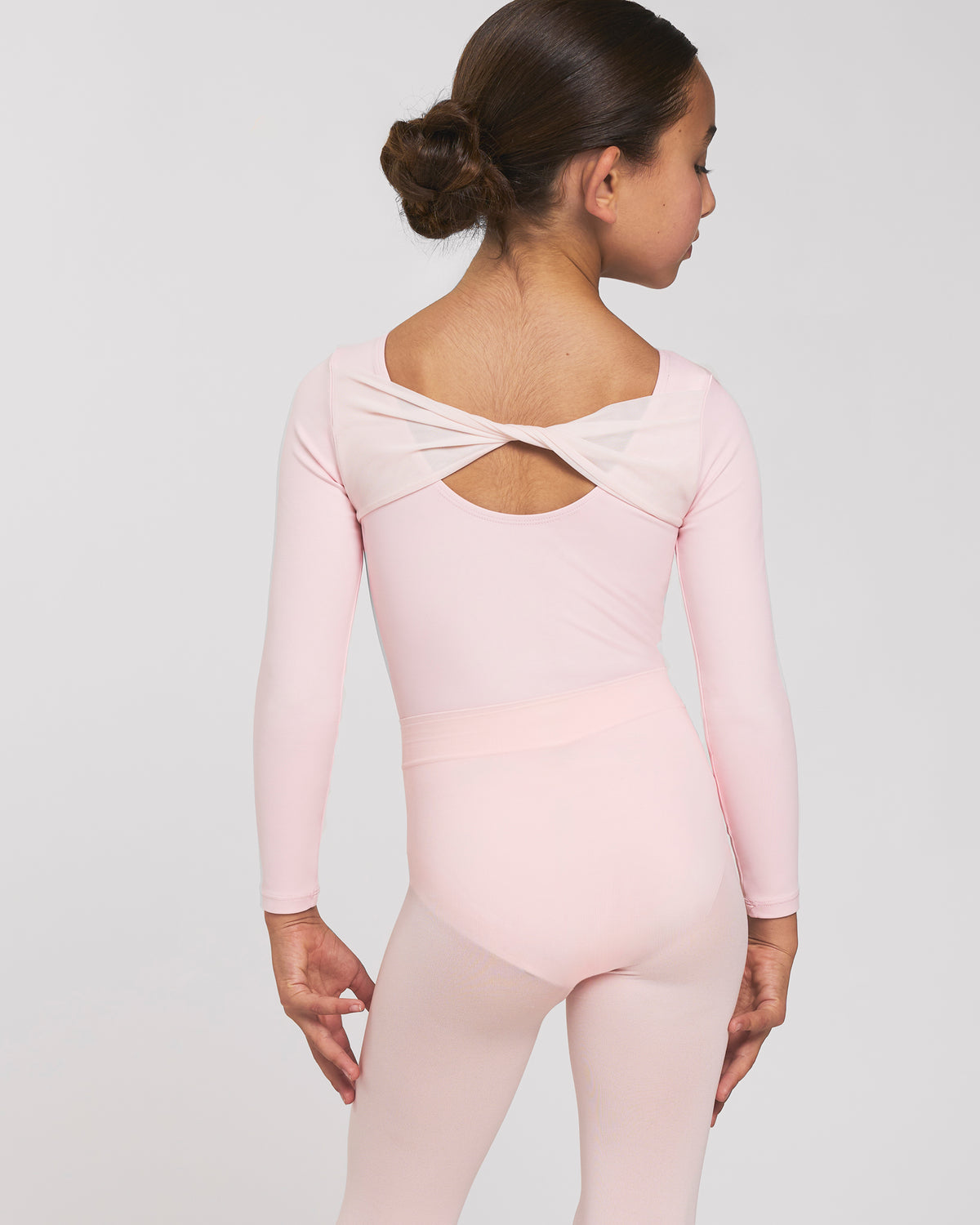
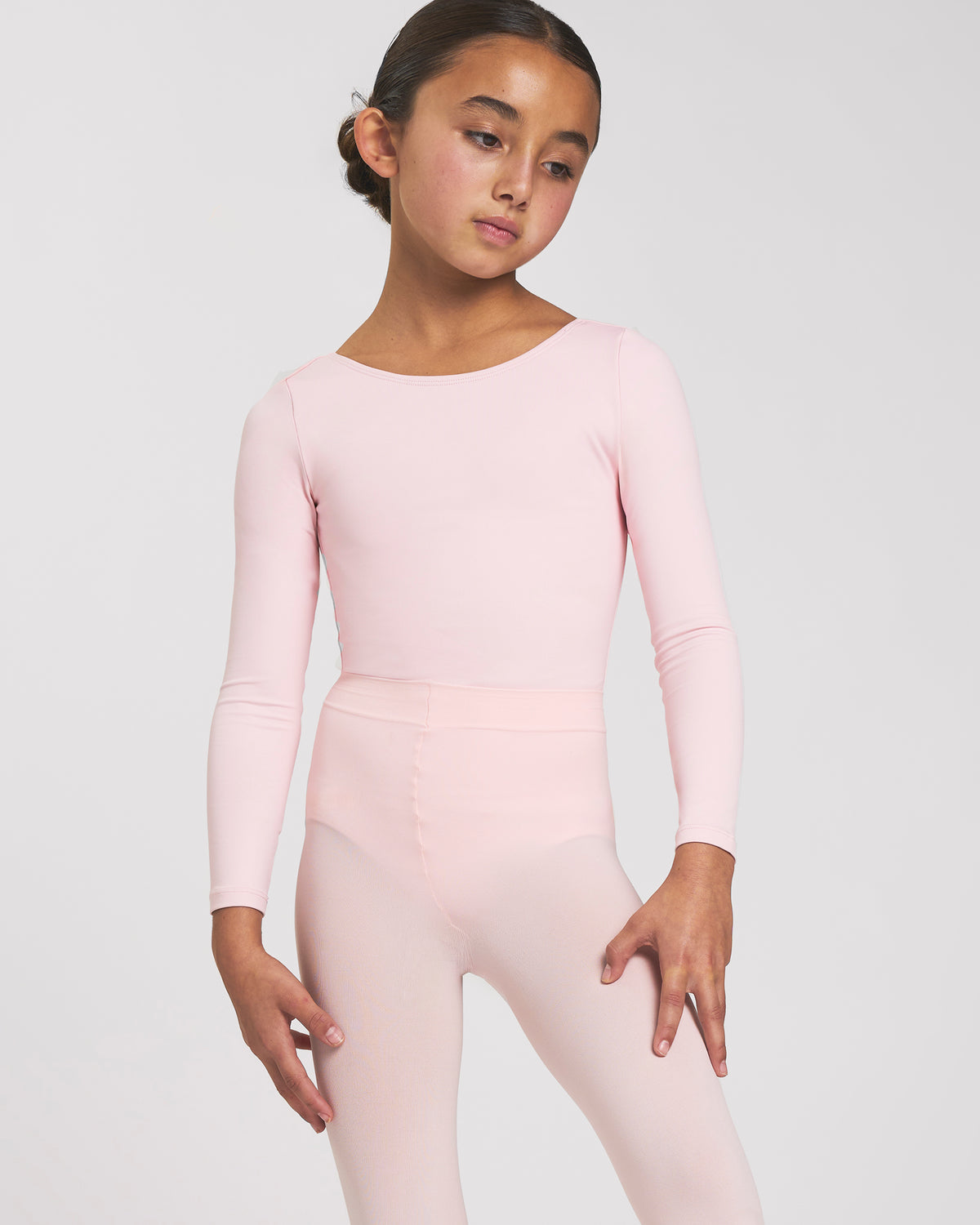
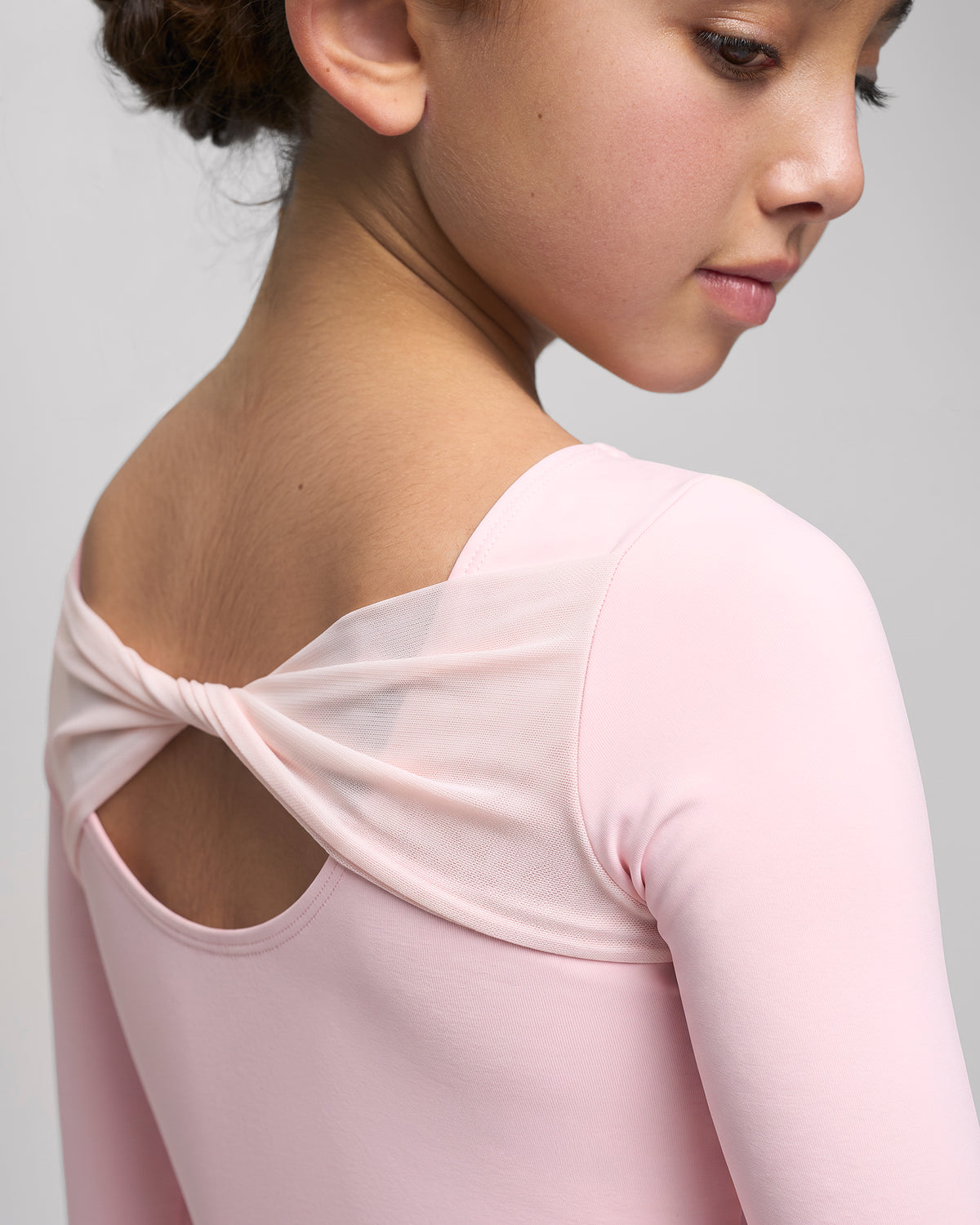
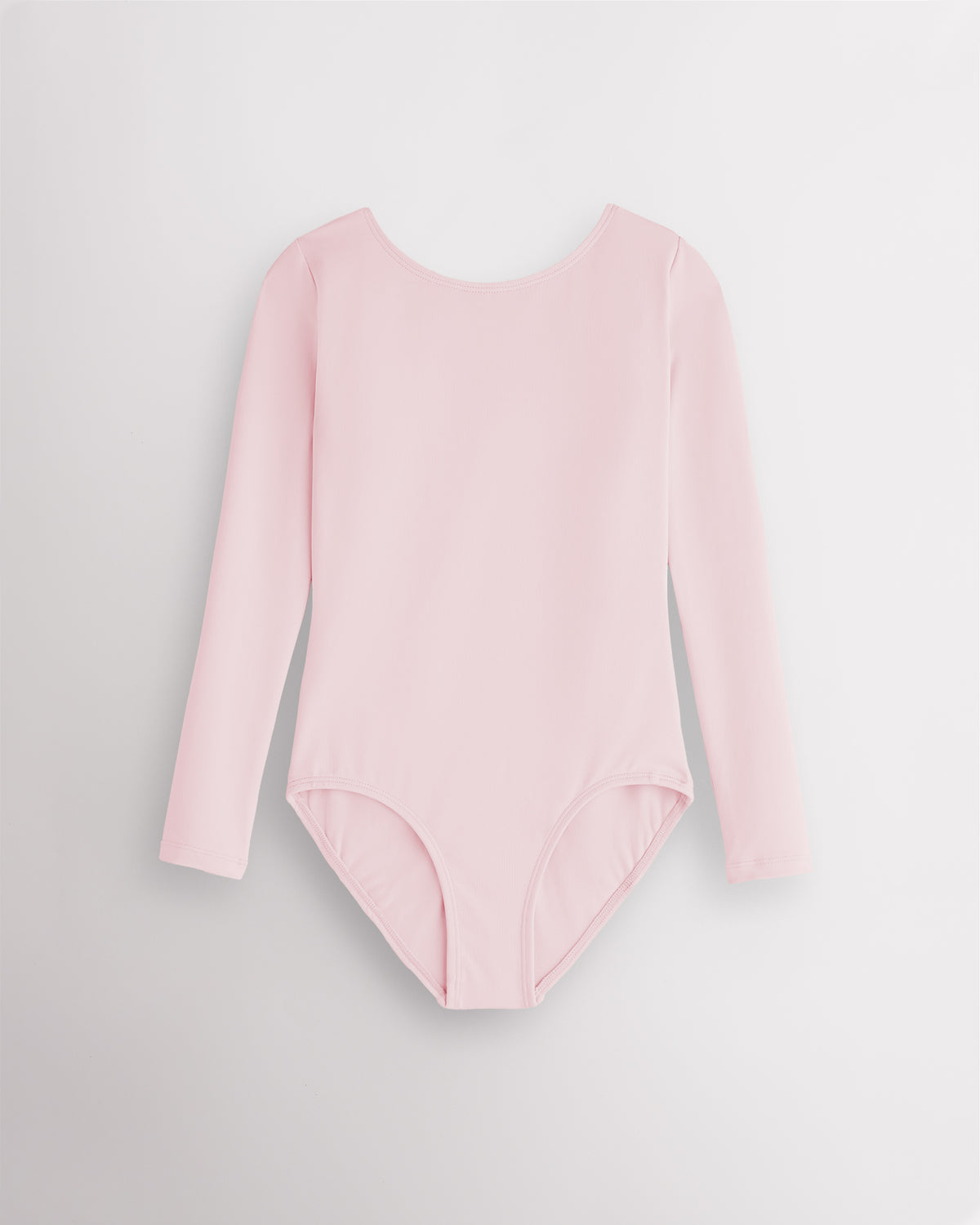
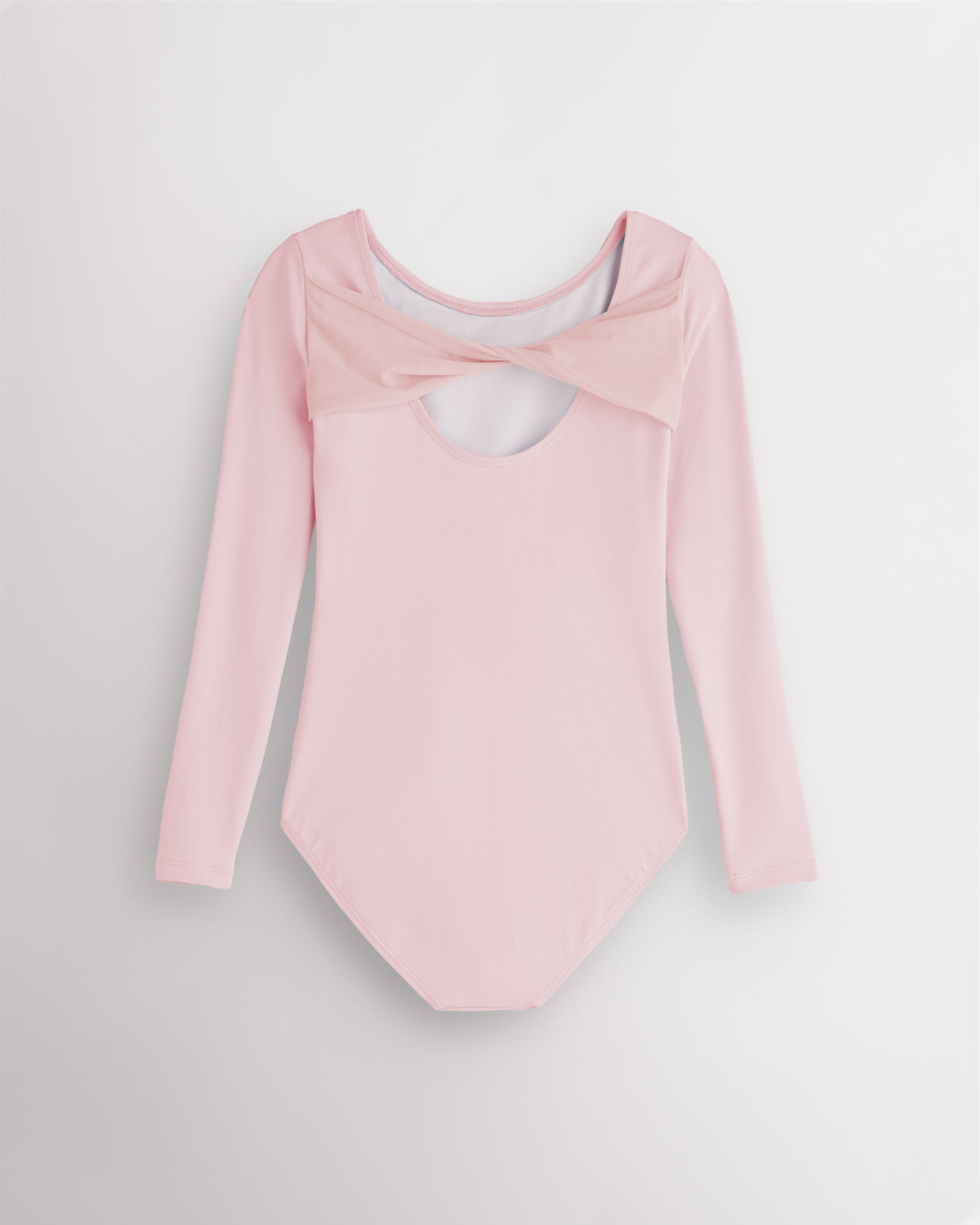
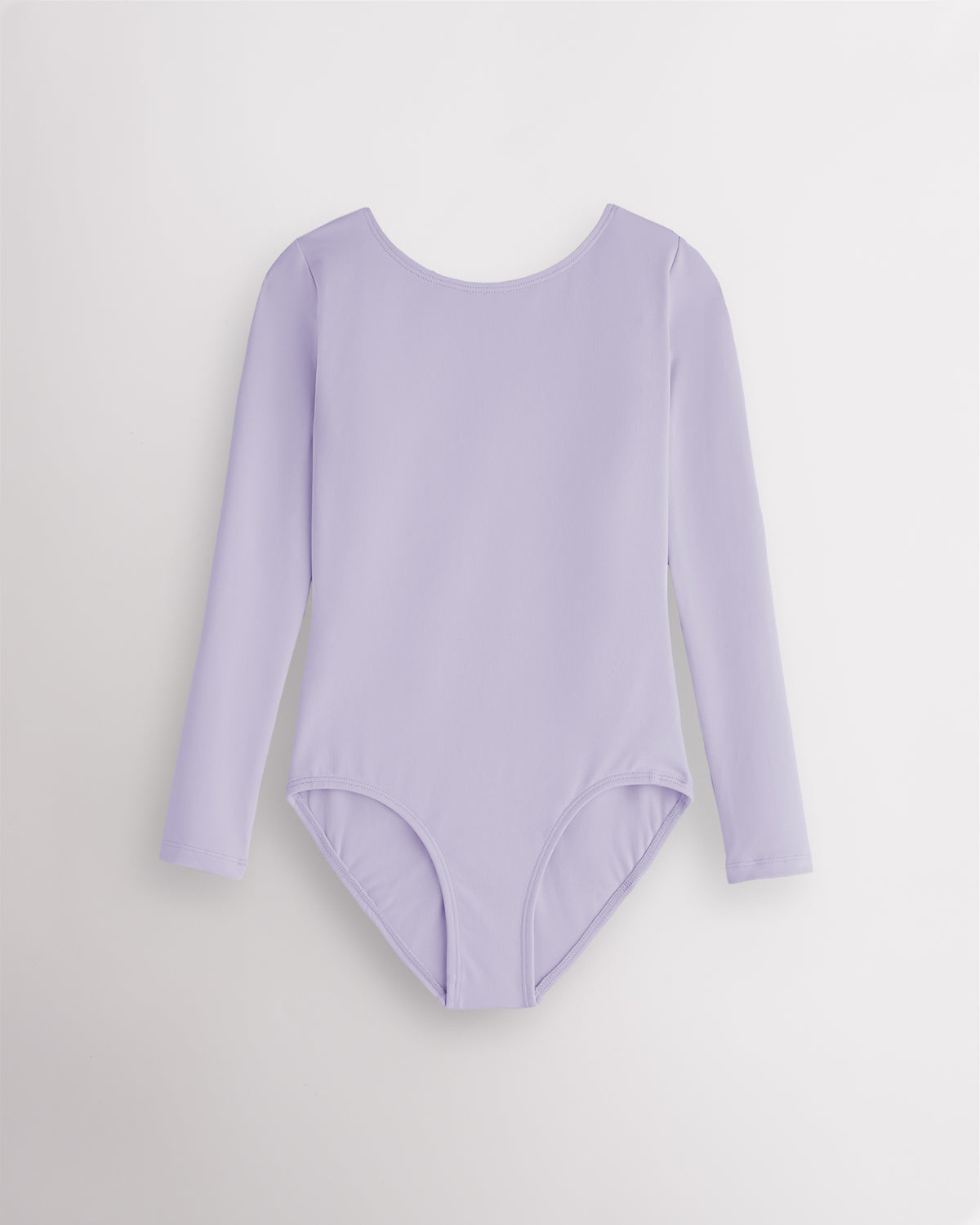
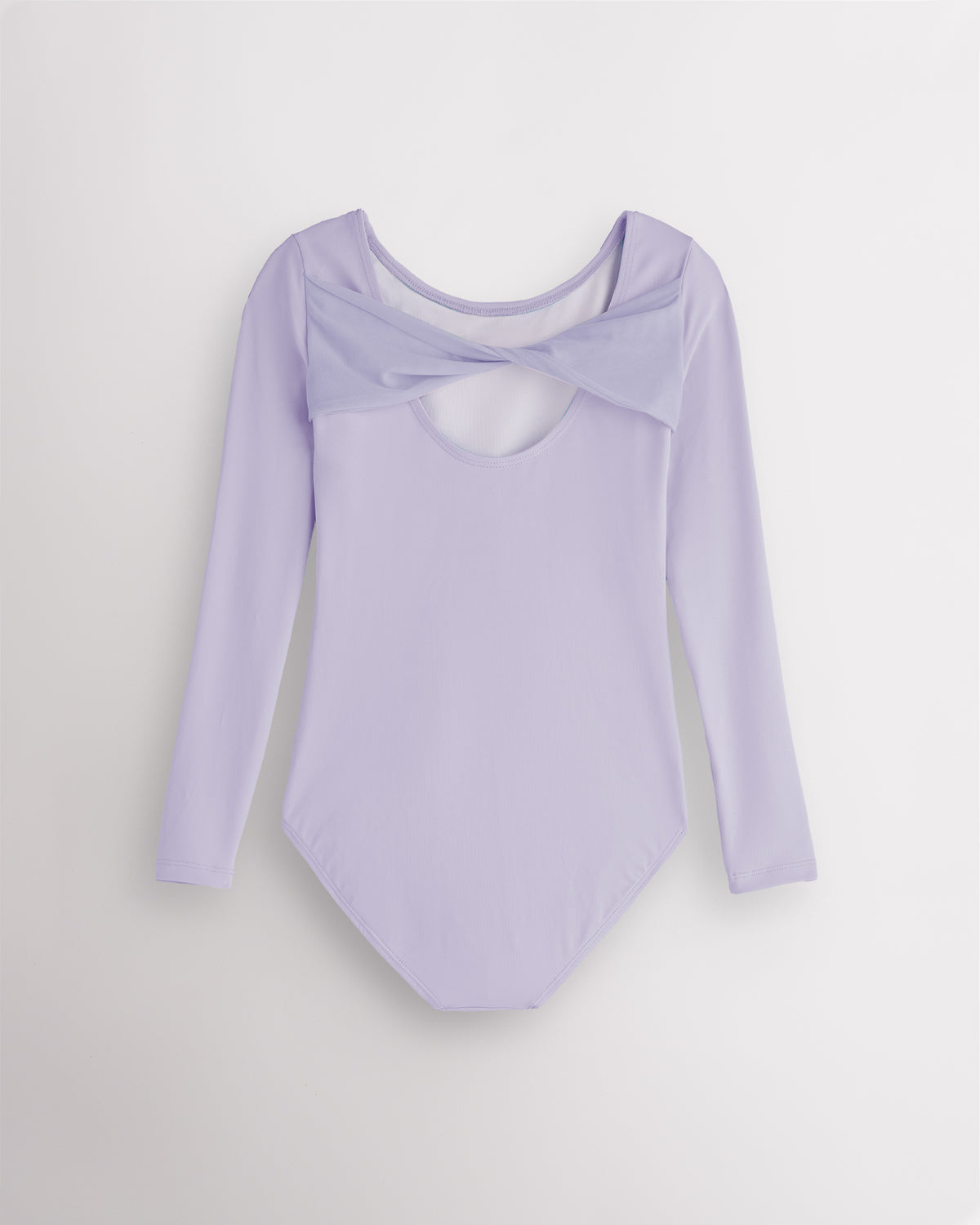
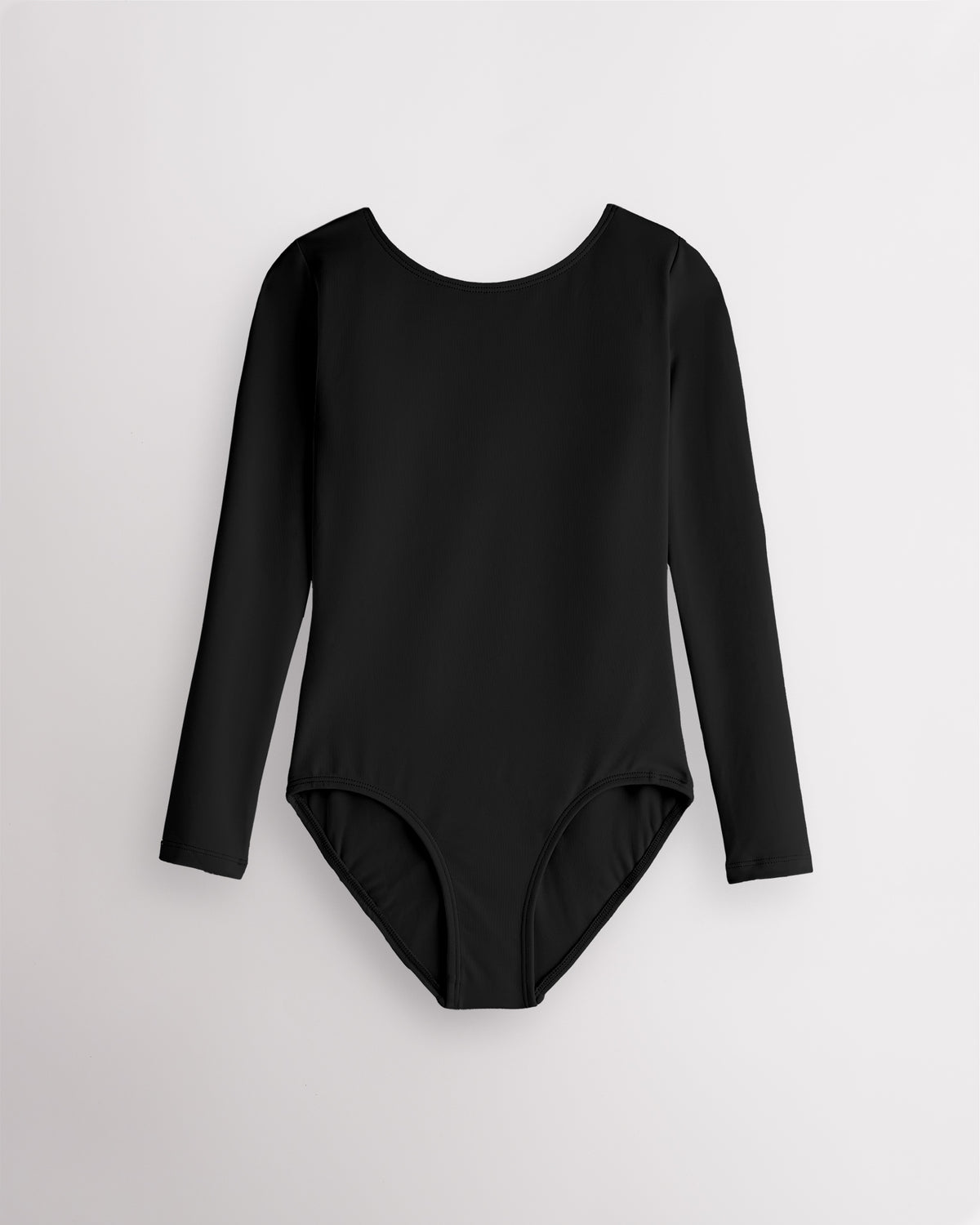
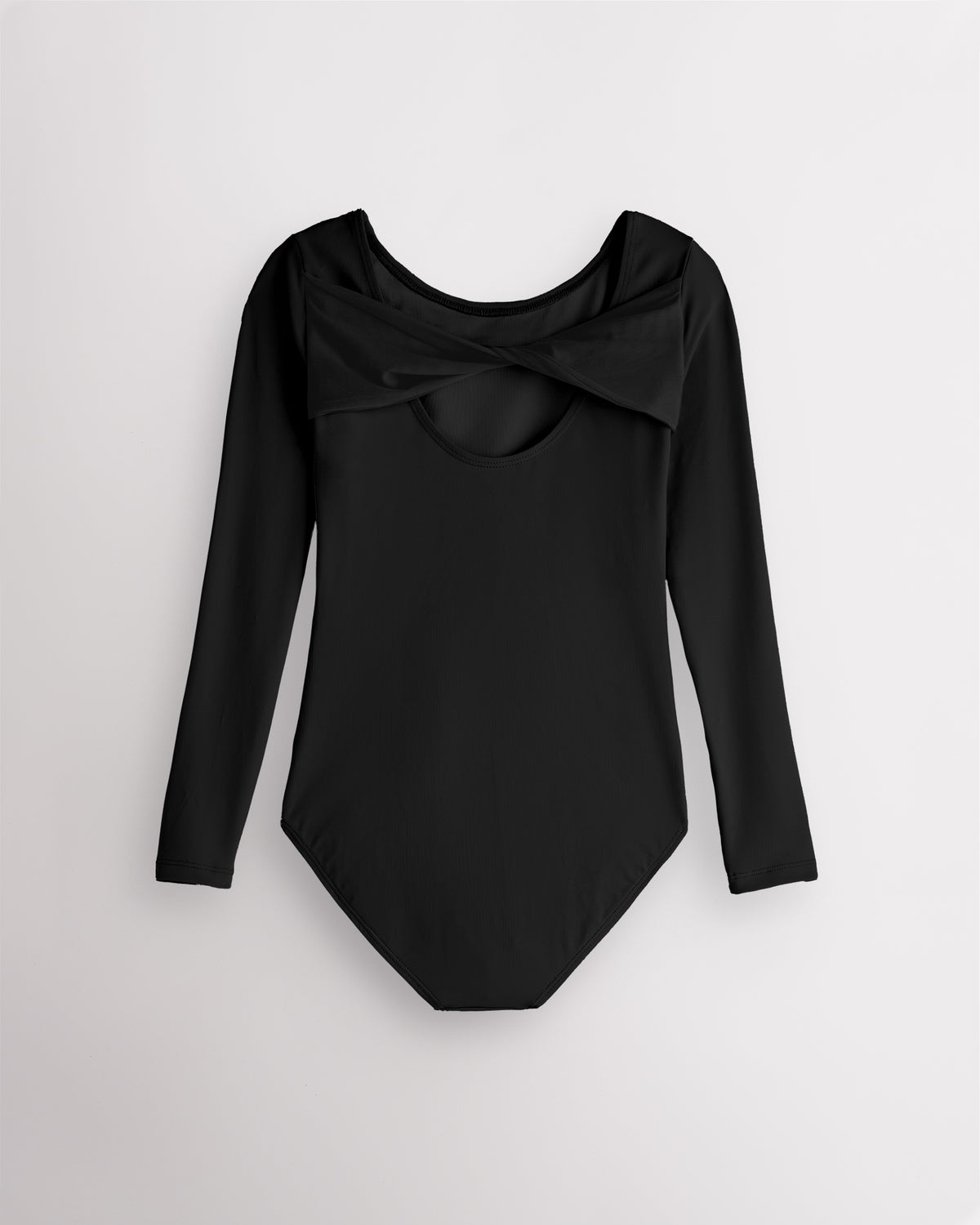
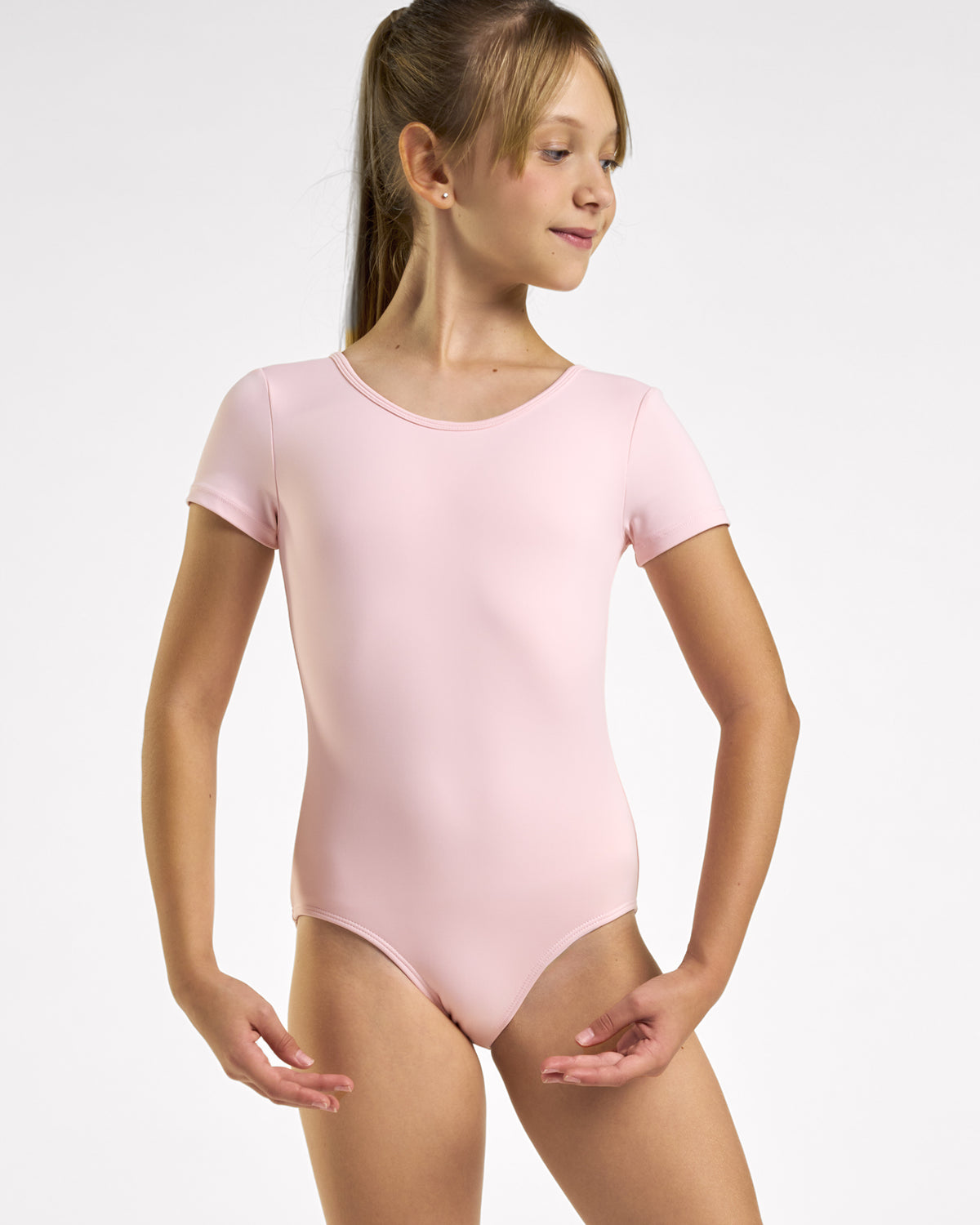
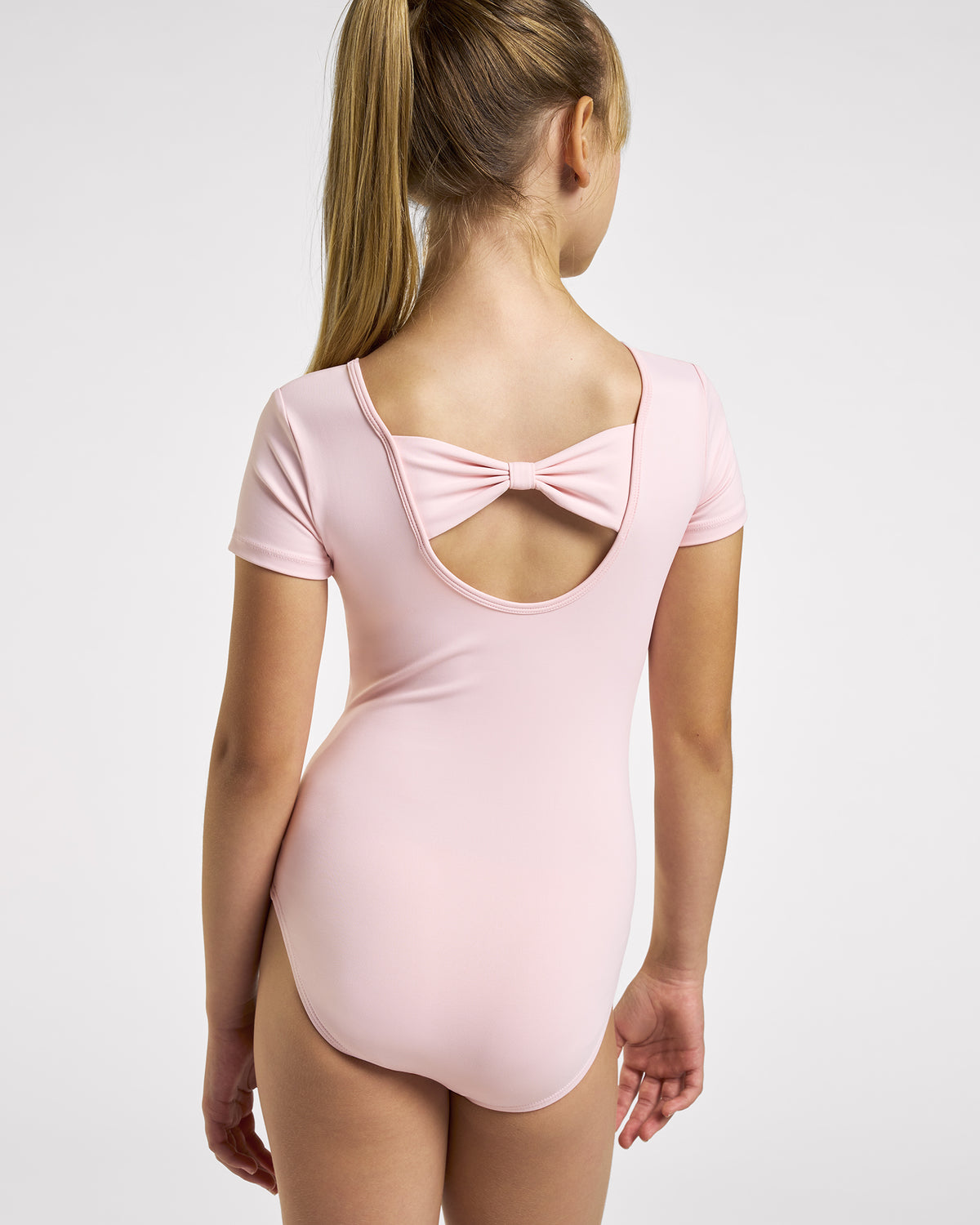
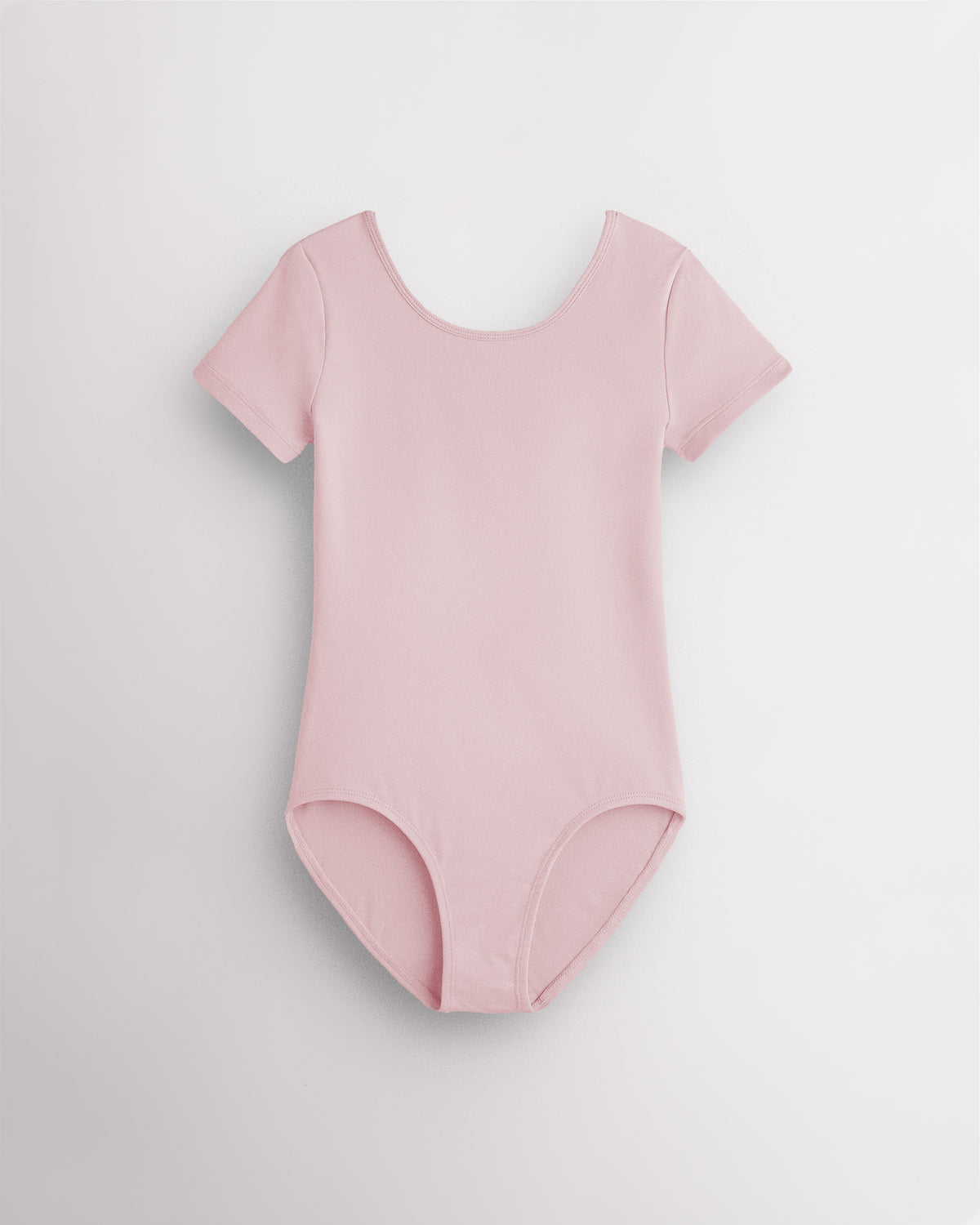
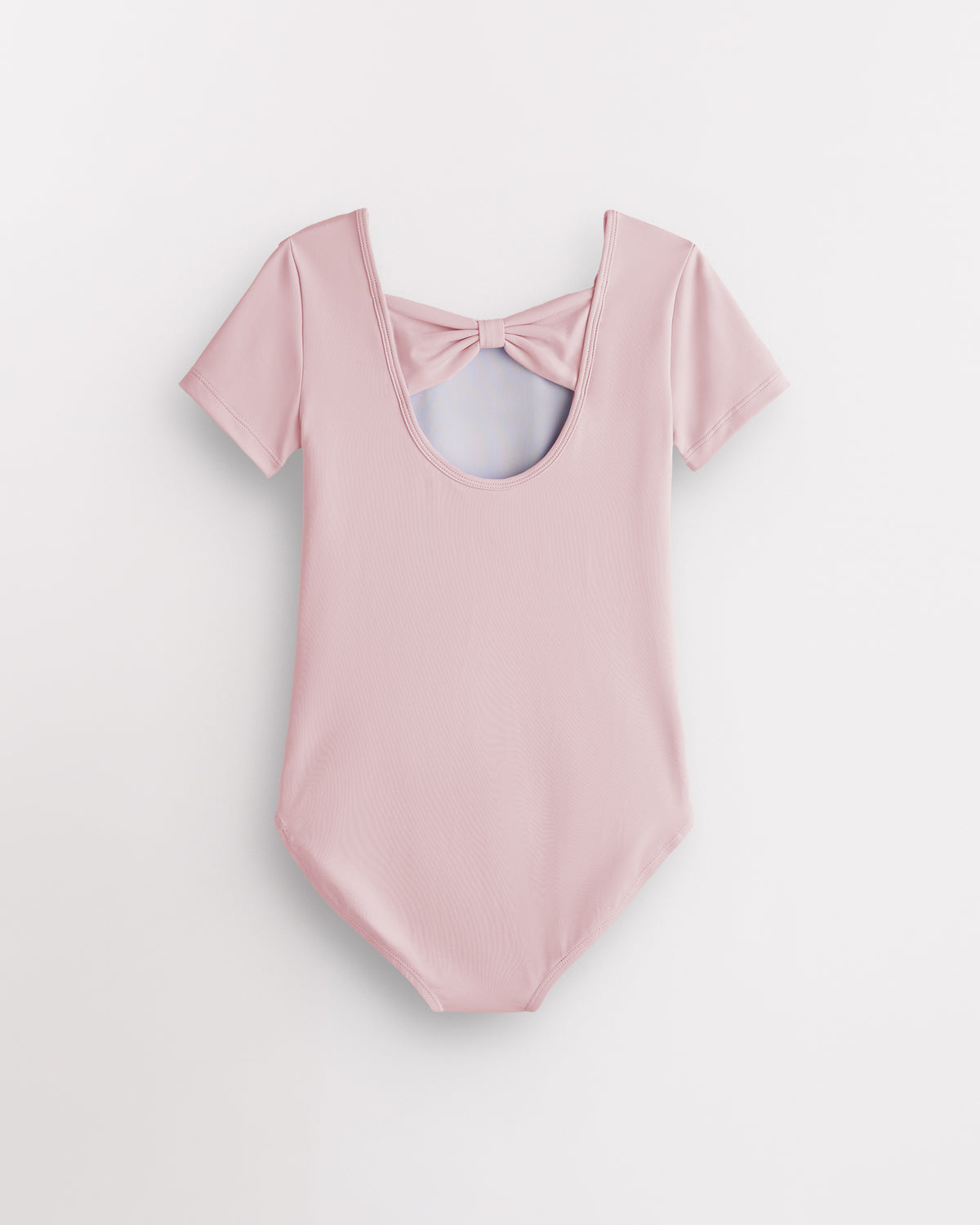
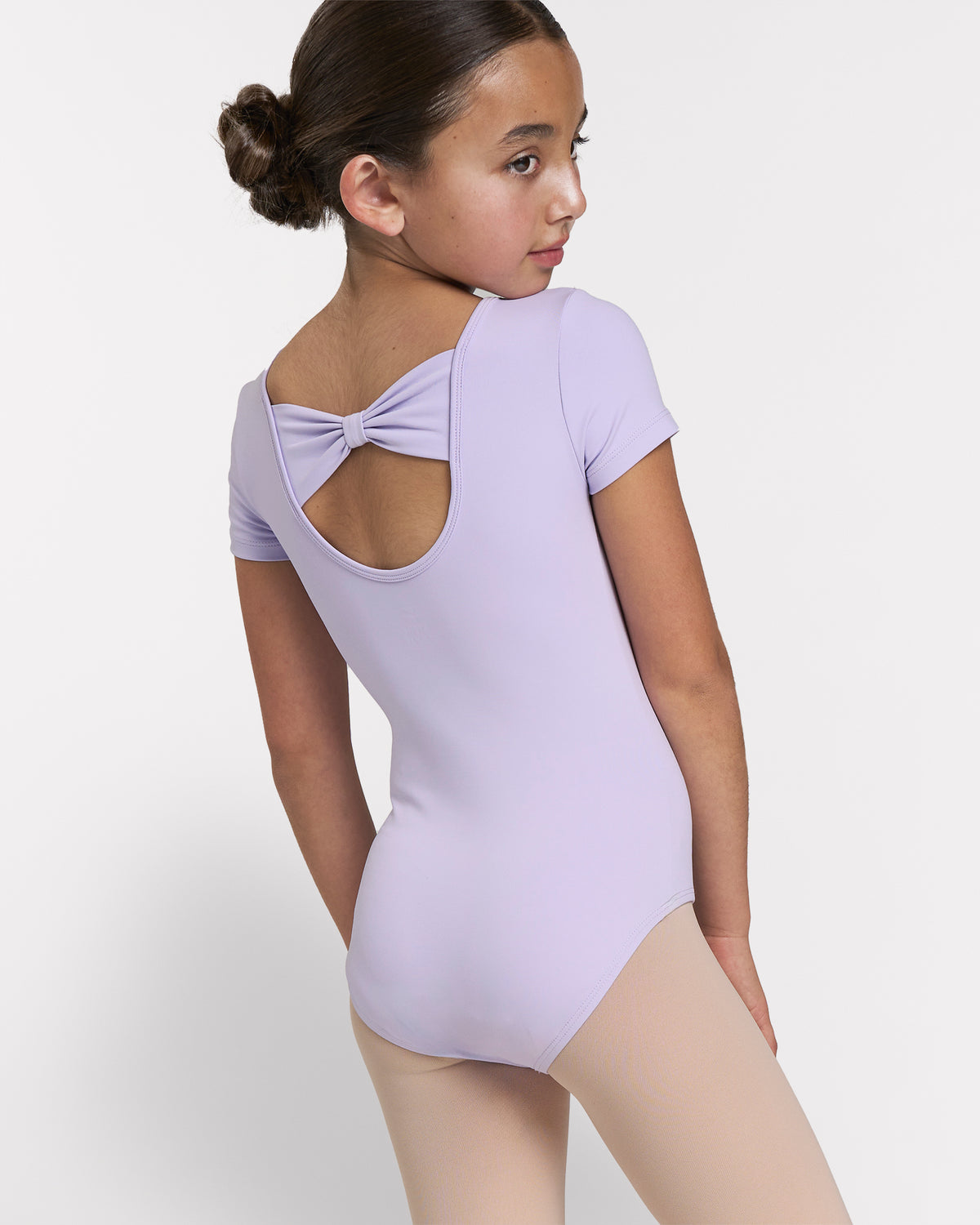
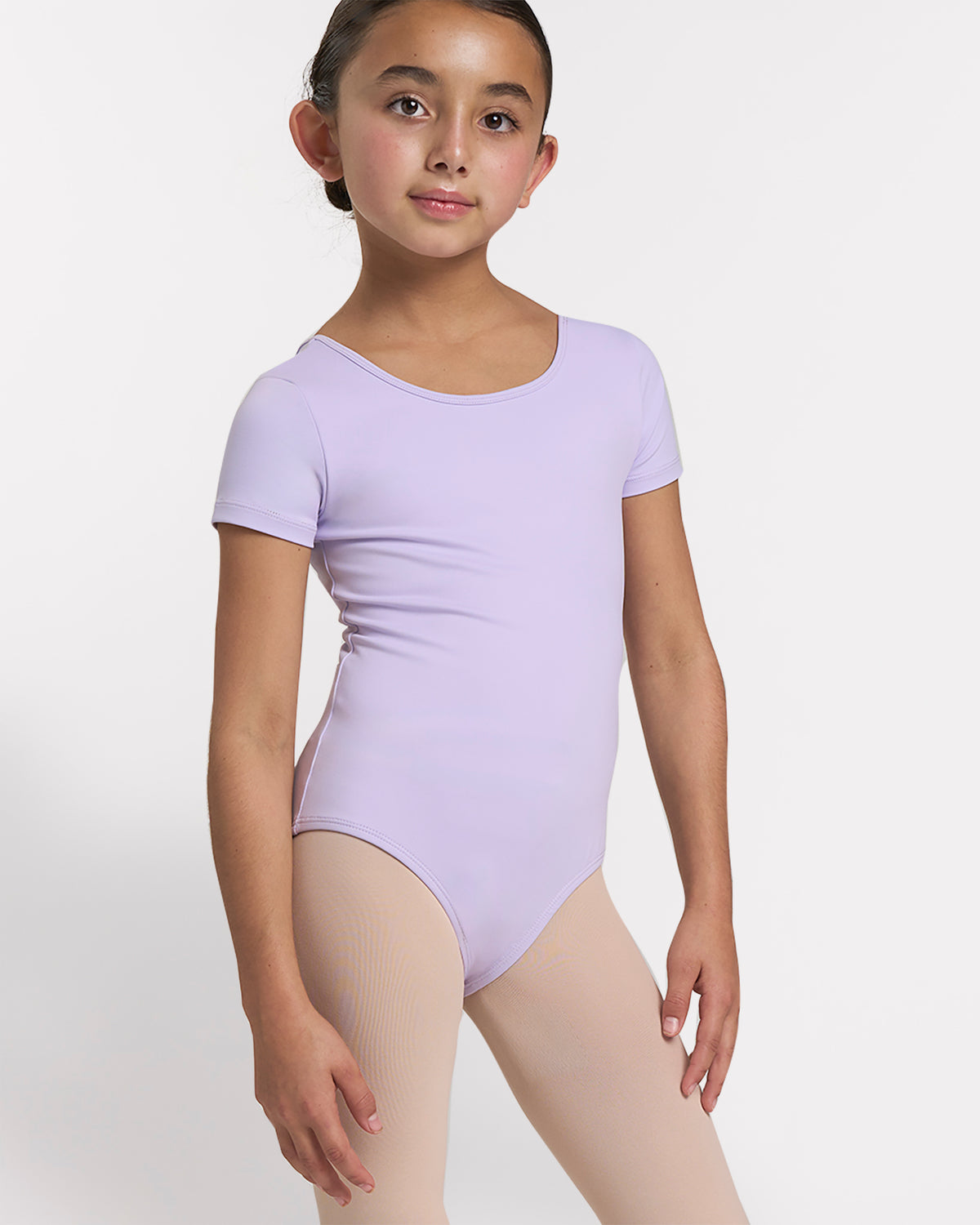
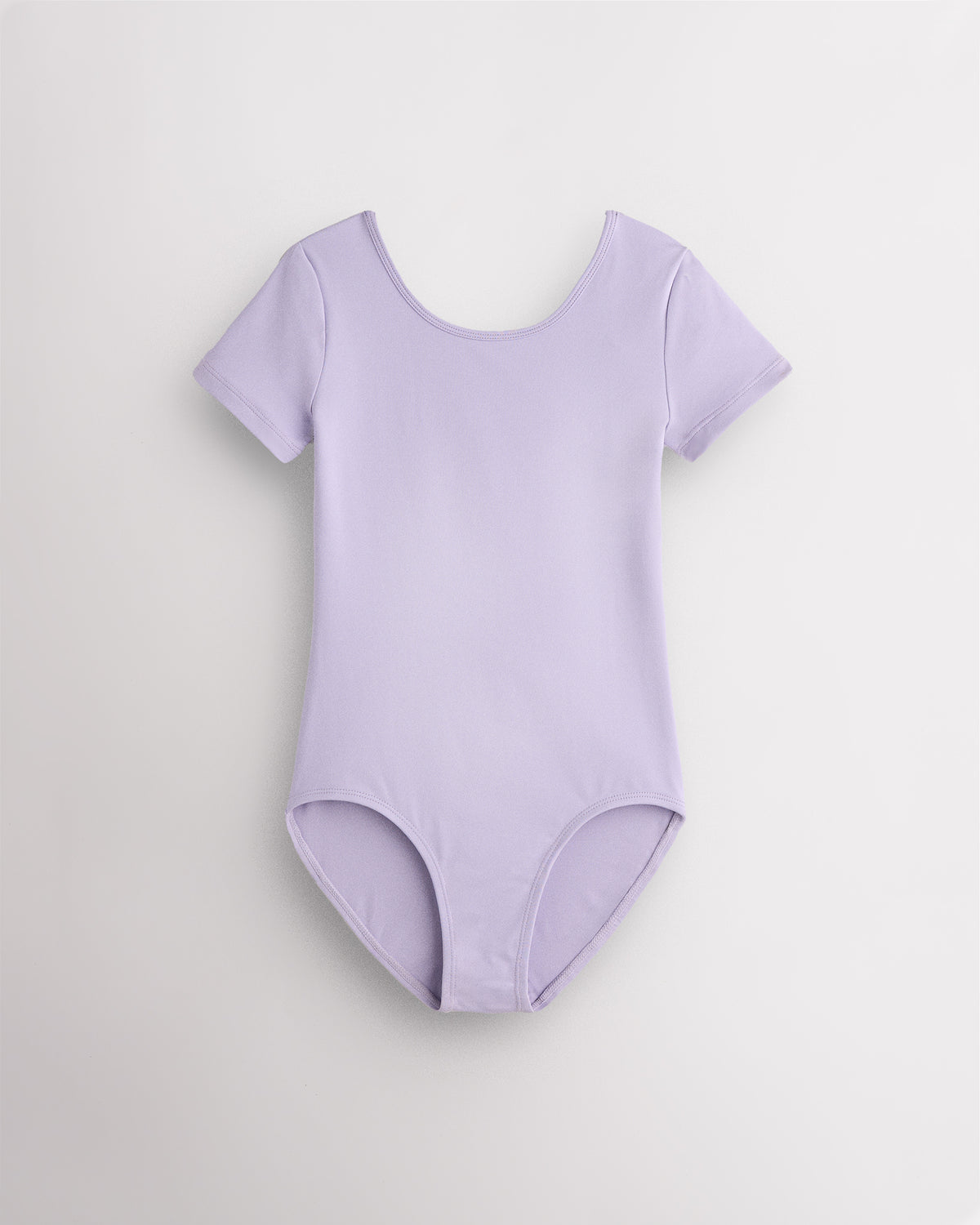
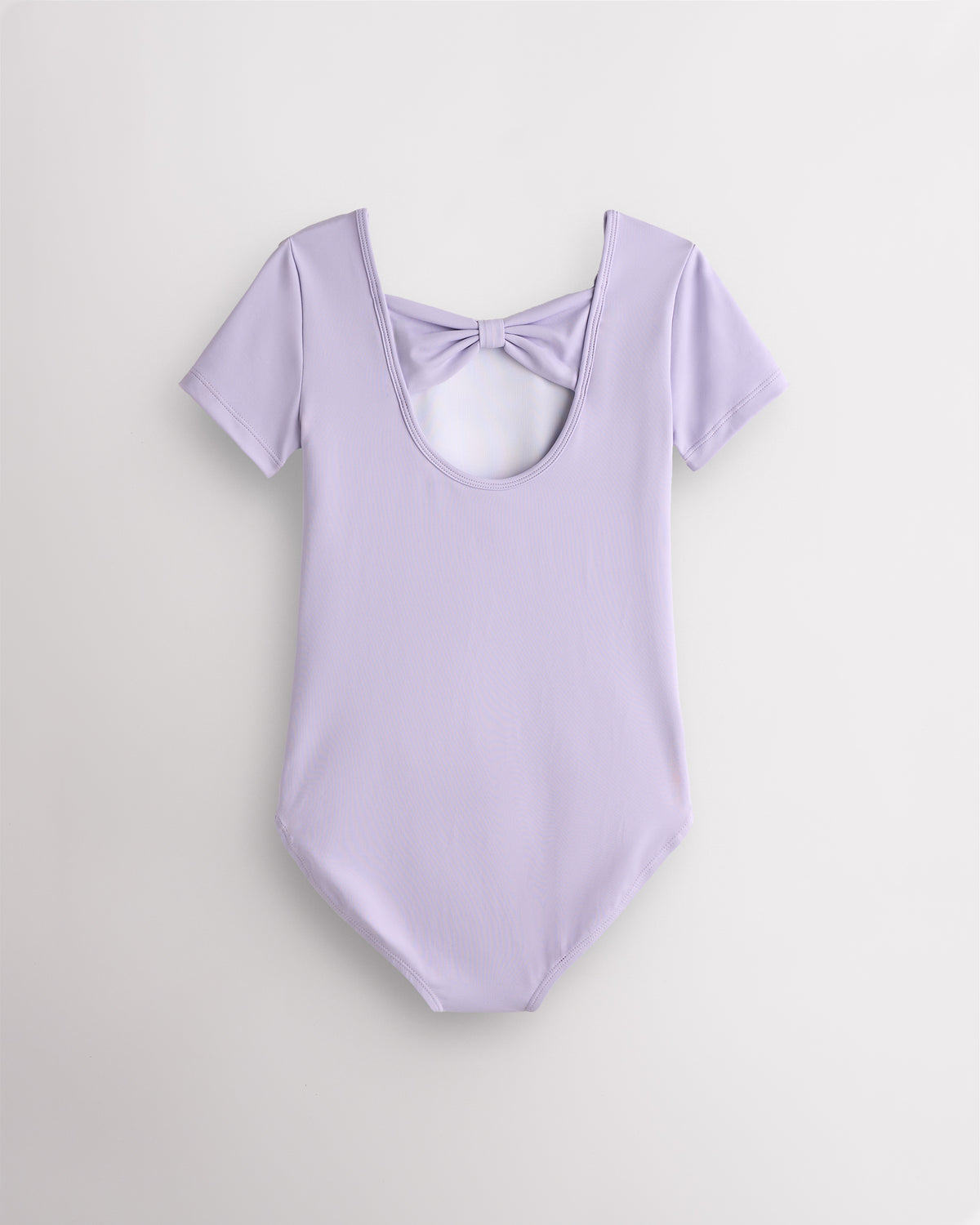
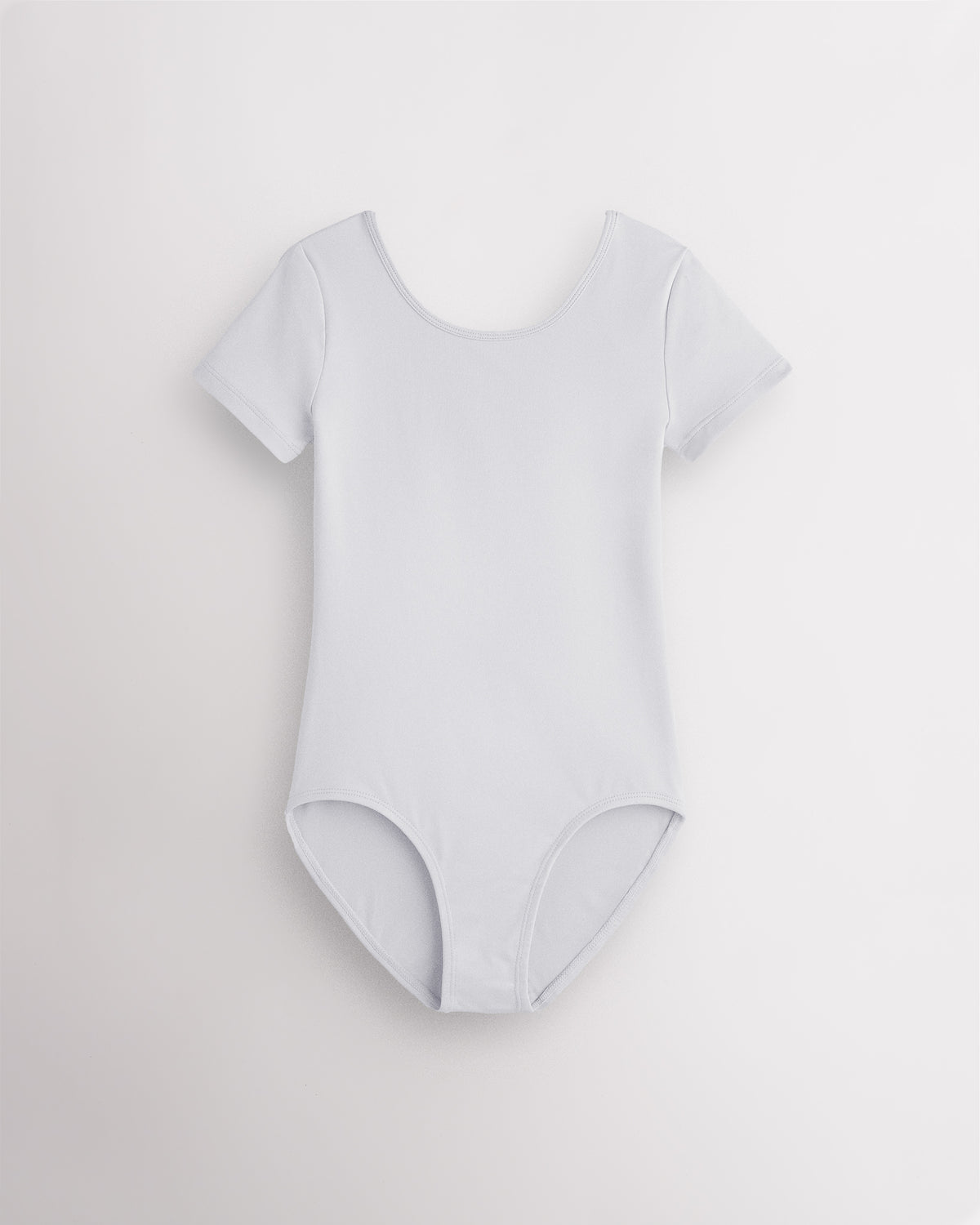
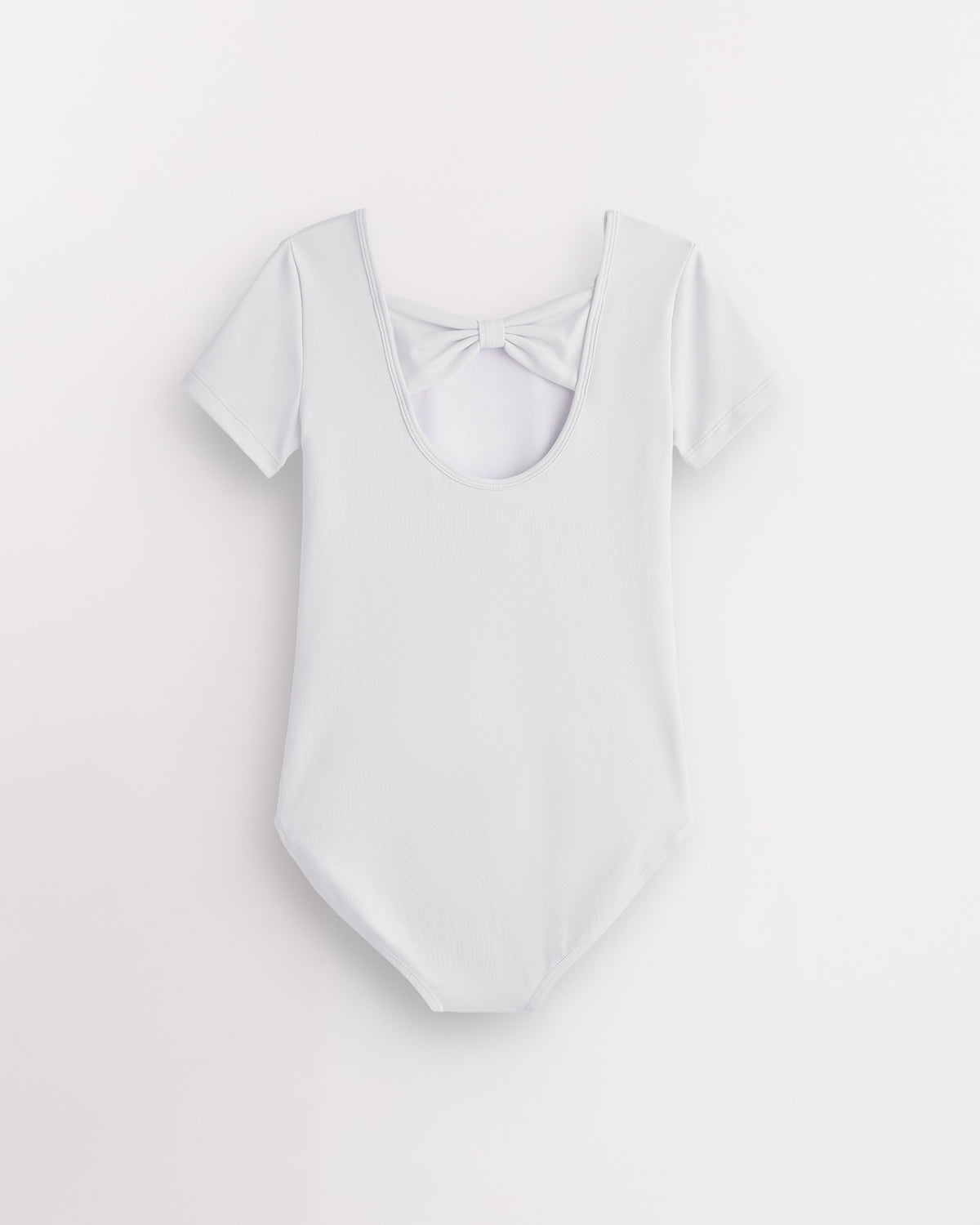
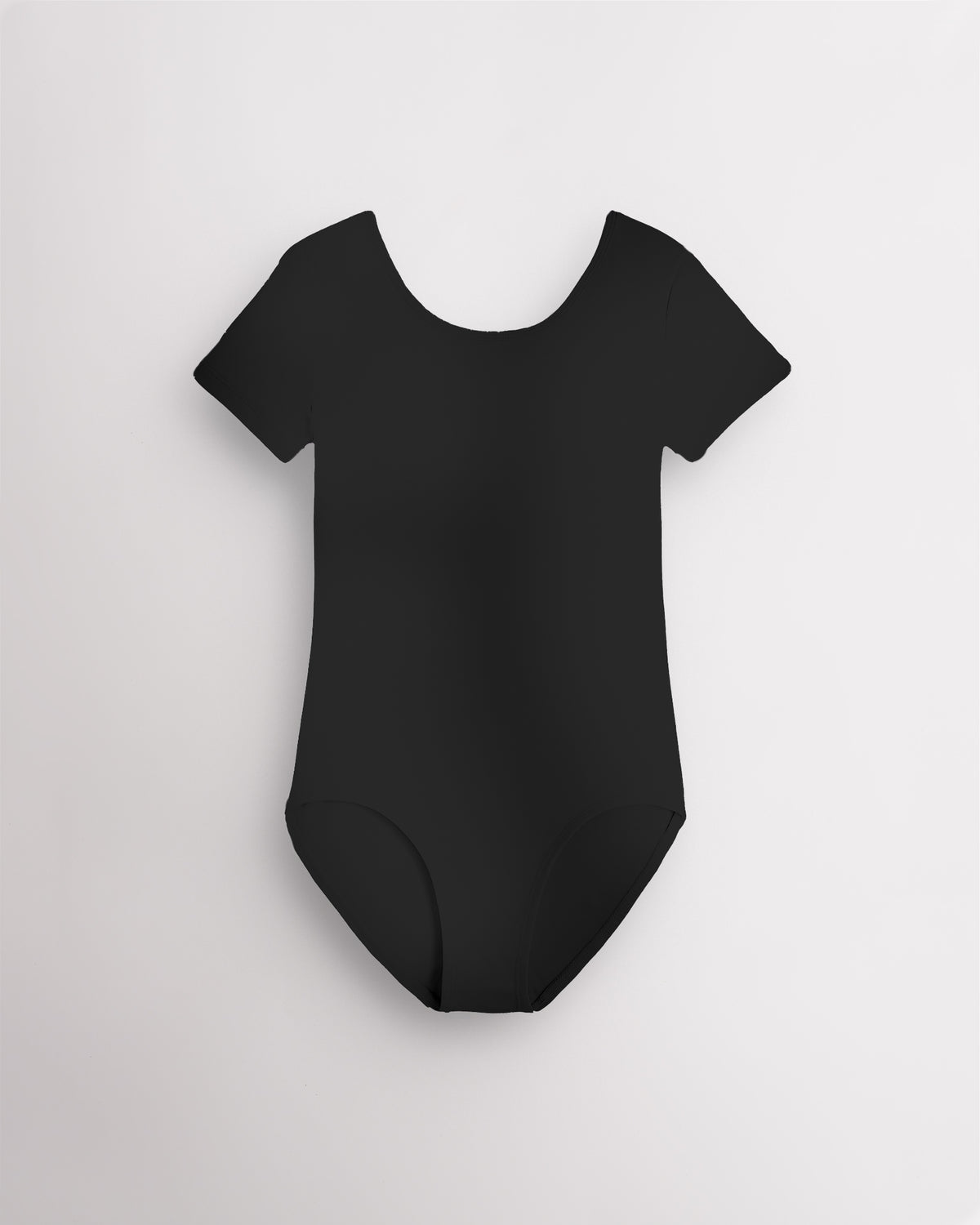
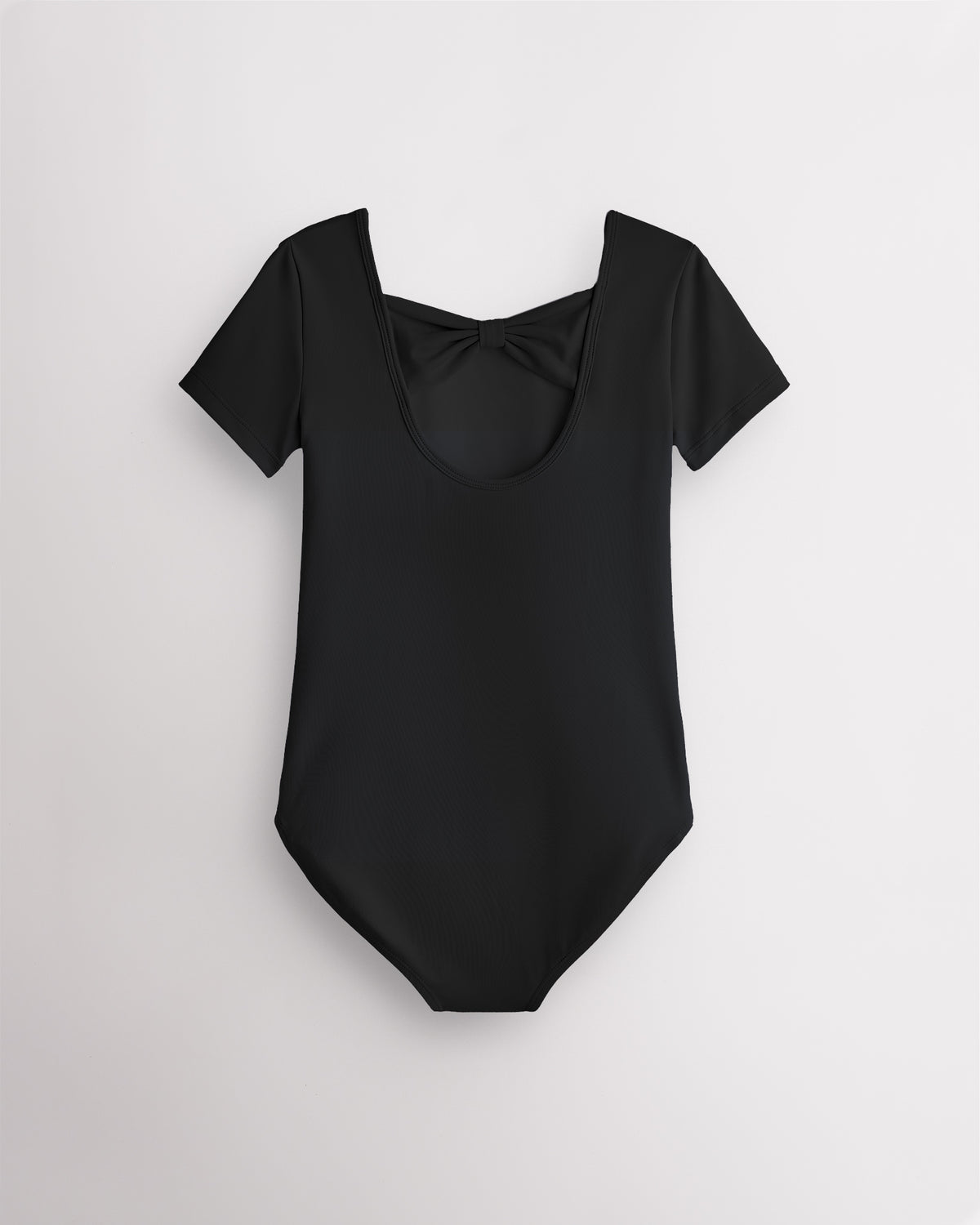
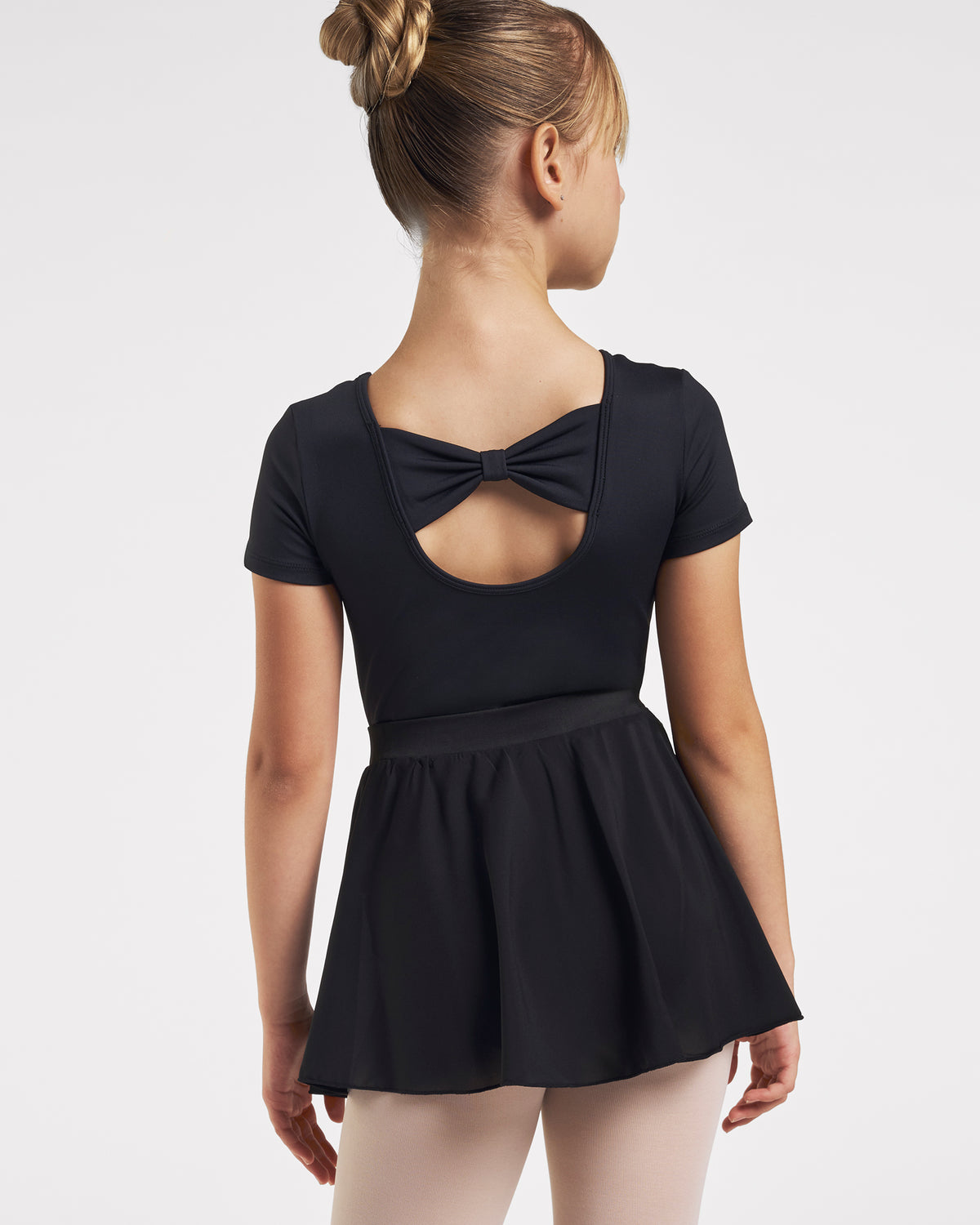
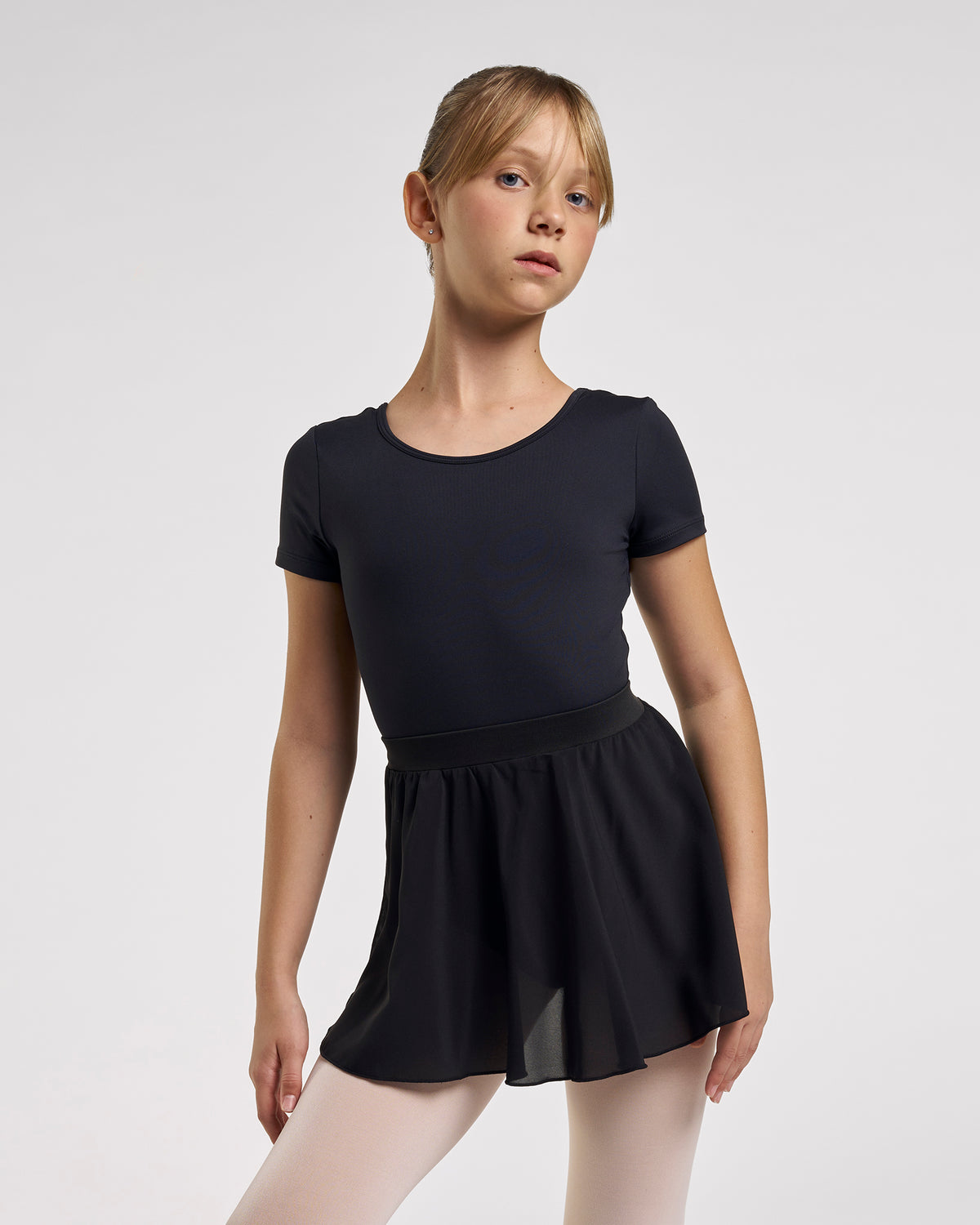
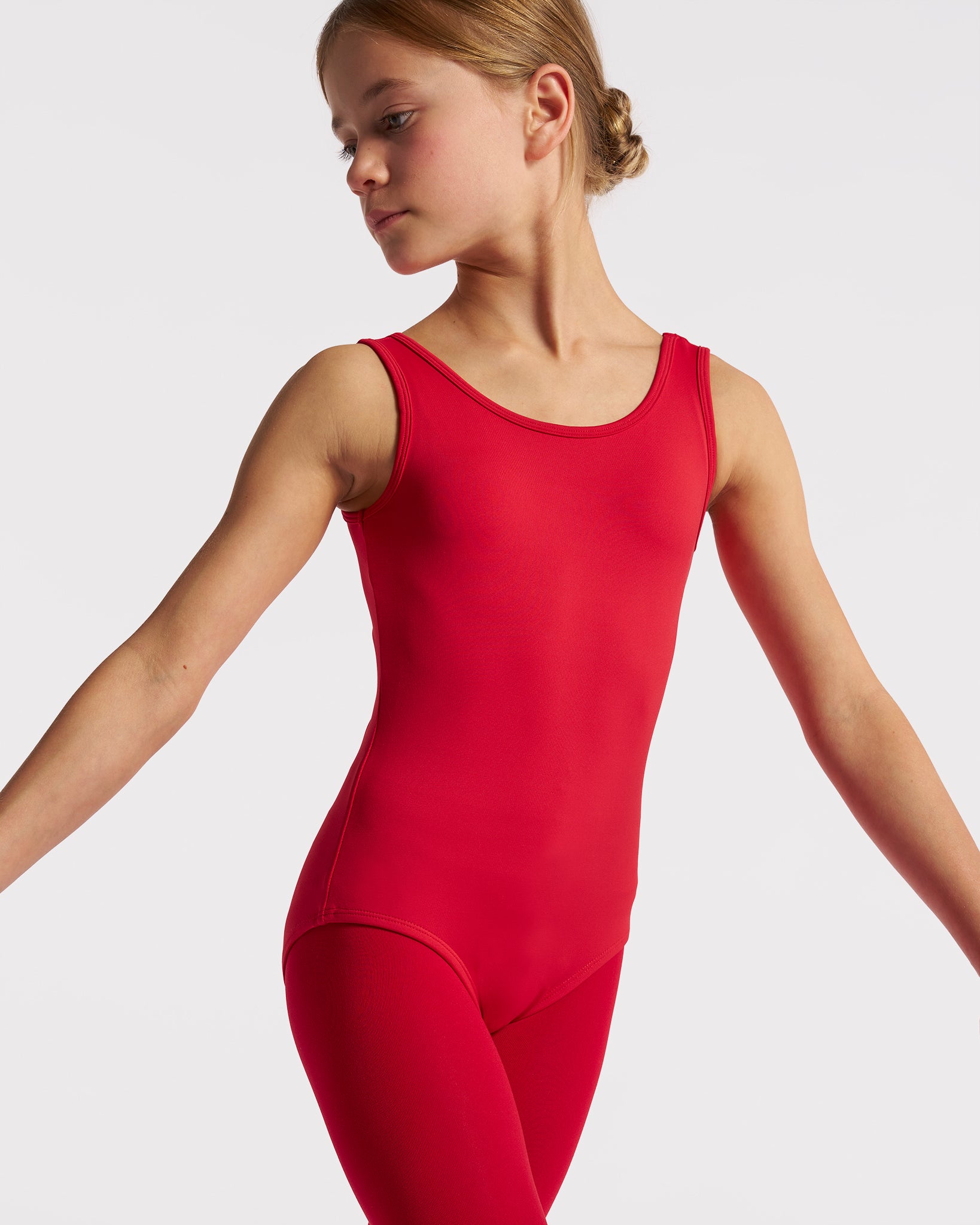
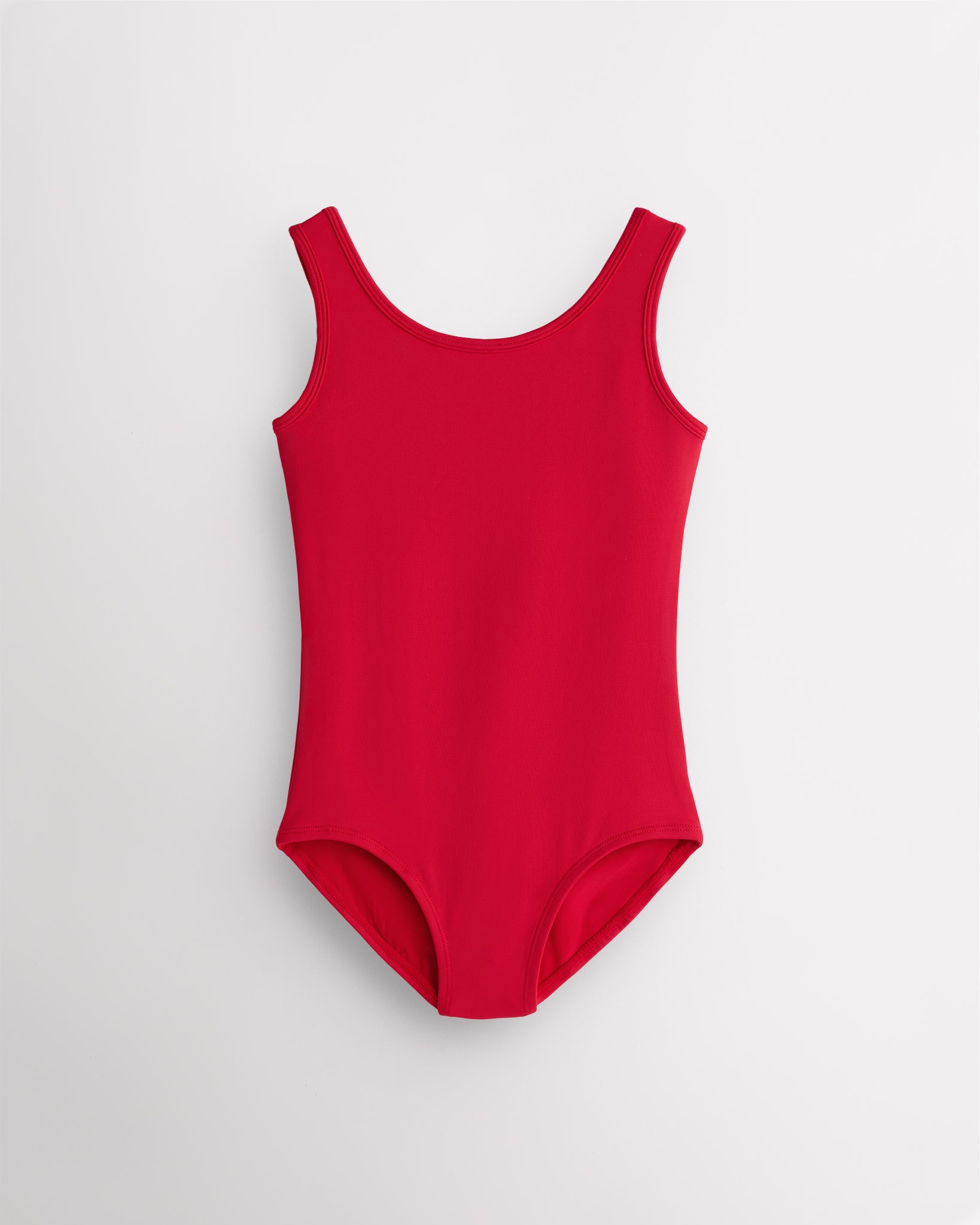
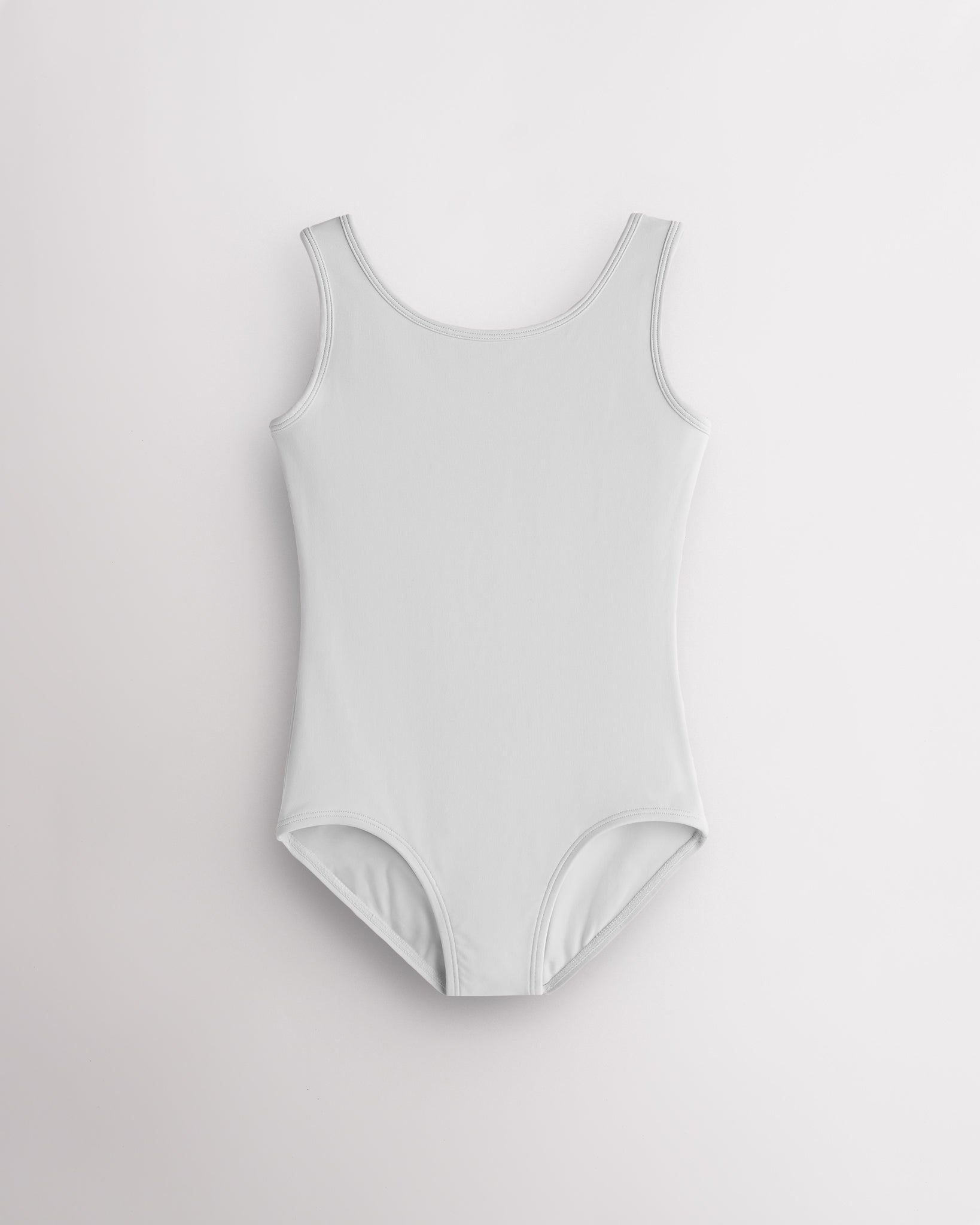
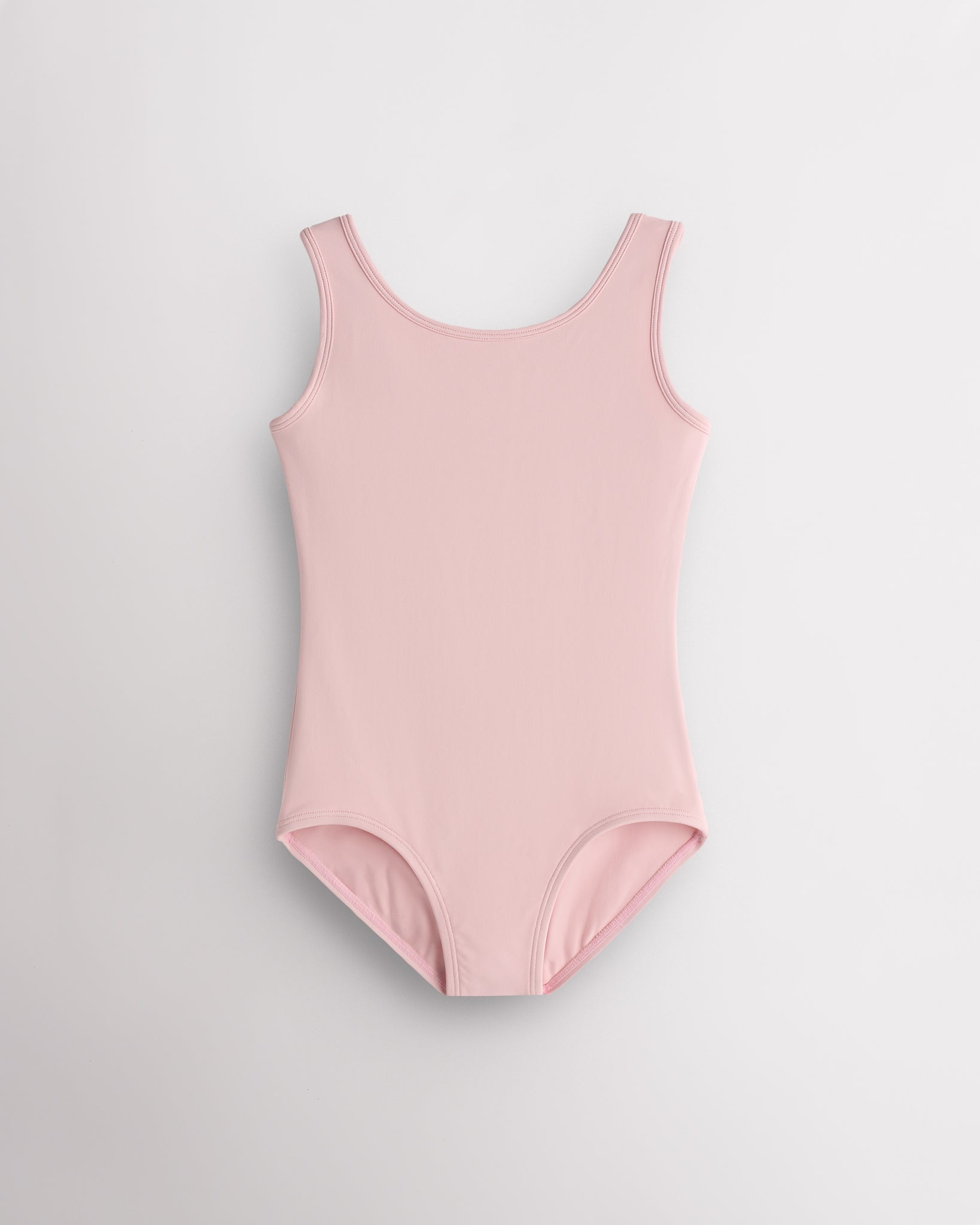
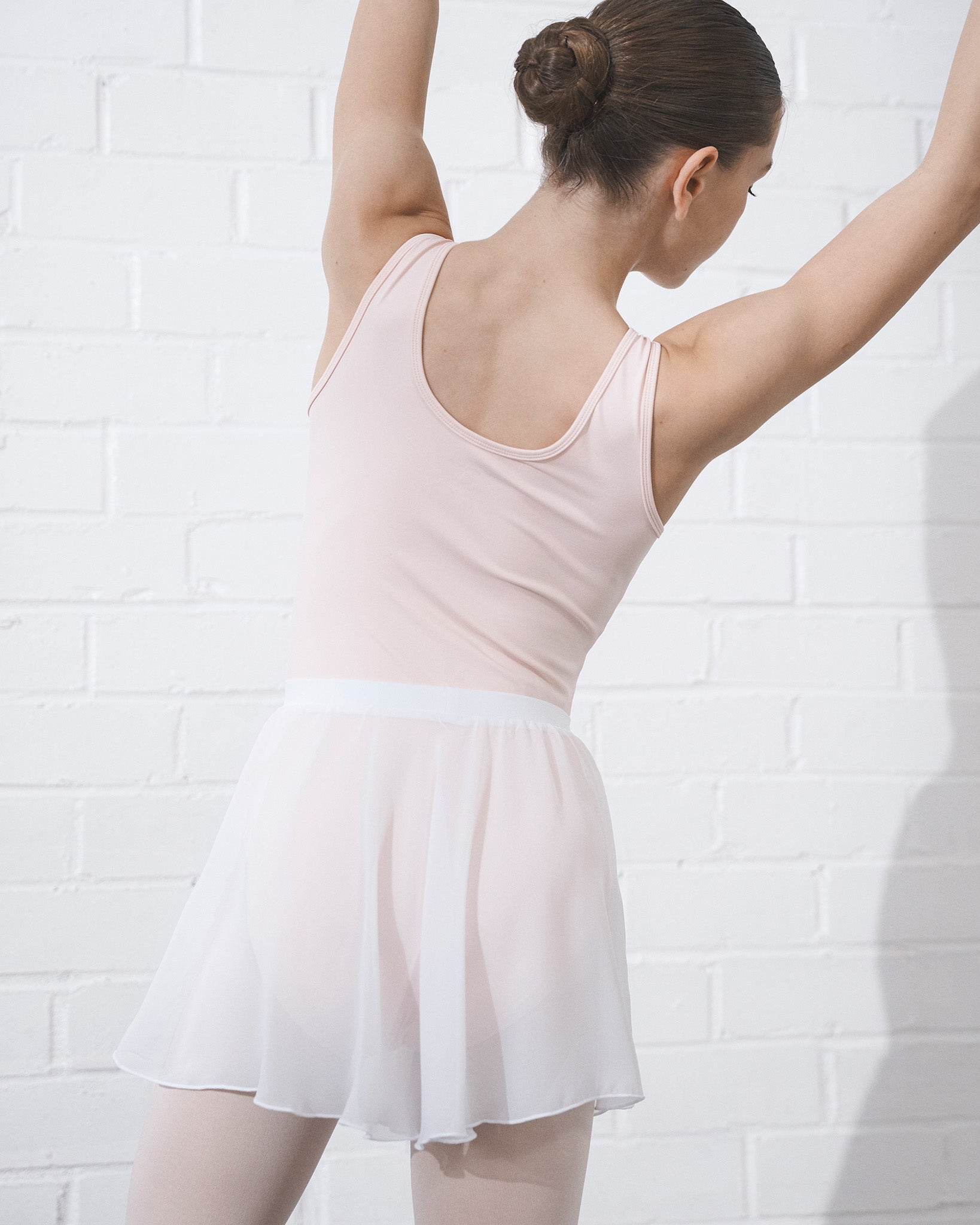
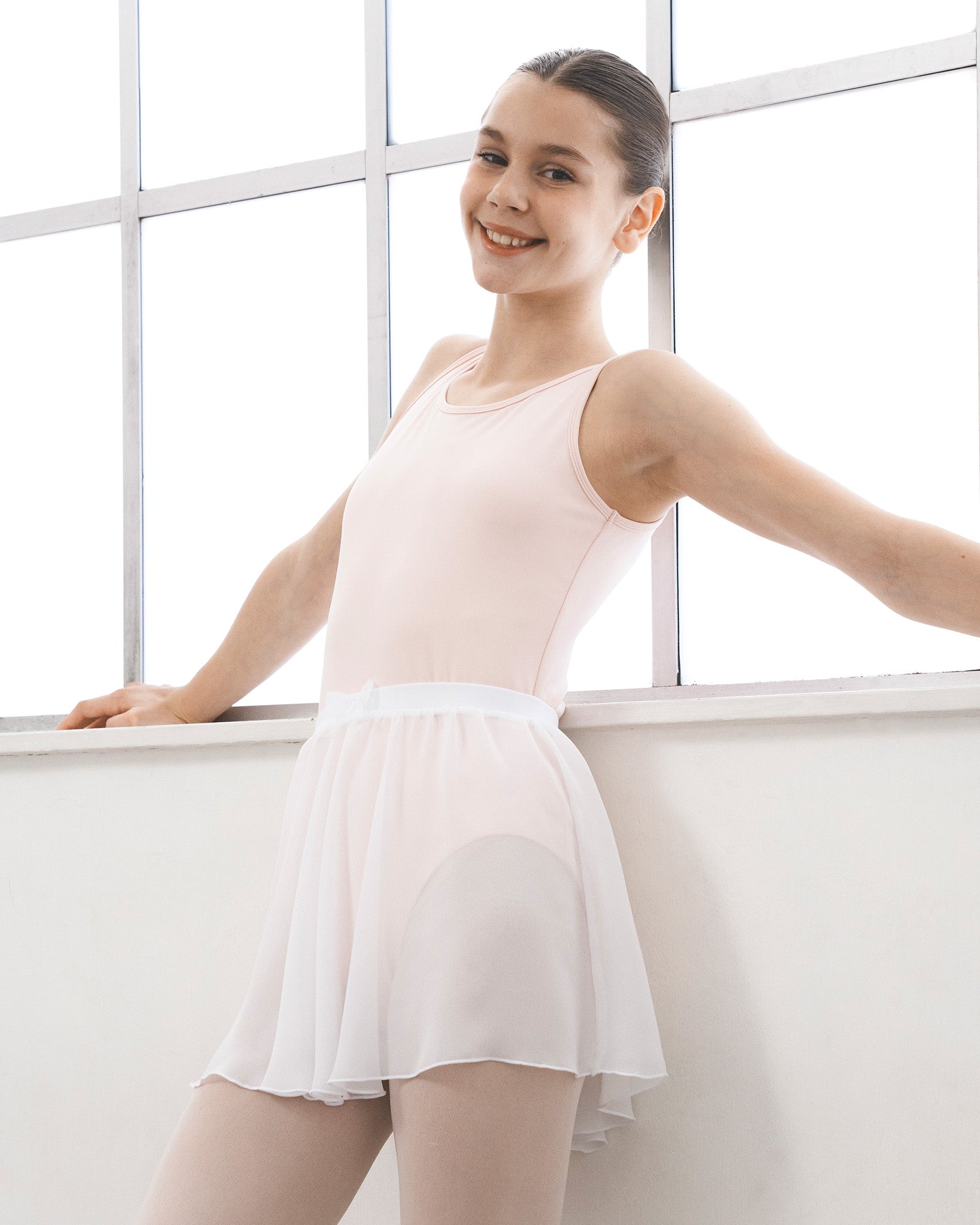
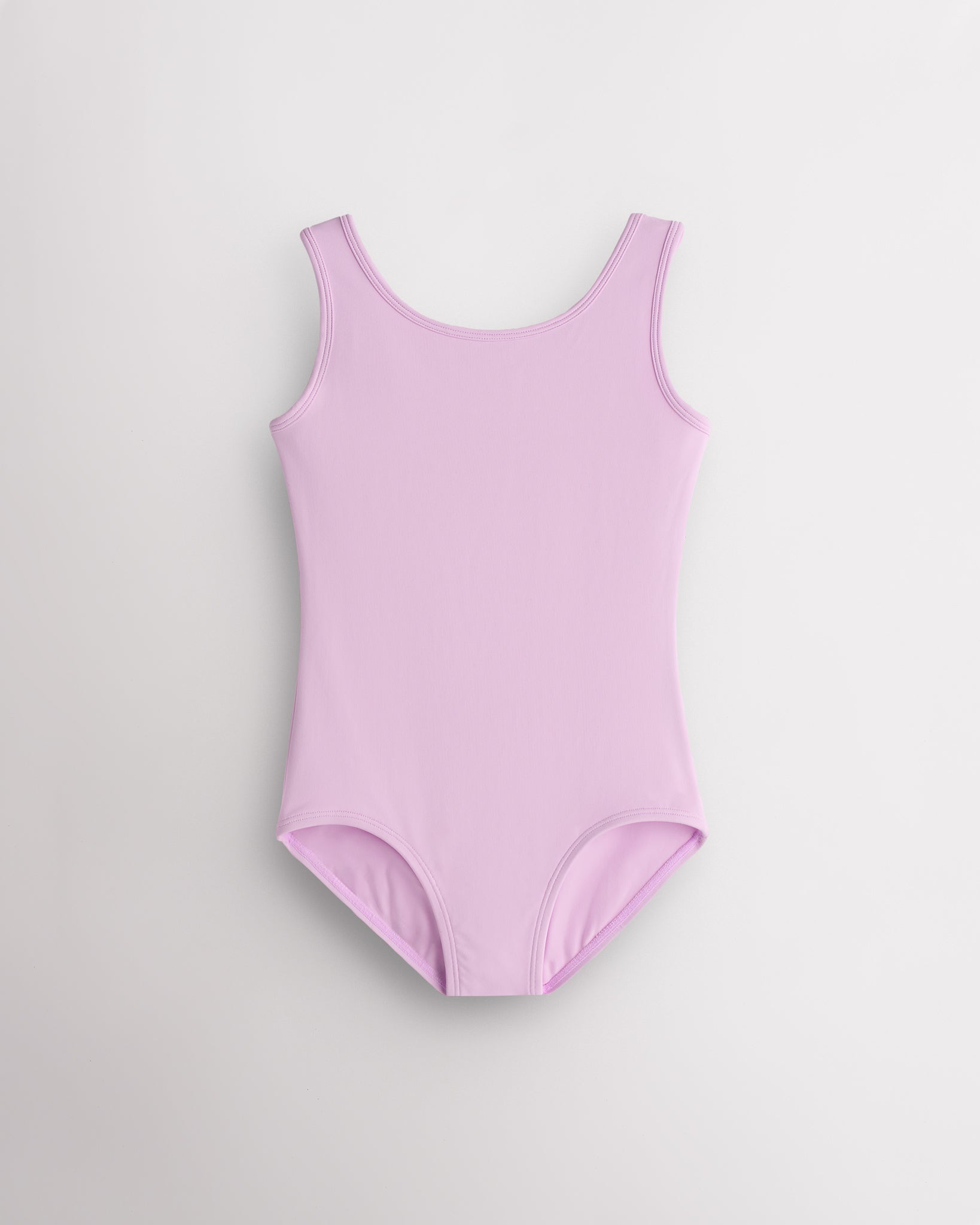
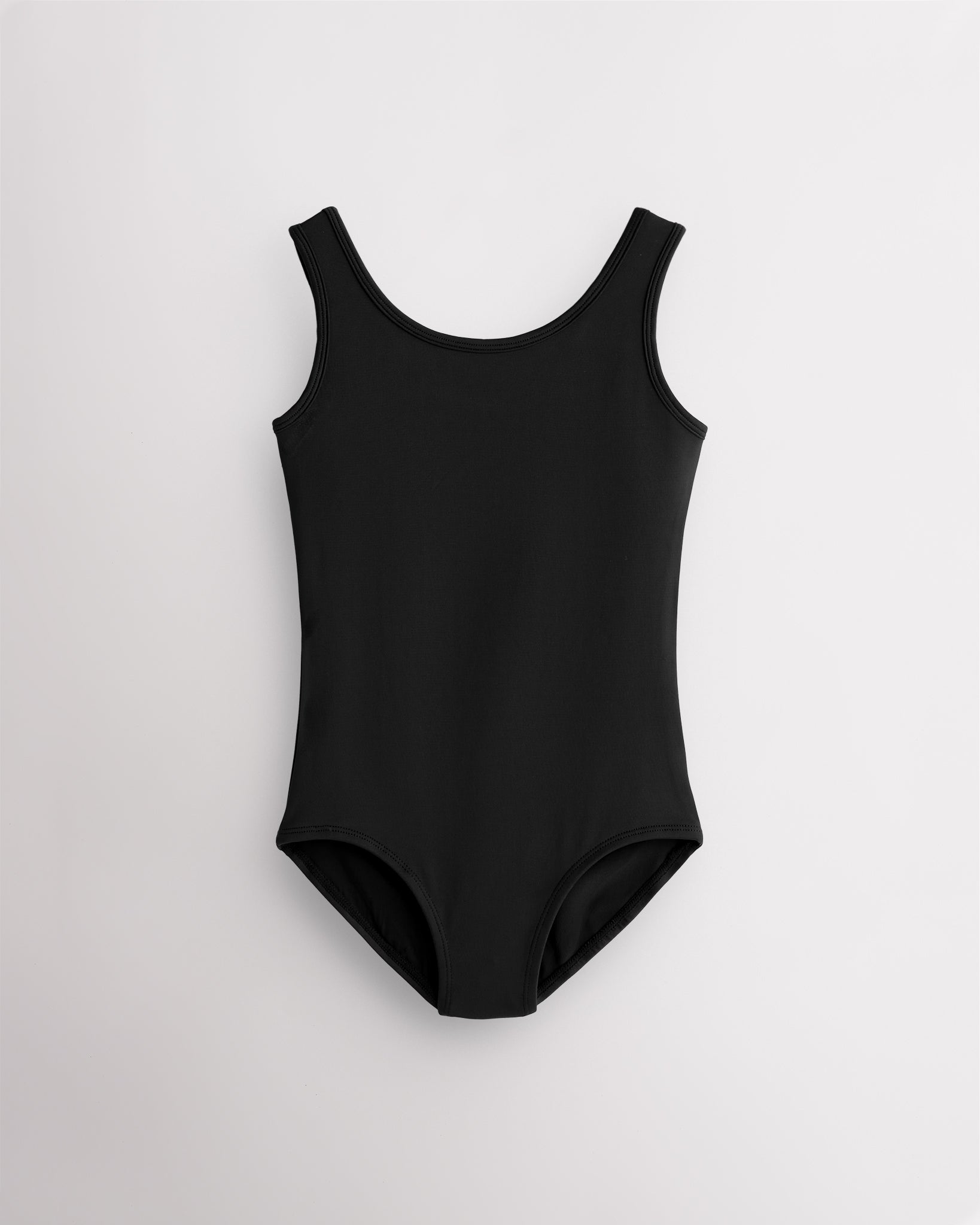
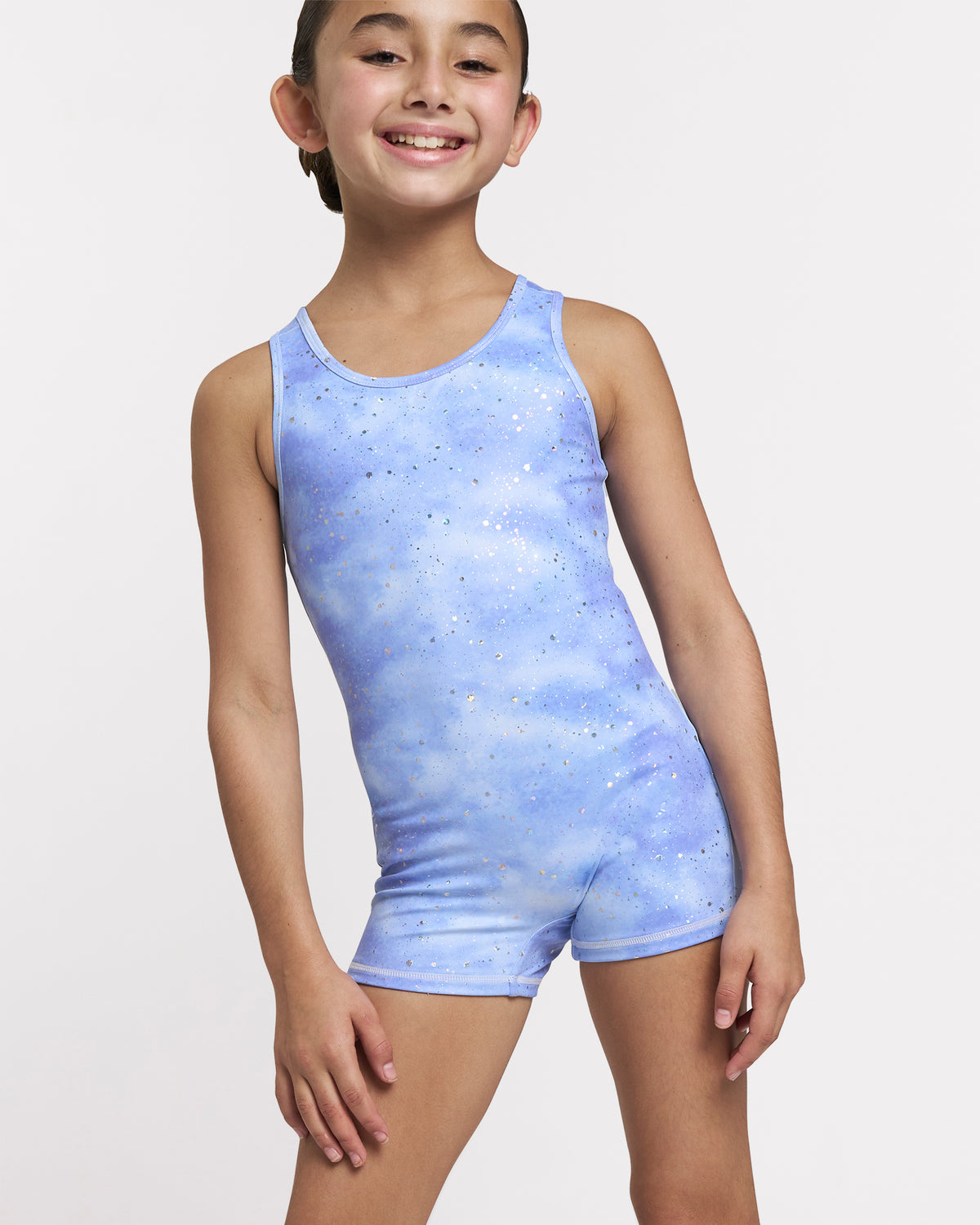
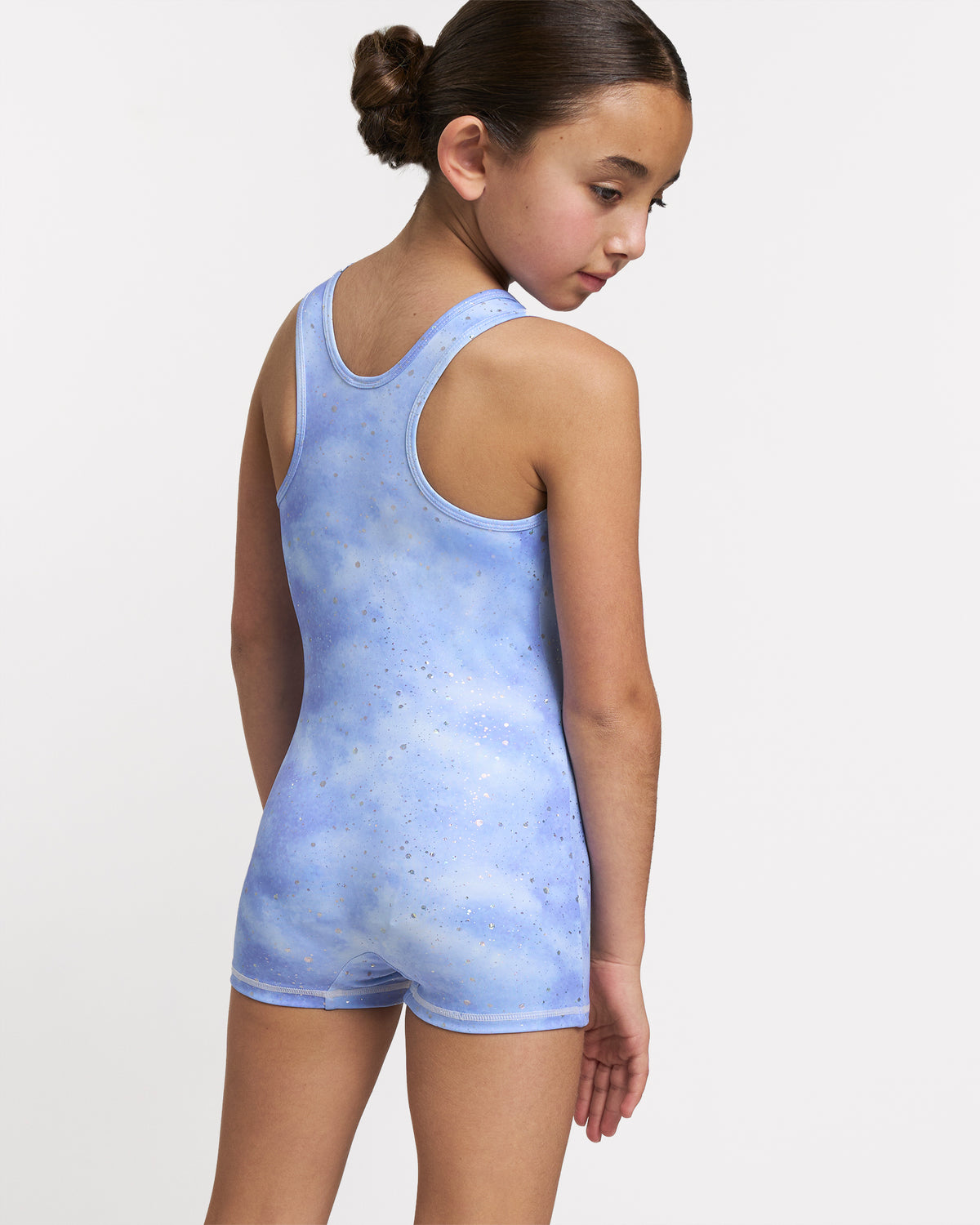
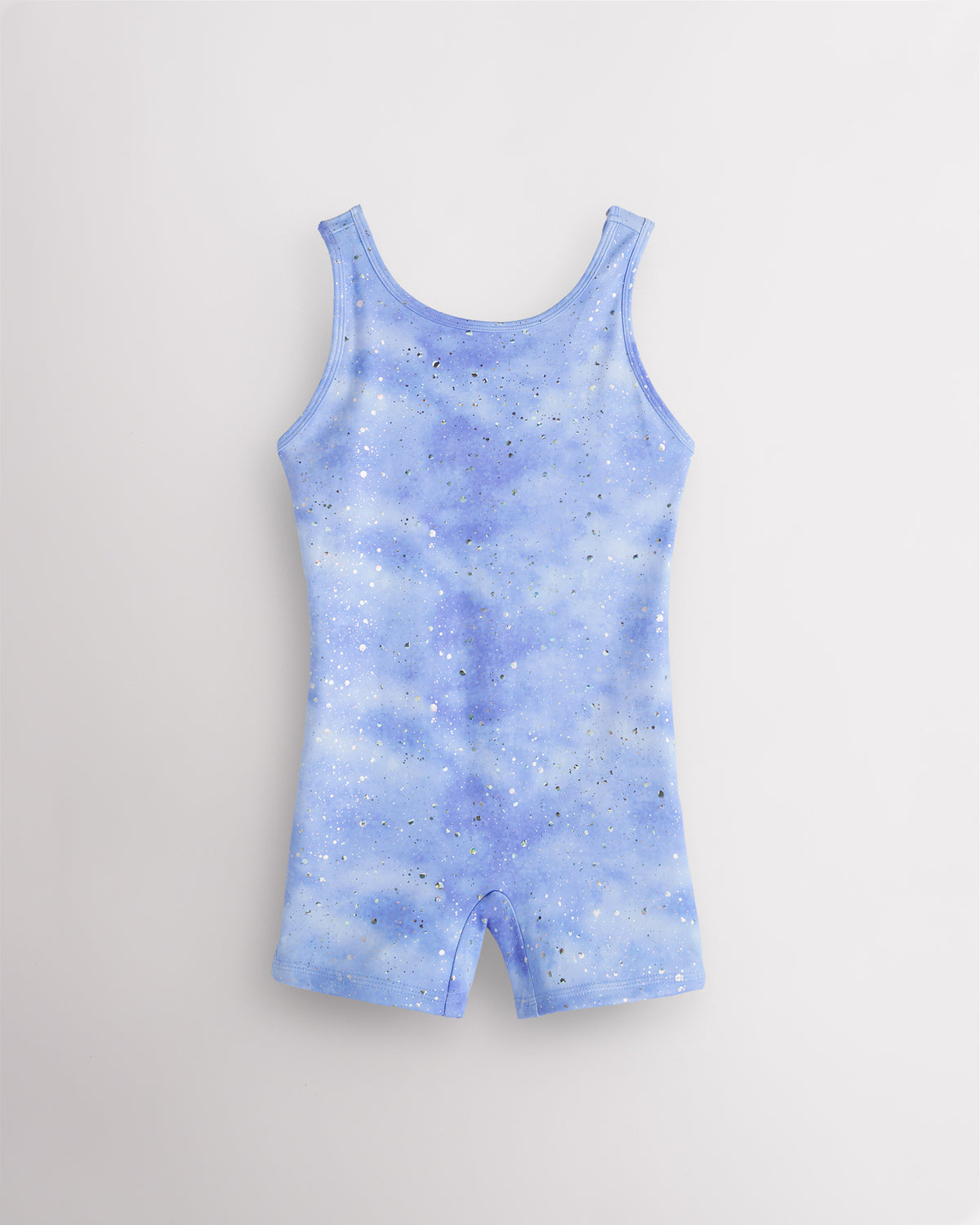
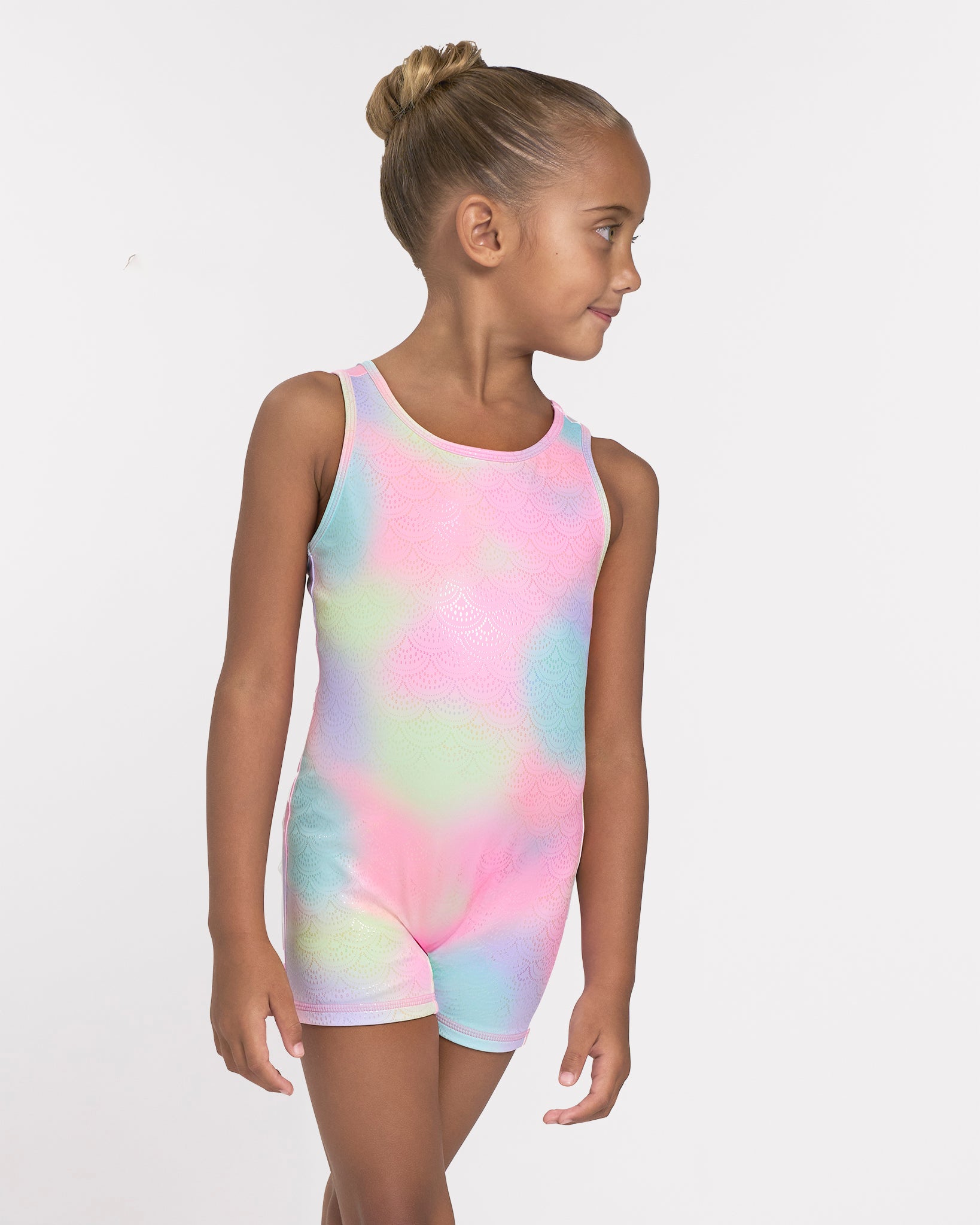
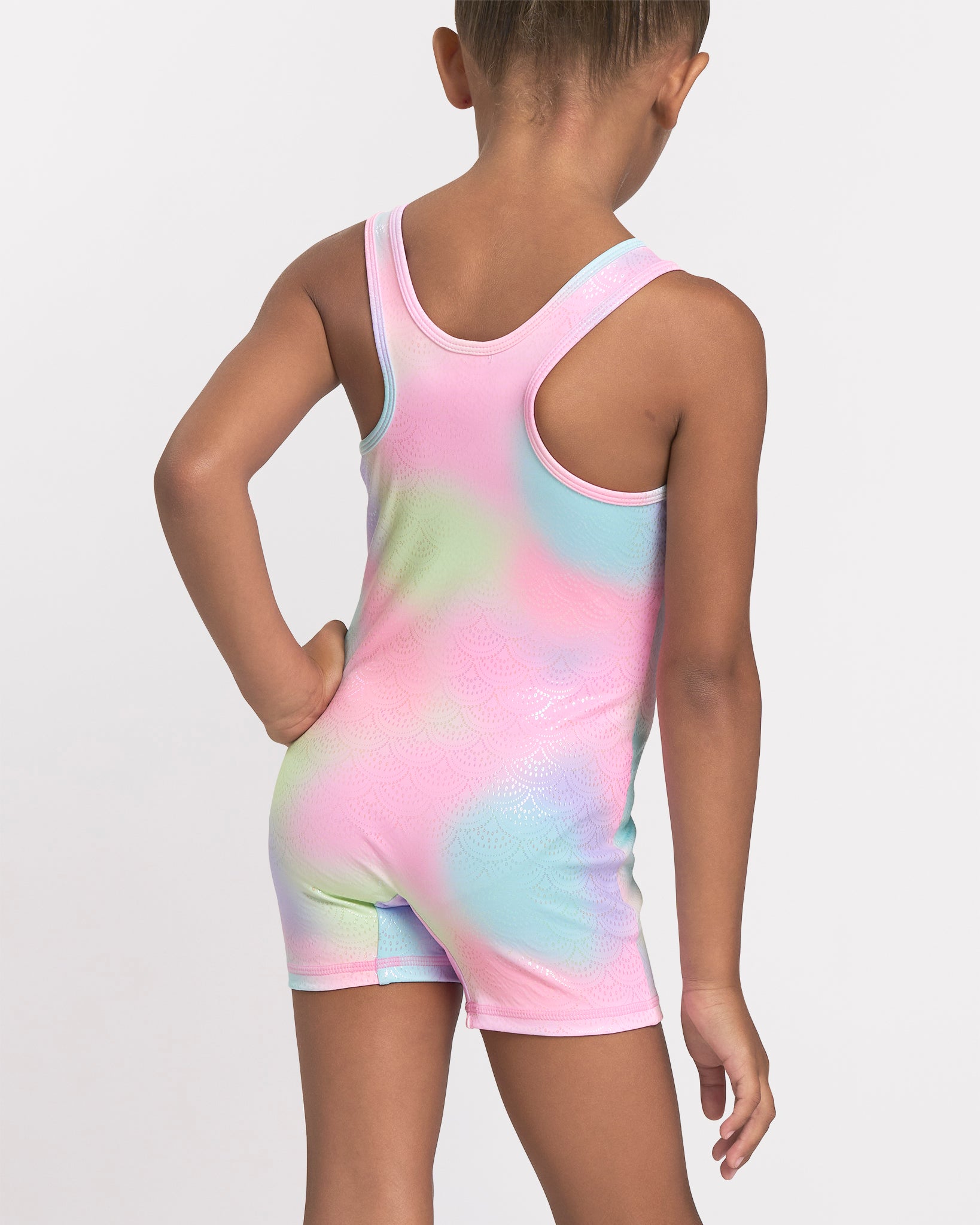
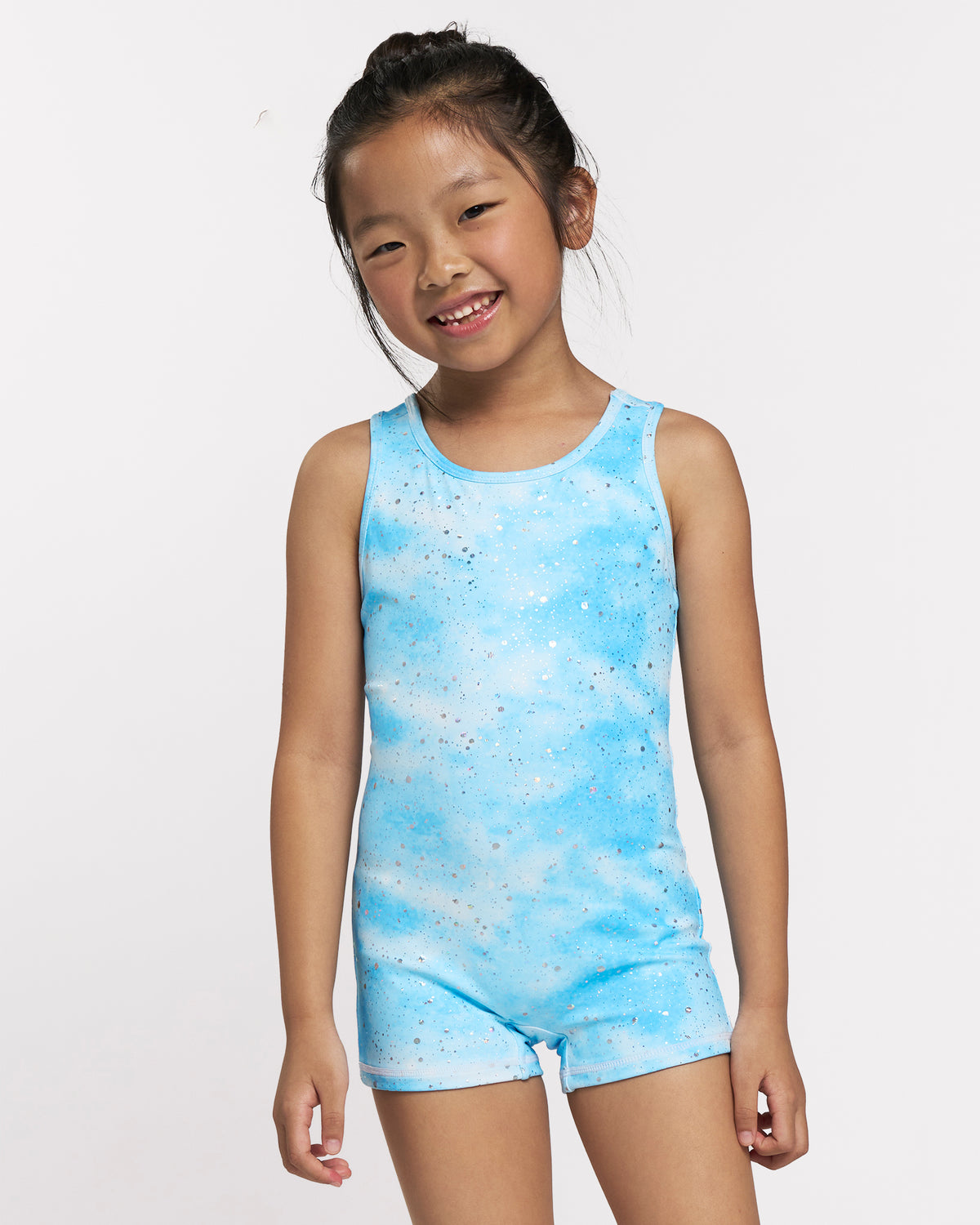
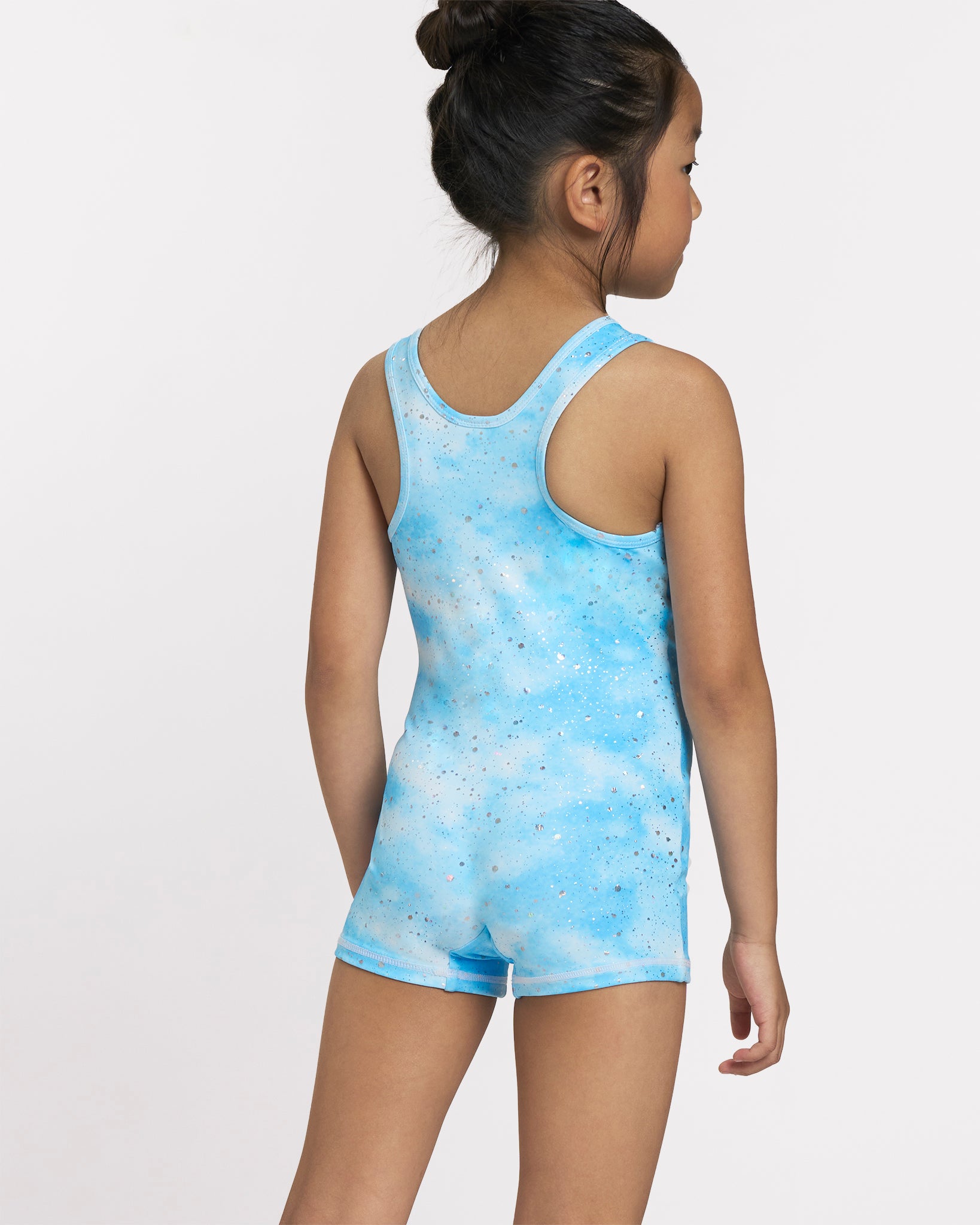
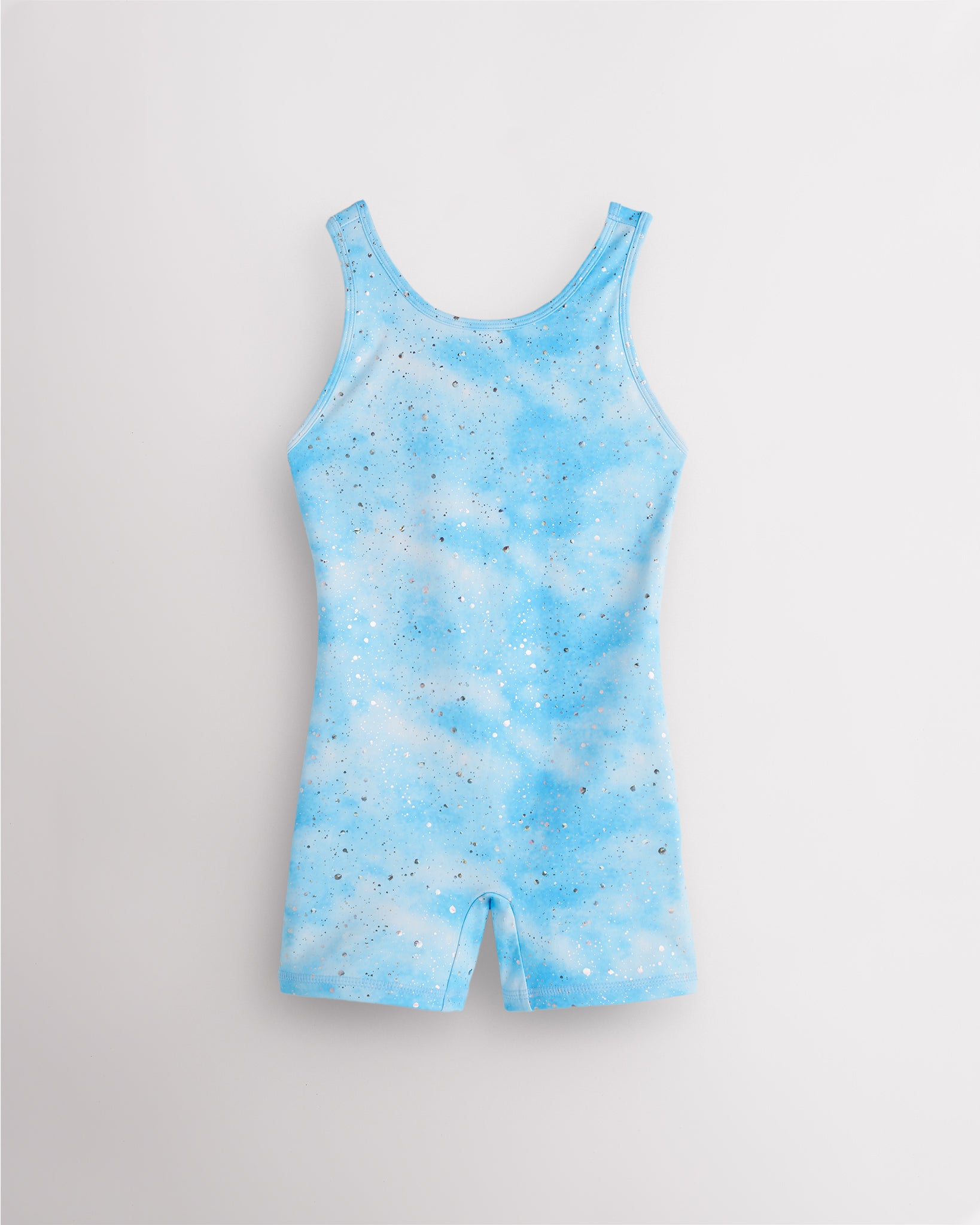
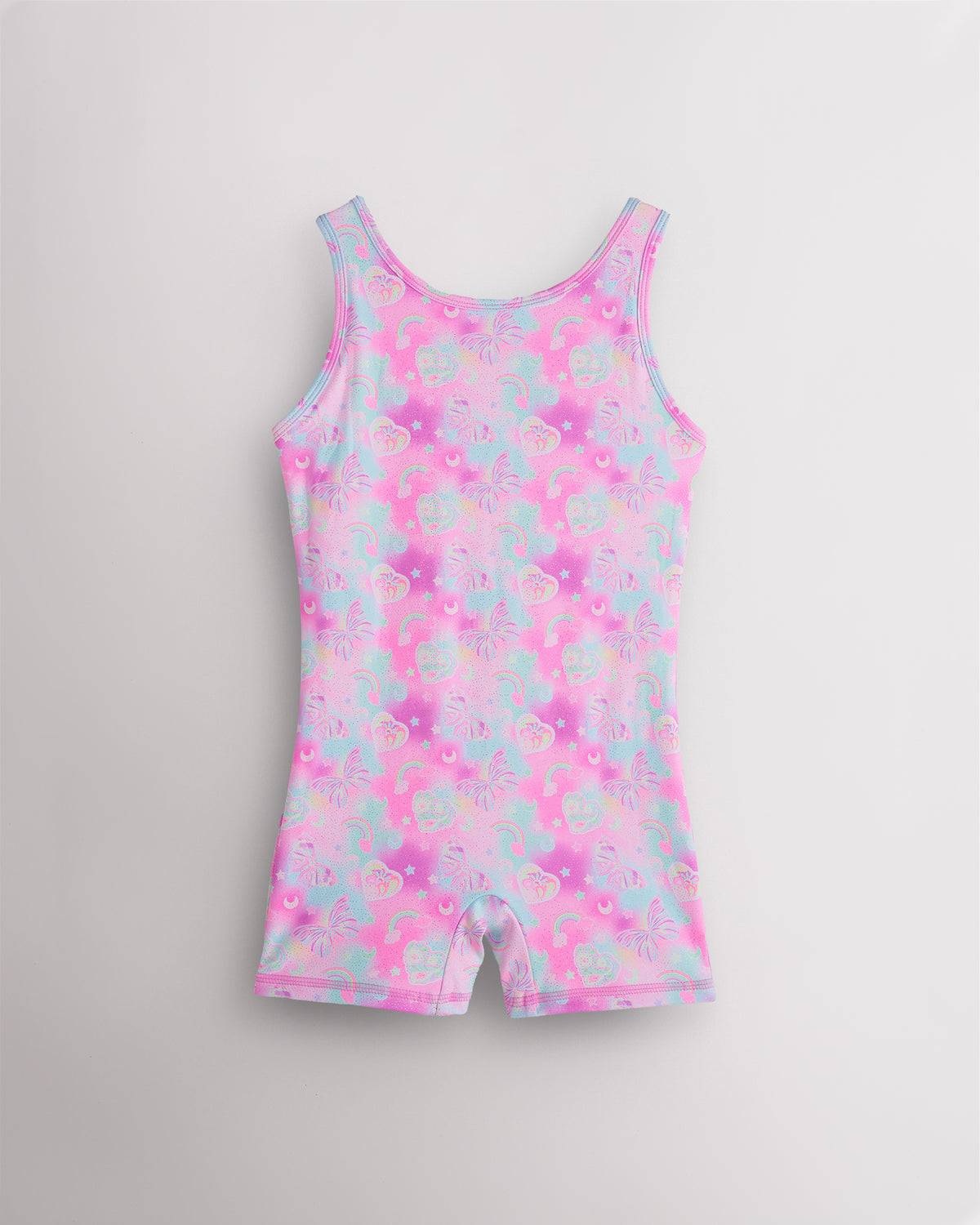
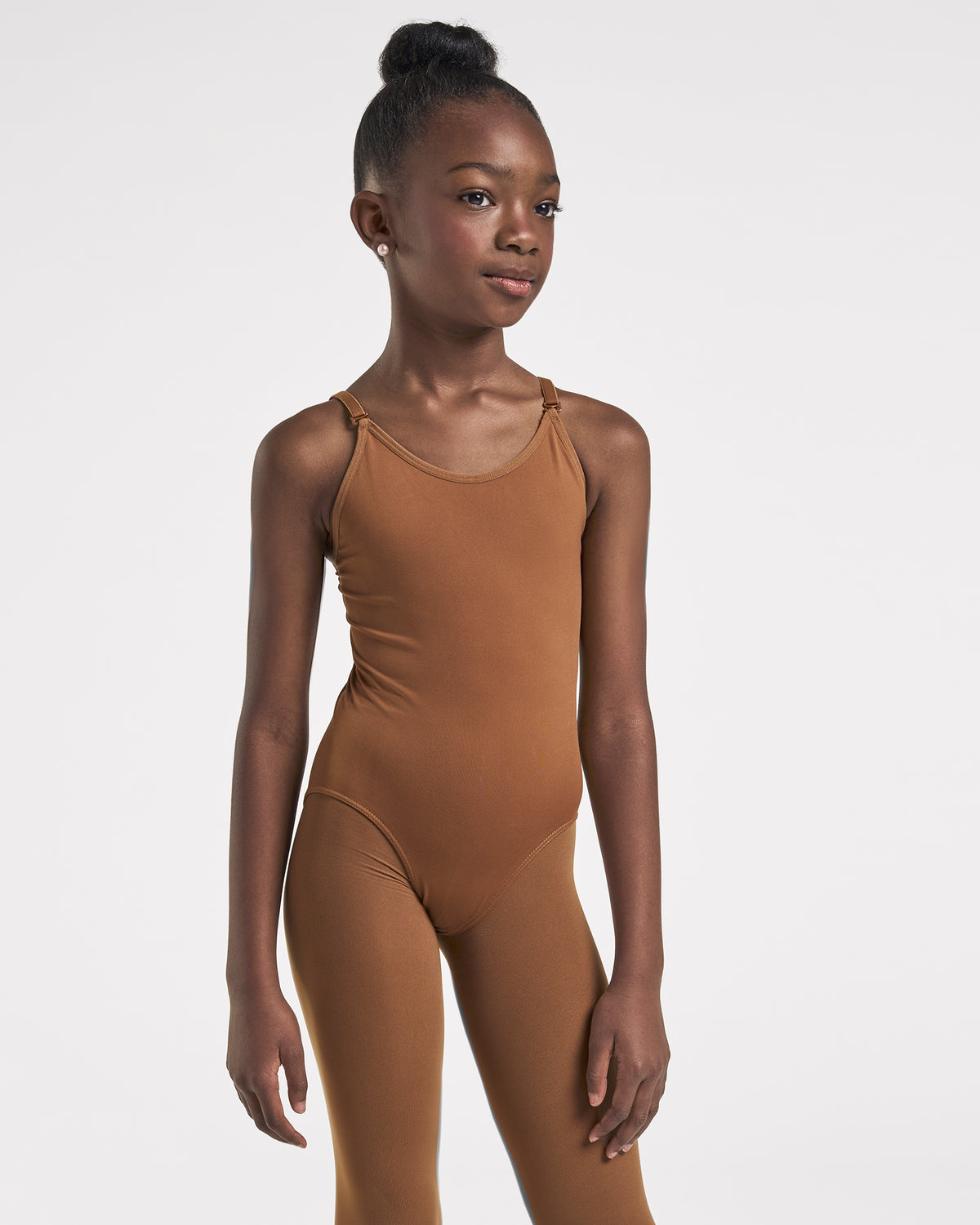
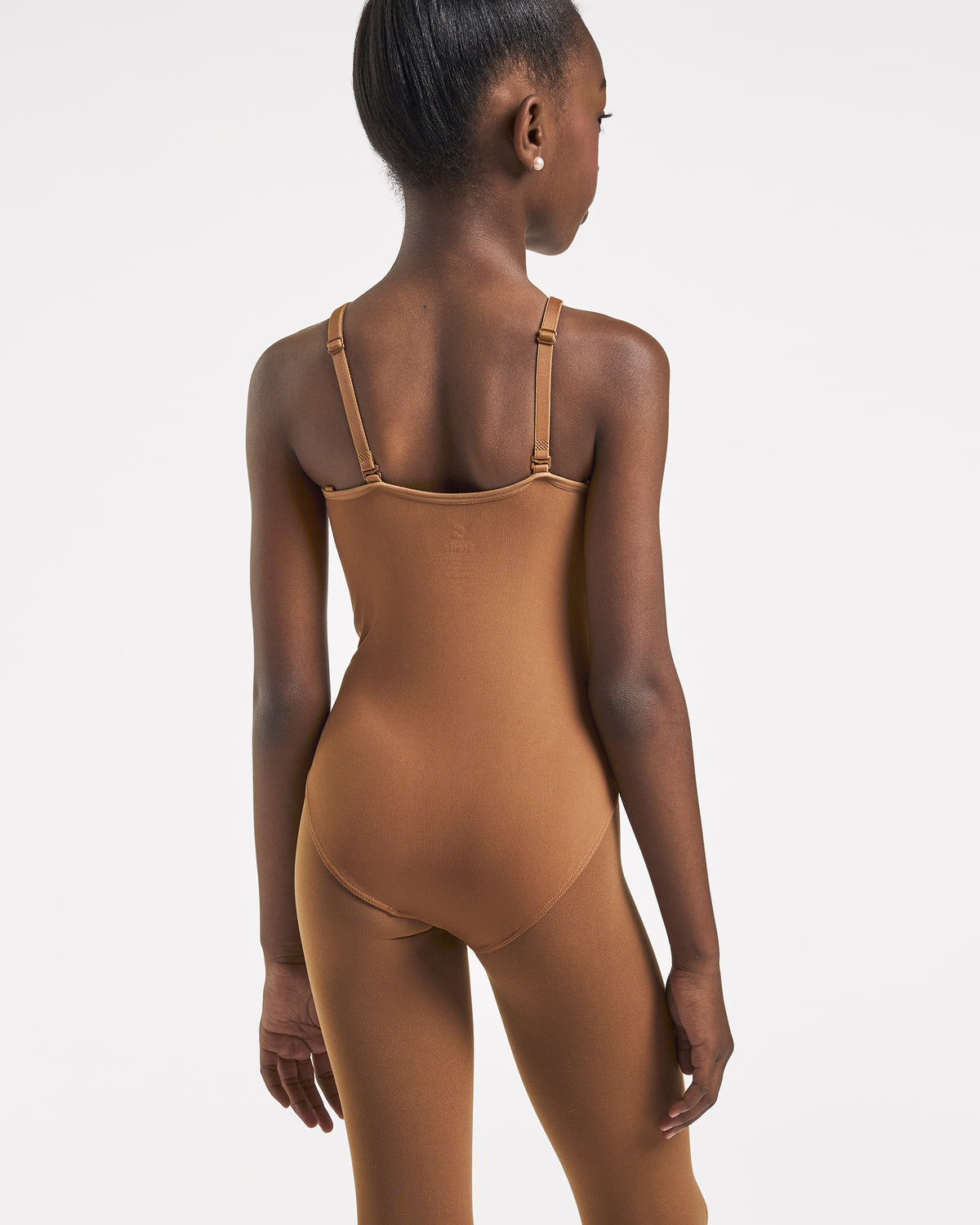
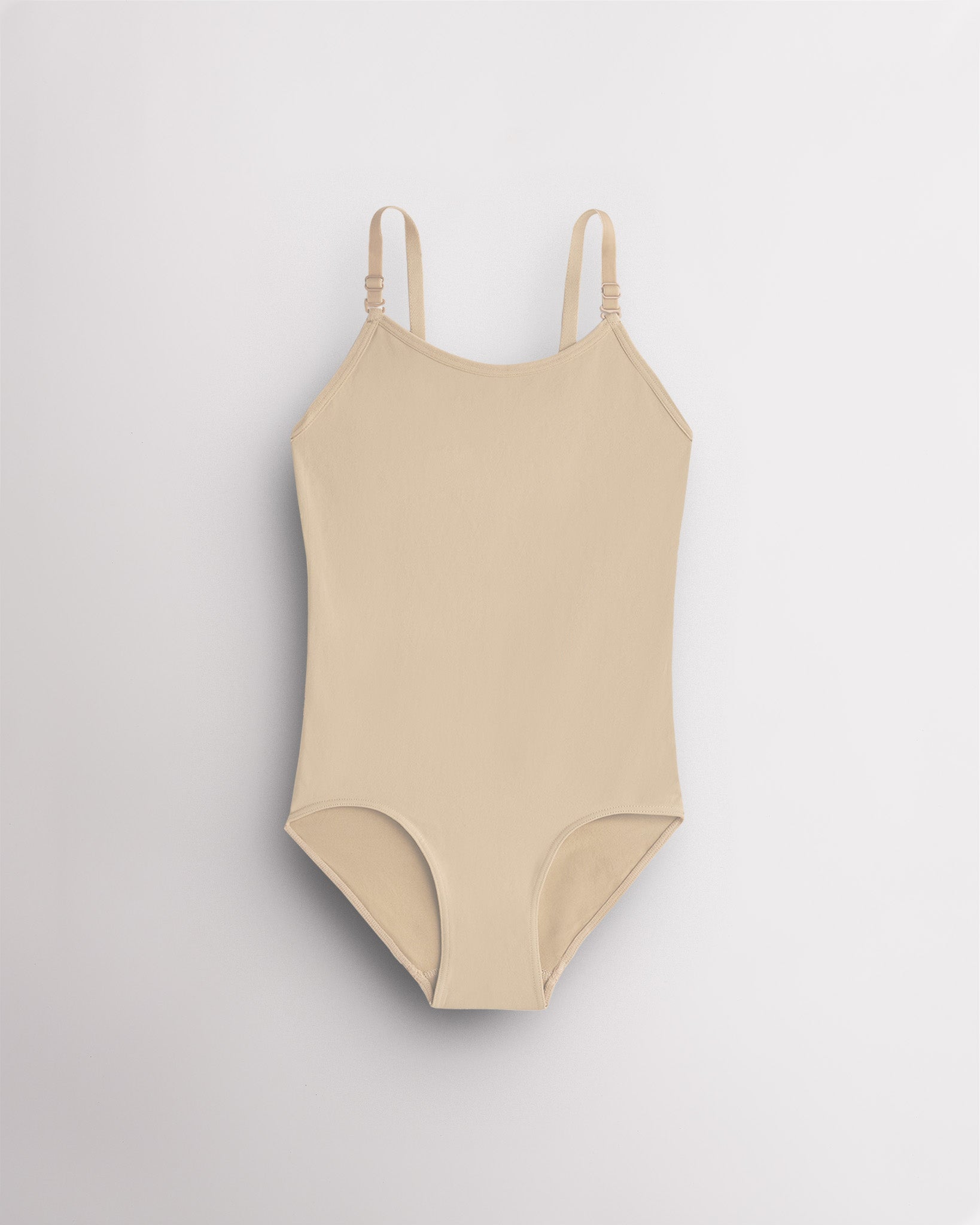
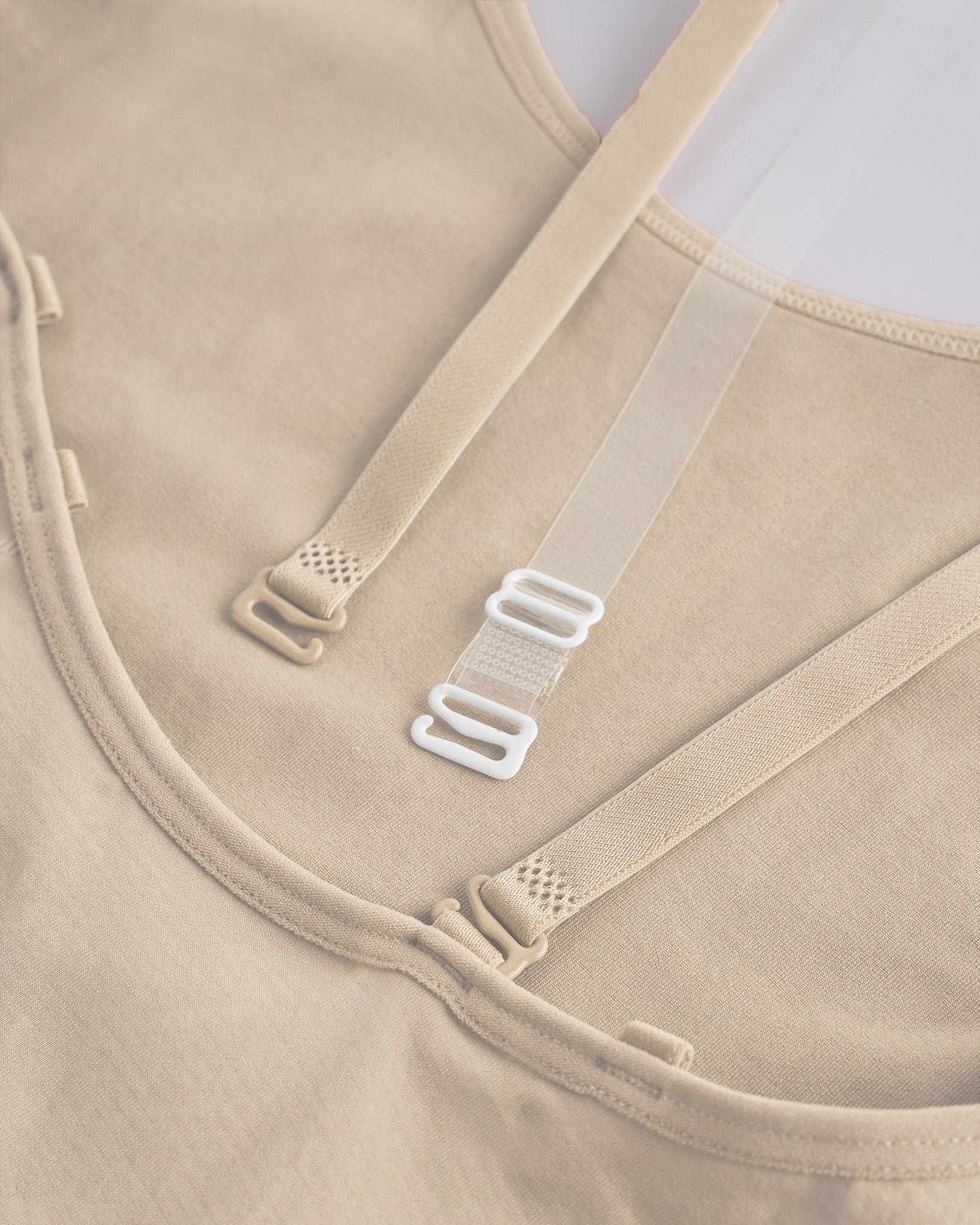
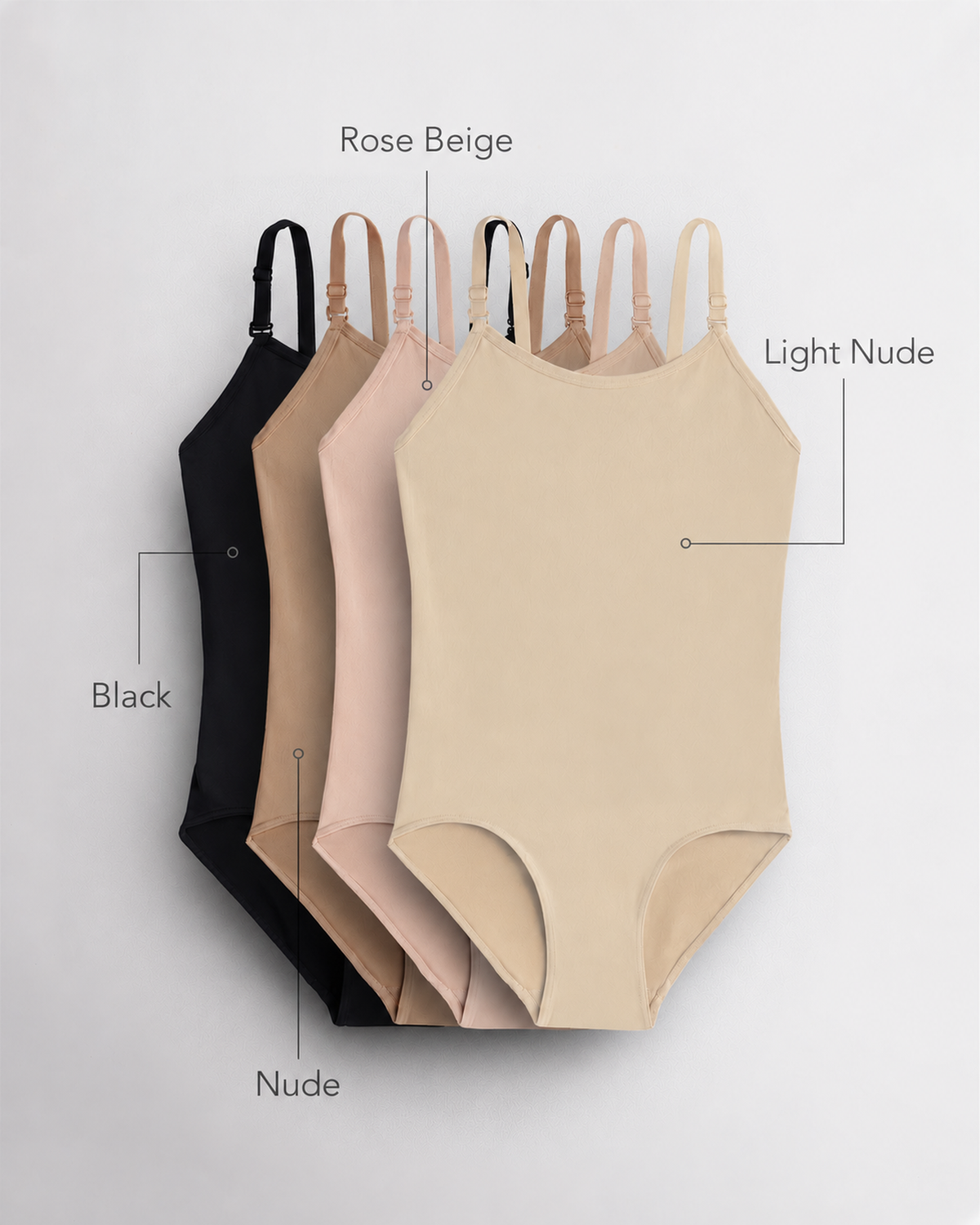
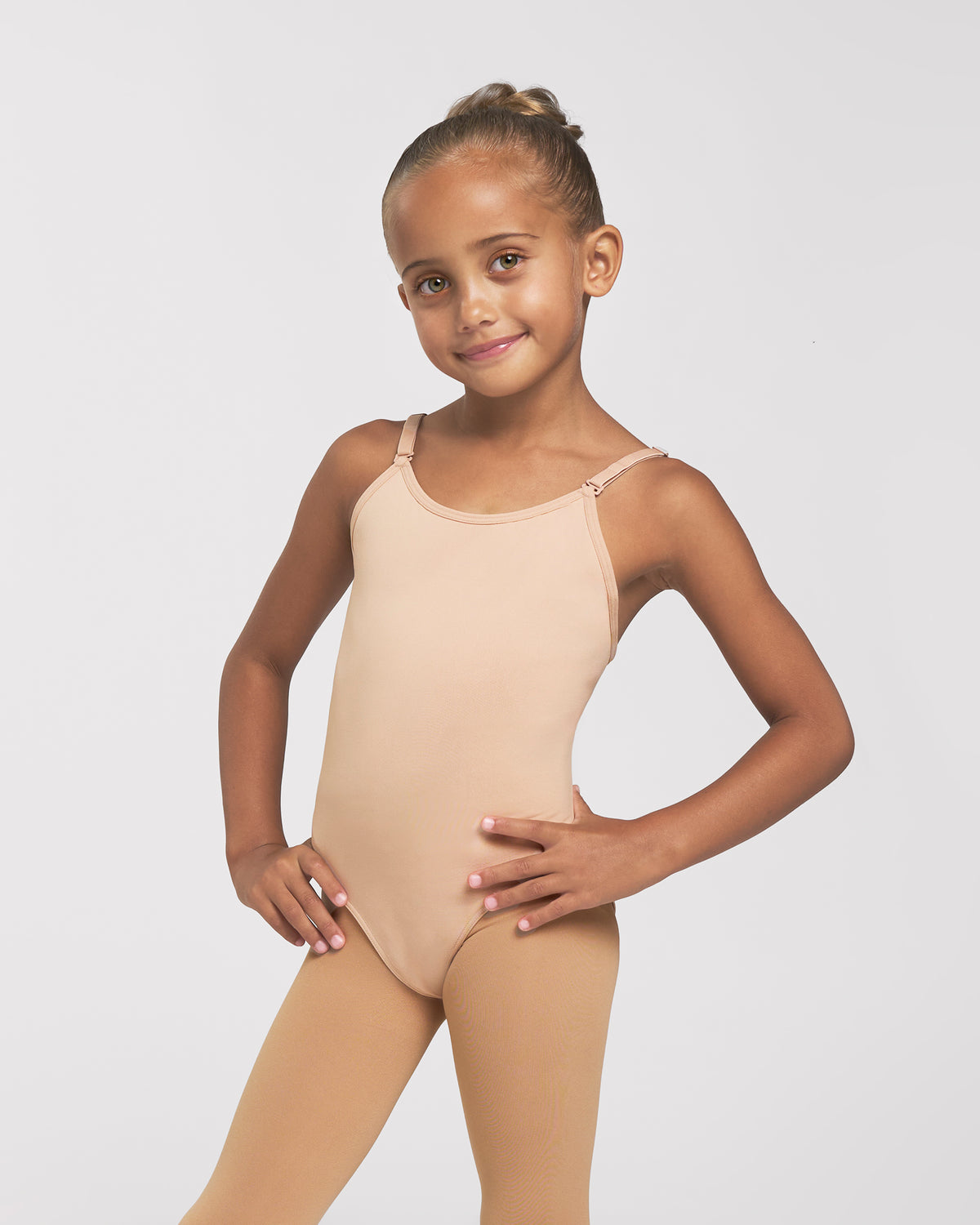
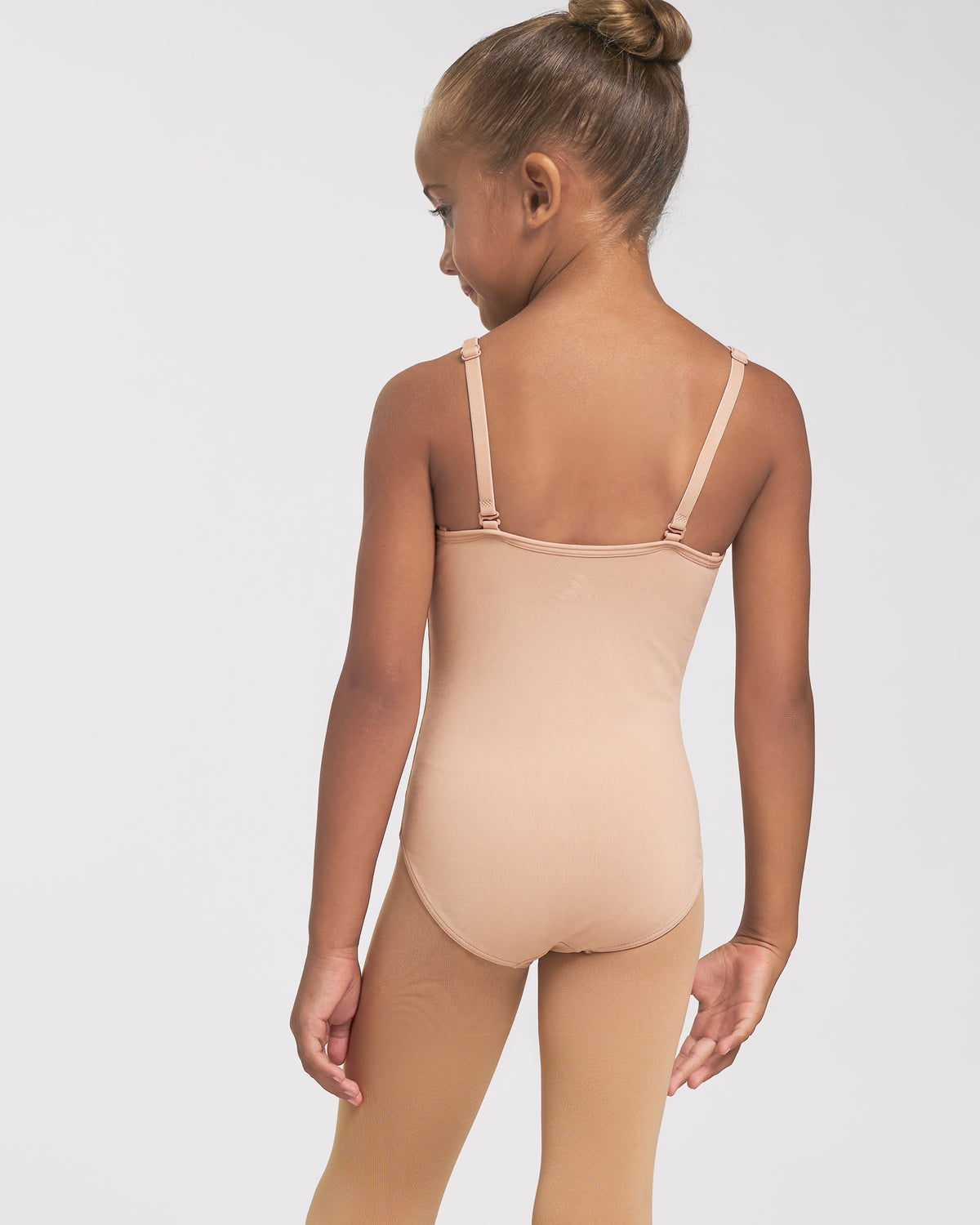
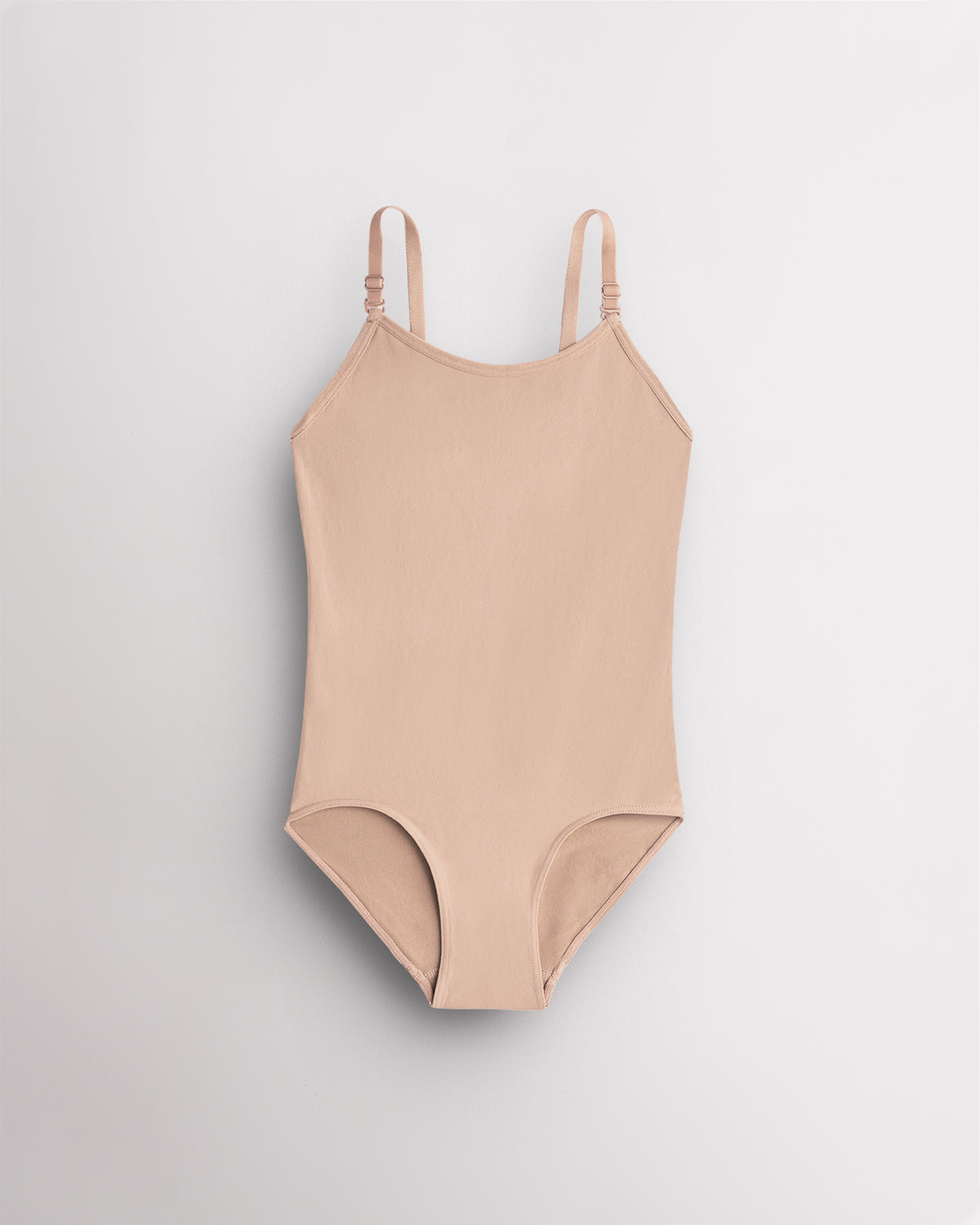
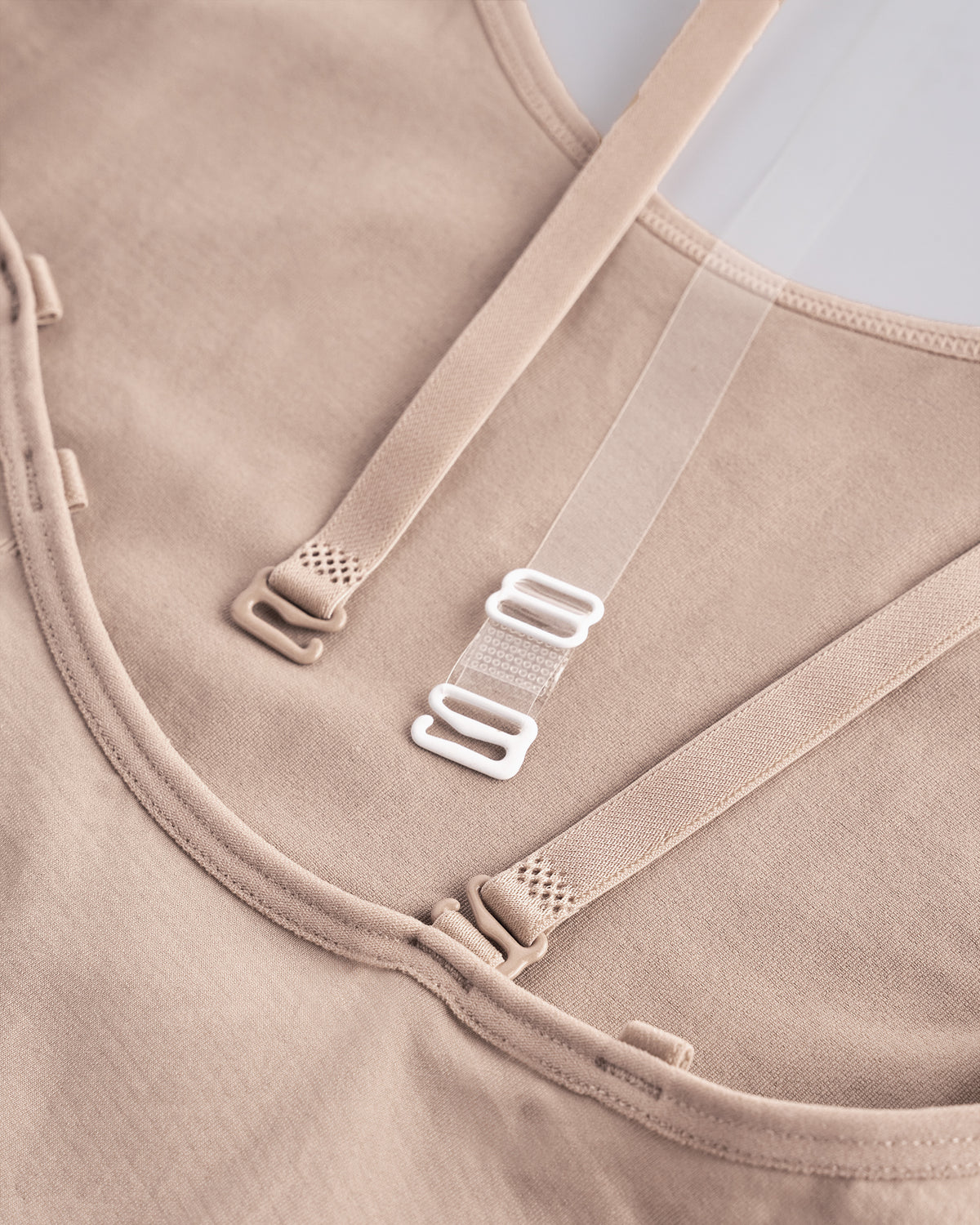
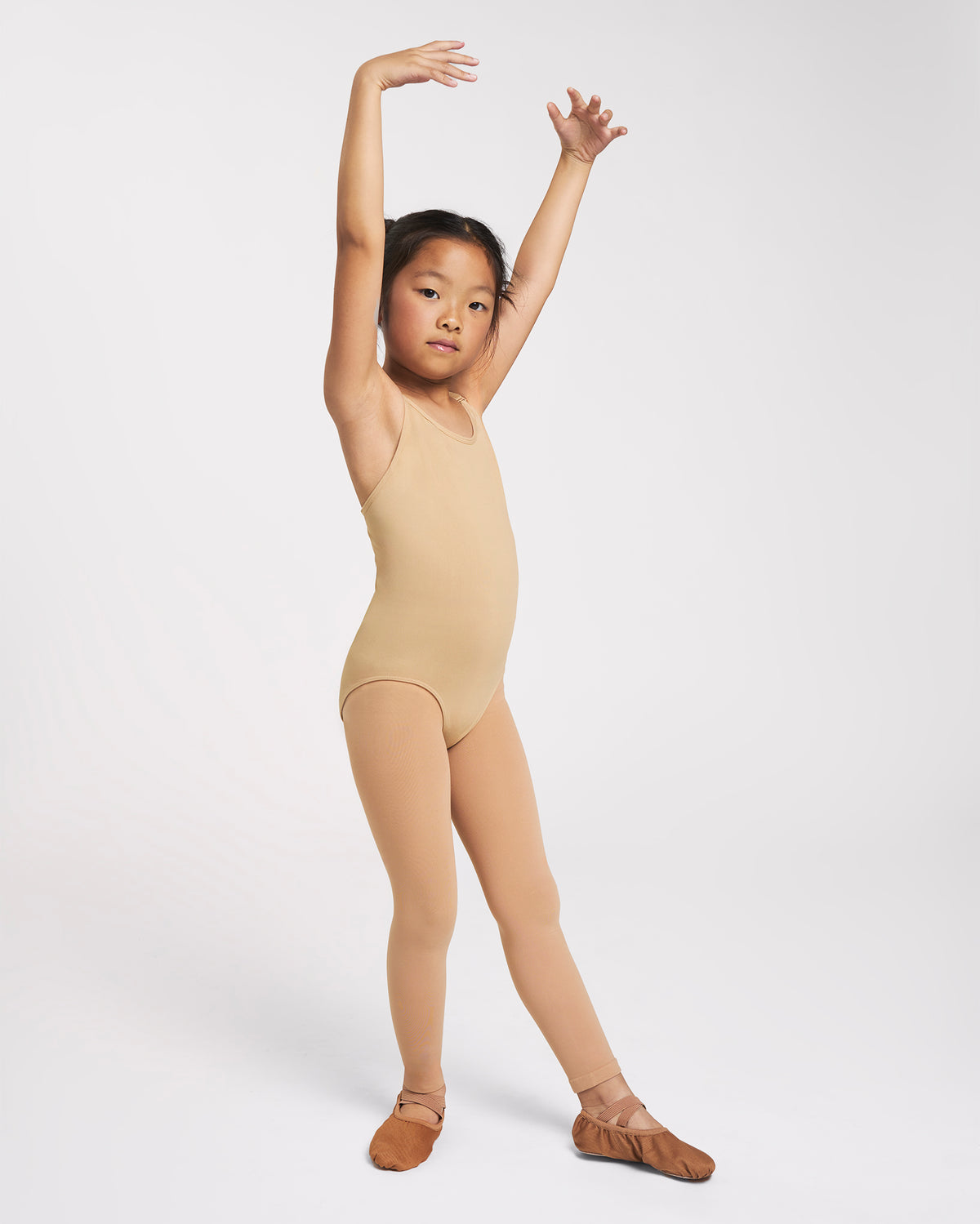
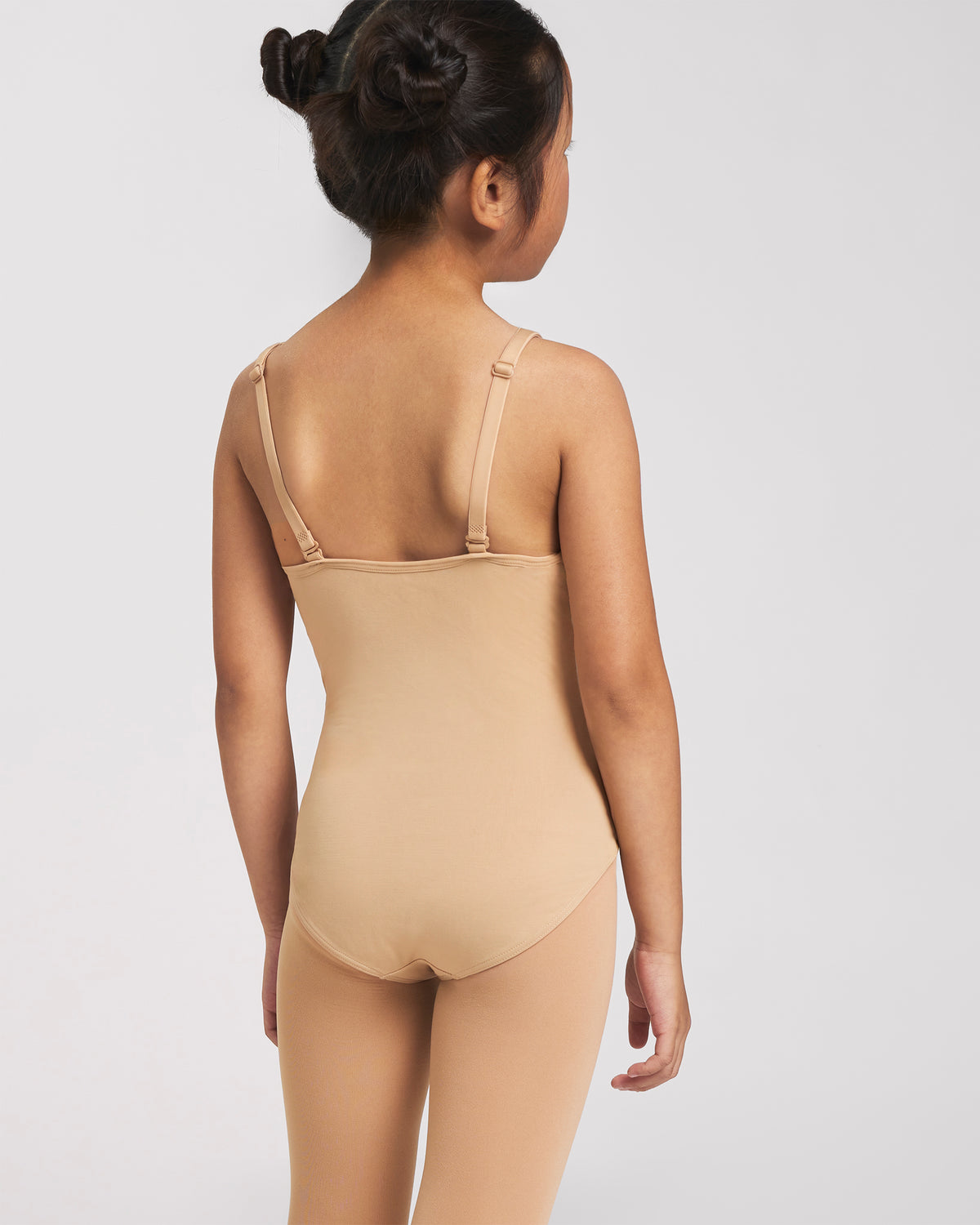
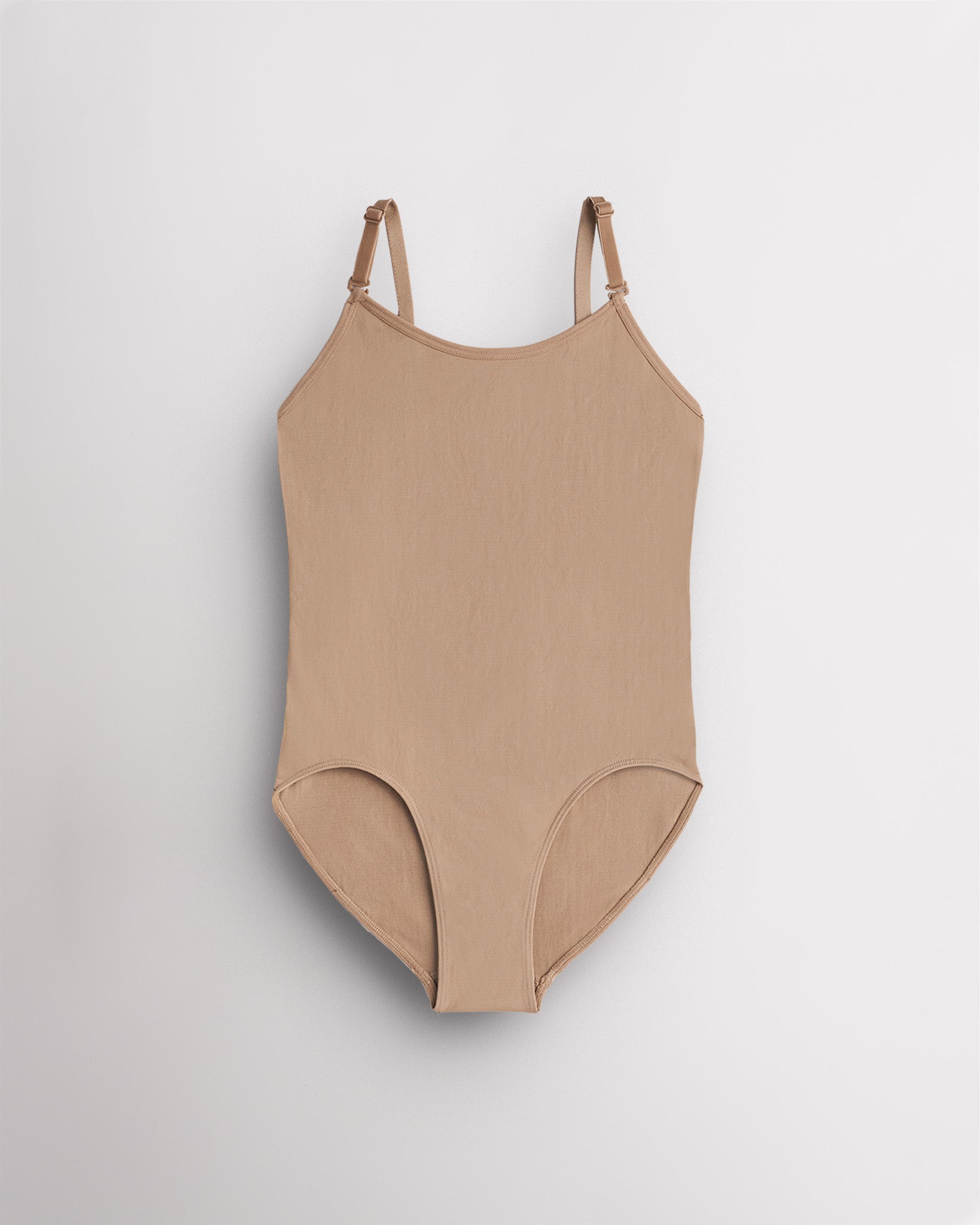
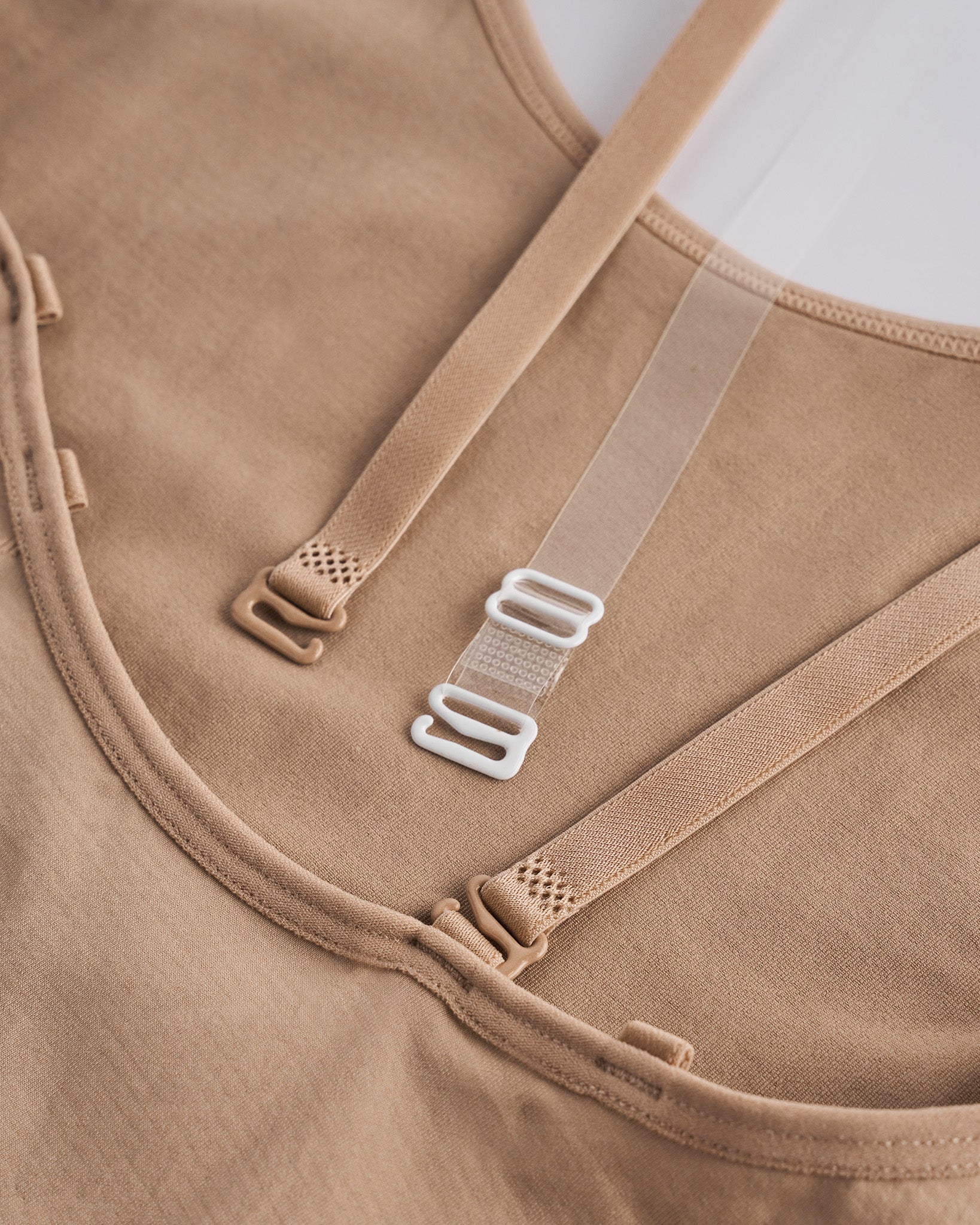
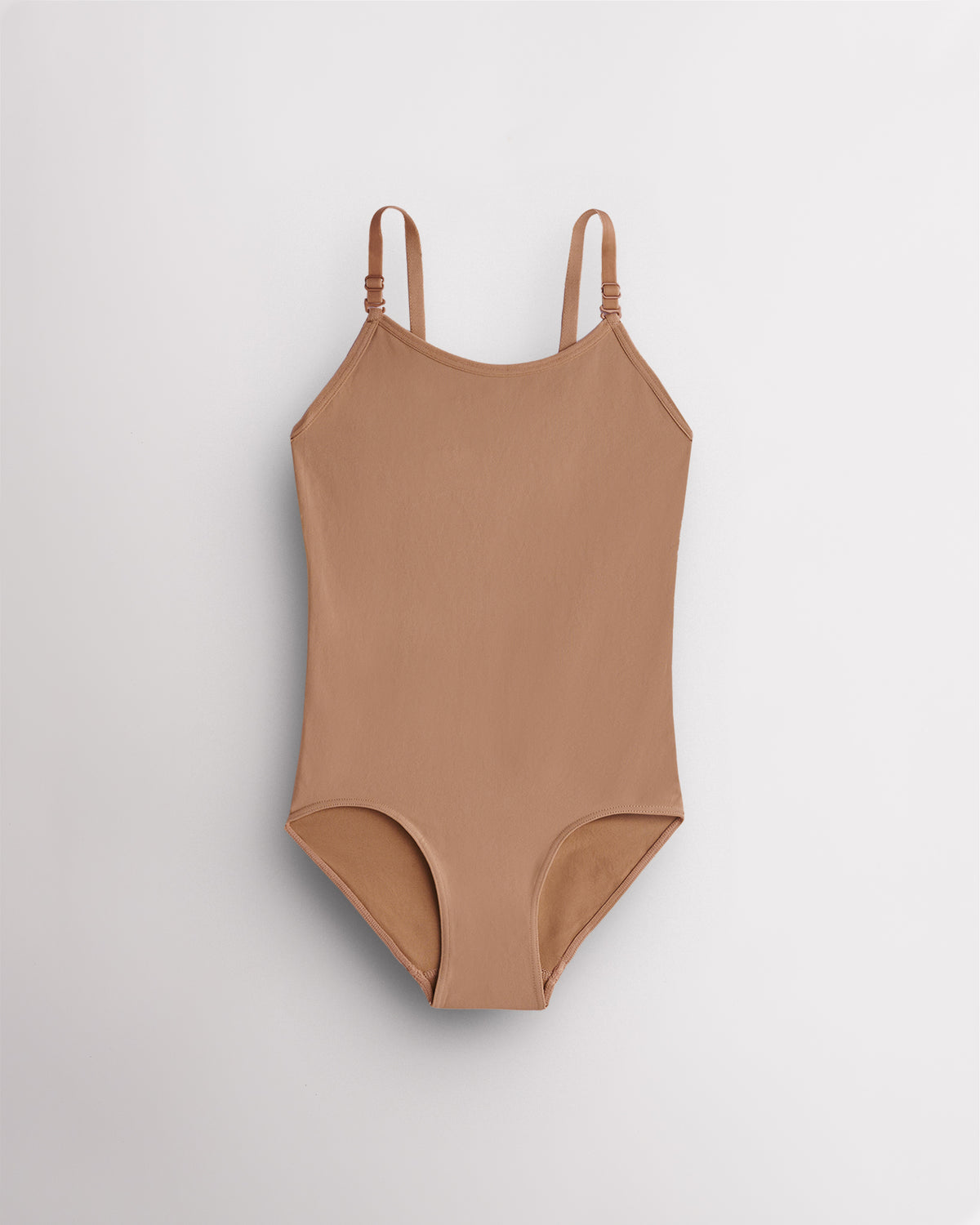
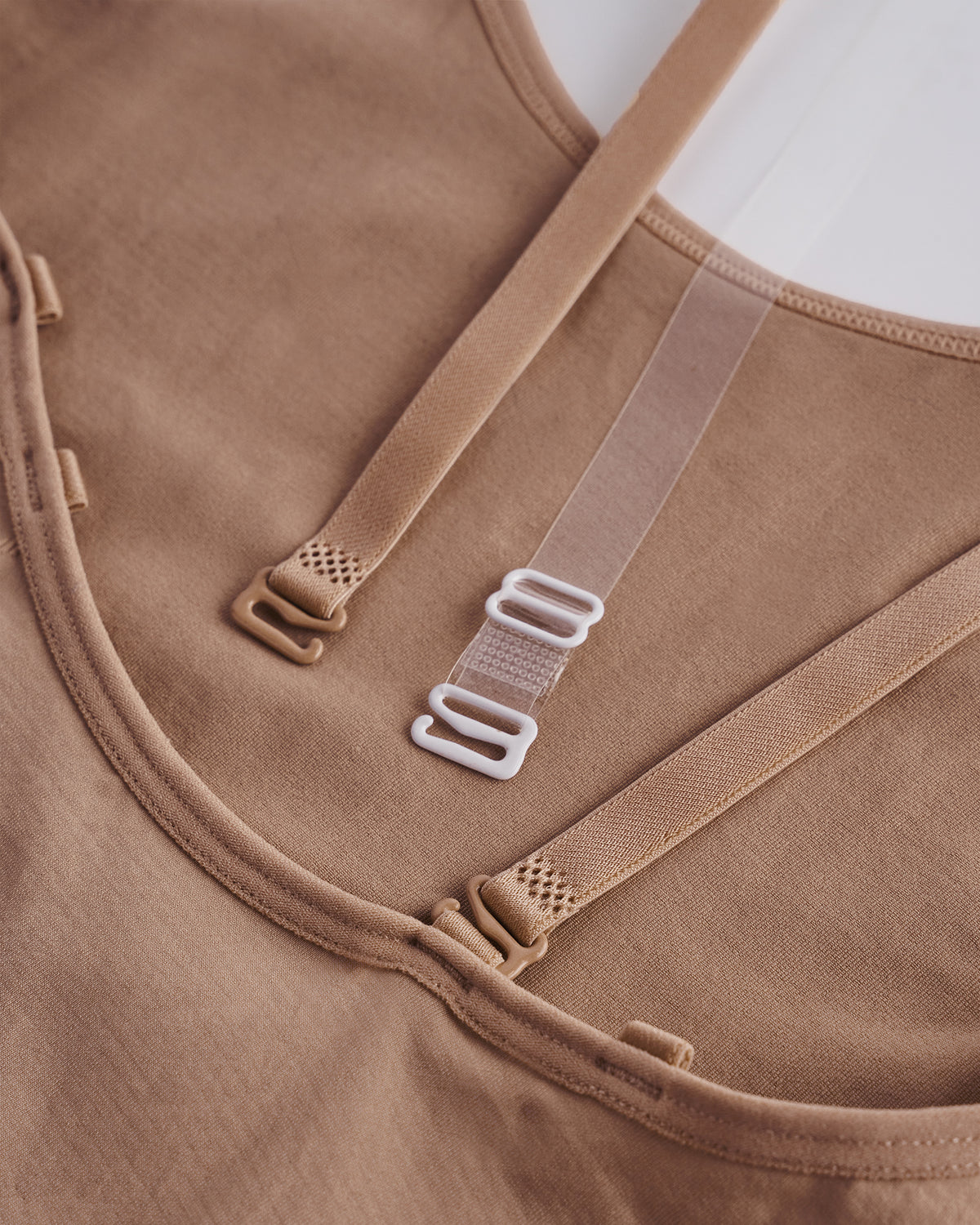
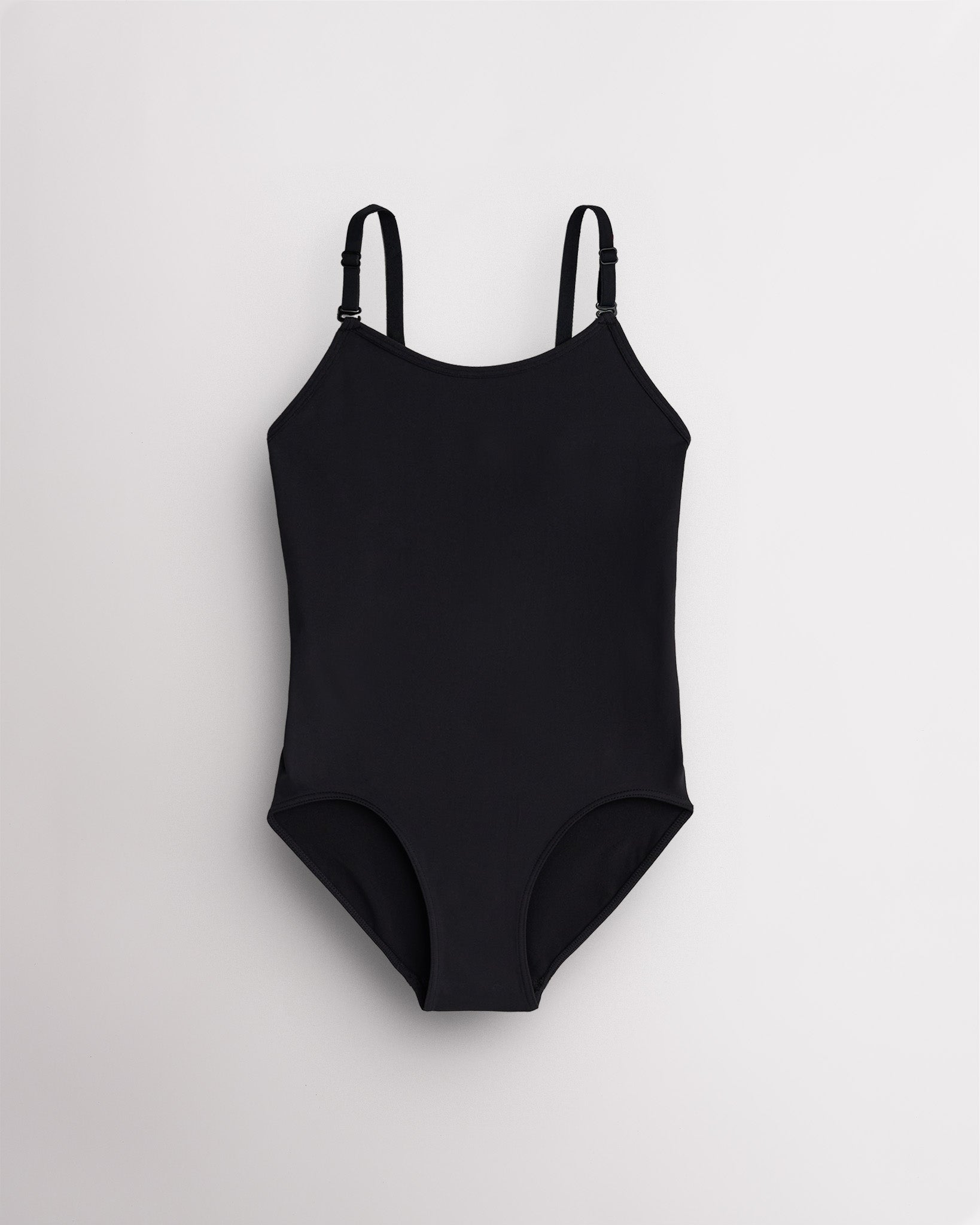
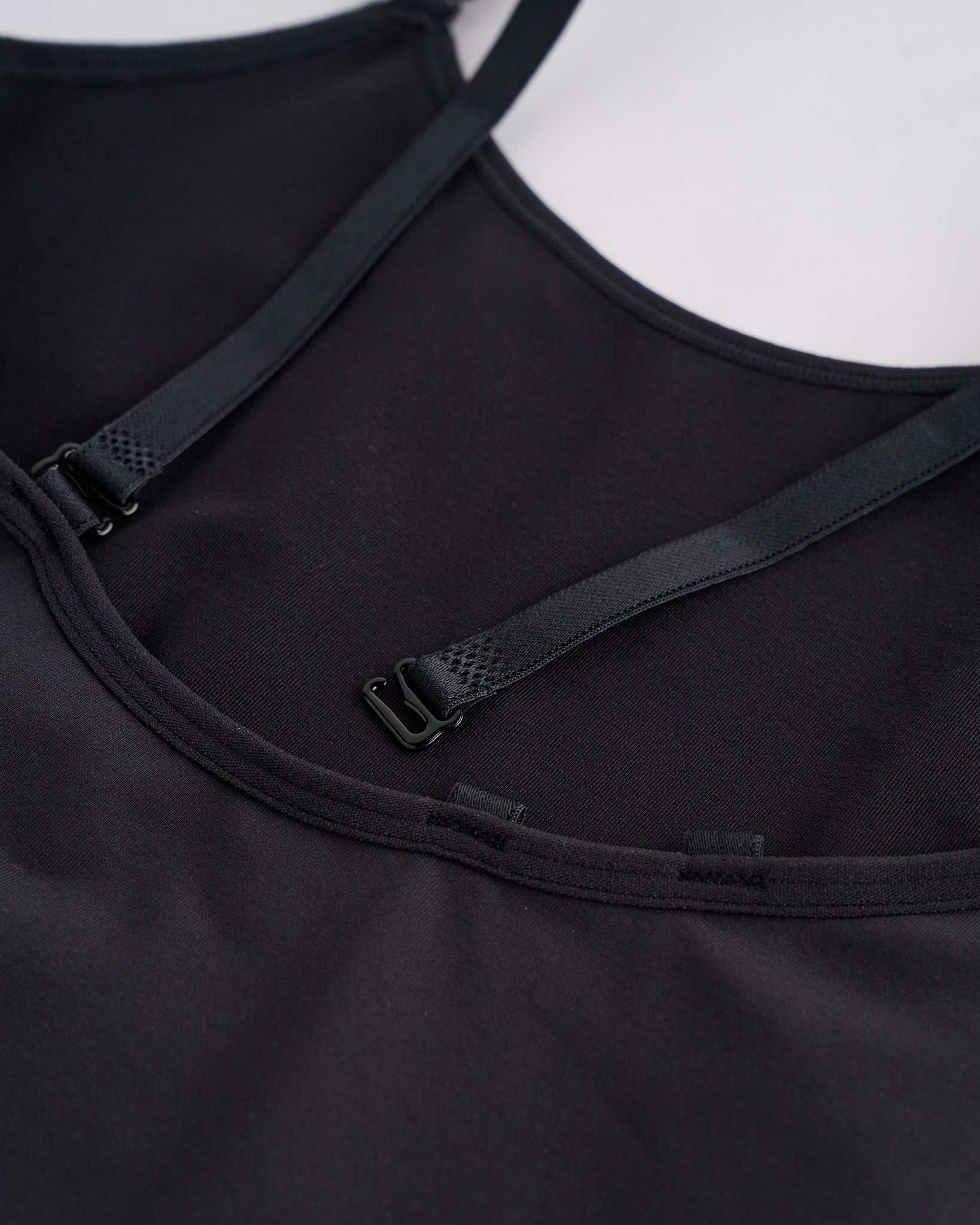
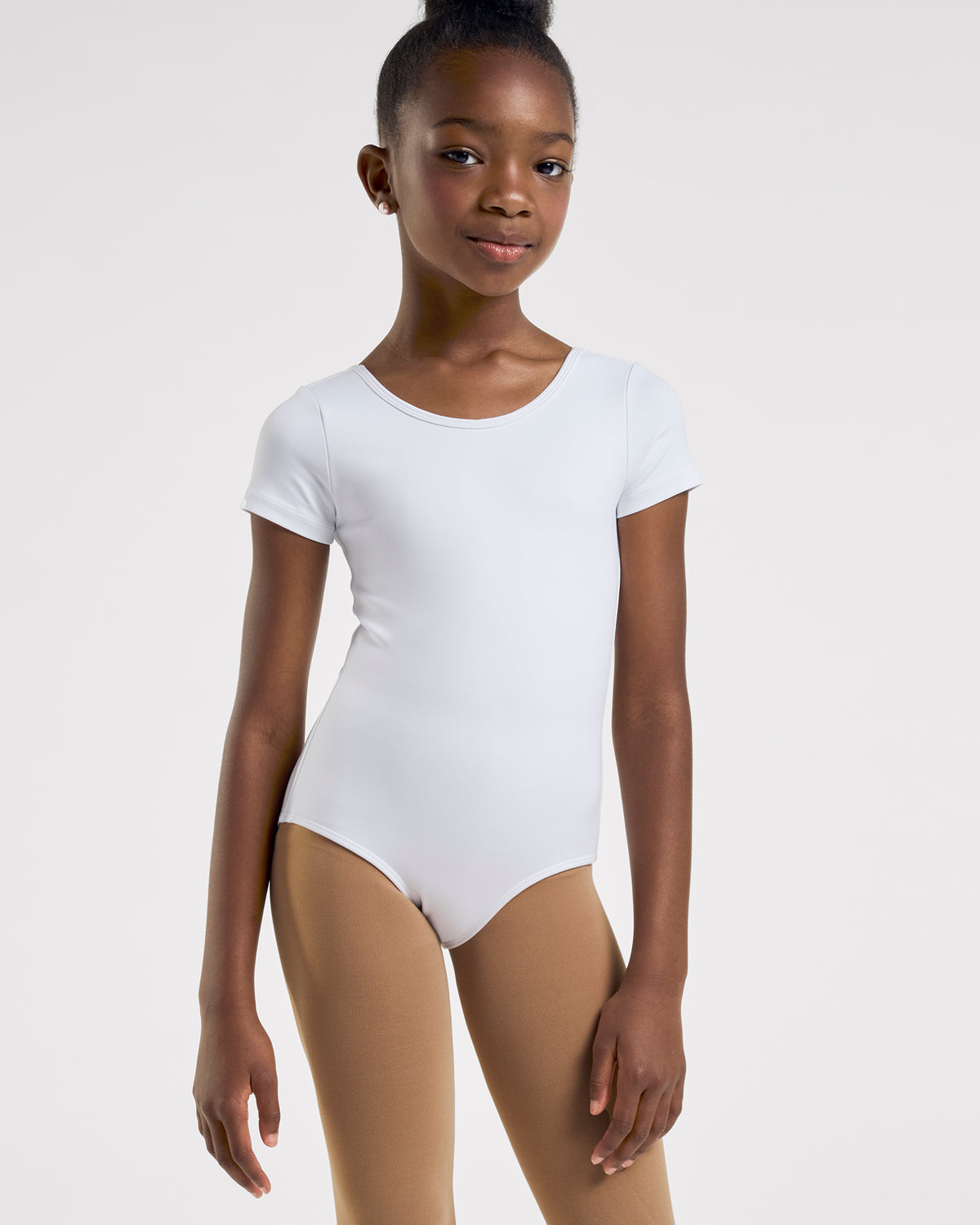
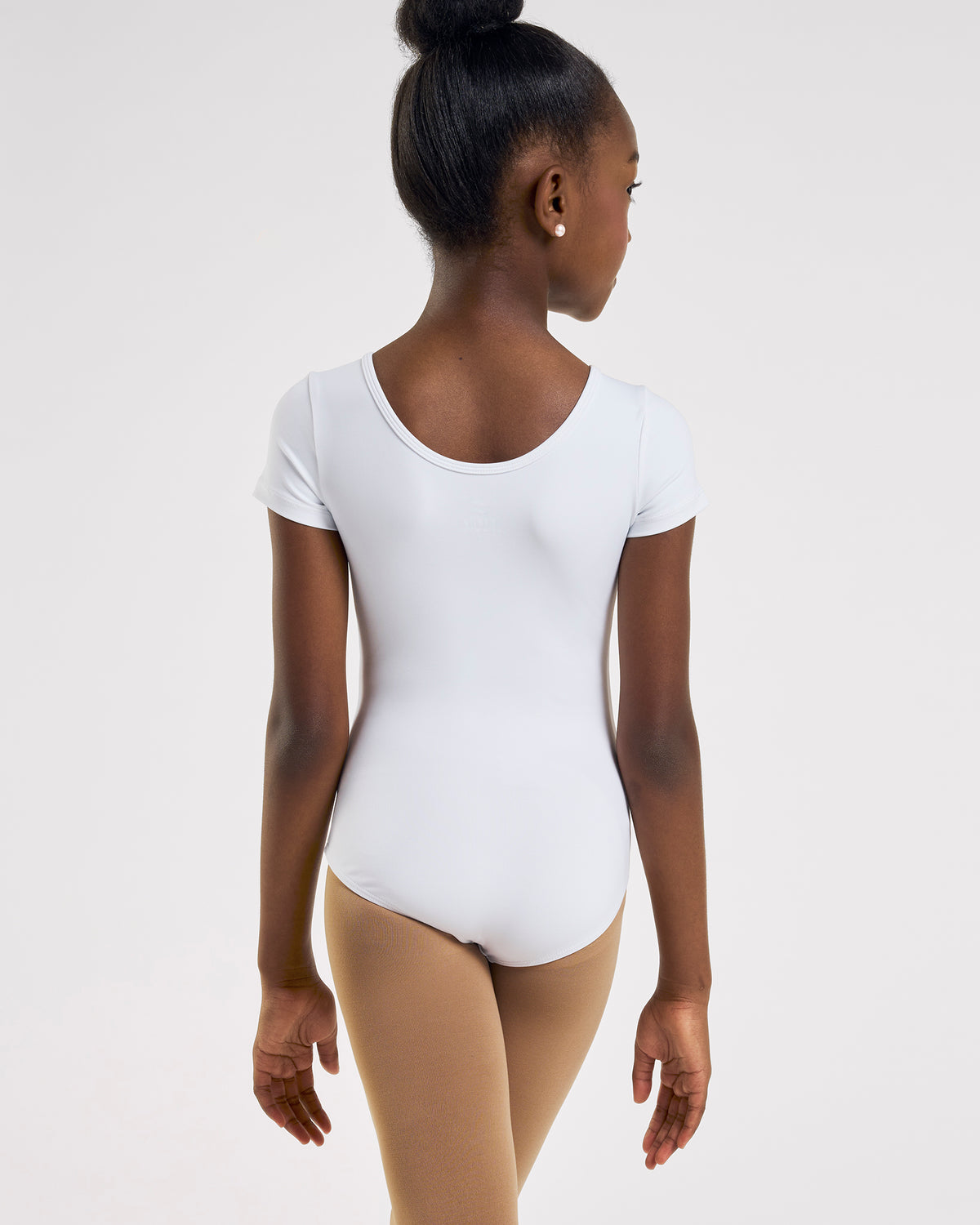
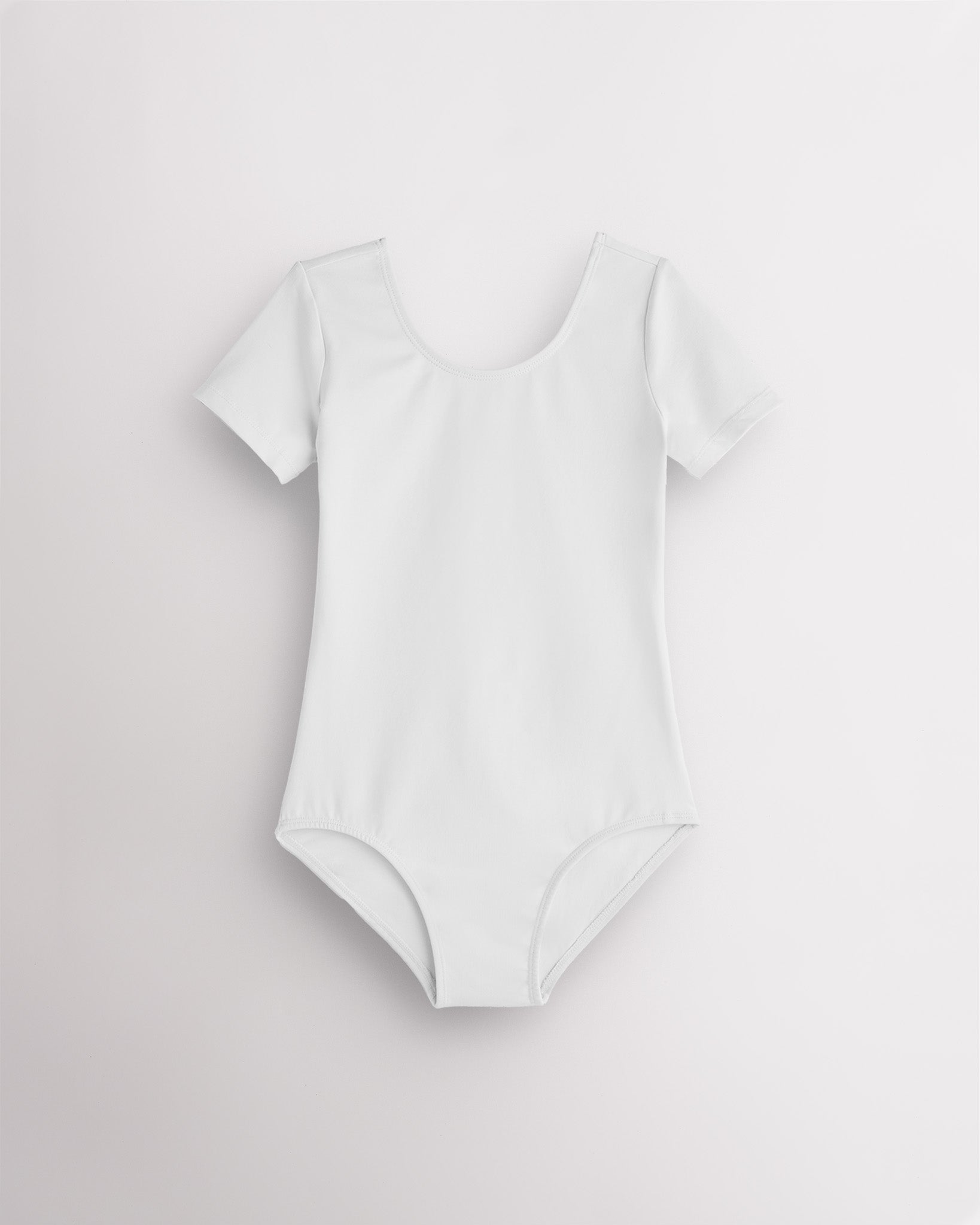
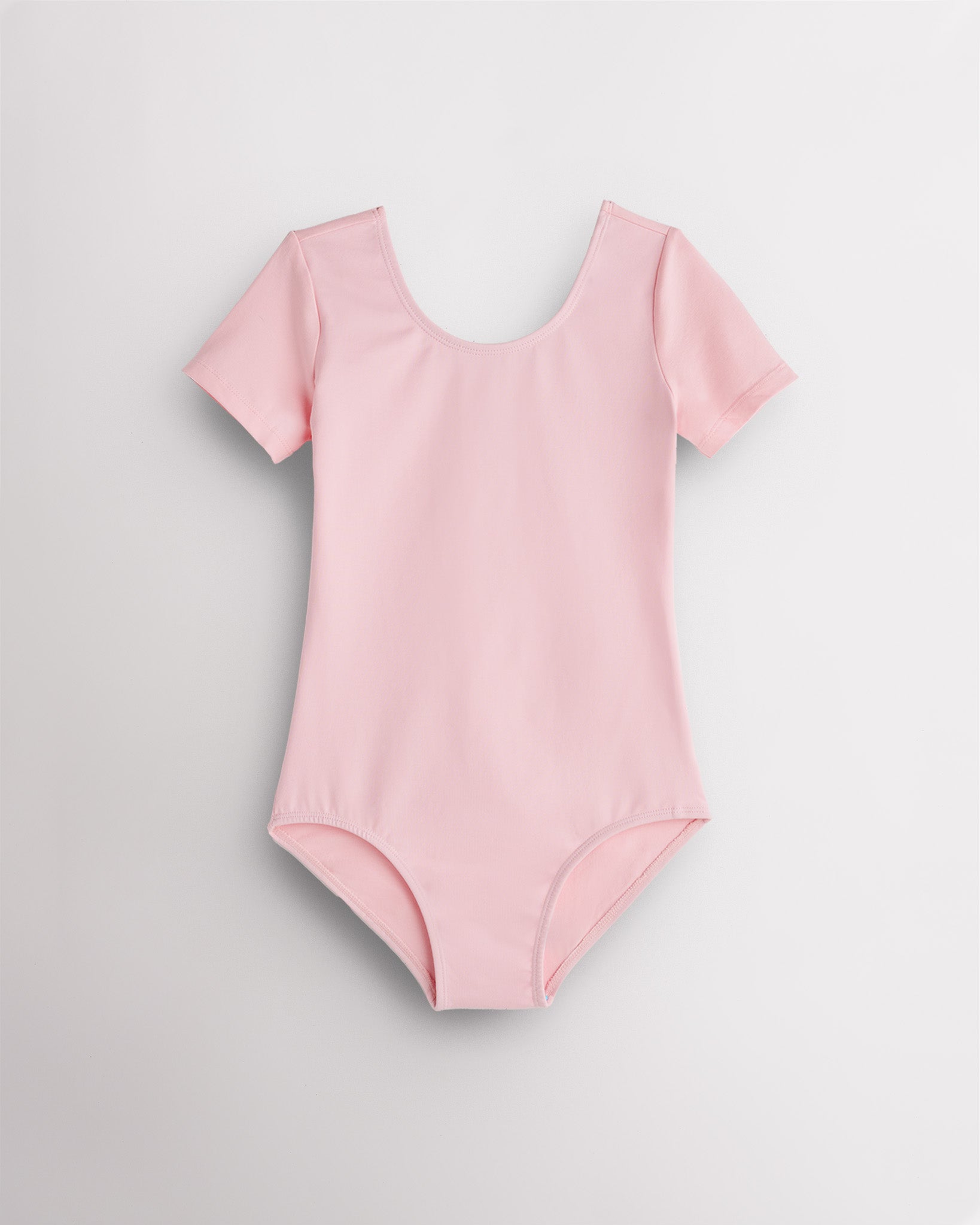
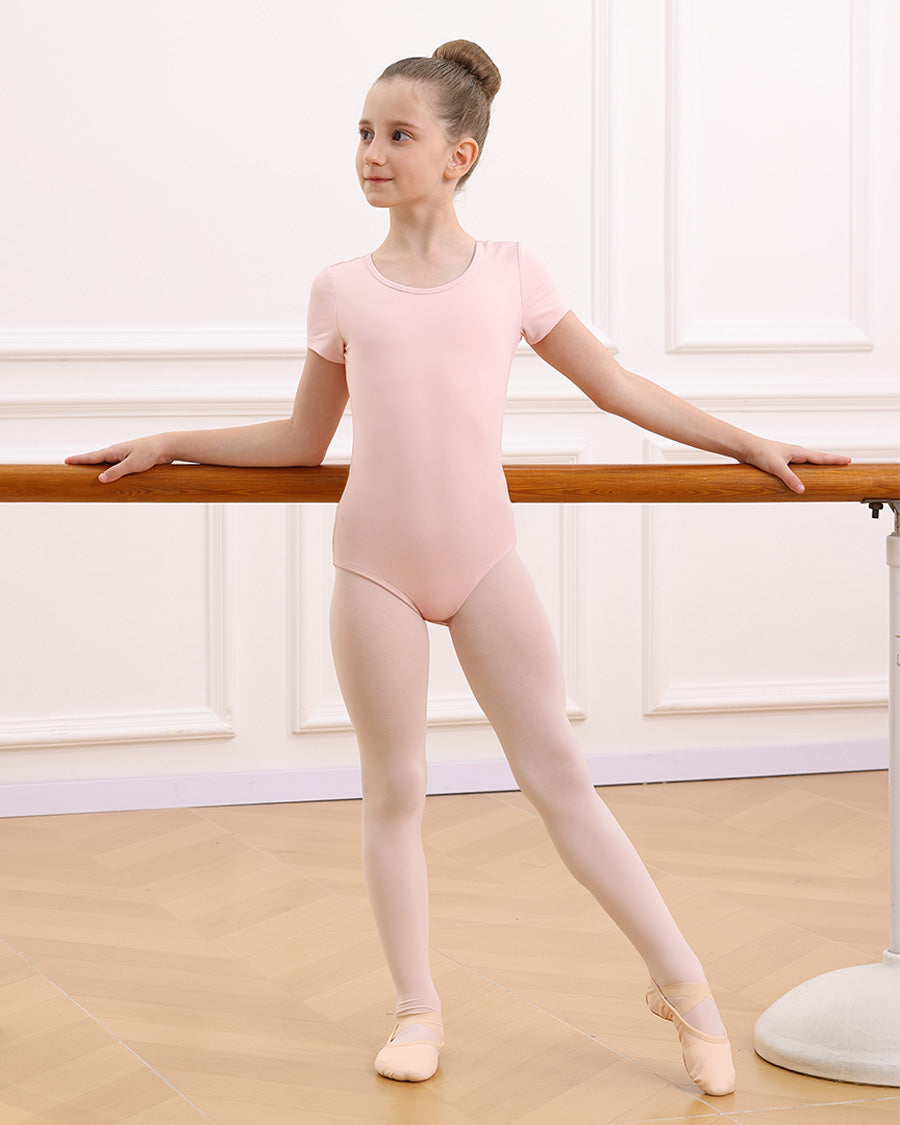
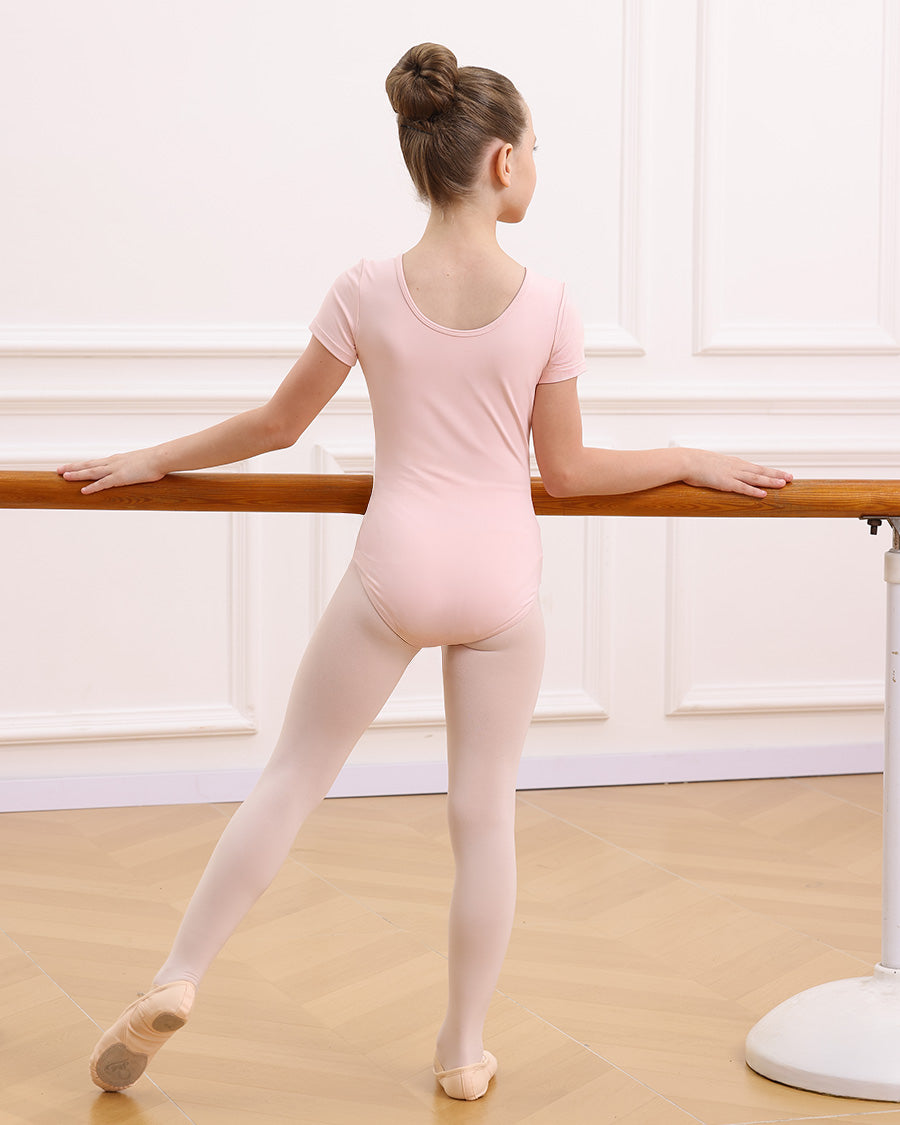
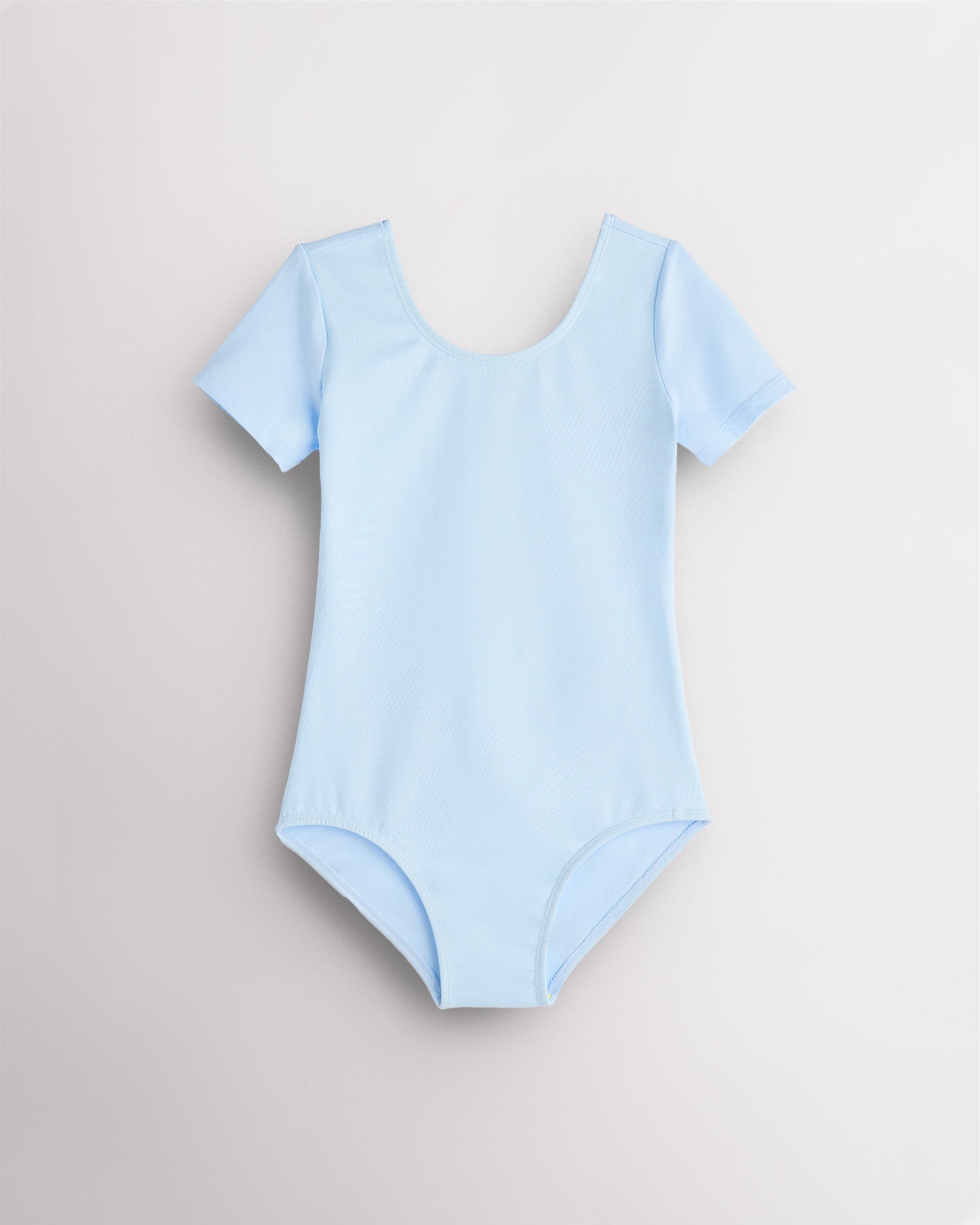
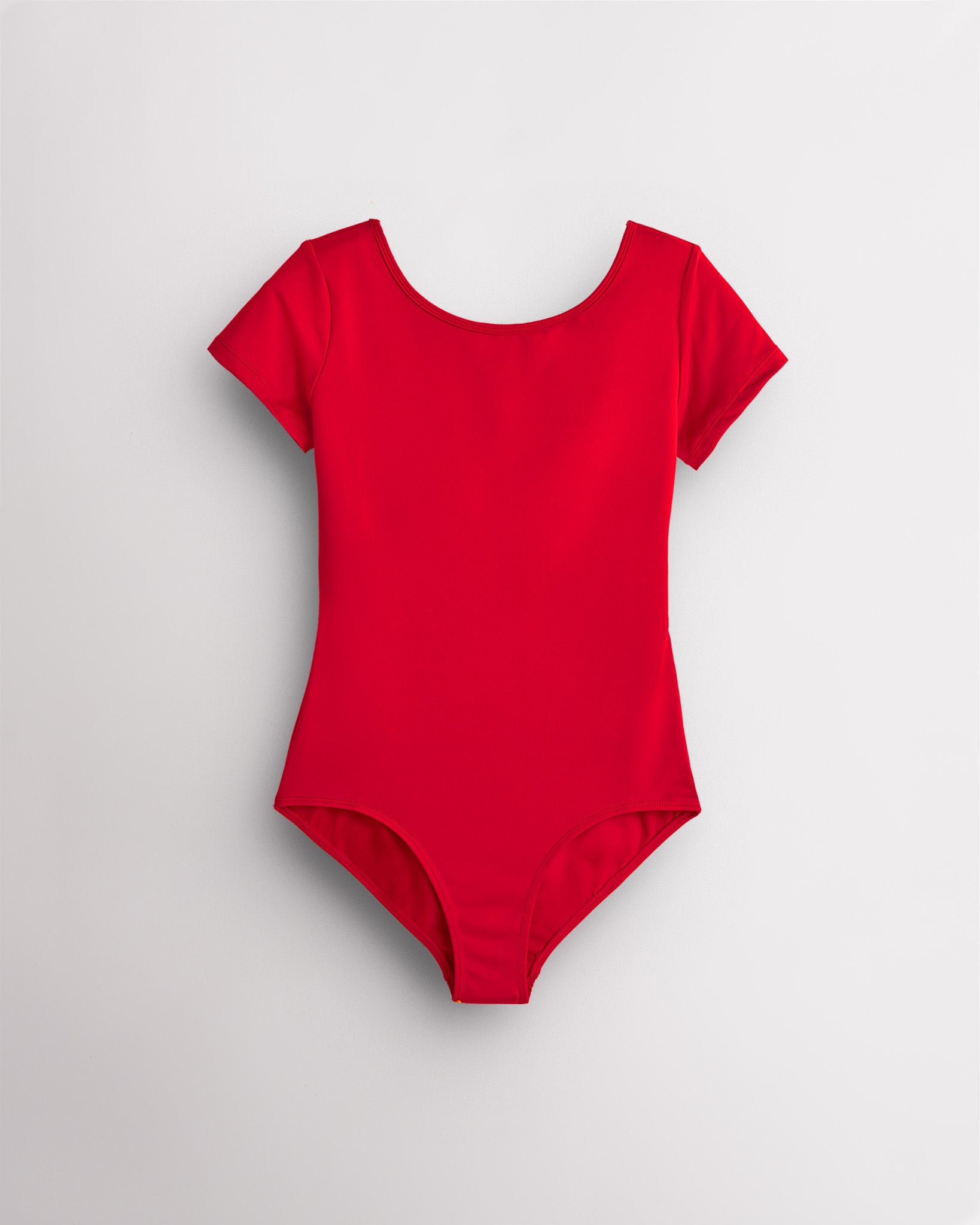
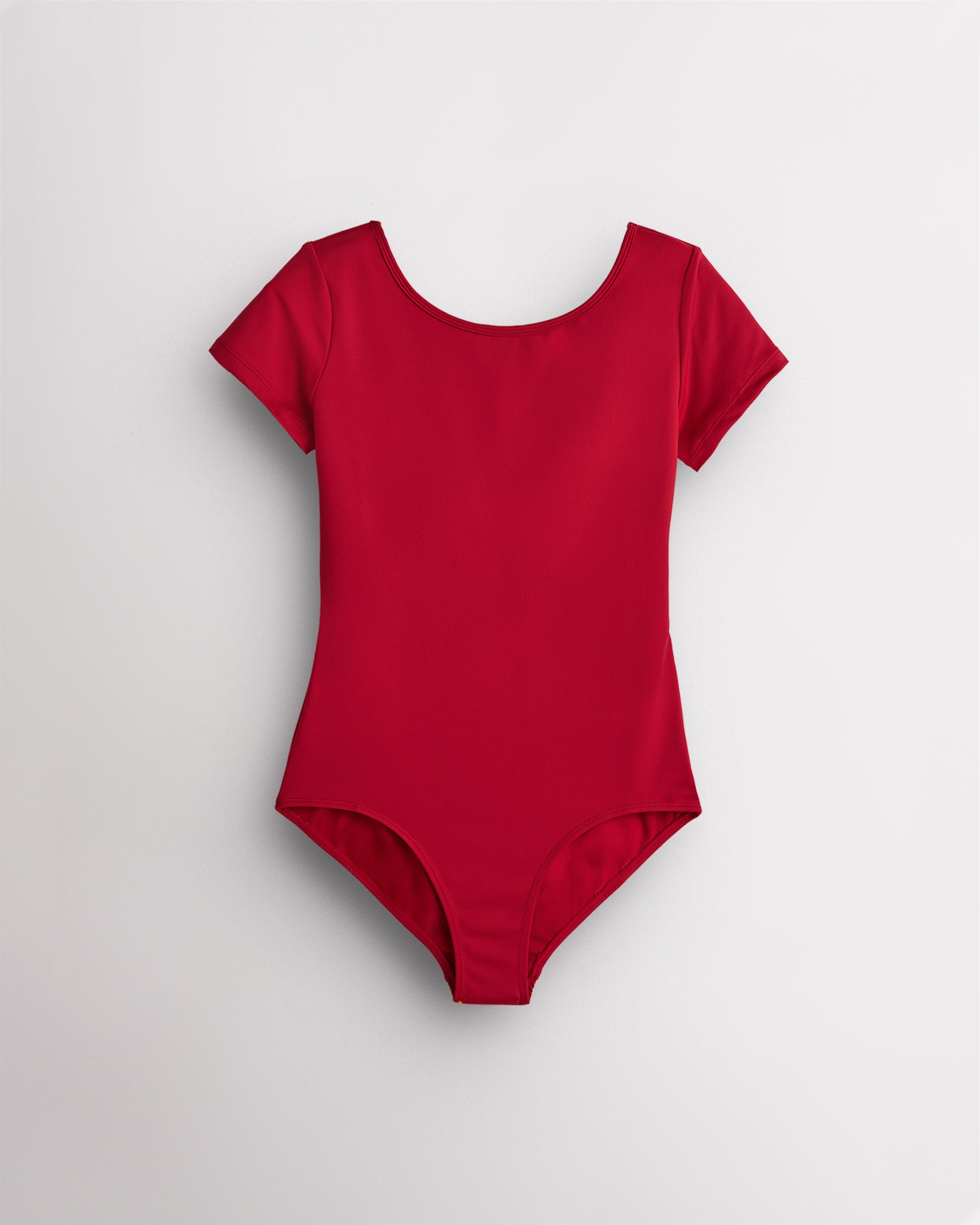
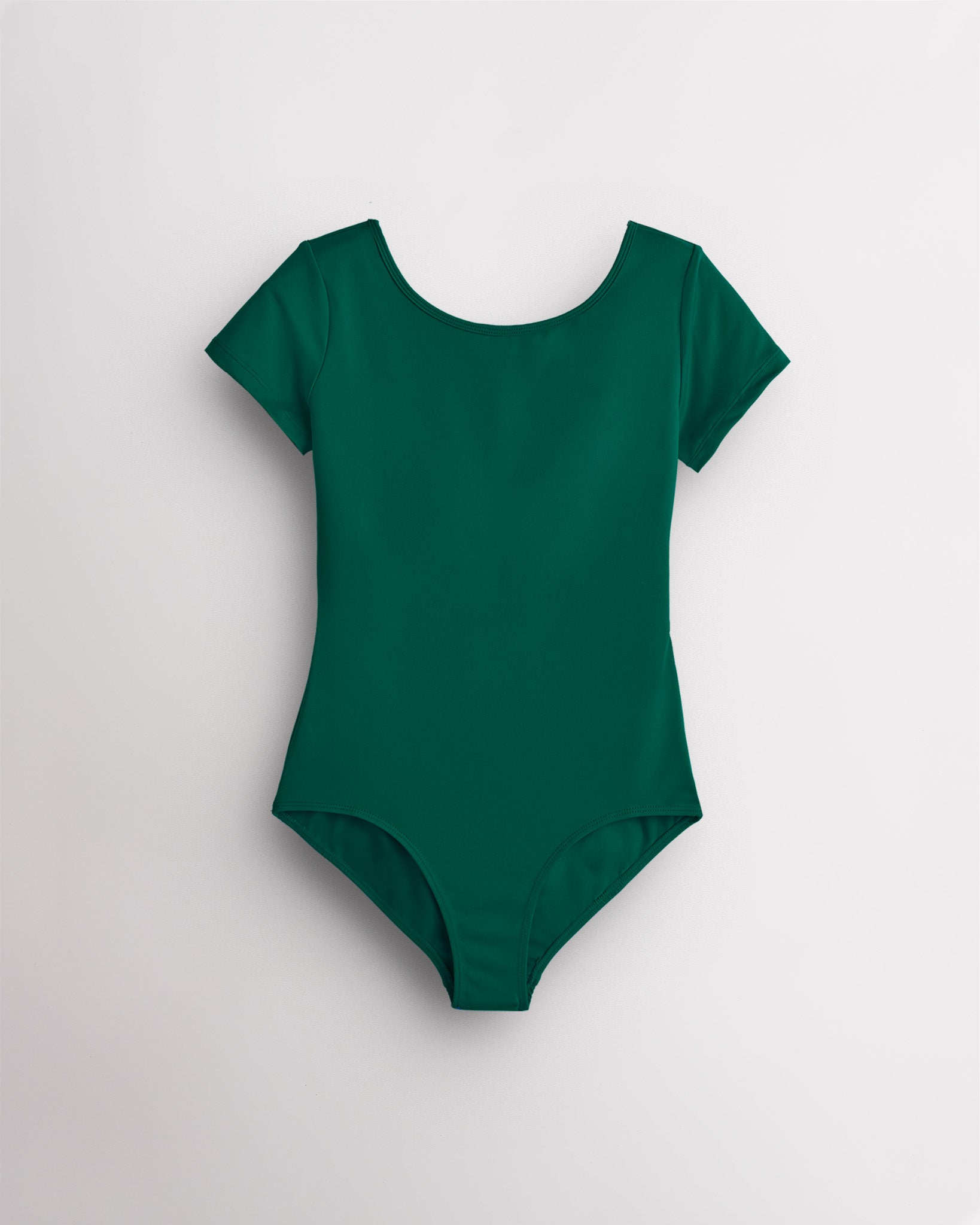
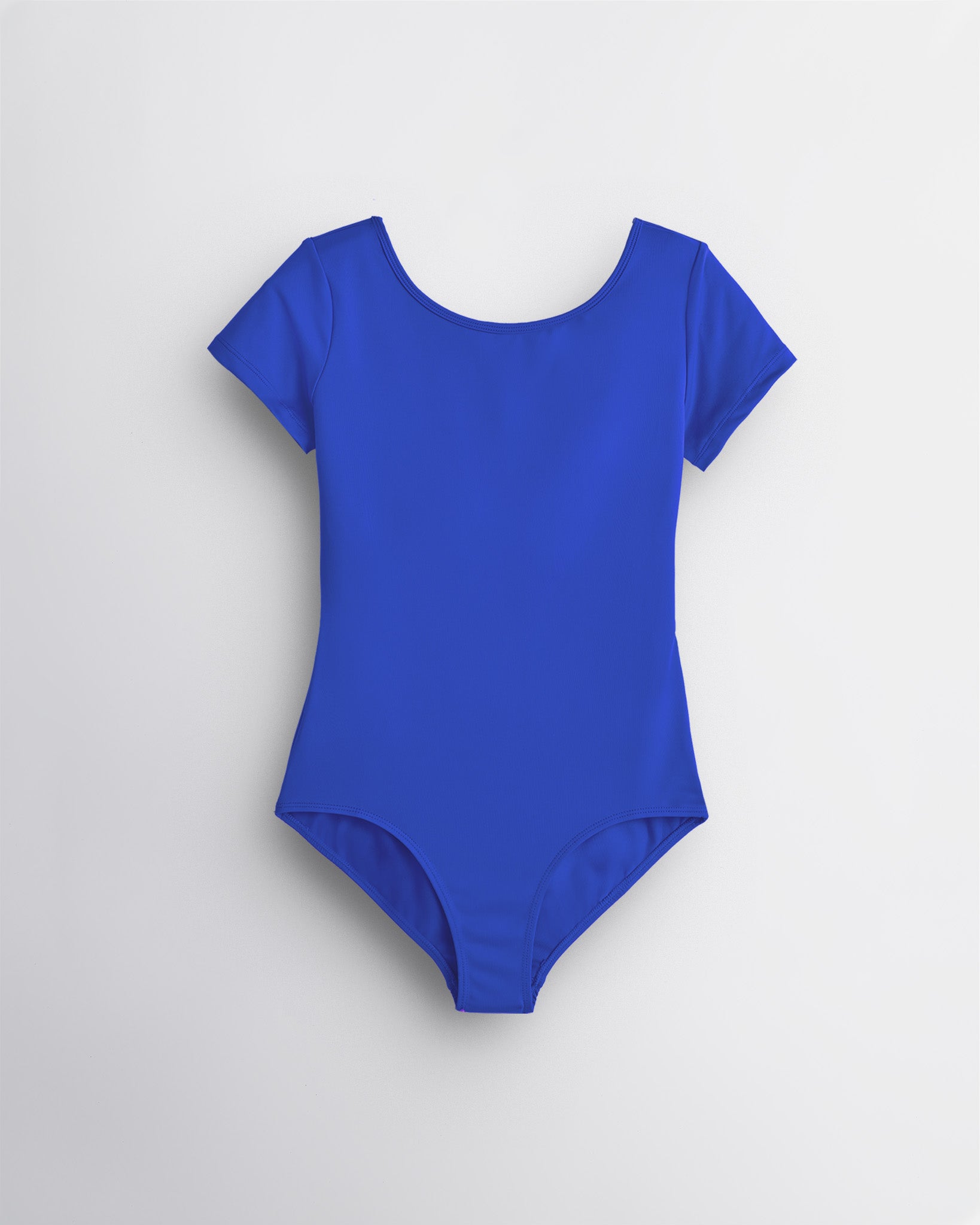
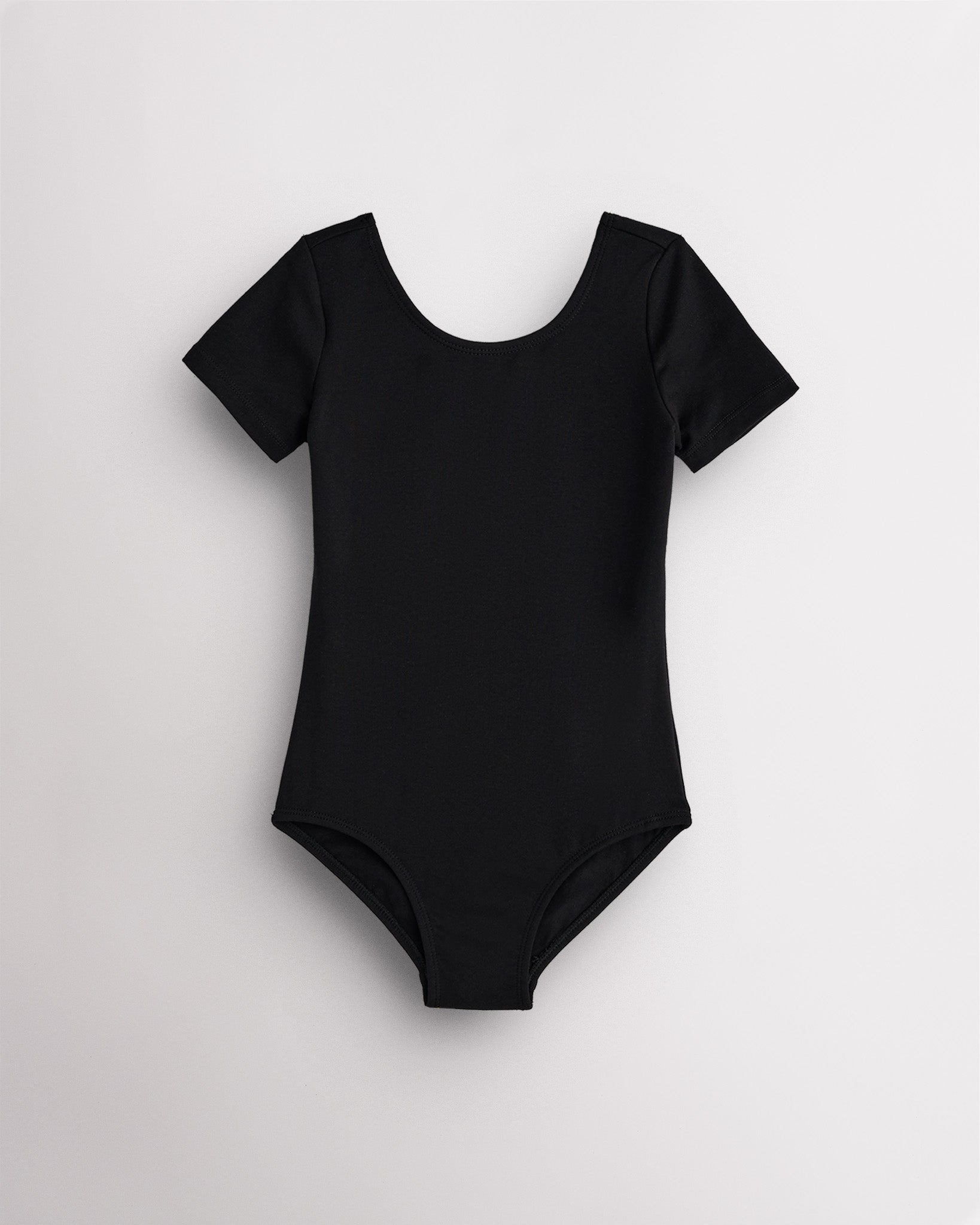
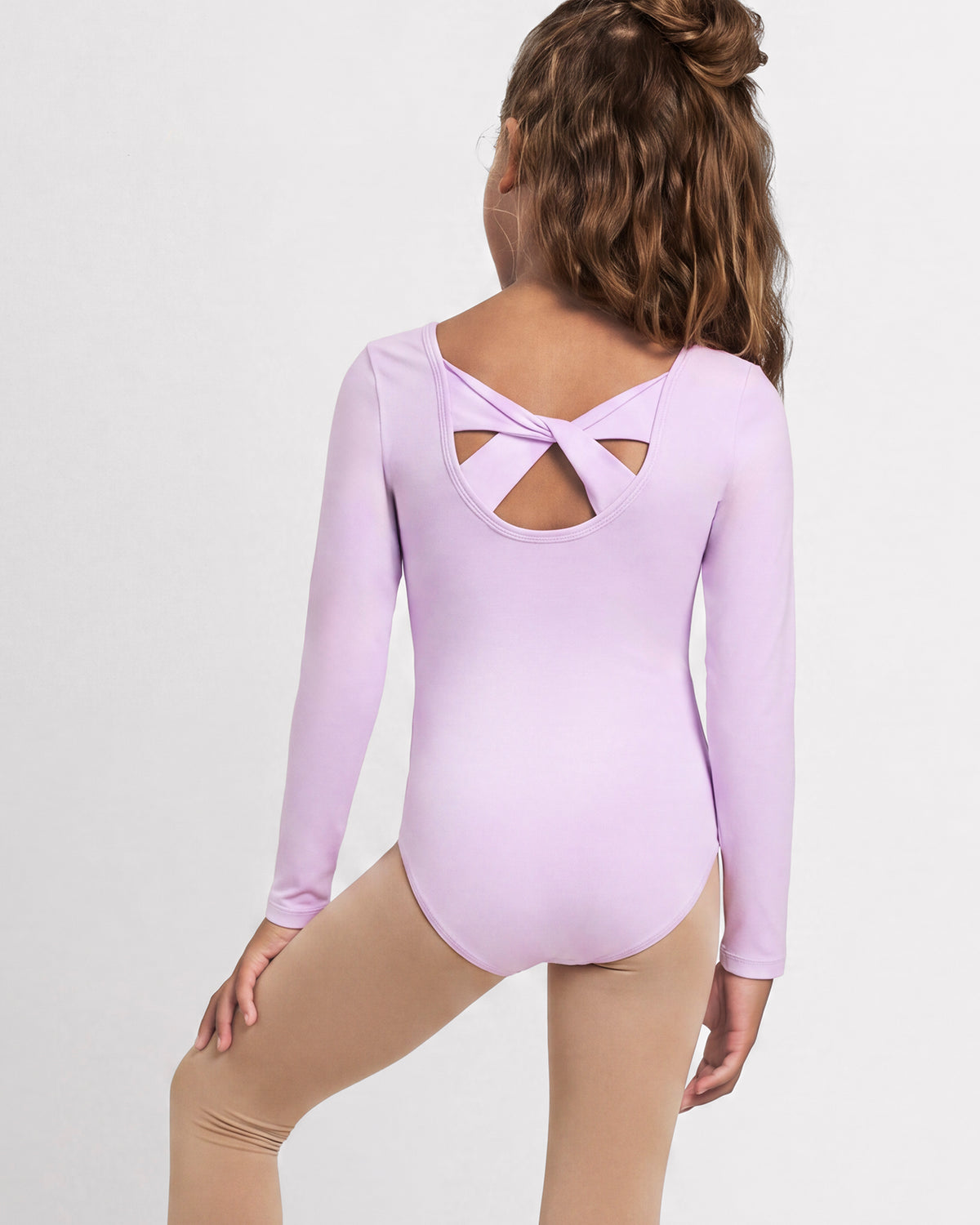
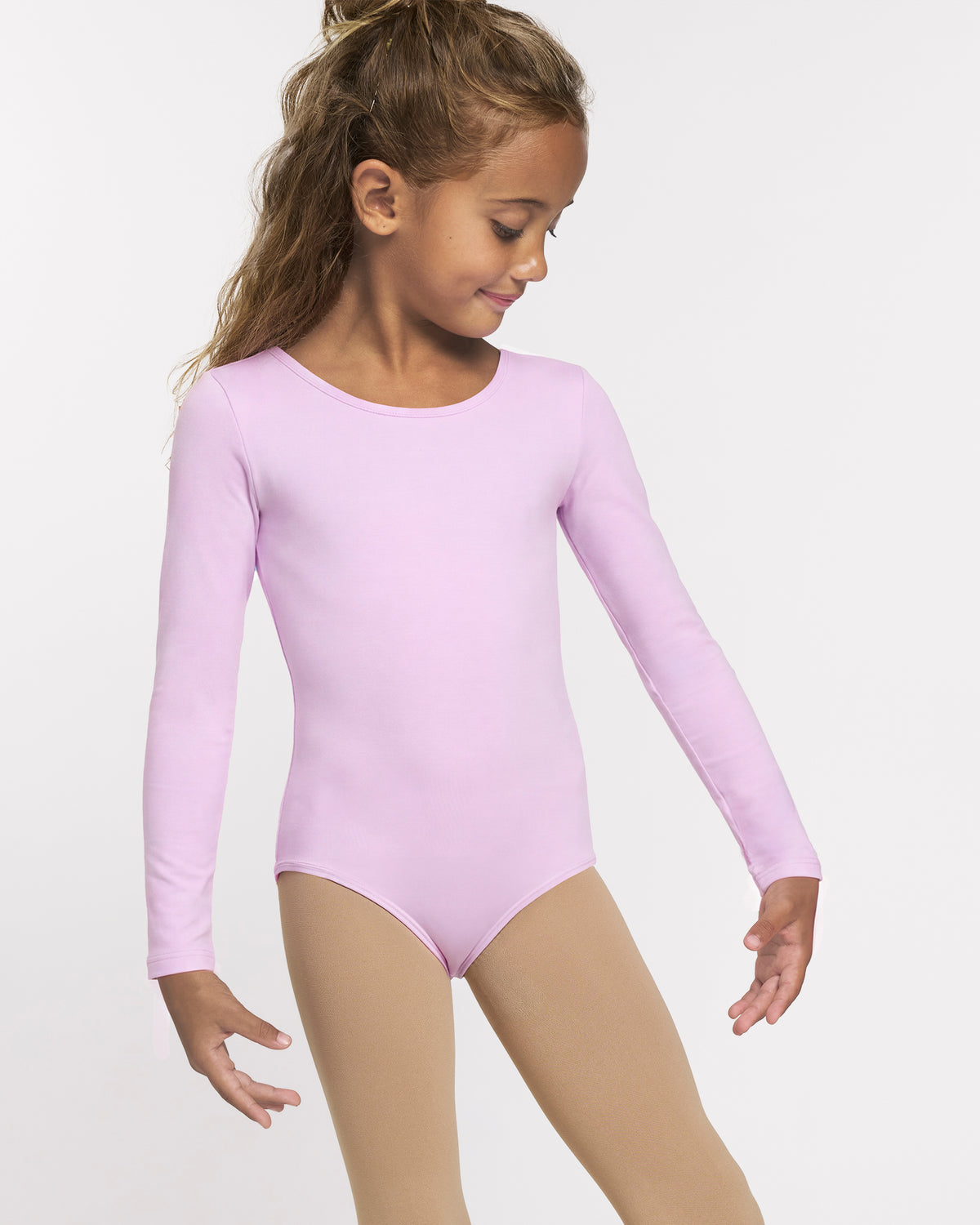
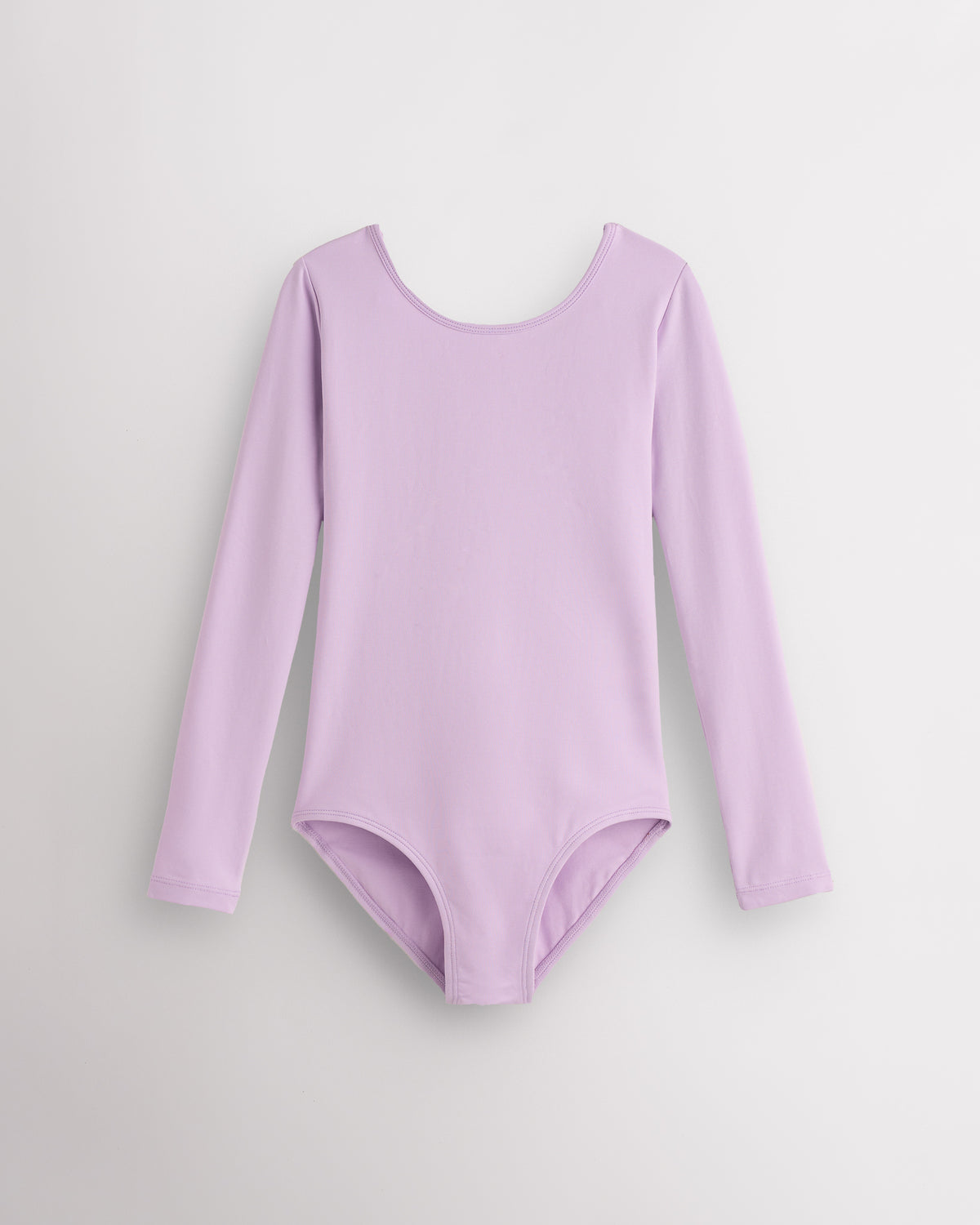
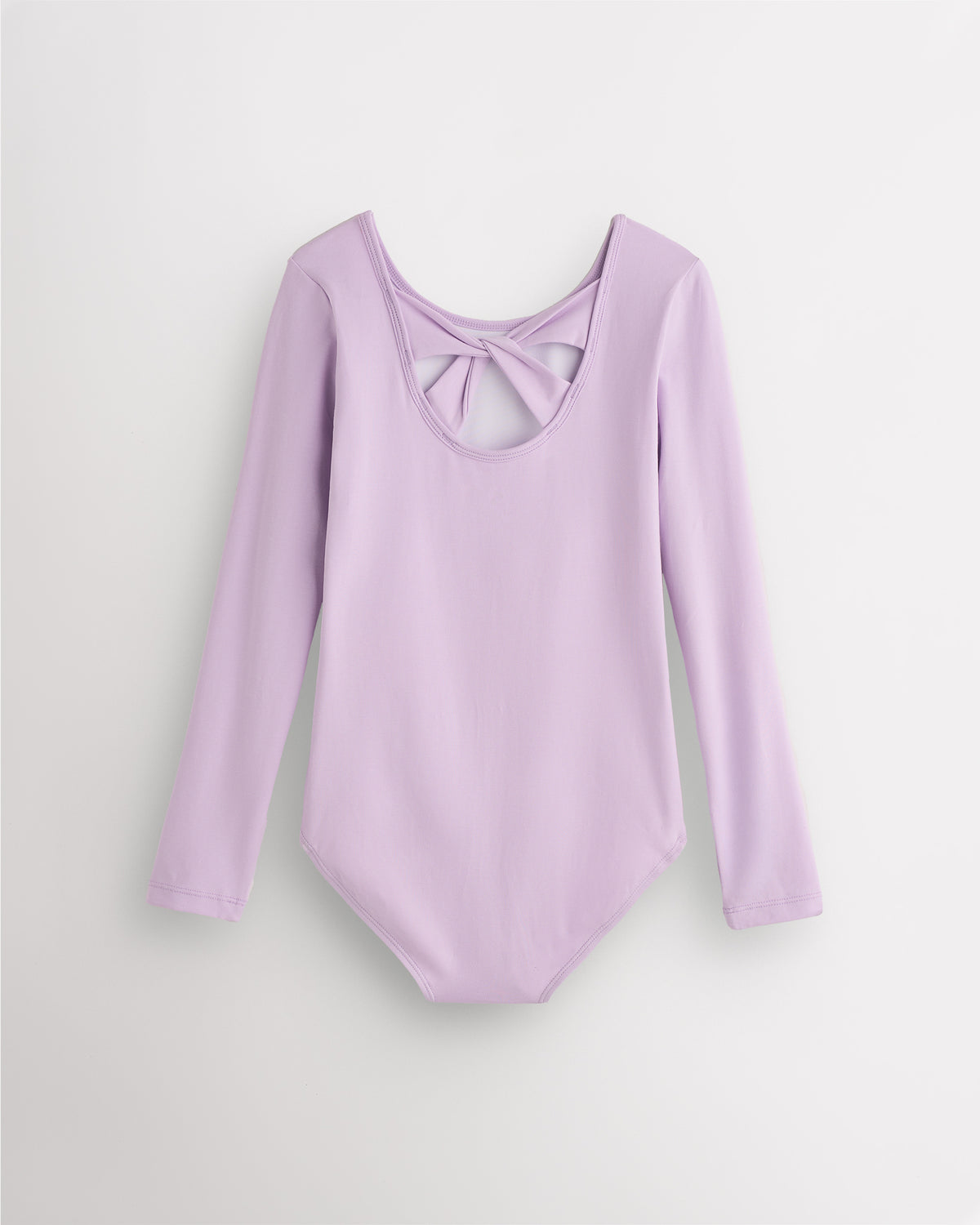
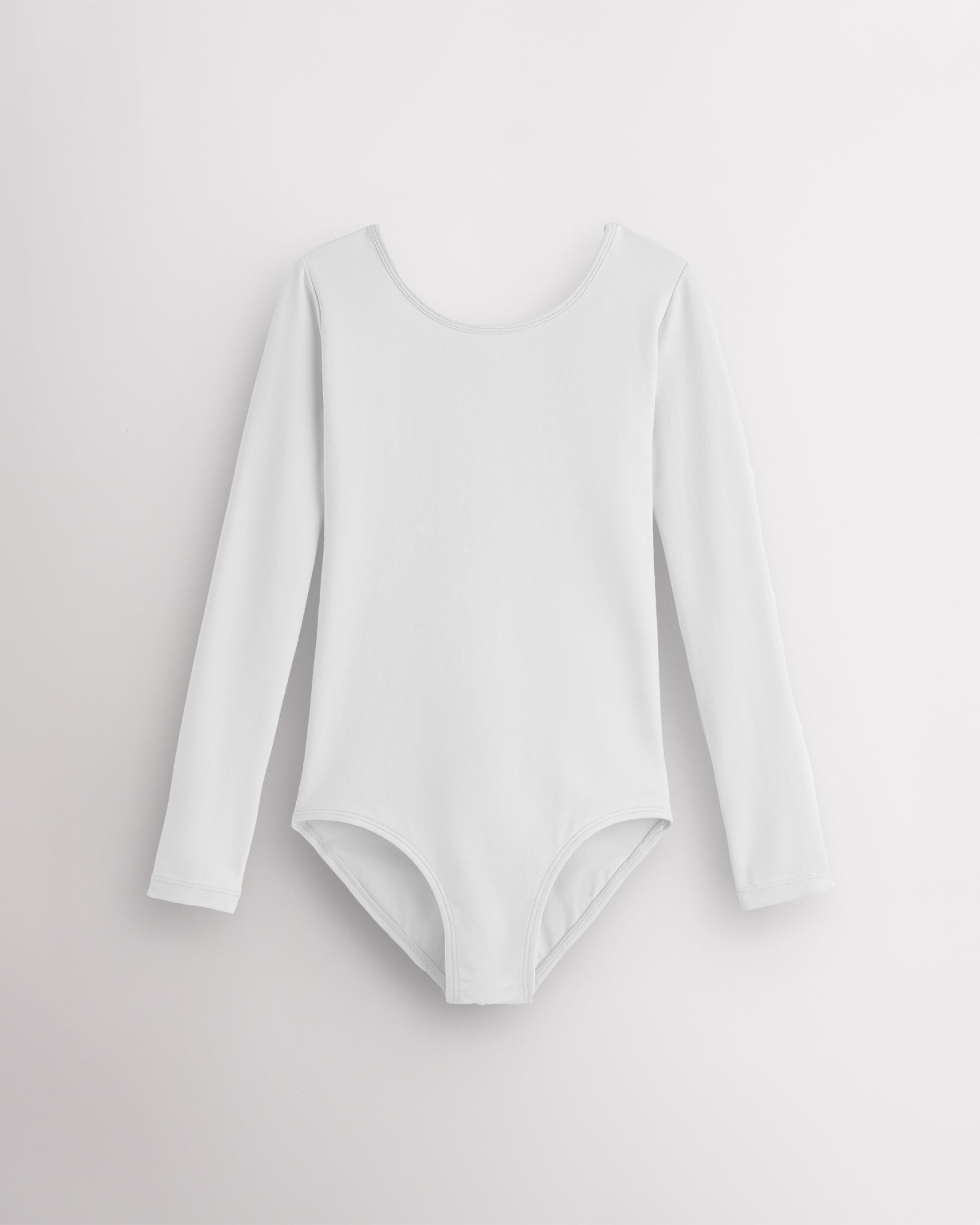
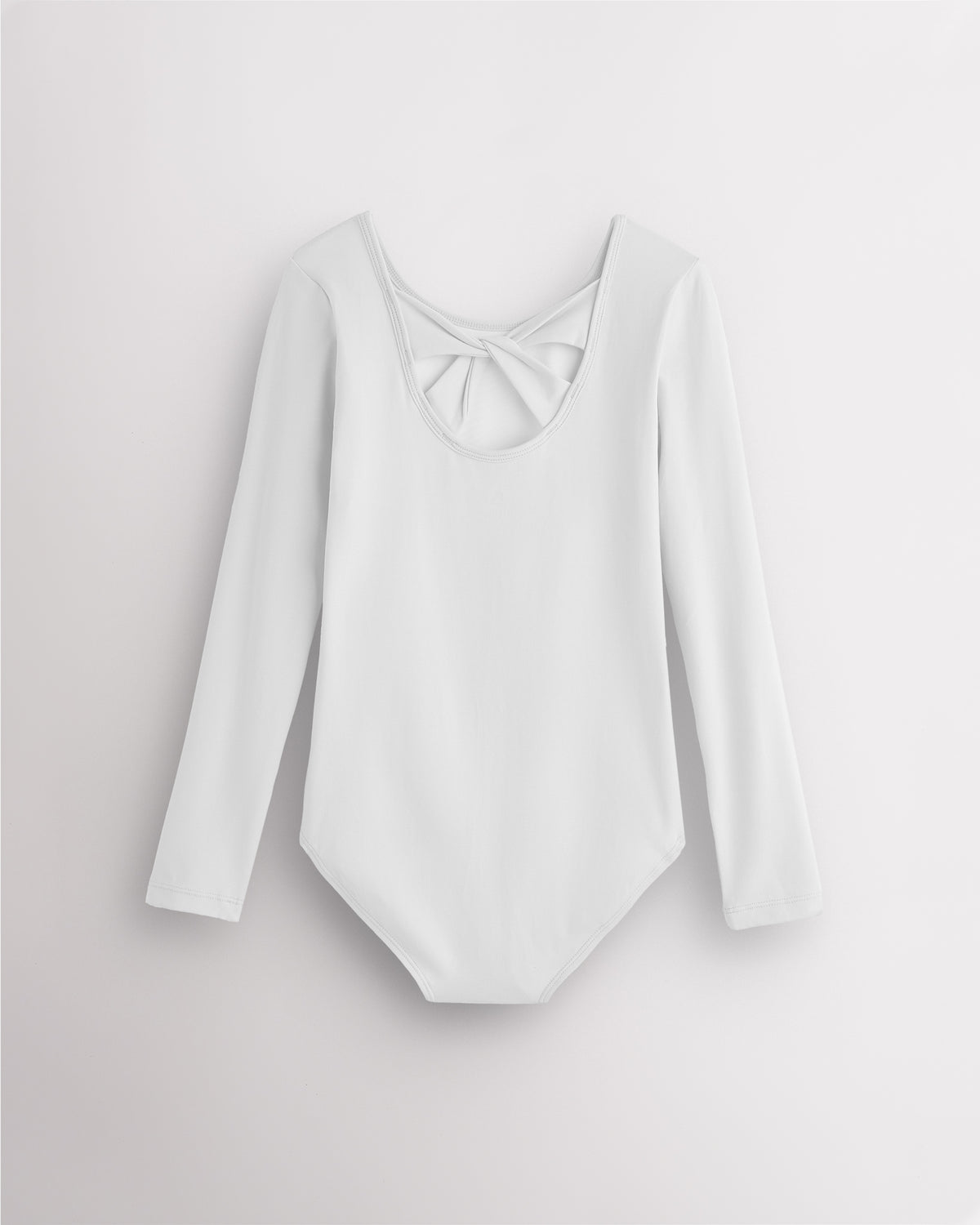
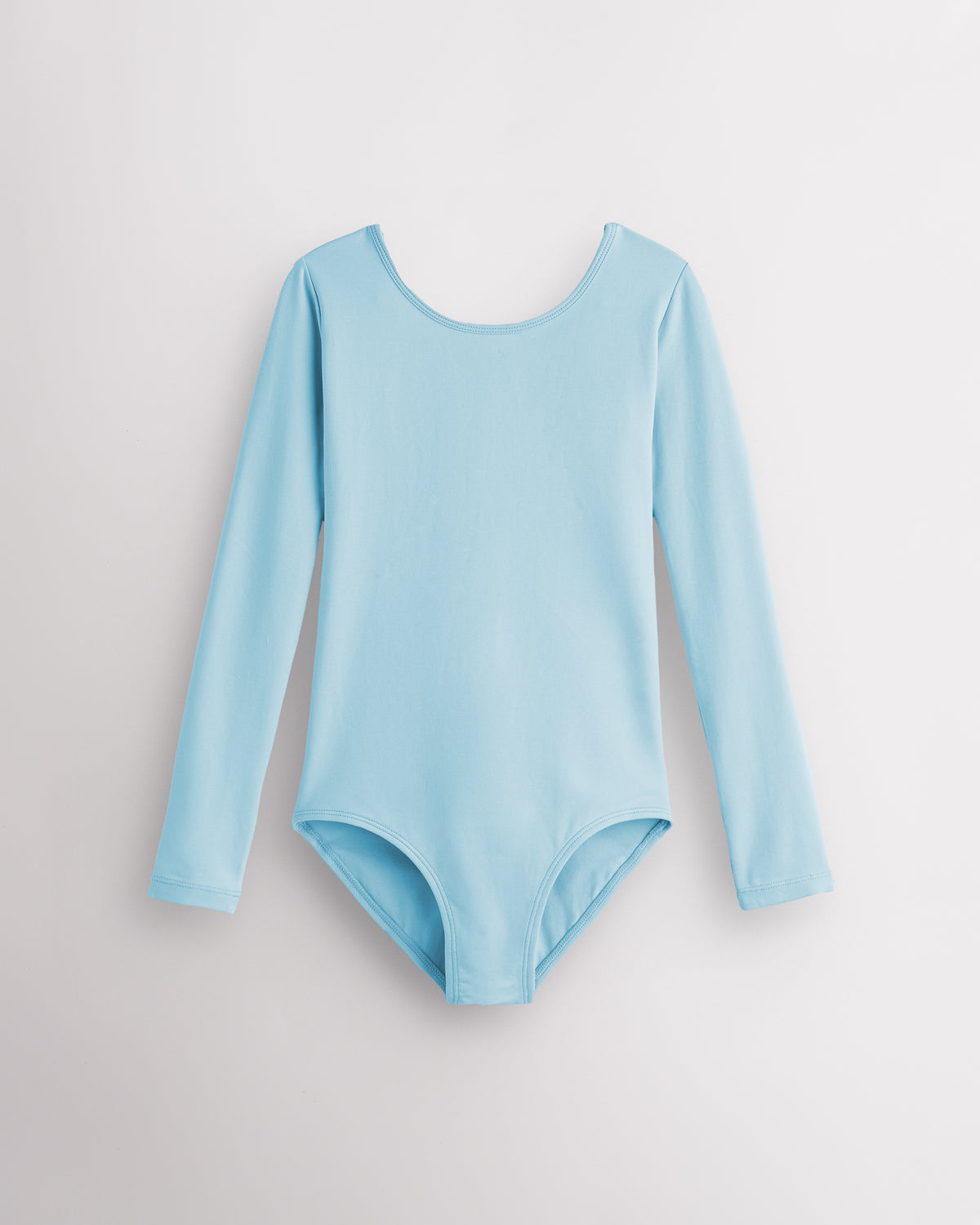
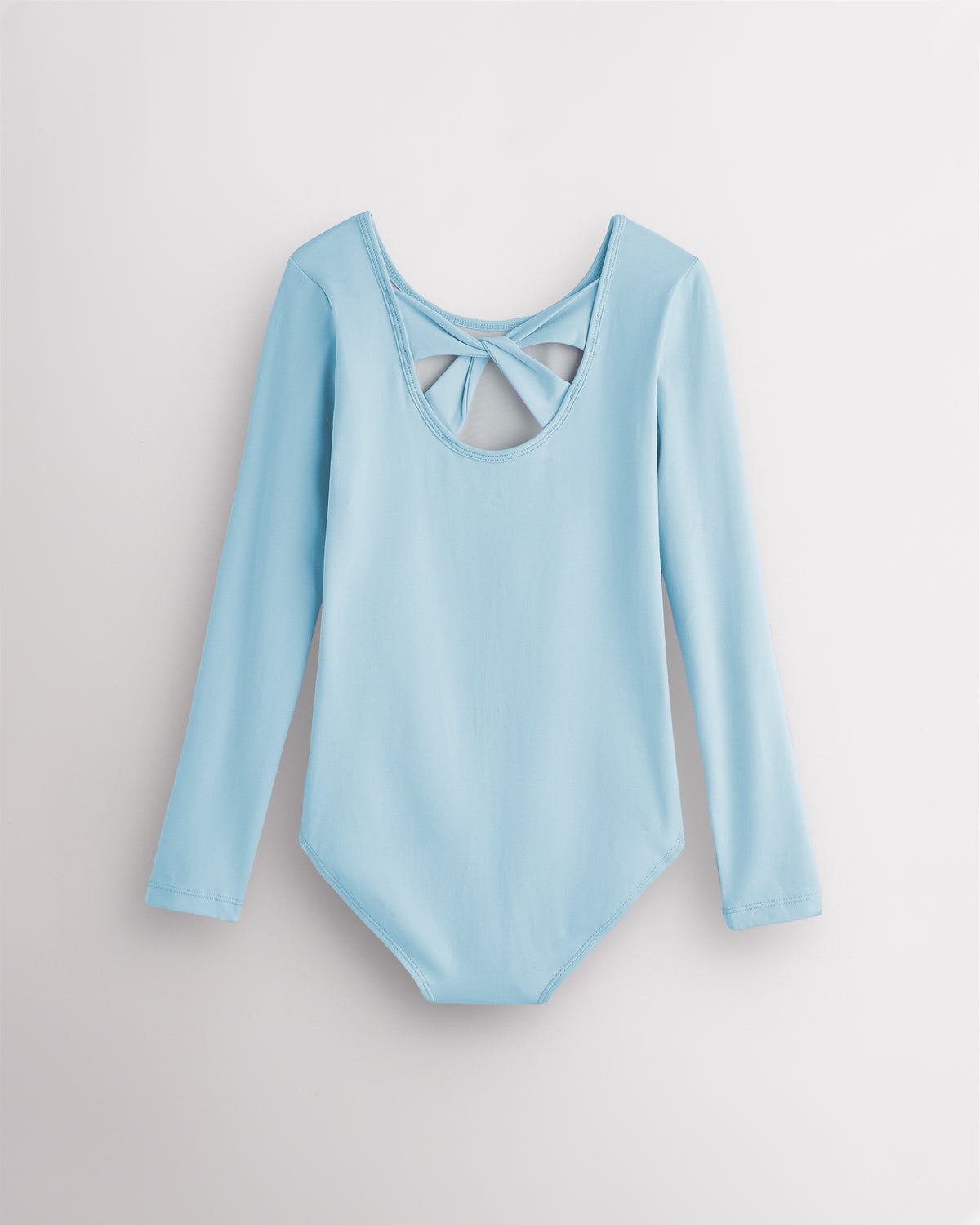
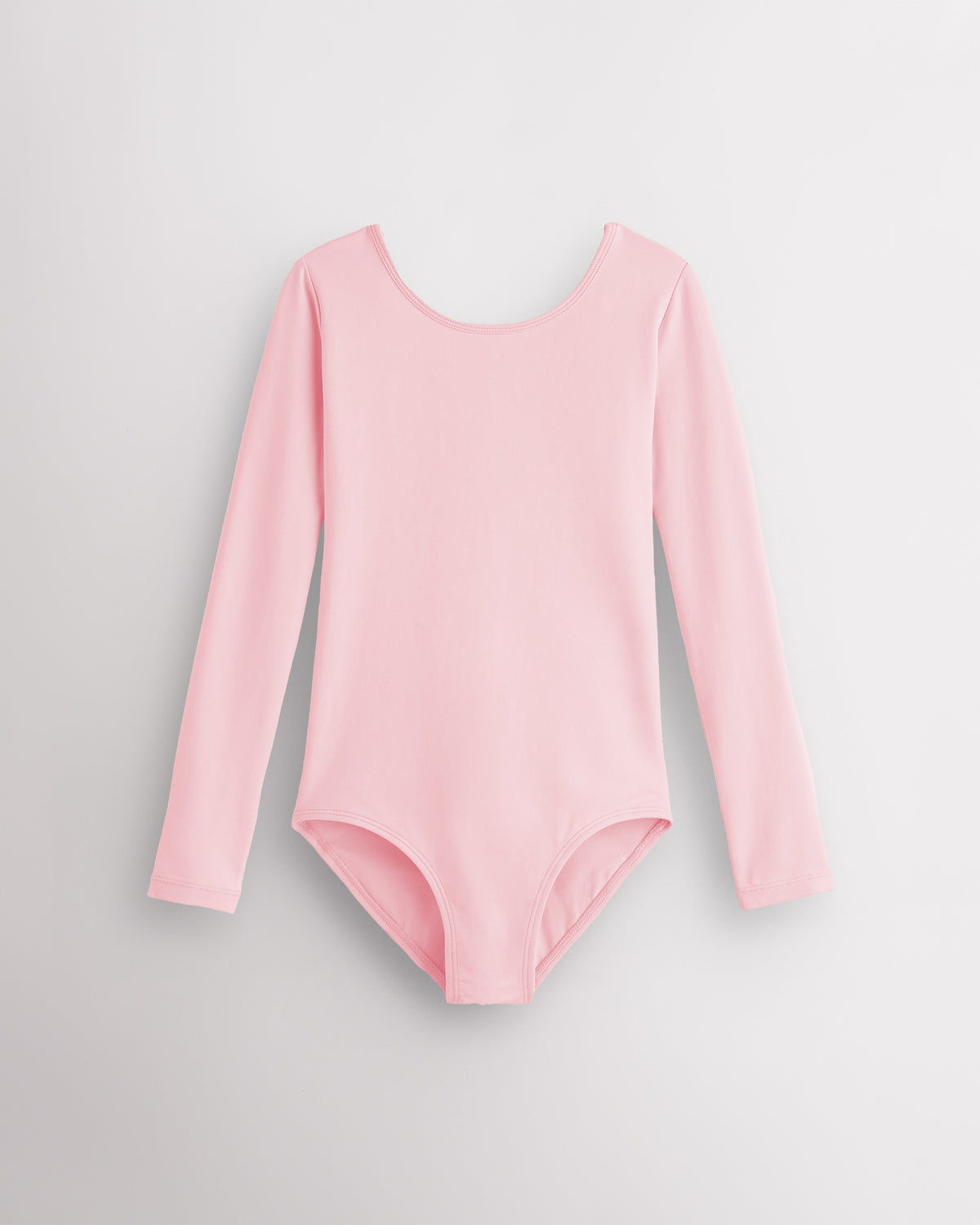
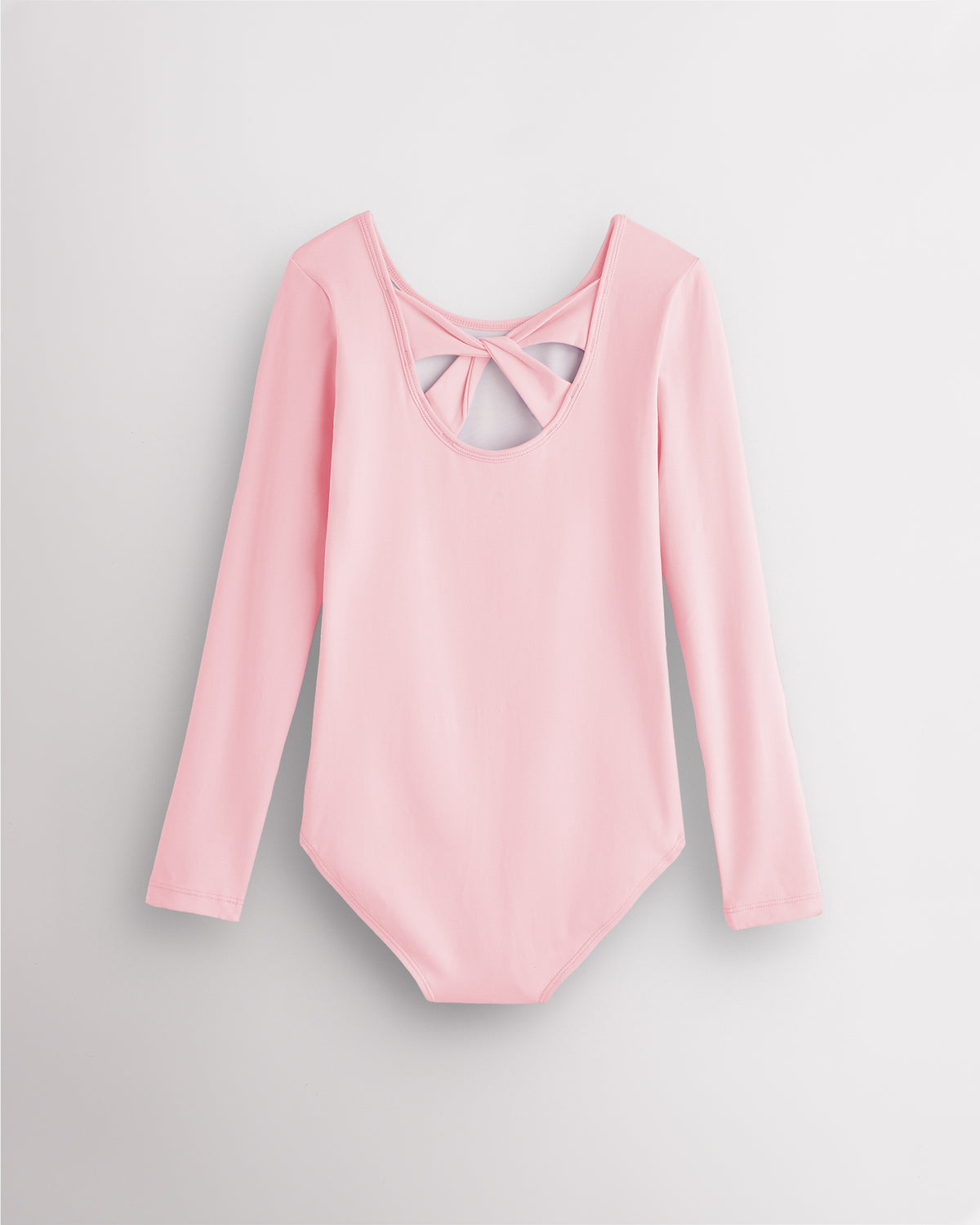
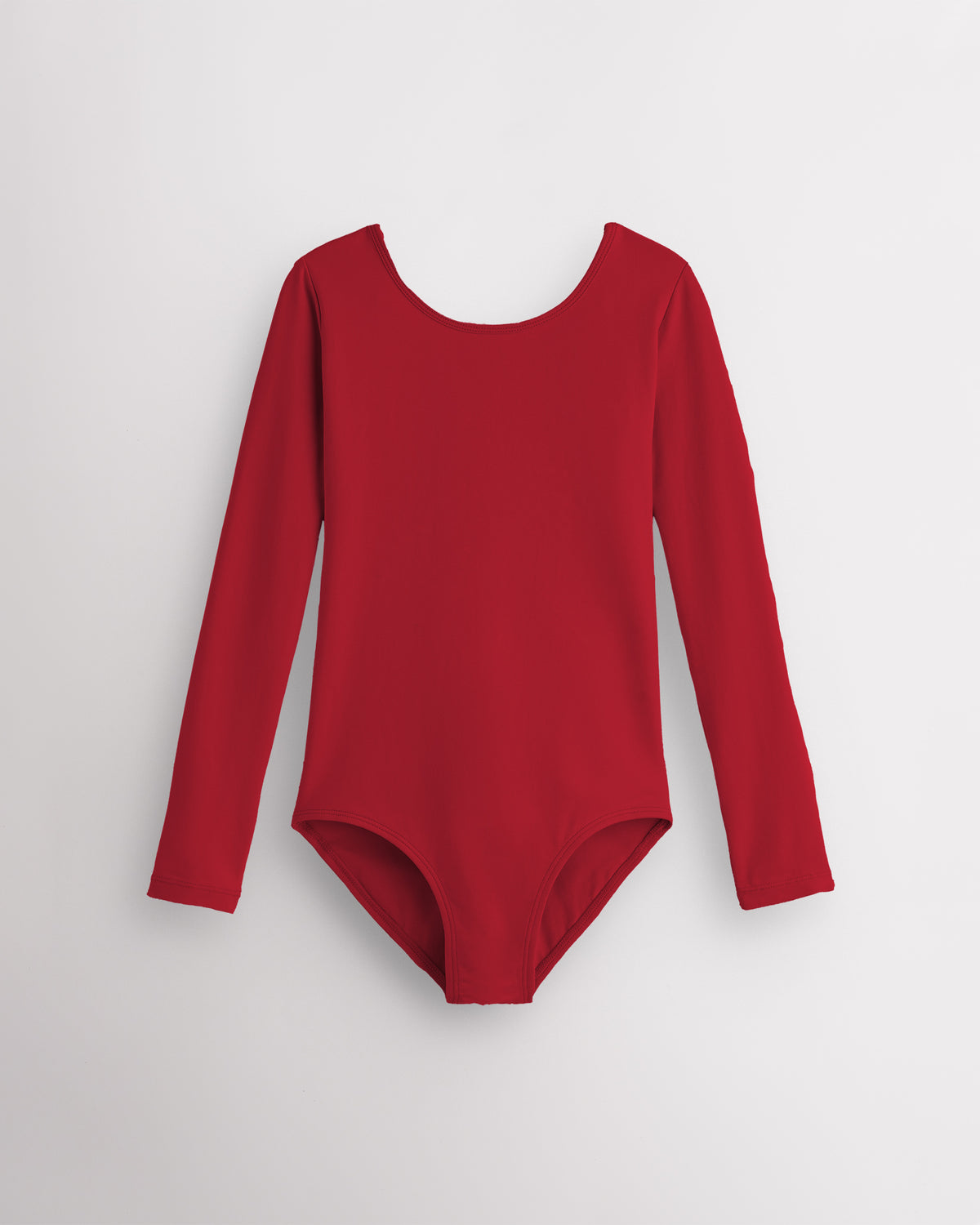
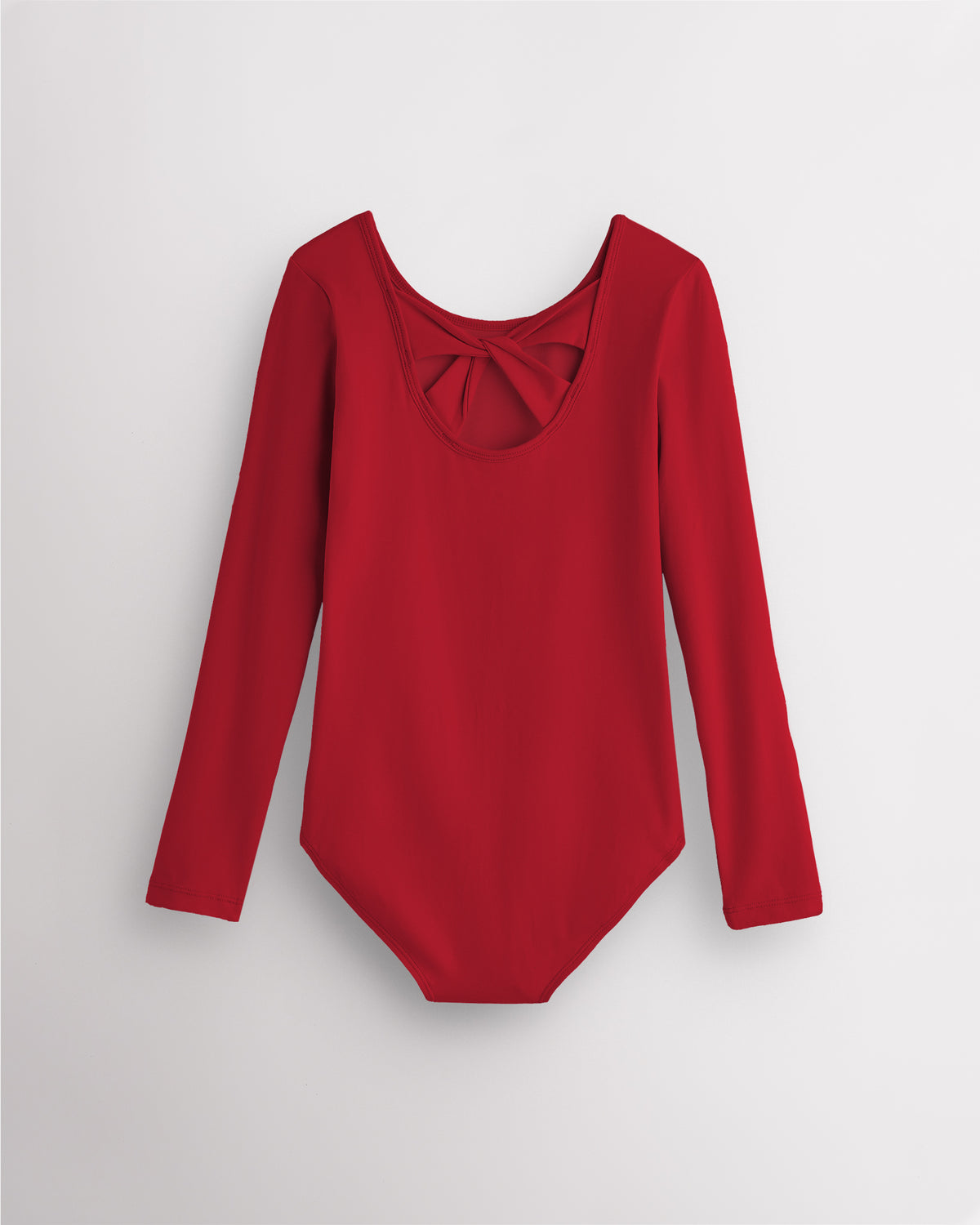
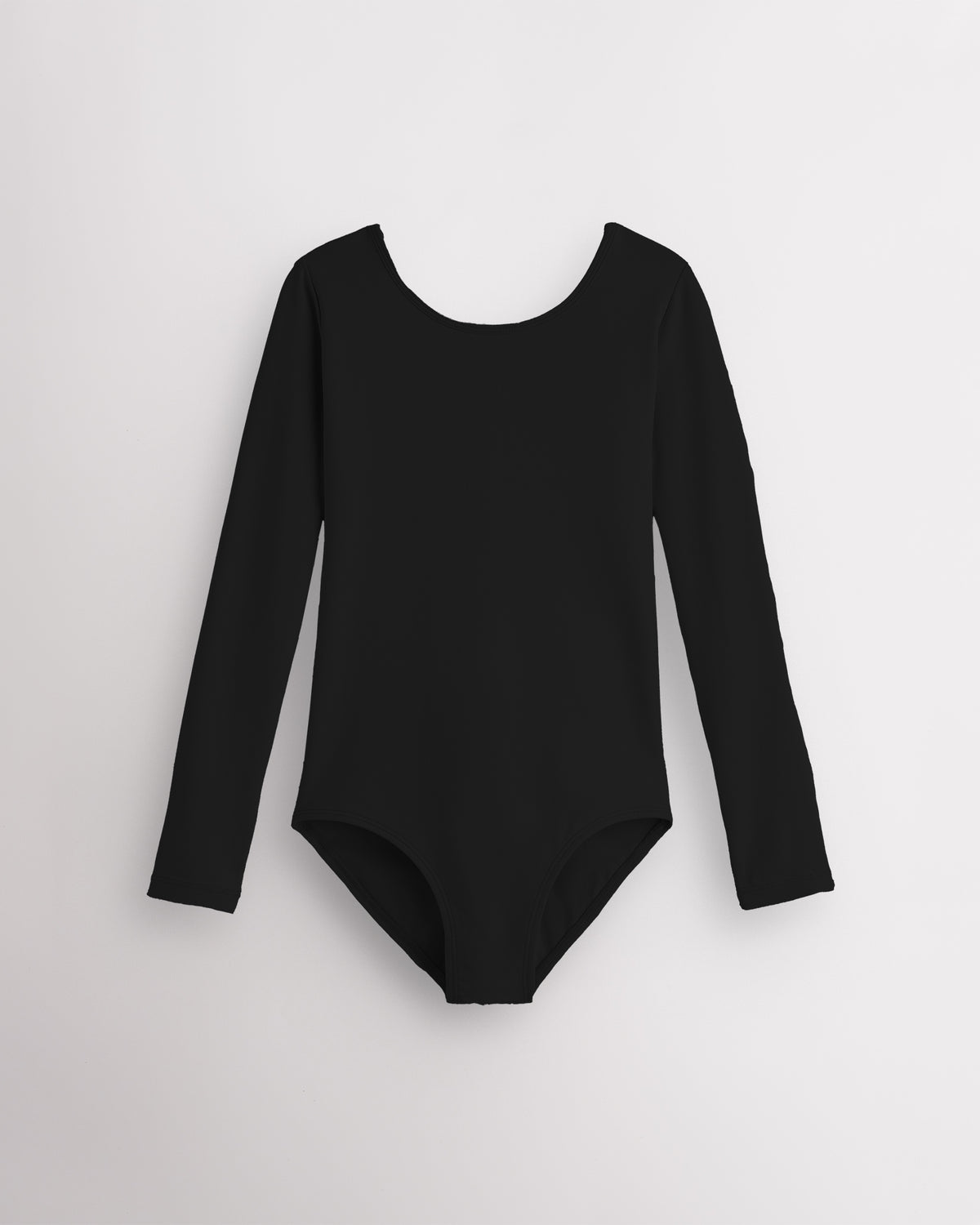
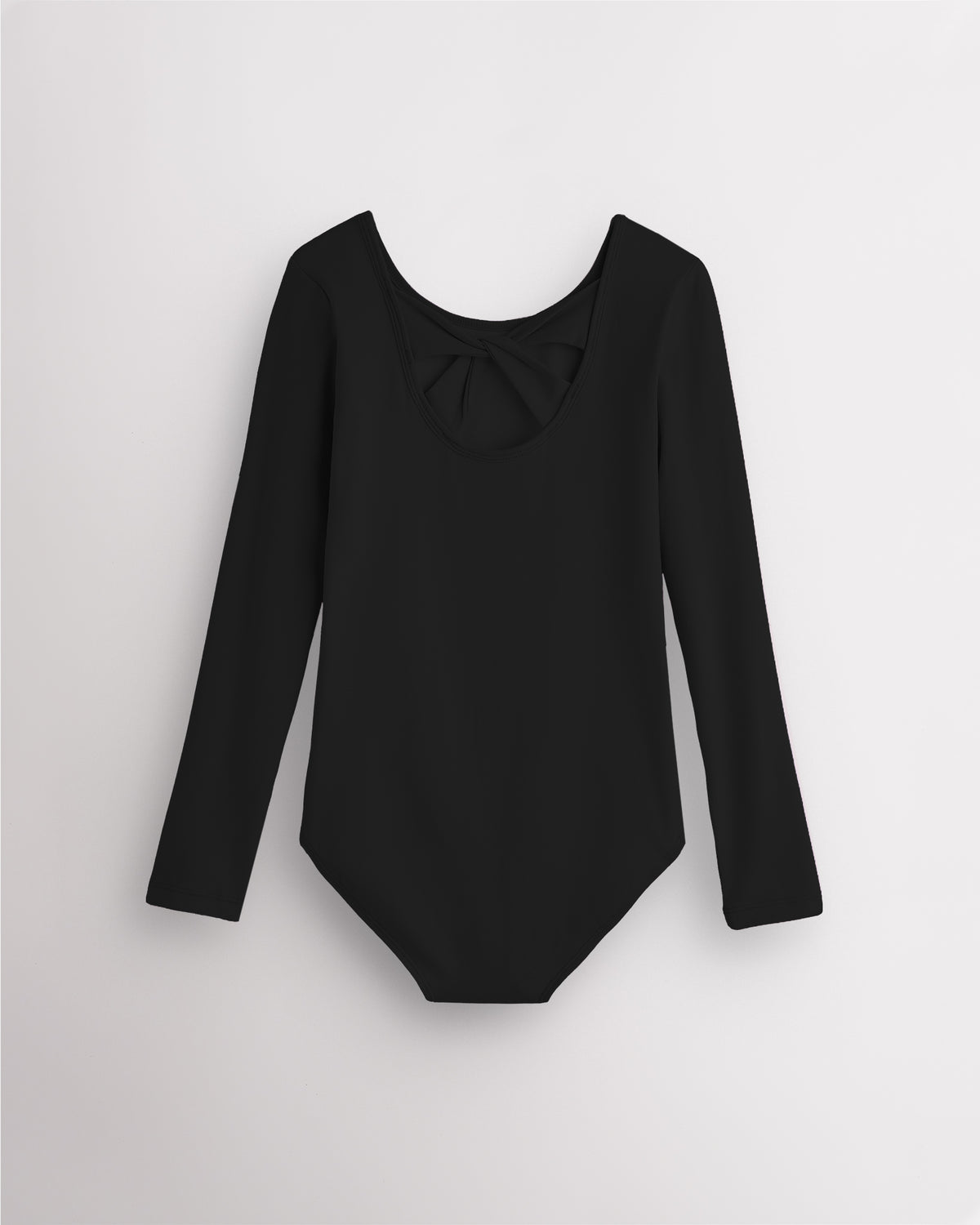
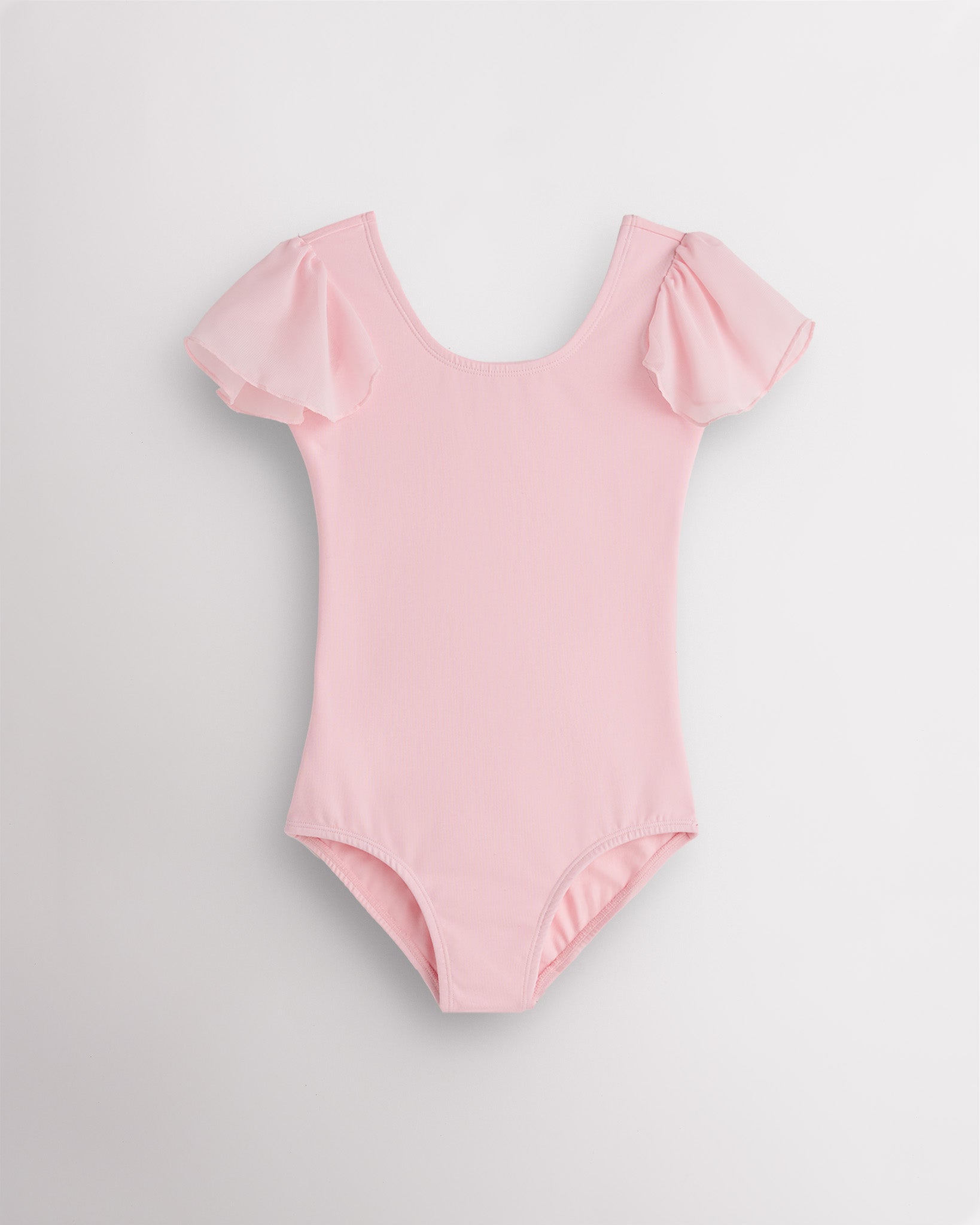
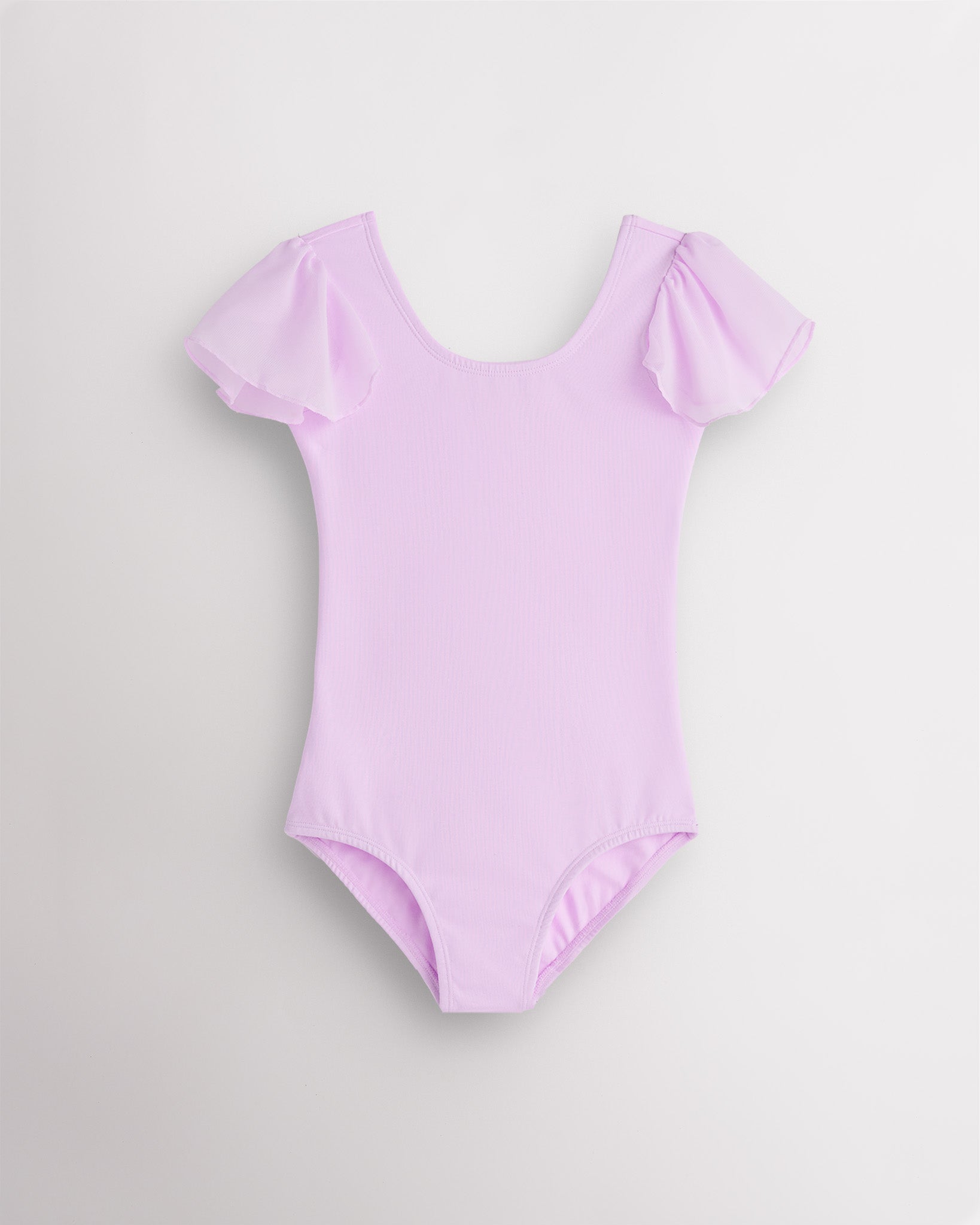
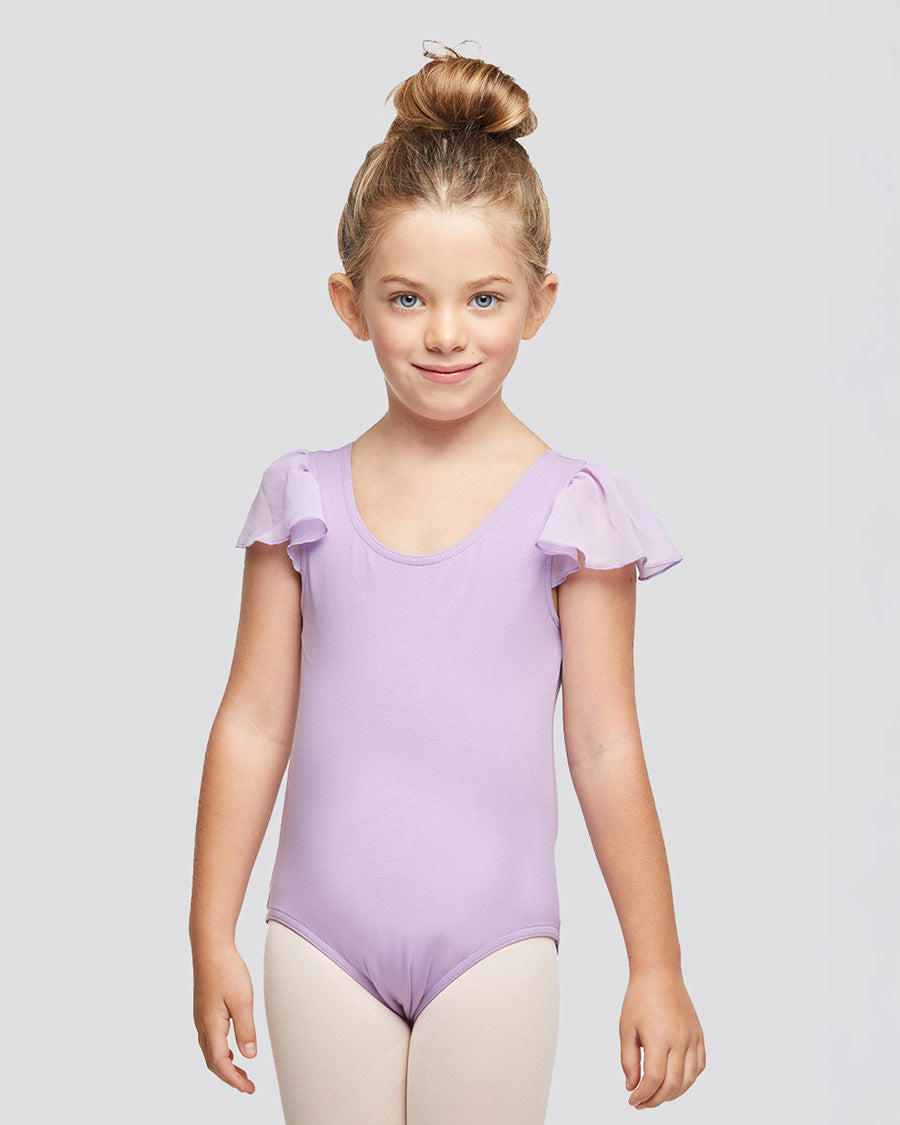
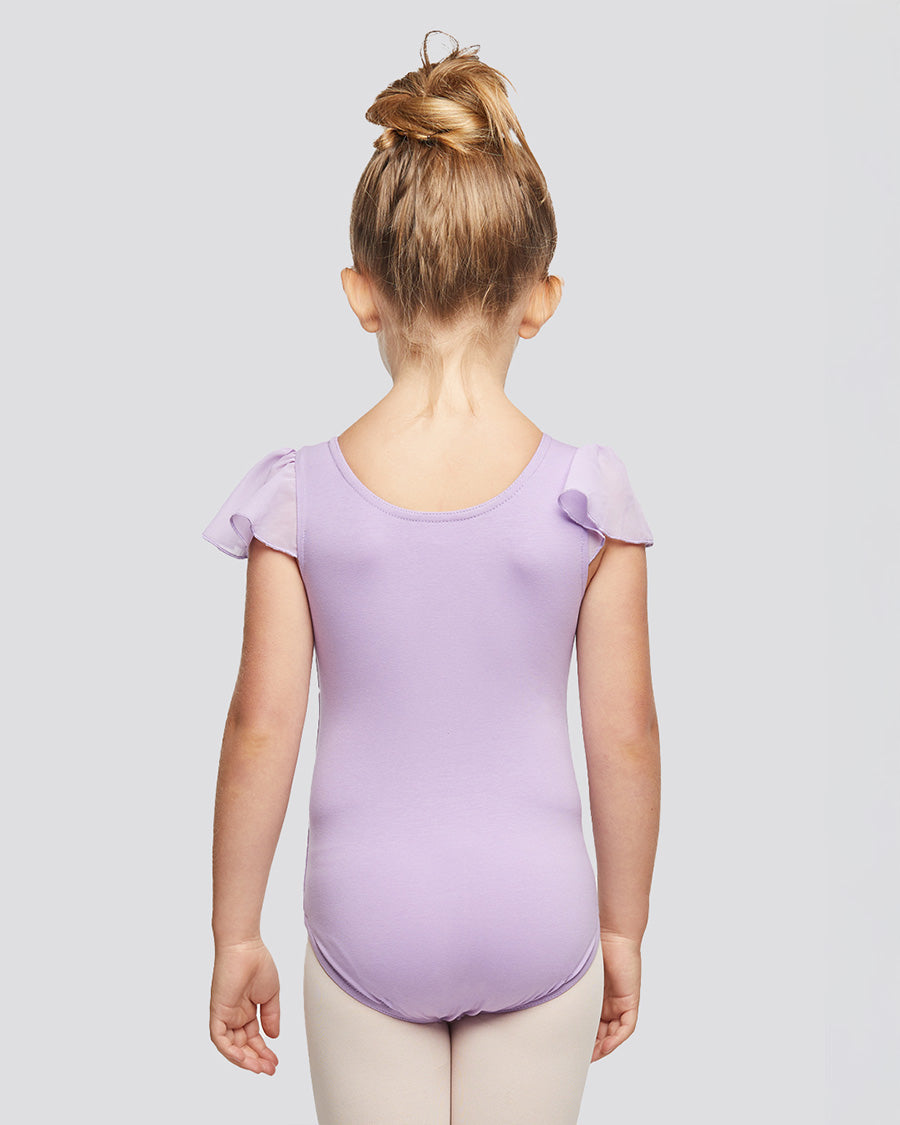
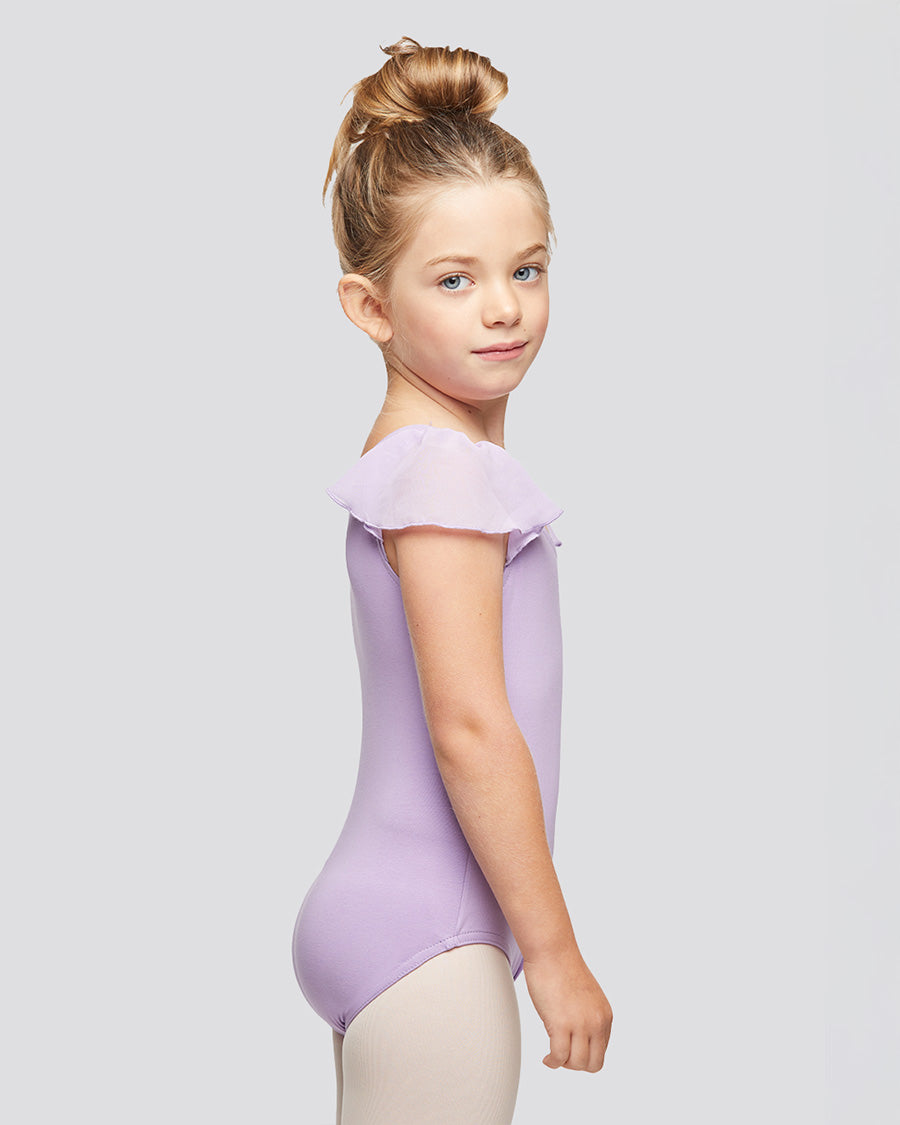
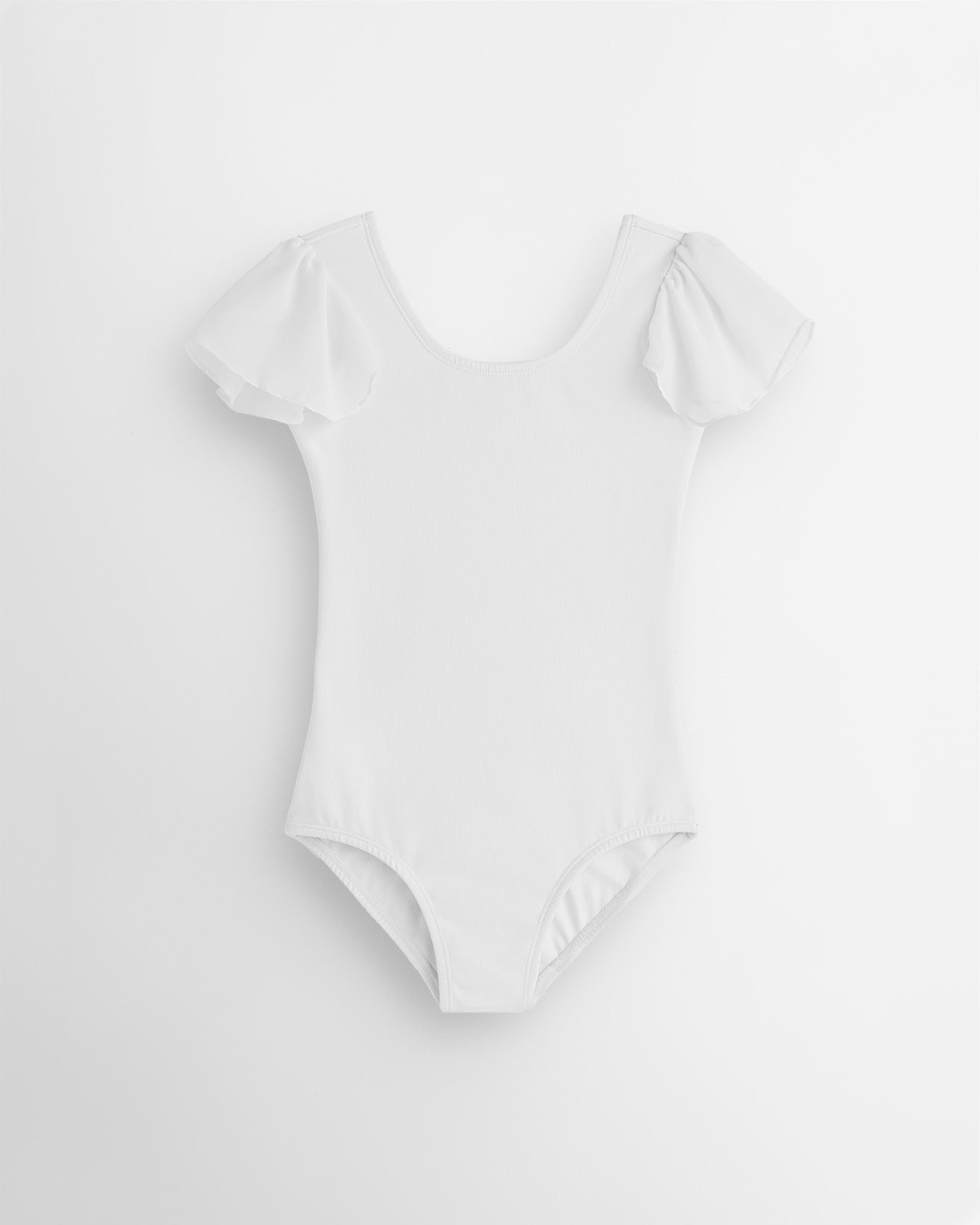
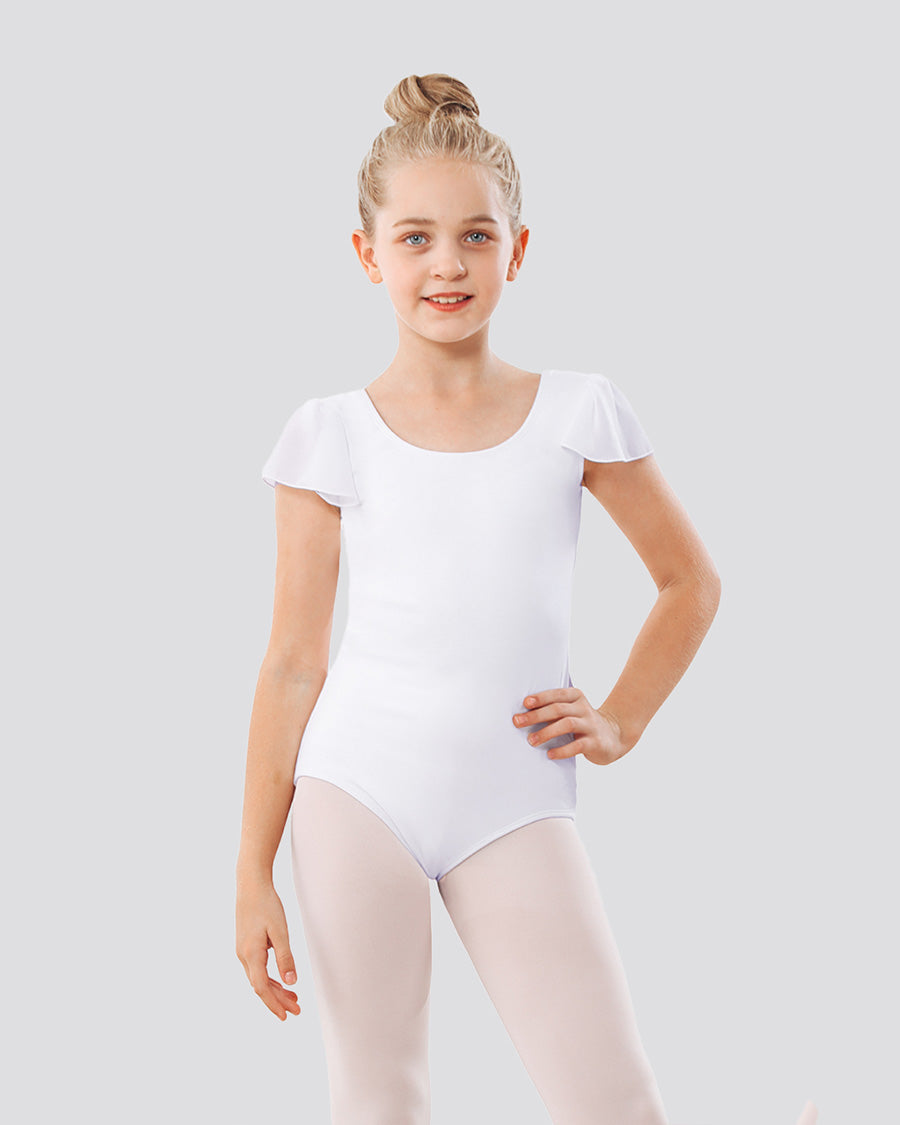
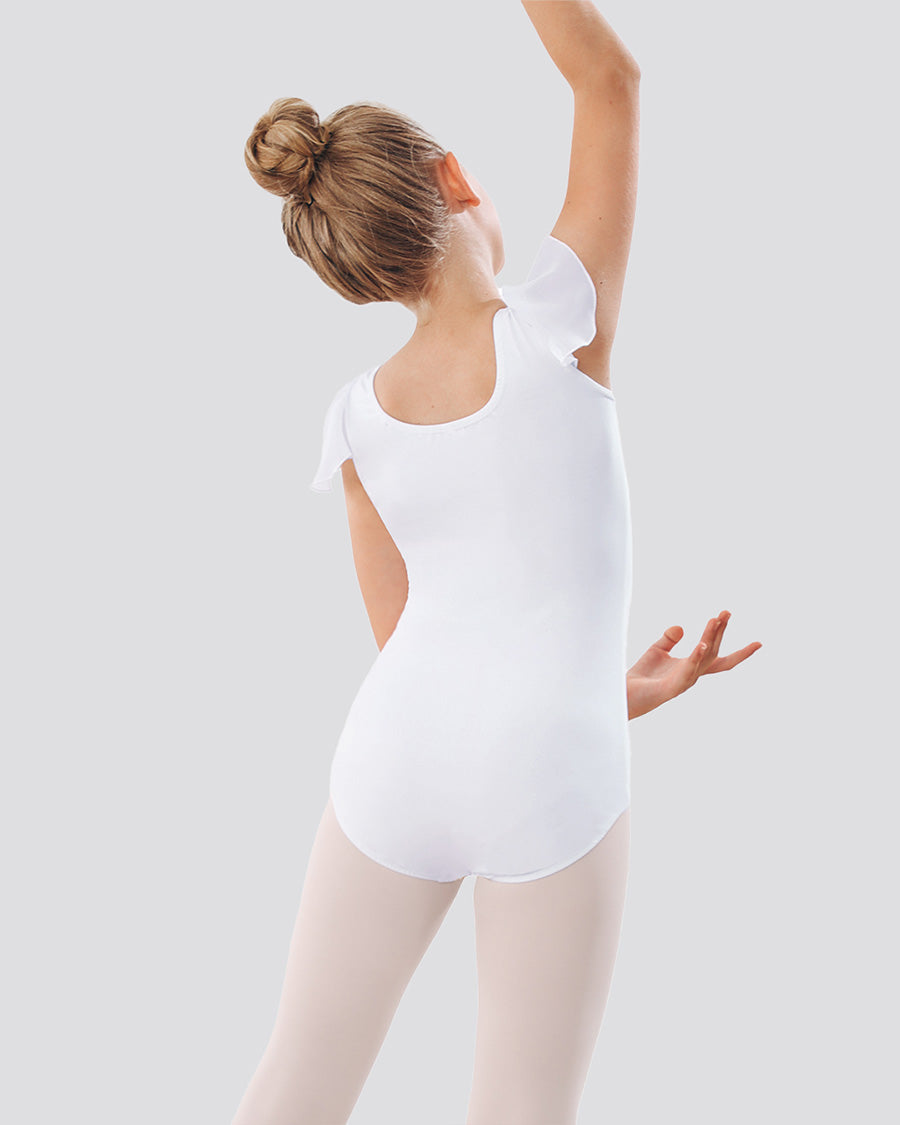
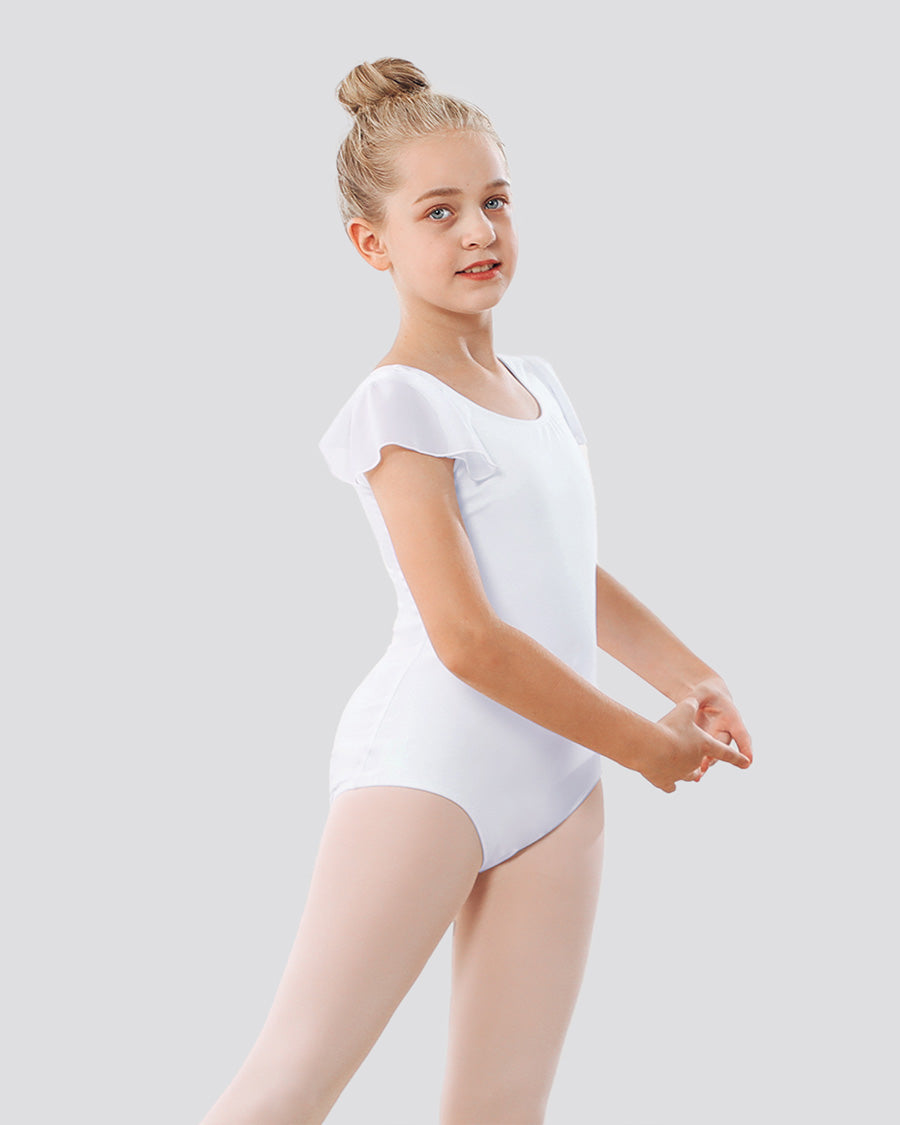
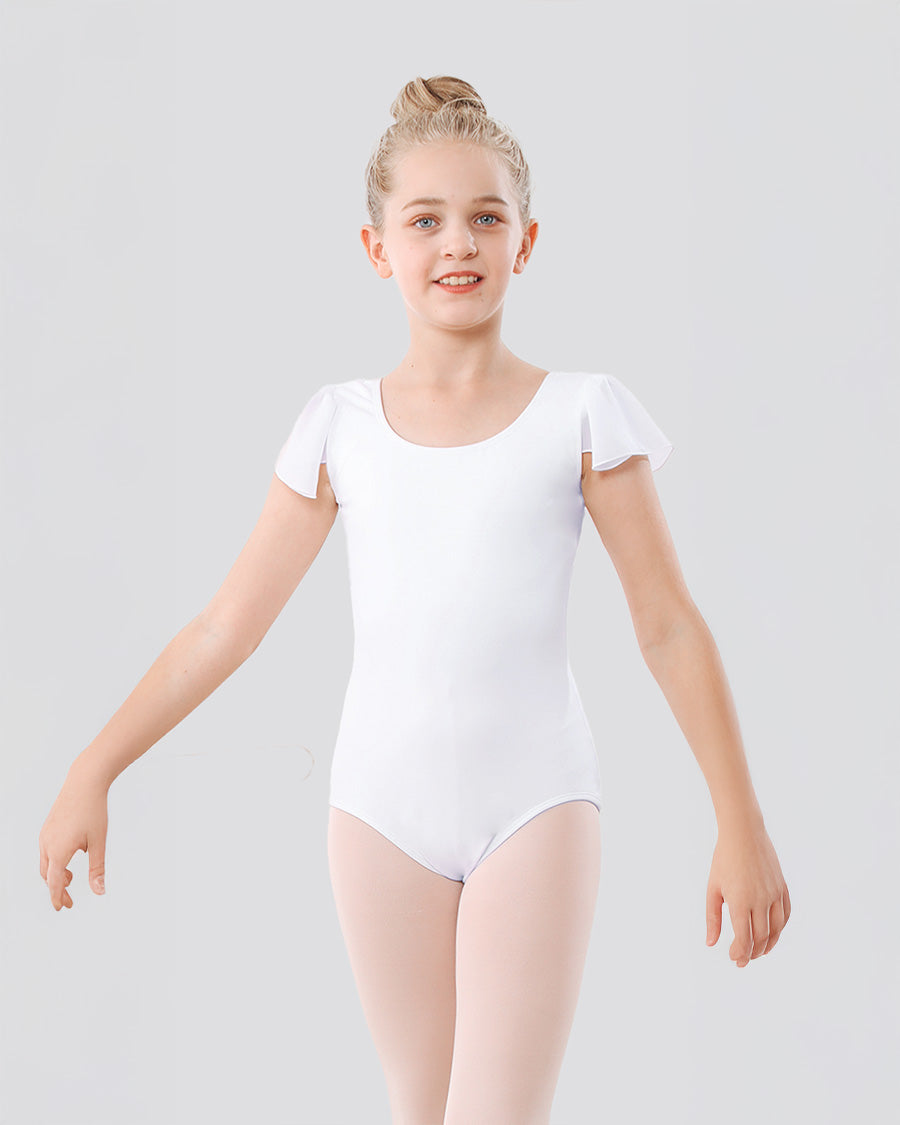
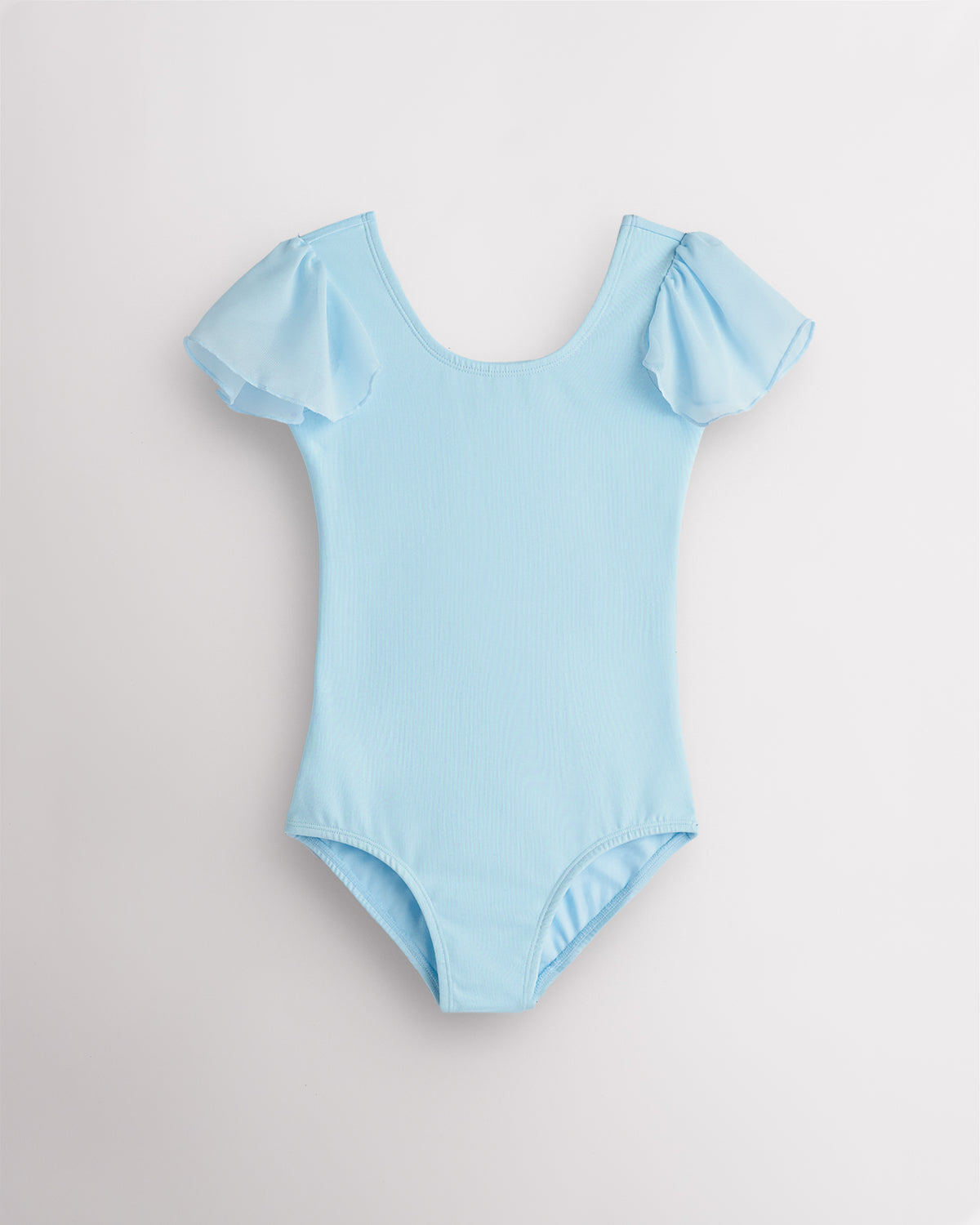
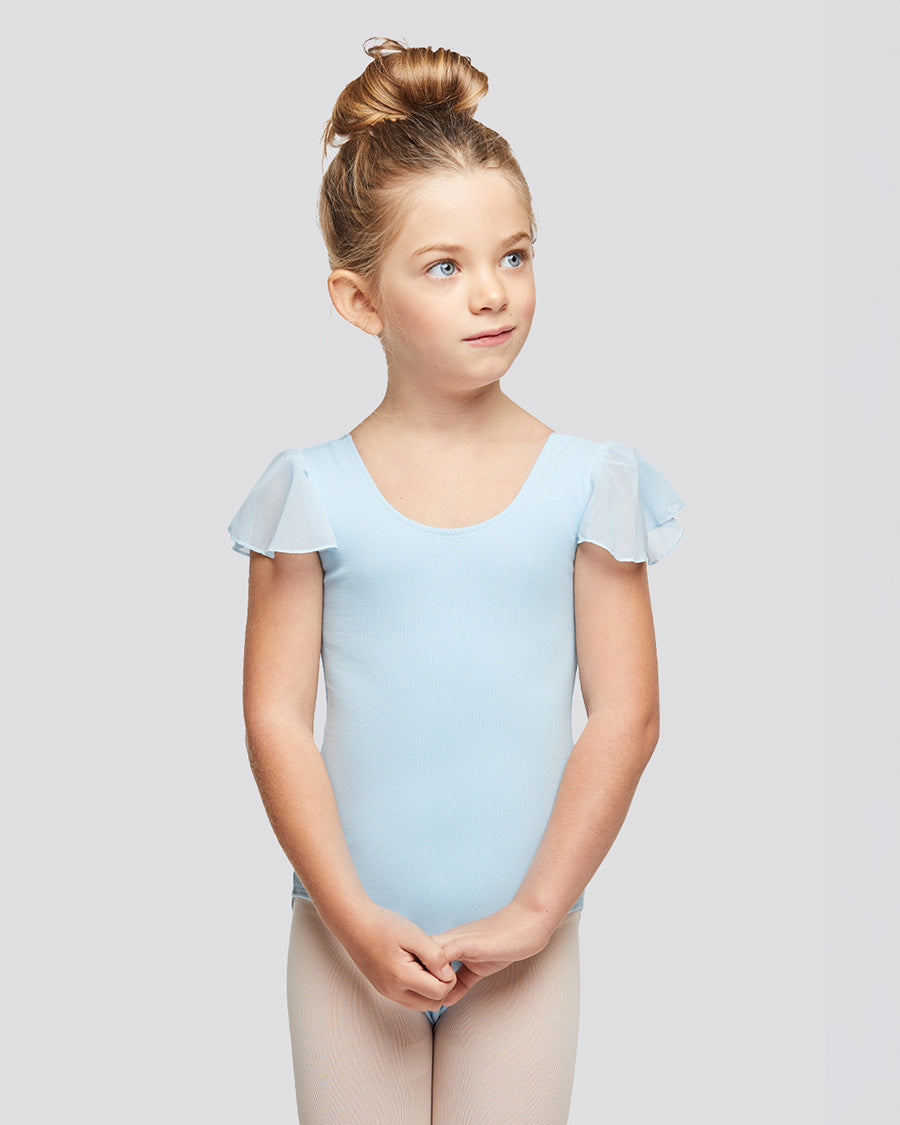
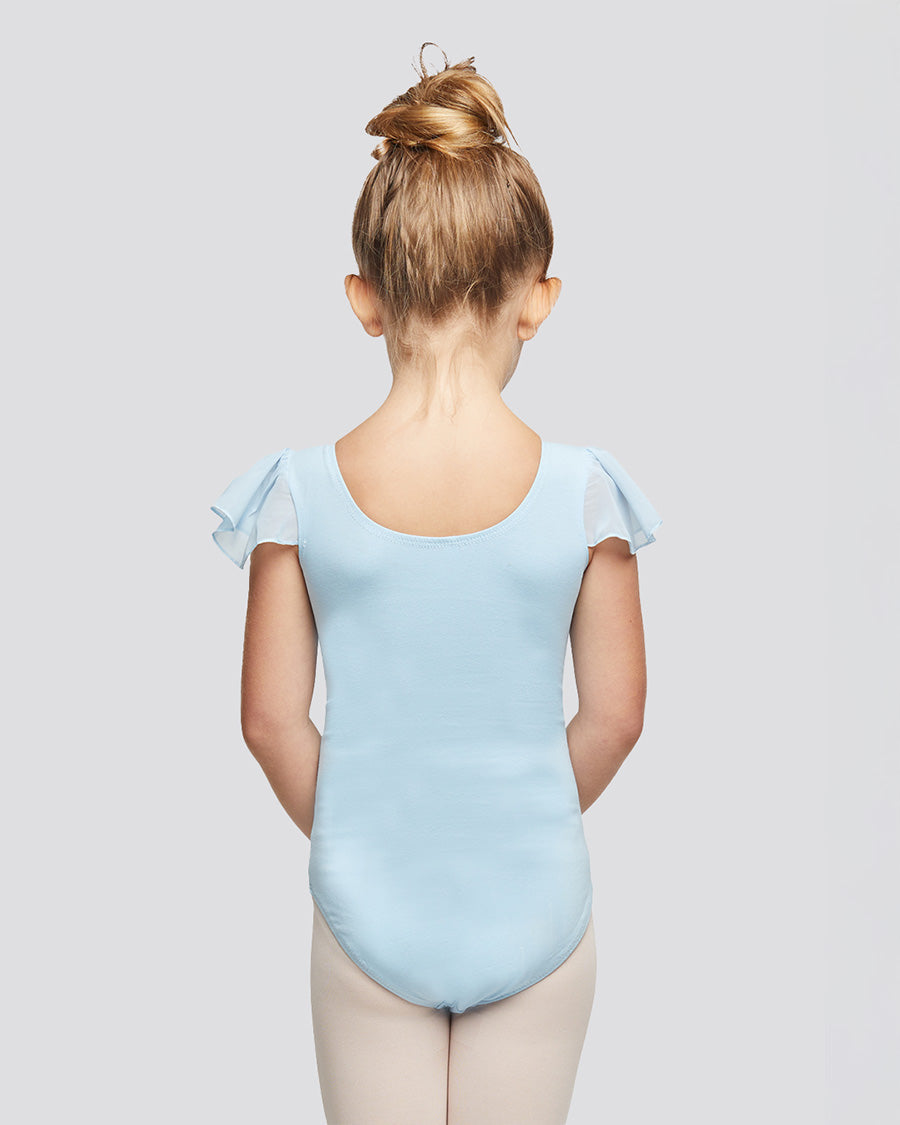
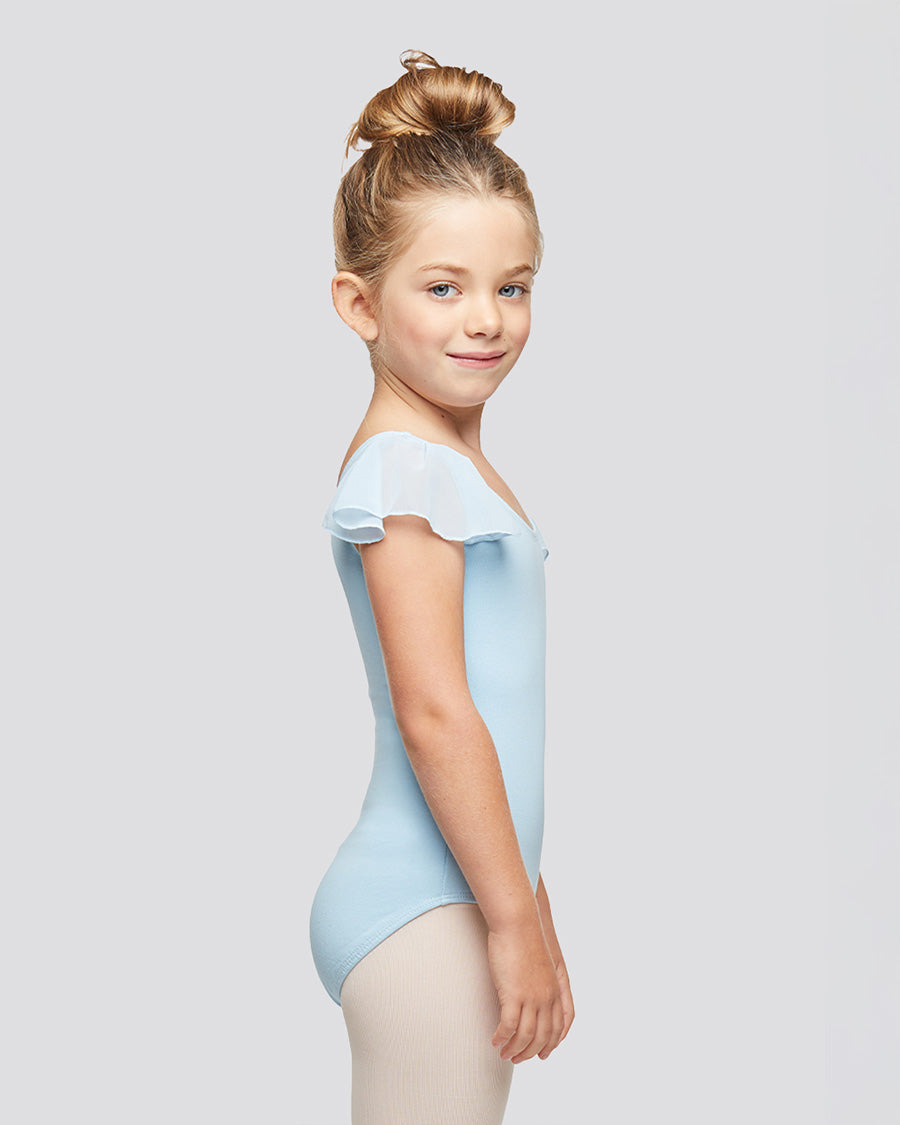
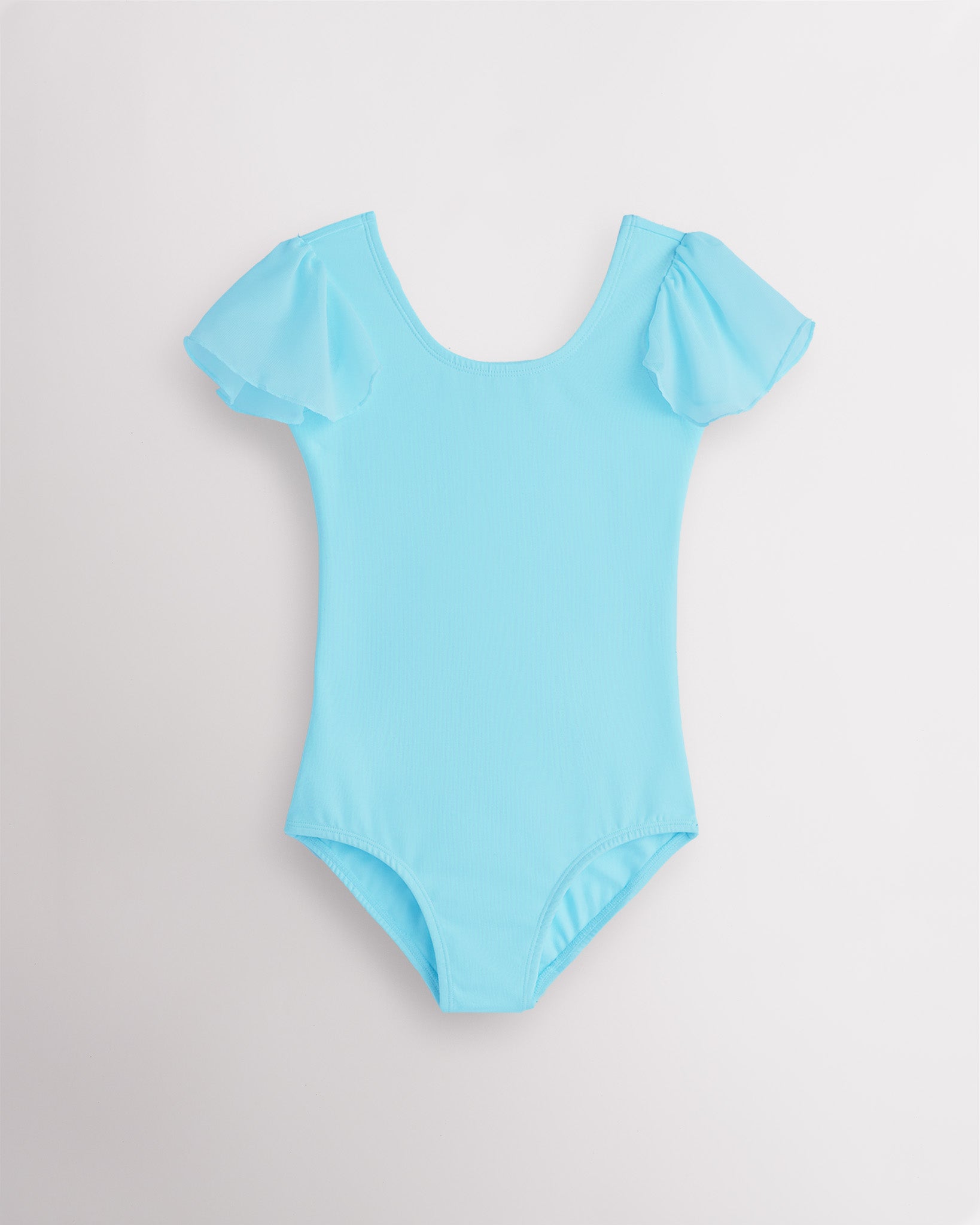
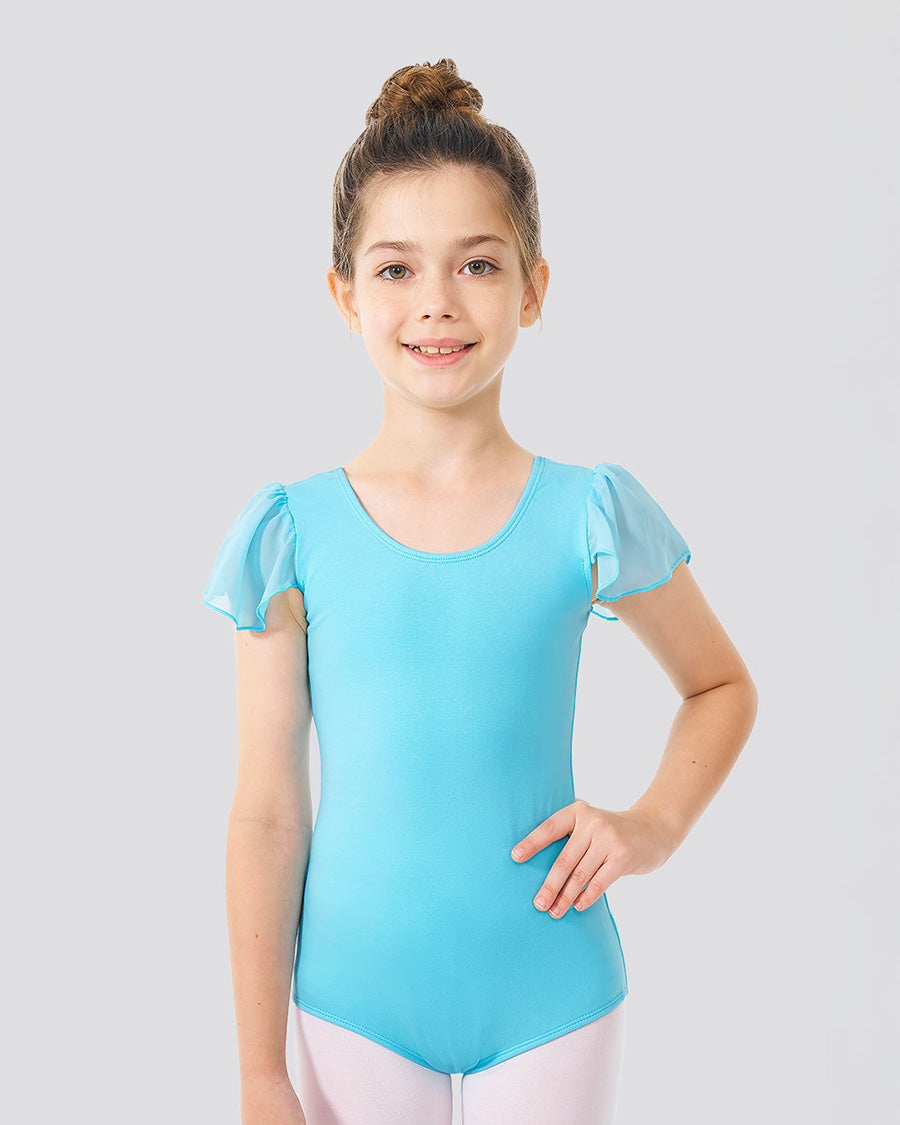
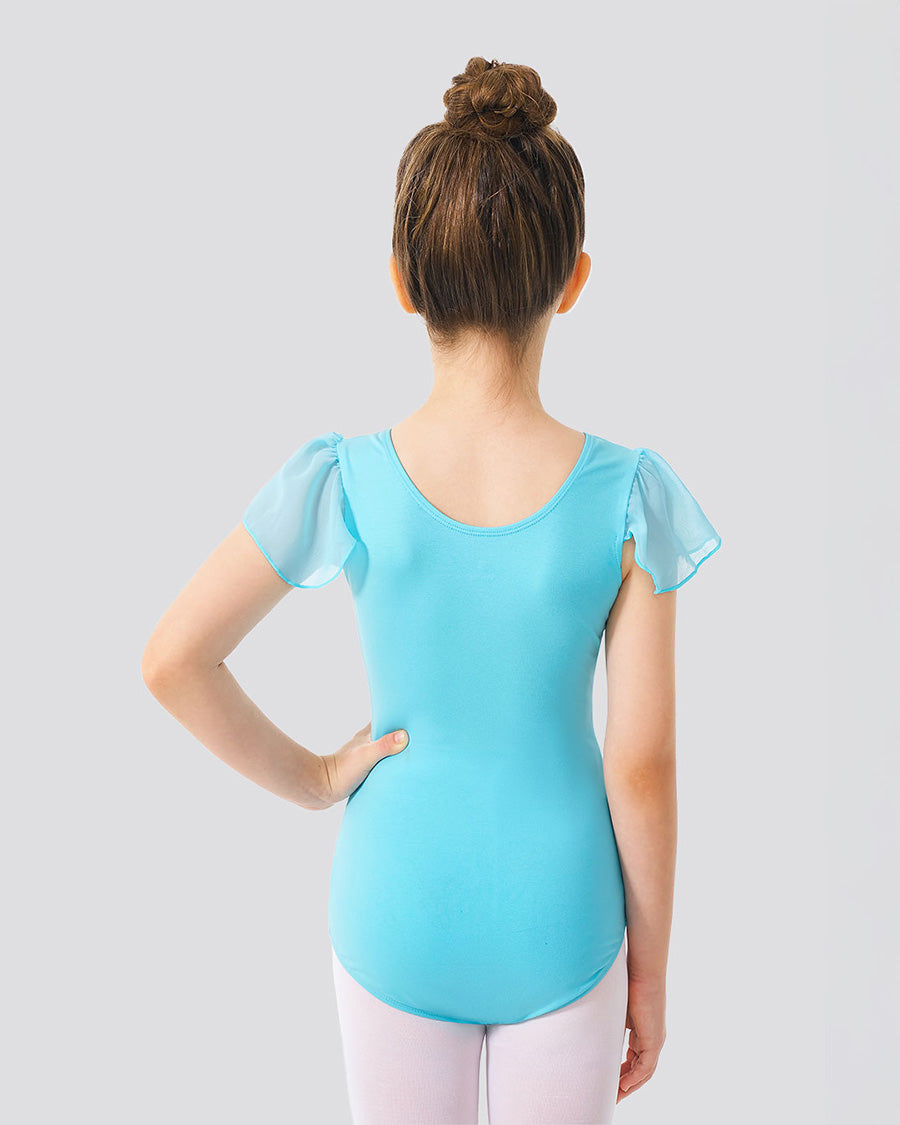
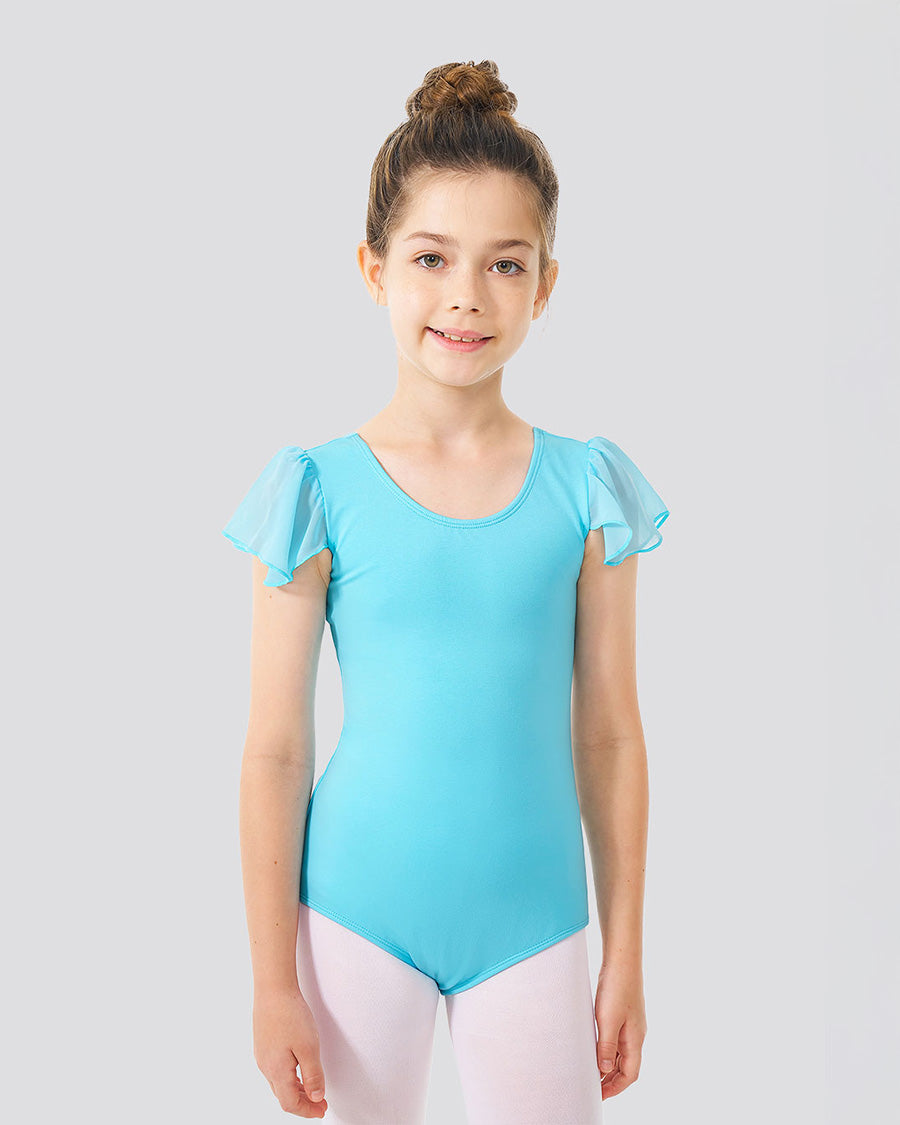
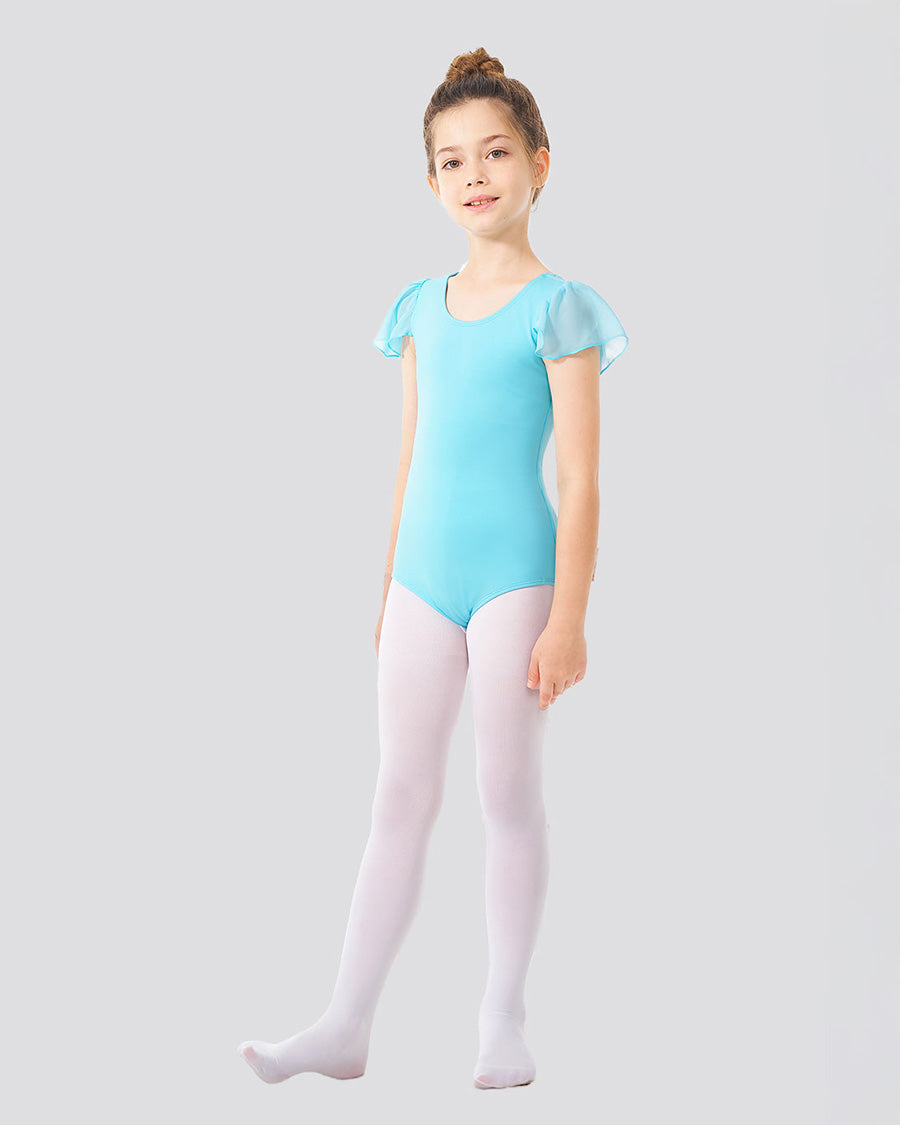
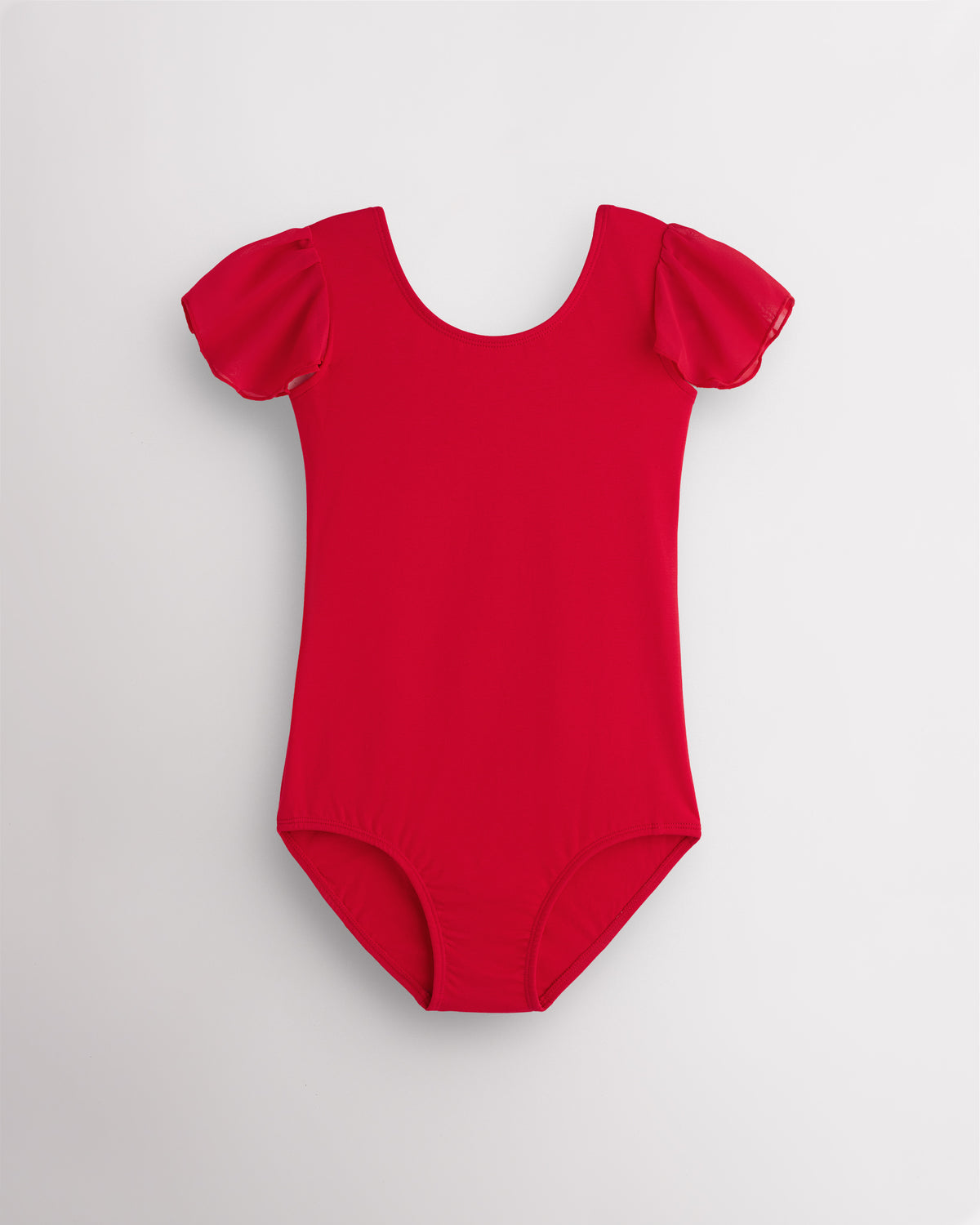
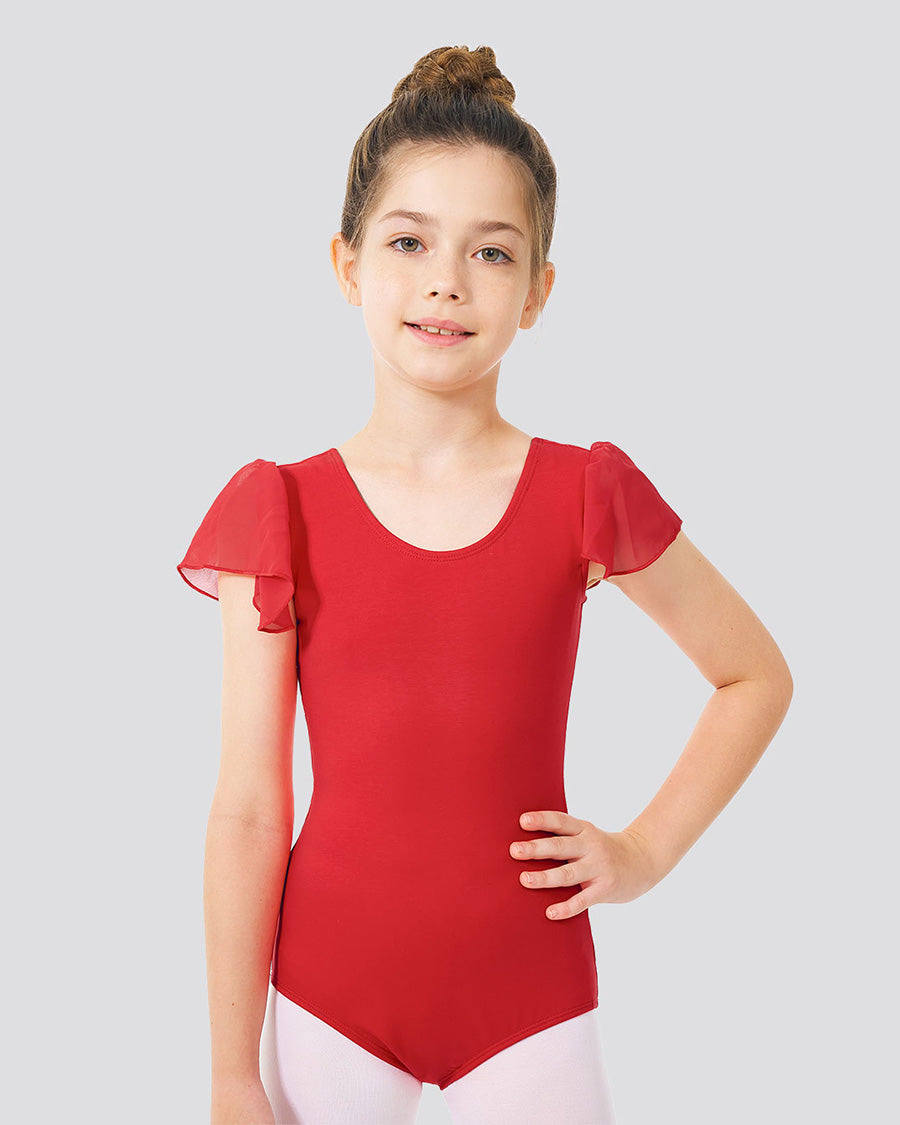
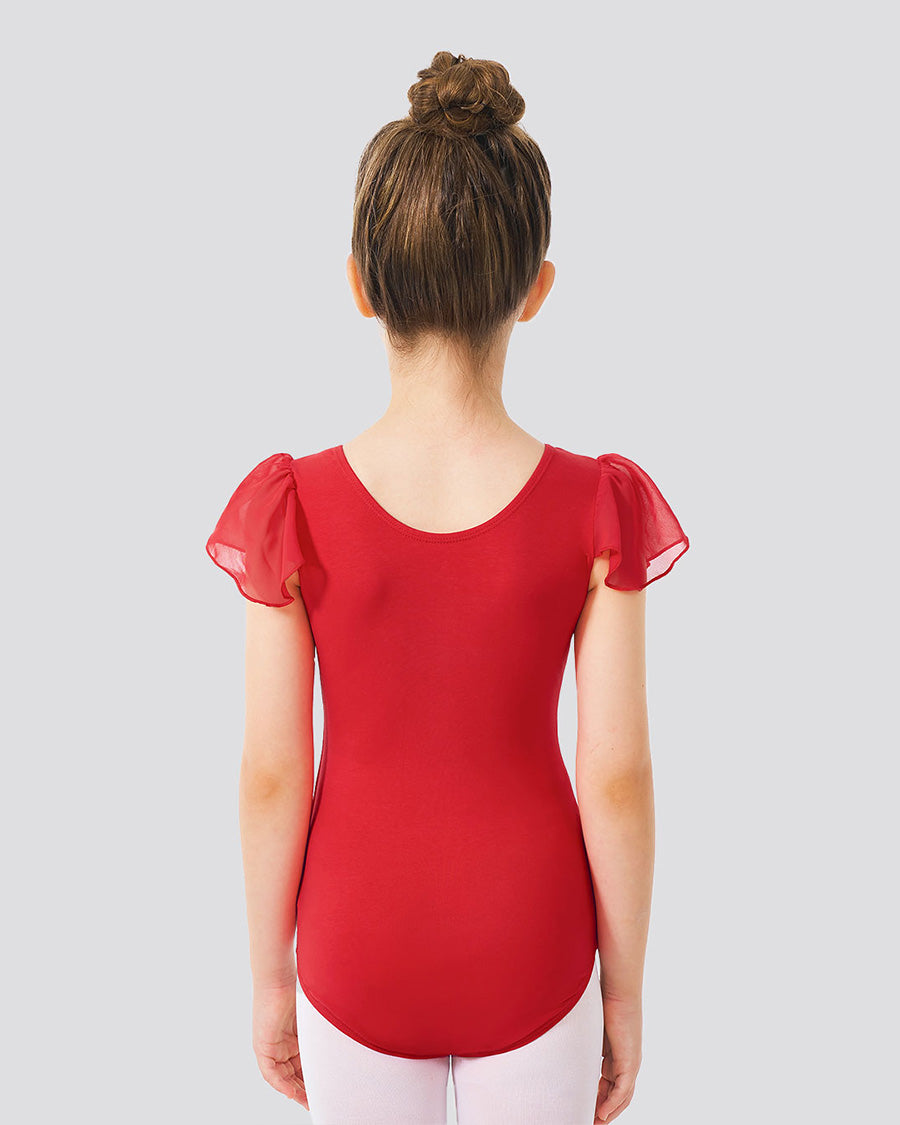
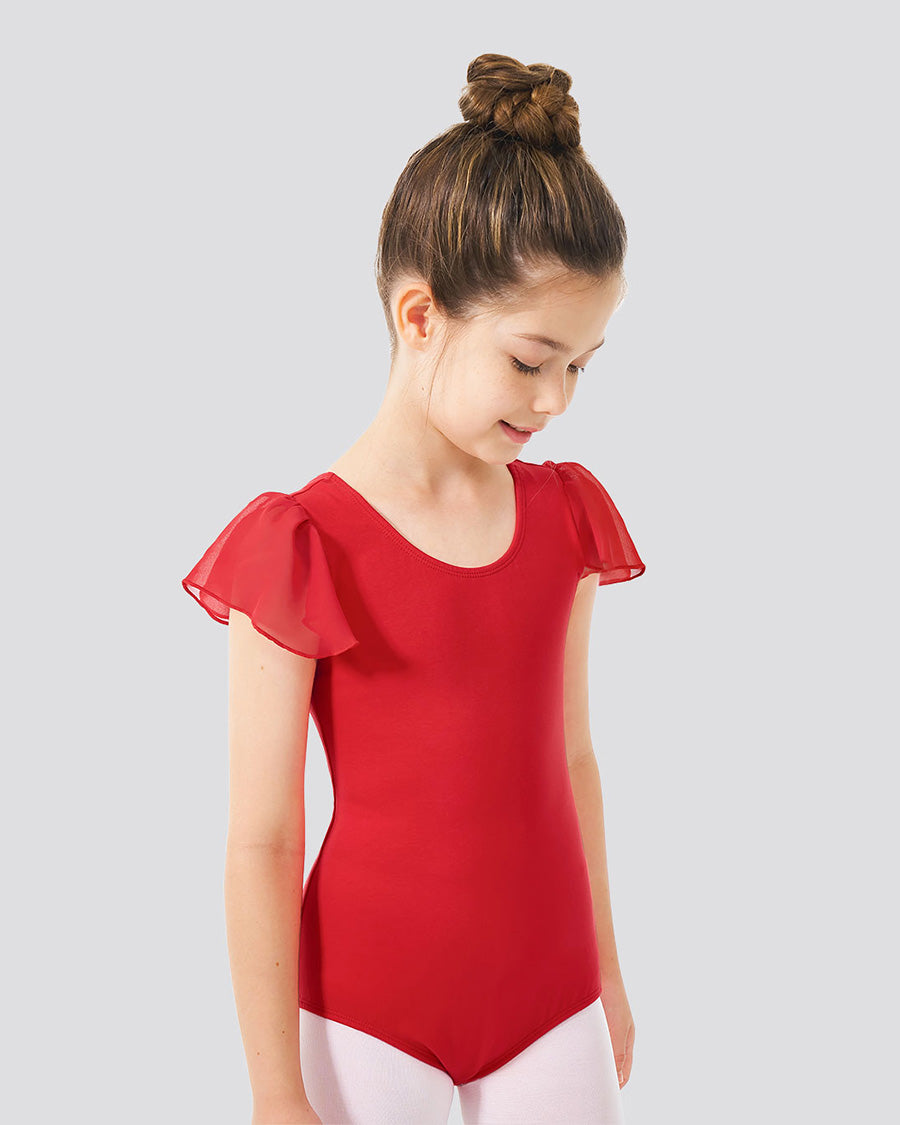
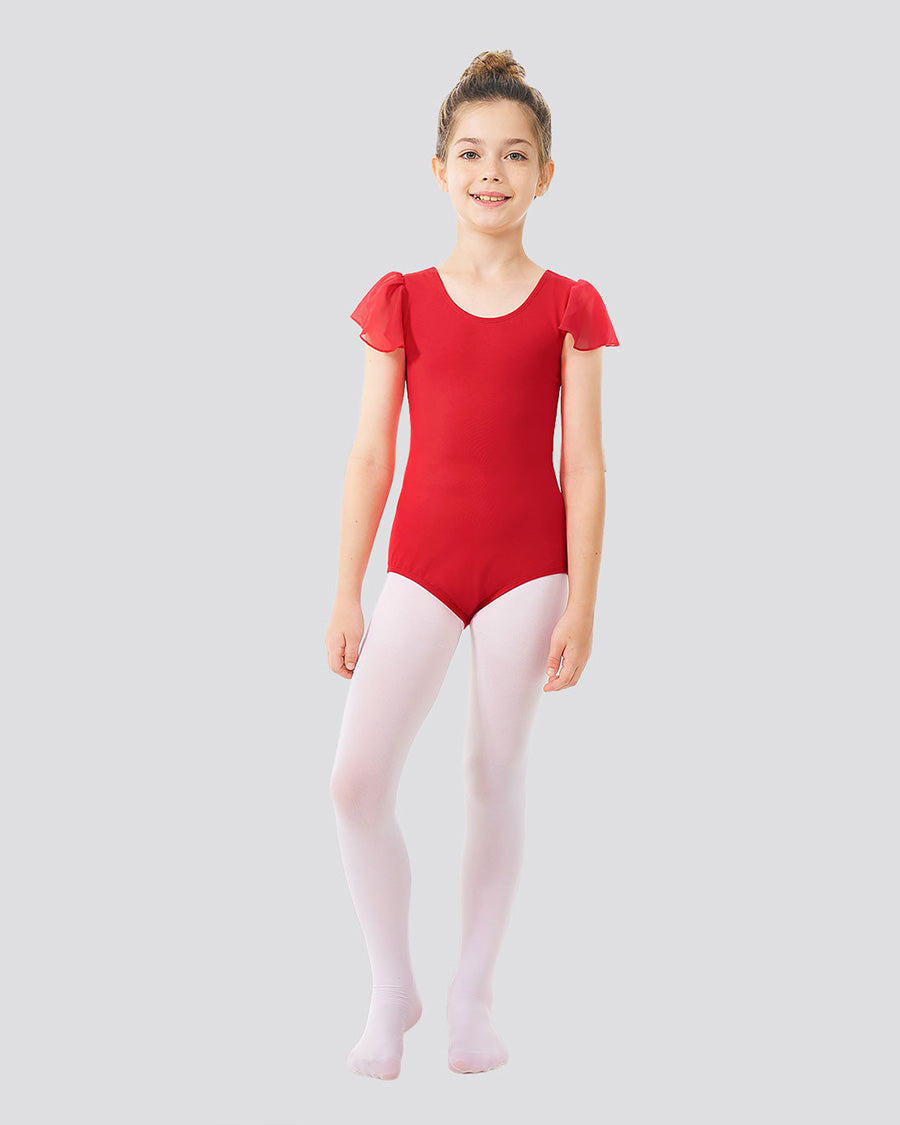
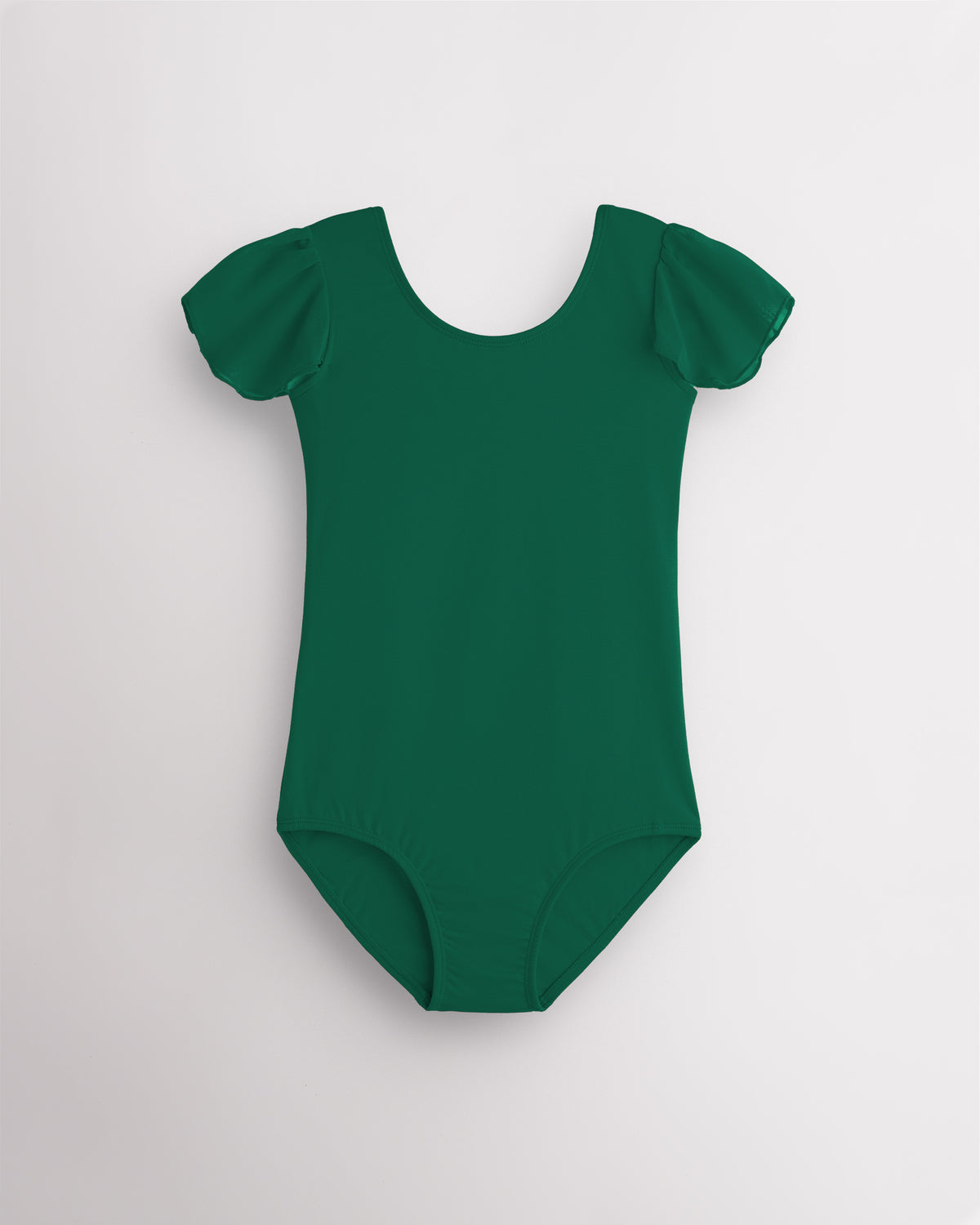
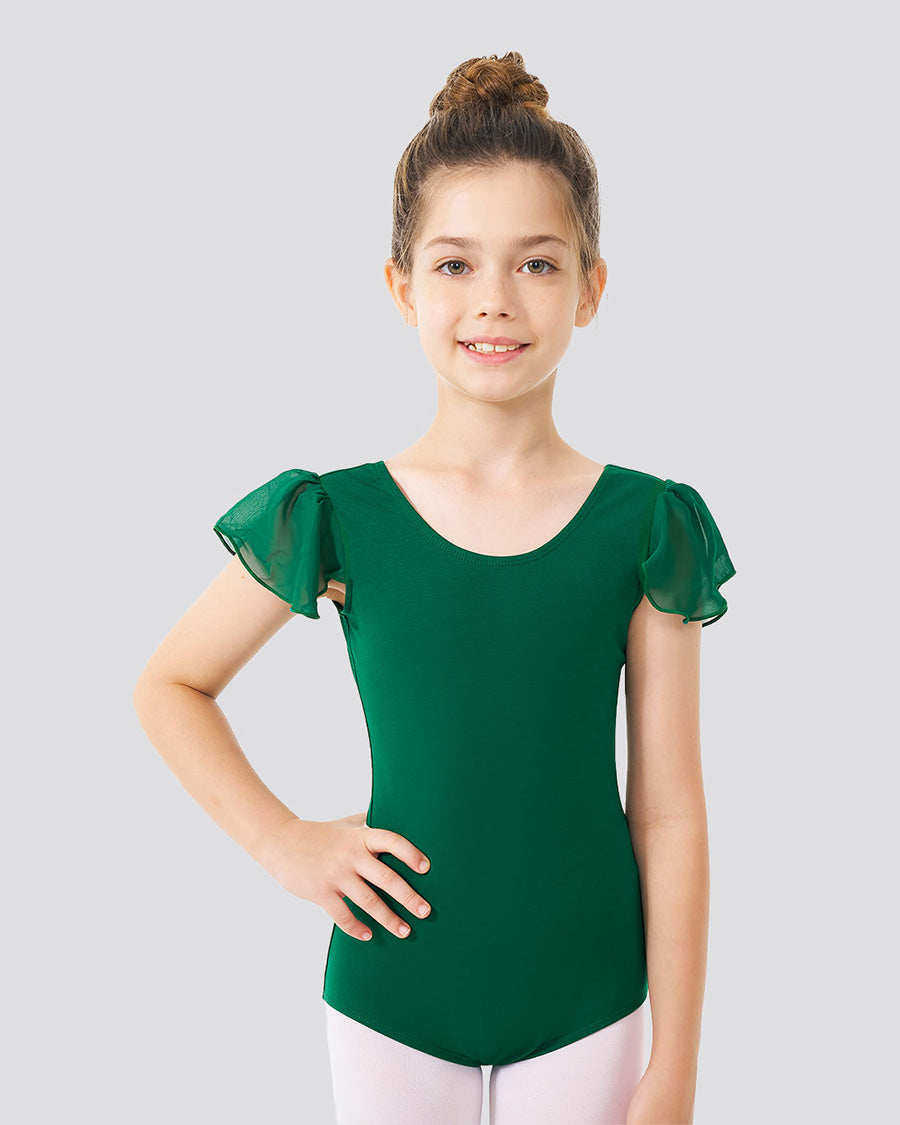
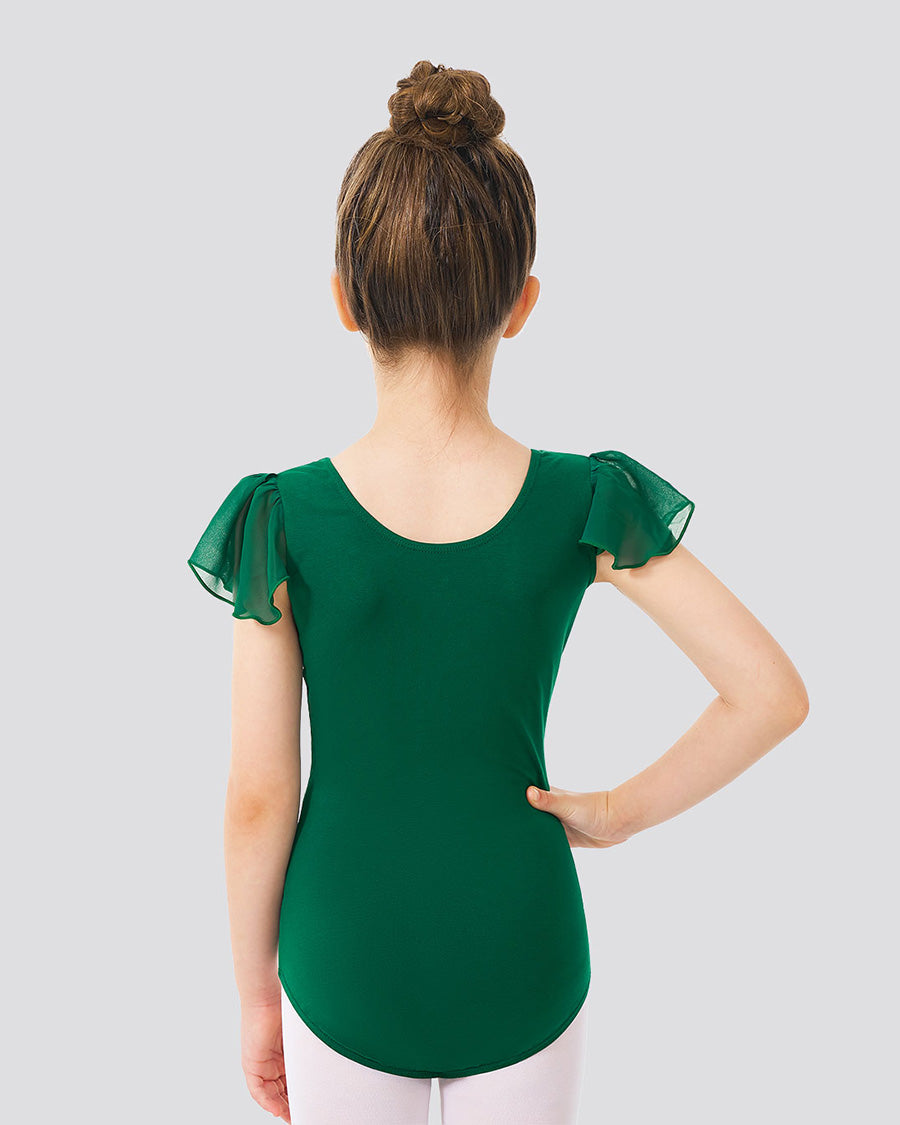
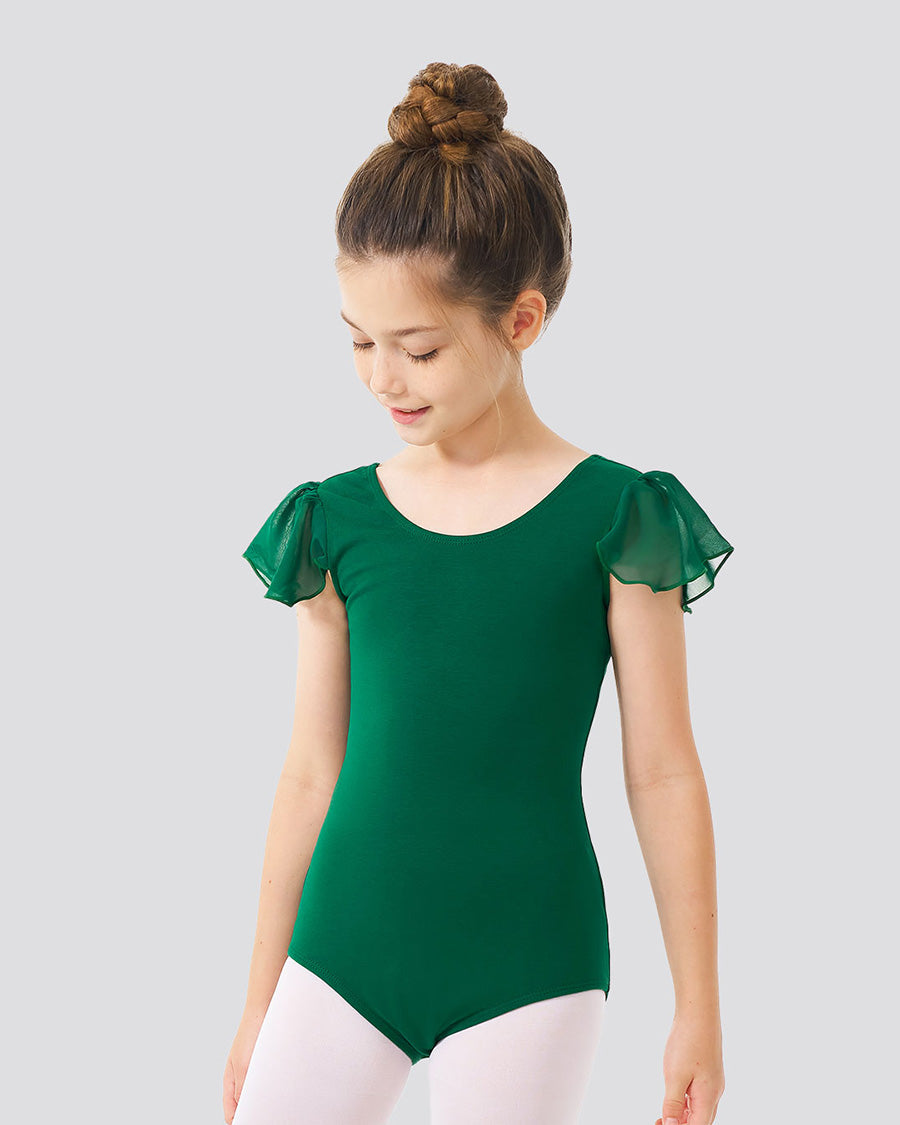
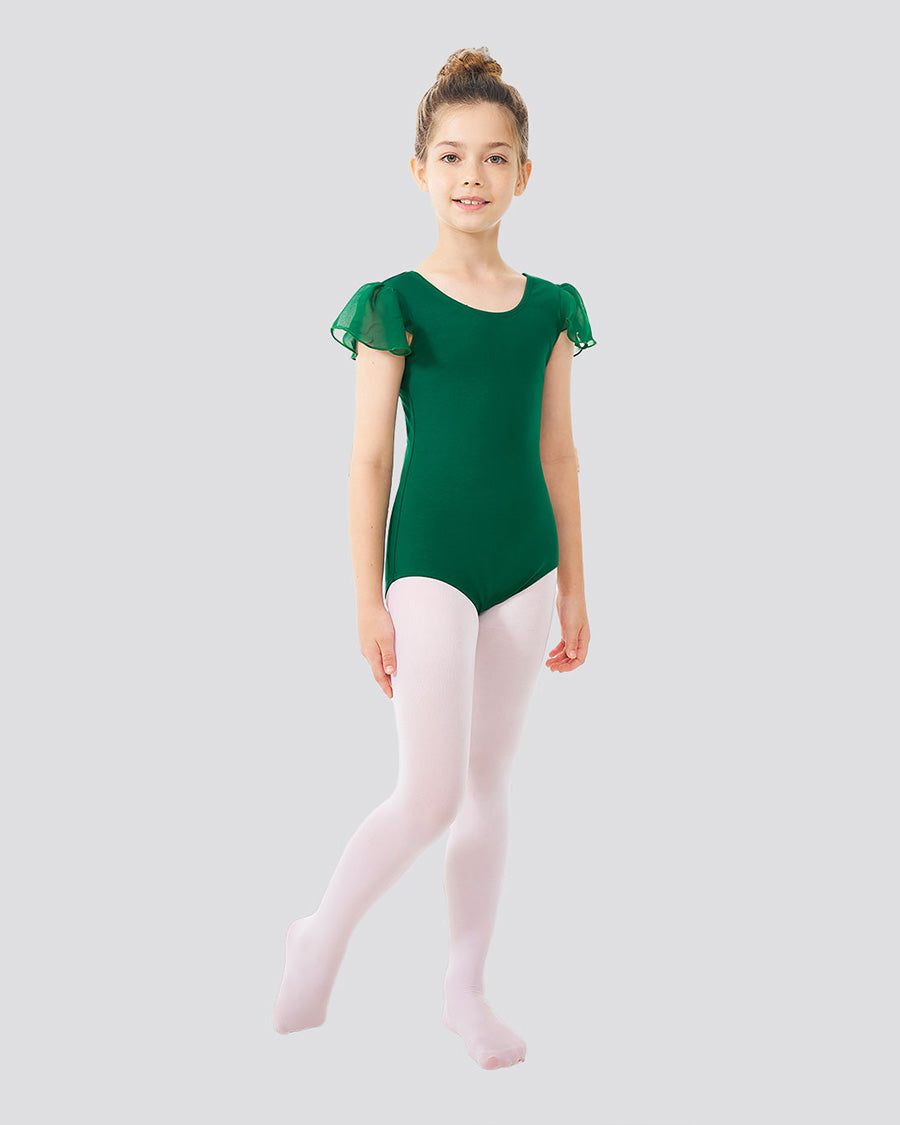
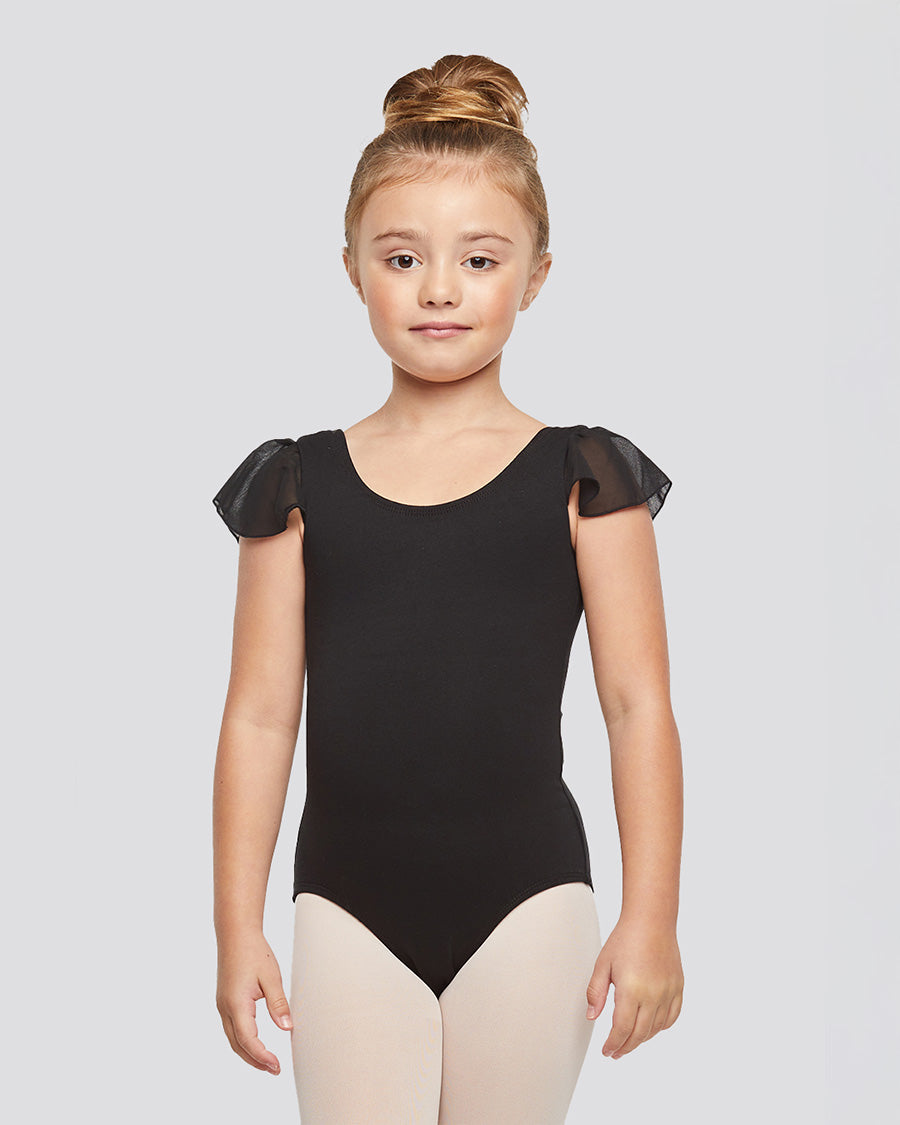
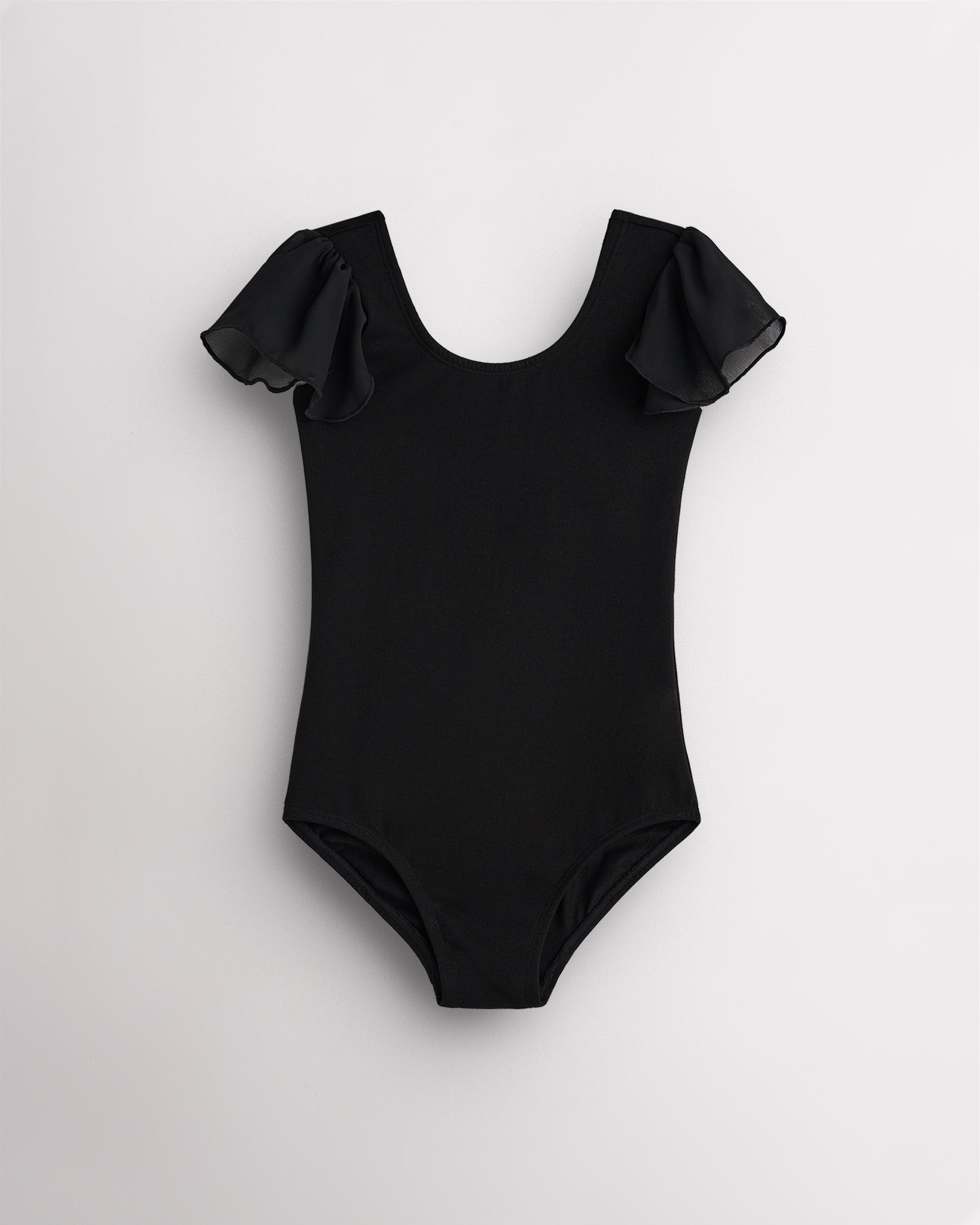
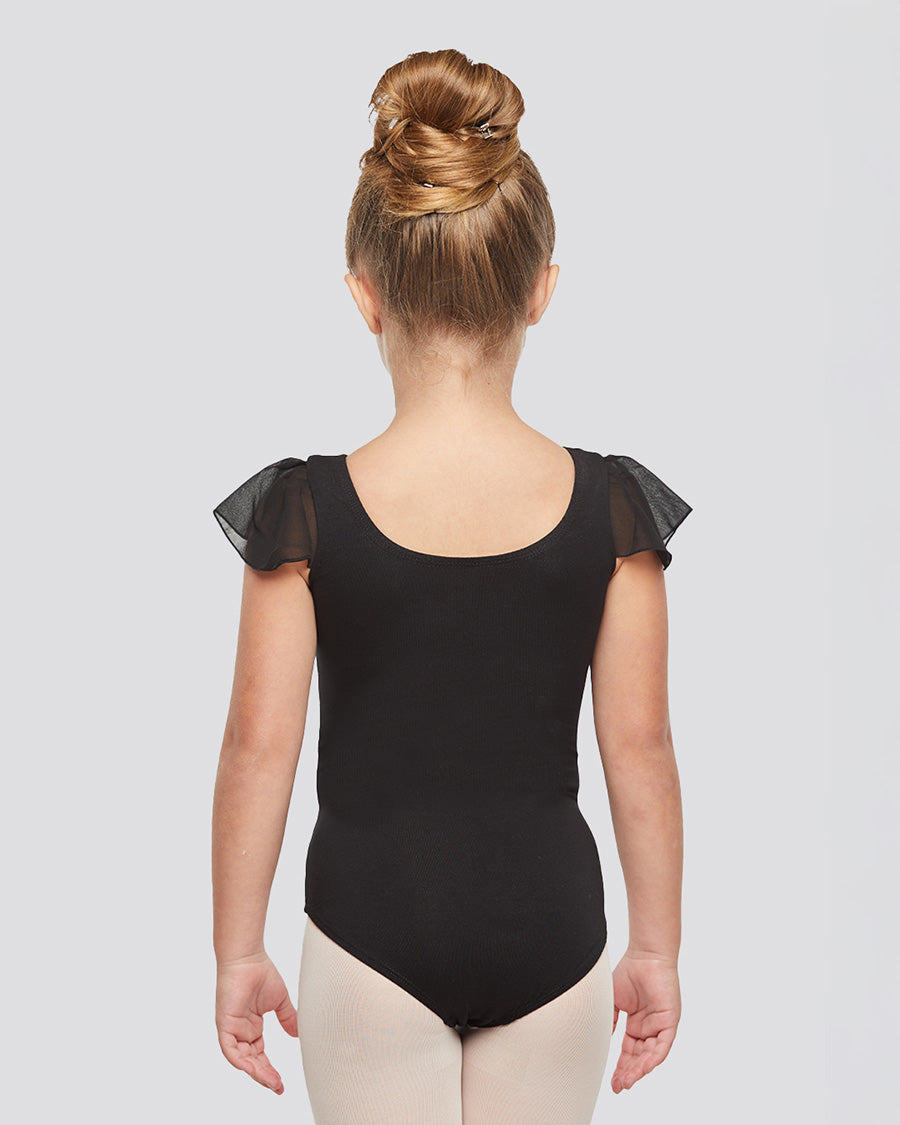
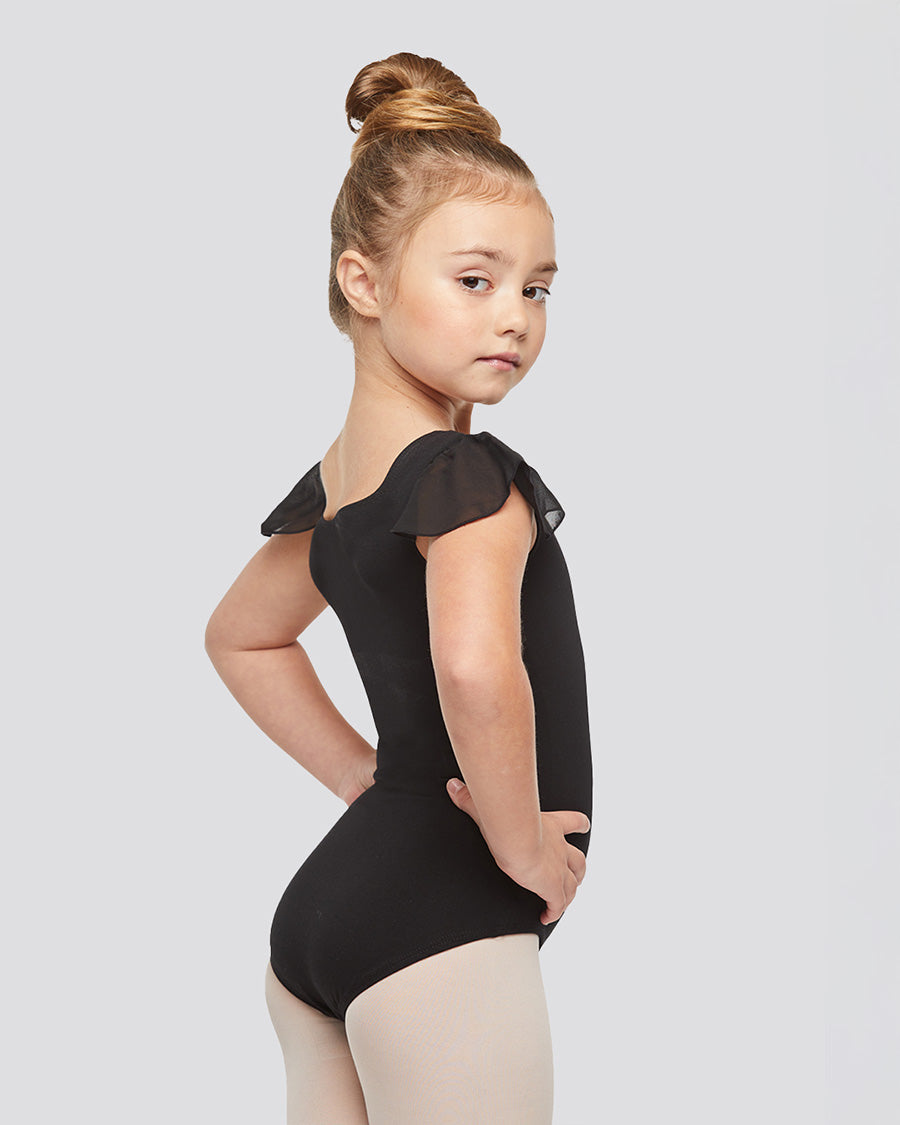
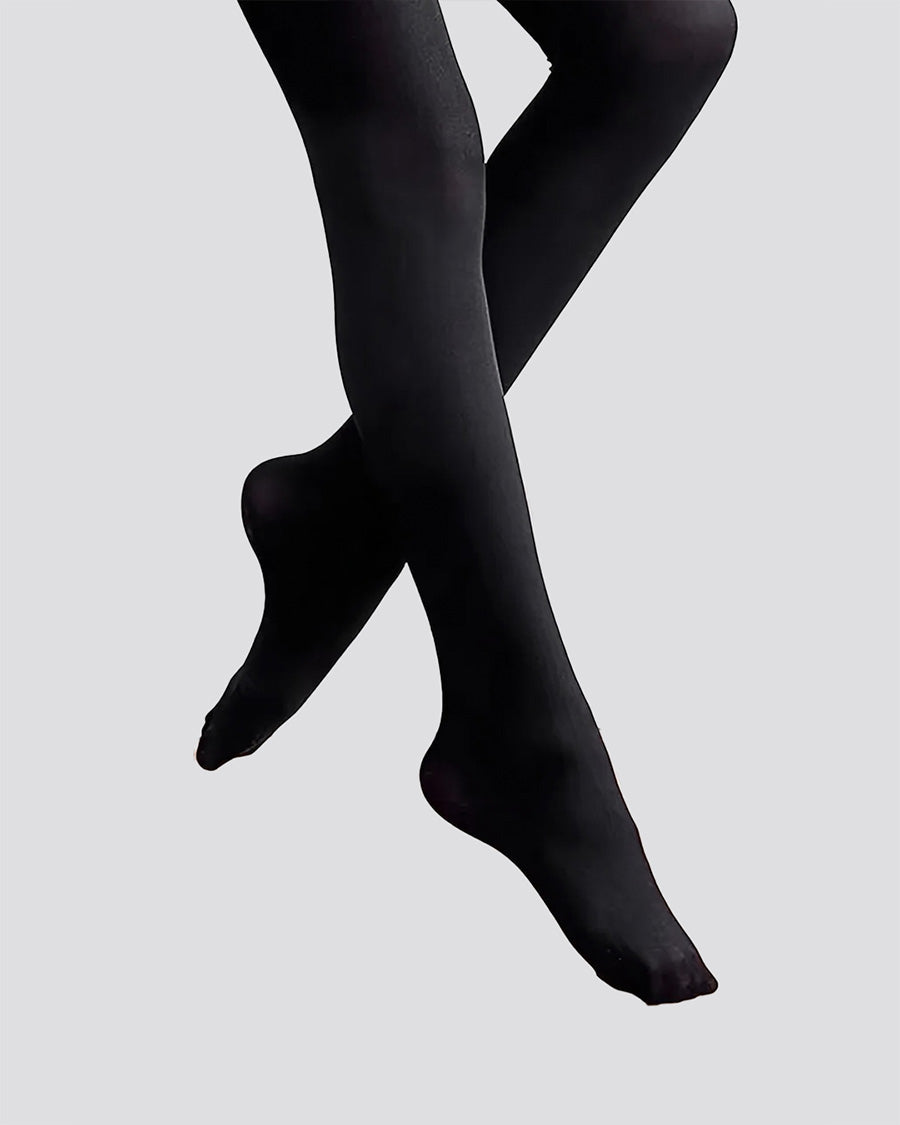
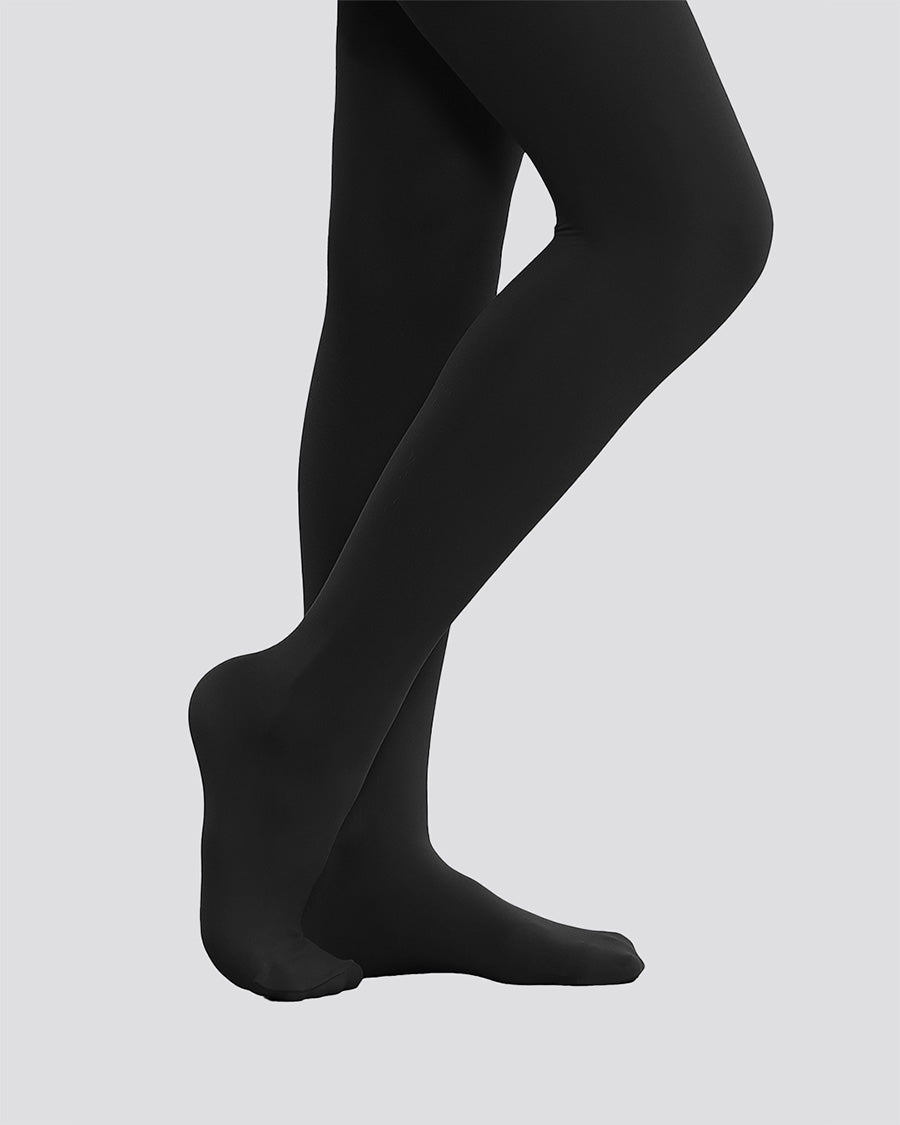
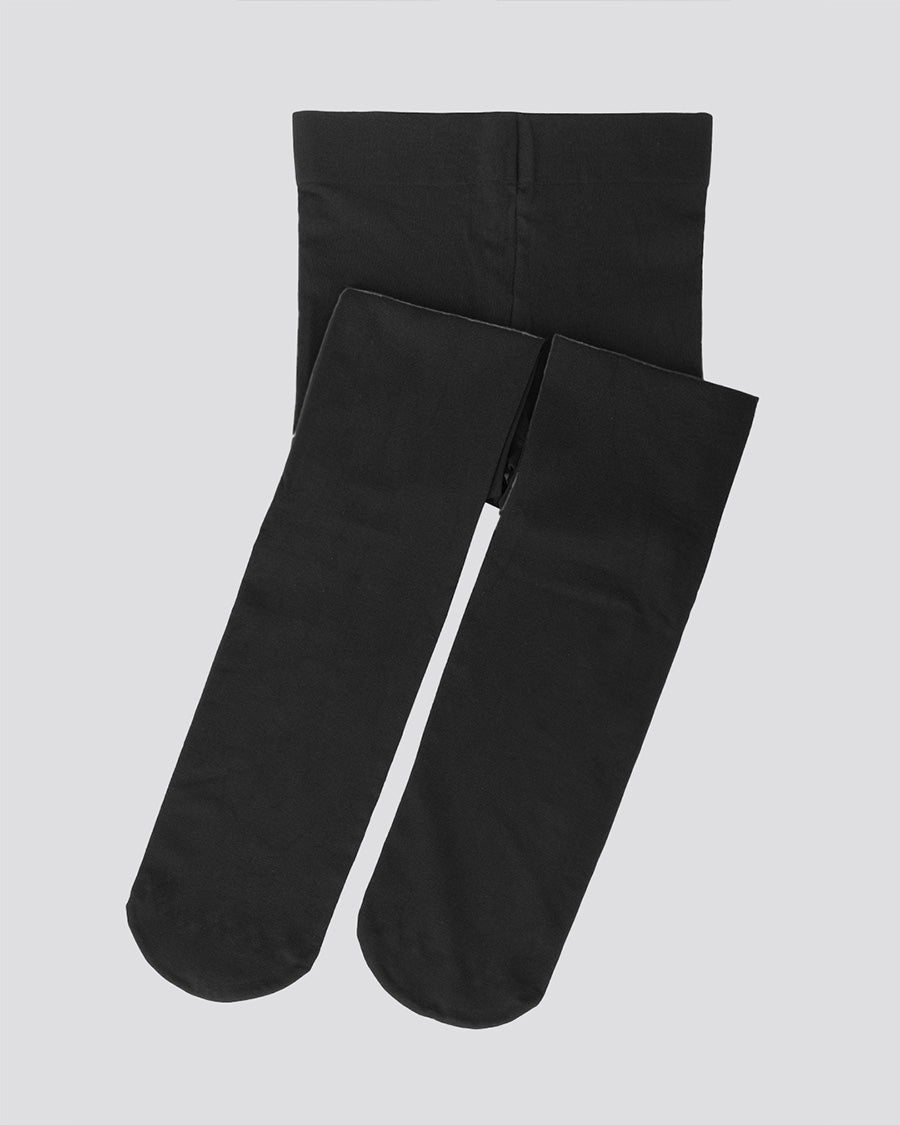
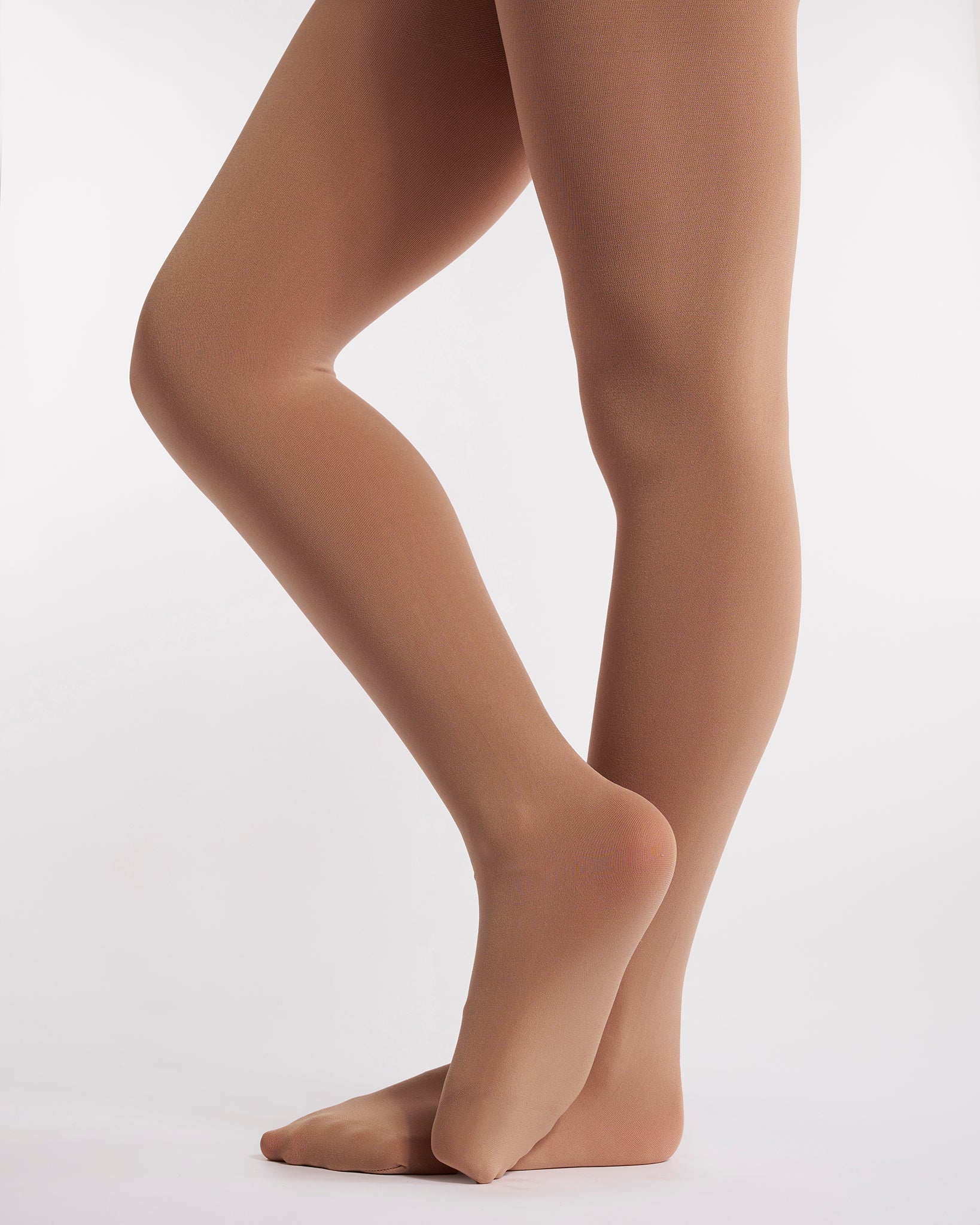
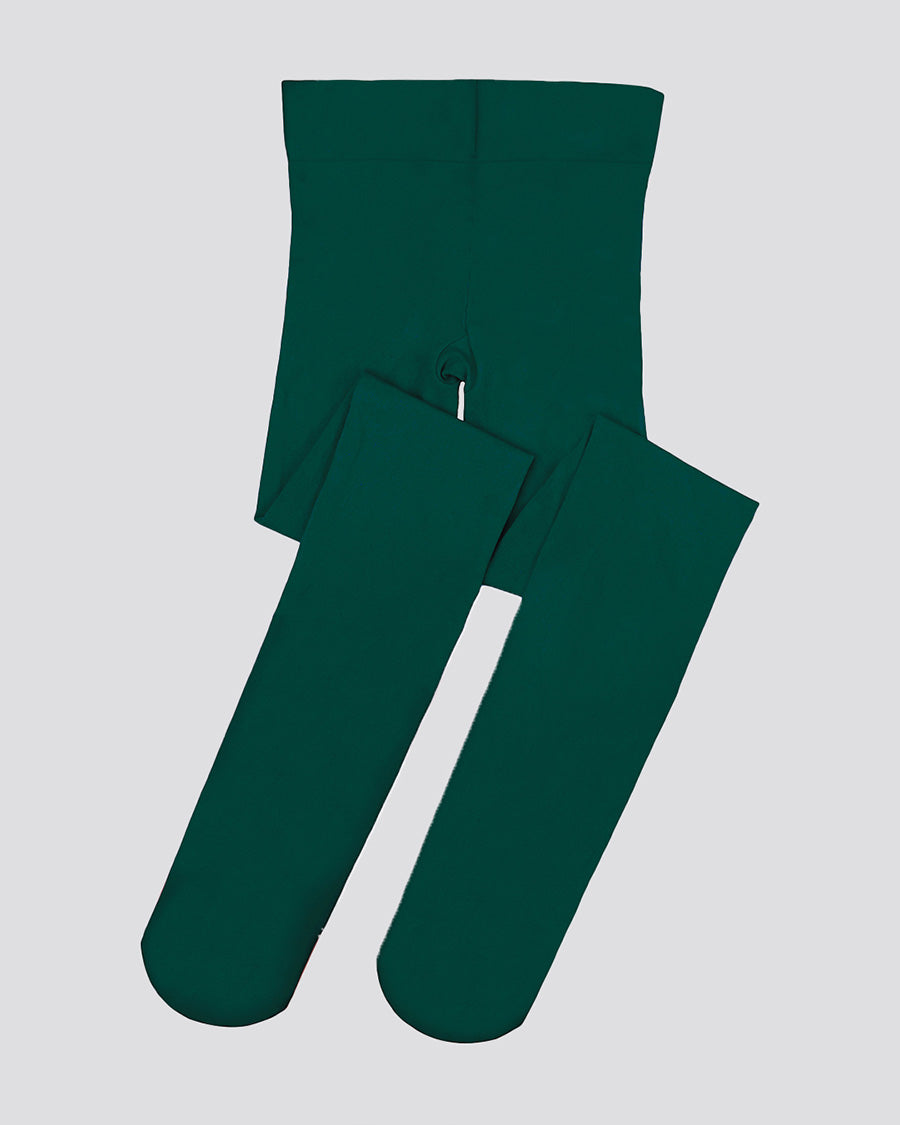
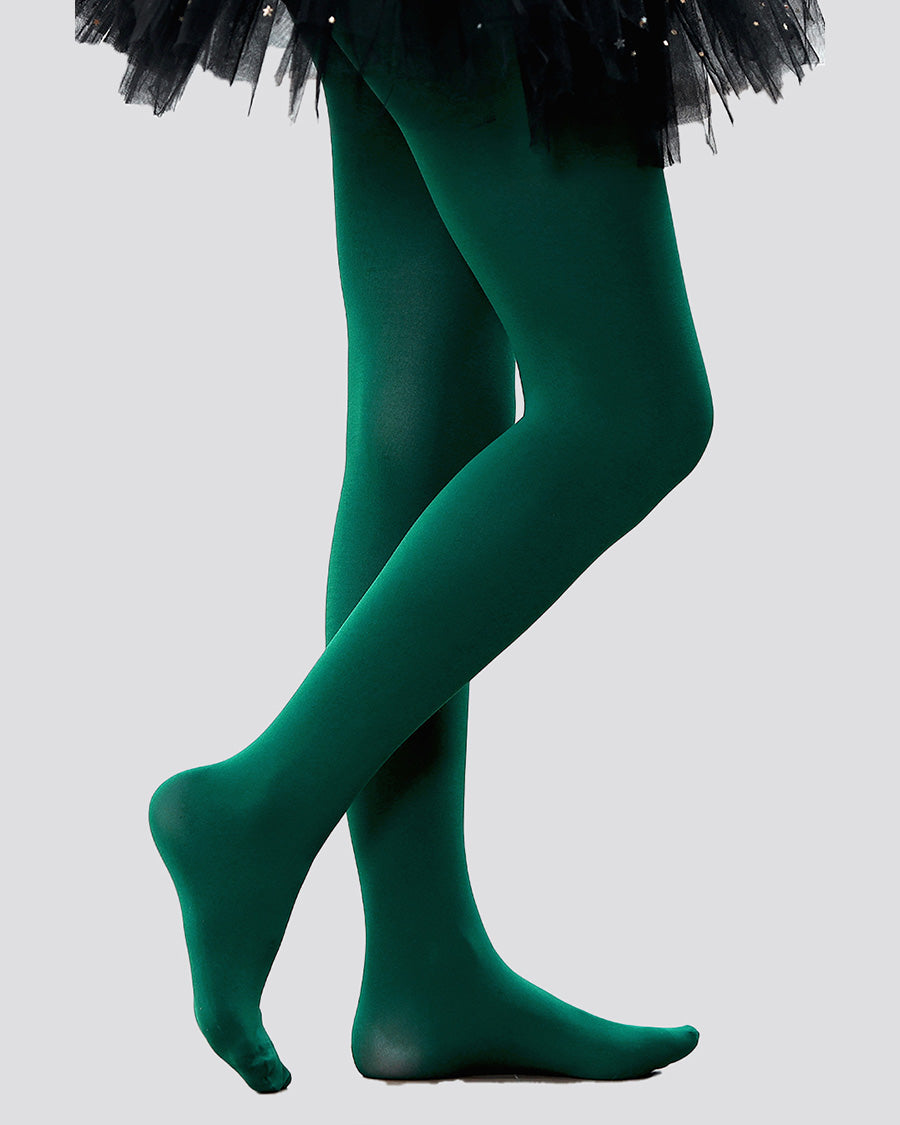
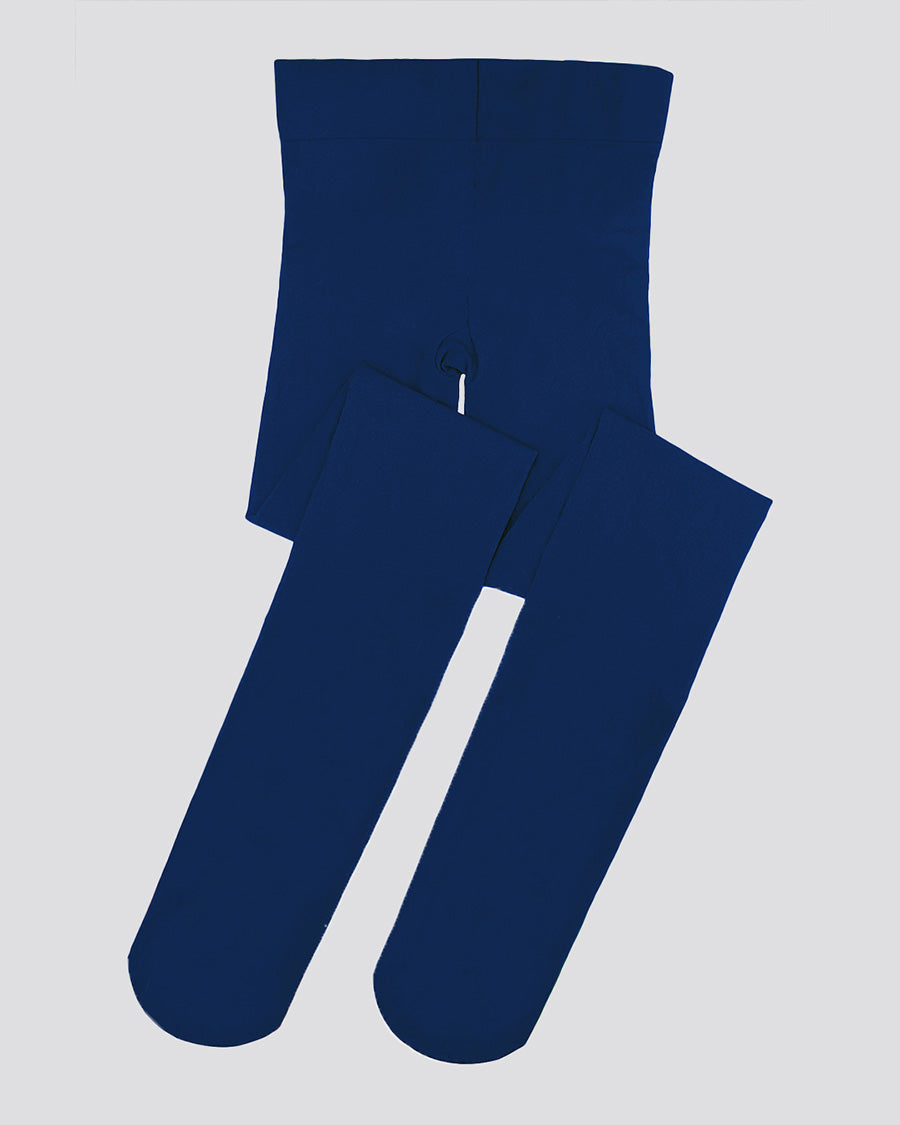
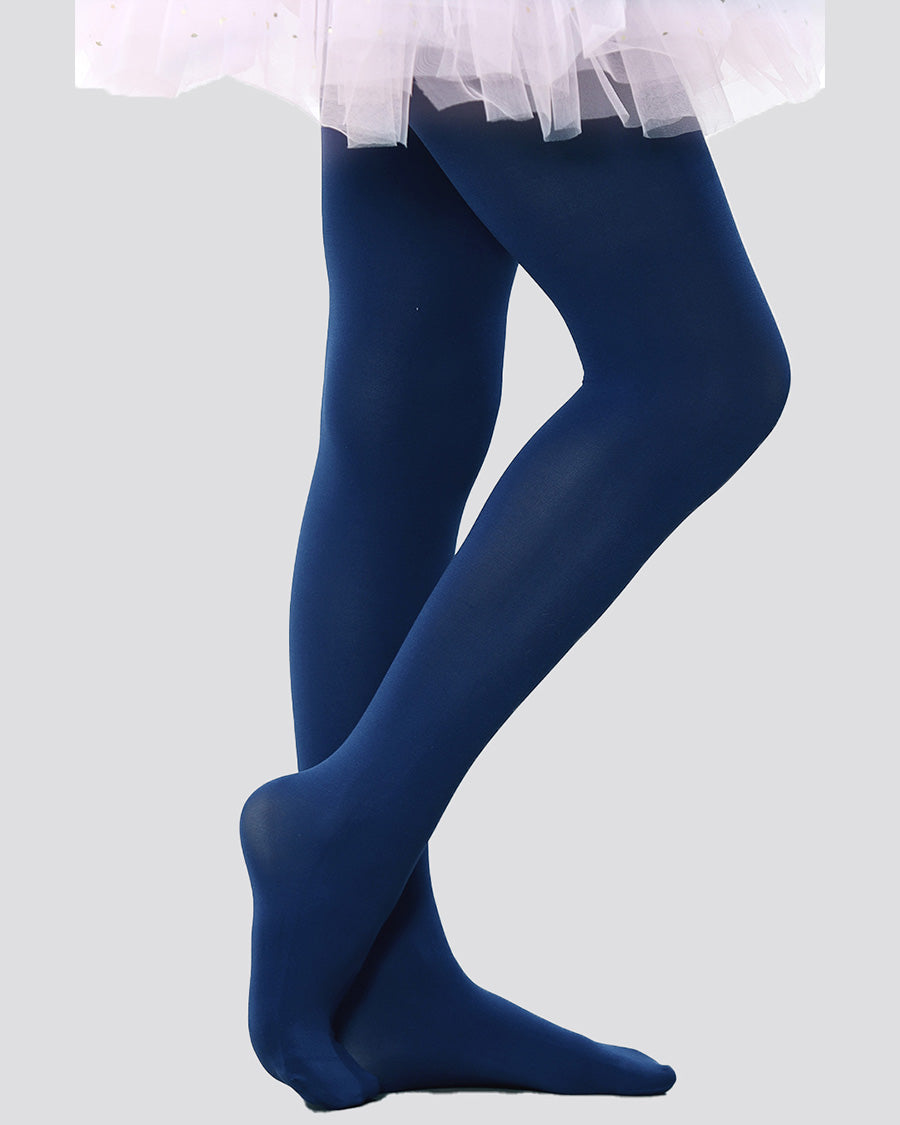
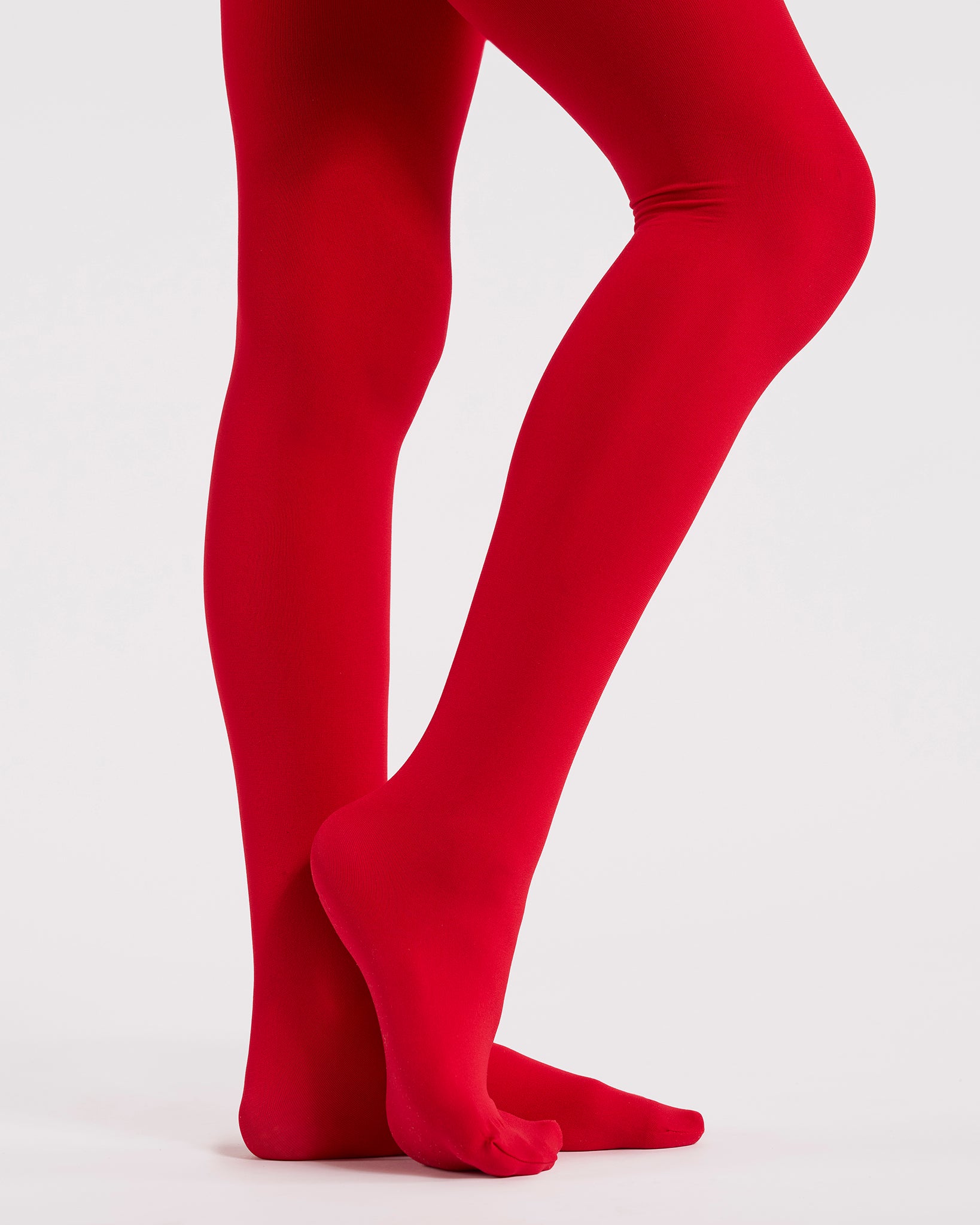
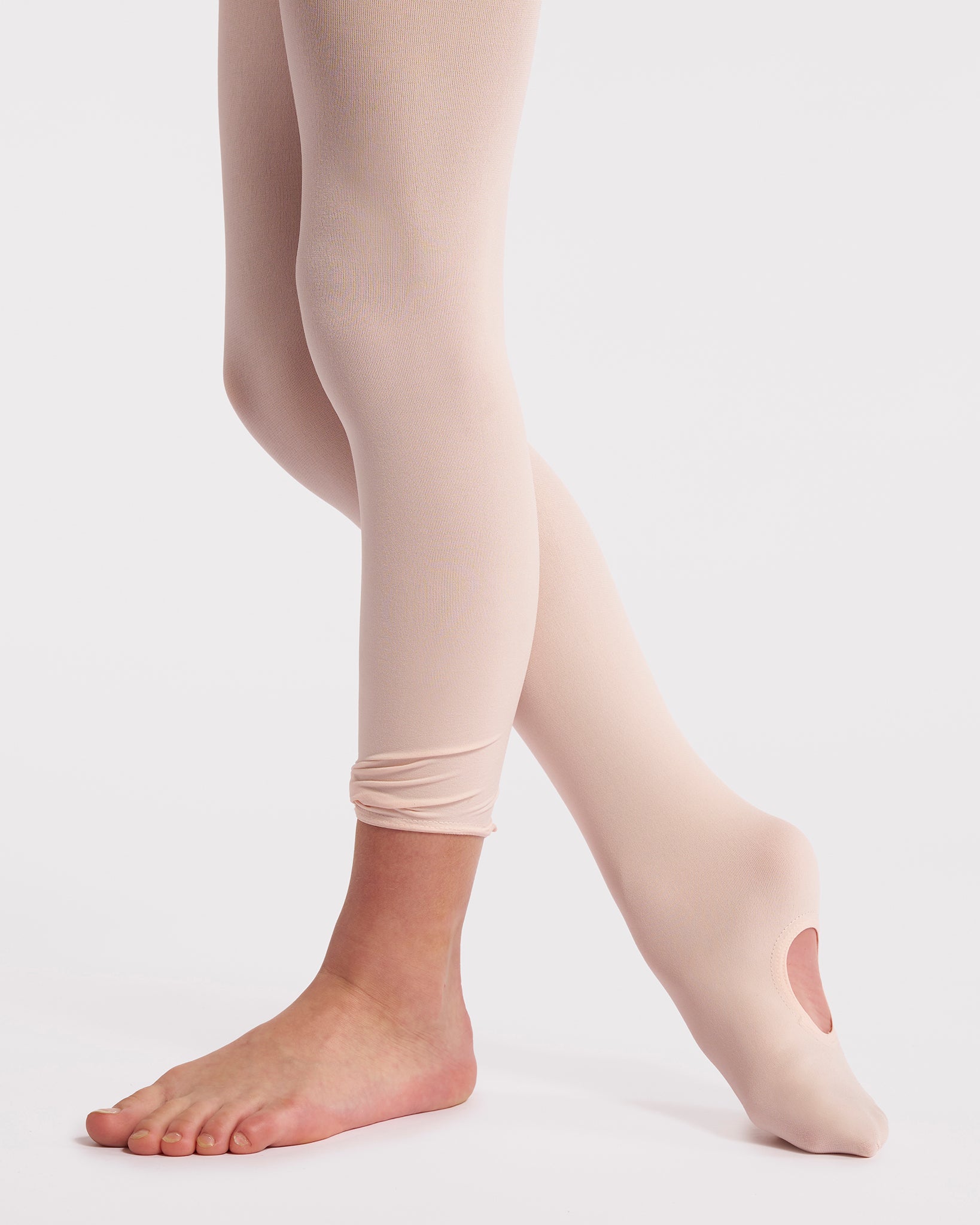
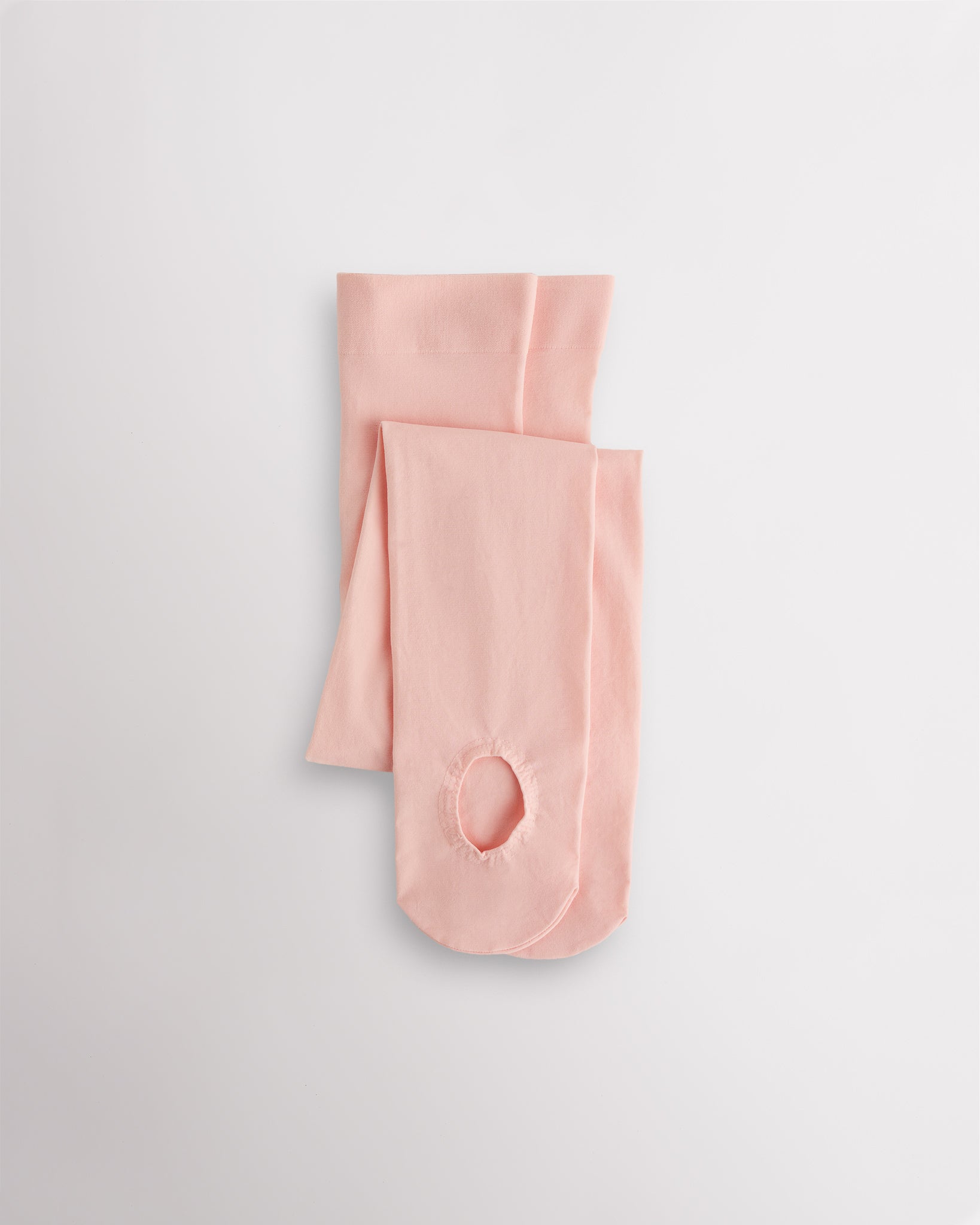
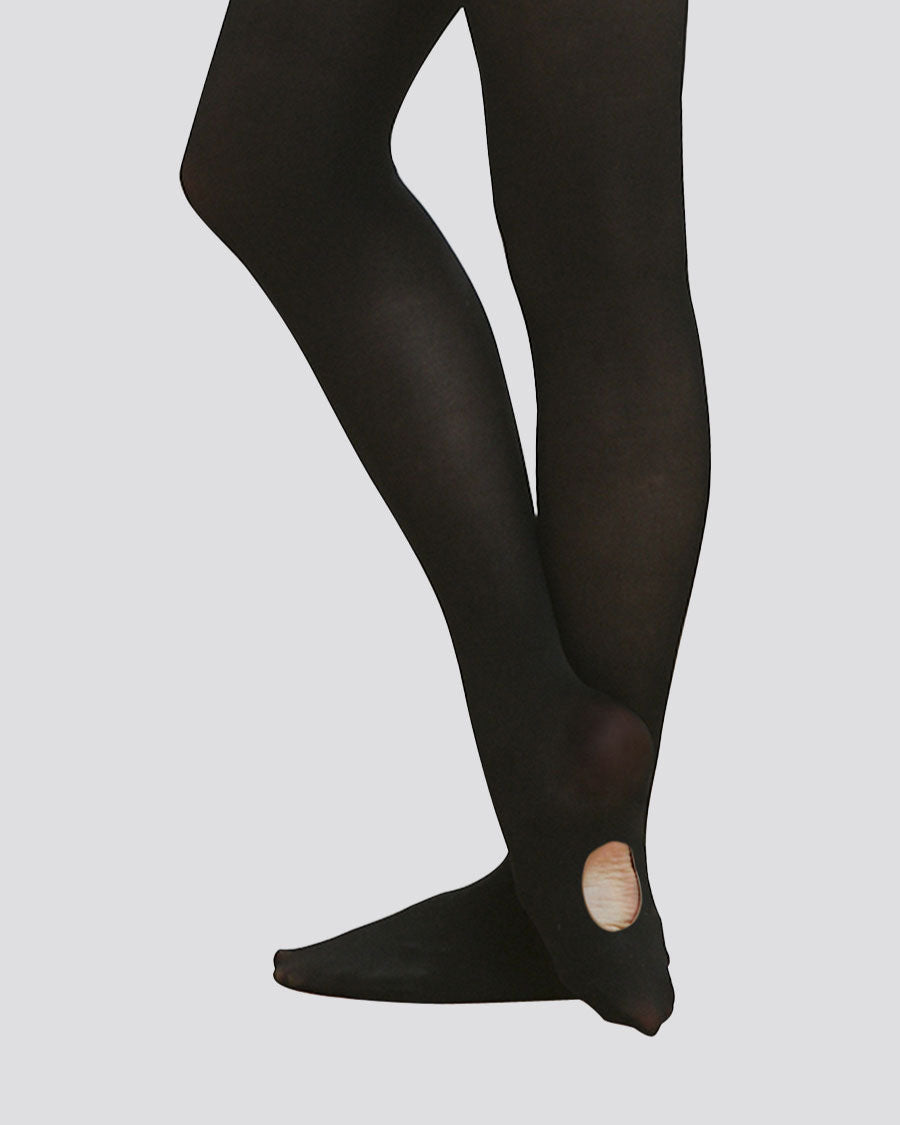
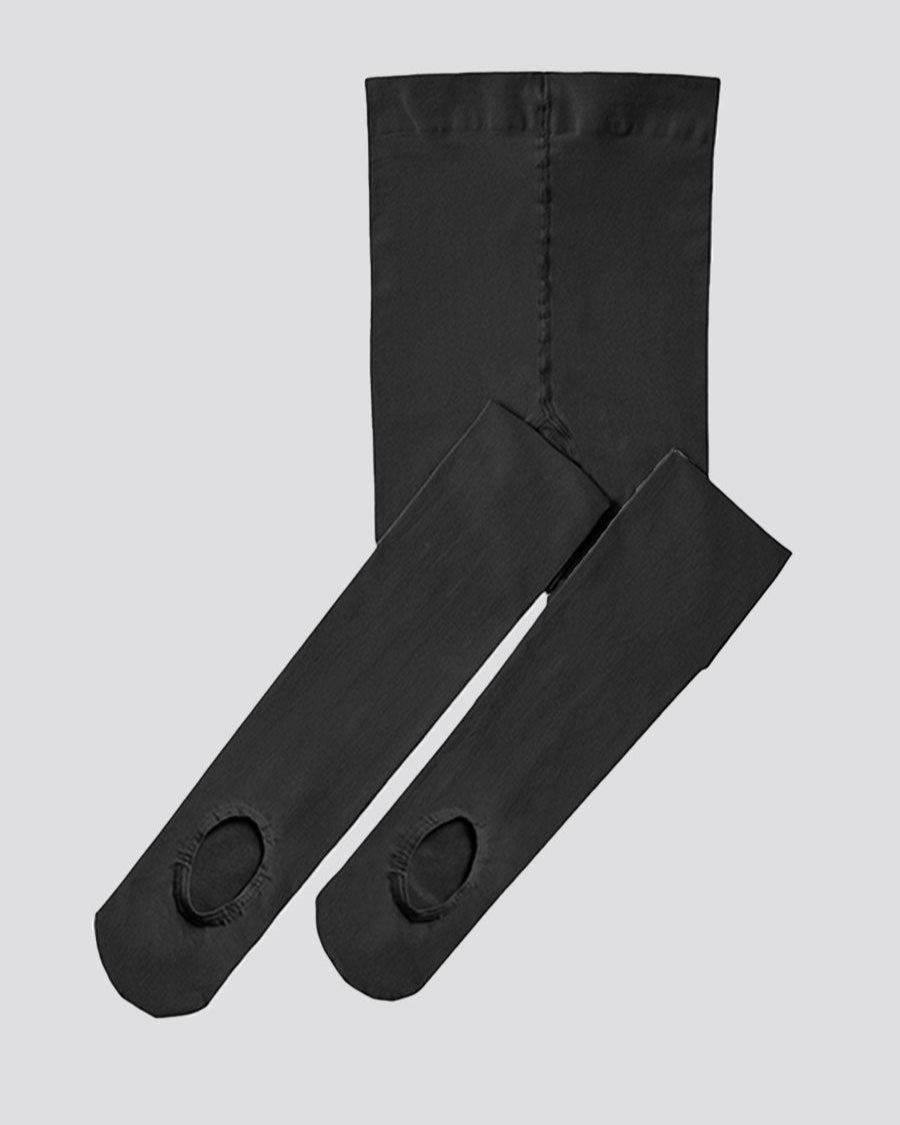
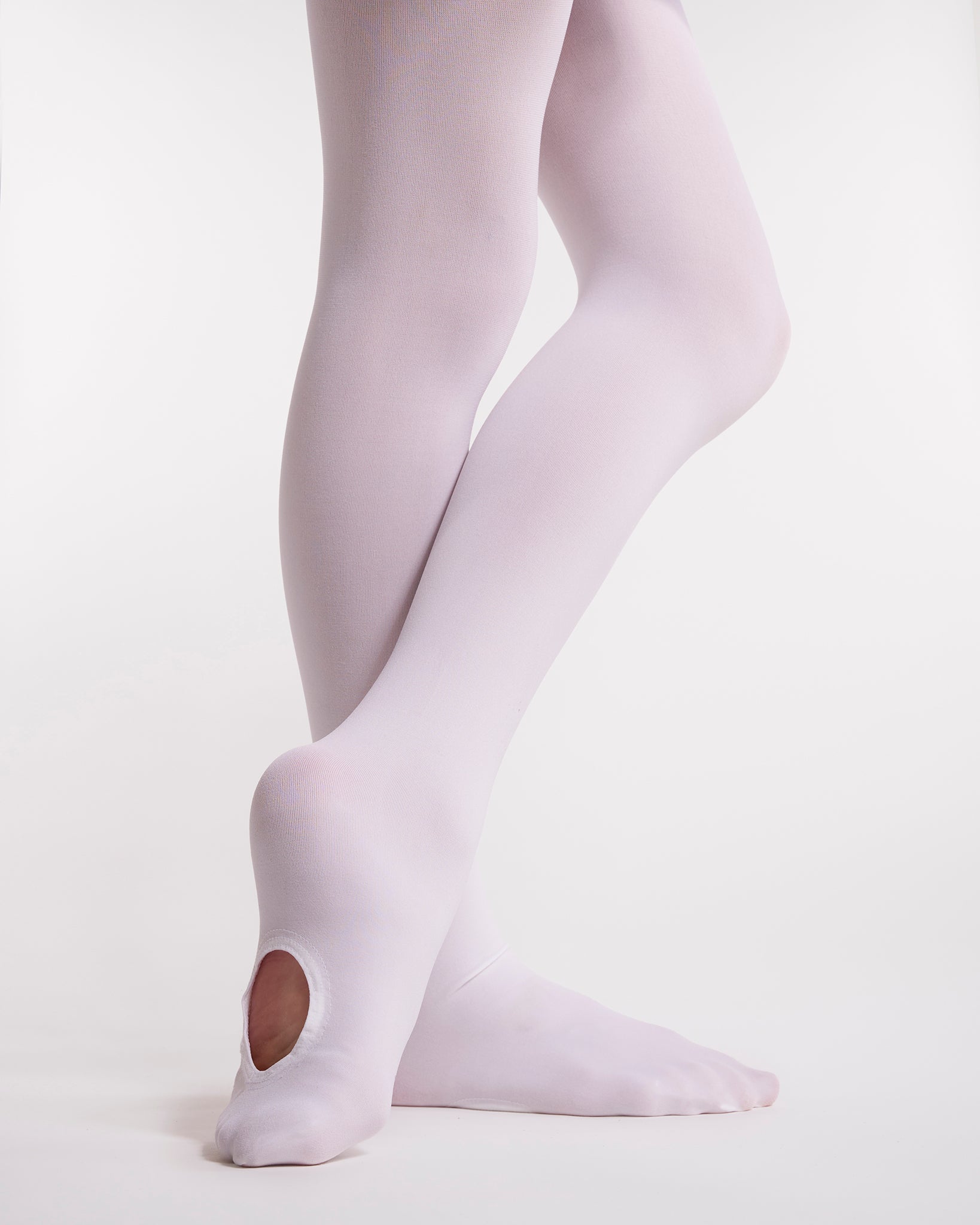
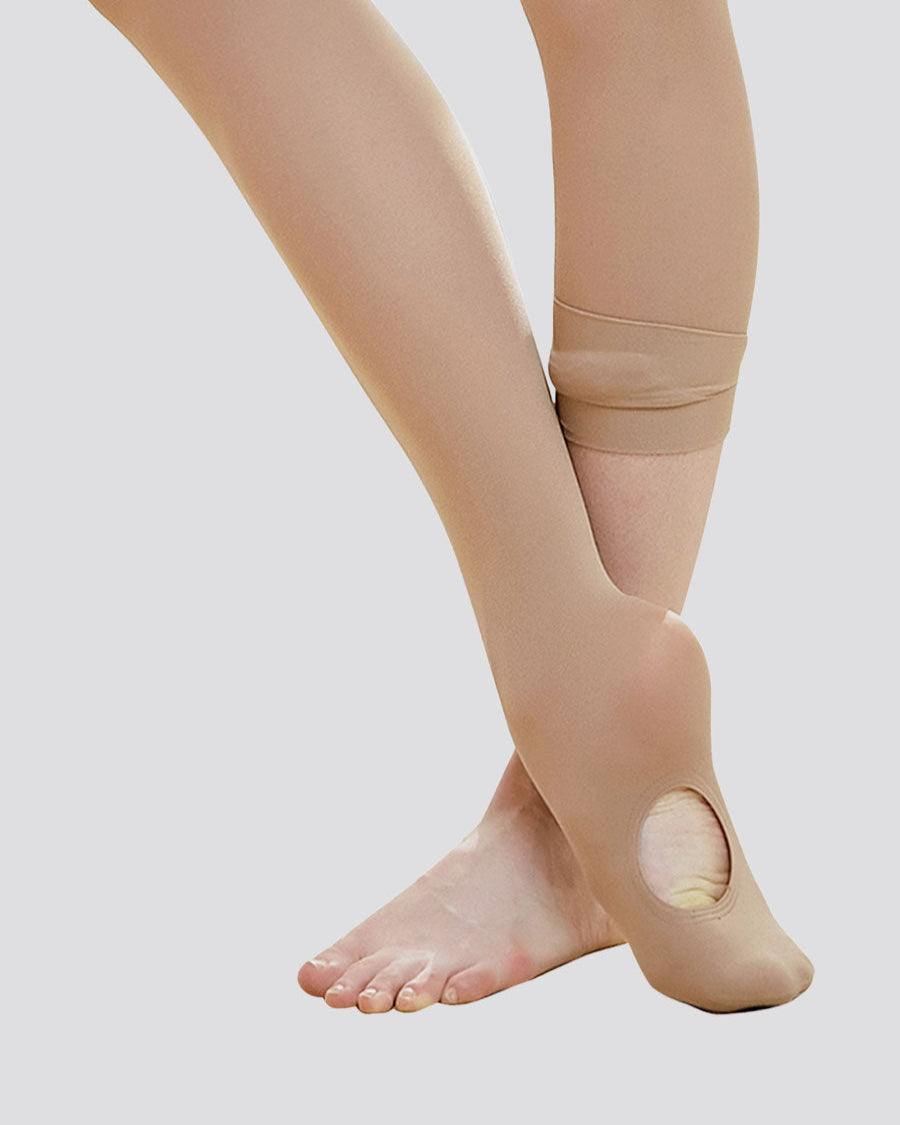
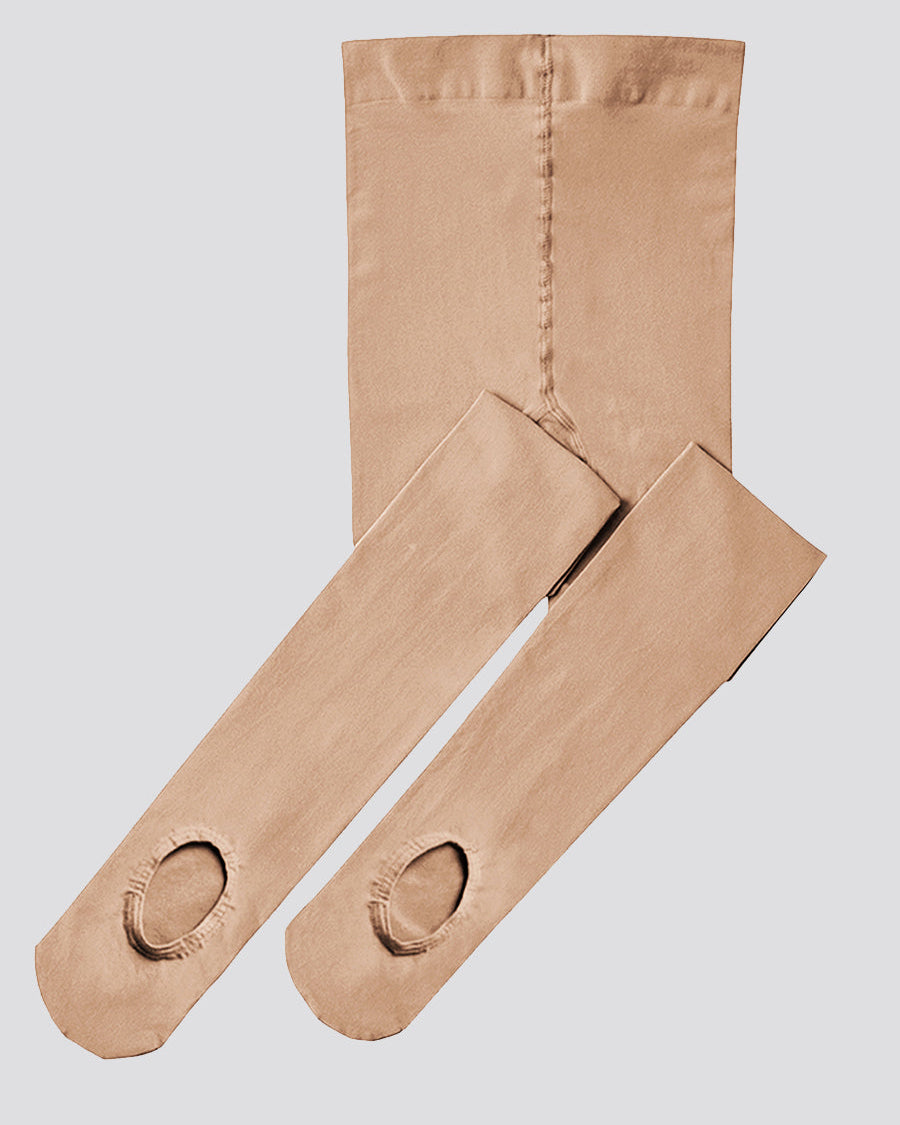
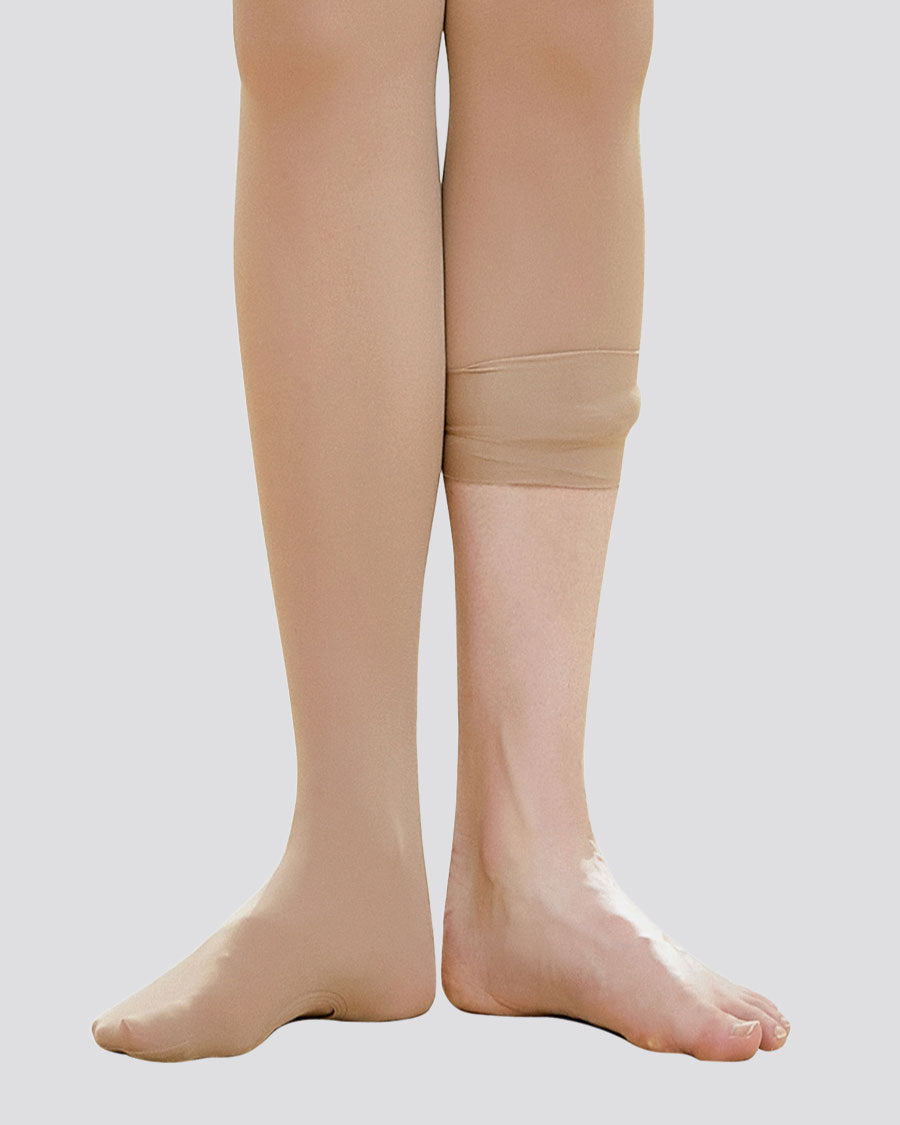
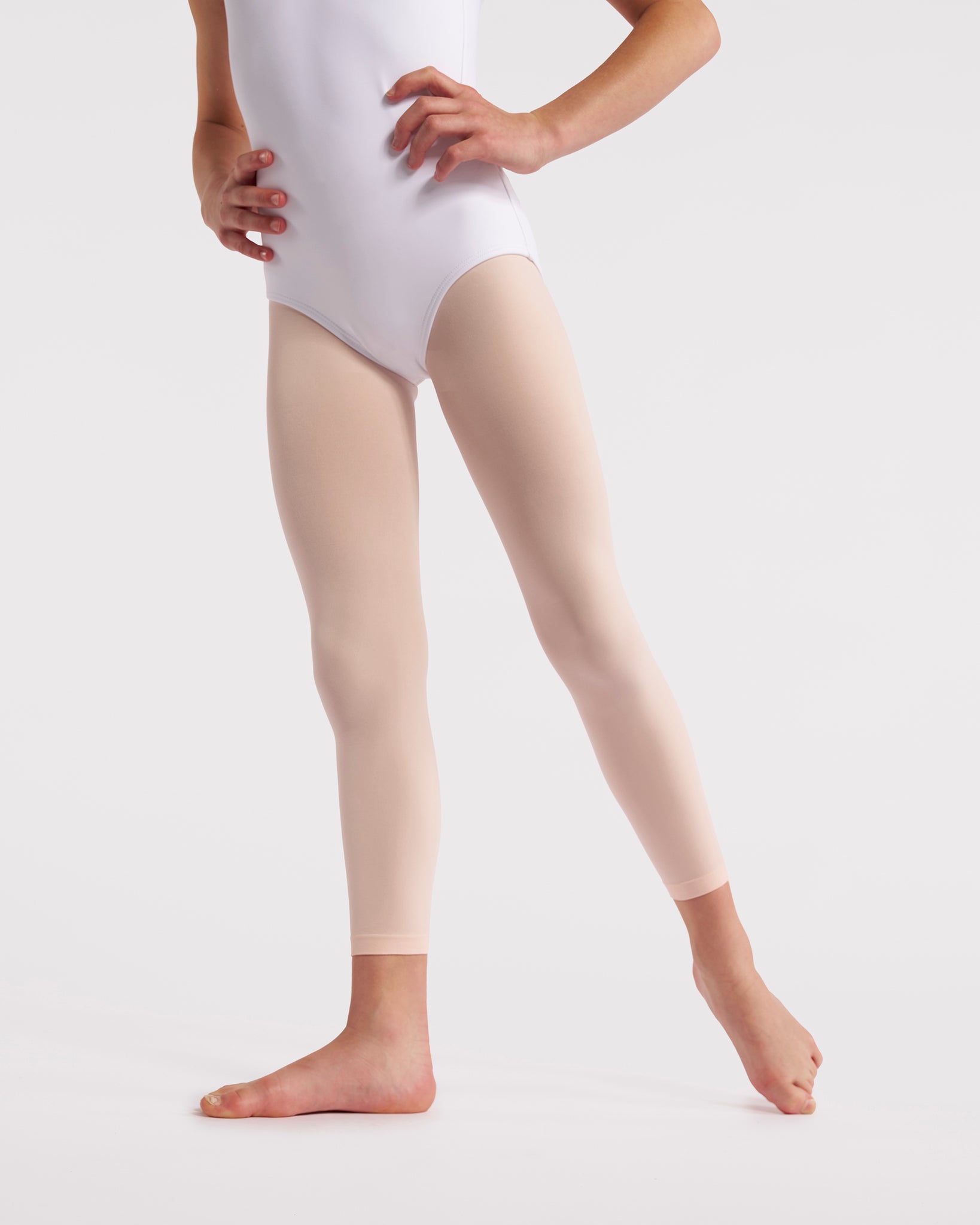
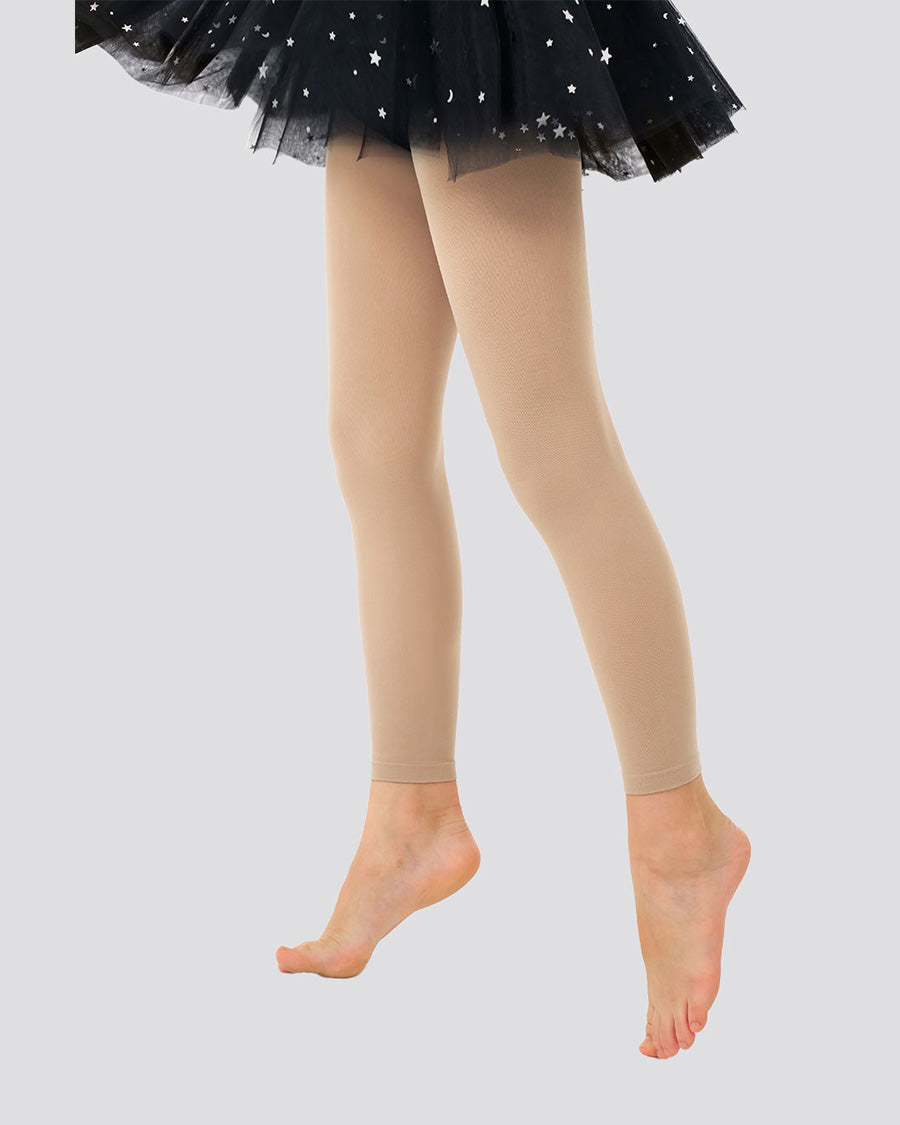
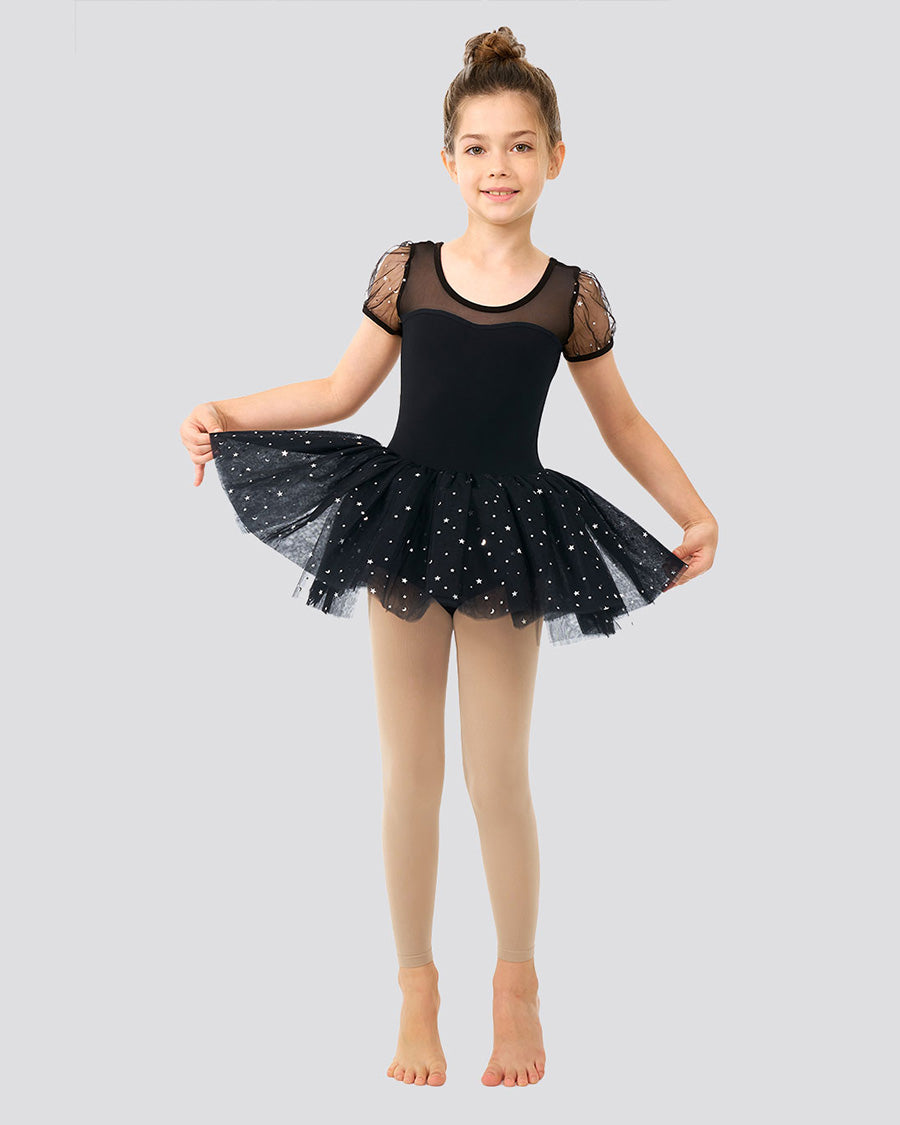
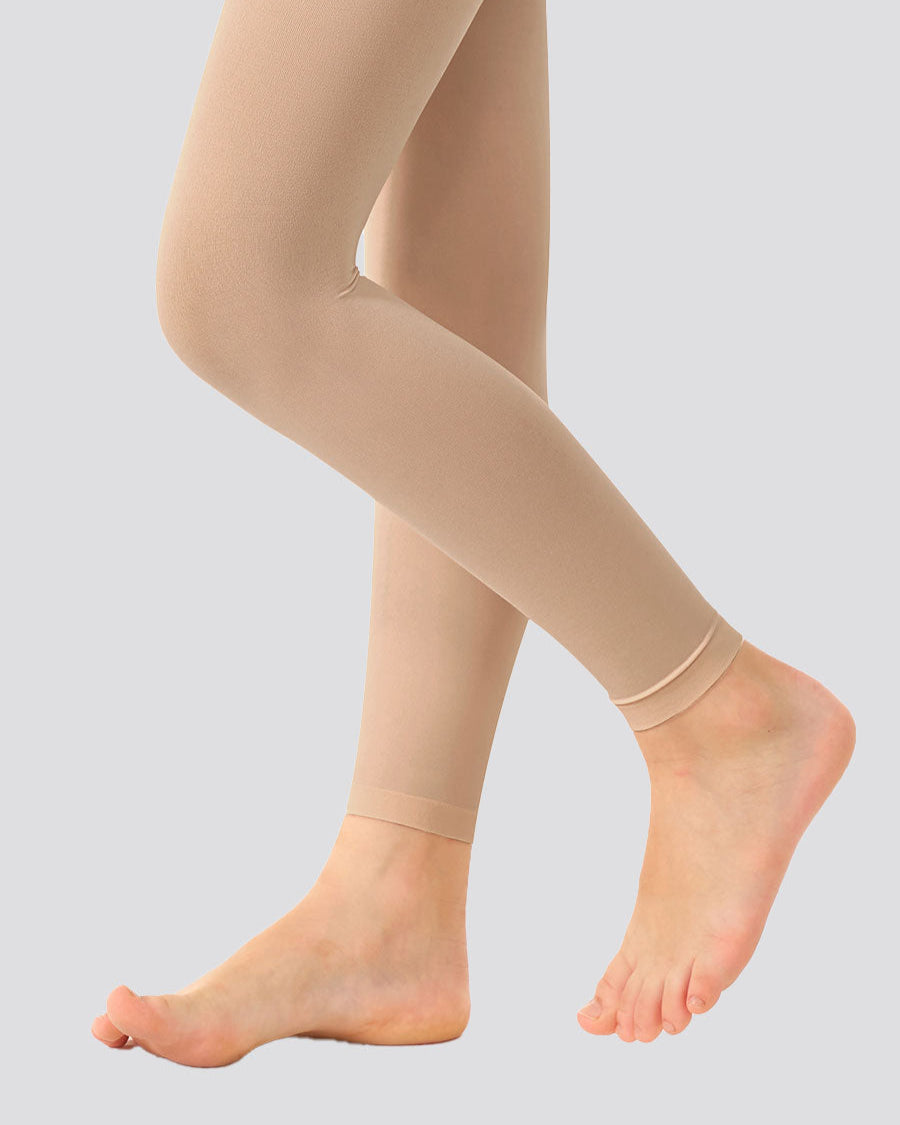
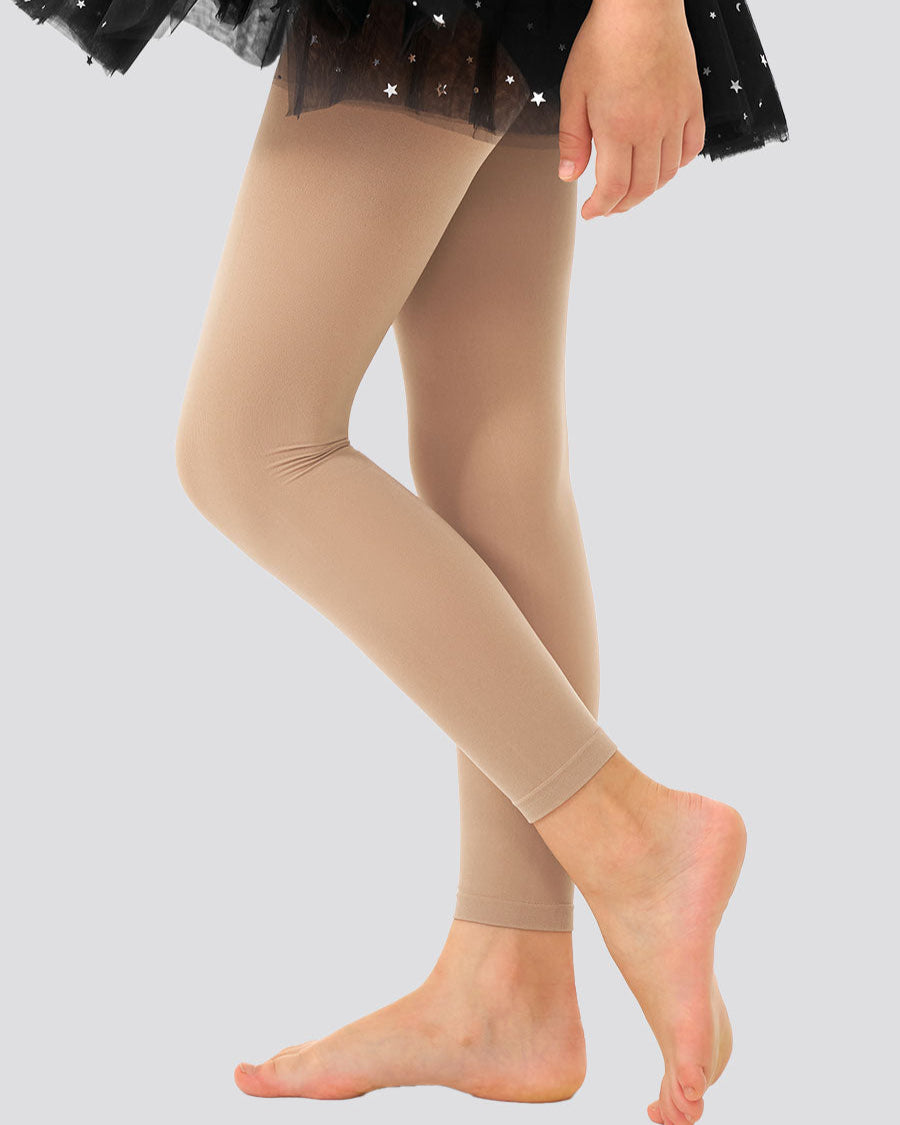
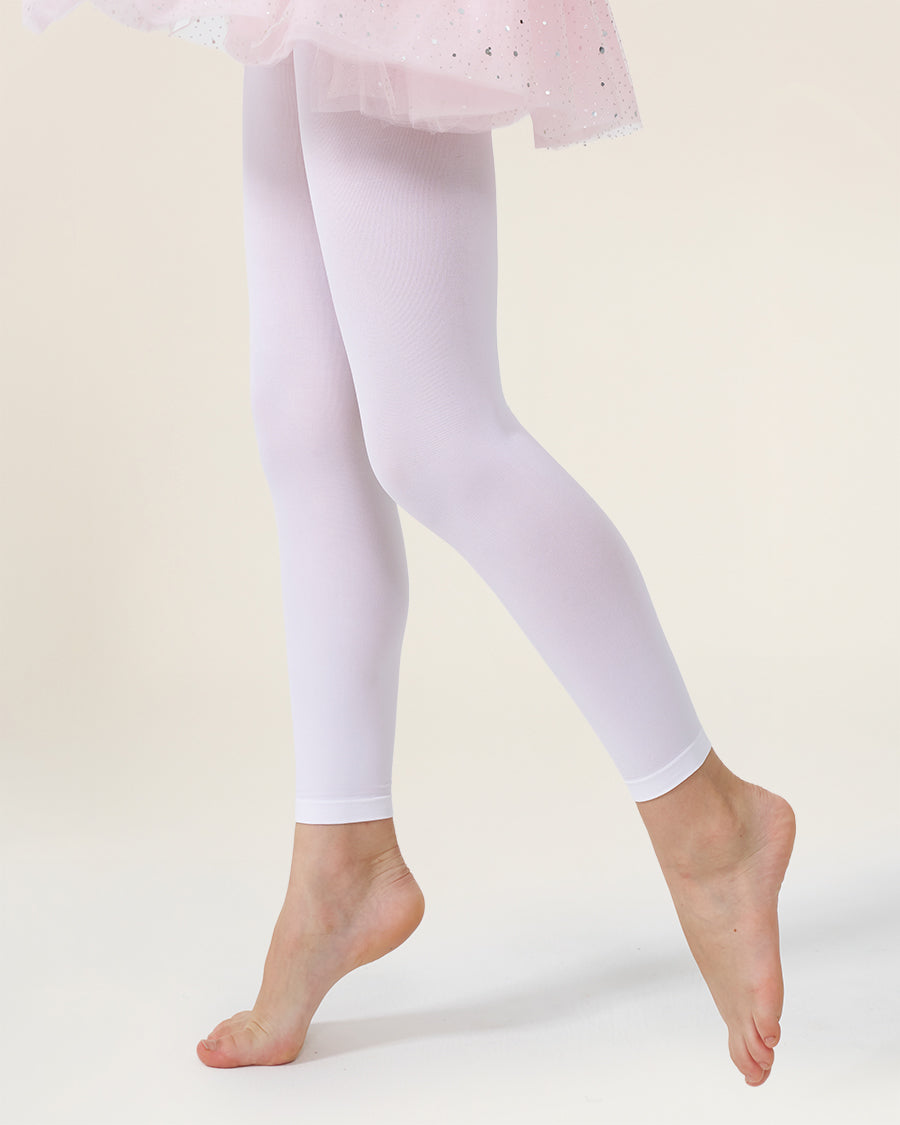
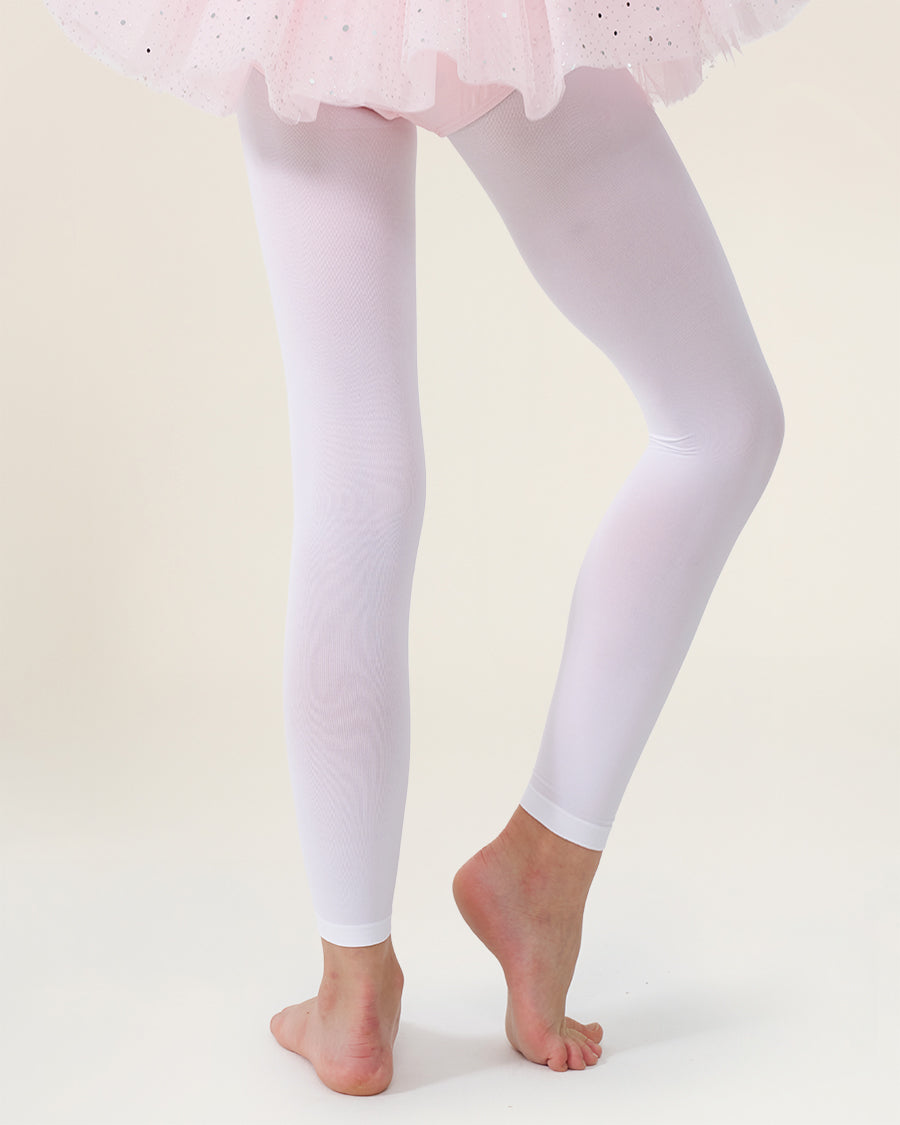
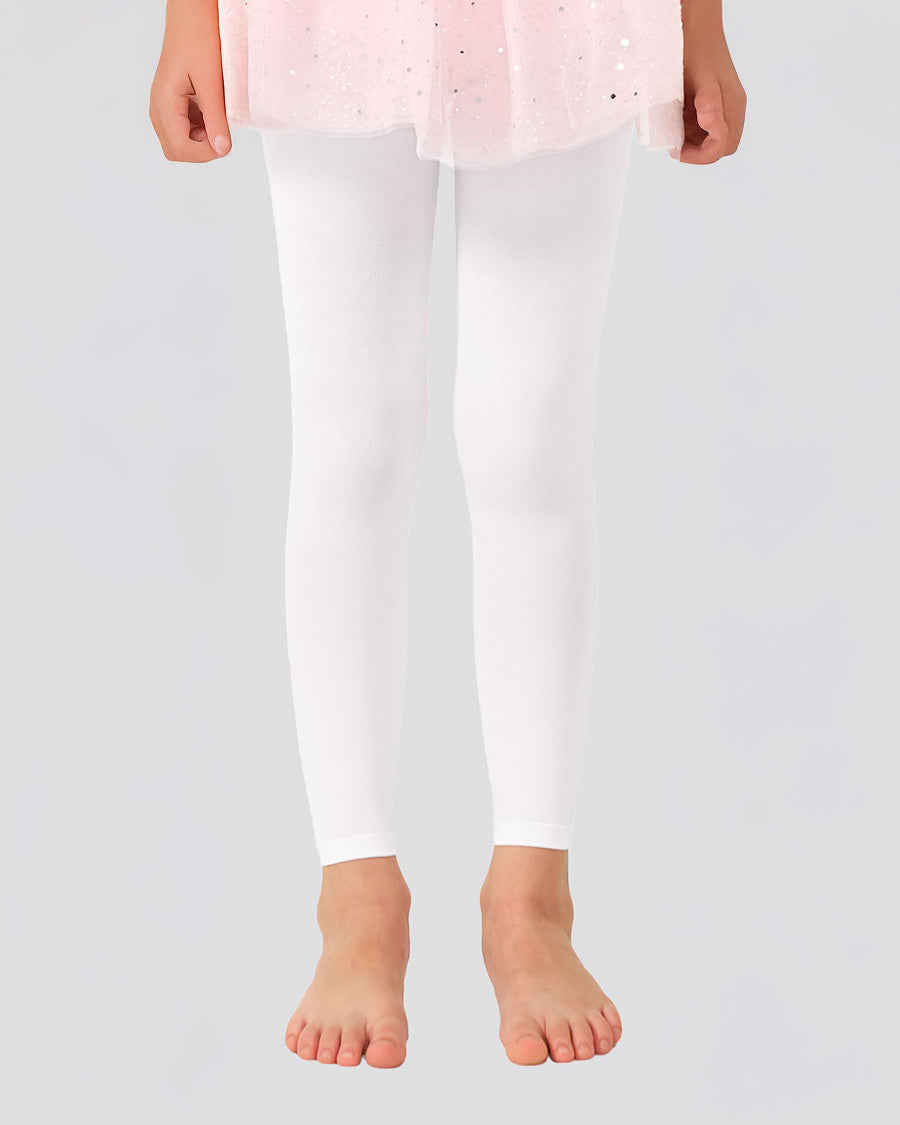
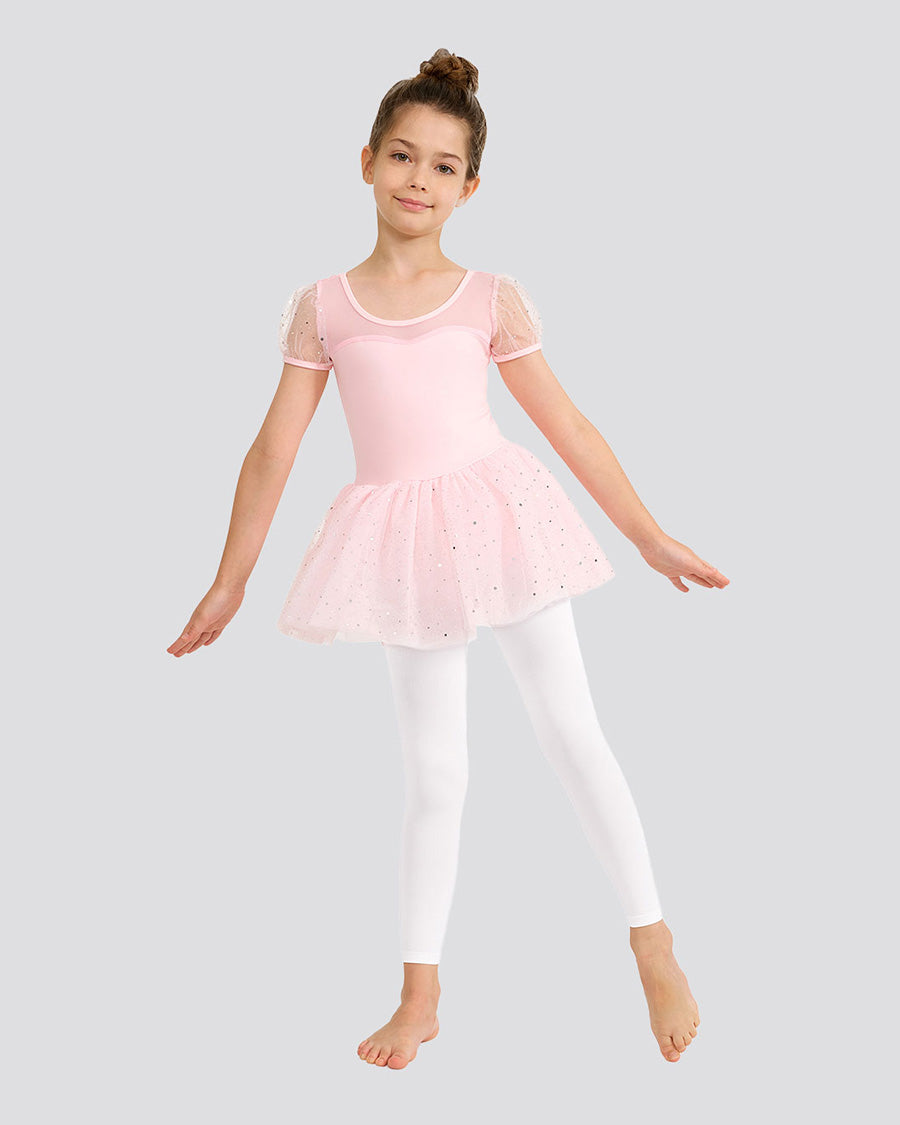
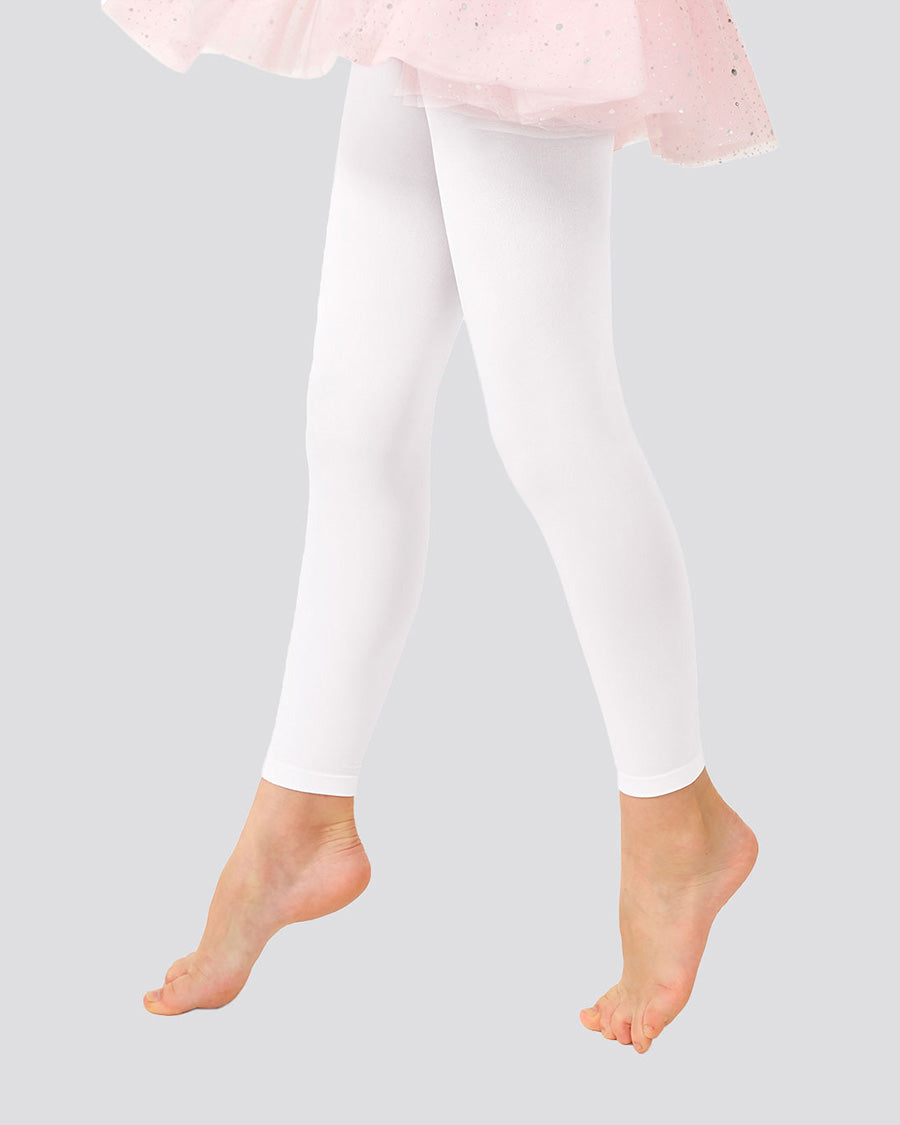
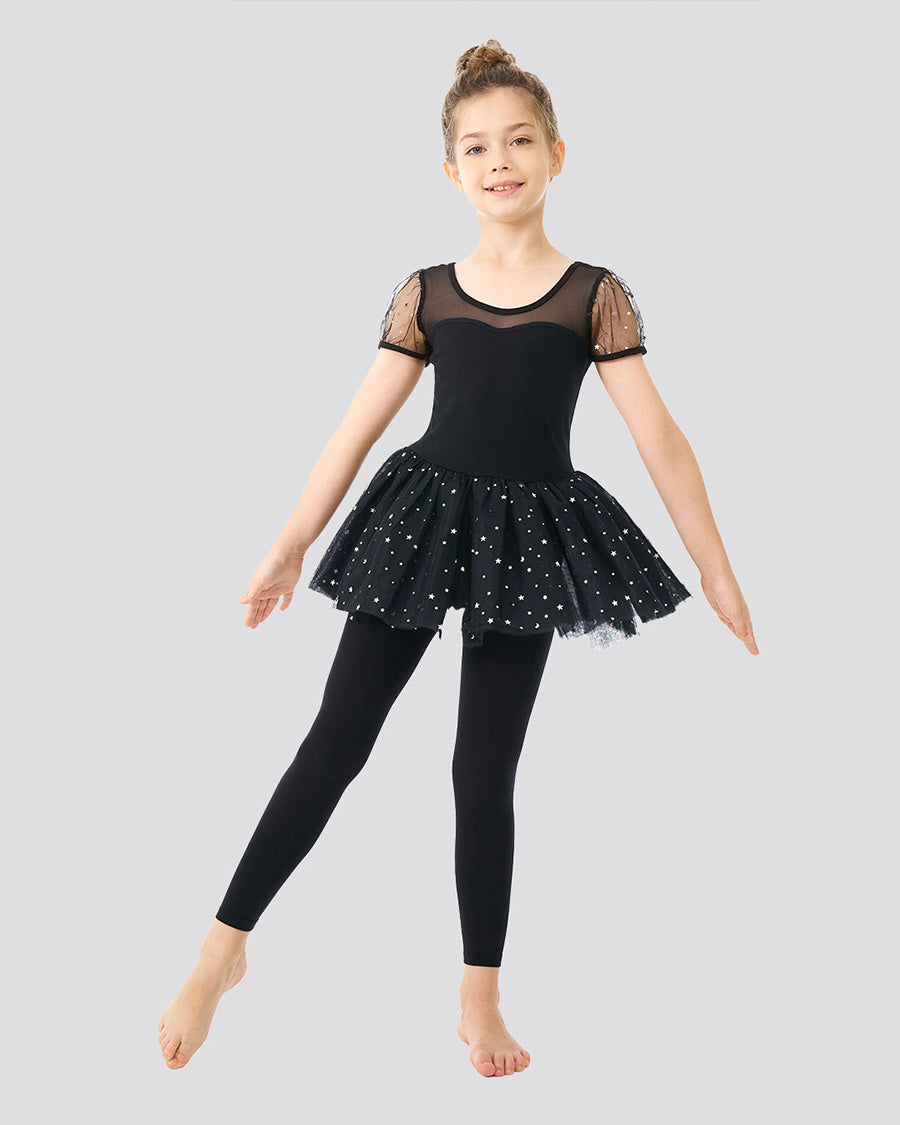
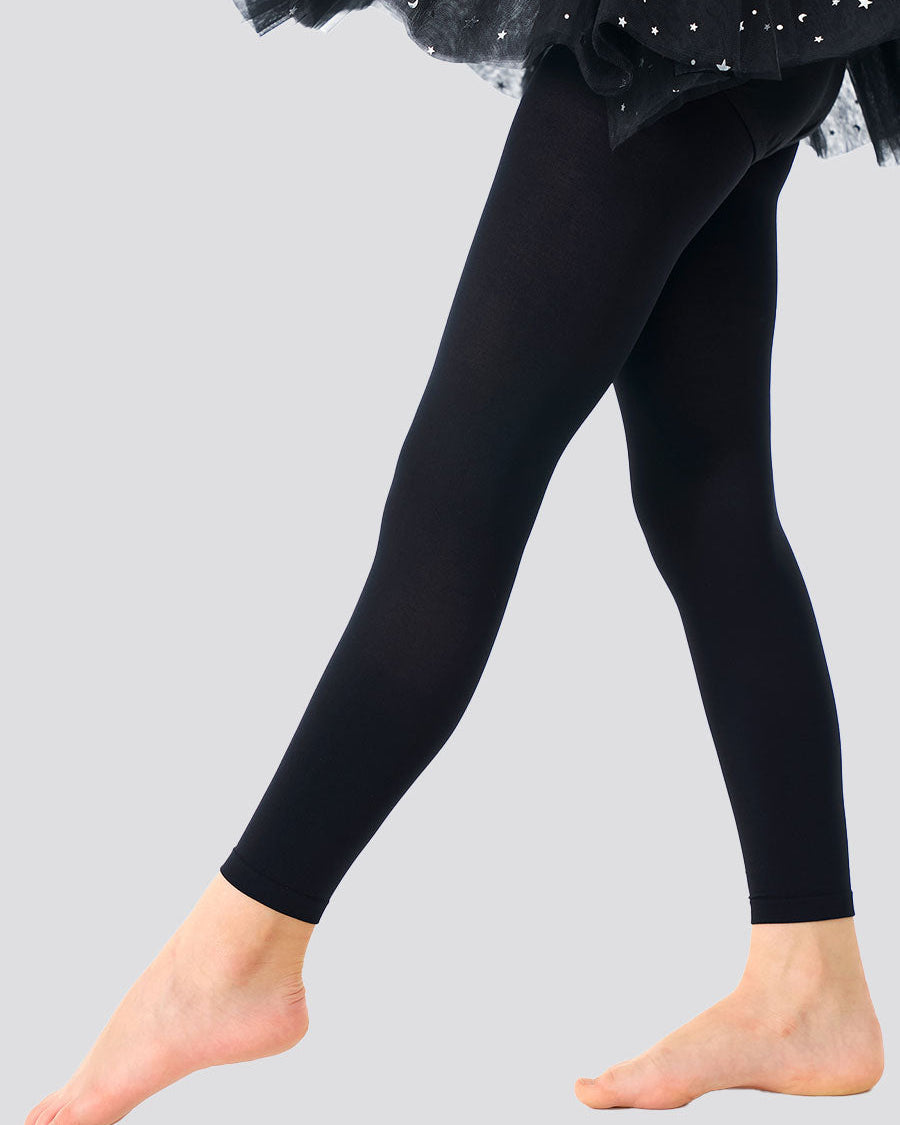
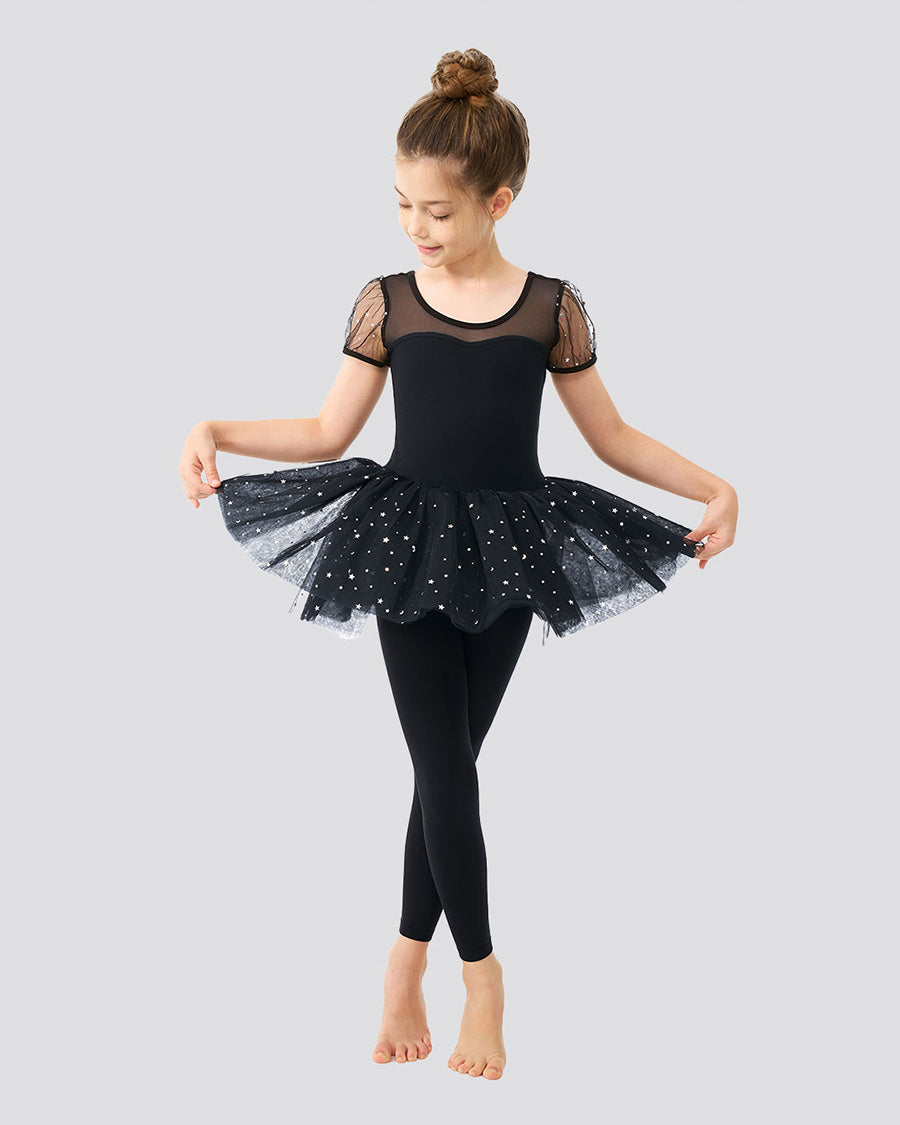
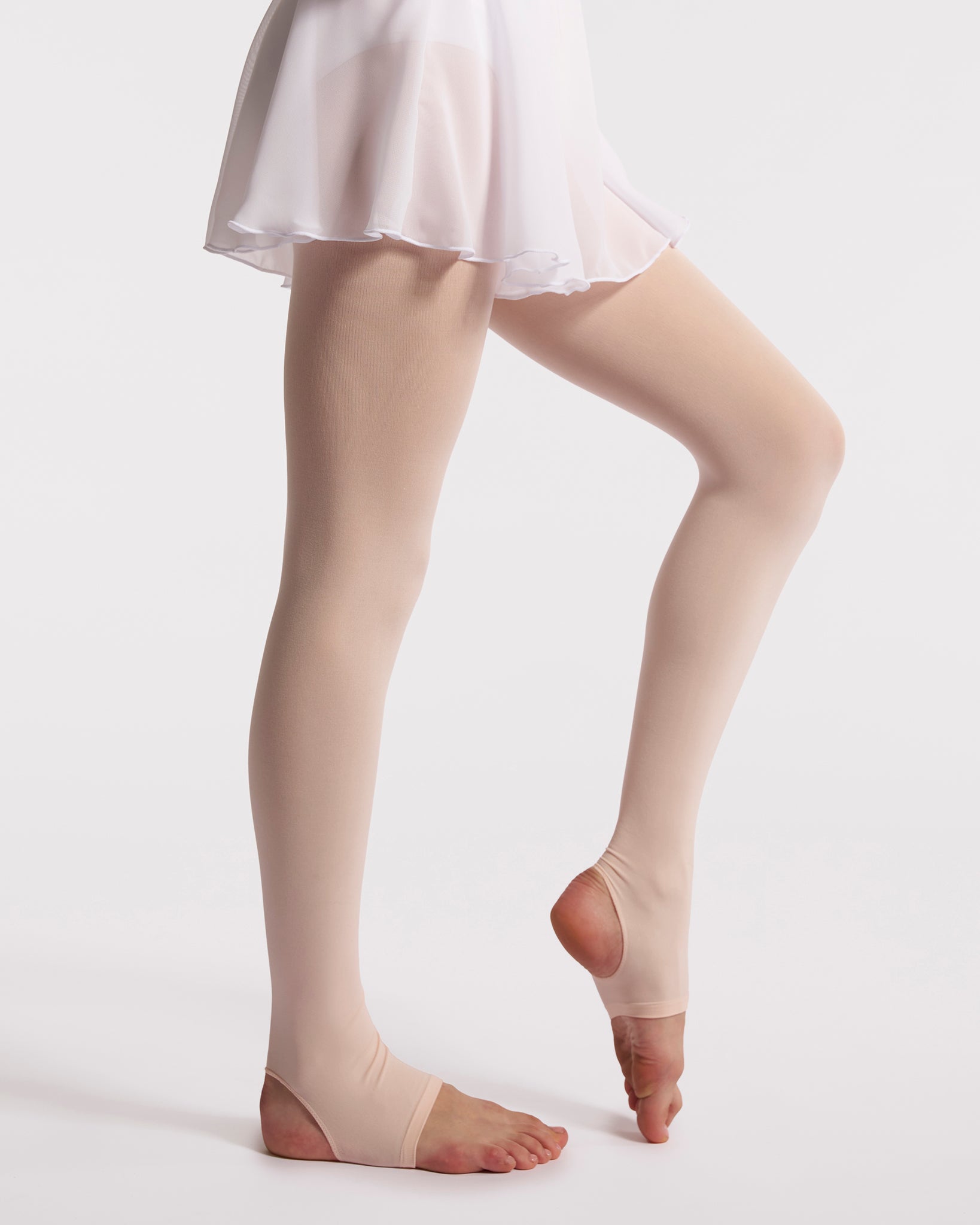
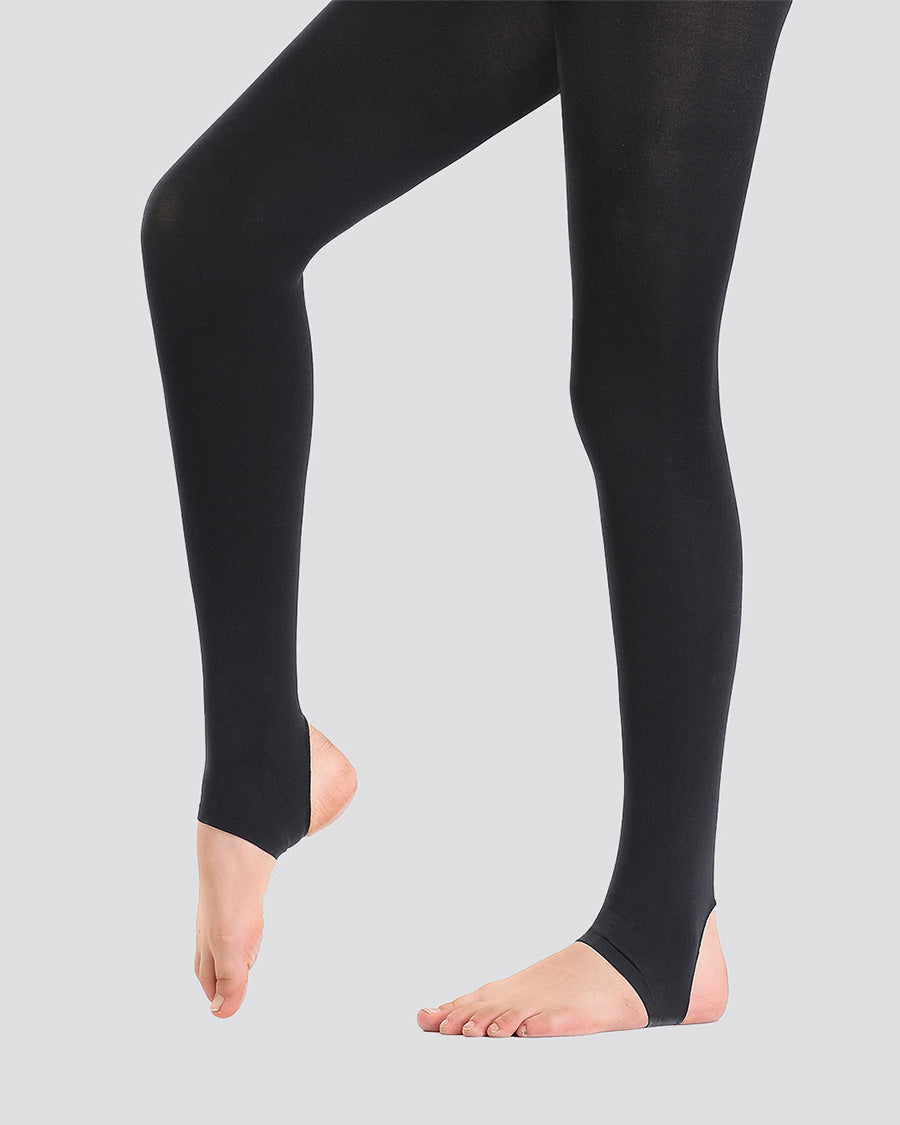
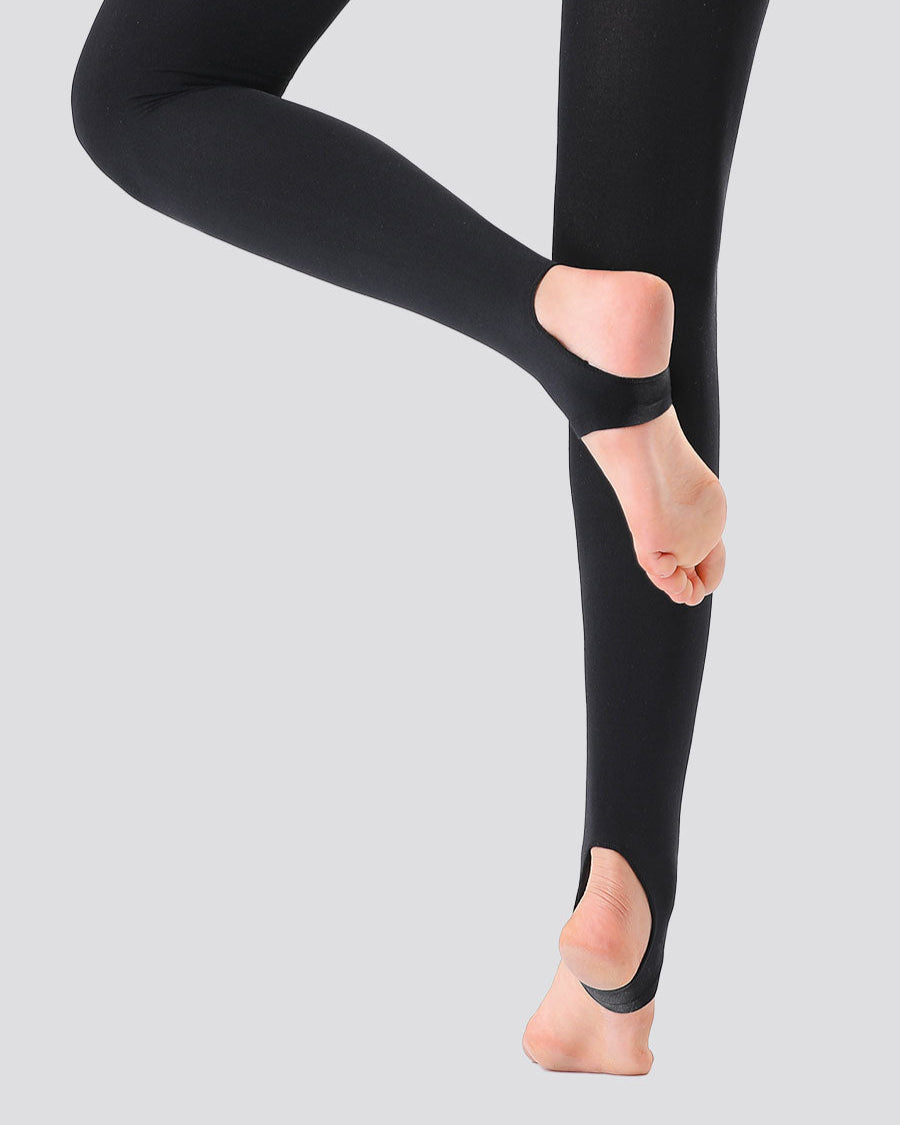
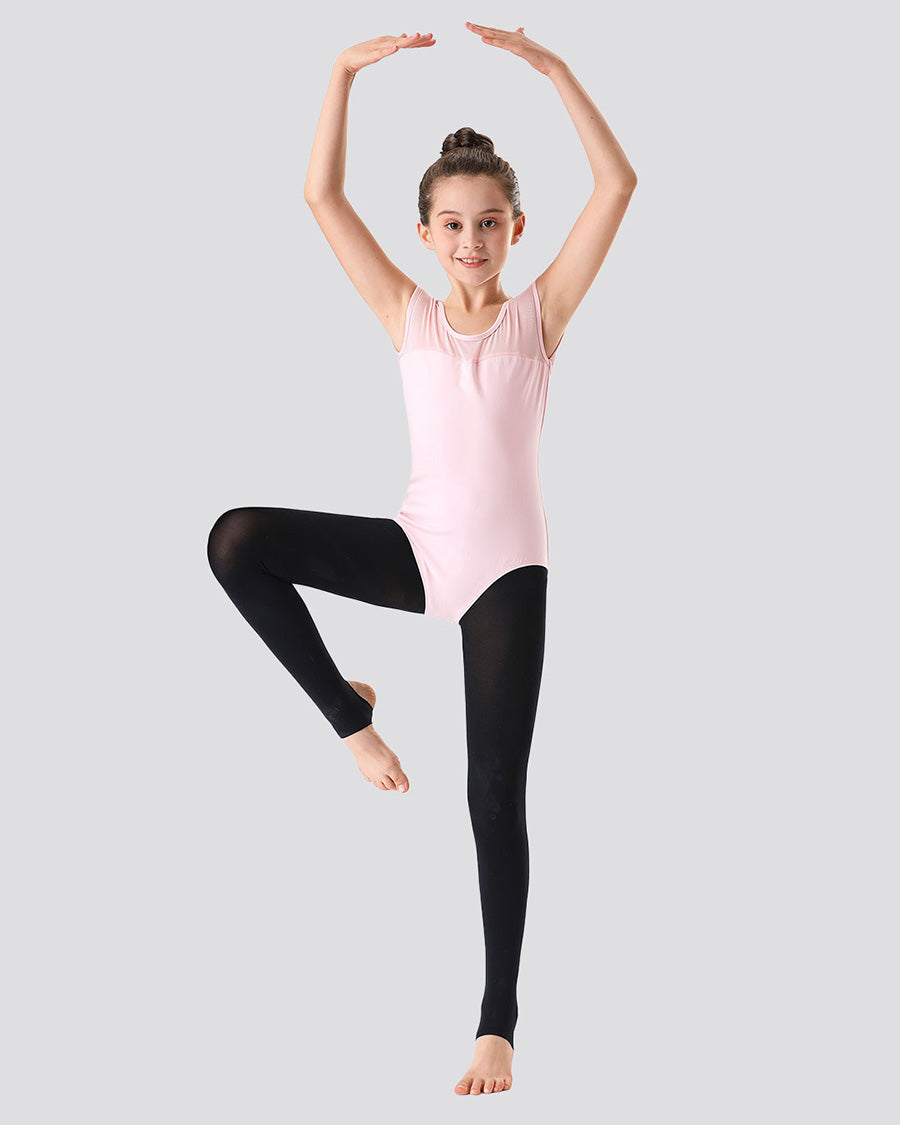
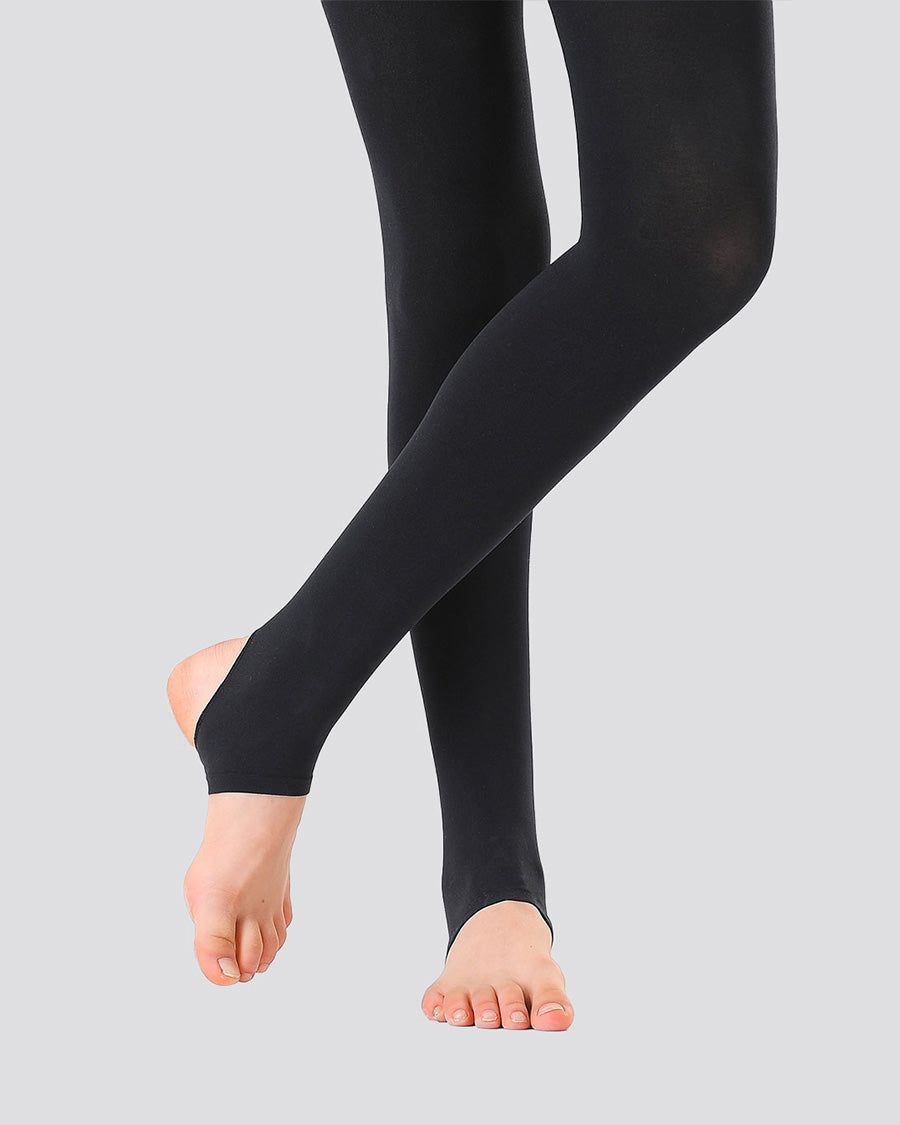
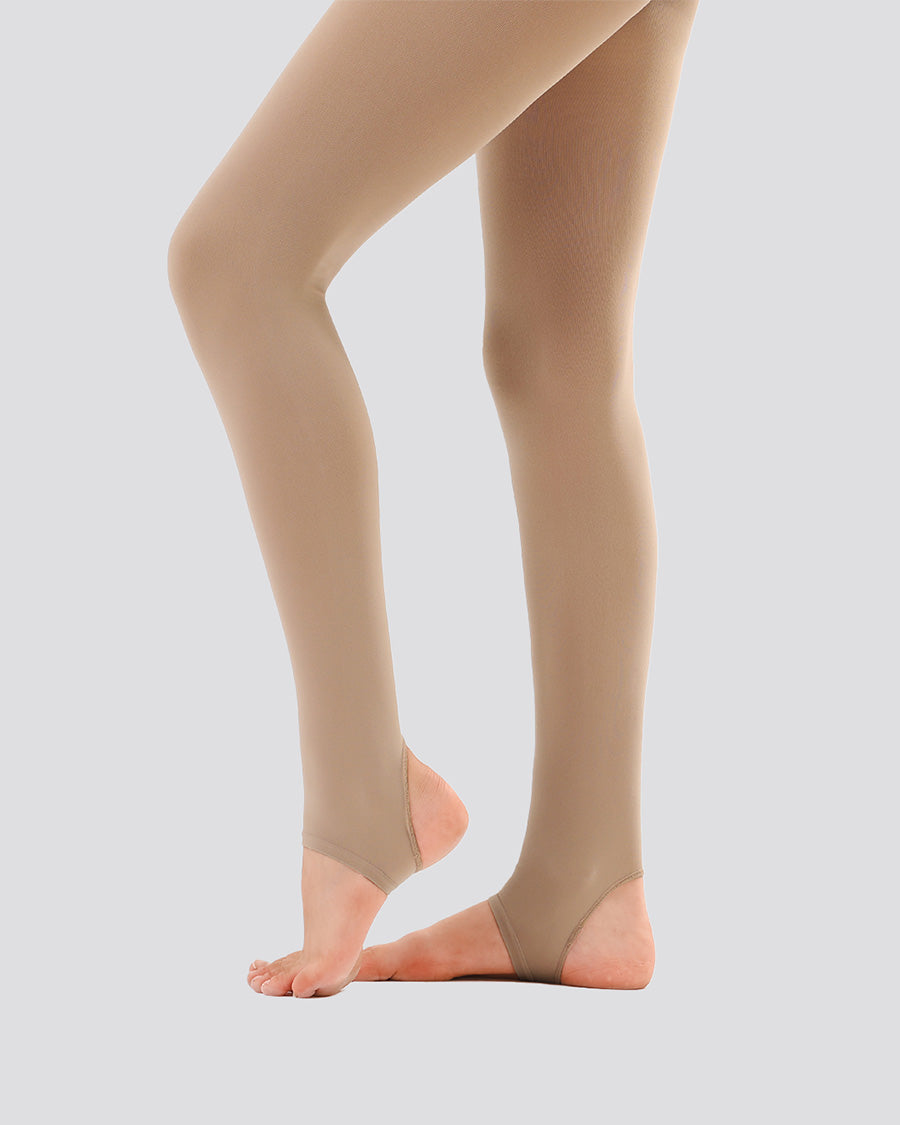
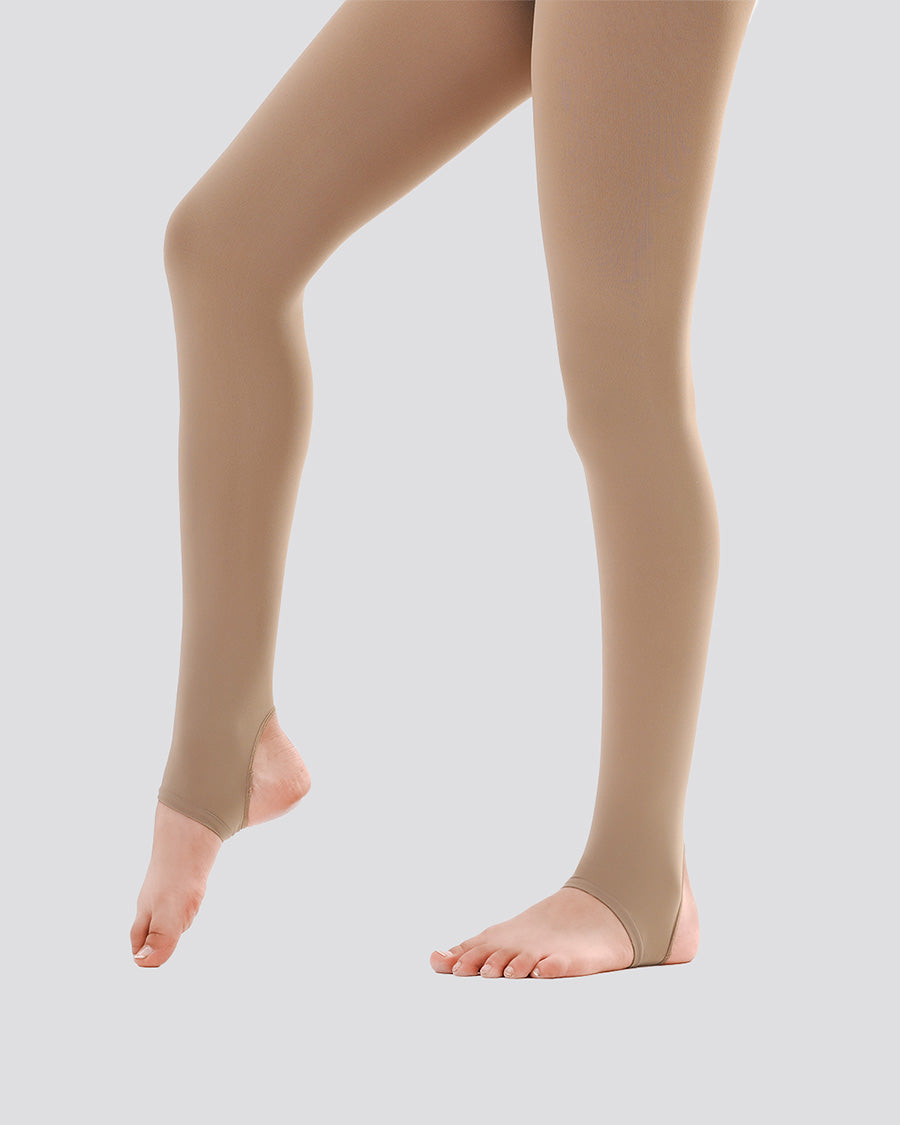
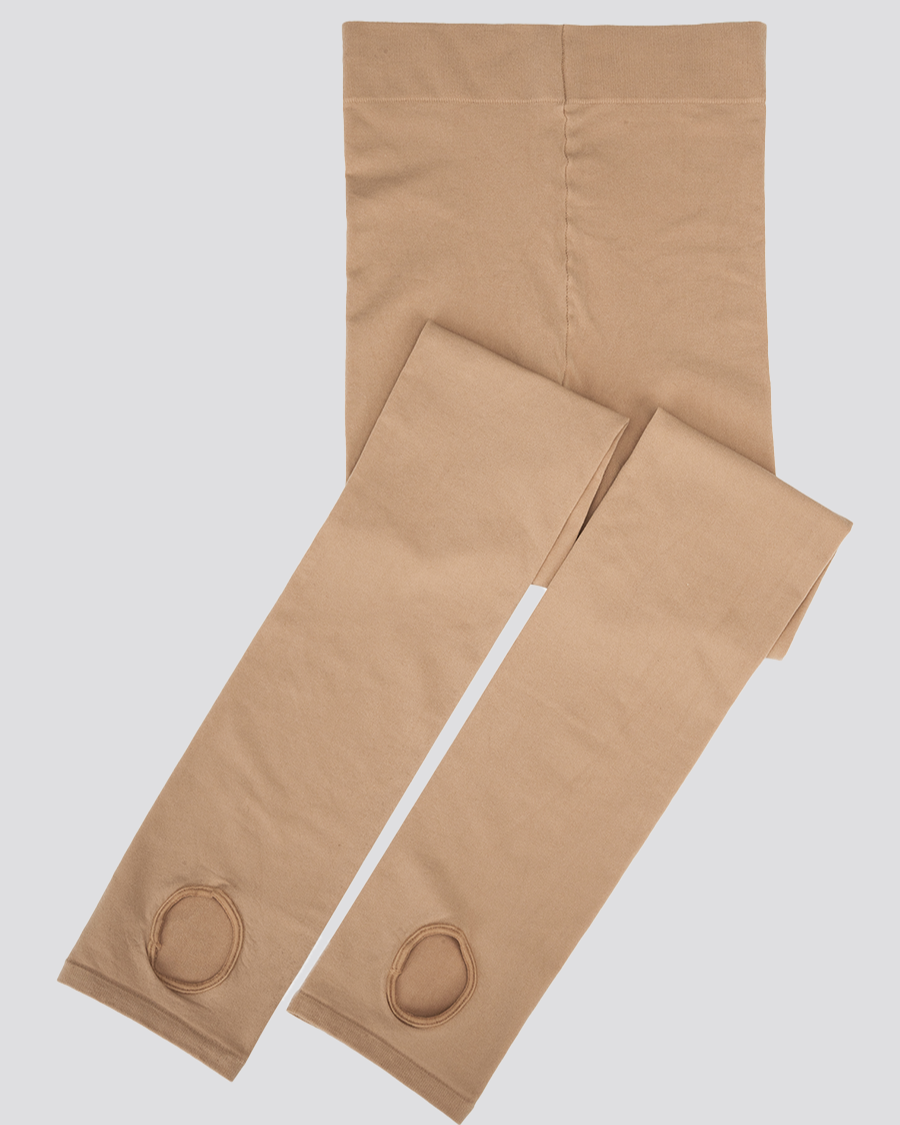
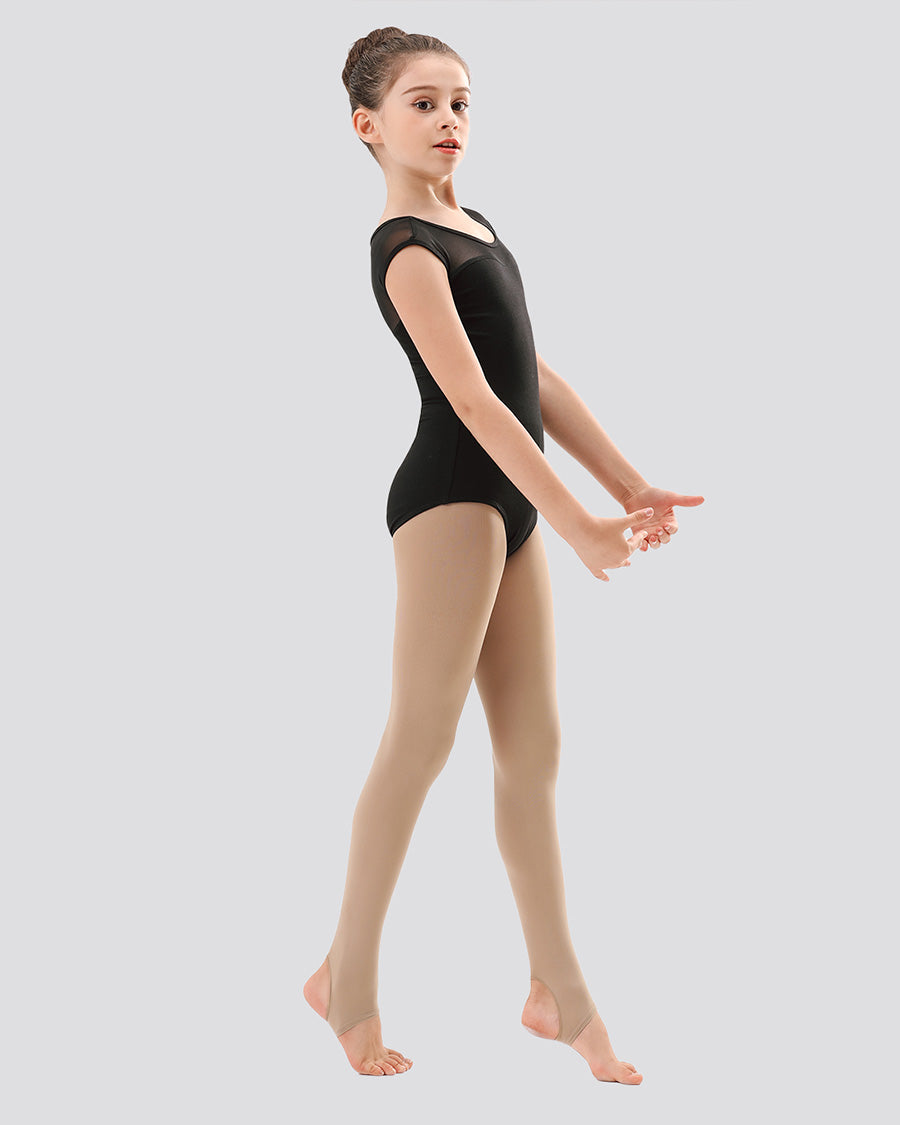
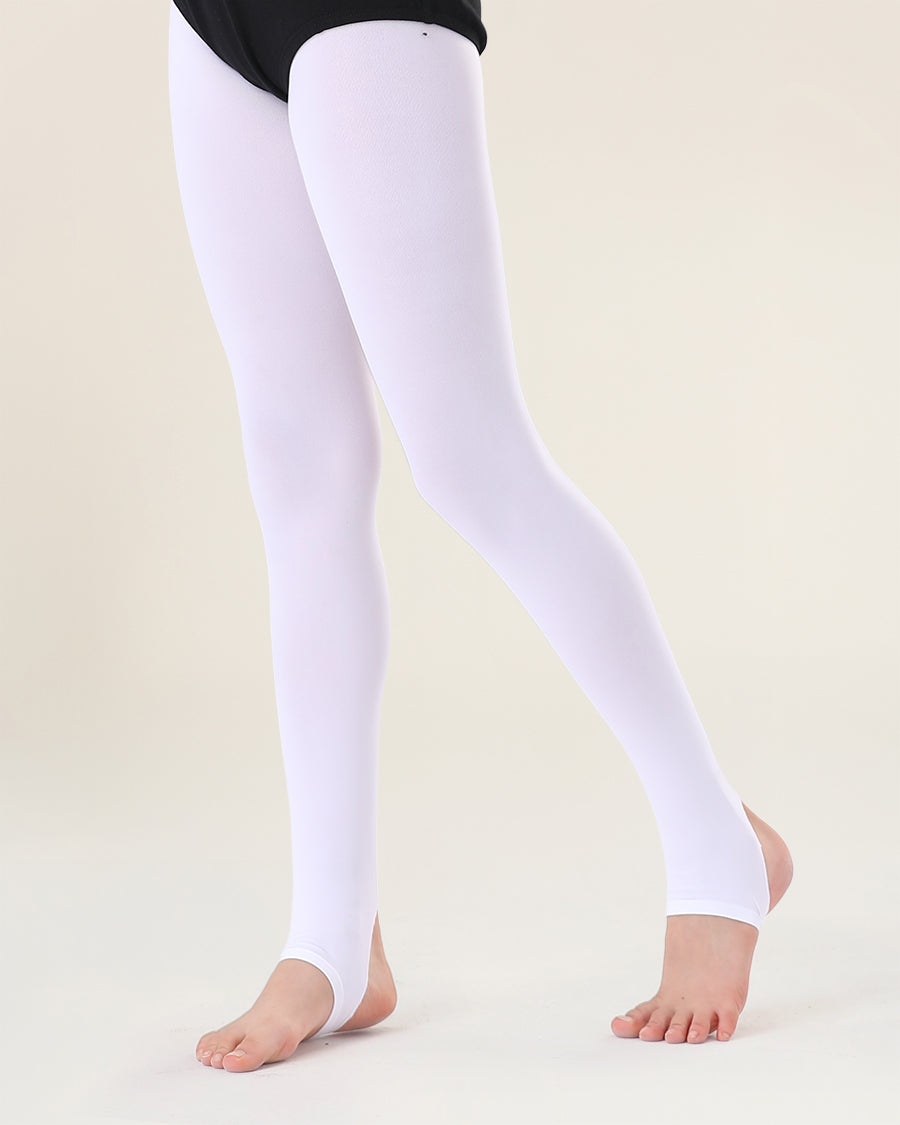
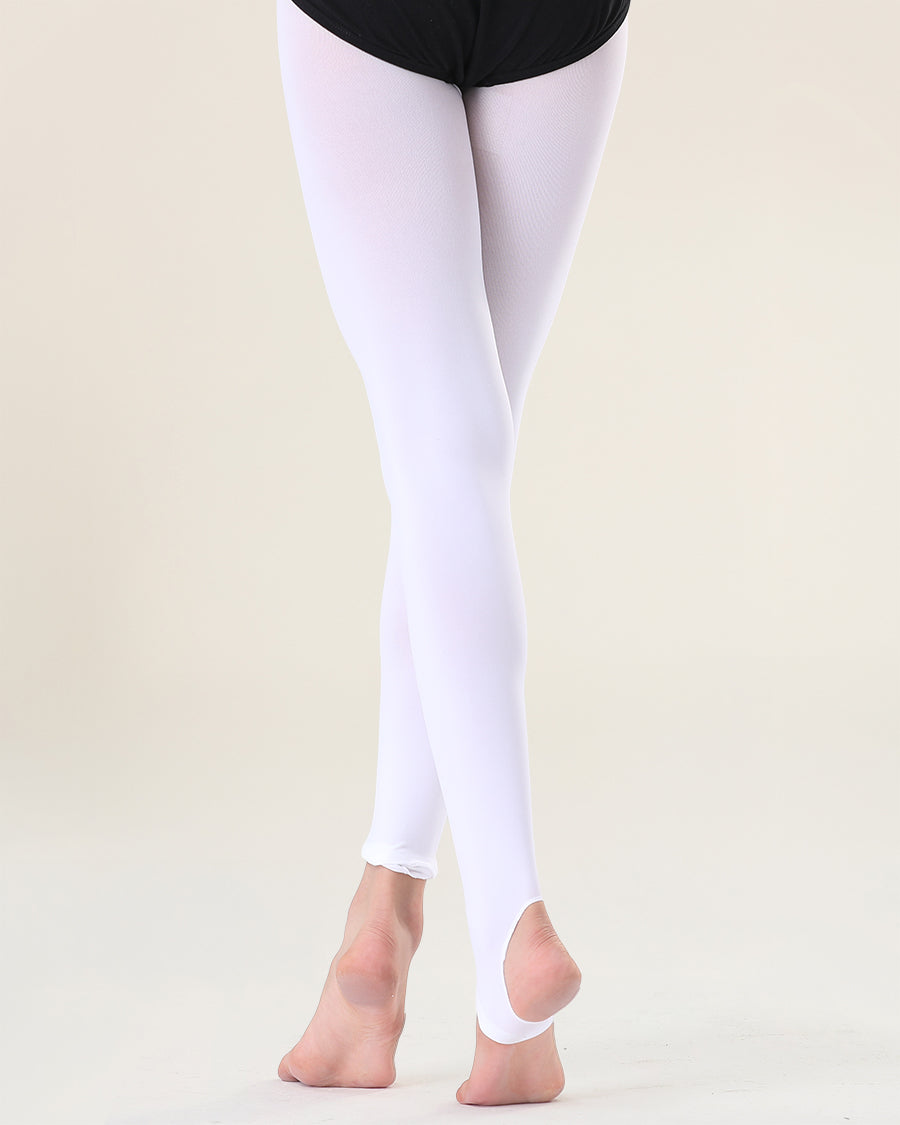
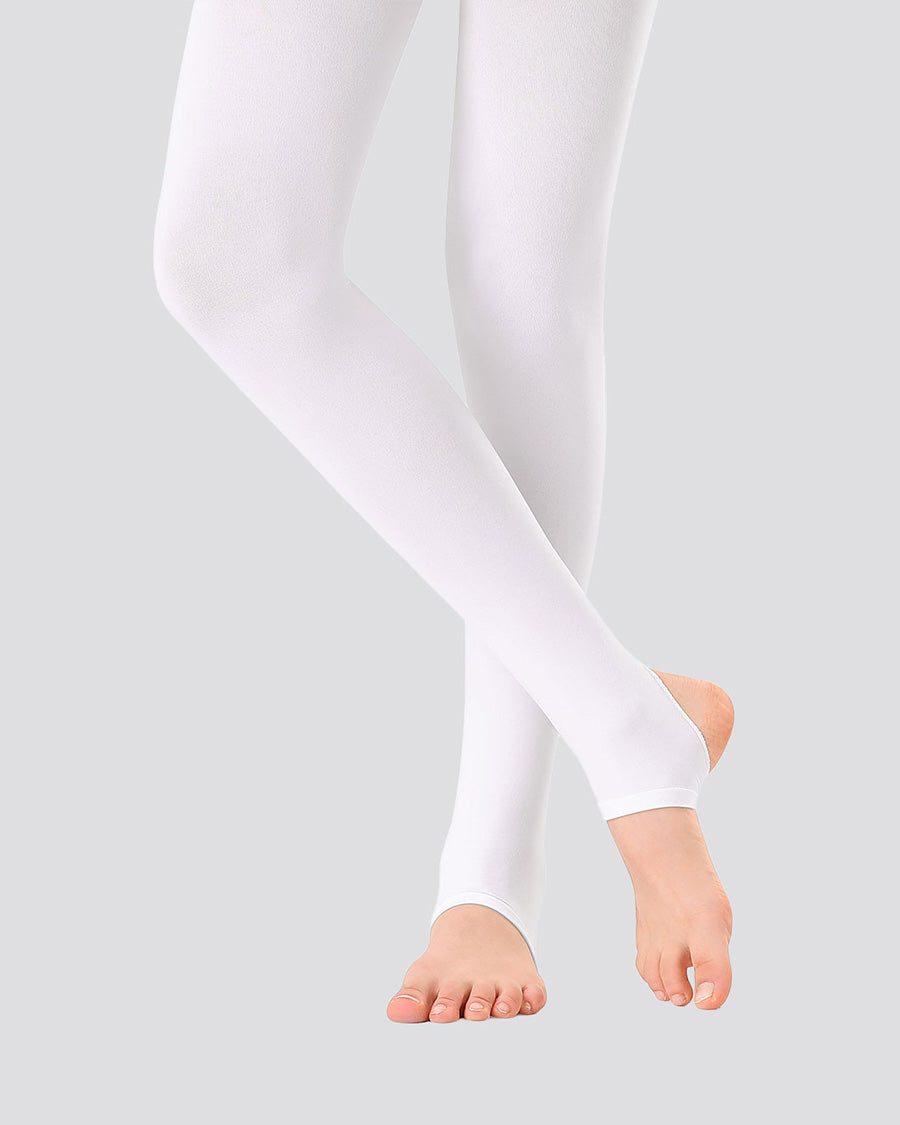
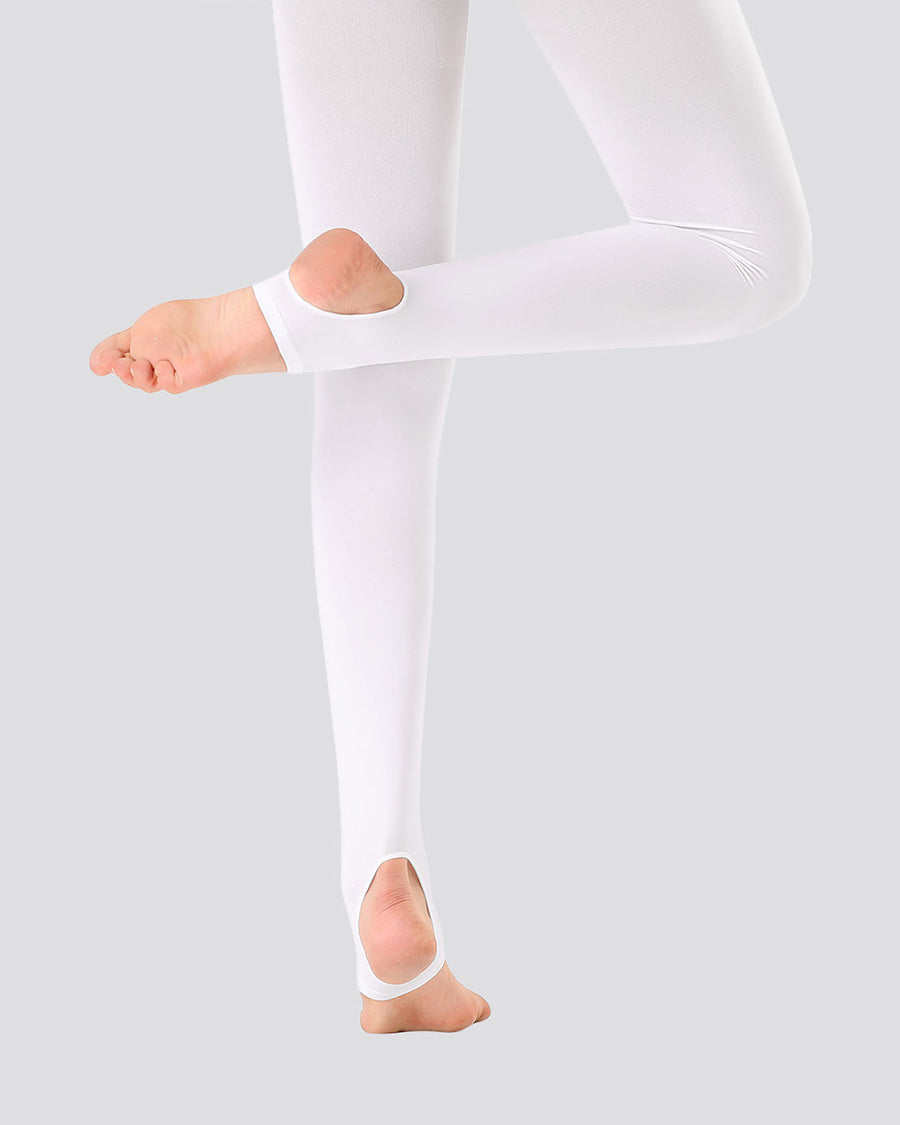
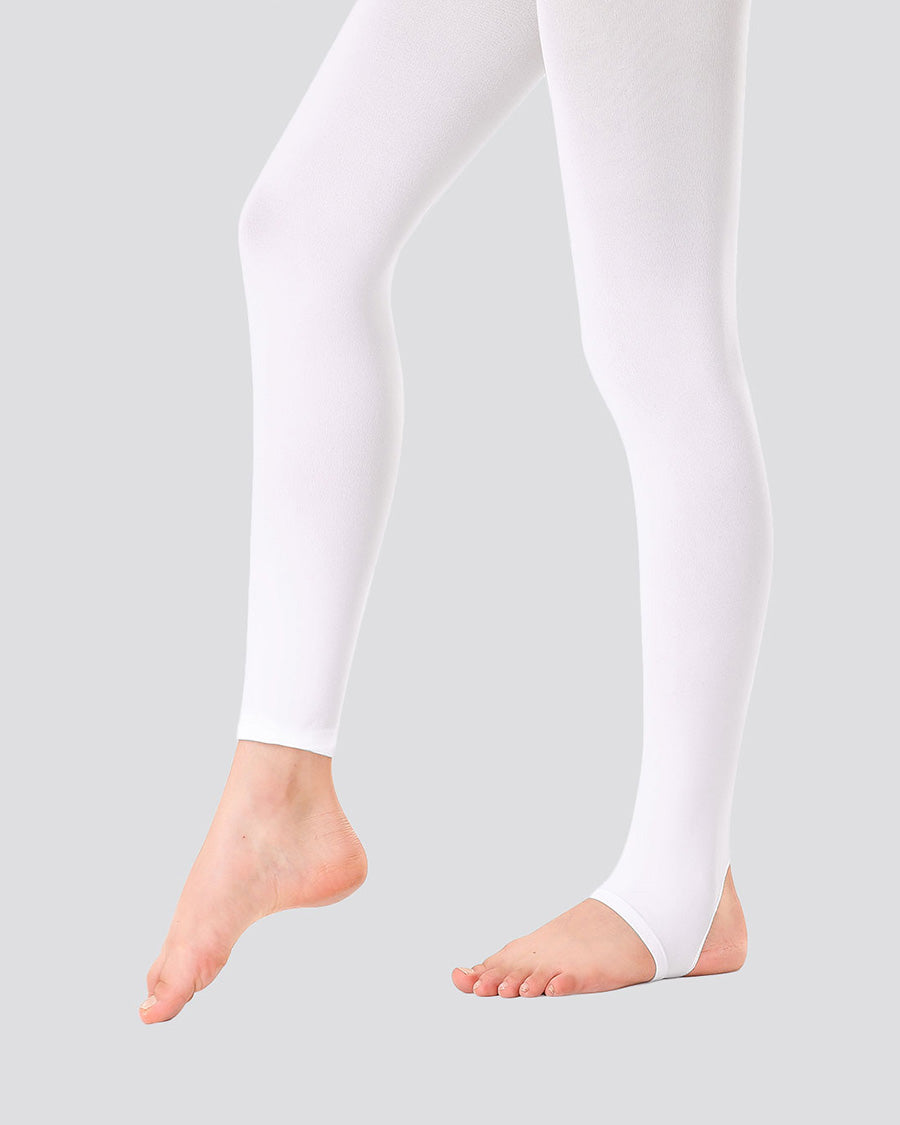
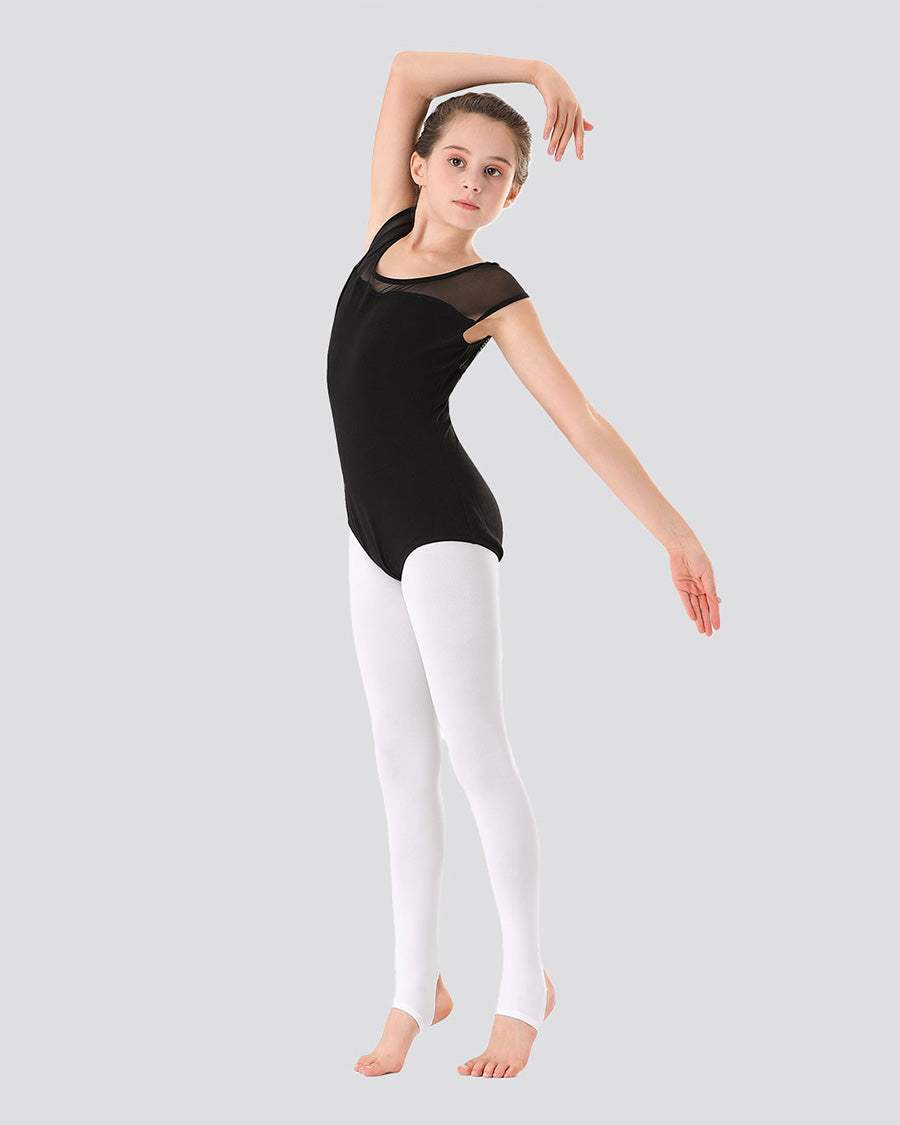
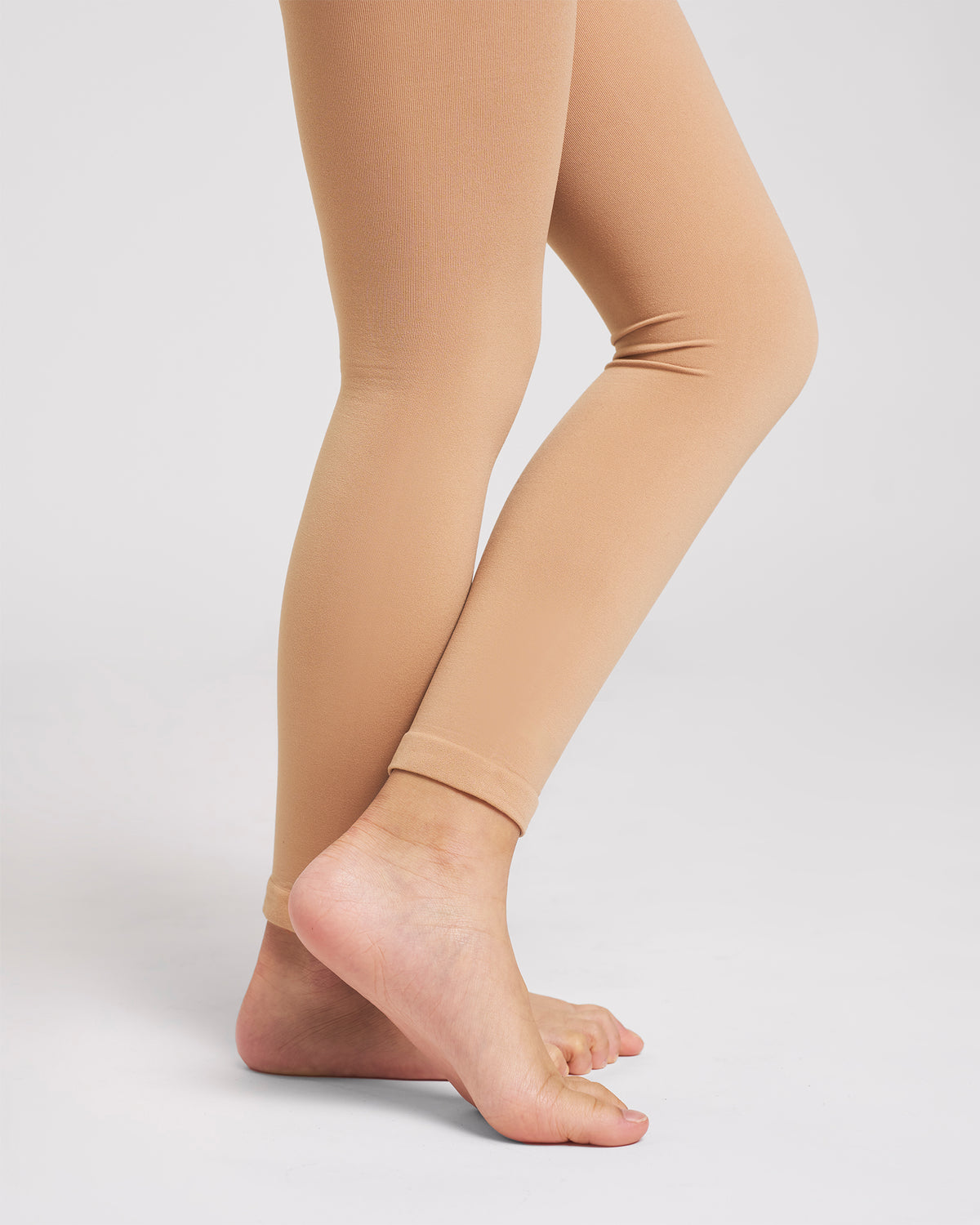
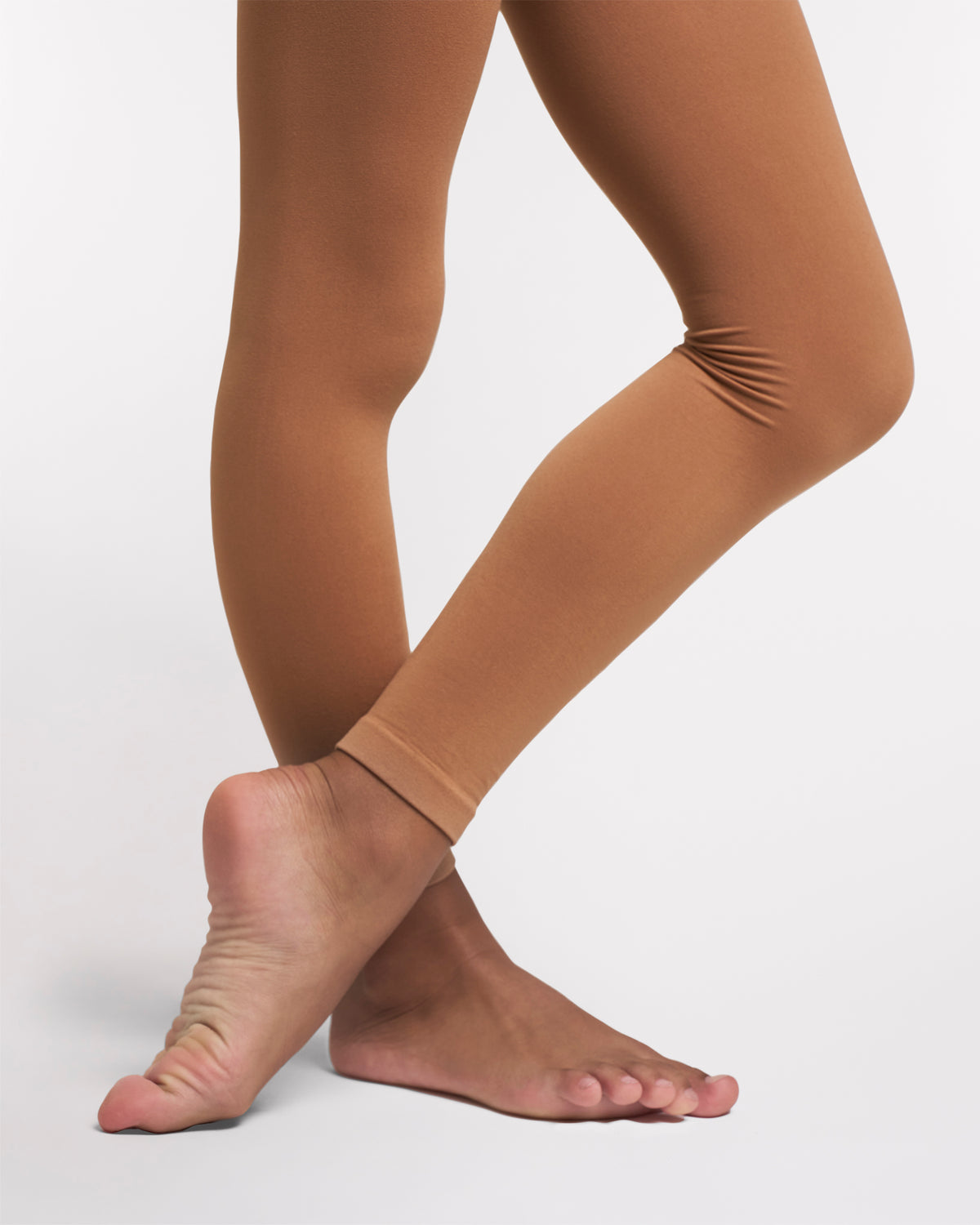
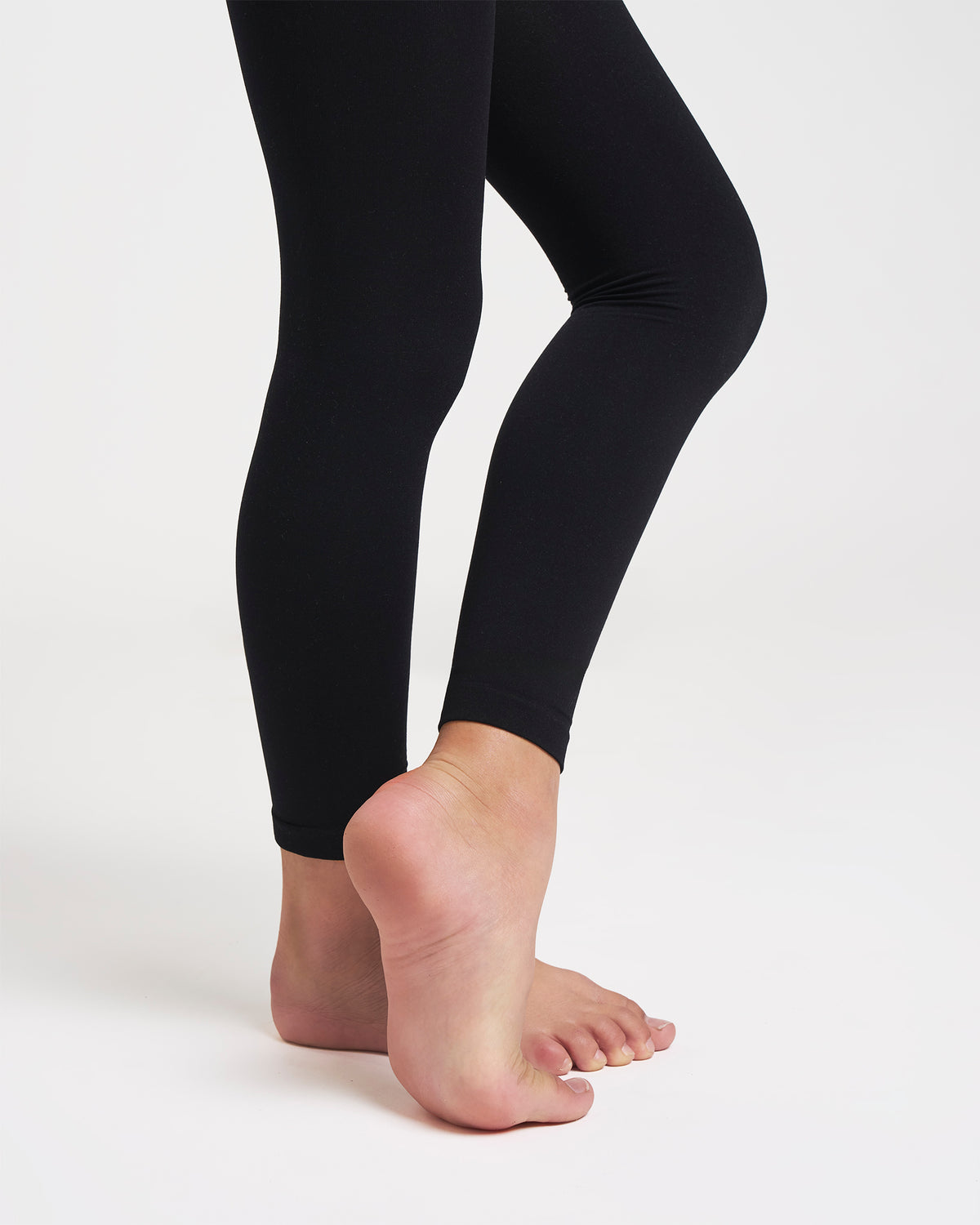
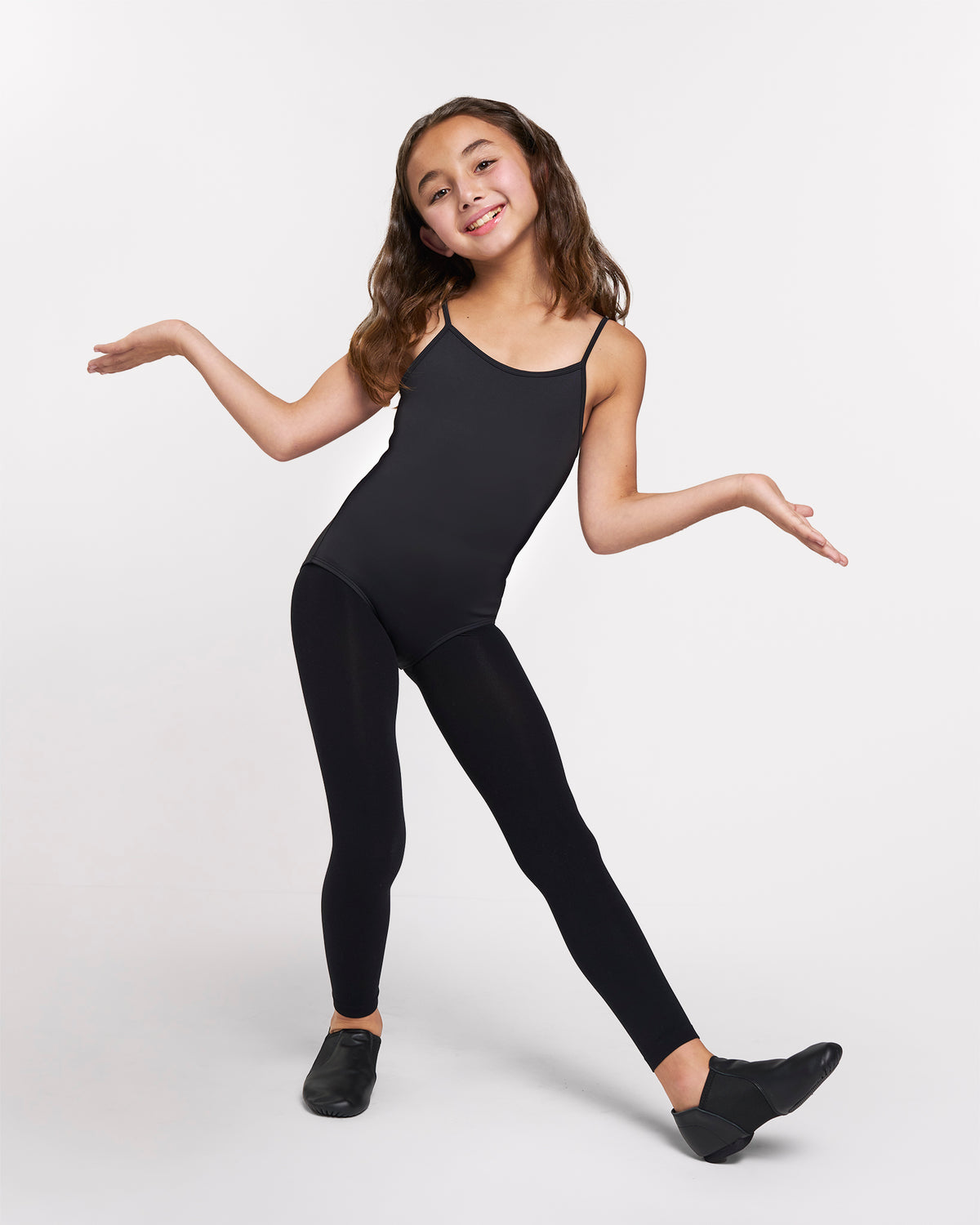
Most studios ask for some version of the same kit: a solid-color leotard (many assign a color per level), pink or skin-tone footed tights, ballet shoes, and hair secured off the face, in a bun for longer hair. Skirts are often optional at young ages. Rather than repeat the details here, we've got full guides on choosing a leotard that fits and kids' dance tights, and you can find class-ready staples in our girls' leotards collection. Buy one or two basics before the first class, then wait for the studio's specific requirements before stocking up.

FAQ
What age can kids start ballet classes?
Most studios take children from age 3 in creative movement classes, and formal ballet technique typically begins around 7 or 8. Starting at 9, 10, or later is still very workable; see our full guide to the best age to start ballet.
How much do ballet classes cost per month?
Typically about $60-$150 per month for one weekly class in the US, based on national cost data and studio tuition pages, with registration, costume, and recital fees on top. Big-city and company-affiliated schools often charge more.
How long are ballet classes for kids?
Roughly 30-45 minutes for ages 3-4, 45-60 minutes for ages 5-7, and 60-90 minutes from about age 8 up. Two caveats: a first trial class for a 3 year old is often cut shorter, and upper-level dancers add rehearsal time on top of the listed class slot during recital season.
How many days a week should my child take ballet?
One class a week is standard through about age 7. Kids in graded levels often add a second class, and pre-pointe students usually train two to three times weekly so strength keeps pace with the work.
When do ballet dancers go on pointe?
Usually around age 12, after several years of consistent training. Dance medicine groups such as IADMS advise basing the decision on strength, alignment, and training history rather than age alone, and good studios require a readiness assessment.
Do boys take the same ballet classes?
Yes, boys train alongside girls in the same classes at most studios through the childhood levels, usually in a t-shirt, shorts or tights, and black or white ballet shoes. Some larger schools add boys-only classes in the upper levels.
About the Stelle Team
Stelle is a mom-founded dancewear brand, making leotards, tutus, and activewear for young dancers since 2015. Our articles are written by the team behind the products — people who spend their days talking with dance teachers, studio owners, and dance parents, and who test everything from fabric stretch to tutu twirl in real classes. Learn more about Stelle.