



Jazz Dance for Beginners: A Parent's Guide
Table of contents
Quick answer
Jazz dance is an upbeat, American-born dance style built on sharp lines, rhythm, and personality, and it is one of the friendliest styles for kids to start with. Most studios welcome beginners around ages 6 to 8 (younger kids usually join combo classes), a first class runs about 45 to 60 minutes for young beginners, and your child needs little more than fitted clothing and a pair of jazz shoes.
Key takeaways
-
Jazz dance grew out of African American social and vernacular dance, and it prizes rhythm, energy, and individual style over rigid form.
-
Ballet experience helps but is not required; plenty of kids start with jazz as their first style.
-
A typical beginner class has three parts: warm-up with isolations, traveling steps across the floor, and a short combination.
-
Core beginner moves include the jazz square, ball change, chassé, jazz walks, and isolations.
-
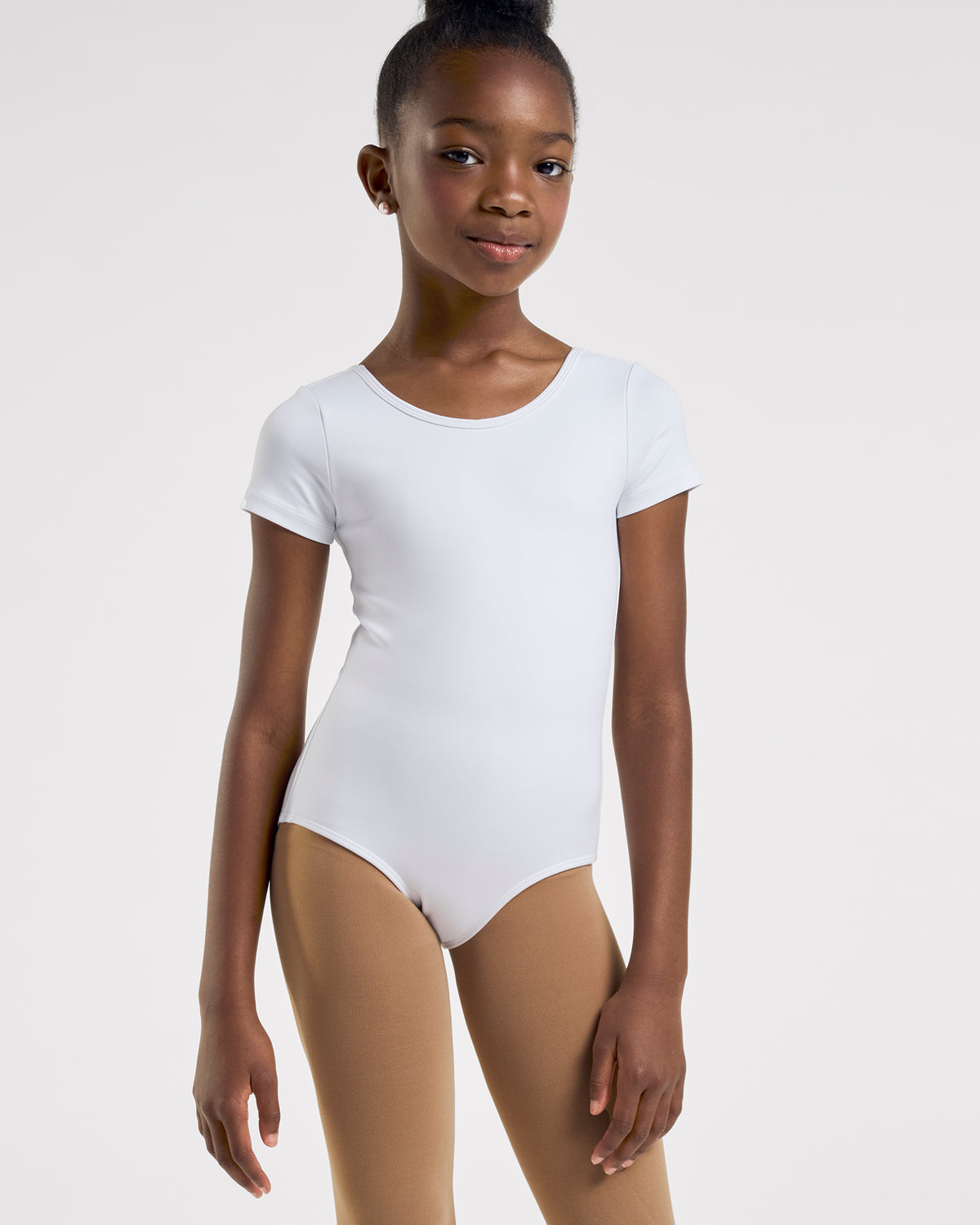
Kids should wear fitted clothing a teacher can see them move in (leotard and leggings or a fitted top and shorts) plus soft jazz shoes.
-
When choosing a class, a trial lesson and a teacher who keeps kids moving matter more than the studio's trophy shelf.
What is jazz dance?
Jazz dance is an umbrella term for energetic styles danced to jazz and popular music, marked by strong rhythm, isolations, kicks, turns, and a big dose of individual flair. Britannica defines it as "any dance to jazz accompaniments, composed of a profusion of forms," which is a scholarly way of saying jazz refuses to sit in one box. That looseness is a feature: the same class can include a Broadway-style kick line and a funky, hip-hop-flavored combination.
What ties it together is where the movement comes from. As a Jacob's Pillow Dance Interactive essay explains, the elements of jazz are West African in origin: a grounded, lowered center of gravity, syncopation and polyrhythm, improvisation, and call and response. Where ballet reaches up and out with formal positions, jazz digs into the floor and rides the beat.
Jazz still borrows heavily from ballet, though. Pirouettes, chassés, and pliés all show up in jazz class, just executed sharper and faster. Many teachers suggest pairing jazz with a ballet class for technique, but kids do not need ballet first; jazz works fine as a first style, and its speed and music tend to hook kids who find ballet too quiet.
A very short history
Jazz dance took shape in African American communities, with roots reaching back to dances enslaved West Africans carried to America and reshaped over generations. Choreographers like Bob Fosse and Gus Giordano later helped shape the theatrical style many studios teach today. If your dancer wants the full story, we cover it in our history of jazz dance.
Styles of jazz your child might see
Studio schedules and competition stages use "jazz" to cover several related styles. Here is a quick map:
|
Style |
What it looks like |
Good fit for |
|---|---|---|
|
Classical jazz |
Ballet-influenced lines, isolations, kicks, and turns; the classic Broadway look |
Kids who want strong technique and showmanship |
|
Contemporary jazz |
Looser and more expressive, mixing everyday movement with jazz technique |
Expressive kids who like interpreting music |
|
Commercial jazz |
Trend-driven, music-video style with hip-hop influence |
Kids who dance along to pop videos at home |
|
Latin jazz |
Jazz set to Latin rhythms, heavy on hip isolations and syncopation |
Kids who love rhythm and percussion |
|
Afro-jazz |
Emphasizes the African roots: grounded footwork with fast, fluid torso and arm movement |
Kids drawn to powerful, rhythmic movement |
Most beginner kids' classes teach a general classical-jazz foundation and sprinkle in the other flavors. If your child is still deciding between styles, our overview of the main types of dance compares jazz with ballet, tap, hip-hop, and more.
What happens in a first jazz class
Knowing the flow ahead of time takes the nerves out of day one. Most beginner jazz classes follow a familiar rhythm: a warm-up, some stretching and strengthening, traveling steps across the floor, and a short combination at the end.
-
Warm-up. Around 15 minutes of isolations (head, shoulders, ribs, hips) plus stretching and simple strength work. Isolations look silly and fun, which is the point; they are also the foundation of jazz technique.
-
Across the floor. Dancers travel in lines practicing steps like jazz walks, chassés, and grapevines. This is where beginners learn the basic vocabulary.
-
Combination. The class ends with a short routine that strings the day's steps to music. Kids usually leave humming the song, which is a good sign.
Many studios start dedicated jazz classes around age 6 to 8, with 45 to 90 minute sessions depending on age; younger kids typically get jazz through combo classes that mix two or three styles in one session. Ages, class lengths, and prices vary by studio and can change, so treat these as a starting point and confirm details with the studio before signing up.

Basic jazz dance moves beginners learn first
These are the steps that show up in nearly every beginner class. Your child can safely try most of them on a non-slip floor at home:
-
Jazz square. Step forward, cross the other foot over, step back, then step to the side, tracing a square. The classic "first jazz step."
-
Ball change. A quick weight transfer onto the ball of one foot and back. It links bigger moves together, often as a "kick ball change."
-
Chassé. A sideways gallop where one foot chases the other. Borrowed from ballet, used constantly across the floor.
-
Pas de bourrée. Three quick steps (back, side, front) that act as a transition between moves.
-
Jazz walks. Stylized, confident walks with bent knees and a low center of gravity. Most kids love exaggerating these.
-
Isolations. Moving one body part (head, shoulders, ribs, hips) while the rest stays still.
-
Pivot turn. A half-turn on the balls of both feet without lifting them.
-
Plié. A knee bend with heels grounded, the springboard for jumps and turns.
Kicks, leaps, and pirouettes come later, once these basics feel automatic.
What to wear to jazz class
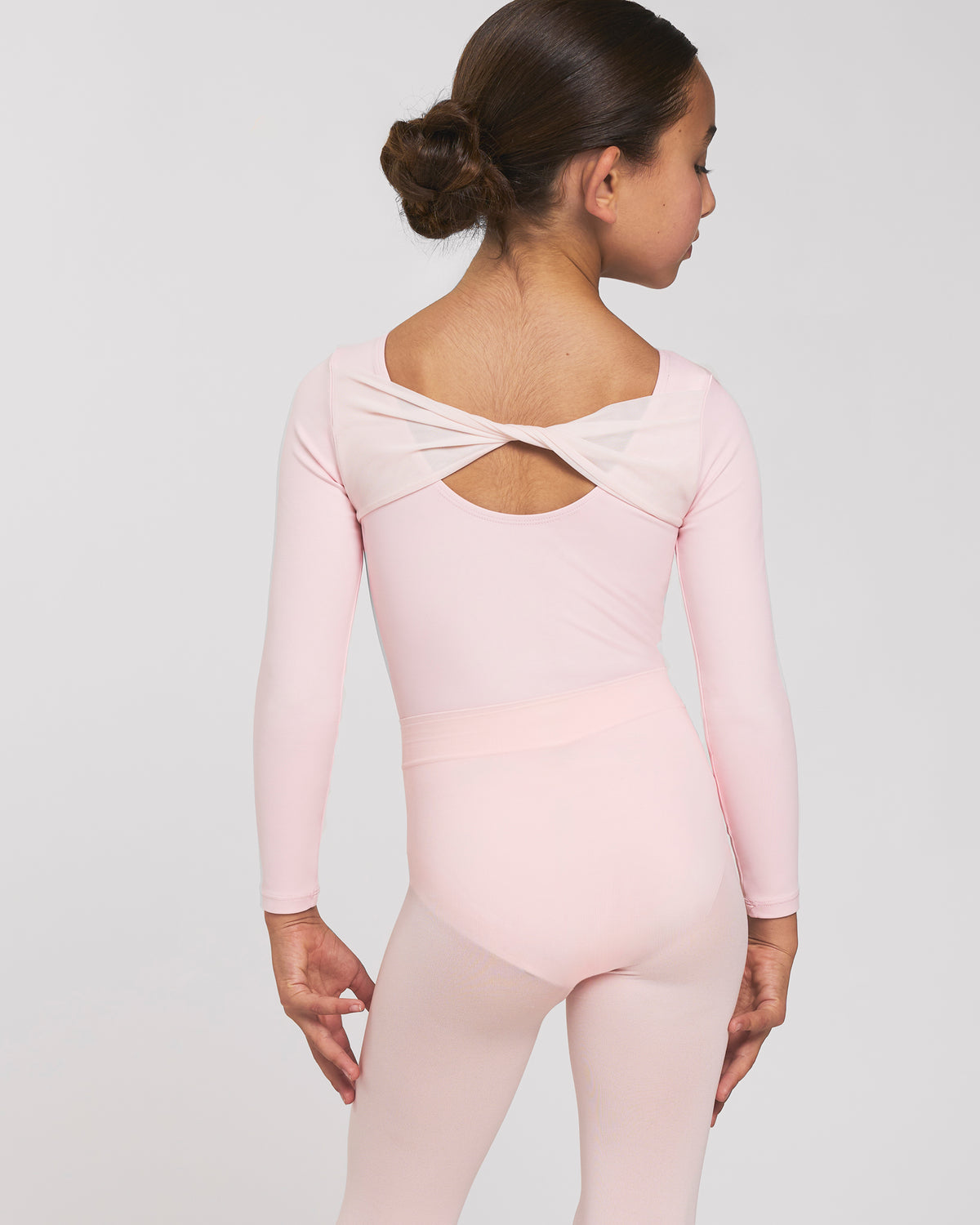
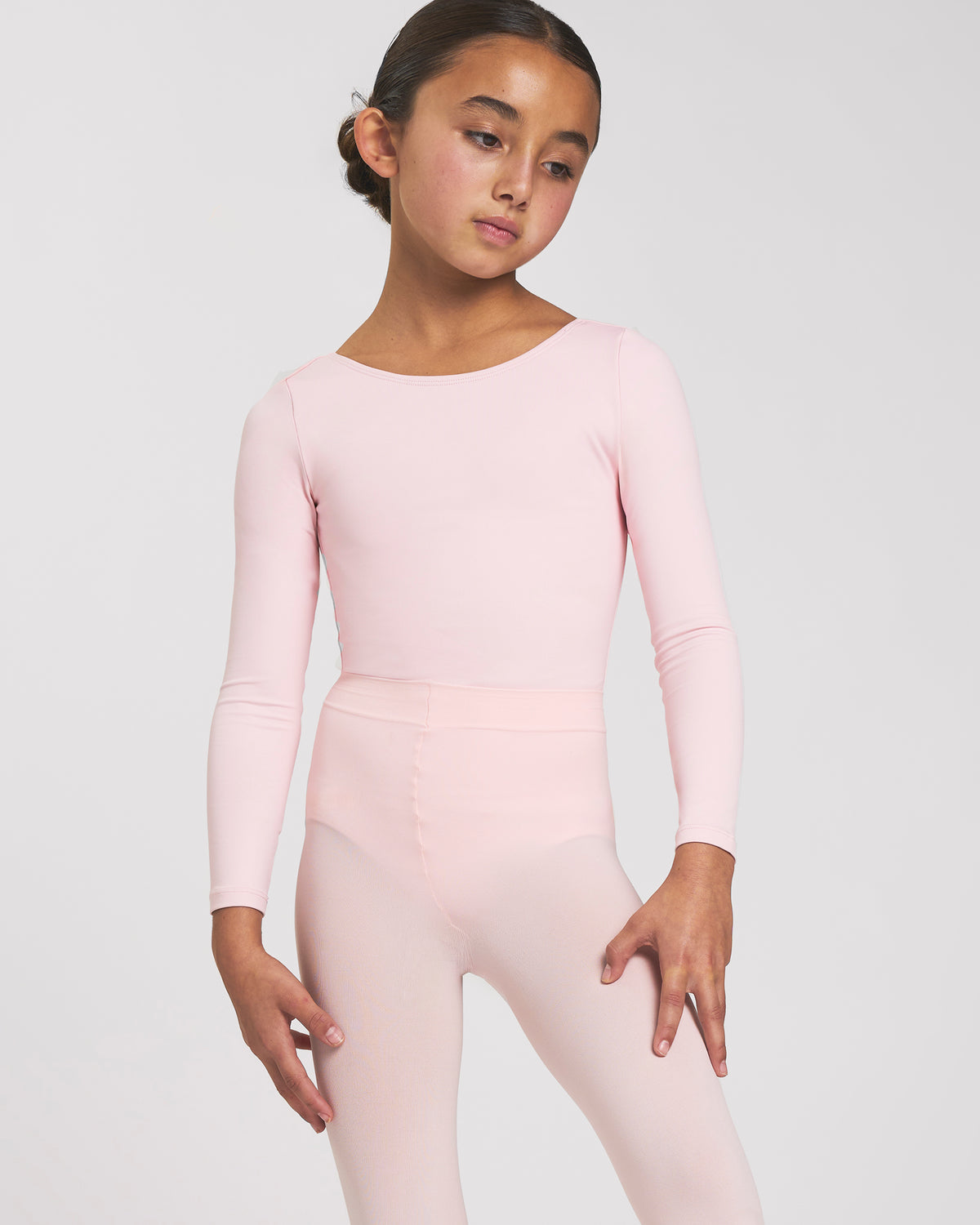
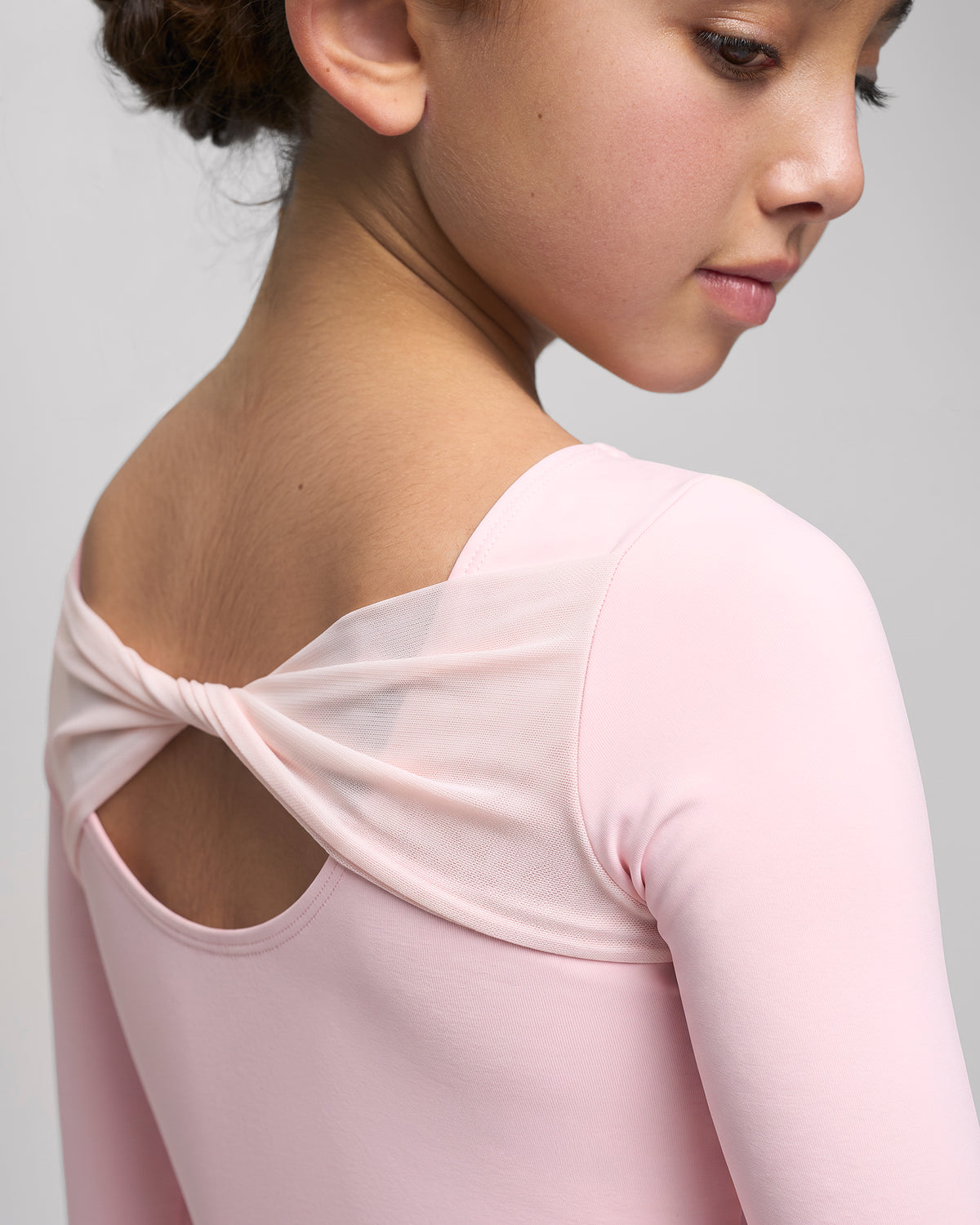
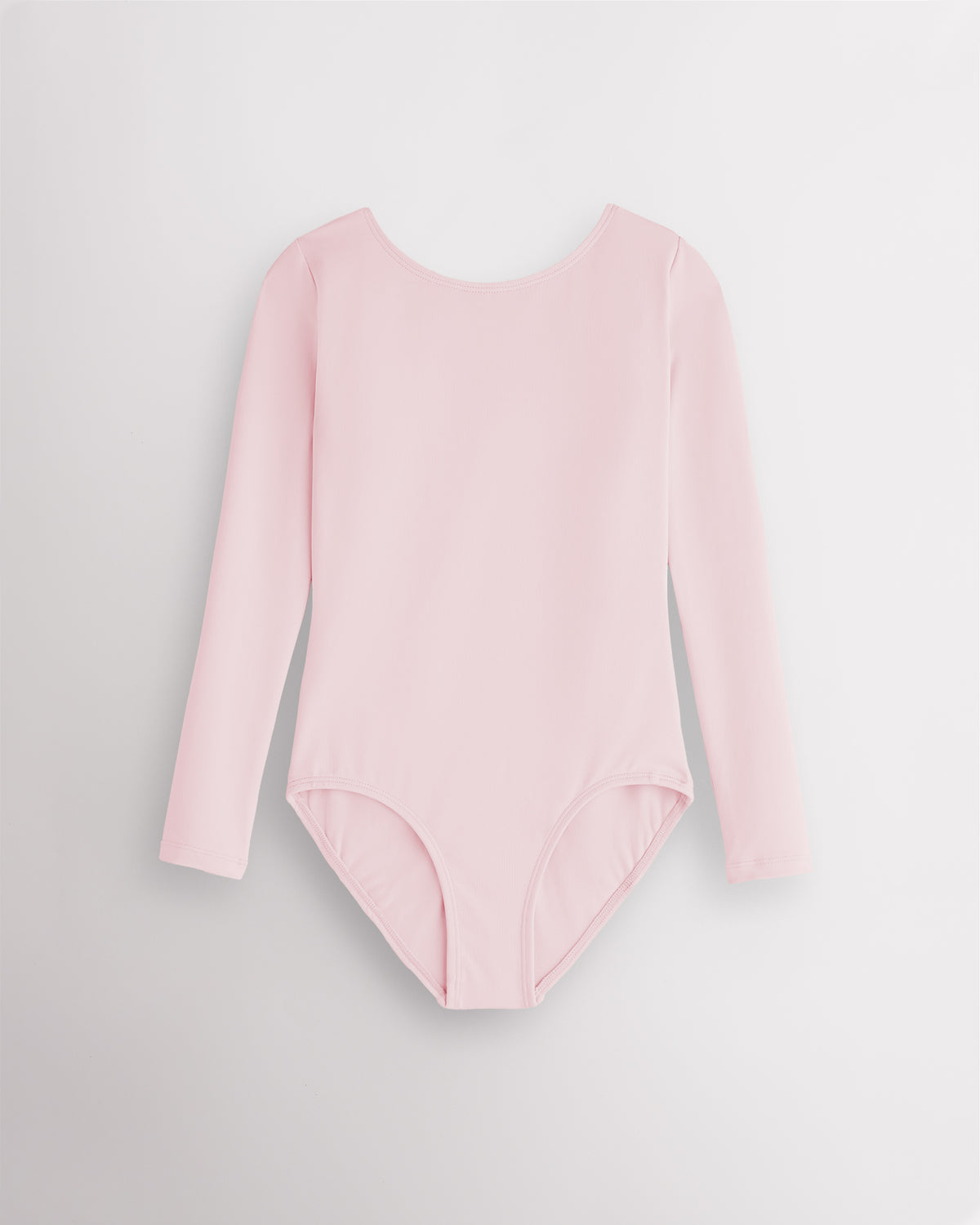
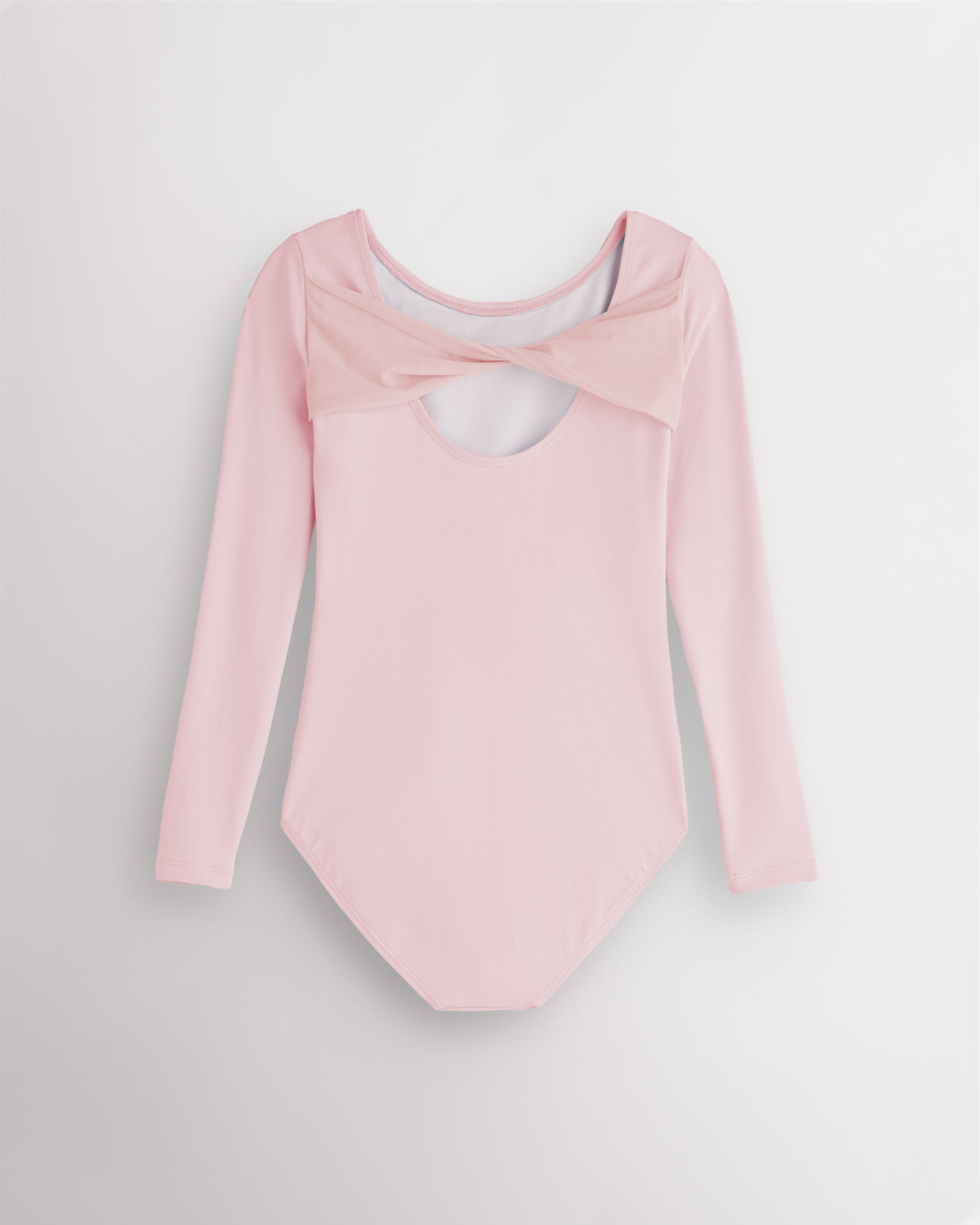
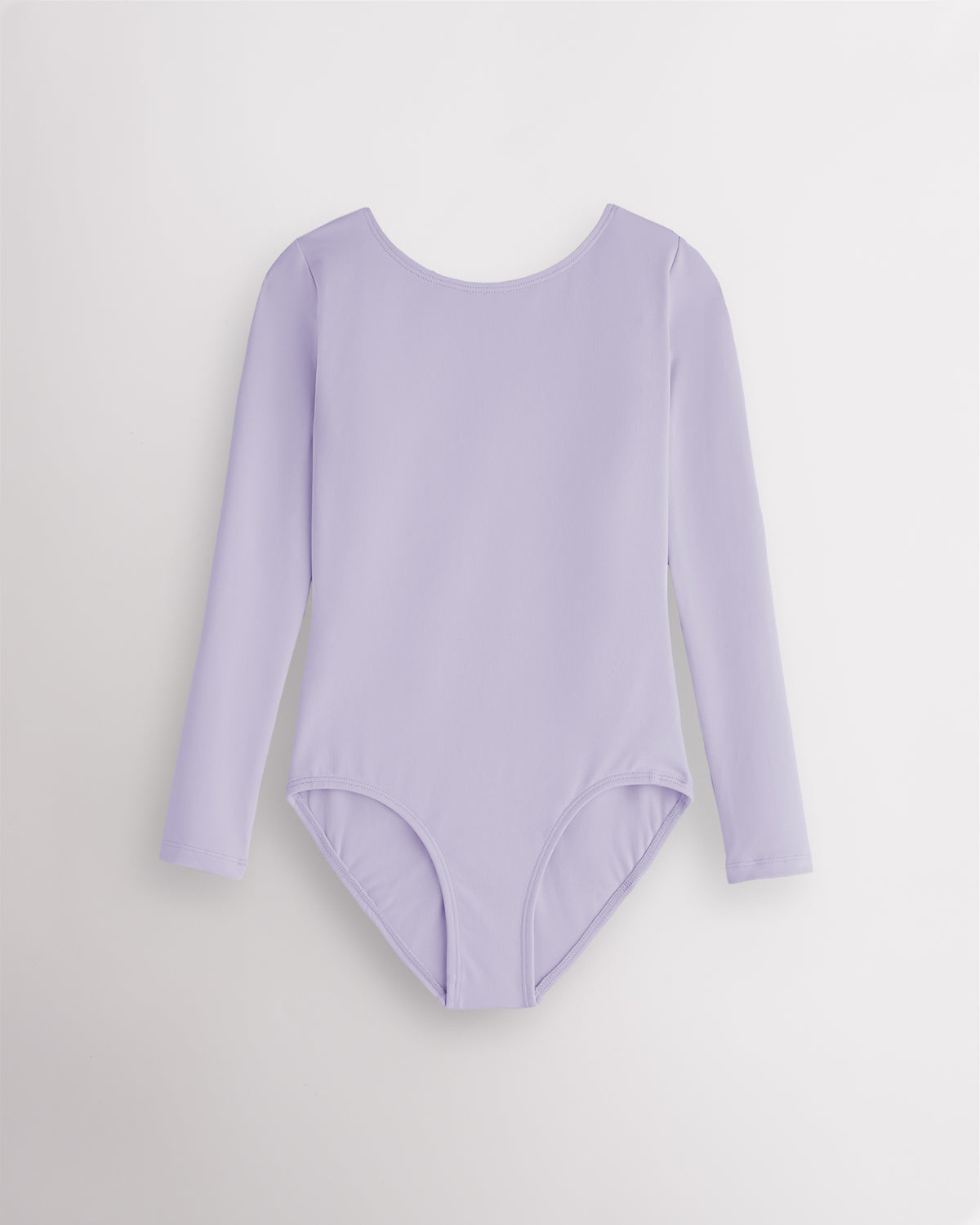
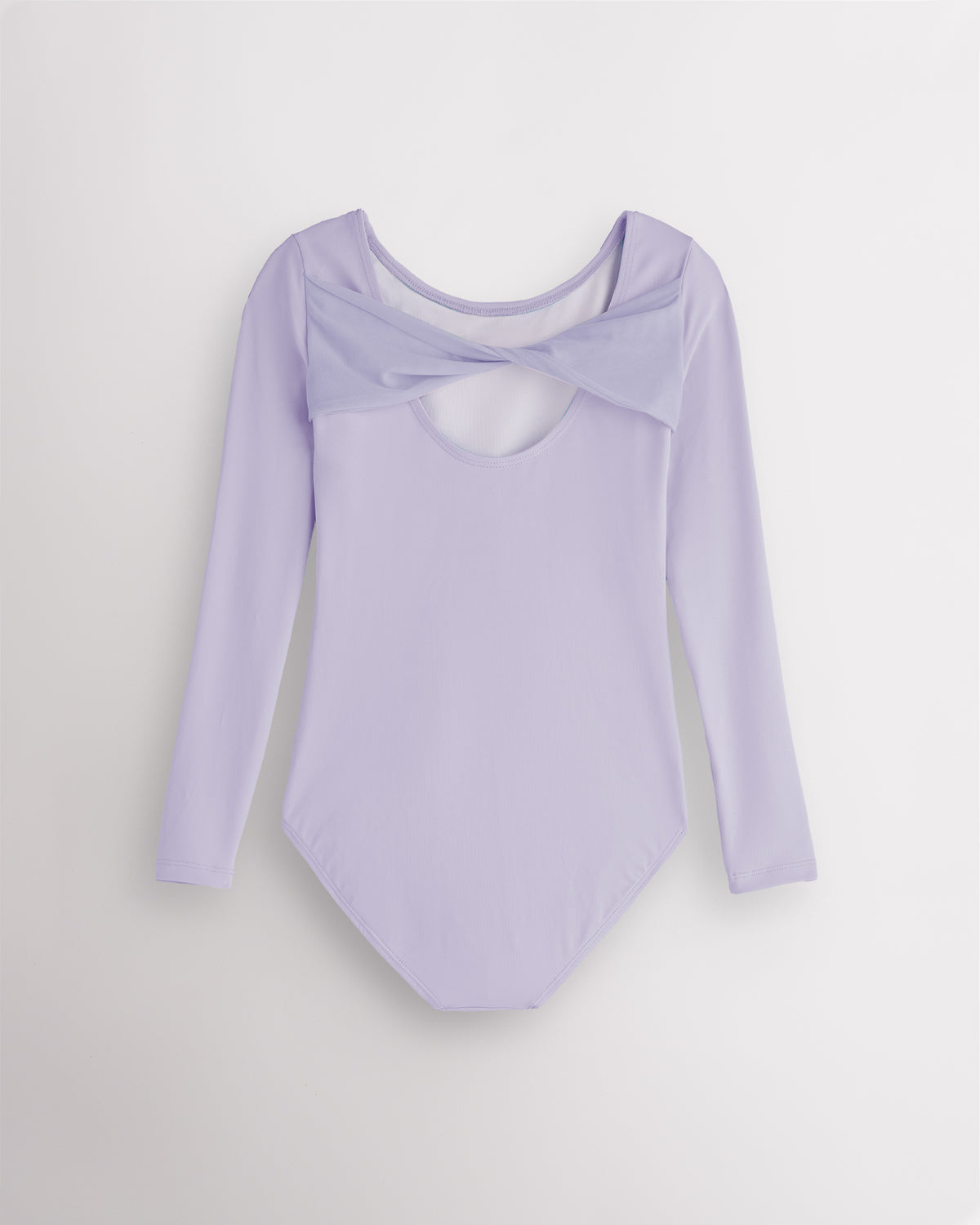
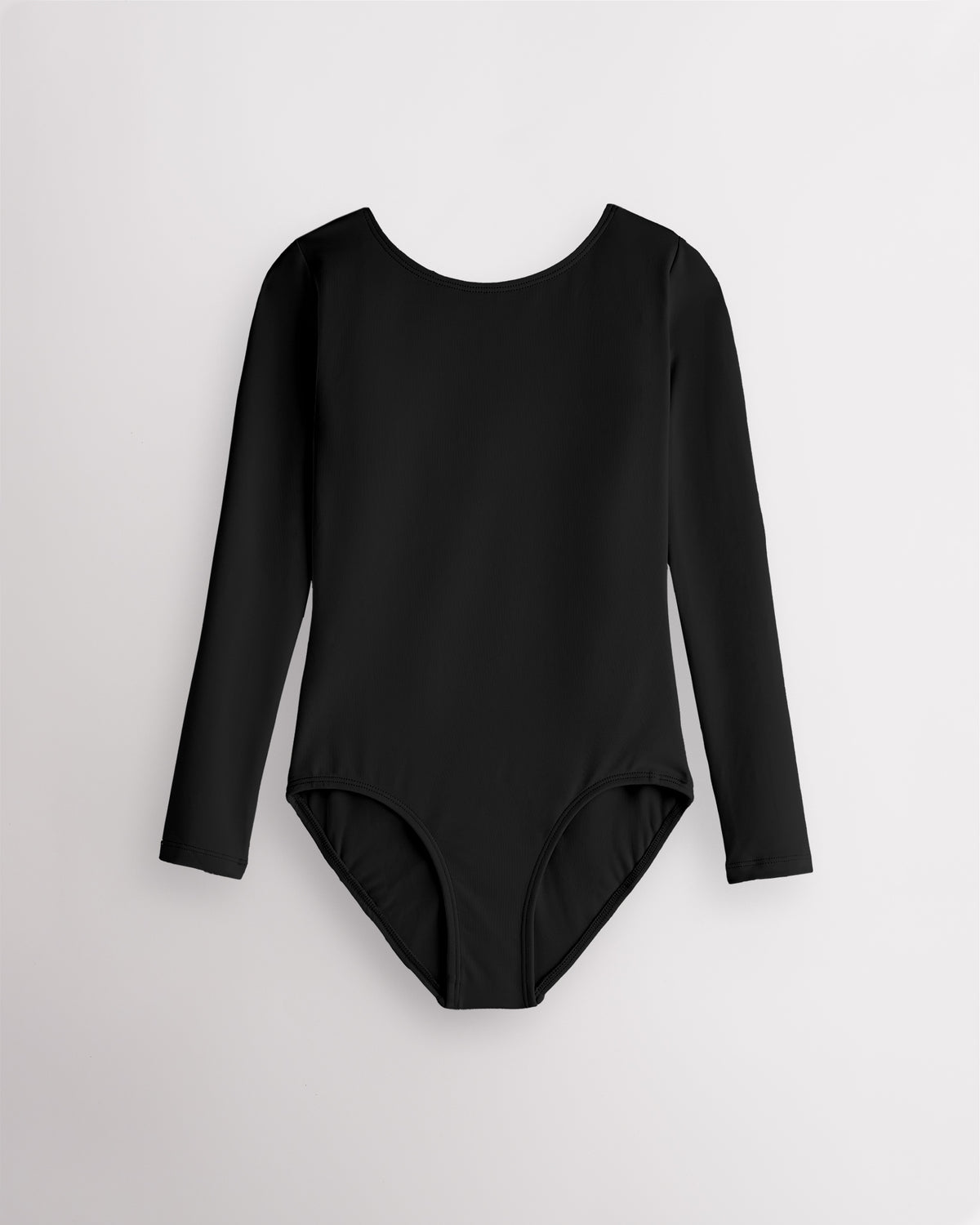
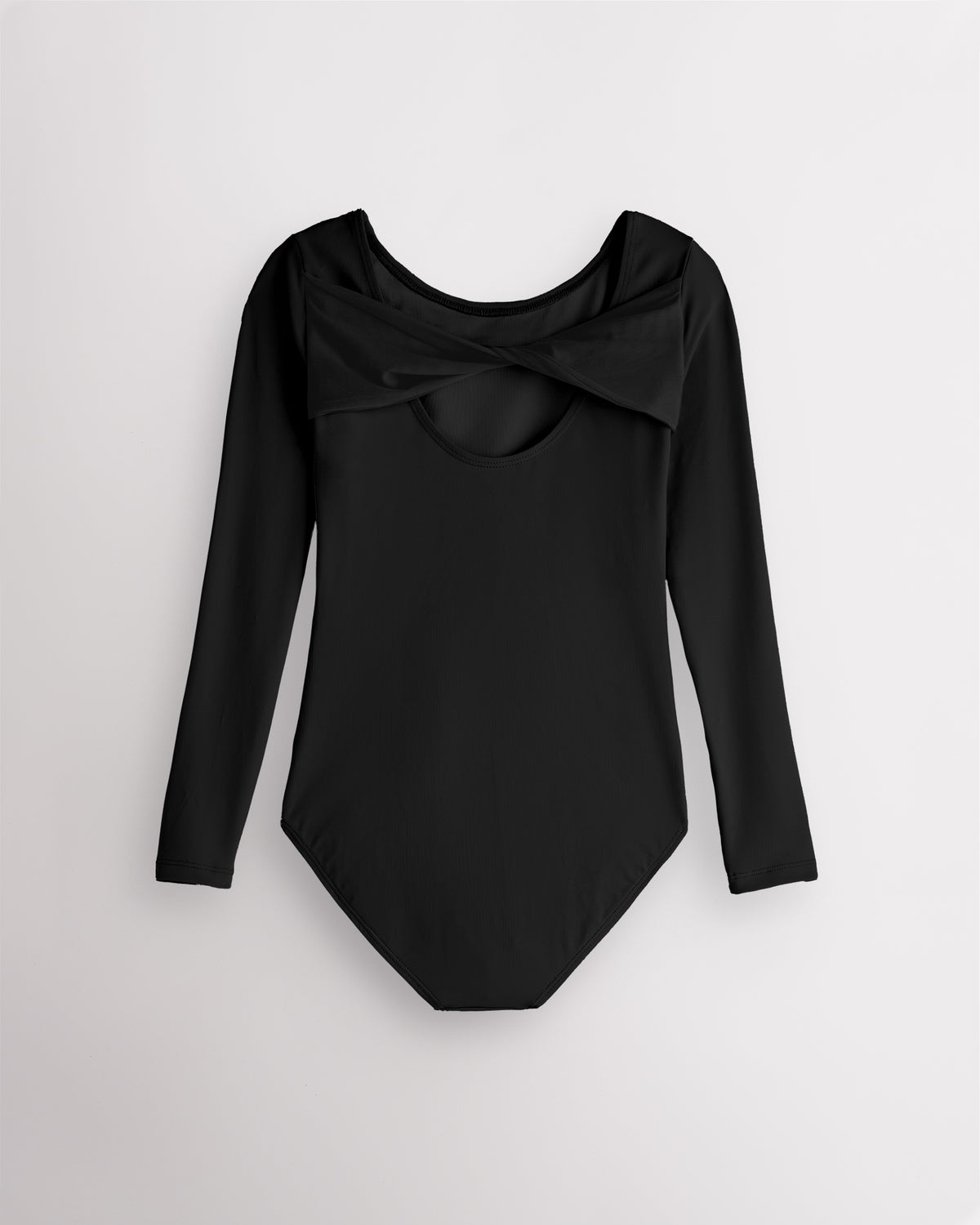
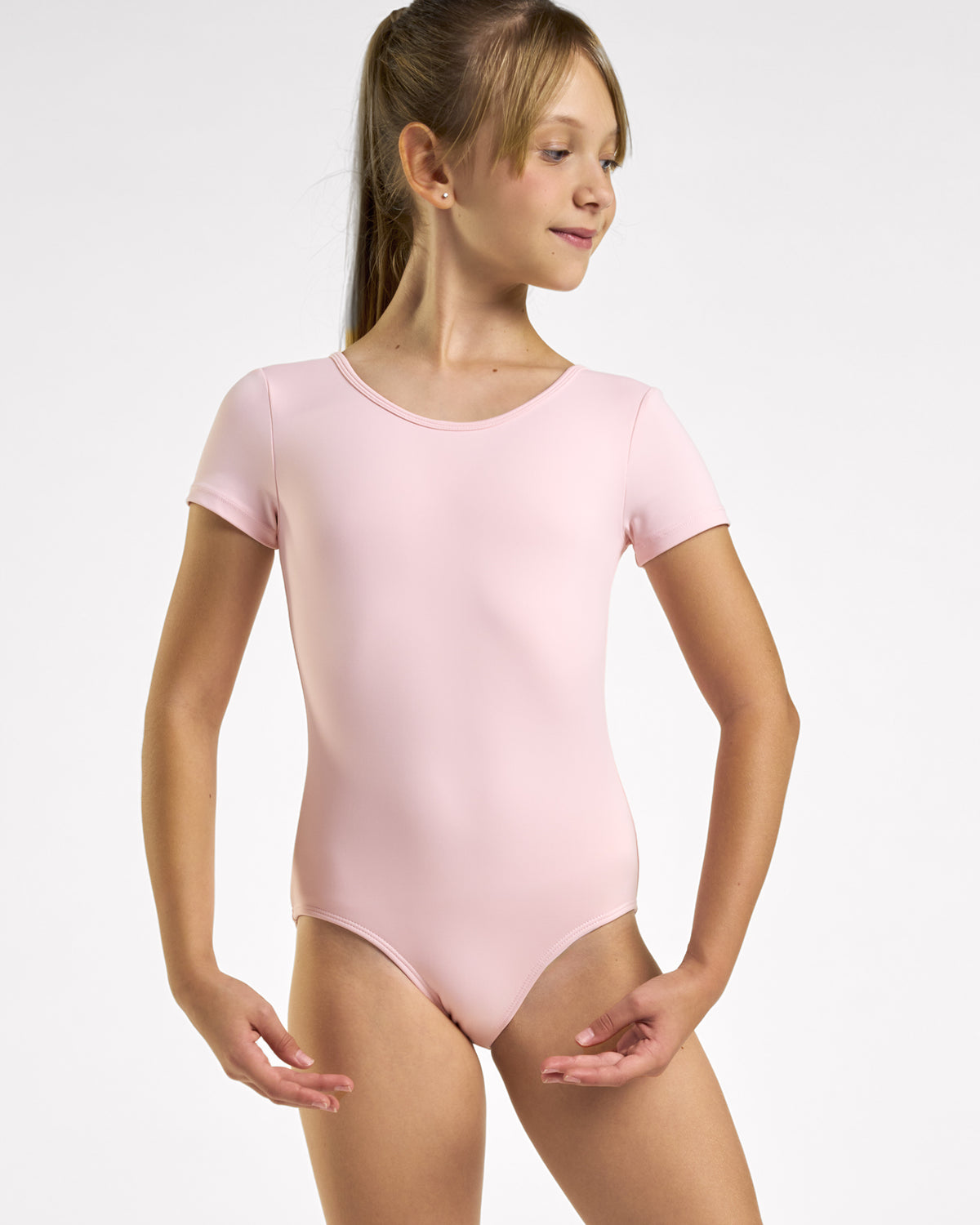
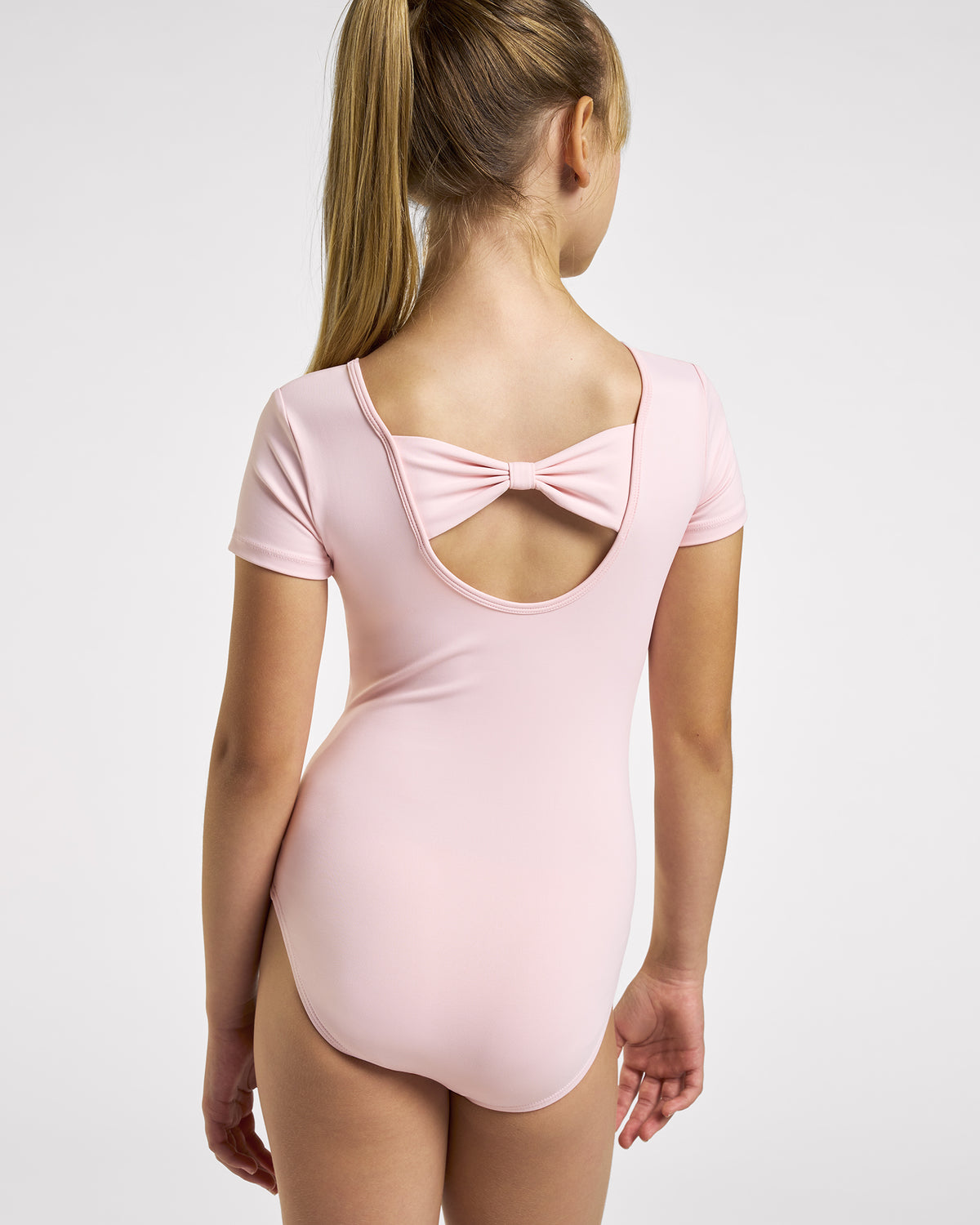
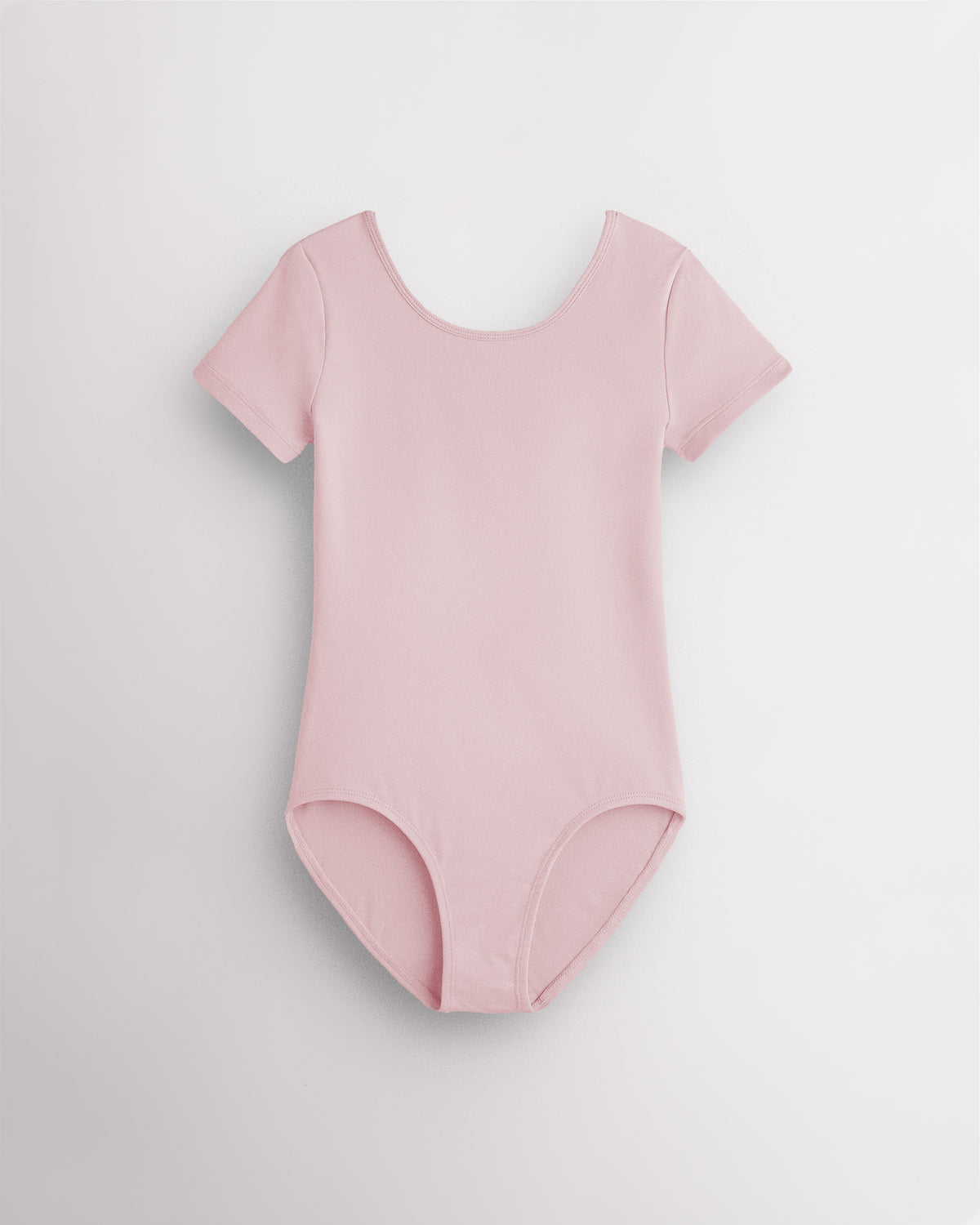
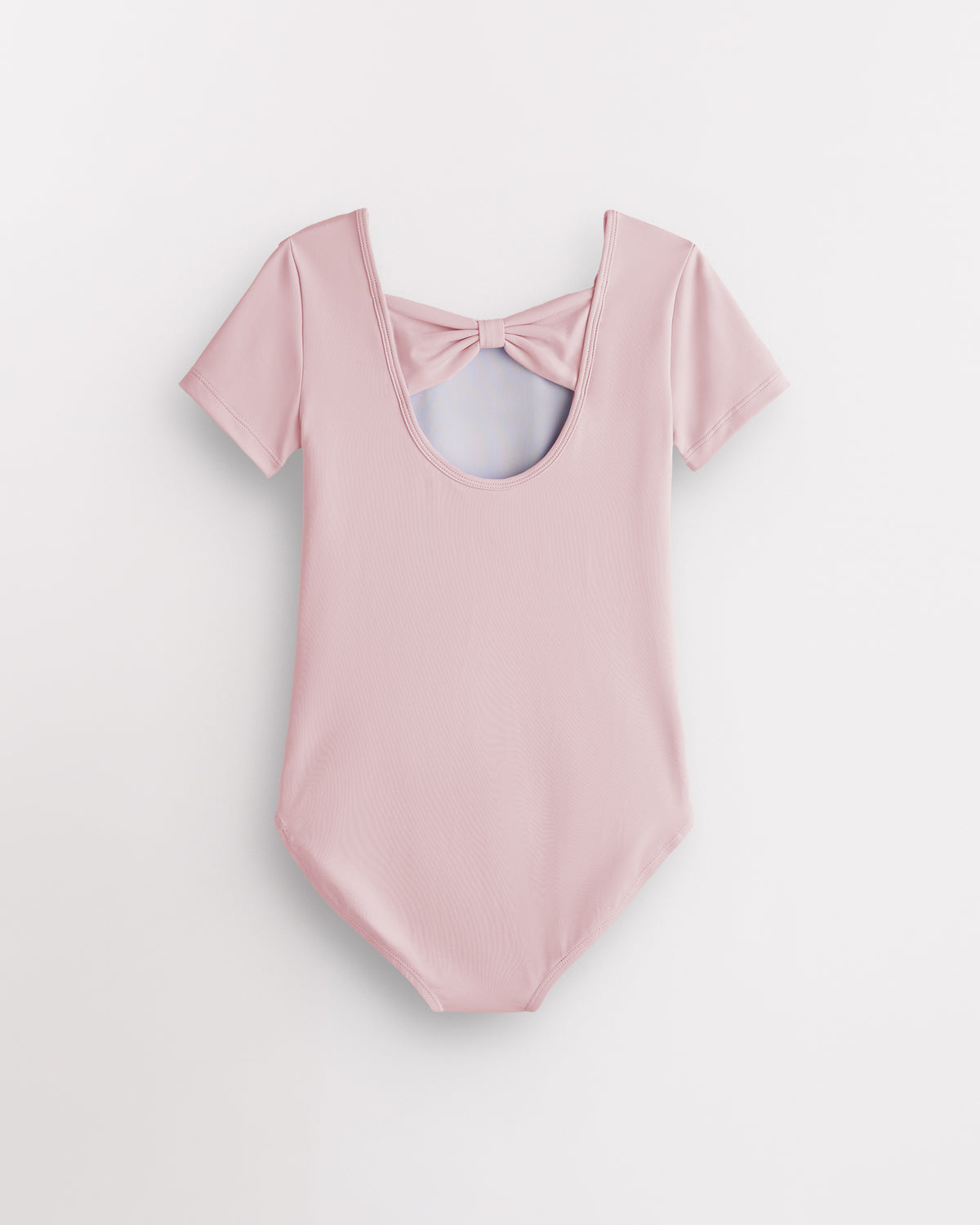
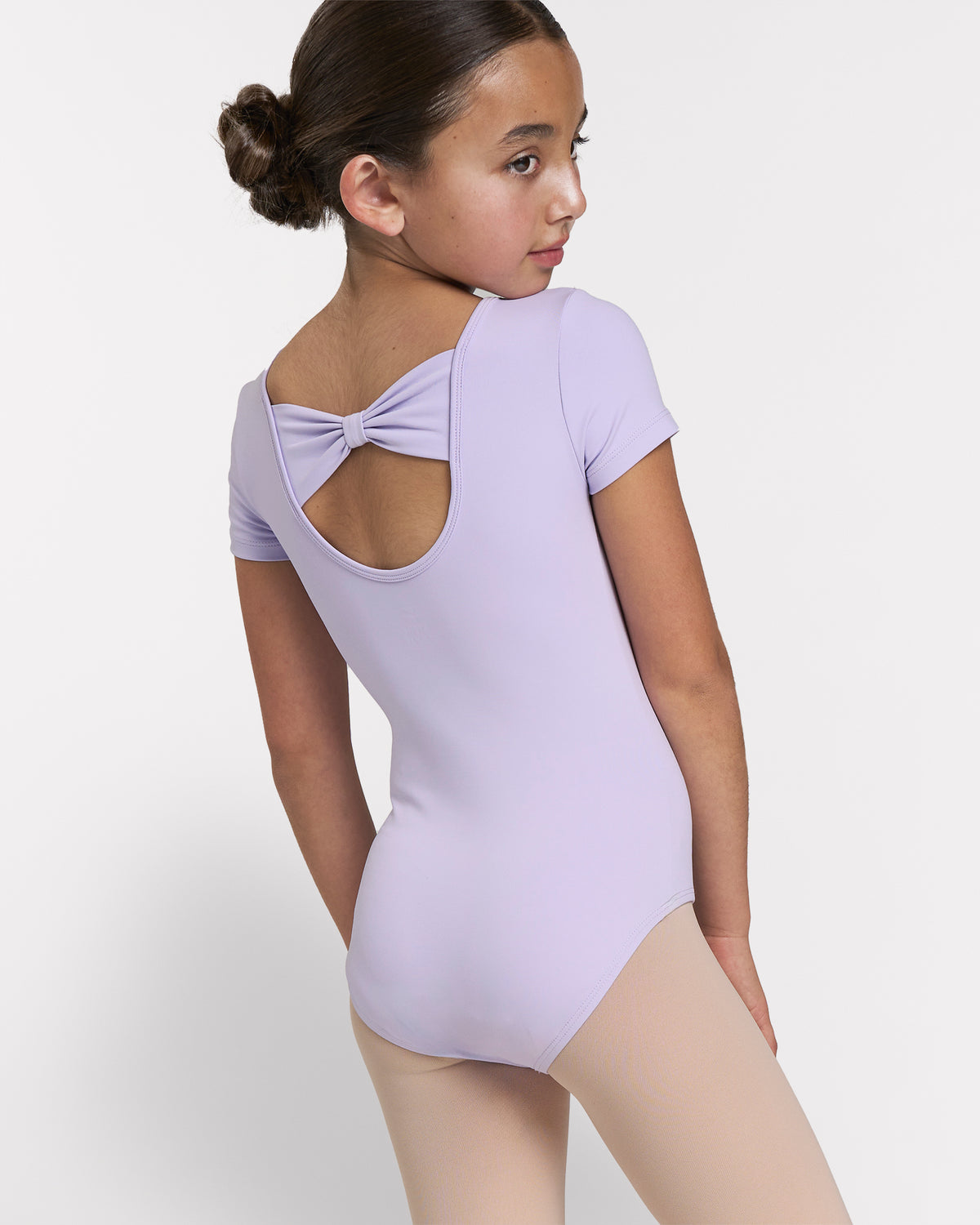
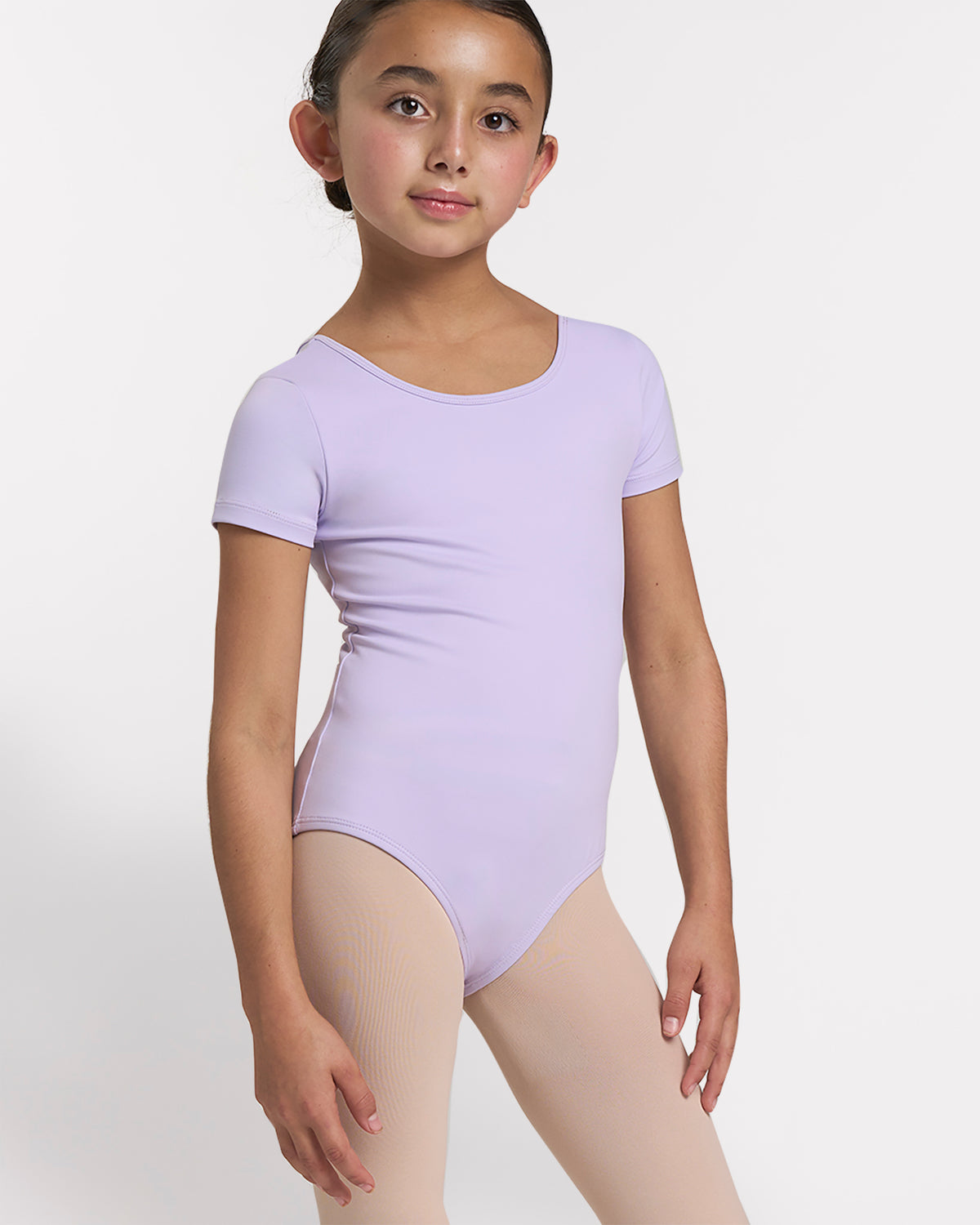
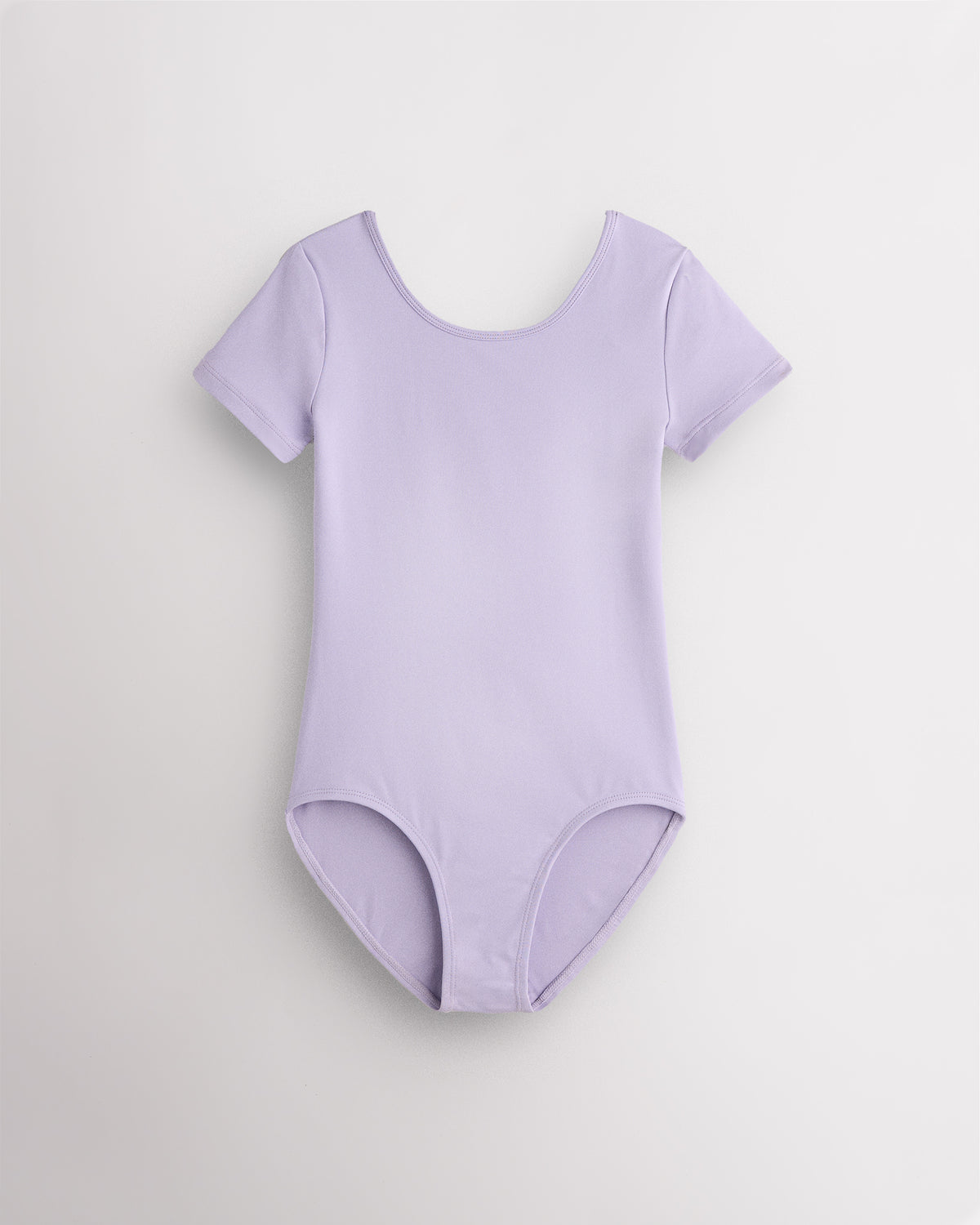
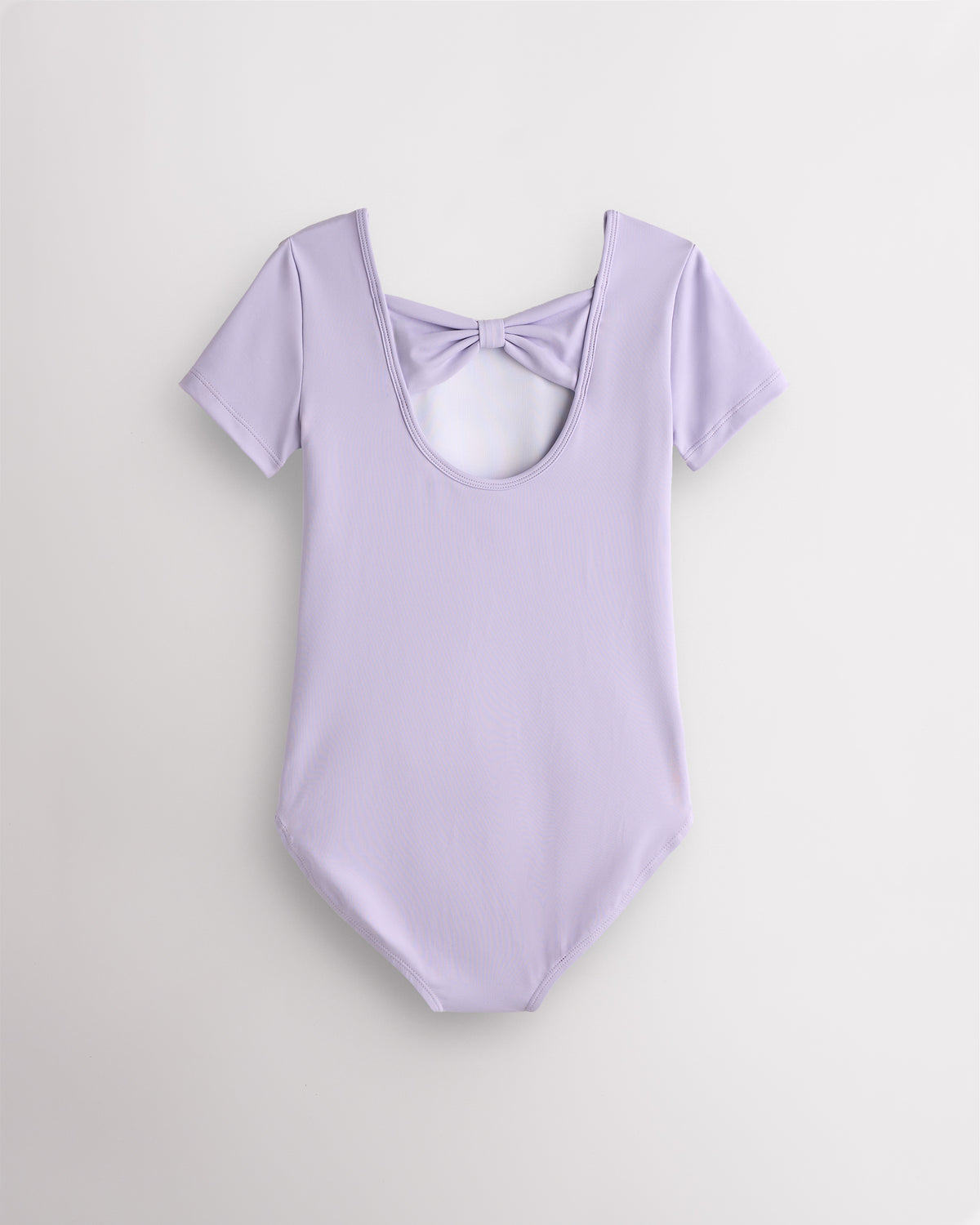
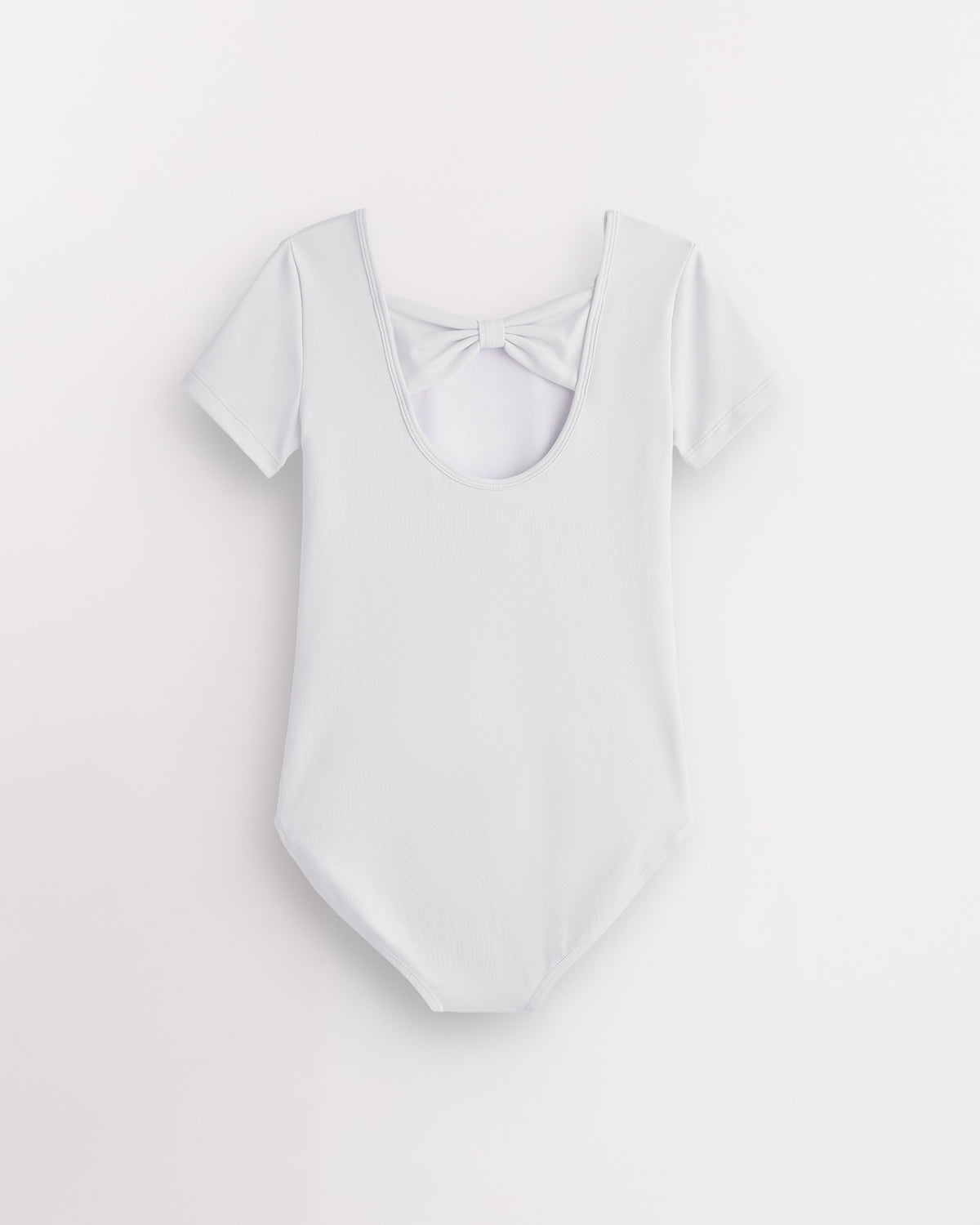
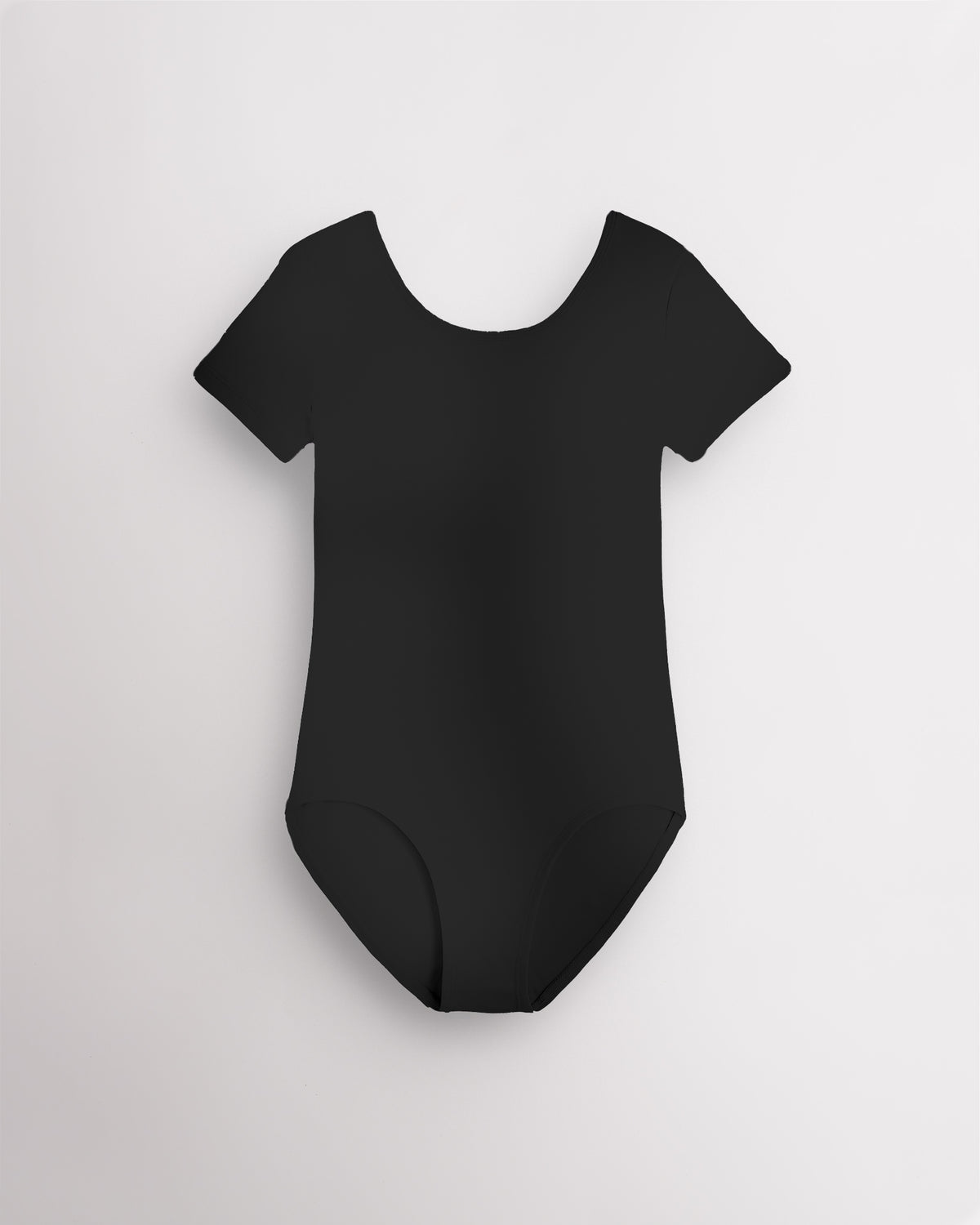
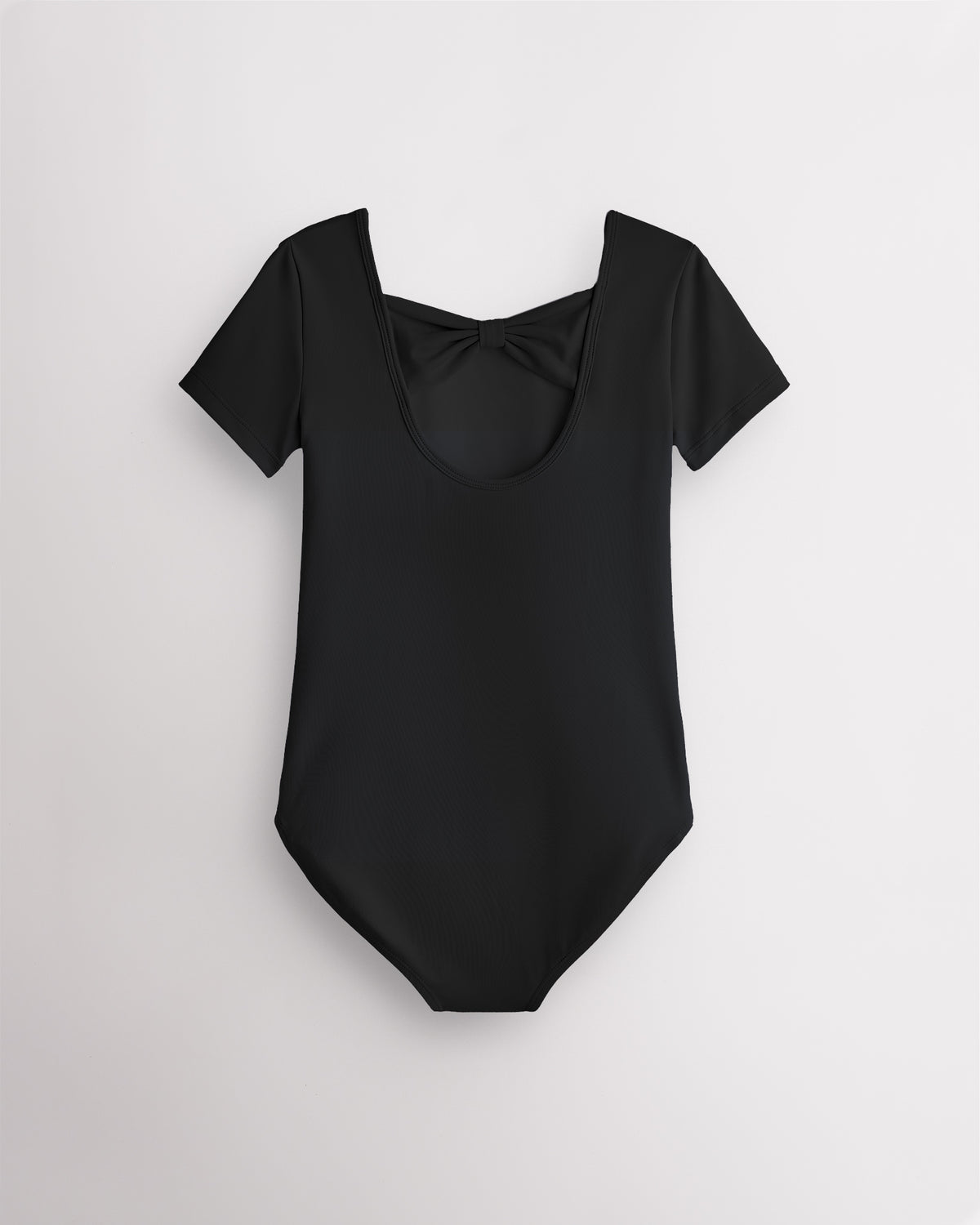
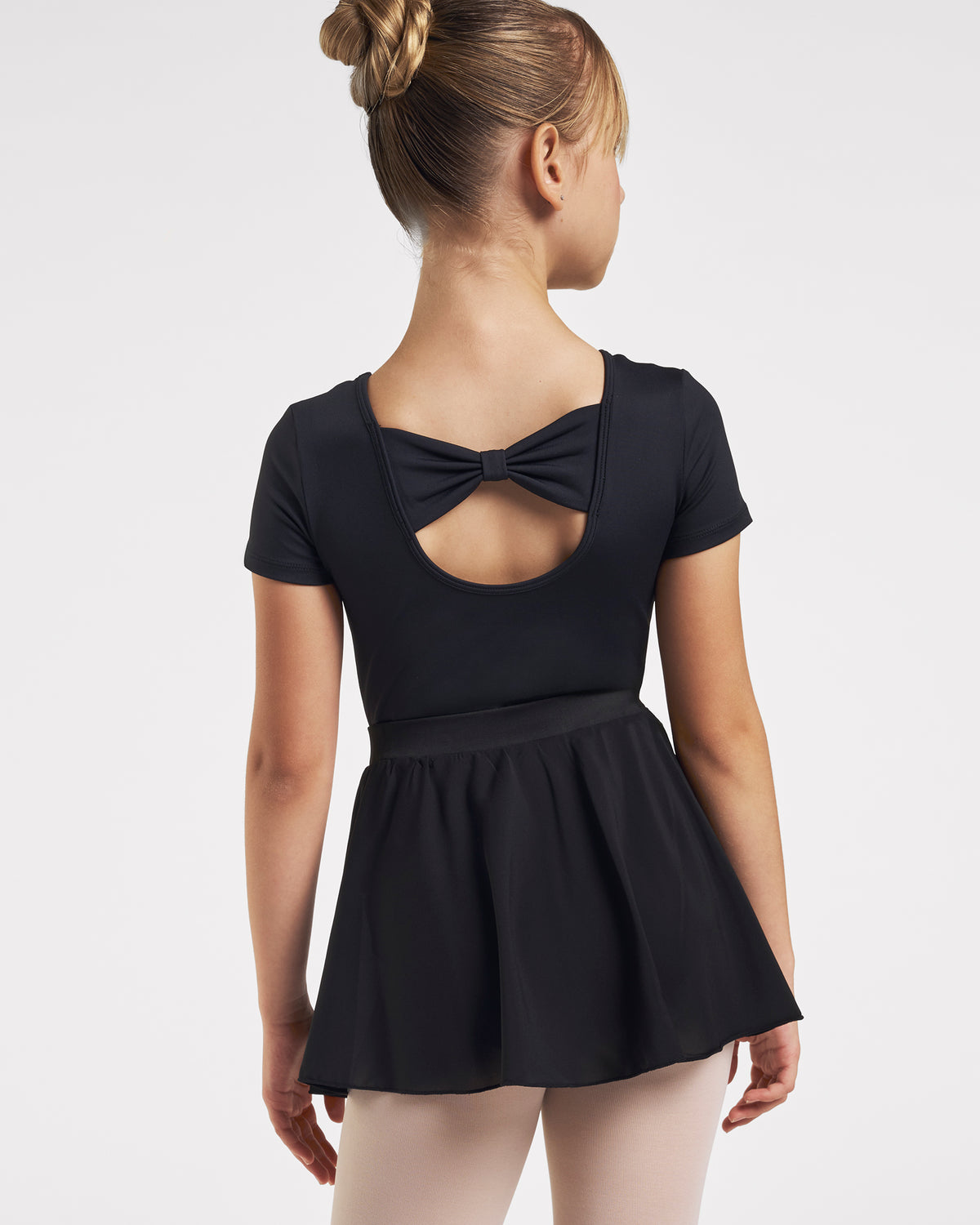
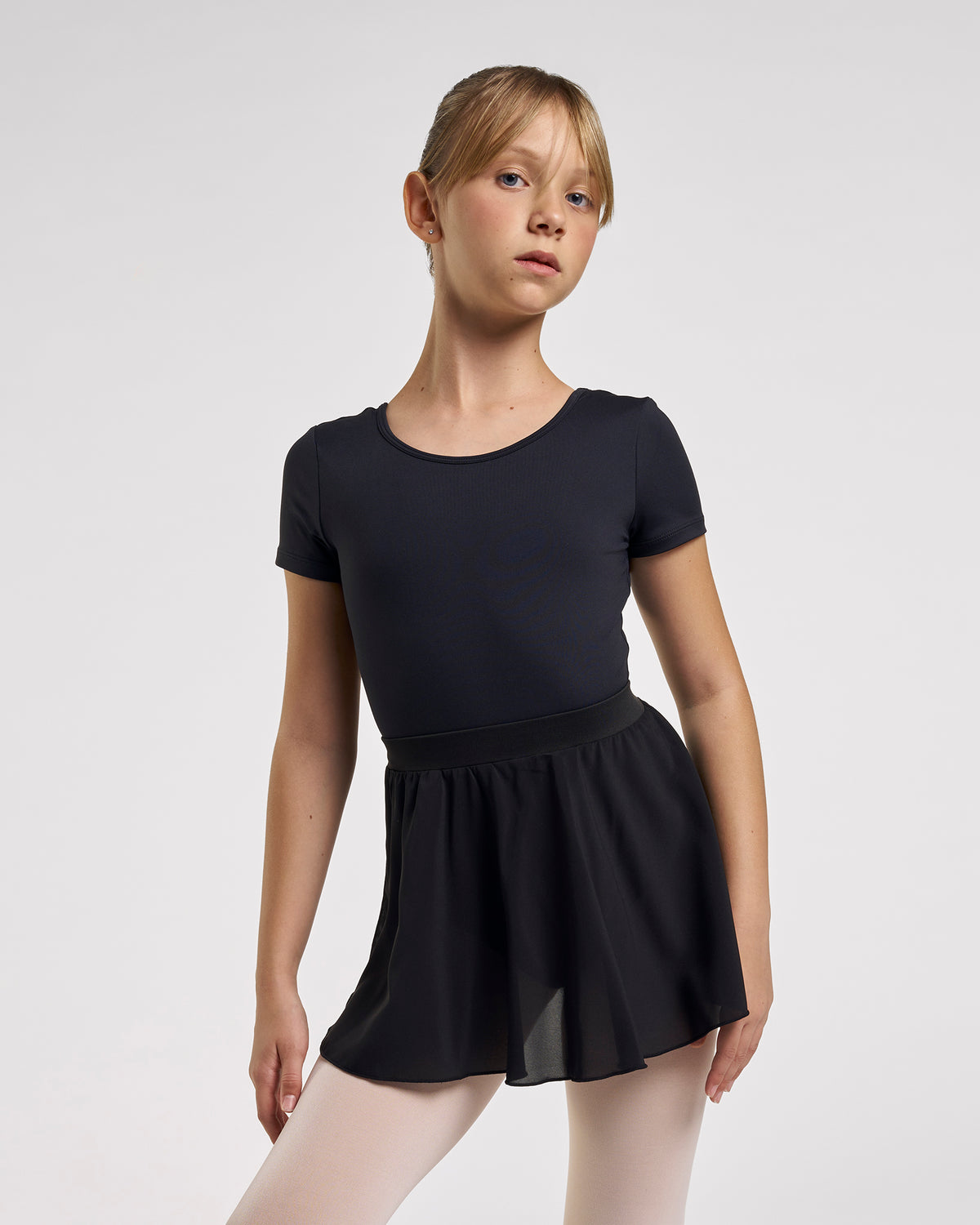
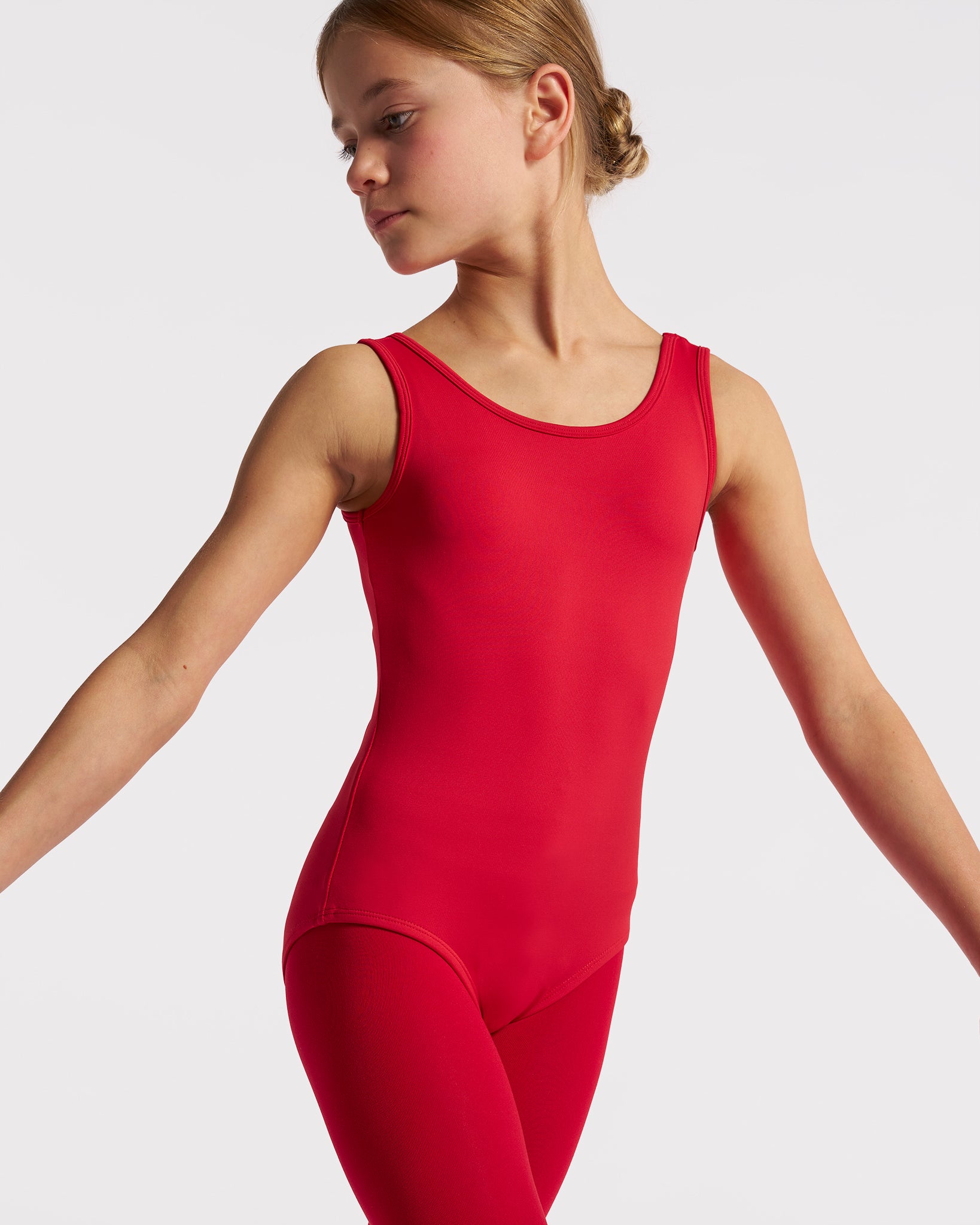
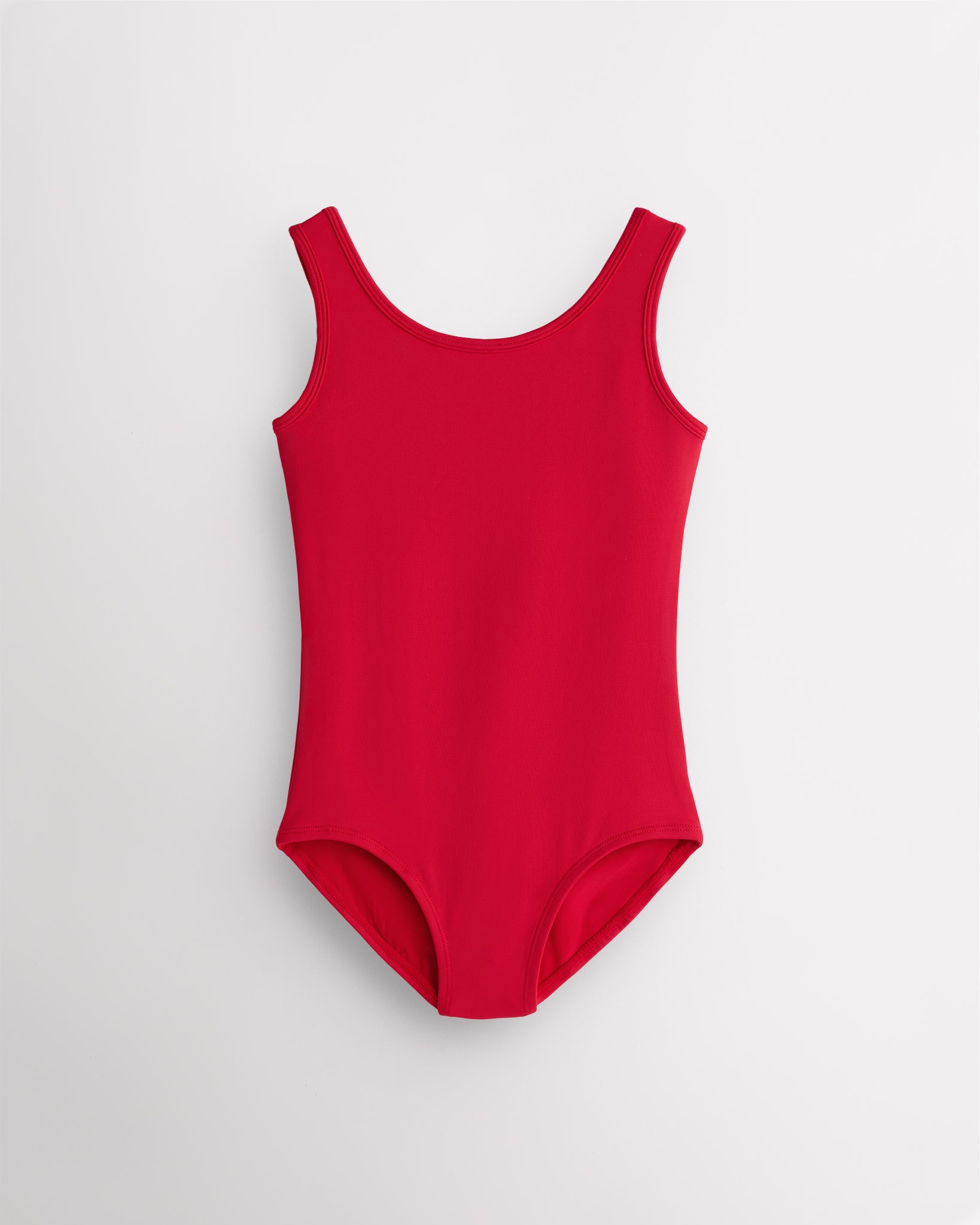
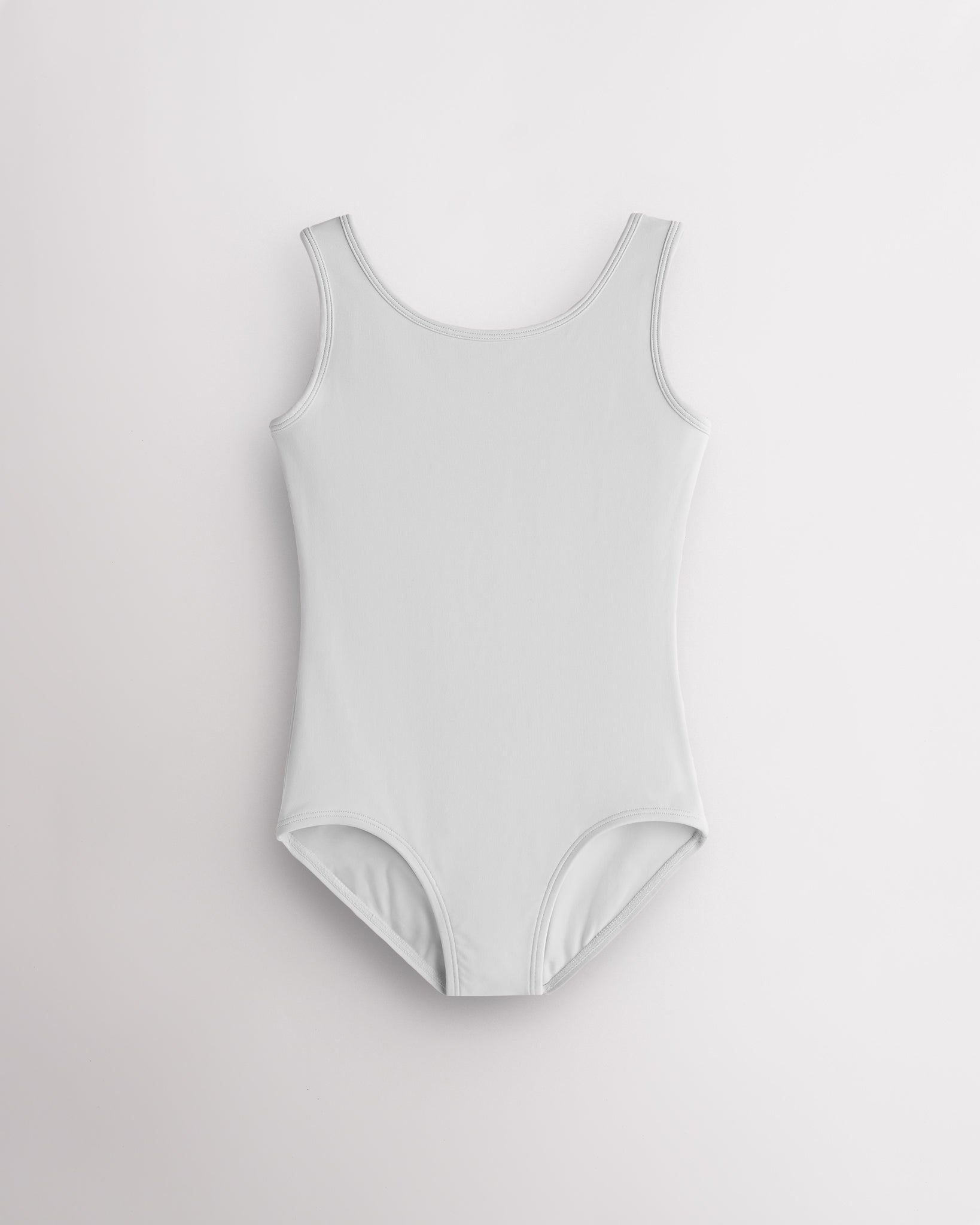
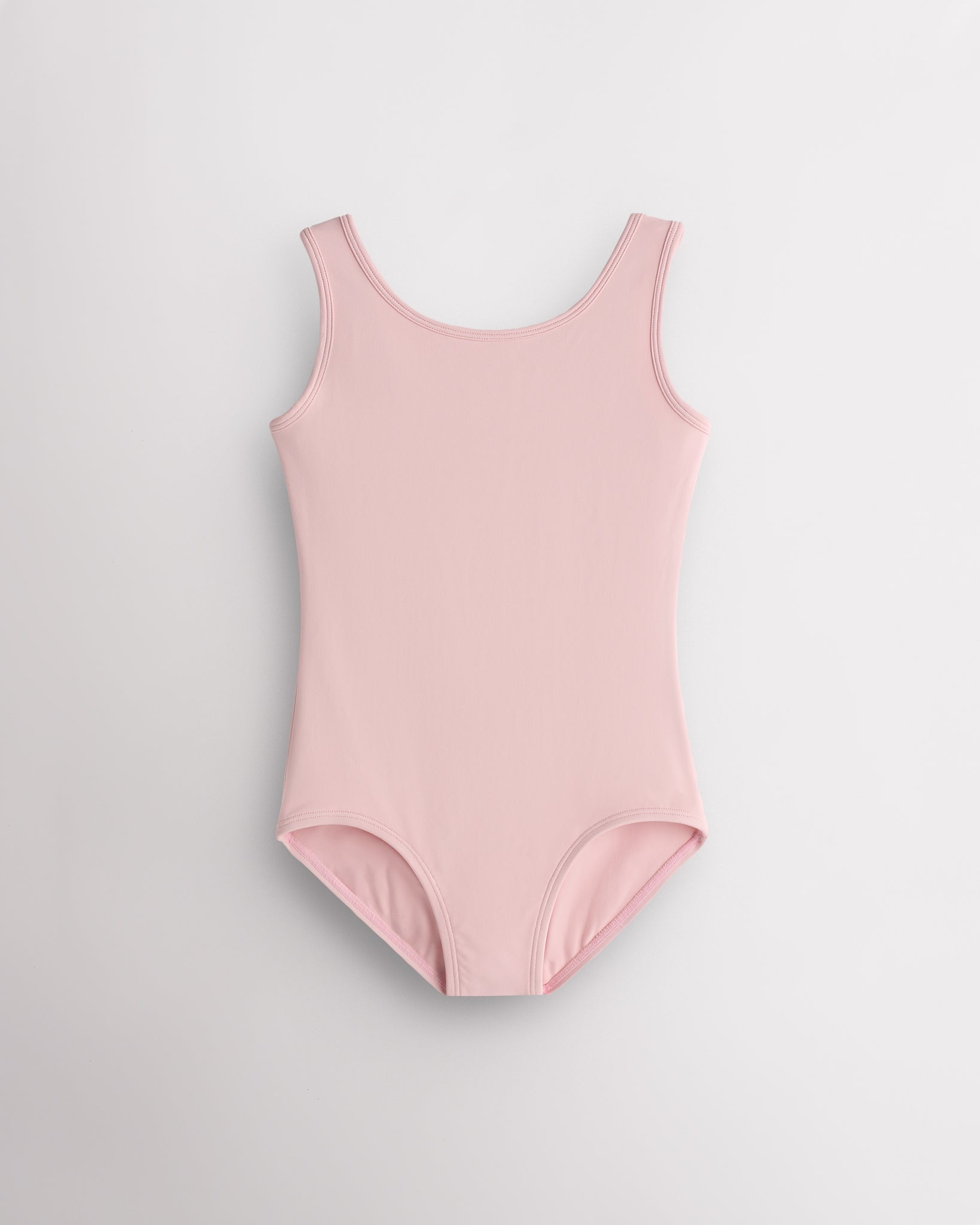
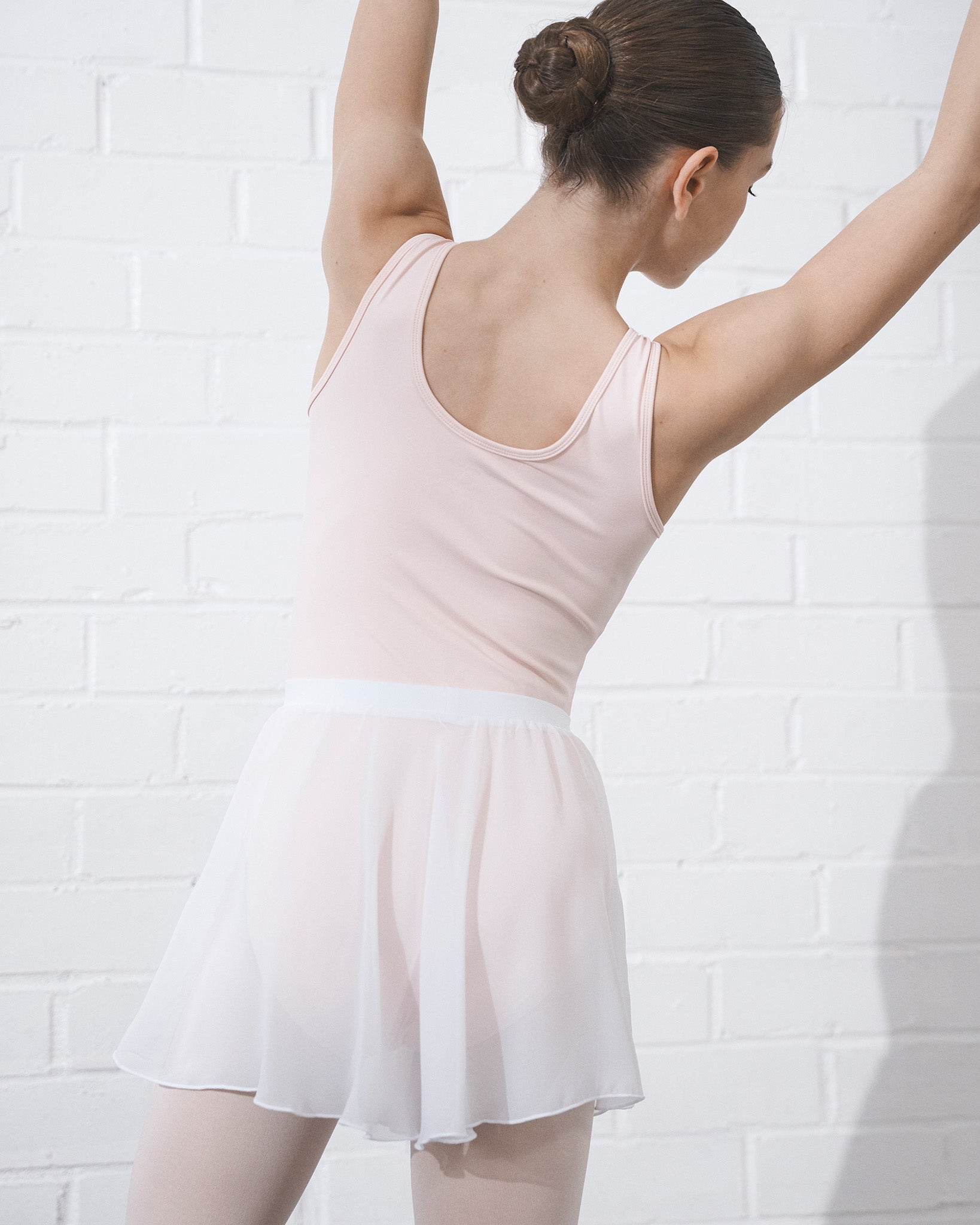
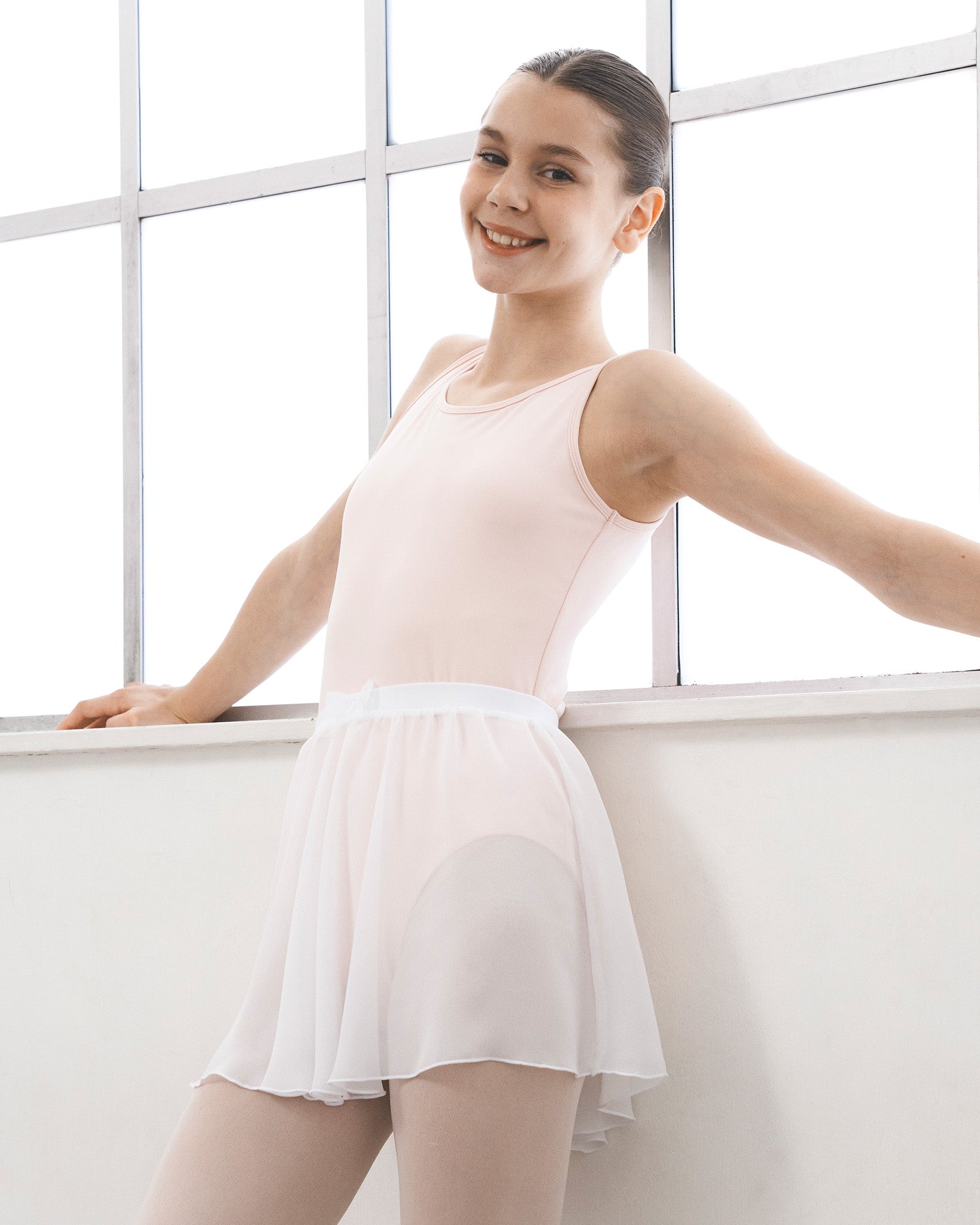
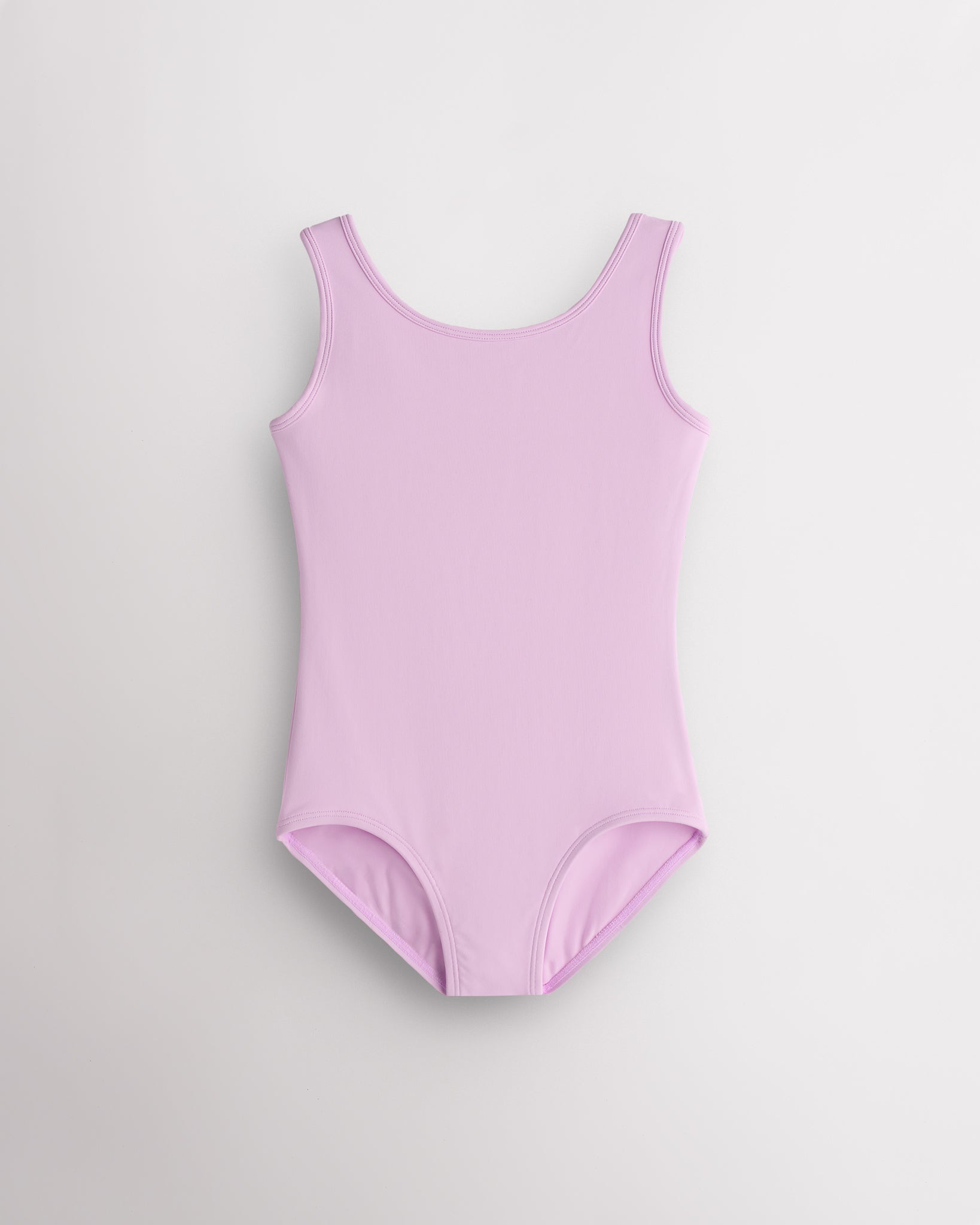
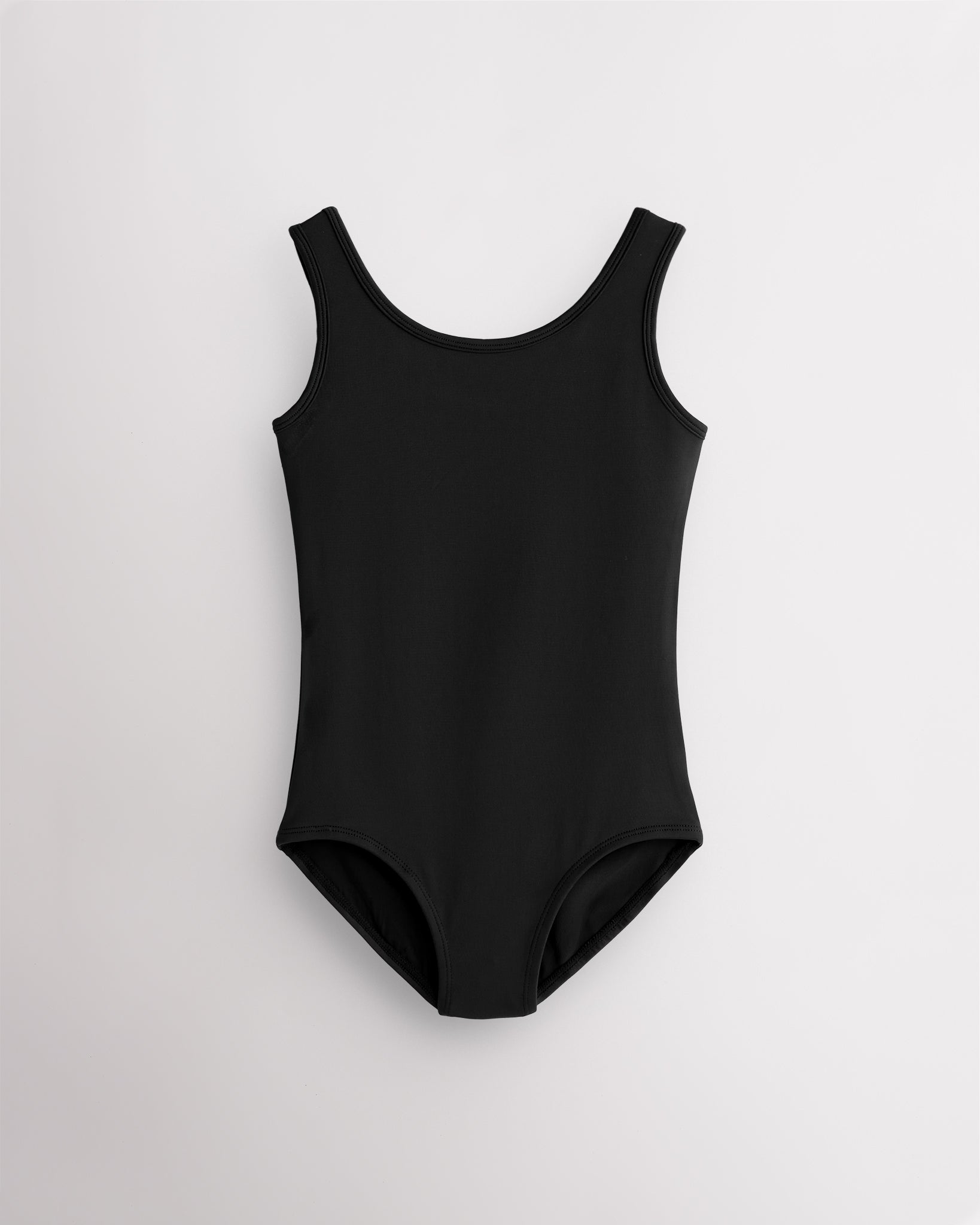
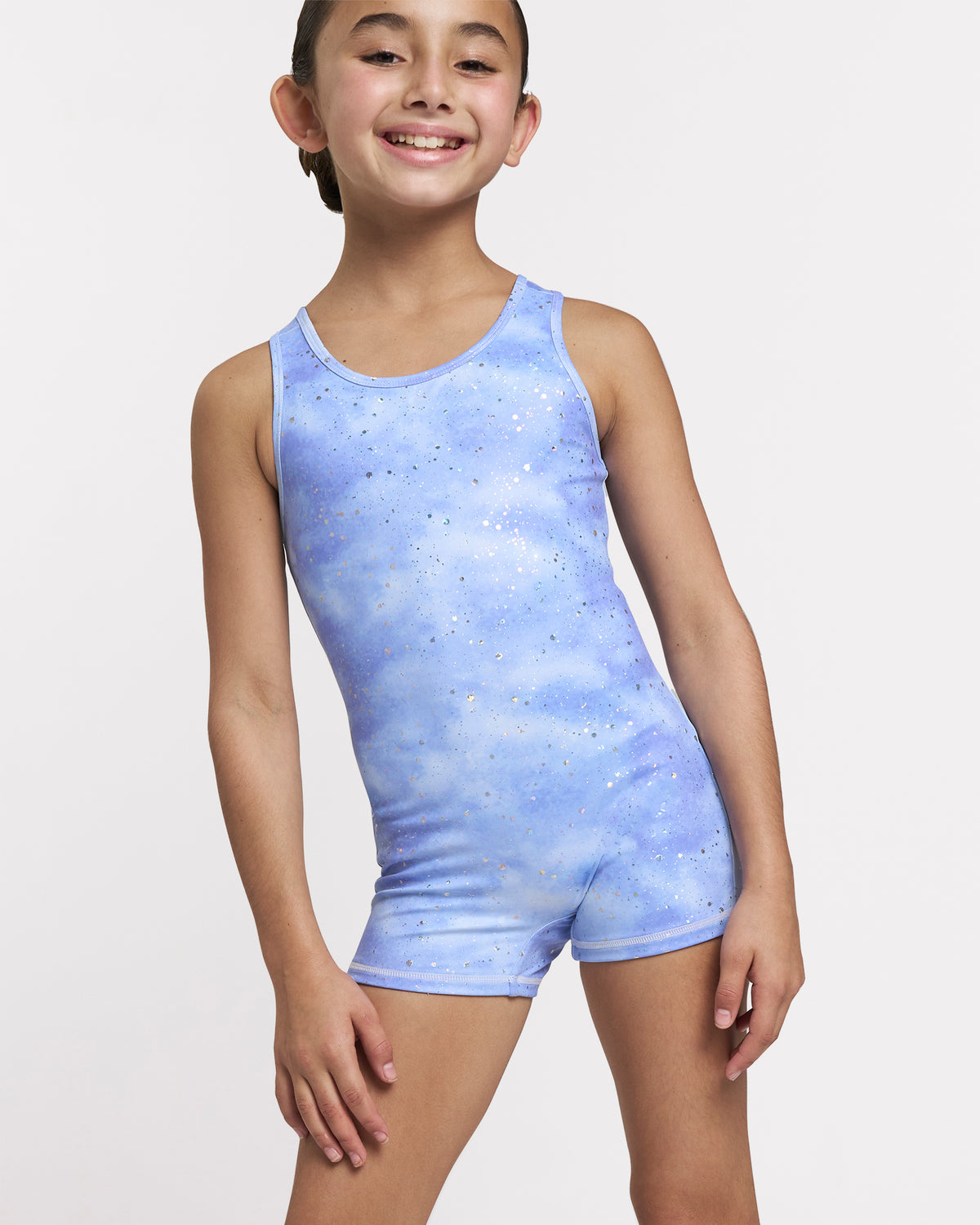
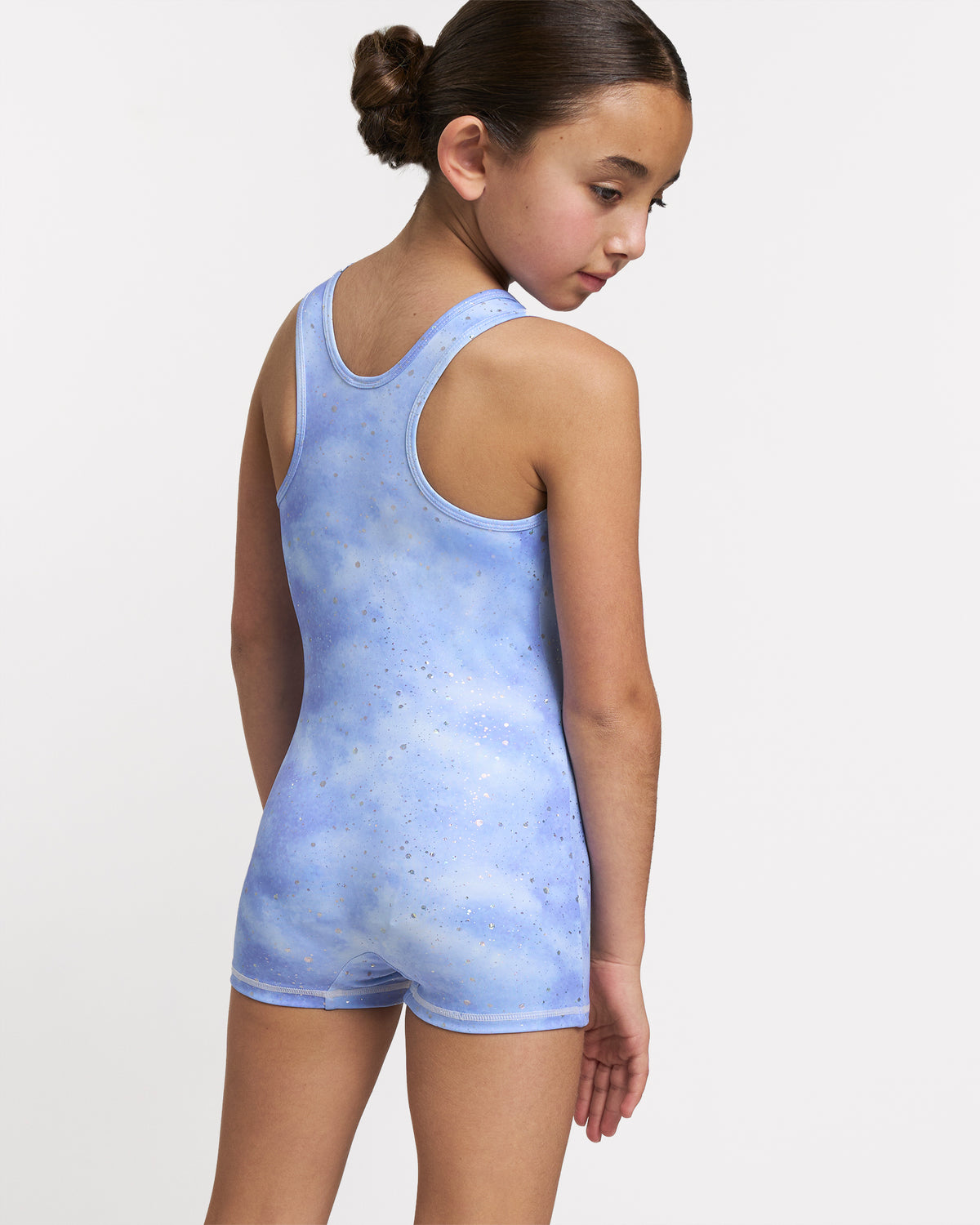
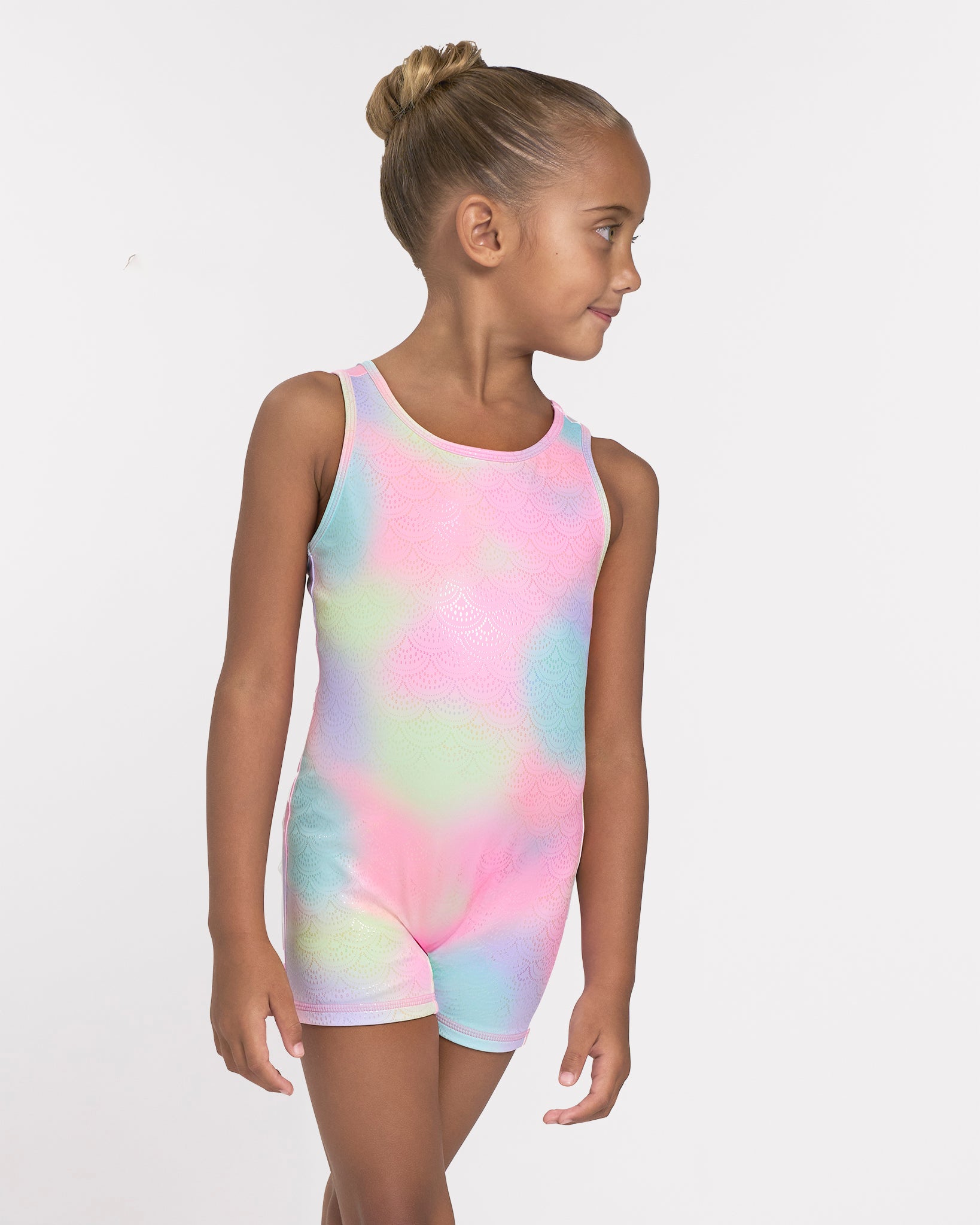
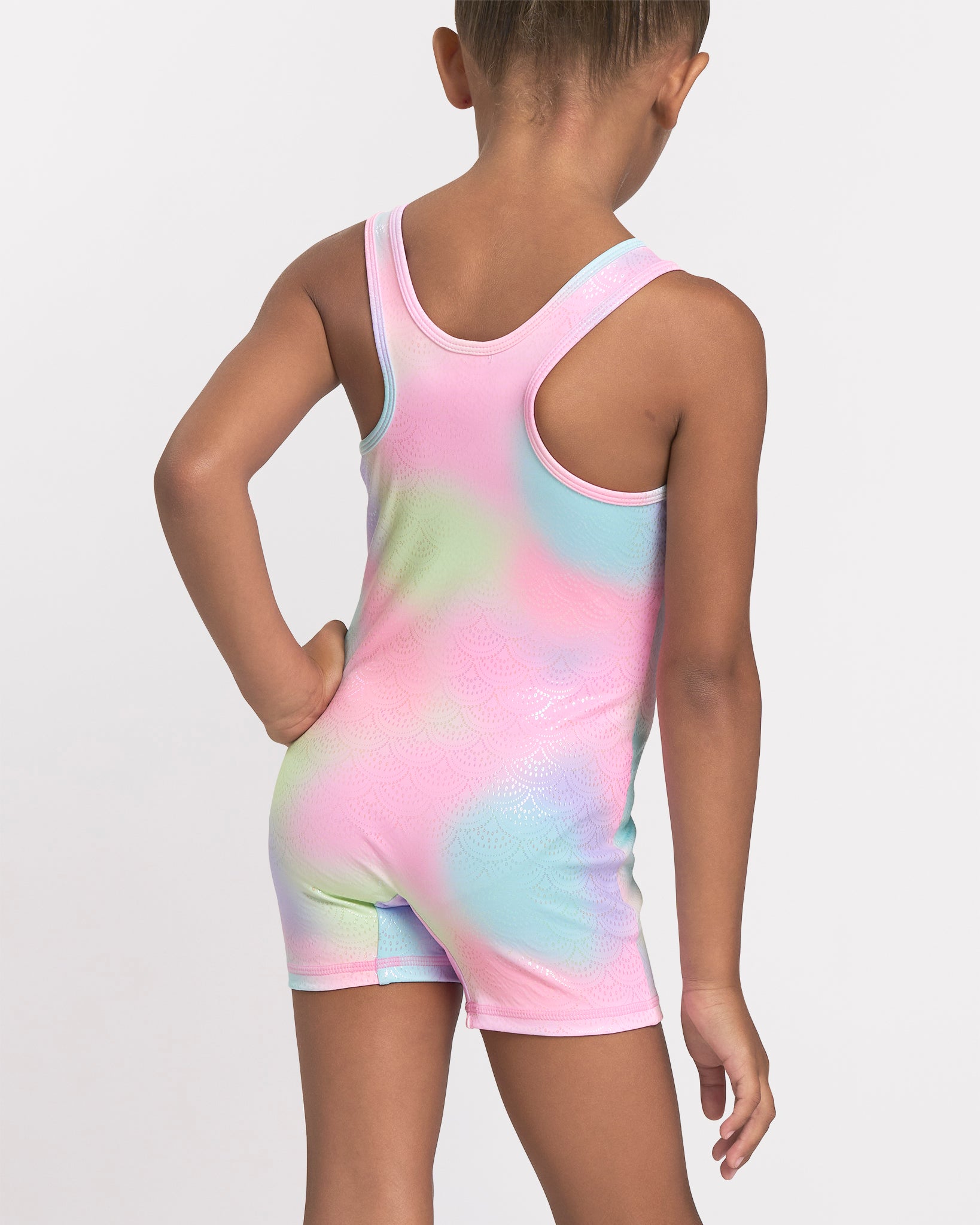
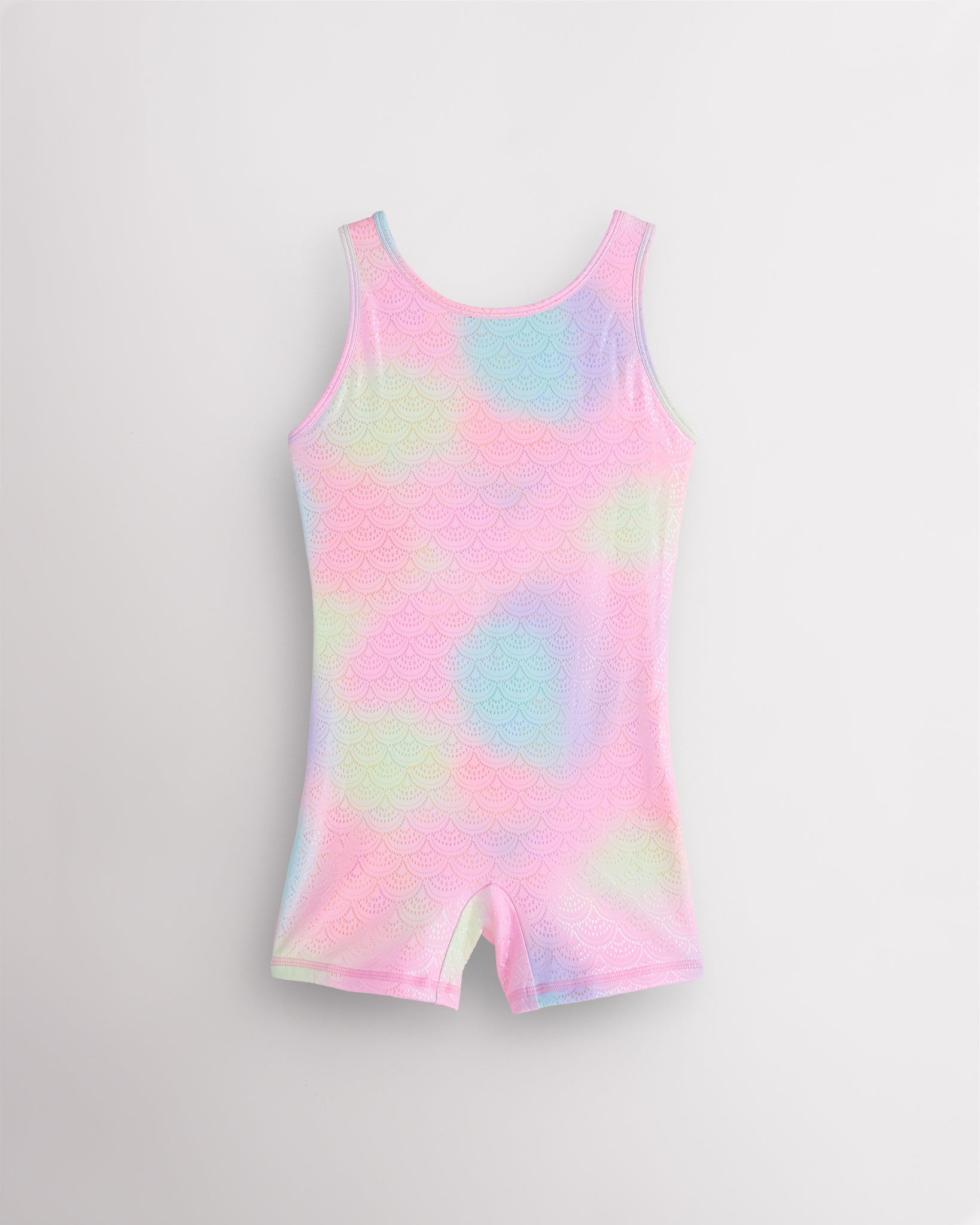
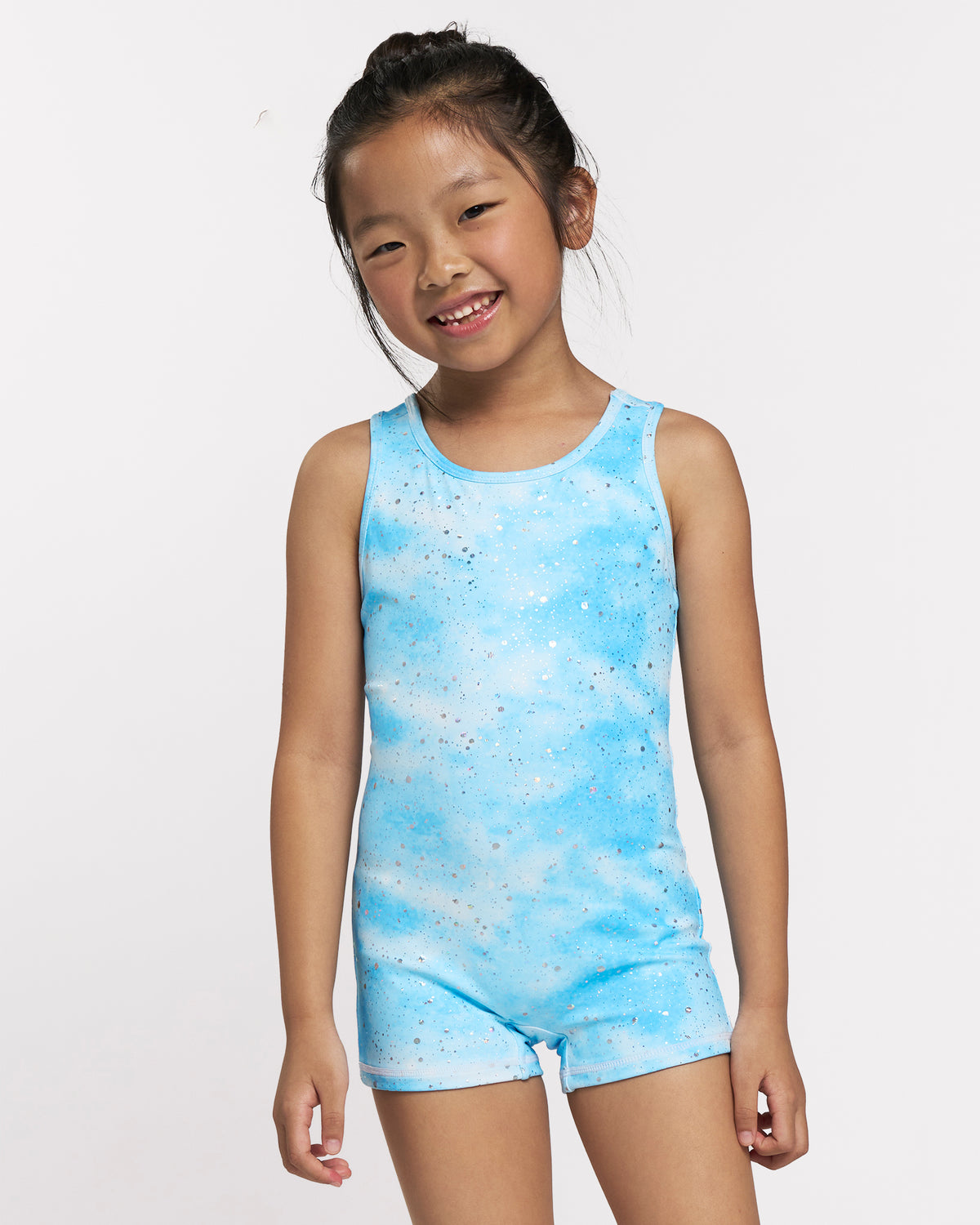
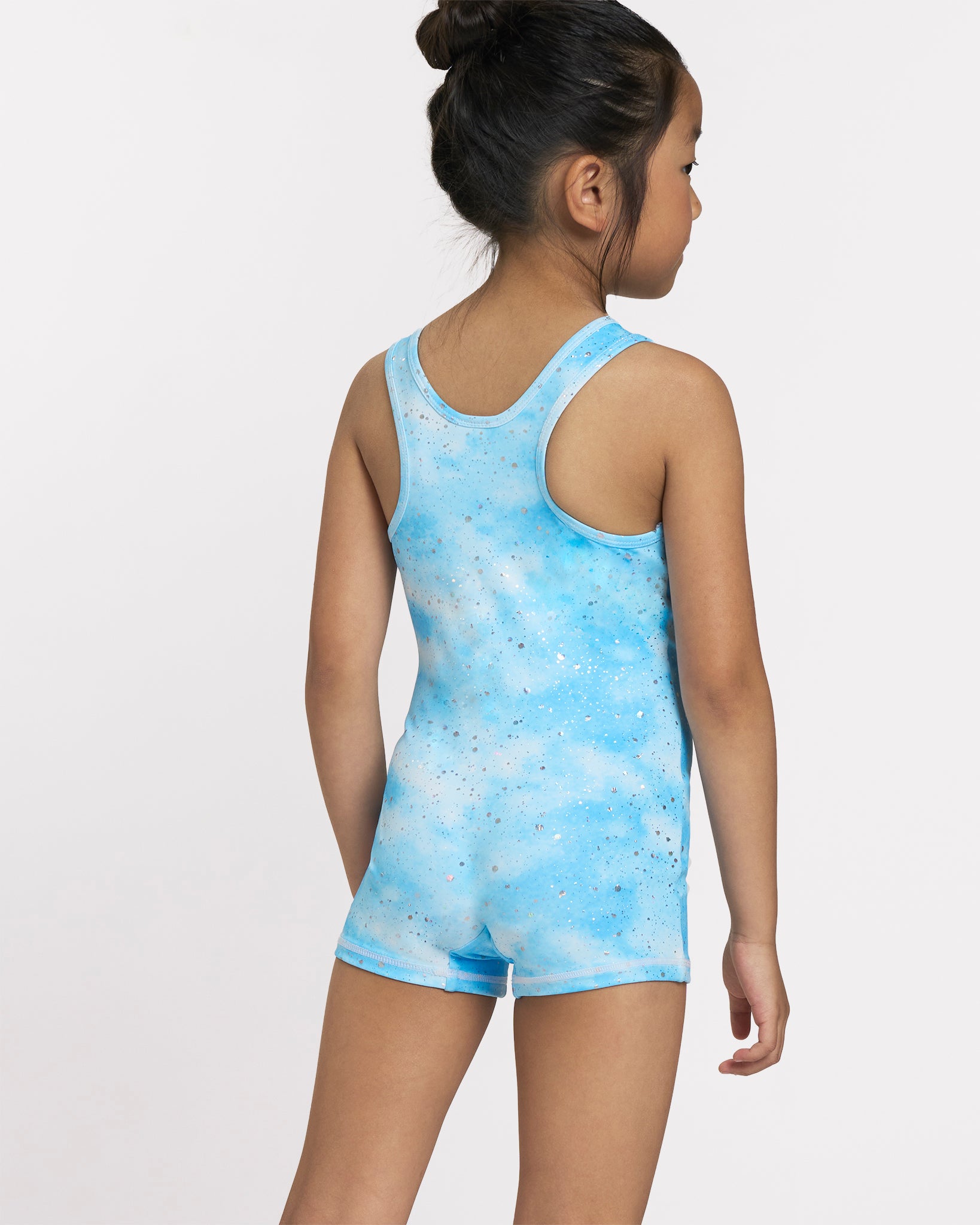
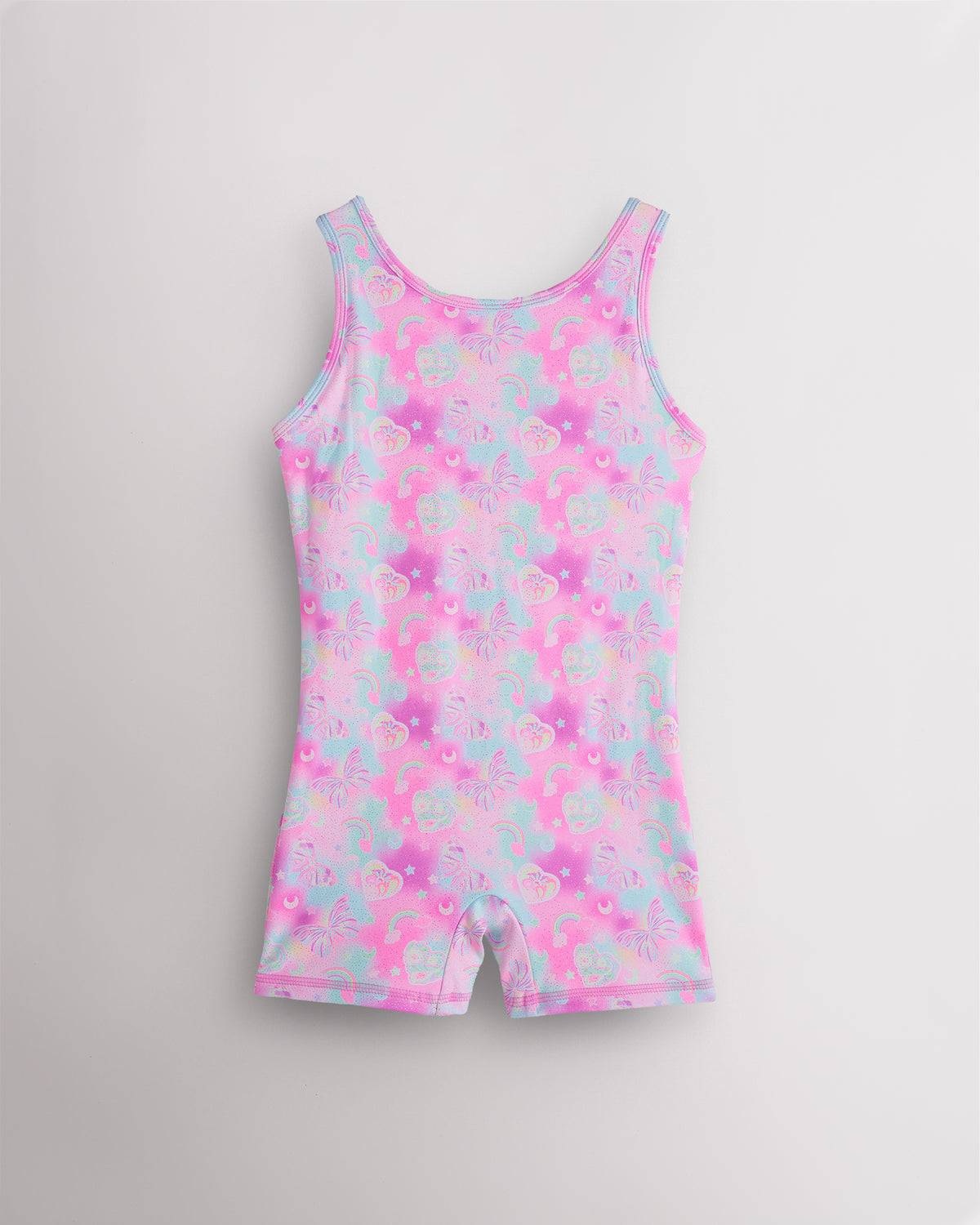
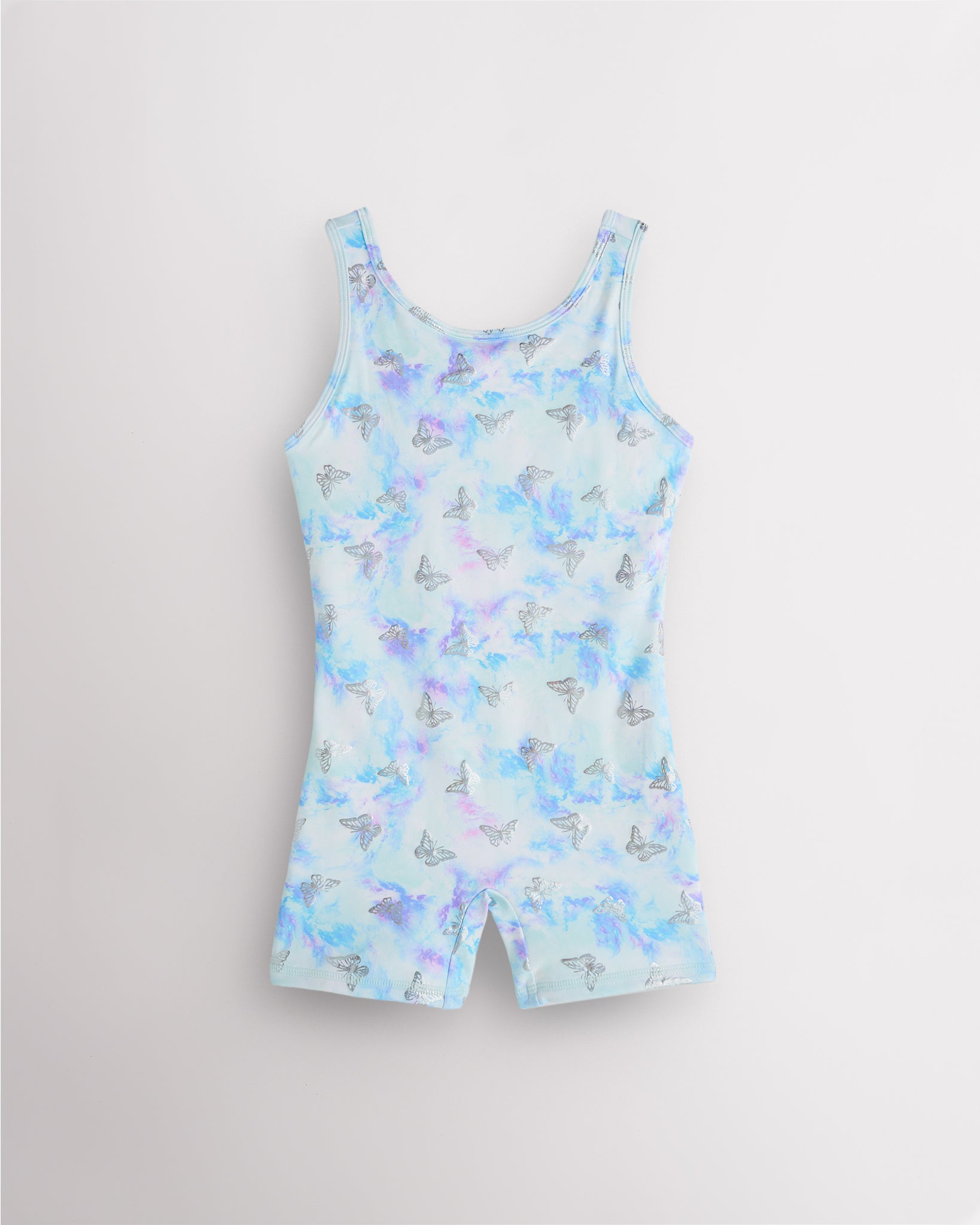
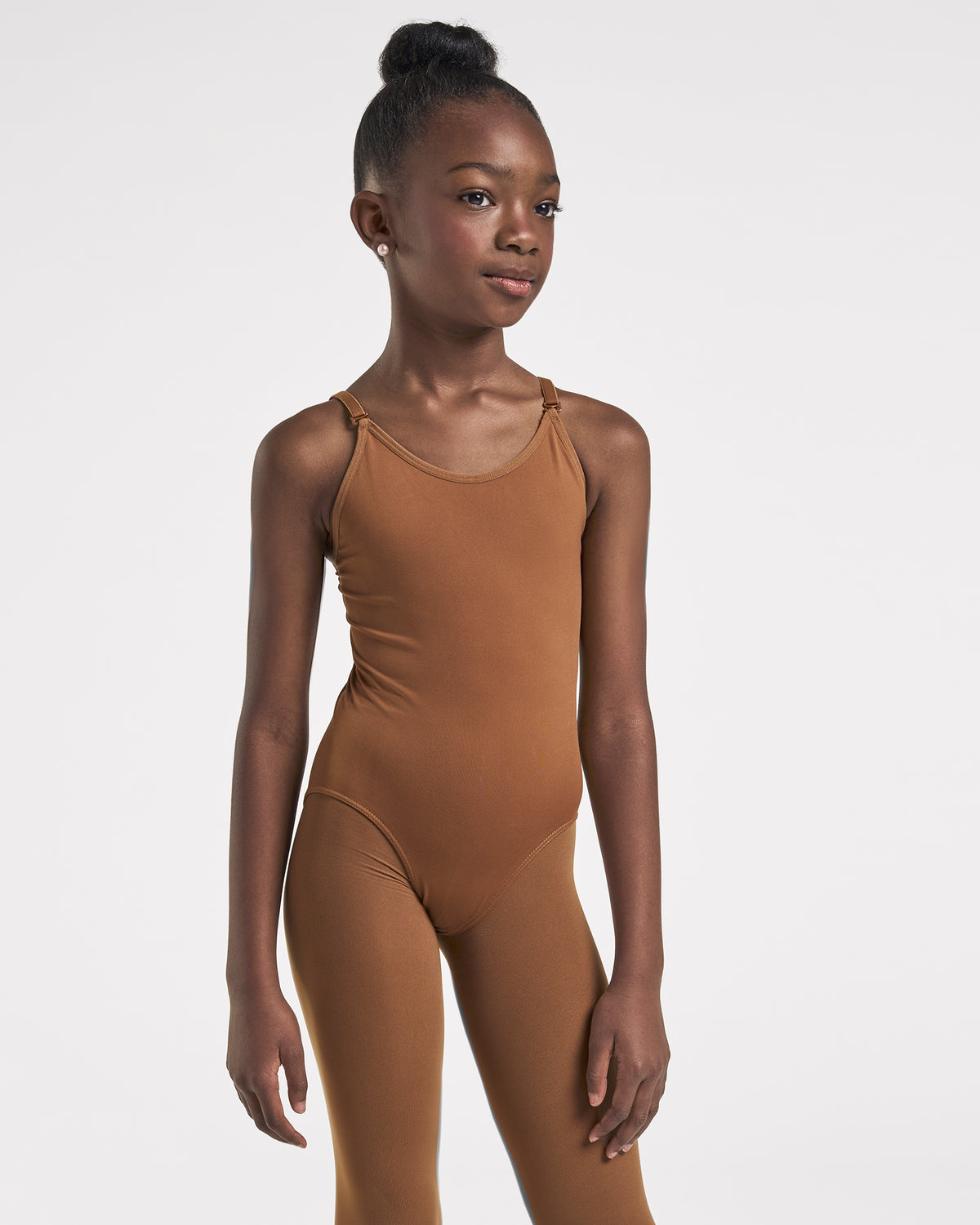
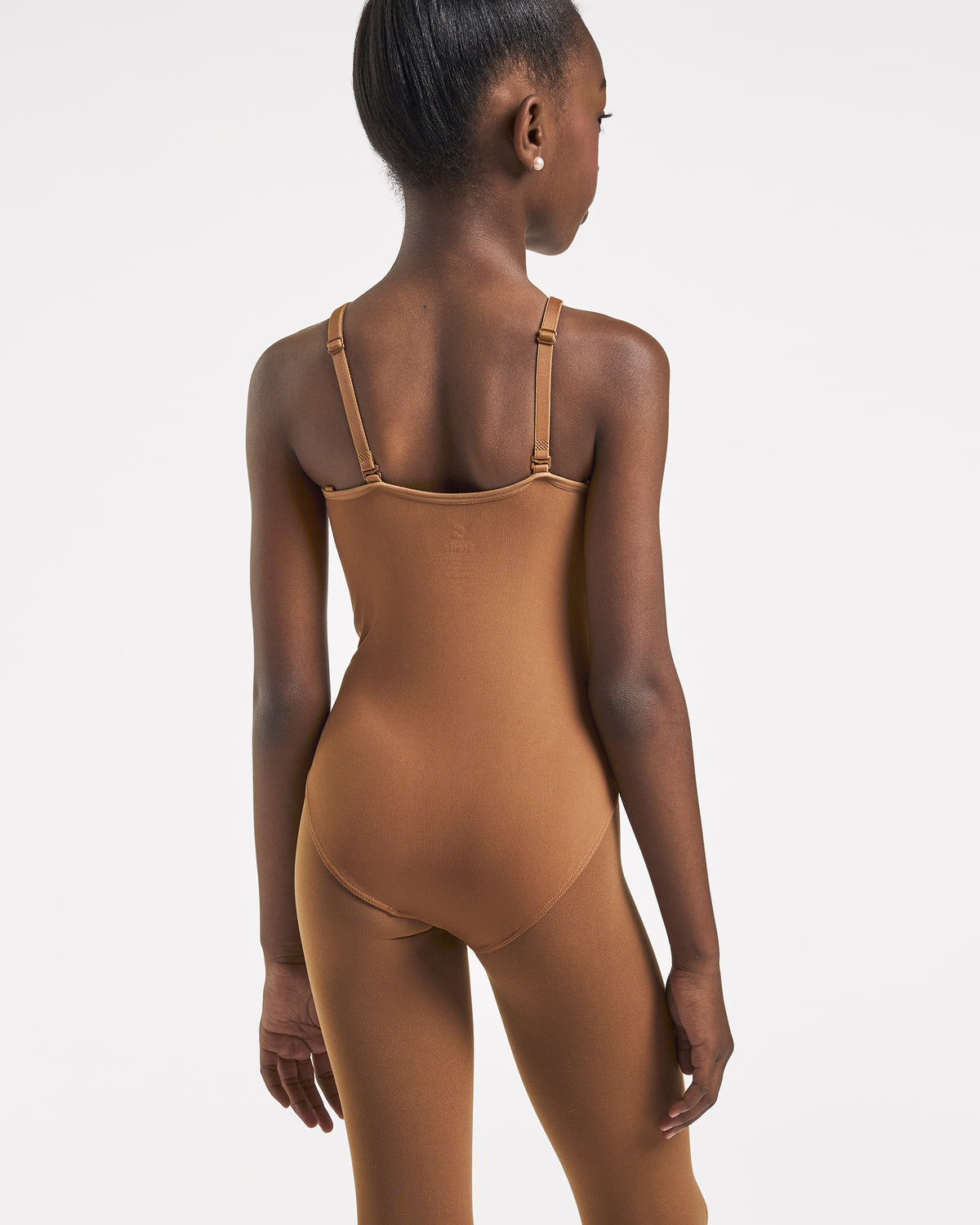
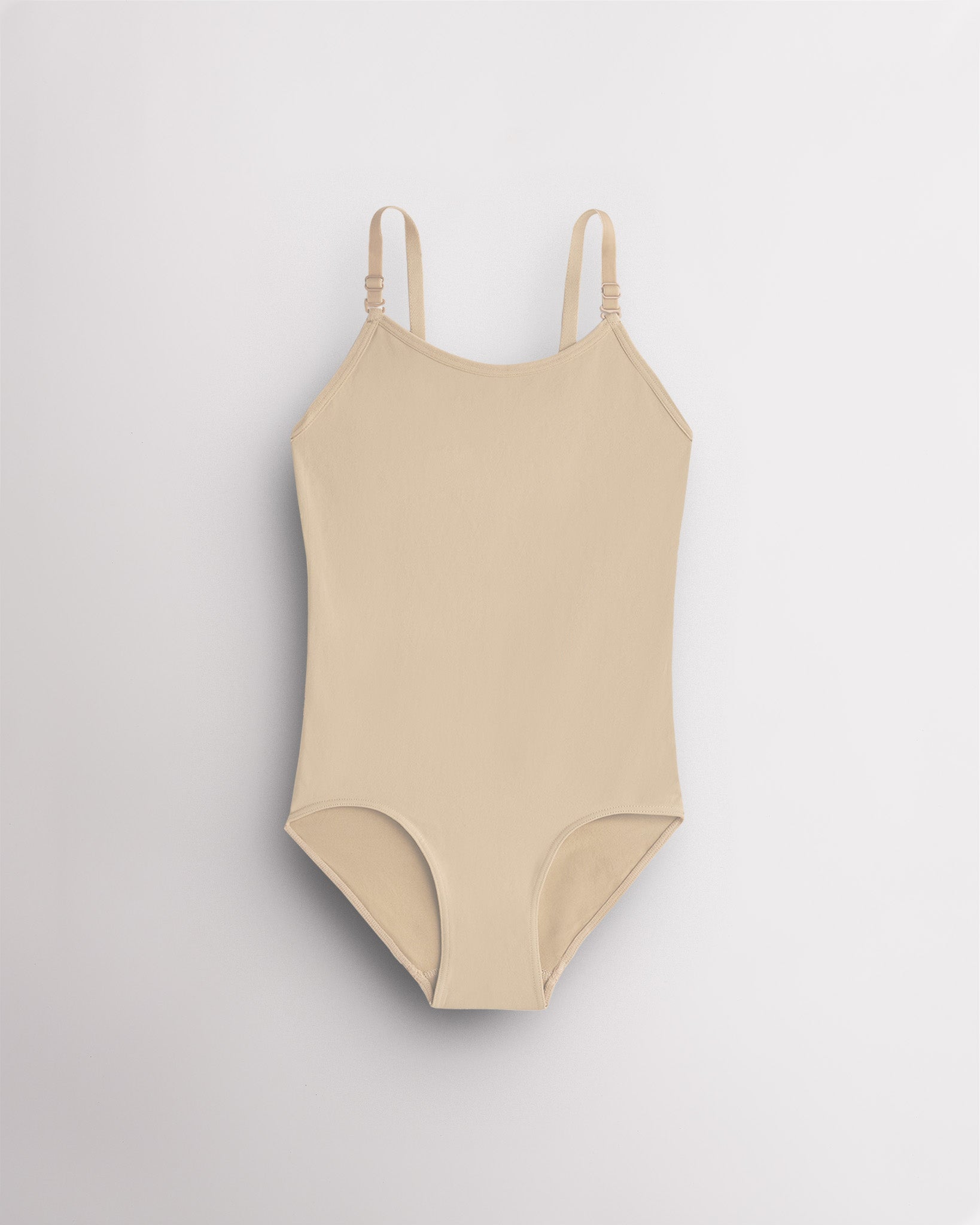
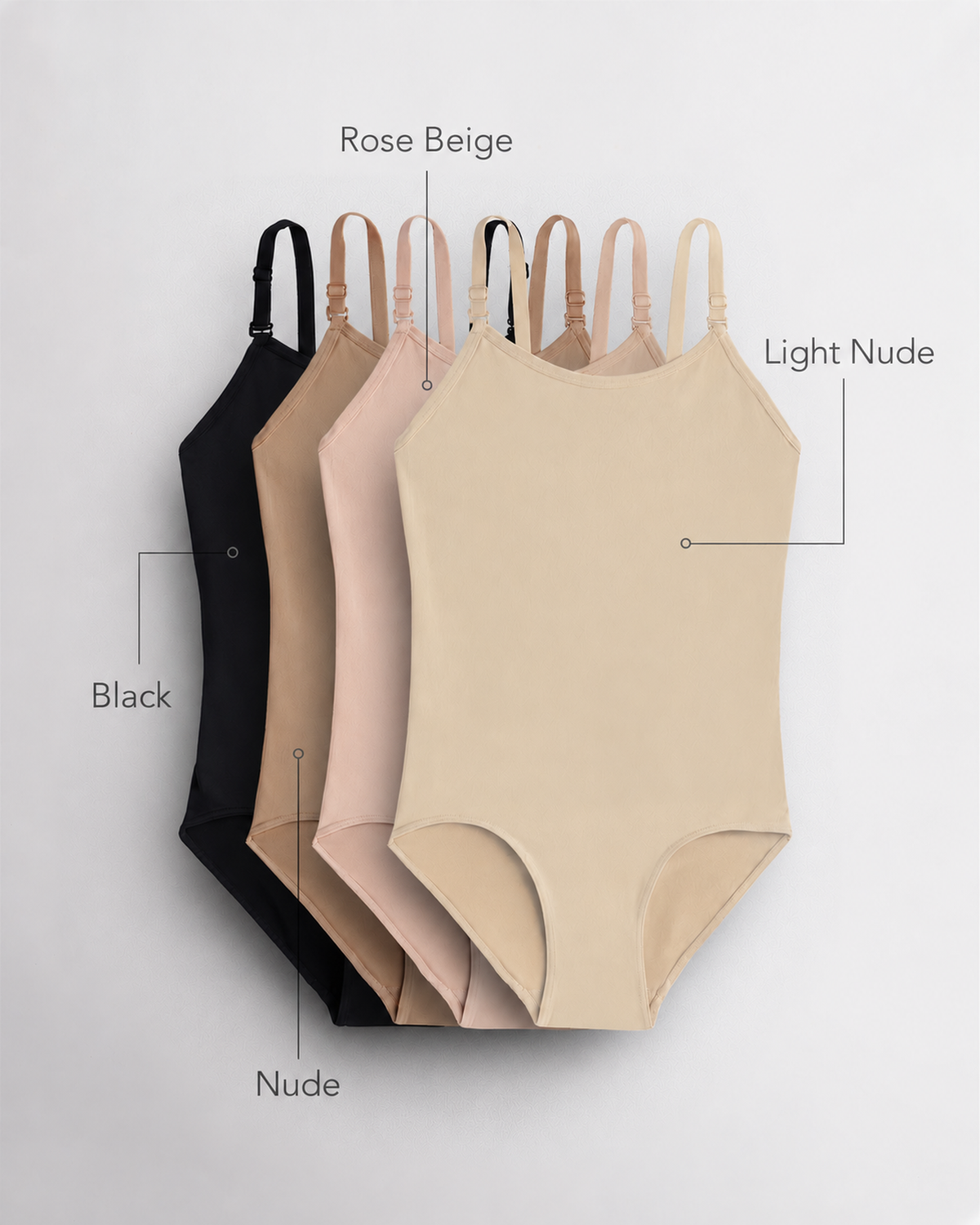
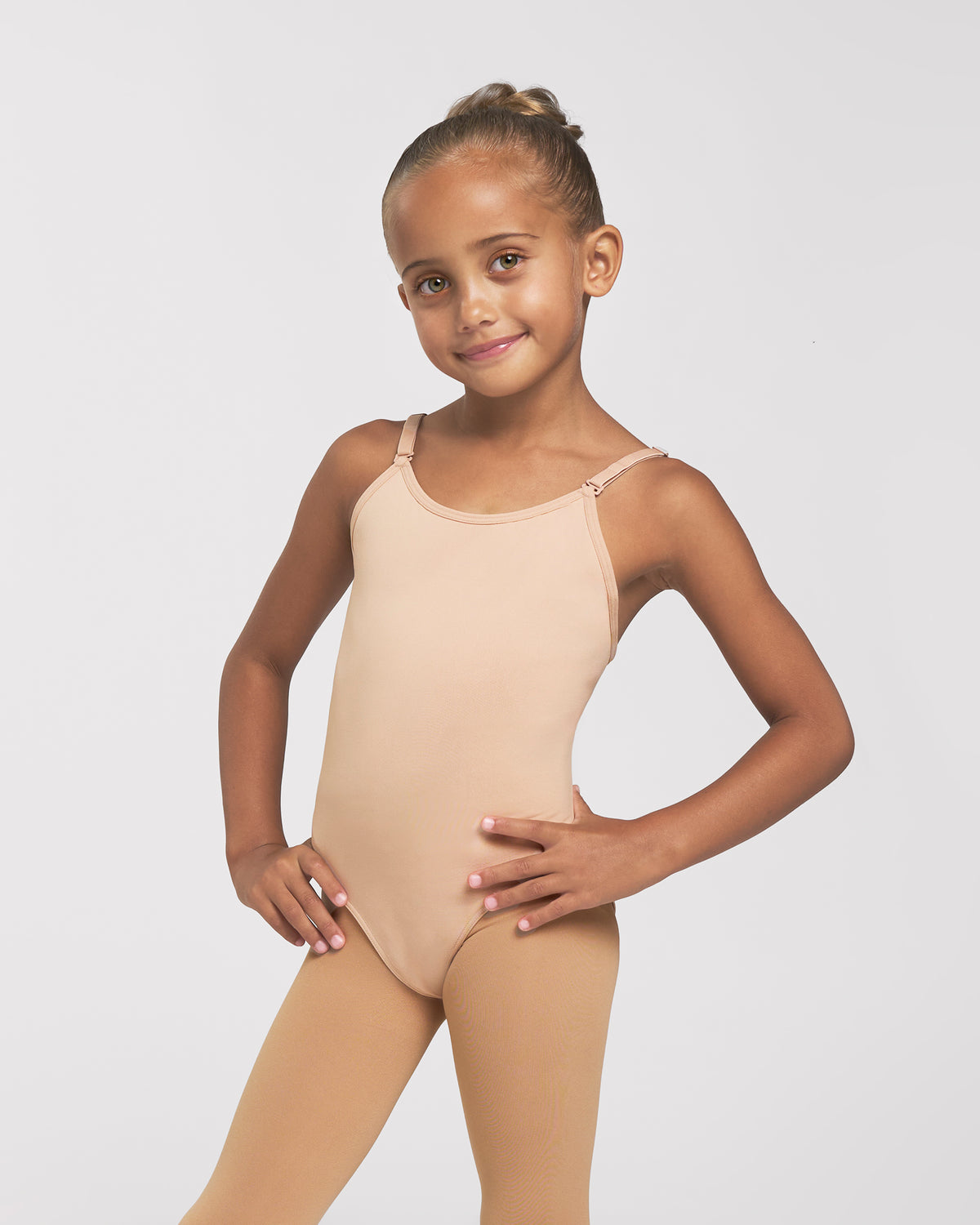
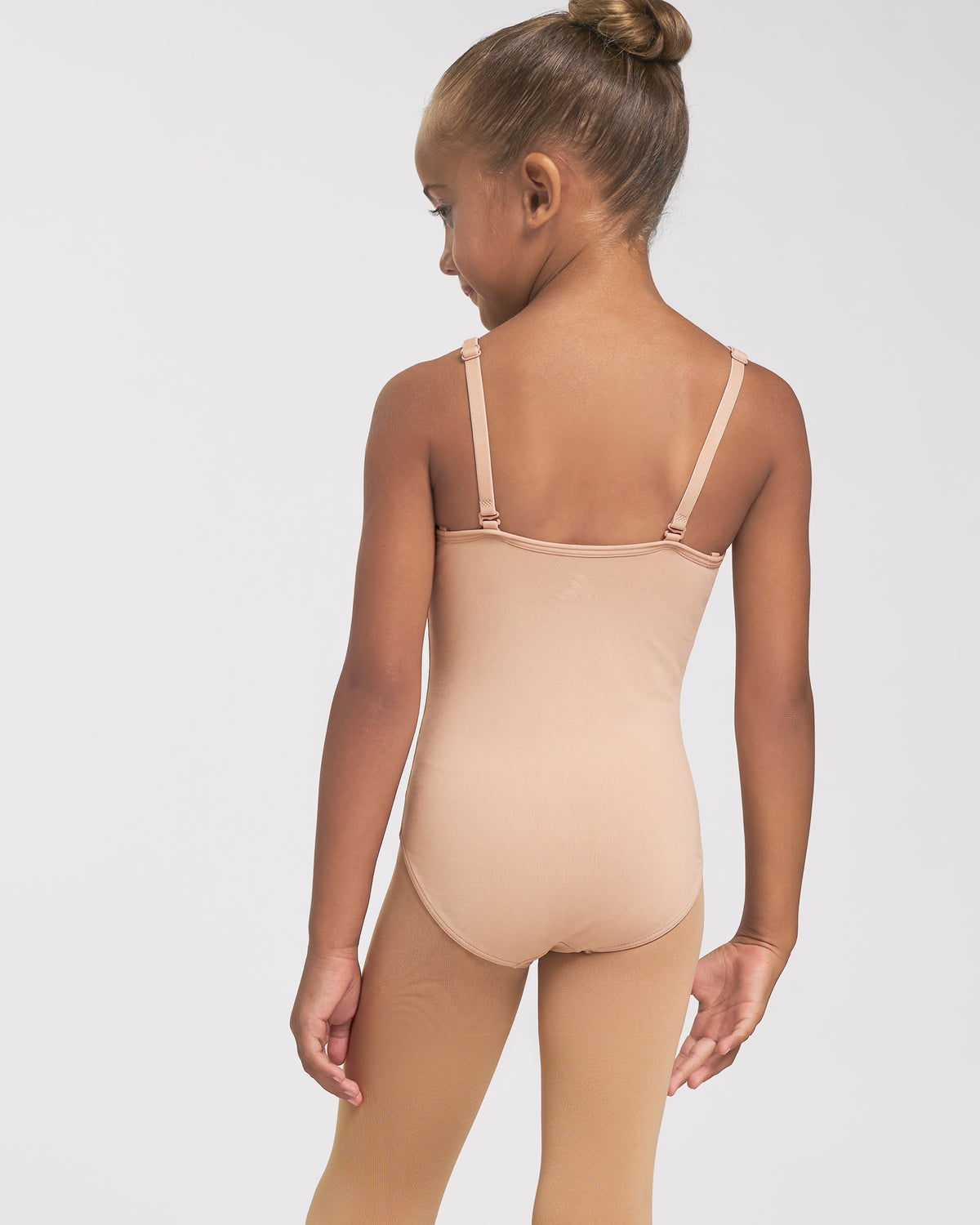
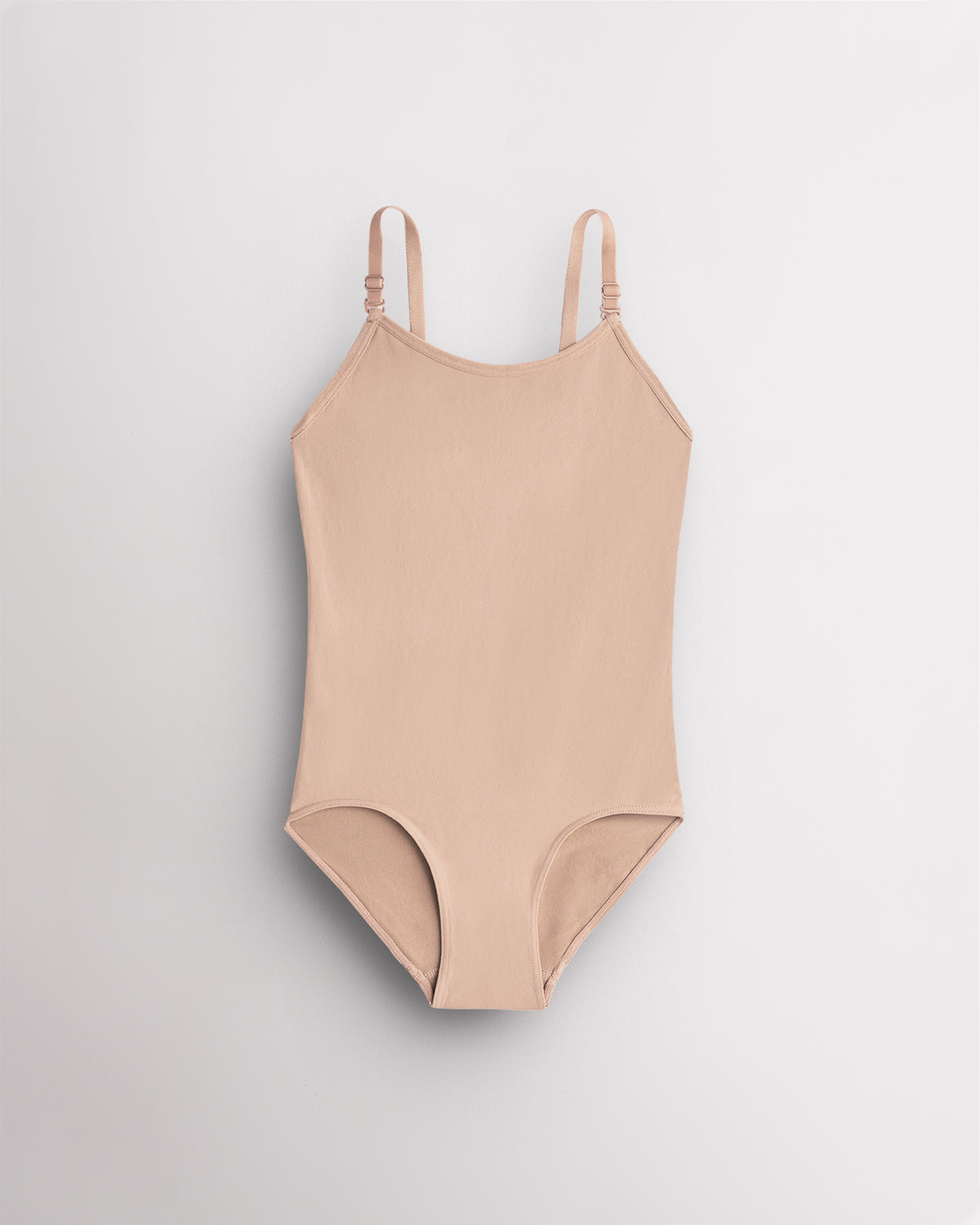
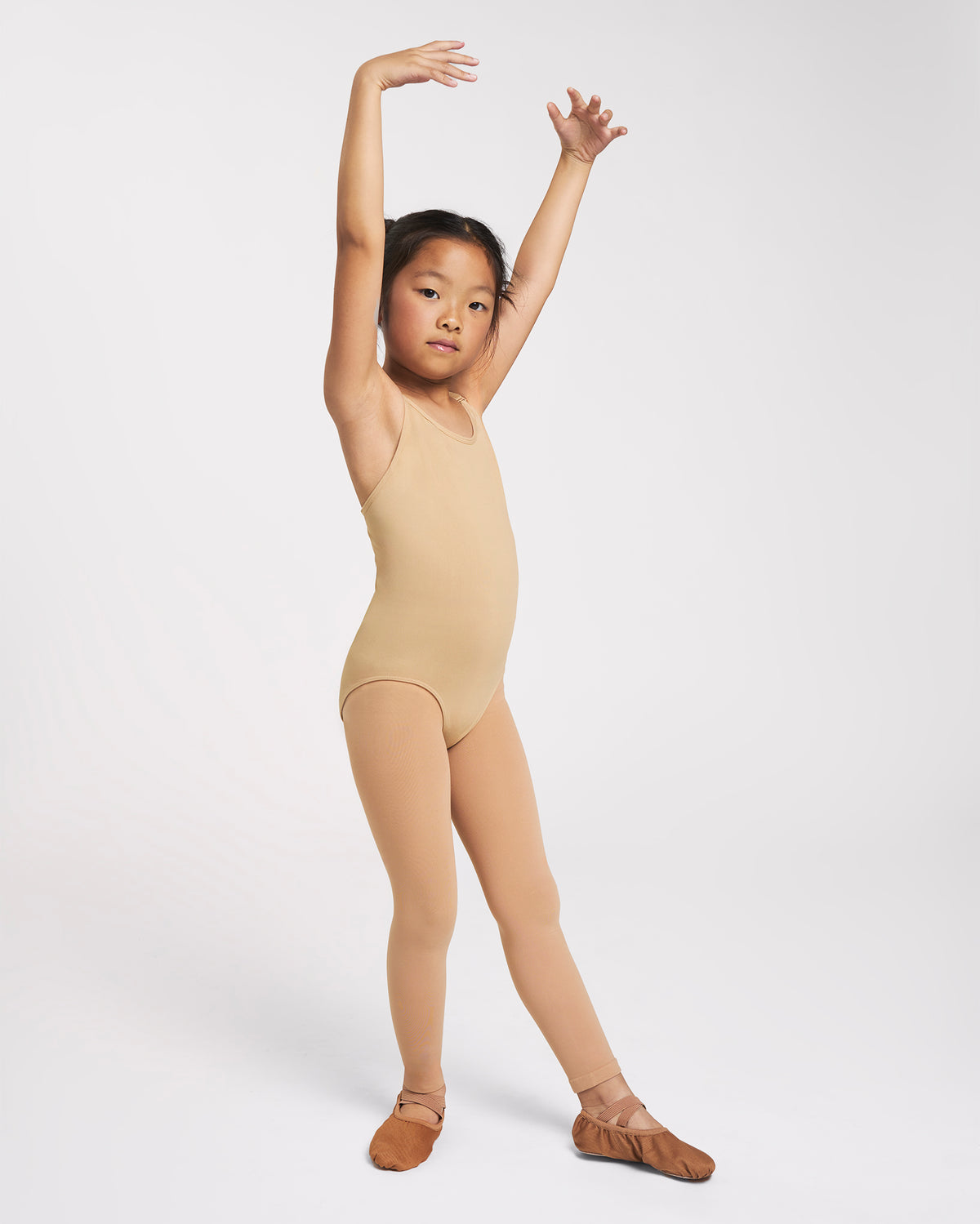
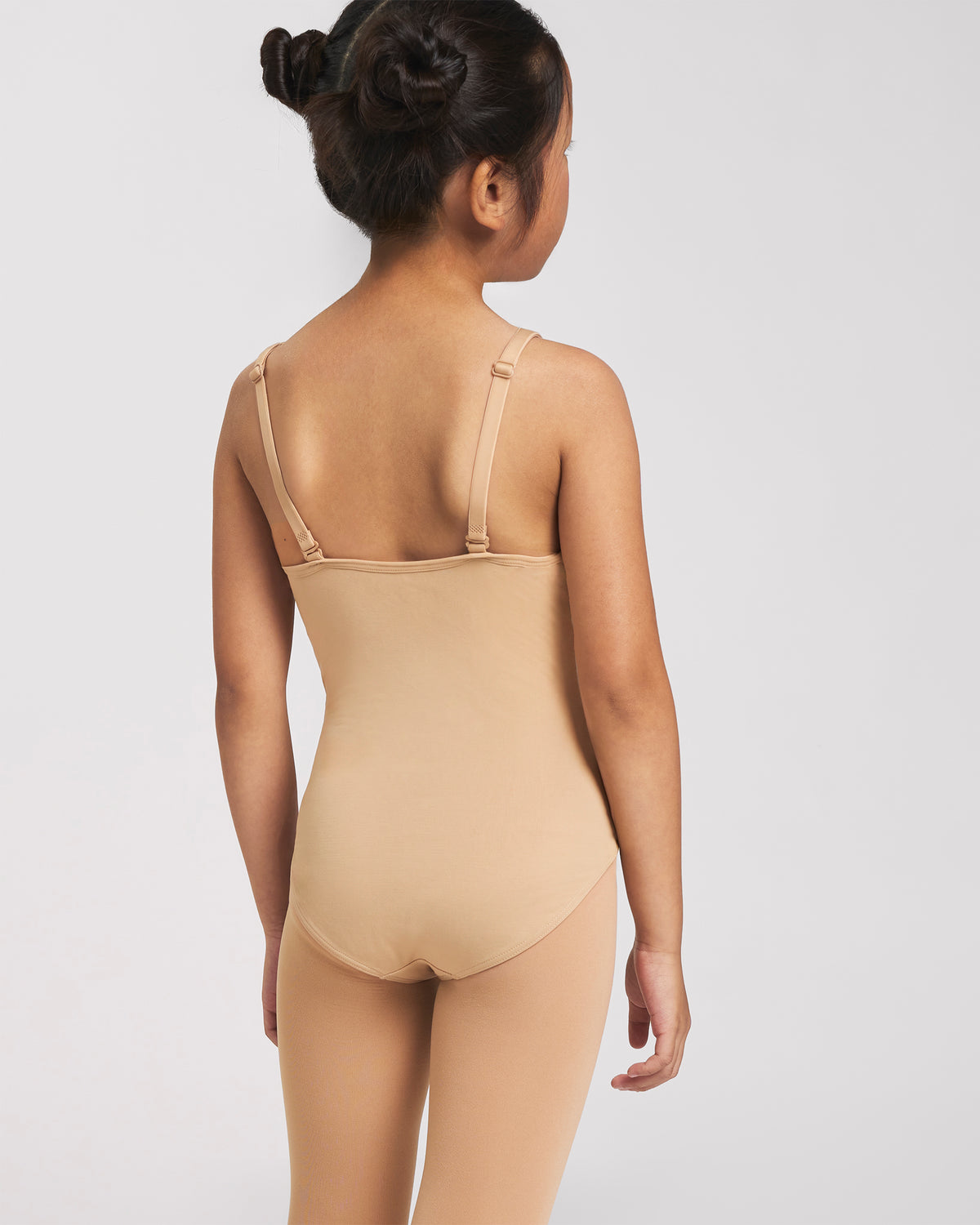
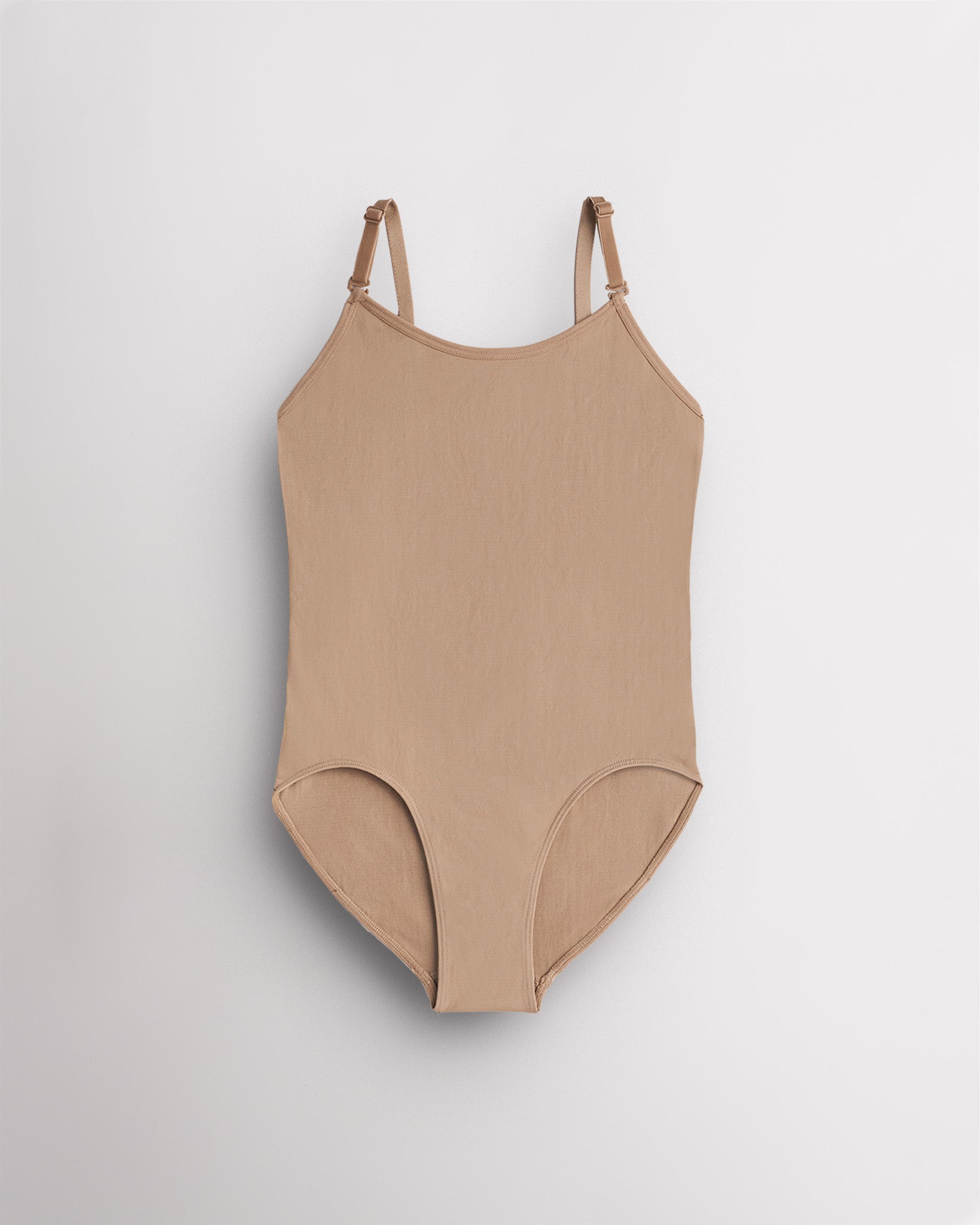
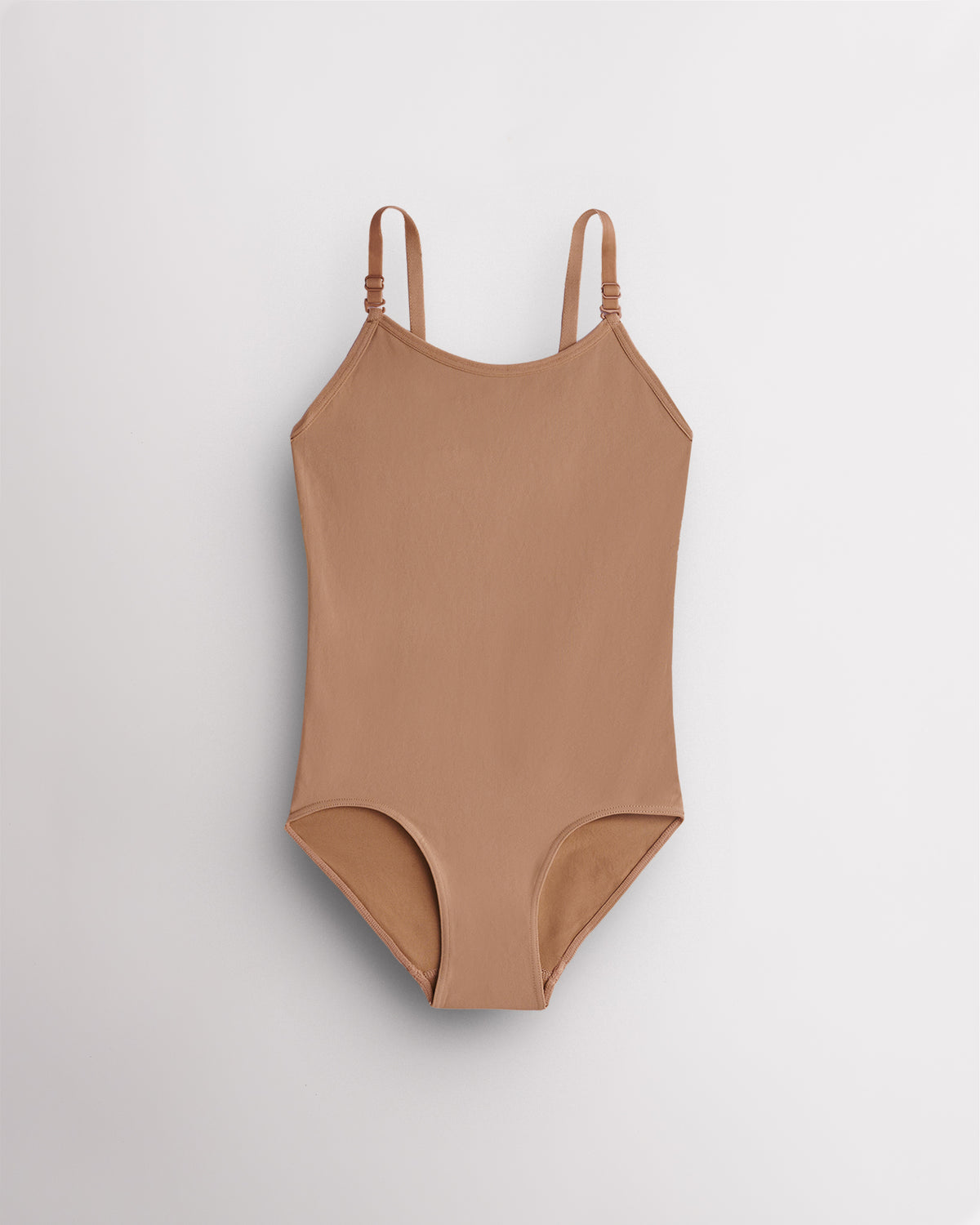
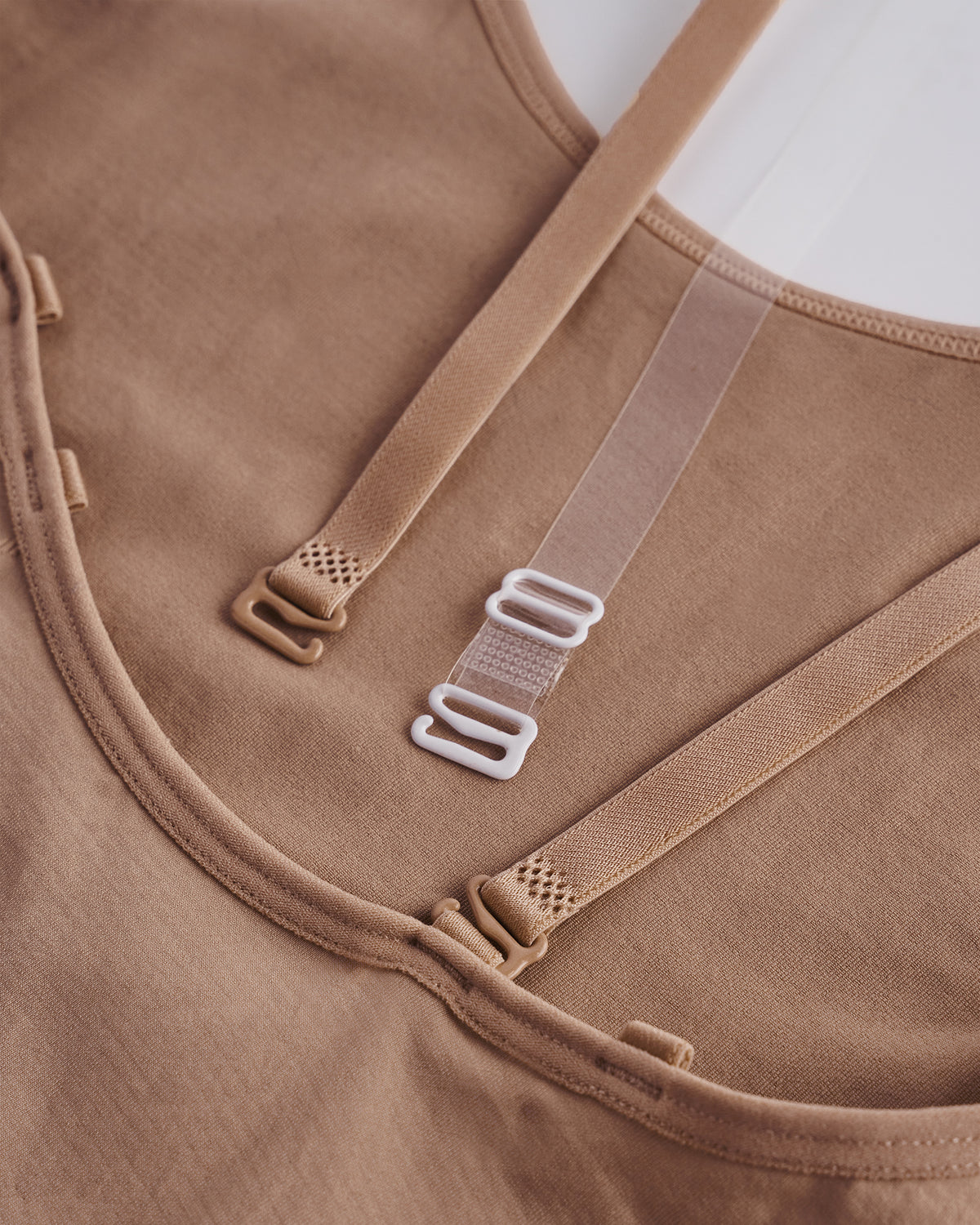
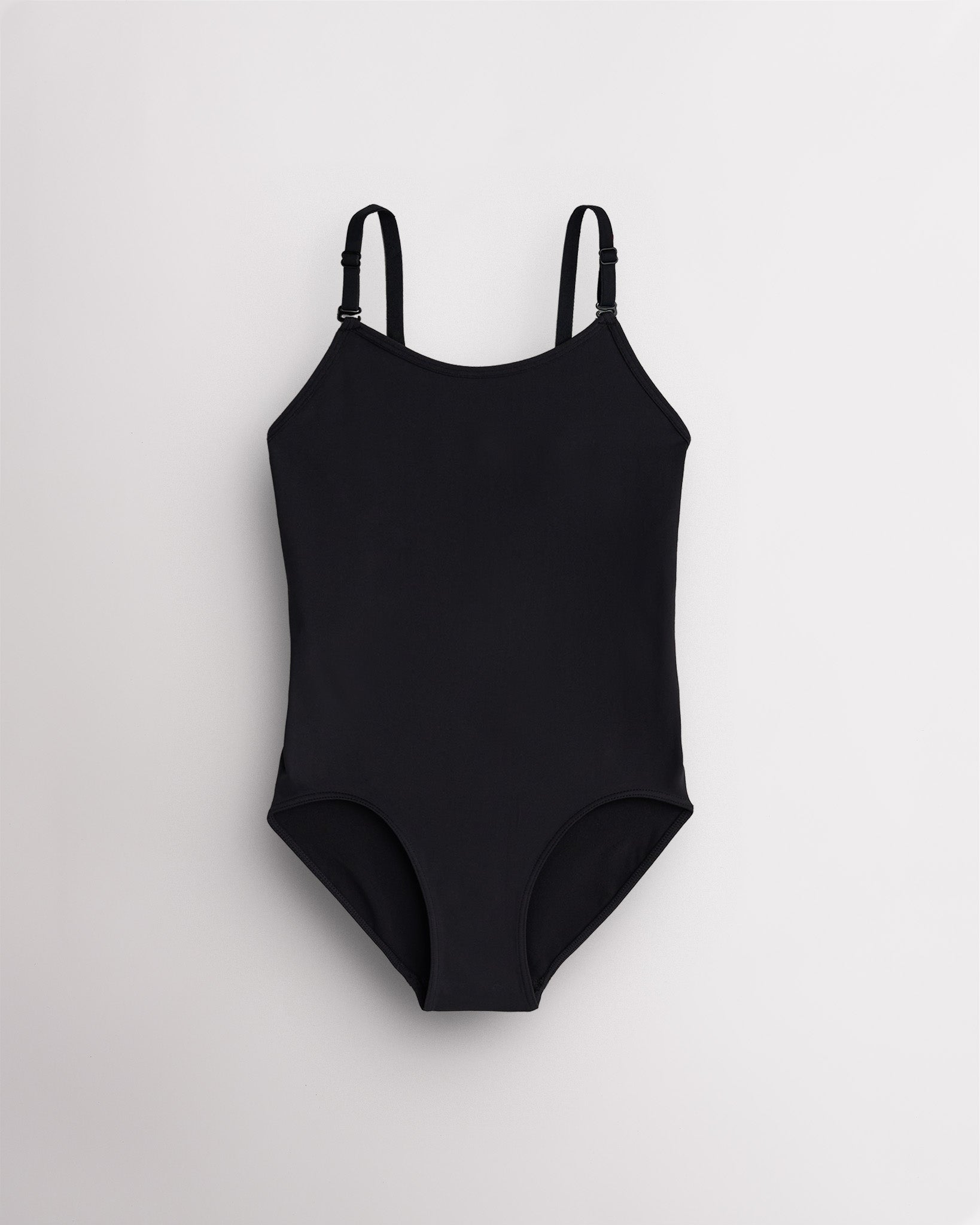
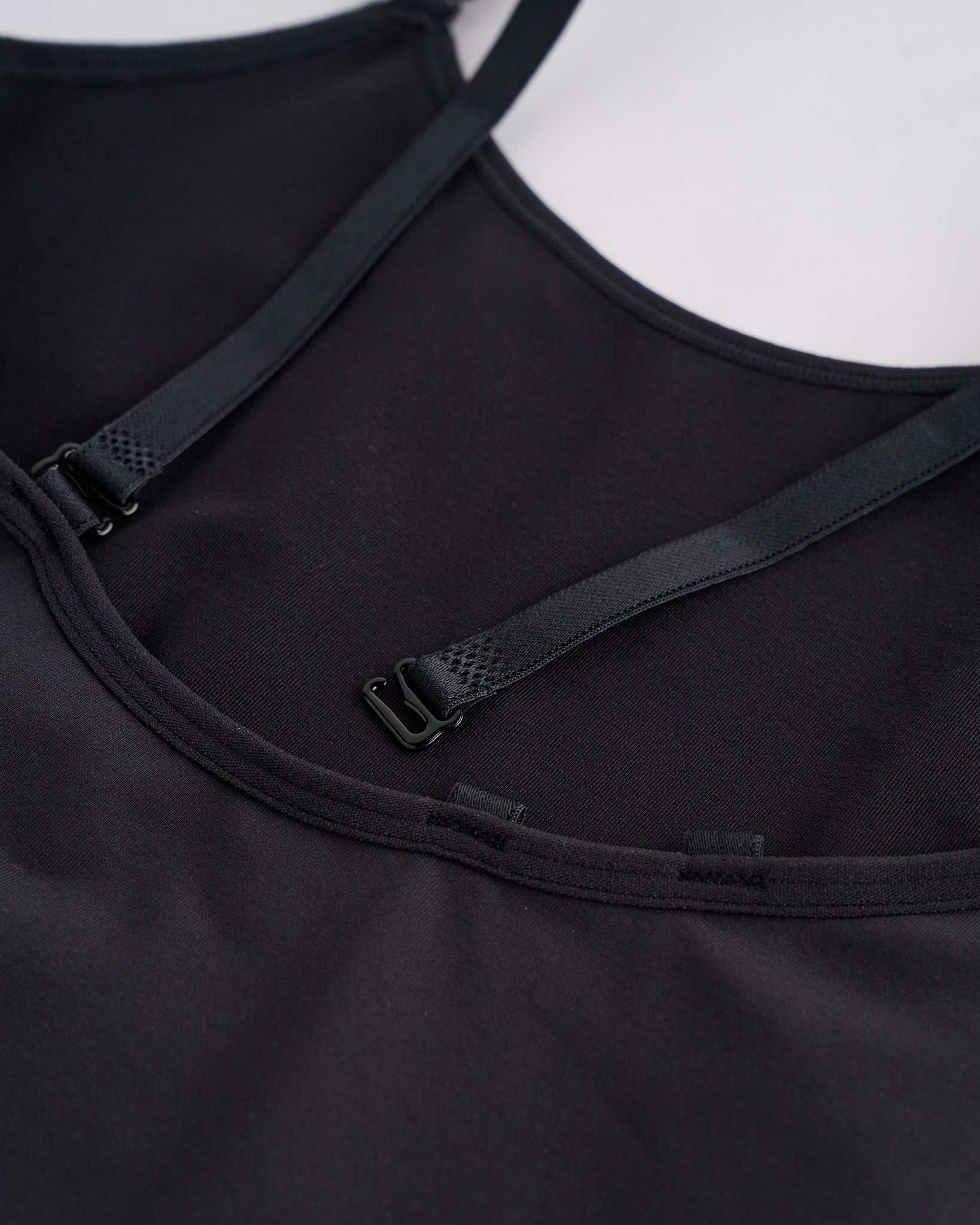
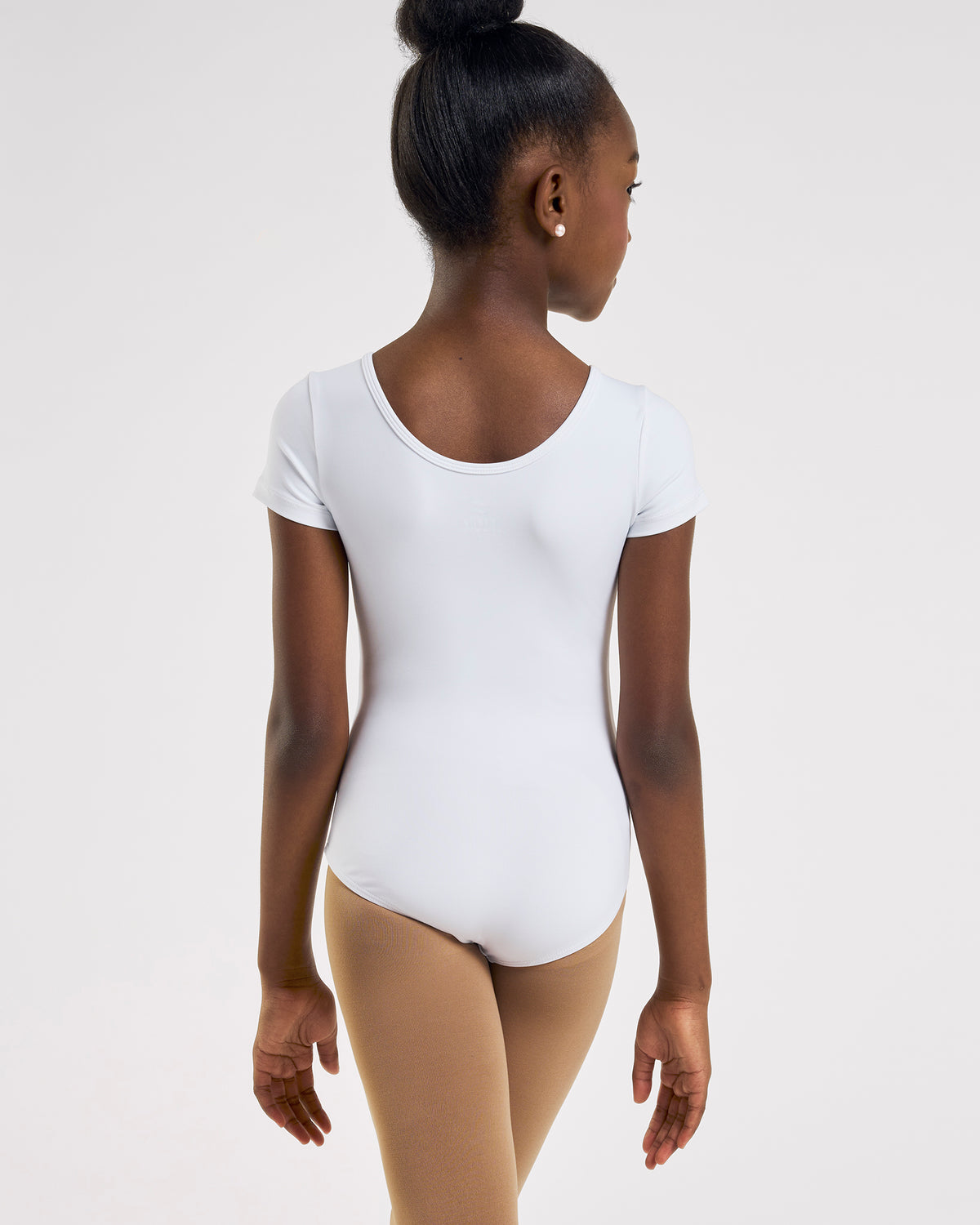
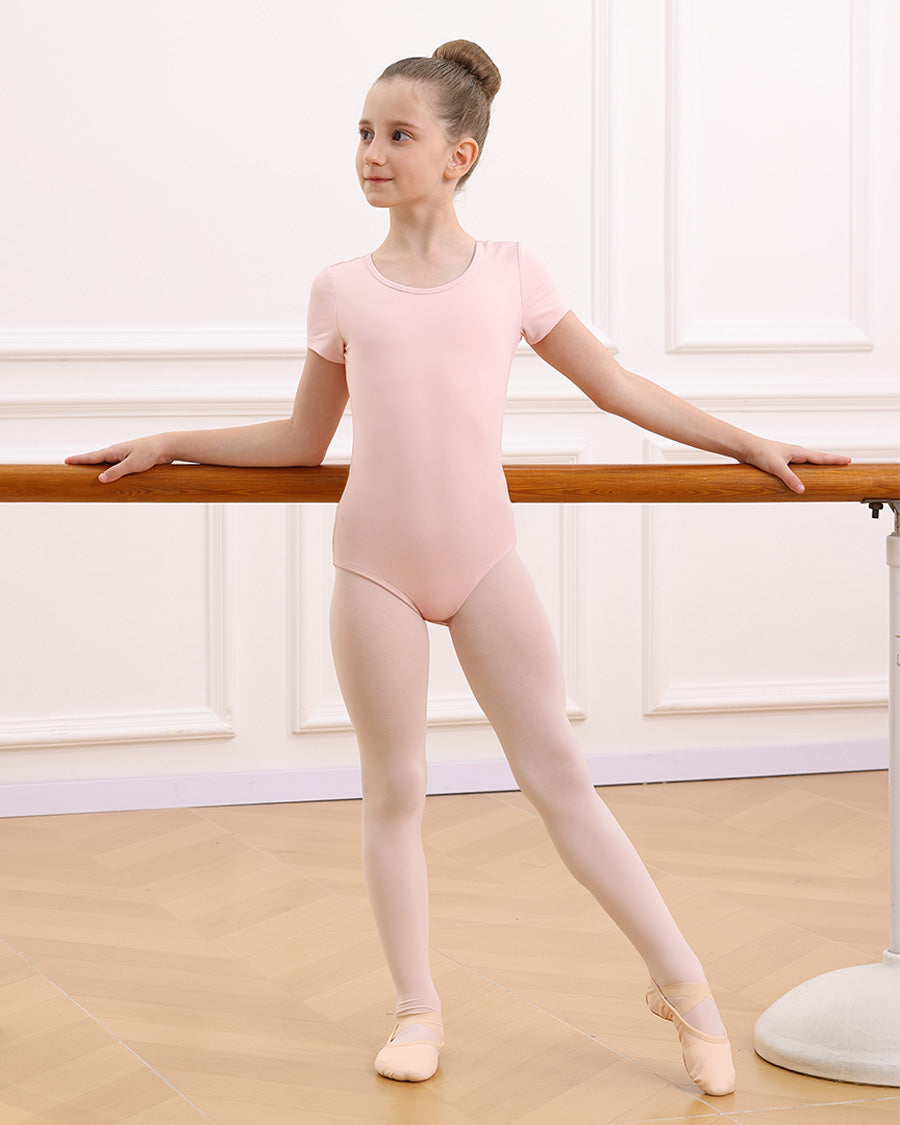
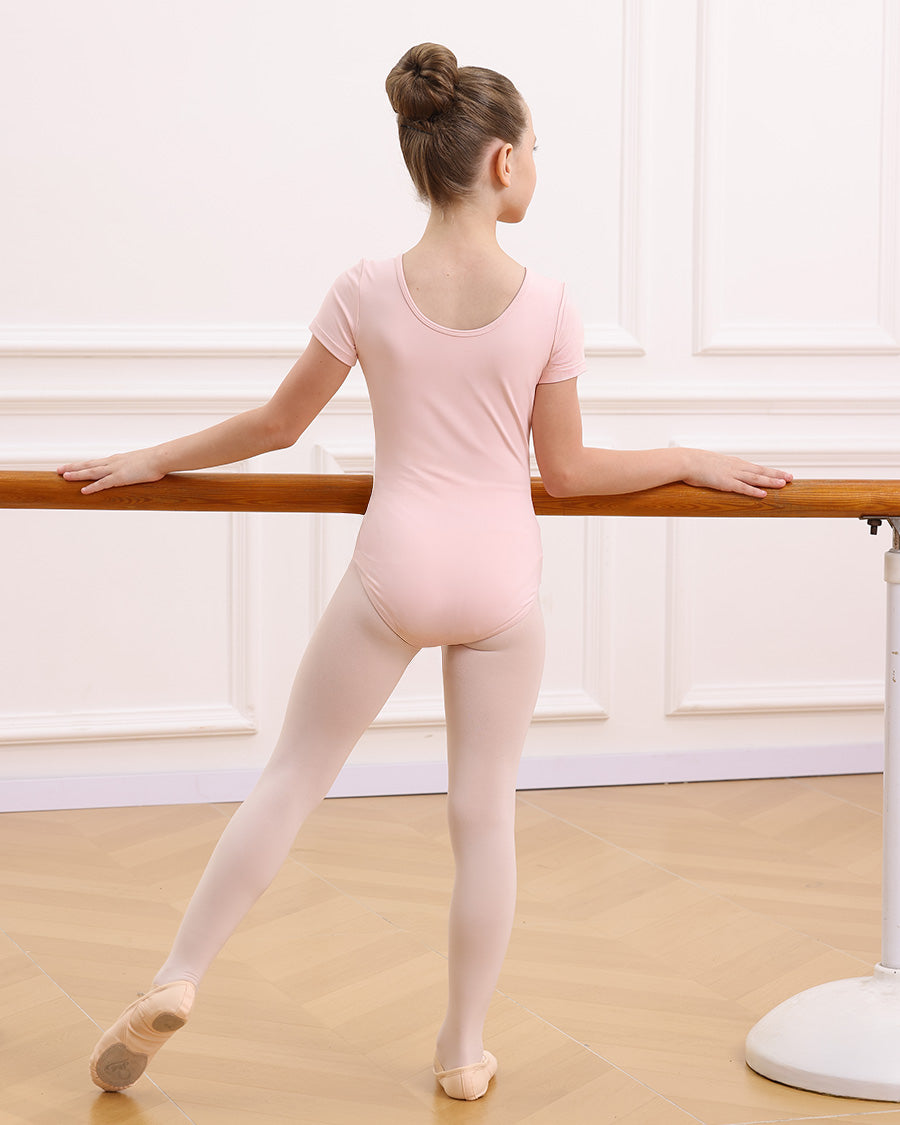
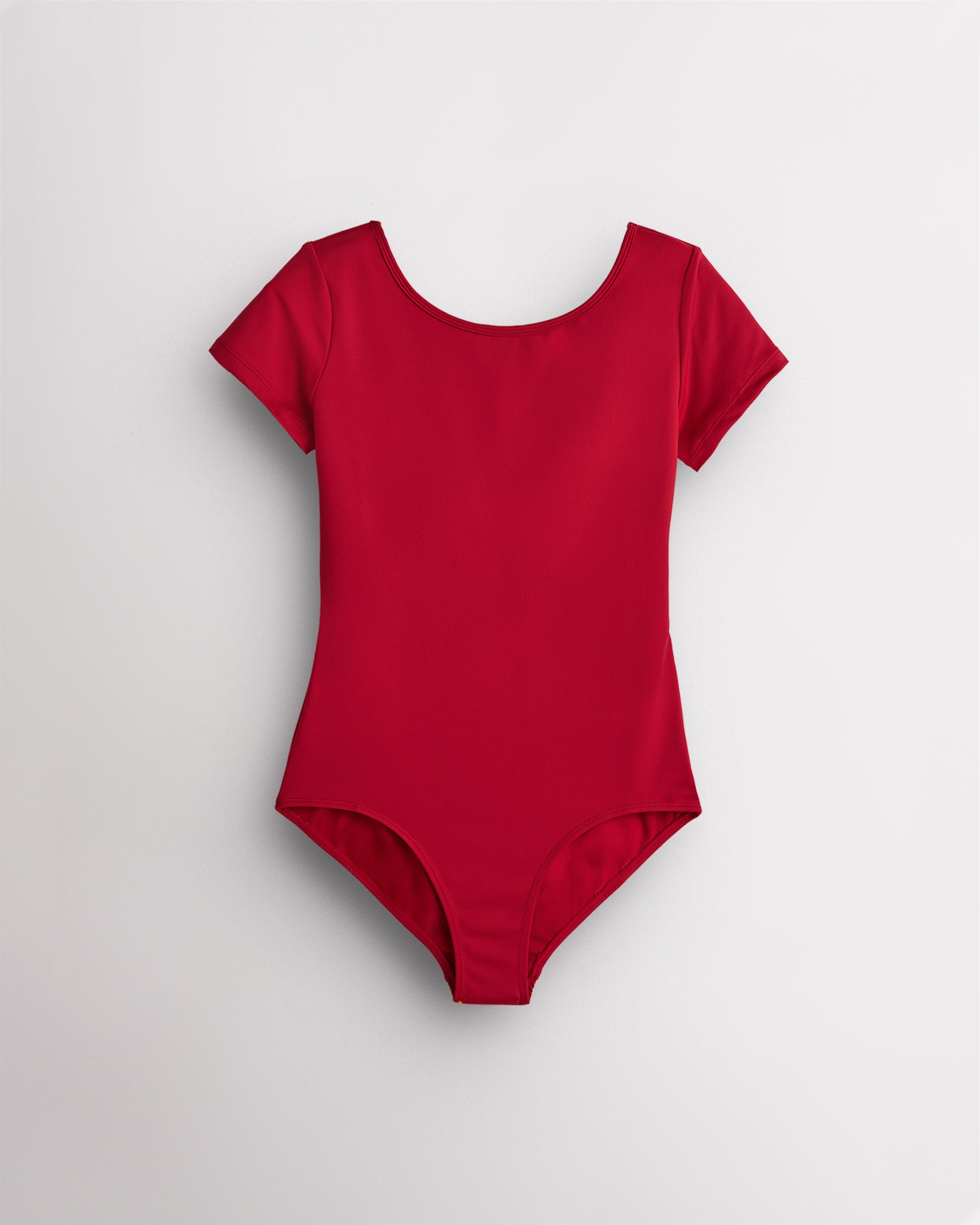
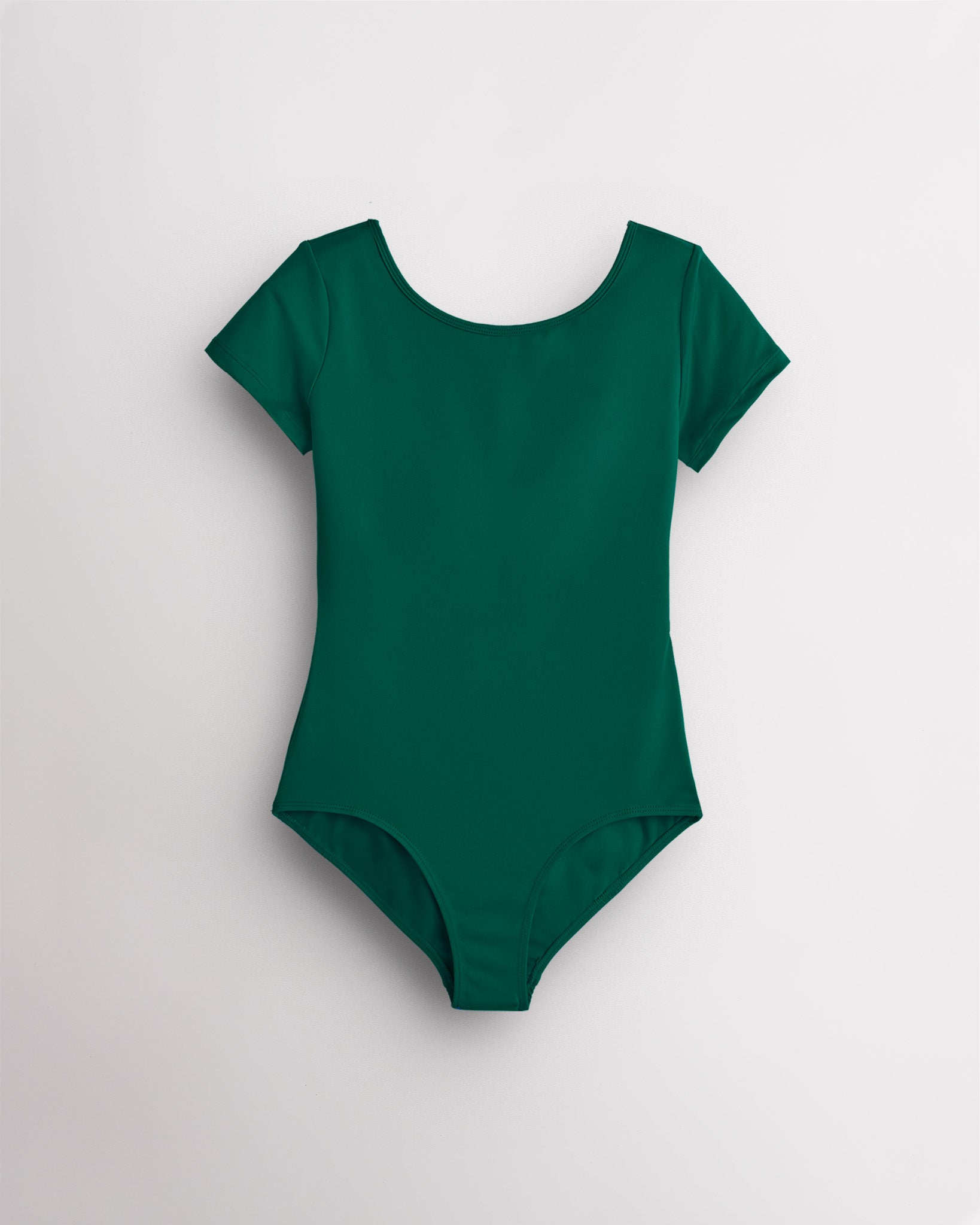
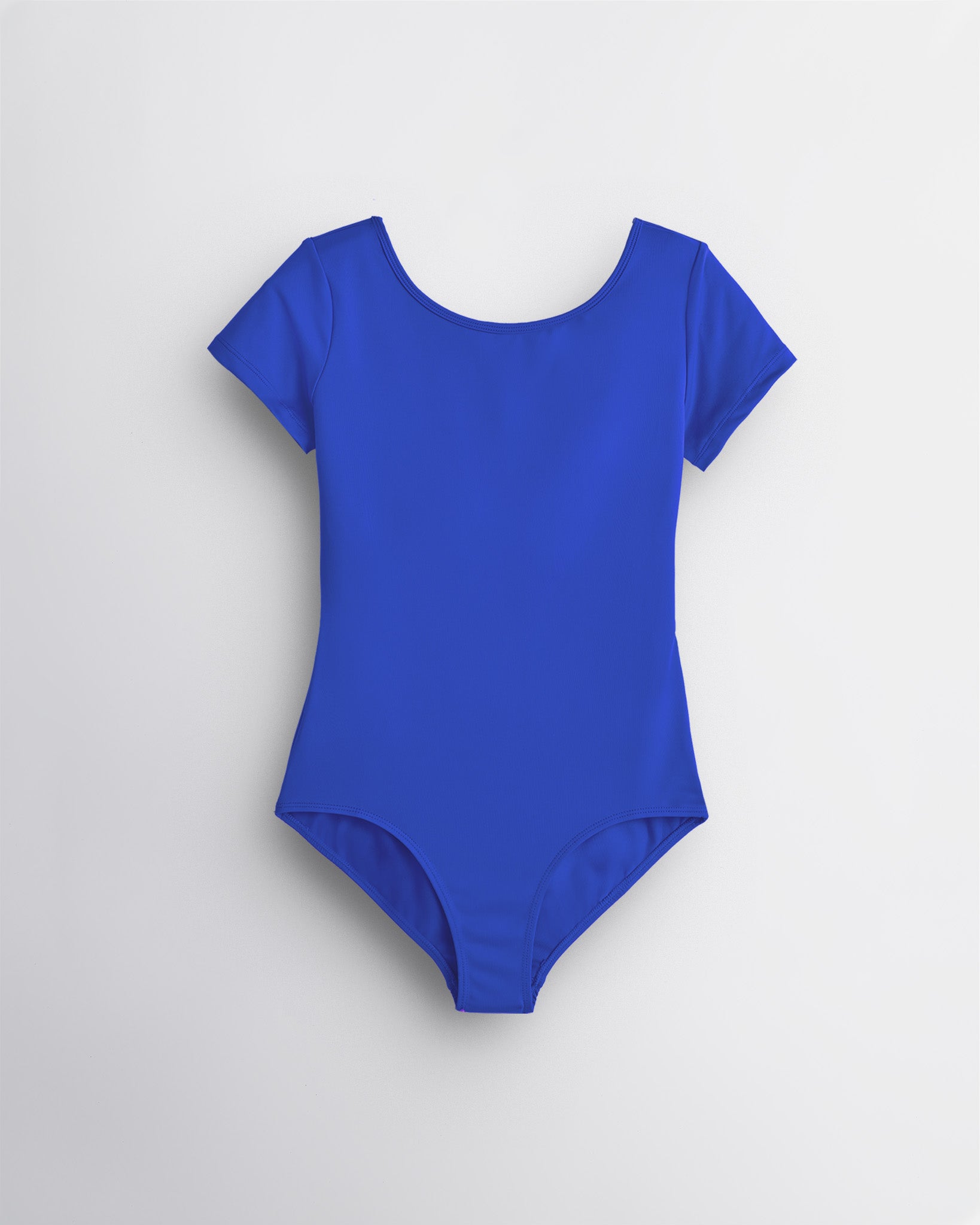
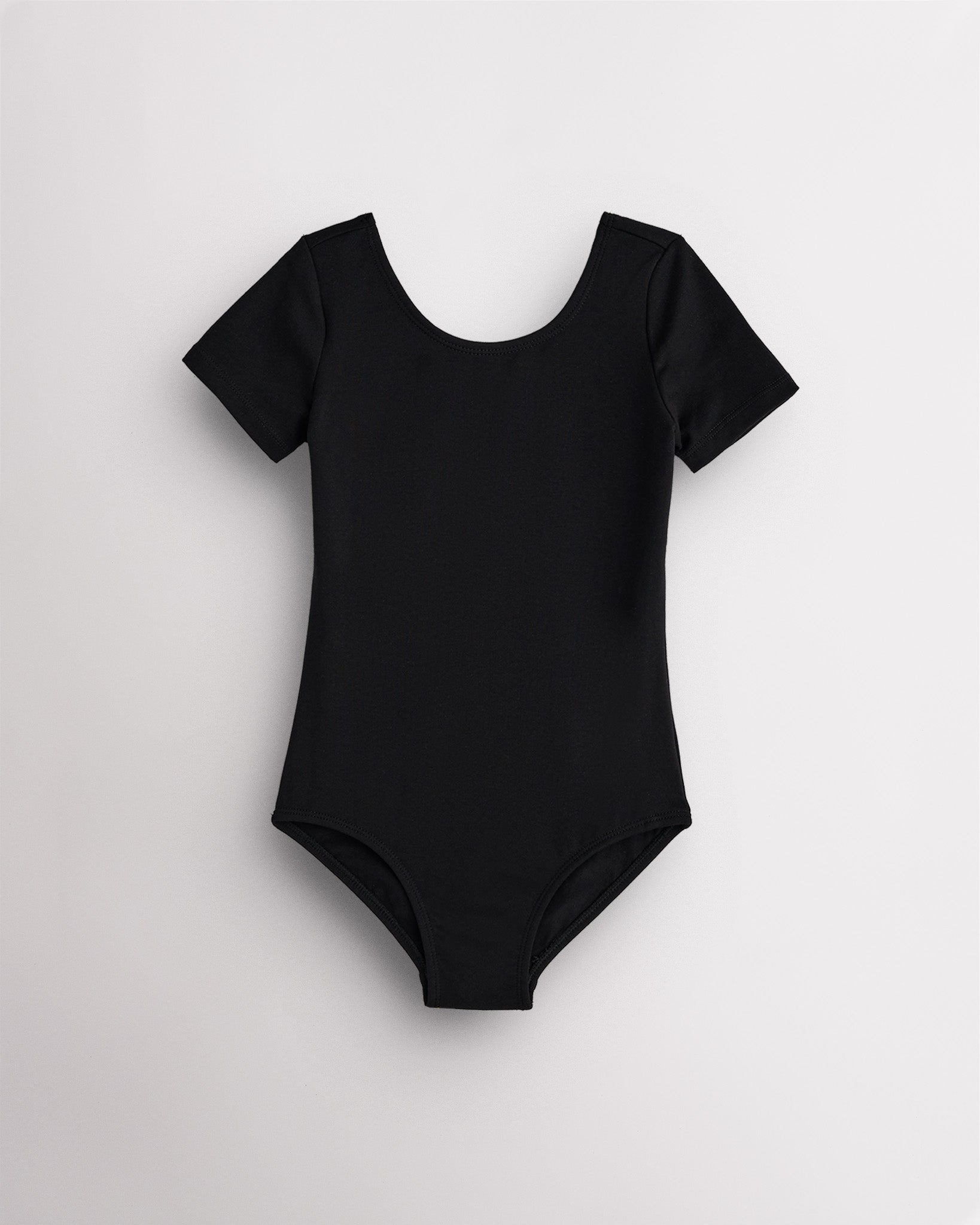
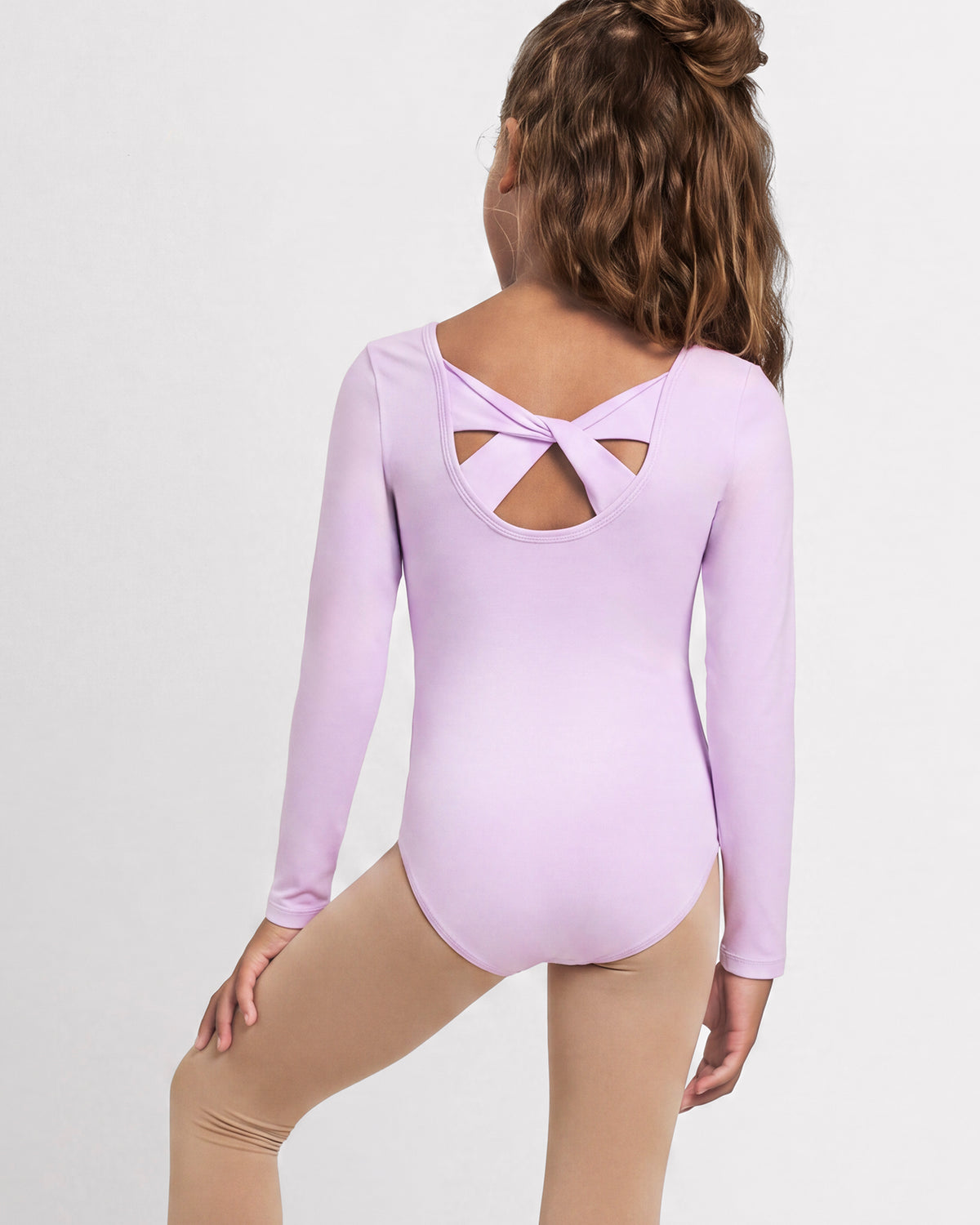
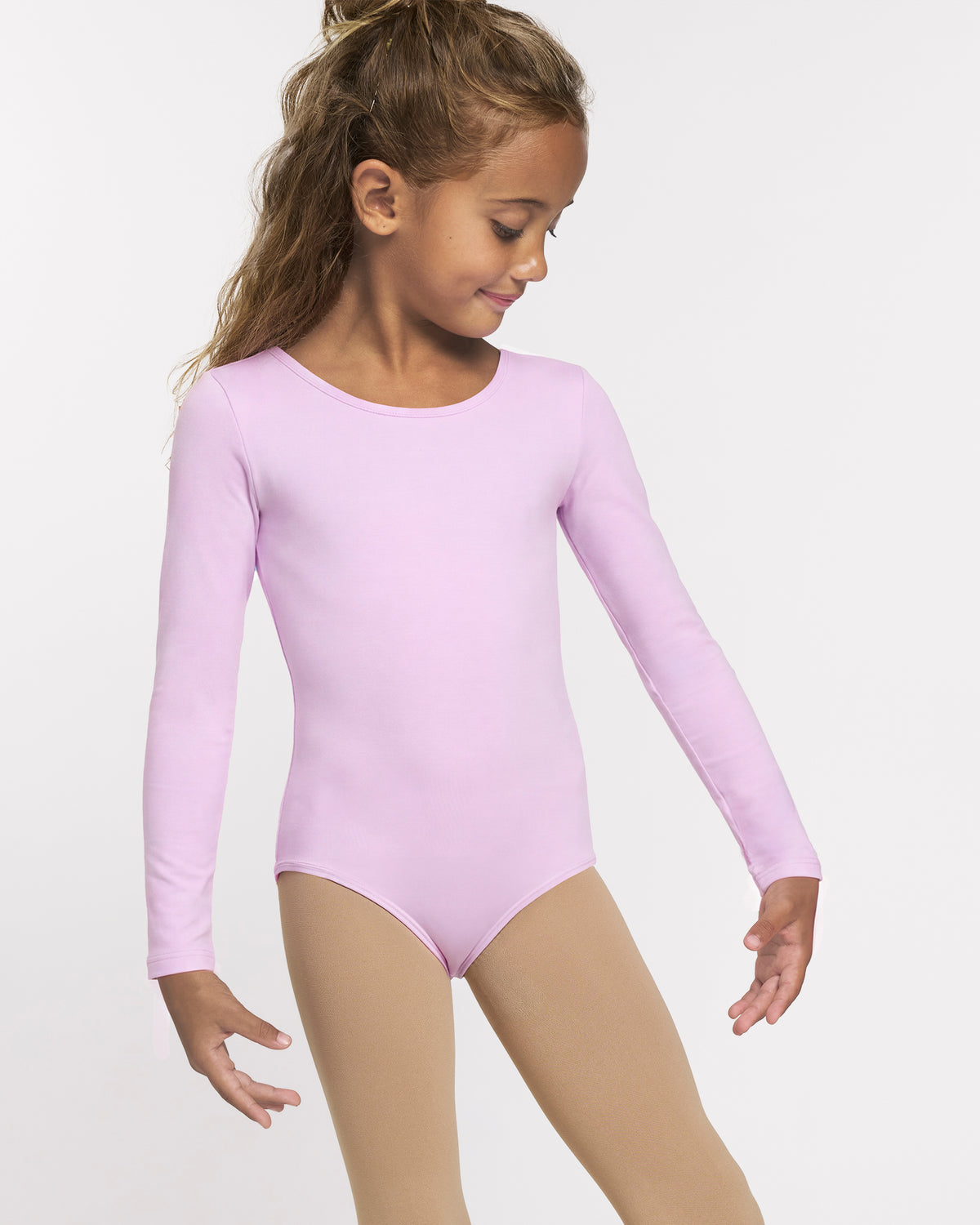
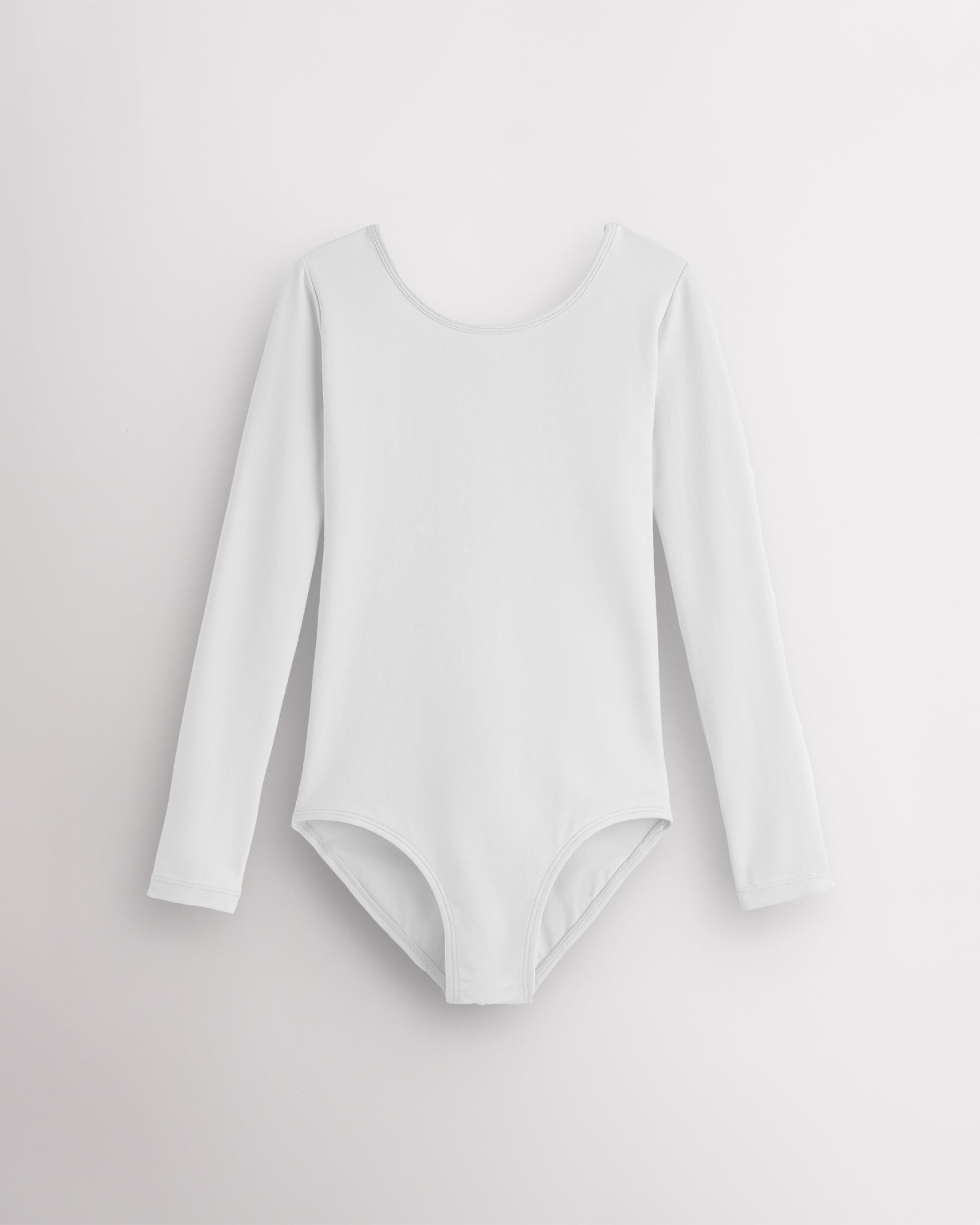
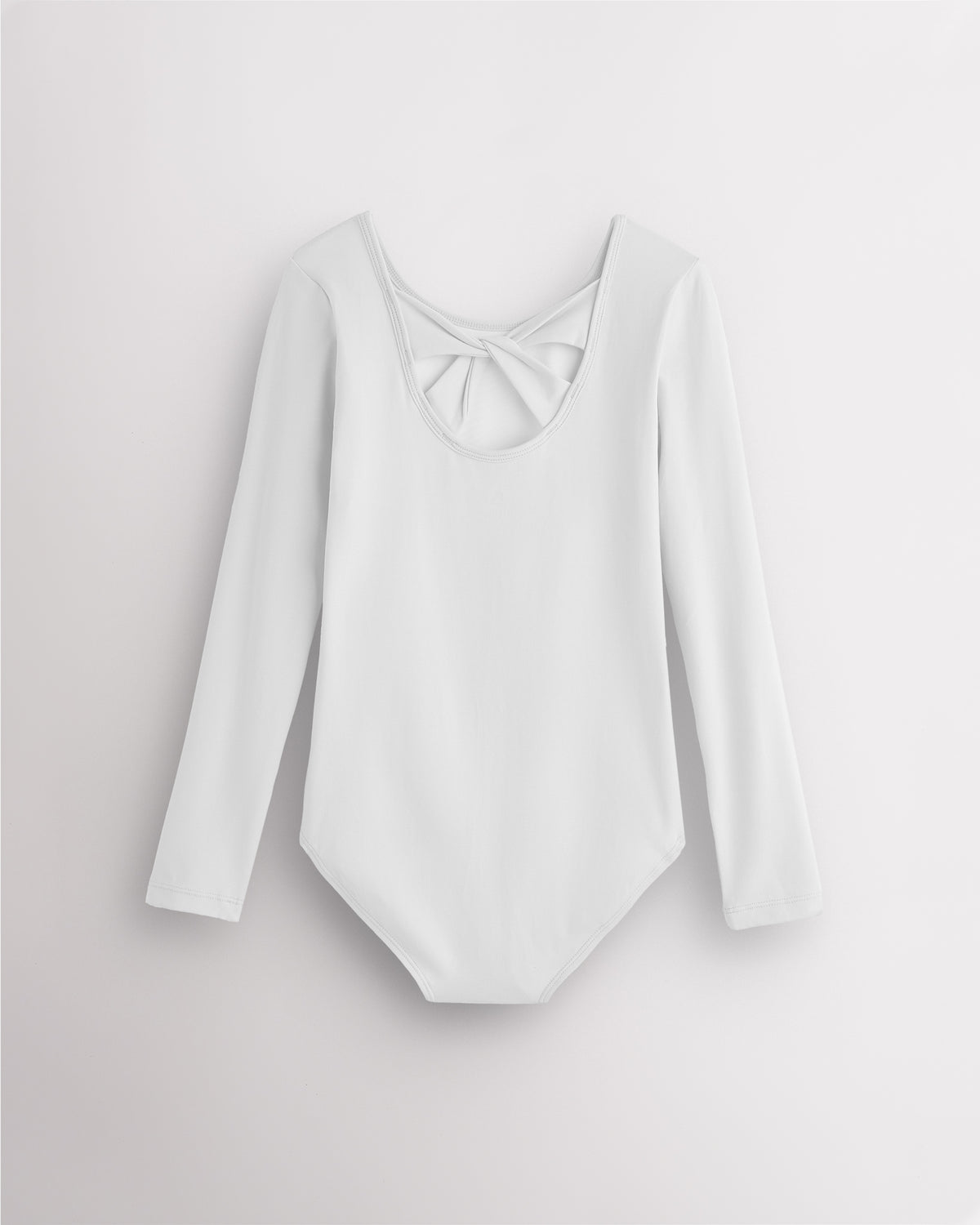
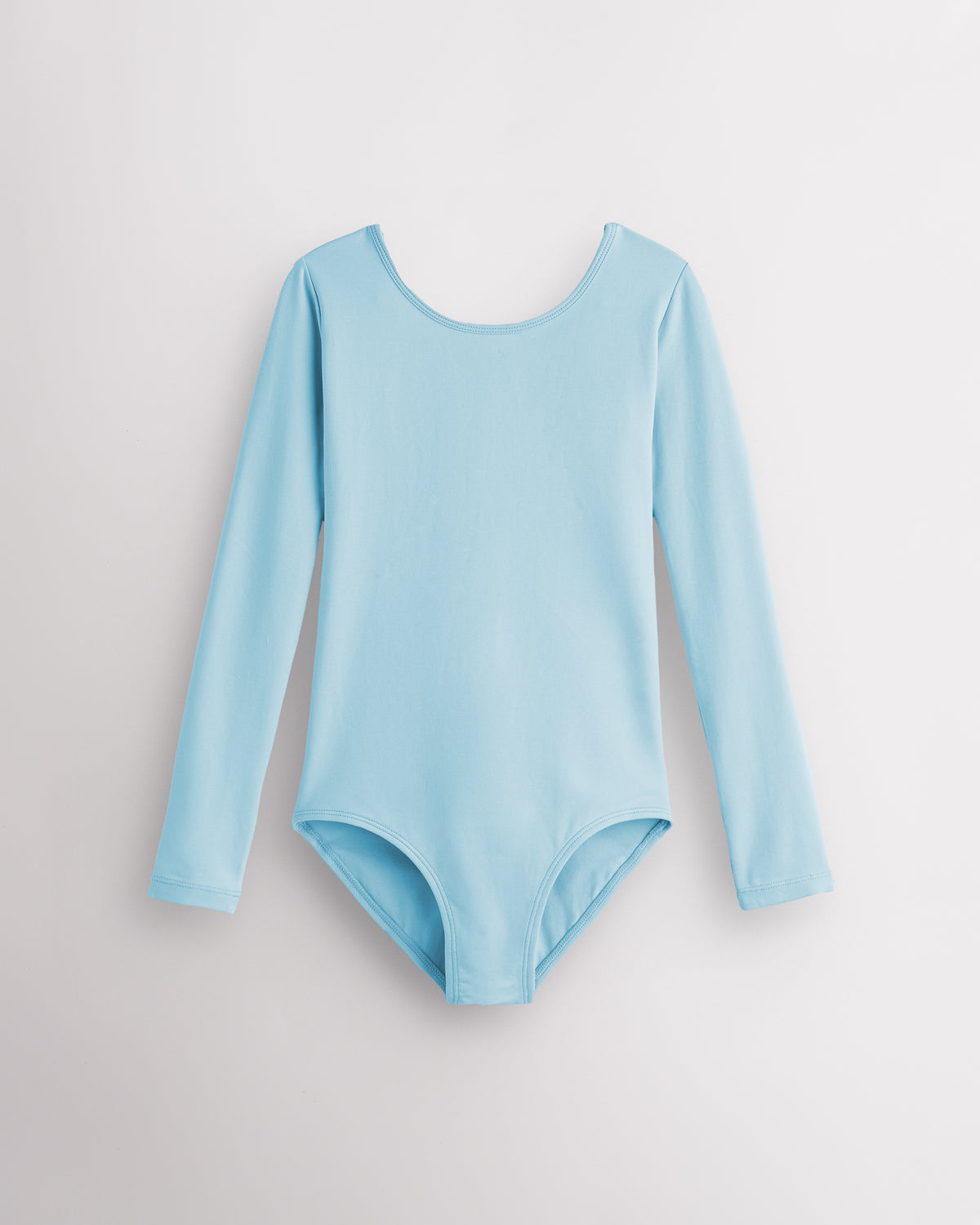
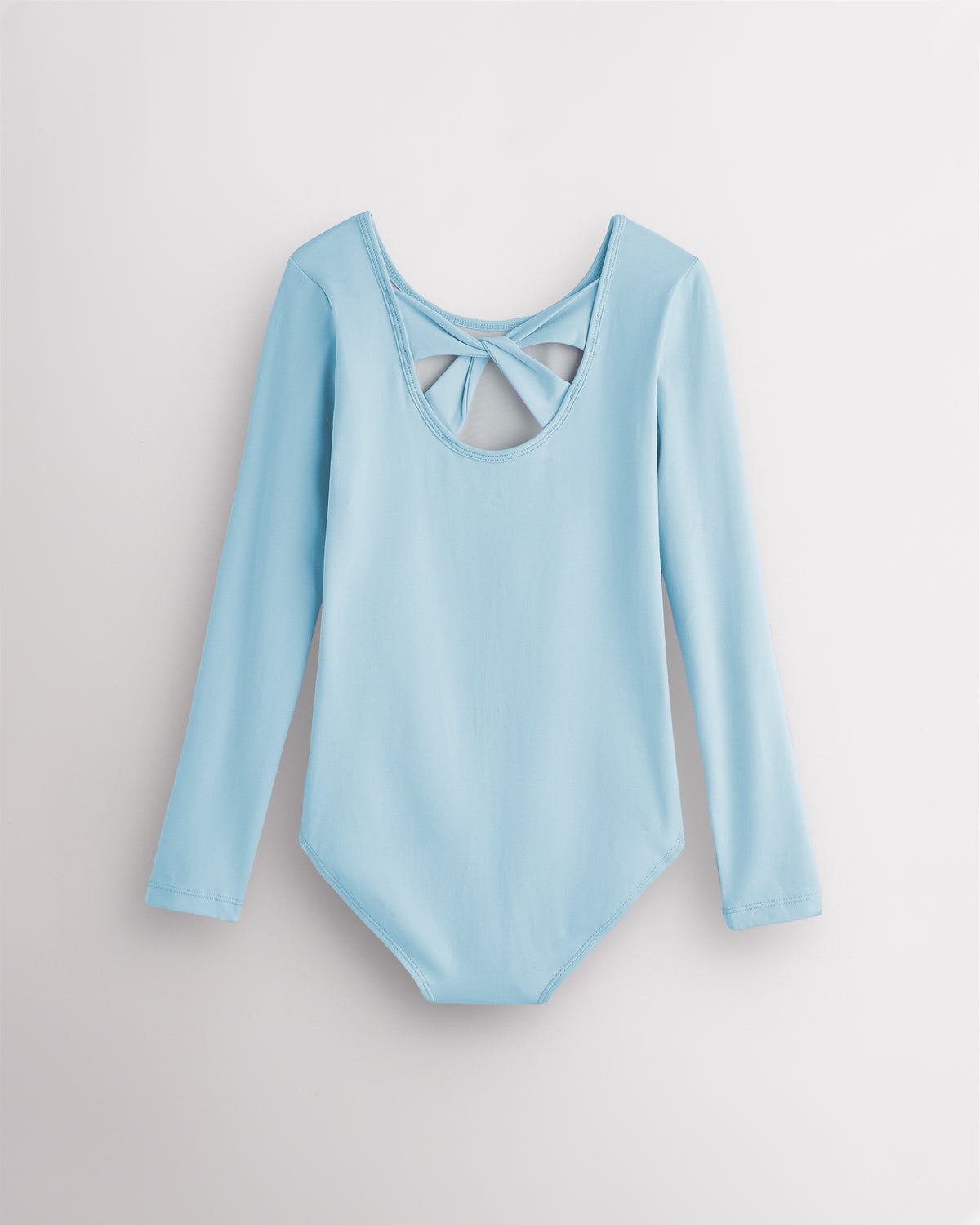
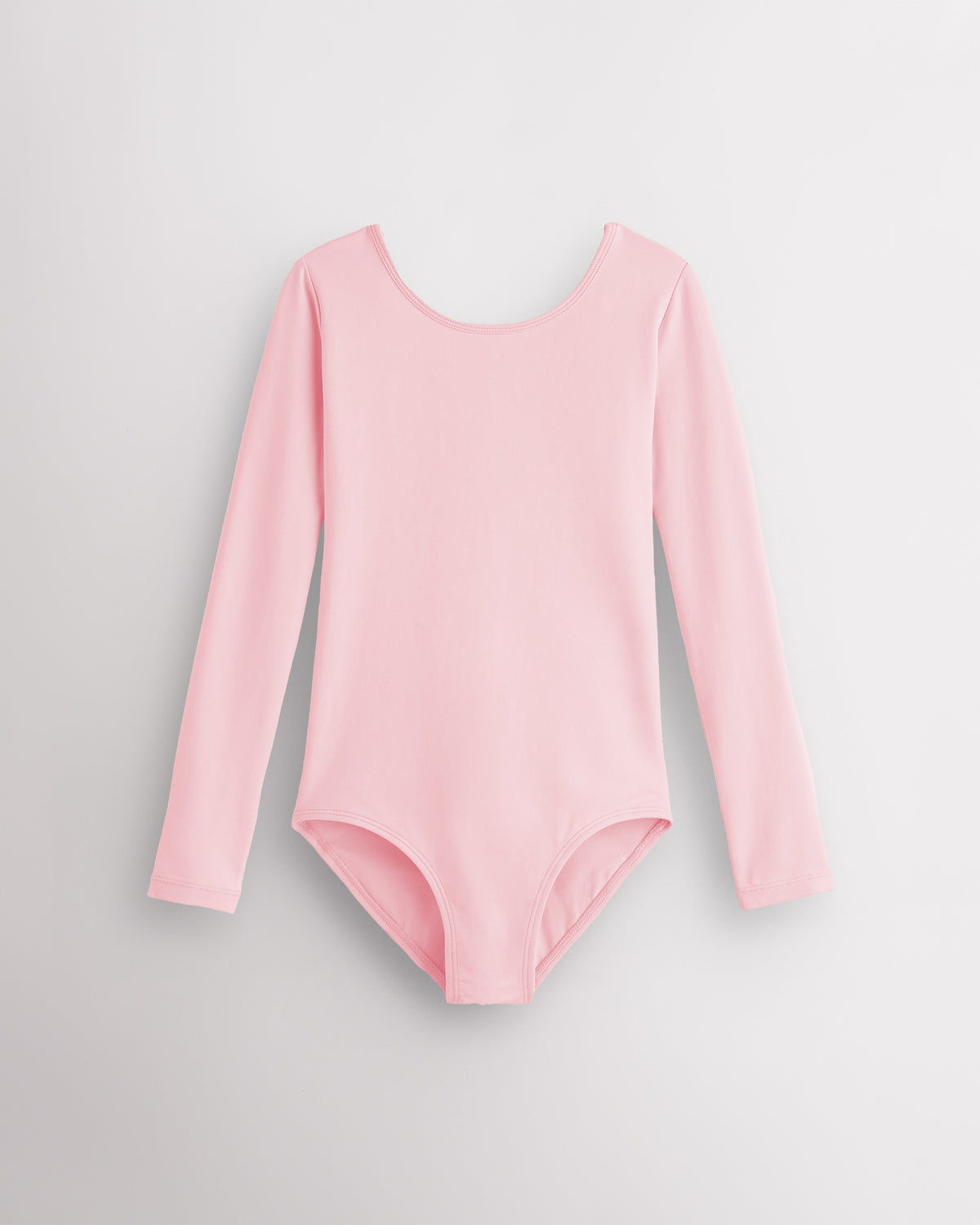
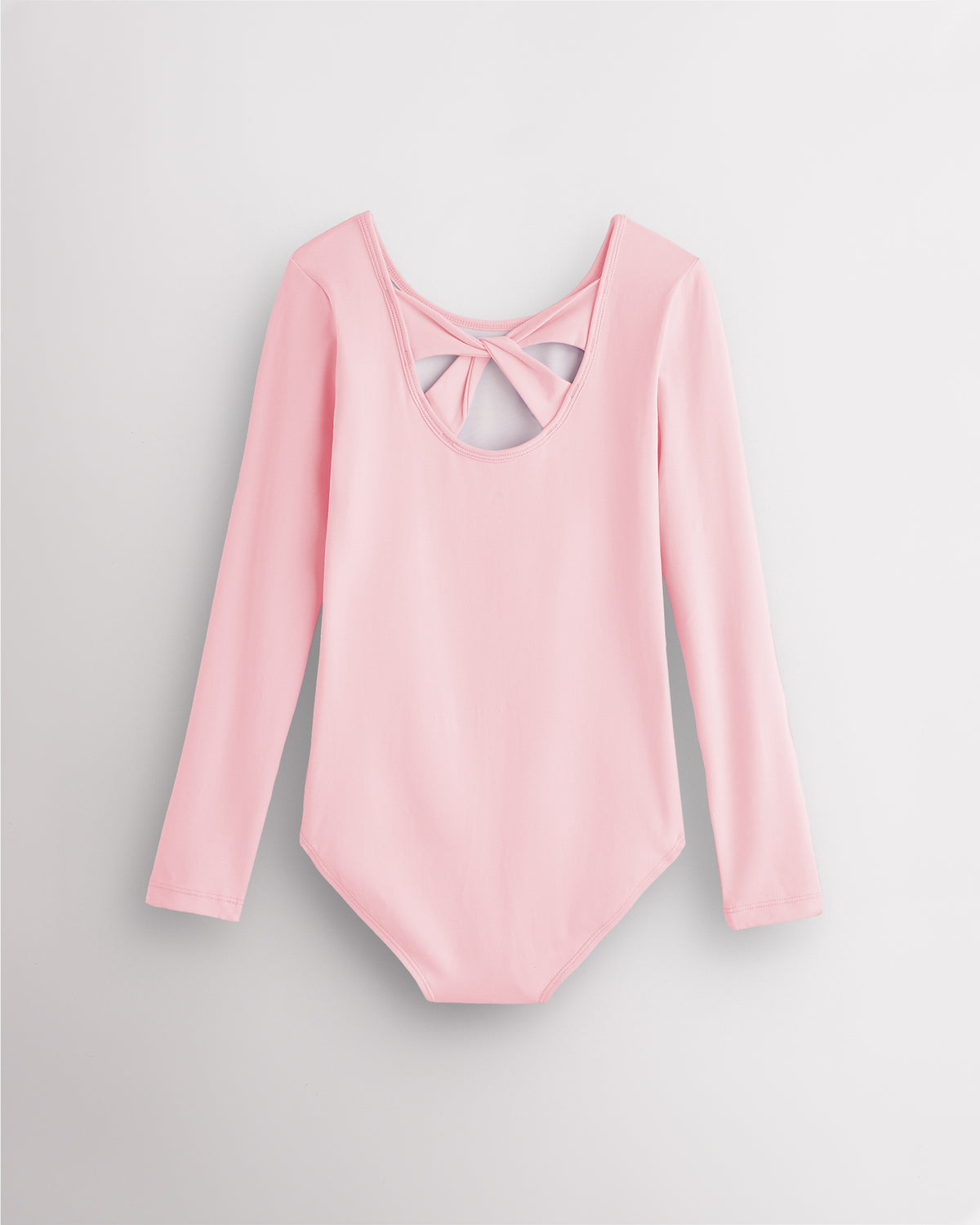
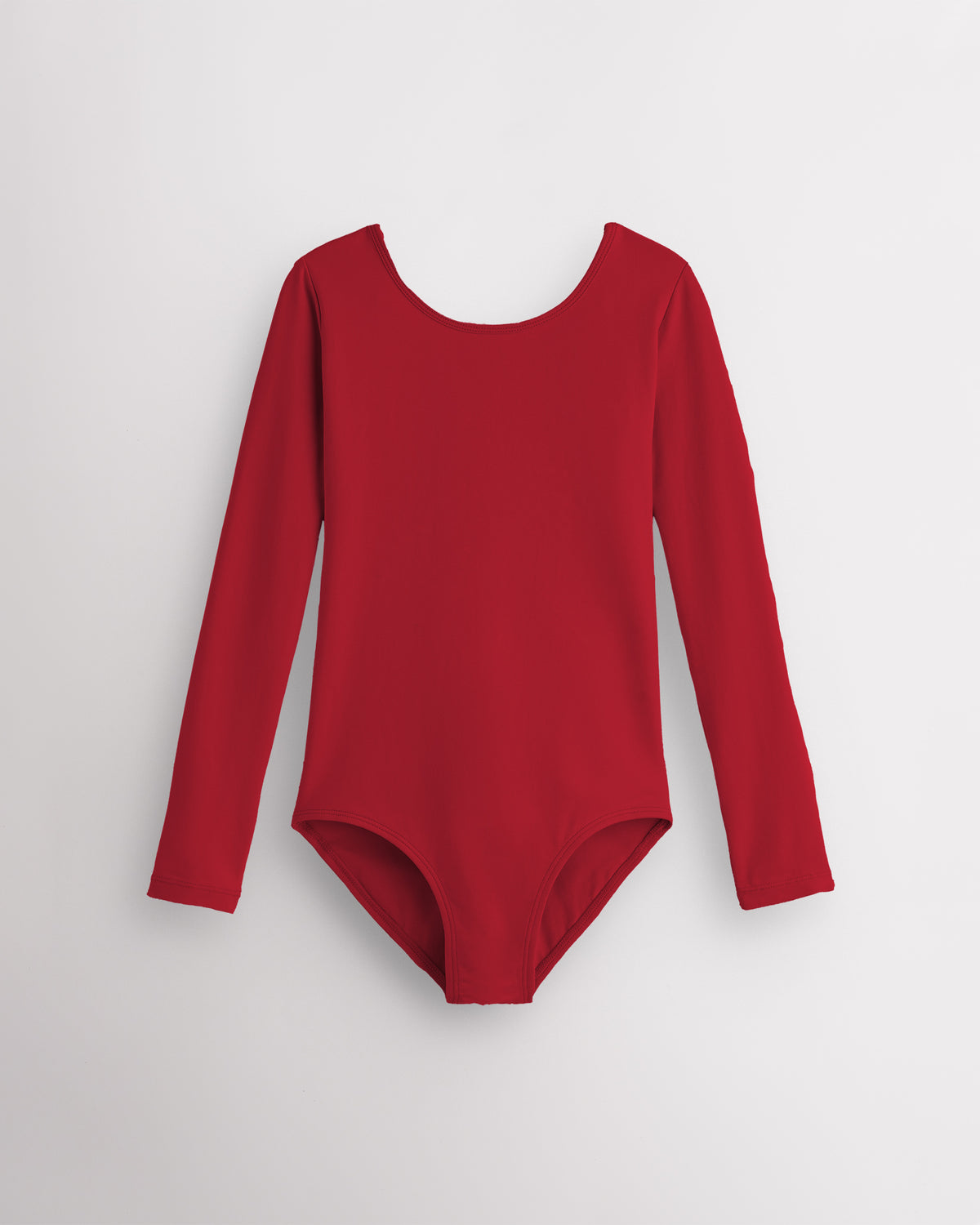
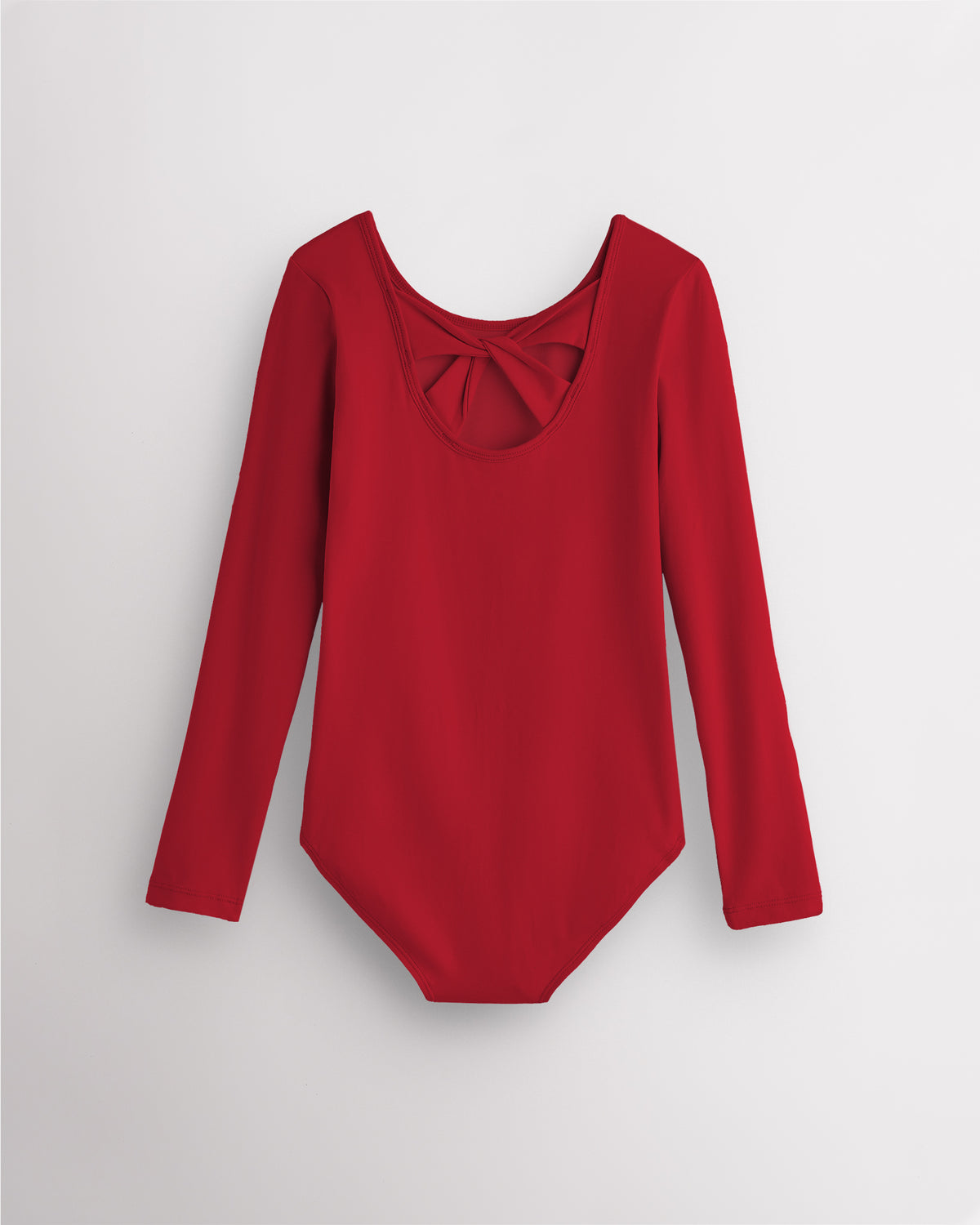
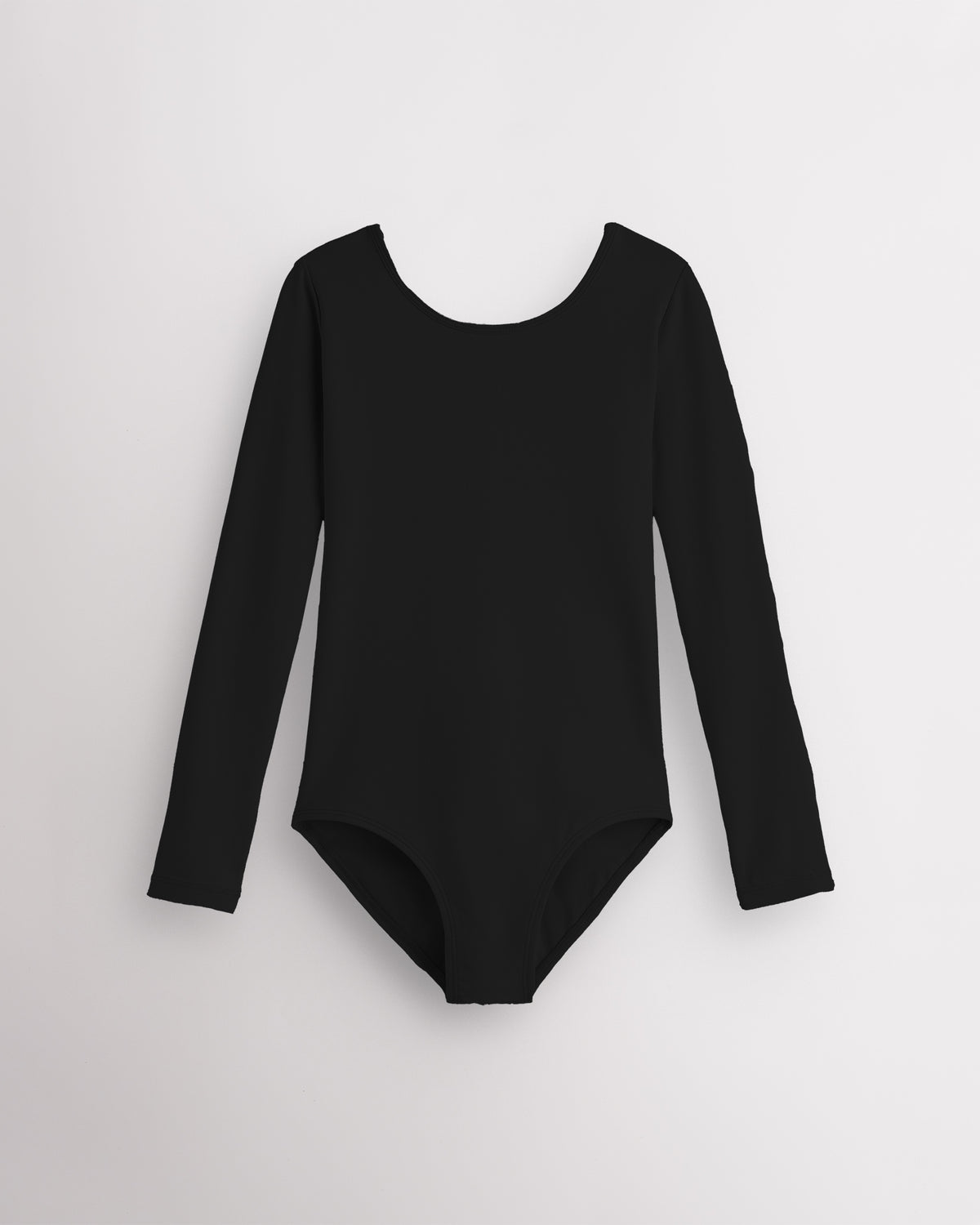
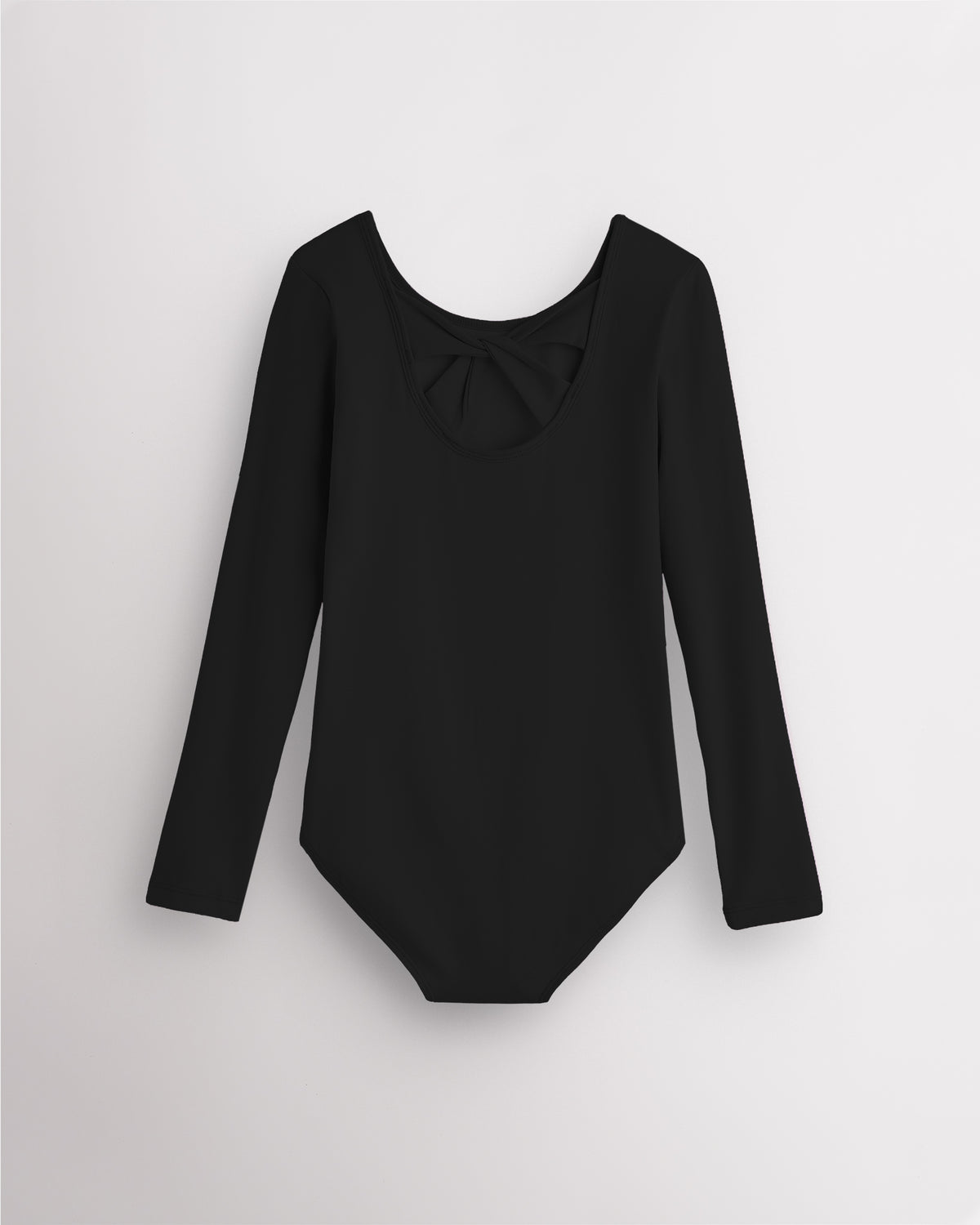
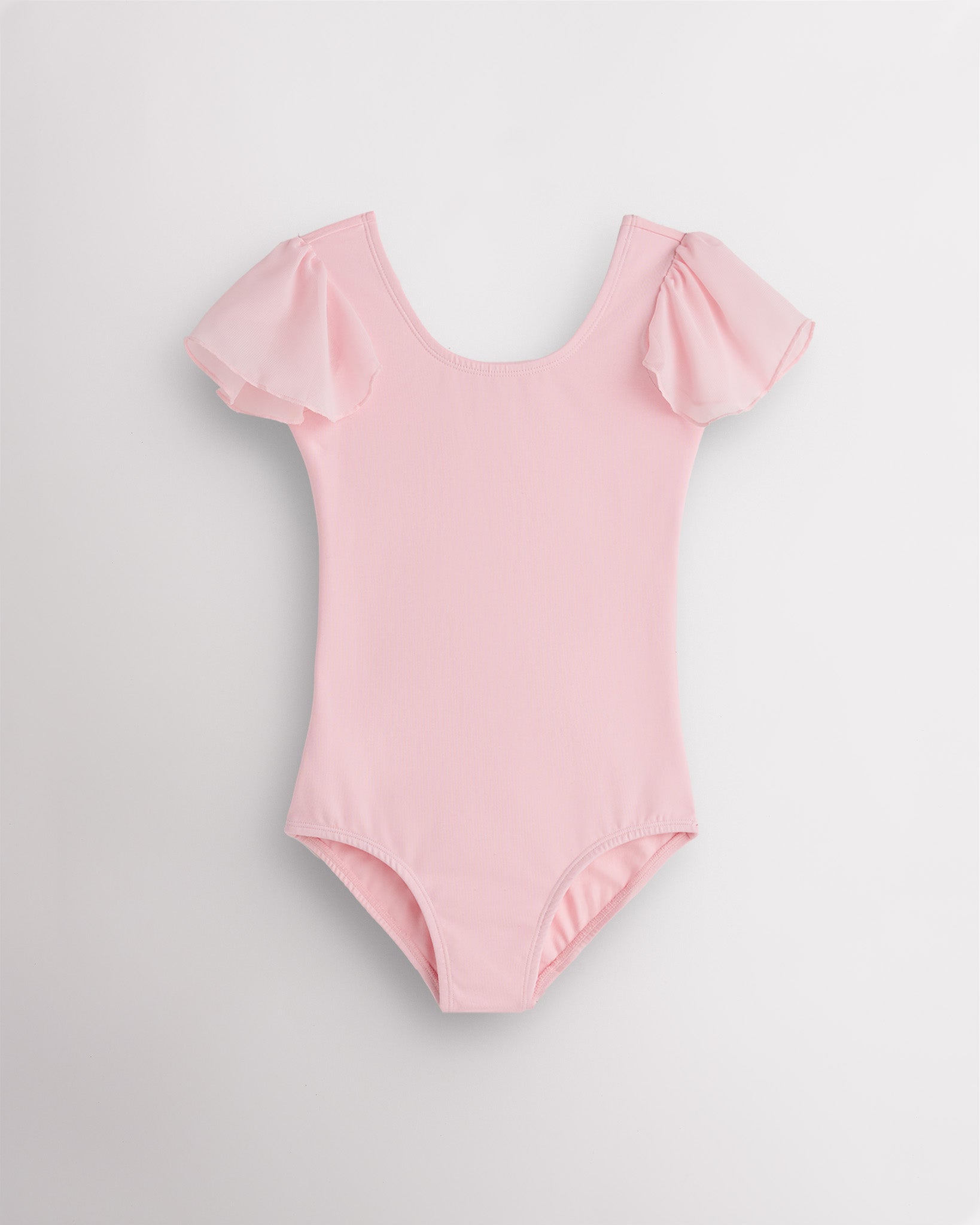
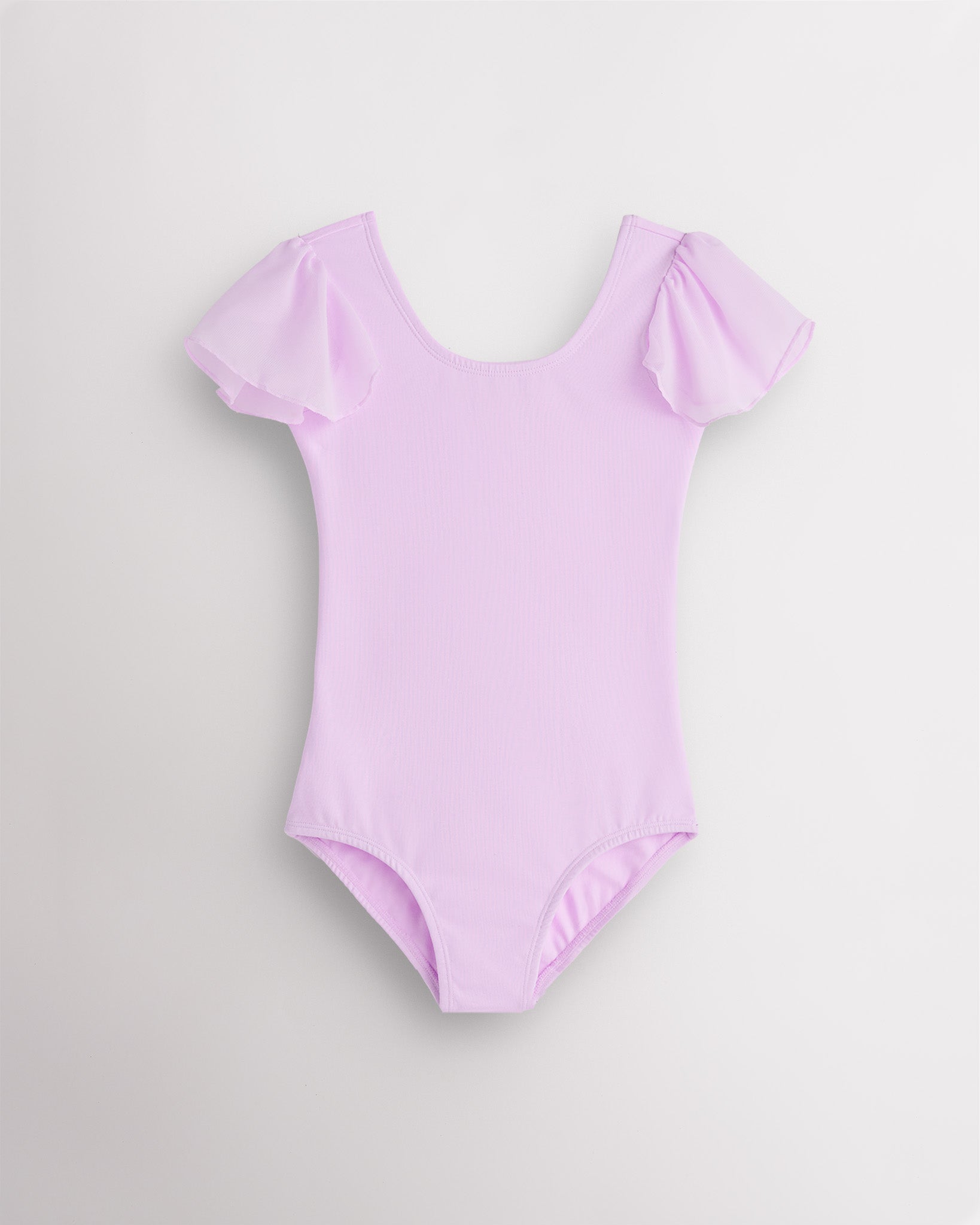
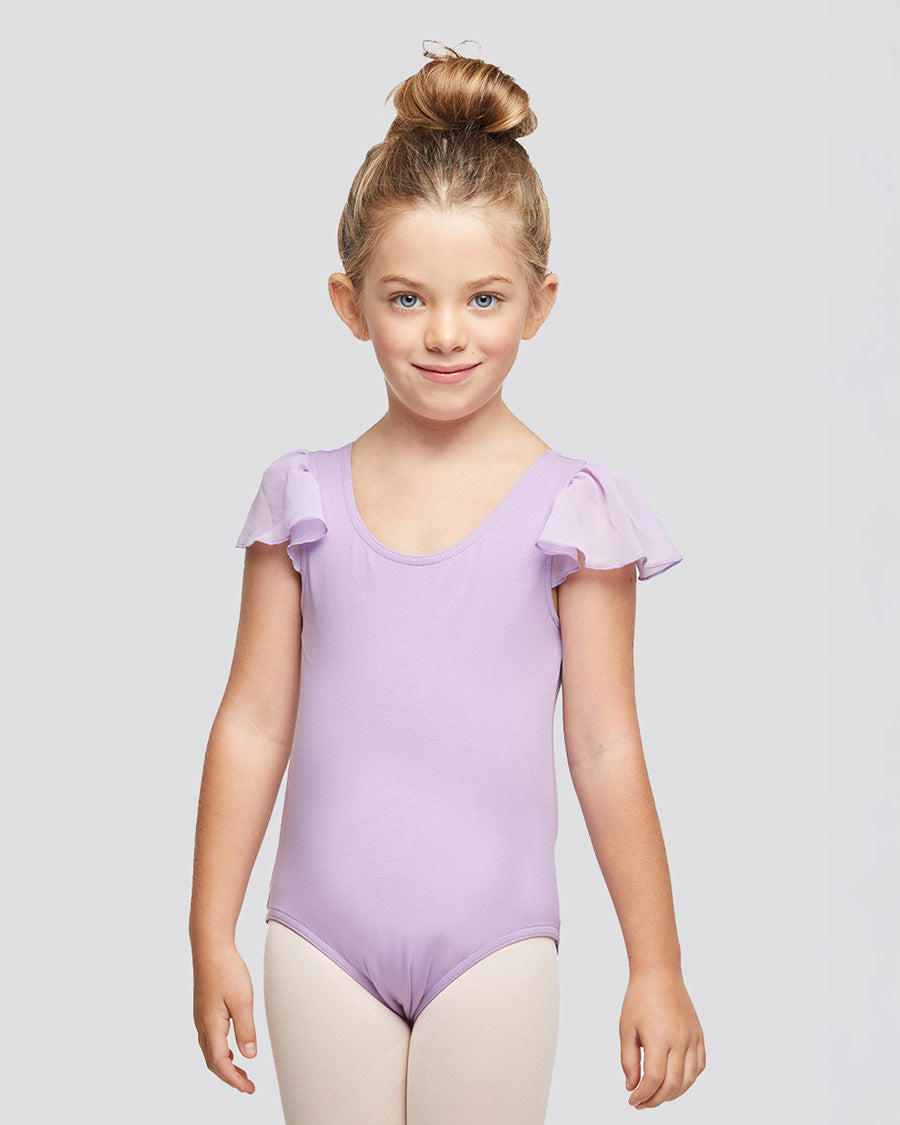
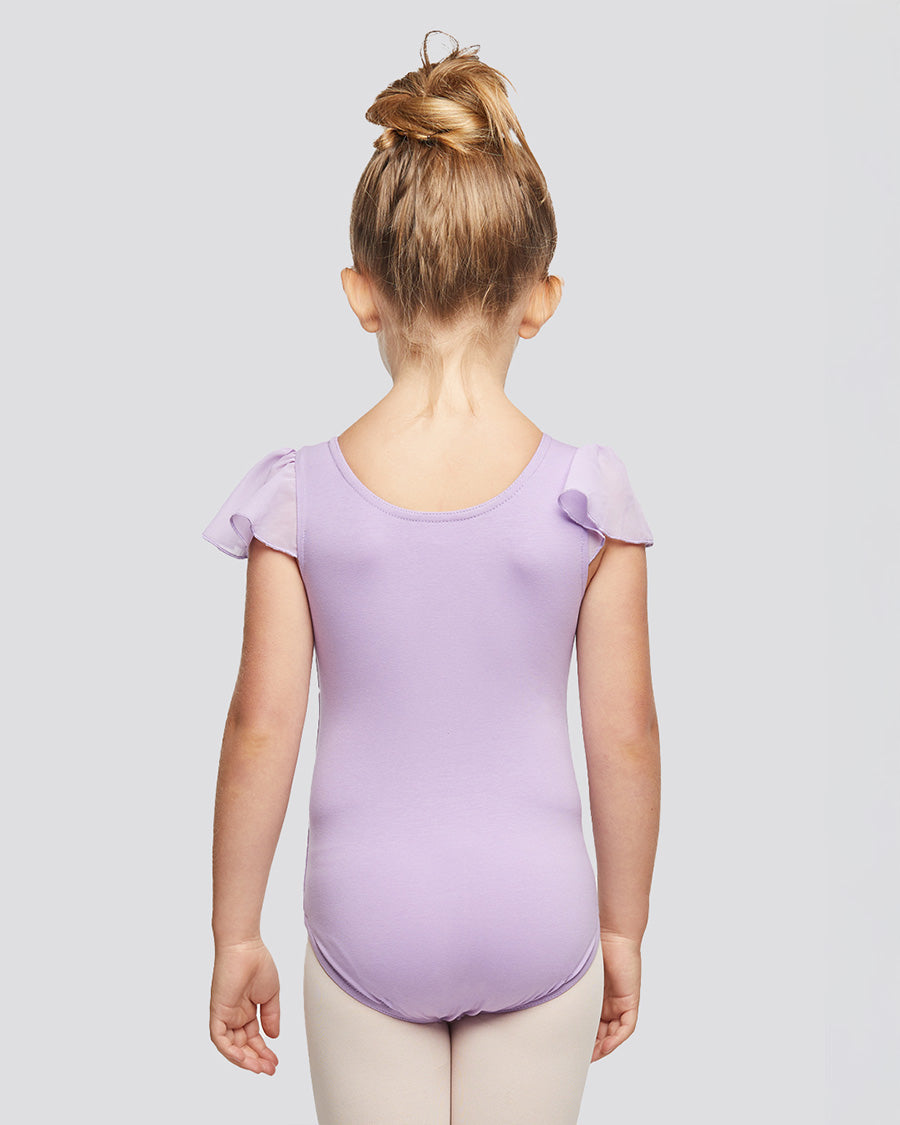
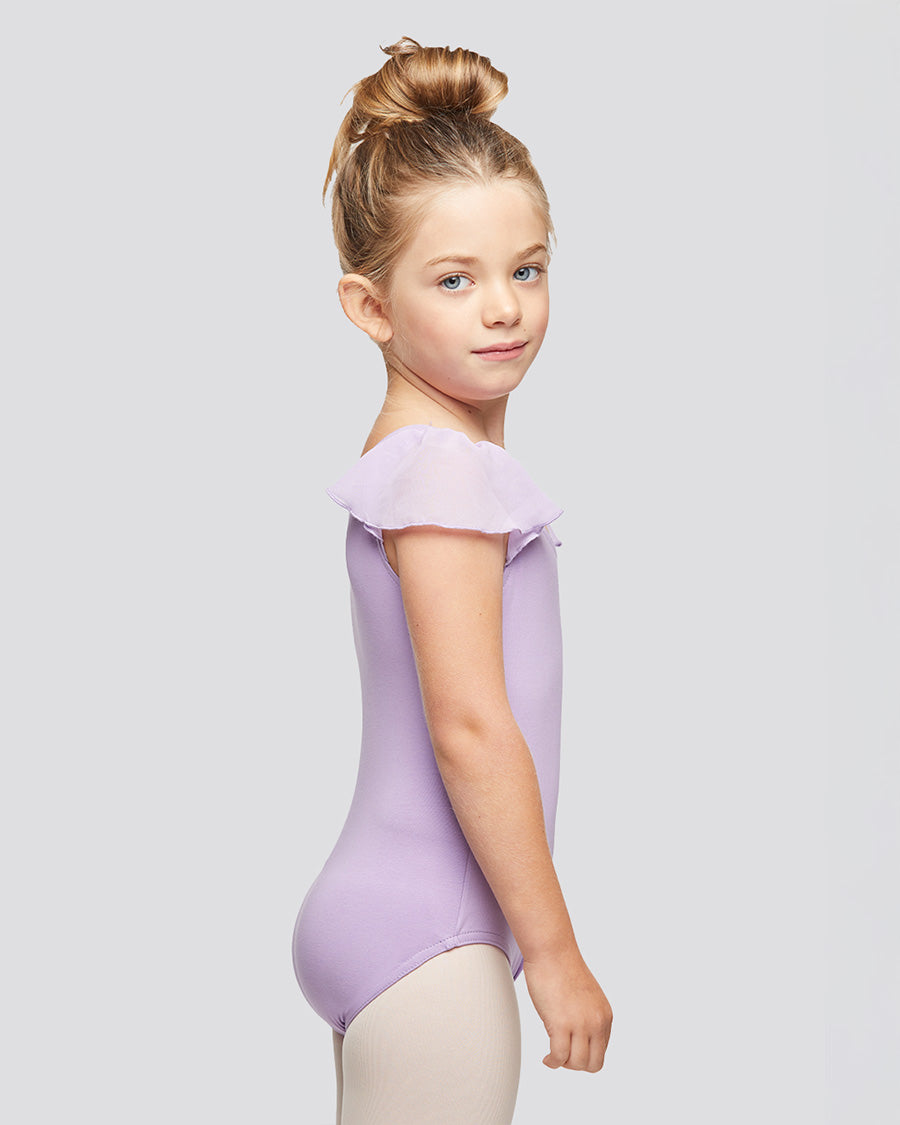
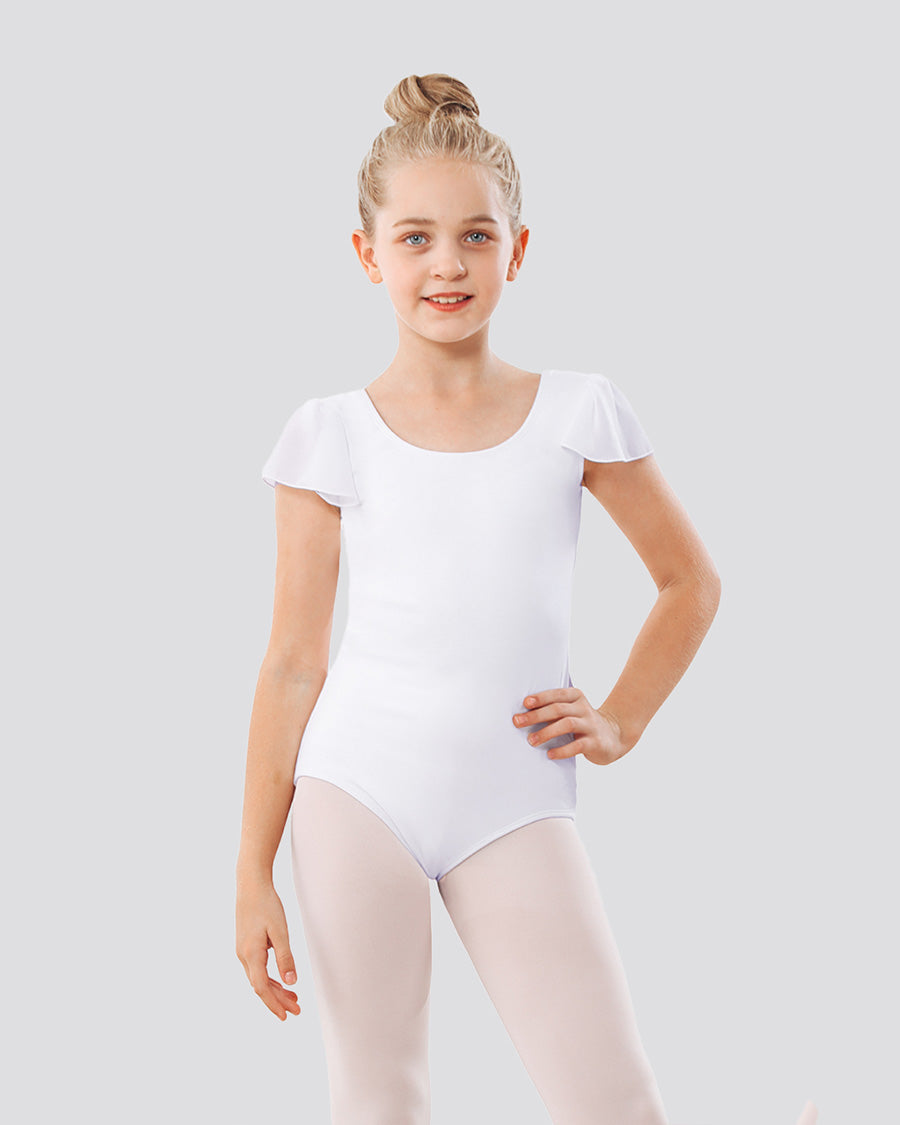
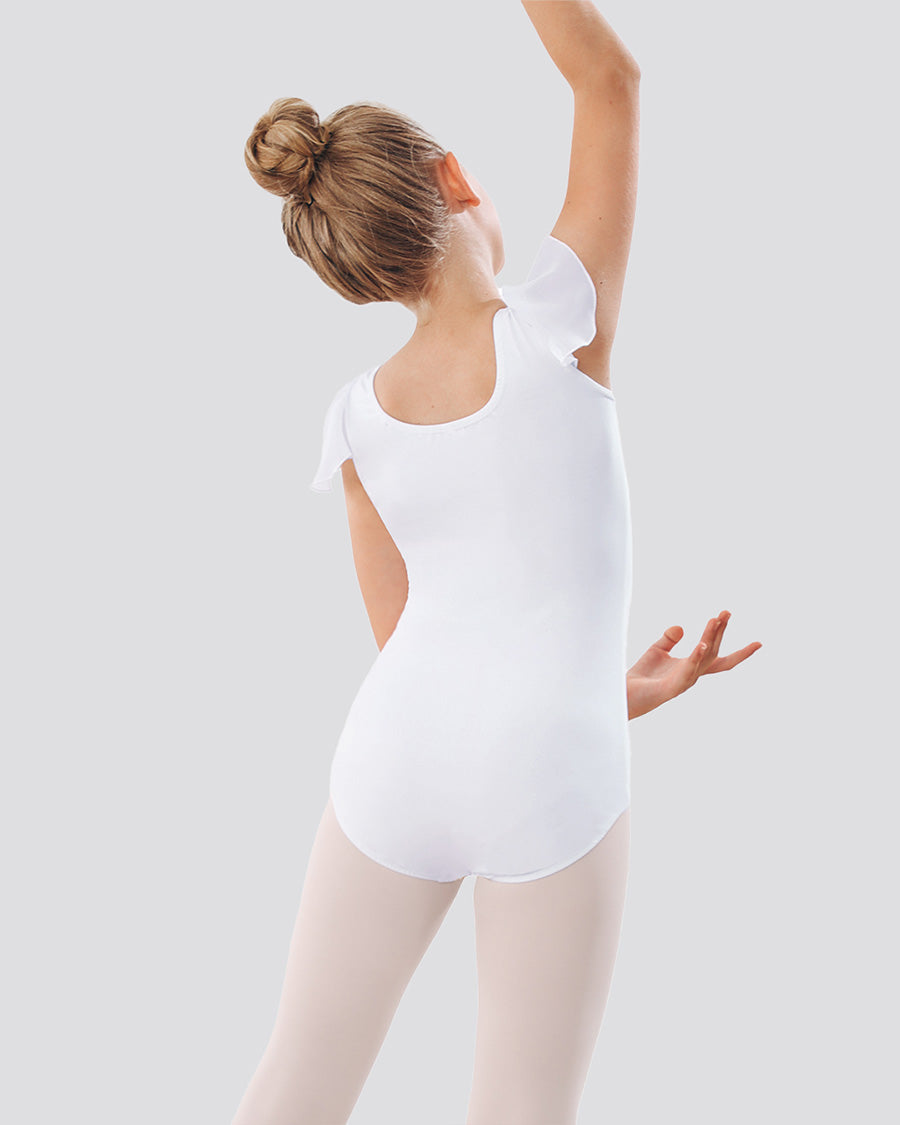
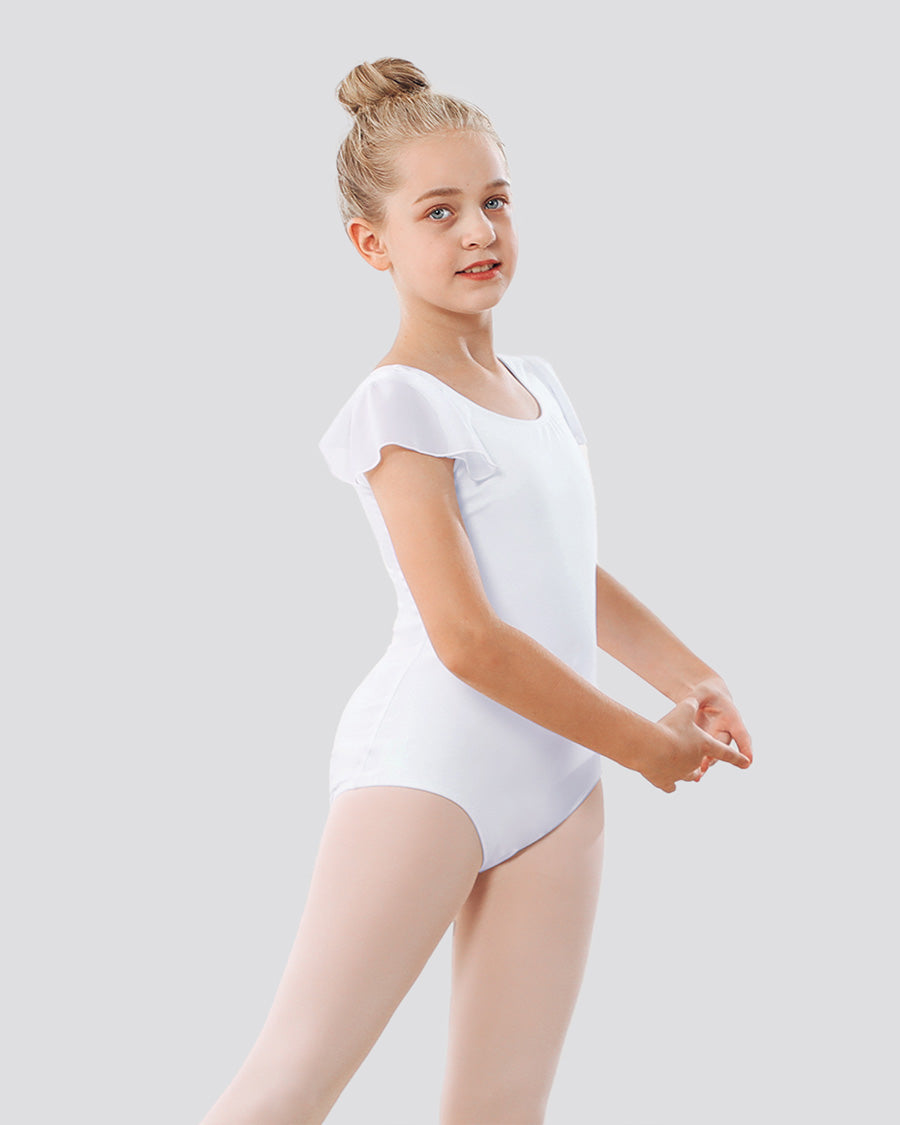
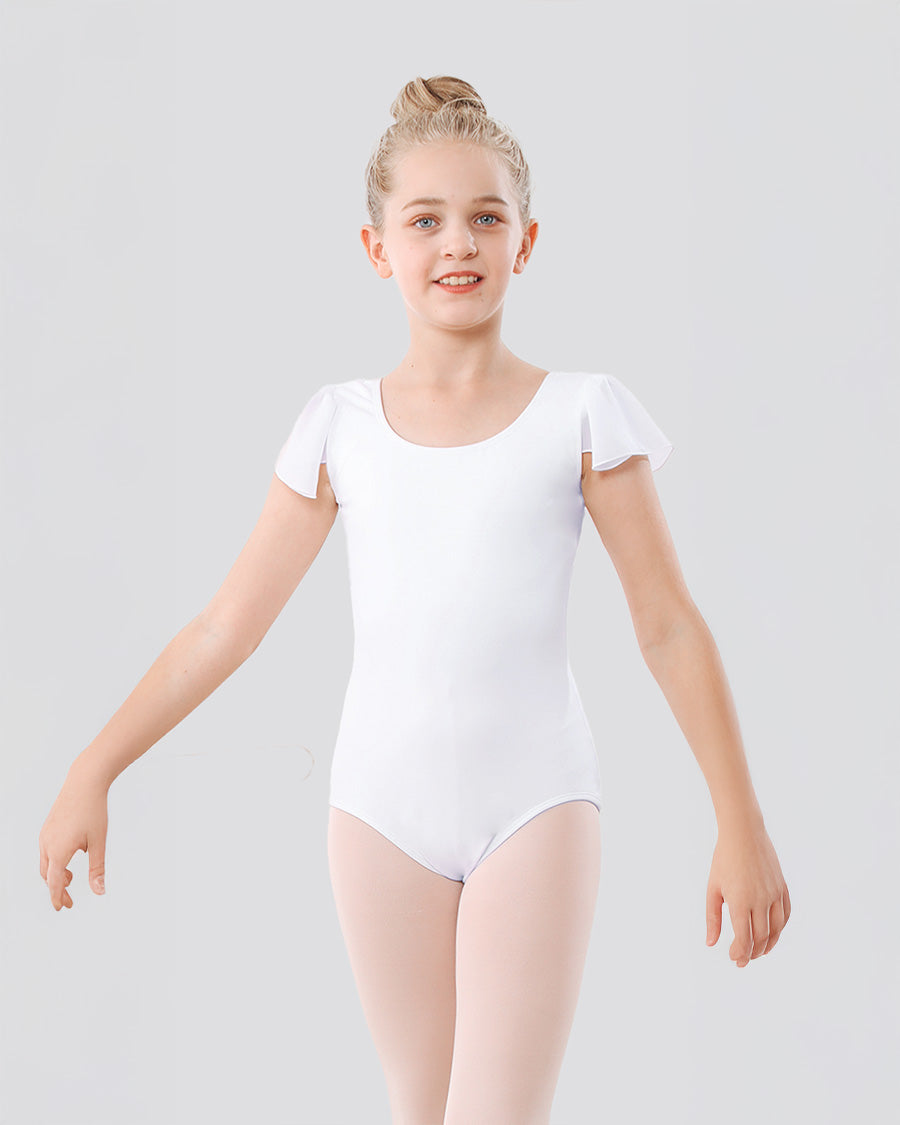
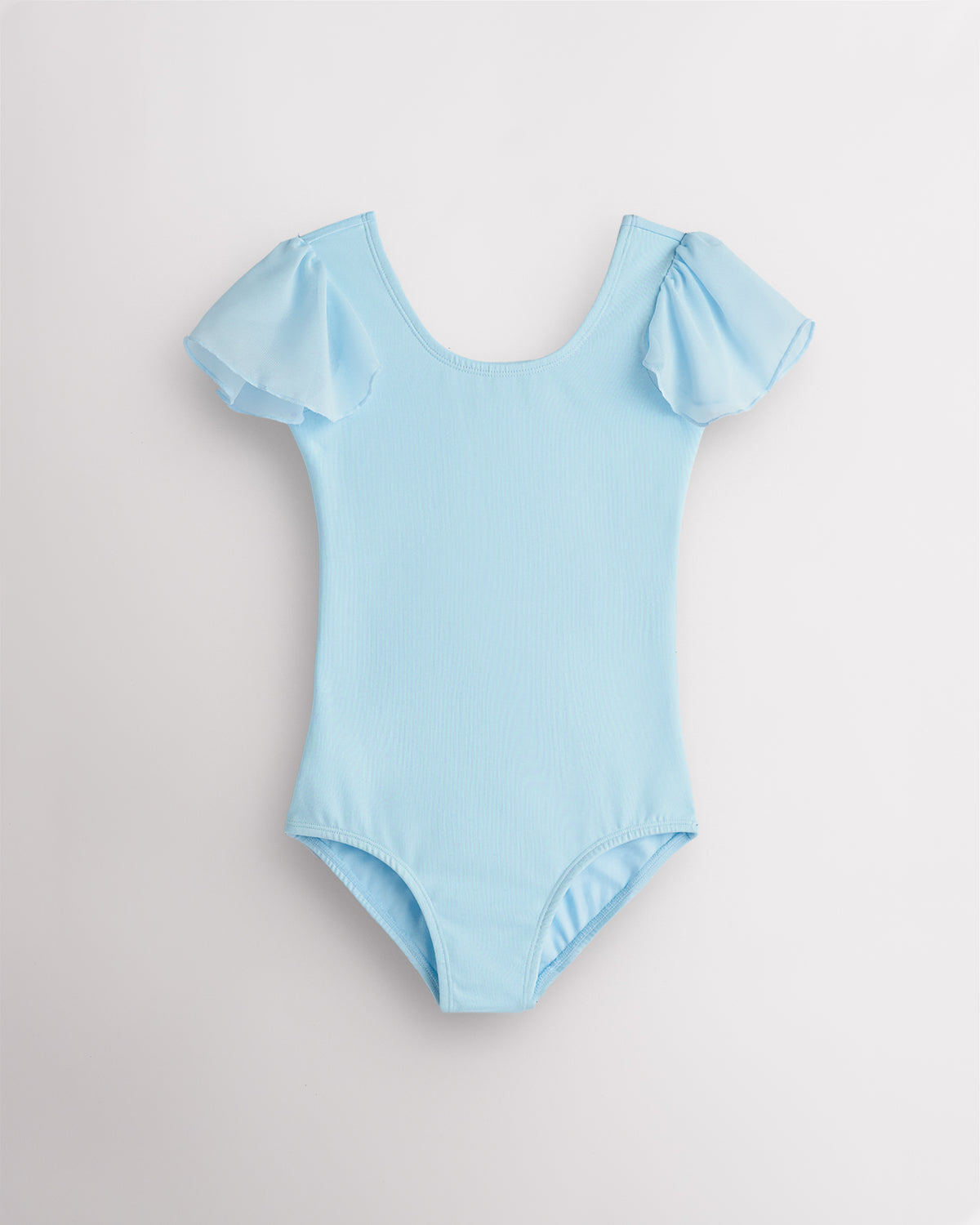
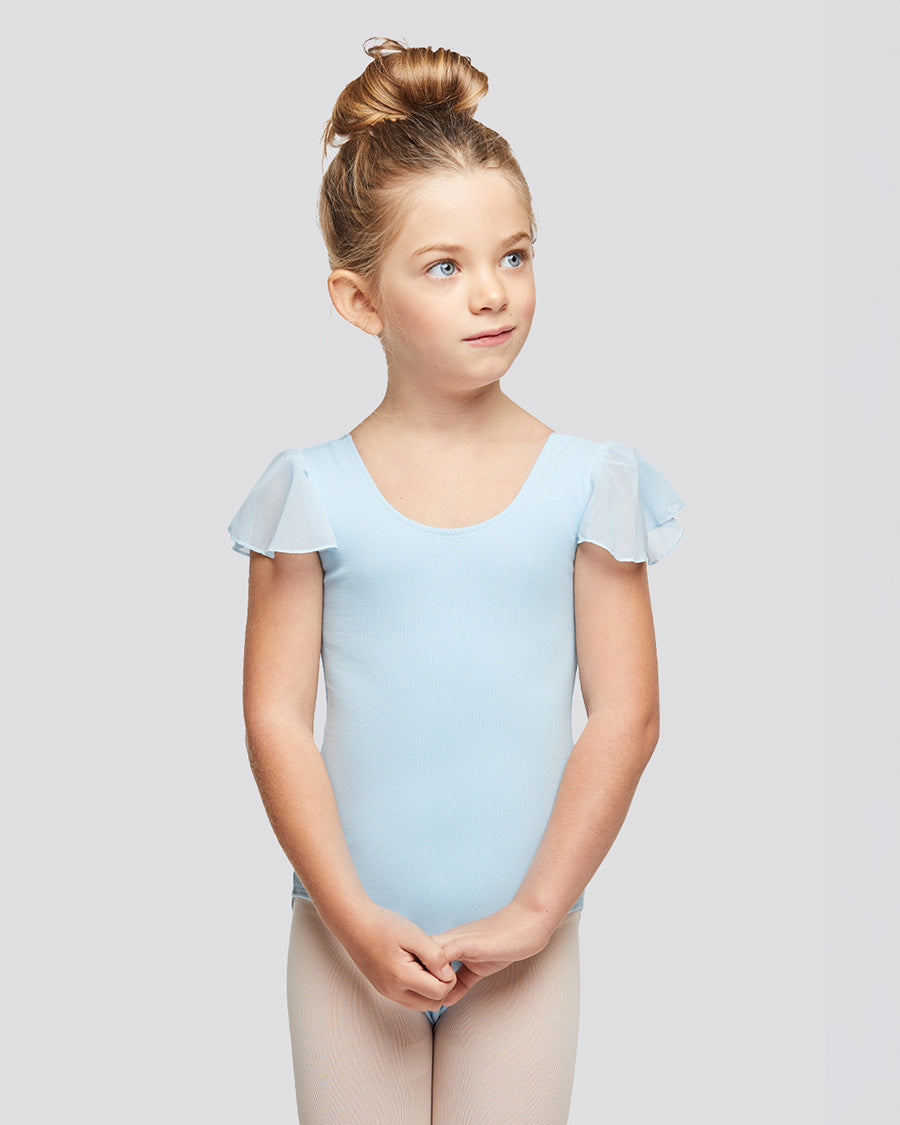
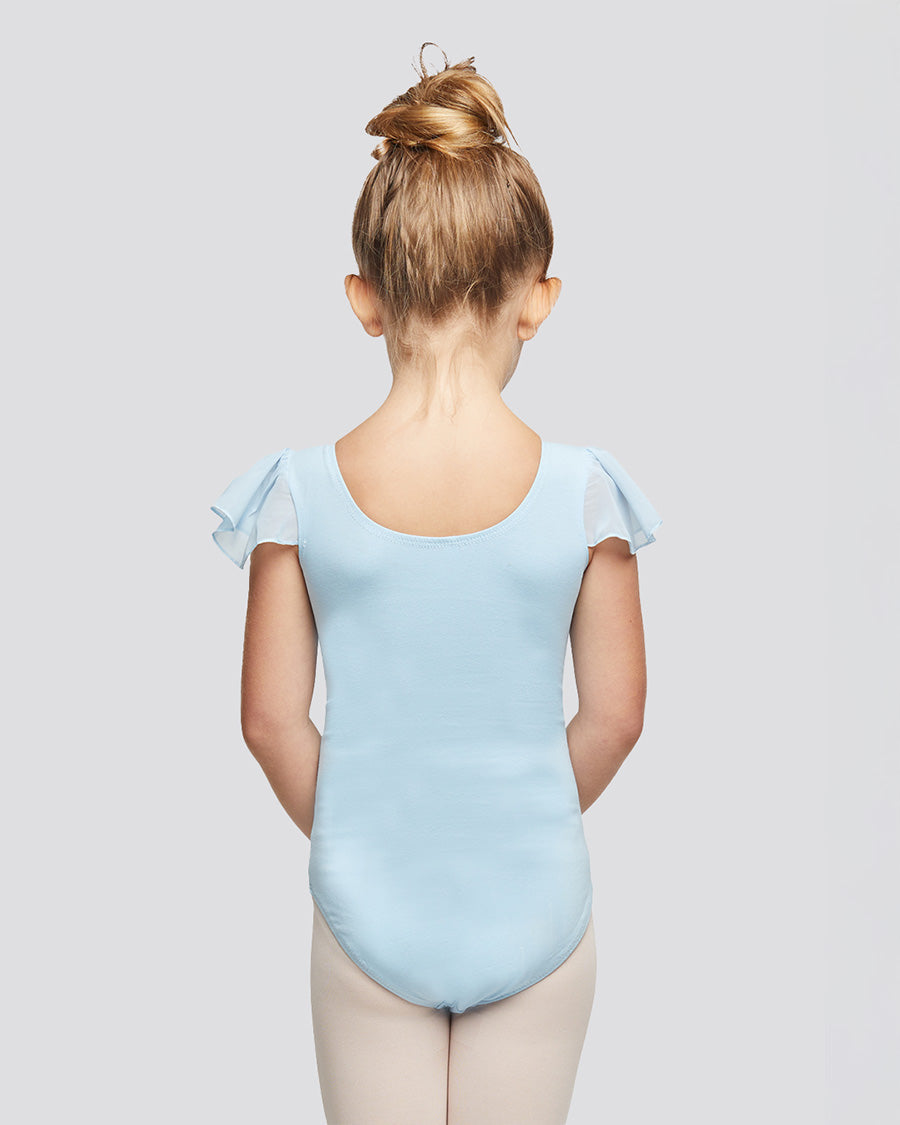
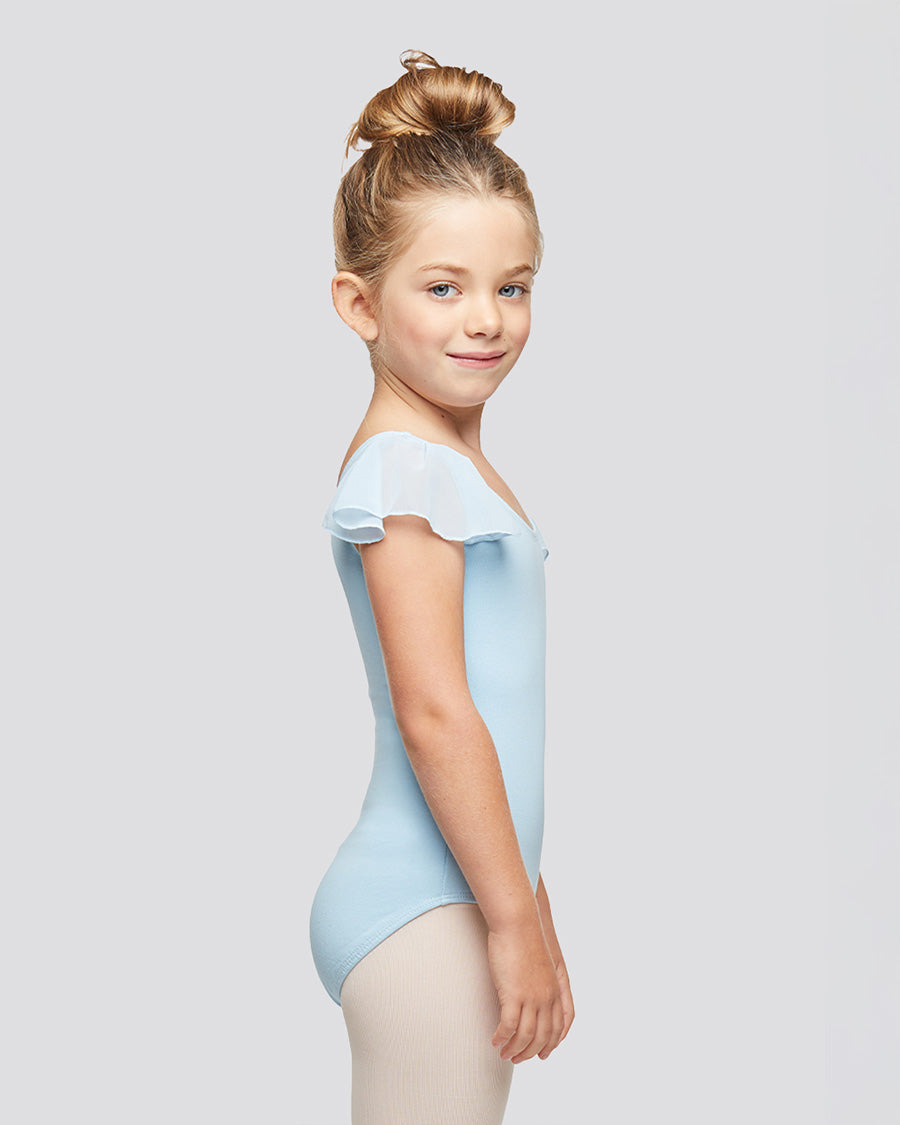
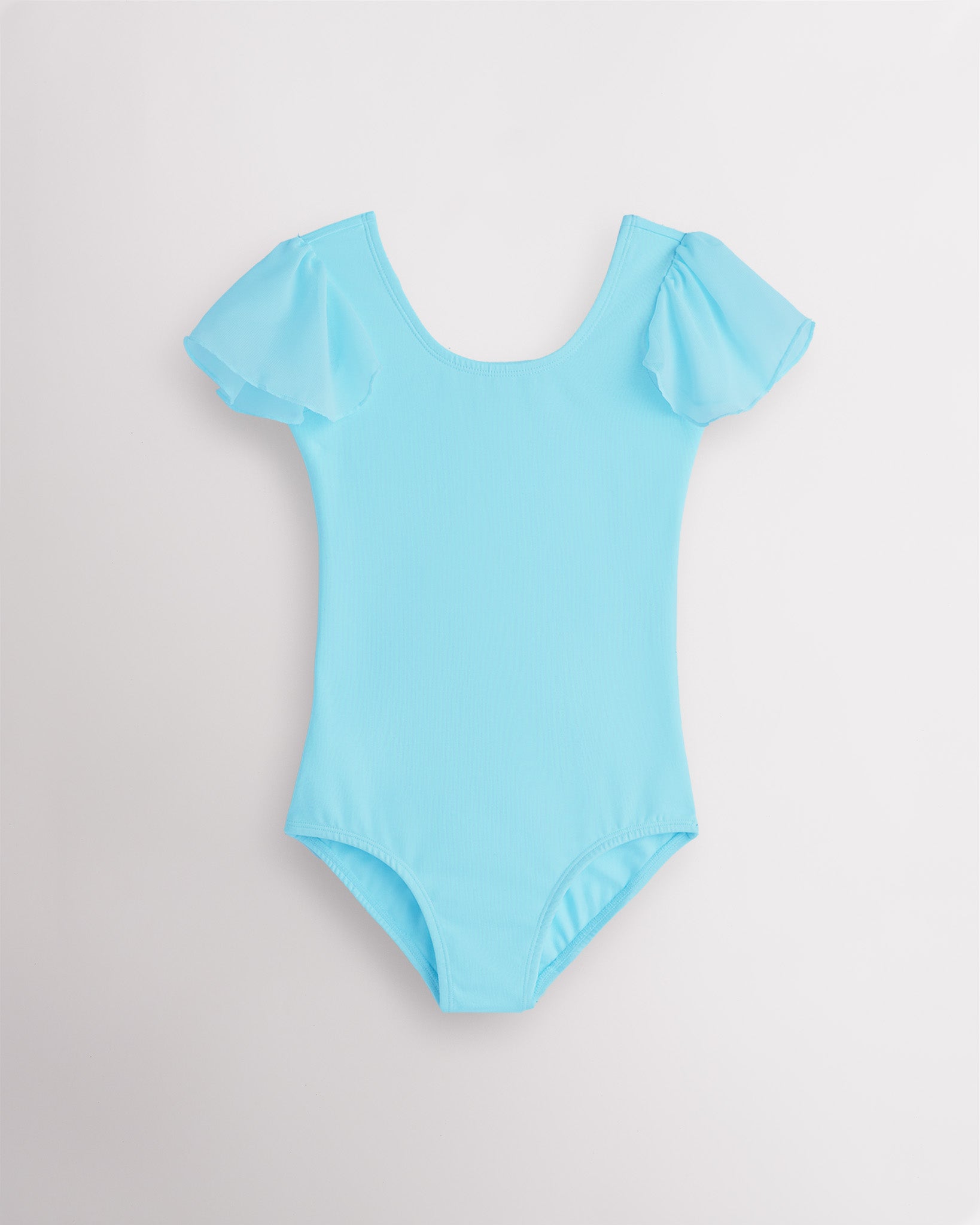
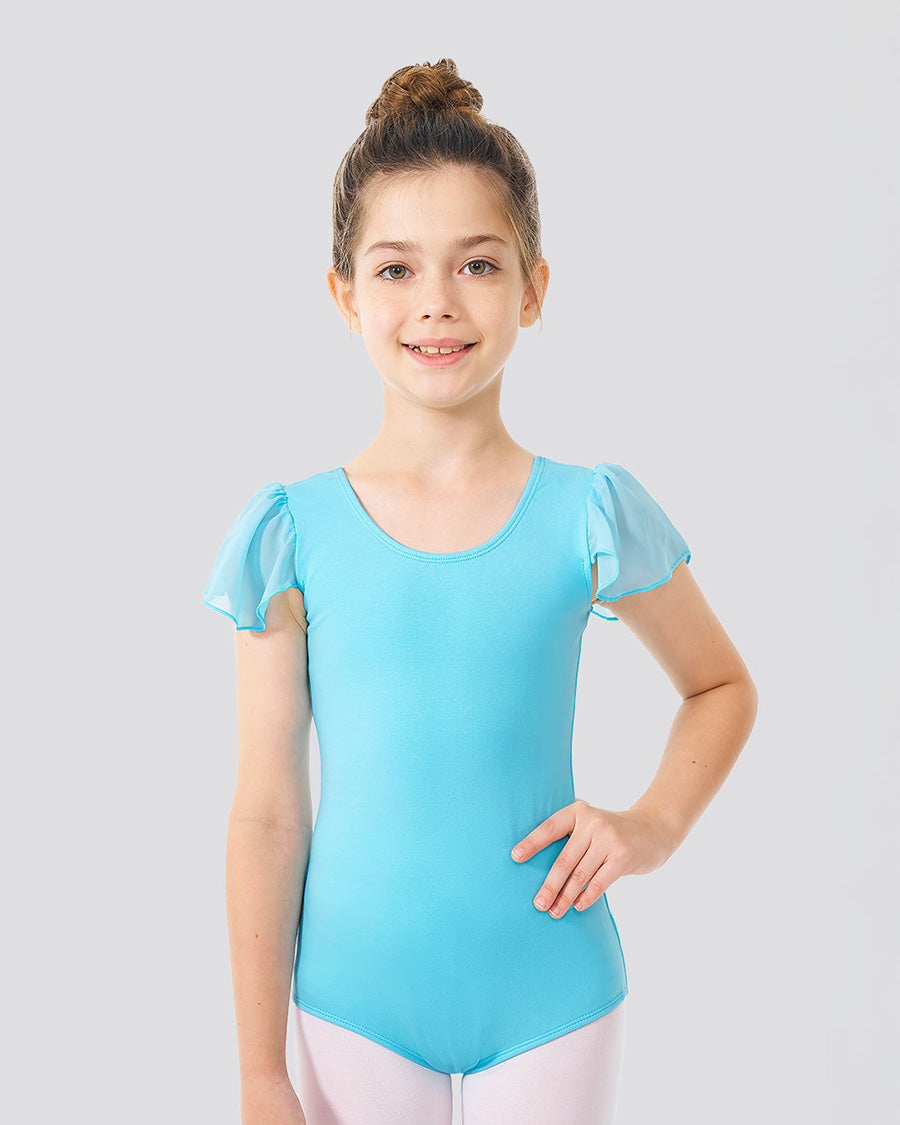
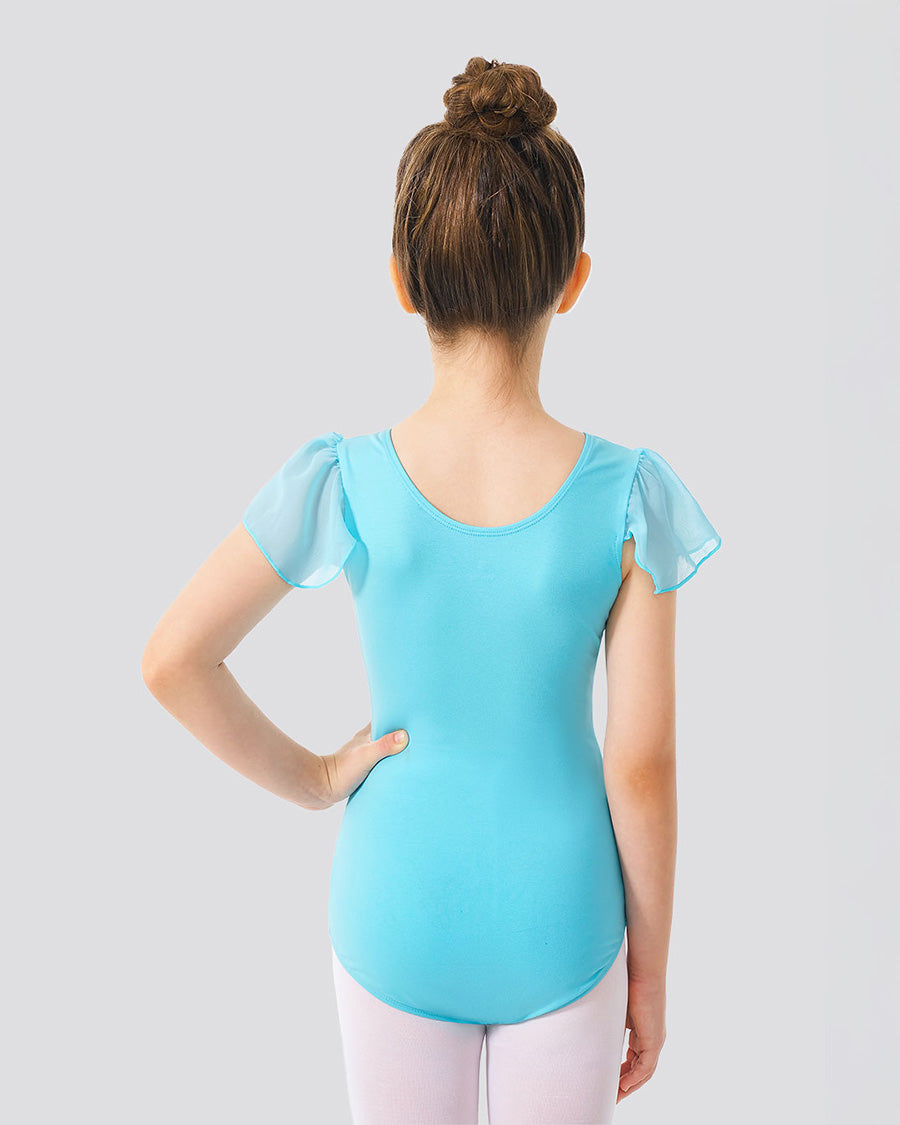
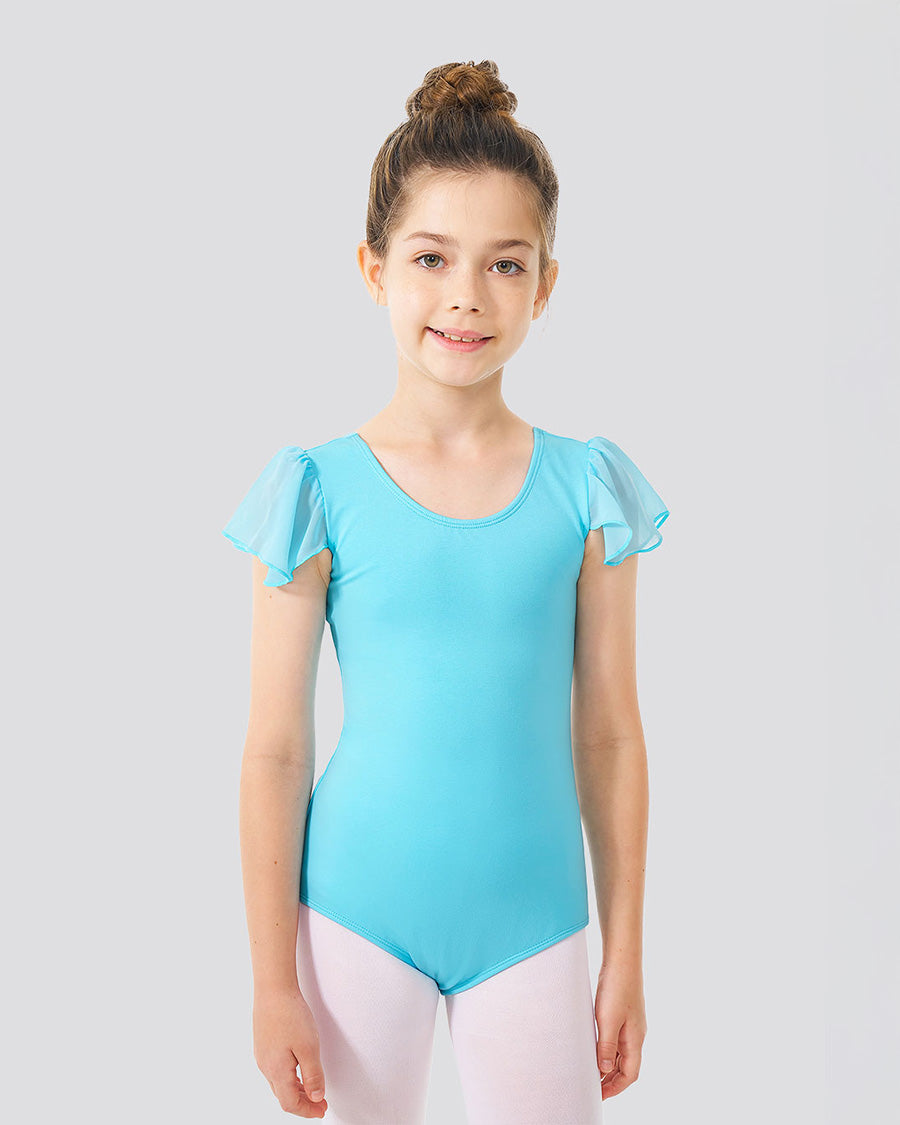
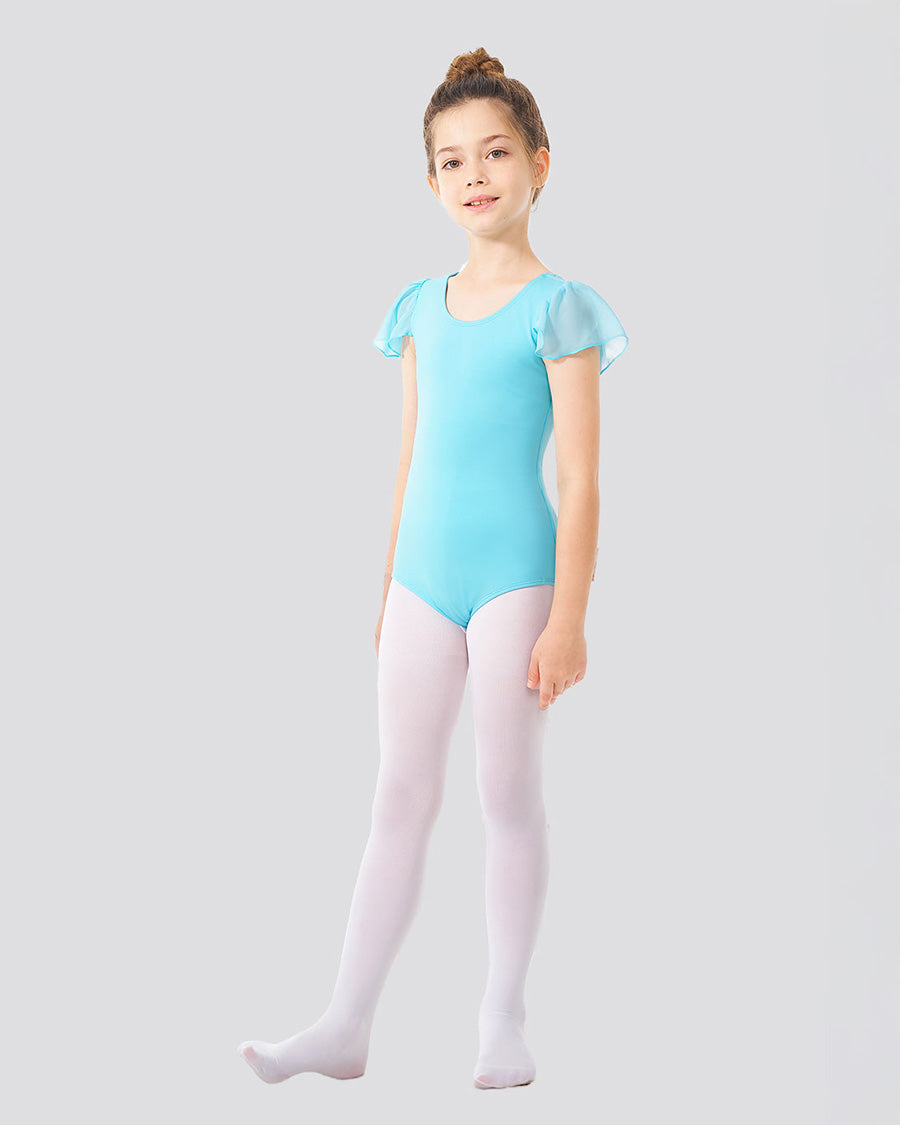
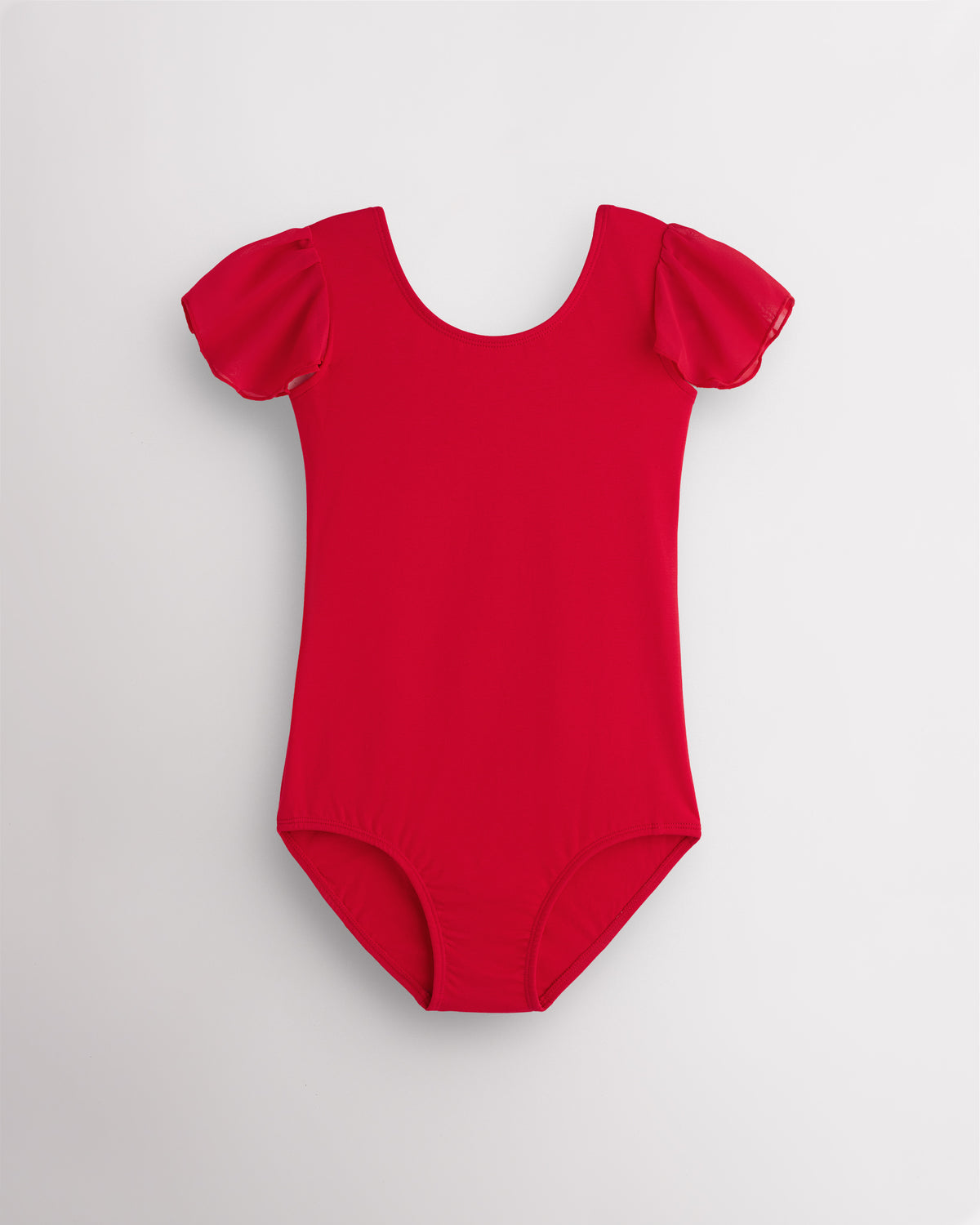
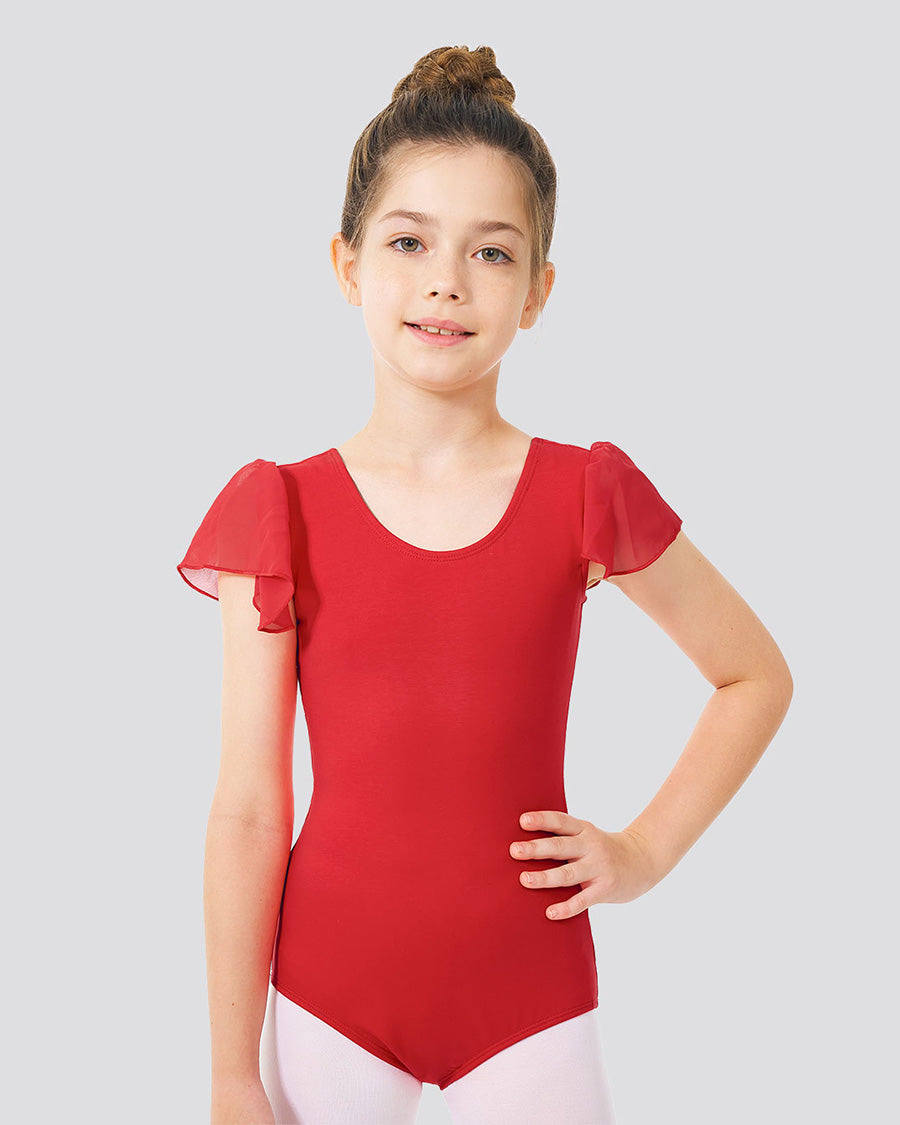
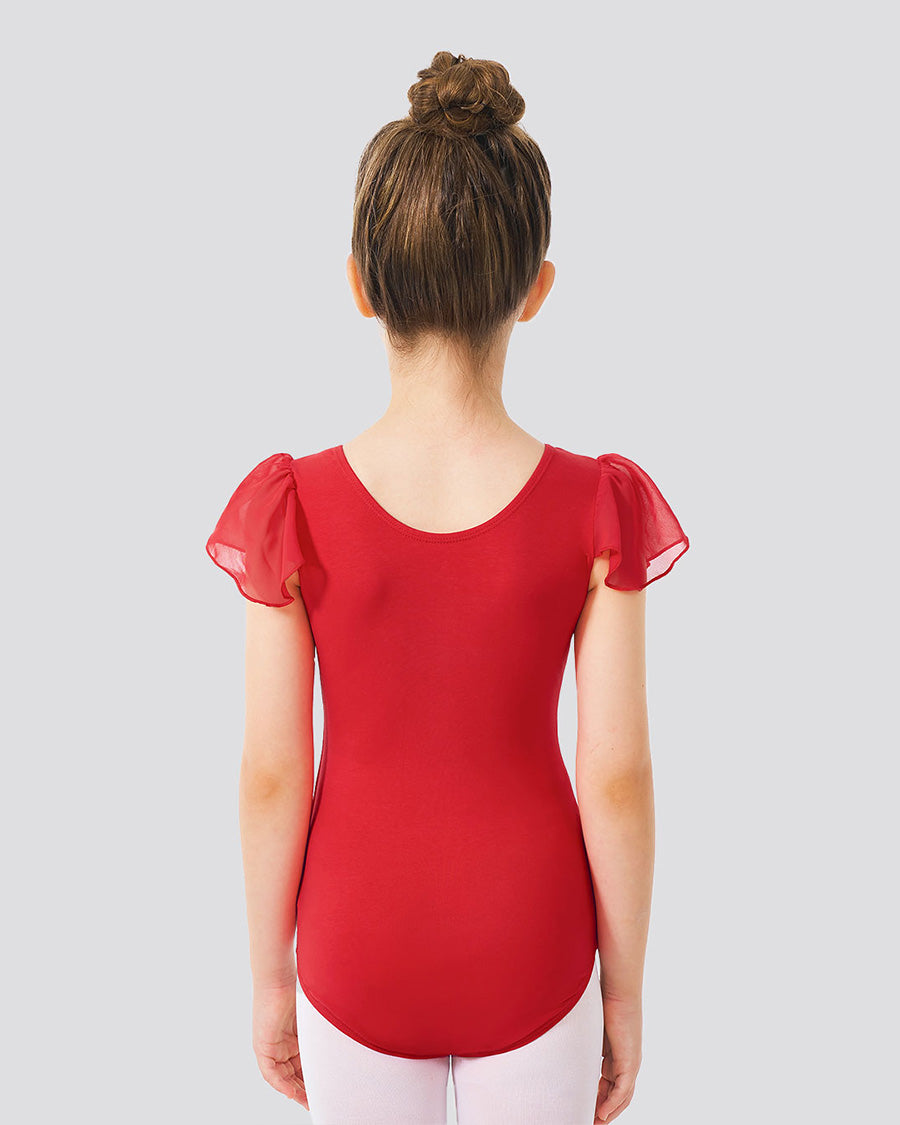
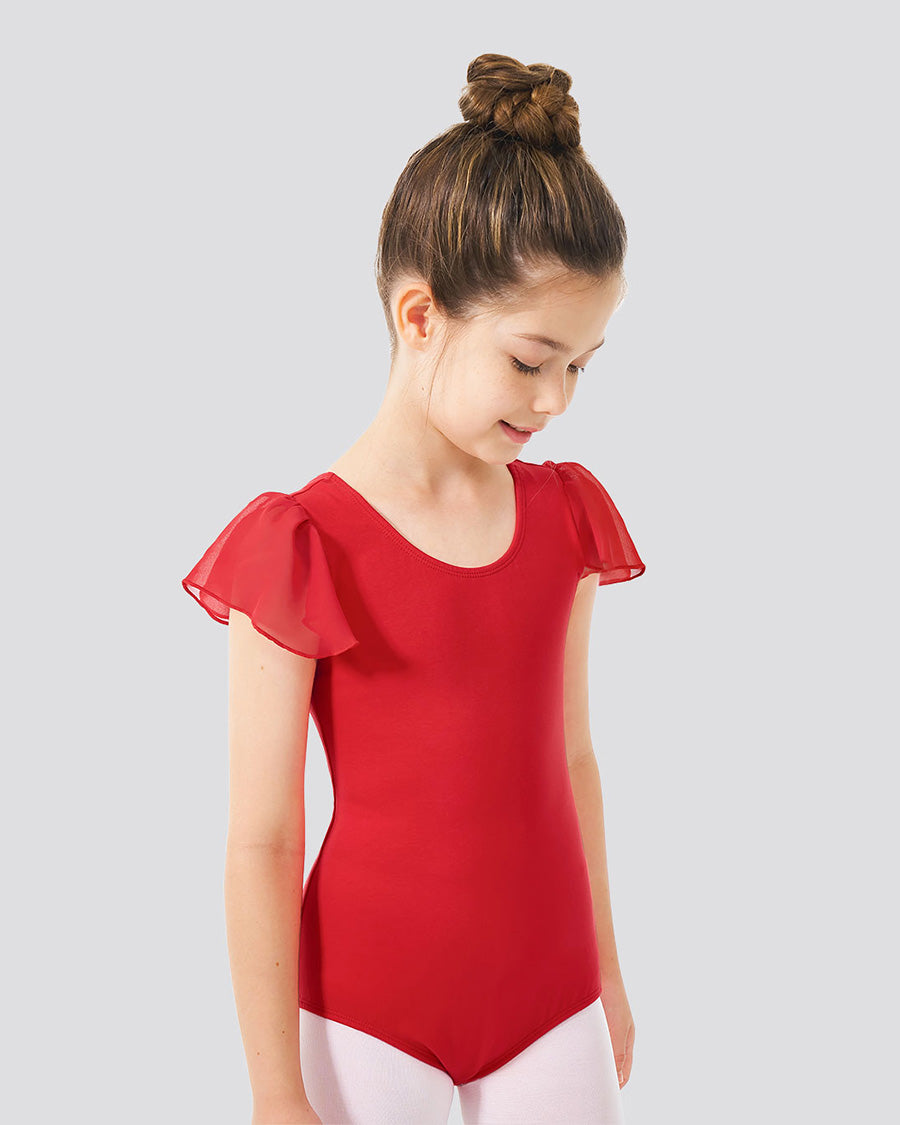
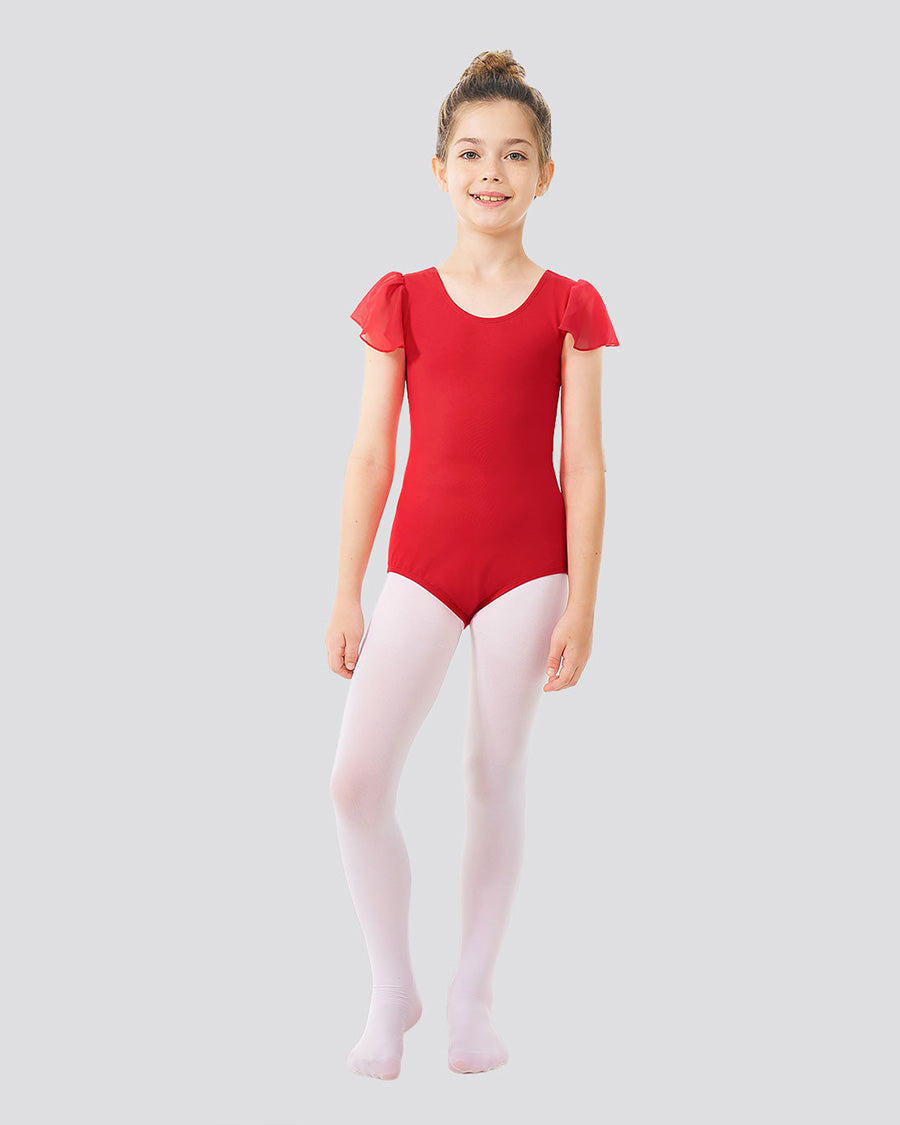
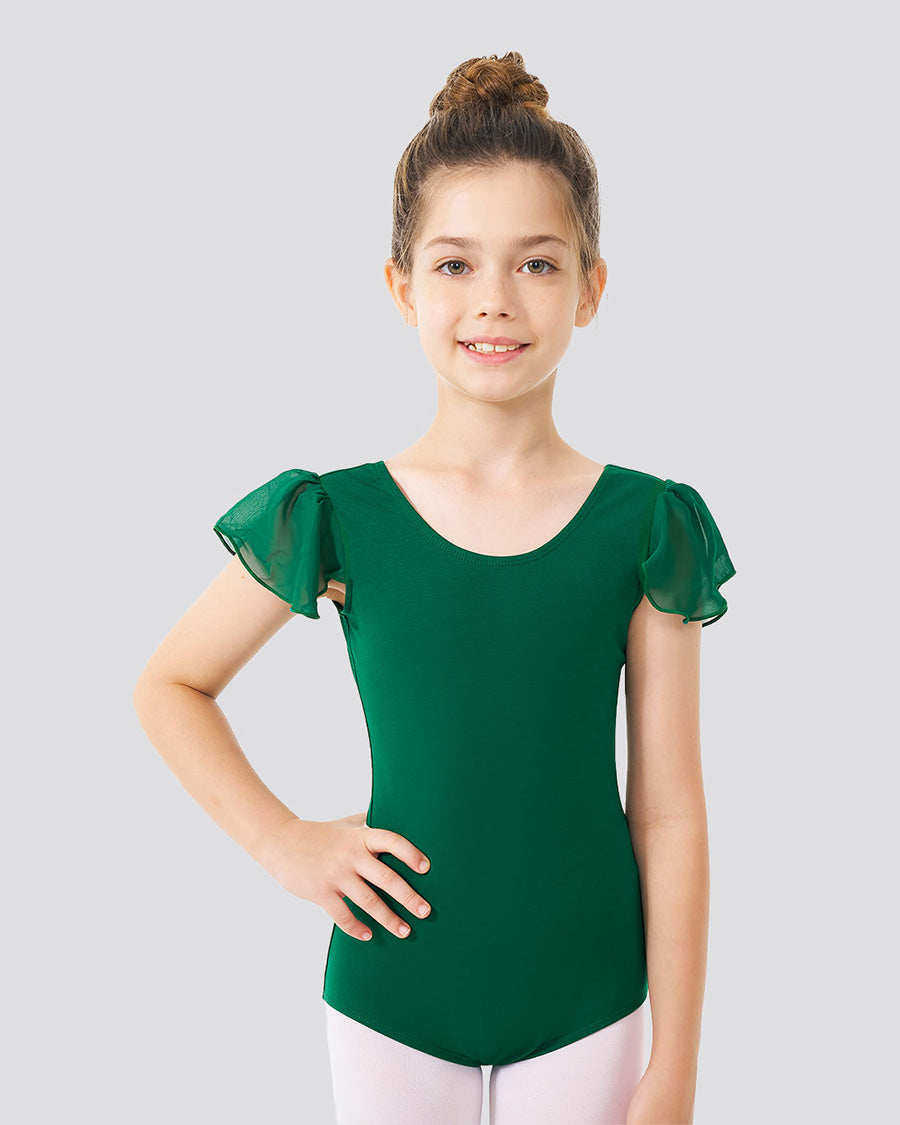
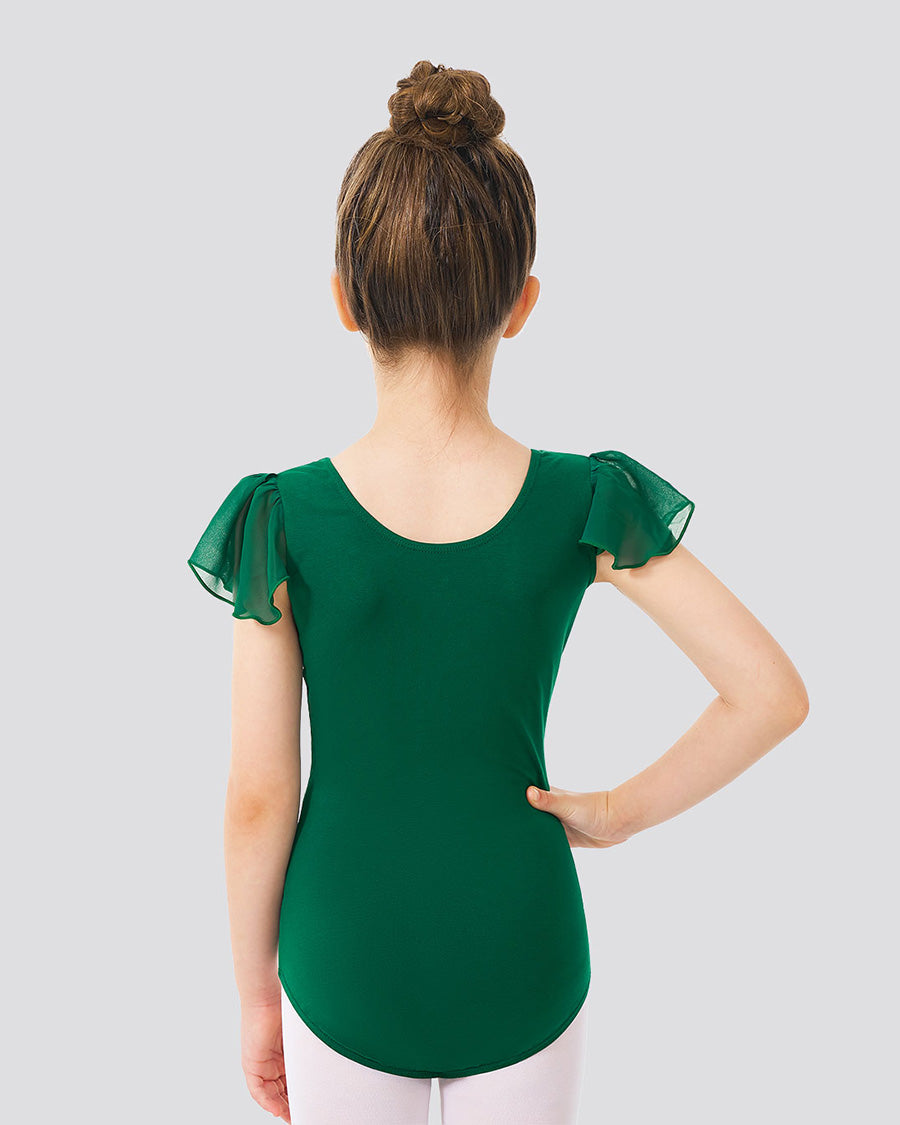
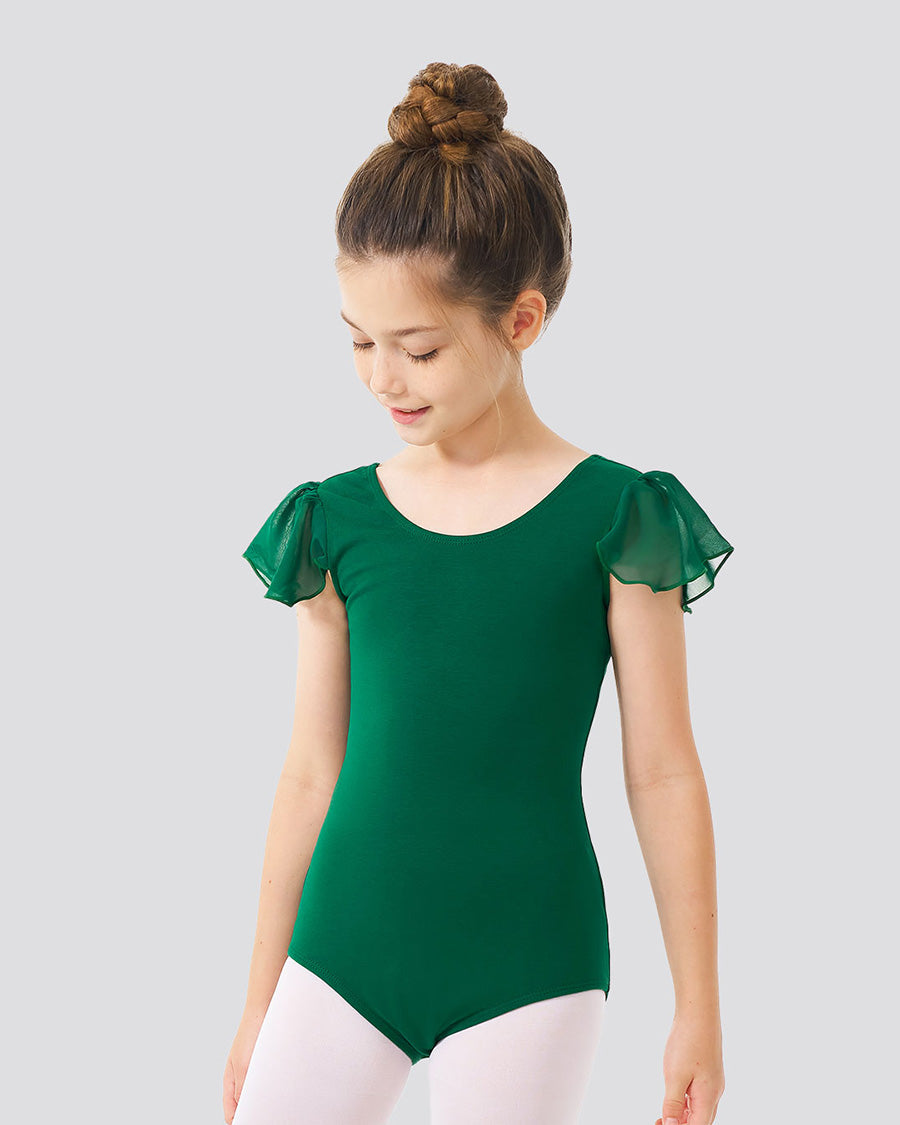
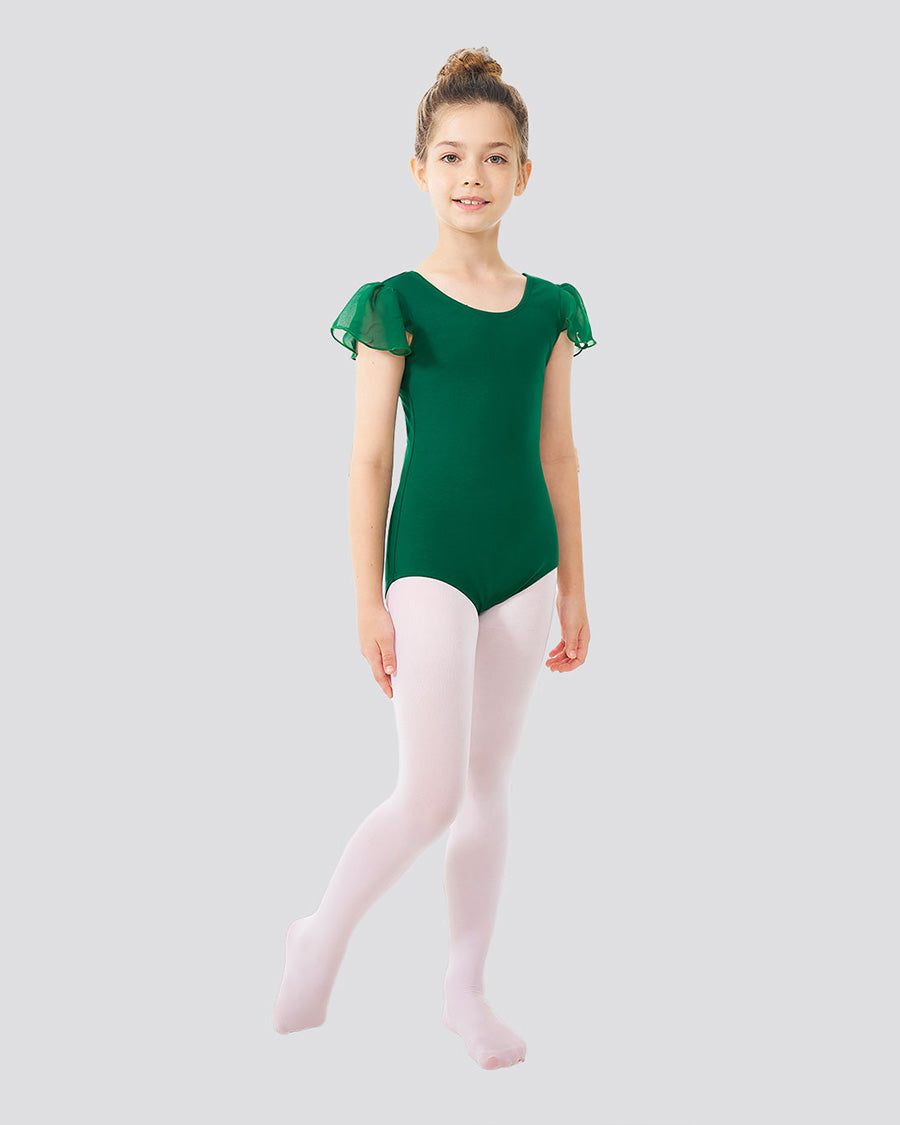
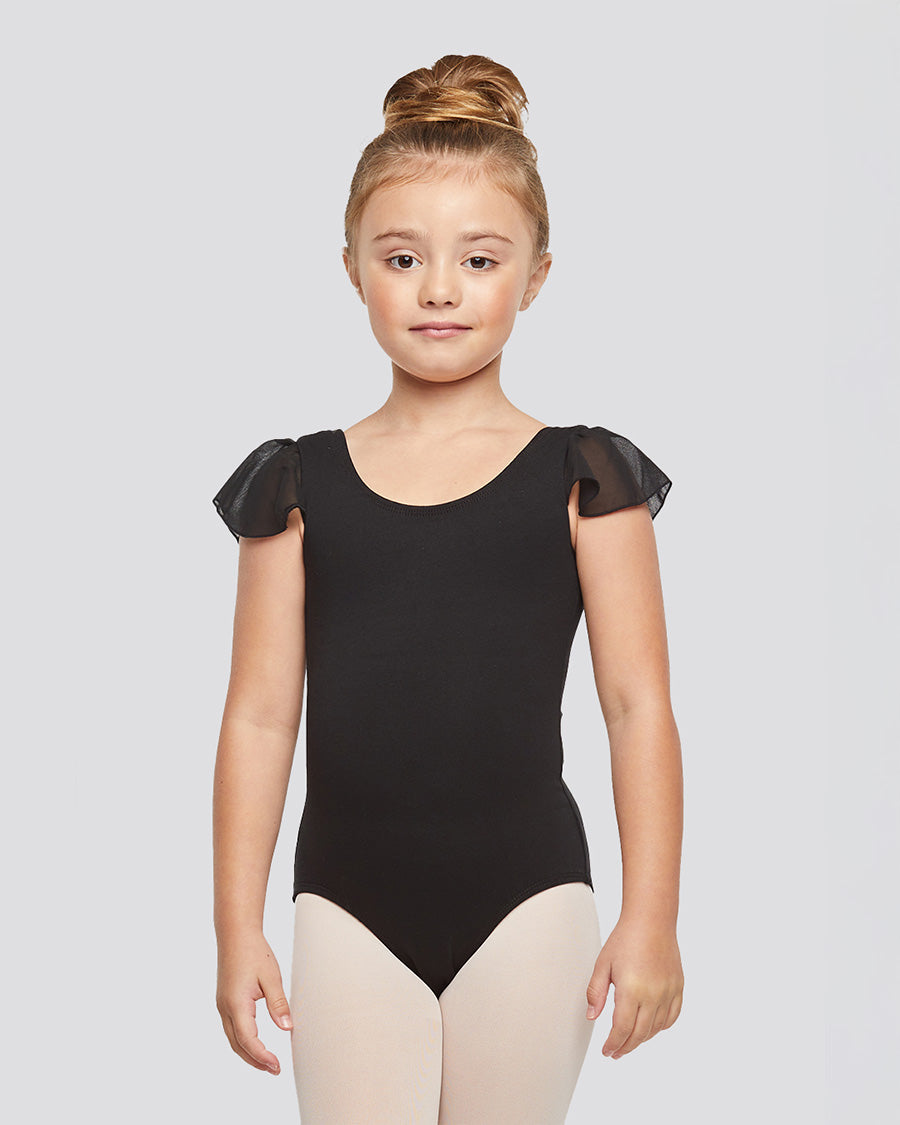
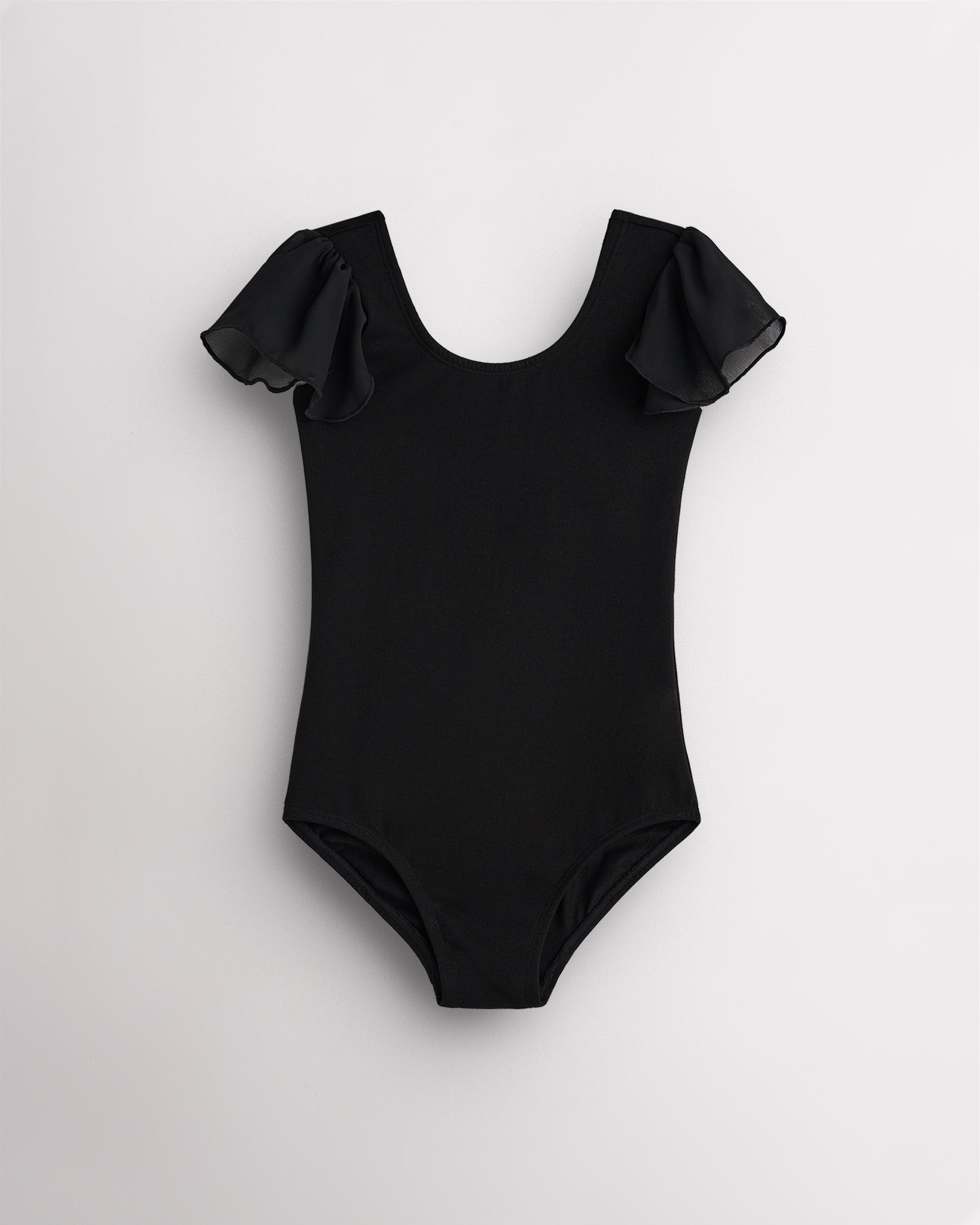
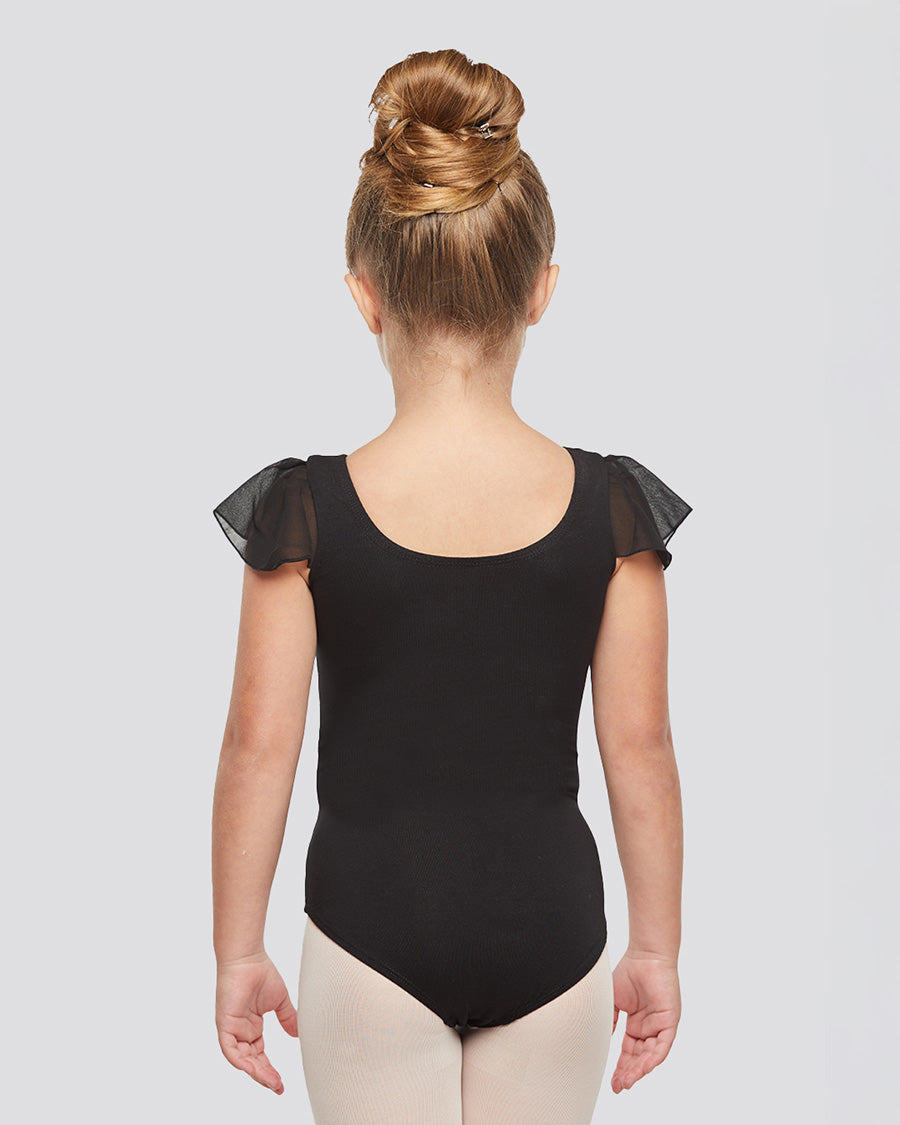
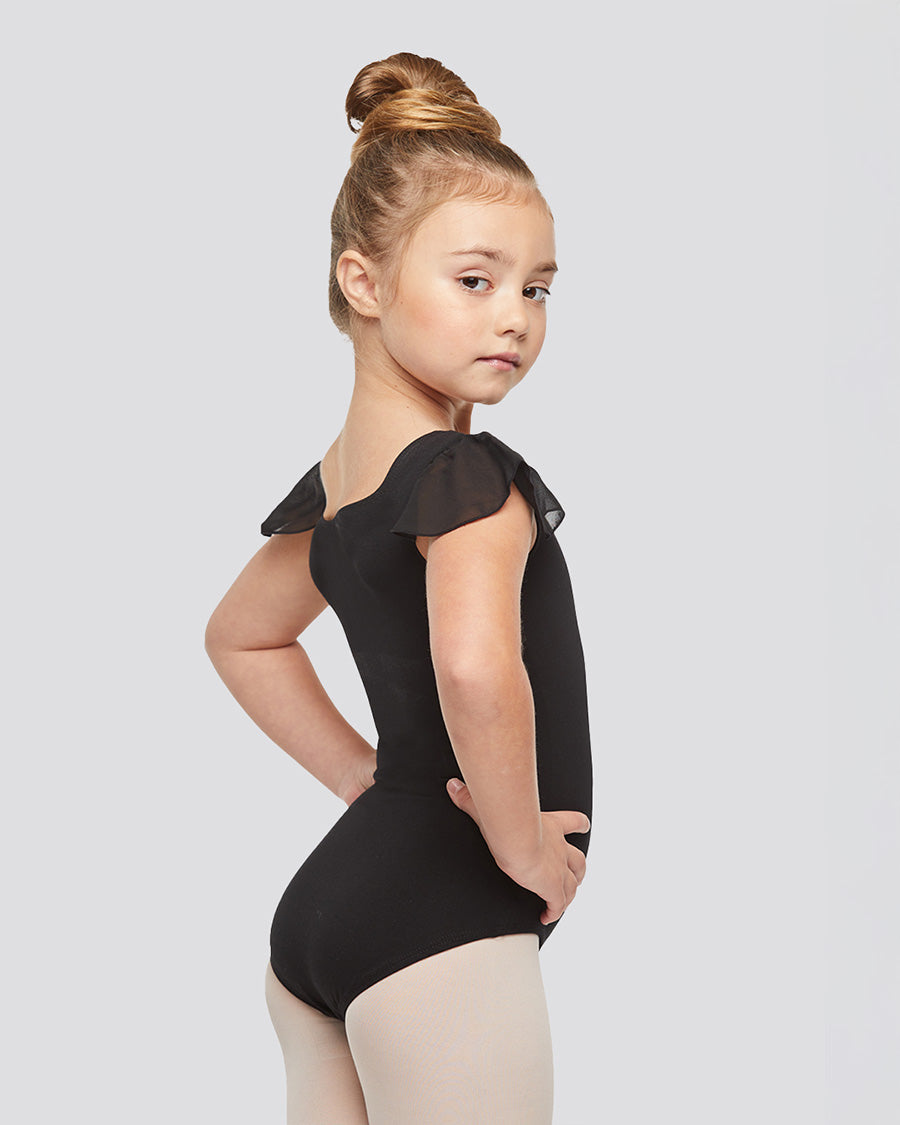
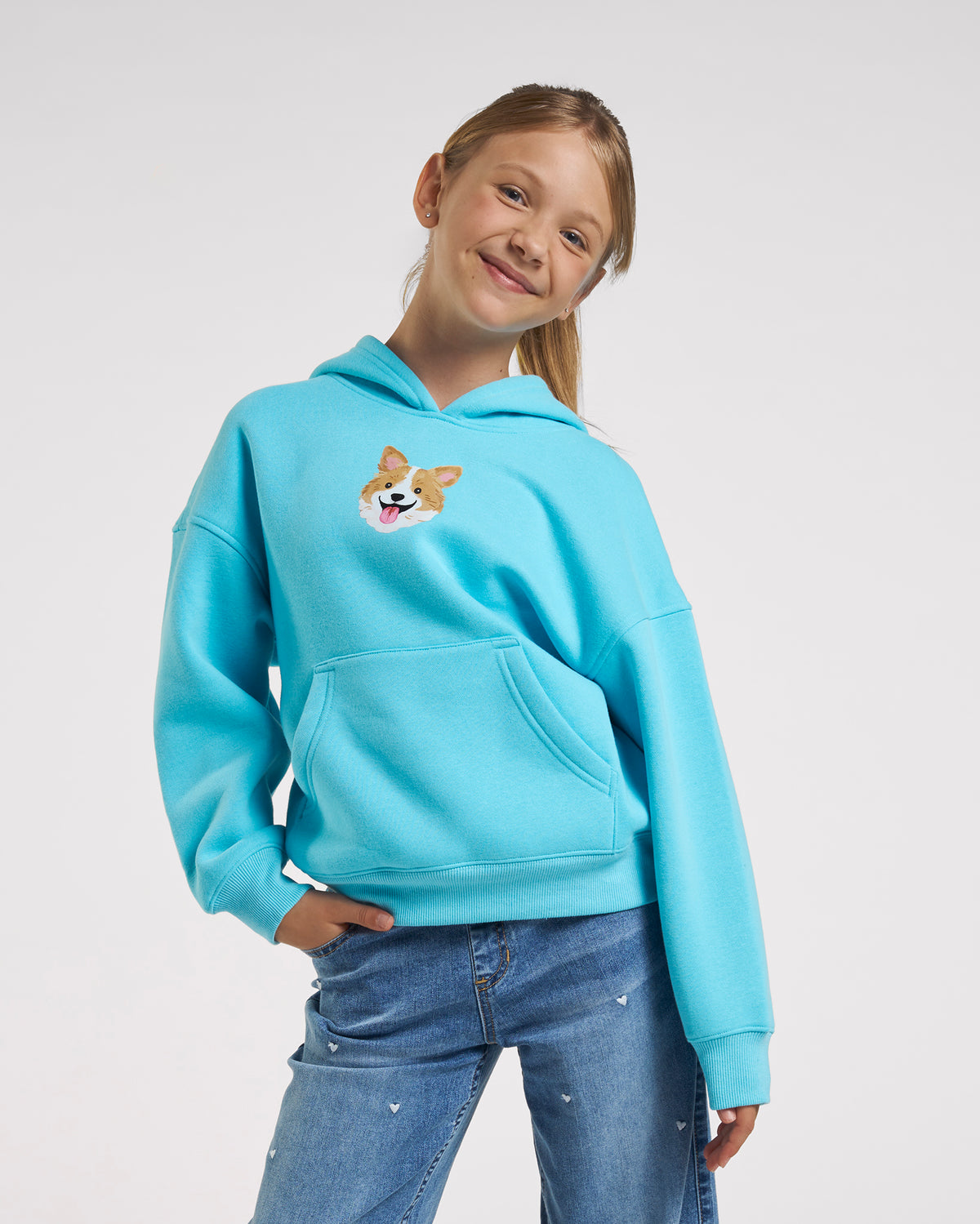
The rule of thumb: fitted enough that the teacher can see the body working, stretchy enough to move freely. Baggy sweats hide alignment and can tangle during floor work, so most studios ask kids to avoid them. Typical outfits for girls are a leotard with leggings or dance shorts, or a fitted tank with leggings; add dance tights if the studio prefers them. Hair goes up and off the face in a ponytail or bun.
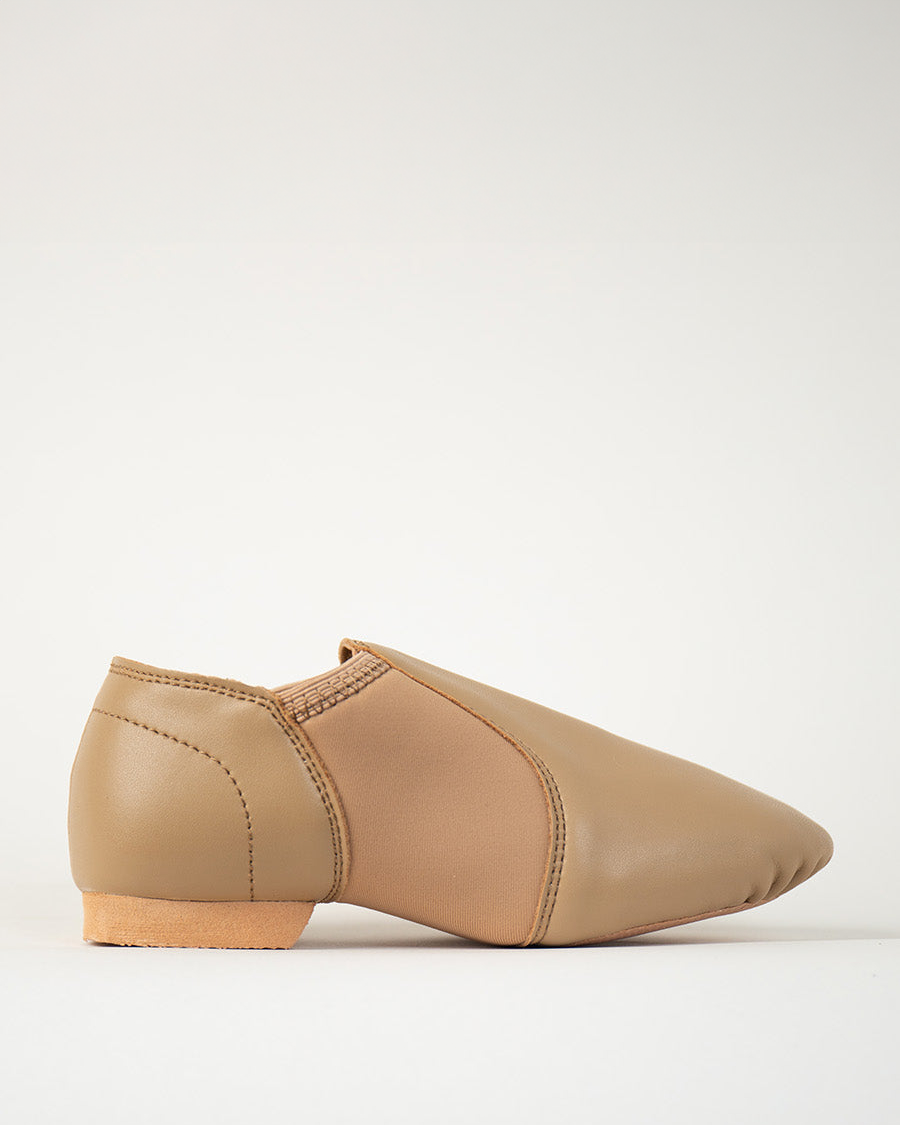
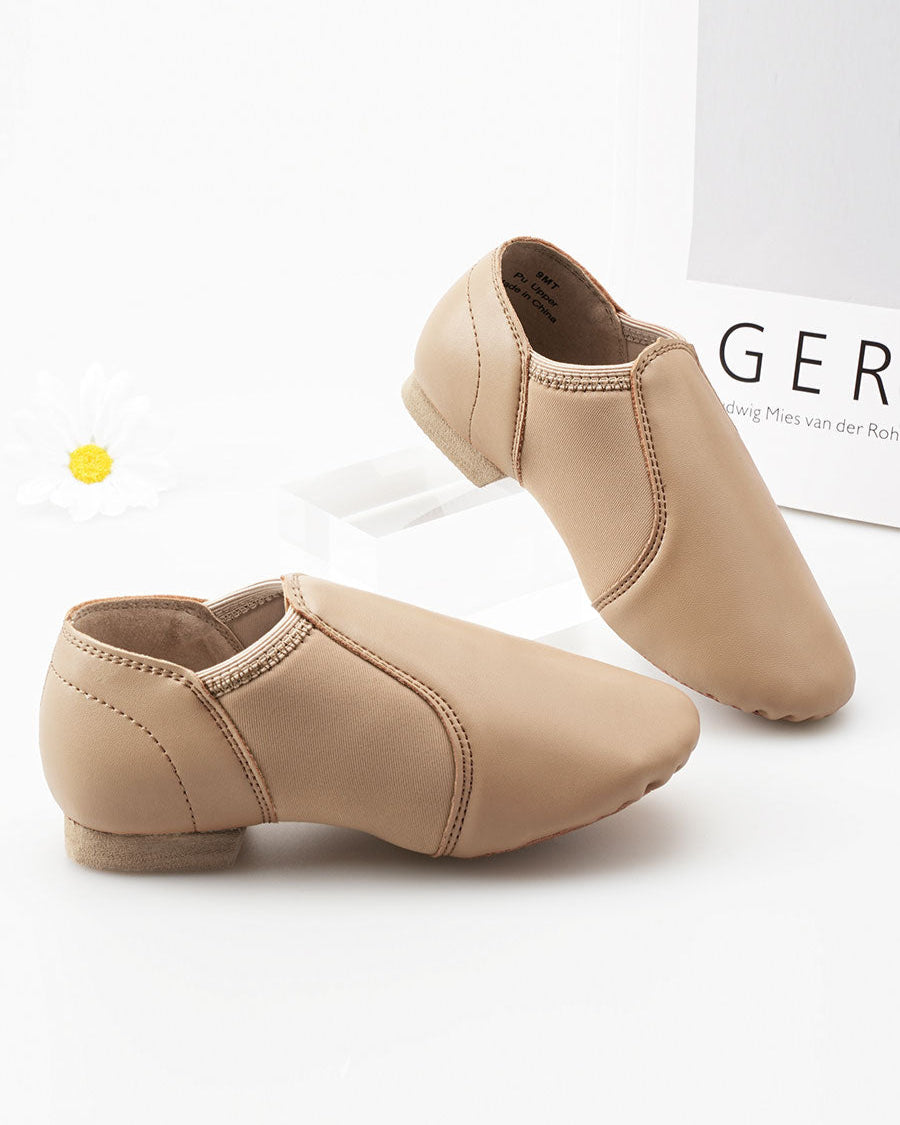
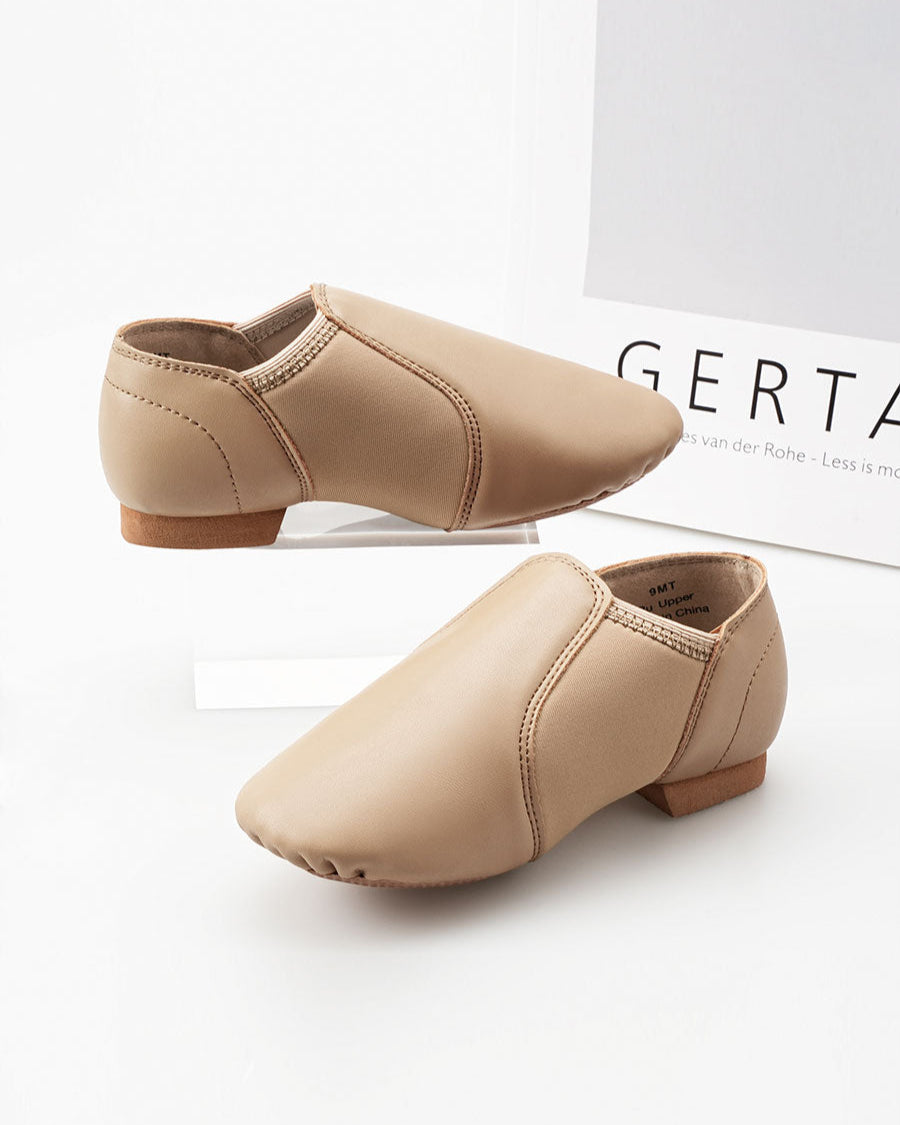
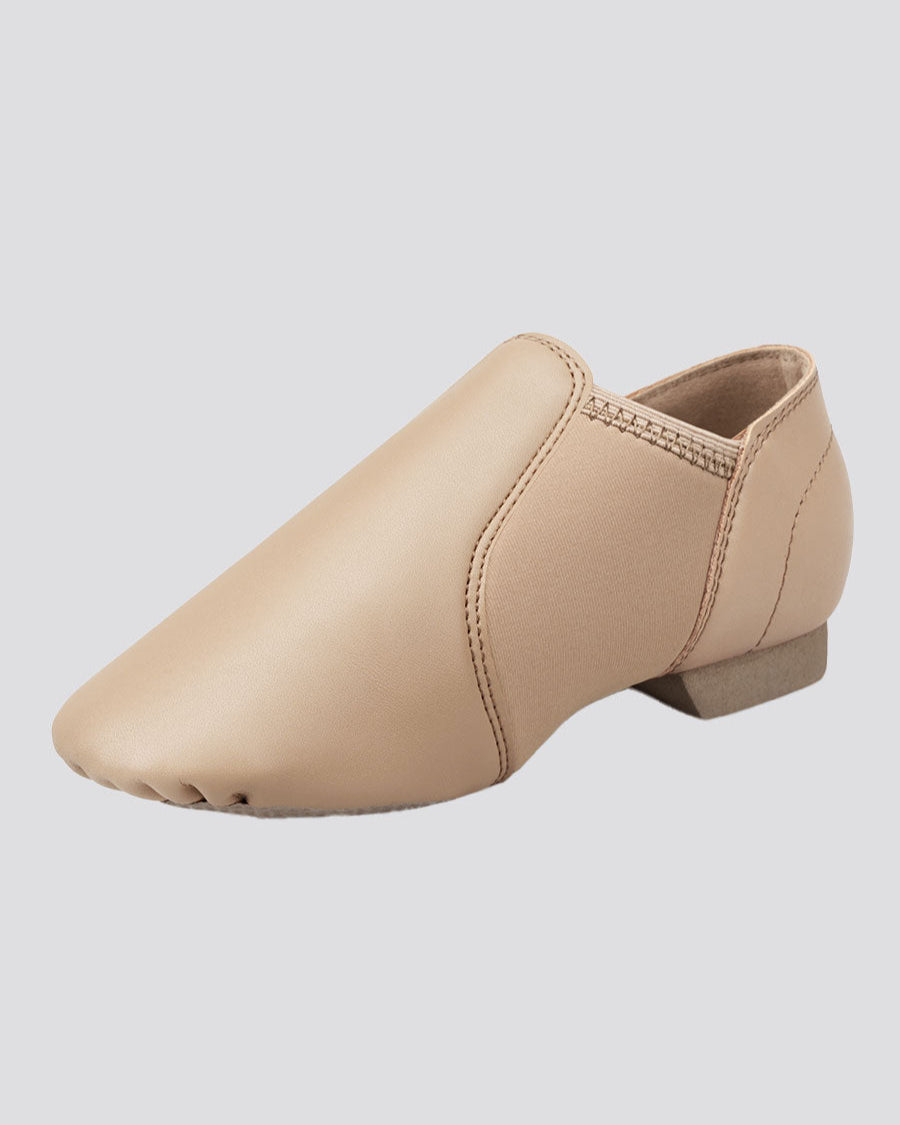
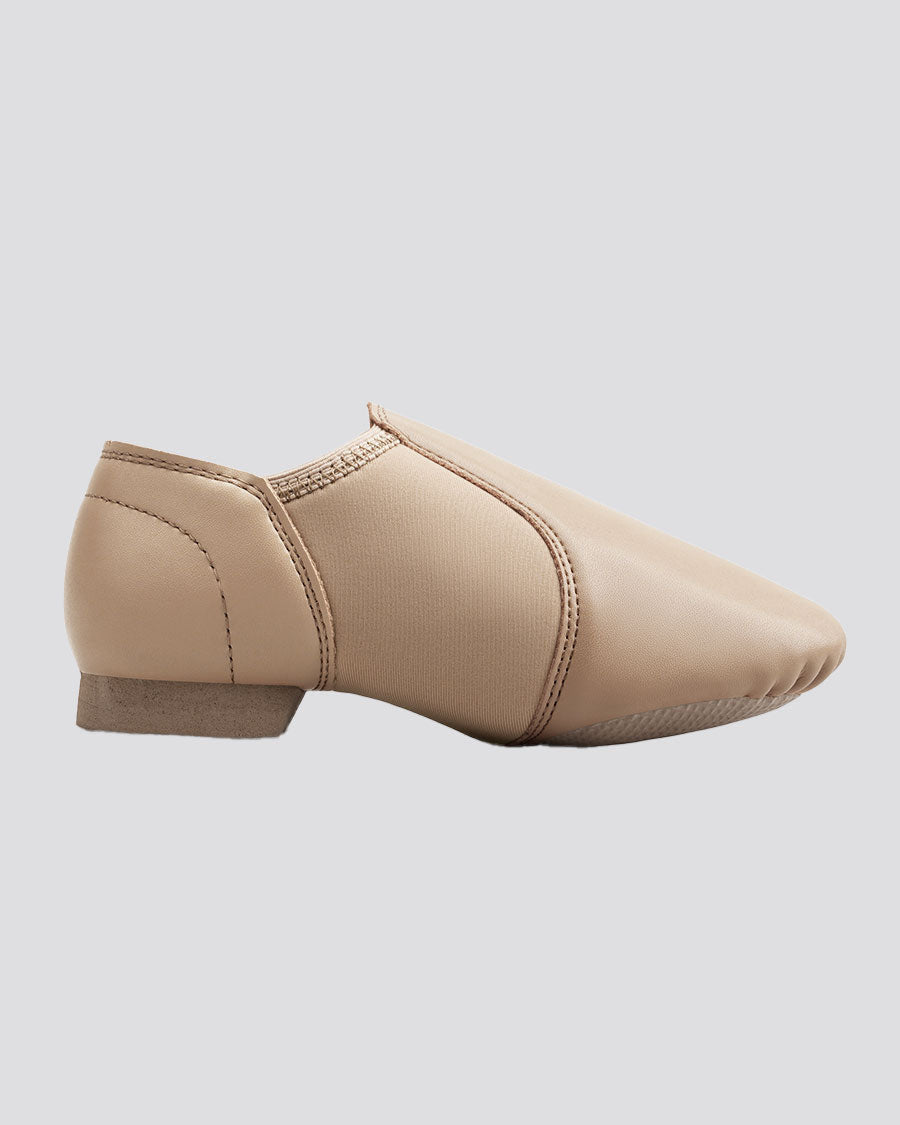
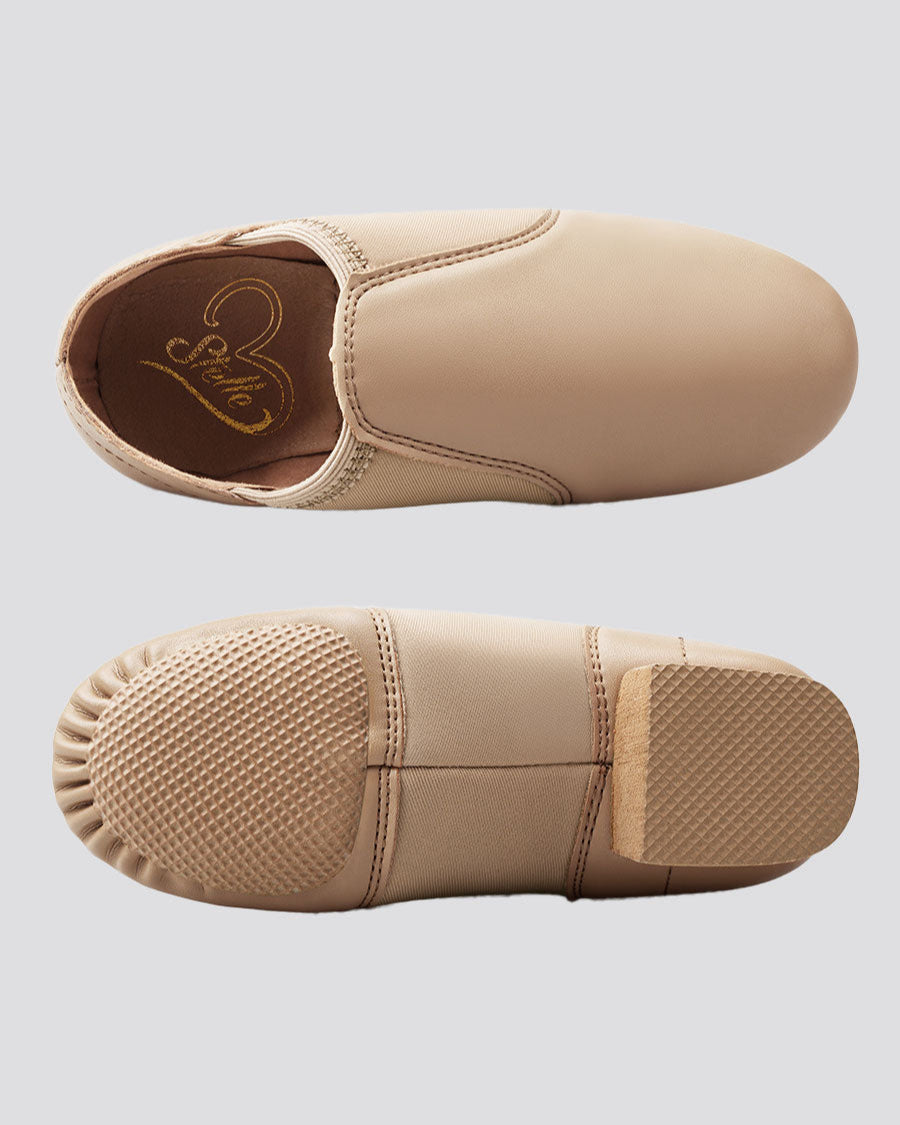
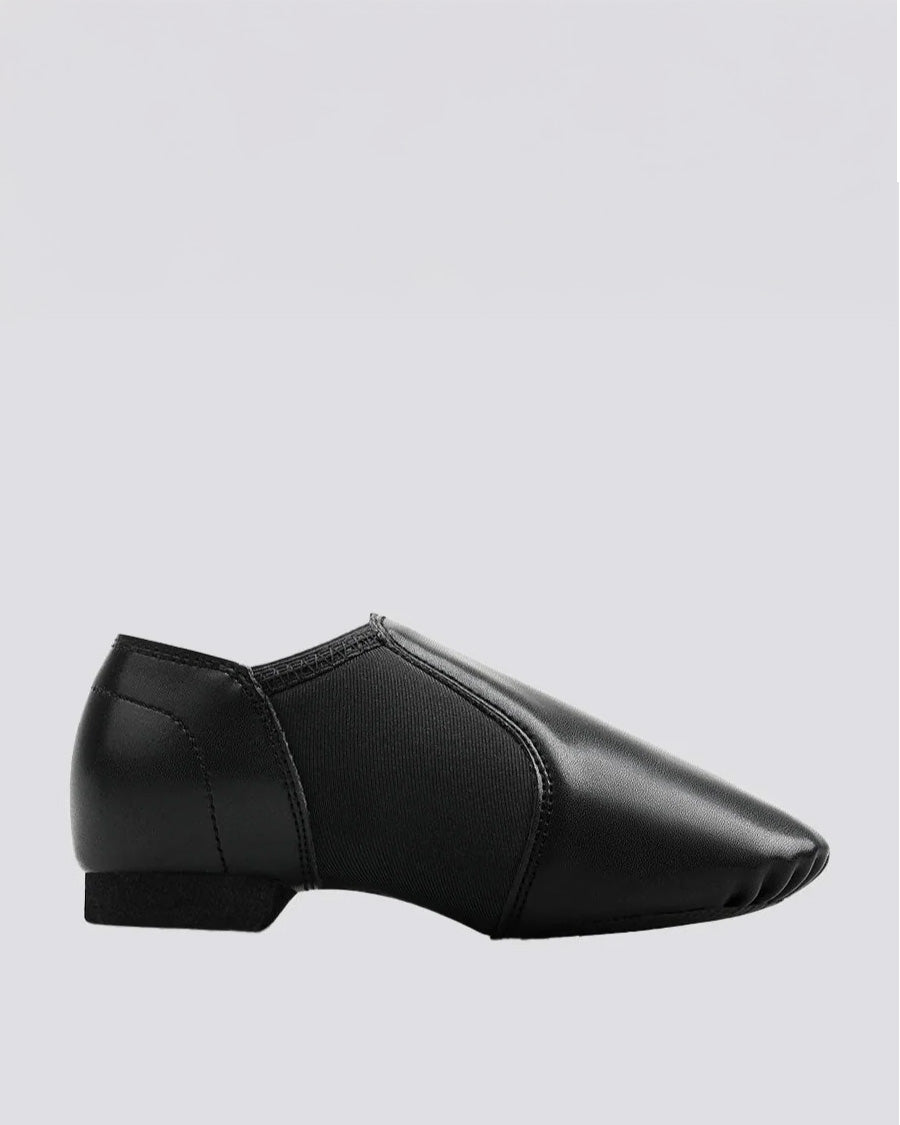
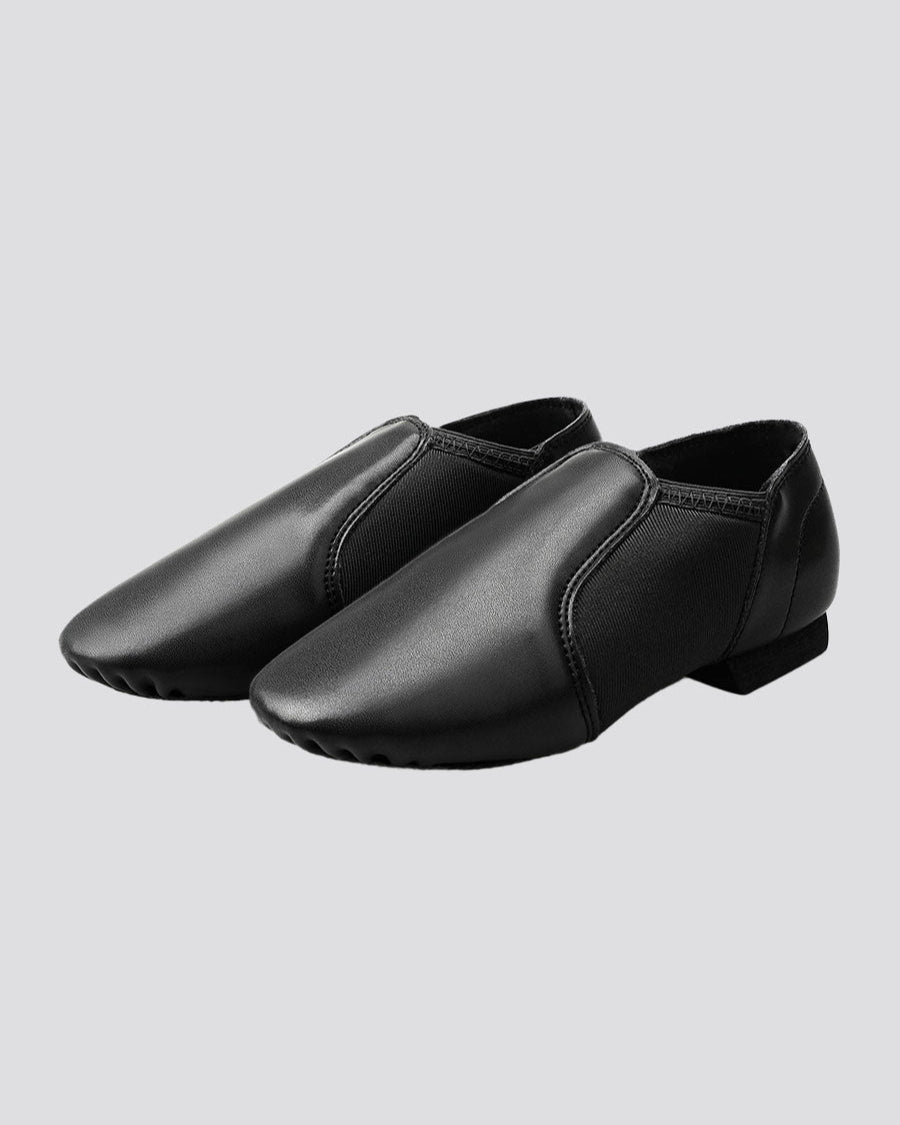
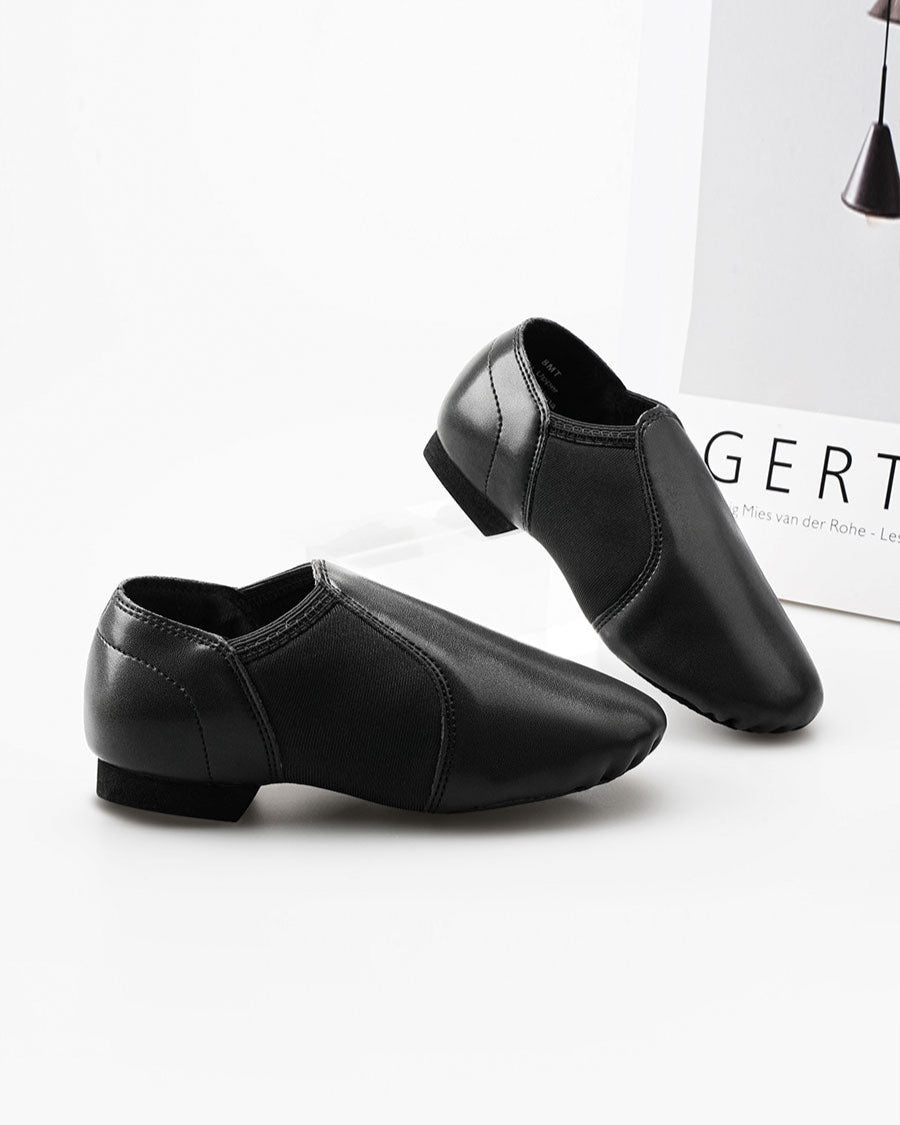
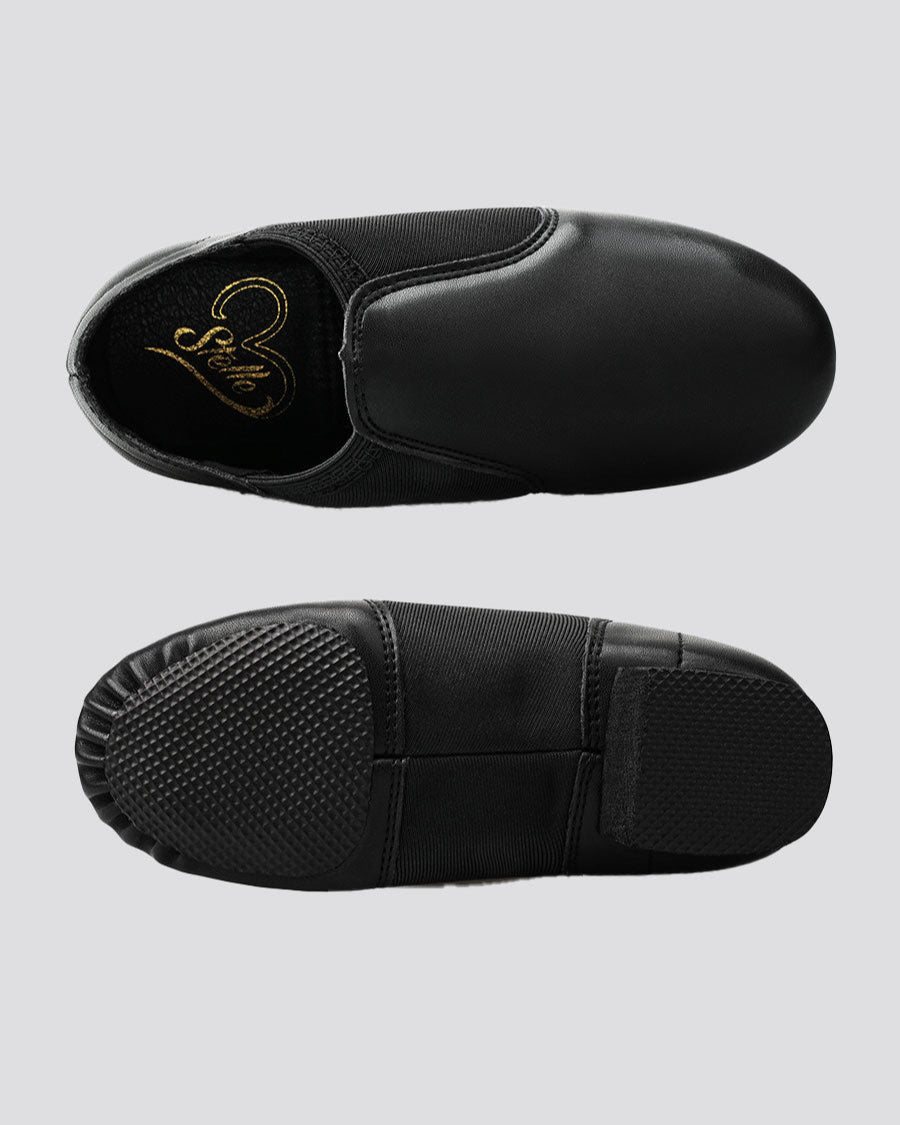
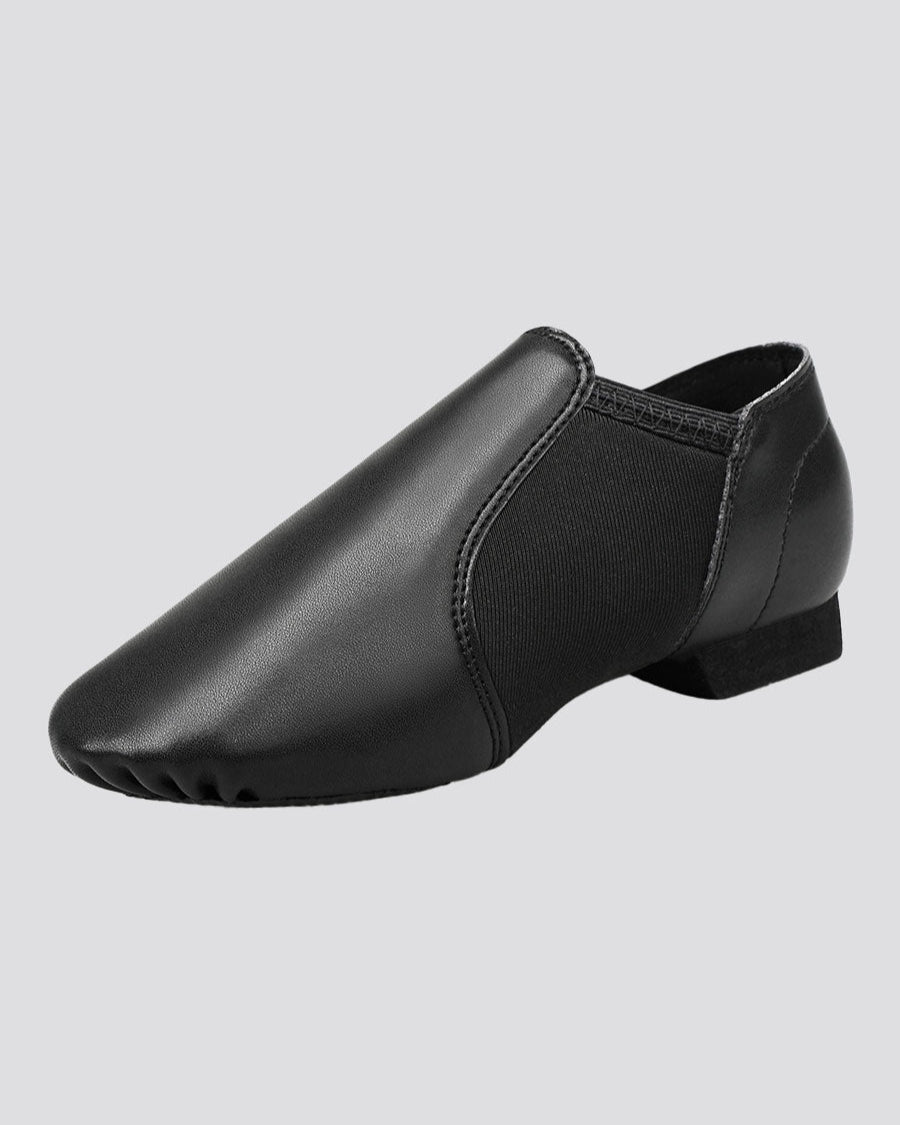
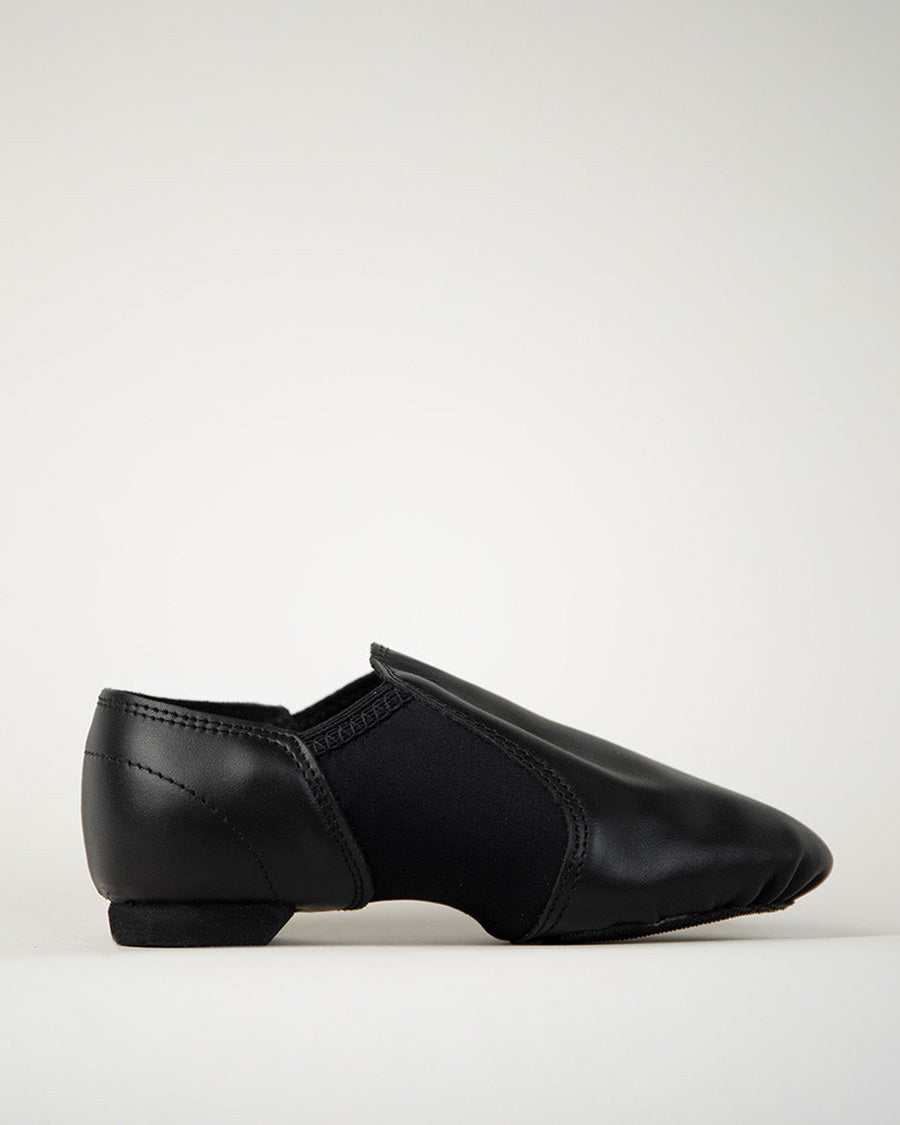
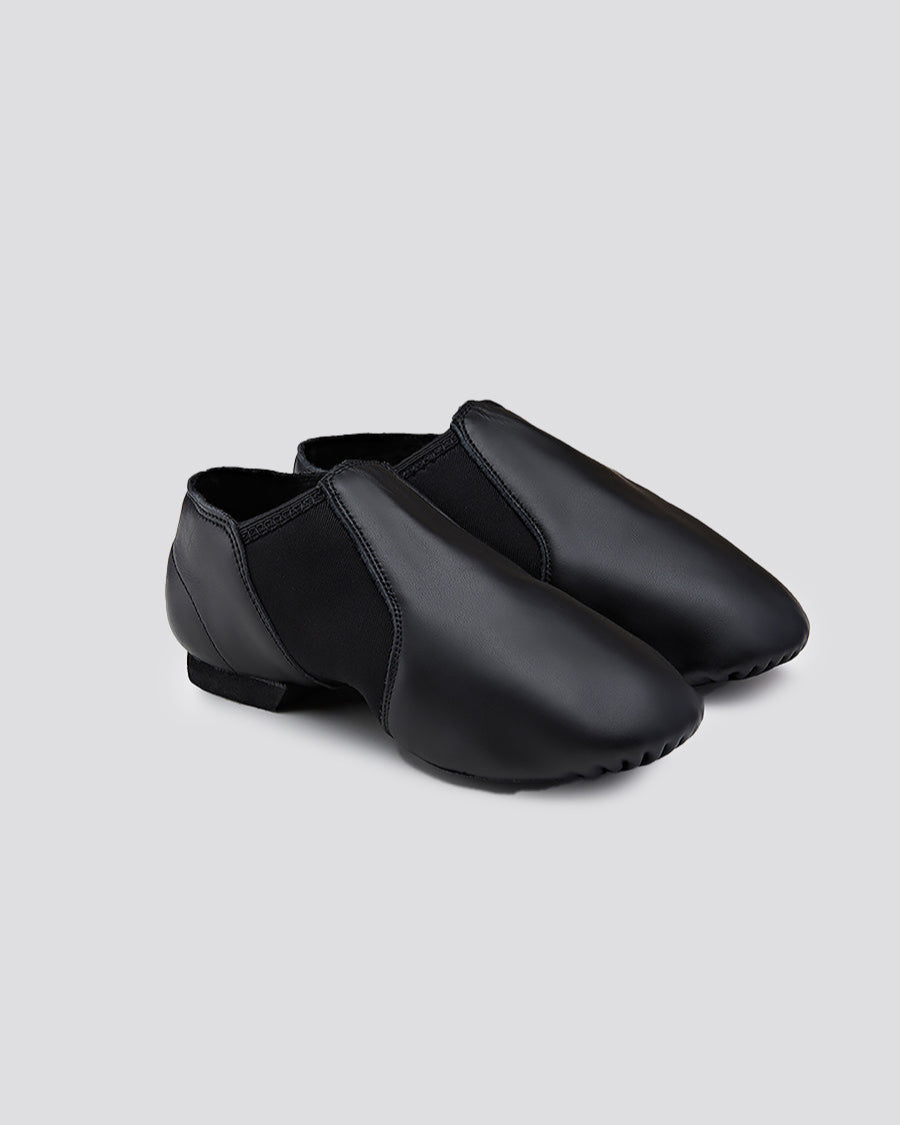
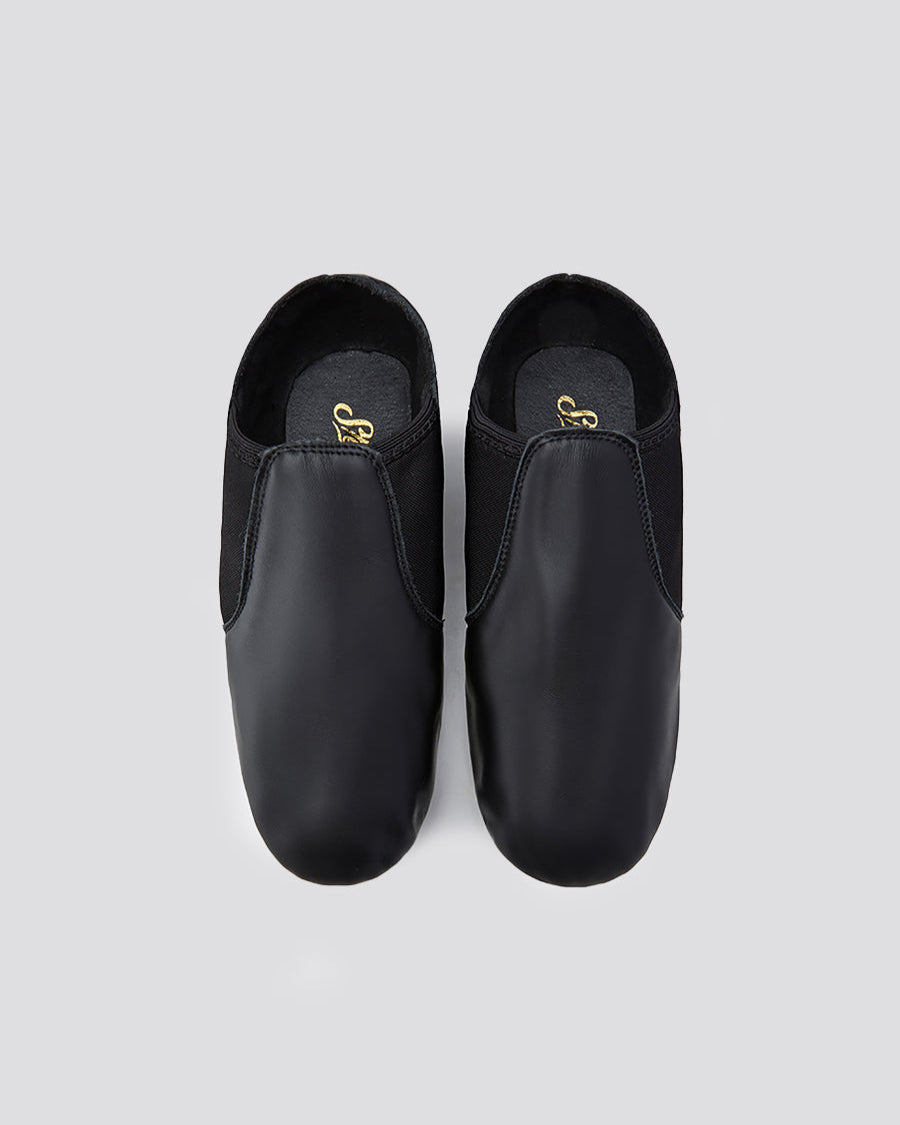
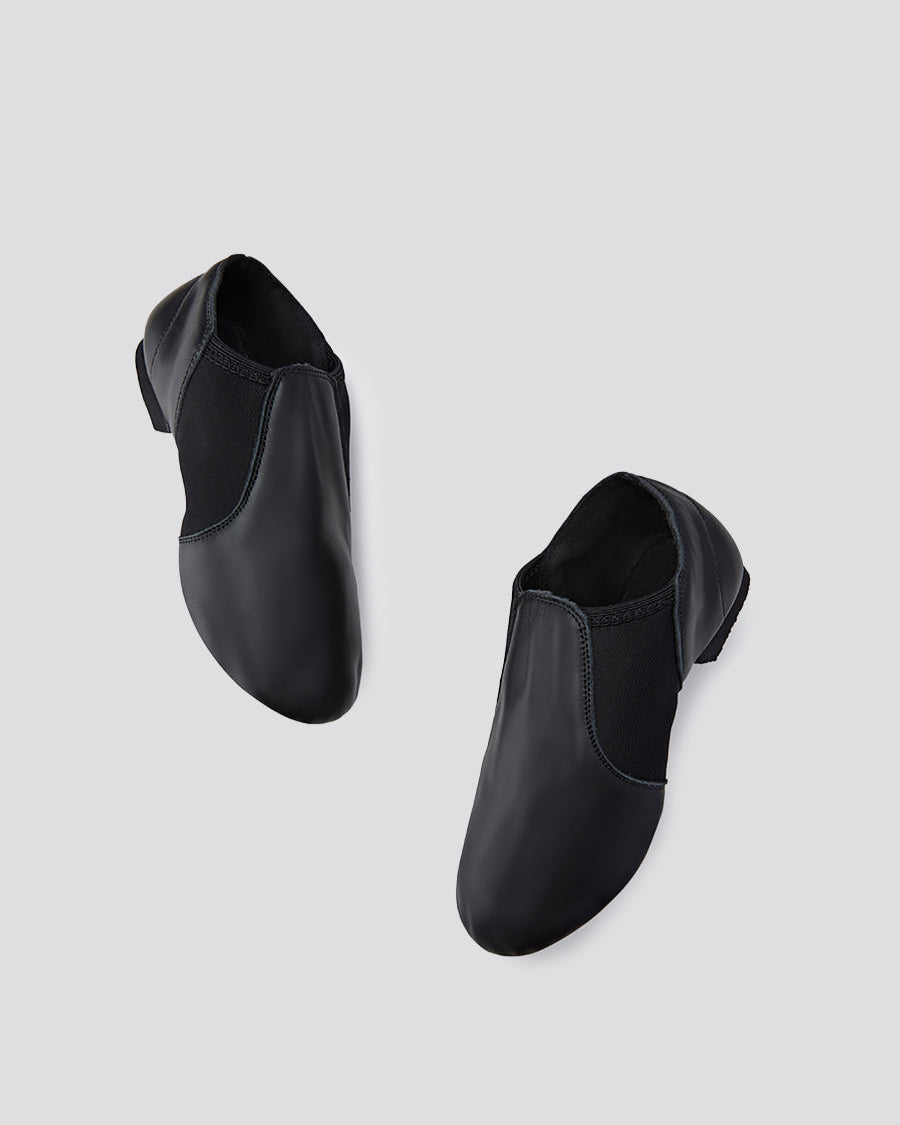
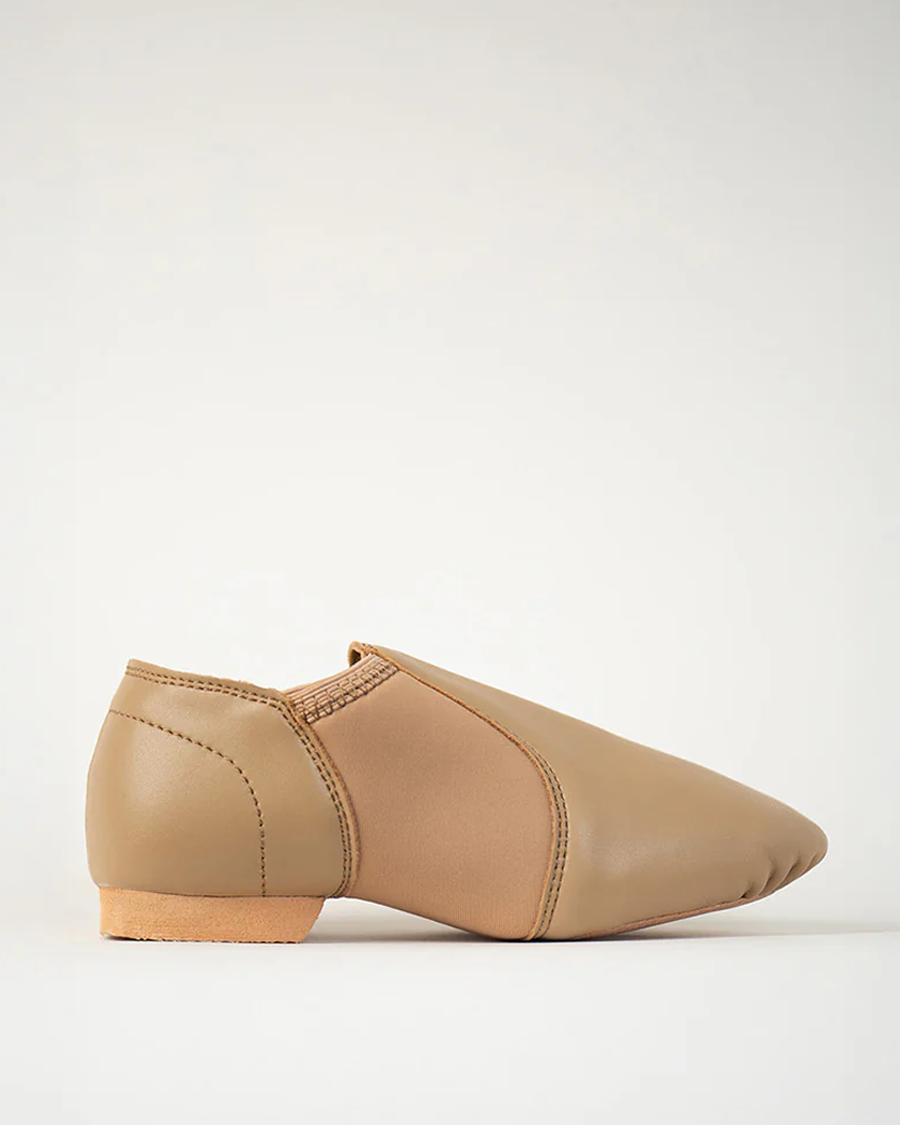
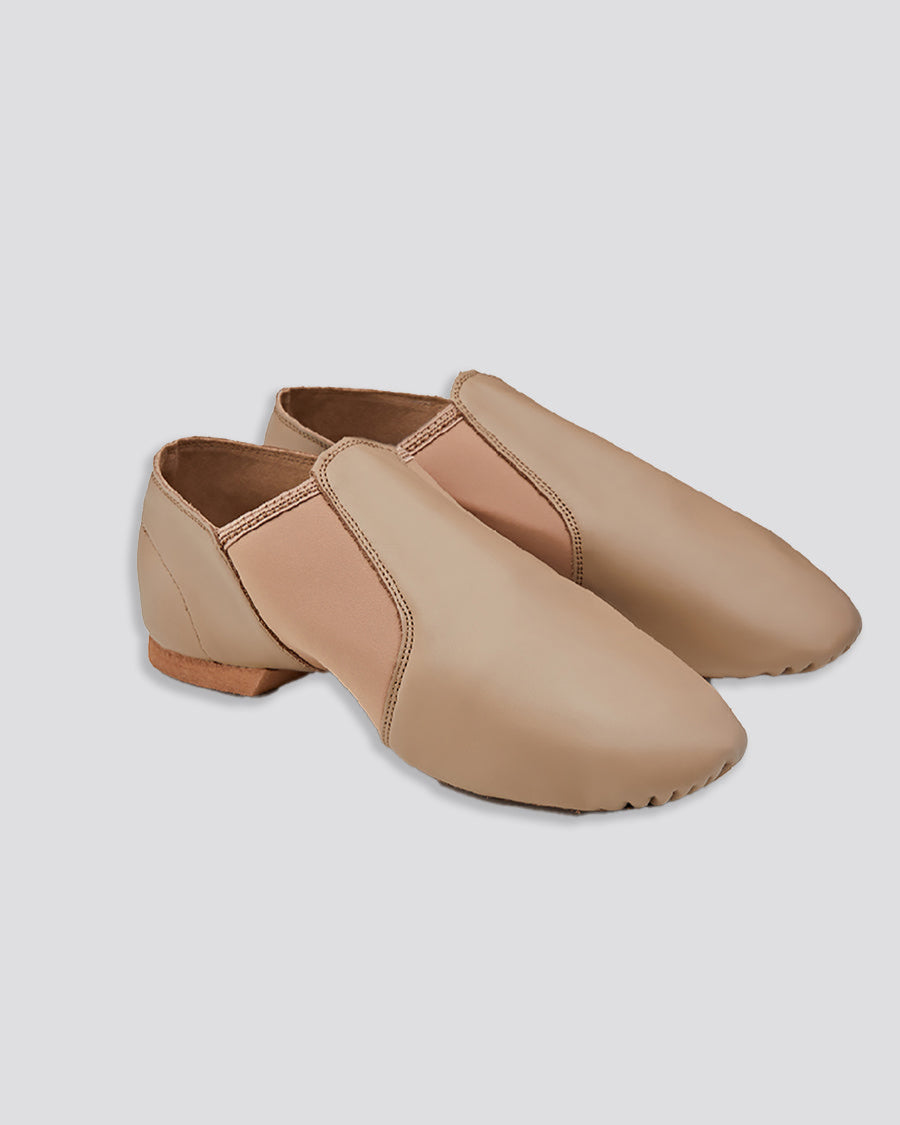
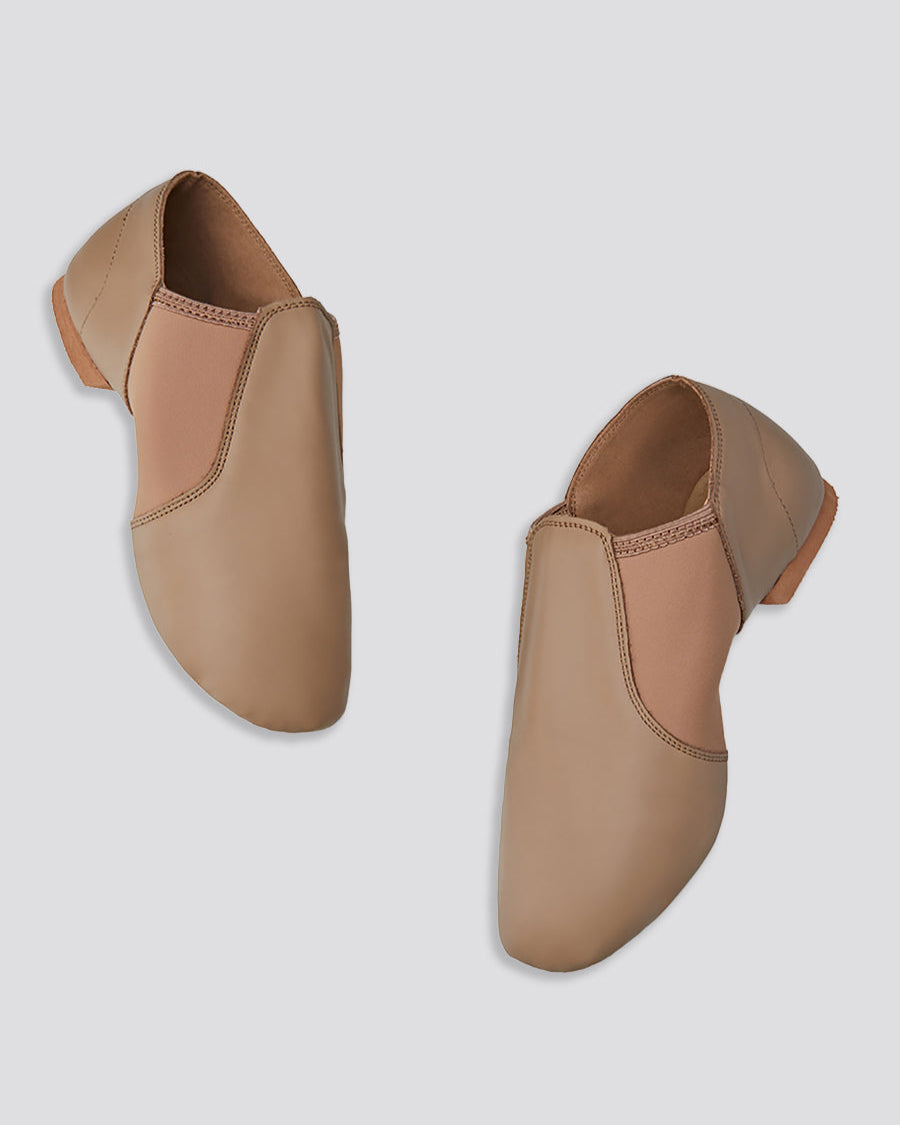
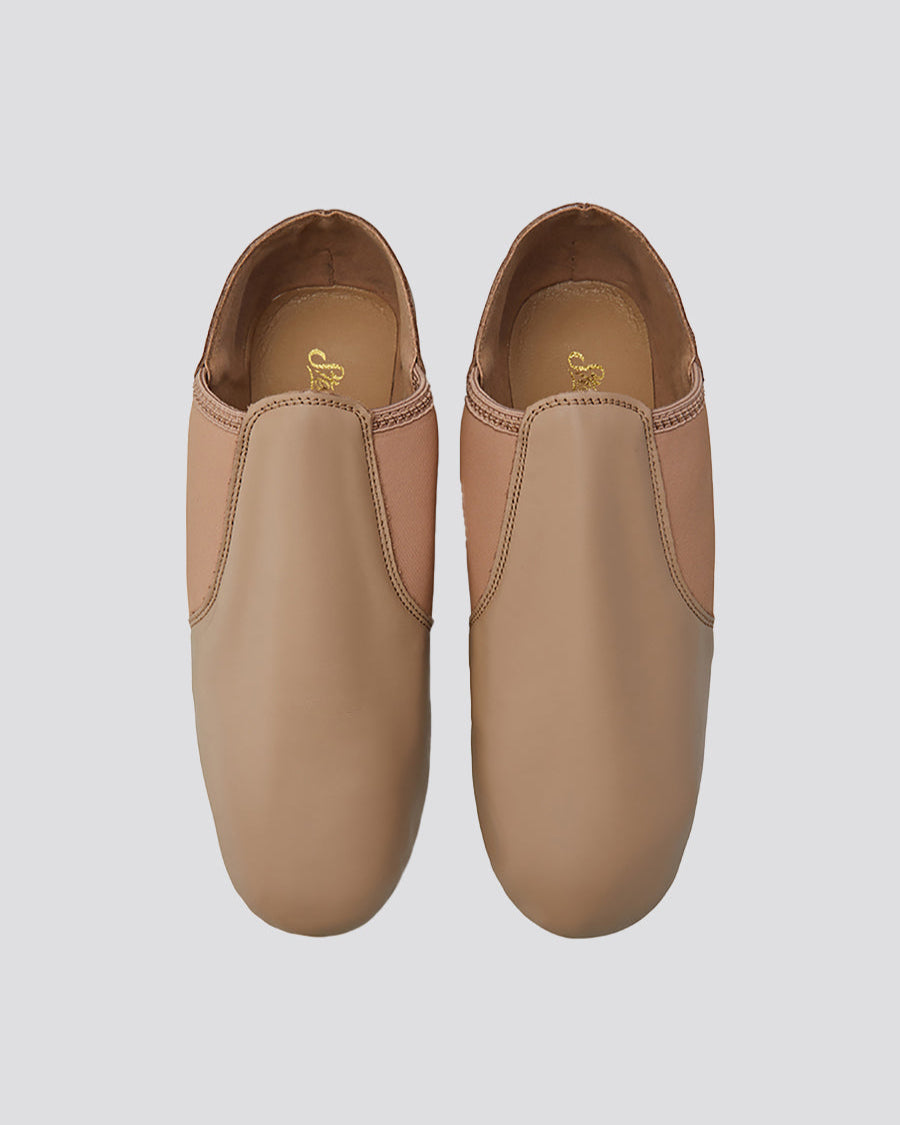
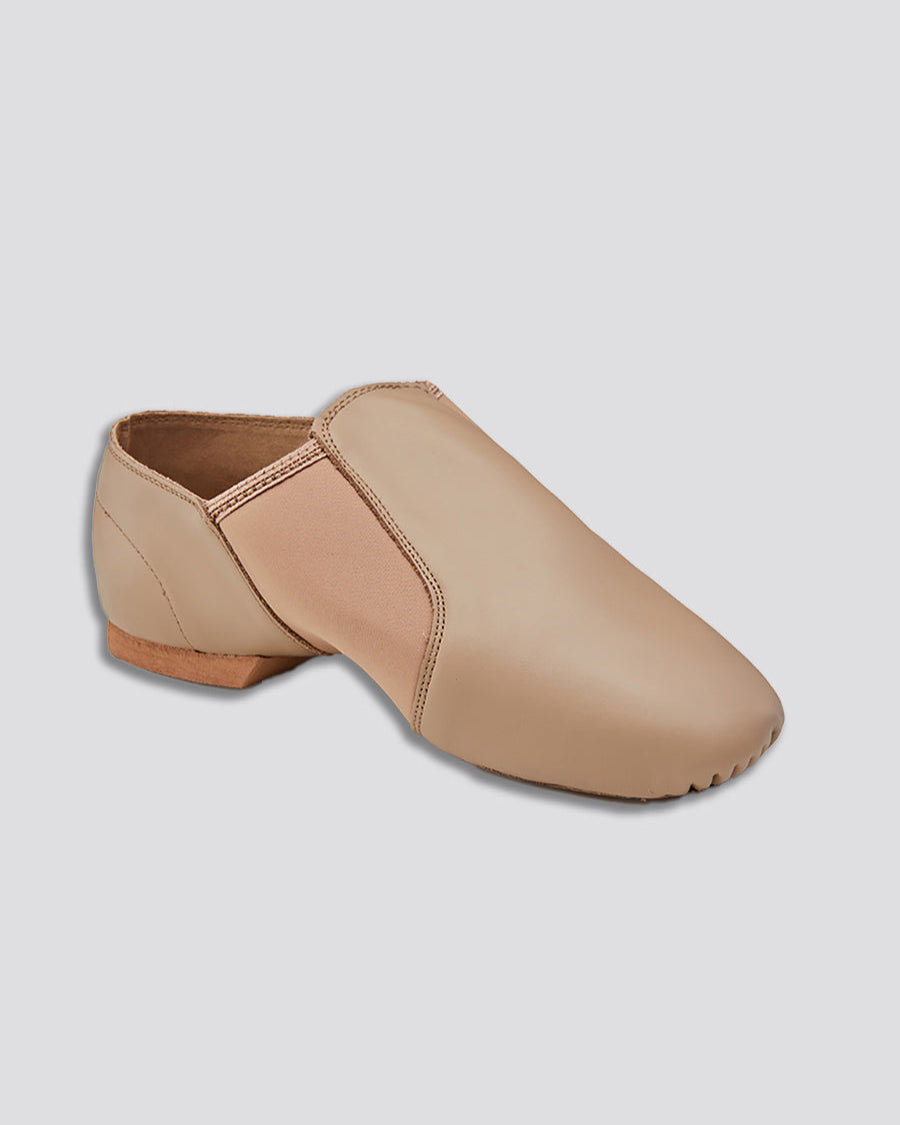
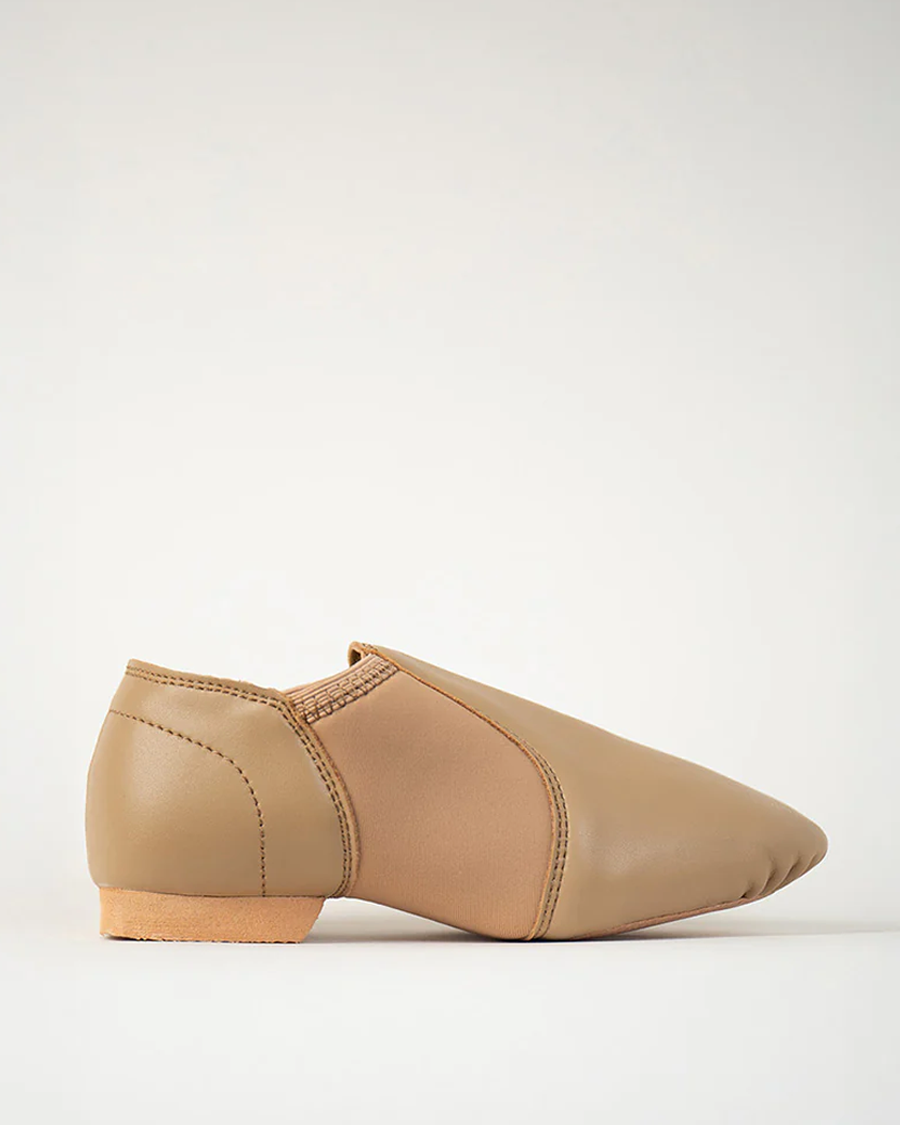
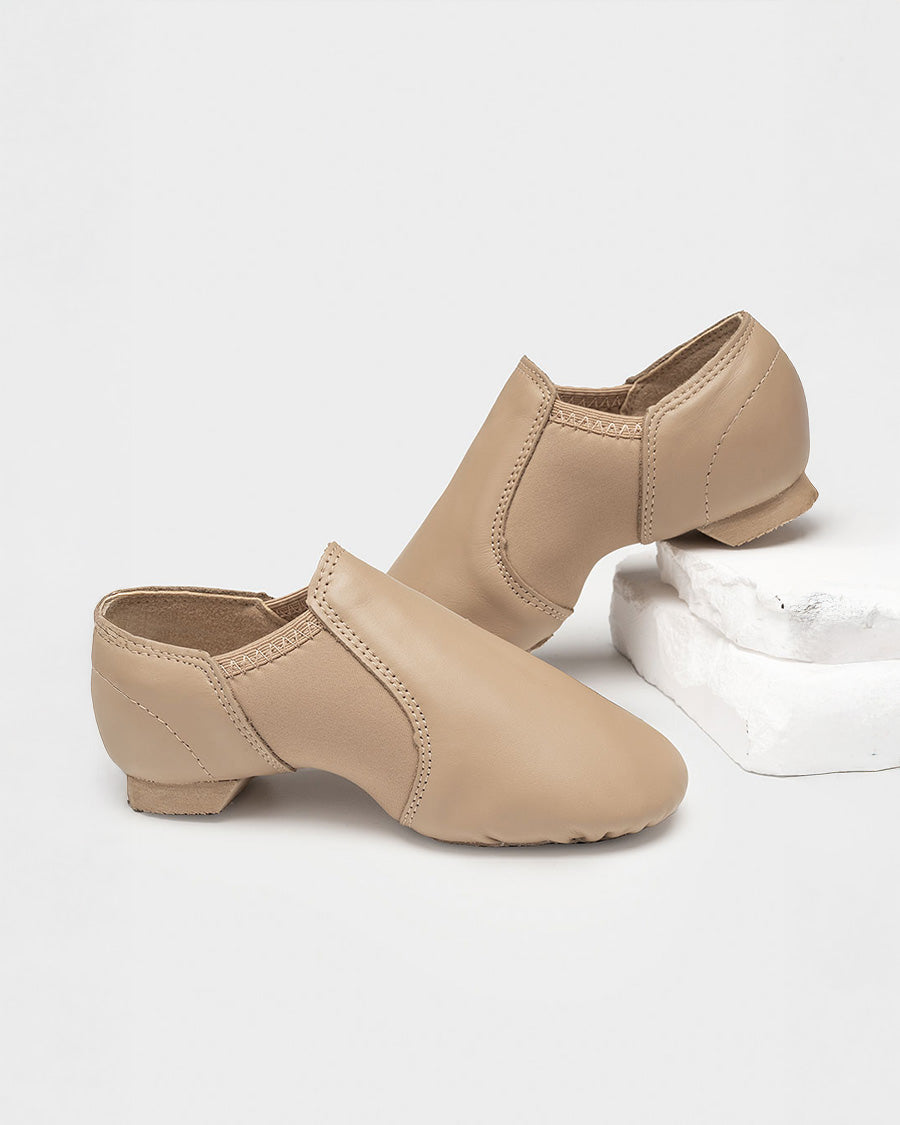
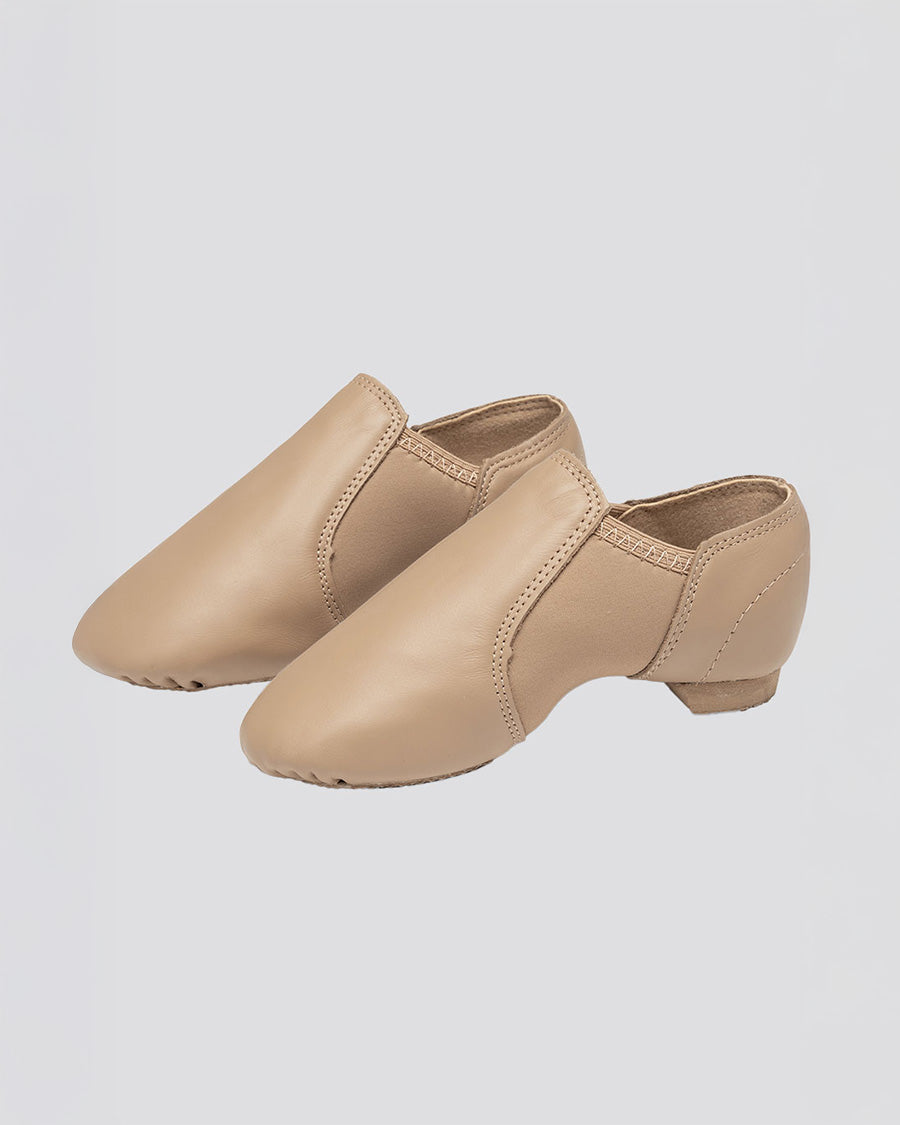
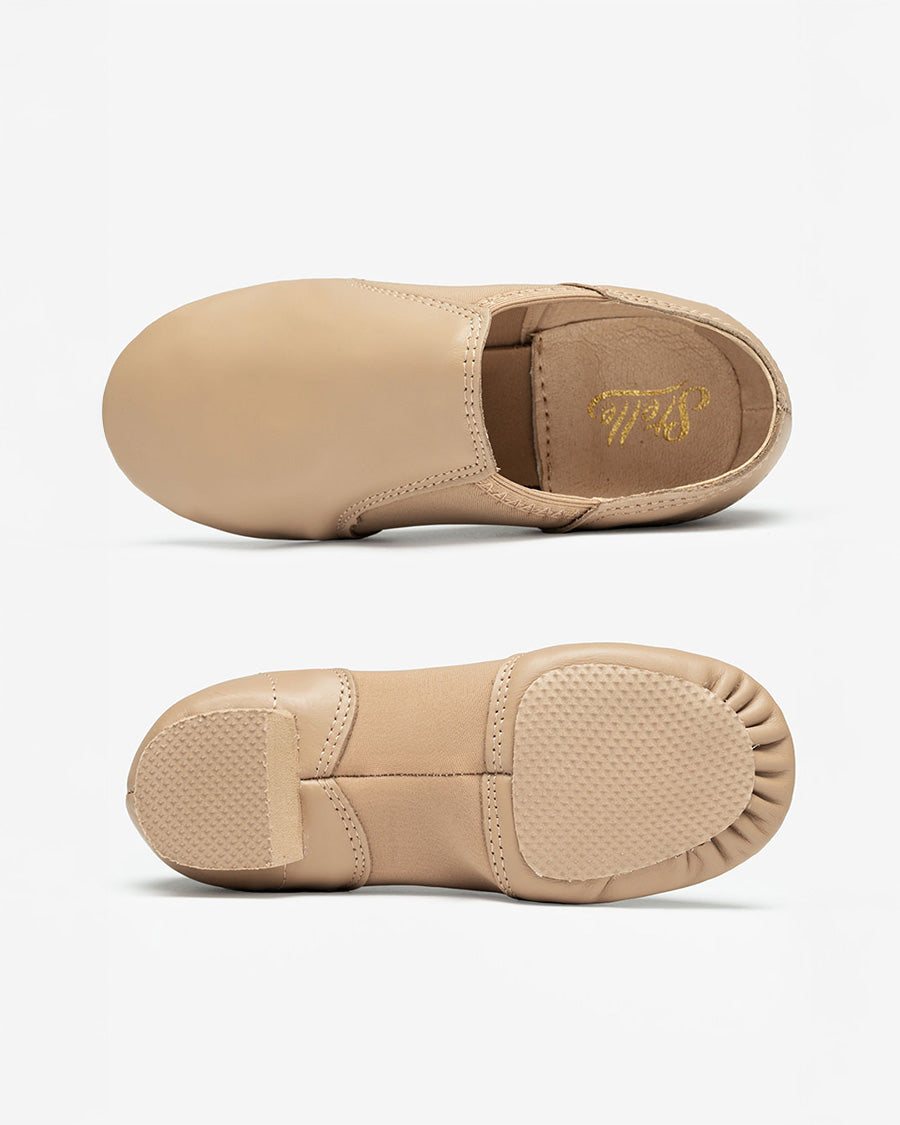
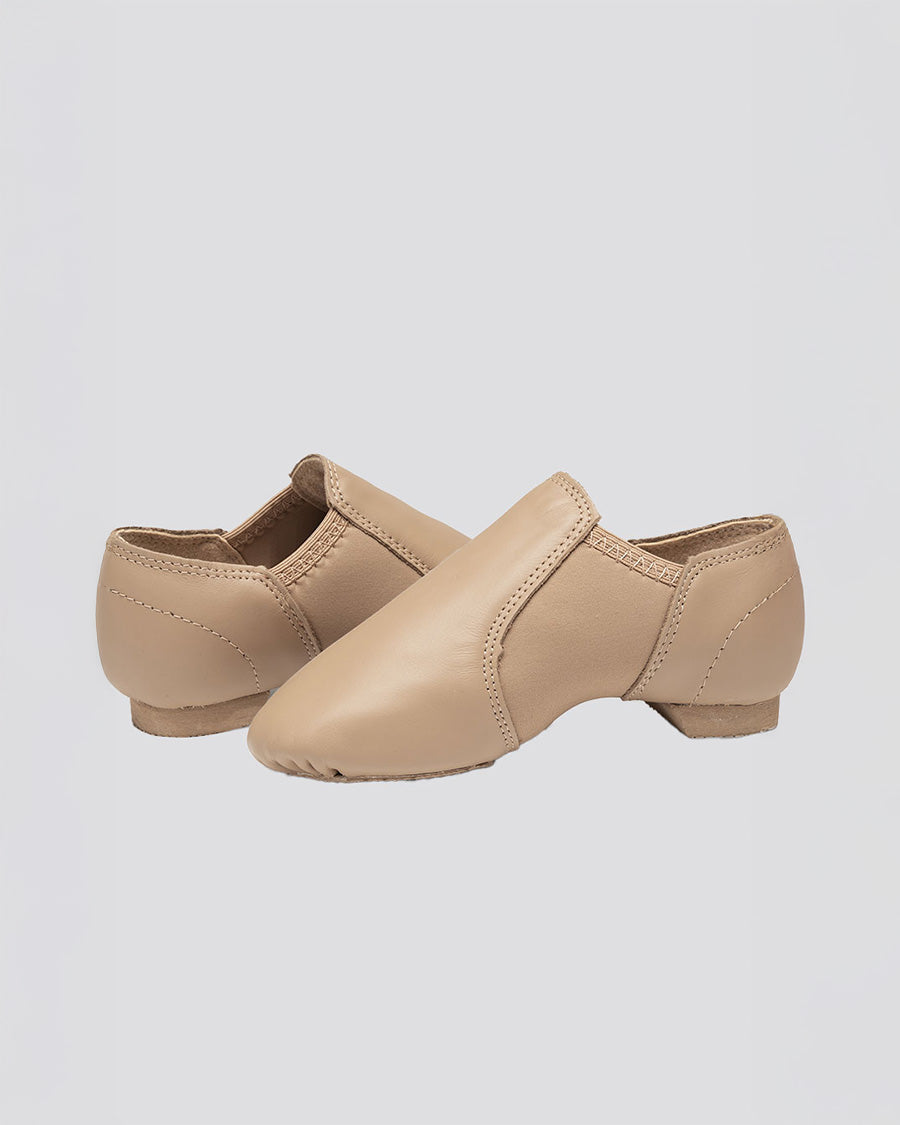
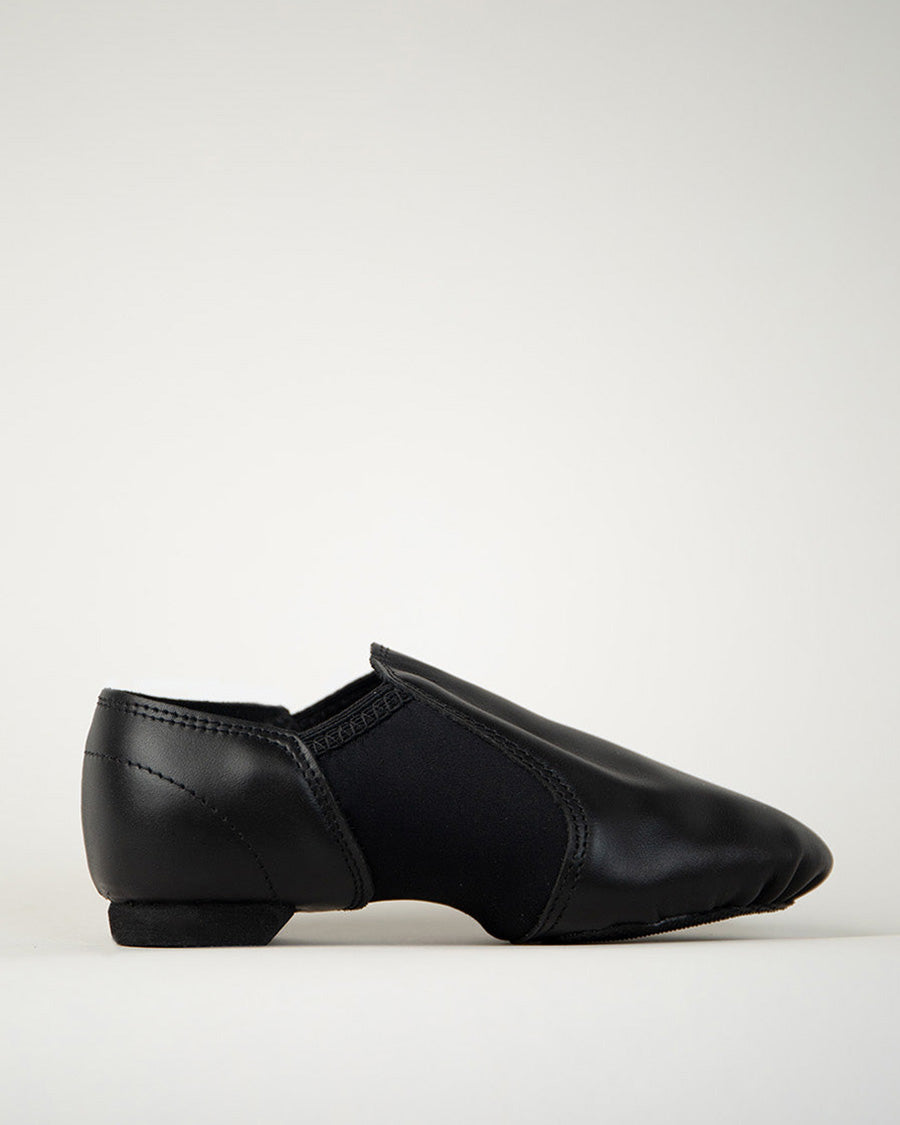
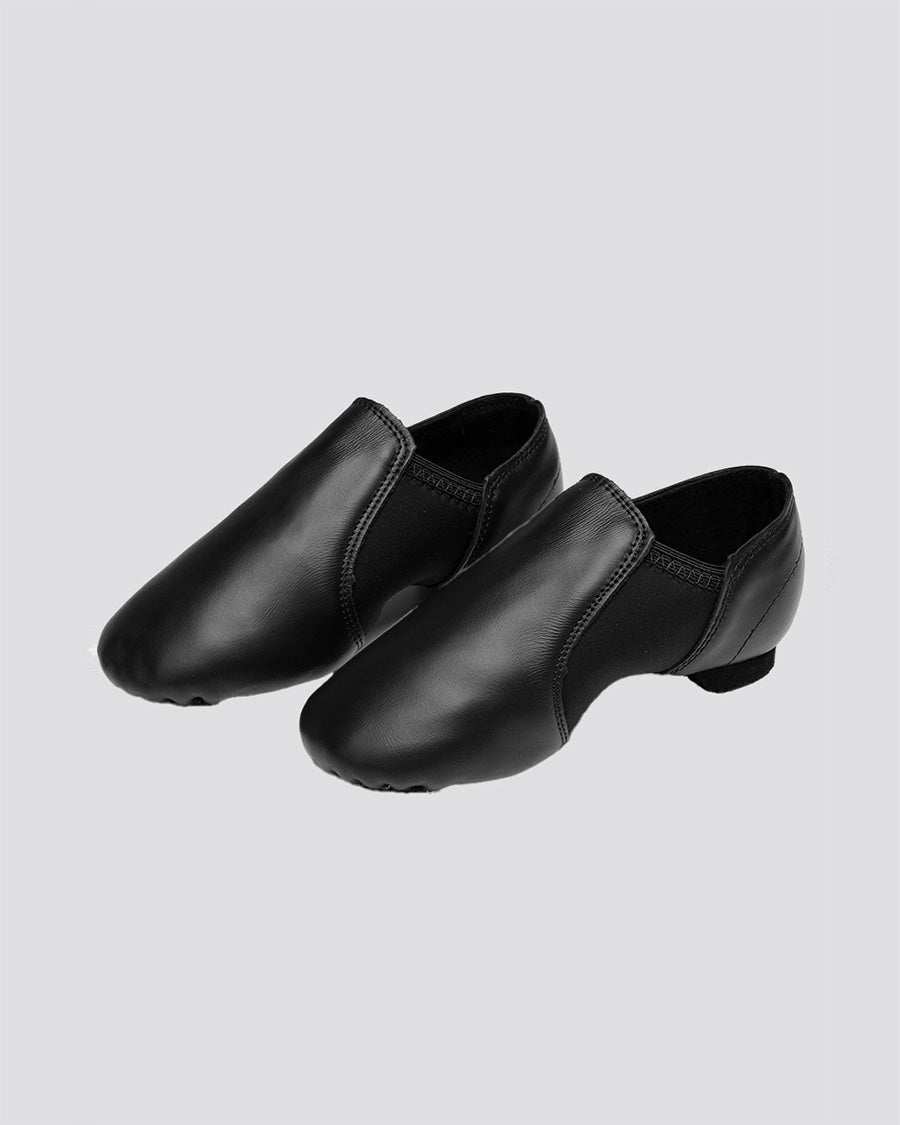
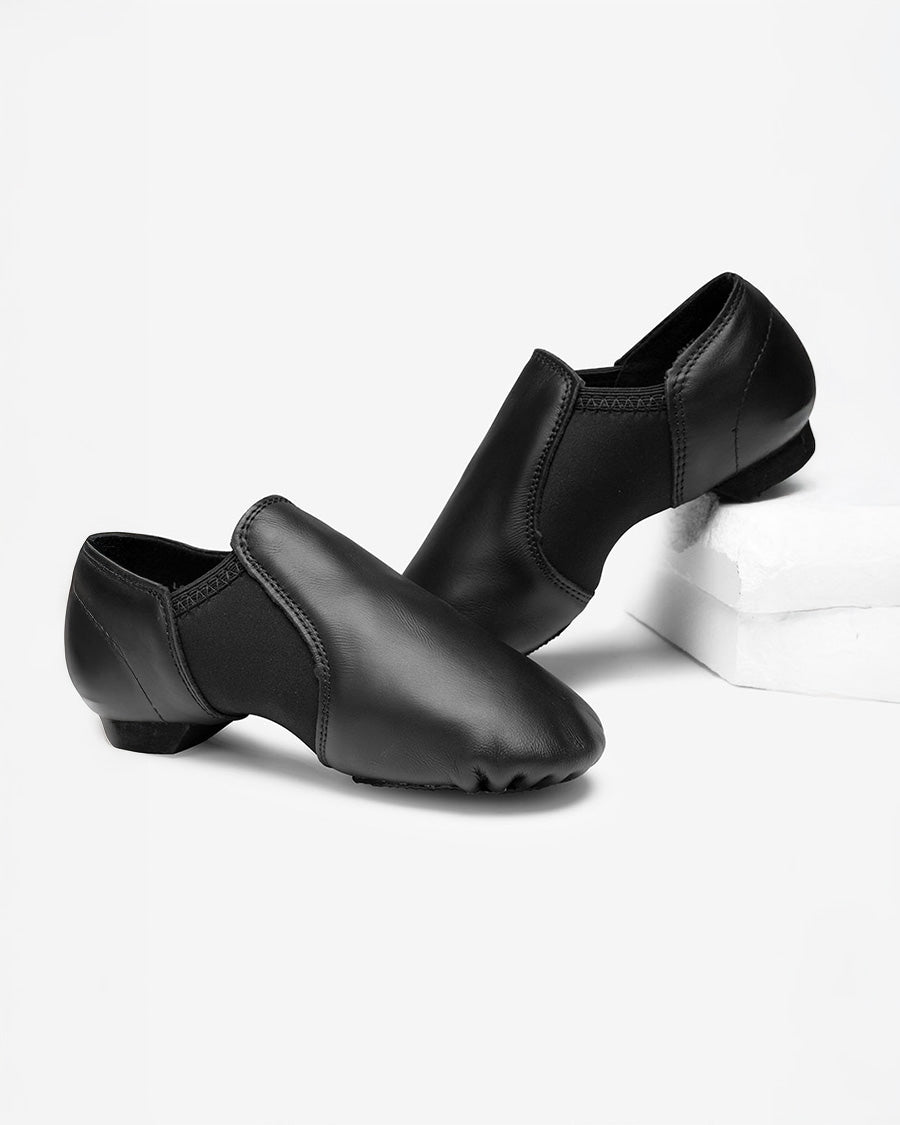
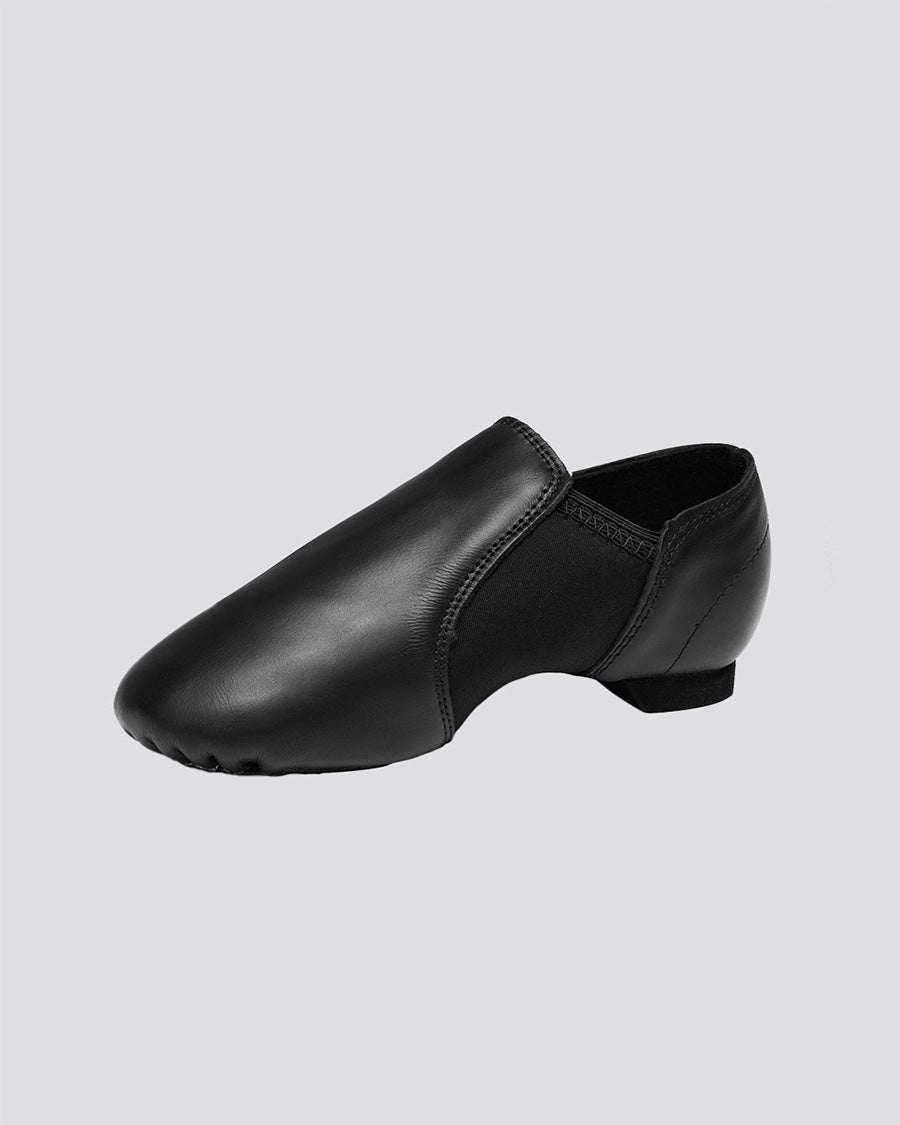
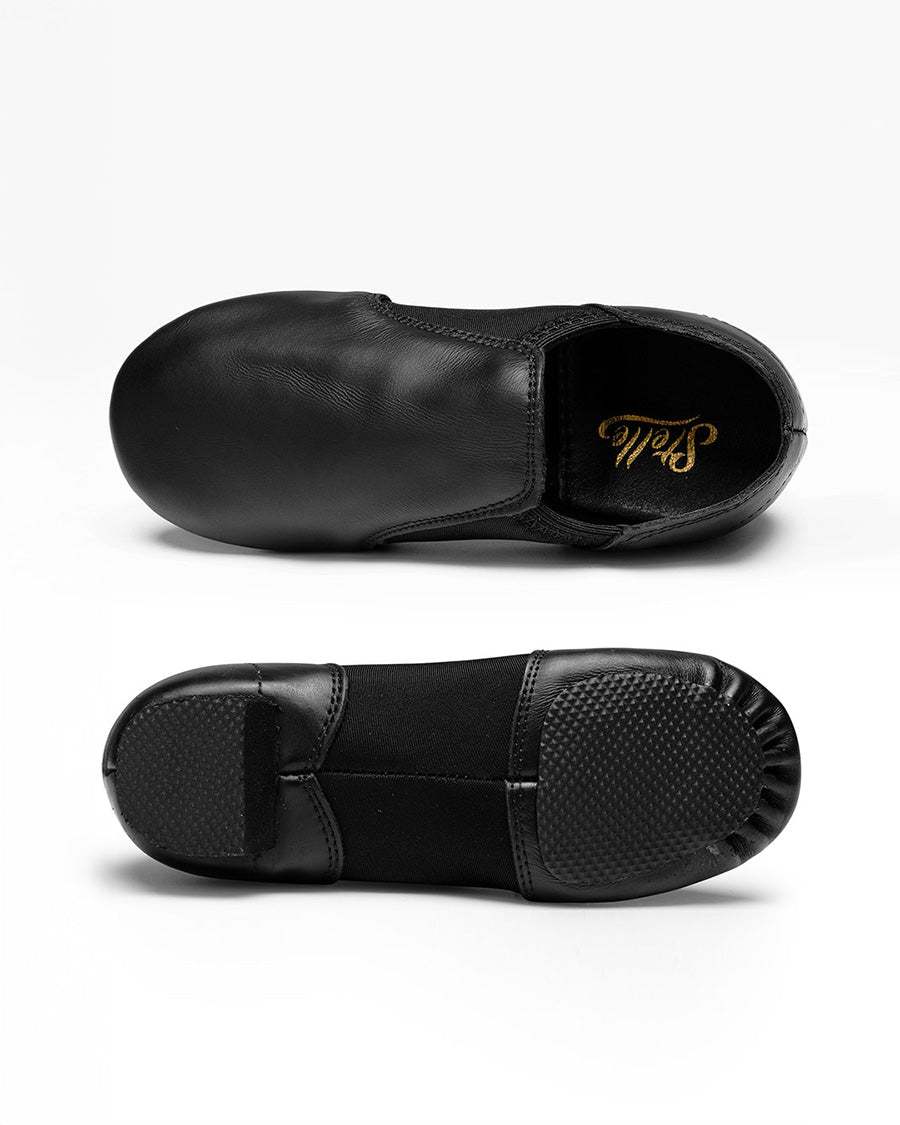
For shoes, most teachers want soft leather or canvas jazz shoes with a small rubber sole for traction; slip-on styles are easiest for young kids. Check with the studio before buying, since some let brand-new beginners start barefoot or in socks for the first few weeks.
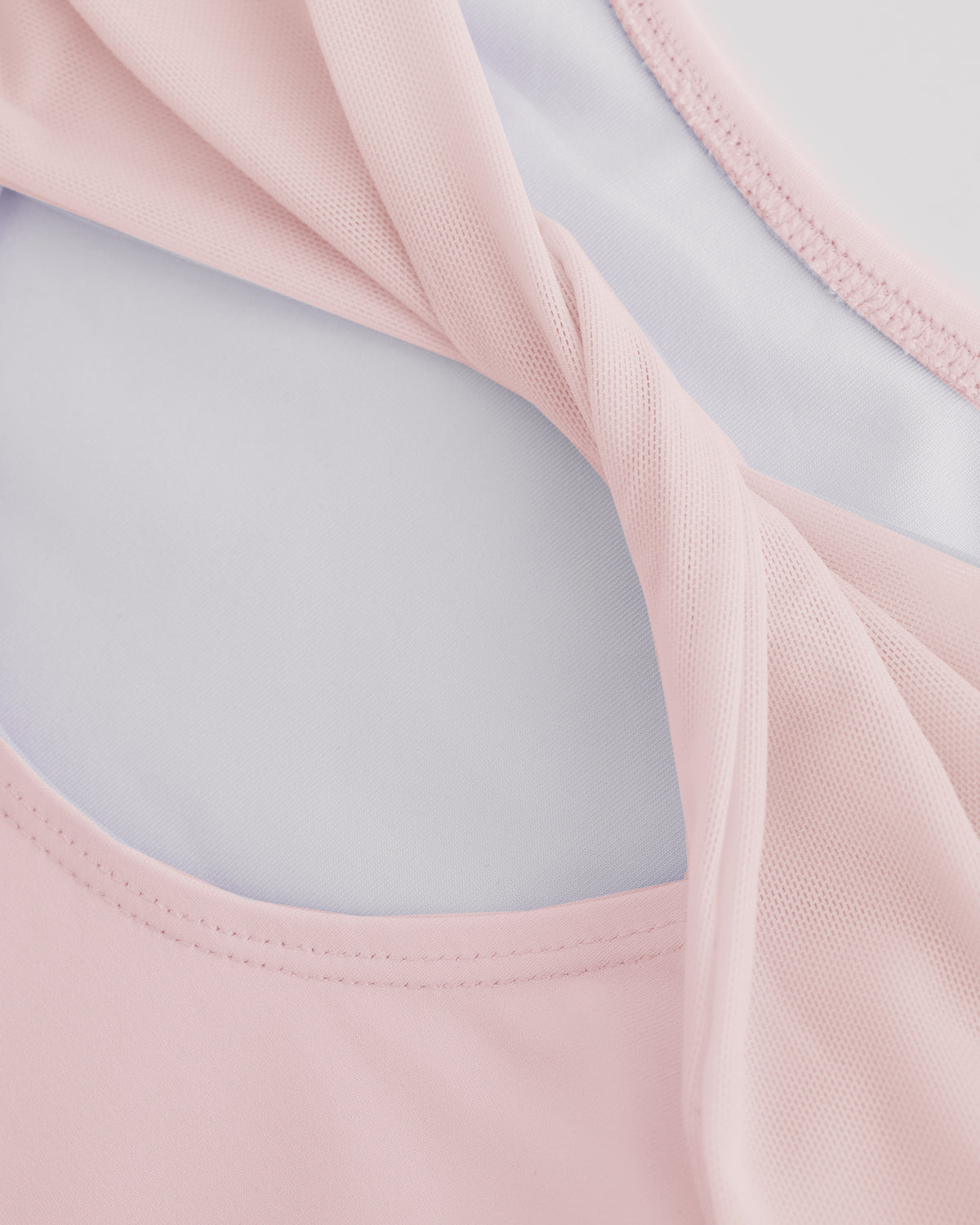
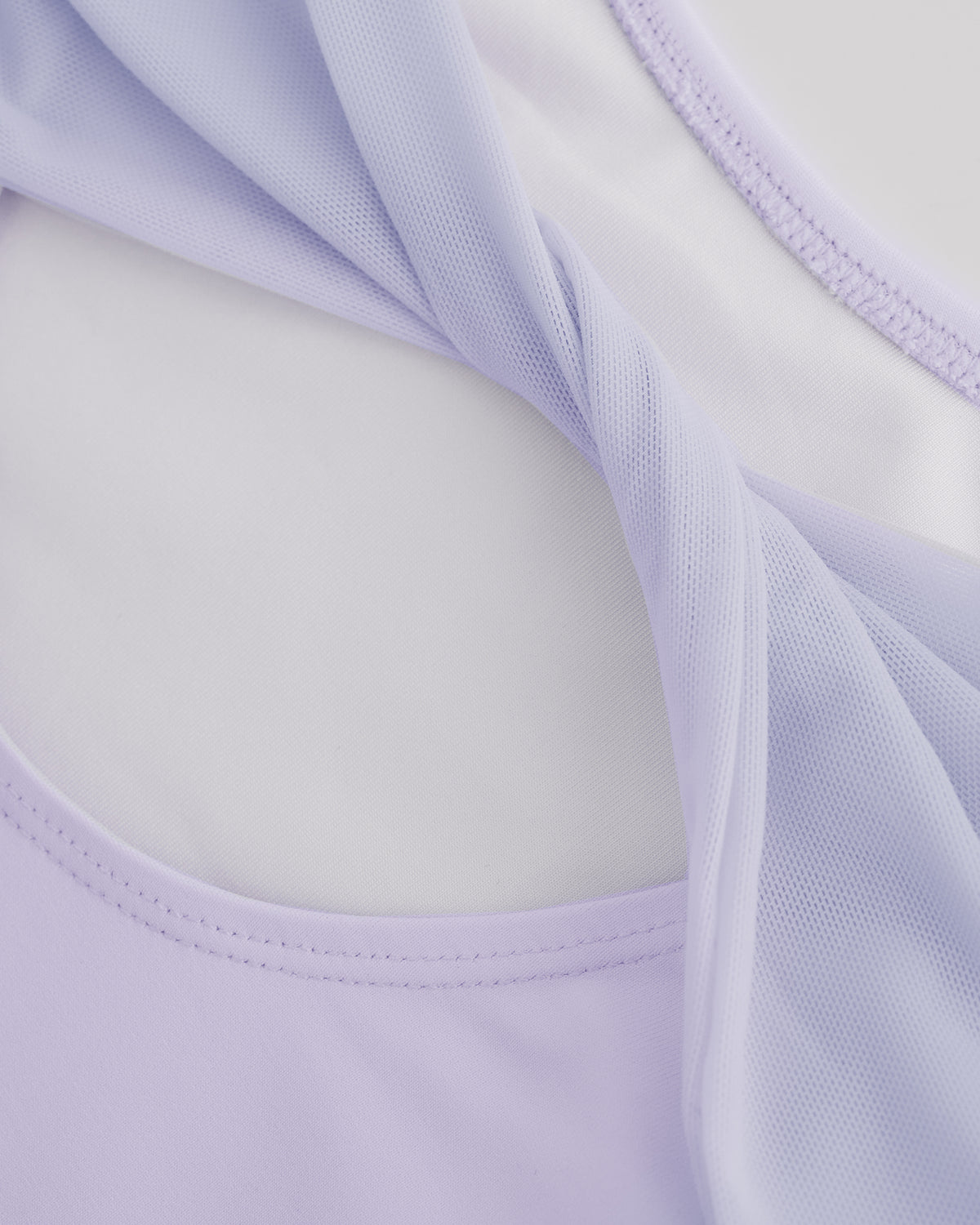
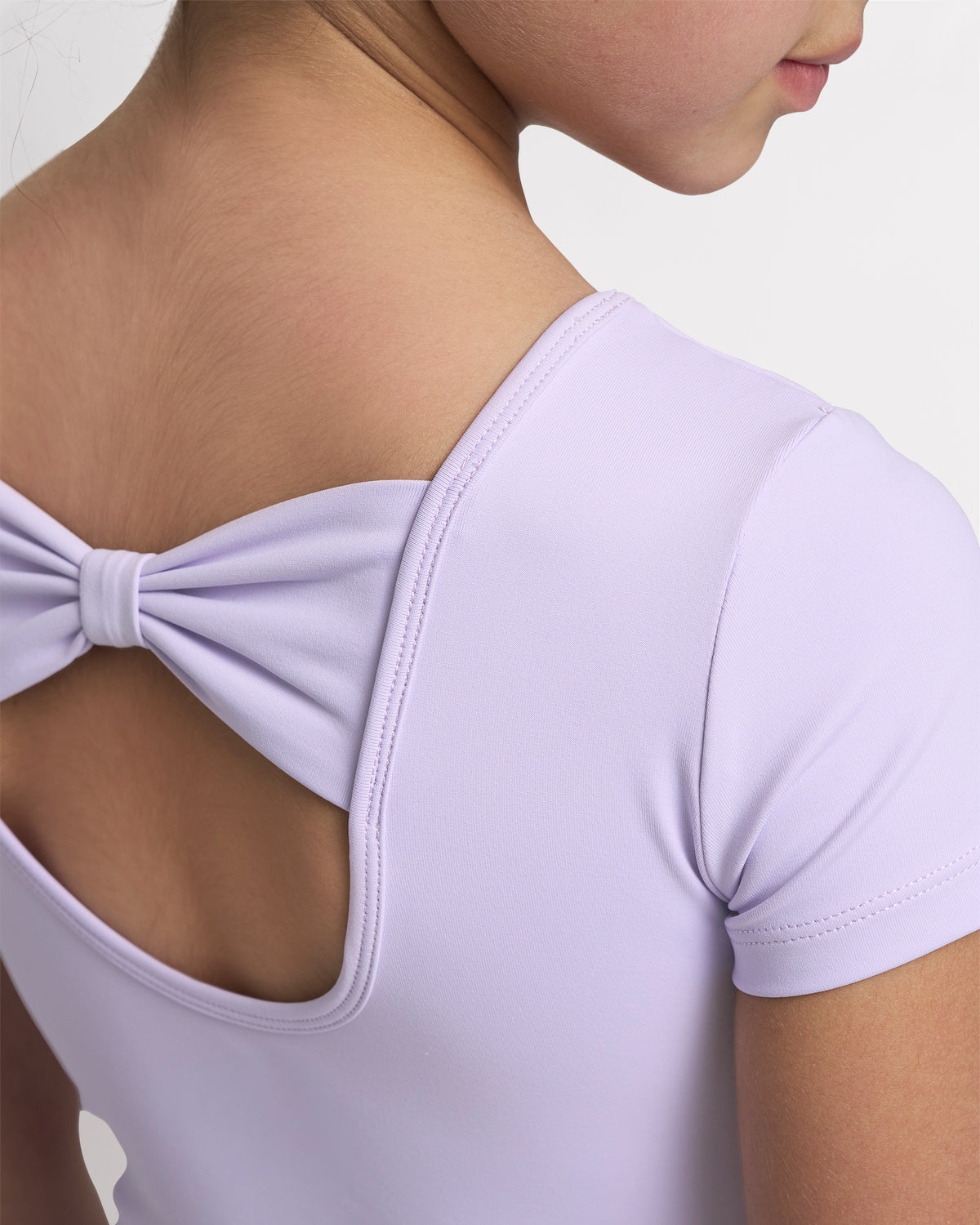
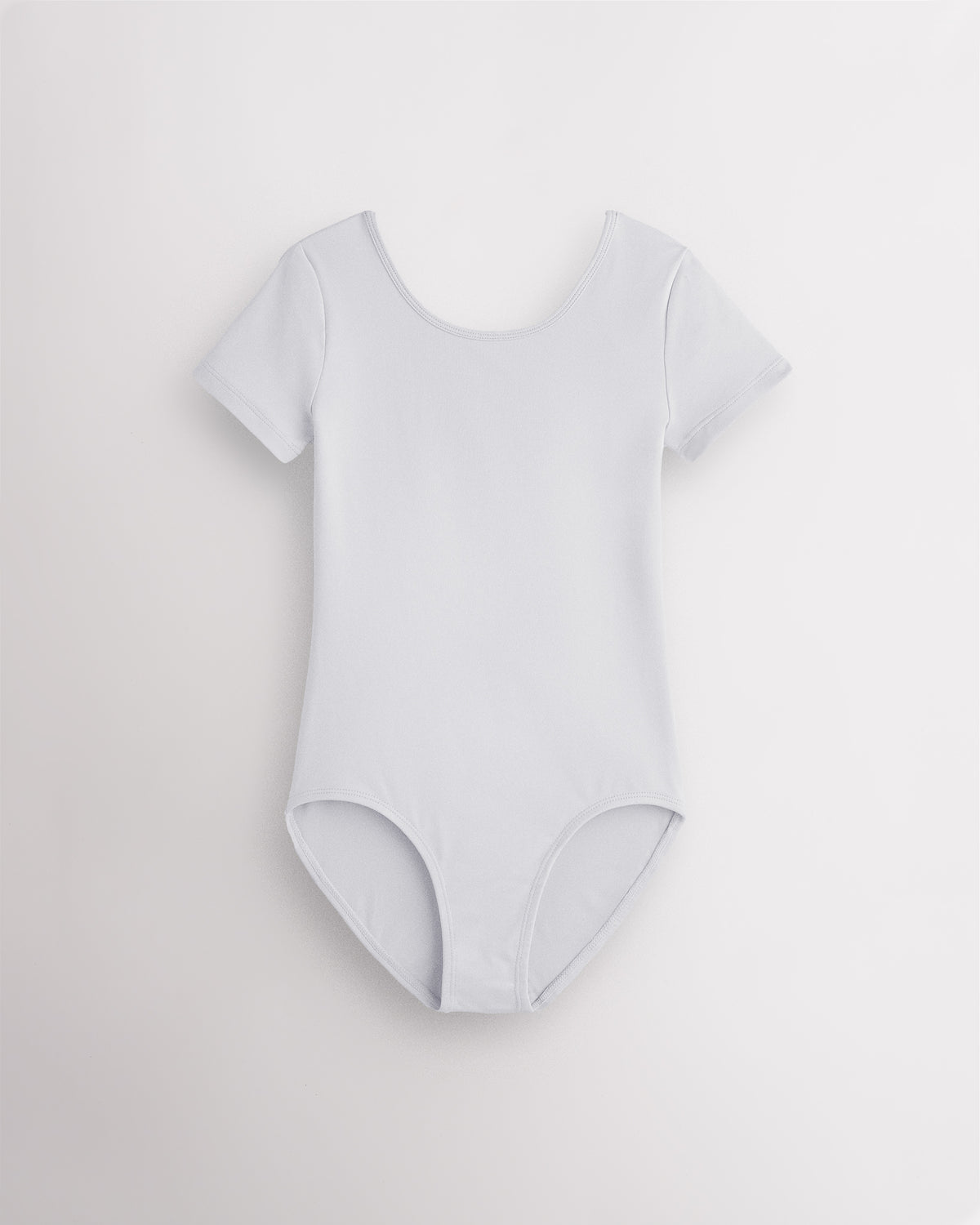
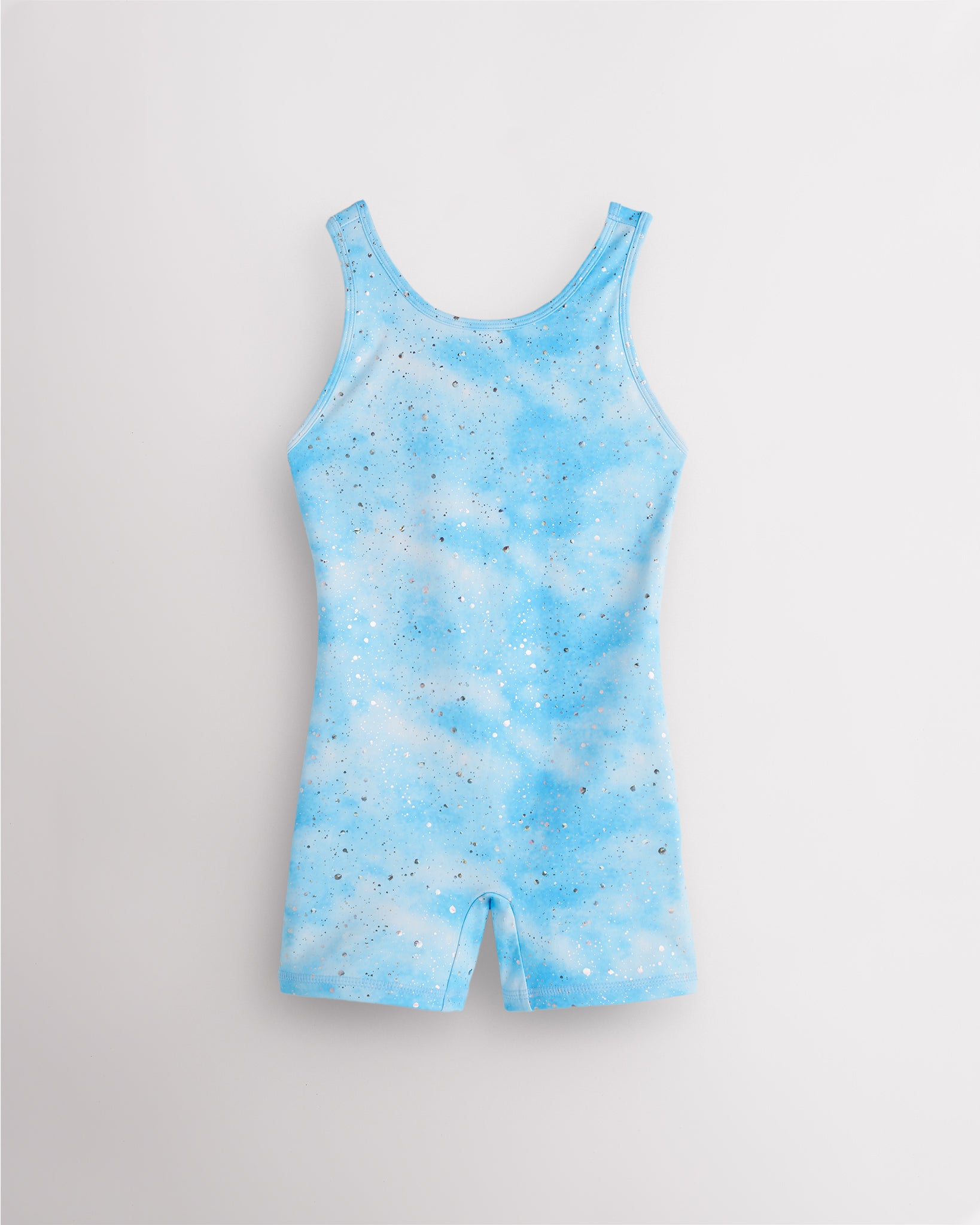
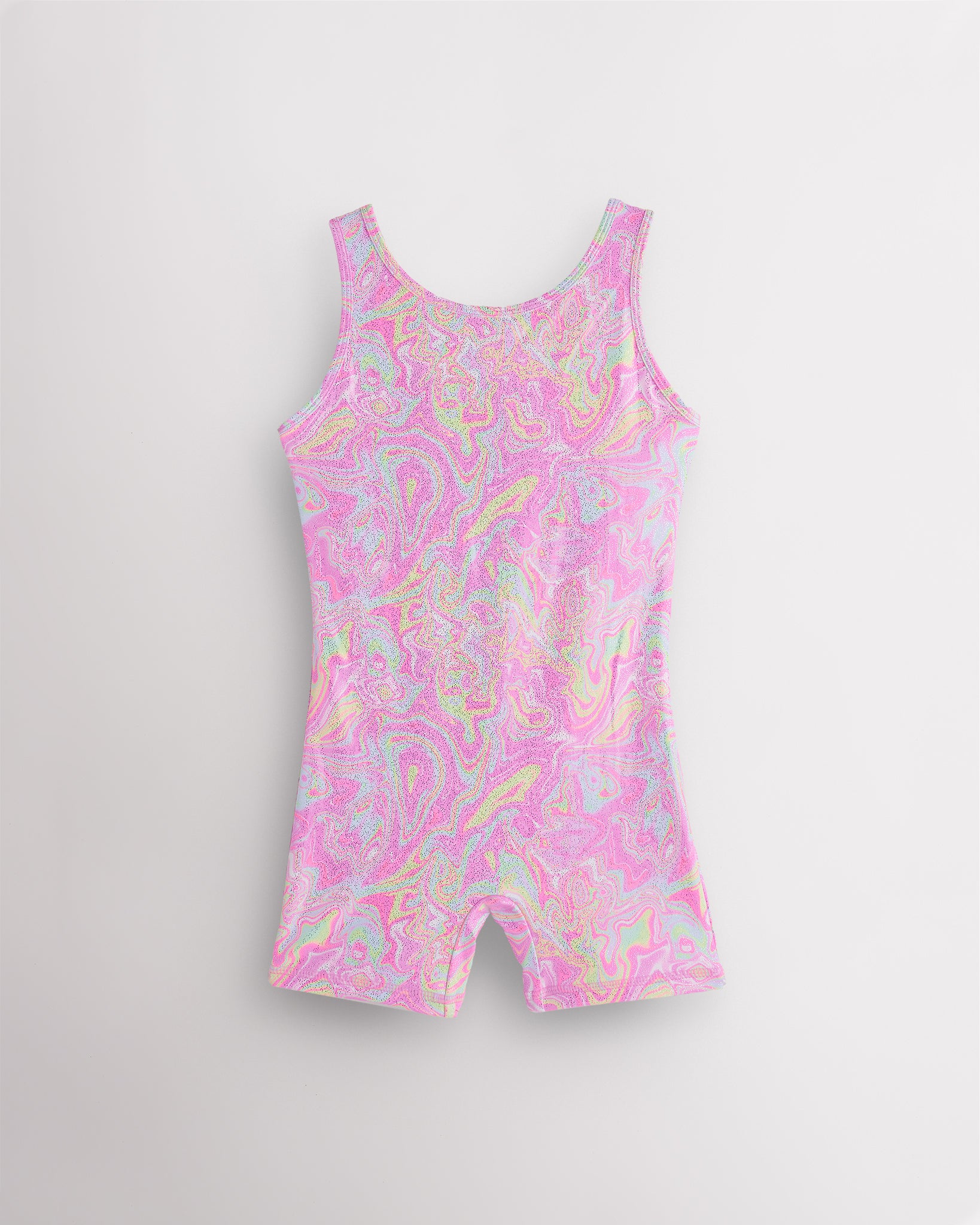
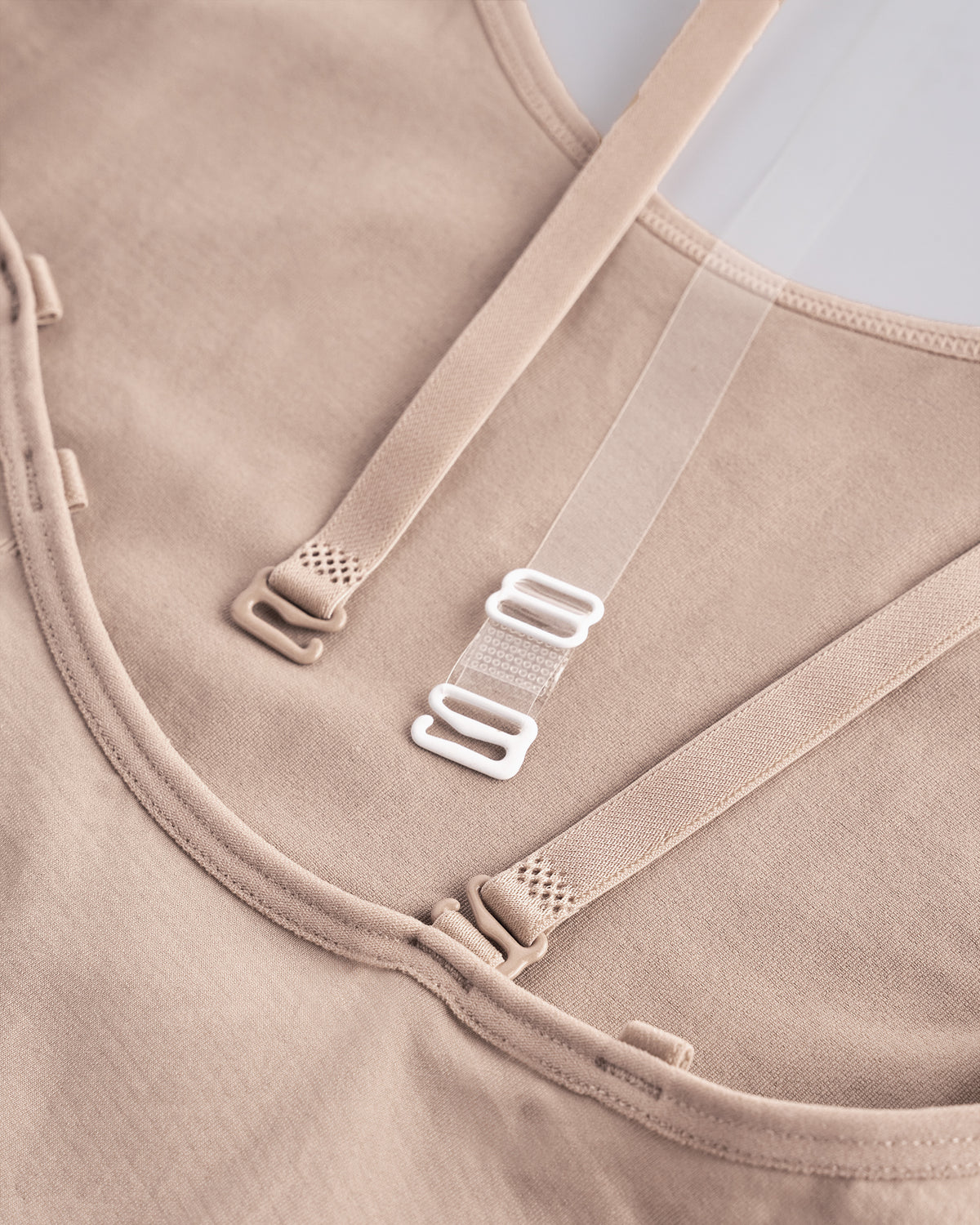
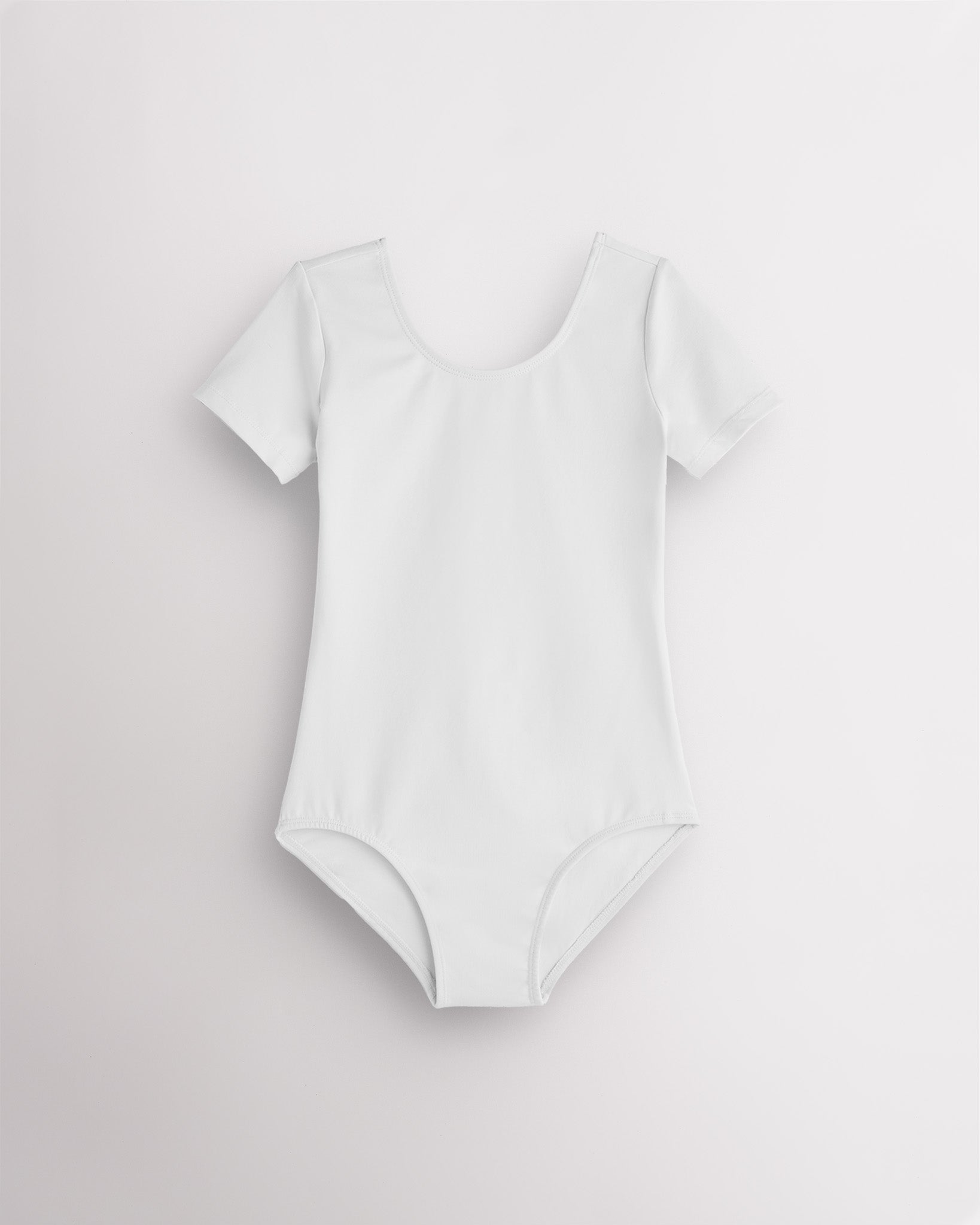
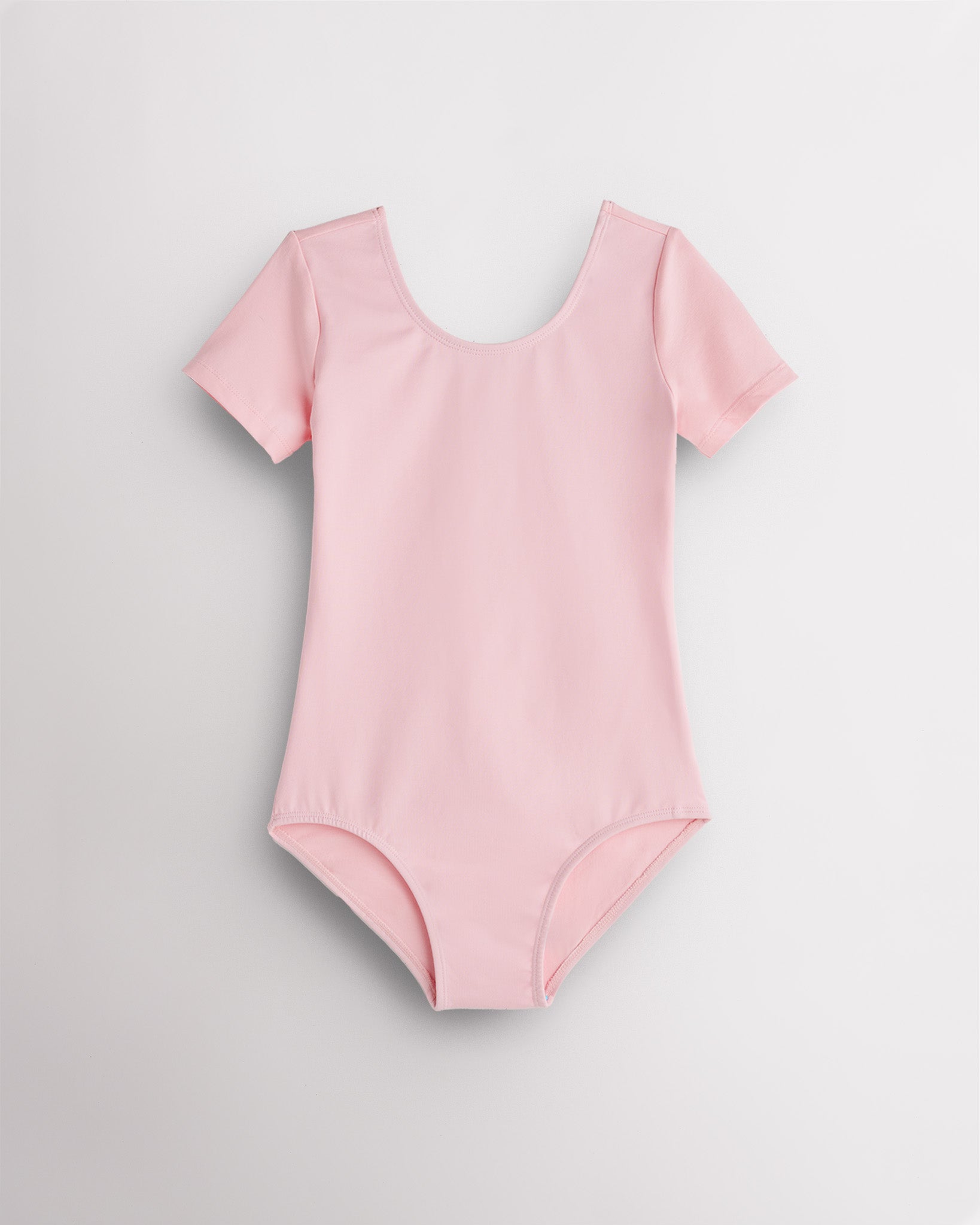
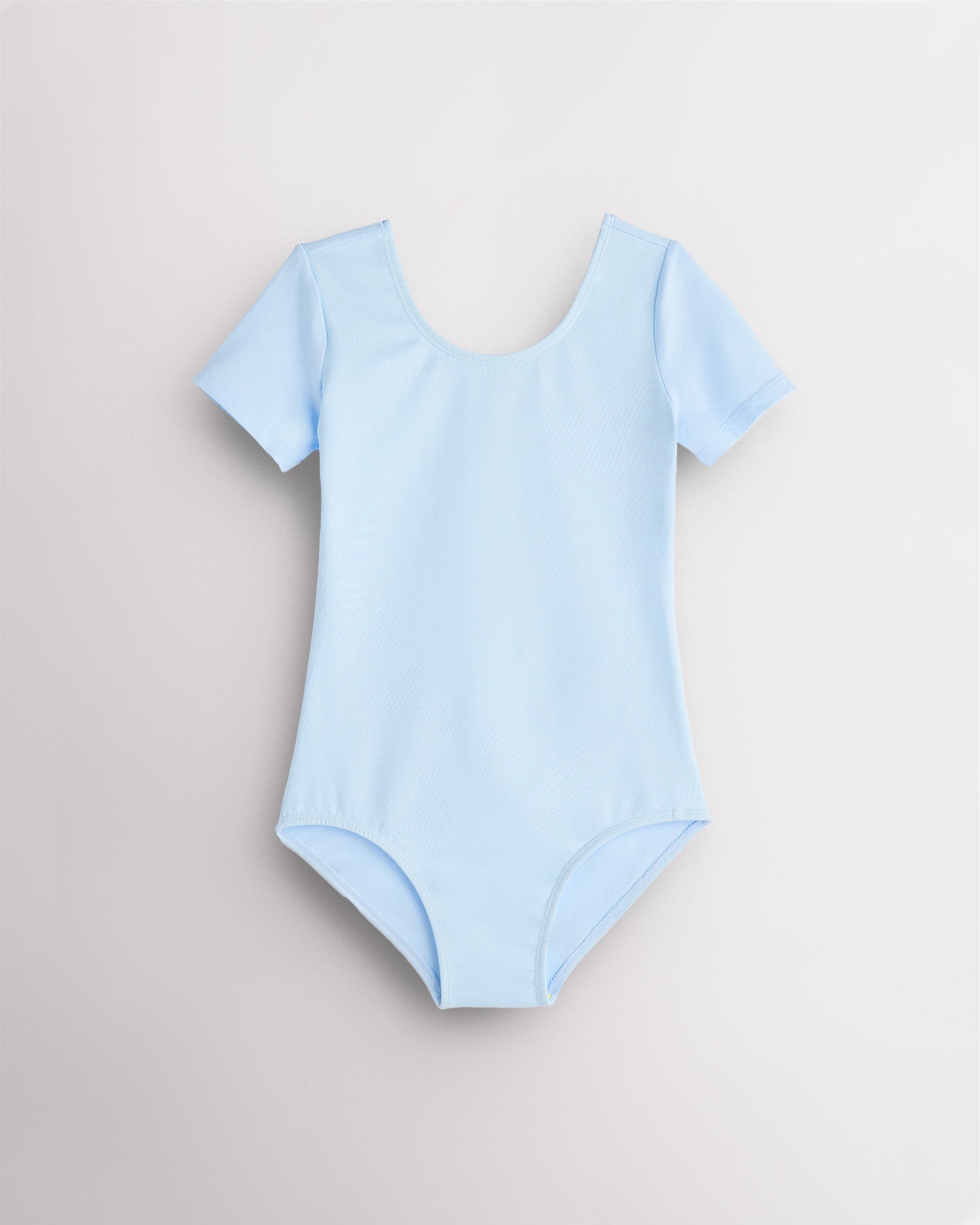
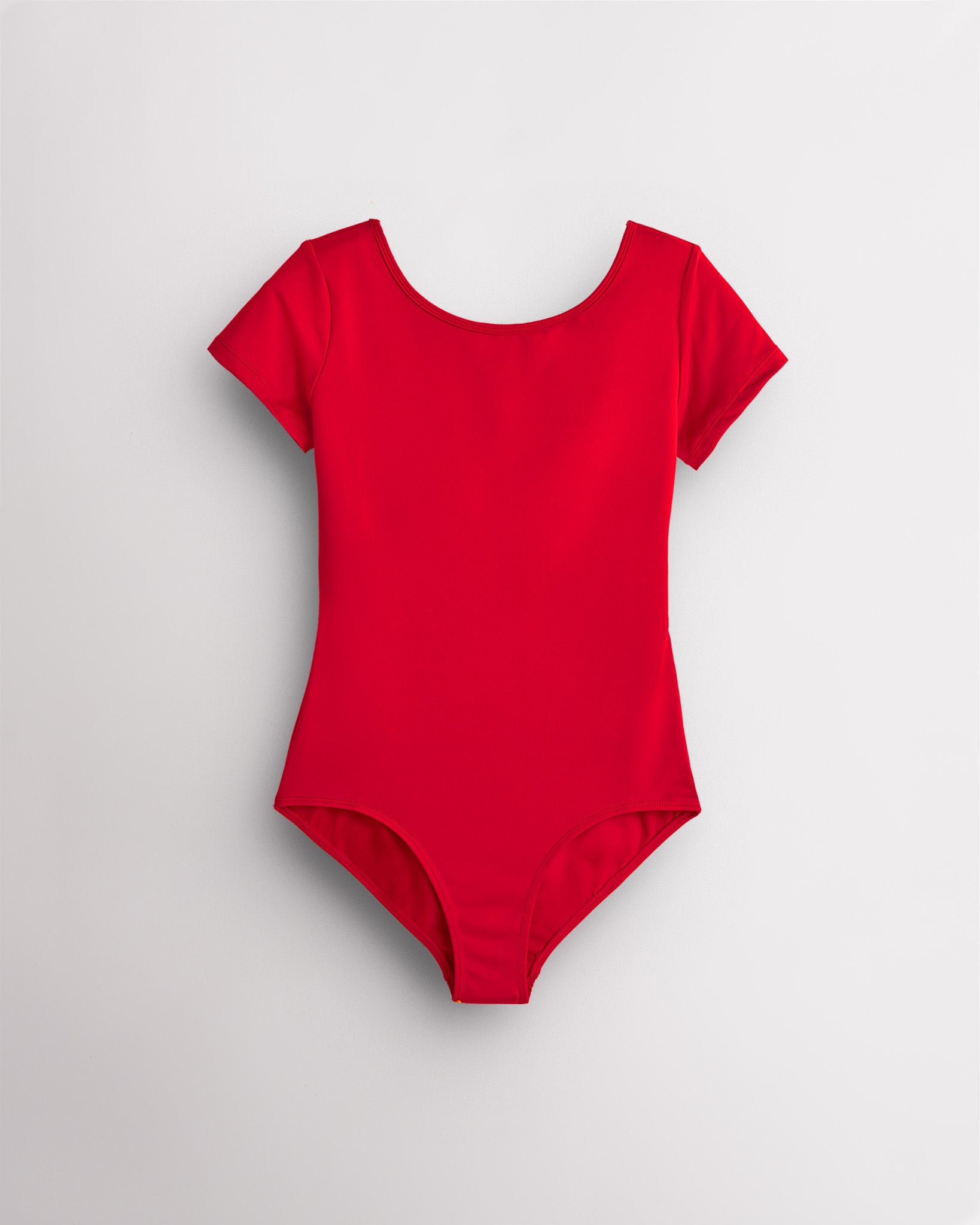
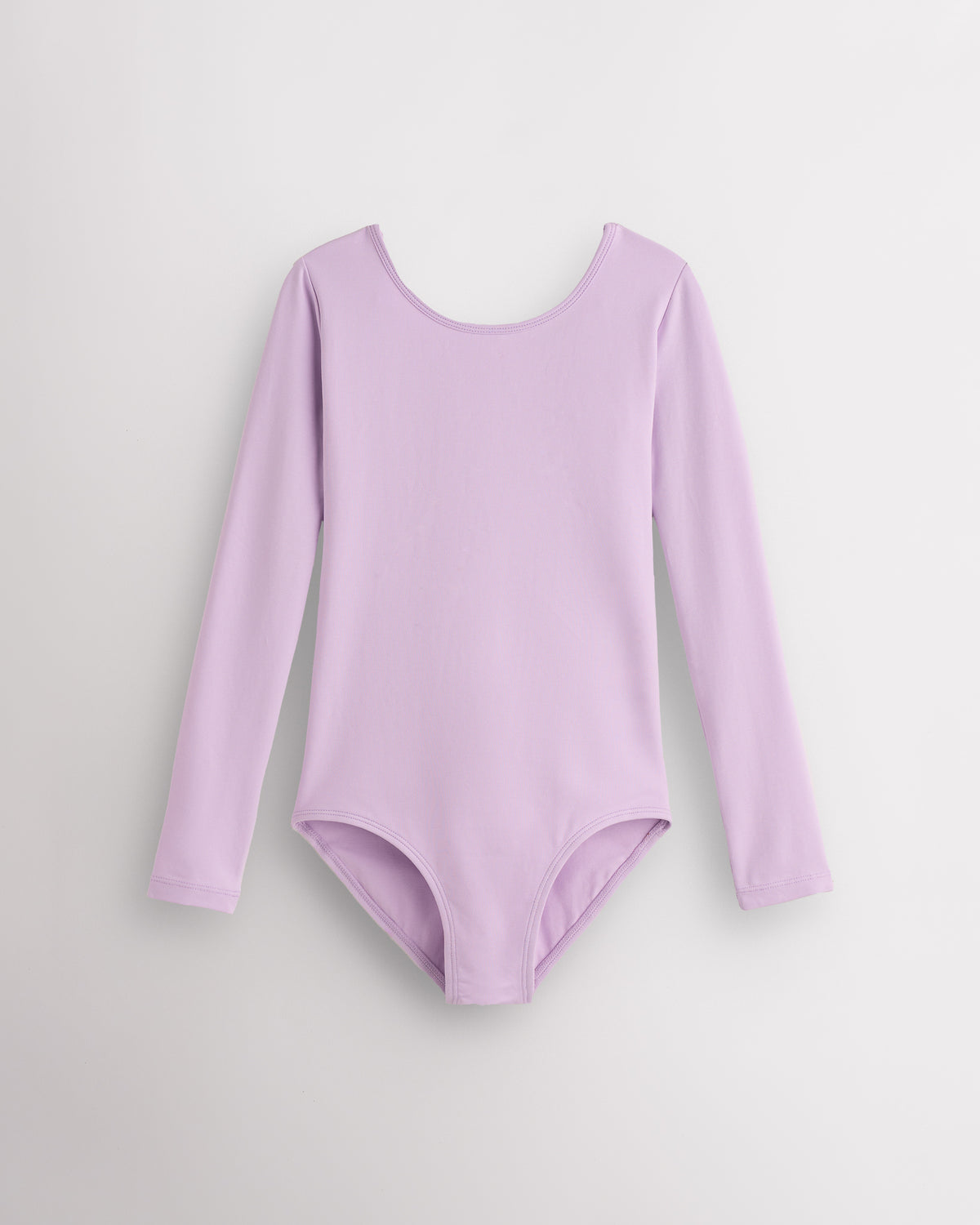
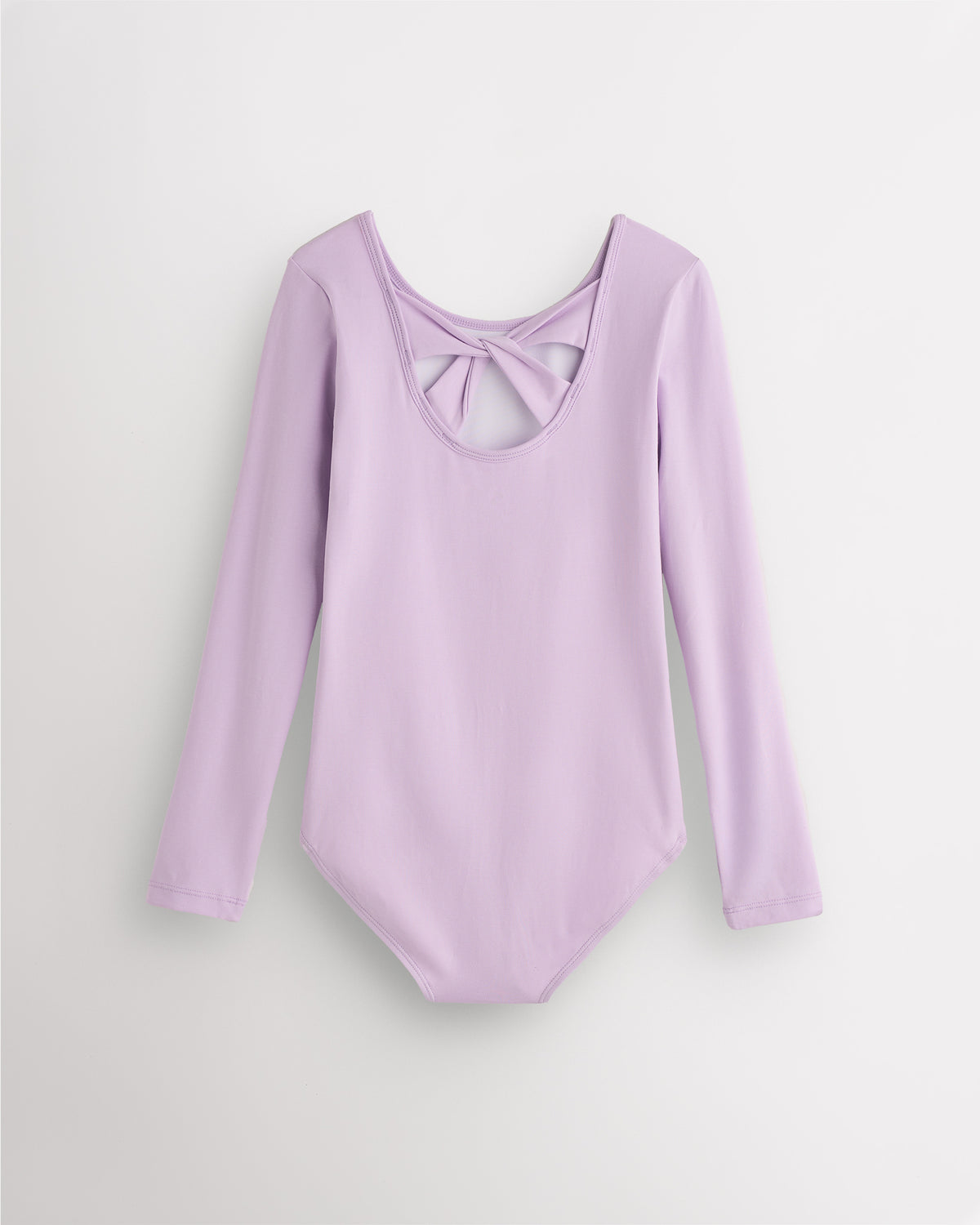
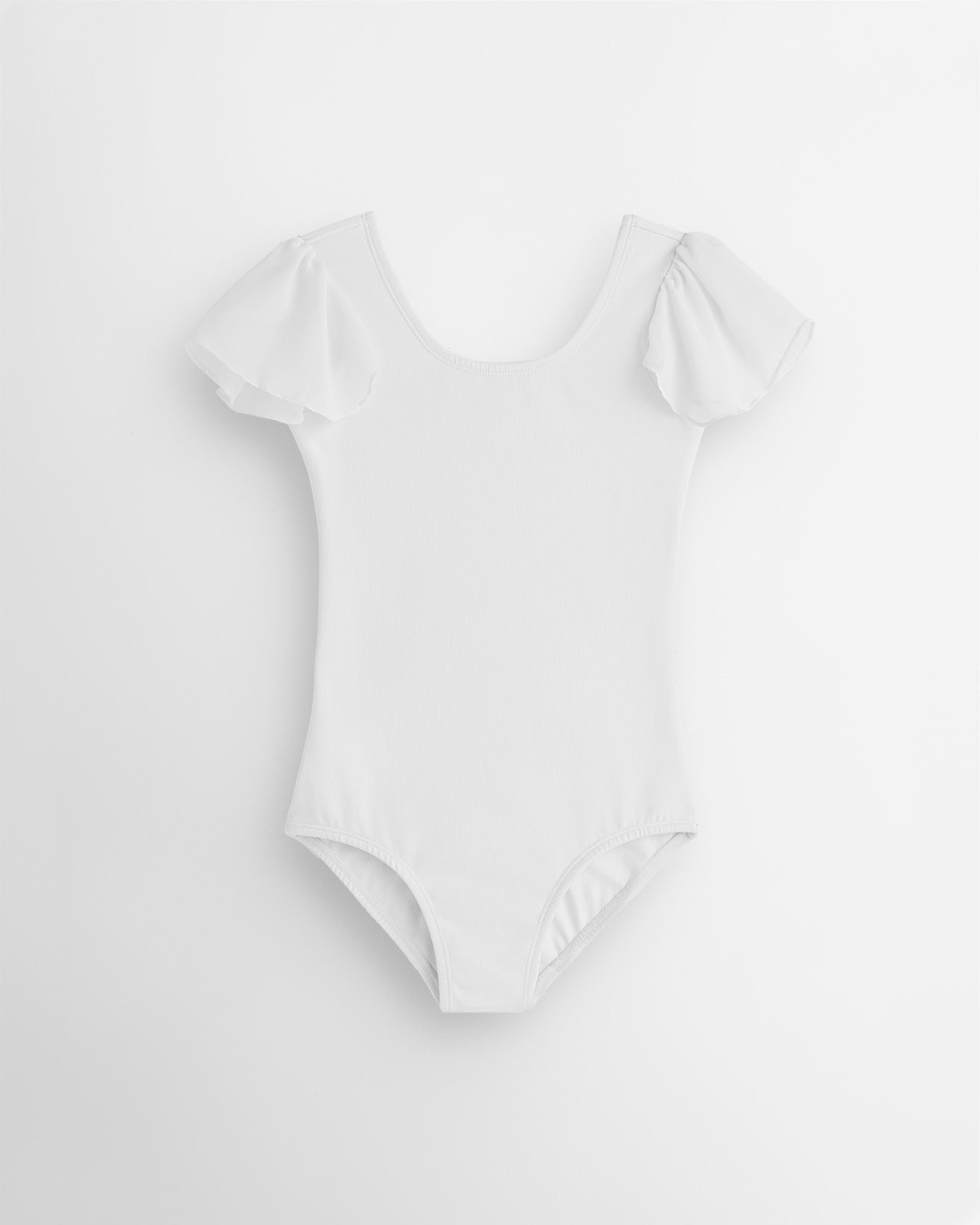
For a first class, start with one fitted, washable outfit your child can move in easily. A simple leotard with leggings or shorts works for both jazz and ballet, which helps if your child is still trying different styles.

How to choose jazz dance classes for kids
A few things matter more than everything else when comparing studios:
-
Ask for a trial class. Most studios offer one free or cheap. Watch whether the teacher keeps kids moving; the fancy footwork, big leaps, and quick turns are what keep beginners interested, and long stretches of standing around are what lose them.
-
Match the class to the age, not the ambition. A 5-year-old belongs in a combo or creative-movement class, not a technique-heavy jazz class, even if she seems ready.
-
Look at class size. Roughly 8 to 12 kids lets a teacher actually correct technique.
-
Check the recital and competition culture. Some studios are performance-heavy with extra rehearsals and costume fees; others keep it low-key. Neither is wrong, but pick the one that fits your family's appetite.
-
Ask what happens after level one. A studio with a clear path (beginner, intermediate, plus optional ballet for technique) will serve a kid who falls in love with jazz better than a one-class program.
FAQ
What age can kids start jazz dance?
Most studios offer dedicated jazz classes from around age 6 to 8, when kids can follow multi-step instructions and control isolations. Kids as young as 2 or 3 can start with combo or creative-movement classes that fold in jazz basics. Age cutoffs vary by studio, so check locally.
Does my child need ballet before starting jazz?
No. Jazz borrows technique from ballet, and many teachers recommend taking both eventually, but plenty of kids start with jazz alone. If your child sticks with jazz past the beginner level, adding a ballet class usually speeds up their turns, jumps, and overall control.
What do kids wear to a jazz dance class?
The short version: fitted, stretchy clothing plus soft jazz shoes. See the "What to wear to jazz class" section above for outfit specifics and shoe details, since dress codes vary by studio.
Is jazz dance hard for beginners?
Jazz is considered one of the more beginner-friendly styles because the basic steps are simple, the music is fun, and personality counts as much as precision early on. The challenge scales up gradually through turns, leaps, and faster combinations, so beginners can feel successful in the first class while still having plenty to grow into.
What is the difference between jazz and ballet for kids?
Ballet is formal and structured, with fixed positions, classical music, and an upright, lifted posture. Jazz uses many of the same building blocks but is faster, more grounded, and set to popular music, with more room for individual style. Kids who find ballet too slow often thrive in jazz, and the two styles reinforce each other.
About the Stelle Team
Stelle is a mom-founded dancewear brand, making leotards, tutus, and activewear for young dancers since 2015. Every article is created and reviewed by the team behind the products, drawing on what we hear from dance teachers, studio owners, and dance parents every day. Learn more about Stelle.