



Quick answer
A first ballet class for kids is usually a 30 to 45 minute session built around simple, playful basics: circle time or a warm-up, a few foundational positions, movement games set to music, and a goodbye ritual like a curtsy or bow. Your child needs a leotard, tights, and ballet shoes (check your studio's dress code first), and you will most likely wait in the lobby rather than in the room. Most kids settle in within two or three classes, so a wobbly first day is normal and not a sign ballet is wrong for them.
Key takeaways
-
Studios run ballet classes for children as young as 18 months to 3 years, but there is no cutoff: kids who start at 7, 9, or later can still build a strong foundation.
-
Call the studio before you buy anything. Most require a single-color leotard, tights, and pink, white, or black ballet shoes, and some specify the exact shade.
-
First classes are short and playful. Expect movement games and basic positions, not strict technique drills.
-
Parents typically wait outside the room. Kids who are given a little independence usually adjust faster.
-
The benefits go well beyond dance: coordination, posture, focus, confidence, and social skills all get real work in a ballet class, and research from dance education bodies backs this up.
-
One or two classes a week is plenty for a young beginner. Quality of teaching matters more than hours.
What age should your child start ballet?
Most studios accept toddlers from around 18 months to 3 years in parent-and-me or "baby ballet" classes, and many teachers consider ages 3 to 7 the sweet spot for starting structured pre-ballet. That said, there is no deadline. Plenty of dancers start at 8, 10, or as teenagers and do beautifully, because early classes are less about technique and more about musicality, coordination, and loving movement.
A rough map of how classes change by age:
|
Age |
What class looks like |
What they actually learn |
|---|---|---|
|
Under 2 |
Parent-and-me, songs and bounces |
Body awareness, socialization, joy in movement |
|
2 to 3 |
Short classes, parent nearby at first |
Gross and fine motor skills, following simple directions |
|
3 to 7 |
Pre-ballet, 30 to 45 minutes, independent |
First positions, ballet words, moving to music |
|
7 and up |
Longer classes, real technique begins |
Choreography, memory, strength, sometimes home practice |
Age ranges and class formats vary a lot from studio to studio, so treat these as a starting point and confirm the details with your local school before signing up. For a deeper look at timing, including when serious technique training typically begins, see our guide on what age to start ballet.
And yes: boys belong in ballet class too. Most studios welcome them, and many offer boys-specific dress codes and classes.
How to prepare for the first class
-
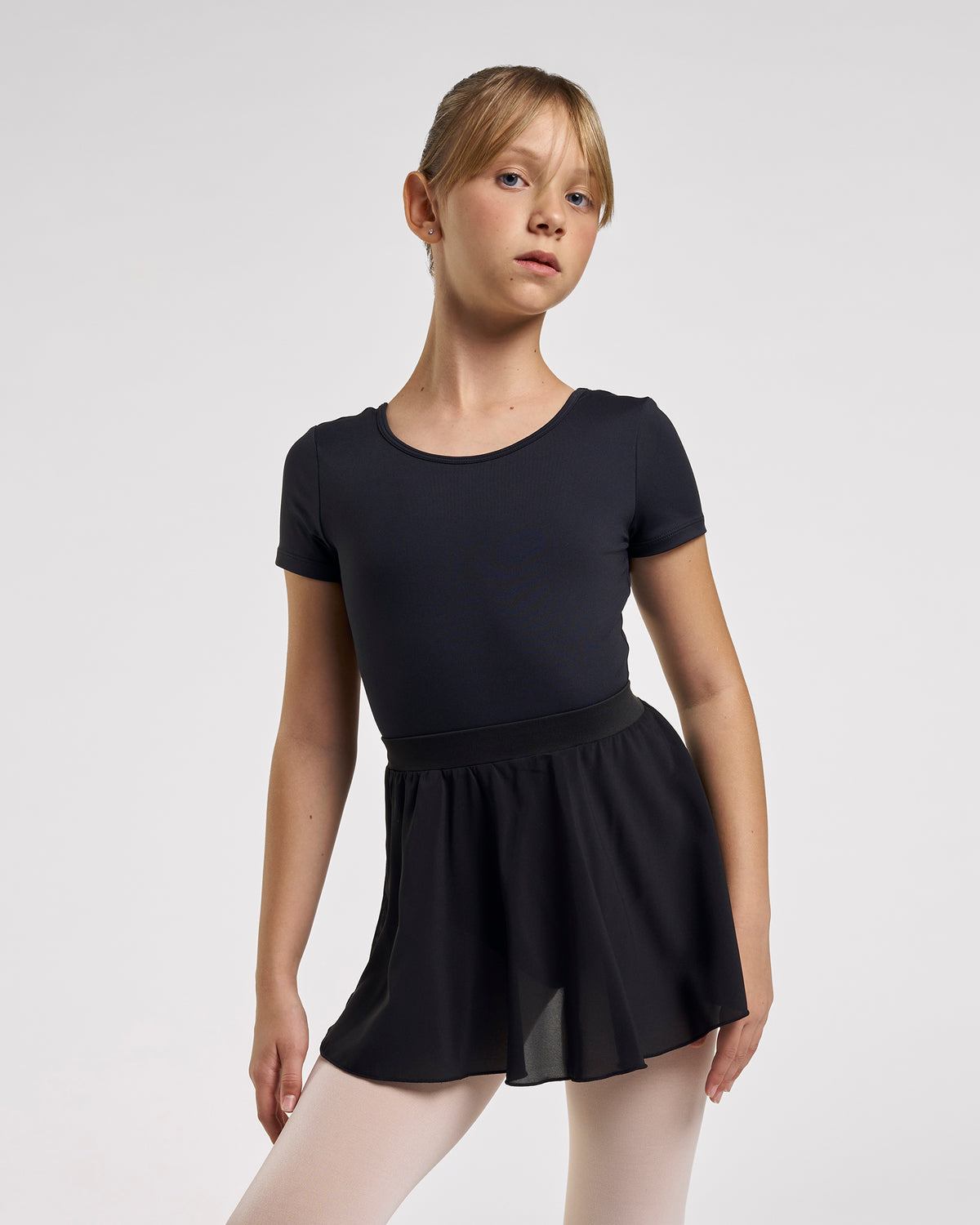
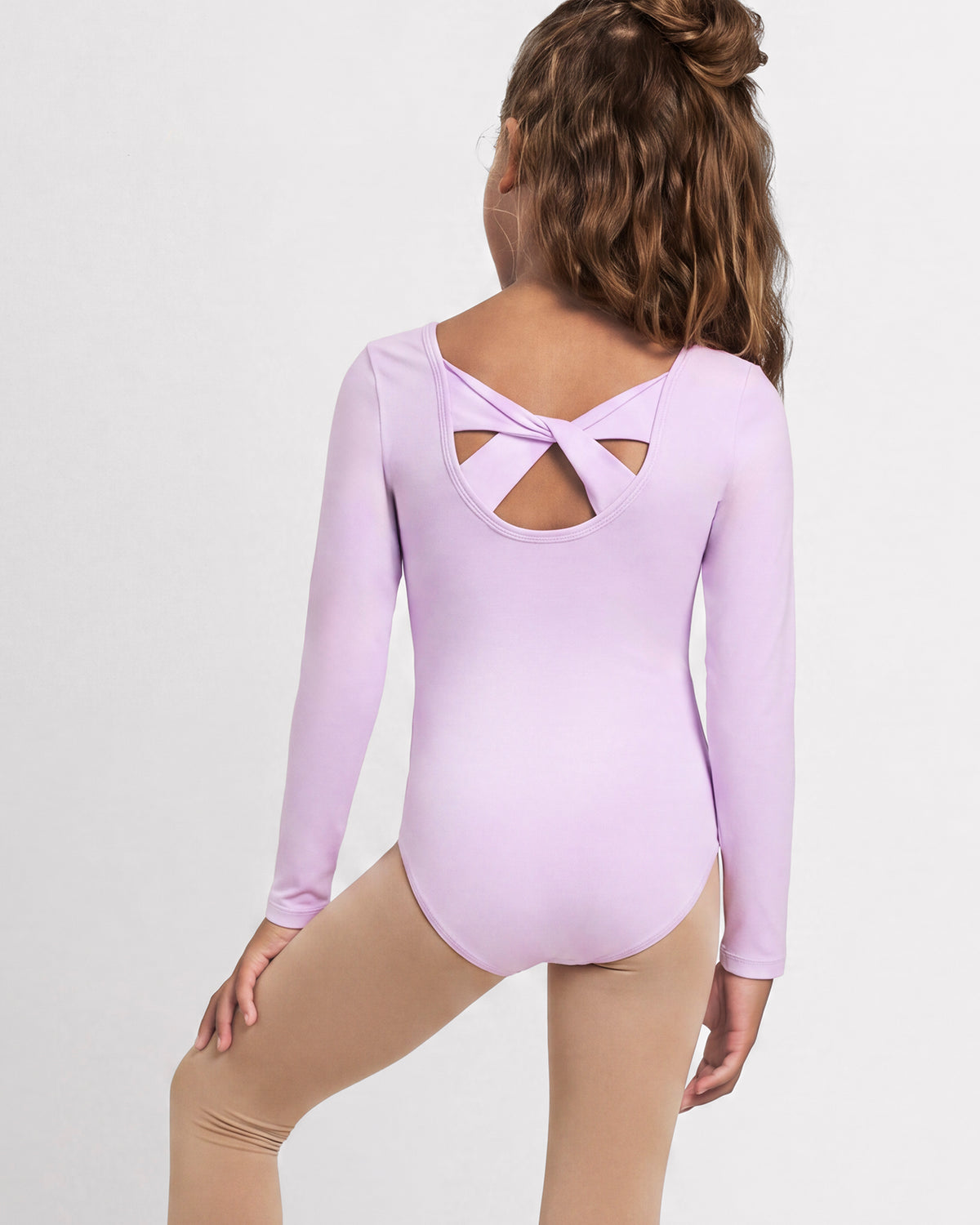
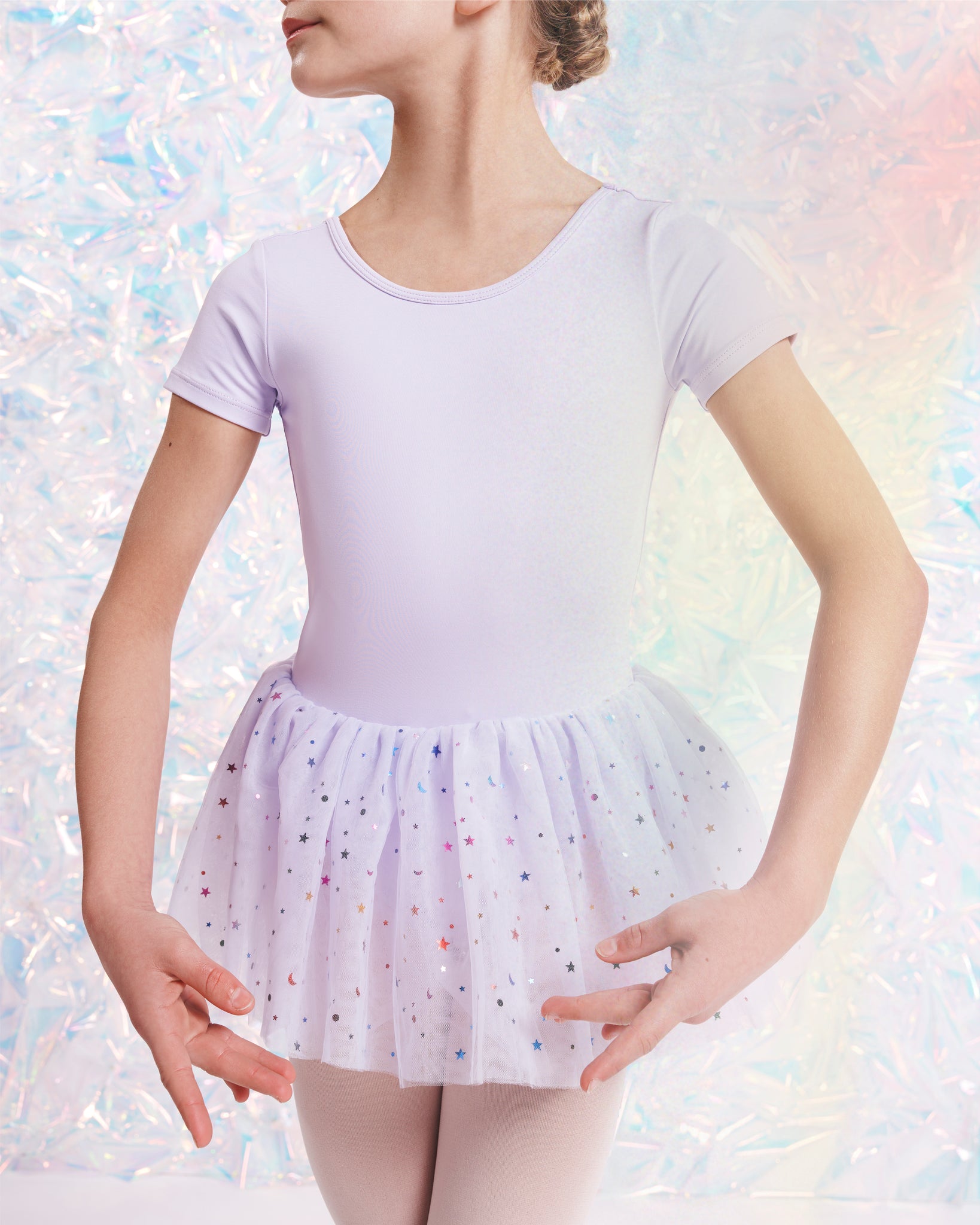
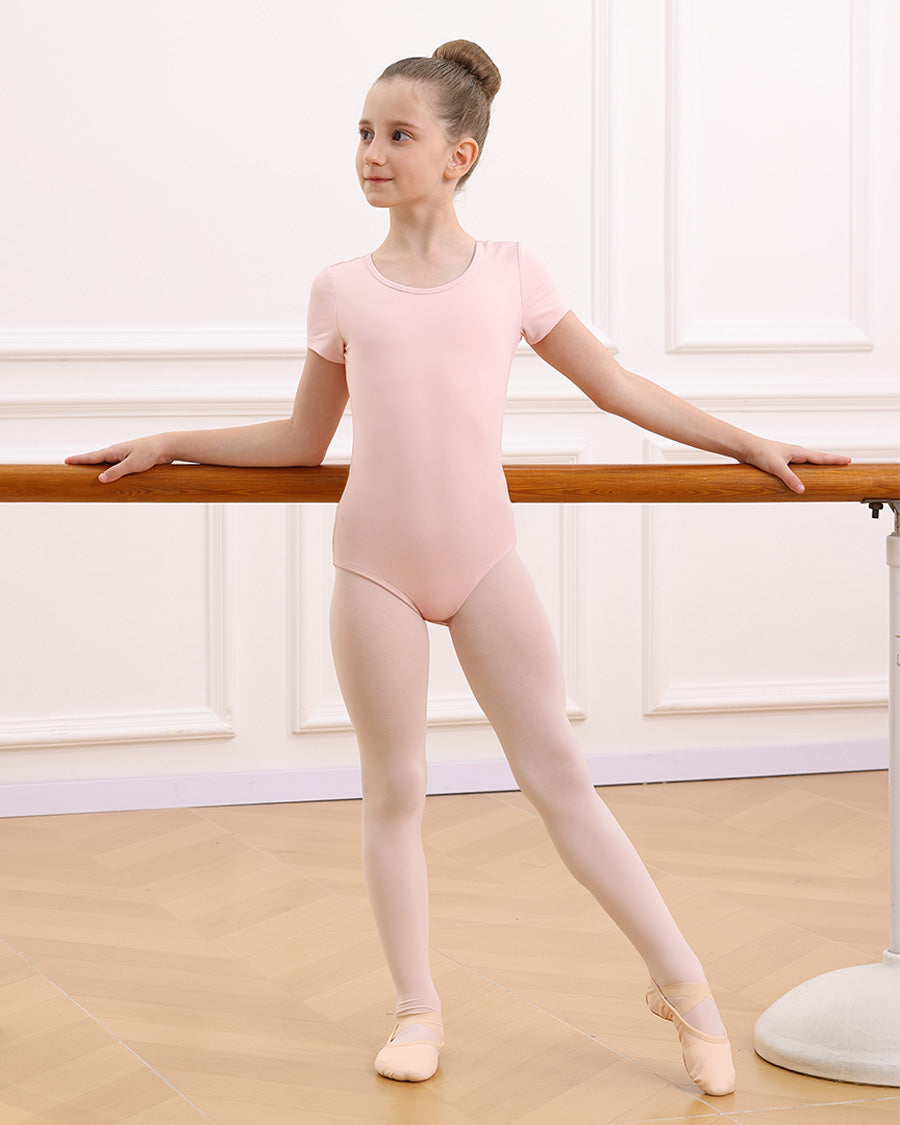
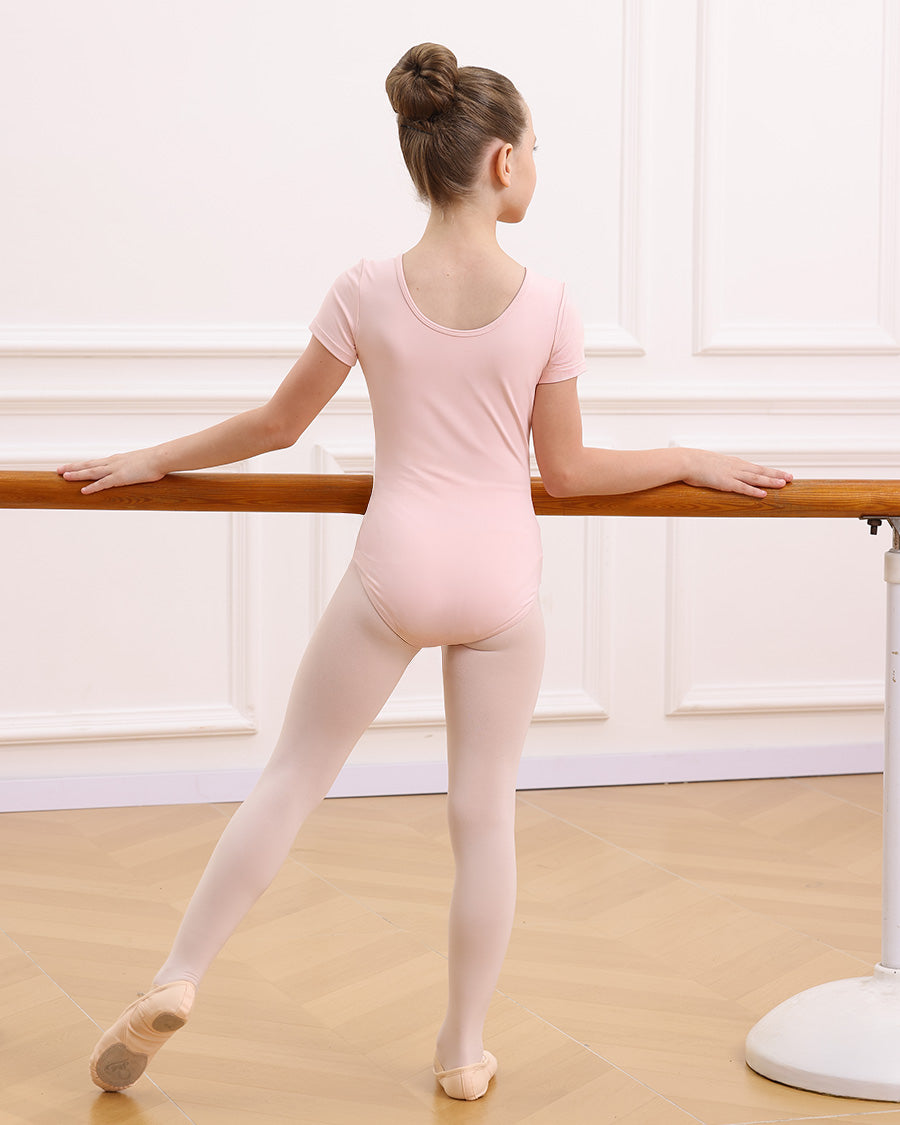
Step 1: Call the studio about the dress code. Most require a single-color leotard and tights for girls, and athletic wear or a fitted top with leggings for boys. Some studios specify exact colors for recitals, so ask before you buy.
-
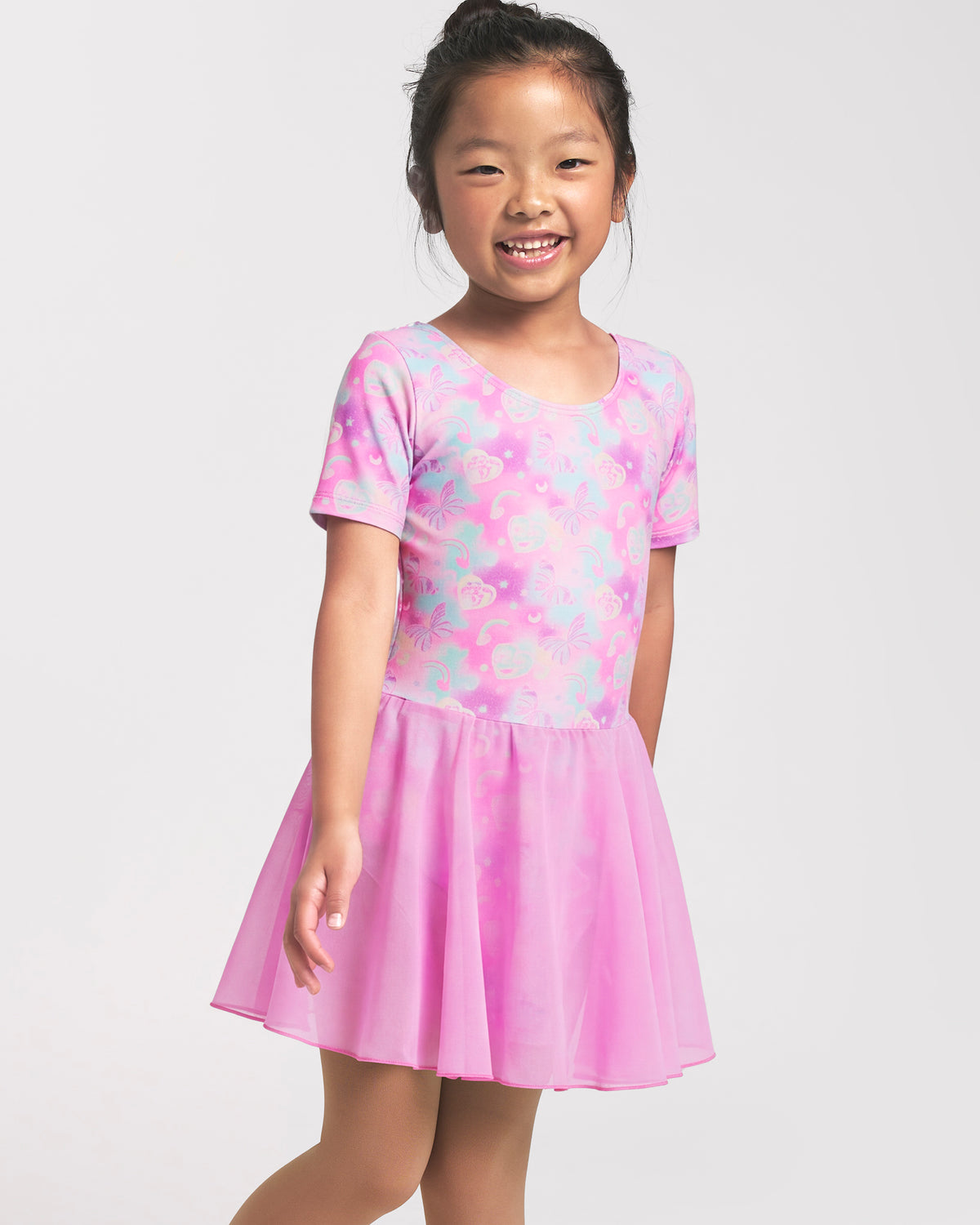
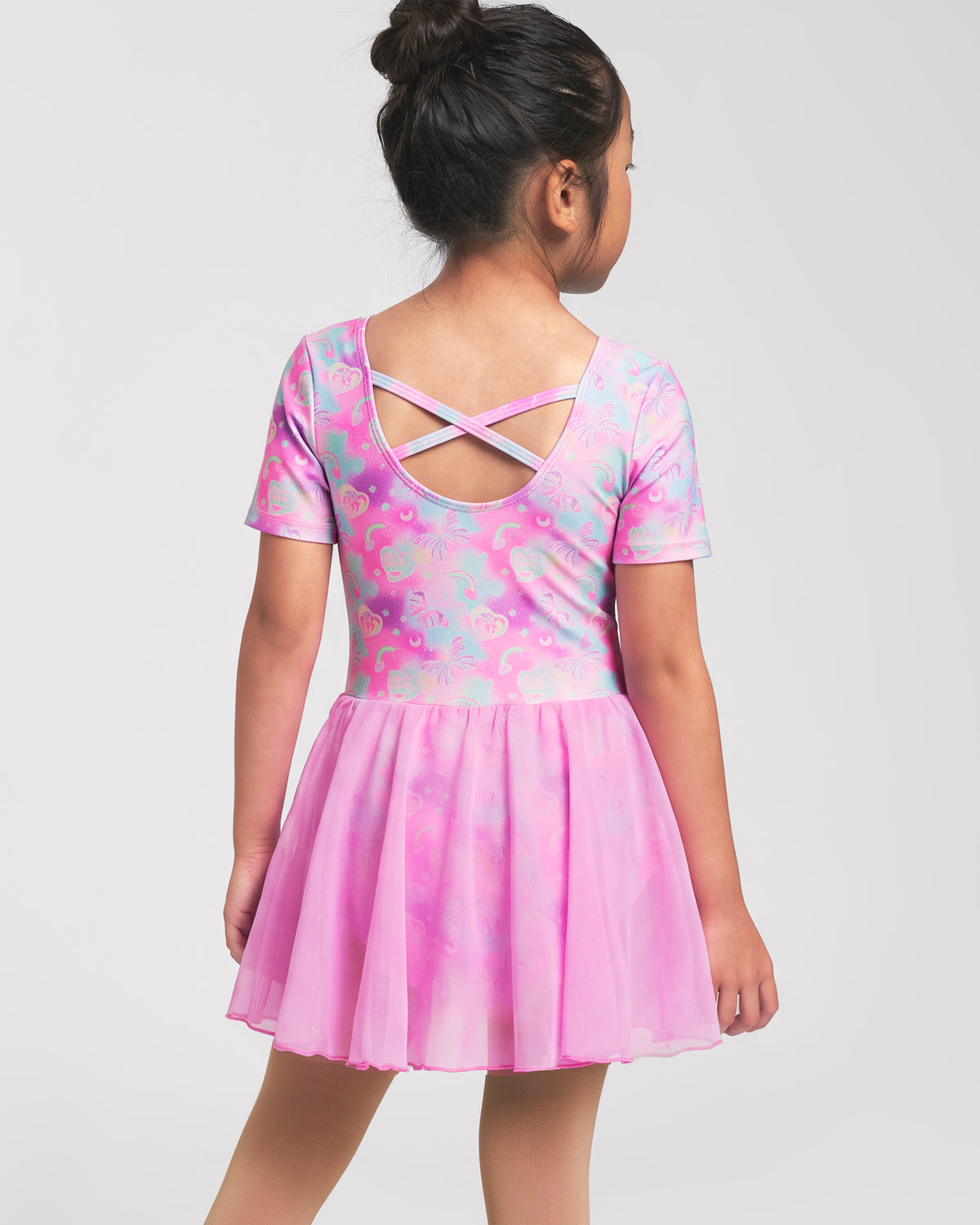
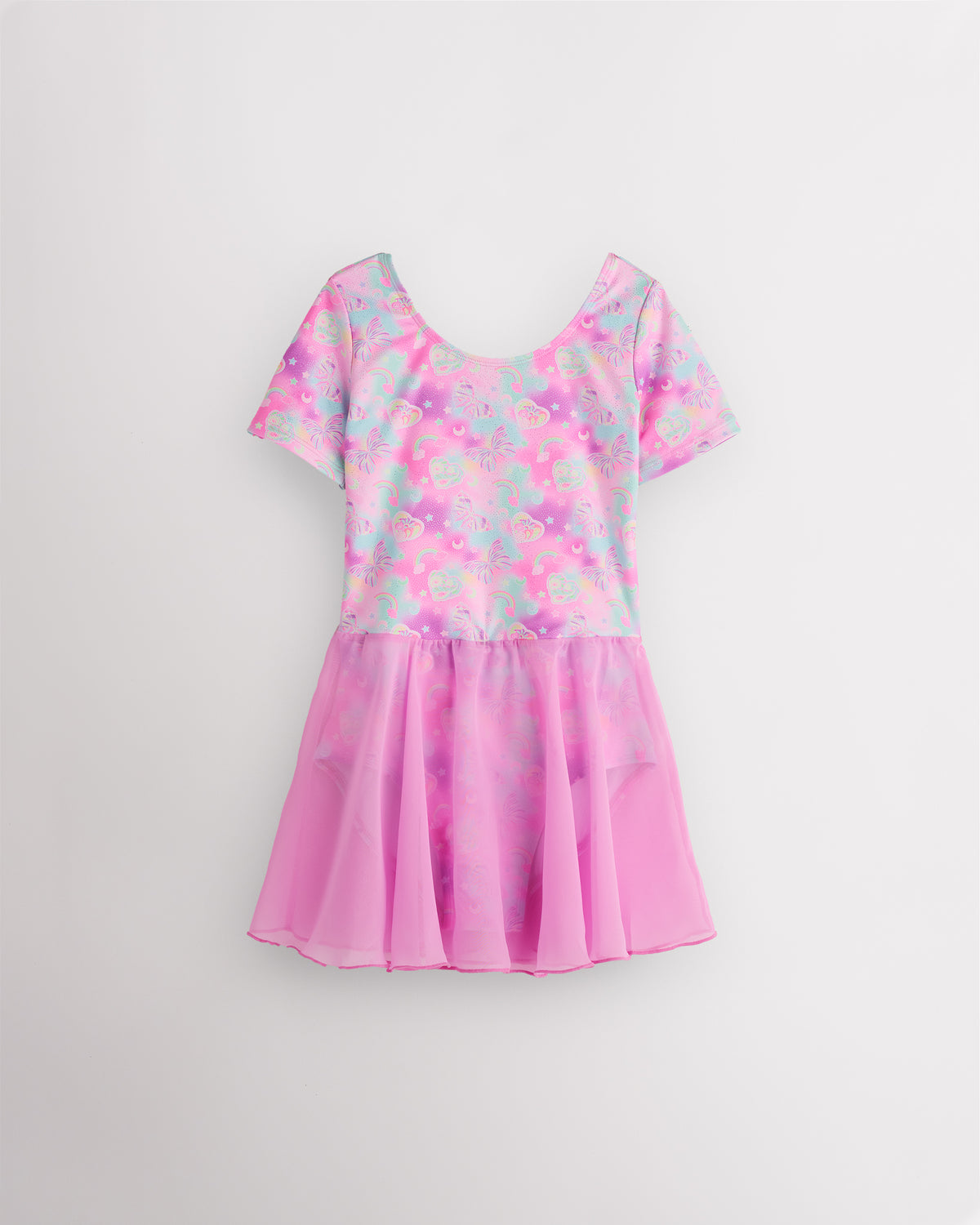
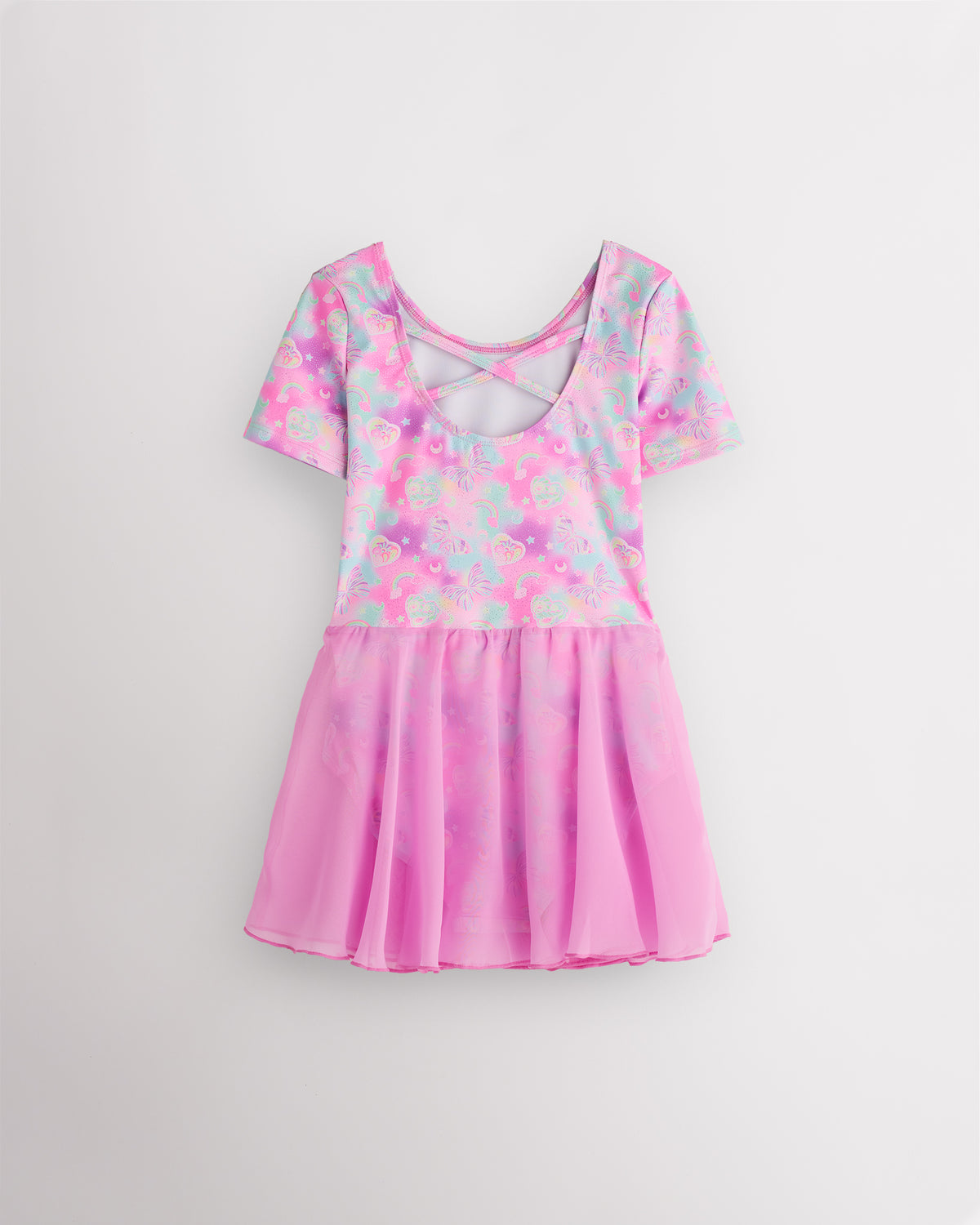
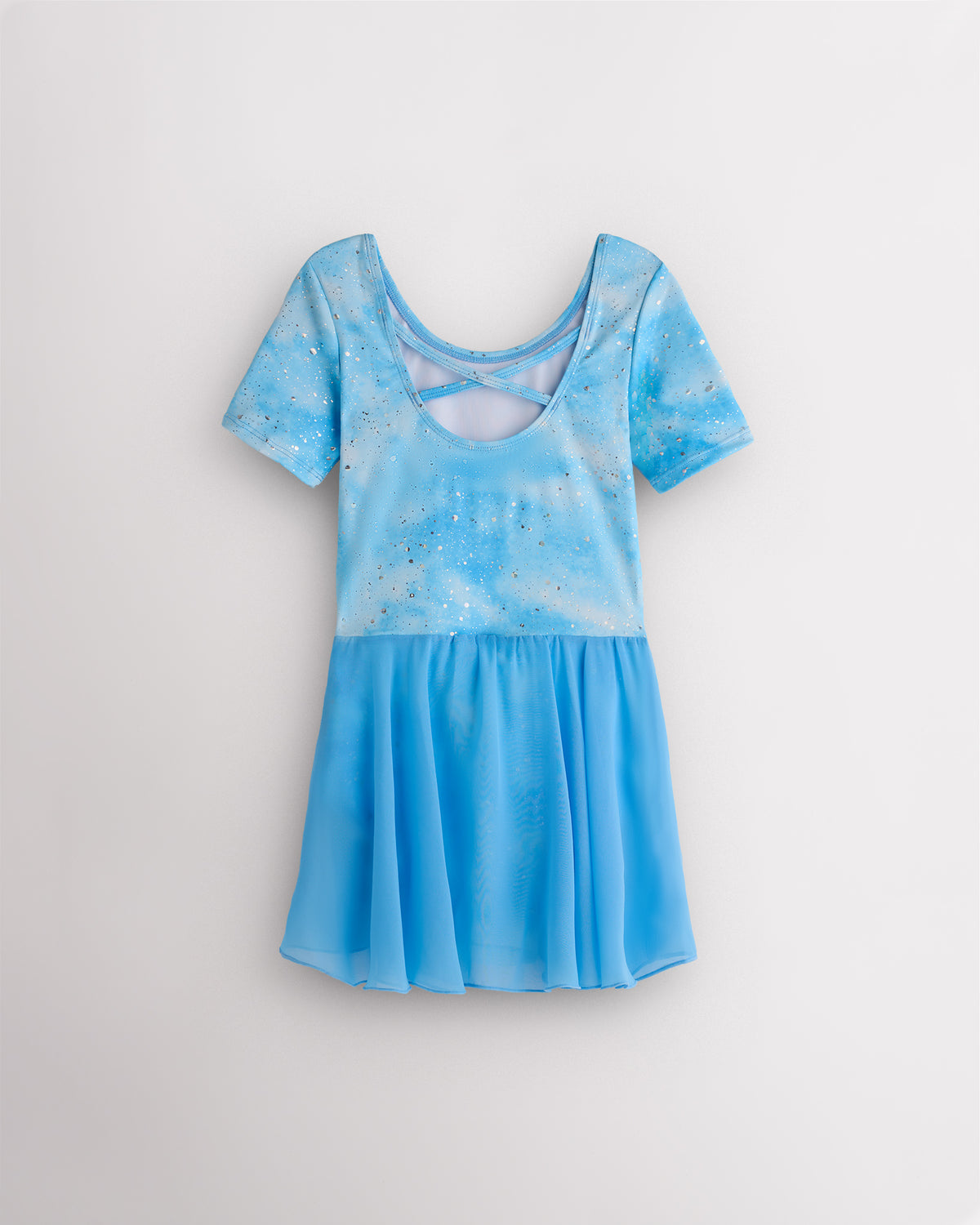
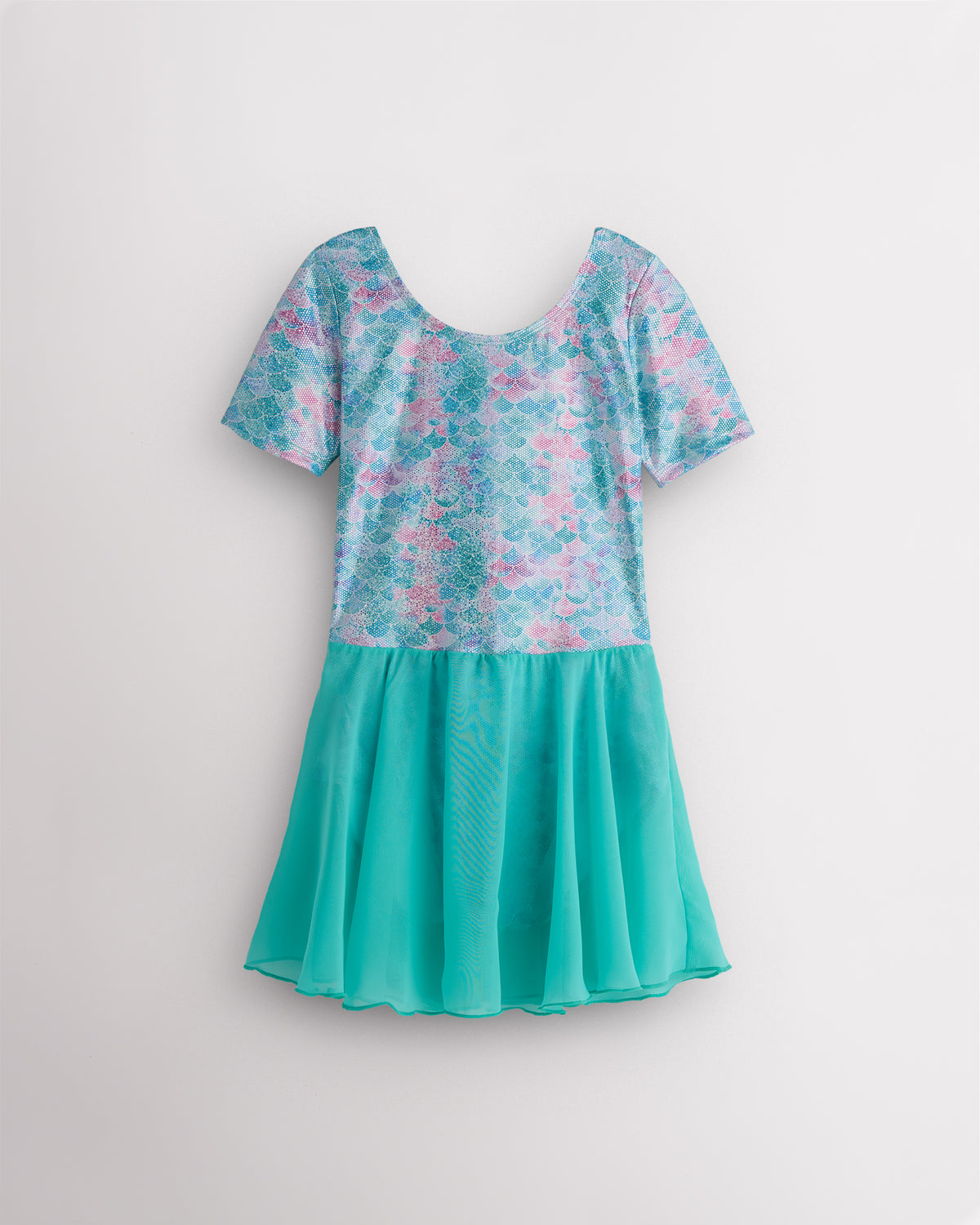
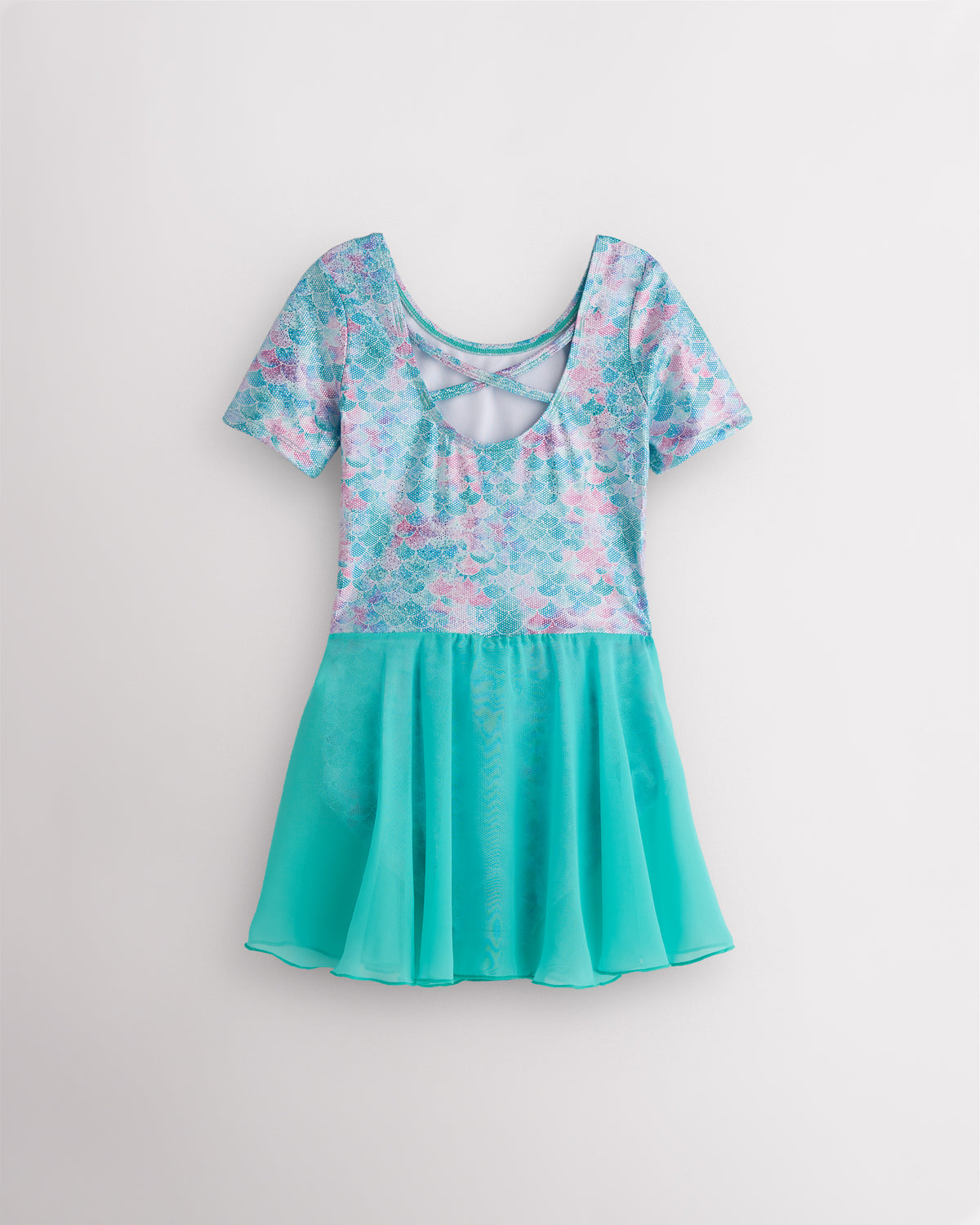
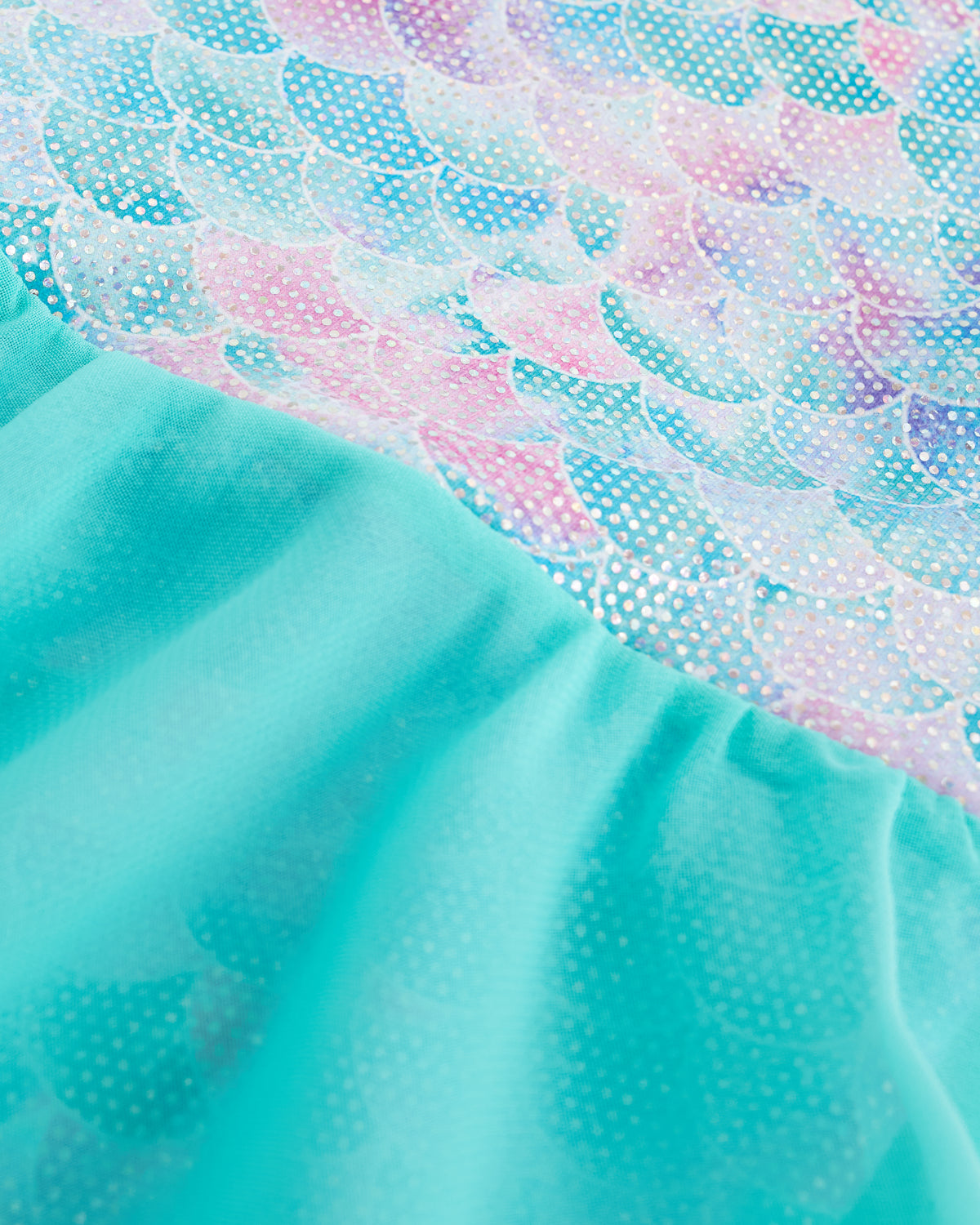
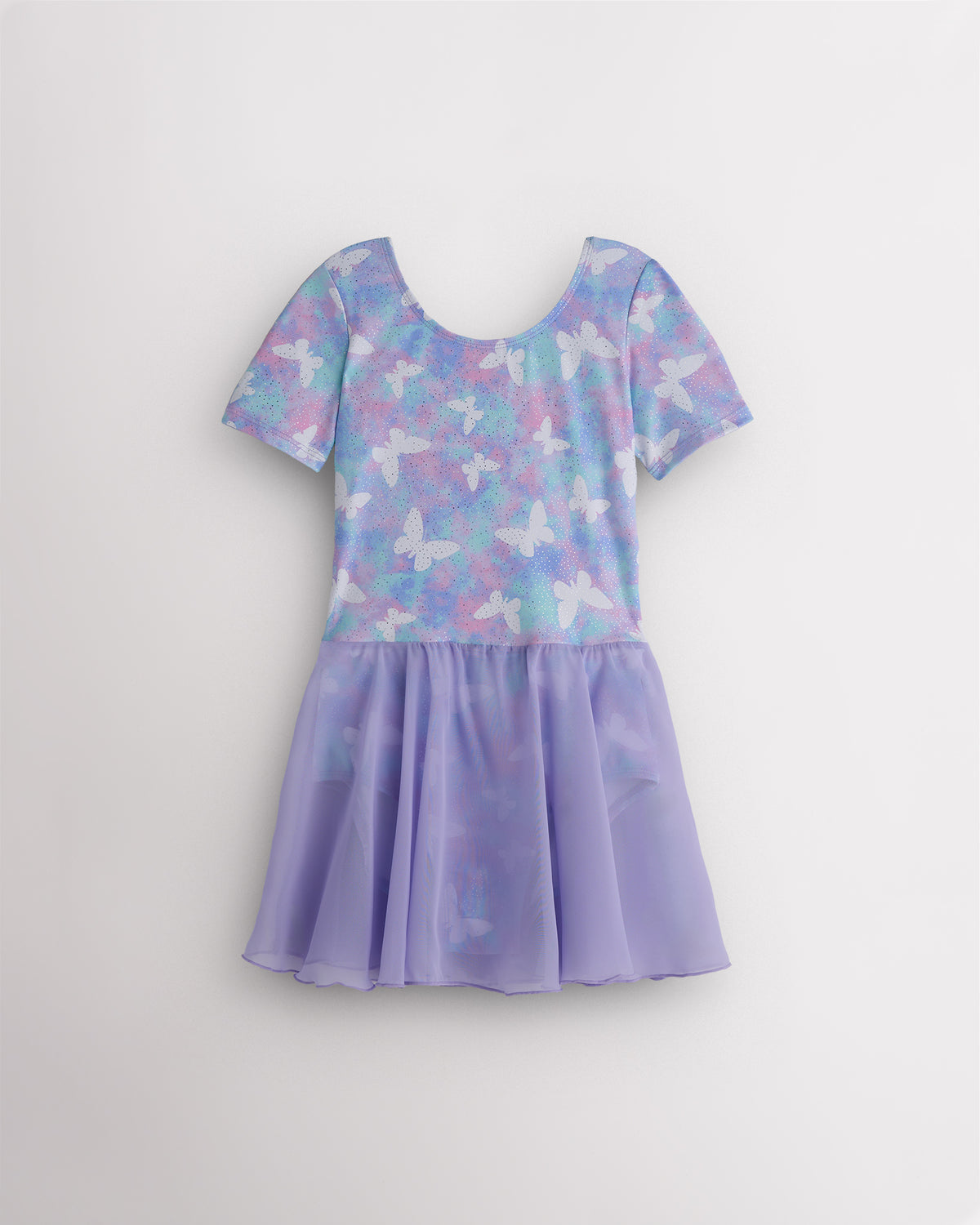
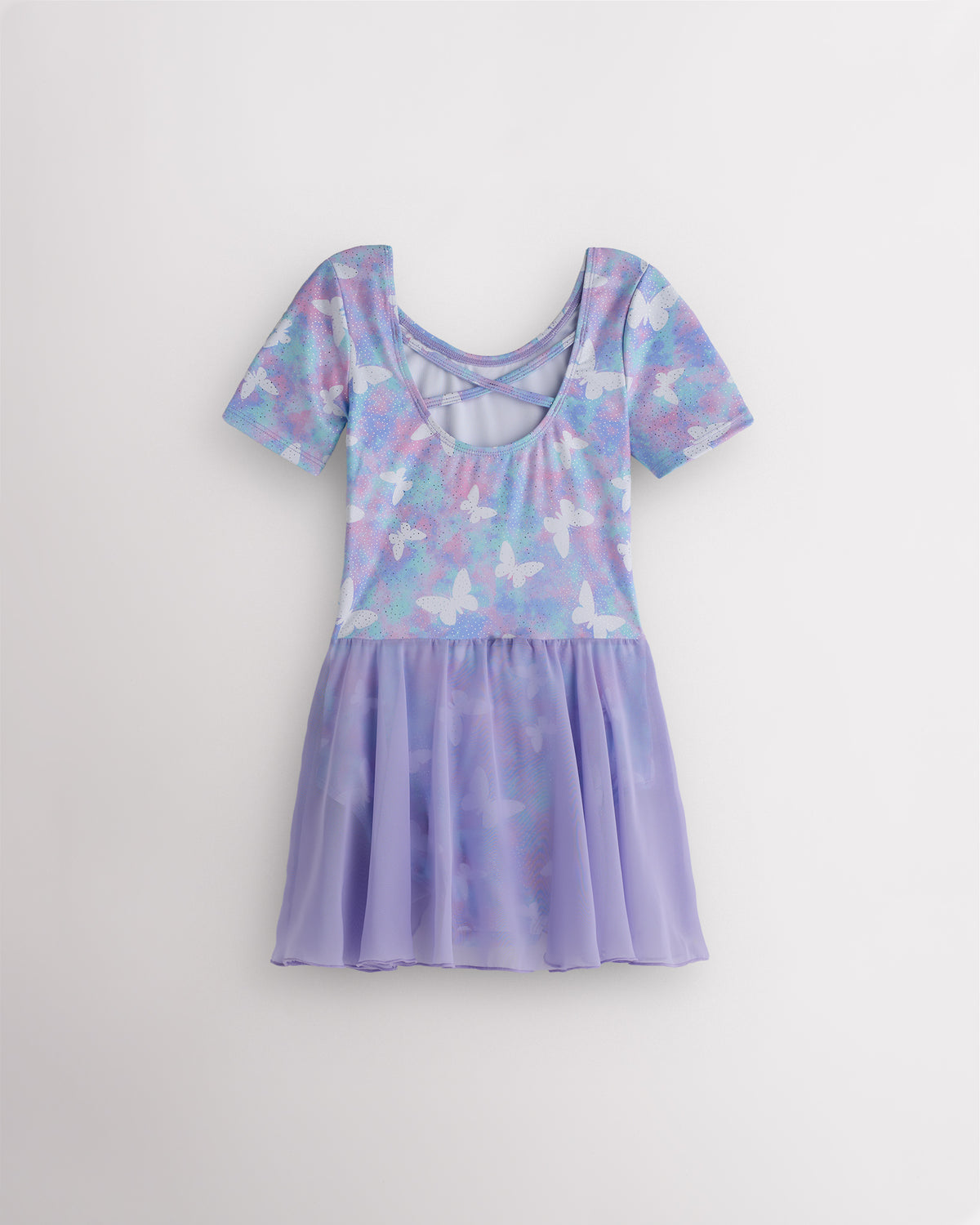
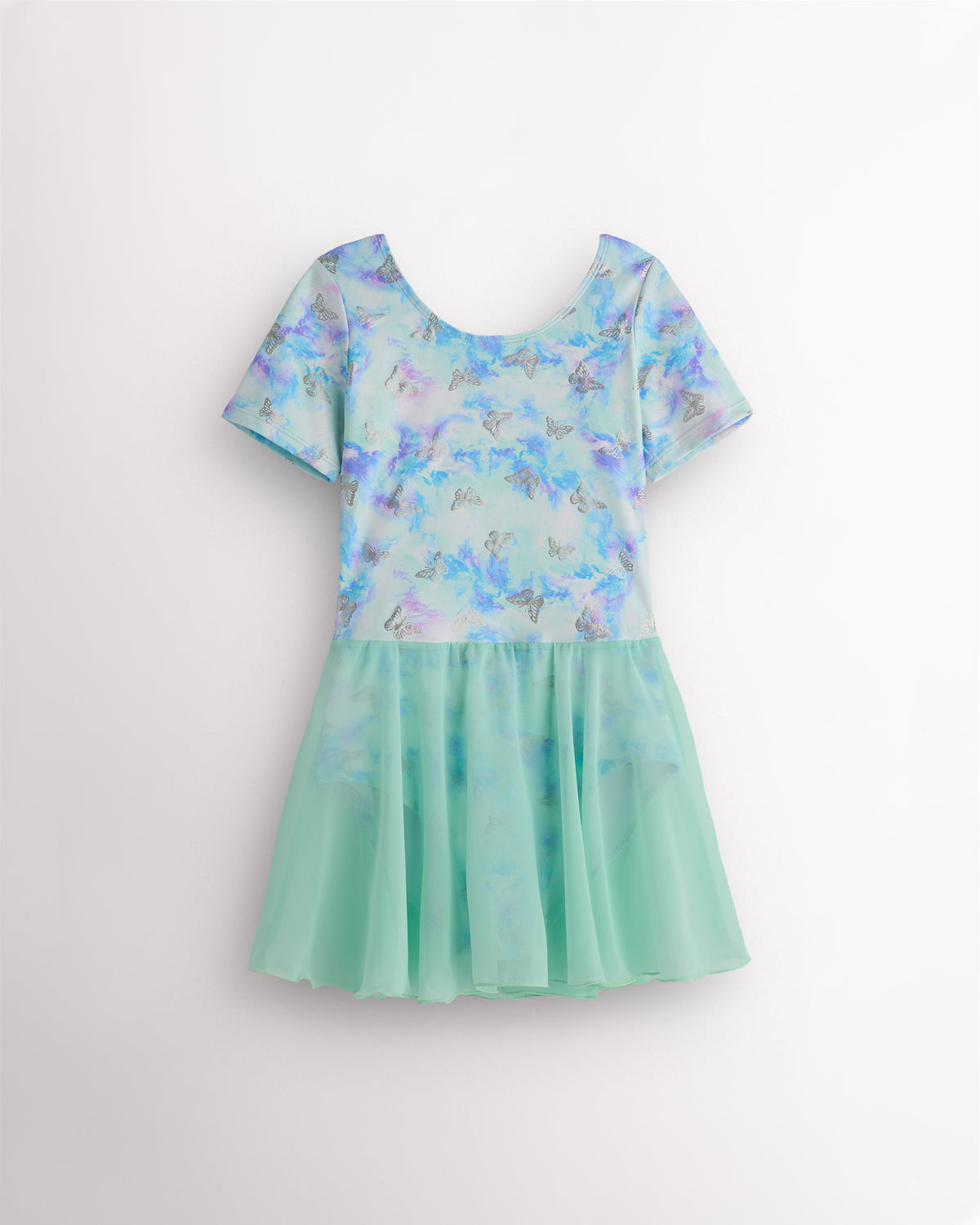
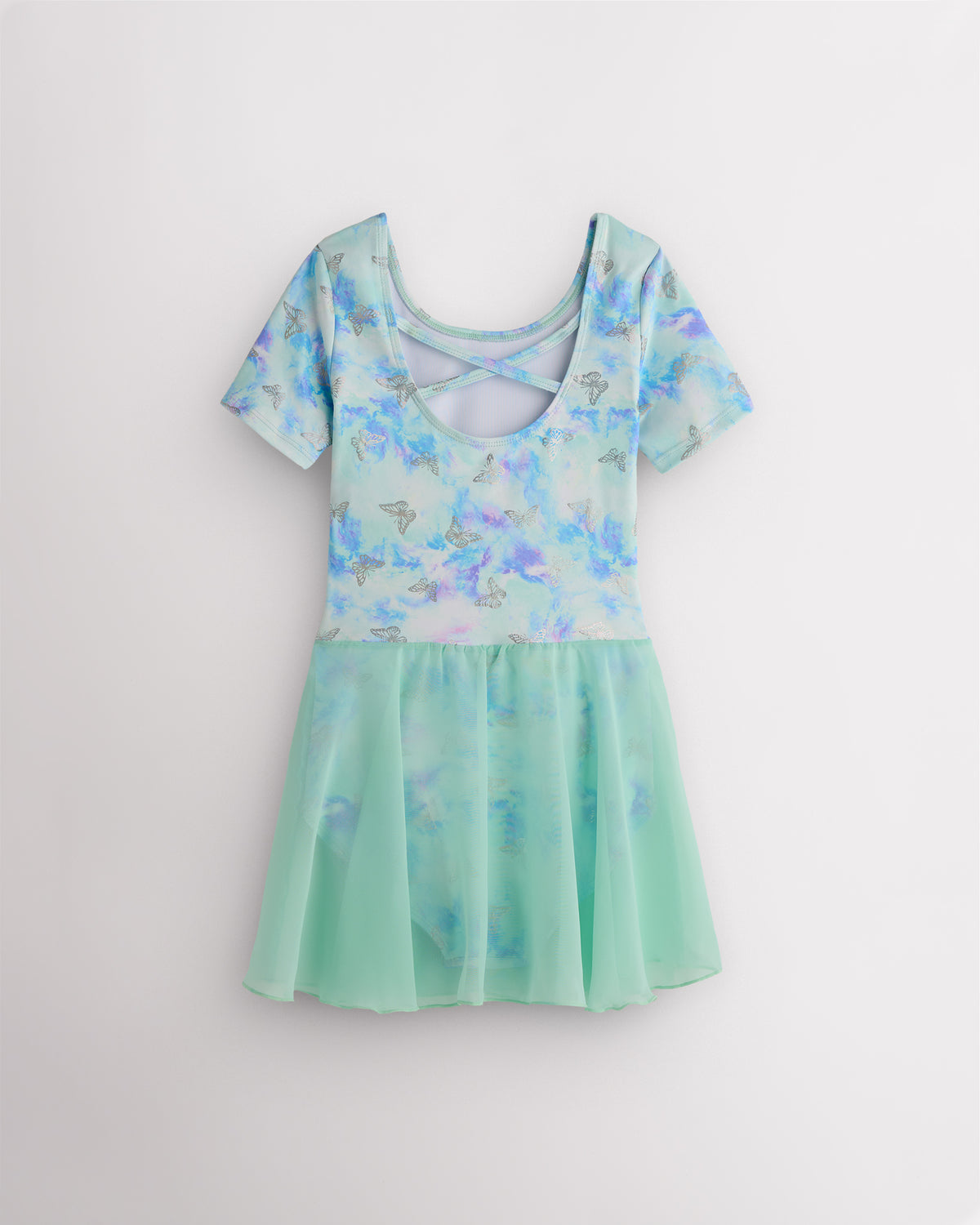
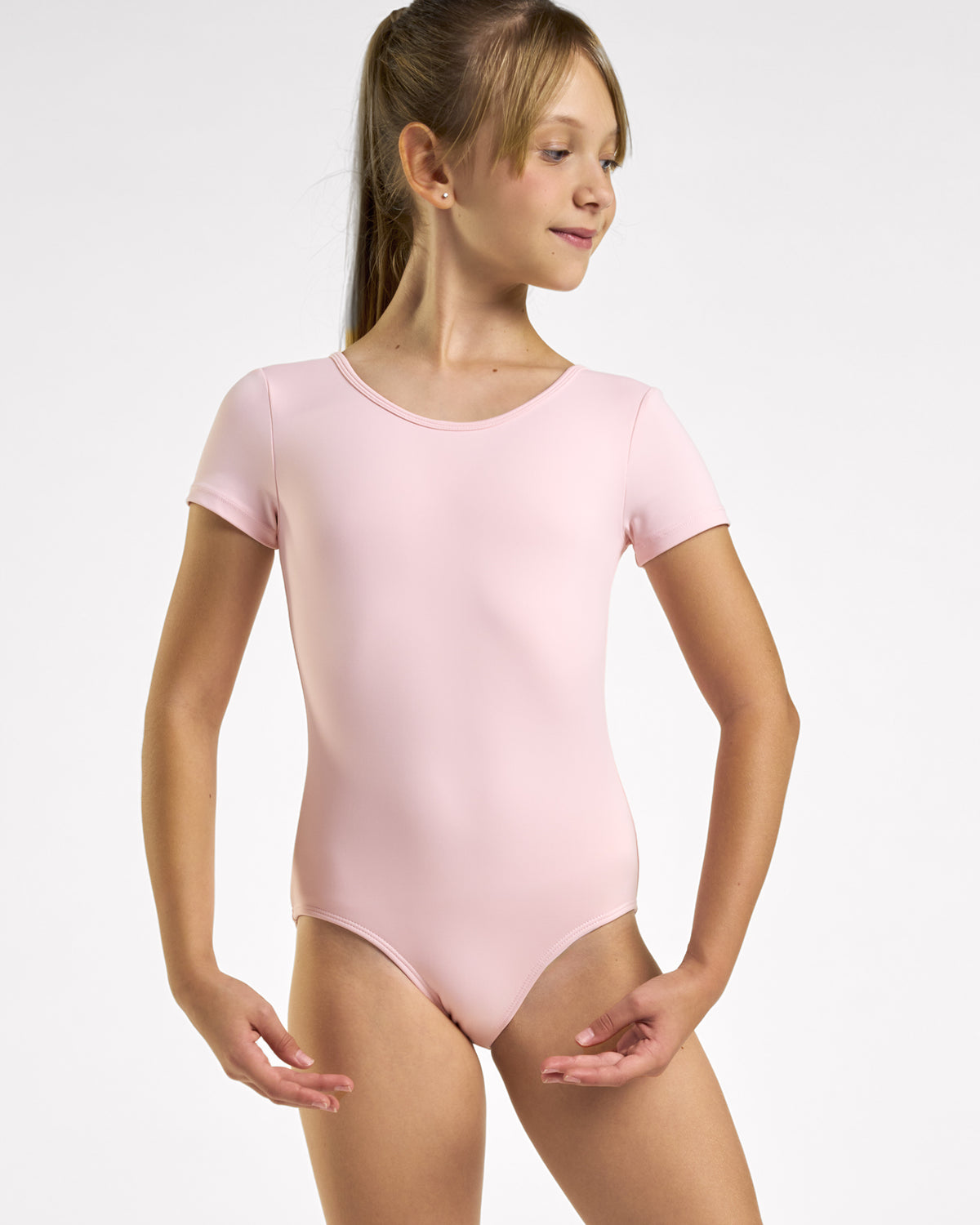
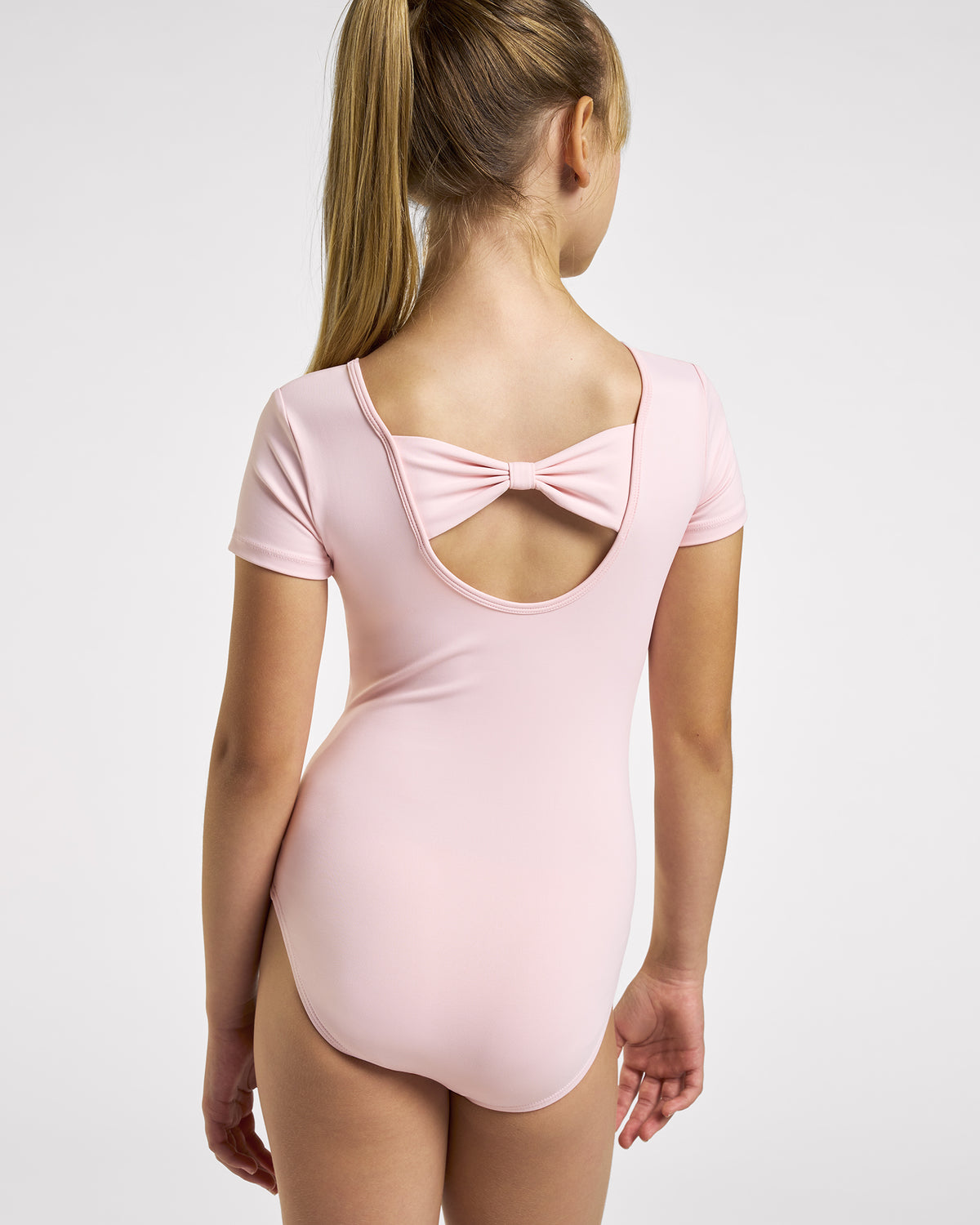
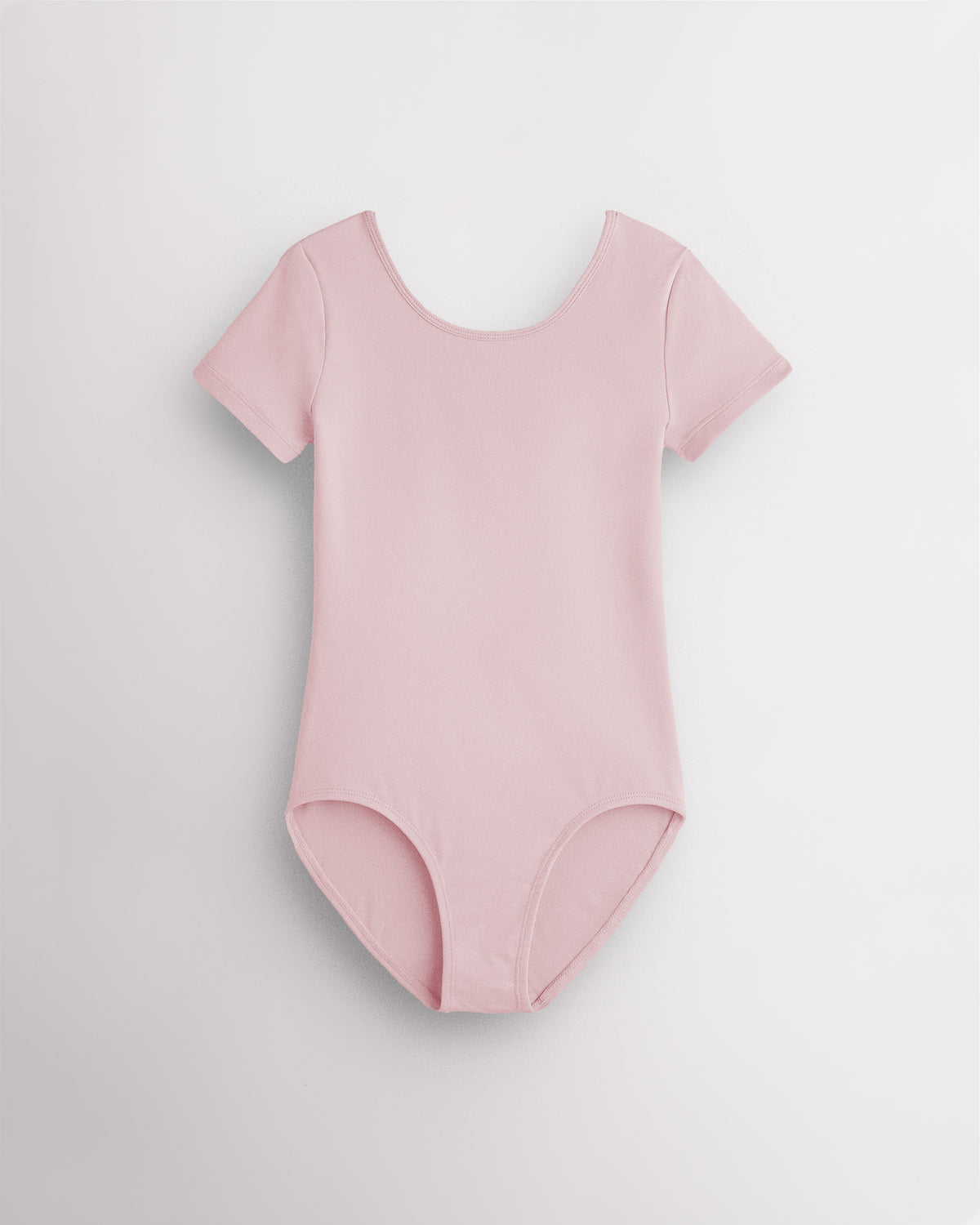
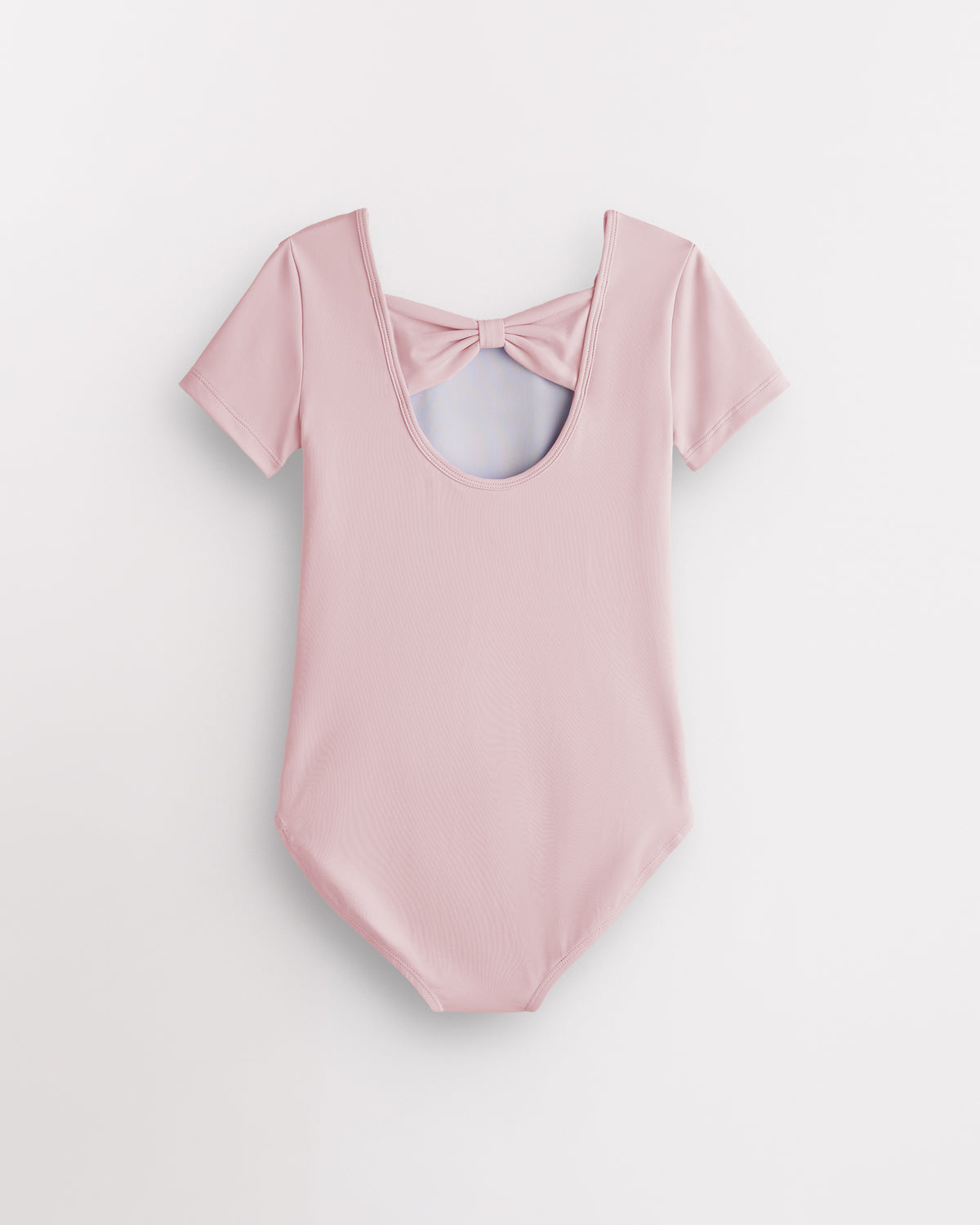
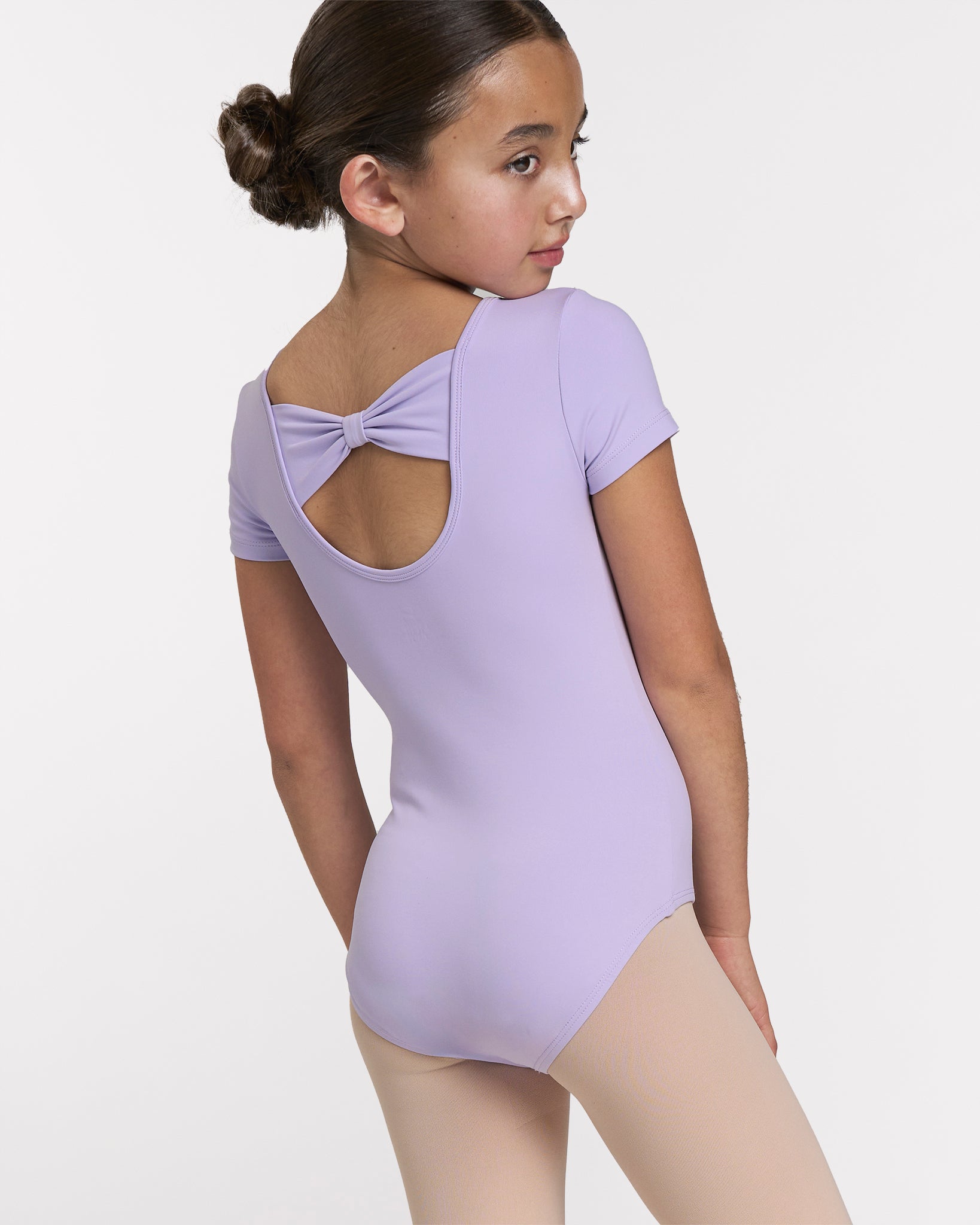
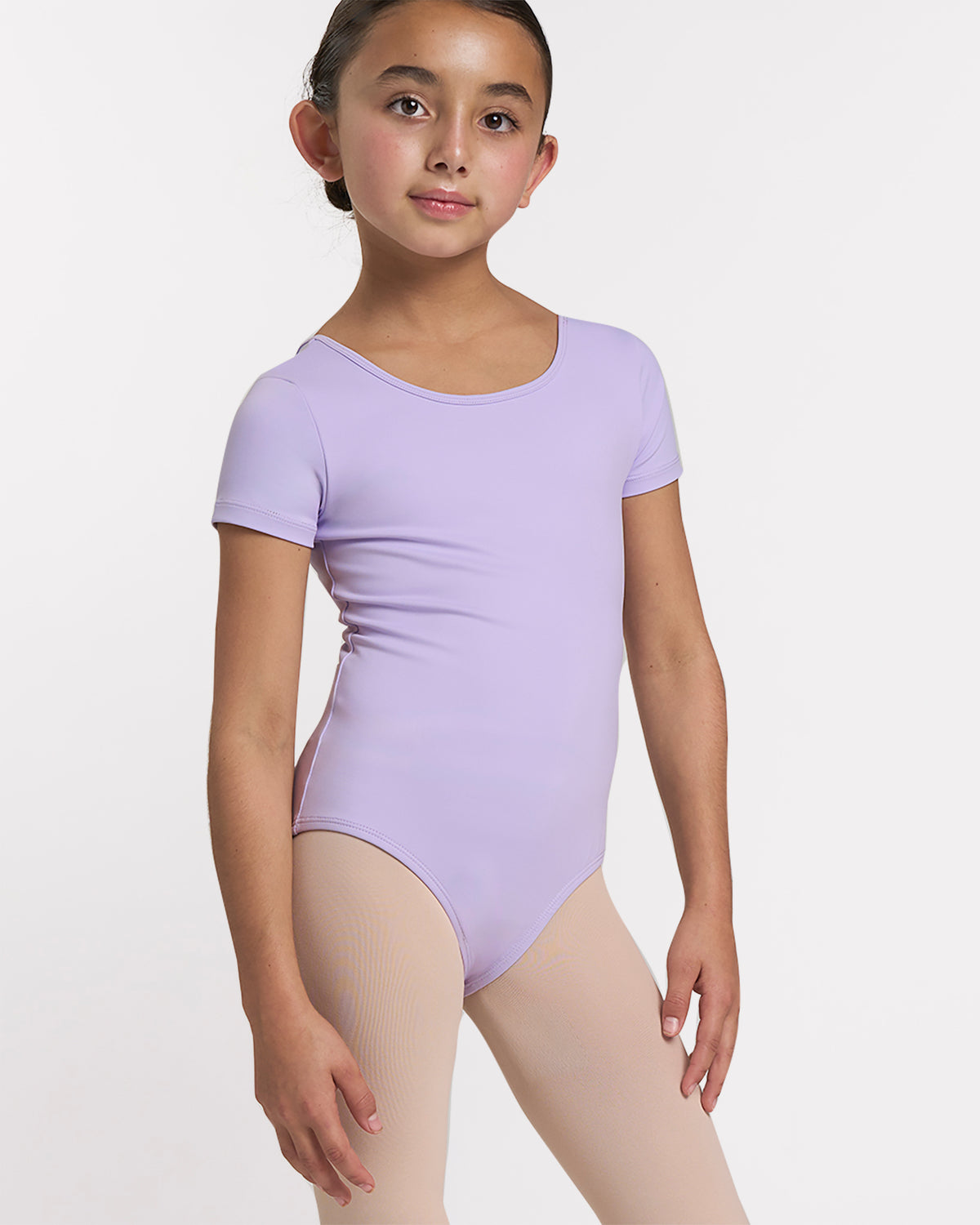
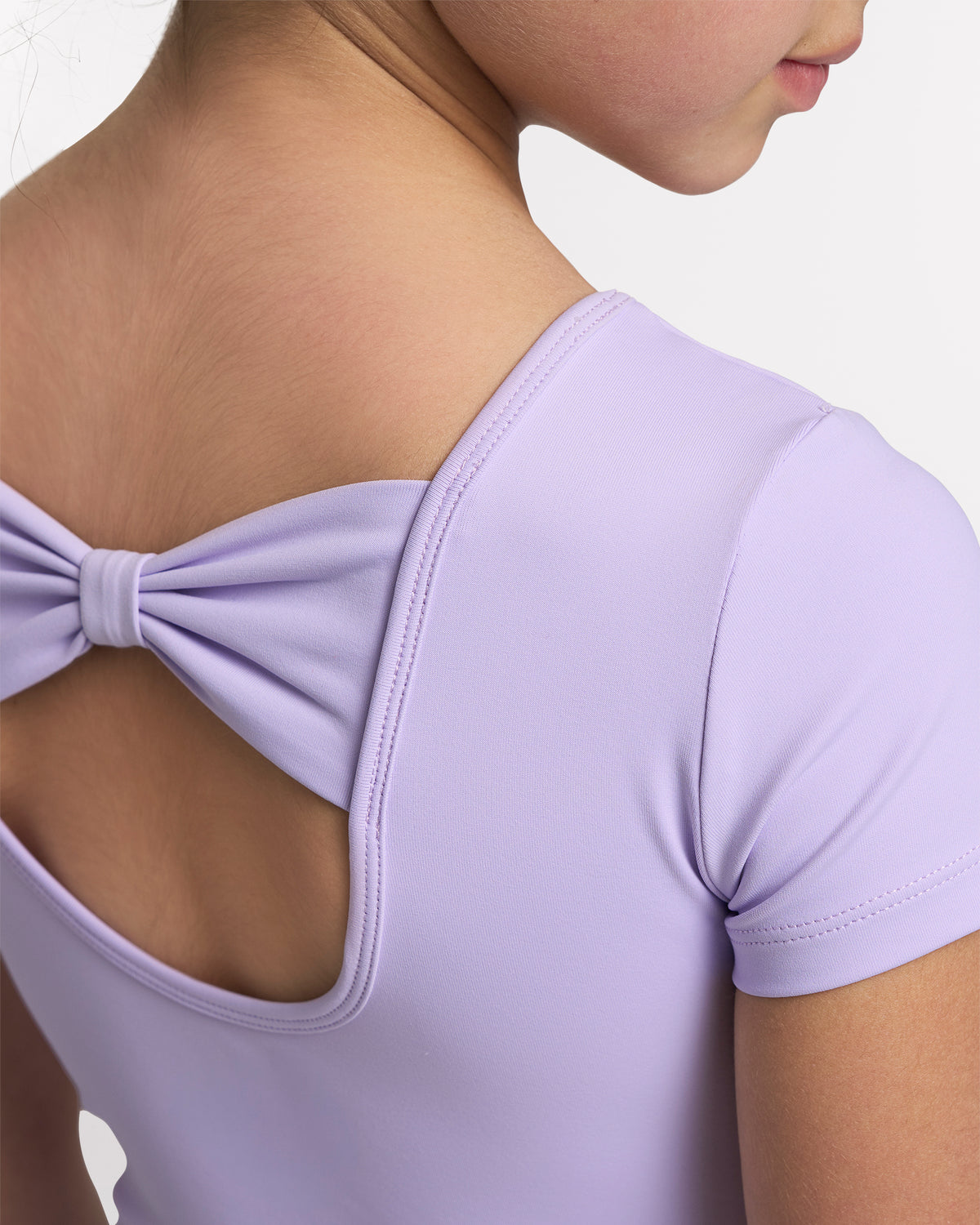
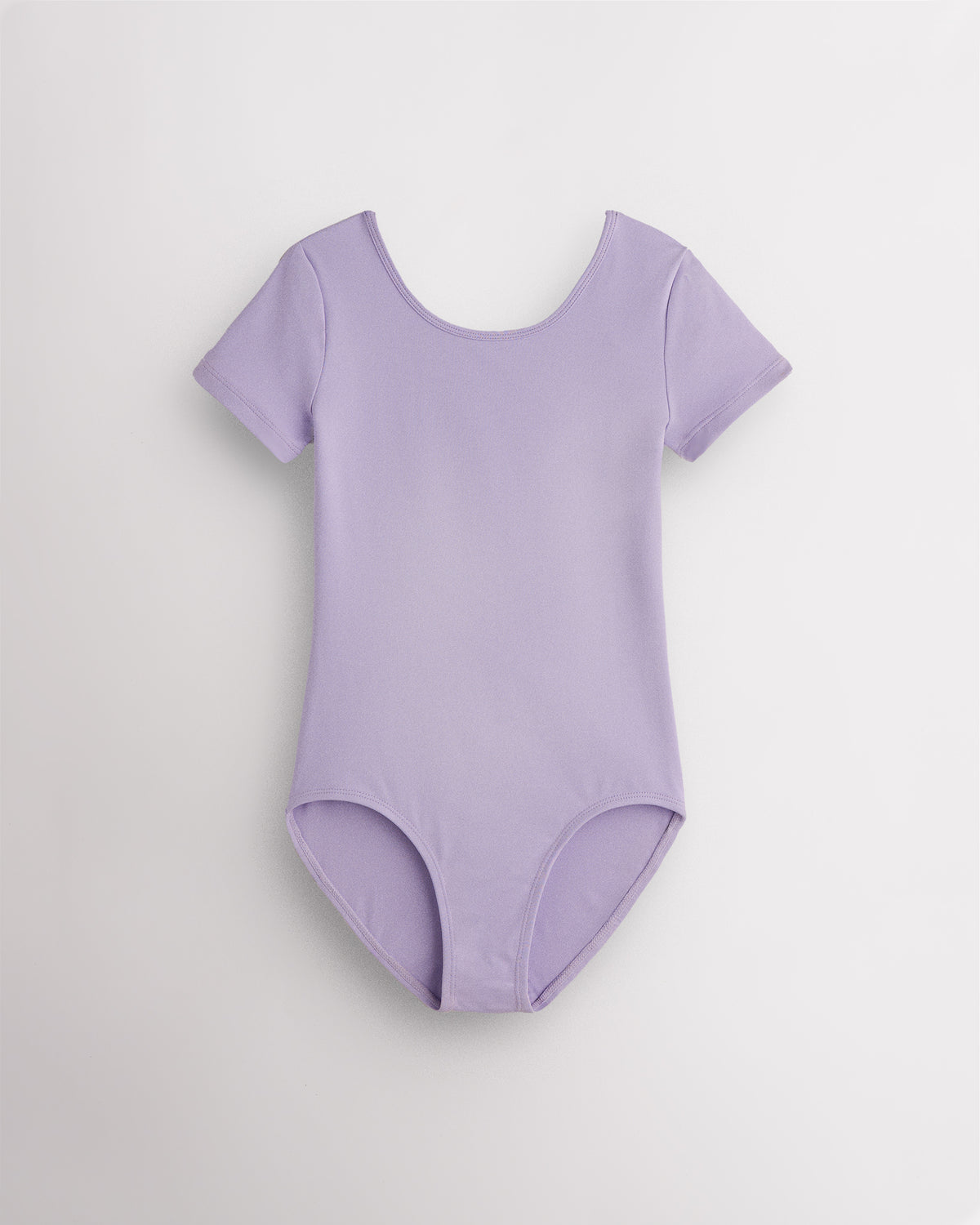
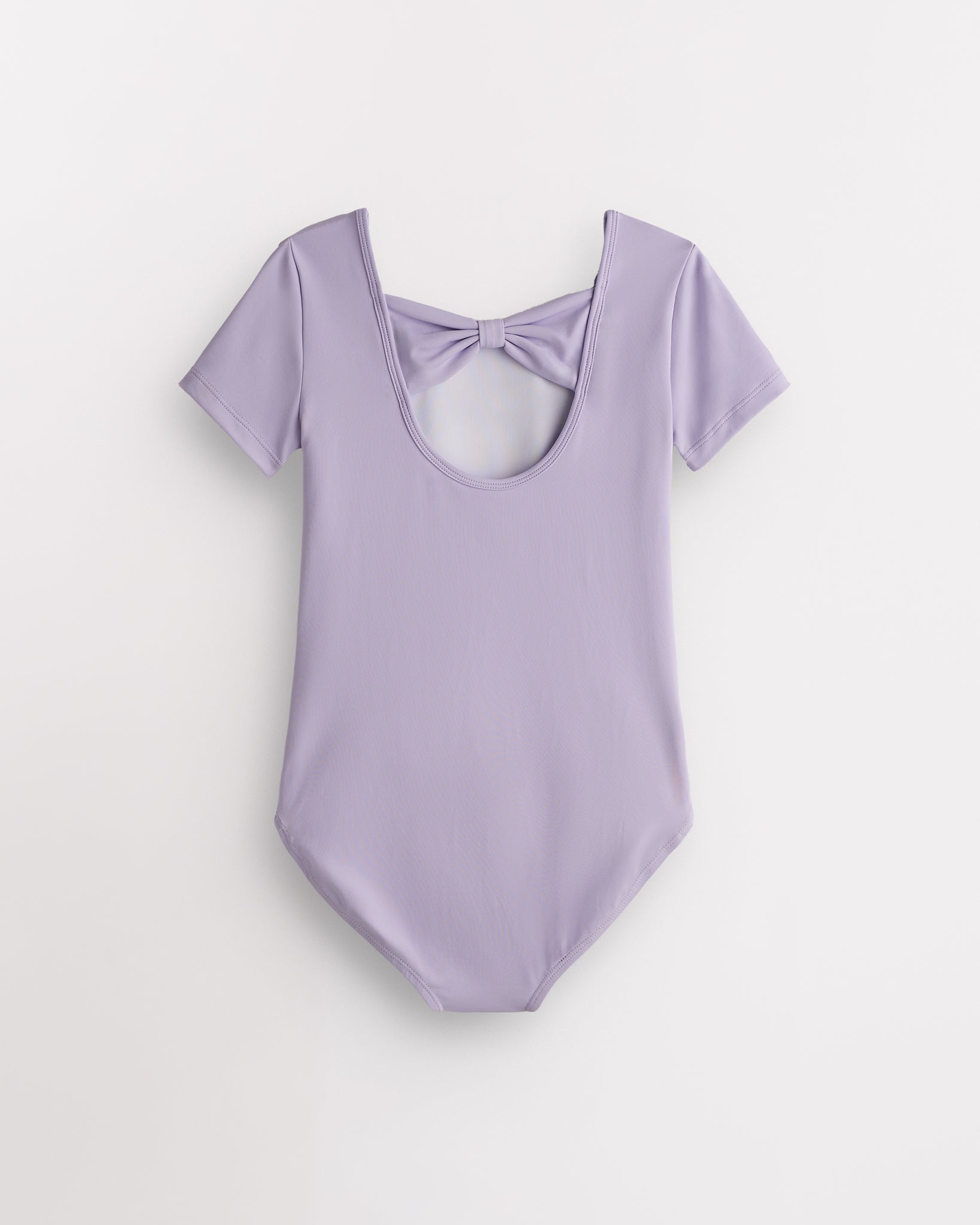
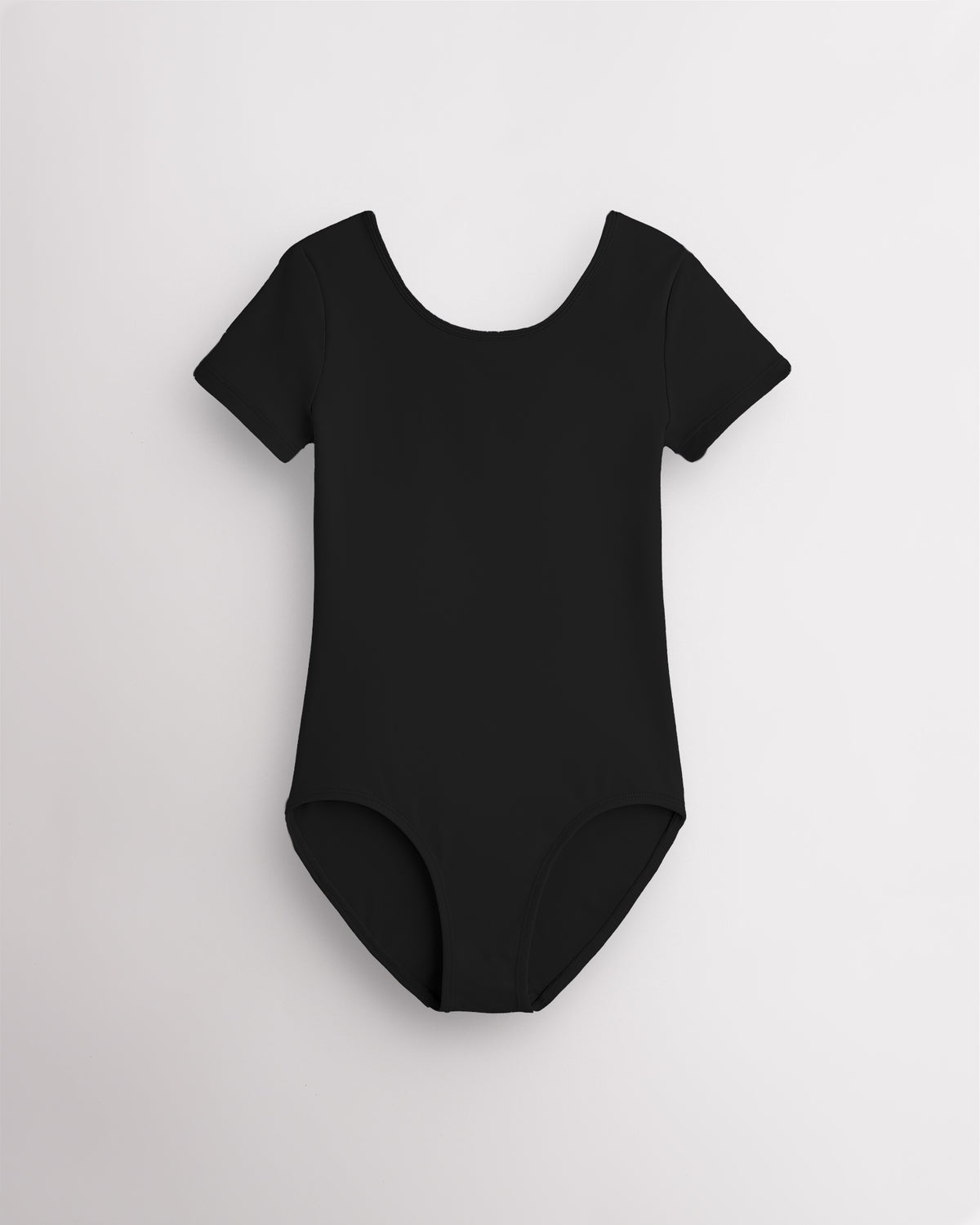
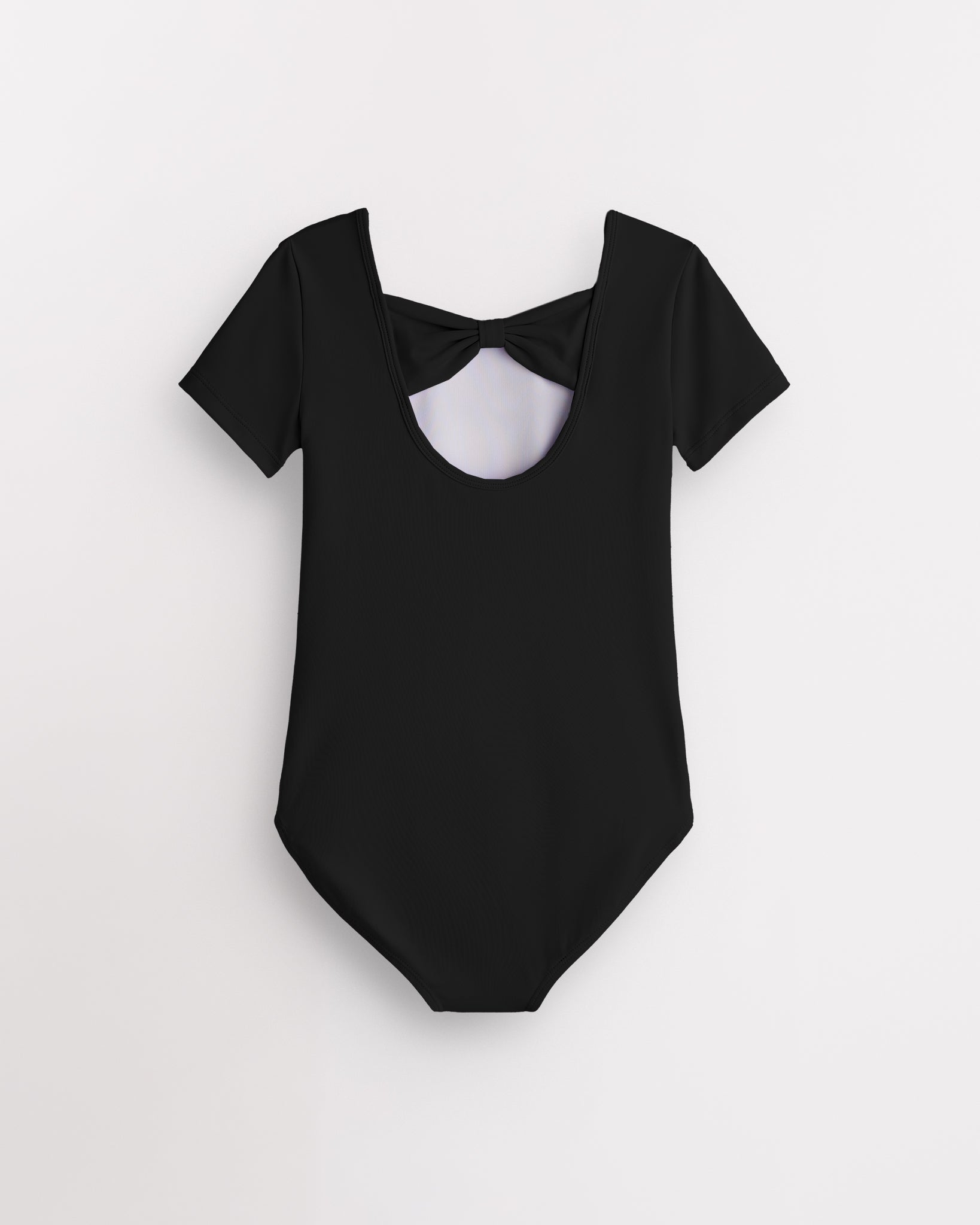
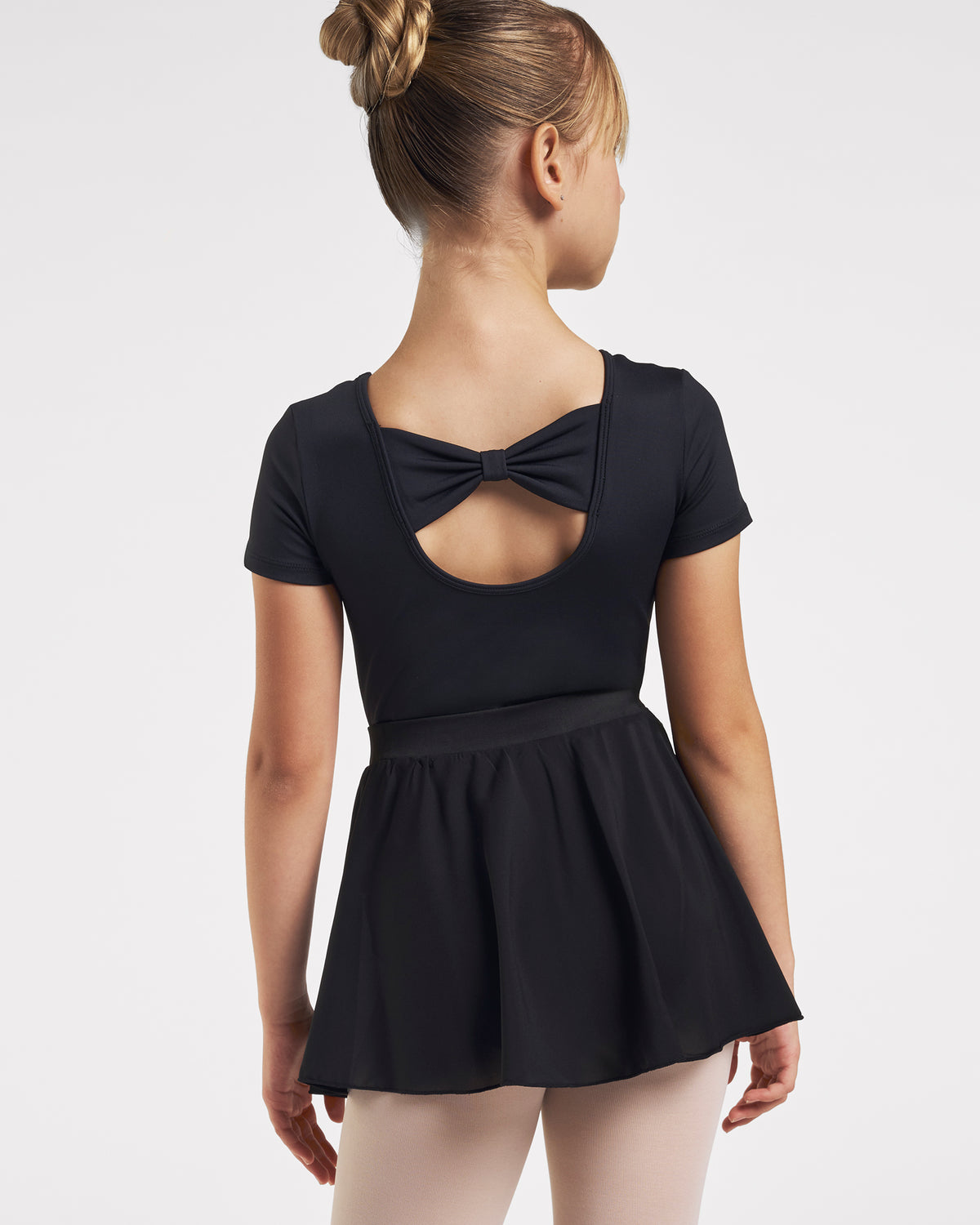
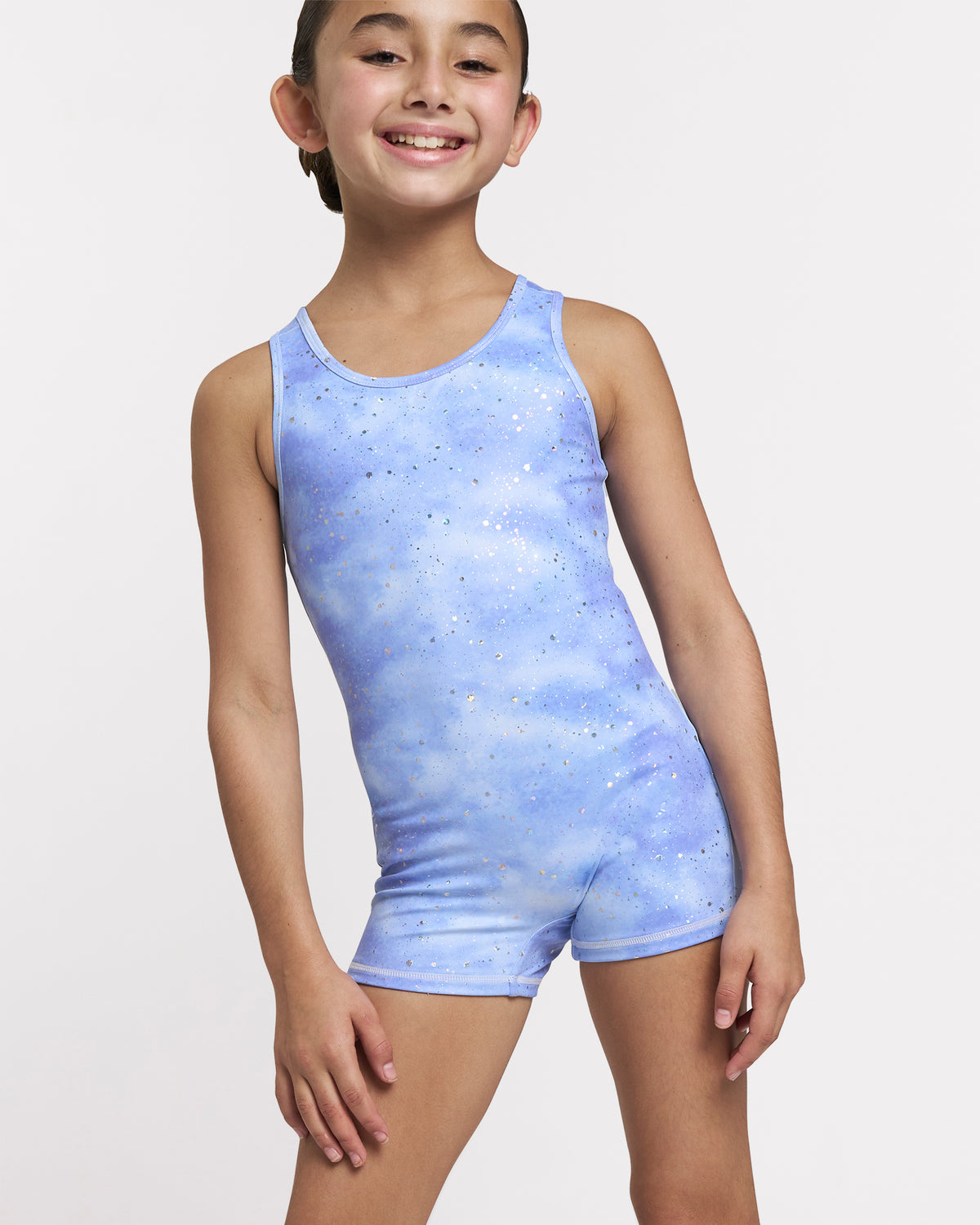
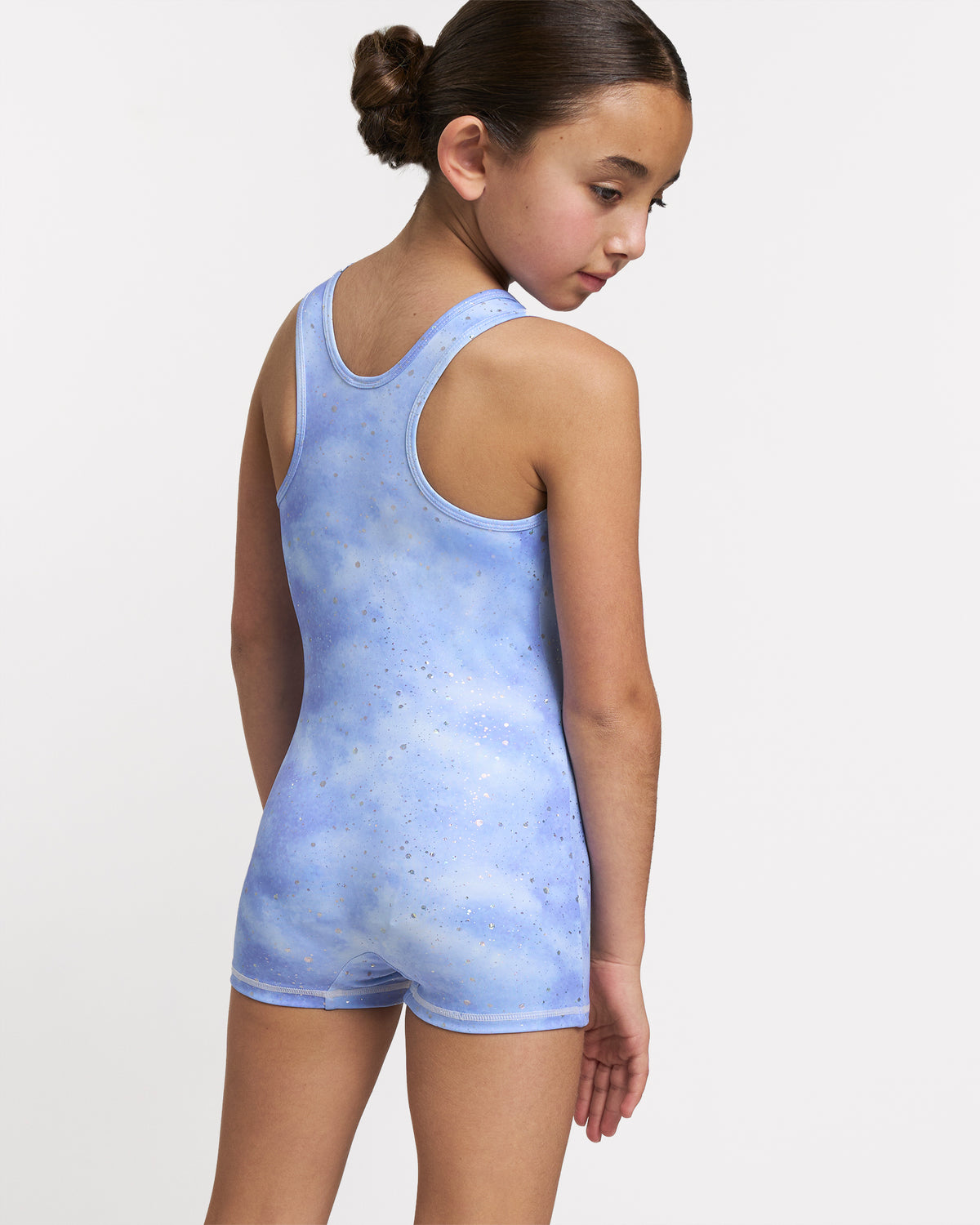
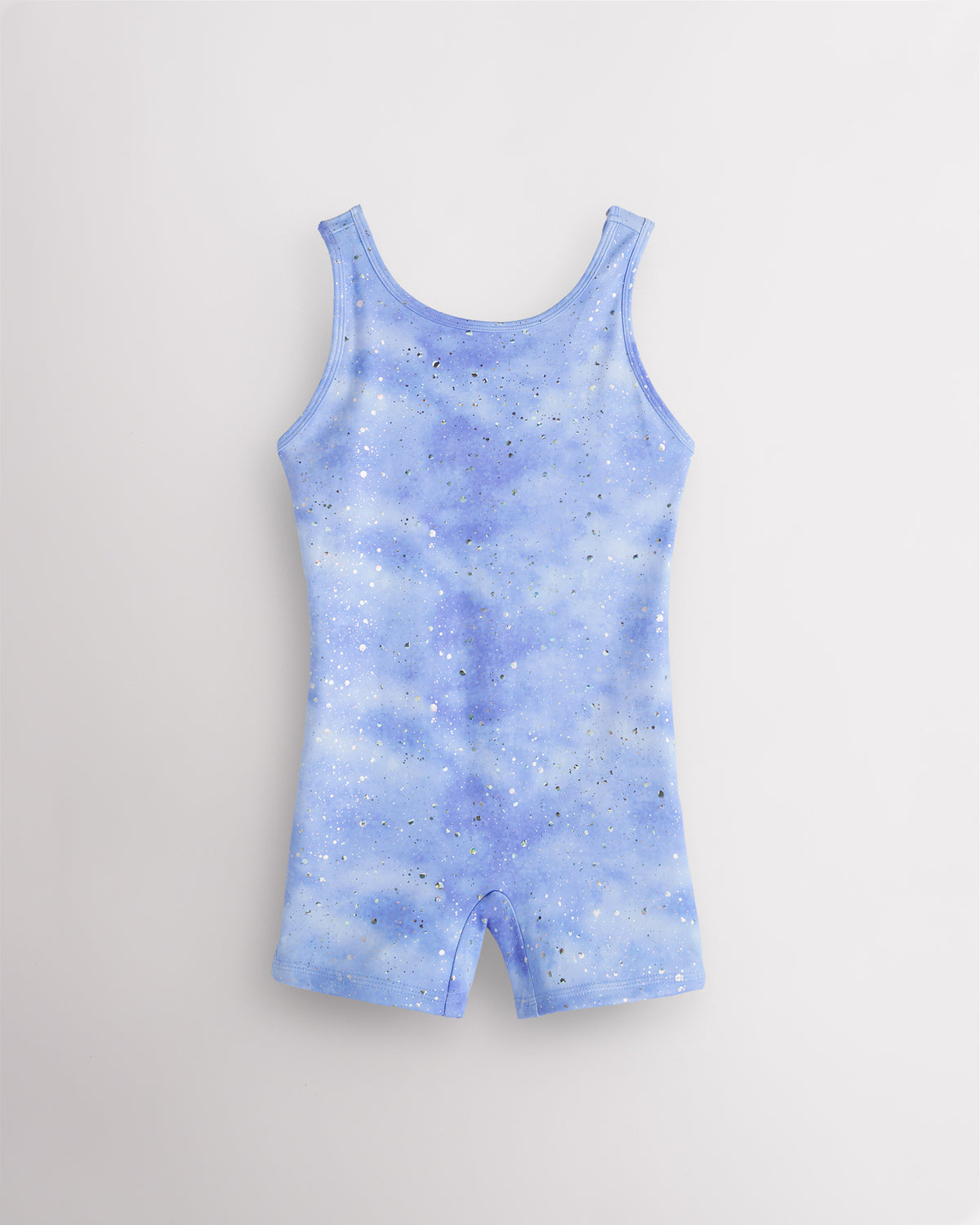
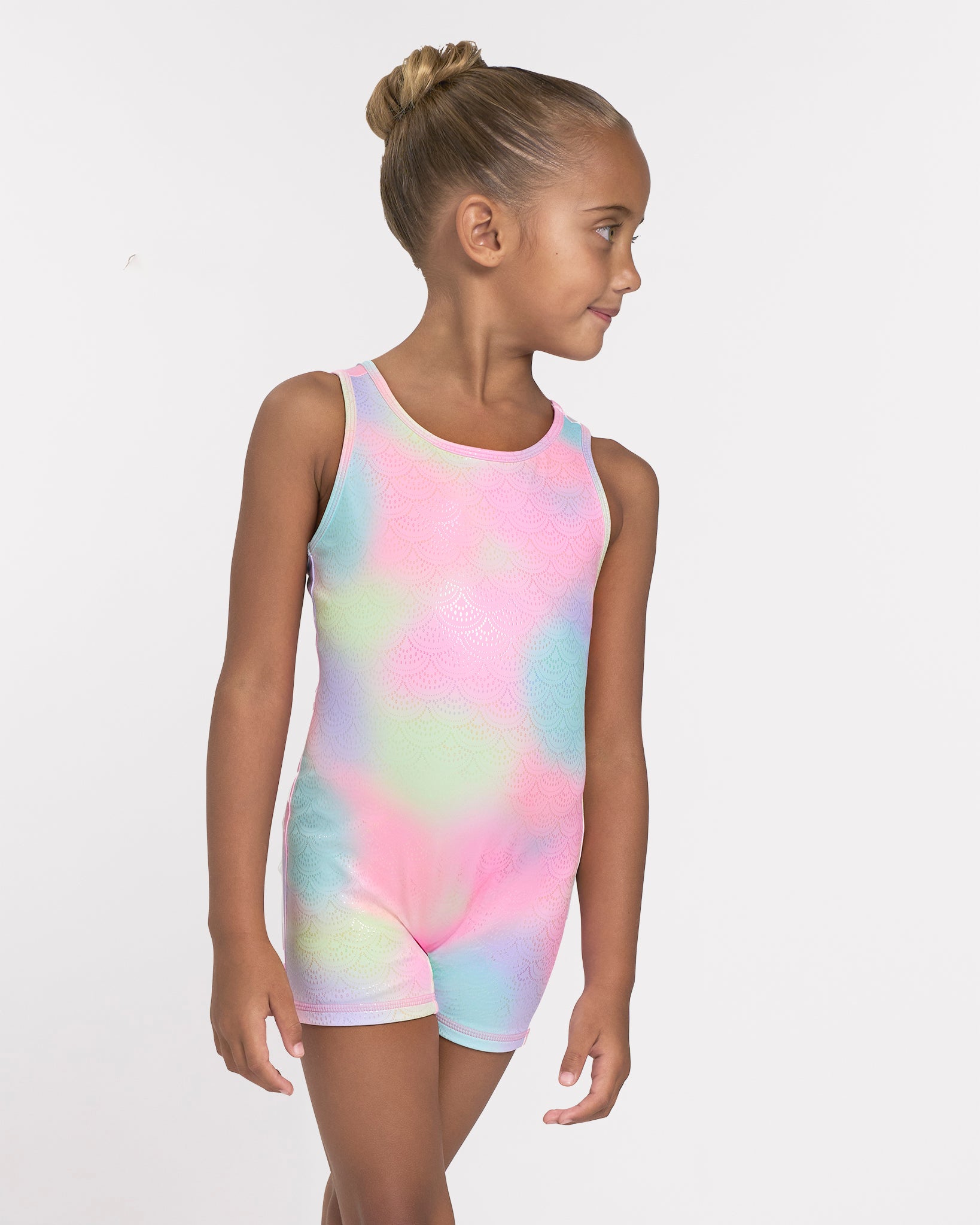
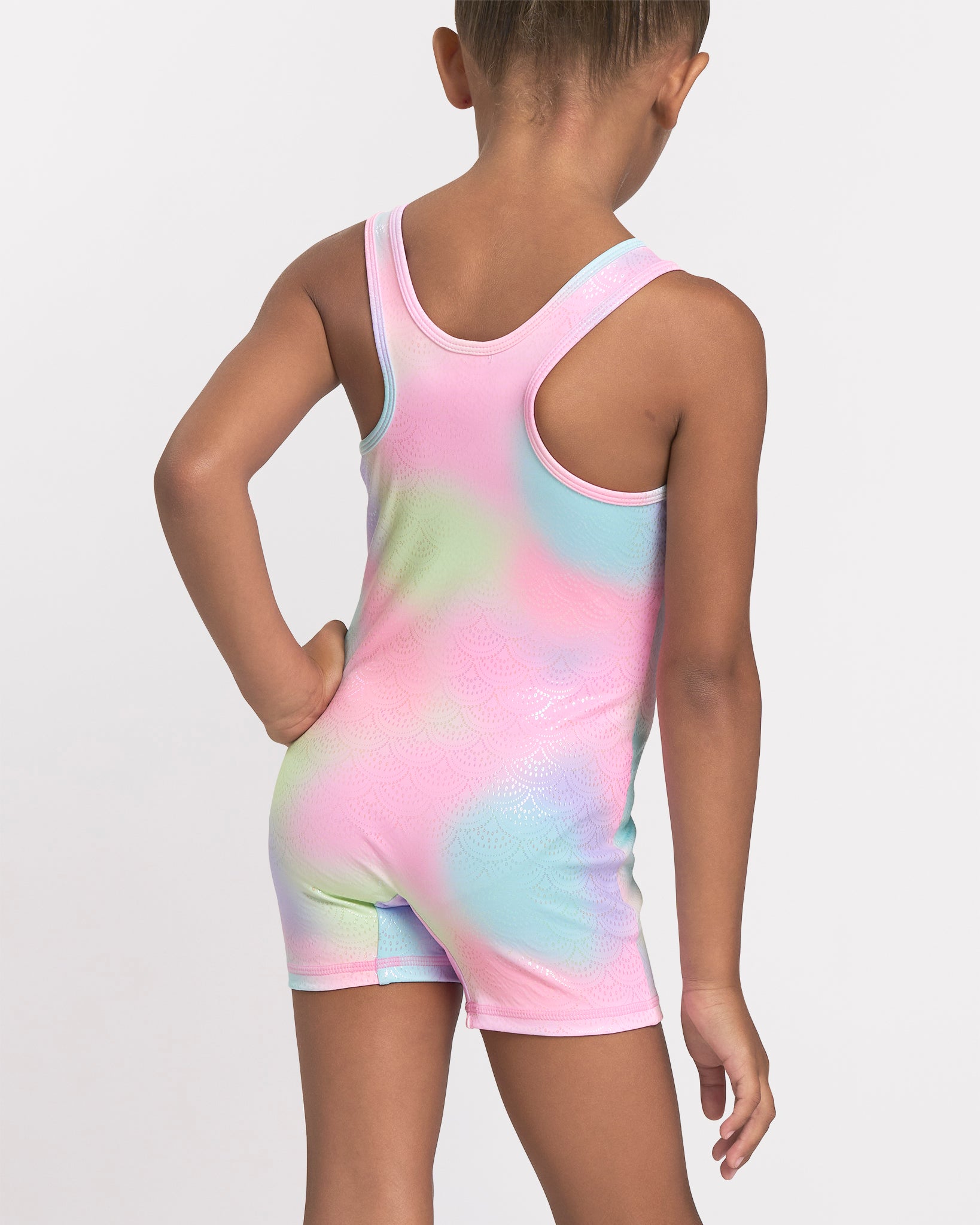
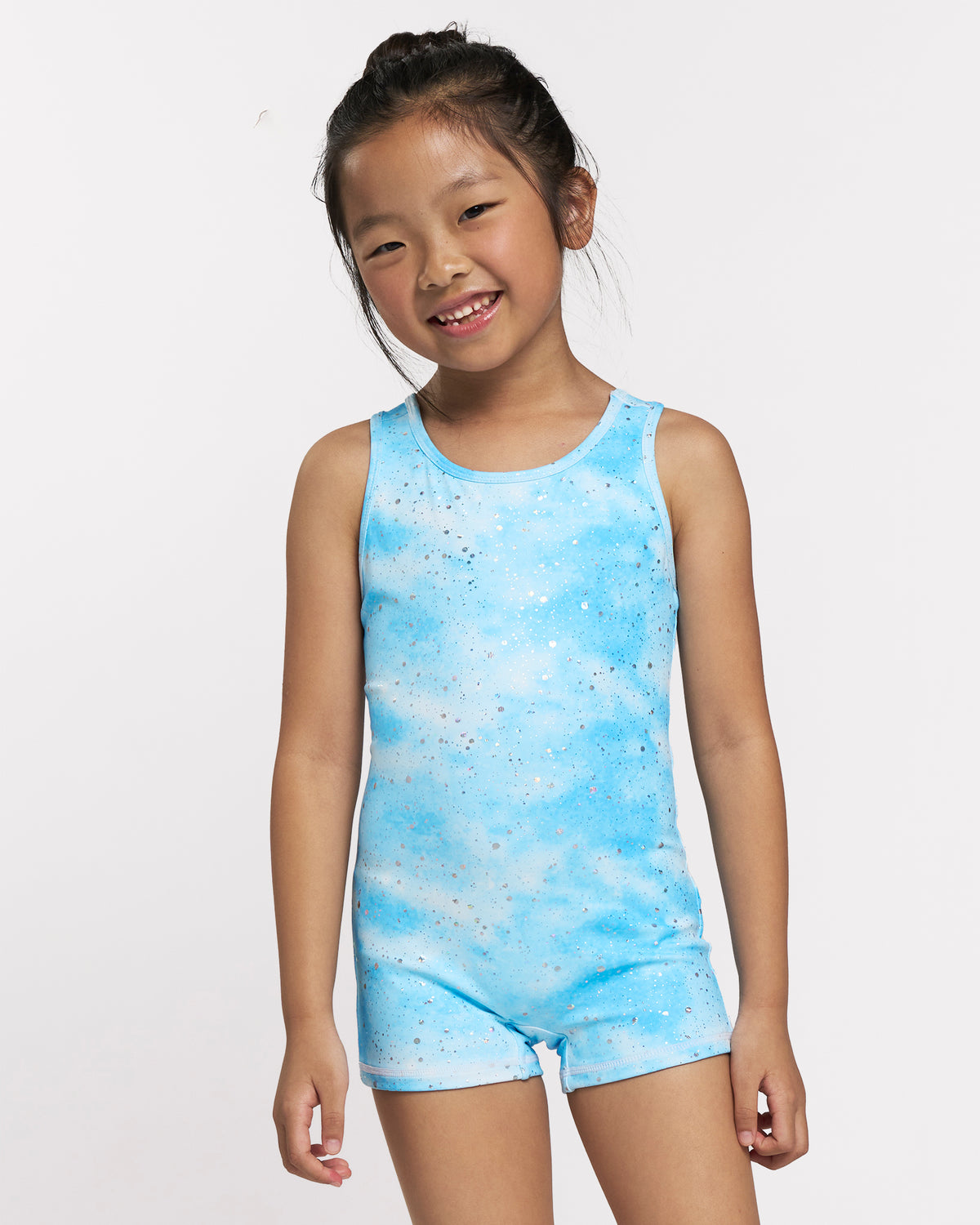
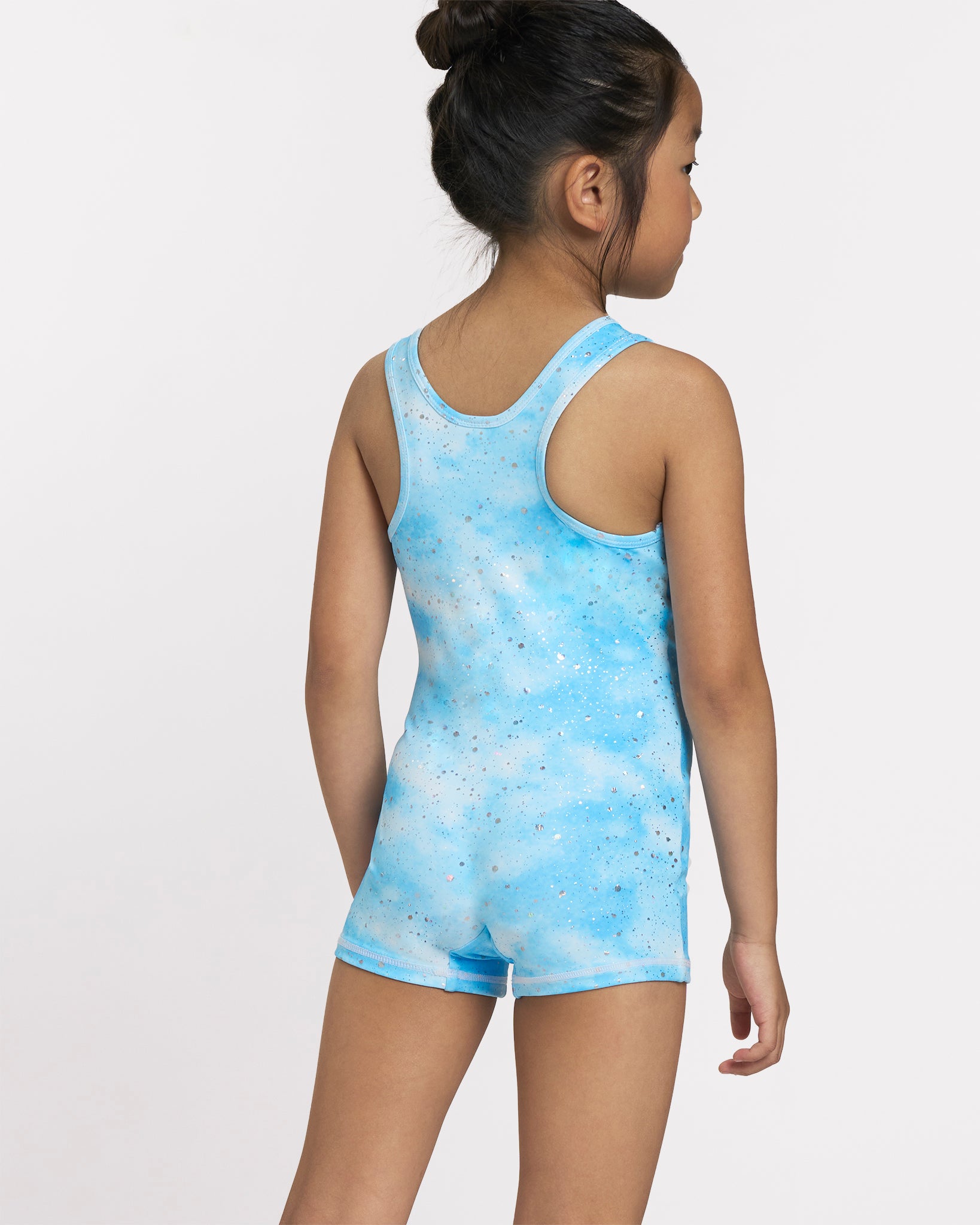
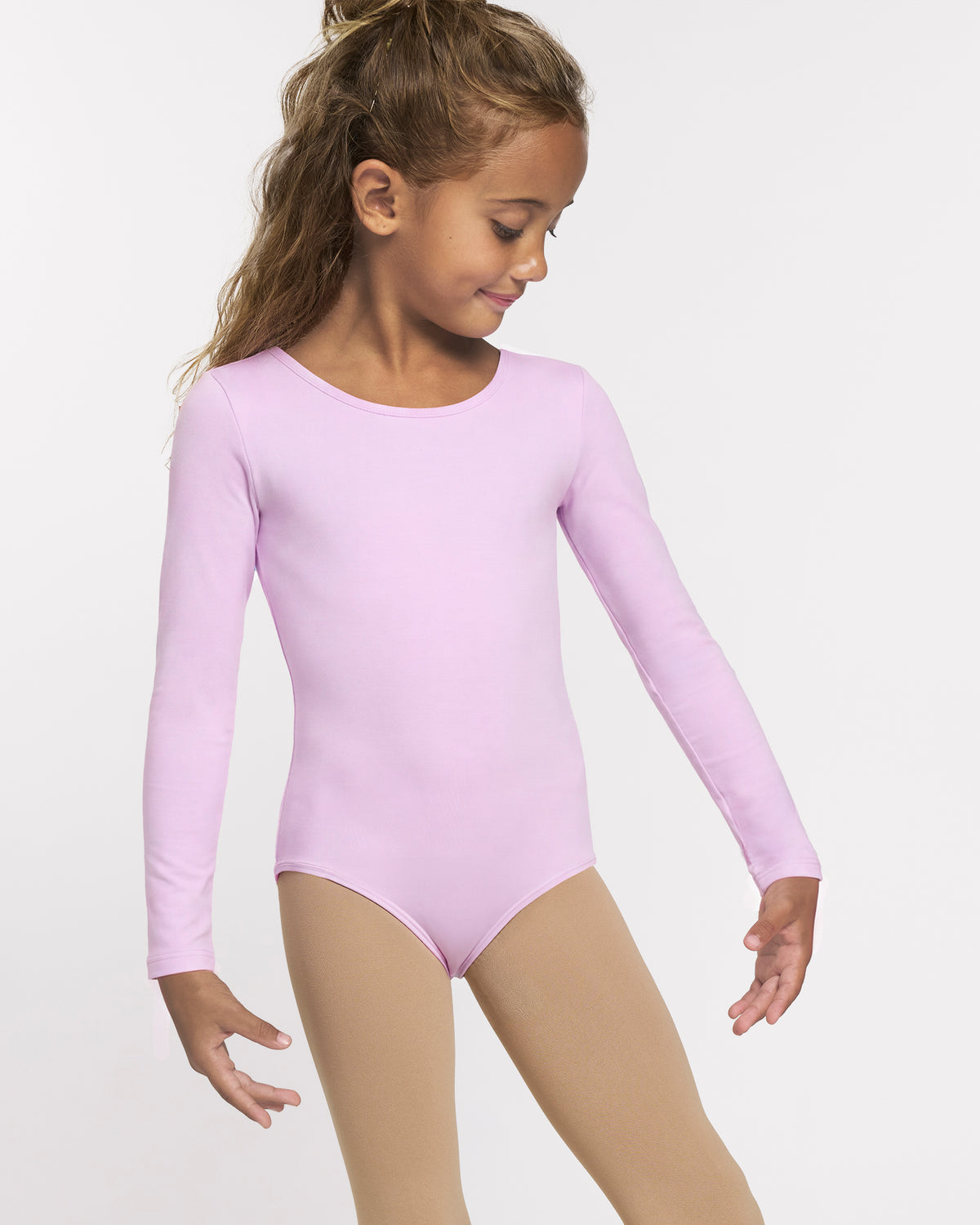
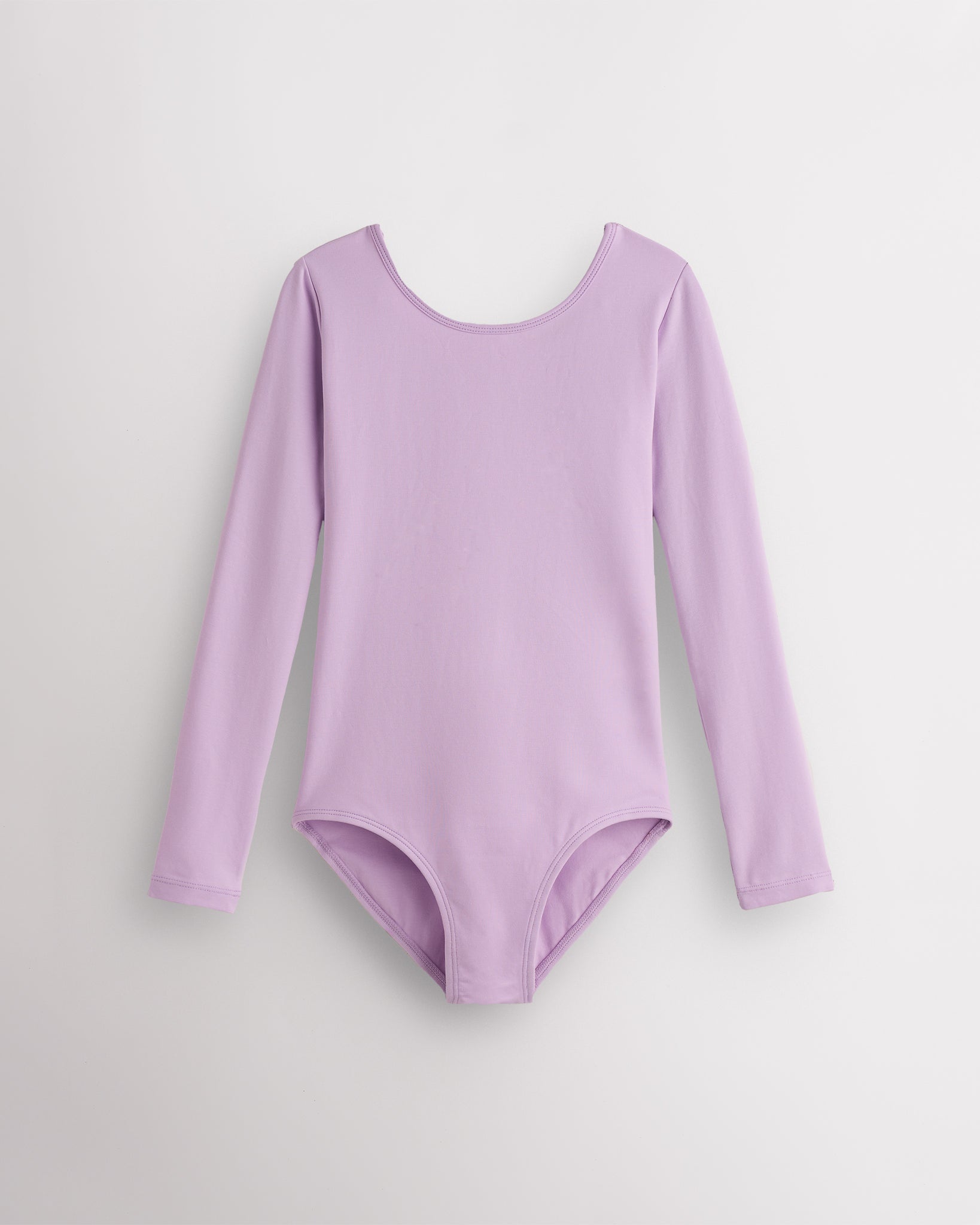
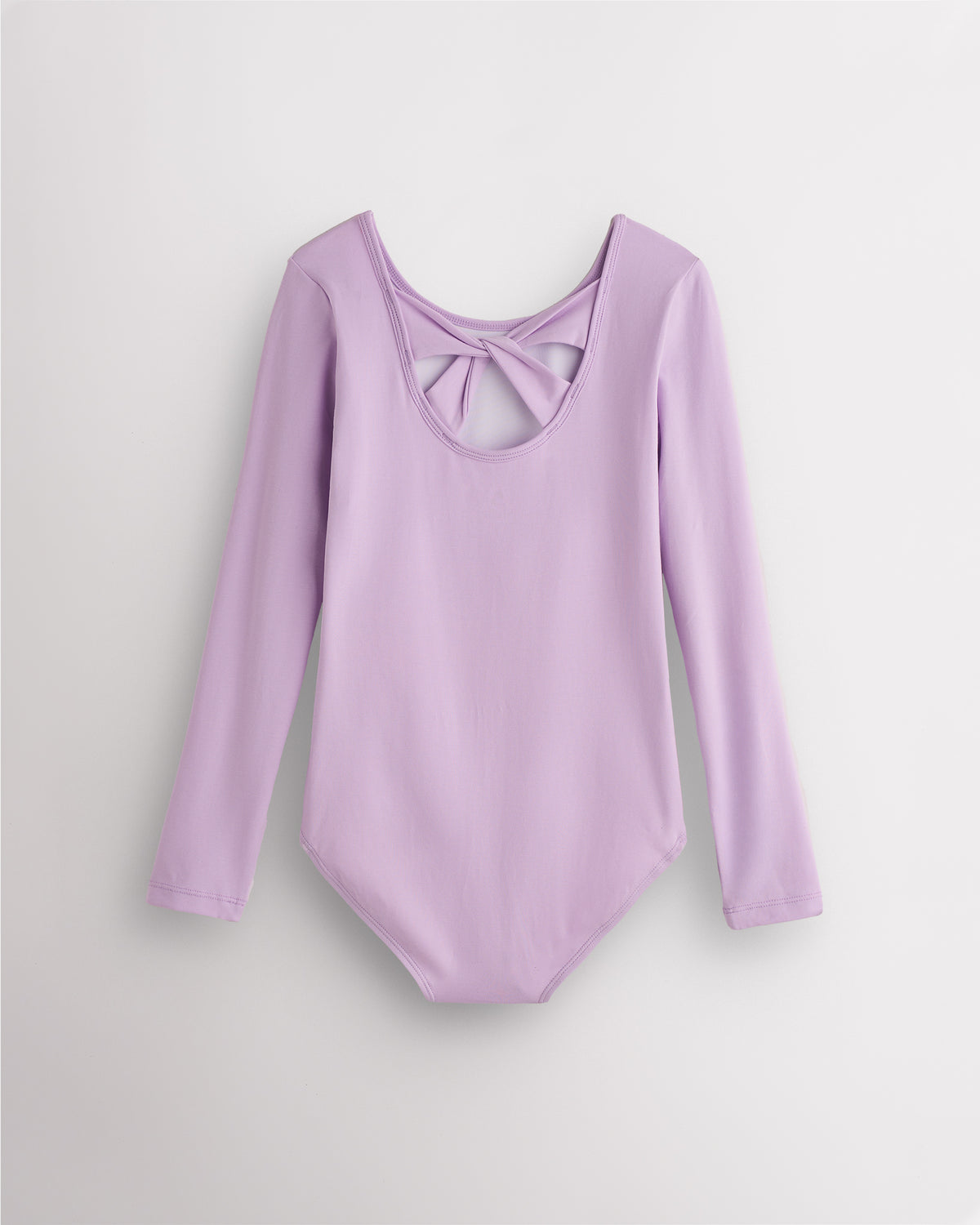
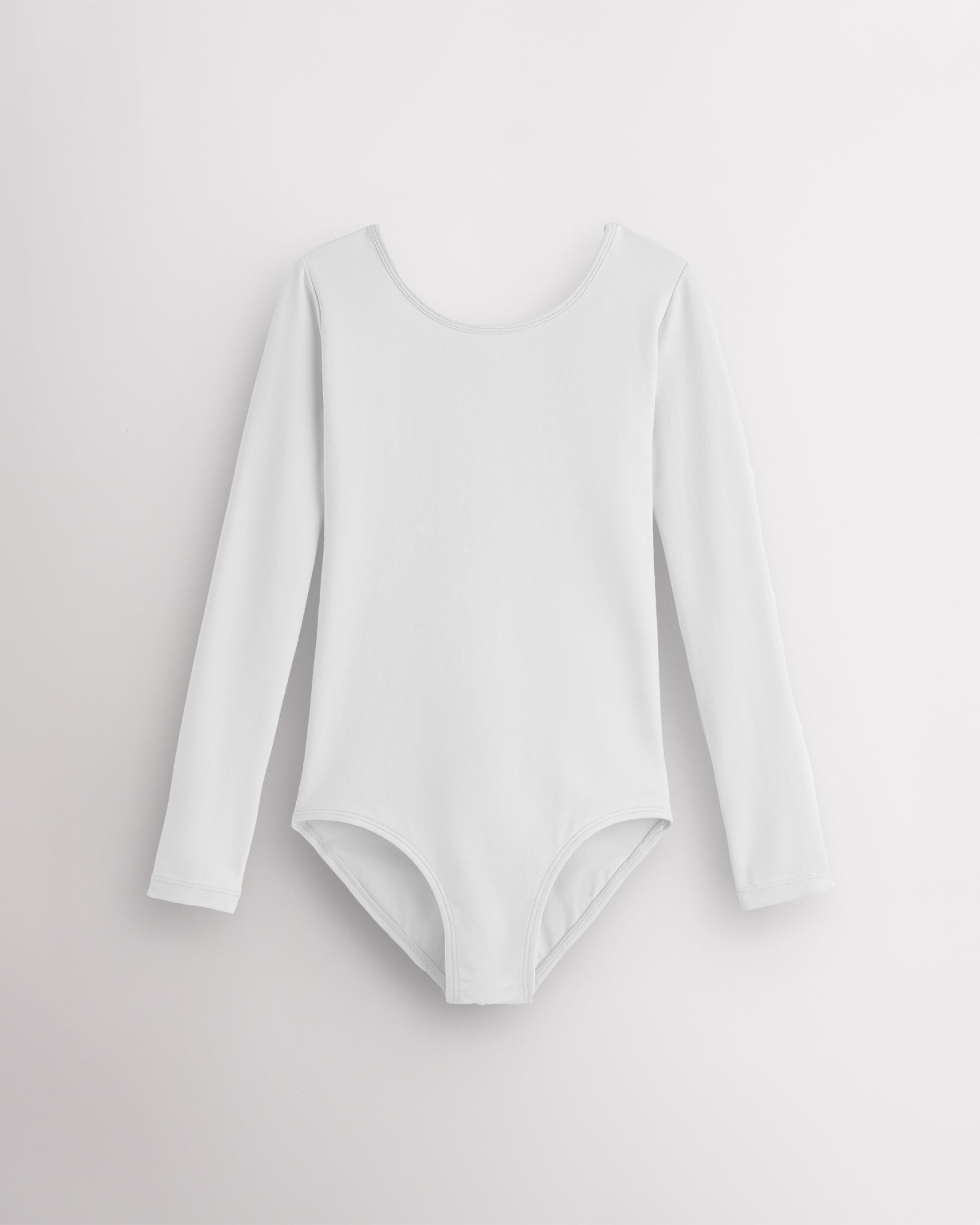
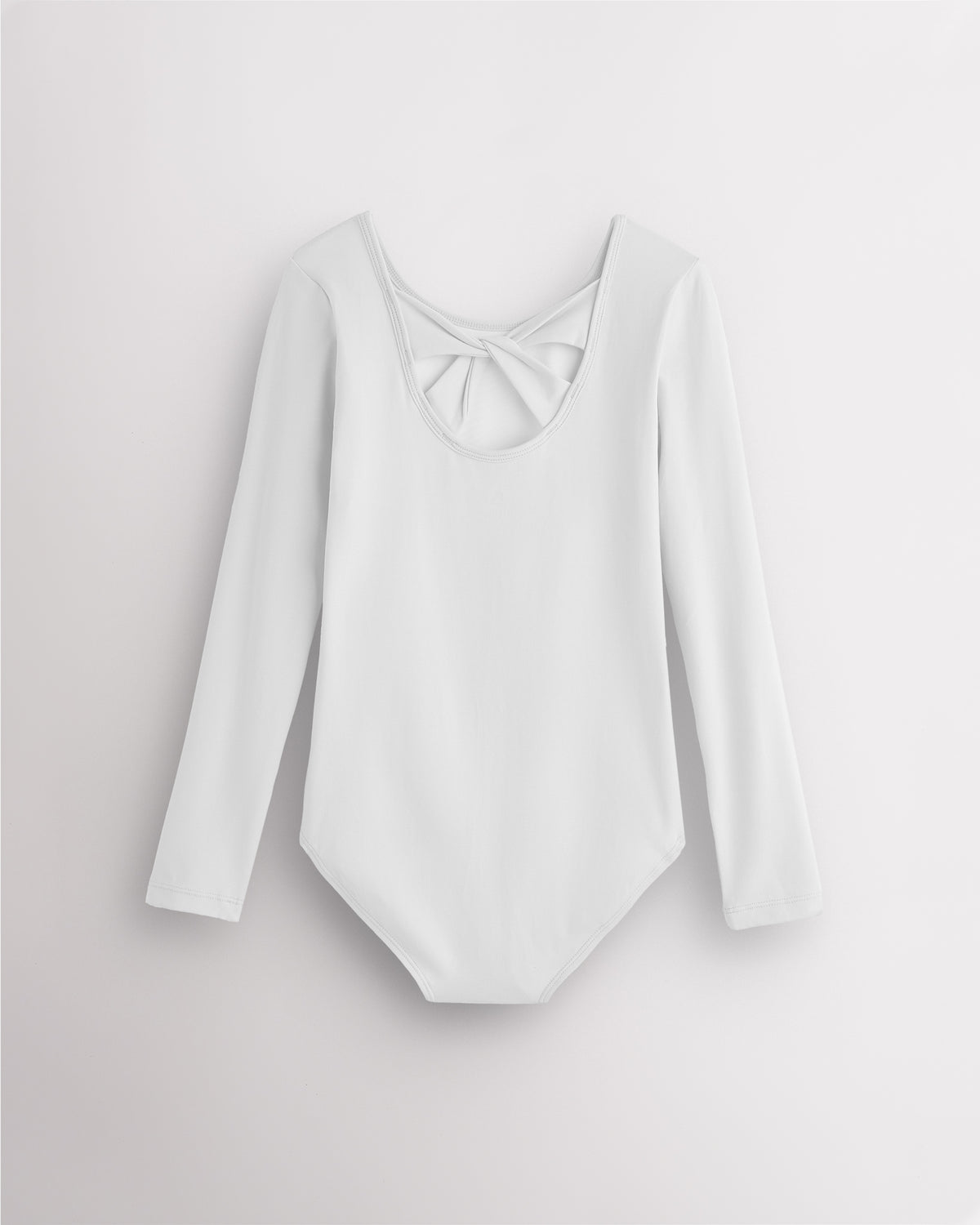
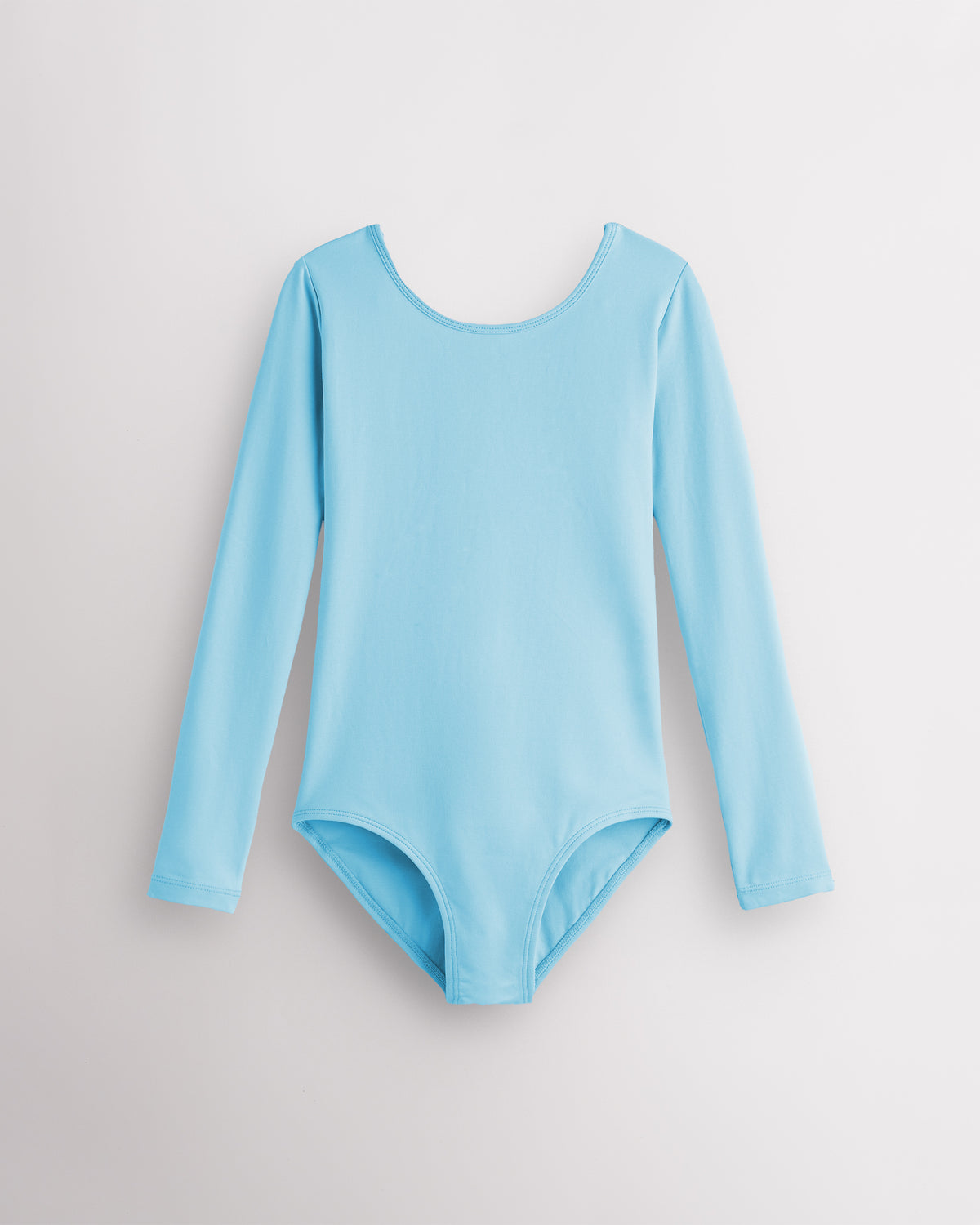
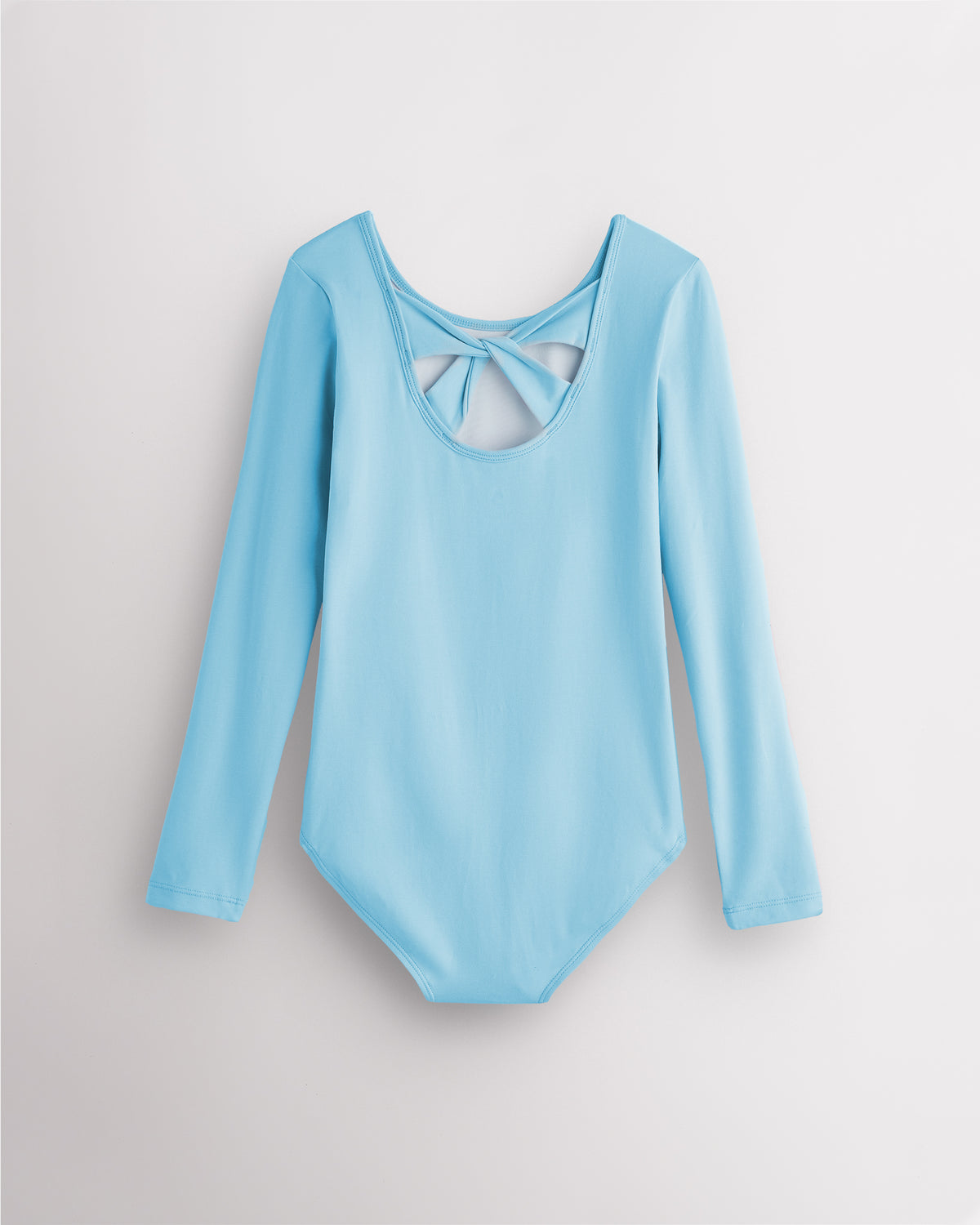
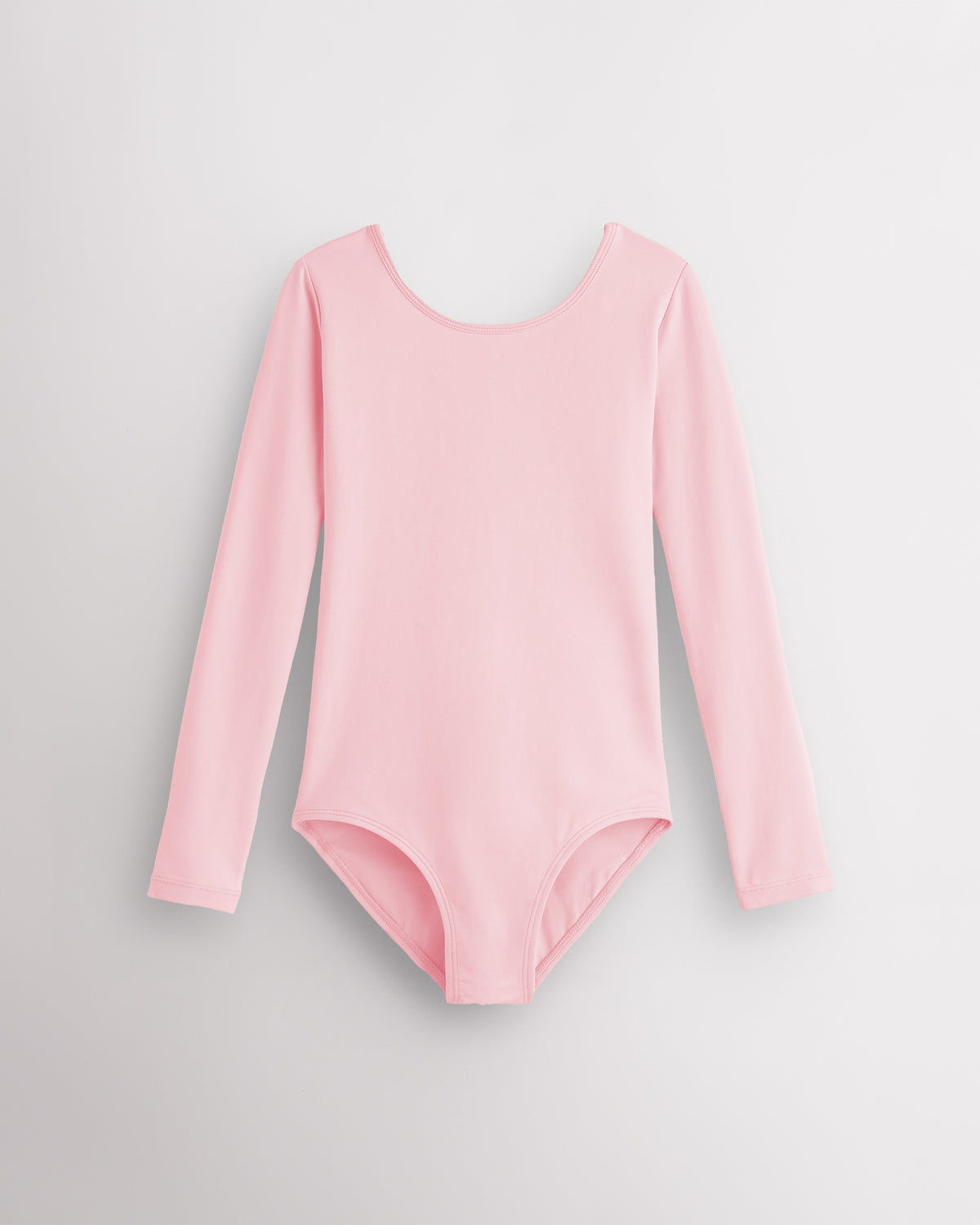
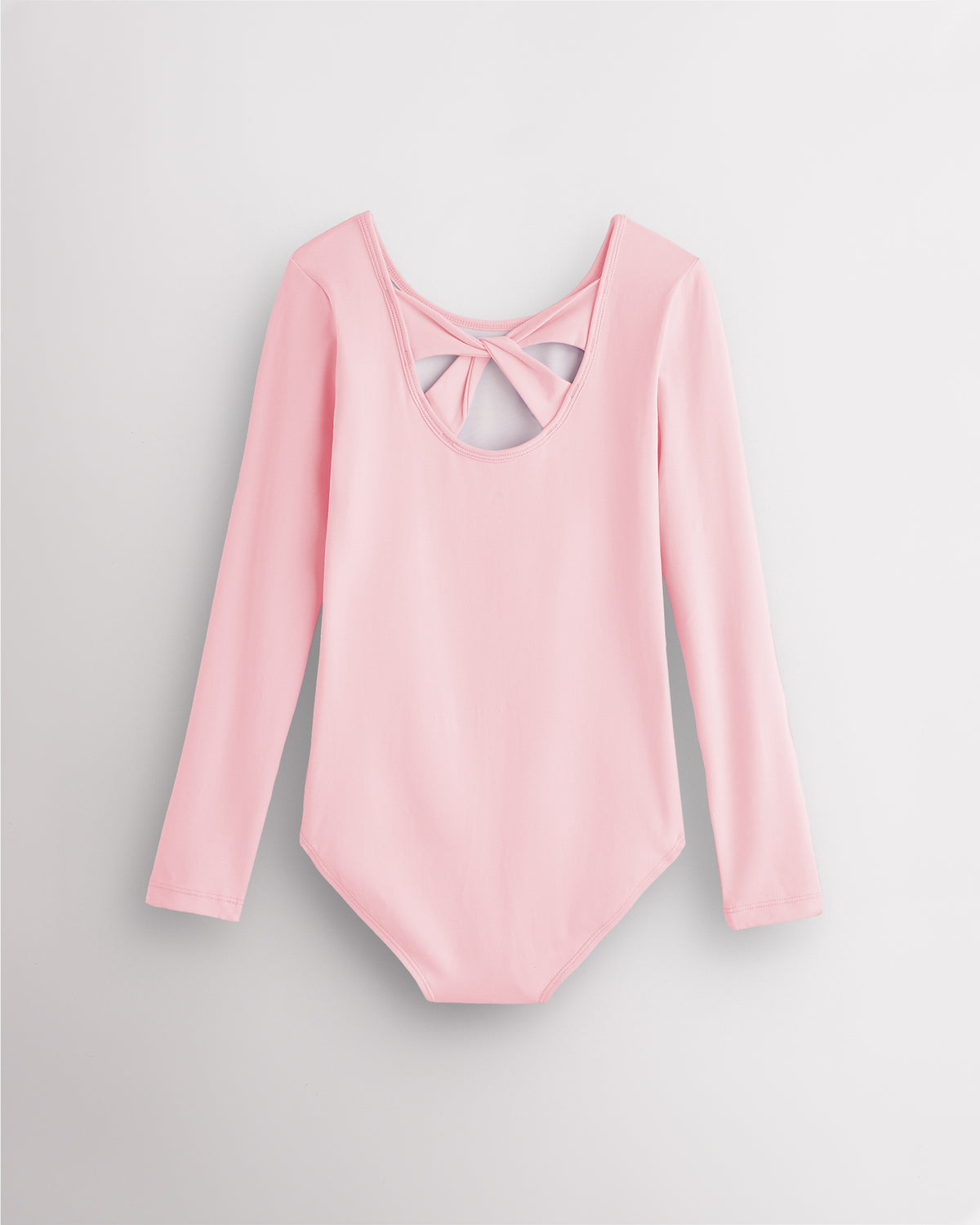
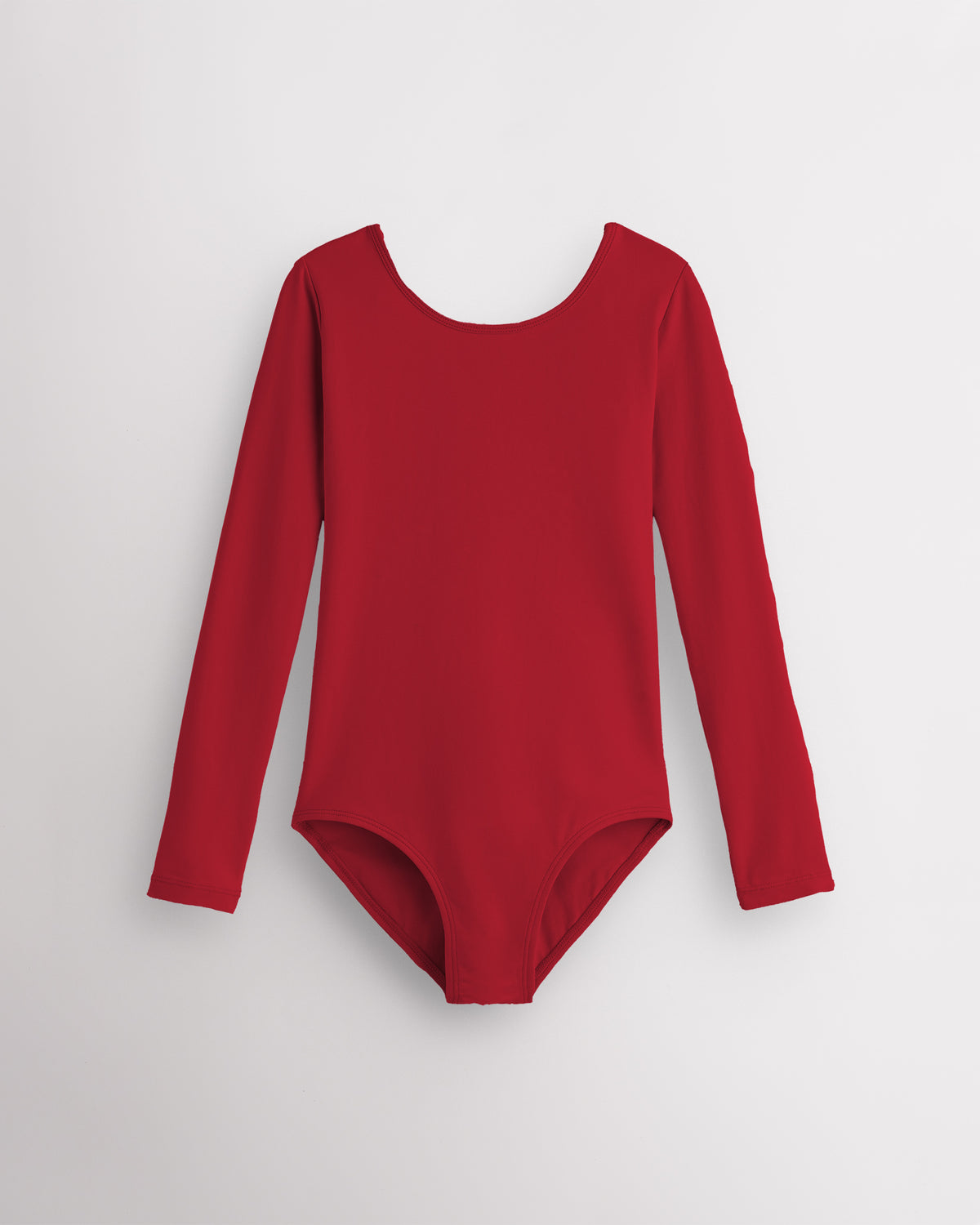
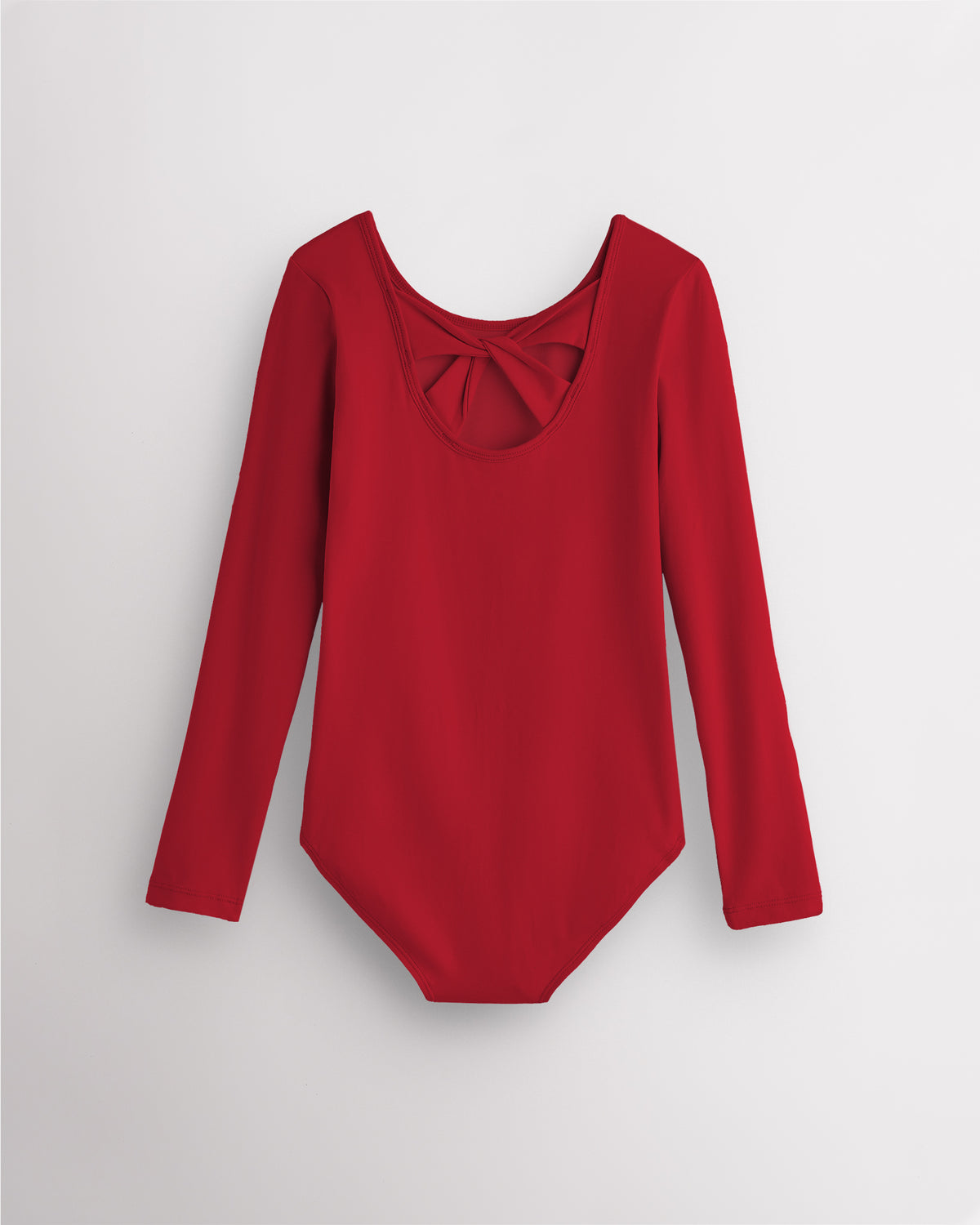
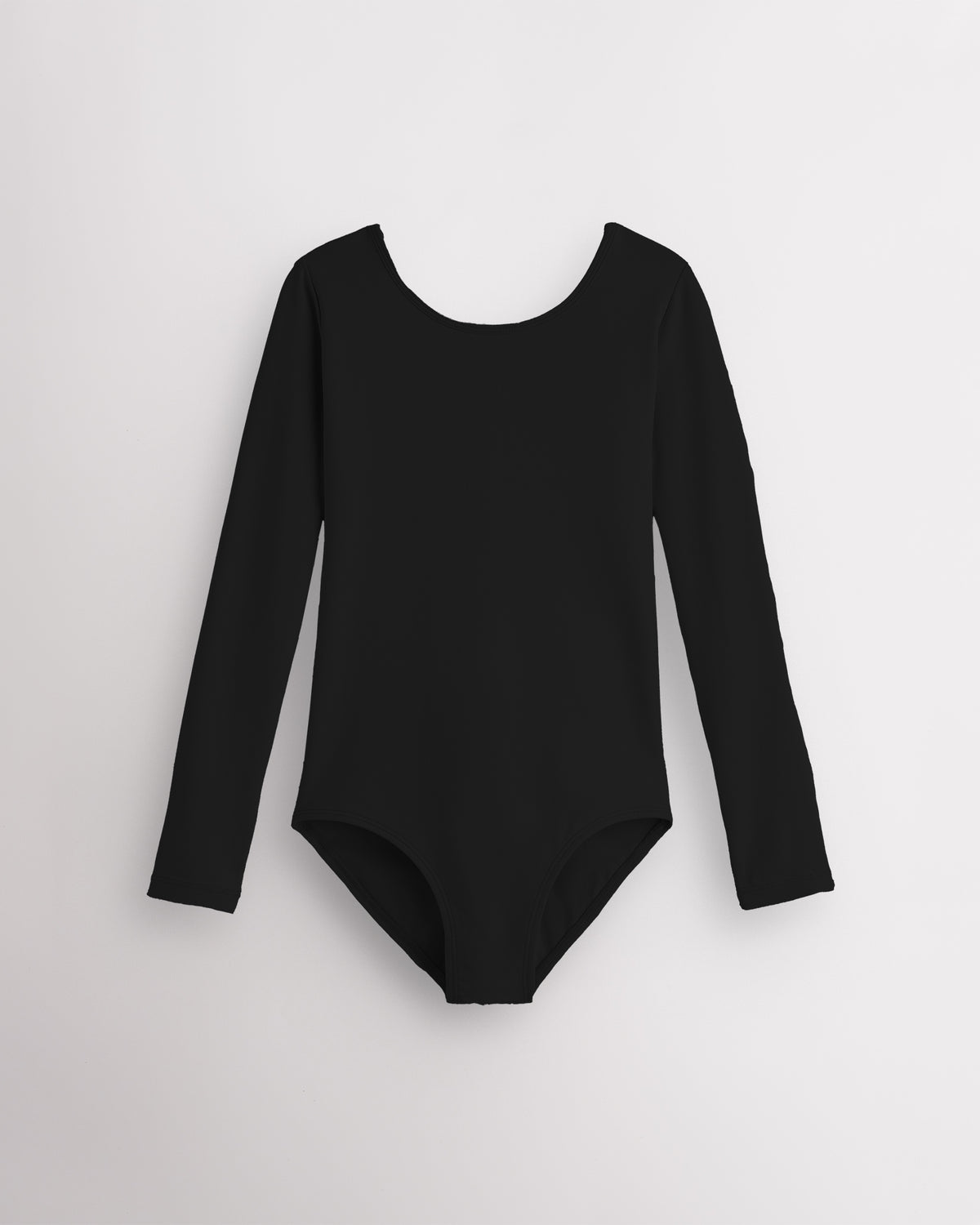
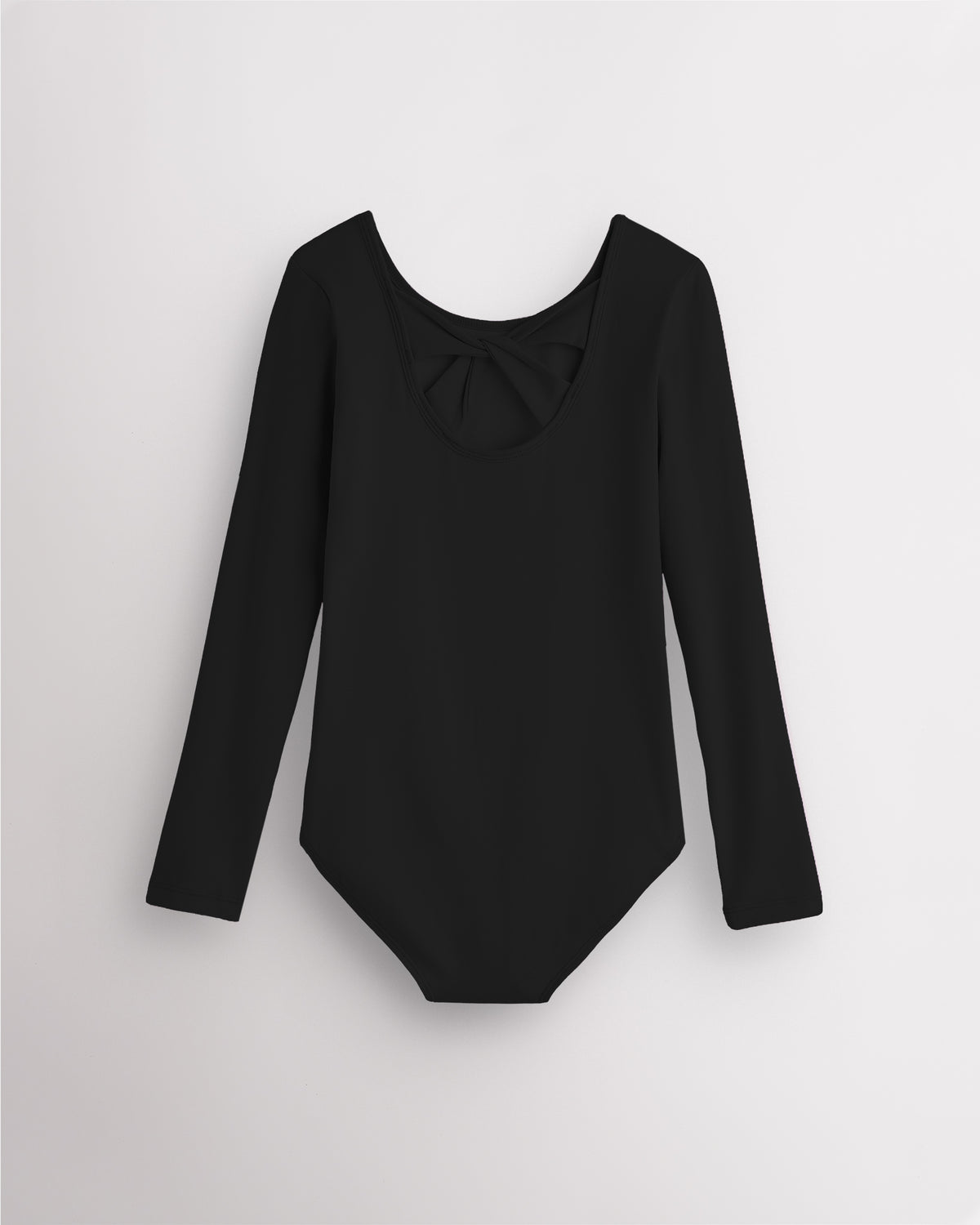
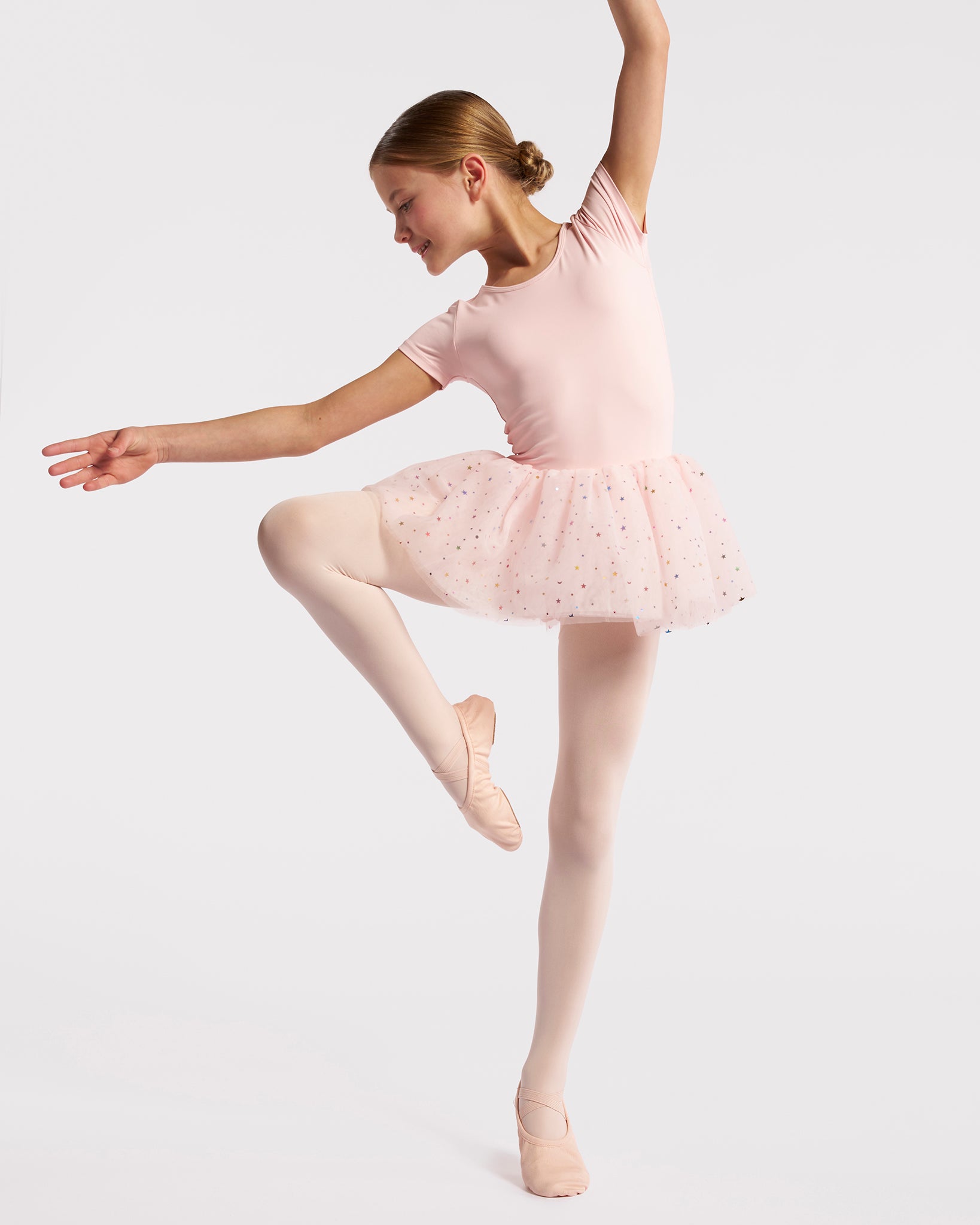
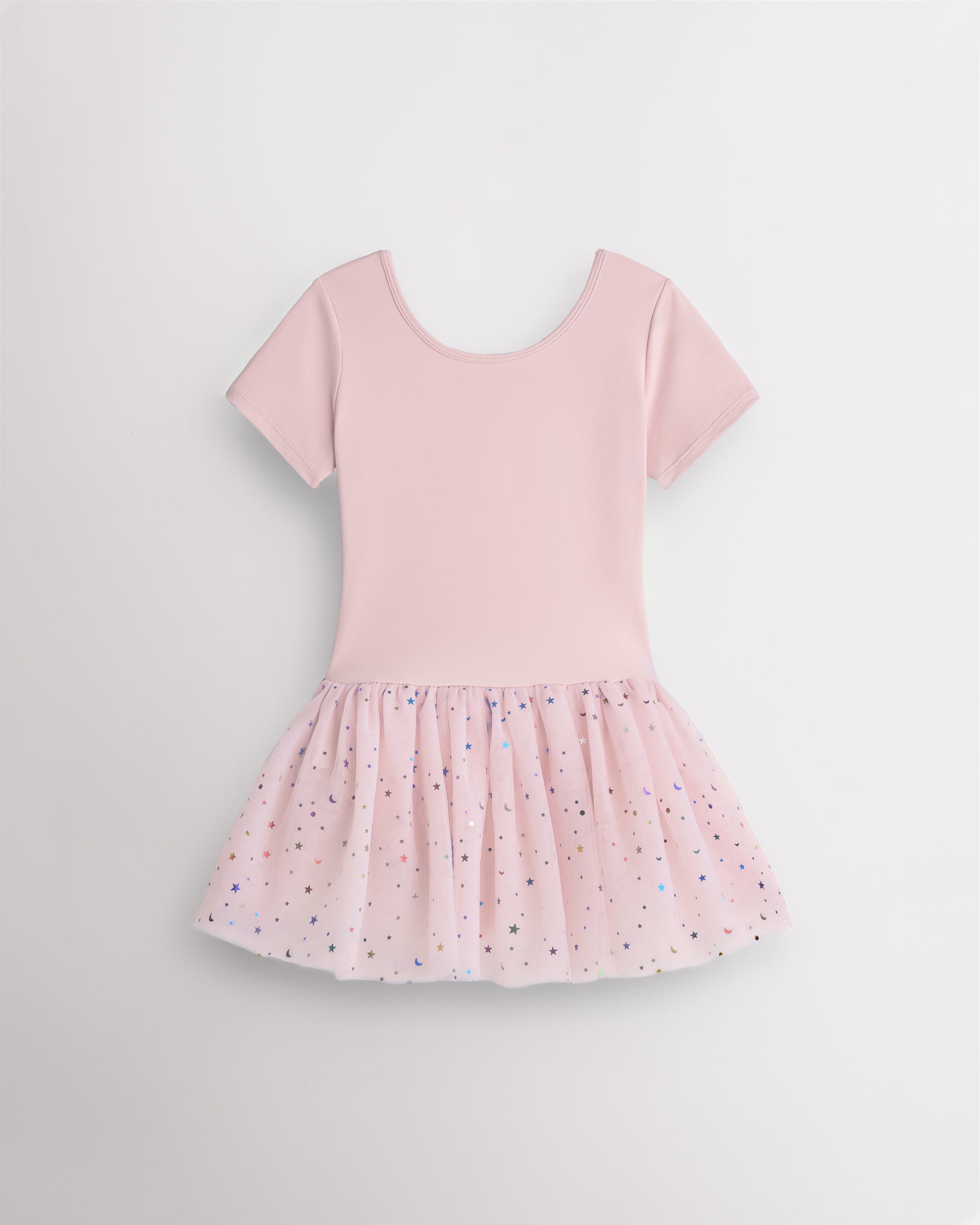
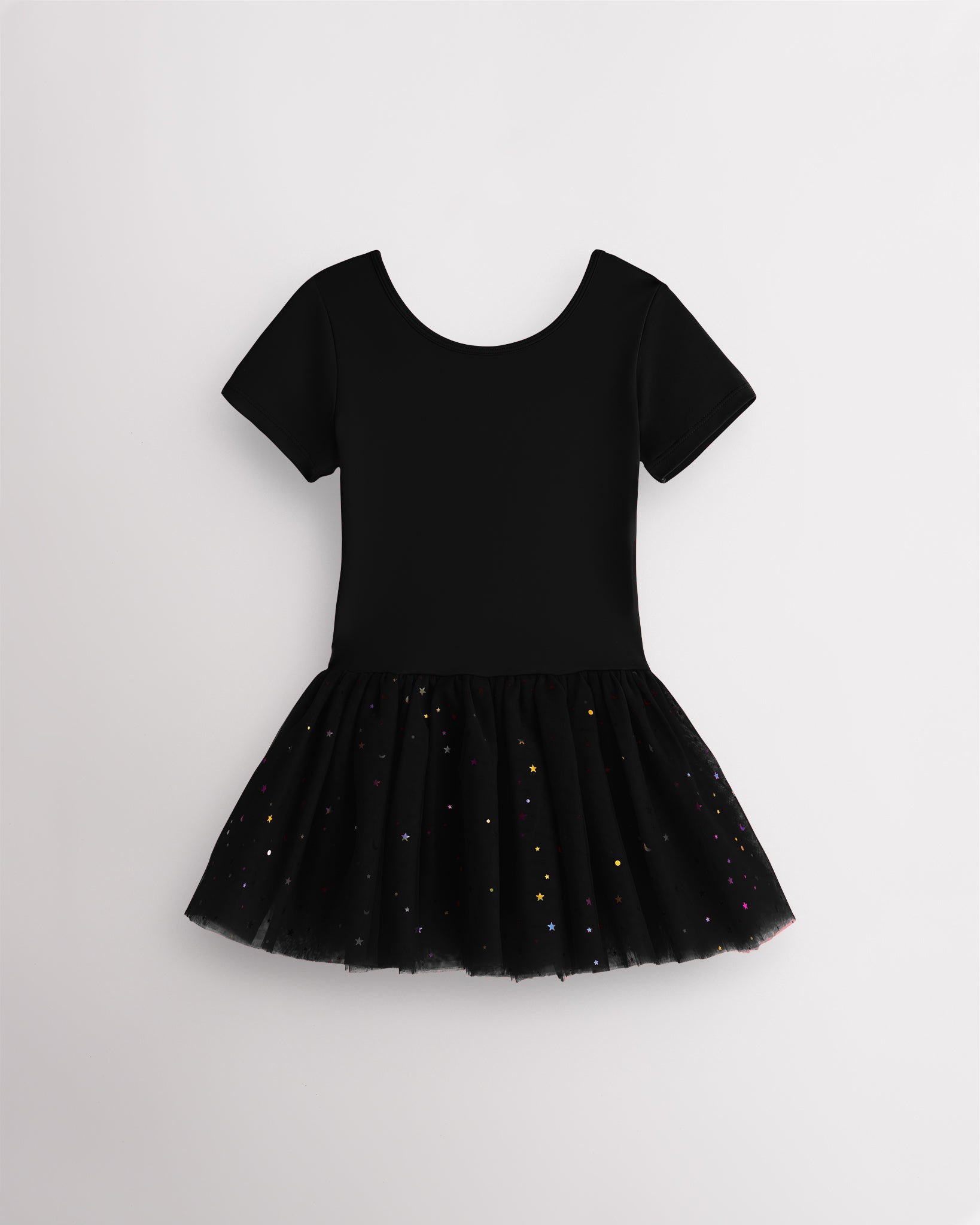
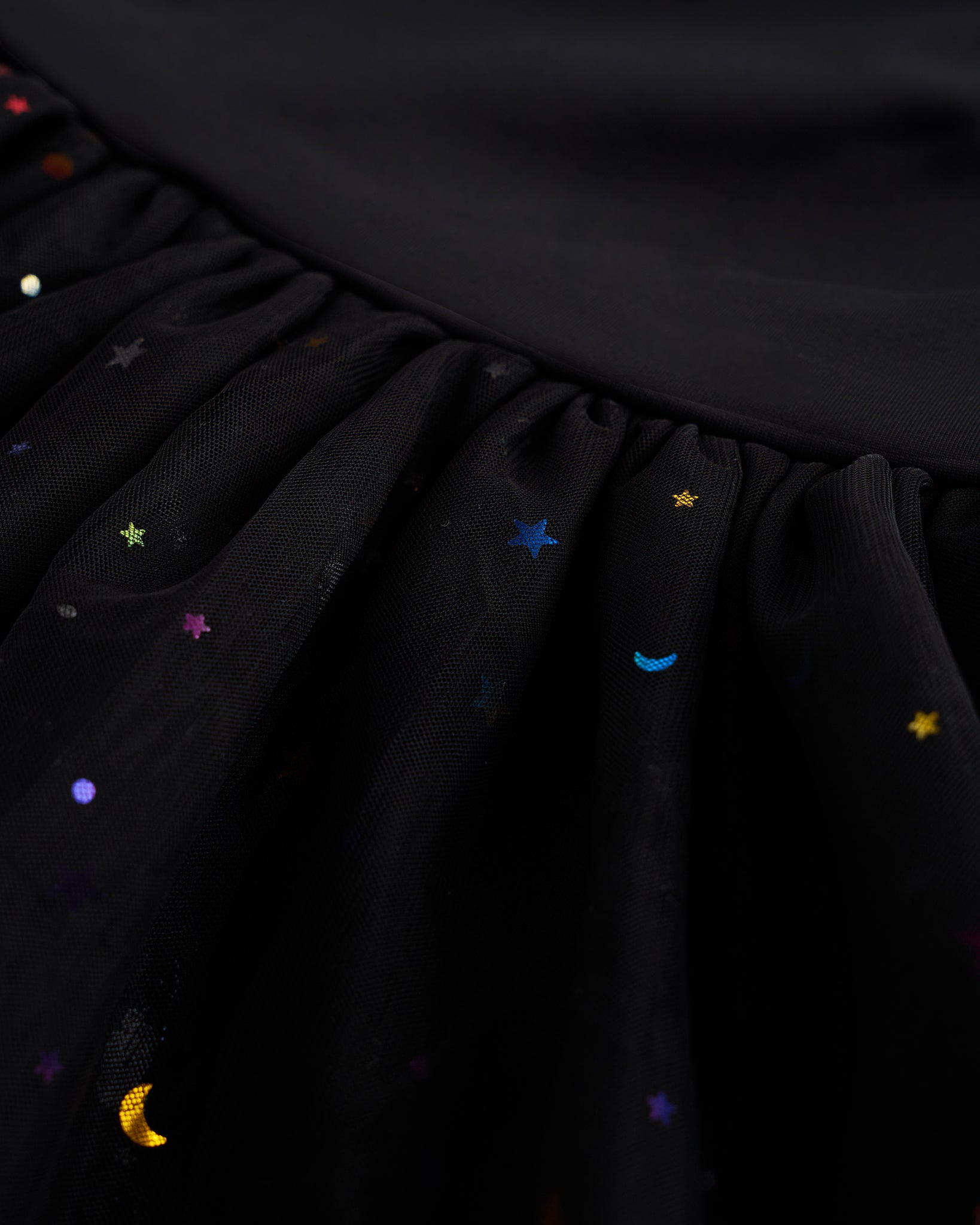
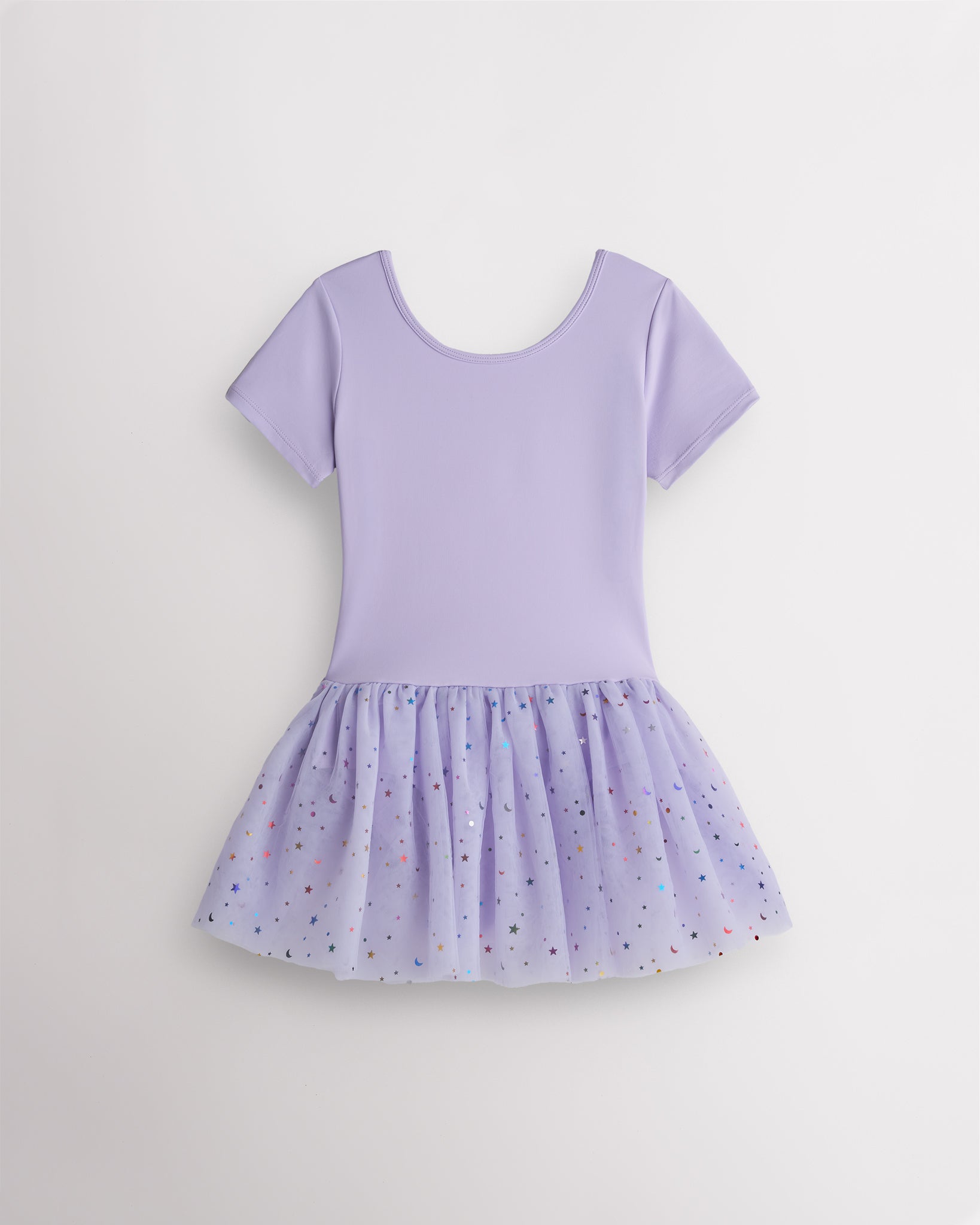
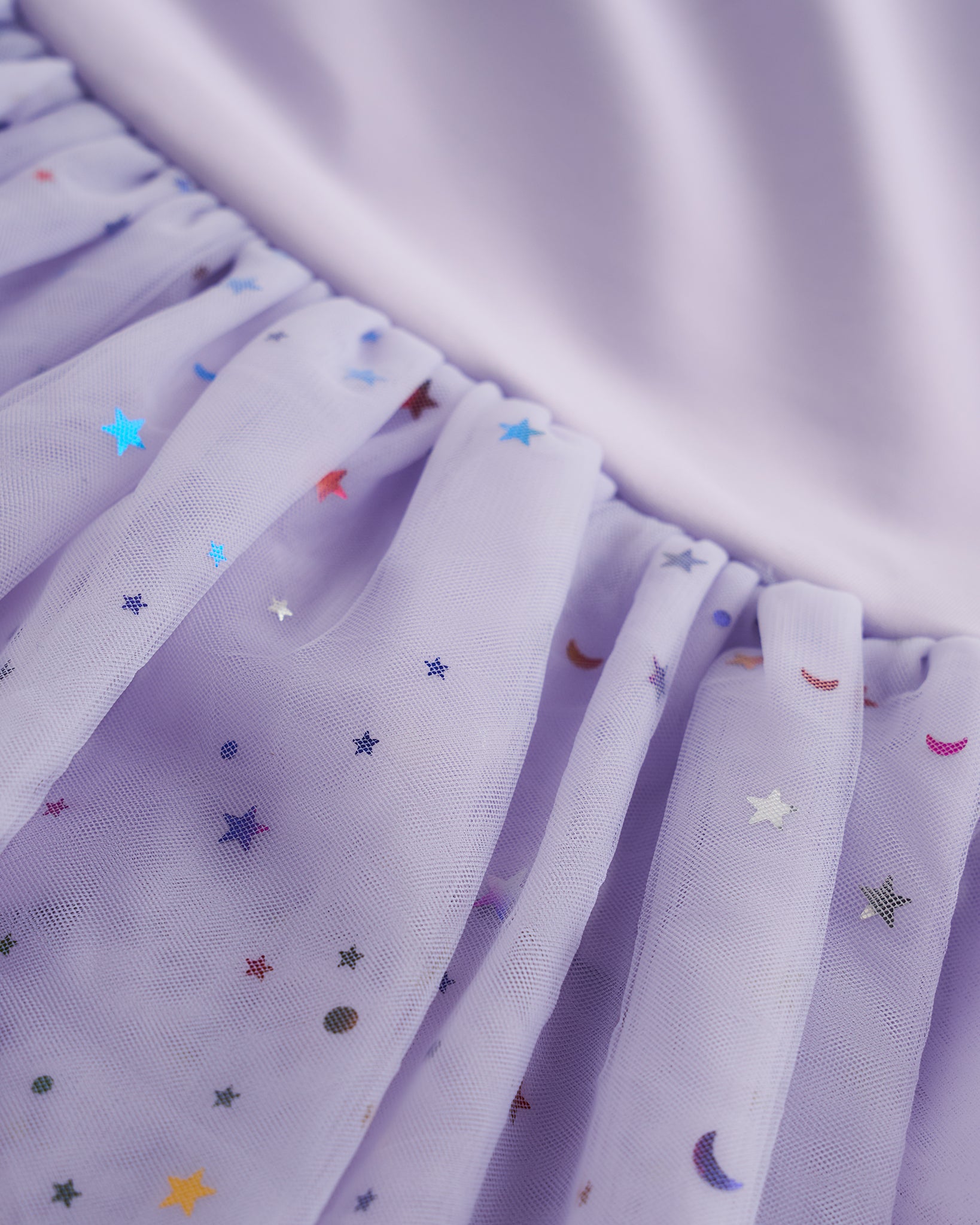
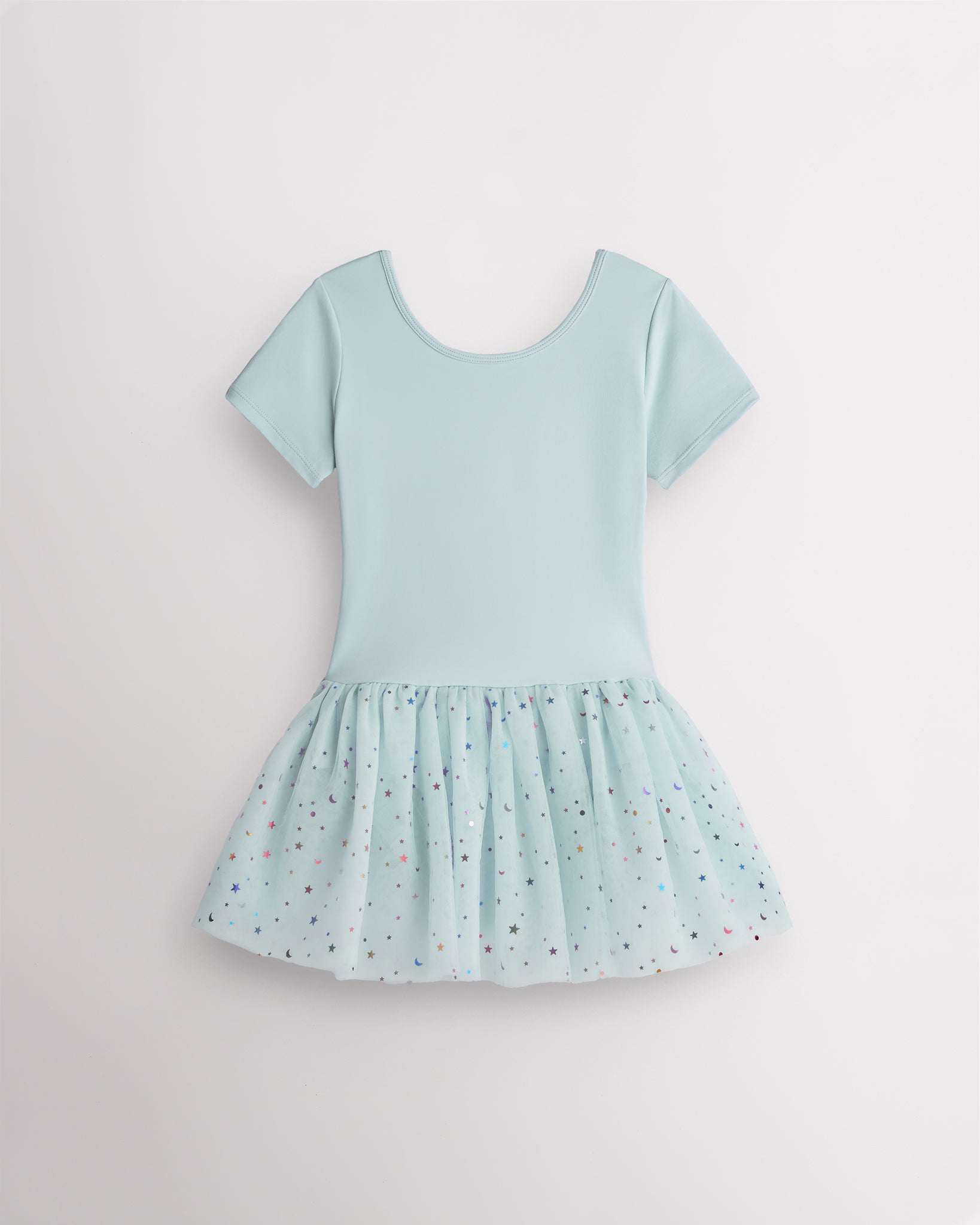
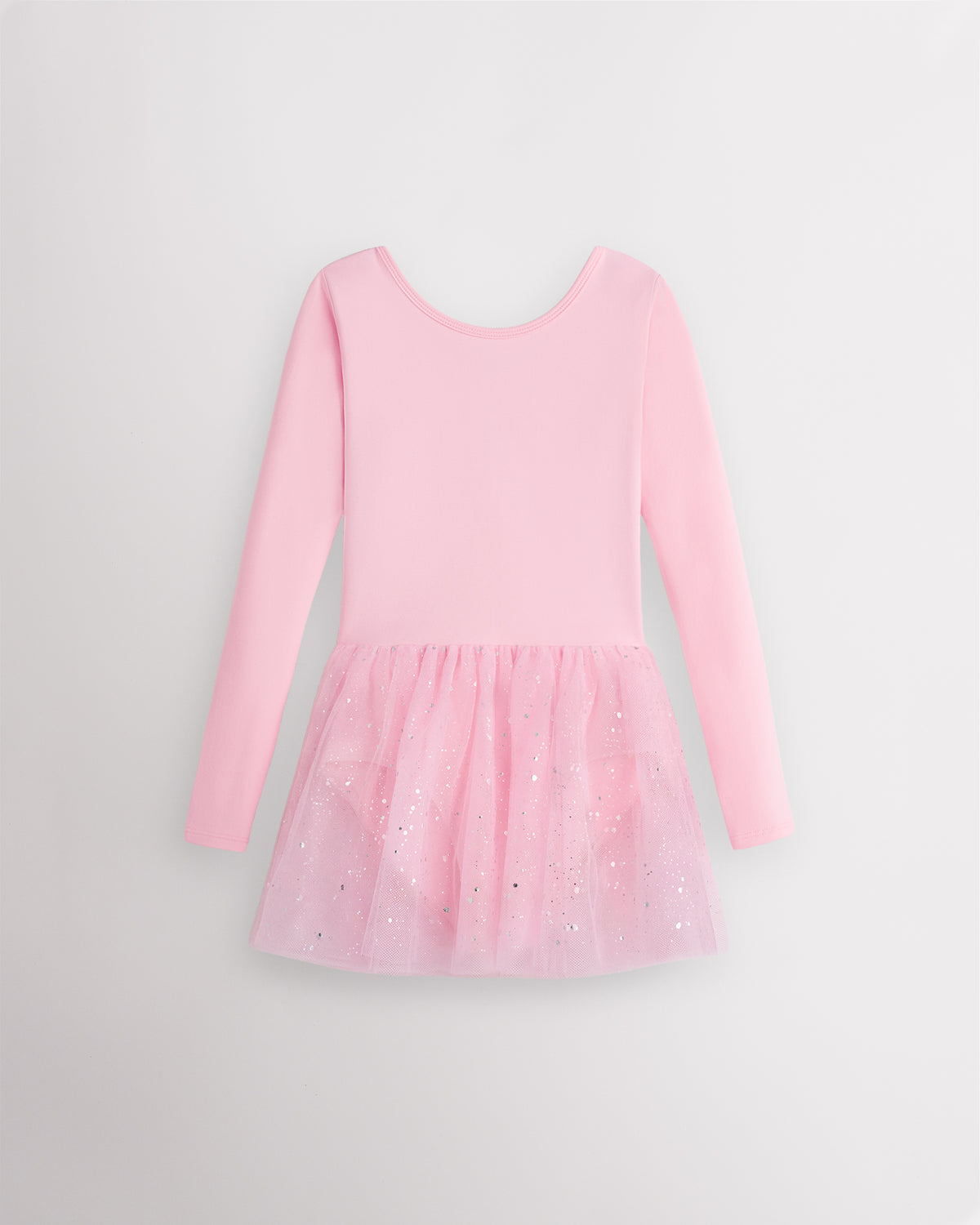
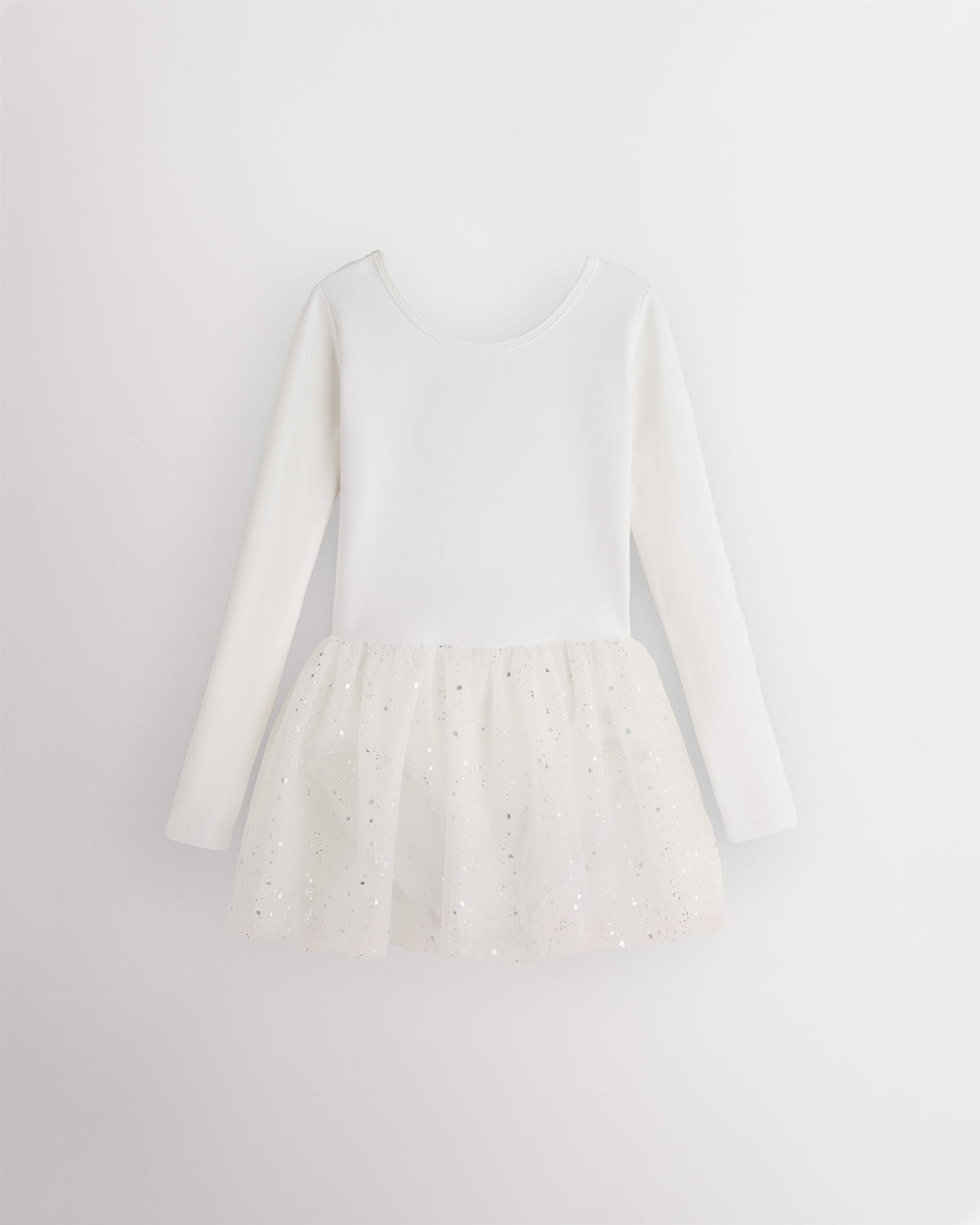
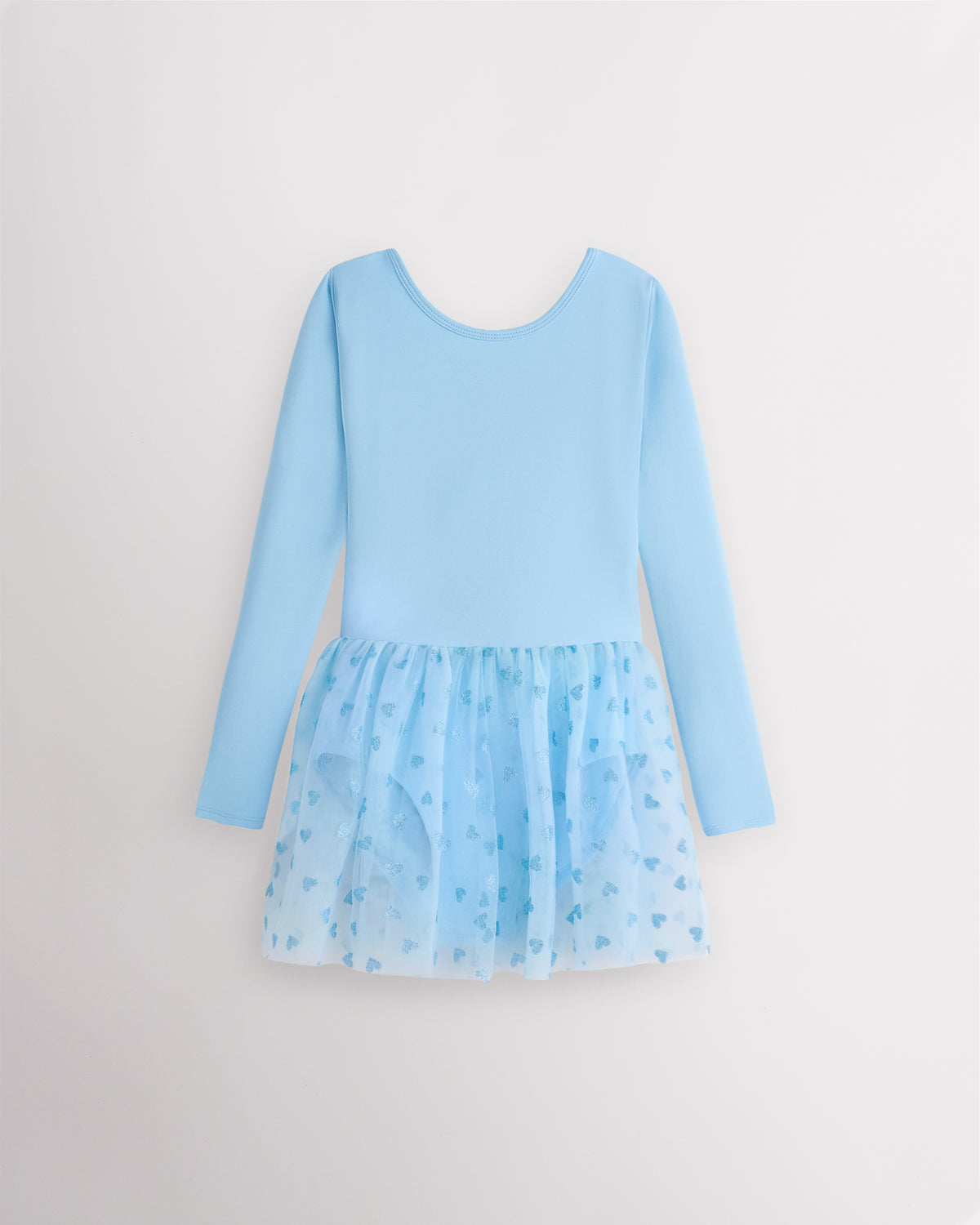
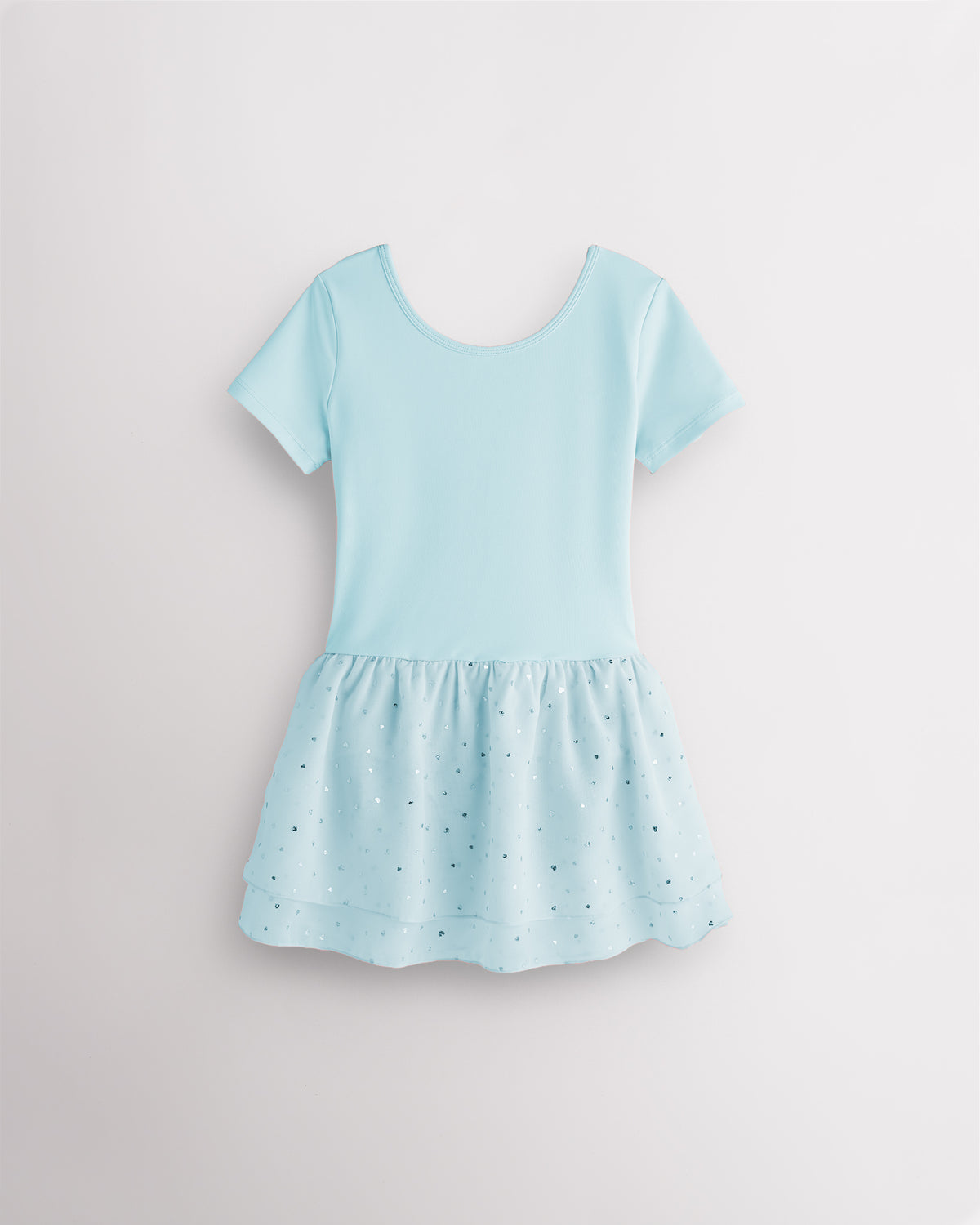
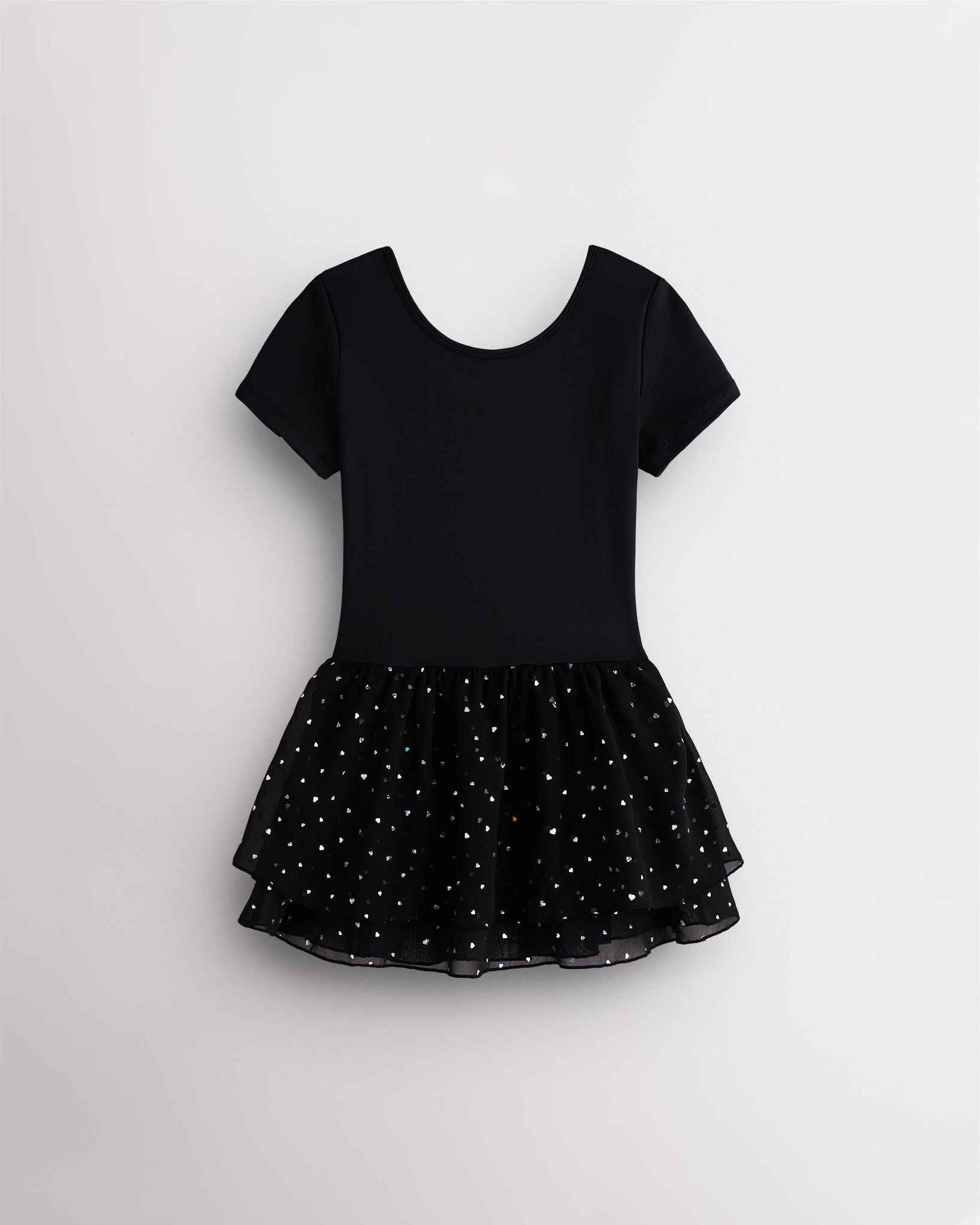
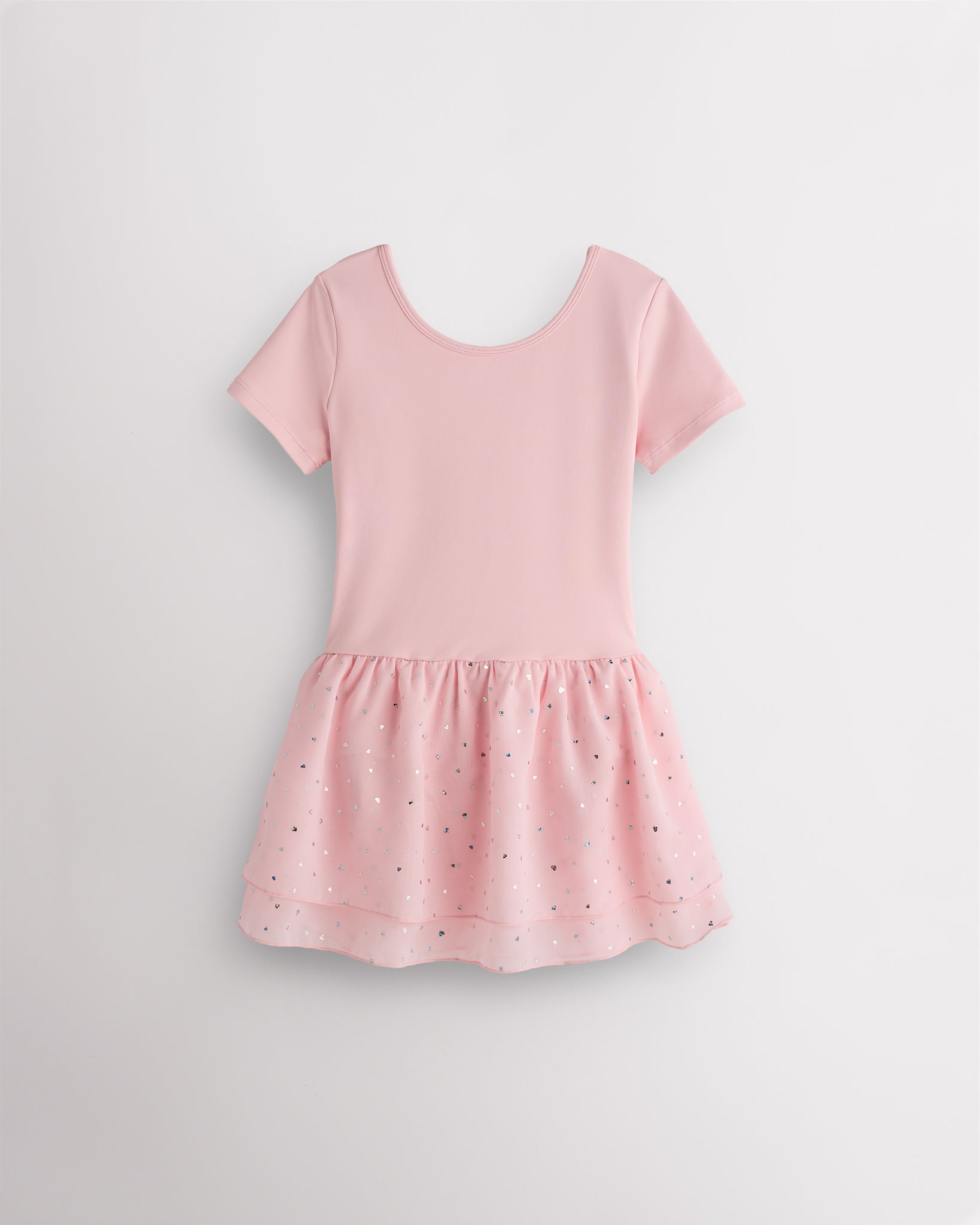
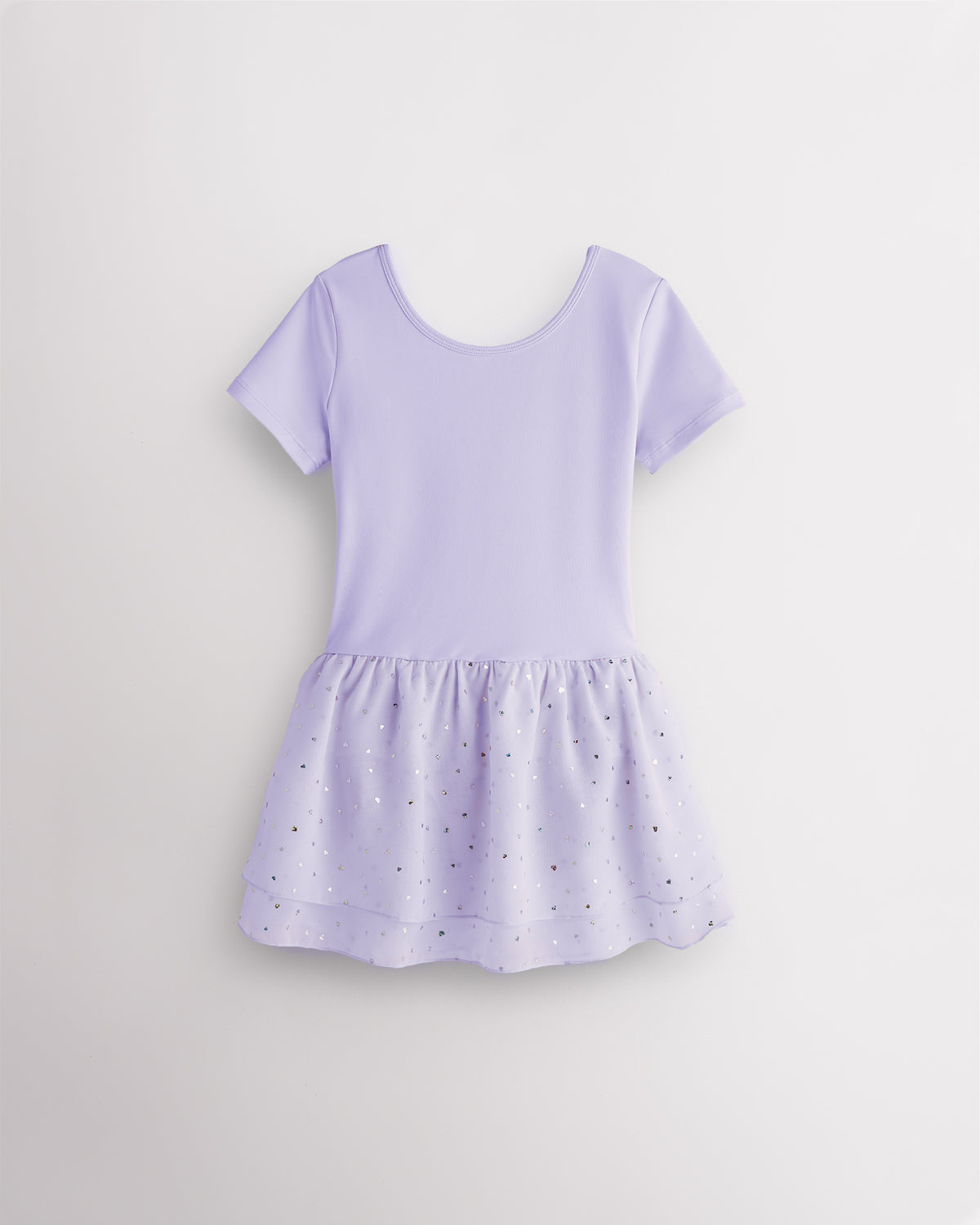
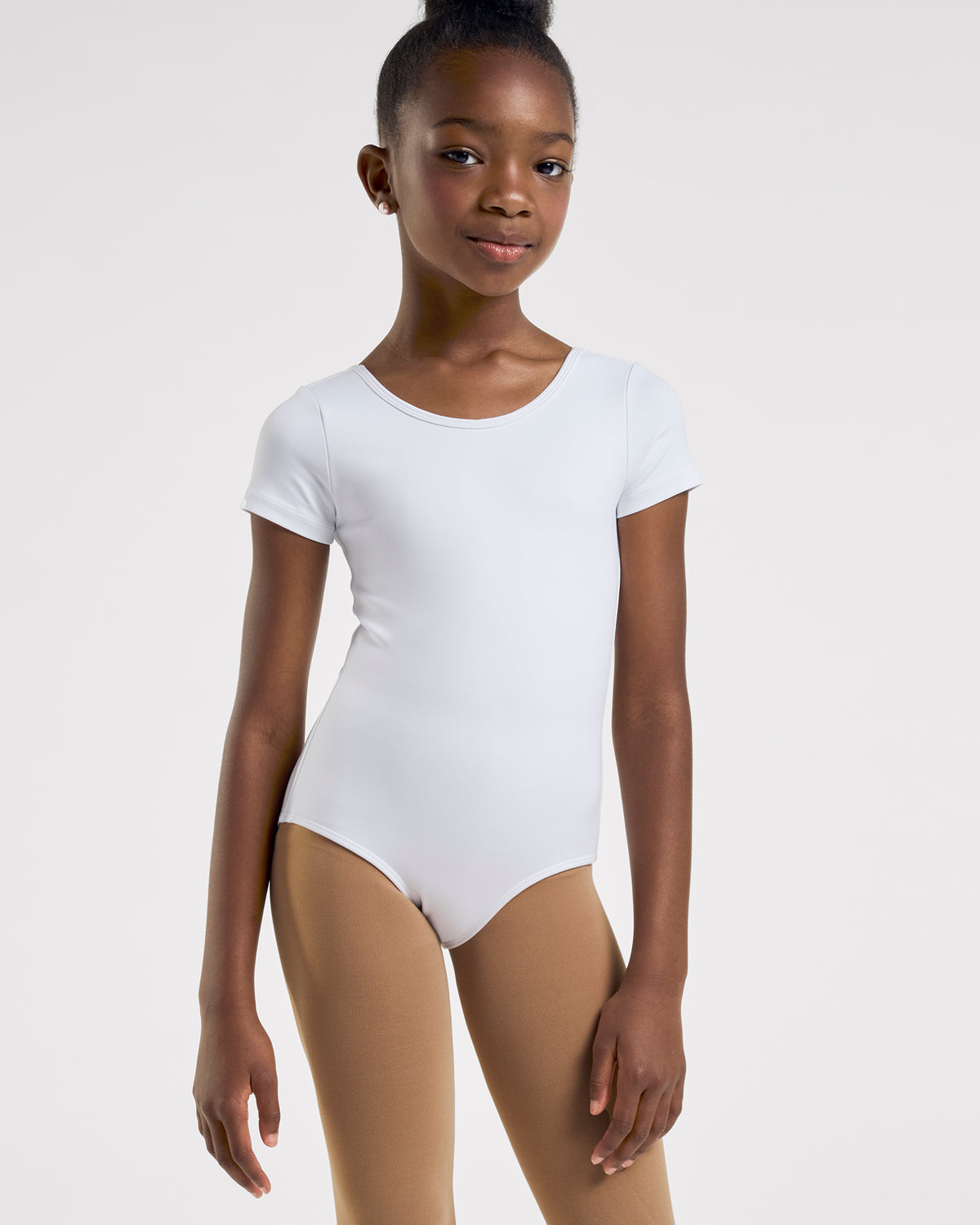
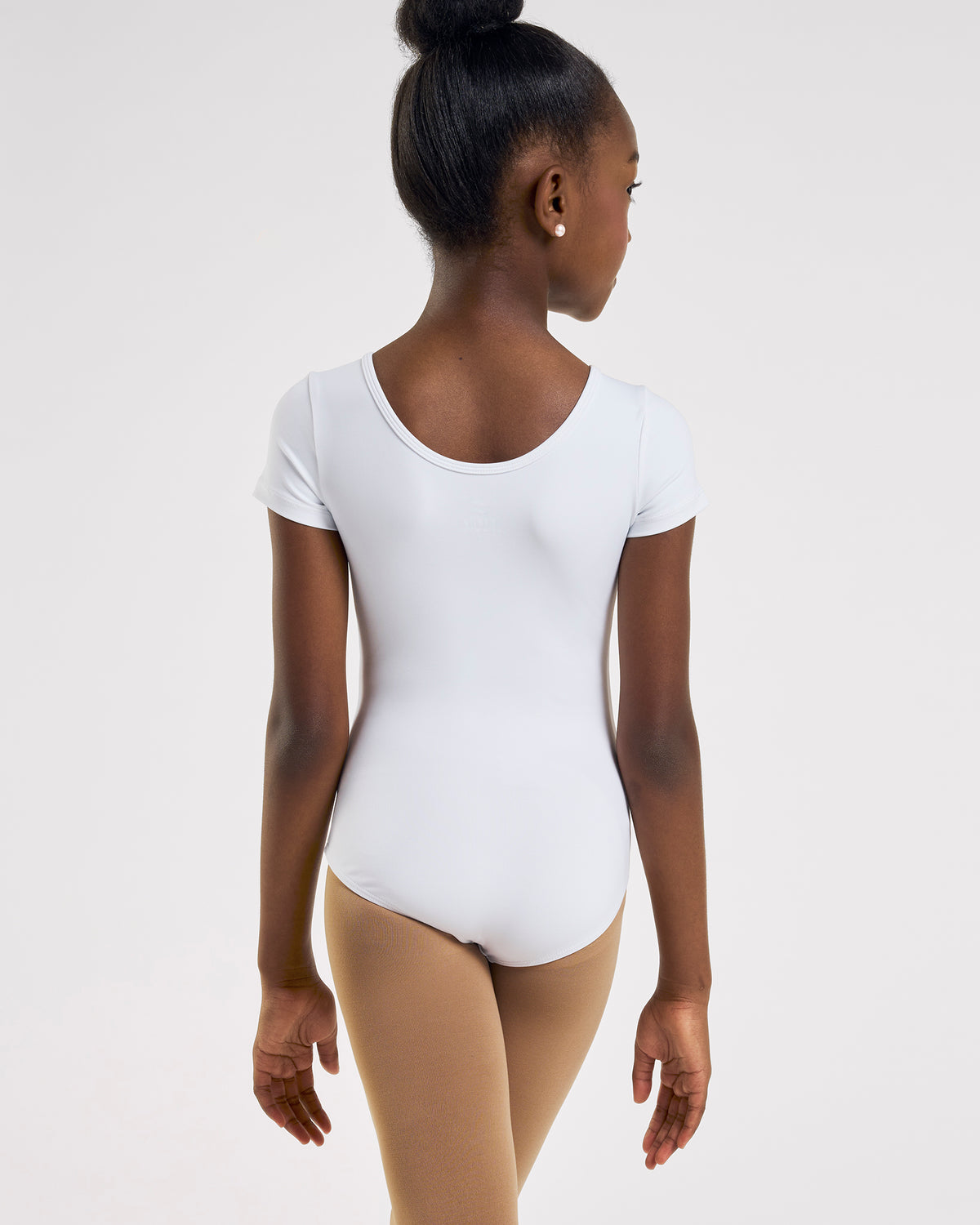
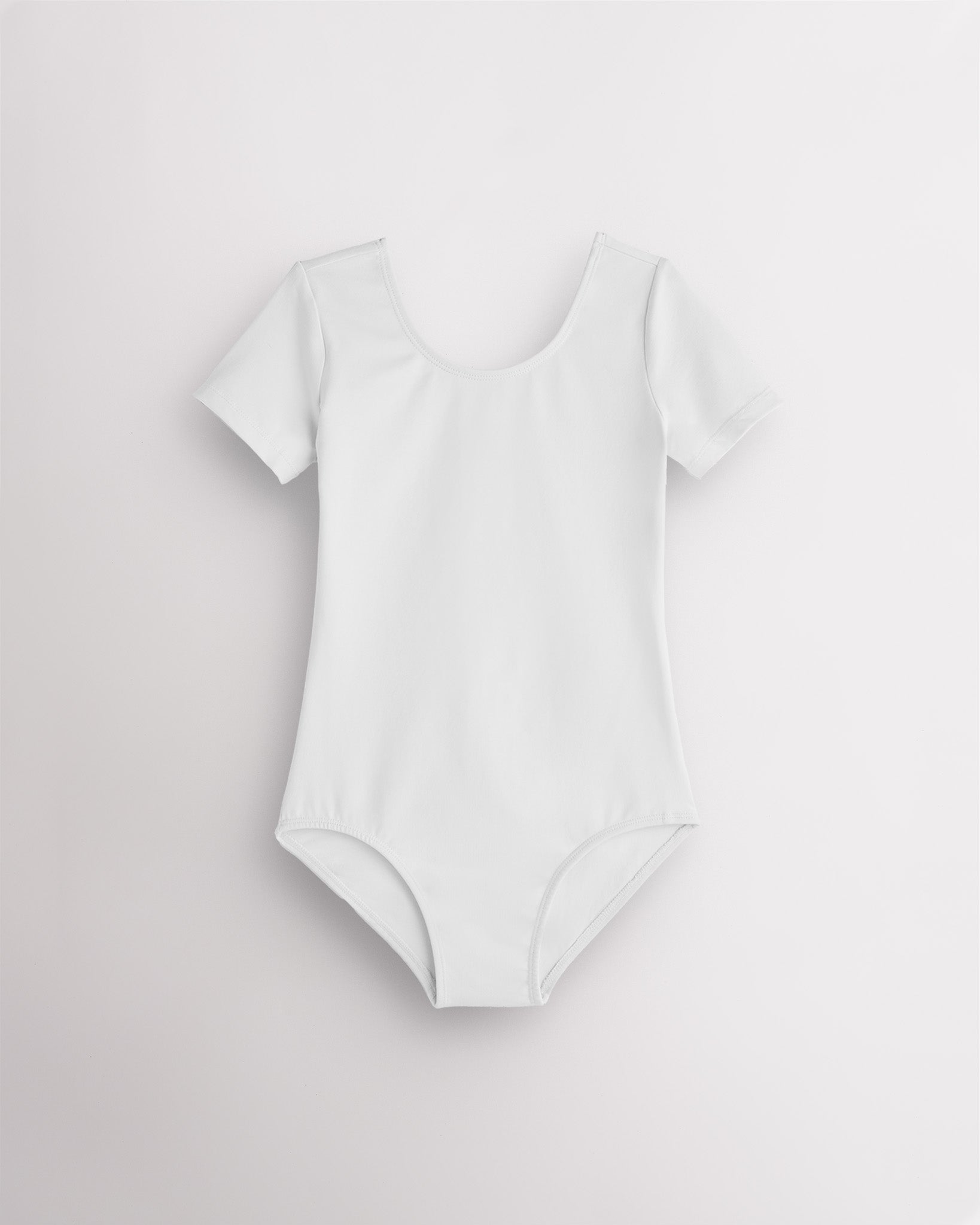
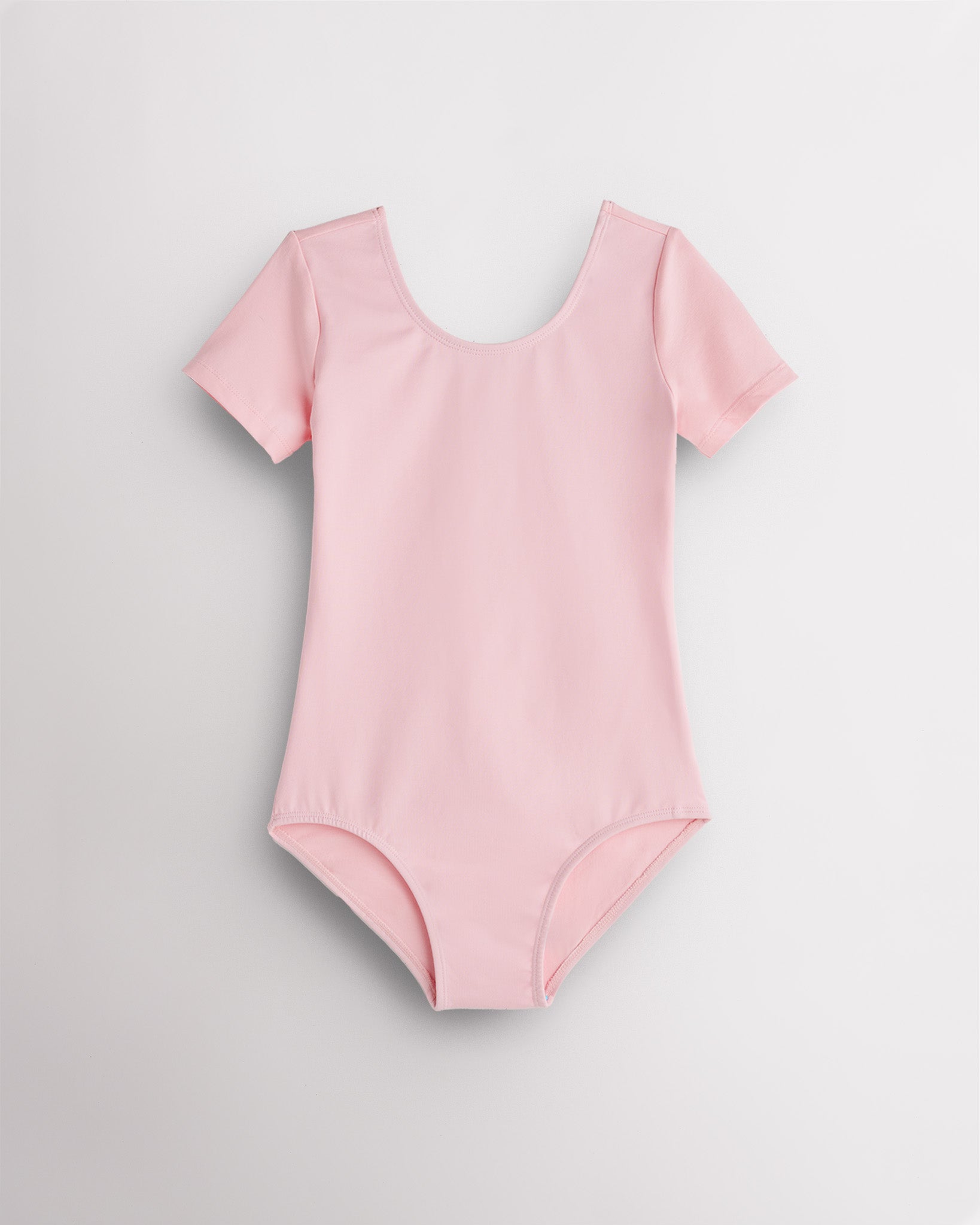
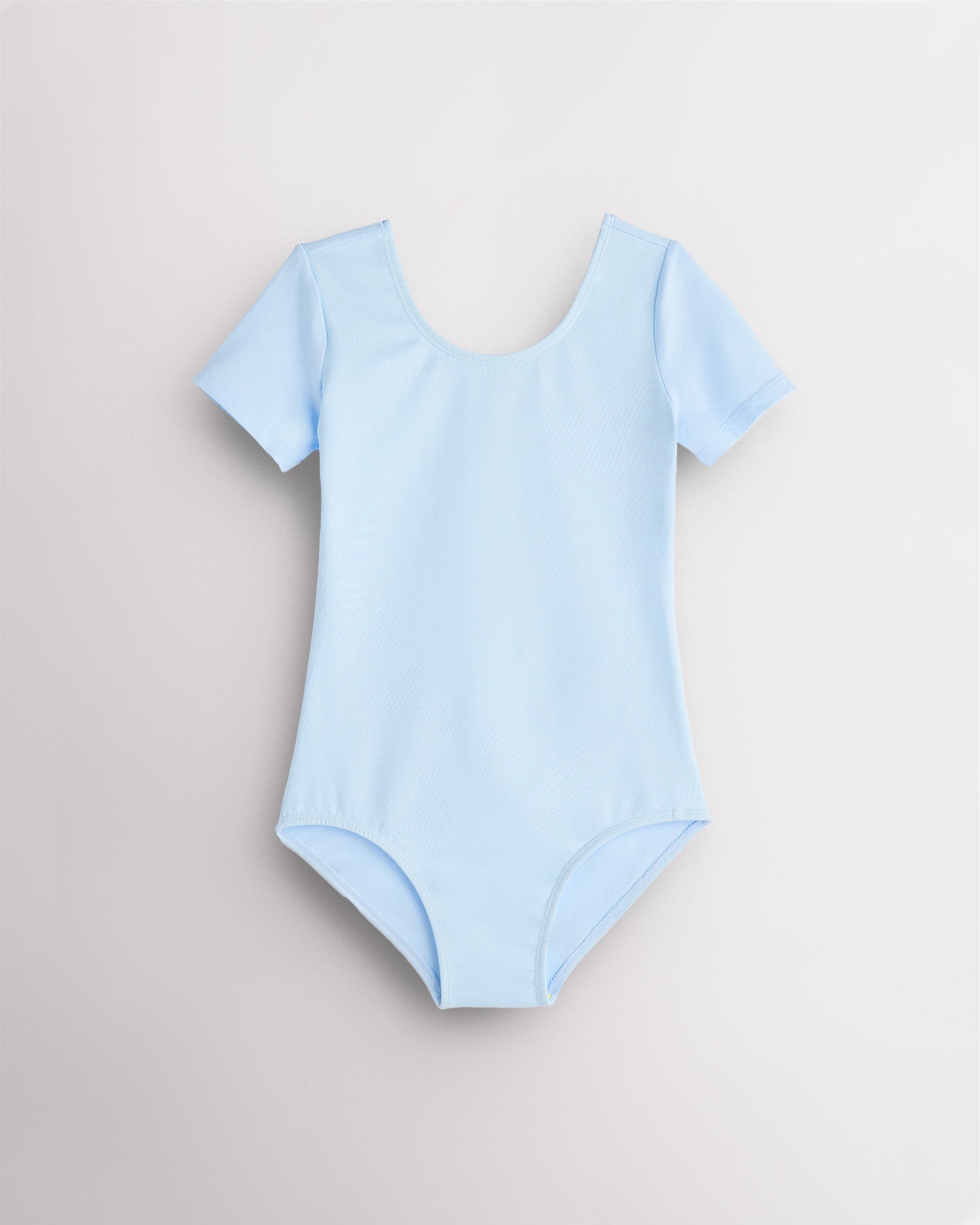
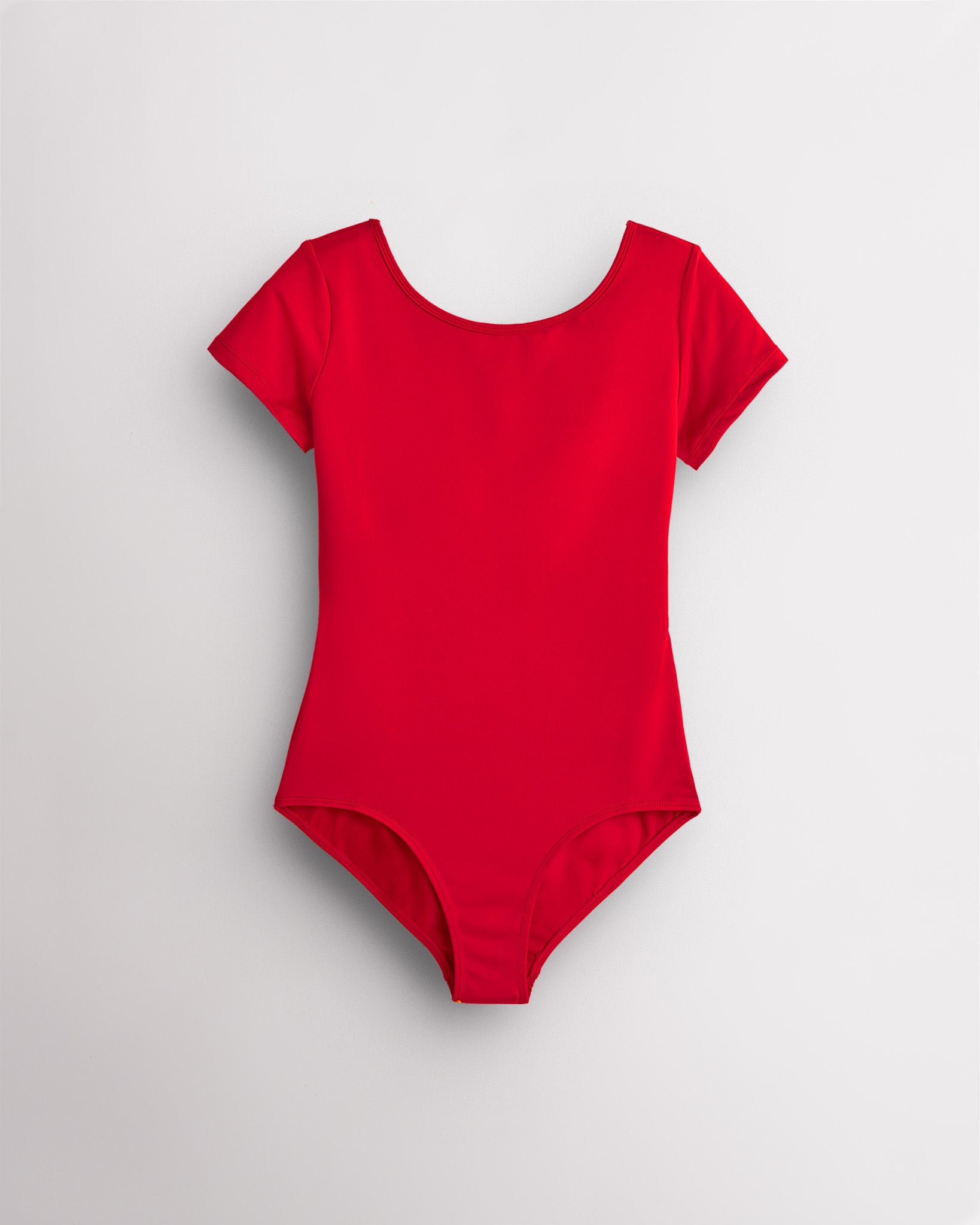
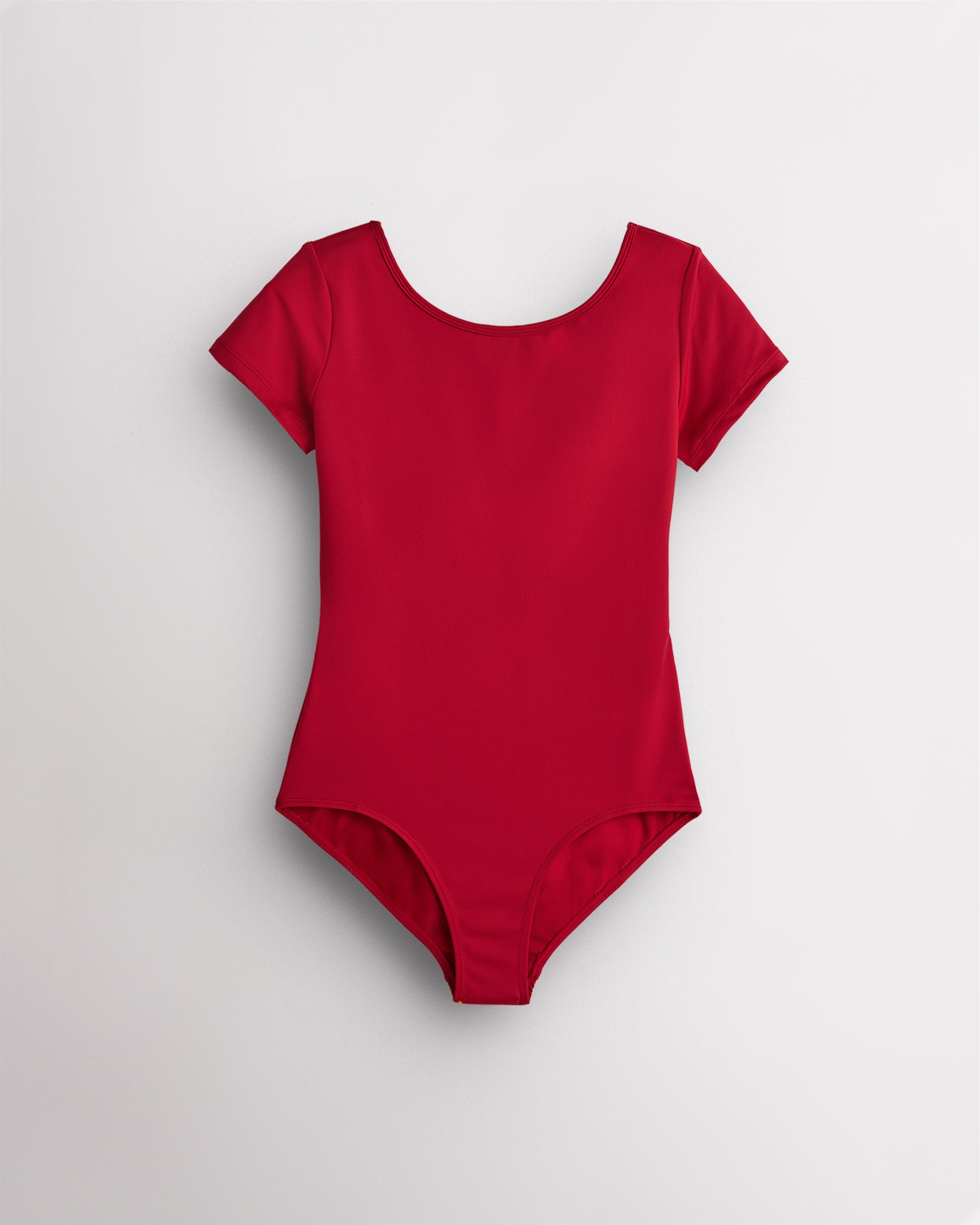
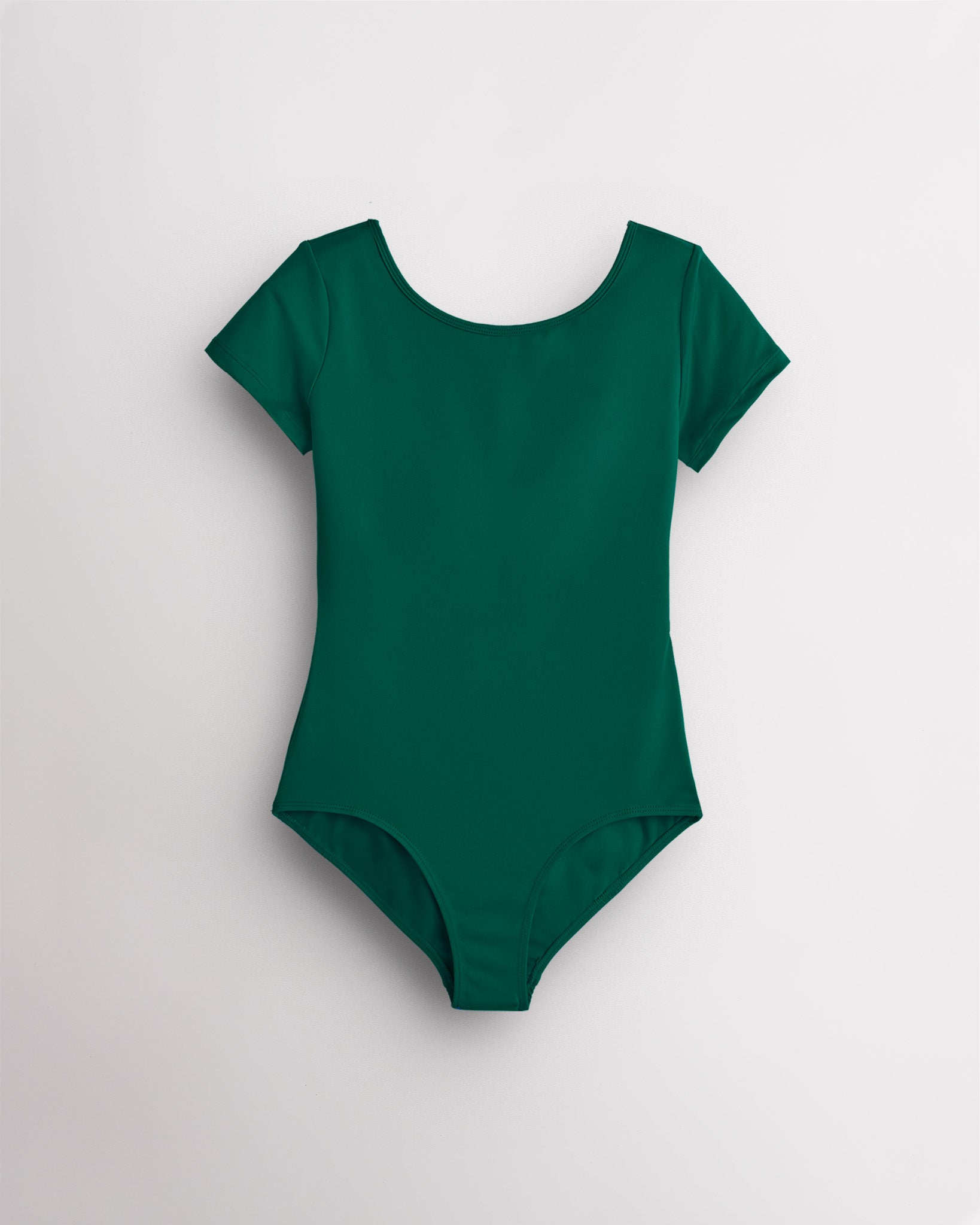
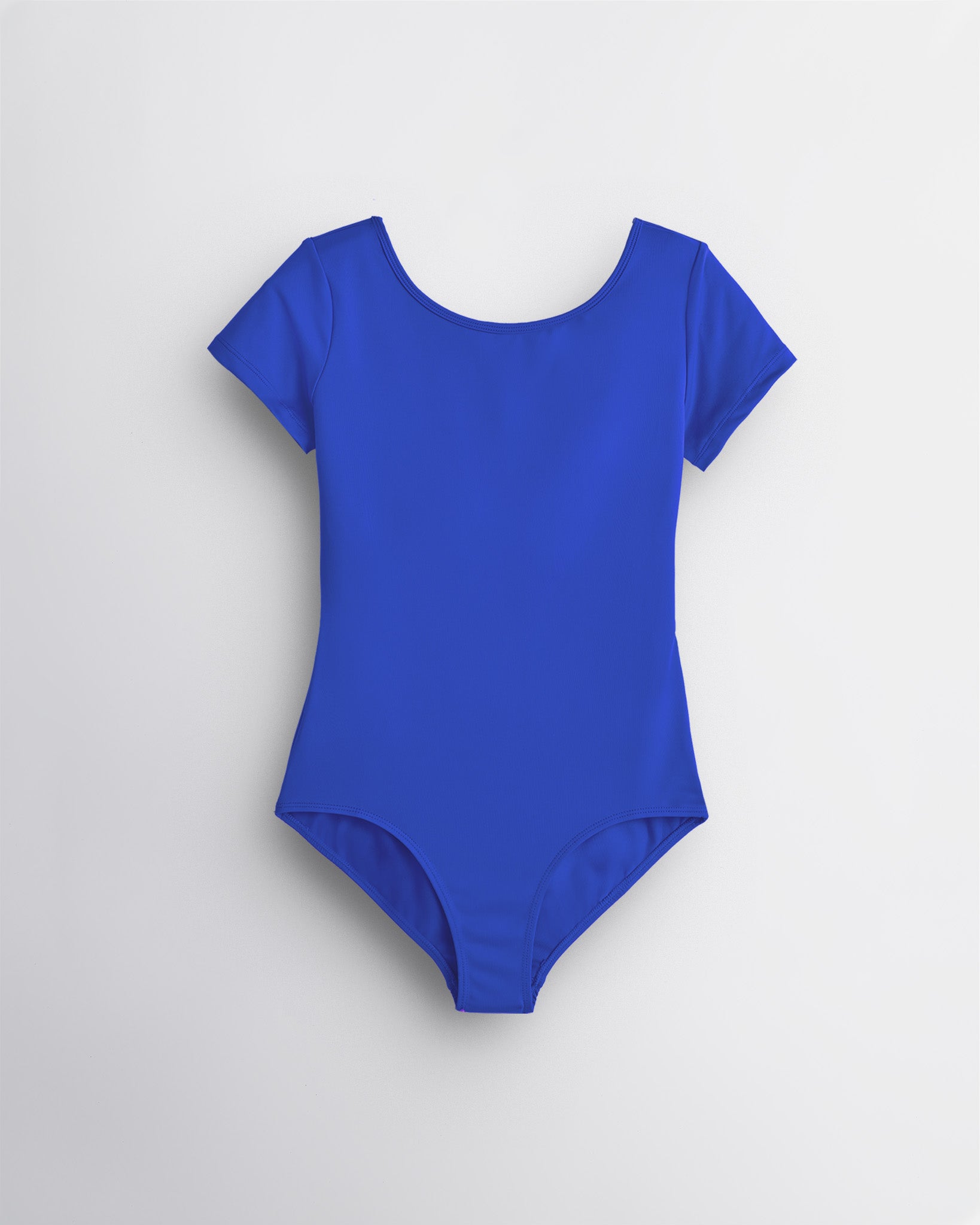
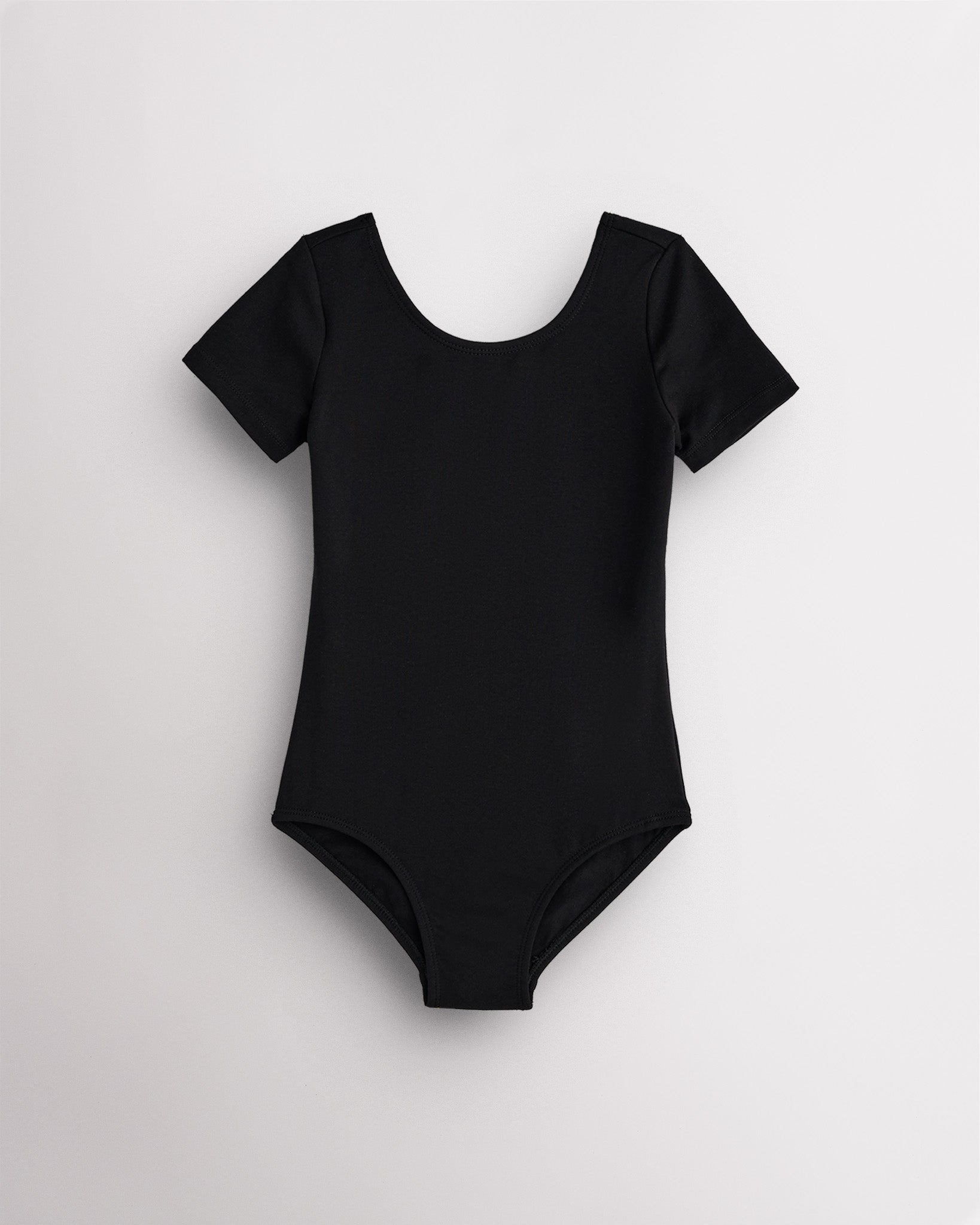
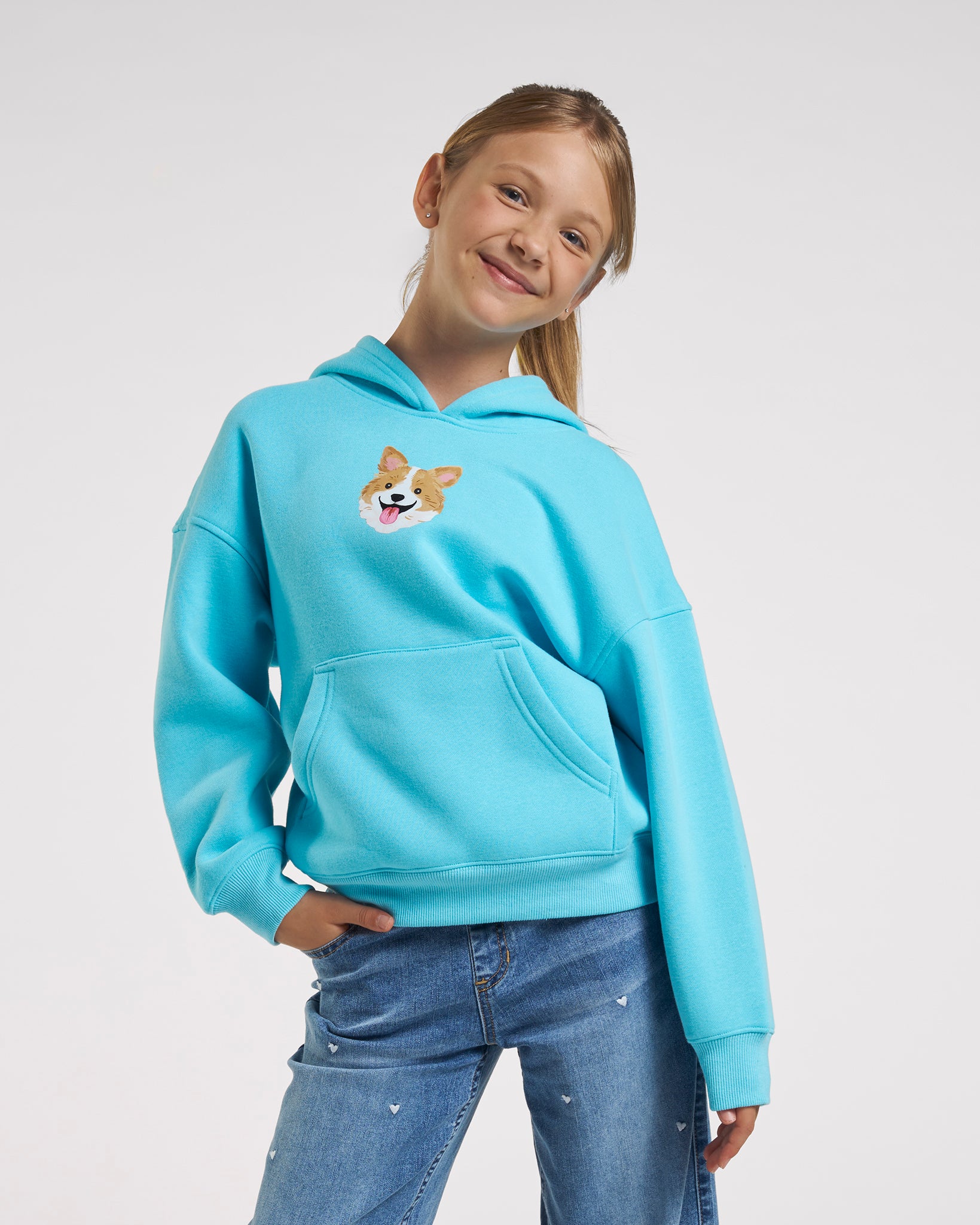
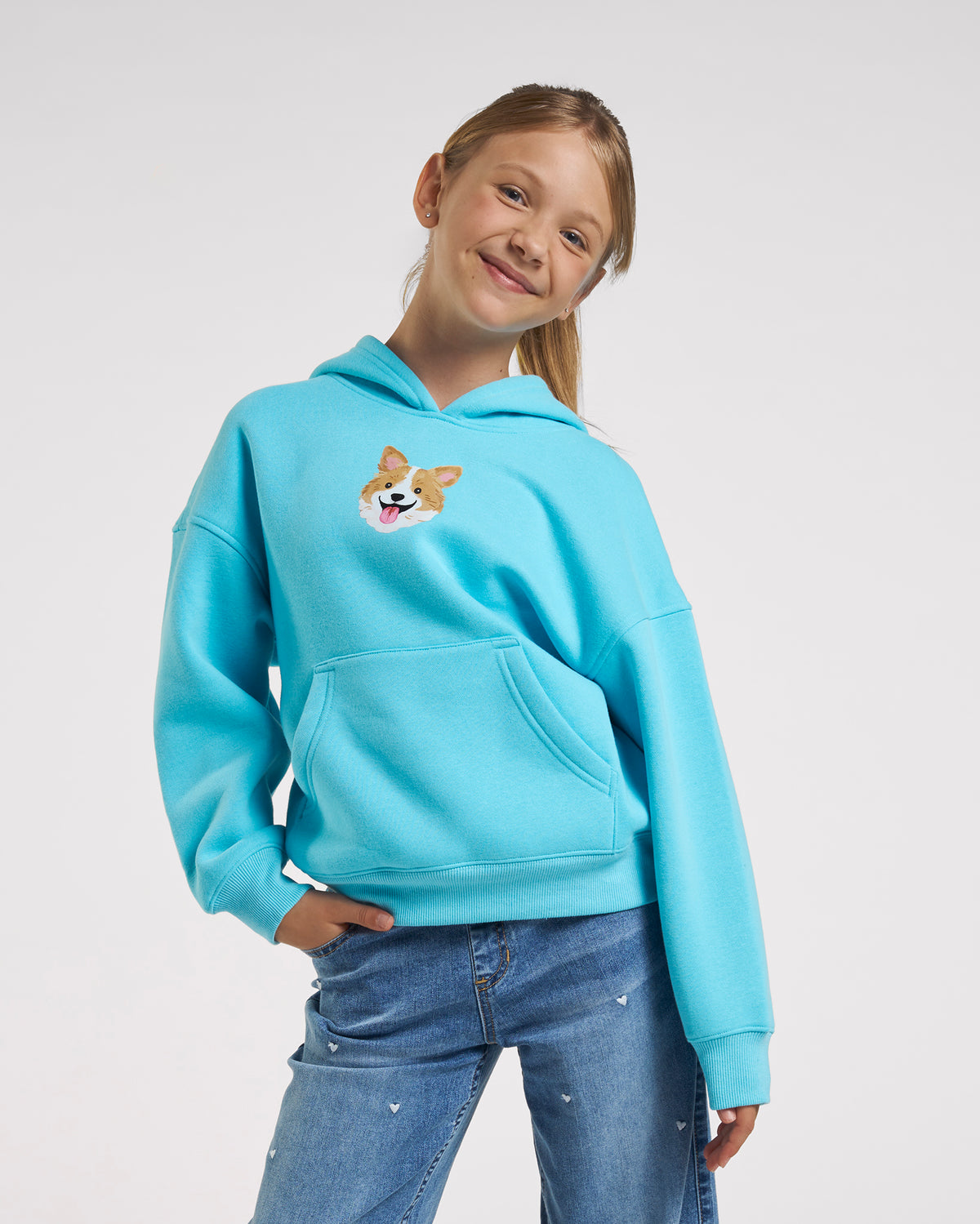
Step 2: Choose comfortable, breathable dancewear. A well-fitted cotton or nylon-spandex leotard lets teachers see alignment and lets kids move freely. Skip metallic or costume-style fabrics, which trap heat fast in an active class. If you are starting from zero, a simple girls' leotard in the studio's required color plus dance tights covers the basics.
-
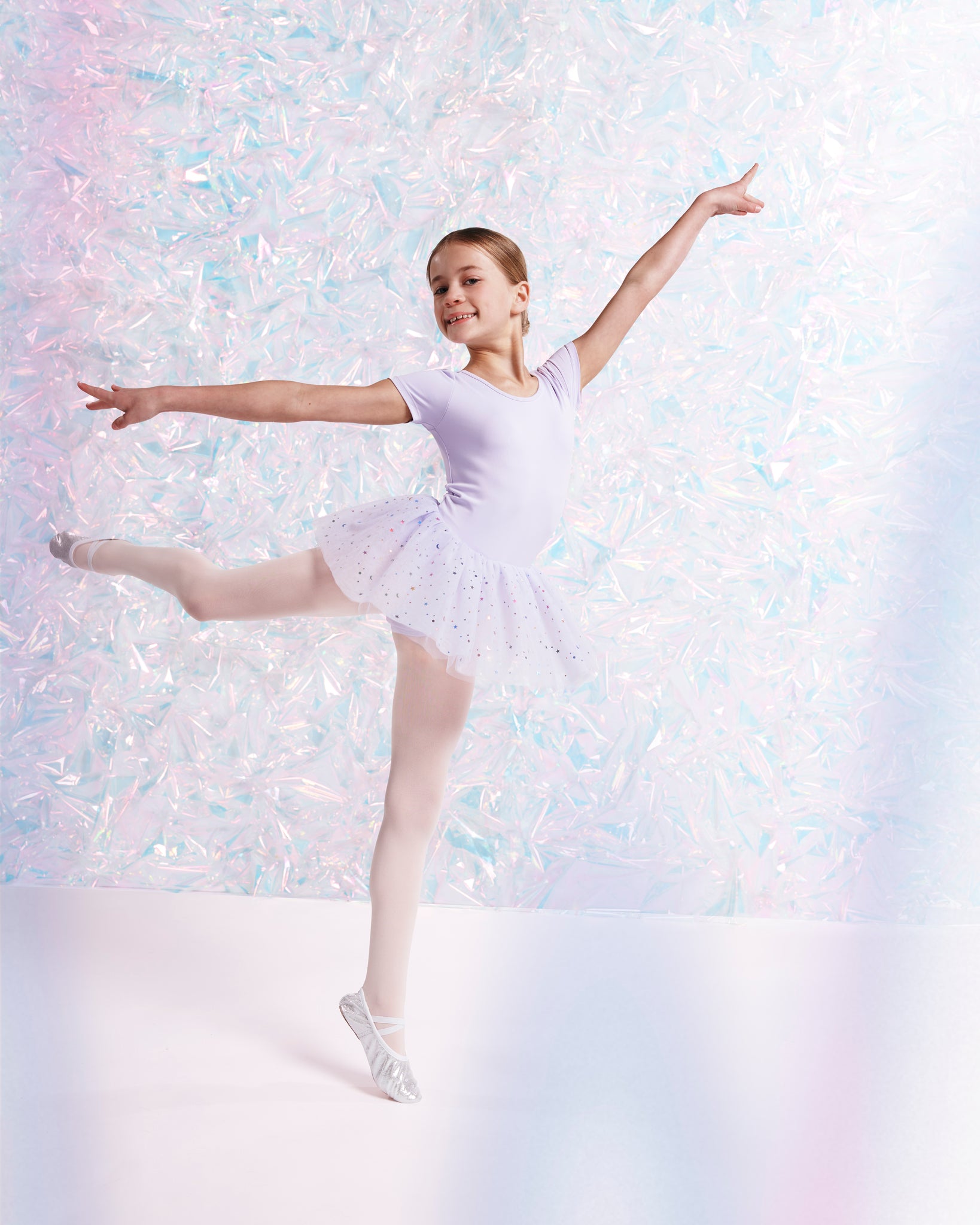
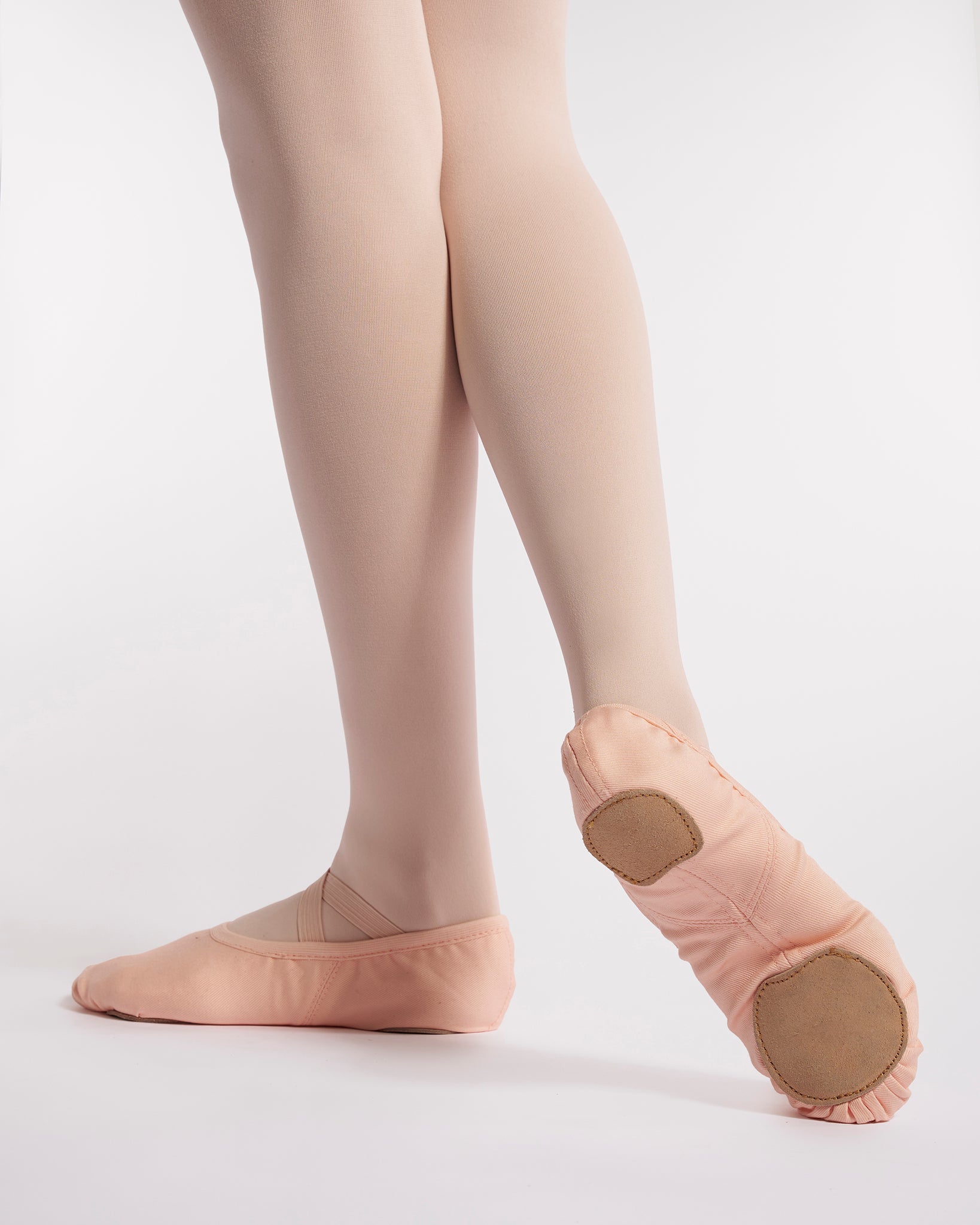
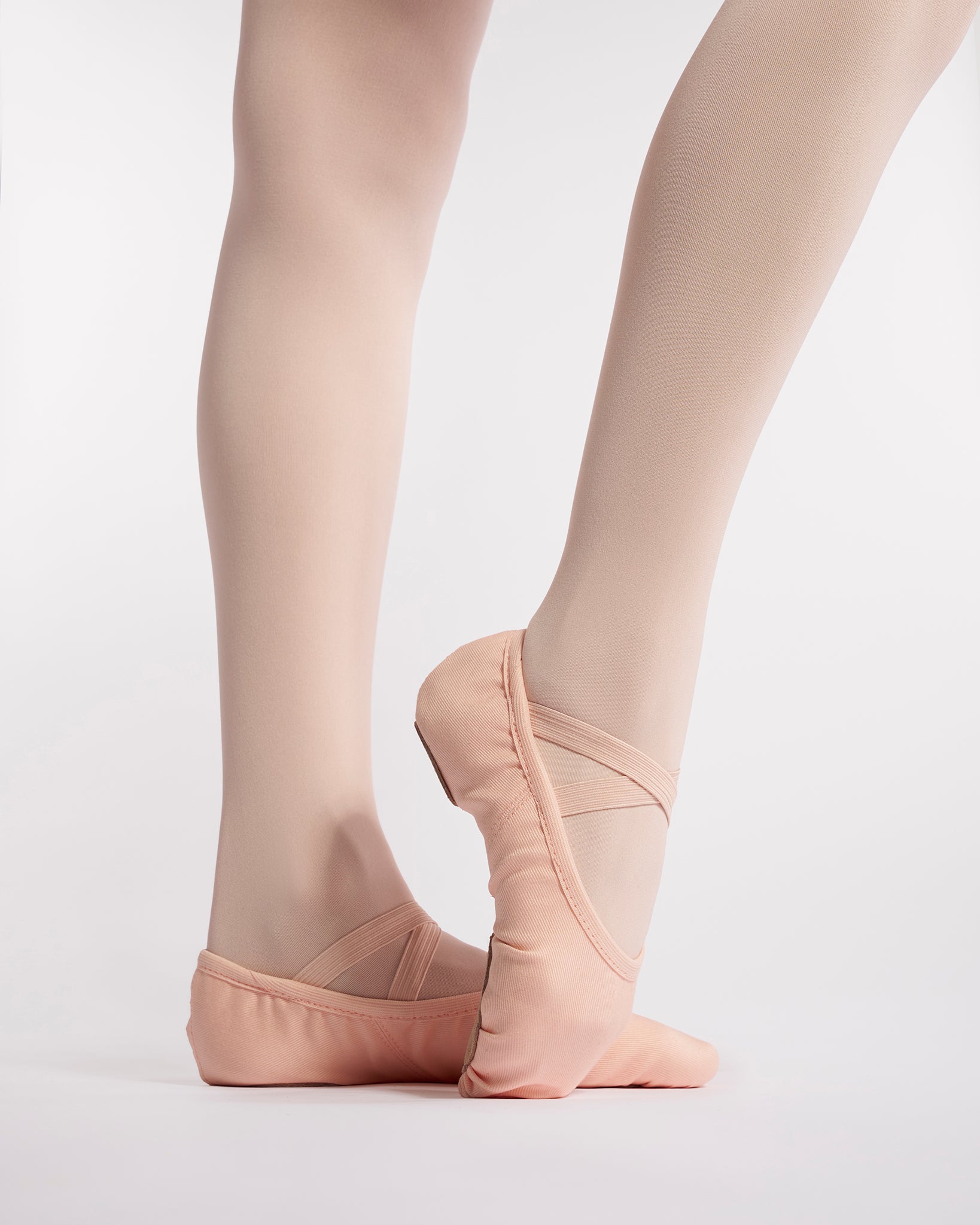
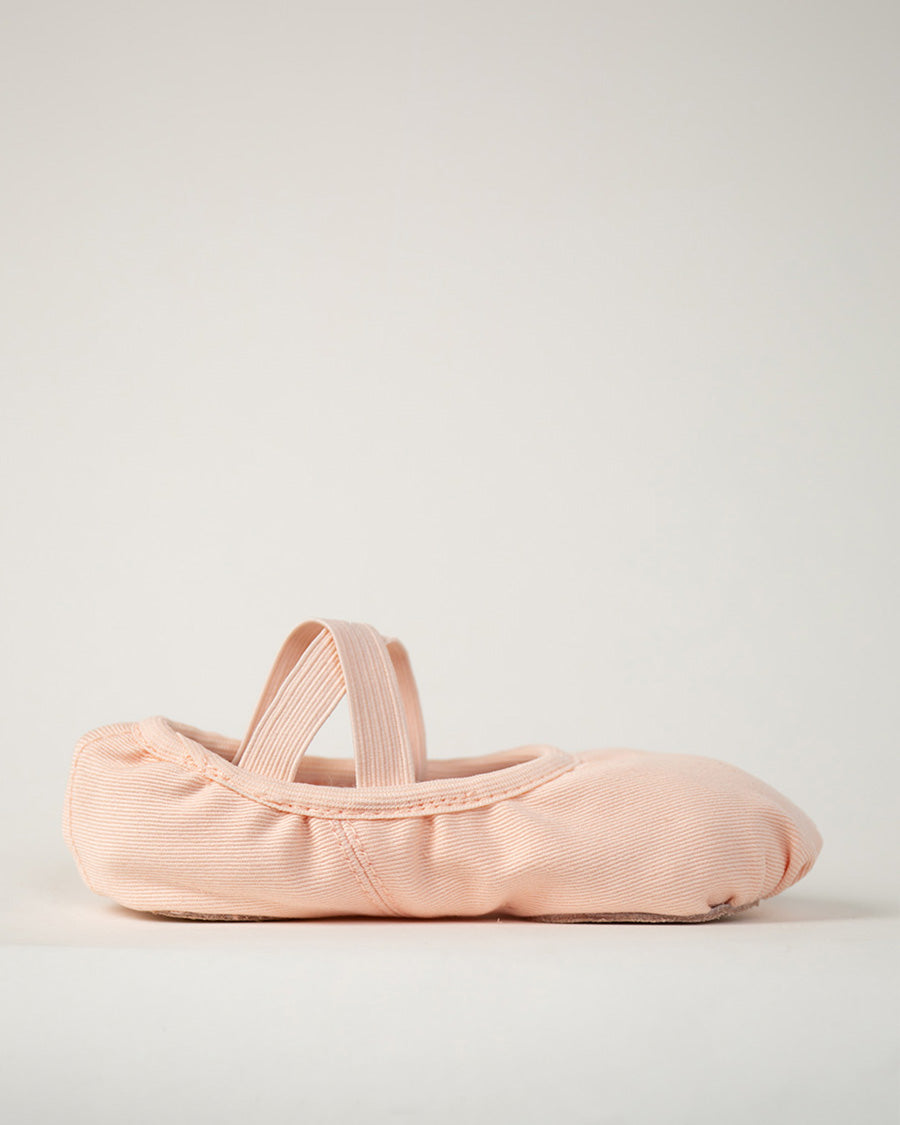
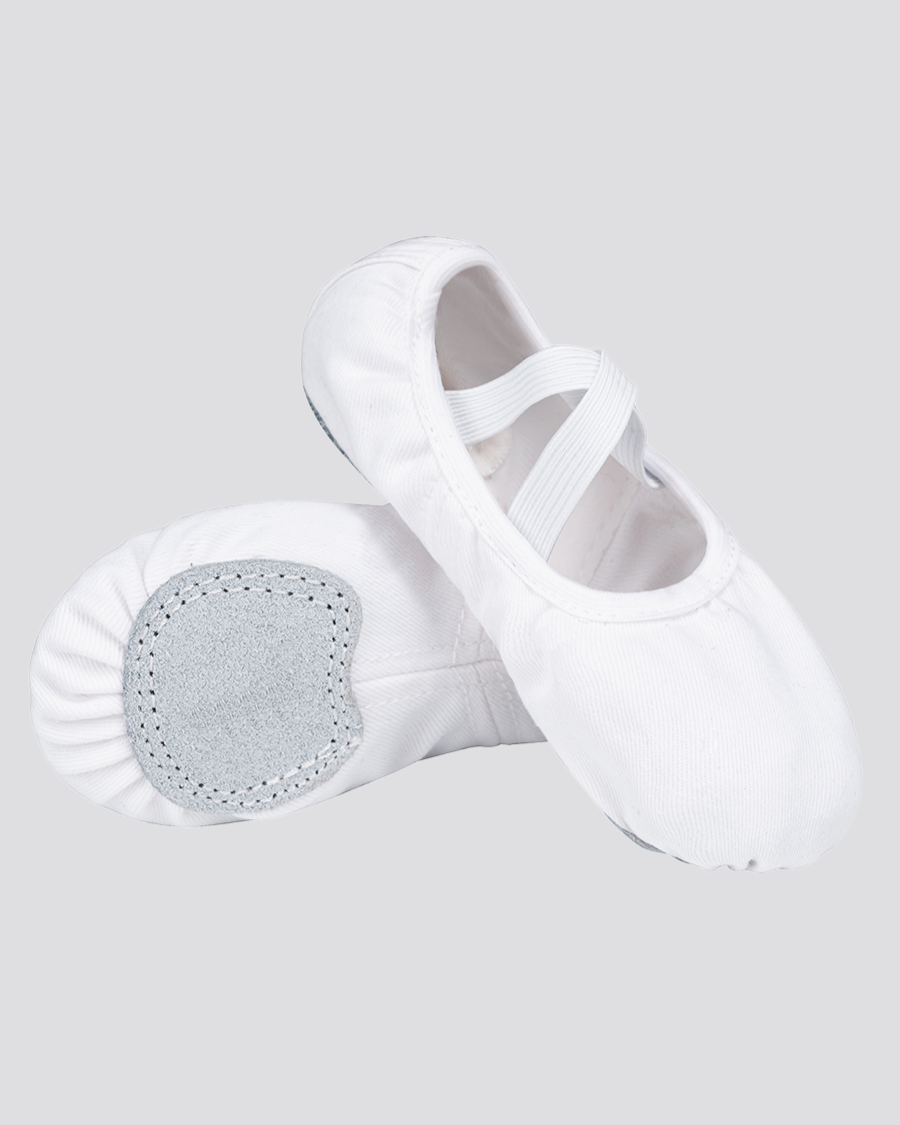
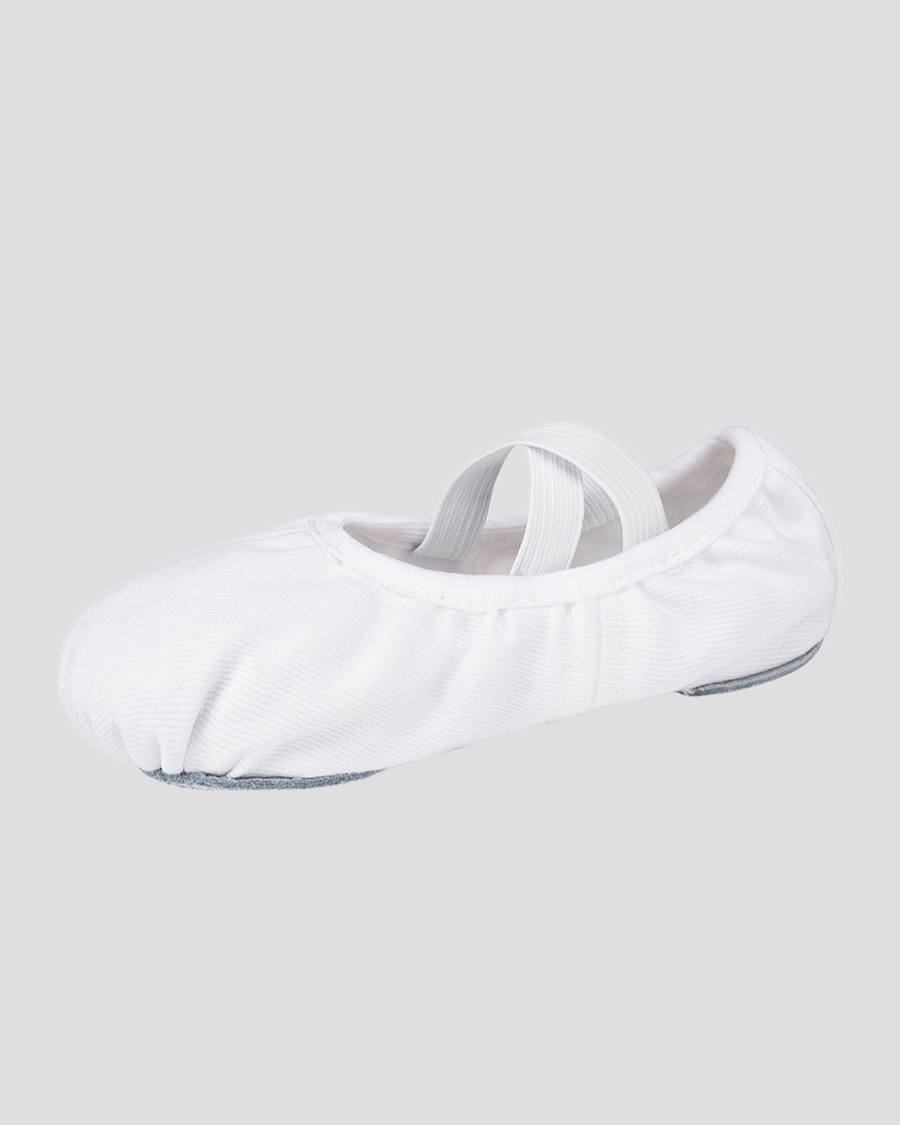
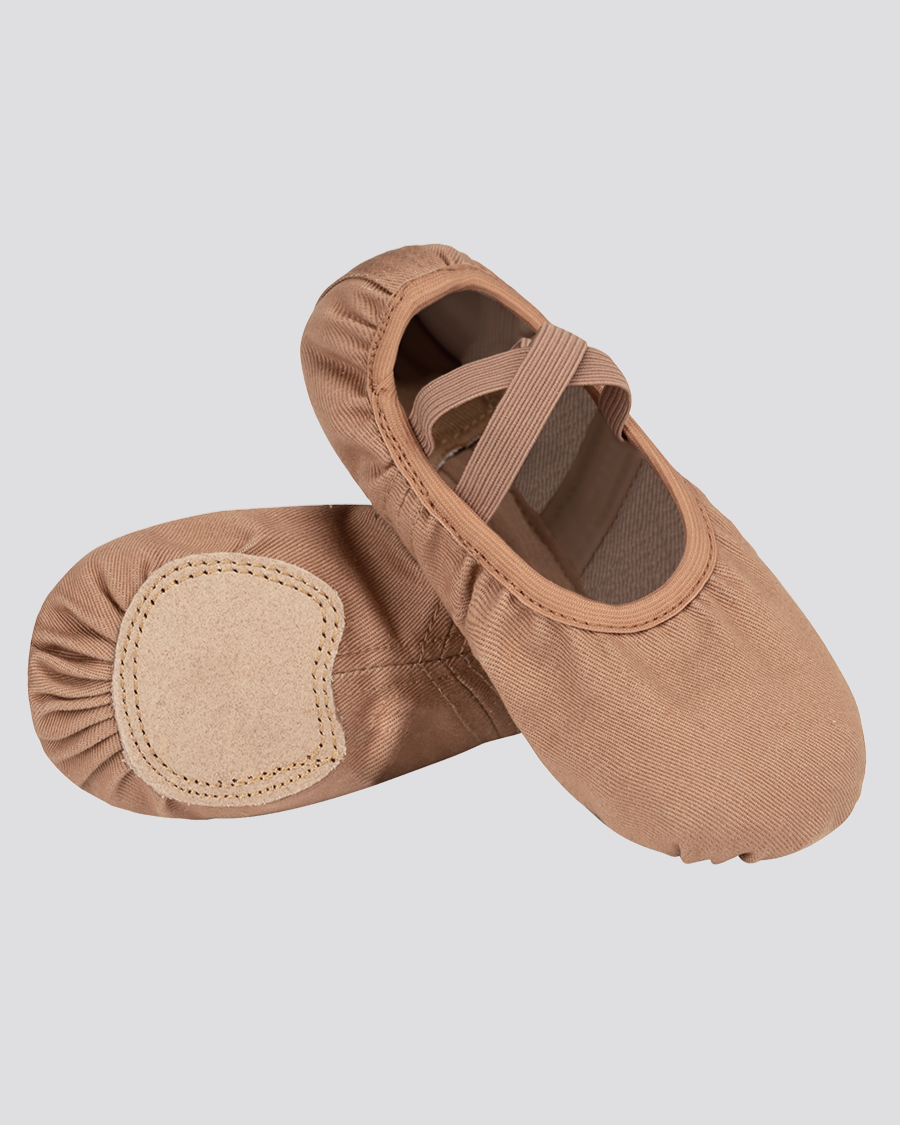
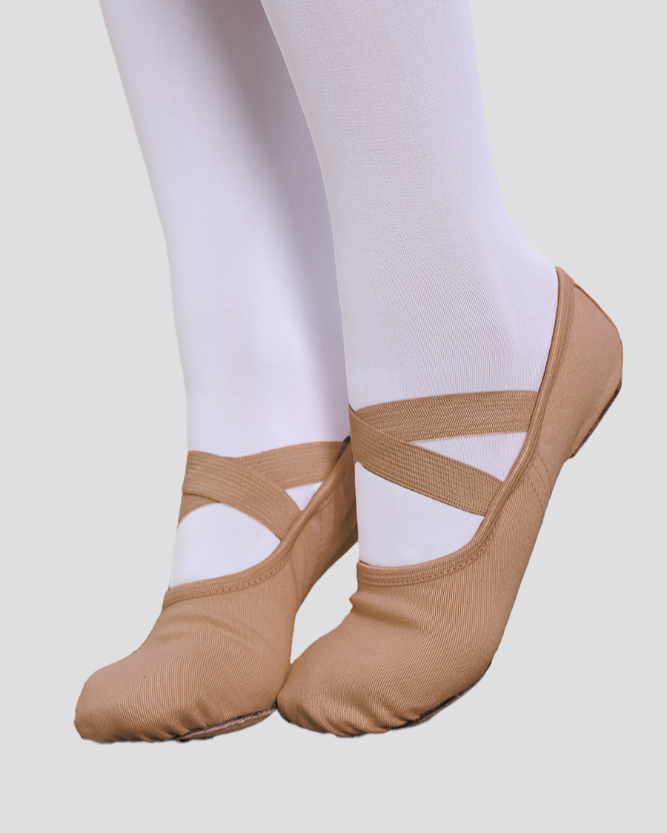
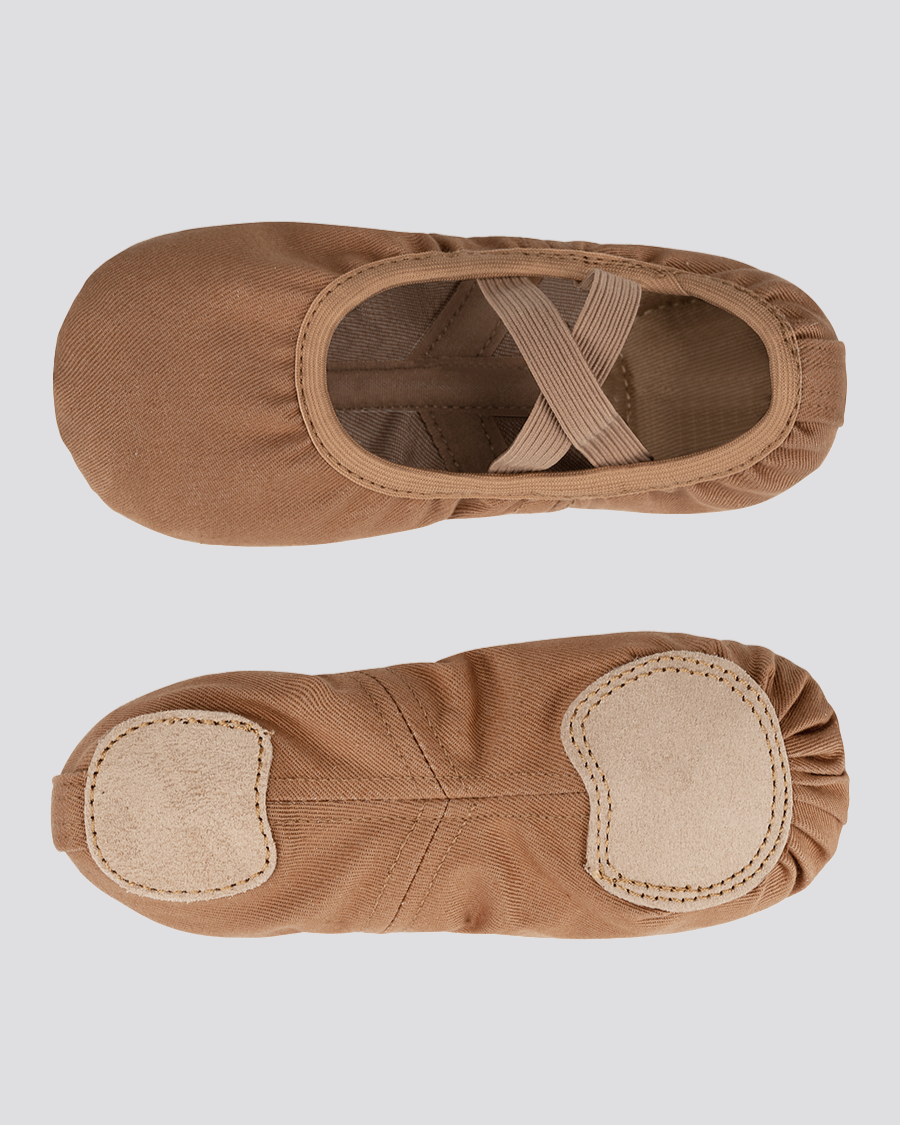
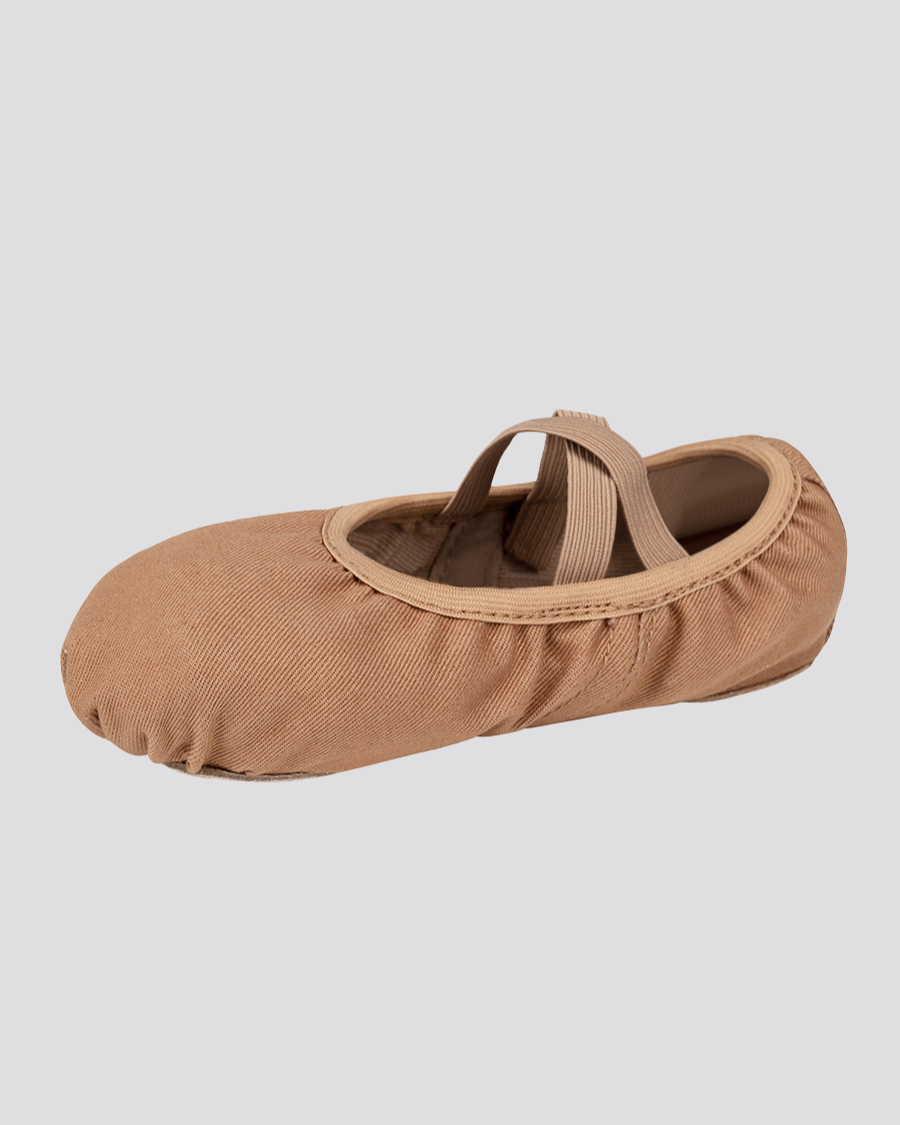
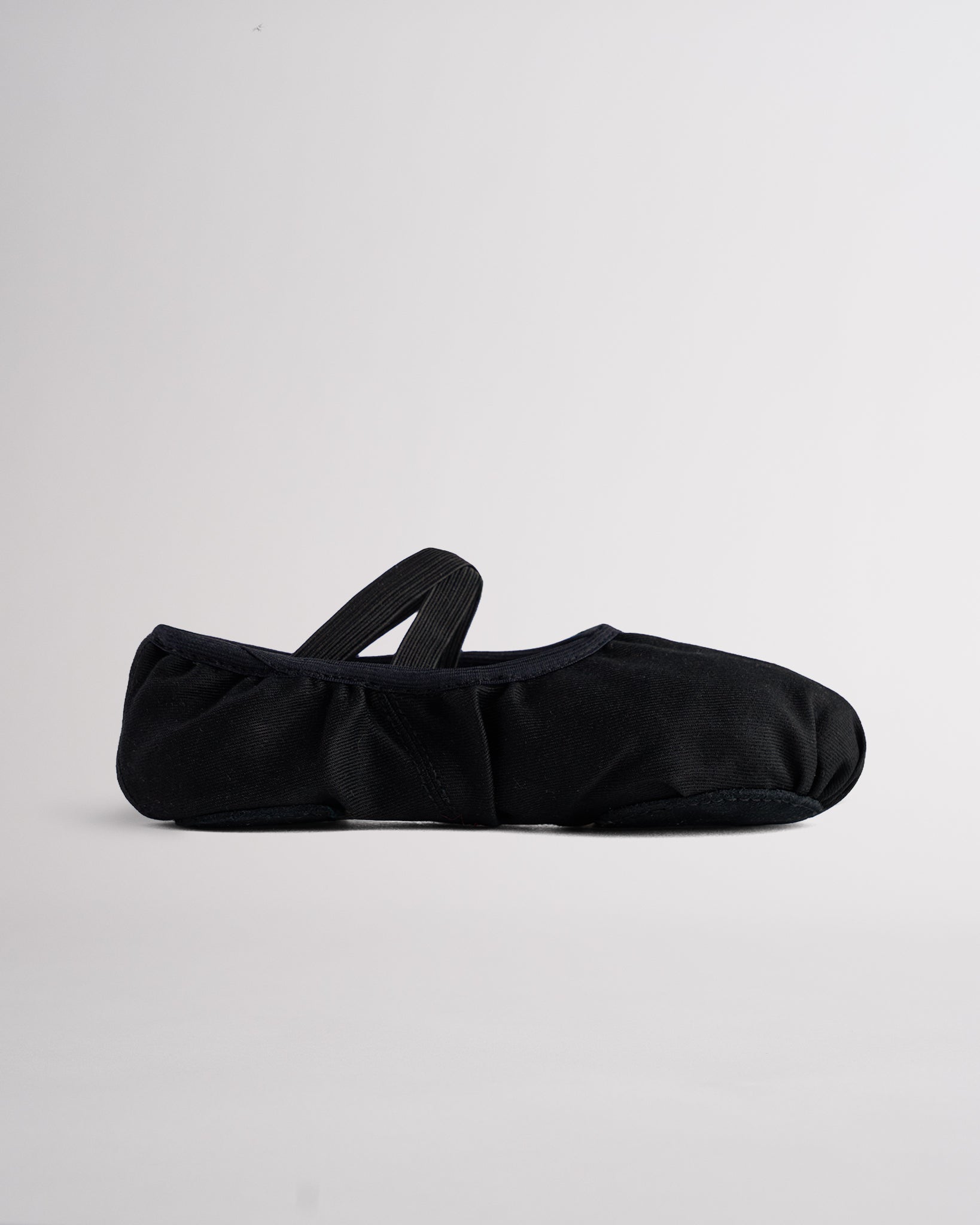
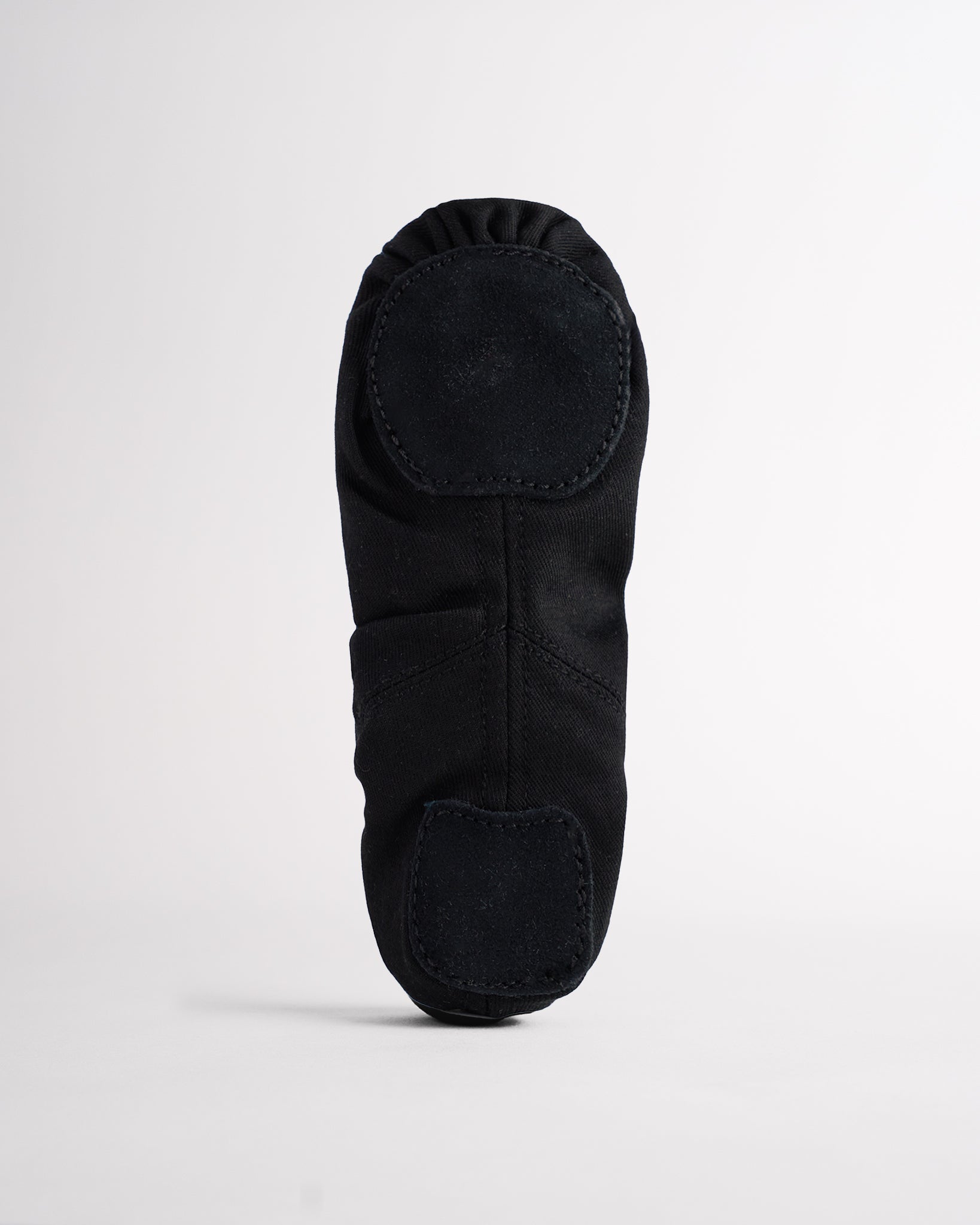
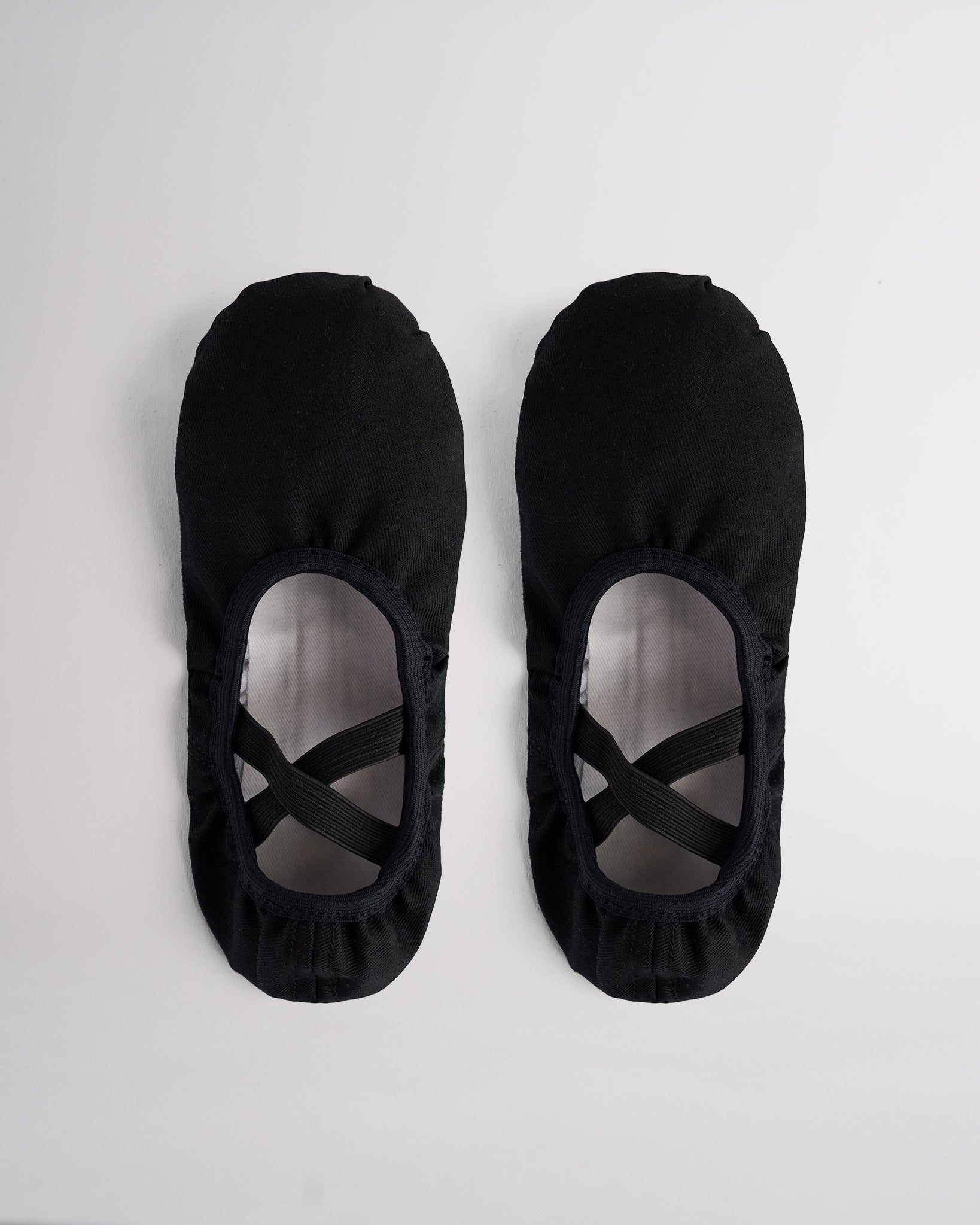
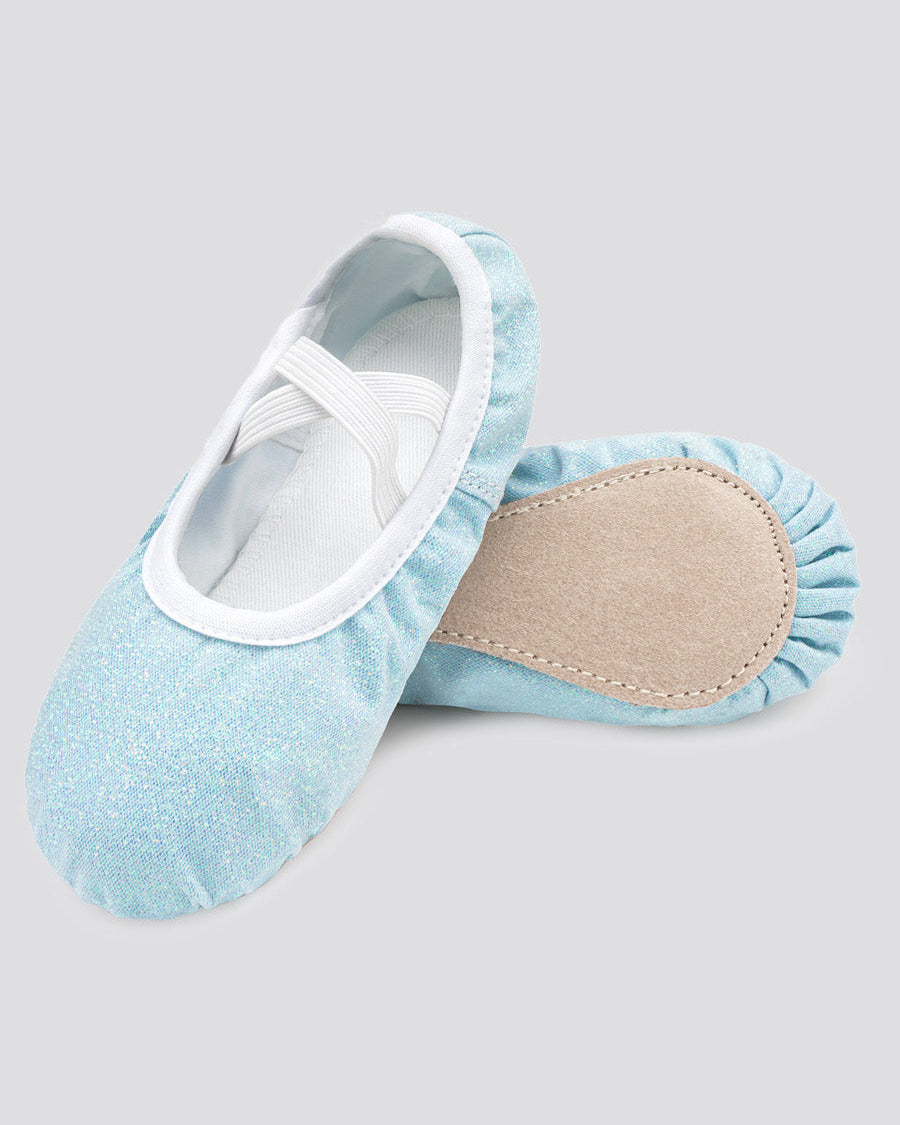
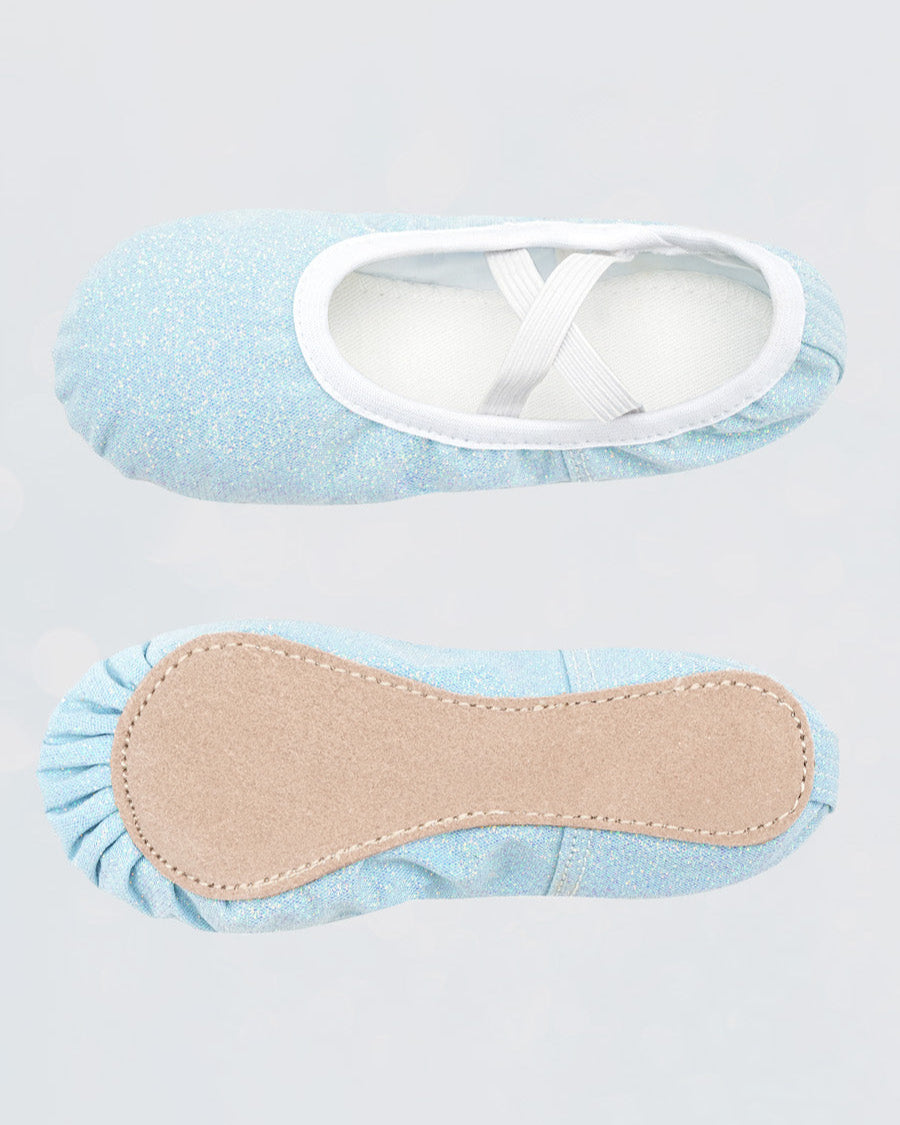
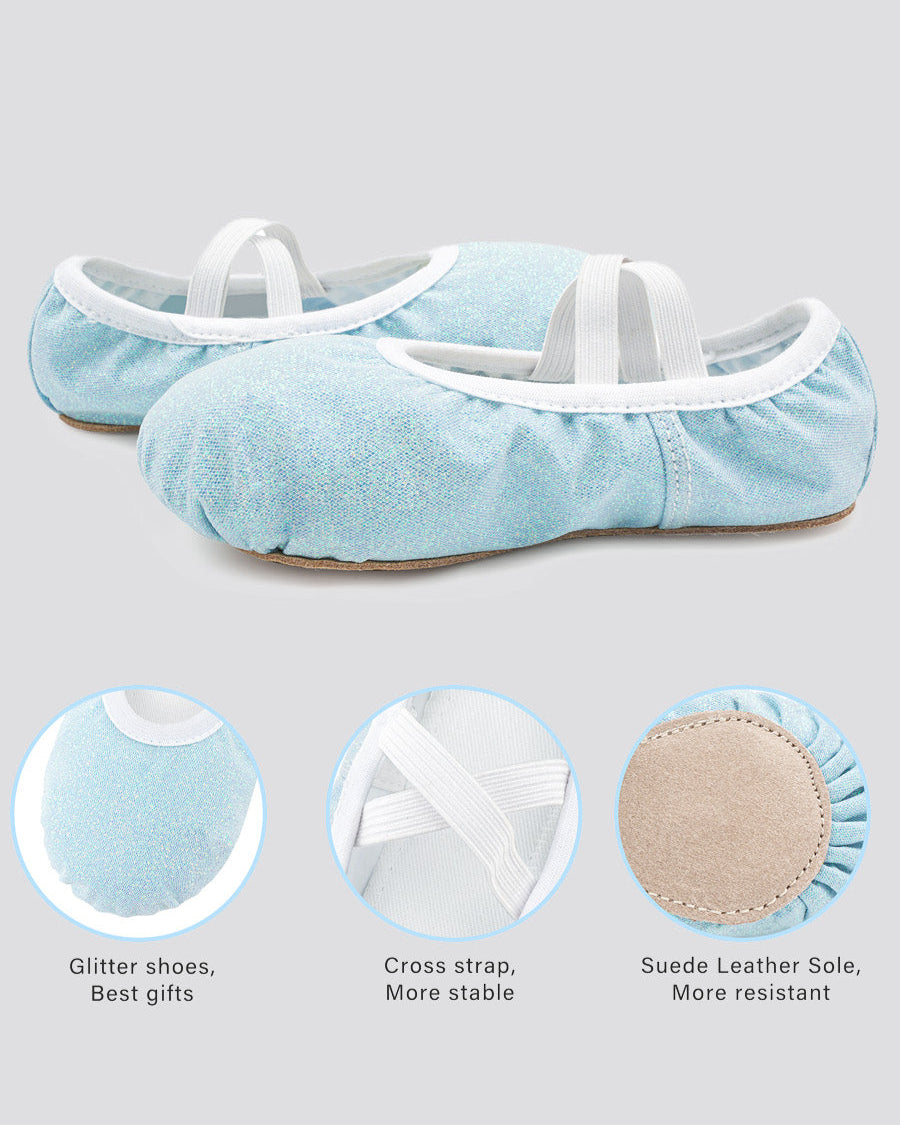
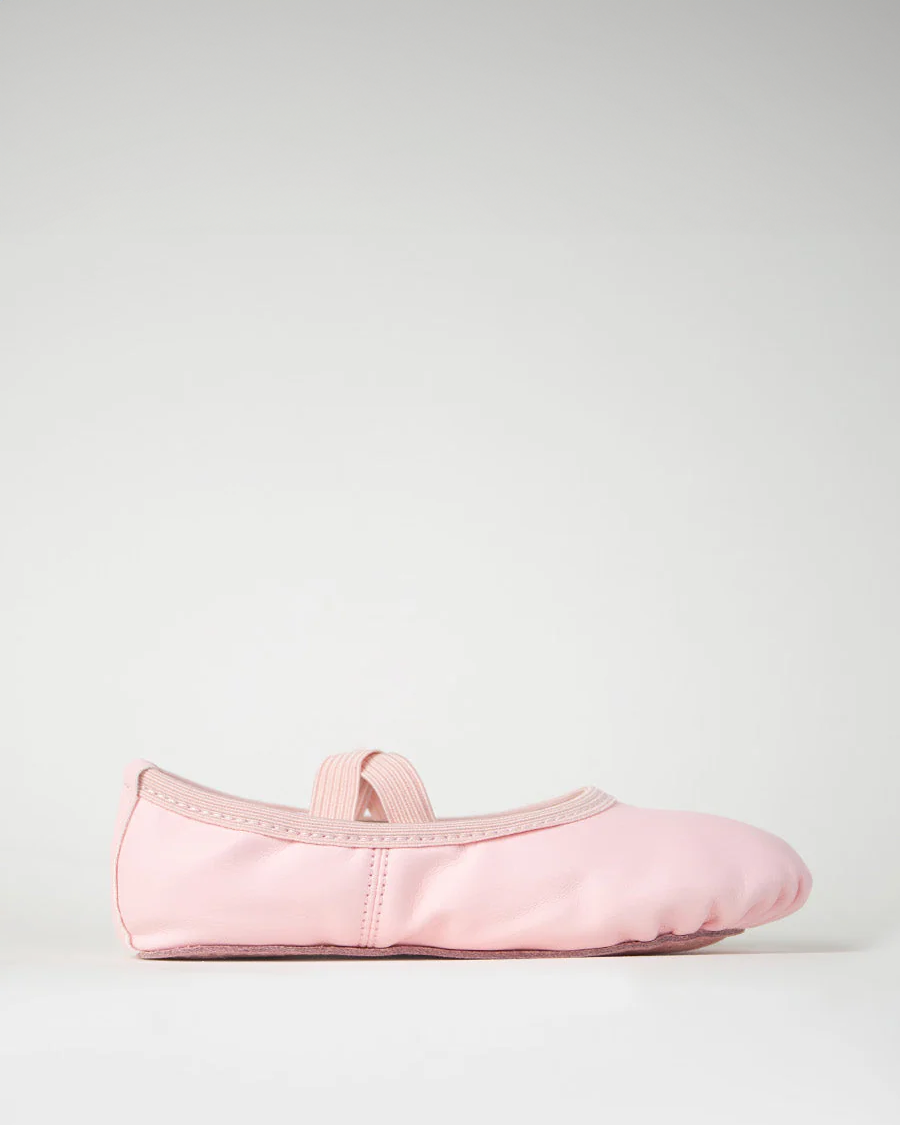
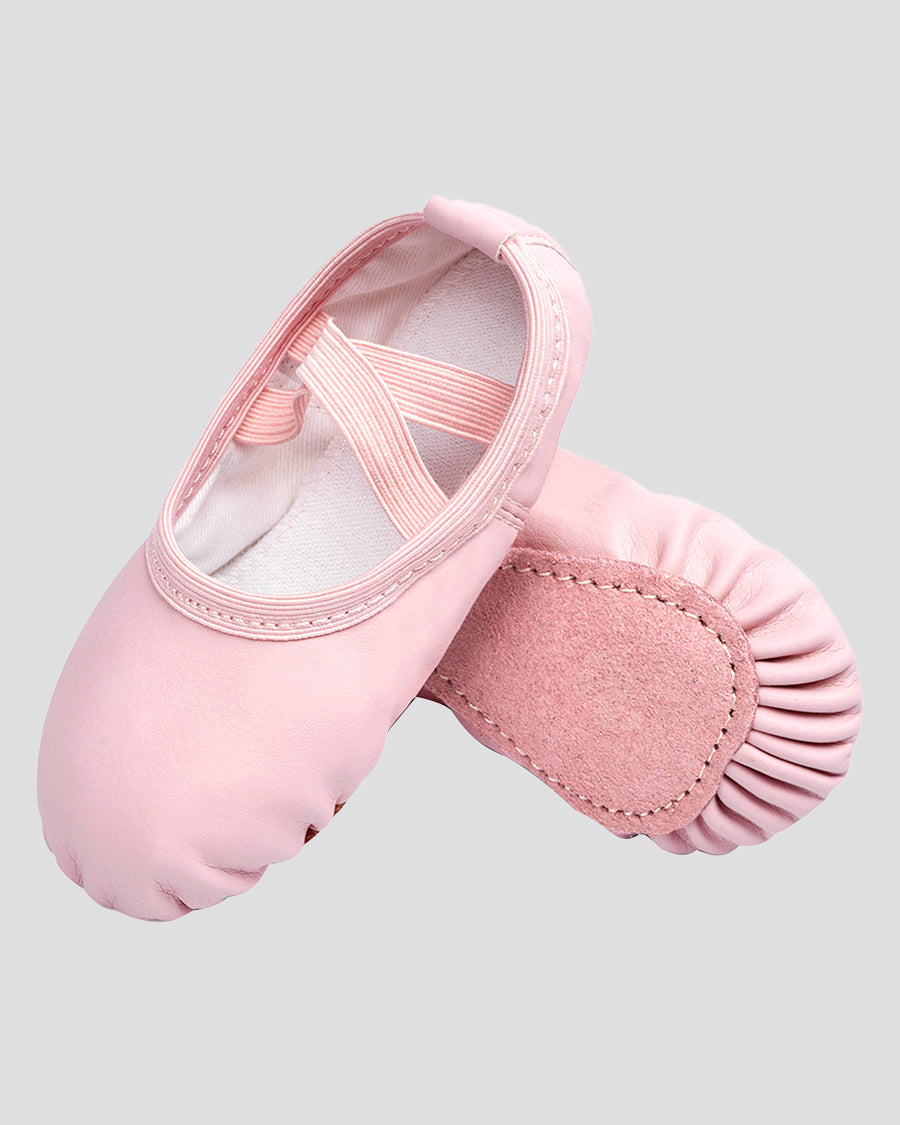
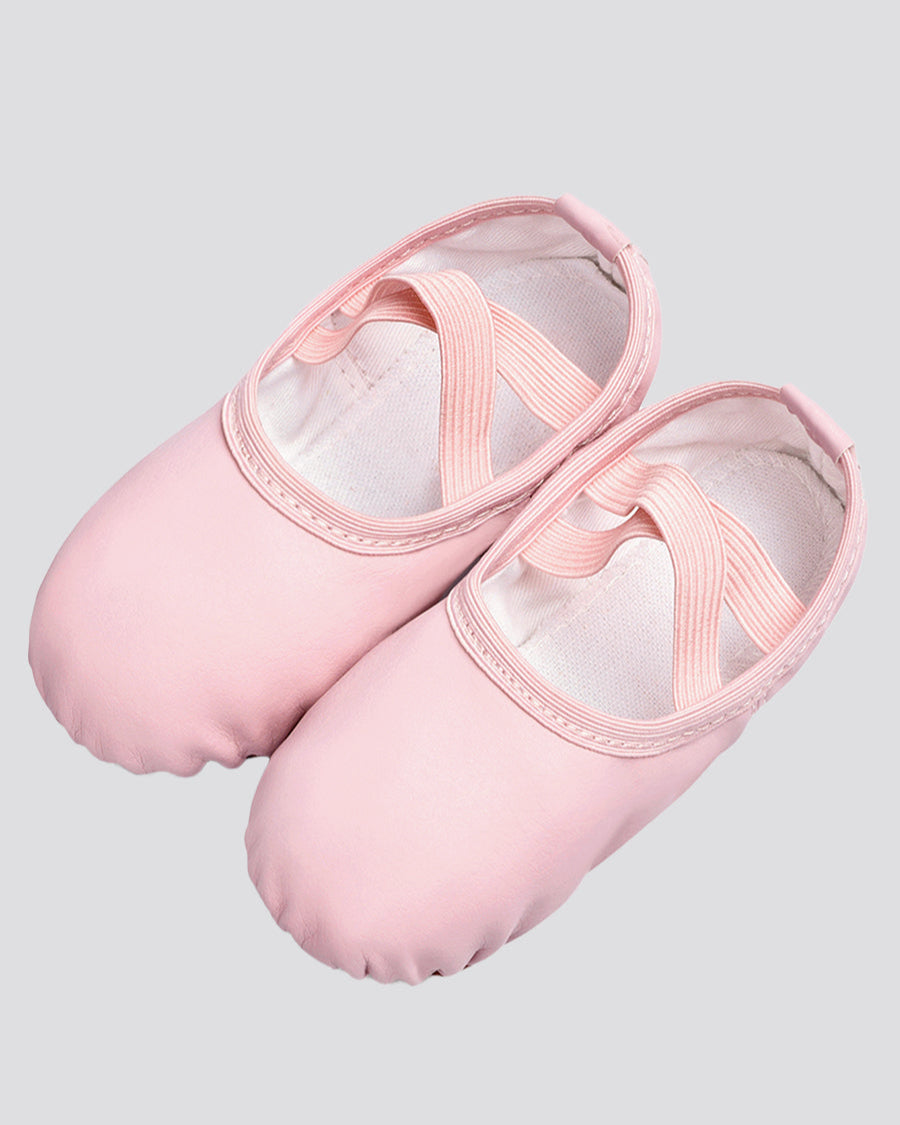
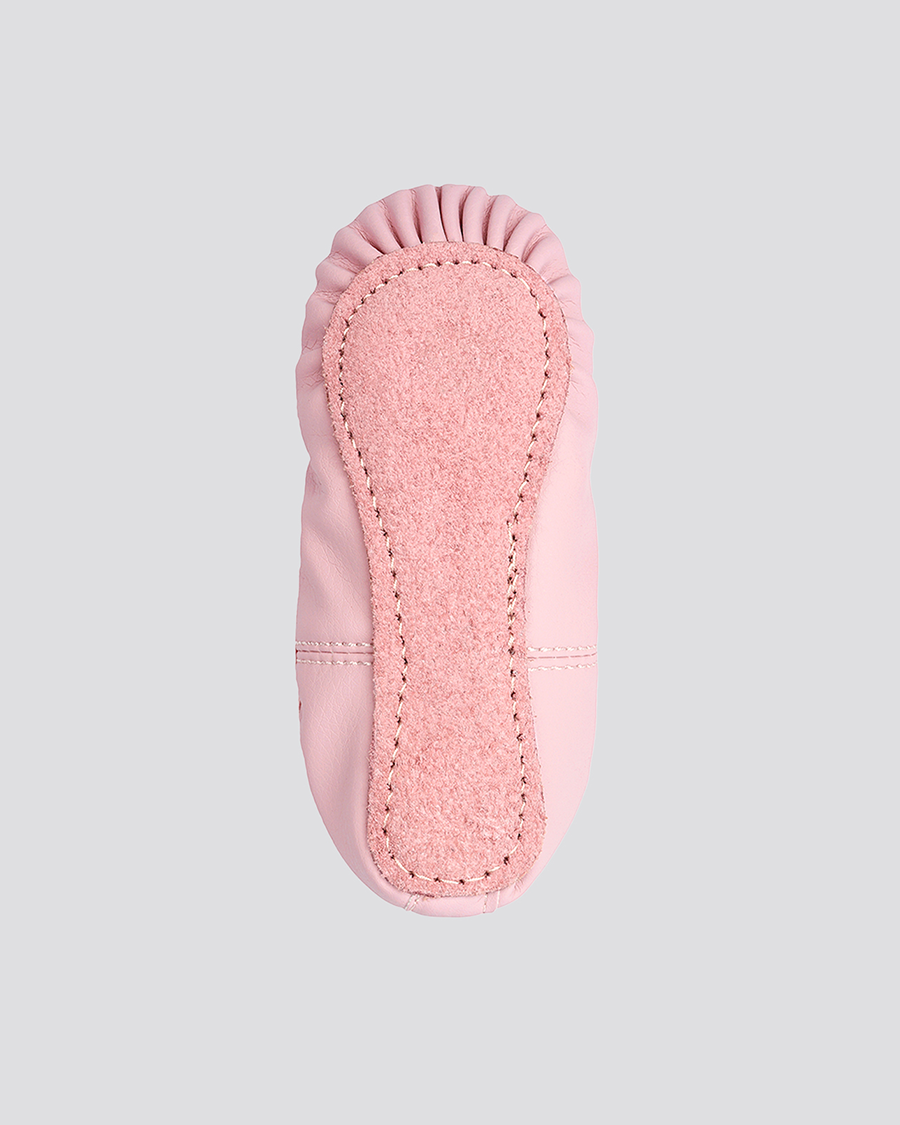
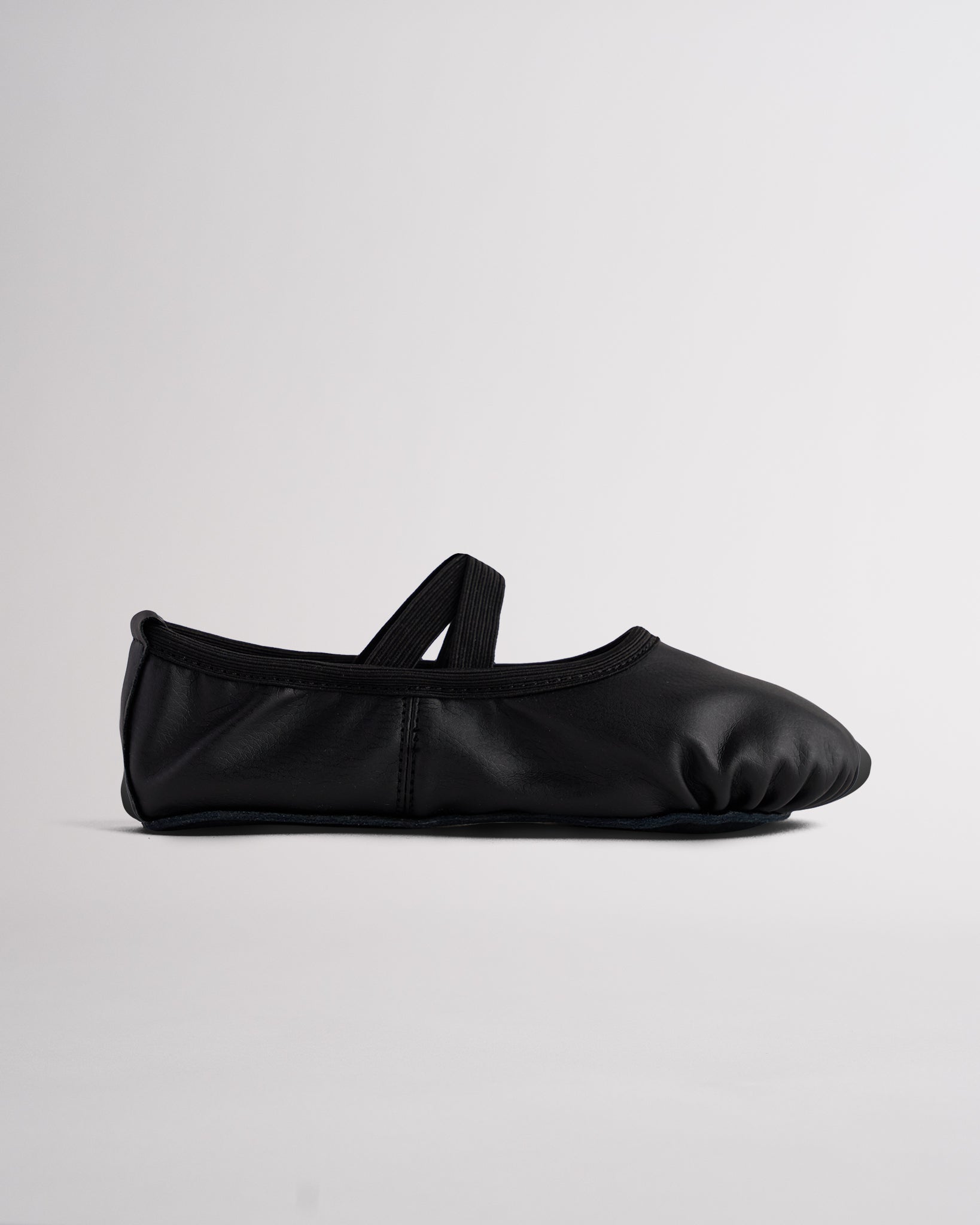
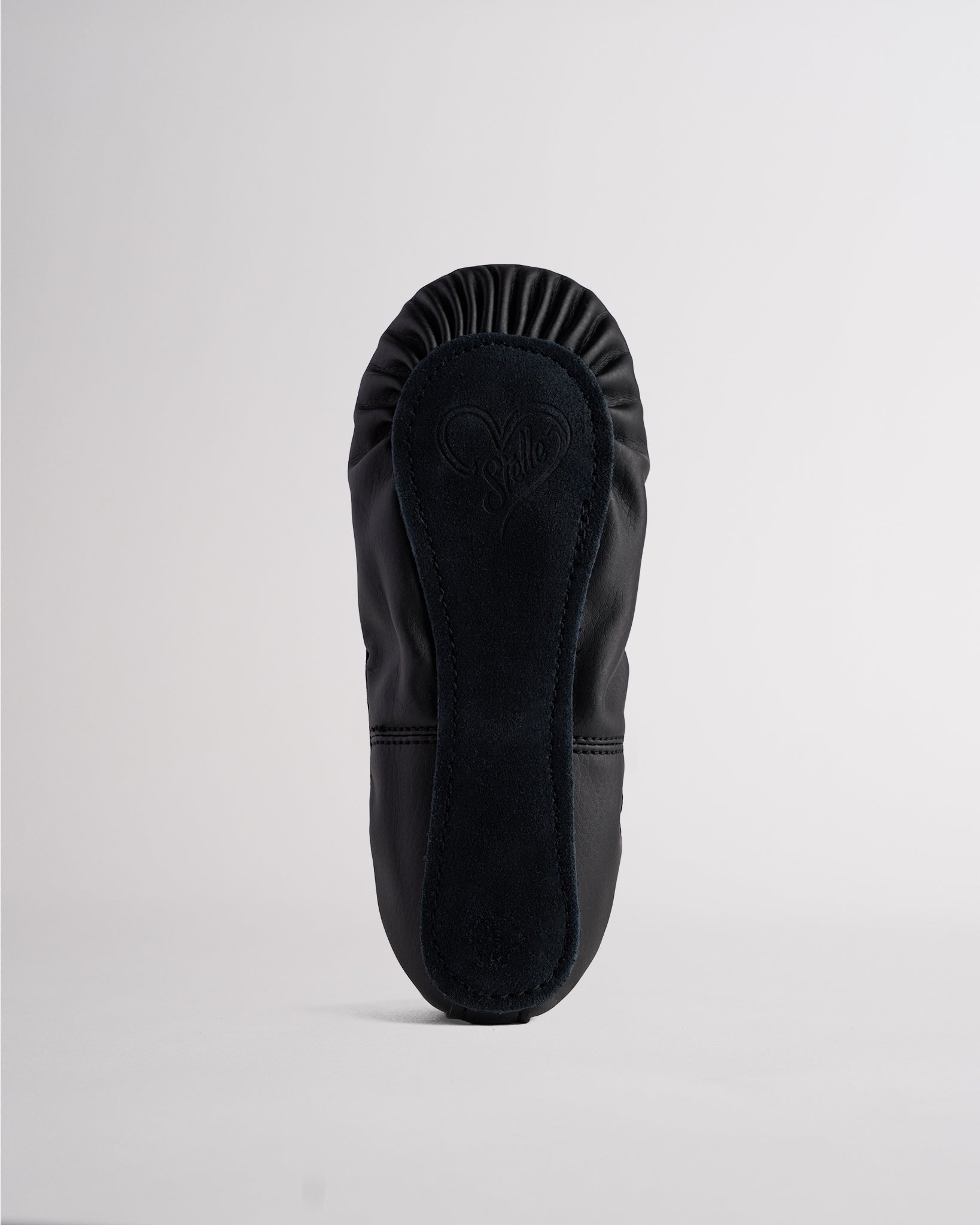
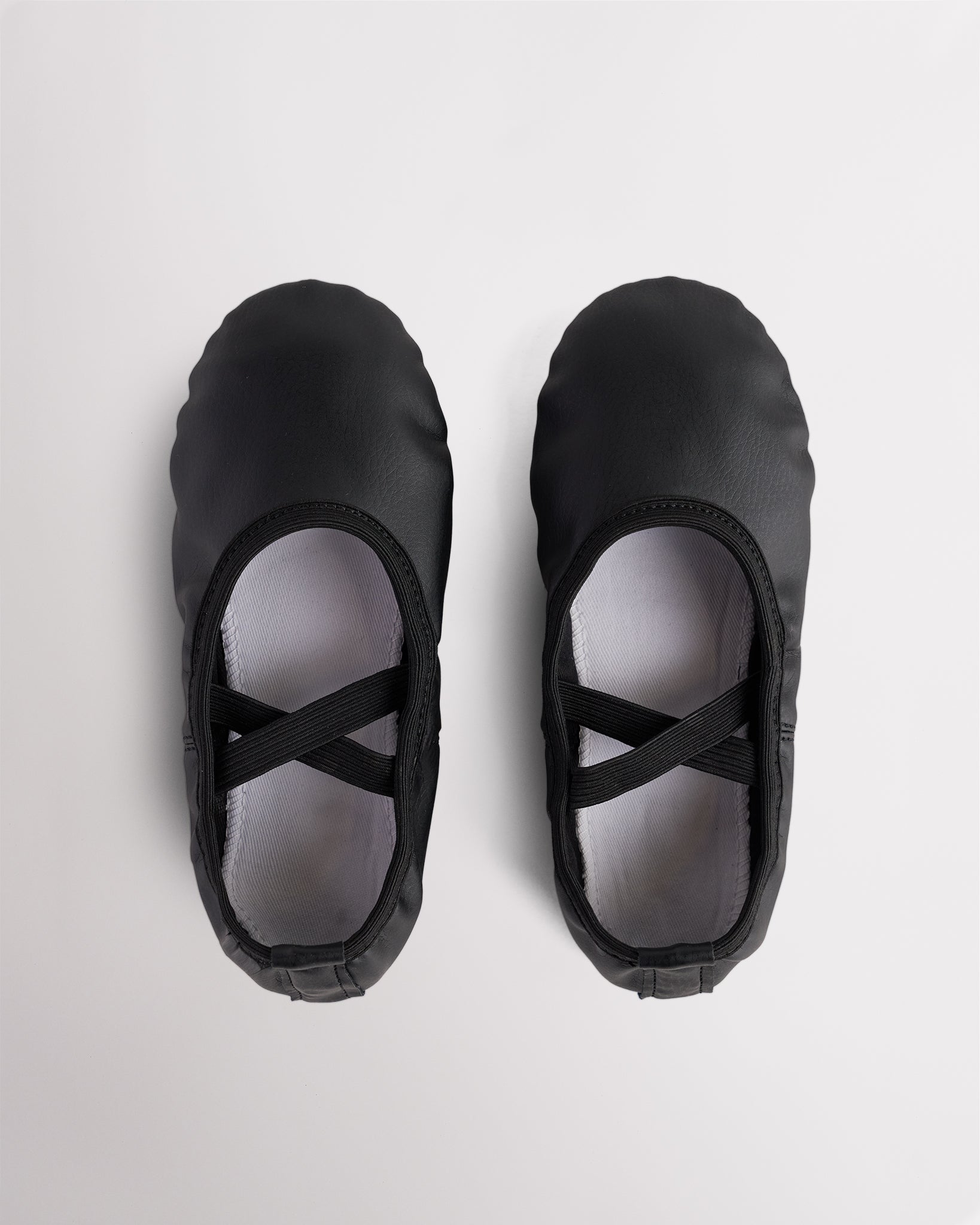
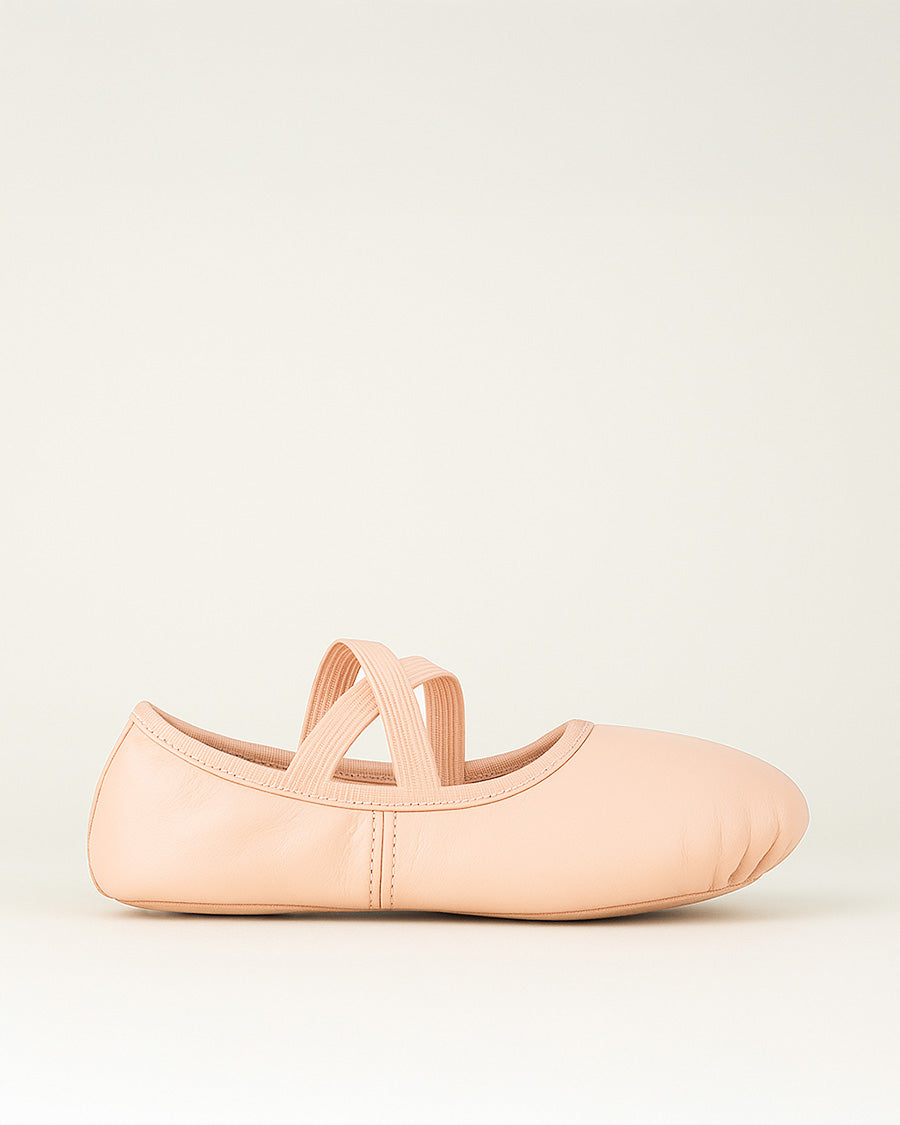
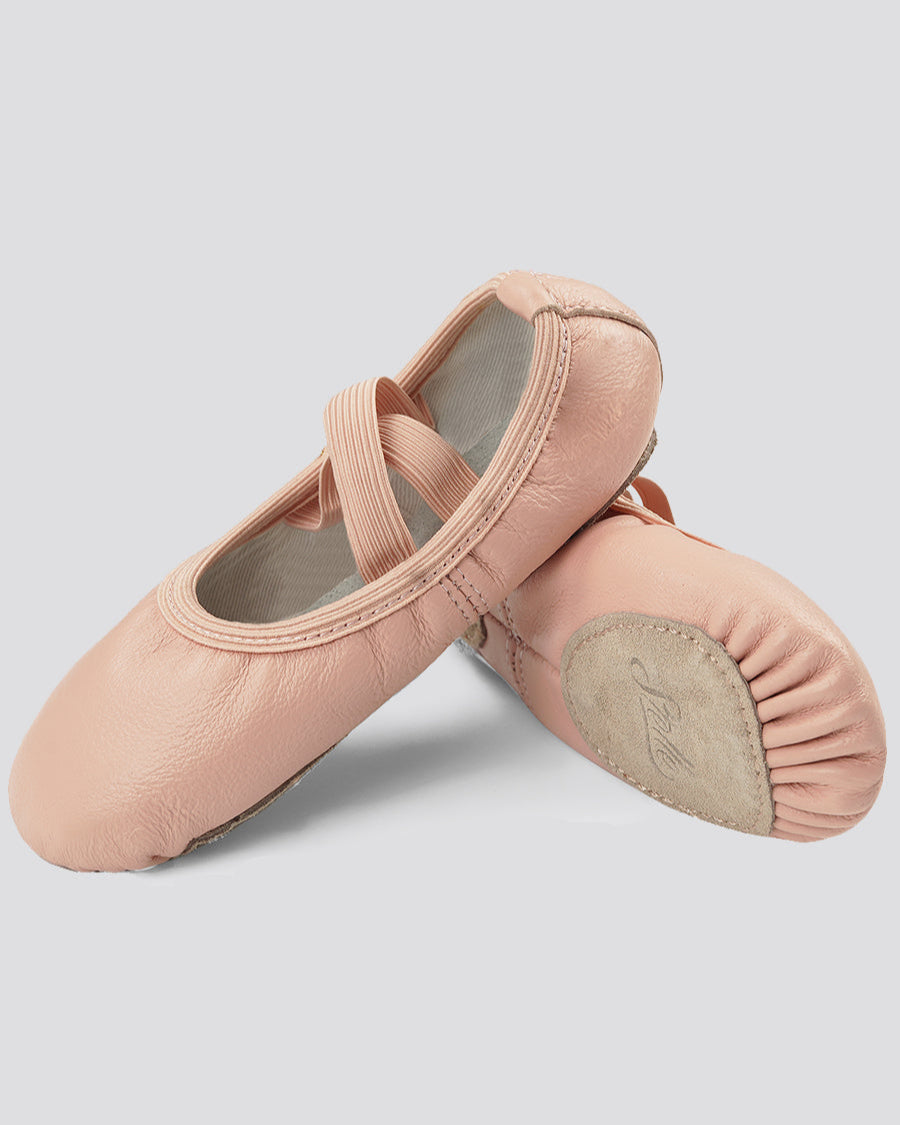
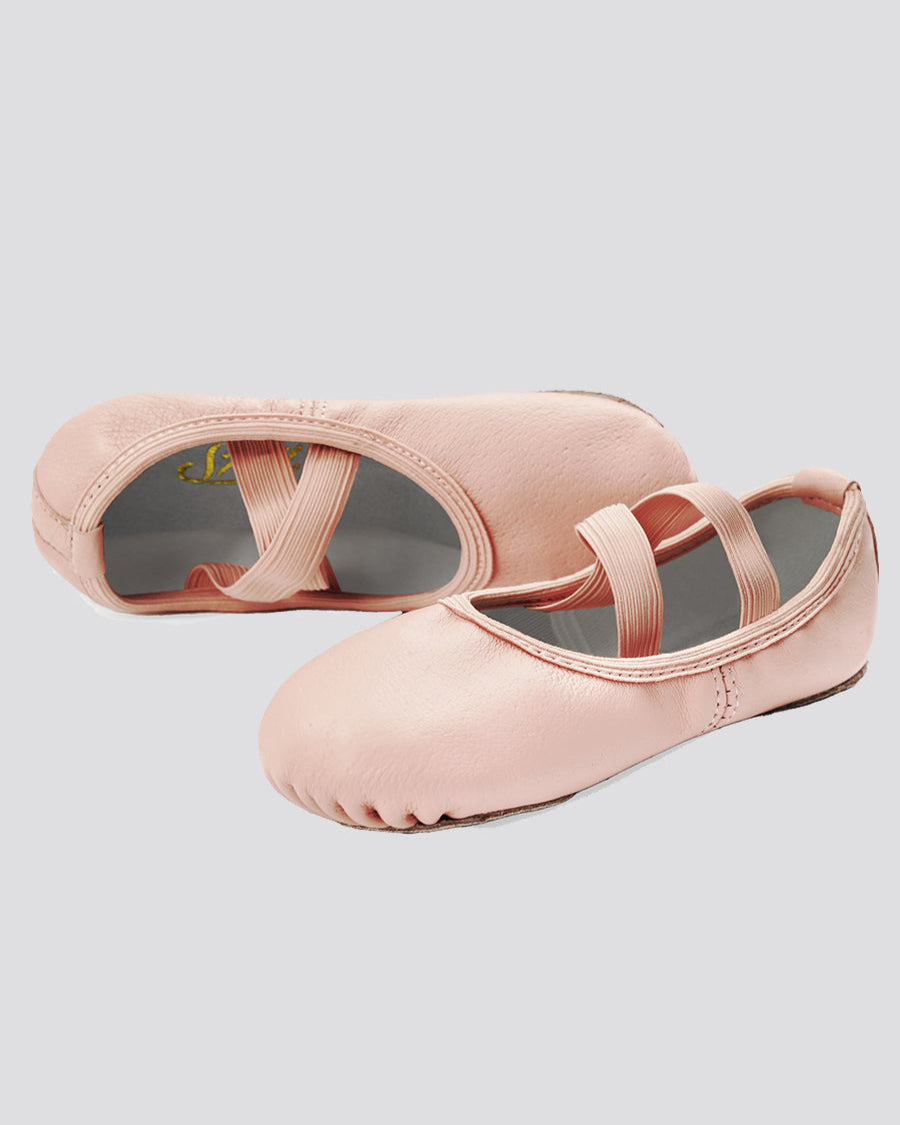
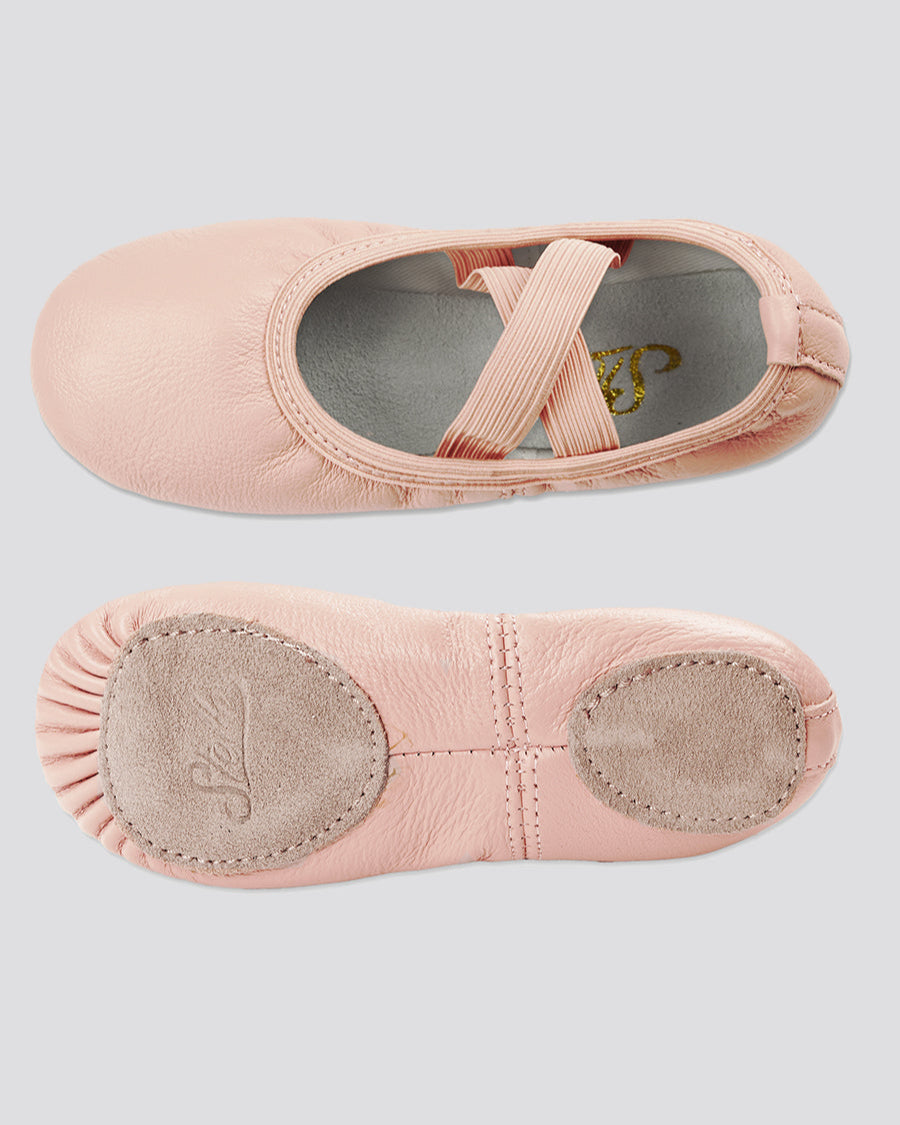
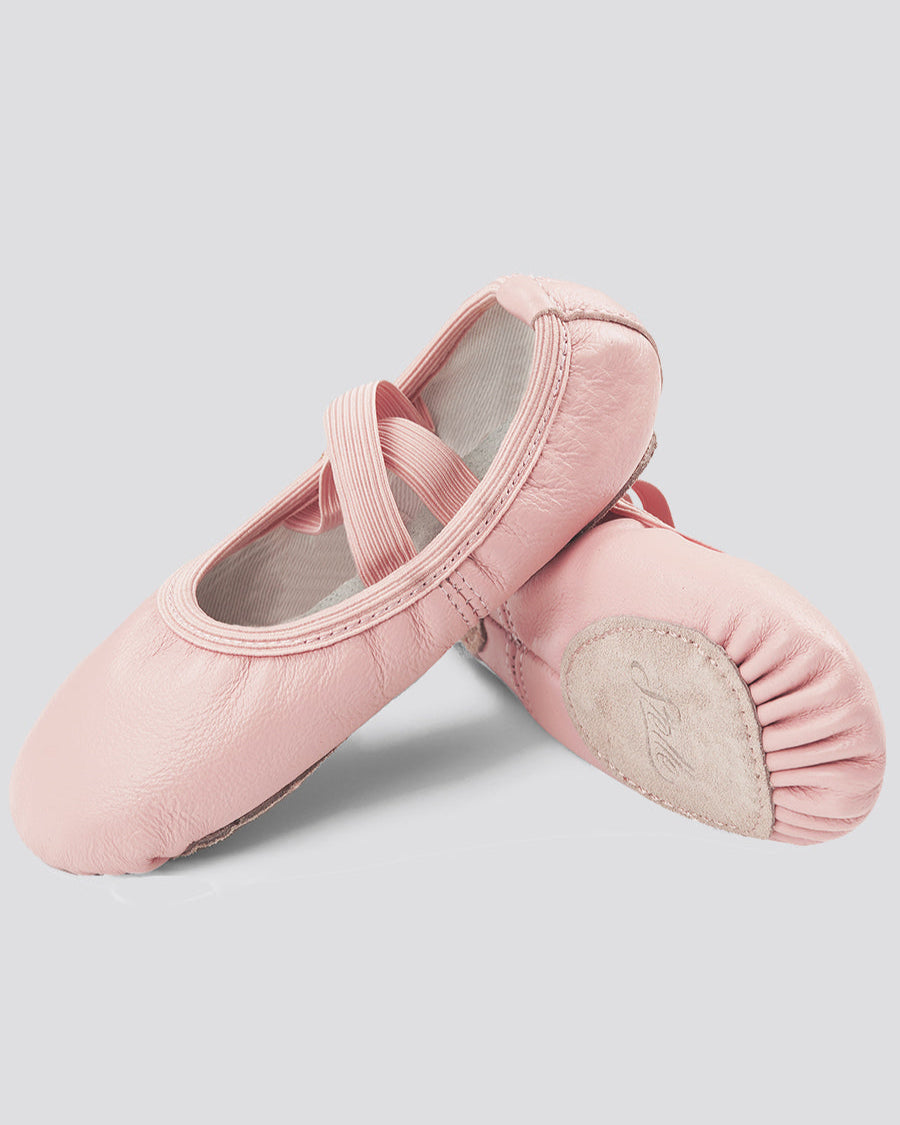
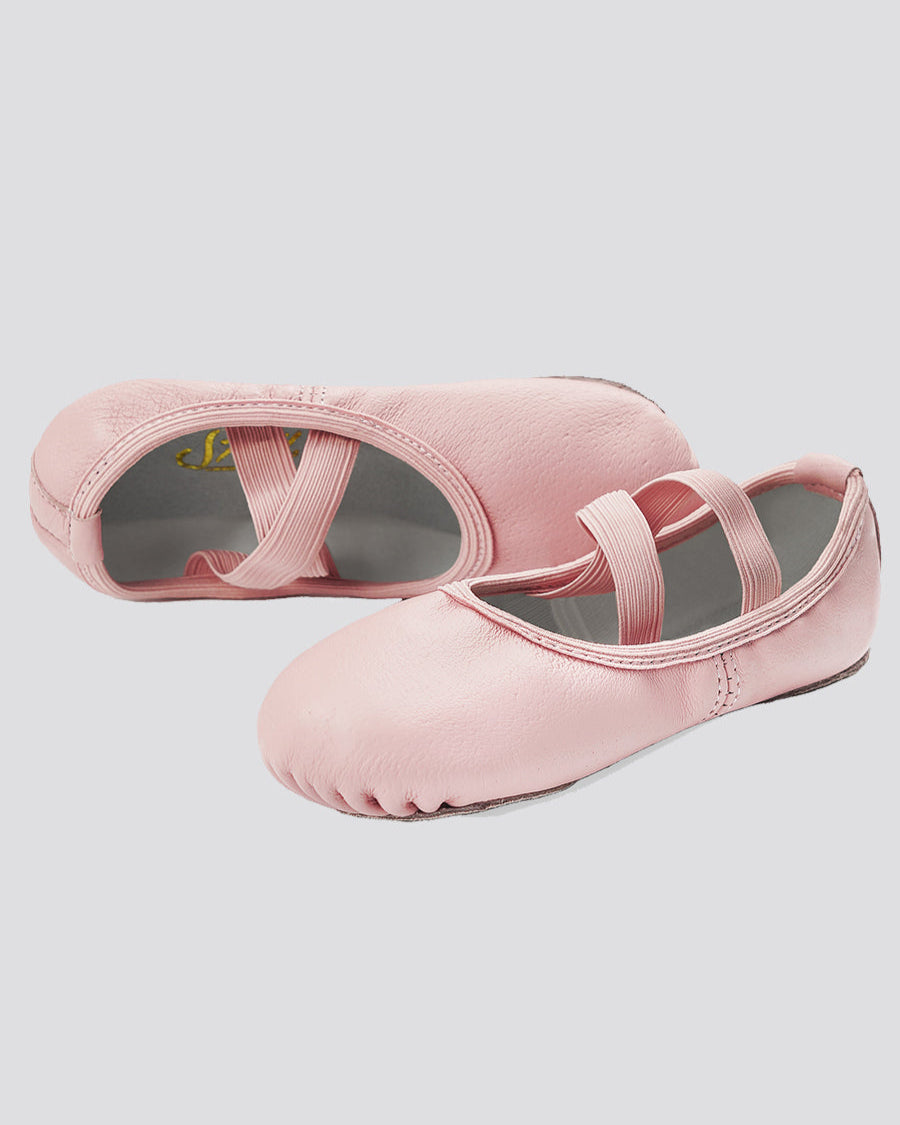
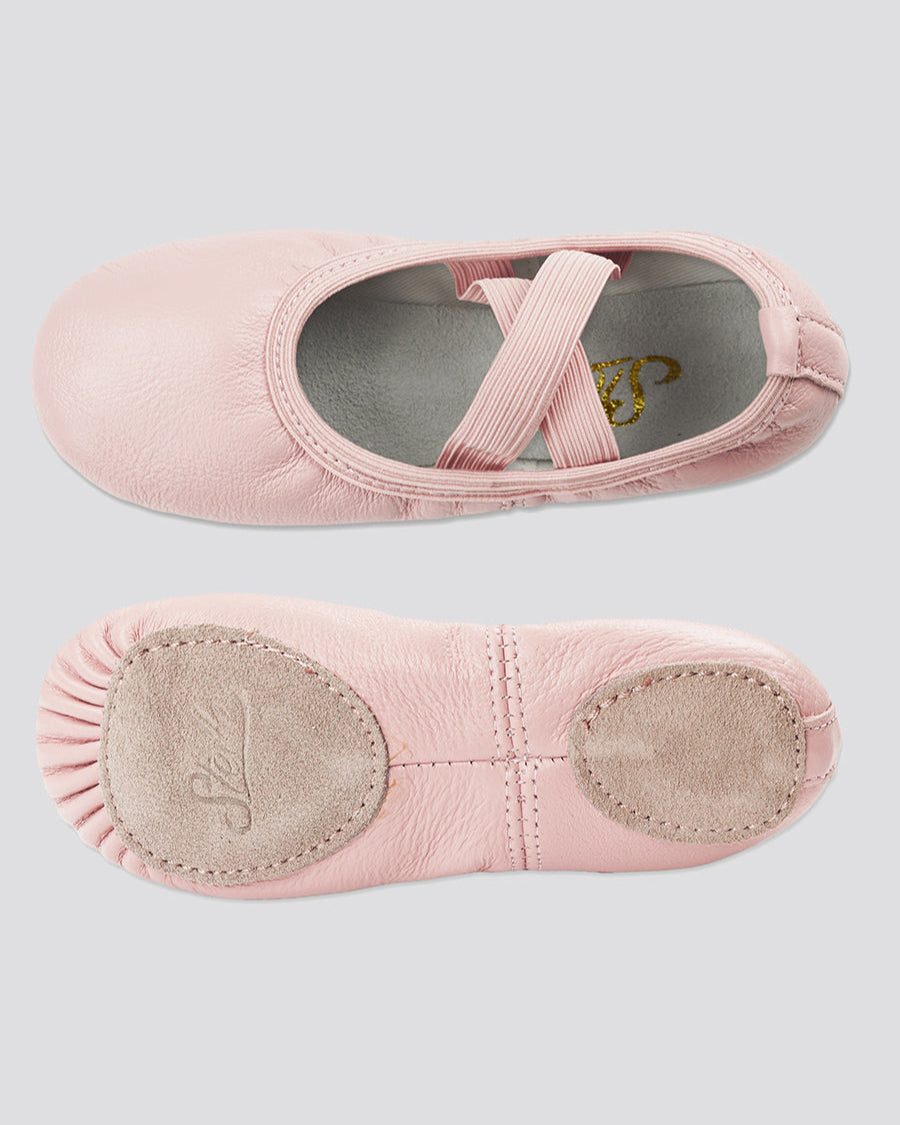
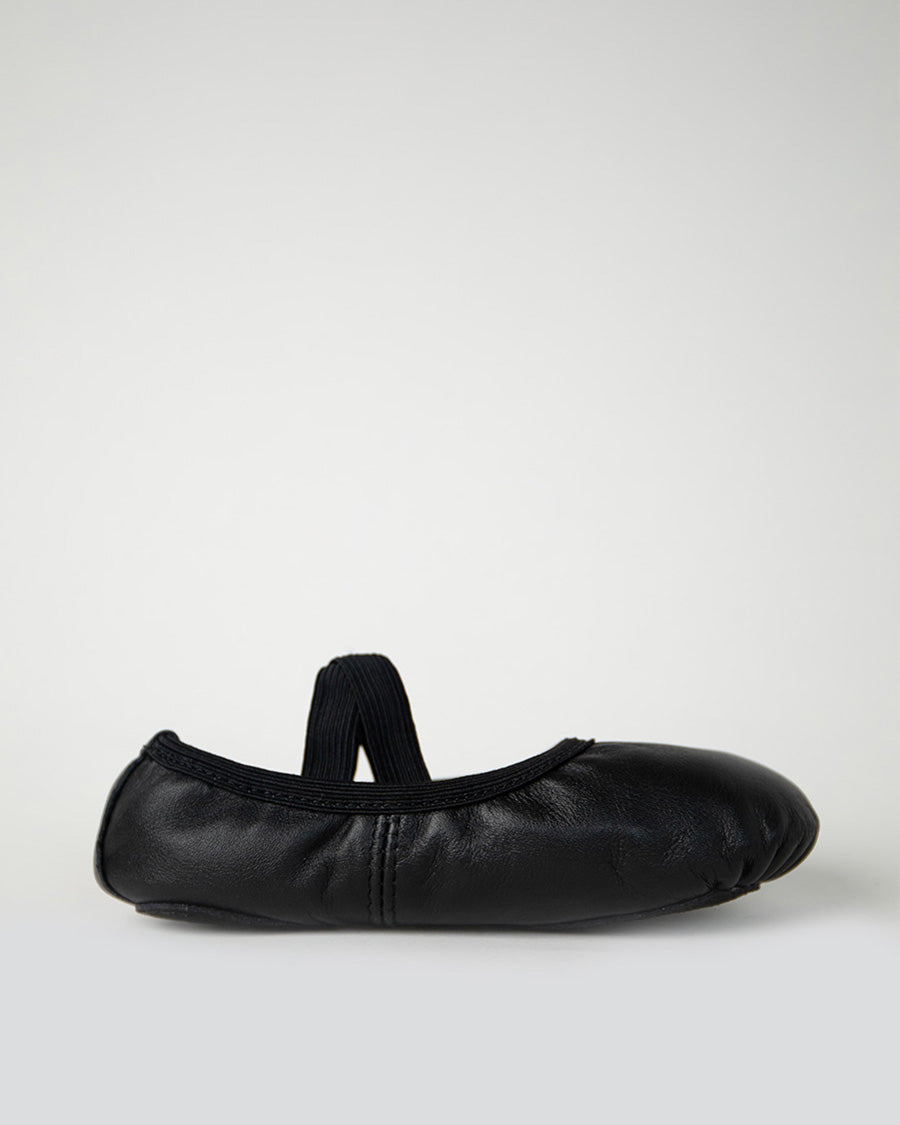
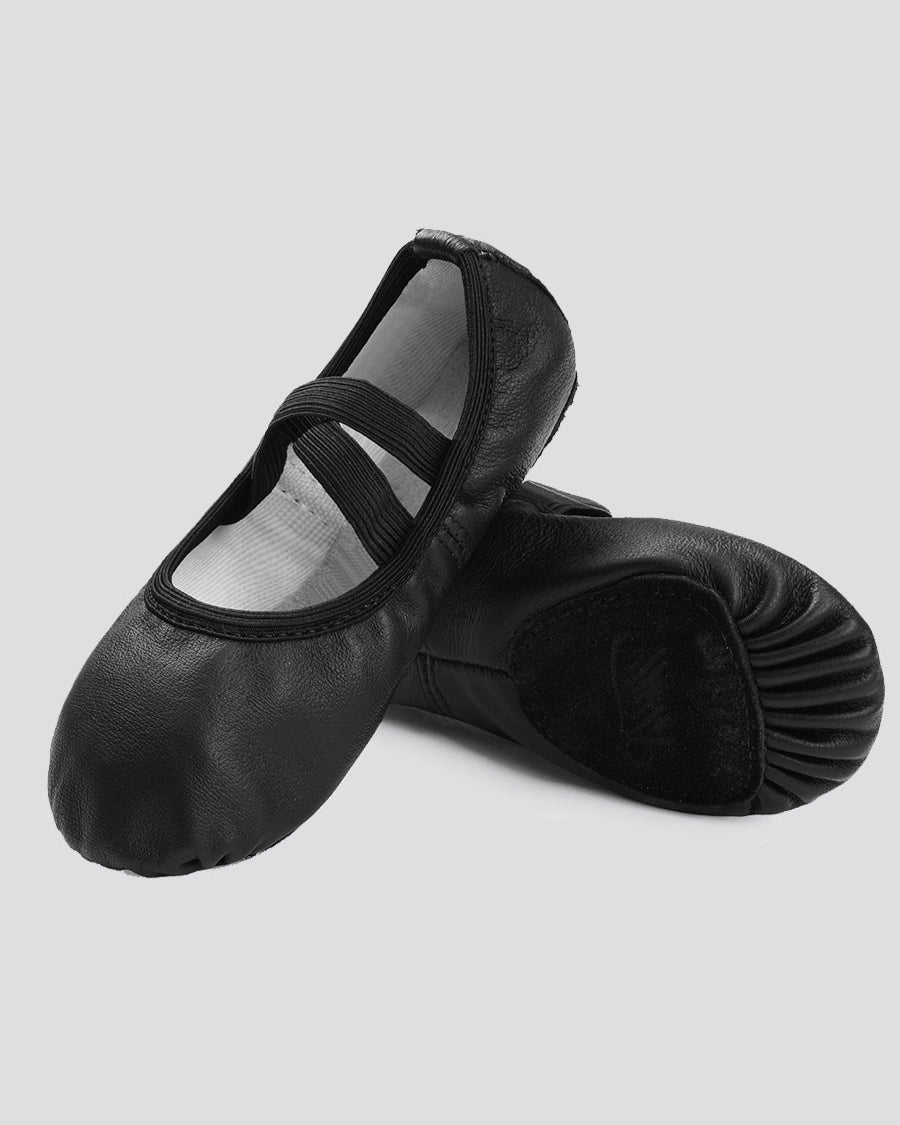
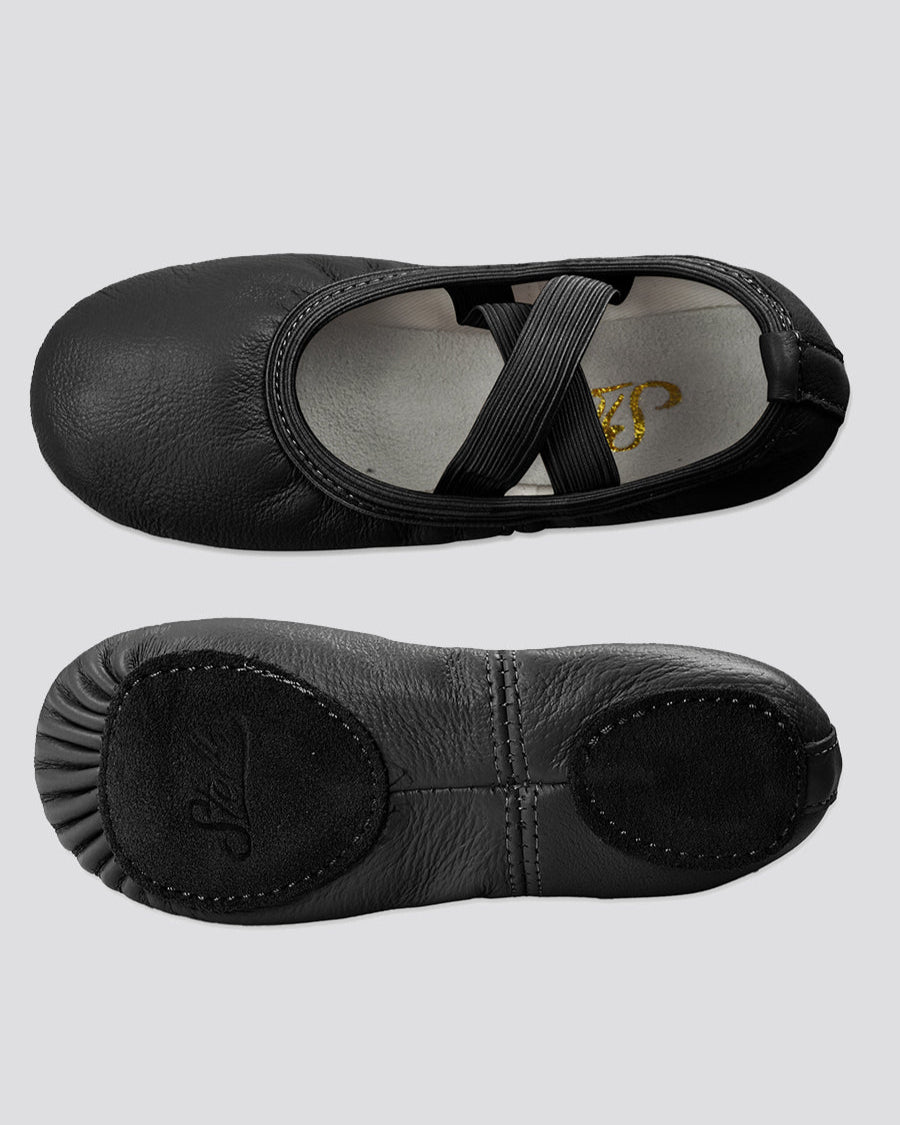
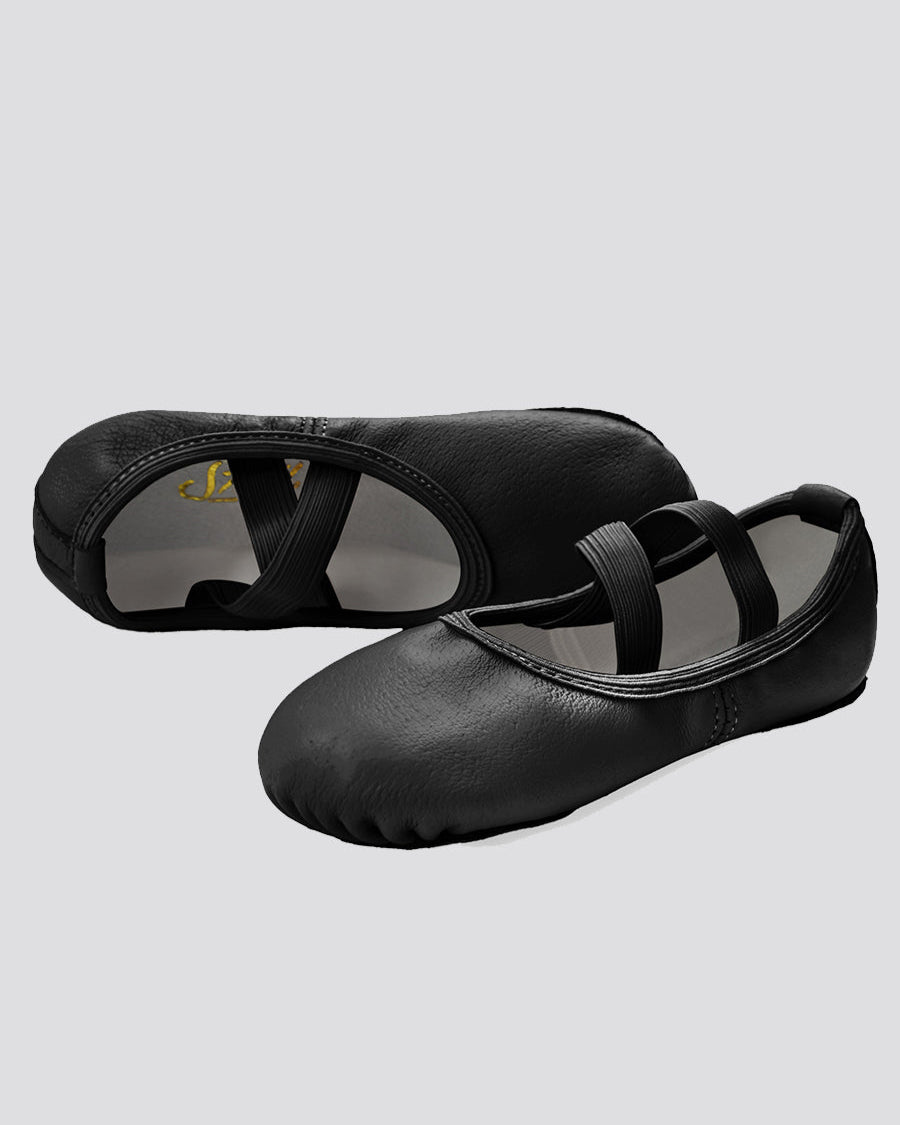
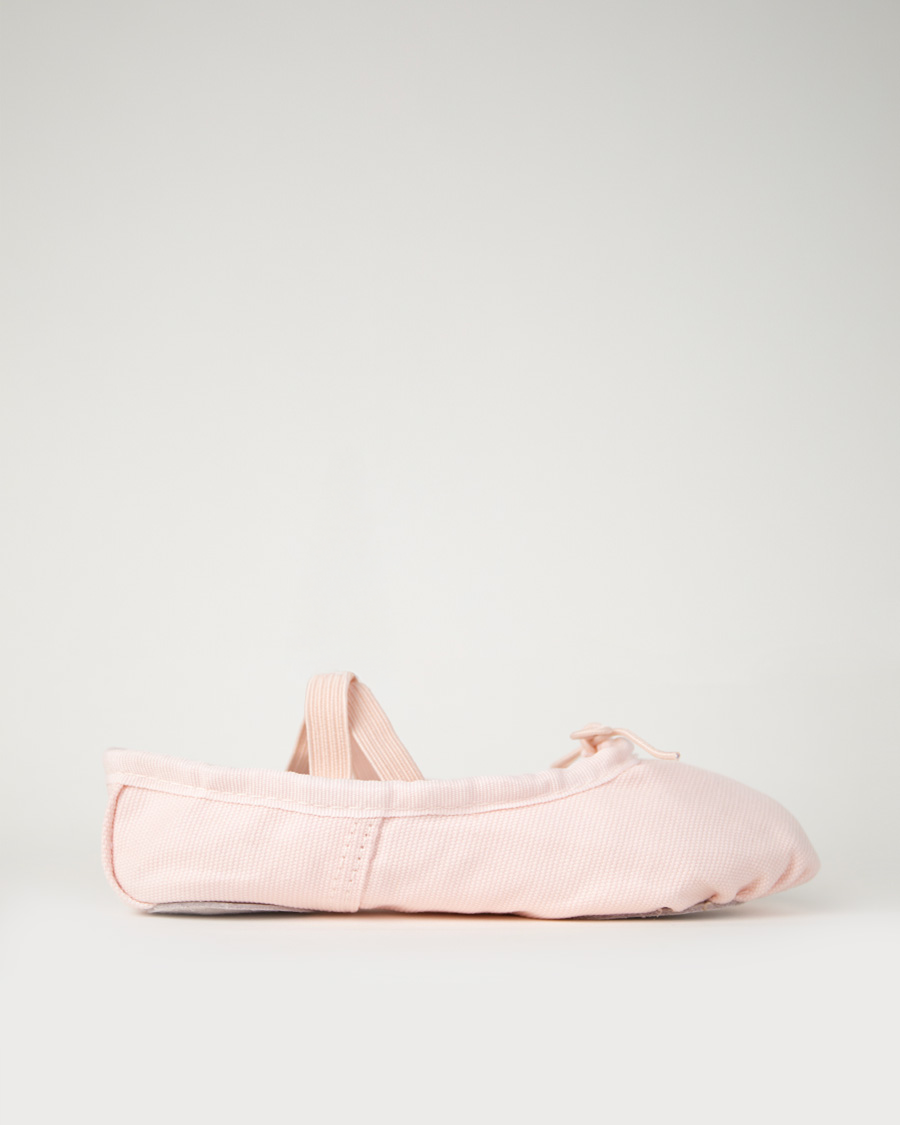
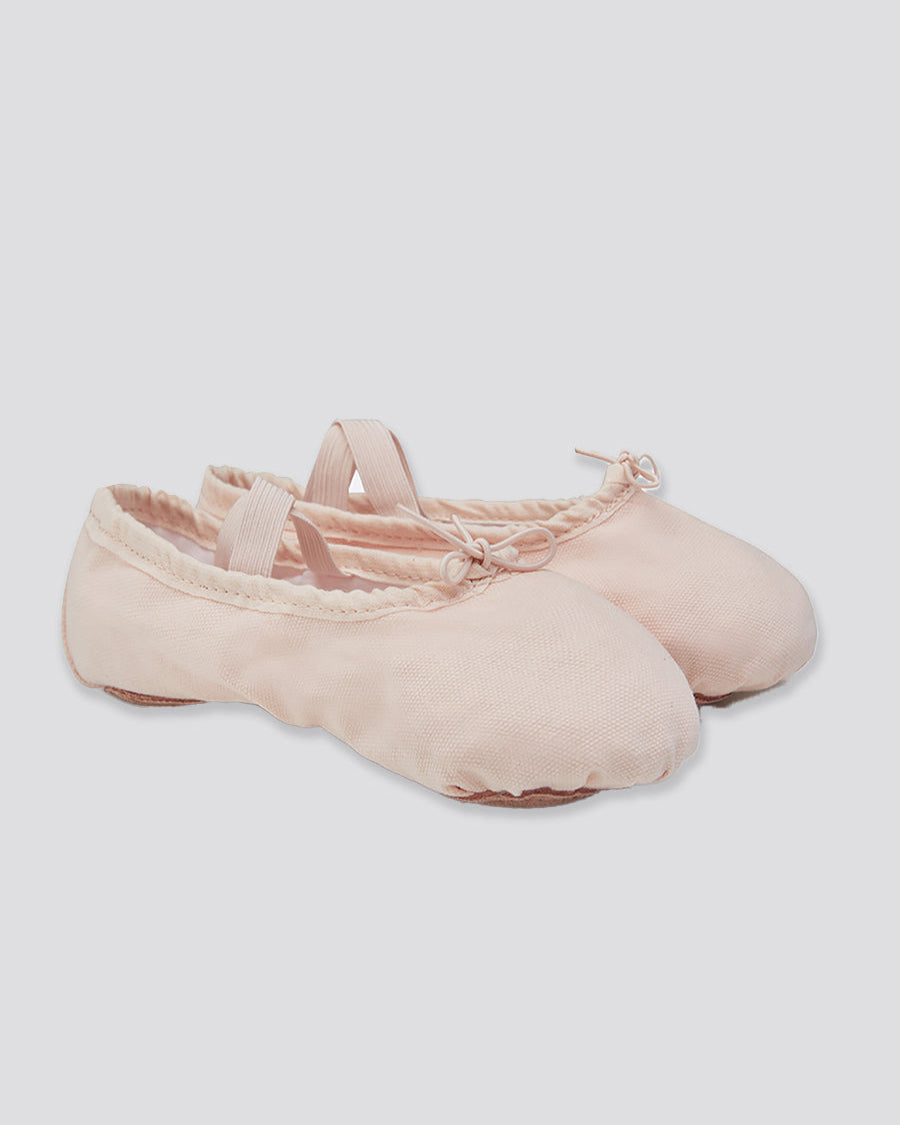
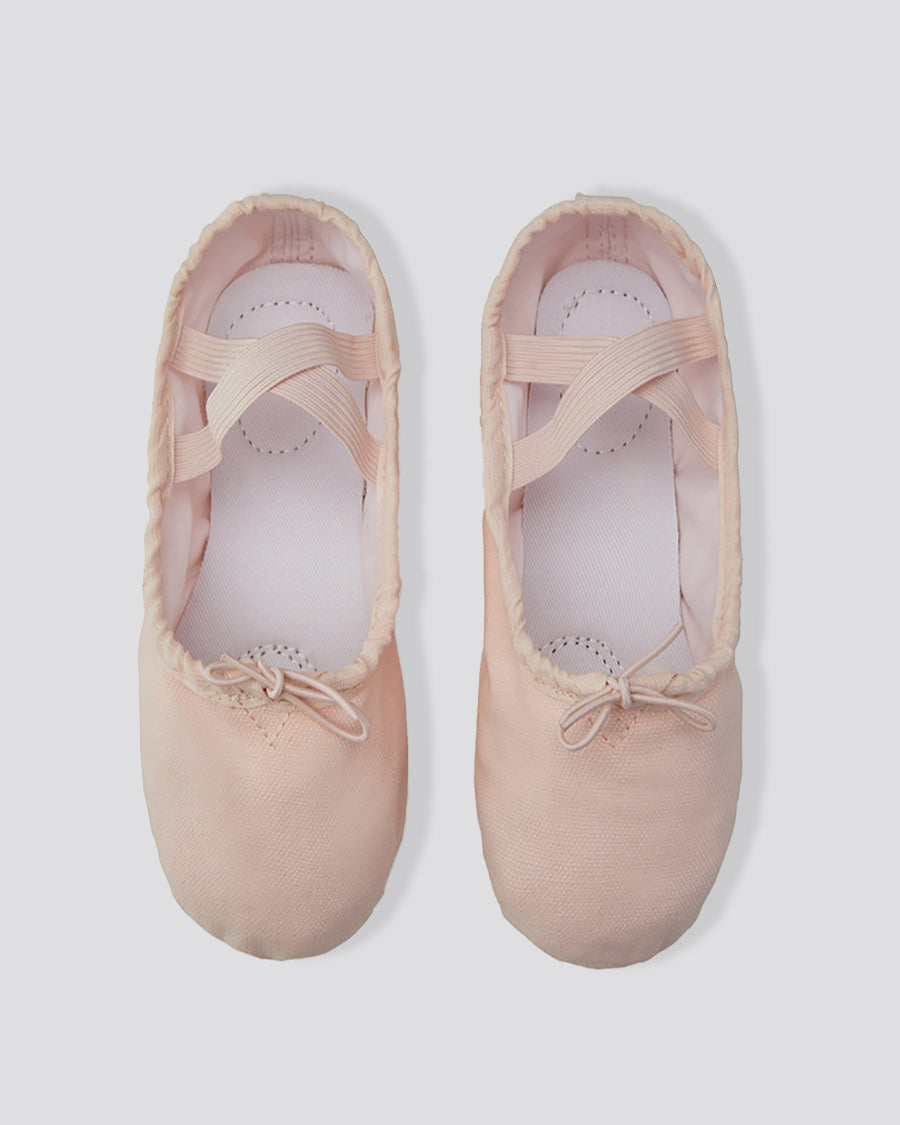
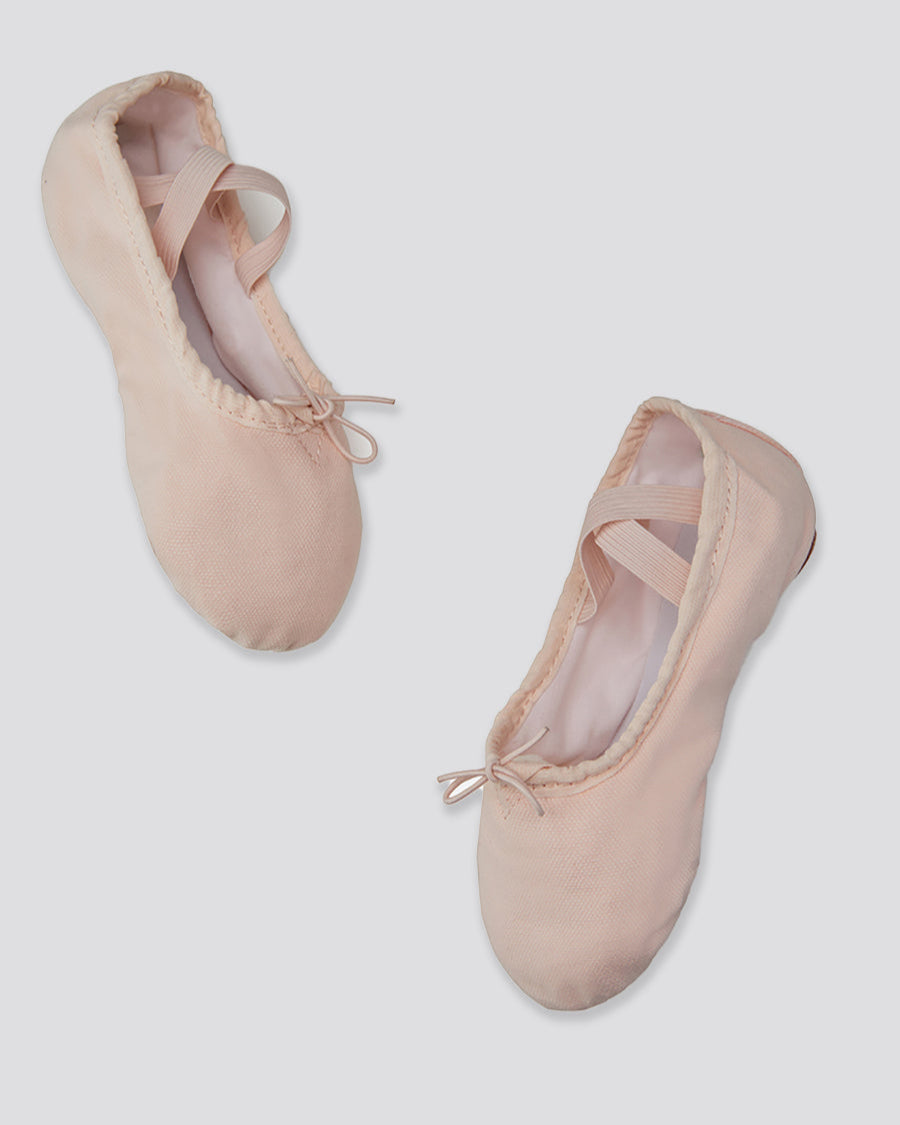
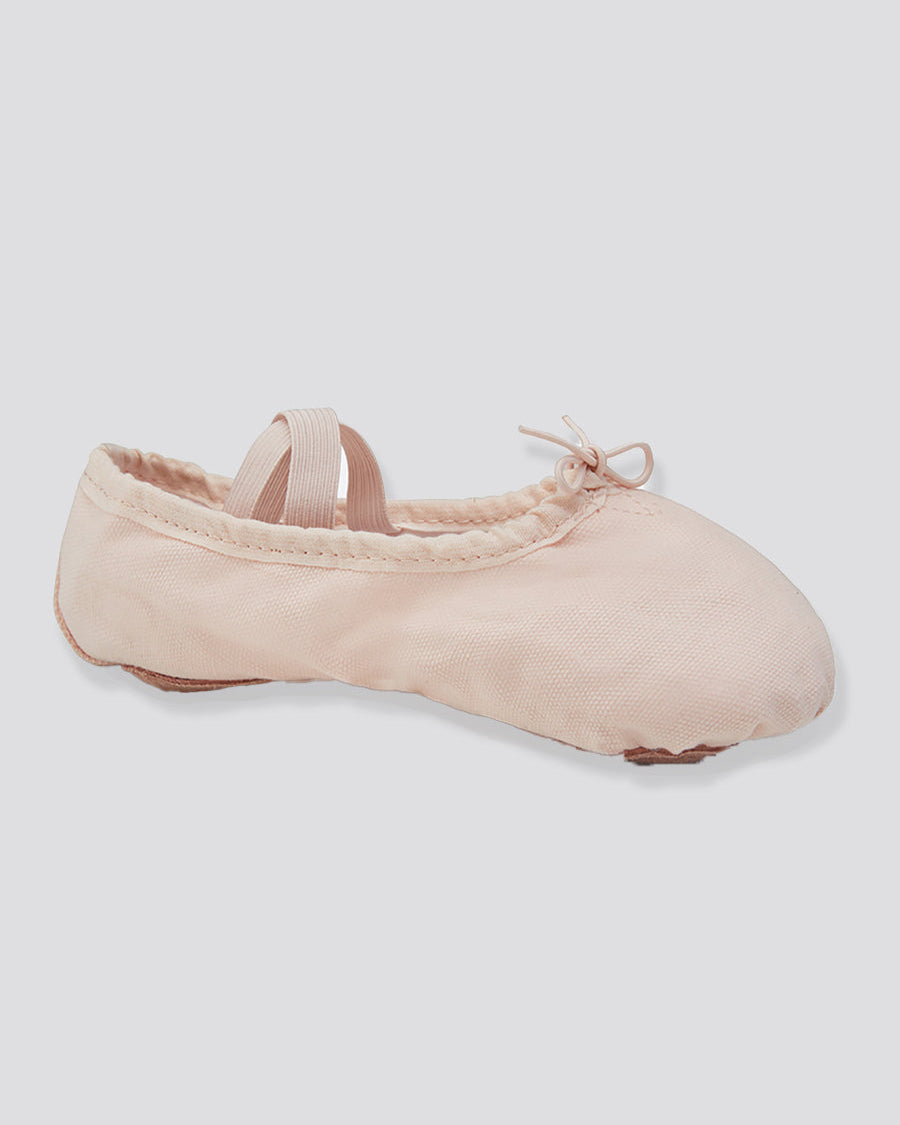
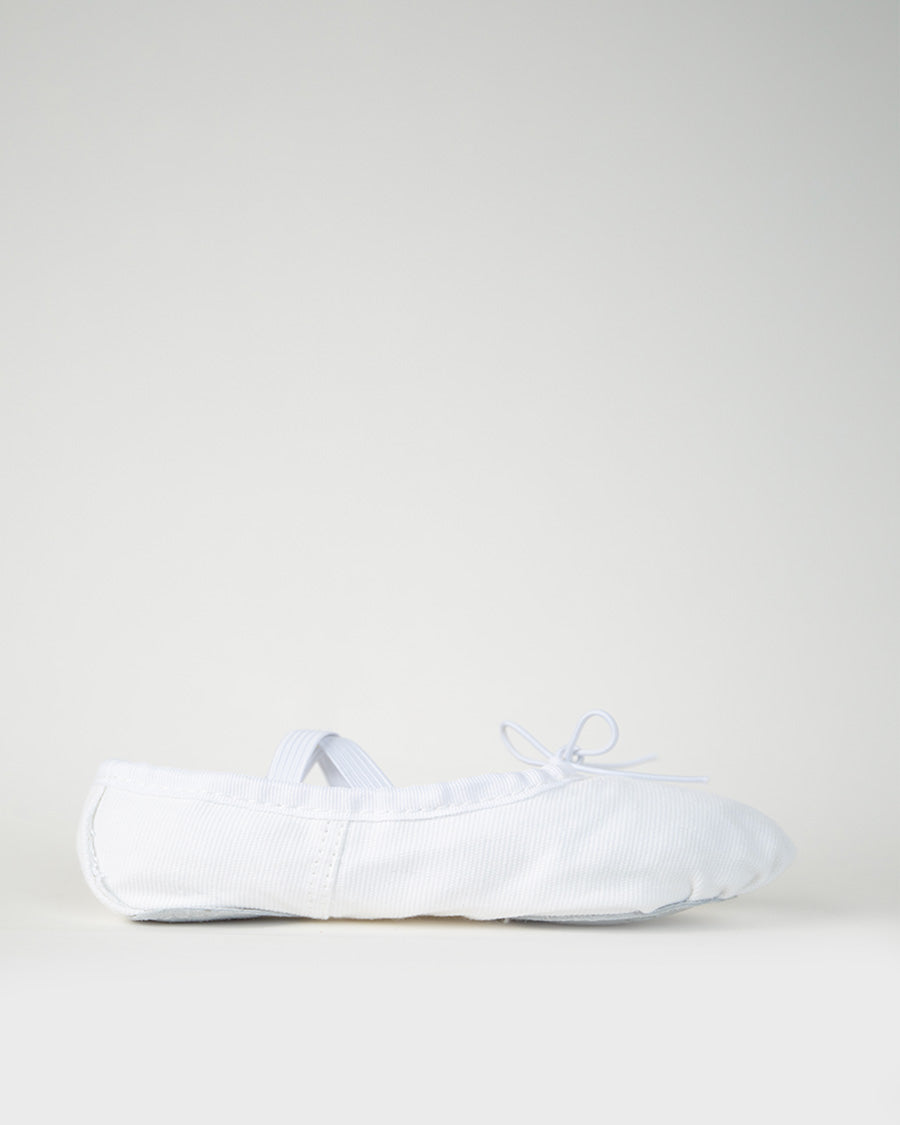
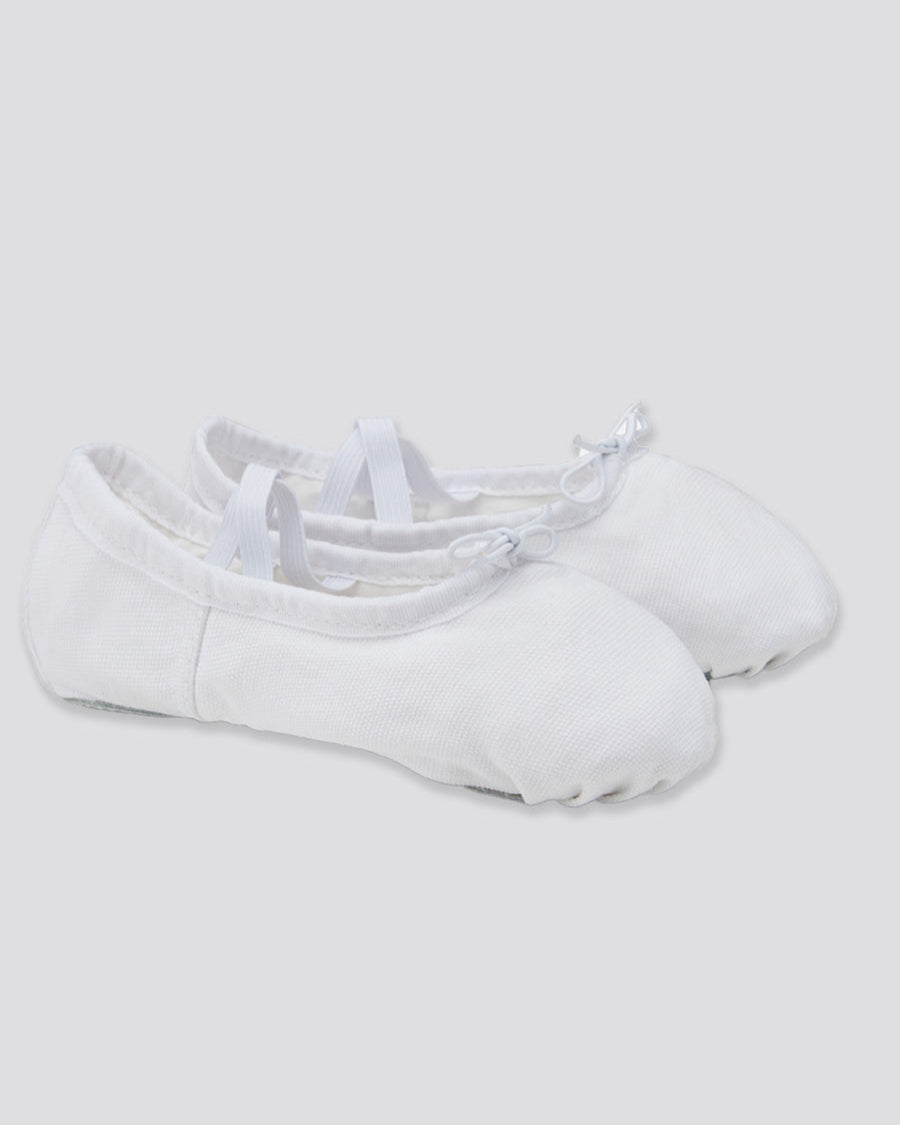
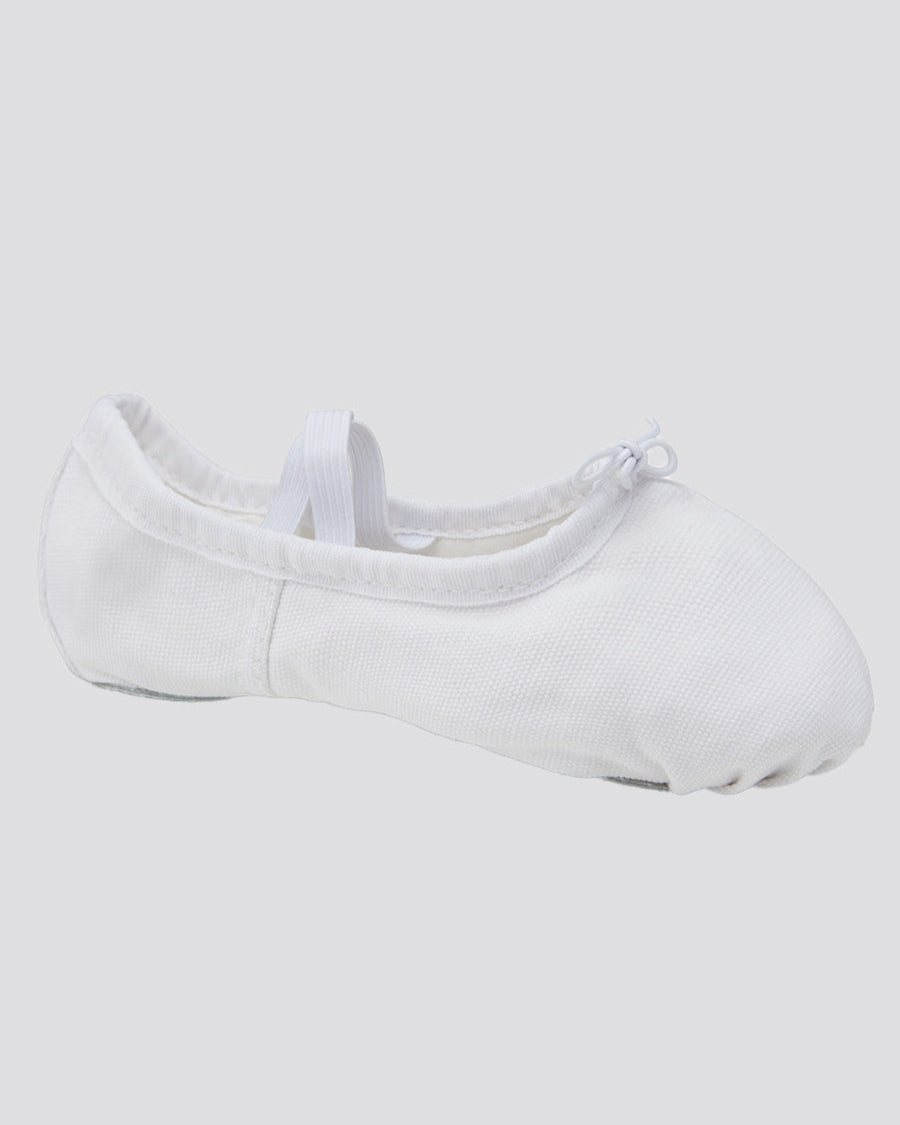
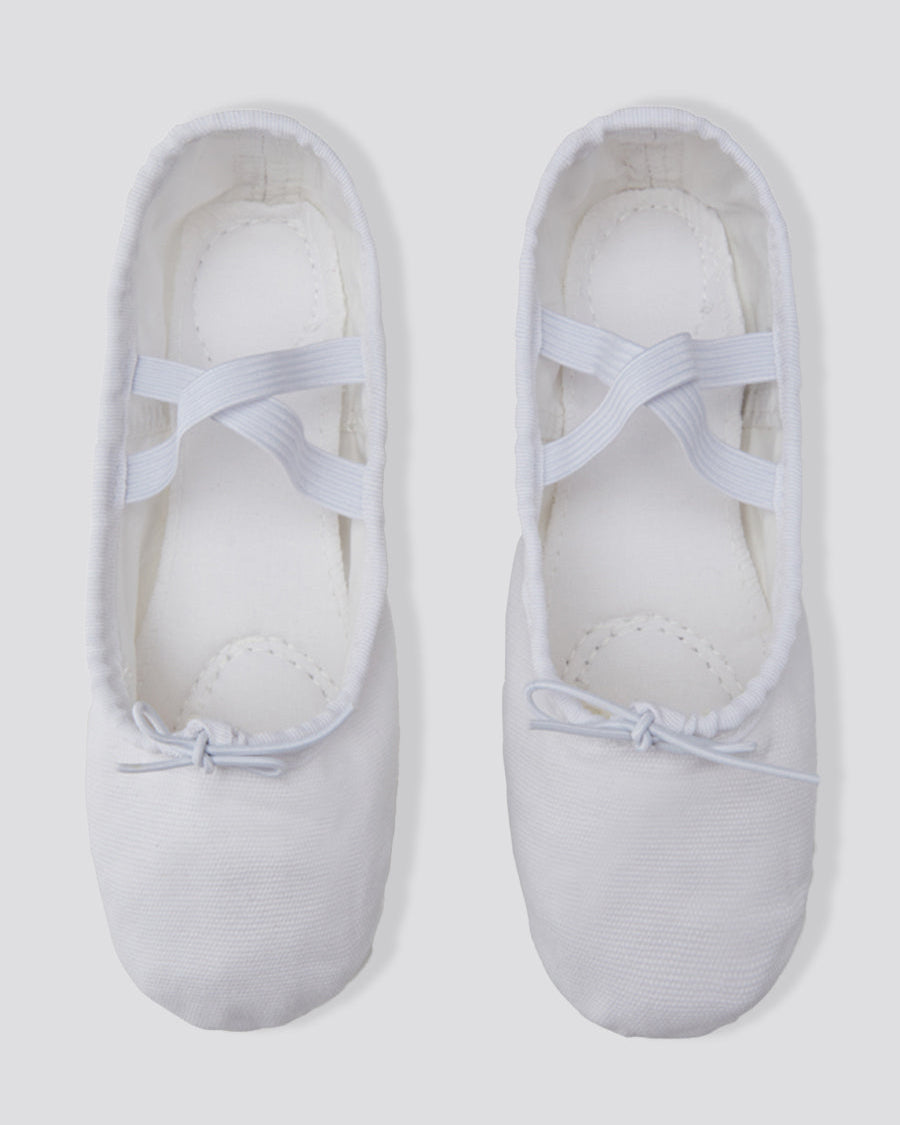
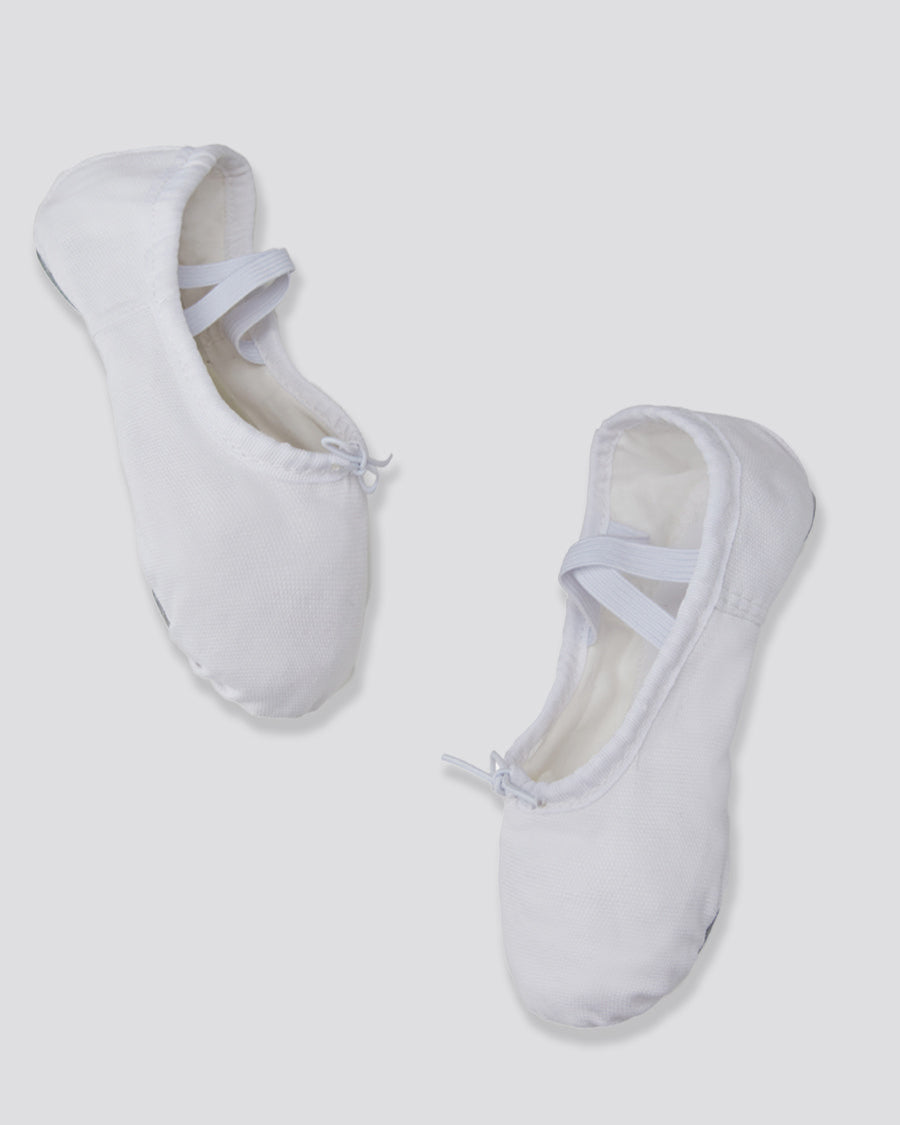
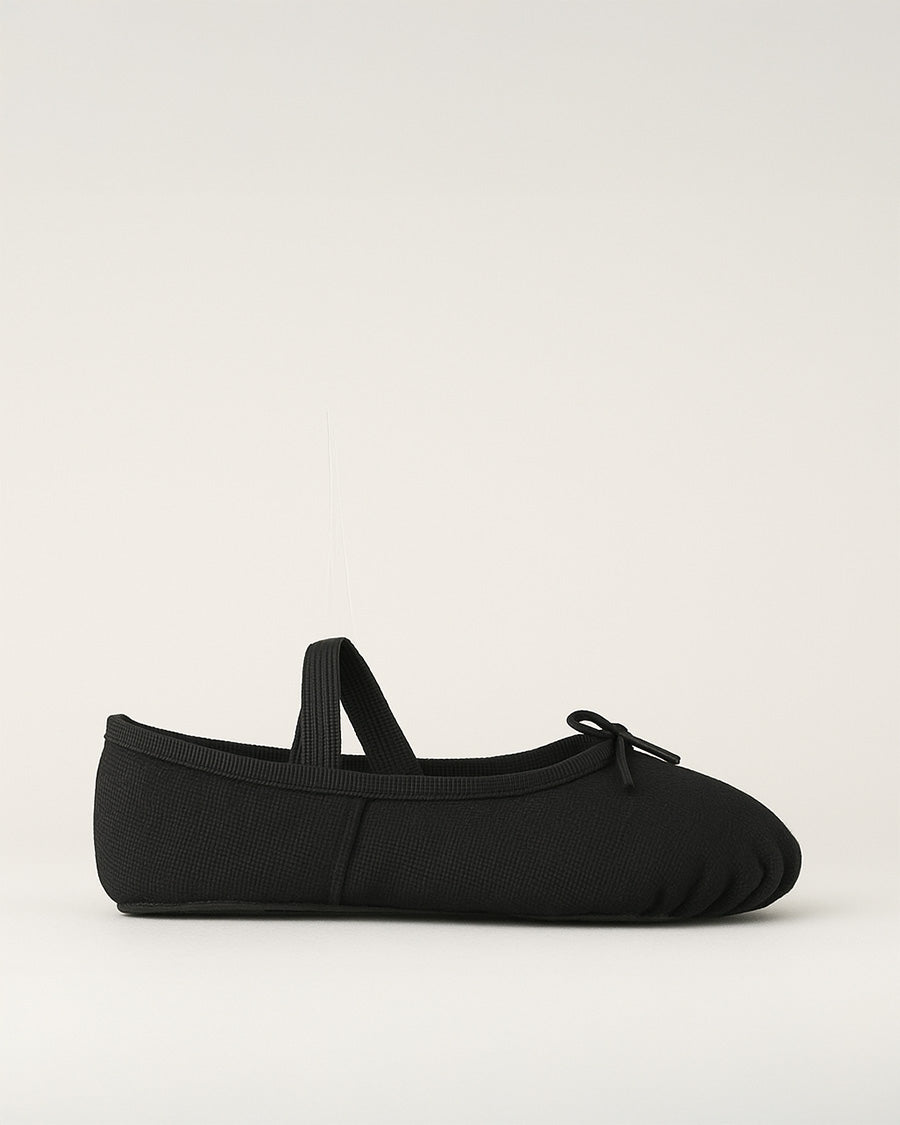
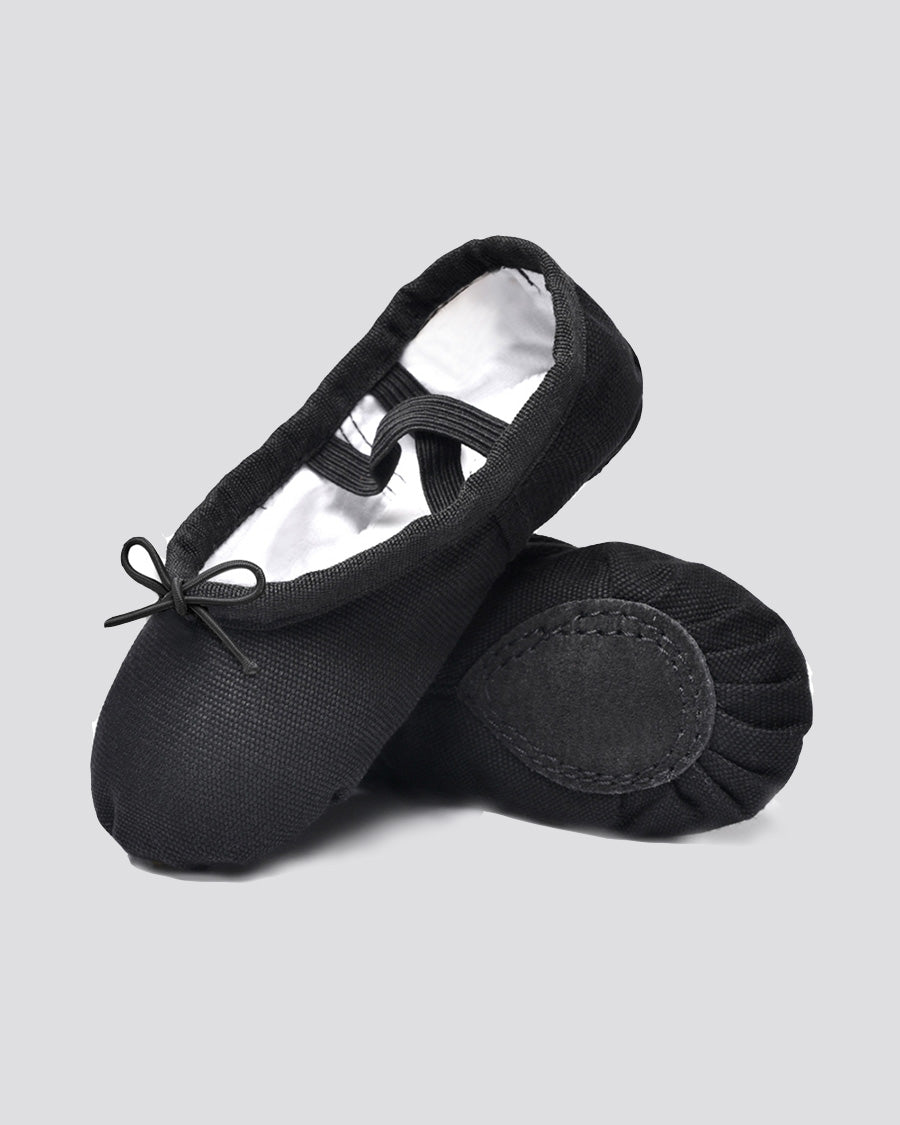
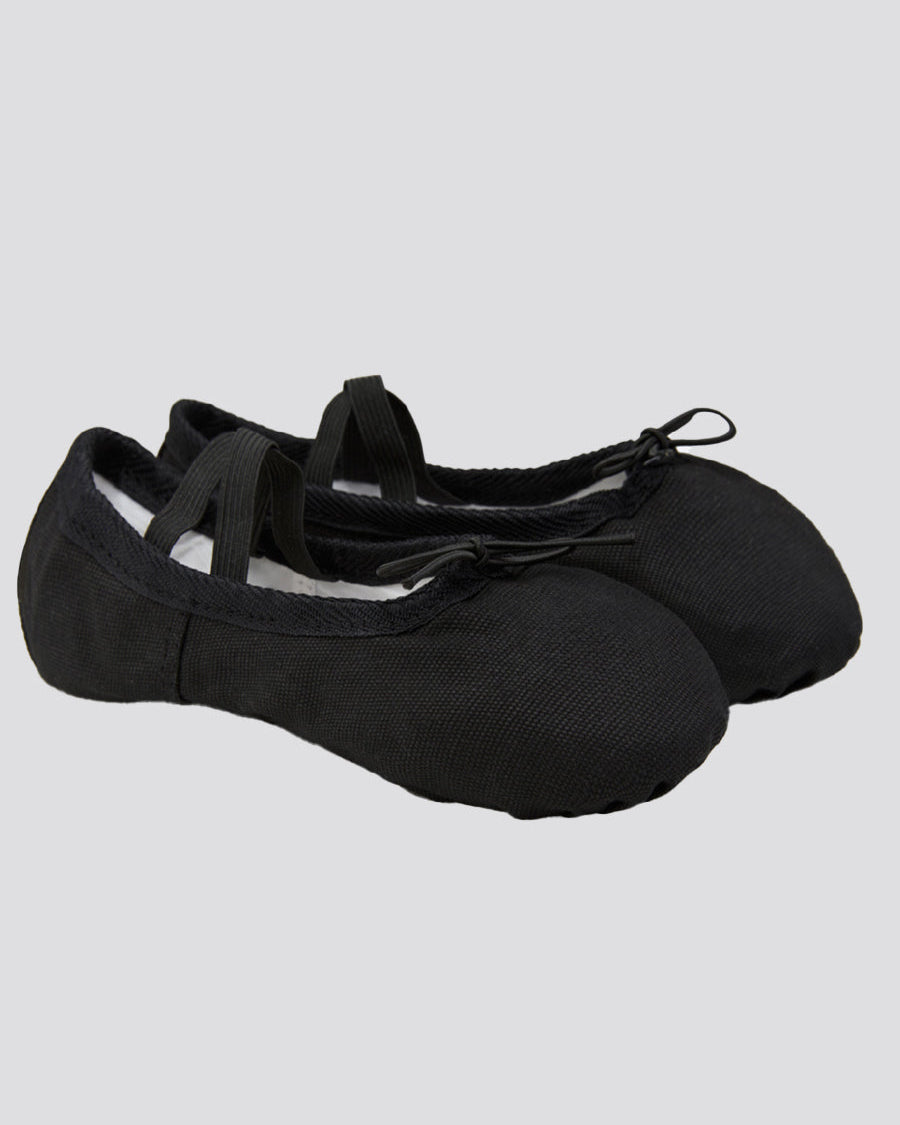
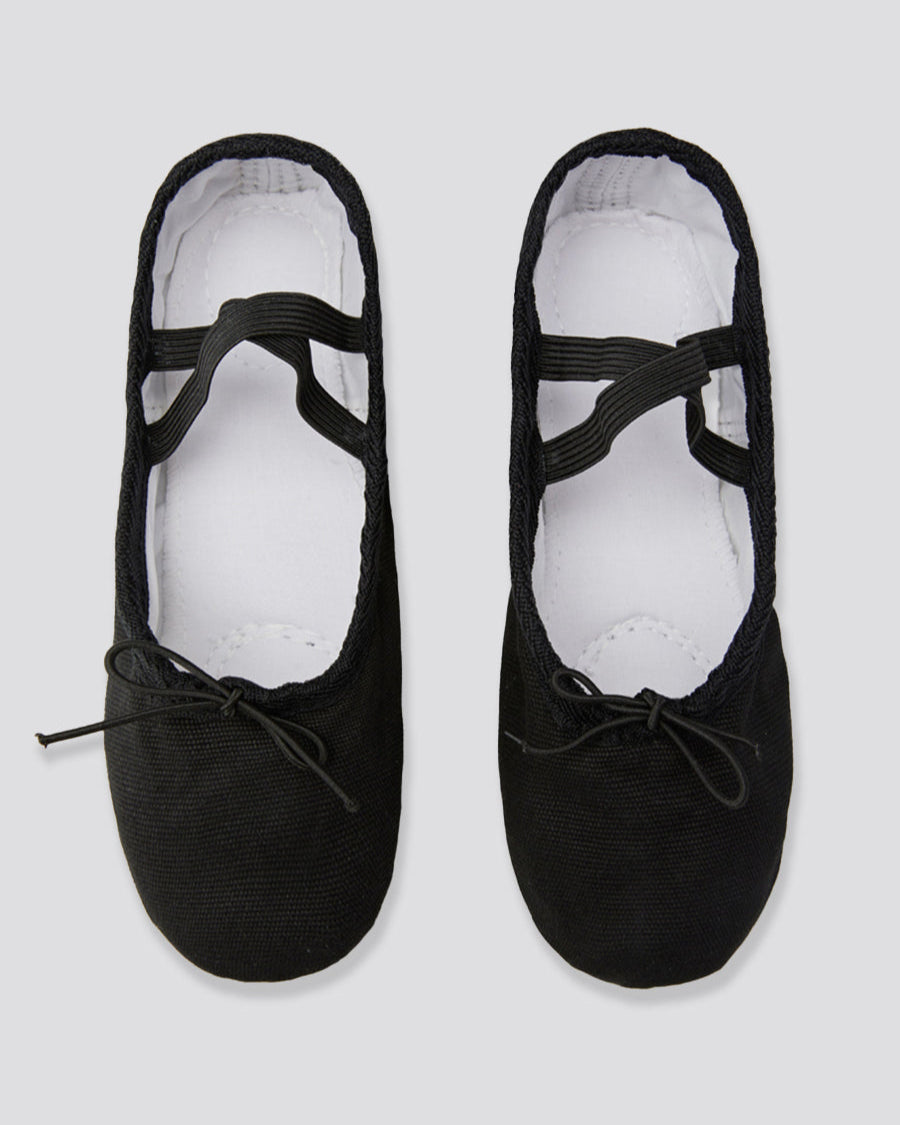
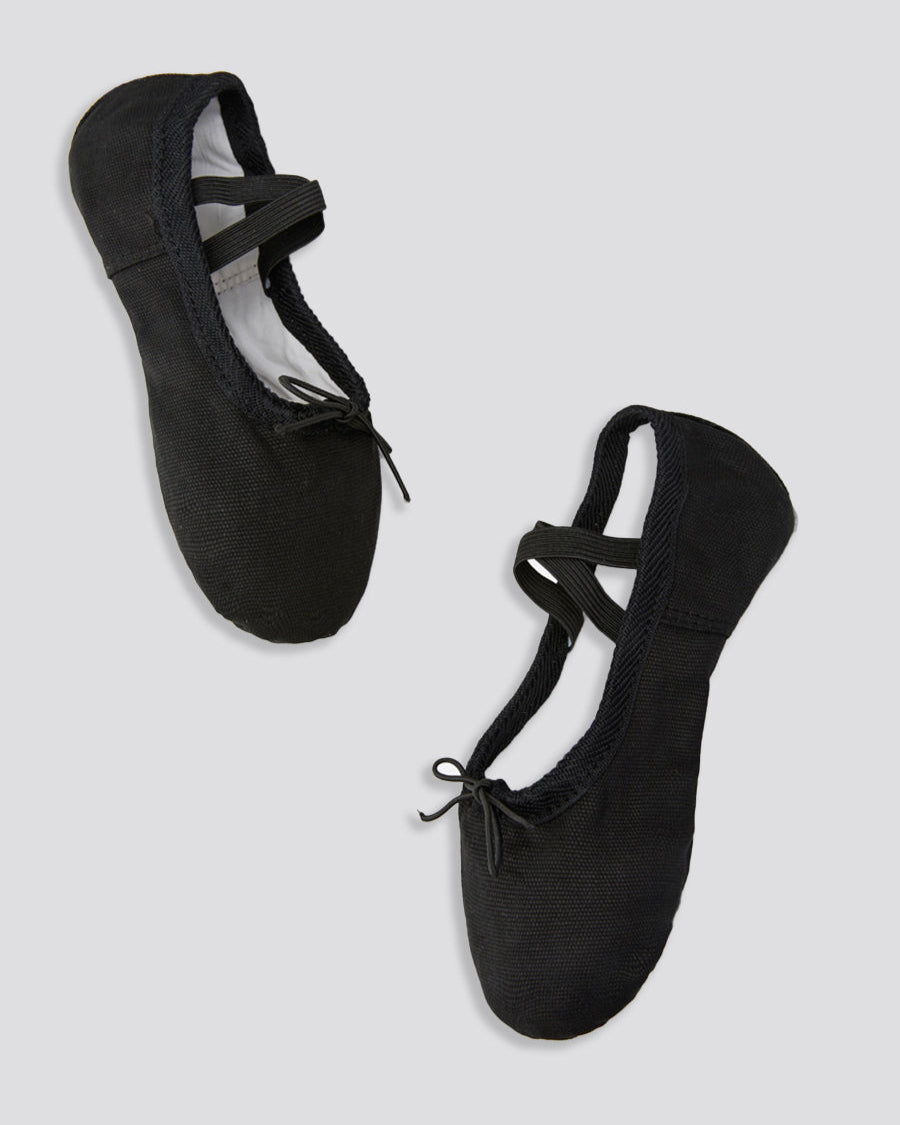
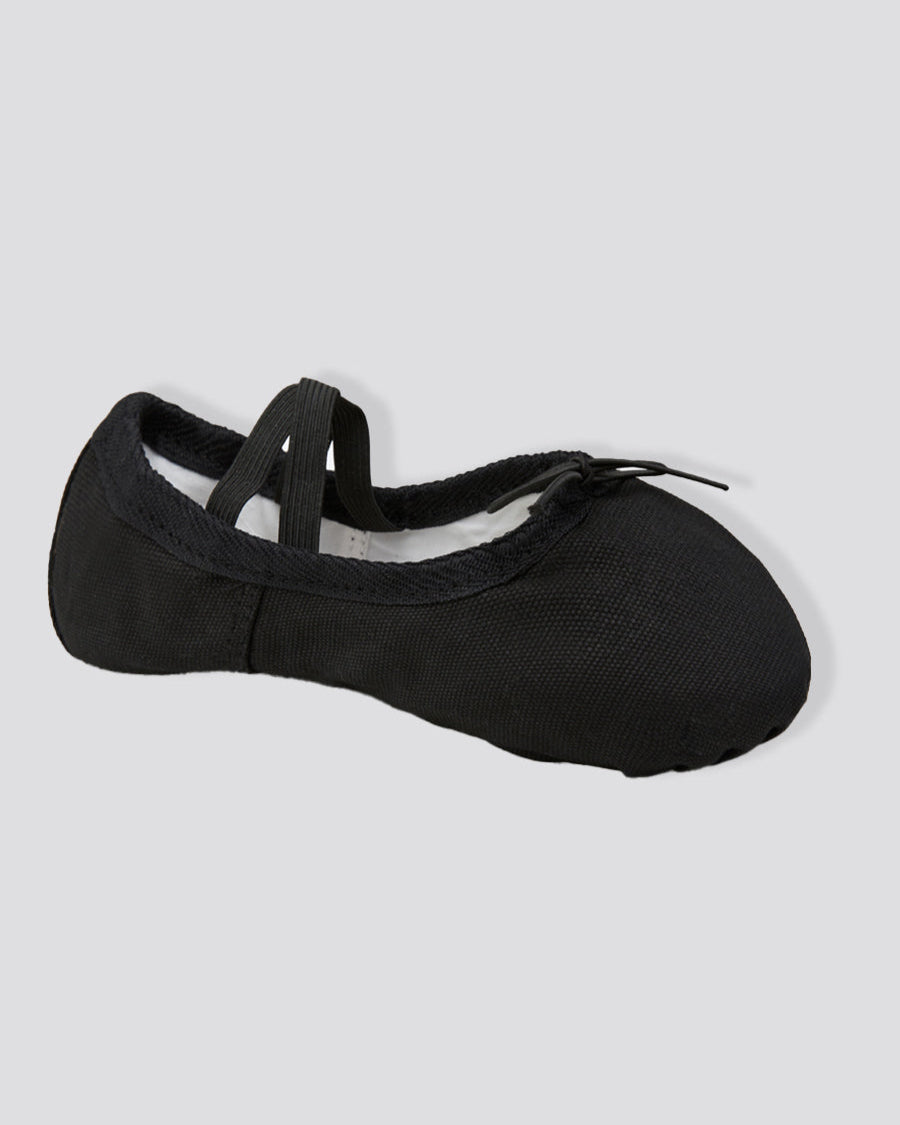
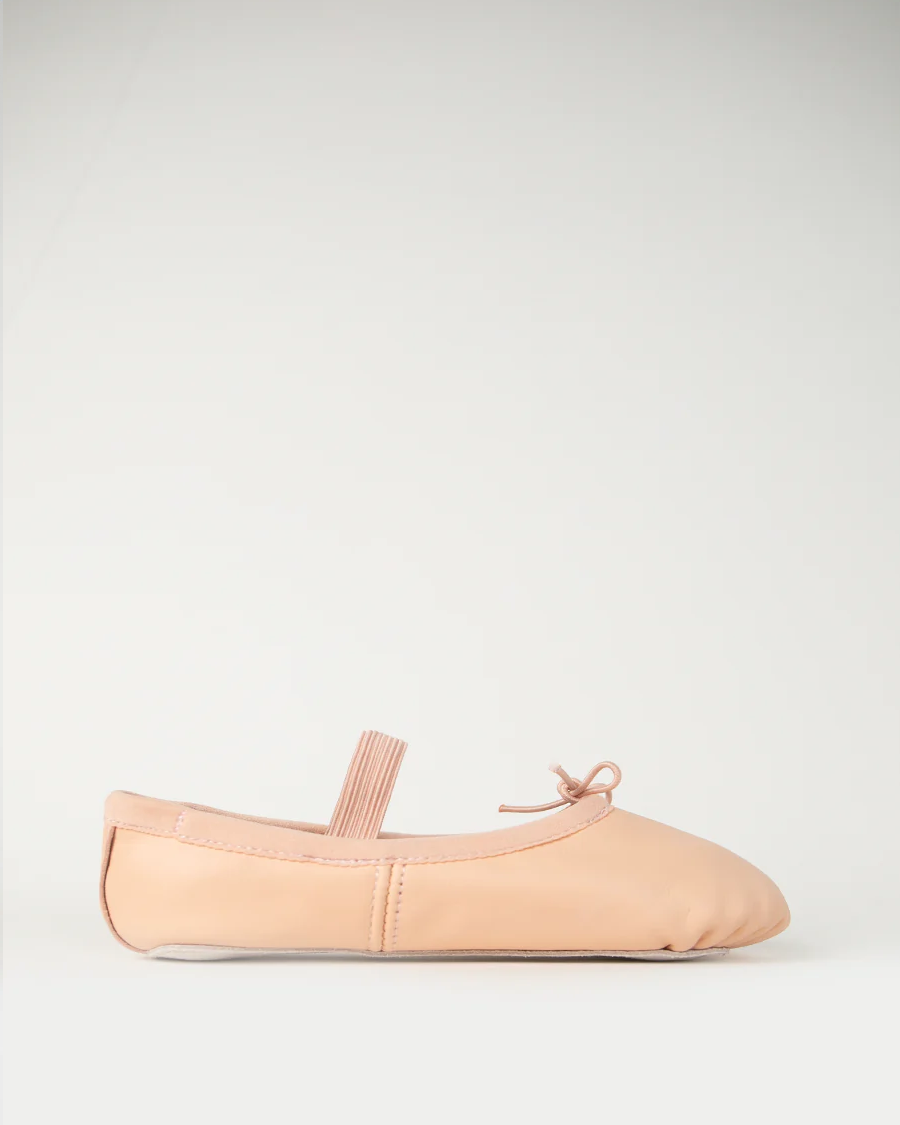
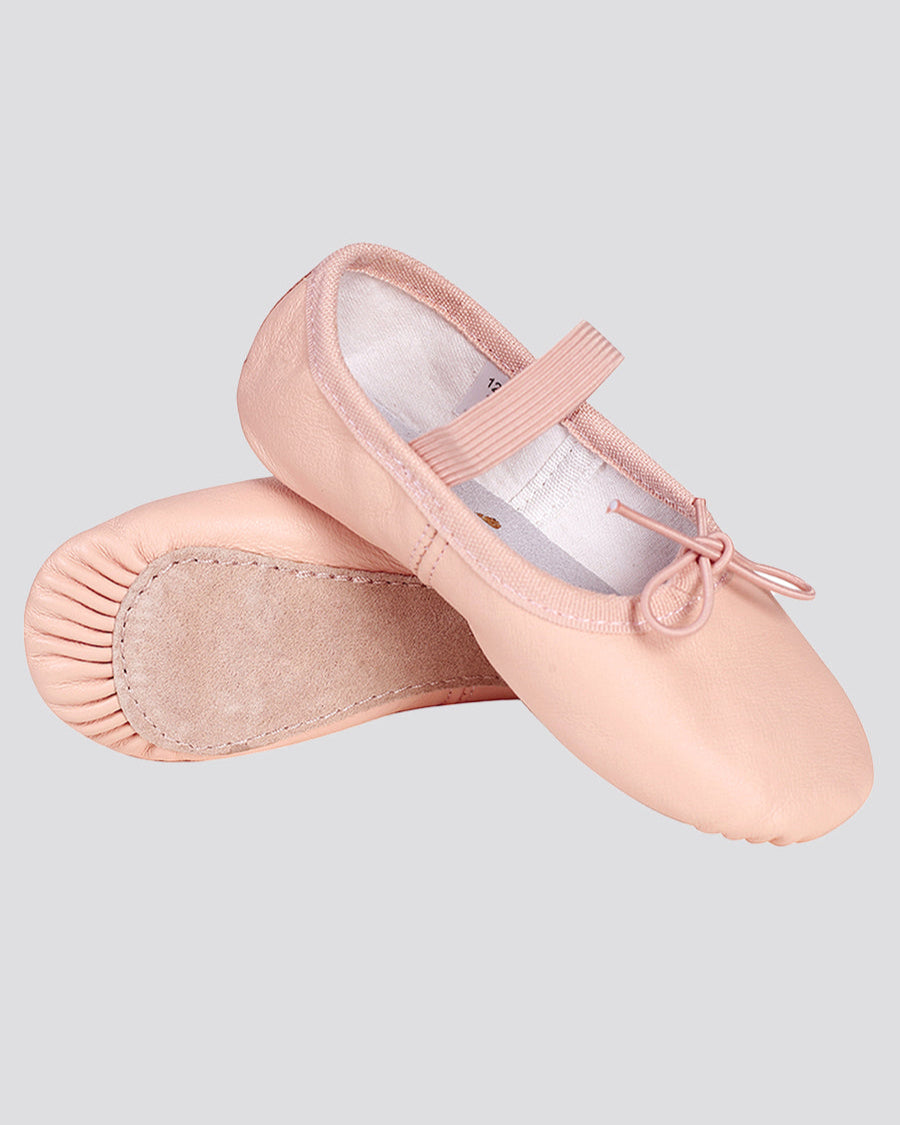
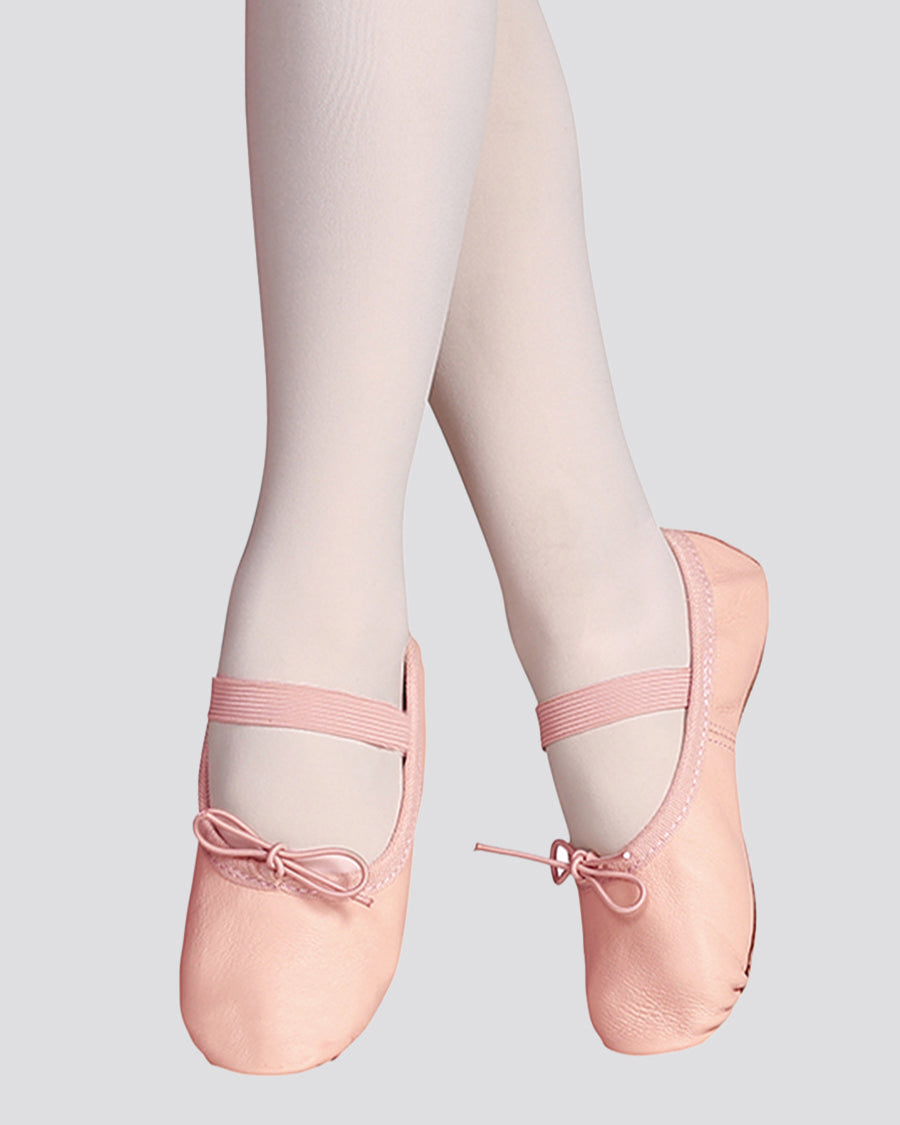
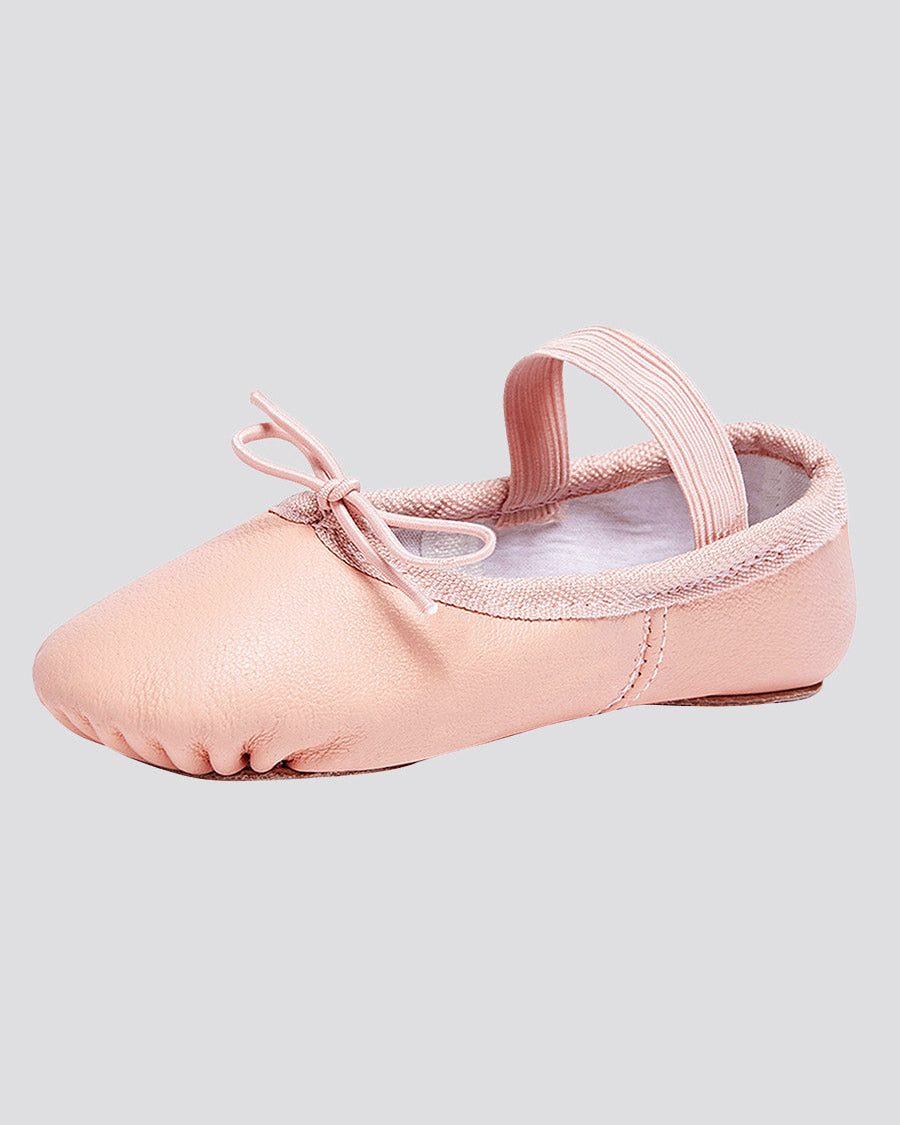
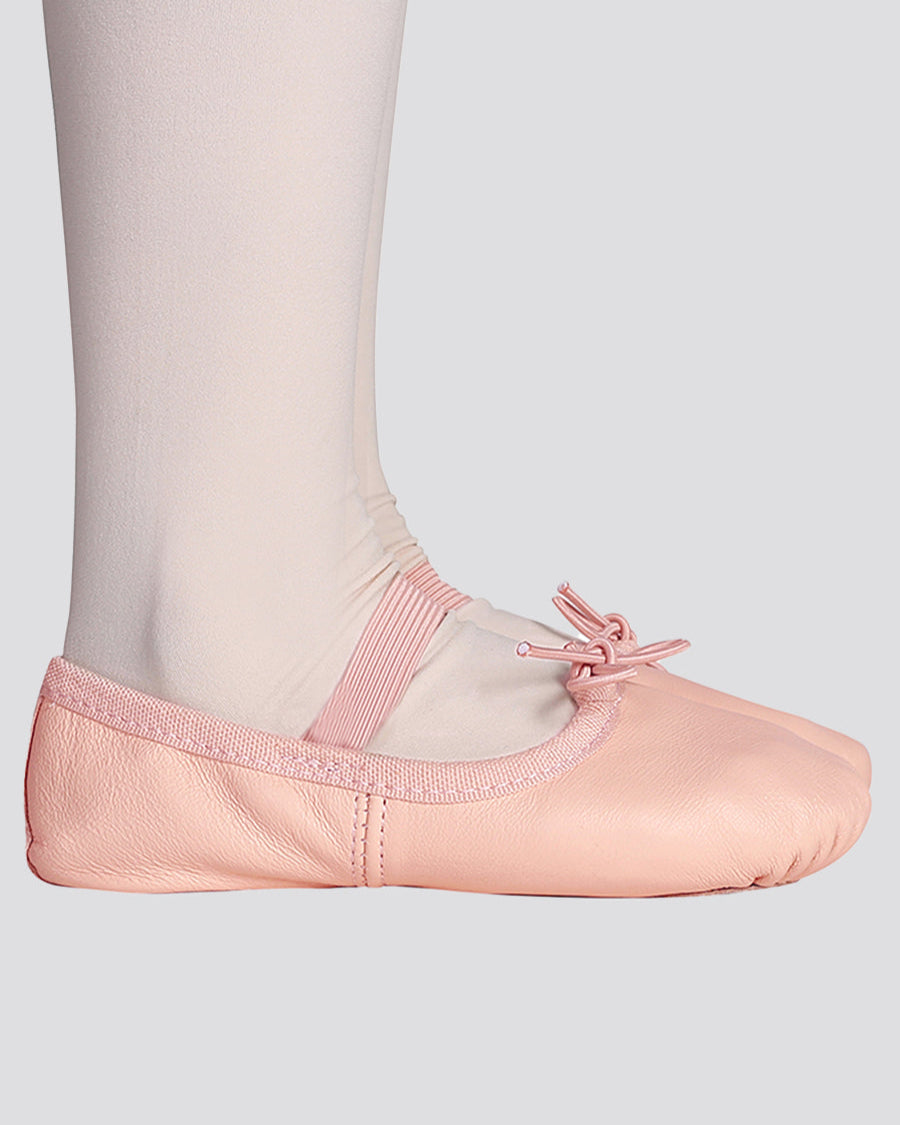
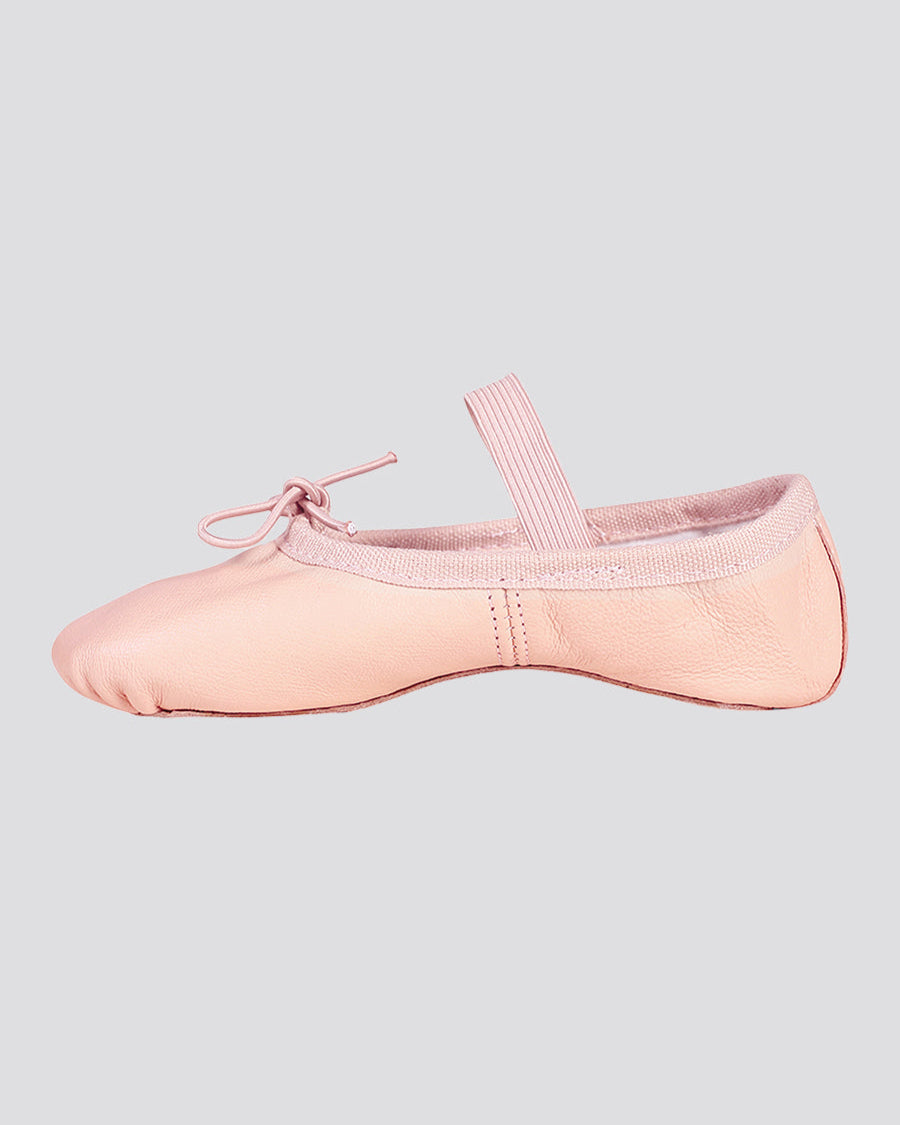
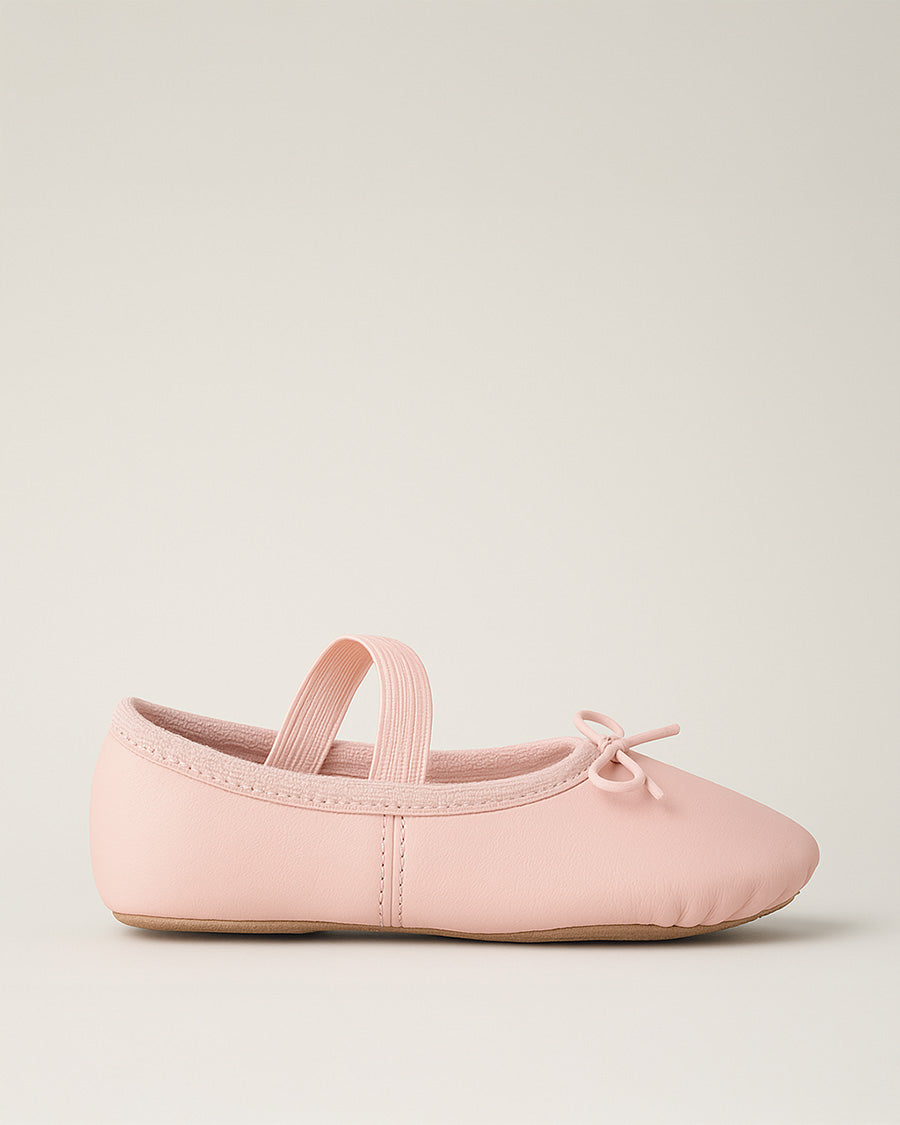
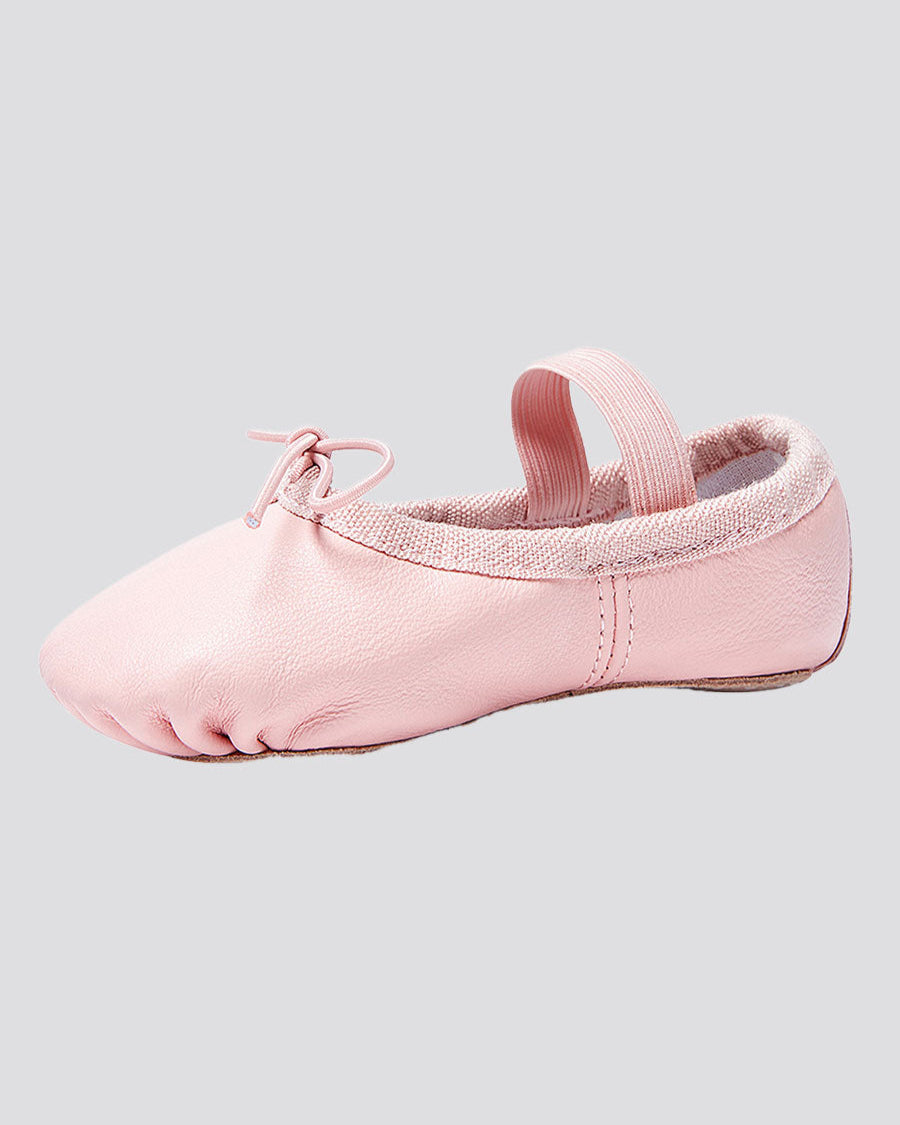
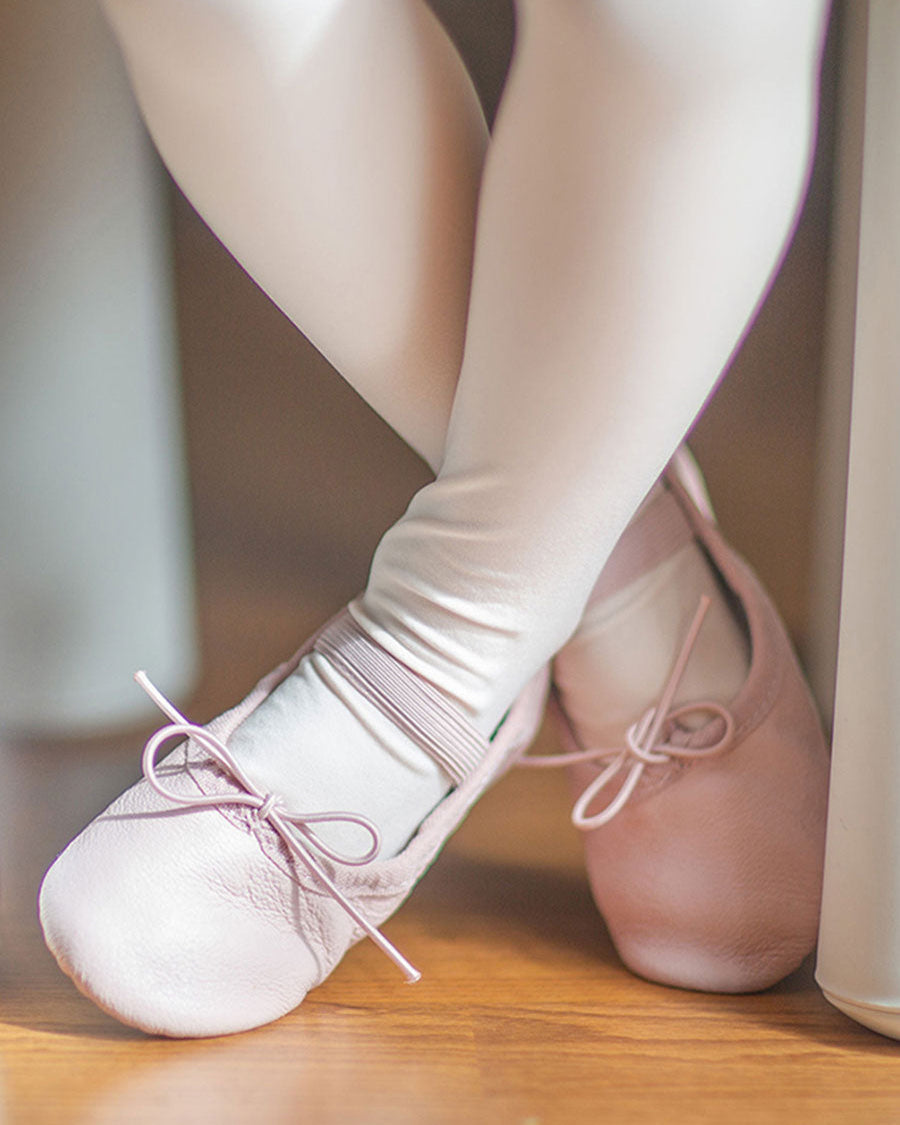
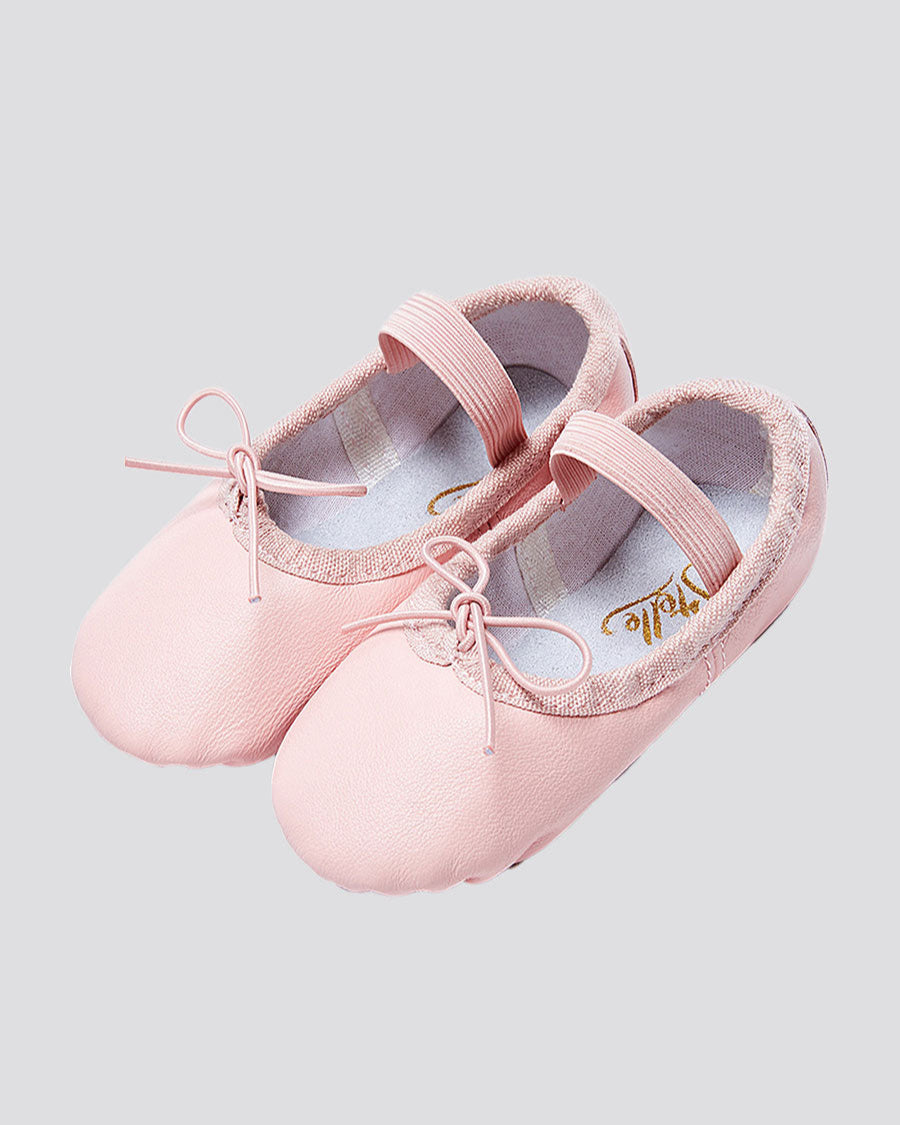
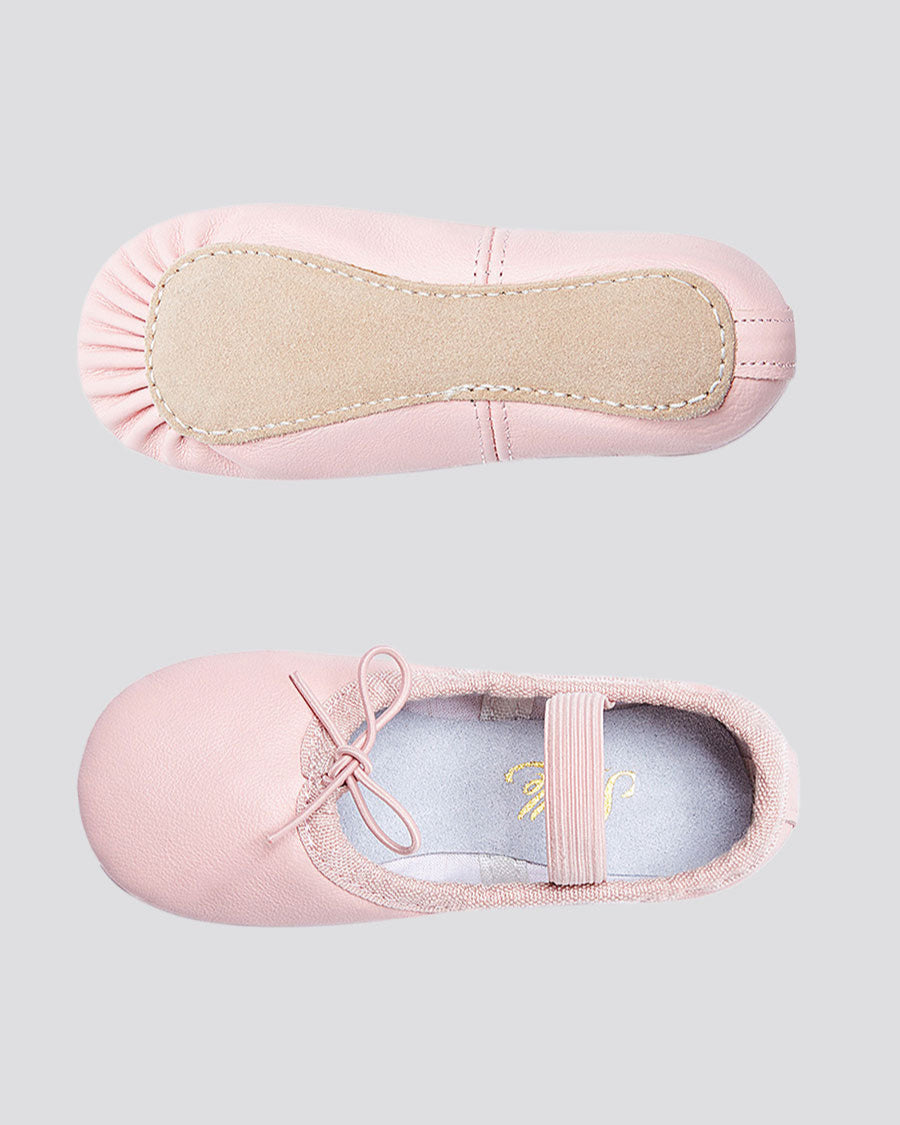
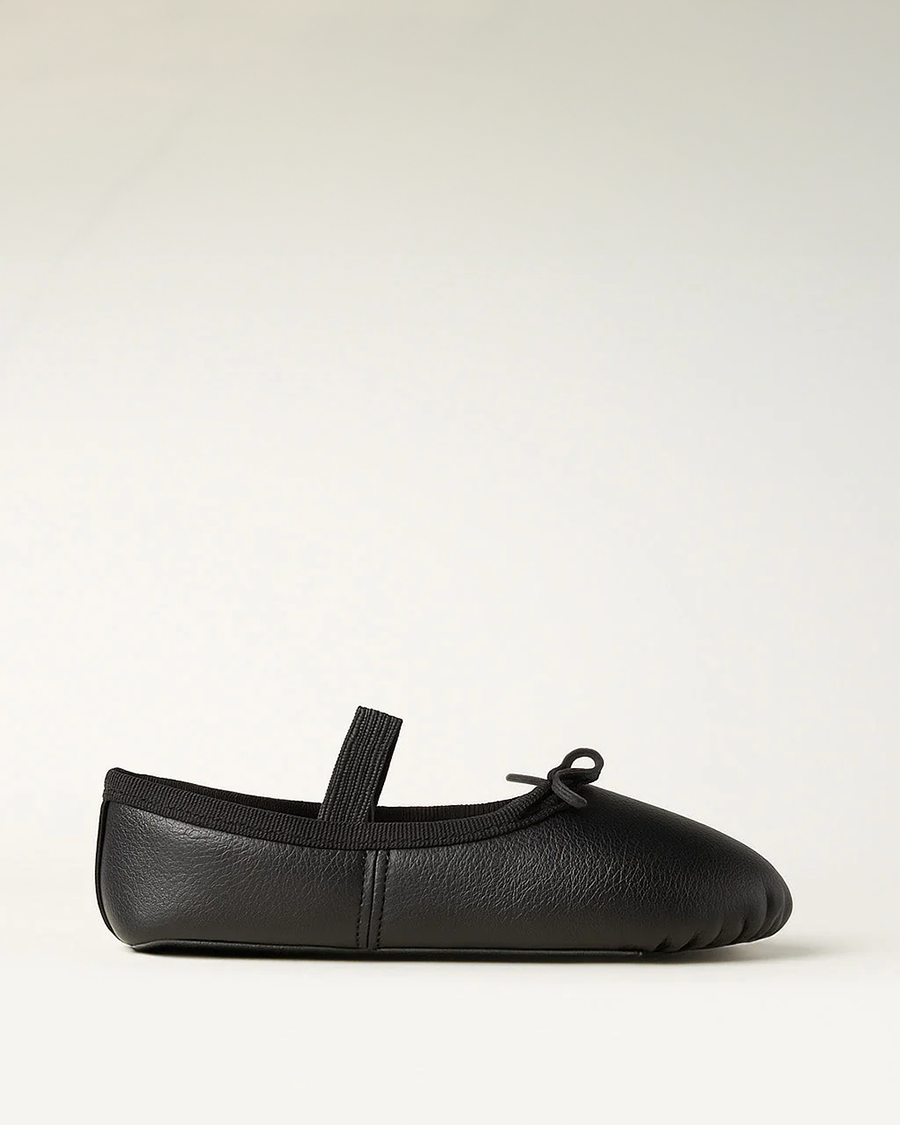
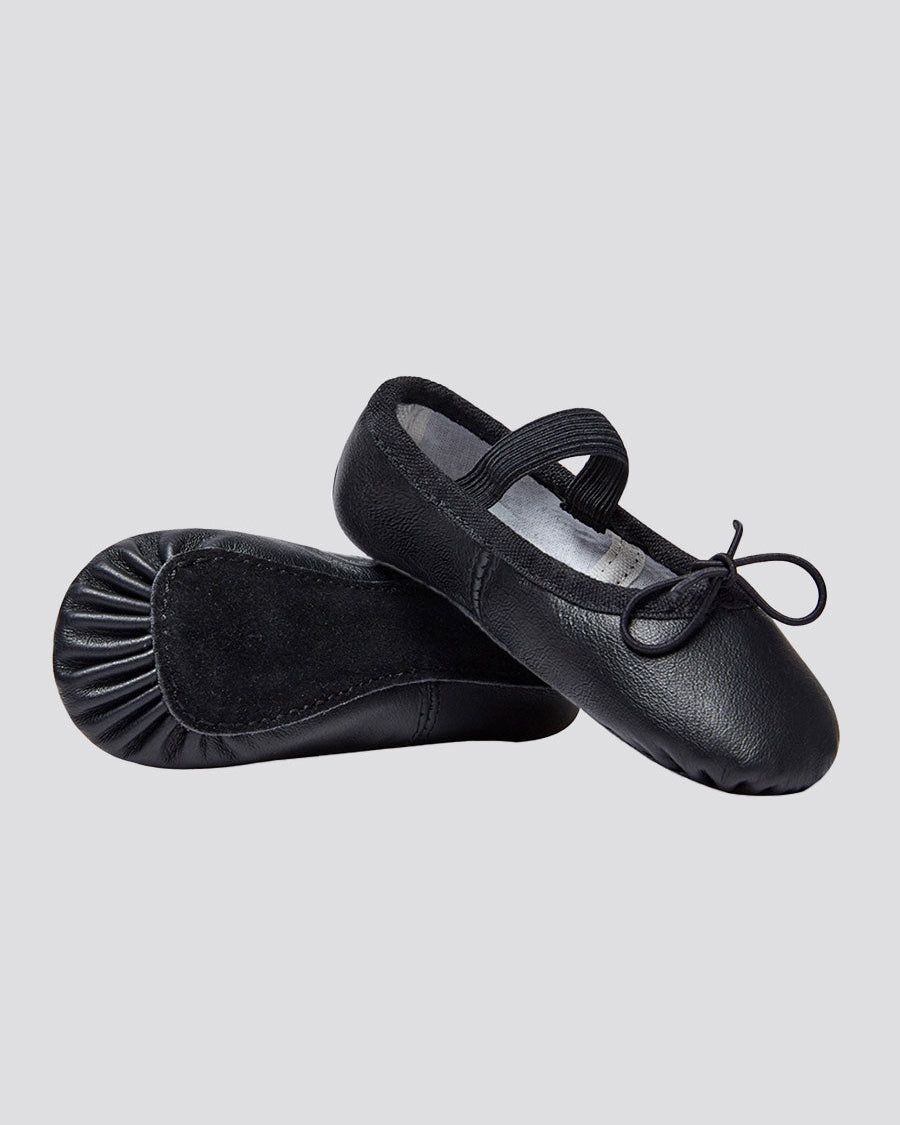
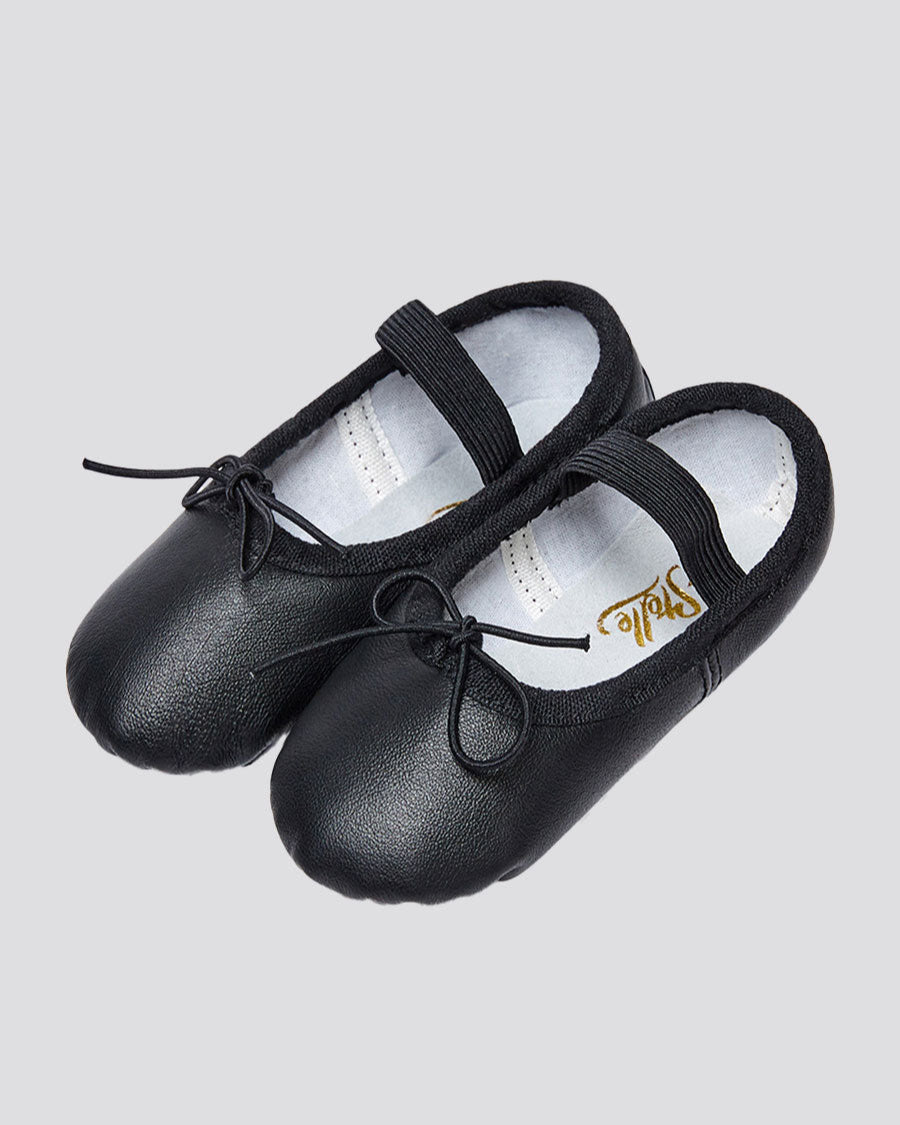
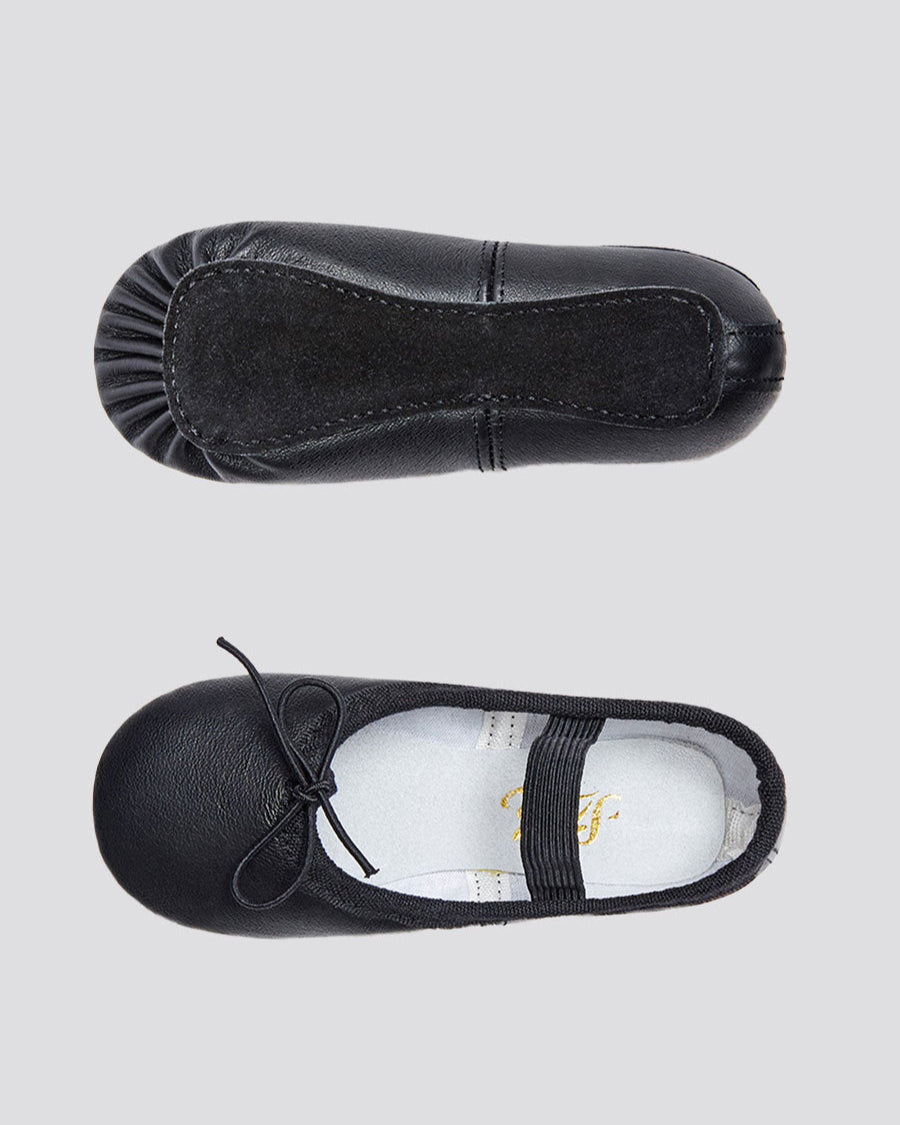
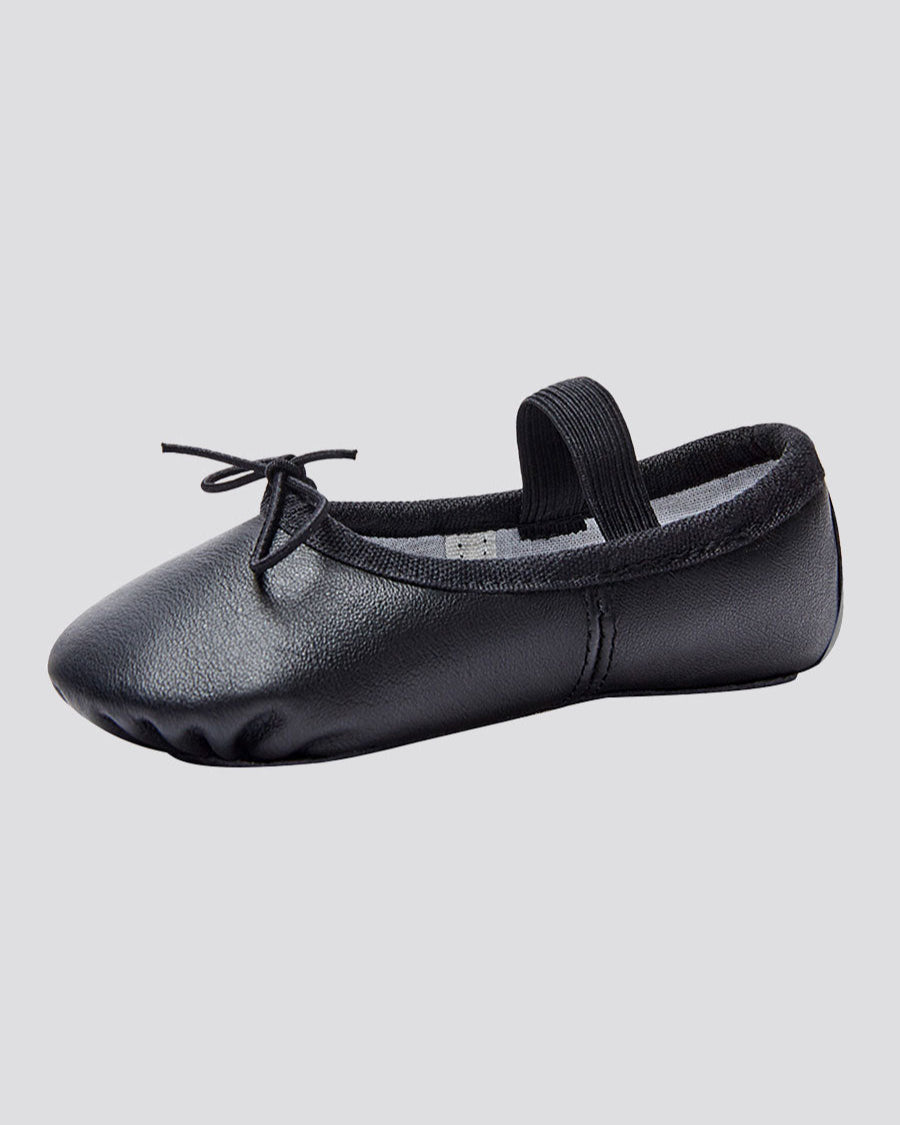
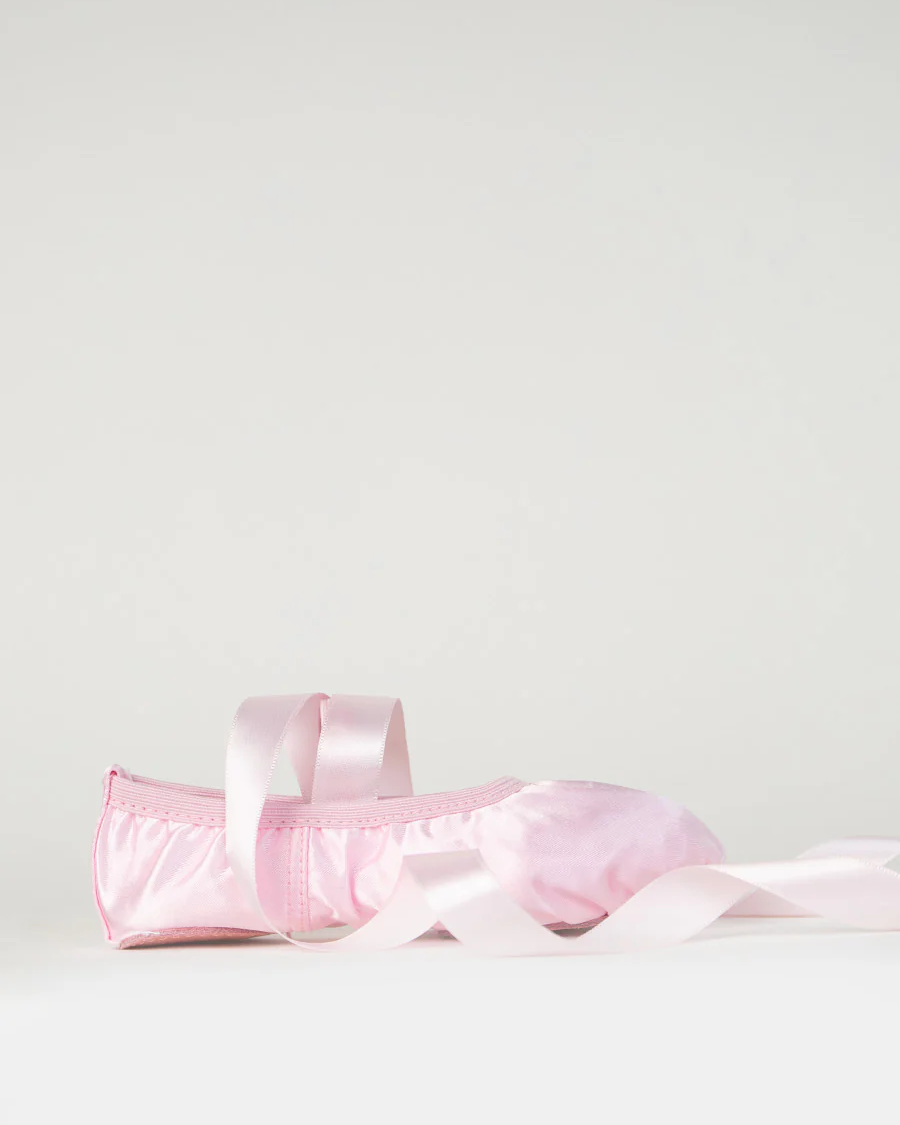
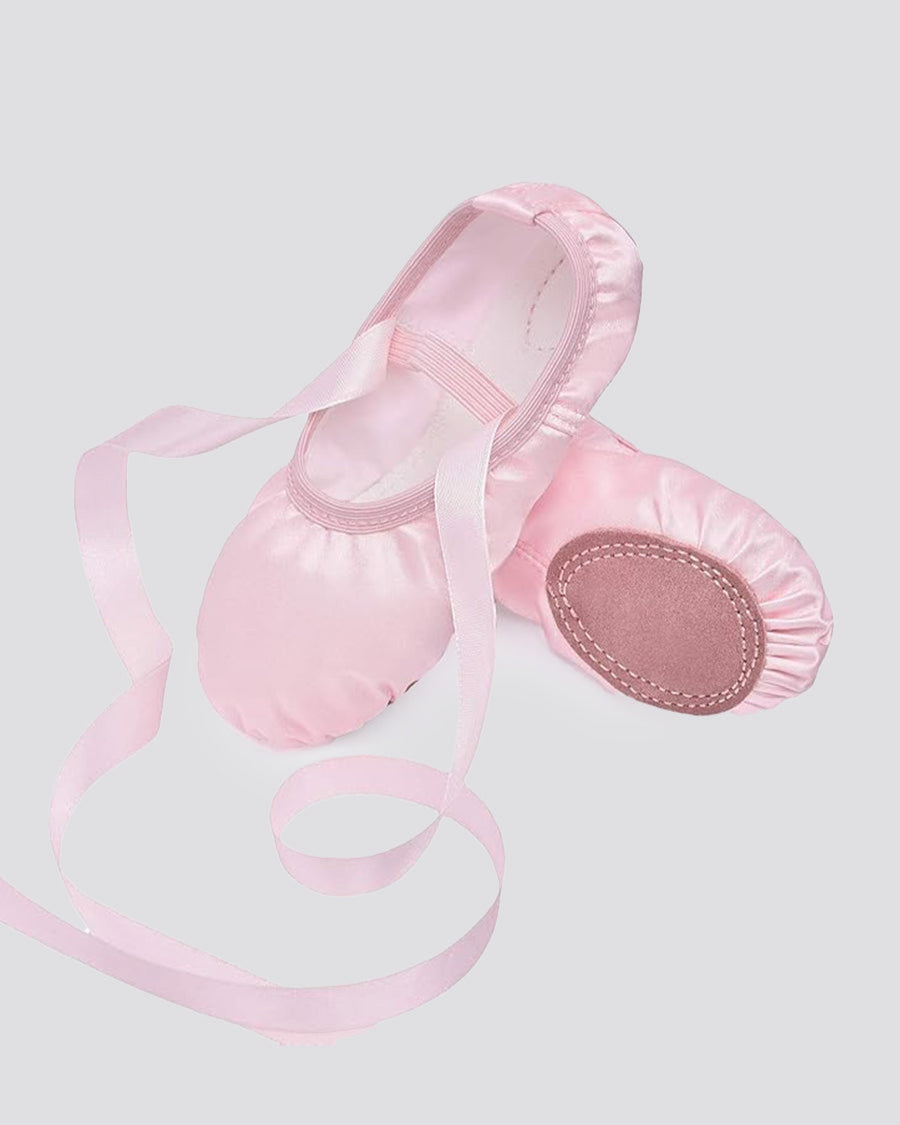
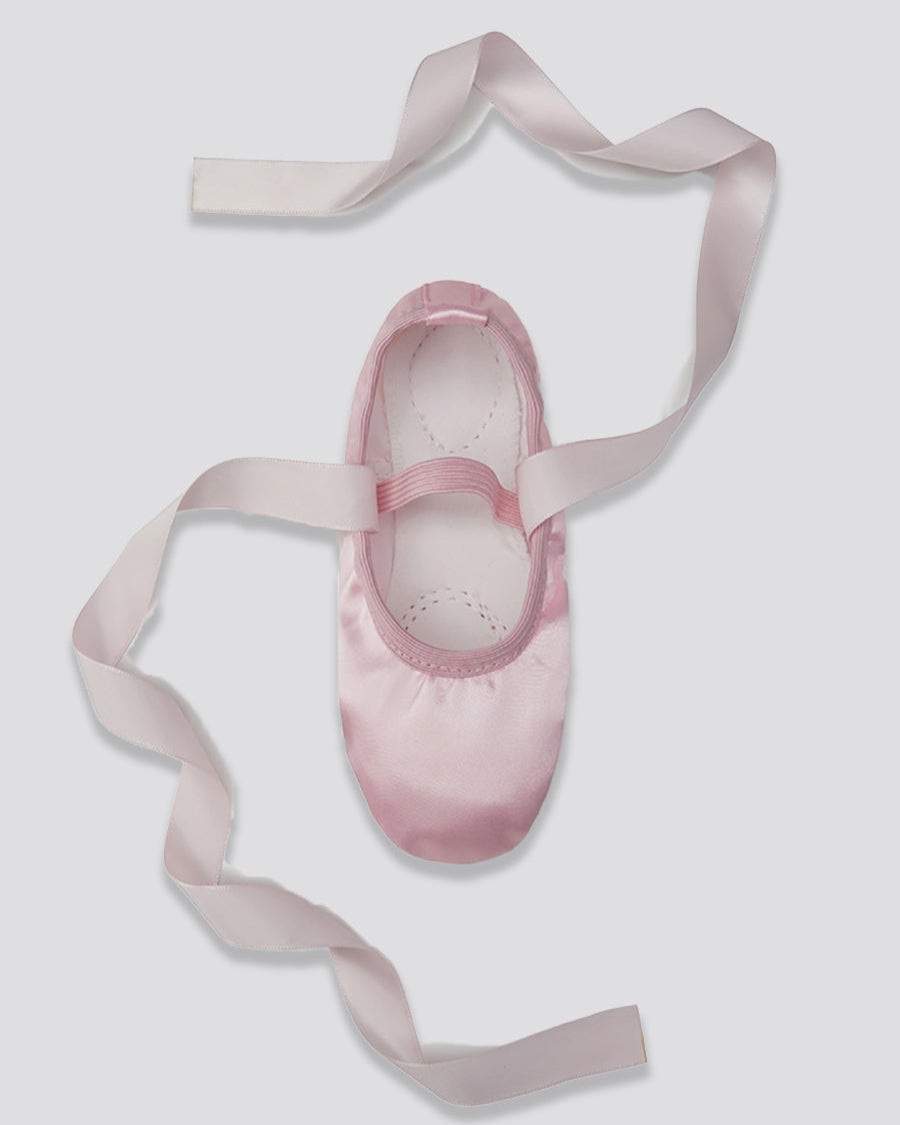
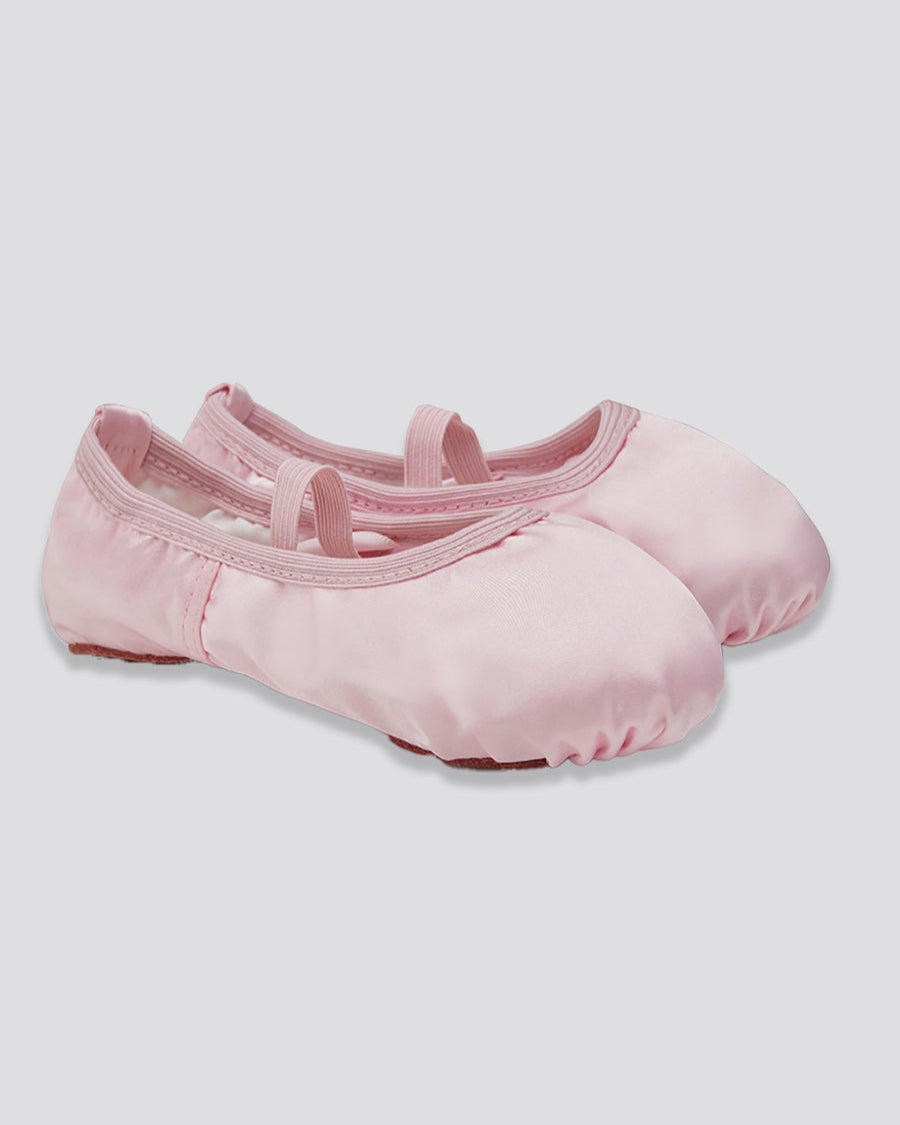
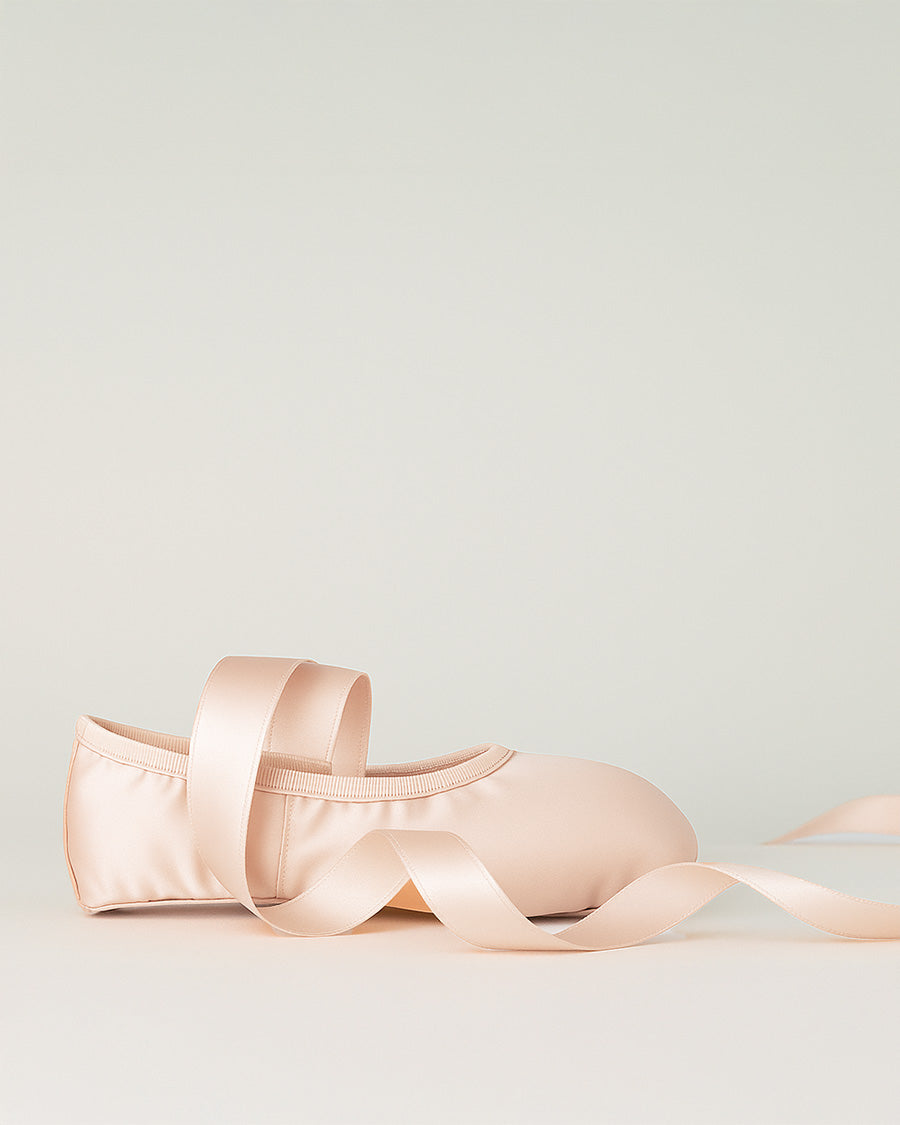
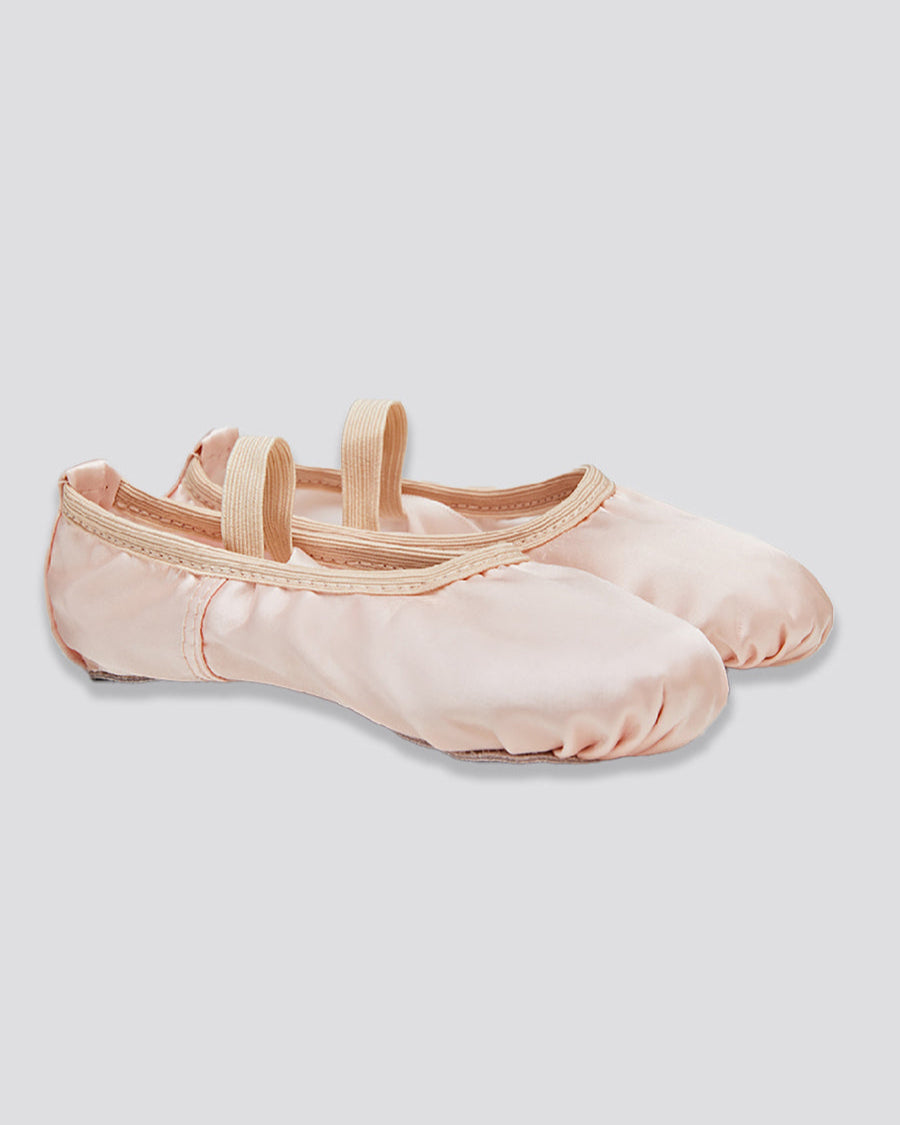
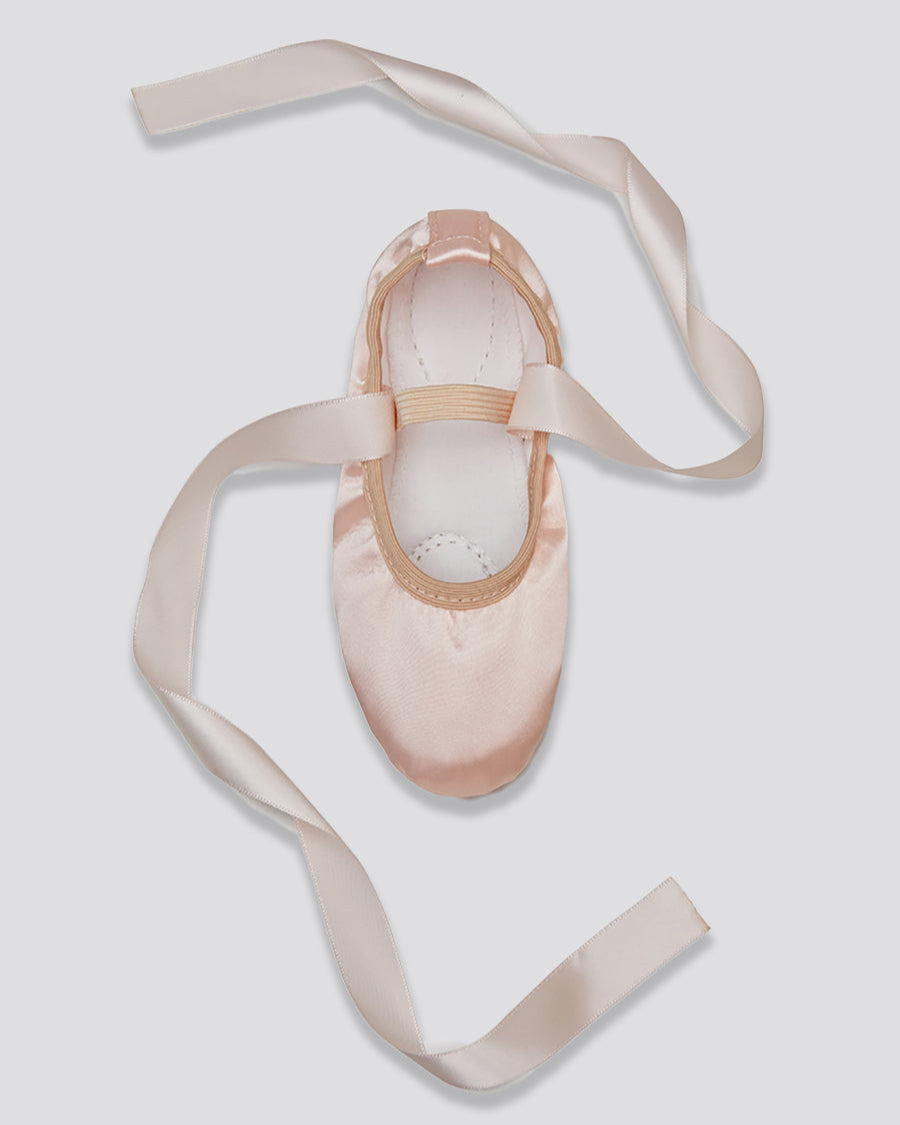
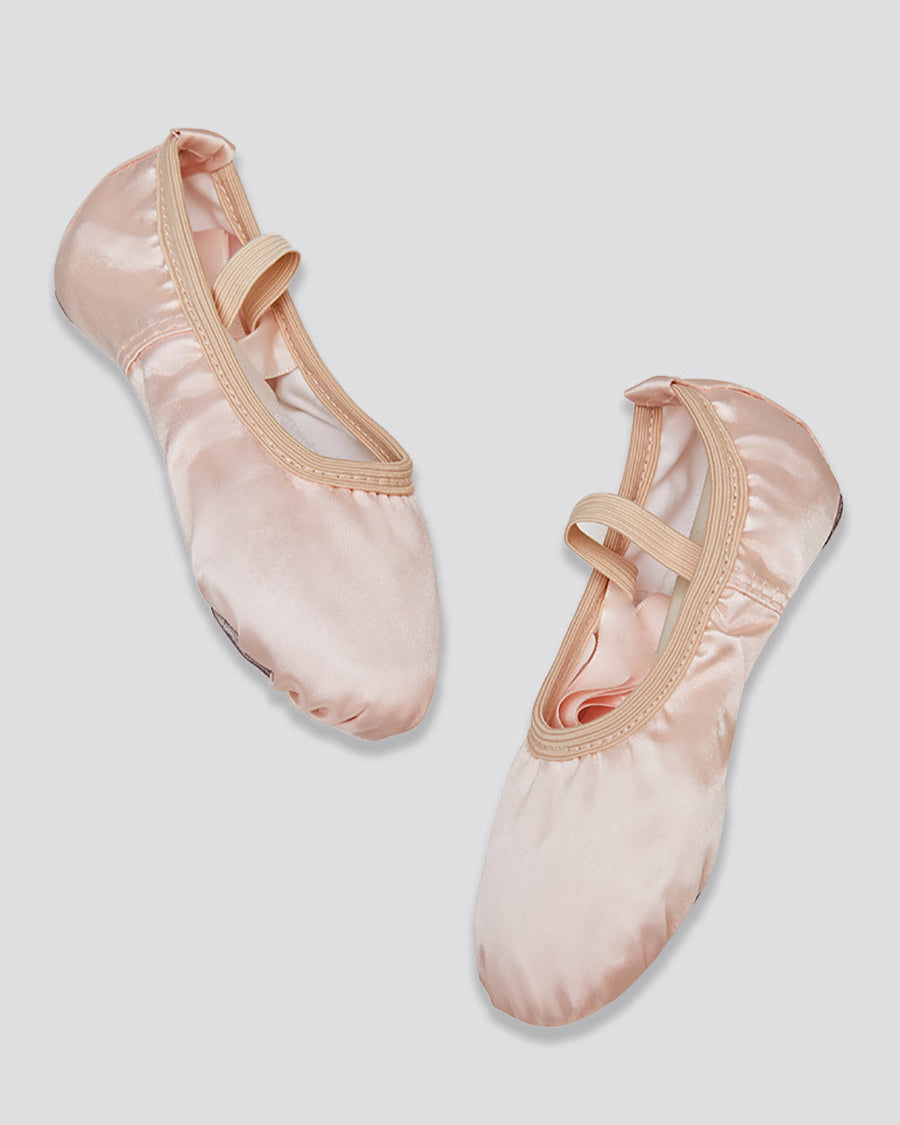
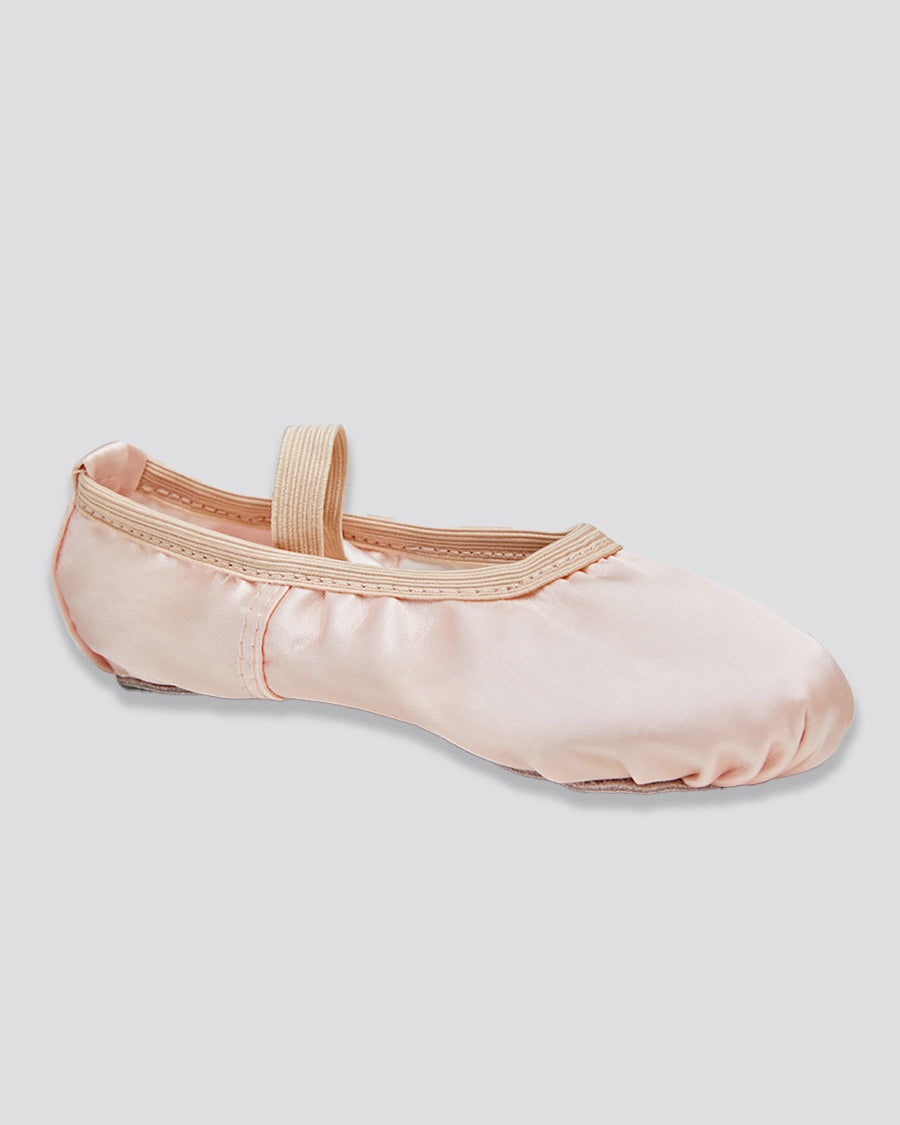
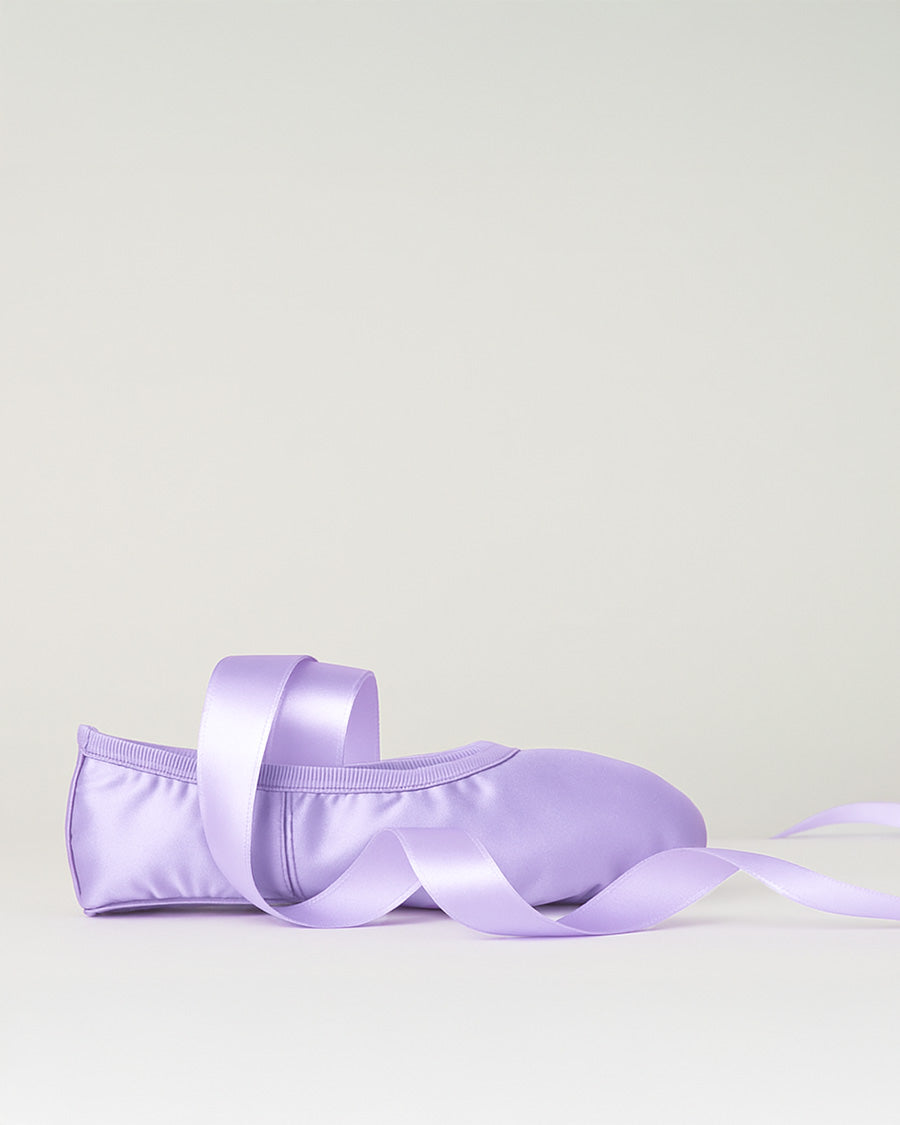
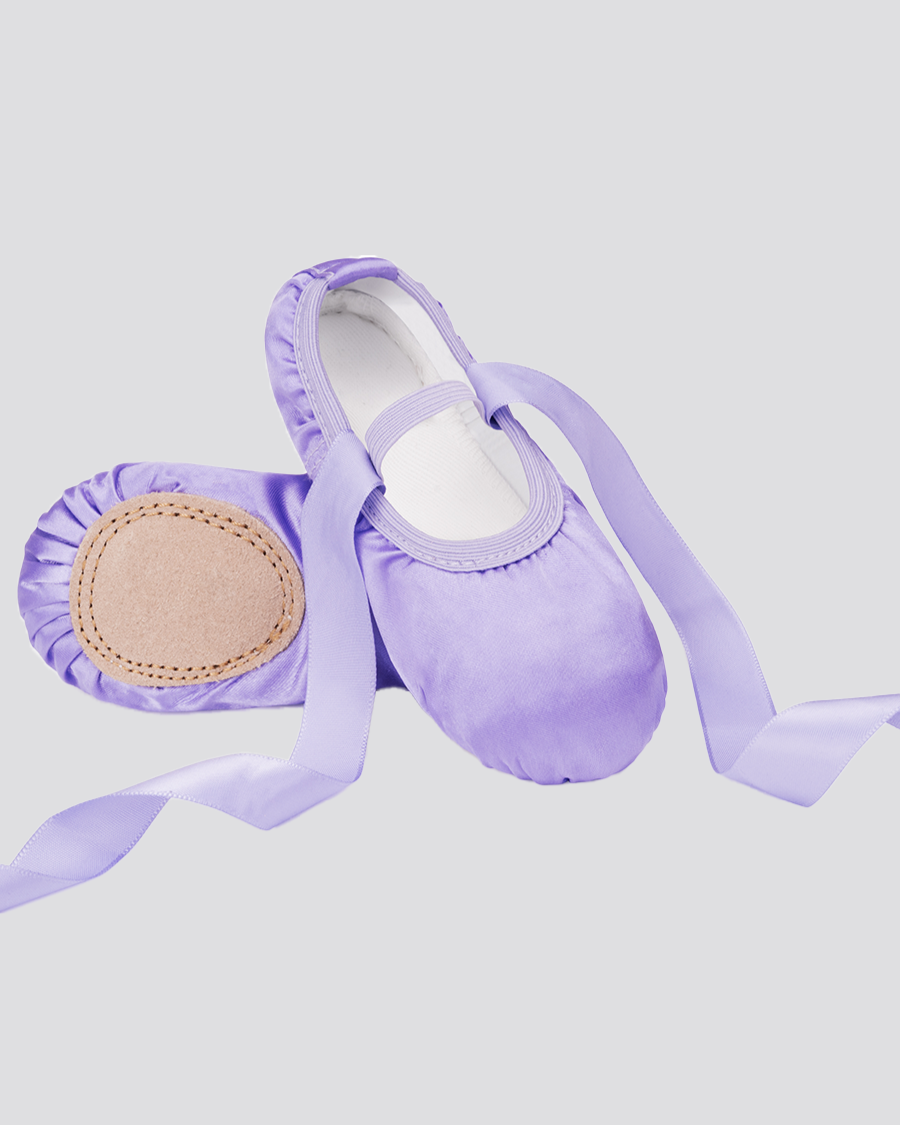
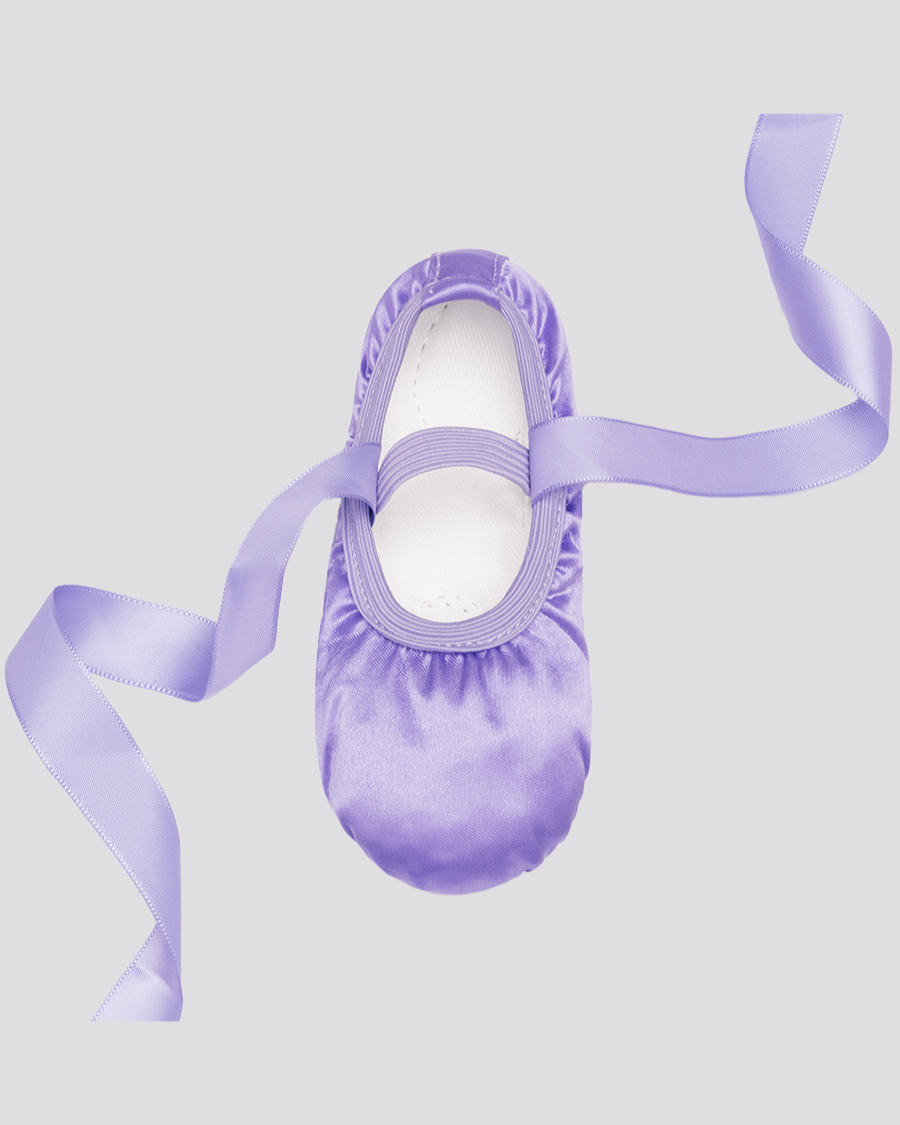
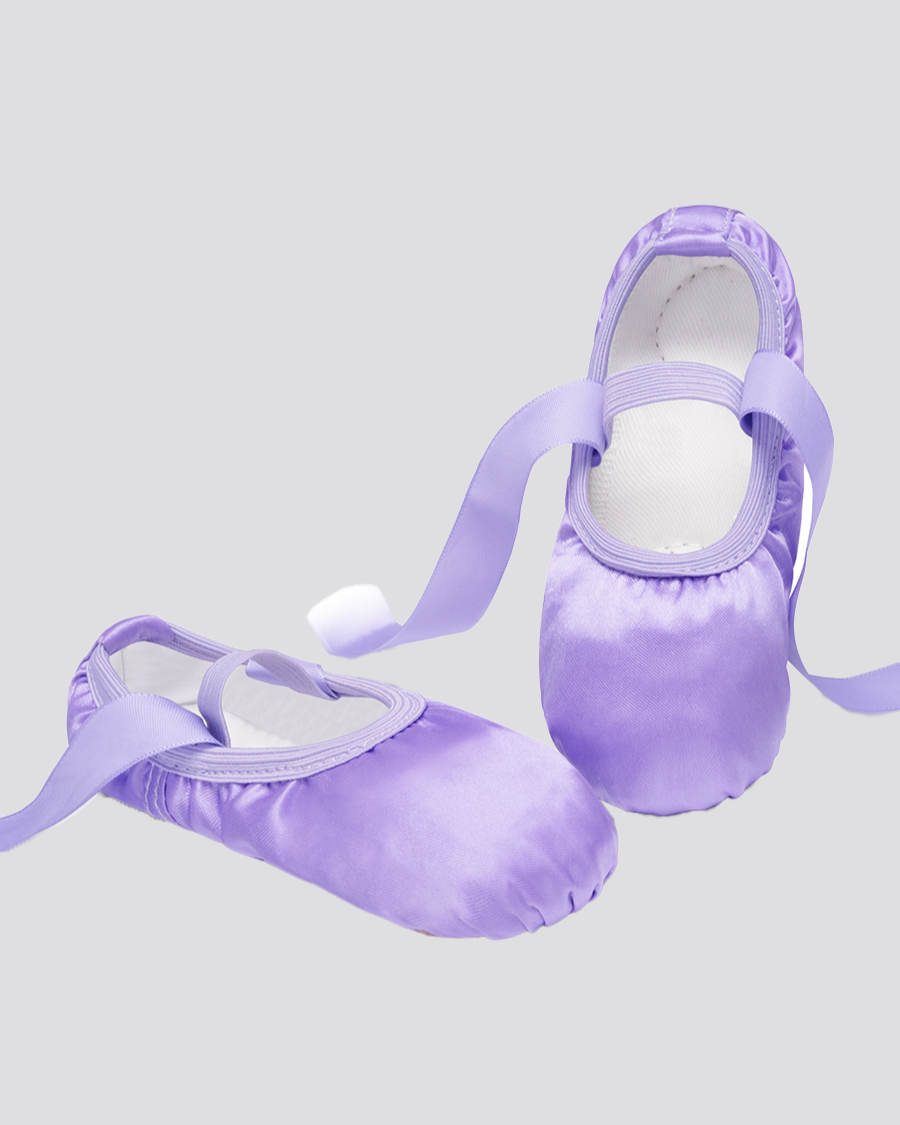
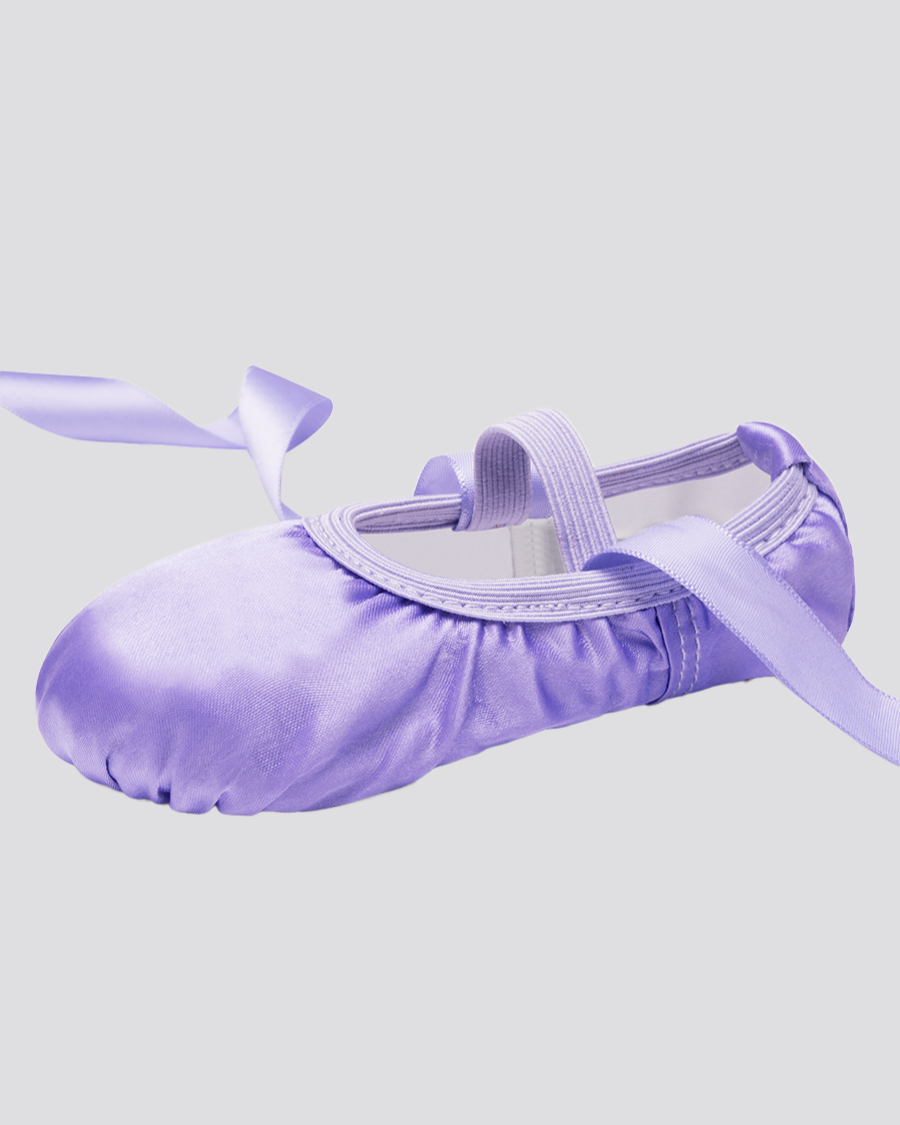
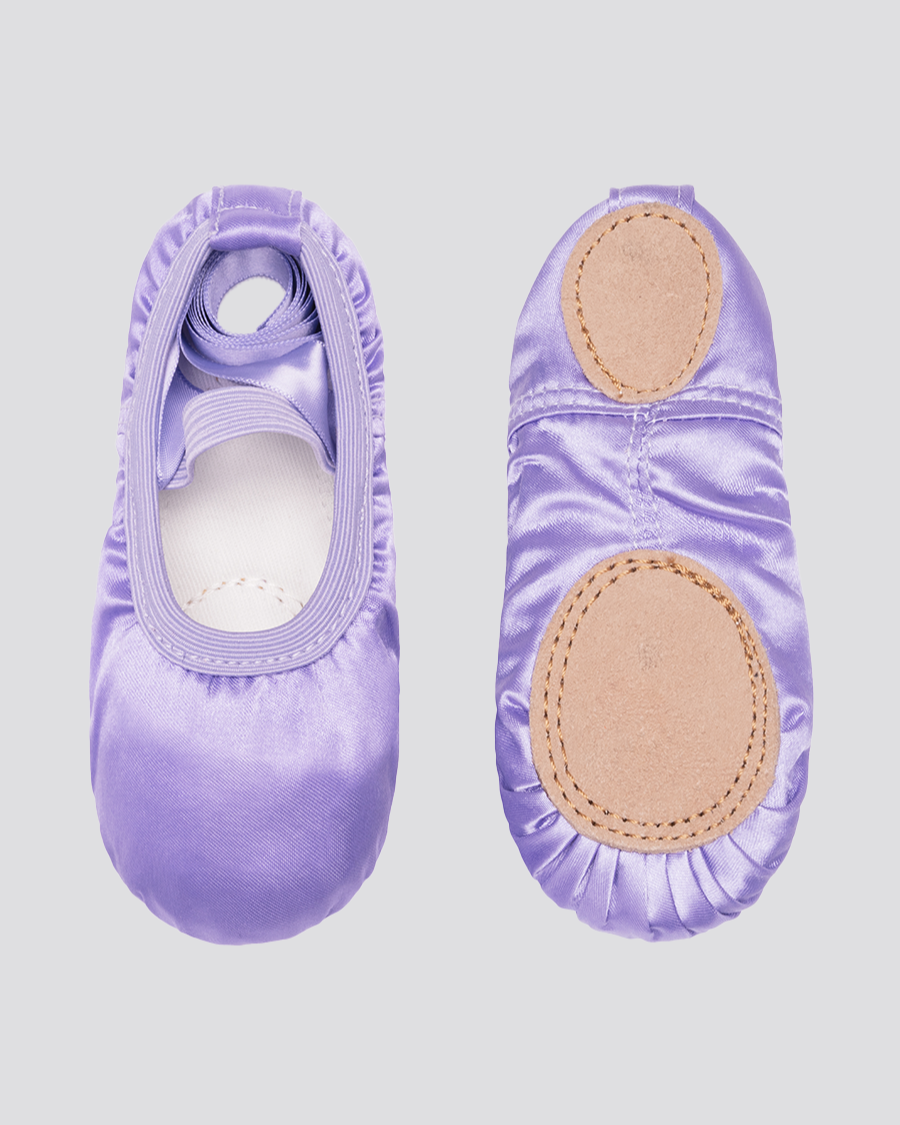
Step 3: Get real ballet shoes, not slippery socks or sneakers. Beginners wear soft ballet shoes with leather or canvas tops and suede soles, usually in pink, white, or black. Proper soles help grip the floor; improvised footwear can slide or make movement harder. Once you know the studio's color rule, a pair of soft leather or canvas ballet shoes in that shade is the last piece, and our girls' ballet shoes range covers the common colors studios ask for.
-
Step 4: Pack light. A water bottle and a light sweater or wrap for before class is about all they need. Most studios build in water breaks rather than letting kids sip freely mid-class.
-
Step 5: Arrive 10 to 15 minutes early. Early arrival gives your child time to see the room, meet the teacher, and watch other kids trickle in, which takes the edge off first-day jitters.
-
Step 6: Talk it up, gently. Focus on the fun parts: the music, the twirling, the new friends. Avoid building it into such a big event that nerves have room to grow.

What happens during the class
Expect structure, but a soft version of it. A typical first class for young kids opens with a hello circle or name game, moves into a warm-up with stretches disguised as play (butterfly wings, growing like a flower), then introduces a position or two and simple traveling steps like marches, tiptoe walks, and little jumps. Classes usually end with a goodbye ritual, often a small reverence to the teacher, which kids tend to love.
You will probably watch through a window or wait in the lobby. Most studios keep parents out of the room after the toddler stage because kids focus better without checking for reactions, and they schedule separate observation days so you still get to see progress. It can feel strange the first week, but independence is a feature here: the more room kids get to manage the class themselves, the faster they usually settle in and the prouder they are afterward.
If your child clings, cries, or spends the first class watching from the sidelines, that is common and rarely lasts. Teachers of young beginners see it weekly and have gentle ways of drawing kids in. Give it a little time before drawing any conclusions, and if worries linger, our rundown of the 12 top concerns parents have when their child starts ballet covers most of the what-ifs.
Why ballet is worth it: the real benefits
If you are weighing ballet against soccer, gymnastics, or one more free afternoon, here is what a weekly class actually builds. These are the benefits of ballet for kids that show up consistently, in studios and in the research from pediatric and dance education organizations.
Coordination and balance
Ballet asks kids to do several things at once: hold a position, move an arm one way and a leg another, and stay on the beat. The National Dance Education Organization notes that dance involves a greater range of motion, coordination, strength, and endurance than most other physical activities, and that it builds kinesthetic memory, the body's sense of where it is in space. For a 4-year-old, that looks like fewer trips and tumbles; for an 8-year-old, it transfers to nearly any sport they try next.
Whole-body strength, stamina, and flexibility
A ballet class is low-impact cardio plus strength work in disguise. Plies work the legs, port de bras works the arms and back, and holding positions quietly works the core. That matters because kids need a lot of daily movement: the American Academy of Pediatrics recommends about 3 hours of physical activity a day for ages 3 to 5, and at least 60 minutes of moderate to vigorous activity for kids 6 and up, tying regular activity to stronger hearts and muscles, better sleep, better focus, and healthier weight. A weekly class will not cover the whole quota, but it anchors it, and the stretching that bookends every class builds flexibility gradually and safely.
Posture and body awareness
Shoulders back, spine long, chin lifted: alignment is taught from the first class, years before most kids hear the word "posture" anywhere else. Teachers cue it constantly, so it becomes habit rather than nagging. Parents often notice the difference outside the studio first, in how their child sits at the dinner table or stands in a school photo.
Focus, memory, and discipline
Following a sequence of steps in time with music is genuine cognitive work. Kids have to listen, remember, self-correct, and wait their turn, week after week. The NDEO's research summary links dance education to gains in cognitive development along with persistence and accountability. None of it feels like studying to the child, which is rather the point.
Confidence
Few things build self-belief in a small child like nailing a step that wobbled the week before, or performing in front of an audience at a year-end recital. Ballet delivers those wins in small, regular doses, and that steady rhythm of small successes is what tends to build confidence over time. On the question of how much training is right, the Royal Ballet School offers a useful check: a child is getting the right amount when they are happy, healthy, enjoying lessons, and making steady progress.
Social skills and expression
A ballet class is a small team. Kids learn to share space at the barre, take turns across the floor, and cheer for a classmate's turn, and the NDEO highlights exactly this social side: dance fosters interaction, cooperation, and empathy. Ballet also gives kids a way to express feelings without words, telling little stories through movement, which is a quiet gift for shy children who are still finding their voice.
What to expect after the first few weeks
The first class is a small step: some wobbling, some giggling, maybe a tear or two, and then a curtsy. But week by week, ballet layers on coordination, strength, focus, and a kind of quiet confidence that follows kids out of the studio. Your job is mostly done once you have found a warm teacher, sorted the dress code, and handed over a water bottle. From the lobby bench, you get to watch the rest unfold.

FAQ
What should my child wear to their first ballet class?
Most studios ask for a single-color leotard, footed or convertible tights, and soft ballet shoes in pink, white, or black. Boys usually wear a fitted white top with black leggings or shorts. Confirm colors with your studio before buying, since many have a set uniform for recitals. Until you hear back, one plain leotard in a common color like pink or black is a safe start.
How long is a ballet class for young kids?
Classes for ages 2 to 6 typically run 30 to 45 minutes, which matches their attention spans. Around age 7 and up, classes stretch to 45 to 60 minutes as technique work begins. Lengths and schedules vary by studio, so check the timetable before you commit to a specific slot.
What if my child cries or refuses to join in?
Stay calm and give it time. Many kids watch from the sidelines or stick to the teacher's leg for the first session or two, and experienced teachers coax them in gradually without forcing it. Try arriving early so the room feels familiar, keep goodbyes short, and reassess after two or three classes rather than one hard day.
Do boys do ballet?
Yes, and studios actively welcome them. Ballet builds the same strength, coordination, and discipline for boys as for girls, and male dancers are in demand at many levels of the art form. Boys' dress codes are simpler too: usually a fitted shirt, shorts or leggings, and black or white ballet shoes.
How many classes a week does a beginner need?
One class a week is our general recommendation for most young beginners. Separately, the Royal Ballet School's own guidance to parents favors quality of teaching over quantity of hours, warning that overtraining leads to burnout and injuries. Add a second class only when your child is asking for more, not because more feels like faster progress.
Is ballet a good first dance style for kids?
For most kids, yes. Ballet teaches the posture, alignment, and vocabulary that nearly every other style borrows from, so it makes an easy launchpad into jazz, contemporary, or tap later. If your child just wants to move and be silly, a creative movement or combo class is a fine start too; you can find what a structured beginner program covers in our overview of kids' ballet classes.
About the Stelle Team
Stelle is a mom-trusted dancewear & athleisure brand best known for girls’ ballet and dance essentials since 2015. Every article is created and reviewed by the team behind the products, drawing on what we hear from dance teachers, studio owners, and dance parents every day. Learn more about Stelle.