




Ballet Classes for Toddlers: Readiness Signs and What They Really Learn
Table of contents
- Key Takeaways
- Is your toddler ready for ballet class? 6 signs to look for
- What does a toddler ballet class look like?
- What toddlers really learn in ballet class
- How to choose a toddler ballet program
- How much are toddler ballet classes?
- Set expectations low, then enjoy the show
- FAQ
-
- About the Stelle Team
Ballet classes for toddlers are less about ballet technique and more about rhythm, listening, and learning to move in a group. Most studios offer 30 to 45 minute creative movement or pre-ballet classes for children from about 2 or 3 up to 5, and a child is ready when she can follow simple directions and stay with an activity for a few minutes, not when she hits a certain birthday.
Key Takeaways
-
Readiness matters more than age. Following two-step directions and tolerating a short separation are stronger signals than being exactly 3.
-
A toddler ballet class is structured play set to music: circle time, marching, freeze dances, and props, usually in 30 to 45 minutes.
-
Toddlers are not learning technique. They are building rhythm, balance, listening skills, and the habit of taking turns.
-
Ballet for 2 year olds, where offered, is often a parent-and-me format. Many studios move kids into drop-off classes somewhere between 2.5 and 3.5.
-
Participation ranges from full-on twirling to watching from your lap for a few weeks. Both are normal.
-
Toddler classes usually sit at the low end of studio tuition. The full cost breakdown by age lives in our kids' ballet classes guide.
Is your toddler ready for ballet class? 6 signs to look for
Readiness is developmental, not chronological. Master Ballet Academy's guide for parents puts it plainly: what matters is whether a child can separate from a parent, respond to directions, and engage in a group activity. Some children thrive soon after turning two, it adds, while others do better slightly older. In a 2 or 3 year old, those markers look like this, plus a few practical additions:
-
She can follow a two-step direction. "Get your shoes and come to the door" is close enough to "tiptoe to the circle and sit down."
-
She can stay with a short, semi-structured activity for a few minutes at a time. Library story time is a good test.
-
She tolerates short separations, recovering from the goodbye within minutes.
-
She responds to music on her own, bouncing, spinning, or asking for the same song again.
-
She can take a turn, at least sometimes. Toddler classes lean hard on "wait, then go" games.
-
She is generally comfortable around other kids, even if she plays alongside them rather than with them.
If she checks most of these boxes, a trial class will tell you the rest. If she checks almost none, waiting a few months rarely costs anything; our guide to when kids are ready to start dancing covers the timing question fully.
What does a toddler ballet class look like?
Expect something closer to musical storytime with choreography than pliés at the barre. Central Pennsylvania Youth Ballet describes classes for children as young as 3 as pre-ballet or creative movement, built around gross motor skills like walking, running, and jumping rather than formal technique. A typical structure for a 30 to 45 minute toddler dance class looks like this, though timings vary by studio:
-
Hello circle (5 minutes). Kids sit on spot markers and sing a welcome song, which quietly teaches "this is my place in the room."
-
Warm-up on the floor (5 to 10 minutes). Pointing and flexing toes ("good toes, naughty toes"), butterfly stretches, reaching up tall.
-
Traveling steps (10 minutes). Marching, tiptoe walks, and gallops across the floor, one or two kids at a time, so turn-taking gets steady practice.
-
Imagination and prop time (5 to 10 minutes). Scarves, wands, floating like butterflies. "Leap like a frog" works on a 3 year old; "sauté" does not.
-
Freeze dance or a group game (5 minutes). Stopping when the music stops is self-control training disguised as fun.
-
Goodbye circle. A closing song, maybe stickers, and a bow or curtsy.
Studios label dance classes for toddlers in different ways, so a creative movement class, a pre-ballet class, and ballet for 3 year olds usually describe much the same thing, and some mix in a little tap. Tulsa Ballet's creative movement program, for example, runs 45 minute weekly classes for ages 3 to 5 focused on musical and rhythmic awareness, memory, focus, and studio manners. That list, not turnout or arabesques, is the real curriculum at this age.

What toddlers really learn in ballet class
Your toddler is not learning ballet yet. She is learning the skills that make ballet possible later, and those skills carry over even if she stops dancing. Eastern Connecticut State University's Center for Early Childhood Education describes creative movement as exploring dance elements through structured improvisation, and credits it with building balance, coordination, proprioception (sensing where your body is in space), and self-regulation.
|
What you see in class |
What she is actually learning |
|---|---|
|
Marching to a drumbeat |
Rhythm and moving in time with music |
|
Freeze dance |
Impulse control and listening for cues |
|
Waiting on a spot for her turn to gallop |
Patience and turn-taking |
|
"Good toes, naughty toes" |
Body awareness and following verbal instruction |
|
Tiptoe walks on a line of tape |
Balance and coordination |
|
Hello and goodbye circles |
Classroom routine and separating from you |
There is a health payoff too: the CDC recommends that preschool-aged children be physically active throughout the day. Barre work typically joins class around age 5 or 6, and real positions and vocabulary arrive around 6 or 7, when attention spans can handle formal instruction. Kids' ballet classes by age and level maps out the road ahead.
How to choose a toddler ballet program
Toddler programs vary more in teaching style than in content:
-
Ask who teaches the littles. You want someone who plans in 3-minute segments and does not expect straight lines.
-
Match the format to the age. If your child is 2, look for a parent-and-me class where one is offered. Many studios move kids into drop-off classes somewhere between 2.5 and 3.5, and some programs start at 3.
-
Check the class length. 30 to 45 minutes suits this age. An hour is usually too long for 2s and young 3s.
-
Ask about the separation policy. Good programs let a clingy child ease in over a few weeks rather than enforcing a hard drop-off.
-
Take the trial class. Watch whether the teacher redirects wanderers warmly.
-
Keep the schedule humble. One class a week is plenty. For the next step up, how many dance classes a 5-year-old should take explains why less is more before elementary school.
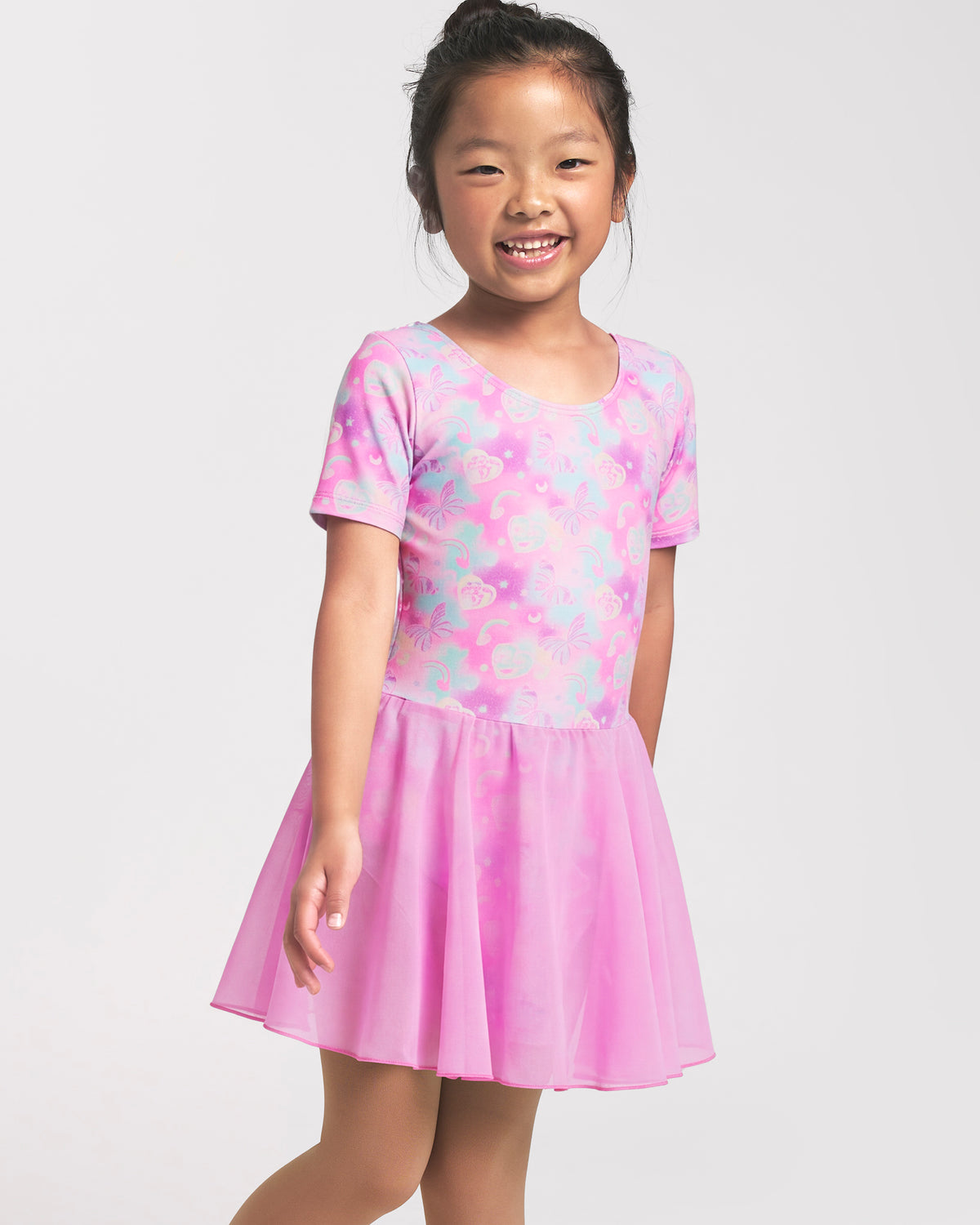
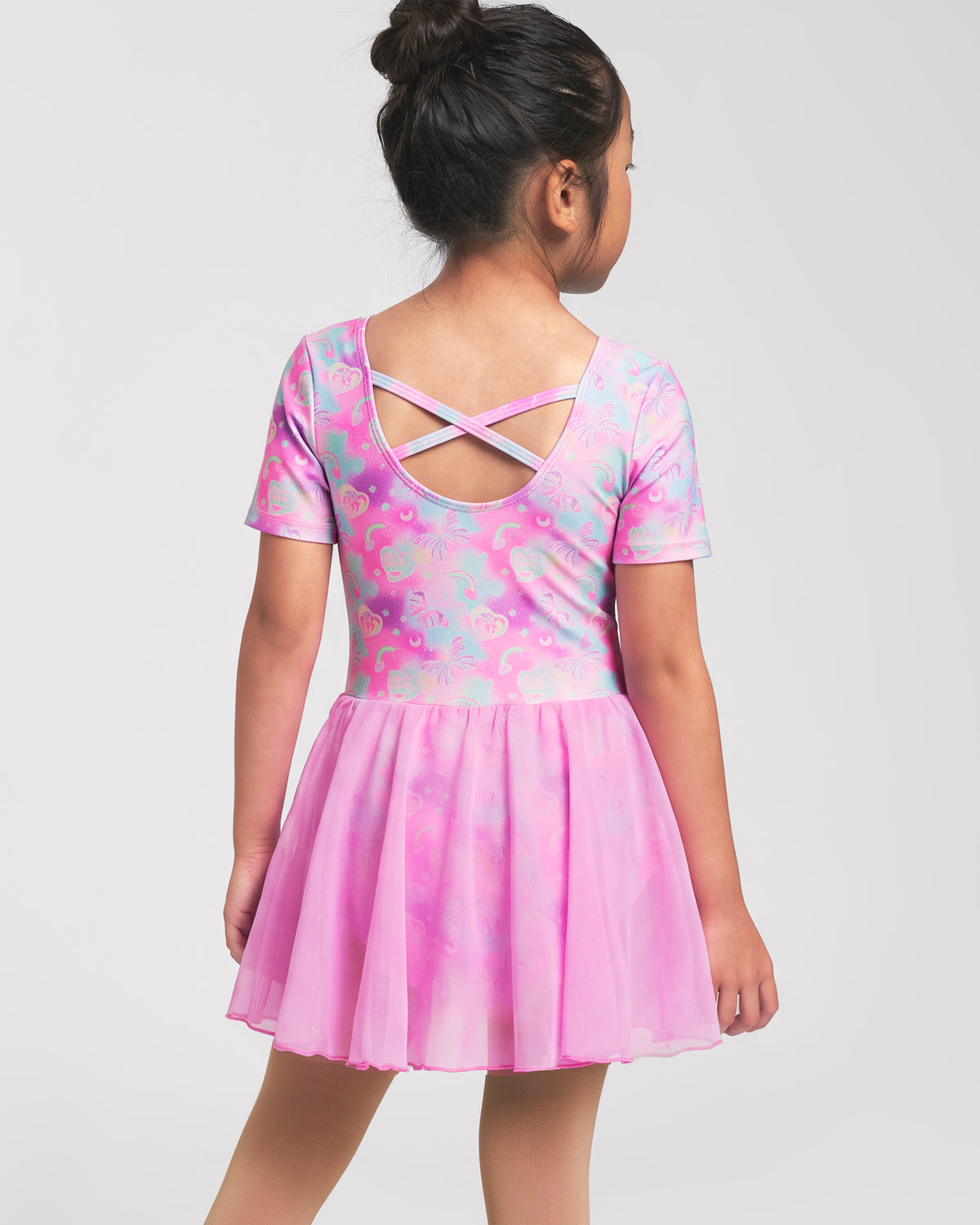
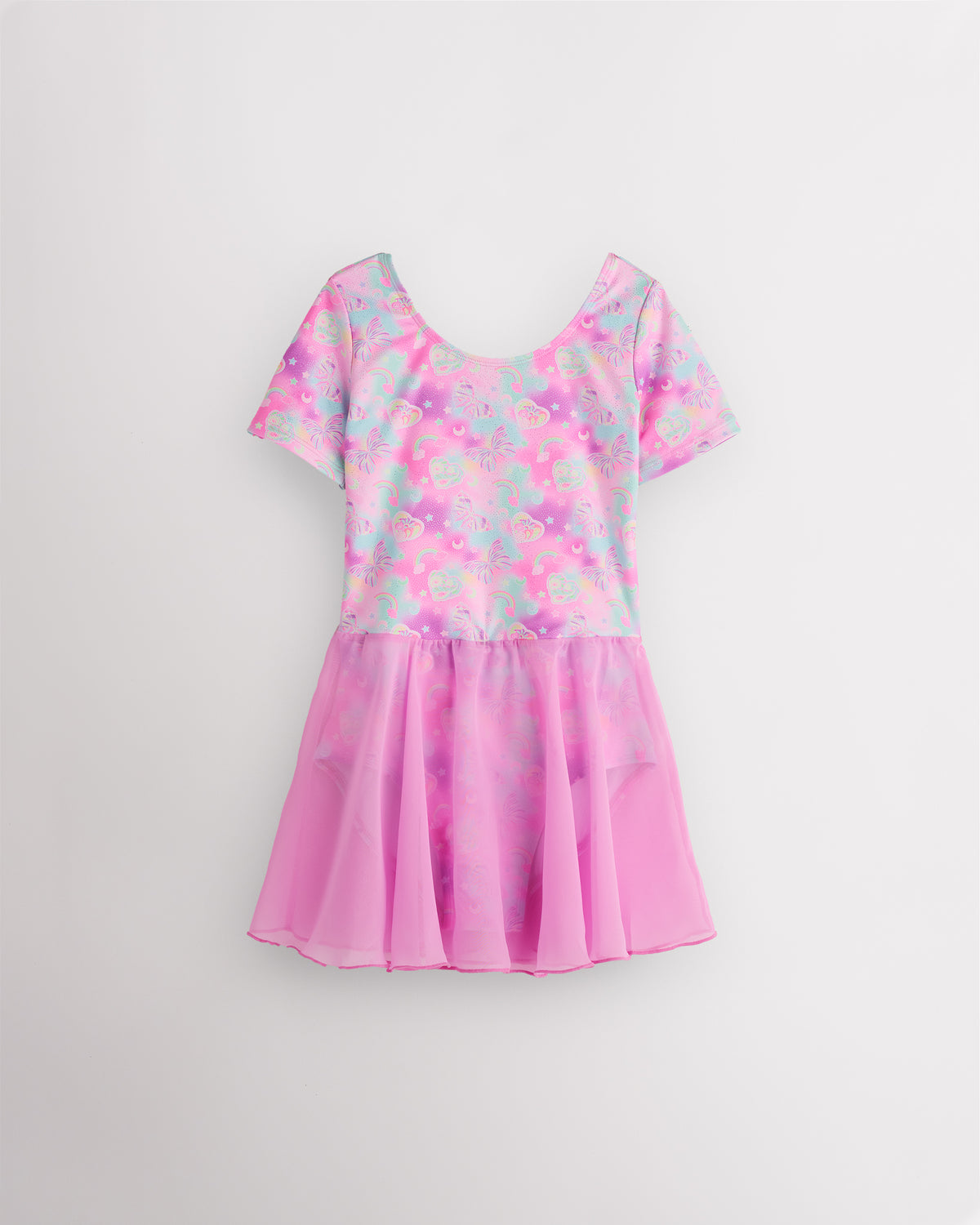
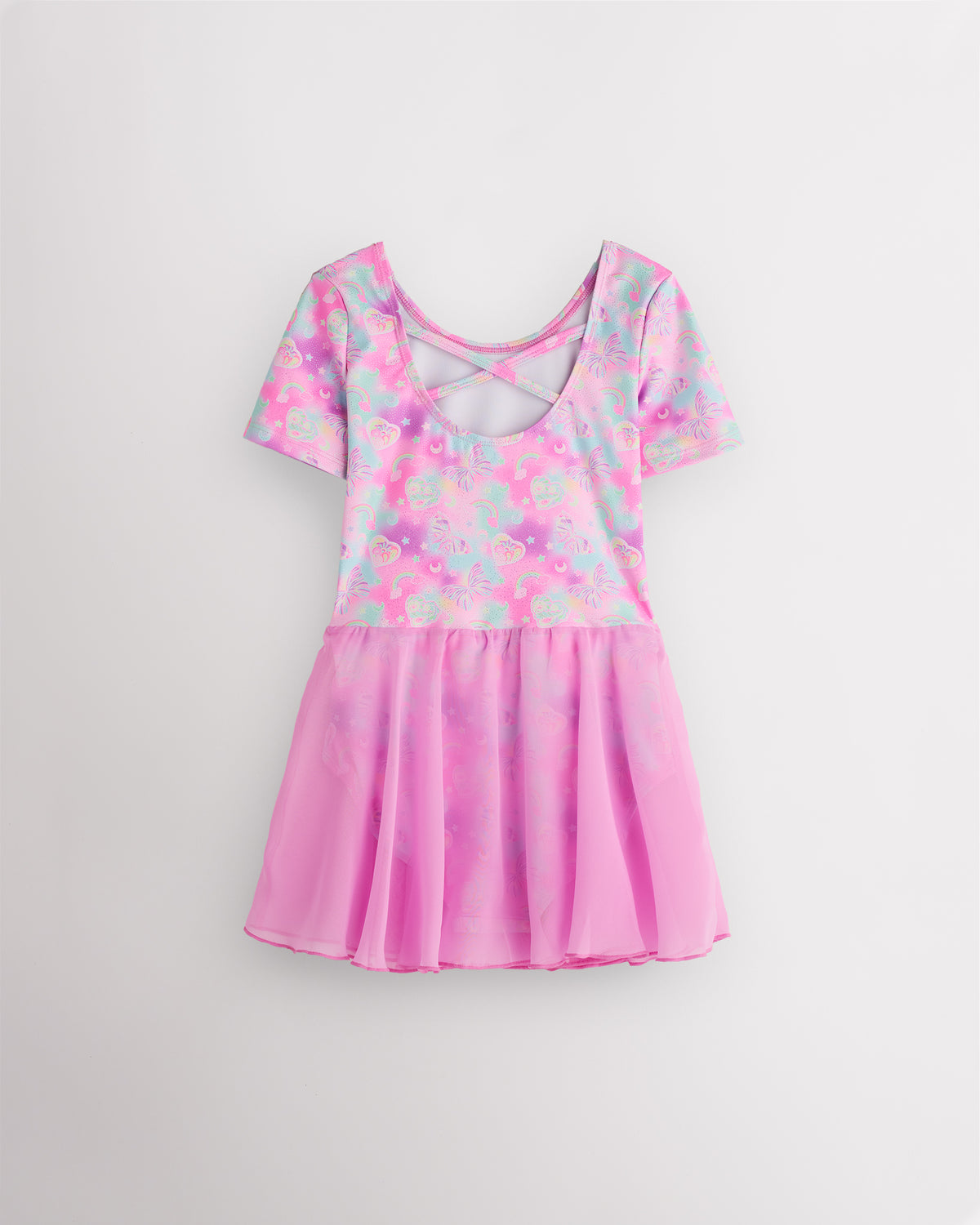
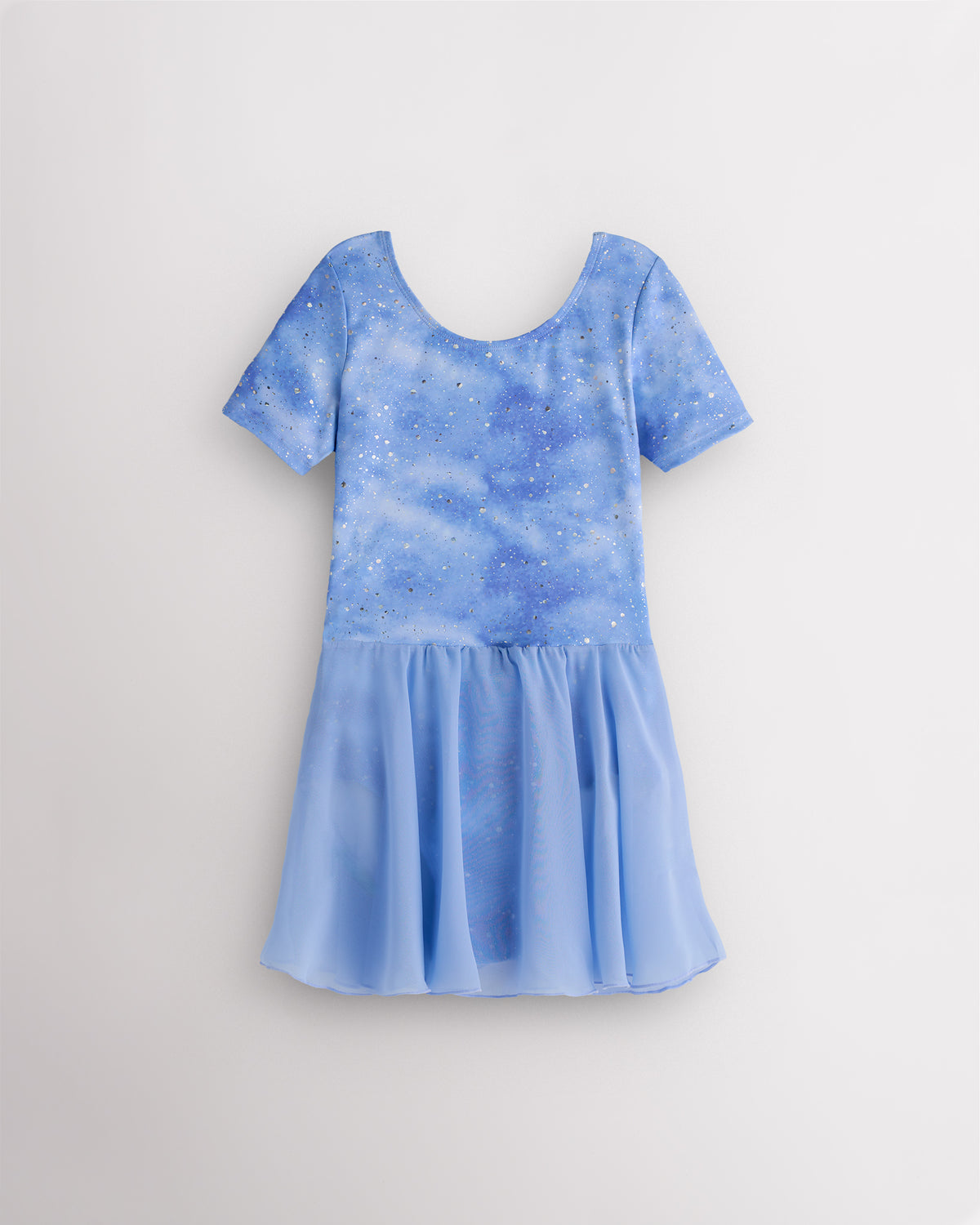
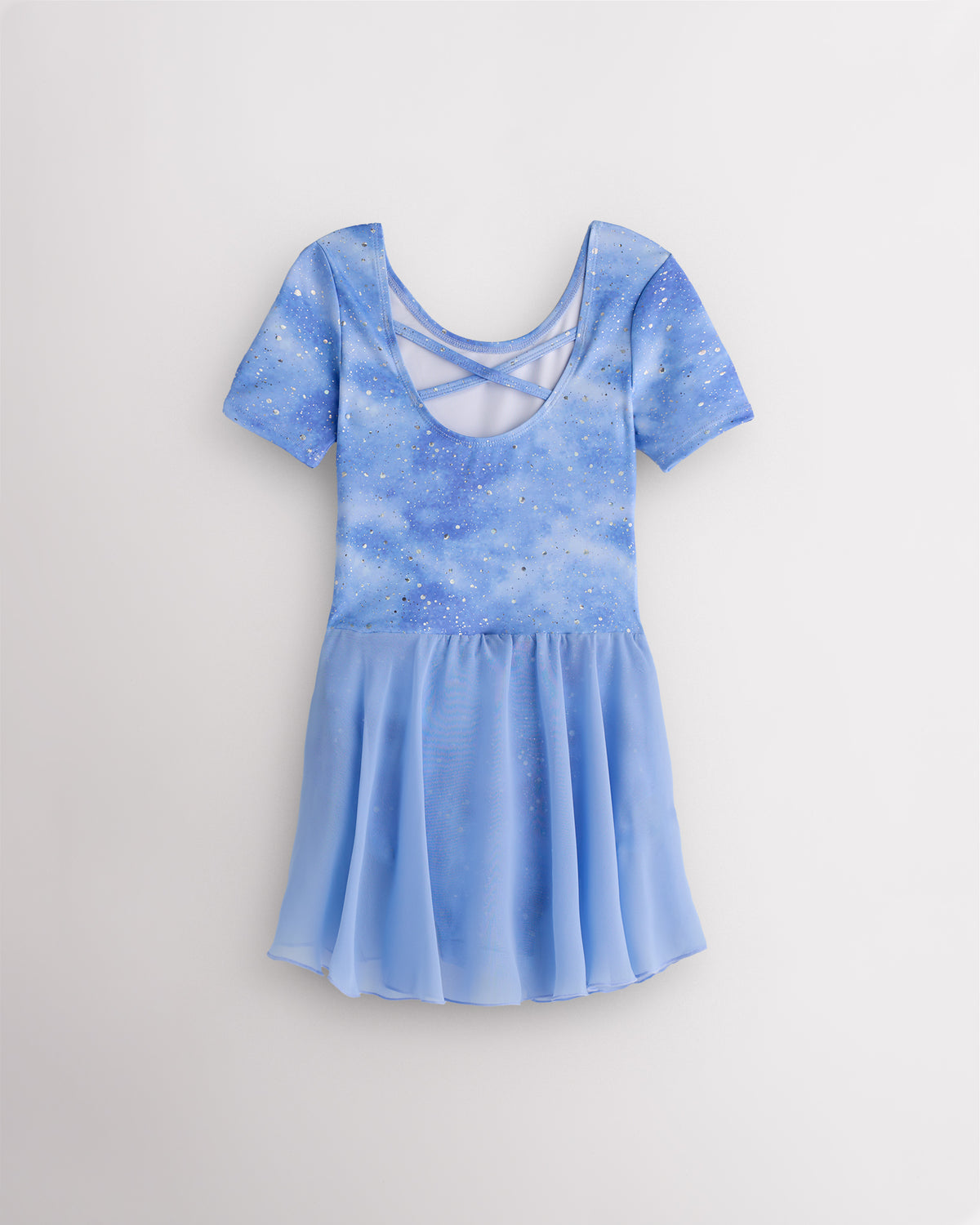
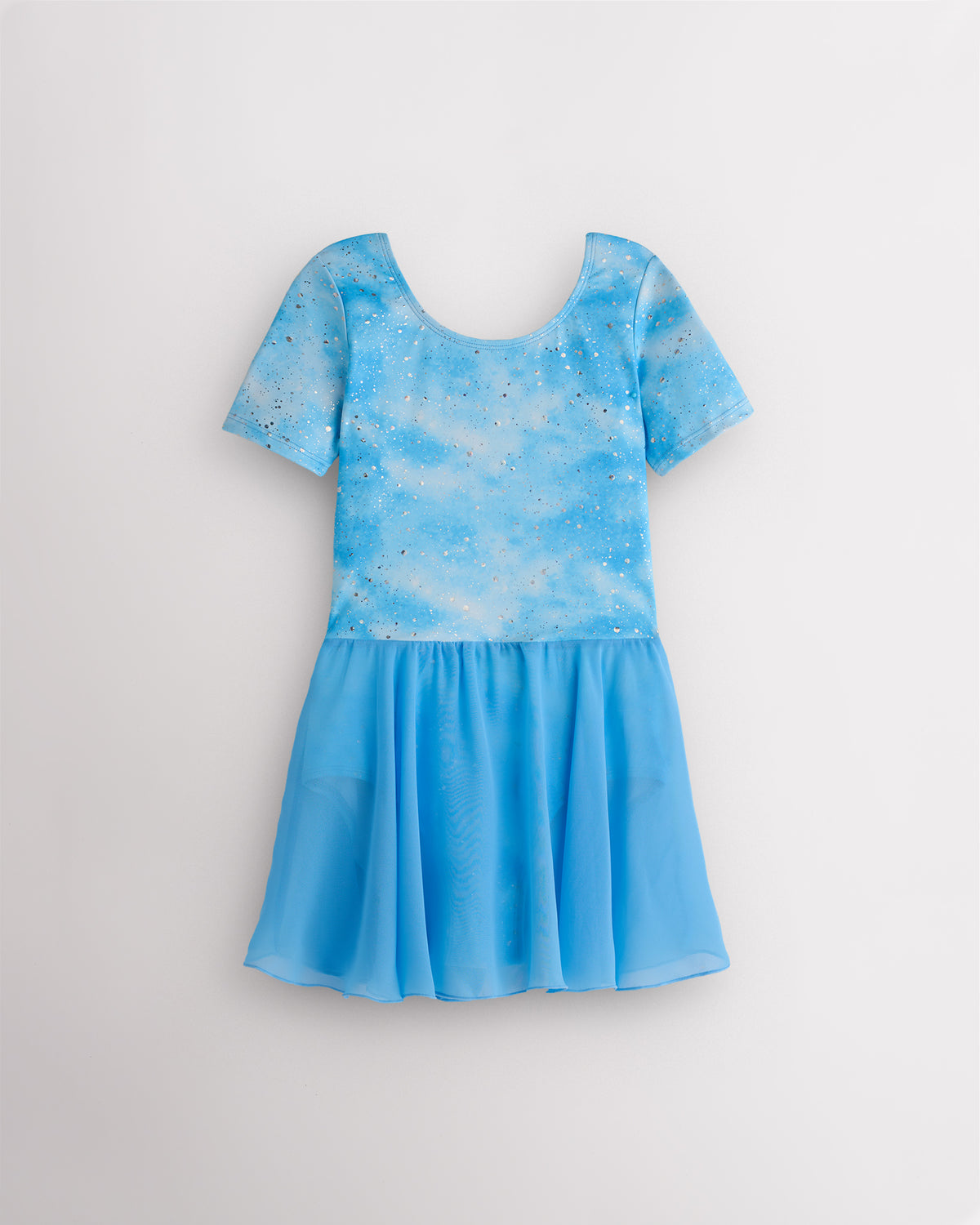
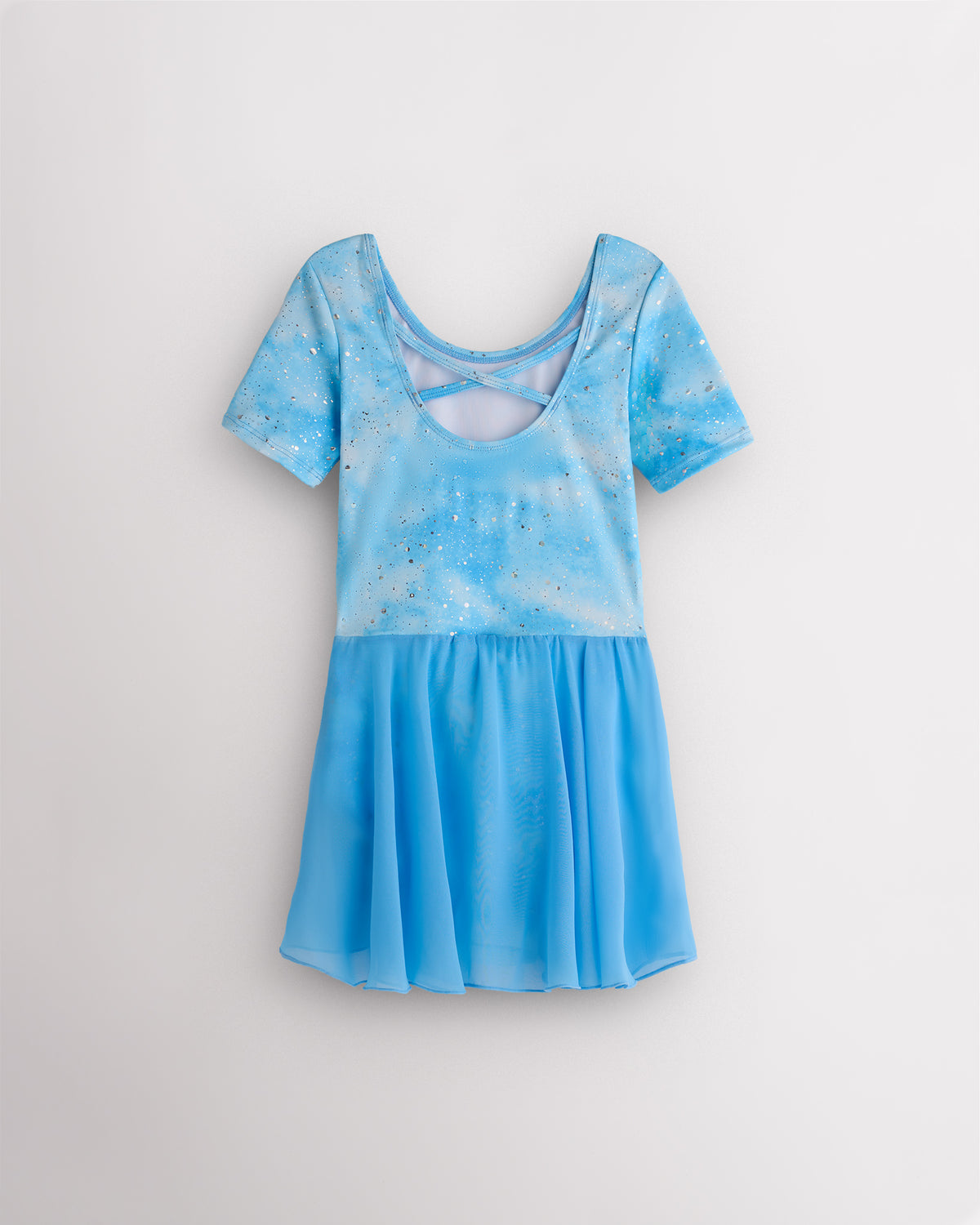
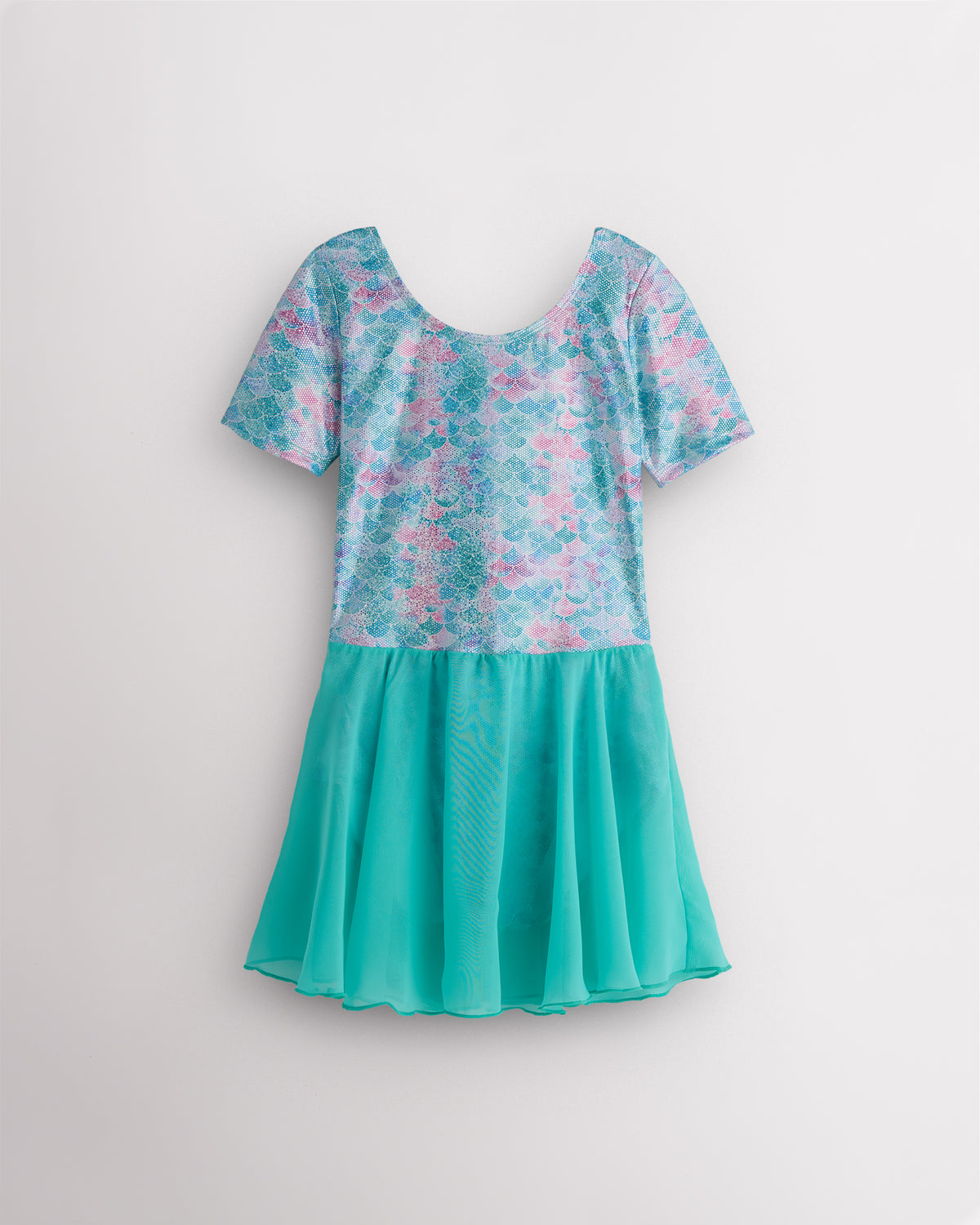
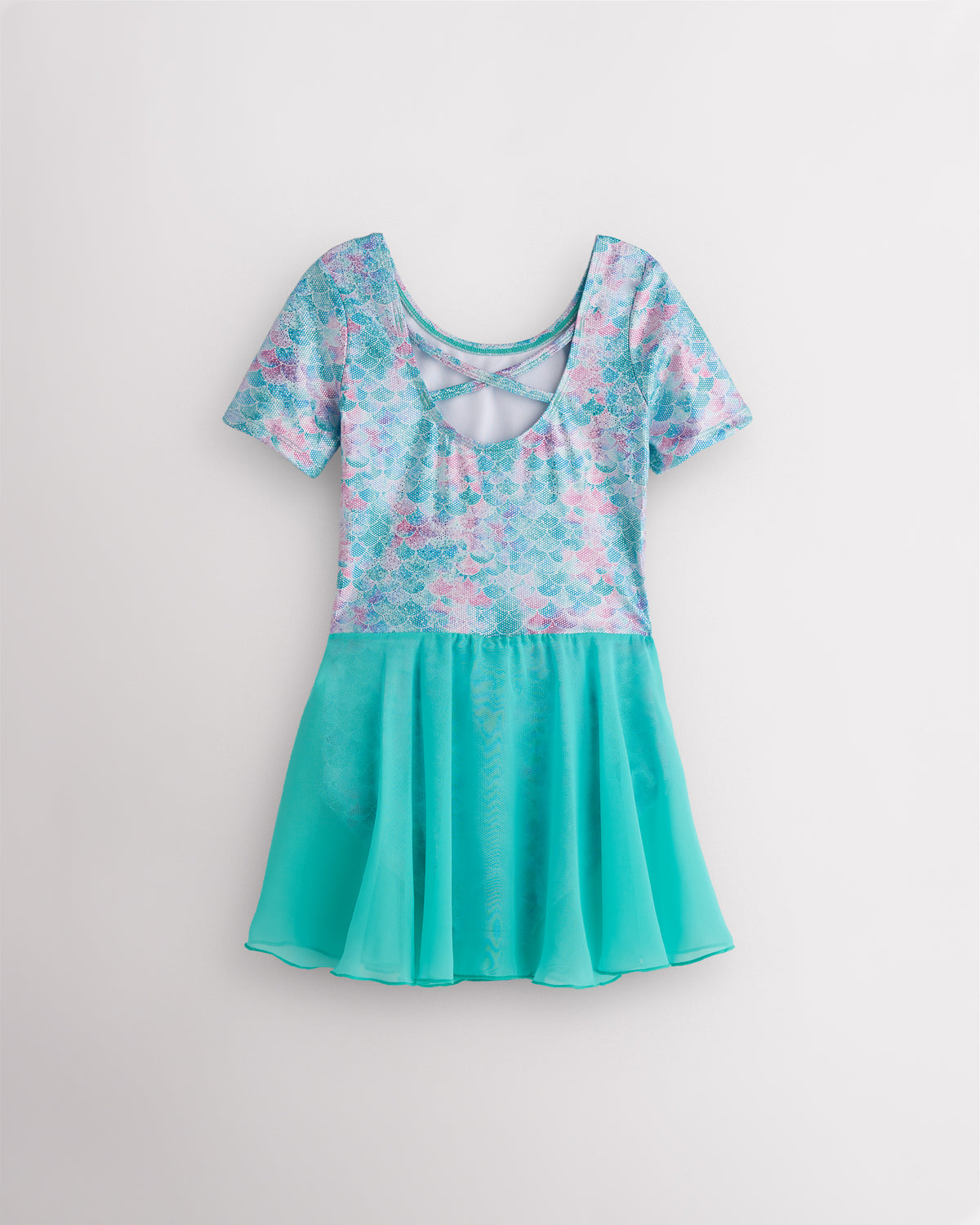
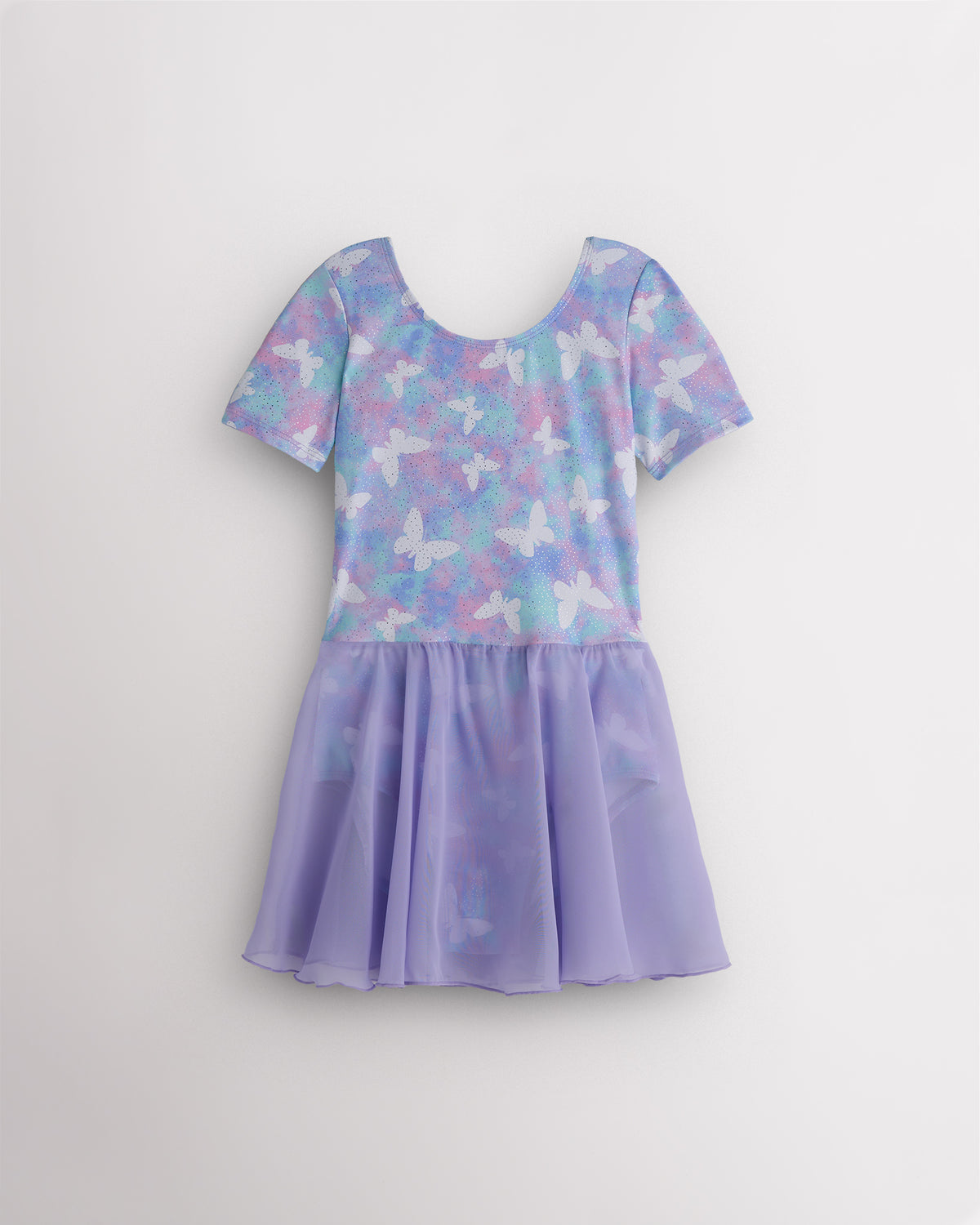
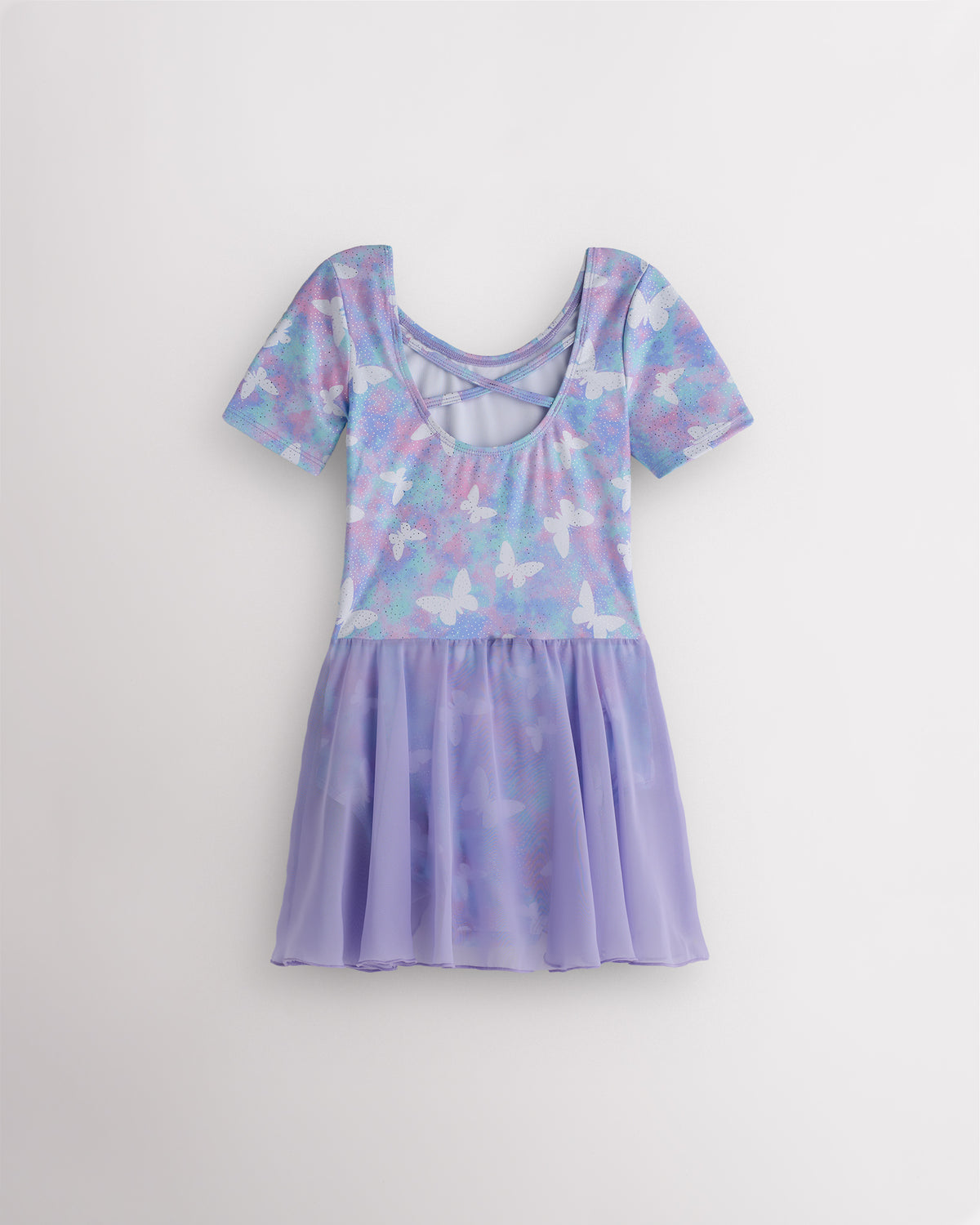
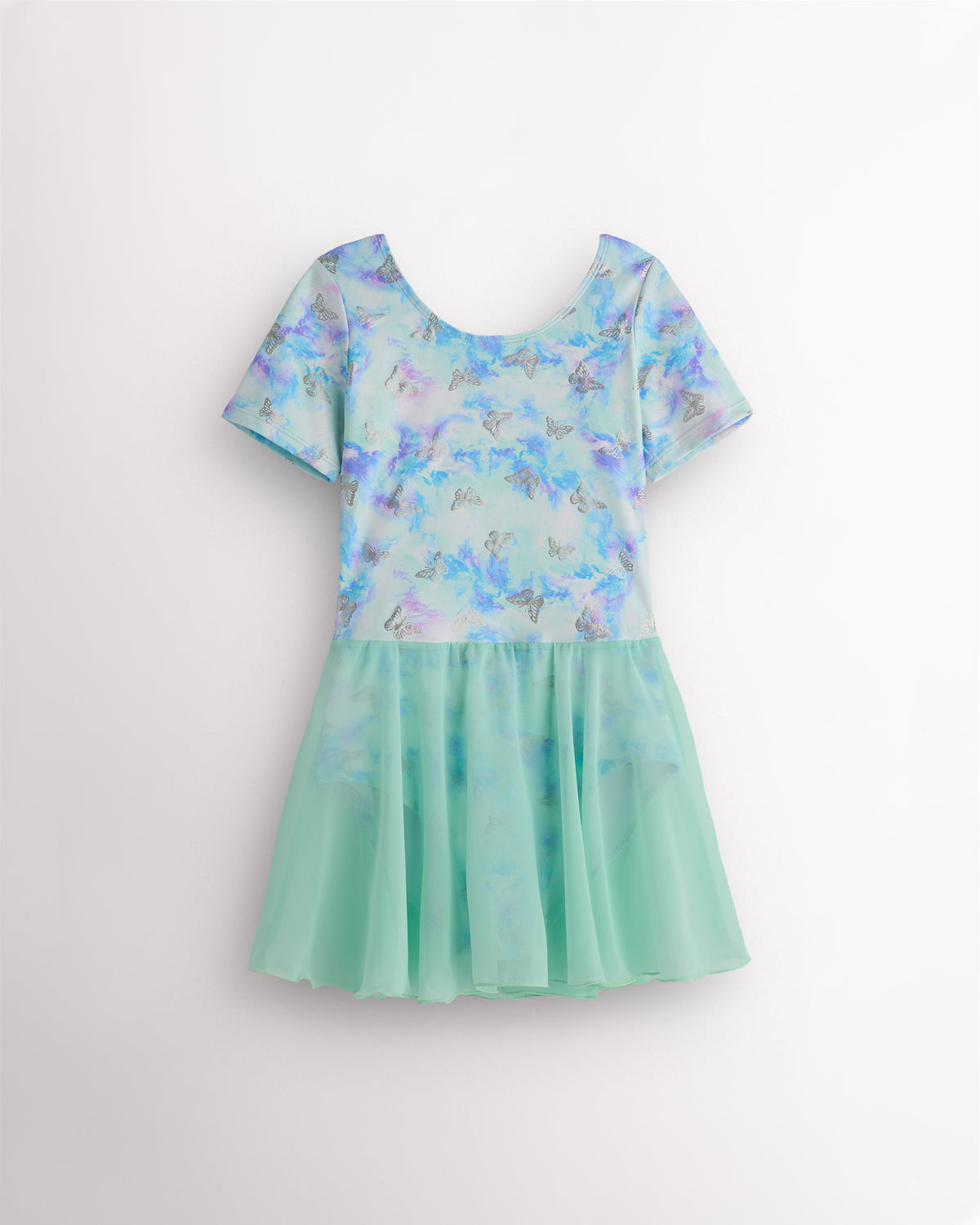
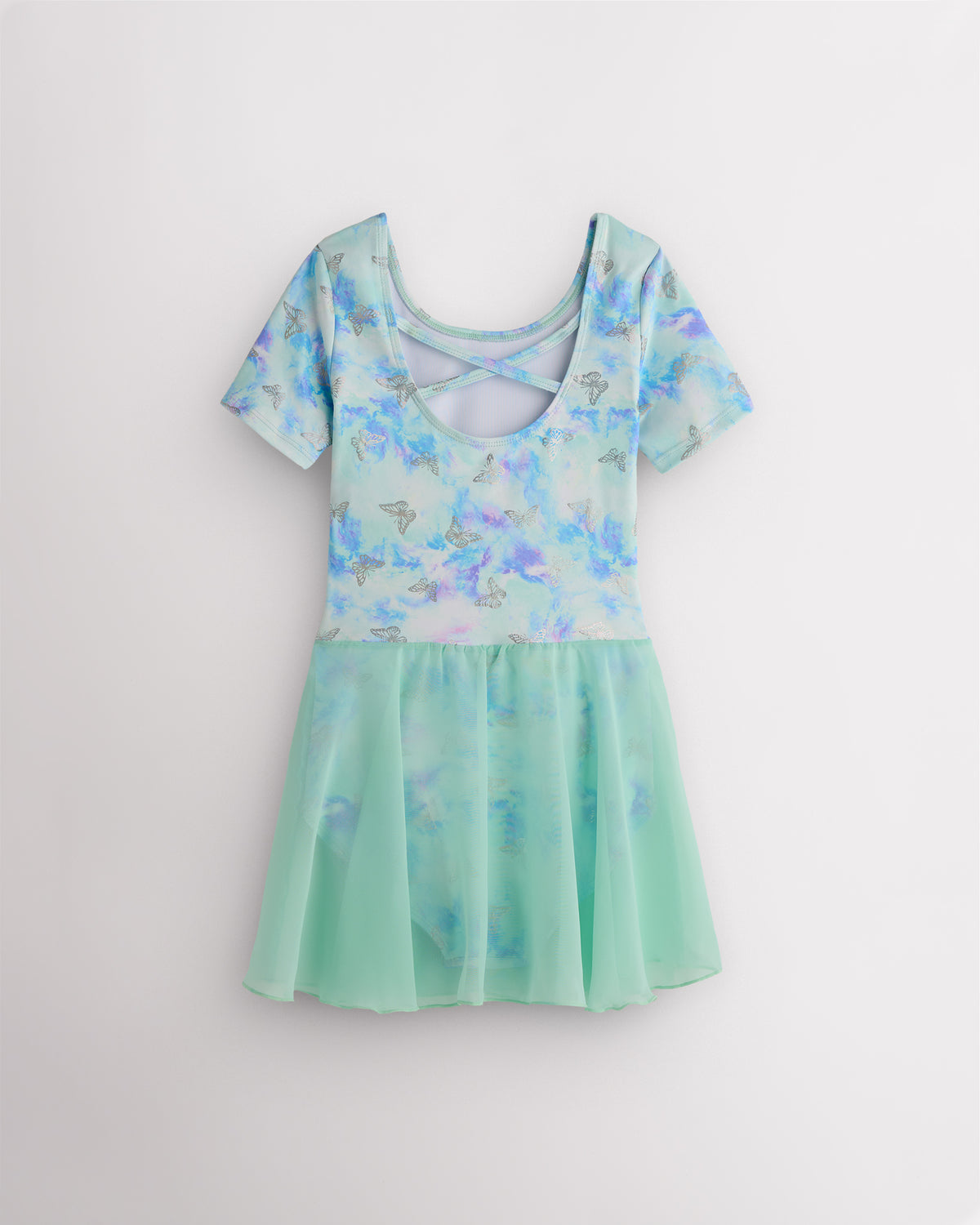
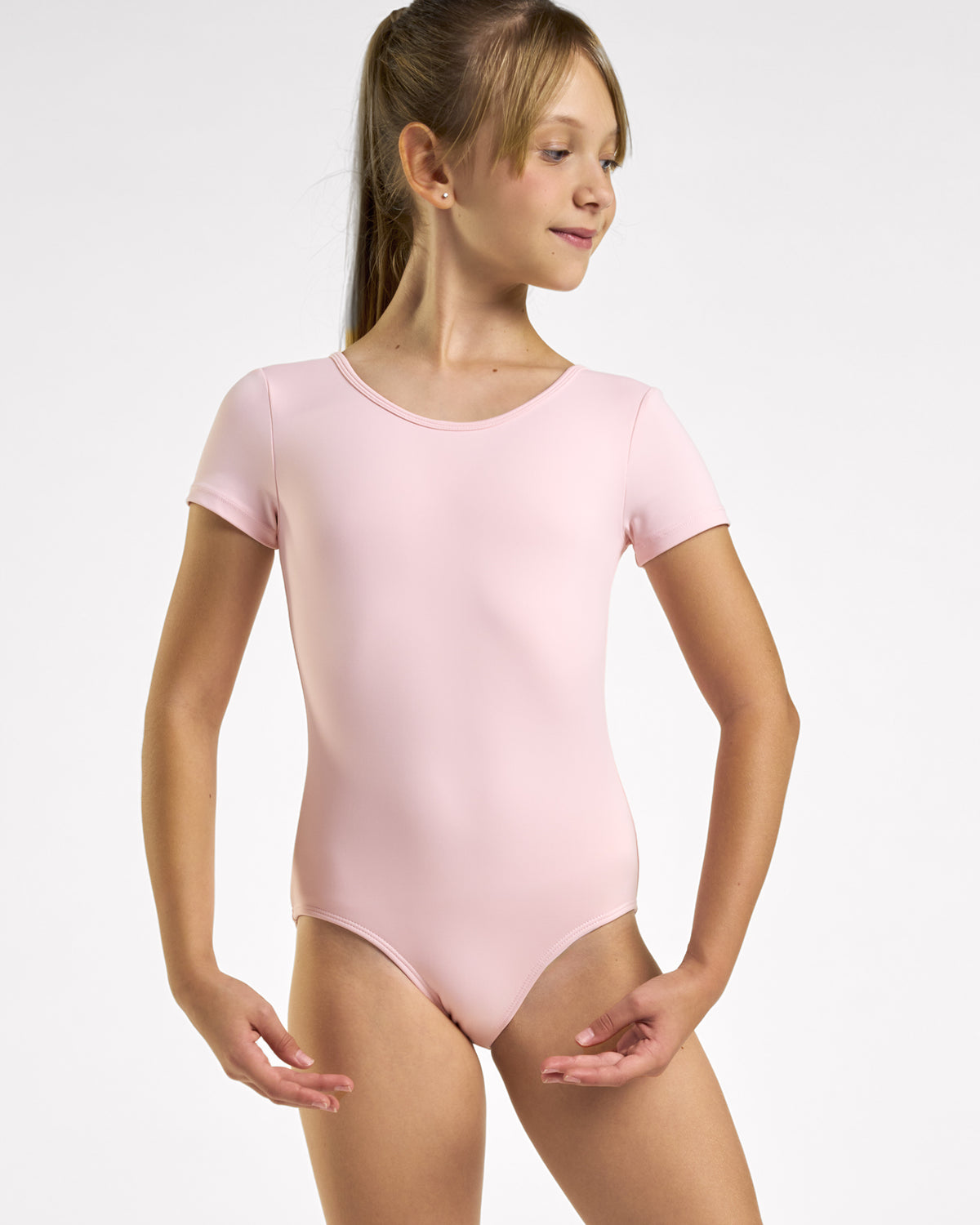
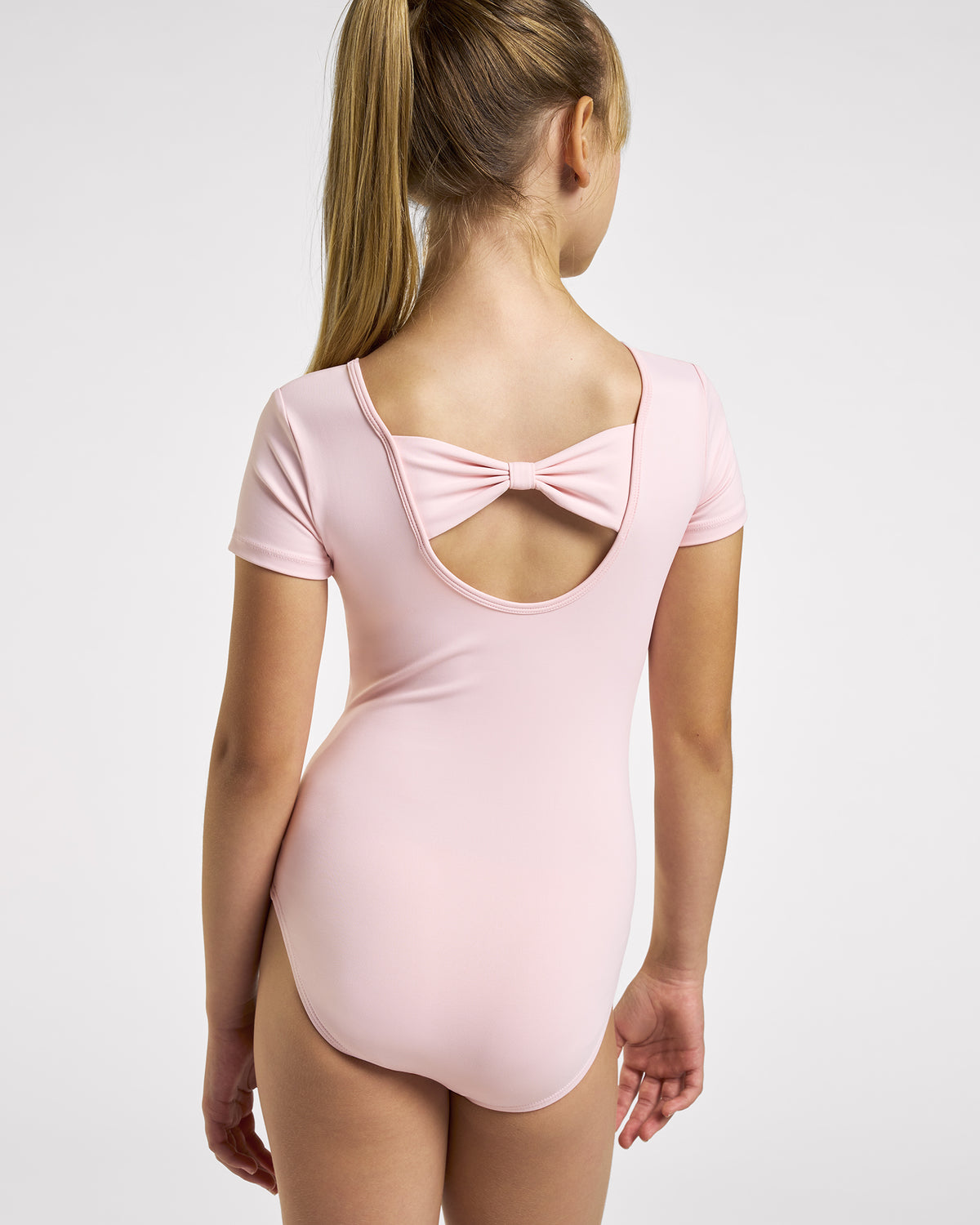
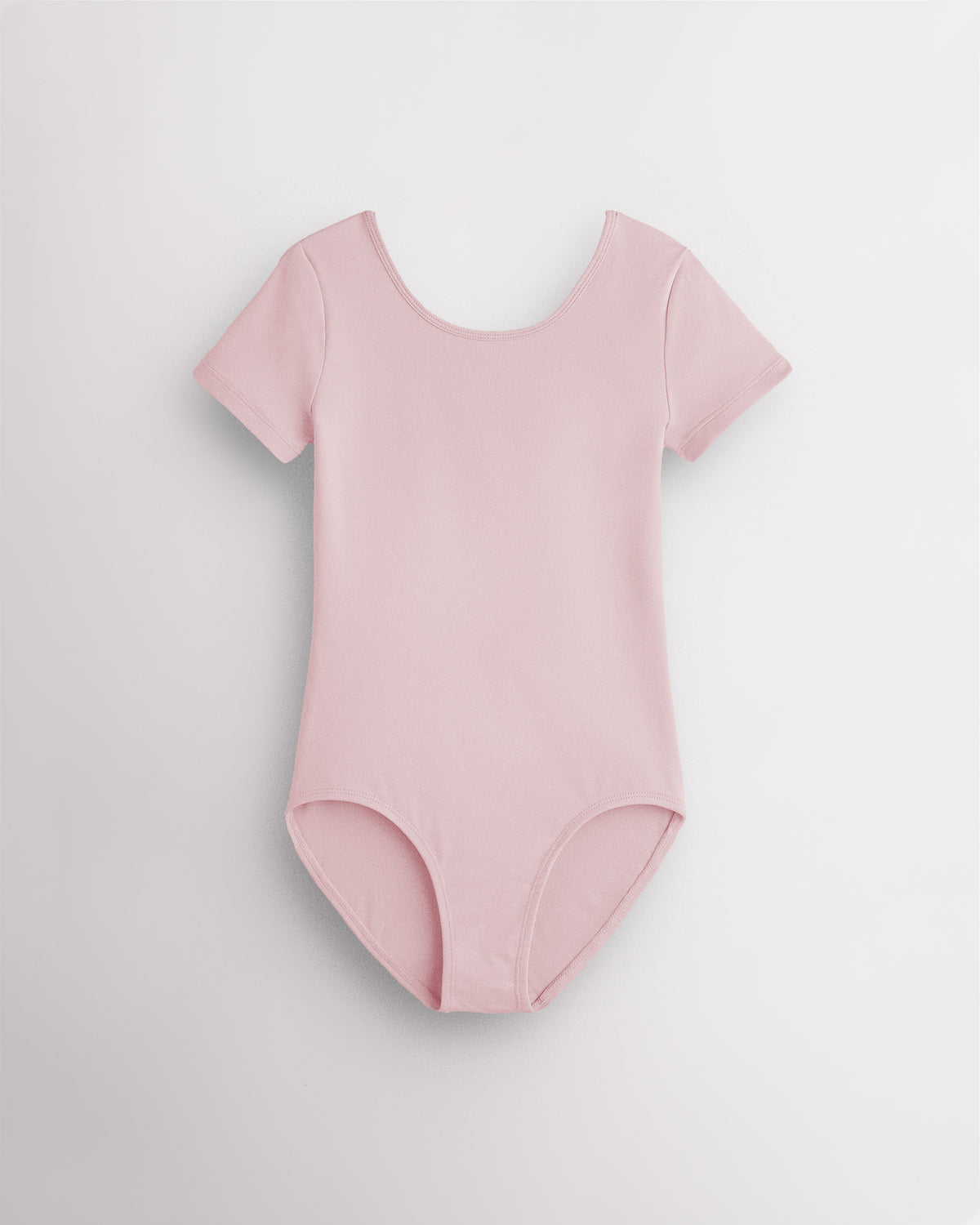
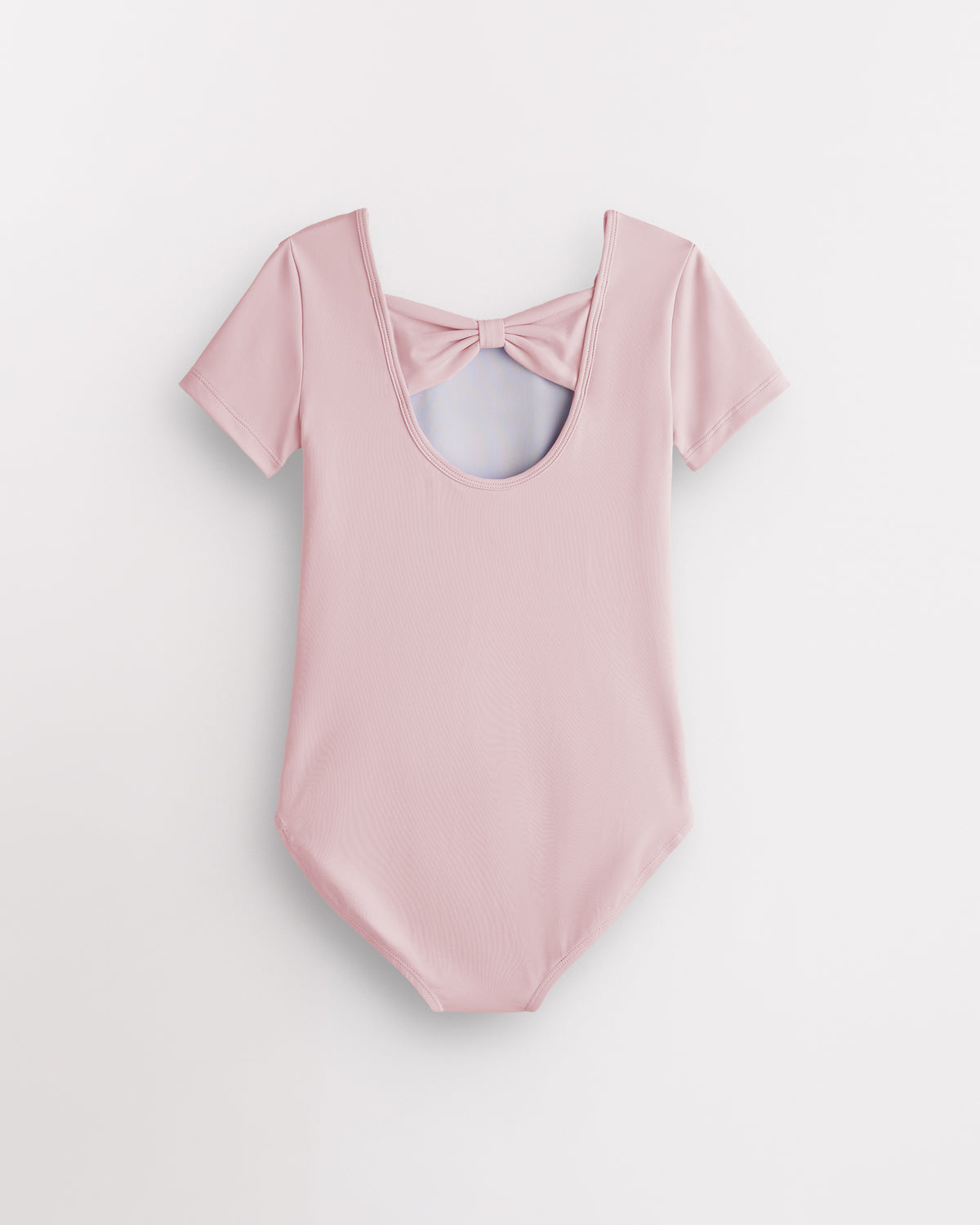
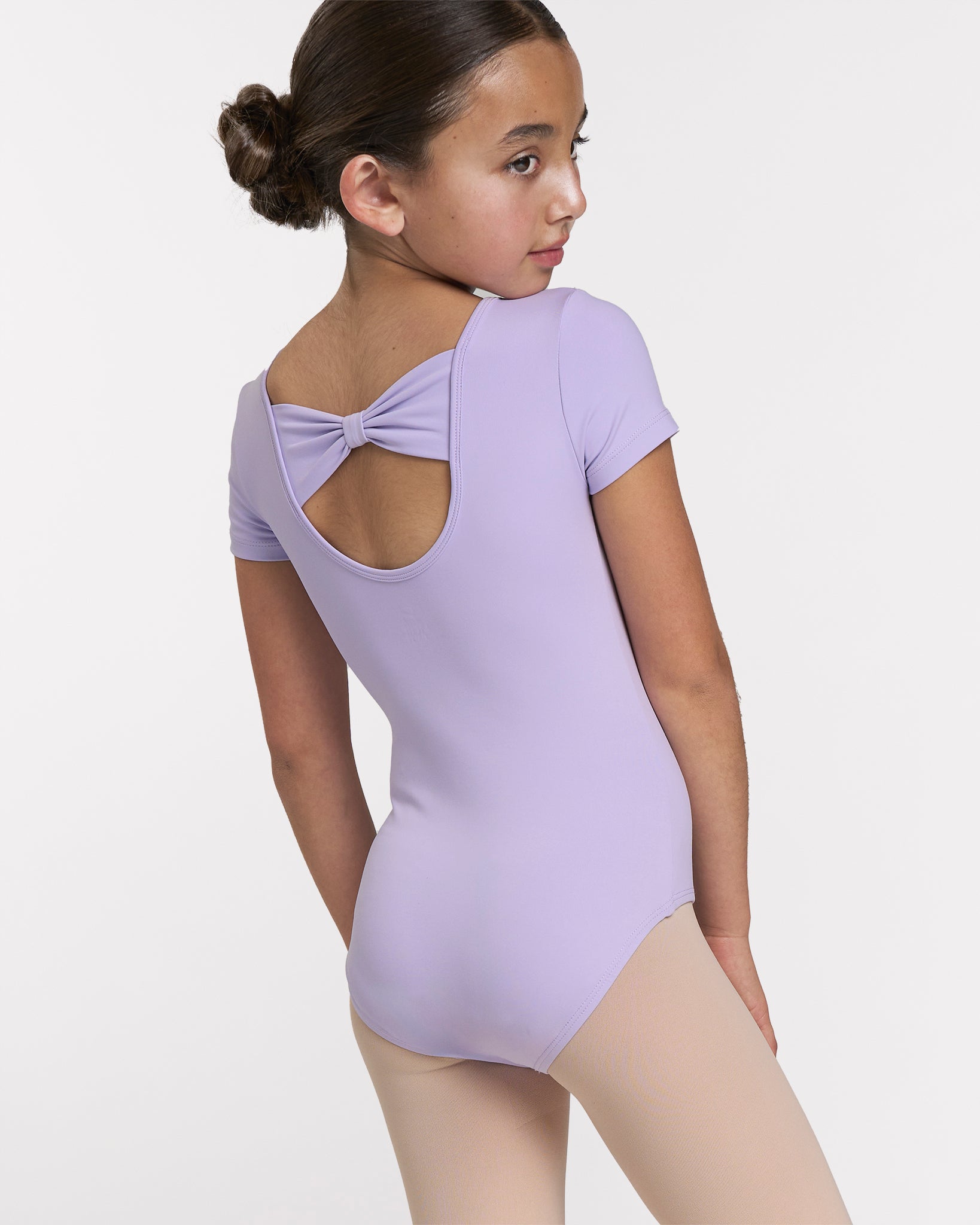
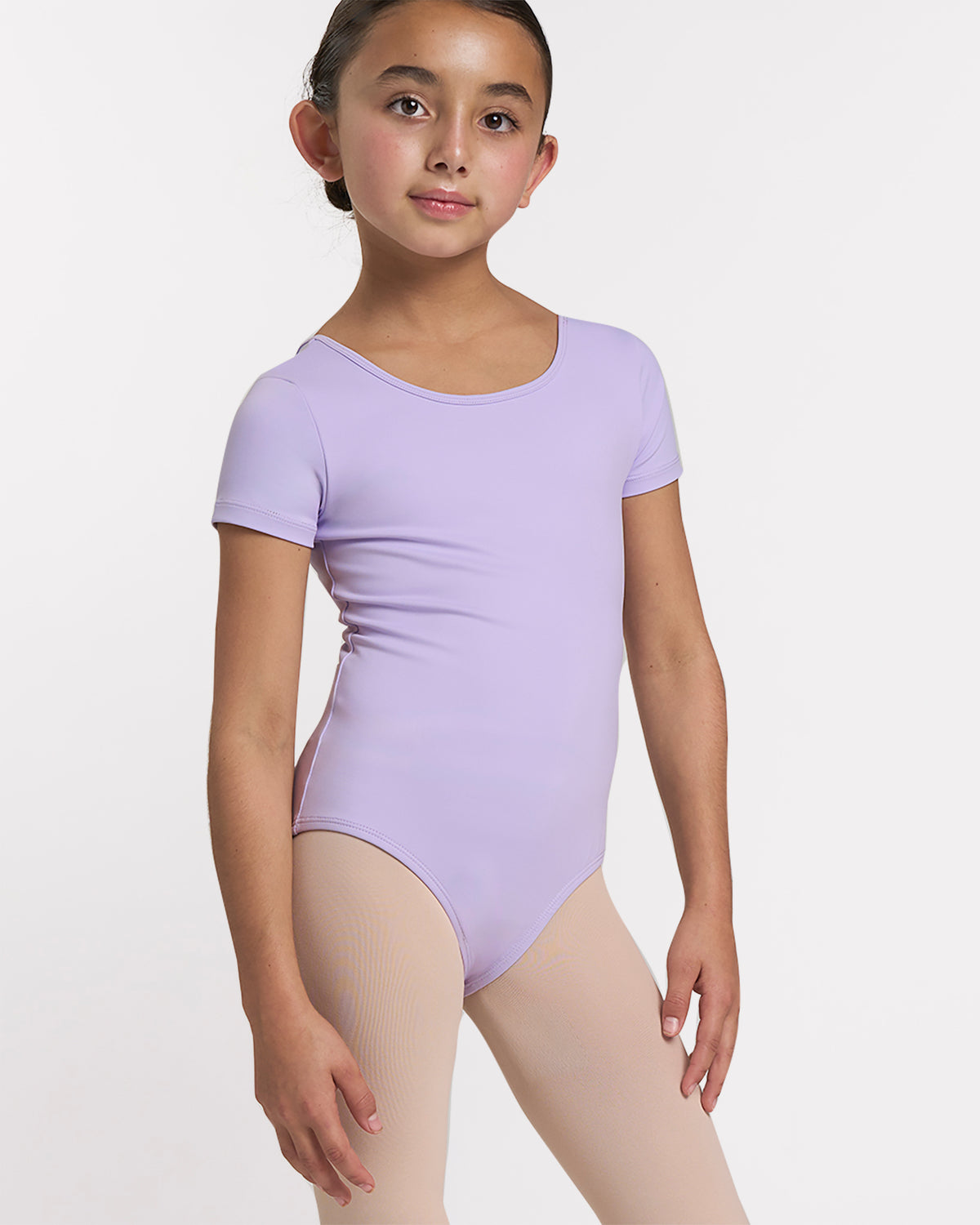
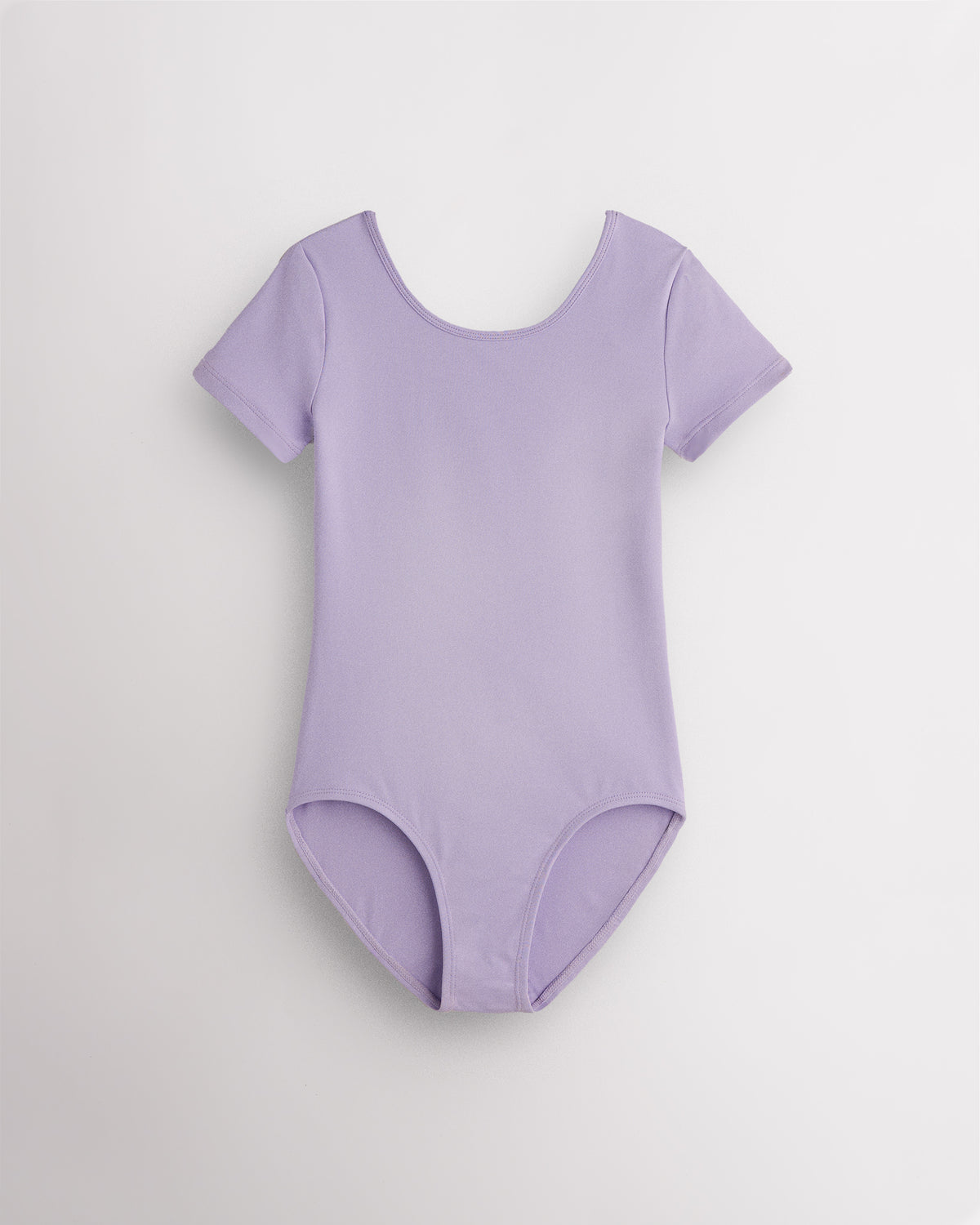
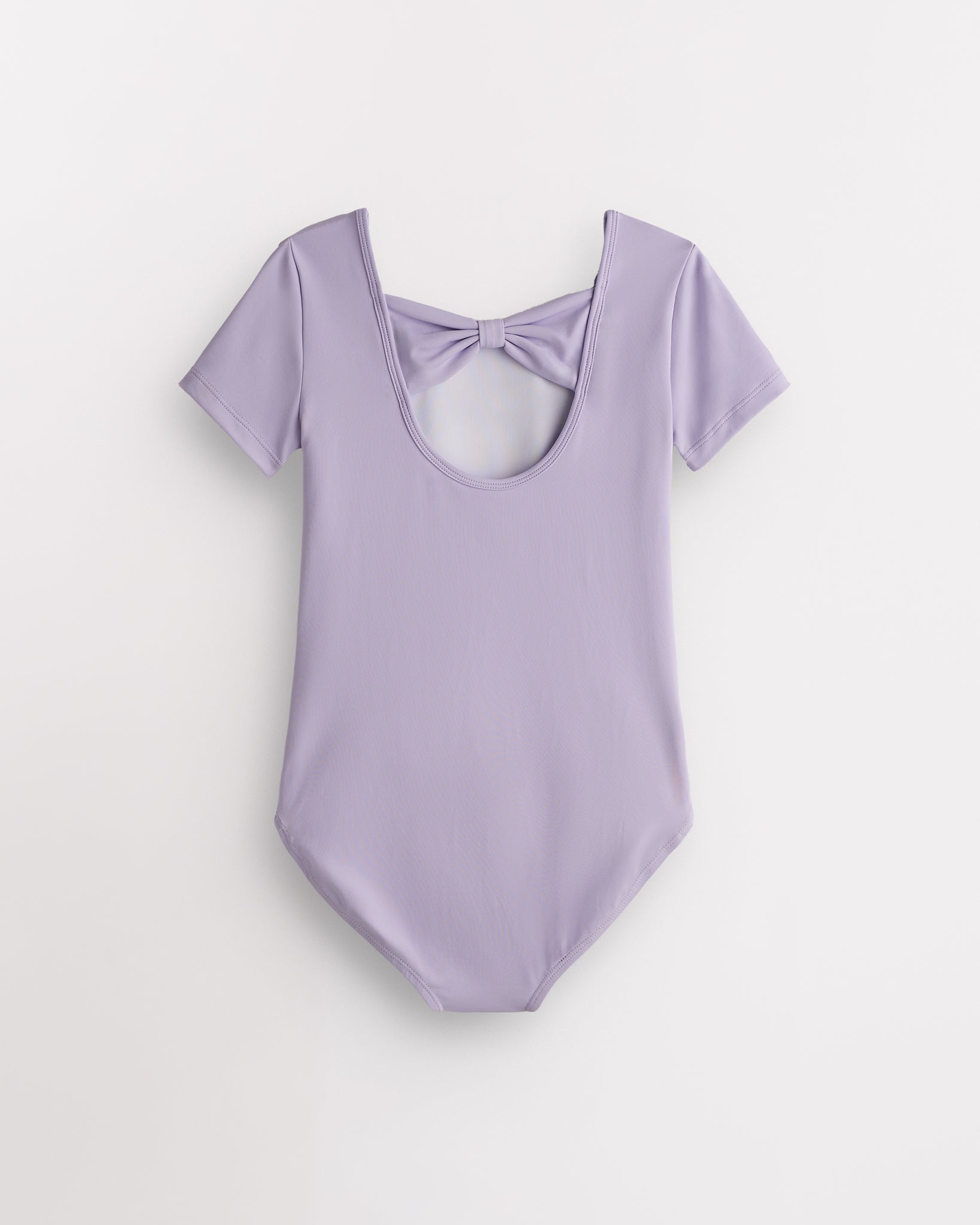
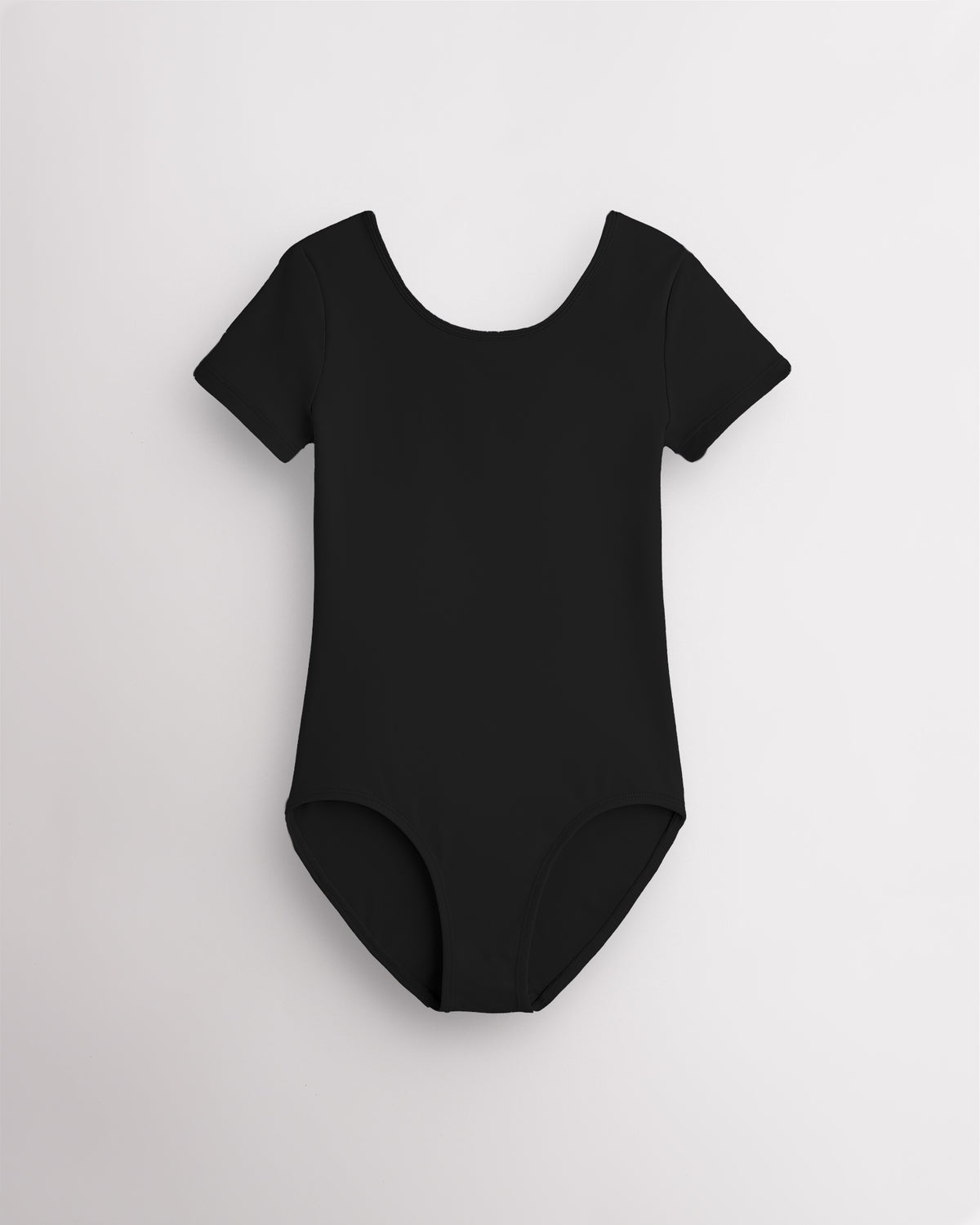
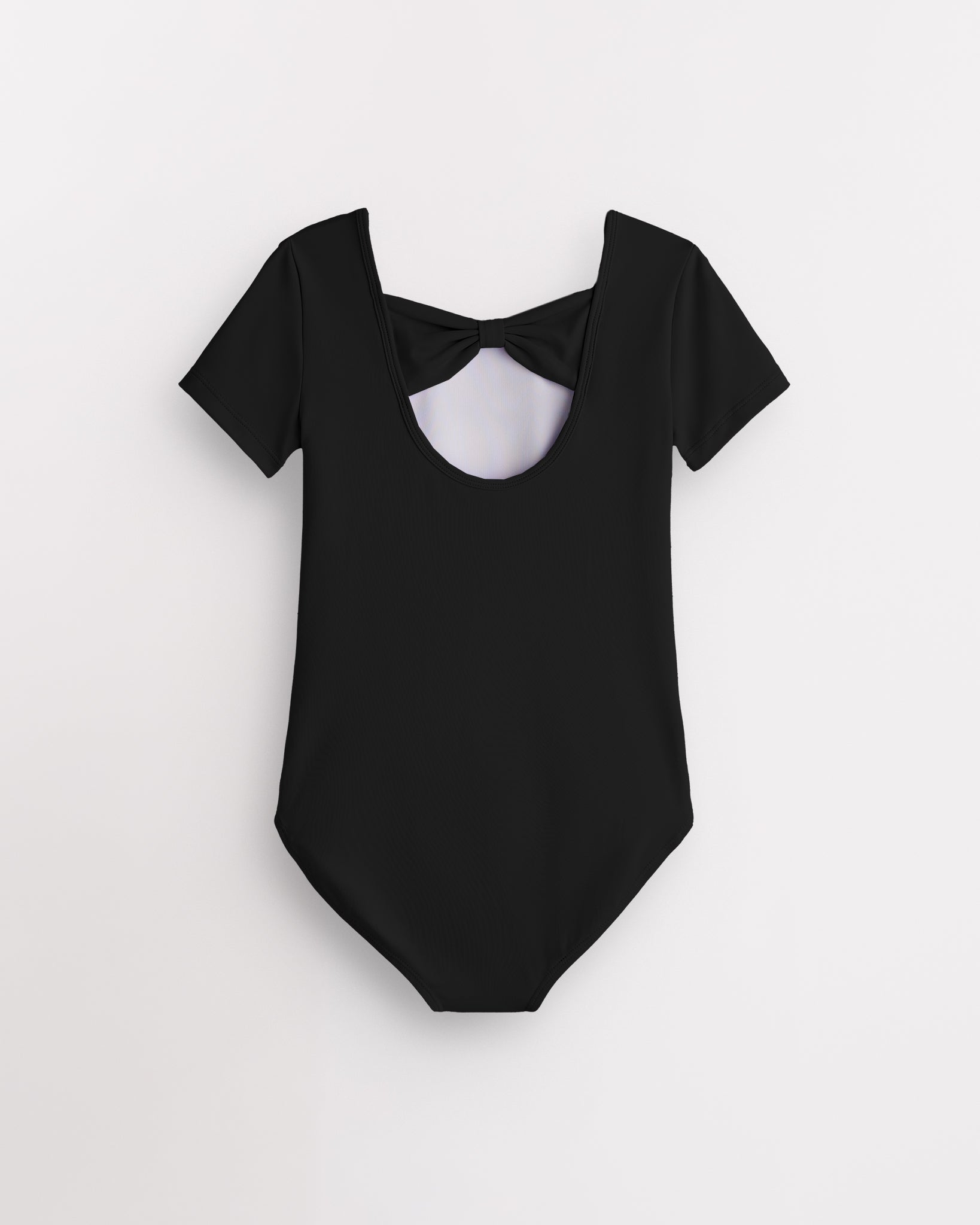
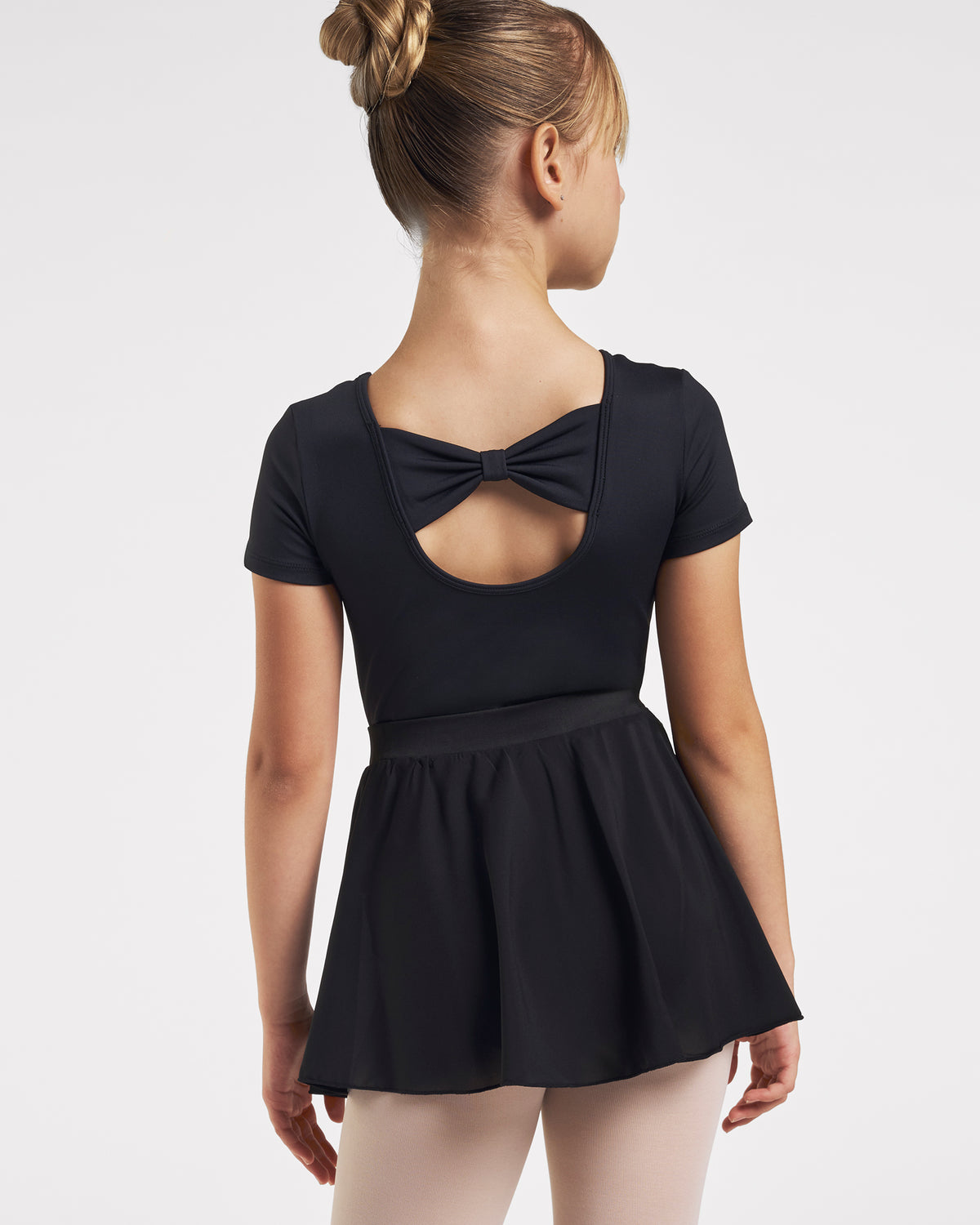
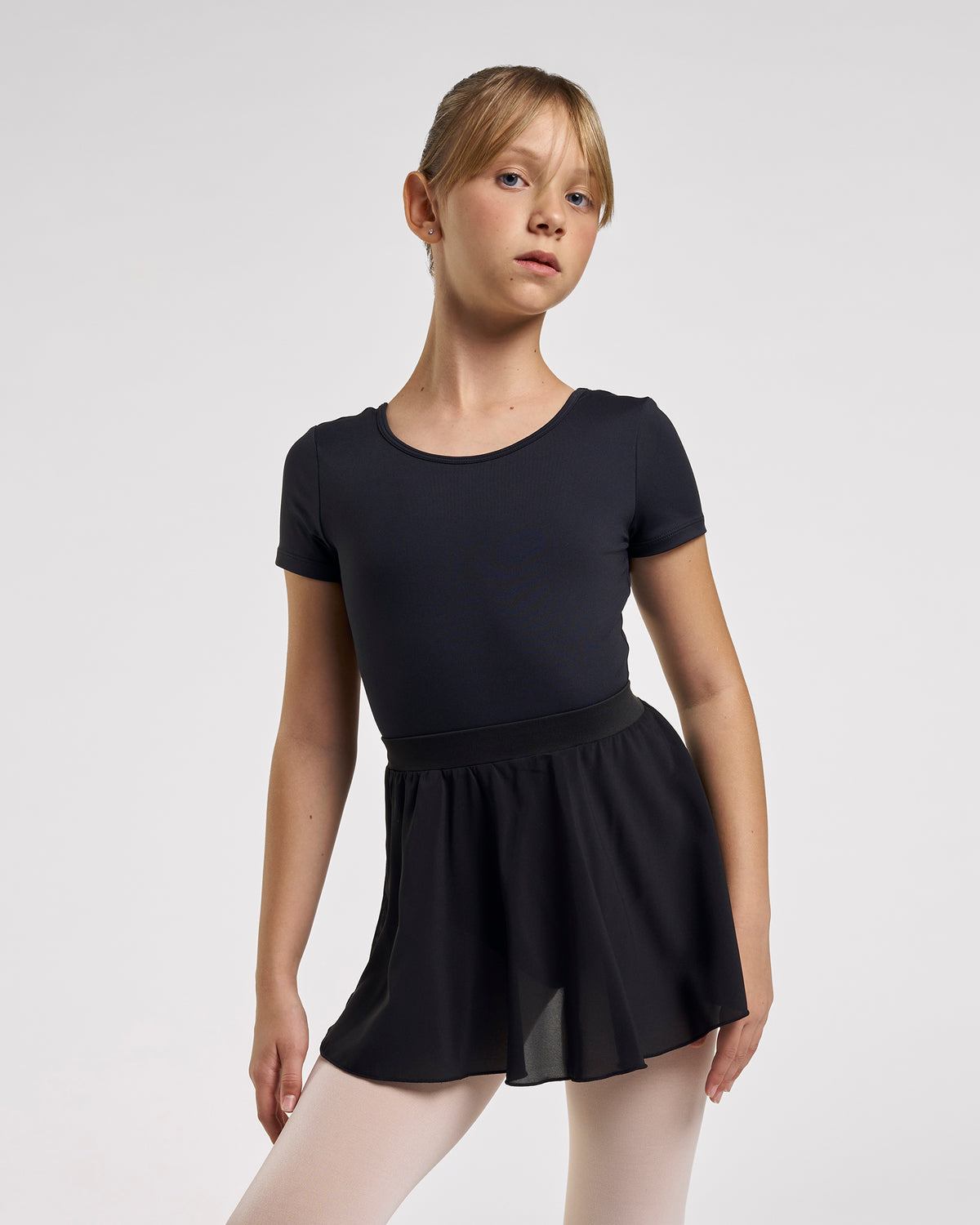
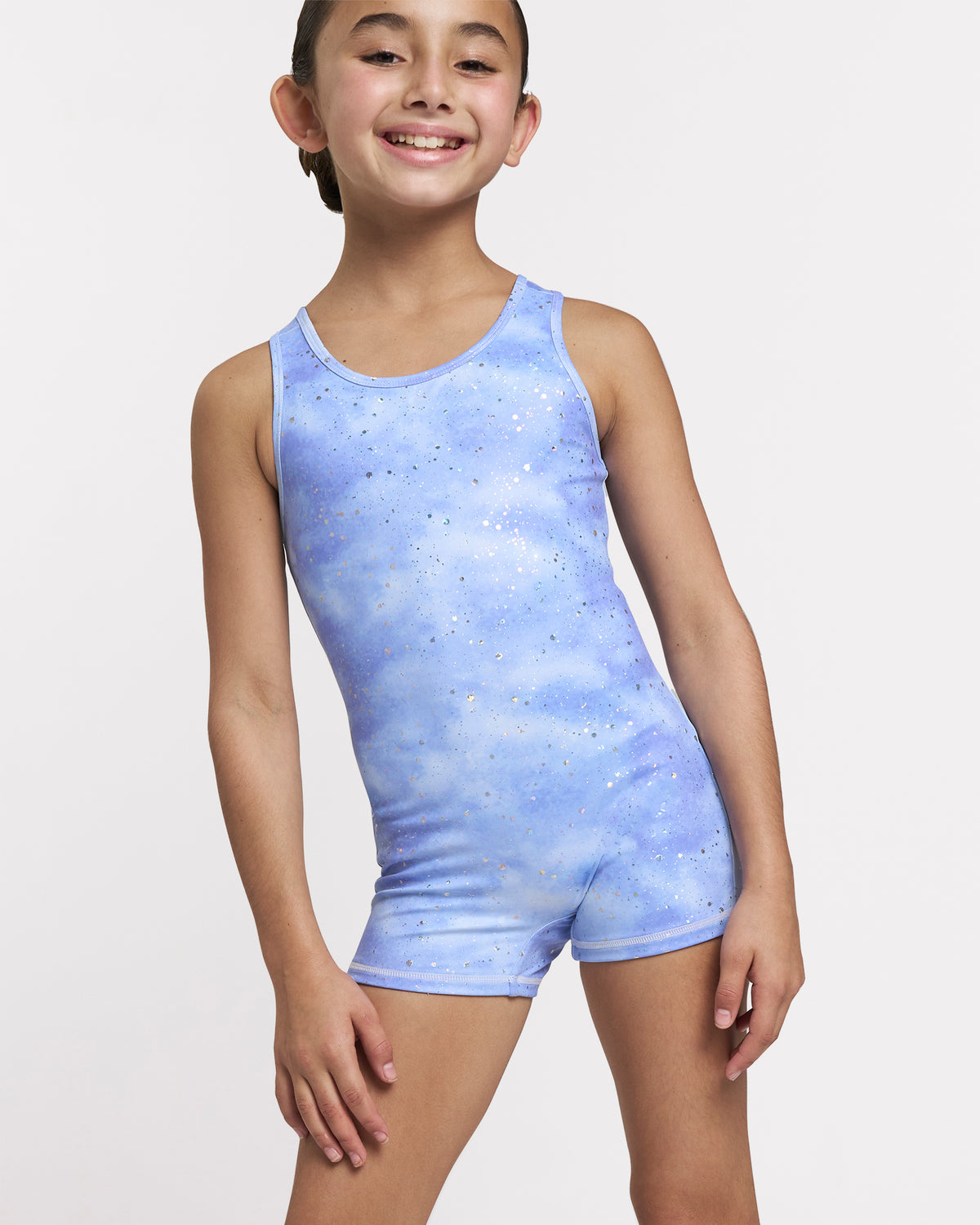
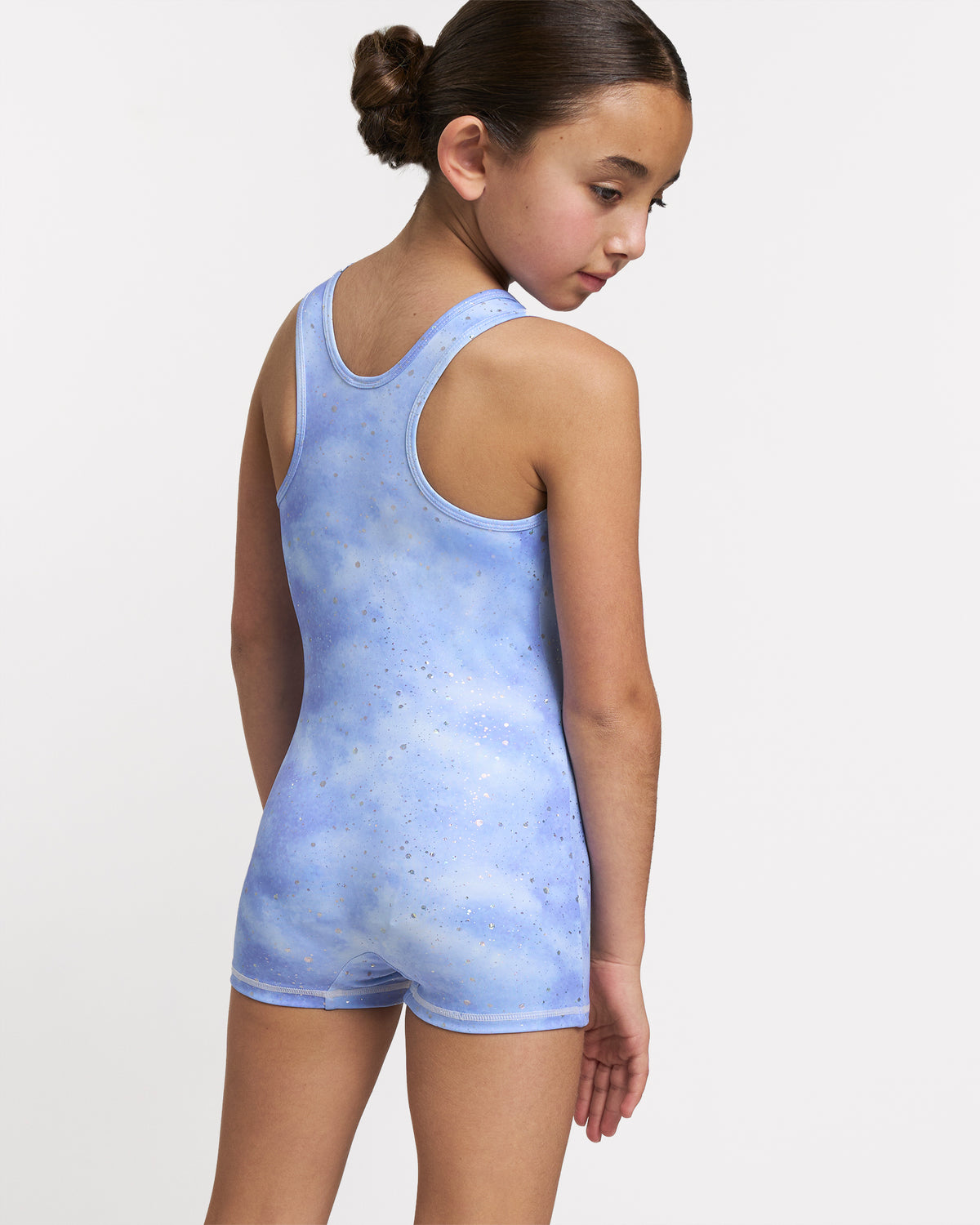
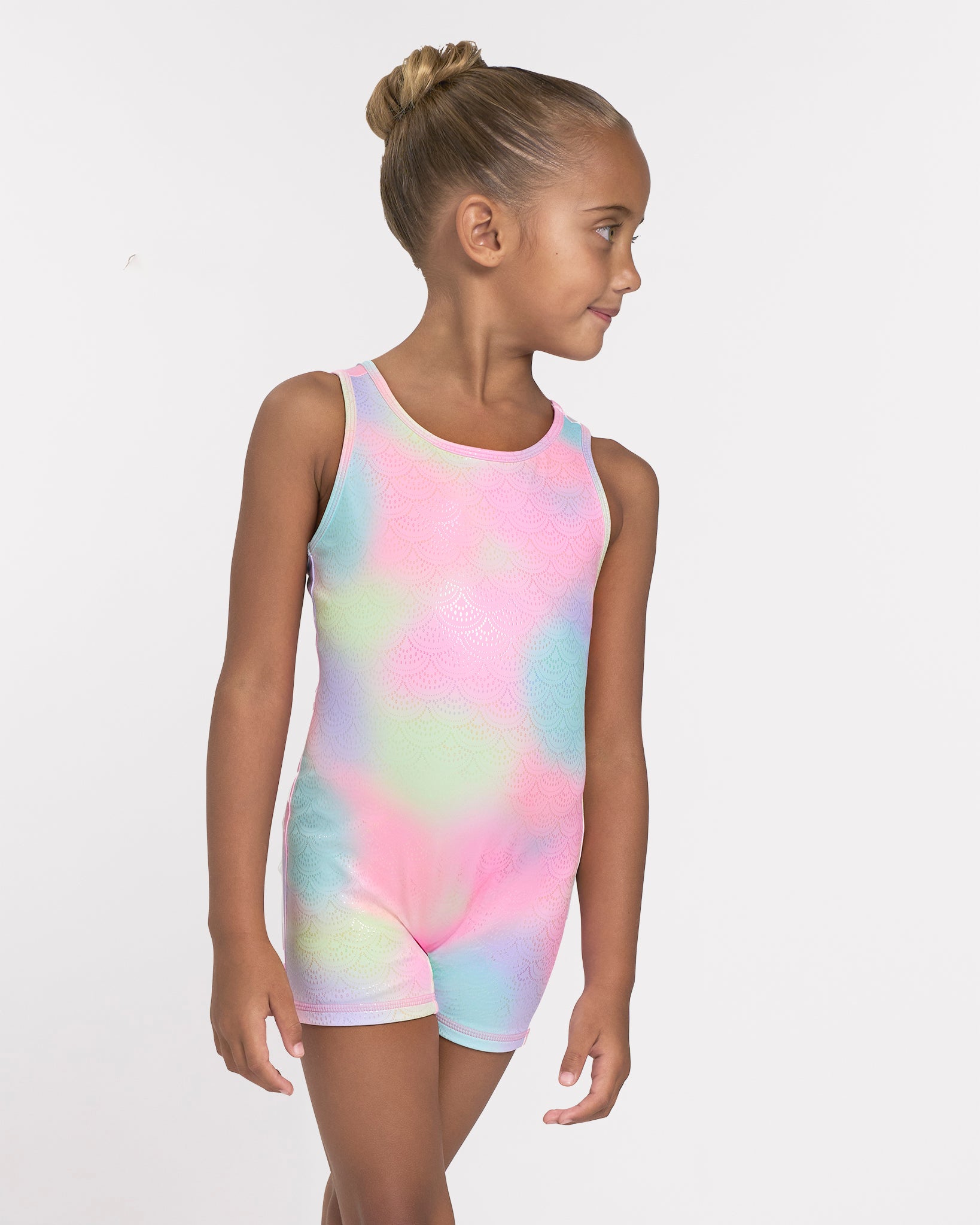
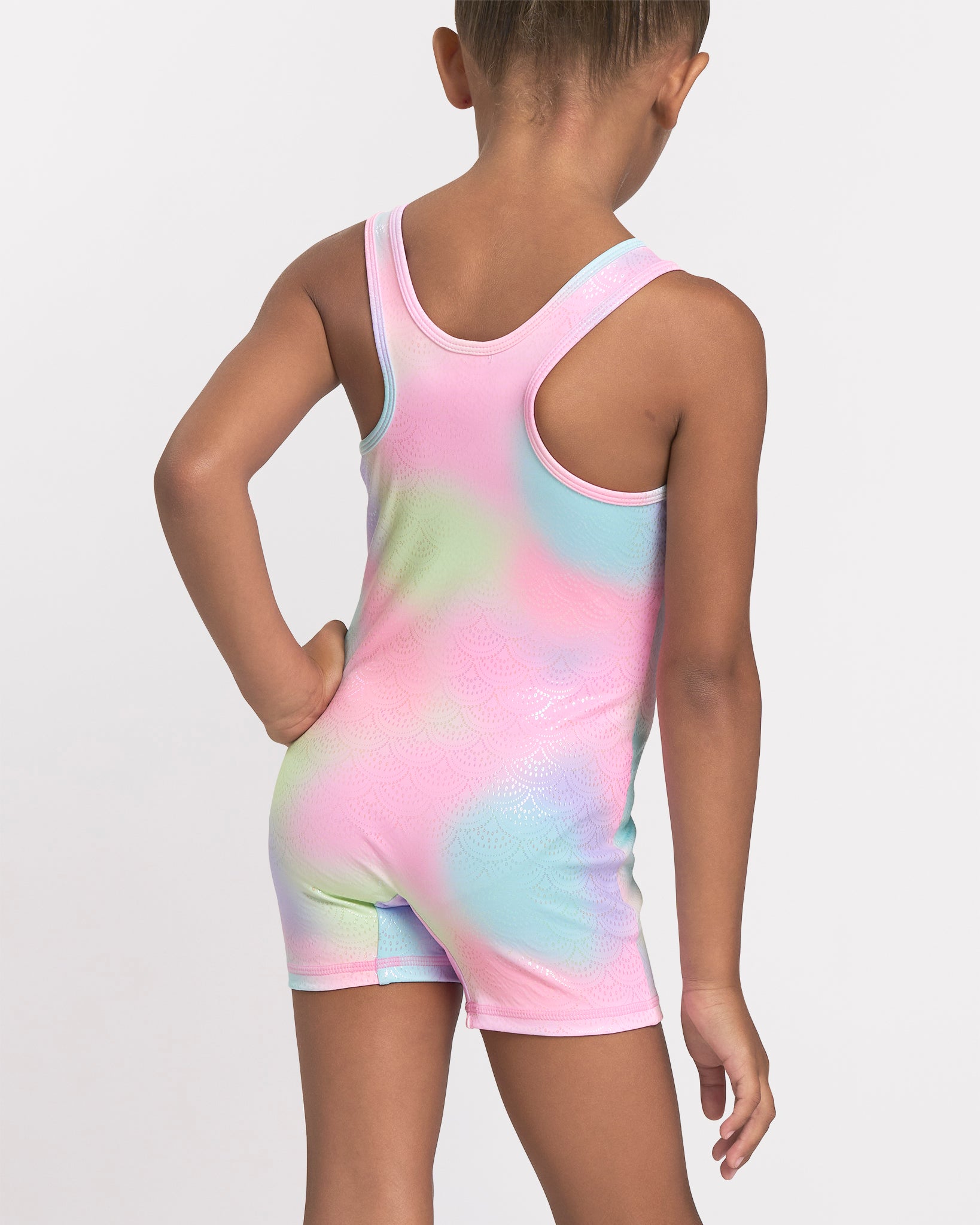
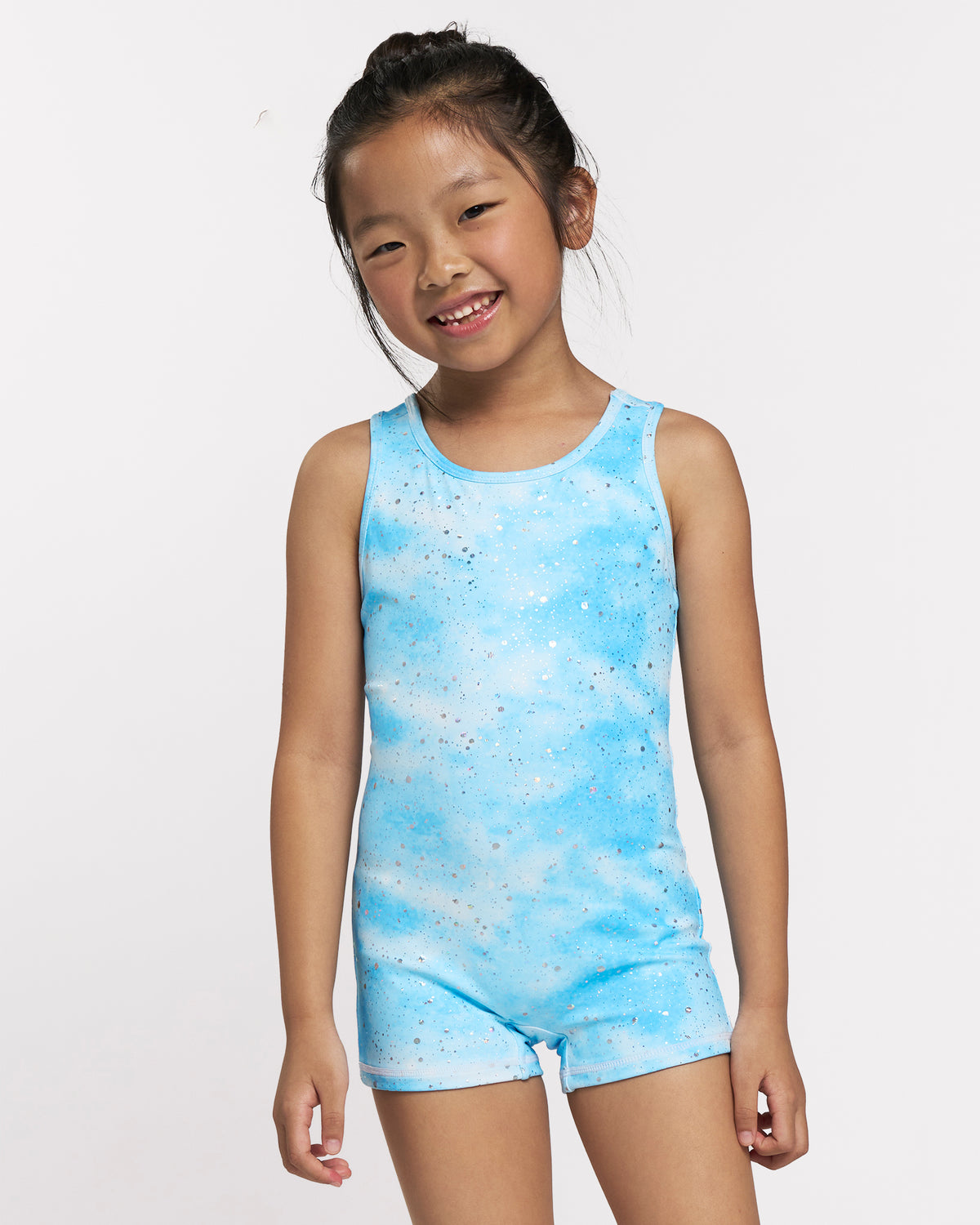
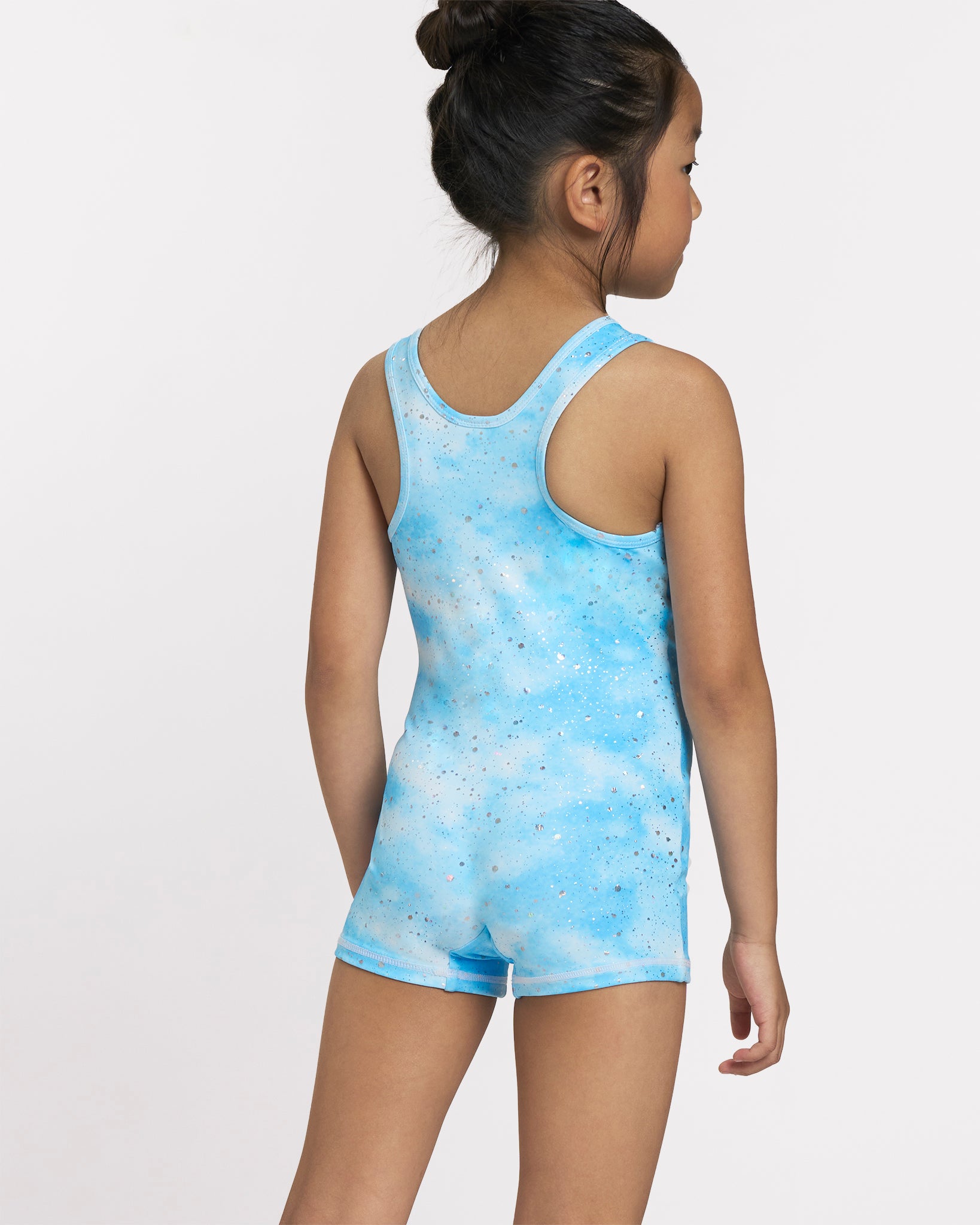
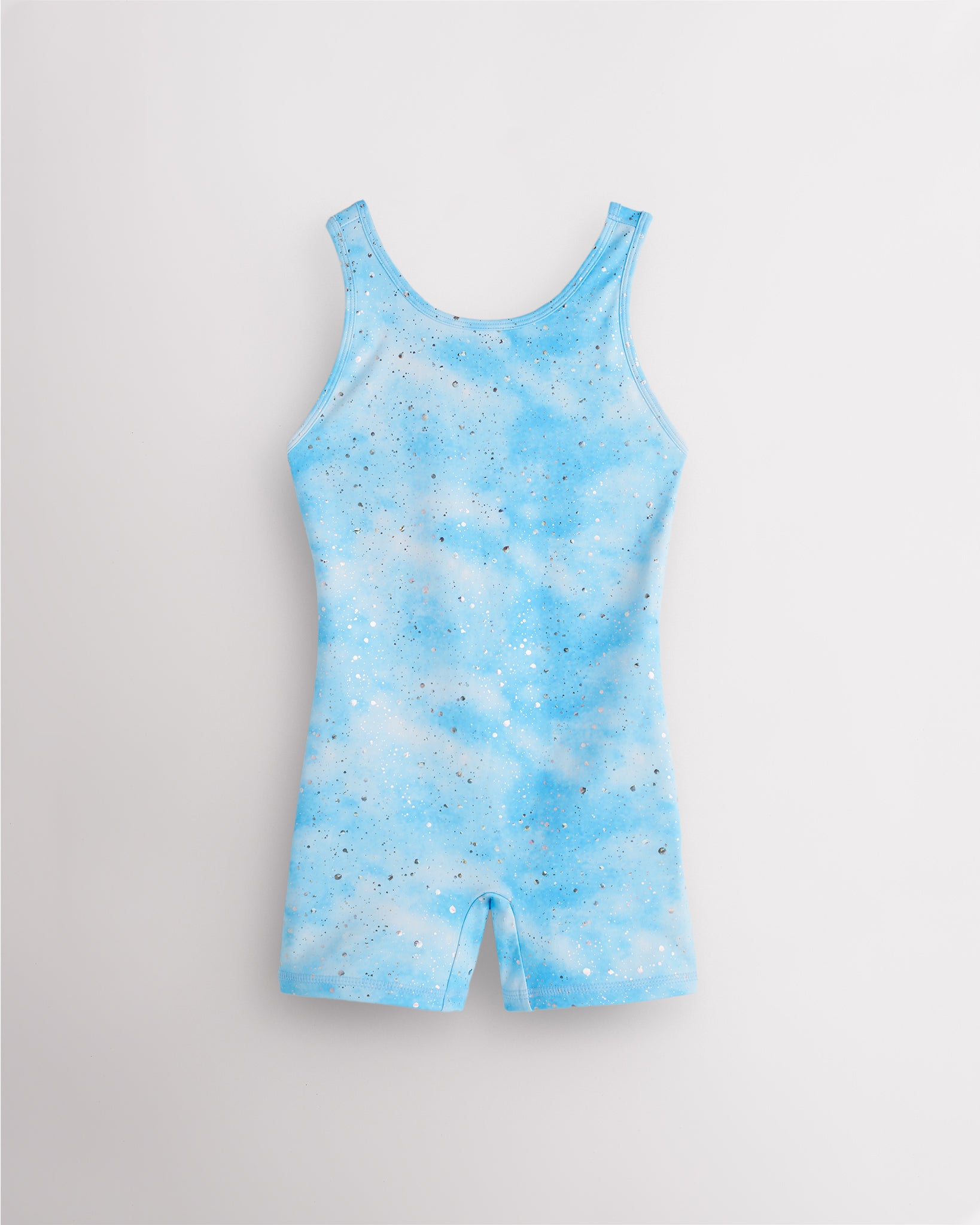
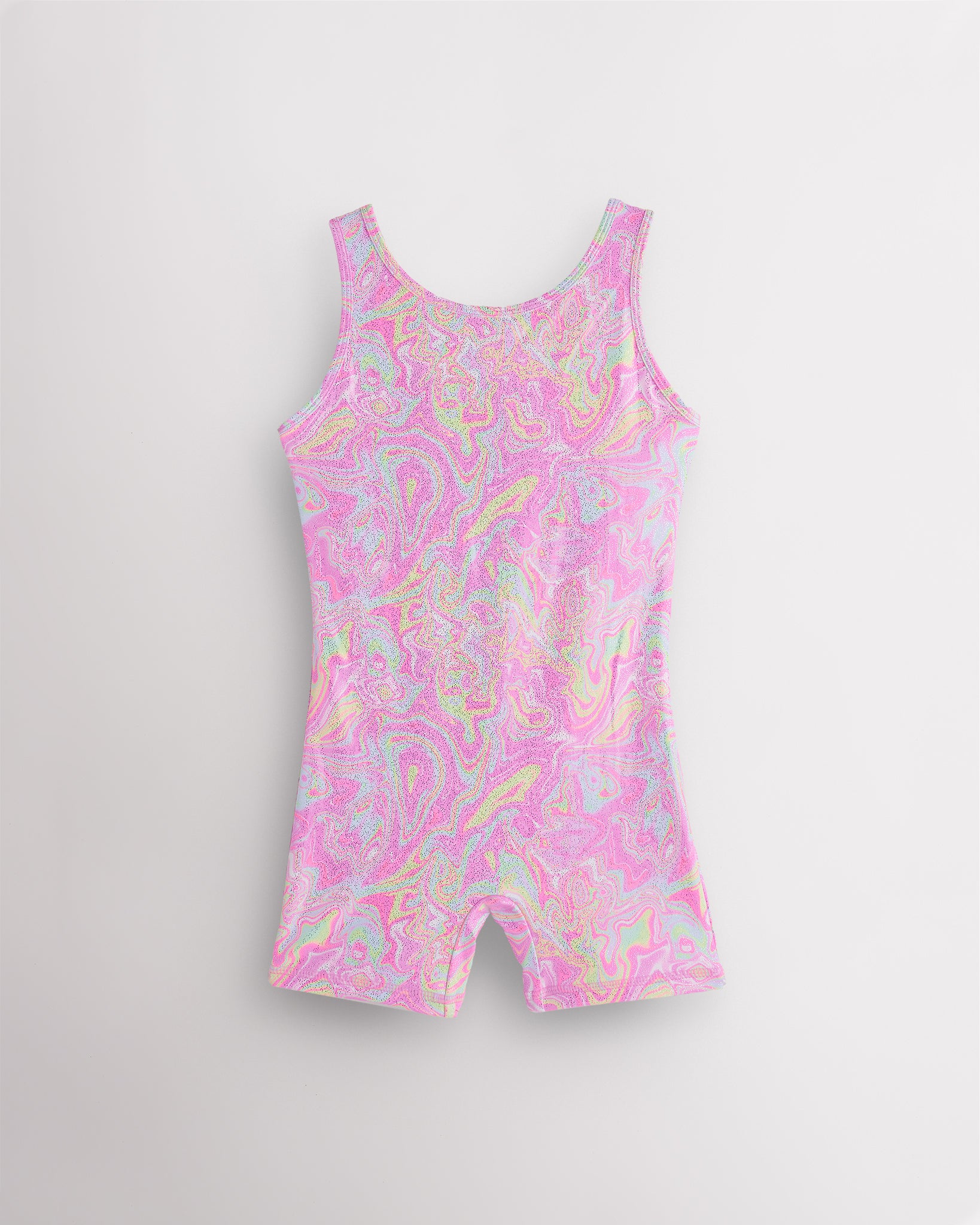
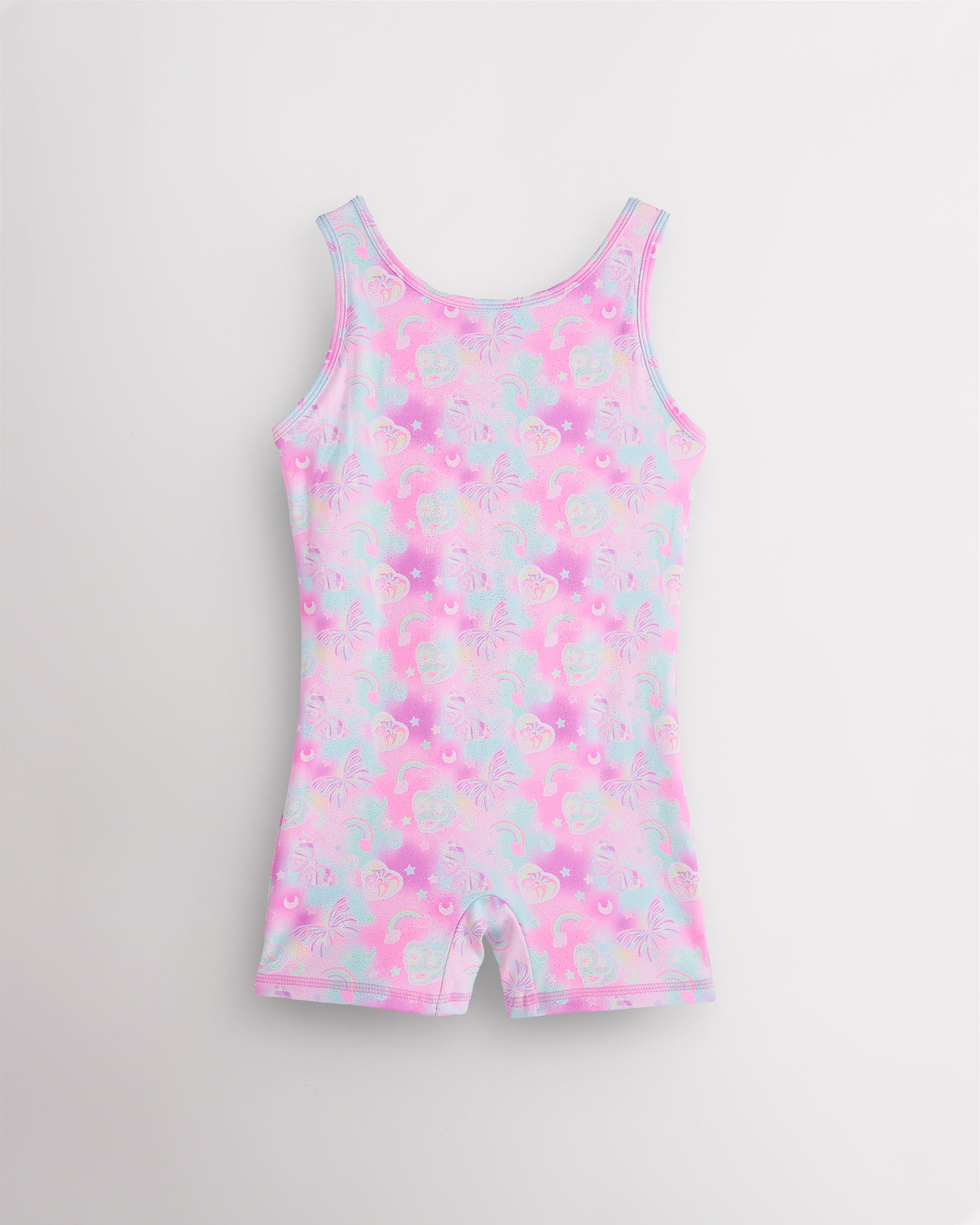
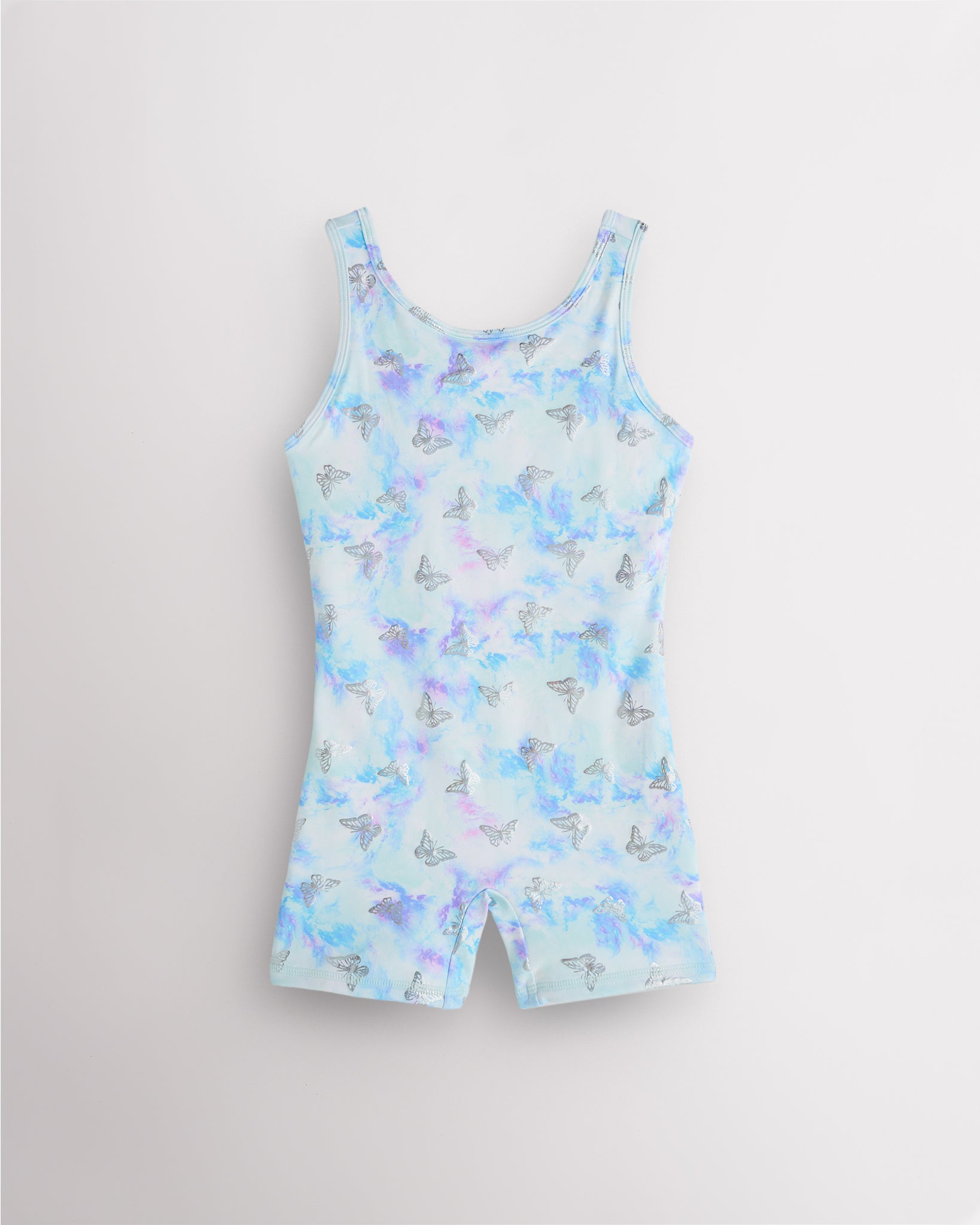
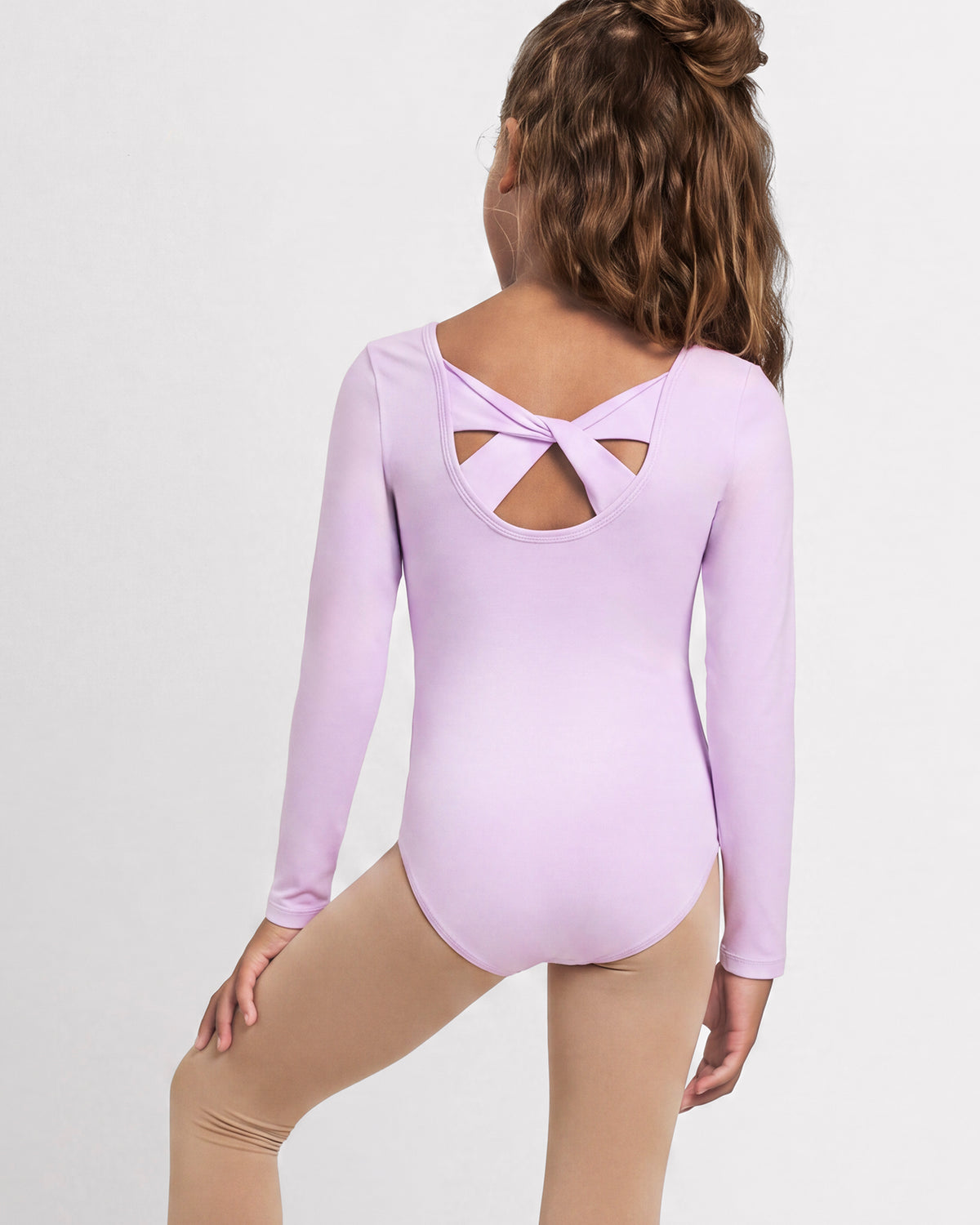
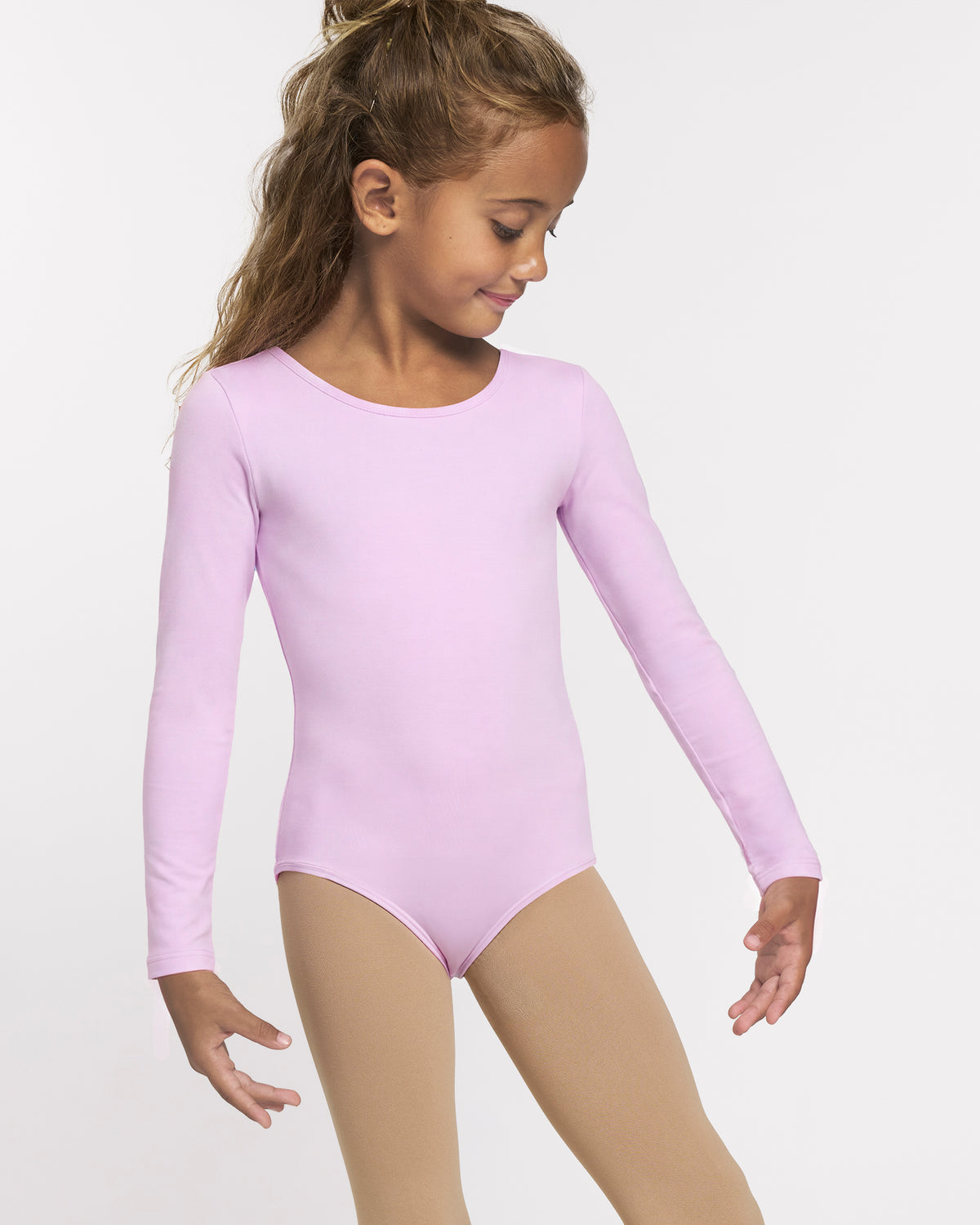
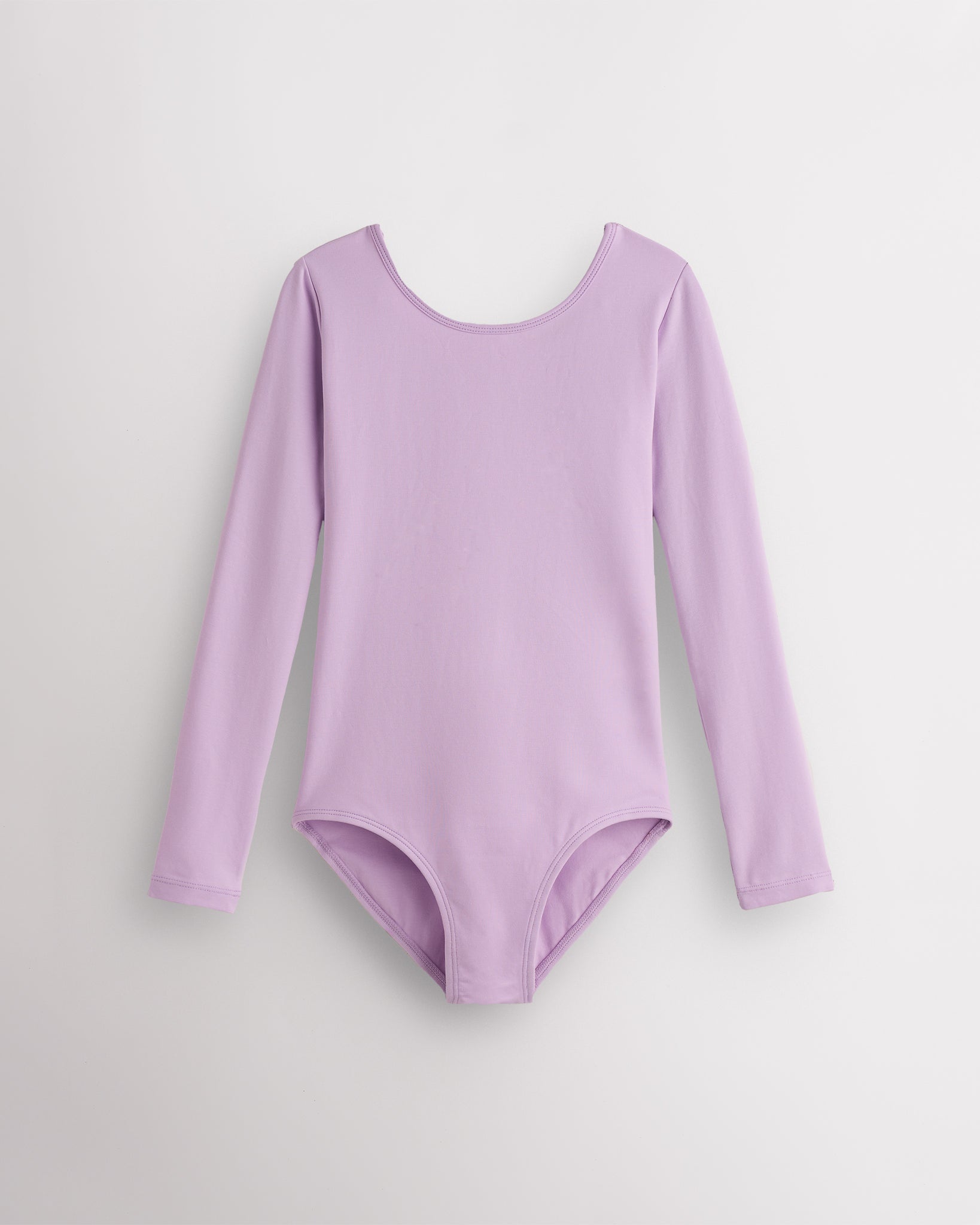
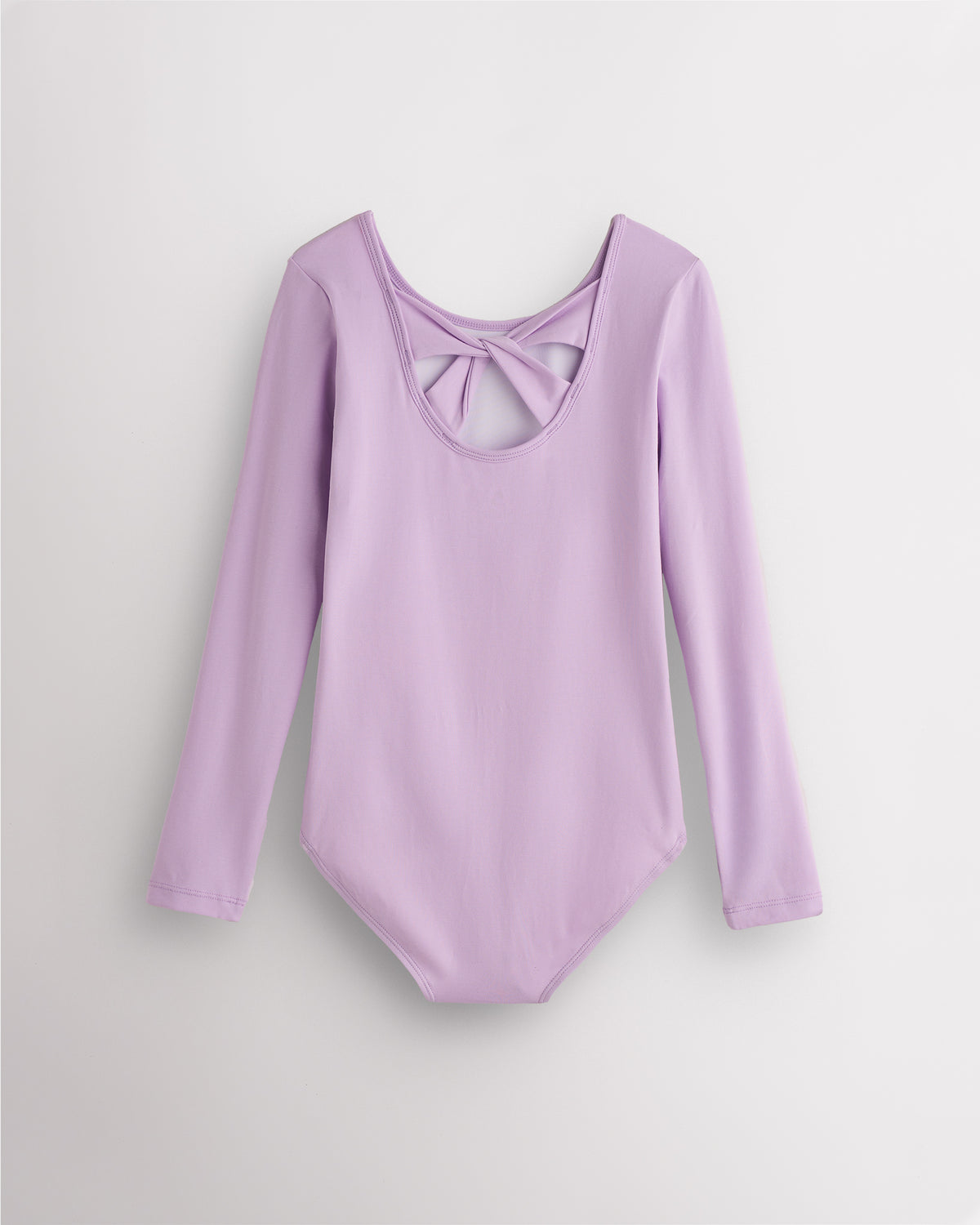
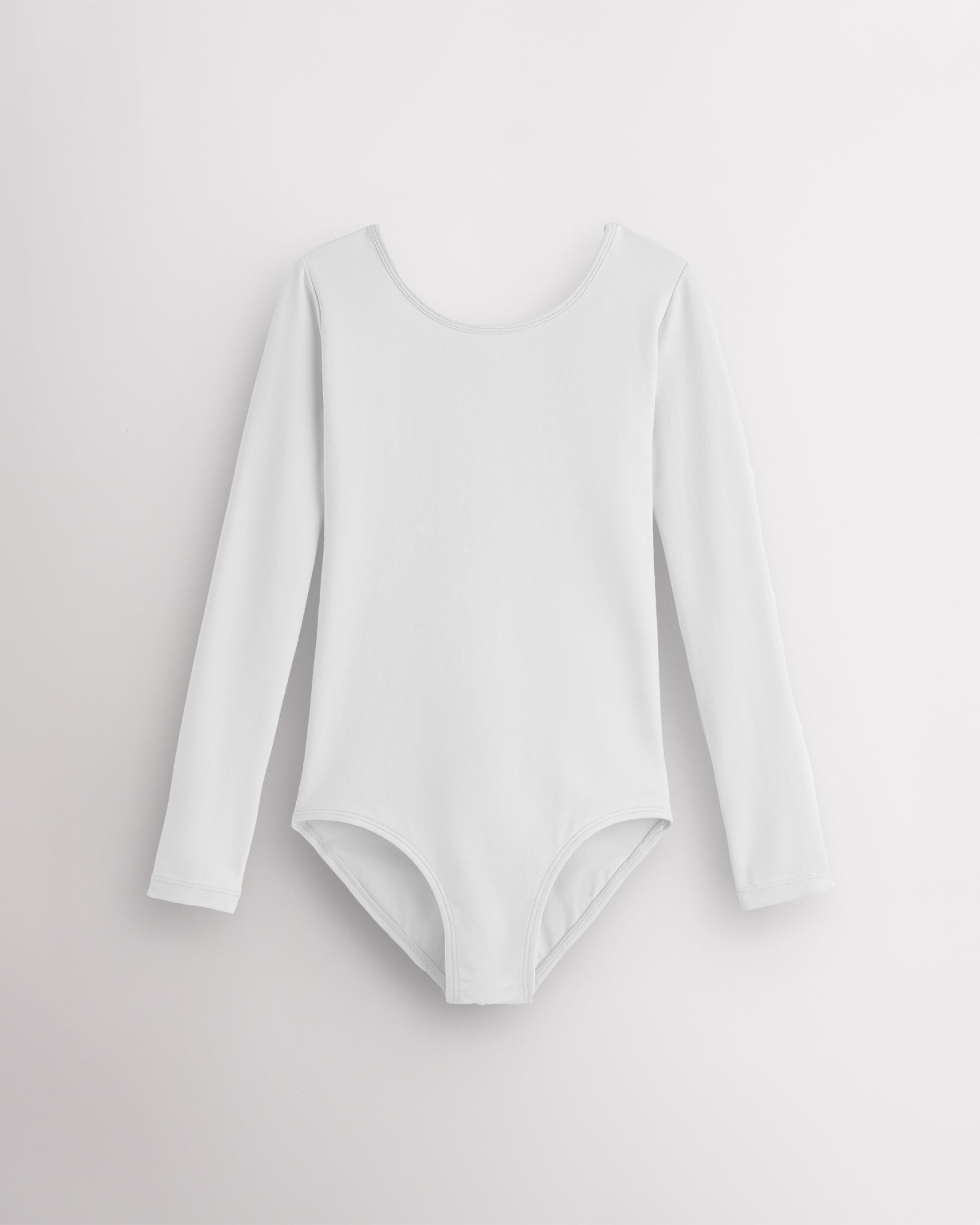
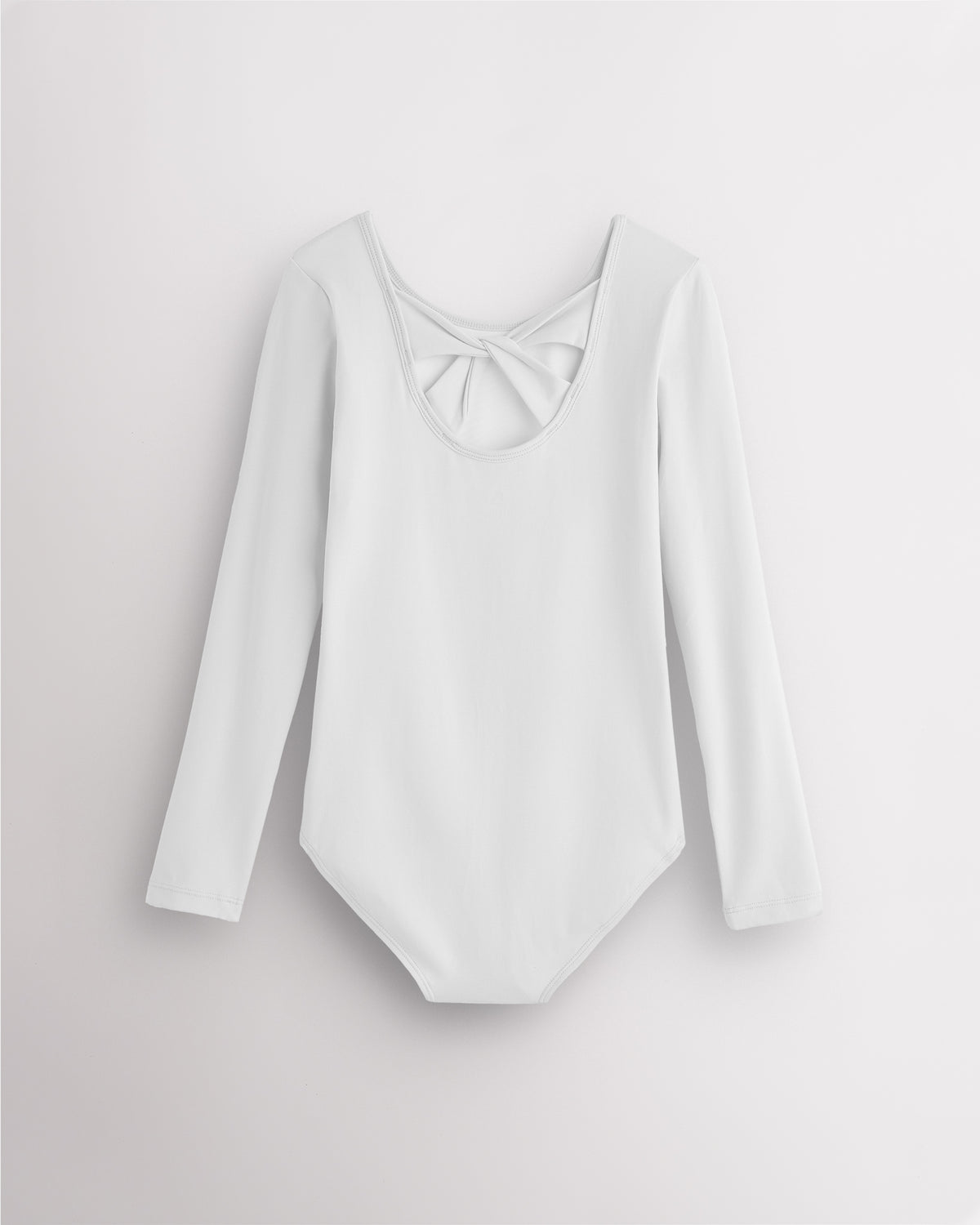
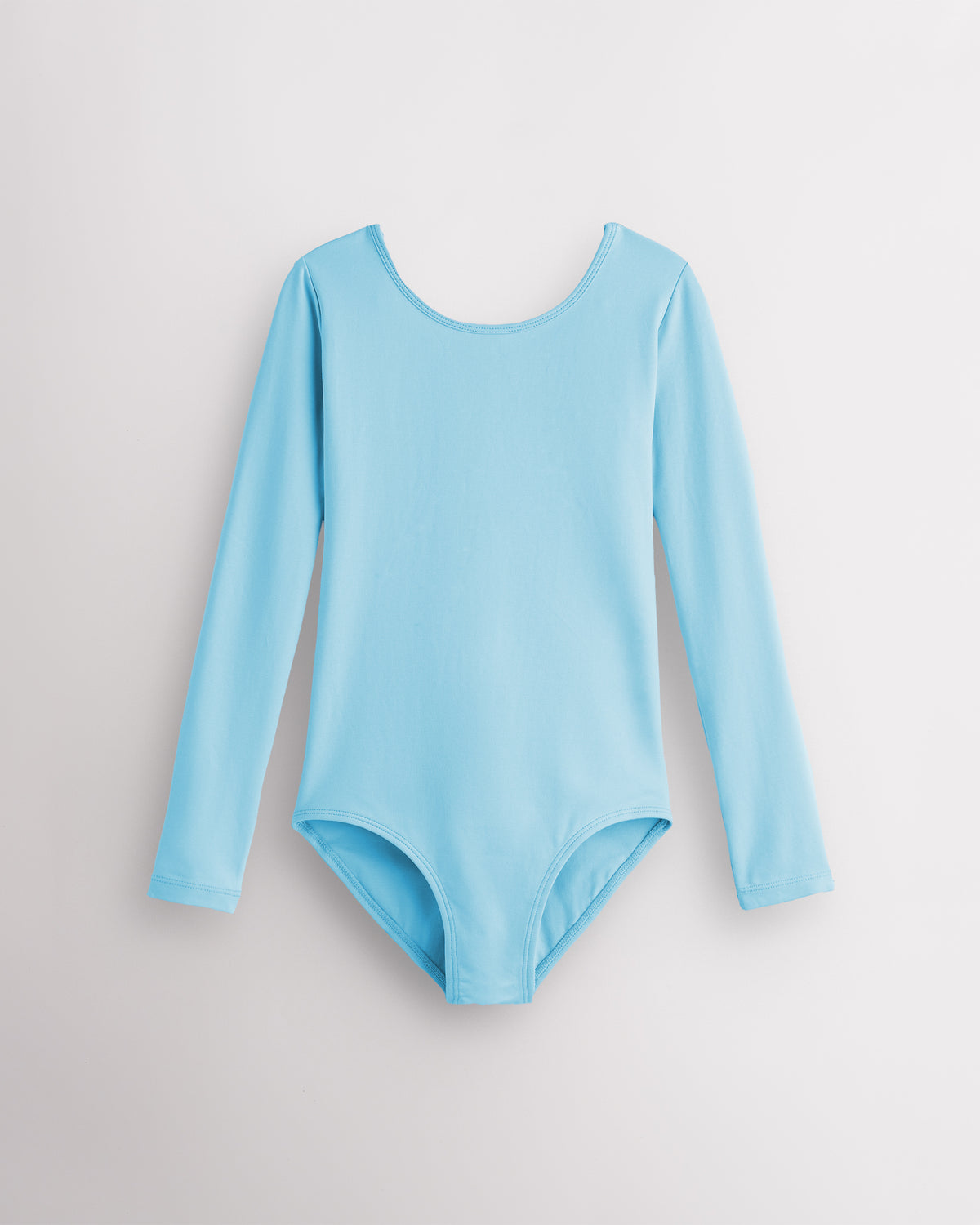
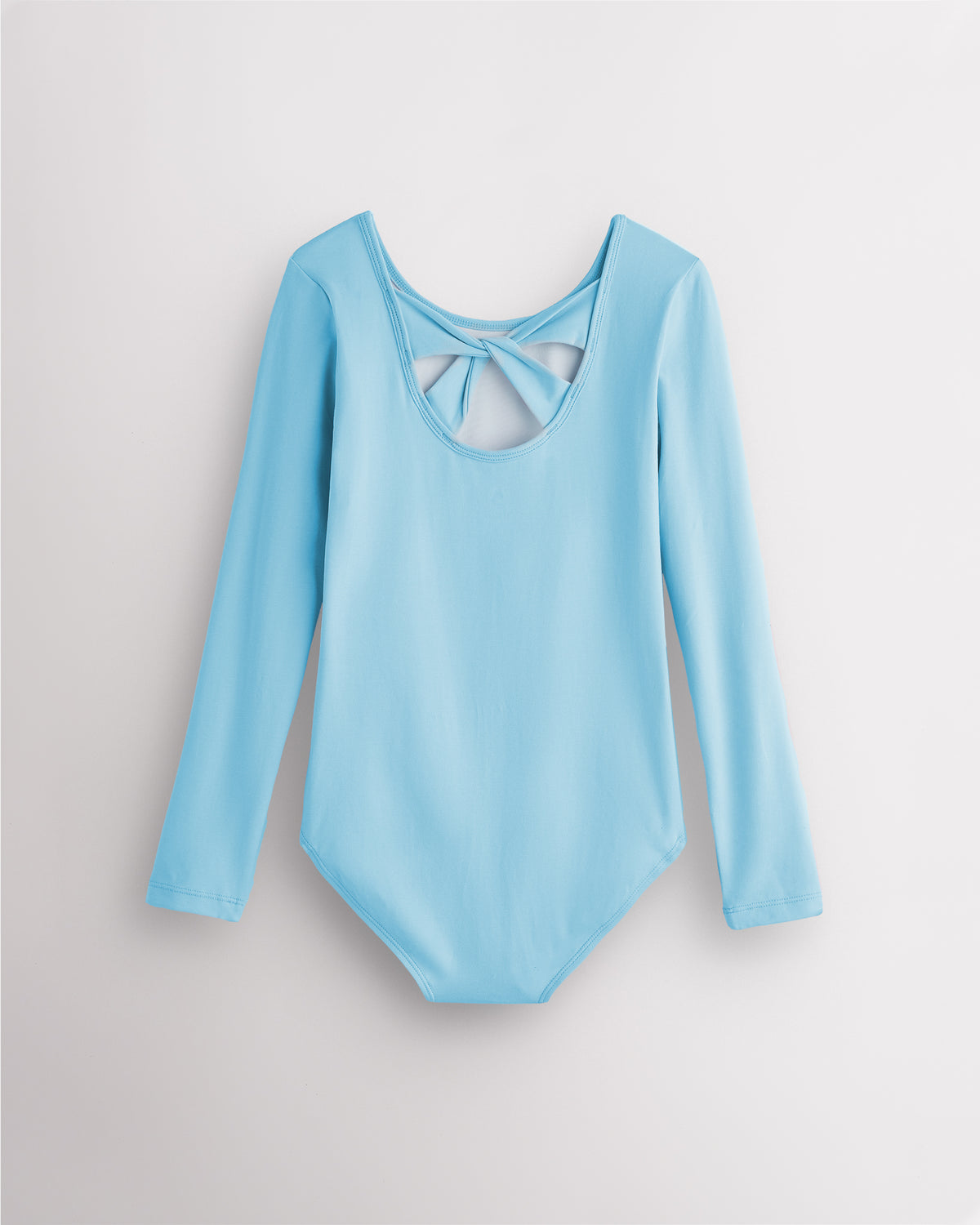
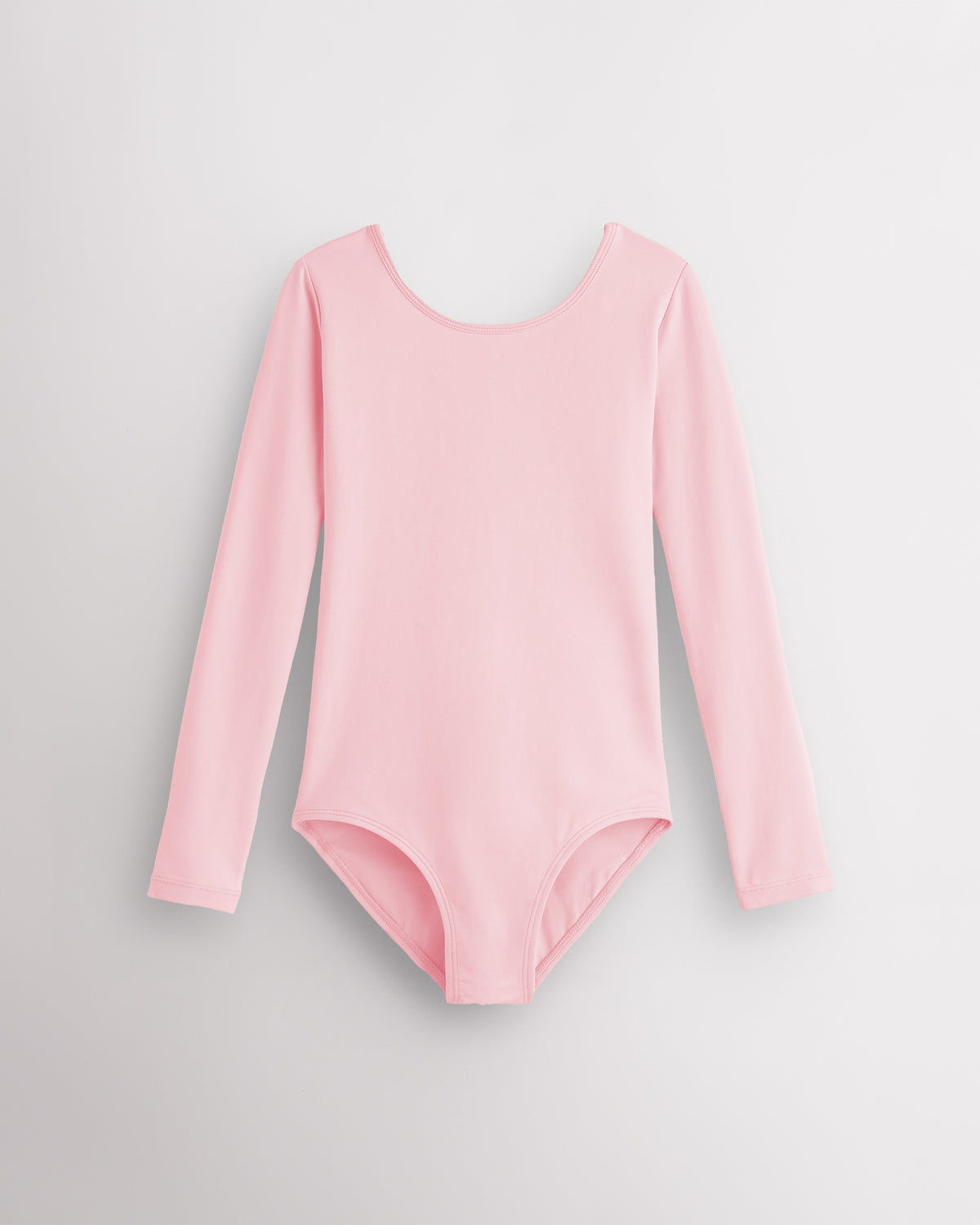
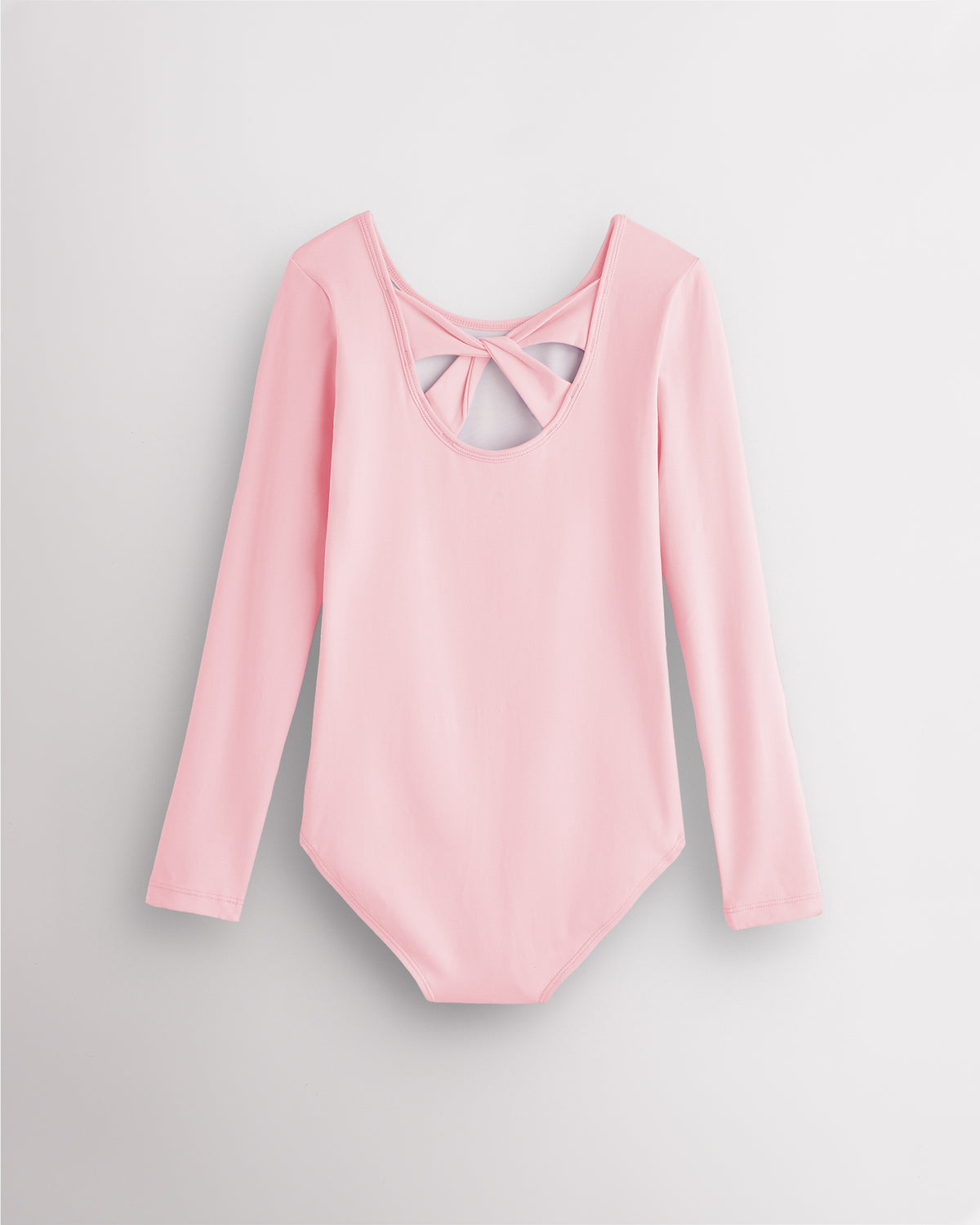
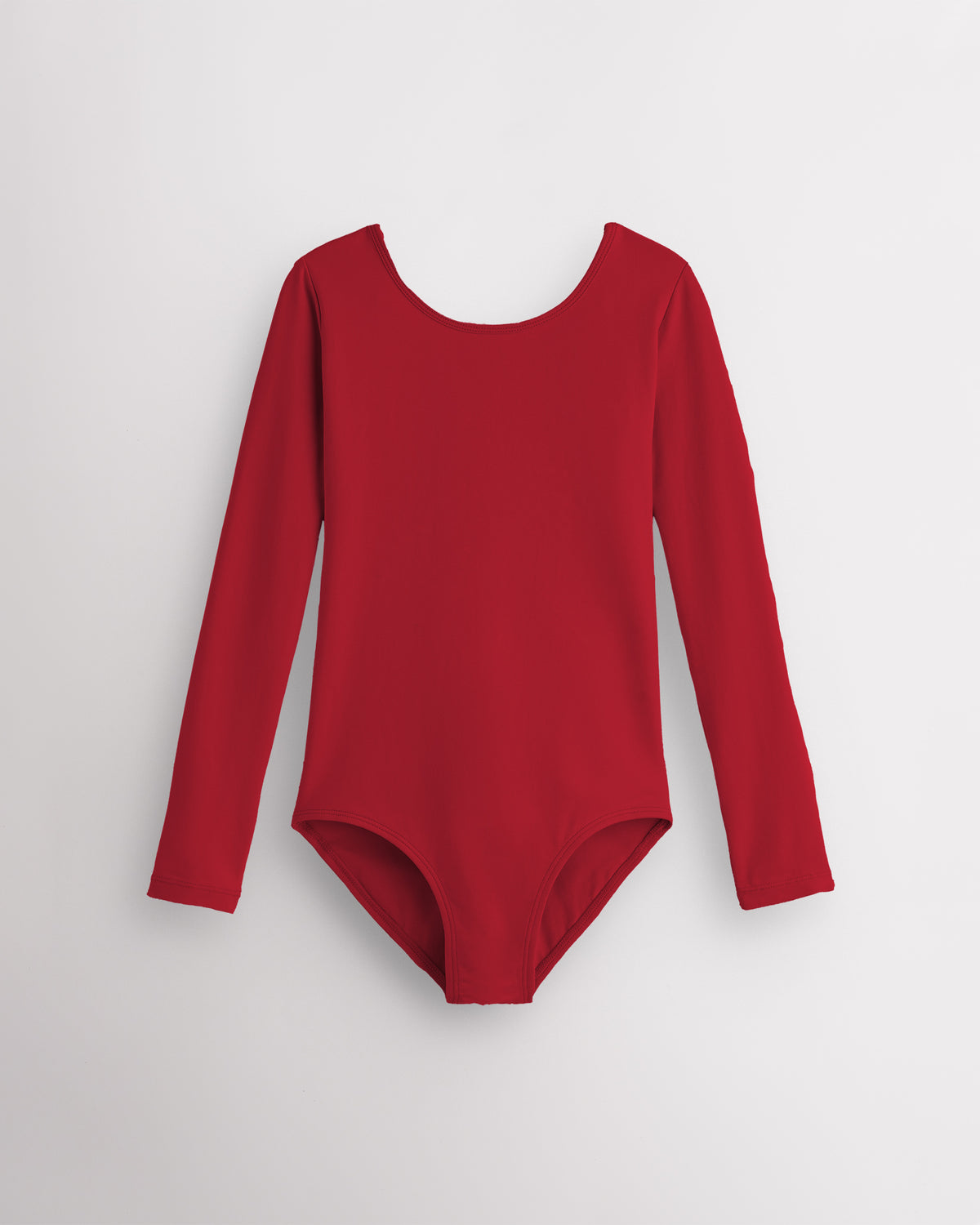
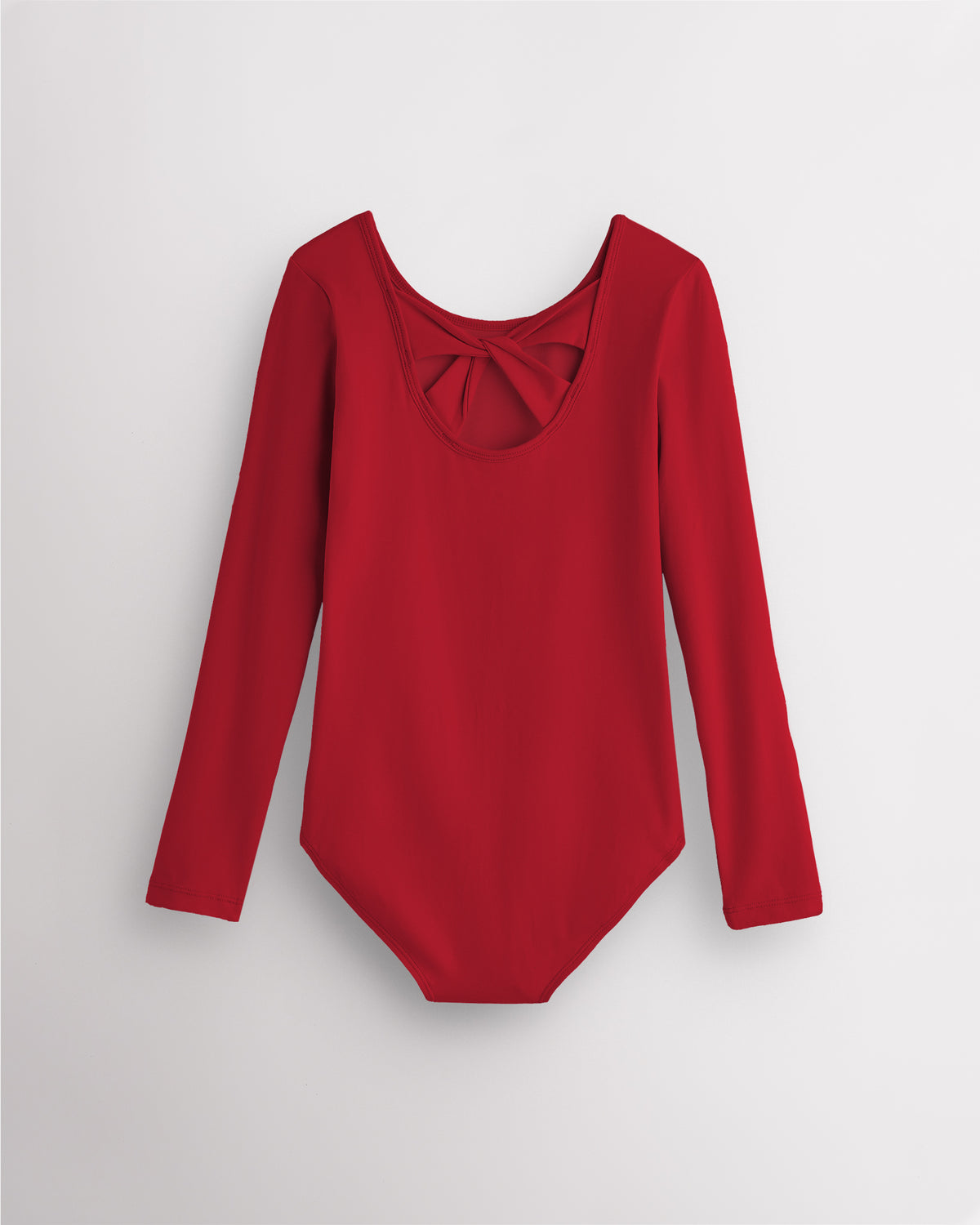
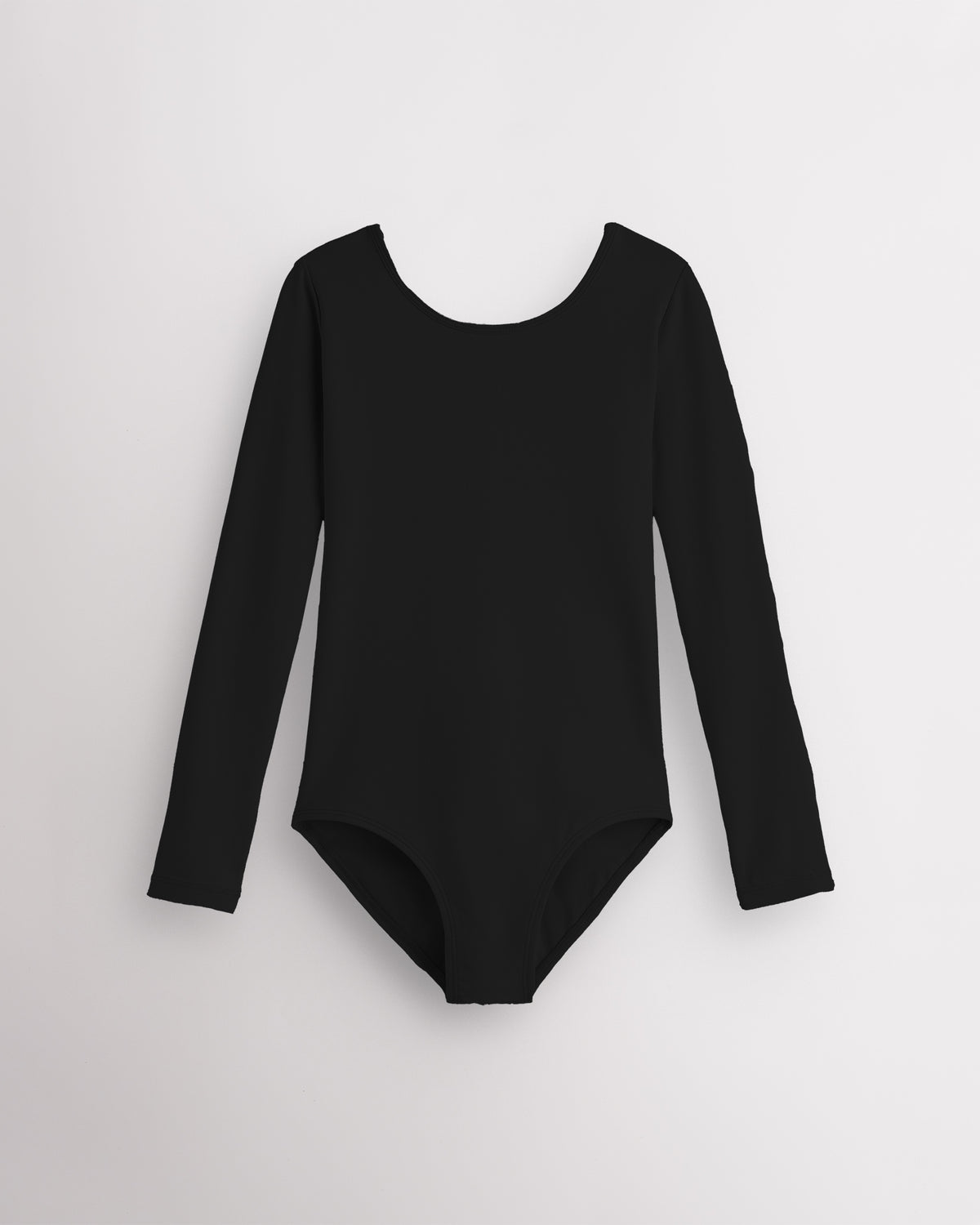
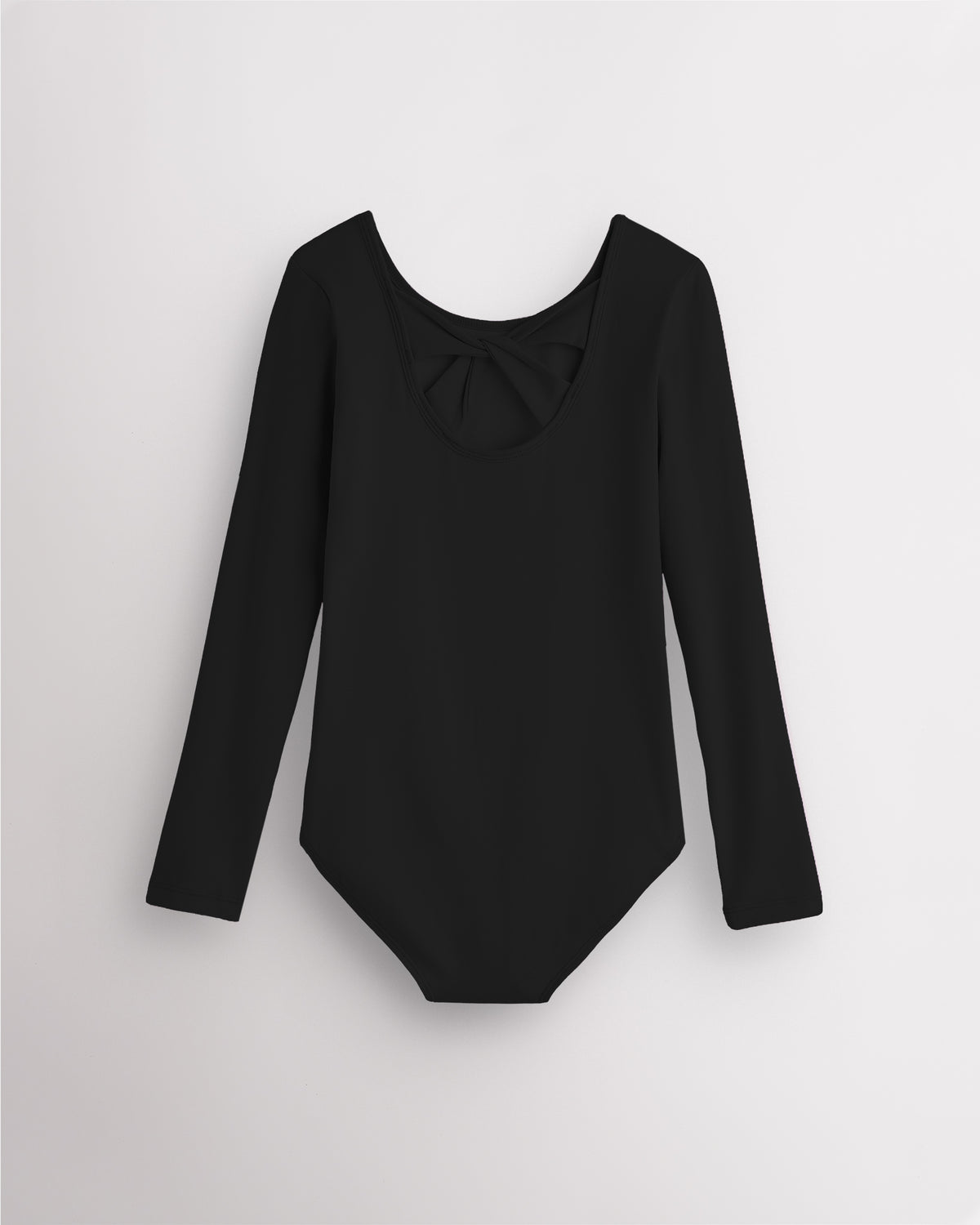
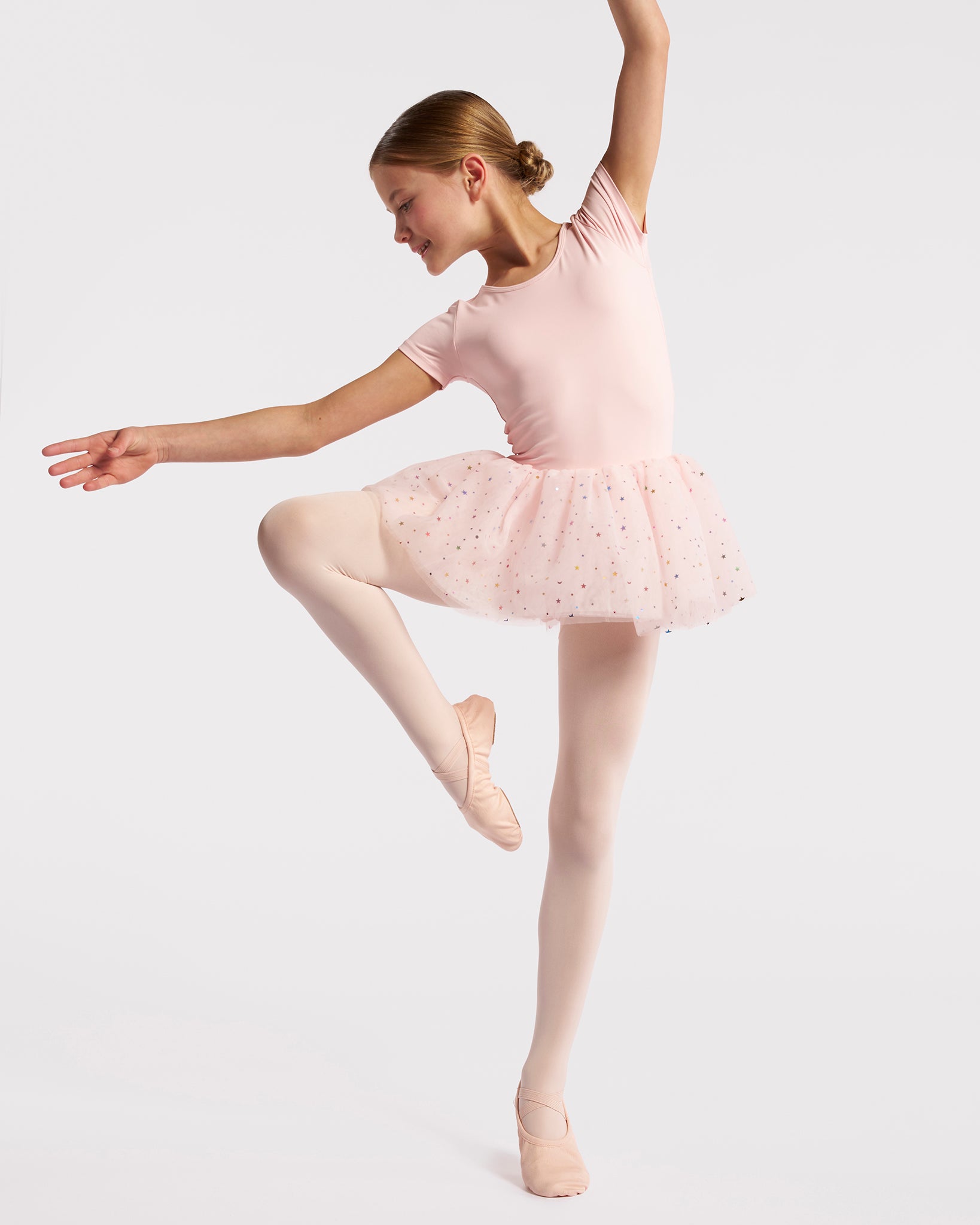
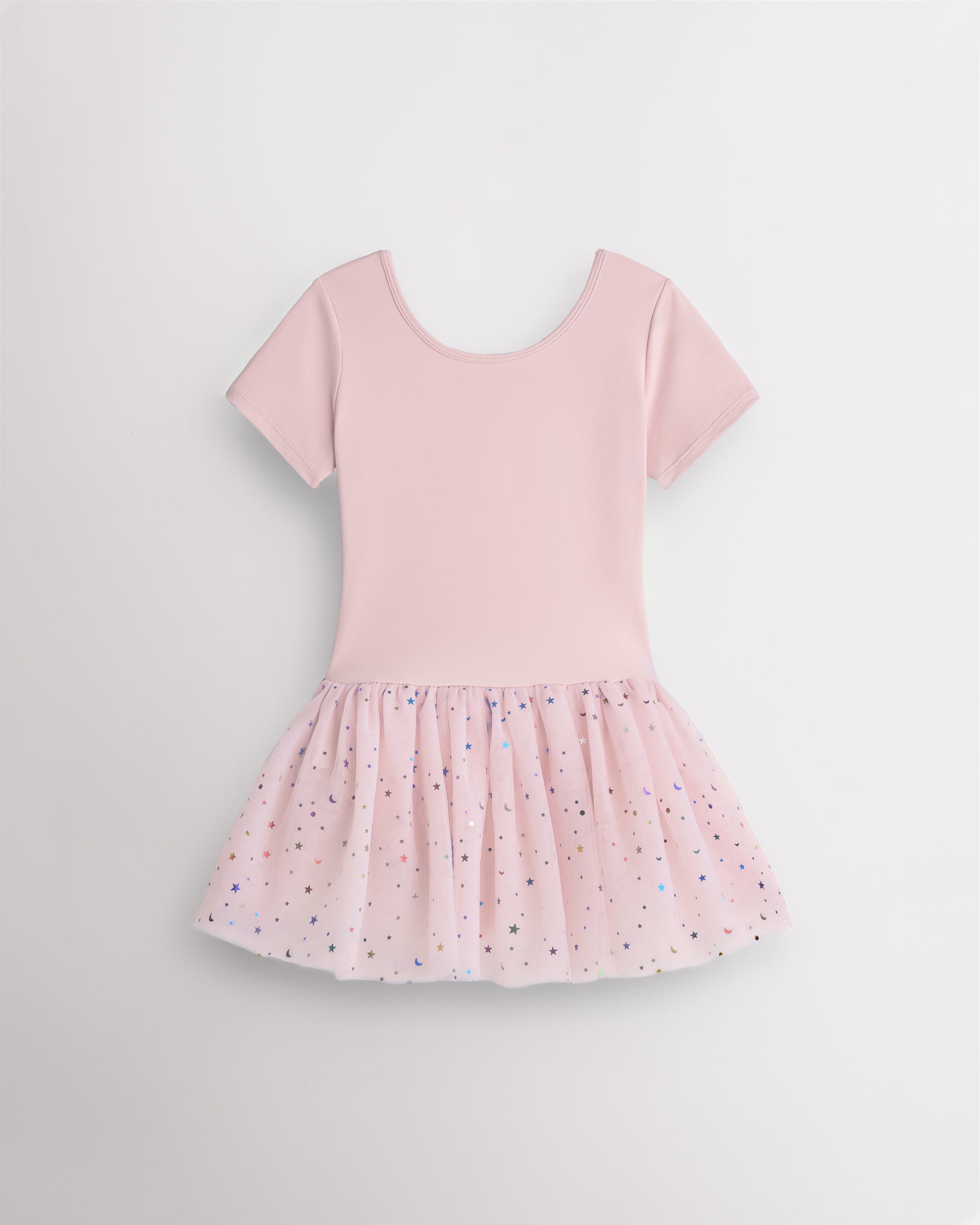
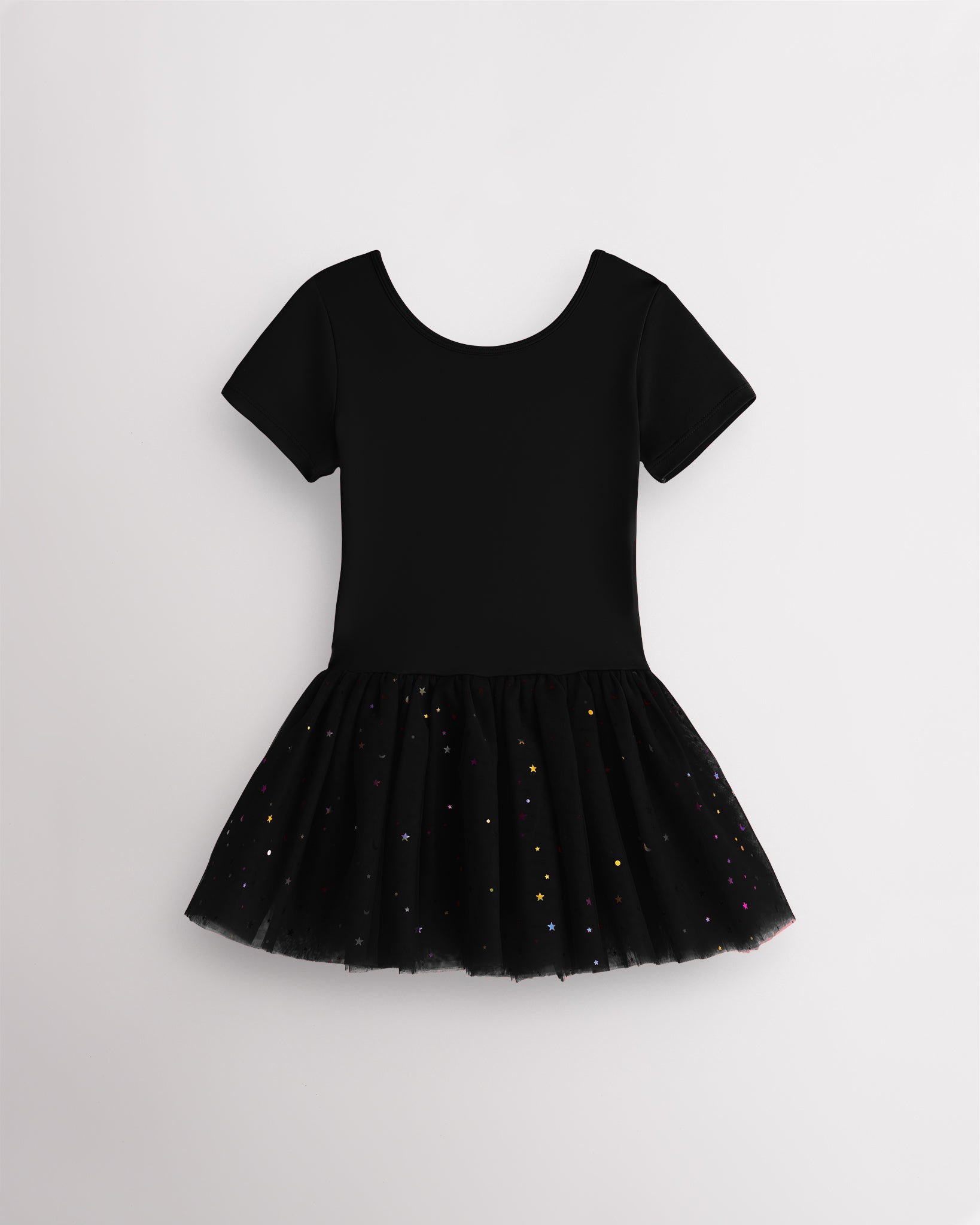
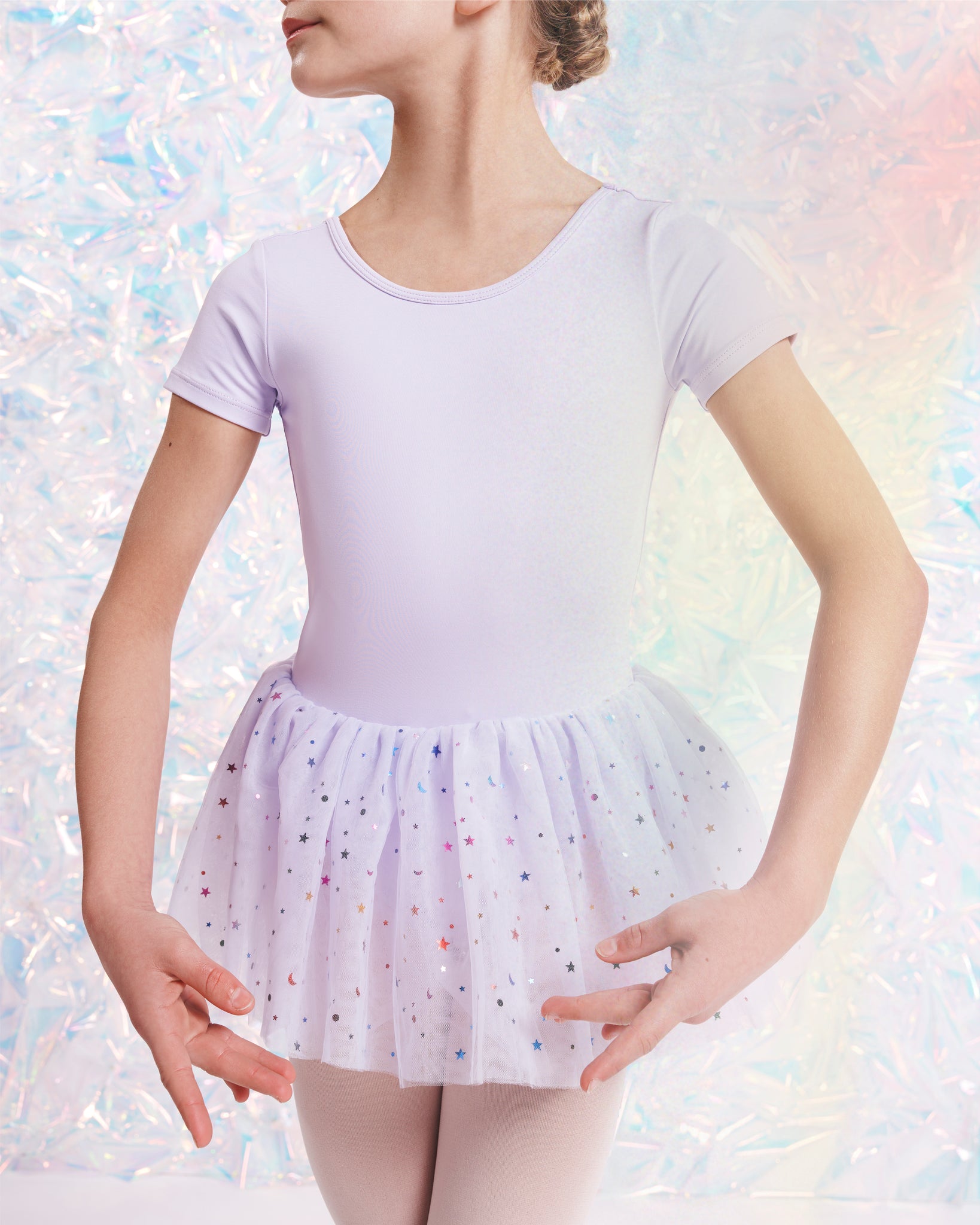
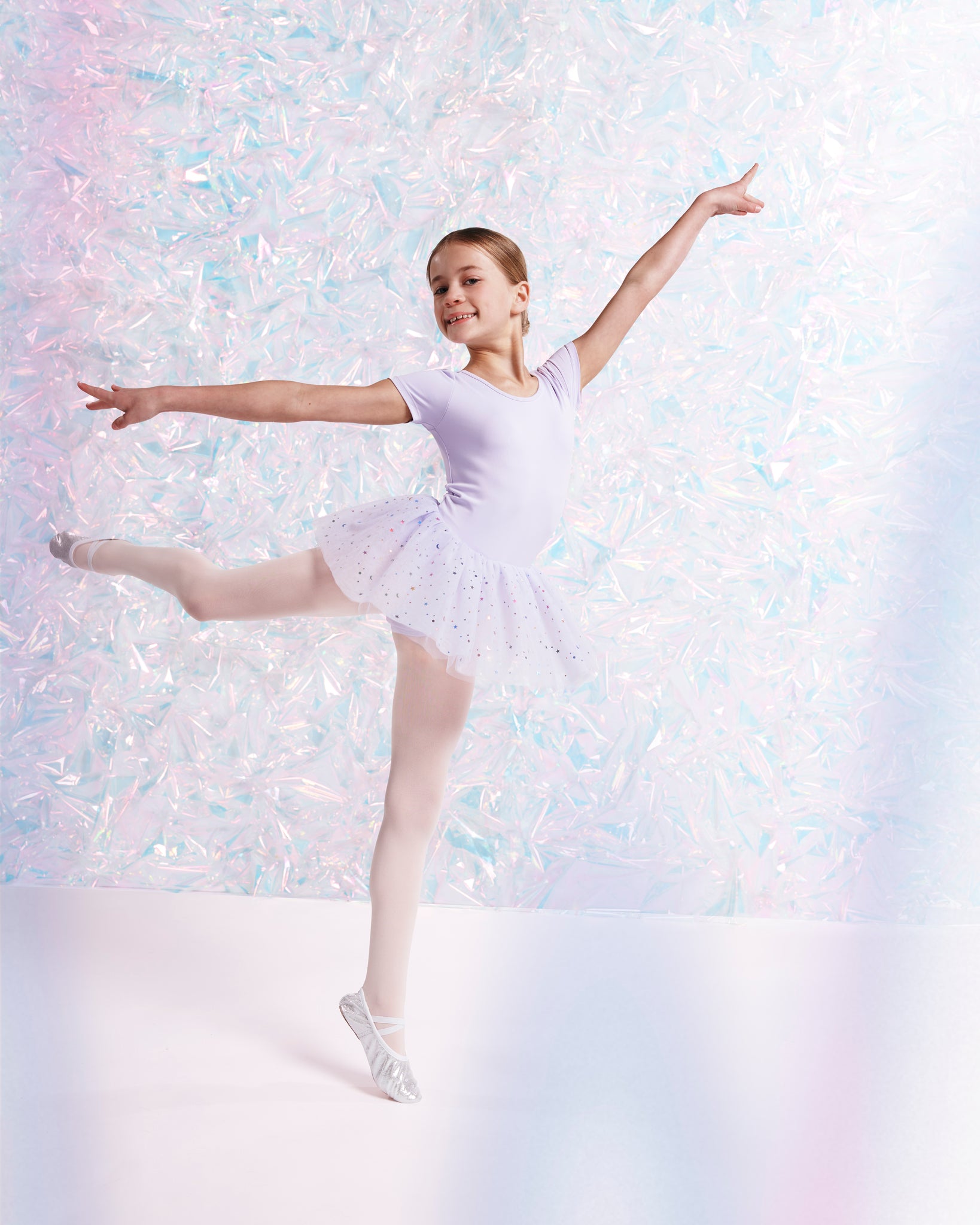
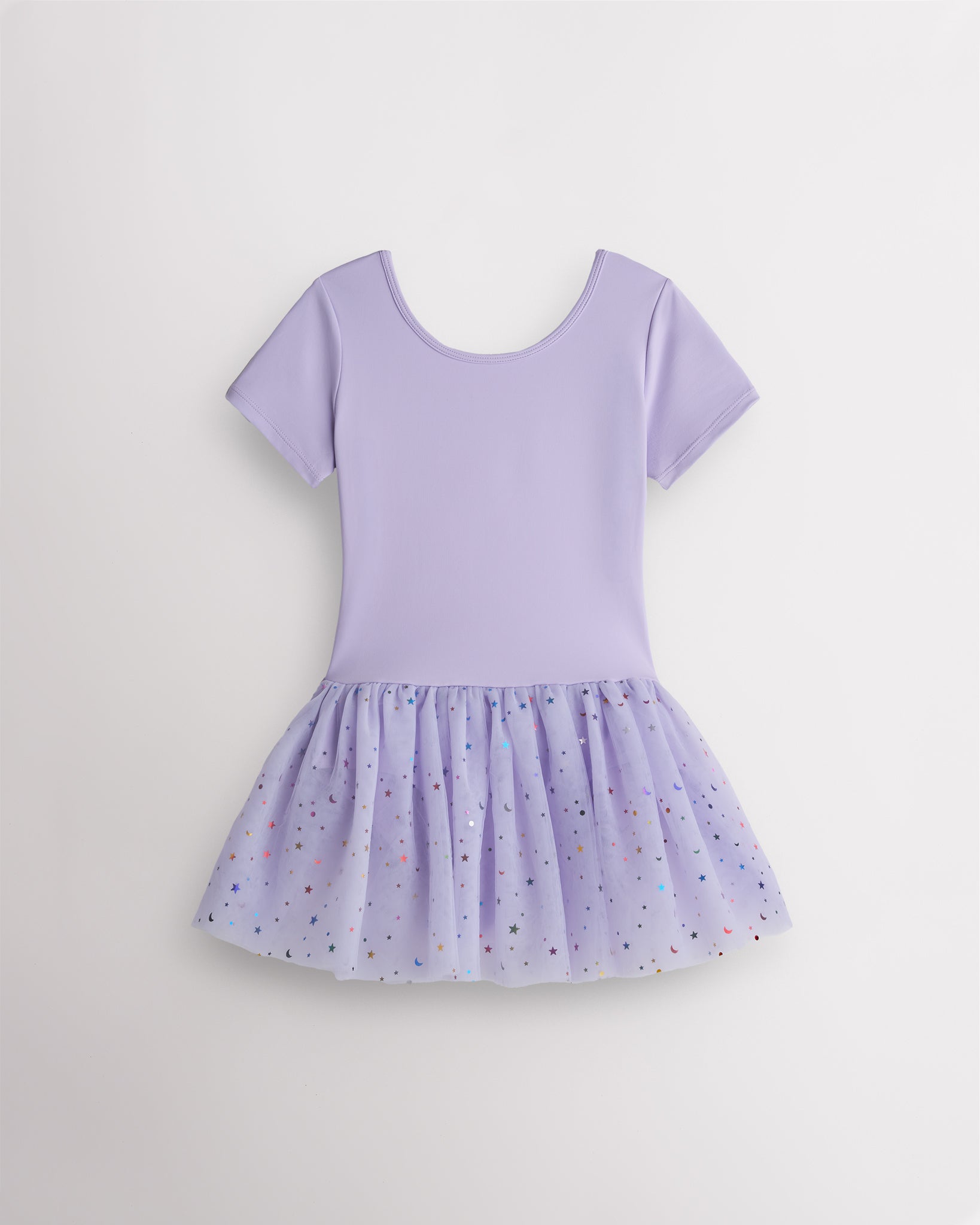
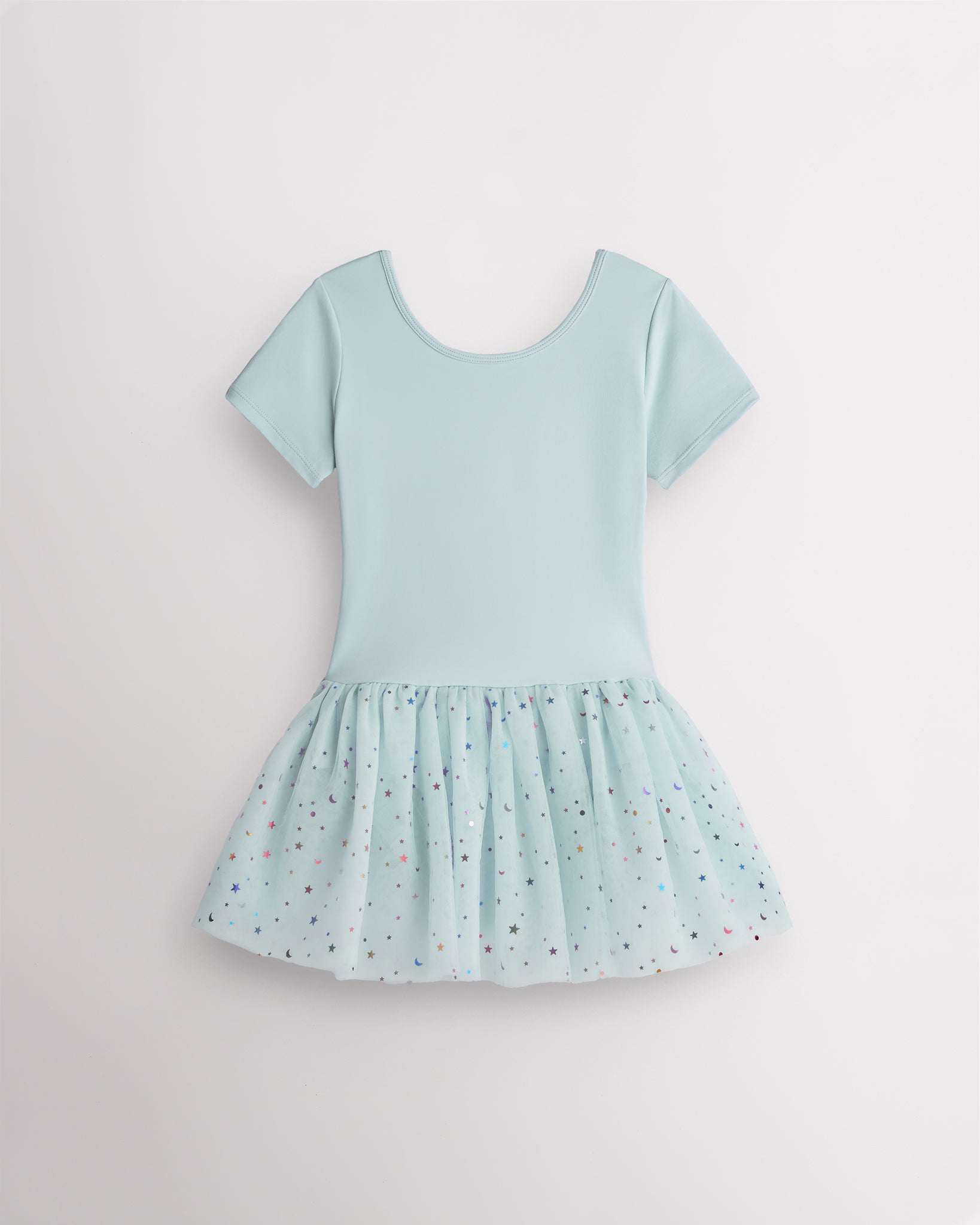
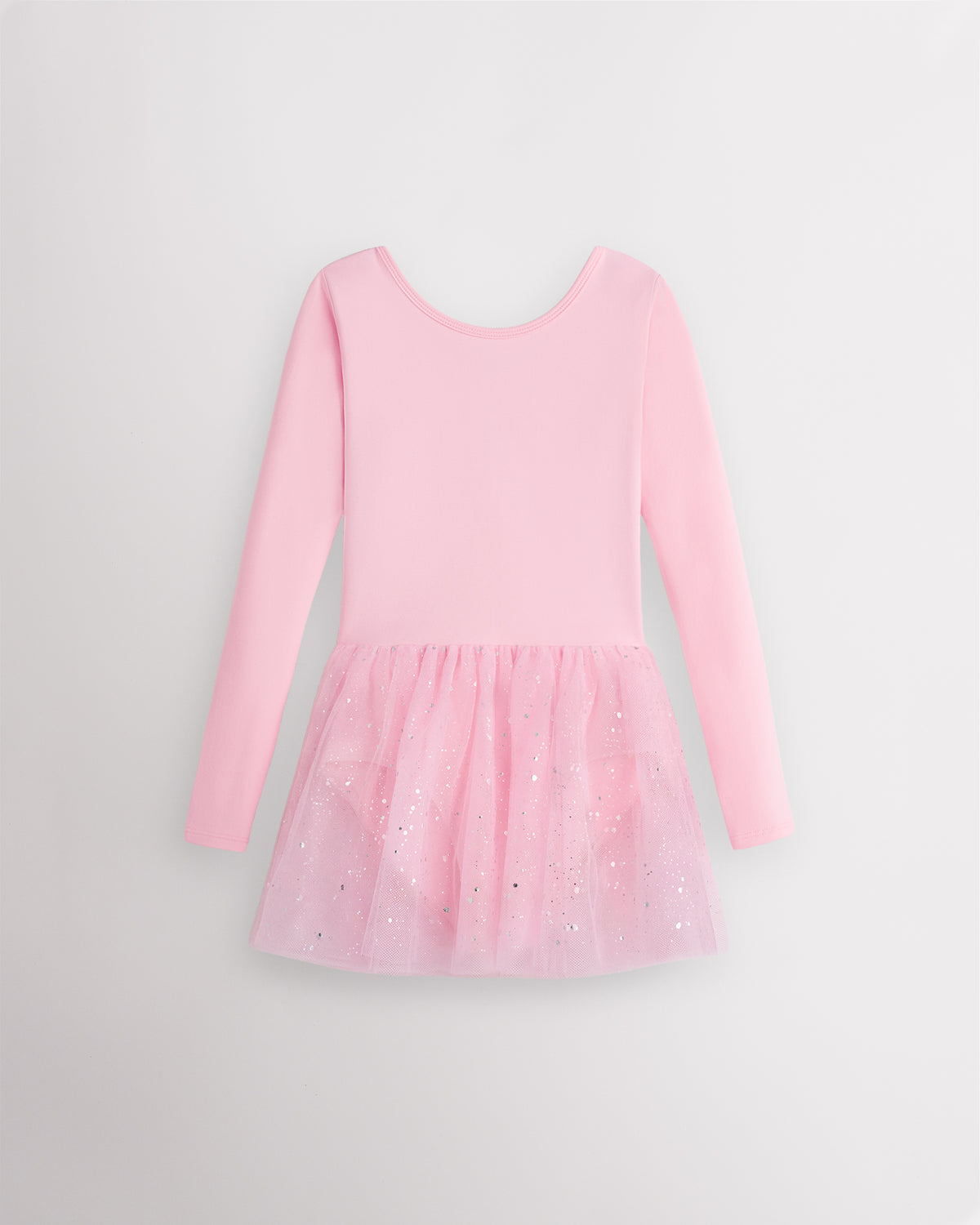
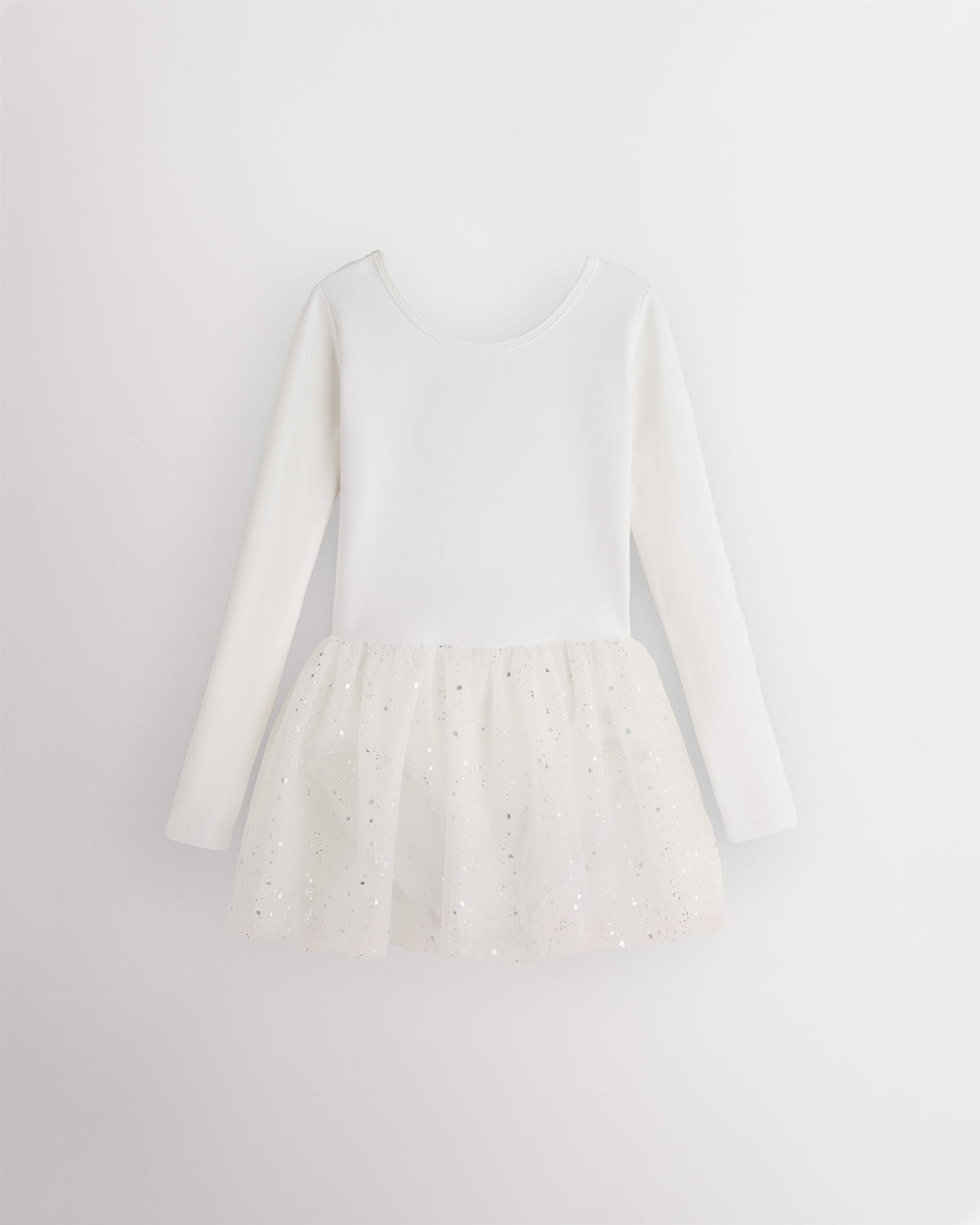
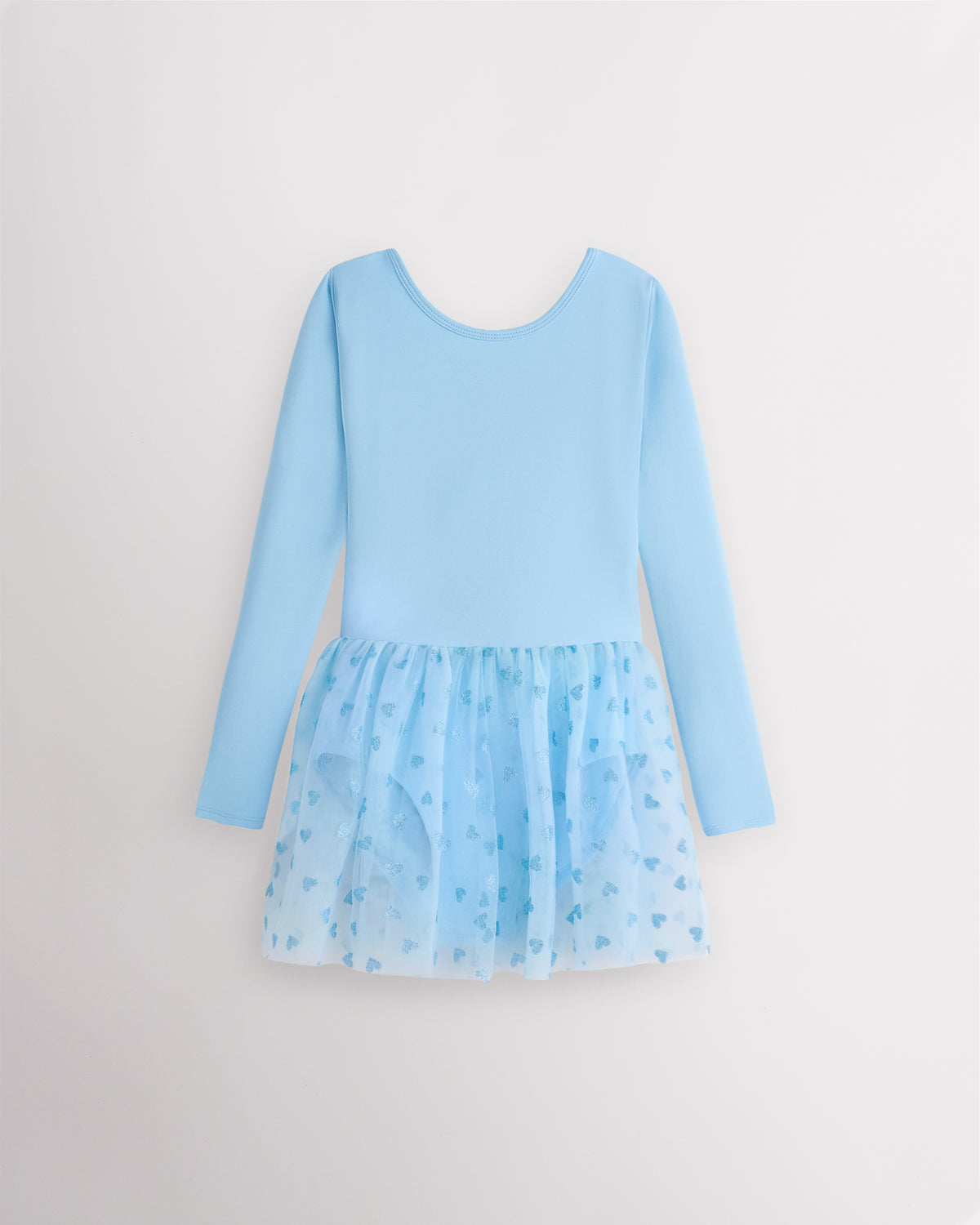
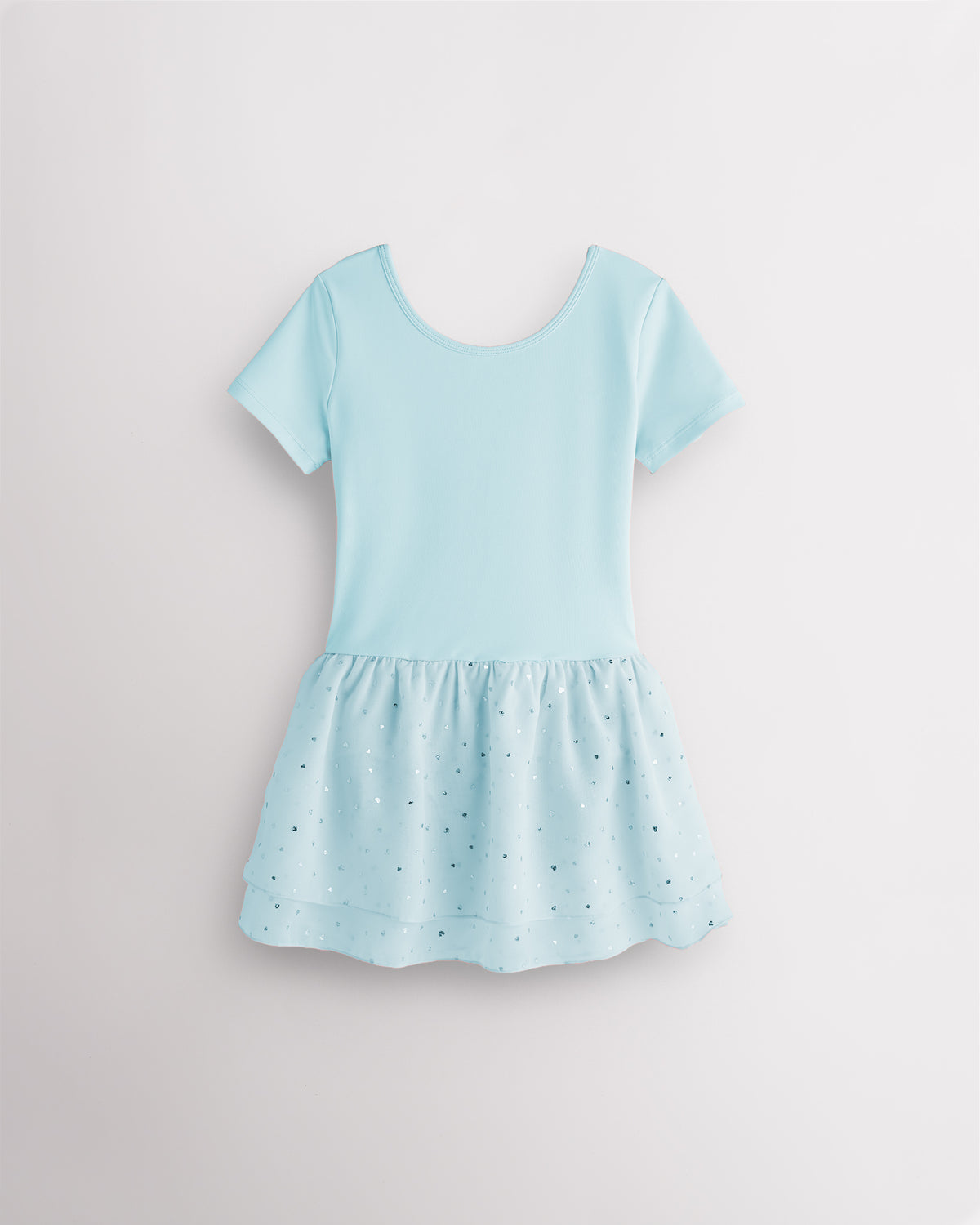
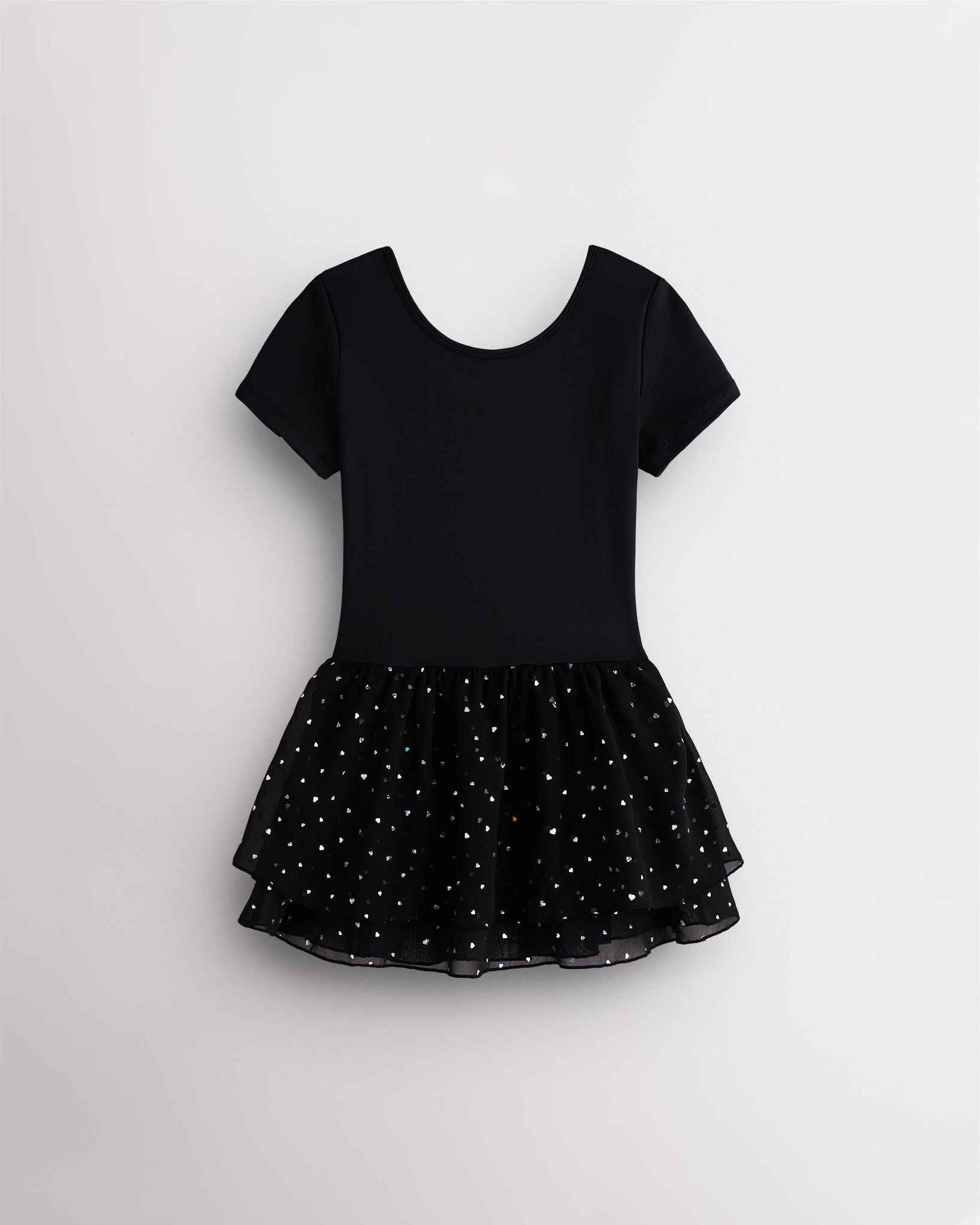
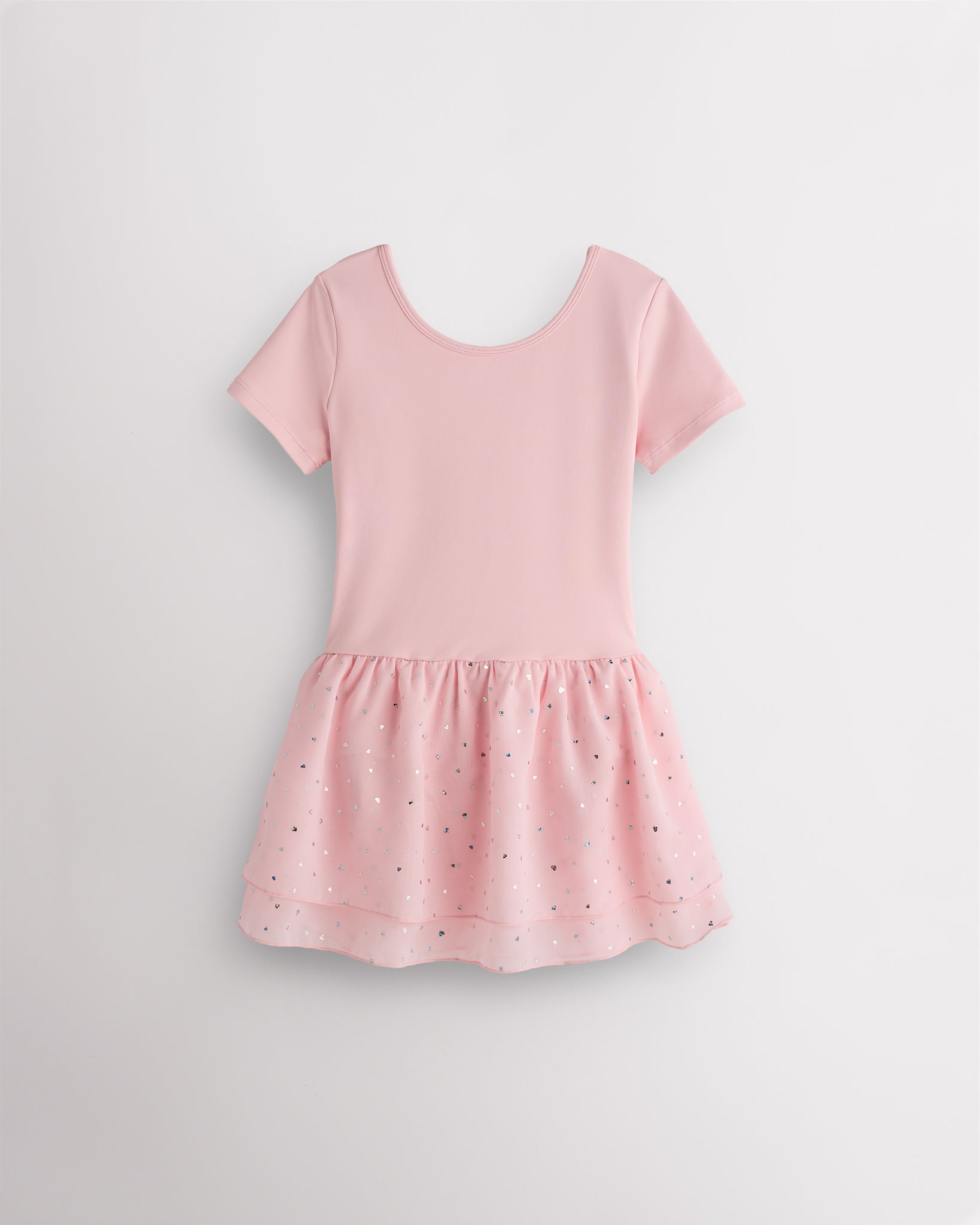
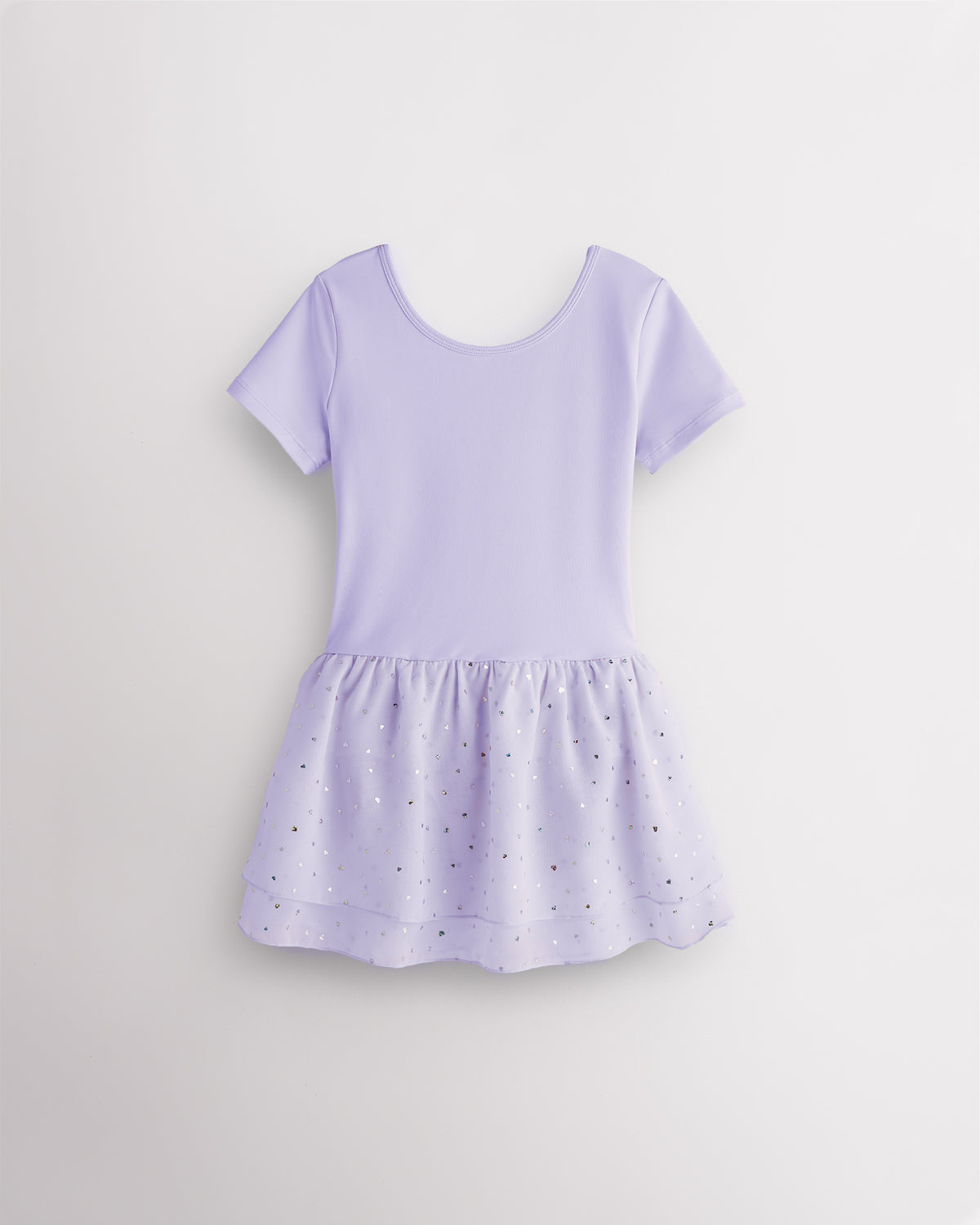
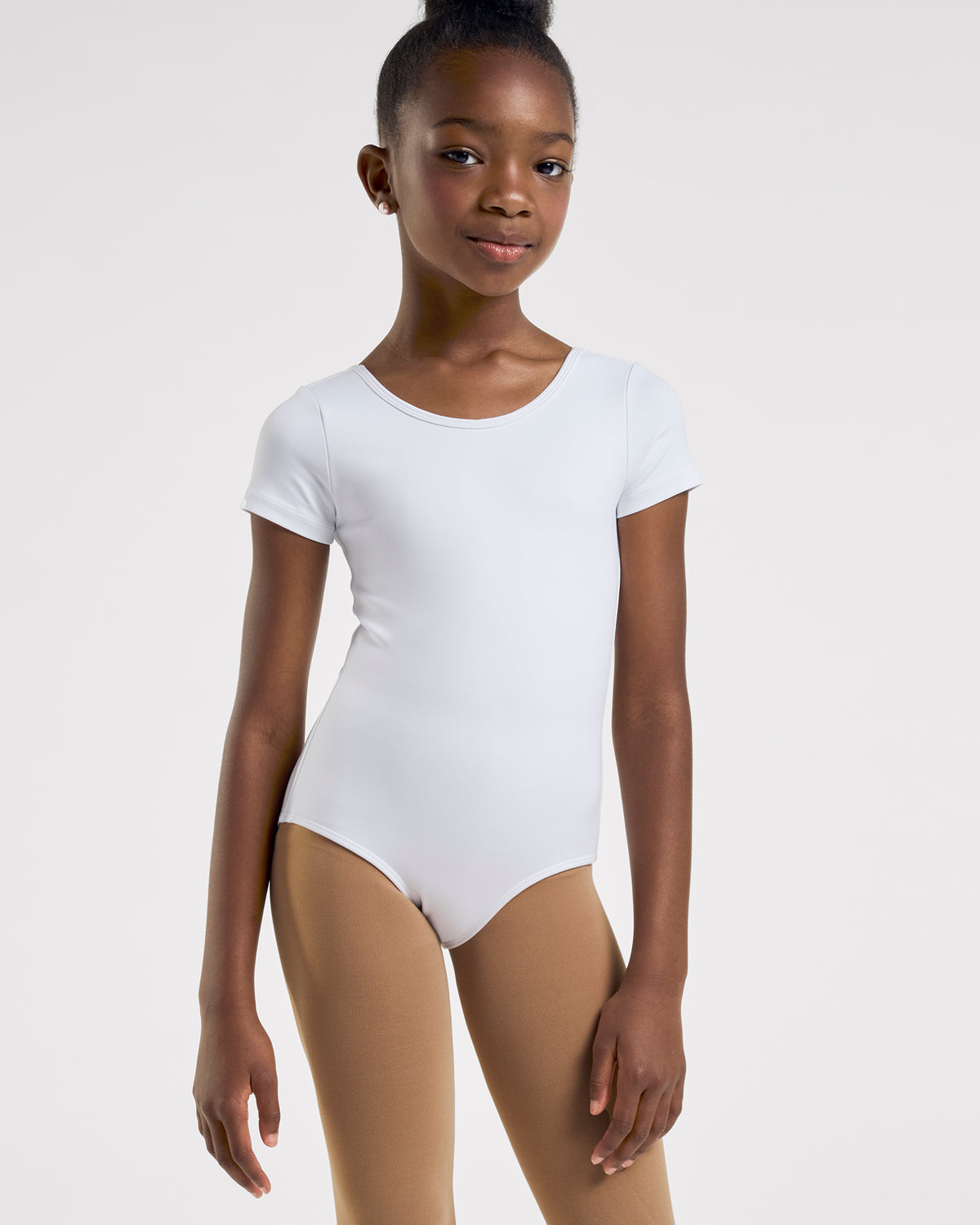
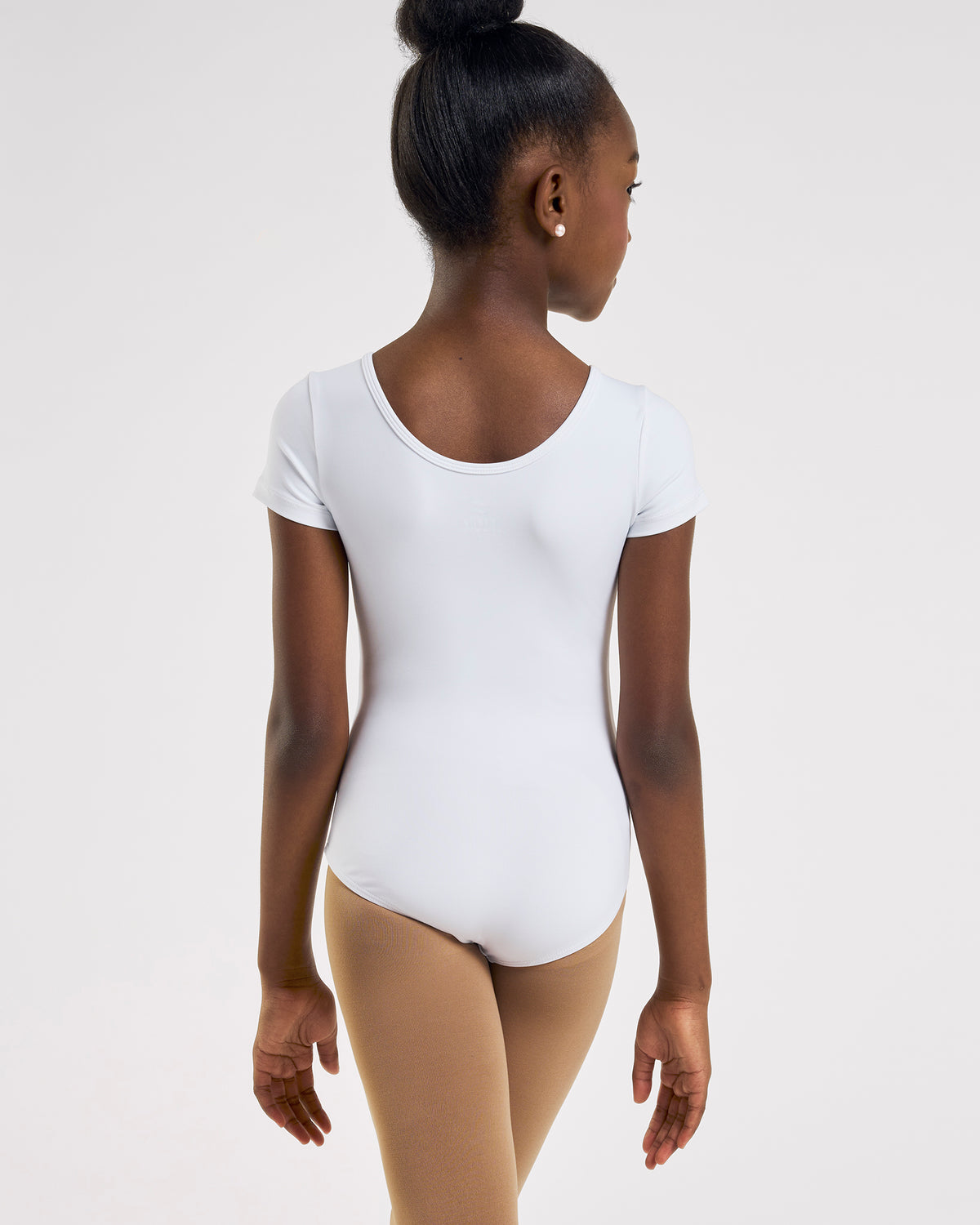
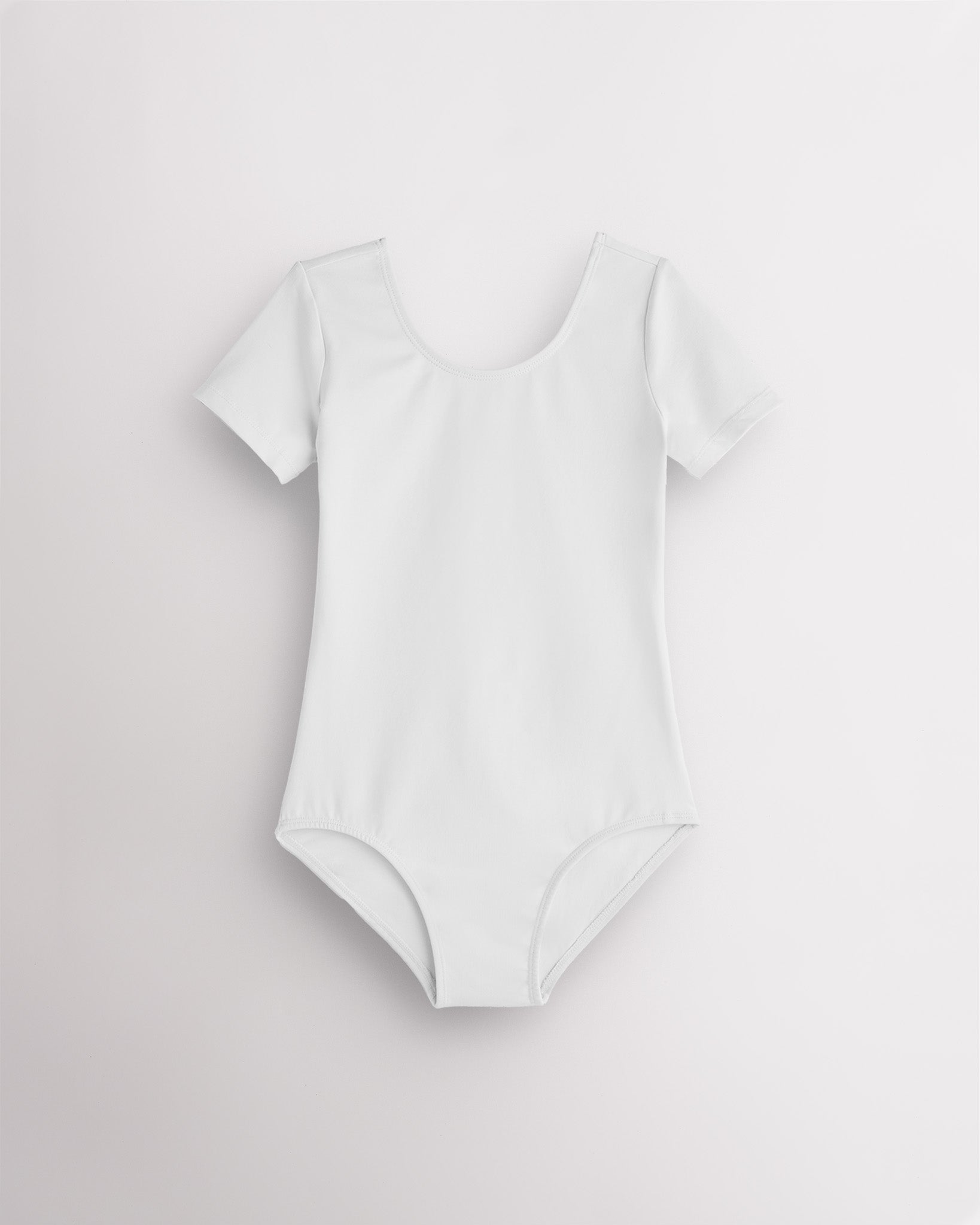
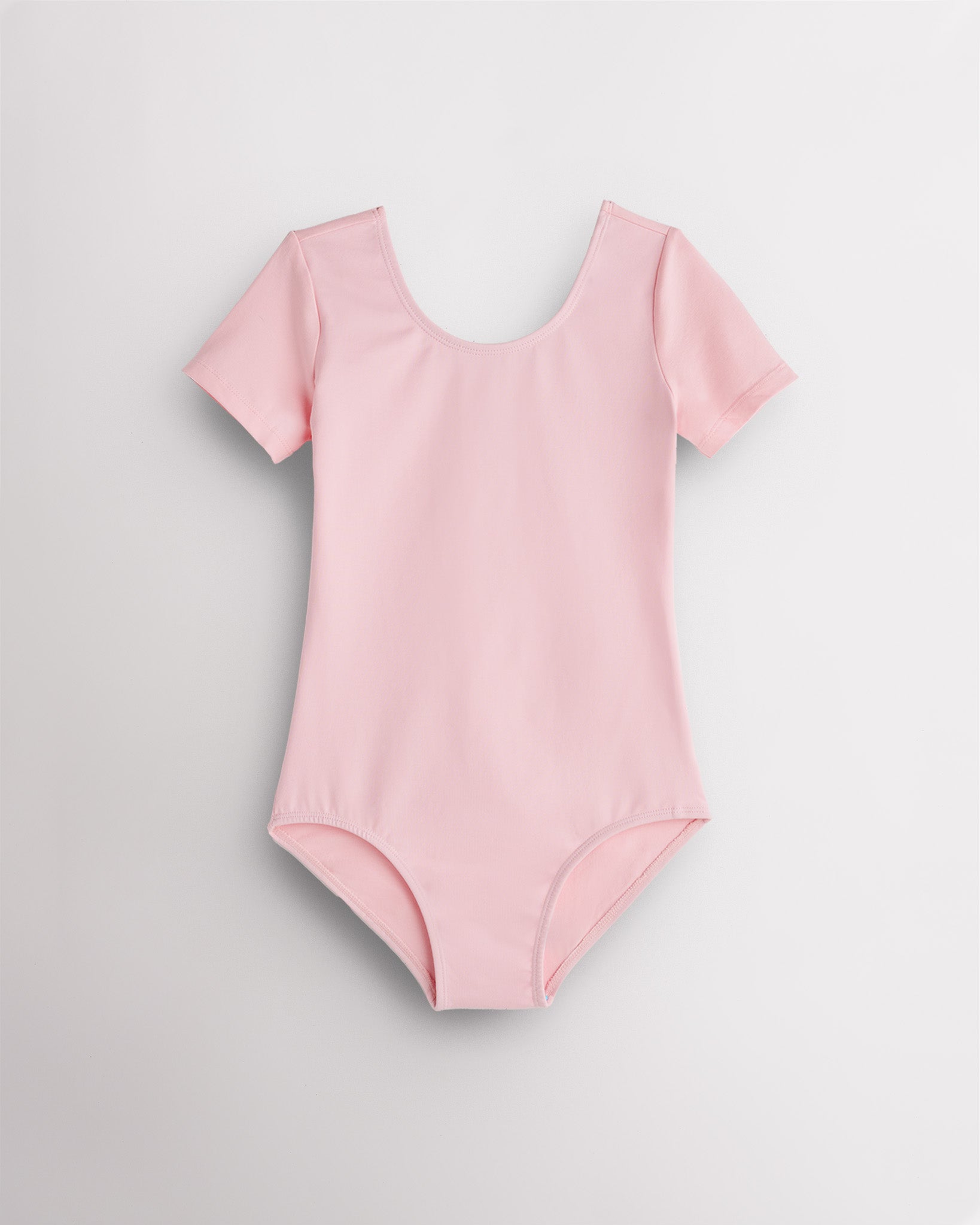
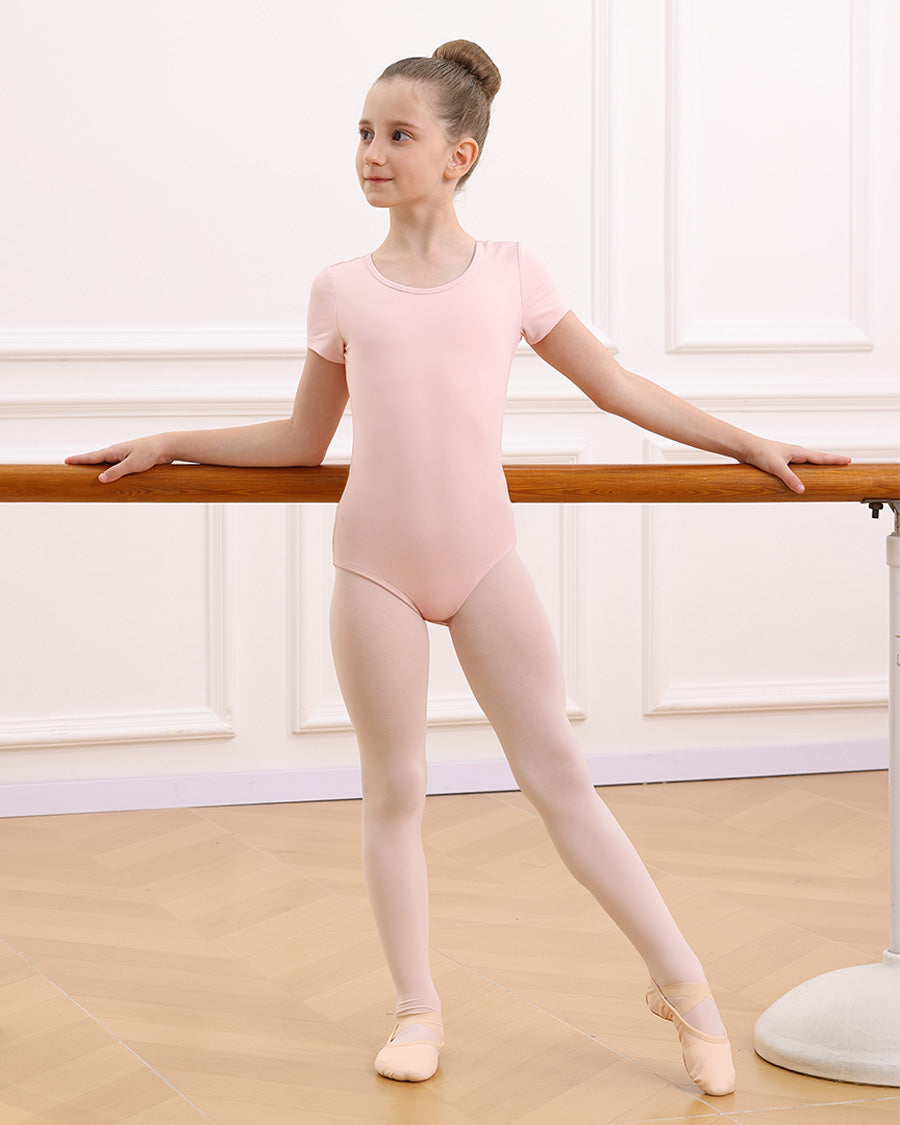
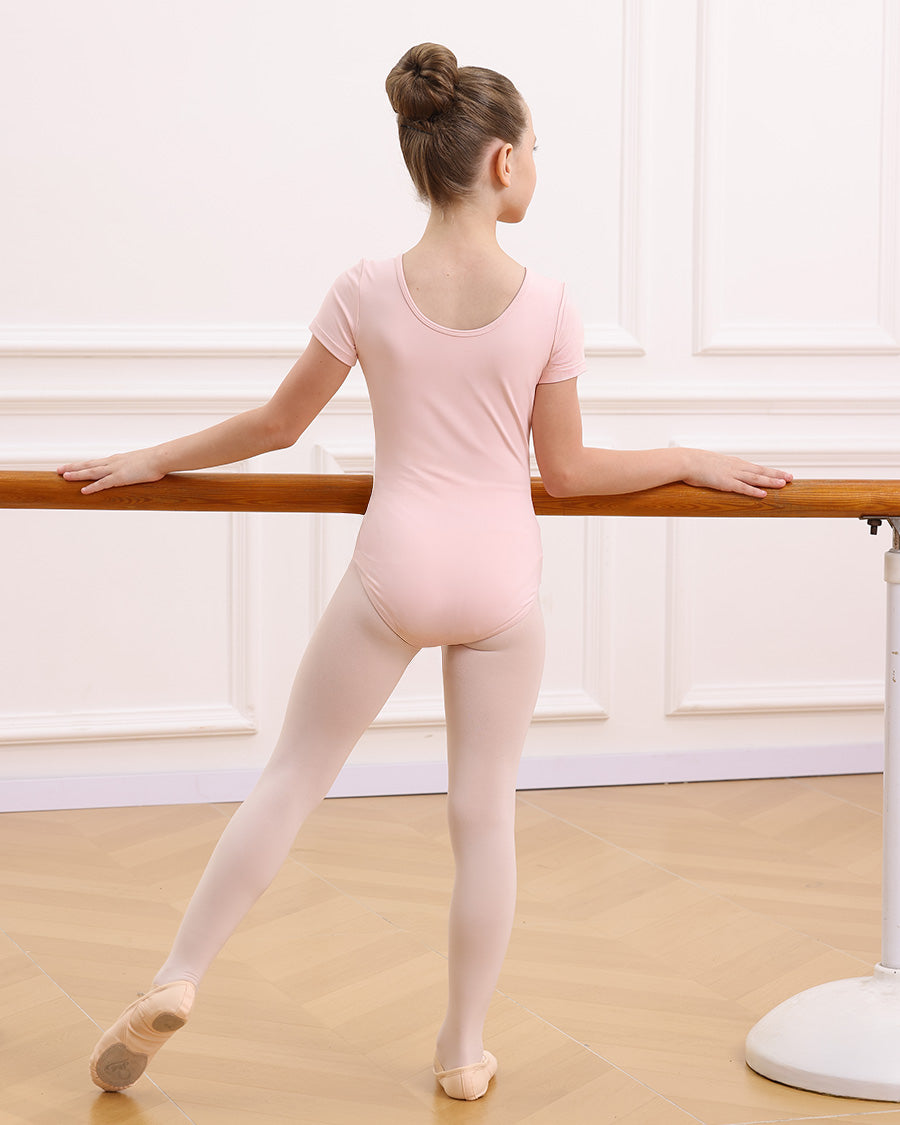
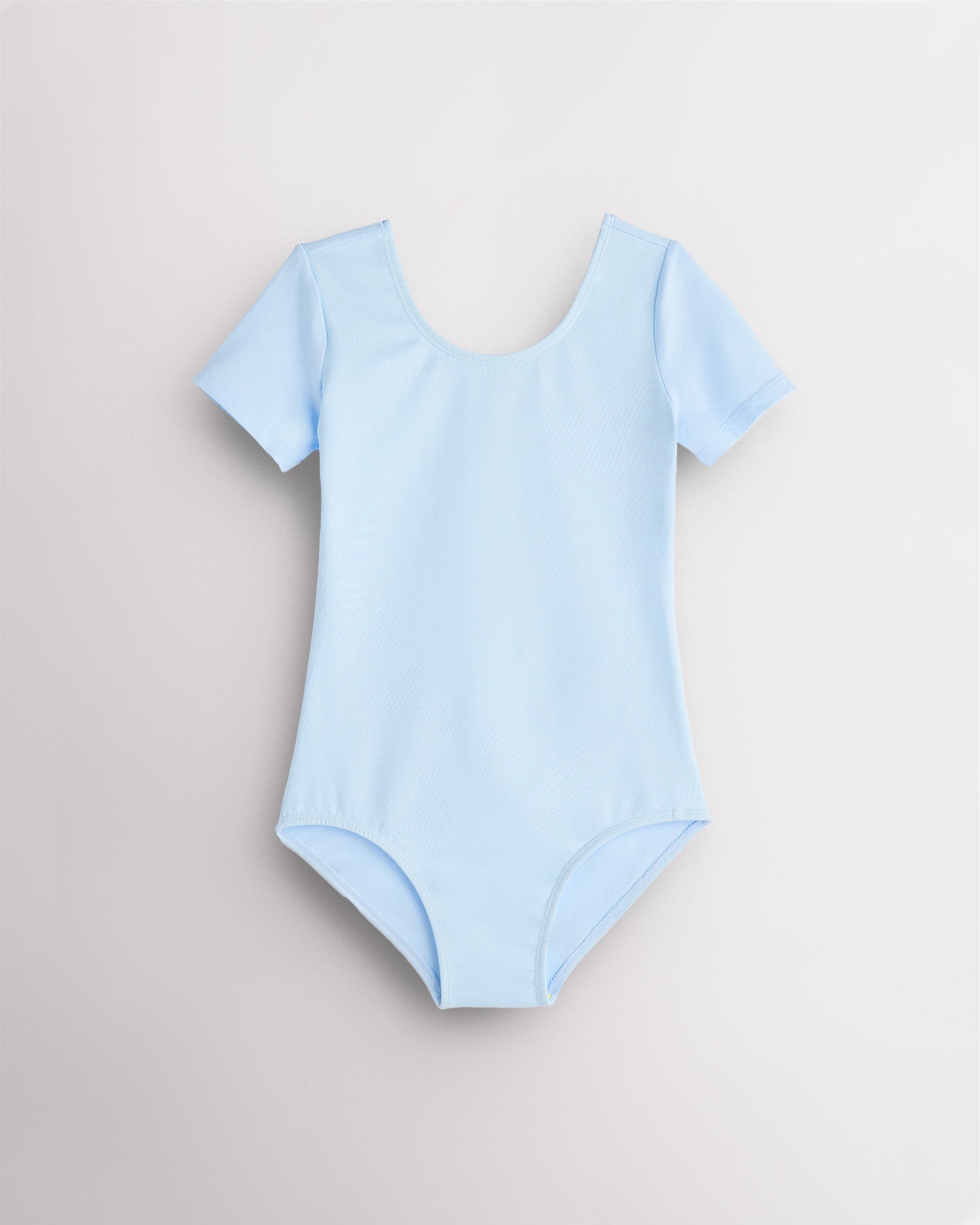
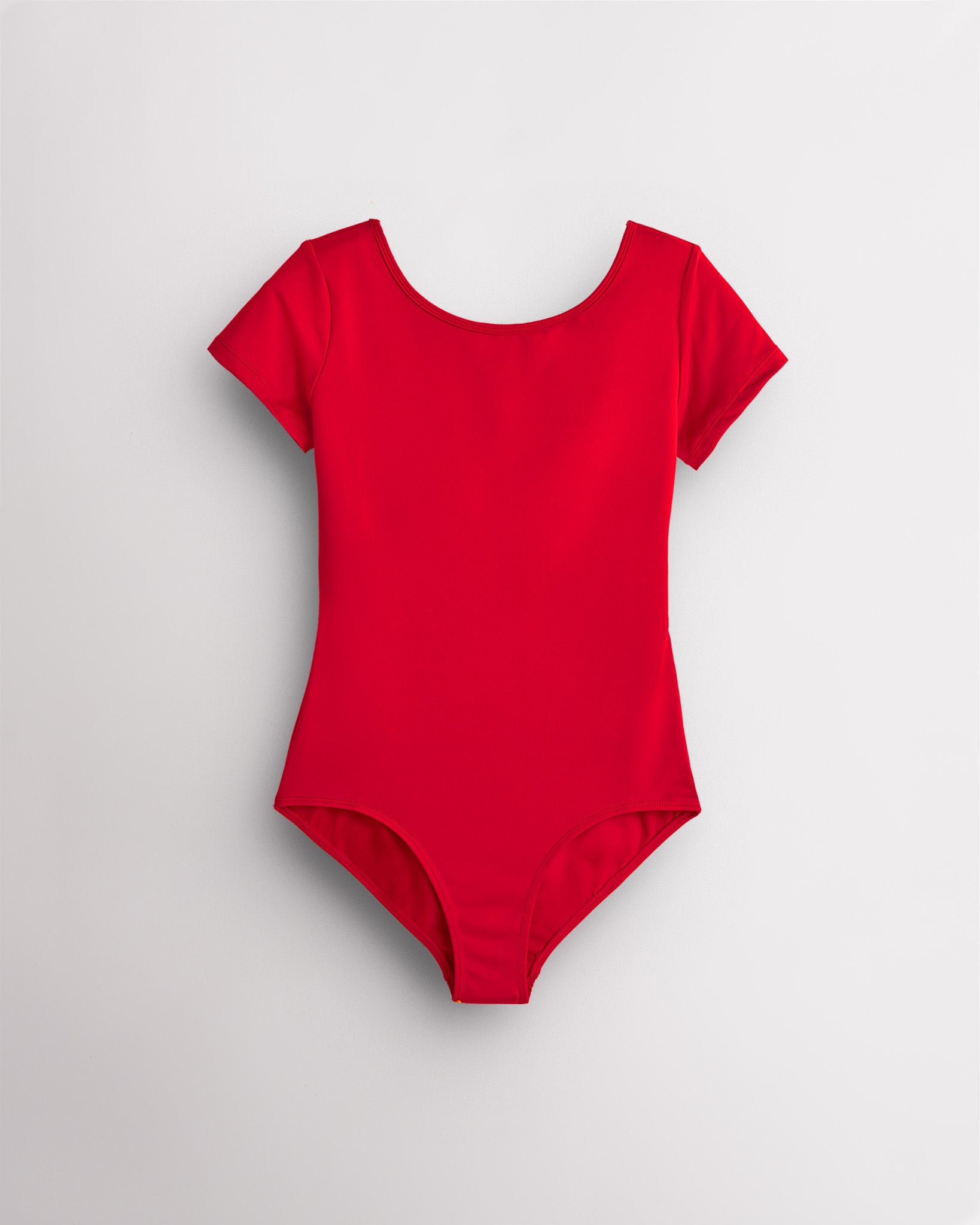
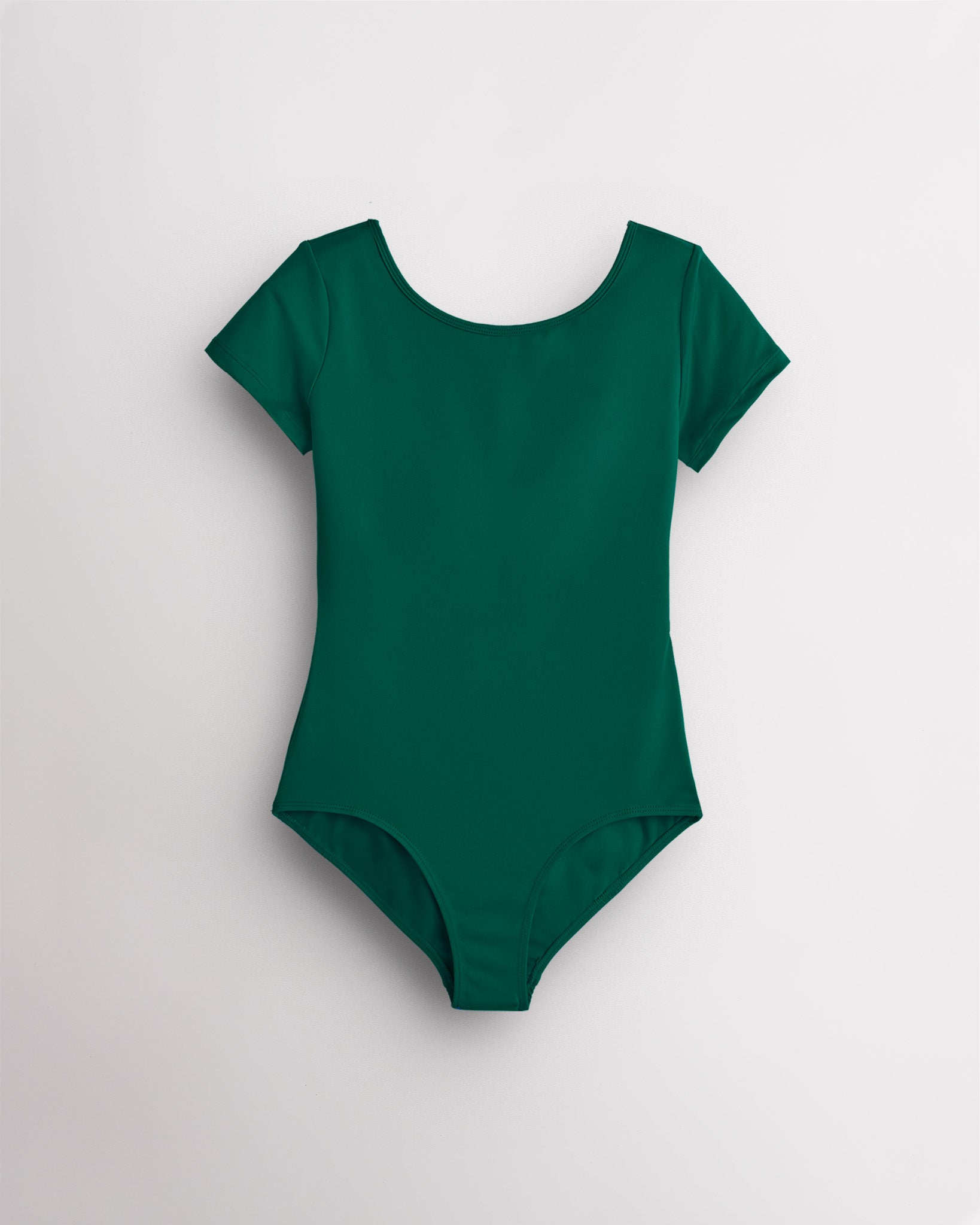
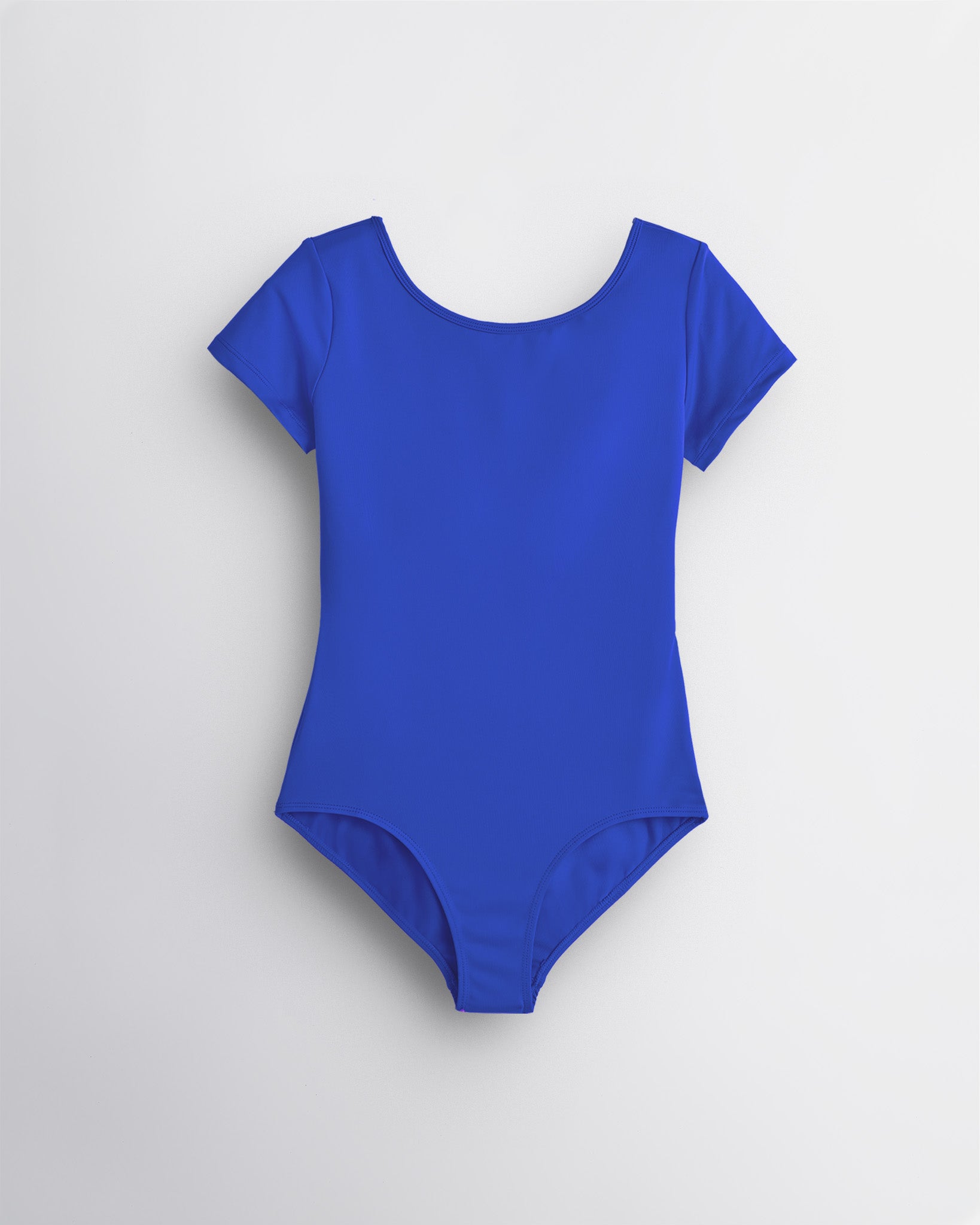
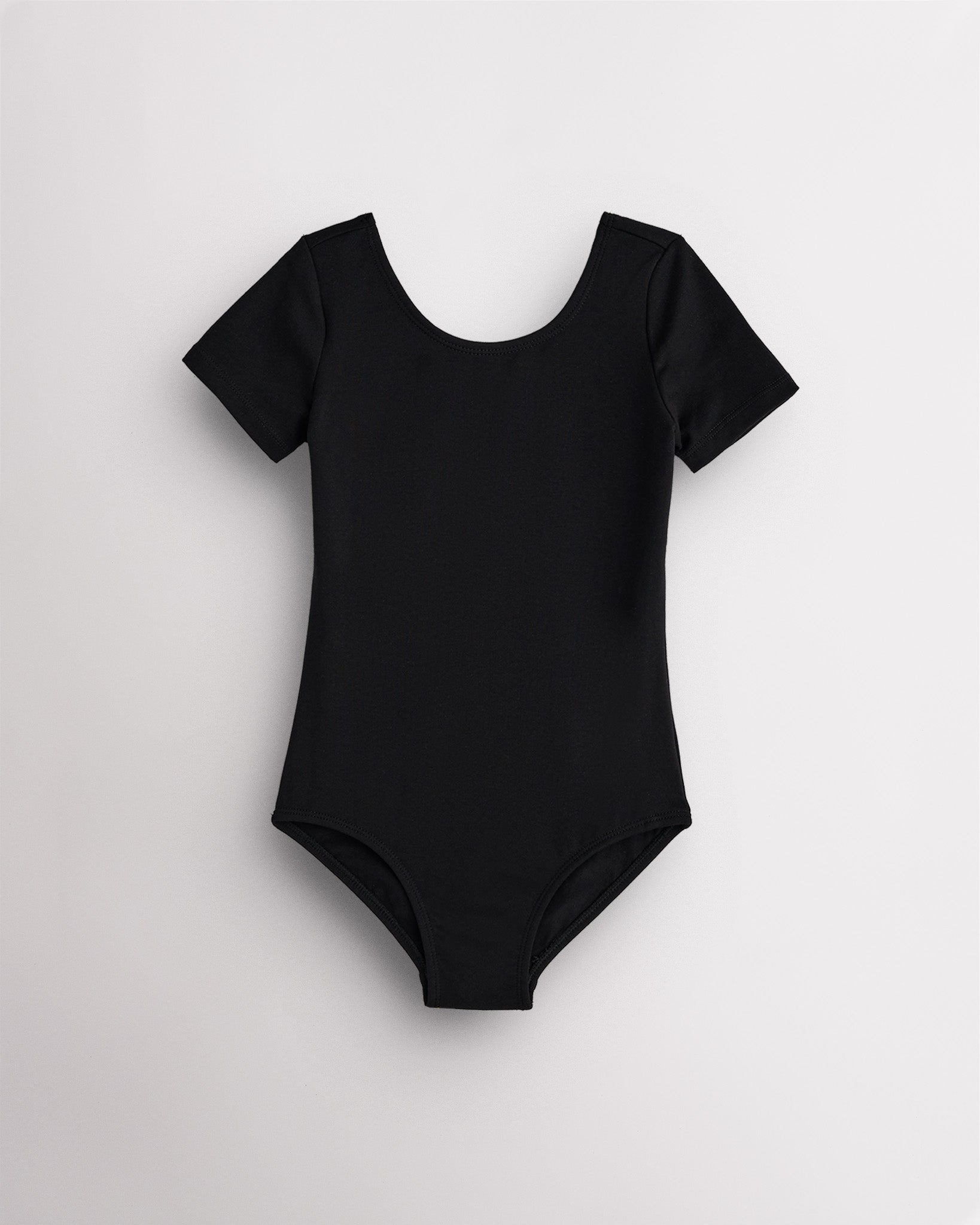
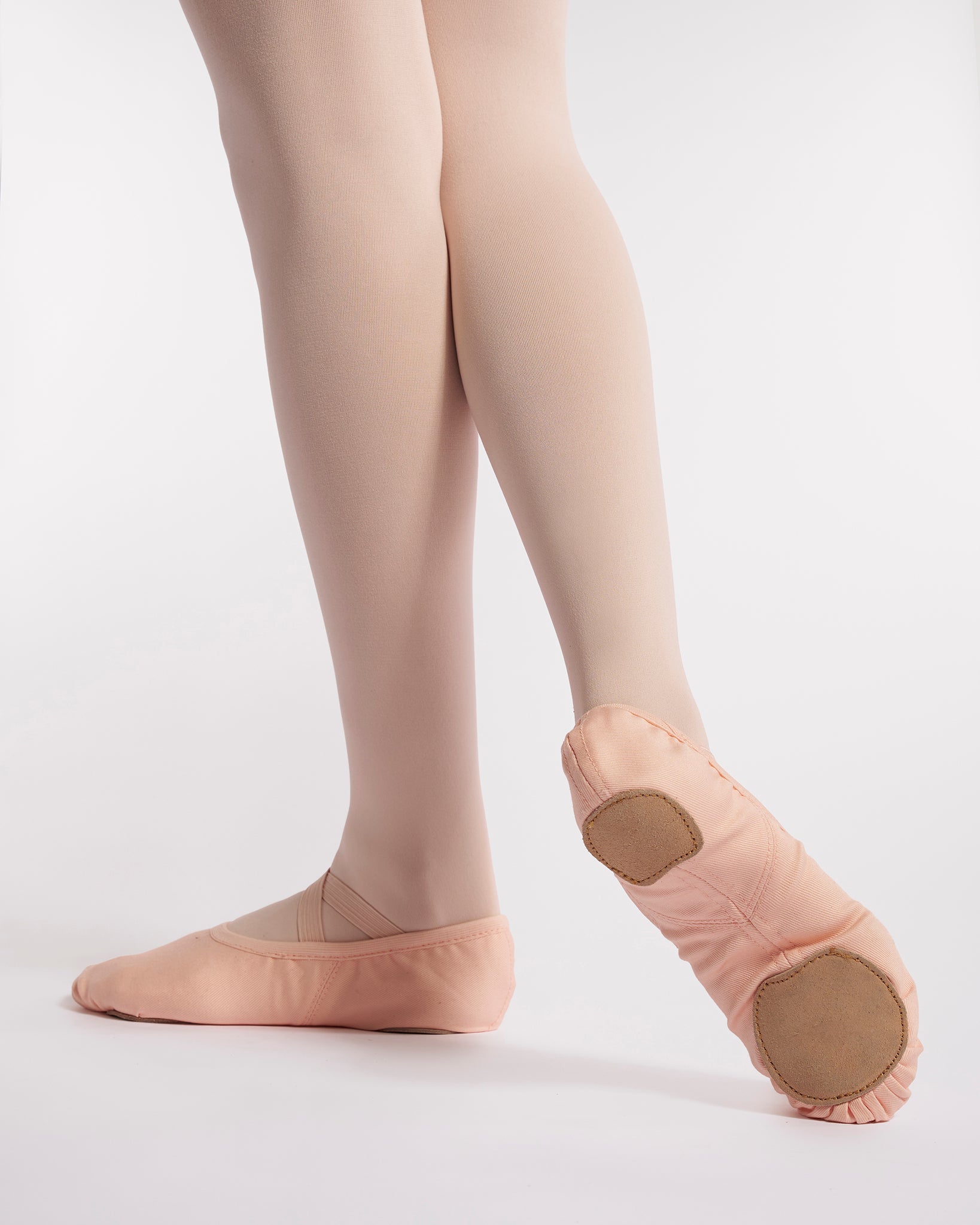
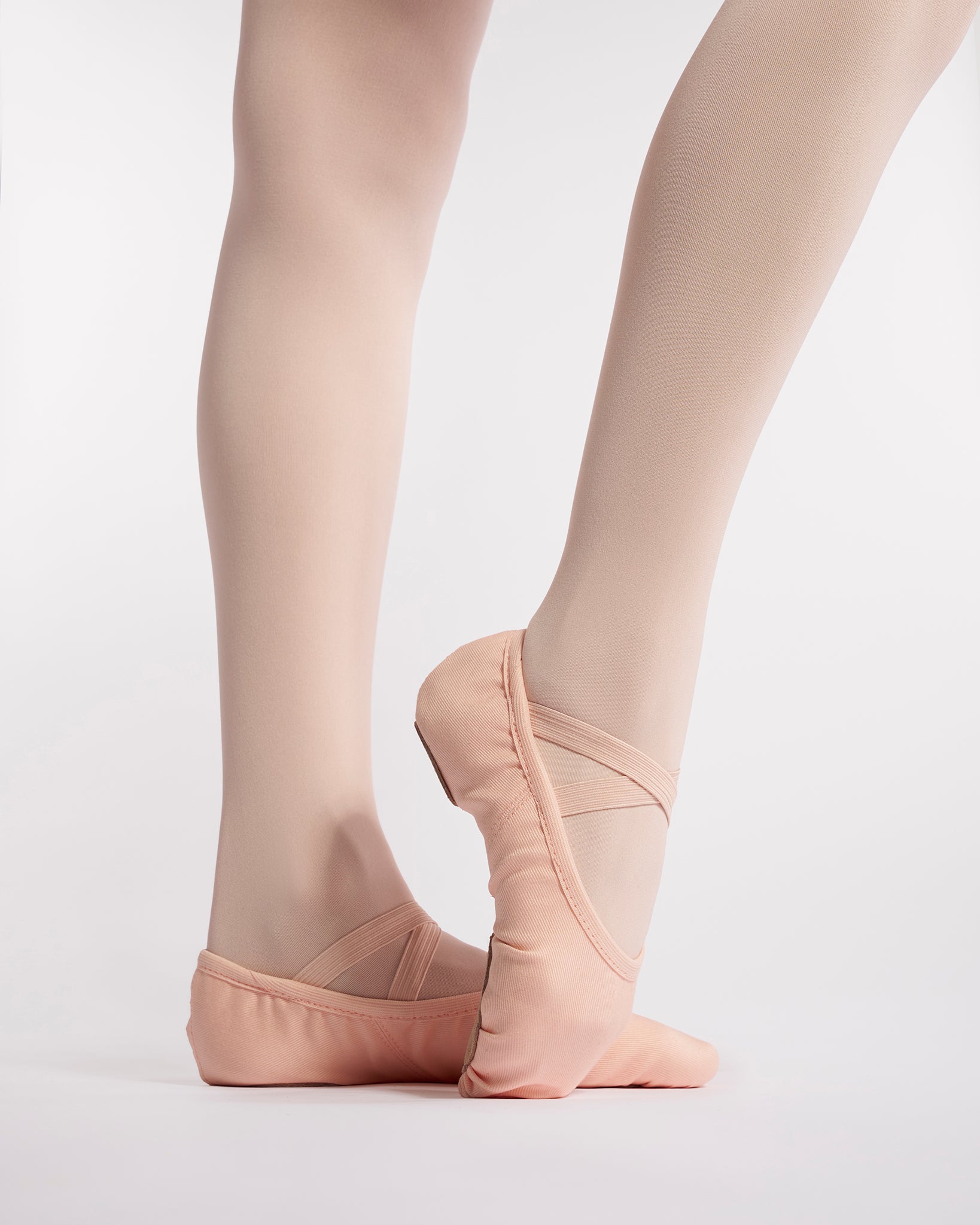
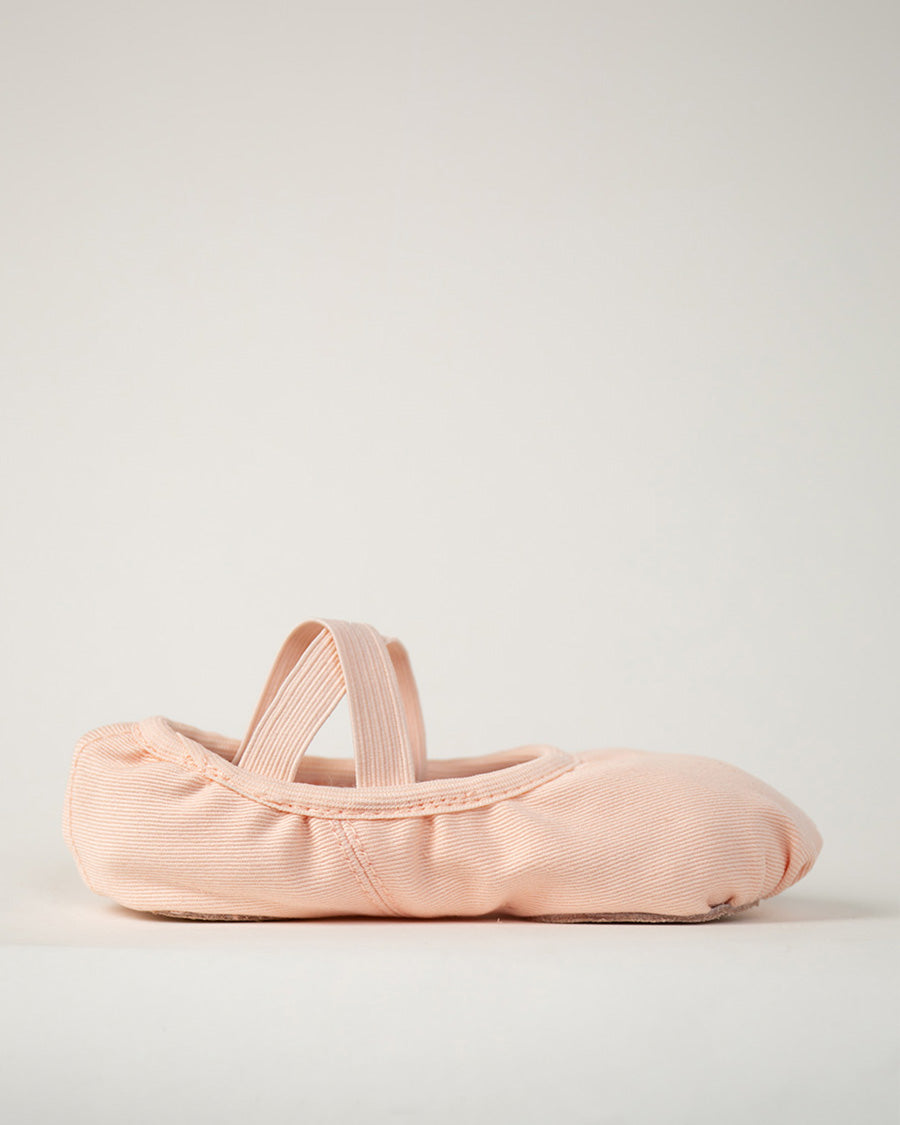
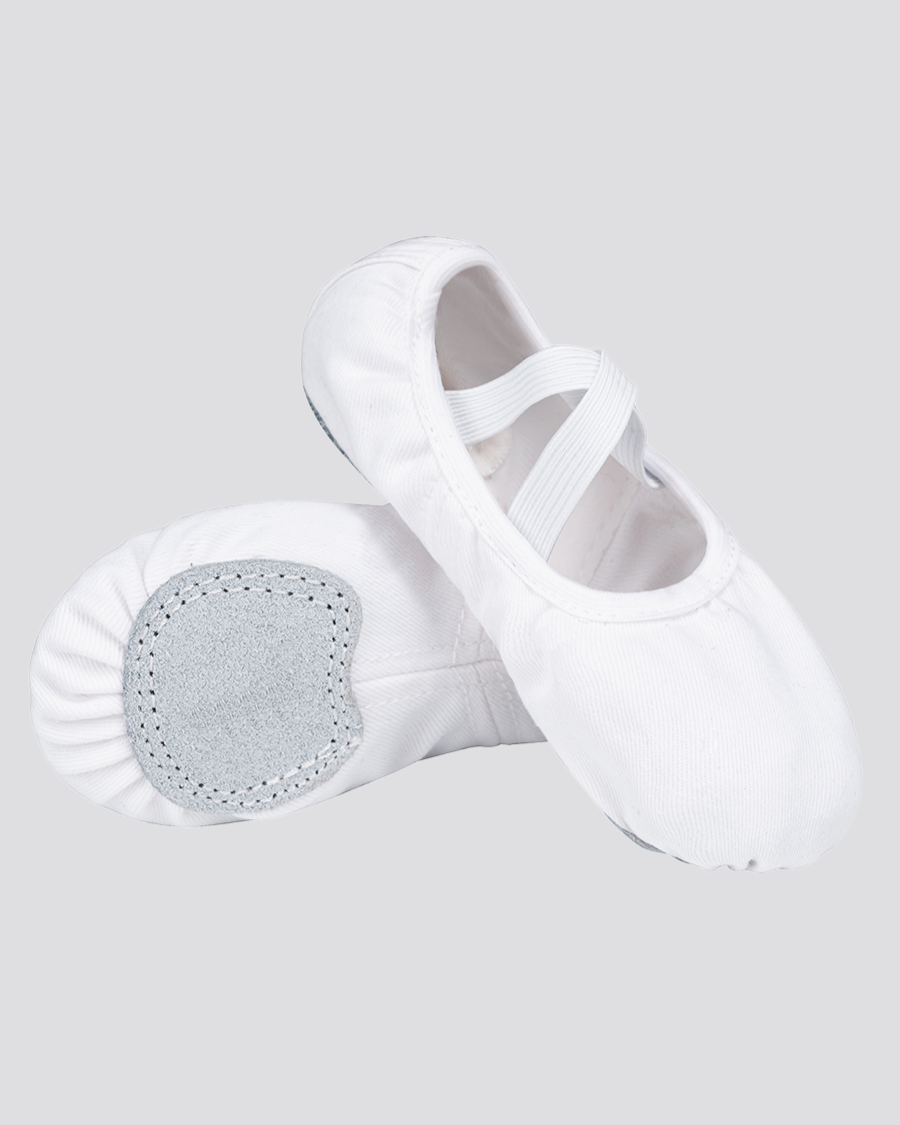
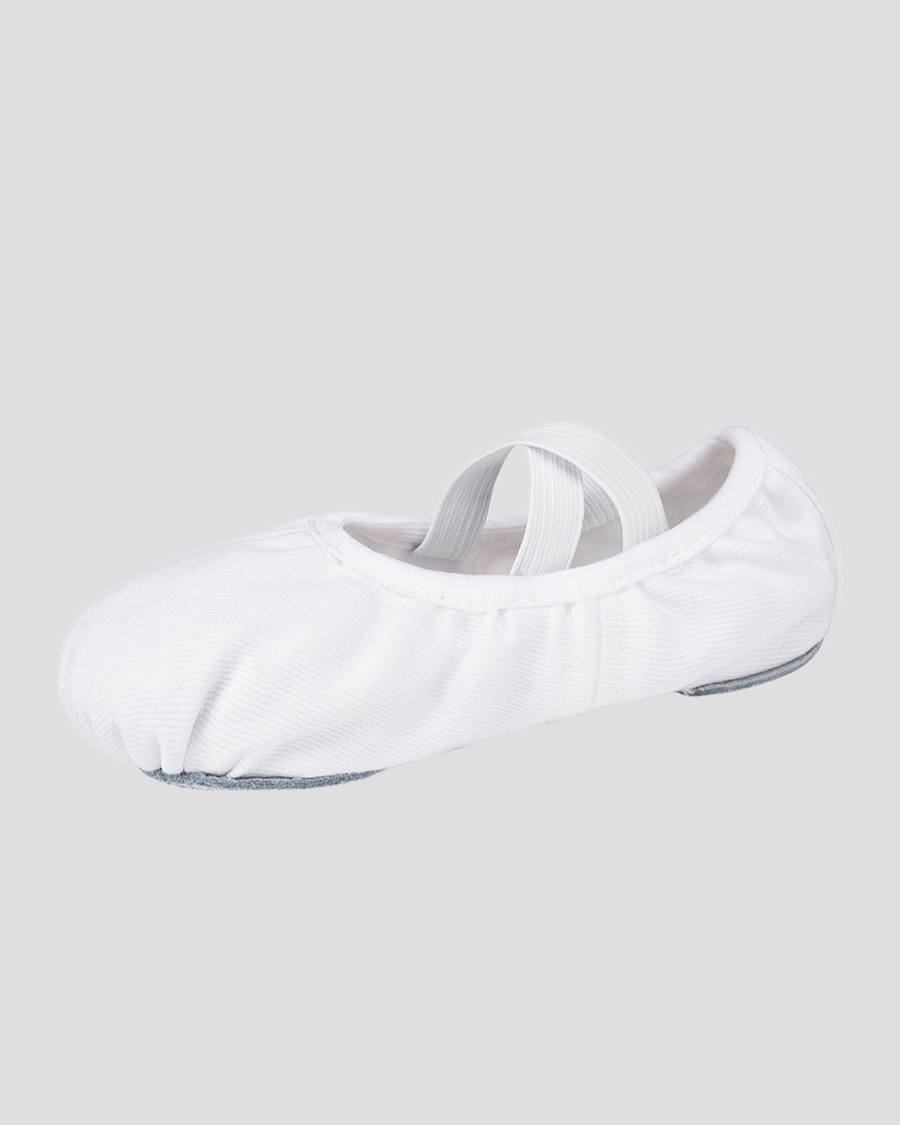
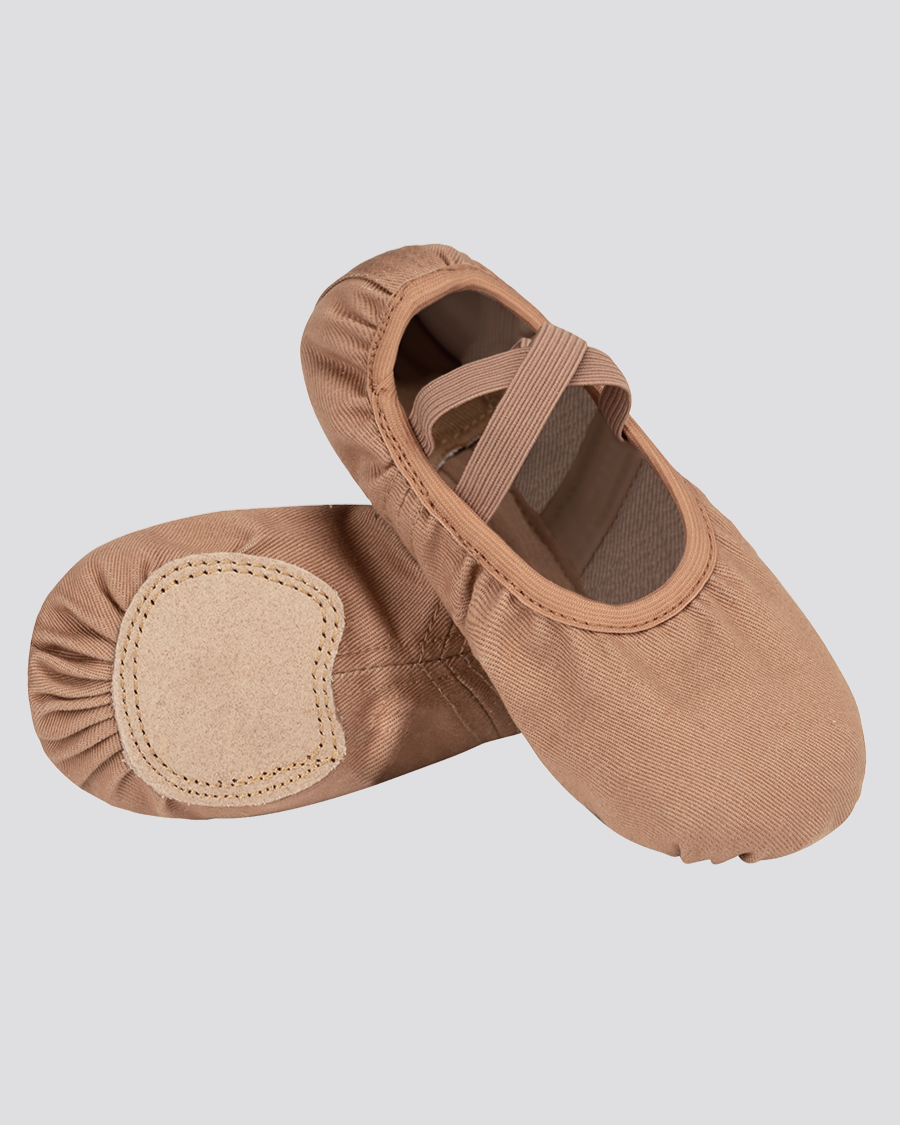
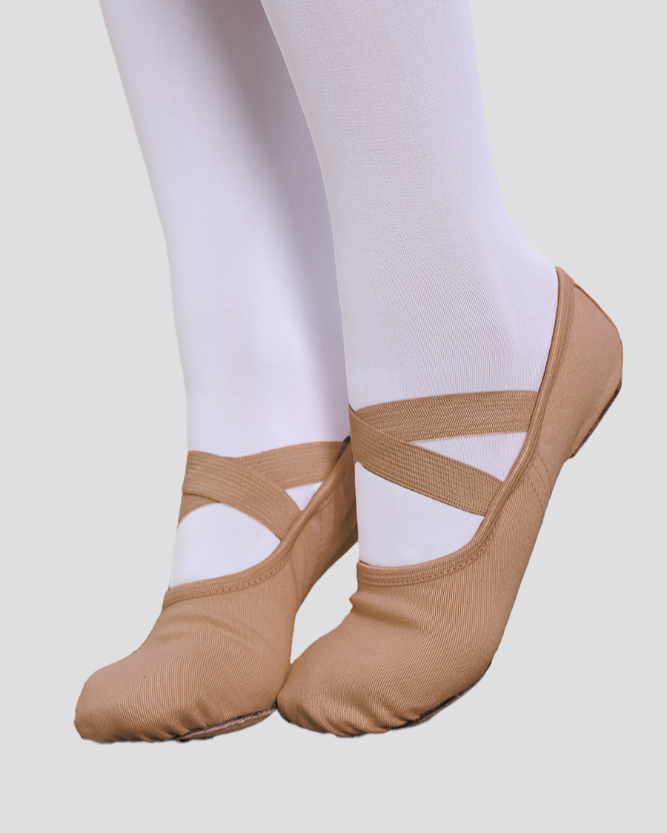
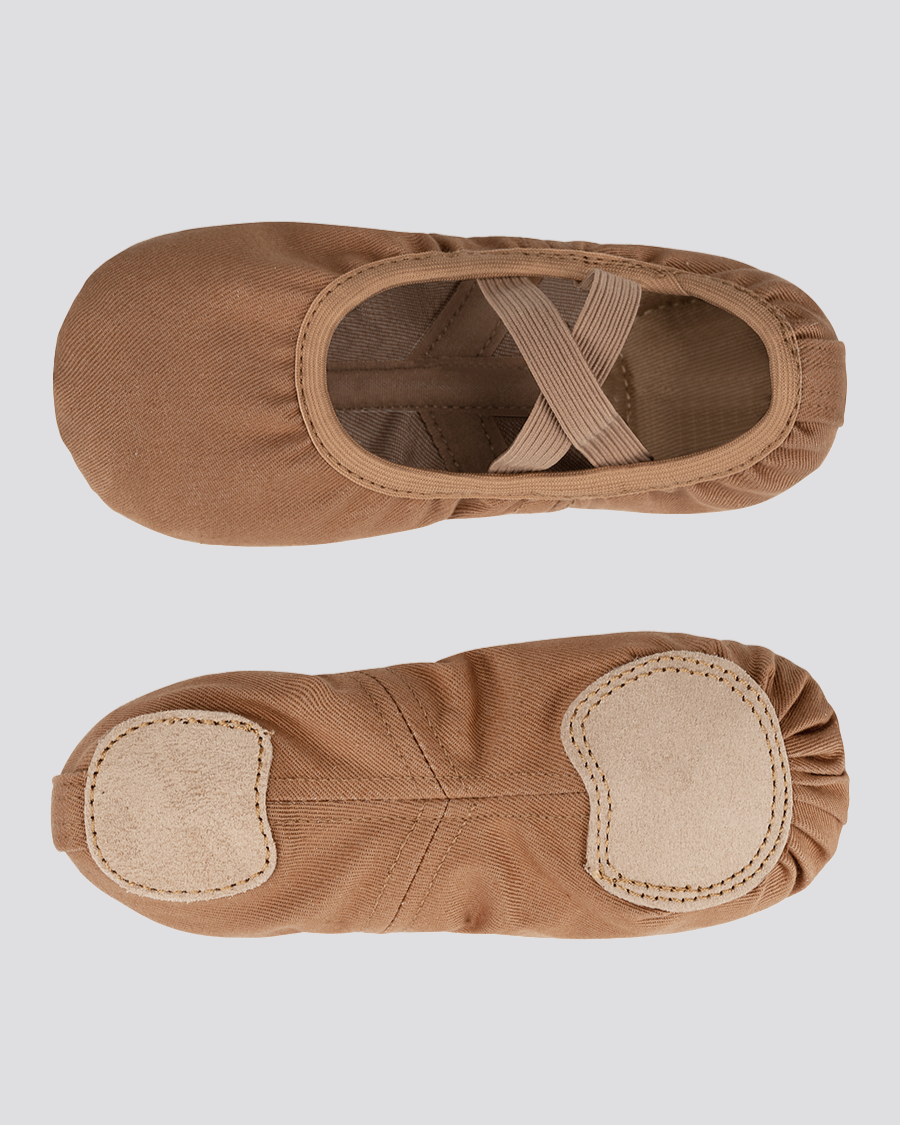
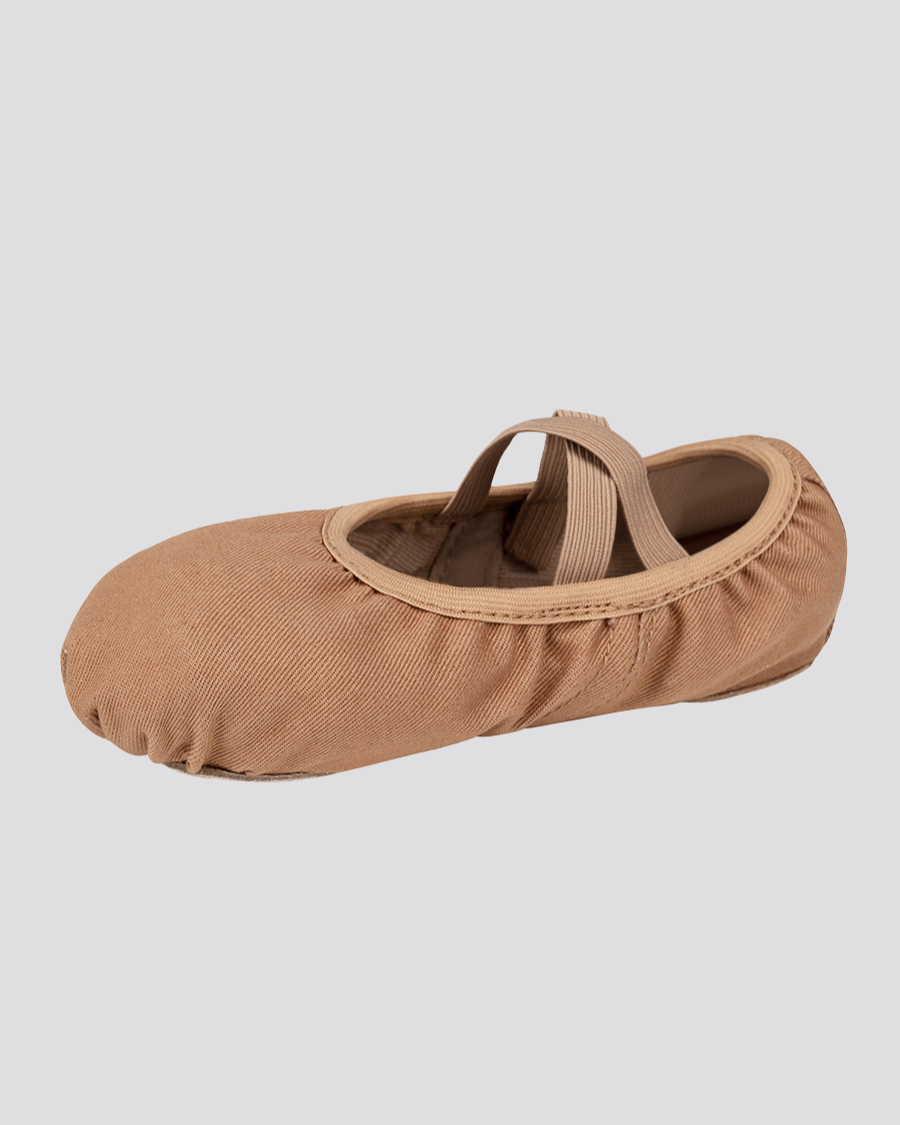
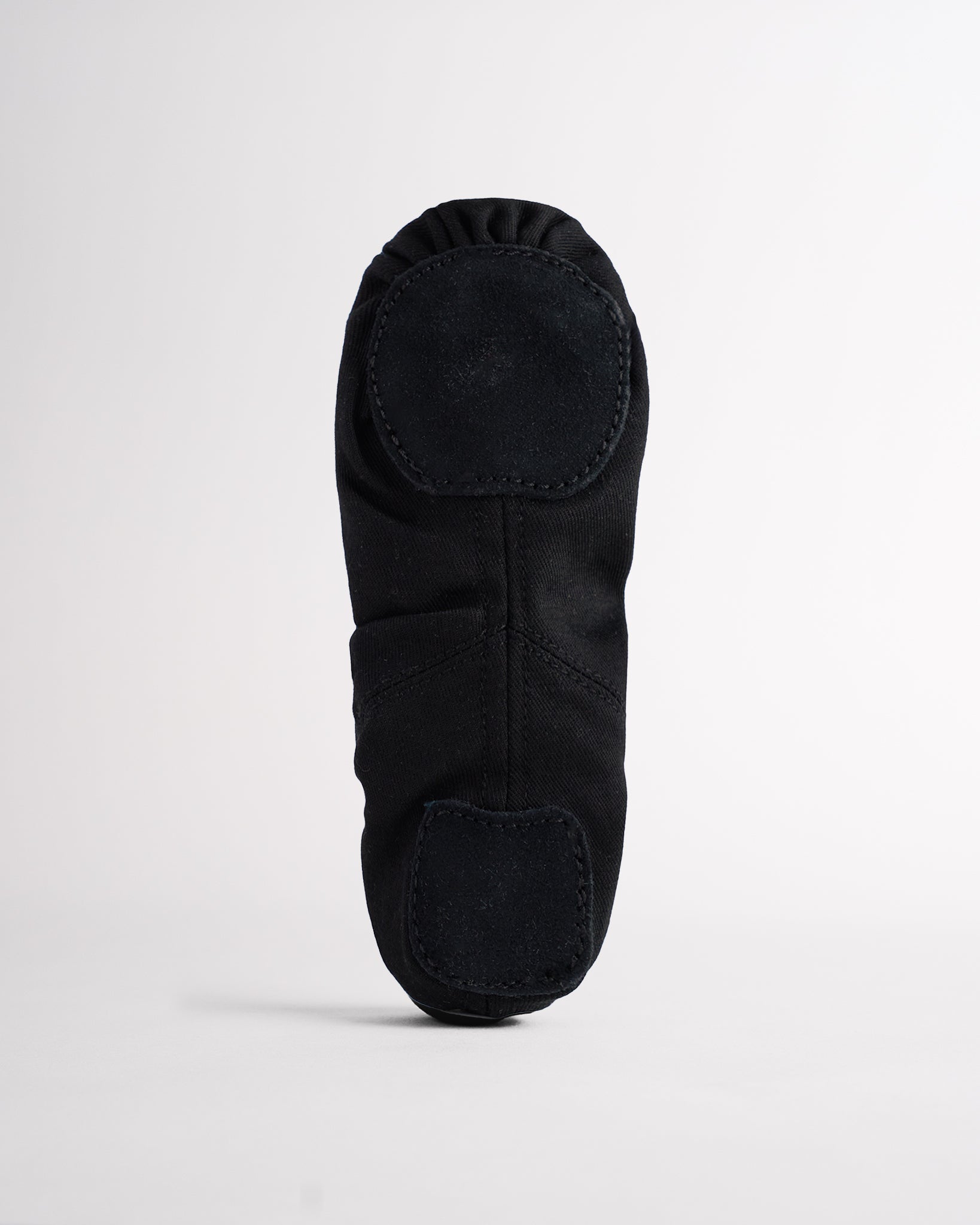
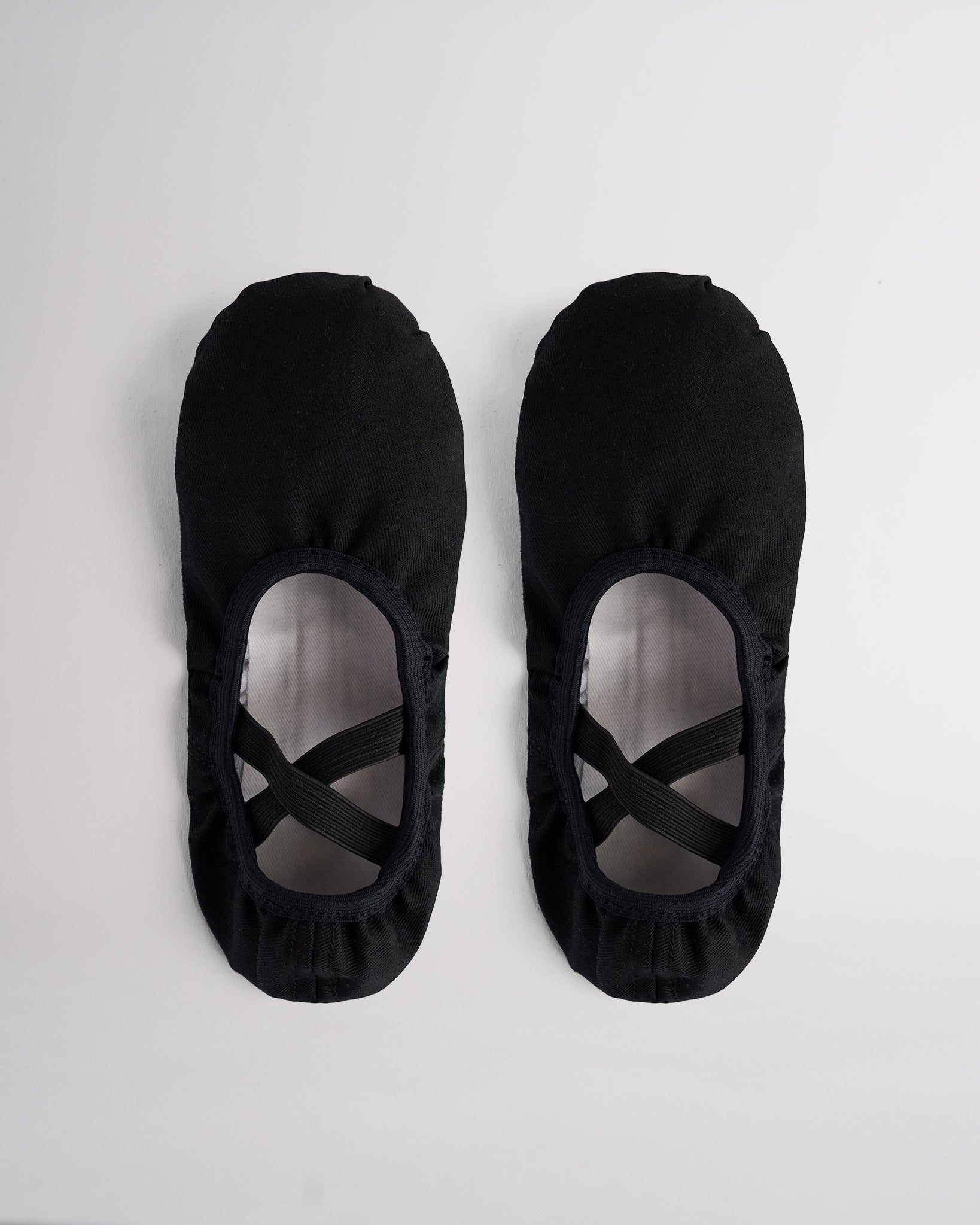
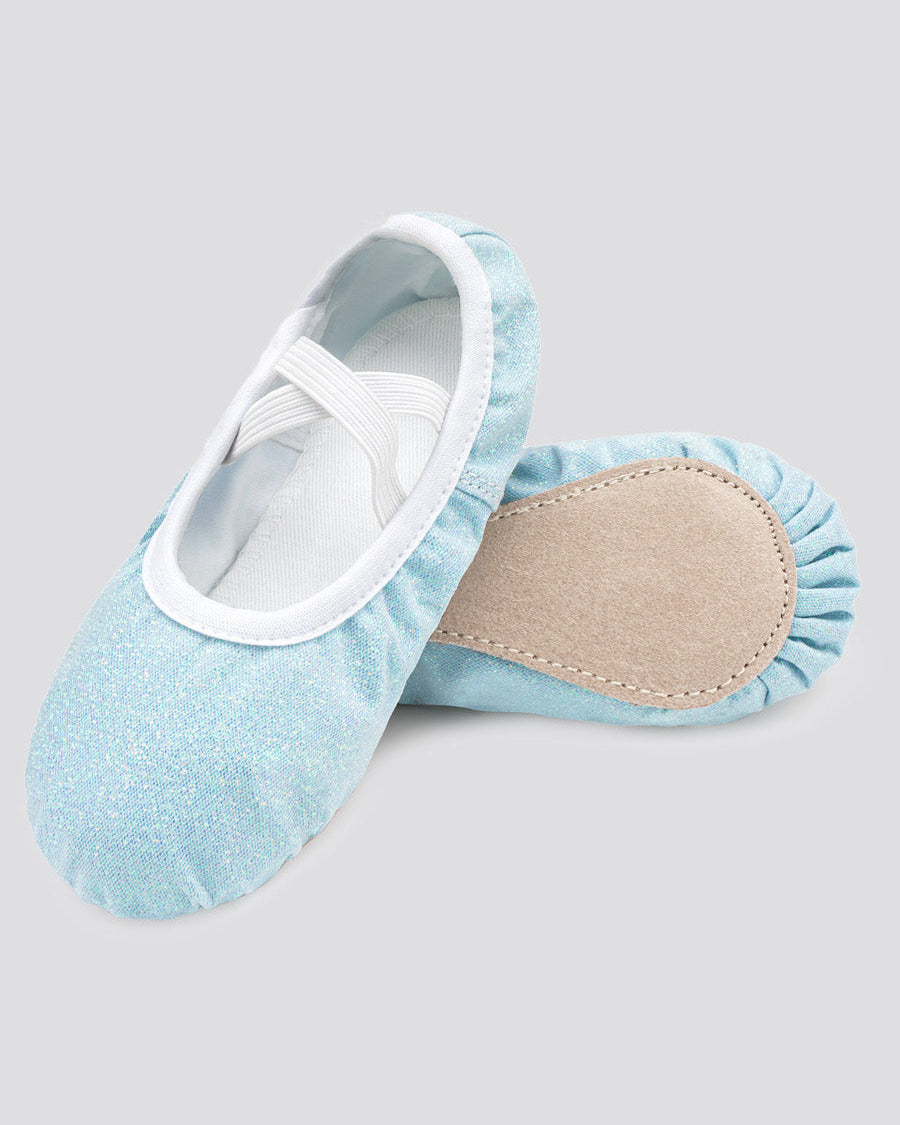
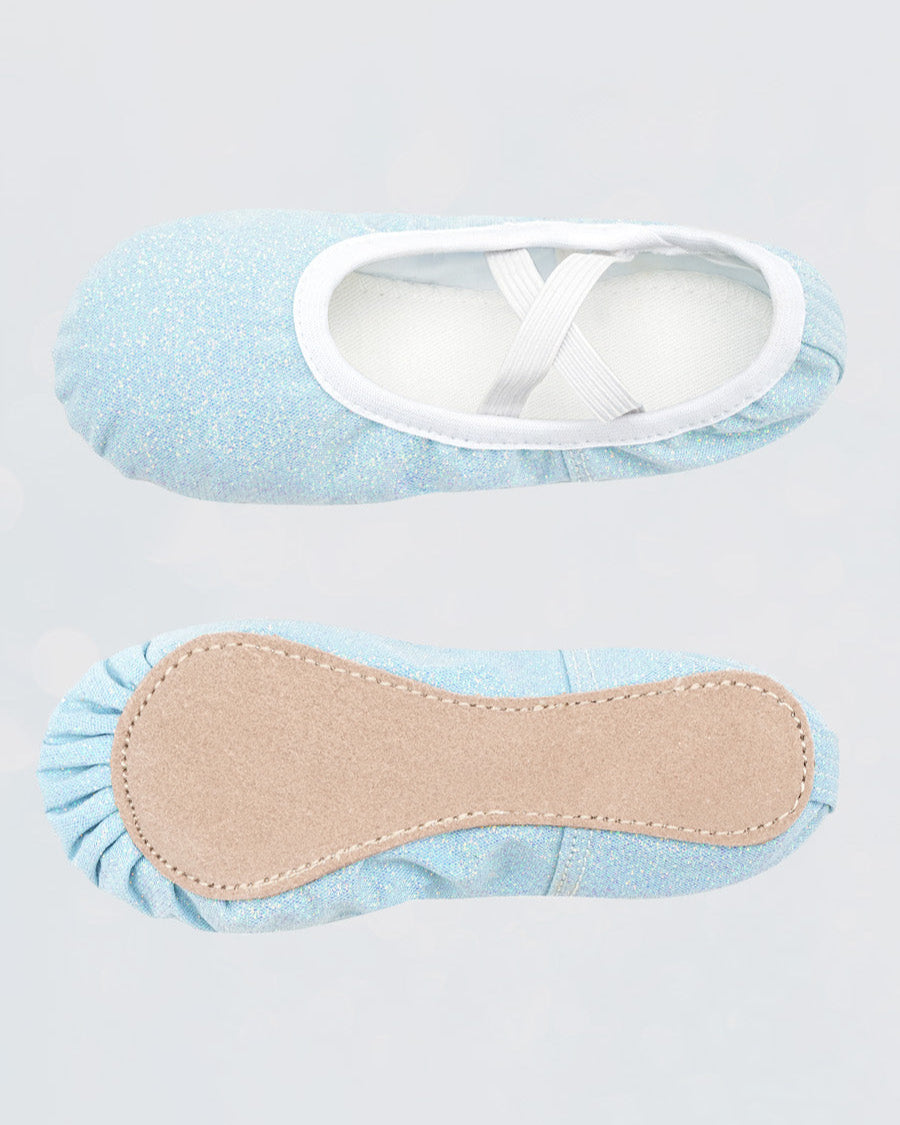
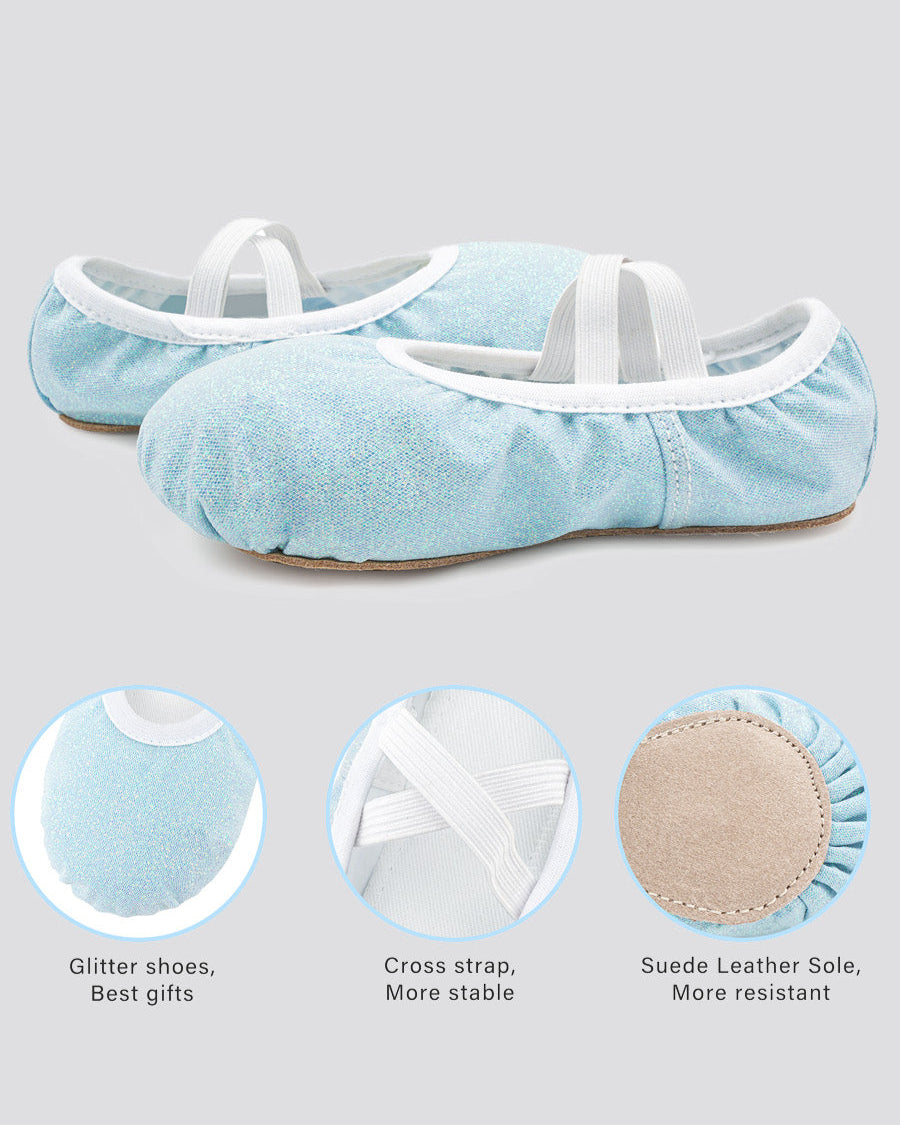
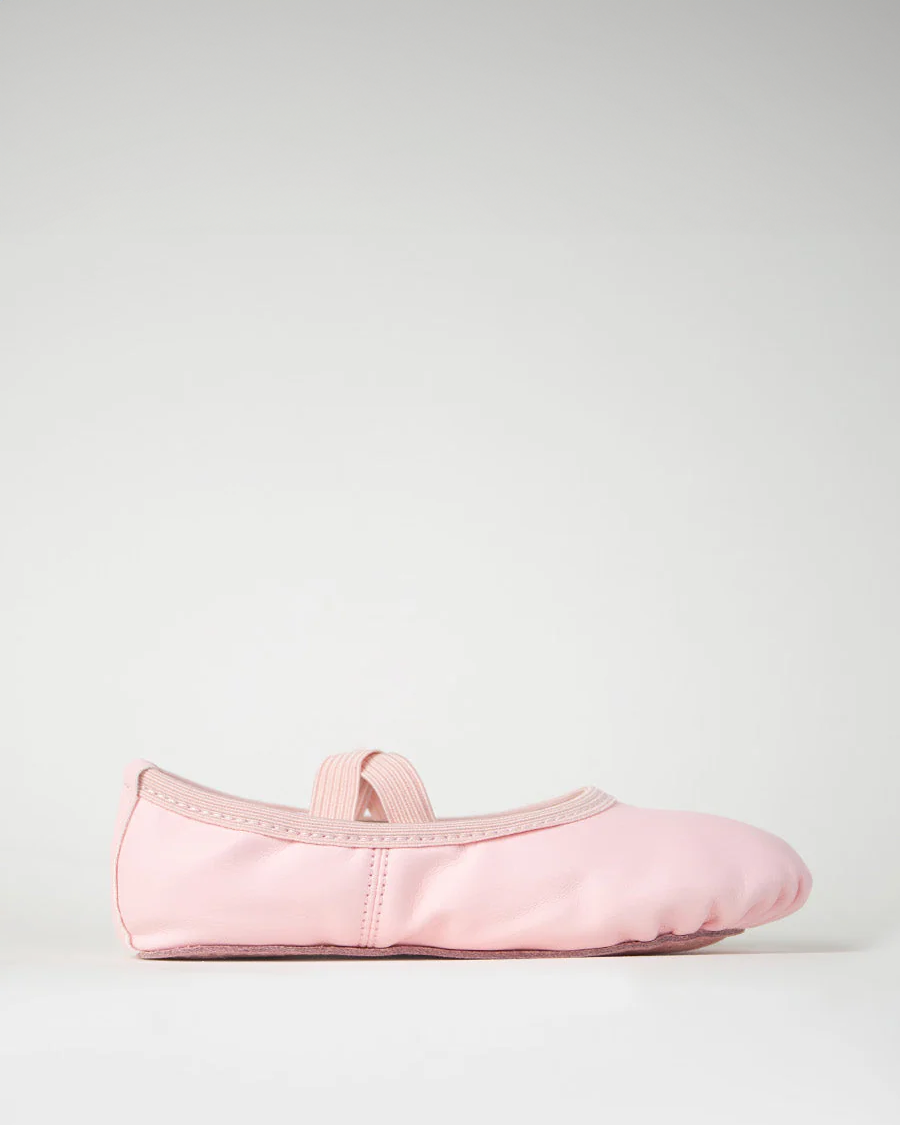
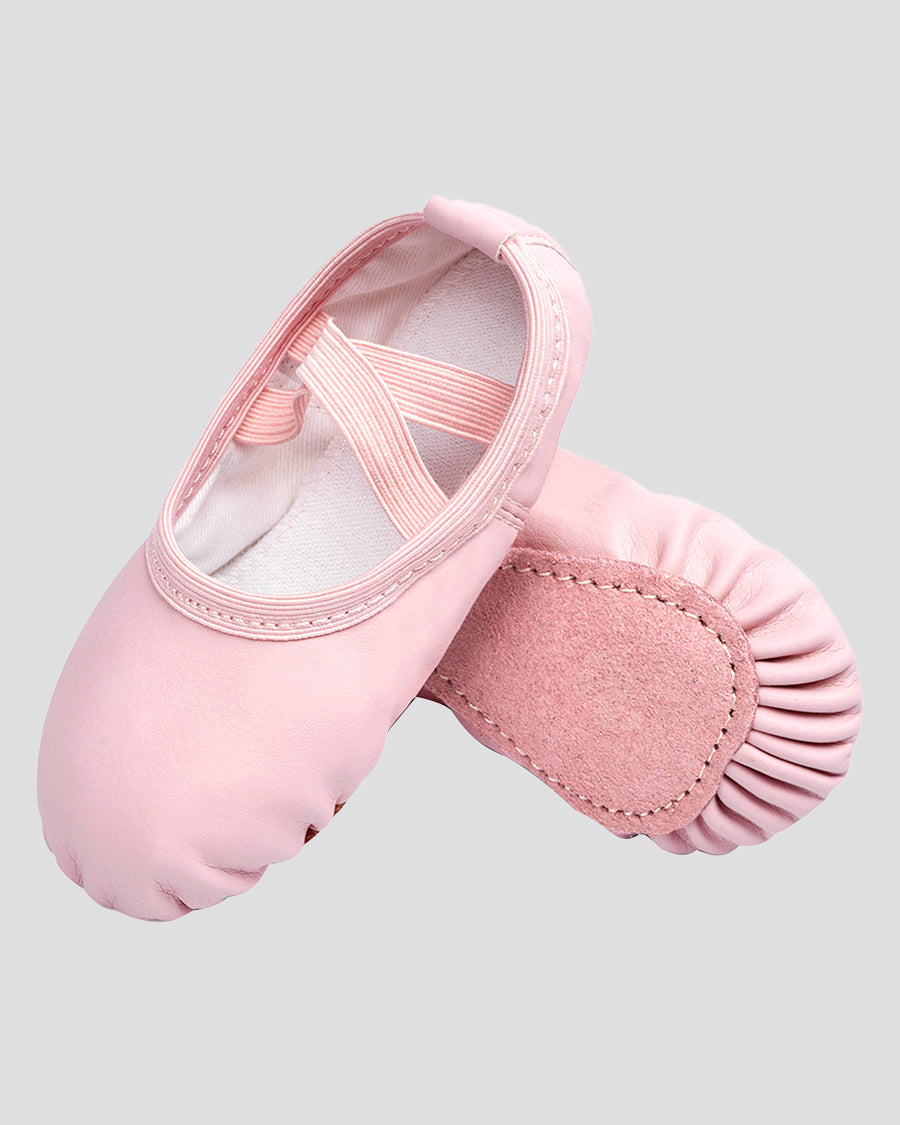
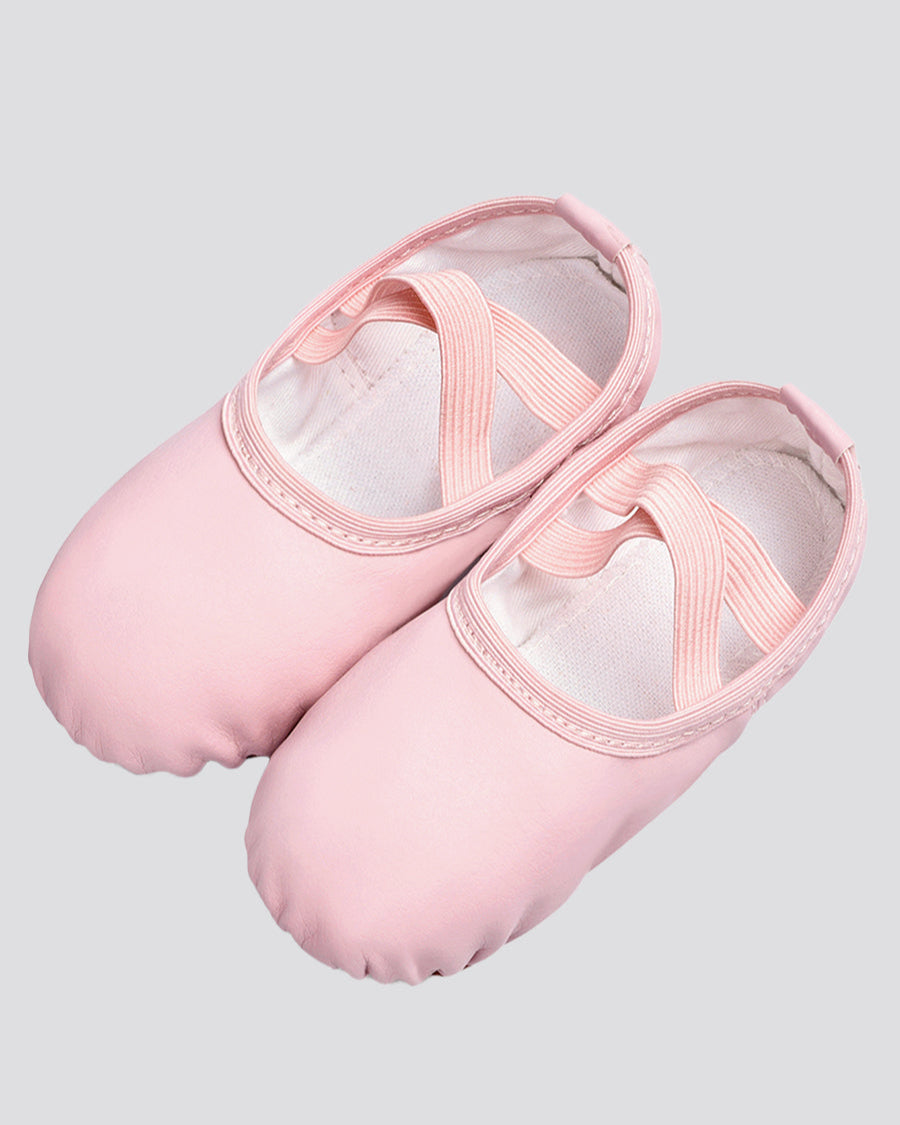
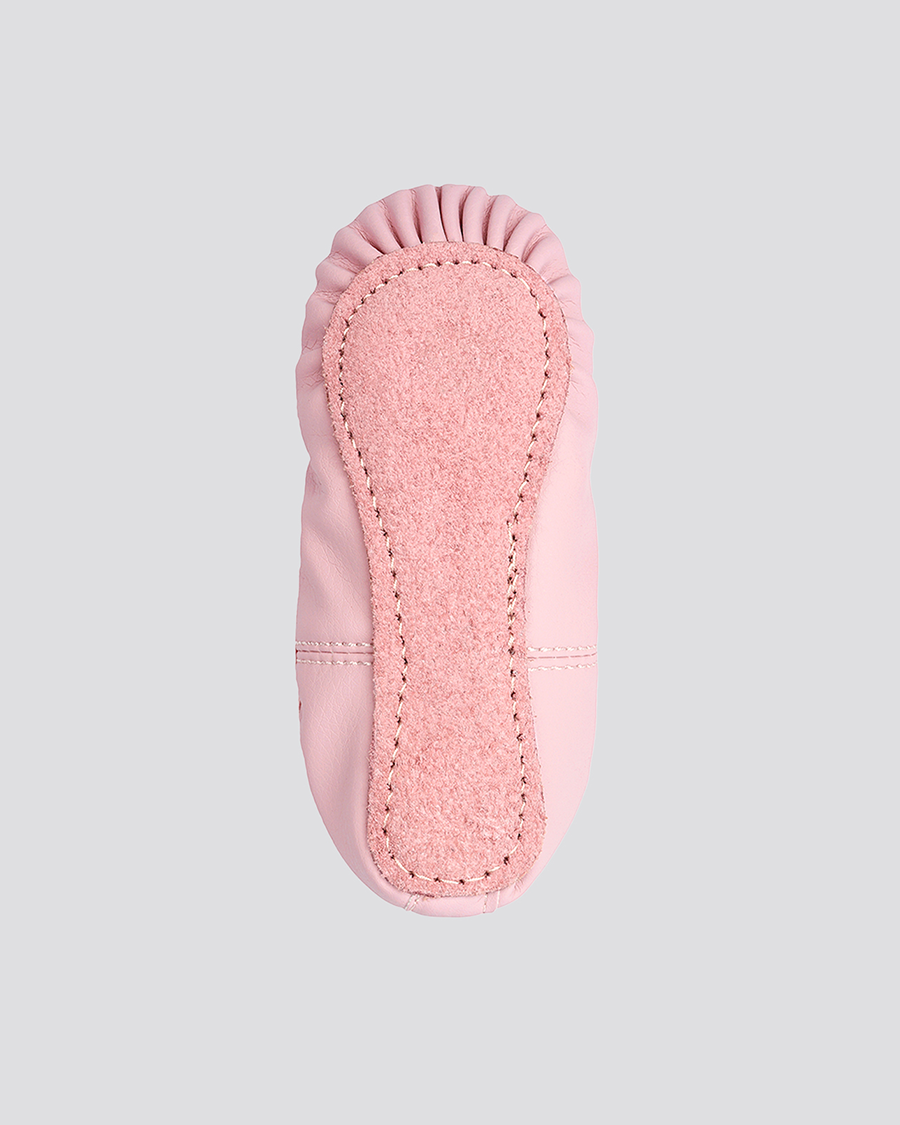
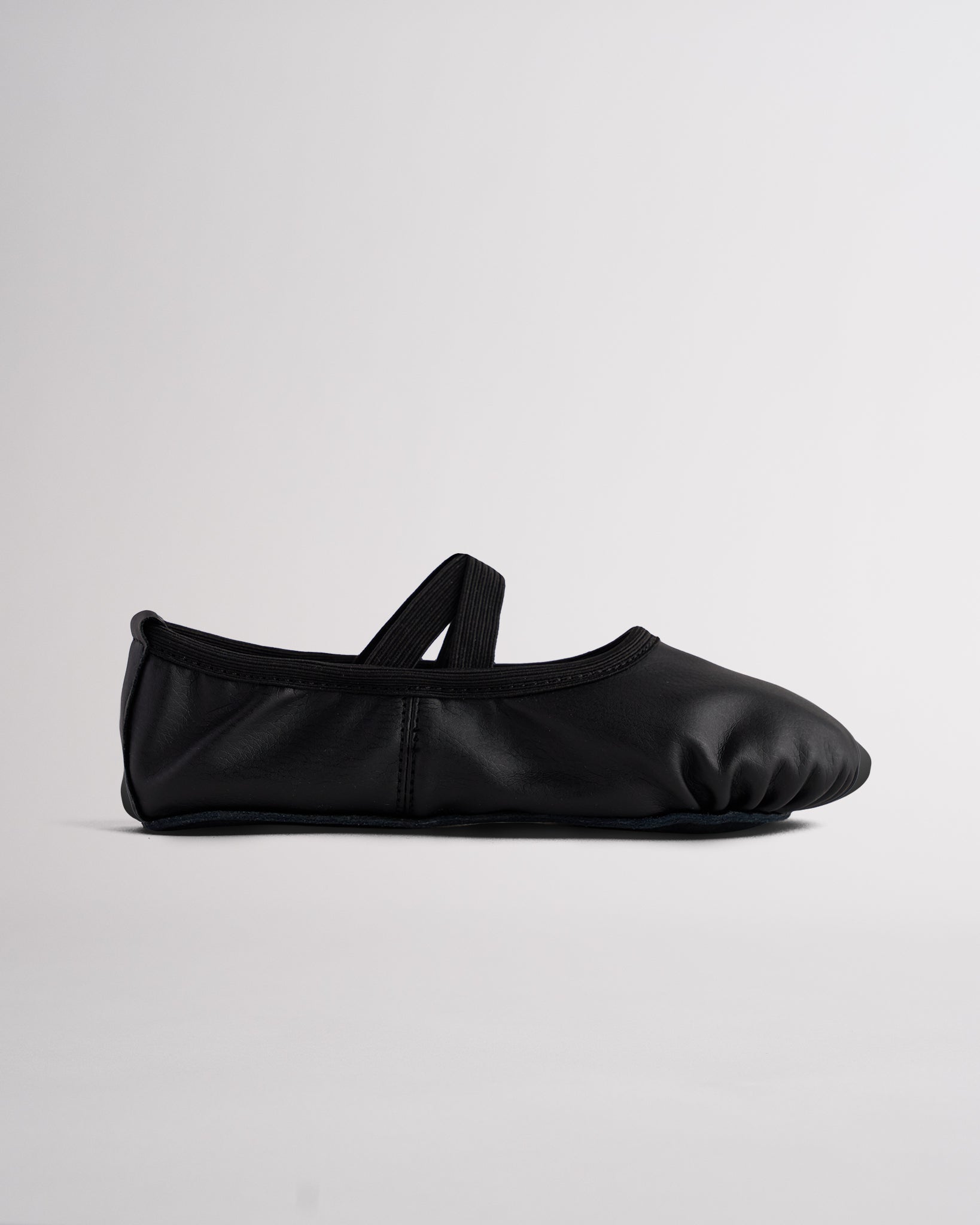
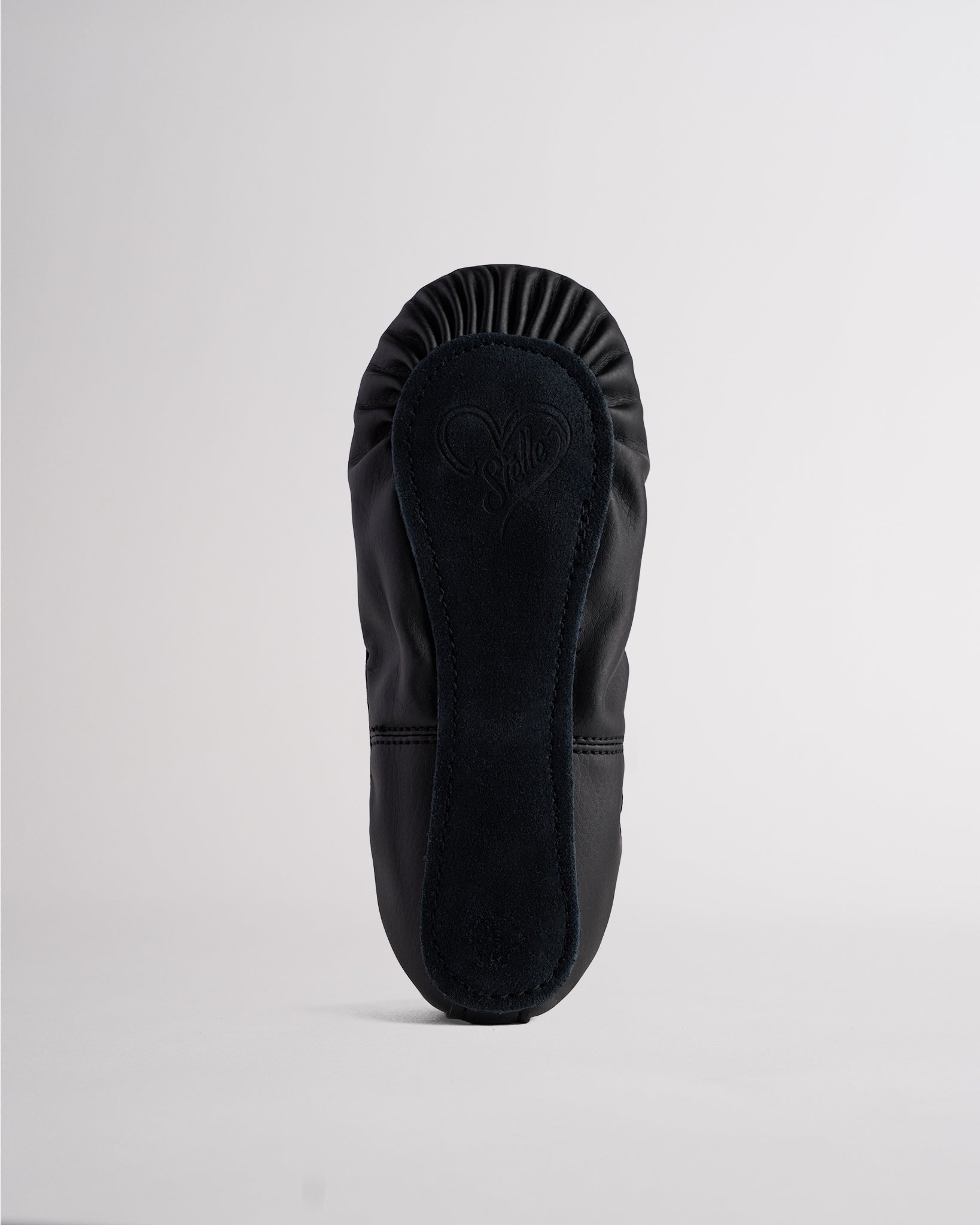
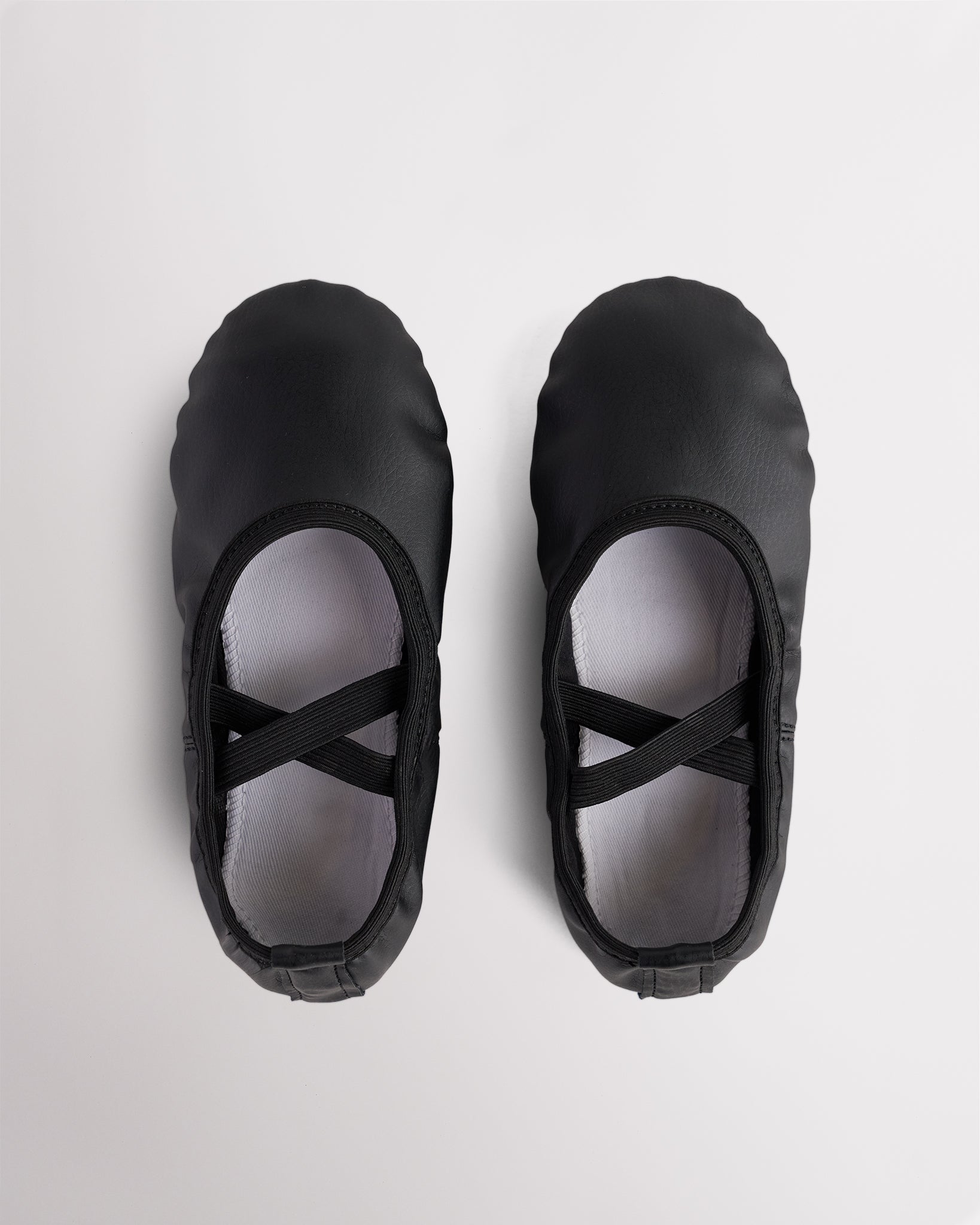
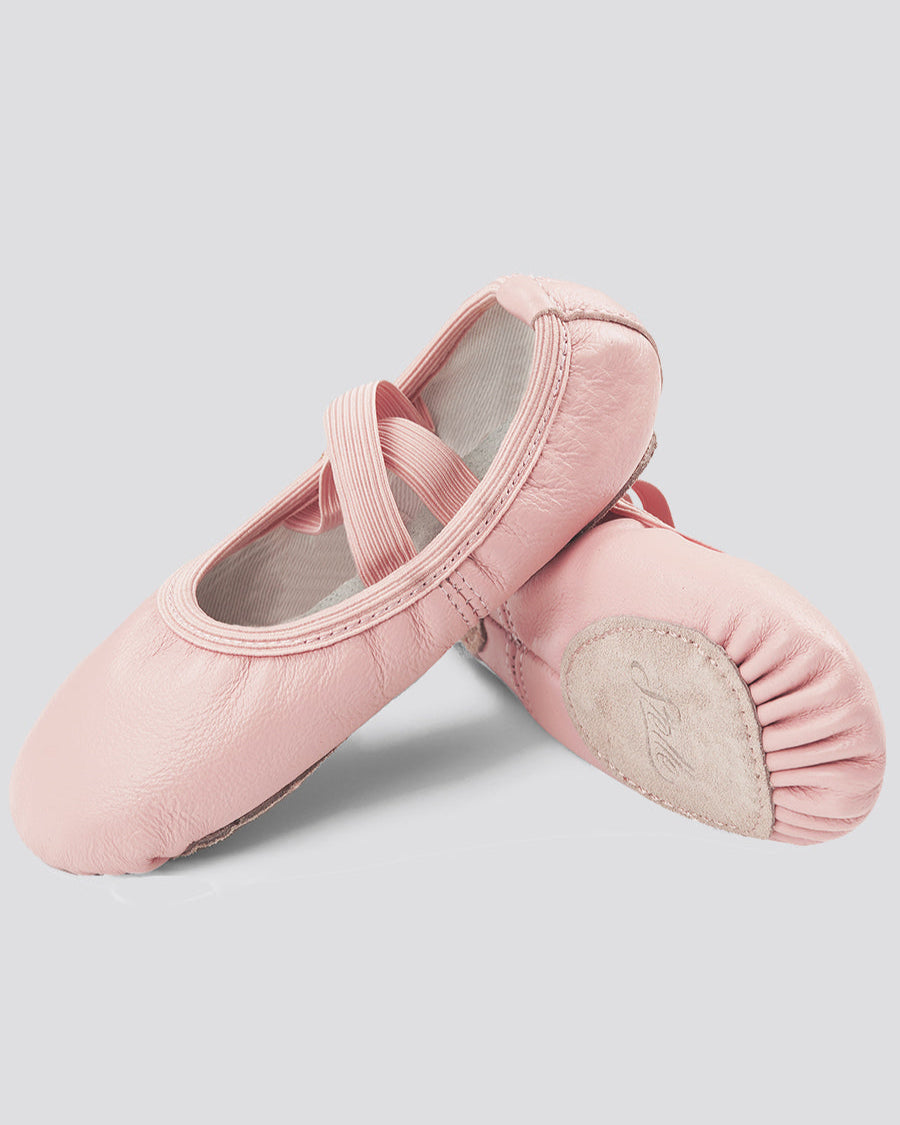
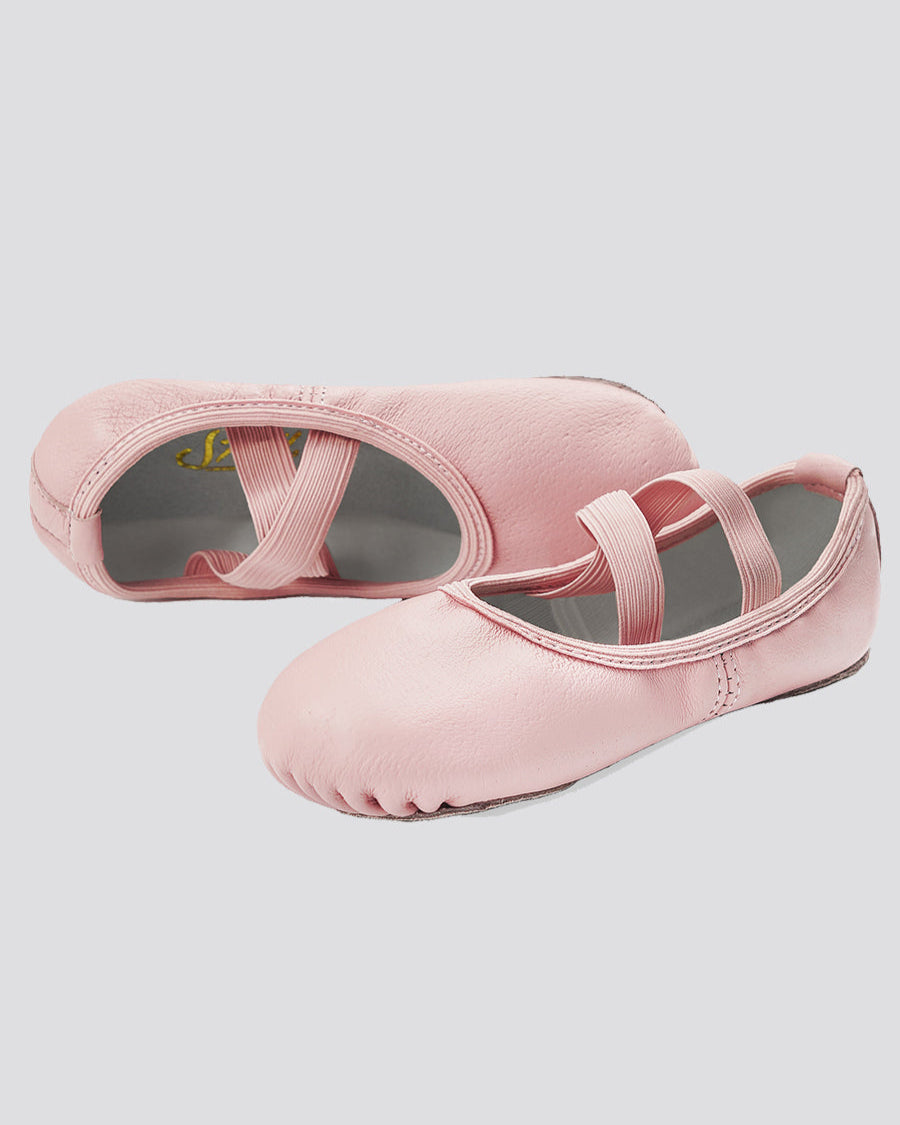
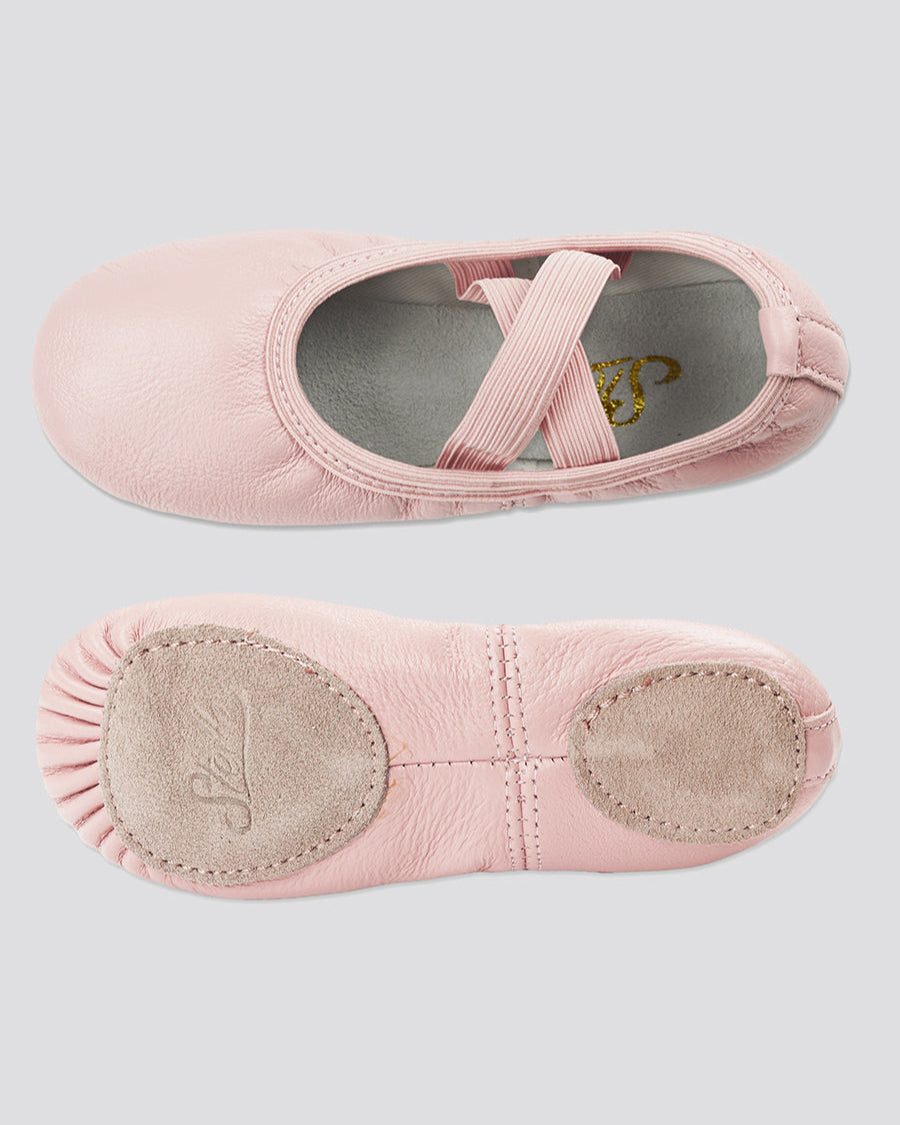
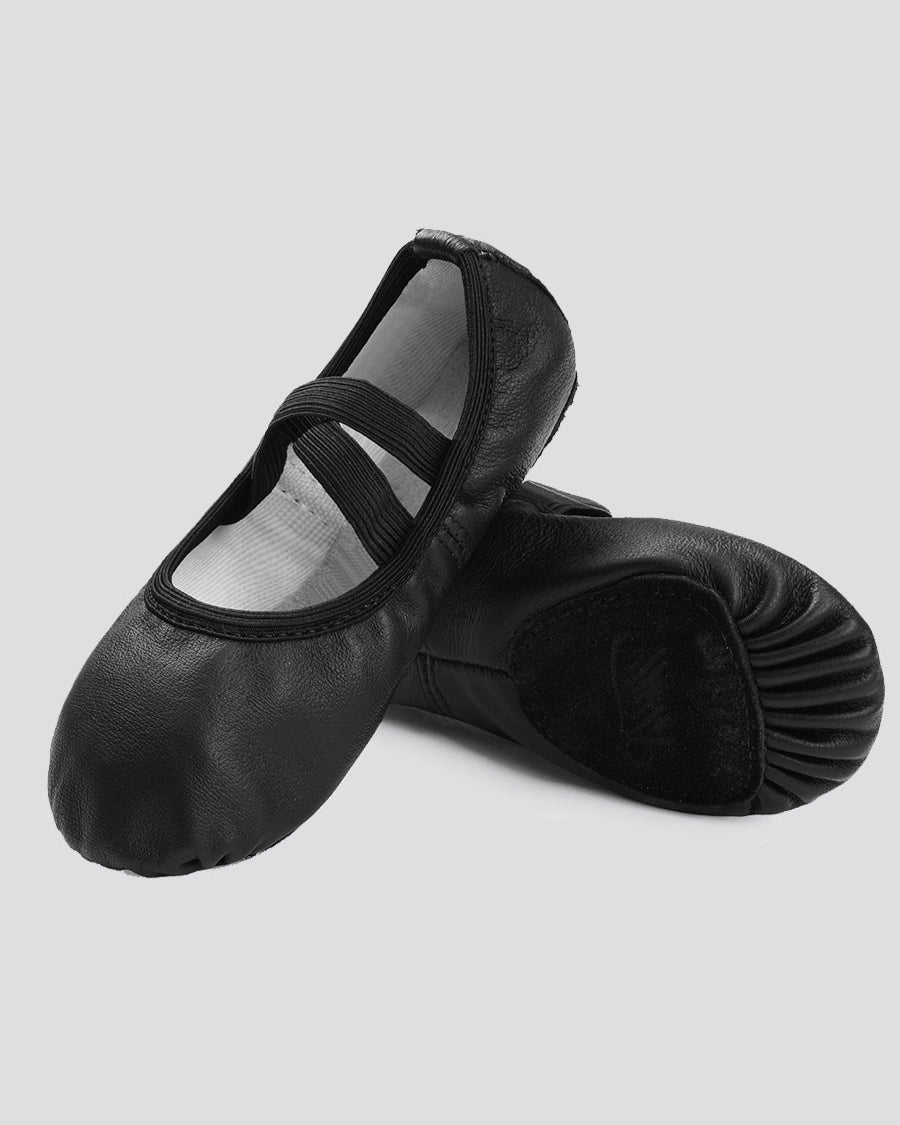
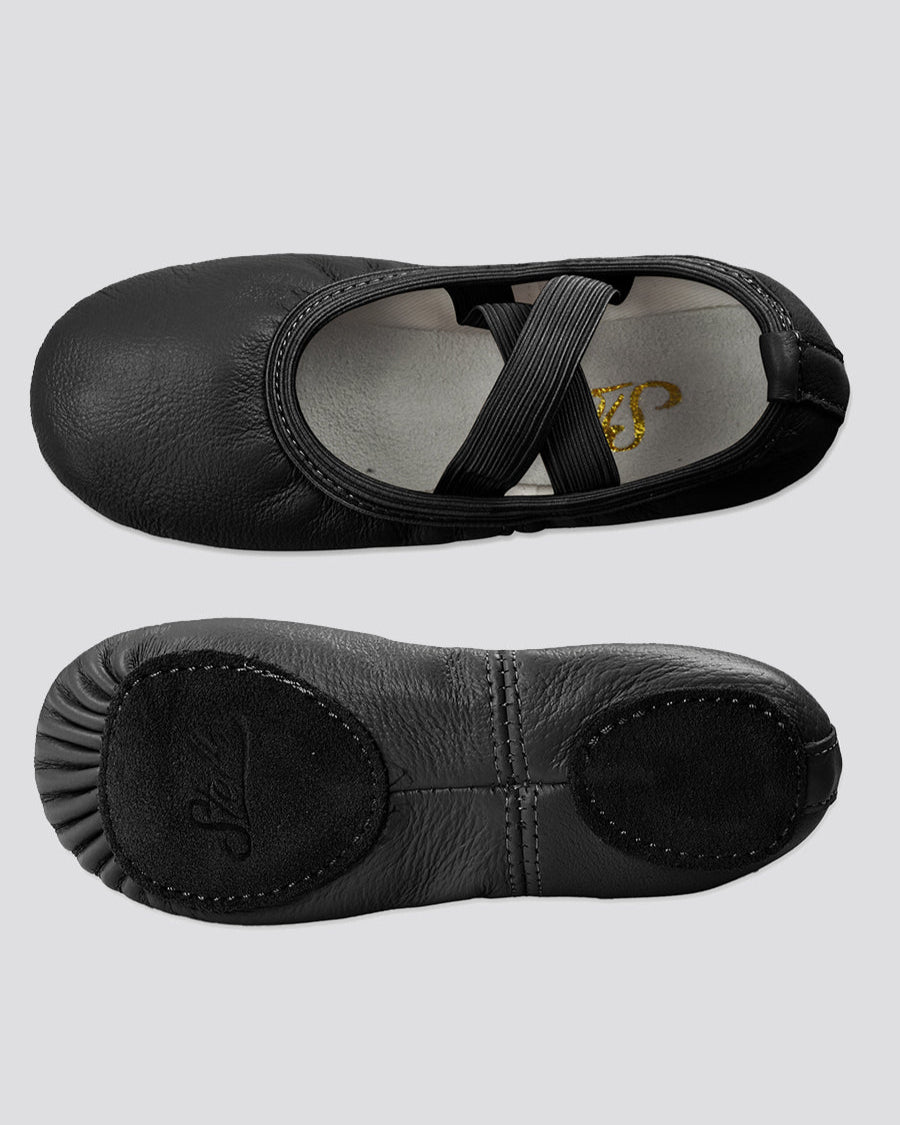
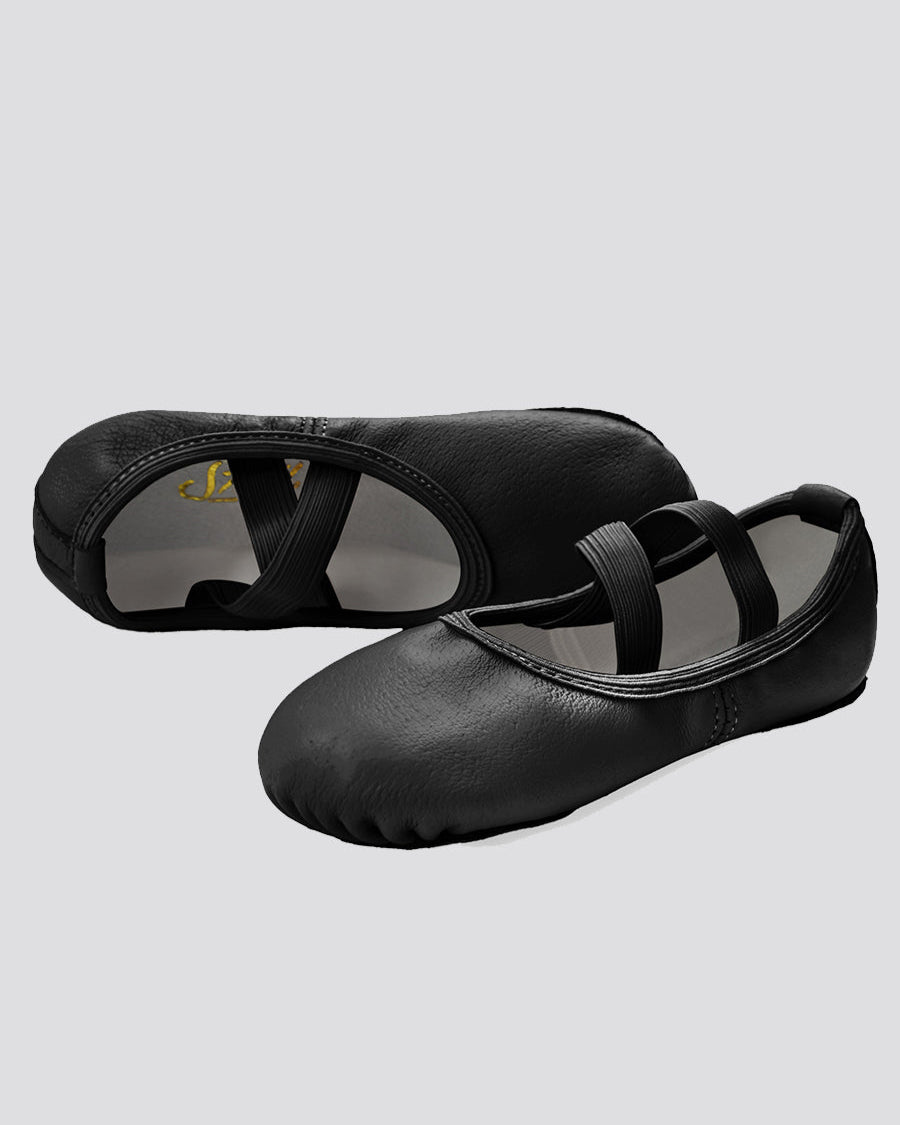
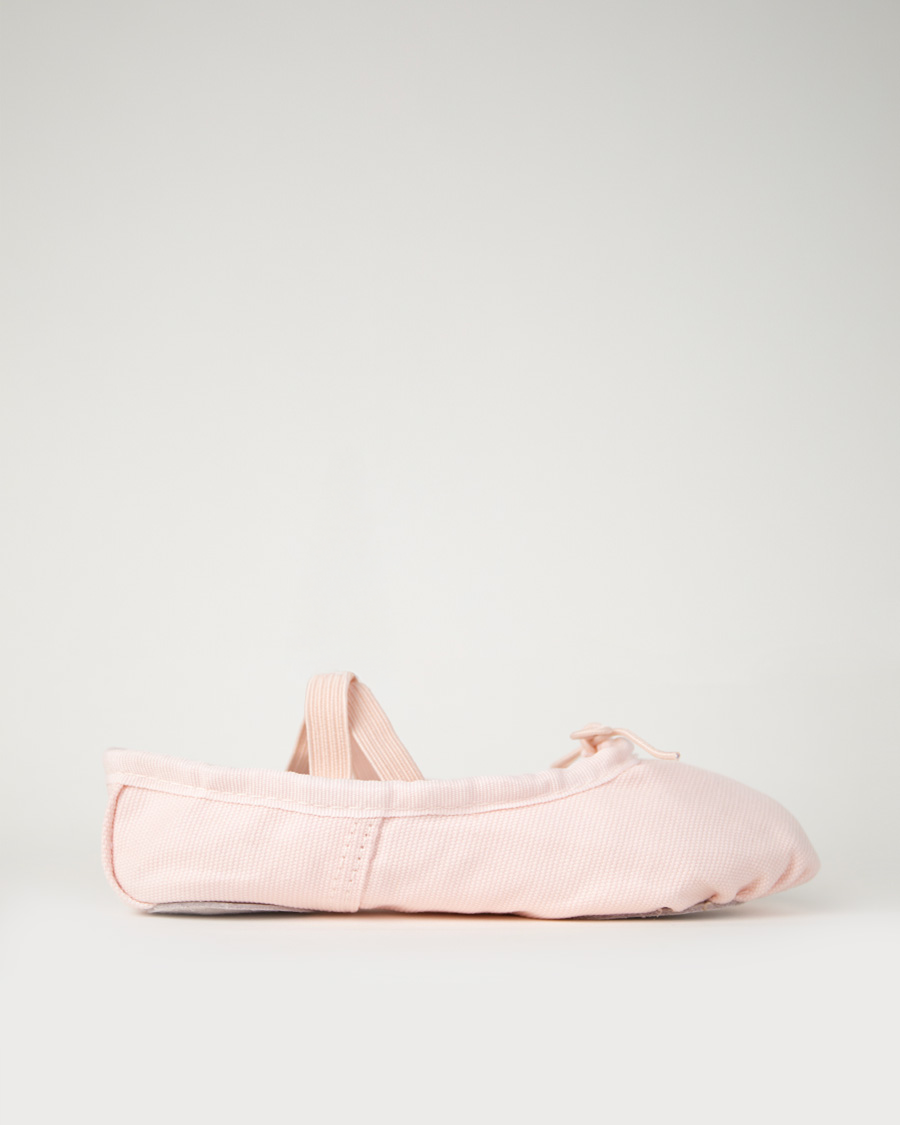
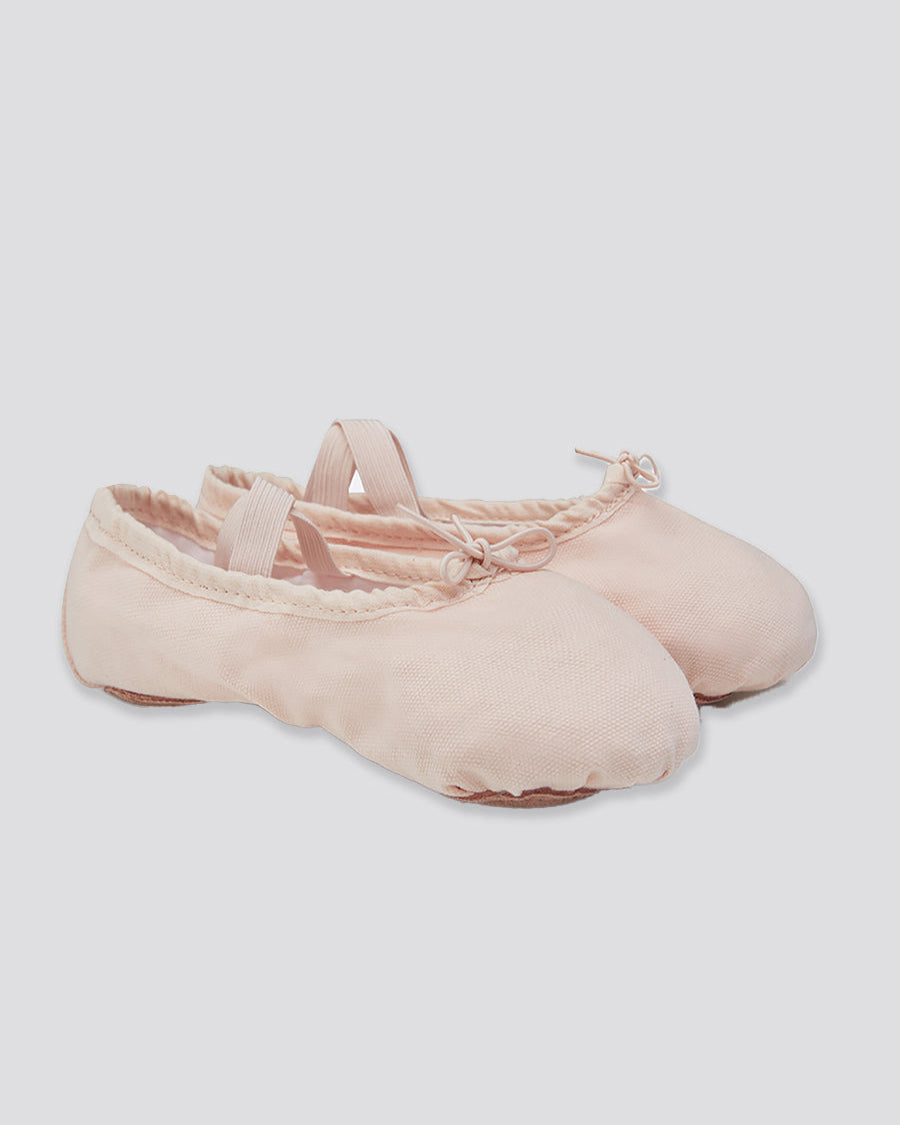
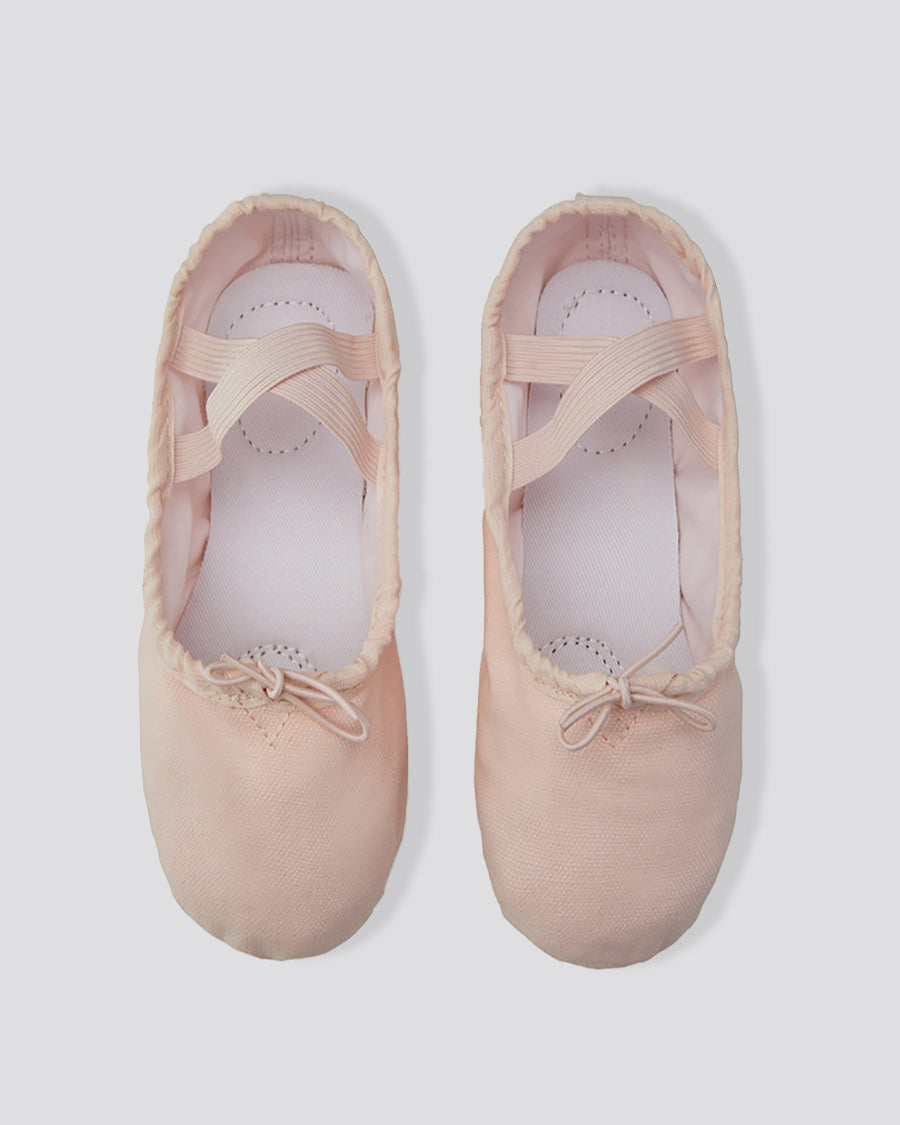
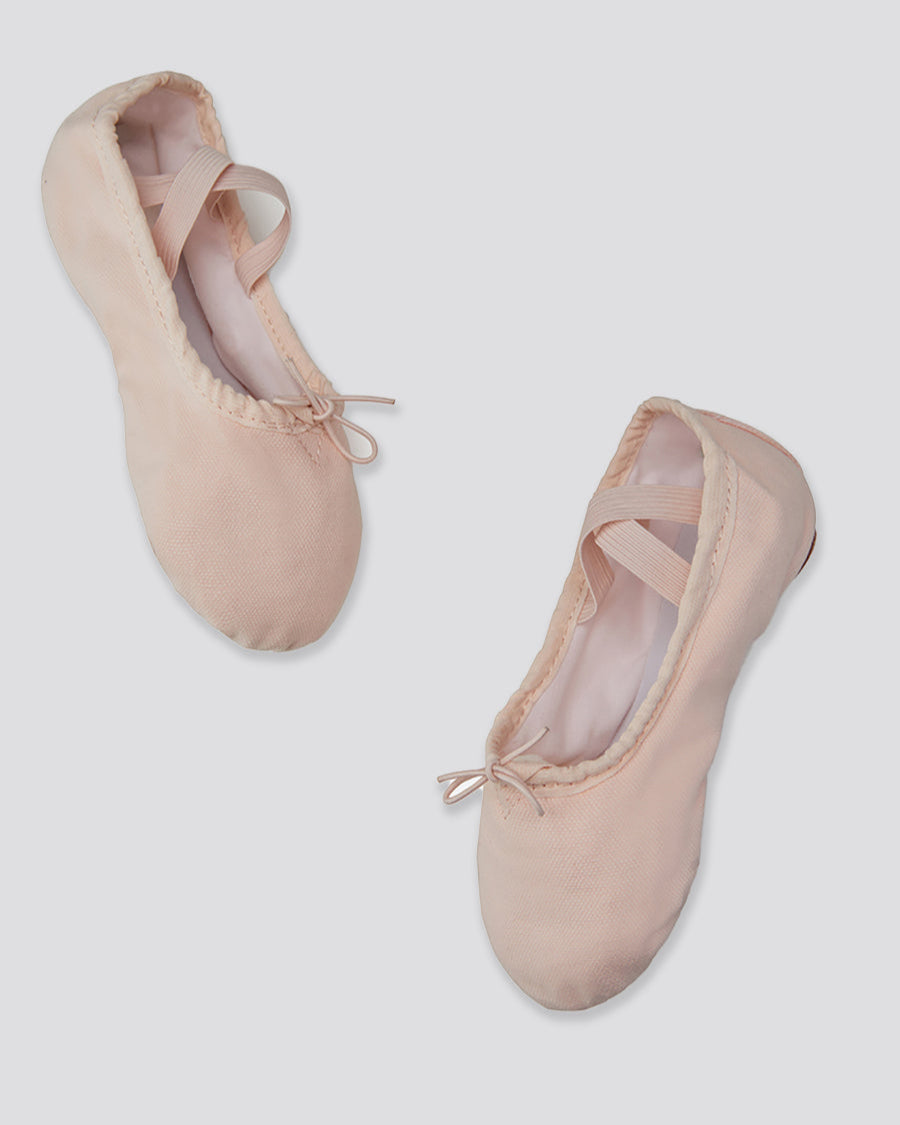
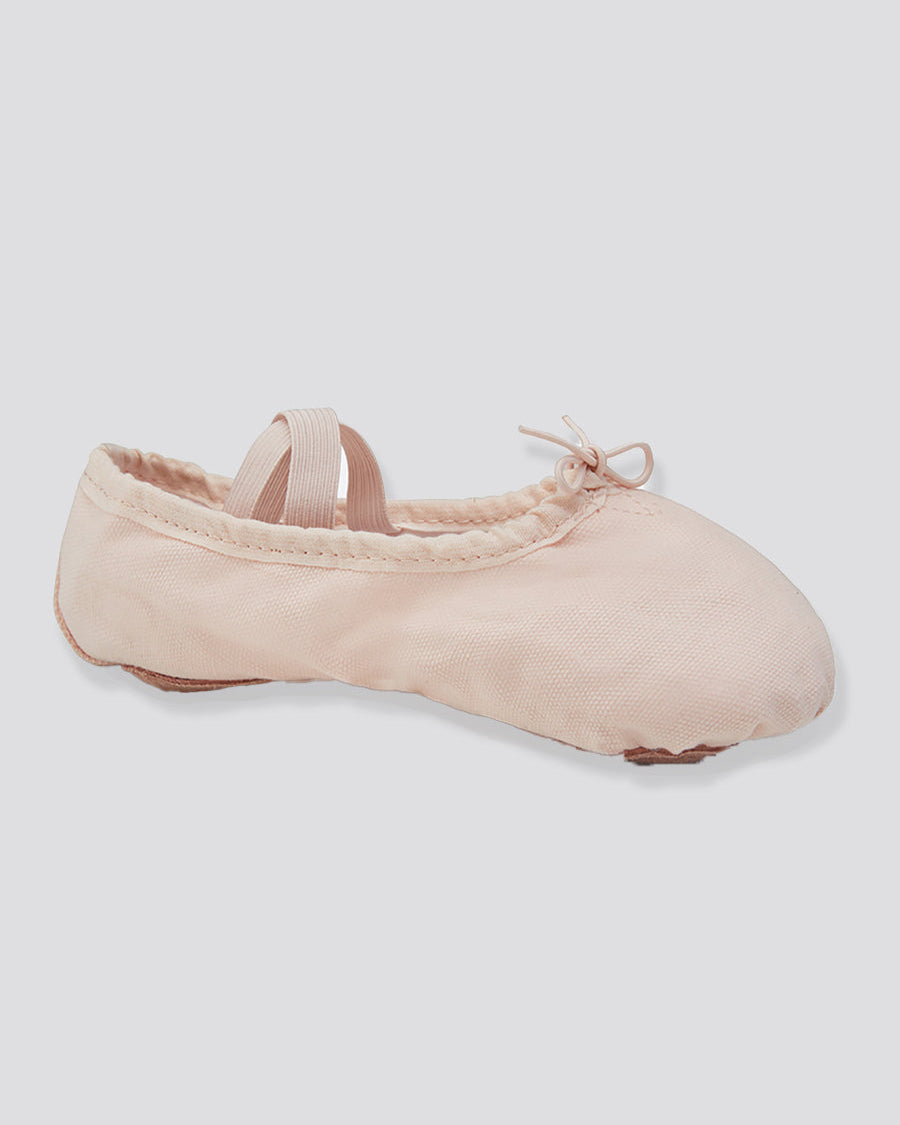
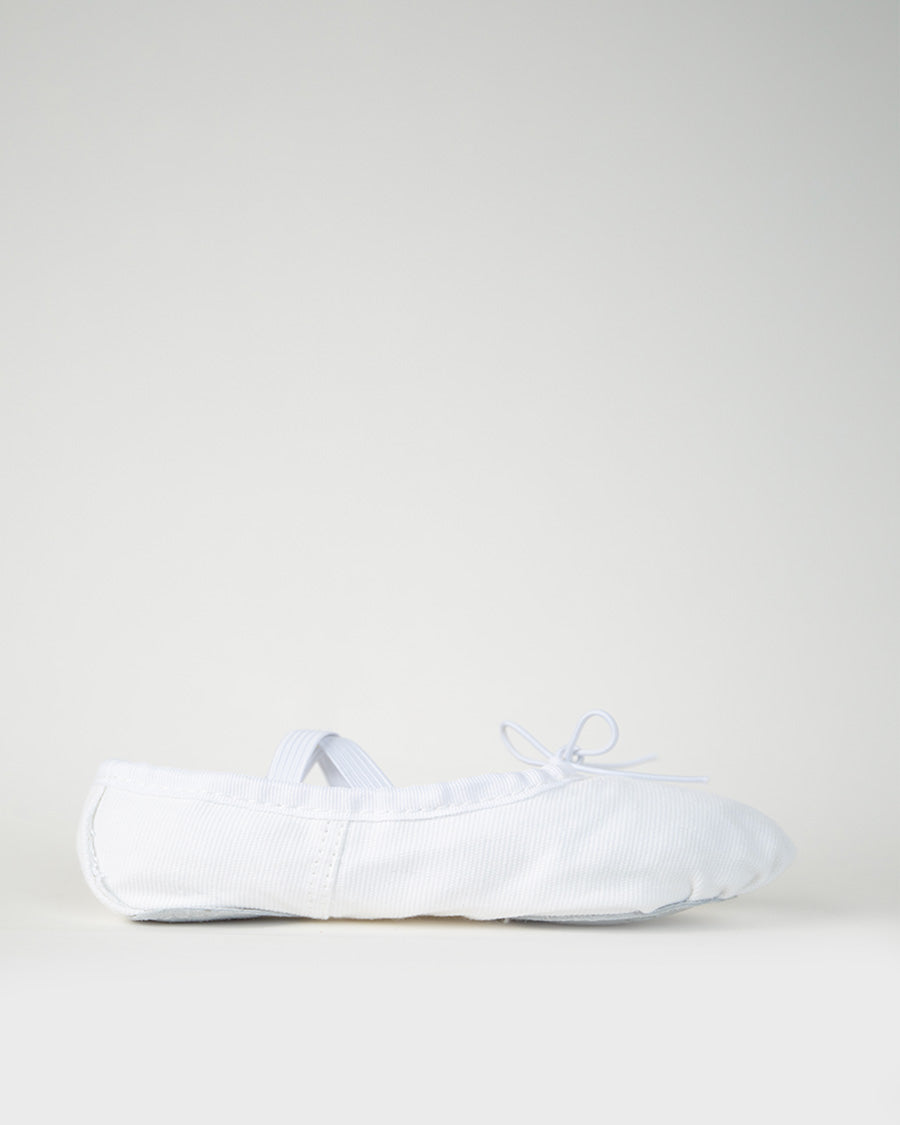
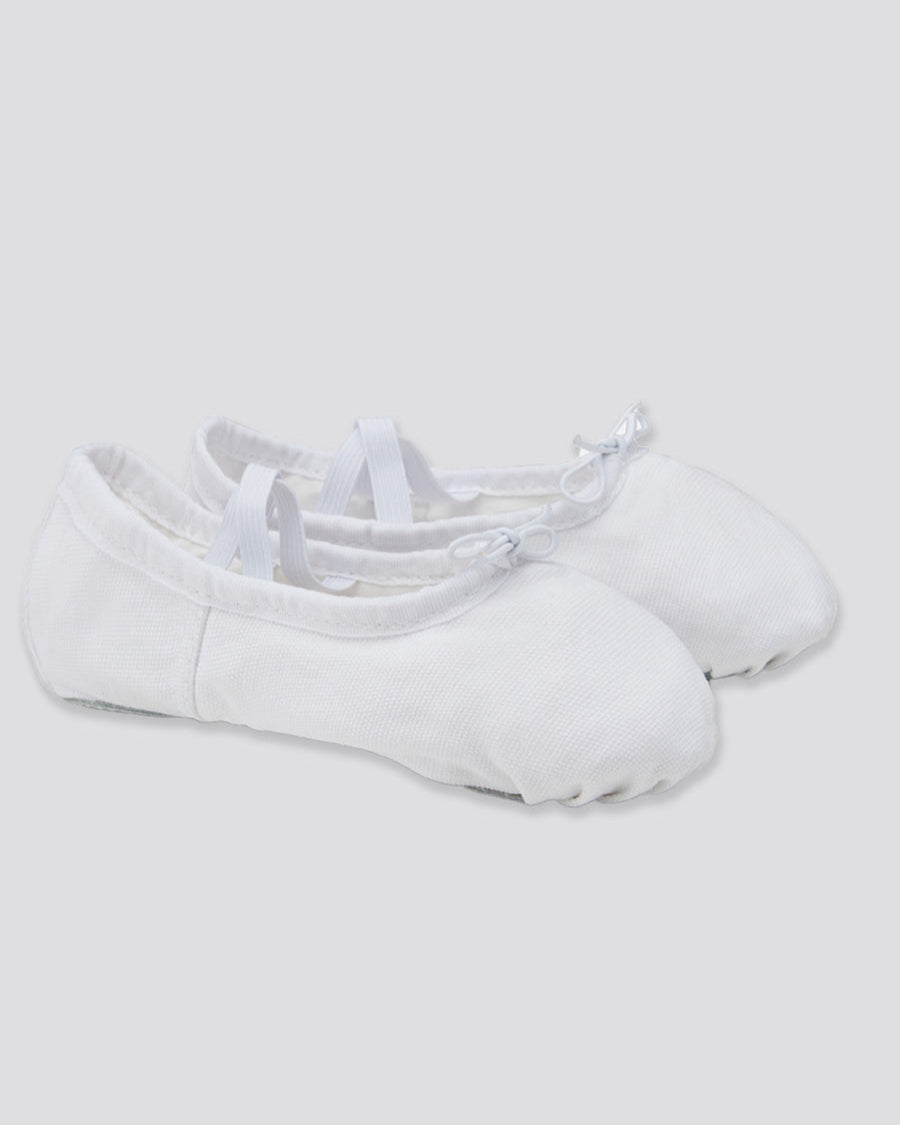
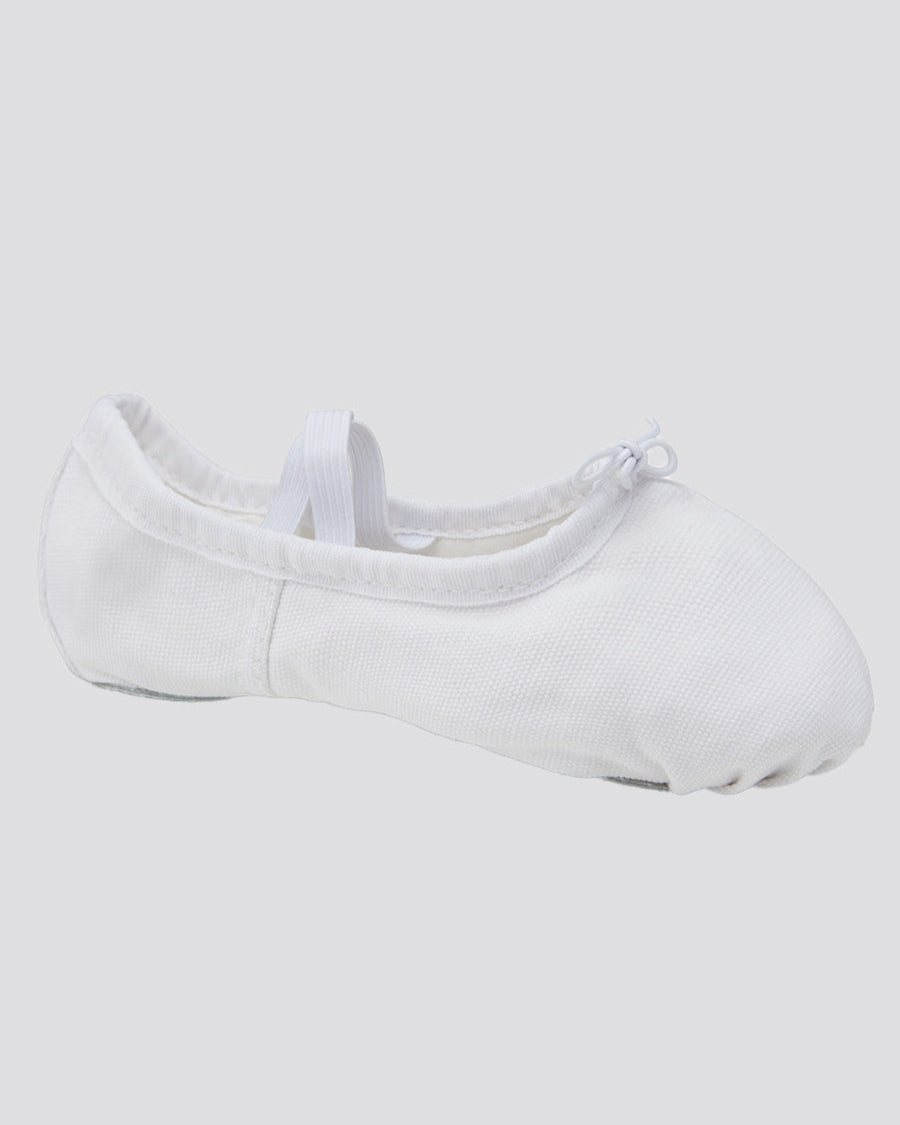
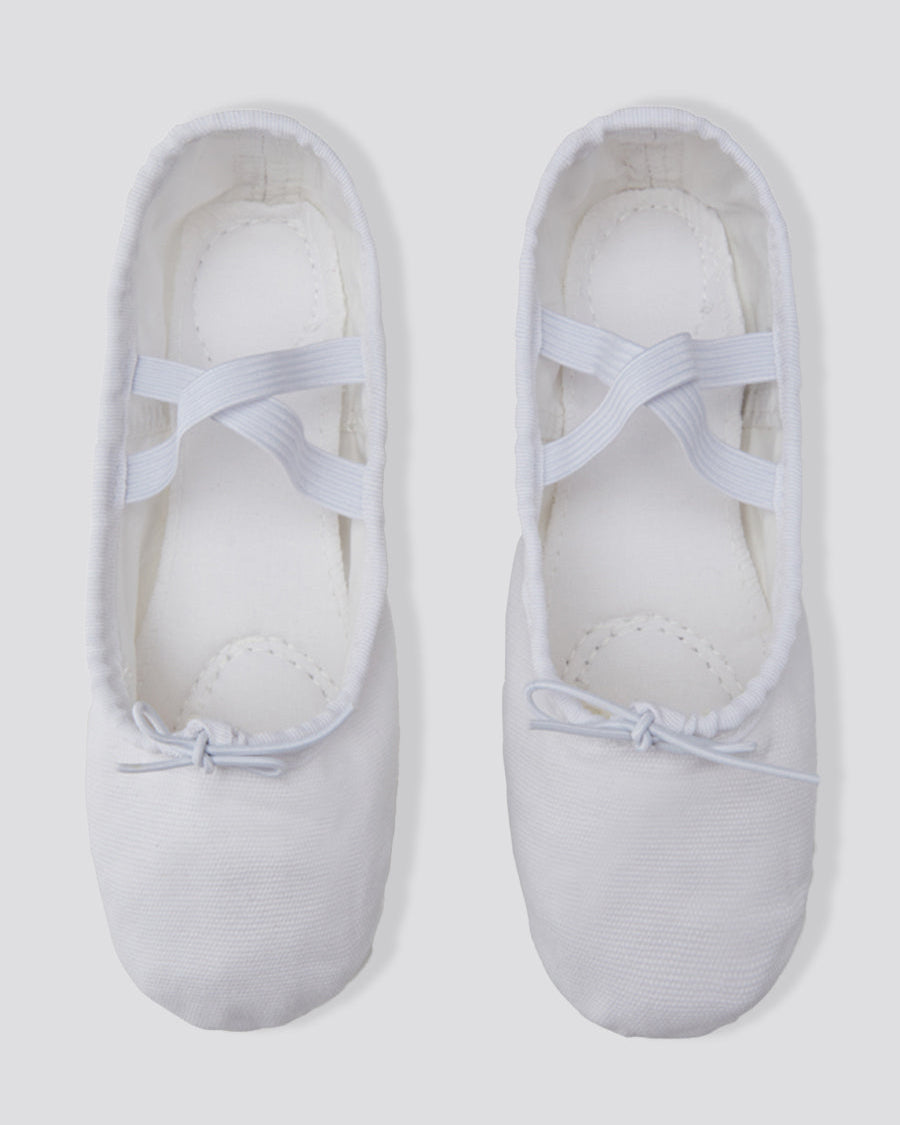
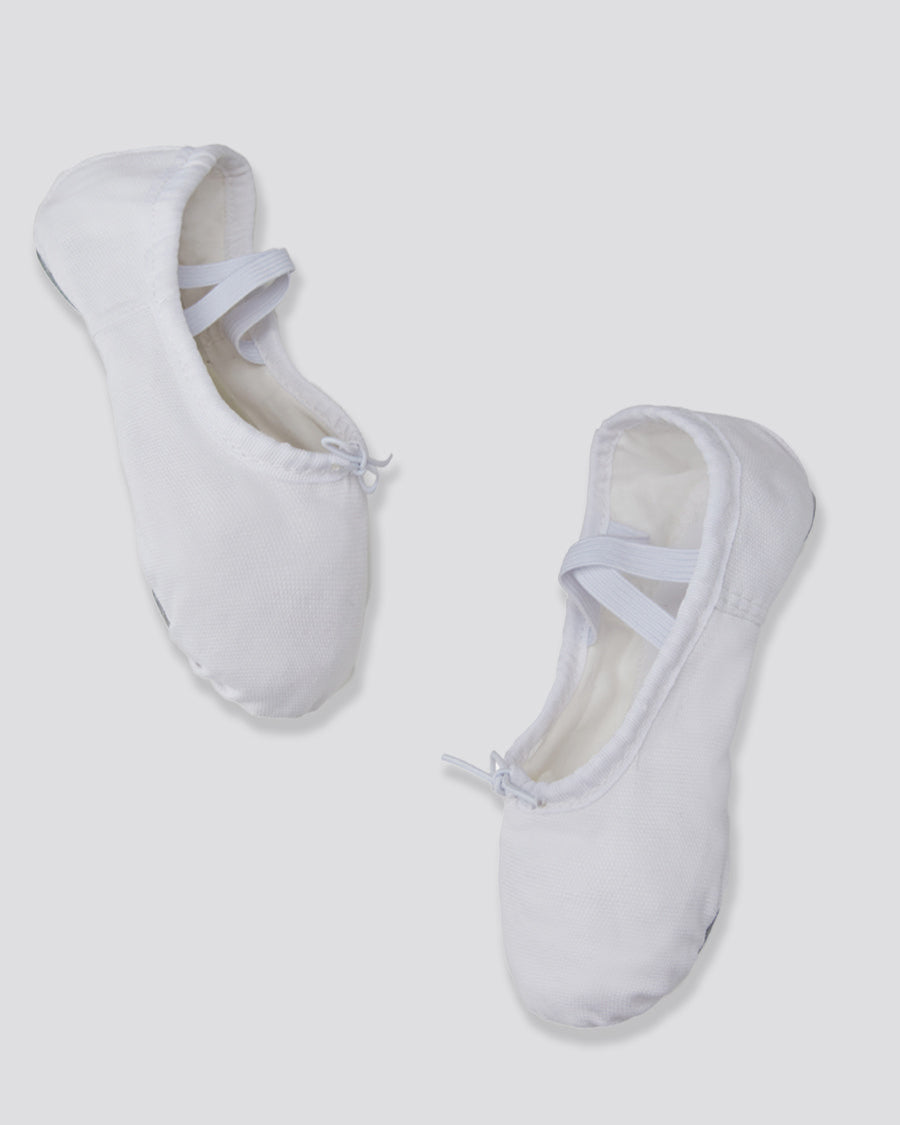
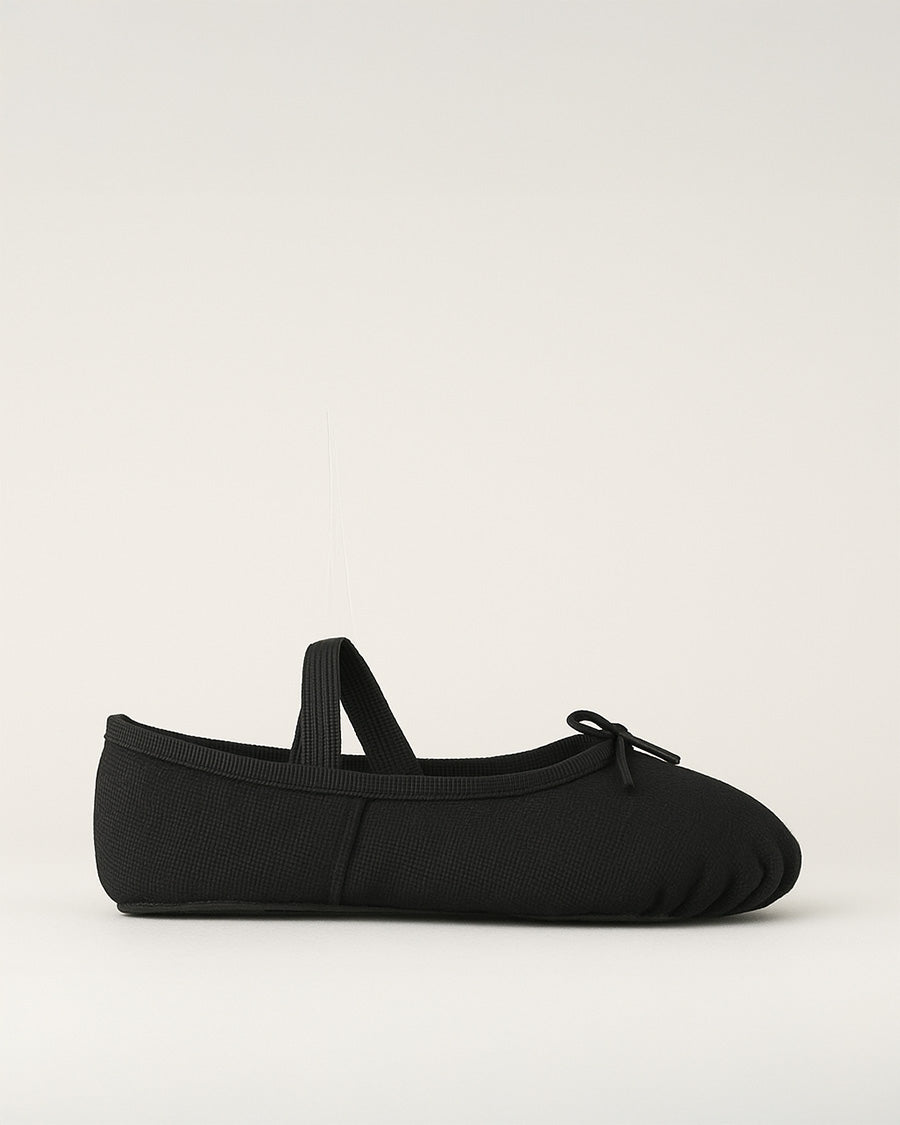
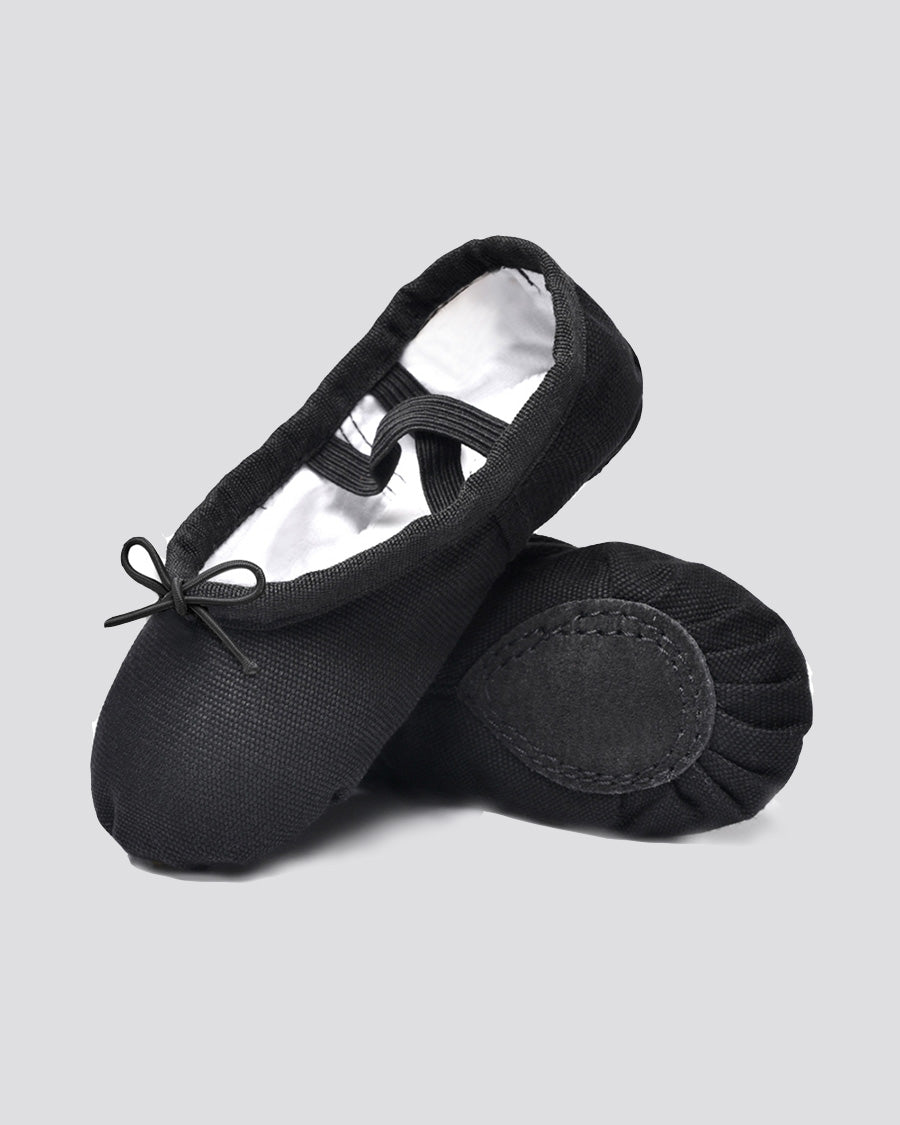
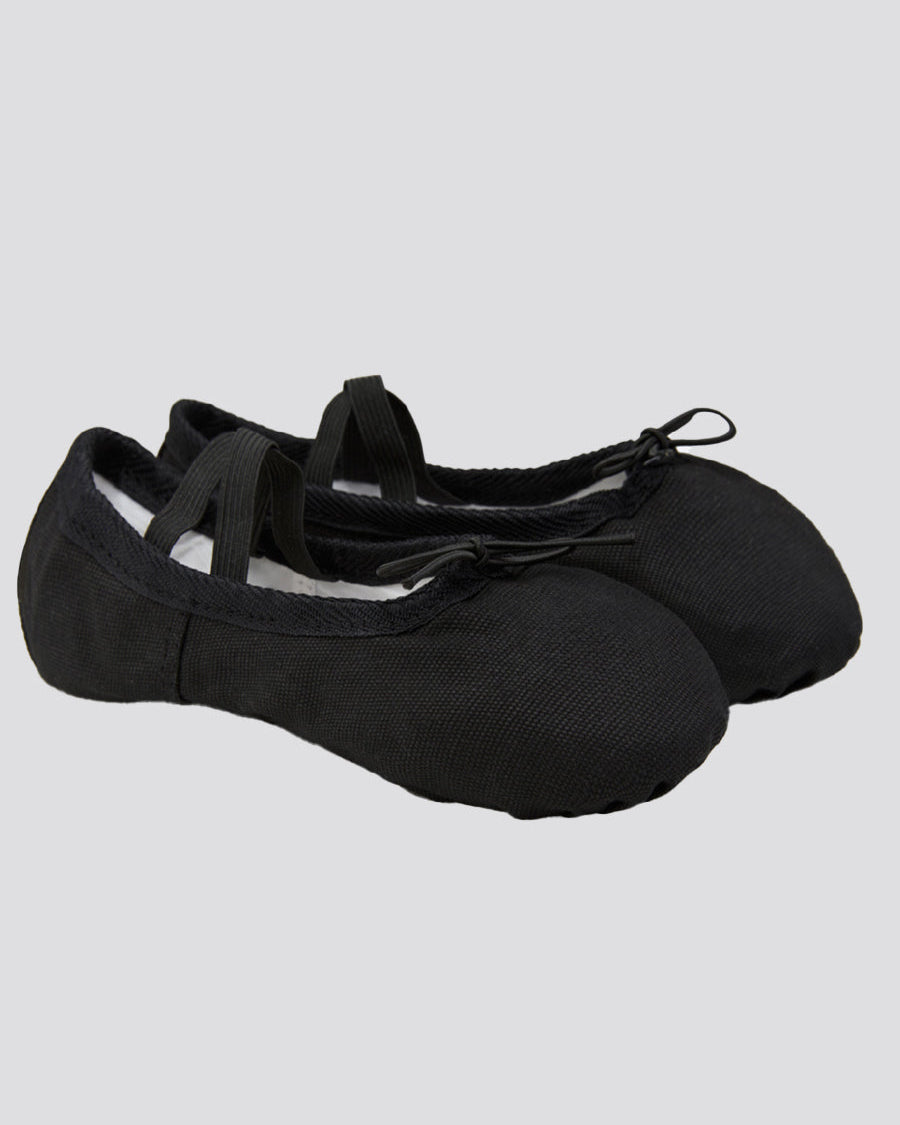
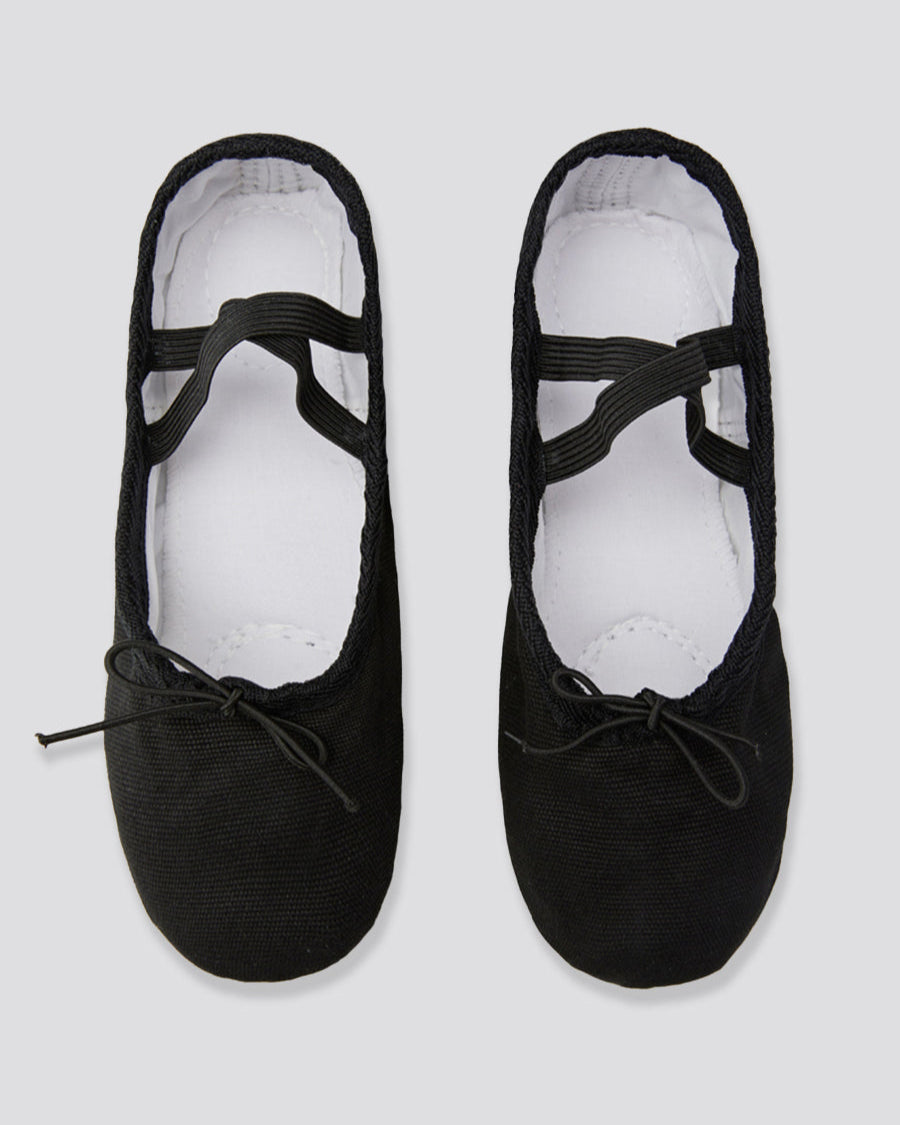
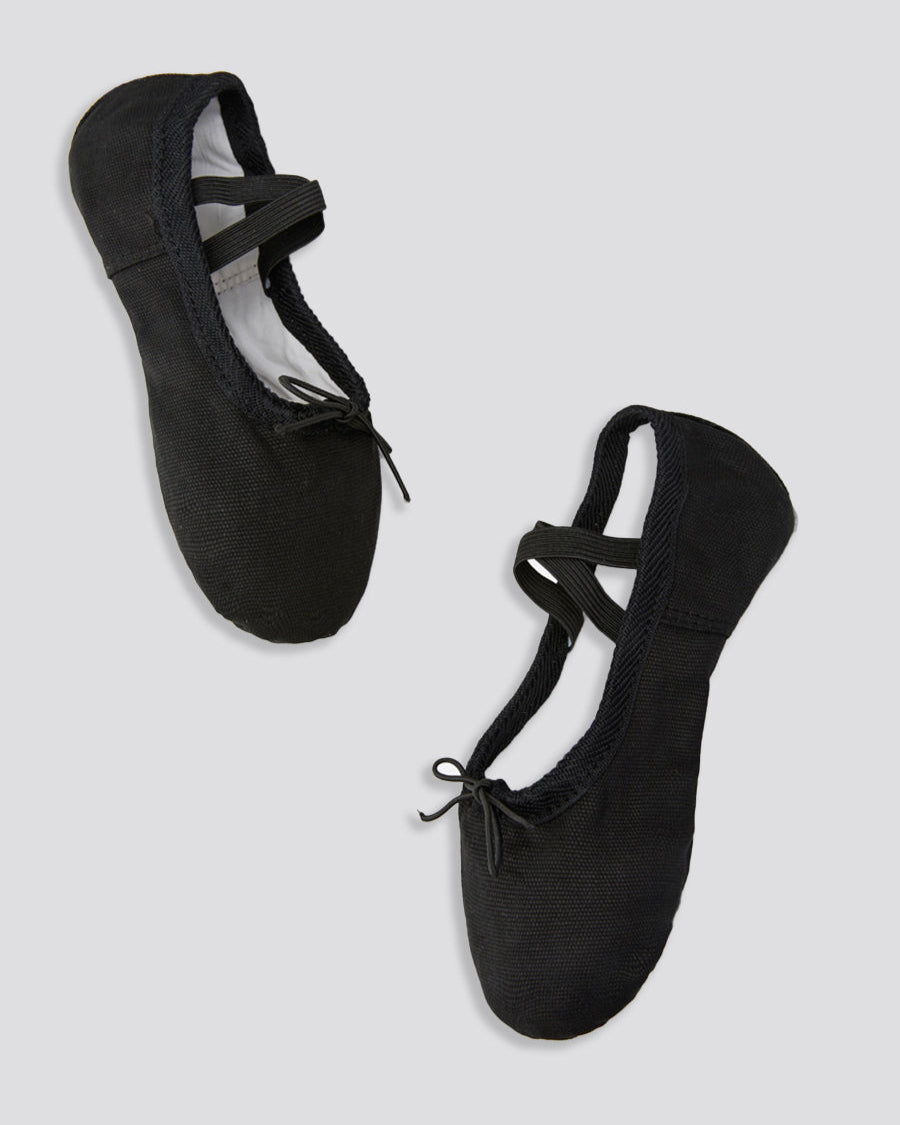
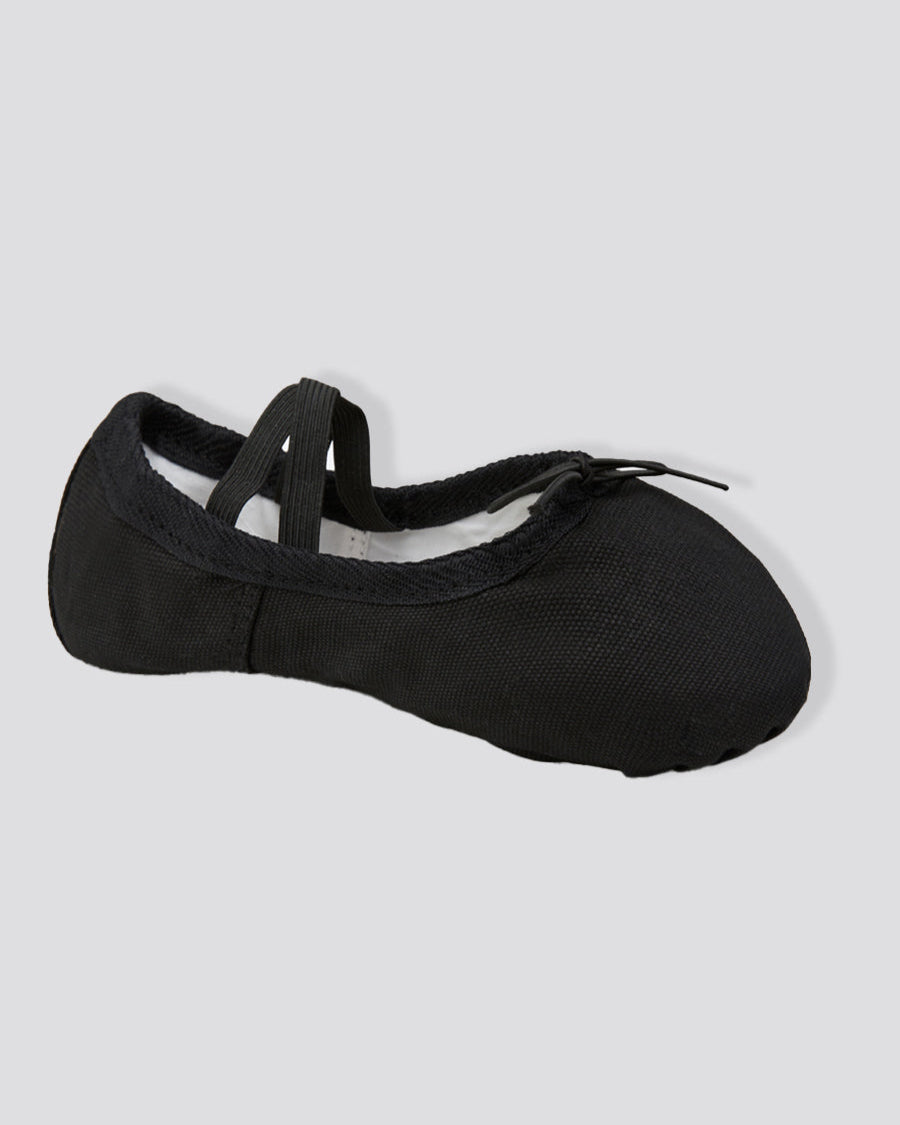
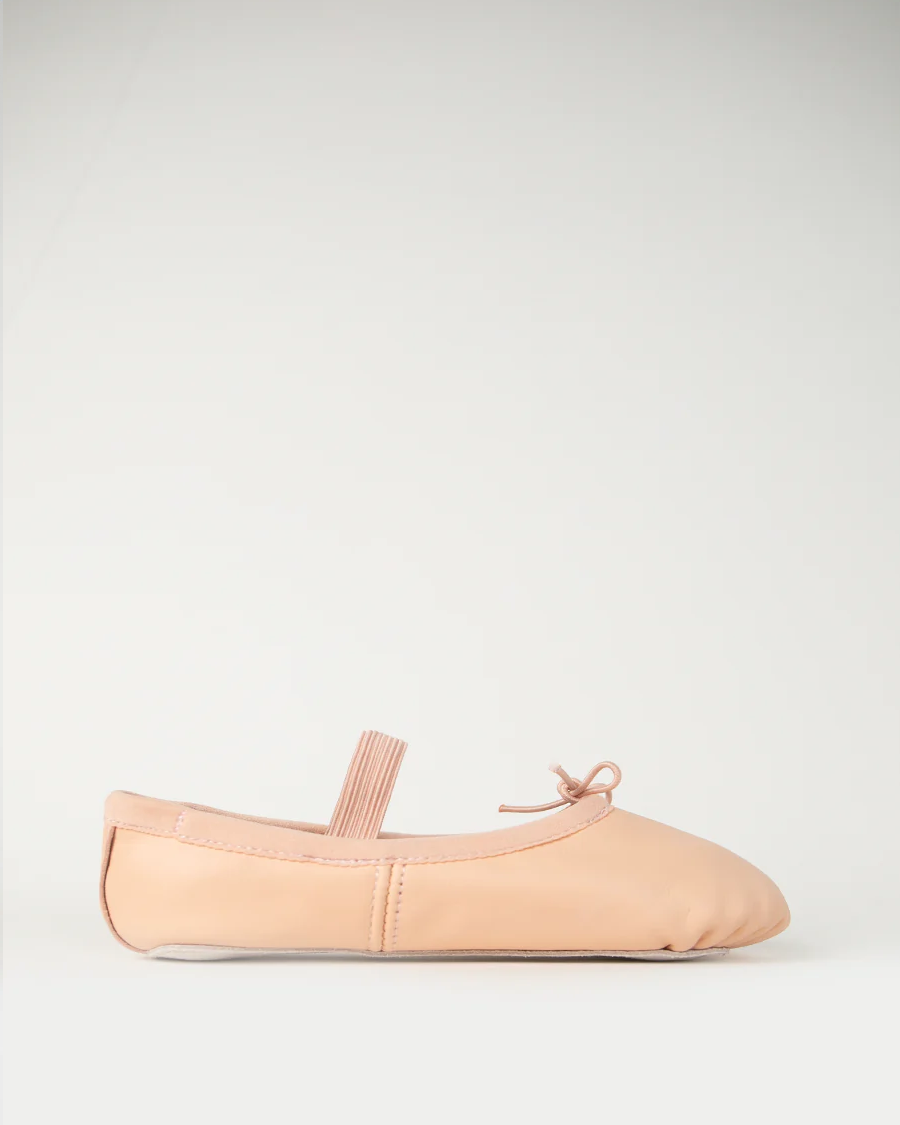
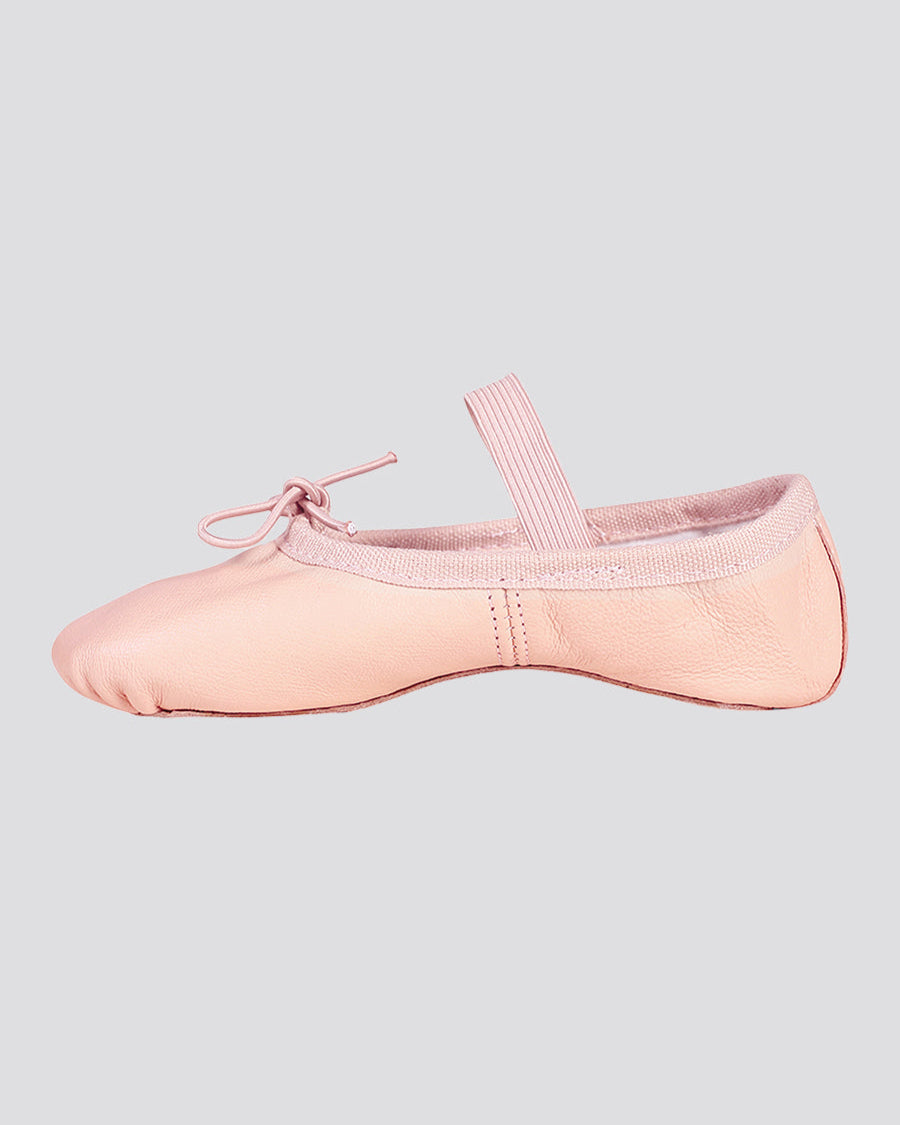
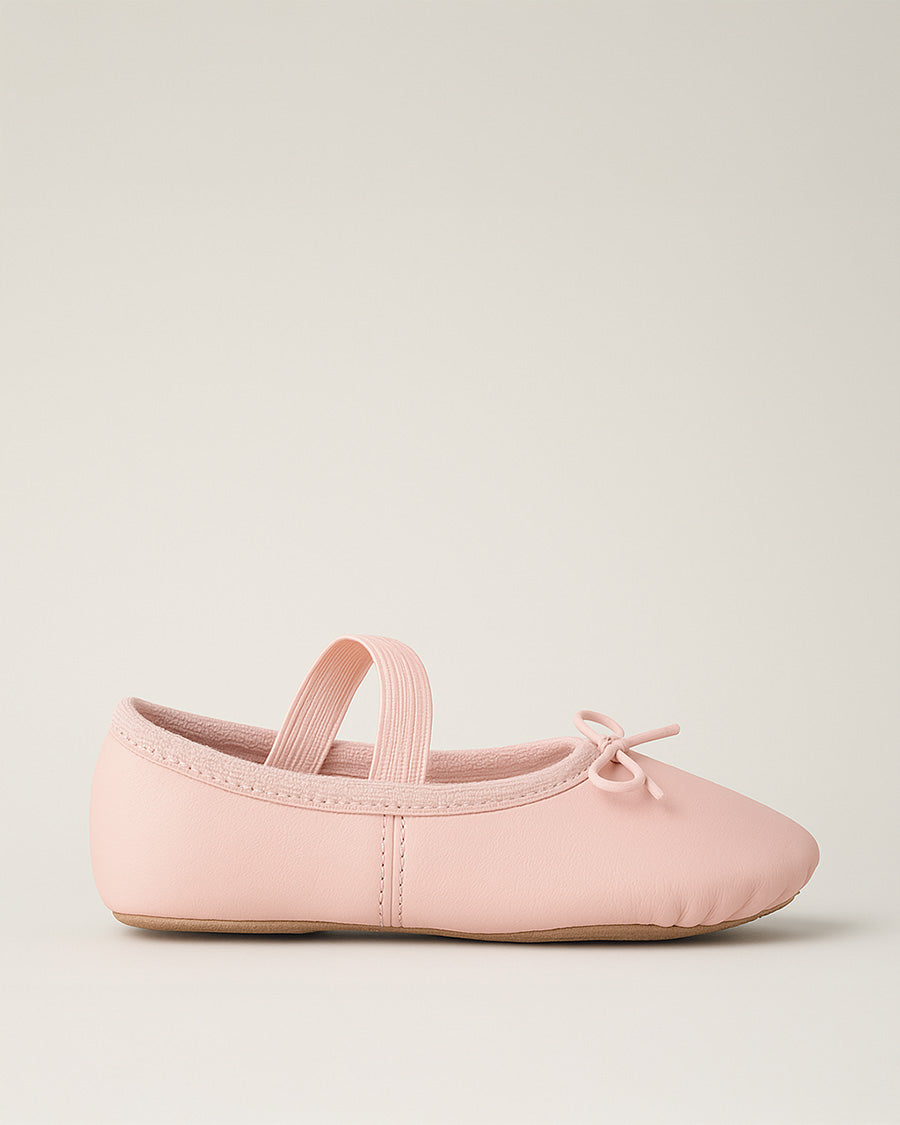
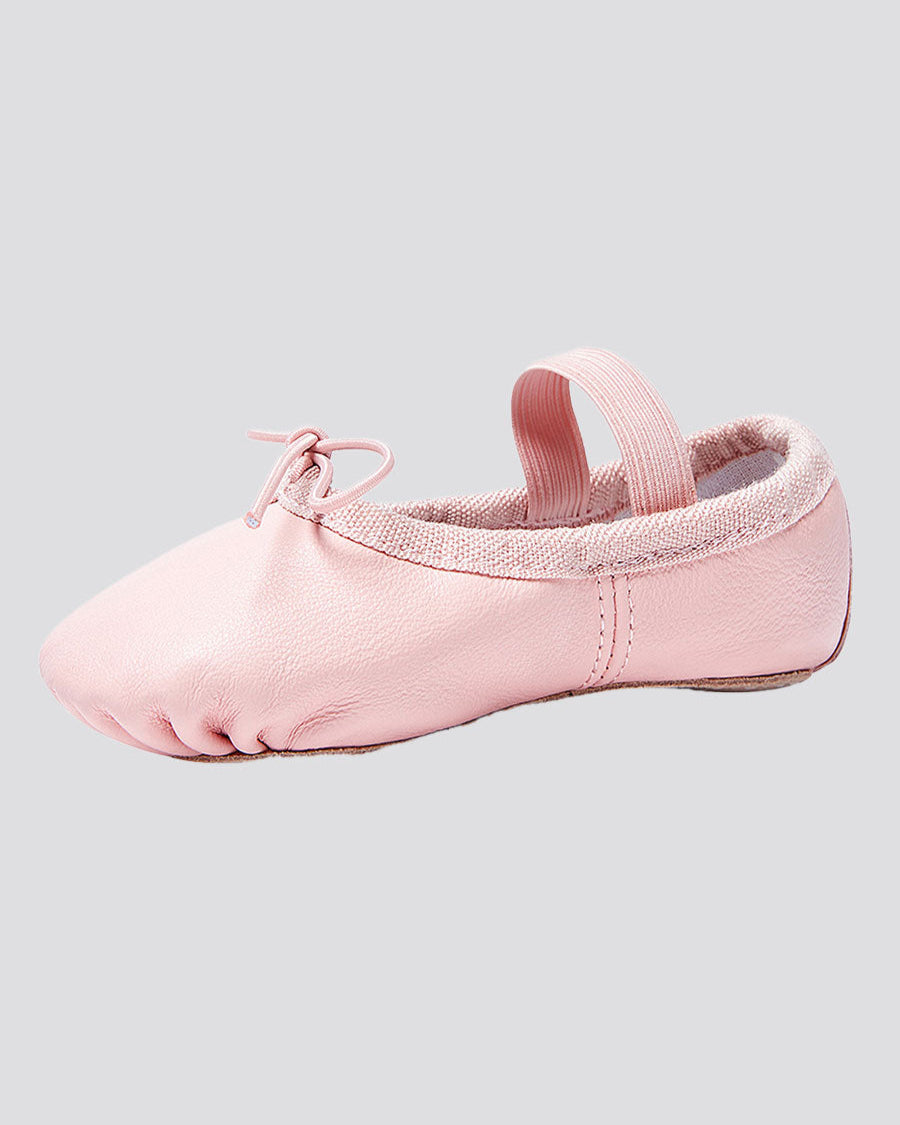
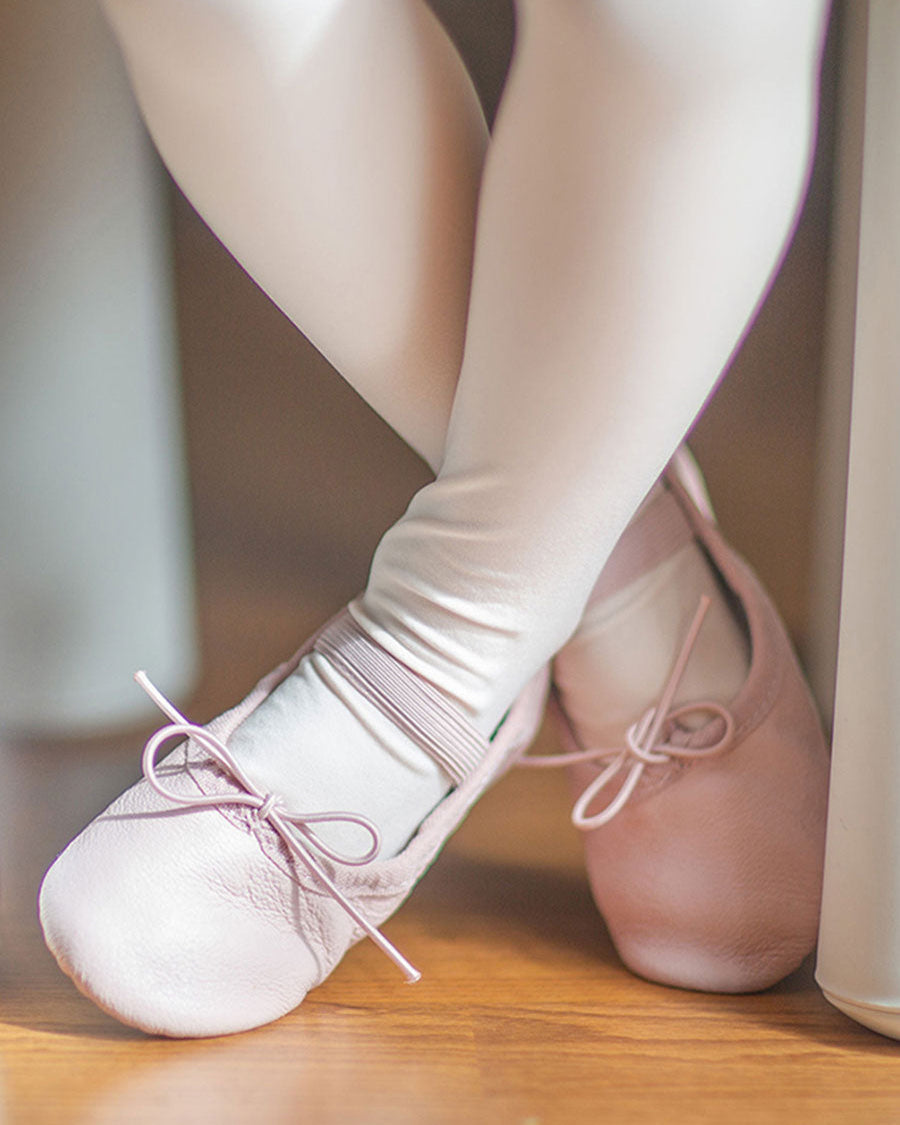
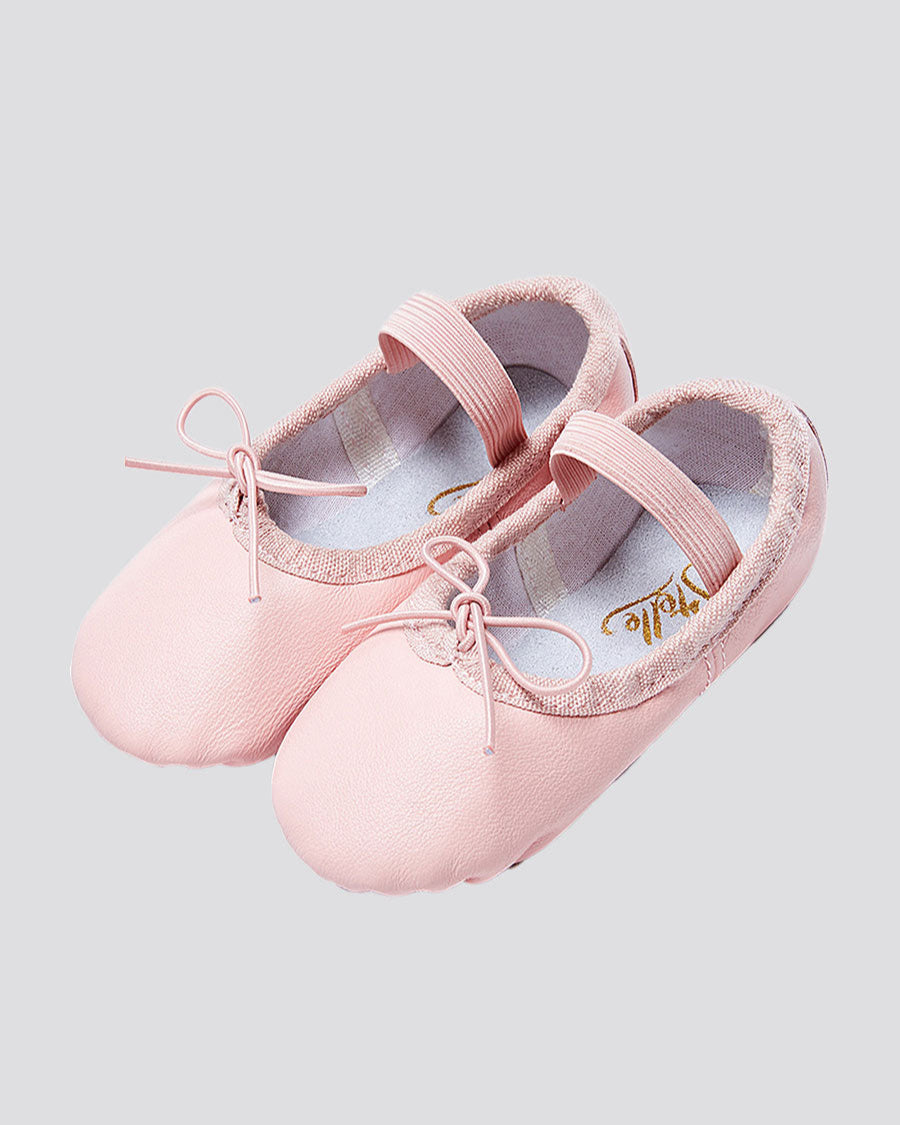
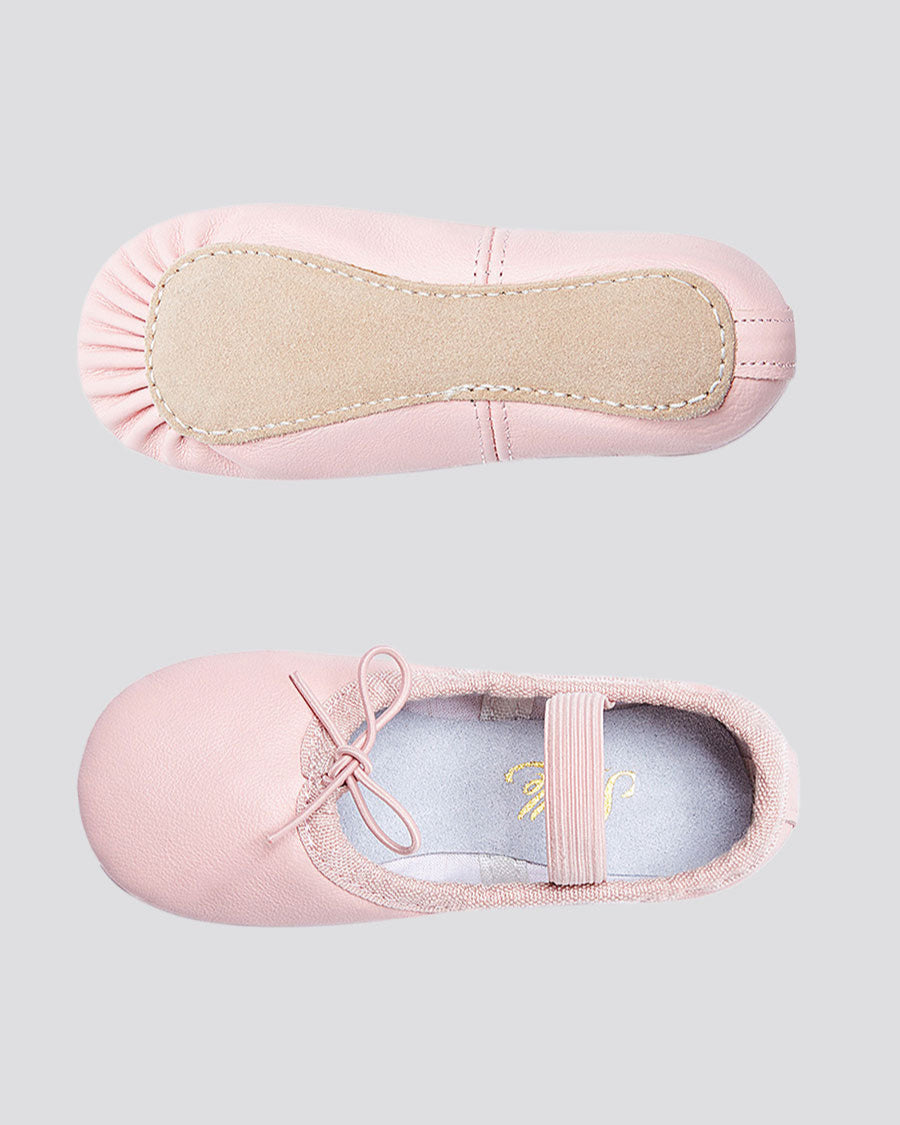
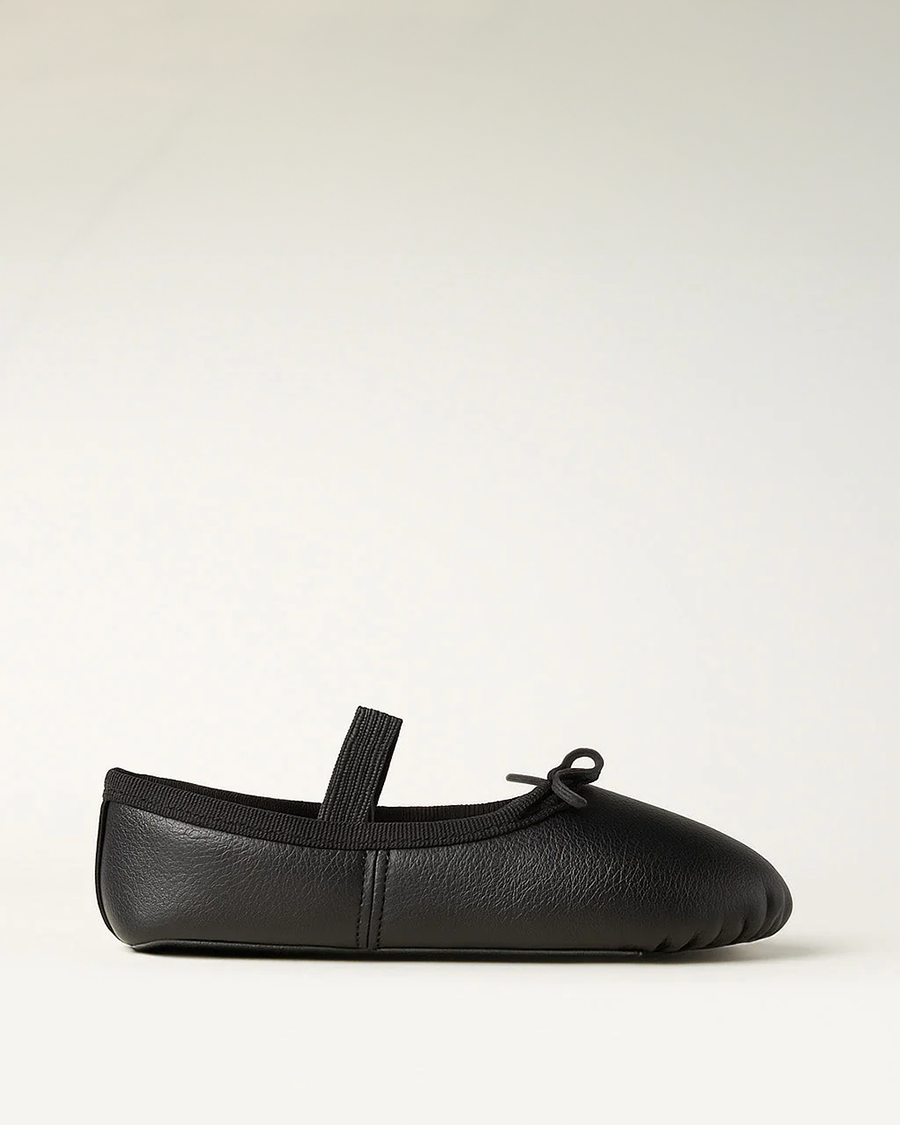
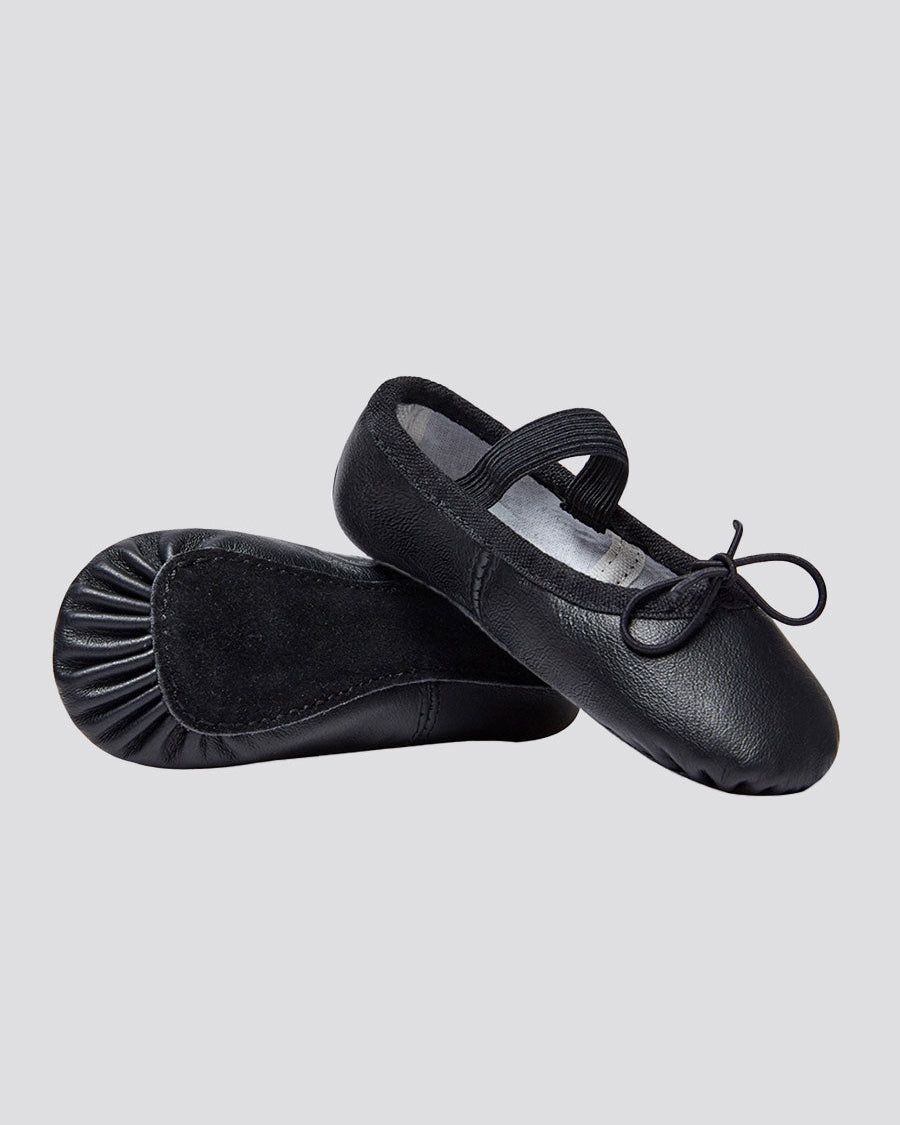
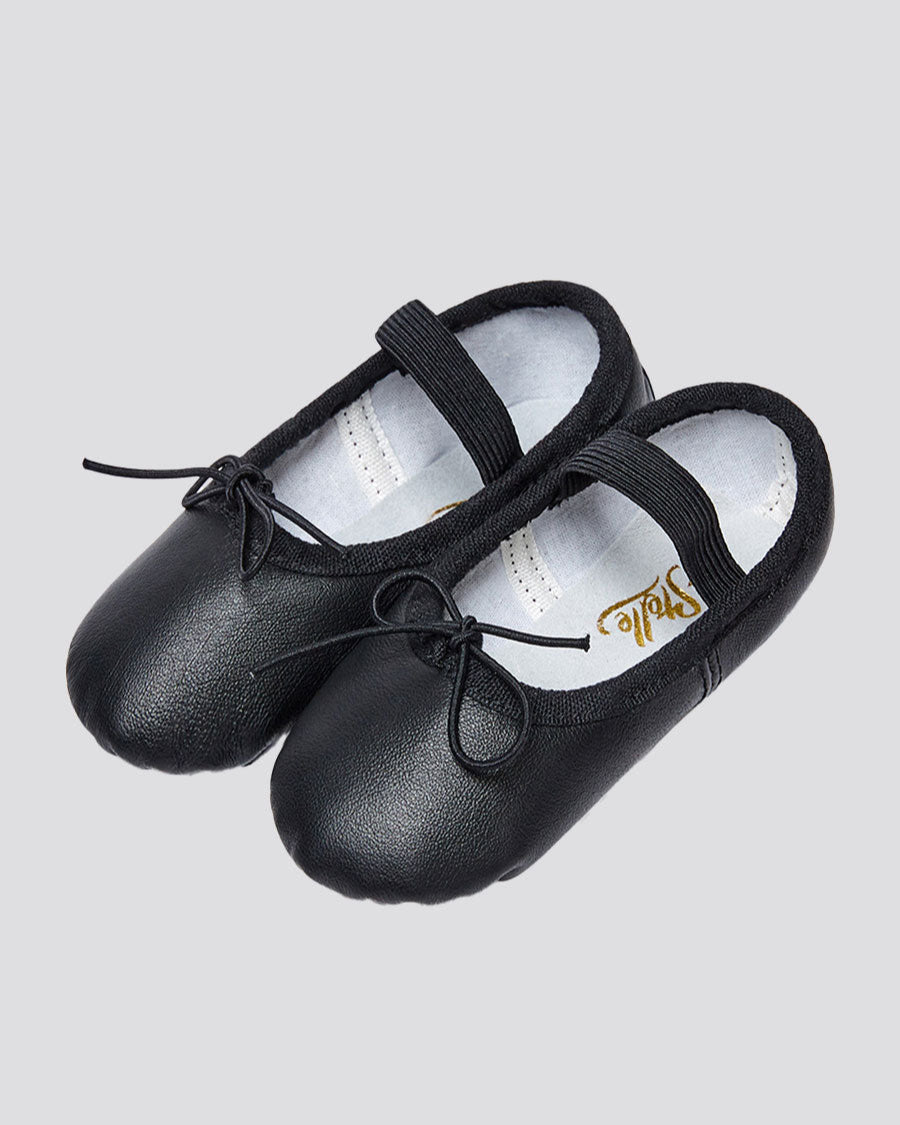
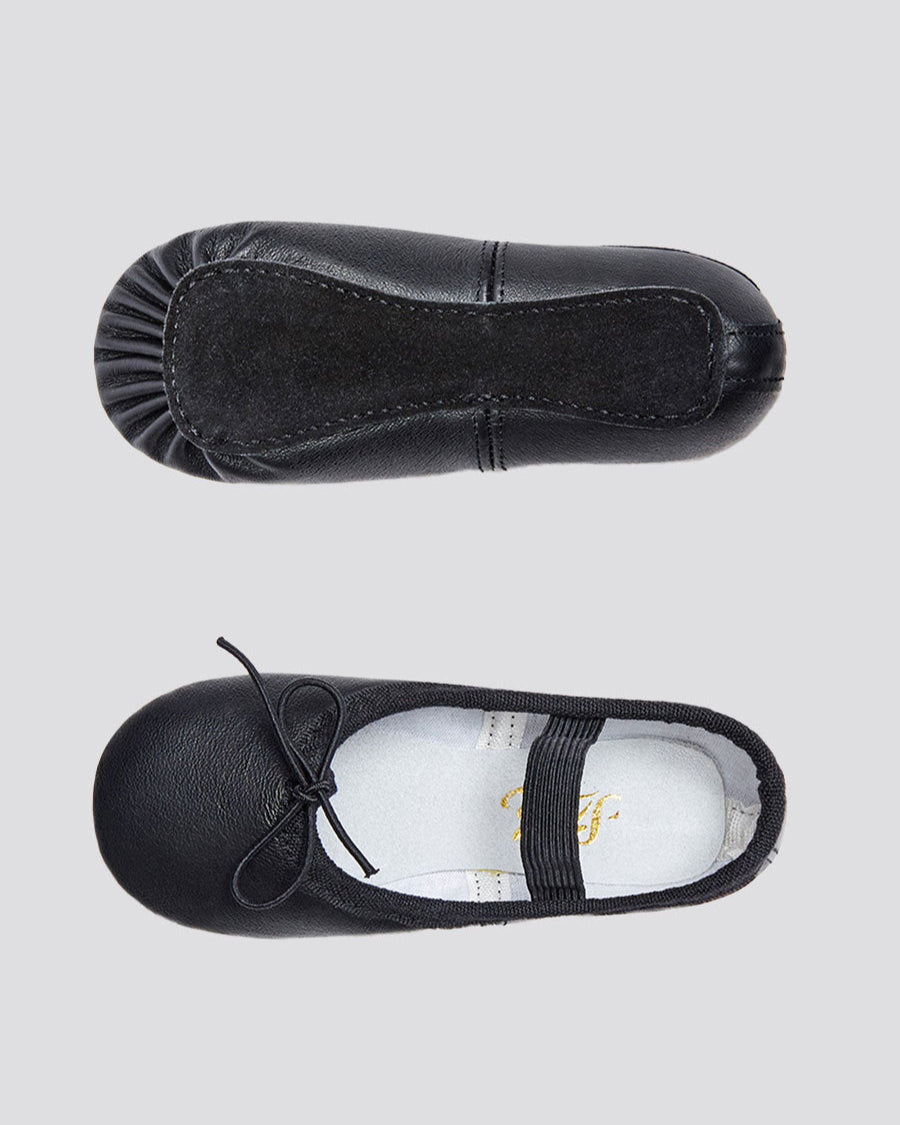
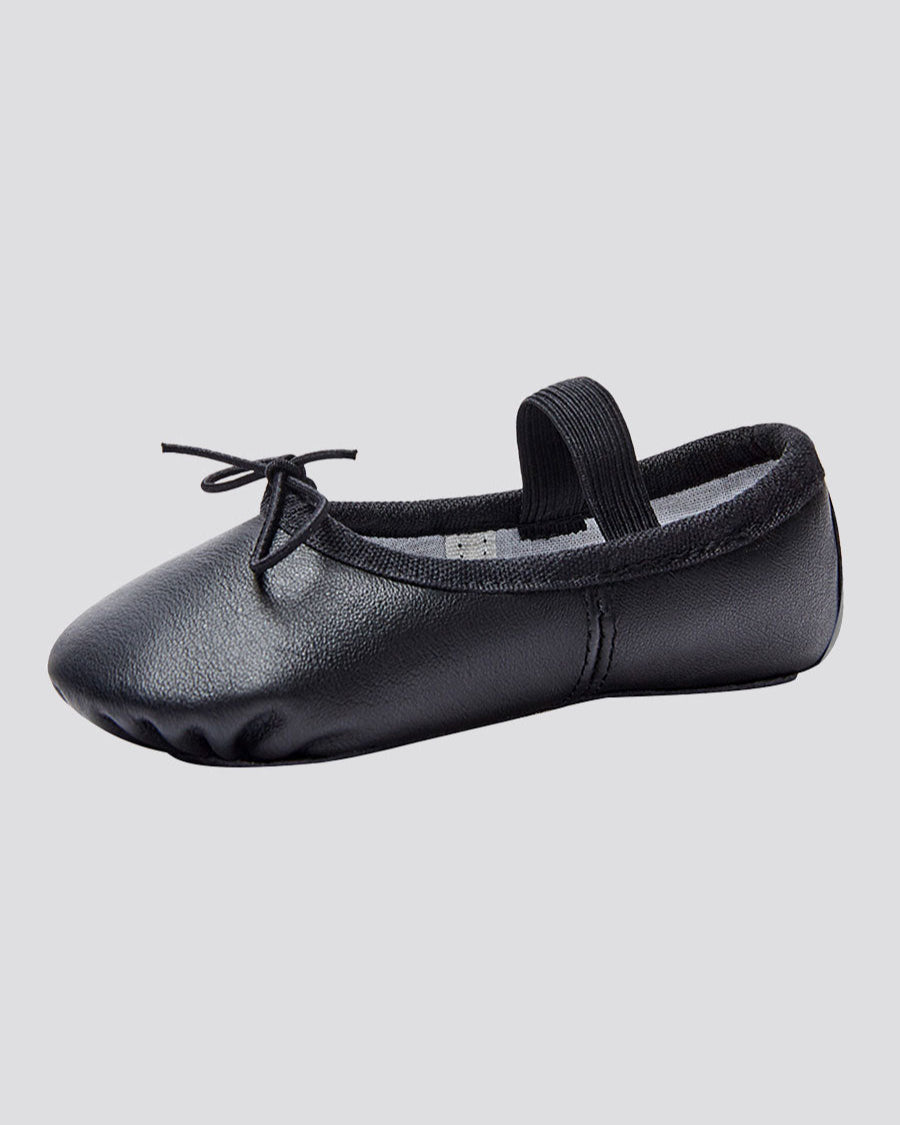
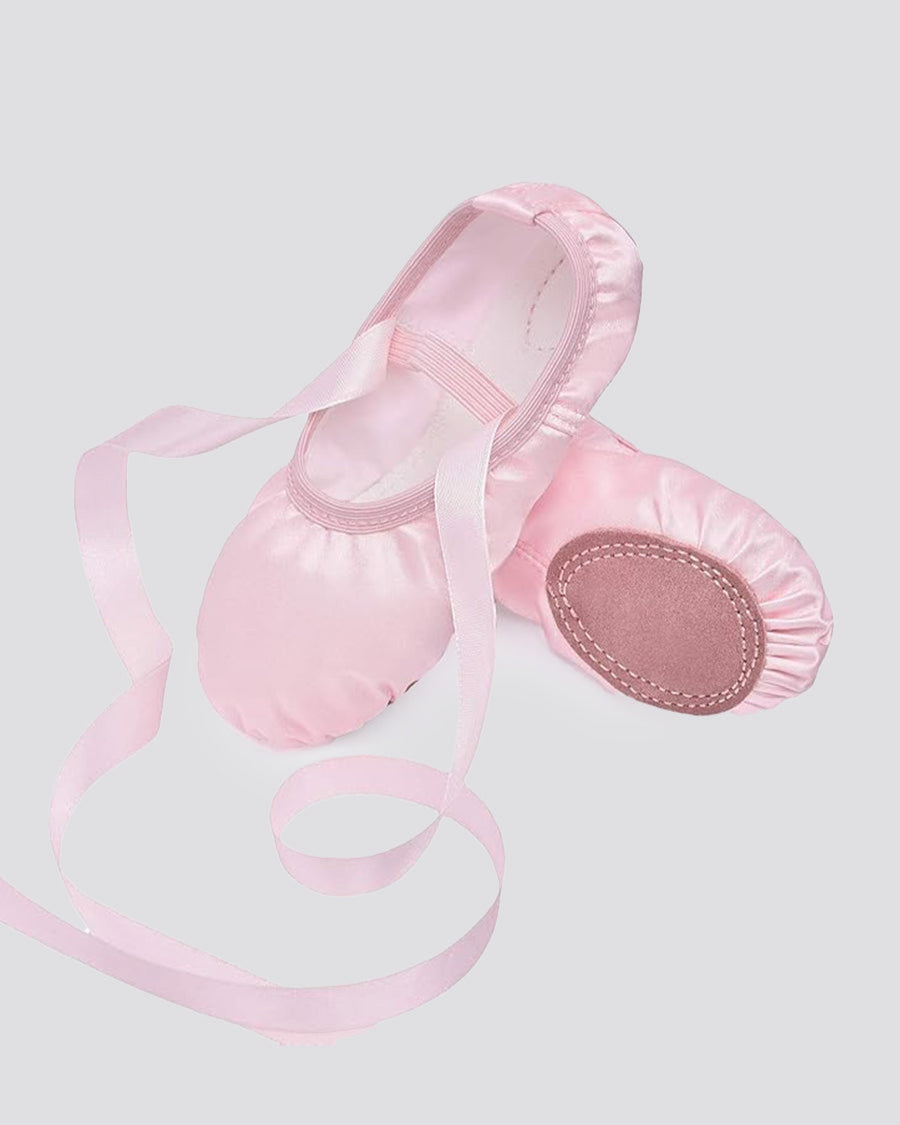
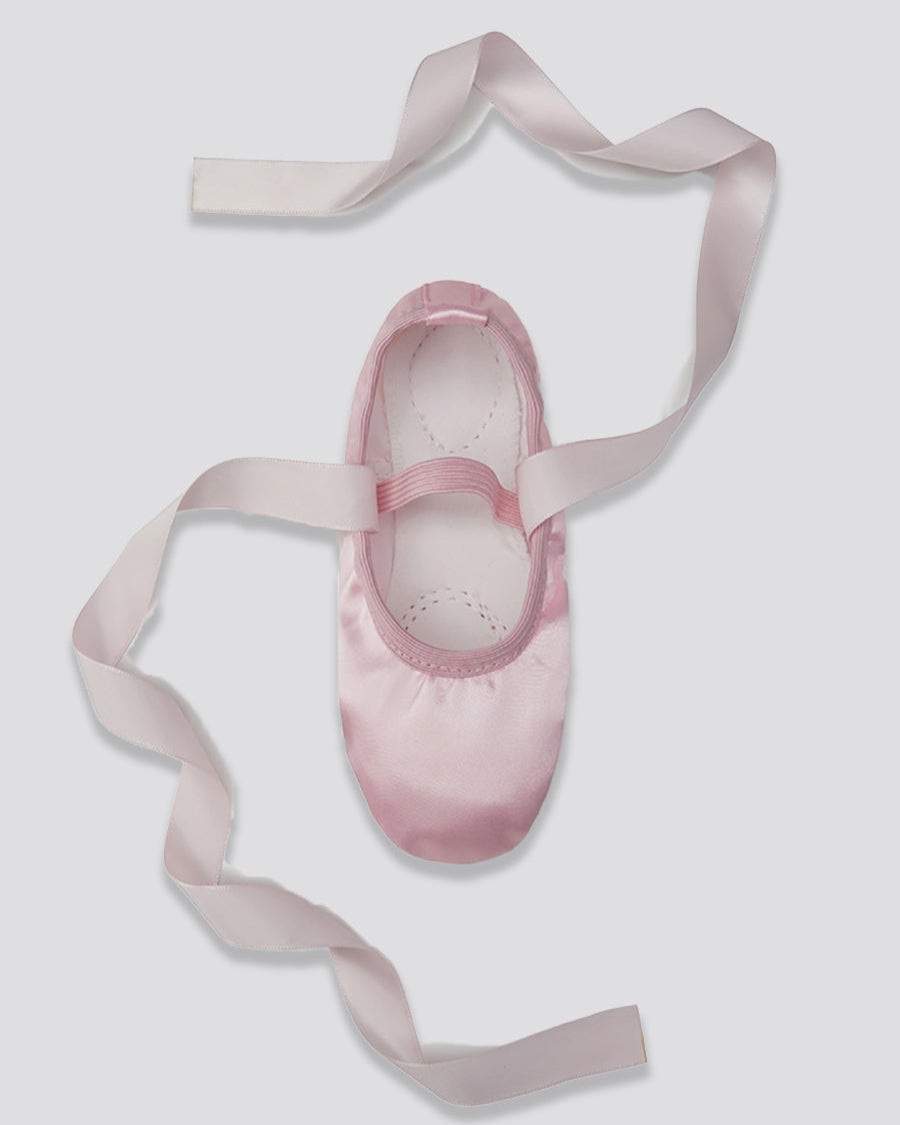
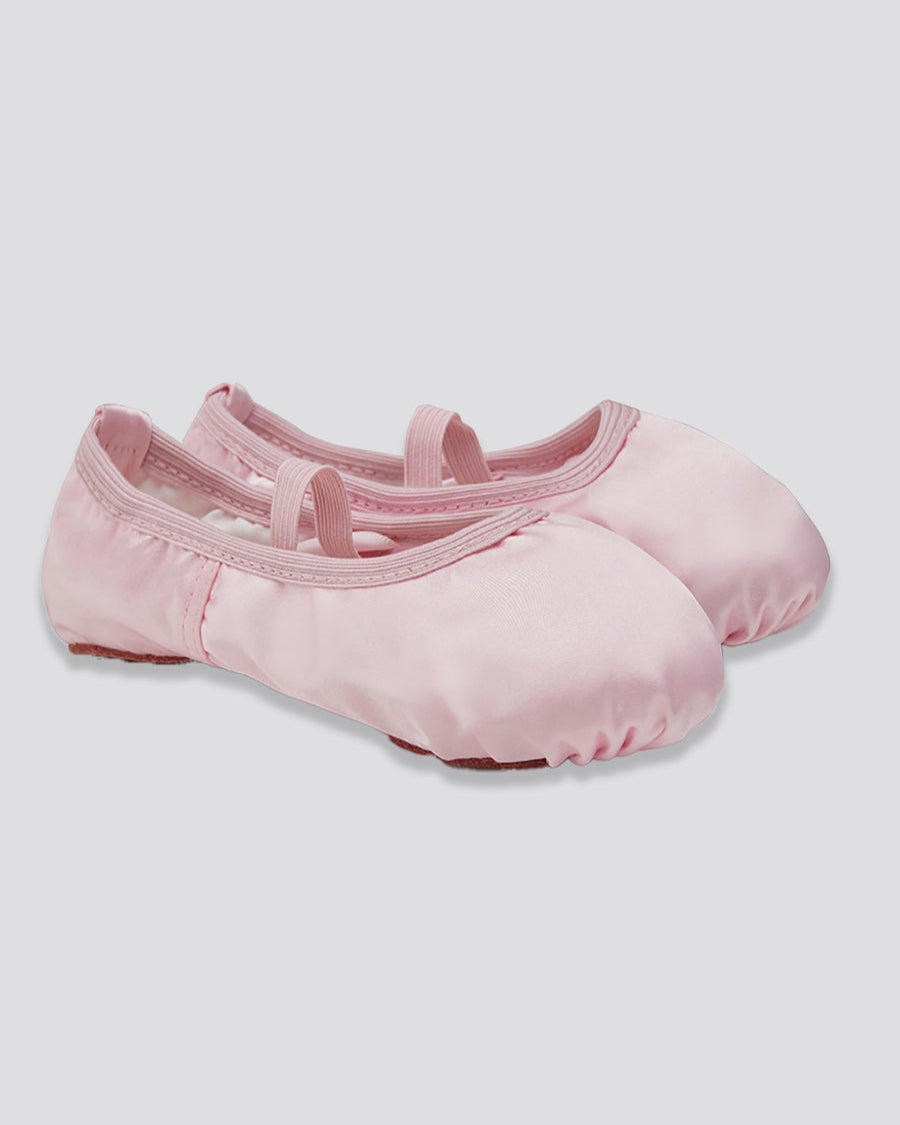
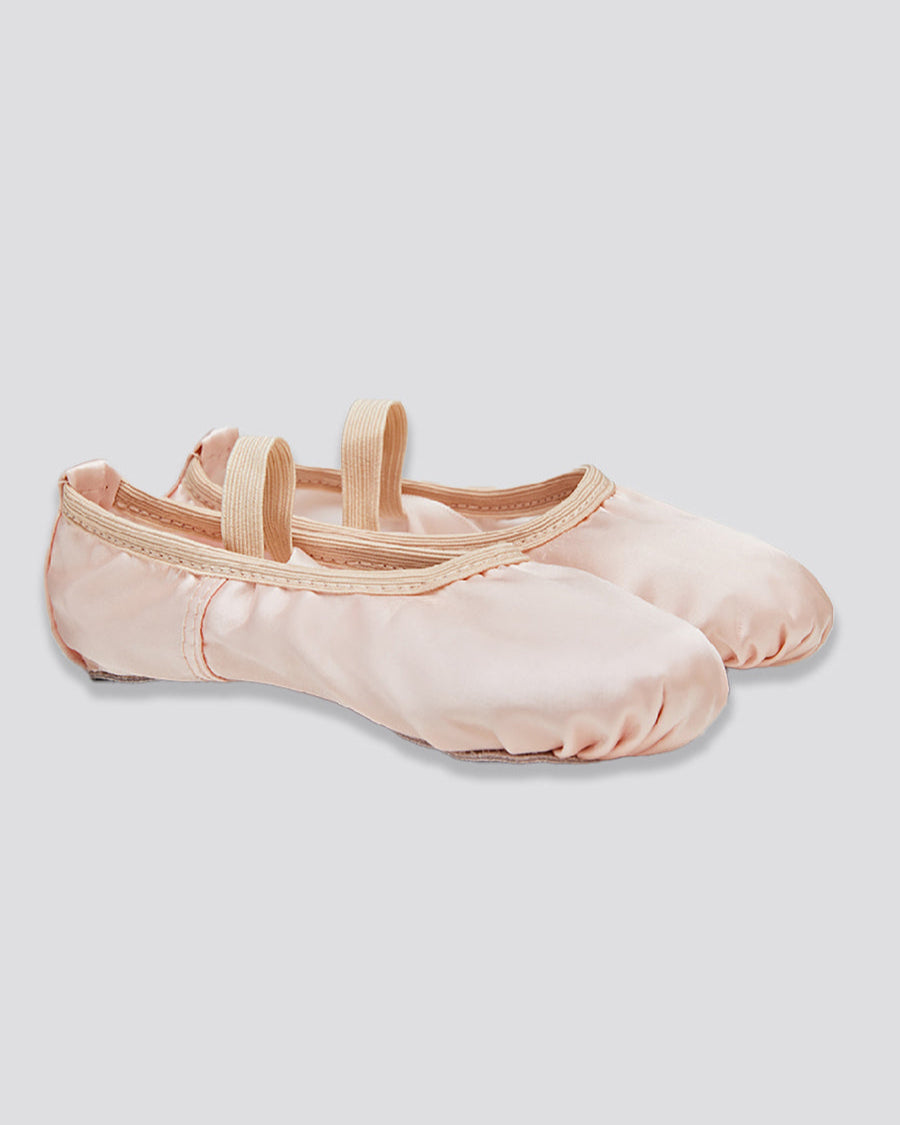
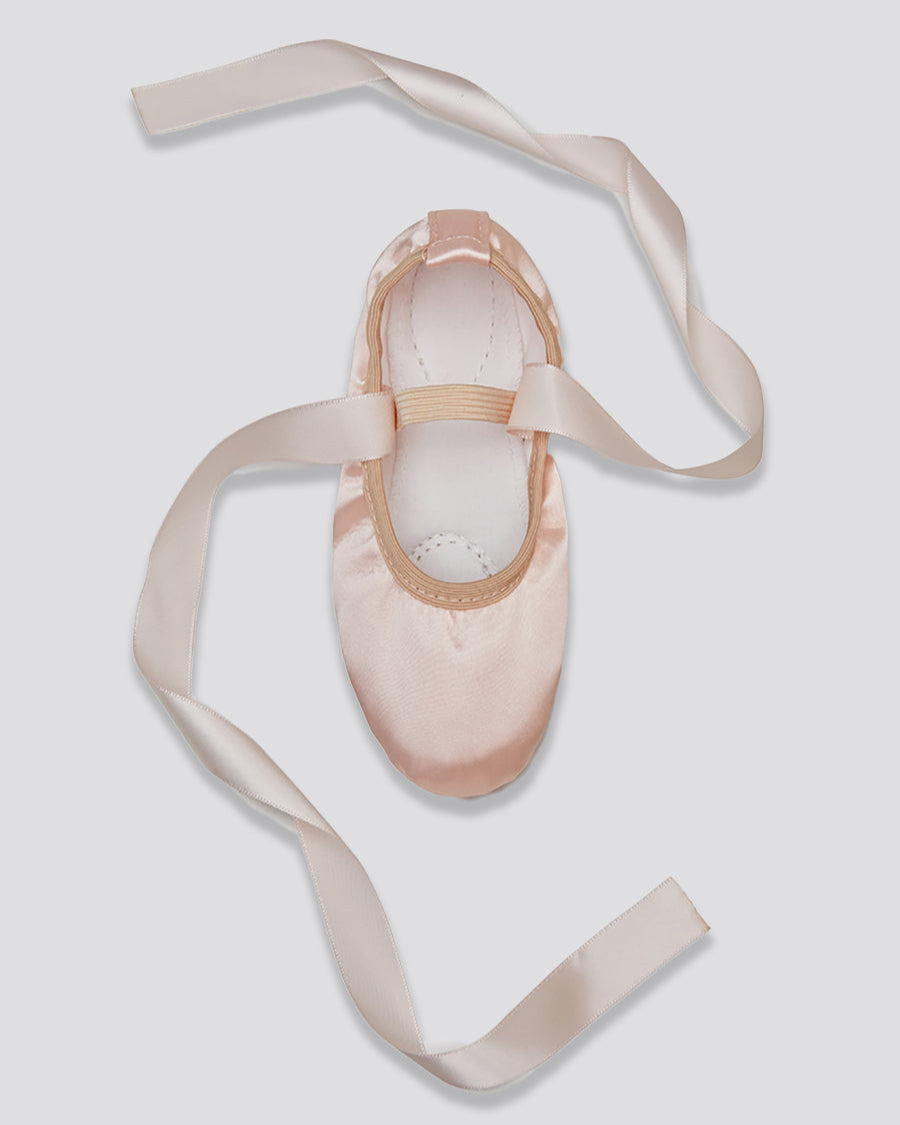
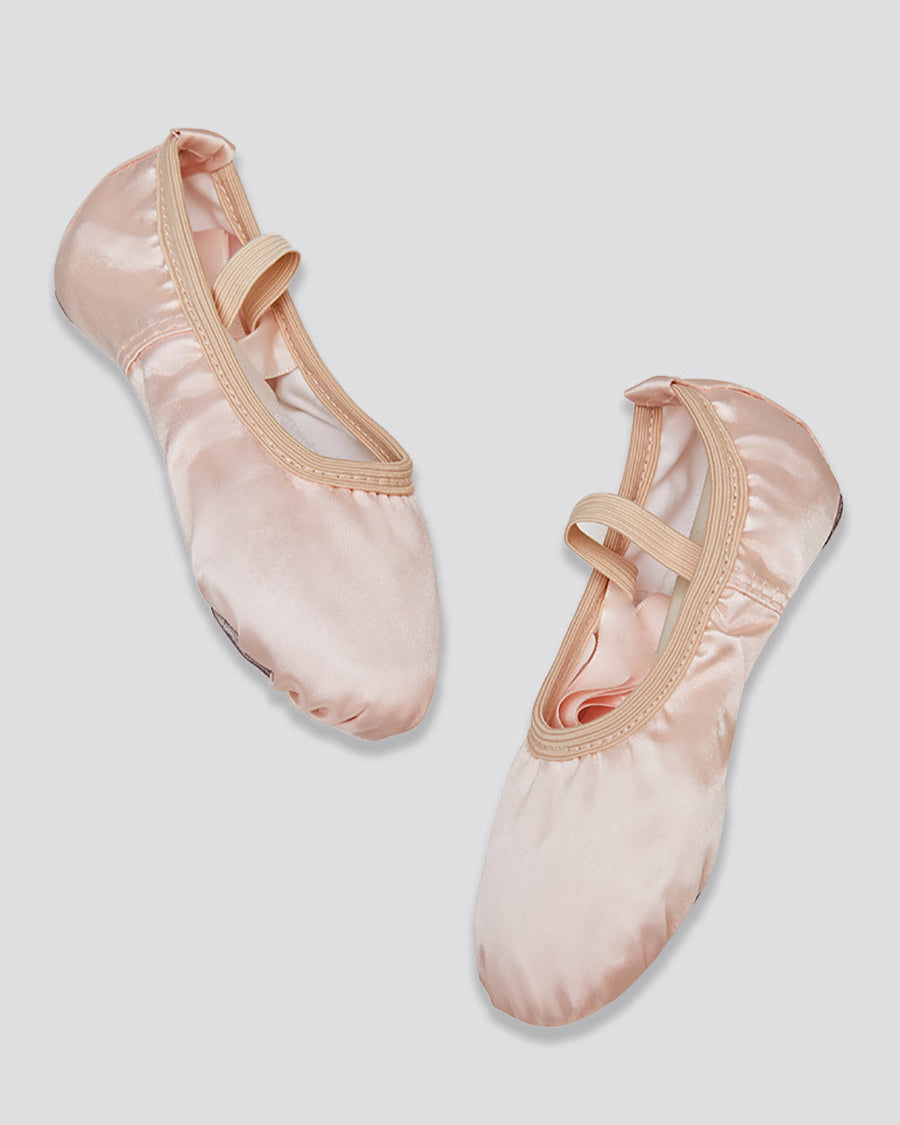
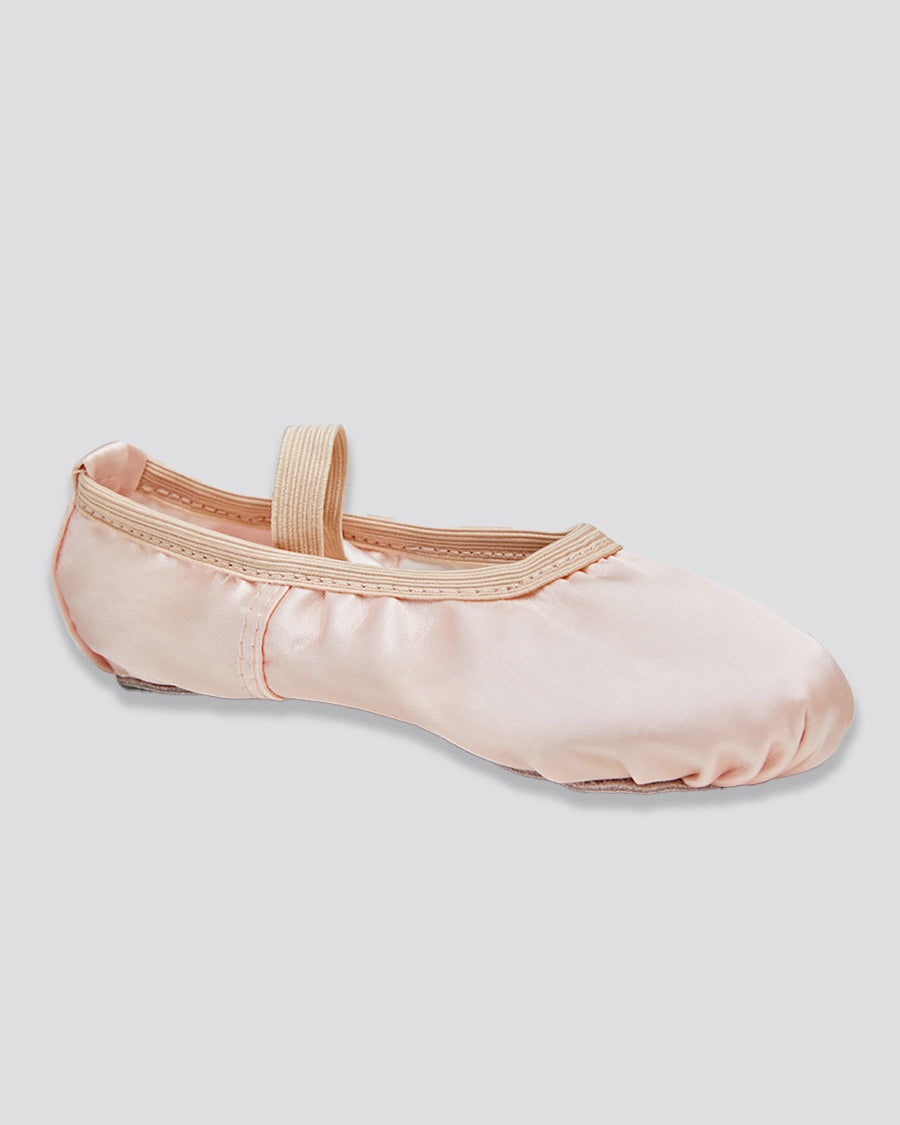
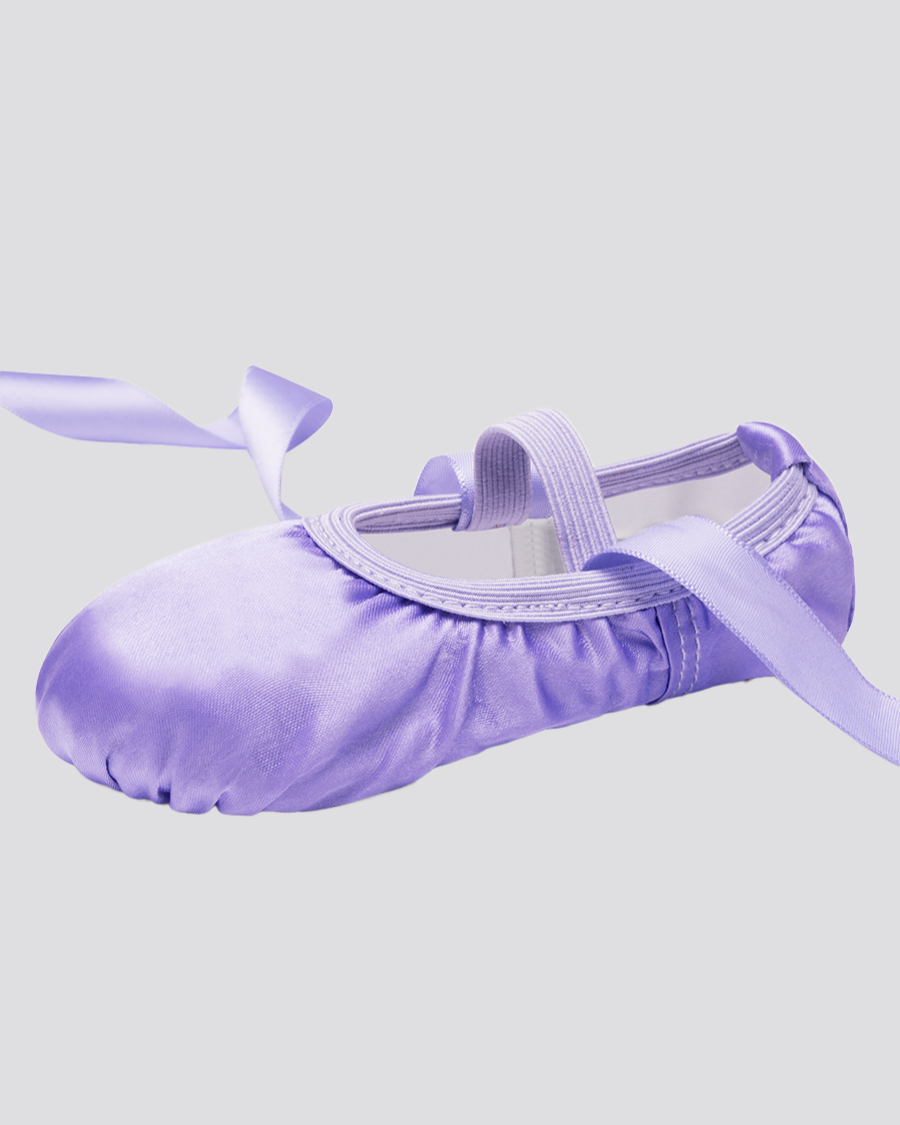
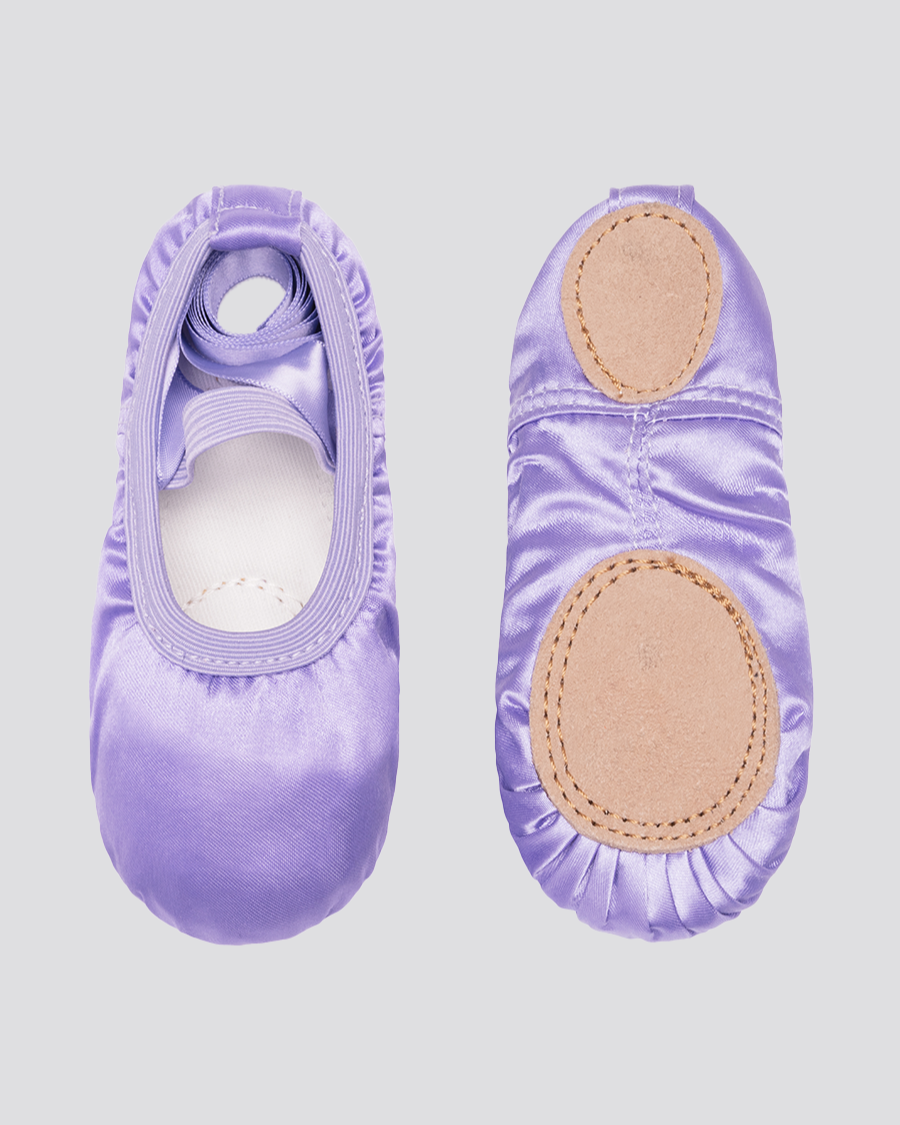
Dress codes vary, but a leotard, tights, and ballet shoes cover many studios' requirements, and comfortable stretchy dancewear she can move freely in matters more than a particular style. For colors, fabrics, and shoes, what toddlers wear to ballet class goes into more detail.

How much are toddler ballet classes?
Toddler and creative movement classes usually sit at the low end of studio tuition. As a live example, Tulsa Ballet's 45 minute creative movement program costs $65 per month plus a $25 annual registration fee at the time of writing, and community center or park district programs often cost less. Prices, class schedules, and age ranges can change, so use these examples as a starting point and confirm details on each platform before signing up. For the full picture across ages, including registration fees, recital costumes, and a realistic first-year budget, our kids' ballet classes guide breaks down every line item.
Set expectations low, then enjoy the show
A toddler who spends her first few classes watching from your lap is not failing ballet. Teachers see it often, and success at this age looks like walking in without tears within a month or so and asking to go back. Leslie Kendall Dye's ParentMap essay is a candid, funny look at the glitter, the wands, and how little of it resembles real ballet. For a fuller picture of day one at any age, what to expect at a first ballet class walks through it.
FAQ
What age can toddlers start ballet classes?
Some children thrive soon after turning two, according to Master Ballet Academy, and some studios offer parent-and-me classes for under-2s. Independent creative movement or pre-ballet programs often start around 3, as at Tulsa Ballet and CPYB. Readiness matters more than the exact age, and formal technique typically waits until around 5 to 7.
Is ballet good for 2 year olds?
It can be, with the right format. A parent-and-me class of around 30 minutes is usually the gentlest fit, since many 2 year olds are still building the skills for independent group instruction. The benefit at 2 is movement, music exposure, and togetherness, not dance skills, so a music-and-movement class works just as well as one with "ballet" in the name.
What does a toddler ballet class look like?
Picture a small, cheerful room rather than a barre, with a teacher leading through imagery instead of ballet terms. Compared with a general music-and-movement class, it adds gentle dance basics such as pointing toes, tiptoe walking, and a closing bow or curtsy. Wandering is expected, and teachers typically redirect with a song, a prop, or a small job instead of insisting.
What if my toddler won't let me leave, or cries at drop-off?
Separation is its own skill at this age, and good toddler programs plan for it. Master Ballet Academy calls the first month an adjustment period, and many studios let a clingy child ease in over a few weeks, with a parent staying visible near the door rather than enforcing a hard drop-off from day one. Keep goodbyes short and consistent, and let her watch from your lap until she is ready. If drop-off stays distressing after a month or so, take a break and retry in a few months; a rough start at 3 says little about later dance.
About the Stelle Team
Stelle is a mom-trusted dancewear & athleisure brand best known for girls’ ballet and dance essentials since 2015. Every article is created and reviewed by the team behind the products, drawing on what we hear from dance teachers, studio owners, and dance parents every day. Learn more about Stelle.