




Ballet School vs Dance Studio: What's the Difference?
Table of contents
Quick answer
A ballet school trains children in classical ballet through a structured, exam-based syllabus with a strict dress code and rising weekly hours, while a dance studio offers multiple styles (ballet, jazz, tap, hip hop) with a lighter commitment built around an annual recital or competition team. Ballet schools suit kids who are serious about ballet specifically; dance studios suit kids who want variety, fun, or aren't sure yet.
If your child has fallen in love with dance, you've probably noticed that the places offering classes near you don't all look alike. Some call themselves academies or ballet schools, others are studios with a rainbow of class options, and the differences go deeper than the name on the door. Here's how the two models actually compare, so you can pick the right starting point without overthinking it.
Key Takeaways
-
Ballet schools center everything on classical ballet: one style, taught progressively, often against a formal syllabus with exams or level promotions.
-
Dance studios offer several styles under one roof, usually with a recreational track (one or two classes a week, year-end recital) and often a competition team.
-
Cost structures differ more than sticker prices. A weekly class at either typically runs roughly $70 to $125 a month, but competition teams add costume, entry, and travel fees, while ballet schools ramp up hours (and tuition) as students advance.
-
Neither is "better." A ballet school is the stronger fit for a child focused on ballet; a studio is the stronger fit for variety, flexibility, or an undecided beginner.
-
Switching later is normal, and the ballet-first route tends to keep more doors open: strong classical technique transfers to other styles more easily than the reverse.
What is a ballet school?
A ballet school (often called a ballet academy or conservatory) is built around one thing: classical ballet technique, taught in a deliberate progression over years. Classes at each level focus on placement, strength, and vocabulary at the barre and in the center, and students typically move up by readiness rather than age alone. Many schools follow an established training method such as RAD or Vaganova, which standardizes what's taught at each level; you don't need to know the differences between methods to choose a school.
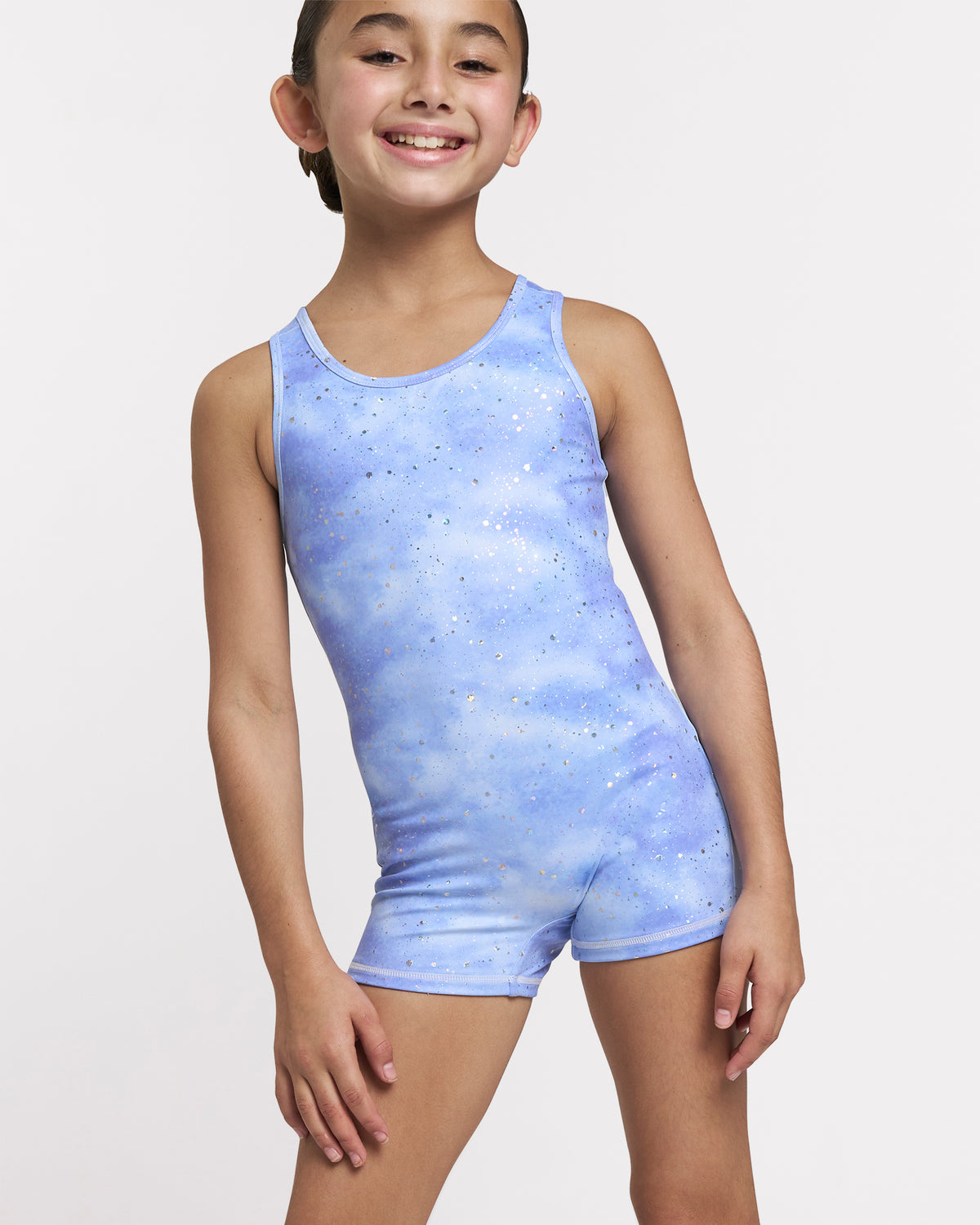
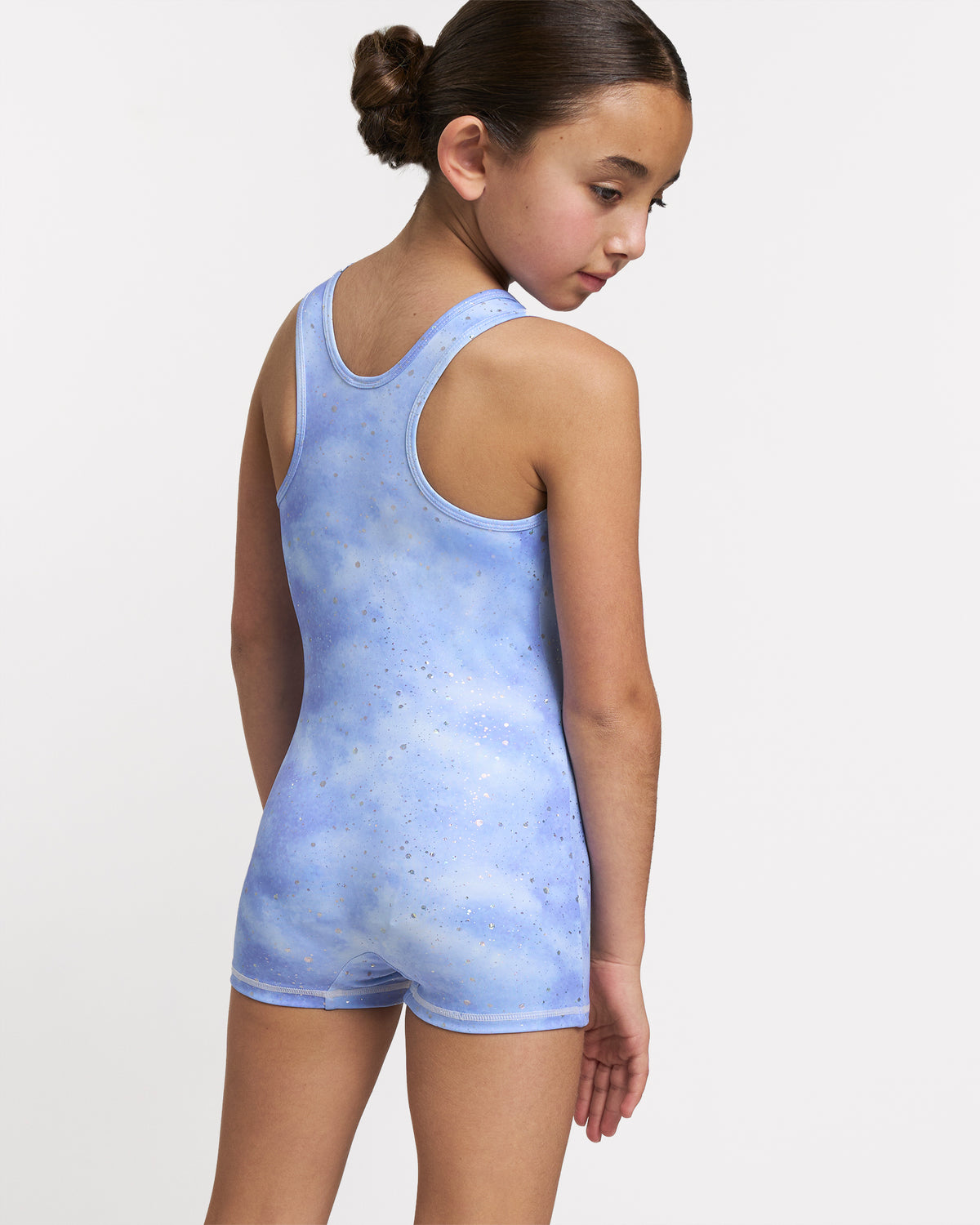
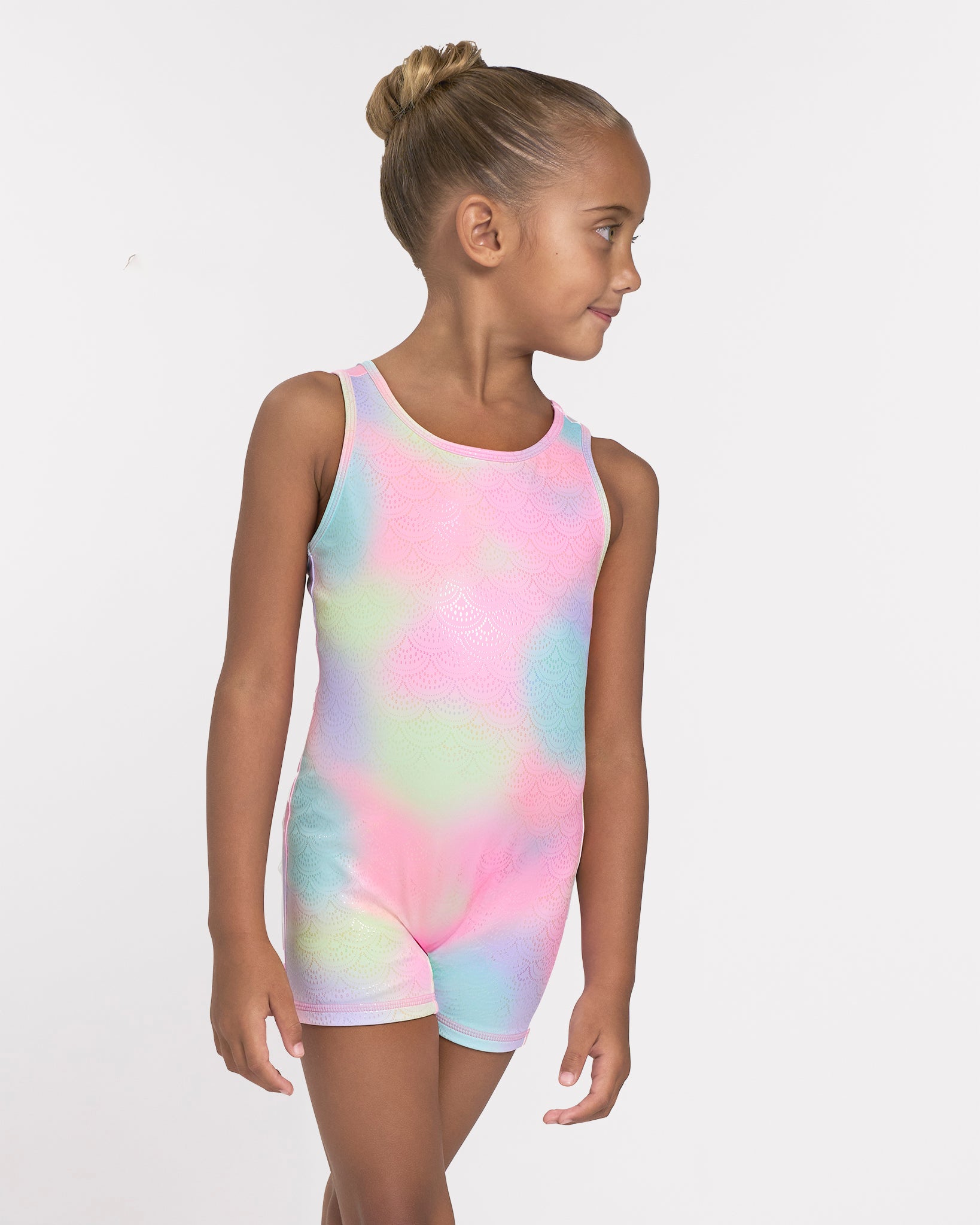
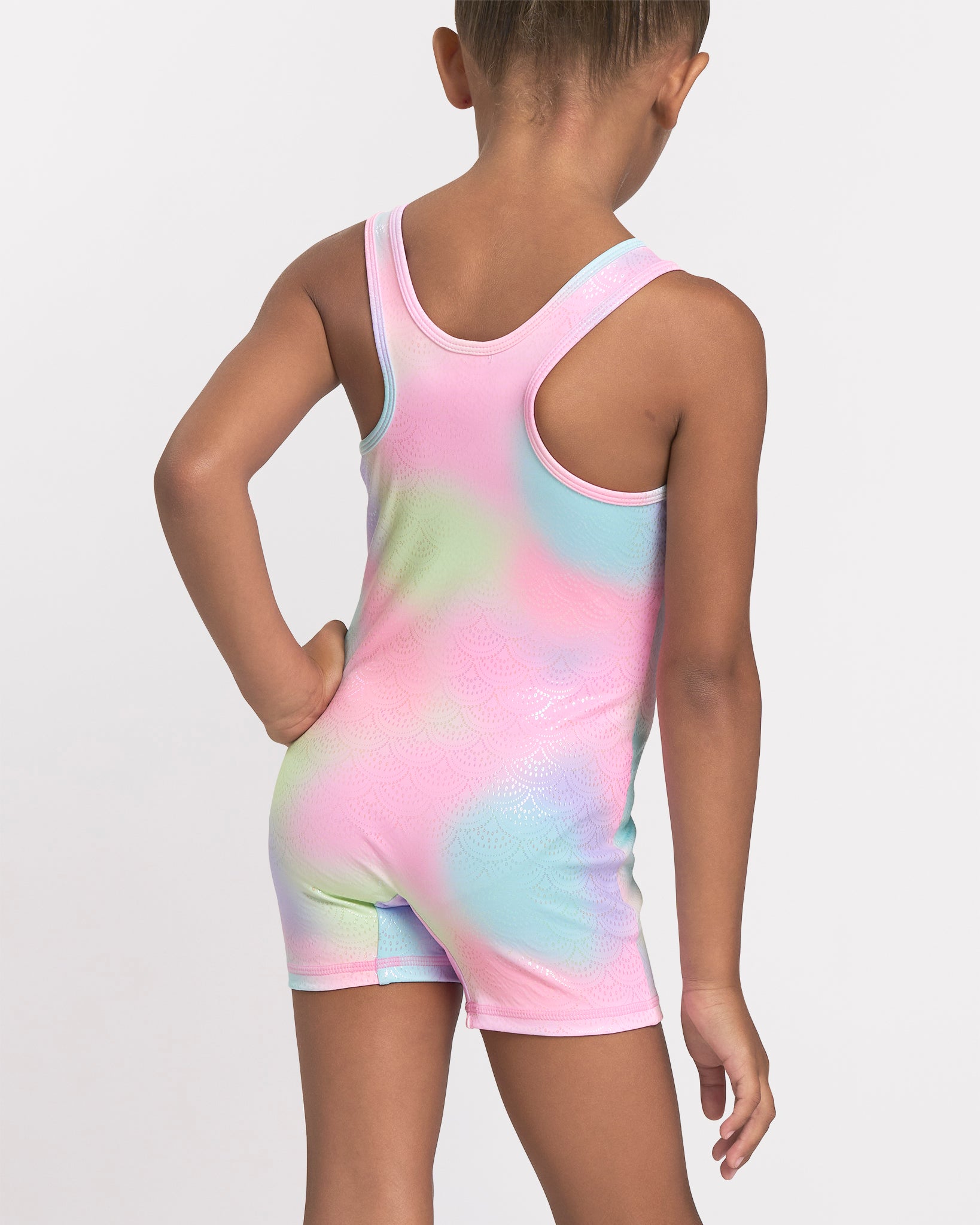
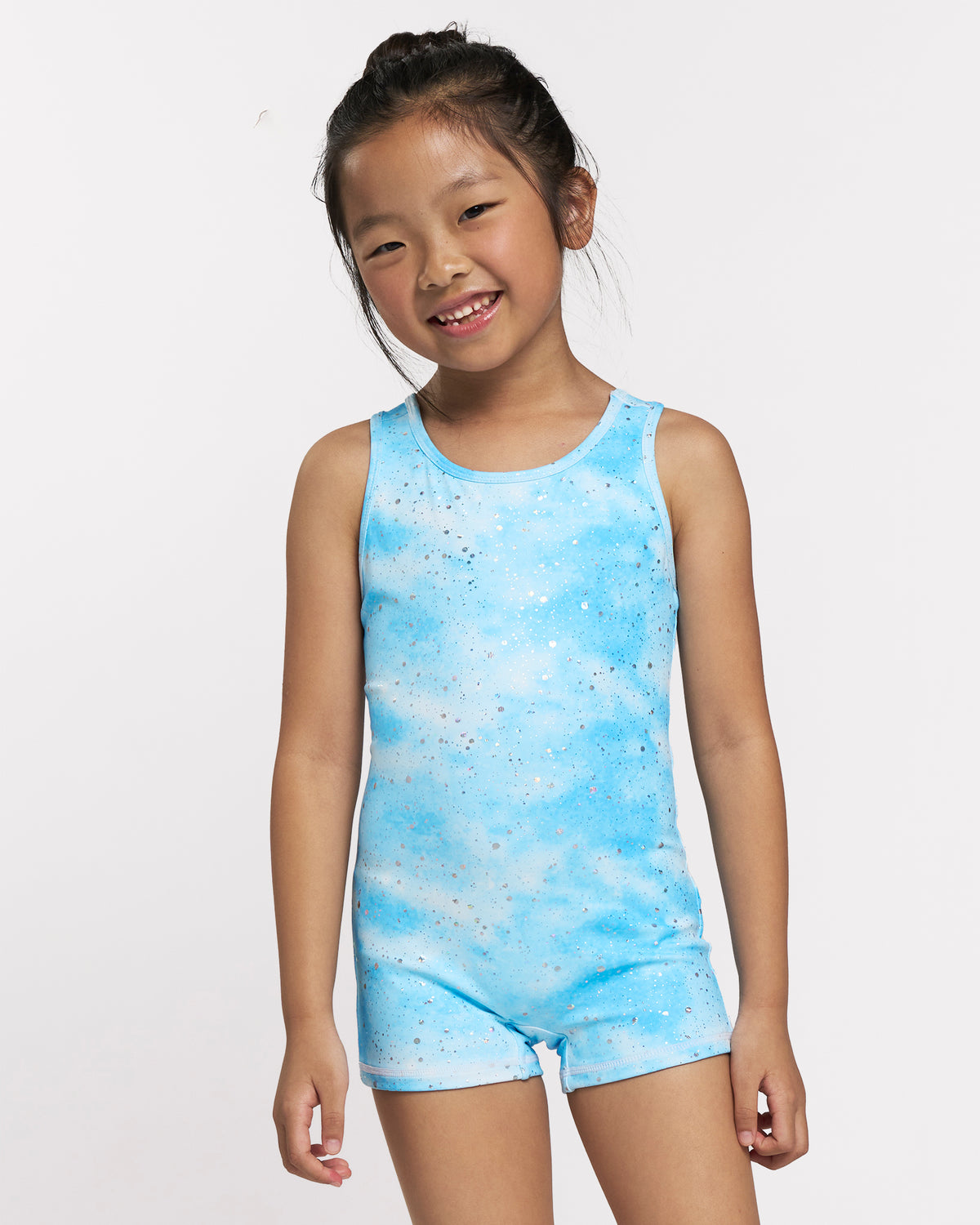
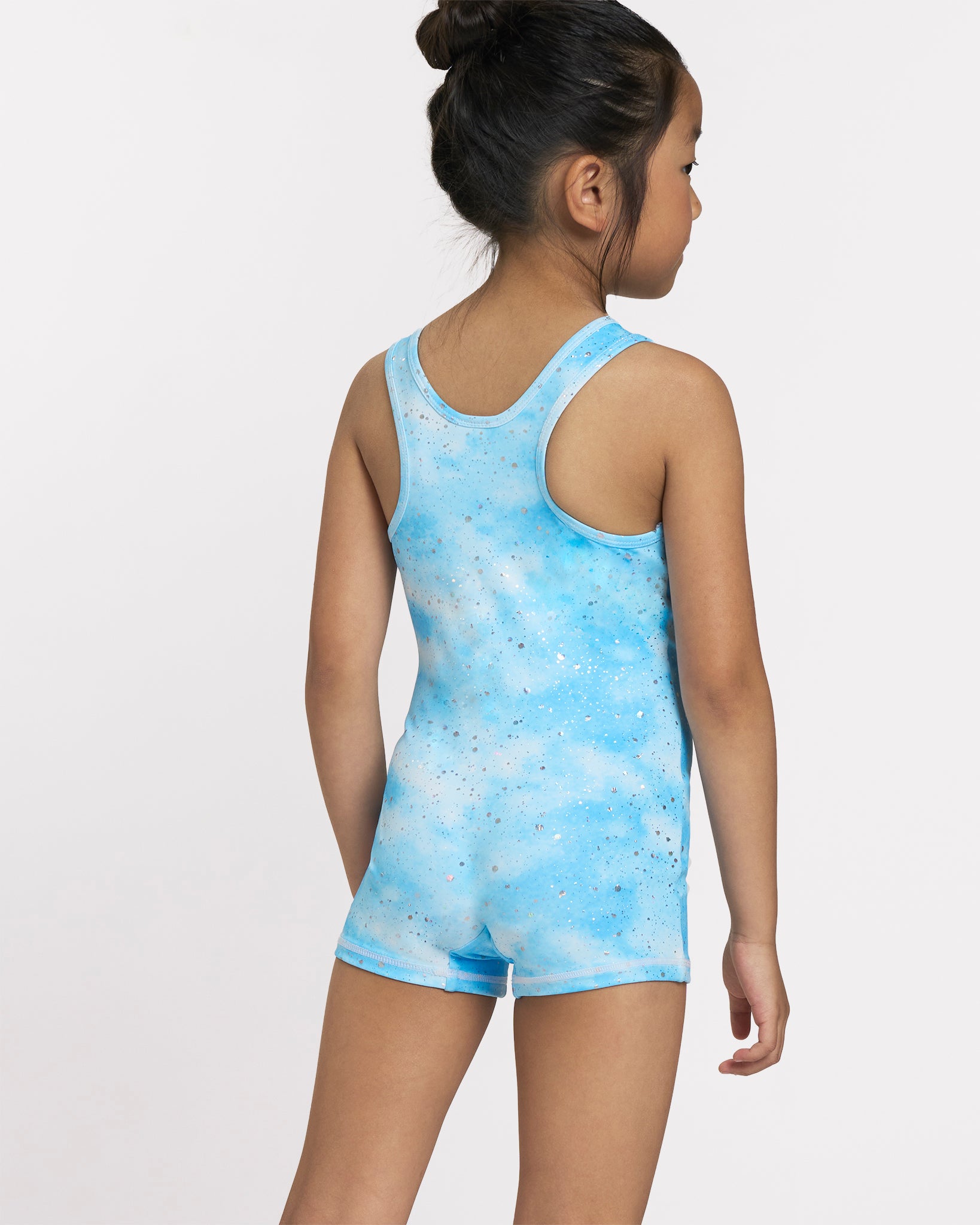
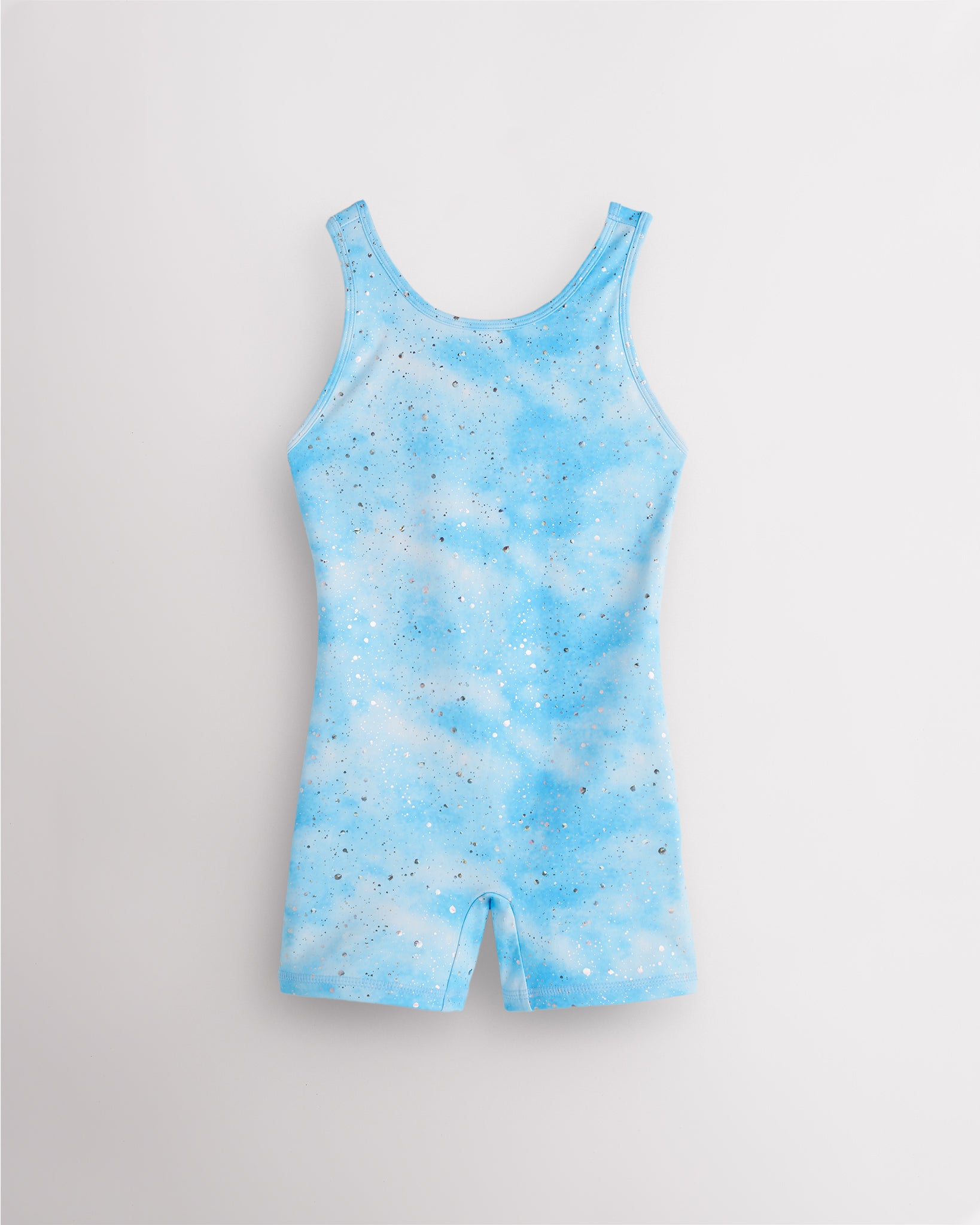
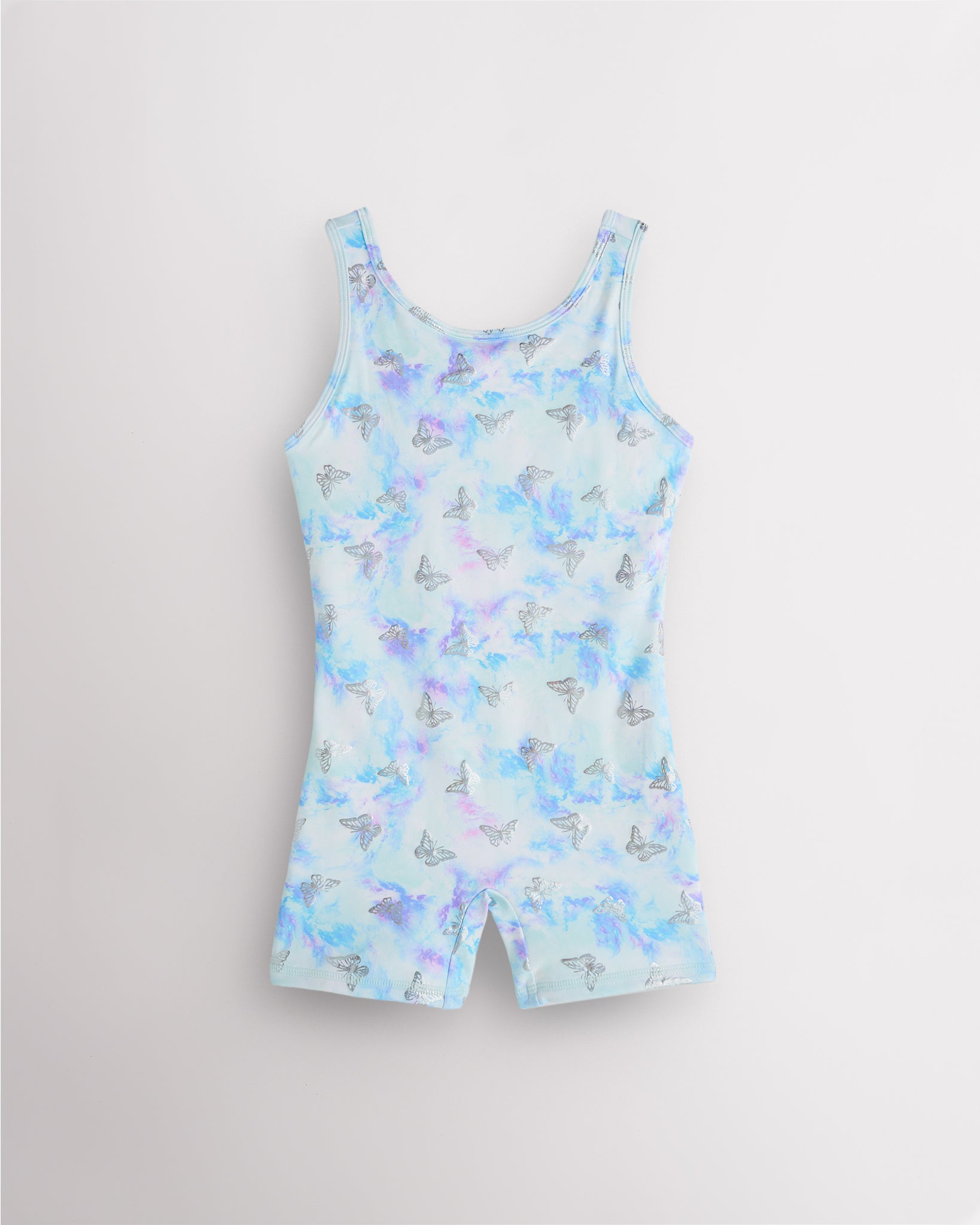
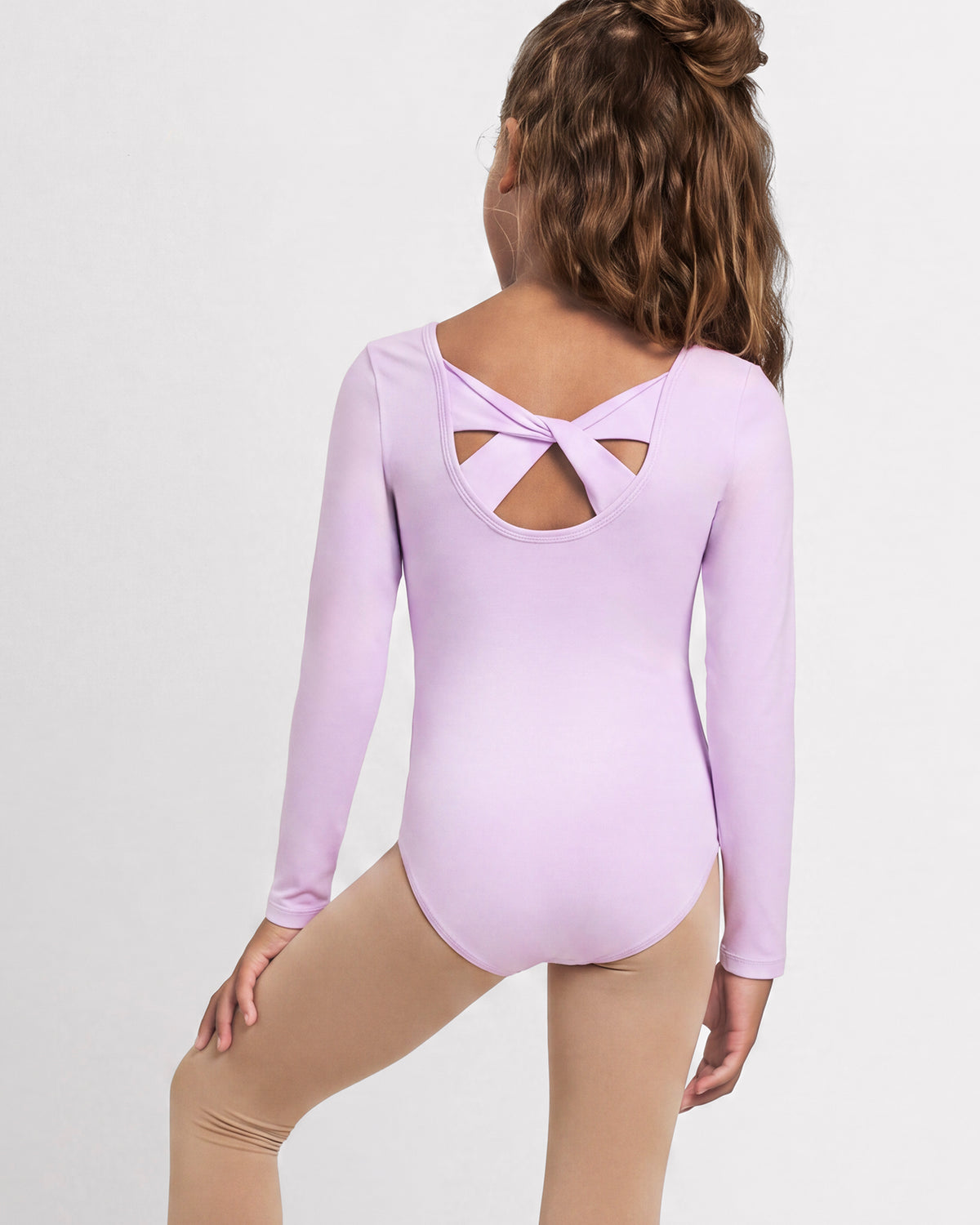
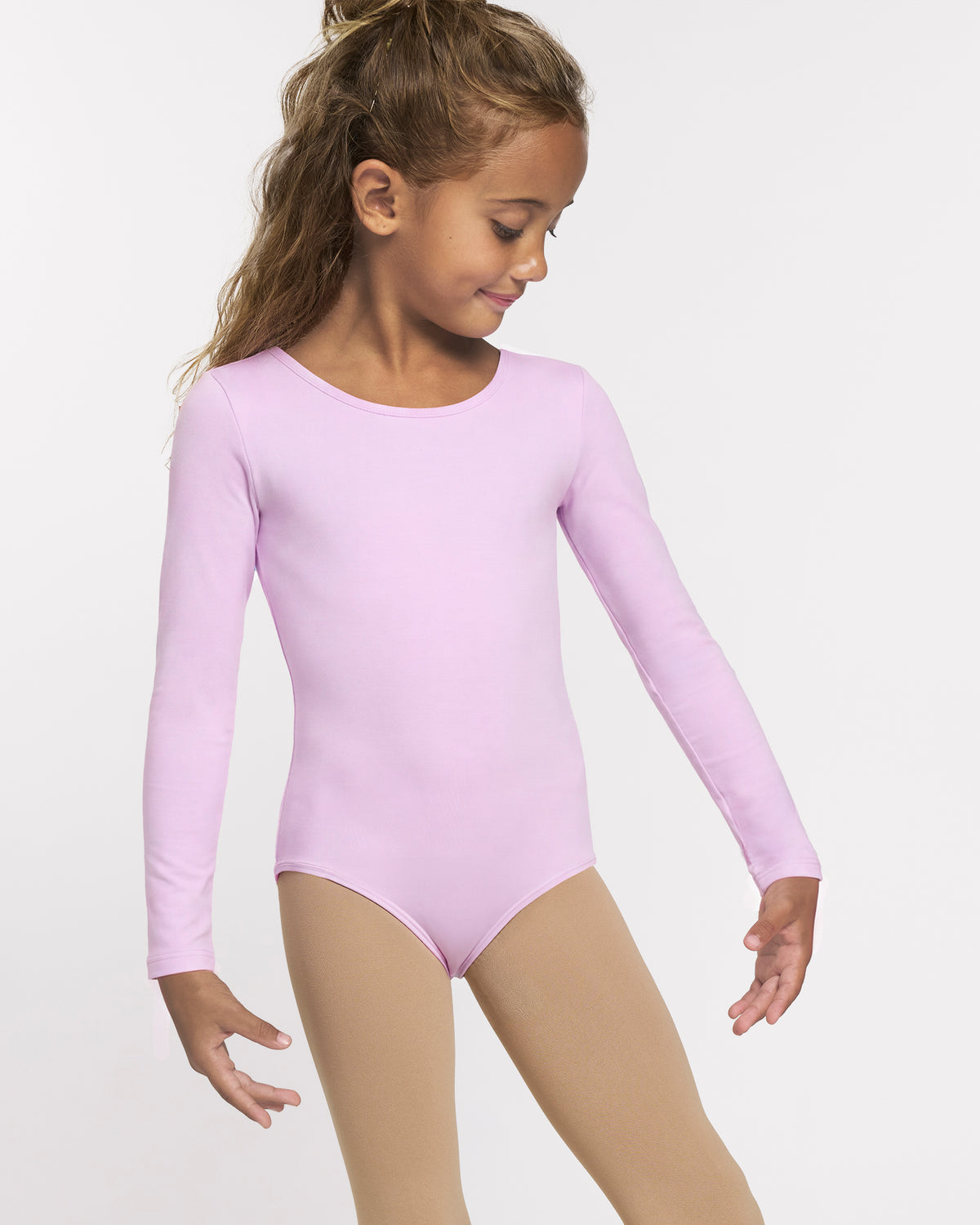
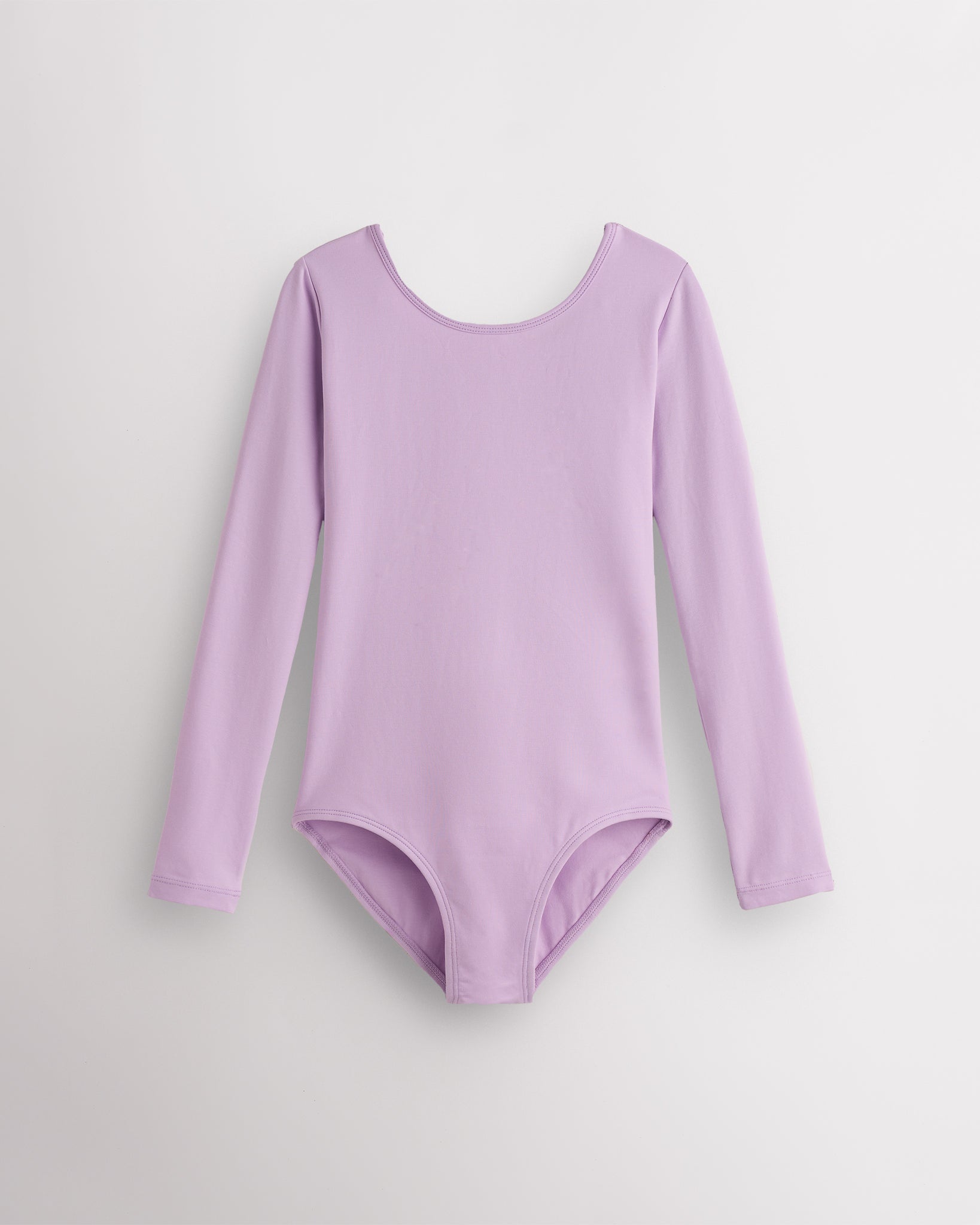
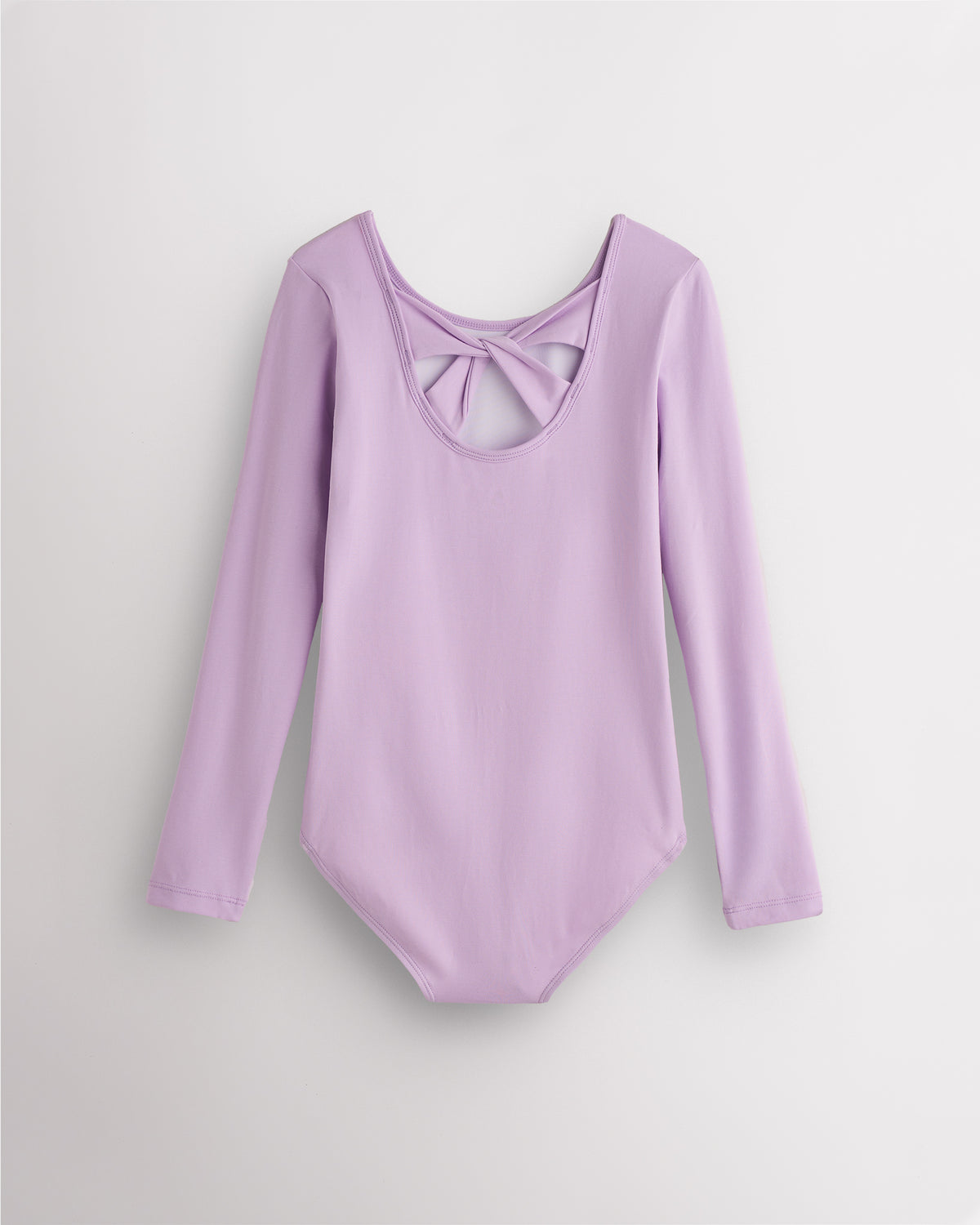
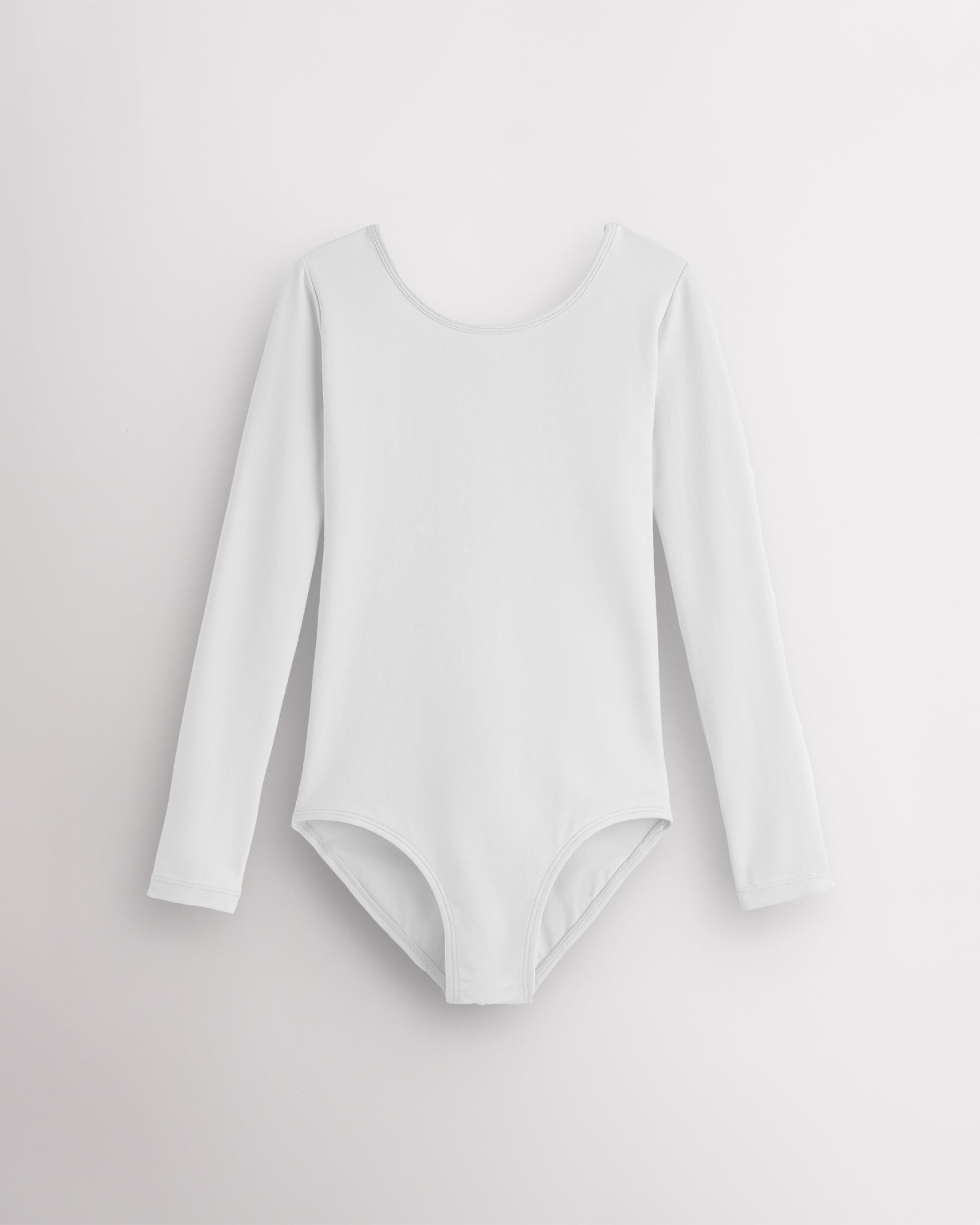
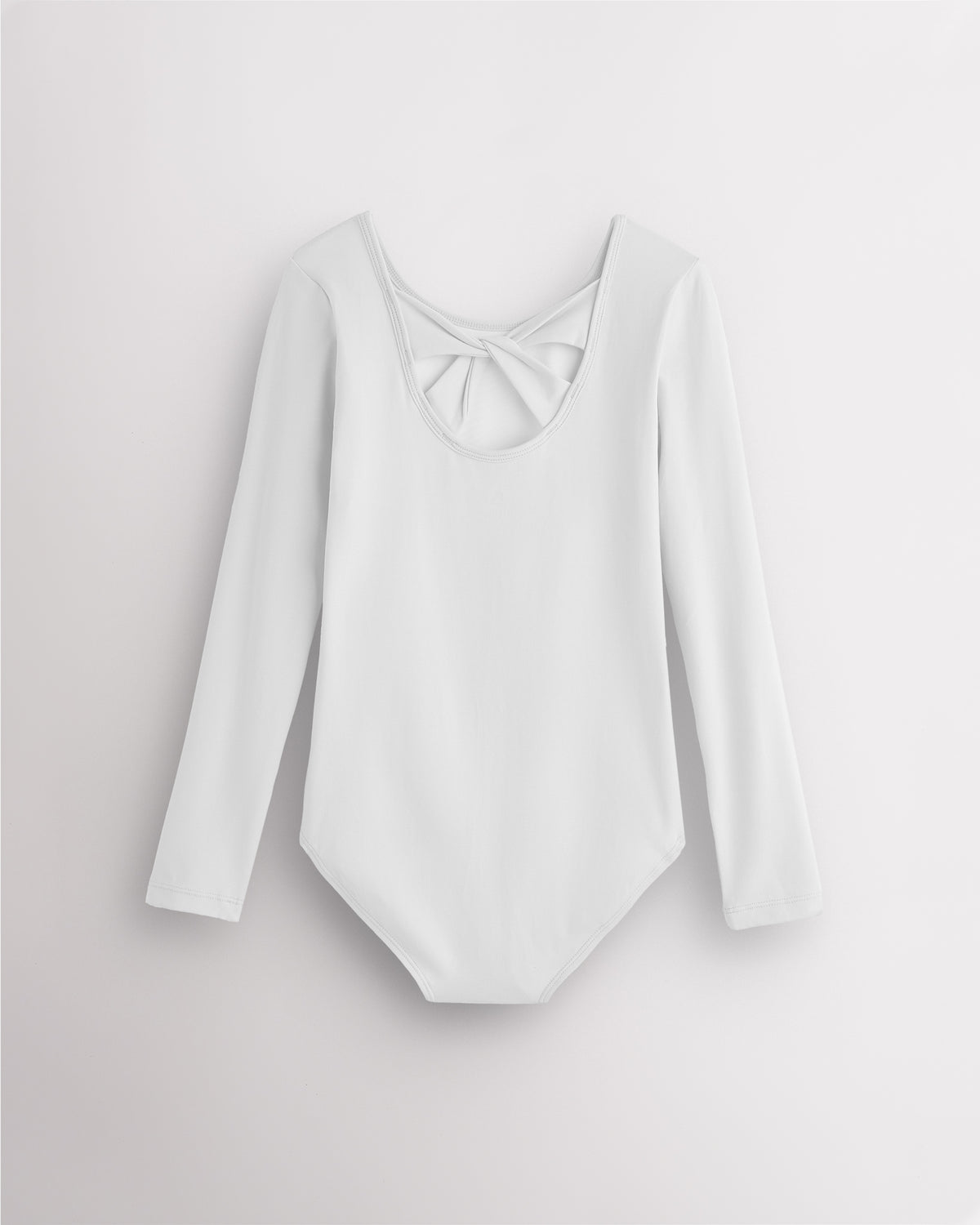
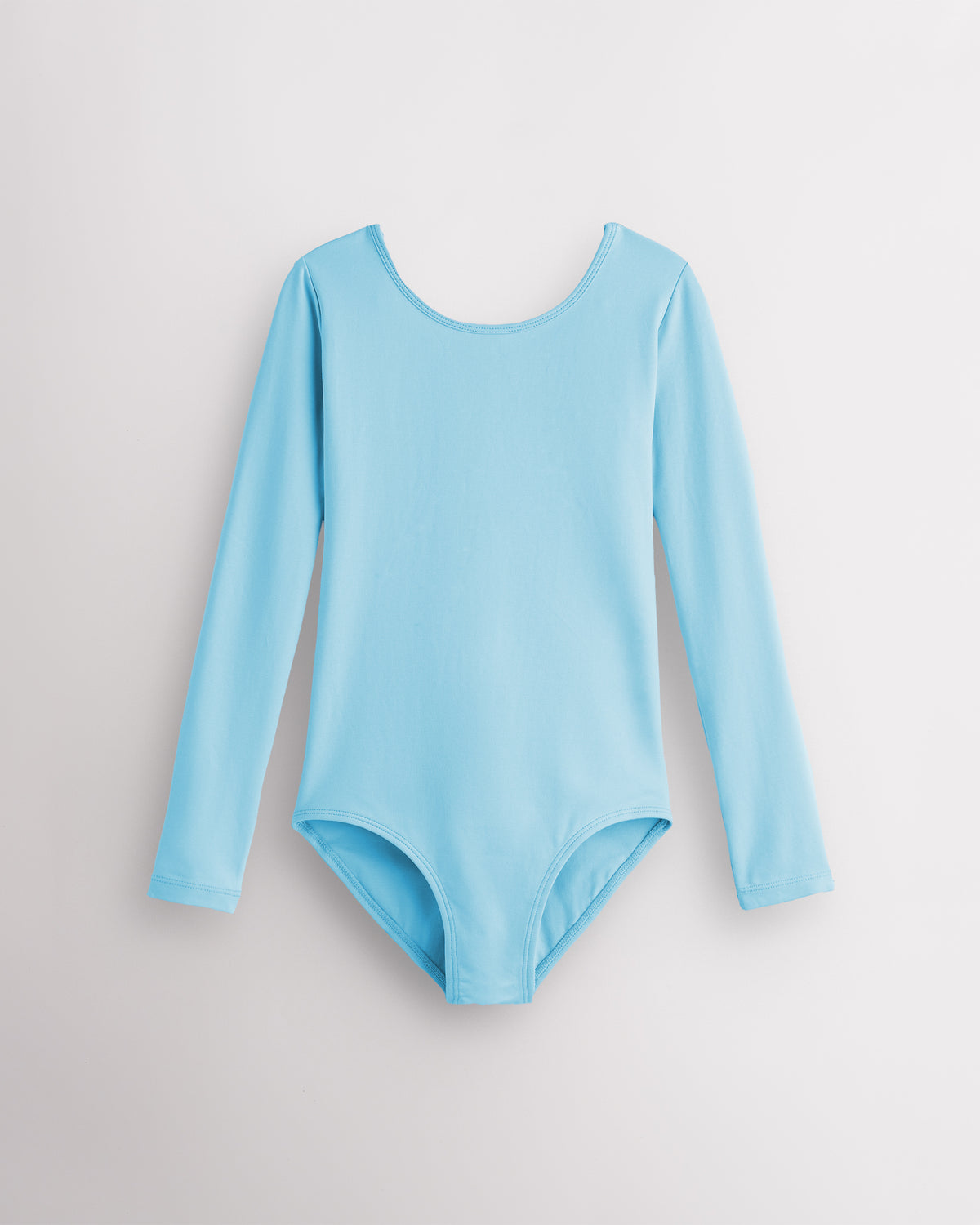
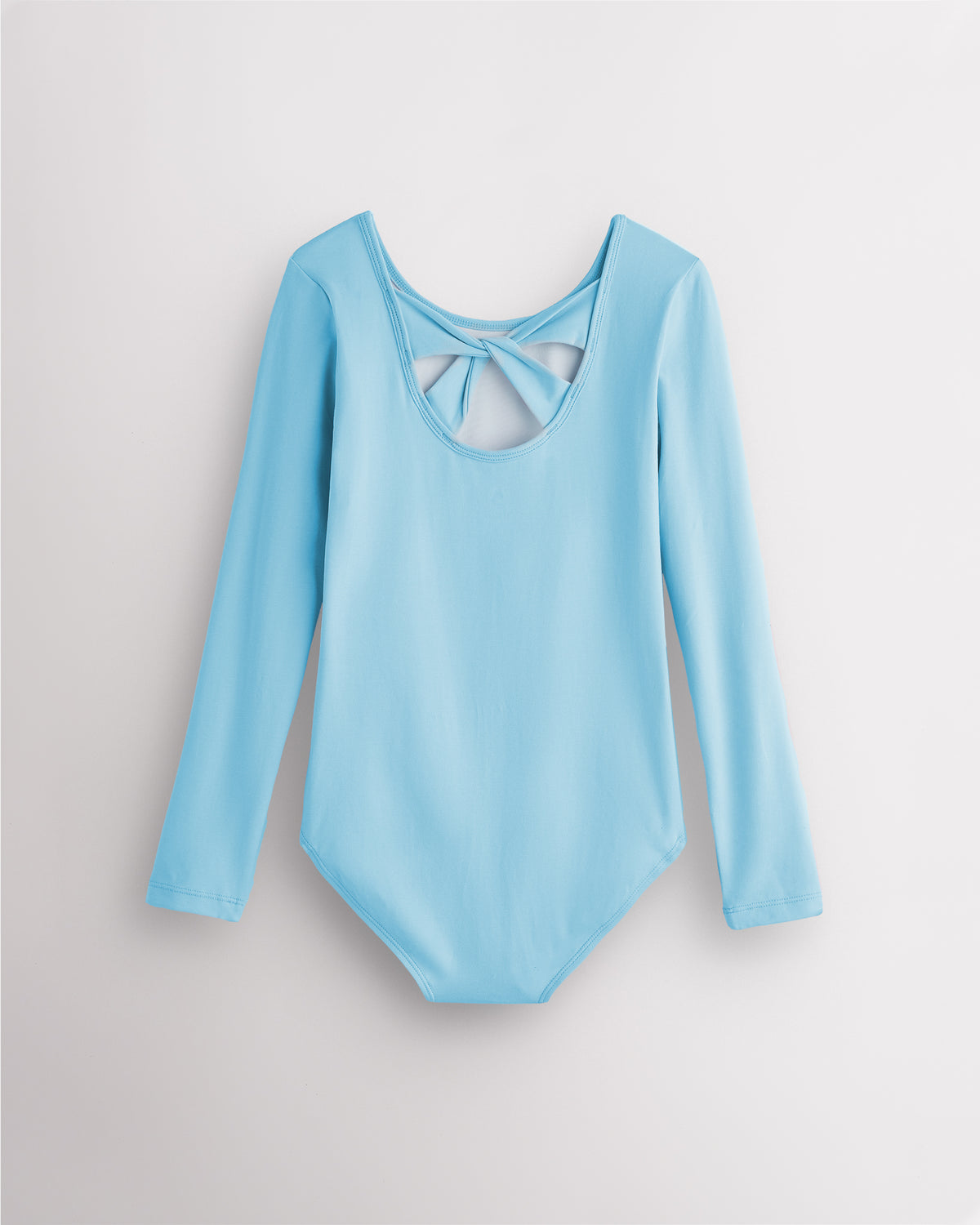
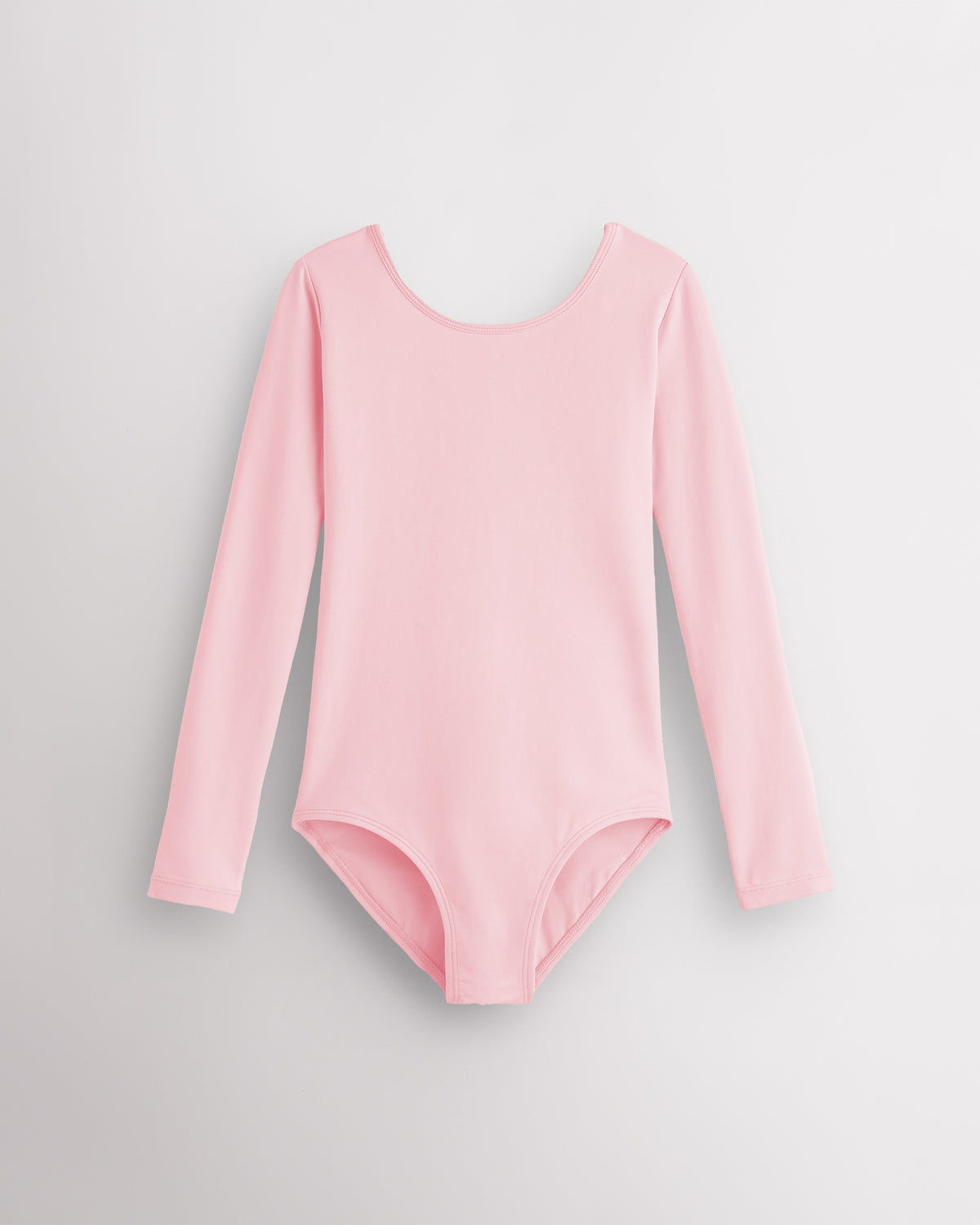
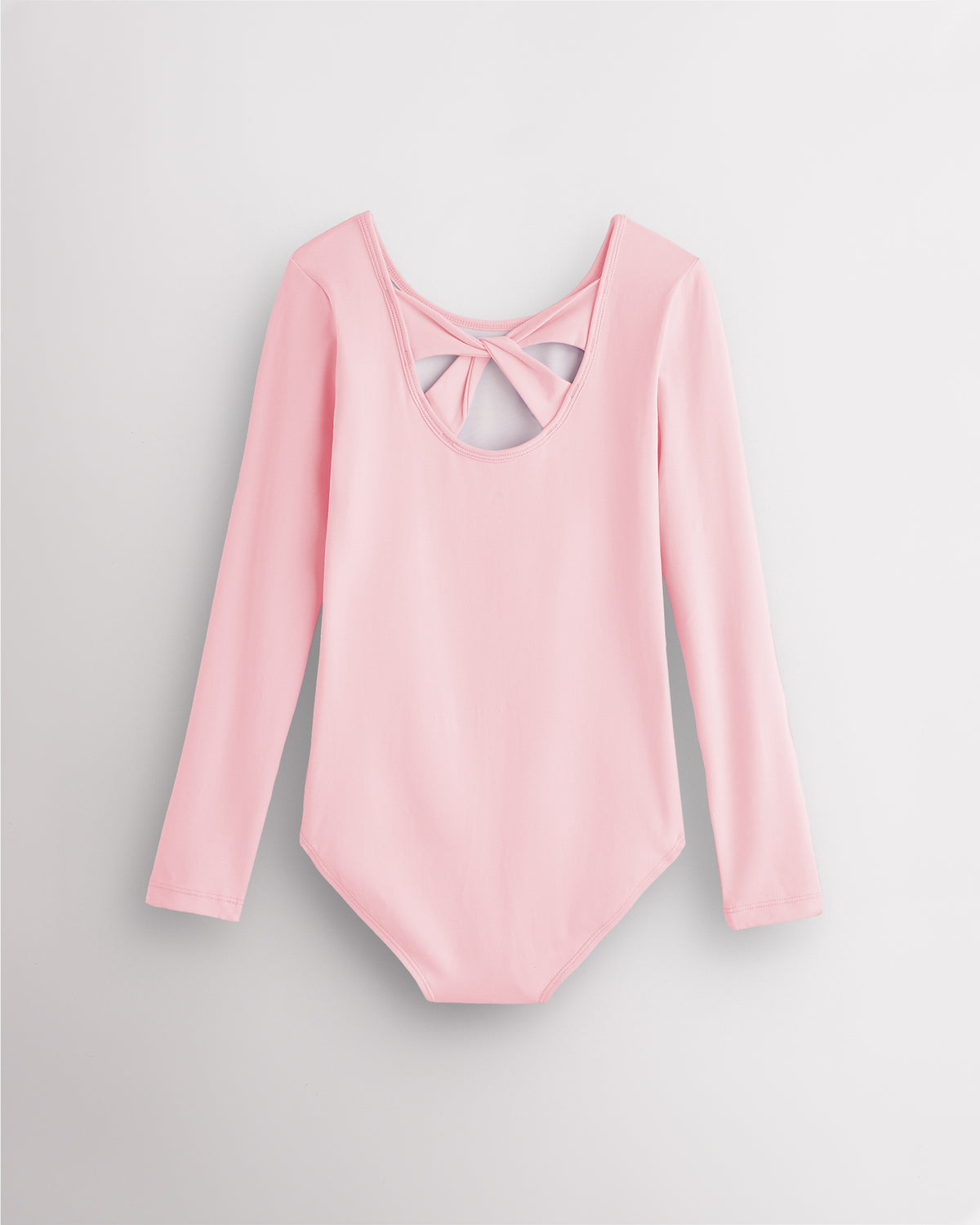
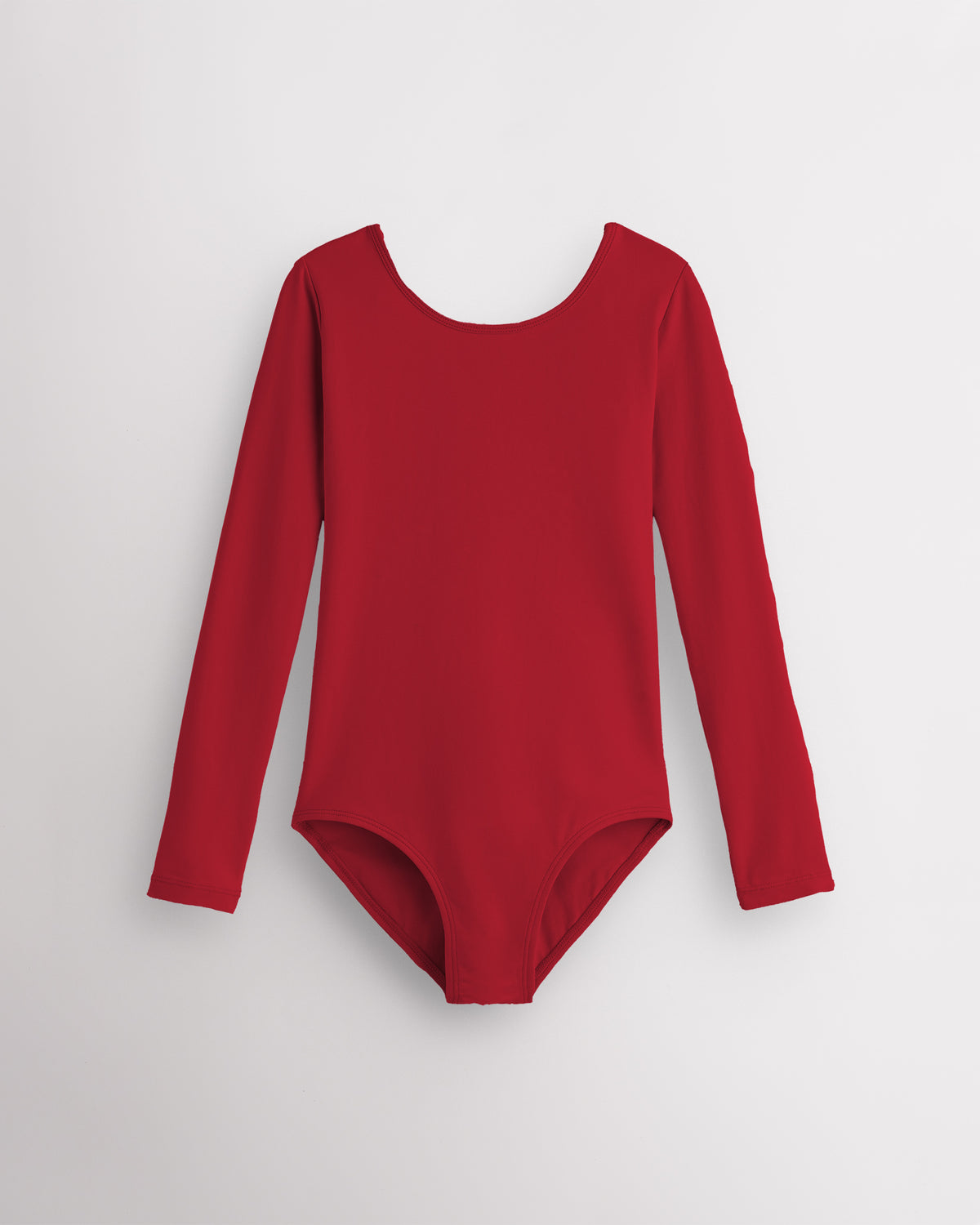
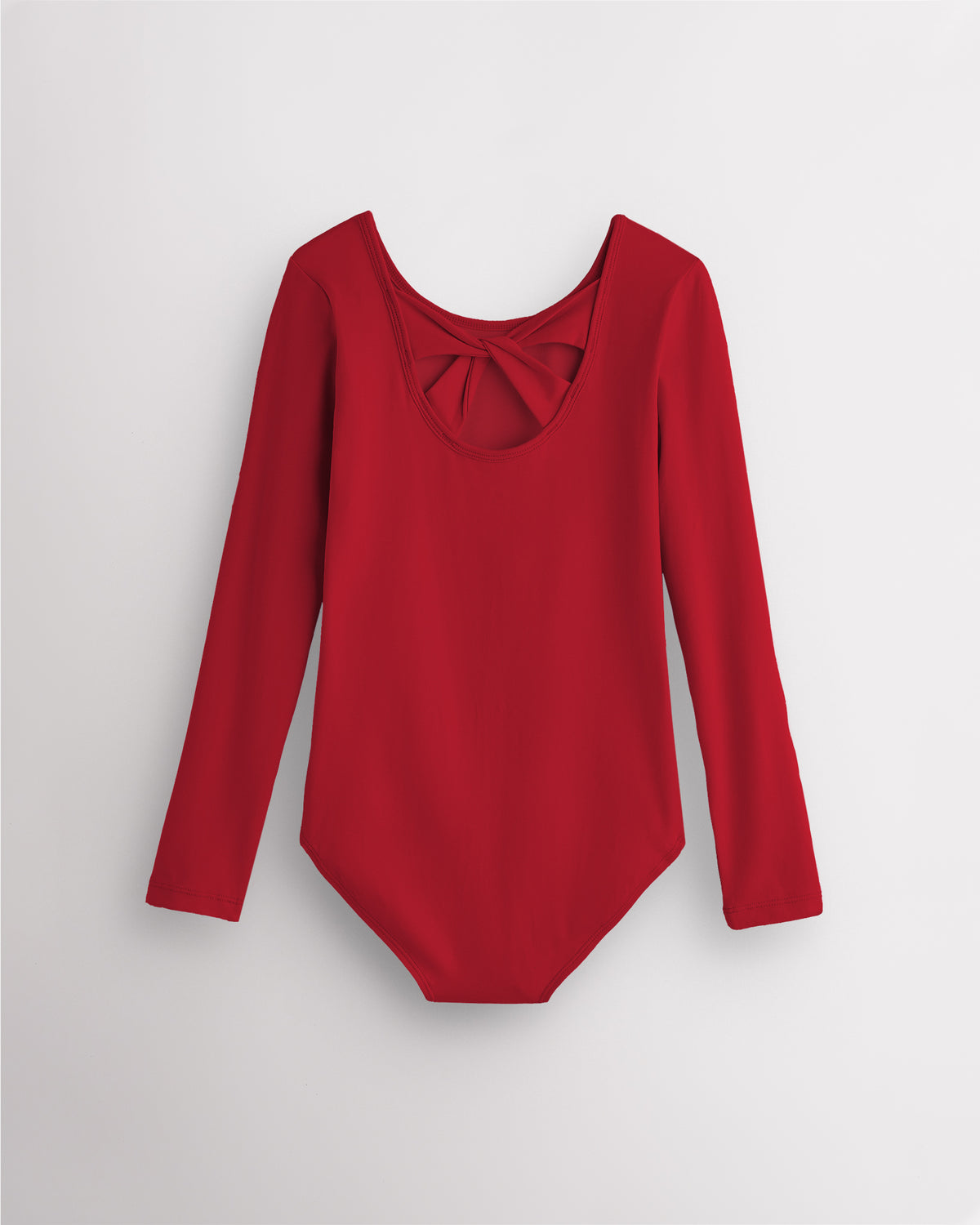
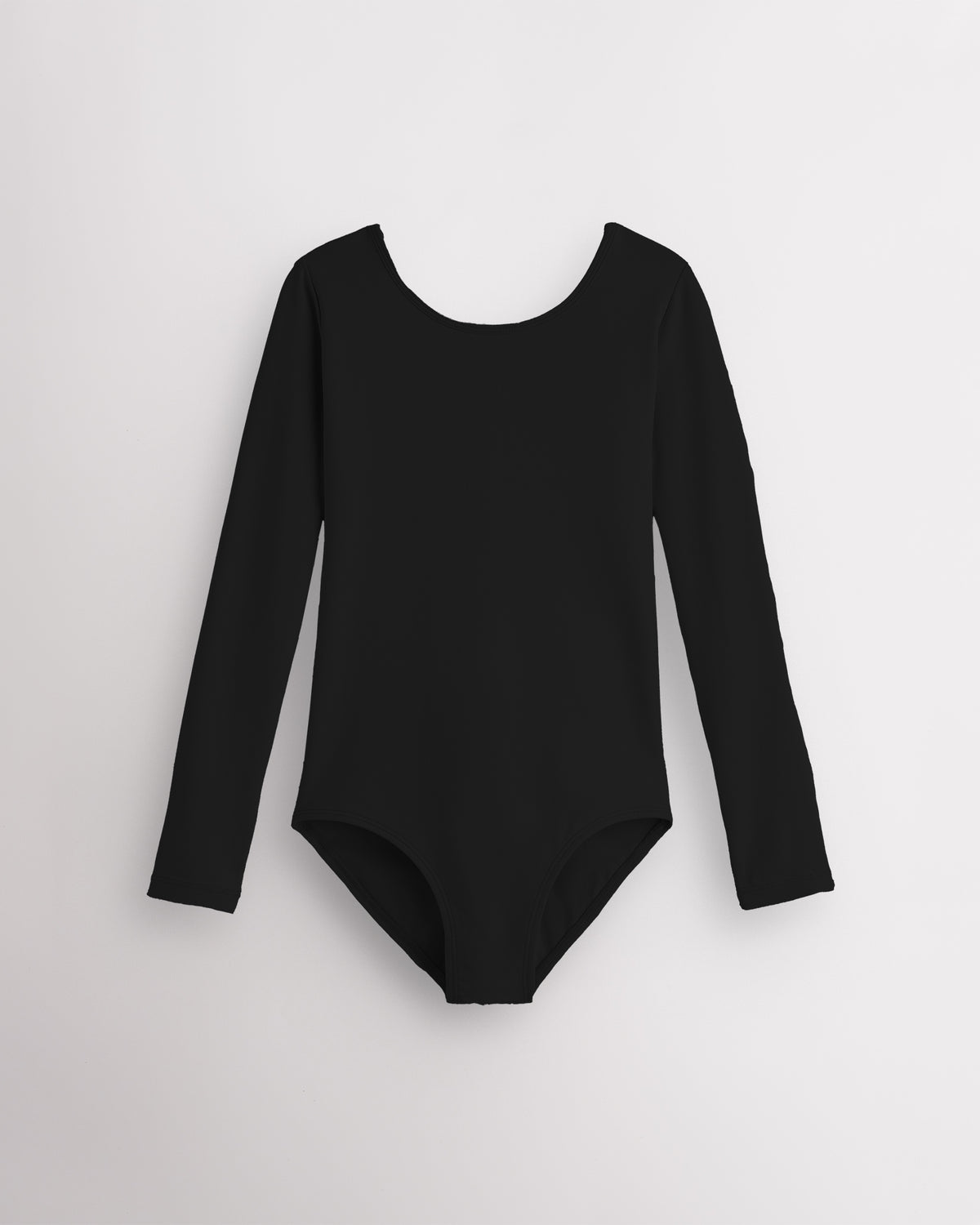
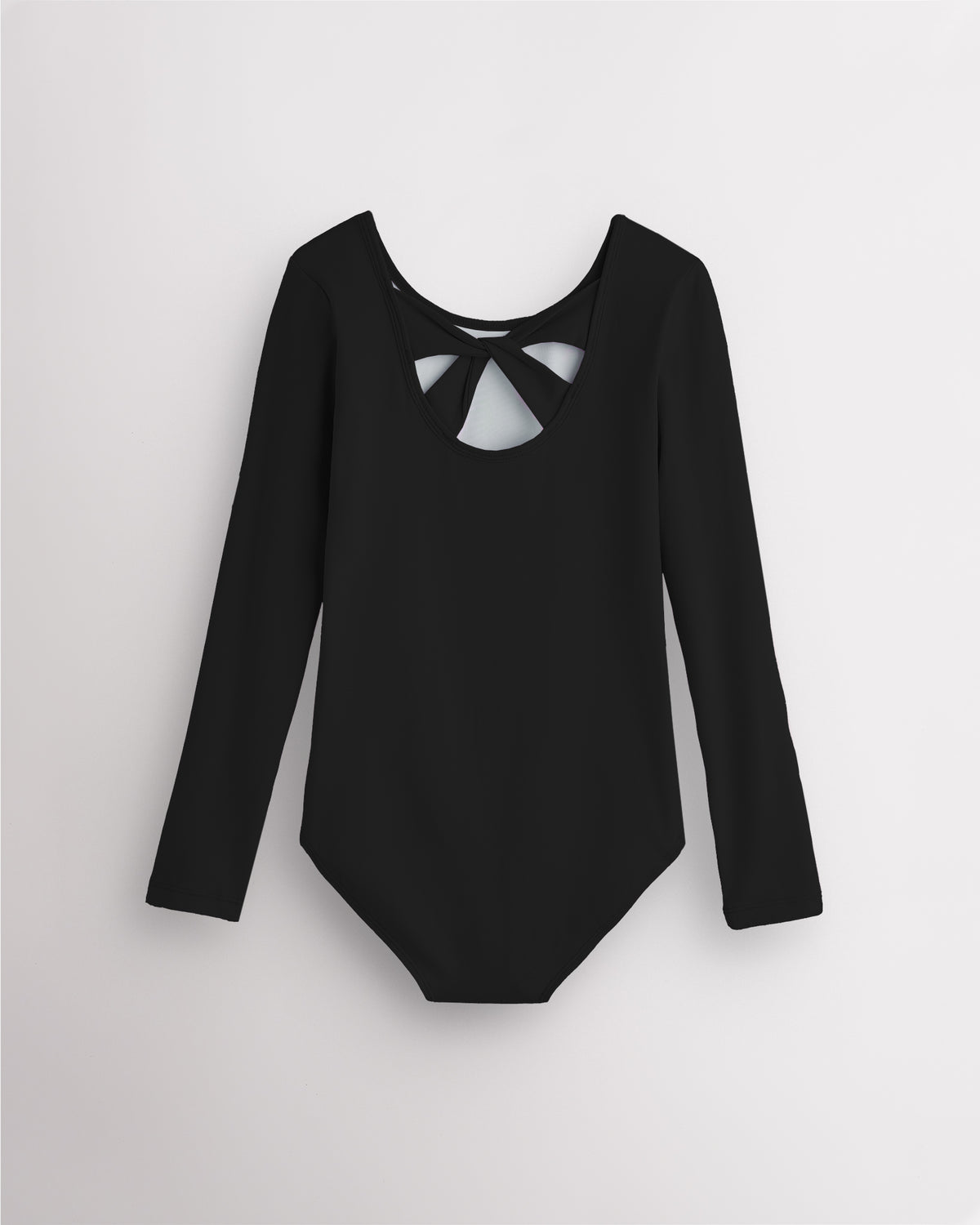
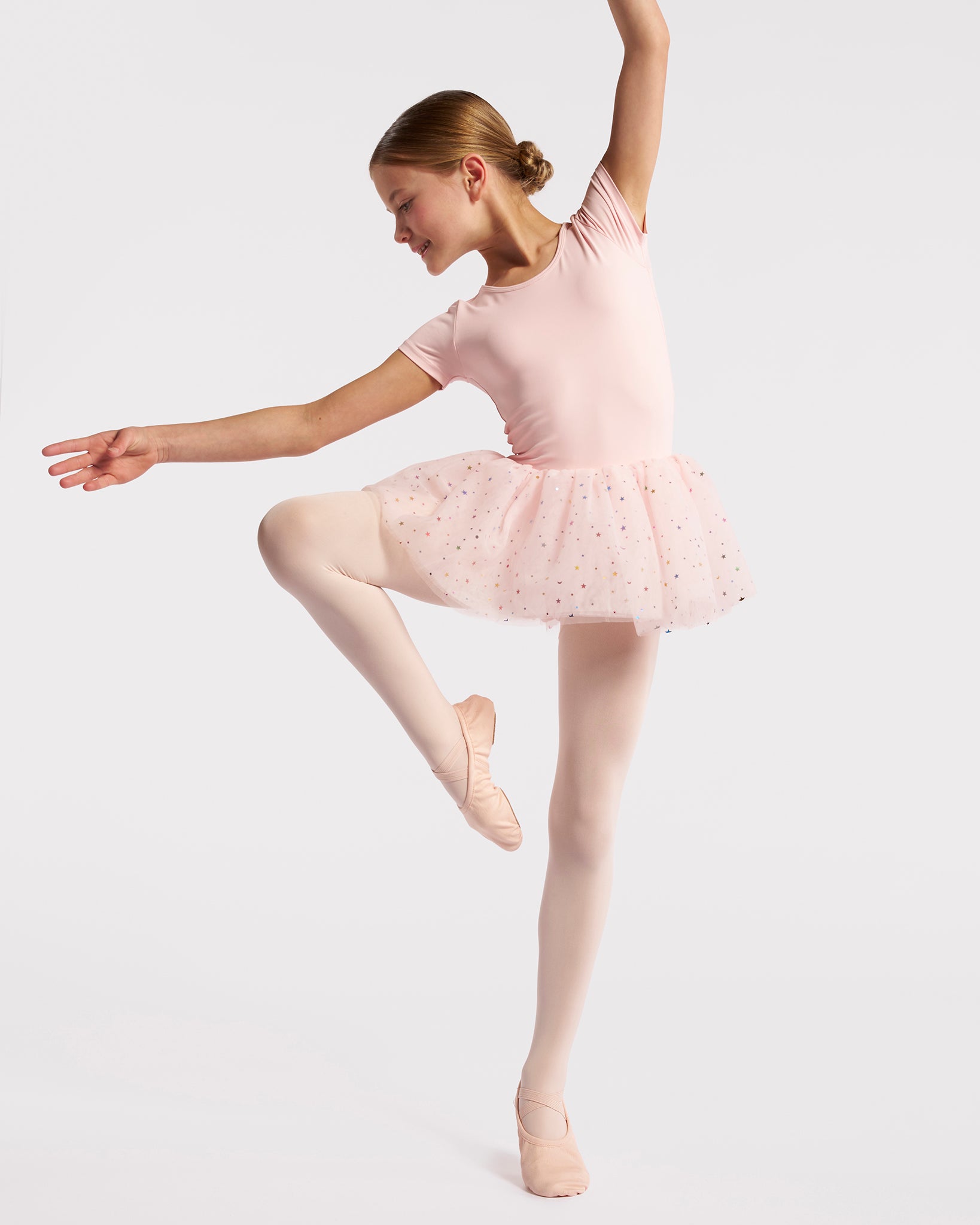
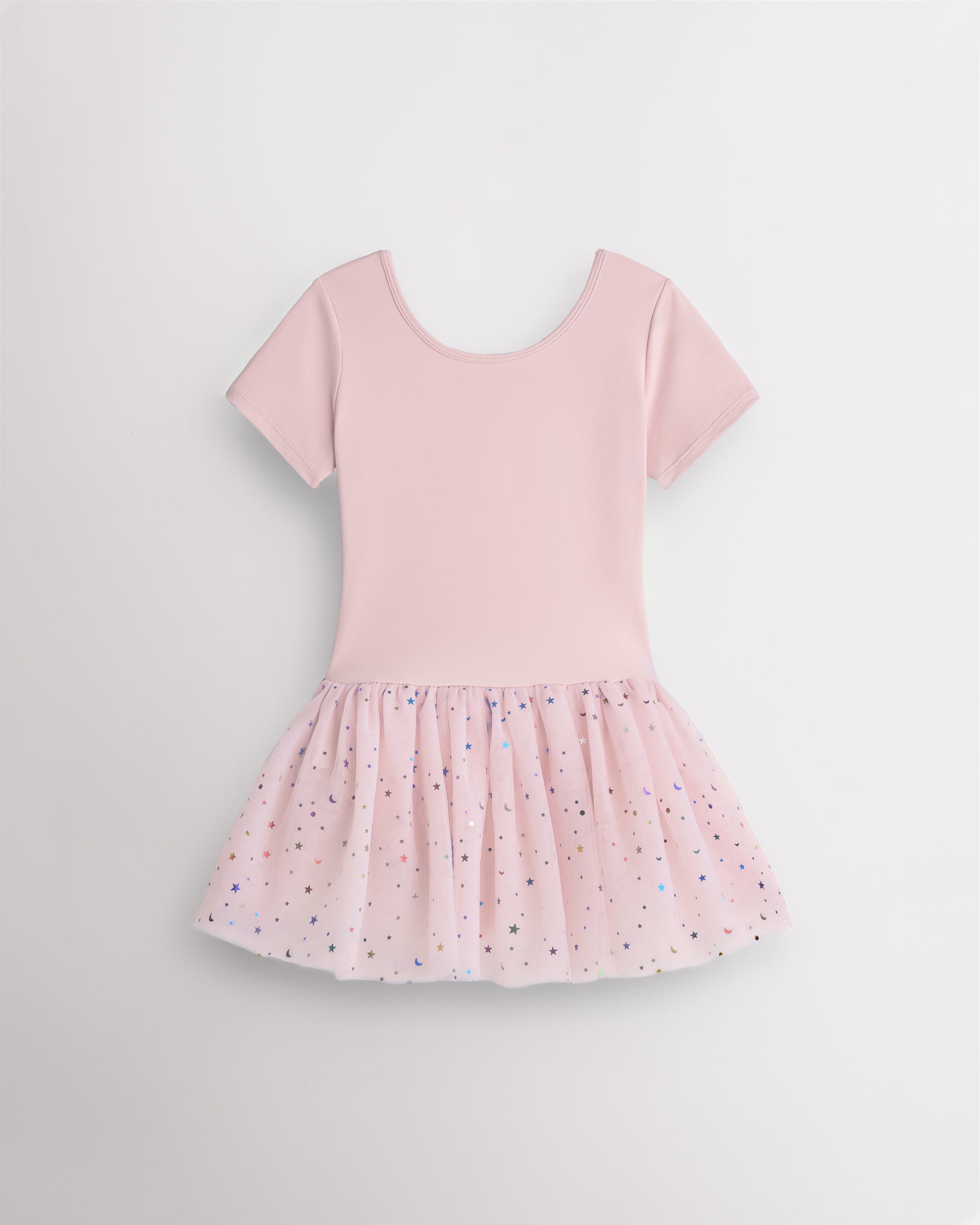
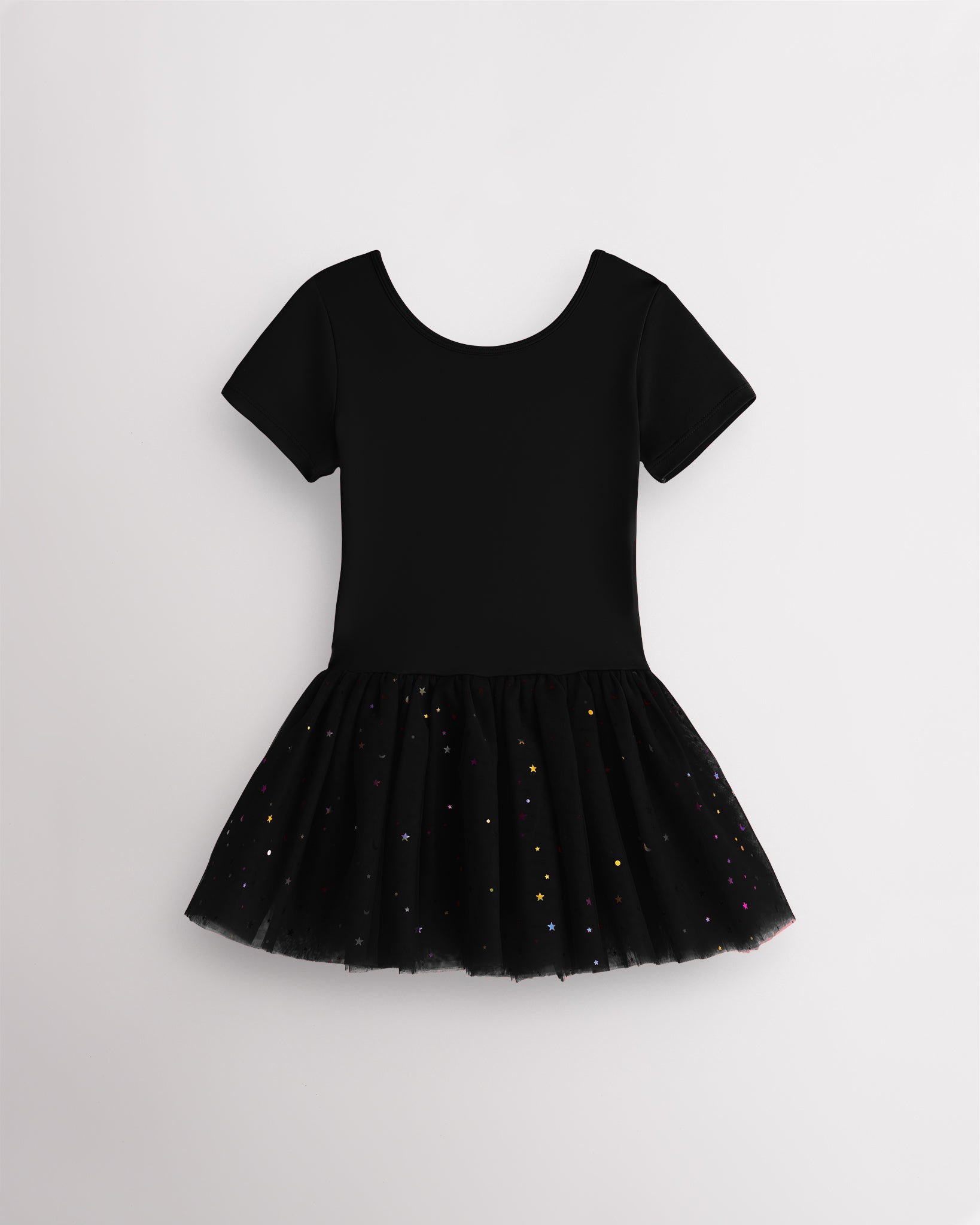
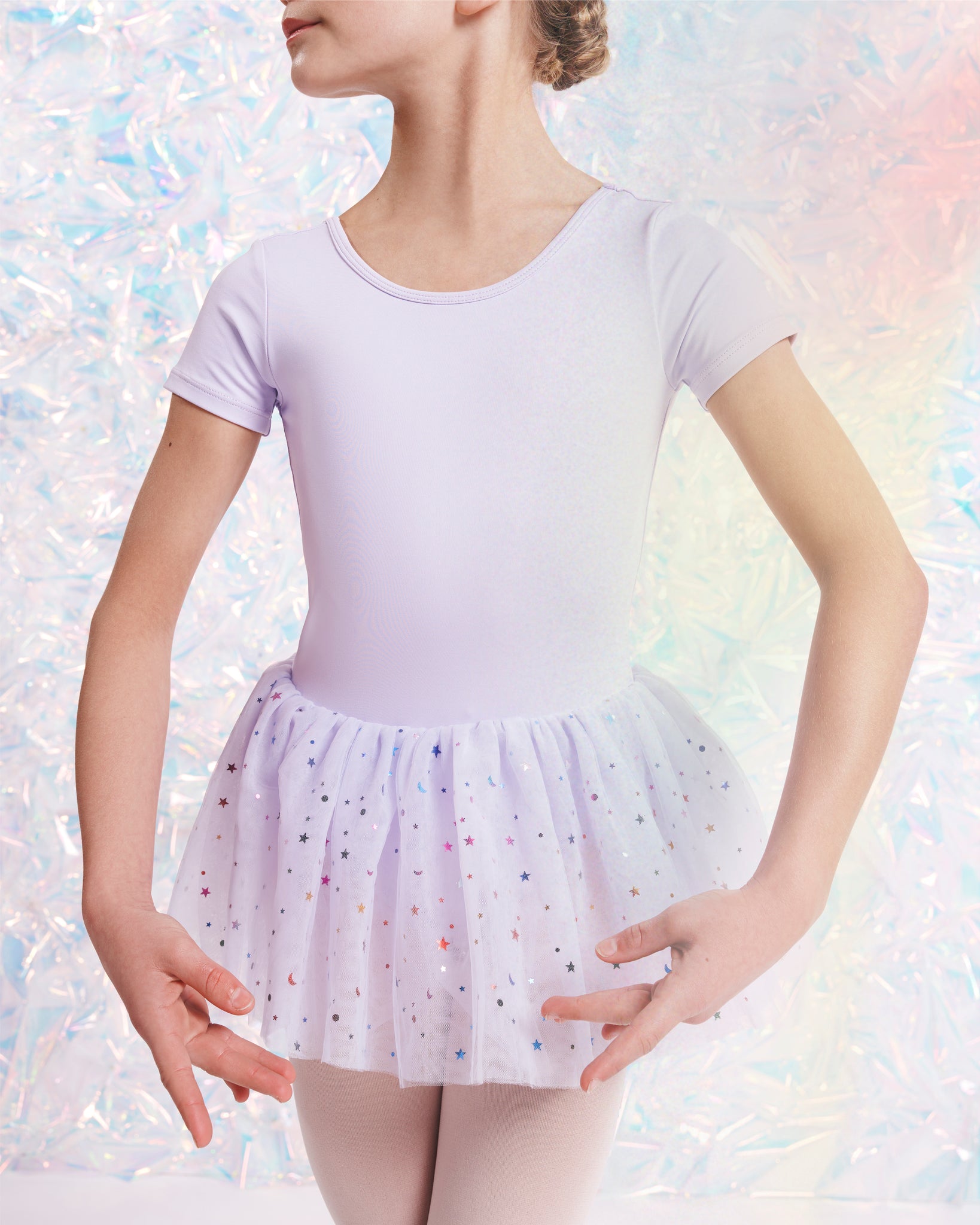
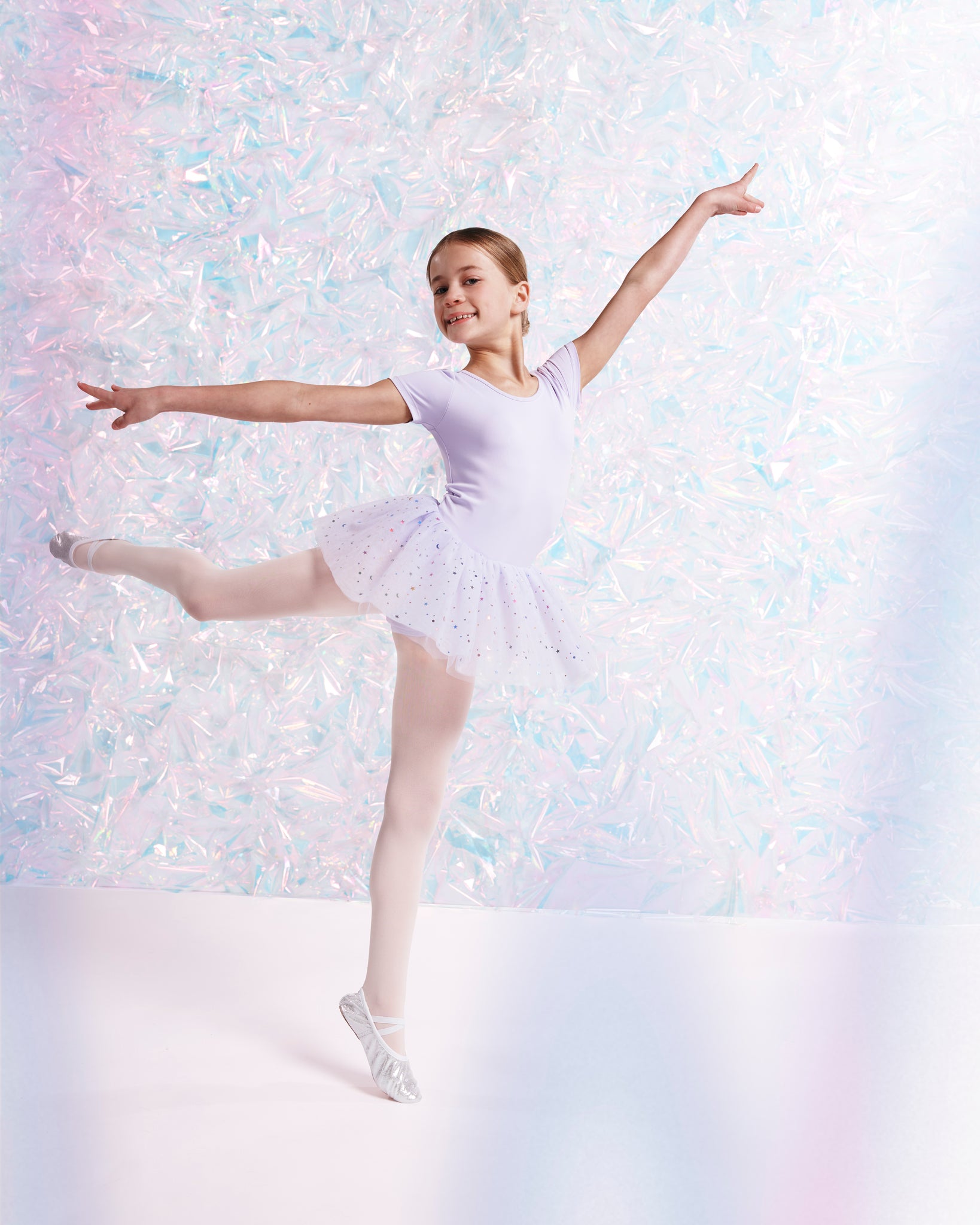
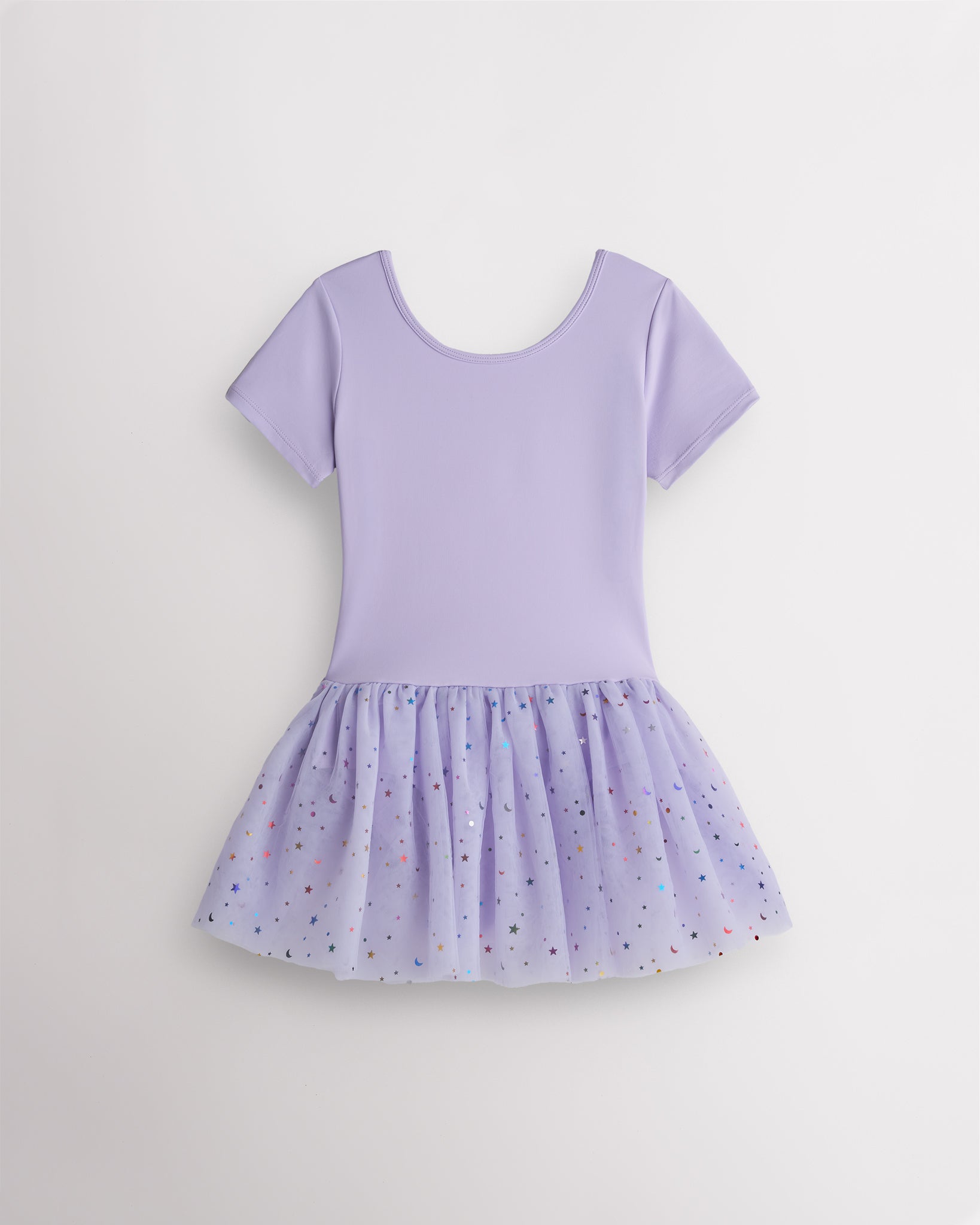
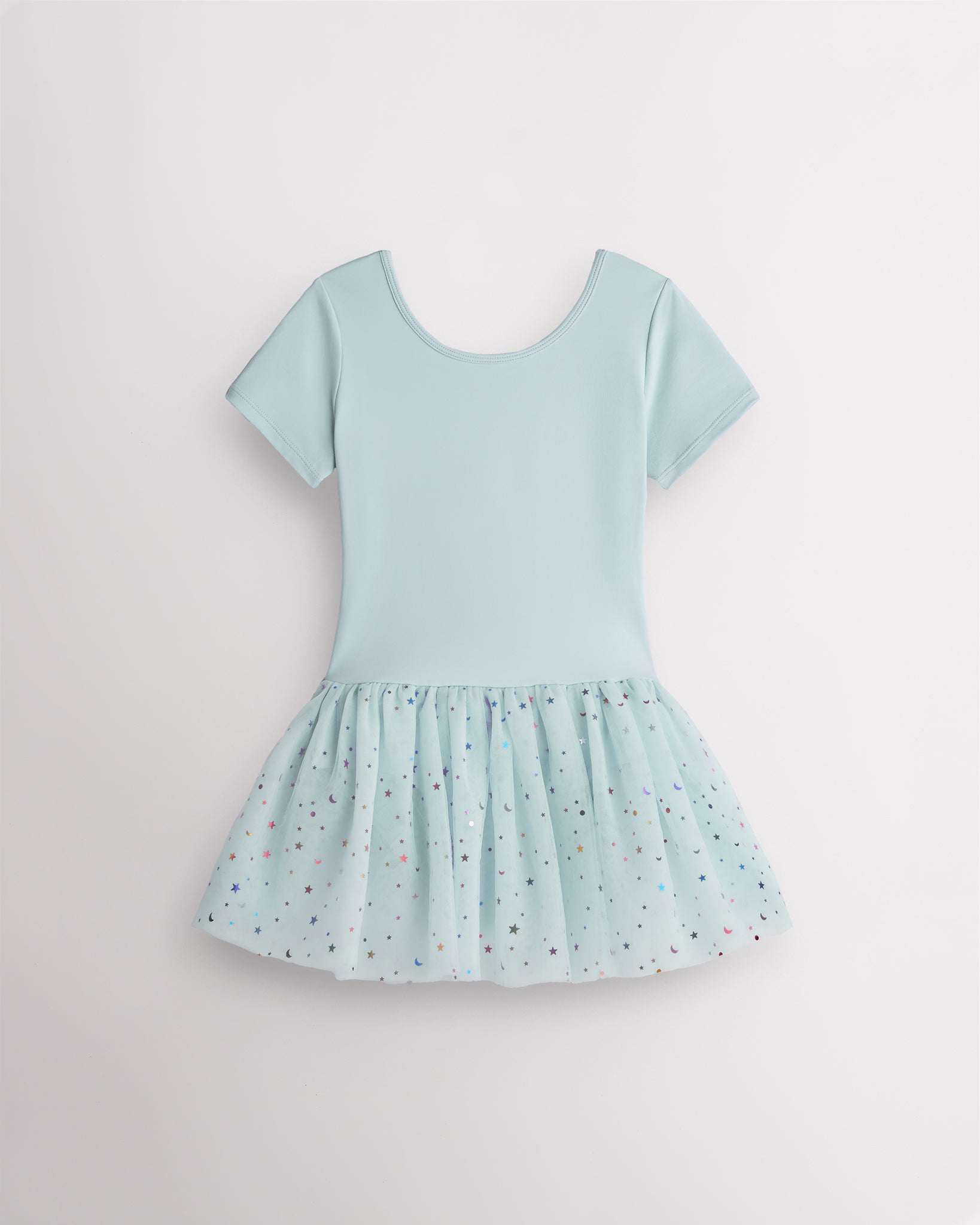
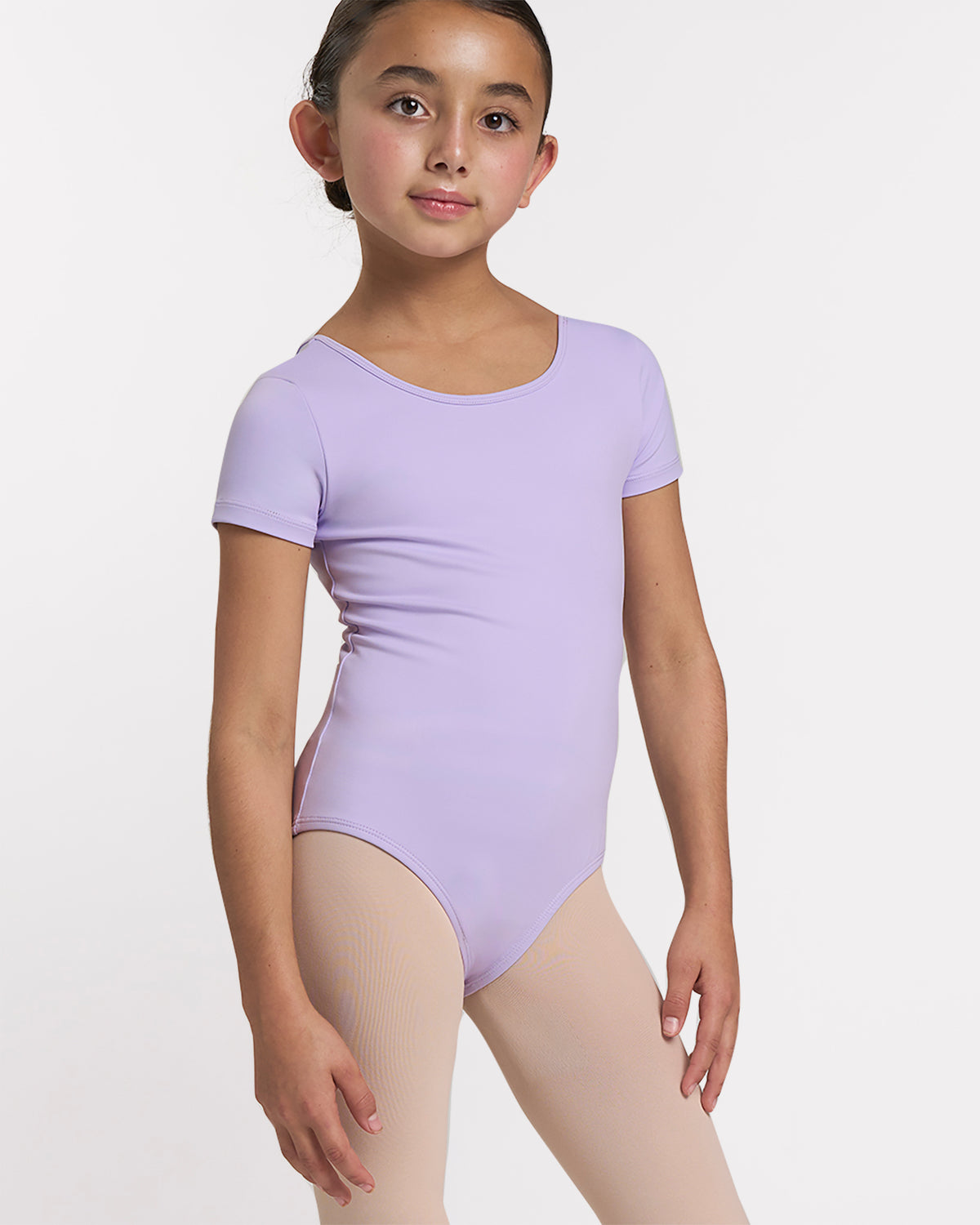
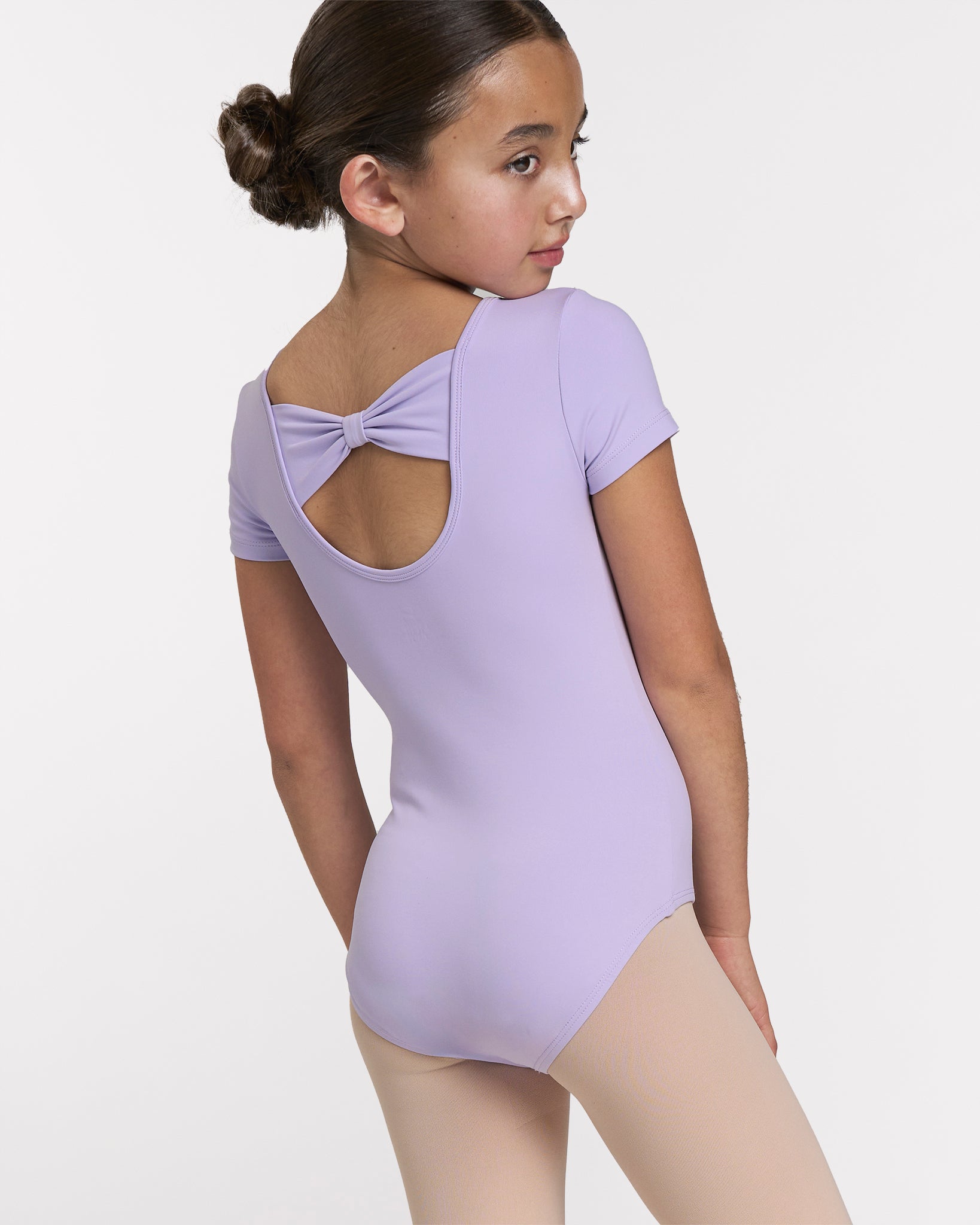
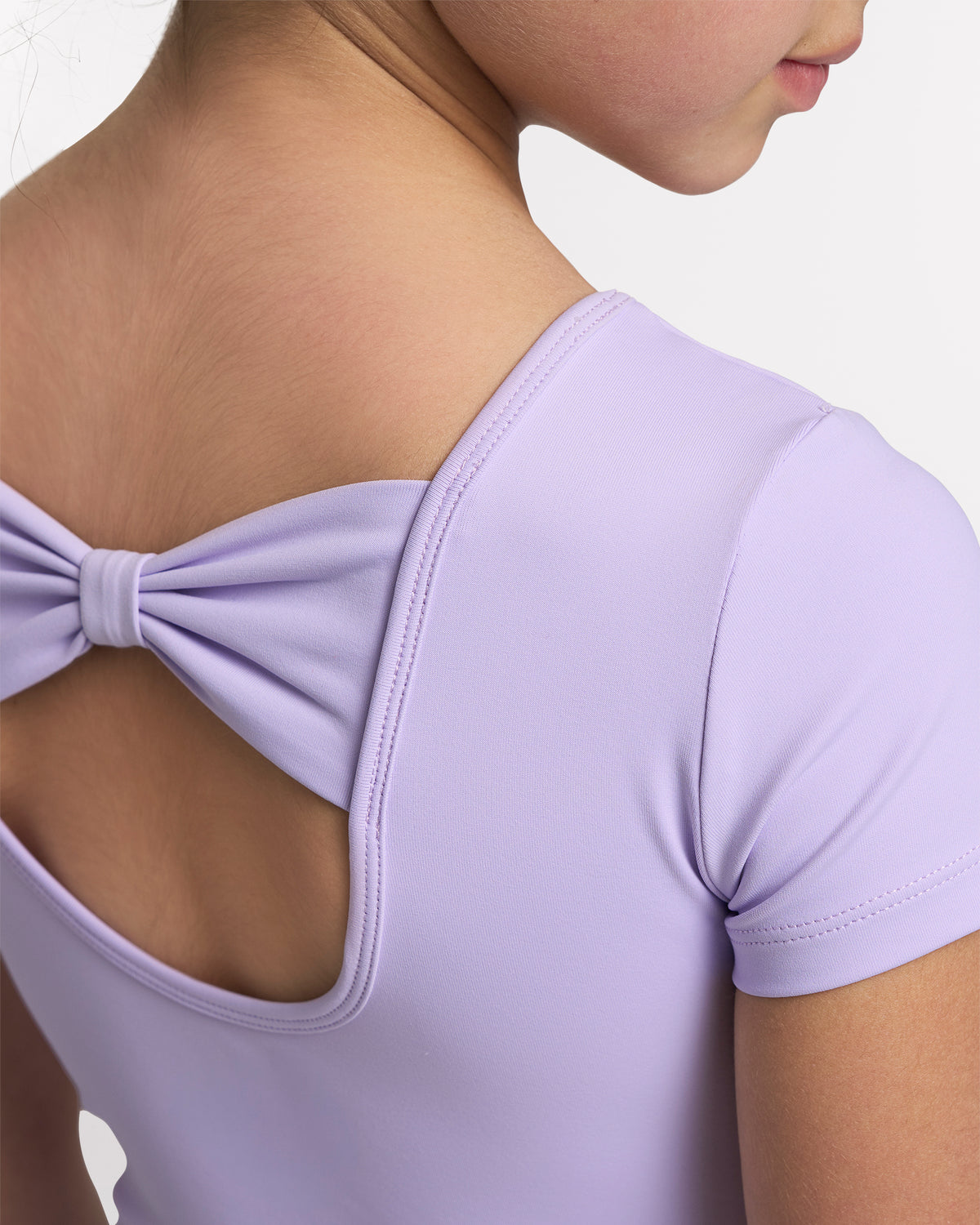
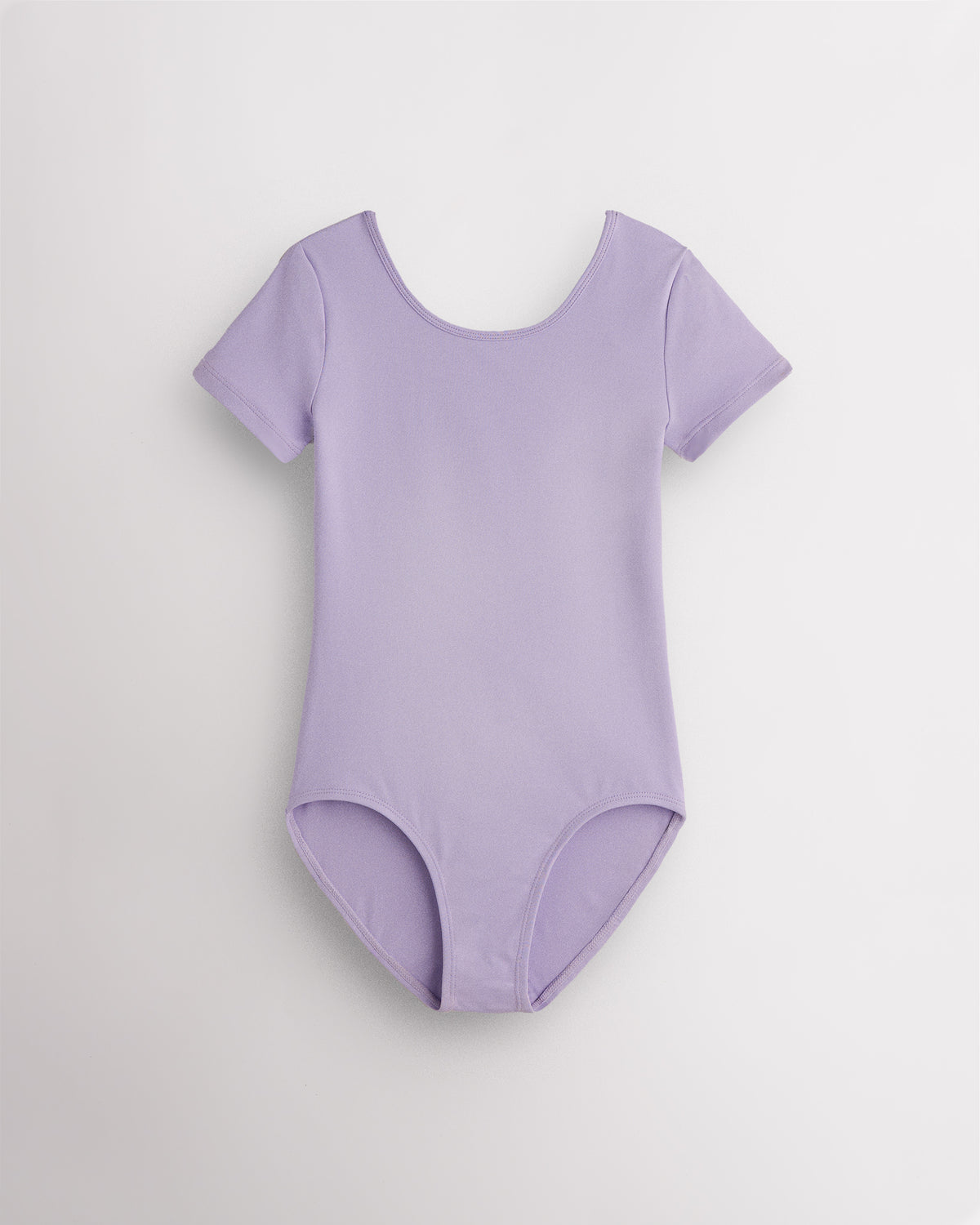
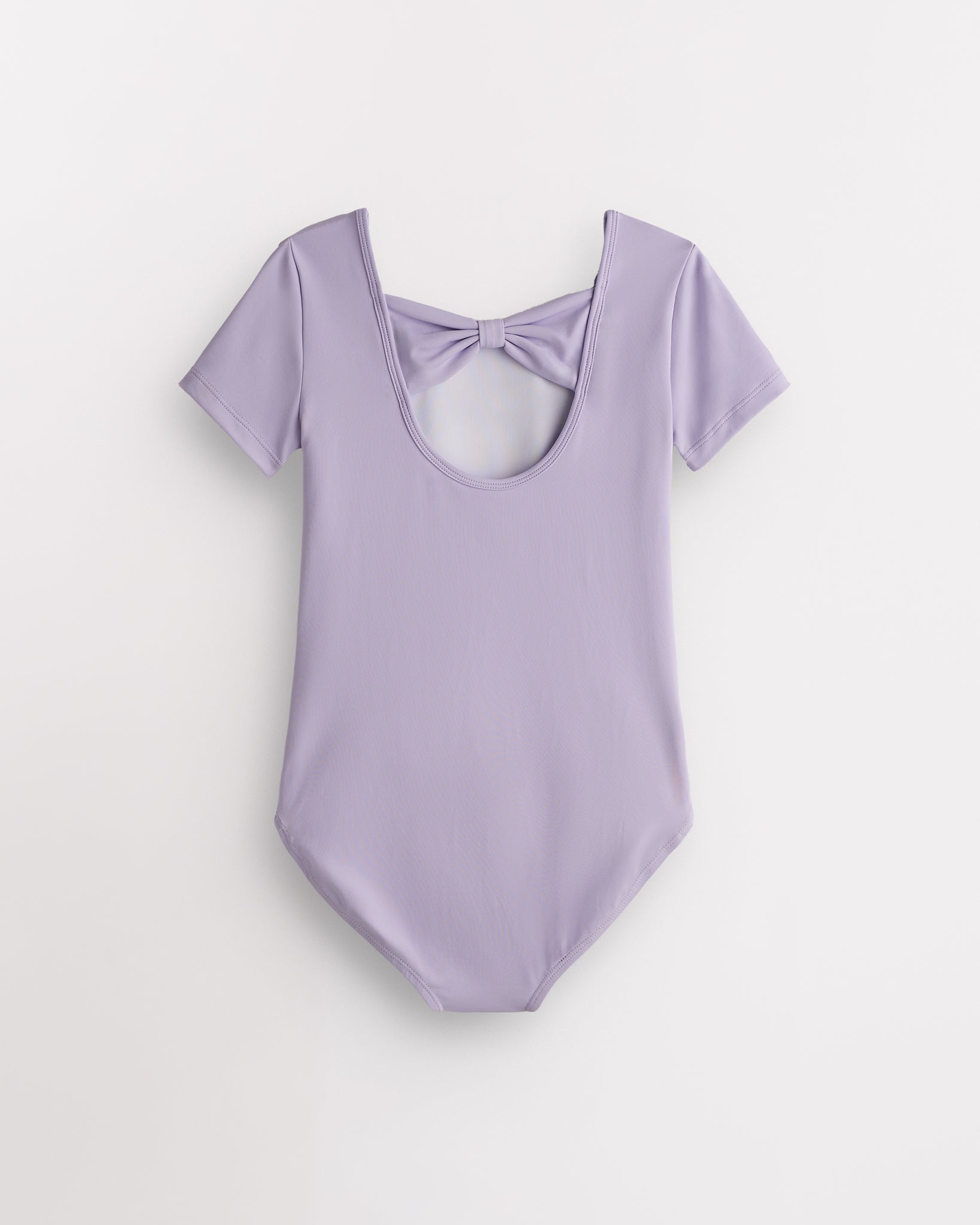
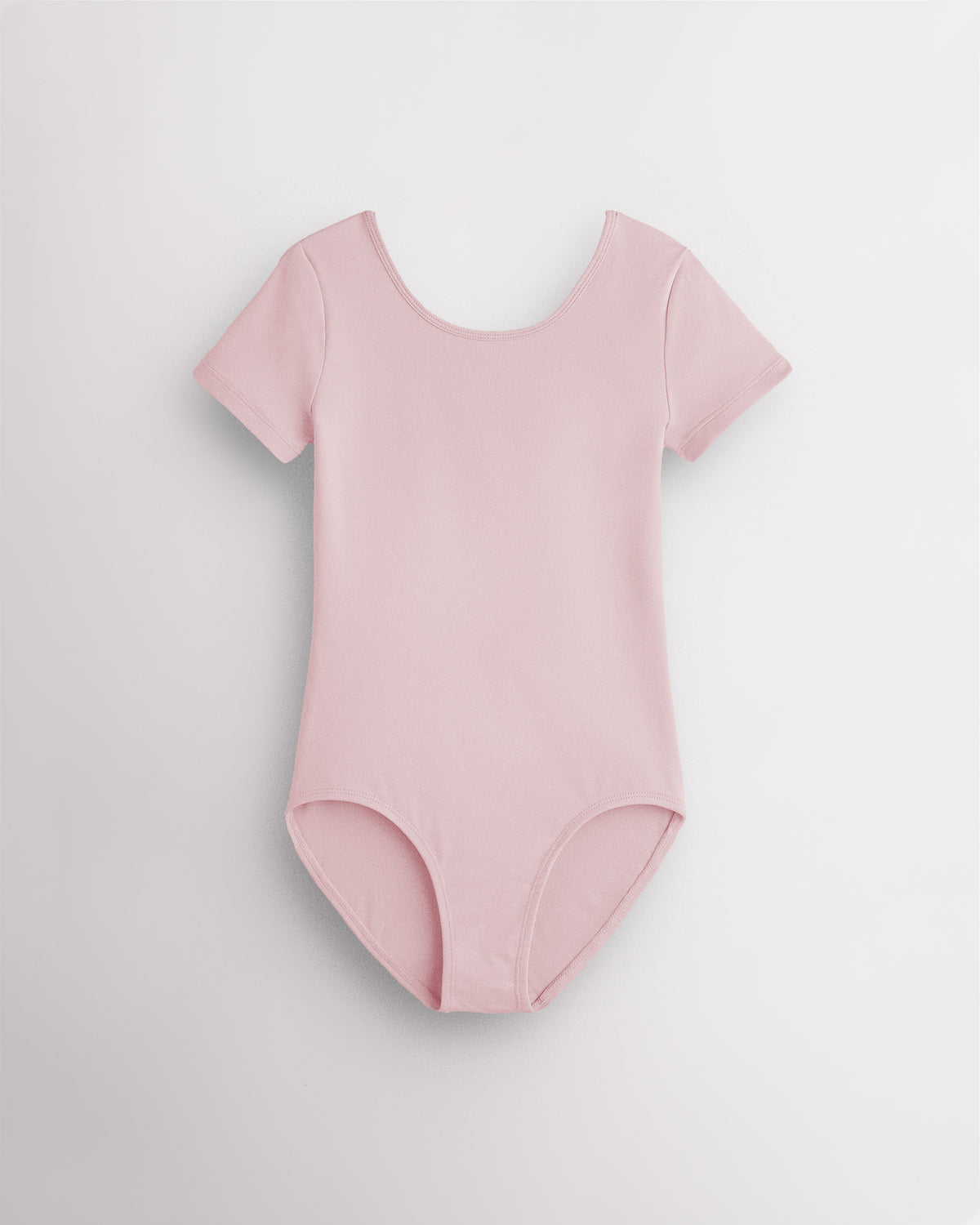
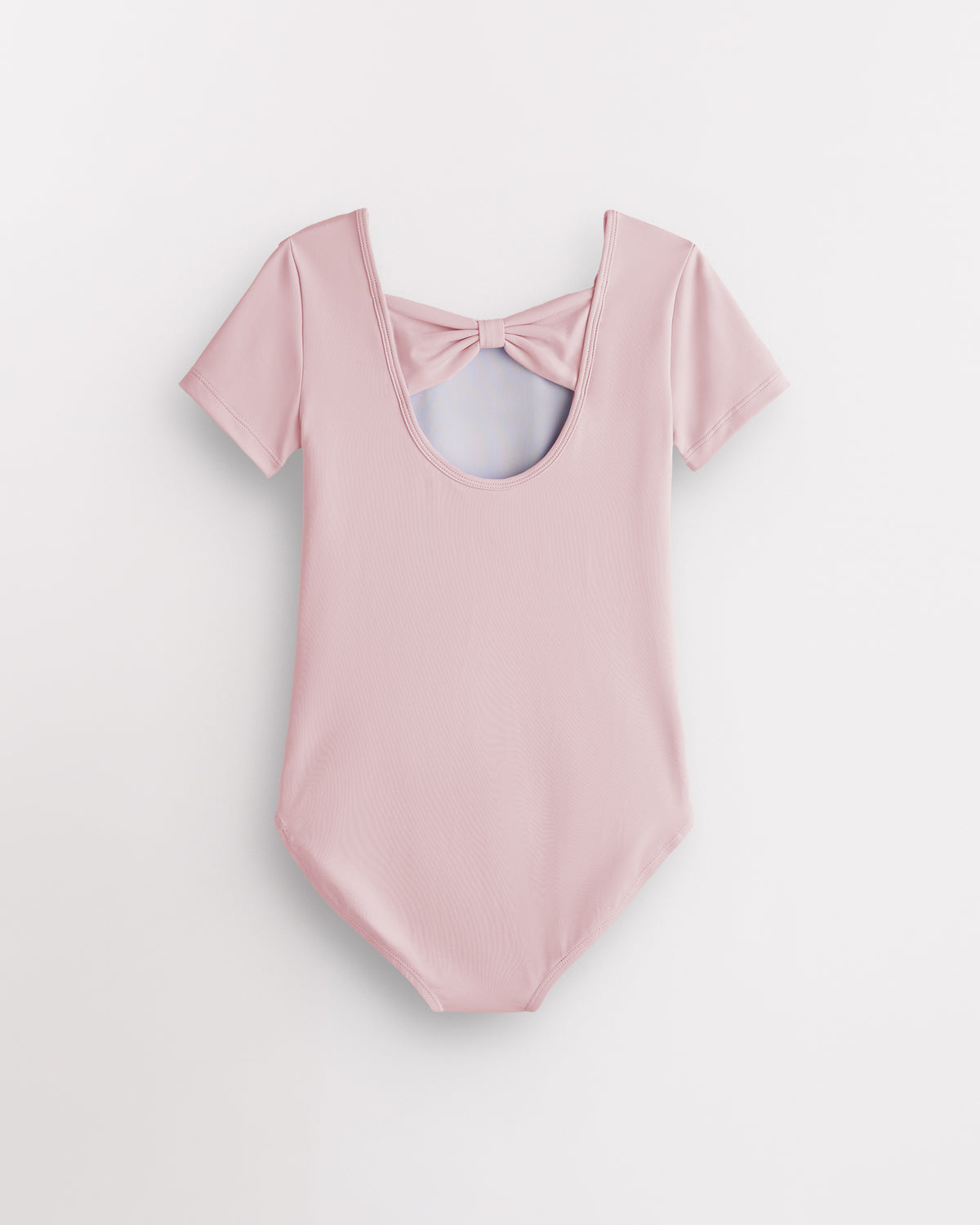
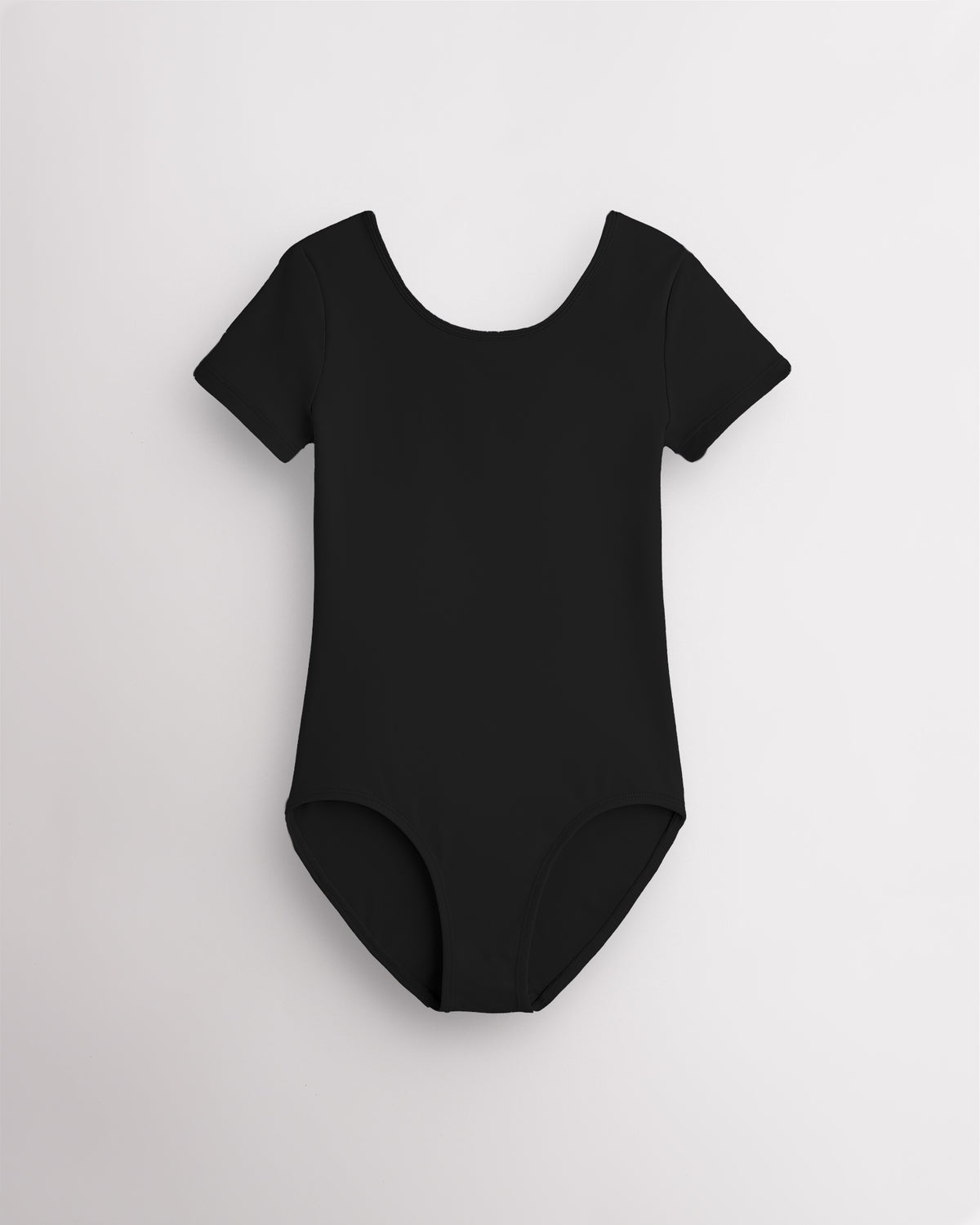
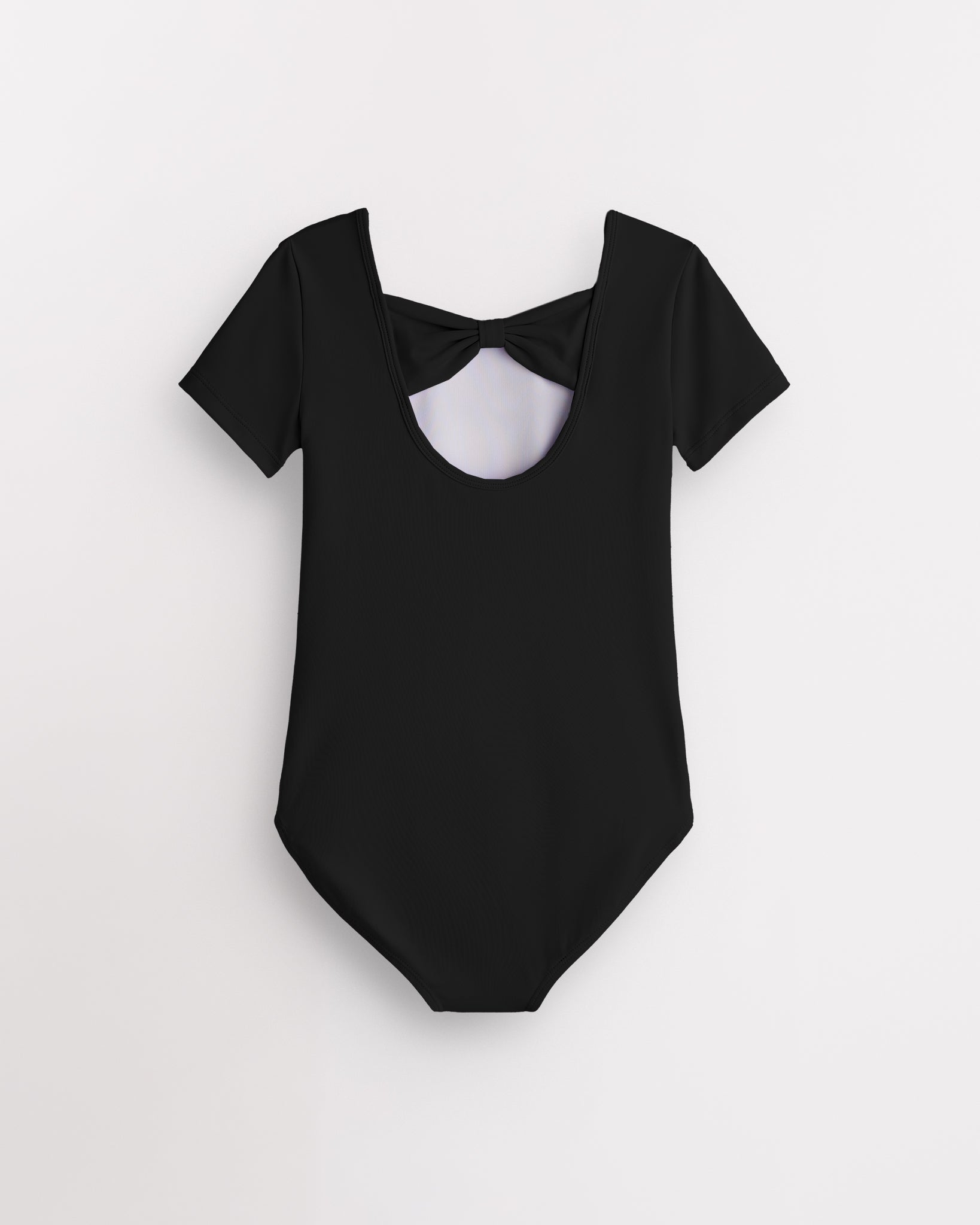
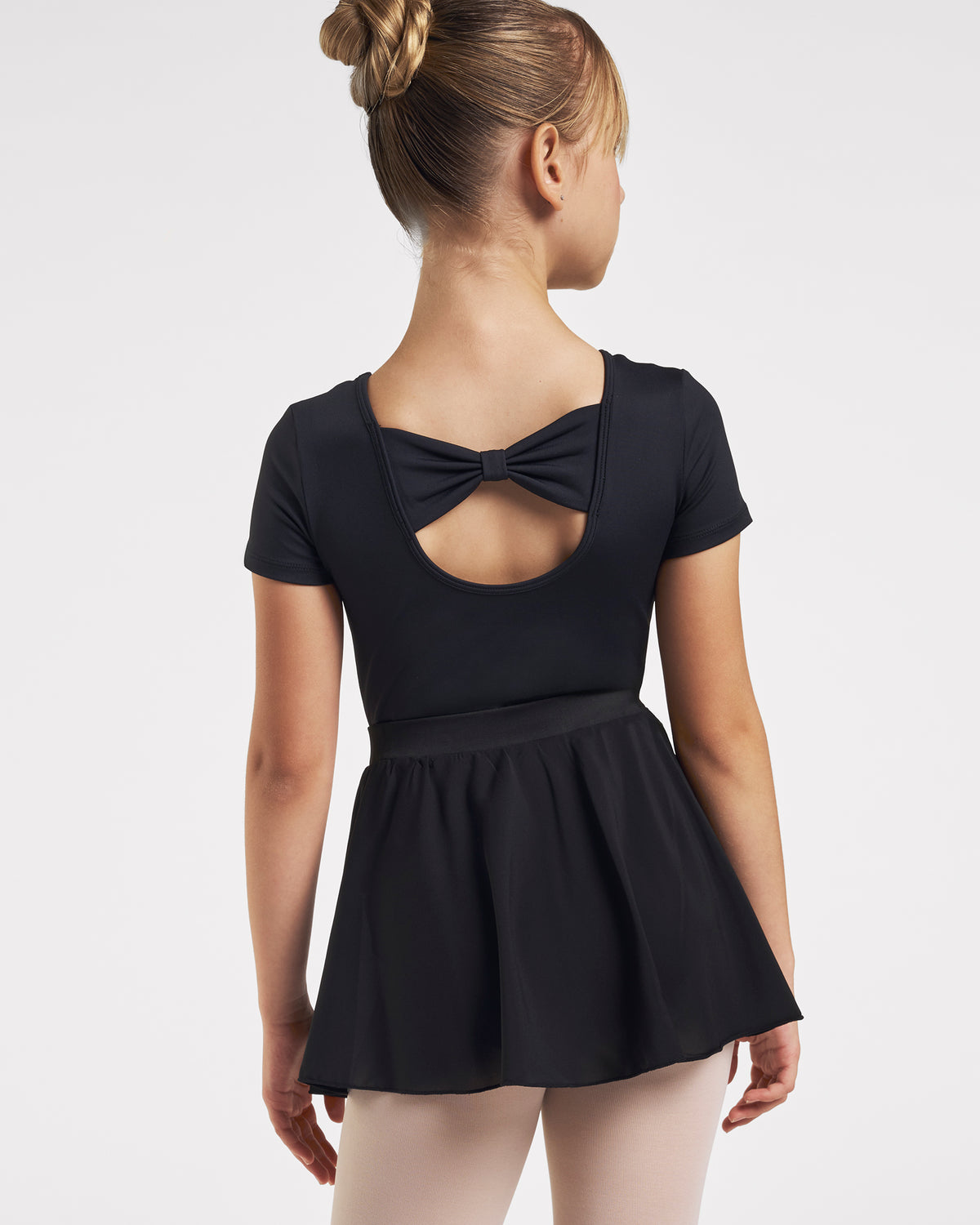
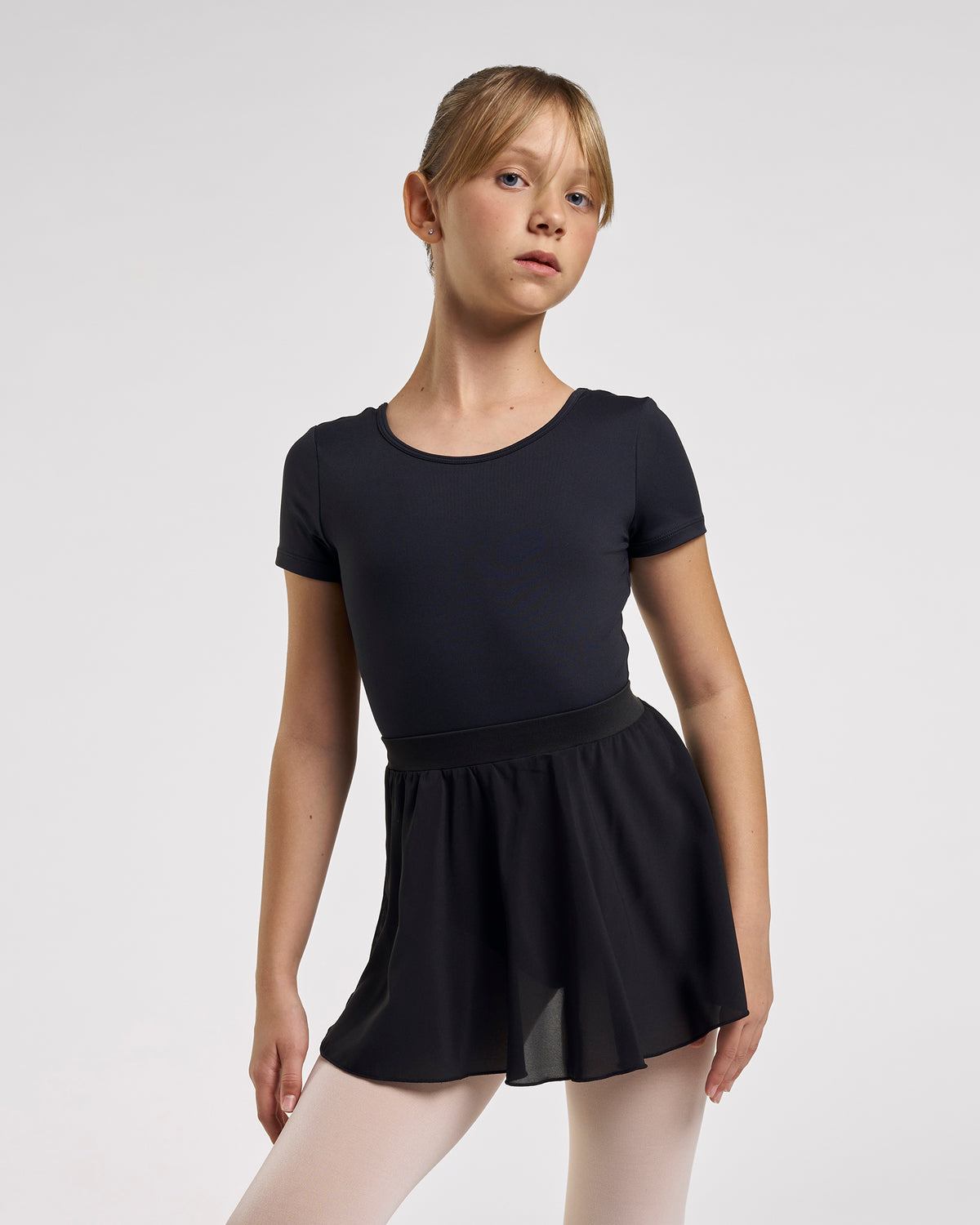
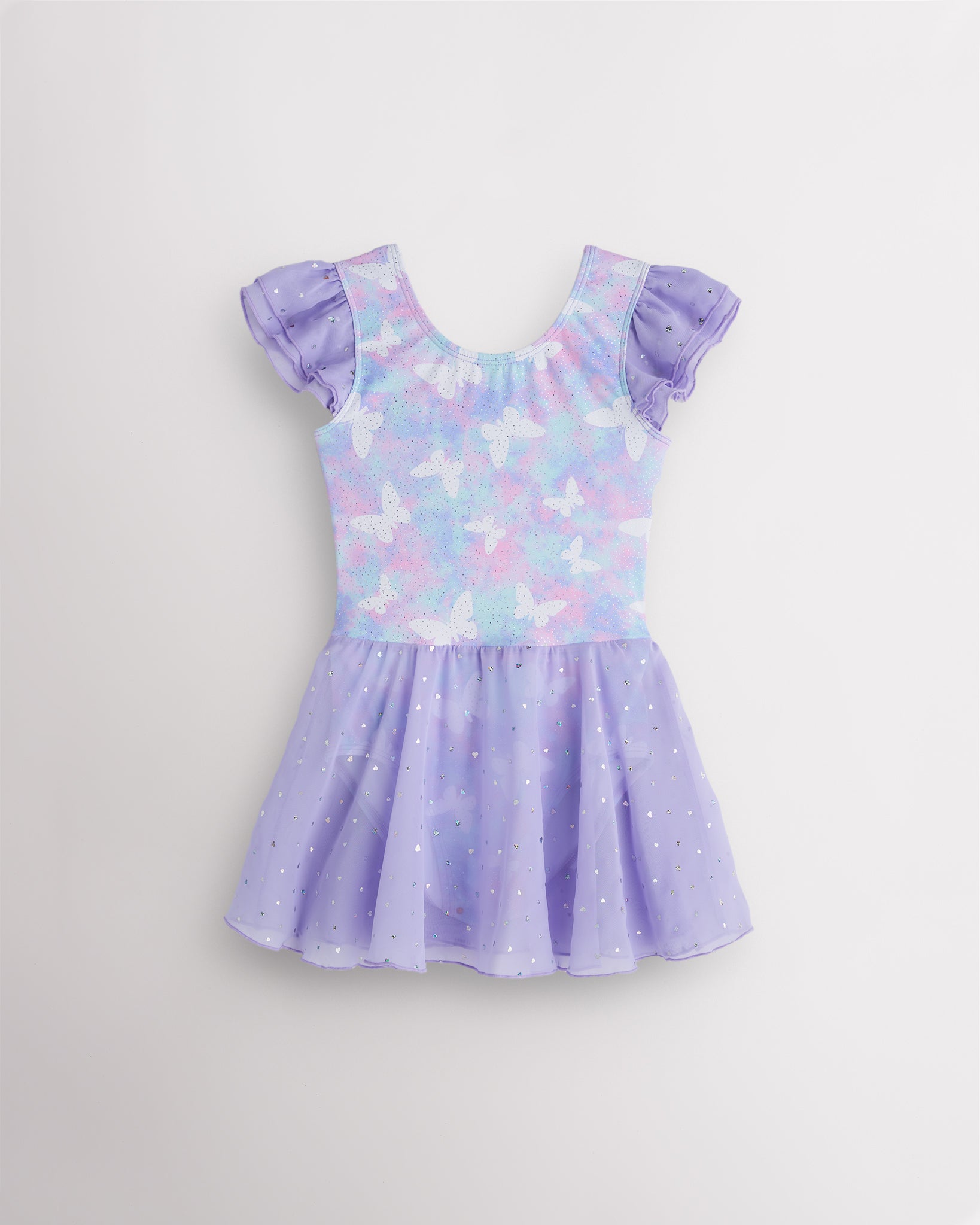
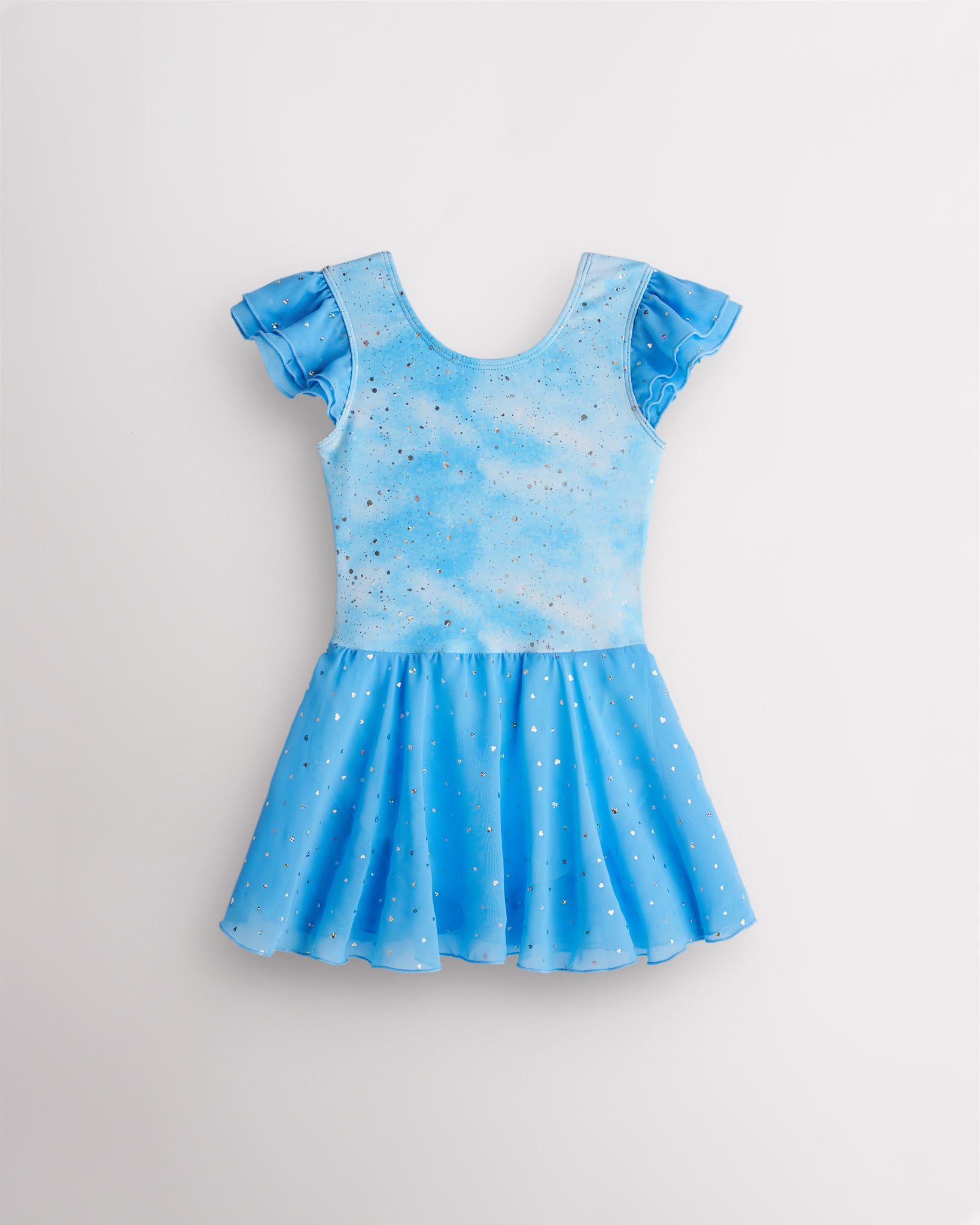
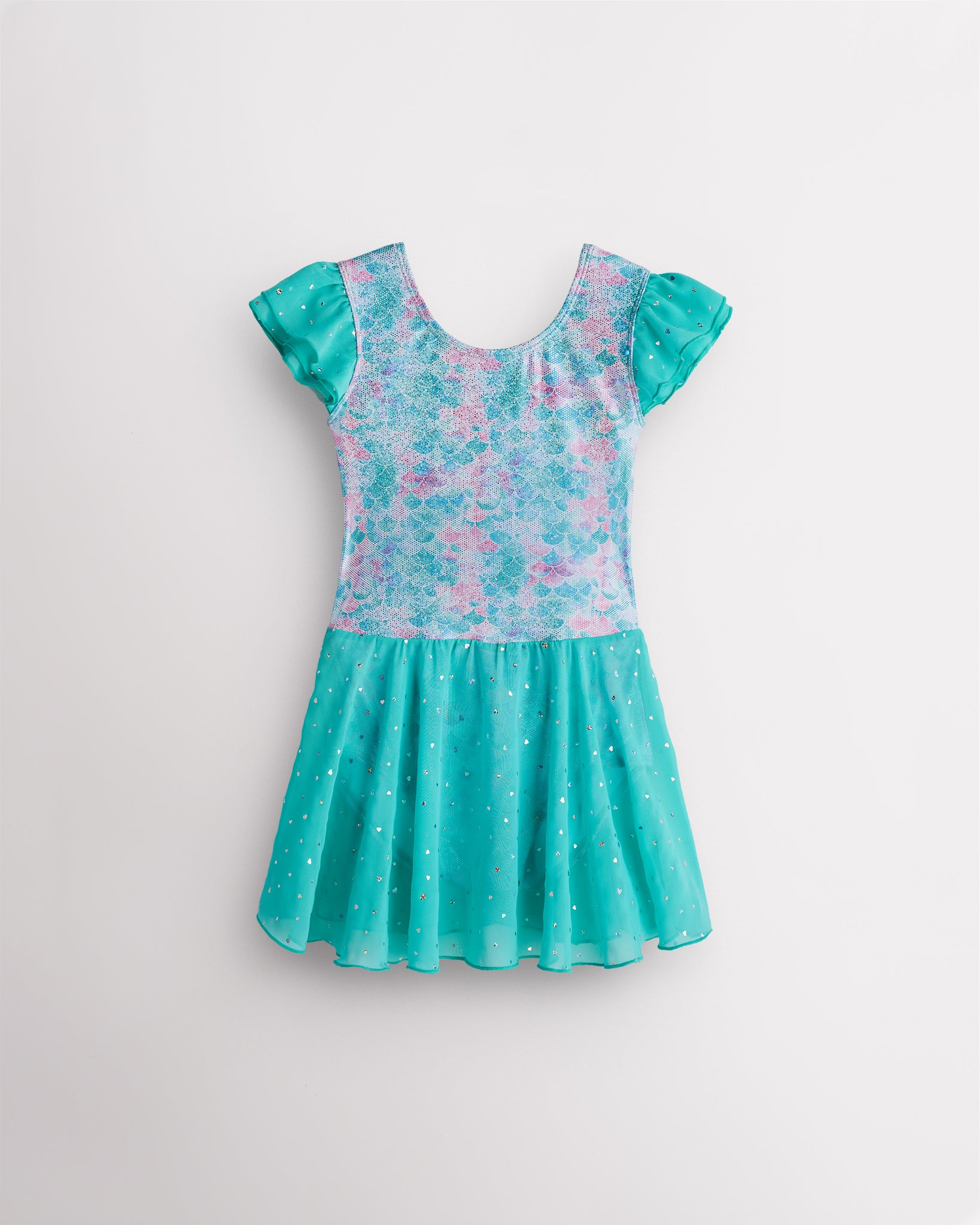
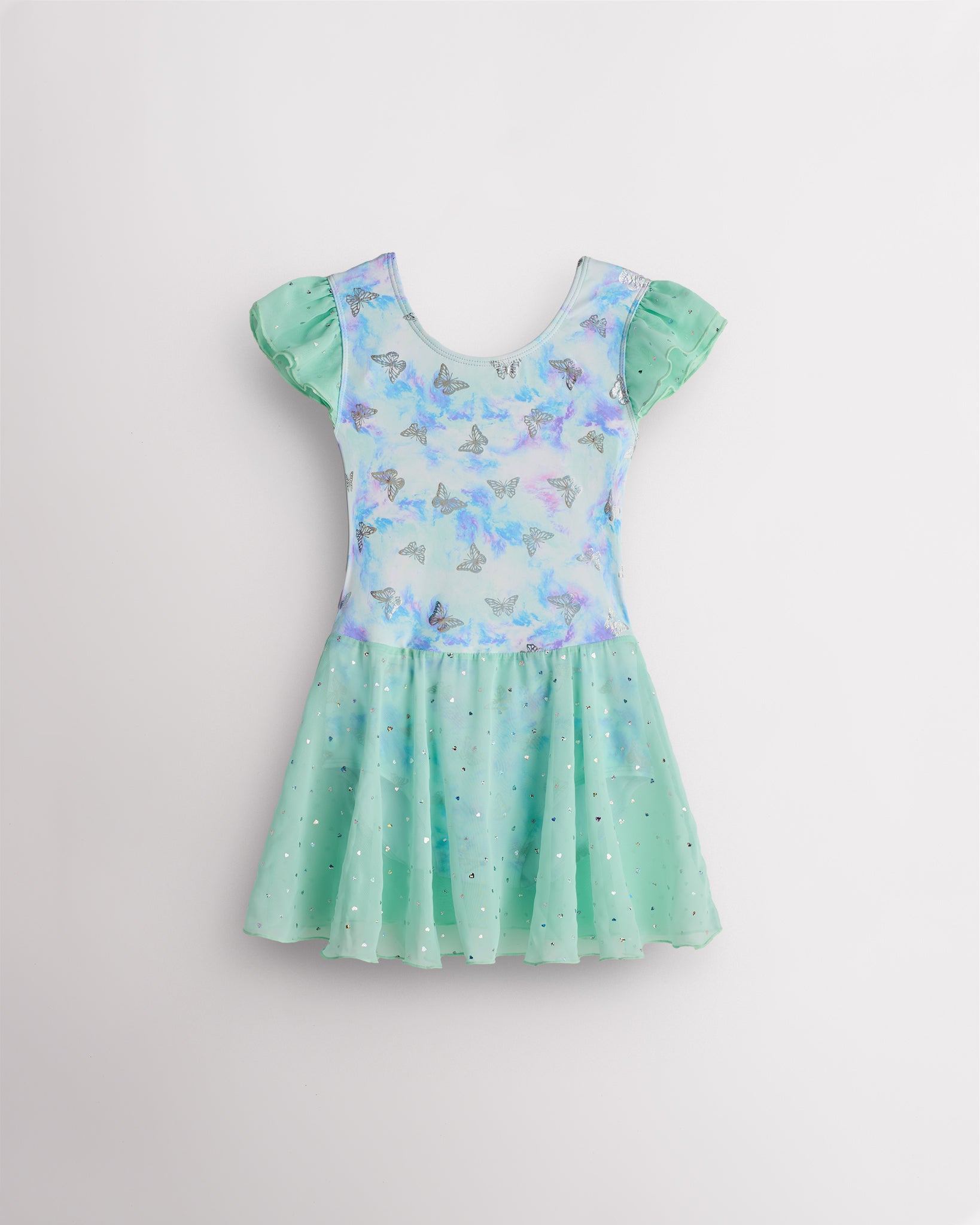
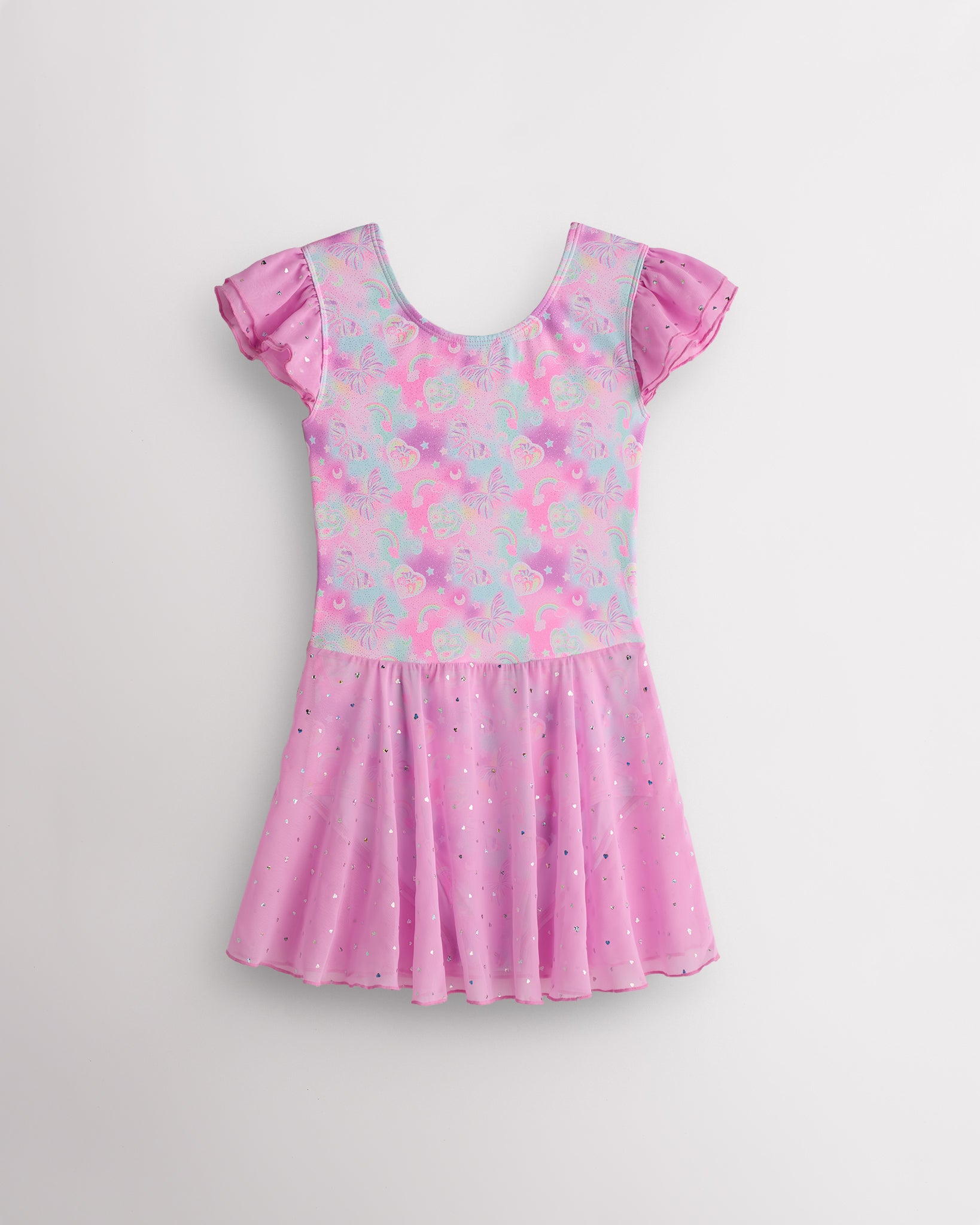
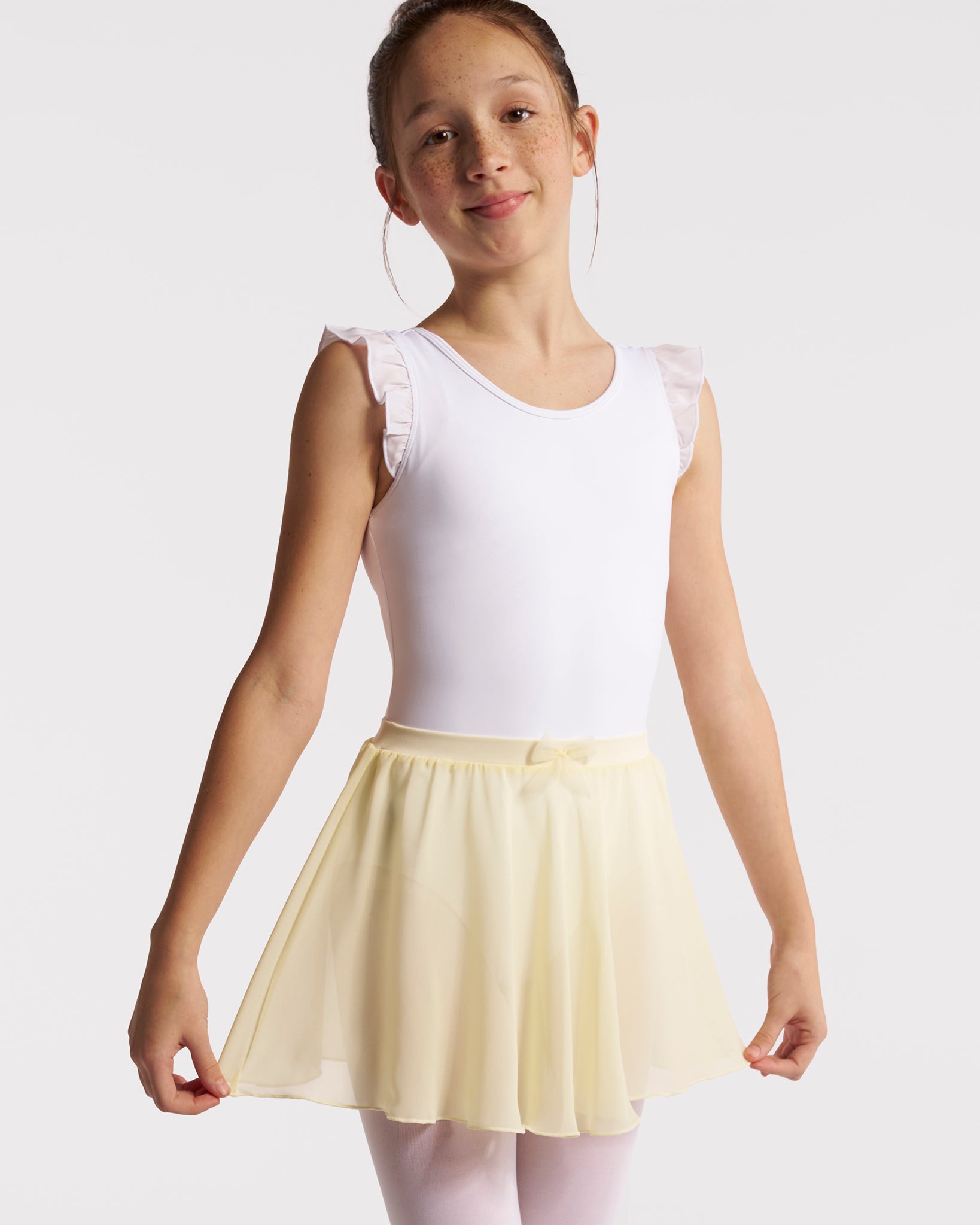
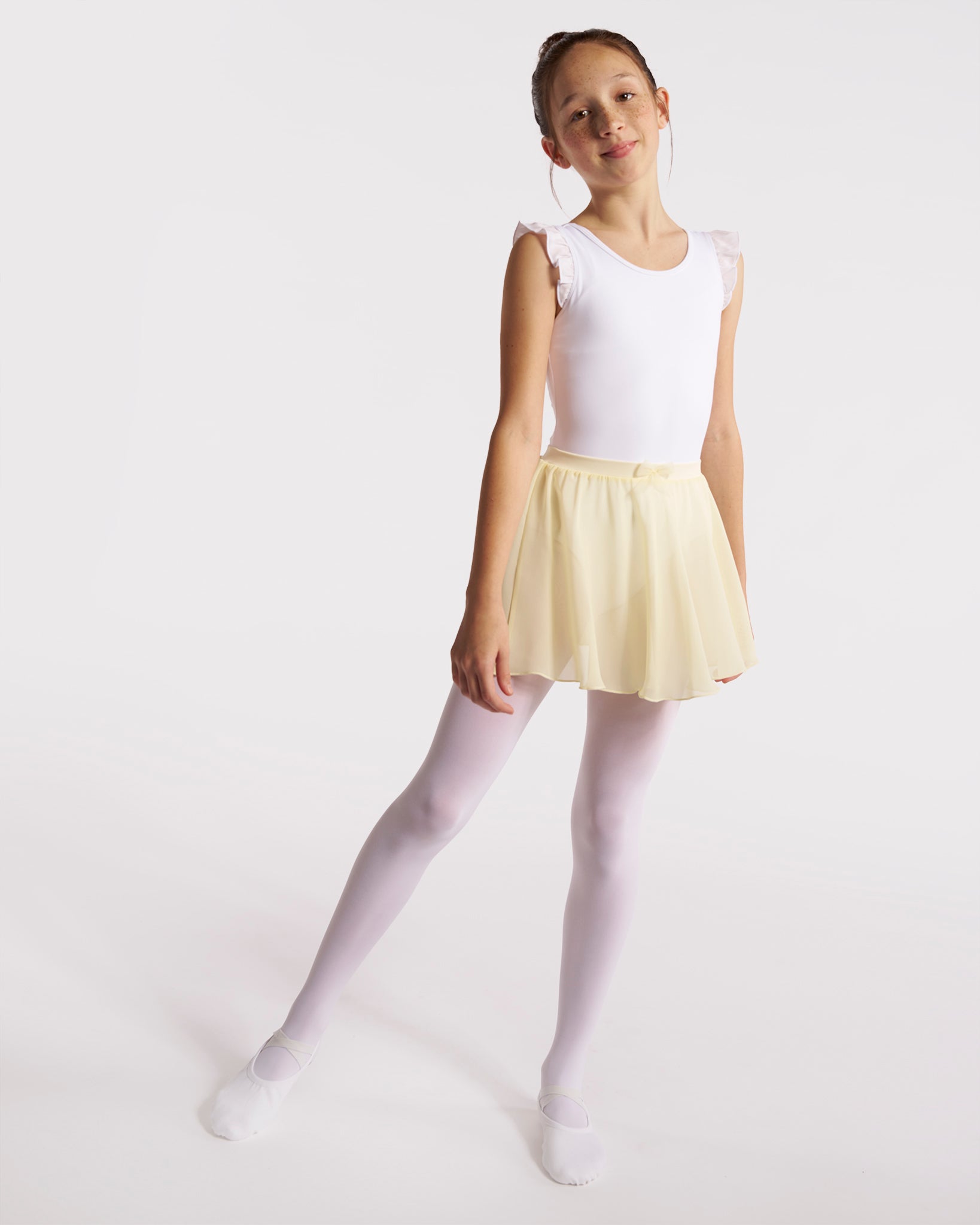
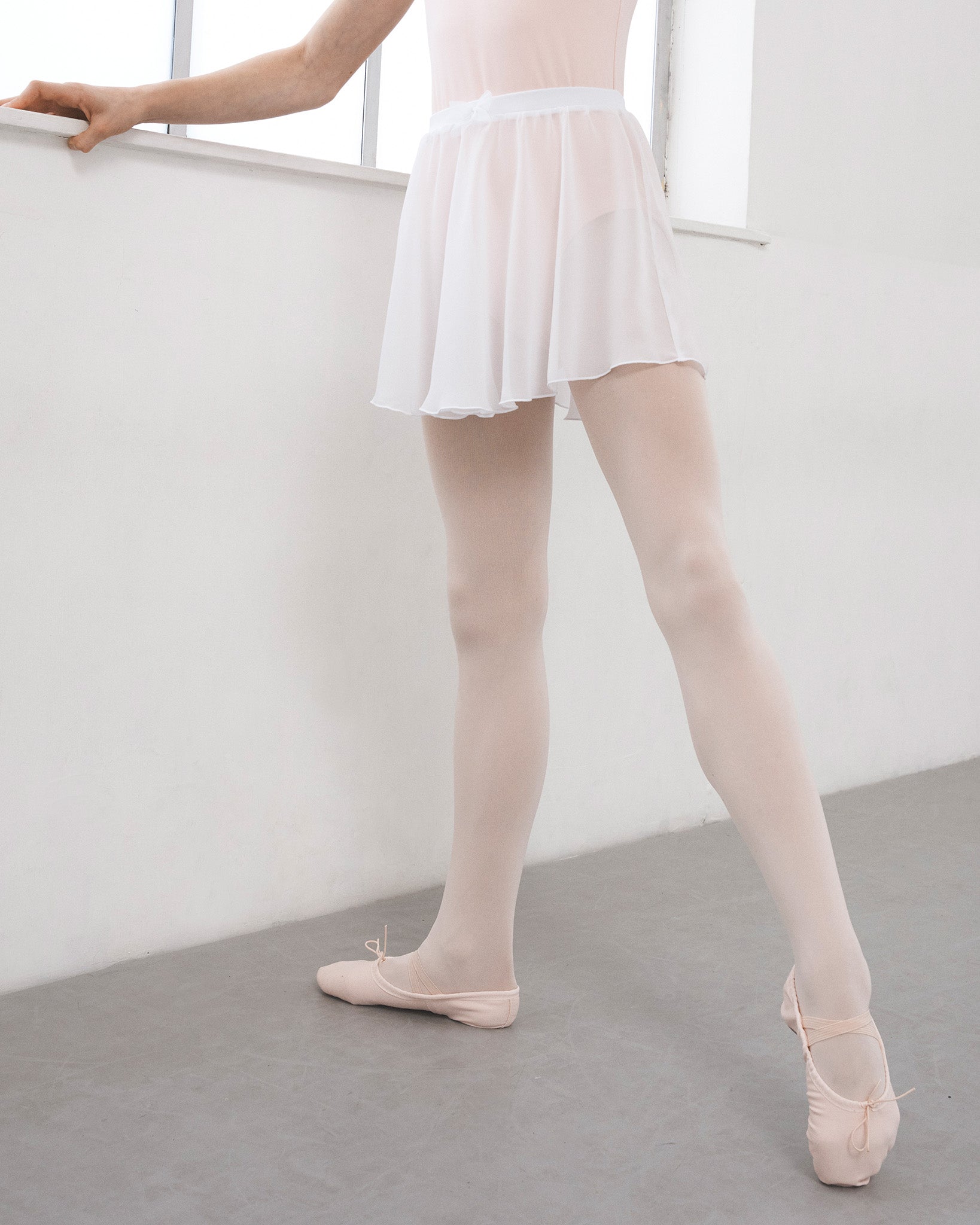
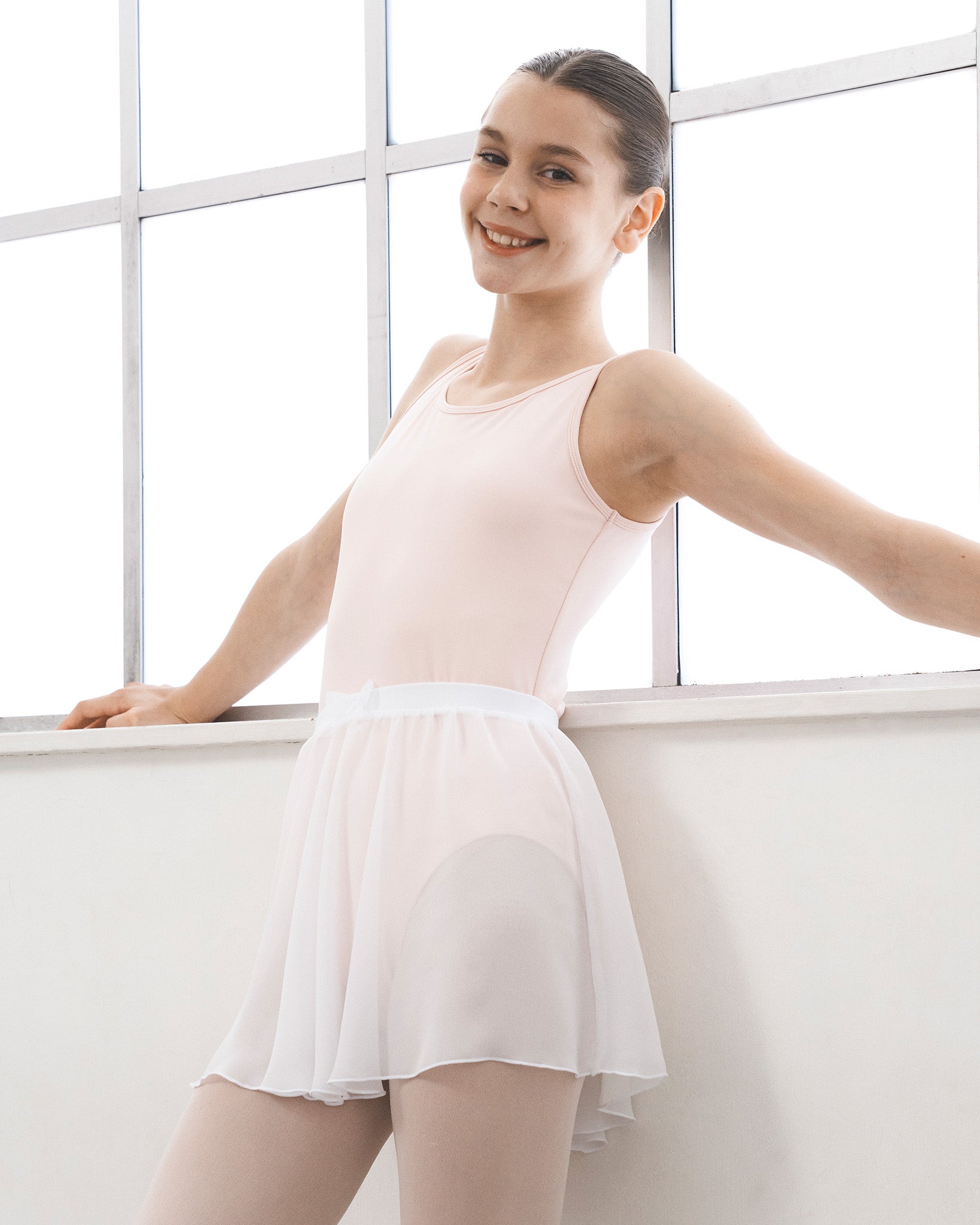
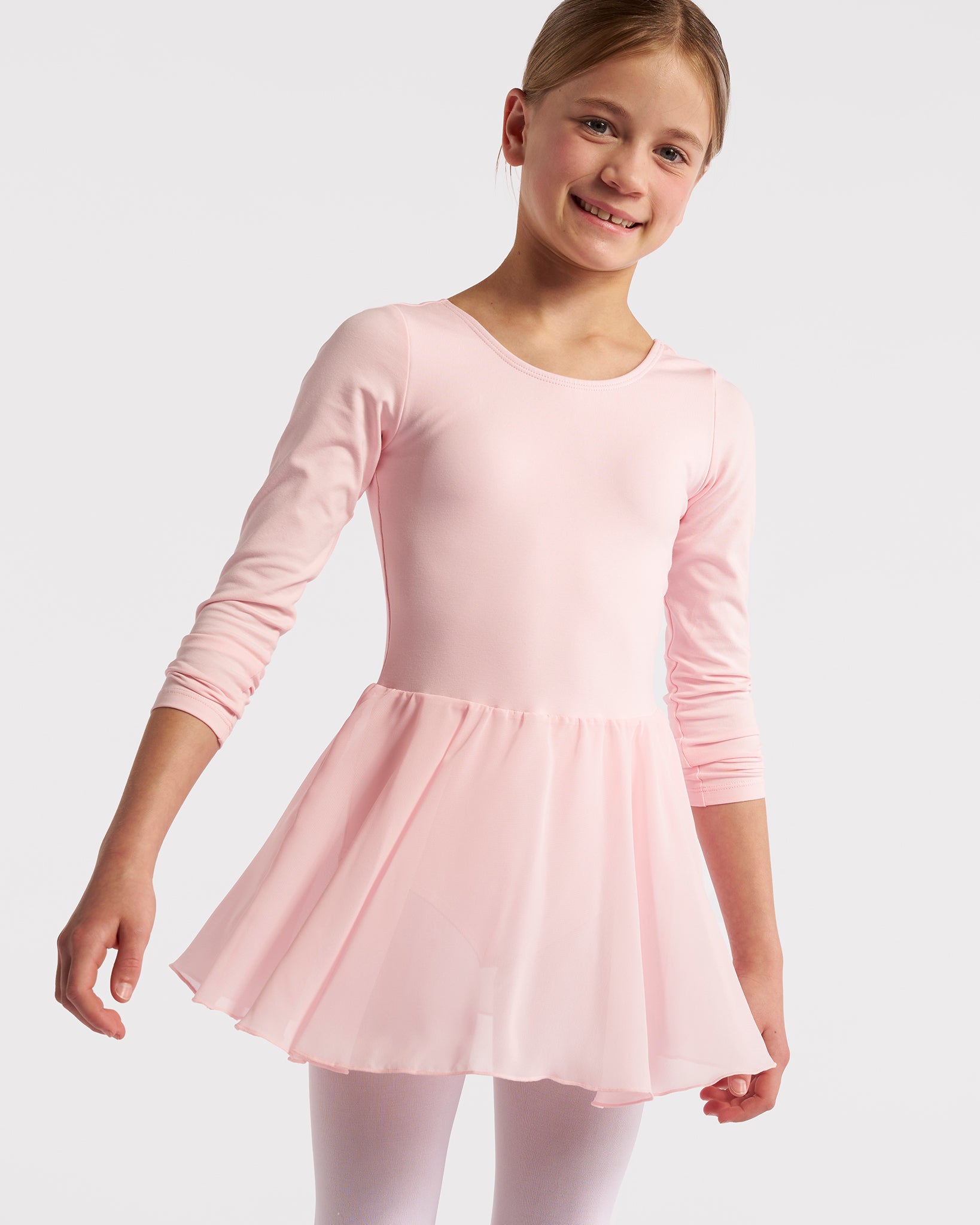
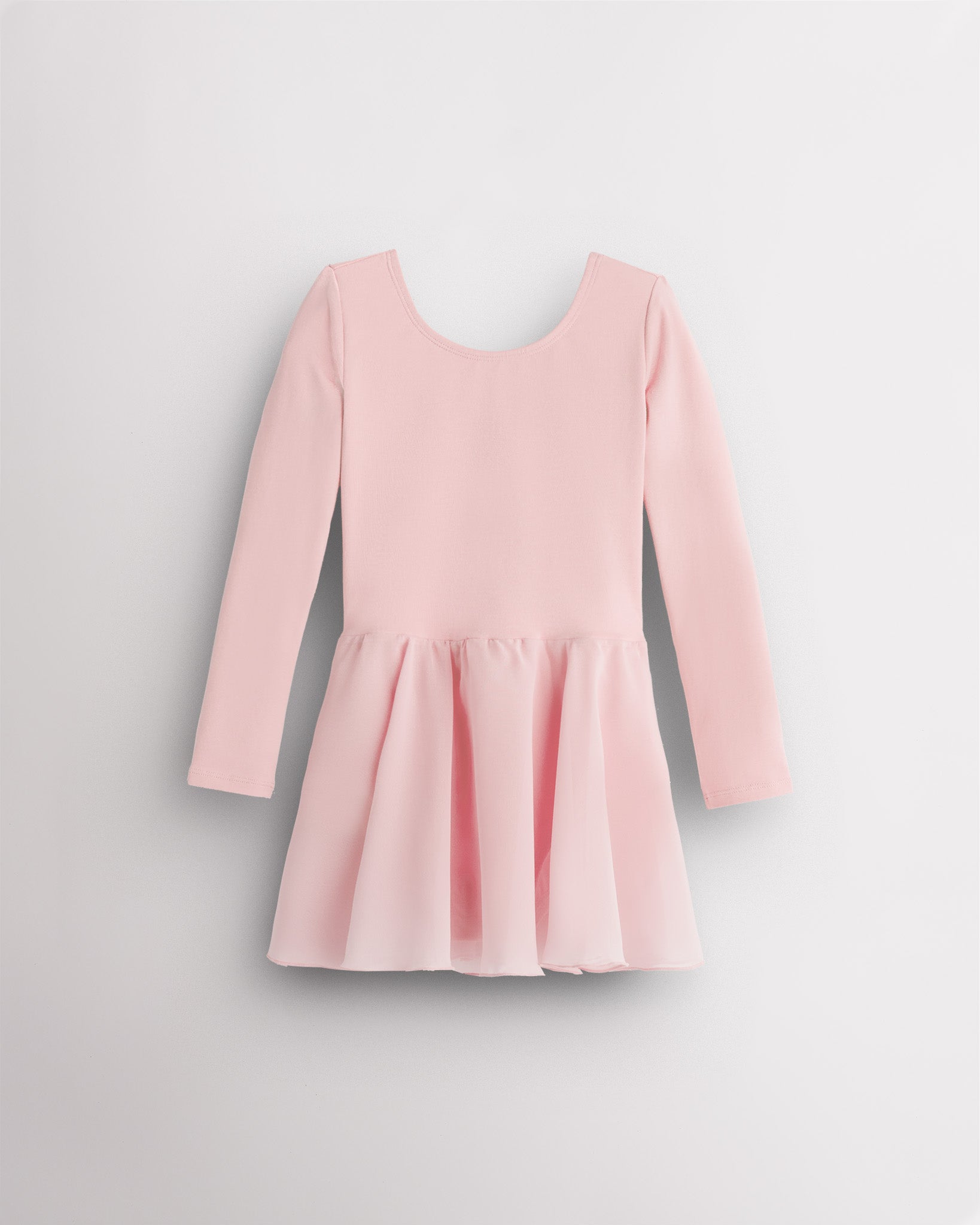
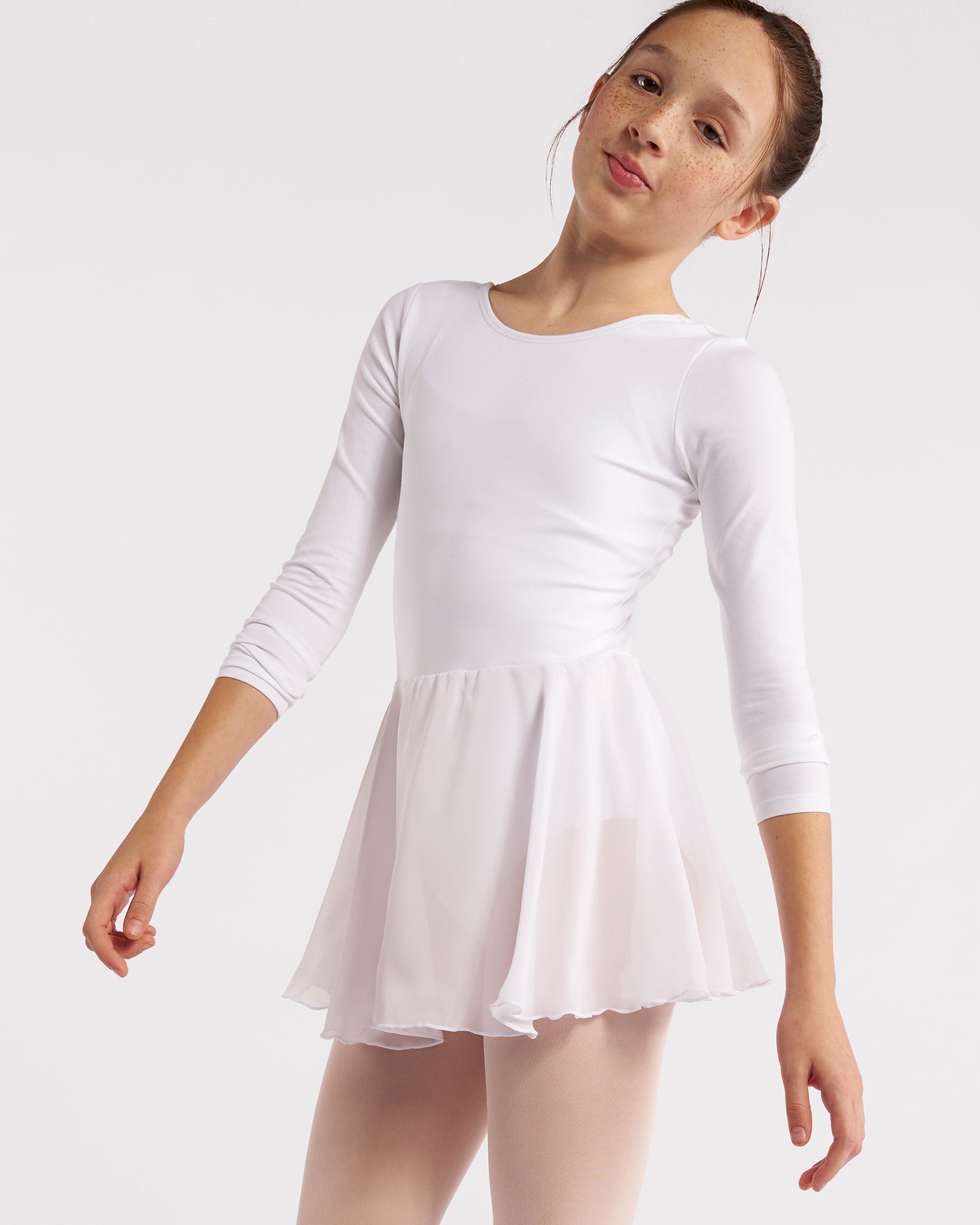
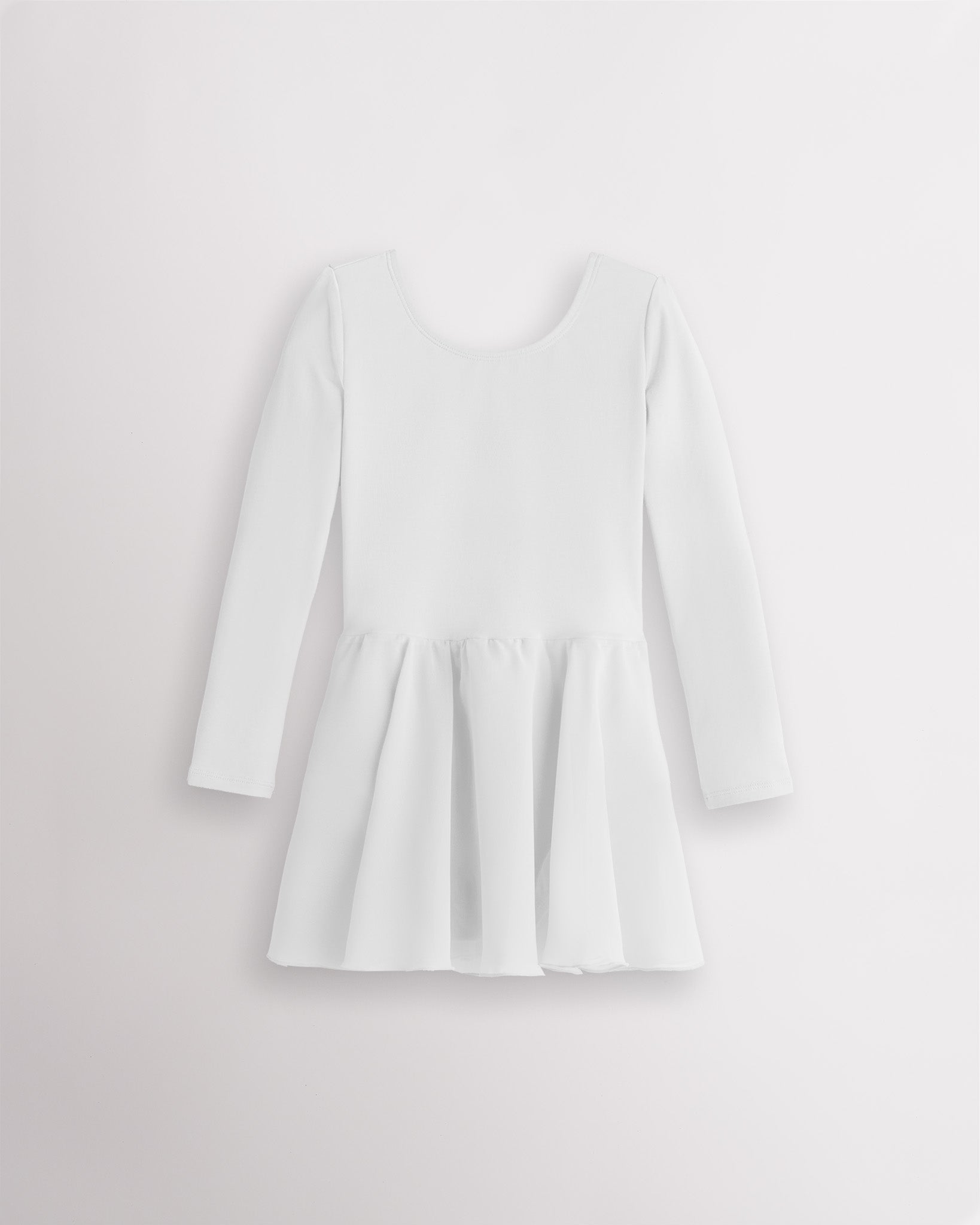
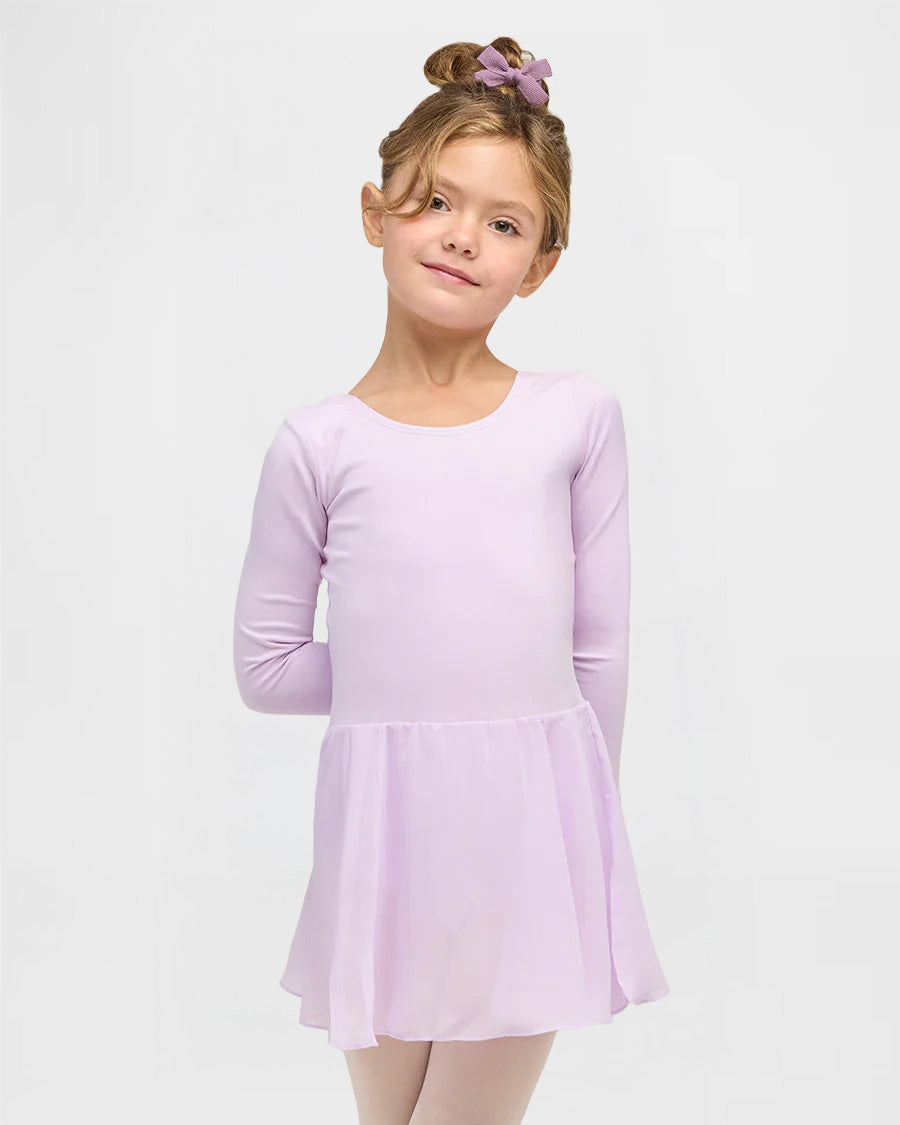
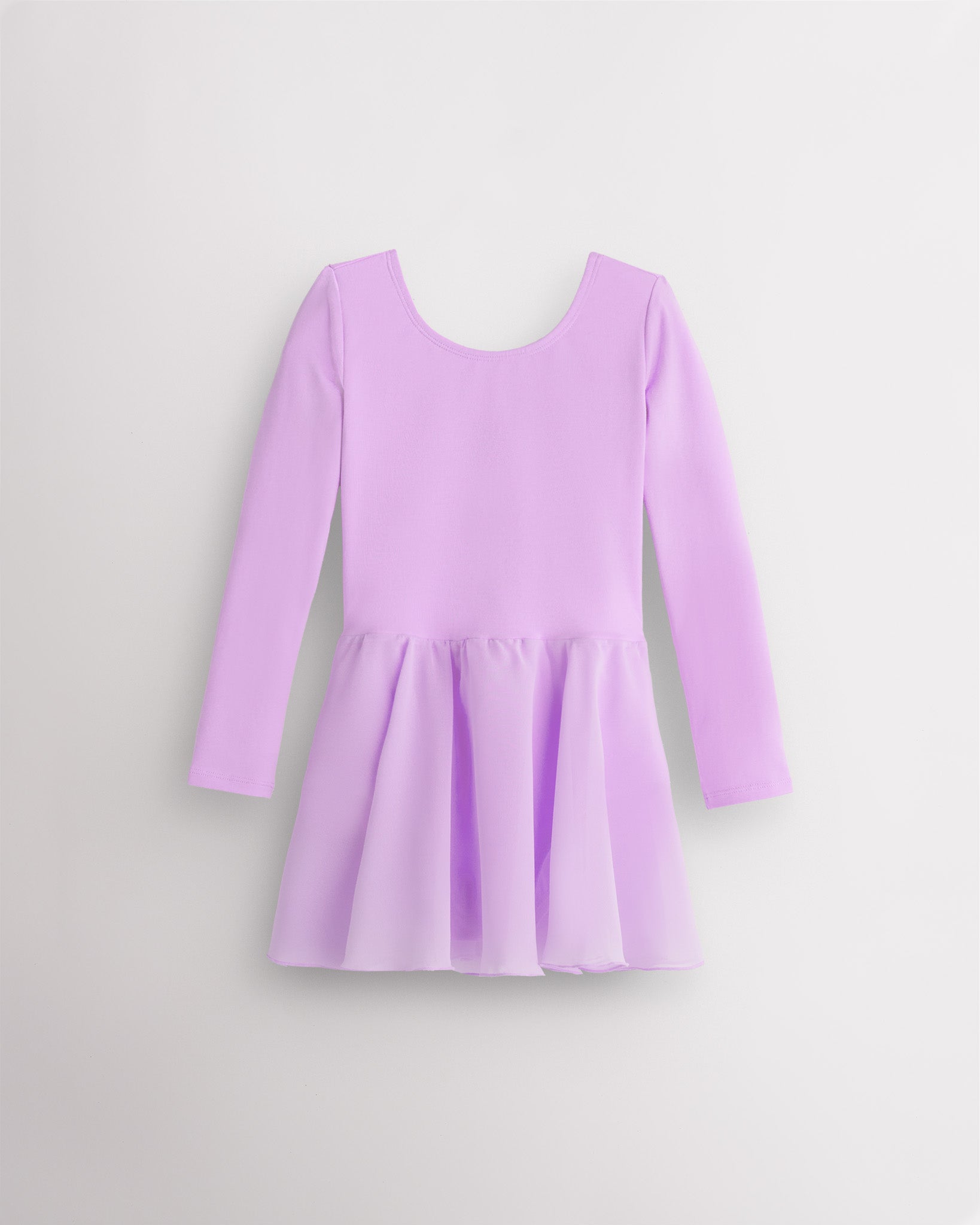
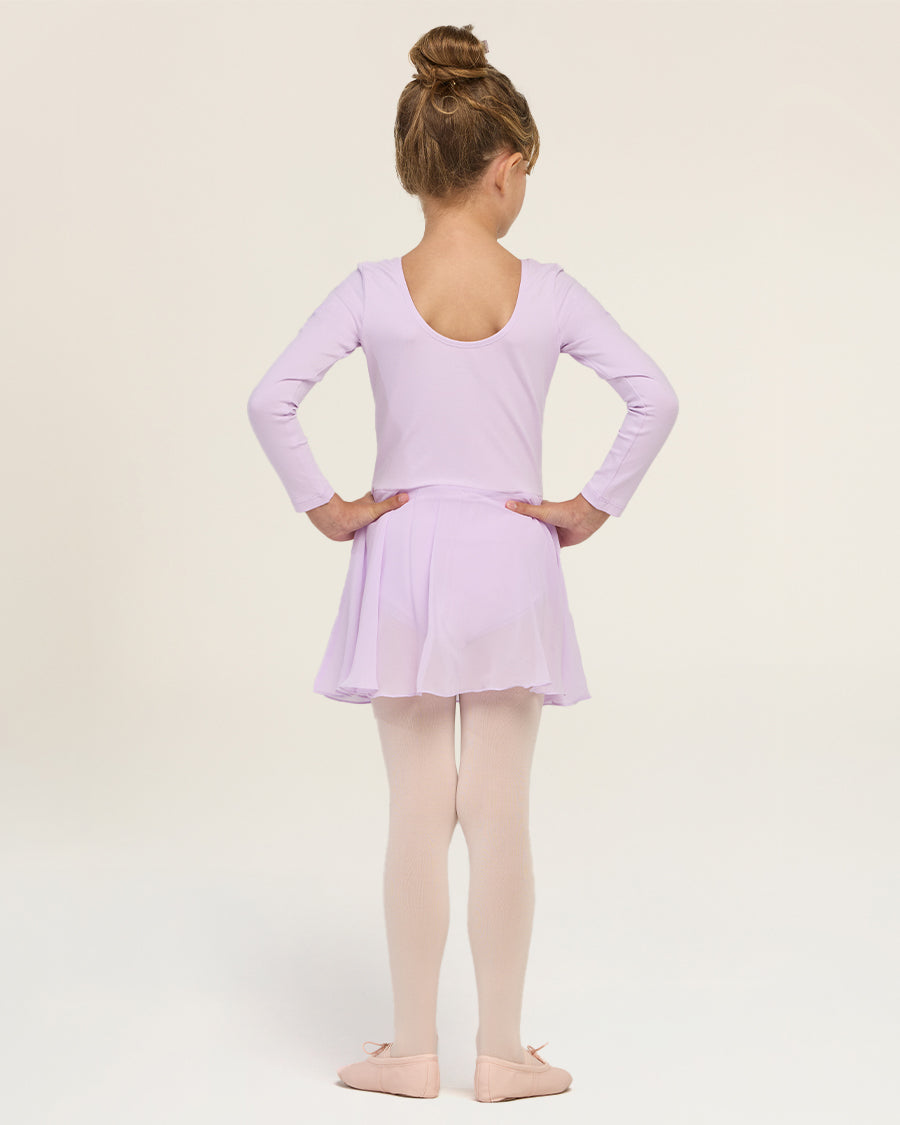
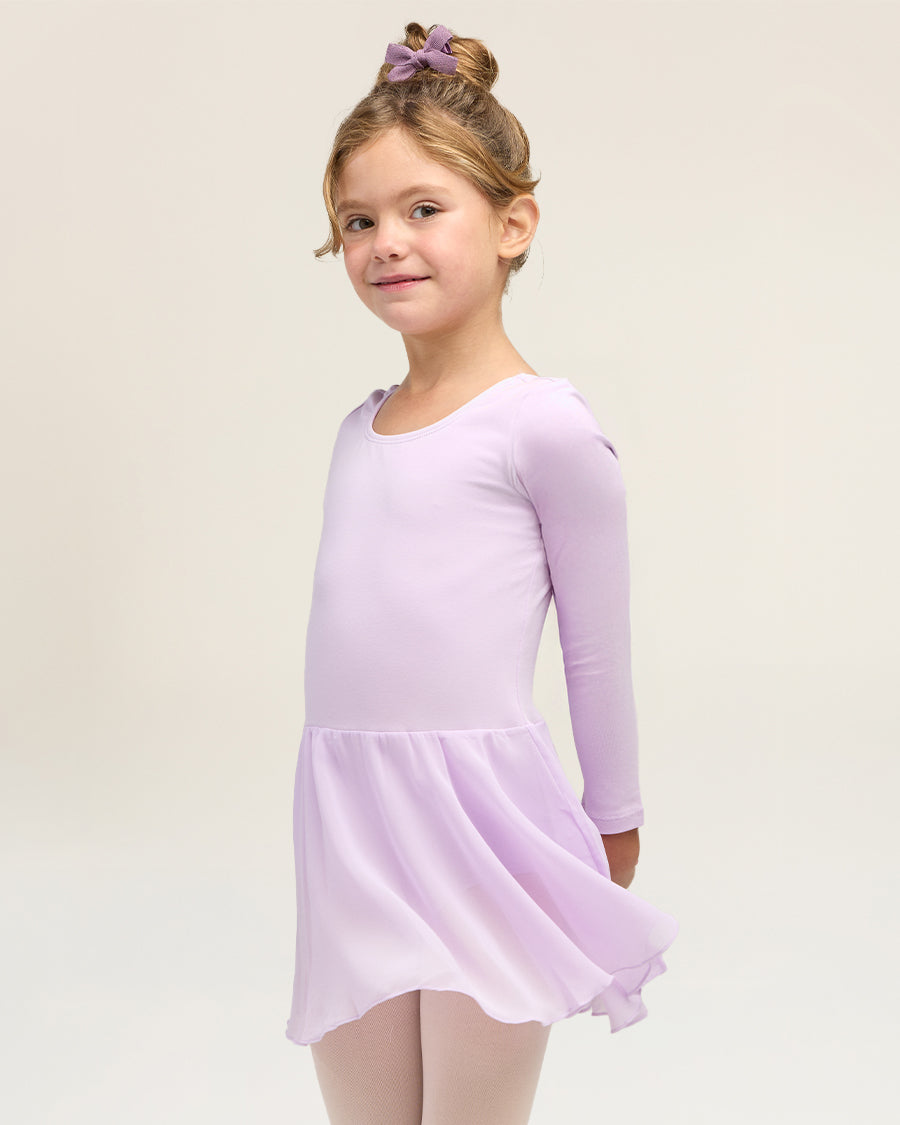
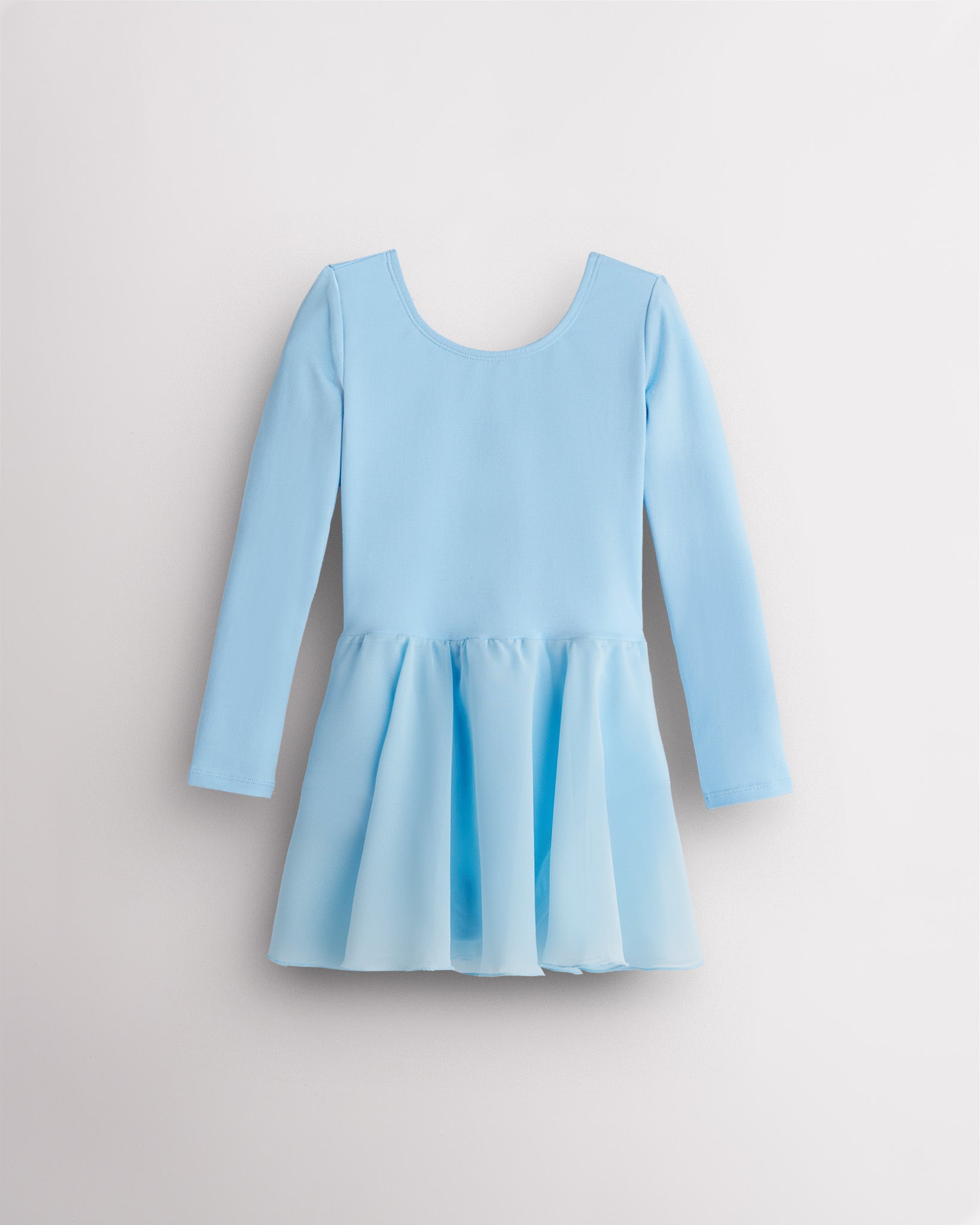
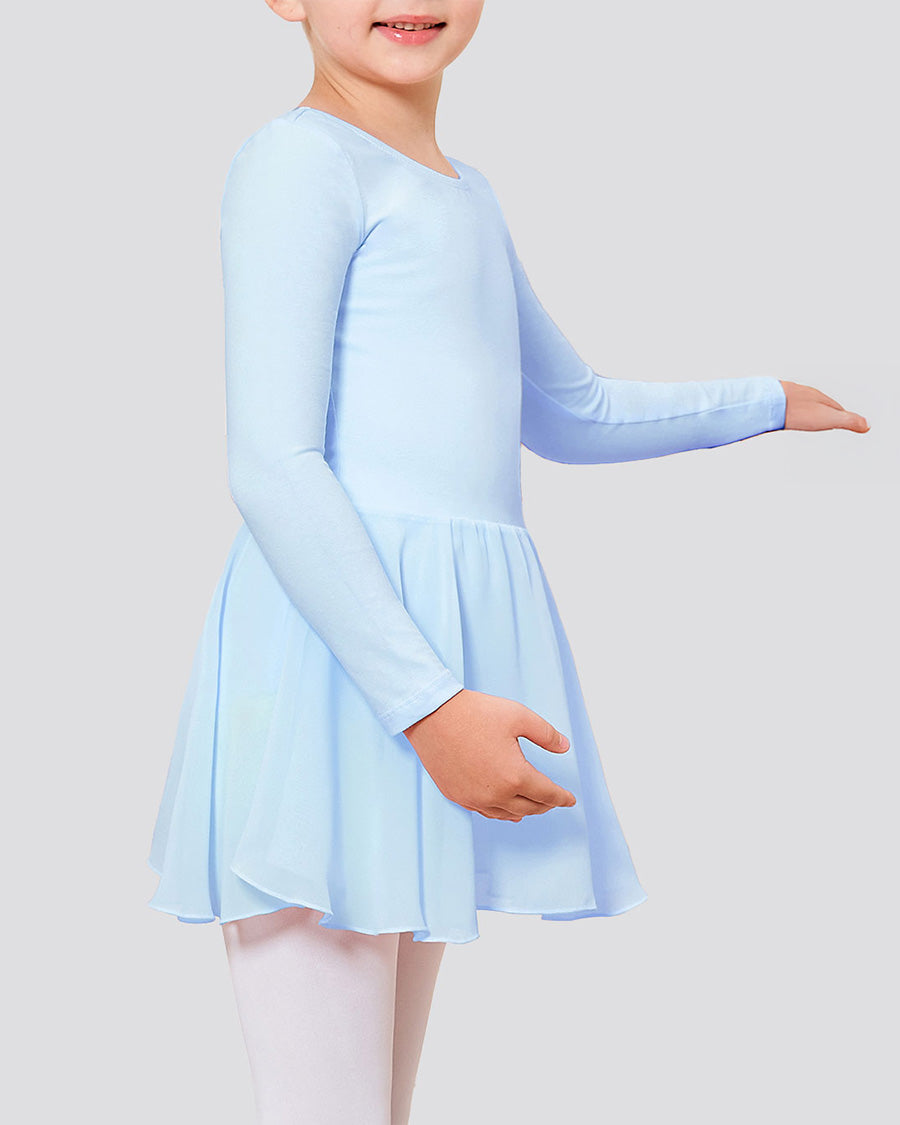
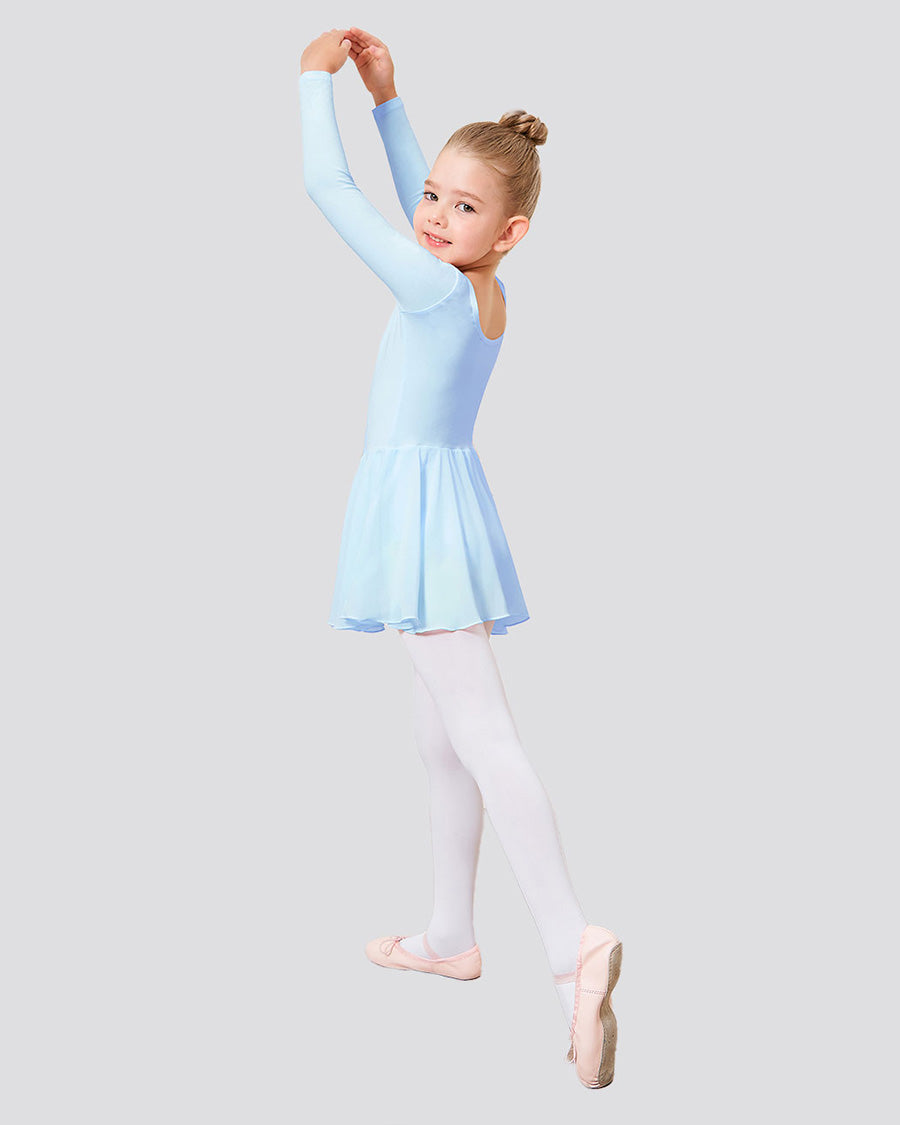
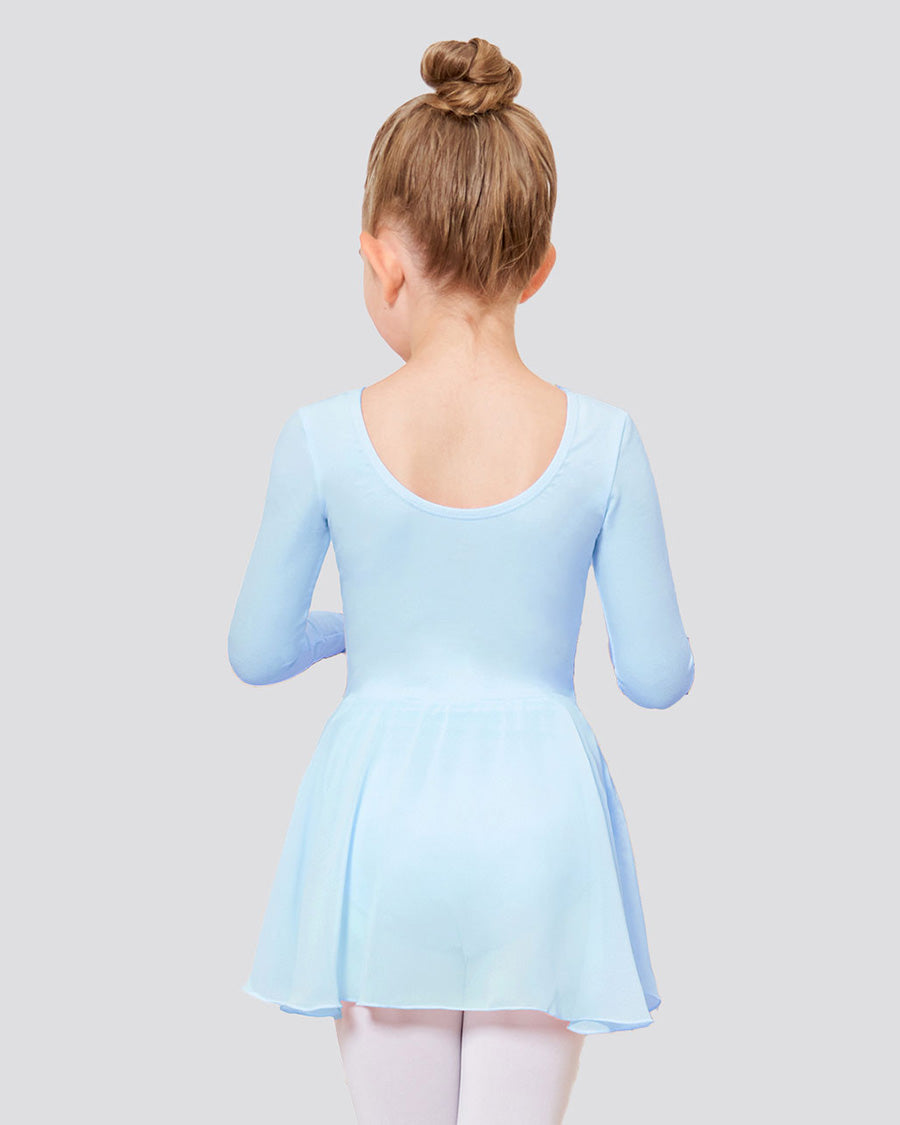
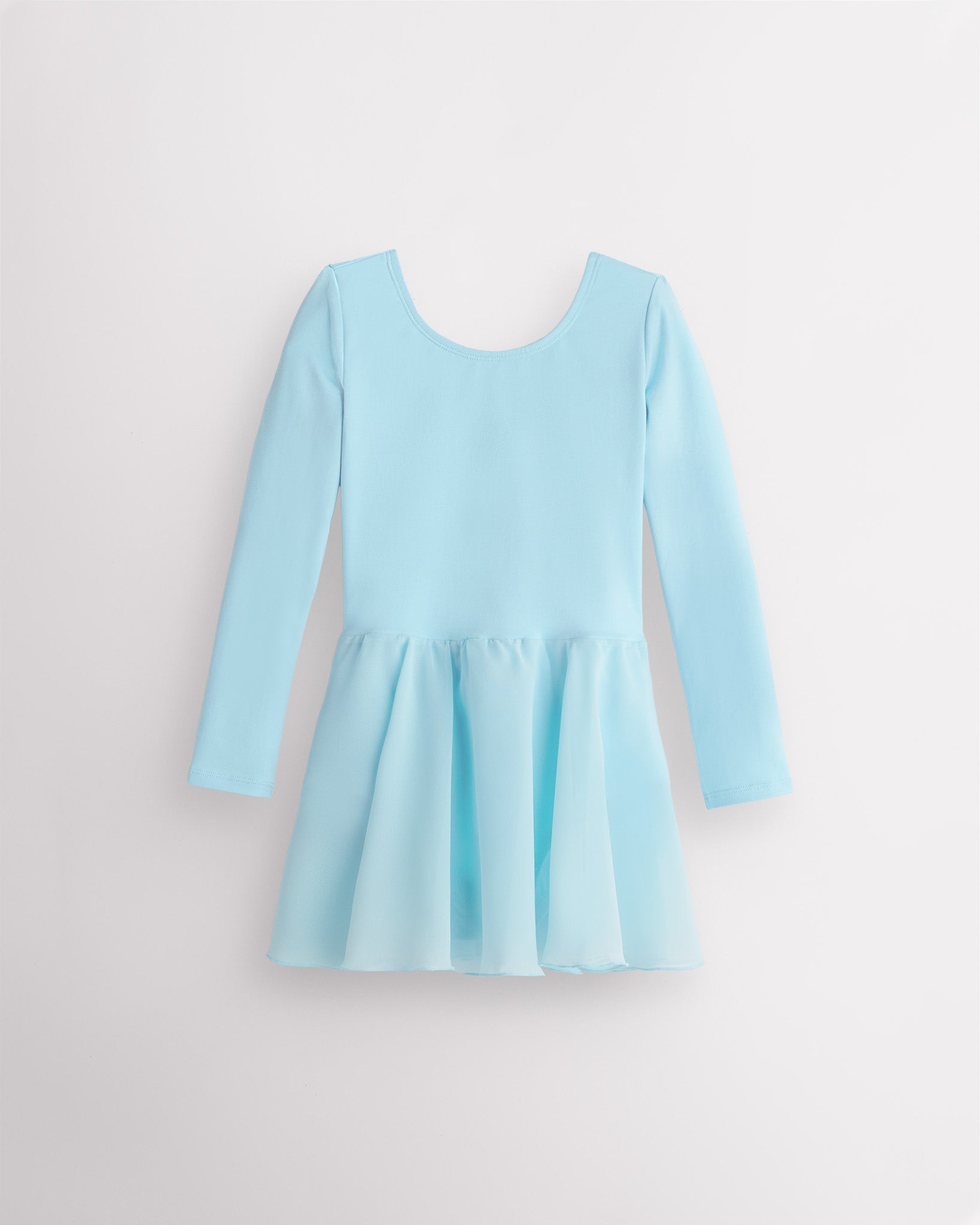
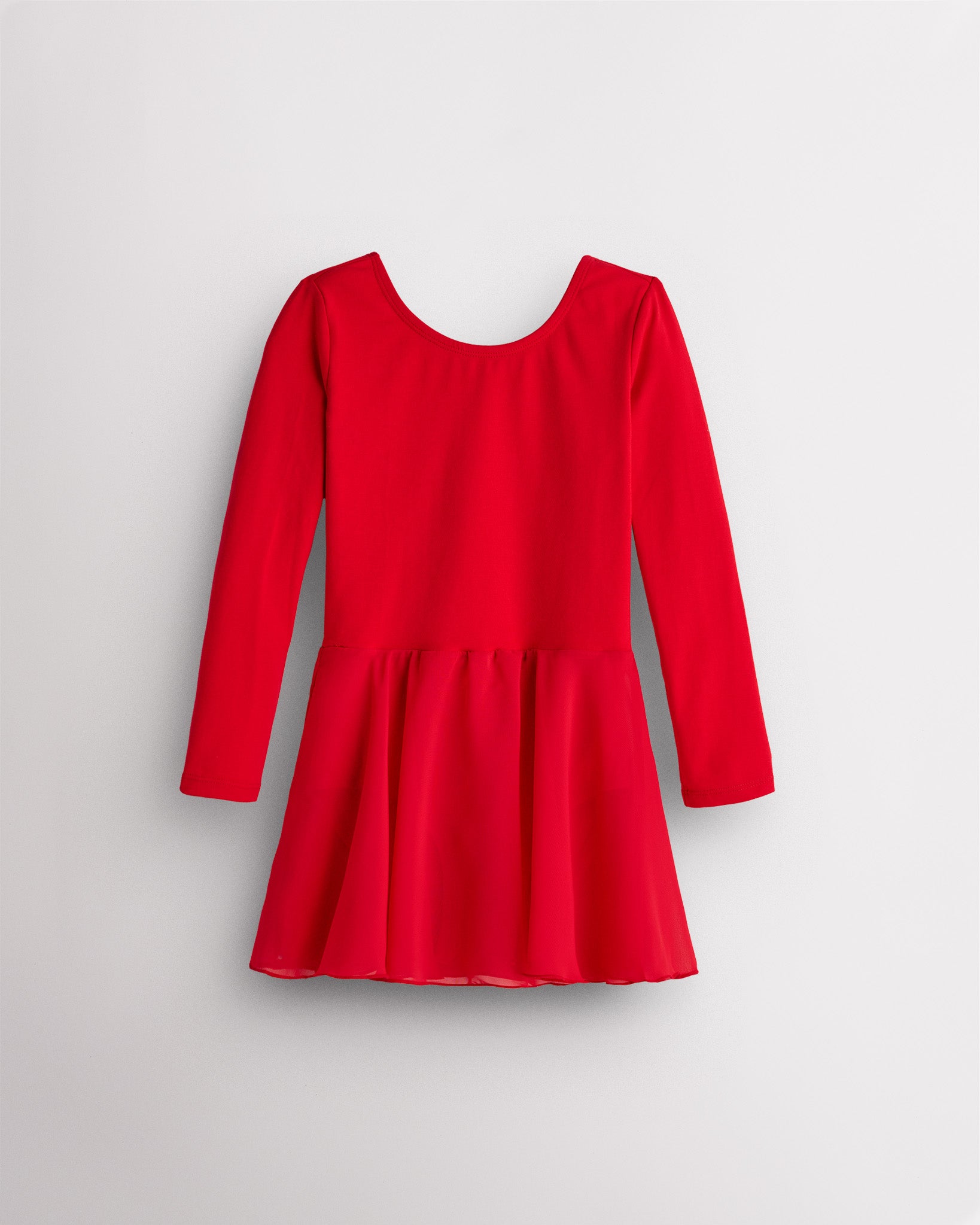
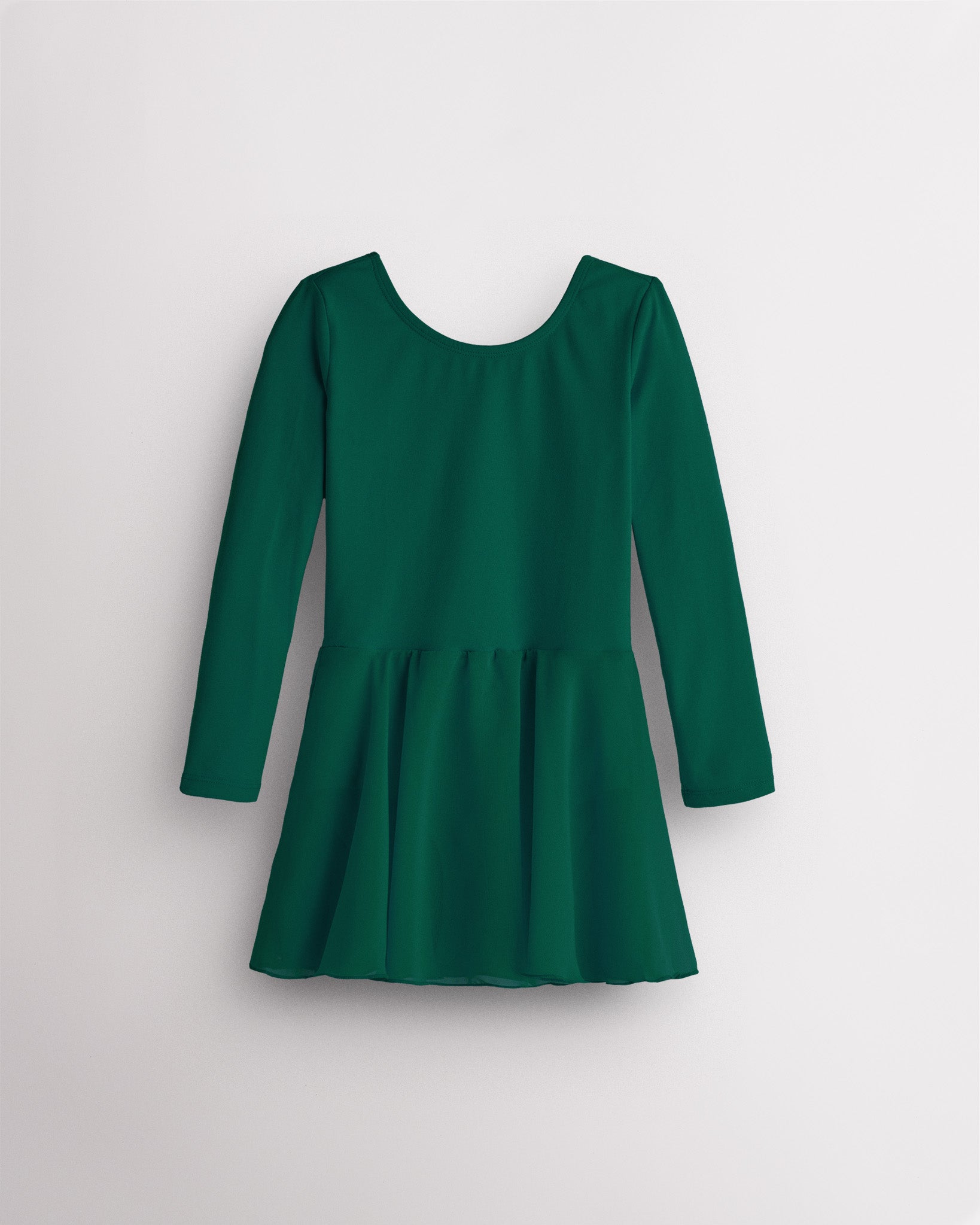
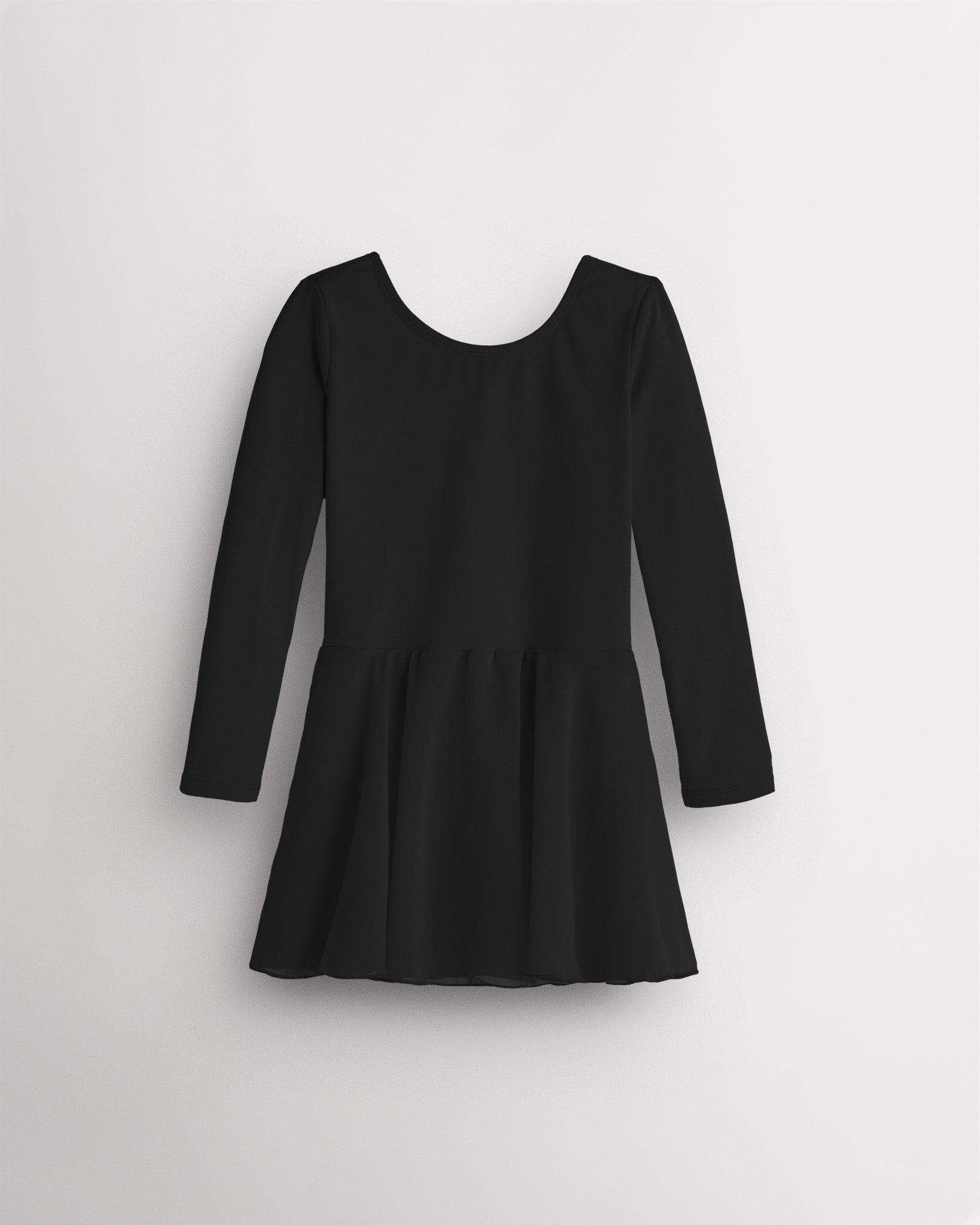
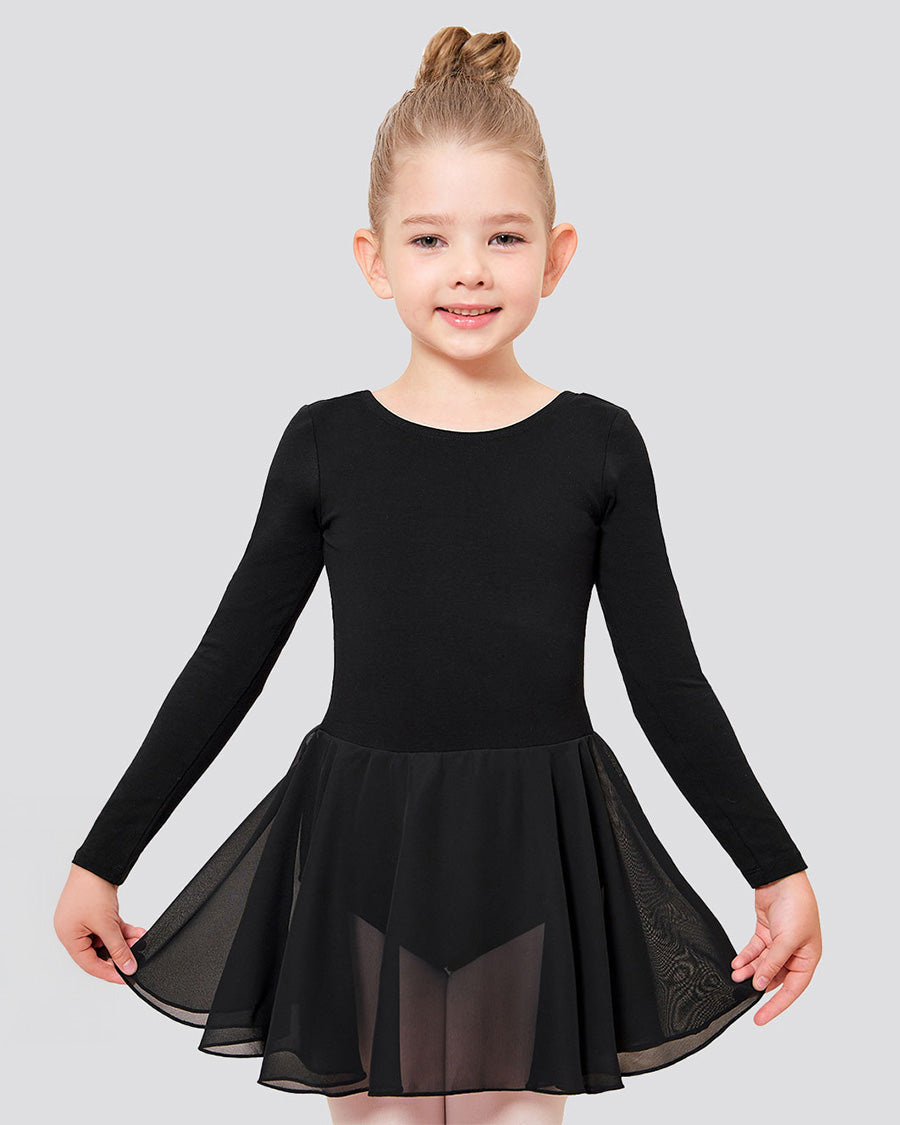
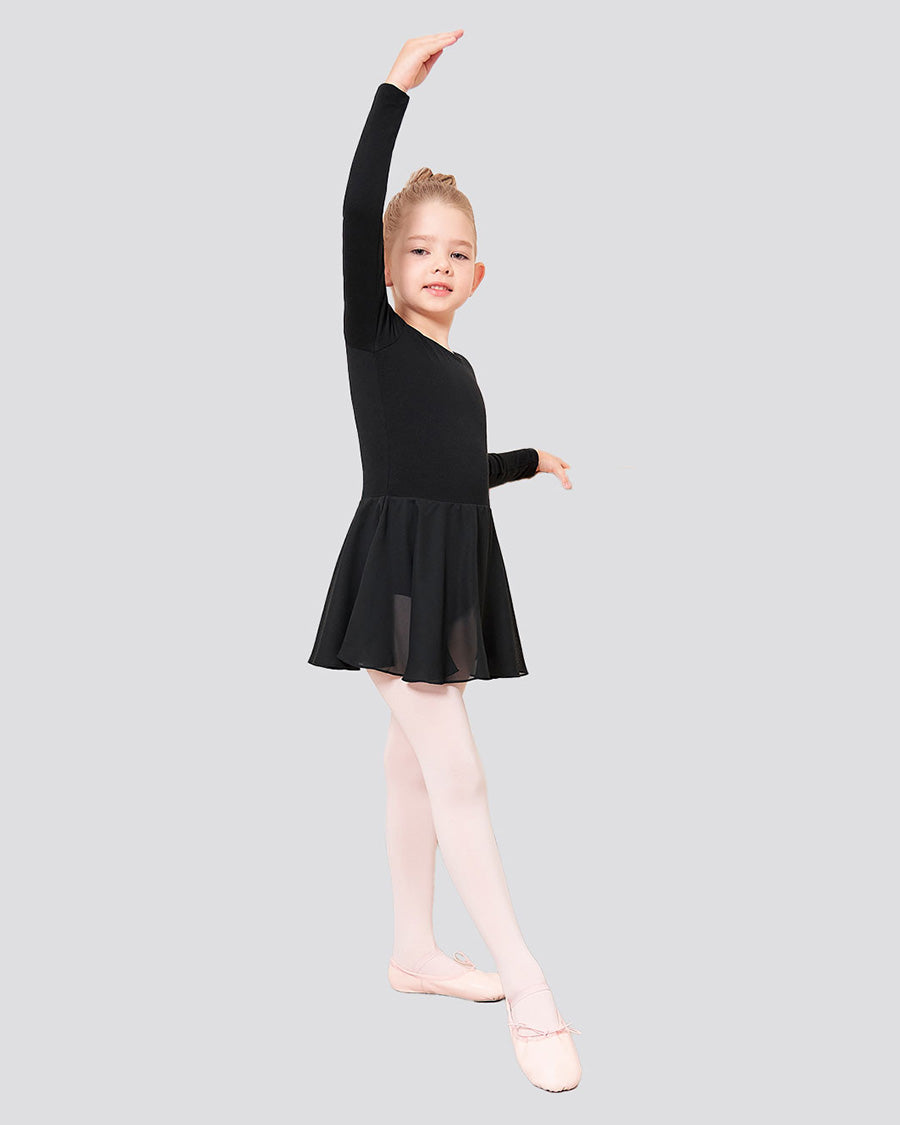
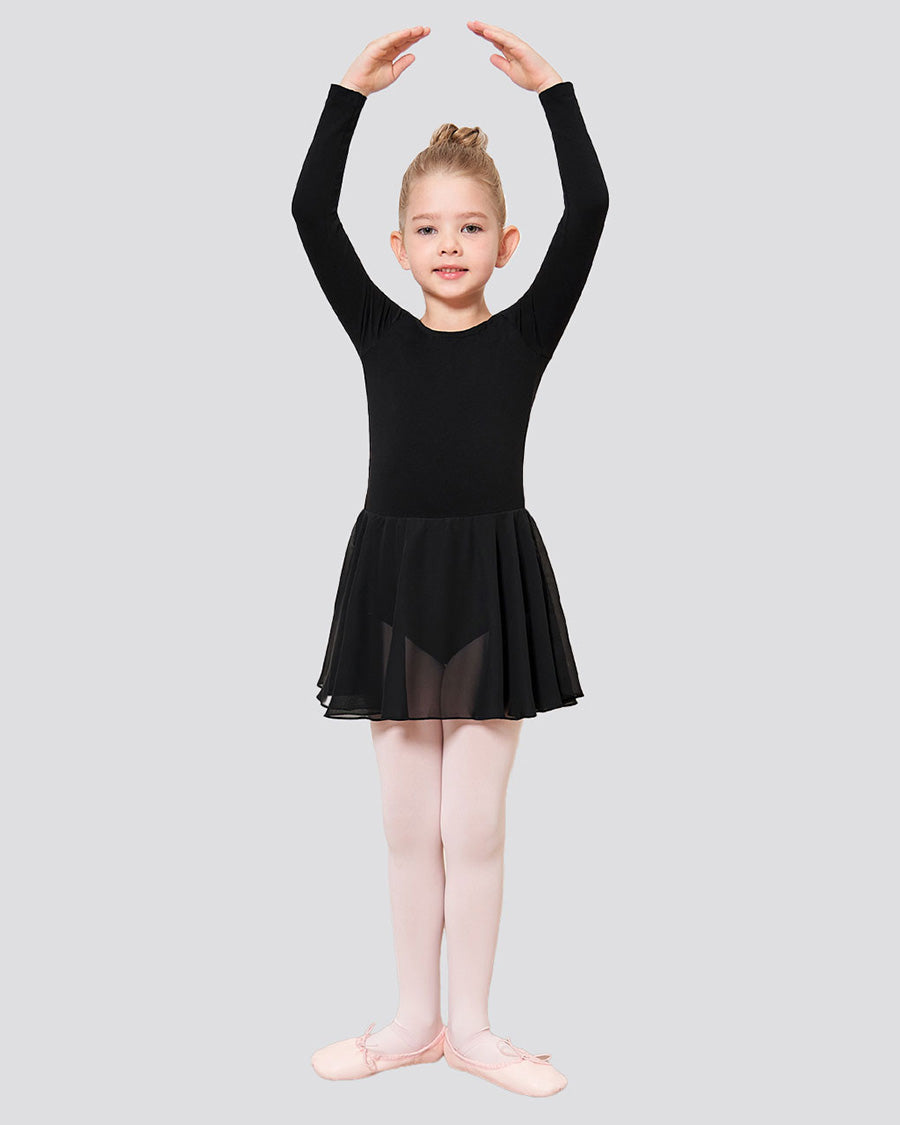
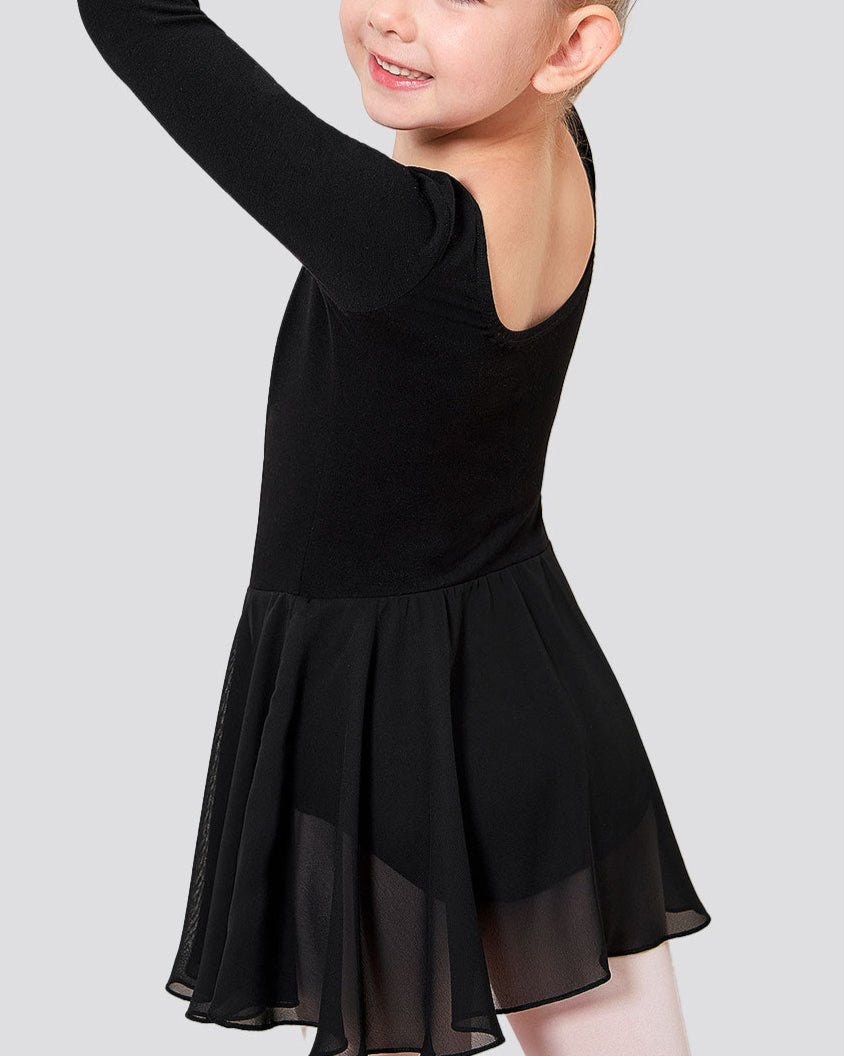
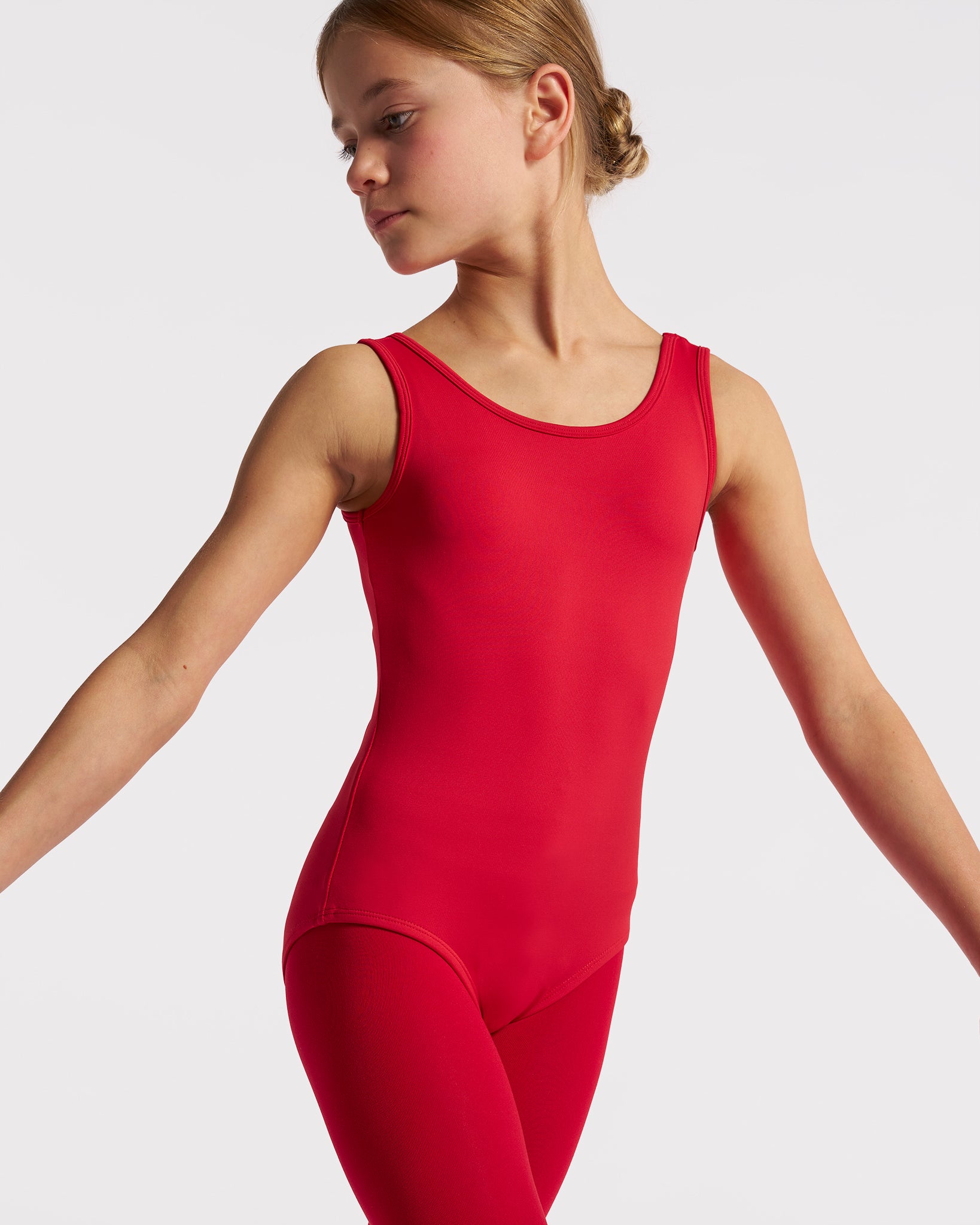
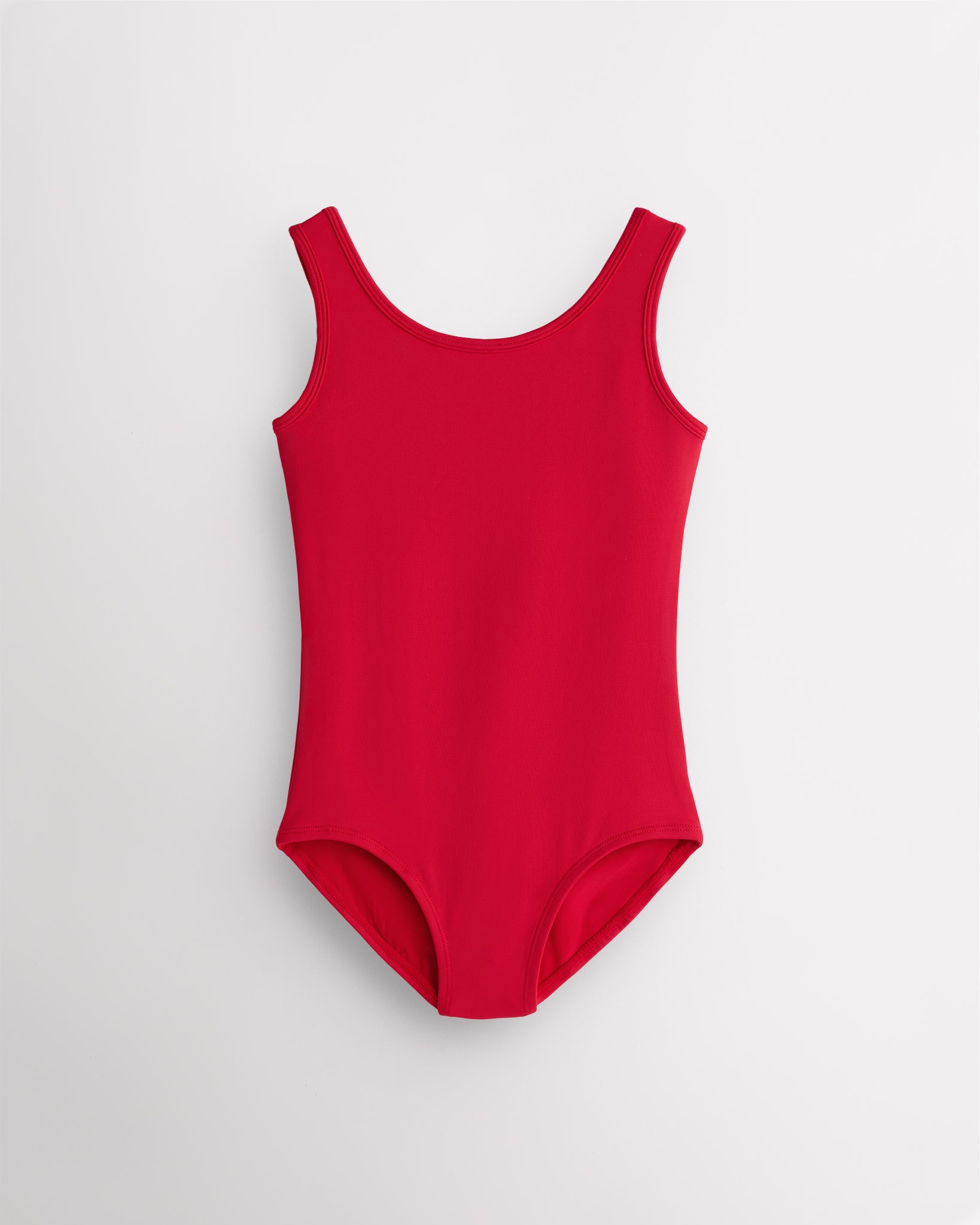
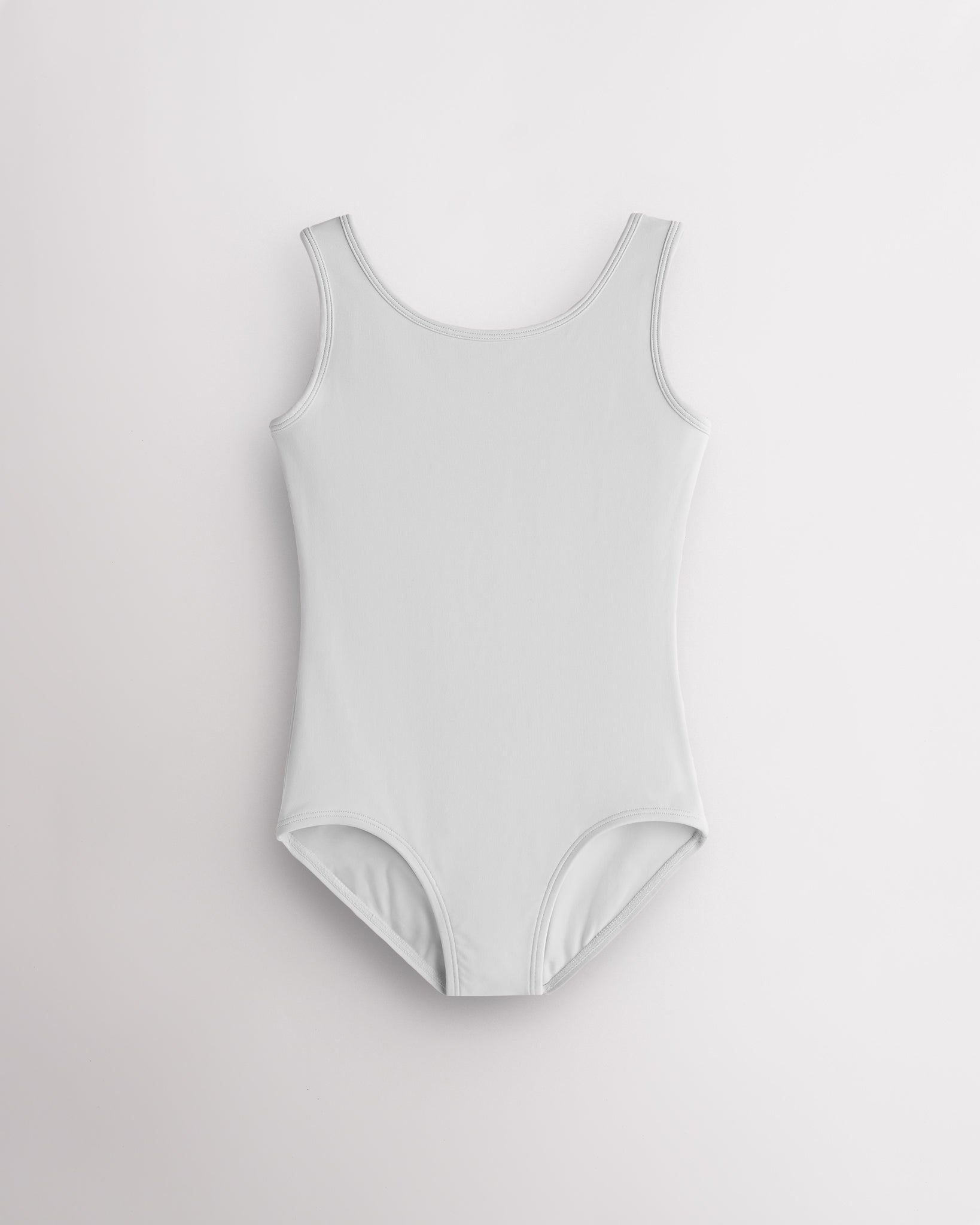
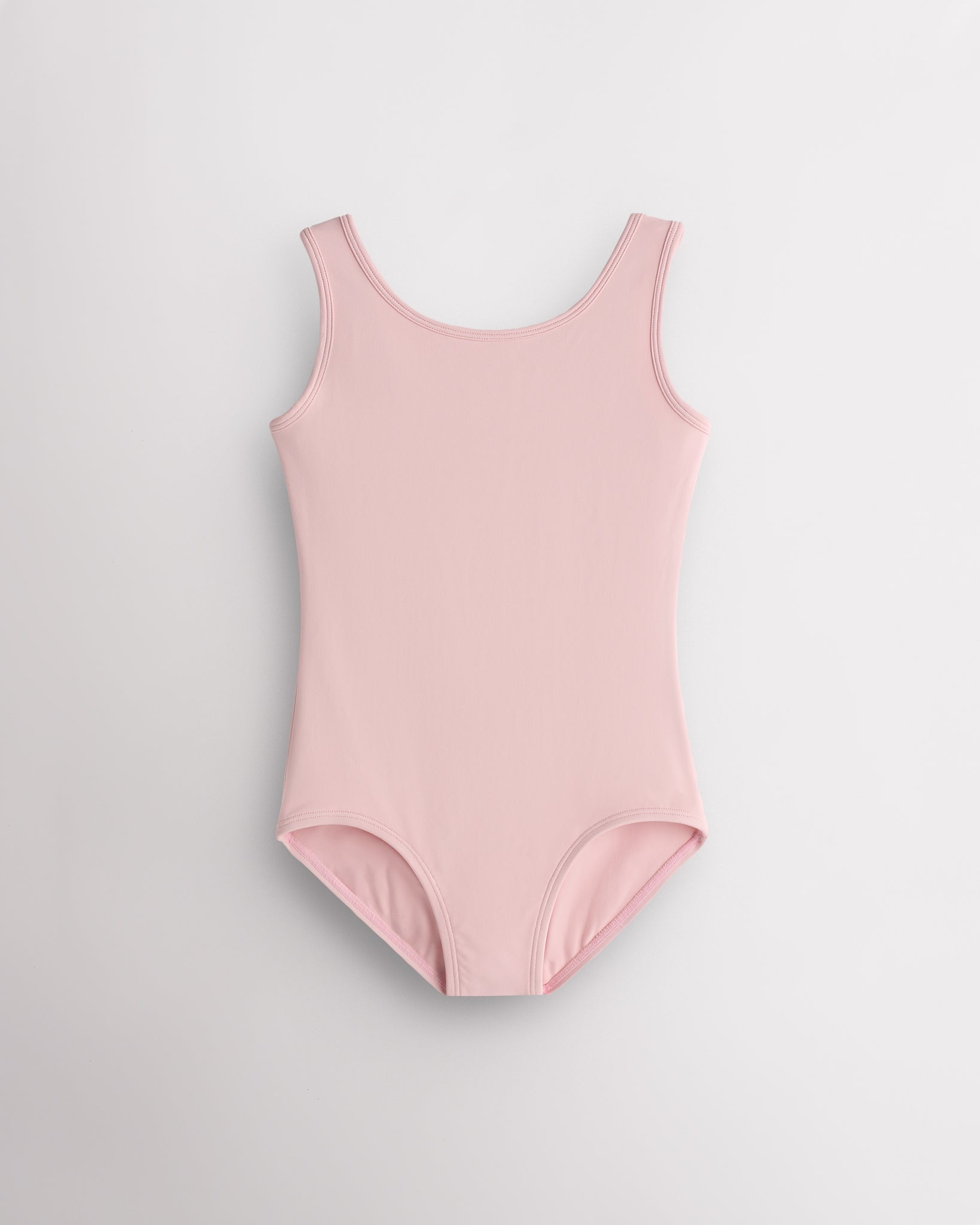
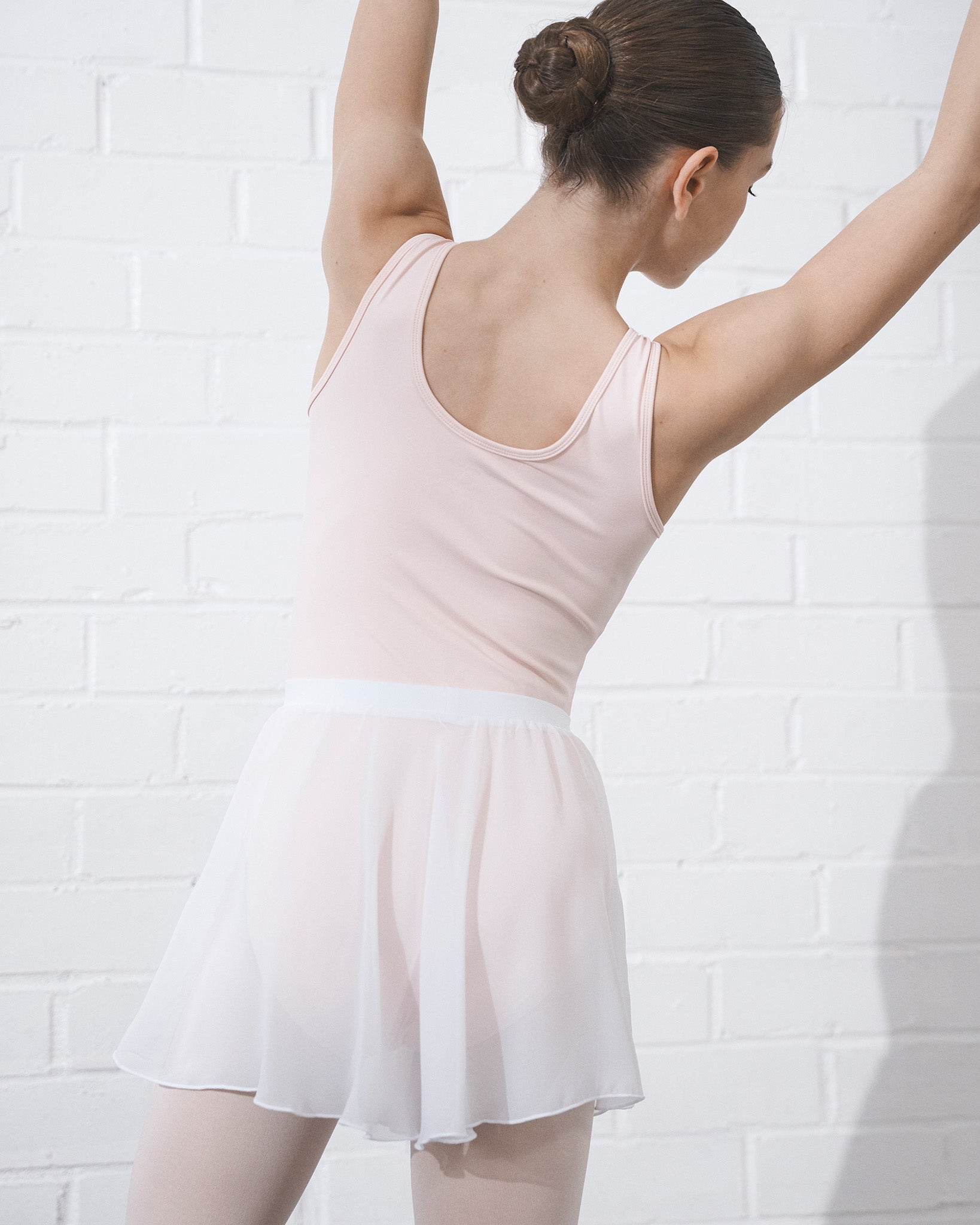
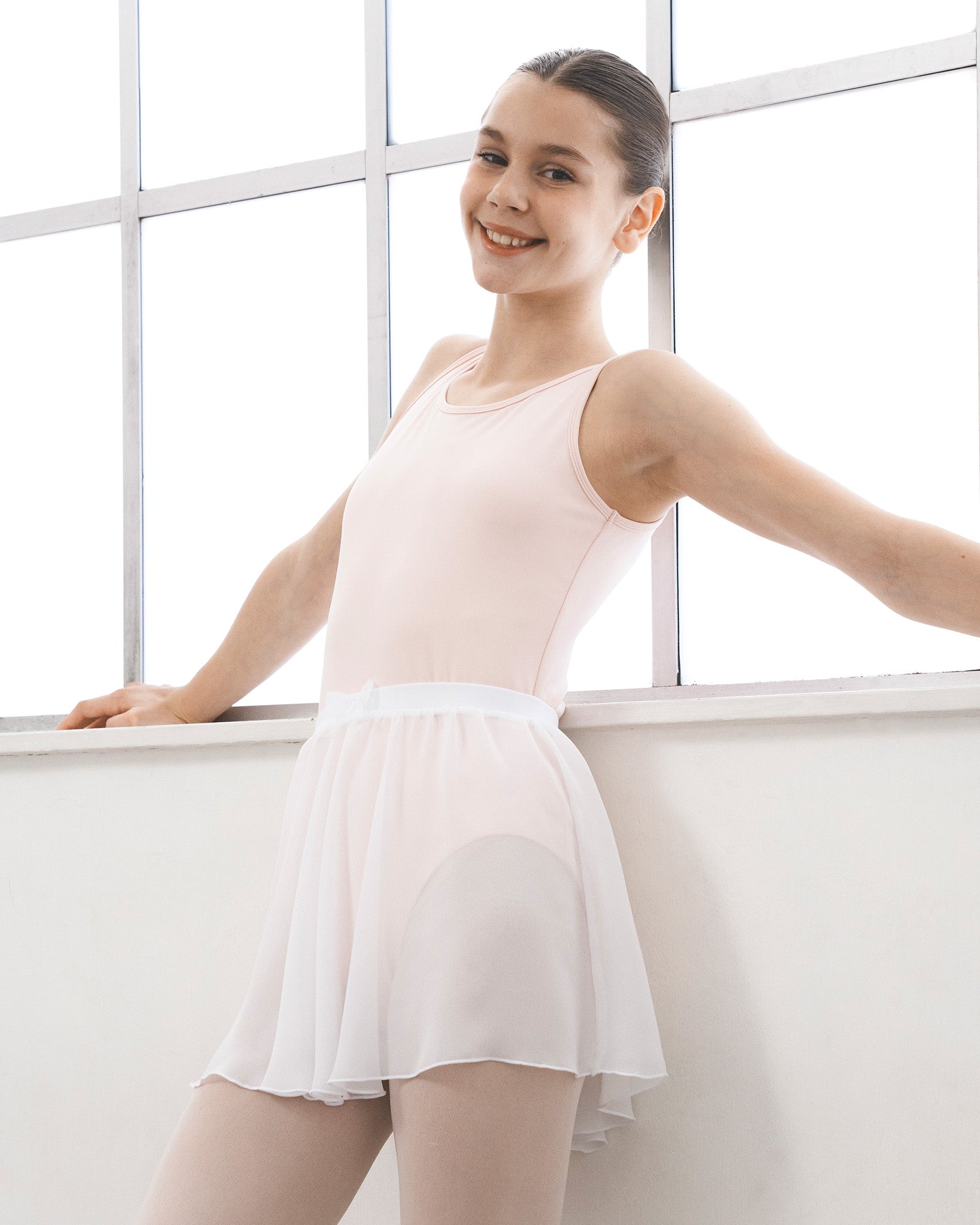
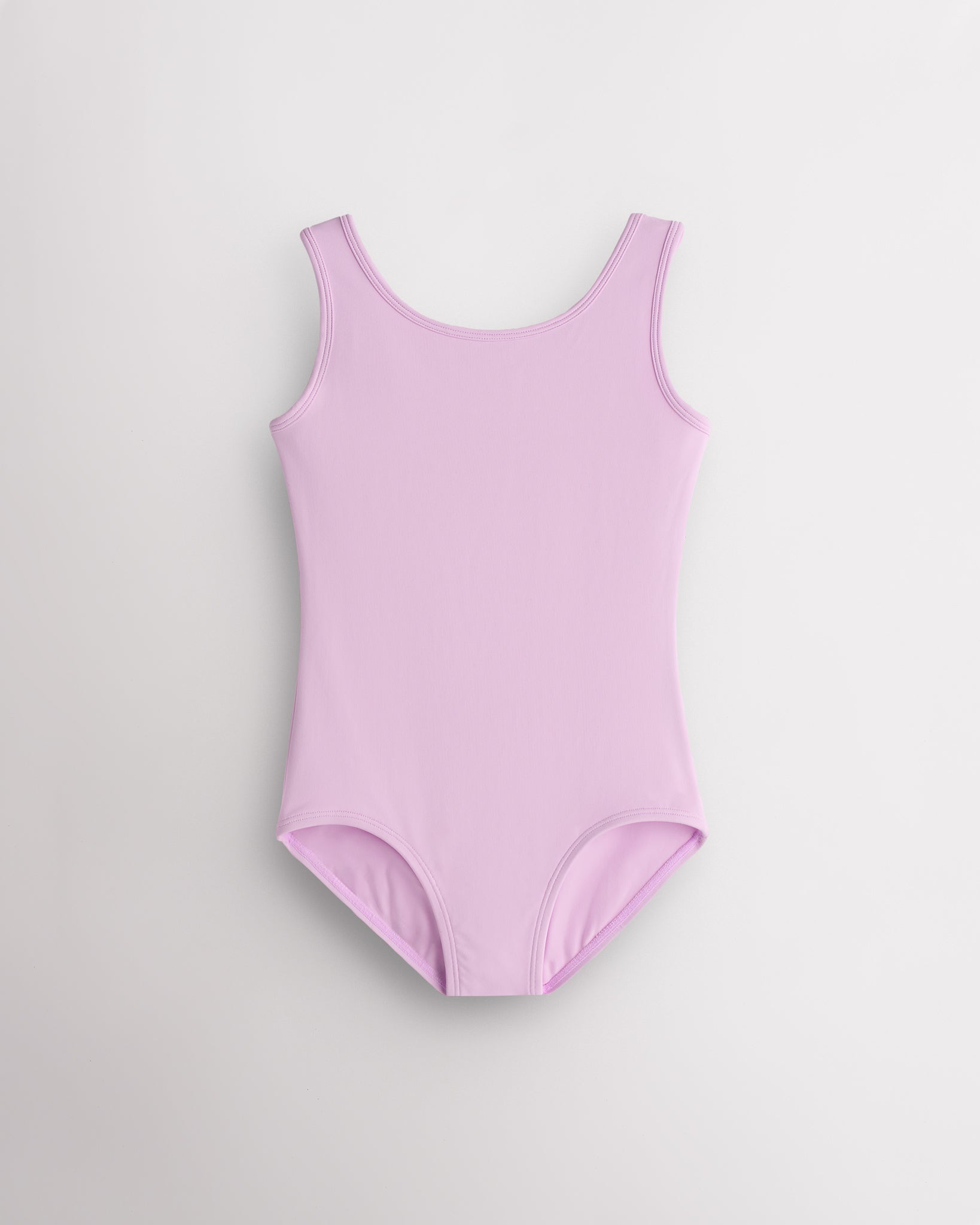
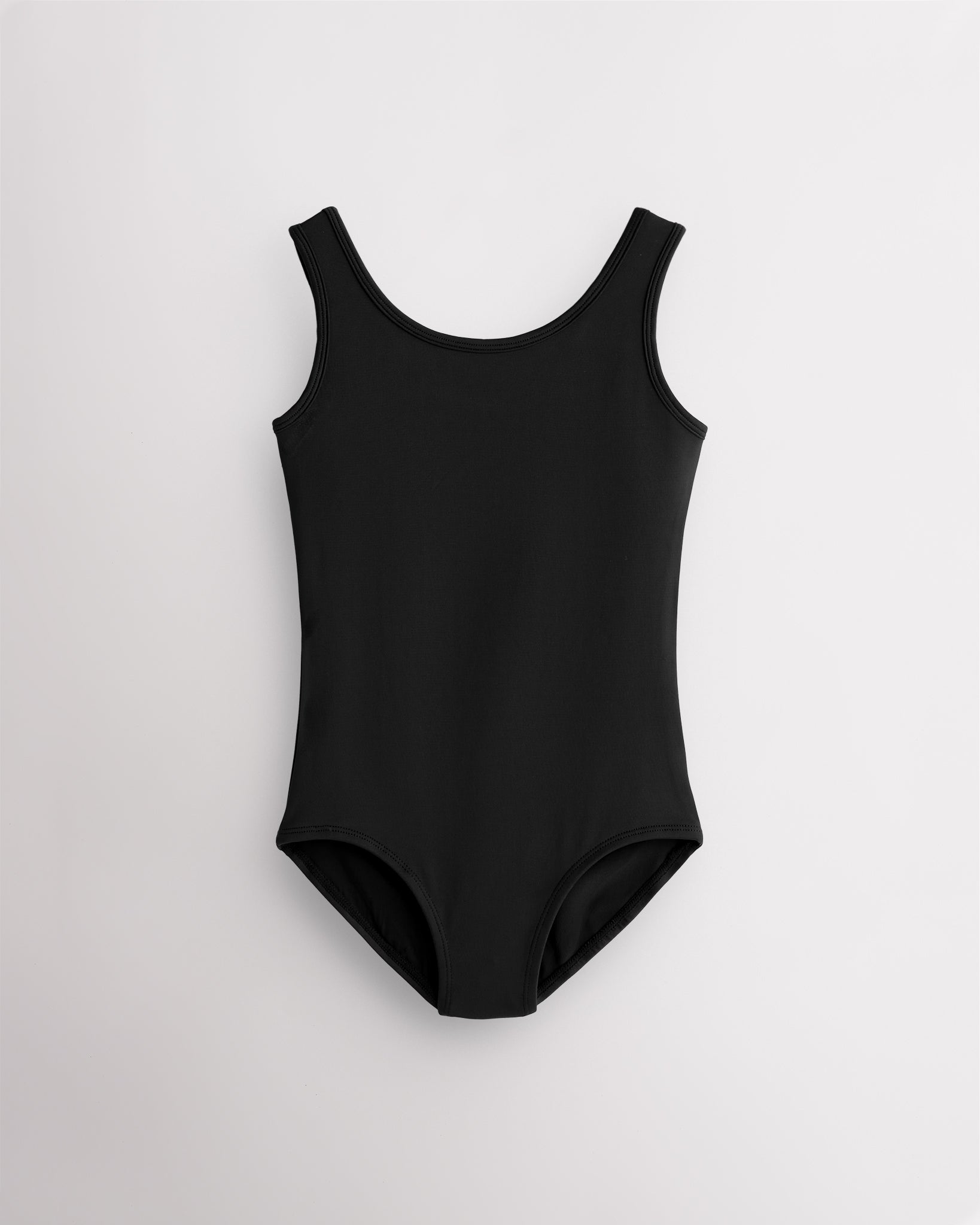
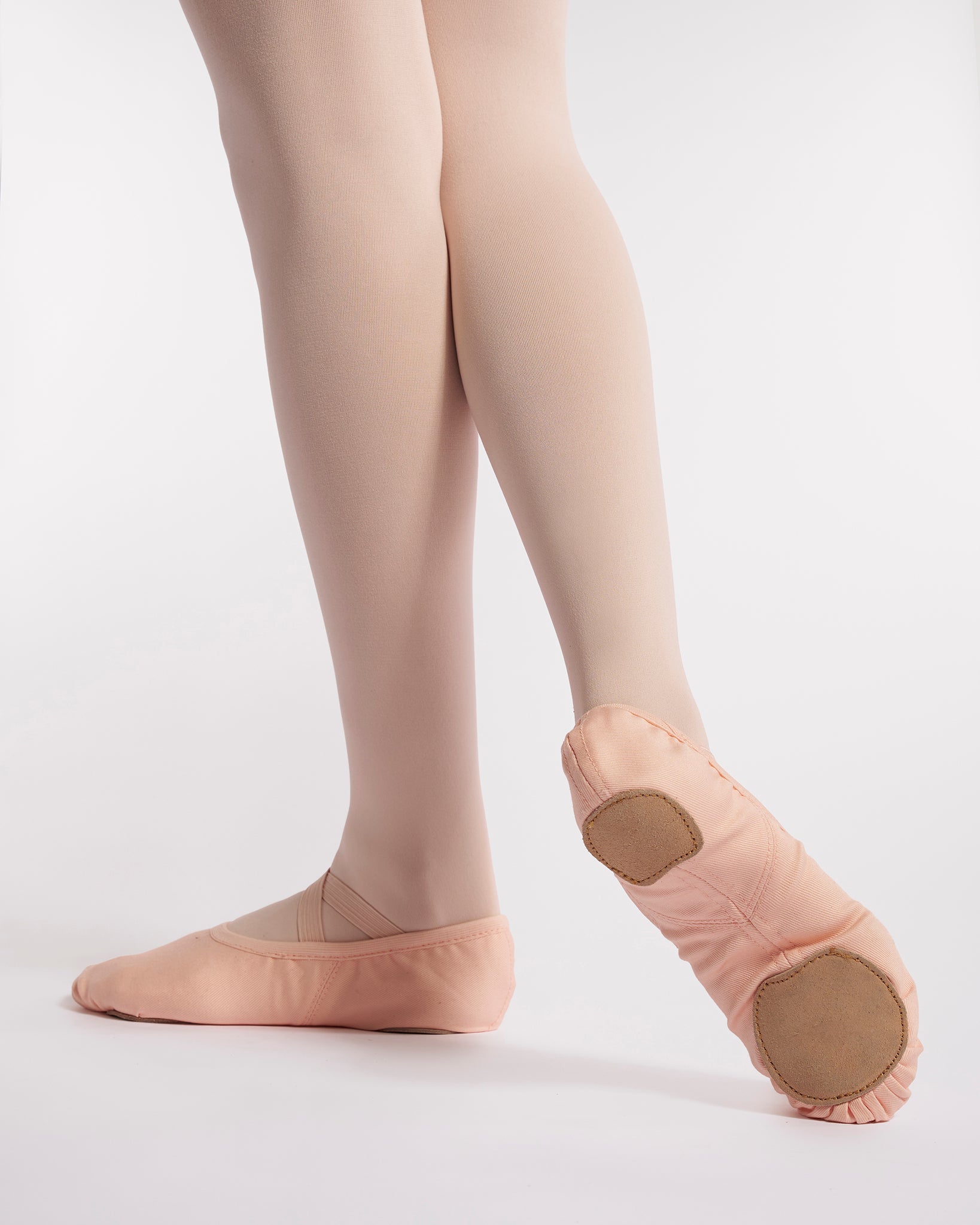
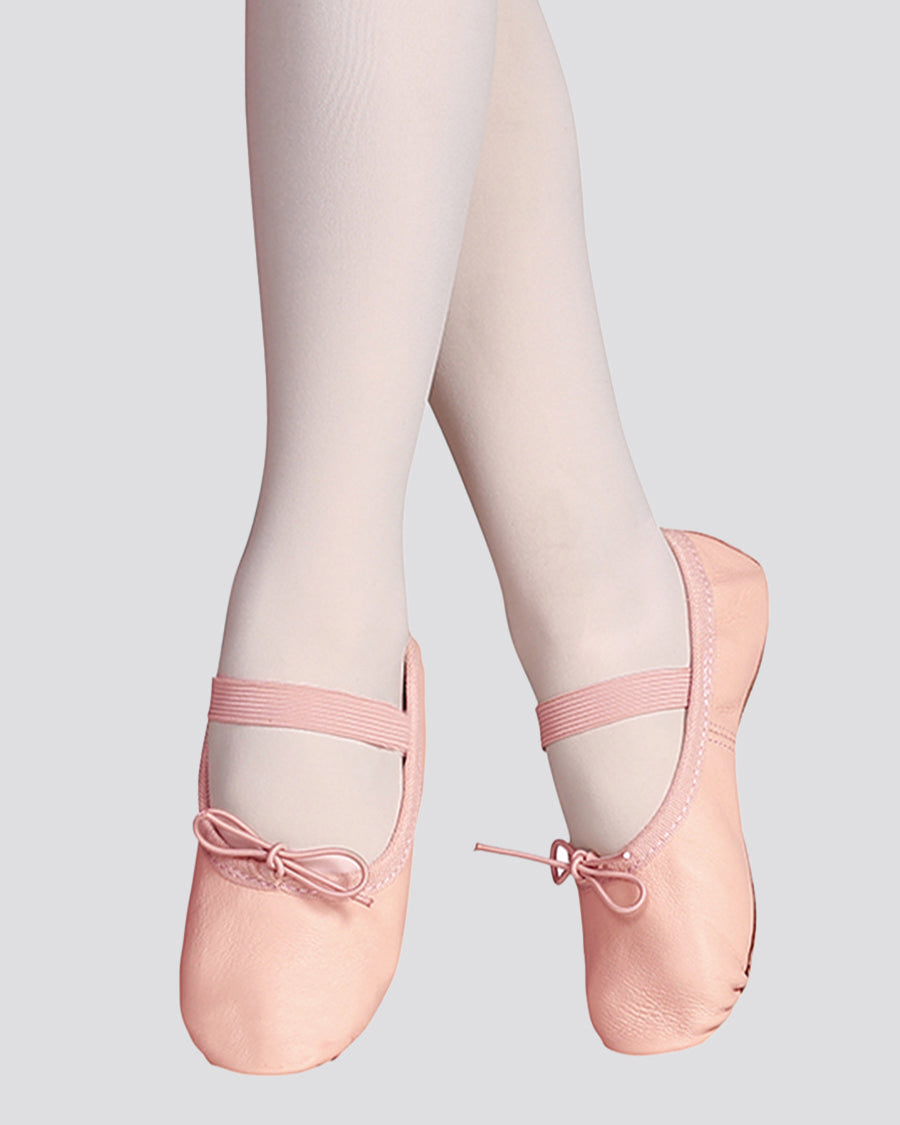
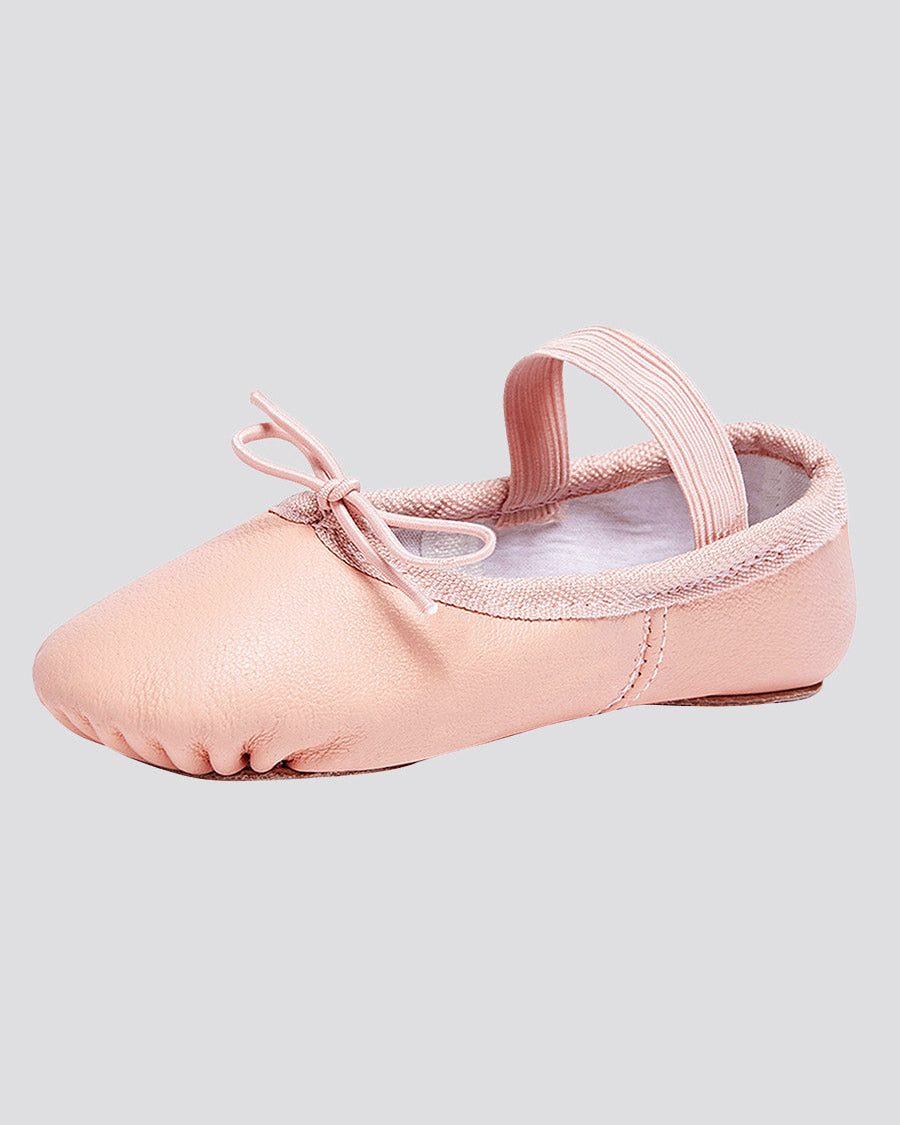
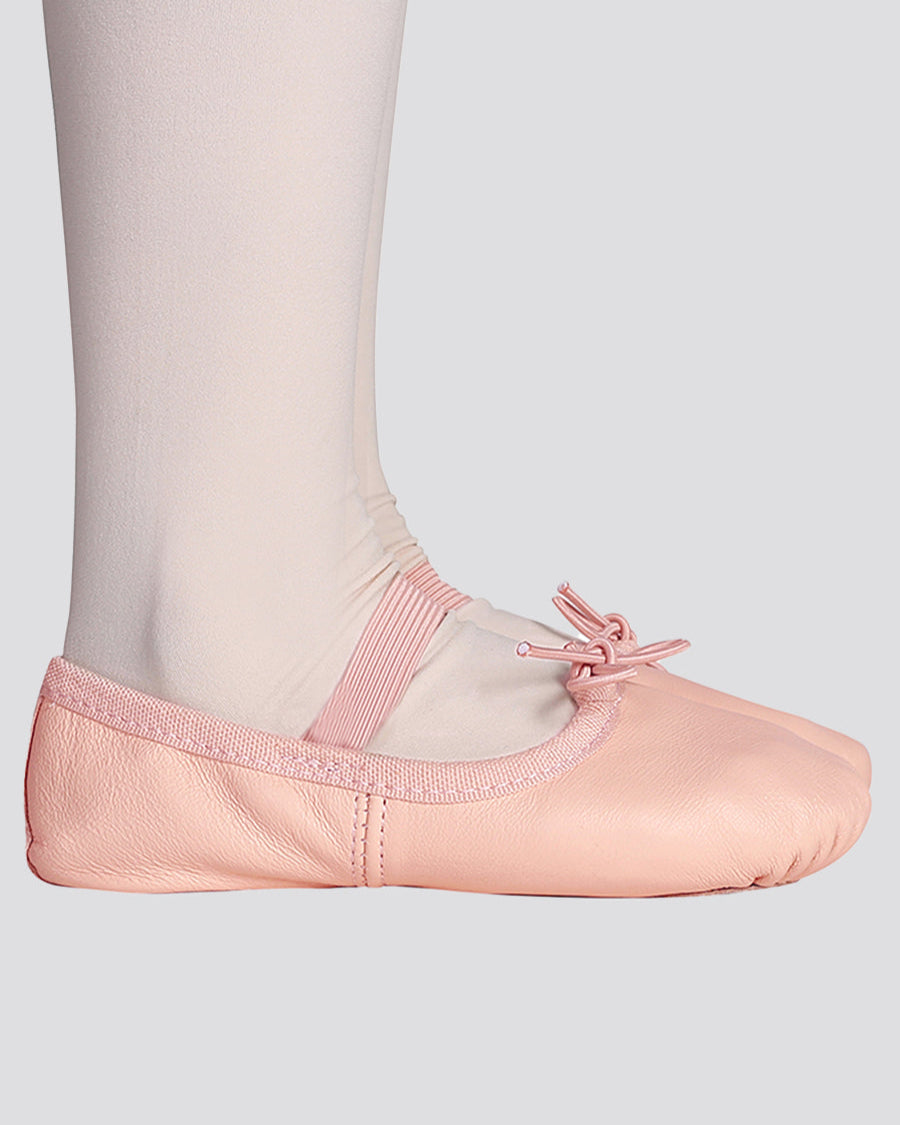
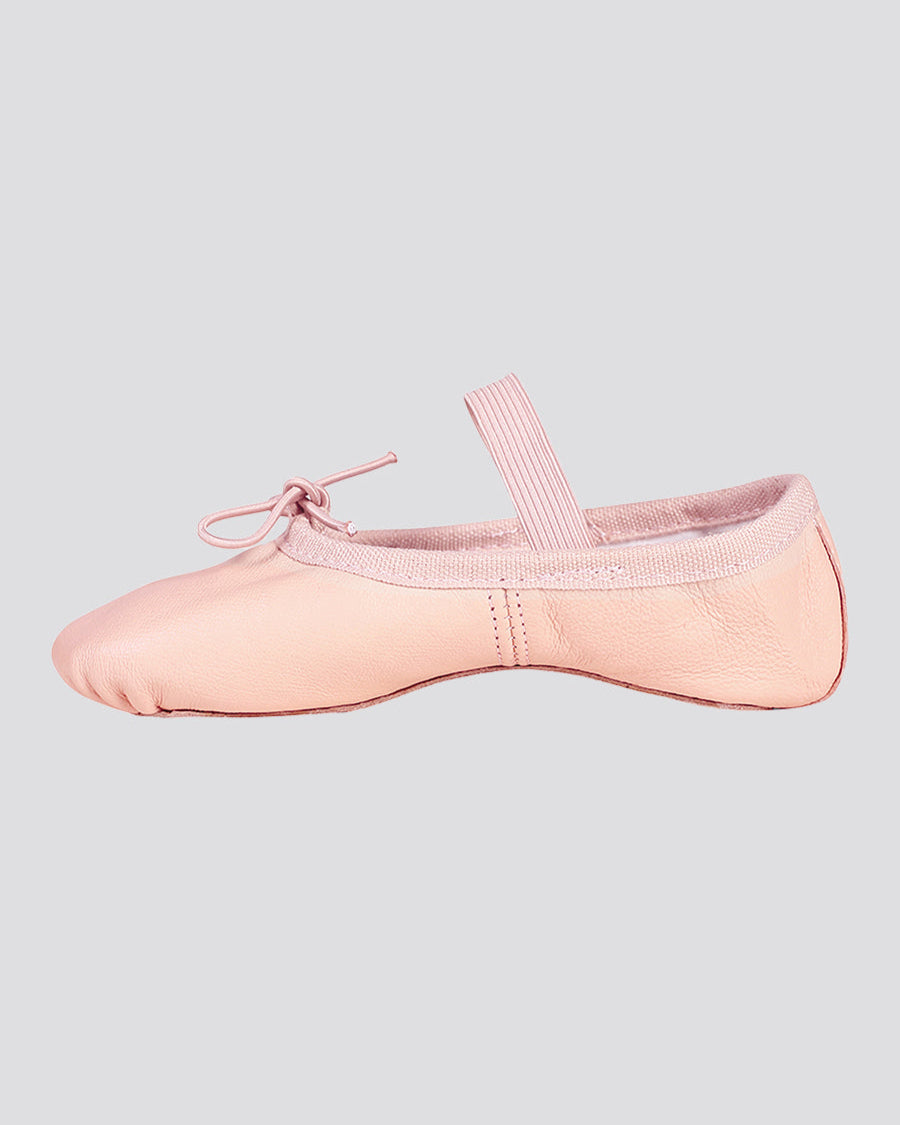
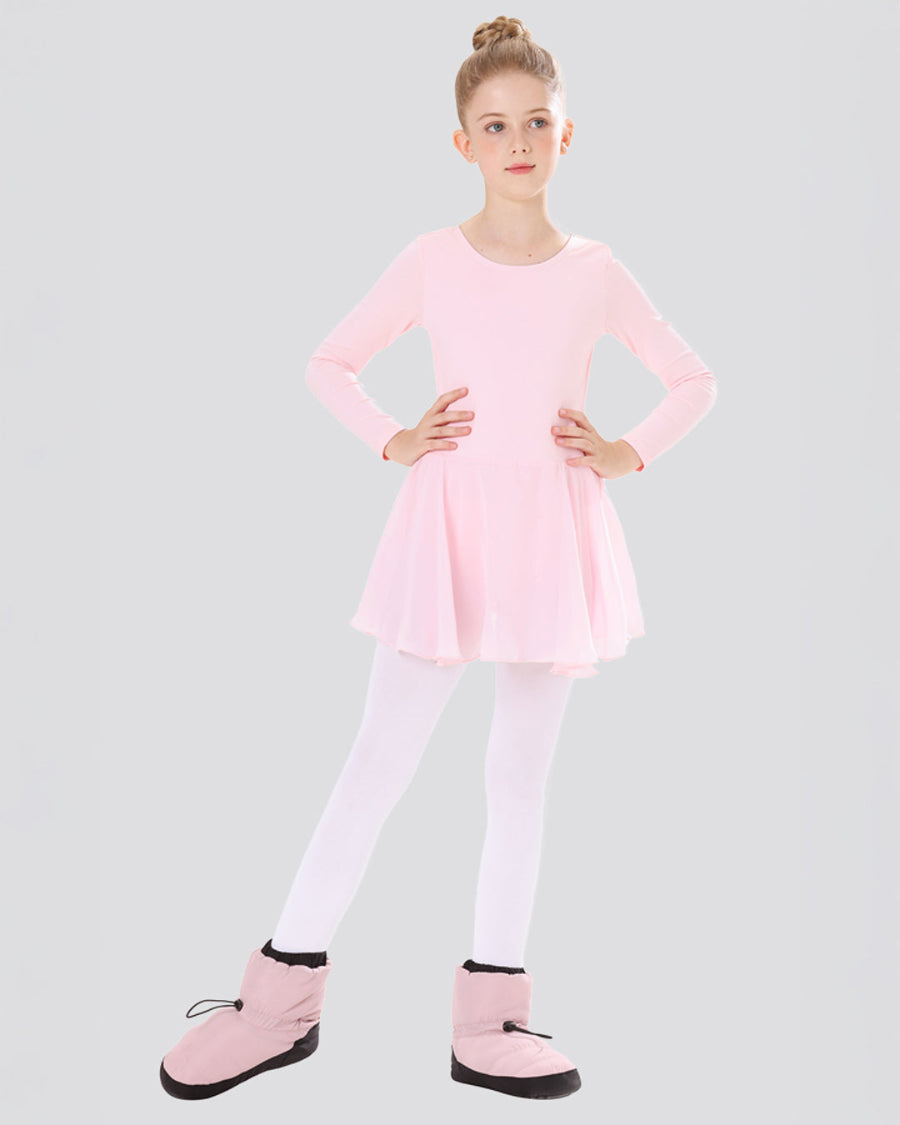
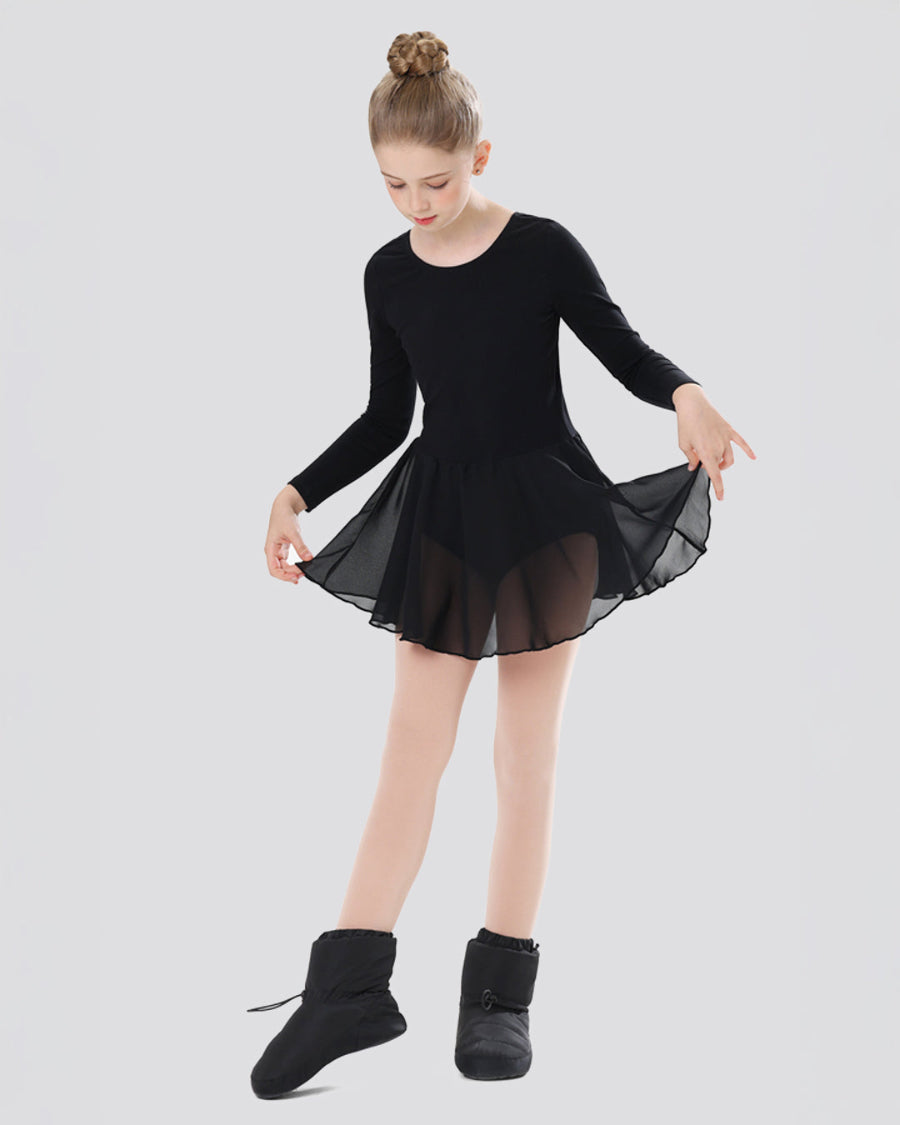
Expect structure. Most ballet schools enforce a uniform dress code, commonly a specific leotard color per level, pink or skin-tone tights, and hair in a bun, because teachers need to see body lines clearly to correct them. (If you're shopping for that first uniform, our girls' leotards come in the standard class colors.) Supporting classes like character, modern, or conditioning often appear as students advance, but they exist to serve the ballet training.
Performance looks different here too. Instead of a full-production recital, many ballet schools stage a December Nutcracker and a year-end demonstration or studio performance, with rehearsal time often folded into tuition and costumes loaned rather than purchased, a model many established ballet schools follow. Serious schools also expect summer intensives as students reach their preteen years.
One caution from experienced dance parents: "pre-professional" is a label anyone can print on a website. Look at where a school's older students actually train and perform before taking the branding at face value.

What is a dance studio?
A dance studio is the multi-style neighborhood model most families meet first. A typical studio teaches ballet, jazz, tap, lyrical, hip hop, and acro, and a young beginner might sample two or three styles in a single combo class. The year usually runs September through May or June and builds toward a big recital with purchased costumes. Dress codes tend to be relaxed, and the emphasis leans toward fun, confidence, and performance.
Most studios run two tracks. The recreational track is one or two classes a week with no strings attached. The competition track is a selective team that trains several extra hours weekly, learns polished routines, and travels to regional or national competitions. As dance educator Danielle Guillermo notes in her guide to studio types, the jump in commitment between those tracks is significant: competition dancers add rehearsals and weekend events on top of technique classes, sometimes starting as young as 4 or 5.
Across the types of dance studios there's also a lighter tier worth knowing about: rec-center and YMCA classes sold in short sessions rather than a full year. They're the cheapest way to test whether dance sticks before committing to a studio season.

Ballet school vs dance studio: side by side
|
Ballet school |
Dance studio |
|
|---|---|---|
|
Philosophy |
Classical training as a long-term discipline |
Enjoyment, variety, and performance |
|
Syllabus |
Structured method (often RAD or Vaganova), leveled progression |
Studio's own curriculum, style-by-style |
|
Class structure |
Single-style technique classes, promotion by readiness |
Multi-style options, combo classes for young kids, age-grouped |
|
Cost level |
Moderate to start, rises with hours; rehearsals often included |
Lower entry; competition track adds costume, entry, and travel fees |
|
Weekly commitment |
1 to 2 hours for young beginners, climbing to near-daily by the teen pre-professional level |
1 to 2 hours recreational; 5+ hours on a competition team |
|
Performances |
Nutcracker and a year-end demonstration; exams or level assessments |
Annual recital; competitions for team members |
|
Best for |
Kids focused on ballet, possible pre-professional path |
Variety seekers, recreational dancers, undecided beginners |
Cost and commitment: what to expect
For a standard weekly class, the two models start in the same range. Published cost estimates from Ensemble Performing Arts, a multi-state dance school group, put monthly tuition for a weekly 60-minute class at roughly $70 to $125 depending on the metro area (as of its 2026 update).
The divergence shows up over time. At a dance studio, the recreational track stays cheap and flexible, but joining the competition team changes the math: multiple costumes to buy, per-routine entry fees, convention weekends, and travel. Parents on the DC Urban Moms forum describe competition seasons as long and pretty expensive affairs, and that matches what studios themselves disclose.
At a ballet school, costs scale with hours instead of events. A 6-year-old might dance once or twice a week, while a serious 13-year-old may be in the studio five or six days, plus a paid summer intensive. The upside is fewer surprise fees: rehearsals are often included in tuition and costumes are frequently loaned. For a fuller breakdown of what classes cost by age and level, see our guide to kids' ballet classes.
Which should you pick?
If your child just wants to dance
Choose a dance studio (or even a rec-center session for a first taste). Variety keeps young kids engaged, the schedule stays manageable, and a good recreational program teaches real technique. Our first dance recital guide covers what that year-end show actually involves.
If your child is serious about ballet
Choose a ballet school, or the most ballet-rigorous studio you can find. Focused classical training builds the technique that most other styles borrow from, and the leveled structure gives ambitious kids a clear ladder to climb. Keep the timeline sane, though: most kids don't need a pre-professional track before around age 10 or 11, and forum-experienced parents consistently warn against specializing at 7 or 8. If you're still deciding when to begin at all, start with our post on the best age to start ballet.
If you're not sure yet
Start at a studio with a strong ballet program. Your child samples styles, you learn the rhythms of dance-family life, and nothing is lost if ballet becomes the favorite. Whichever direction you lean, vet the specific school with our checklist for choosing a dance studio, and see what to expect at the first class before day one.
Can you switch later?
Yes, and families do it all the time. The practical wisdom from dance parents is that the switch runs more smoothly in one direction: a child with solid ballet training can usually move into jazz, contemporary, or a competition team without much trouble, while moving from a competition studio into a serious ballet school often means dropping back a level to rebuild classical technique. As one parent put it in the DC Urban Moms thread, it's fairly easy for a serious ballet student to go the competition route later, but not vice versa.
If you think a switch is coming, time it for the start of a season (fall enrollment), ask the new school for a placement class rather than assuming a level, and expect an adjustment period of a few months. A child who loves performing but trains at a ballet school can also scratch the stage itch with community theatre in the meantime.
FAQ
Is a ballet school better than a dance studio?
Neither is better across the board. A ballet school offers deeper classical training and a clearer path toward serious ballet; a dance studio offers variety, flexibility, and a lighter commitment. The better choice depends on your child's goals, not on prestige.
What's the difference between a dance academy and a dance studio?
"Academy" usually signals a more formal, syllabus-based program (often ballet-centered), while "studio" usually signals a multi-style recreational model. The names aren't regulated, though, so vet the individual school rather than the label.
Do ballet schools have recitals?
Most perform, but the family costs look different: expect to buy tickets rather than costumes, and budget time for exams or level assessments, which are the other milestone on a ballet school's calendar alongside the December show.
What age should a child join a pre-professional ballet school?
Many serious programs begin formal leveled training around ages 7 to 9, with the true pre-professional commitment ramping up around 10 to 12. Experienced dance parents generally advise against heavy specialization before then; young kids benefit more from broad movement and a teacher they love.
Can my child train at a ballet school and a dance studio at once?
Sometimes, if schedules allow and both schools permit it. A common combination is ballet training at a school plus a jazz or theatre class elsewhere for variety. Check each school's policy first, since some competition teams and academies ask for exclusivity.
About the Stelle Team
Stelle is a mom-founded dancewear brand, making leotards, tutus, and activewear for young dancers since 2015. Our articles are written by the team behind the products — people who spend their days talking with dance teachers, studio owners, and dance parents, and who test everything from fabric stretch to tutu twirl in real classes. Learn more about Stelle.