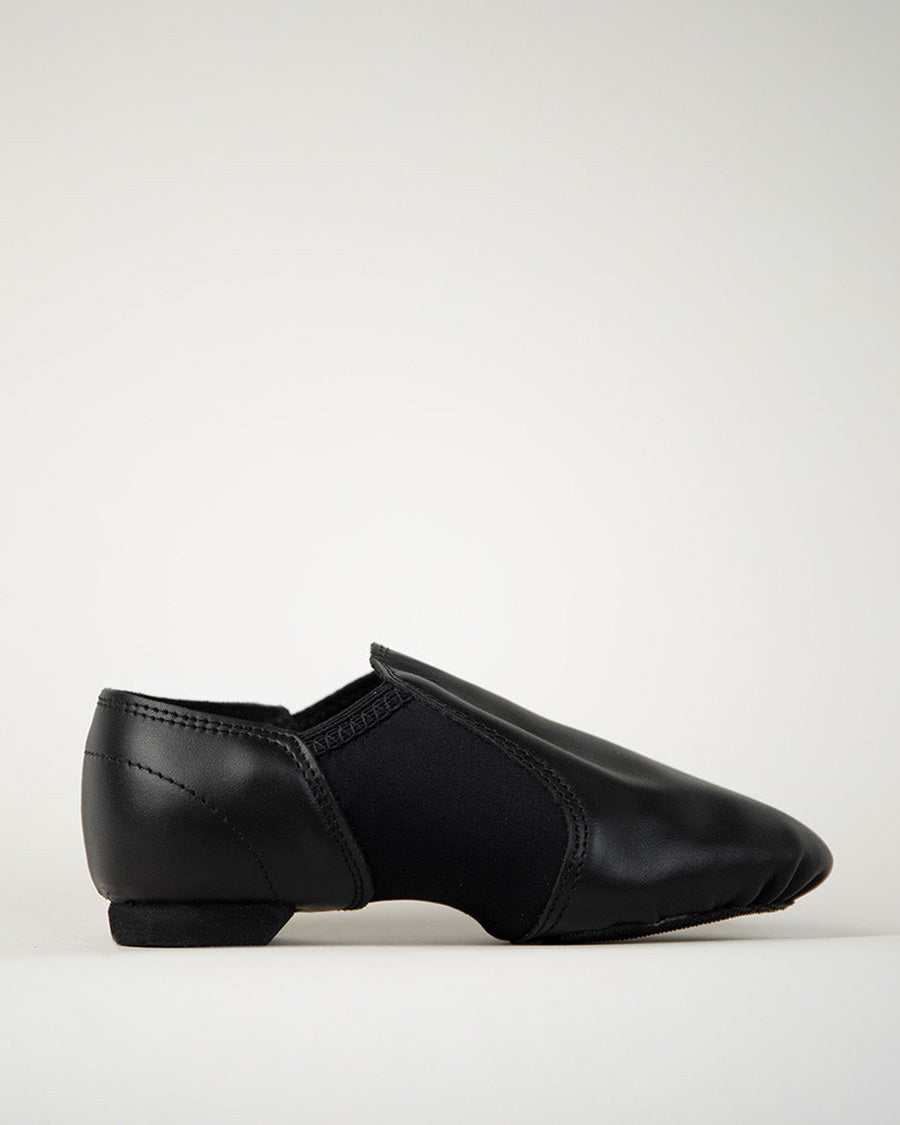
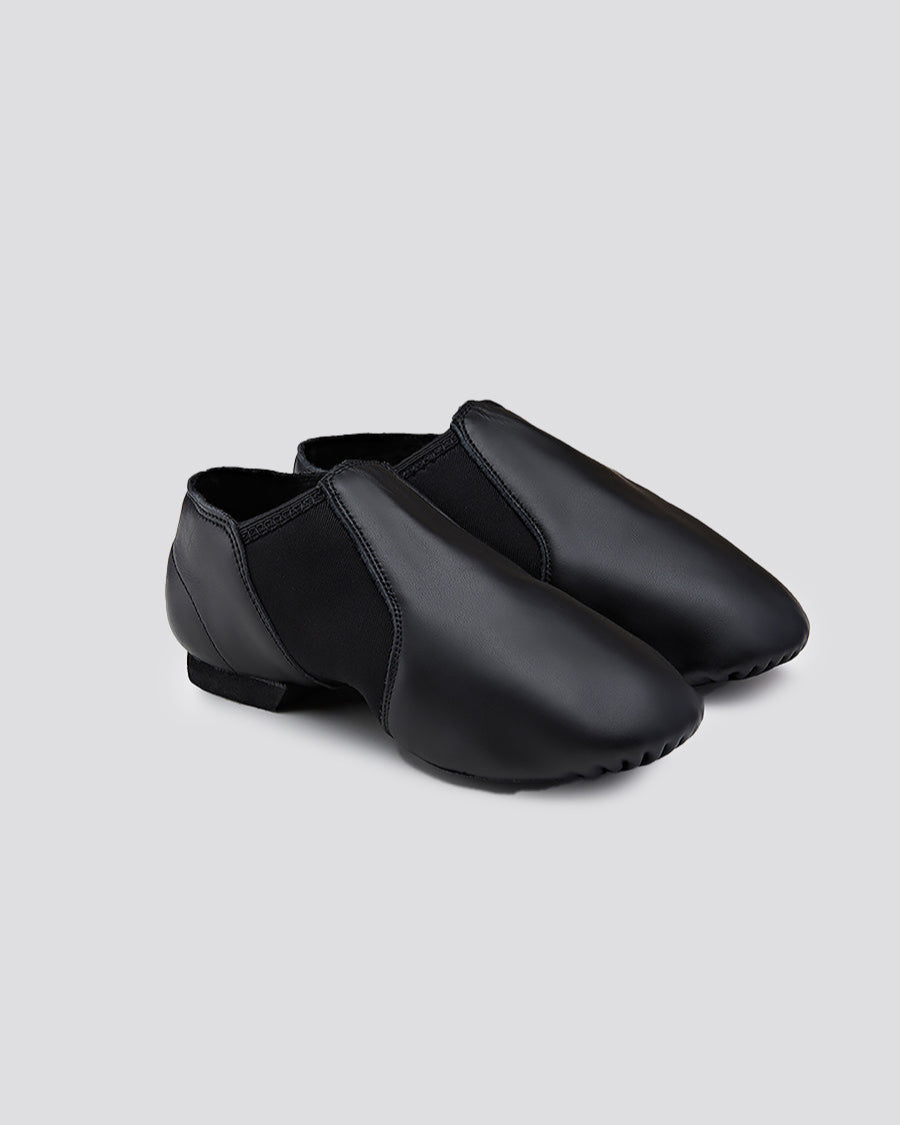
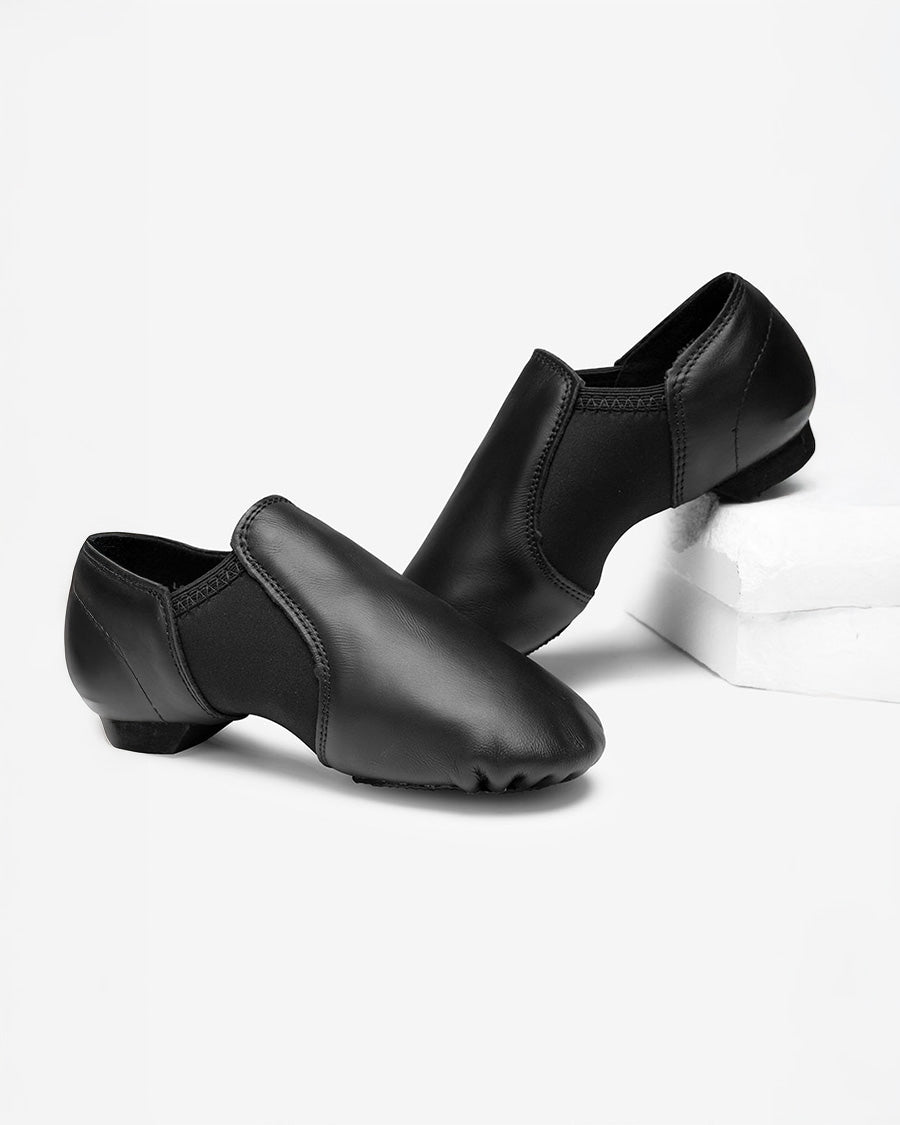
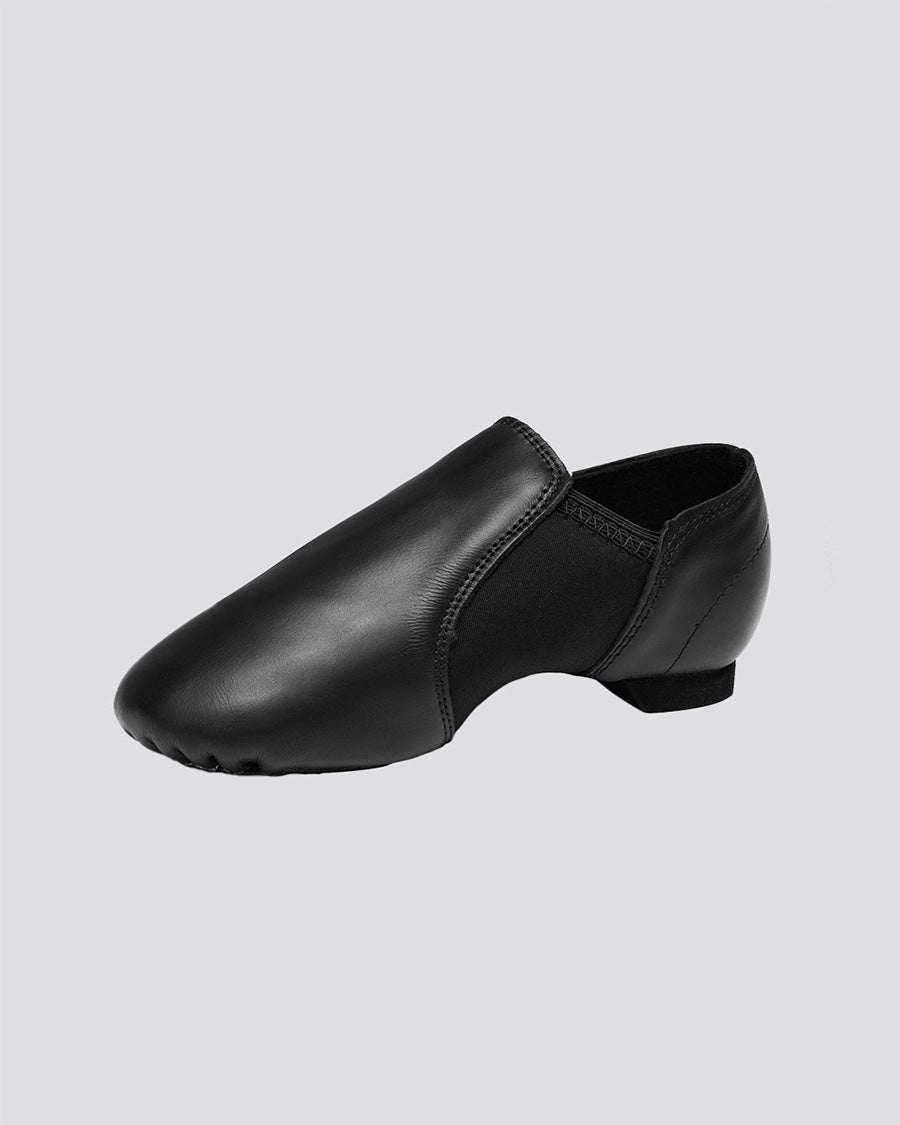
KIDS JAZZ SHOES

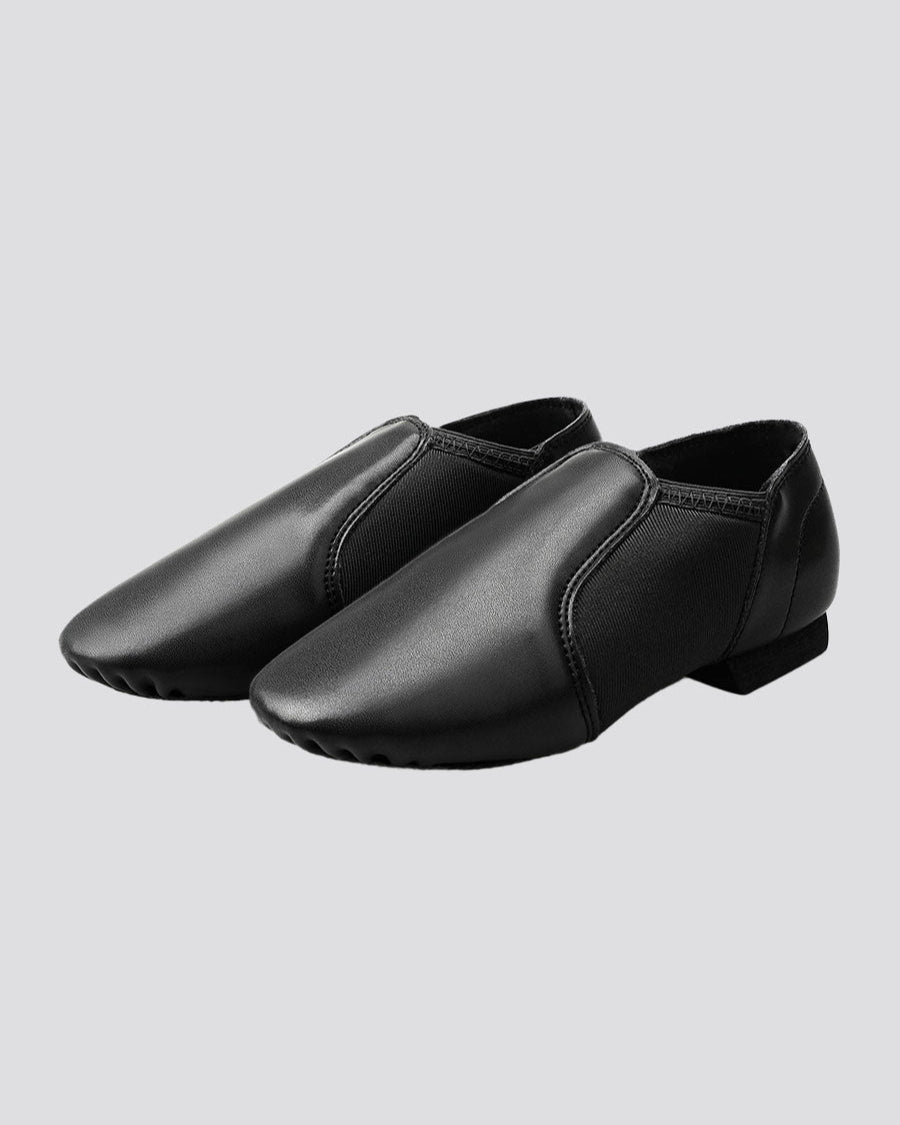
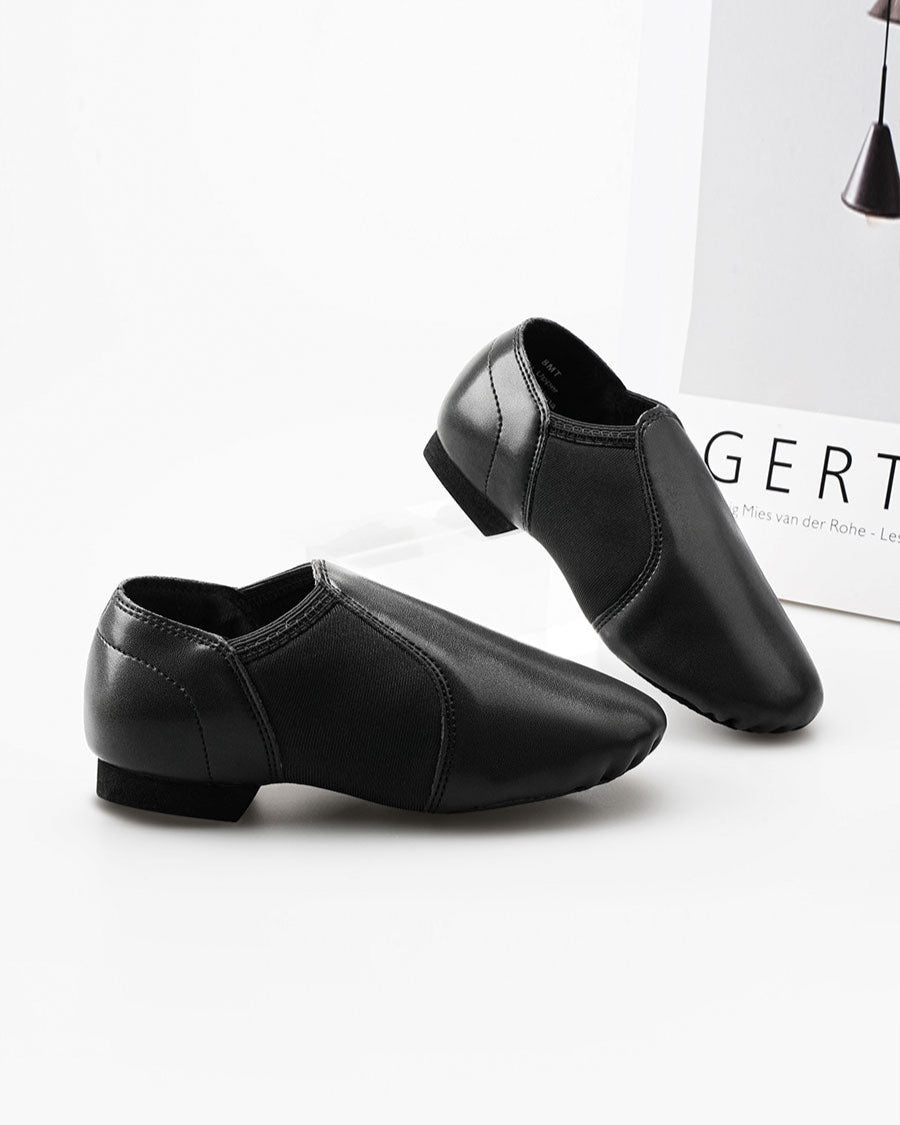
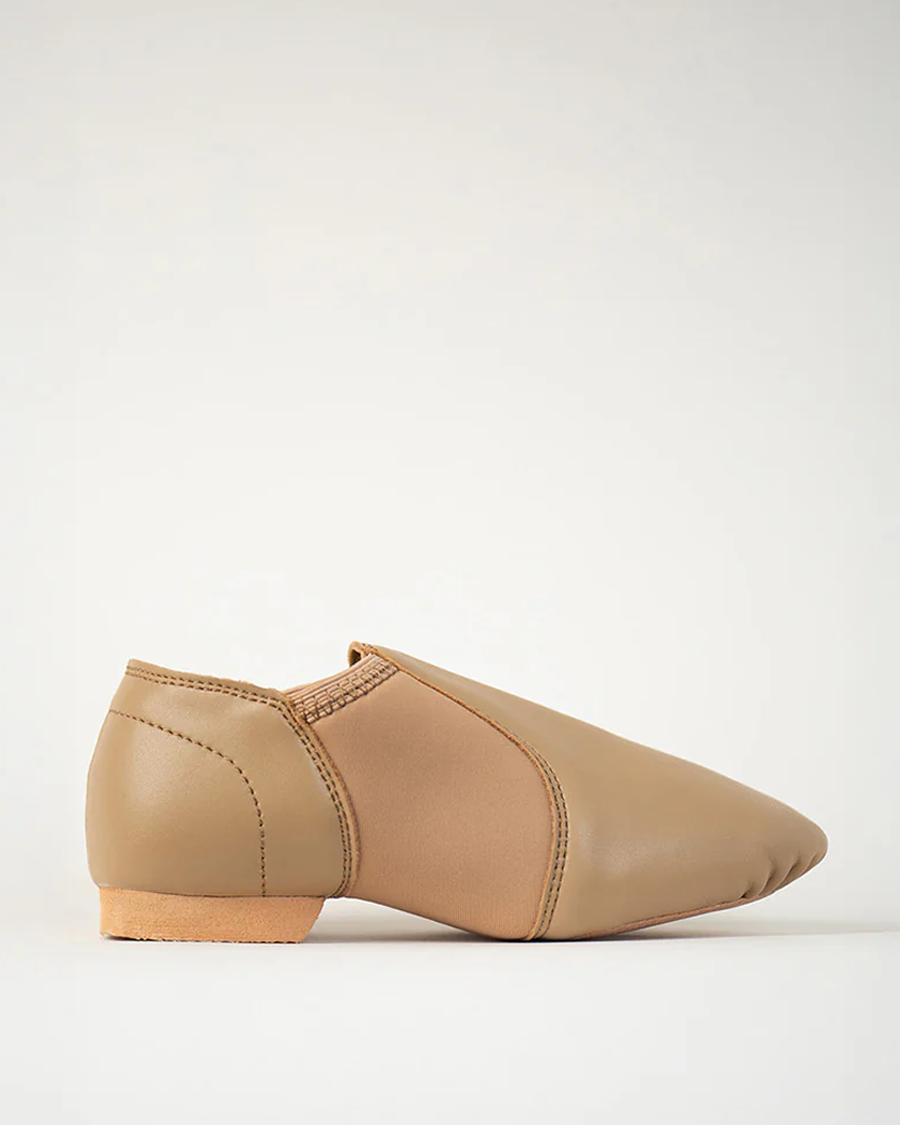
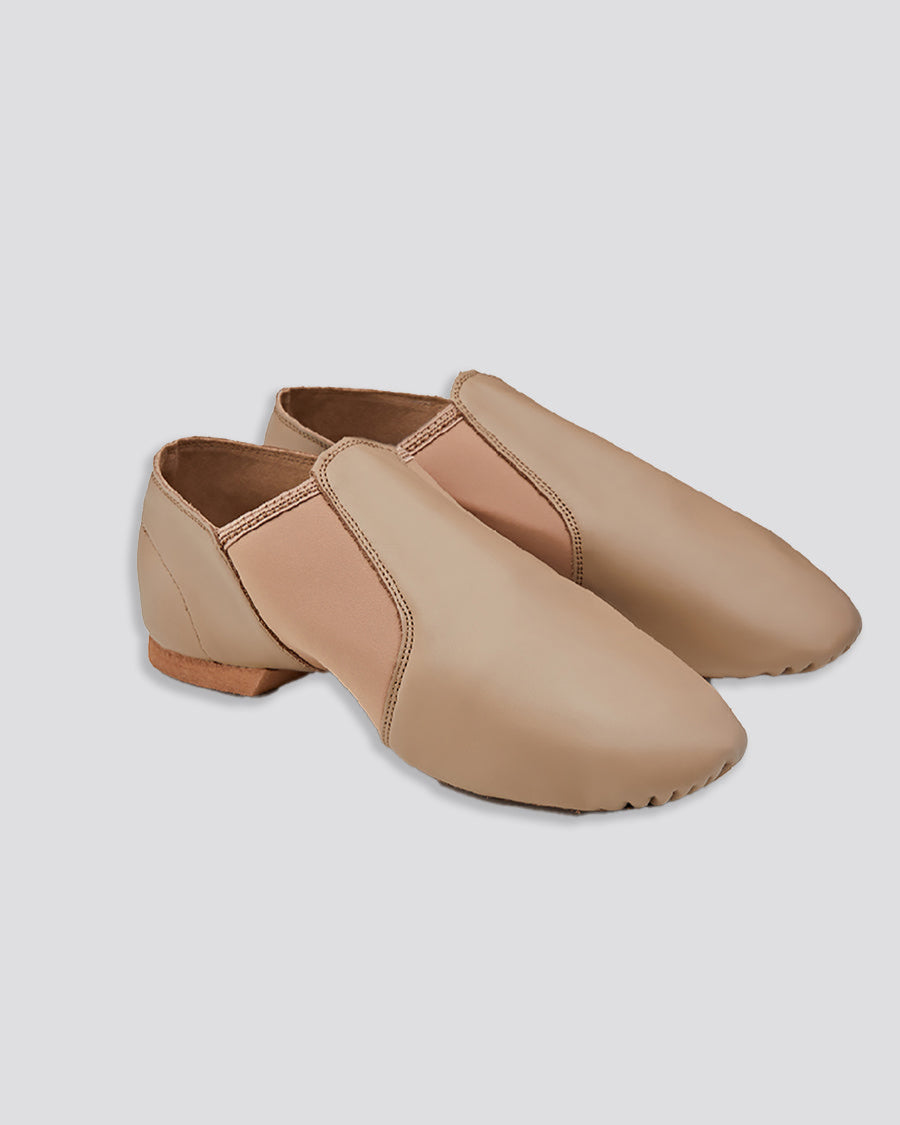
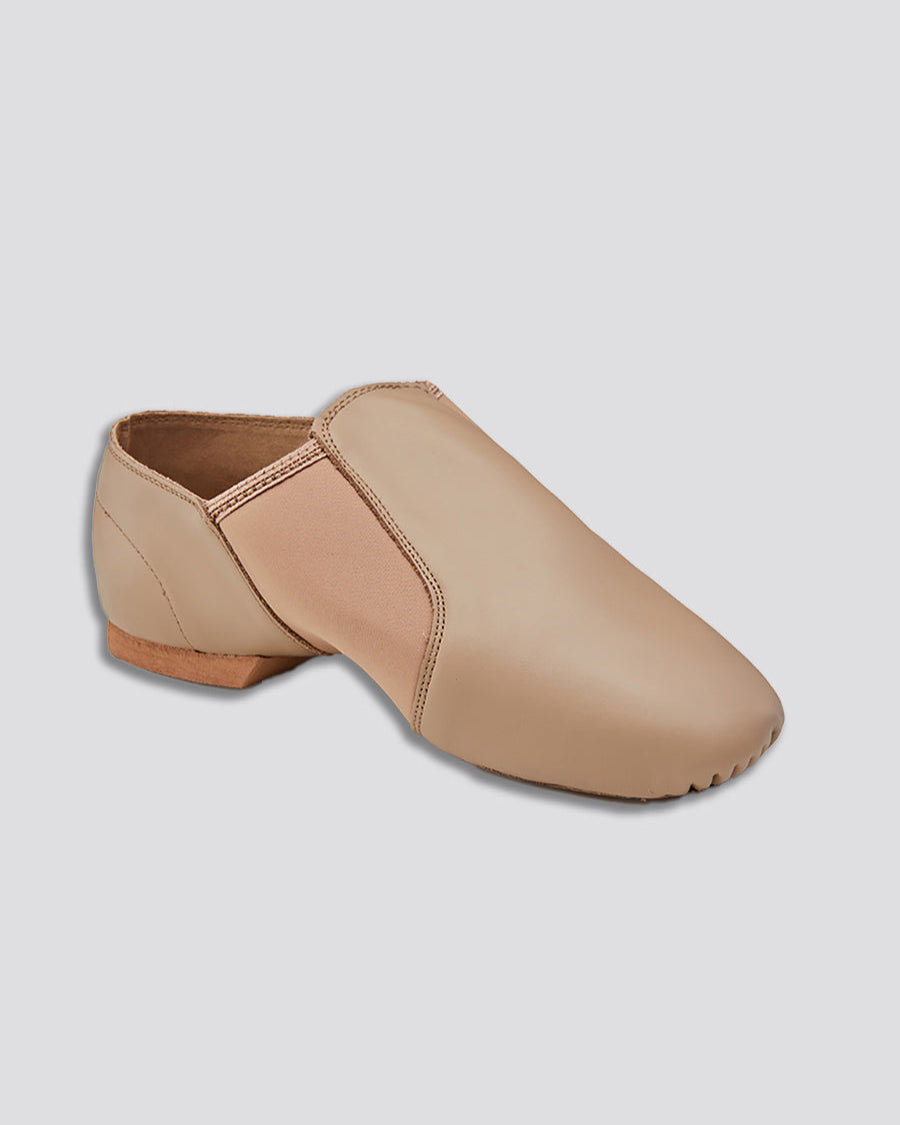
Comfortable girls jazz shoes made for jazz class, dance practice, and everyday studio movement.

Filters
Sort by

Frequently Asked Questions

Should I buy jazz shoes with laces or slip-ons?

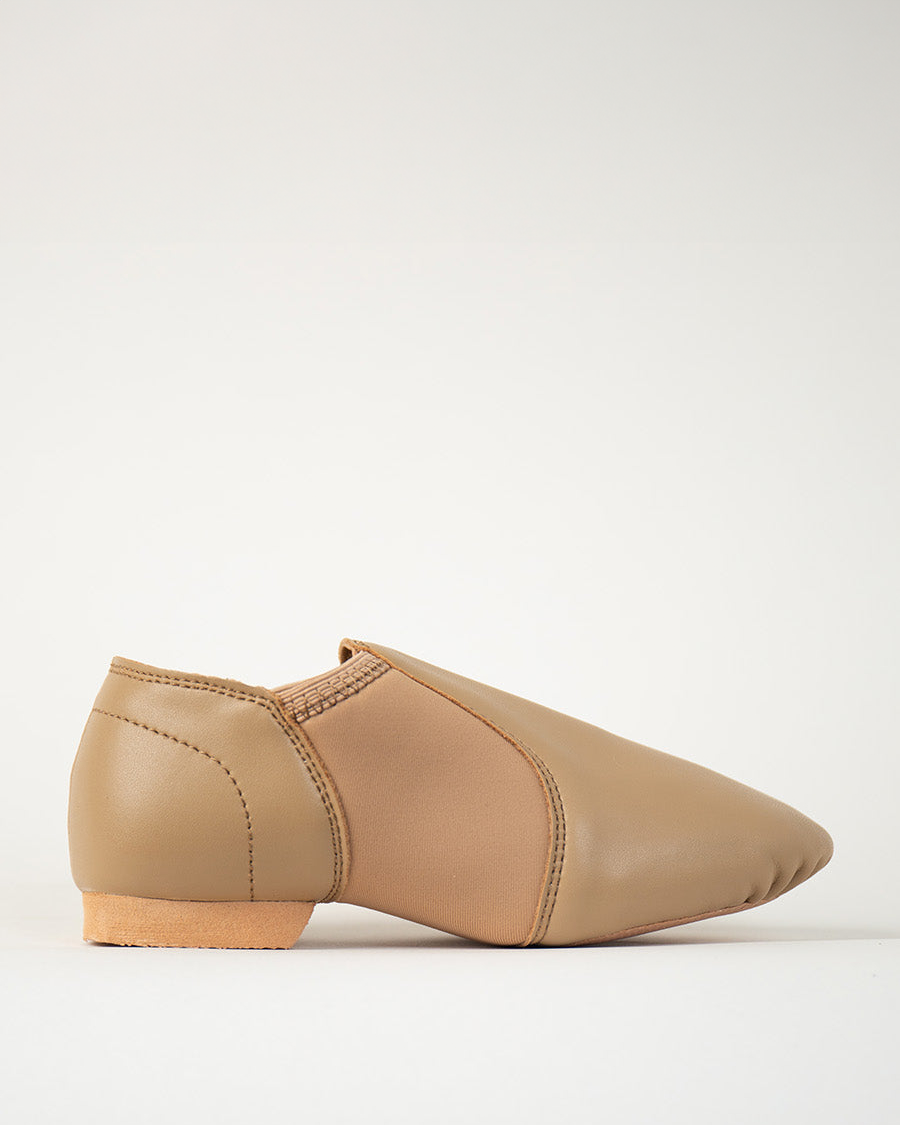
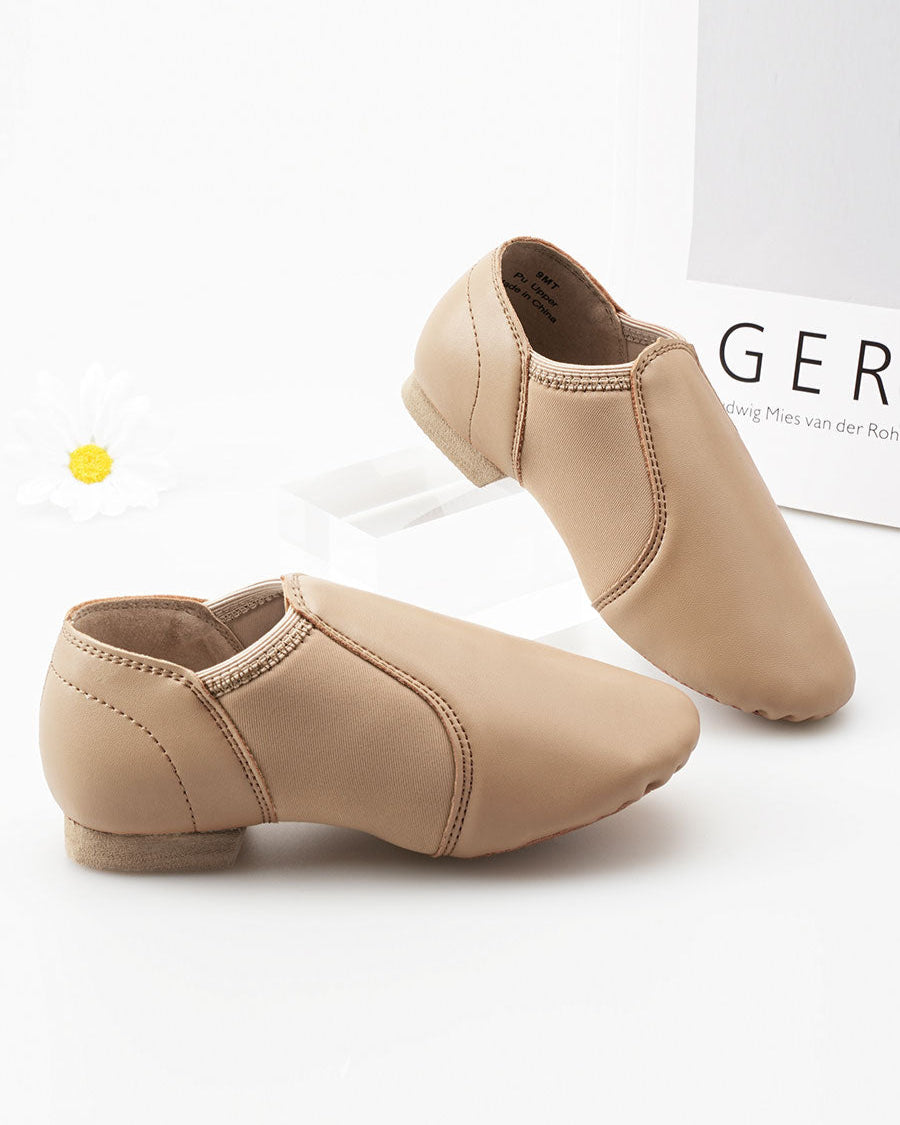
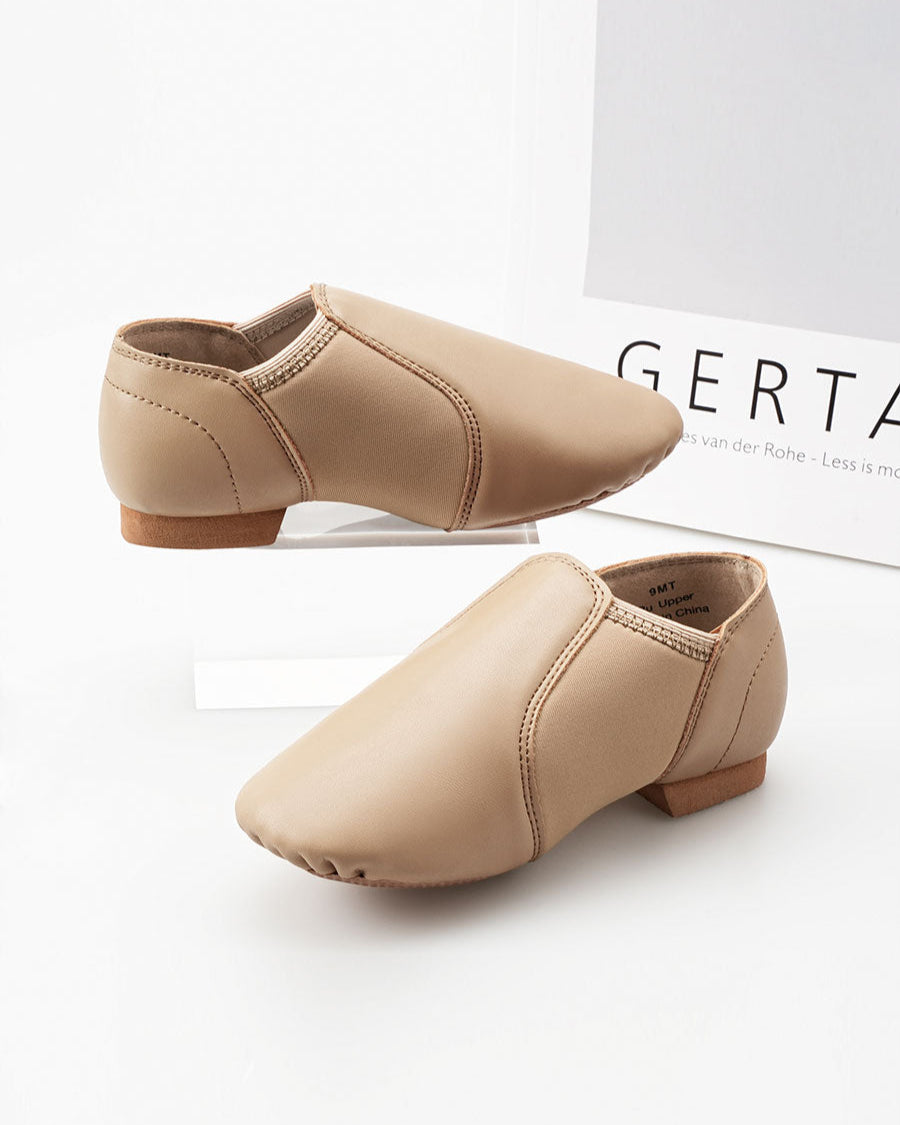
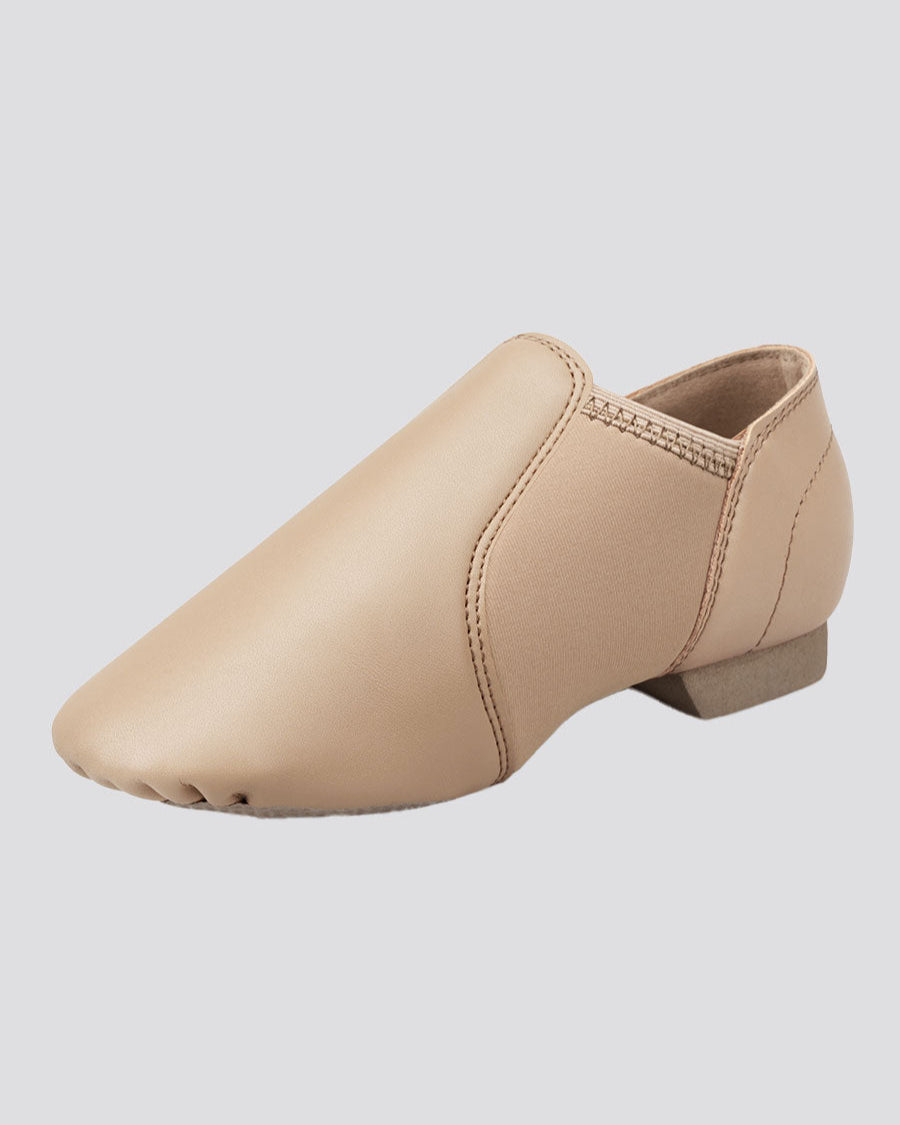
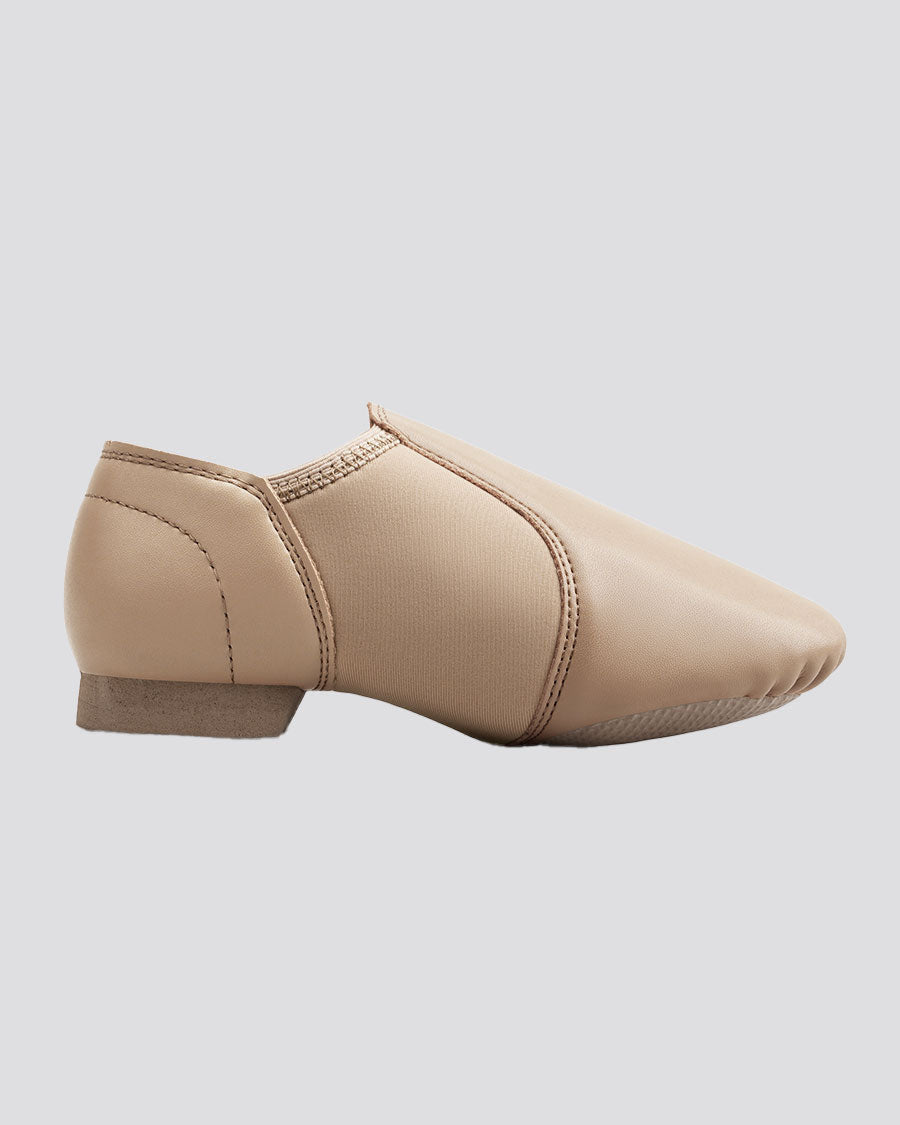
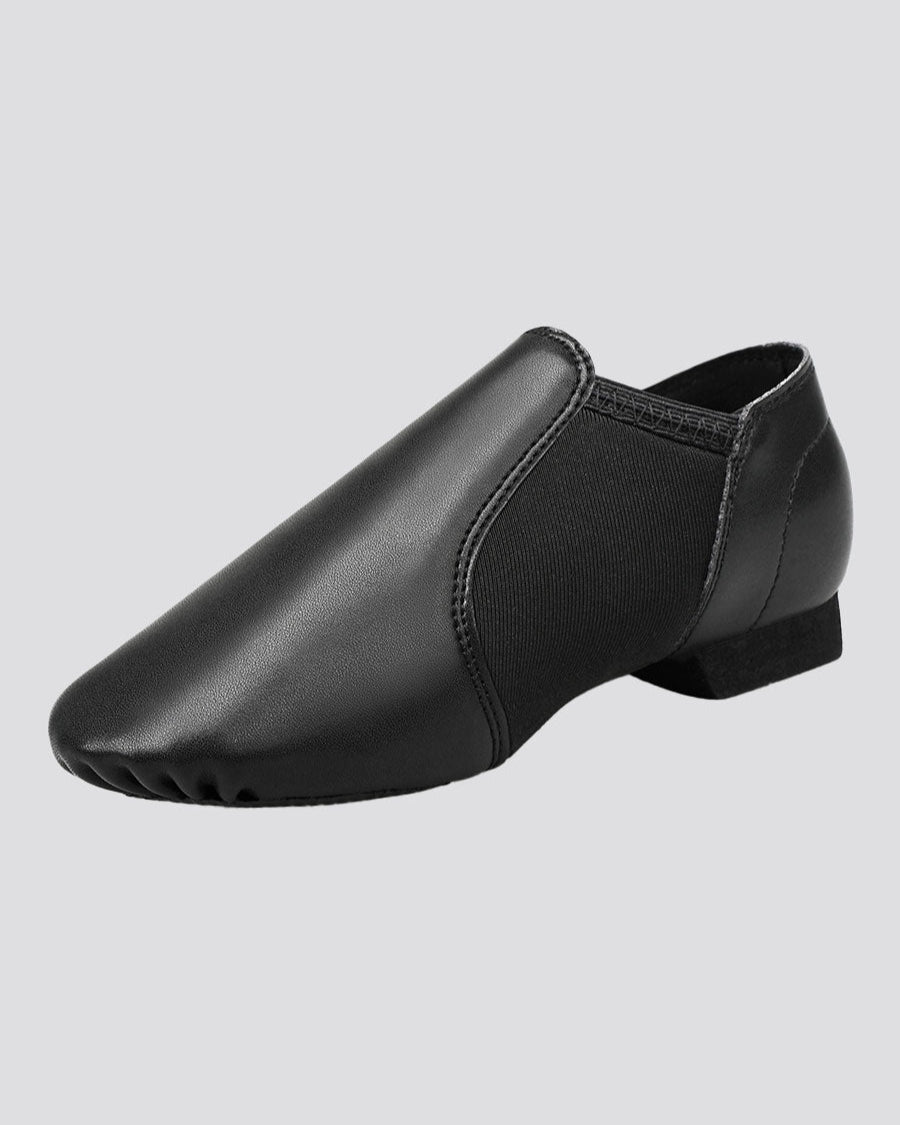
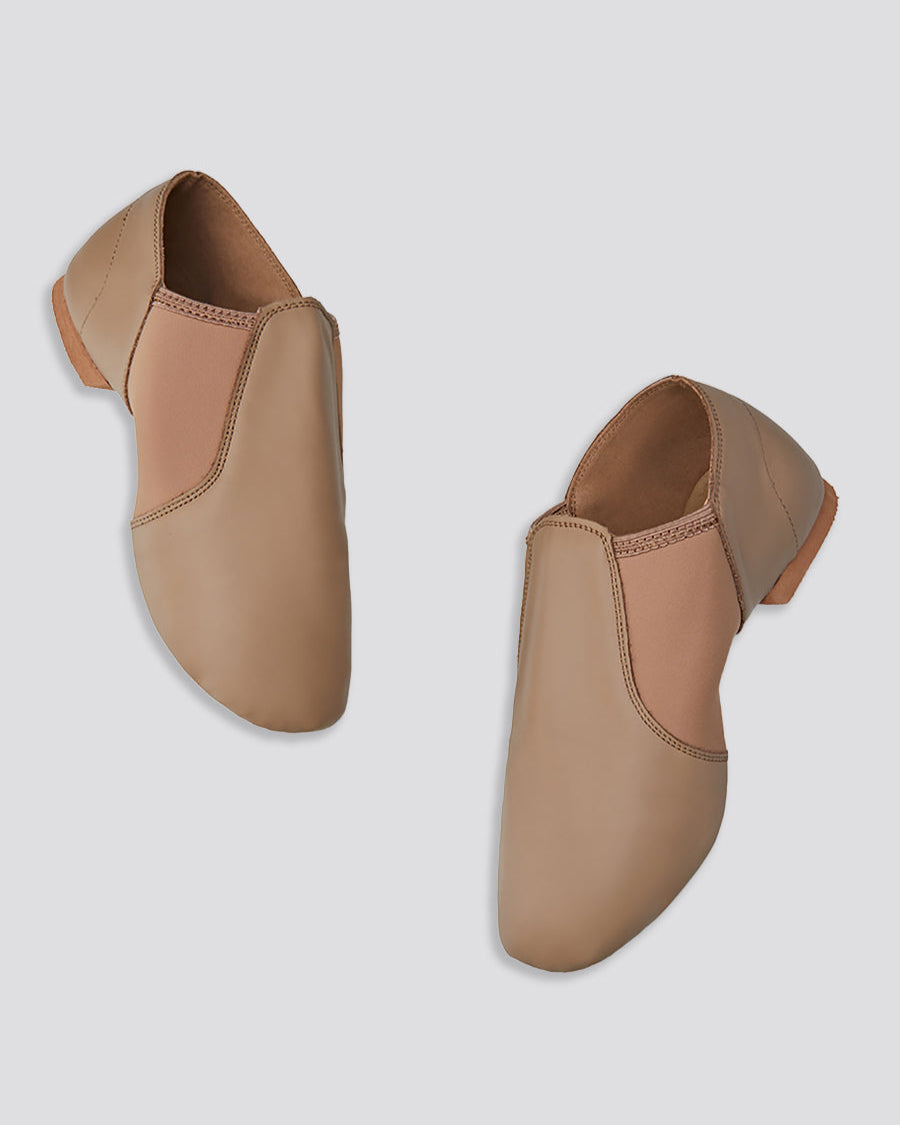
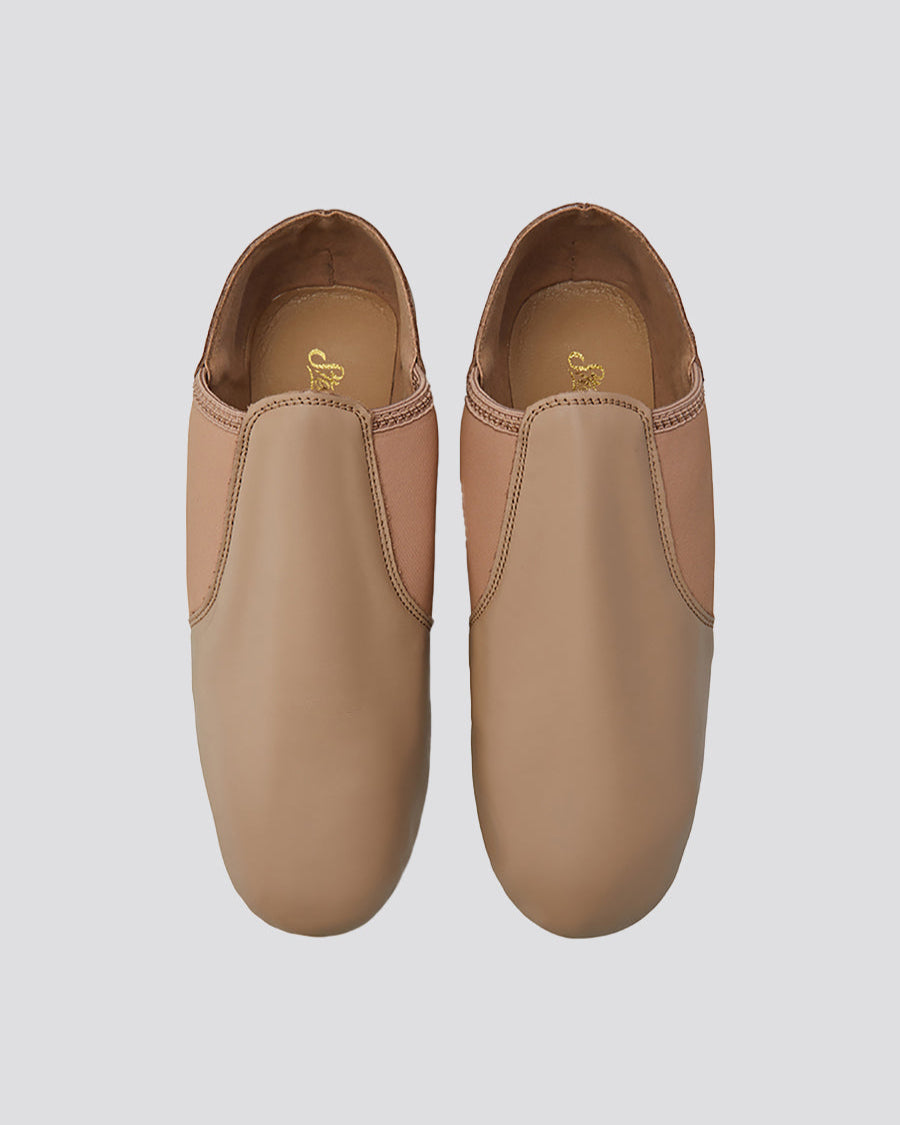
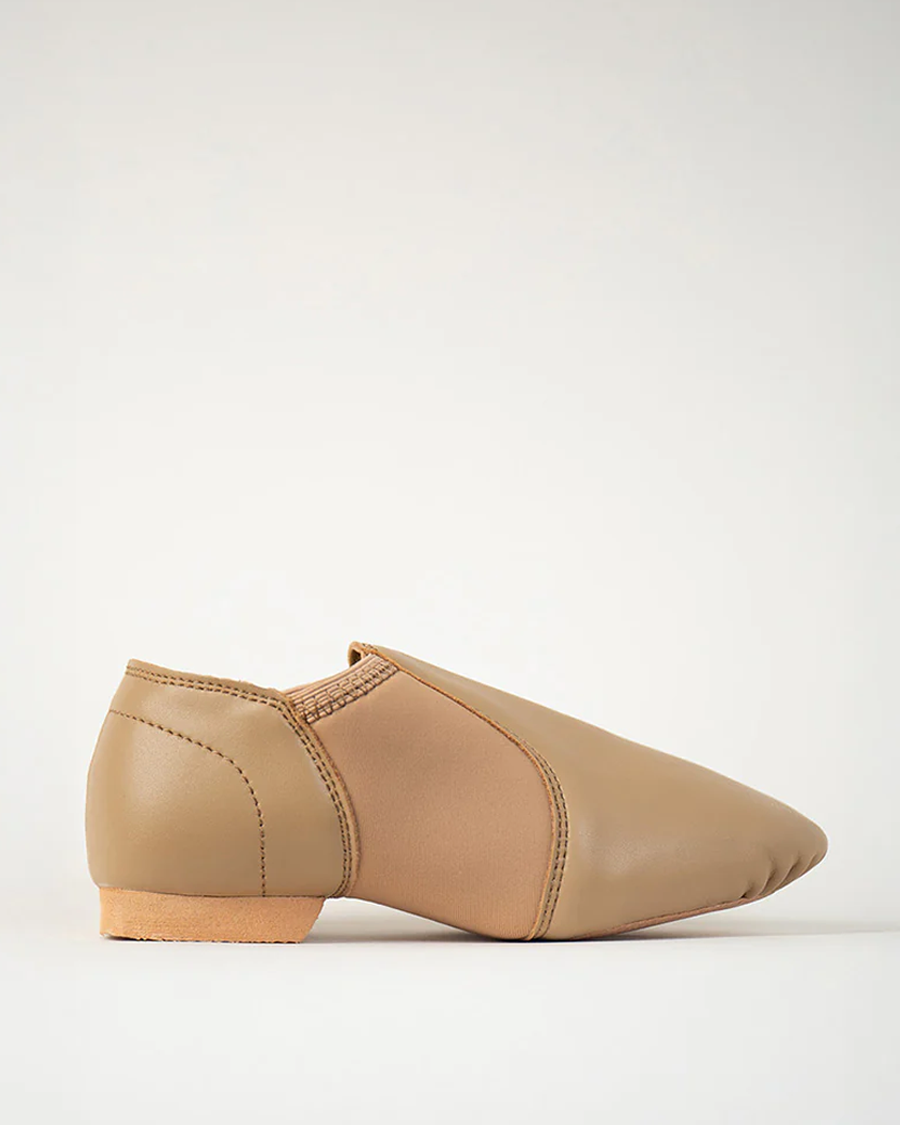
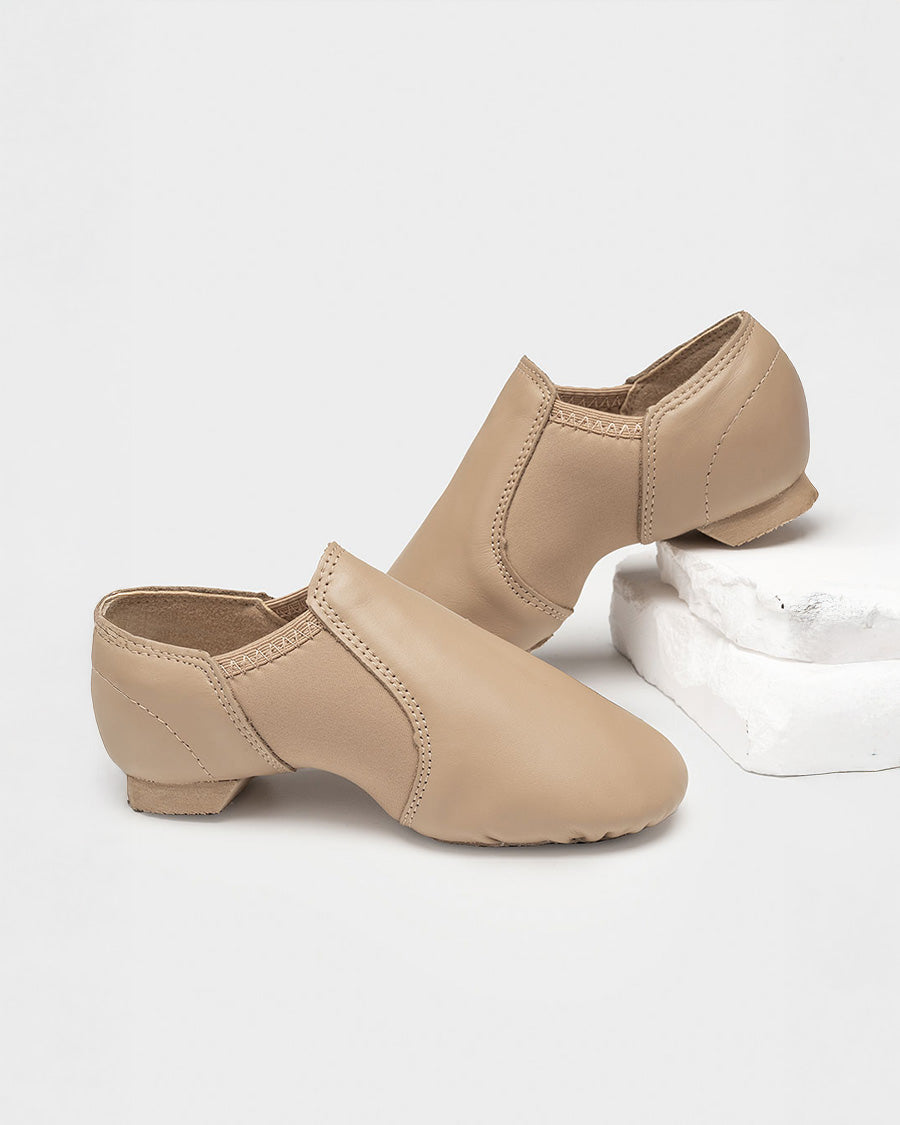
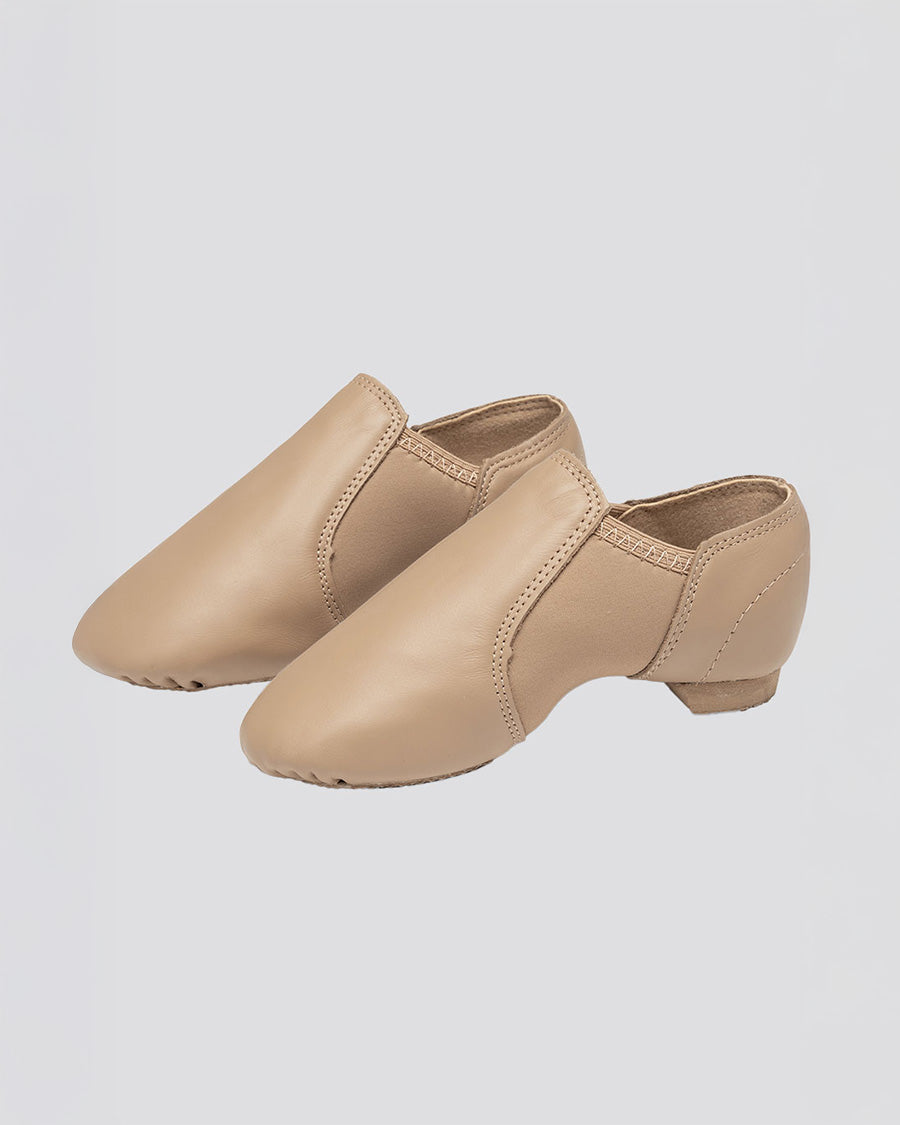
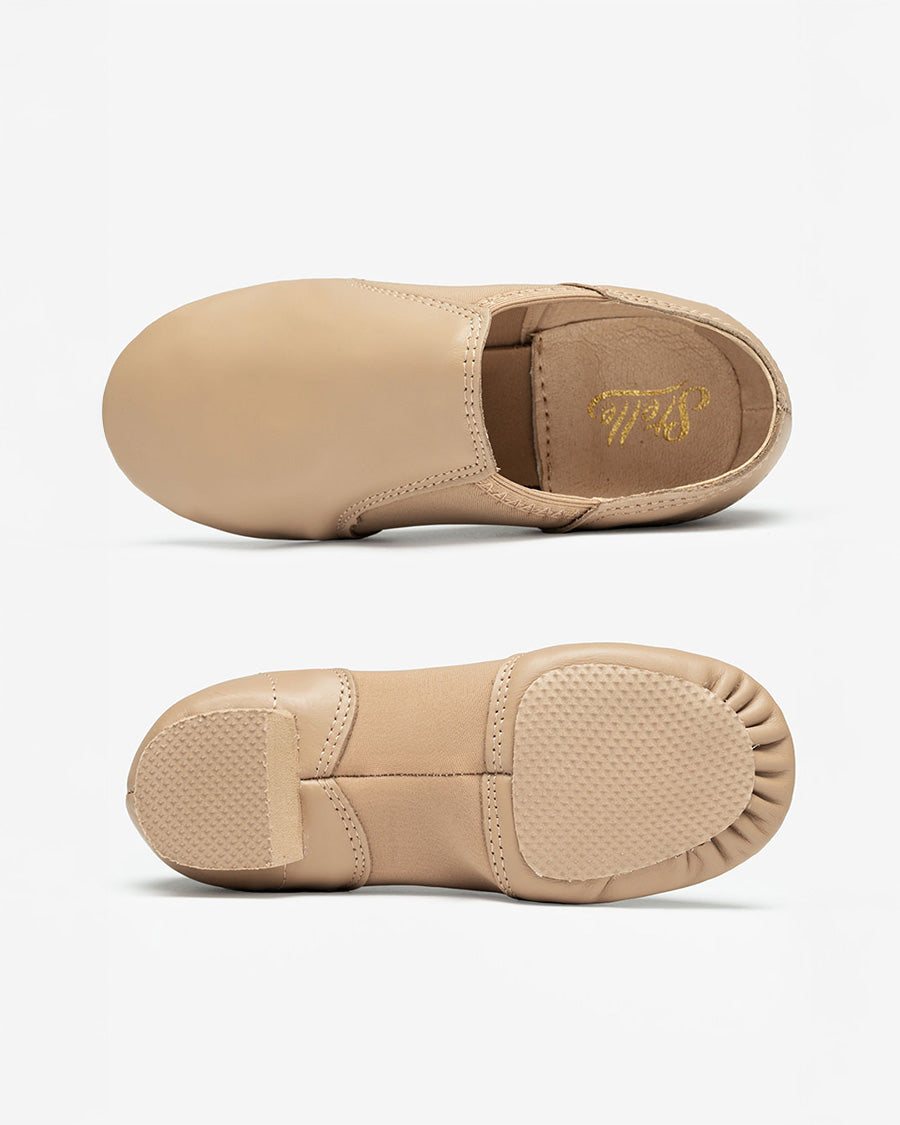
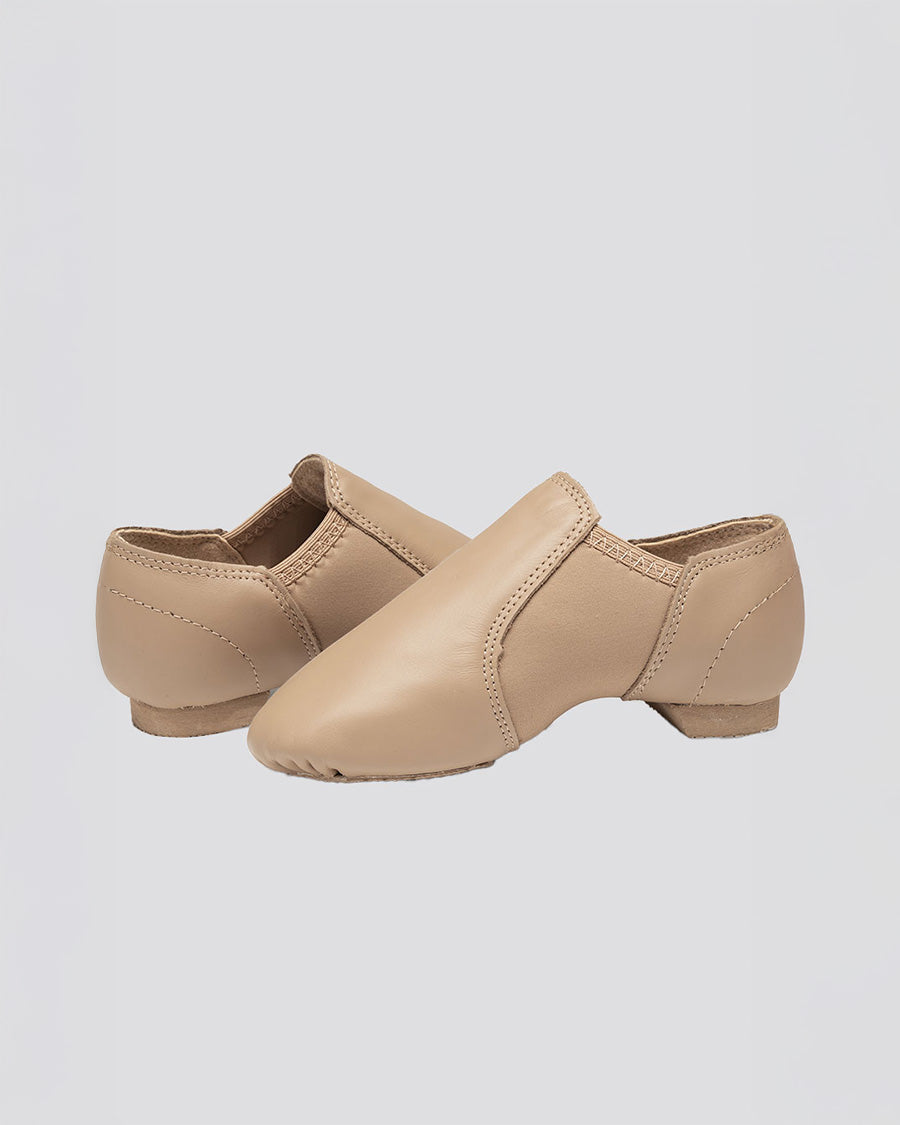
Most parents choose slip-on jazz shoes because they are easy to put on and provide a snug, comfortable fit—especially for younger dancers and everyday classes. At Stelle, our slip-on tan jazz shoes feature stretch panels that help create a secure fit while staying easy to wear.

Lace-up jazz shoes offer a more adjustable fit and can be a good option for dancers who prefer extra support. For jazz shoes kids wear to class, the right choice depends on class style, comfort, and how securely the shoe stays on the foot.

How should jazz shoes fit compared to regular sneakers?

Jazz shoes should fit much more snugly than regular sneakers. They are designed to feel like a second skin, allowing dancers to point their feet and move with better control.

For children’s jazz shoes, there should be little to no extra room at the toes, but the shoe should not feel tight or painful. Too much growth room can cause slipping and make movement harder to control.

What is the difference between tan and black jazz shoes?

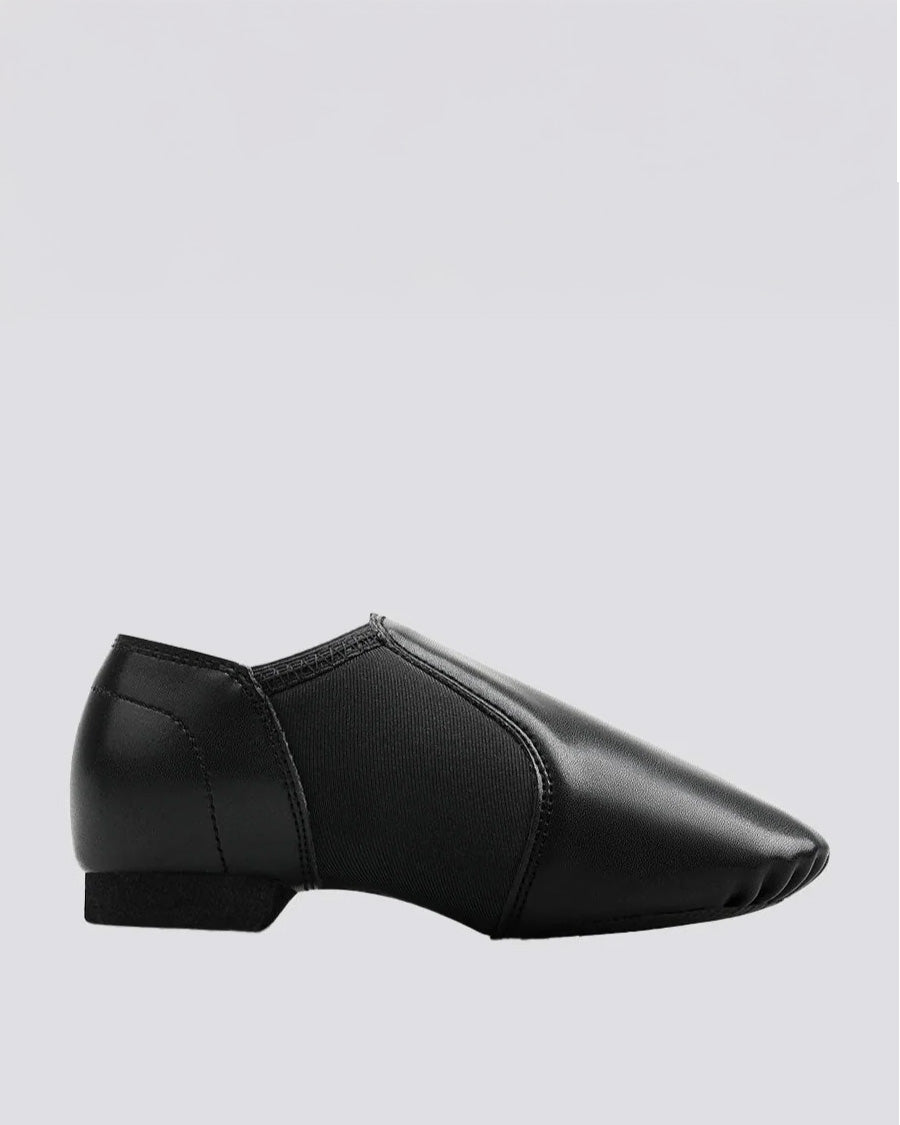
The main difference between tan and black jazz shoes is how they look on stage rather than how they perform. Tan jazz shoes are designed to blend with the dancer’s skin tone, helping create a longer, more seamless leg line. Because of this, they are often preferred for performances, competitions, and styles like lyrical or contemporary where a clean, extended look is important.

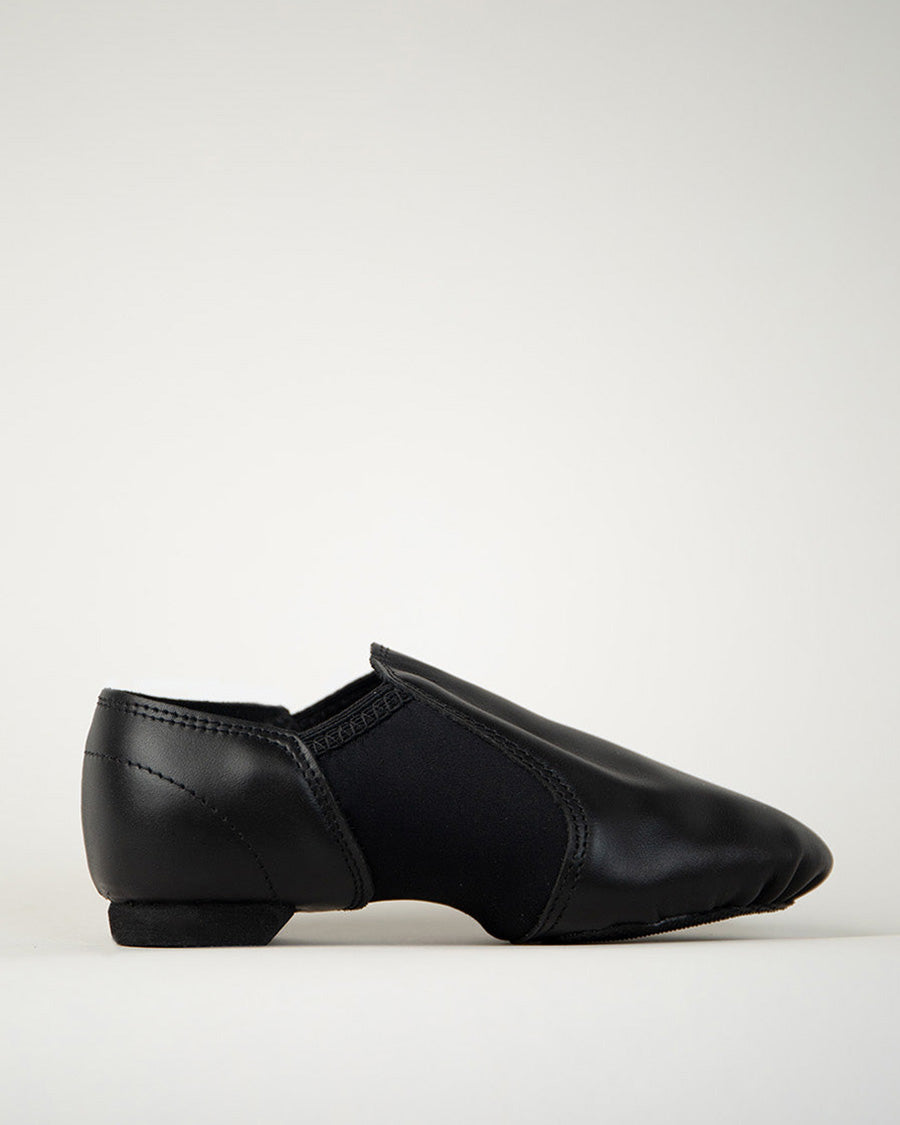
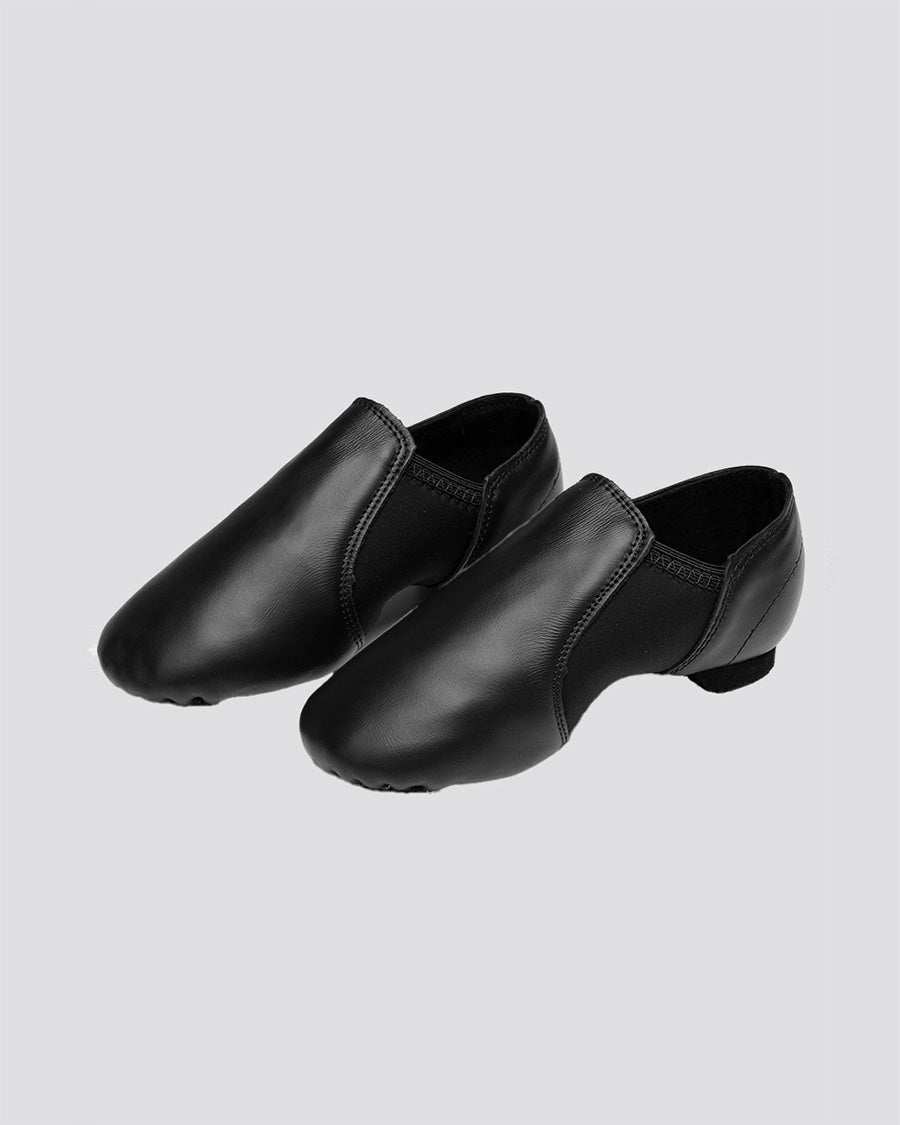
Black jazz shoes, on the other hand, offer a more traditional and versatile appearance. They are commonly used for classes, rehearsals, or when a studio has a specific uniform requirement. In terms of function, both colors perform the same, so the choice usually depends on your studio’s dress code or the overall look you want to achieve.

Why do jazz shoes have a small heel?

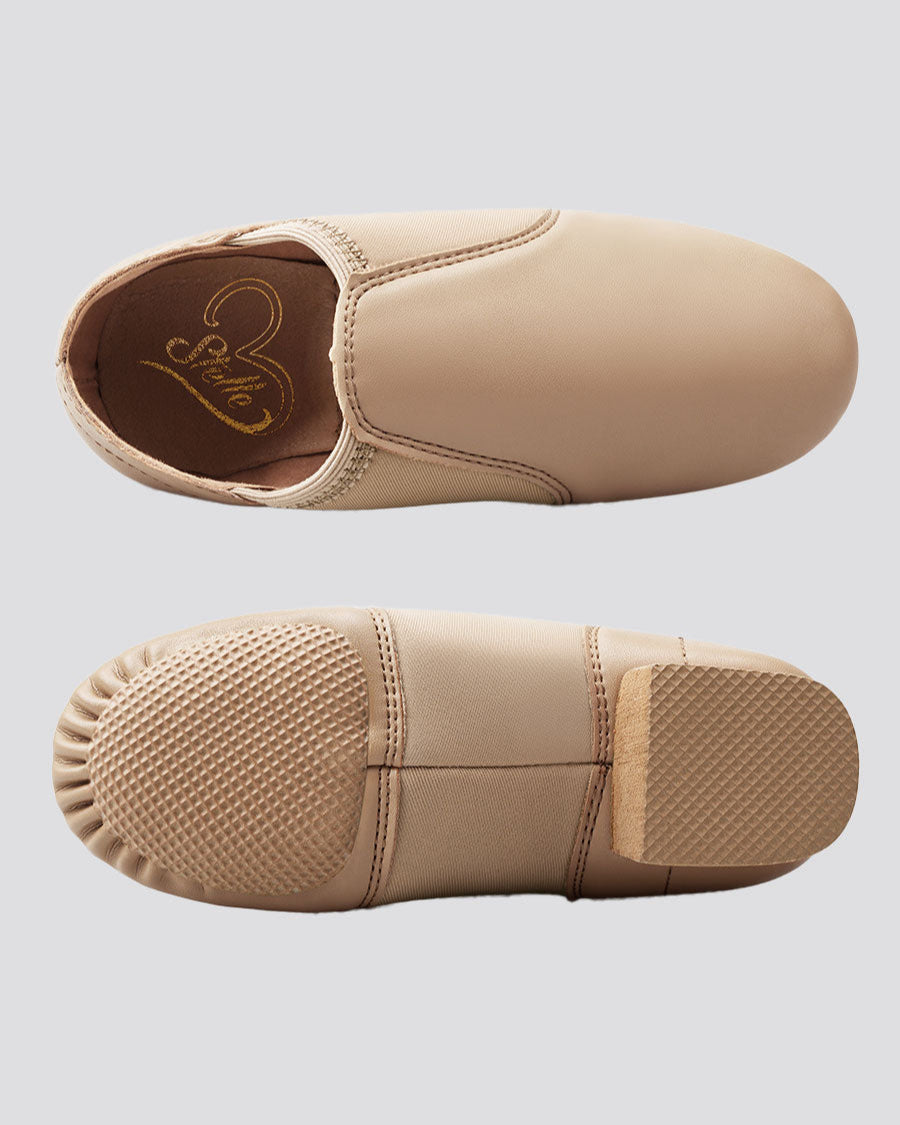
Jazz shoes have a small heel to support balance, stability, and weight placement during movement. The low heel can help dancers shift weight slightly forward, which supports turns, steps, and jazz technique.

This is one reason girls jazz shoes feel different from regular sneakers. They are built for dance movement rather than everyday walking or running.

Can jazz shoes be worn for other dance styles?

Yes, jazz shoes are versatile and can be worn for several other dance styles. Jazz dance shoes are commonly used for musical theatre, lyrical, hip-hop, and certain modern or contemporary classes.

For most dancers, kids jazz shoes are best used as studio shoes for class and practice. Always check your studio’s dress code first, especially for shoe color, sole type, and whether the class requires jazz shoes, ballet shoes, or another dance shoe style.

Flexible Jazz Shoes for Class & Practice

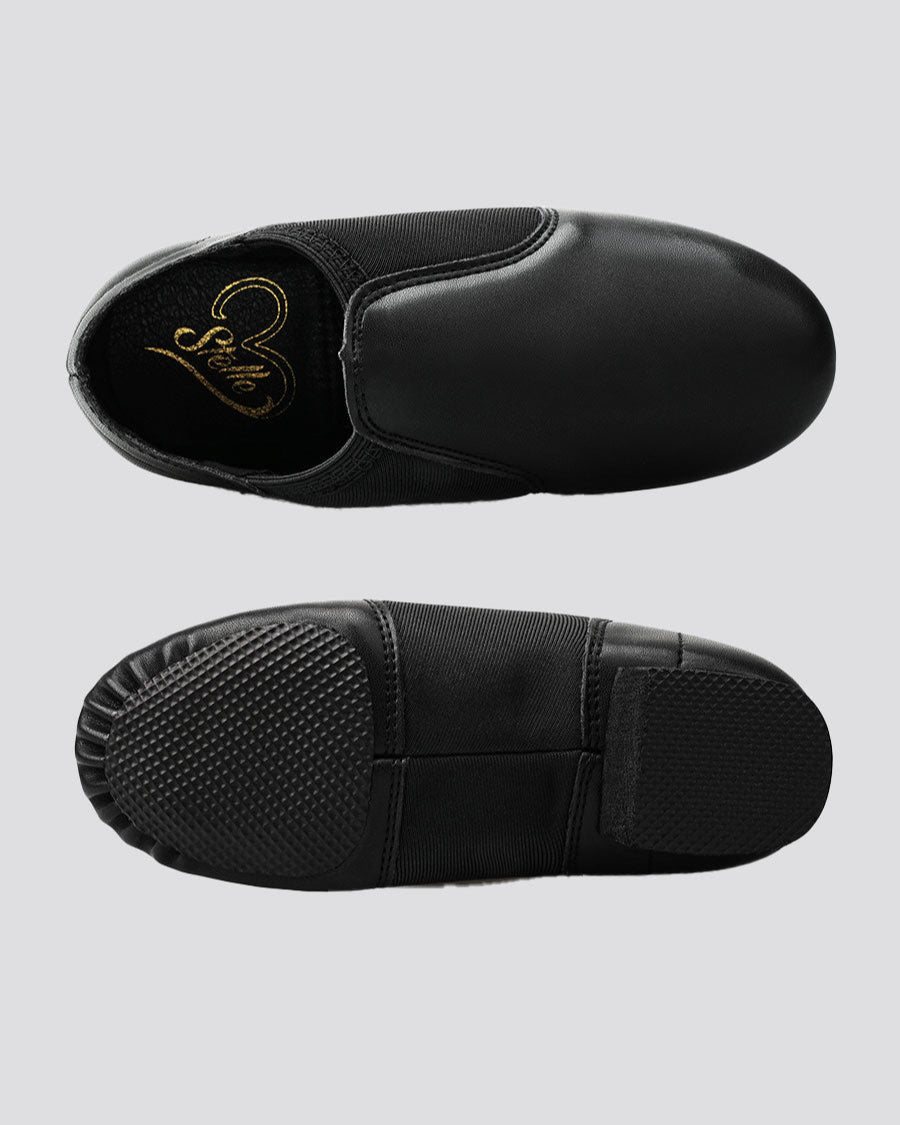
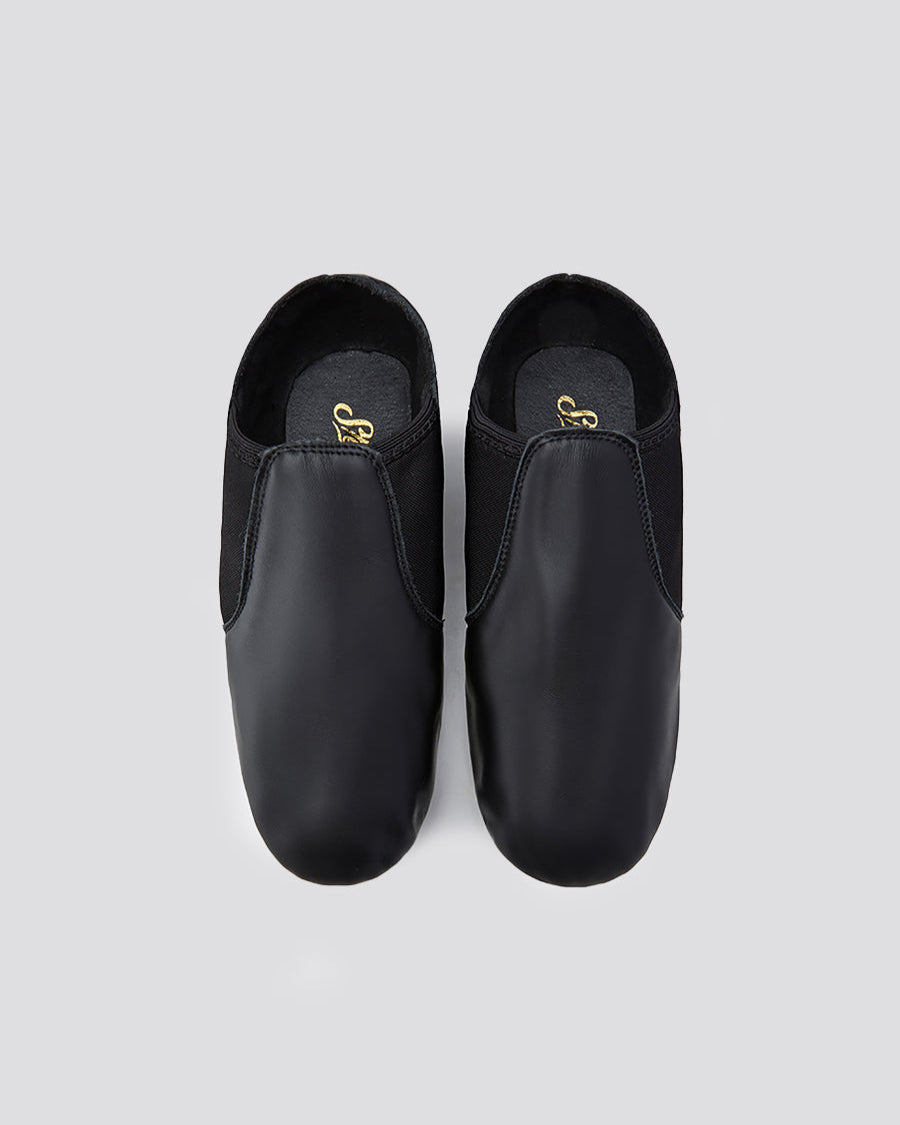
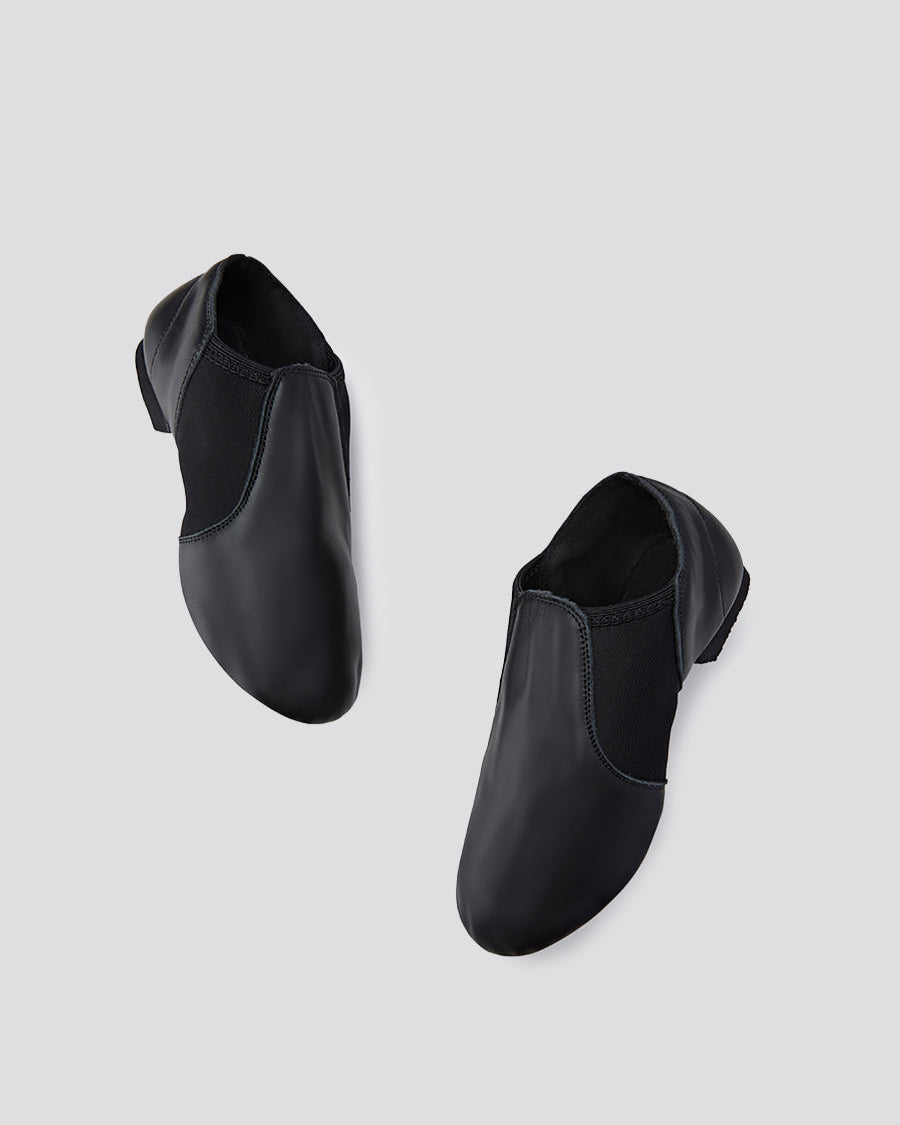
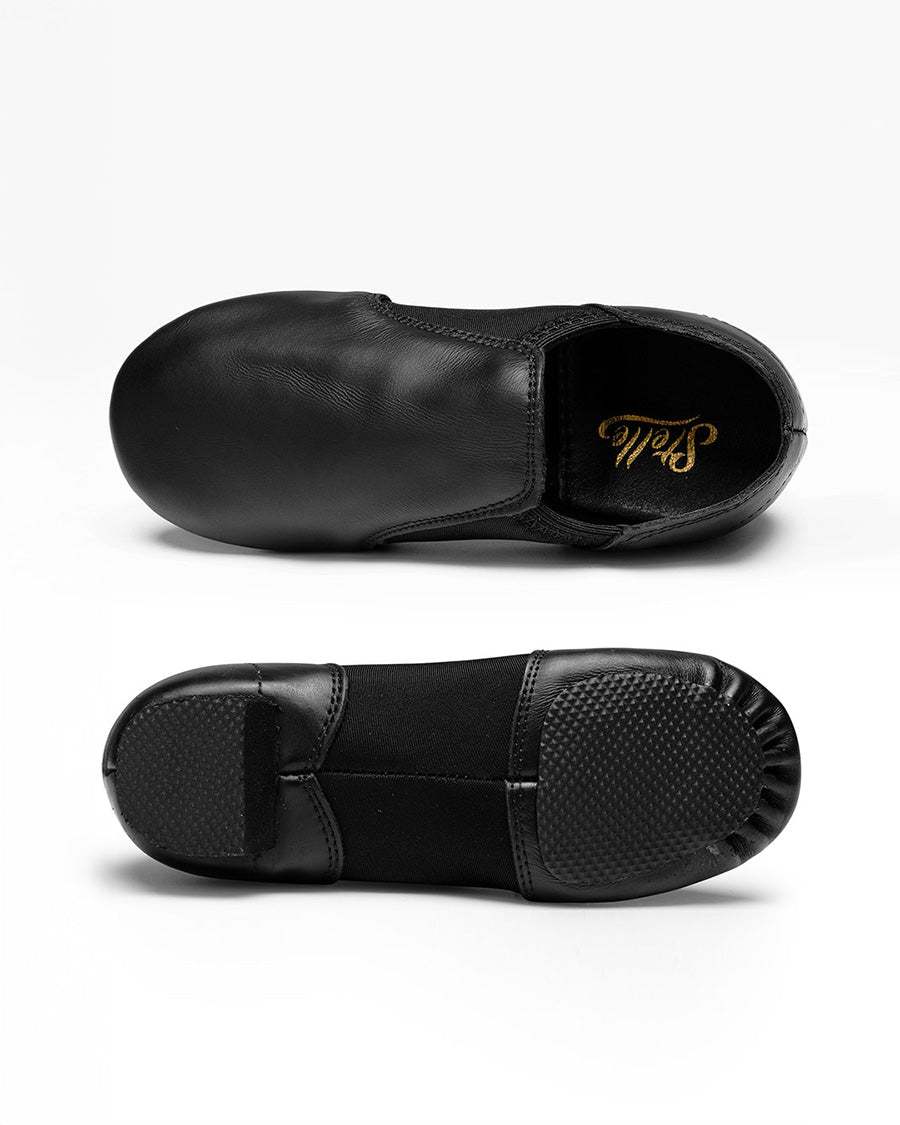
Stelle girls jazz shoes are made for young dancers who need a close, flexible fit for jazz class and regular dance practice. With a sleek slip-on design, soft stretch panels, and a low-profile shape, these shoes help dancers point, turn, and move without feeling bulky. This collection includes tan jazz shoes and classic jazz dance shoes designed to feel snug, supportive, and easy to wear.

Why Slip-Ons for Kids?

Slip-on styles suit young dancers for a simple reason: they go on fast and stay put, with no laces to press into the top of the foot or come undone mid-class. Lace-up styles offer finer adjustment for older dancers, but for kids, slip-ons are a common studio recommendation.

Tan or Black?

Tan is the classic jazz class choice because it blends with tights and skin tone, keeping the leg line long and clean. Black jazz shoes are the usual pick for hip hop and street styles, and some studios request them in their dress code. When there is a free choice, tan is the safer first pair for jazz class.

How Jazz Shoes Should Fit

 For younger dancers, kids jazz shoes should feel secure without being painful. A good jazz shoe should move with the foot, offer enough grip for studio floors, and still allow smooth transitions through basic steps, across-the-floor work, and turns. The right fit is usually closer than a regular sneaker, with little extra room at the toes so the shoe can support cleaner movement and better control. The small heel is normal; it absorbs impact and supports the ball of the foot. Not sure which dance styles she will meet this year? Our guide to popular types of dance is a quick primer.


Pair Stelle jazz shoes with leotards, dance tights, dance skirts, and girls dancewear for jazz class, practice days, and everyday studio routines.