






What Is Lyrical Dance? A Parent's Guide to This Expressive Style
Table of contents
- Quick answer
- Key Takeaways
- Lyrical Dance Definition: The Short Version
- Where Lyrical Sits Between Ballet, Jazz, and Contemporary
- Lyrical vs Contemporary Dance: How to Tell Them Apart
- What a Lyrical Dance Class Looks Like
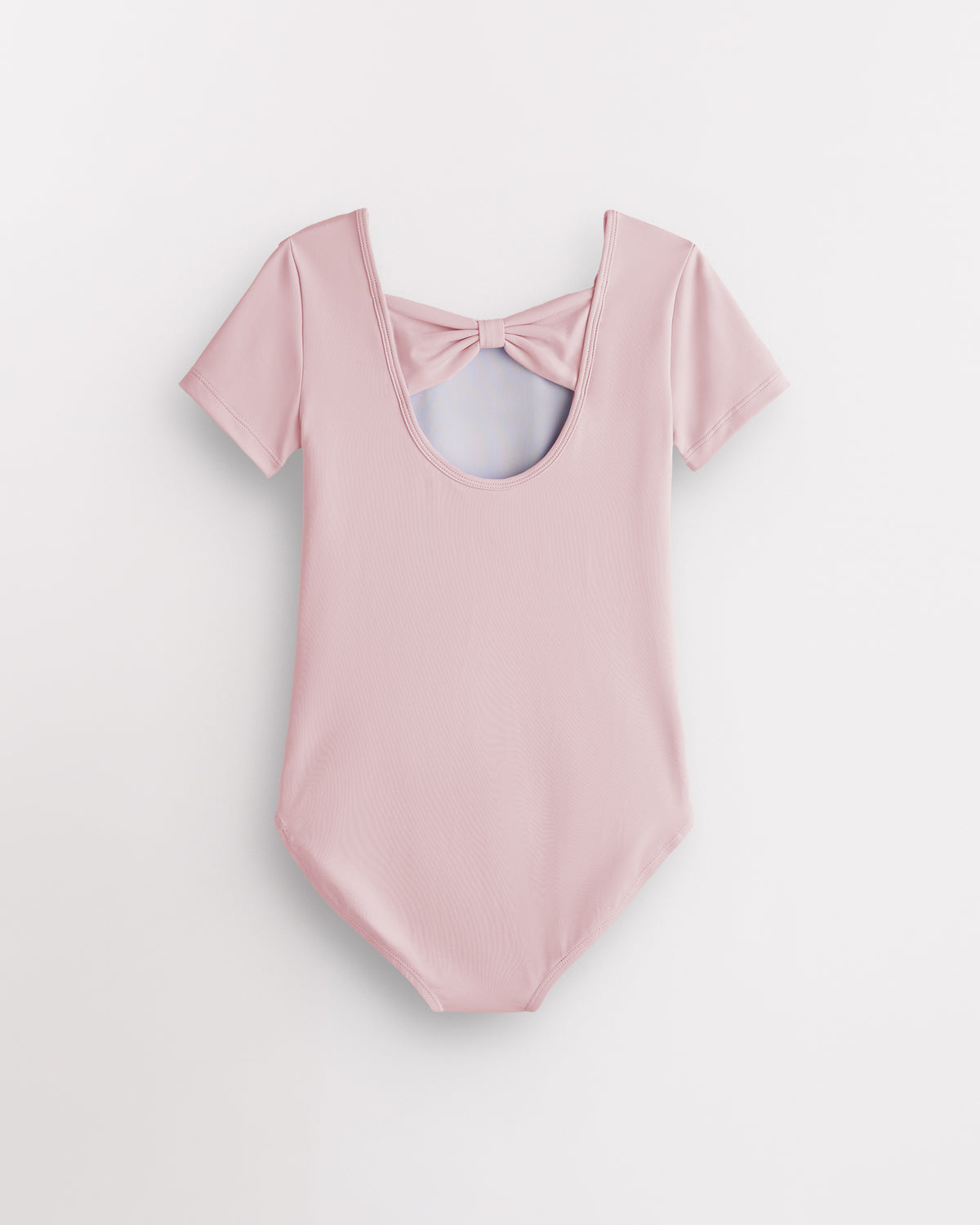
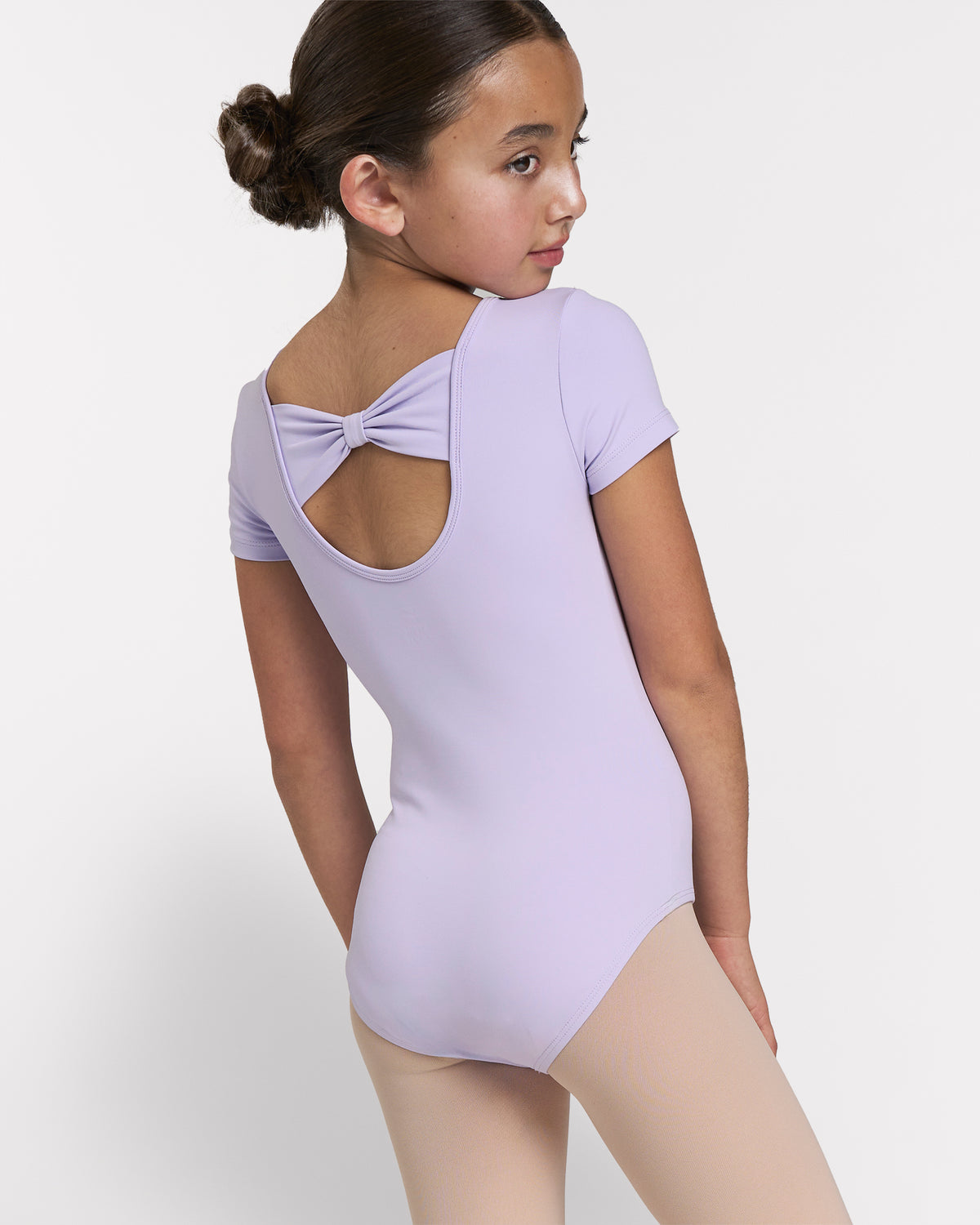
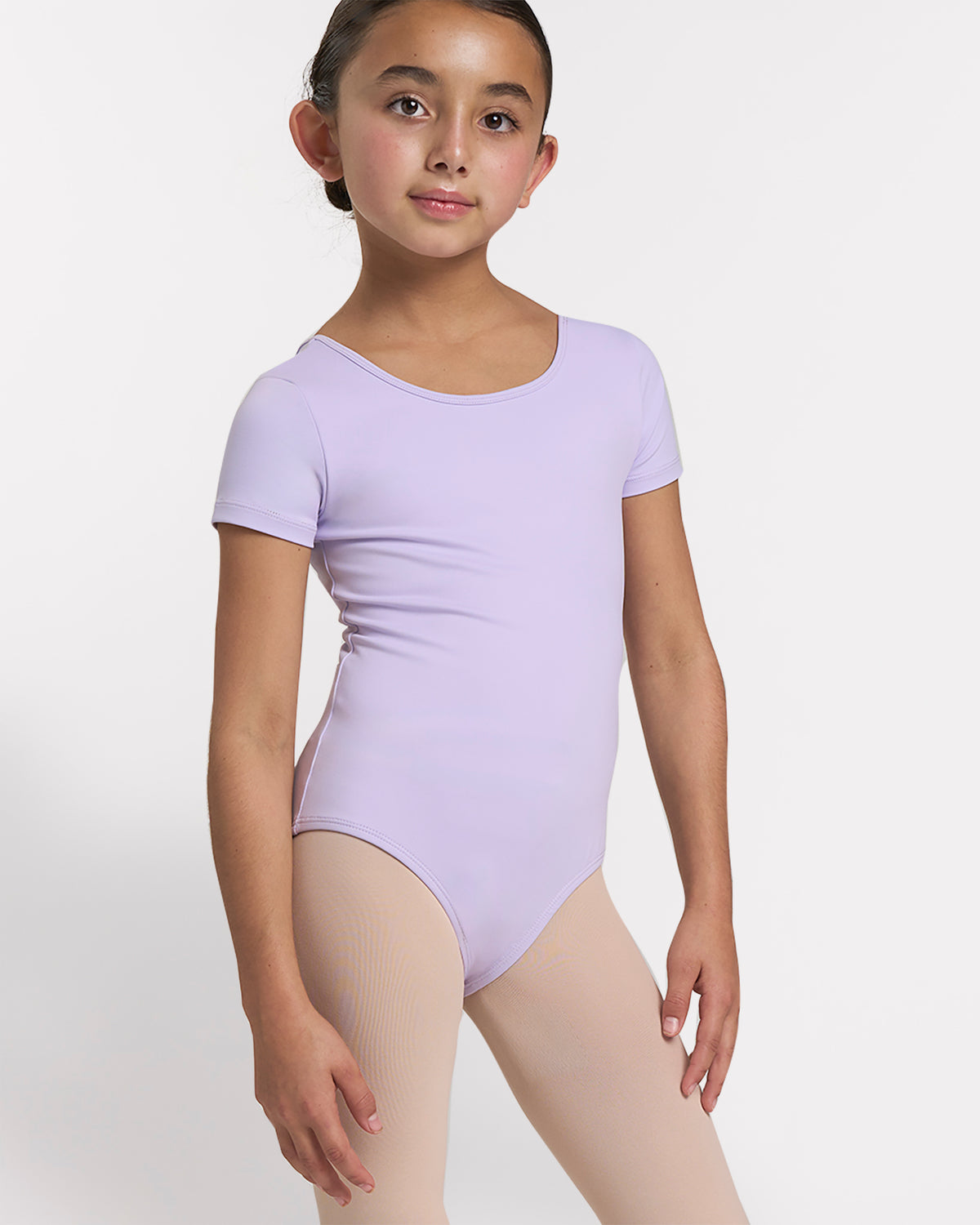
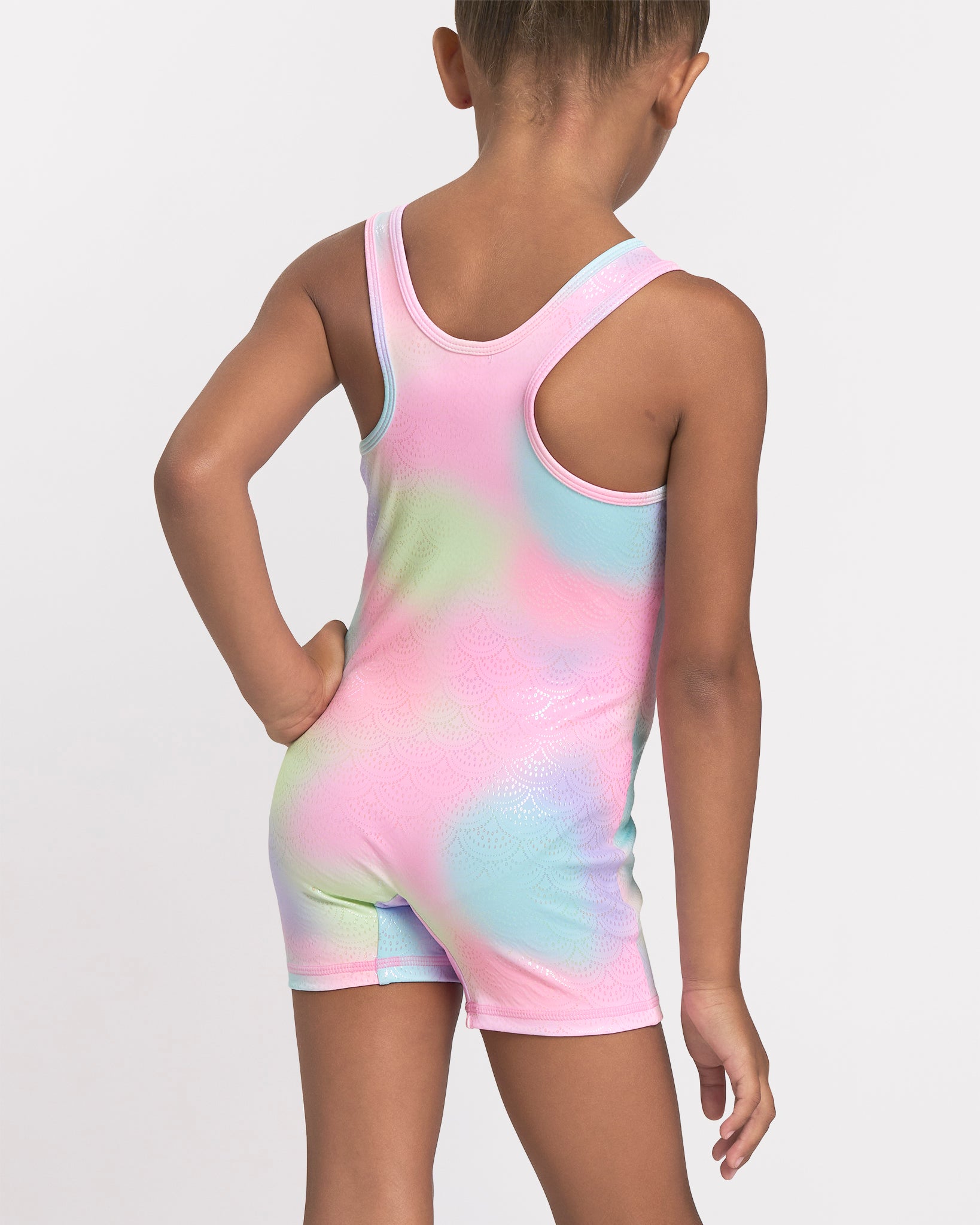
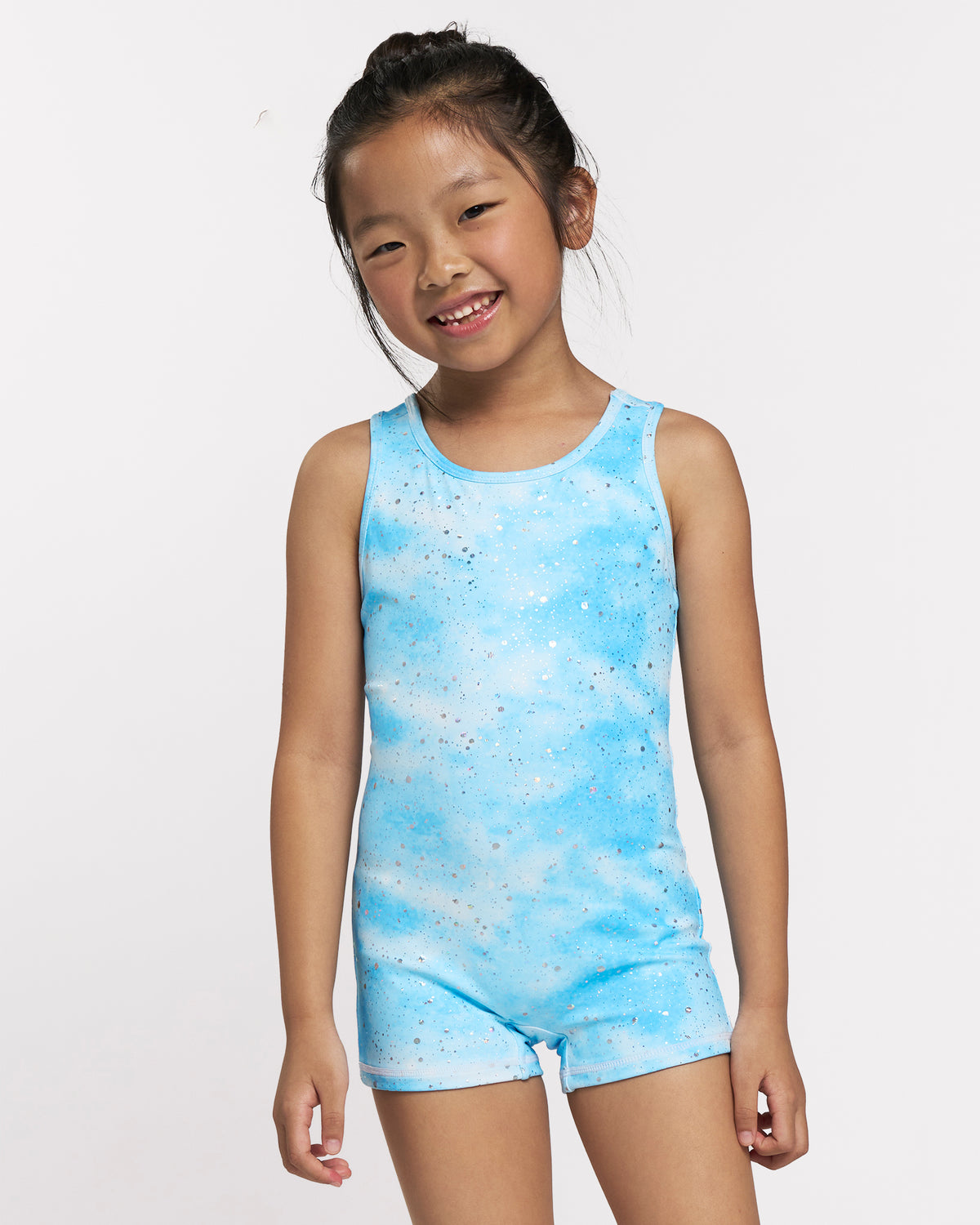
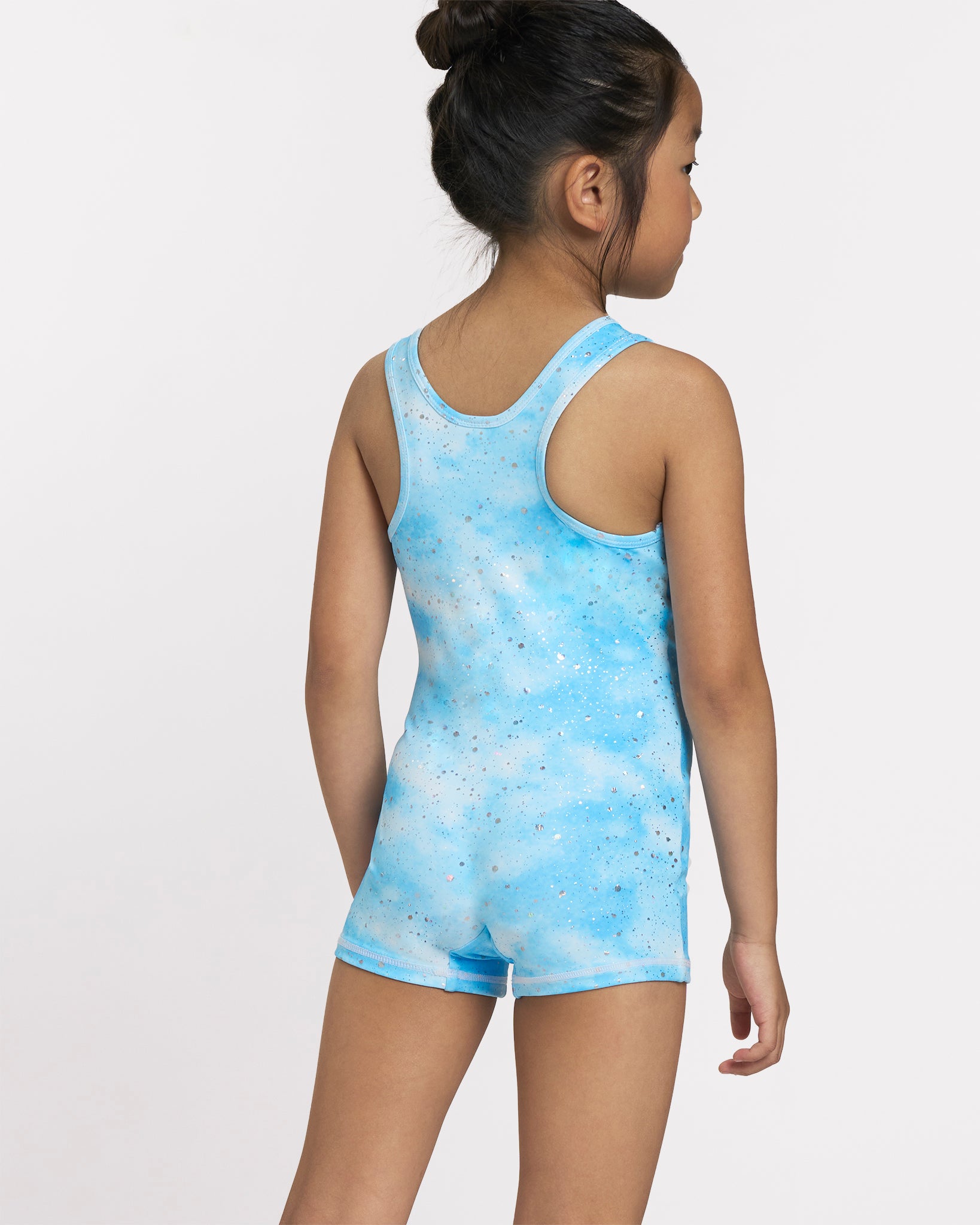
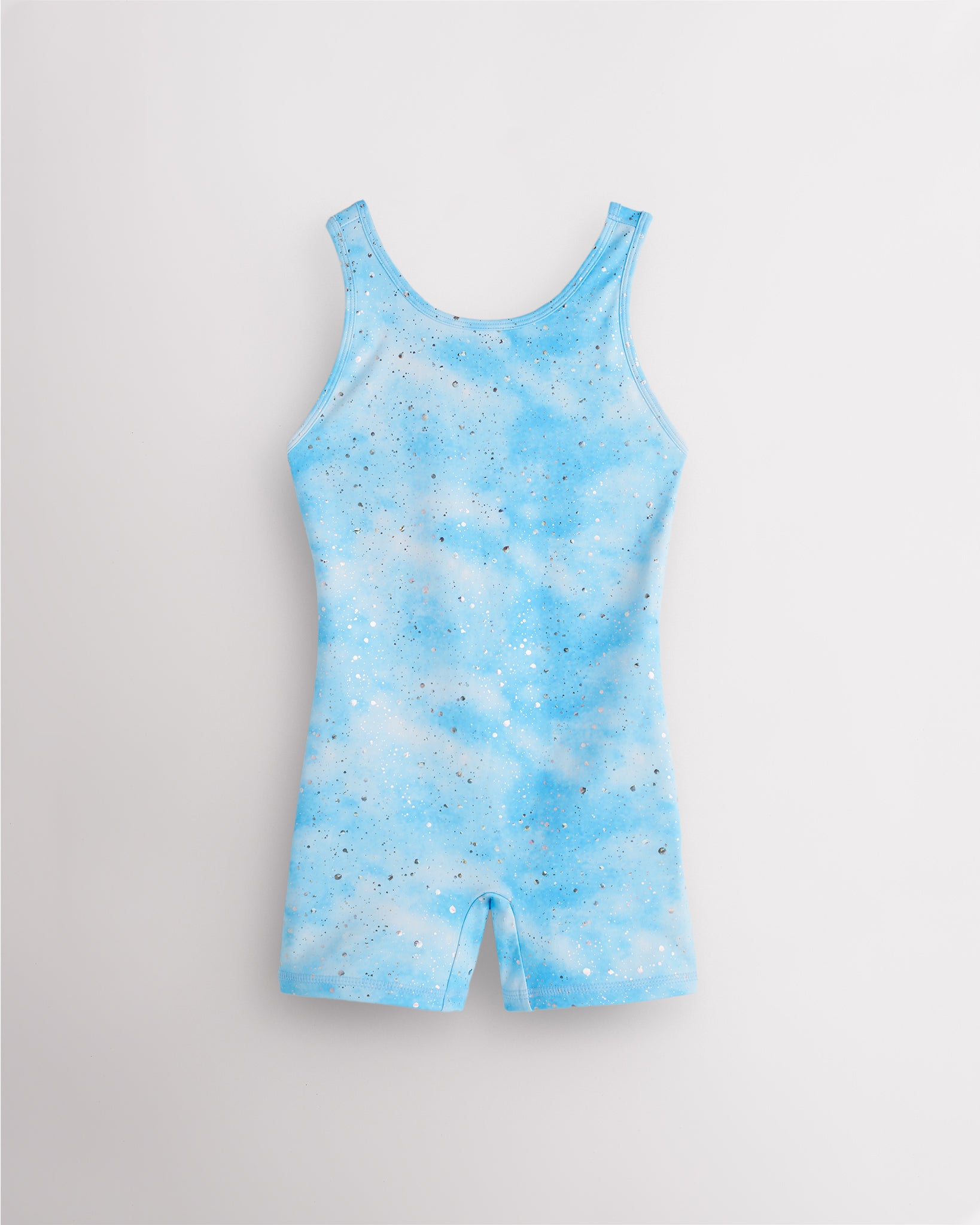
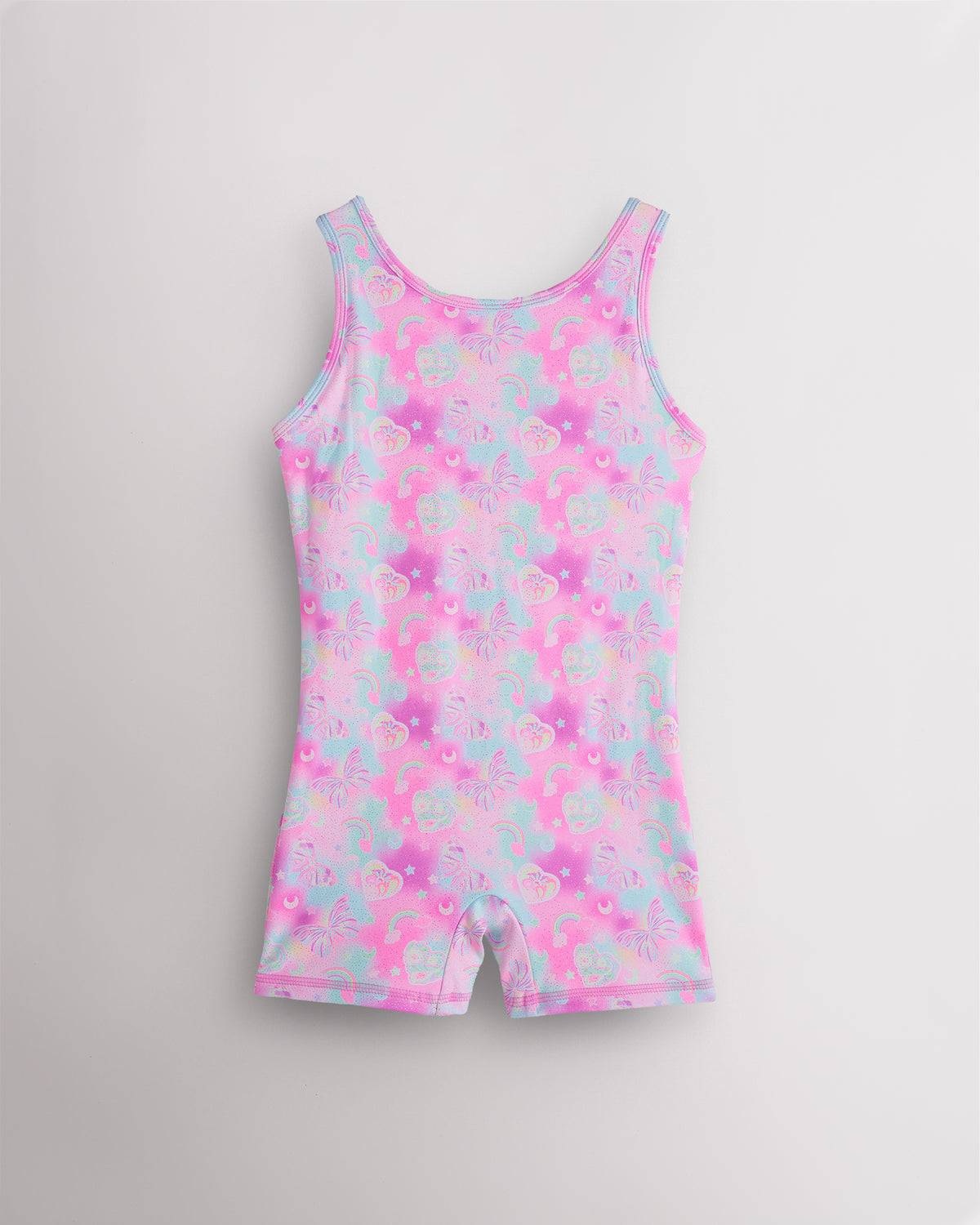
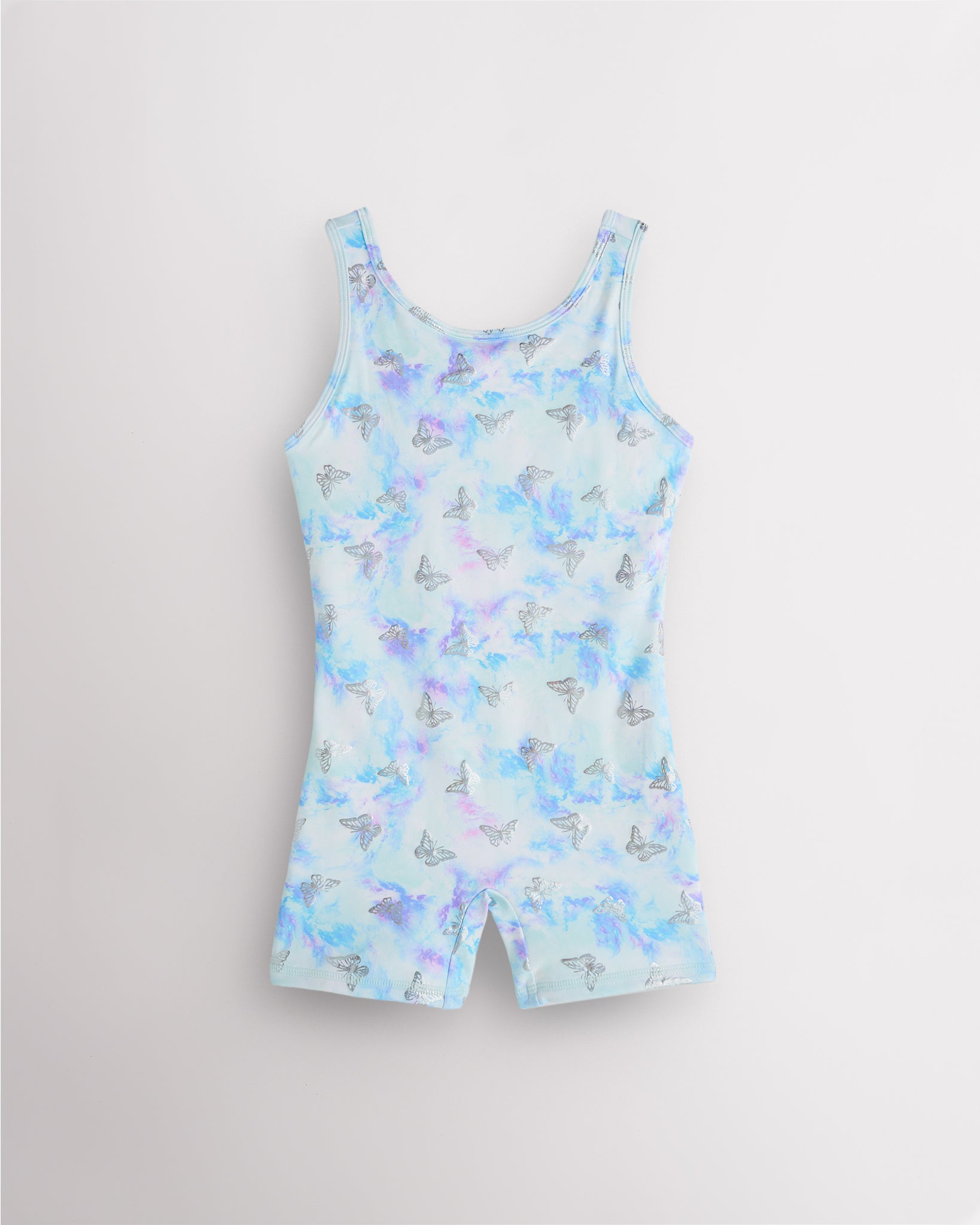
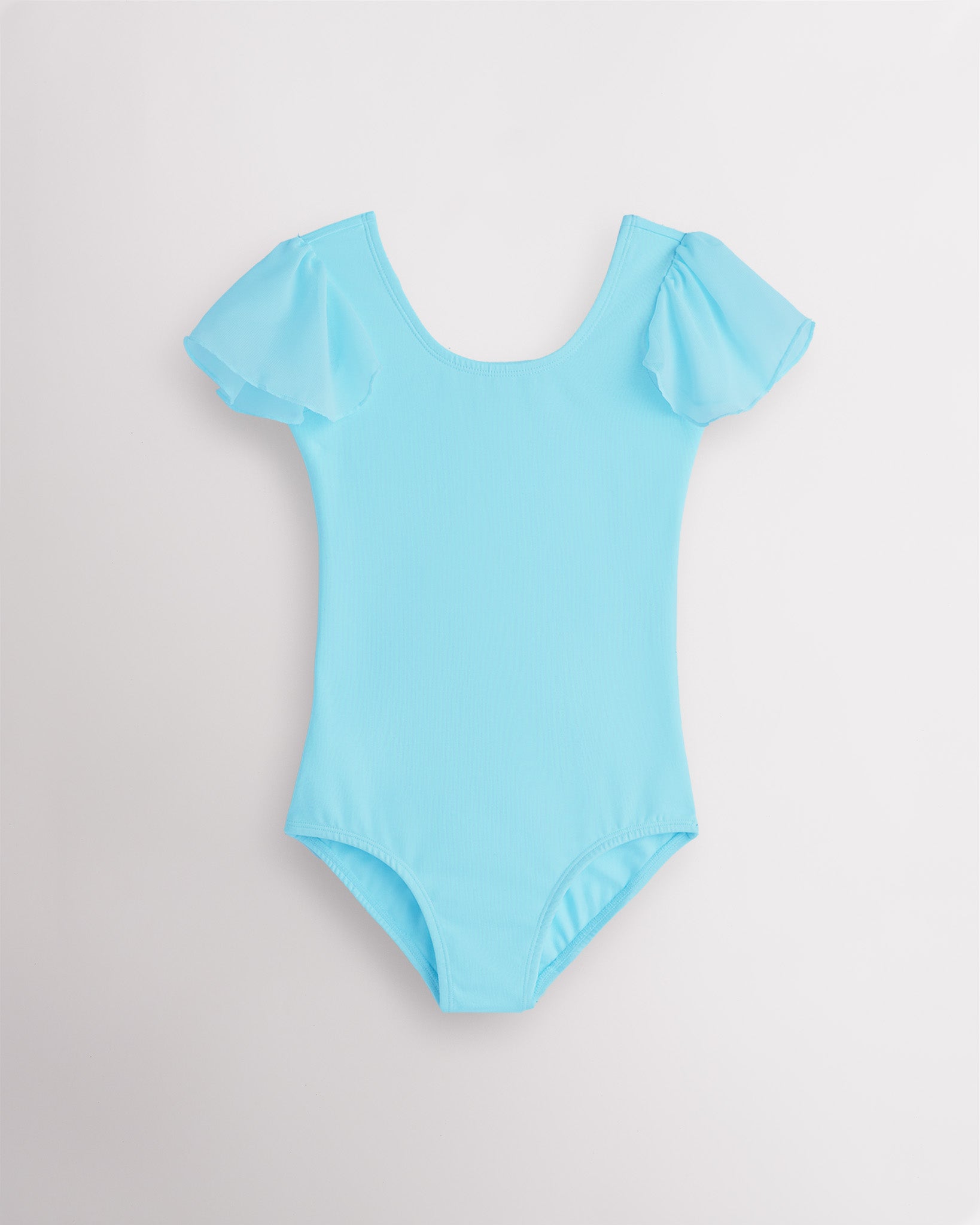
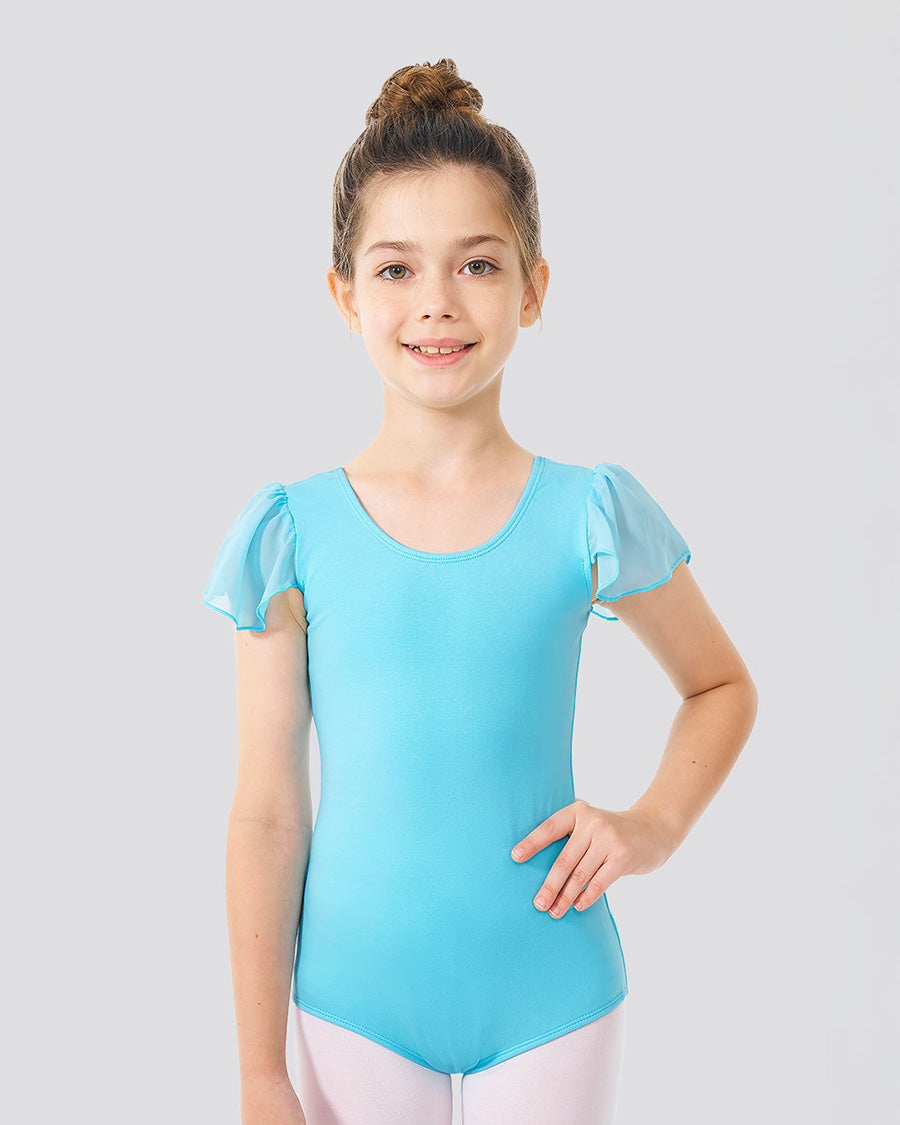
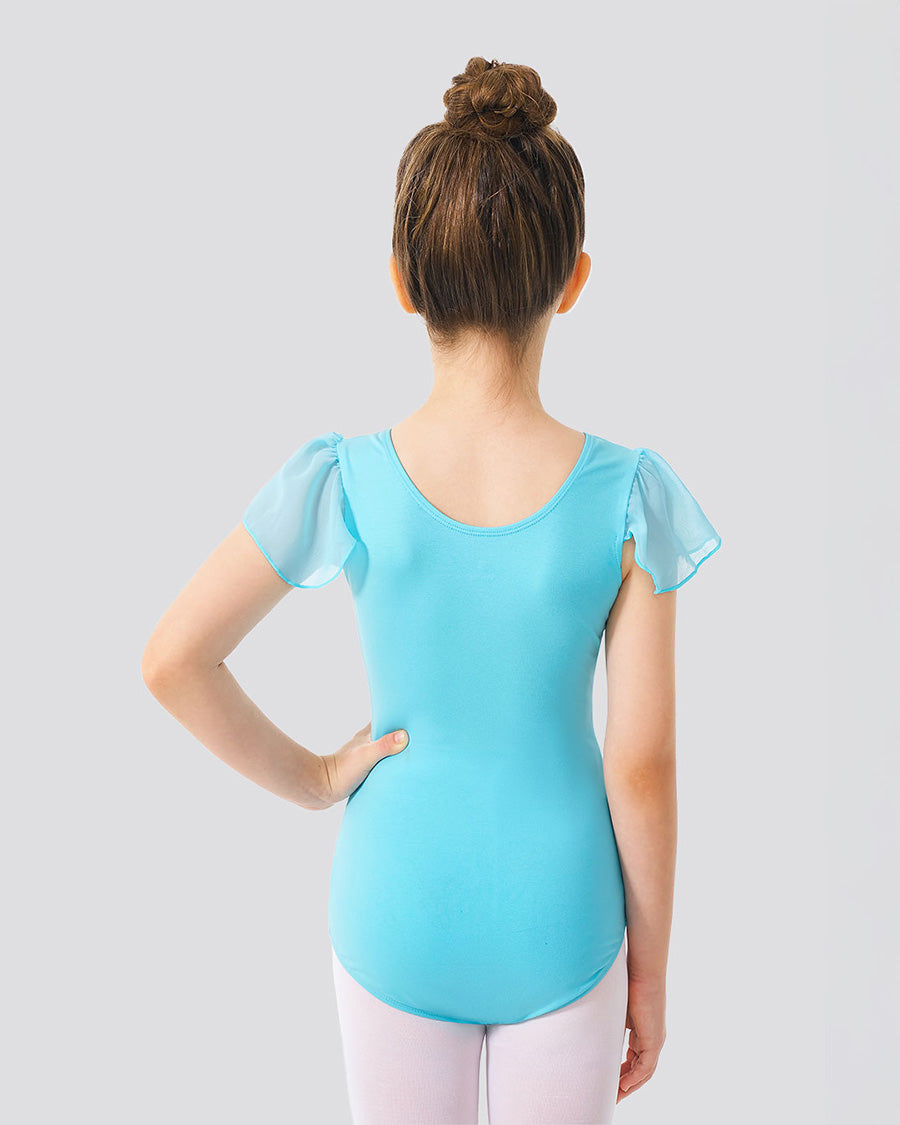
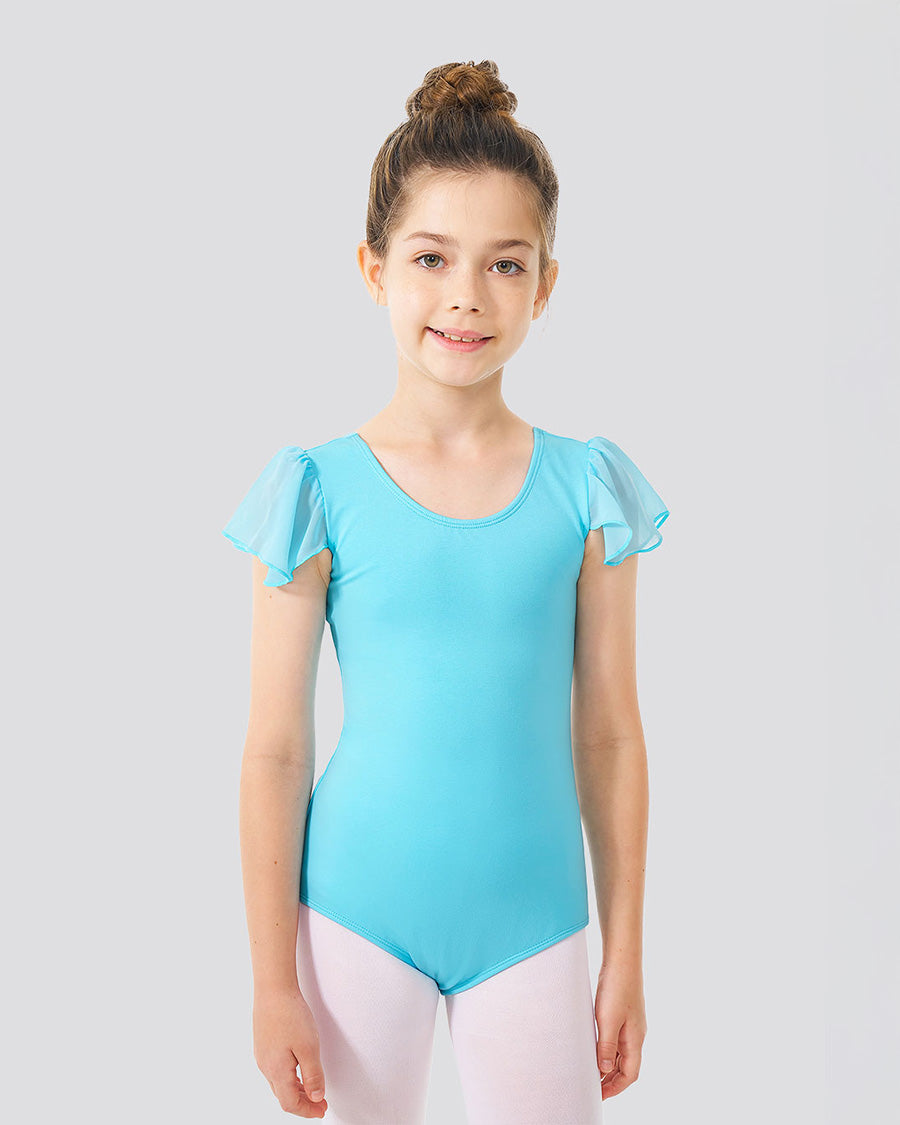
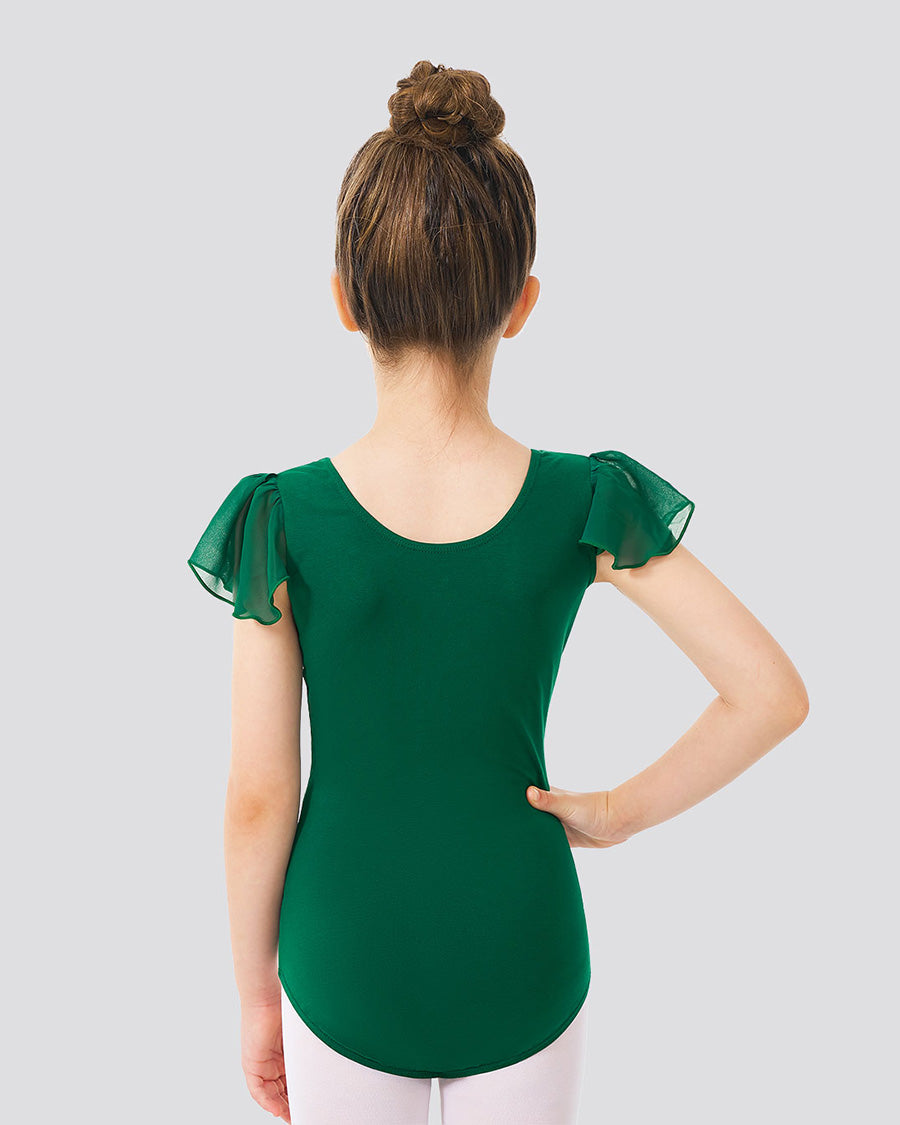
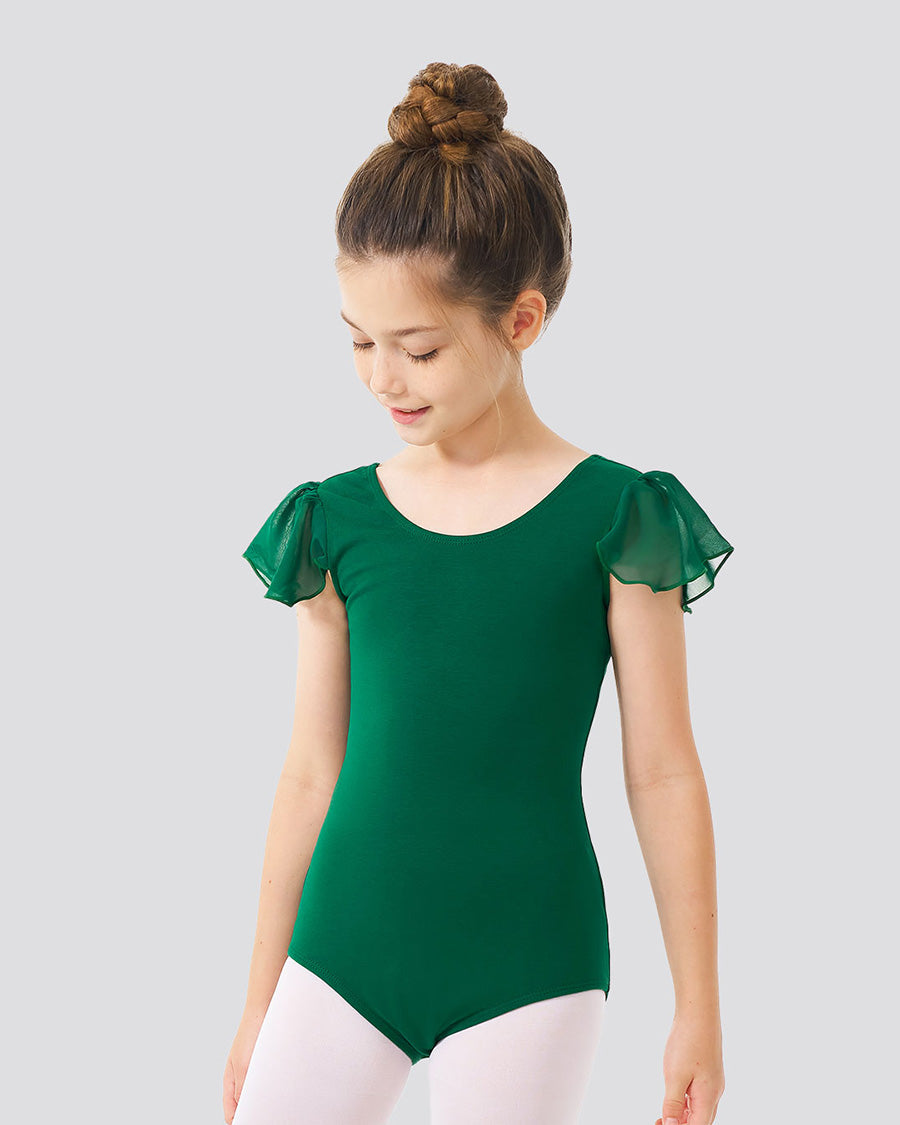
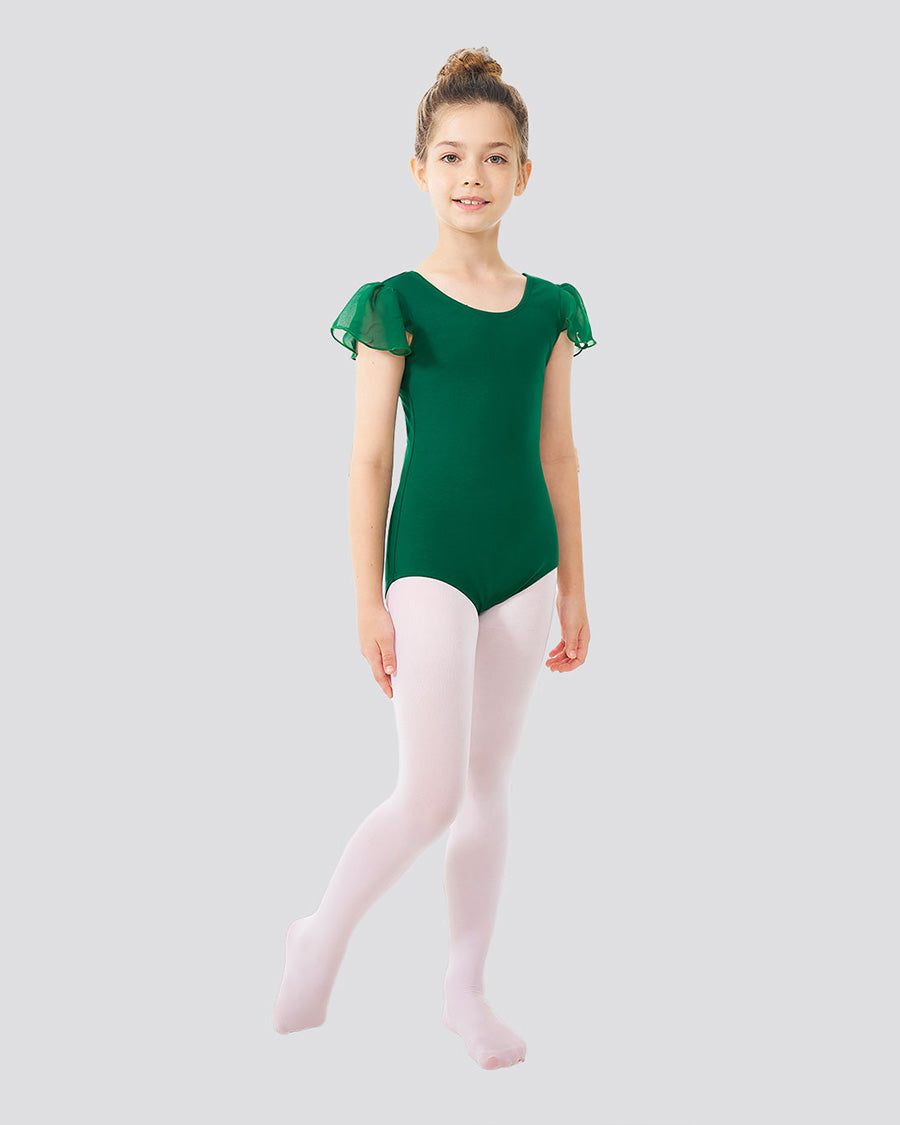
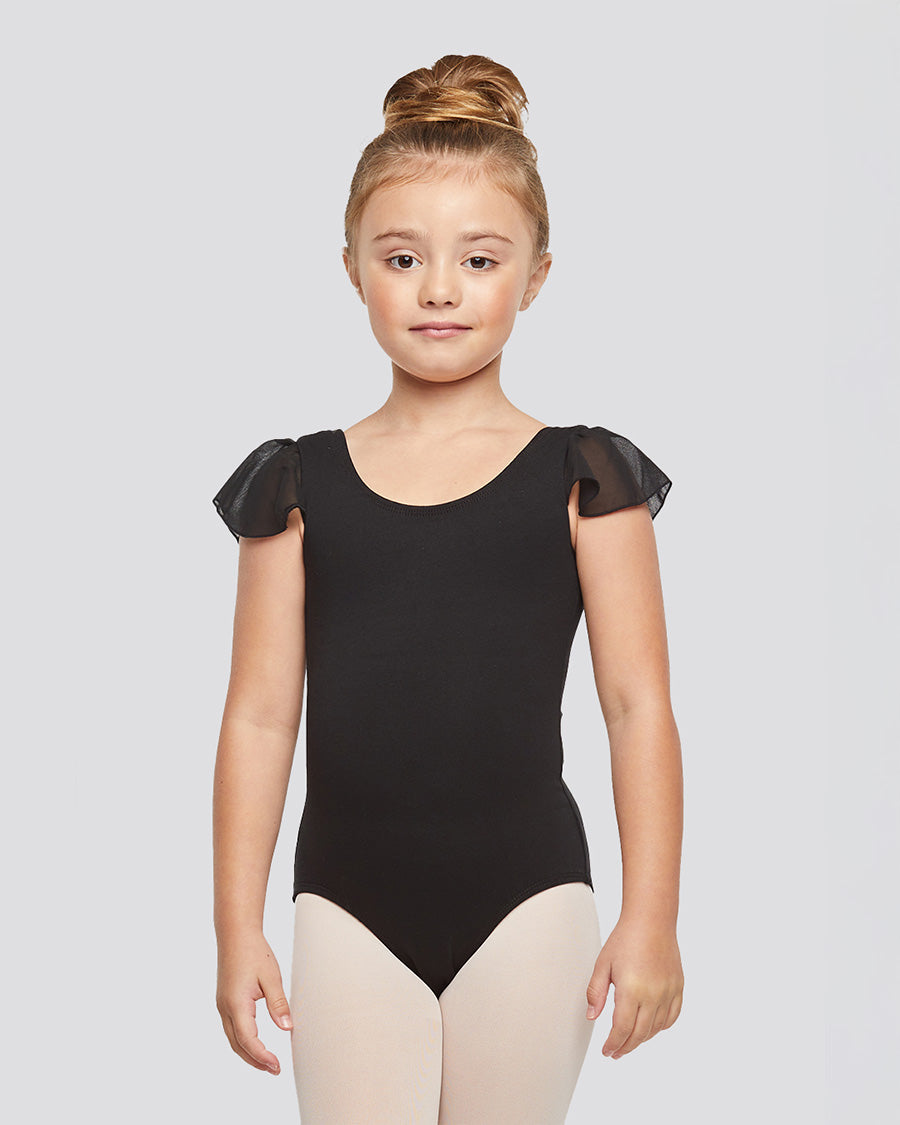
- What Kids Wear for Lyrical Dance
- Is Lyrical Dancing Right for Your Child?
- FAQ: Lyrical Dance Questions Parents Ask
-
- About the Stelle Team
Quick answer
Lyrical dance is a studio and competition style that blends ballet technique with the flow of jazz, set to music with lyrics so the choreography interprets the words and emotion of the song. On most studio schedules it sits between ballet, jazz, and contemporary, and kids usually dance it barefoot or in half sole shoes. If your child feels music deeply, lyrical is often the class where that clicks.
Key Takeaways
-
Lyrical blends ballet technique with jazz movement, danced to songs with lyrics that the choreography interprets.
-
It grew out of jazz on the American studio and competition circuit; some studios still call it lyrical jazz.
-
Lyrical and contemporary are different classes: lyrical tells the story of a song, contemporary explores movement itself and may use instrumental music or silence.
-
Most studios want some ballet foundation first; ages 7 to 9 is a common starting window, but levels vary by studio.
-
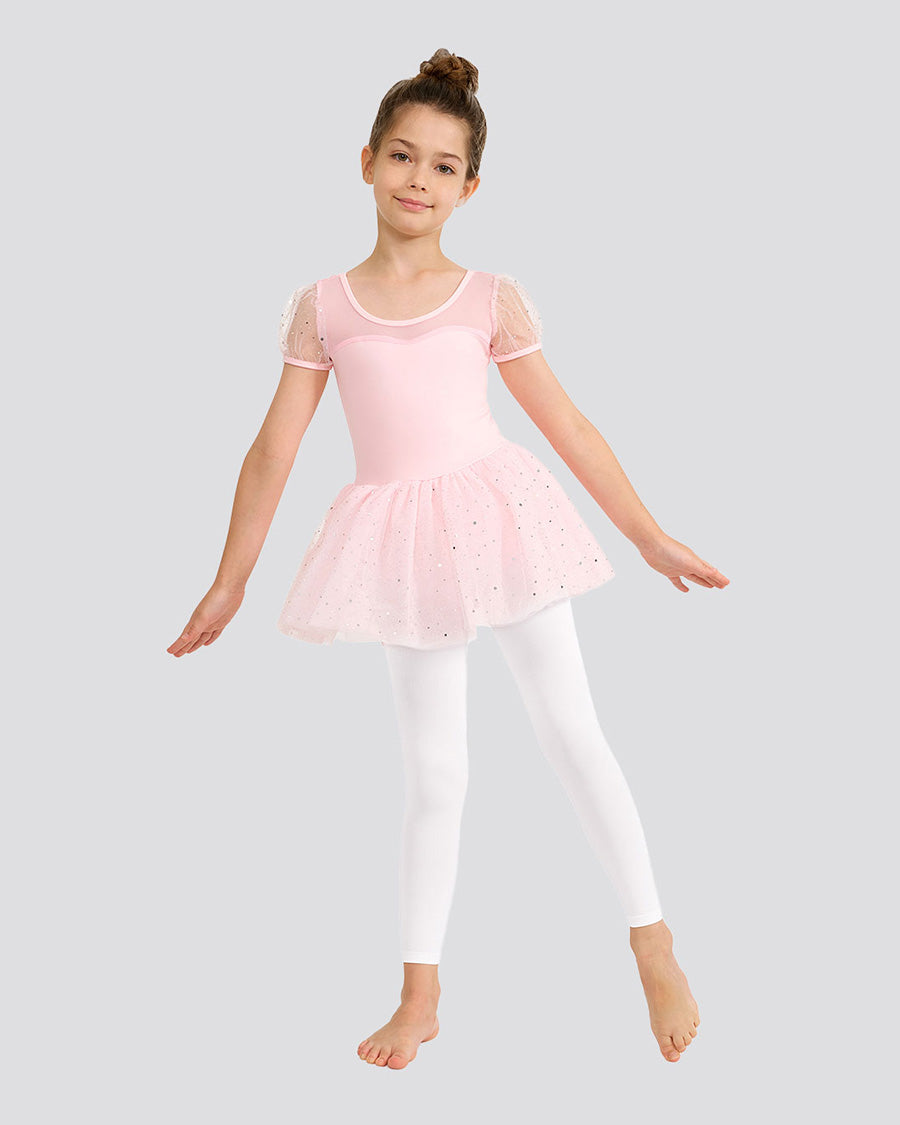
Kids typically wear a leotard or fitted top with footless or convertible tights, and dance barefoot or in half soles.
Lyrical Dance Definition: The Short Version
What is lyrical dancing, exactly? It is a style that combines ballet's technique and control with the fluidity of jazz, performed to music with lyrics so the dancer can express the song's emotion. That is how the judges at Impact Dance Adjudicators, who score these categories at competitions, describe it. The lyrical dance meaning is literal: the style is named for the lyrics that drive the choreography.
In practice, a lyrical dancer is trying to make you feel something specific. The movement is soft and continuous, with long extensions, controlled turns, and expressive arms, and the face is part of the performance. Ballet's control, jazz's flow, and a song's story, rolled into one routine.
Where Lyrical Sits Between Ballet, Jazz, and Contemporary
Lyrical is a fusion style, younger than the styles it draws from. Dance educators at Teach.Dance trace its development to the American competition circuit of the late 20th century, where choreographers blended ballet placement with jazz phrasing to interpret popular songs. The dance writers at MasterClass note its ties to Broadway dream sequences and its regular presence on shows like So You Think You Can Dance, which is where plenty of parents first see it.
Here is how the four class names on a typical studio schedule compare:
|
Style |
Technique base |
Music |
Feet |
The feel |
|---|---|---|---|---|
|
Ballet |
Classical technique, set positions |
Classical, mostly instrumental |
Ballet slippers |
Structured and precise |
|
Jazz |
Ballet-influenced, sharp isolations |
Upbeat pop, show tunes |
Jazz shoes |
Energetic and punchy |
|
Lyrical |
Ballet plus jazz, continuous flow |
Songs with lyrics |
Barefoot or half soles |
Emotional and story-driven |
|
Contemporary |
Modern dance, floor work, release |
Instrumental, soundscapes, or silence |
Barefoot |
Exploratory and abstract |
In a lyrical vs ballet comparison, the practical differences are structure and shoes: ballet builds vocabulary through set positions and exercises, lyrical borrows that vocabulary and loosens it to follow a song. Lyrical ballet on a schedule is the same idea leaning harder on classical lines.
What Is Lyrical Jazz?
Lyrical jazz is the older name for lyrical dance, from when it was considered a softer, more emotive branch of jazz. Some studios and competitions keep the term as its own category, usually meaning a routine with more jazz energy under the emotional surface. If your dancer already loves jazz class, our beginner's guide to jazz dance shows where lyrical branches off.

Lyrical vs Contemporary Dance: How to Tell Them Apart
Parents mix these two up more than anything else, and plenty of dancers do too. The difference between lyrical and contemporary dance comes down to purpose. Lyrical interprets a song: the lyrics lead, the choreography follows, and the goal is a clear emotional story. Contemporary explores movement for its own sake: it grew from choreographers questioning ballet's rules, often uses instrumental music, spoken word, or silence, and can be abstract rather than narrative.
The educators at Teach.Dance put it memorably: "If contemporary is the art gallery, lyrical is the cinema. One makes you think, the other makes you feel." Competition judges score them as separate categories, which is why studios keep the labels distinct even though the styles share technique.
A quick gut check for recital videos: if the dancer seems to be acting out the singer's feelings, it is probably lyrical. If the movement feels experimental and the music is secondary, it is probably contemporary. We break down the contemporary side in our companion guide to what contemporary dance is, if your studio offers both tracks.
What a Lyrical Dance Class Looks Like
A typical kids' lyrical dance class runs a lot like a ballet or jazz class at first, then turns expressive. Expect a warm-up and stretch, ballet-based technique work (pliés, tendus, balances), then across-the-floor progressions like leaps, chaîné turns, and slides. The last chunk of class usually goes to a combination set to a song with lyrics, where the teacher coaches musicality and emotion, not just steps.
Because lyrical leans on ballet placement, many studios ask for a year or two of ballet or jazz first, and commonly open lyrical classes somewhere around ages 7 to 9. Age cutoffs and level names vary by studio, so confirm the details with yours before signing up. If this is your child's first structured dance class, our walkthrough of what to expect at a first ballet class covers the same rhythms of drop-off and class flow.

What Kids Wear for Lyrical Dance
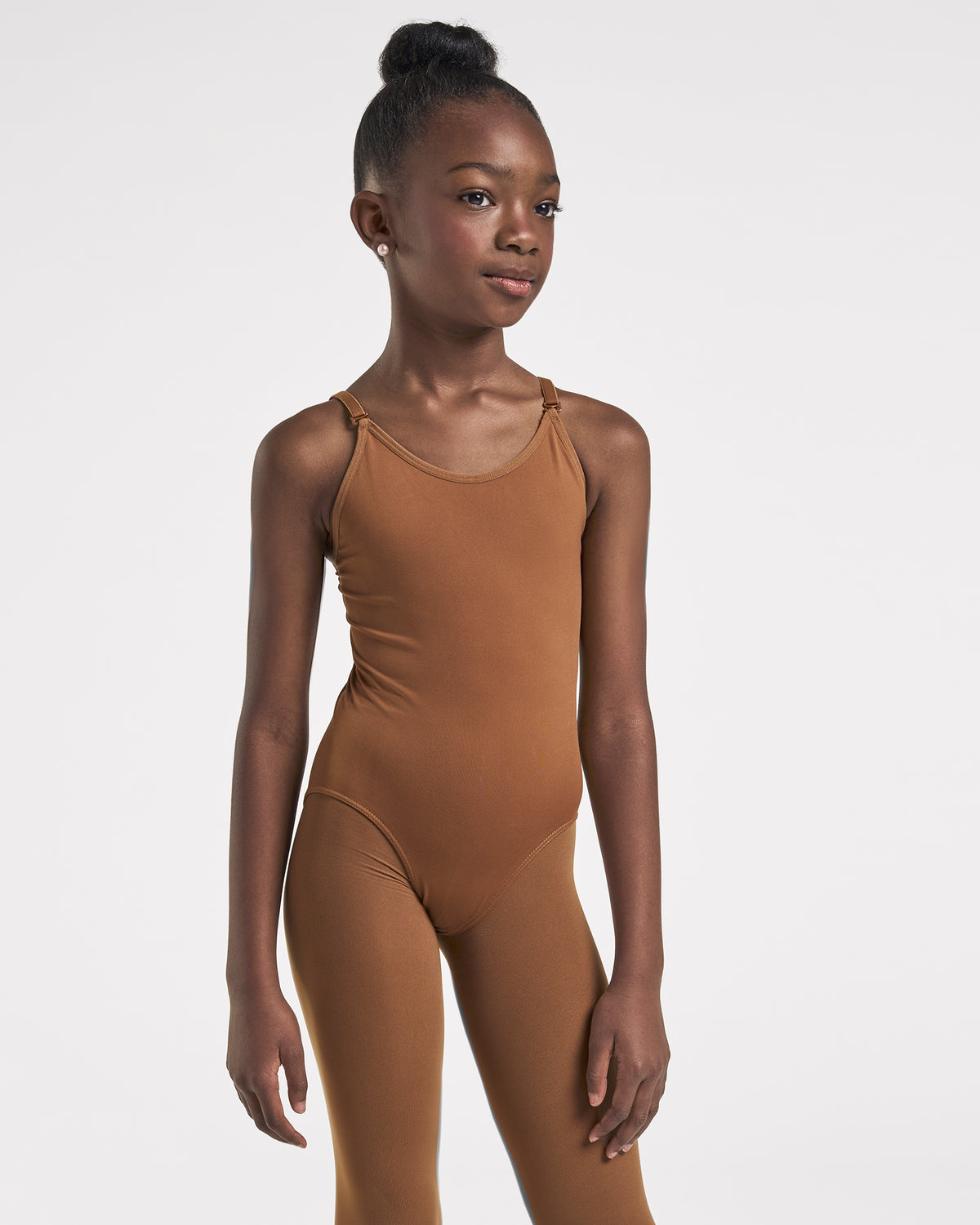
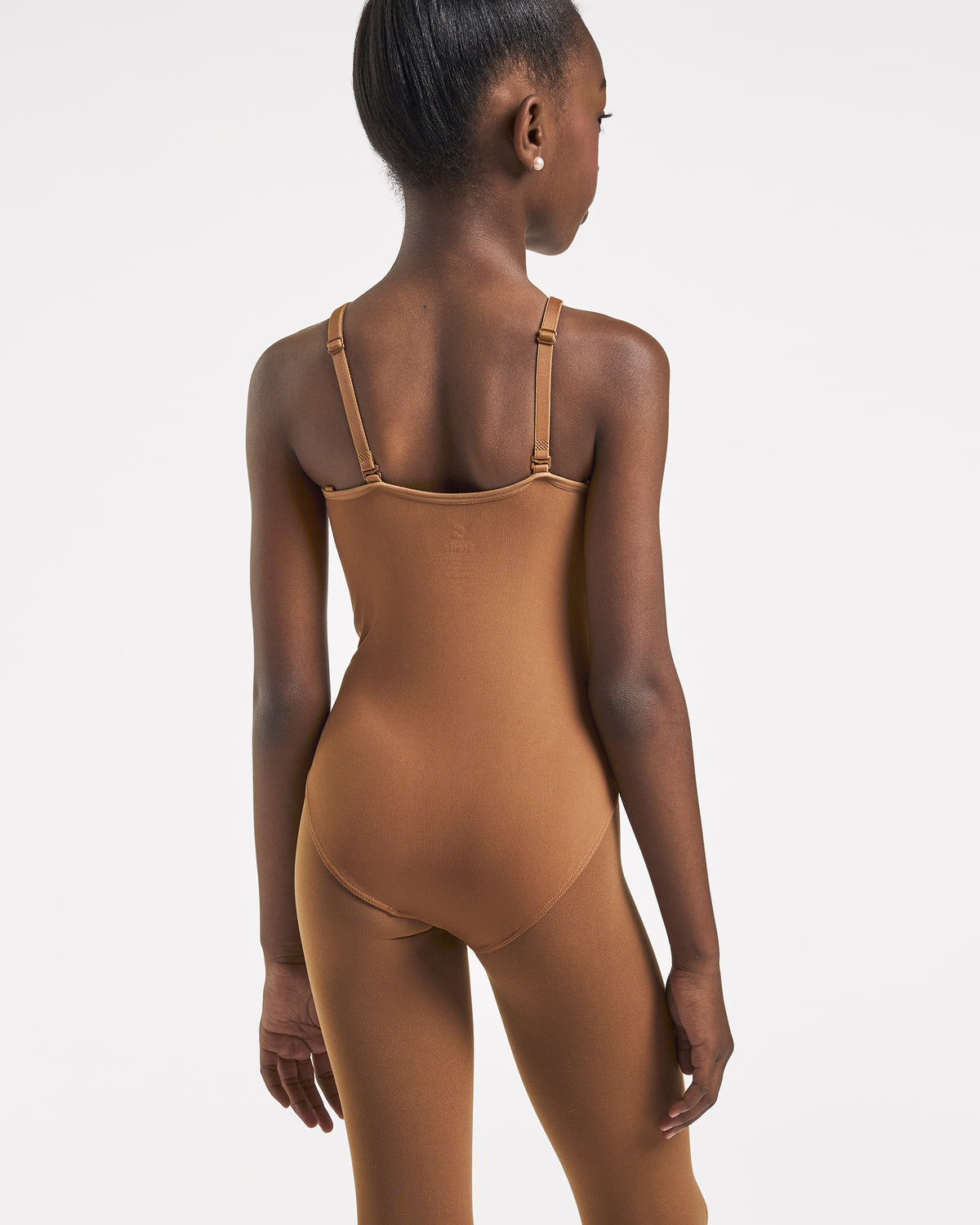
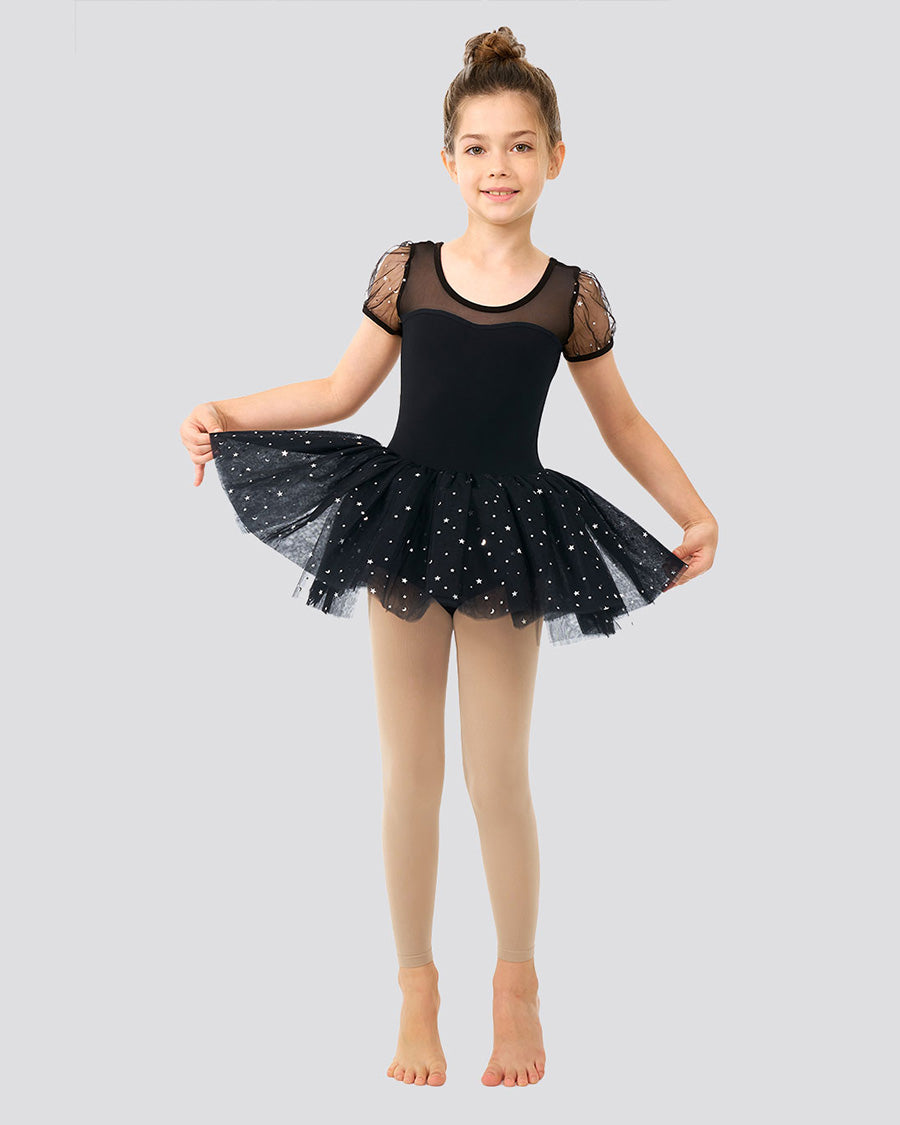
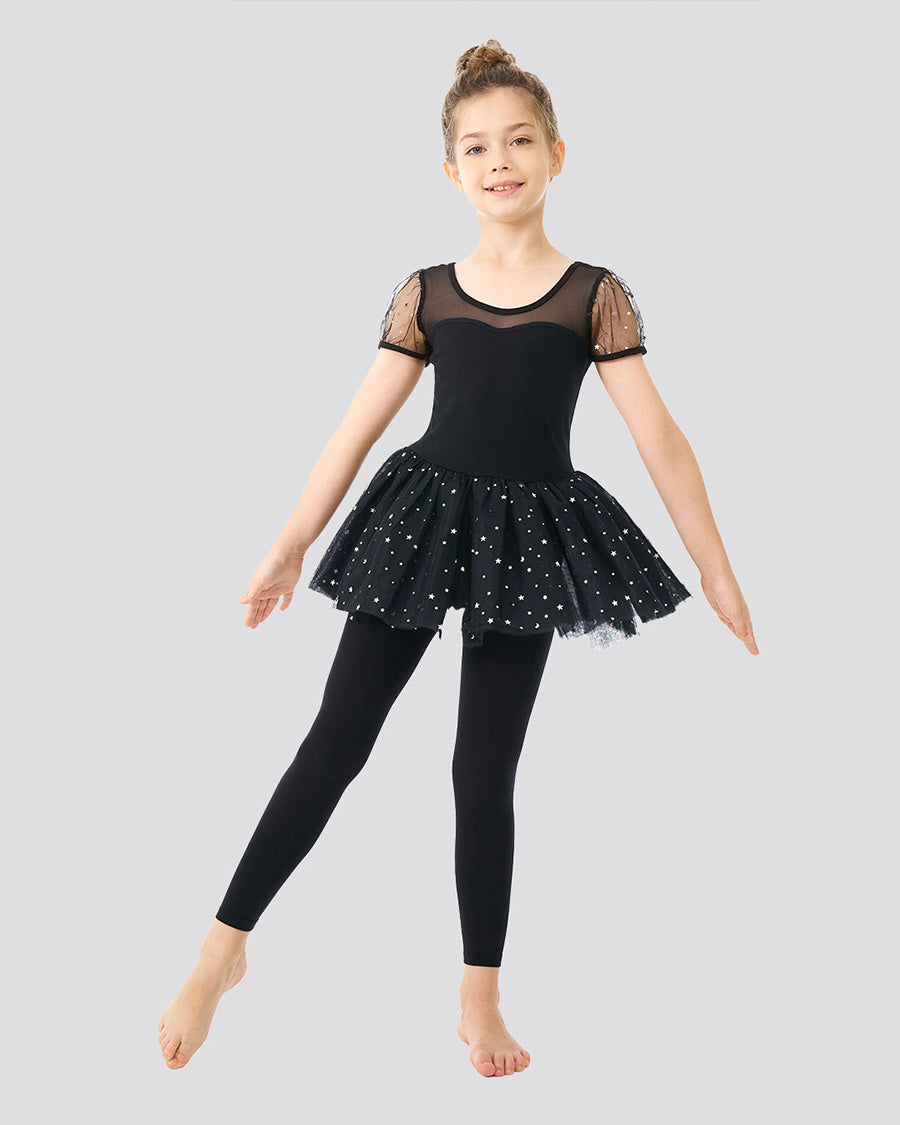
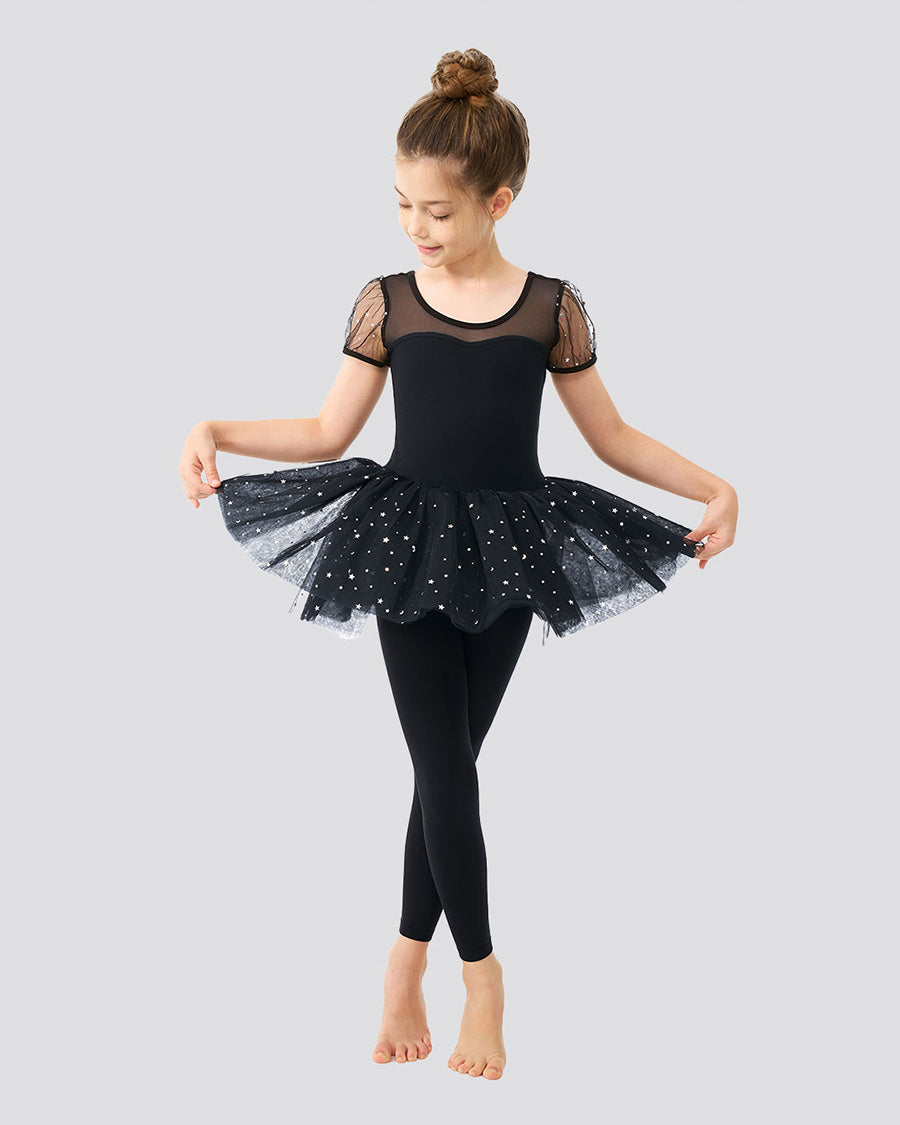
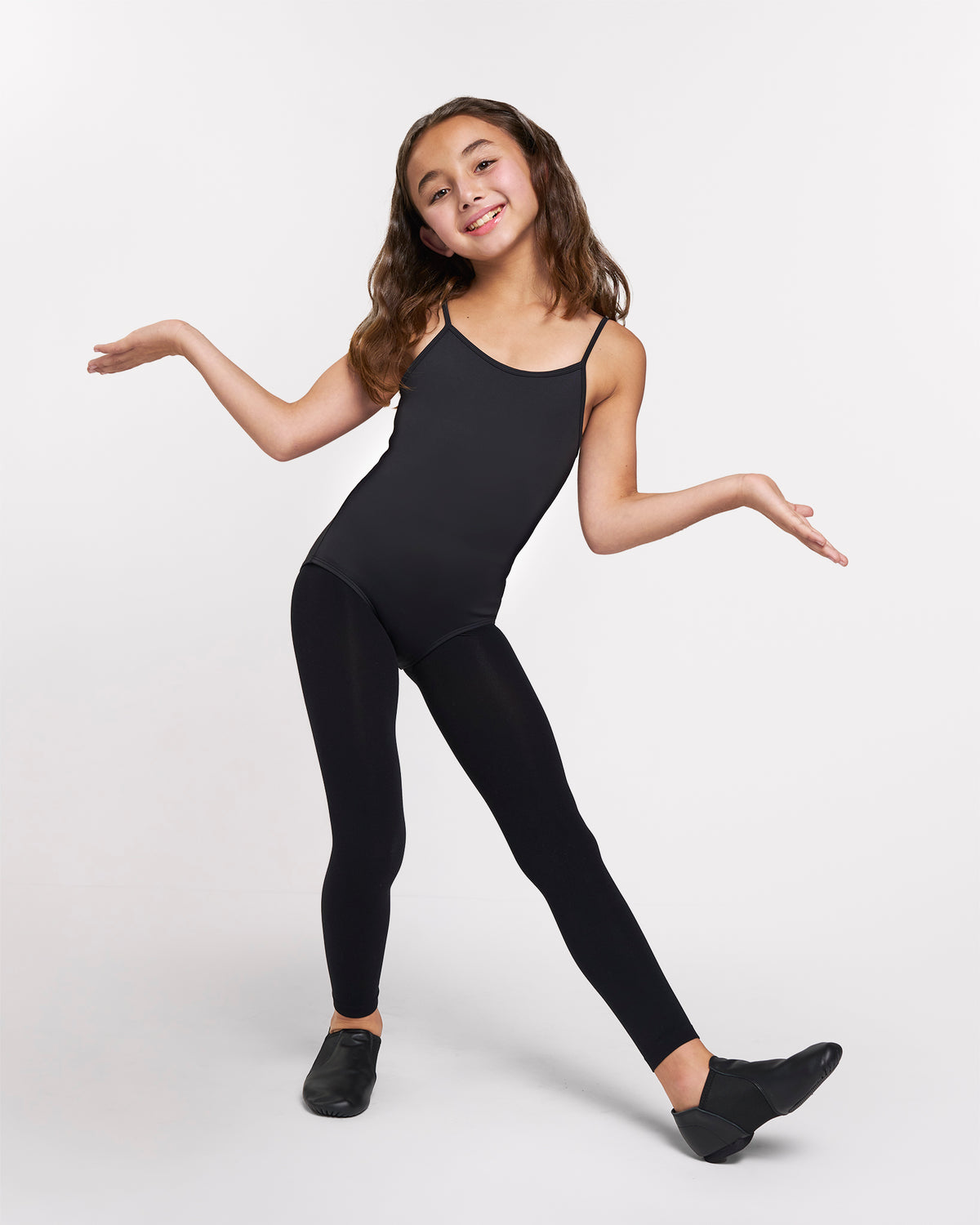
Lyrical dance attire is simple and close-fitting, because the teacher needs to see the body's working lines through slow, controlled movement. If the studio has not sent a dress code yet, here is what to wear to lyrical dance class on day one:
-
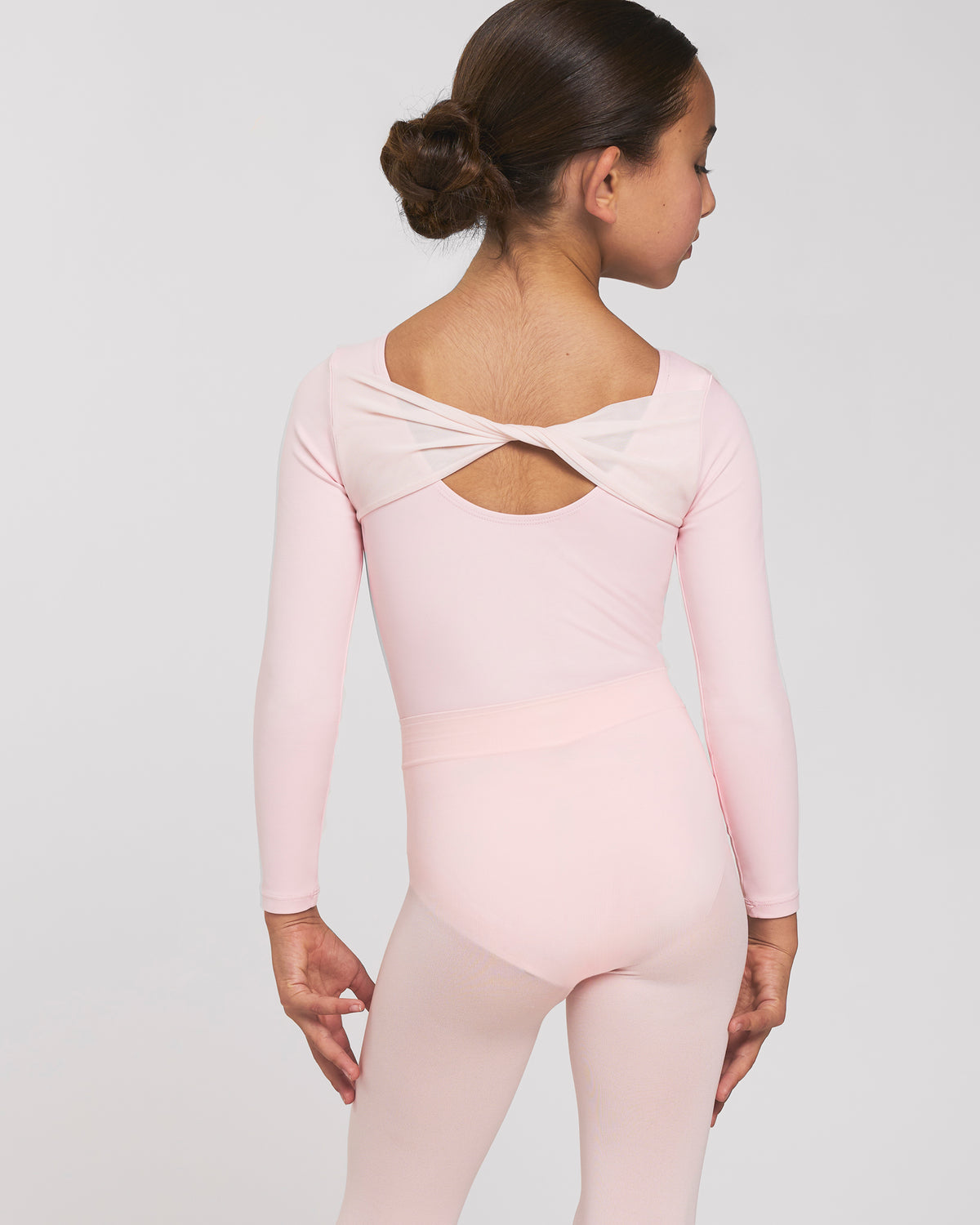
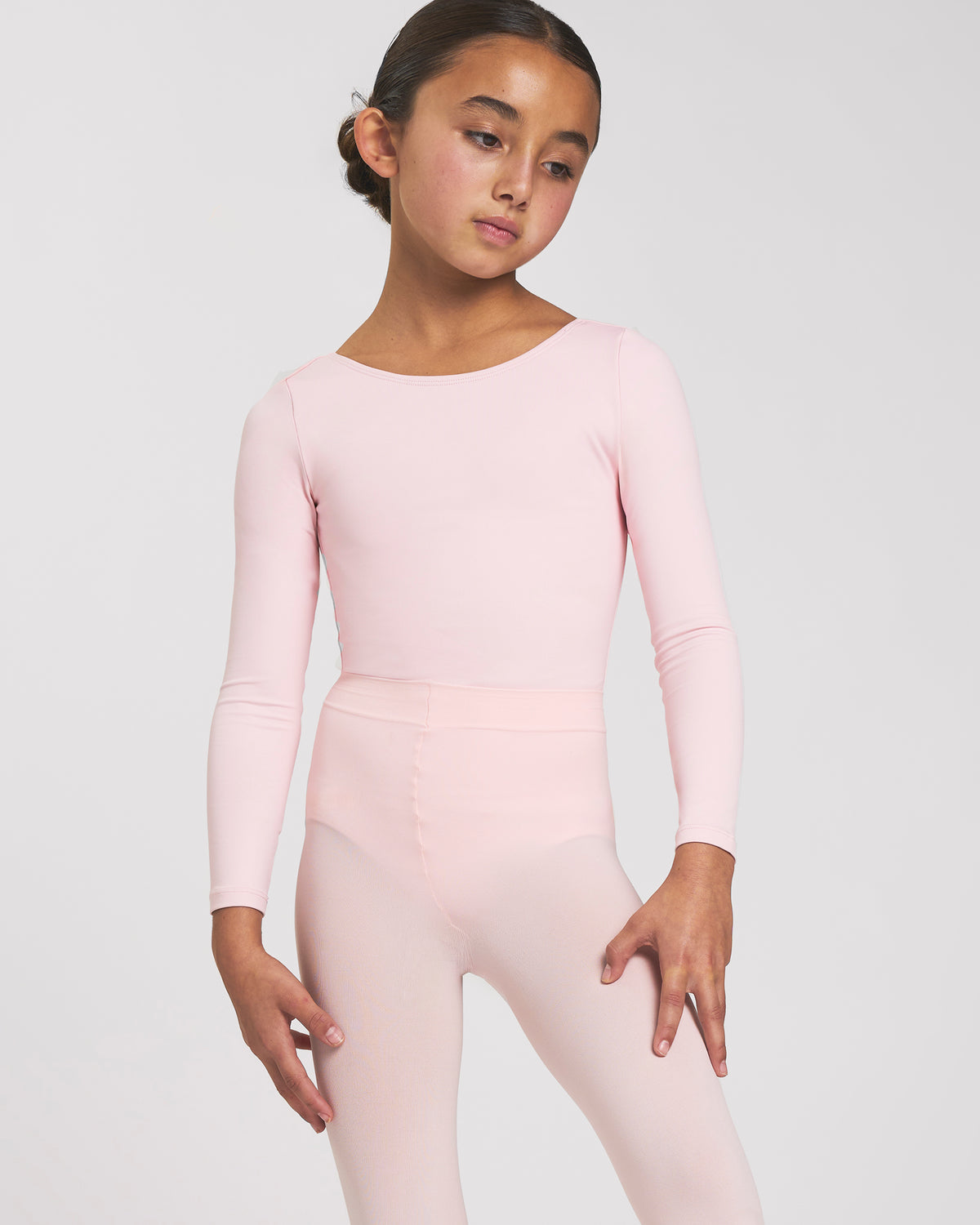
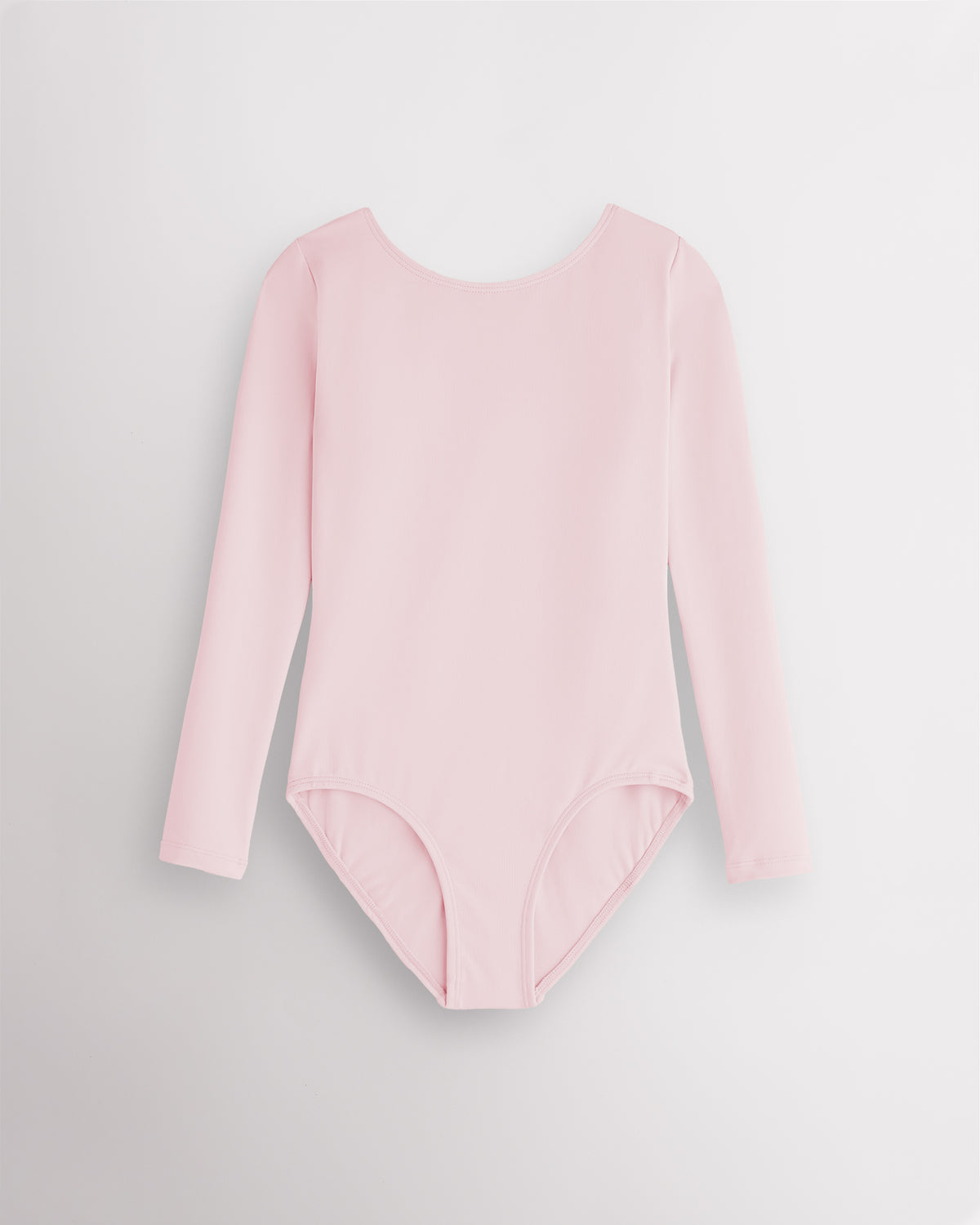
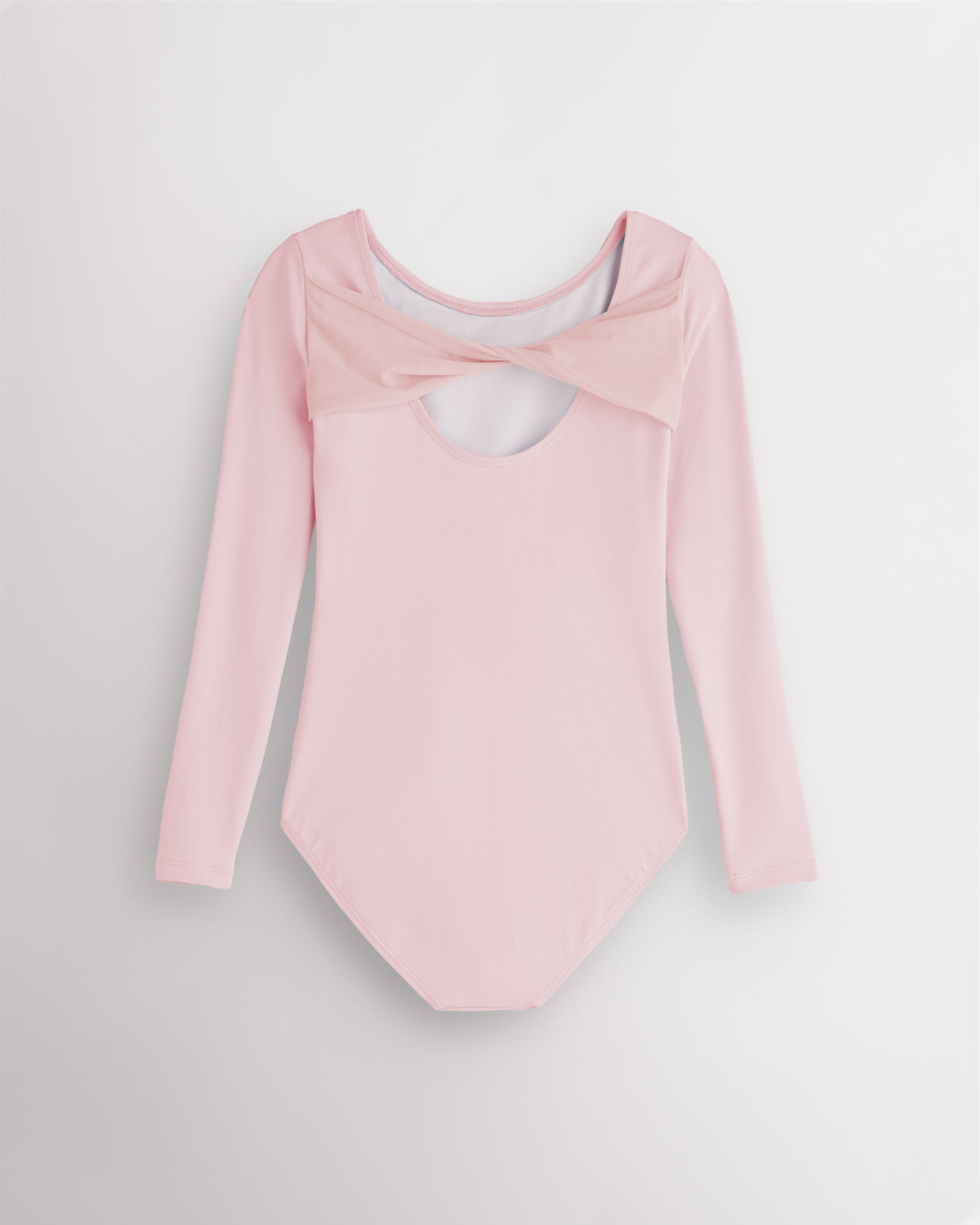
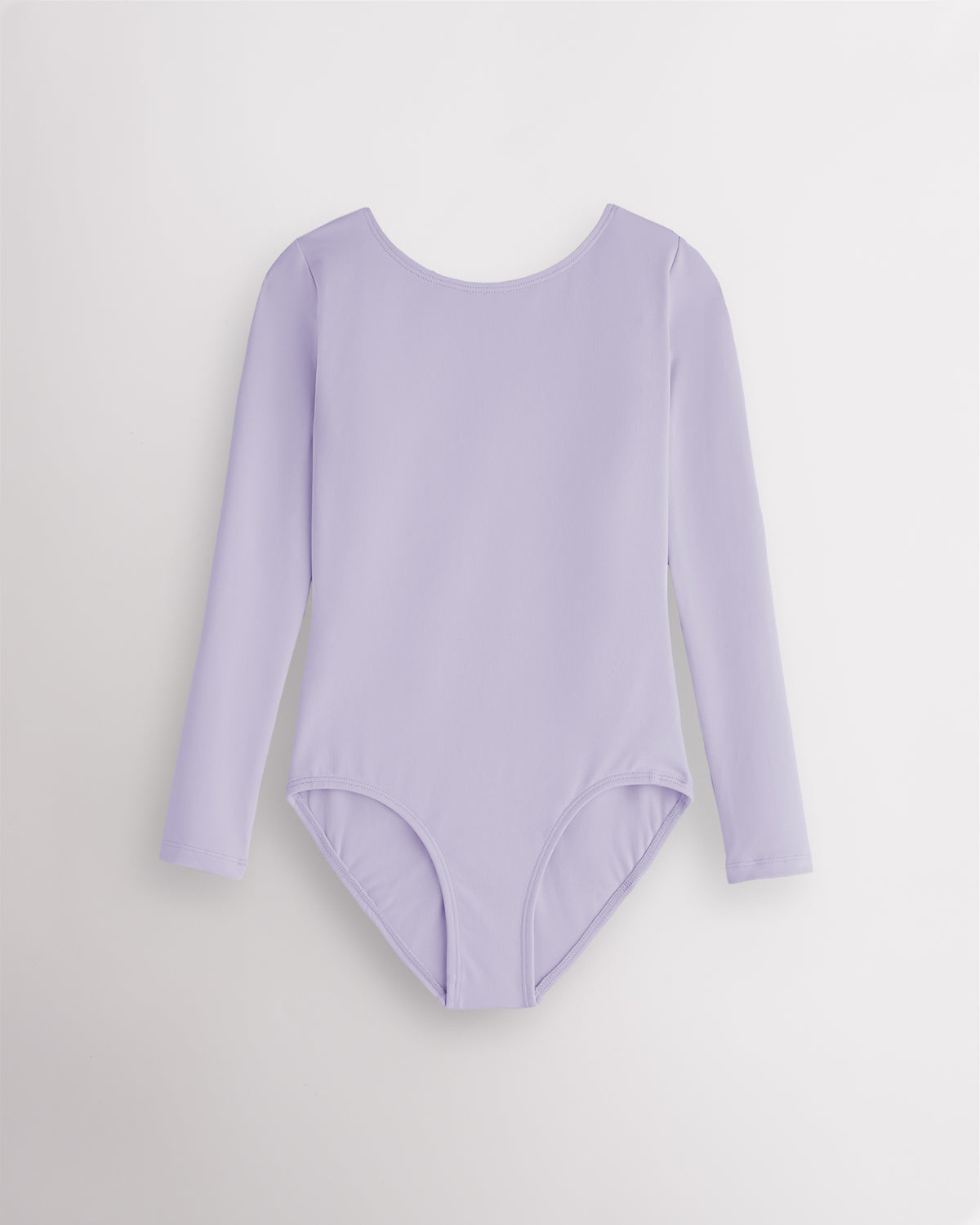
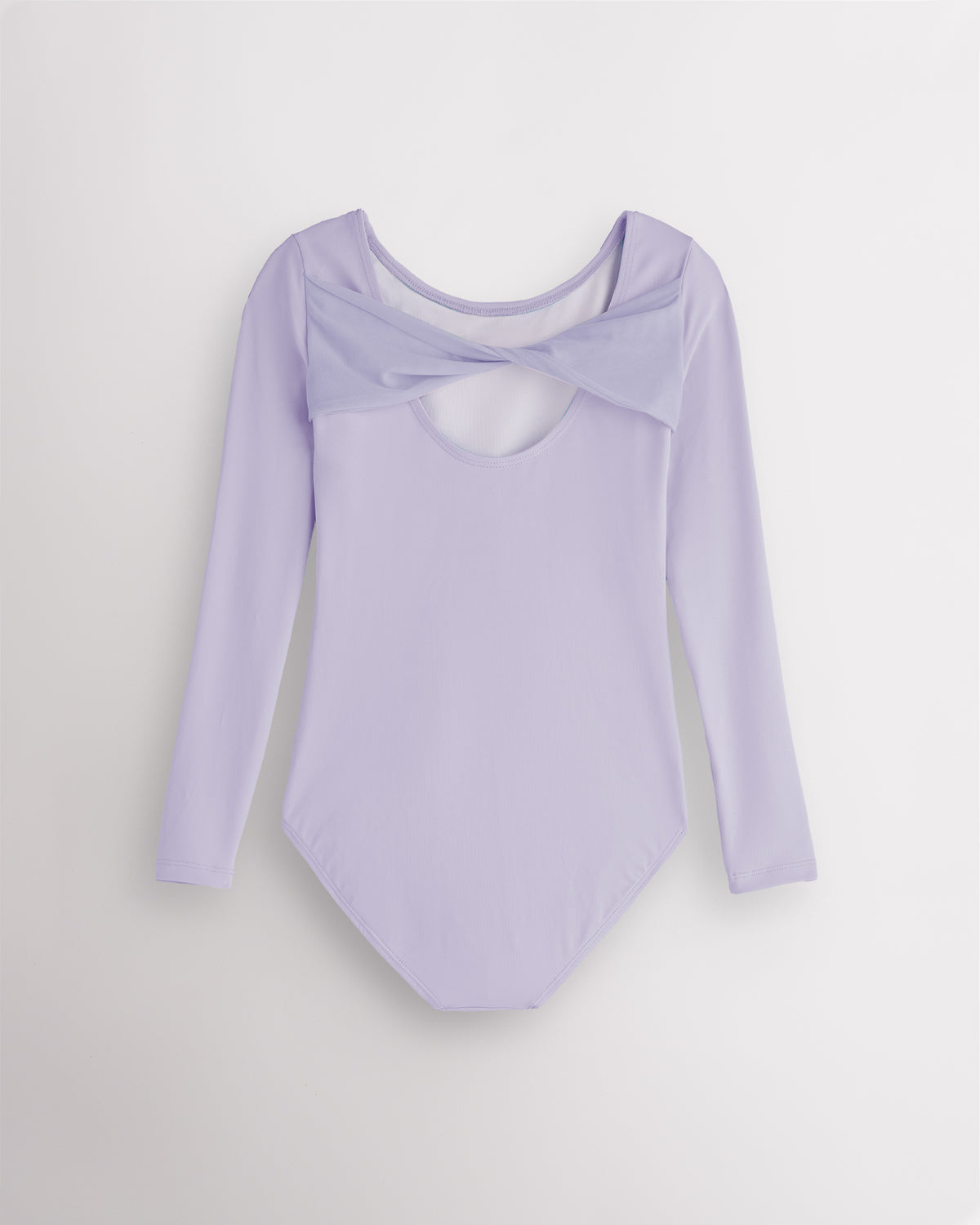
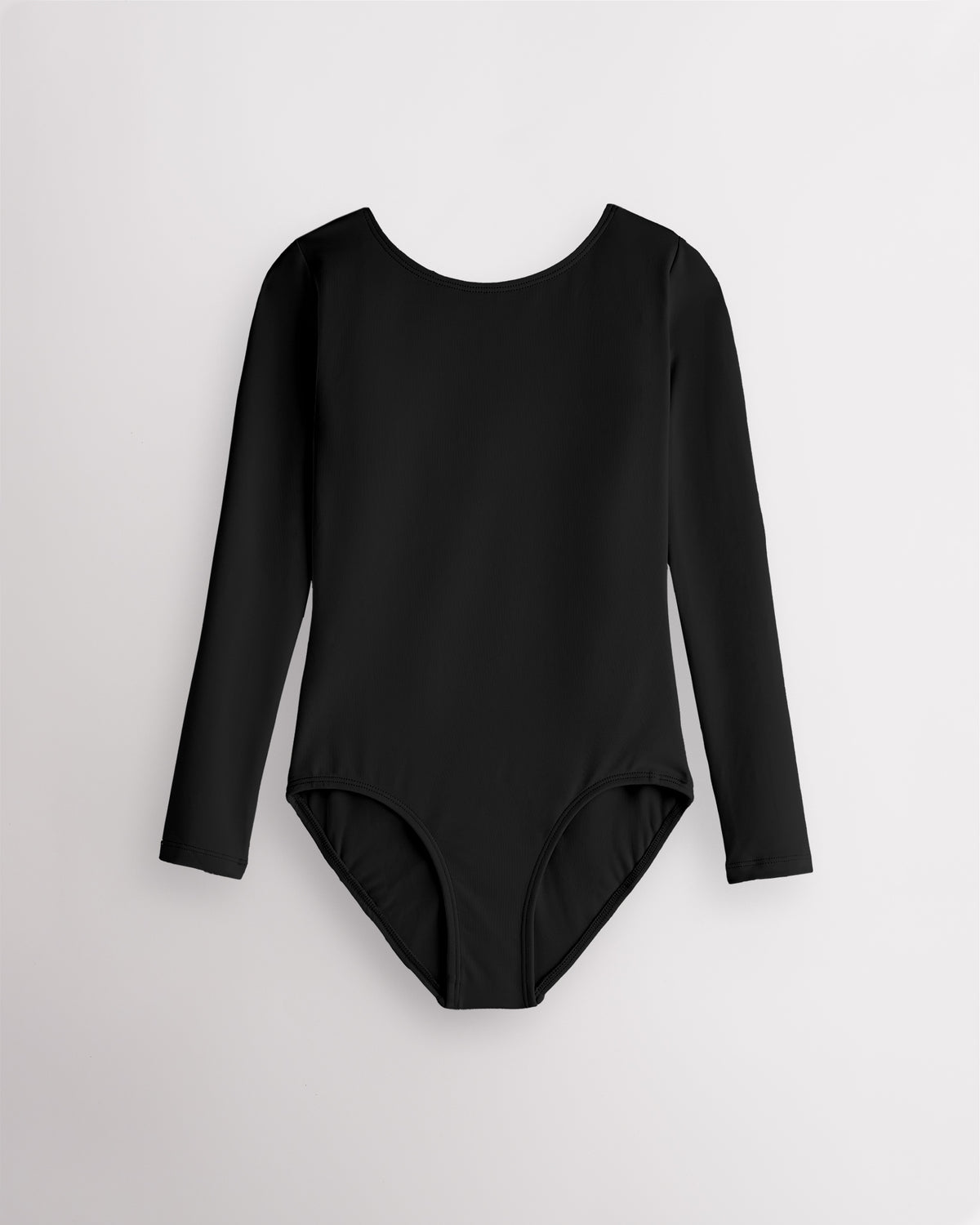
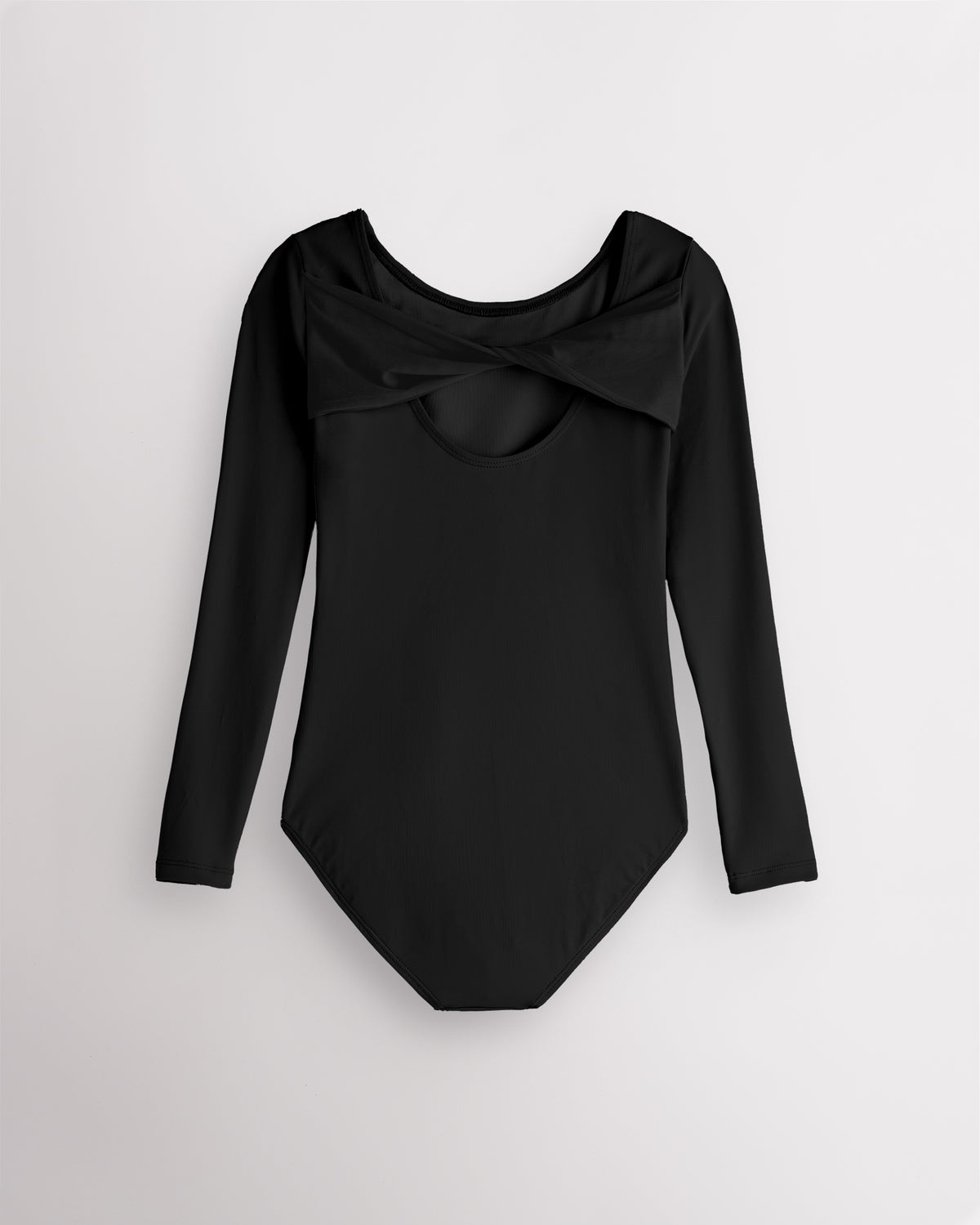
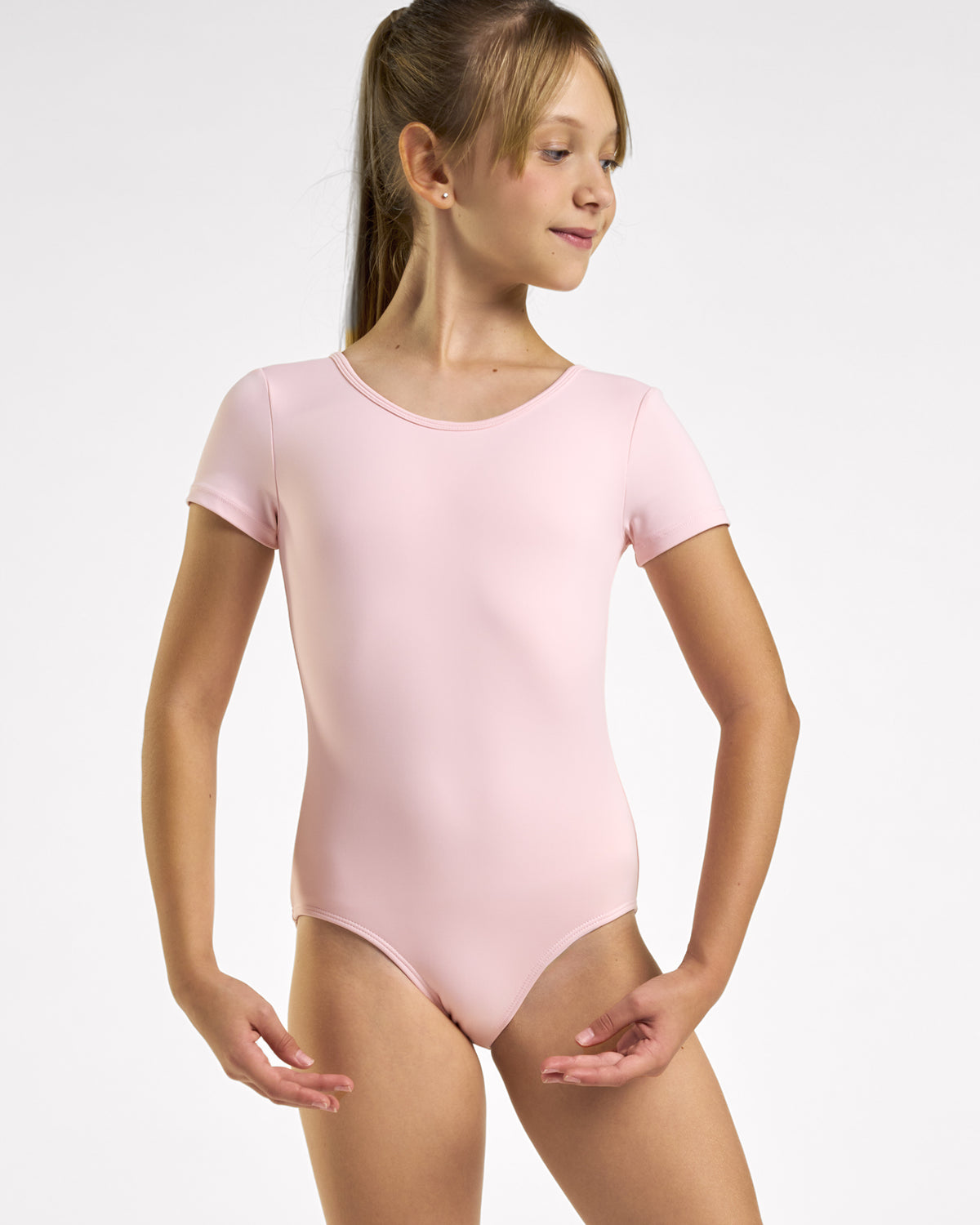
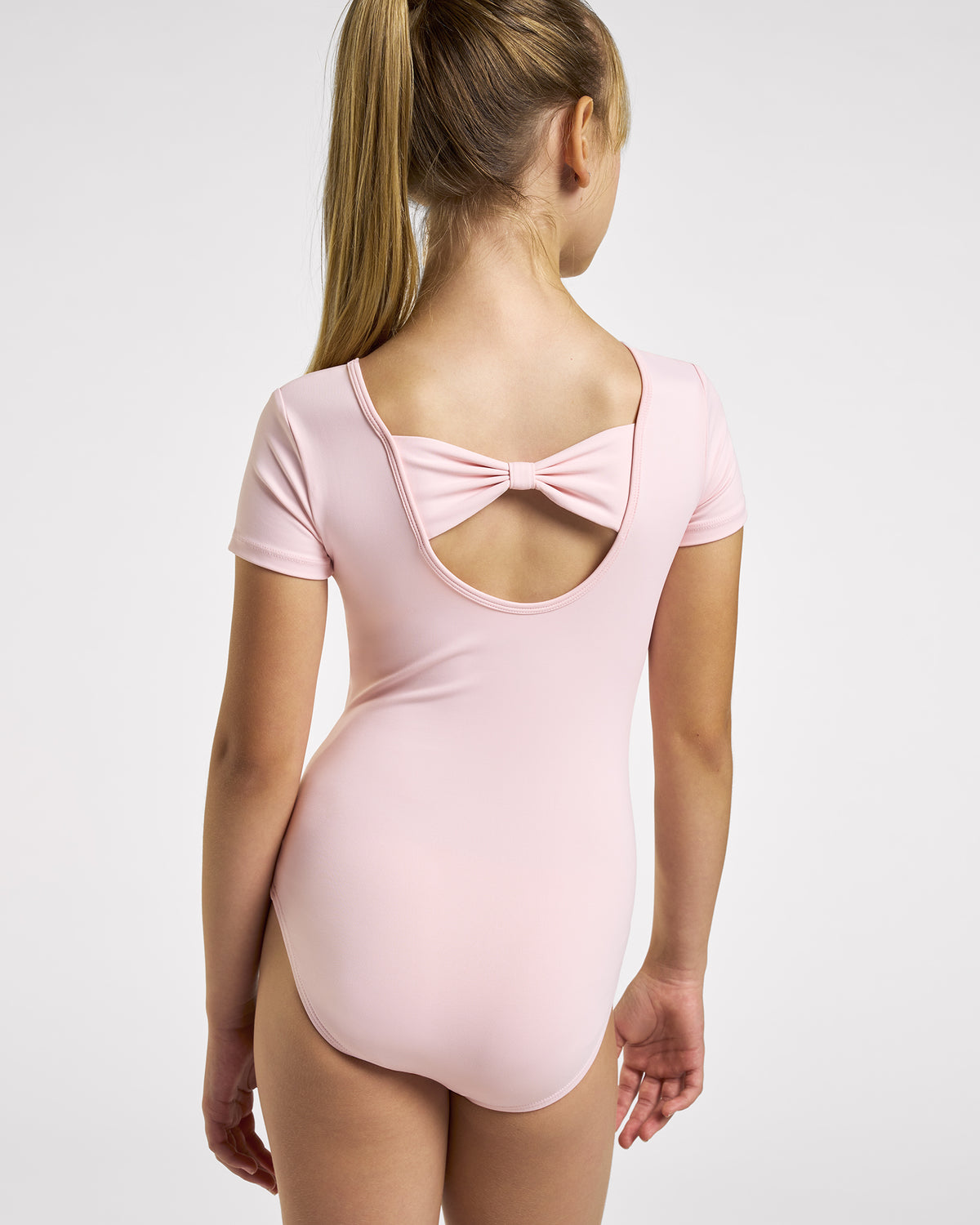
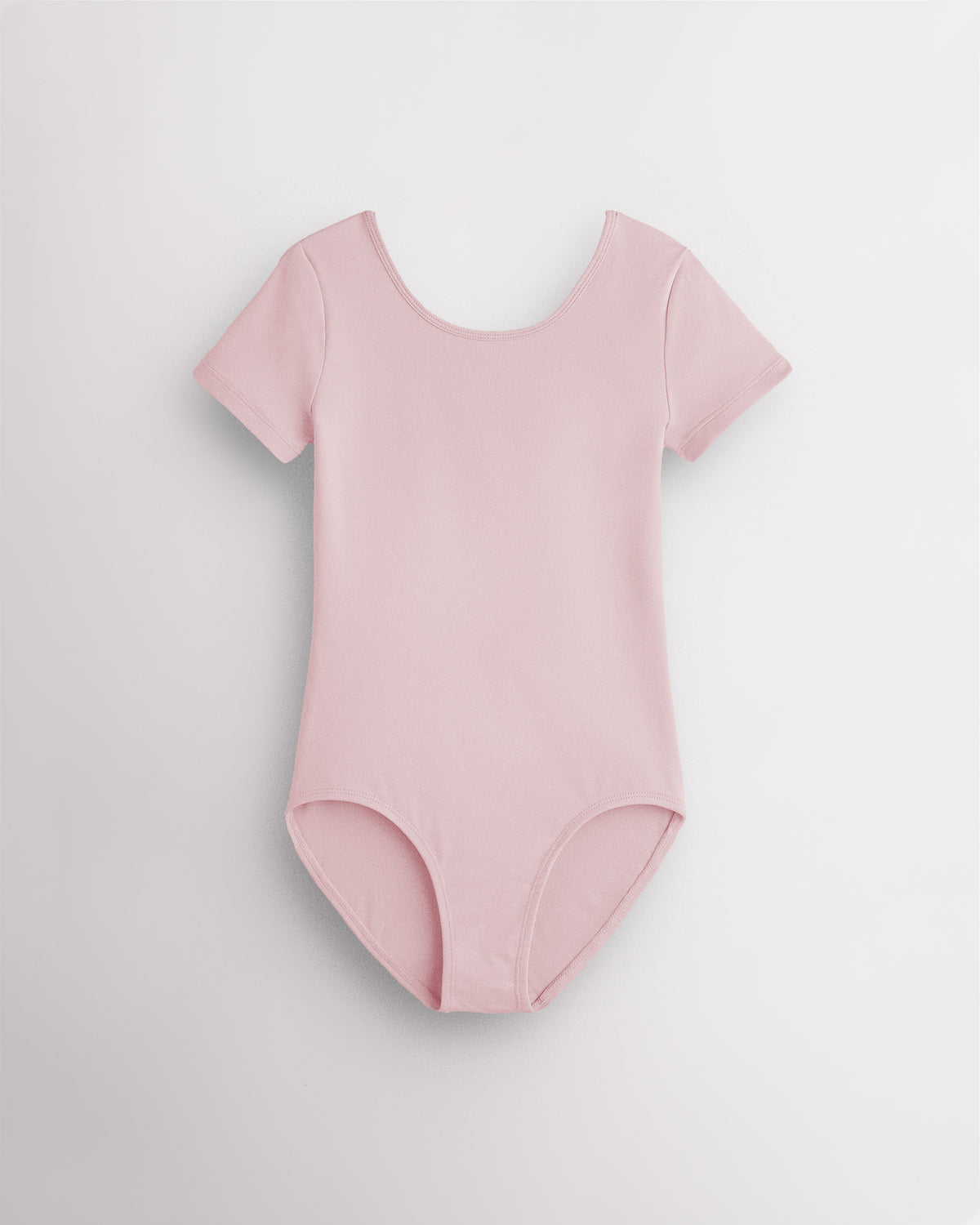
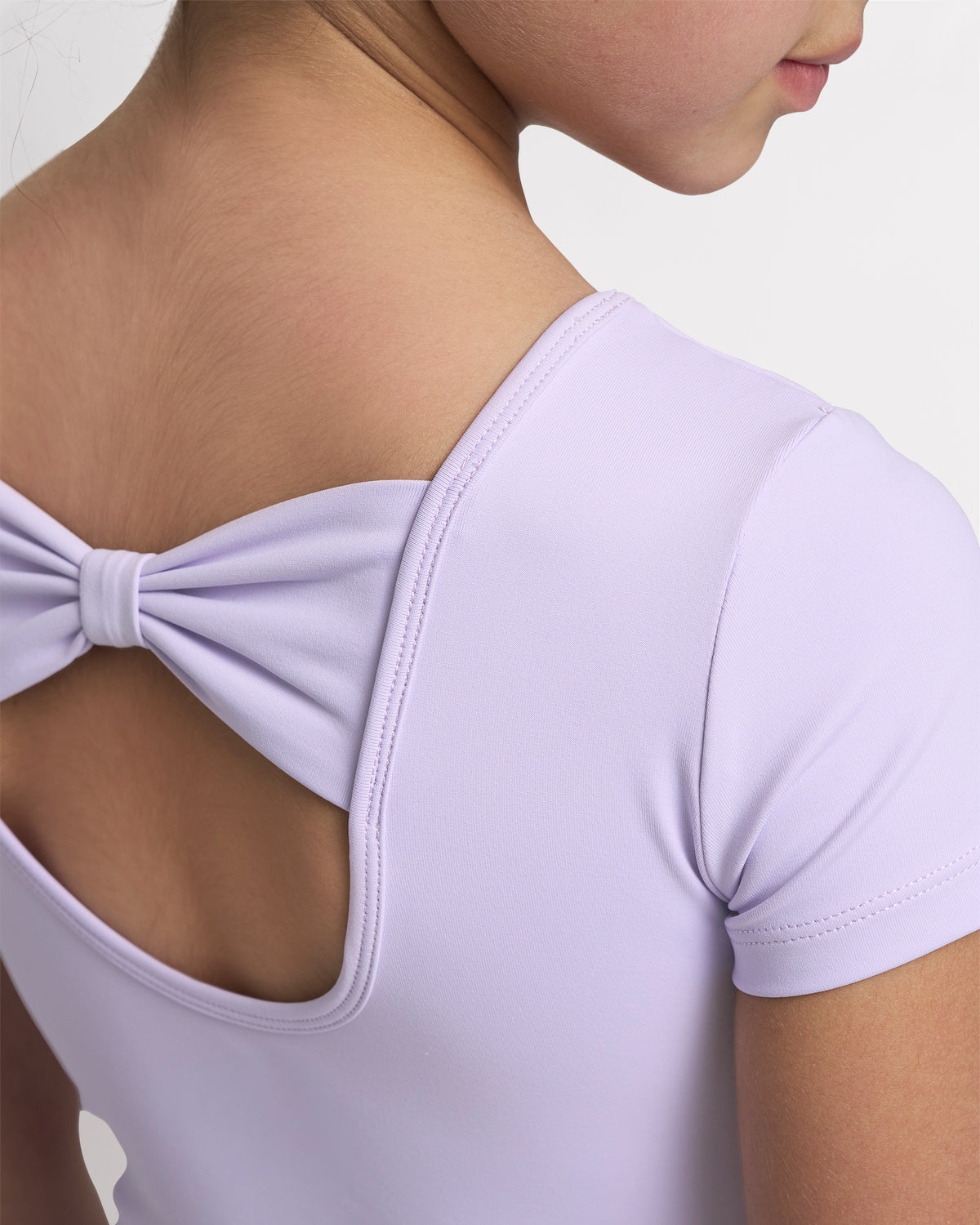
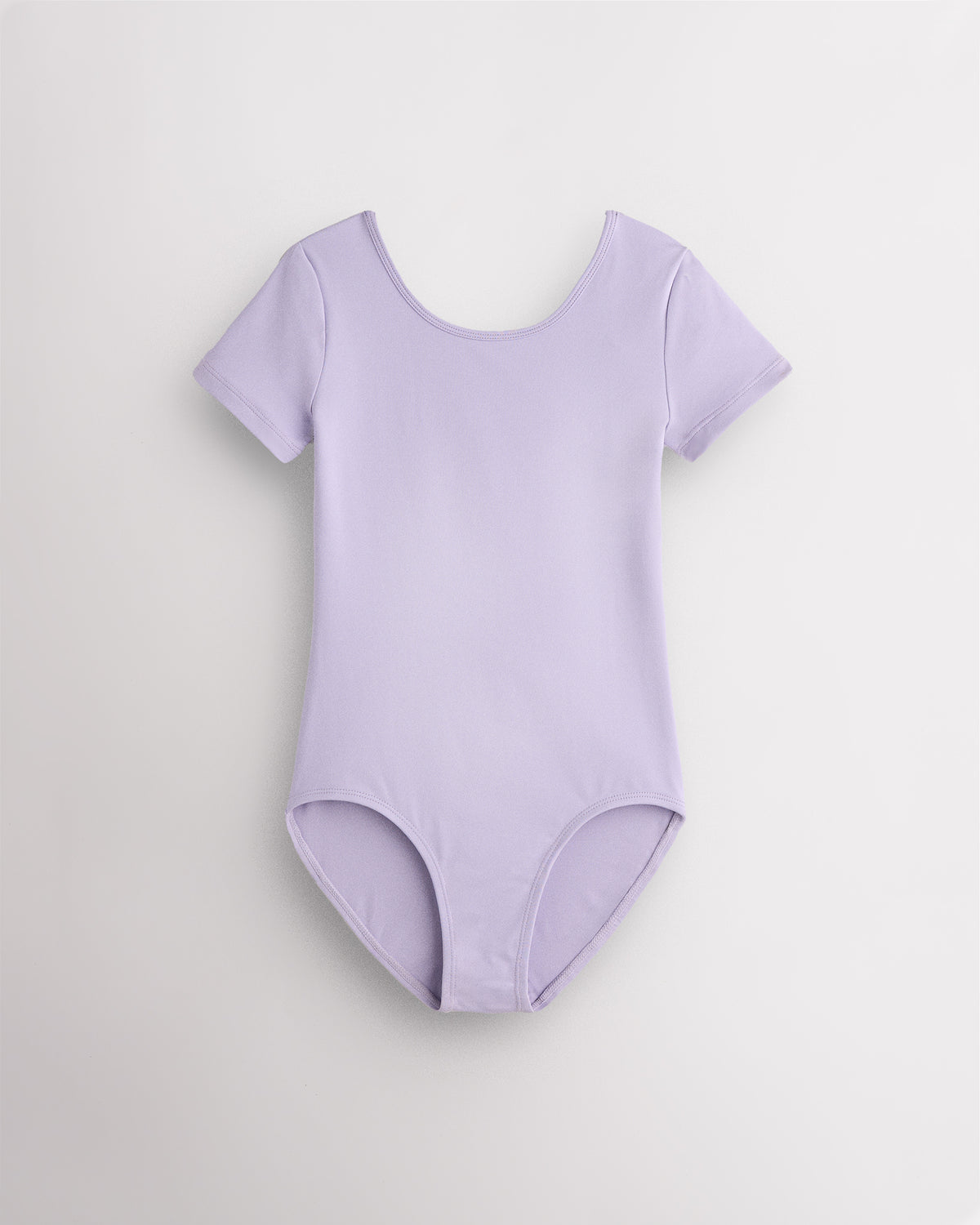
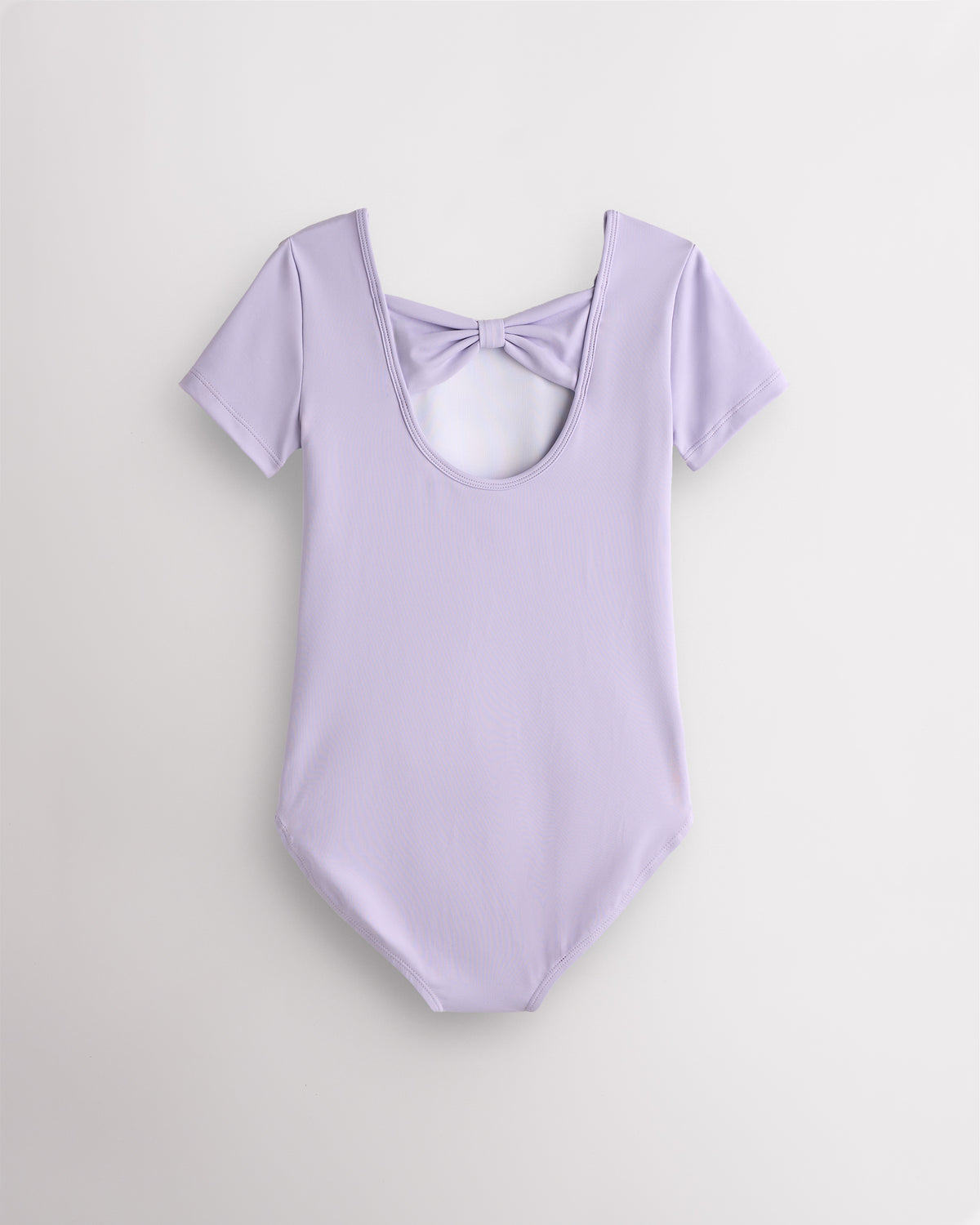
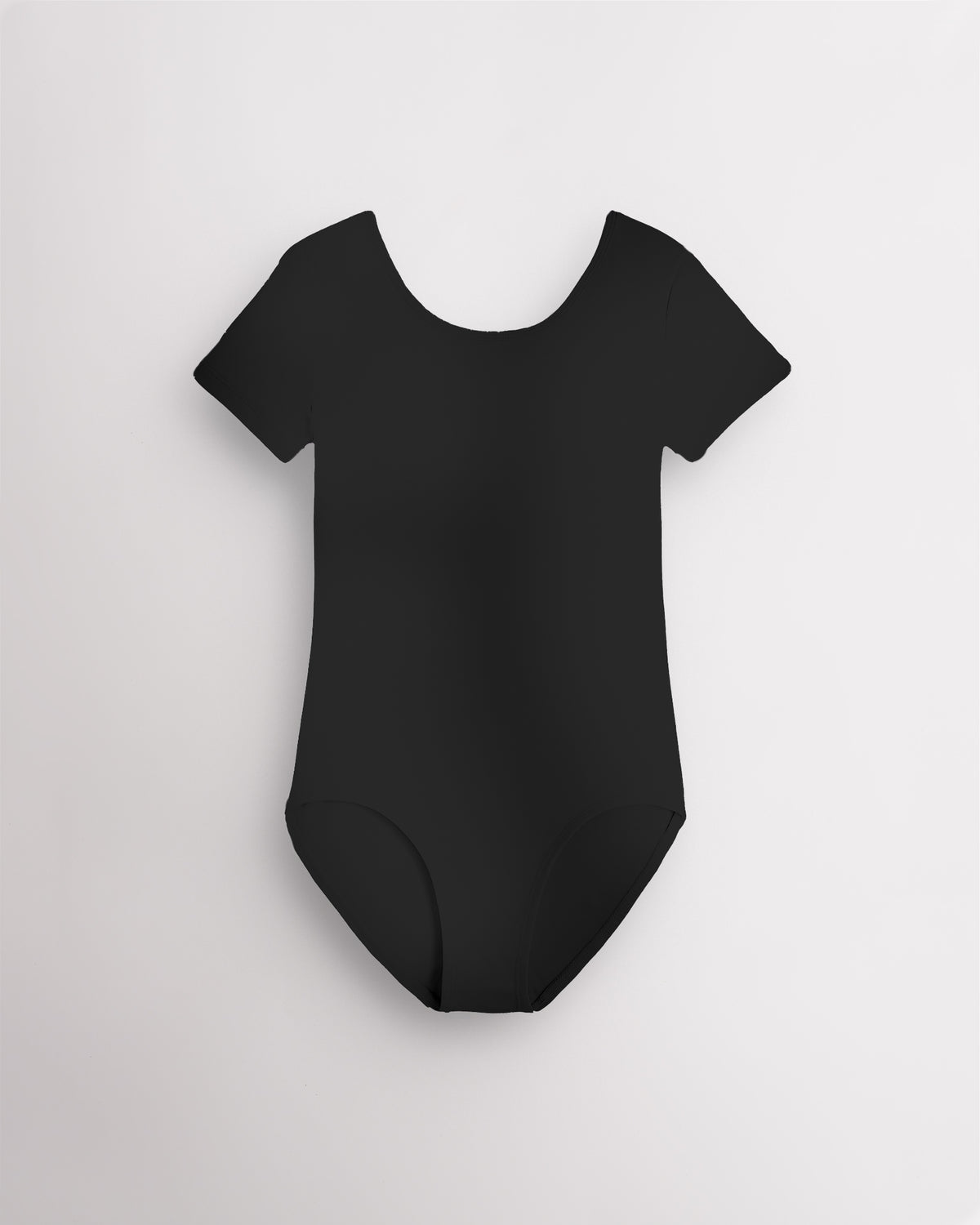
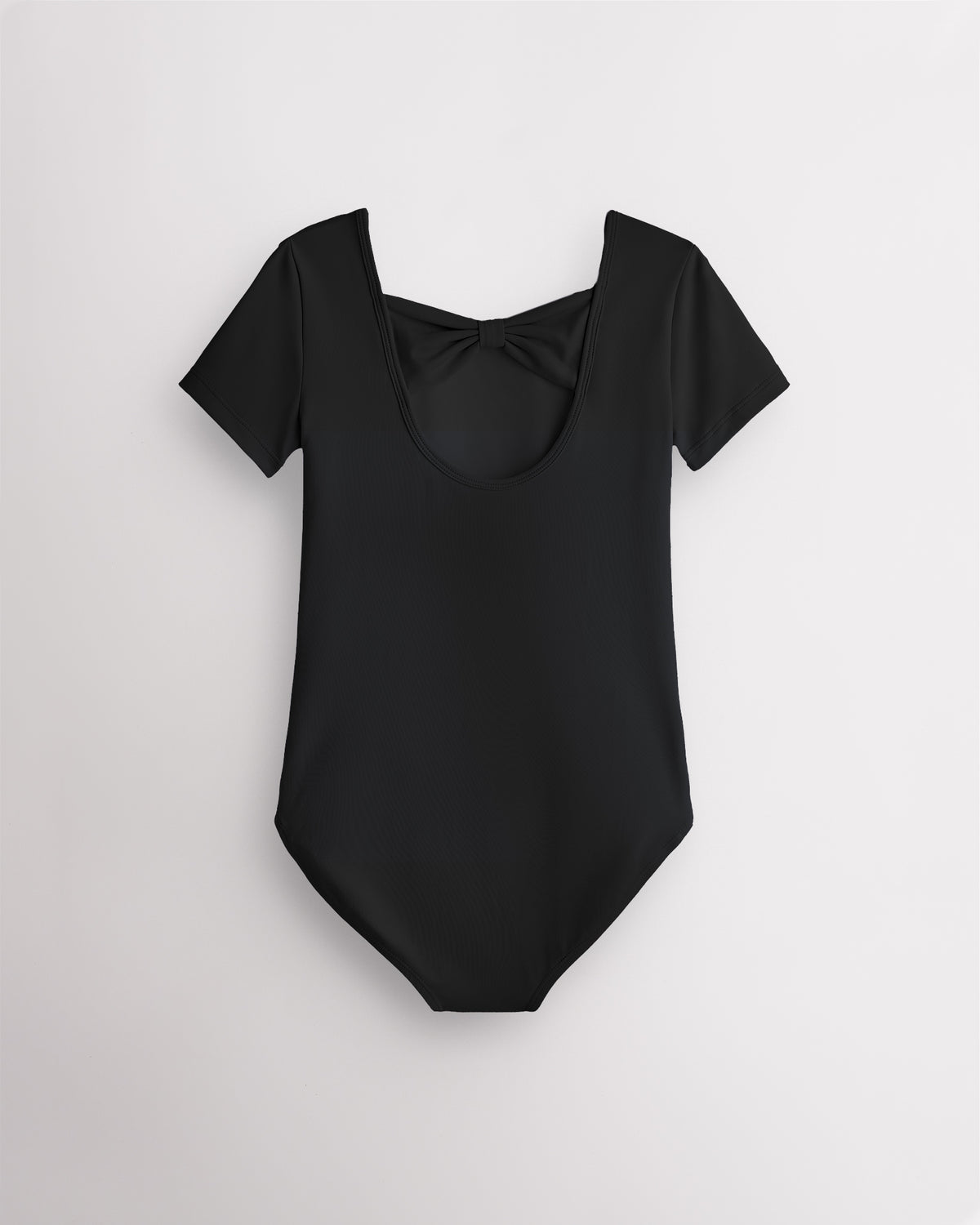
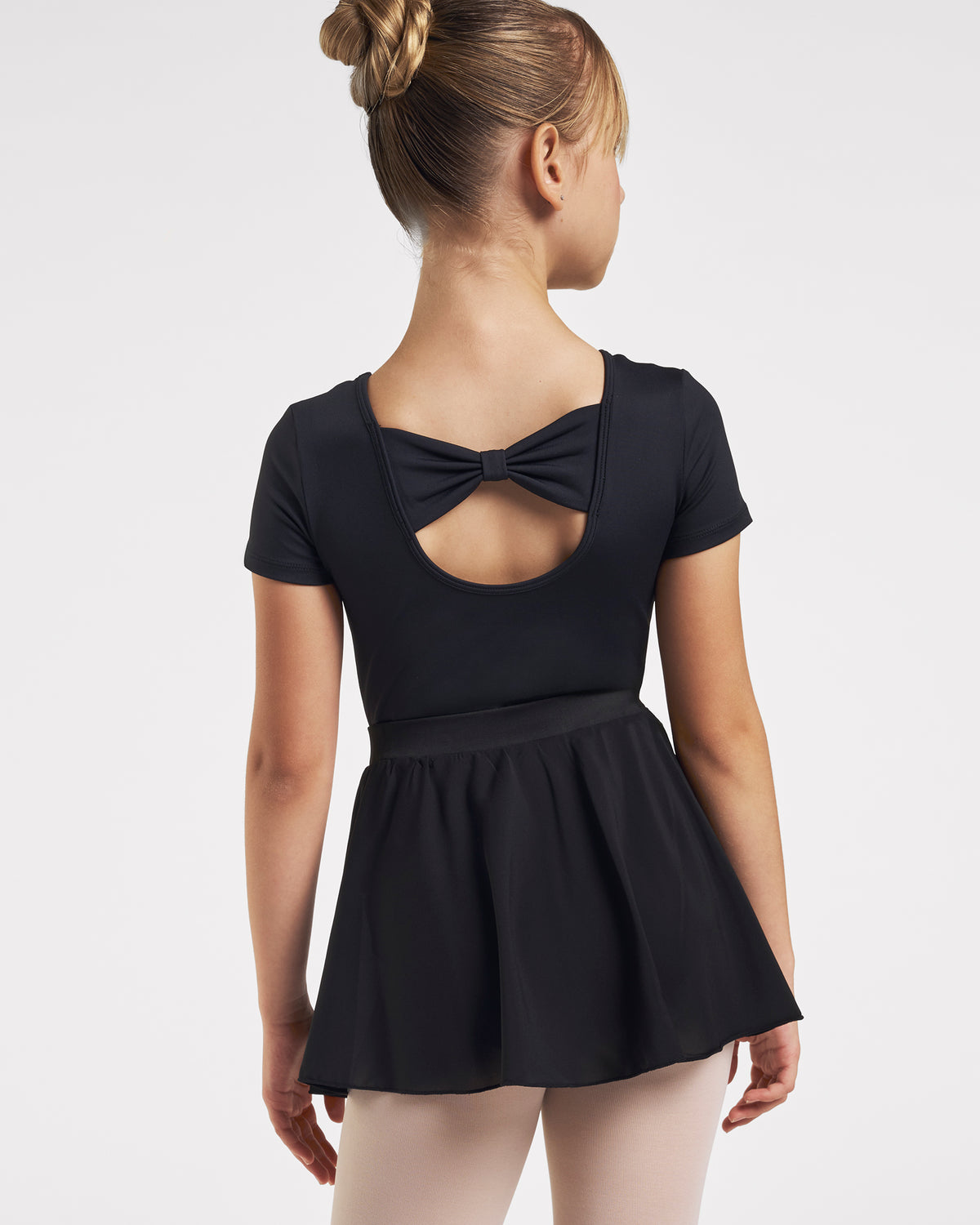
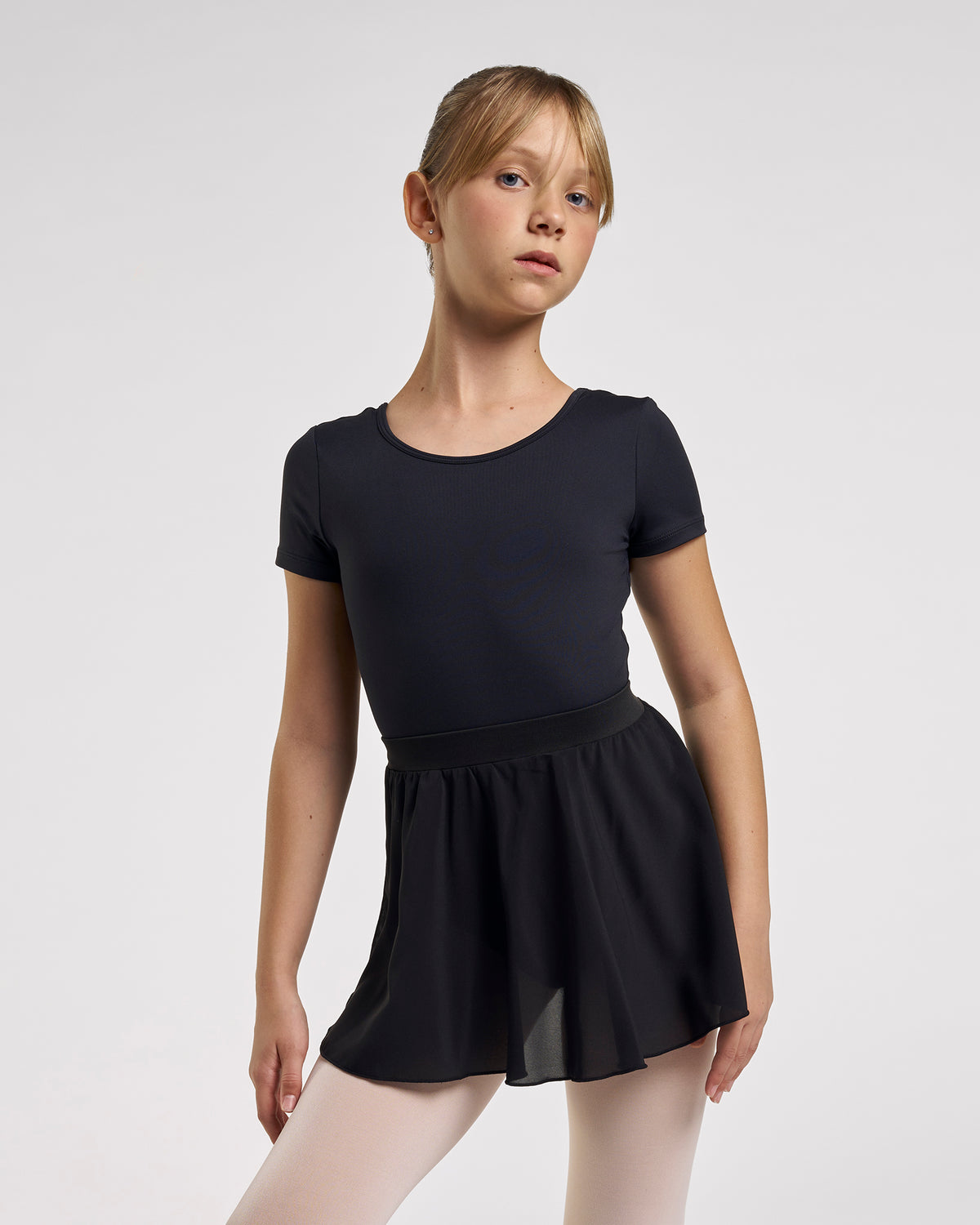
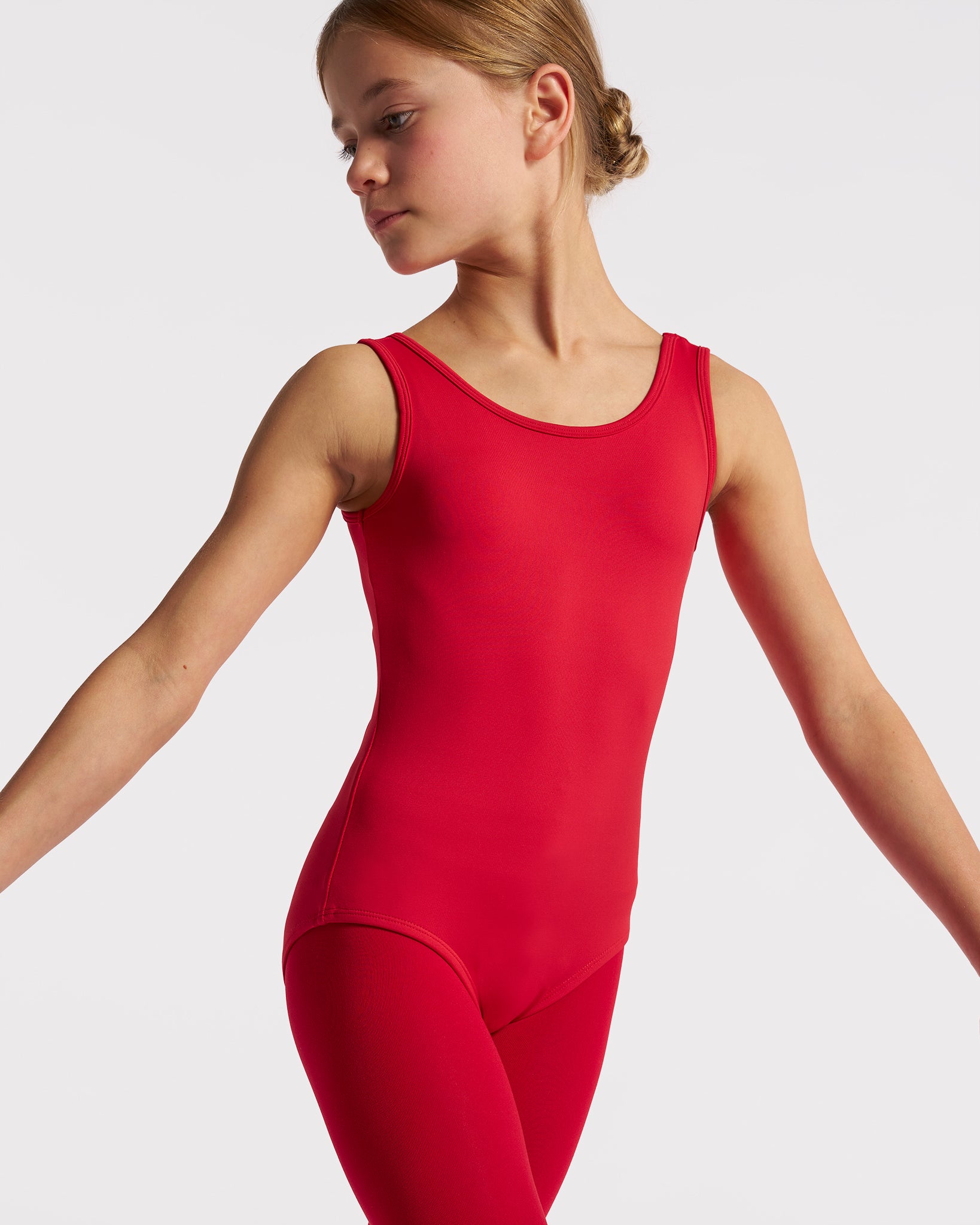
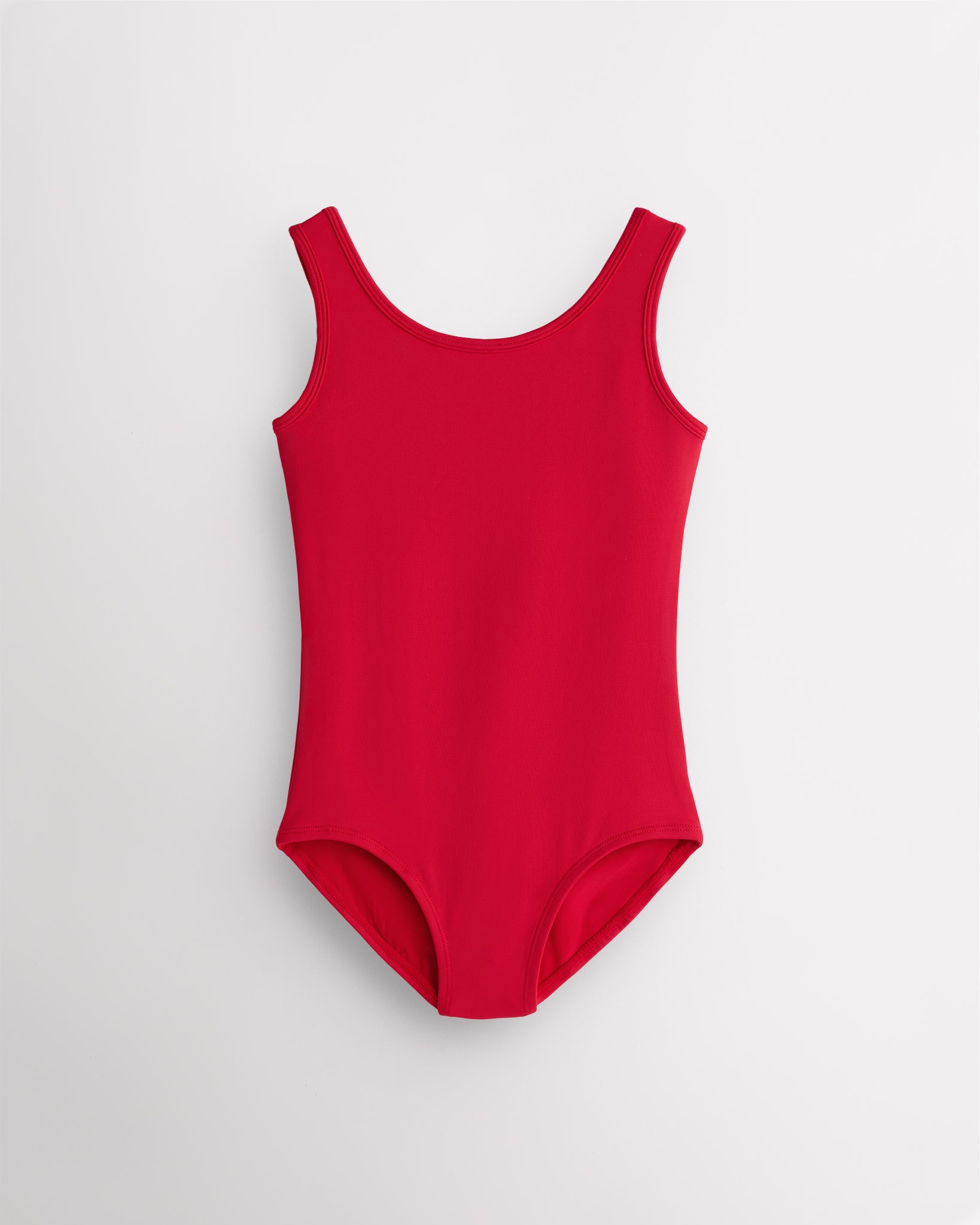
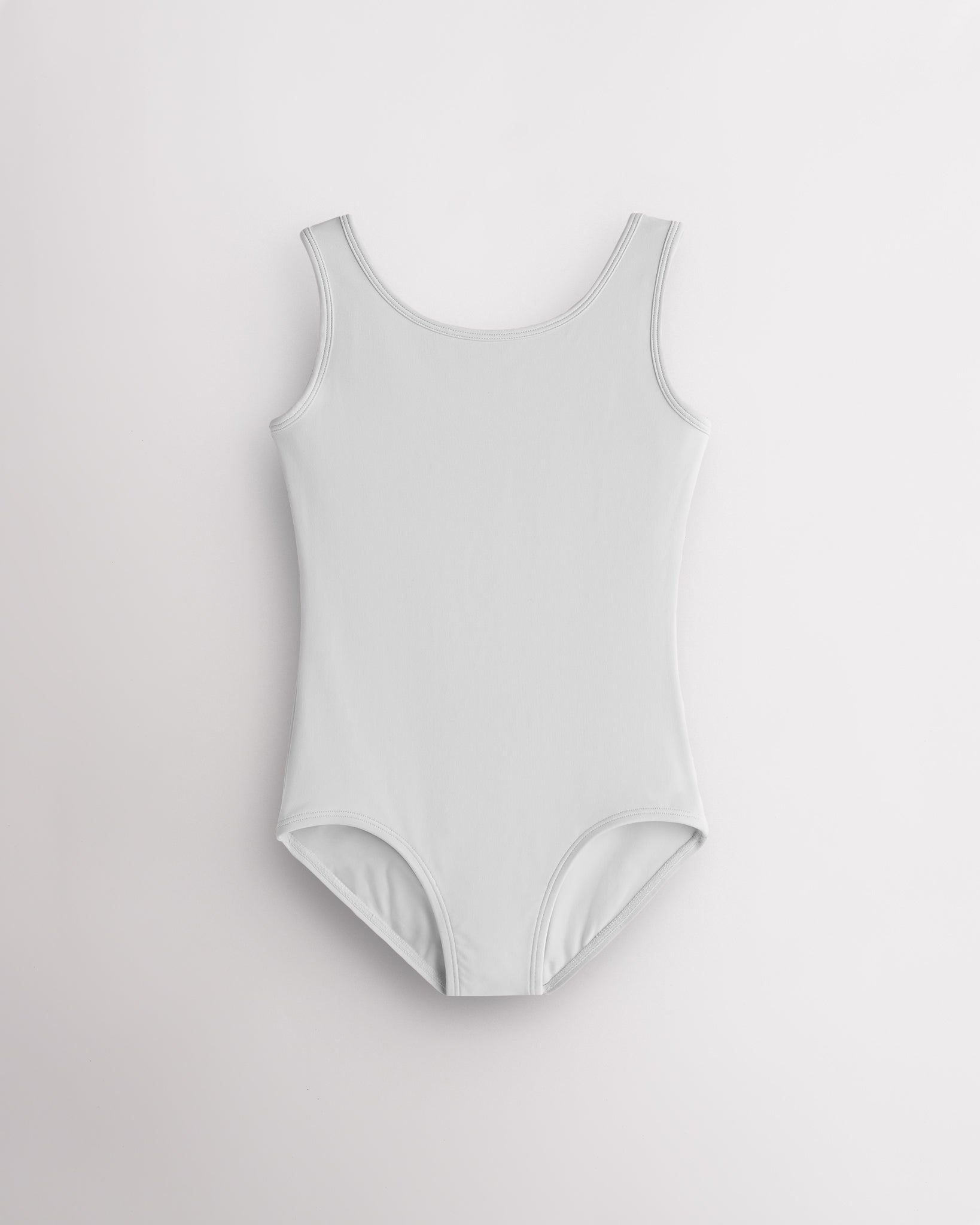
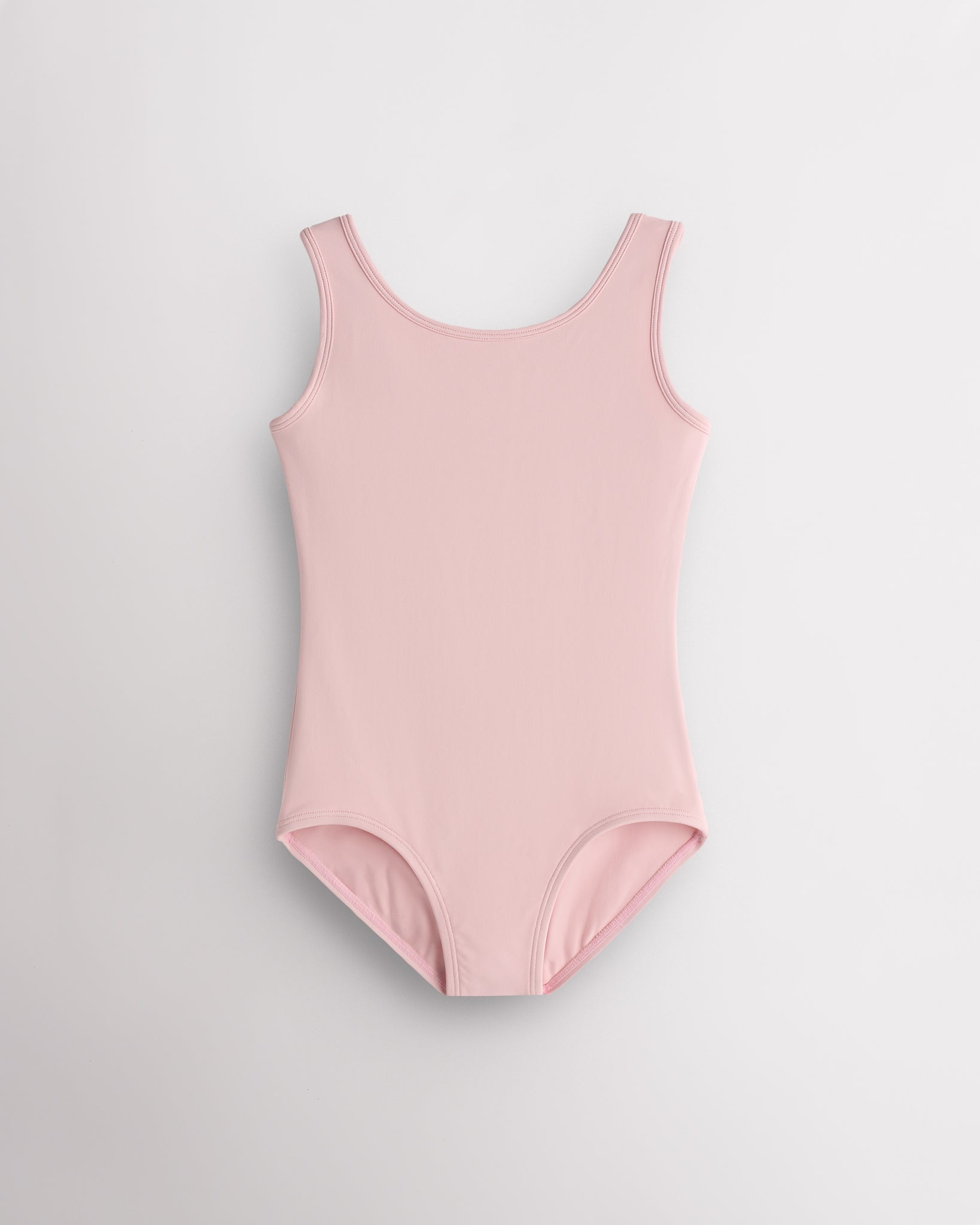
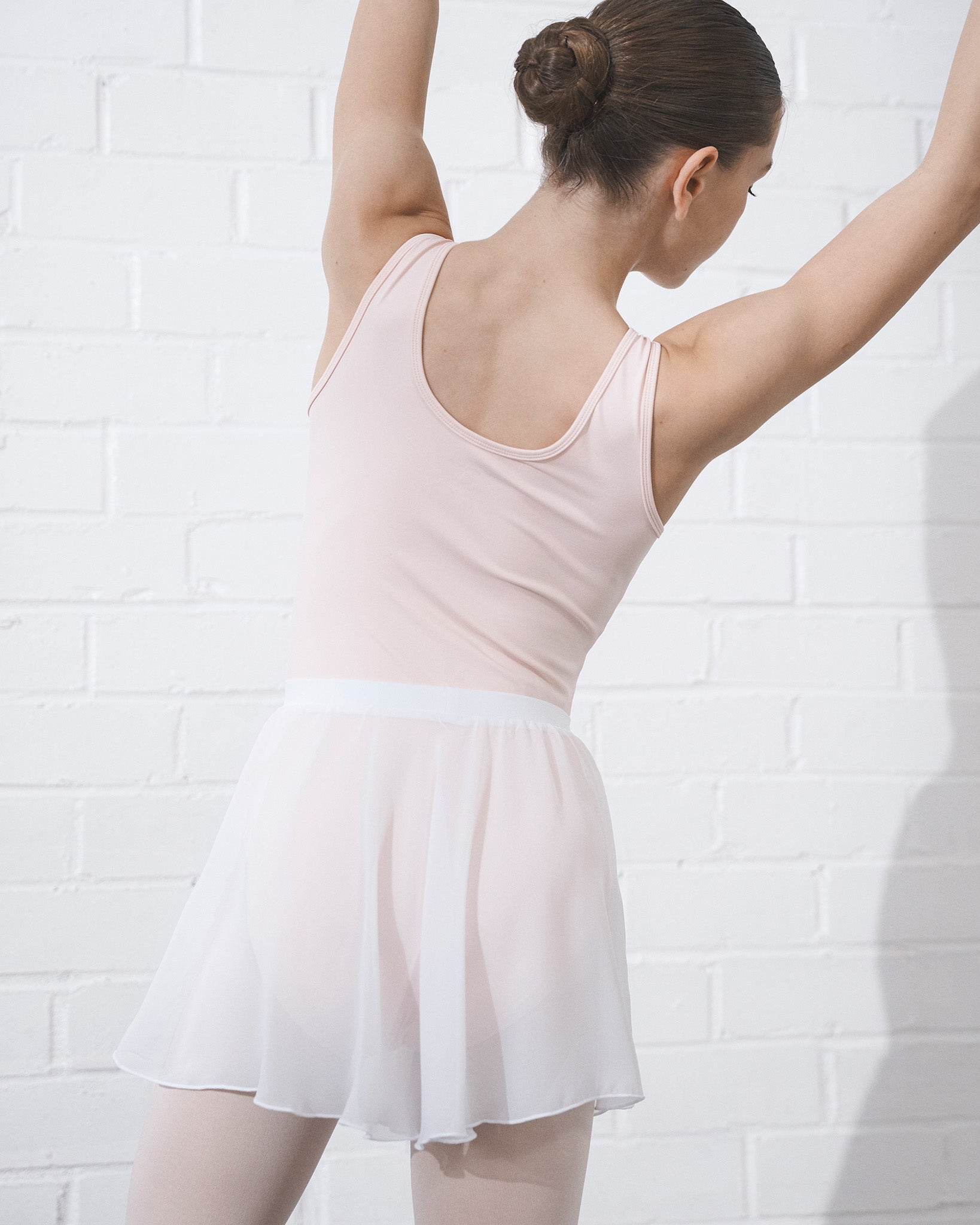
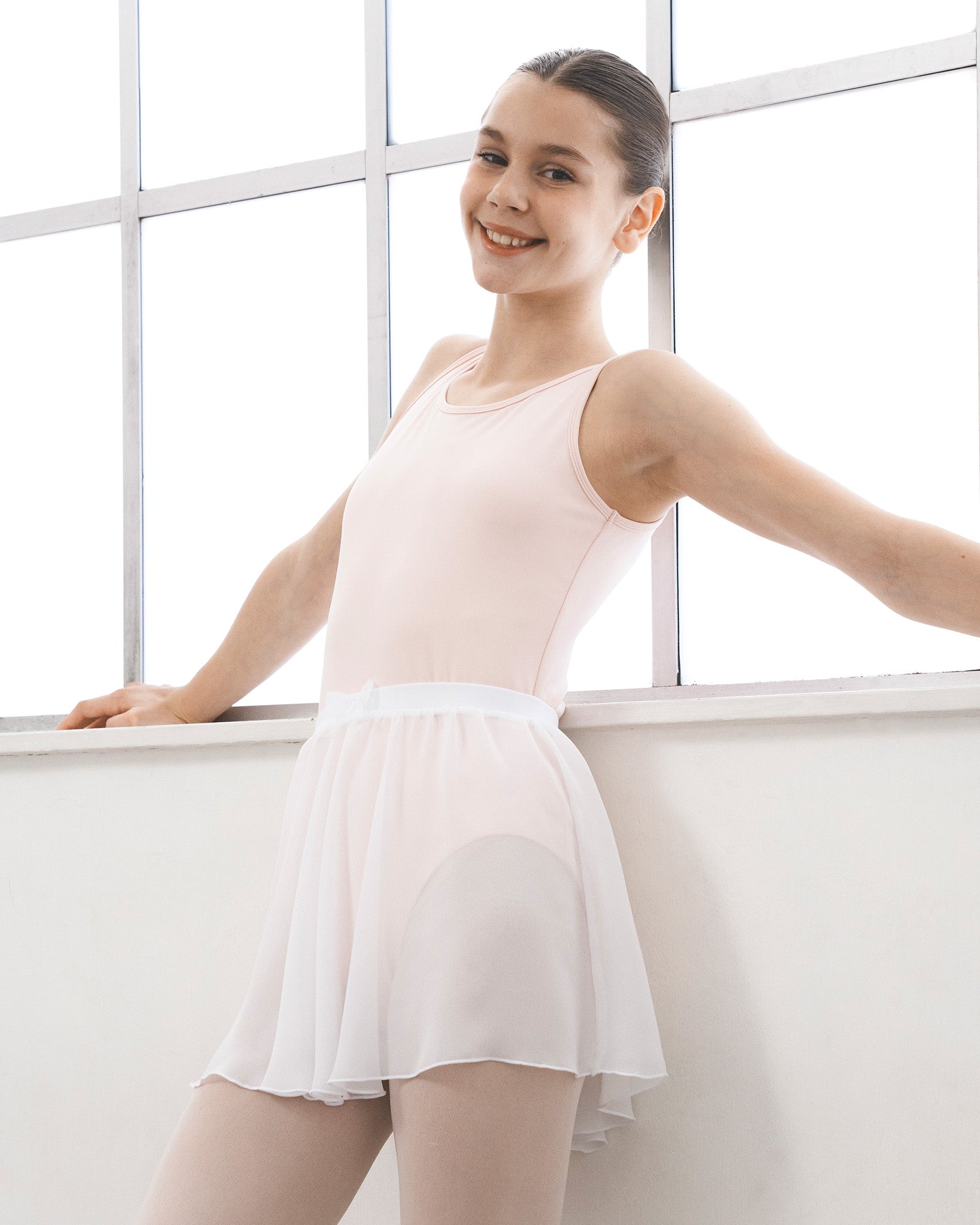
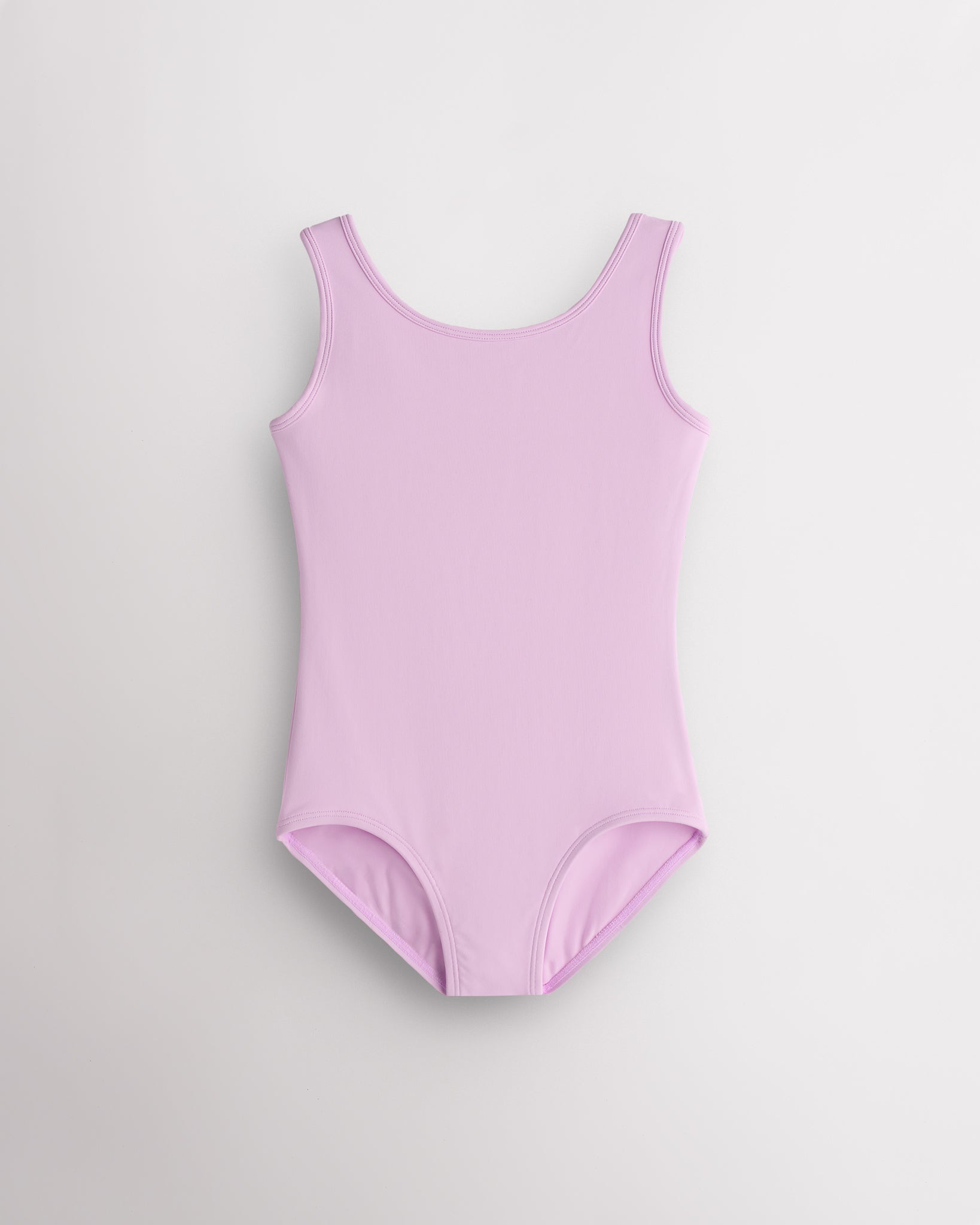
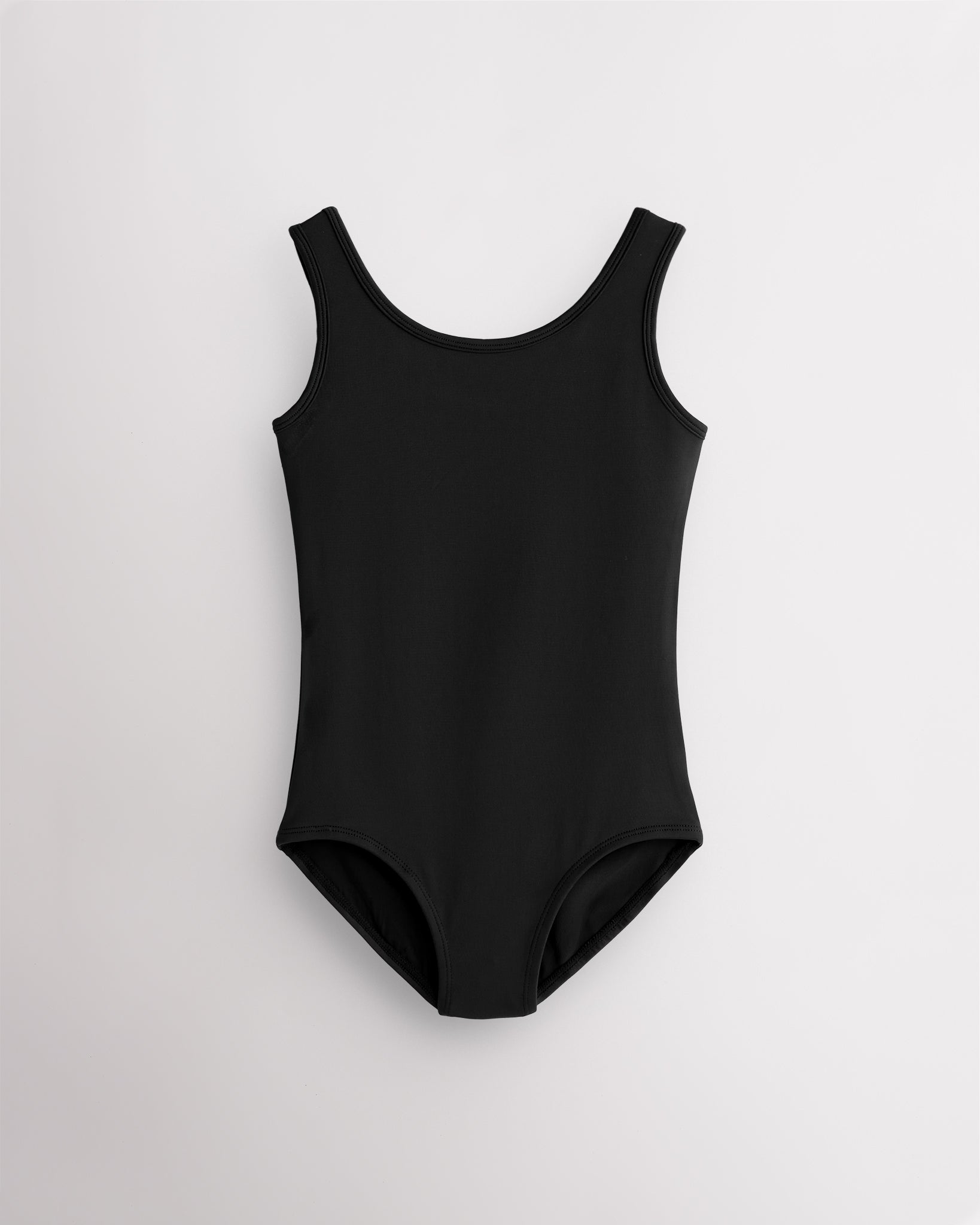
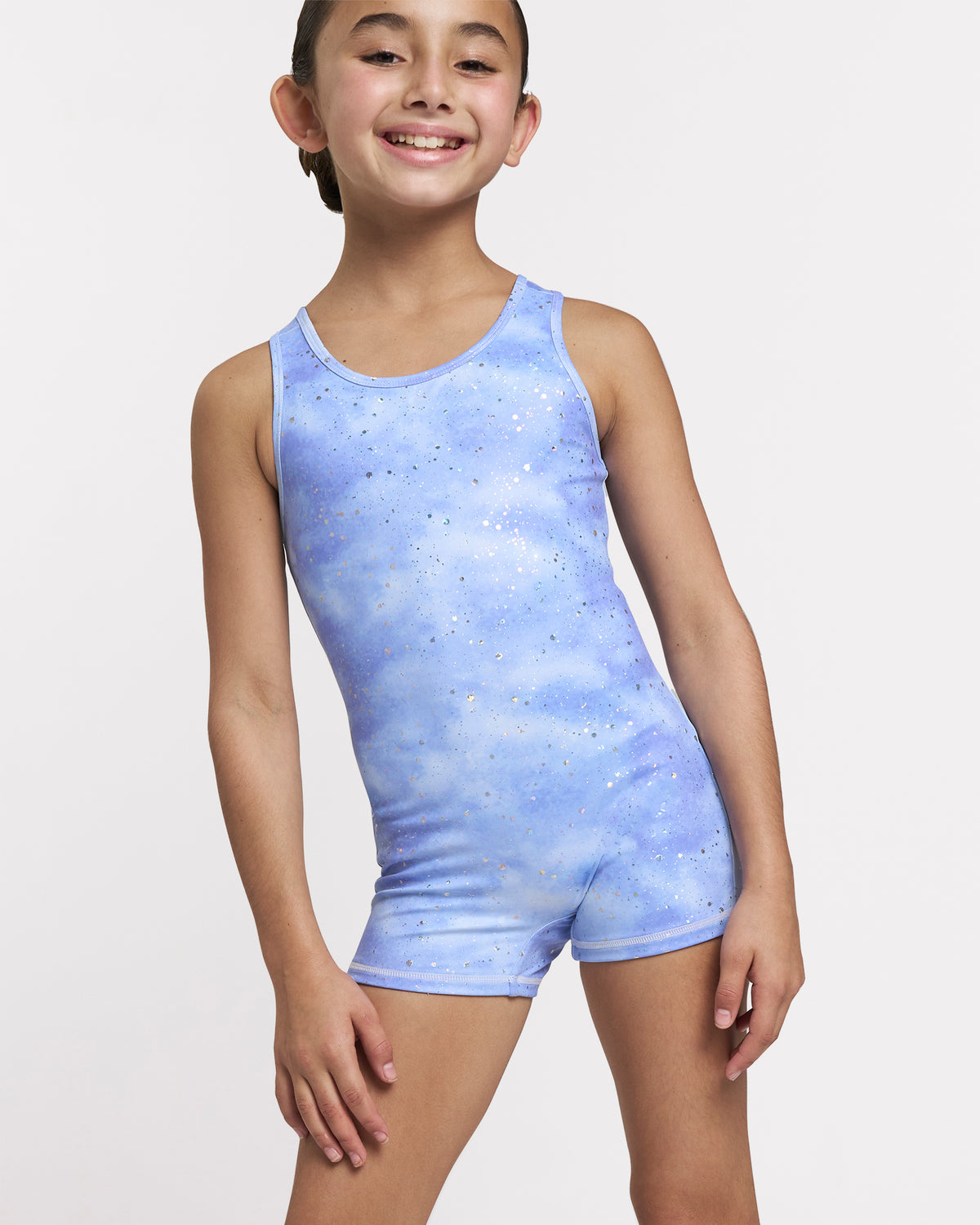
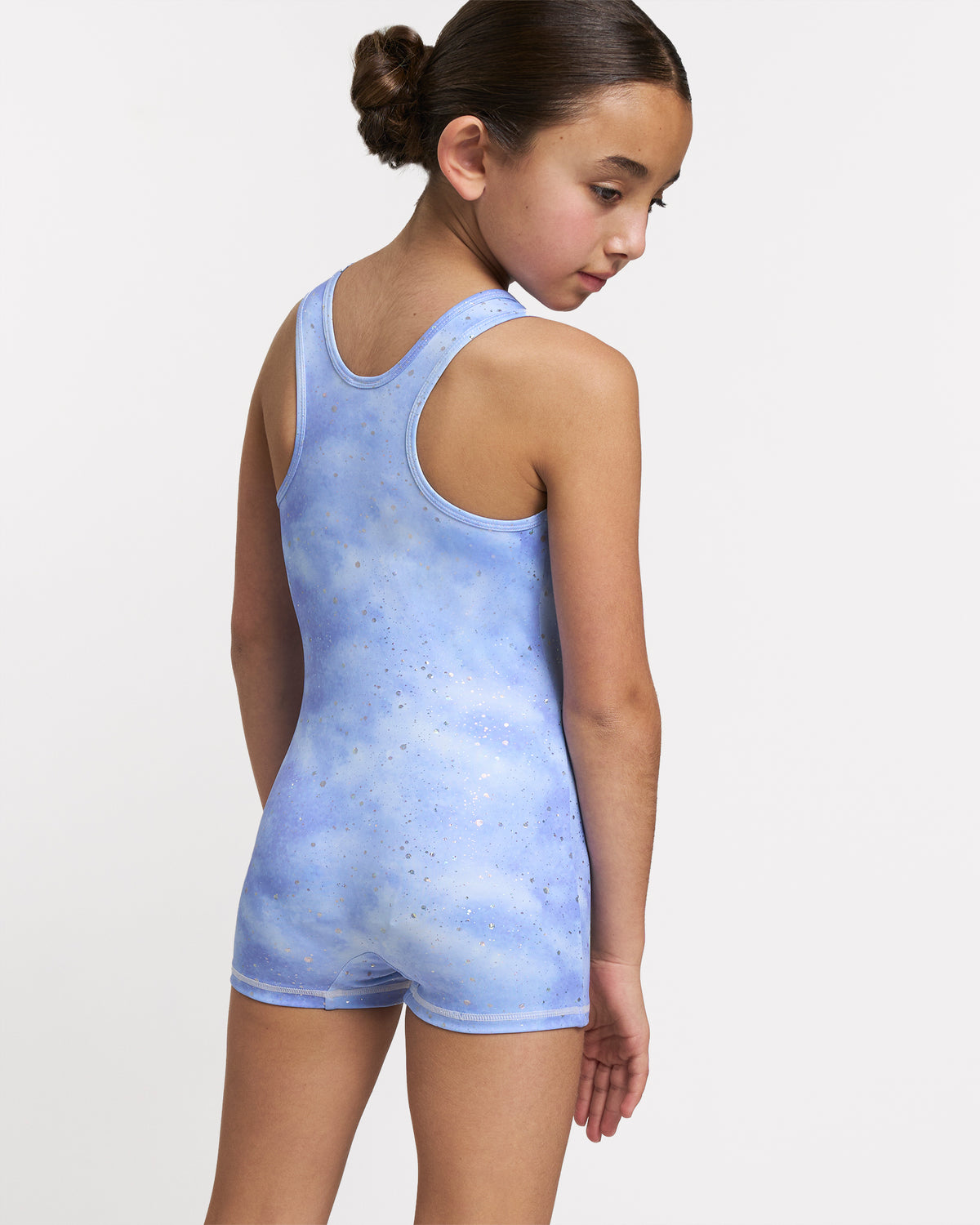
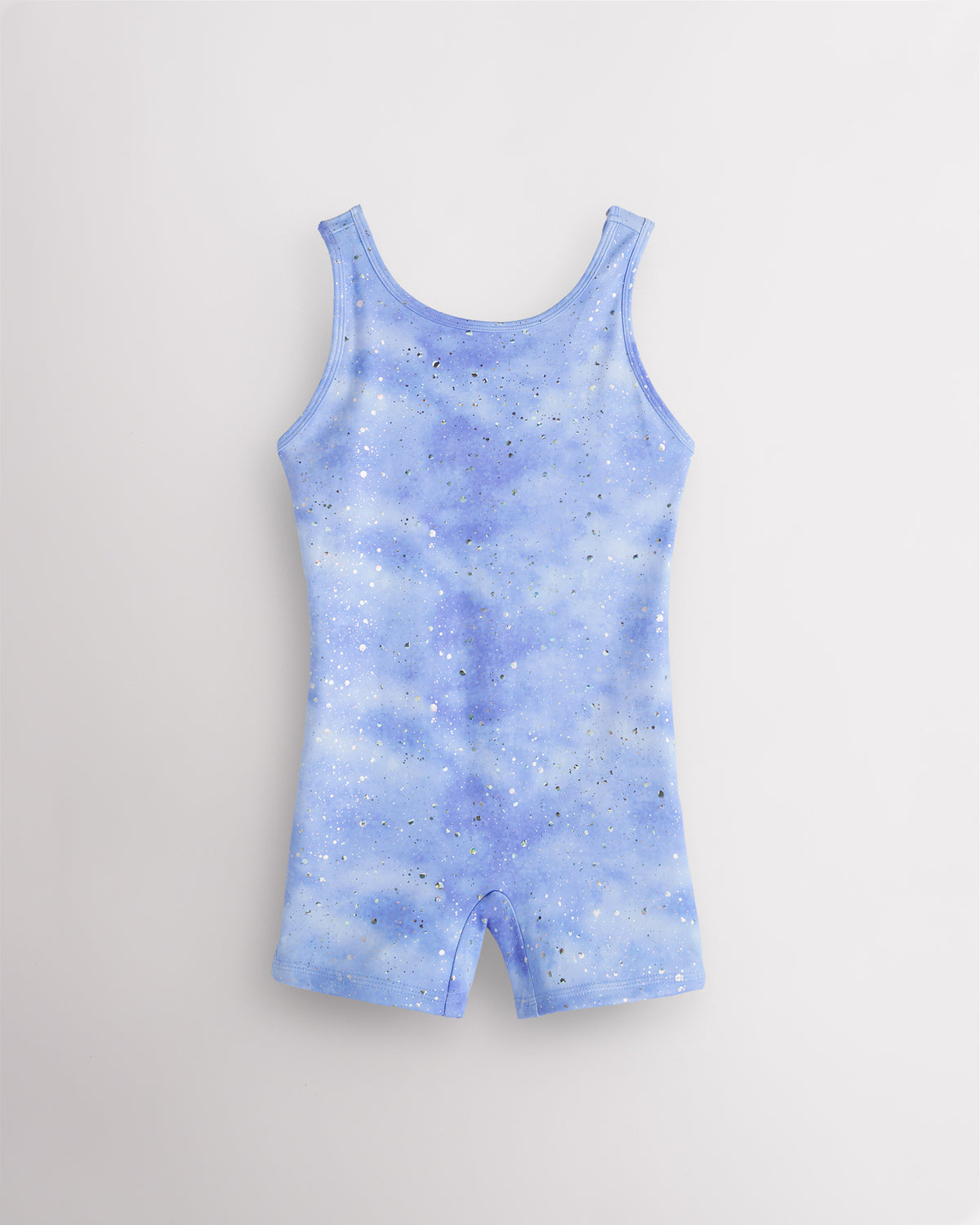
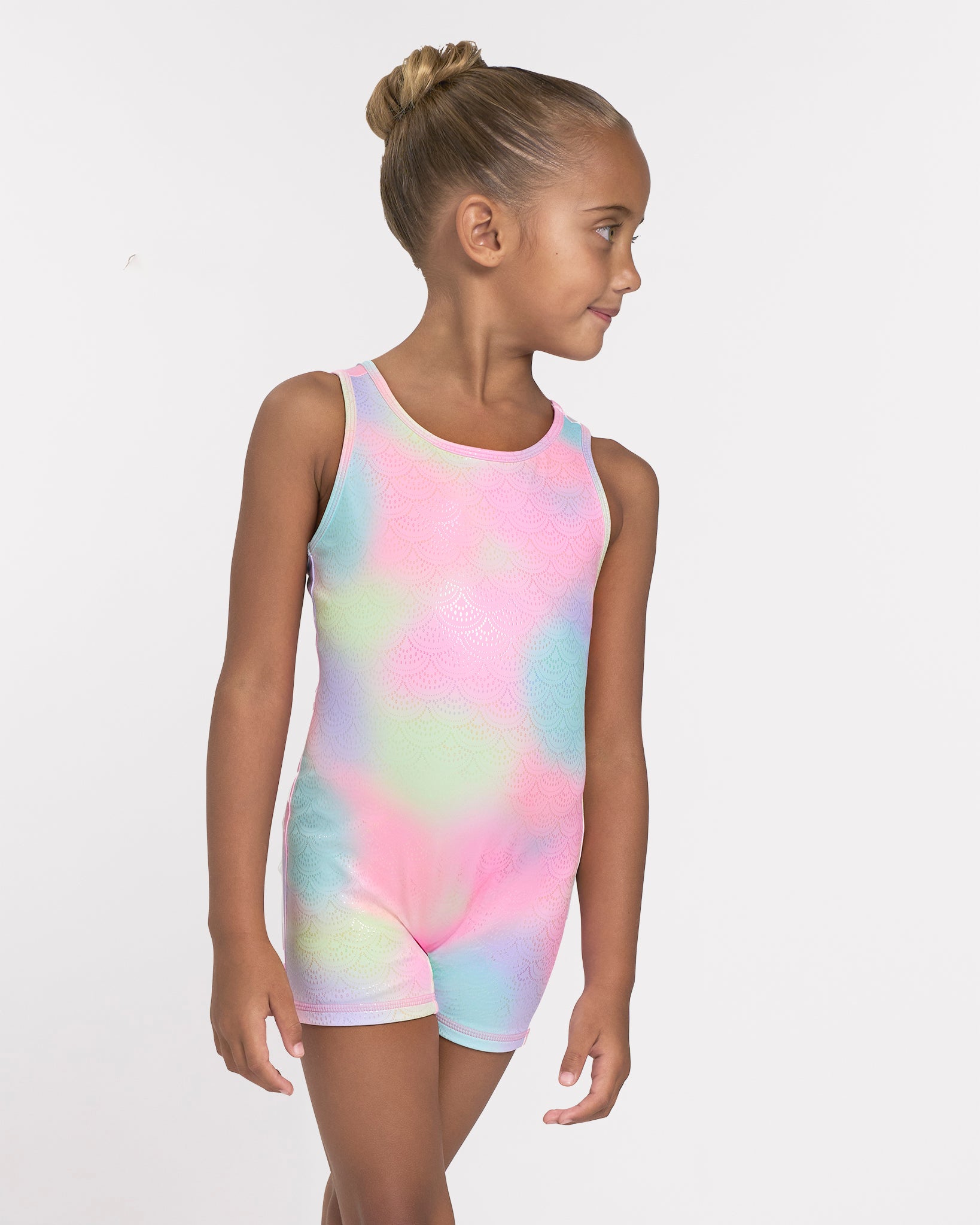
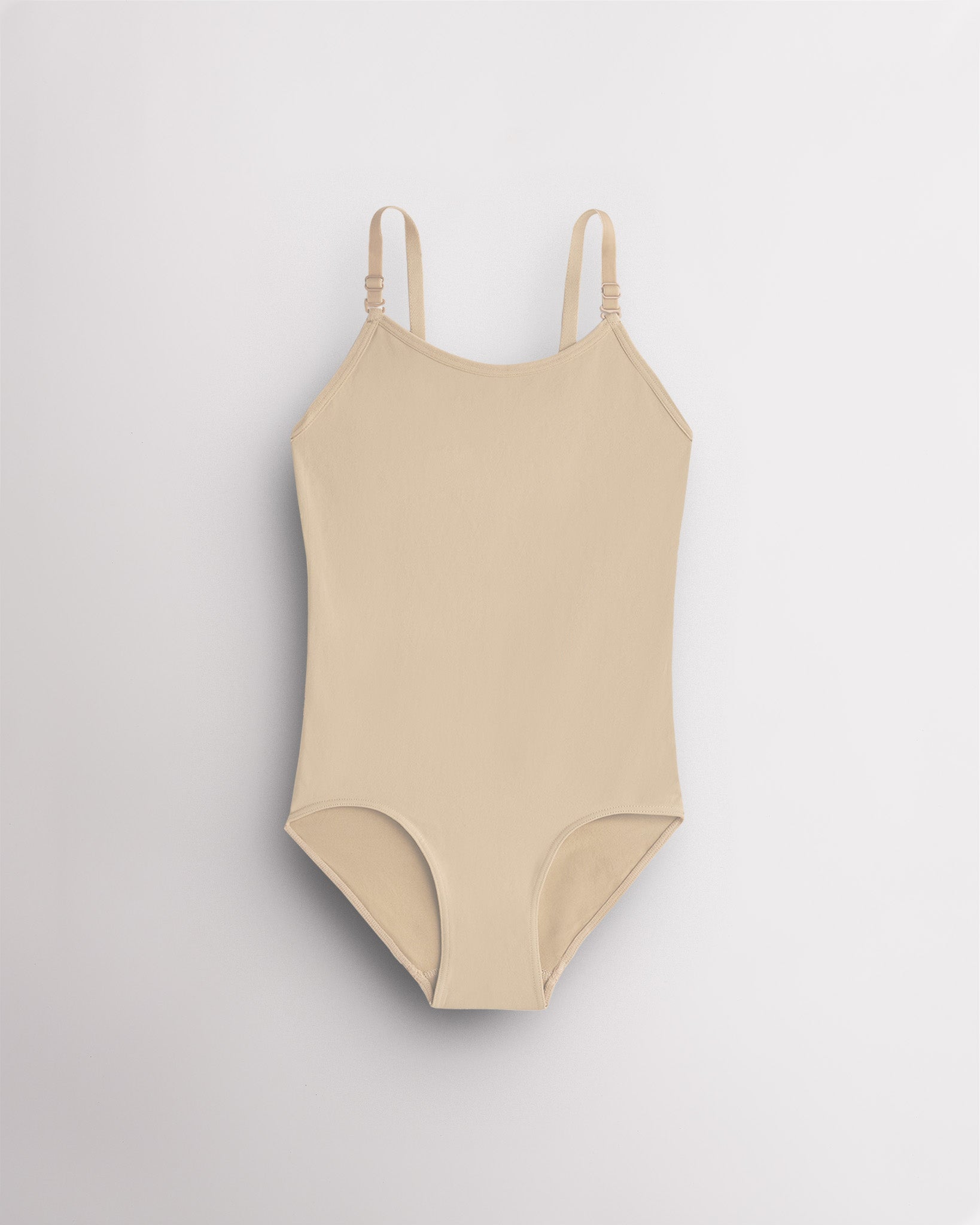
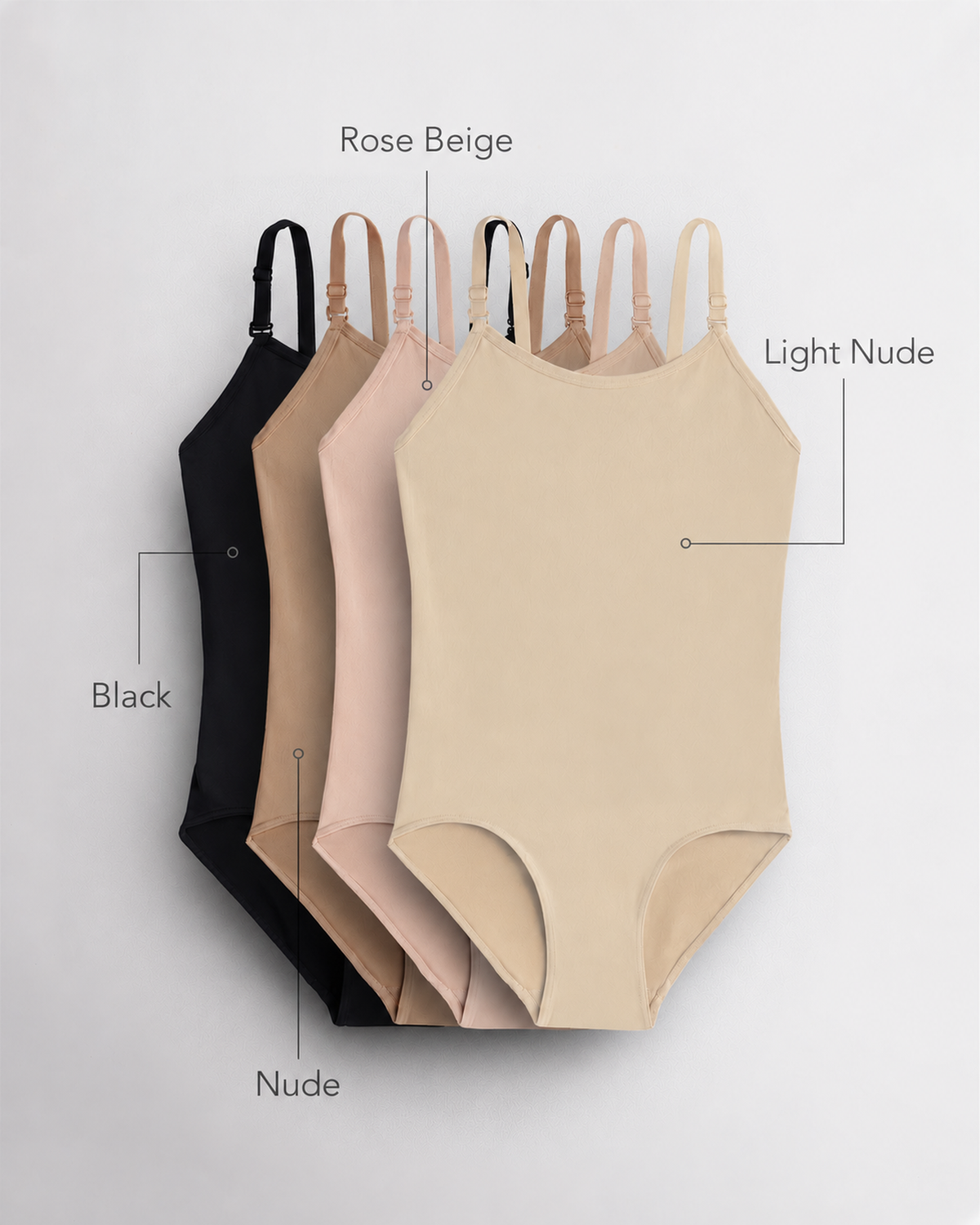
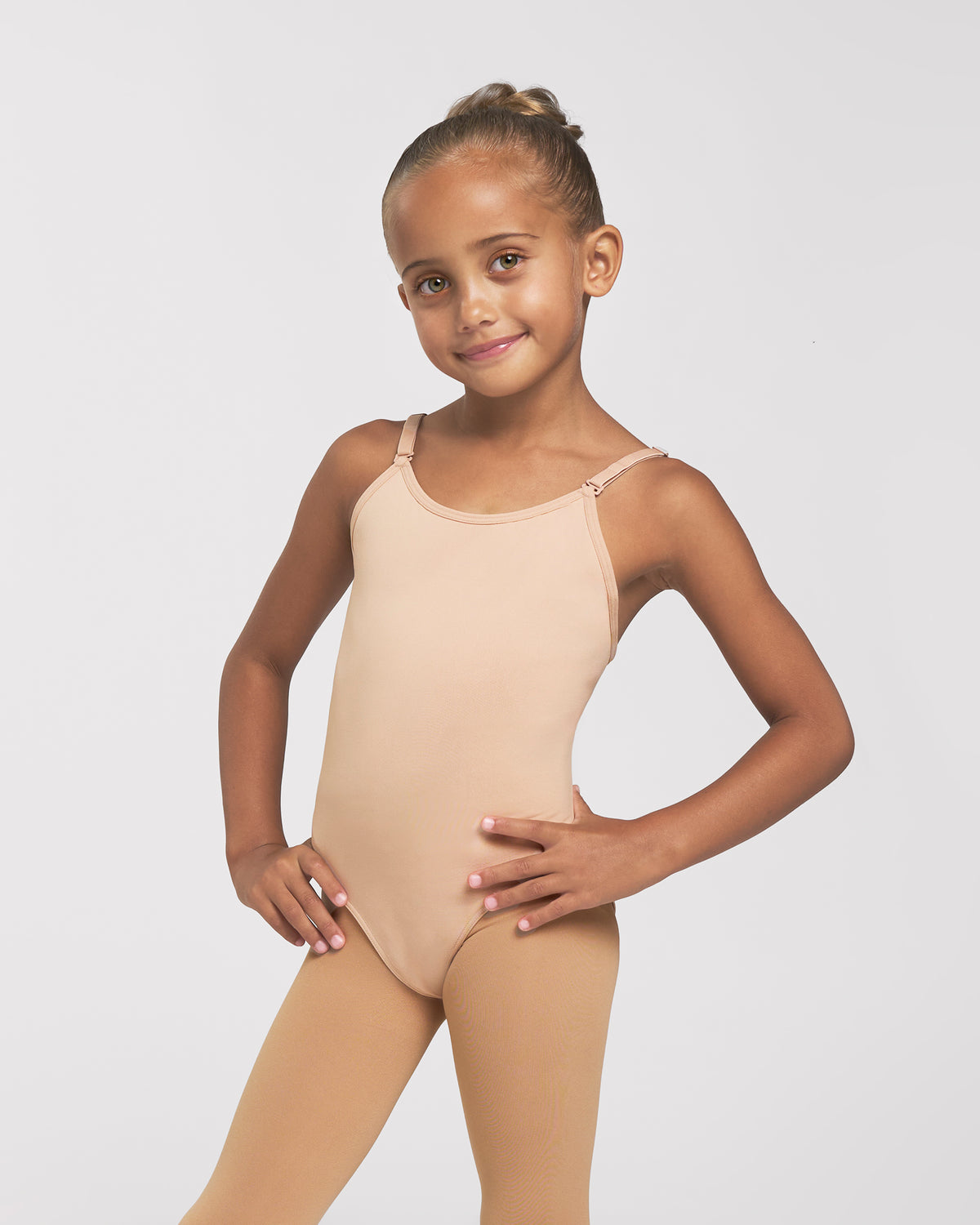
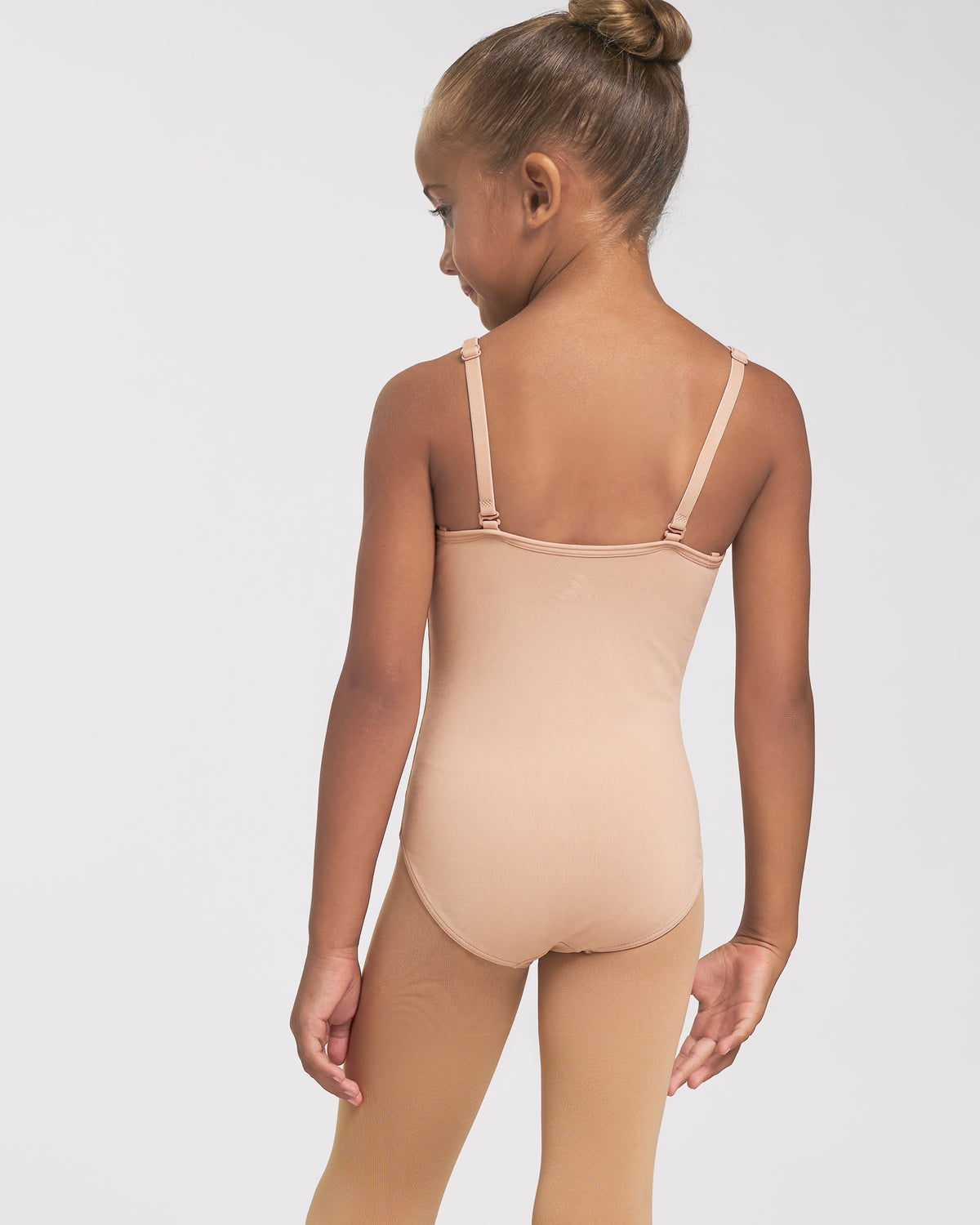
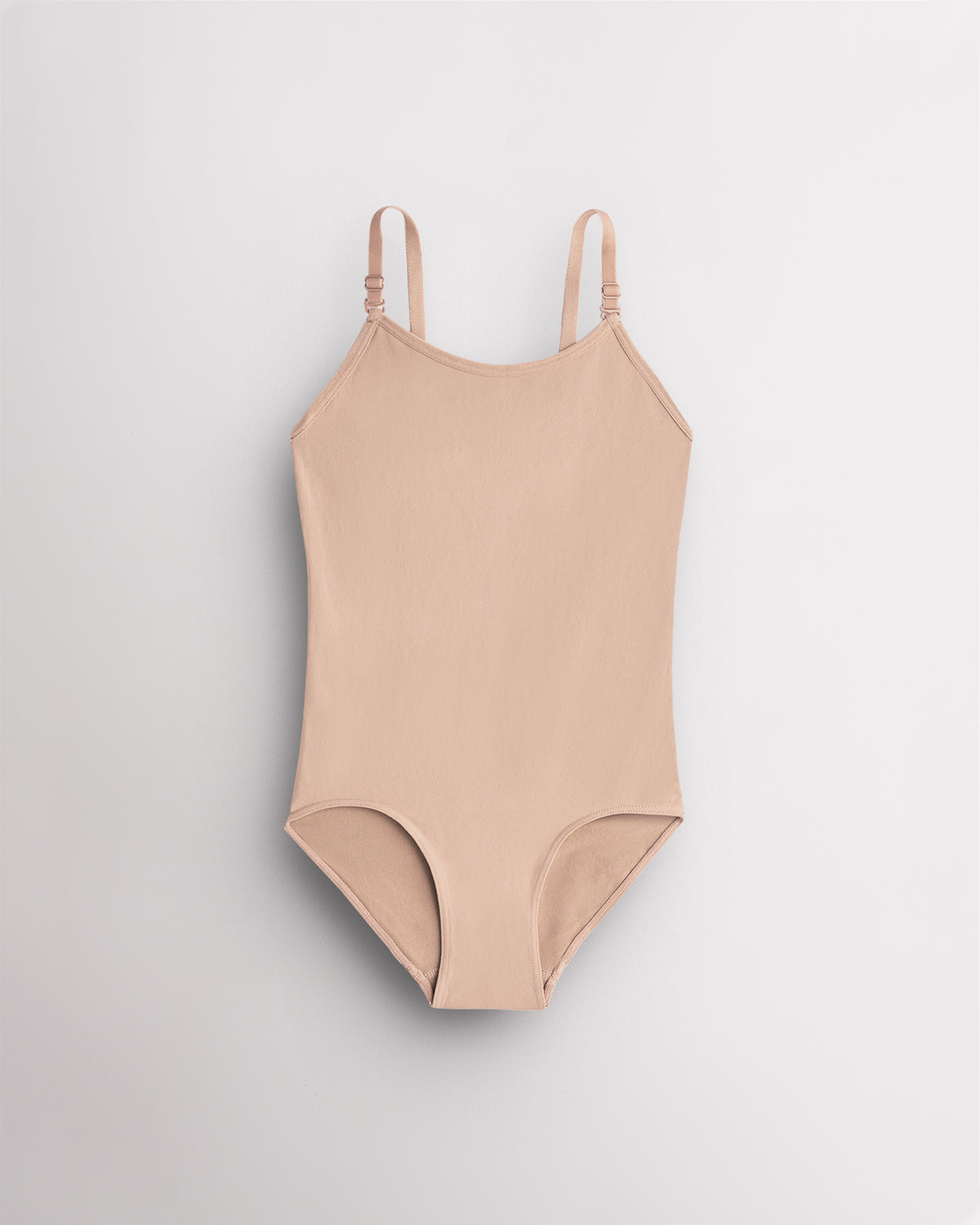
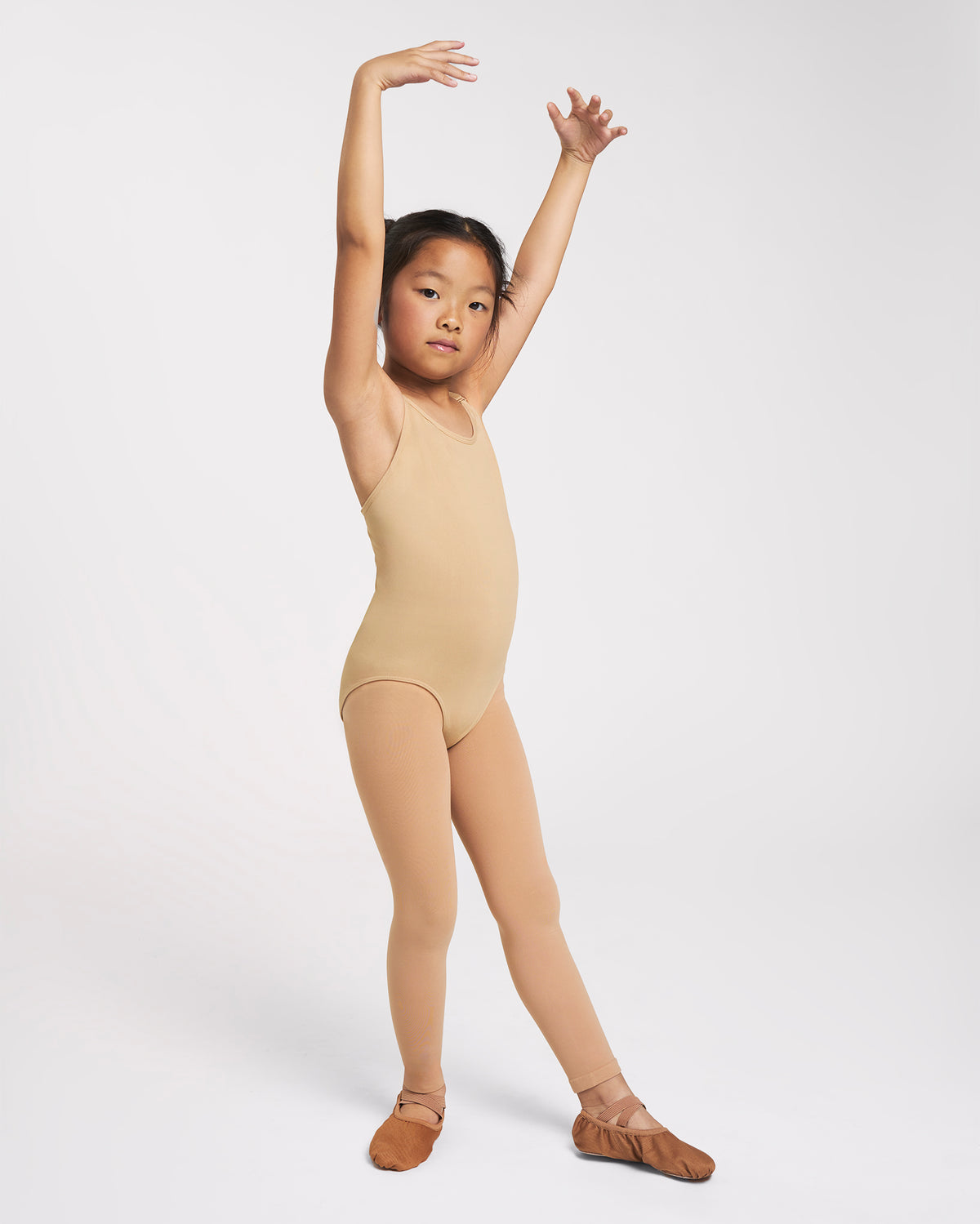
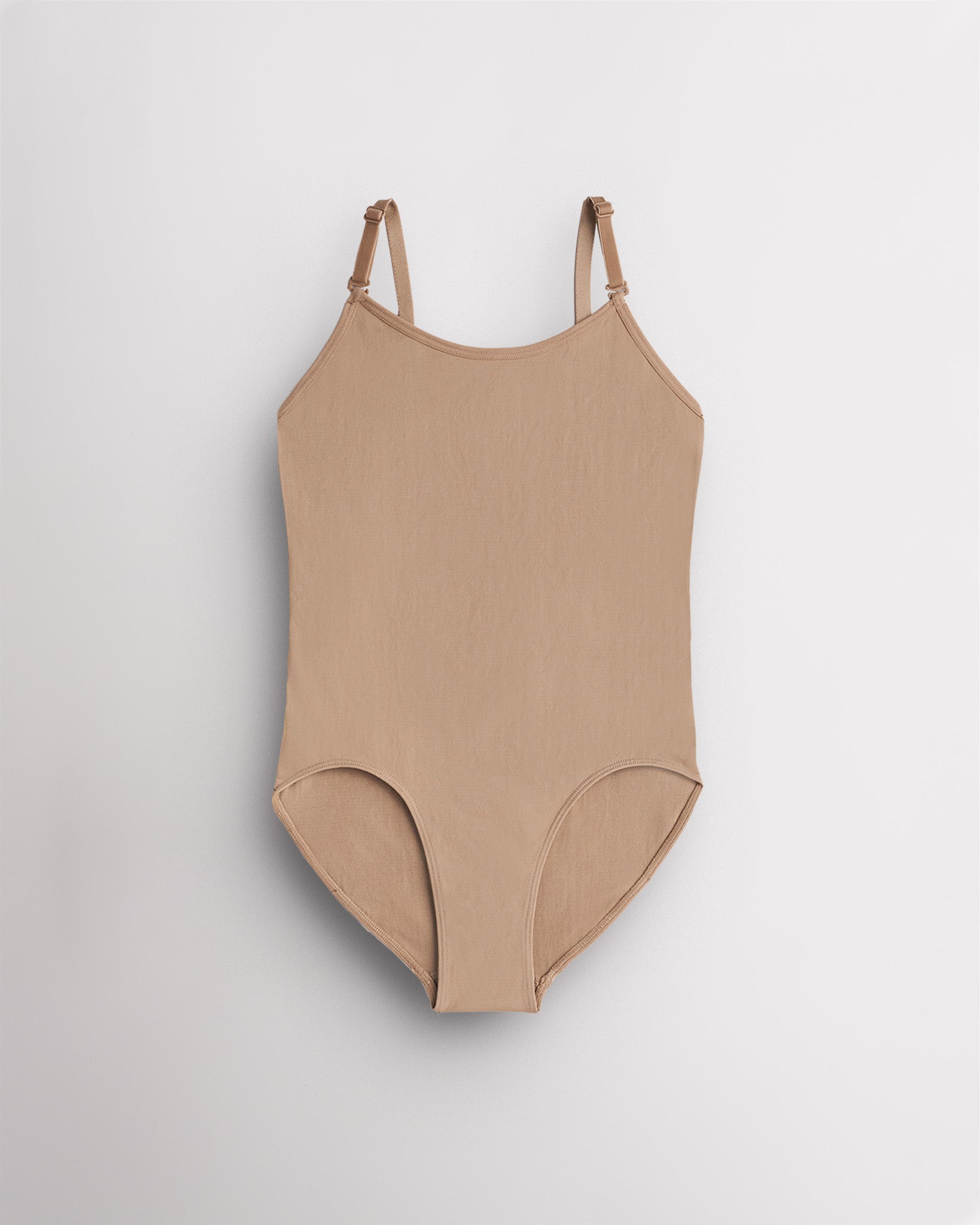
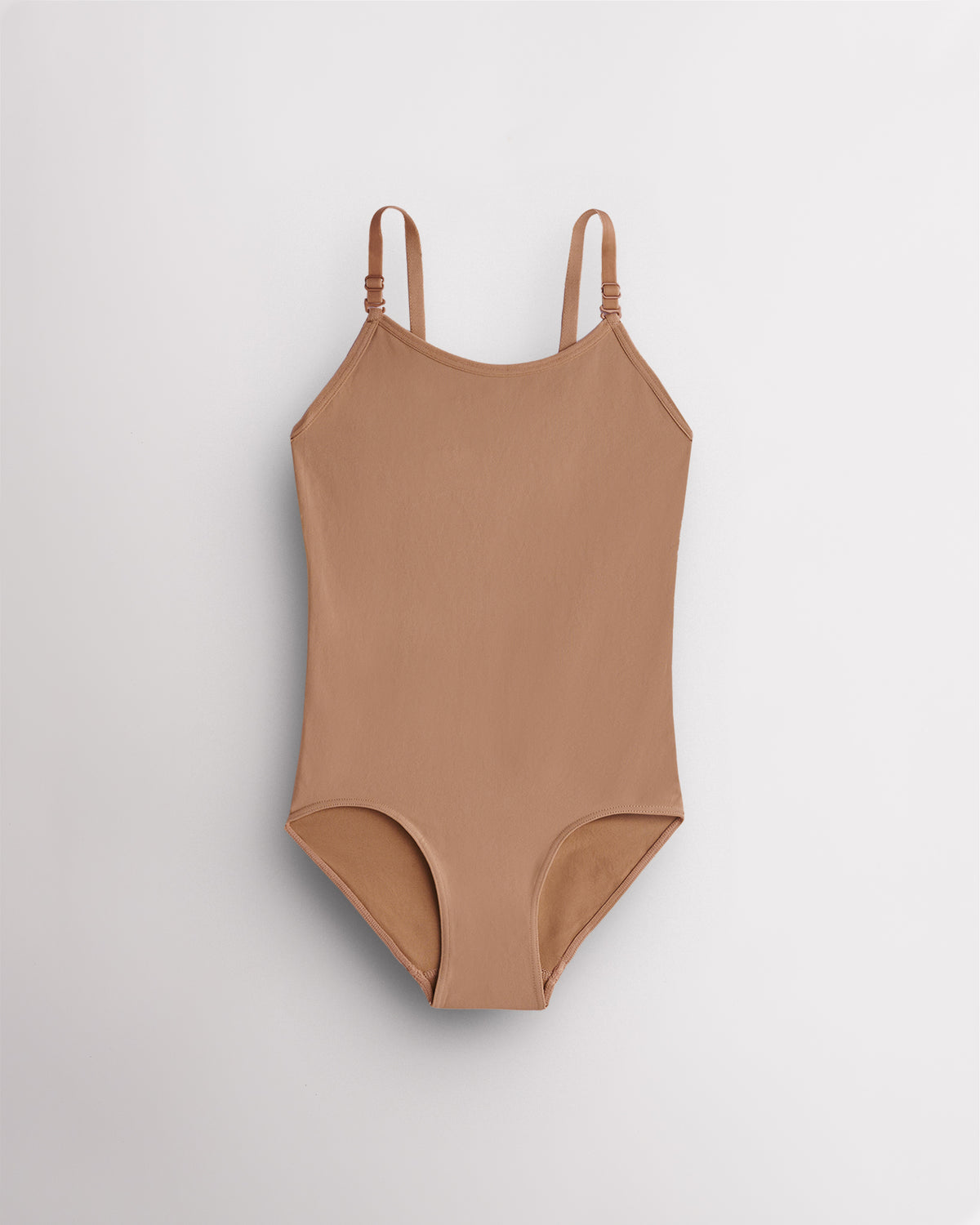
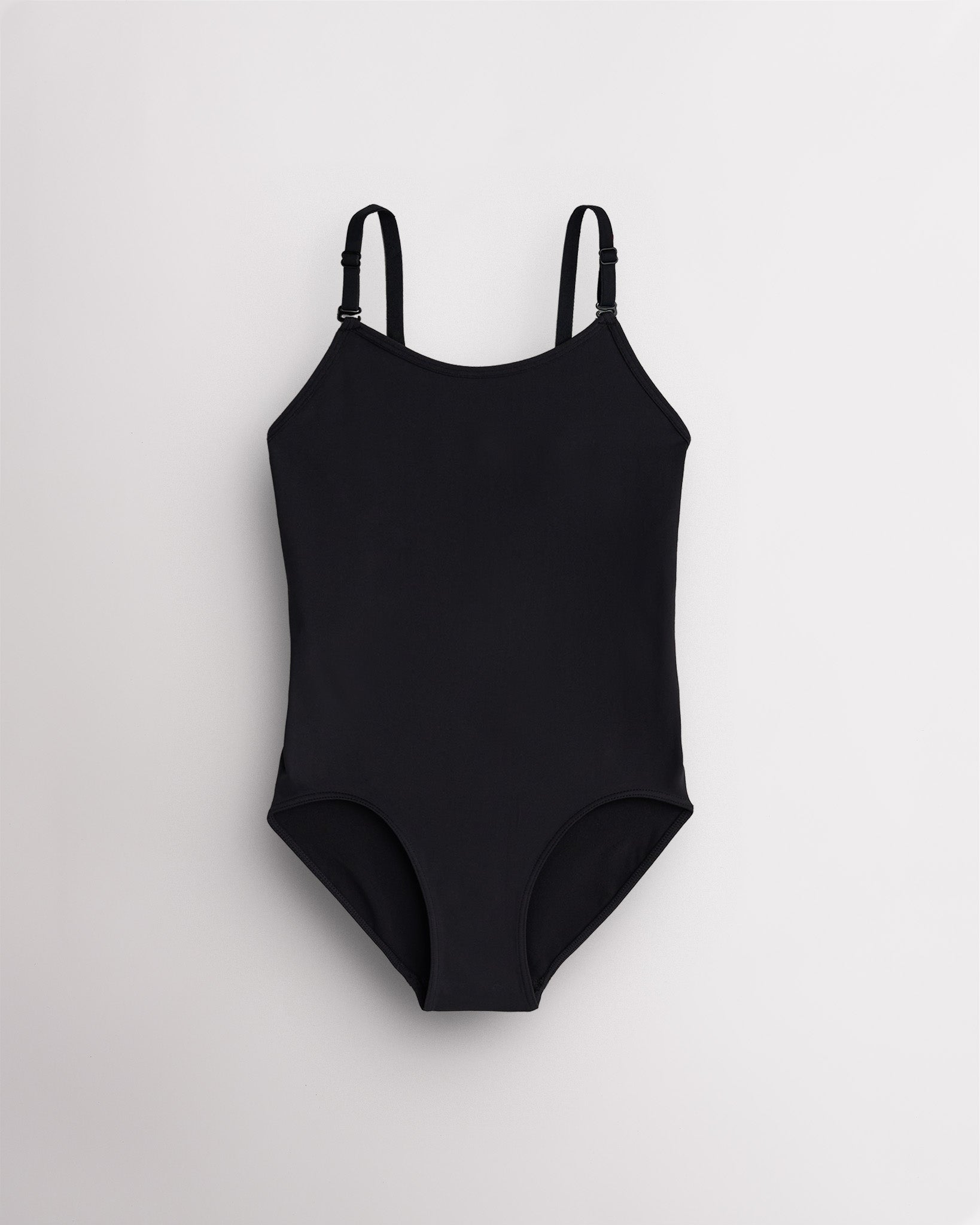
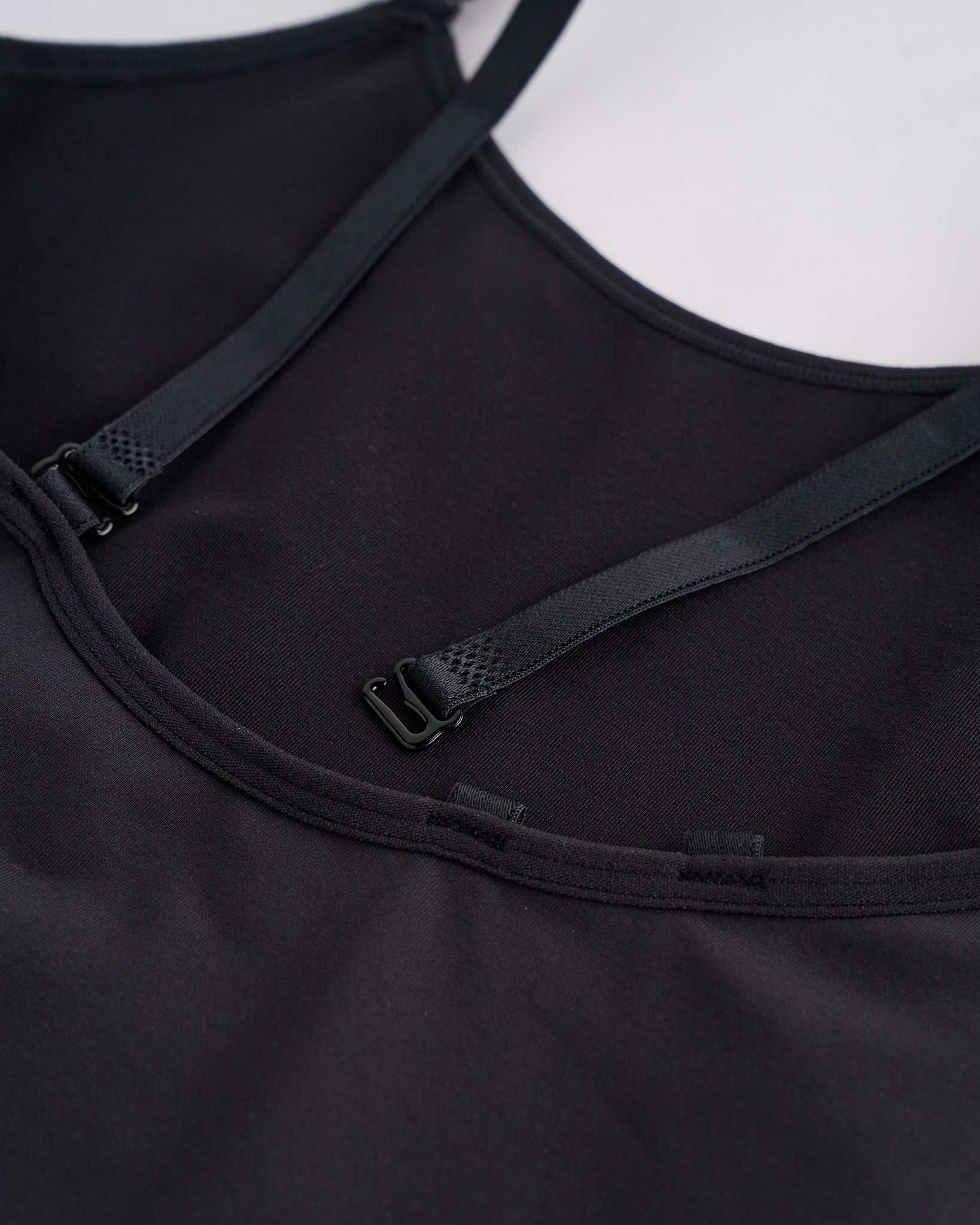
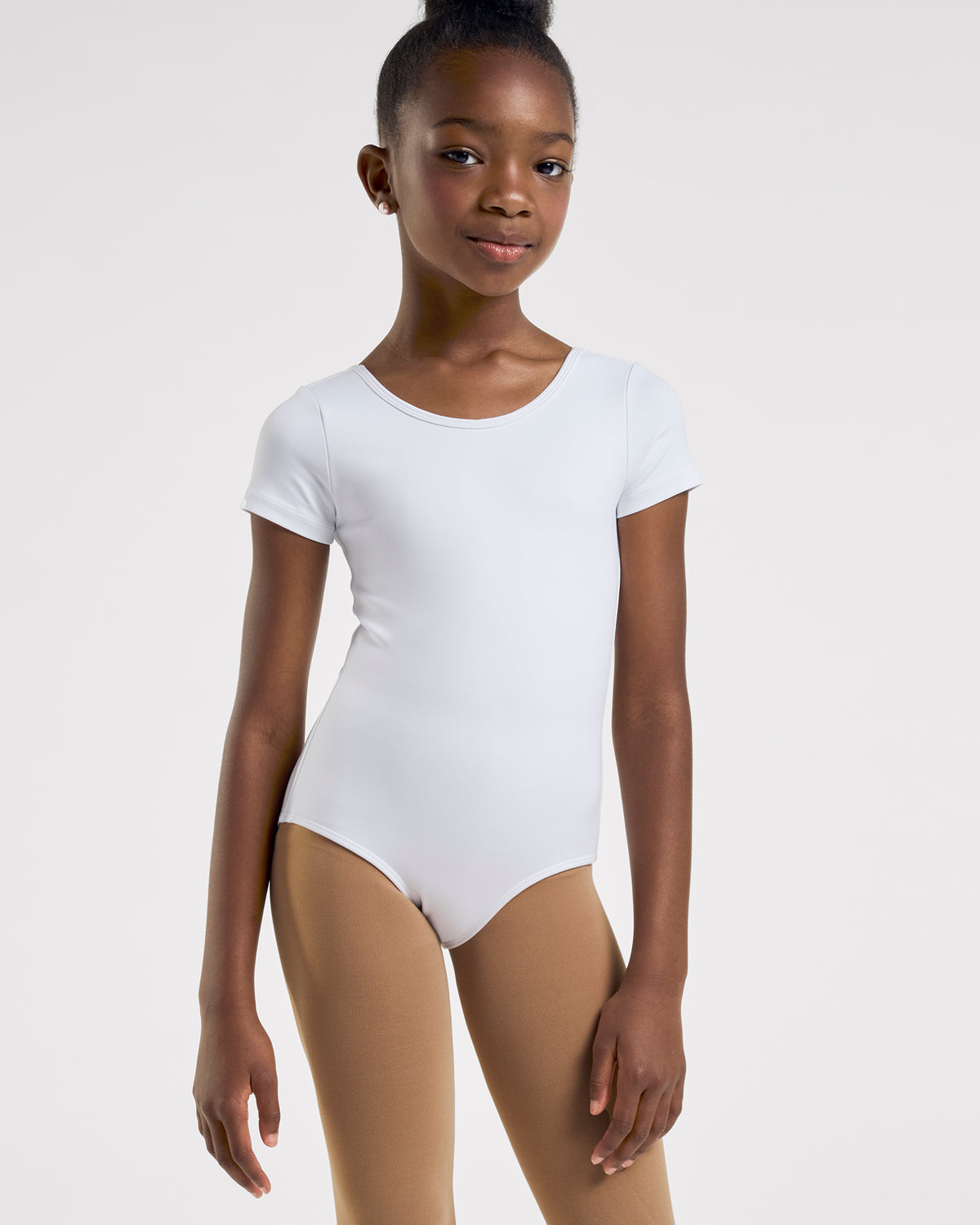
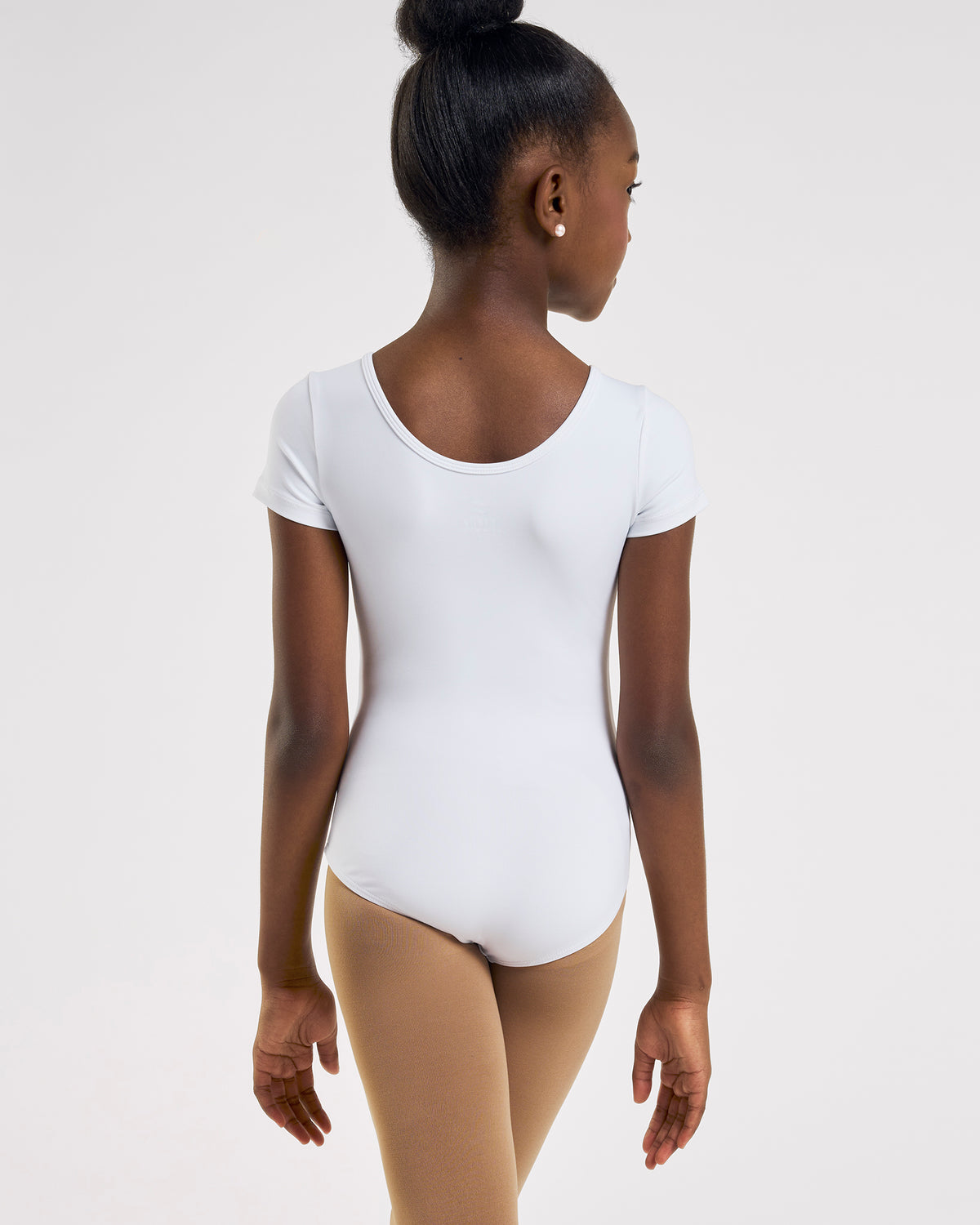
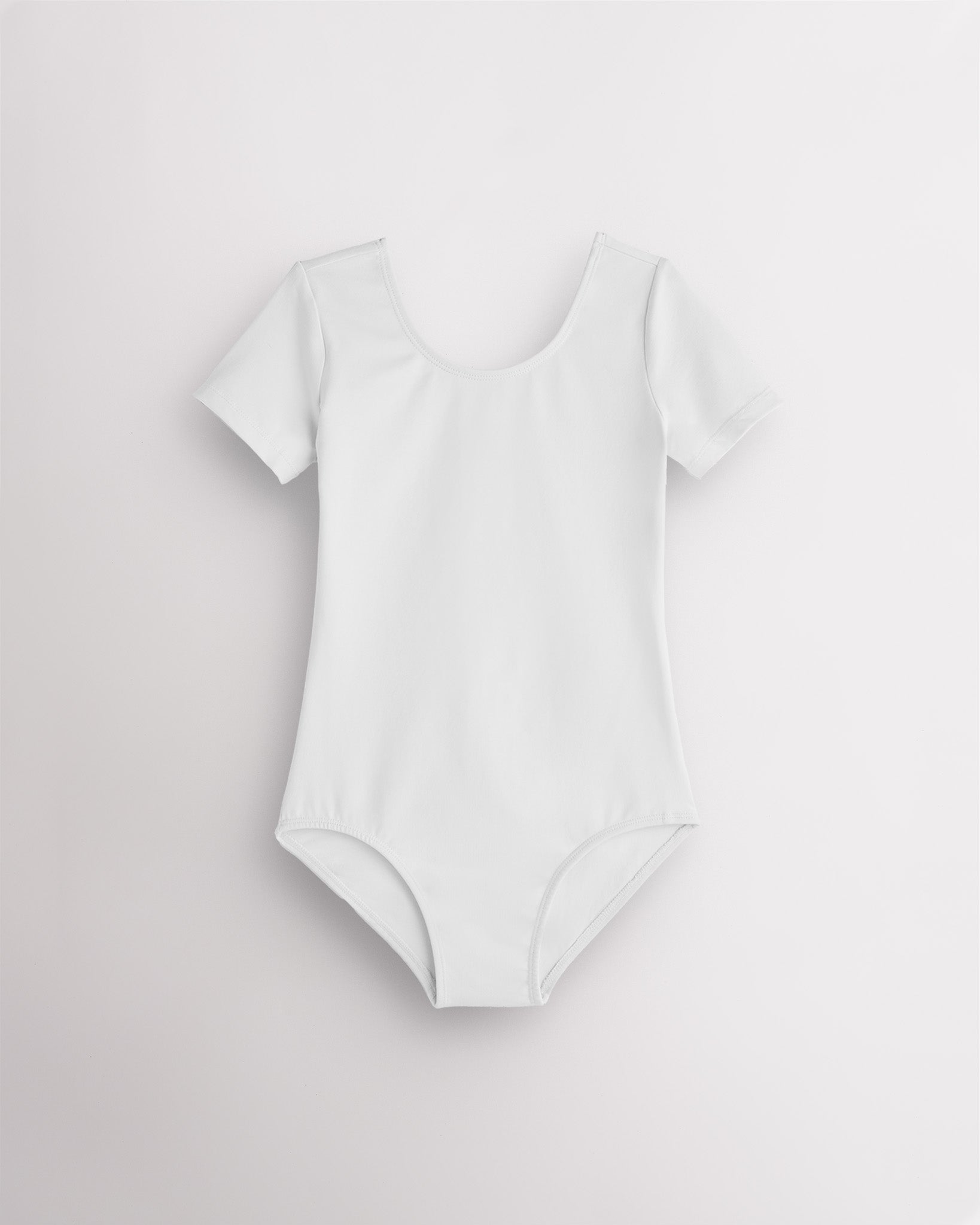
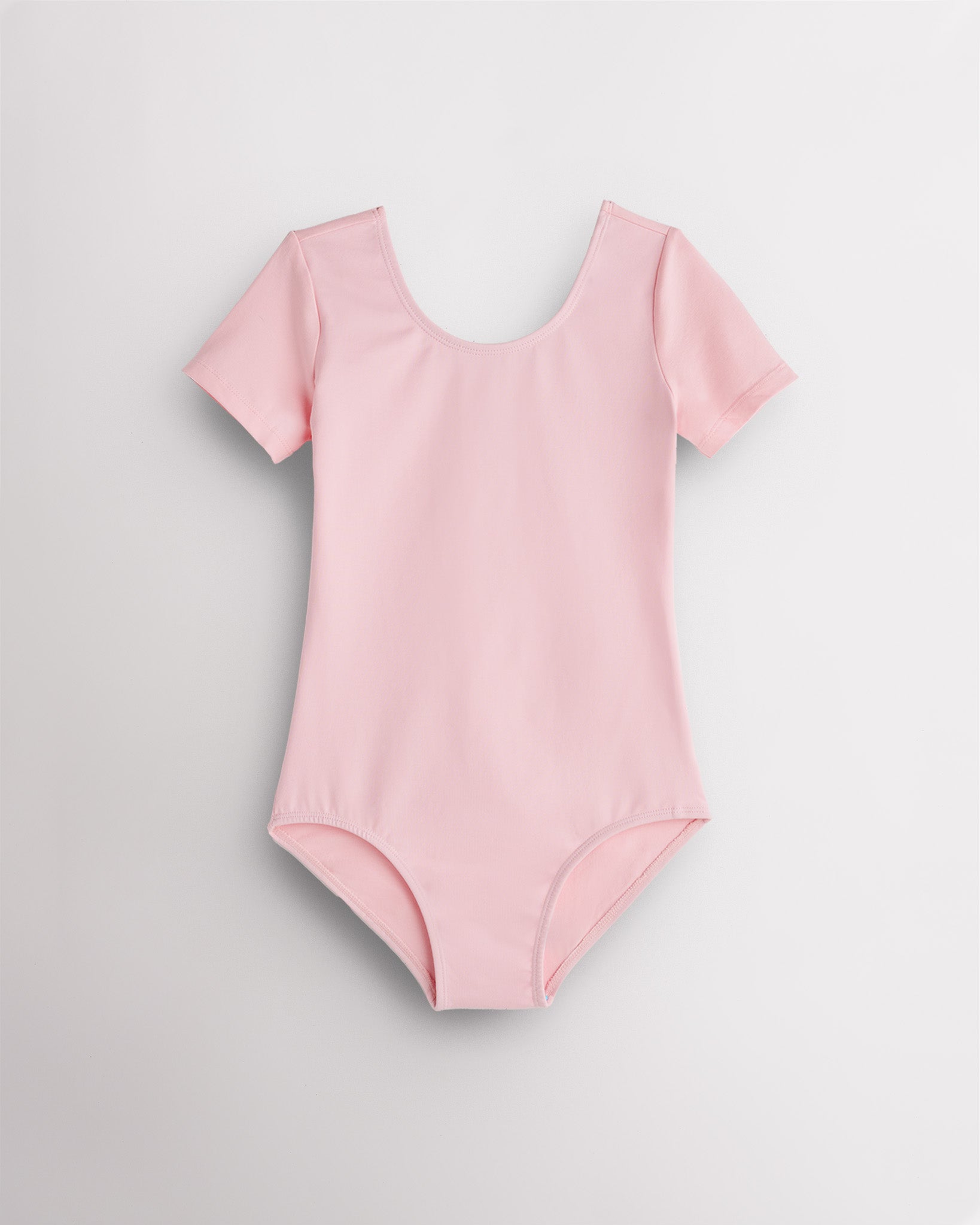
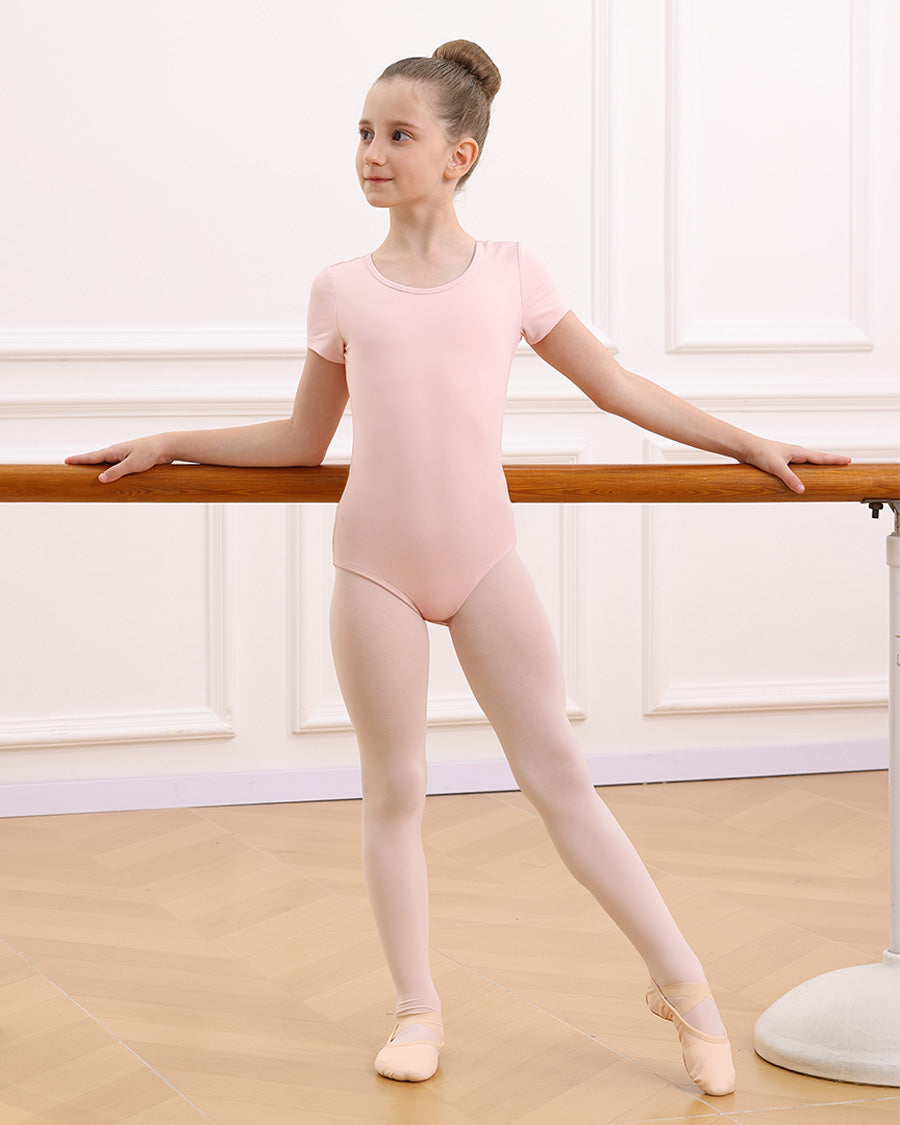
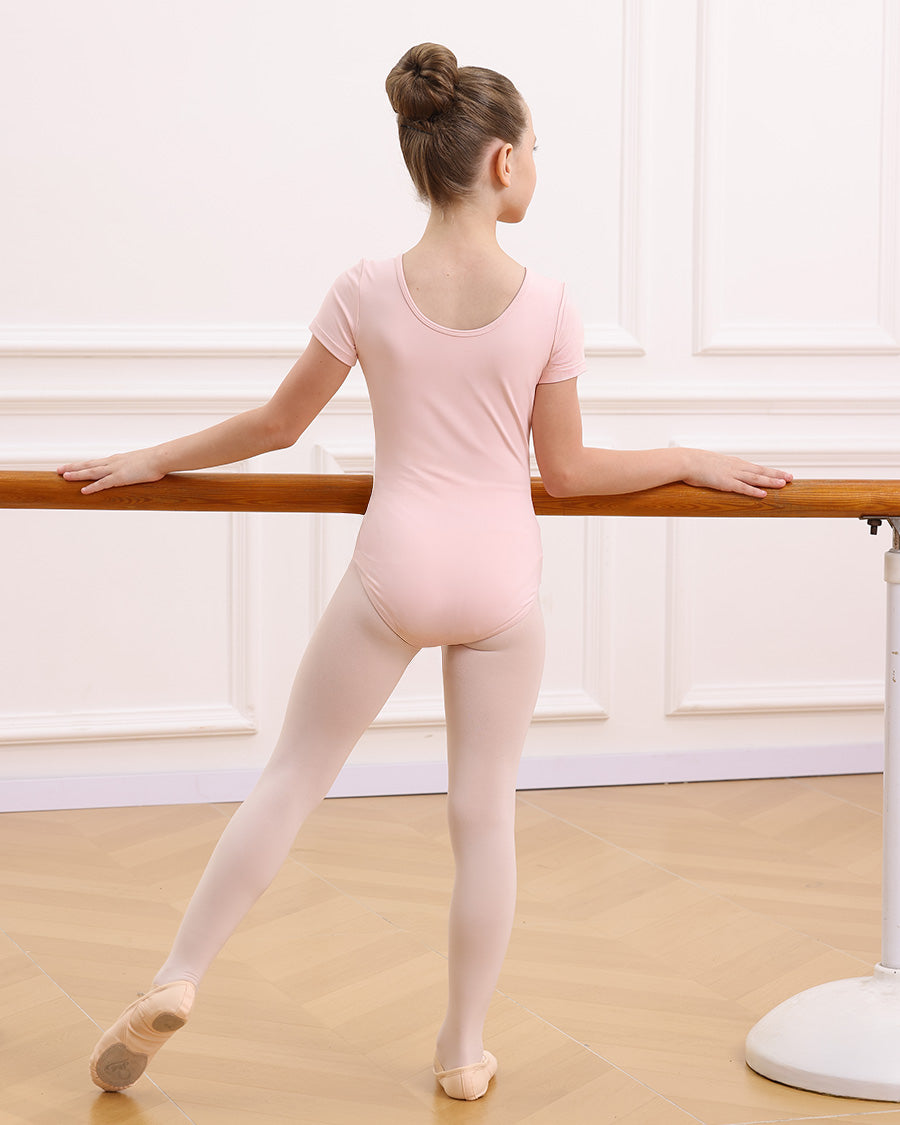
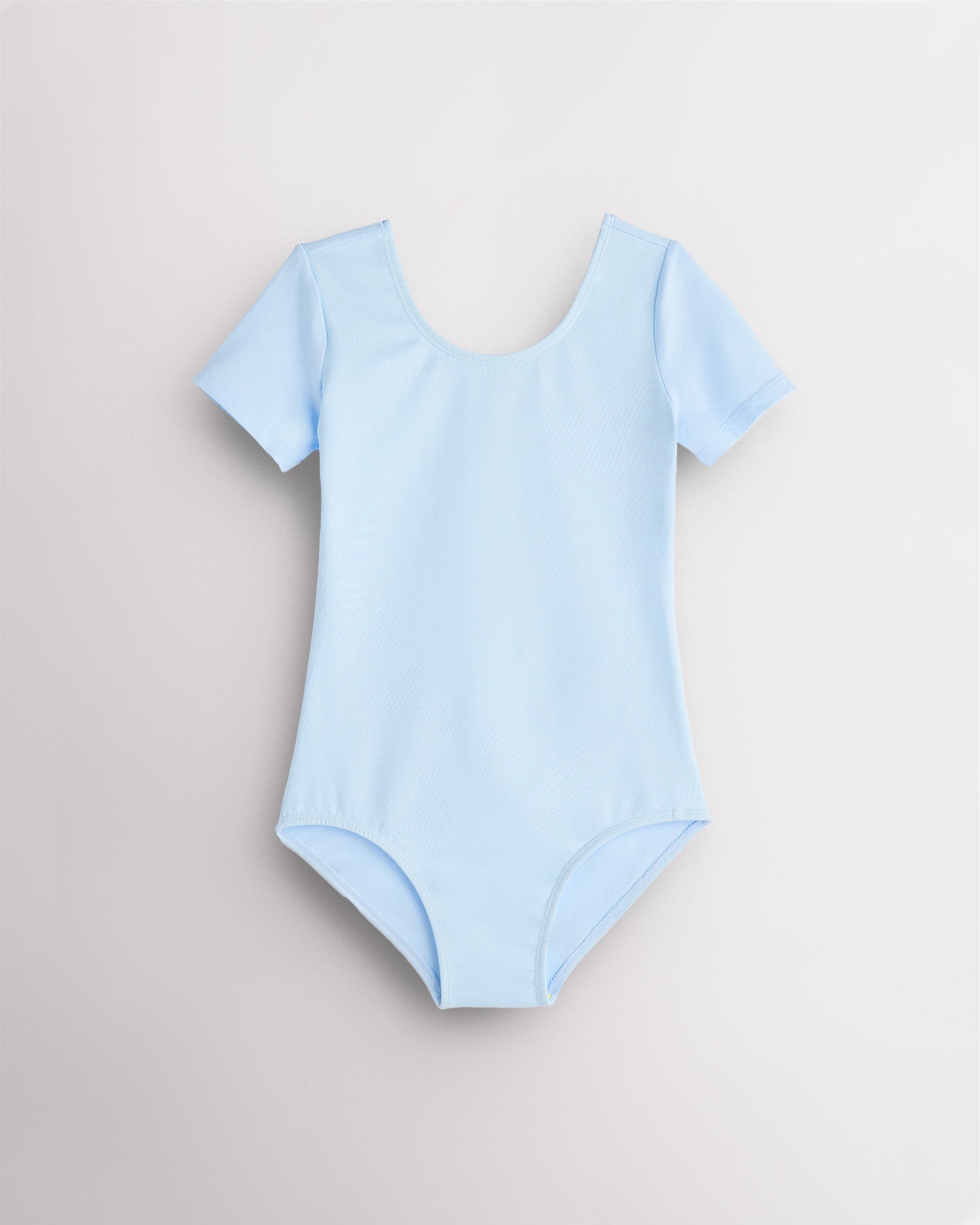
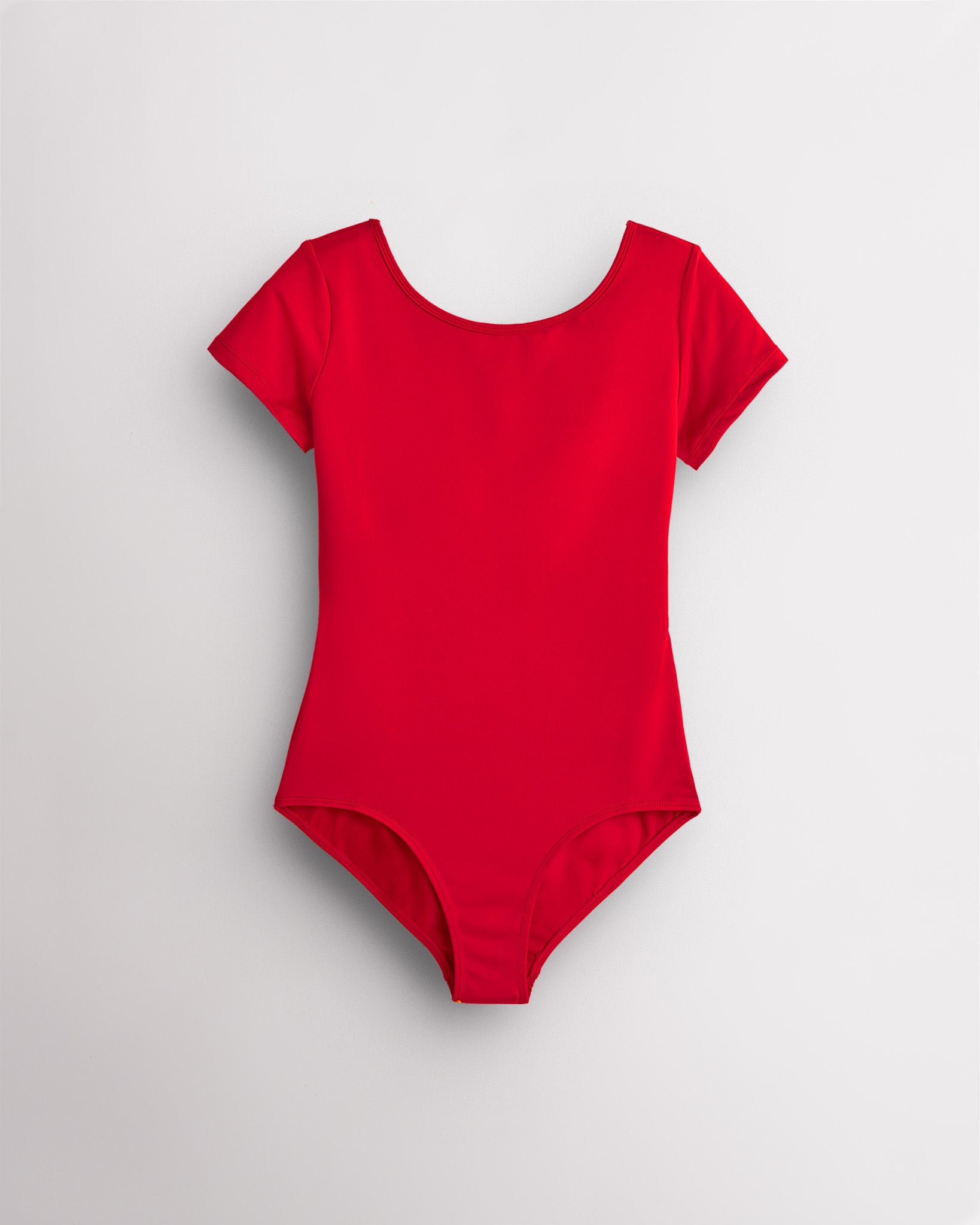
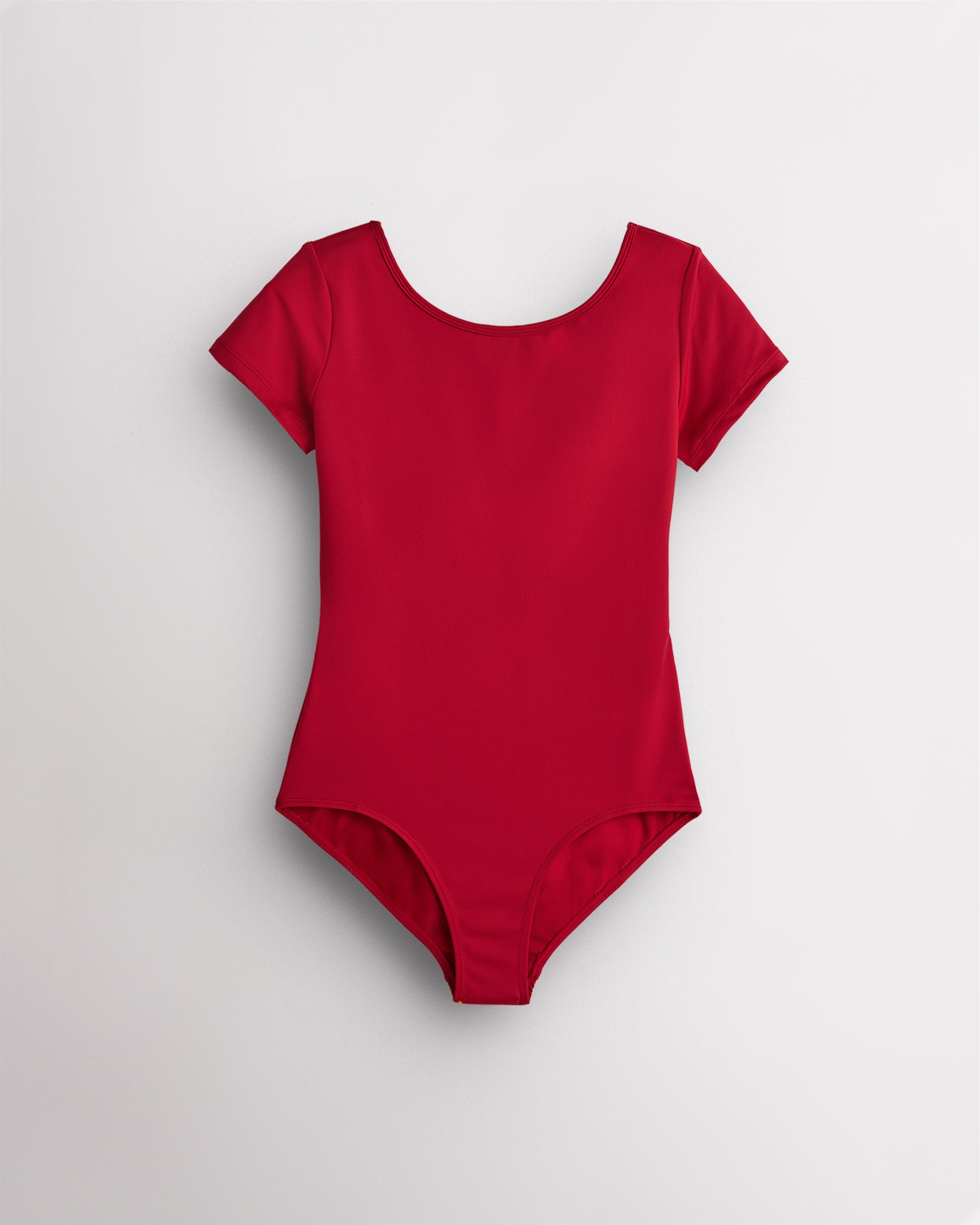
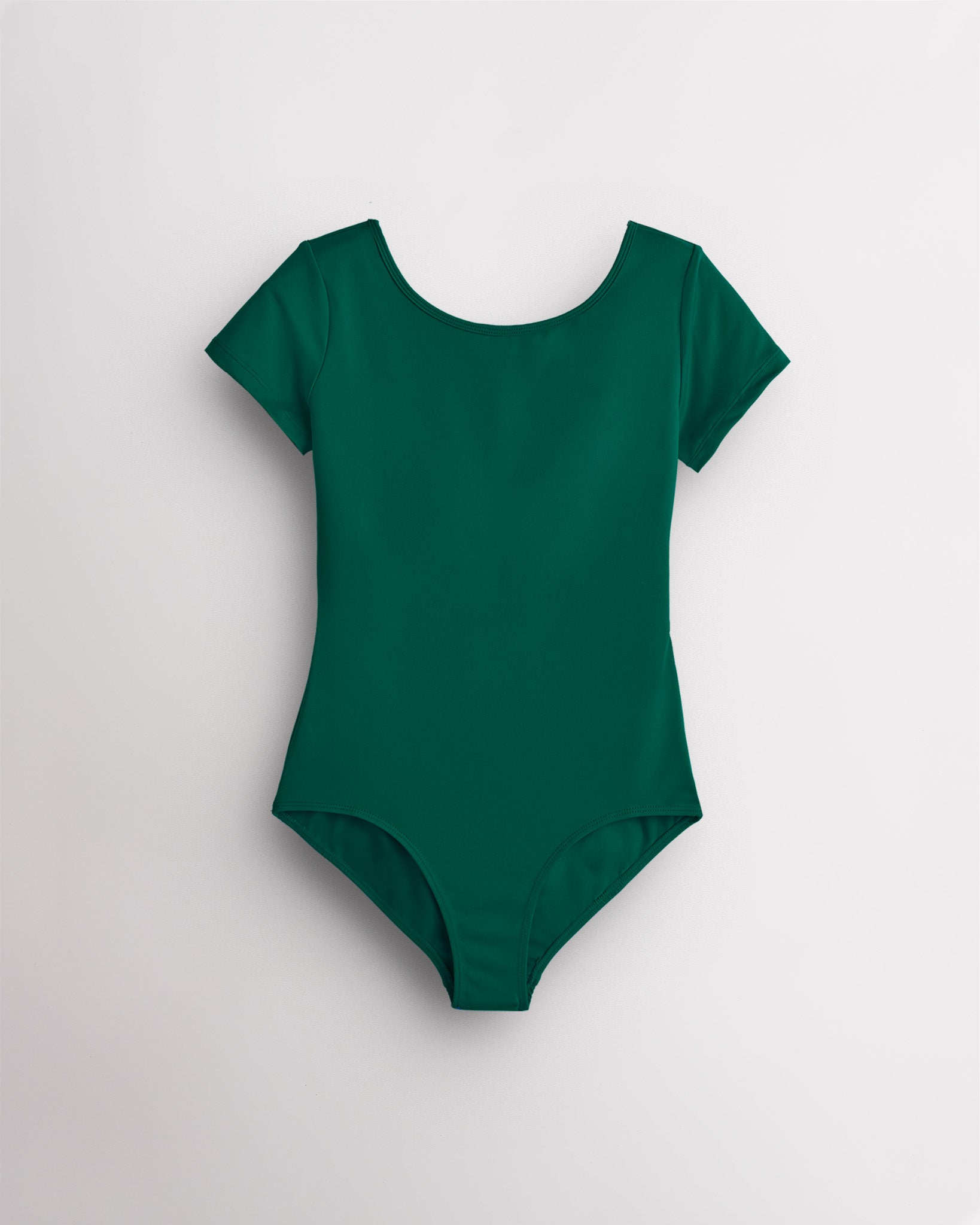
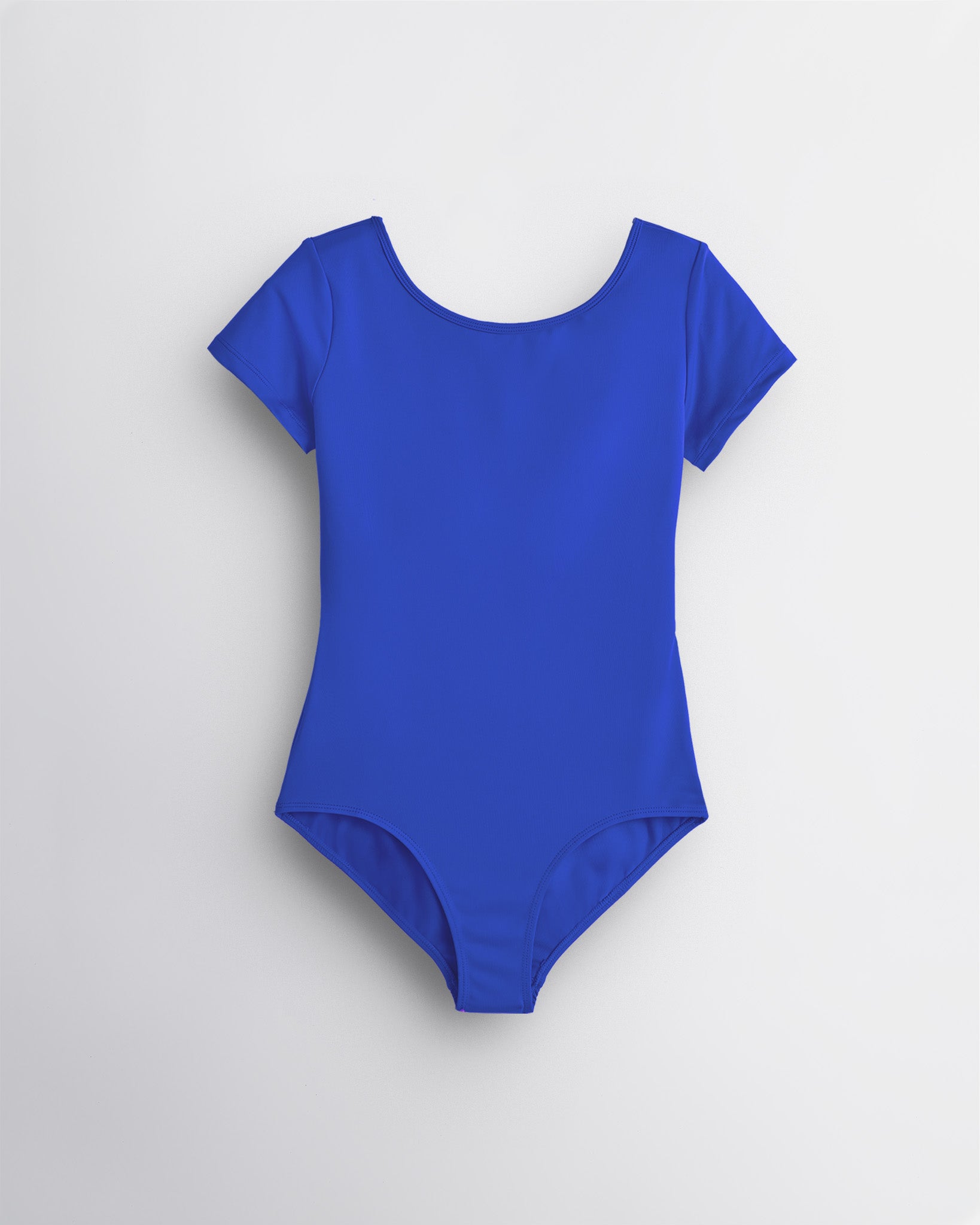
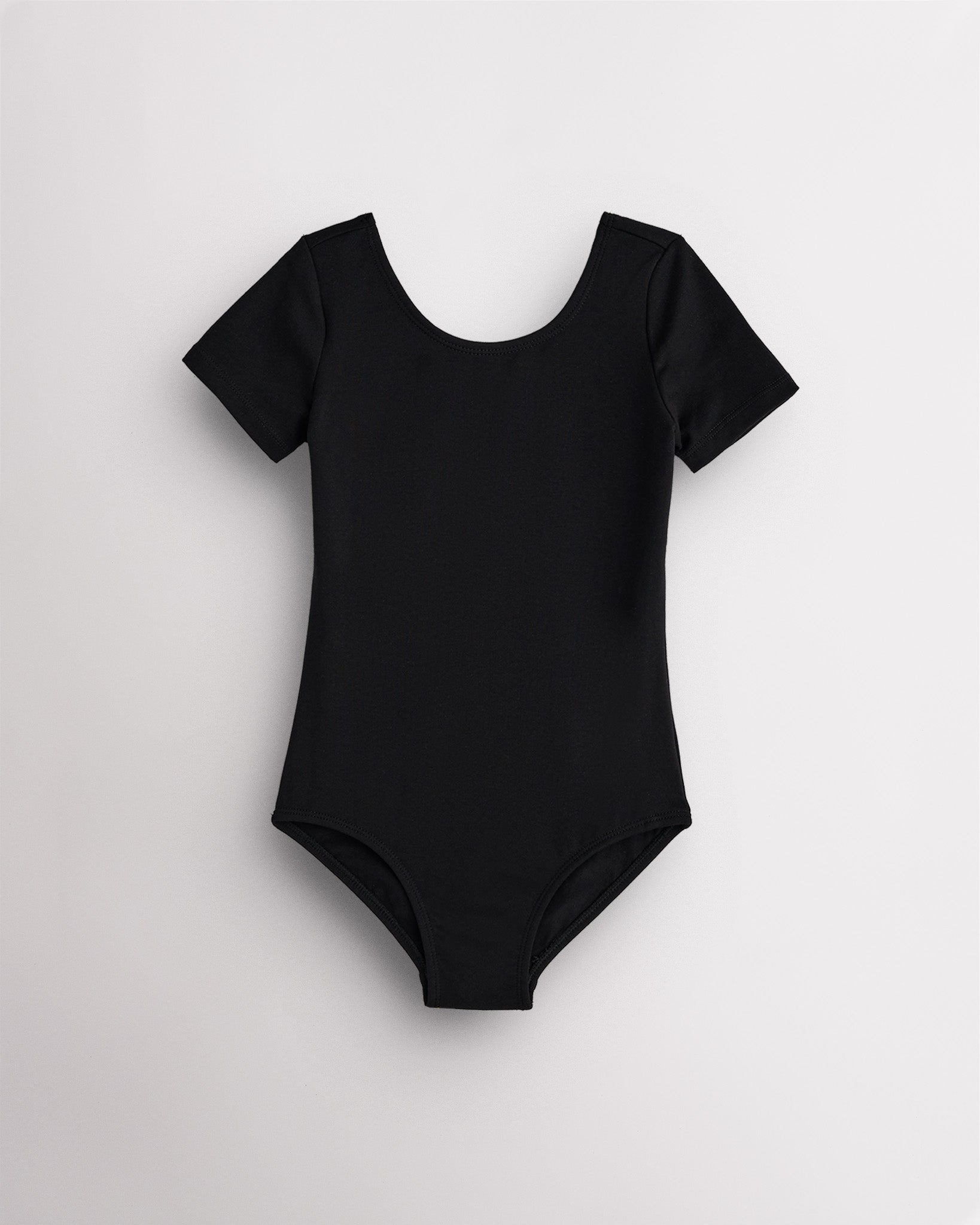
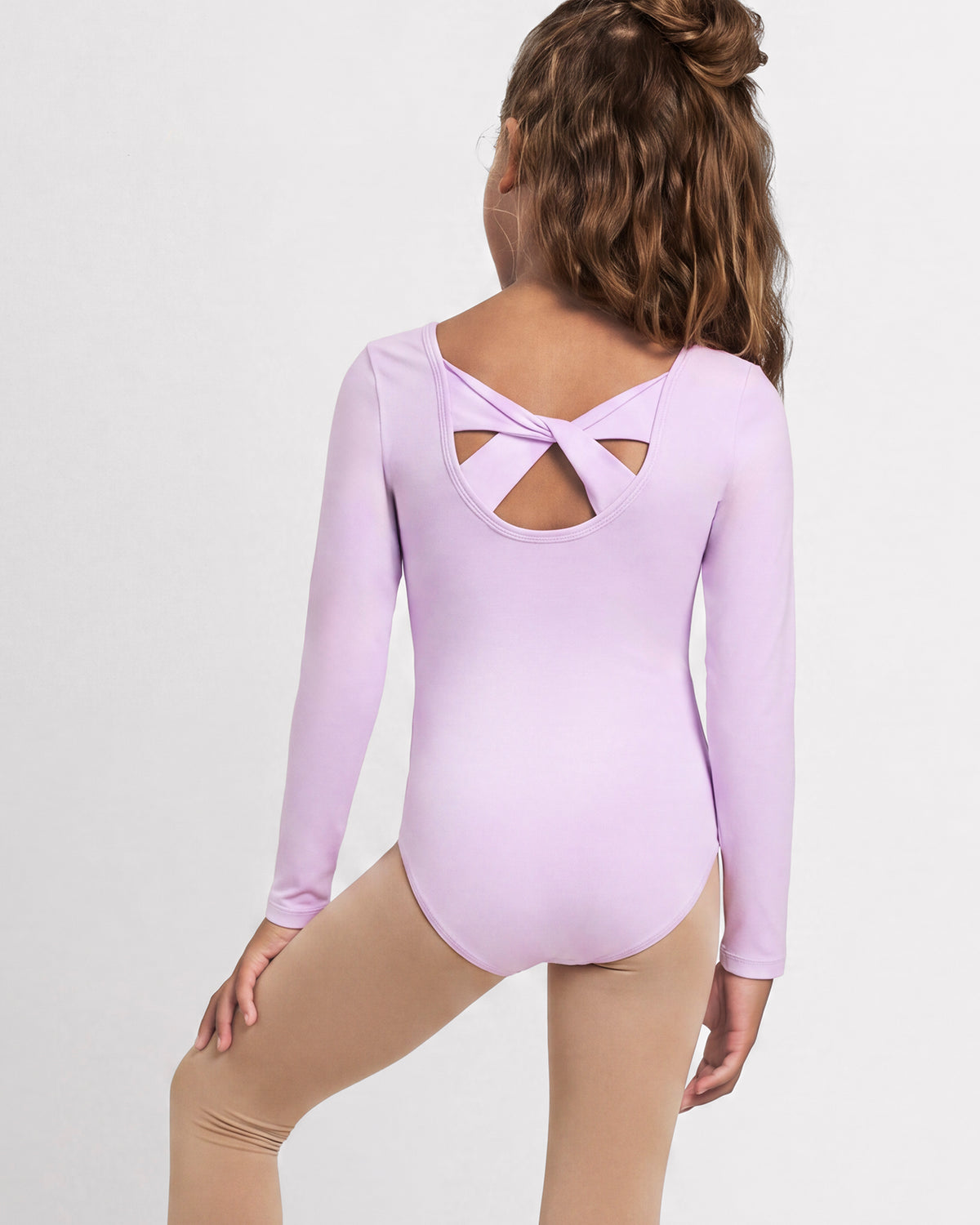
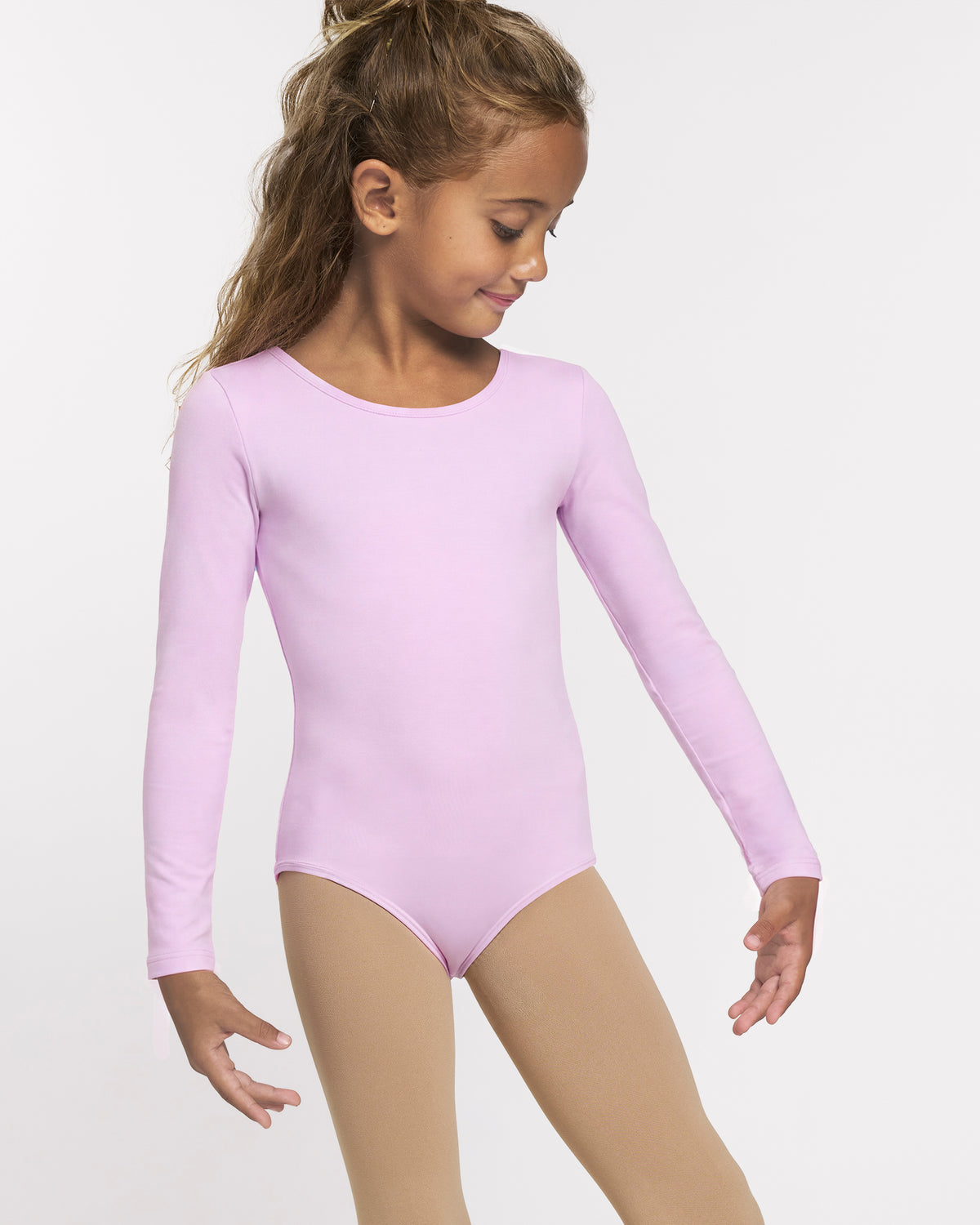
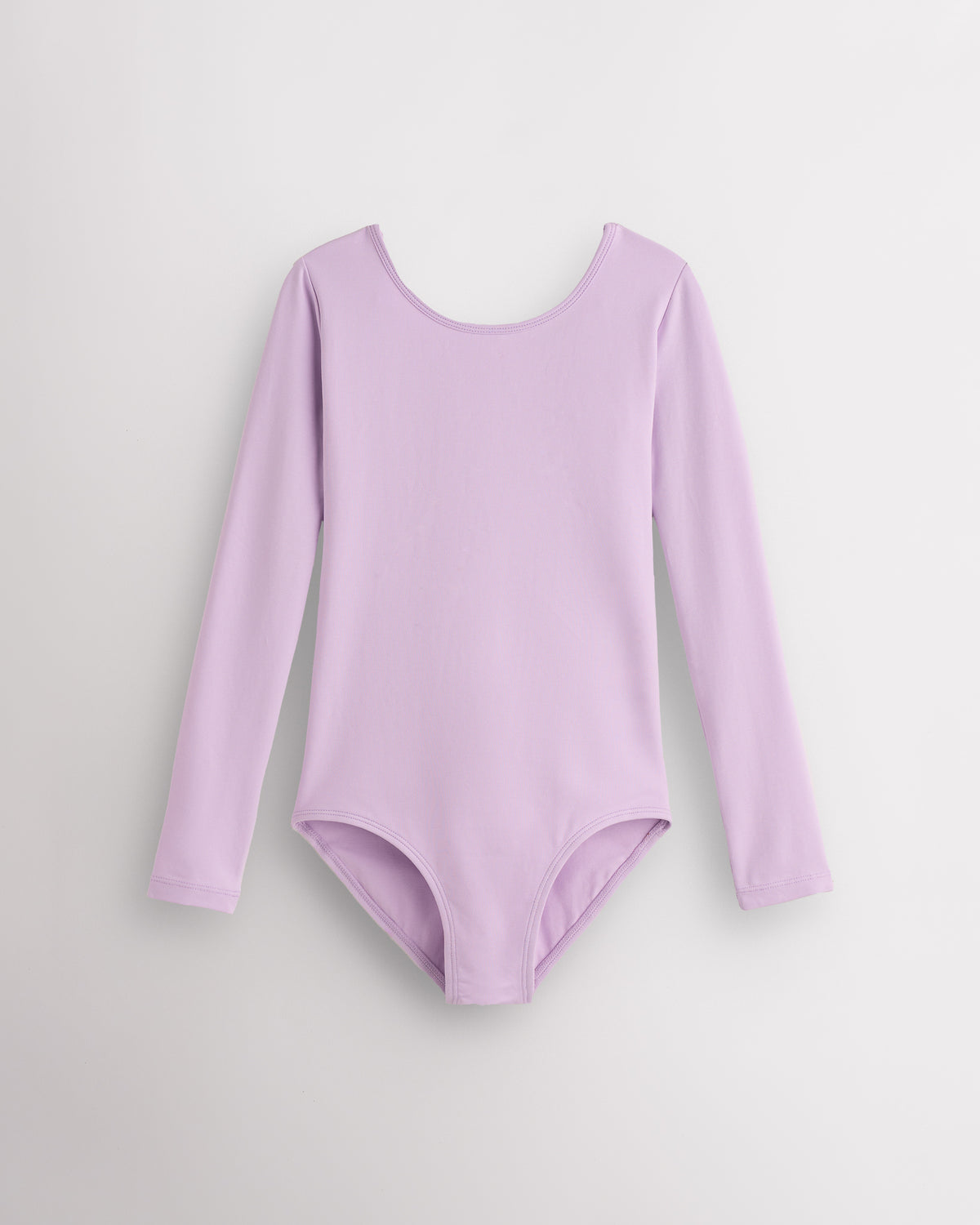
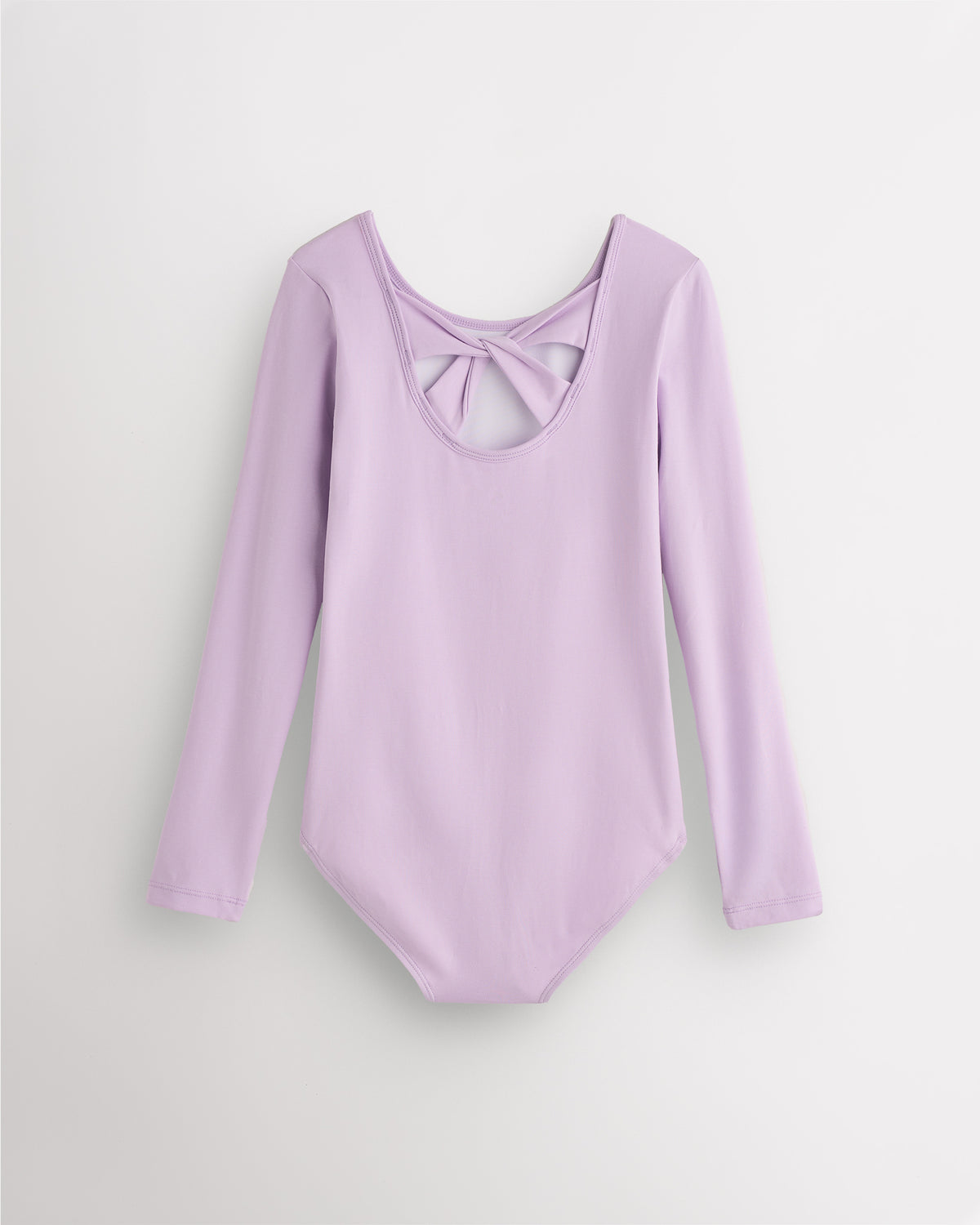
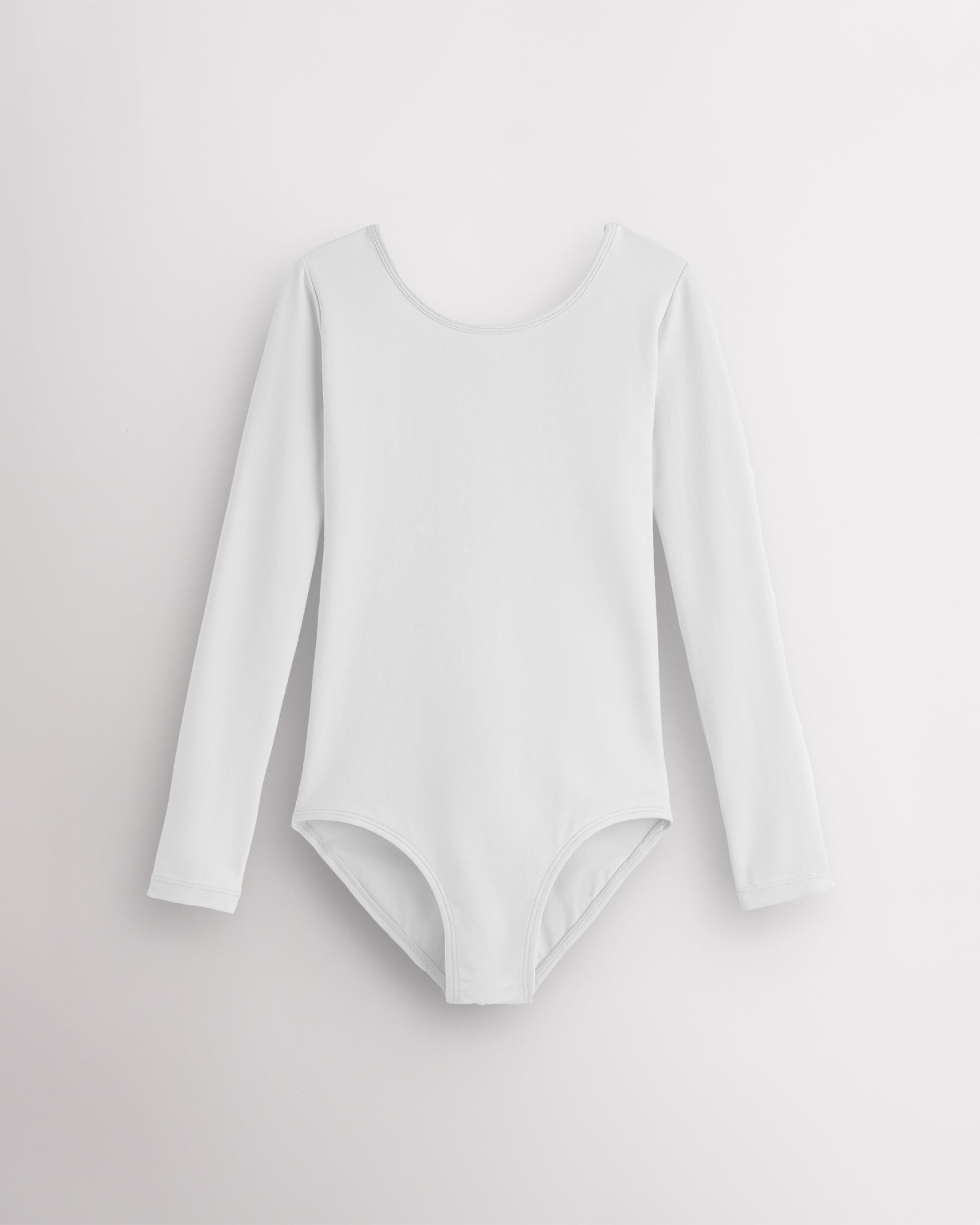
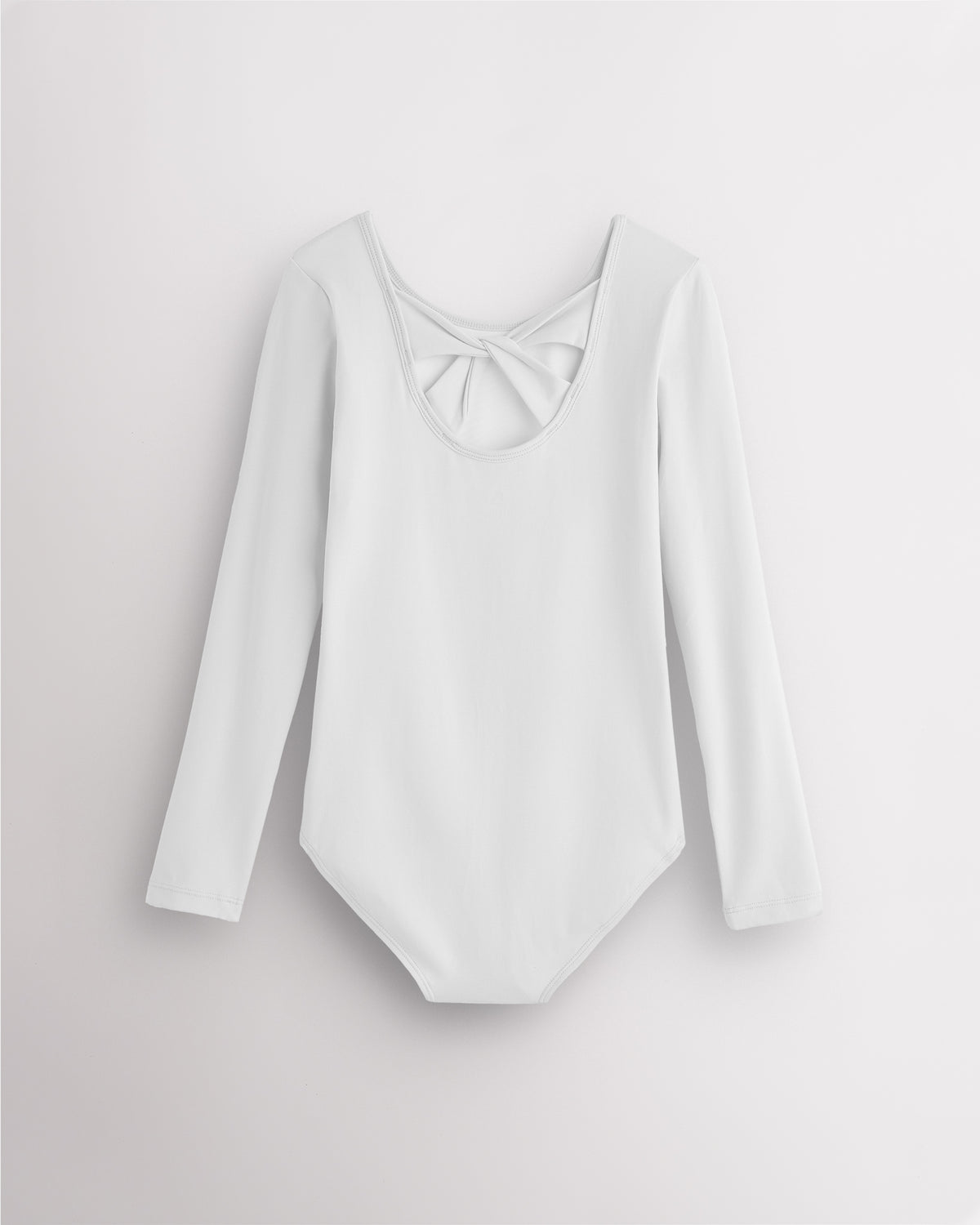
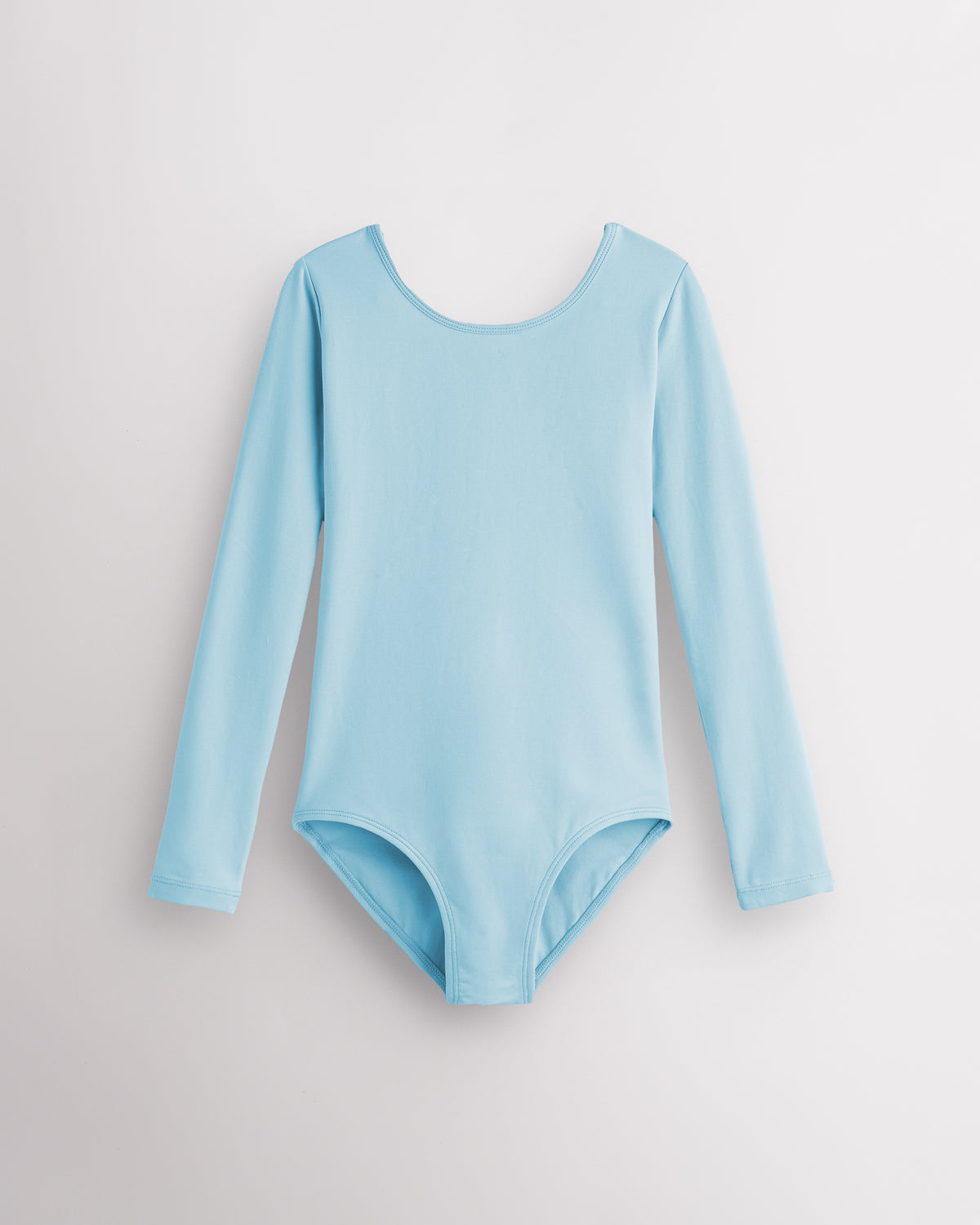
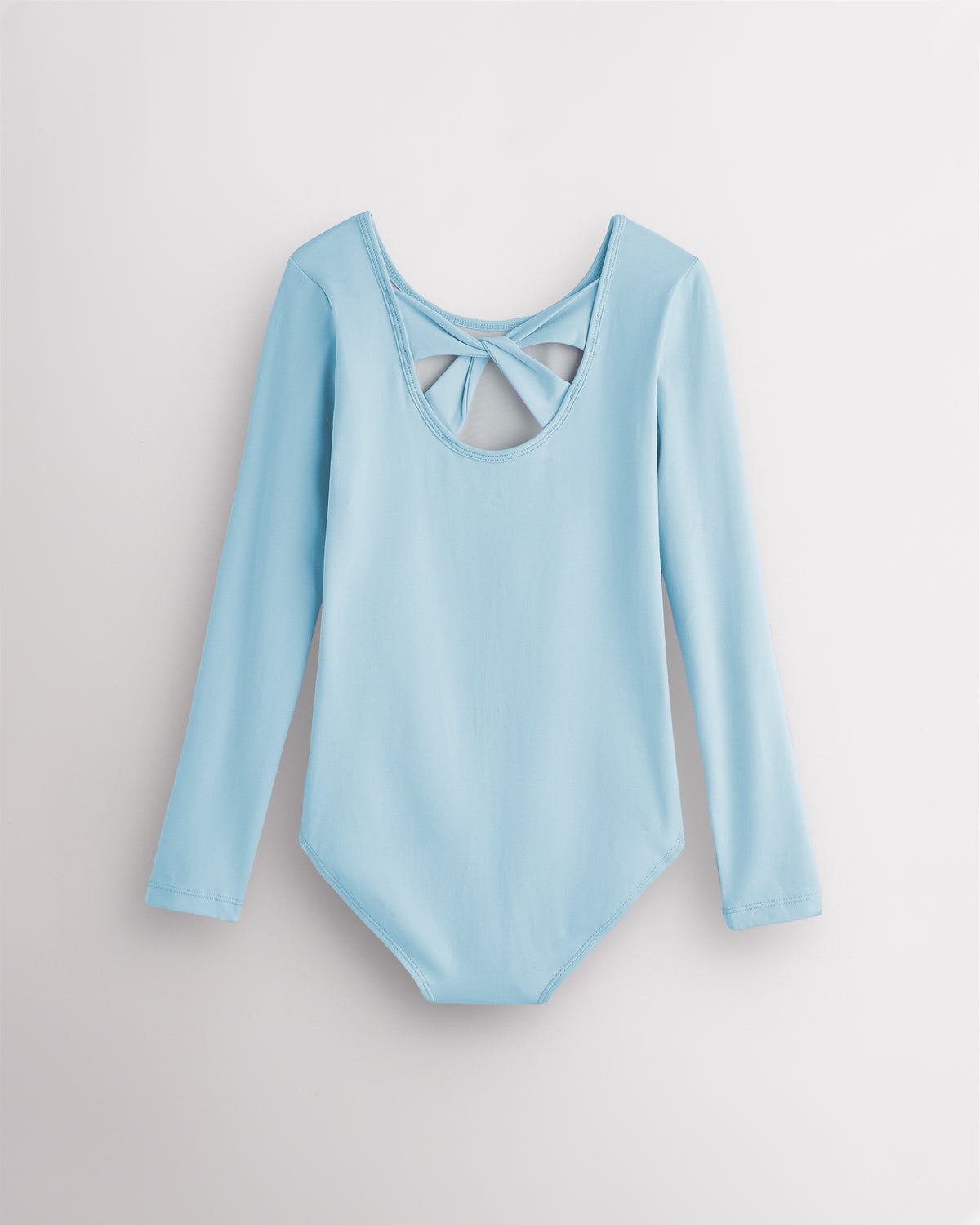
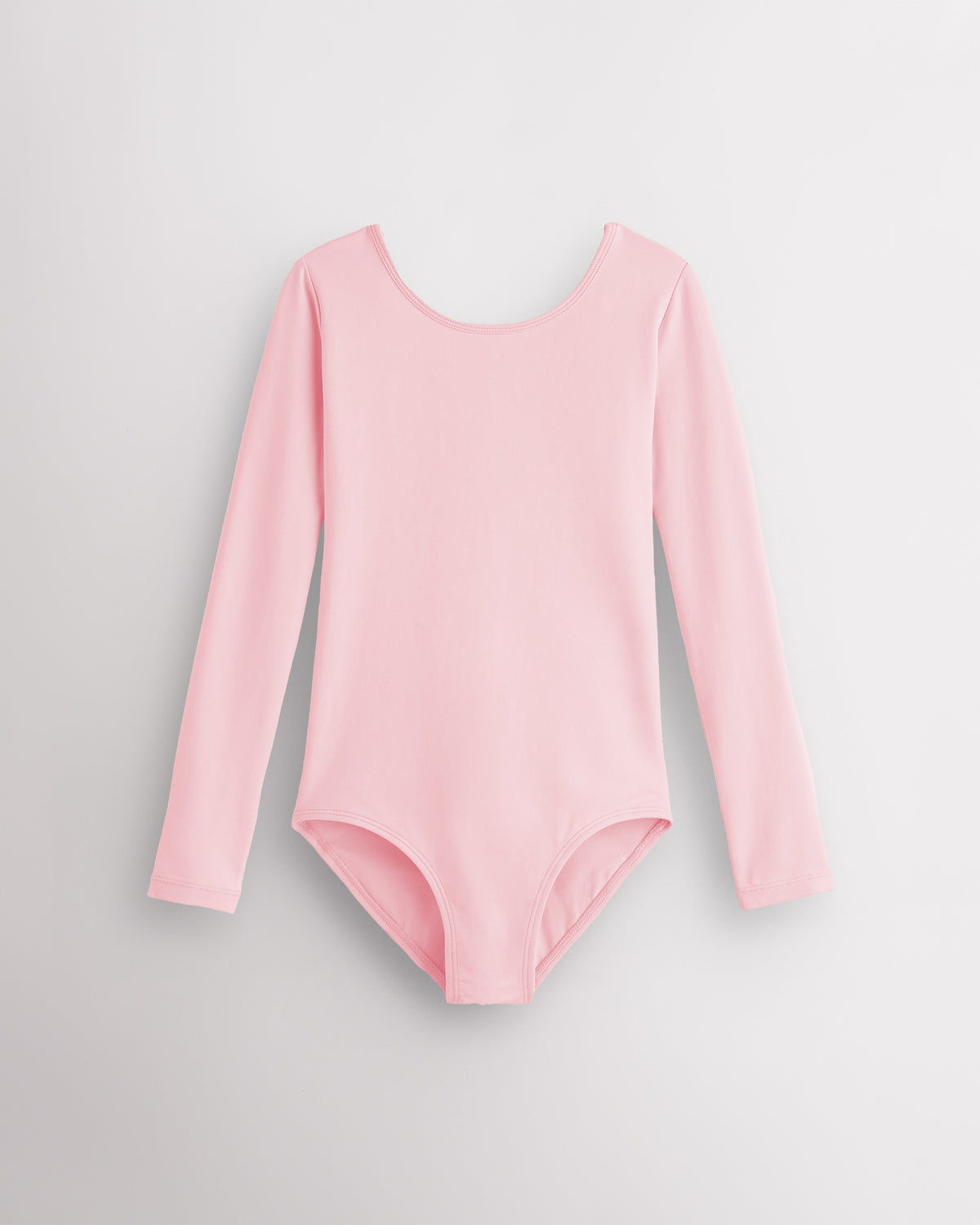
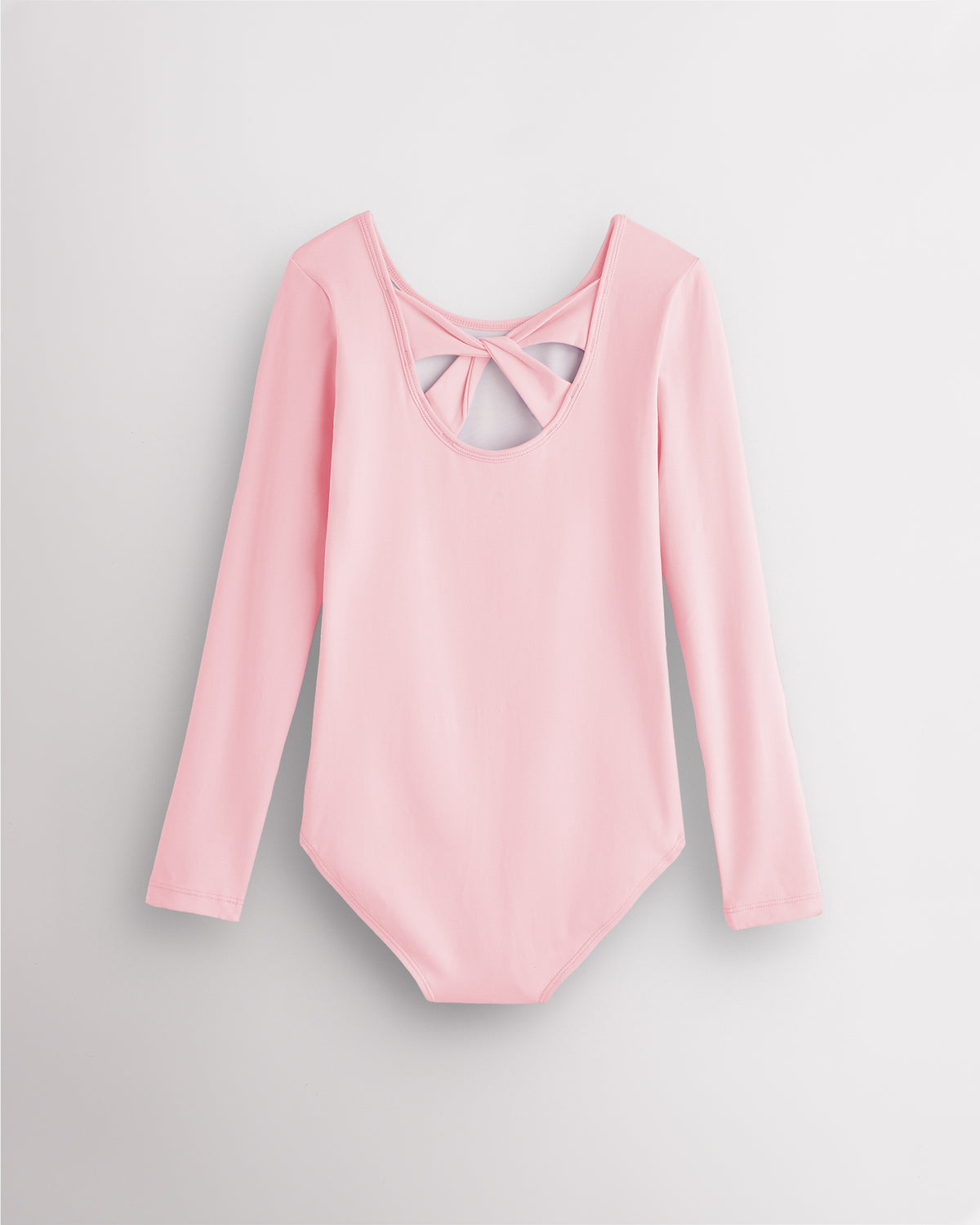
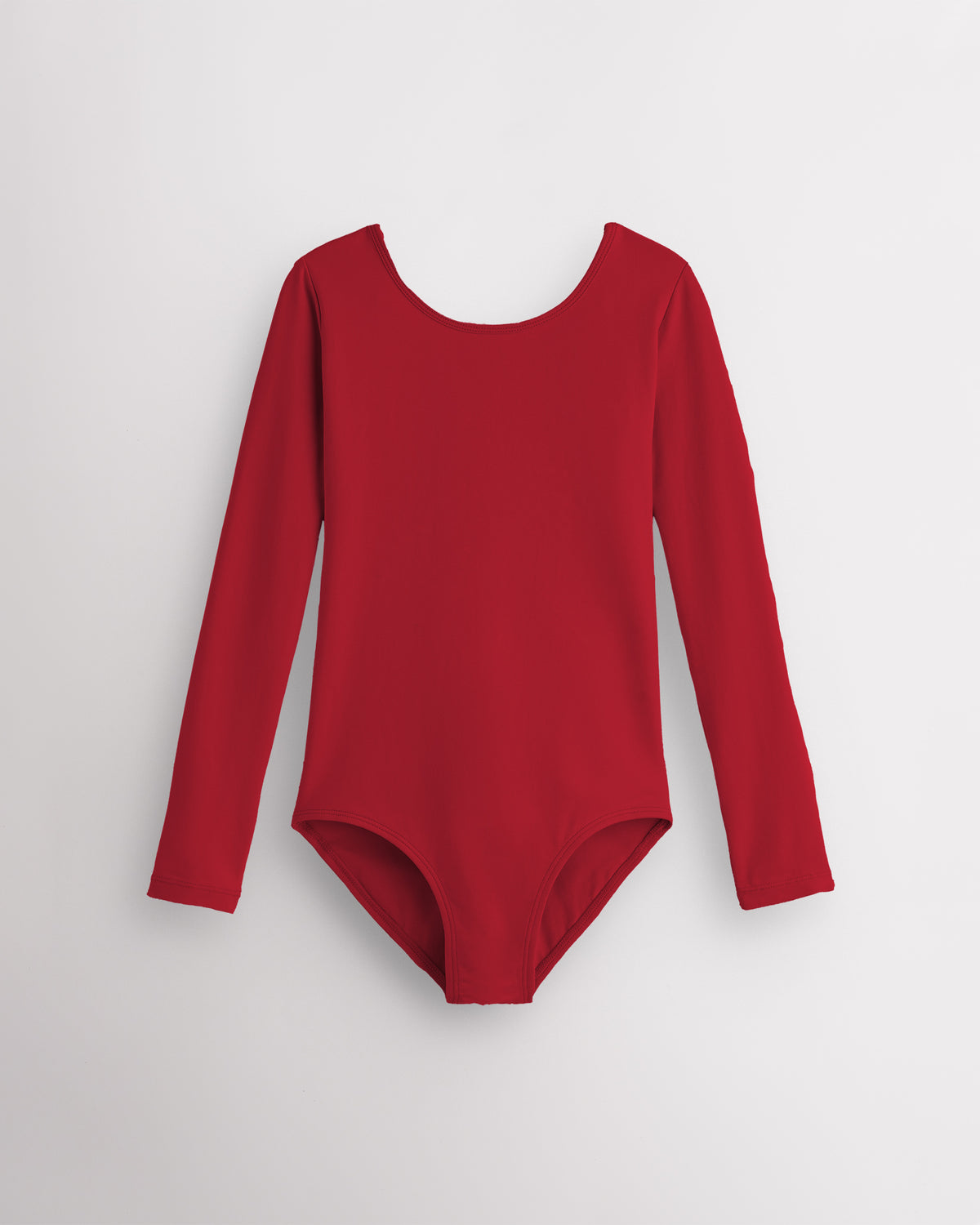
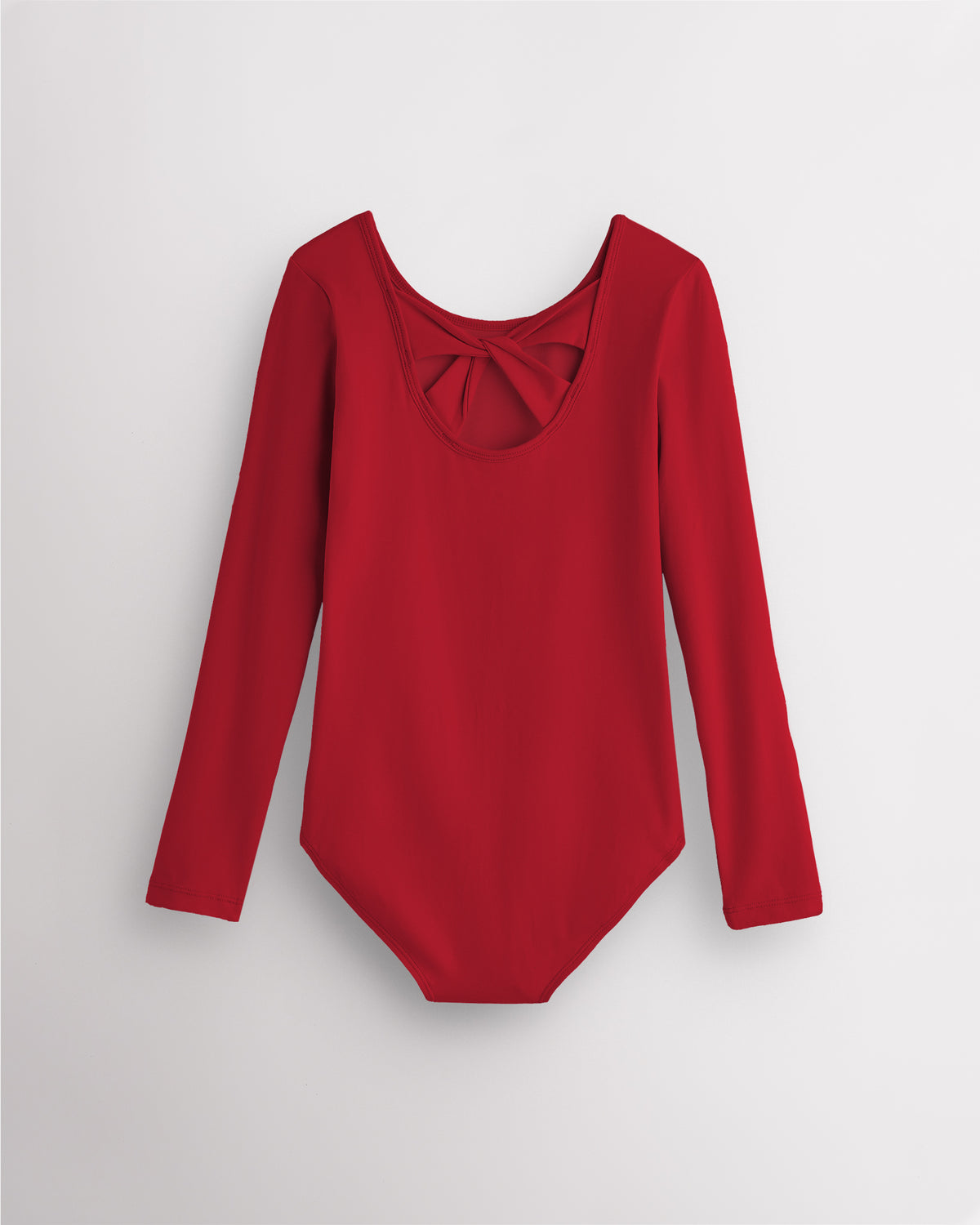
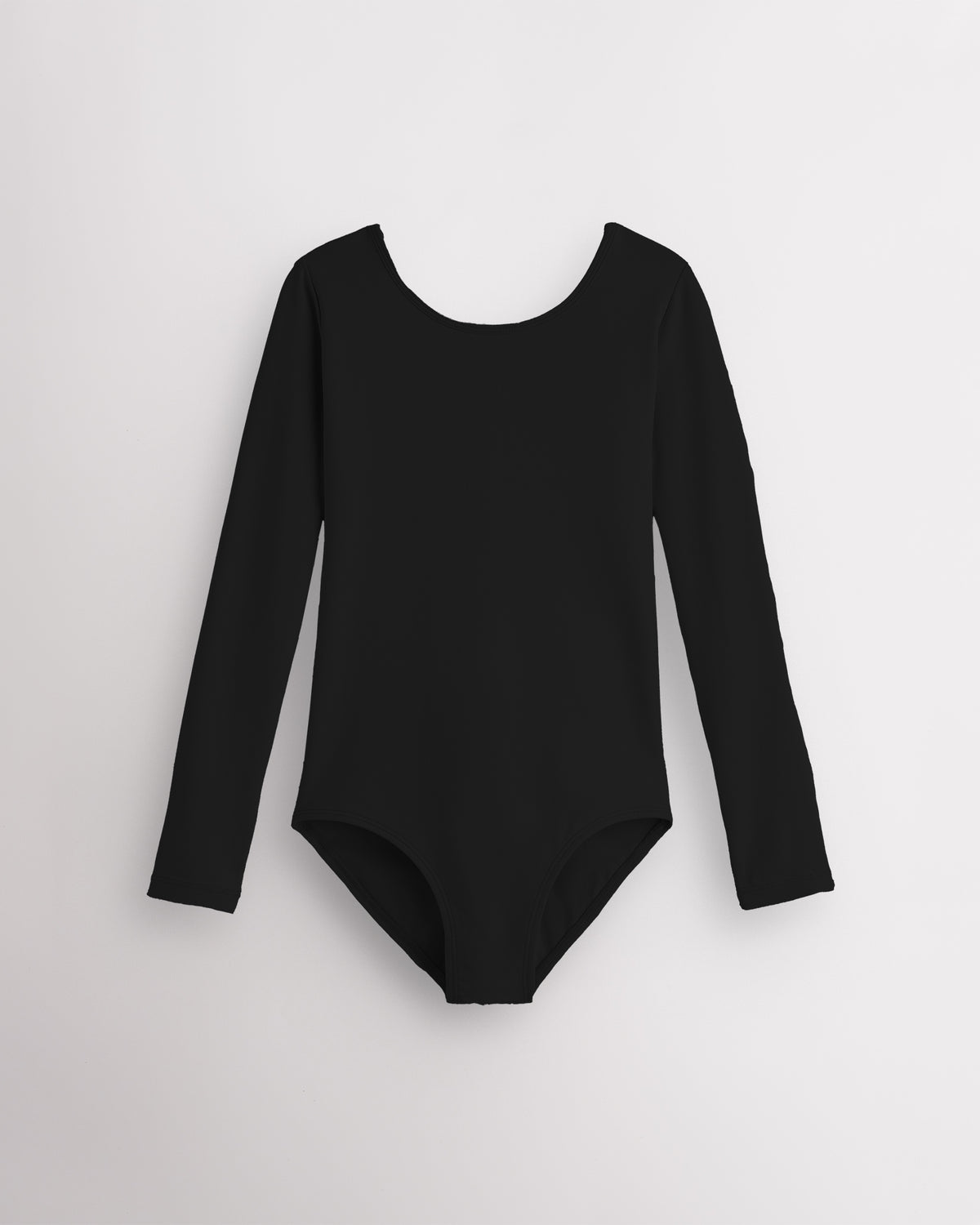
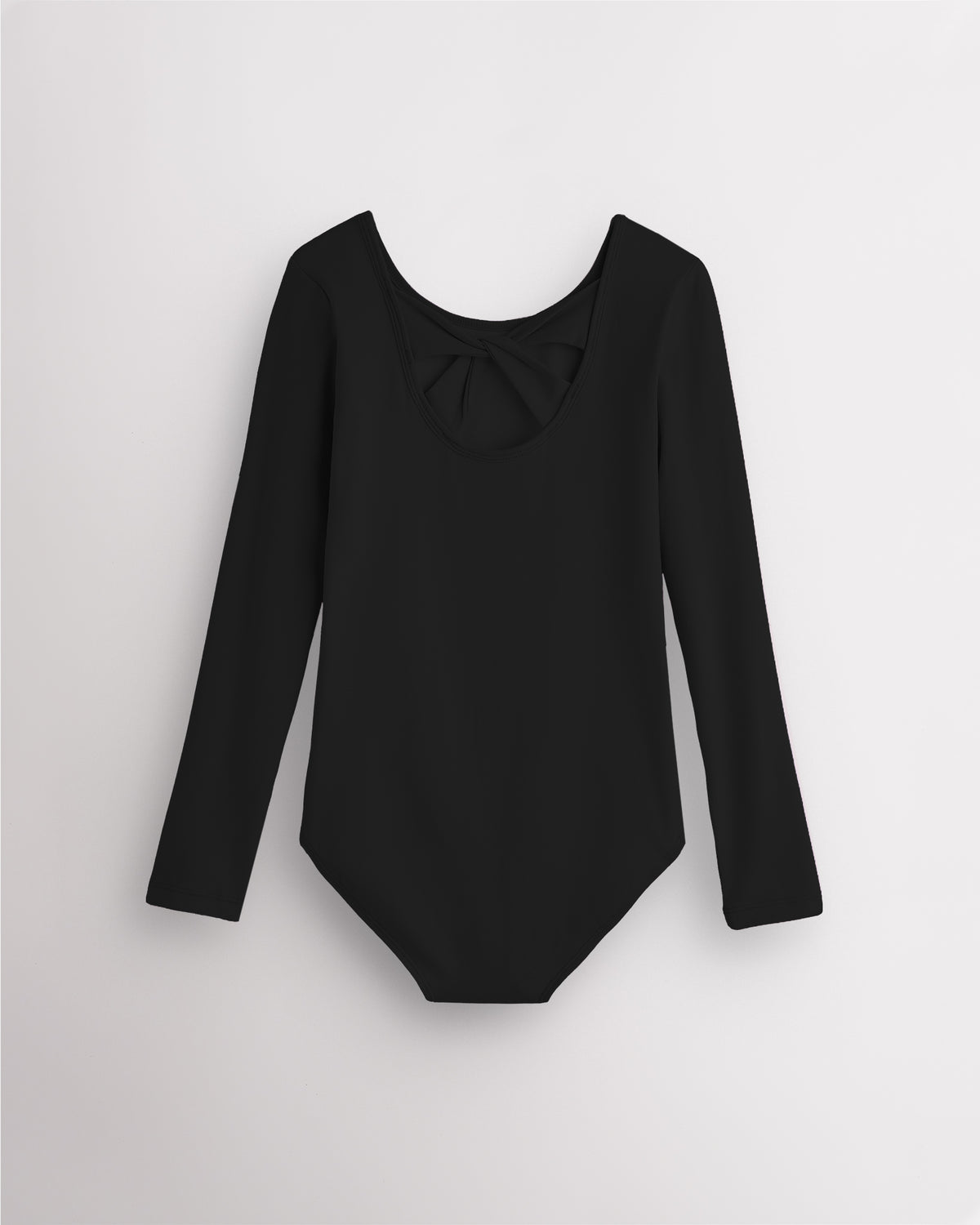
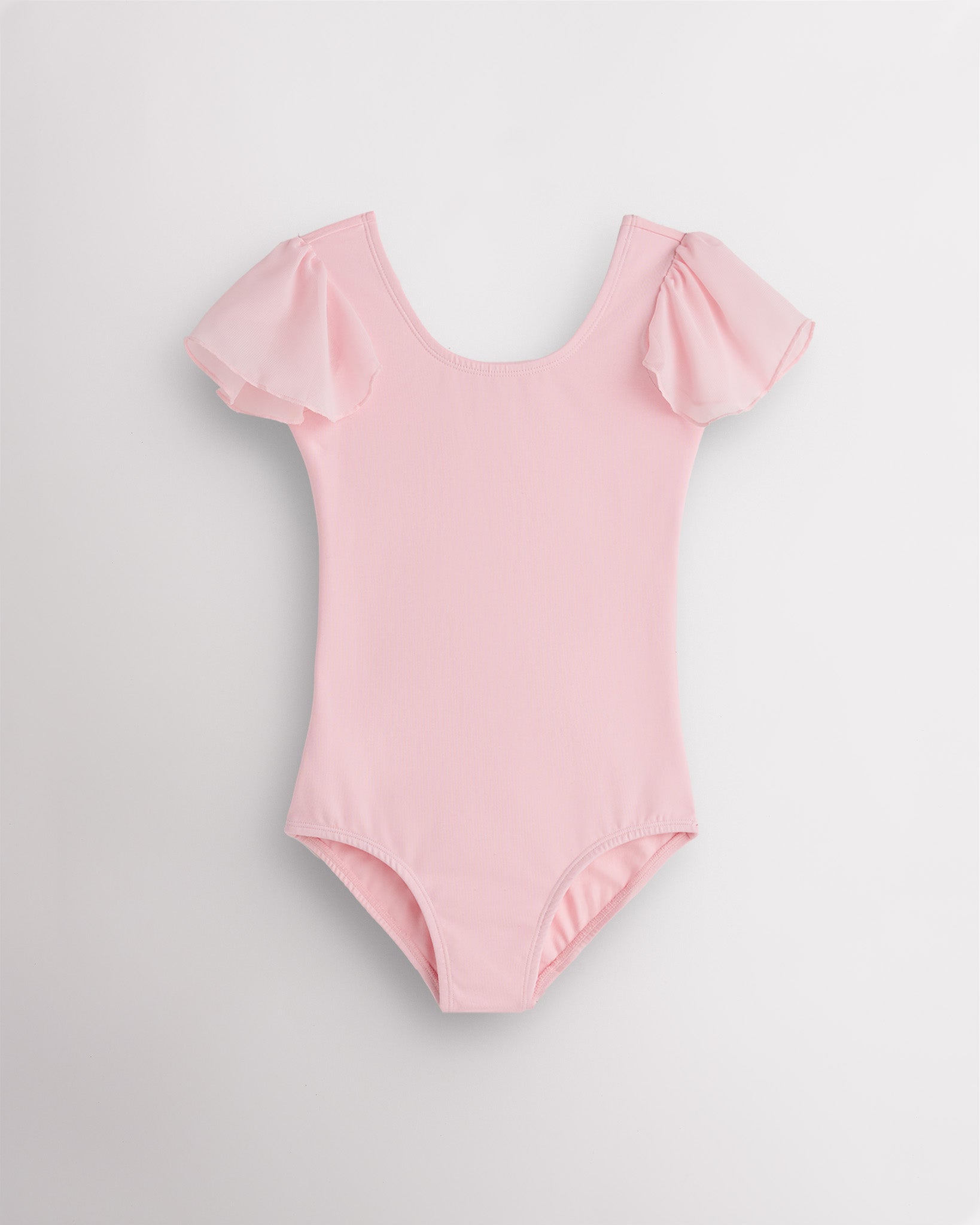
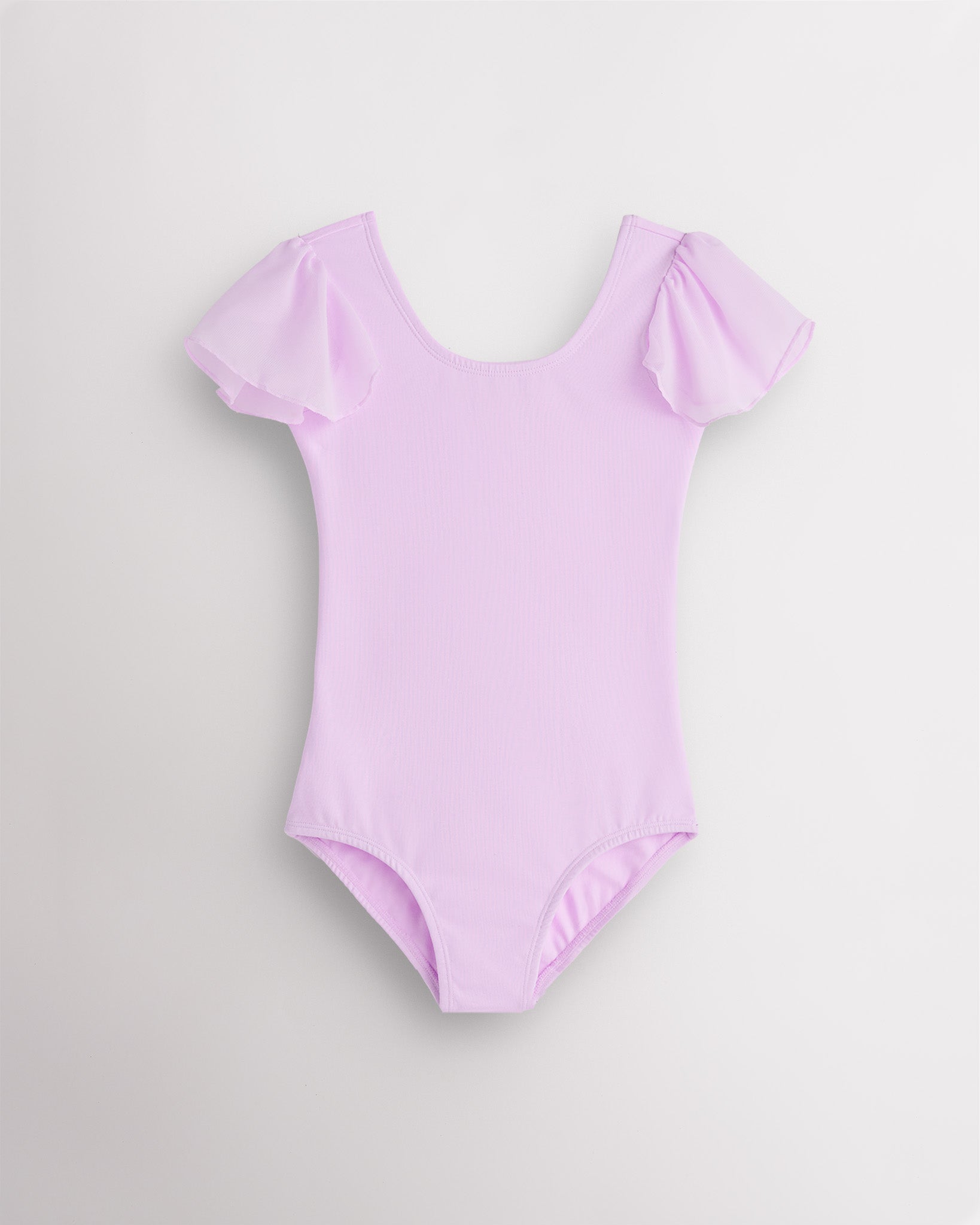
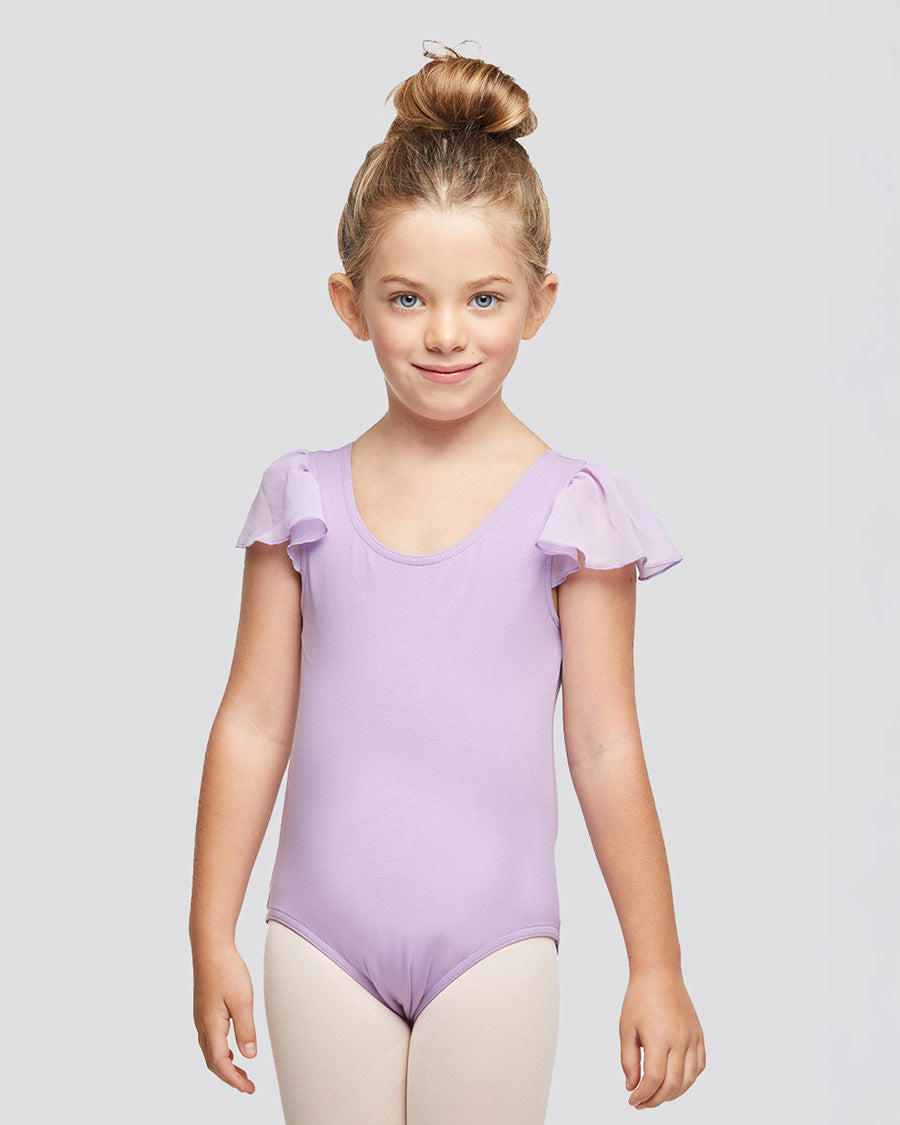
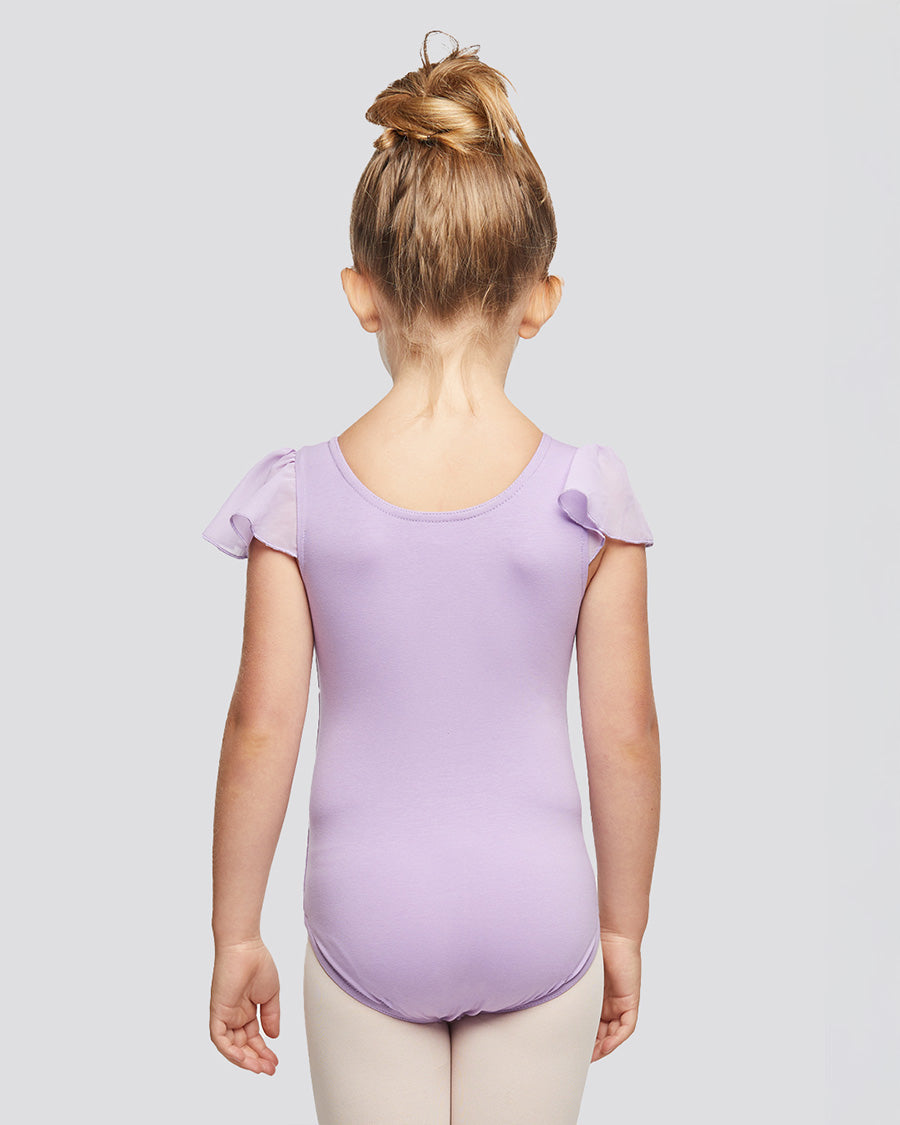
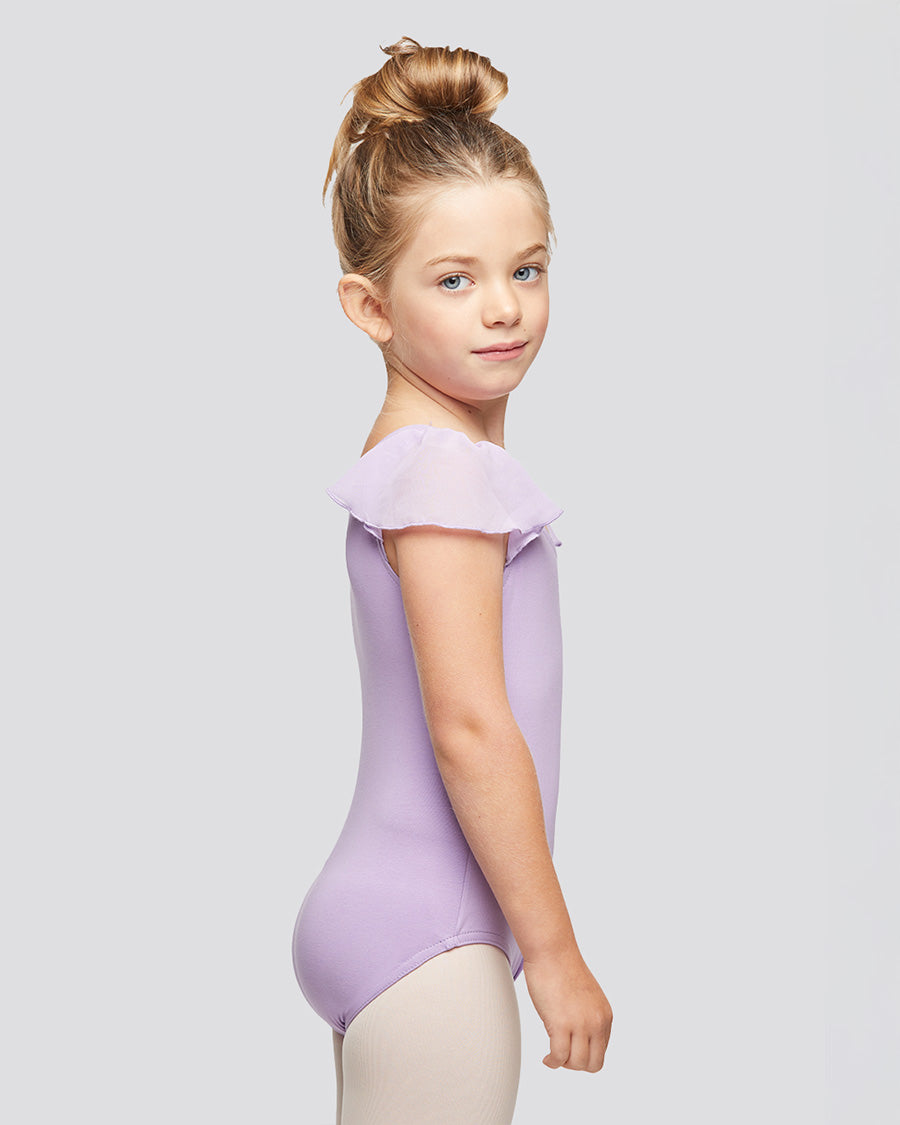
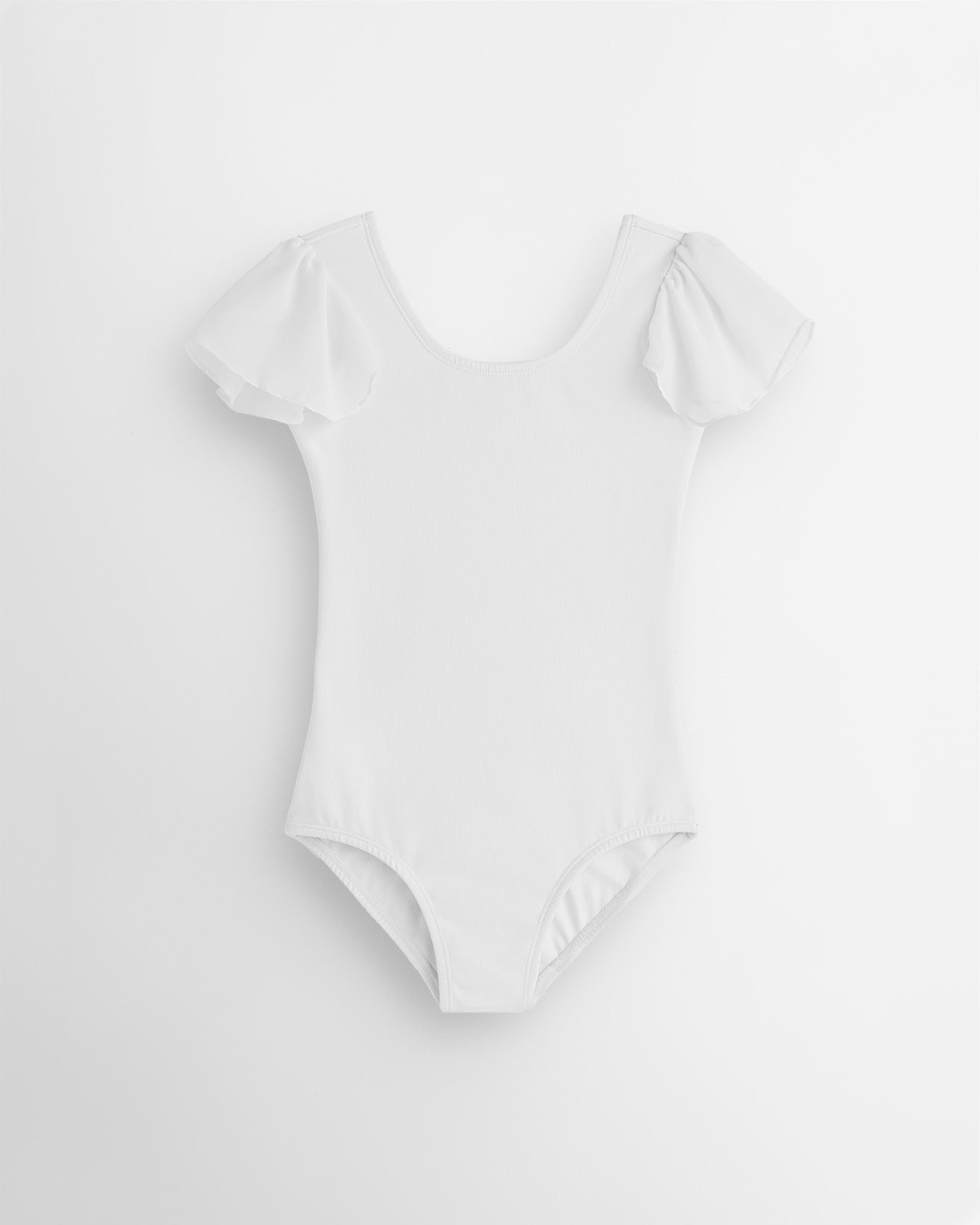
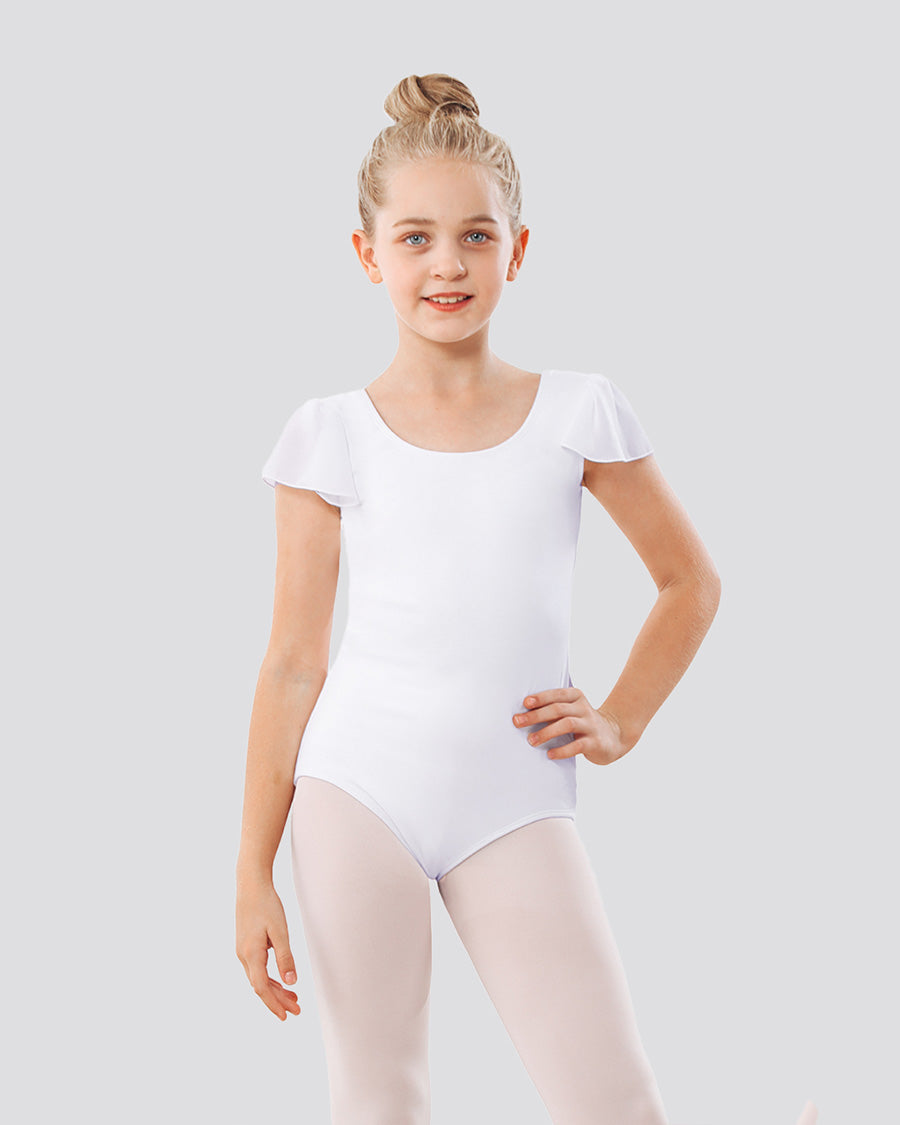
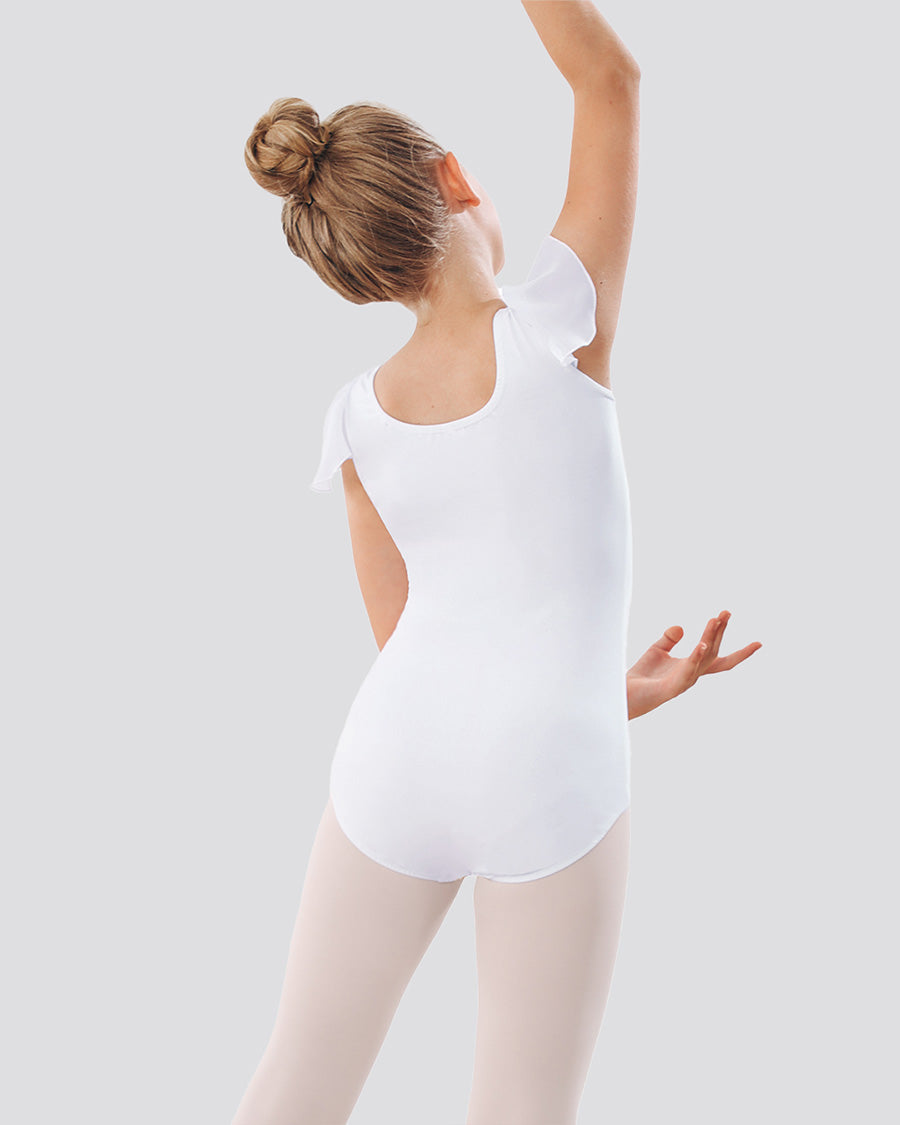
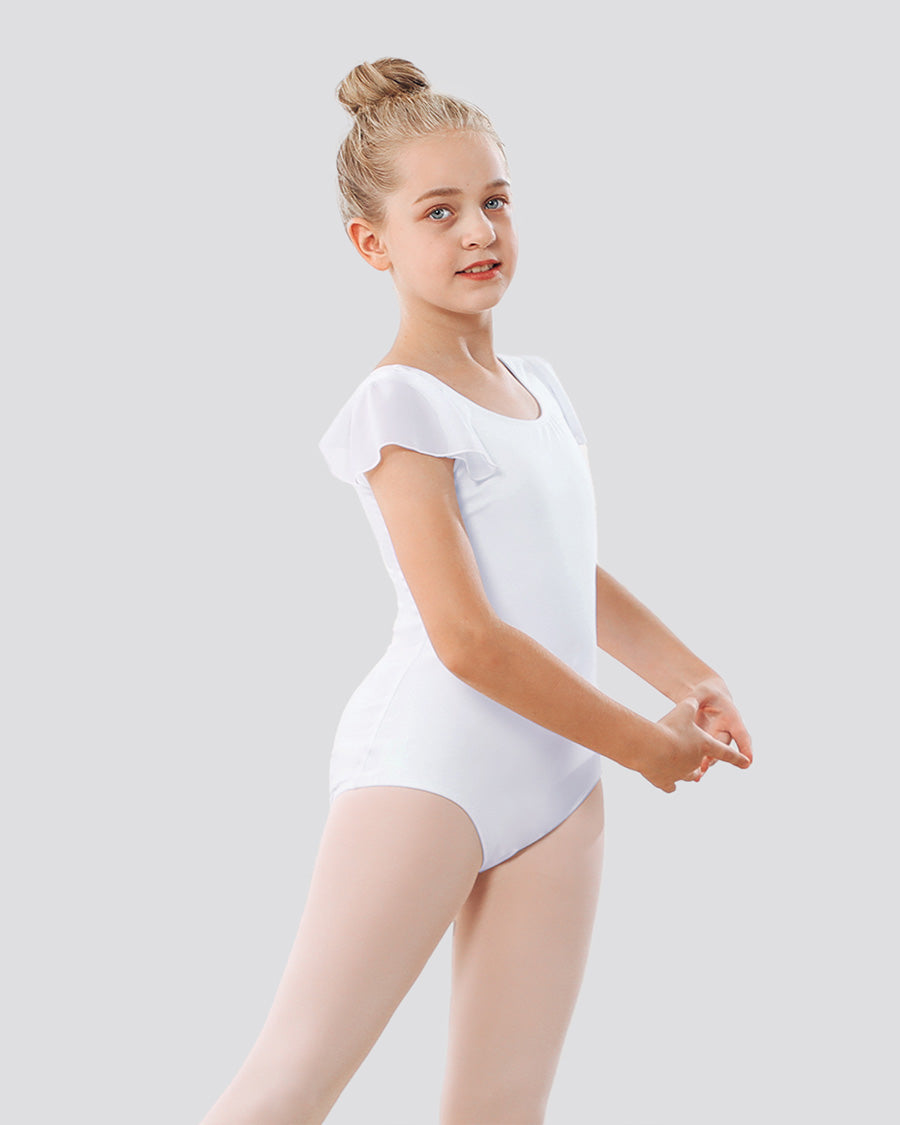
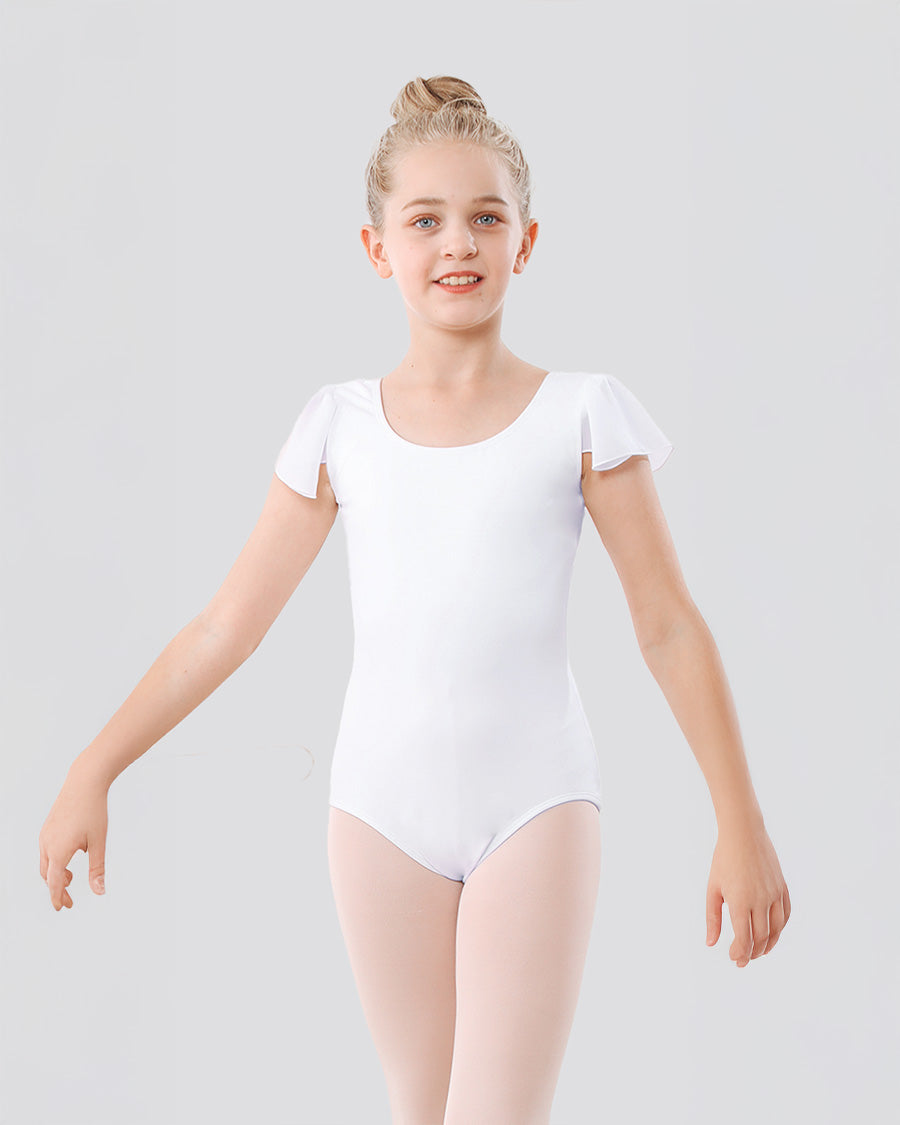
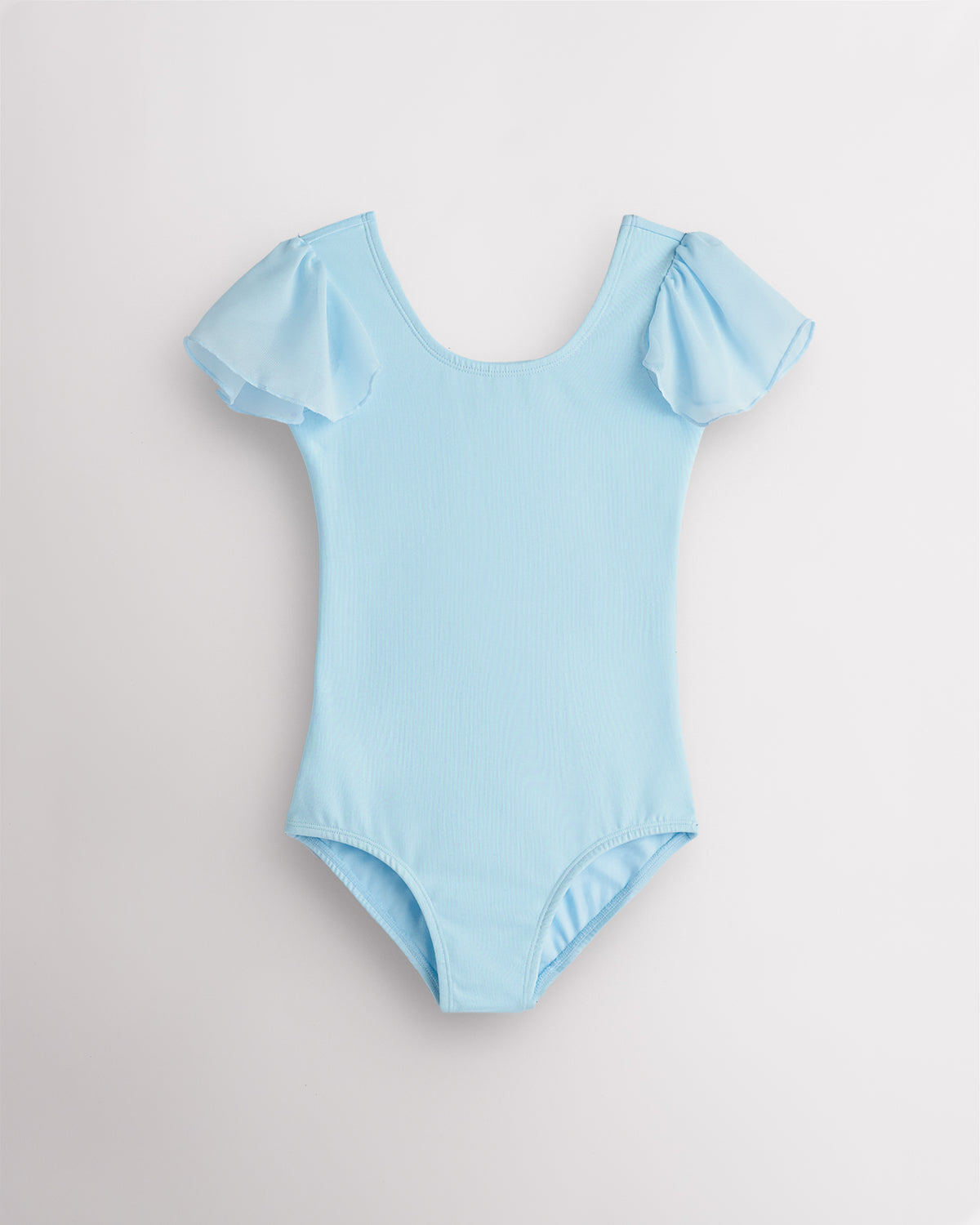
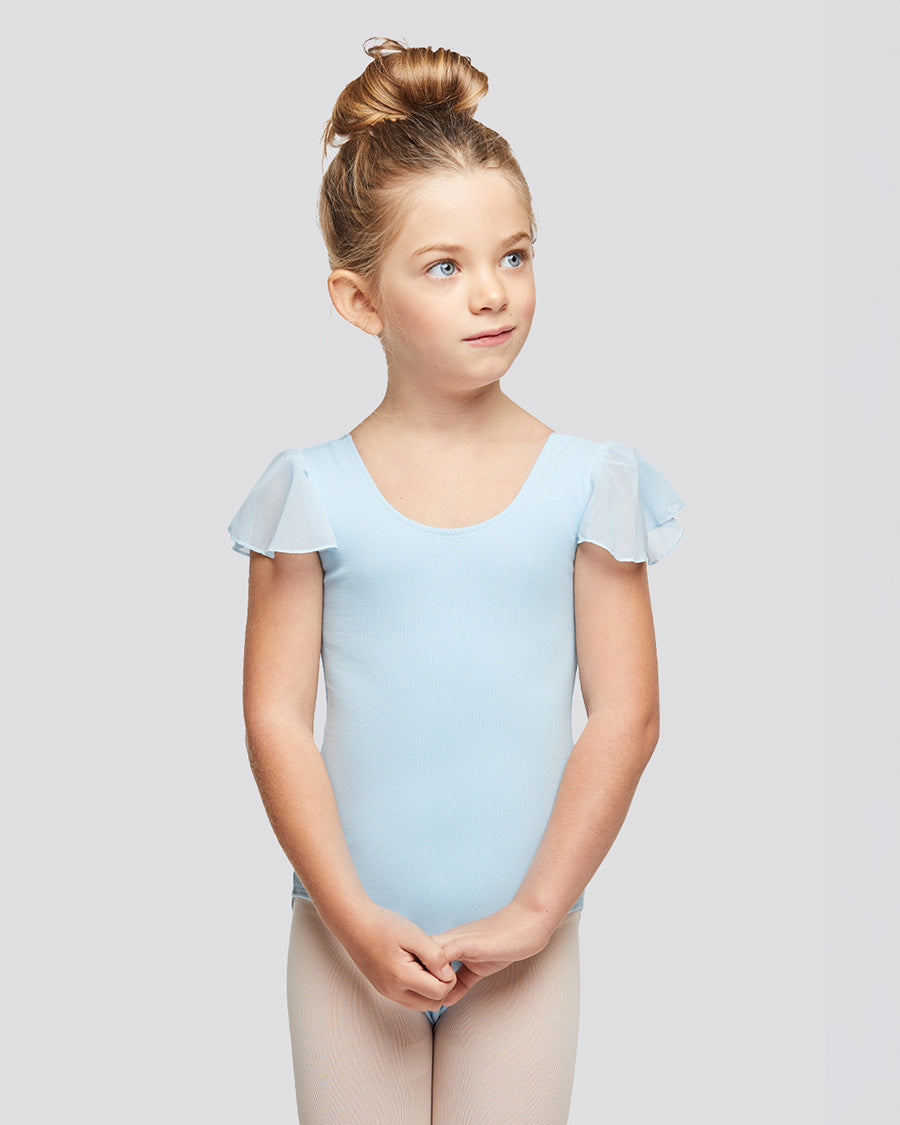
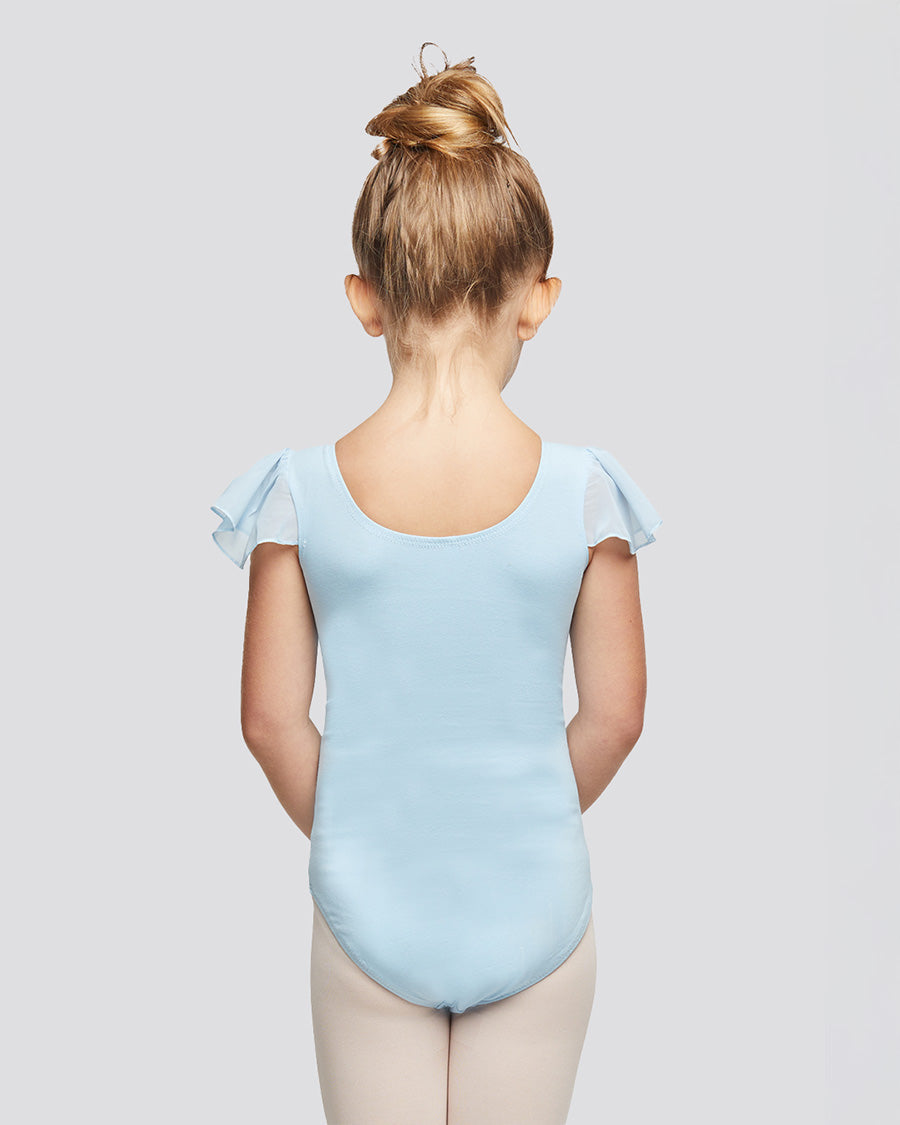
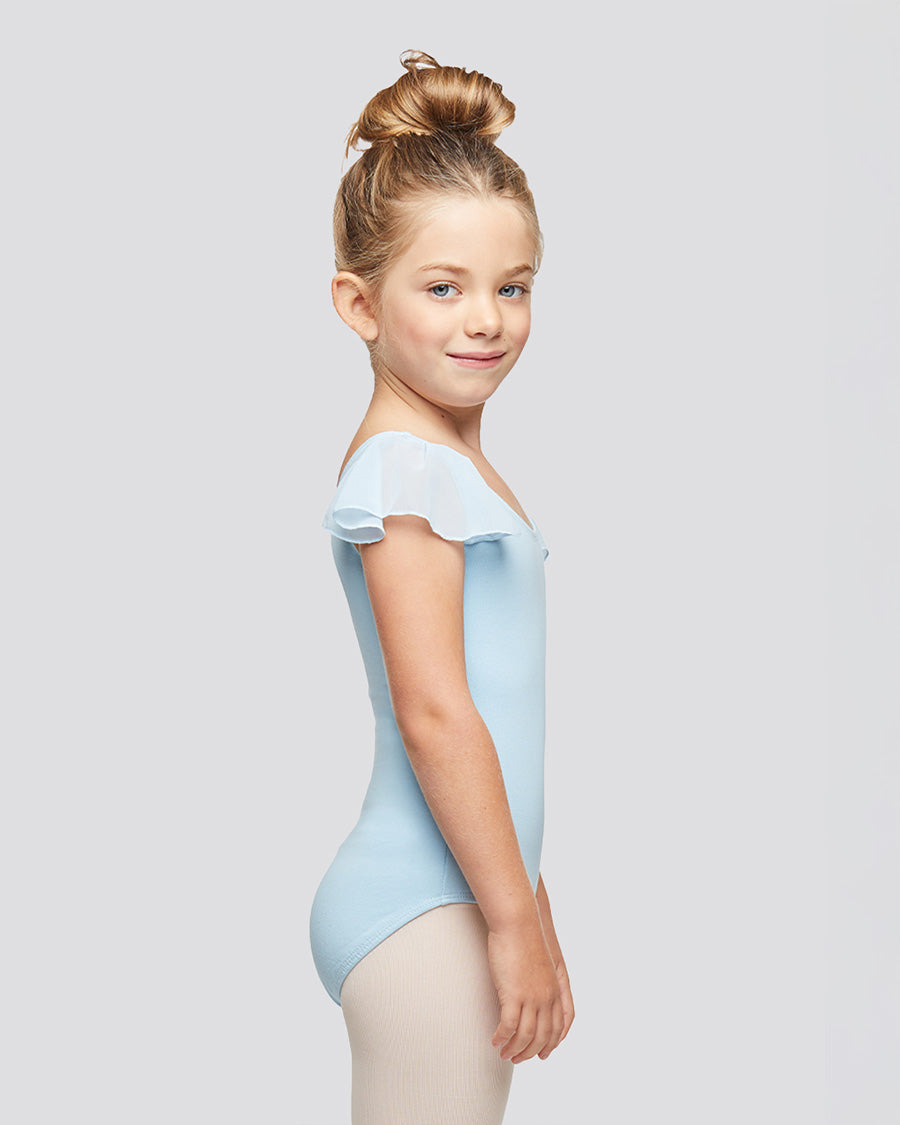
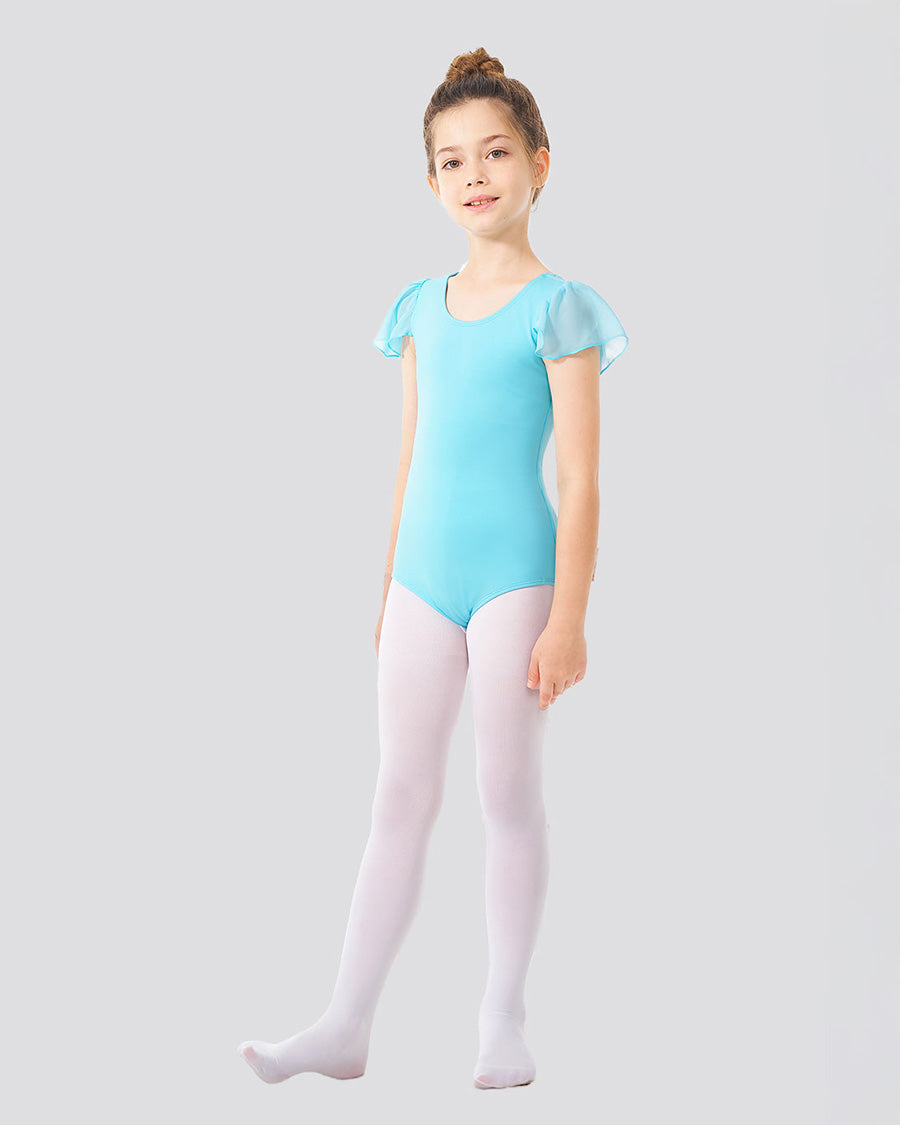
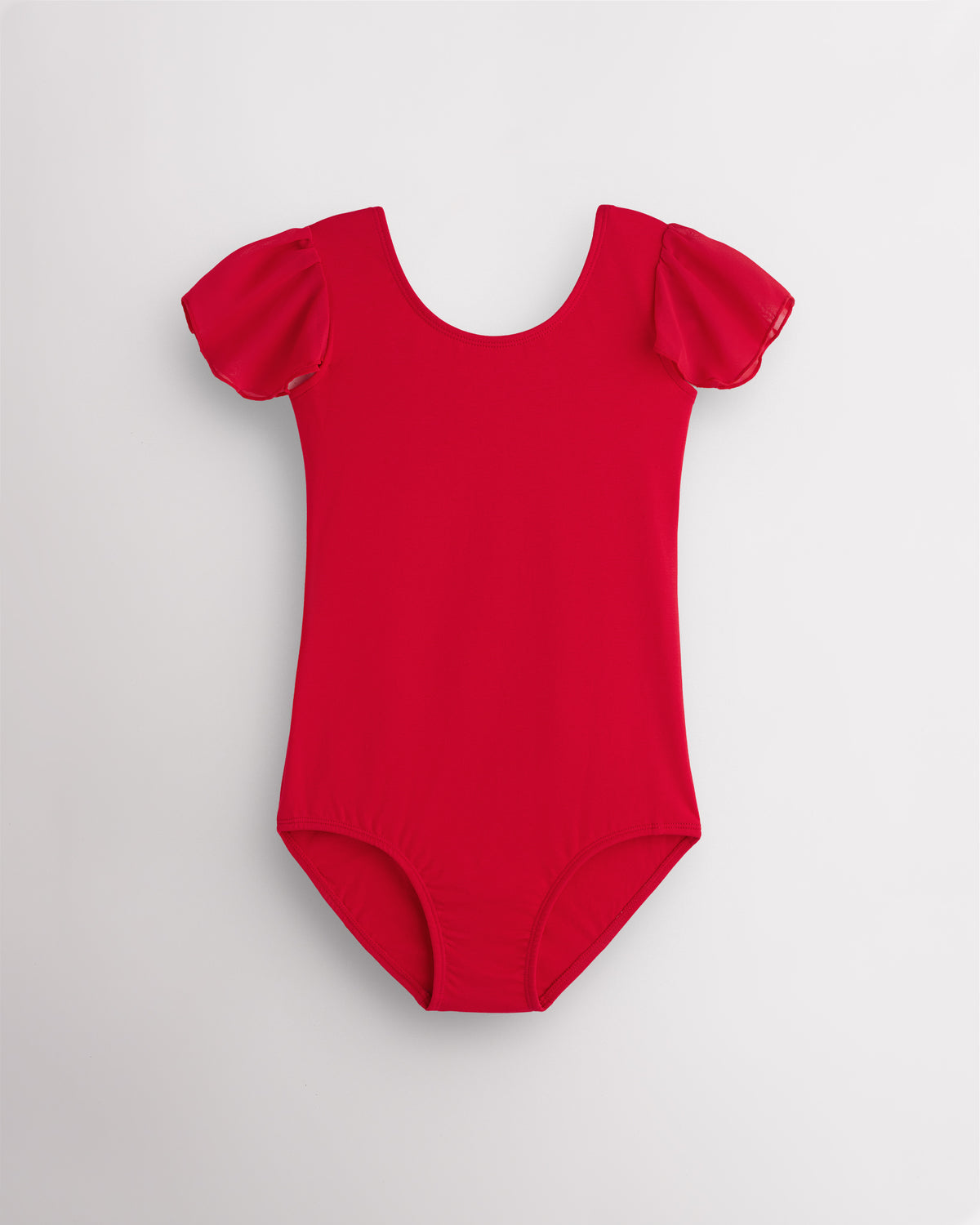
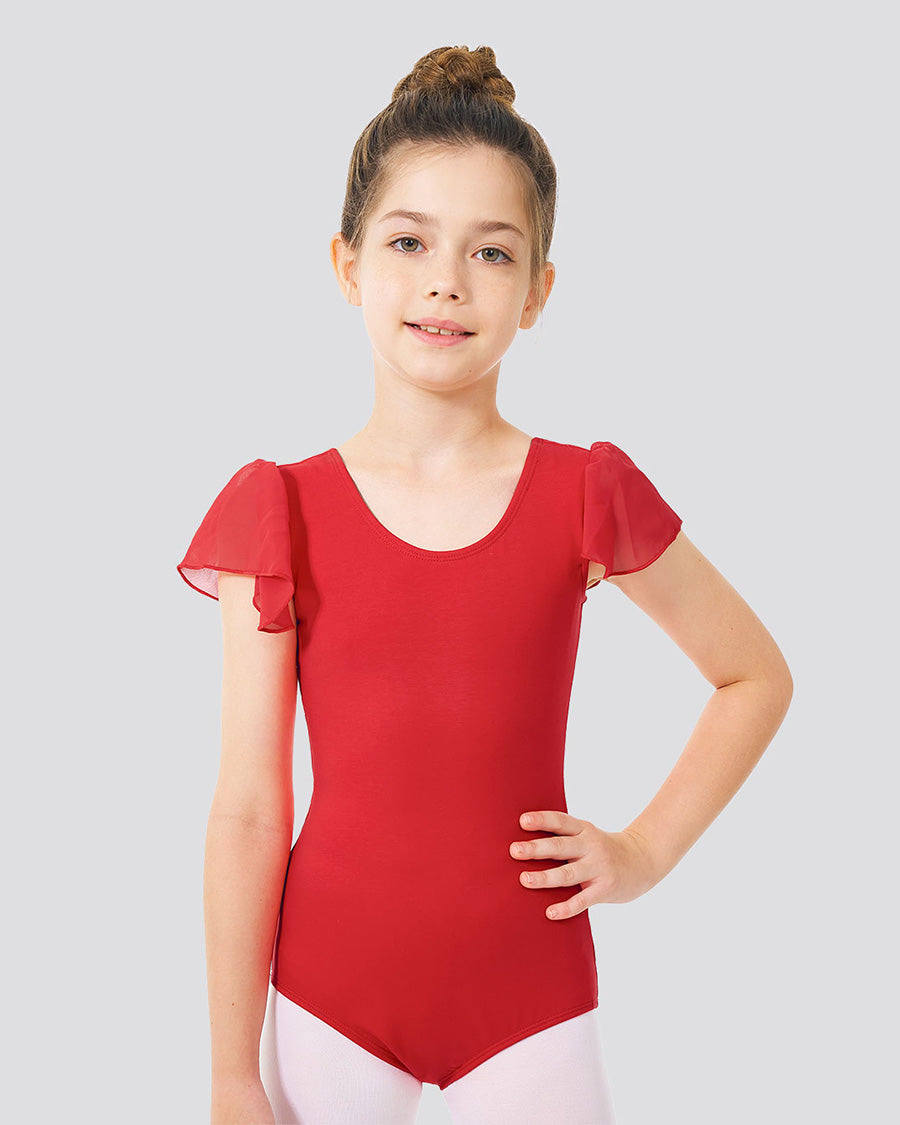
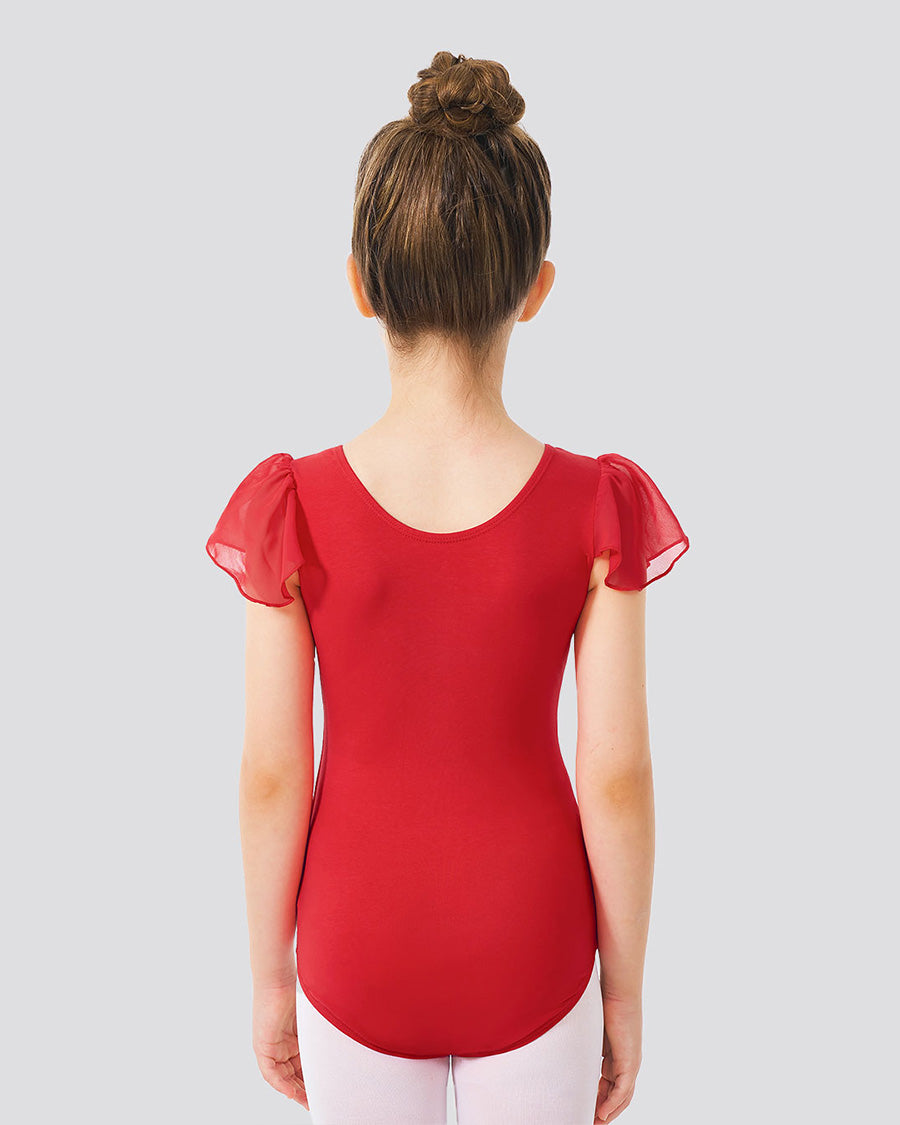
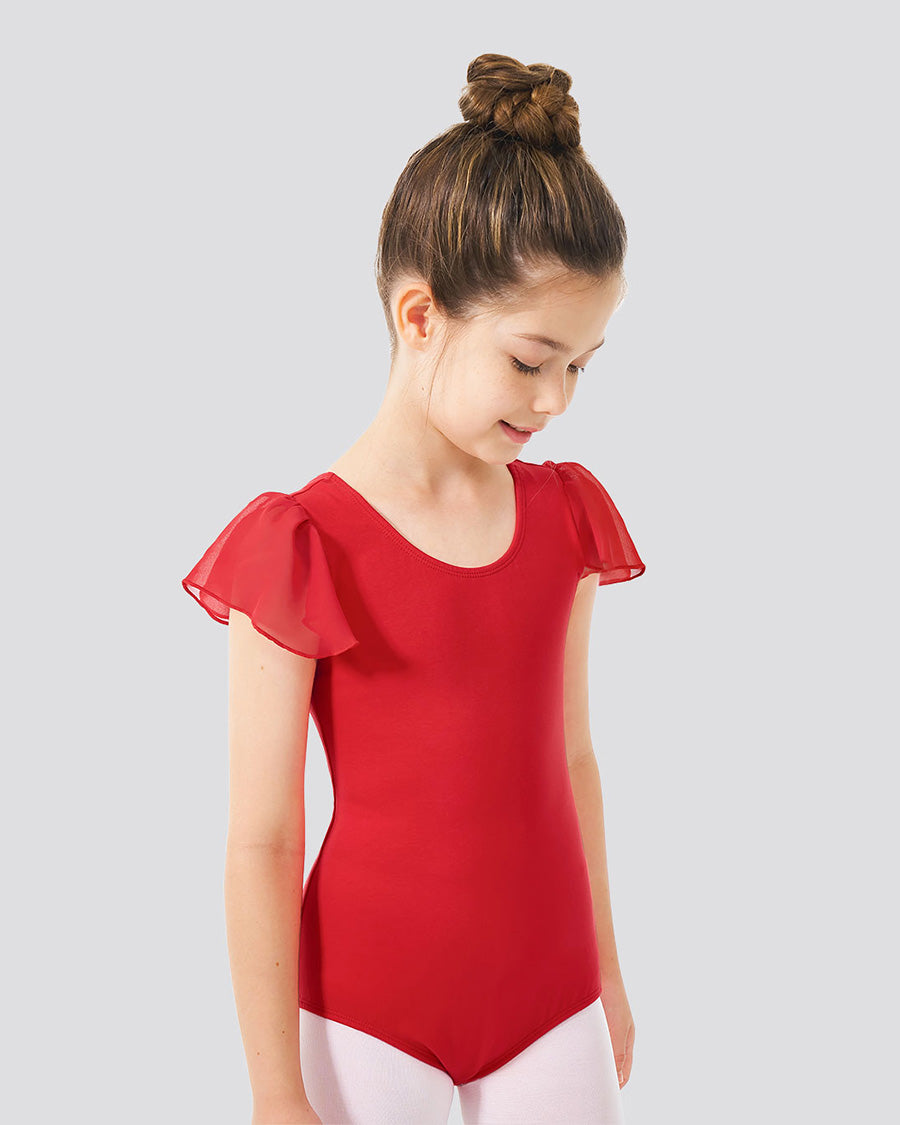
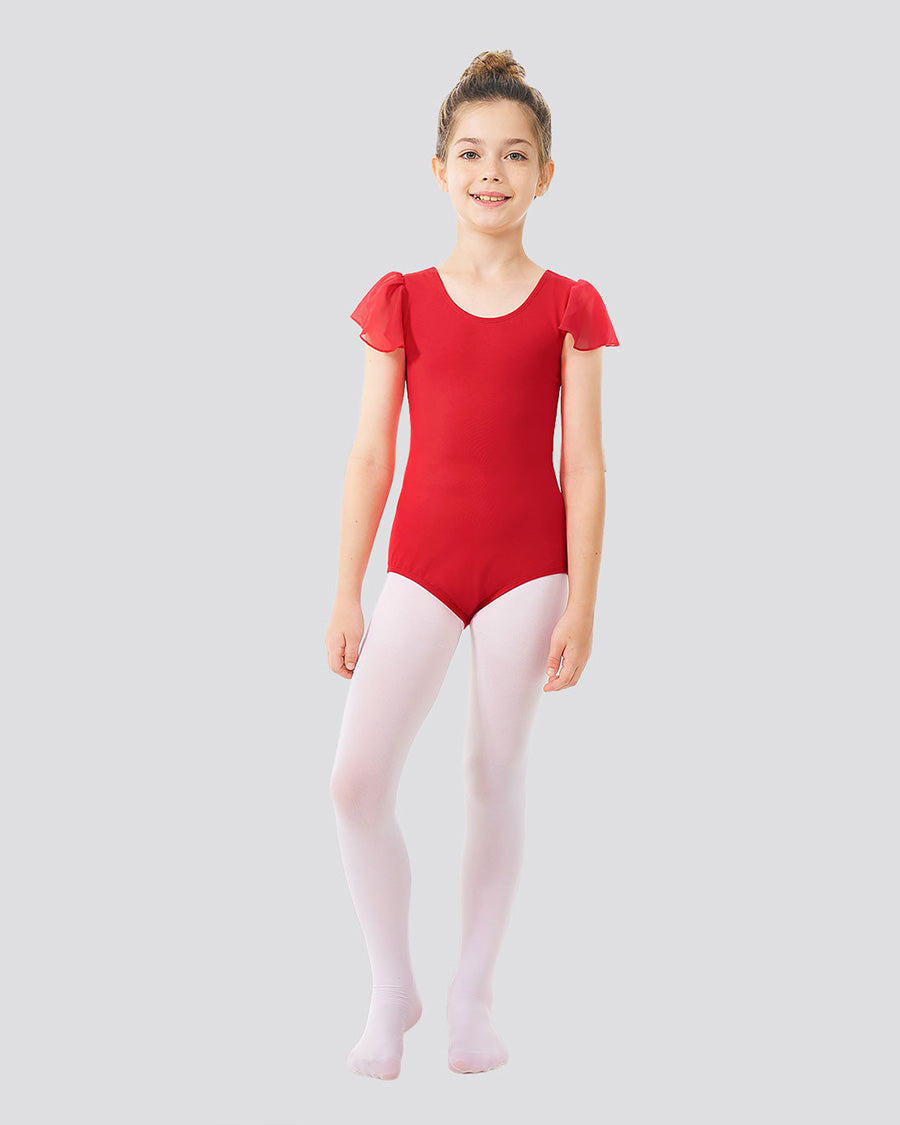
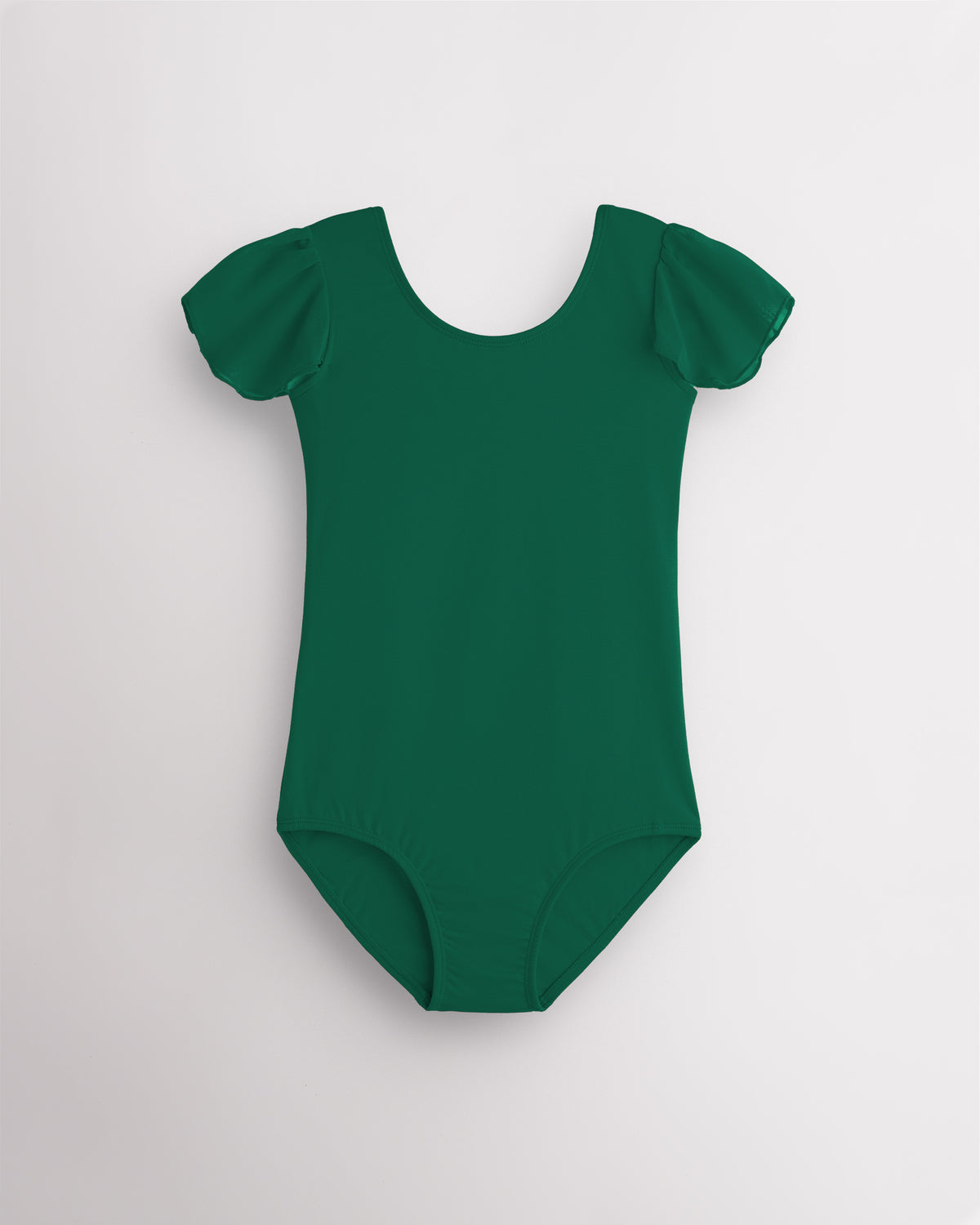
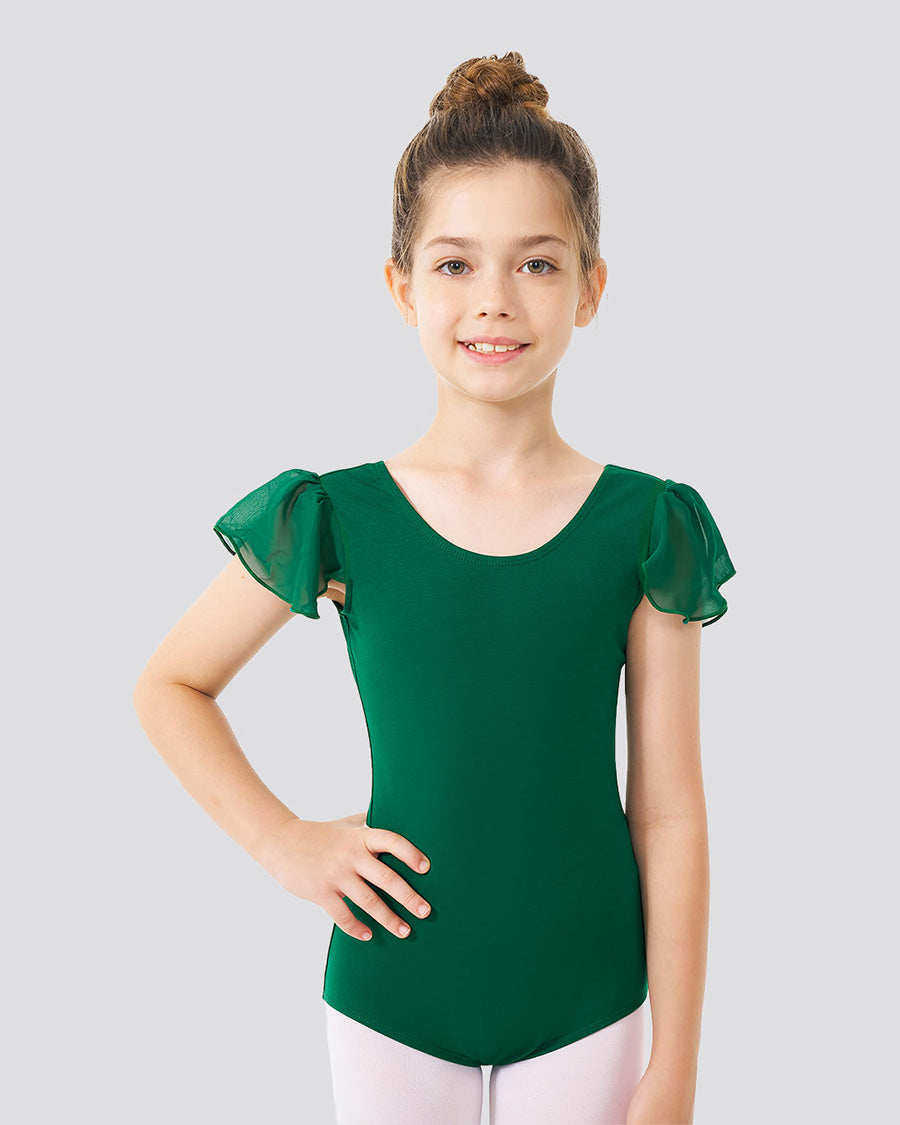
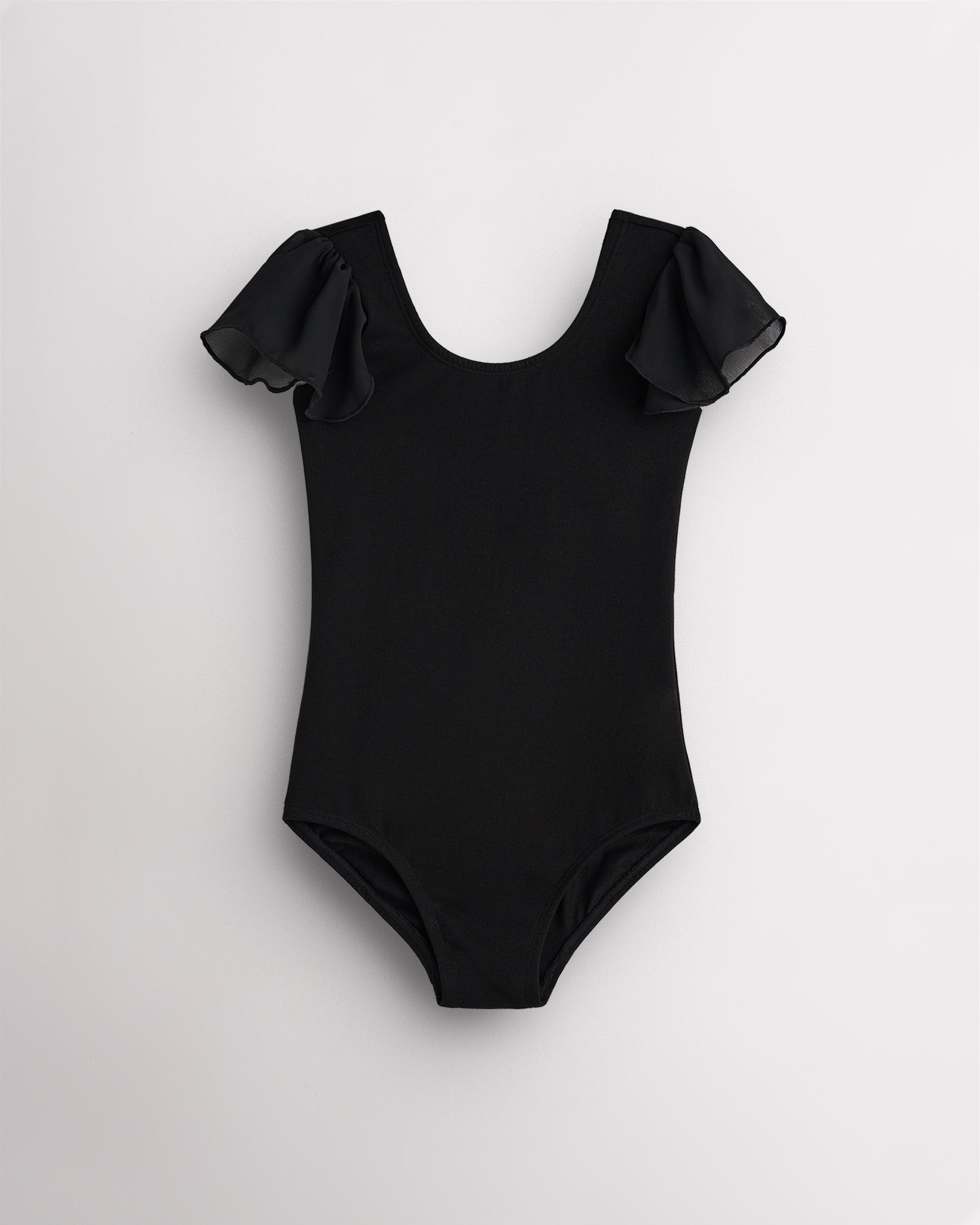
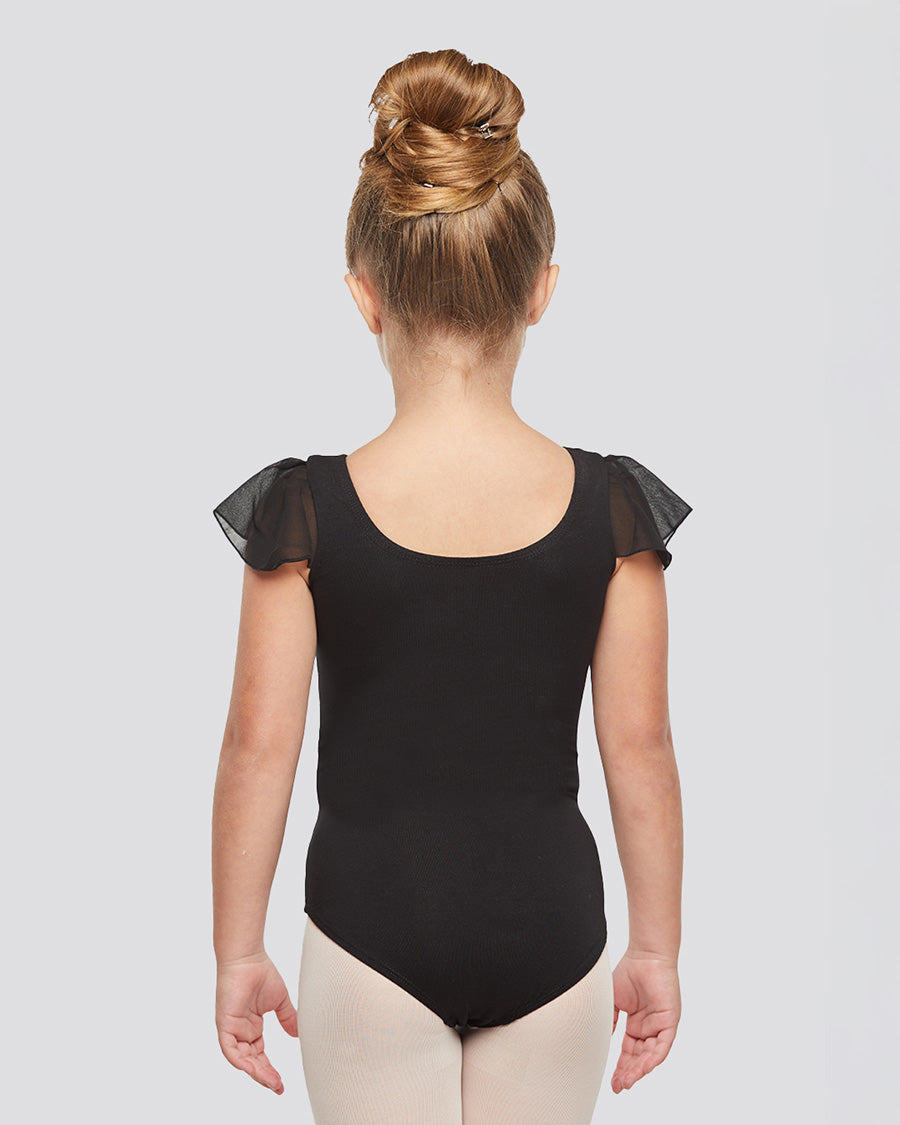
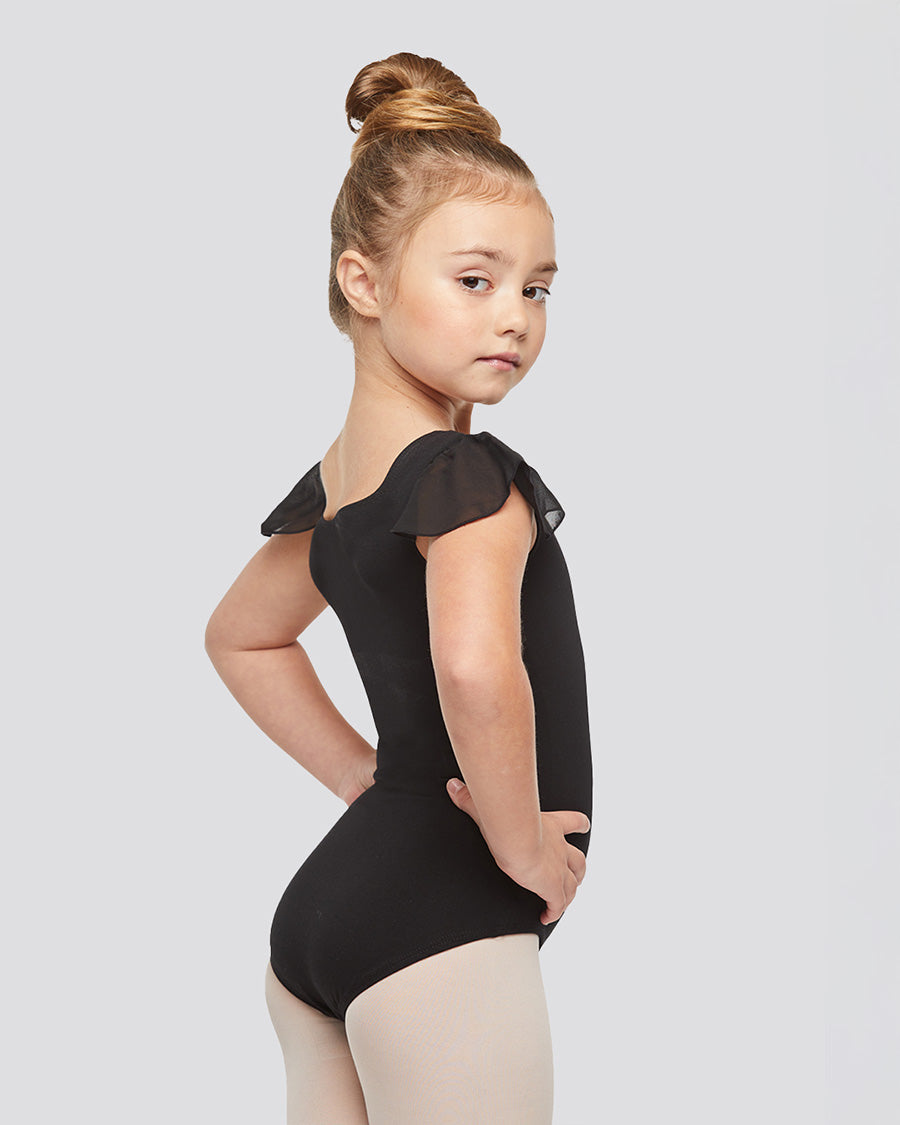
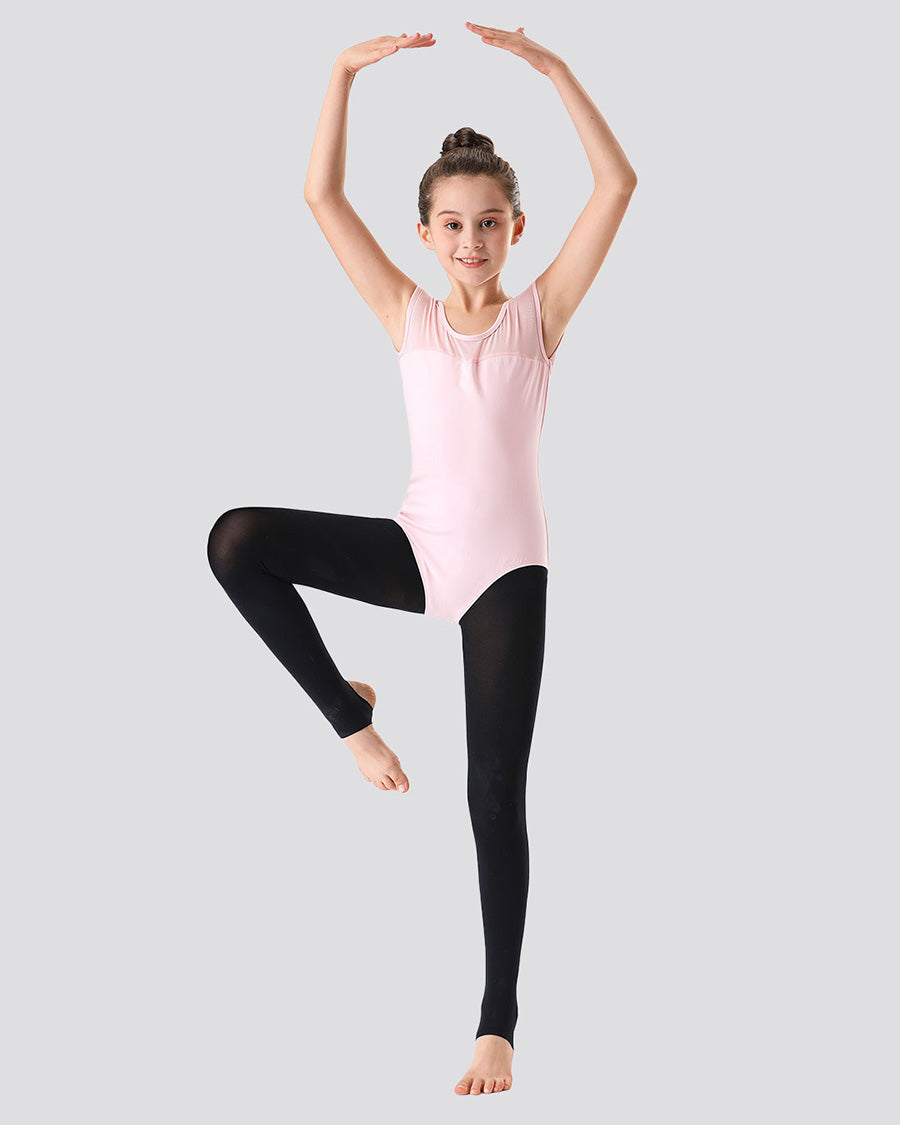
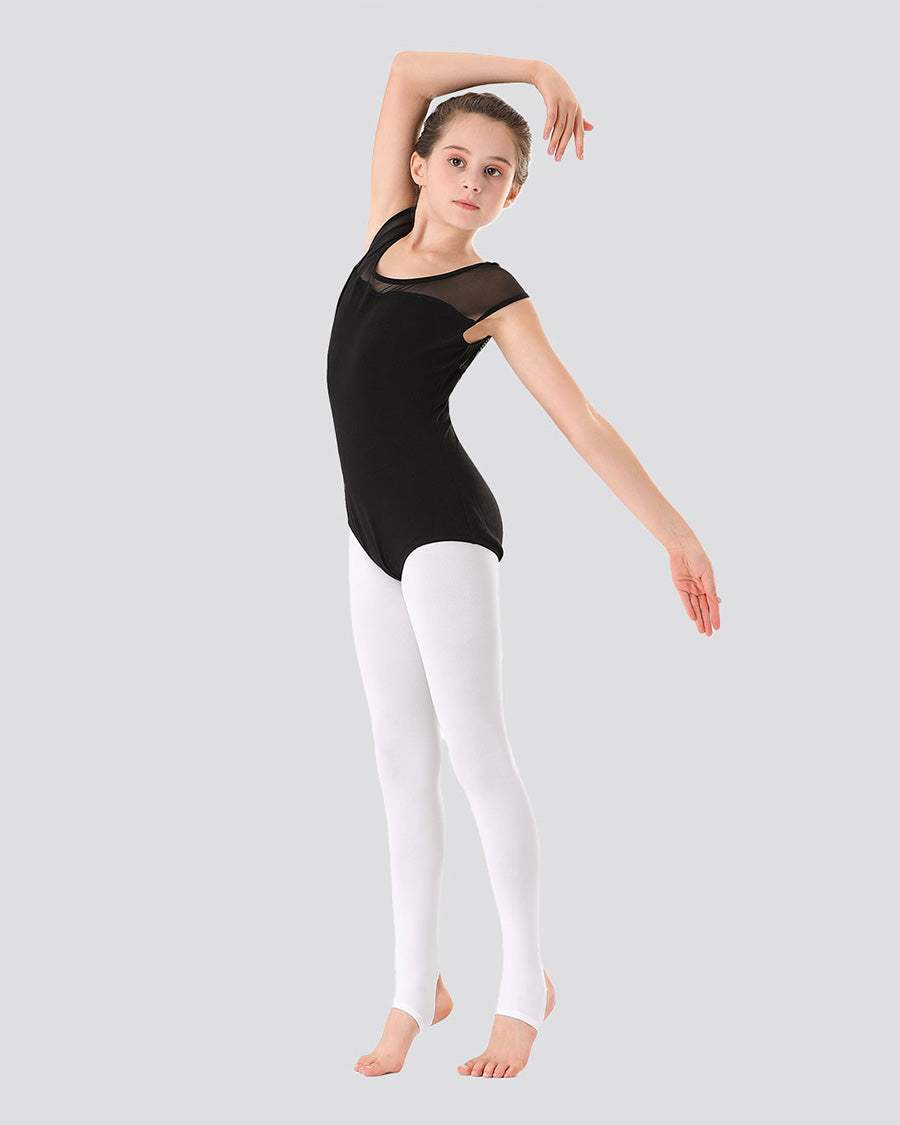
A leotard or fitted top. A basic girls' leotard in a solid color works for nearly every studio's lyrical dress code; older dancers often wear a snug camisole top instead.
-
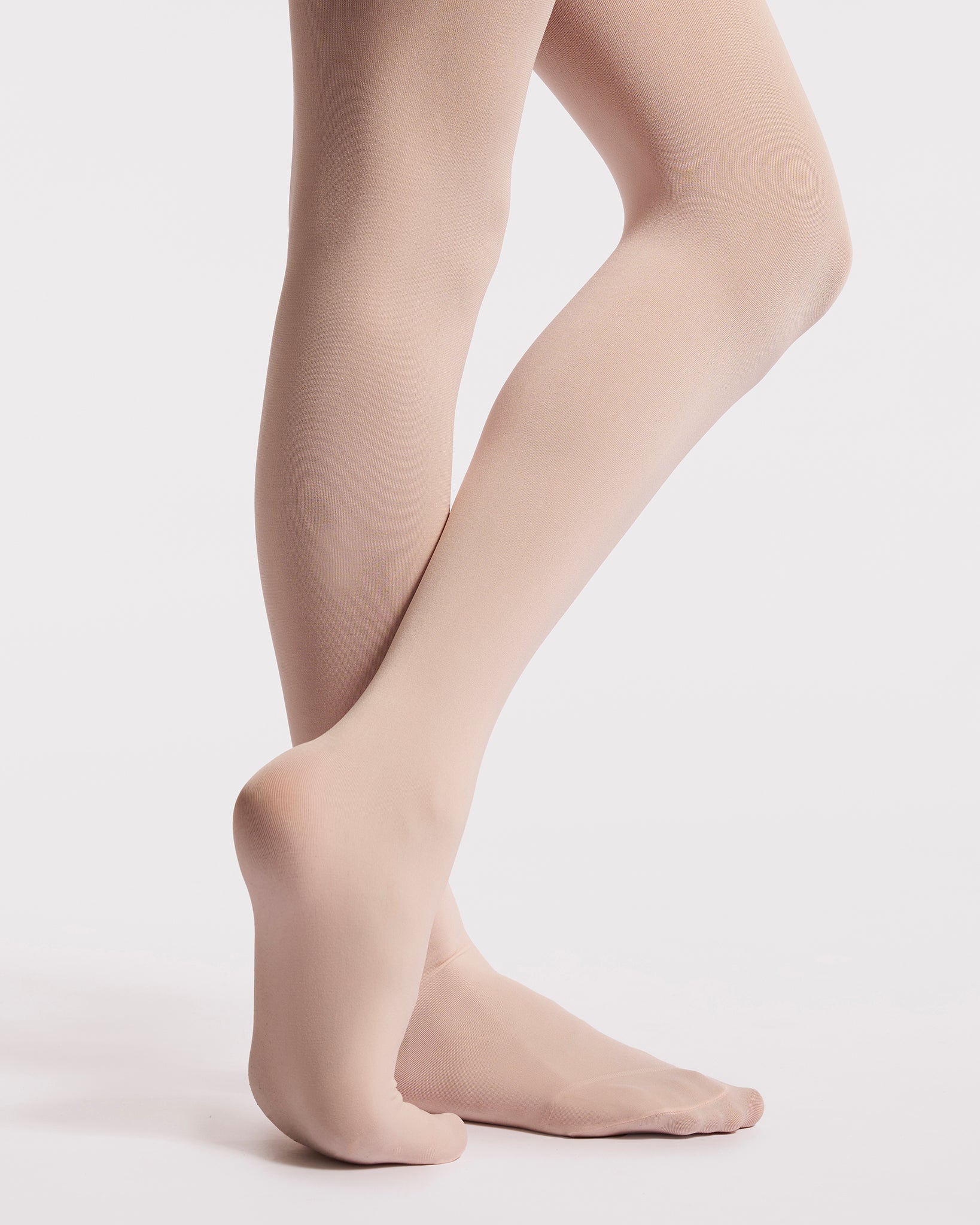
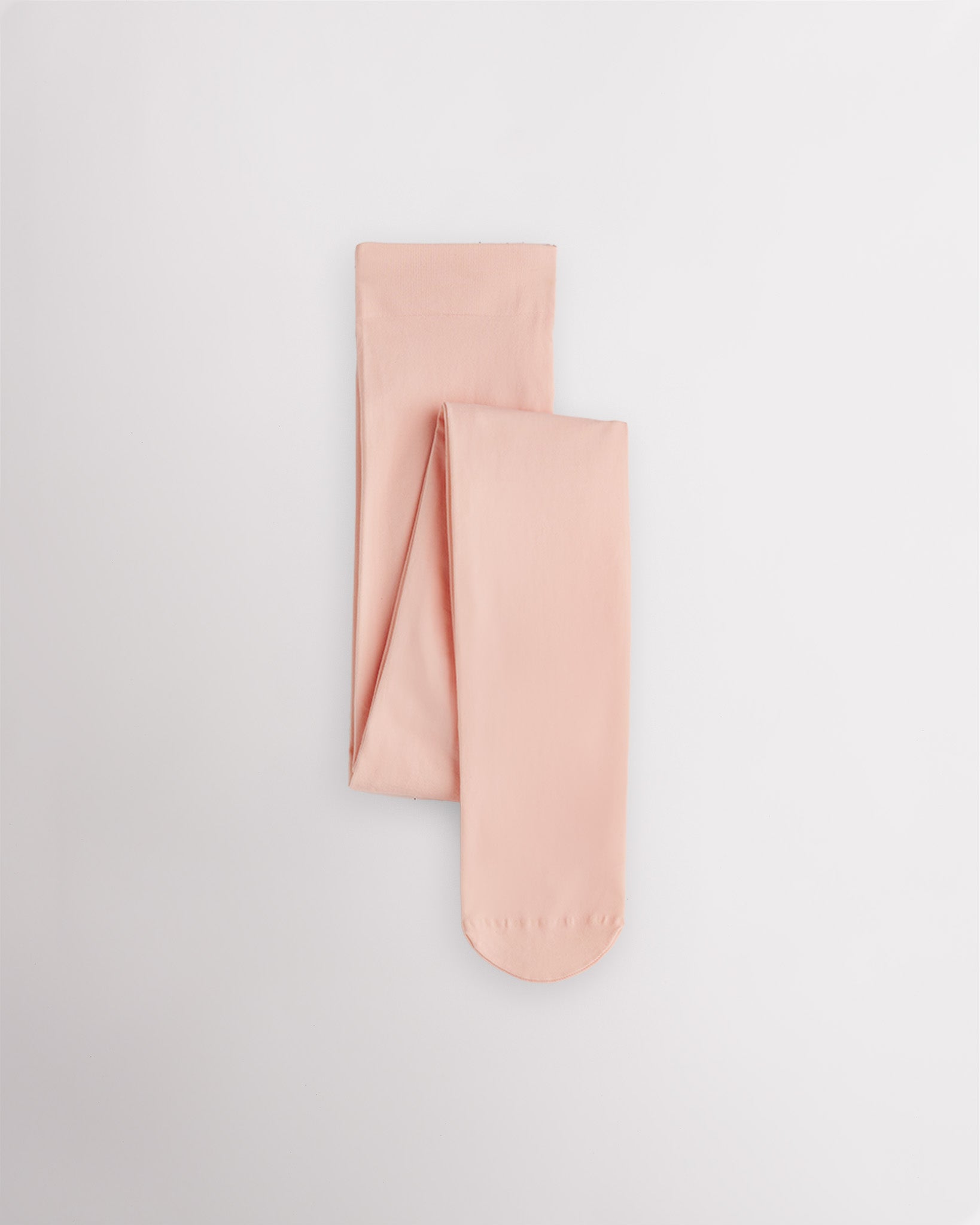
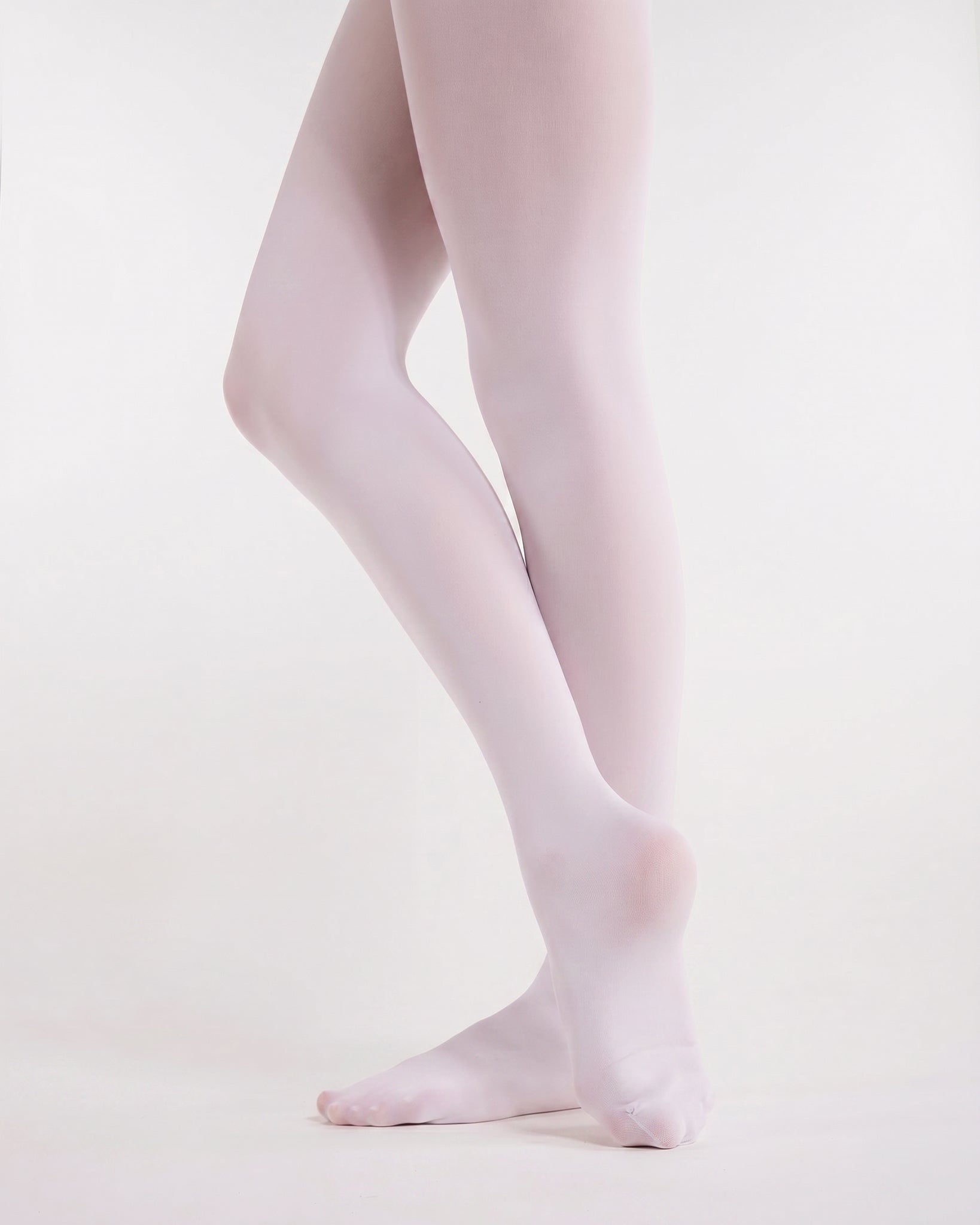
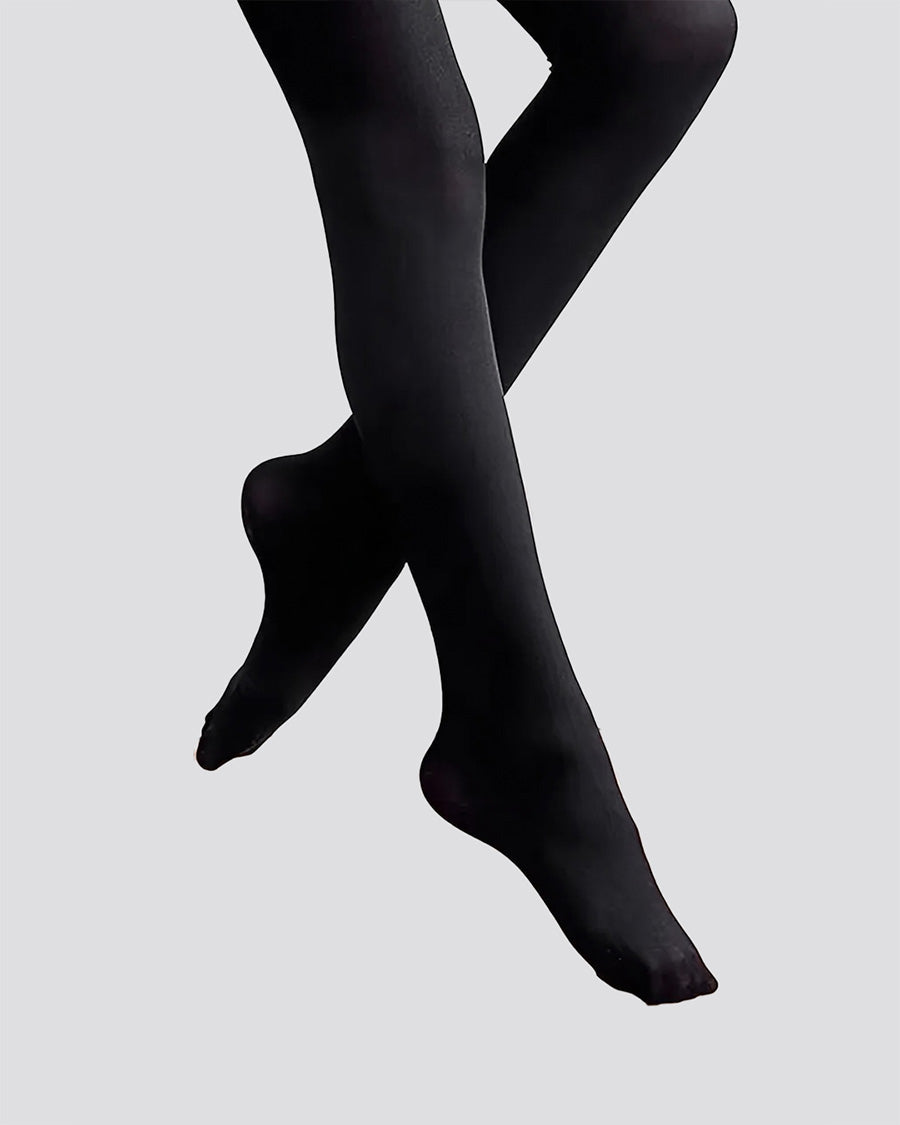
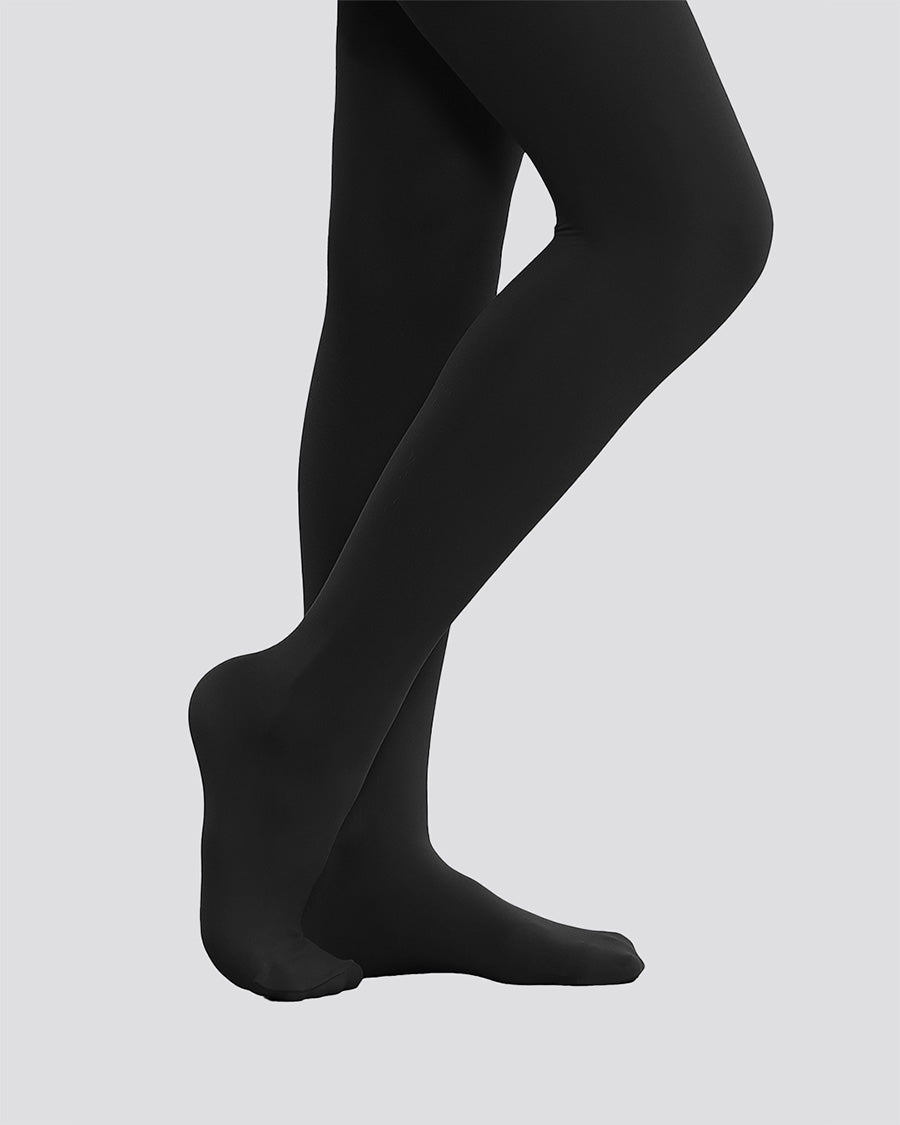
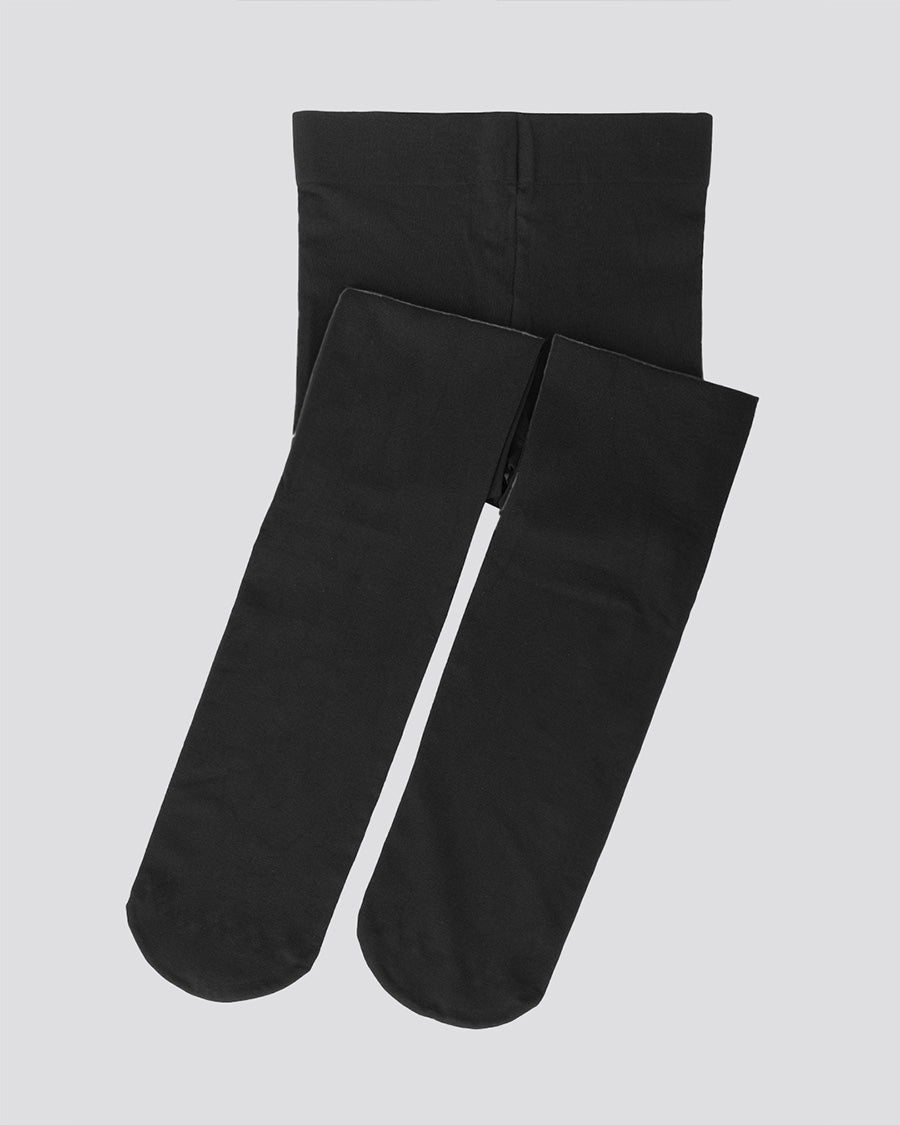
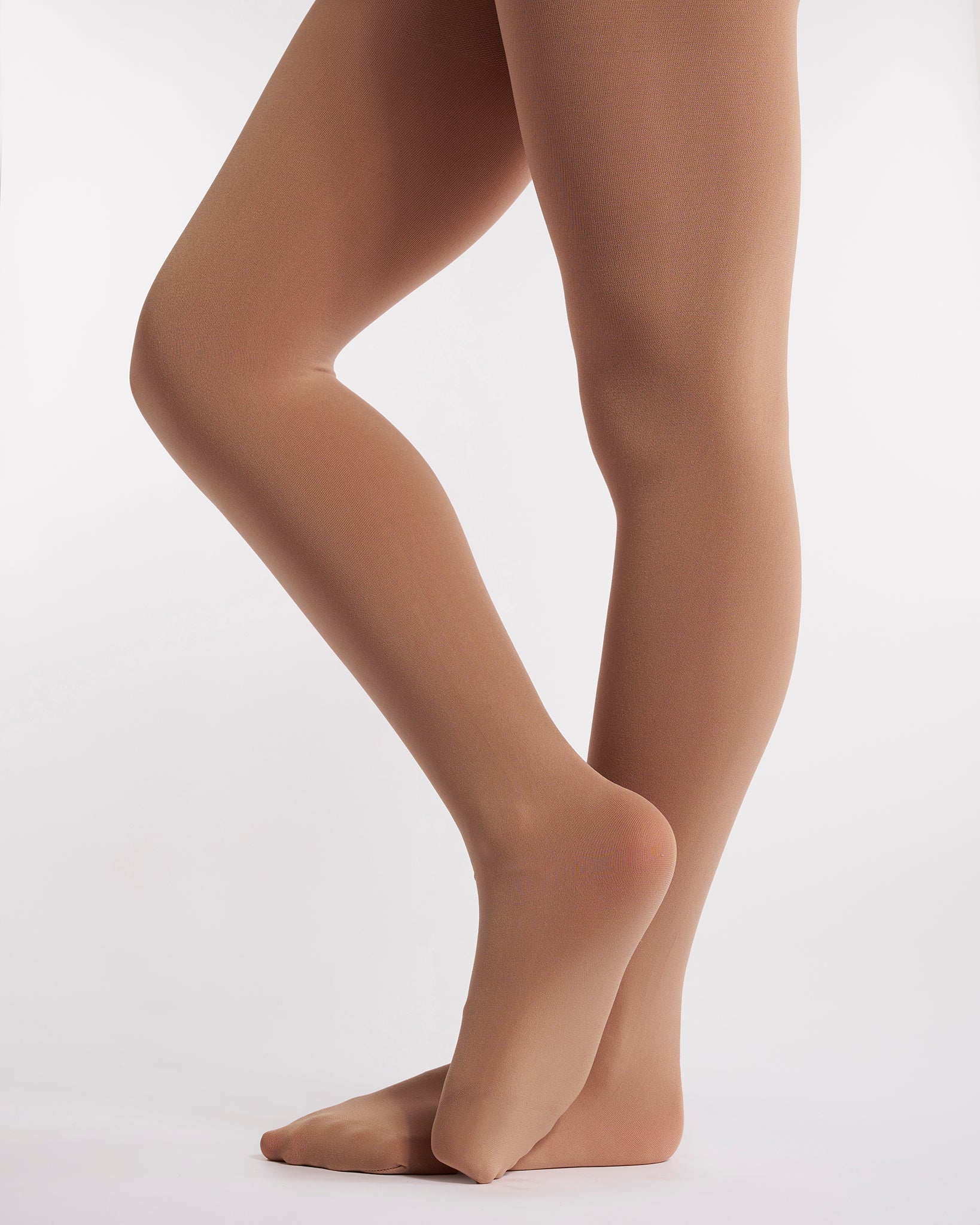
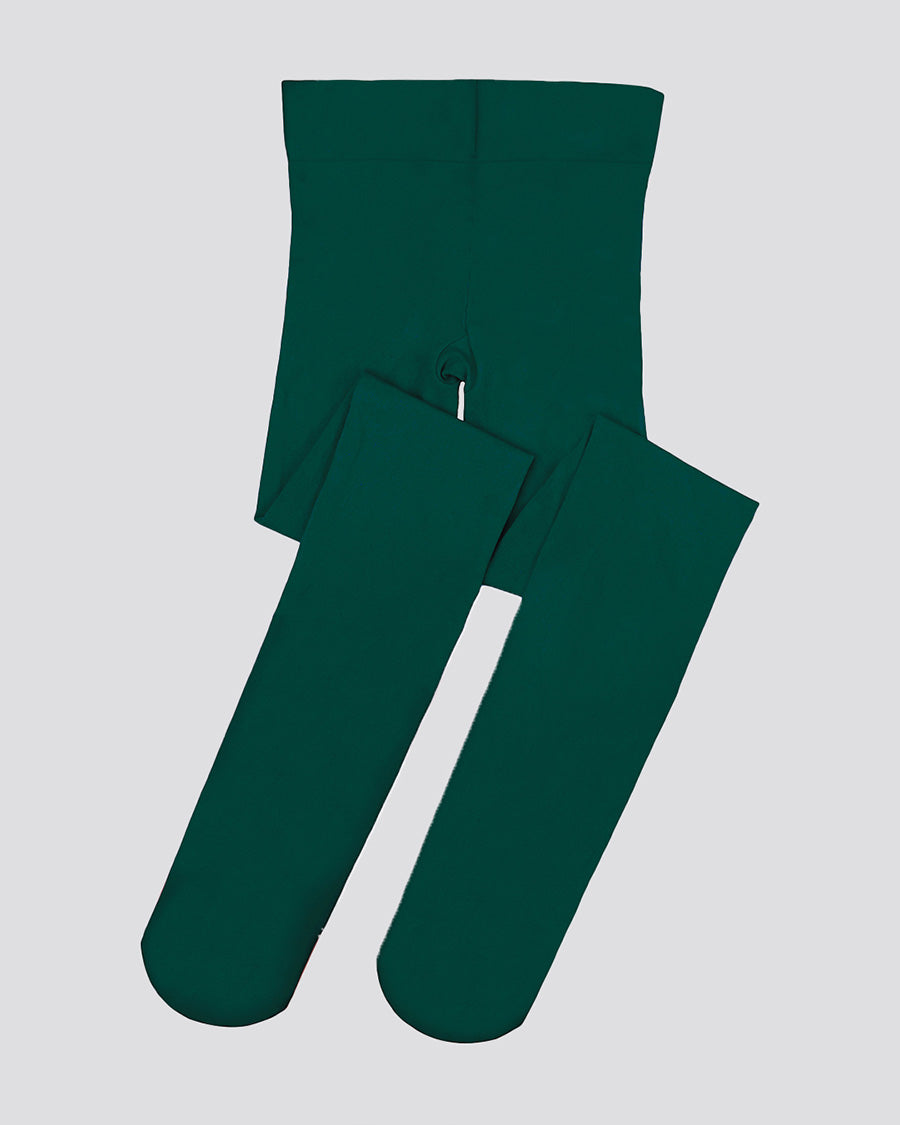
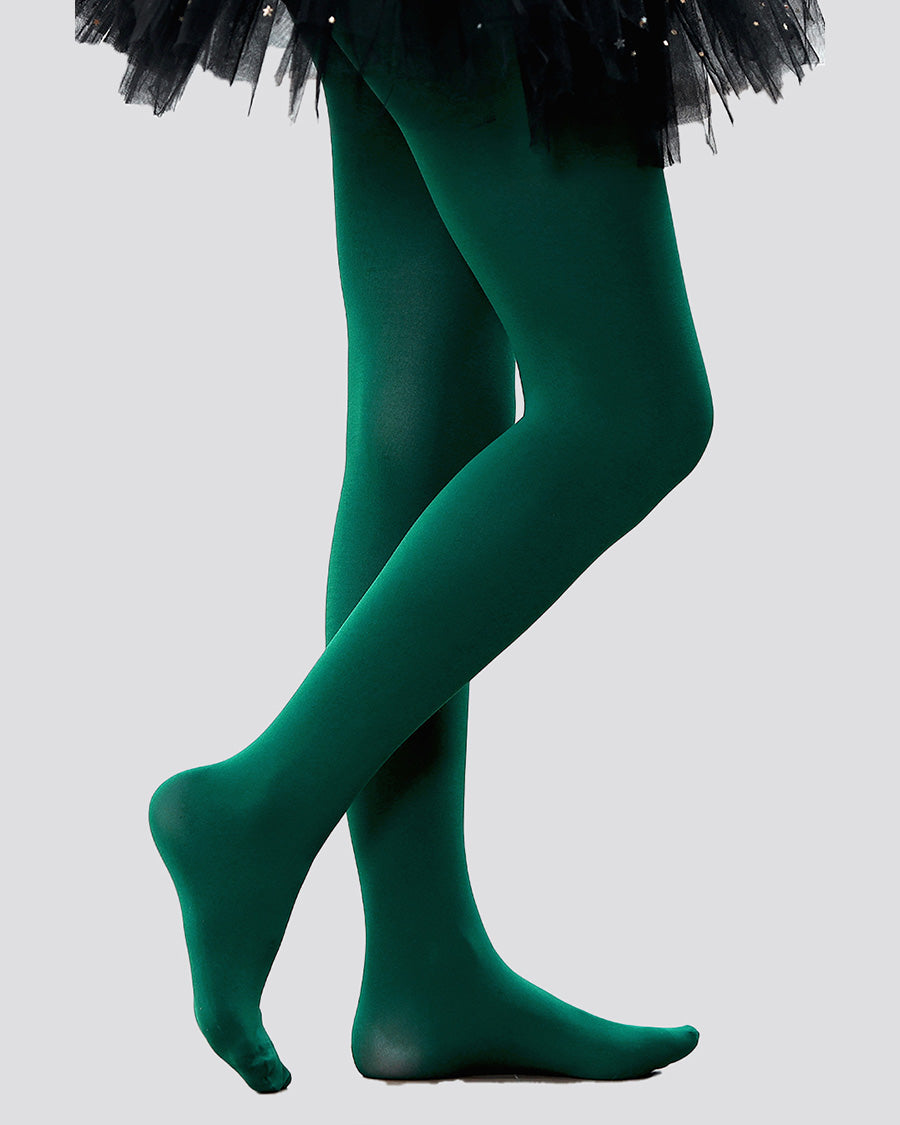
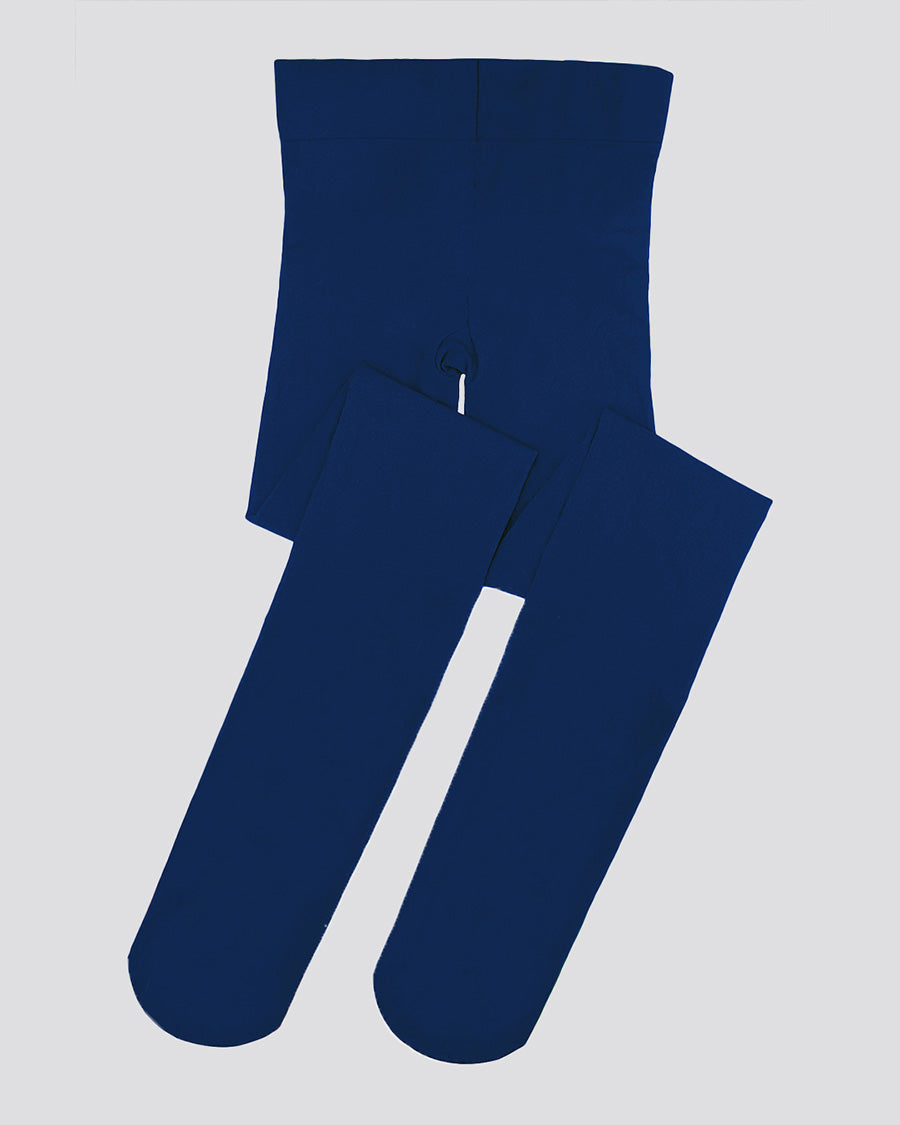
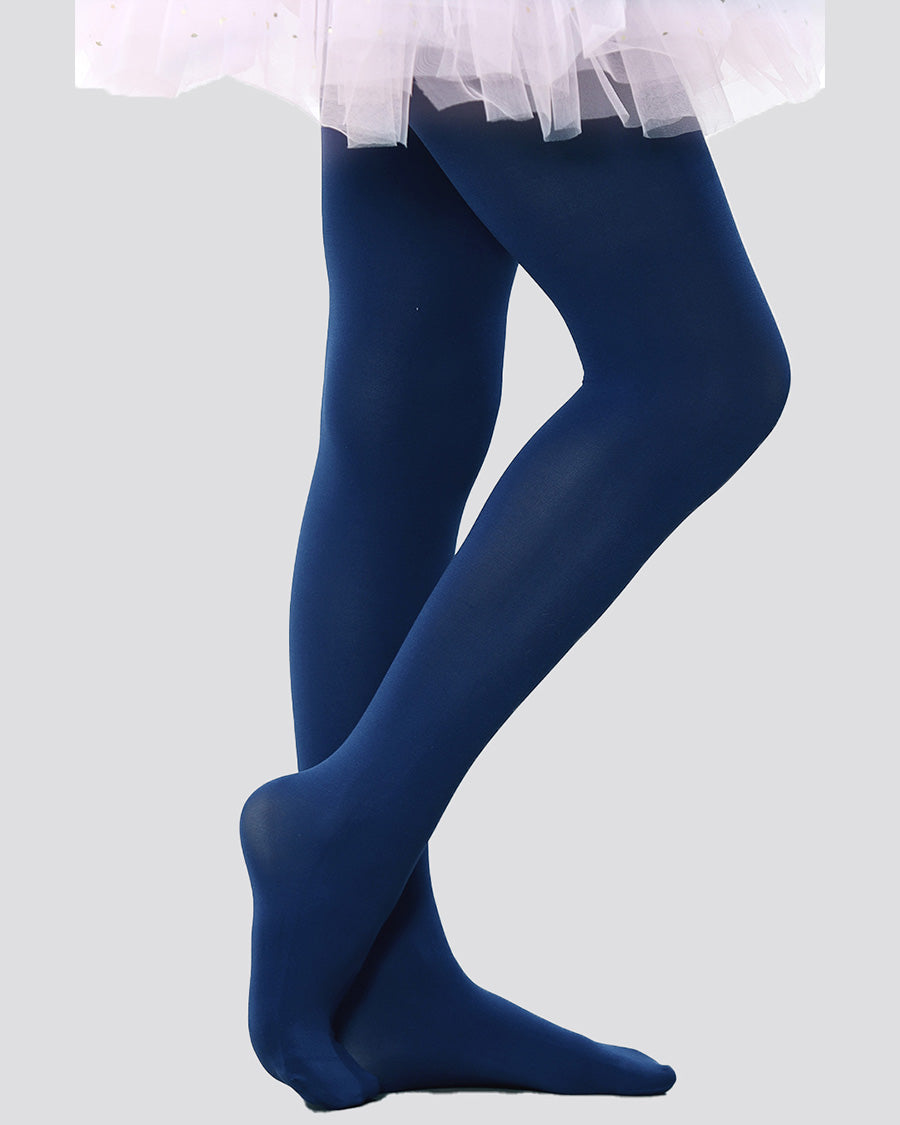
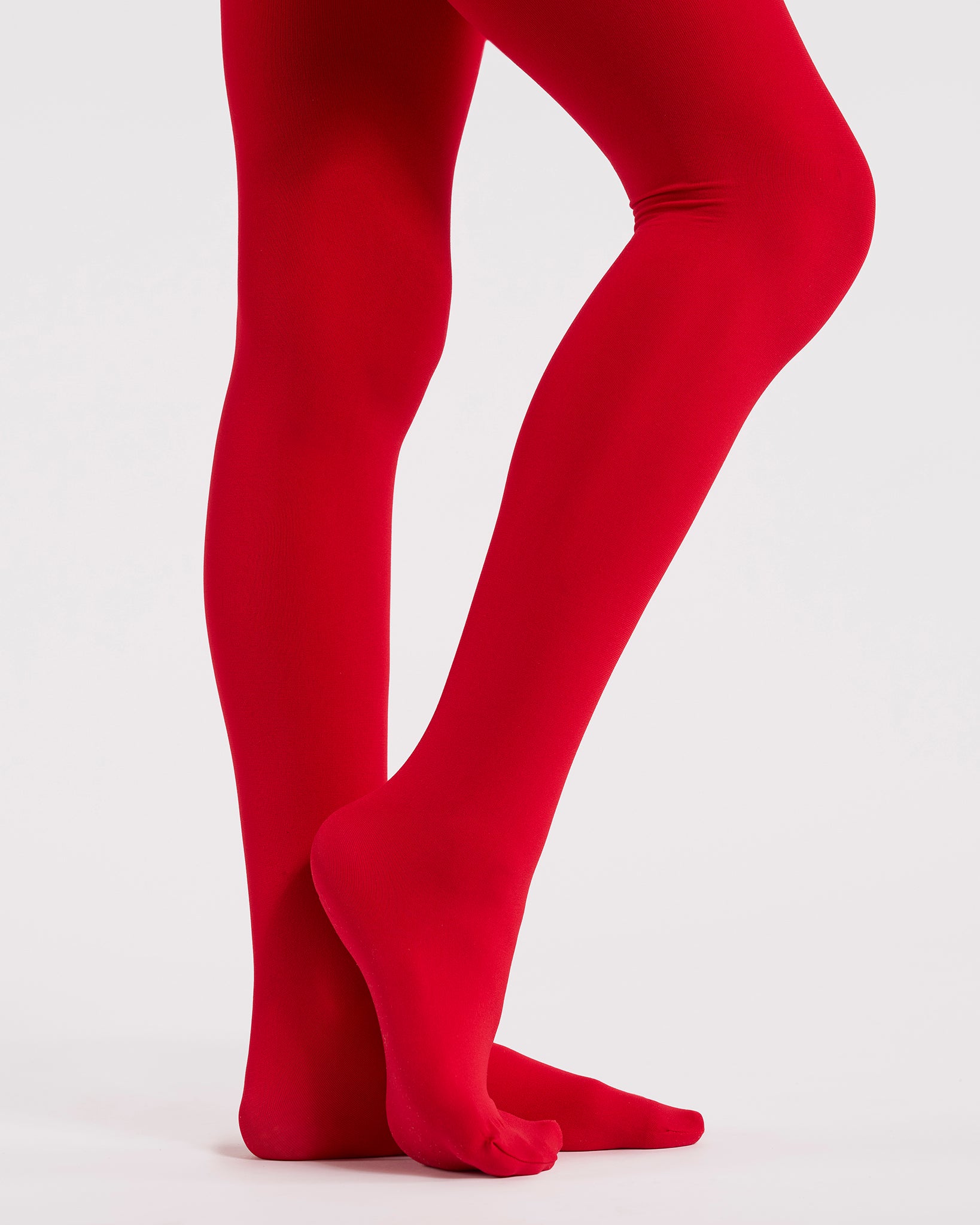
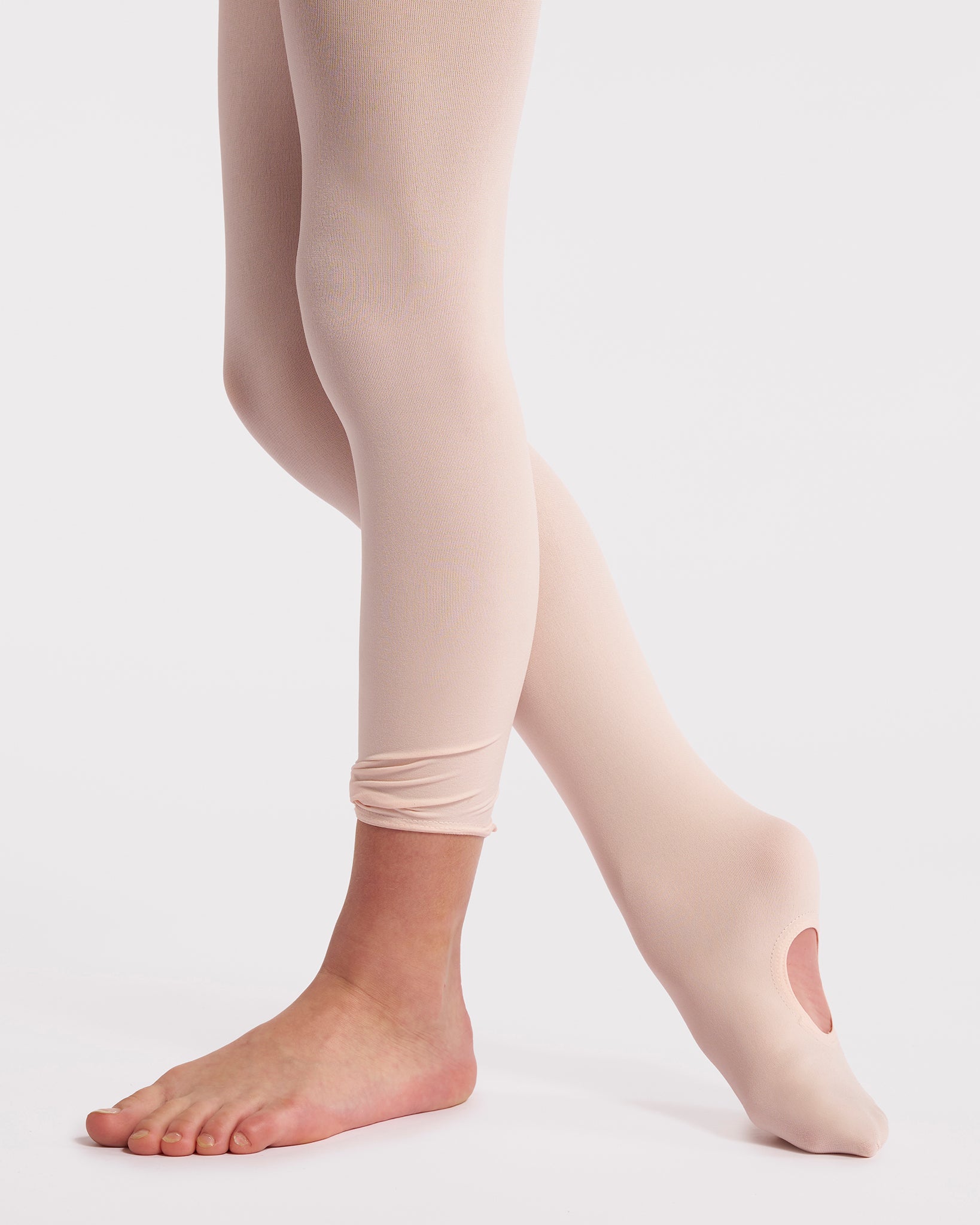
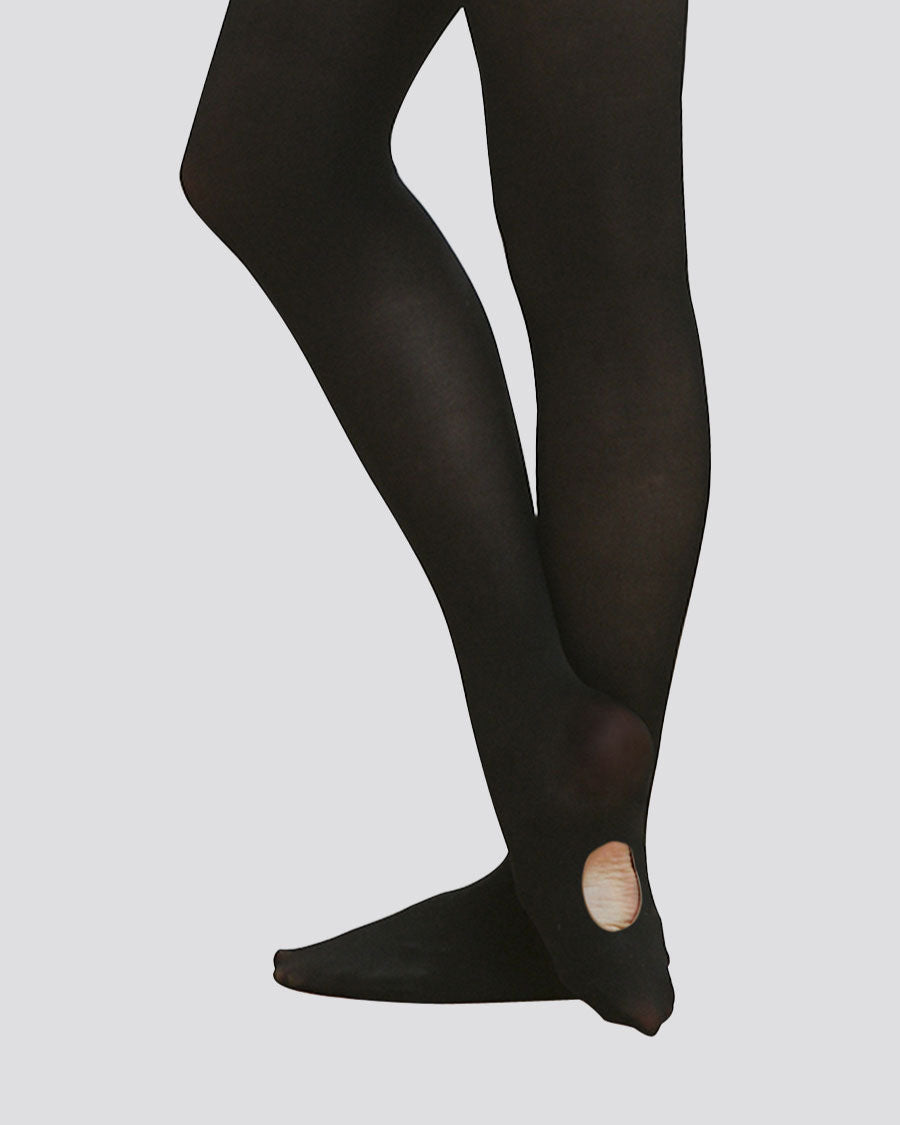
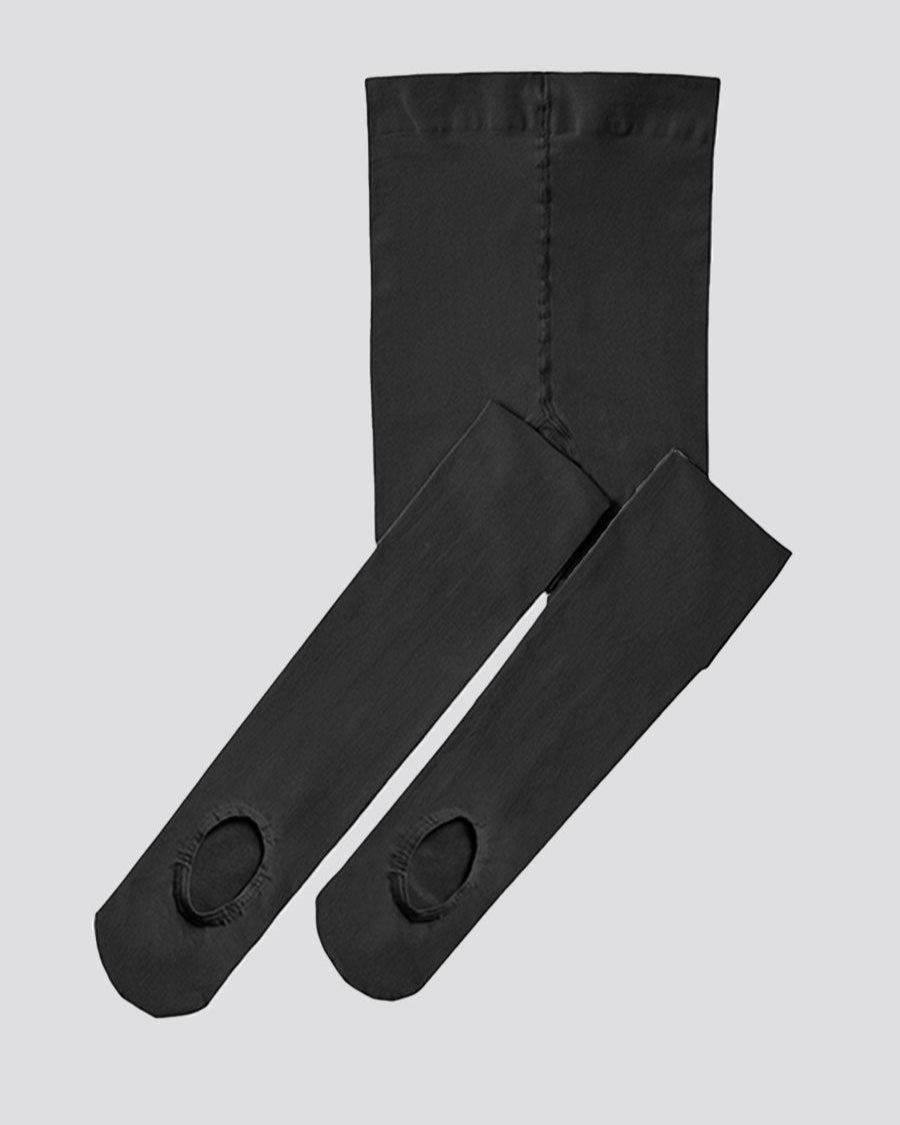
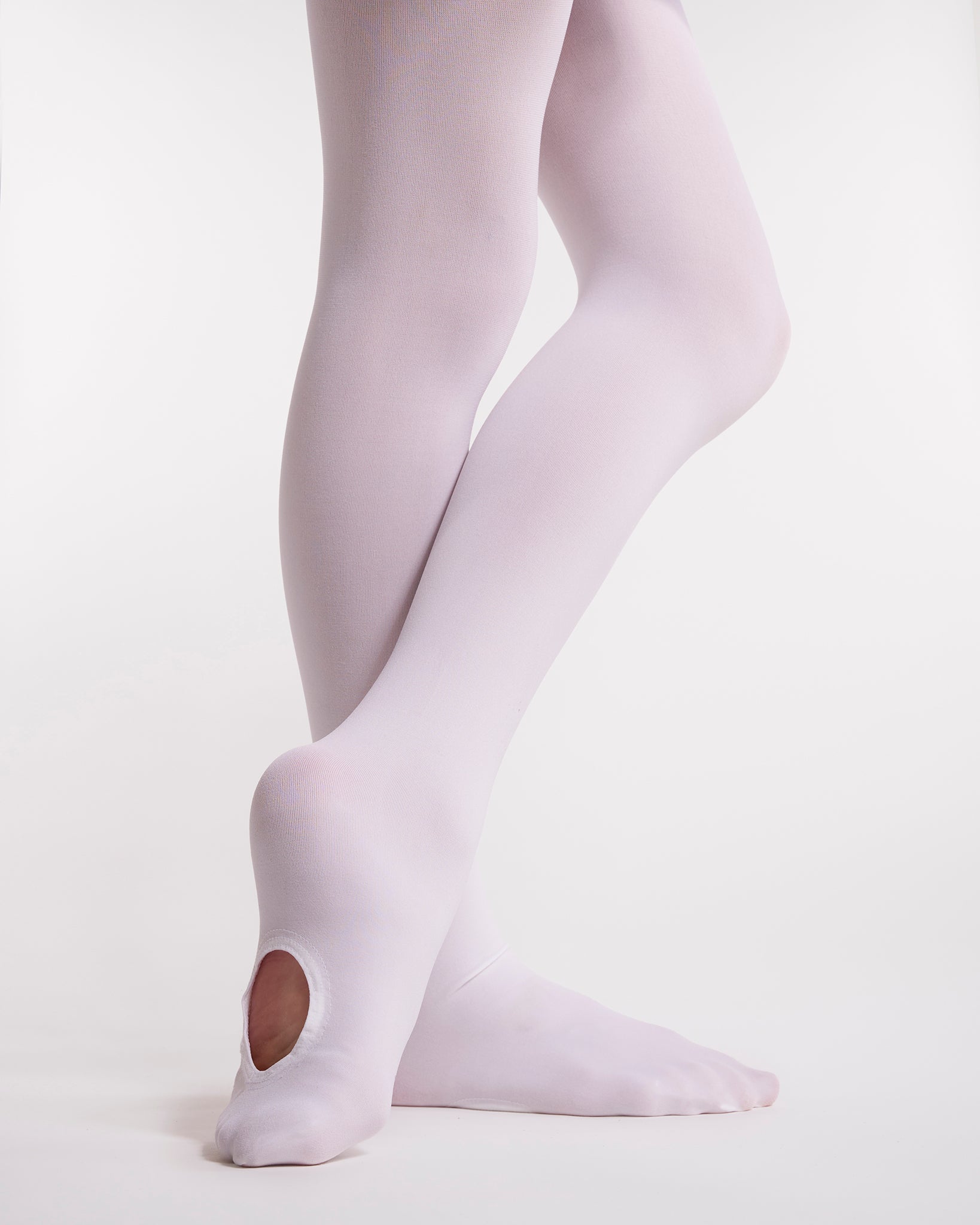
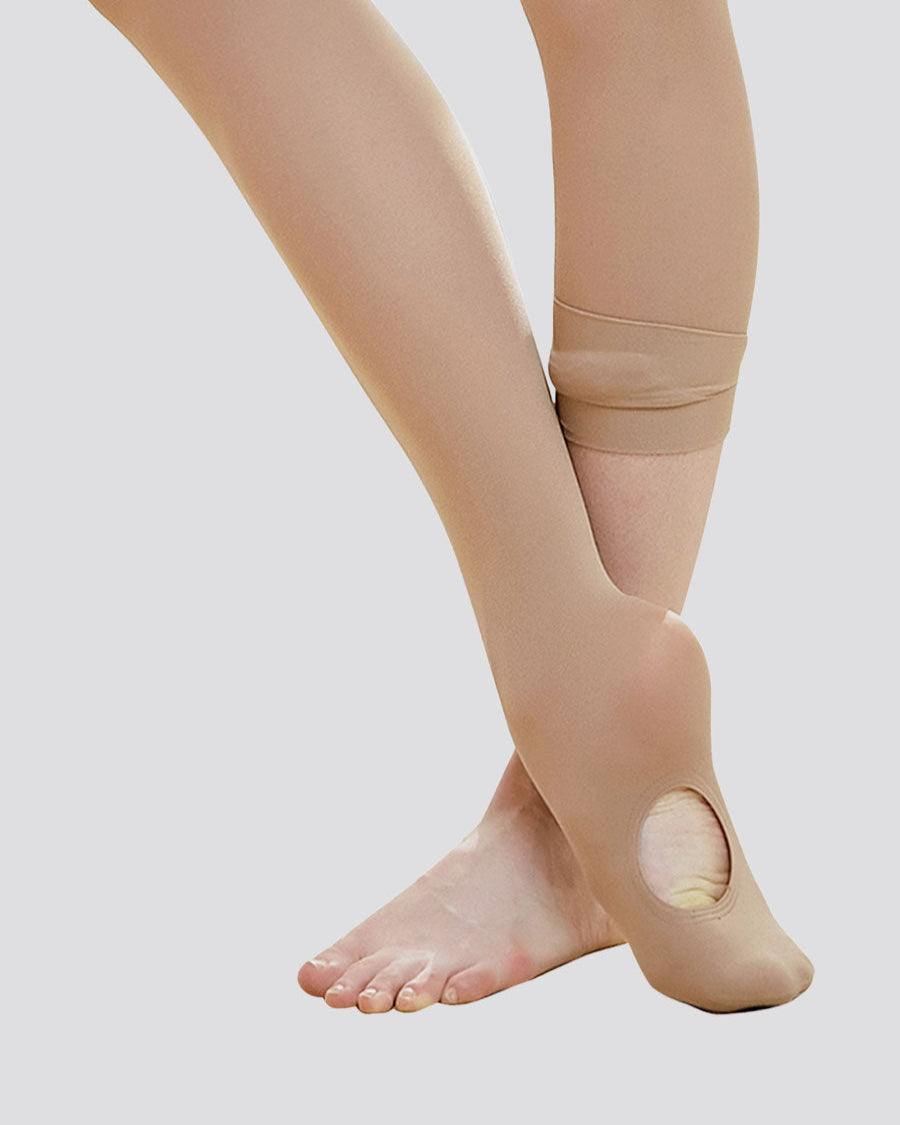
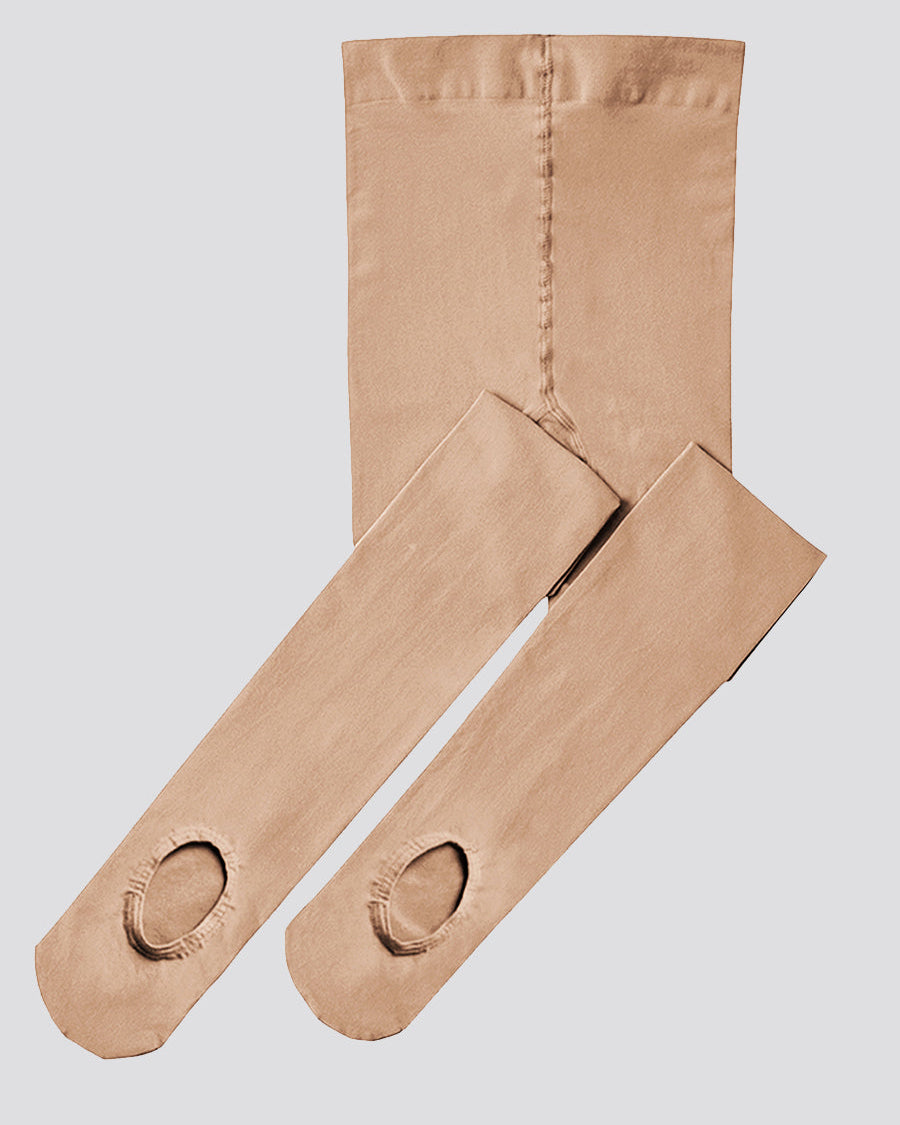
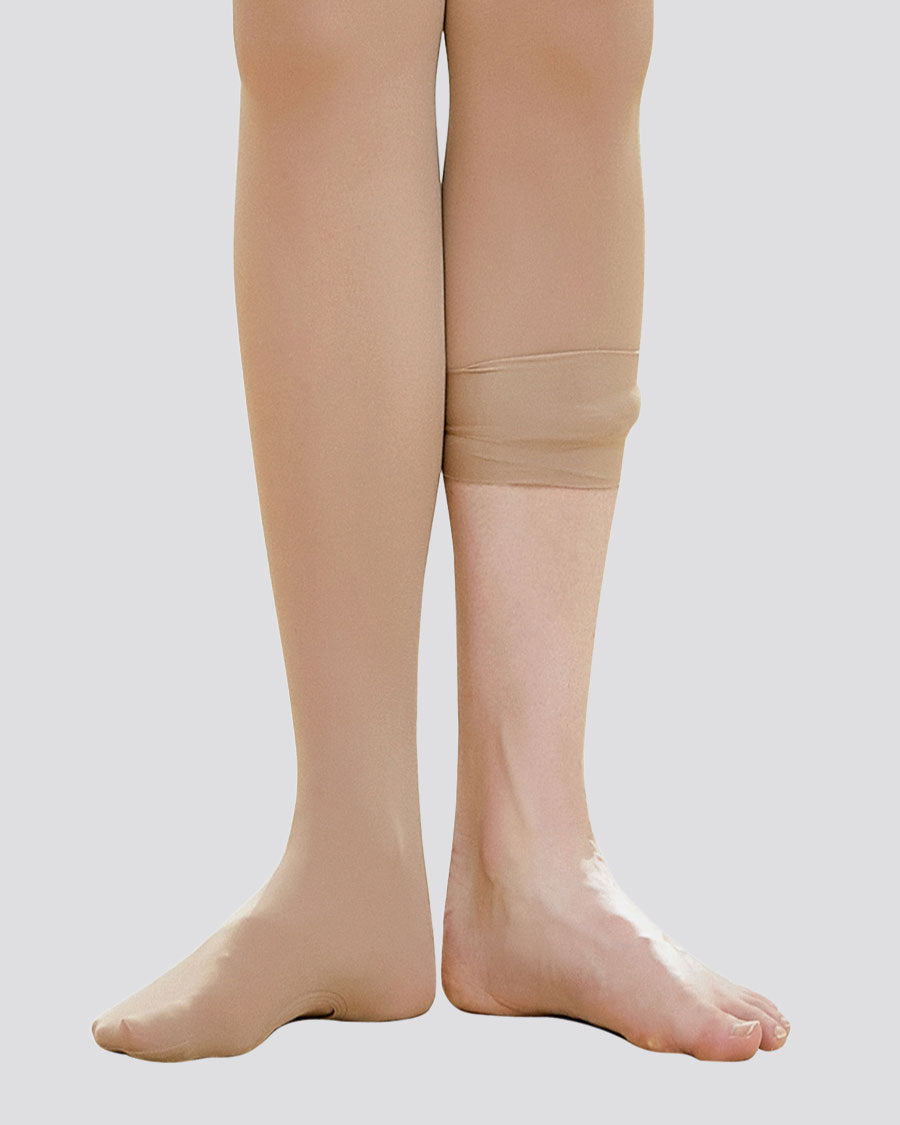
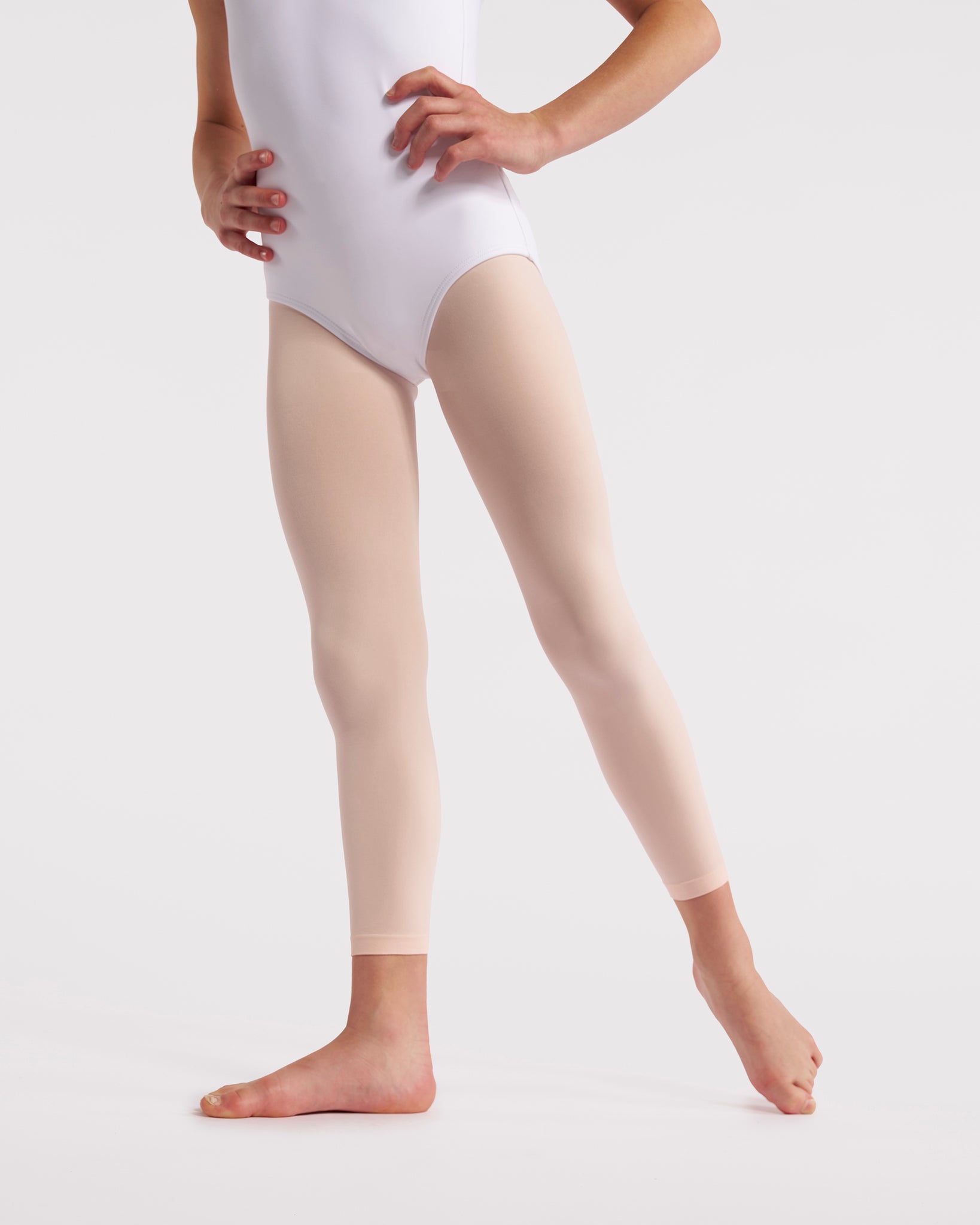
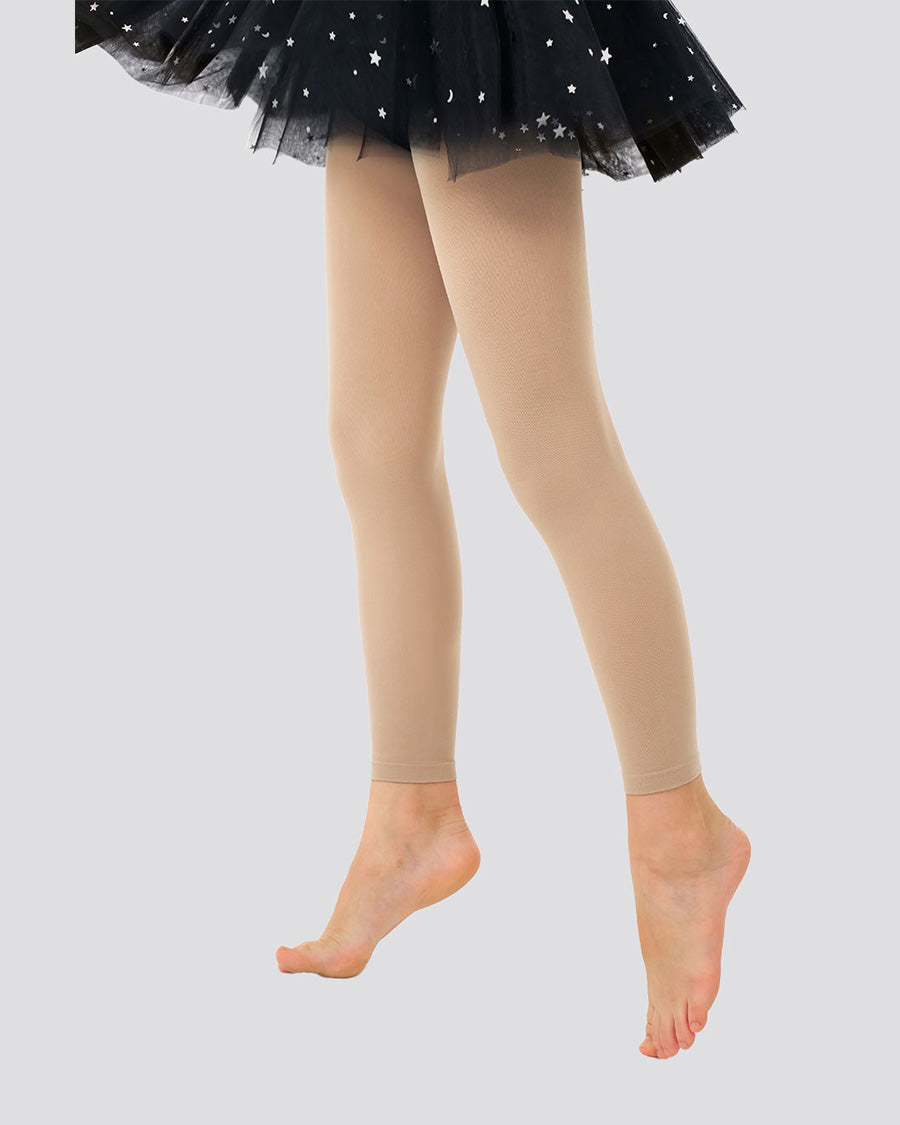
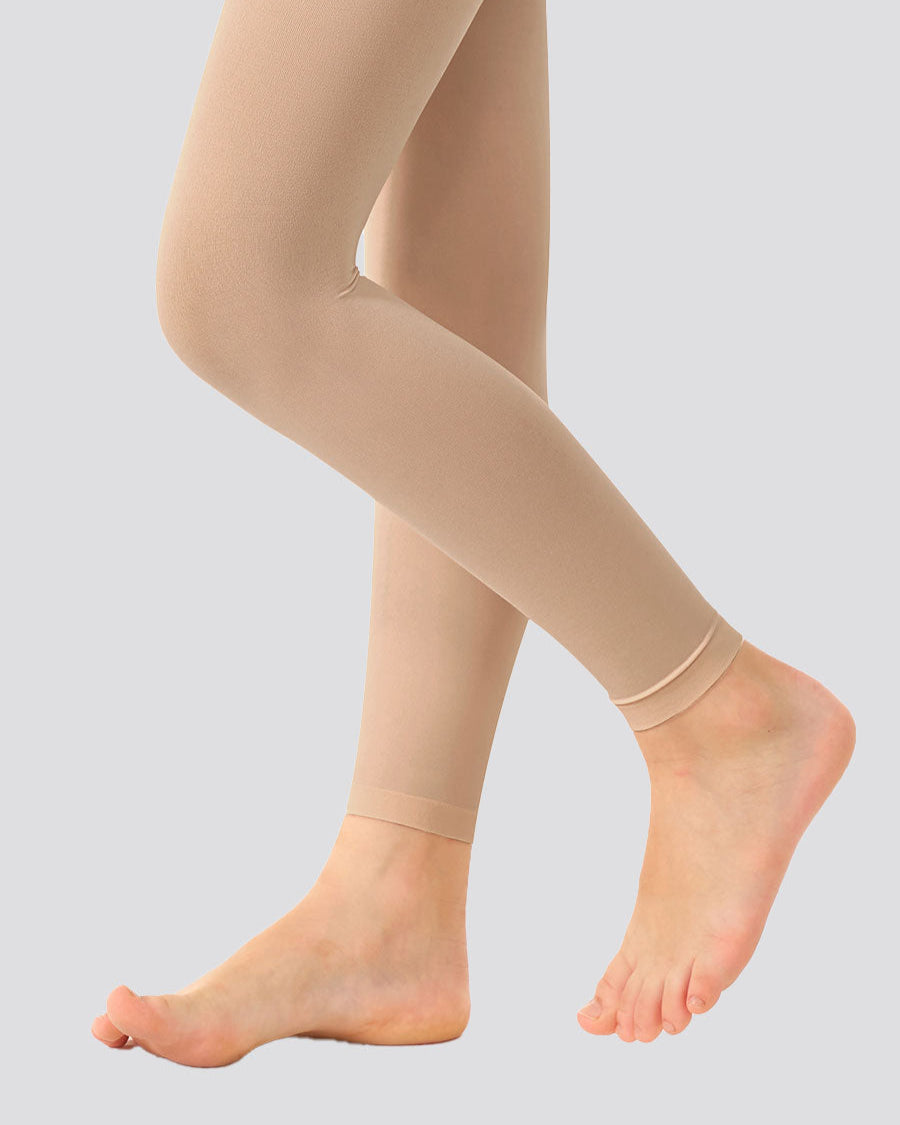
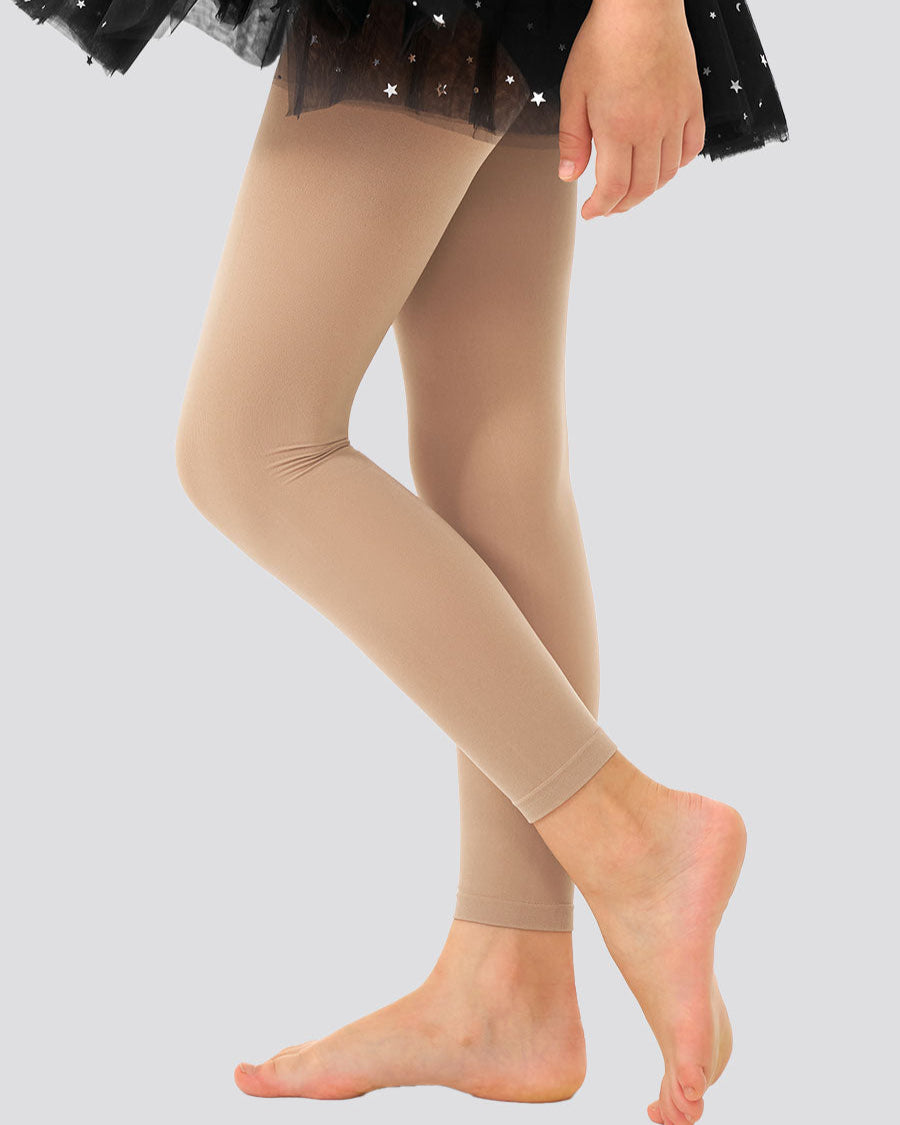
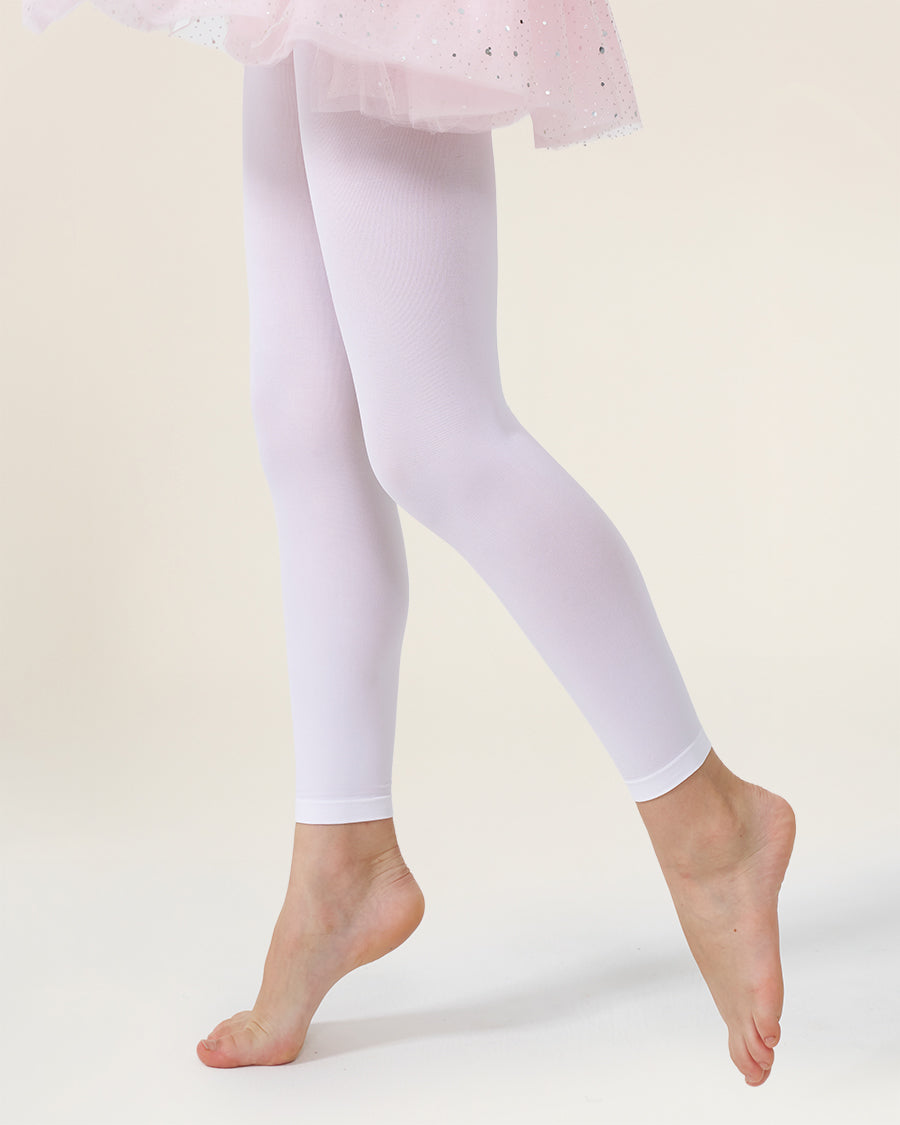
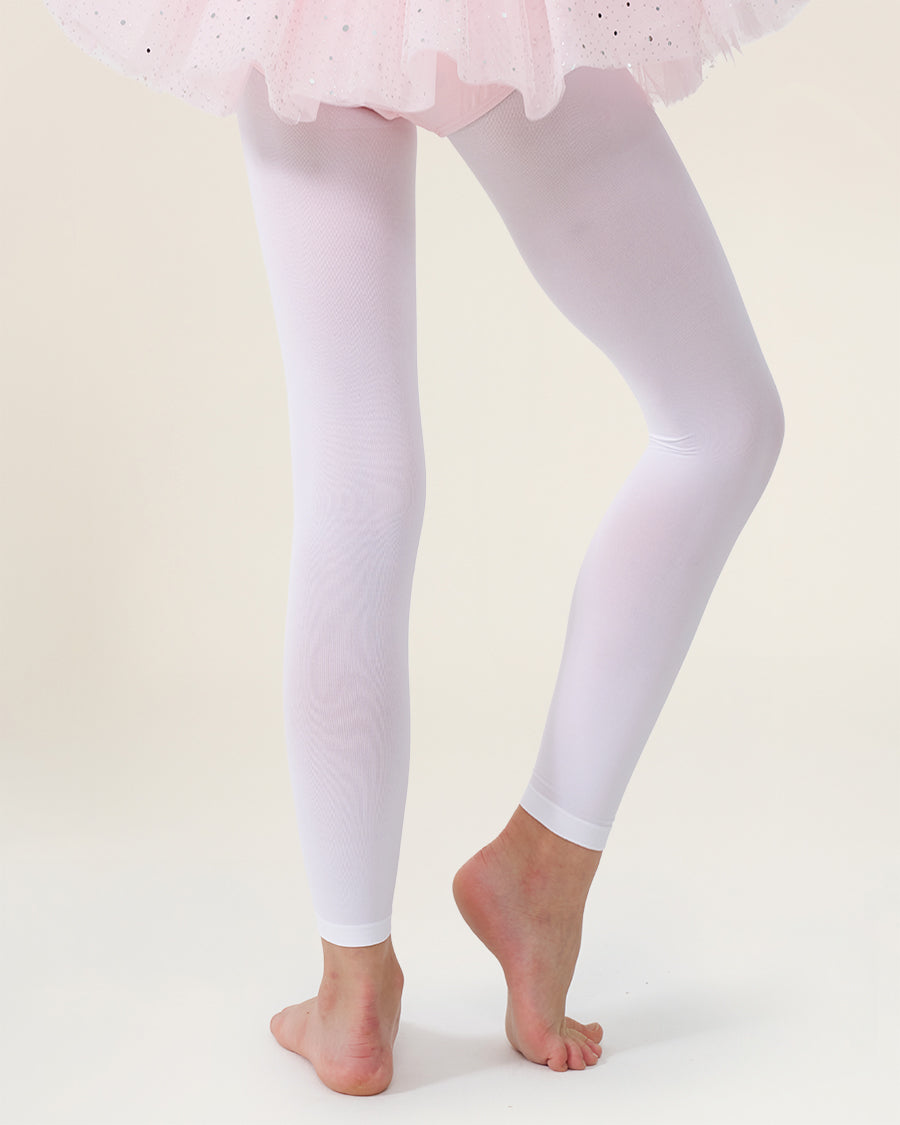
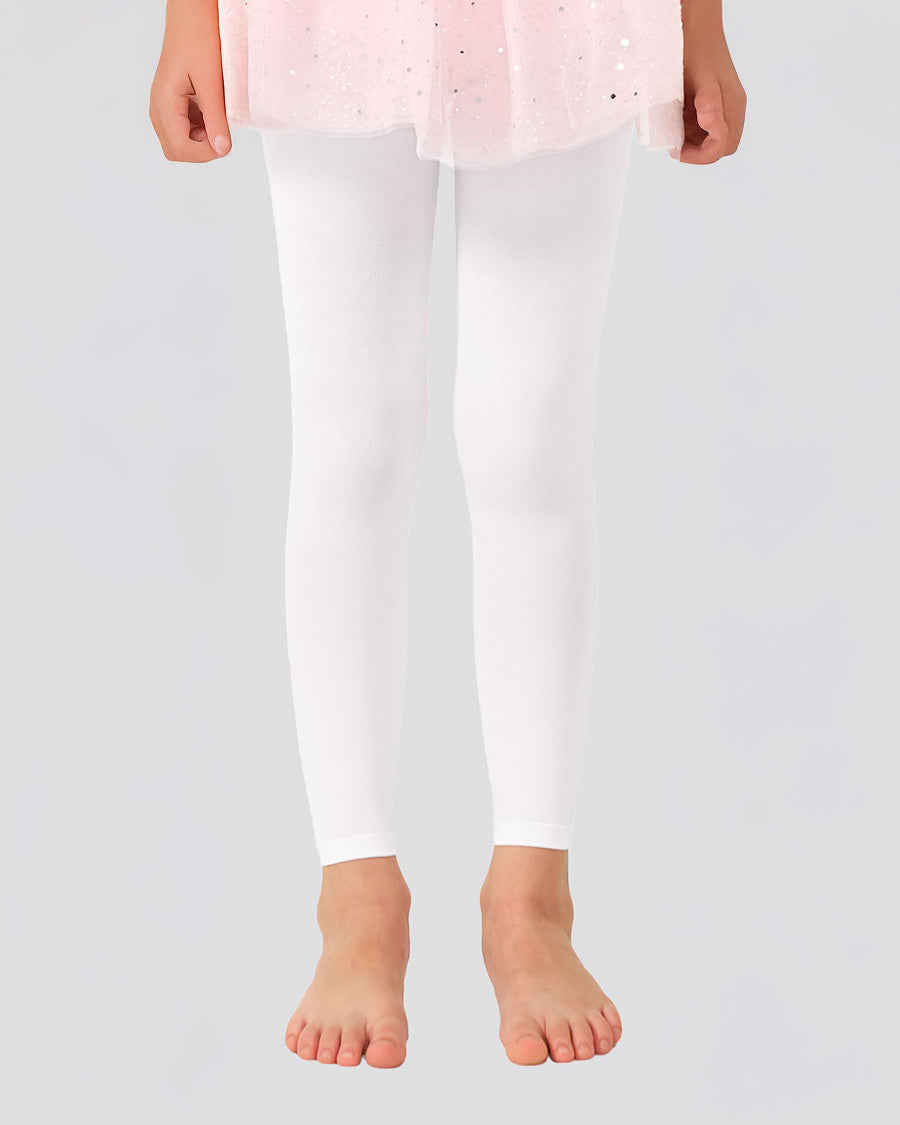
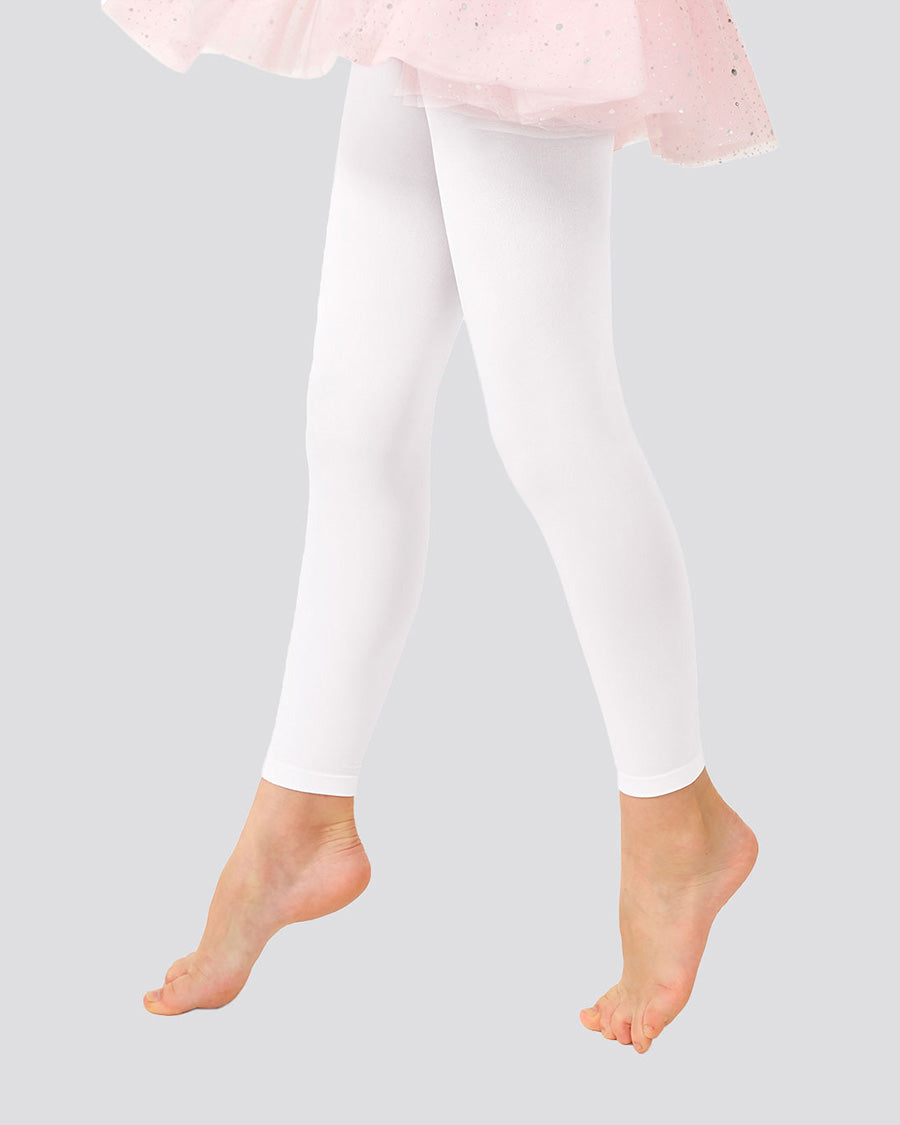
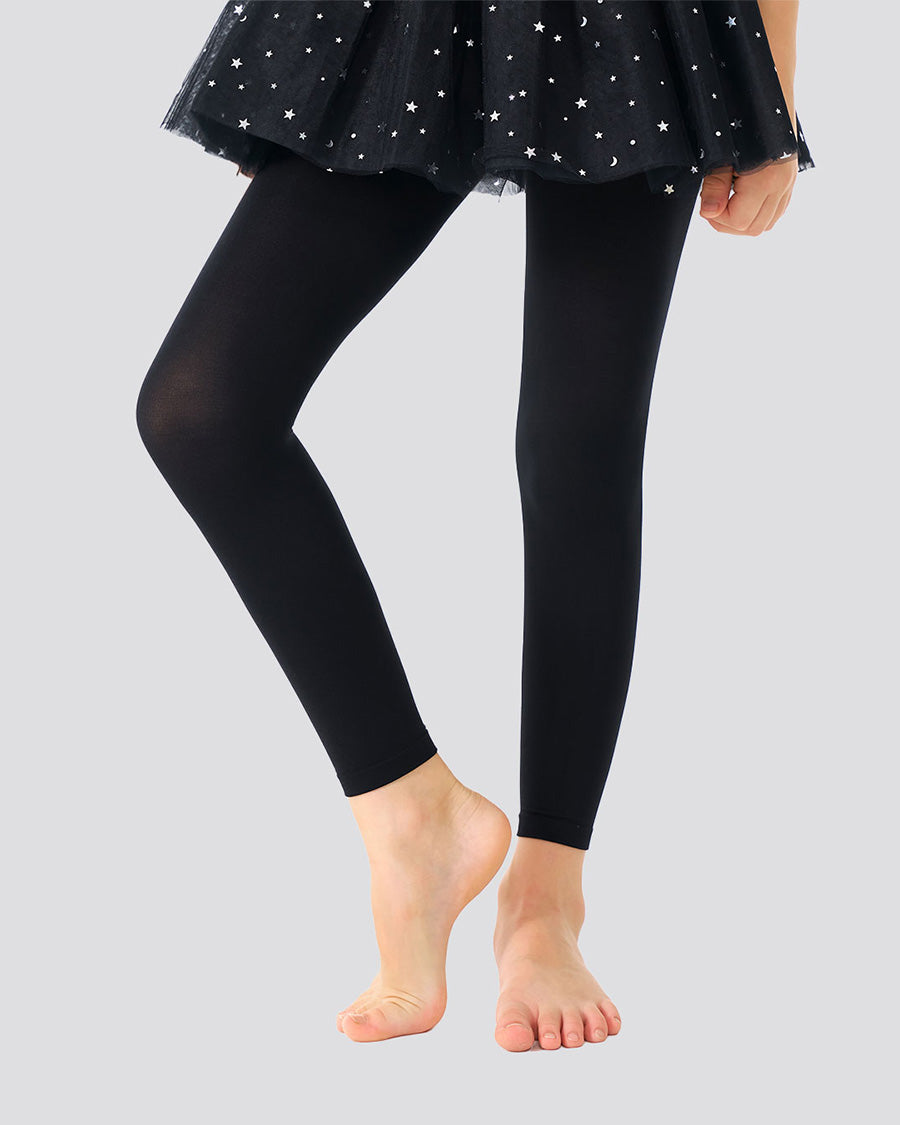
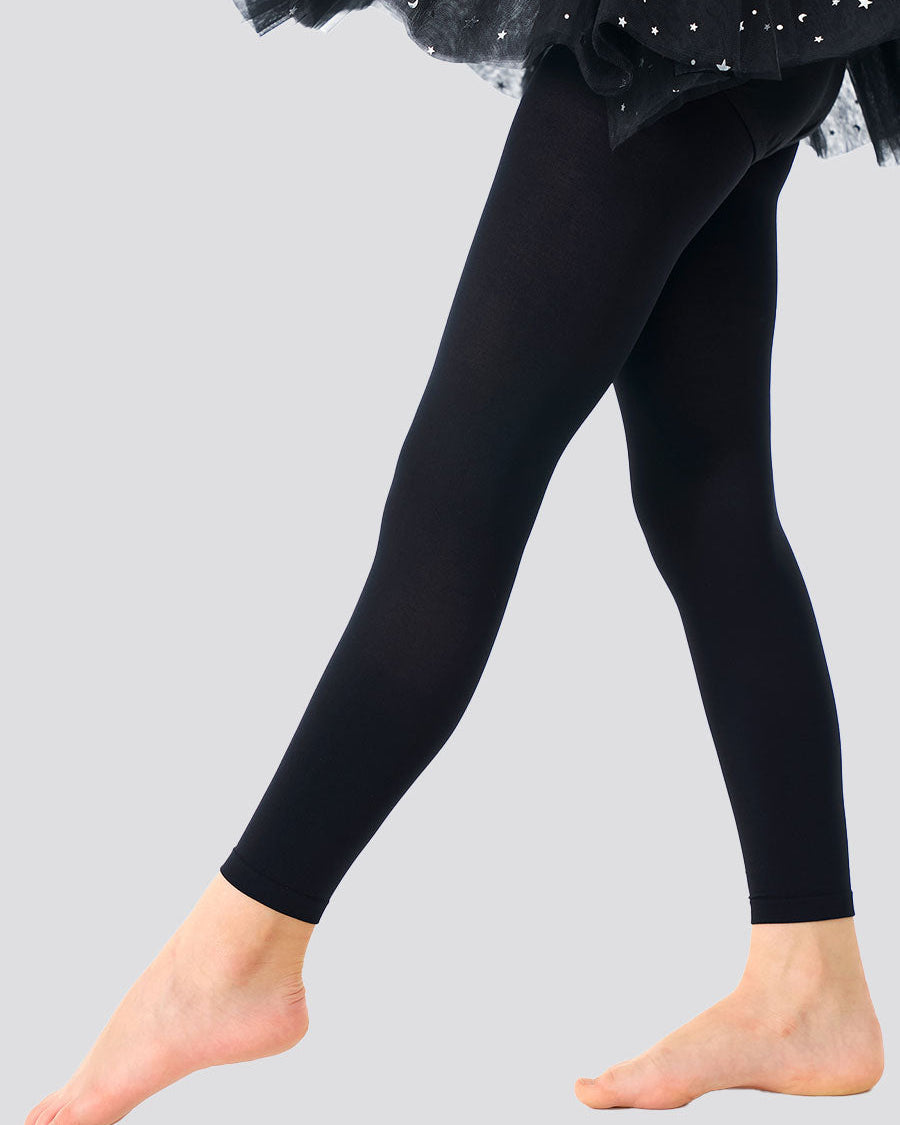
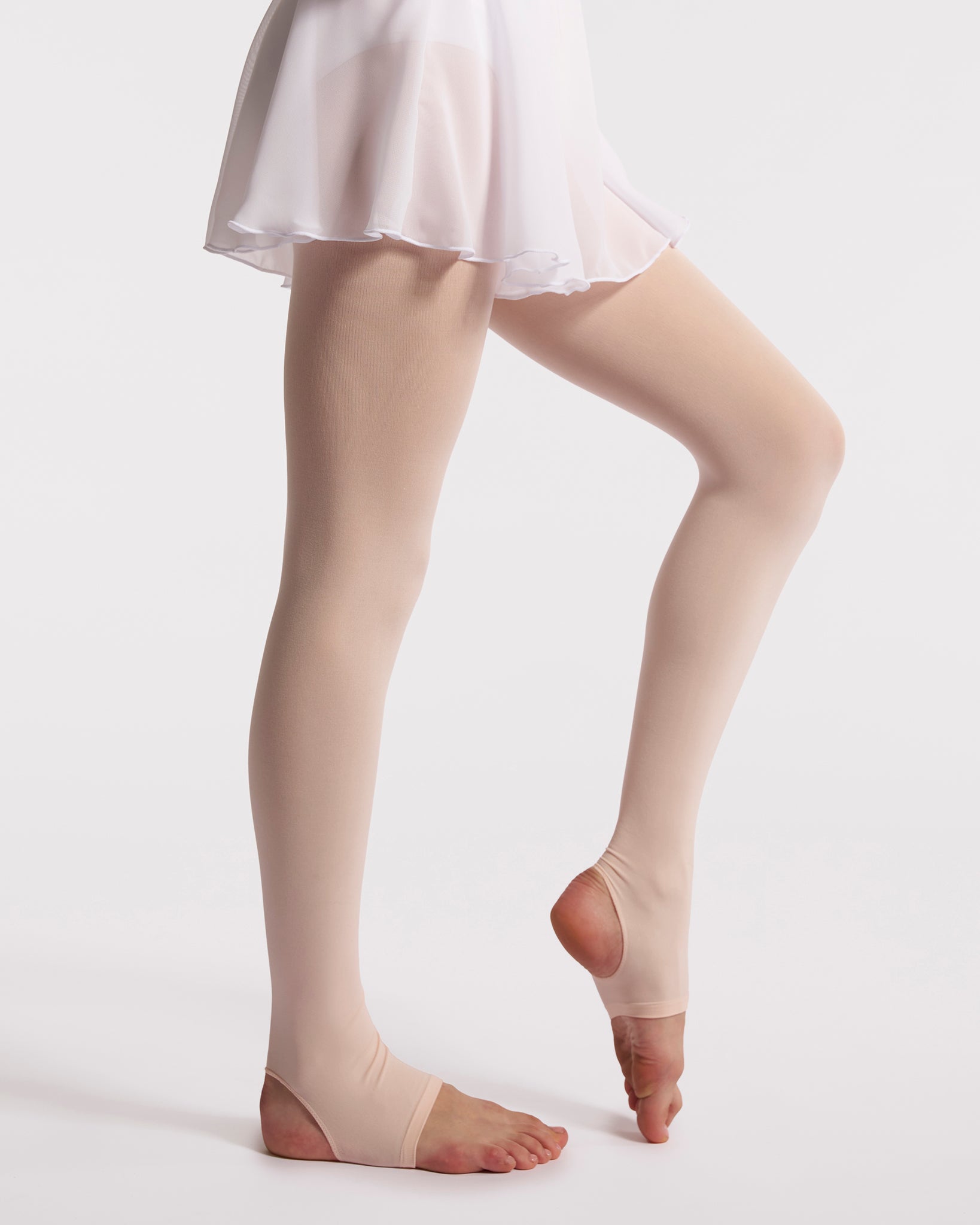
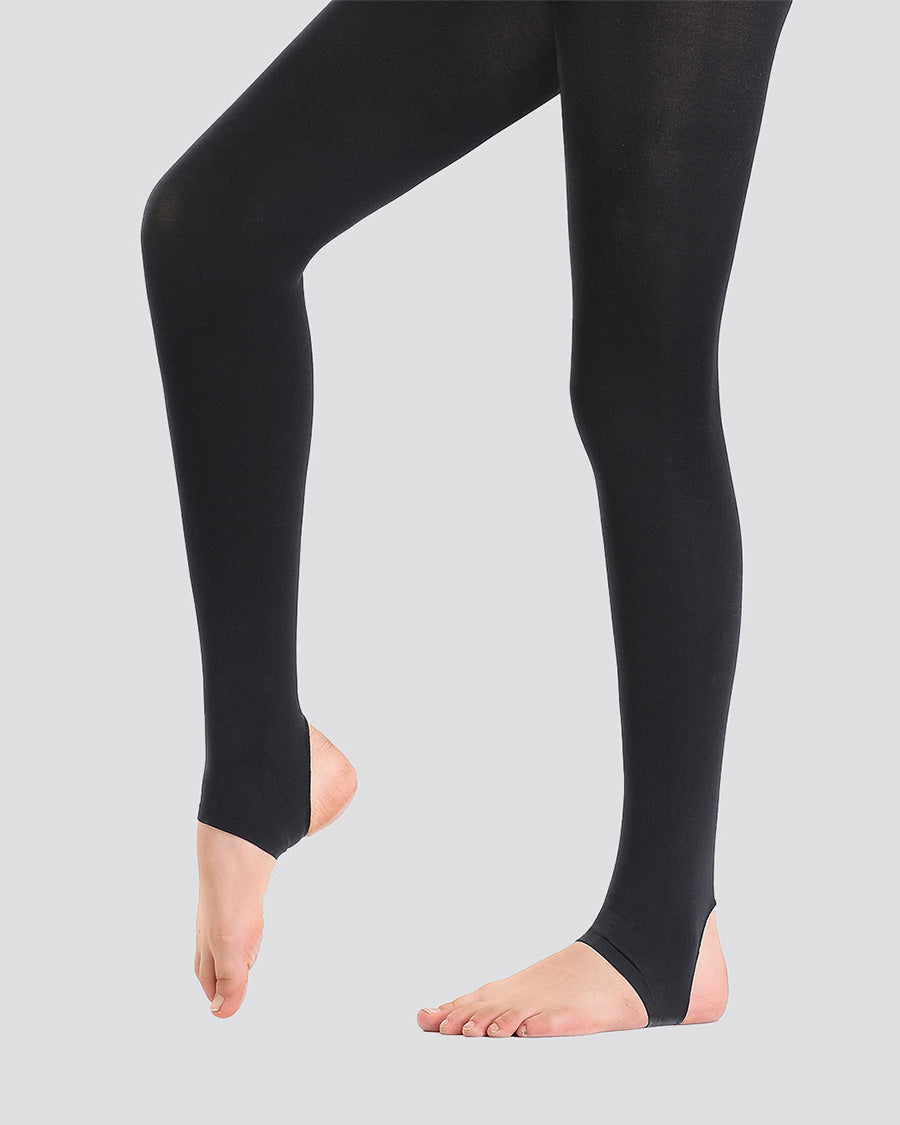
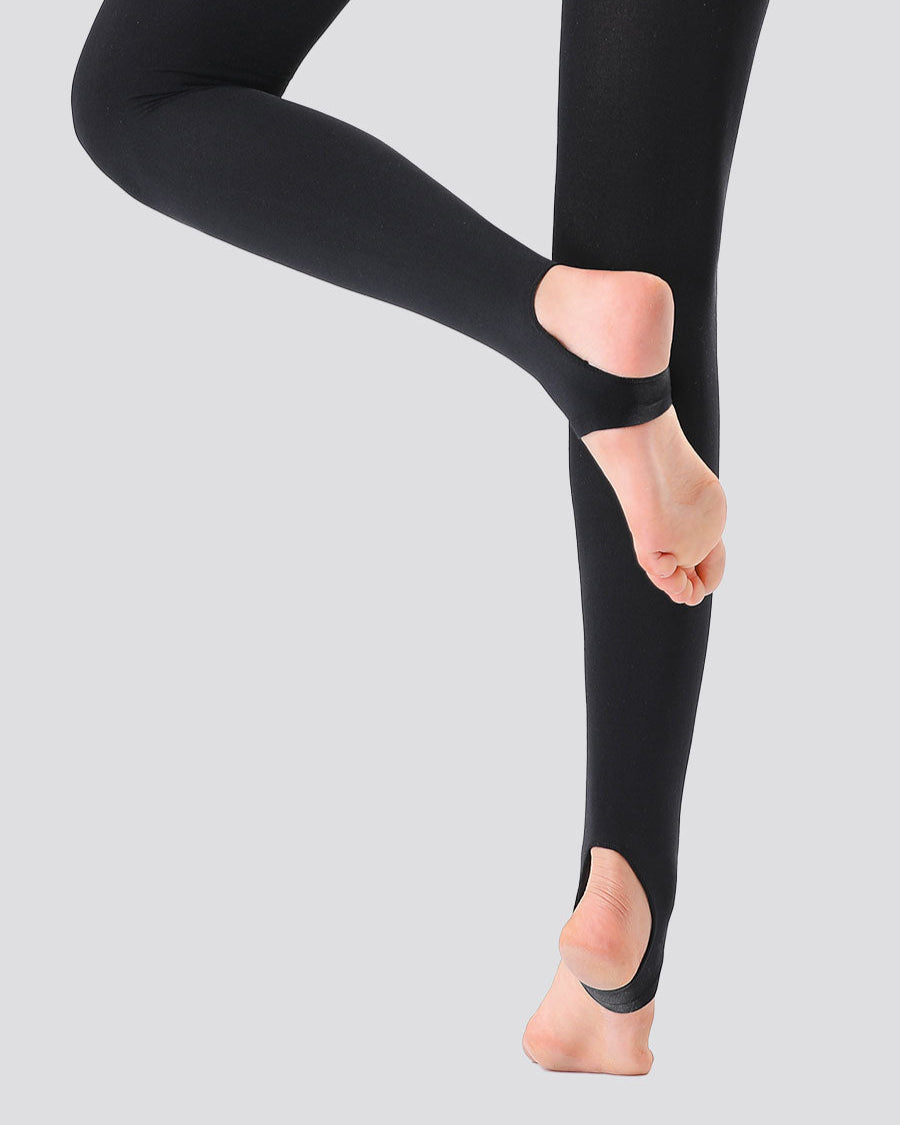
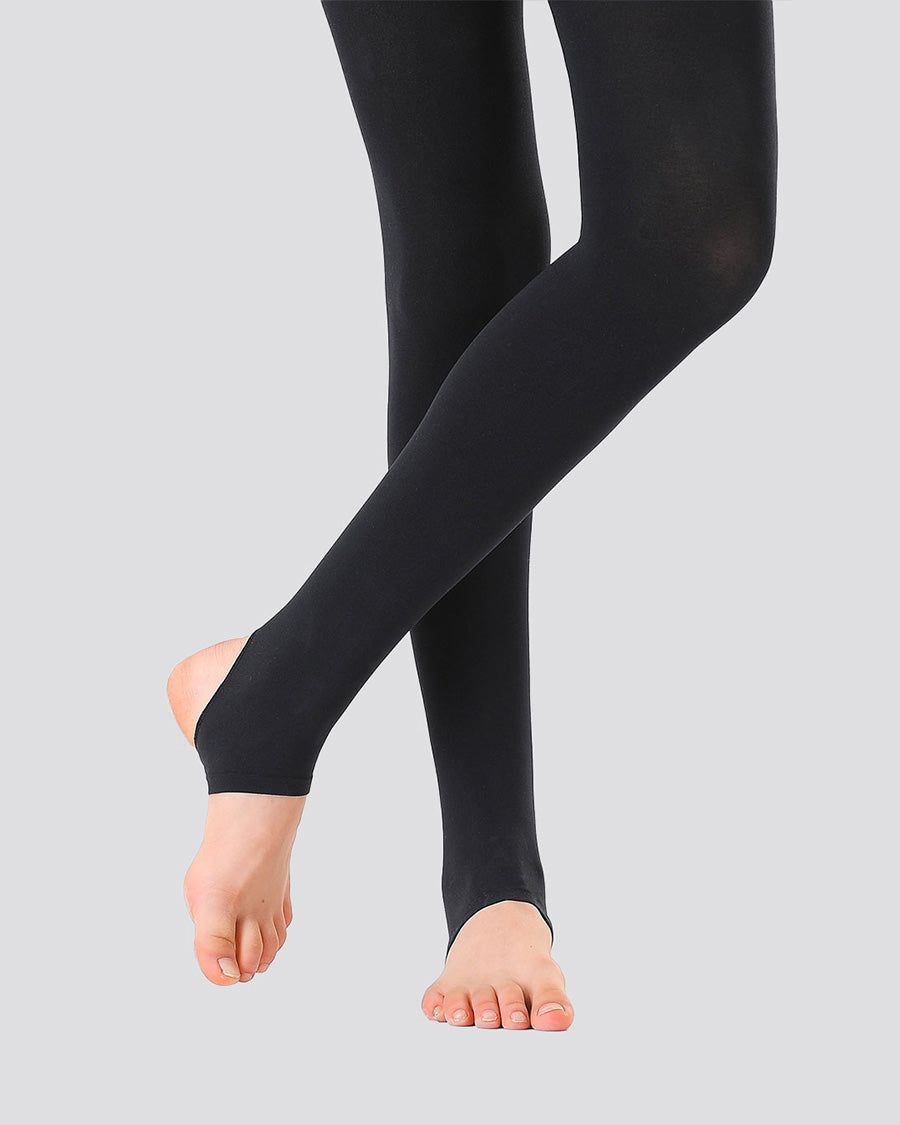
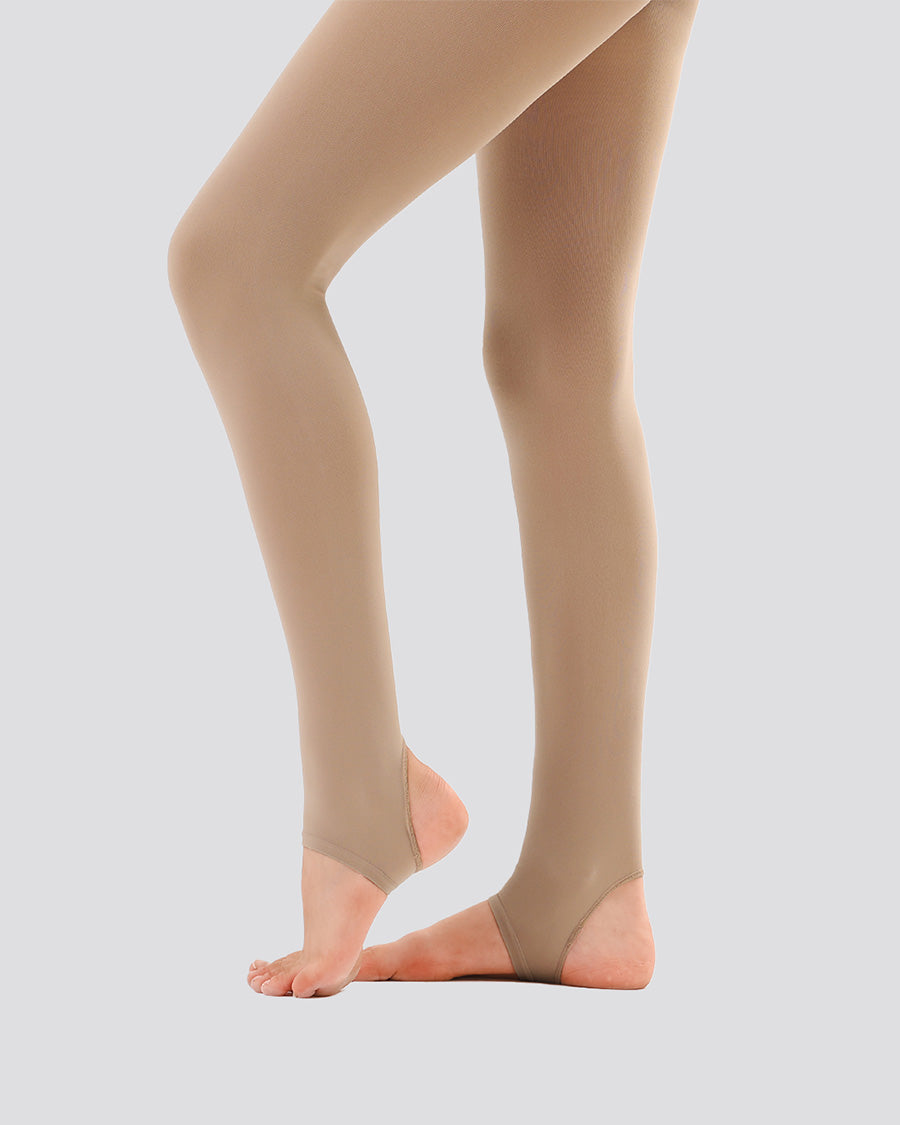
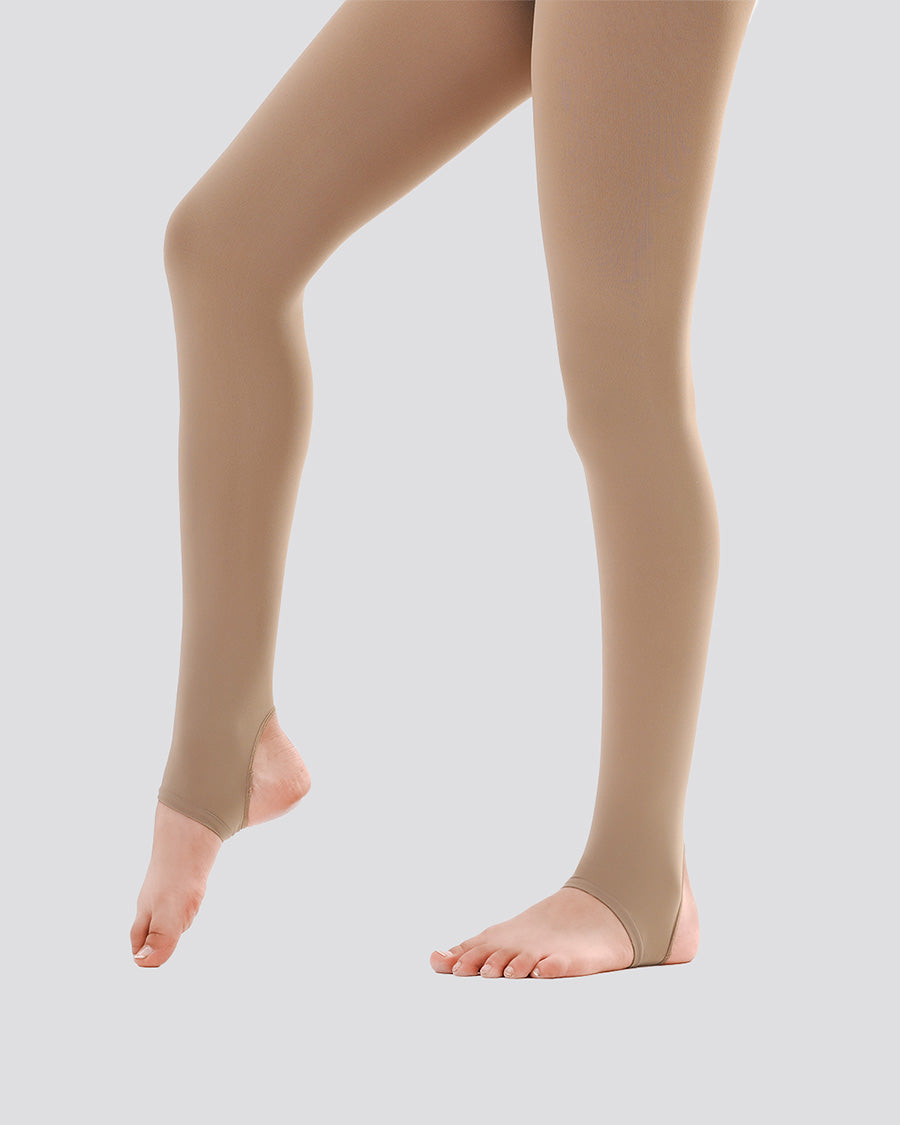
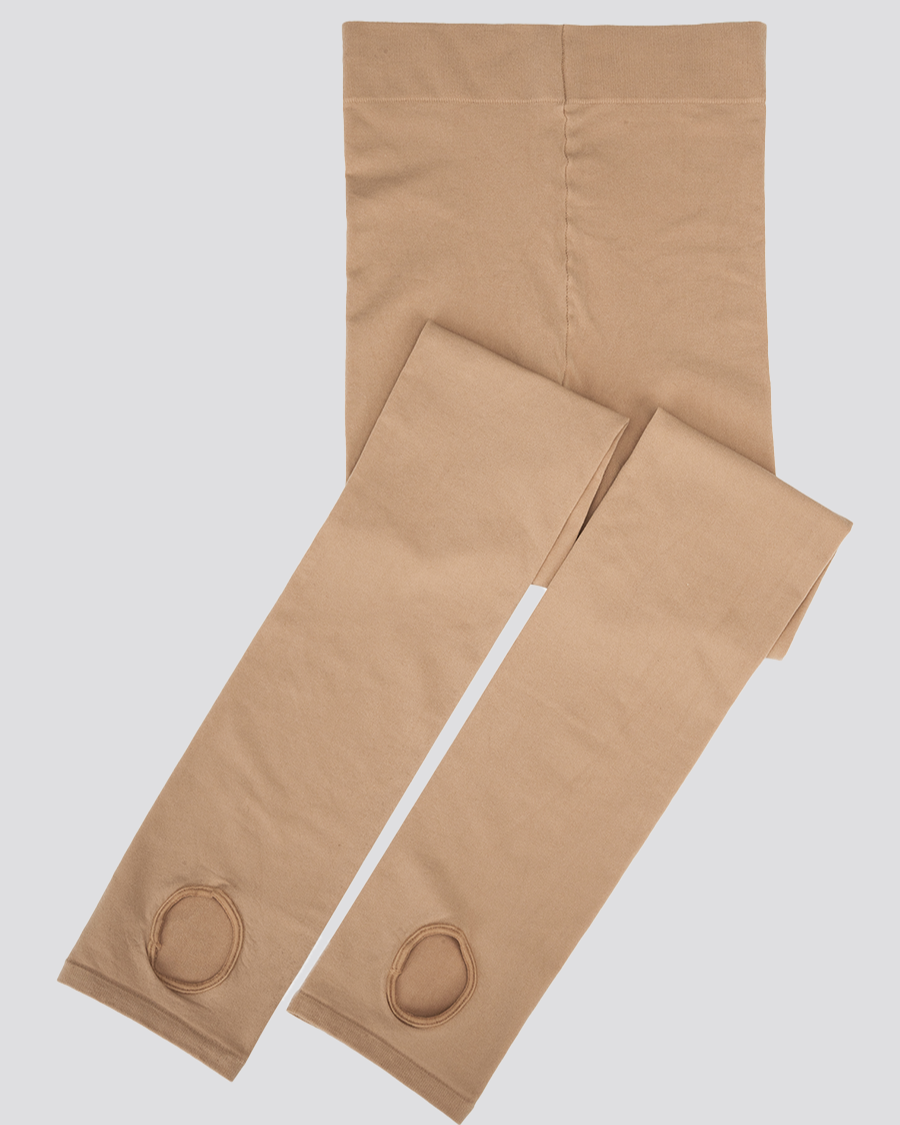
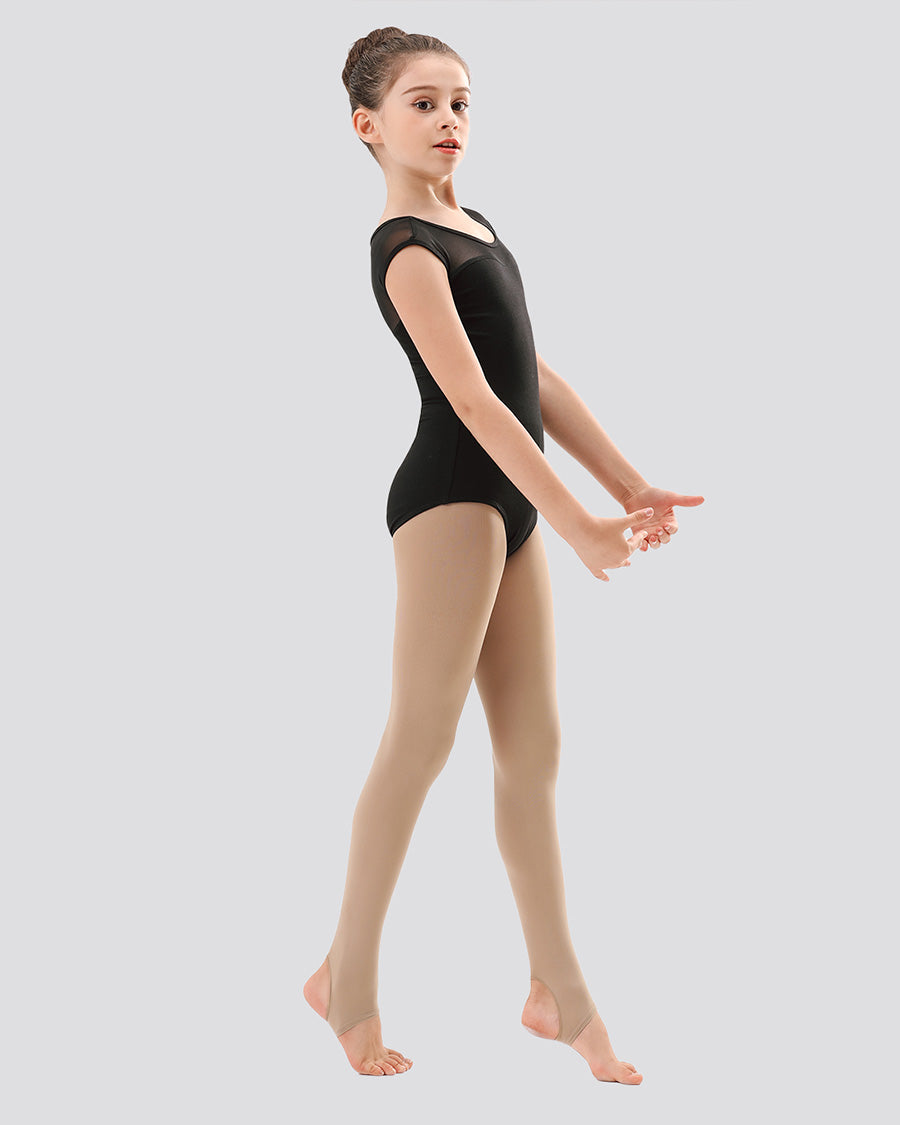
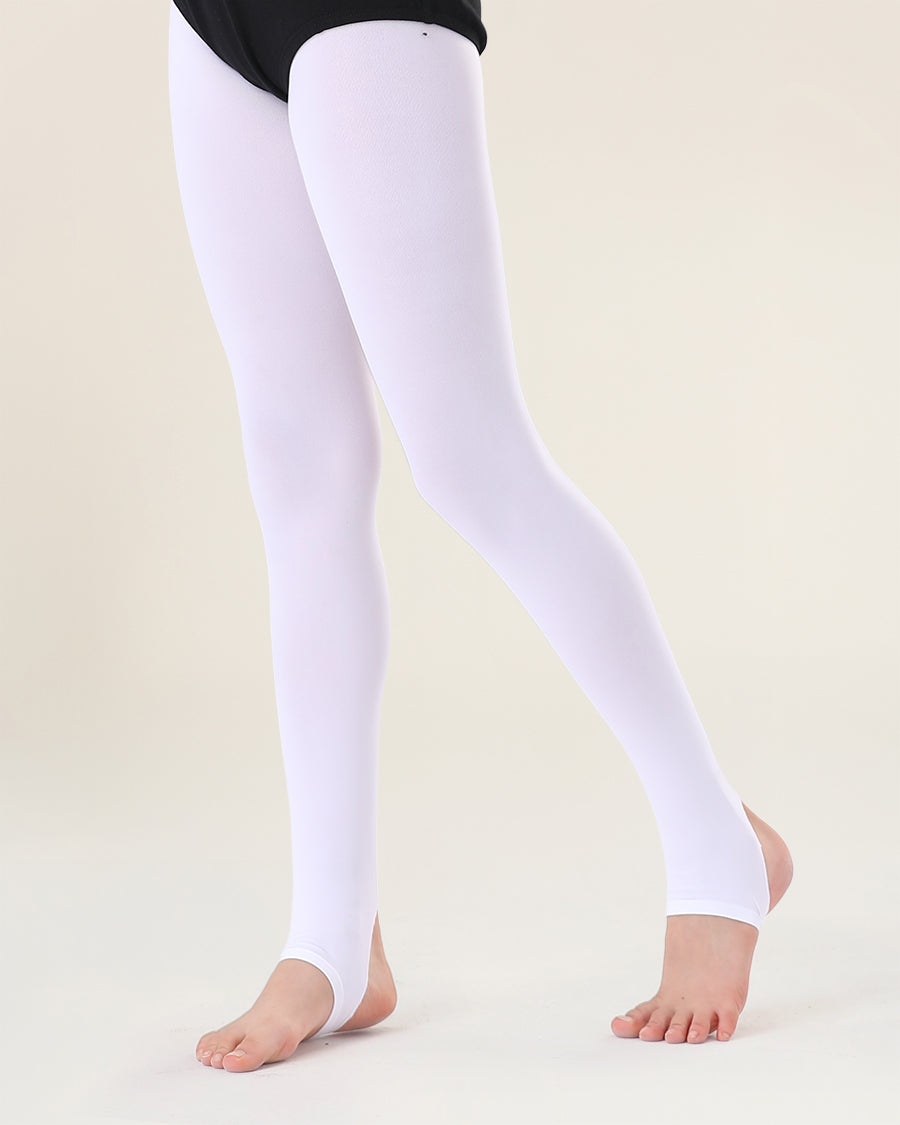
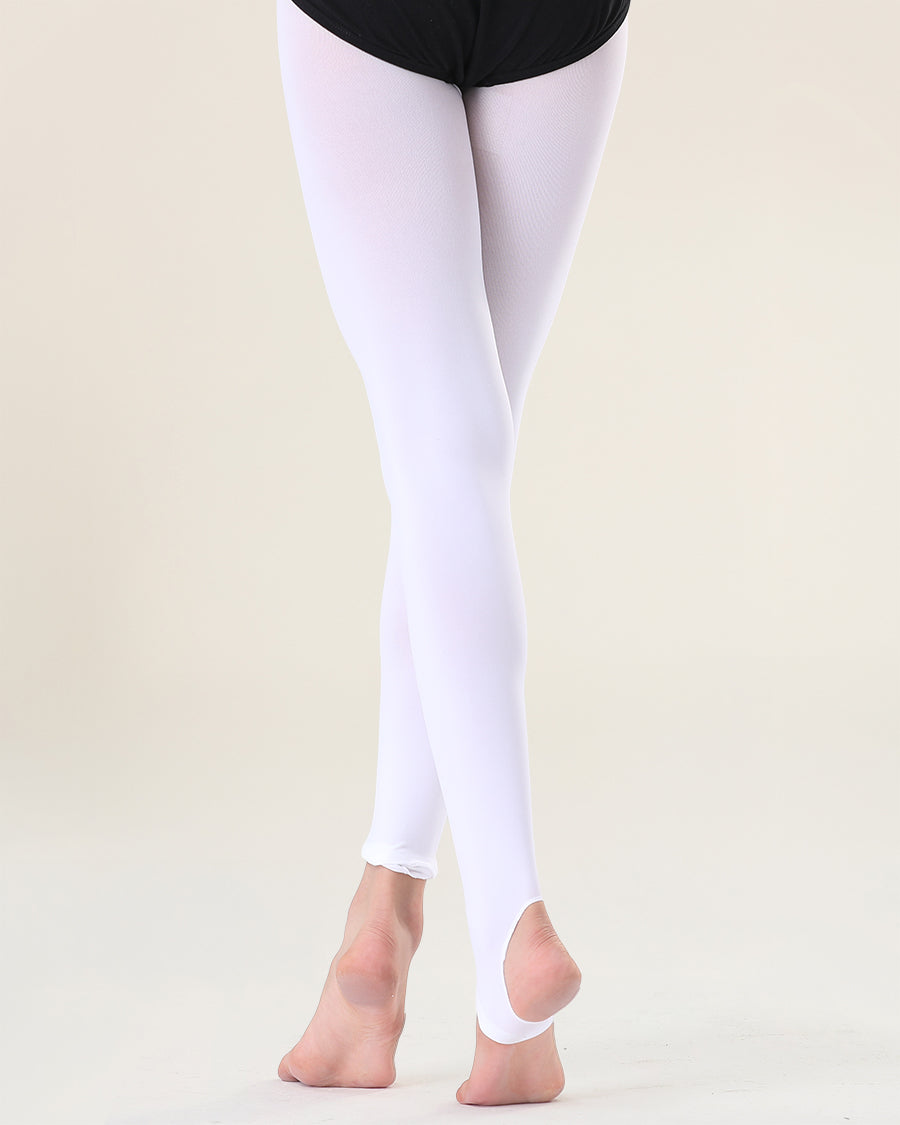
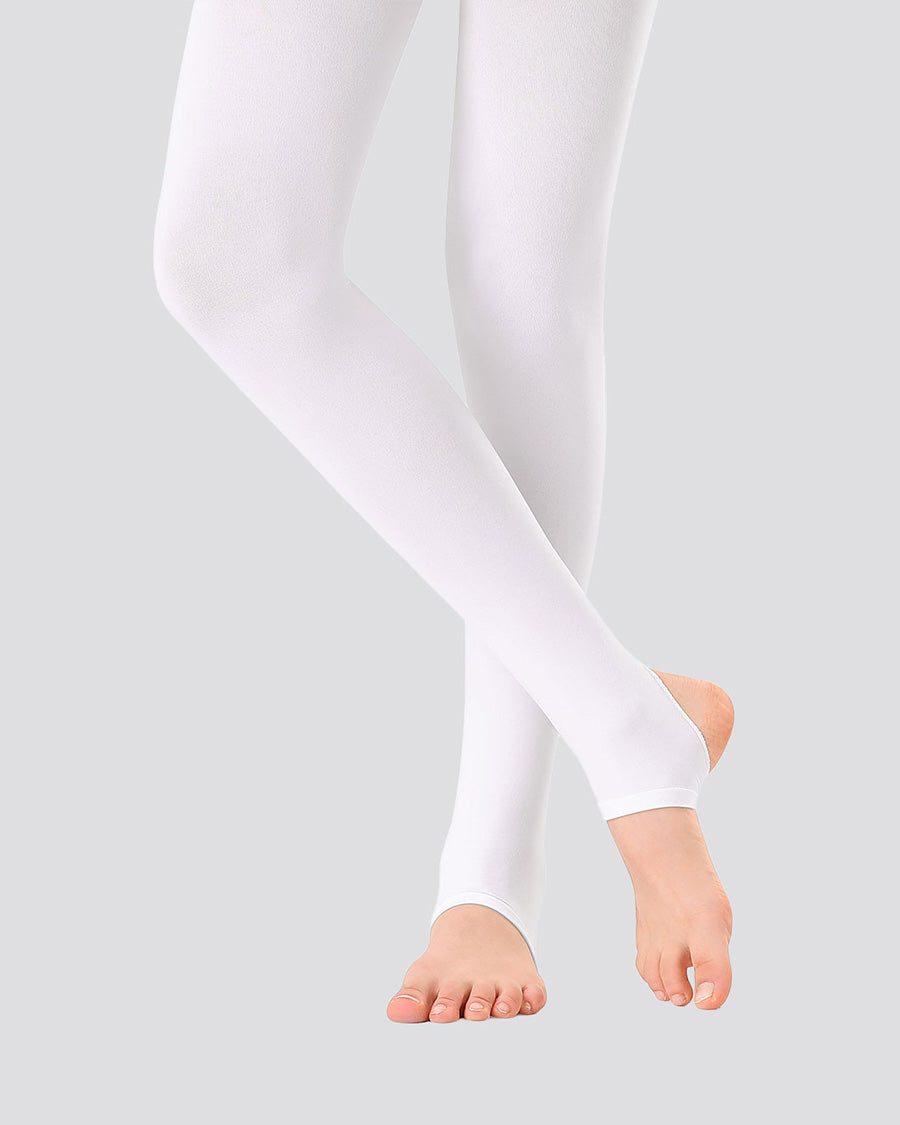
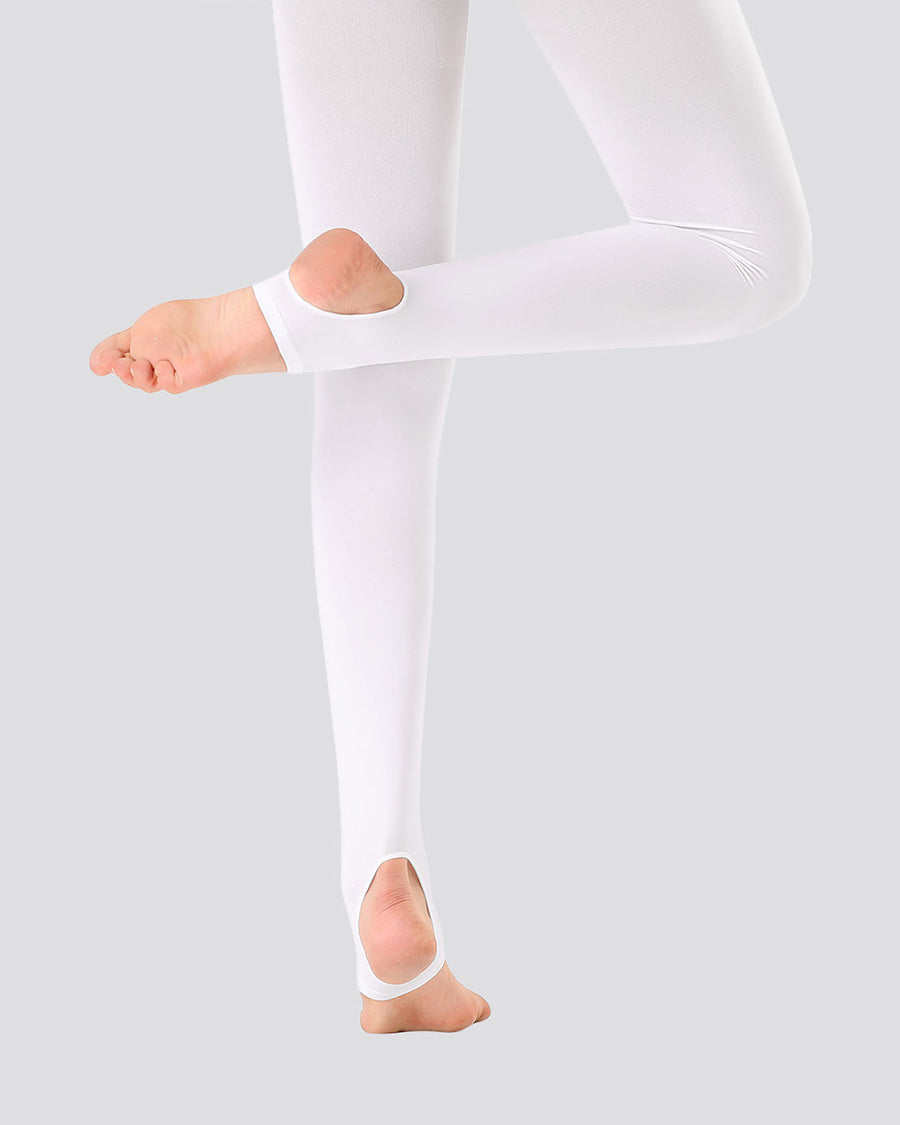
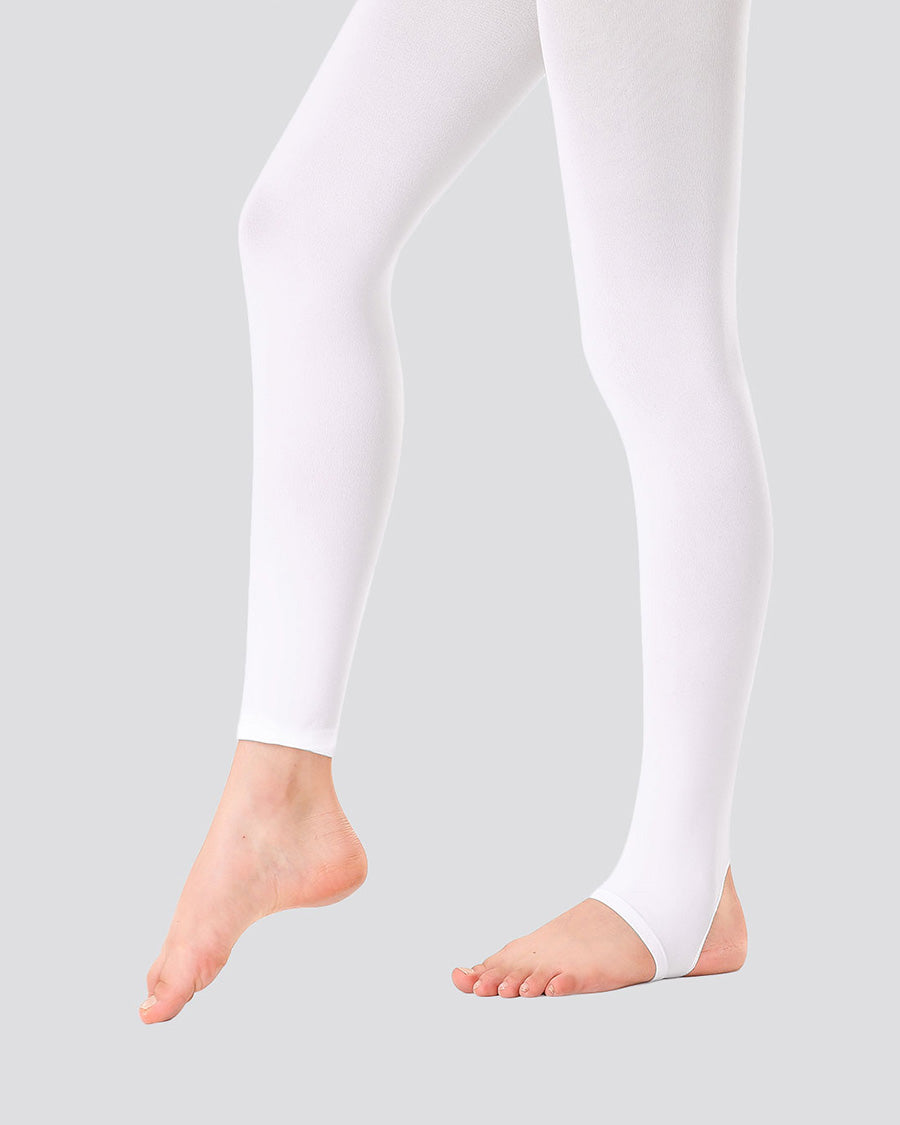
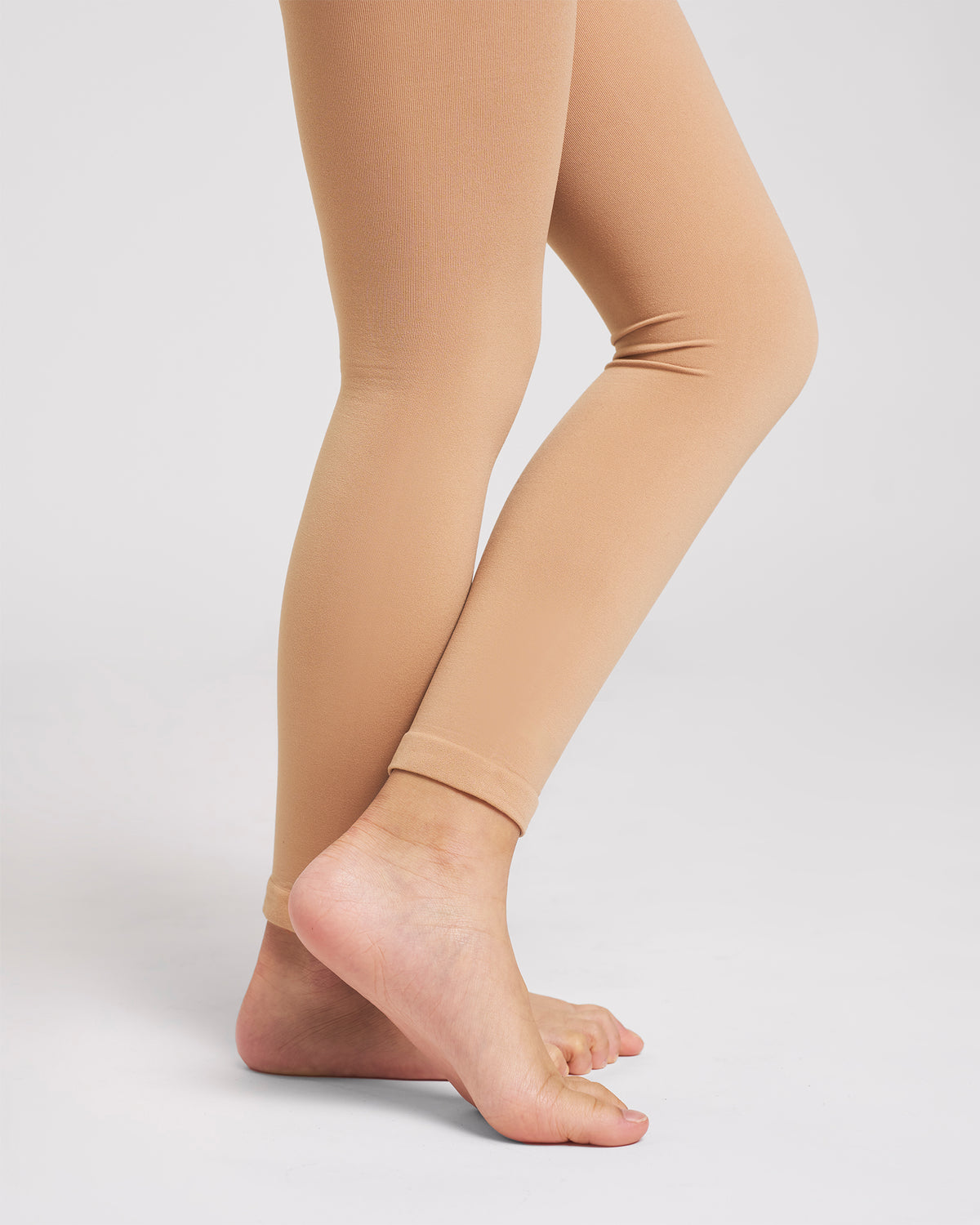
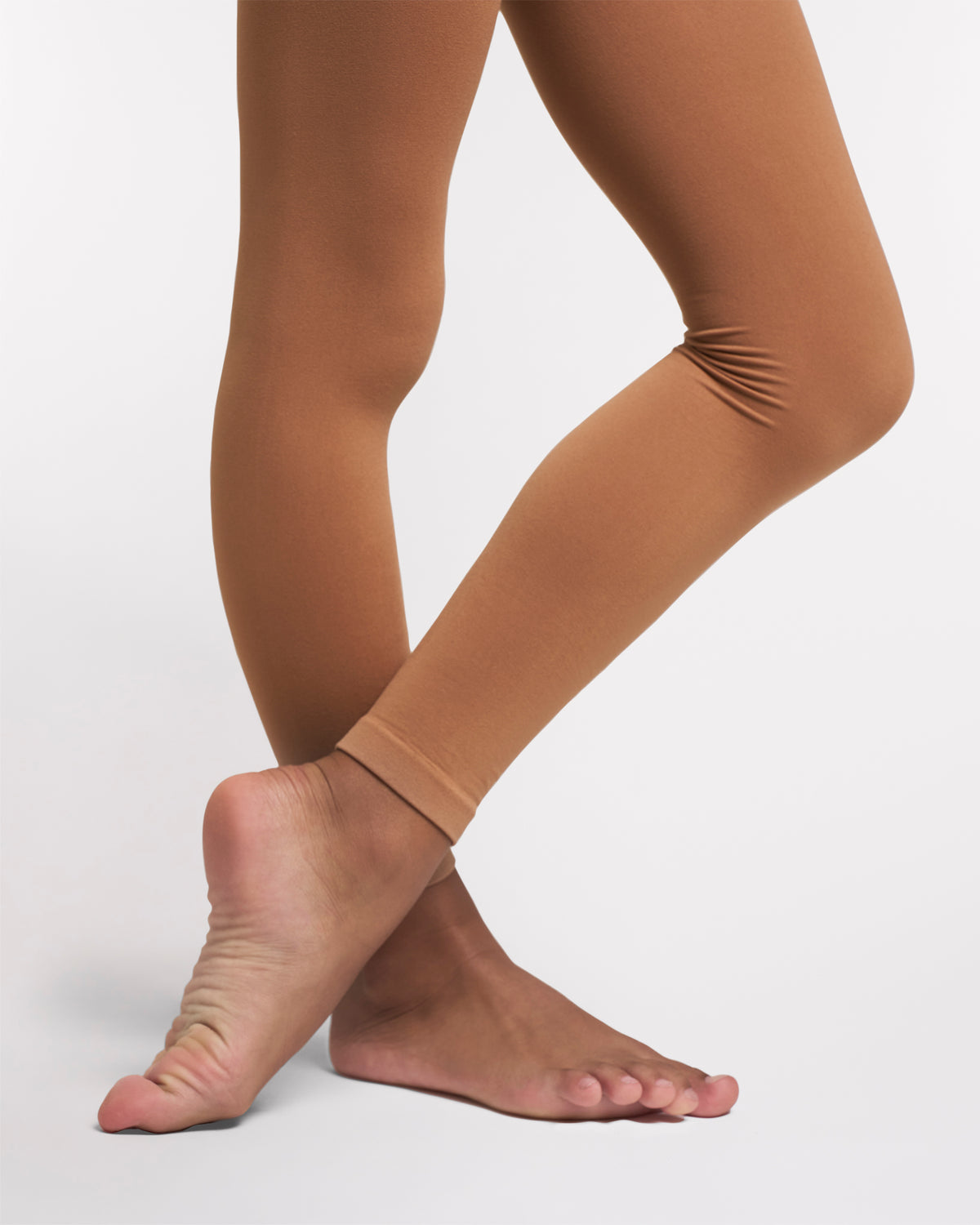
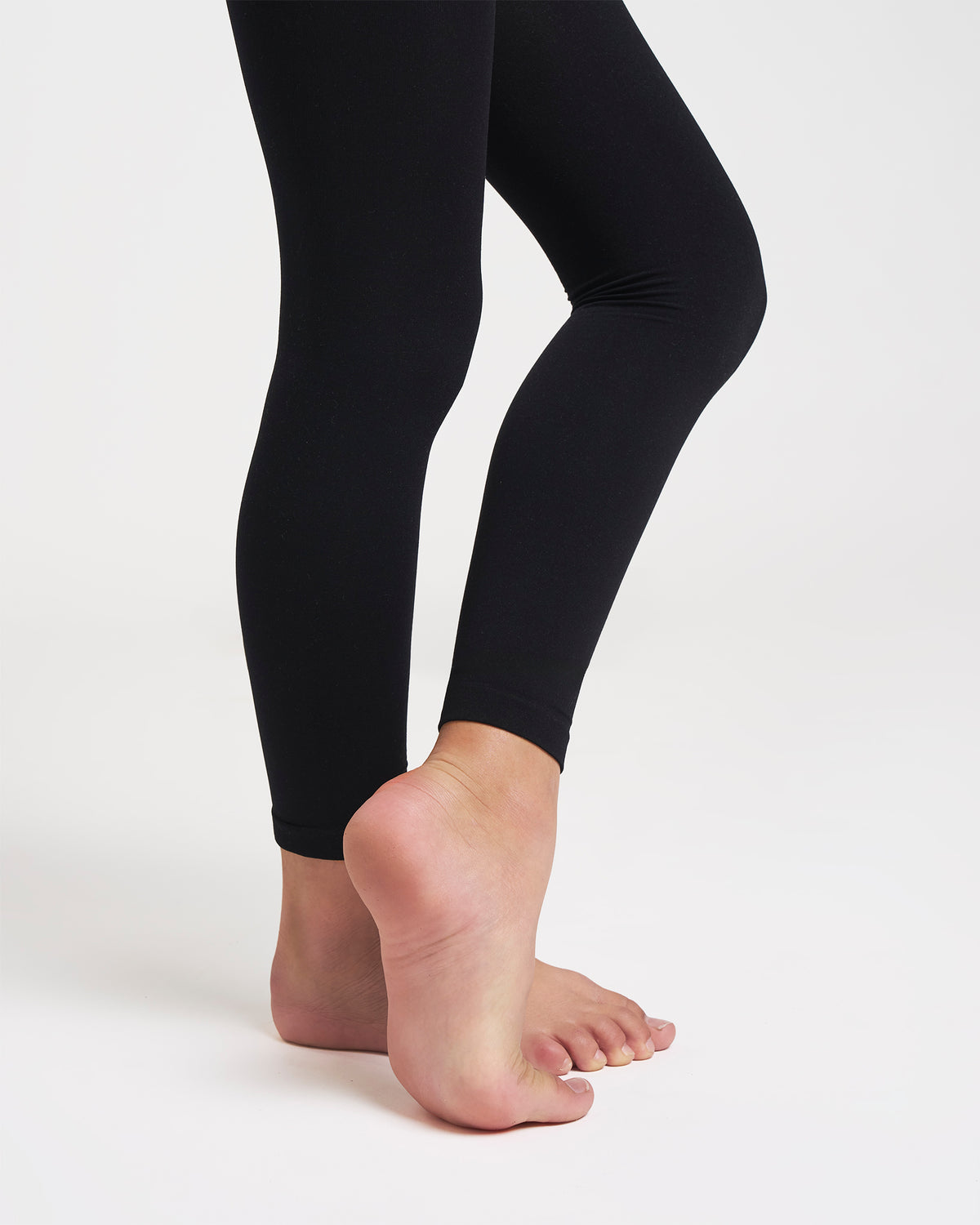
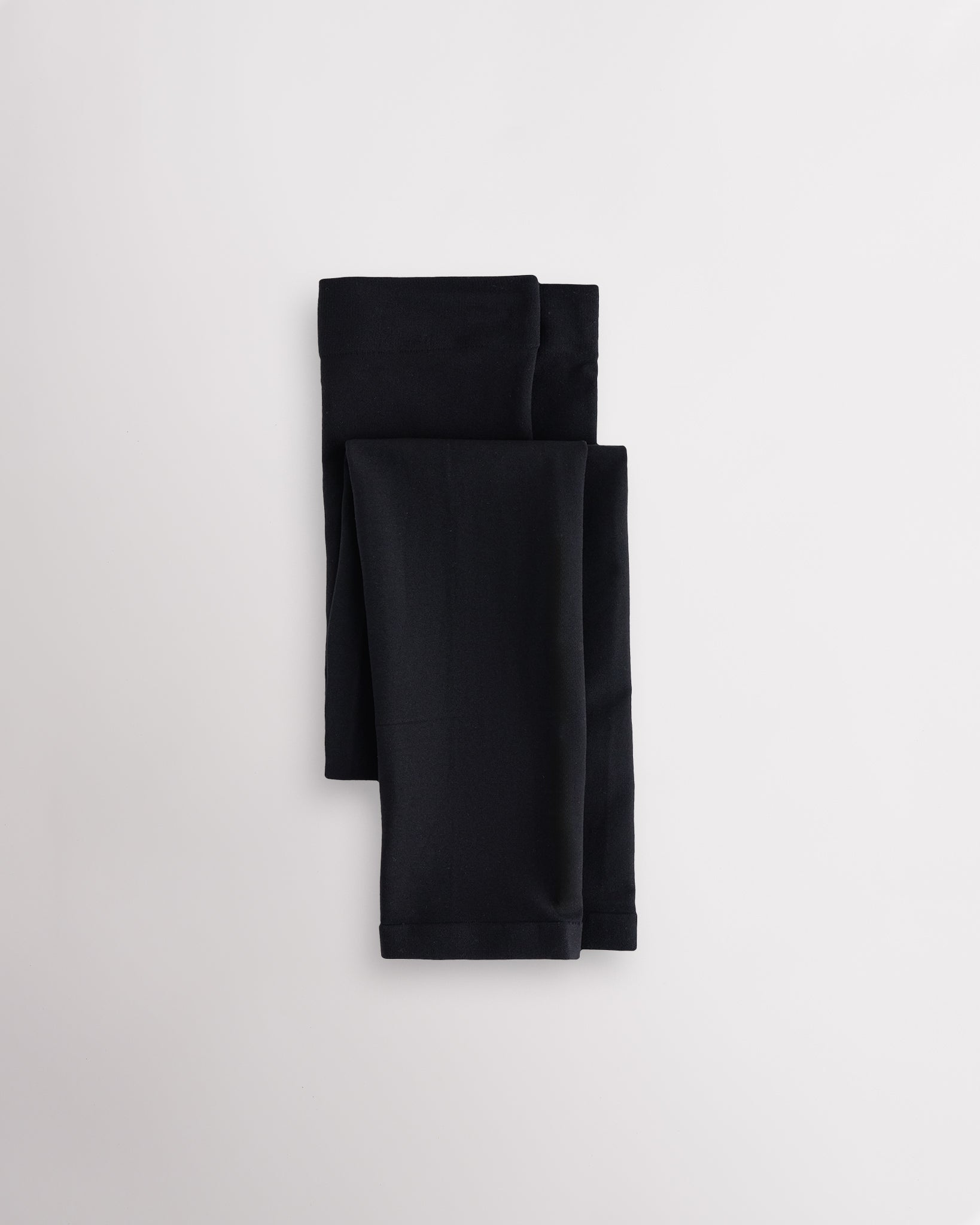
Footless or convertible tights. Lyrical needs bare feet or open soles, so choose dance tights that are footless, or convertible tights rolled up over the ankle.
-
Bare feet or half soles. Most kids' lyrical classes are danced barefoot. As turns ramp up, teachers often suggest half sole shoes (dancers call them turners or pirouette shoes) that cover just the ball of the foot; the parent-run dance site Dance Parent 101 has a solid rundown of barefoot, half sole, and foot-thong options. Some studios' dress codes call for jazz shoes instead; check yours before buying.
-
Optional wrap skirt. Fine at most studios, as long as it does not hide the legs.
Lyrical dance clothes overlap almost entirely with ballet basics; if you already own a leotard and tights, you likely need nothing new except possibly half soles. Sizing tips live in our leotard fitting guide.

Is Lyrical Dancing Right for Your Child?
Lyrical tends to be a great fit for kids who love music with big feelings, who enjoy dance but find strict ballet classes a little rigid, or who light up when a routine tells a story. It rewards expressiveness as much as technique, which can be a confidence boost for a child who is musical and dramatic but not yet the strongest turner in the room.
Two honest considerations. Interpreting a song's emotions asks for some maturity, which is one reason studios start lyrical later than creative movement or pre-ballet (our guide to what age kids usually start ballet shows how those early years ladder up). And because the style leans on extensions and control, dancers who stick with it usually add flexibility and strength work alongside class. Neither is a reason to wait if your child is excited; both are worth knowing going in.
FAQ: Lyrical Dance Questions Parents Ask
What's lyrical dance in simple terms?
It is dance that acts out a song. The dancer uses ballet and jazz technique to physically interpret the lyrics and emotion of the music, so the routine reads like a short story with feelings attached.
What is the difference between lyrical and contemporary dance?
Lyrical interprets music with lyrics and aims for a clear emotional story. Contemporary is broader and more experimental: it can use instrumental music or silence, includes floor work and release technique, and may be abstract rather than narrative. Quick fit test: a kid who loves performing a story tends to prefer lyrical; one who likes inventing movement and improvising often clicks with contemporary.
What is a lyrical dance routine like at a recital?
Usually a slow or mid-tempo song with meaningful lyrics, flowing formations, leaps and turn sequences, and choreography that mirrors the words. Costumes are typically soft dresses, danced barefoot or in half soles.
Do lyrical dancers wear shoes?
Often not. Bare feet are standard in kids' classes, and many dancers move into half sole shoes that protect the ball of the foot during turns. Half soles run snug and vary by brand, so have your child try them on rather than matching street-shoe size. Some studios' dress codes call for jazz shoes instead; check yours before buying.
What age can kids start lyrical dance?
Many studios open lyrical classes somewhere around ages 7 to 9, often after a year or more of ballet or jazz, because the style borrows so much ballet technique. Cutoffs differ by studio, so confirm the age and level requirements with yours before signing up. Starting later is fine too; kids with some ballet behind them usually settle in quickly.
What kind of music is used in lyrical dance?
Nearly anything with lyrics that carry emotion: pop ballads, singer-songwriter tracks, musical theater, and acoustic covers are common picks. Teachers pick age-appropriate songs whose words give kids something concrete to express.
About the Stelle Team
Stelle is a mom-trusted dancewear & athleisure brand best known for girls’ ballet and dance essentials since 2015. Every article is created and reviewed by the team behind the products, drawing on what we hear from dance teachers, studio owners, and dance parents every day. Learn more about Stelle.