



Ballet Terminology for Parents: A Plain-English Guide to What You're Hearing at the Studio
Table of contents
- Key Takeaways
- Why Are Ballet Terms in French?
- How to Use This Ballet Glossary
- Ballet Words You'll Hear About Class
- The Positions: Basic Ballet Terms to Learn First
- Ballet Moves You'll See From the Viewing Window
- Ballet Jumps and What They're Called
- People and Roles: Who's Who in Ballet
- What They Wear (and What It's Called)
- FAQ: Quick Answers to Common Ballet Terminology Questions
- One Last Word (in English)
Ballet terminology is the shared vocabulary of ballet class, and most of it is French because the art form was formalized in 17th-century France. This guide translates the 60-plus ballet terms parents hear most often into plain English, grouped by where you'll meet them: talk about class, the positions, the moves you'll see through the viewing window, the jumps, the people on stage, and the gear in the dance bag.
Your child walks out of class saying they did "sautés in first" and you nod like you caught all of that. You're not alone. Ballet terms sound intimidating right up until someone explains them in normal words, and that's exactly what this page is for. Bookmark it, skim the group you need, and by recital season most of it will just sound like English.
Key Takeaways
-
Ballet's technique was codified in Louis XIV's France, starting with the academy he founded in 1661, and the French terms stuck worldwide.
-
You don't need hundreds of ballet words. The 60-plus basic ballet terms on this page cover nearly everything a young dancer hears in class.
-
Most terms describe exactly what they look like: plié means "bent," sauté means "jumped," changement means "change."
-
The five positions of the feet and arms are the foundation; almost every step starts or ends in one of them.
-
Pointe work comes years into training, and the green light rests on a teacher's assessment, not a birthday.
Why Are Ballet Terms in French?
Short version: ballet grew up at the French court. King Louis XIV, a serious dancer himself, founded the Académie Royale de Danse in 1661, the first institution of its kind in the Western world, with a mission to formalize and standardize dance. His dancing master, Pierre Beauchamp, is generally credited with codifying the five positions. The French names spread with the art form, so classes in Ohio, Tokyo, and Buenos Aires share most of the same vocabulary. Most terms travel with you: learn one at this studio and you'll hear it at the next, though a few names and numbering details differ by training method (more on that in the FAQ).
How to Use This Ballet Glossary
Each entry gives you the term in bold, a pronunciation in brackets, and a one-line meaning written for the parent at the doorway, not the dancer at the barre. Pronunciations are plain-English approximations, cross-checked against American Ballet Theatre's Ballet Dictionary, a reference many US teachers point to. Where a term deserves a deeper look, we link to a full guide instead of cramming it in here.
Ballet Words You'll Hear About Class
These are the ballet words for beginners and their parents: the structure and etiquette vocabulary that comes home in sentences like "we did barre forever today."
-
Barre [bar]: The waist-high handrail along the wall. Also shorthand for the first part of class, when dancers warm up holding it.
-
Centre [SAHN-truh, or just "center"]: The second part of class, done in the middle of the room without the barre's support.
-
Combination: A short sequence of steps the teacher strings together, like a mini routine.
-
Marking: Walking through choreography with small, low-energy movements to learn the pattern before dancing it full out, meaning at performance energy.
-
Adagio [uh-DAH-zhee-oh]: The slow, controlled section of class. Think long balances and unhurried leg extensions.
-
Allegro [uh-LEG-roh]: The fast section, which usually means jumps. If your child comes out sweaty, allegro happened.
-
Port de bras [pawr duh brah]: "Carriage of the arms." The smooth, shaped arm movements that make ballet look like ballet.
-
Turnout: Rotating the legs outward from the hips so the toes point away from each other. The foundation habit teachers mention constantly.
-
Spotting: Snapping the head around during turns, eyes fixed on one point, so the dancer doesn't get dizzy.
-
Demi / grand [duh-MEE / grahn]: Modifiers meaning "half" and "big." A demi-plié is a small knee bend; a grand jeté is a big leap. Decode these two and dozens of terms unlock at once.
-
Révérence [ray-vay-RAHNSS]: The bow or curtsy that ends class, thanking the teacher. Often a small child's favorite part.
-
Variation: A short solo from a ballet, danced alone. The word surfaces around competitions, auditions, and older students' recital pieces.
-
Recital: The end-of-year performance where all those combinations finally meet an audience, and your camera roll fills up.
The Positions: Basic Ballet Terms to Learn First
Nearly every step begins or ends in one of the five positions, which is why they're the first basic ballet terms kids learn. One line each here; for photos and at-home practice, see our full guide to simple ballet positions your child can practice at home.
-
First position: Heels together, toes turned out, making a wide V.
-
Second position: Feet turned out and apart, about shoulder width.
-
Third position: One foot in front of the other, heel to the middle of the other foot. Often a stepping stone to fifth.
-
Fourth position: One foot placed a small step in front of the other, feet turned out.
-
Fifth position: Feet turned out and crossed tightly, heel to toe. The trickiest one, and the home base of most steps.
The arms have their own numbered positions too, and they're what give recital photos that polished look. We break them down in 5 ballet arm positions your little dancer should know.
Ballet Moves You'll See From the Viewing Window
Here are the names of the ballet moves that fill barre and centre work, roughly in the order a class meets them. If you've ever searched for ballet poses and their names after a recital photo, the last few entries are the ones you wanted.
-
Plié [plee-AY]: "Bent." Knees bend while the back stays tall. The first thing done in almost any class, and the shock absorber behind the jumps. Full breakdown in how to do the plié correctly.
-
Tendu [tahn-DEW]: "Stretched." One foot slides along the floor until only the toes touch, then slides back.
-
Dégagé [day-ga-ZHAY]: "Disengaged." Like a tendu, but the foot brushes just off the floor. From the doorway they look identical until you spot the airborne toes.
-
Rond de jambe [rawn duh ZHAHNB]: "Circle of the leg." The pointed foot traces a half circle on the floor, like drawing a rainbow with the toes.
-
Fondu [fawn-DEW]: "Melted." A slow bend of the standing leg while the other unfolds. Yes, same word as the cheese, for the same melty reason.
-
Frappé [fra-PAY]: "Struck." The foot strikes out from the ankle in a quick, sharp motion, striking the floor as it goes.
-
Battement [bat-MAHN]: "Beating." The family name for the leg's out-and-back actions; tendu, dégagé, and frappé are all battements.
-
Grand battement [grahn bat-MAHN]: "Big beat." A controlled high kick with both legs straight.
-
Développé [dayv-law-PAY]: "Developed." The leg unfolds slowly from the knee up into the air. The slow-motion leg lift that draws gasps in adagio.
-
Relevé [ruhl-VAY]: "Raised." Rising up onto the balls of the feet, or onto full pointe for older dancers.
-
En pointe [ahn PWENT]: Dancing on the very tips of the toes in stiffened pointe shoes, called sur les pointes in formal usage. It arrives years into training, once a teacher judges the feet and ankles ready; until then, rising to the balls of the feet is demi-pointe.
-
Passé / retiré [pa-SAY / ruh-tee-RAY]: "Passed" and "withdrawn." One pointed foot draws up to touch the side of the other knee, making a number 4 shape. Teachers use either word; passé is the movement, retiré is the held pose.
-
Coupé [koo-PAY]: "Cut." The pointed foot rests at the ankle of the standing leg.
-
Pas de bourrée [pah duh boo-RAY]: A quick three-step linking pattern, back-side-front. One of the most-heard step names in kids' classes.
-
Chassé [sha-SAY]: "Chased." A skimming gallop where one foot chases the other across the floor. The step small kids do down the grocery aisle.
-
Balancé [ba-lahn-SAY]: "Rocked." A rocking waltz step, down-up-down, that sways side to side. The step that makes a waltz look like a waltz.
-
Piqué [pee-KAY]: "Pricked." Stepping directly onto a straight leg on the ball of the foot, often repeated as traveling piqué turns.
-
Soutenu [soot-NEW]: "Sustained." A smooth turn where the legs wrap tightly together as the dancer rises and swivels around.
-
Sous-sus [soo-SOO]: "Over-under." A tight fifth position on the toes, feet glued together so they look like one foot from the front.
-
Chaînés [sheh-NAY]: "Chains." Quick linked turns traveling in a straight line, like a spinning top moving across the room.
-
Pirouette [peer-WET]: "Whirl." A turn on one leg, usually with the other foot in passé. The move every kid practices in the kitchen.
-
Fouetté [fweh-TAY]: "Whipped." A turn powered by a whipping leg, repeated on the spot. The famous 32 in a row in Swan Lake belong to this family.
-
Arabesque [a-ra-BESK]: Standing on one leg with the other extended straight behind, arms reaching long. The silhouette on half the dance posters ever printed.
-
Attitude [a-tee-TEWD]: Like an arabesque, but the lifted leg's knee is bent.
-
Penché [pahn-SHAY]: "Leaning." An arabesque that tips forward, the back leg rising high as the body lowers.

Ballet Jumps and What They're Called
Jump practice lives in the allegro part of class: petit allegro for the small, quick jumps and grand allegro for the big traveling leaps. If you've wondered what ballerina jumps are called, each one has its own name below.
-
Sauté [soh-TAY]: "Jumped." Used loosely for jumping in general and, precisely, for a jump that takes off and lands the same way. "Sautés in first" means little bounces in first position.
-
Changement [shahnzh-MAHN]: "Change." A jump from fifth position where the feet swap places in midair.
-
Échappé [ay-sha-PAY]: "Escaped." The feet start together, then jump or slide apart to second position.
-
Jeté [zhuh-TAY]: "Thrown." A jump from one foot to the other, with a brushing throw of the leg.
-
Grand jeté [grahn zhuh-TAY]: The big flying leap, legs reaching toward a split in mid-air. The one on the recital program cover.
-
Pas de chat [pah duh shah]: "Cat's step." A sideways jump where the knees lift one after the other. Watch a preschool class do these and try not to smile.
-
Glissade [glee-SAD]: "Glide." A low, skimming step that links other moves together, often the running start before a leap.
-
Assemblé [a-sahm-BLAY]: "Assembled." One leg brushes out, then both feet land together.
-
Sissonne [see-SAWN]: A jump from two feet landing on one, legs opening like scissors in the air, though the step is named for the person credited with inventing it, not the French for scissors. A sissonne fermée closes back to two feet.

People and Roles: Who's Who in Ballet
Useful ballet terms for kids and parents alike once you start attending performances together.
-
Ballerina: A female ballet dancer. In professional companies it traditionally signals a leading dancer, but in everyday use it covers your four-year-old too.
-
Danseur [dahn-SUR]: The term for a male ballet dancer. You'll also hear the Italian "ballerino" used casually.
-
Prima ballerina [PREE-mah]: The leading female dancer of a company. More an honorific than an official rank in most US companies today.
-
Principal: The top rank in a professional company, male or female.
-
Soloist: The middle rank; dances featured parts but not usually the lead.
-
Corps de ballet [kawr duh ba-LAY]: The ensemble that dances in unison. The corps is easiest to spot in the classic story ballets worth knowing: start with Swan Lake's swans.
-
Pas de deux [pah duh duh]: "Dance for two." A duet, usually the romantic centerpiece of a story ballet.
-
Choreographer: The person who creates the dances, from a professional ballet down to your child's recital number.
What They Wear (and What It's Called)
Dress-code emails come with their own vocabulary. The short version:
-
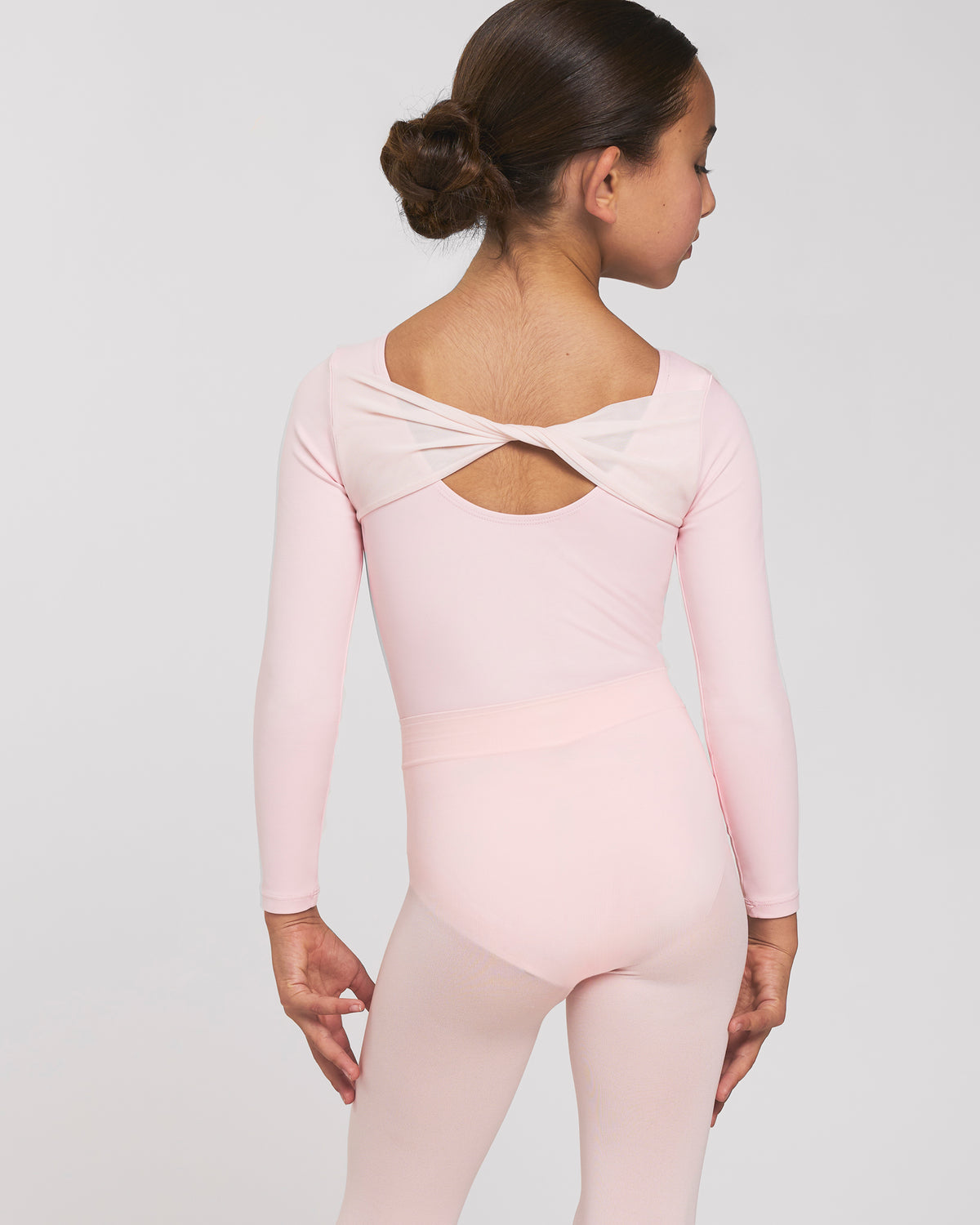
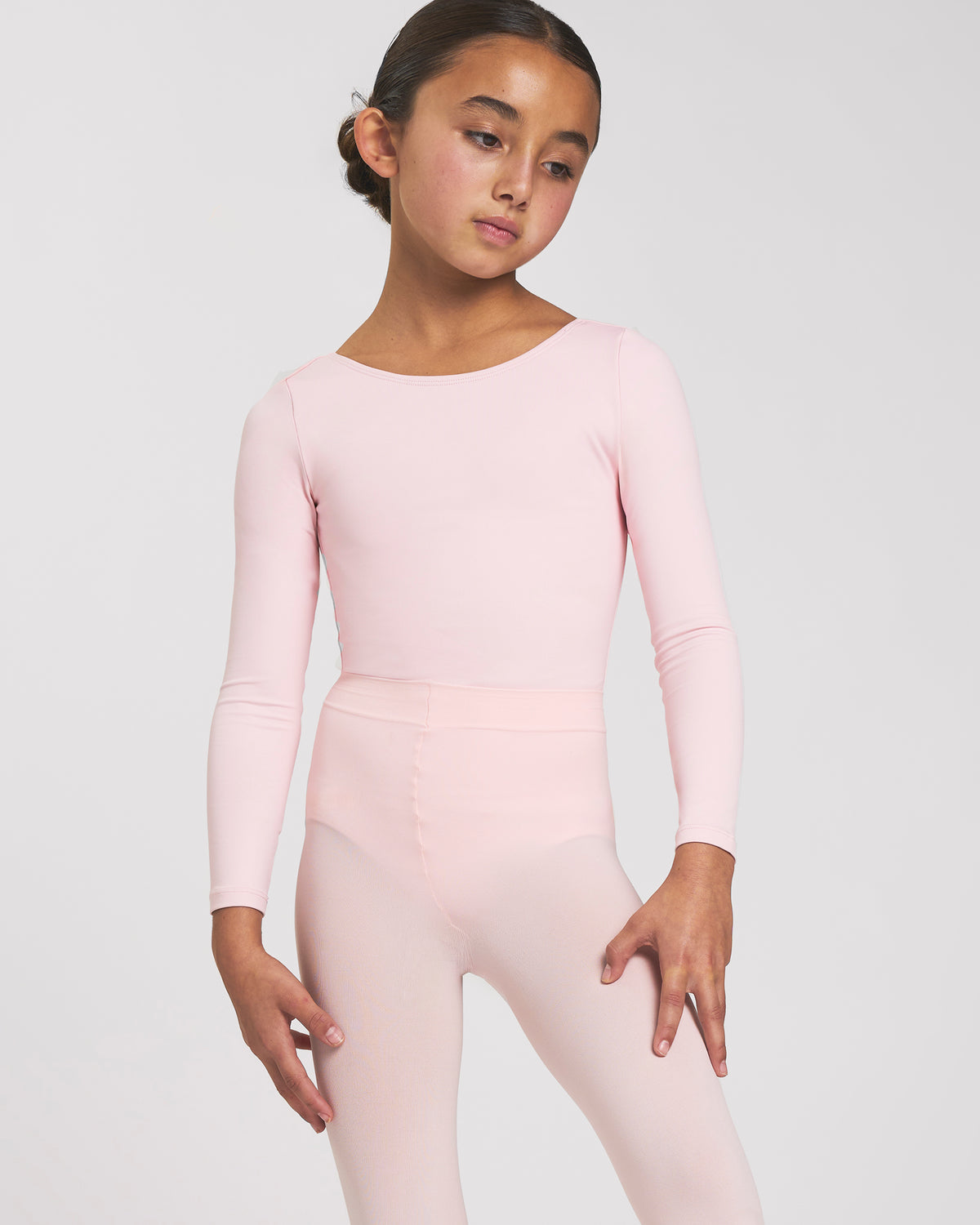
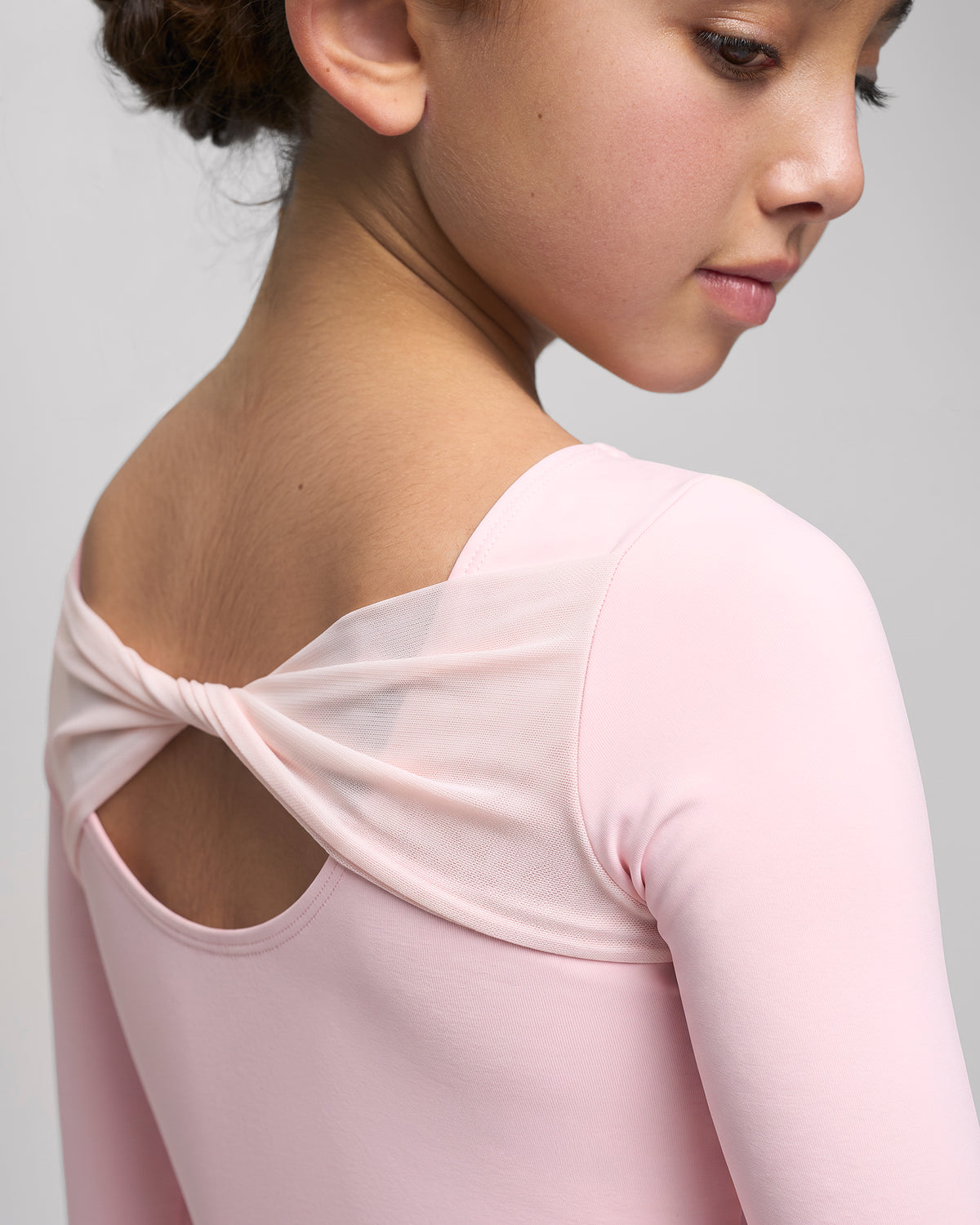
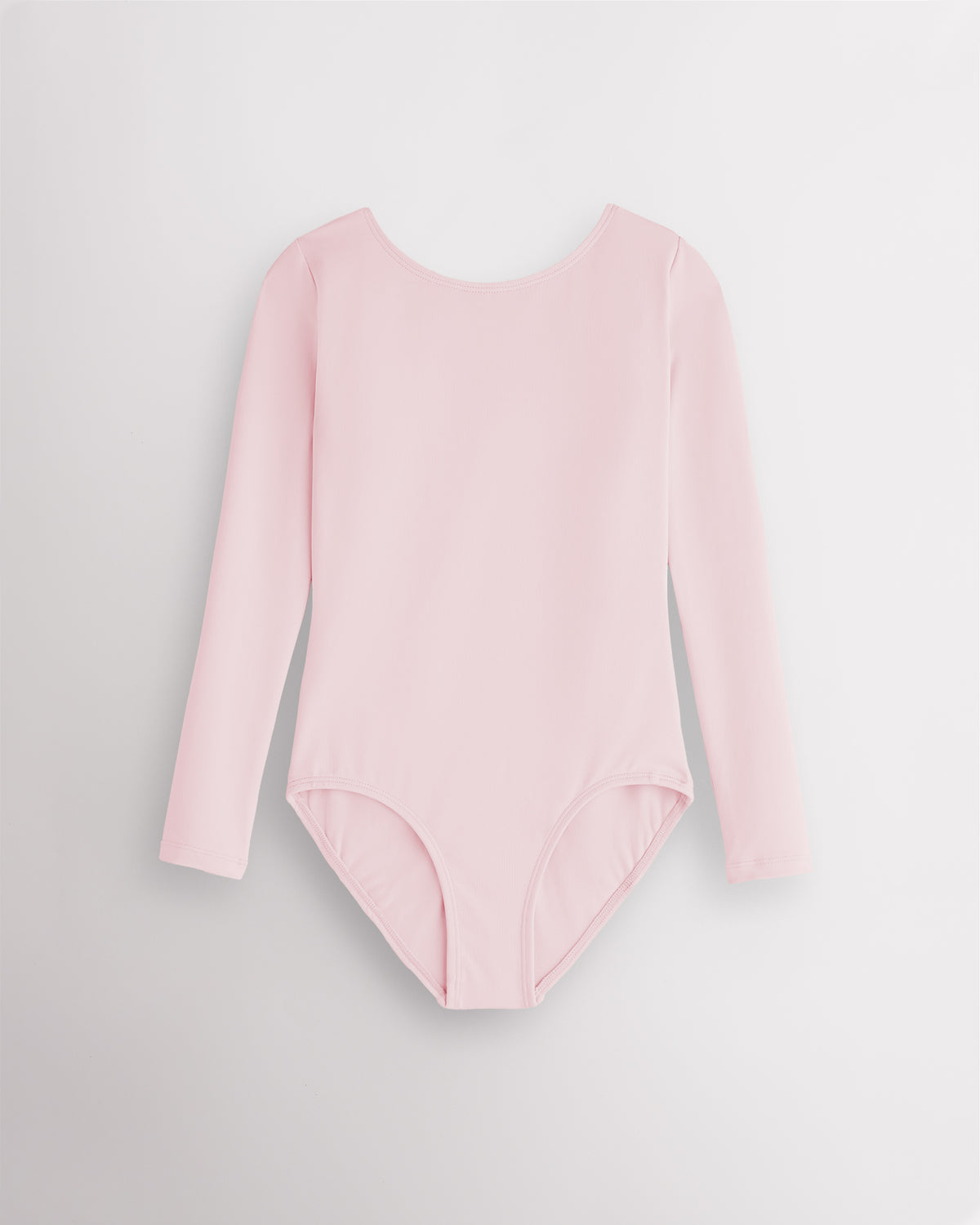
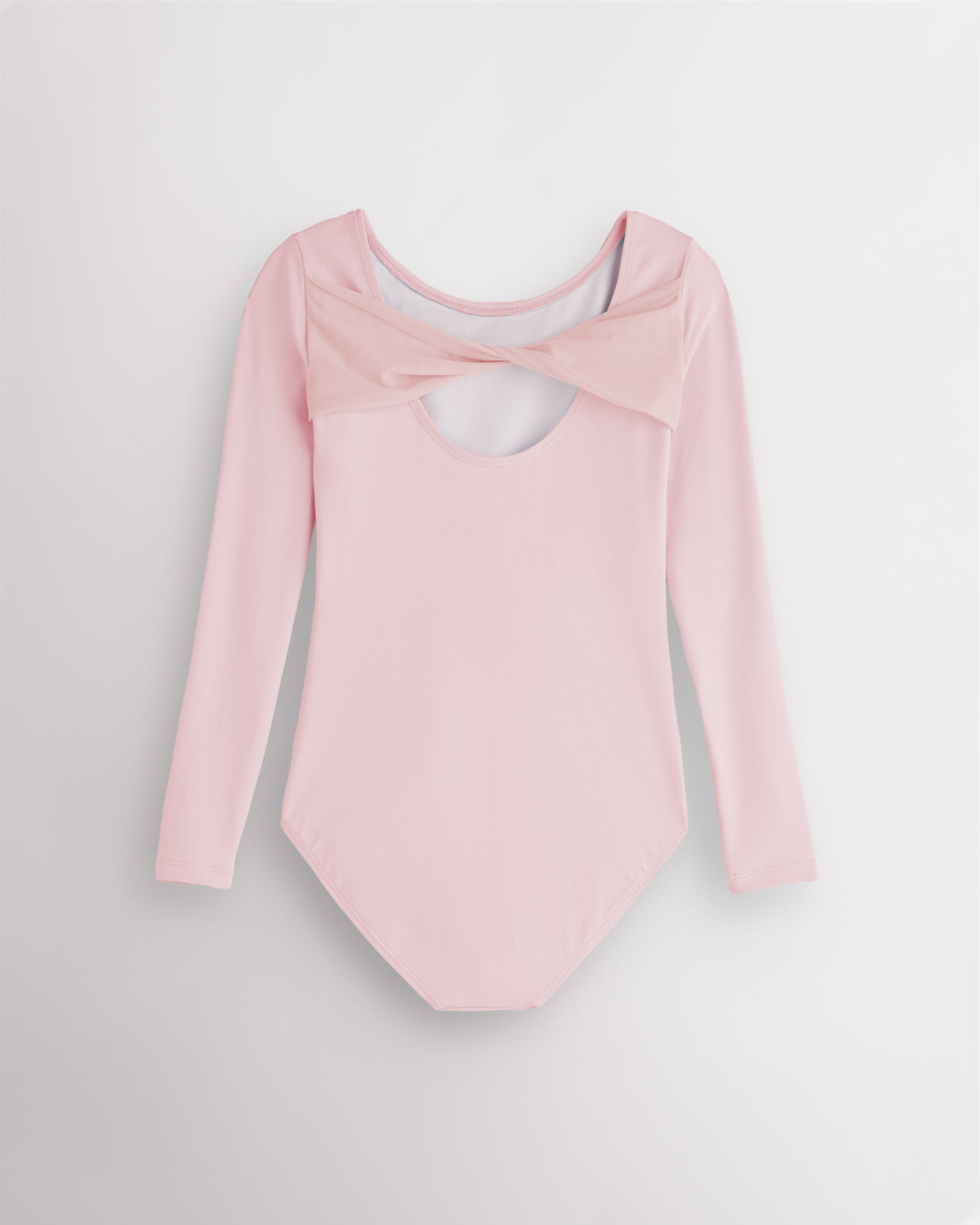
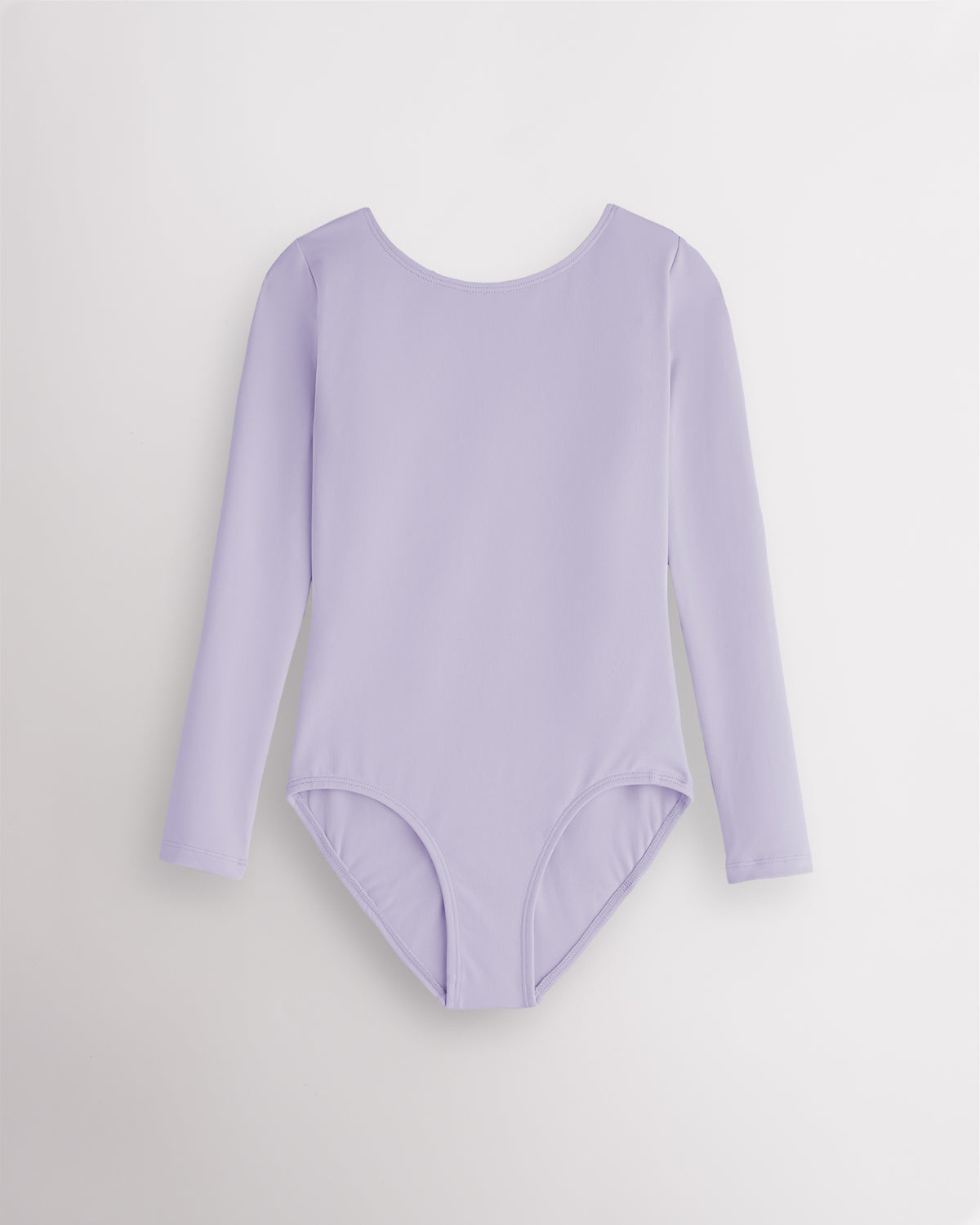
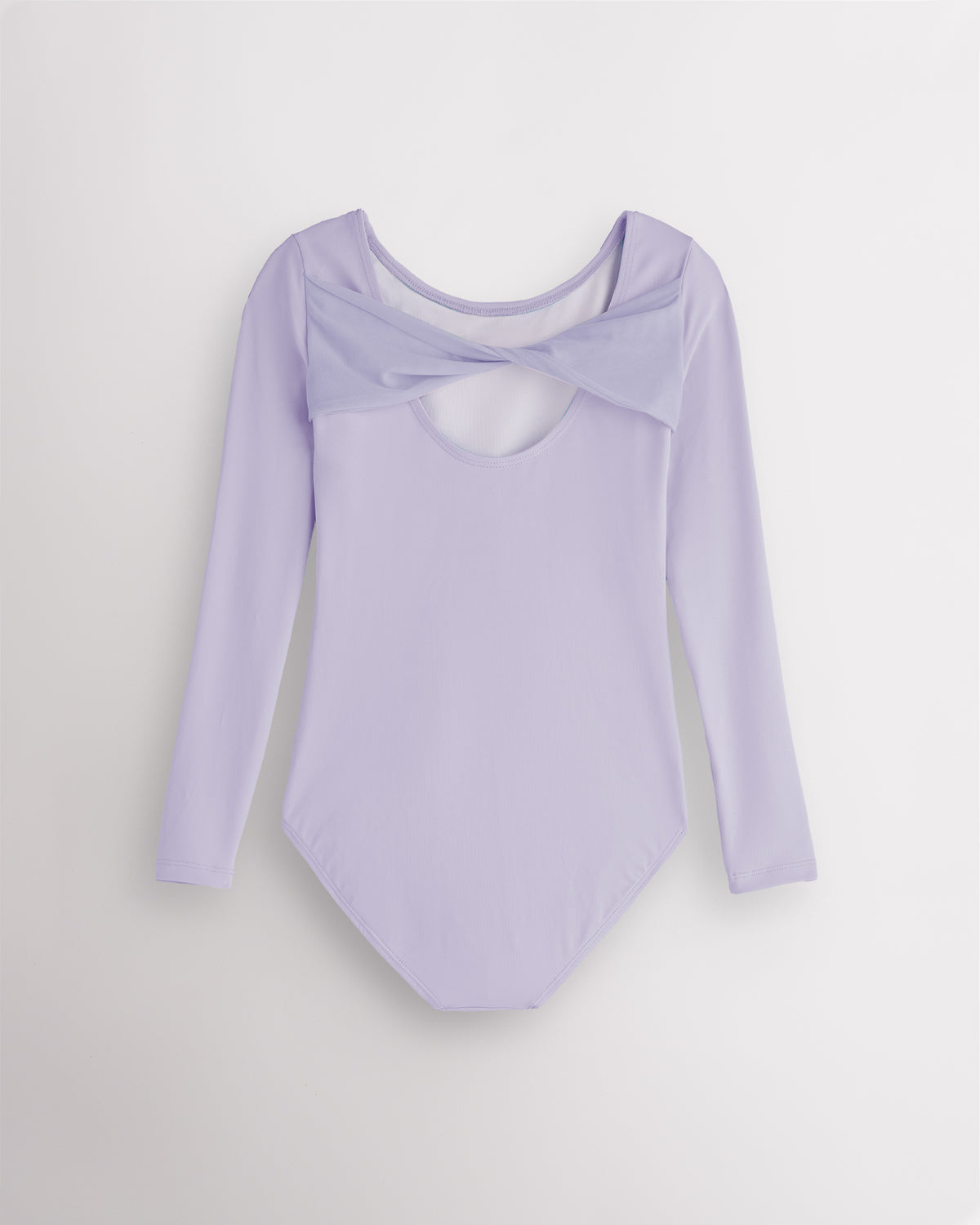
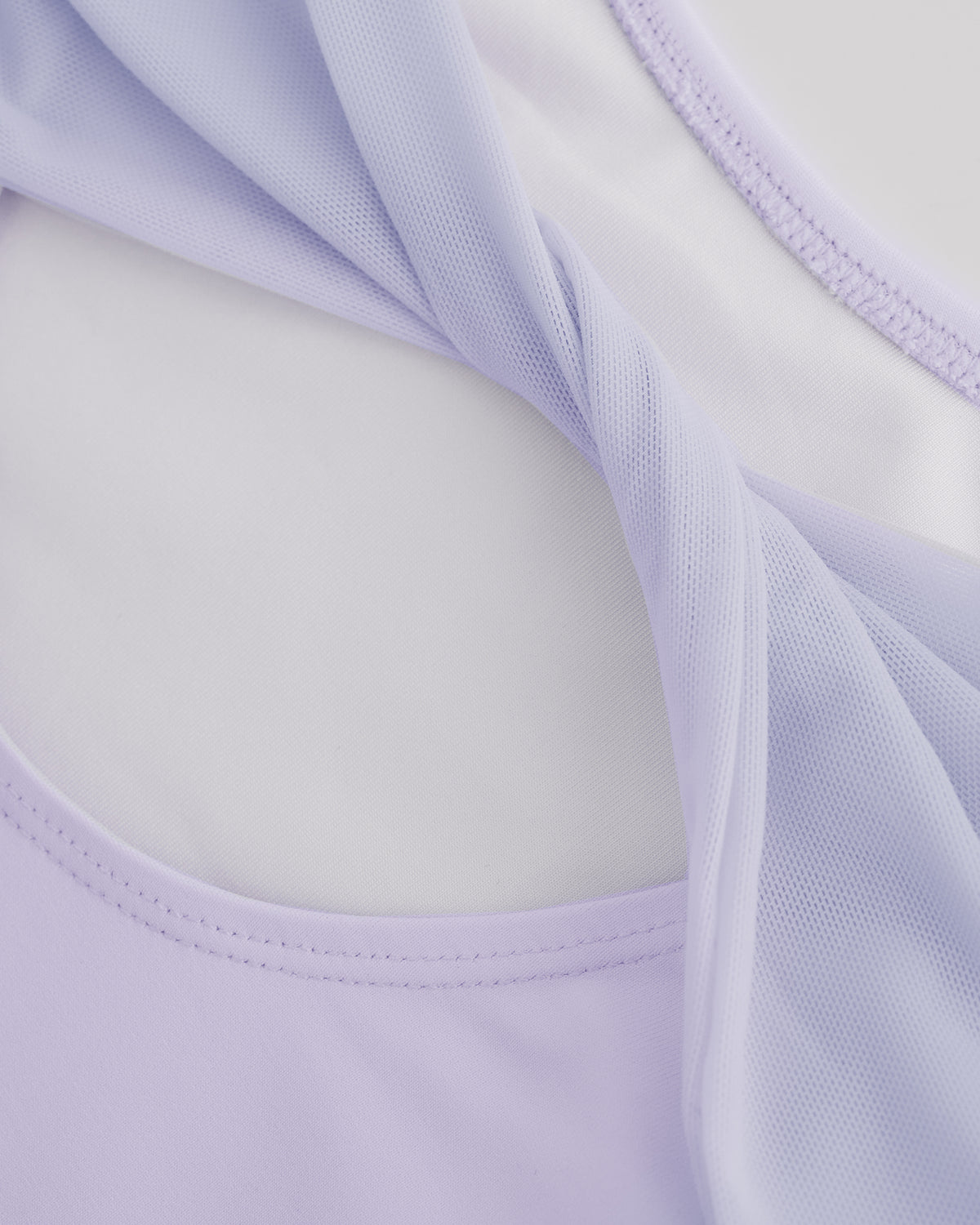
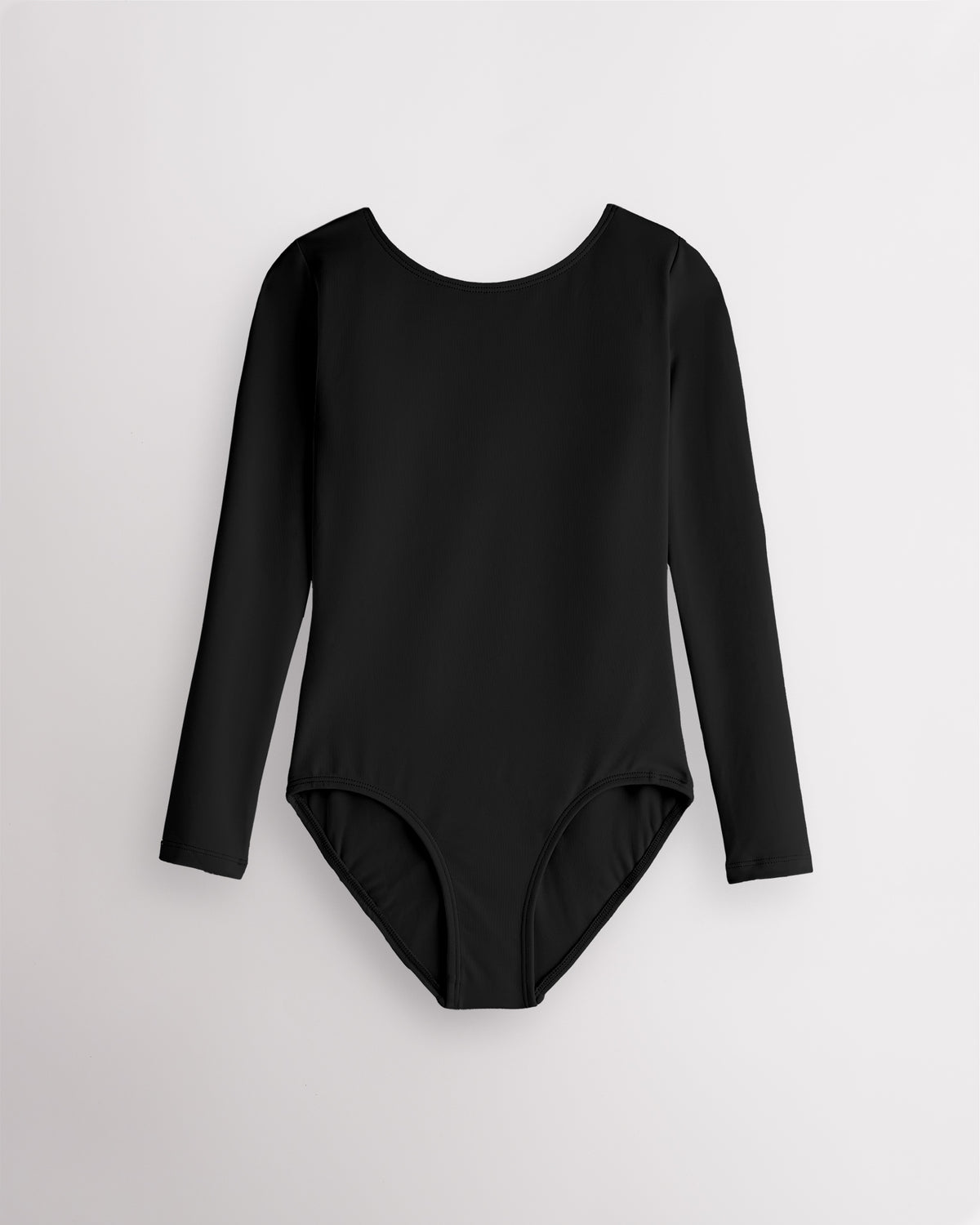
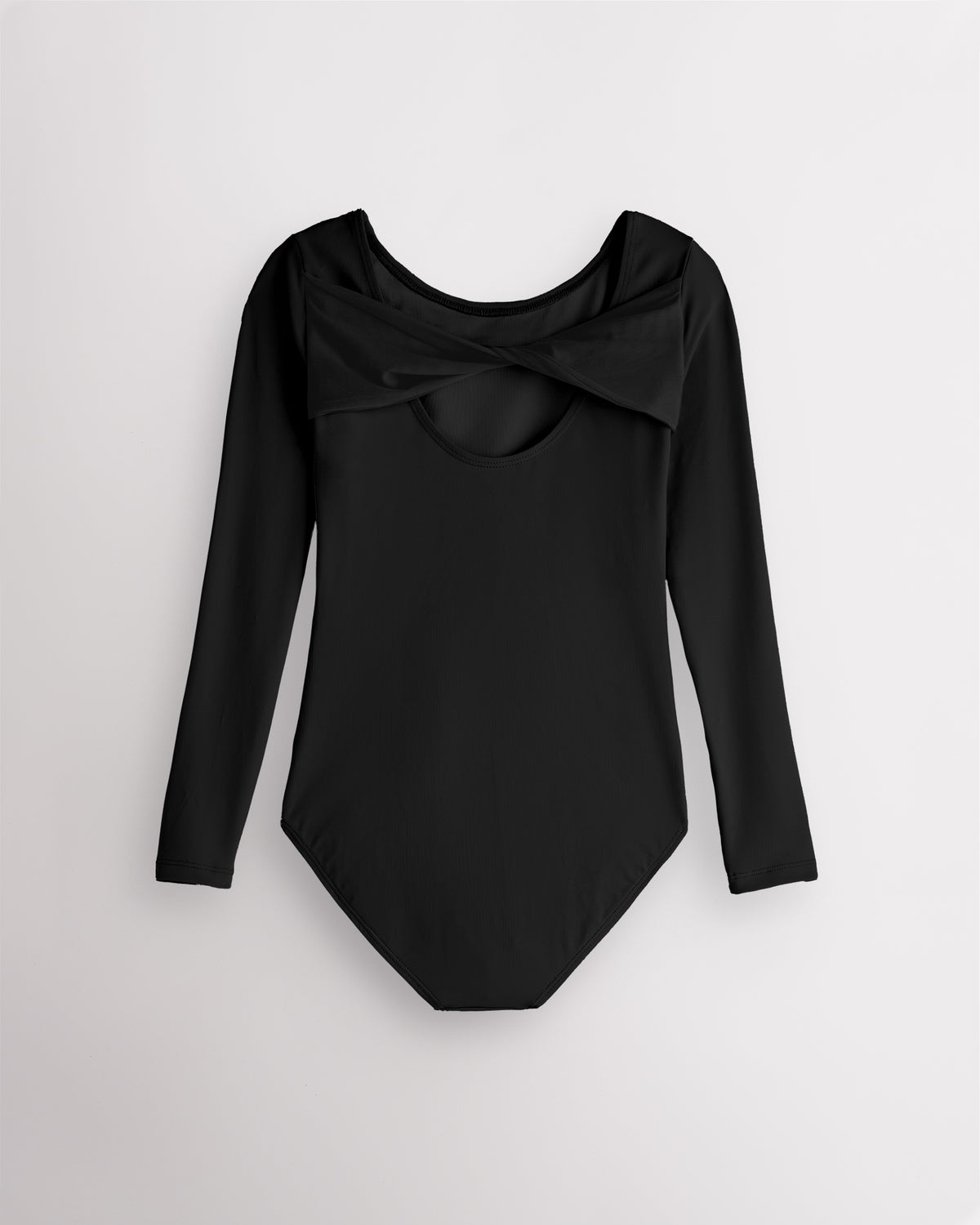
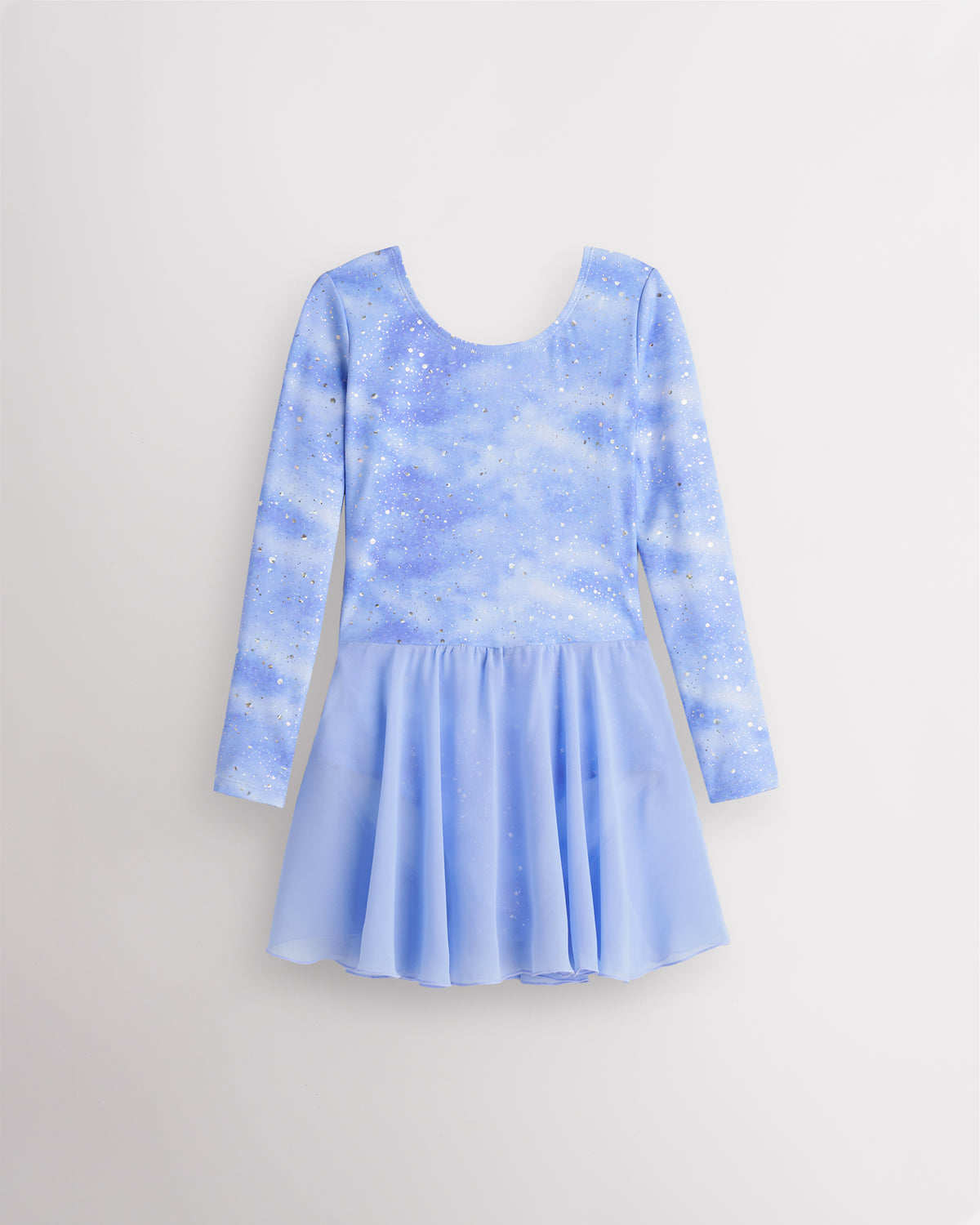
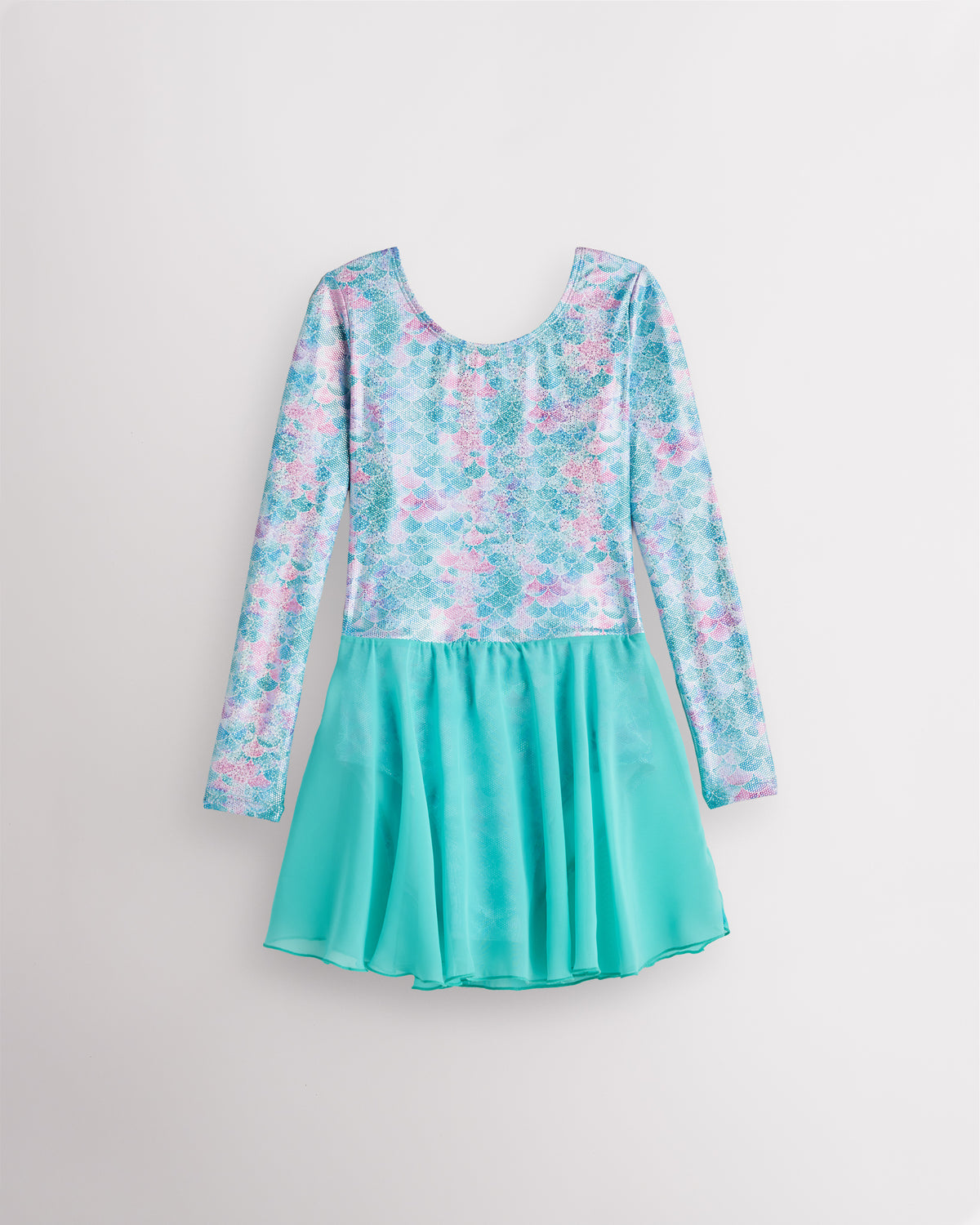
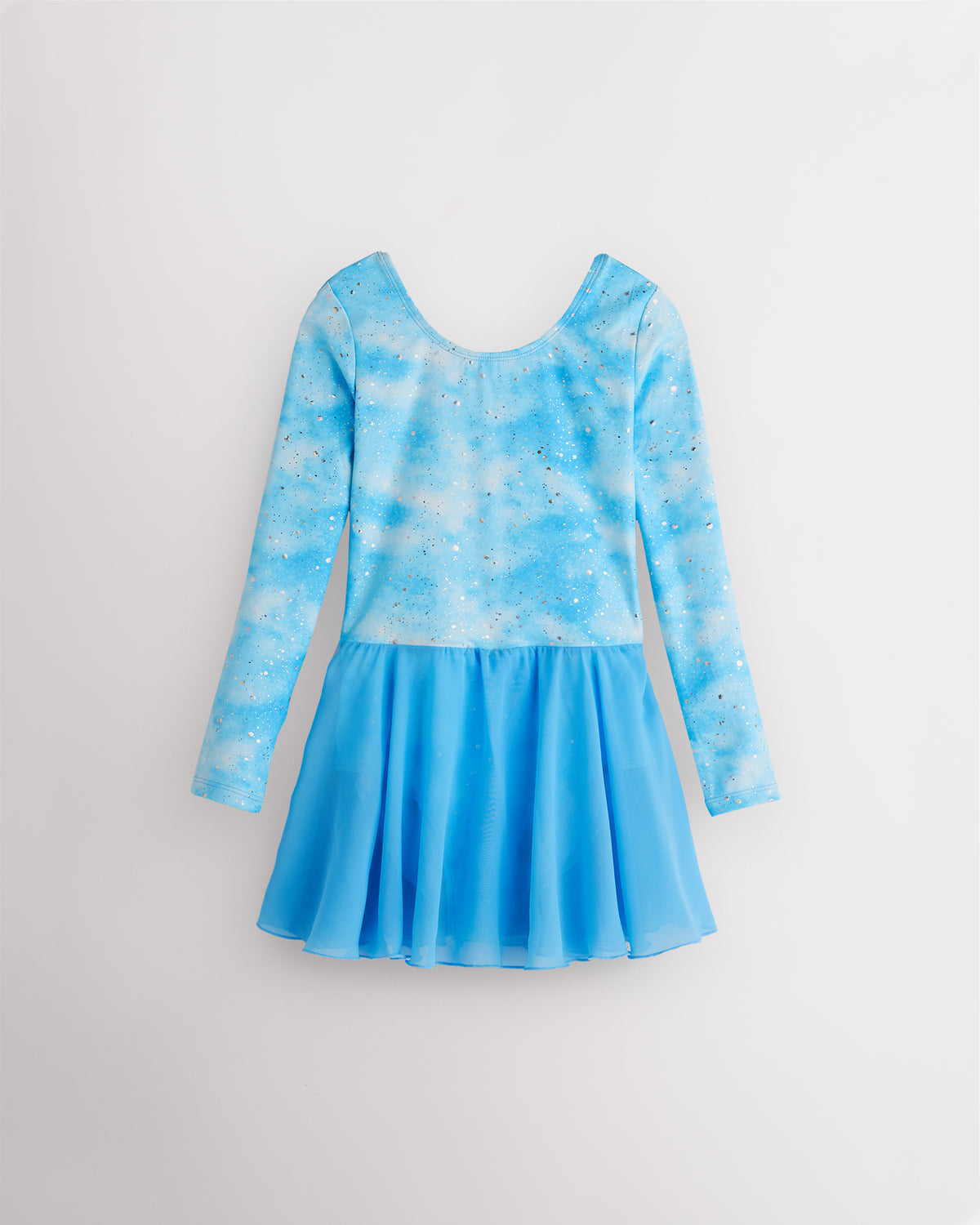
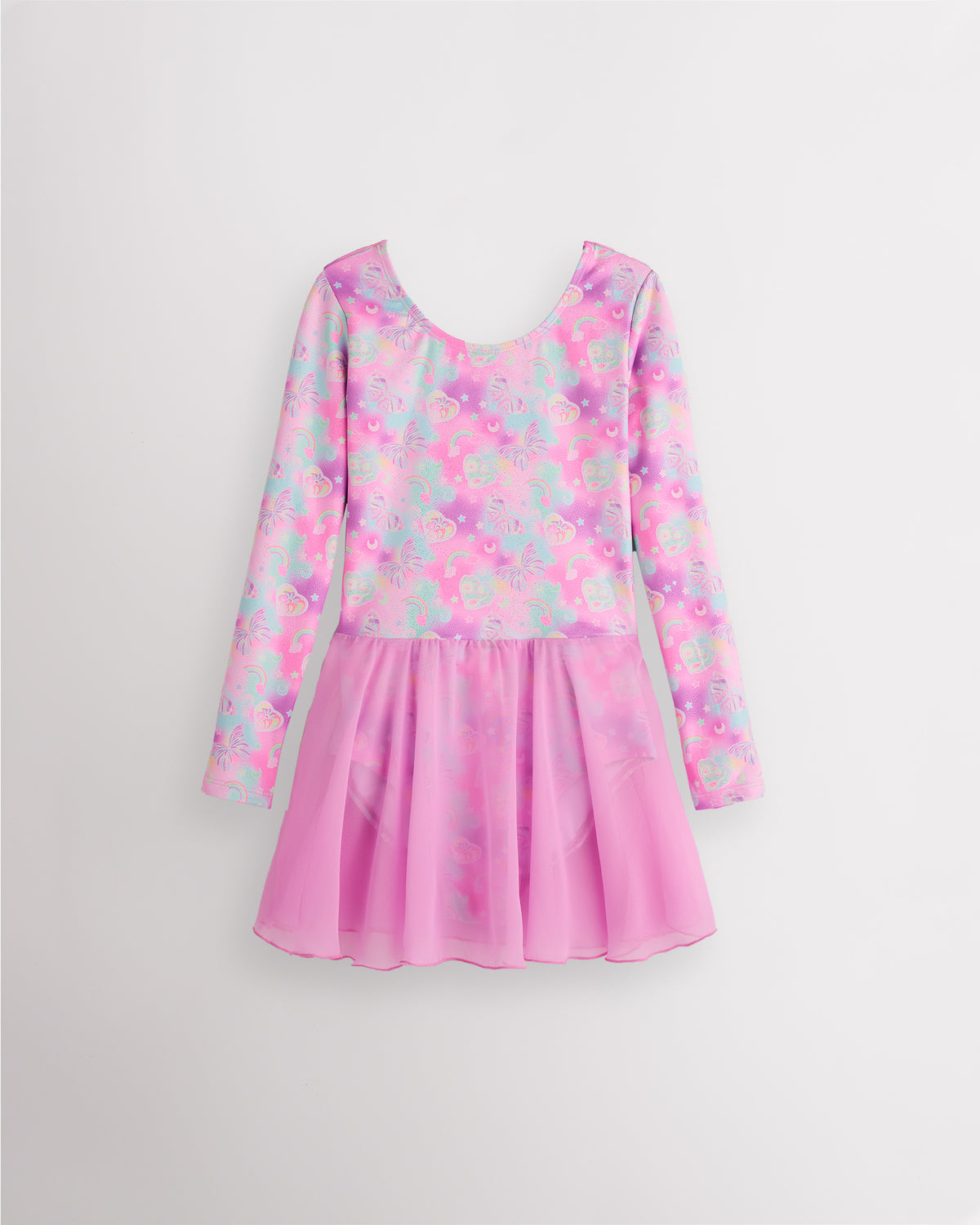
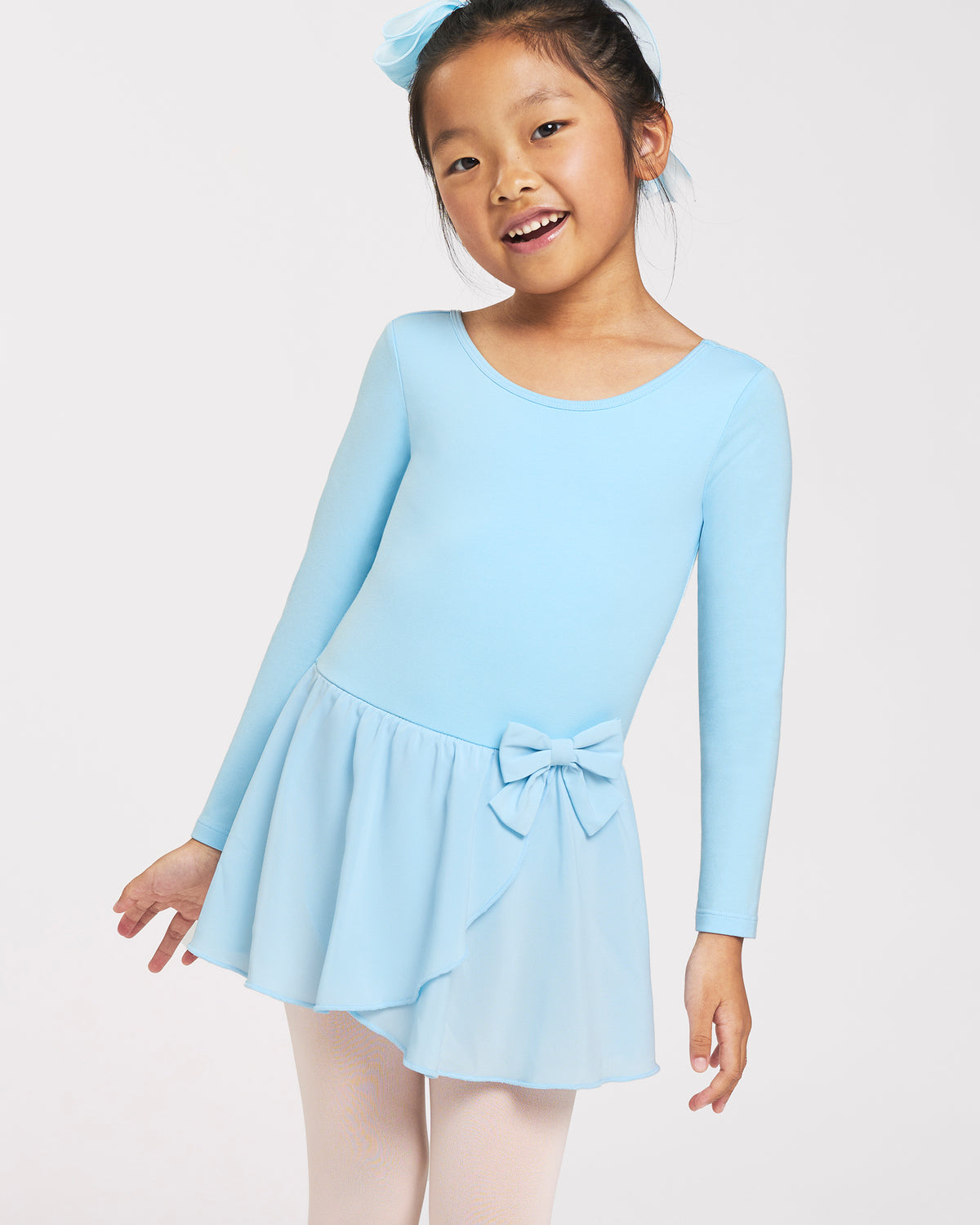
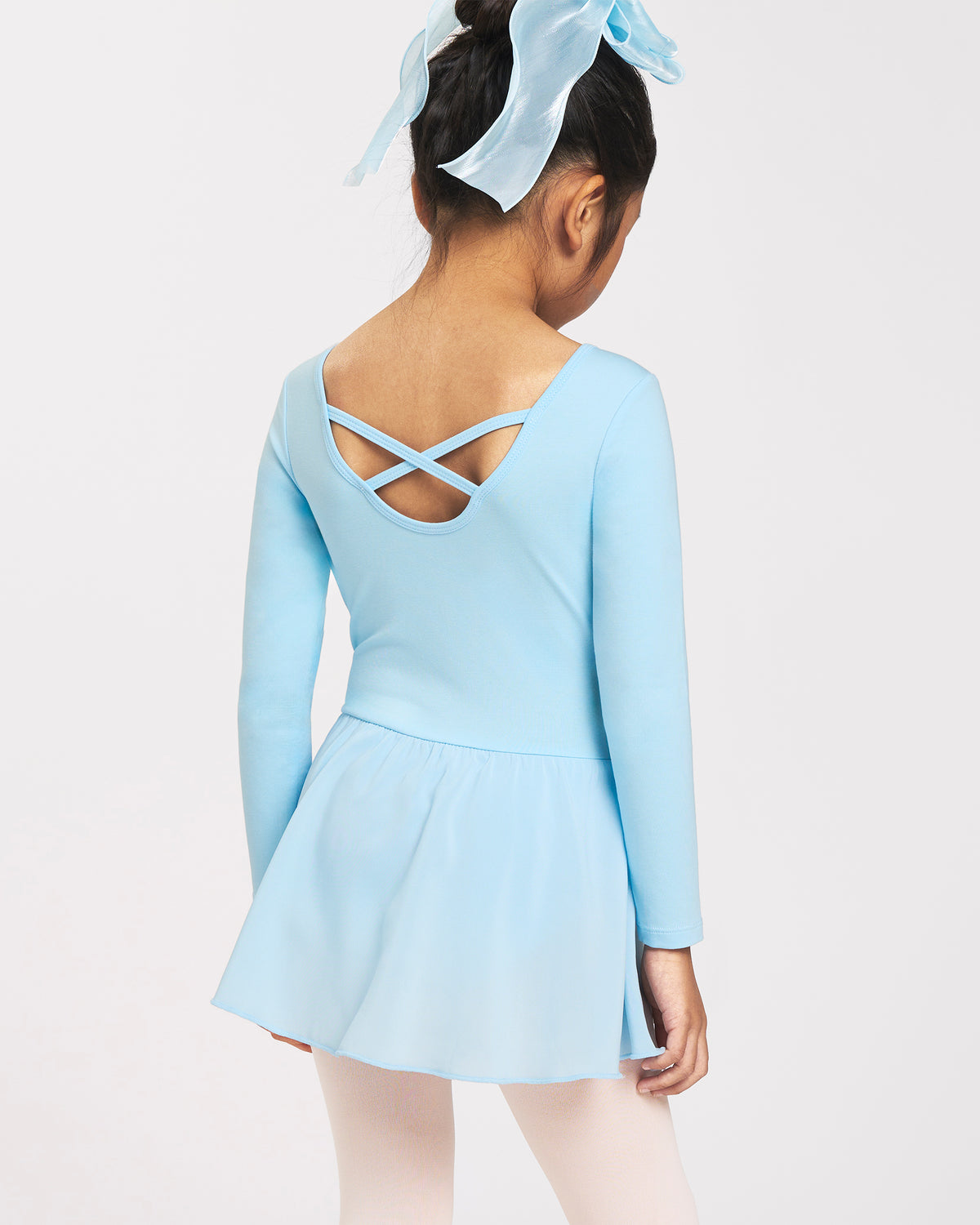
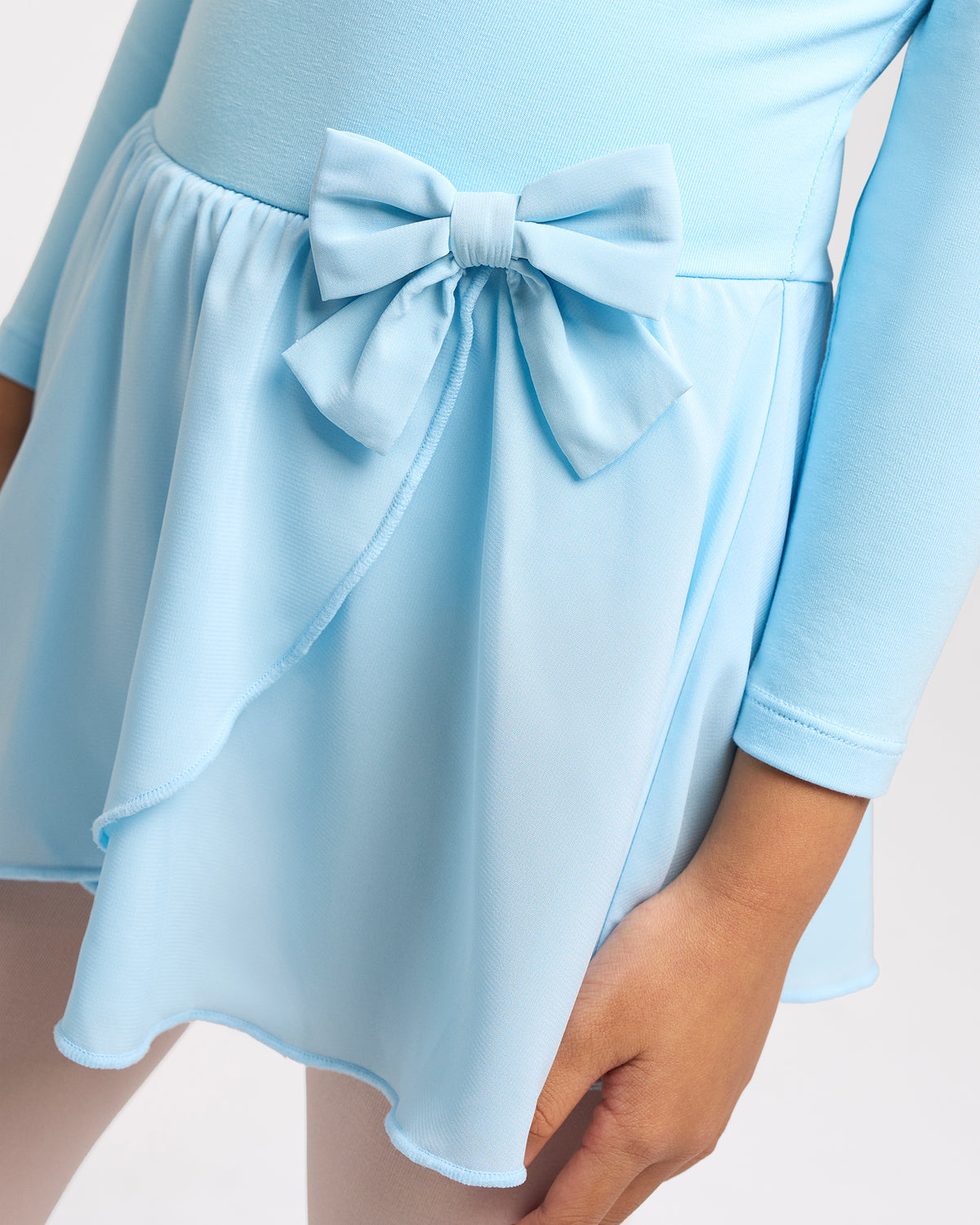
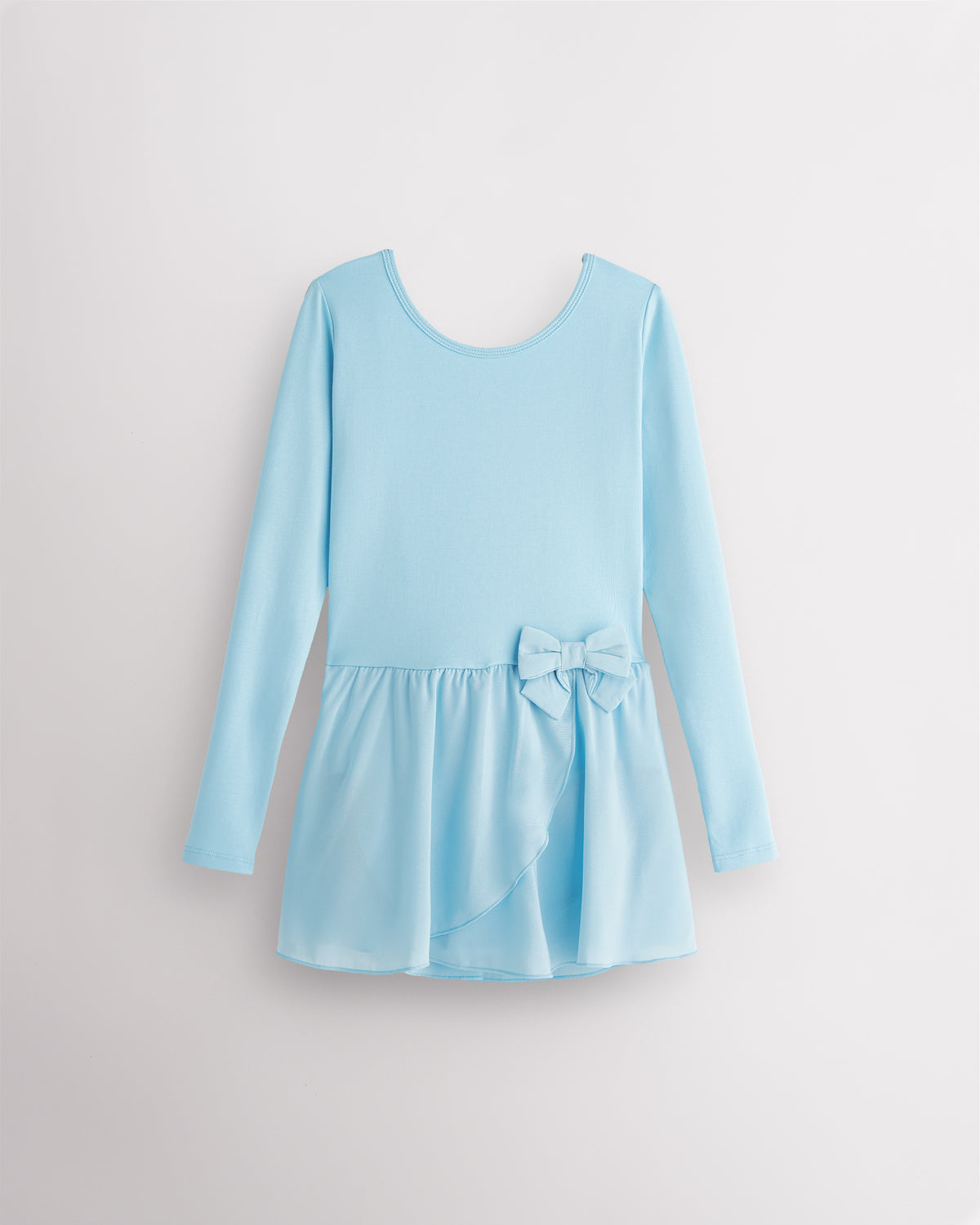
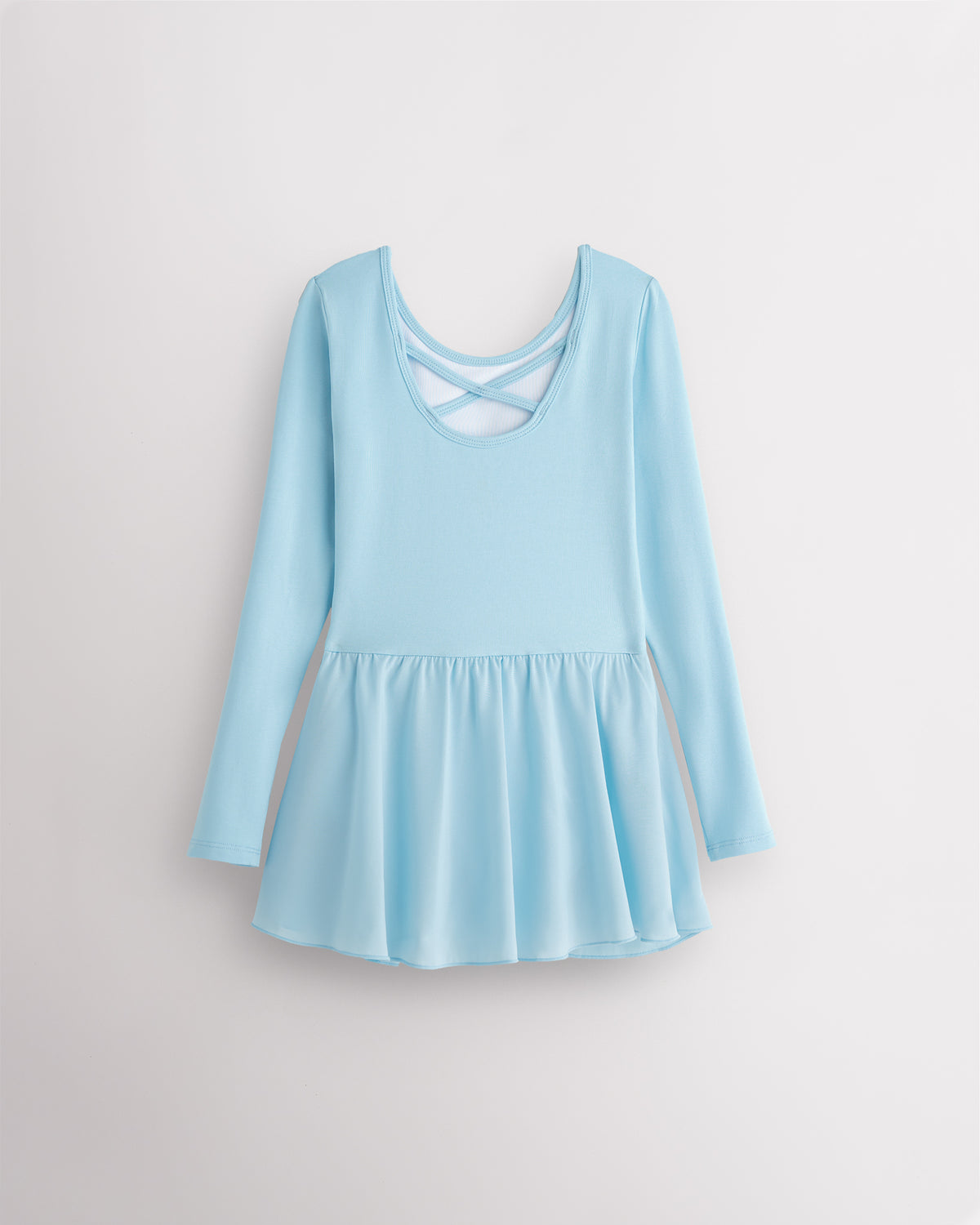
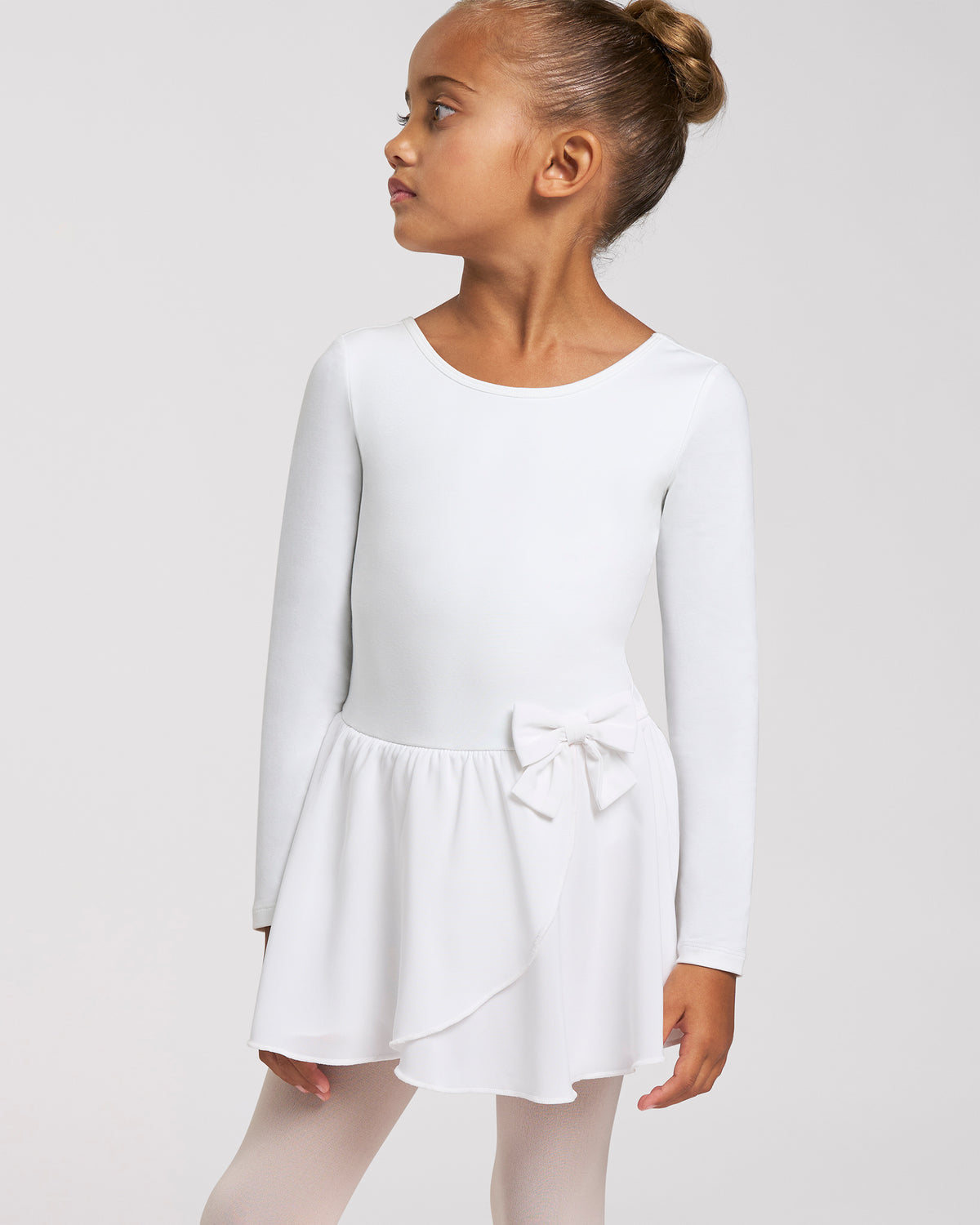
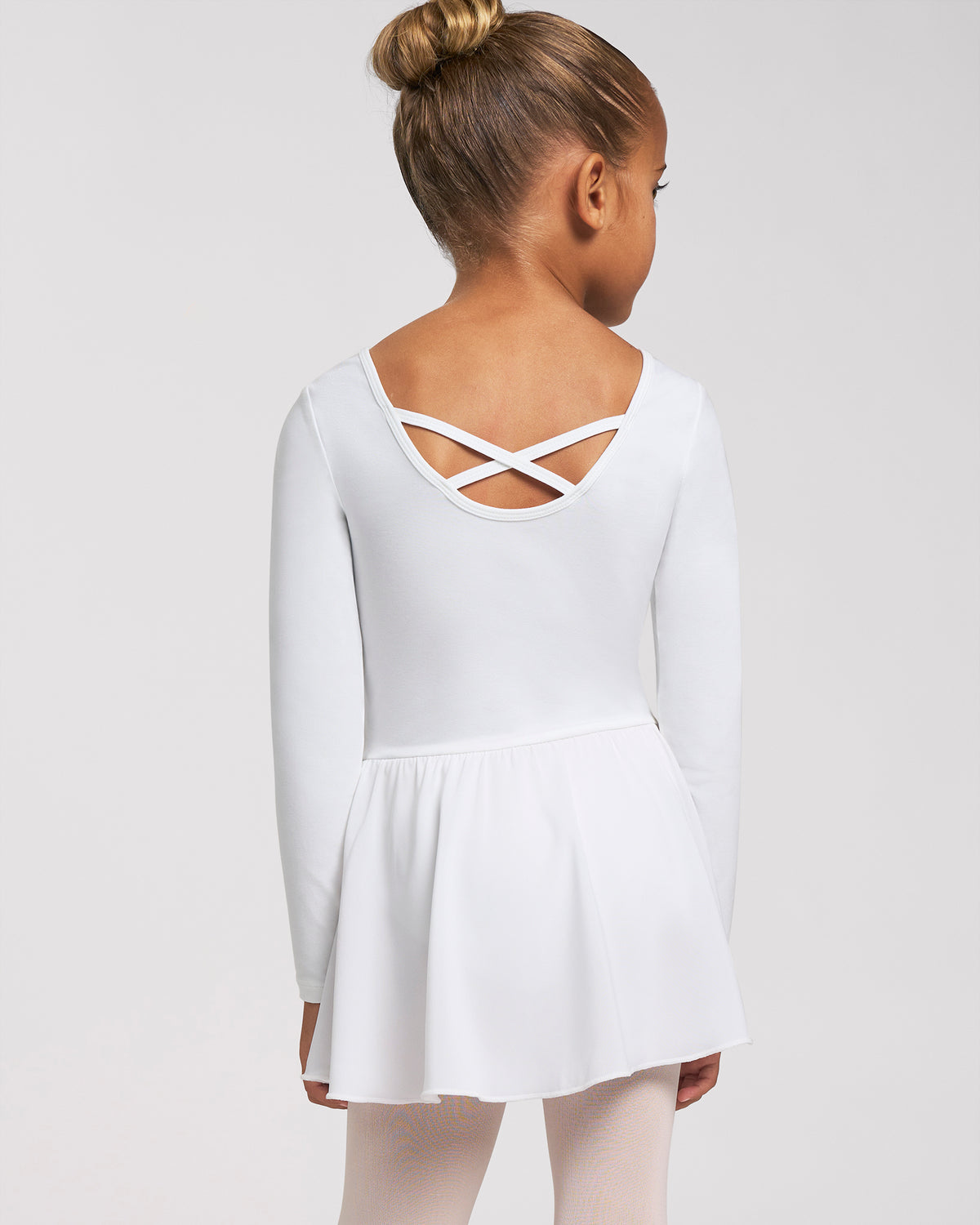
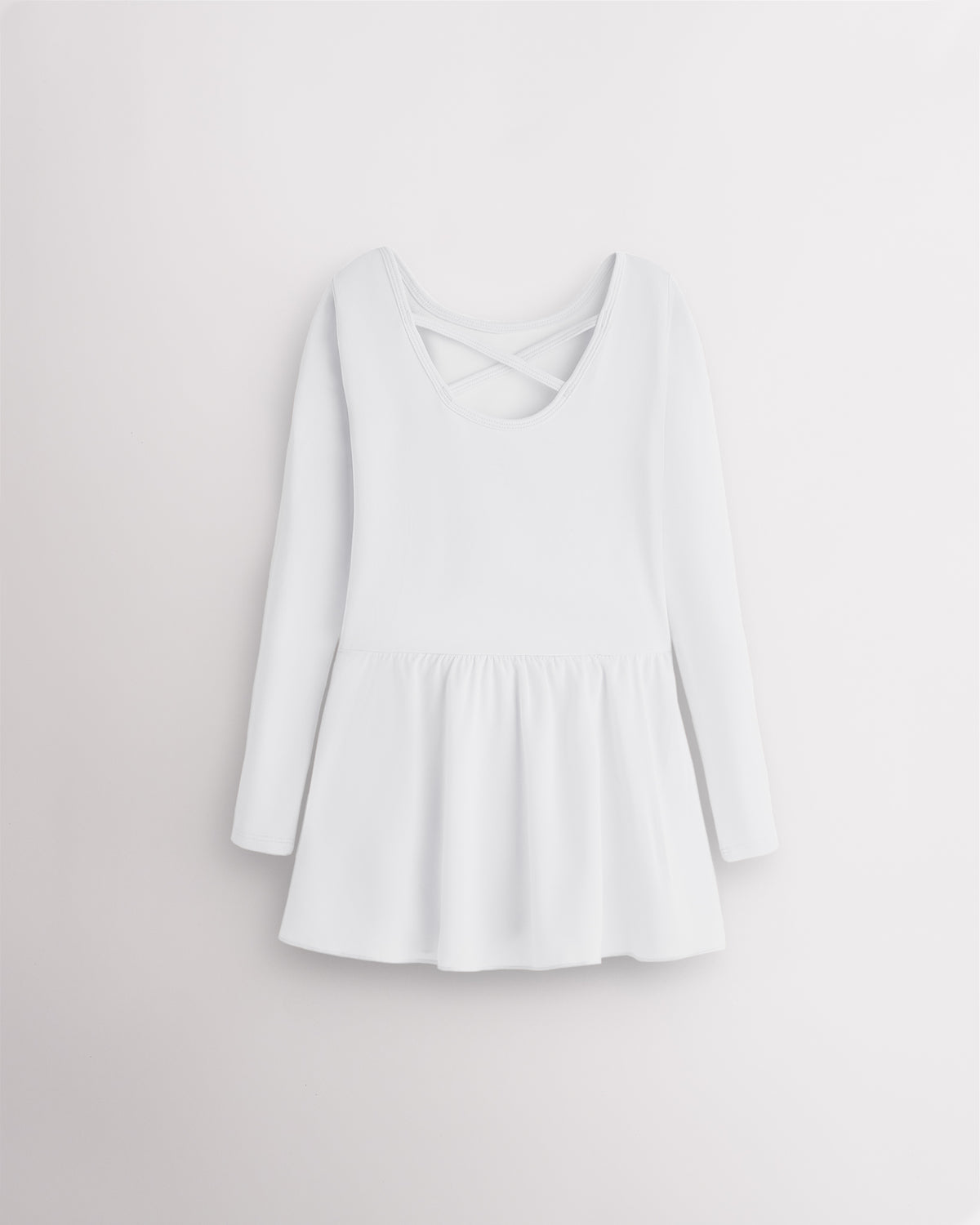
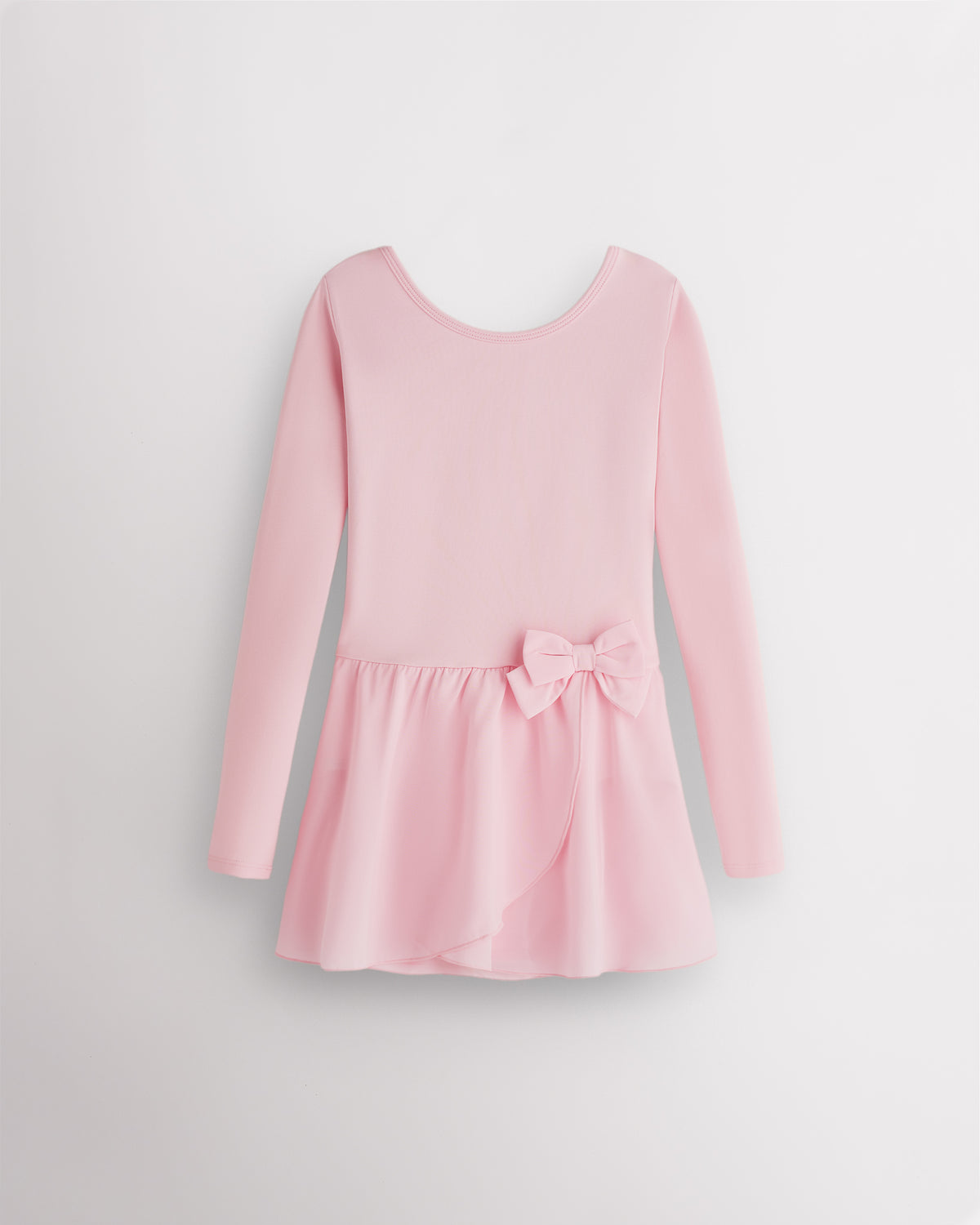
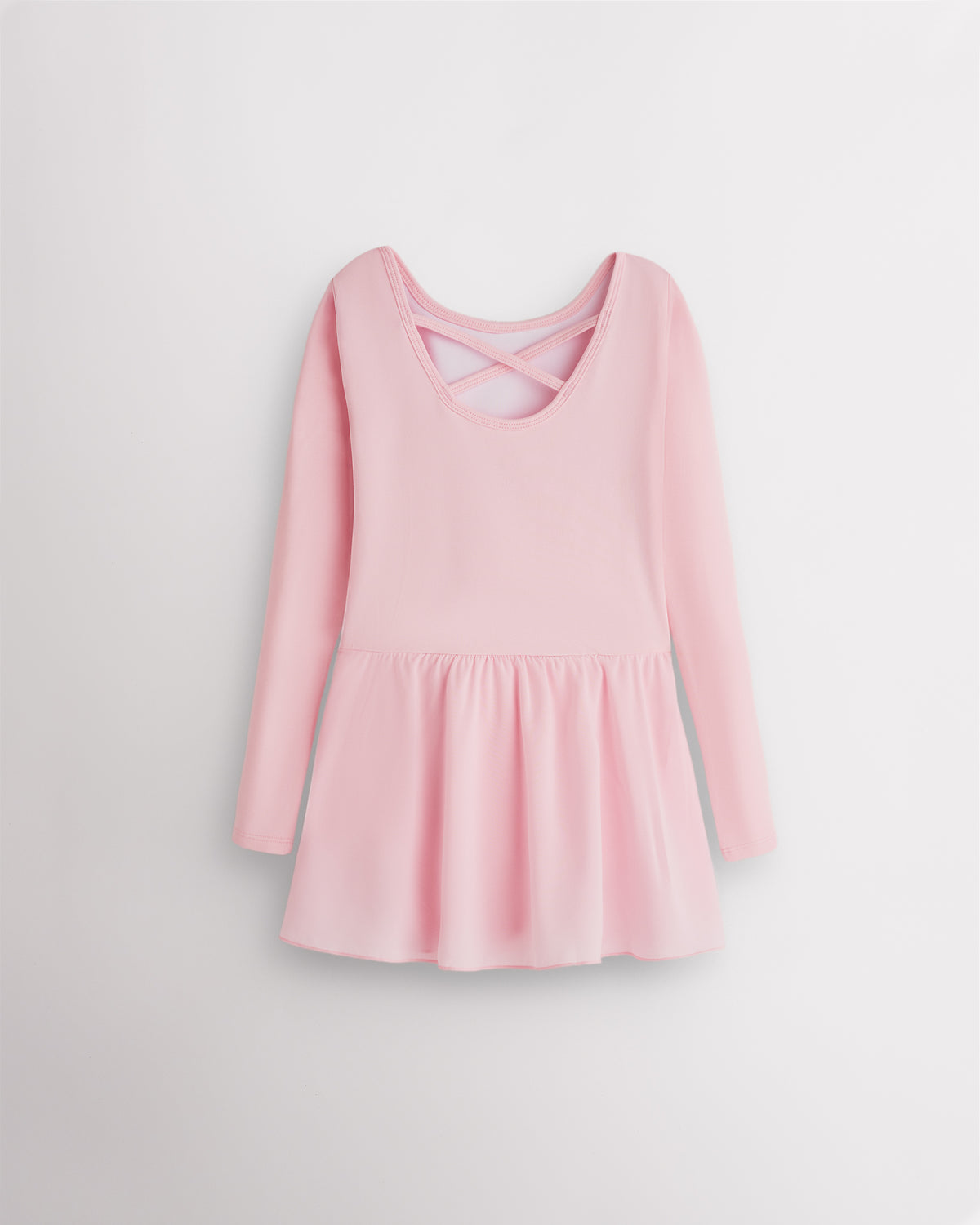
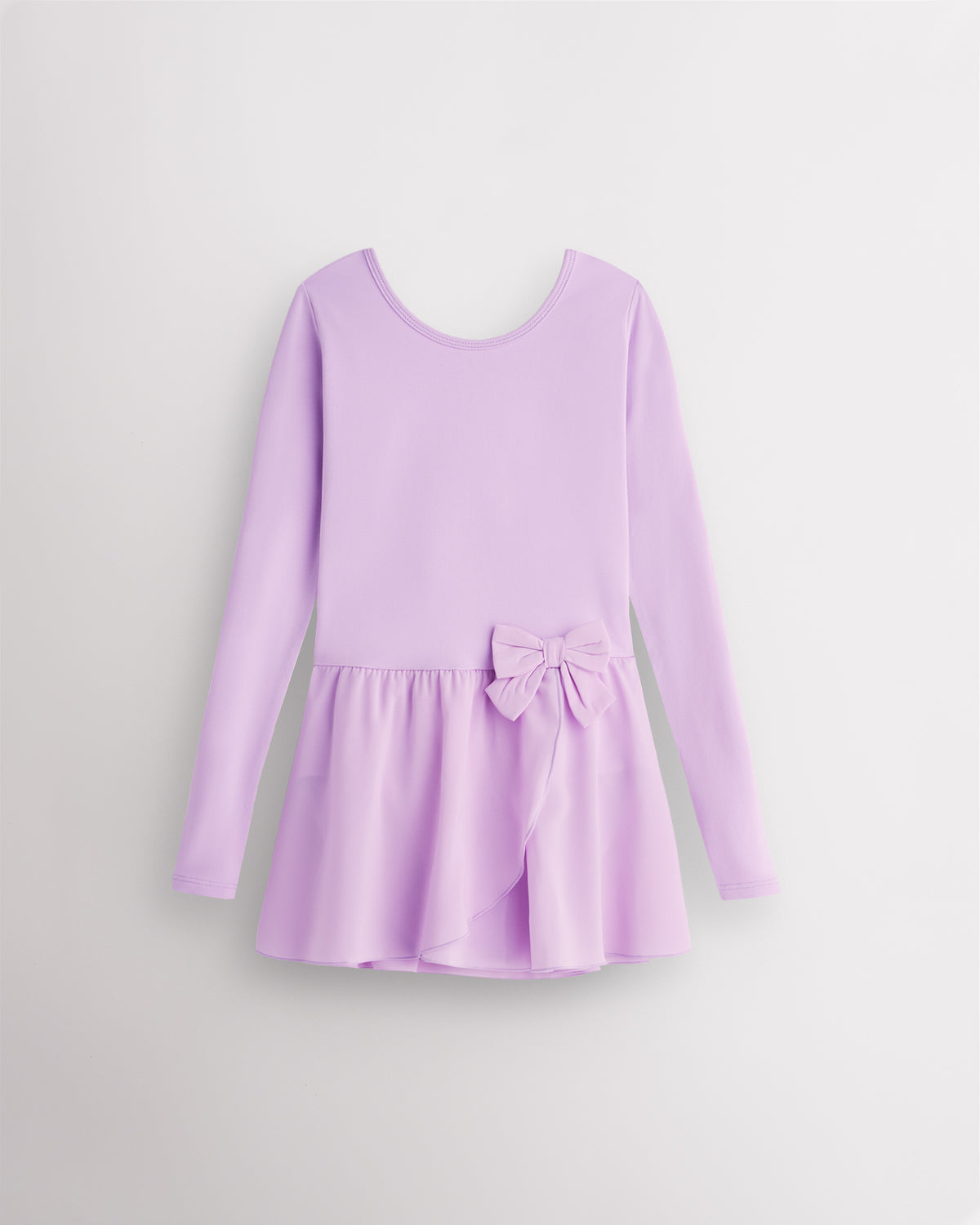
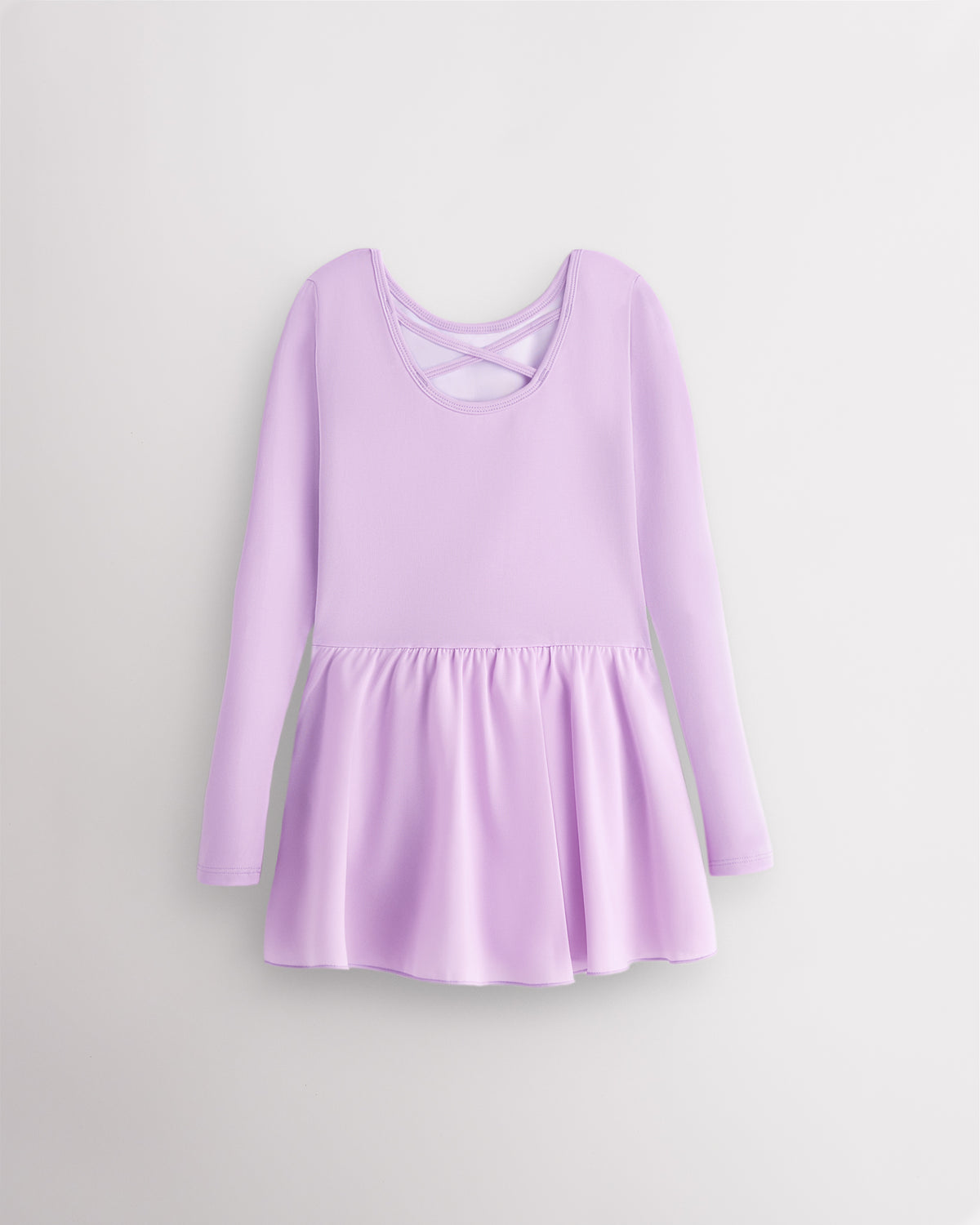
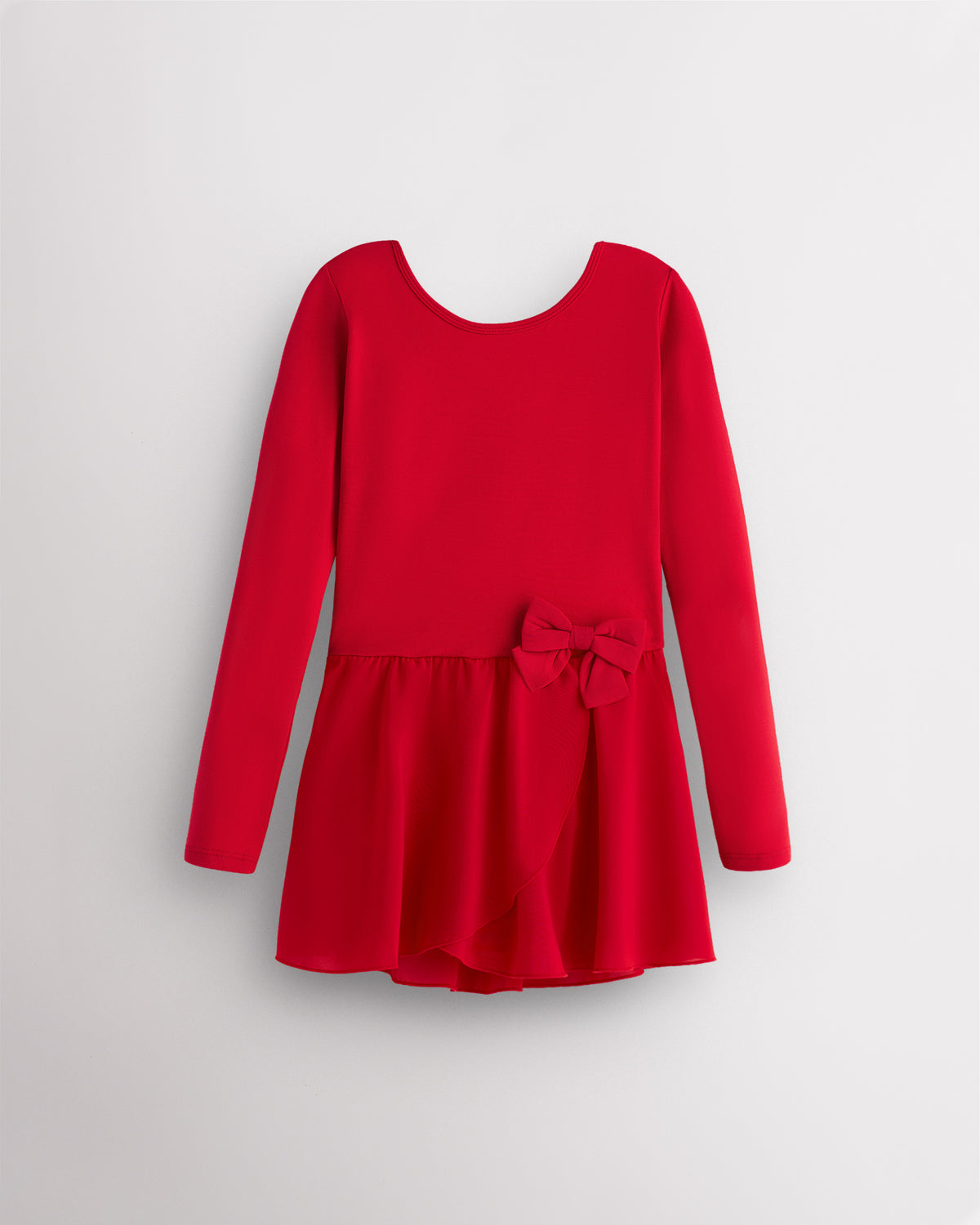
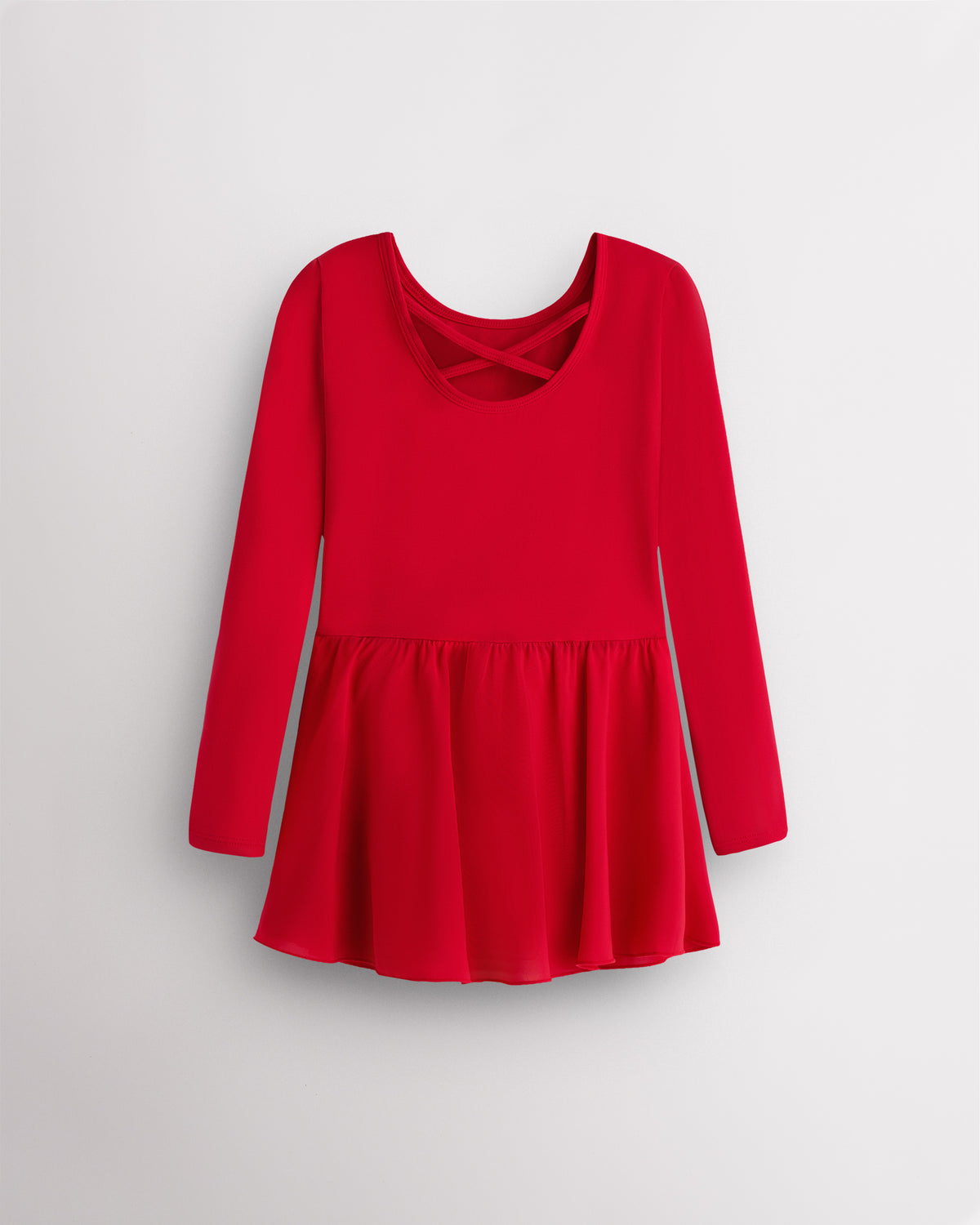
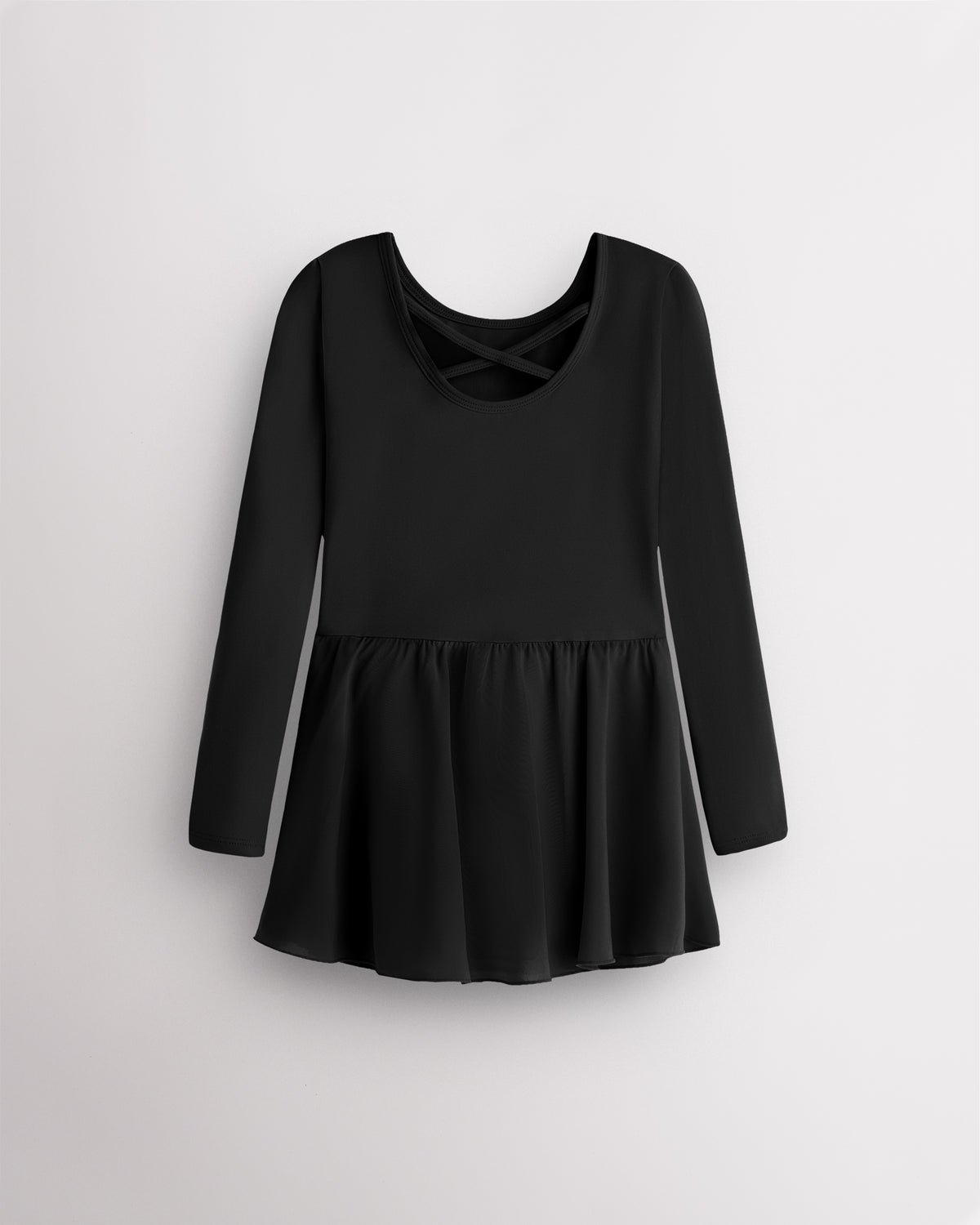
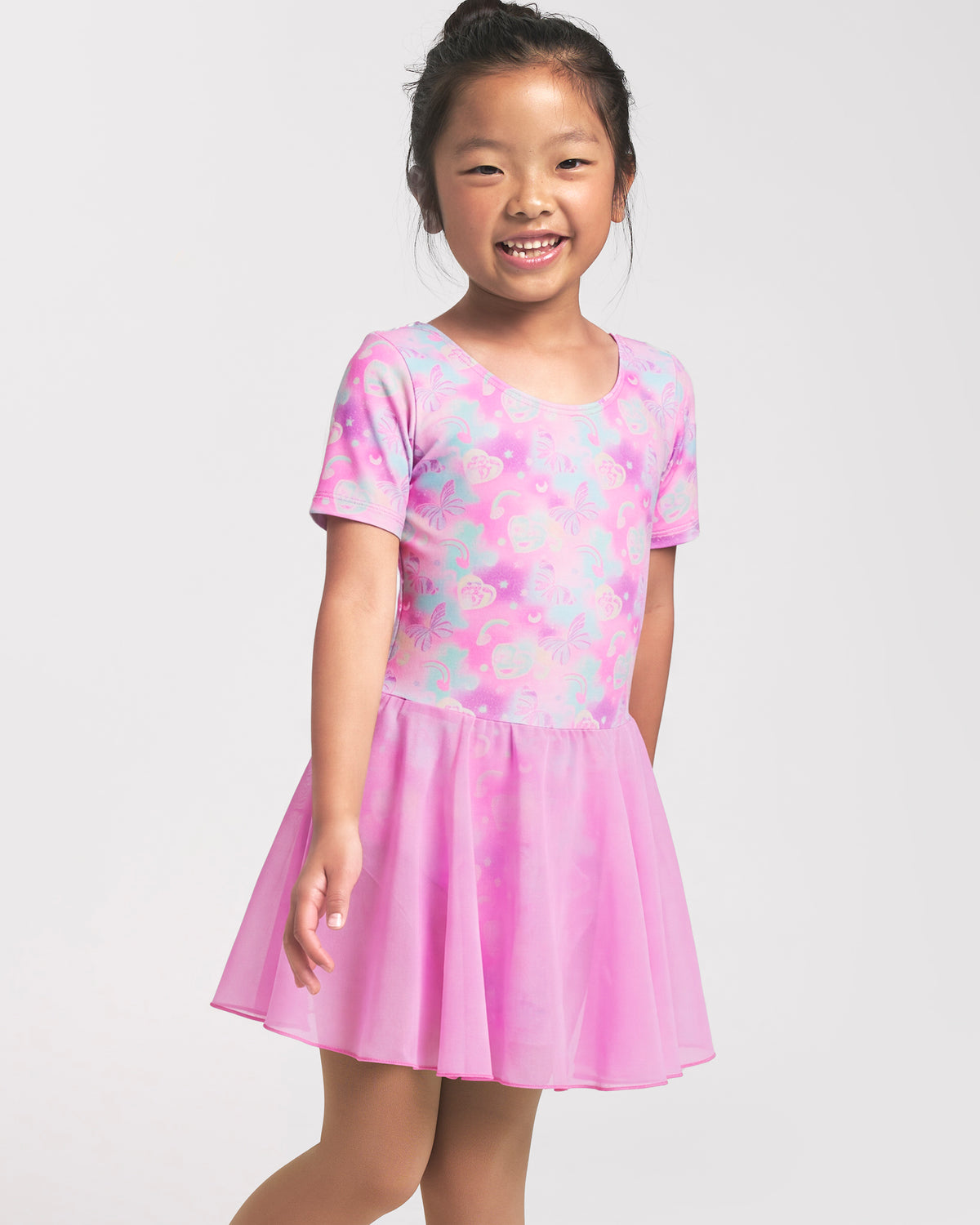
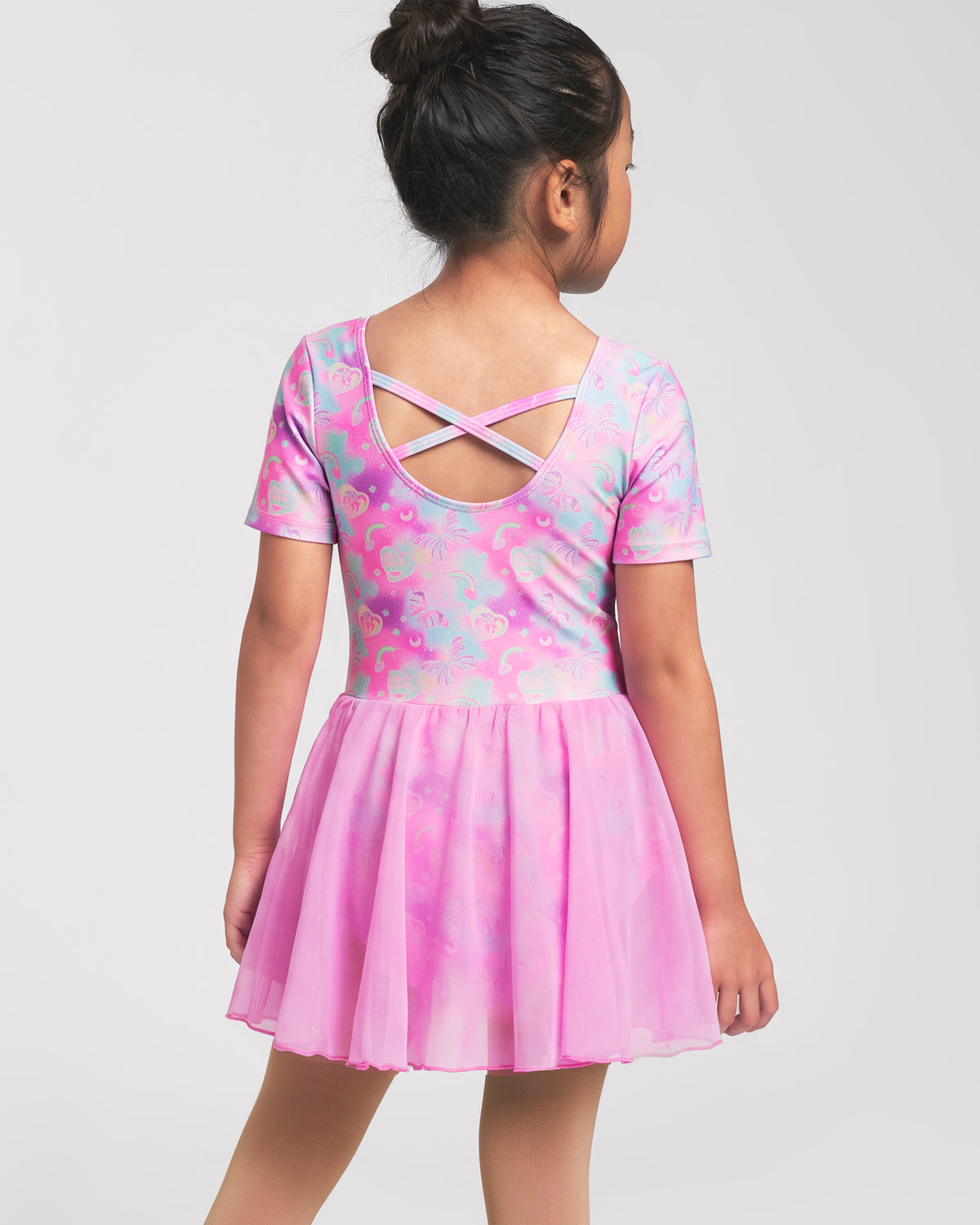
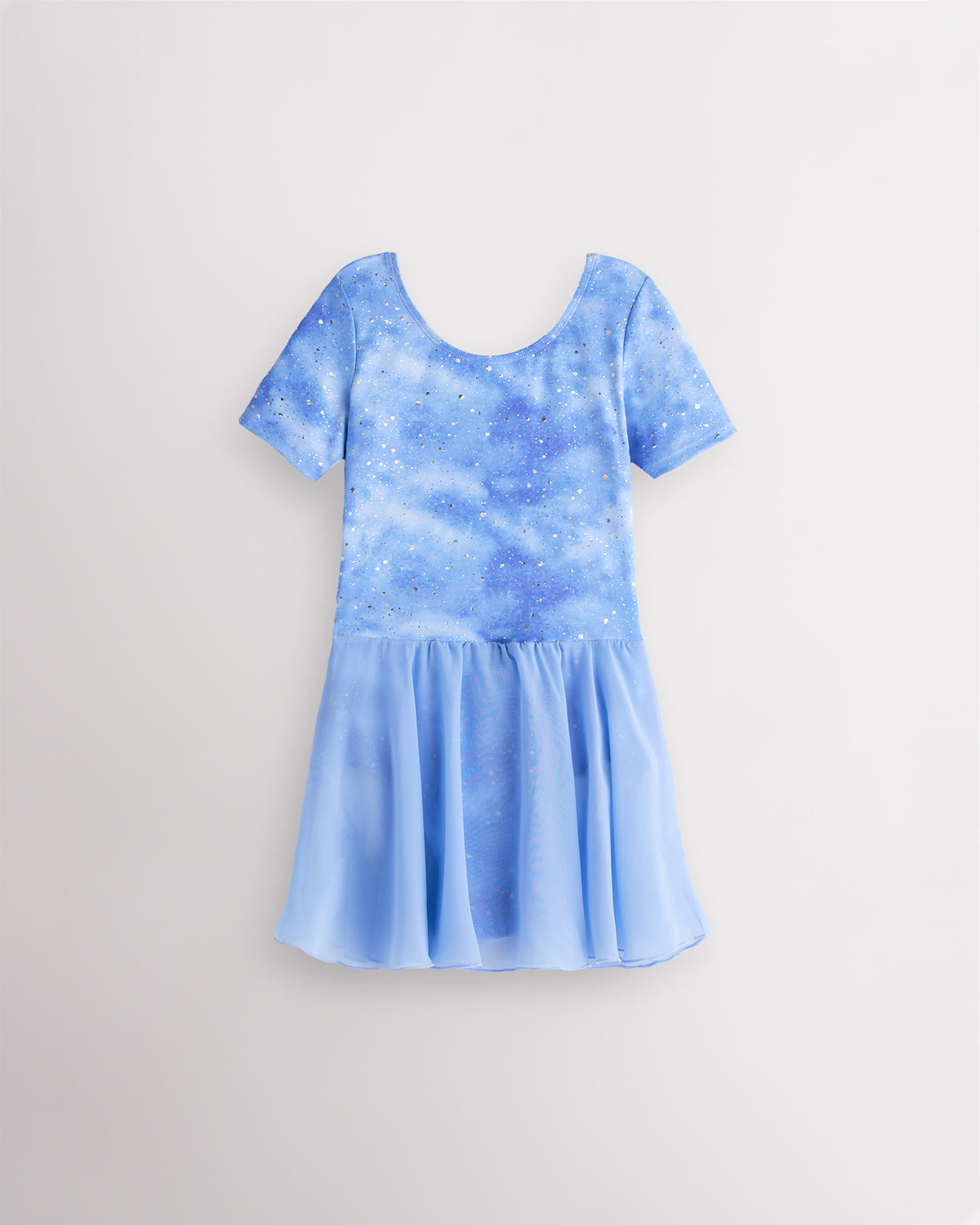
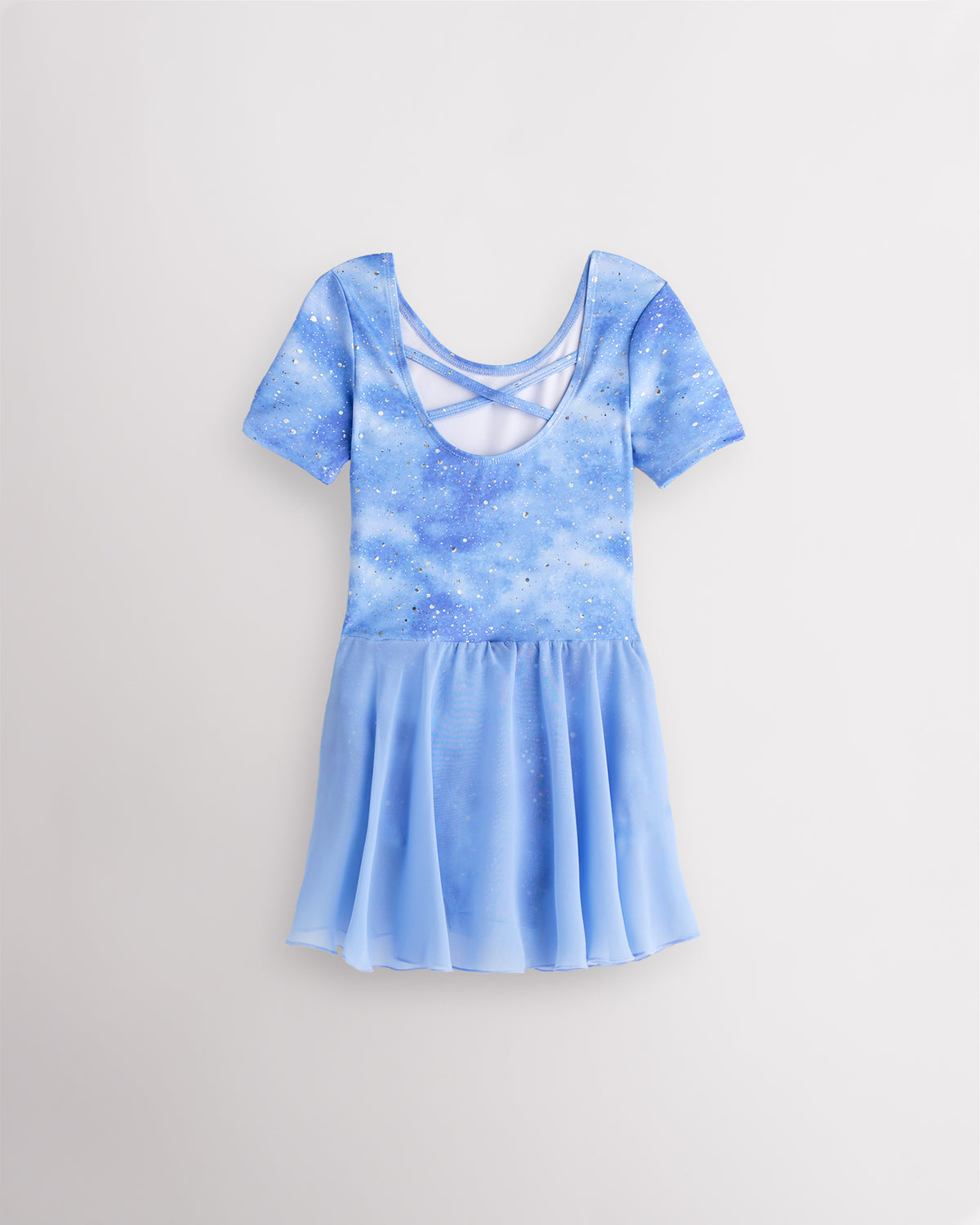
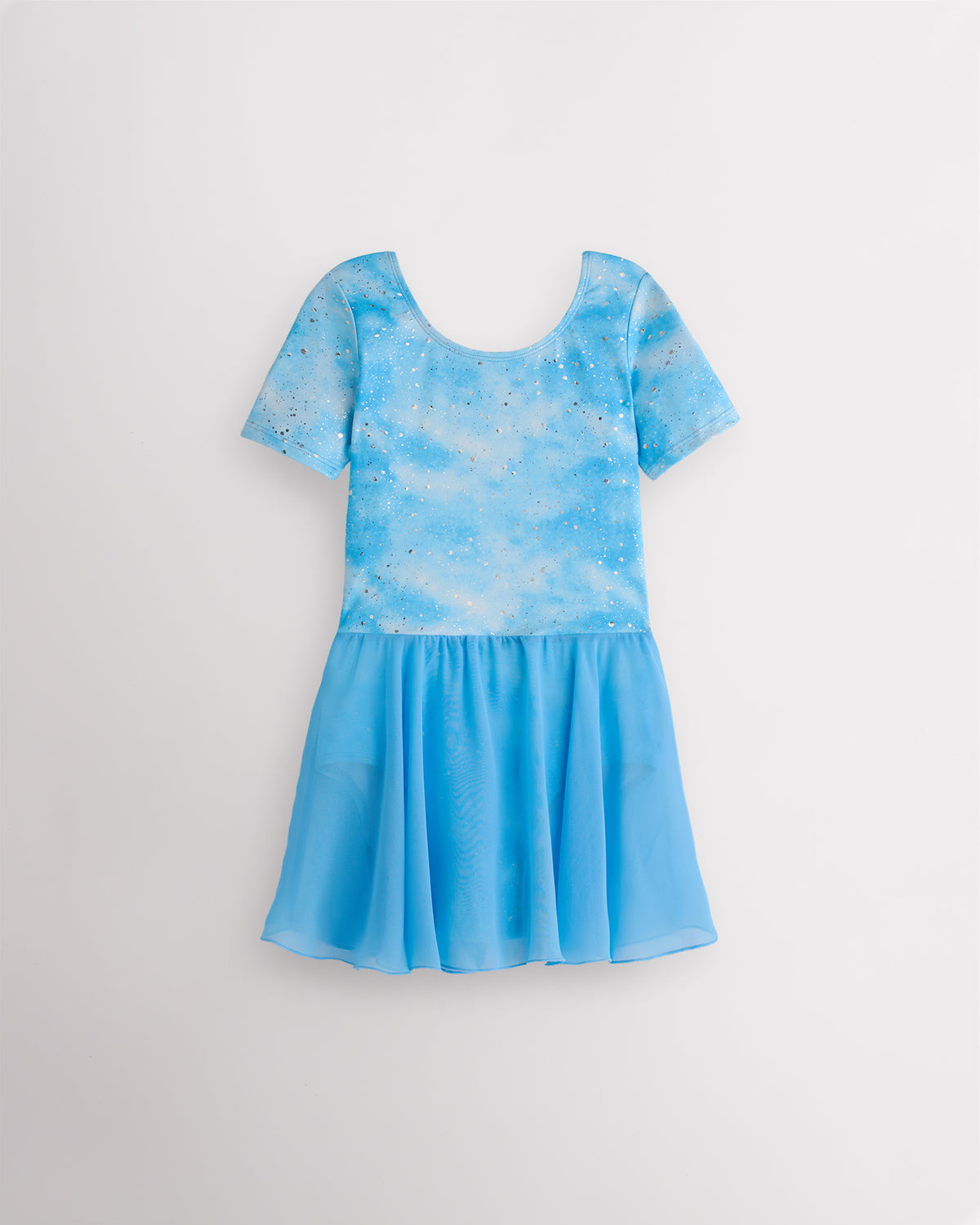
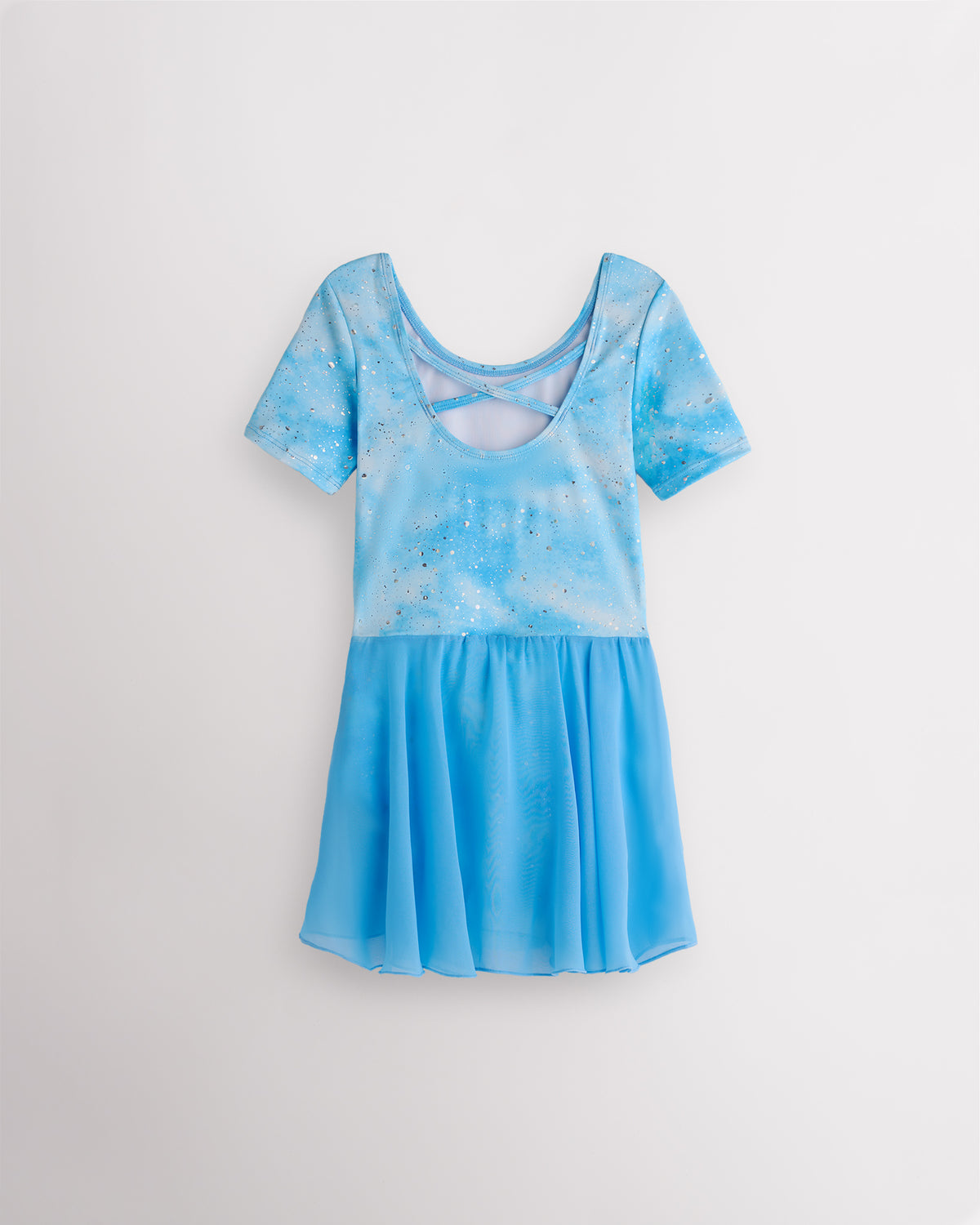
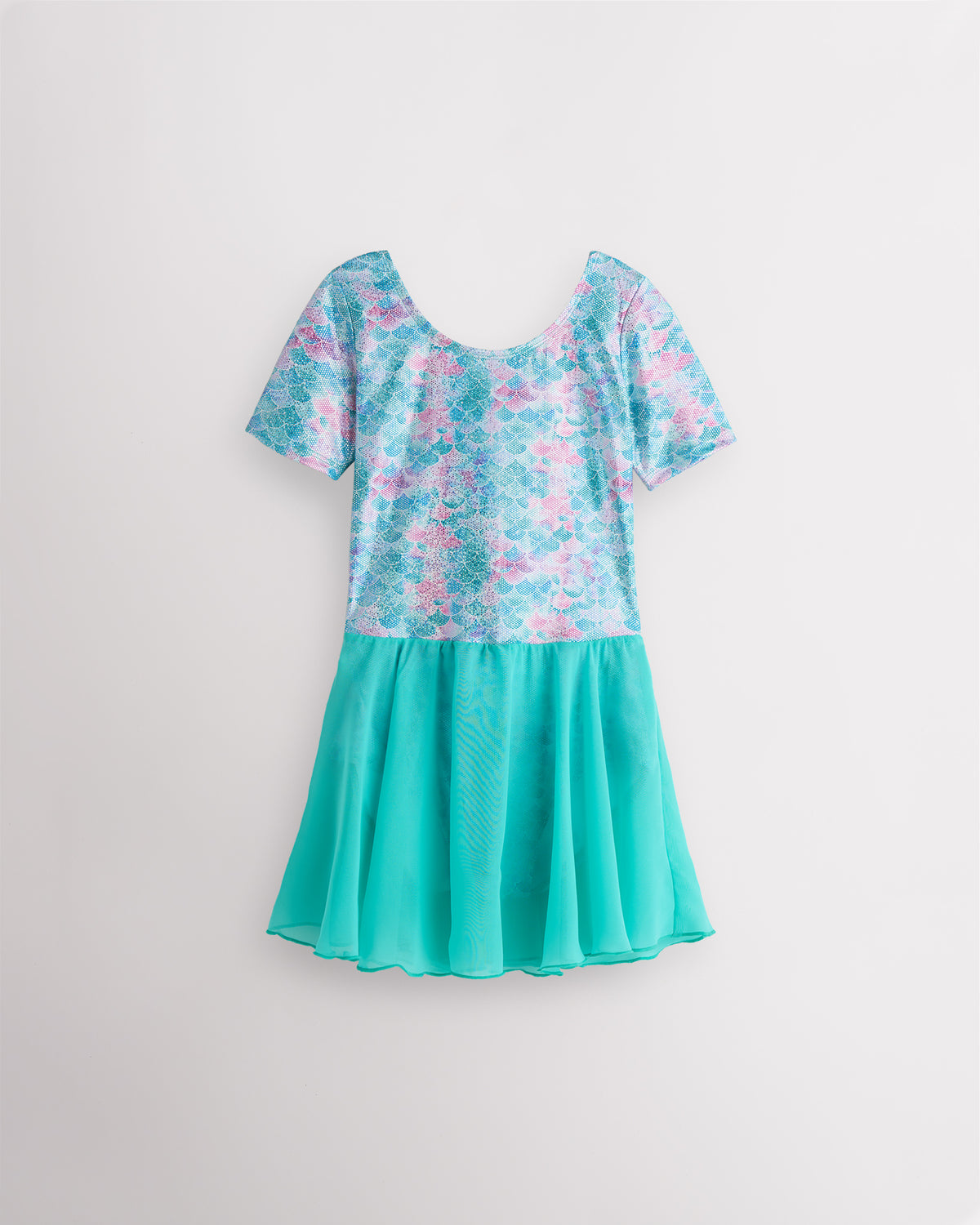
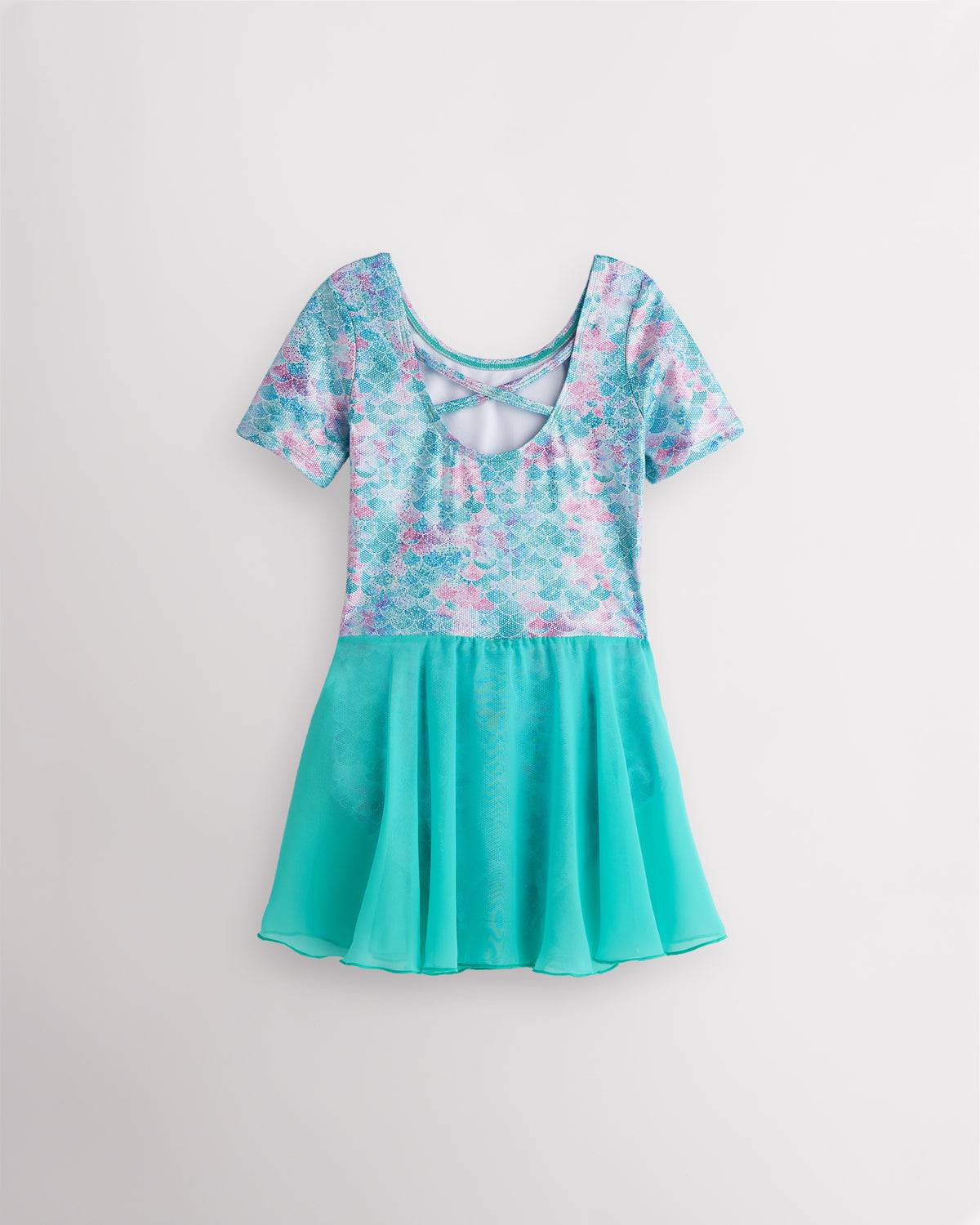
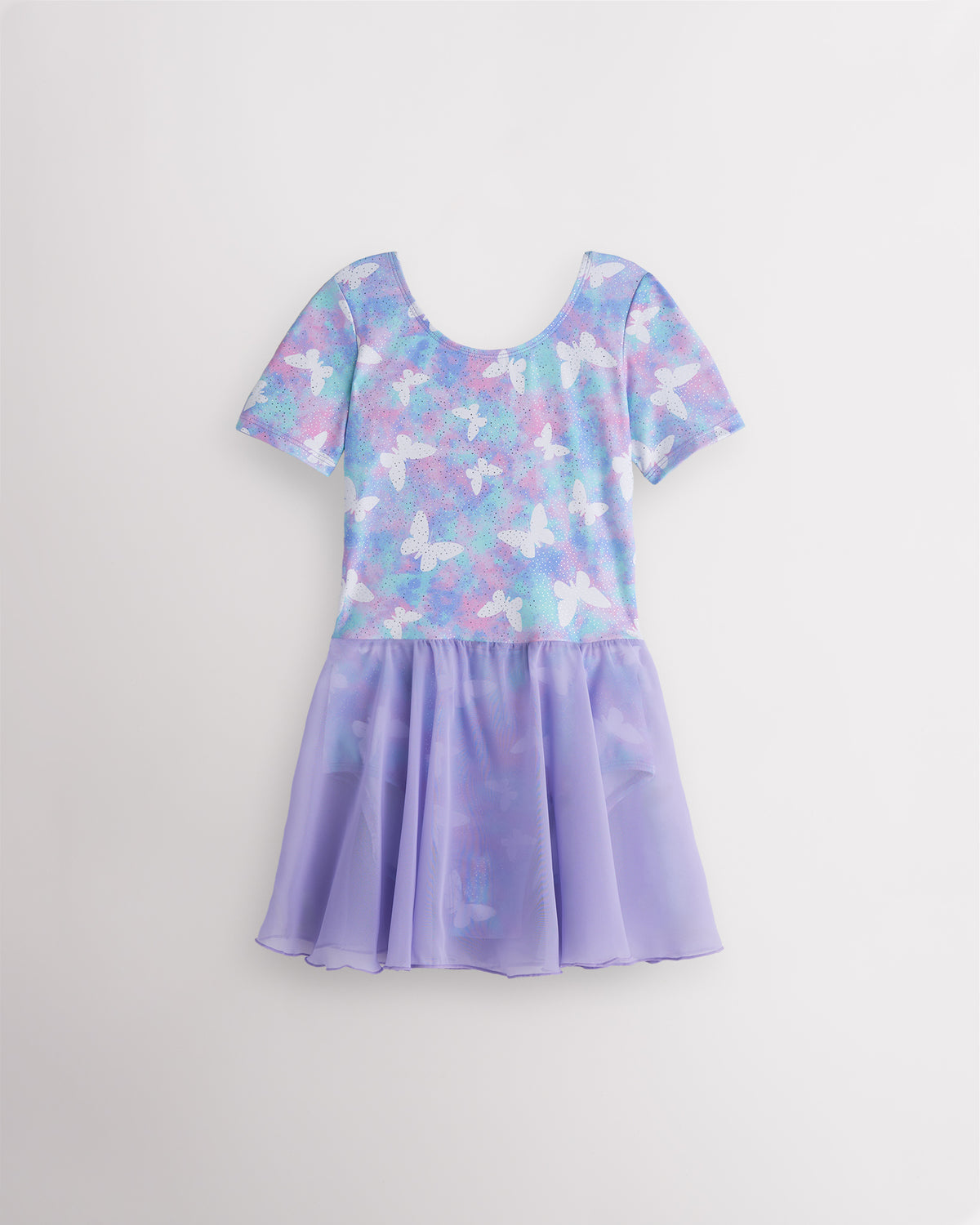
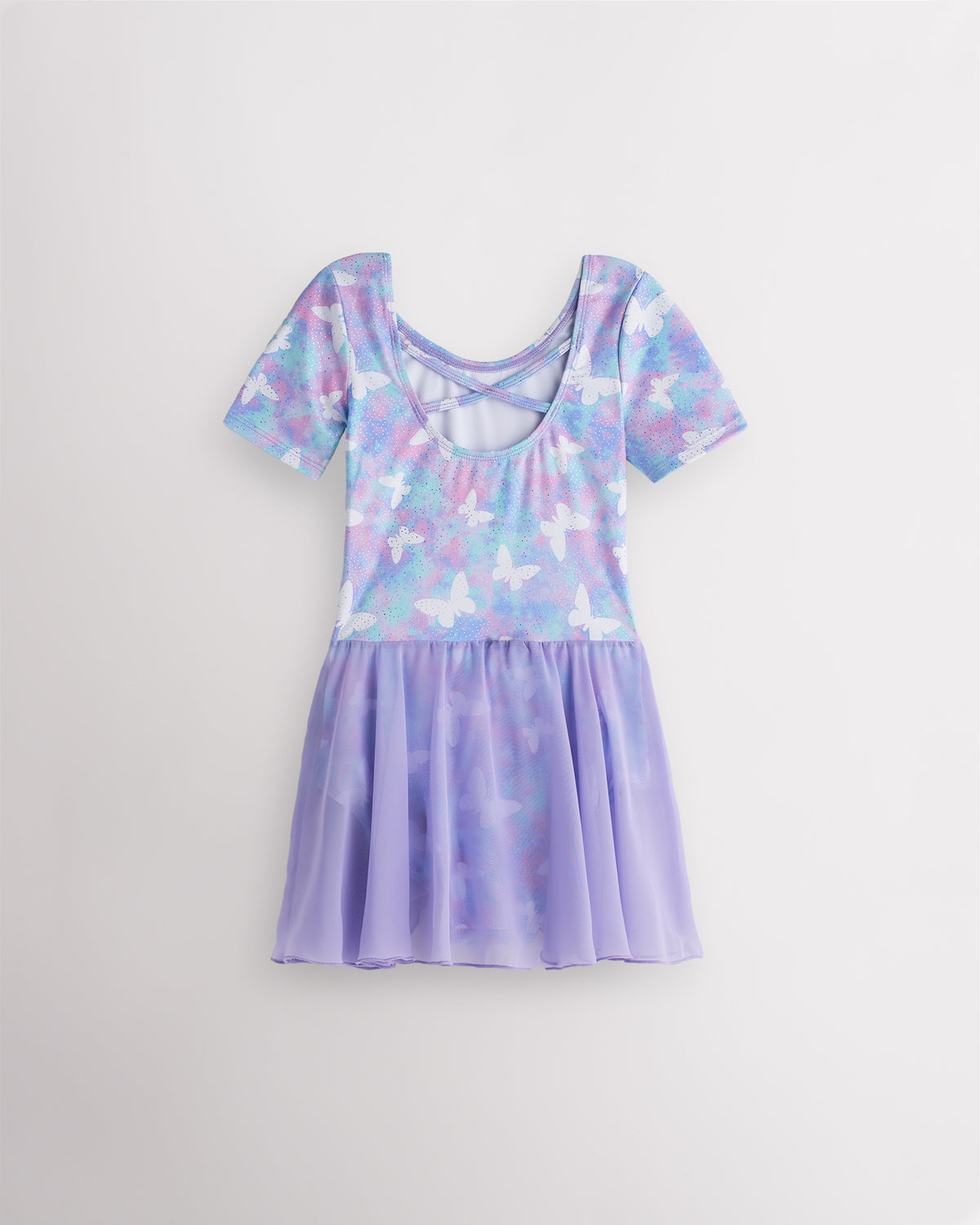
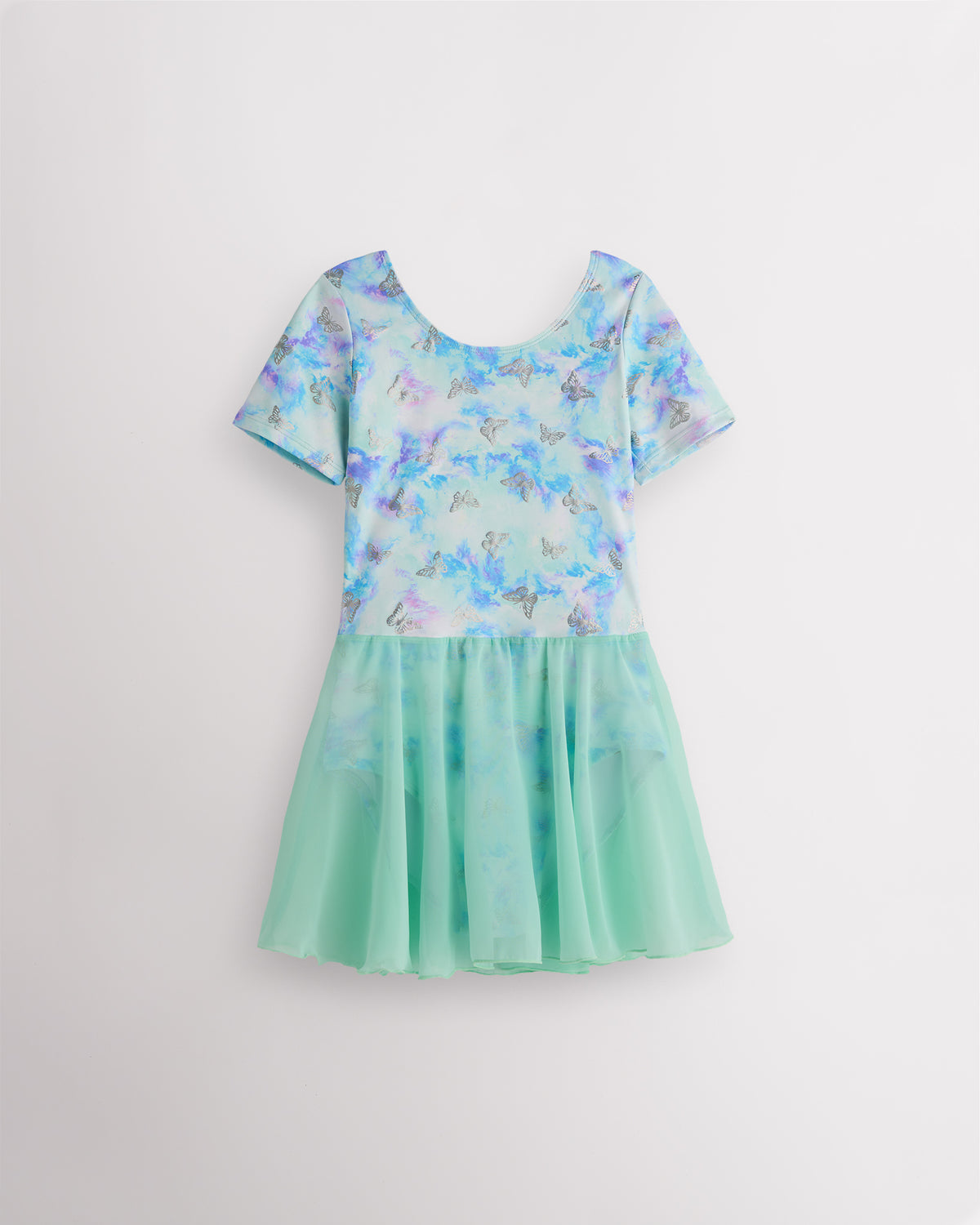
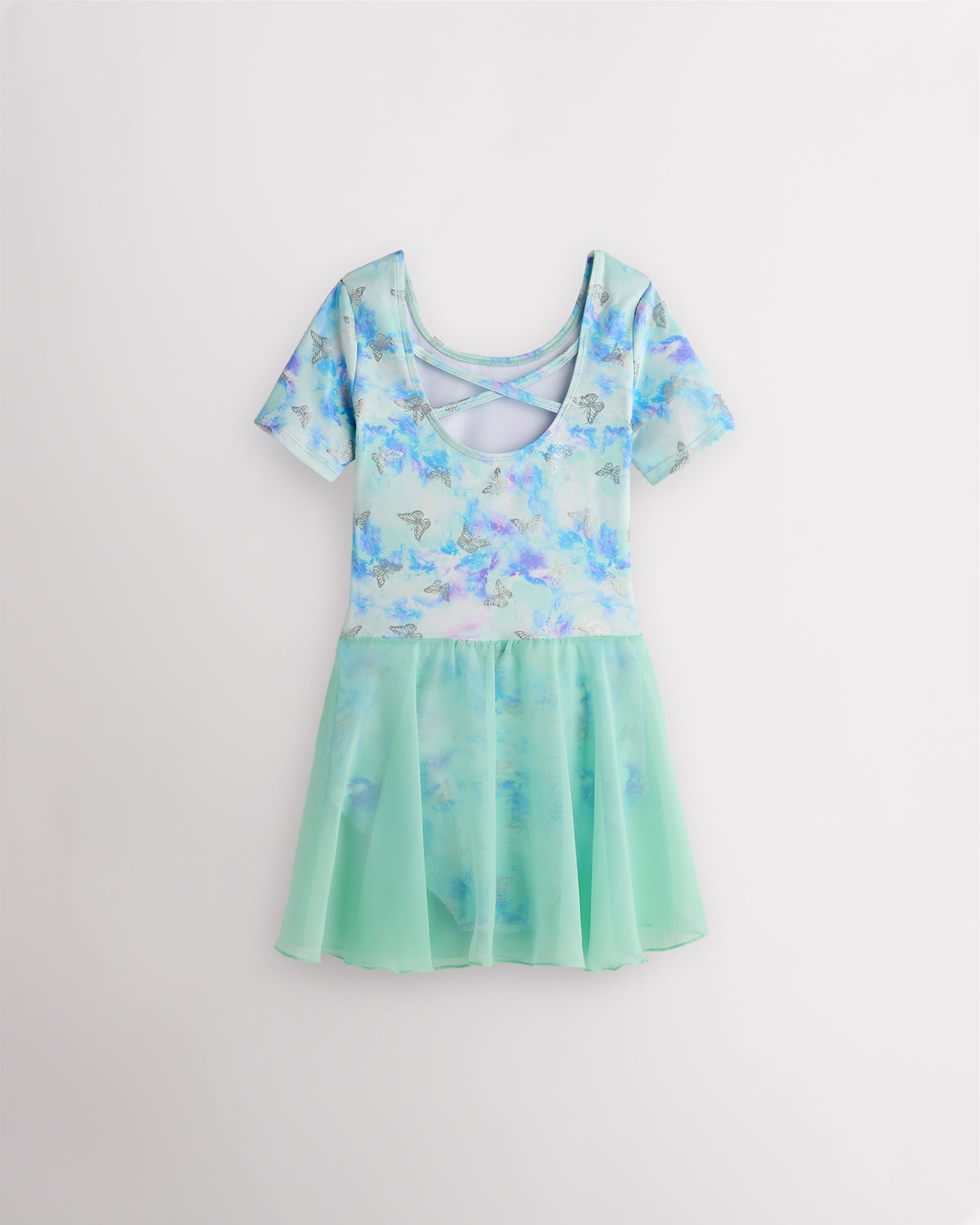
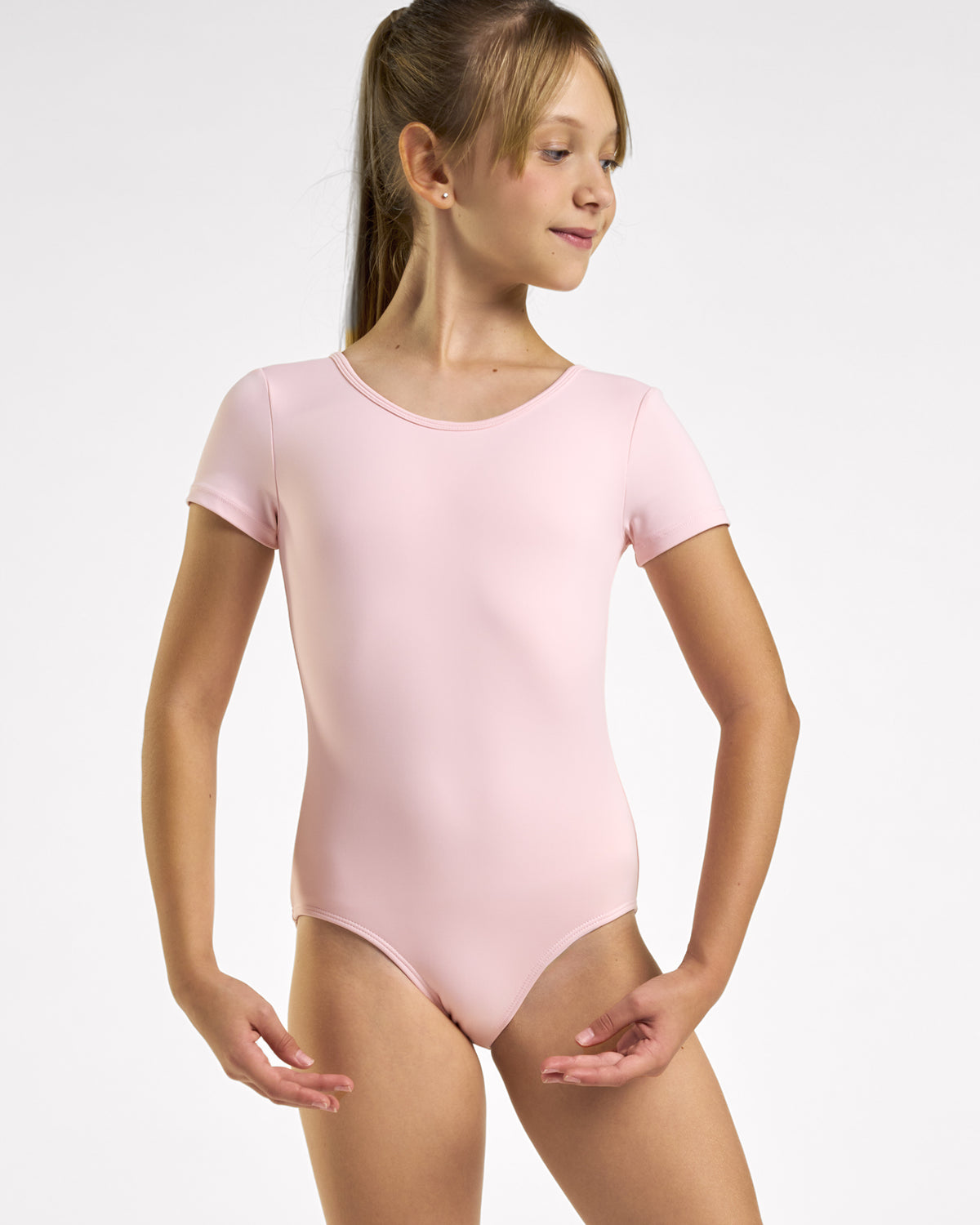
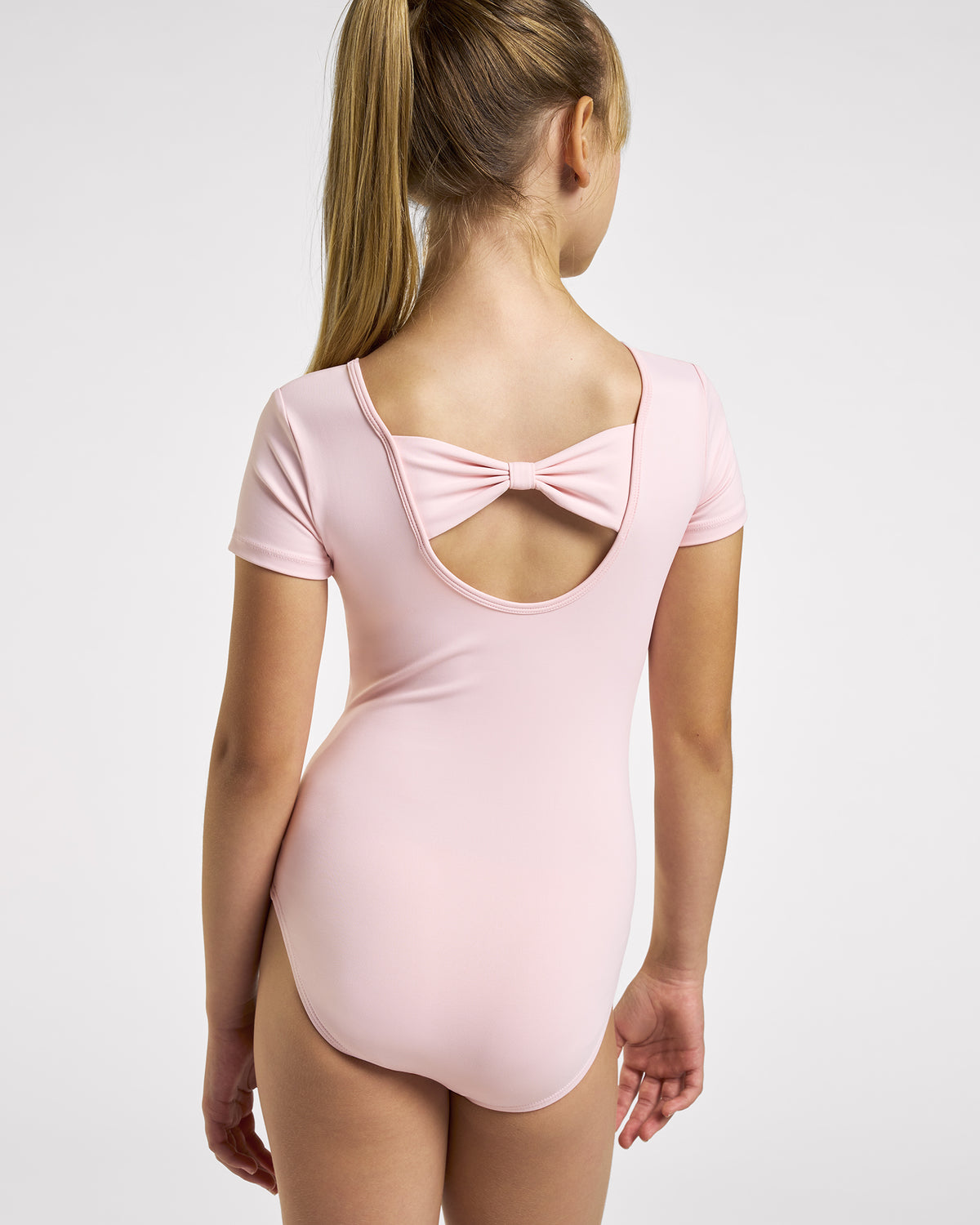
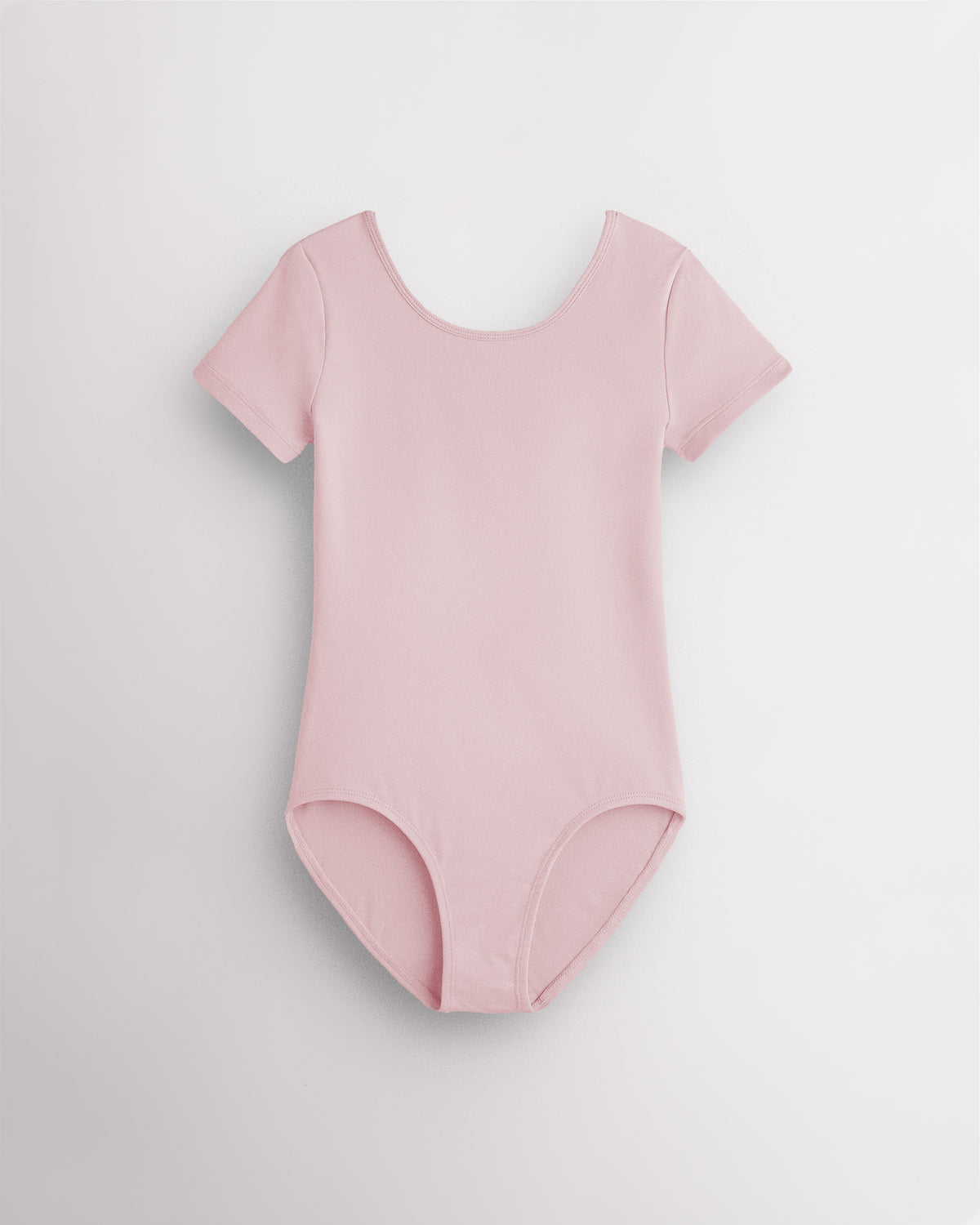
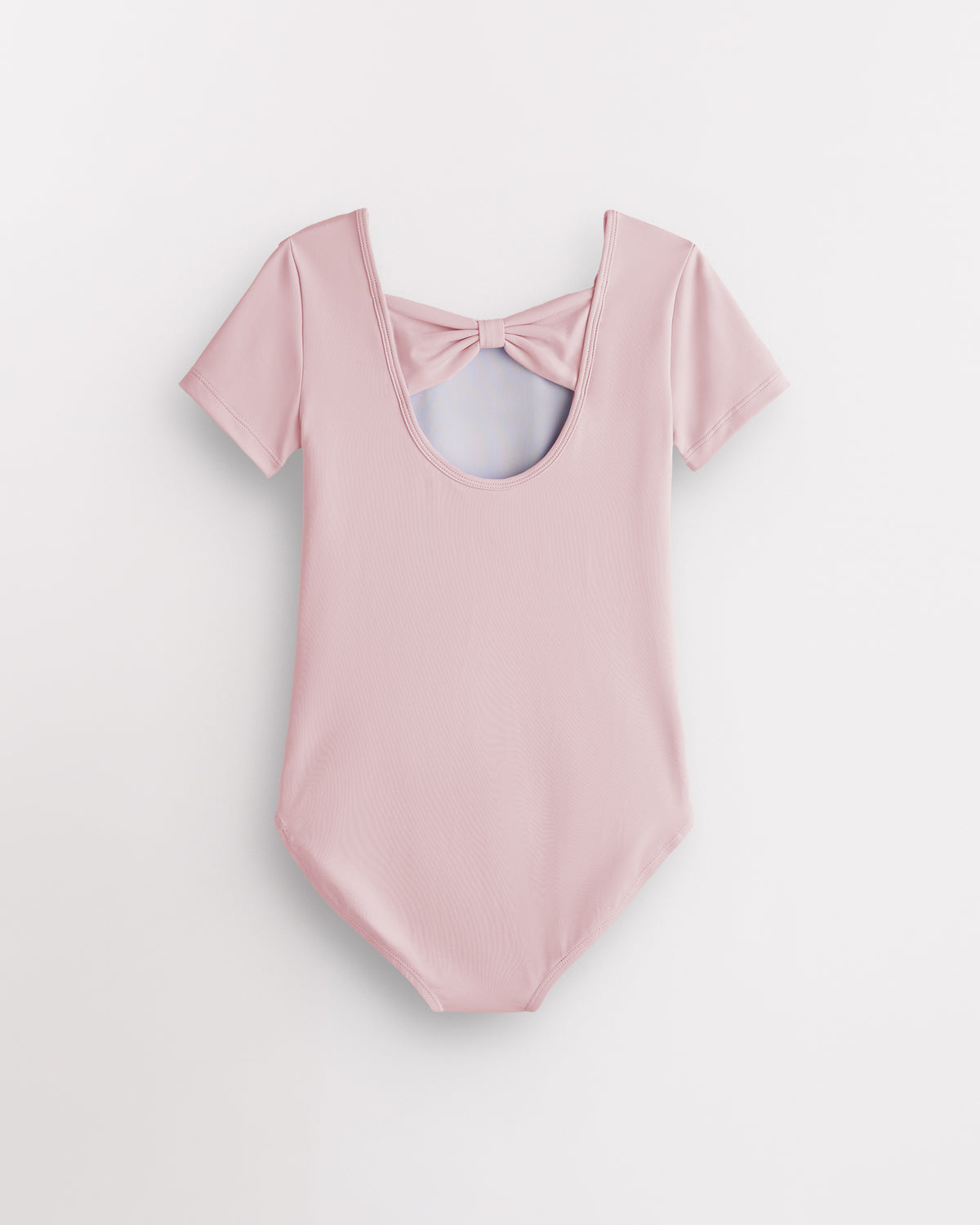
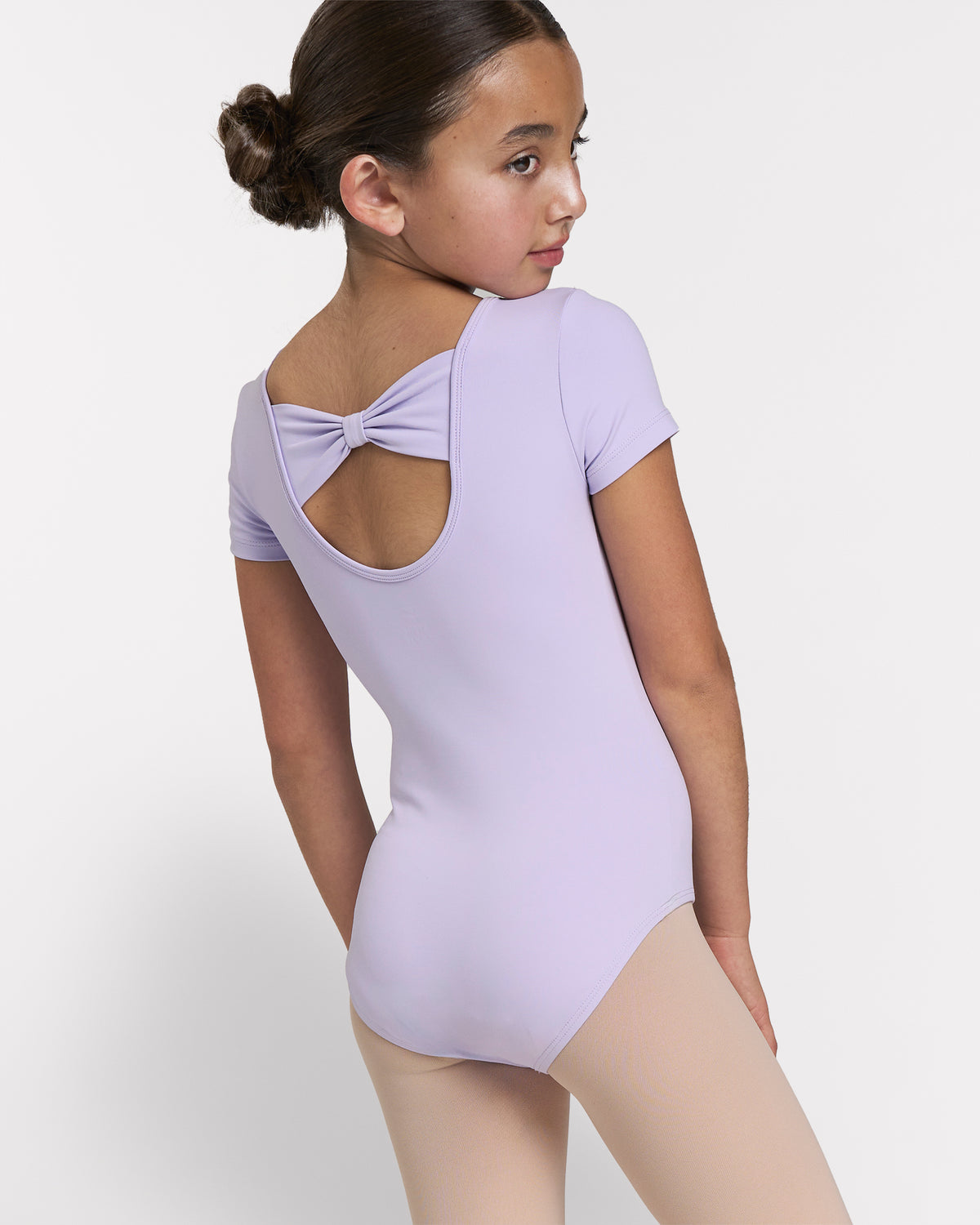
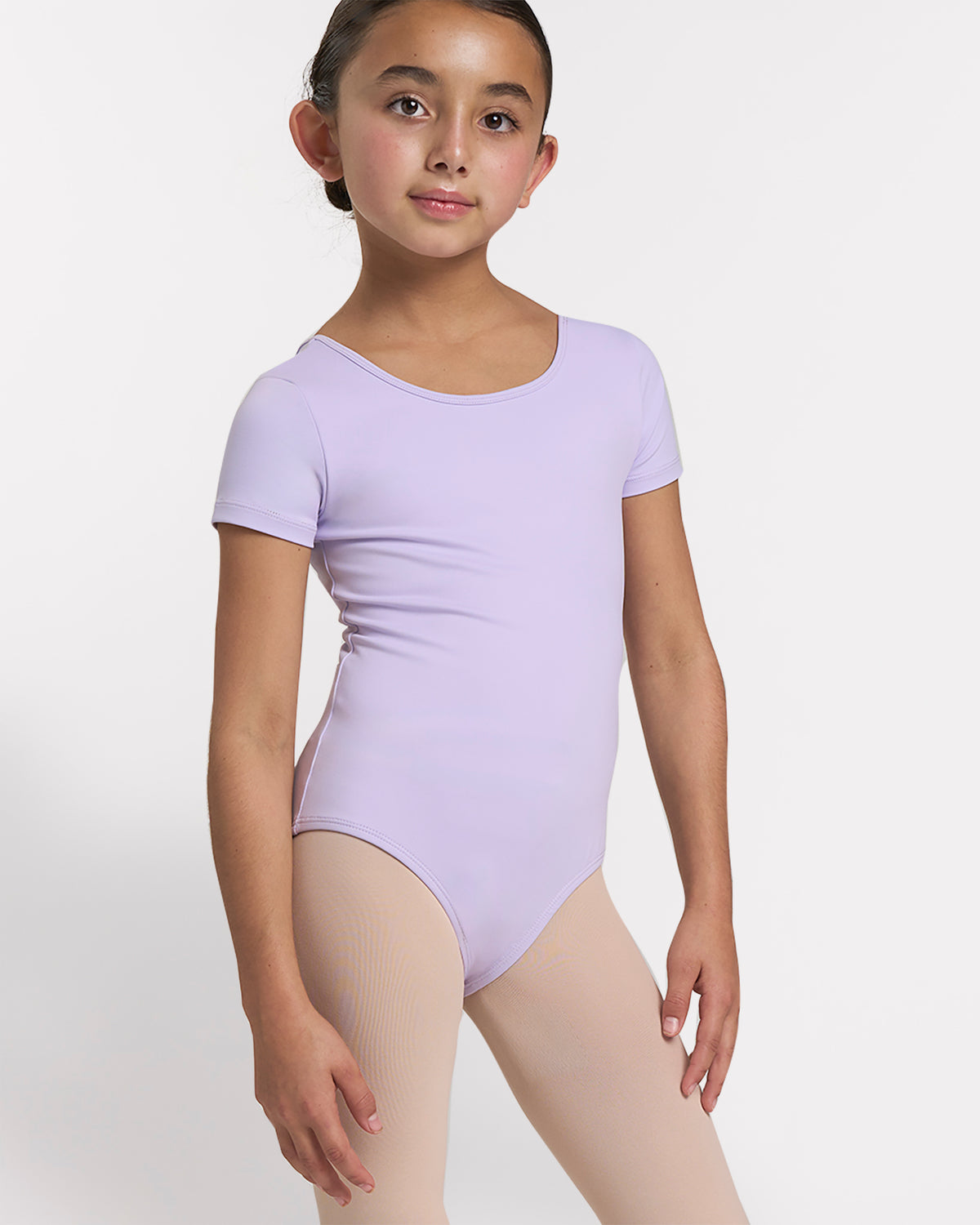
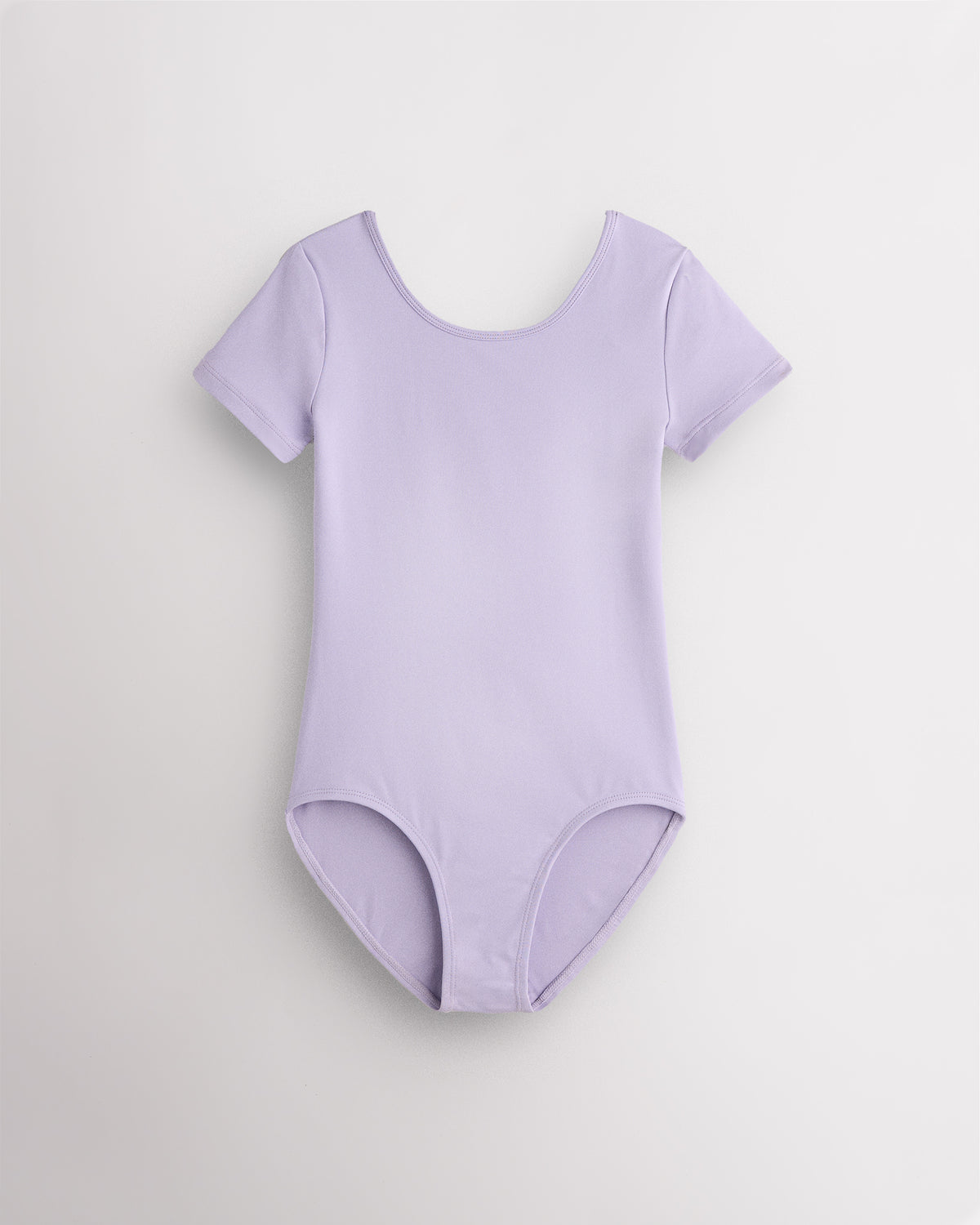
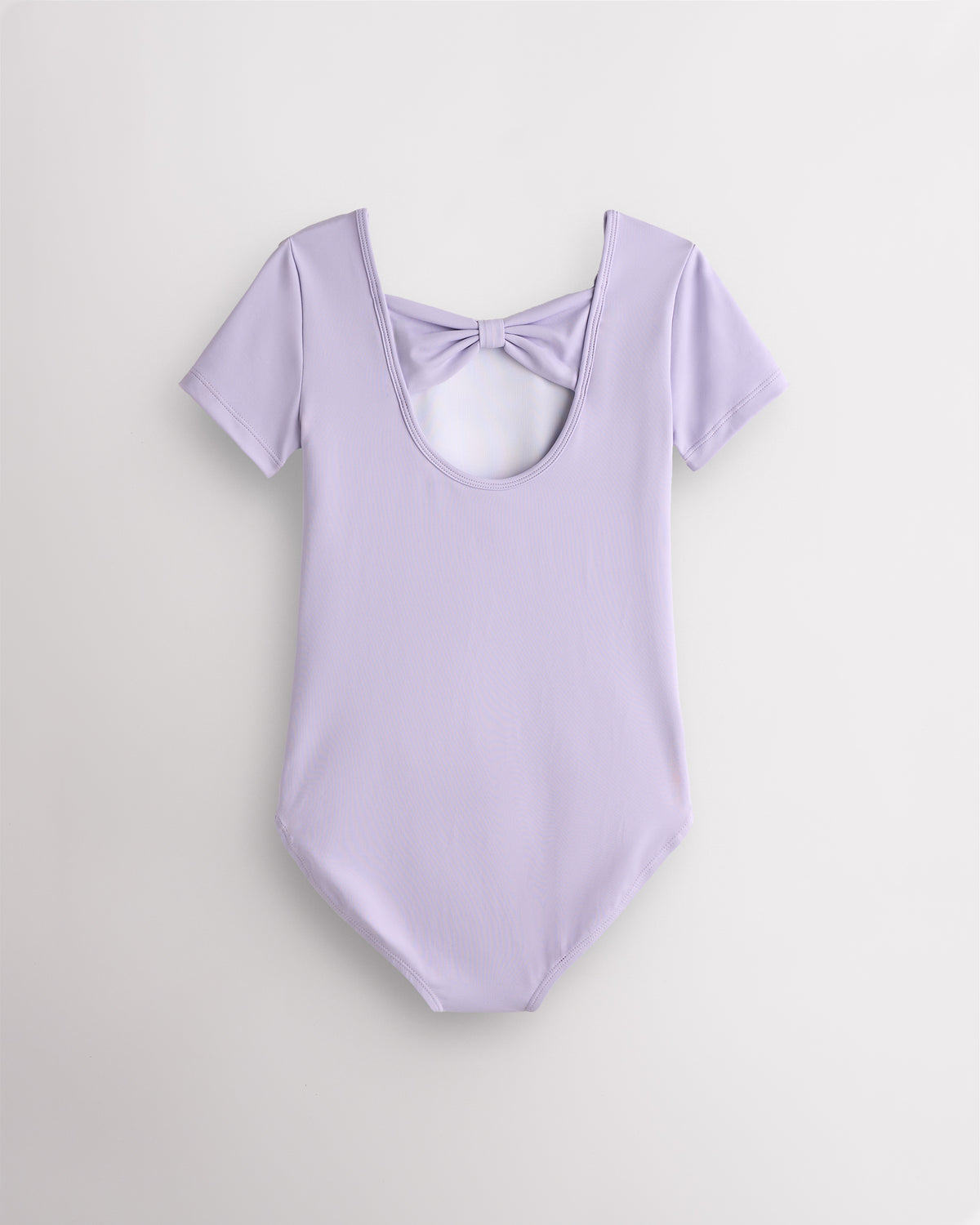
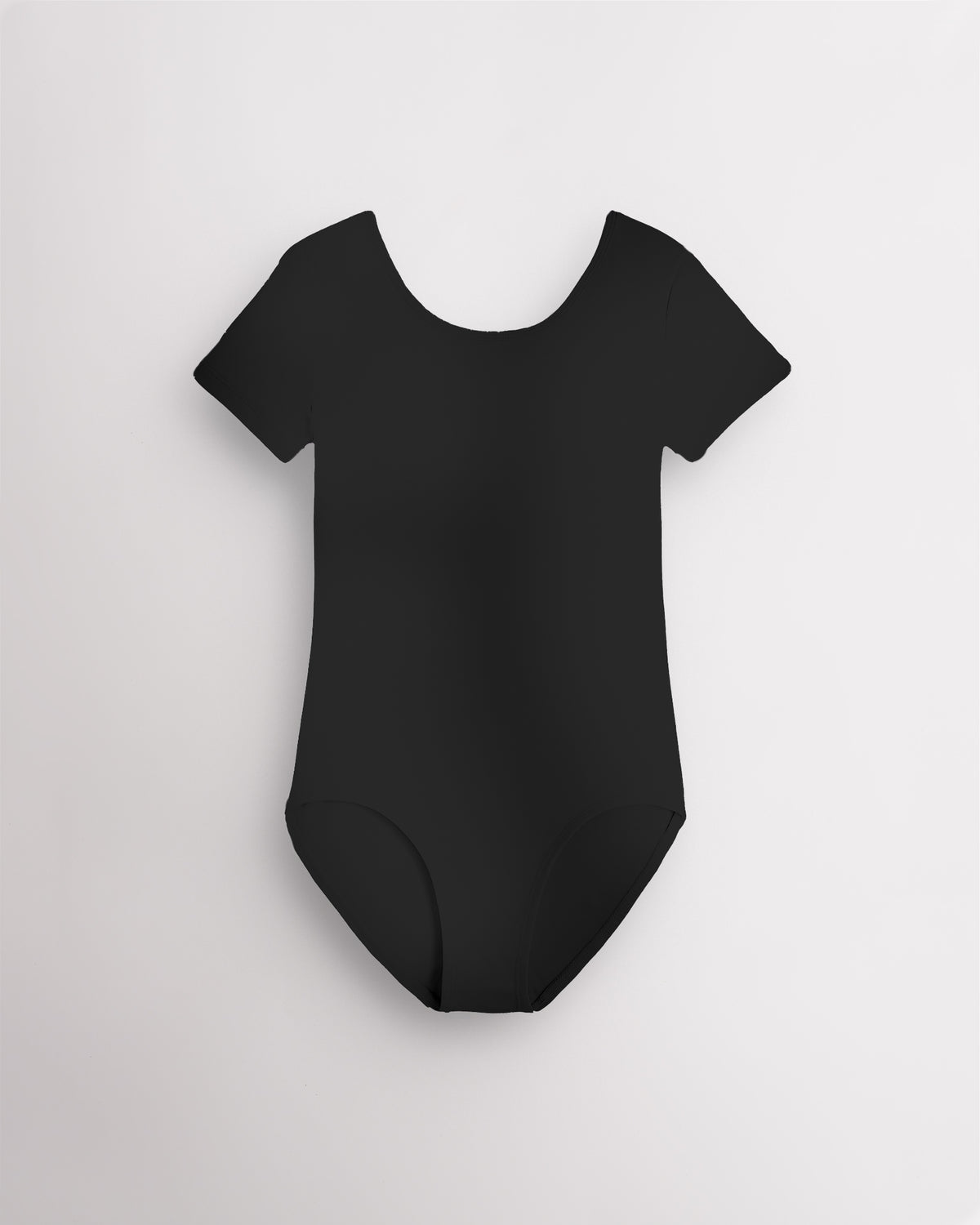
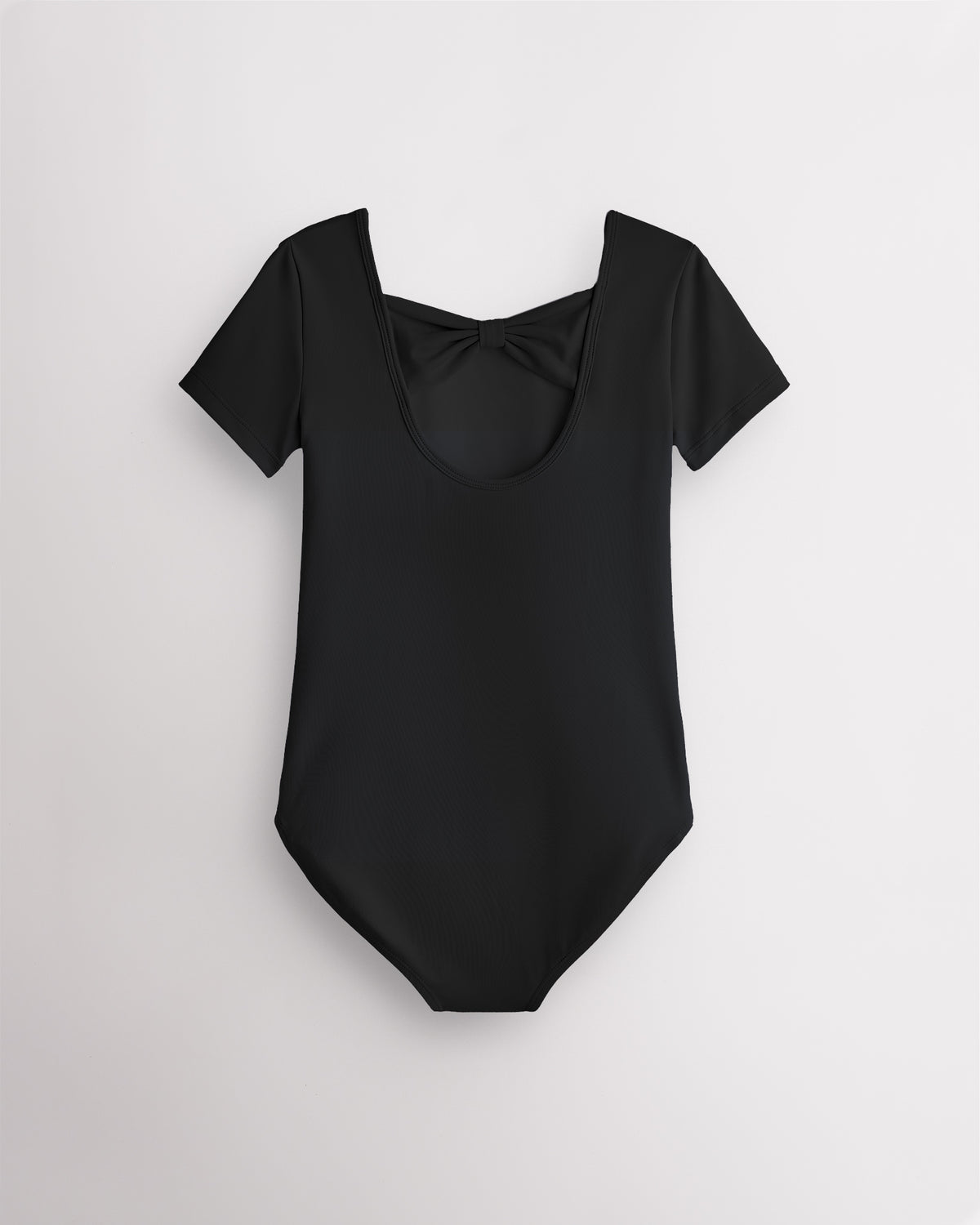
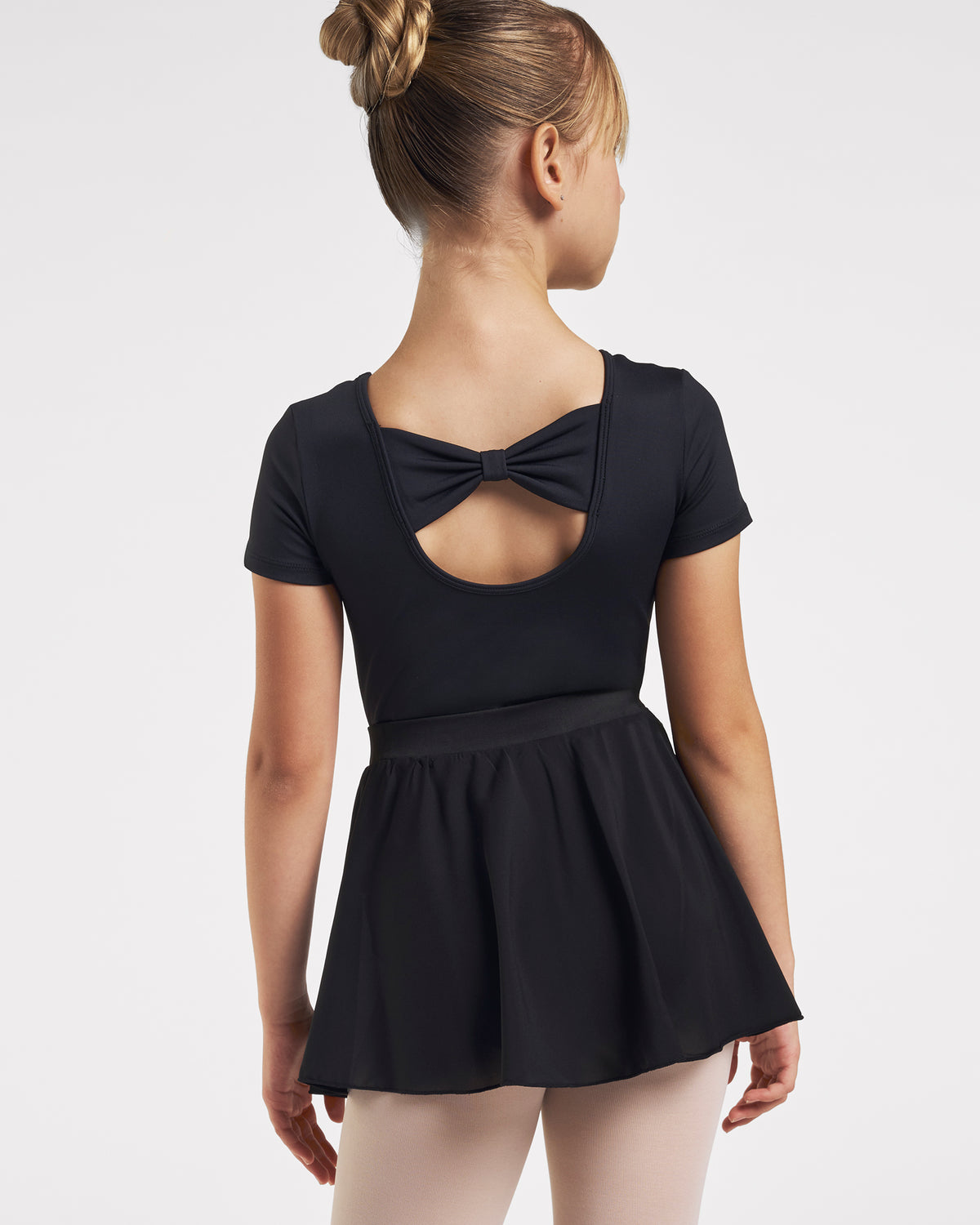
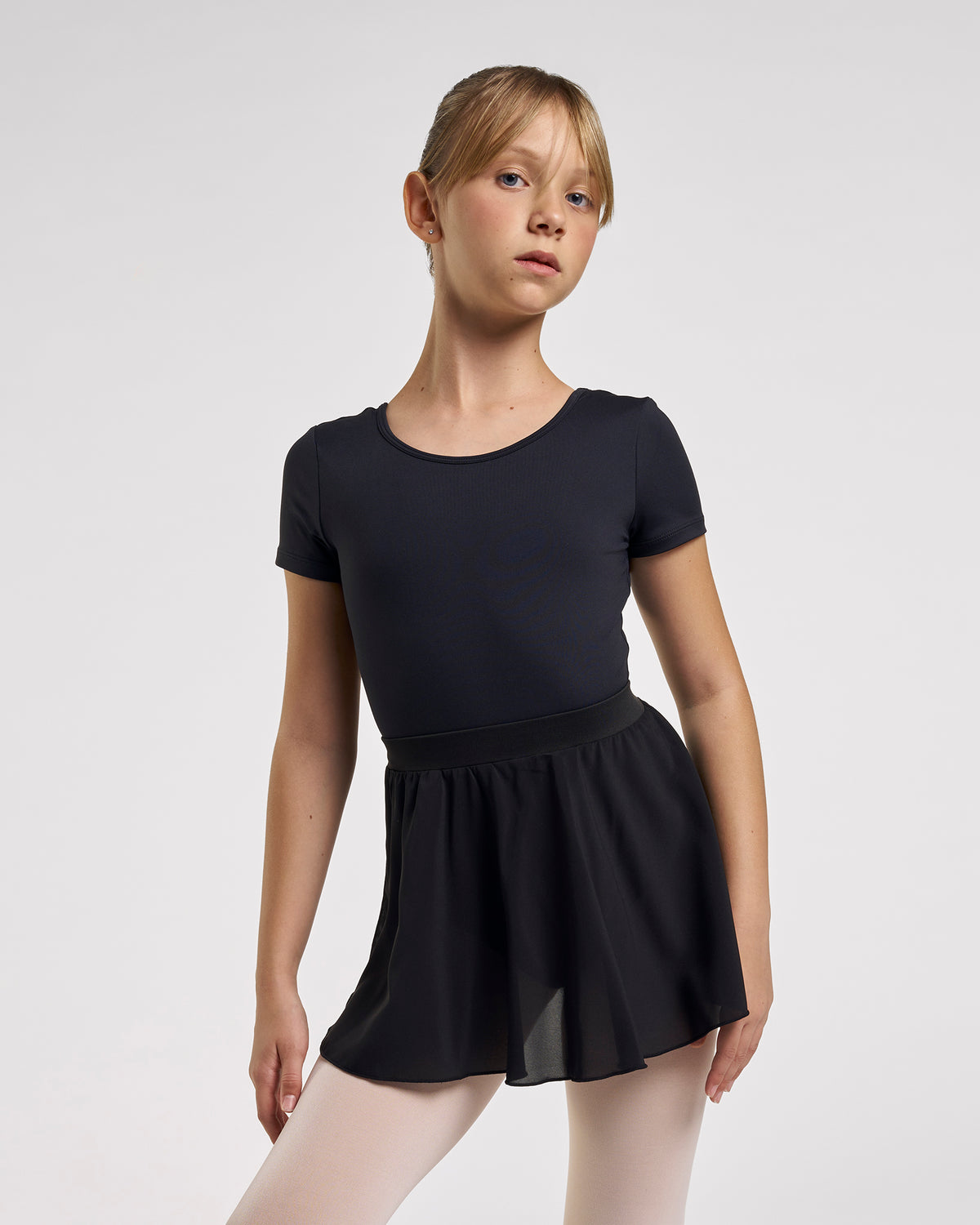
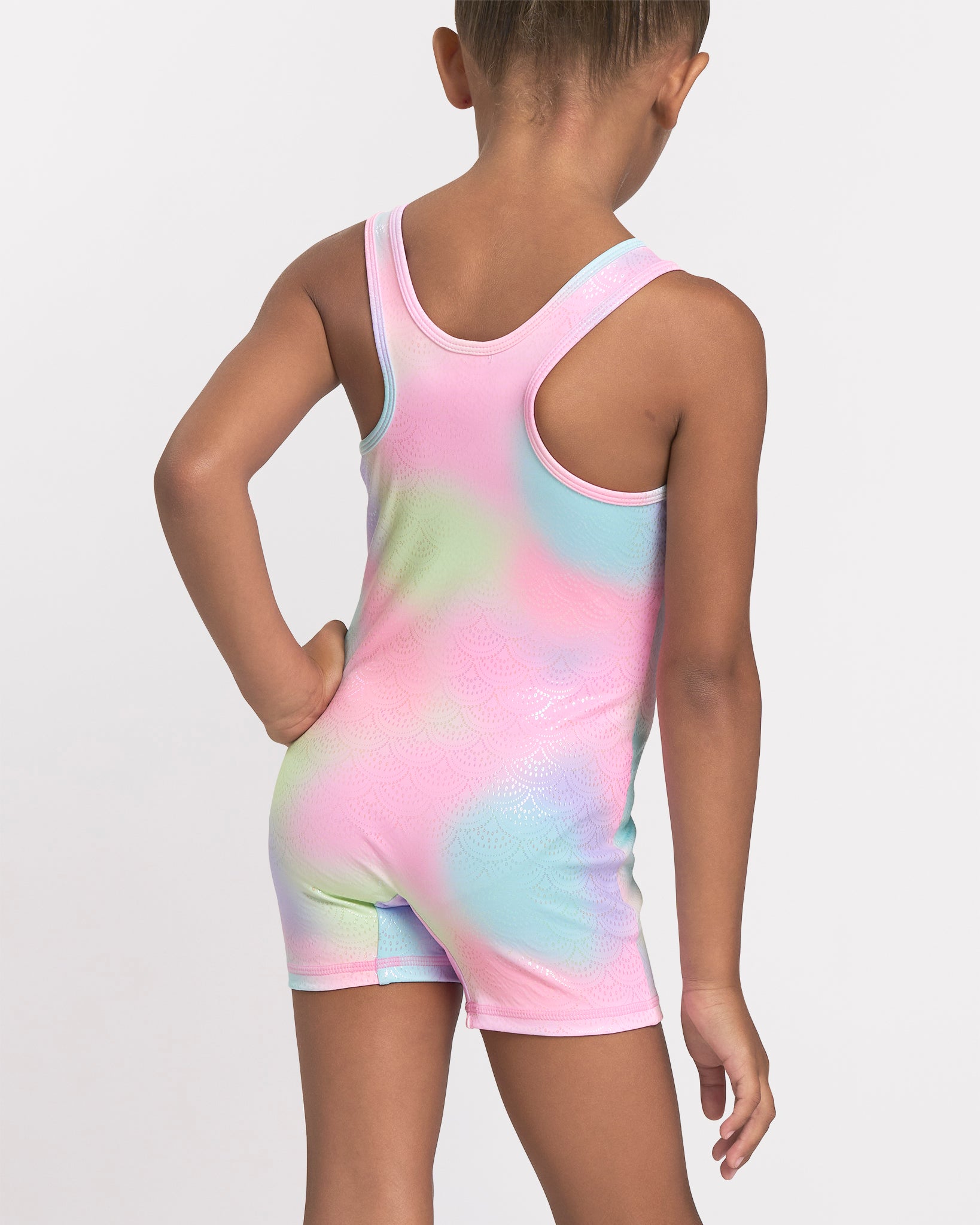
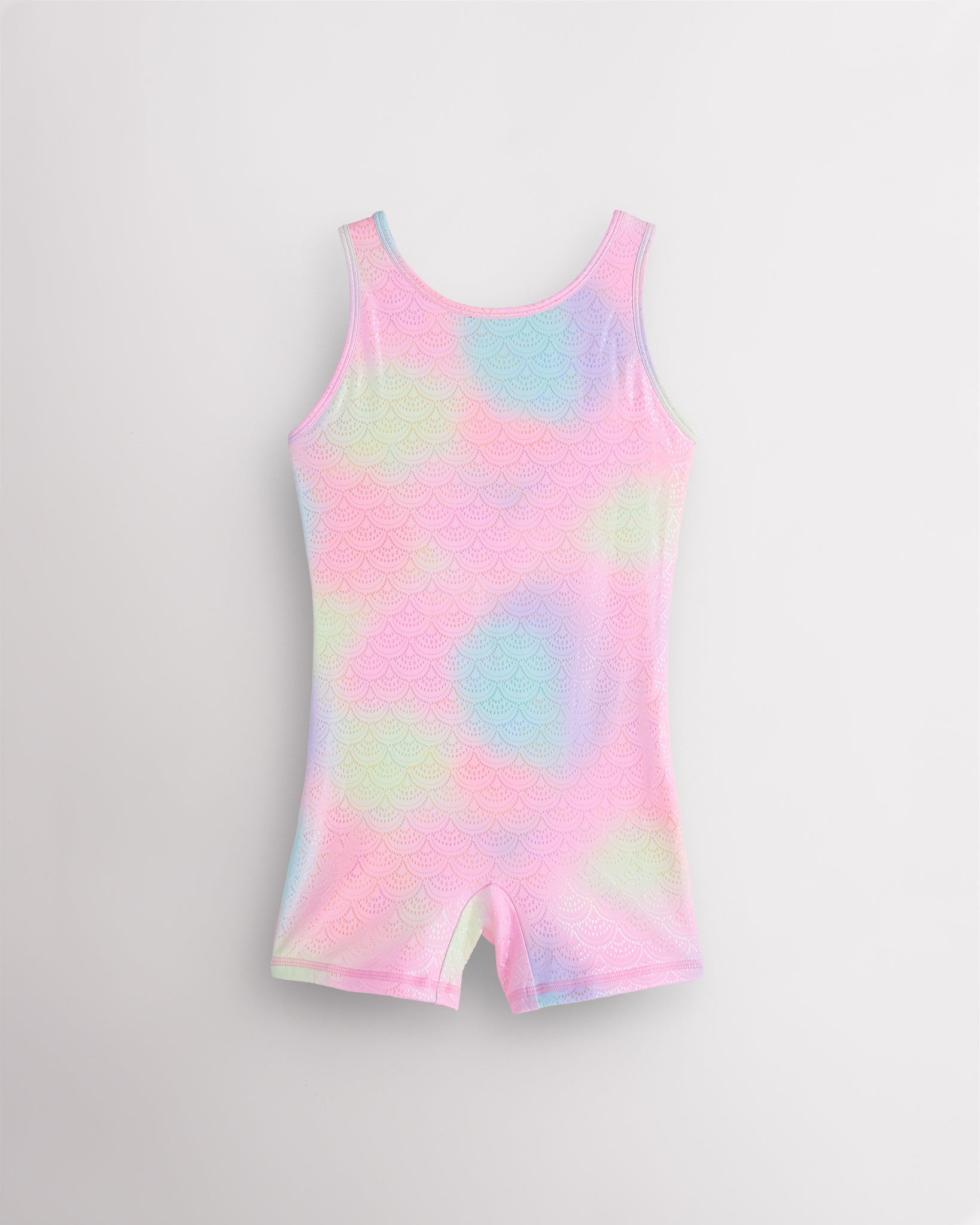
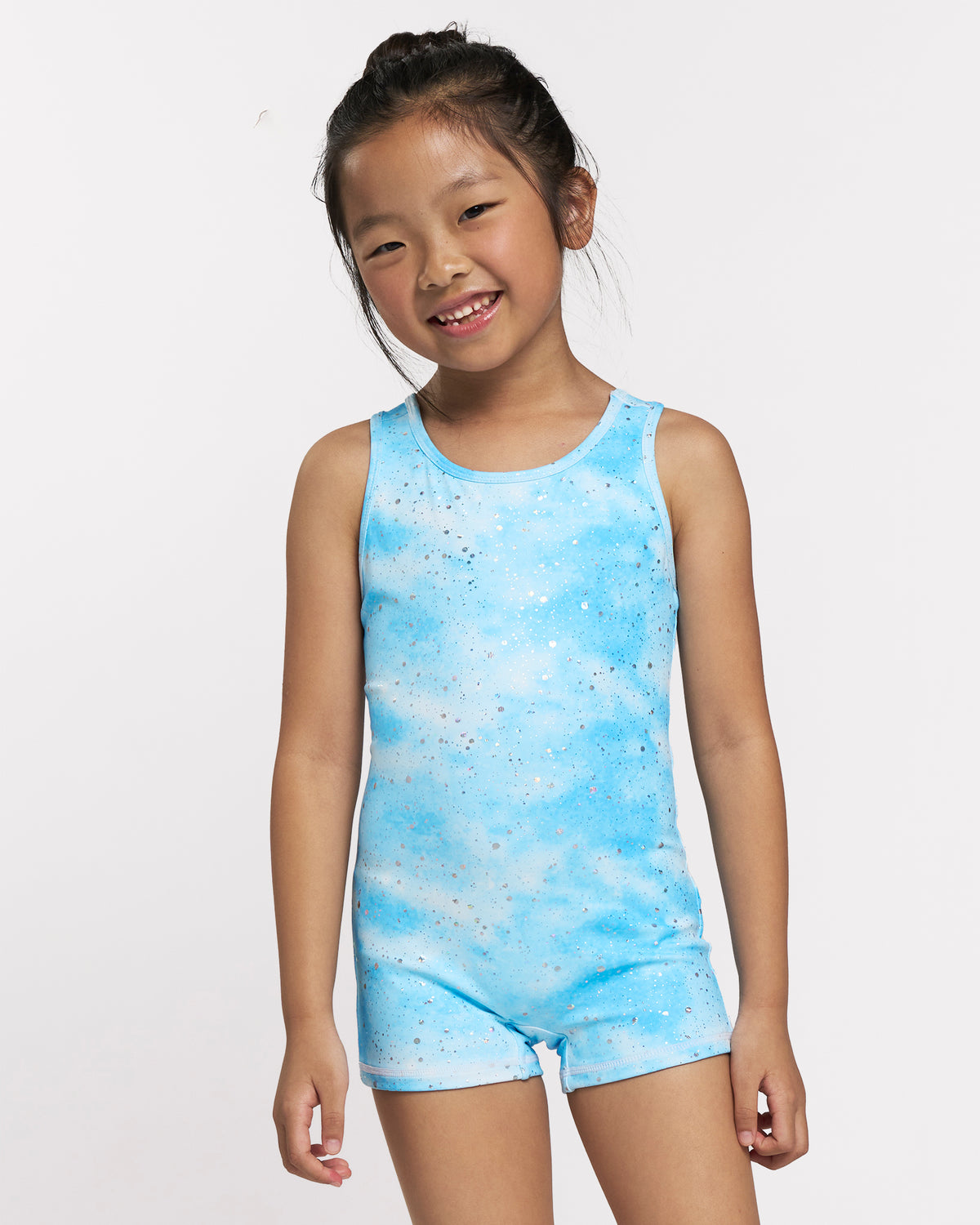
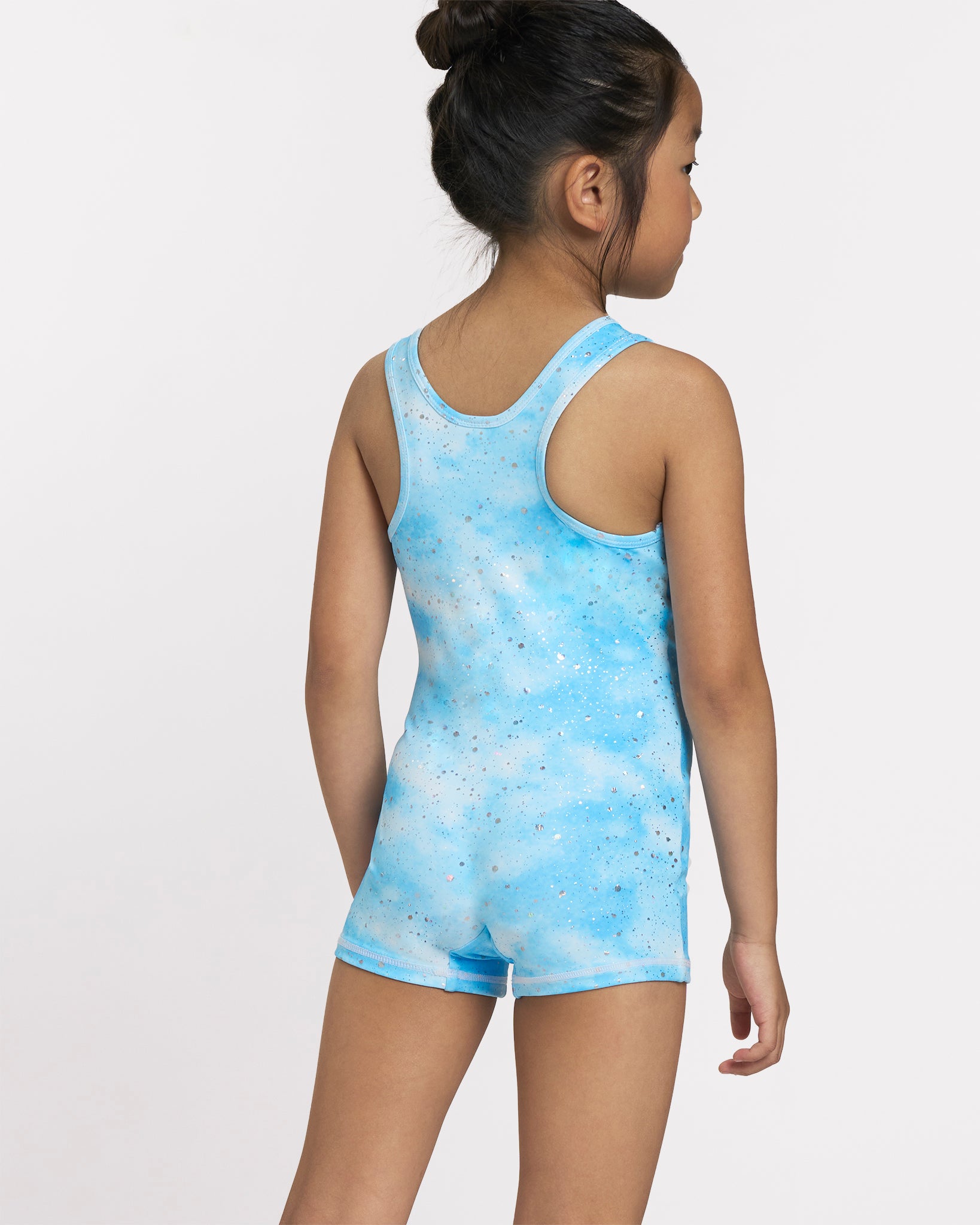
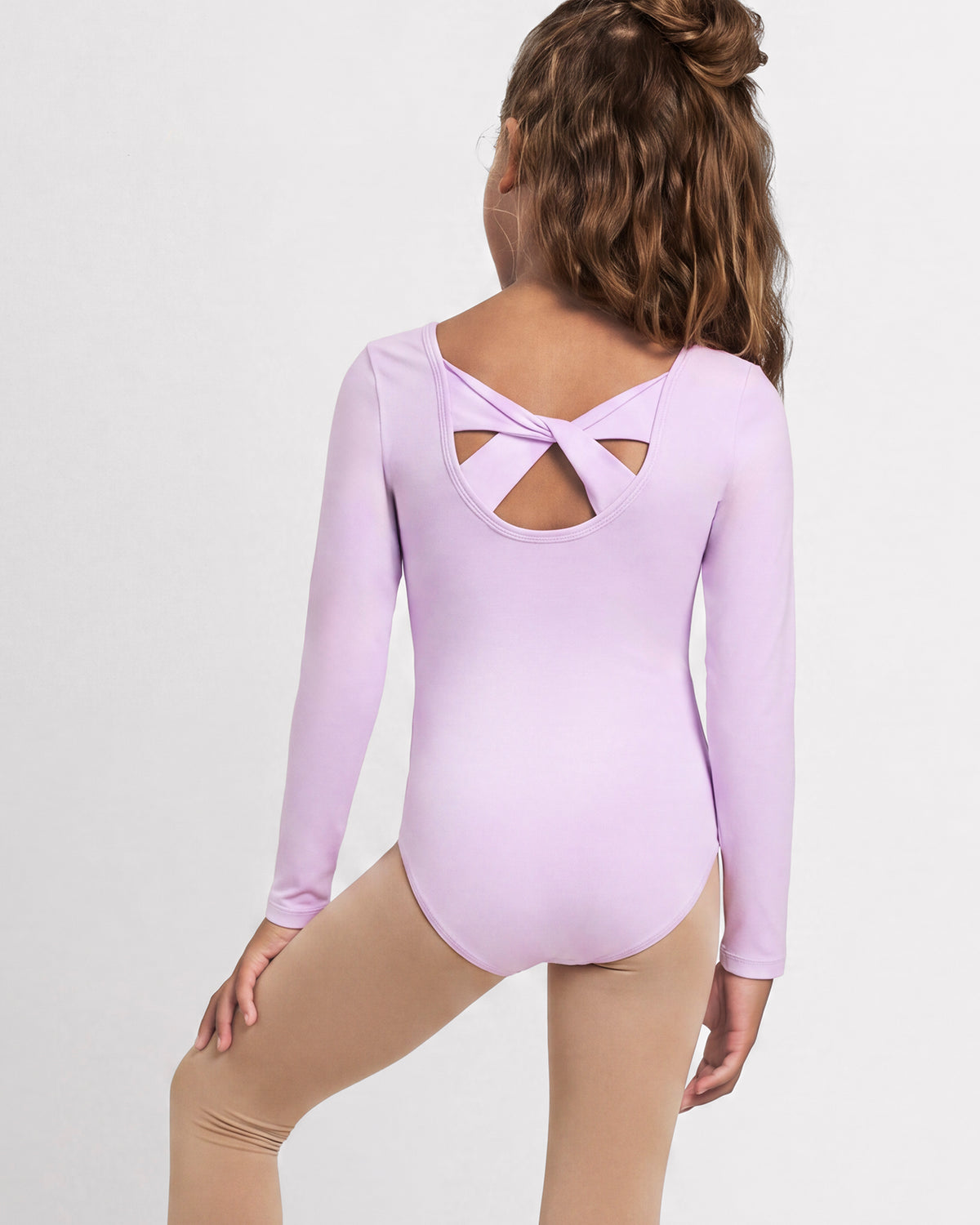
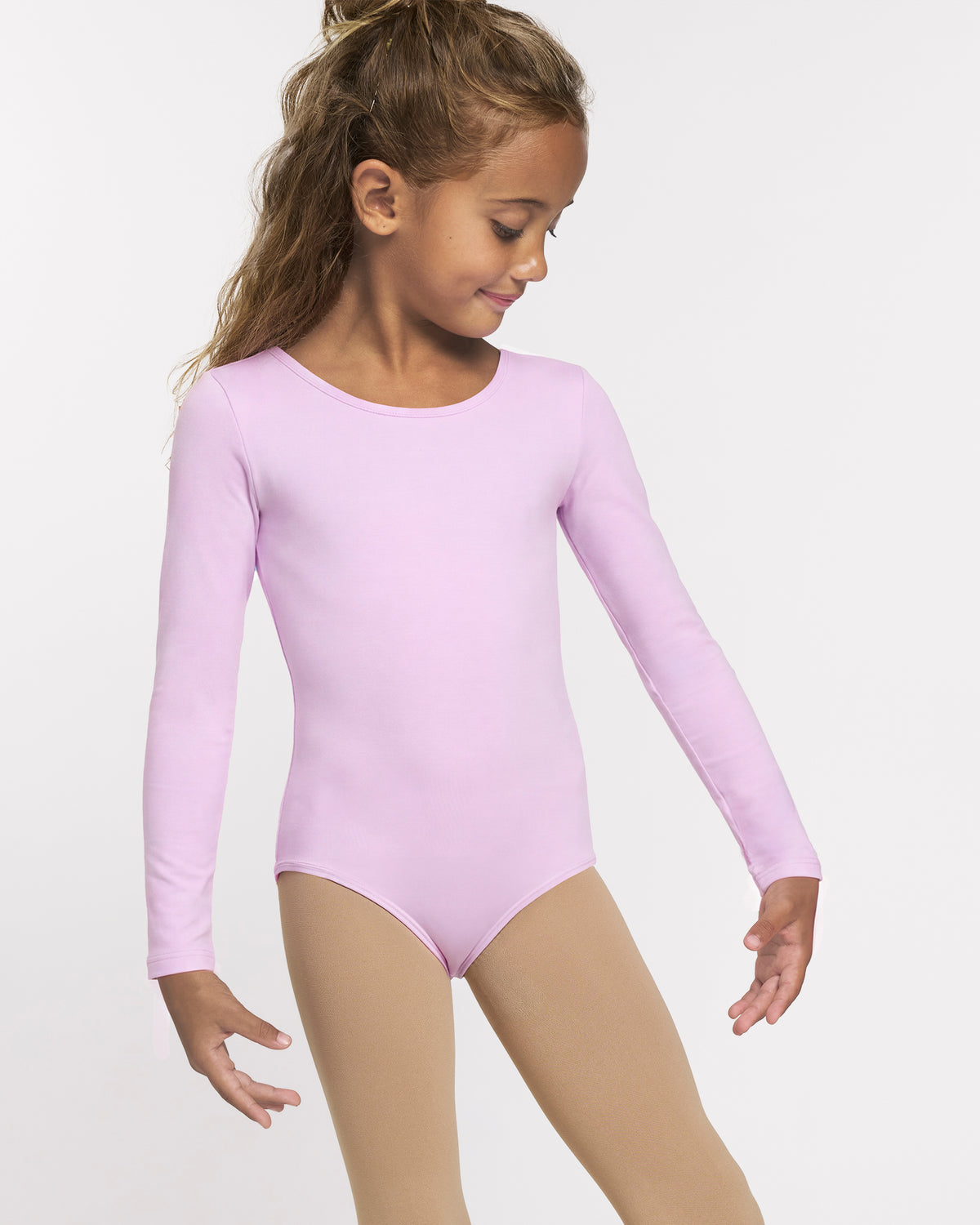
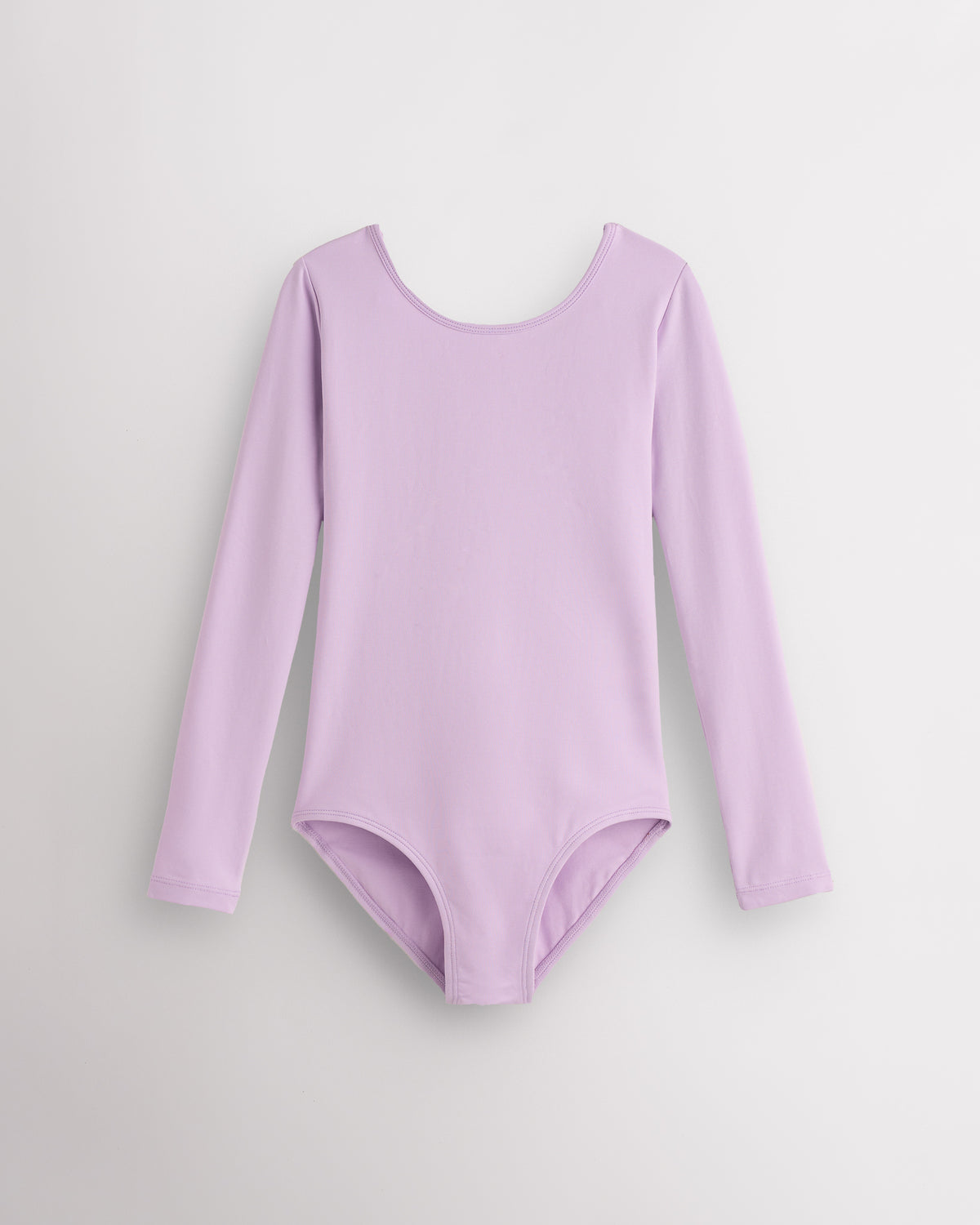
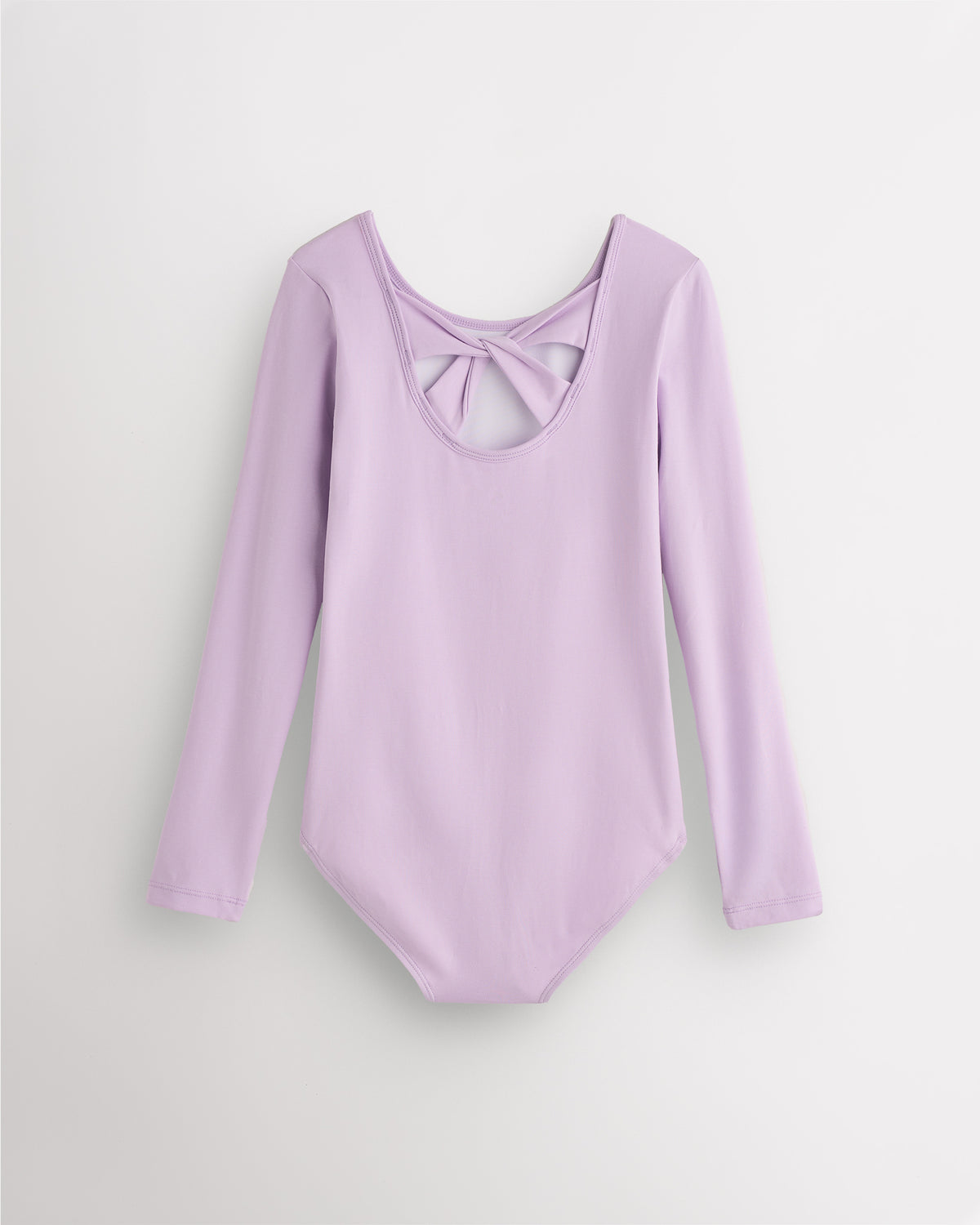
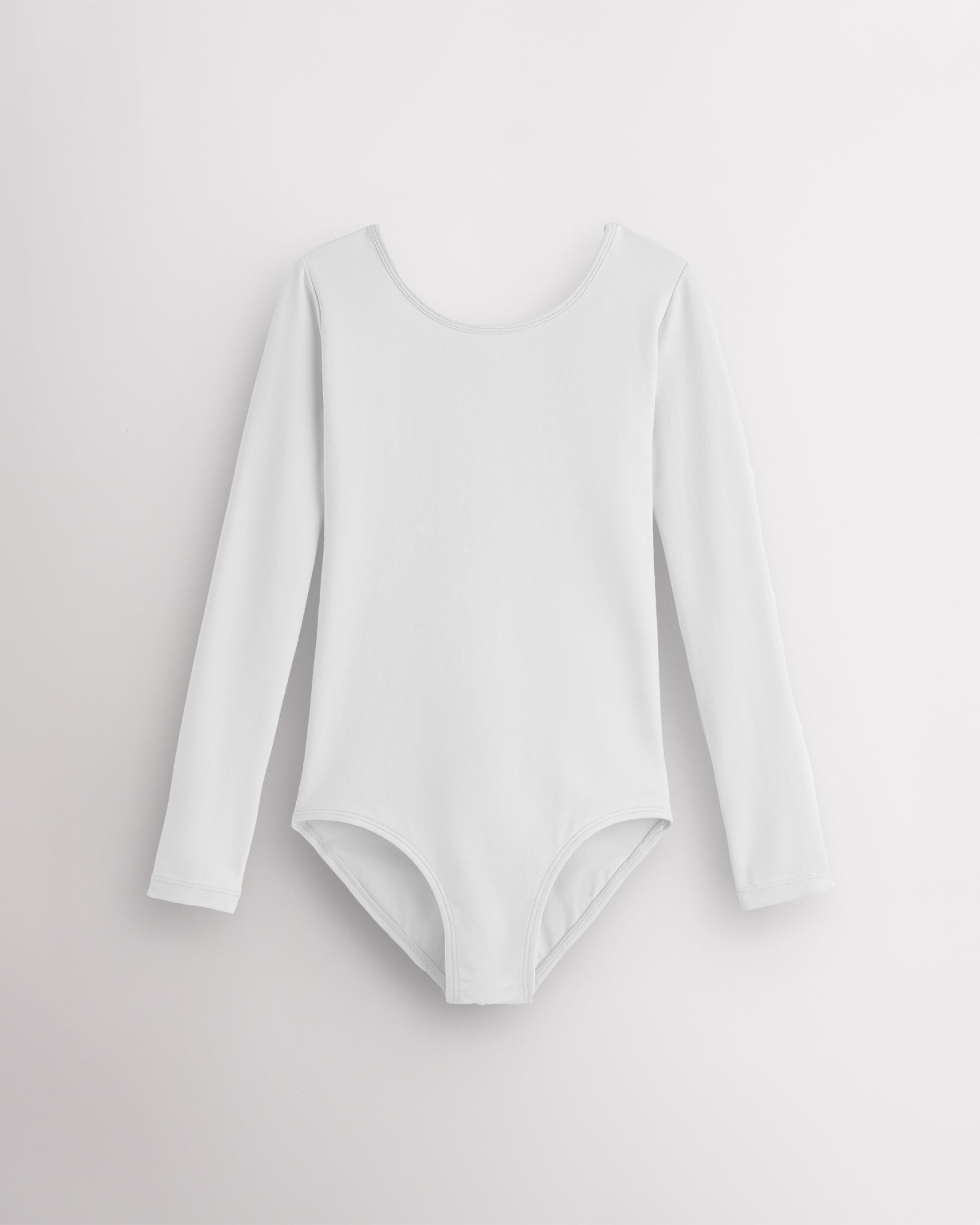
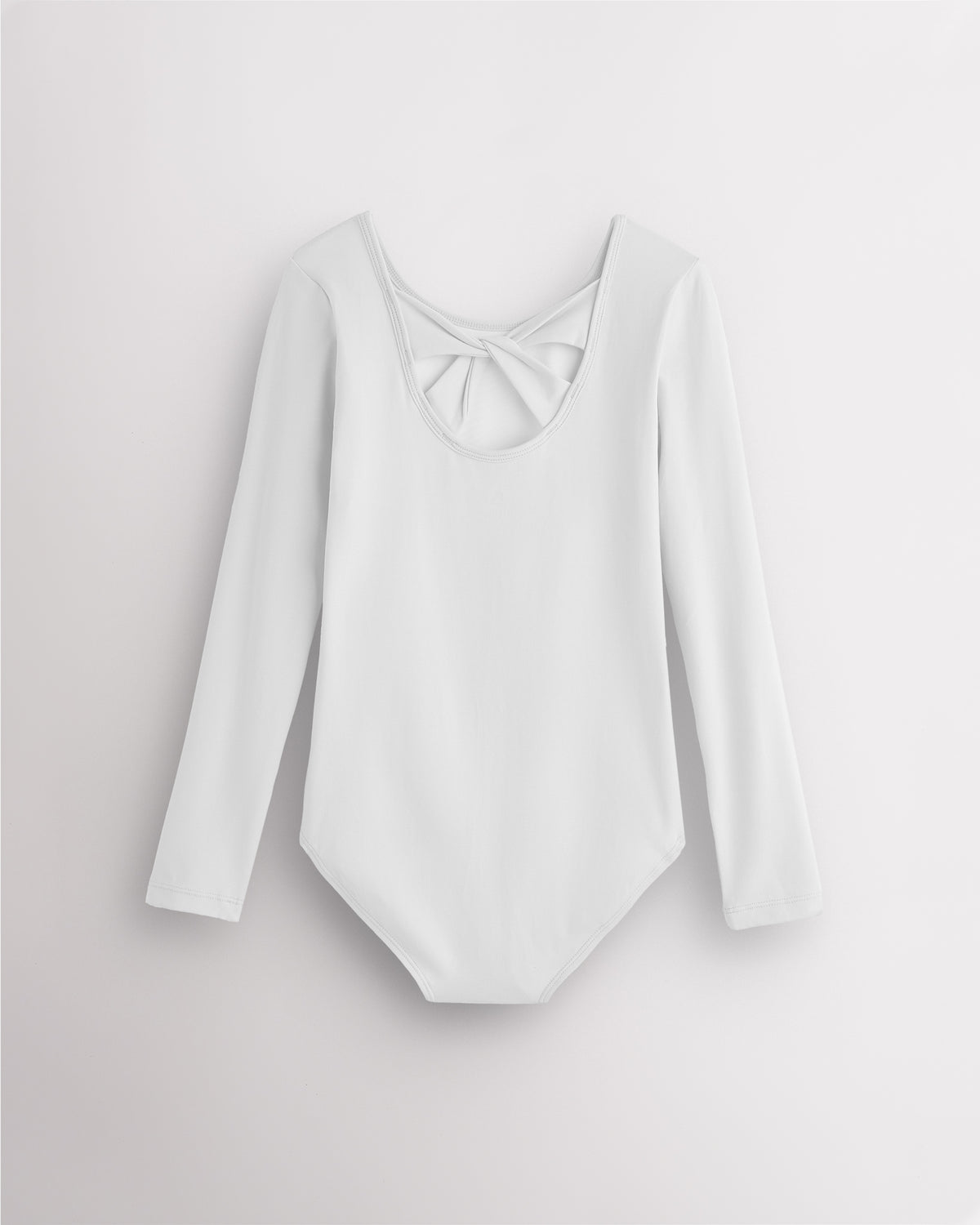
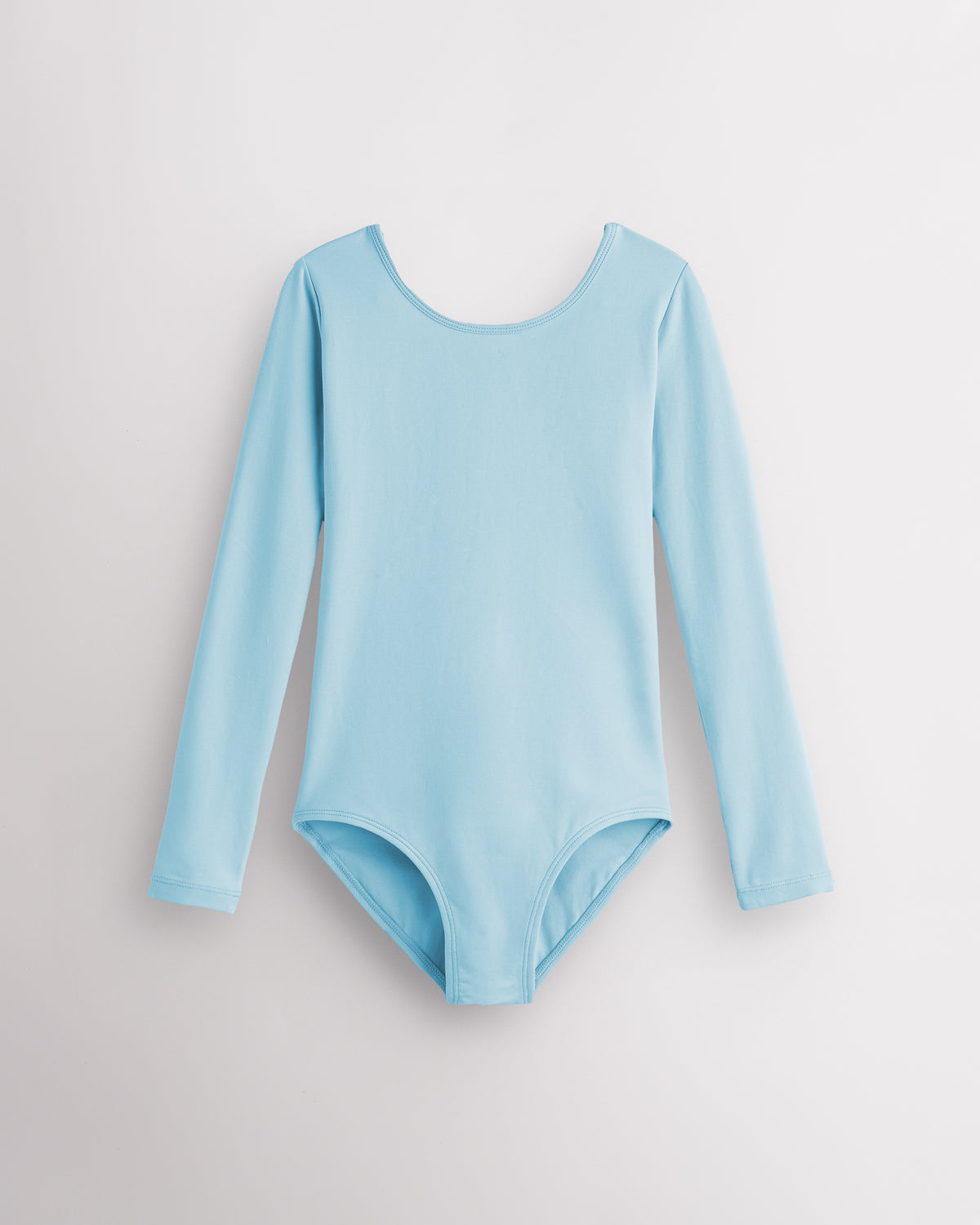
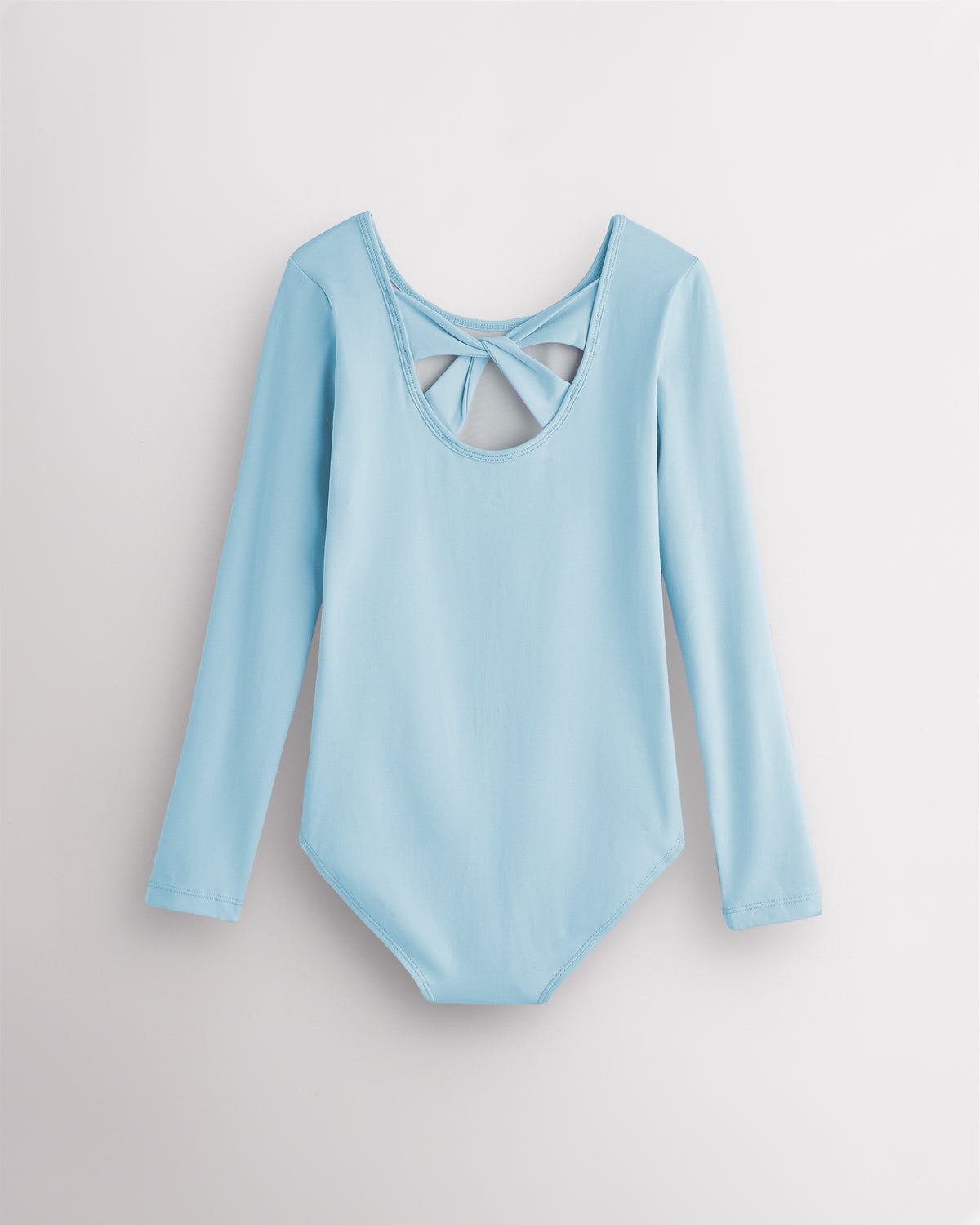
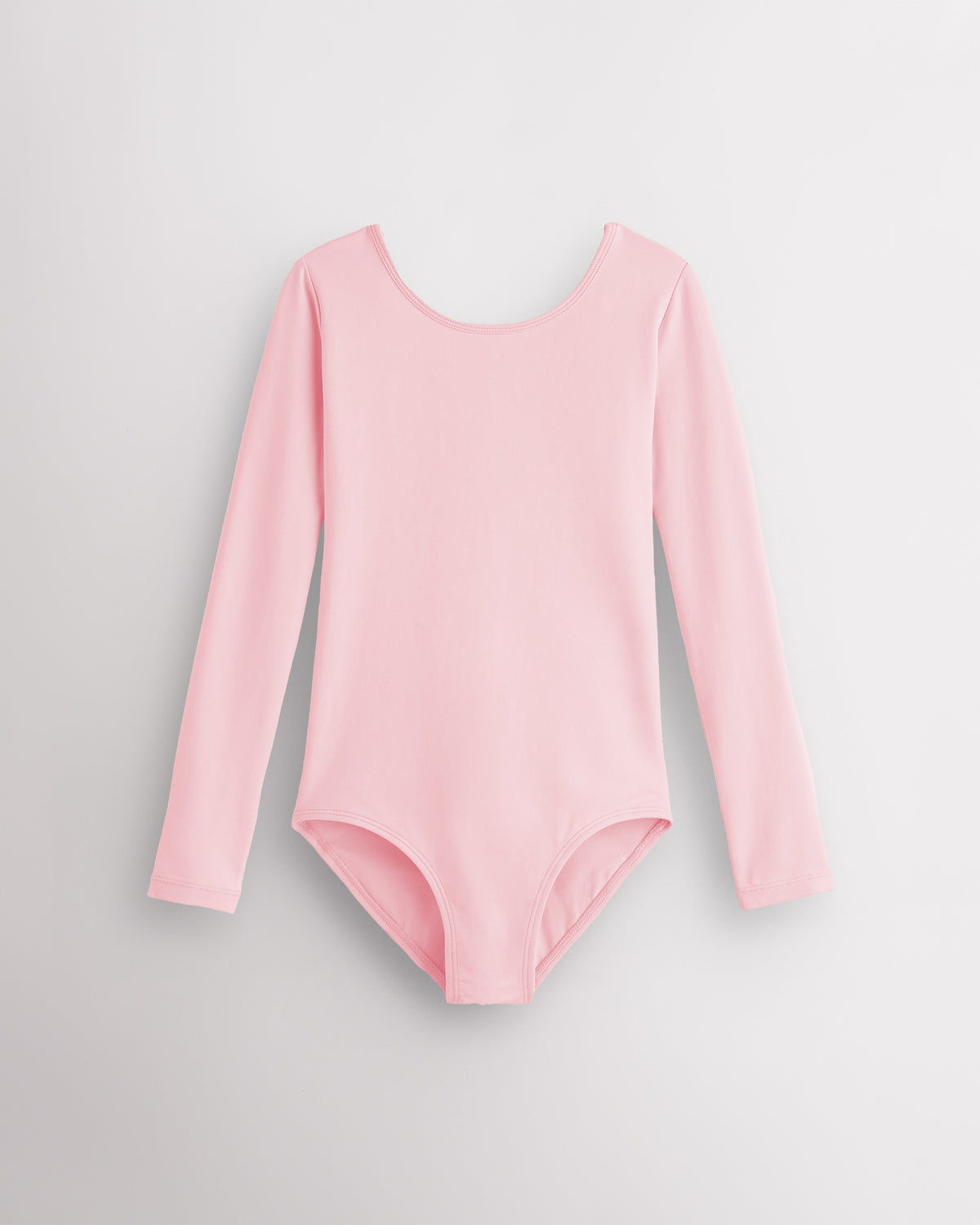
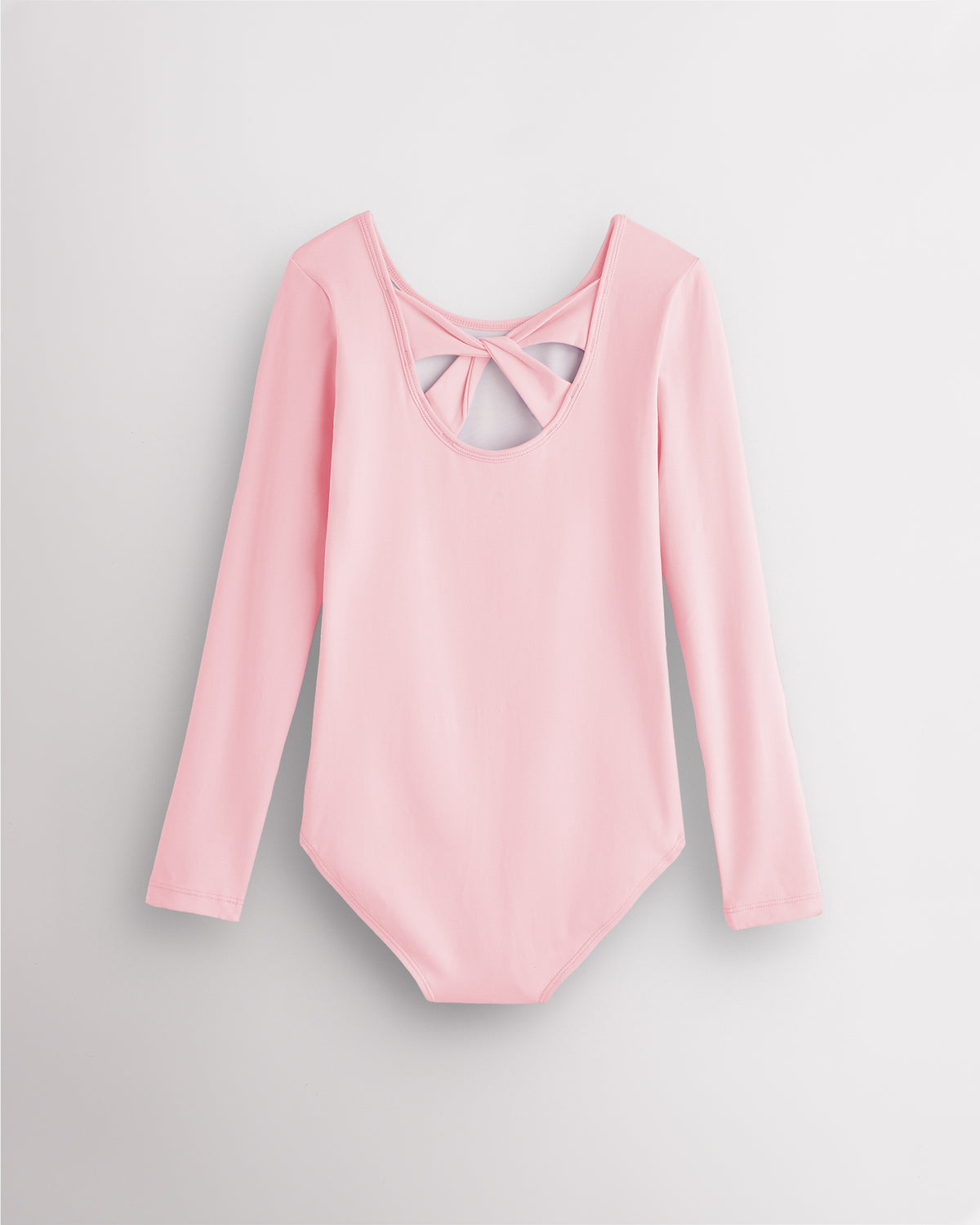
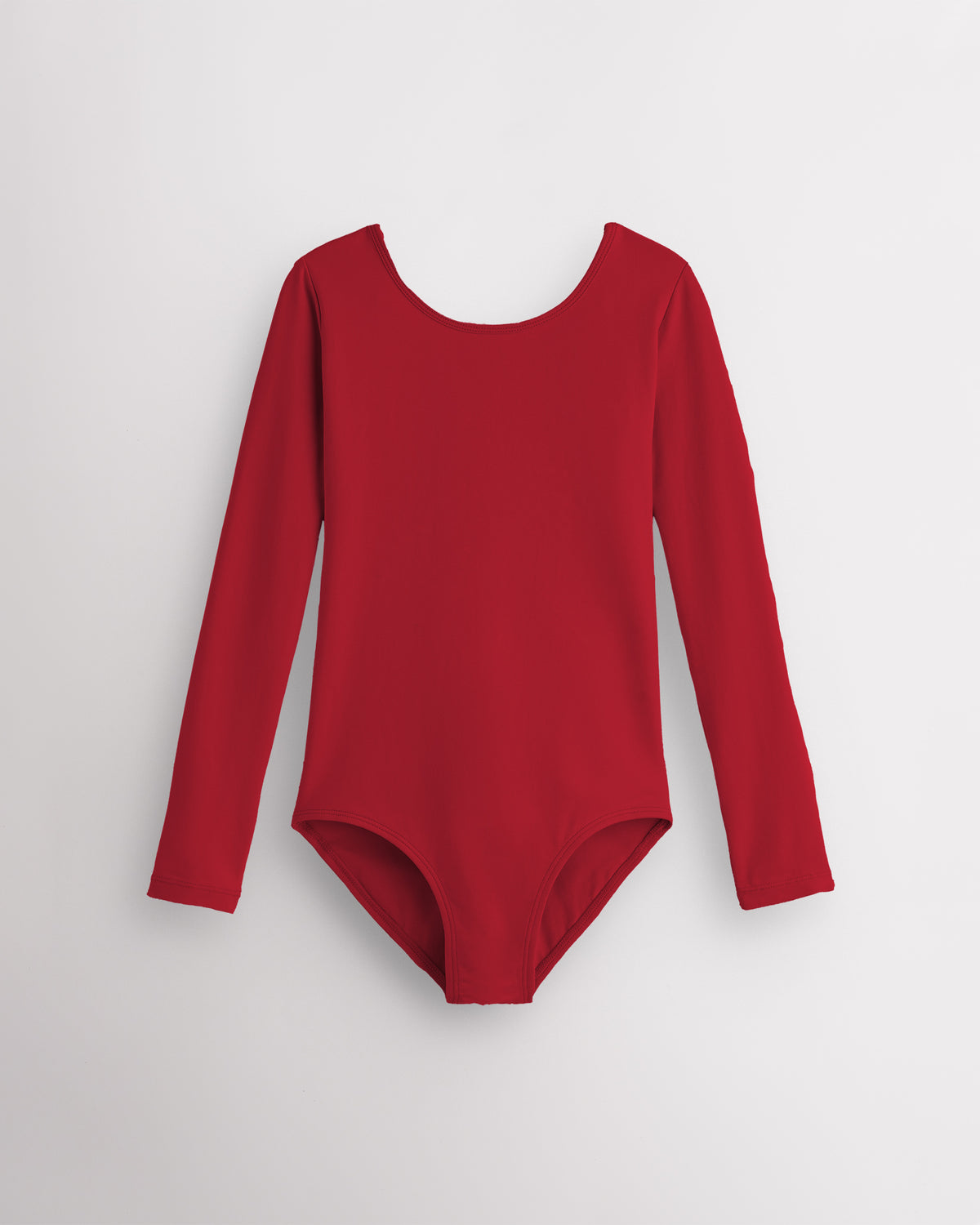
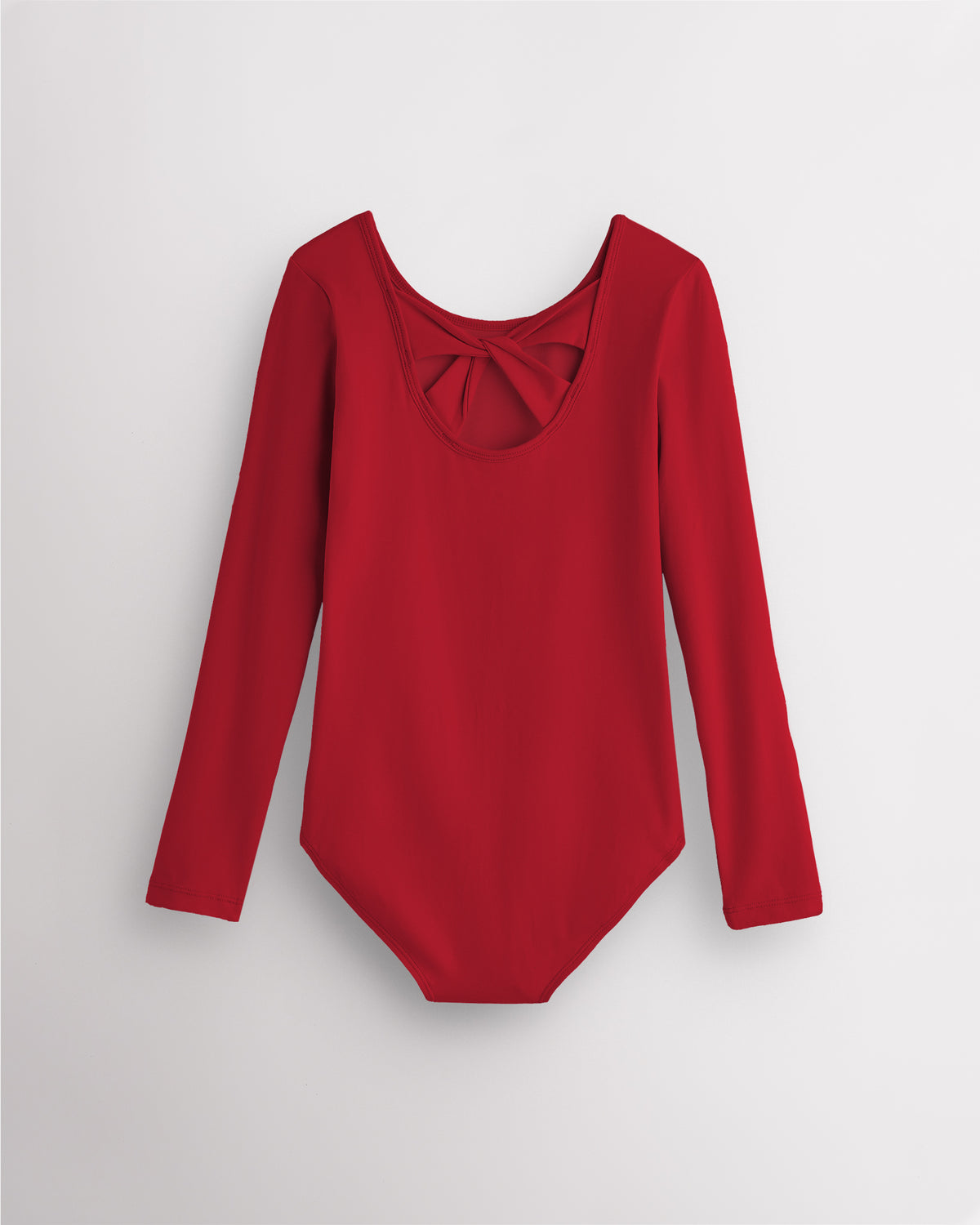
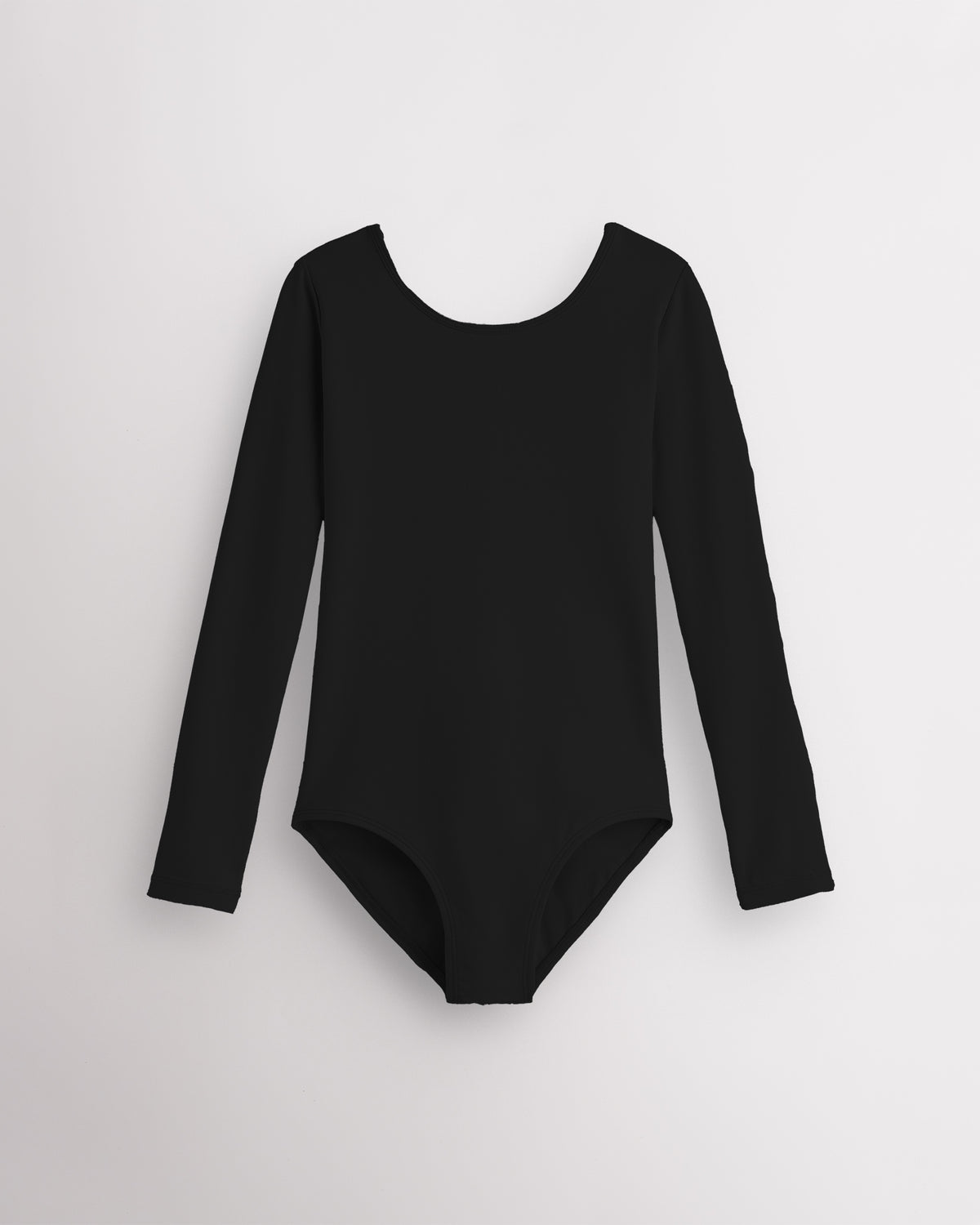
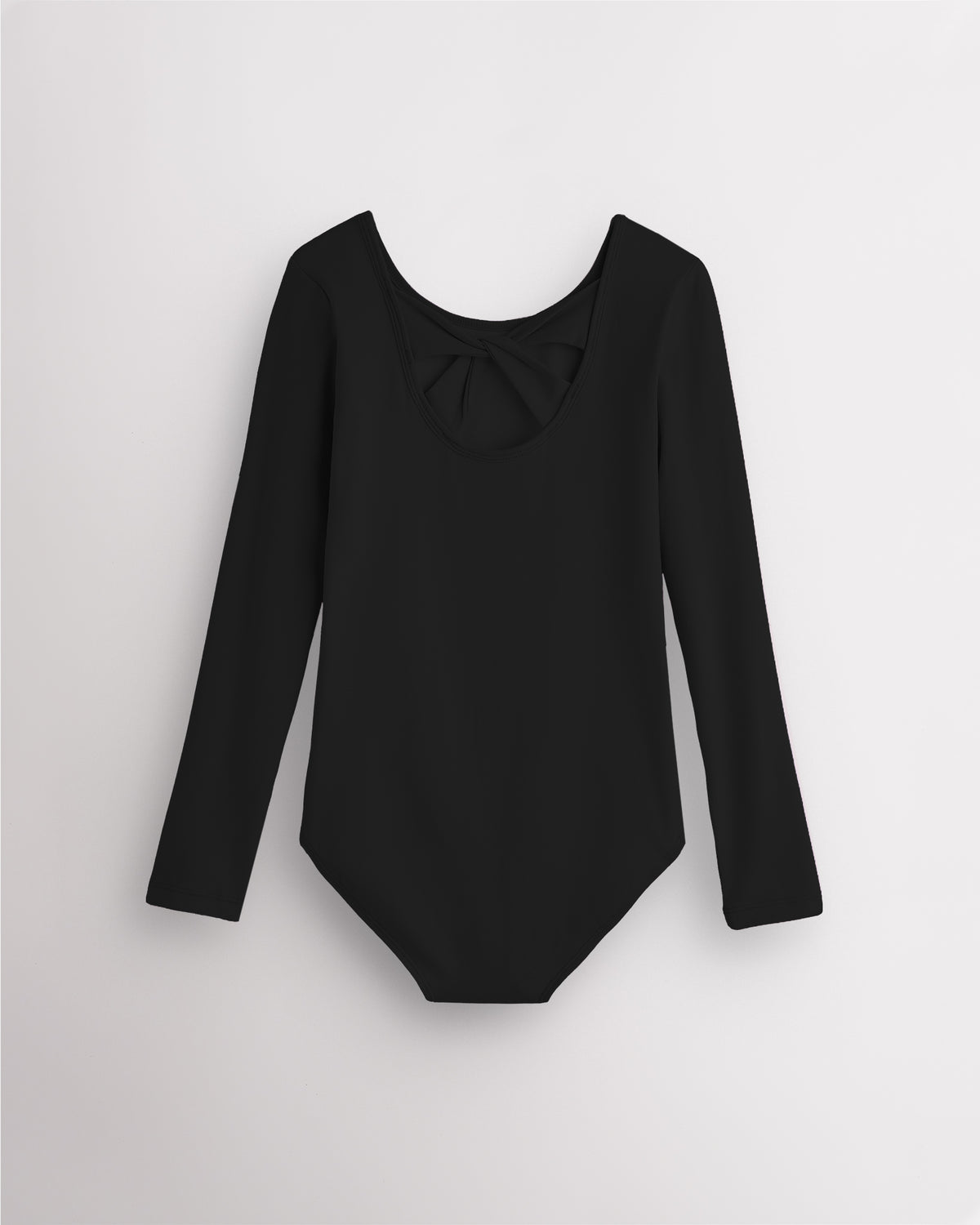
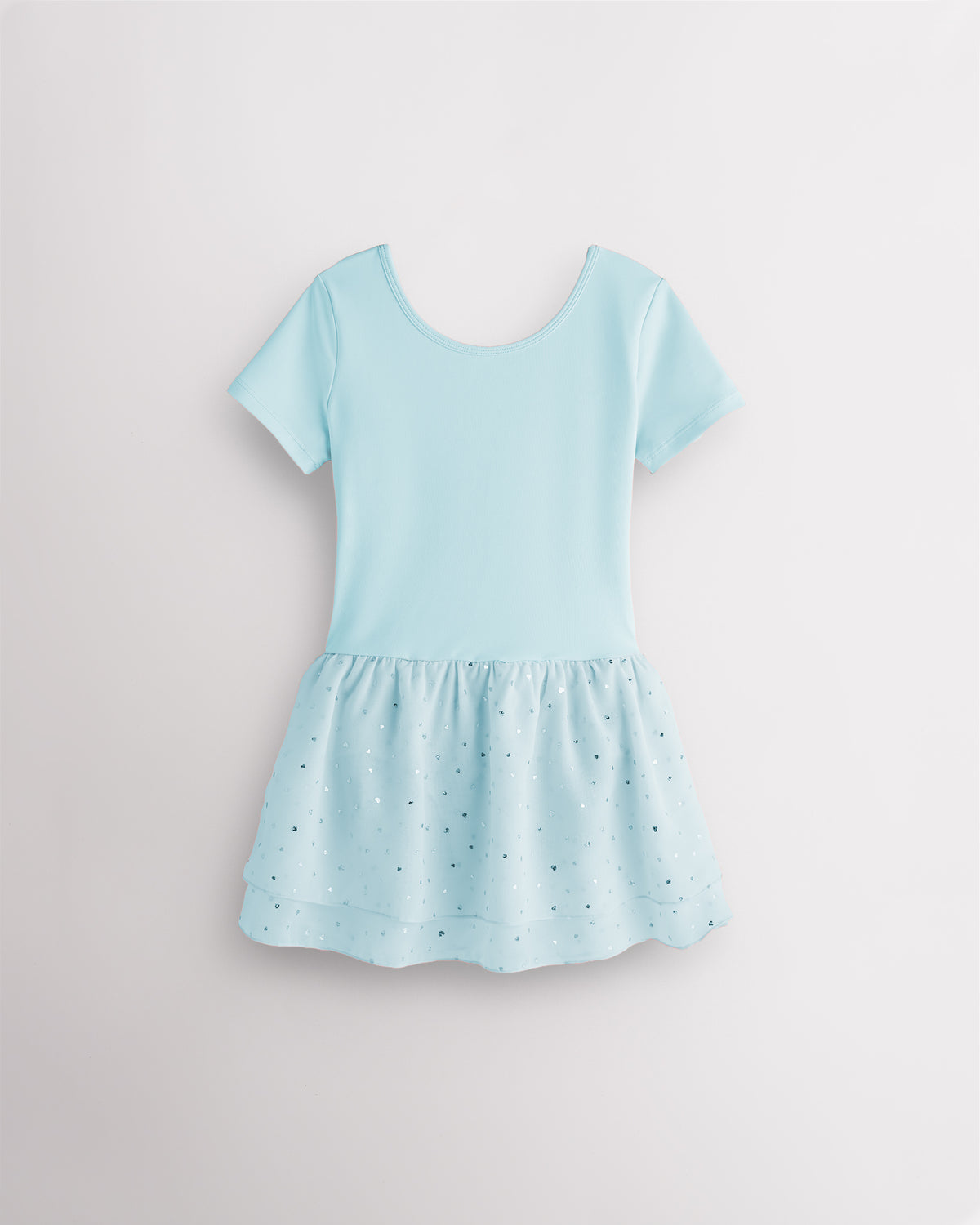
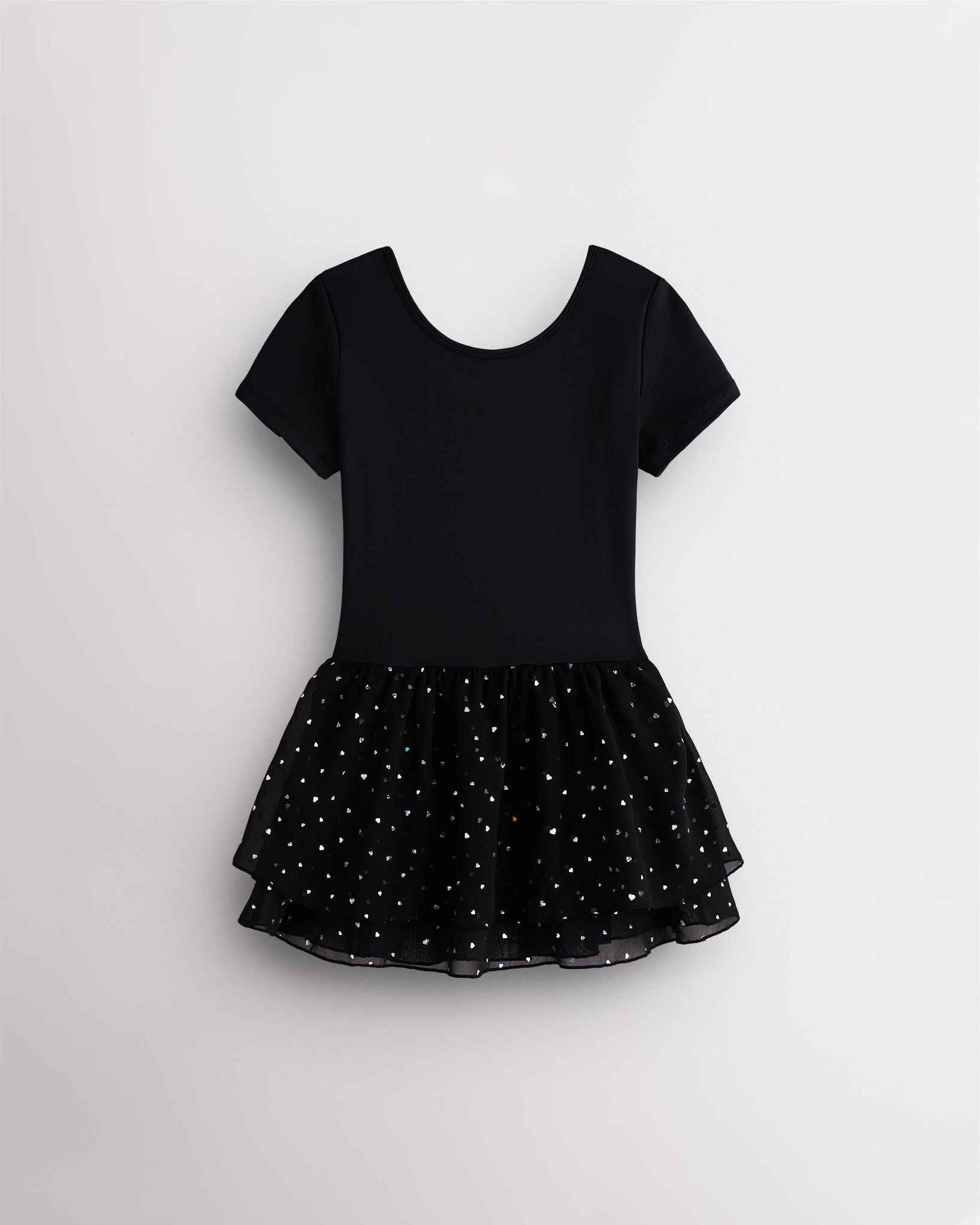
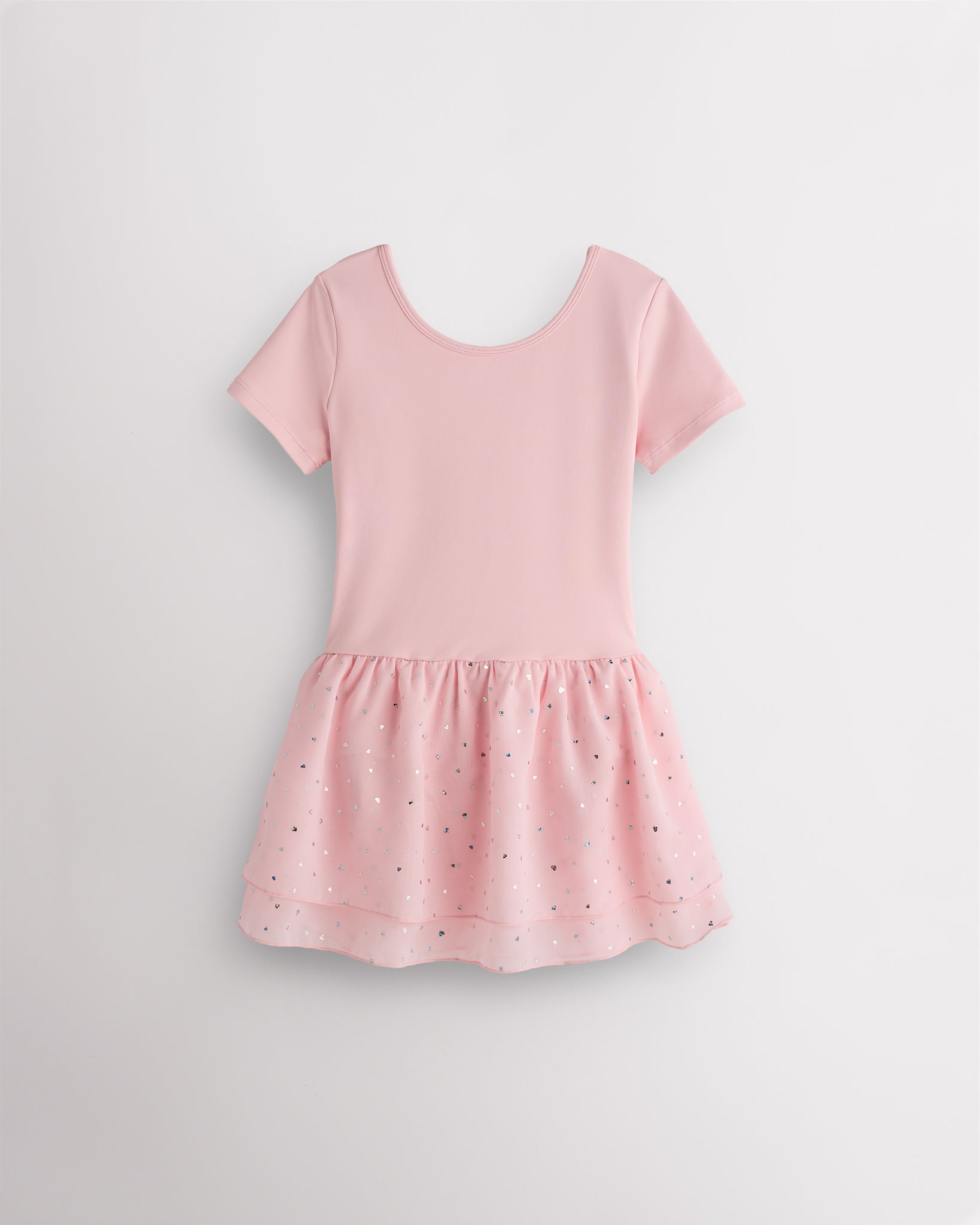
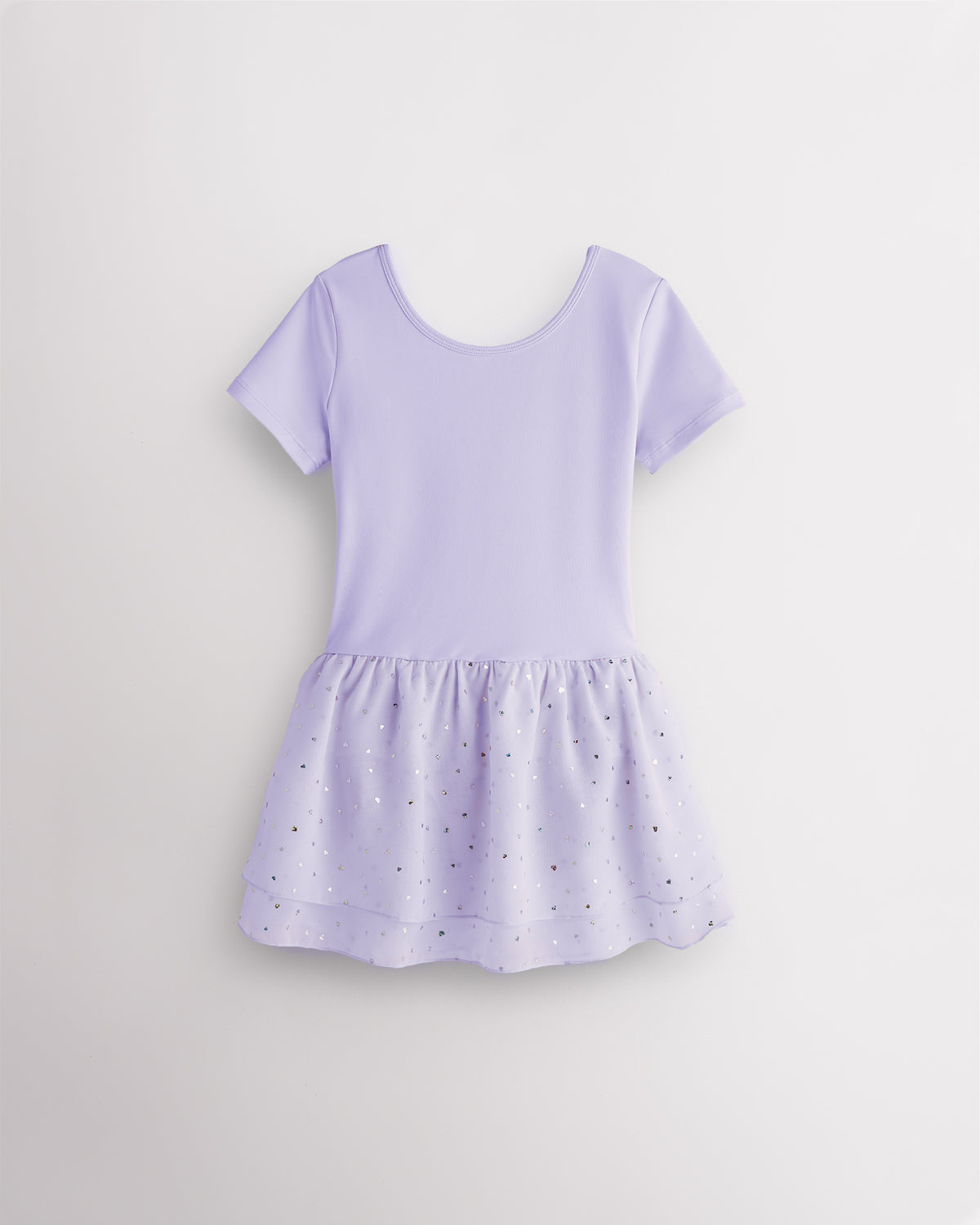
Leotard: The stretchy one-piece base layer of nearly every dress code. Fit and fabric matter more than looks; here's our guide to choosing a leotard for girls.
-
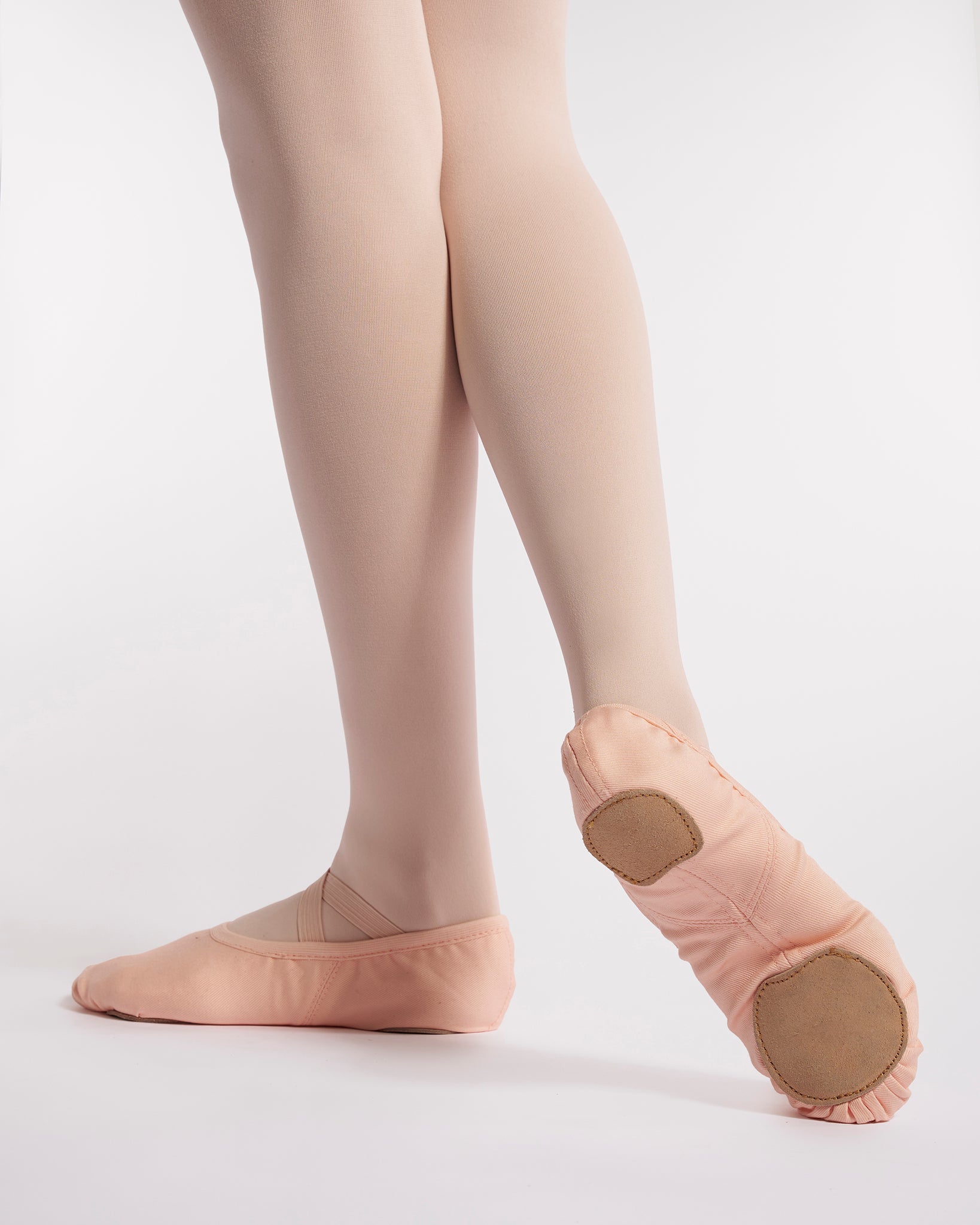
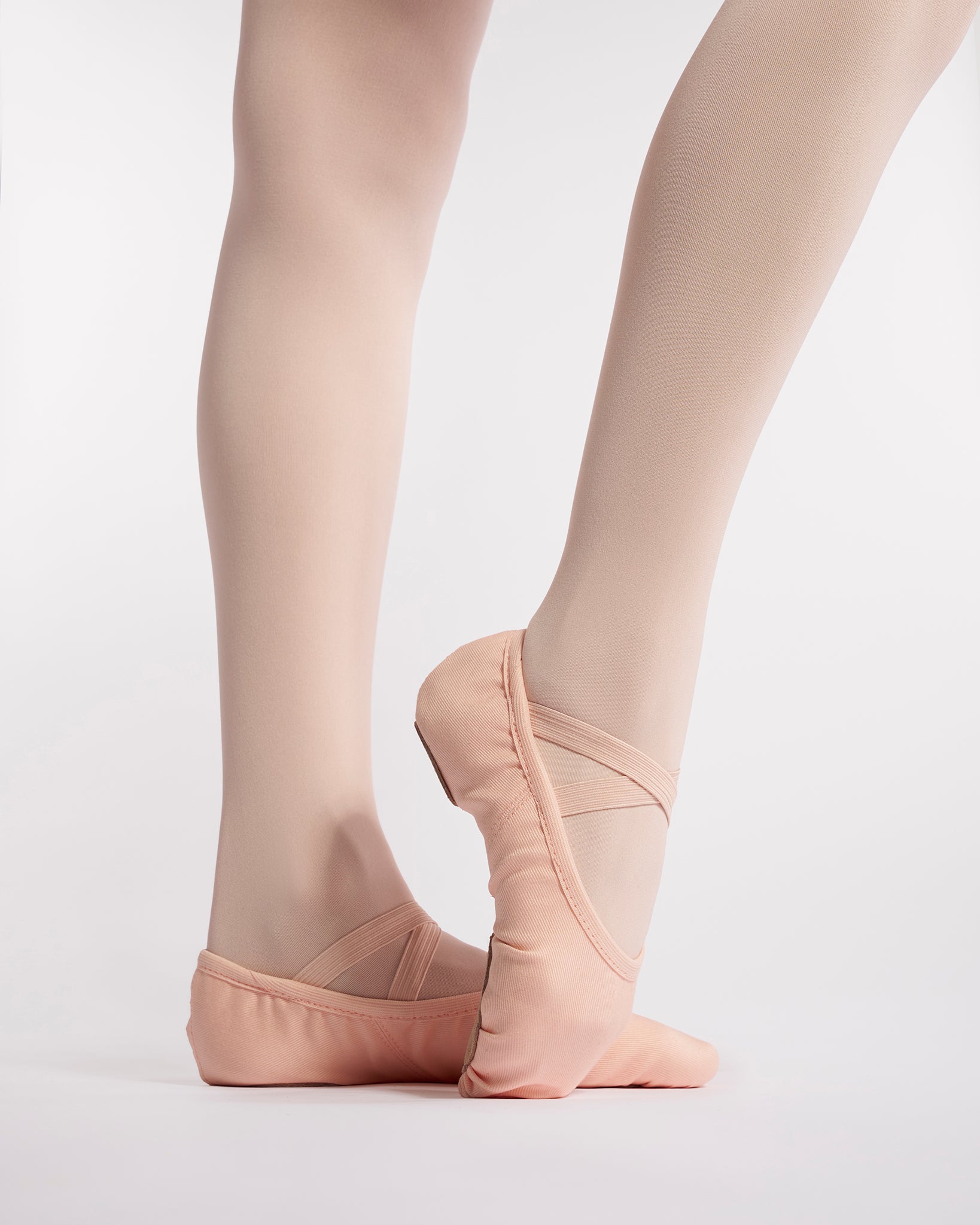
Tights: Footed, convertible, or footless; most studios specify which. Our kids dance tights guide sorts out the types.
-
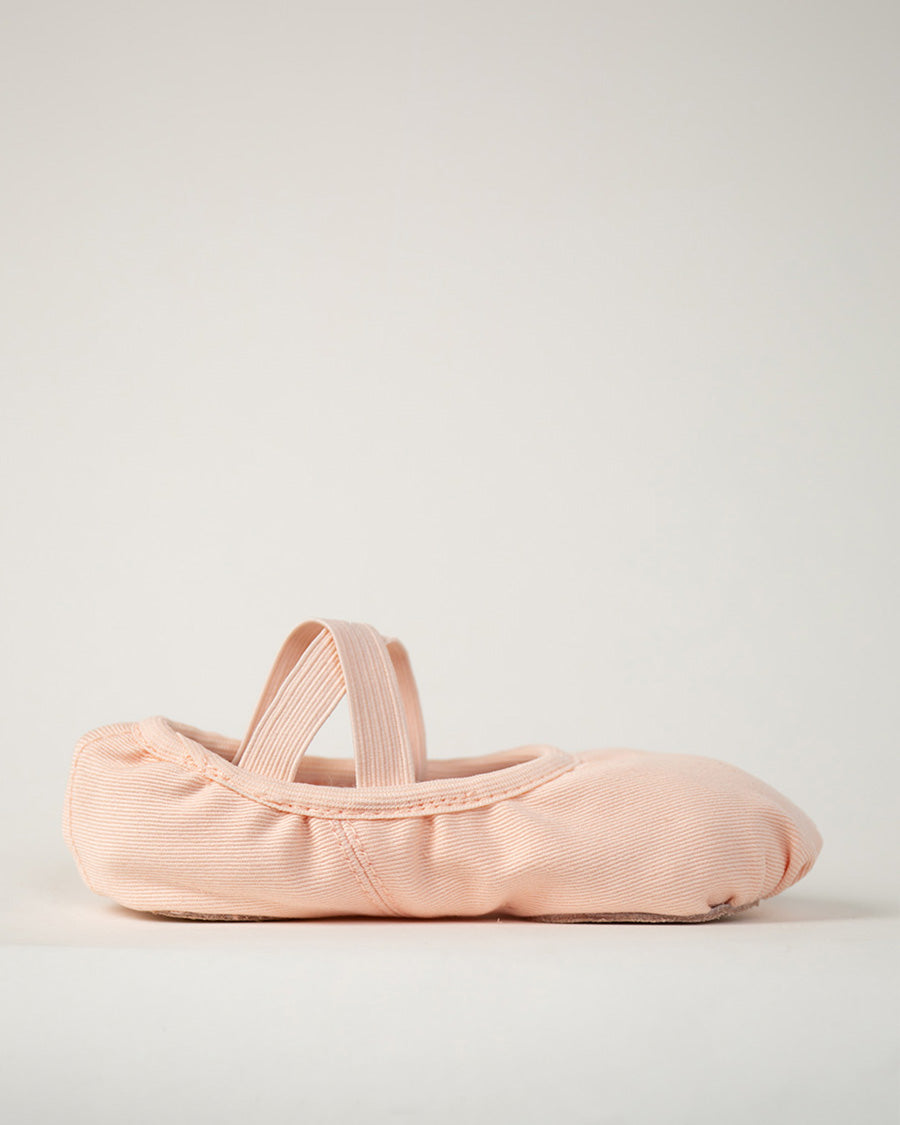
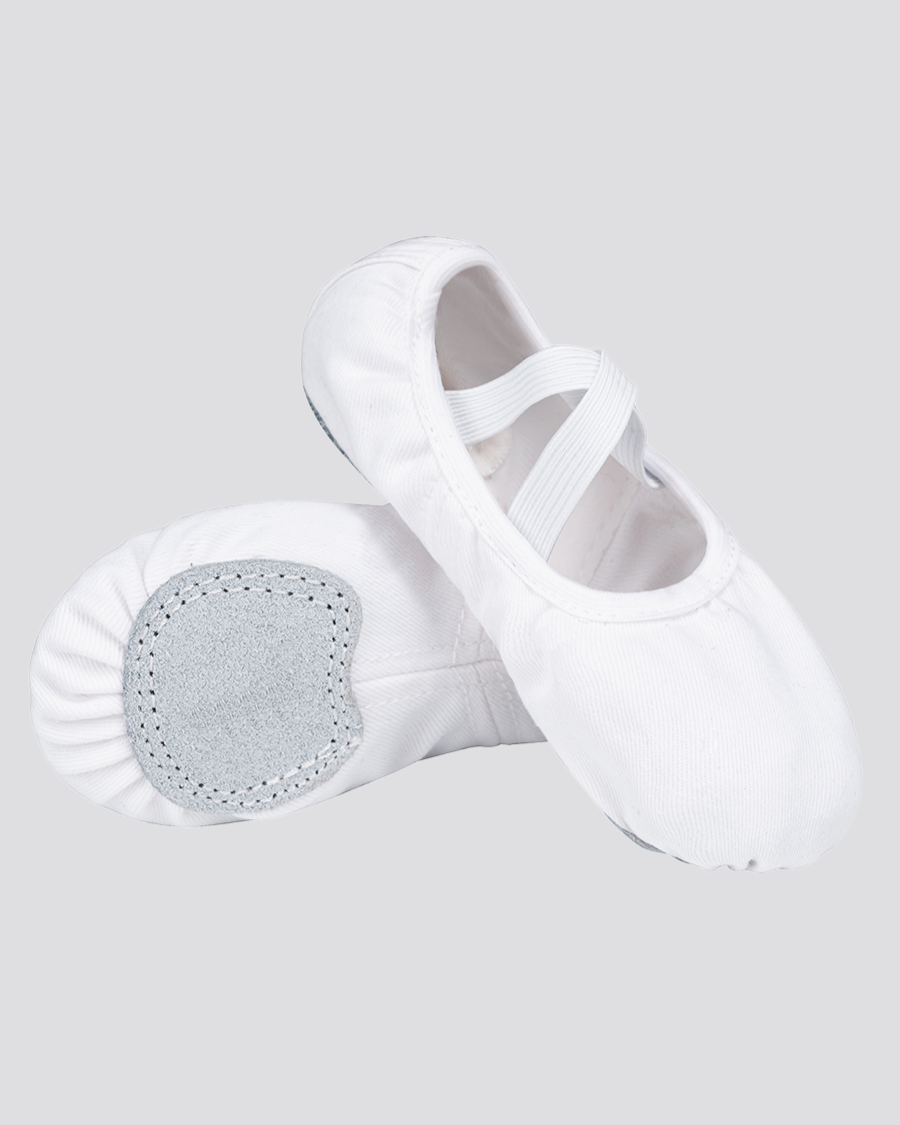
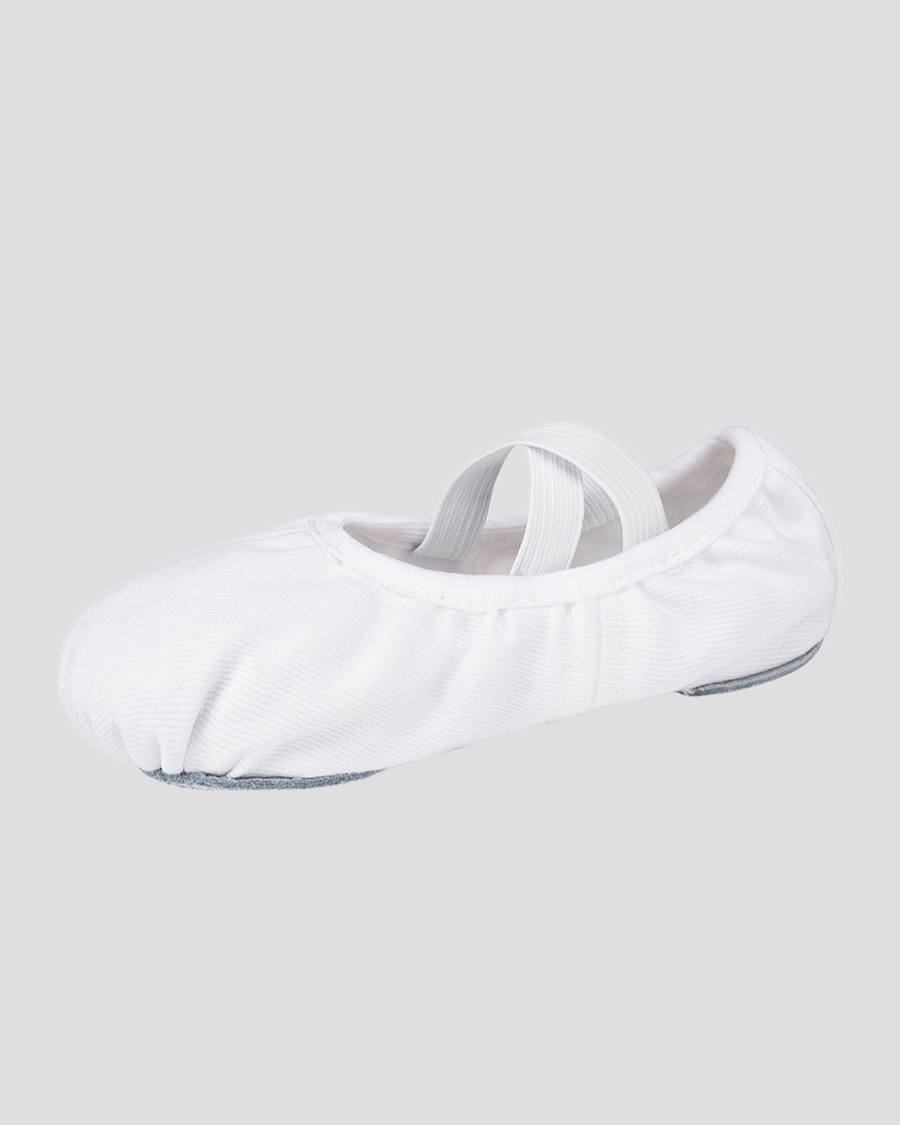
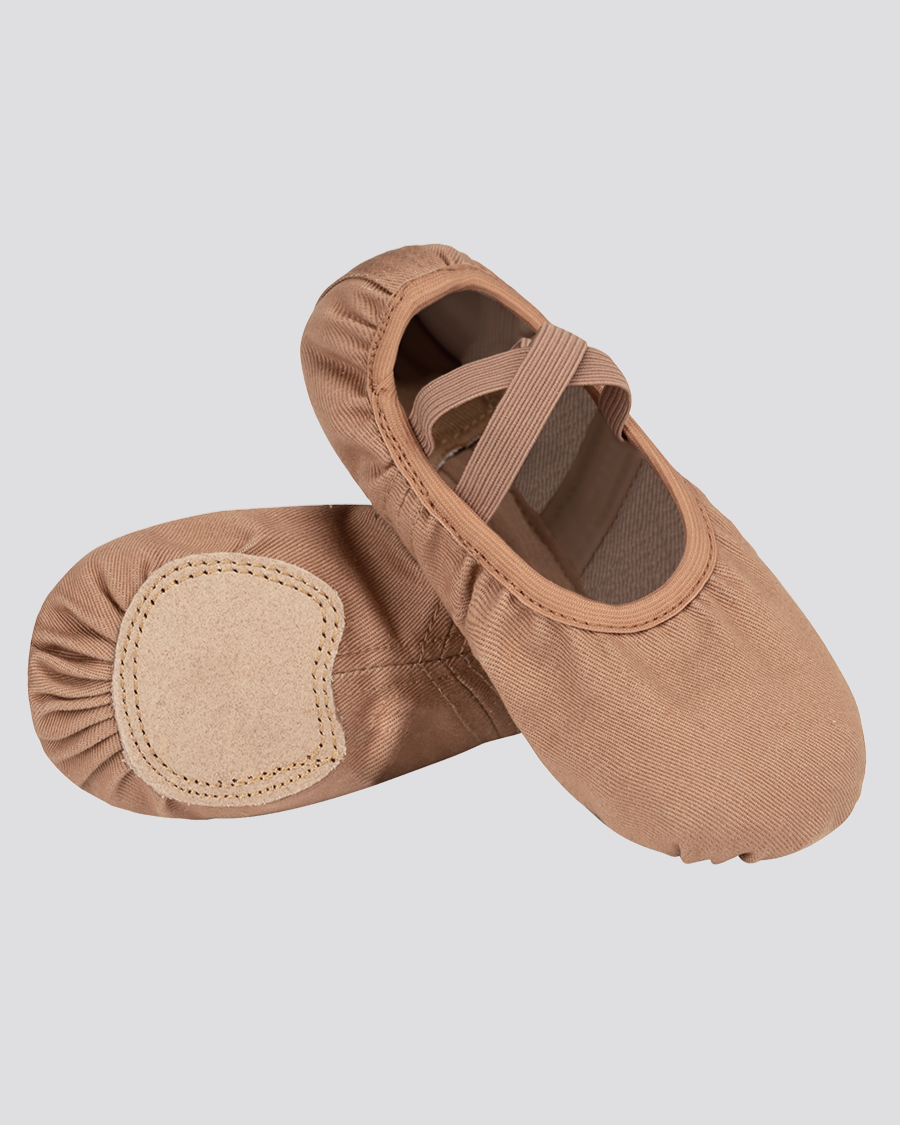
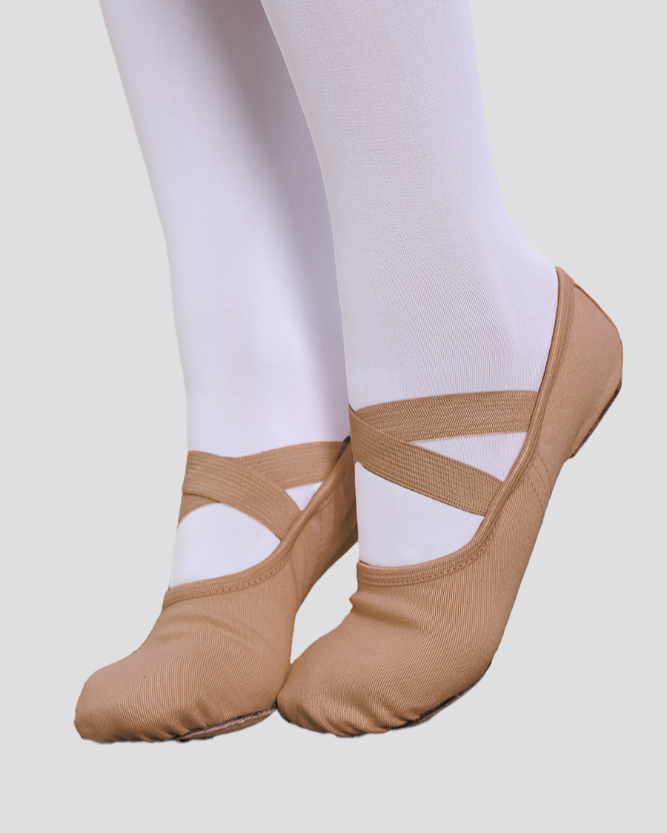
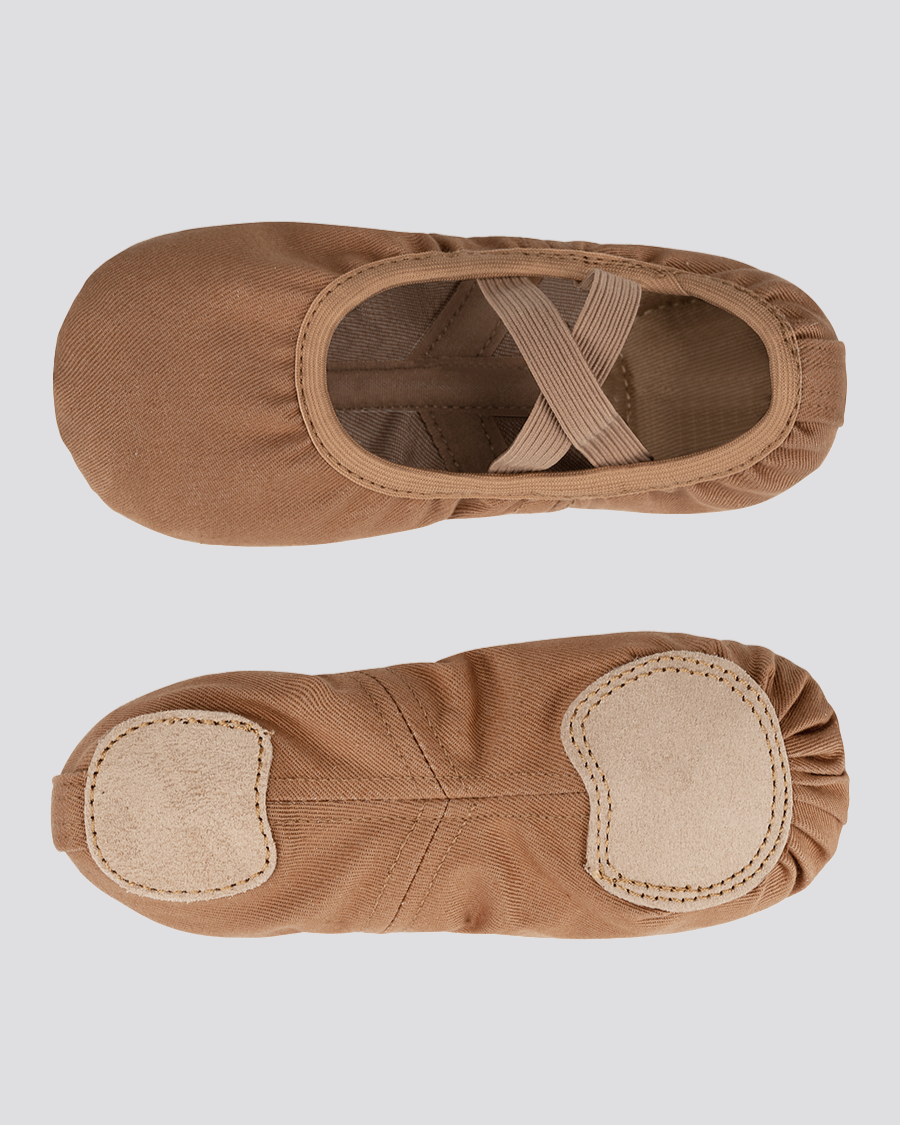
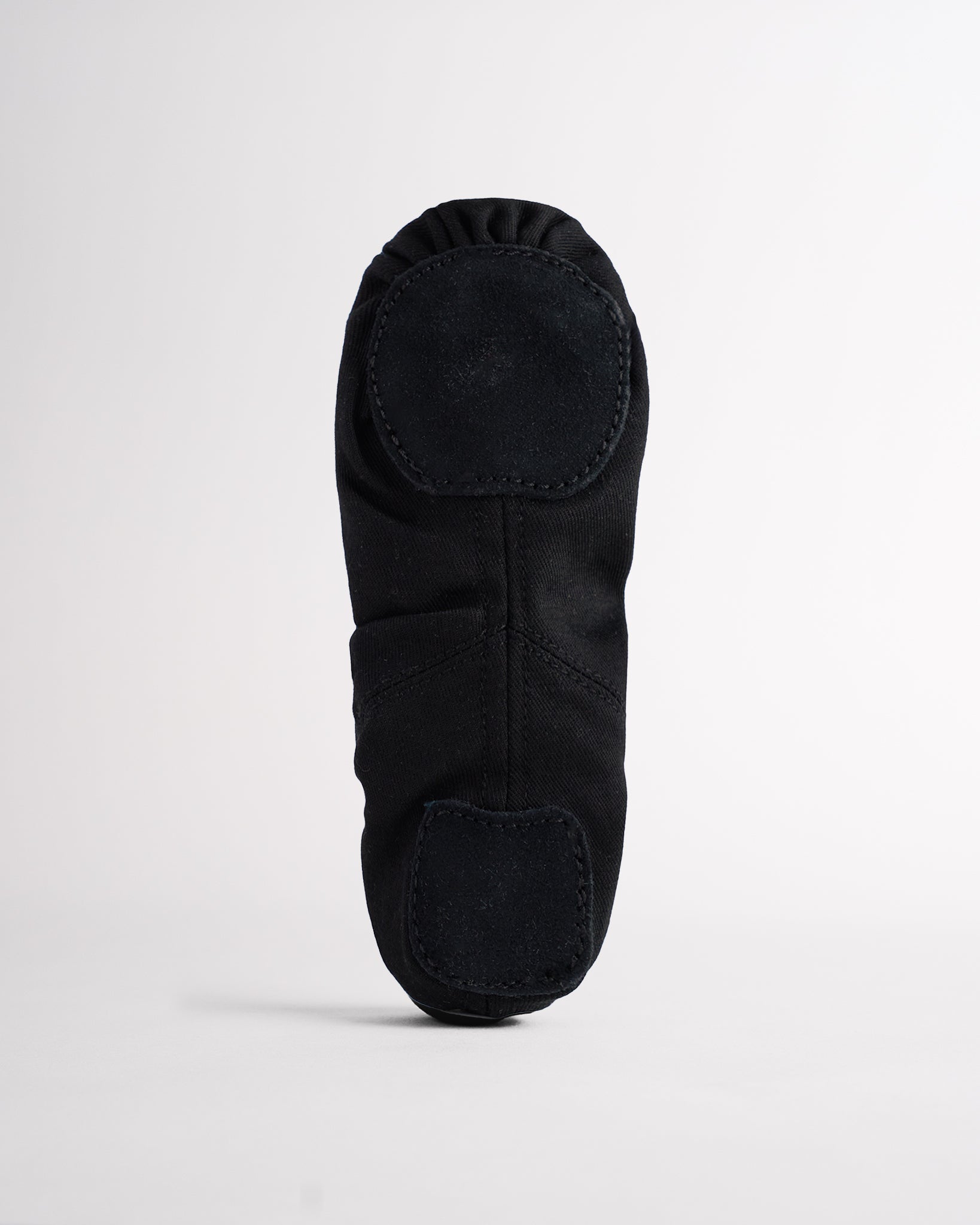
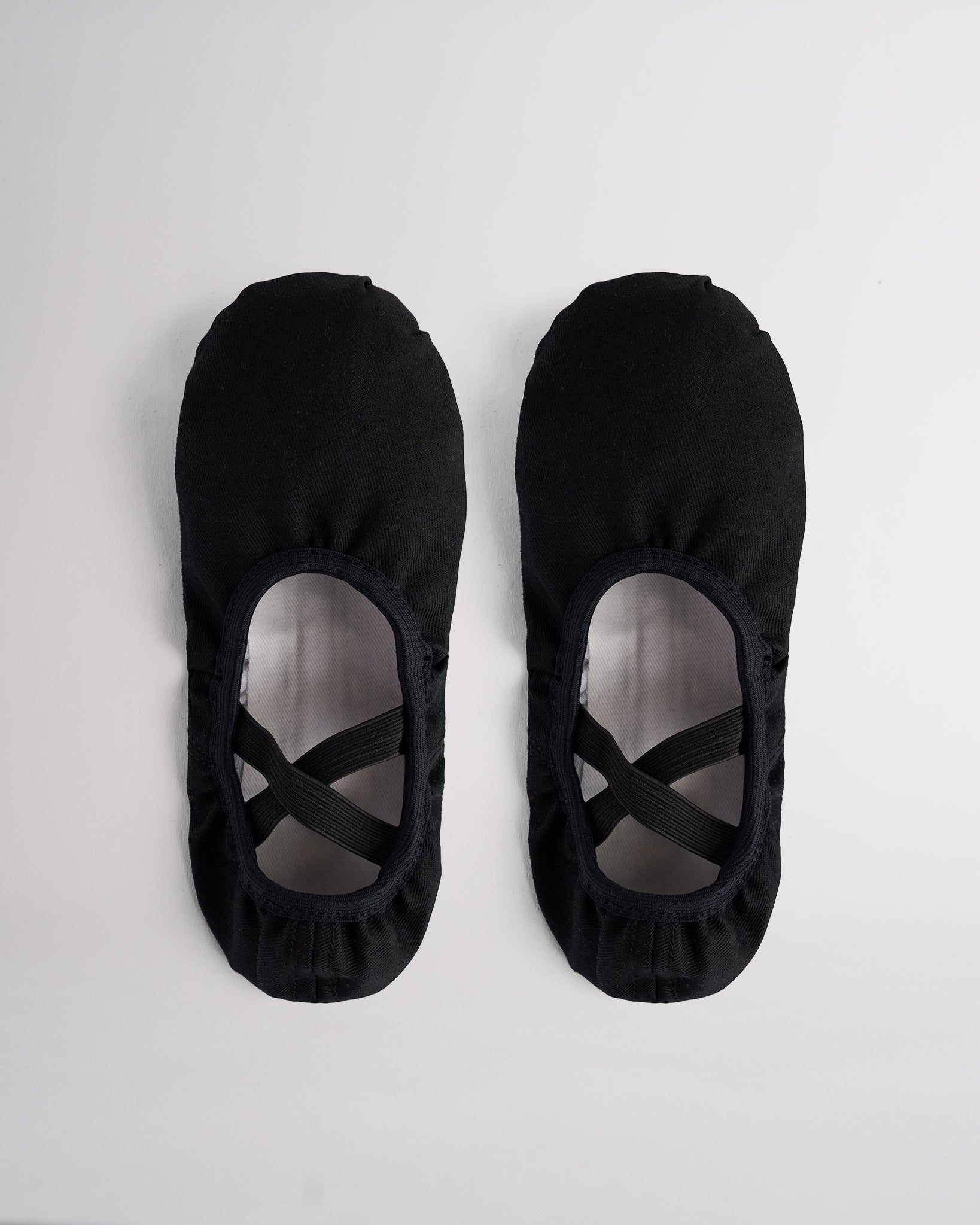
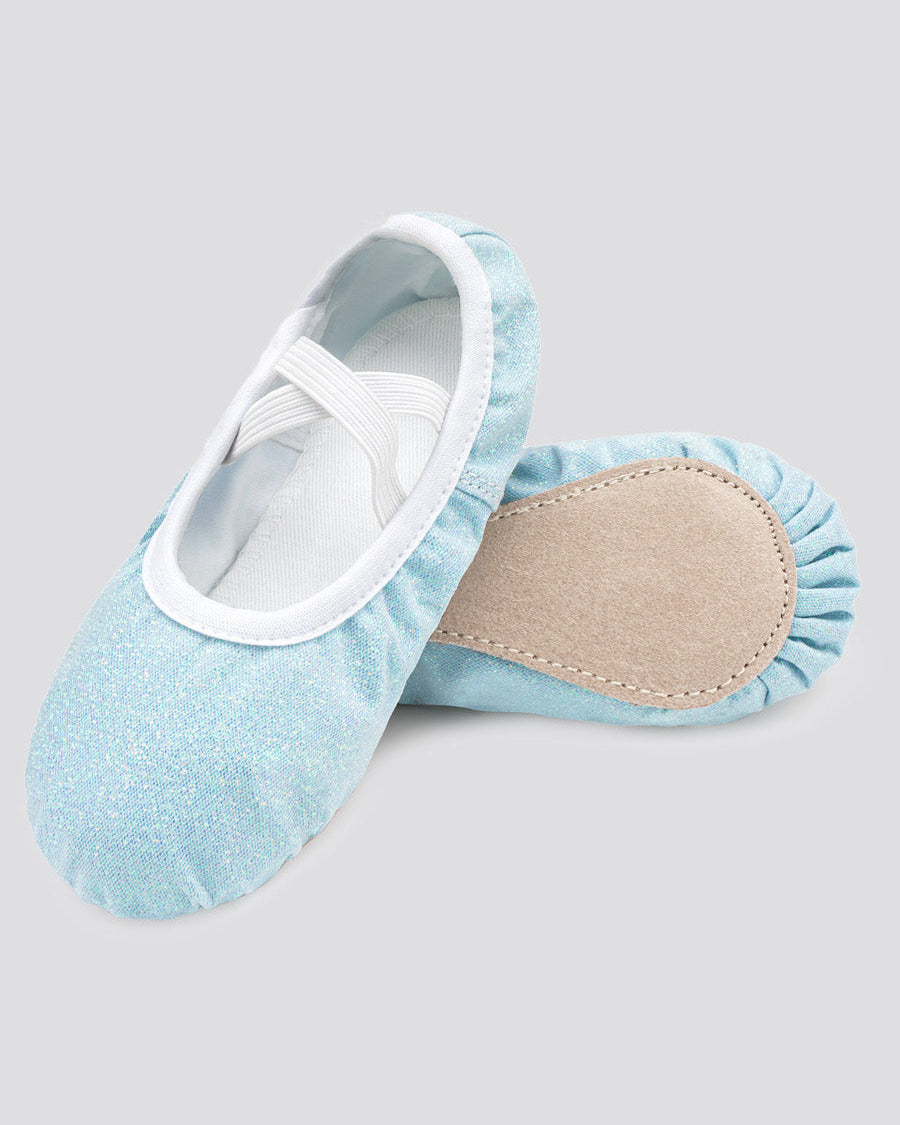
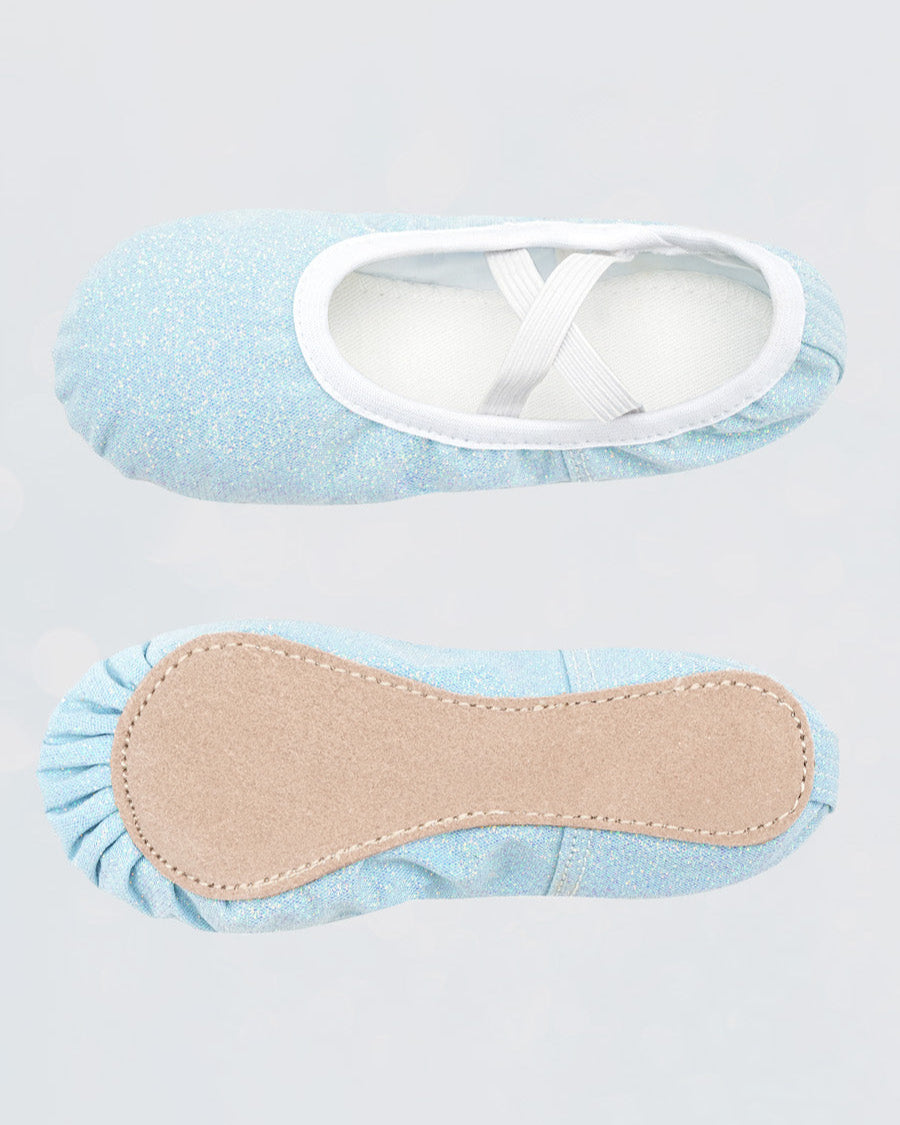
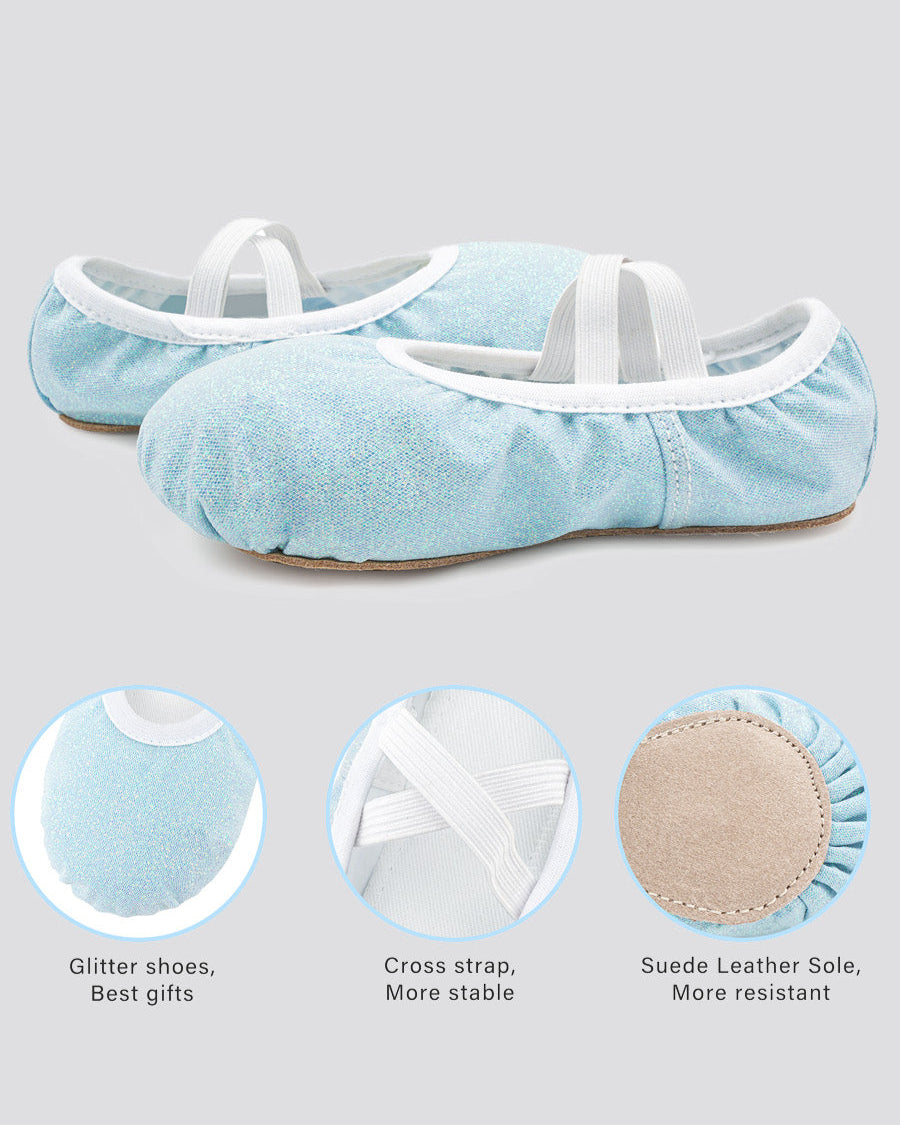
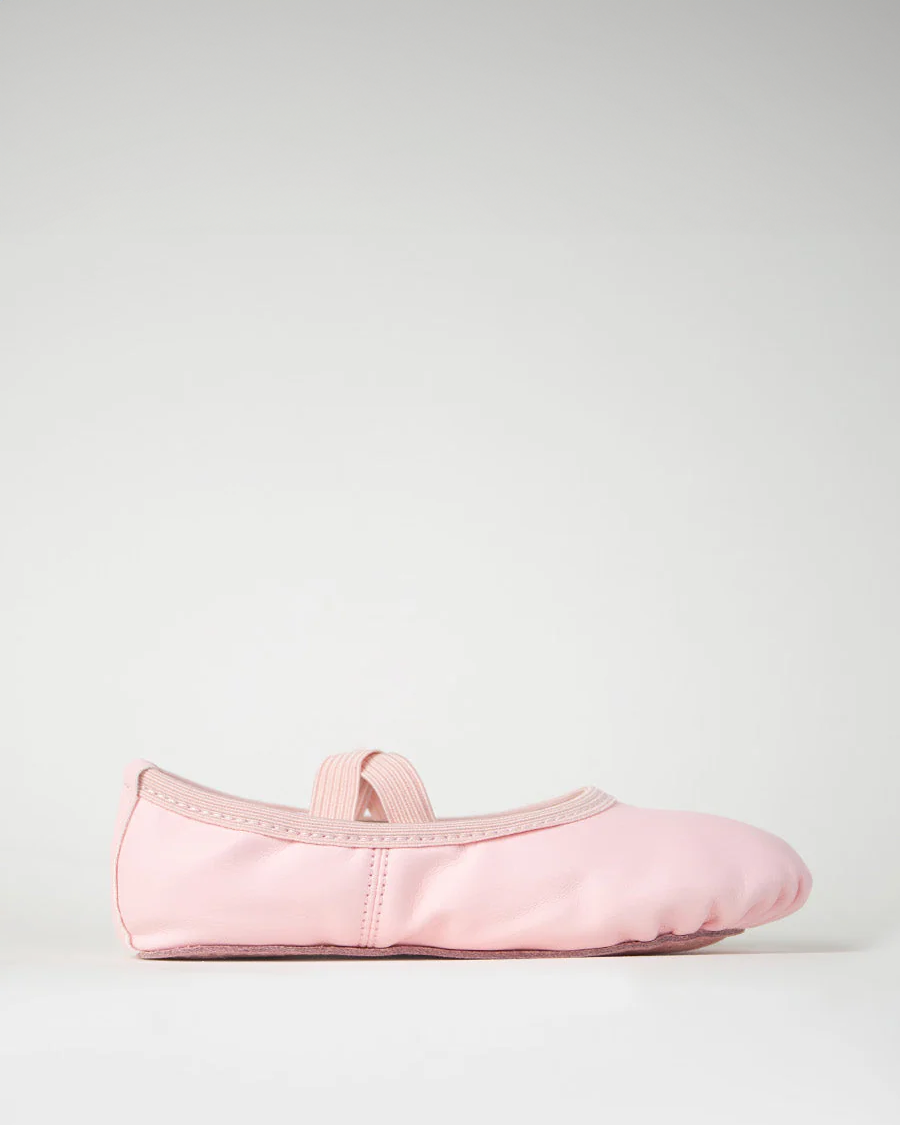
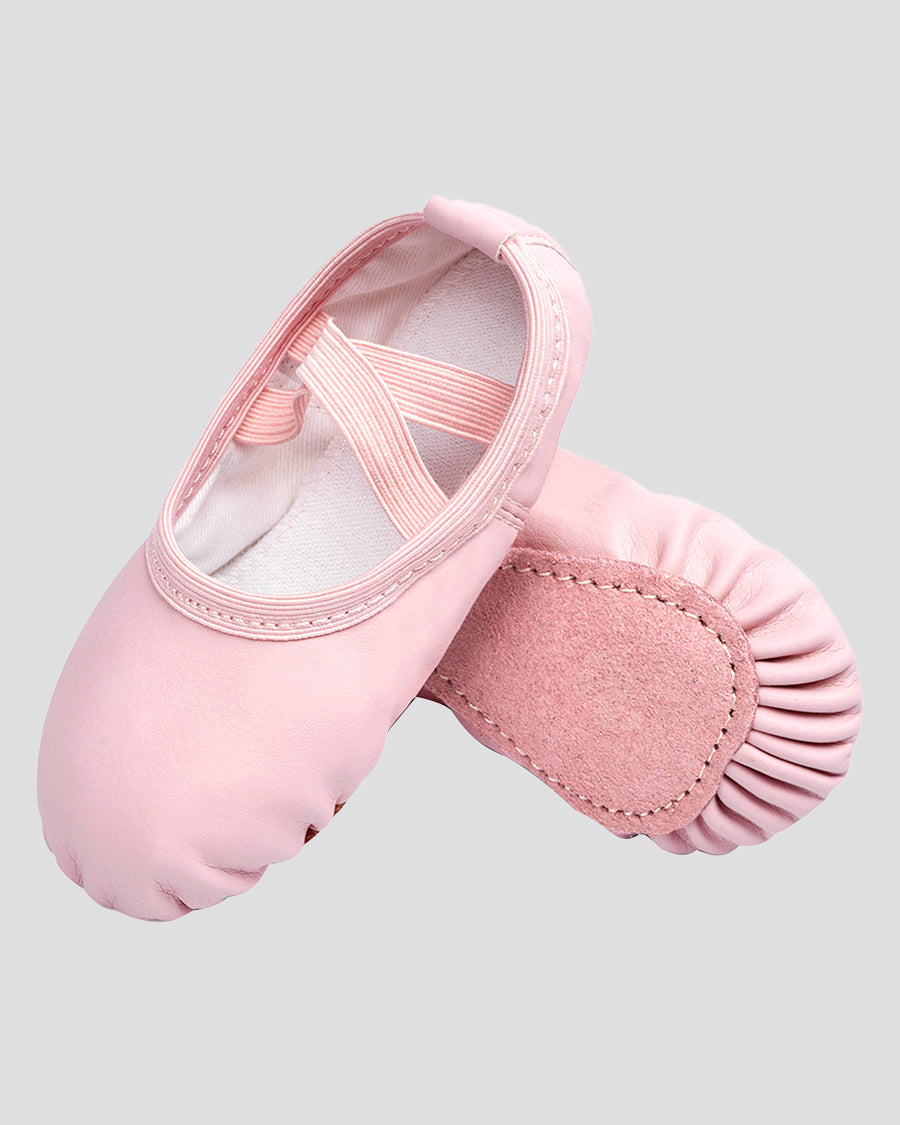
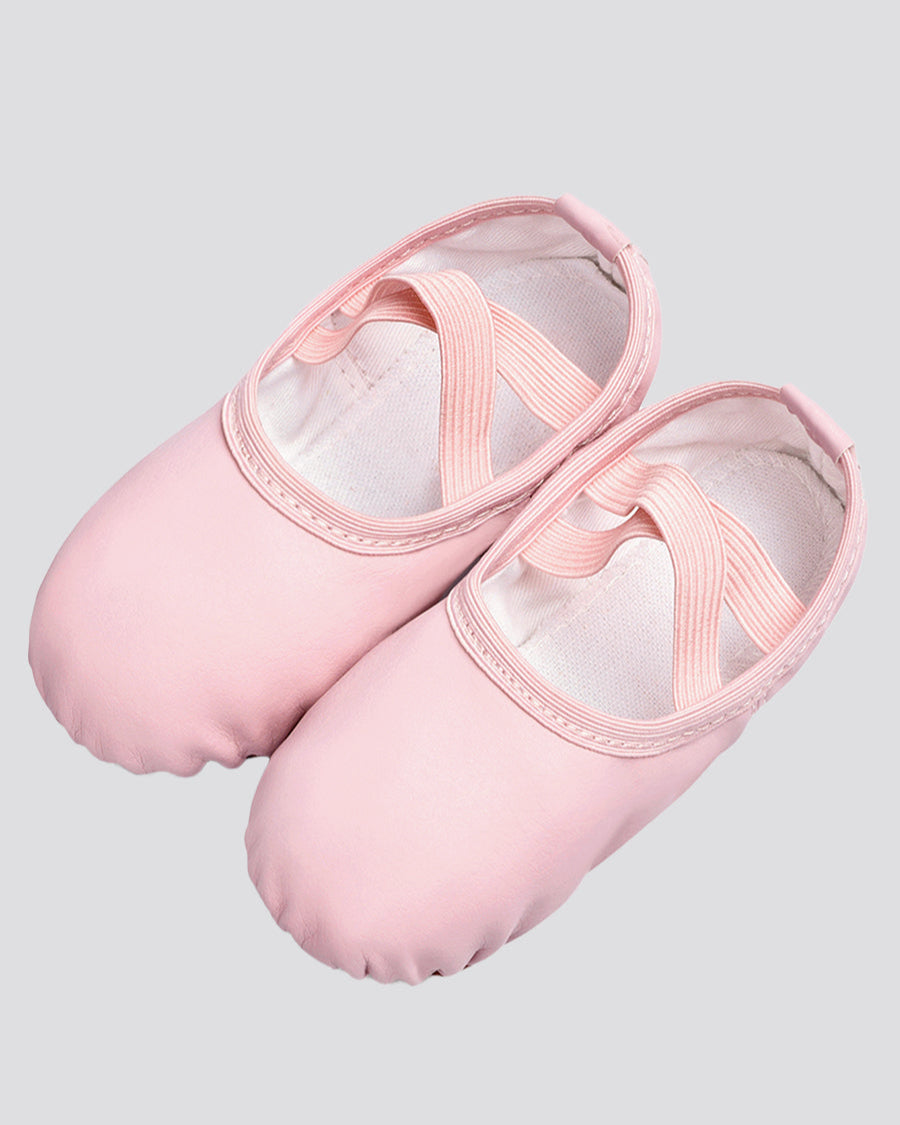
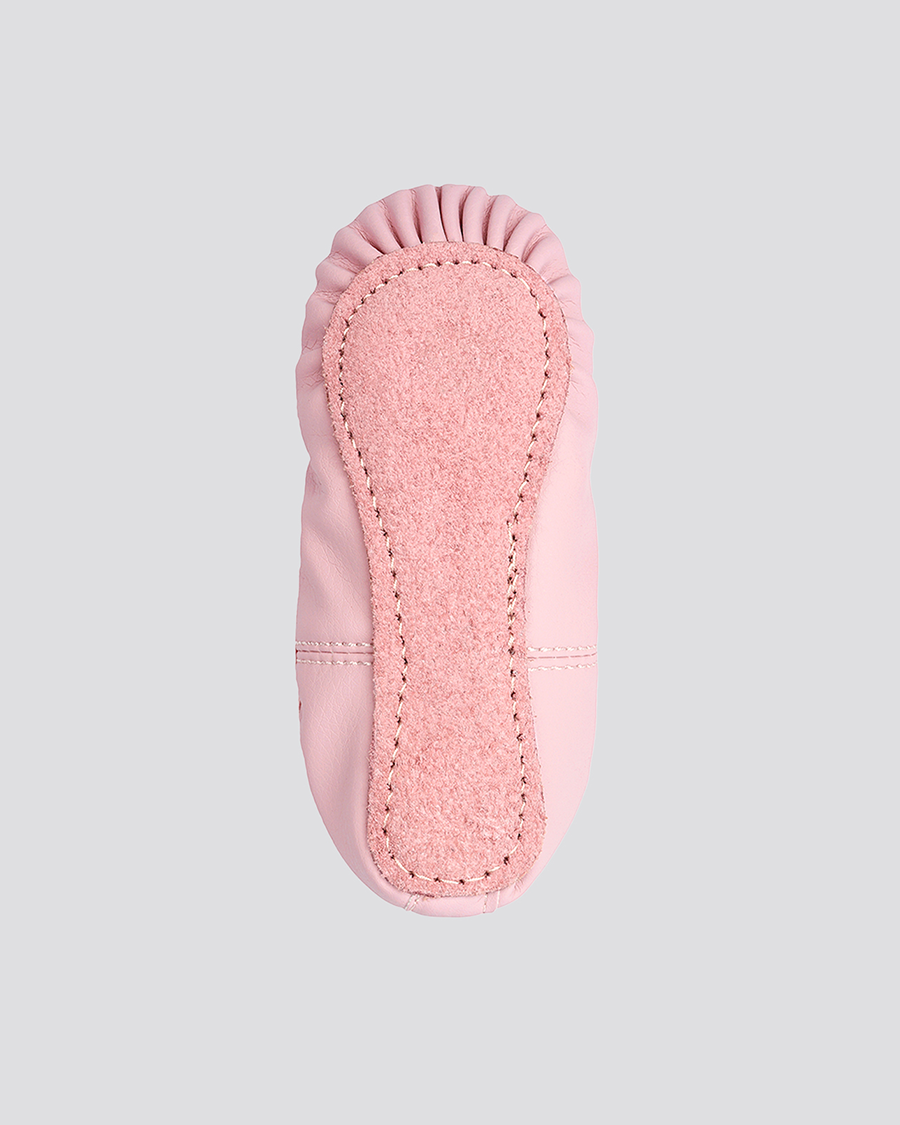
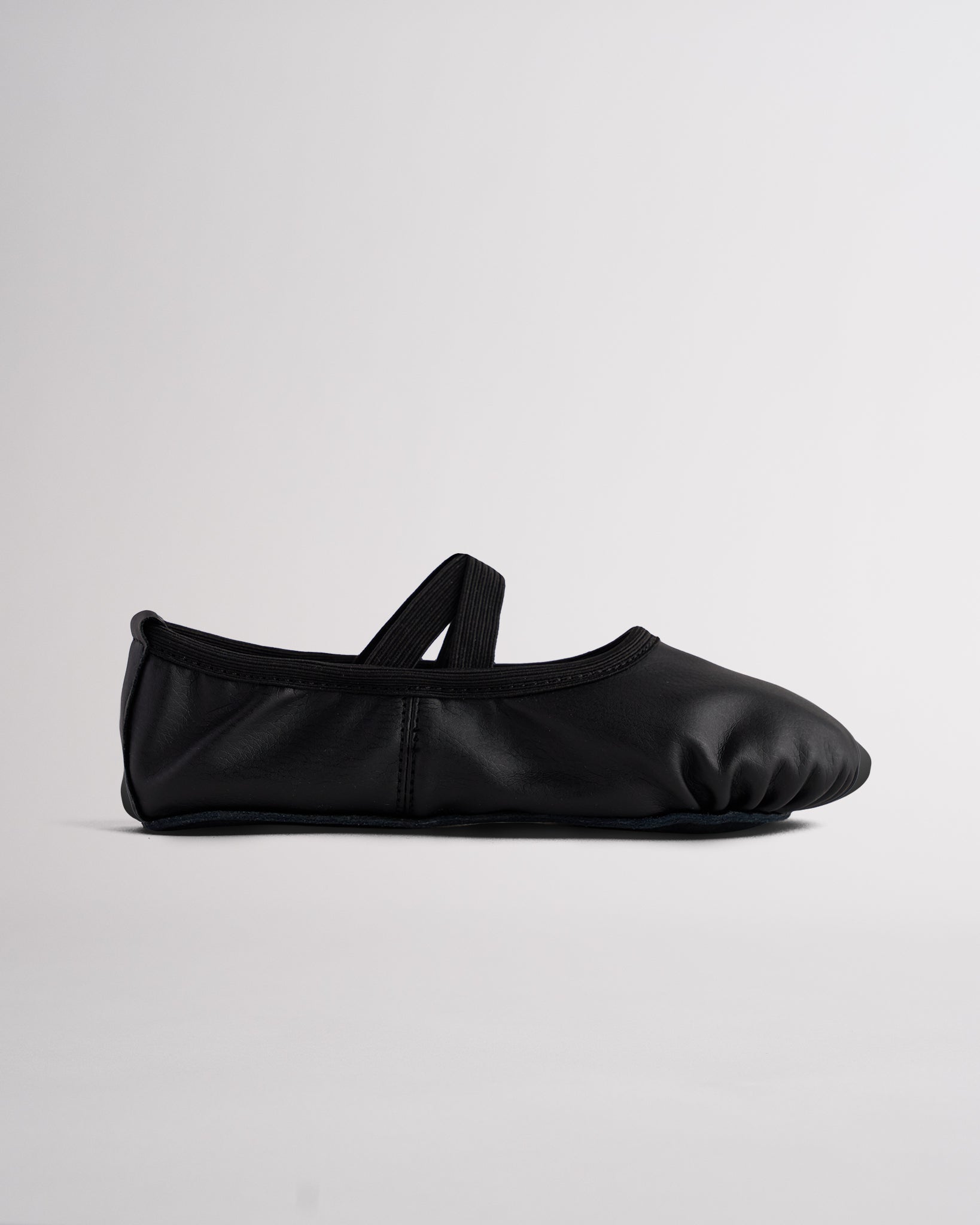
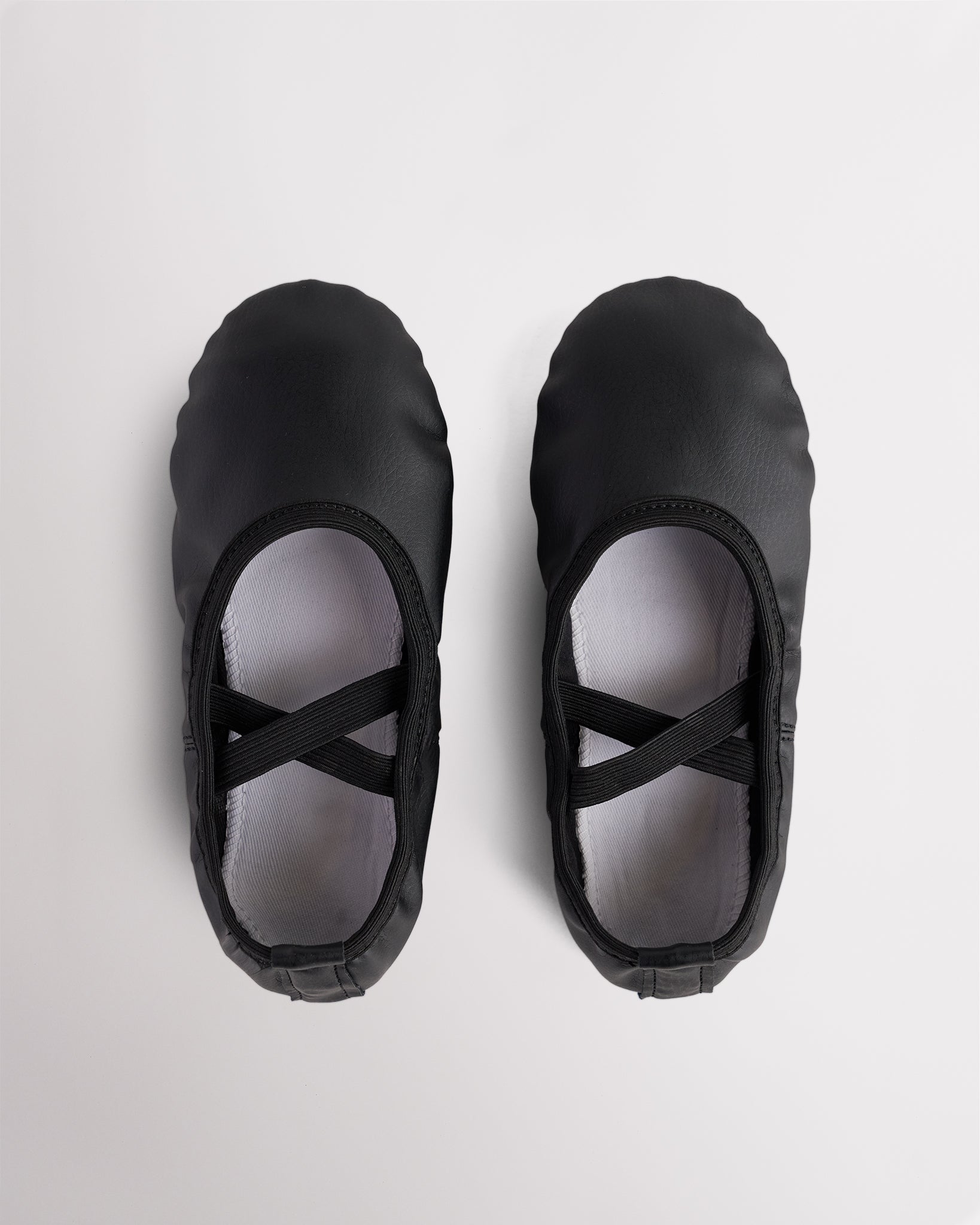
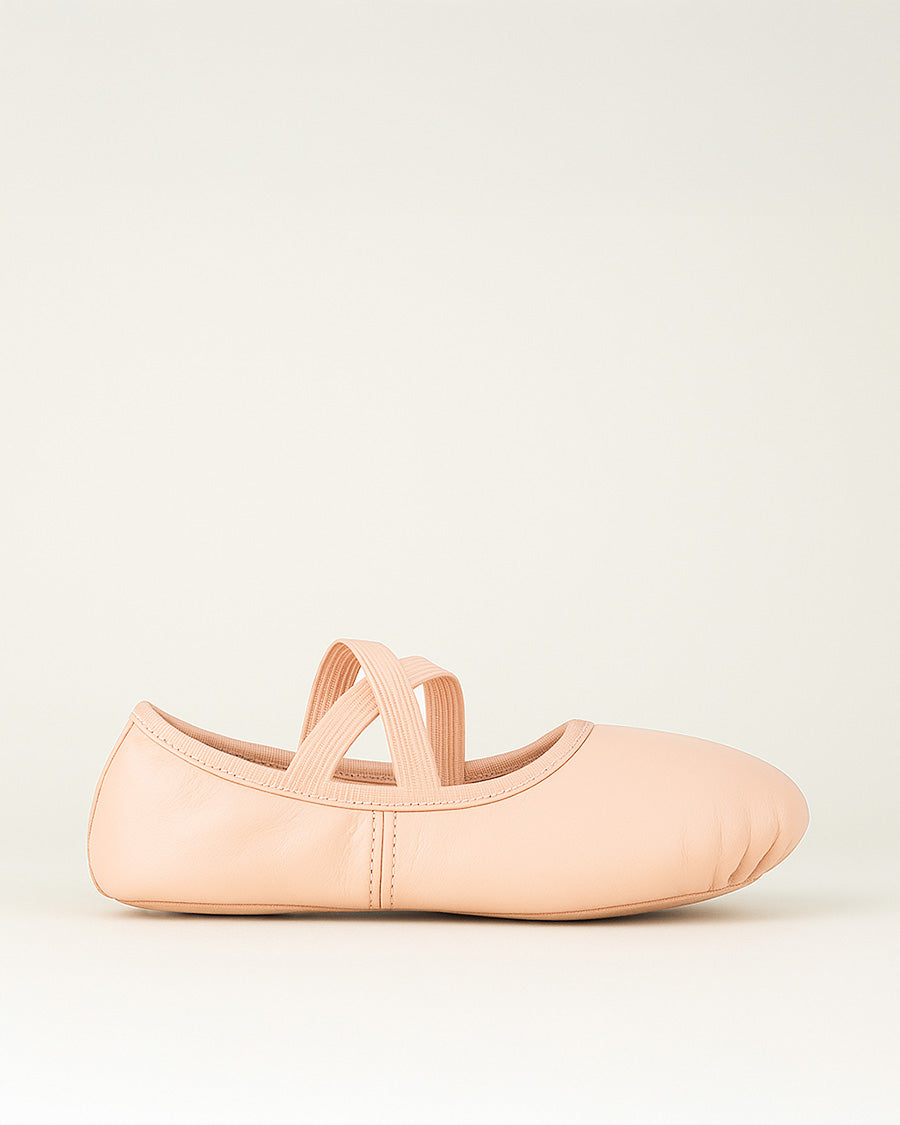
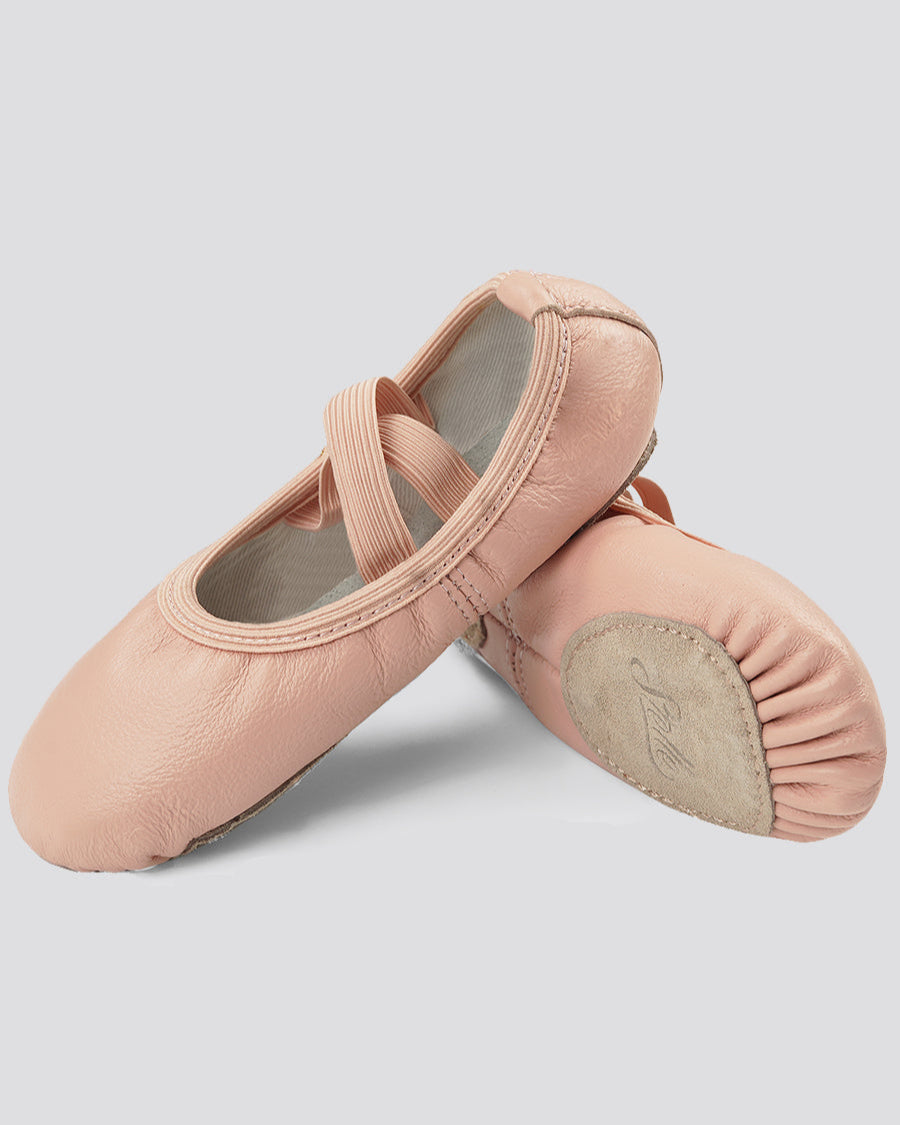
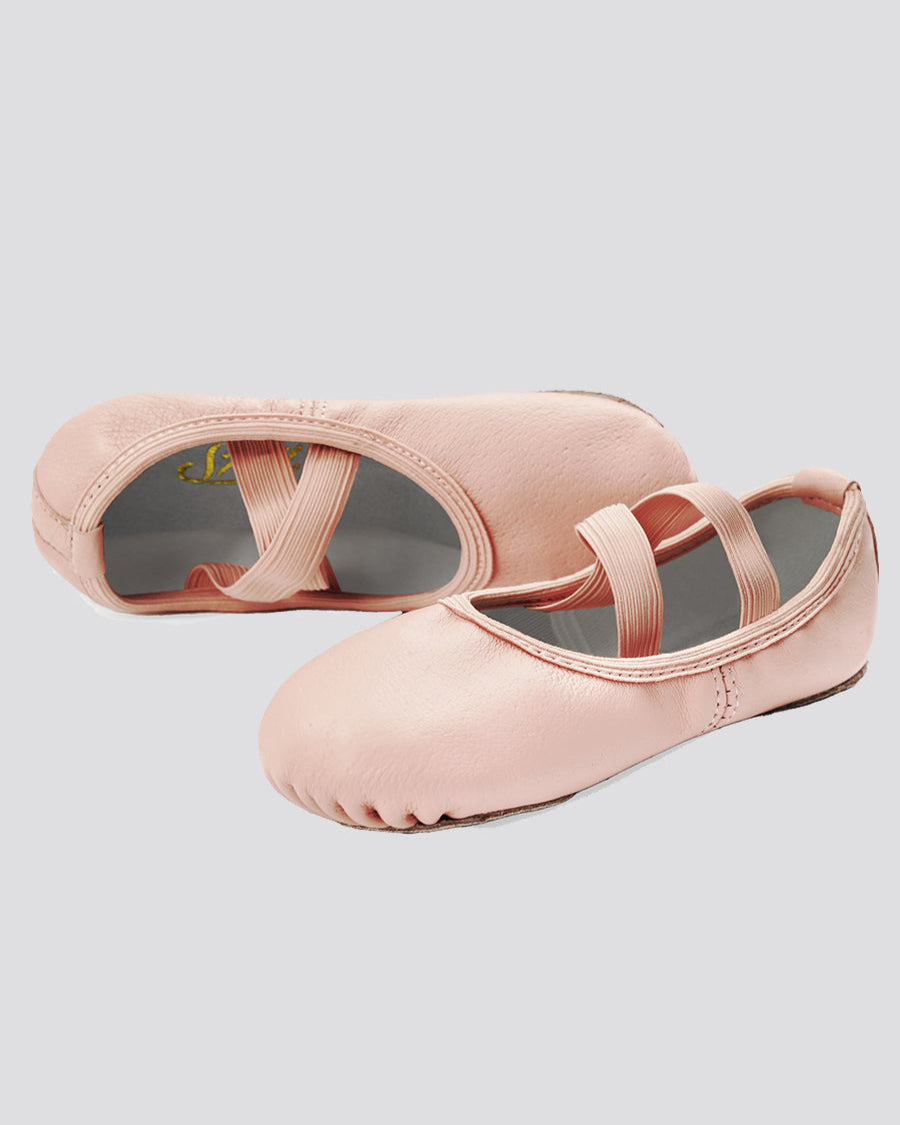
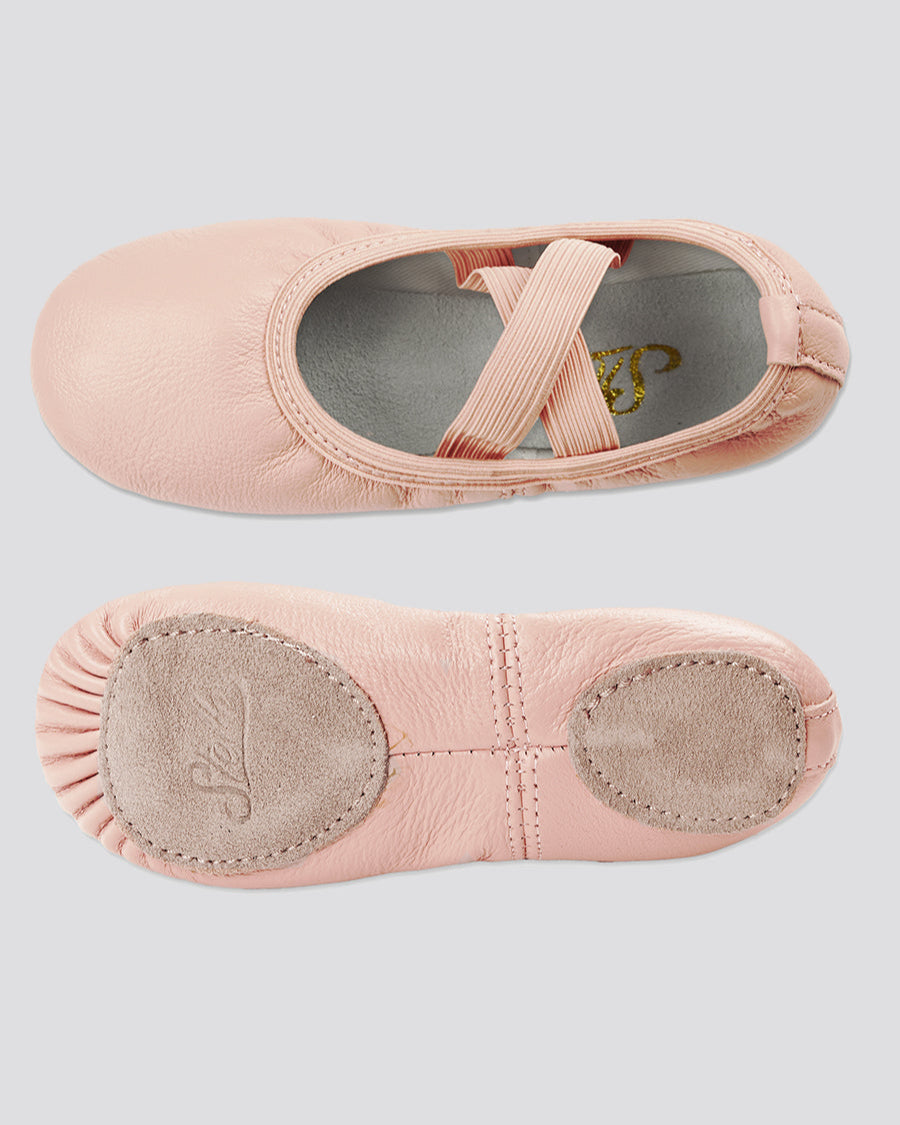
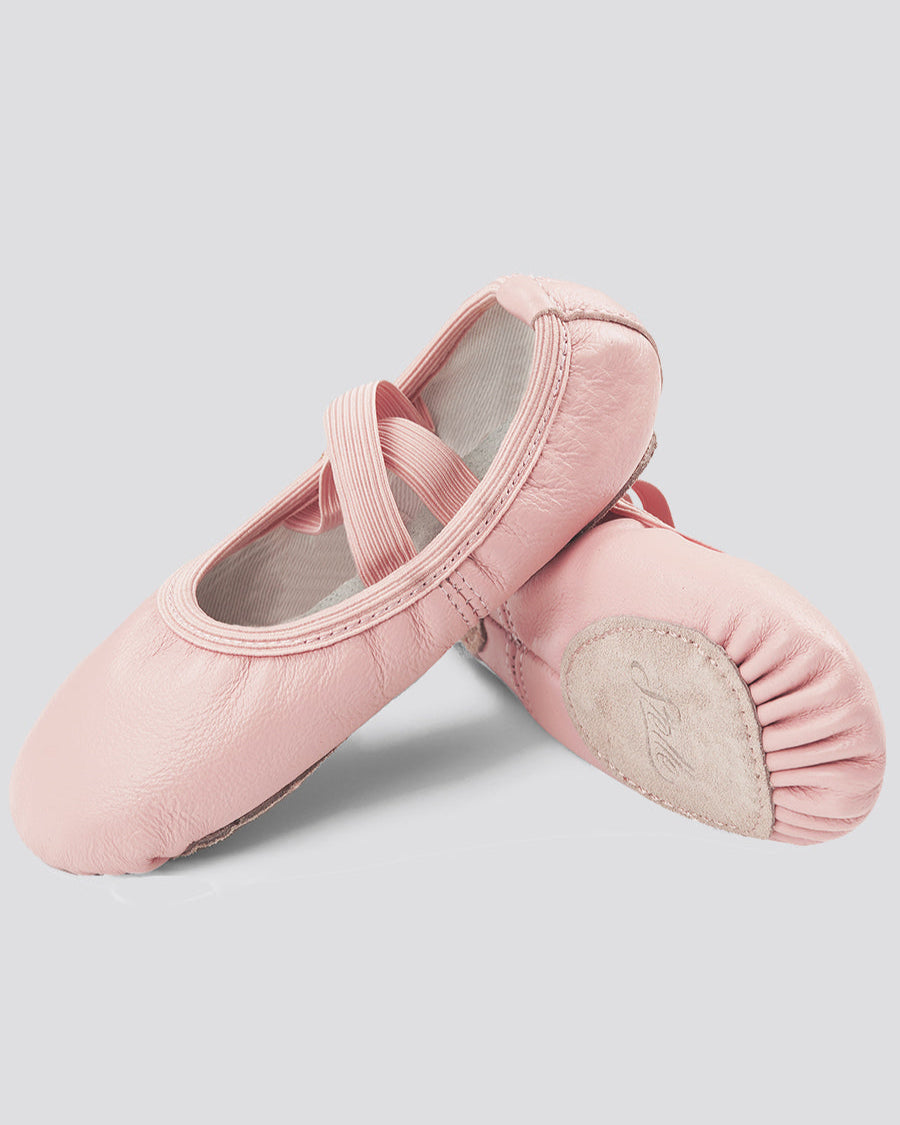
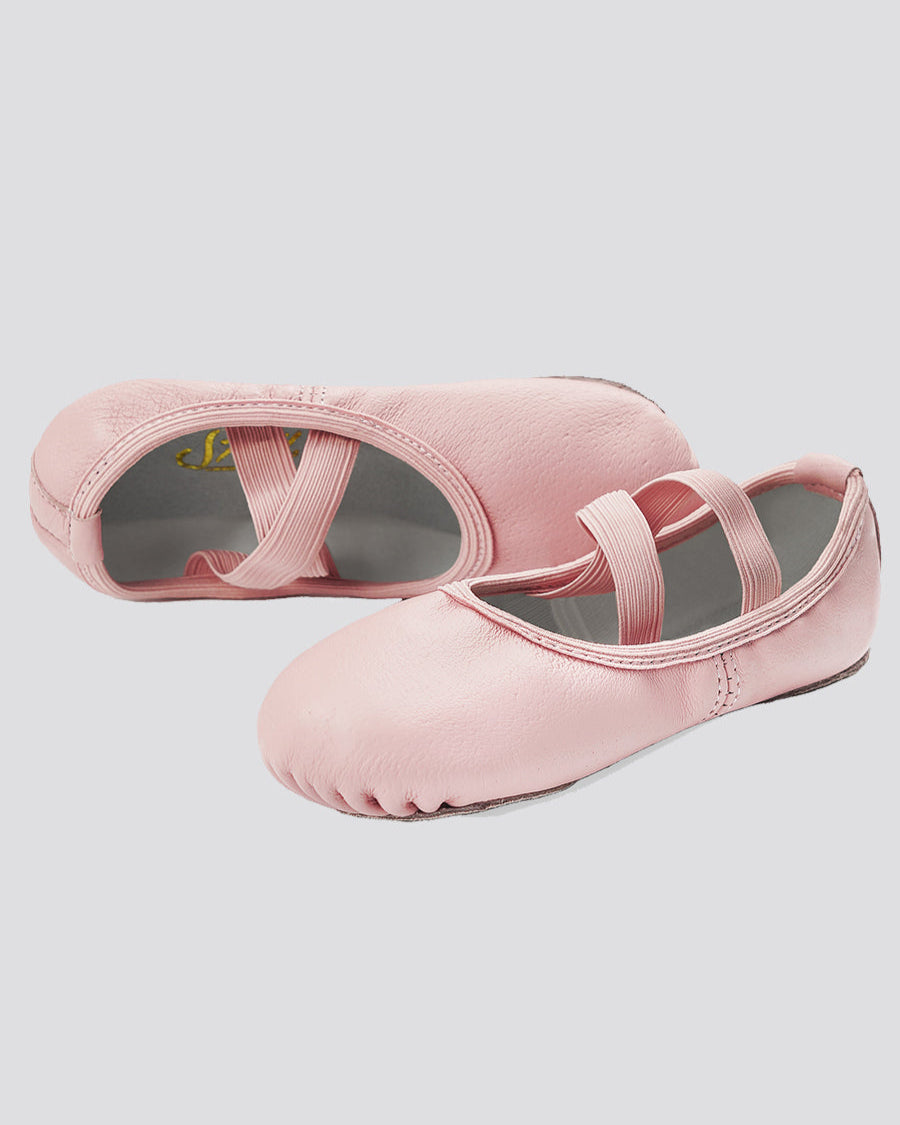
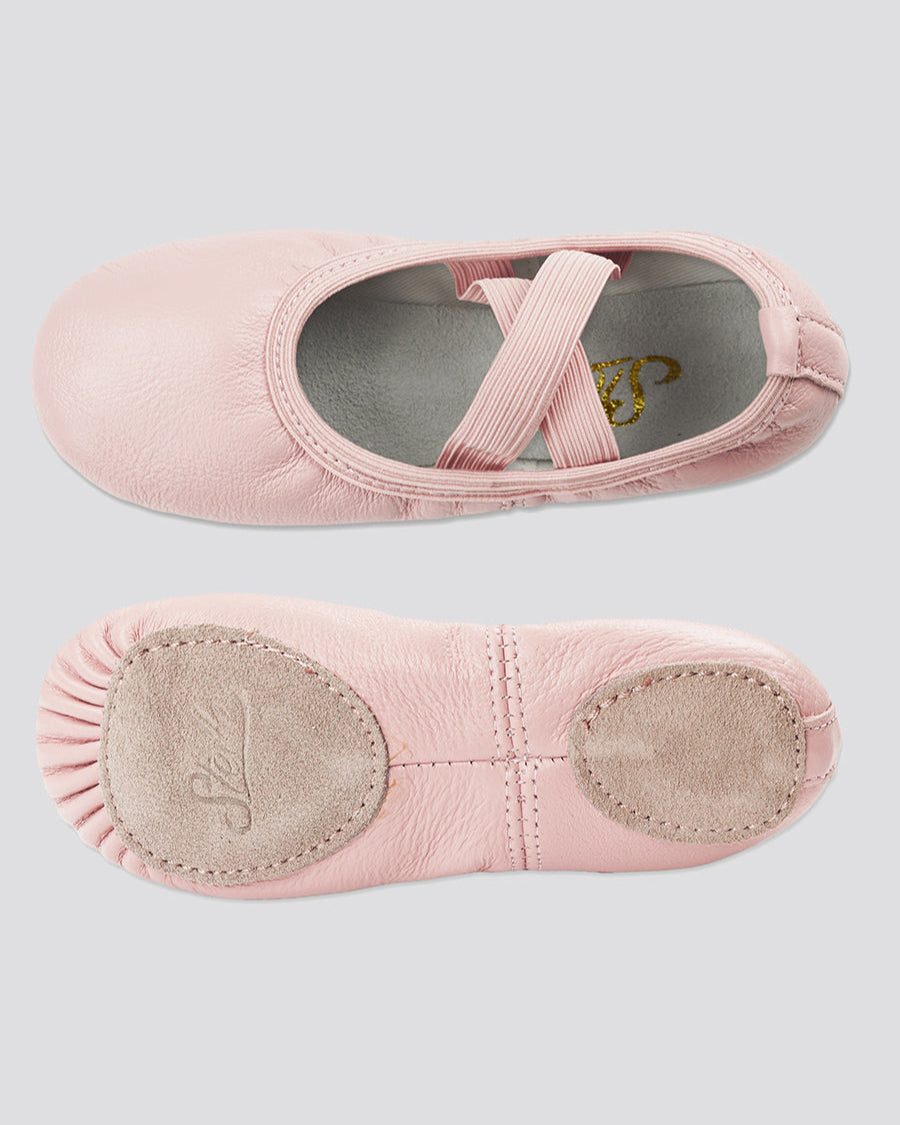
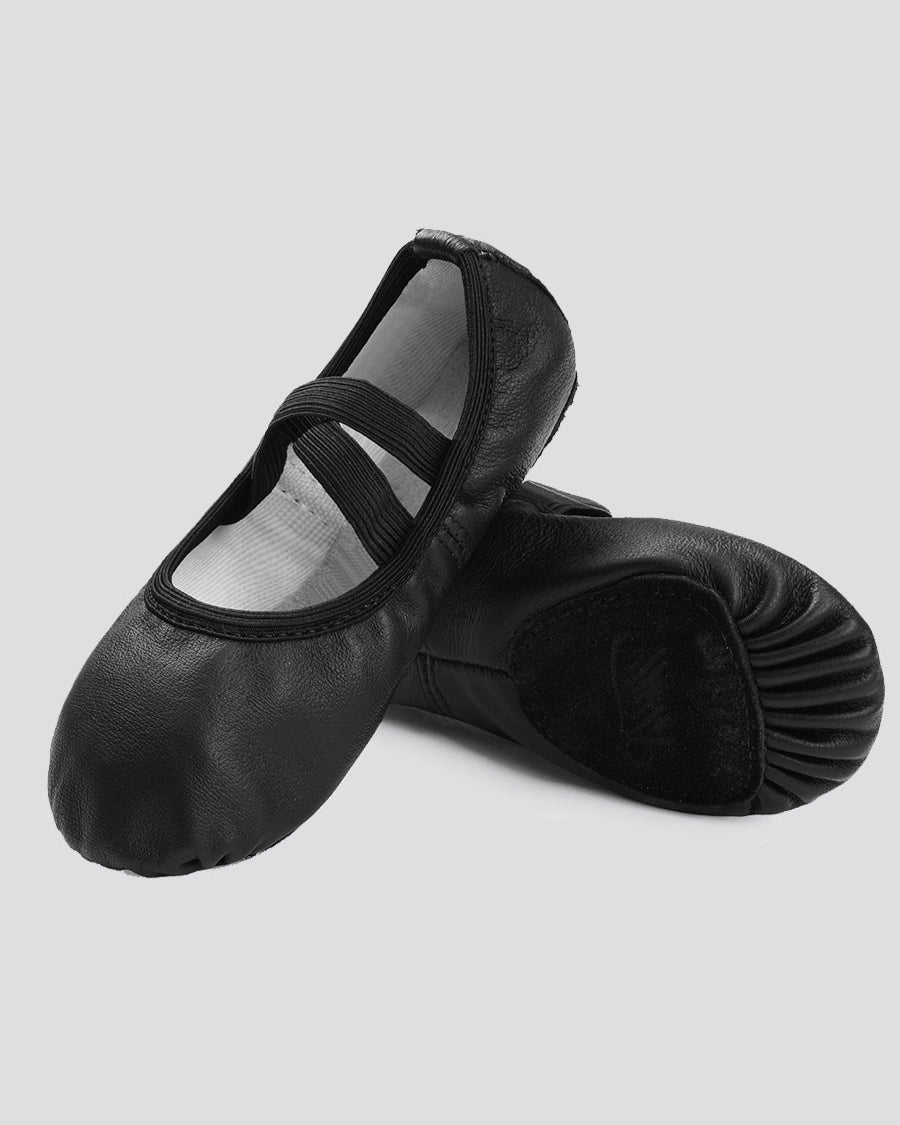
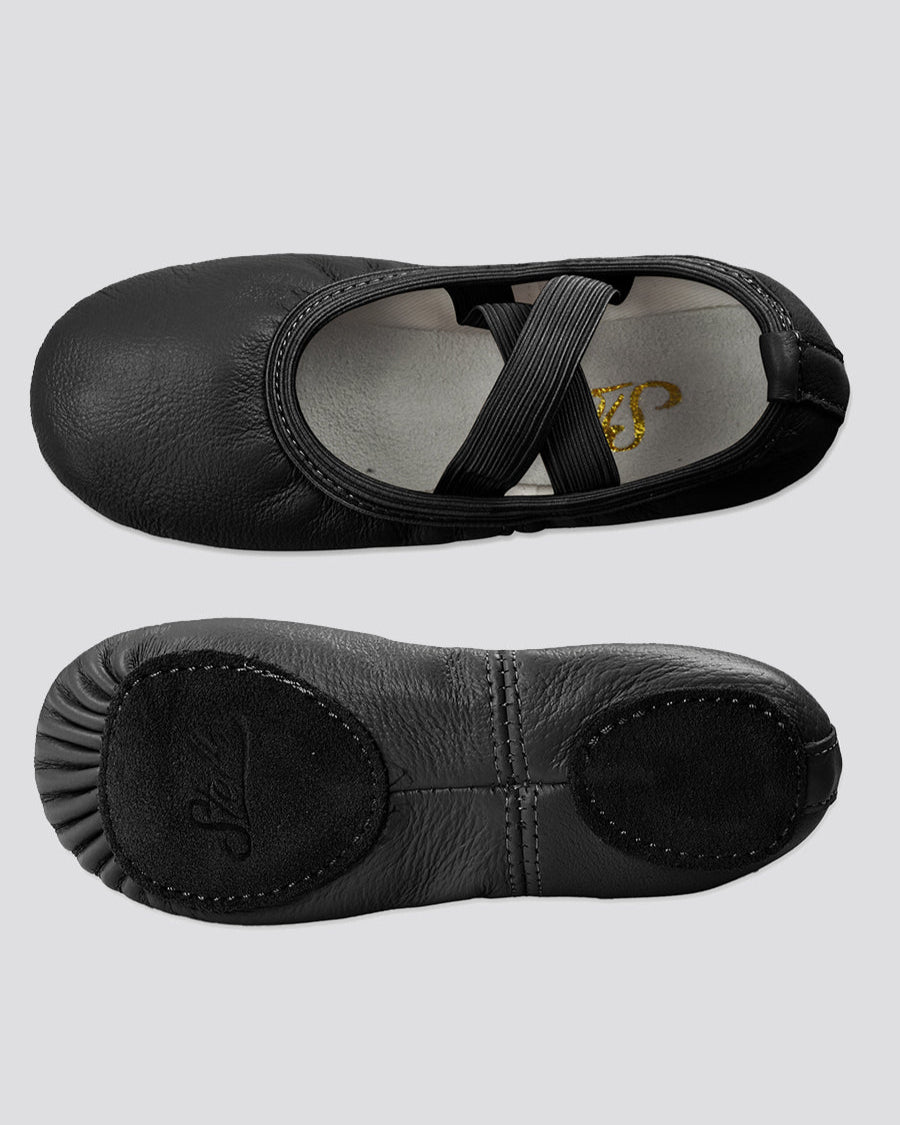
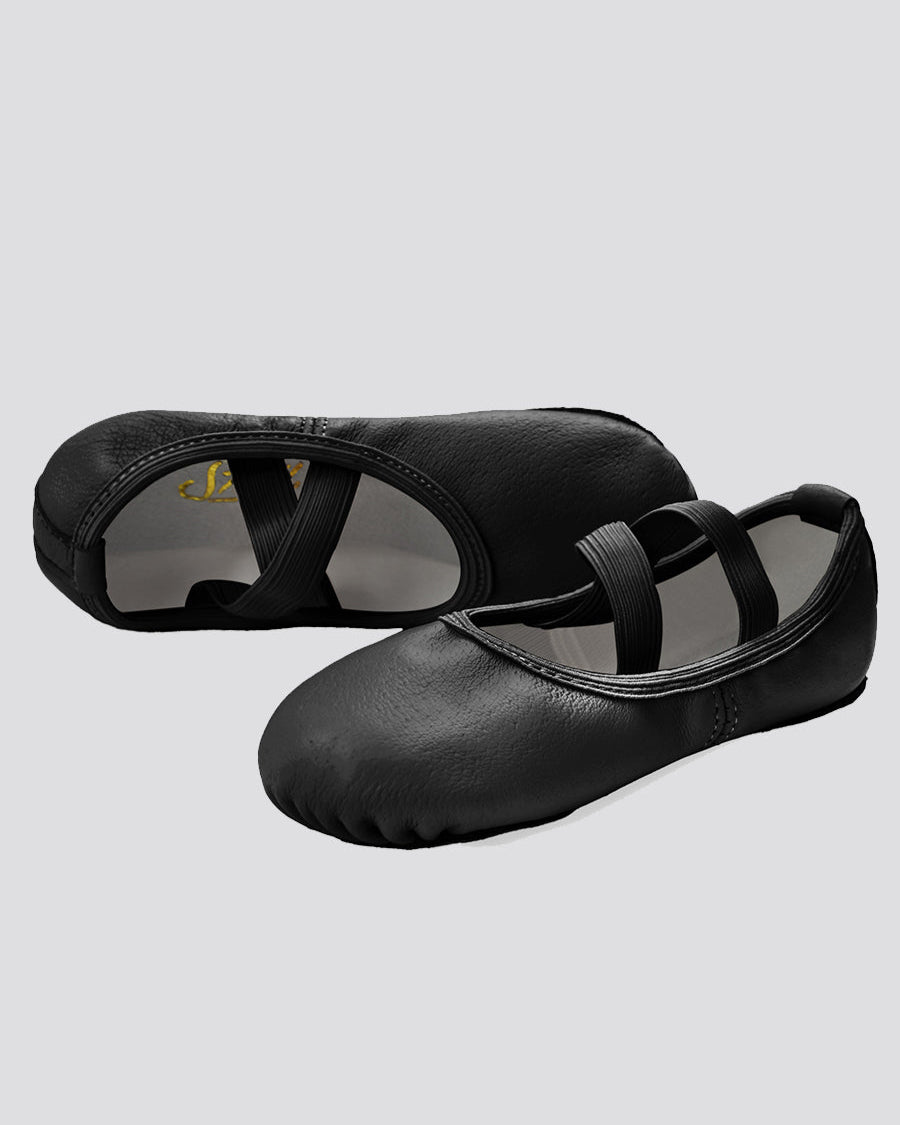
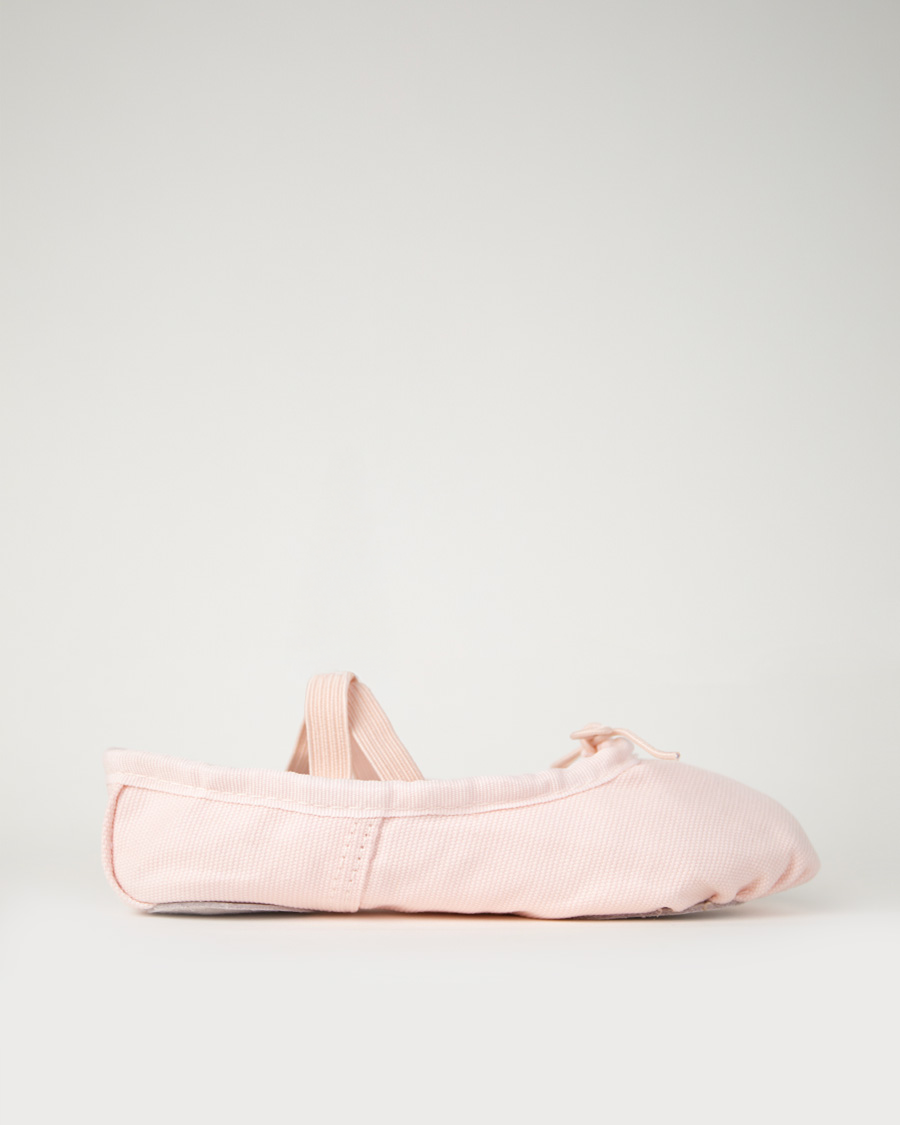
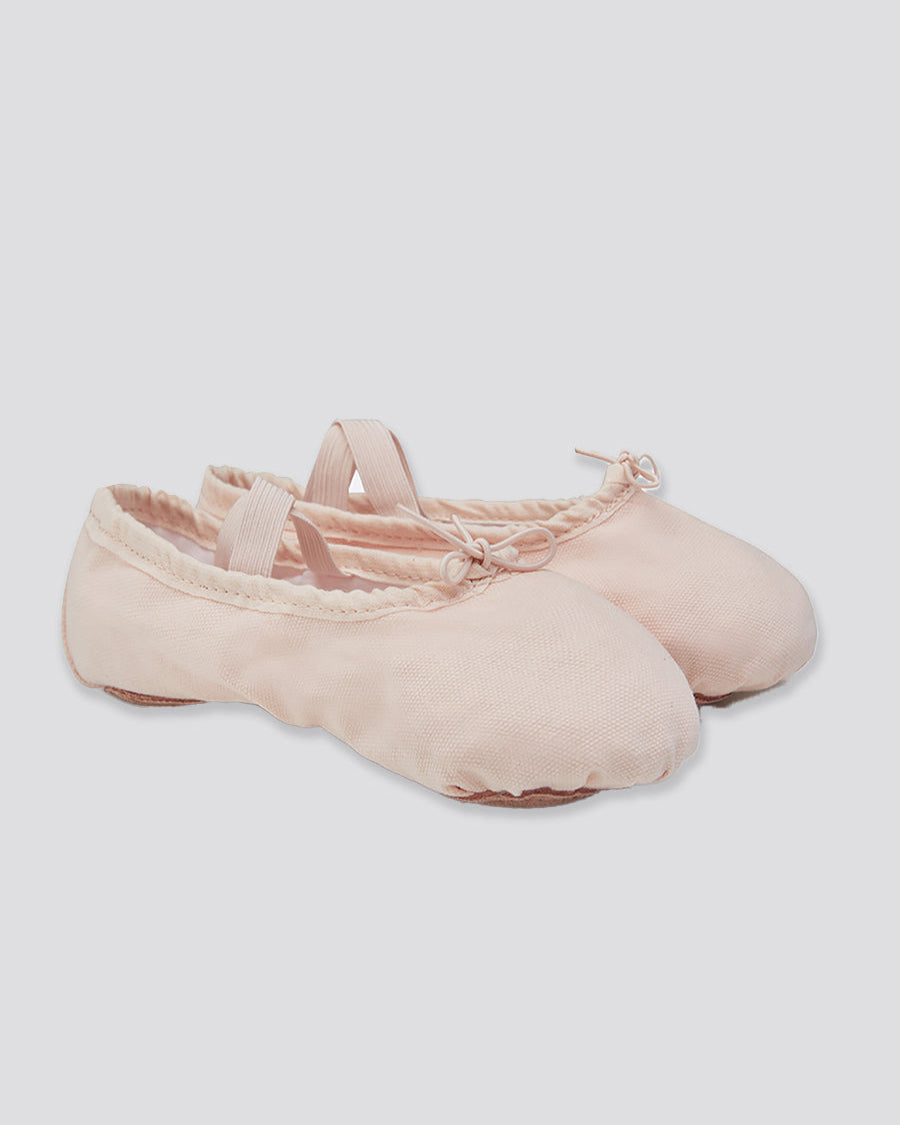
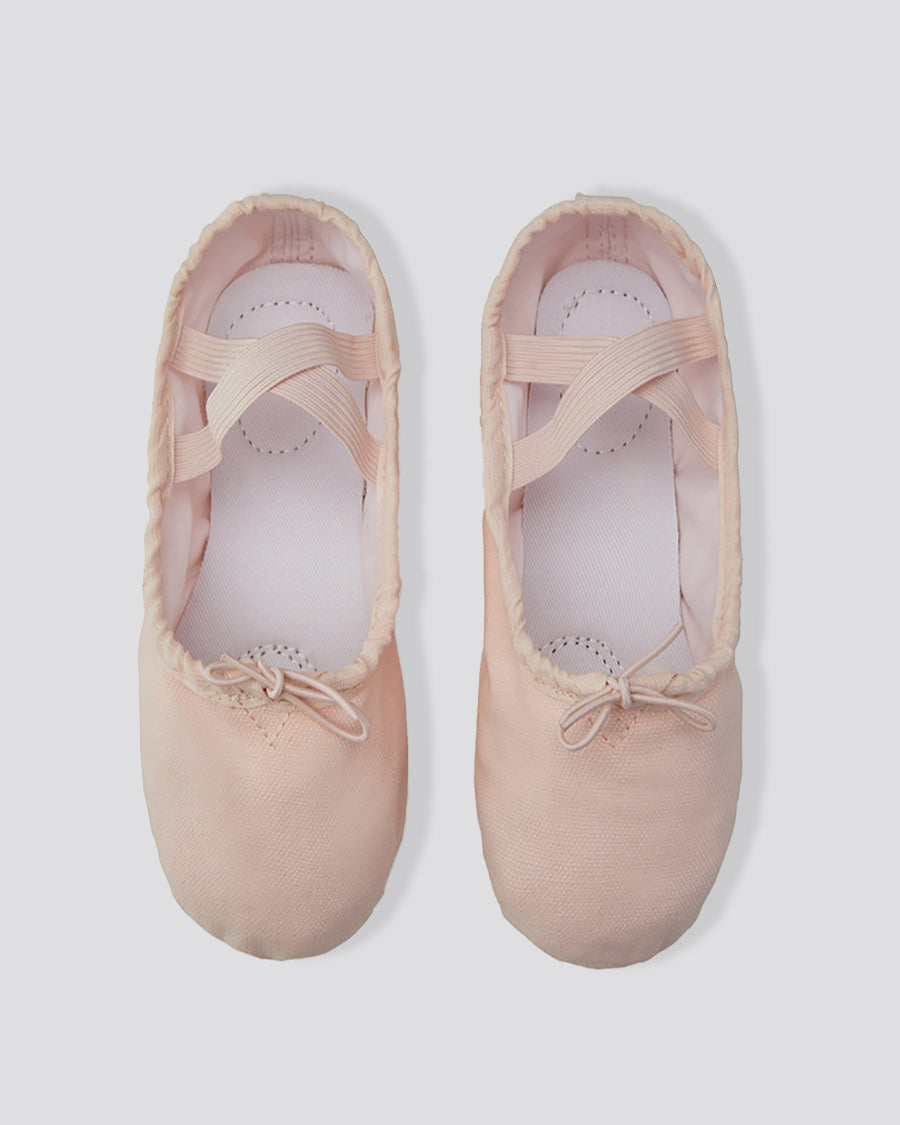
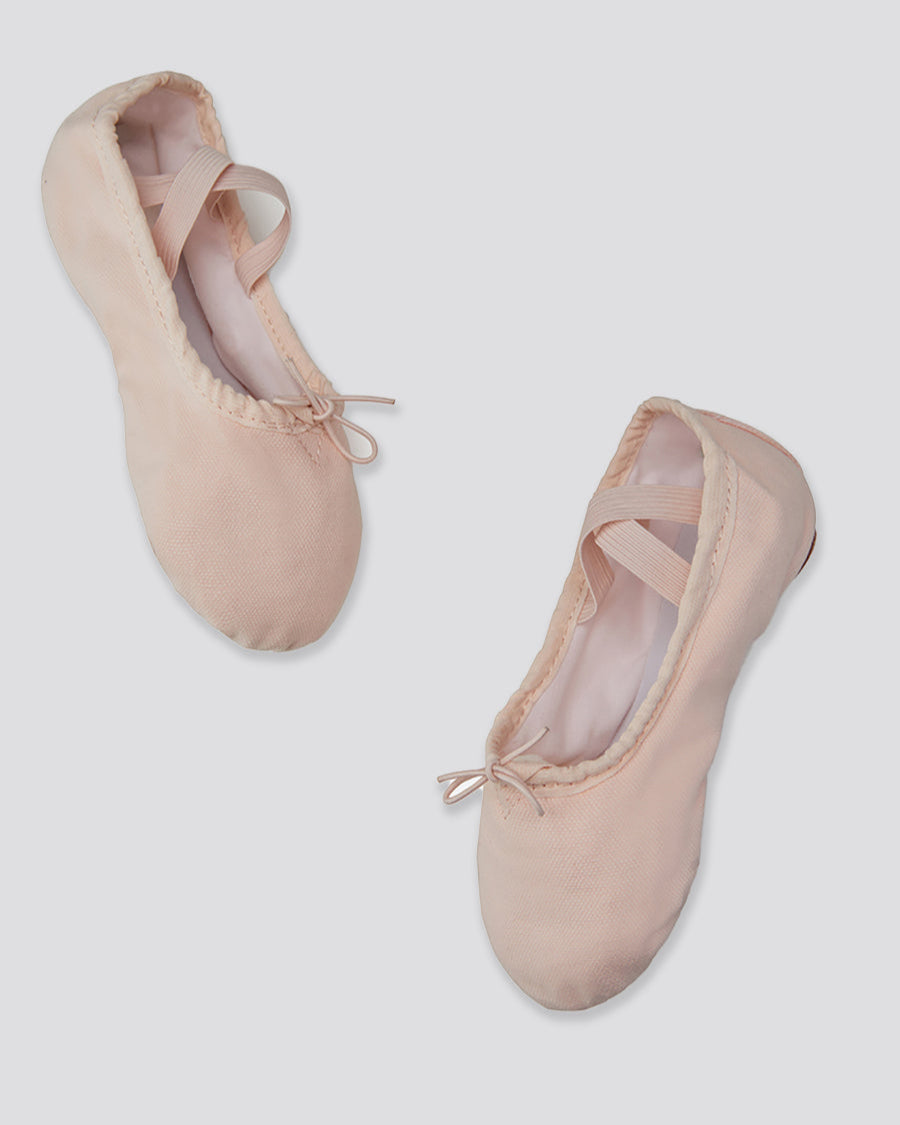
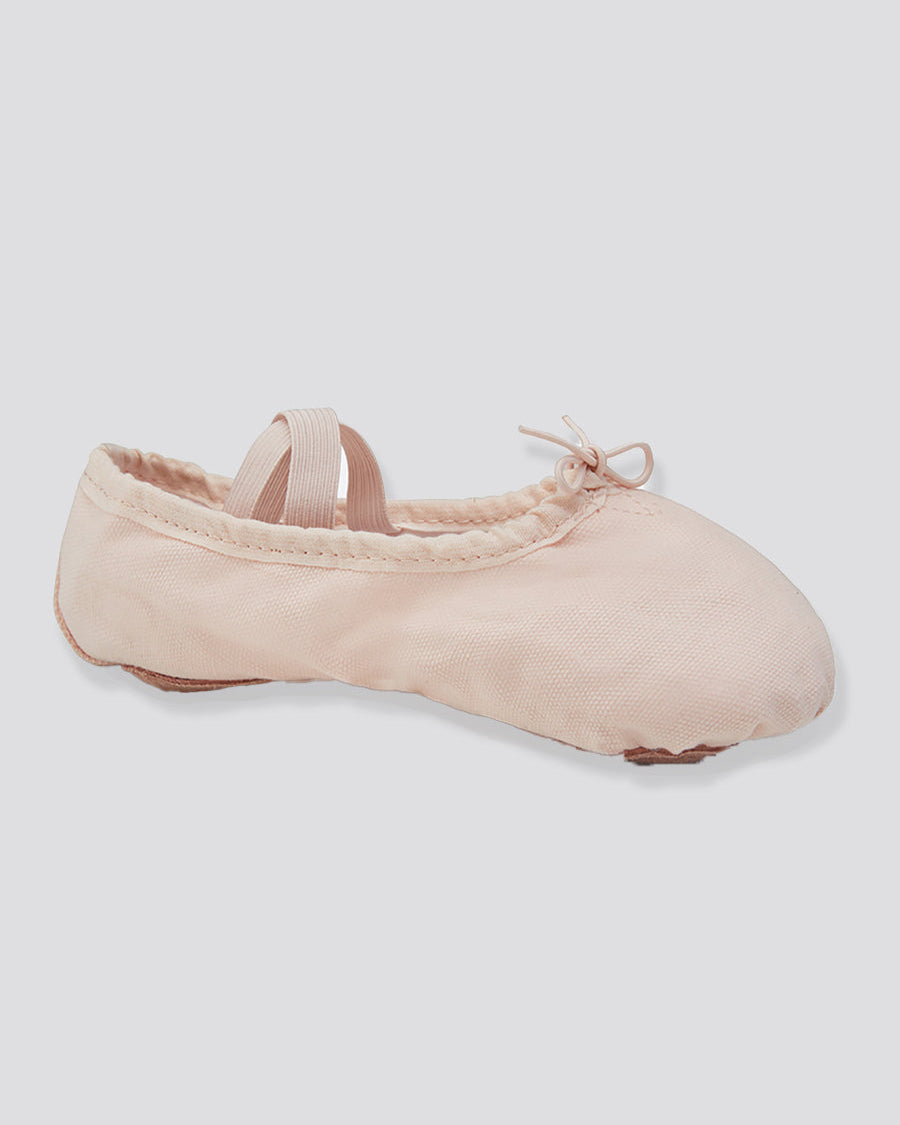
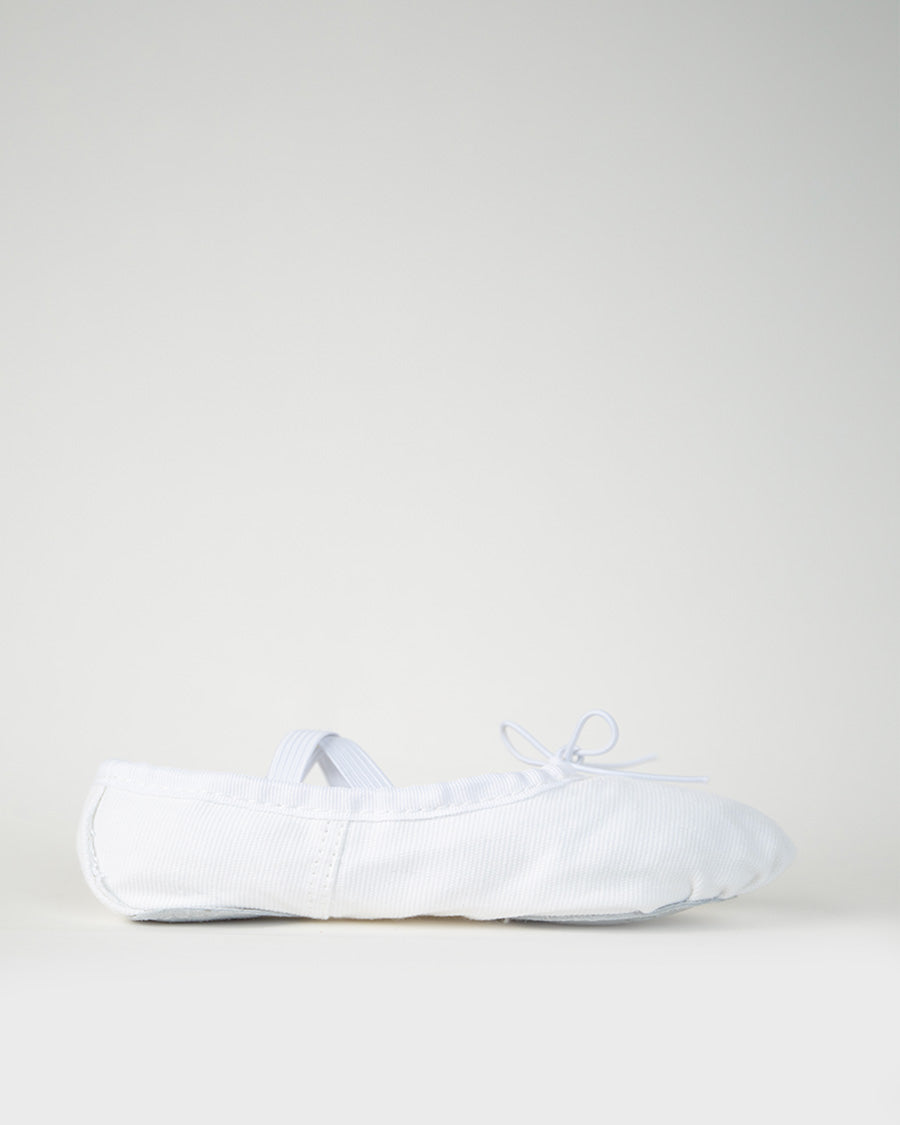
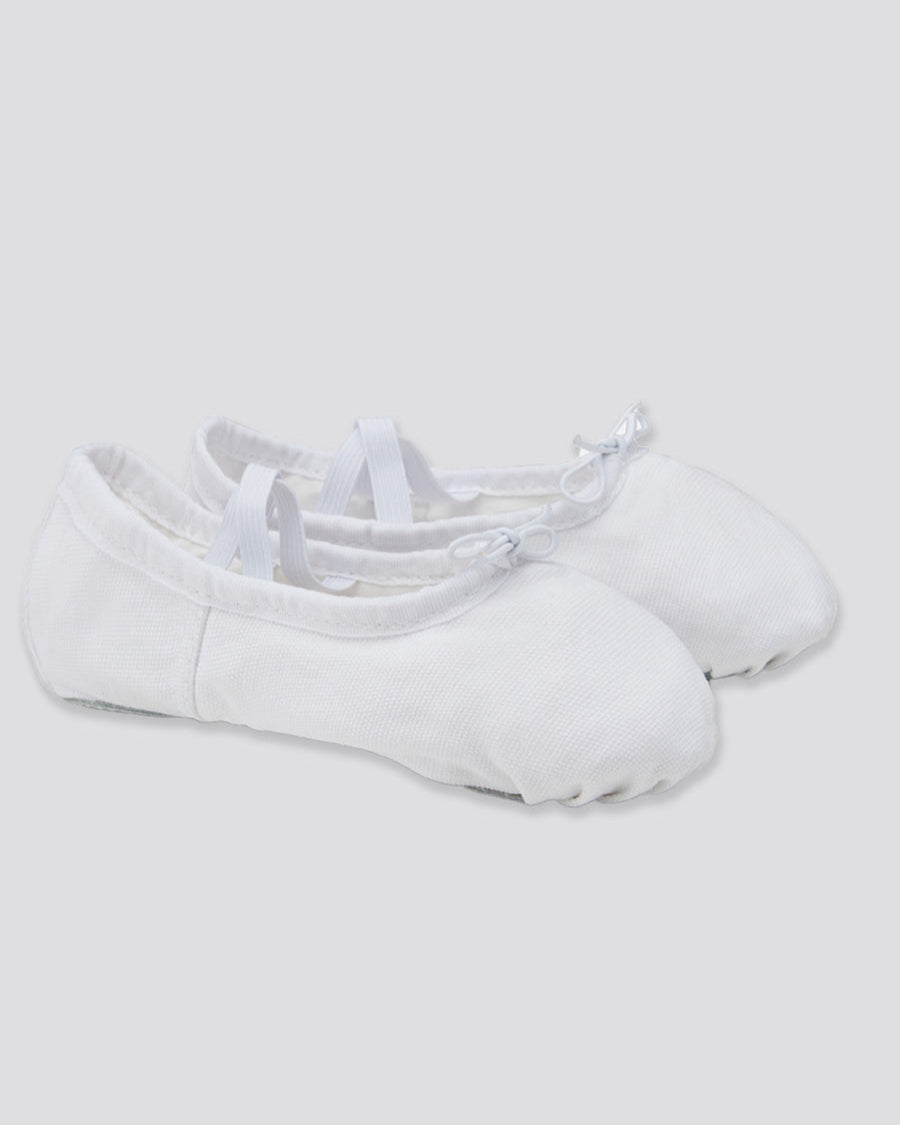
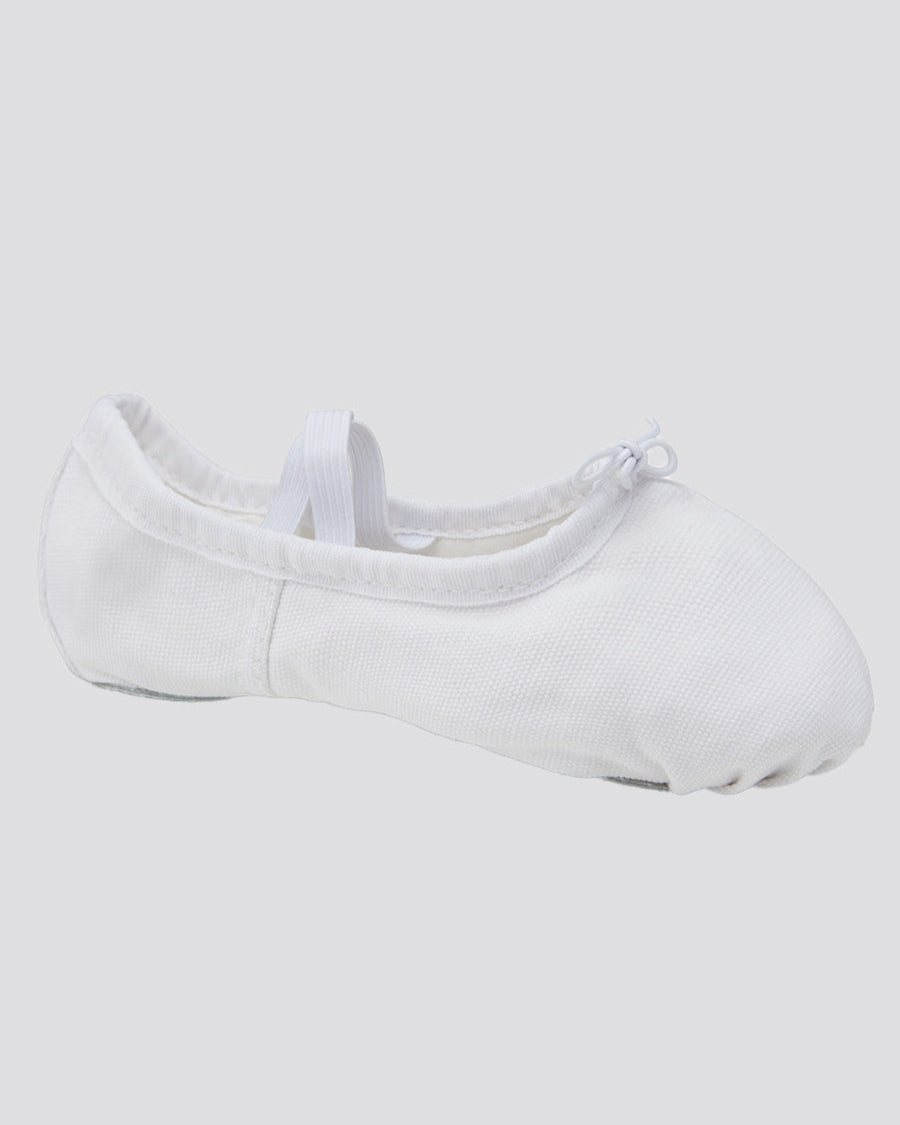
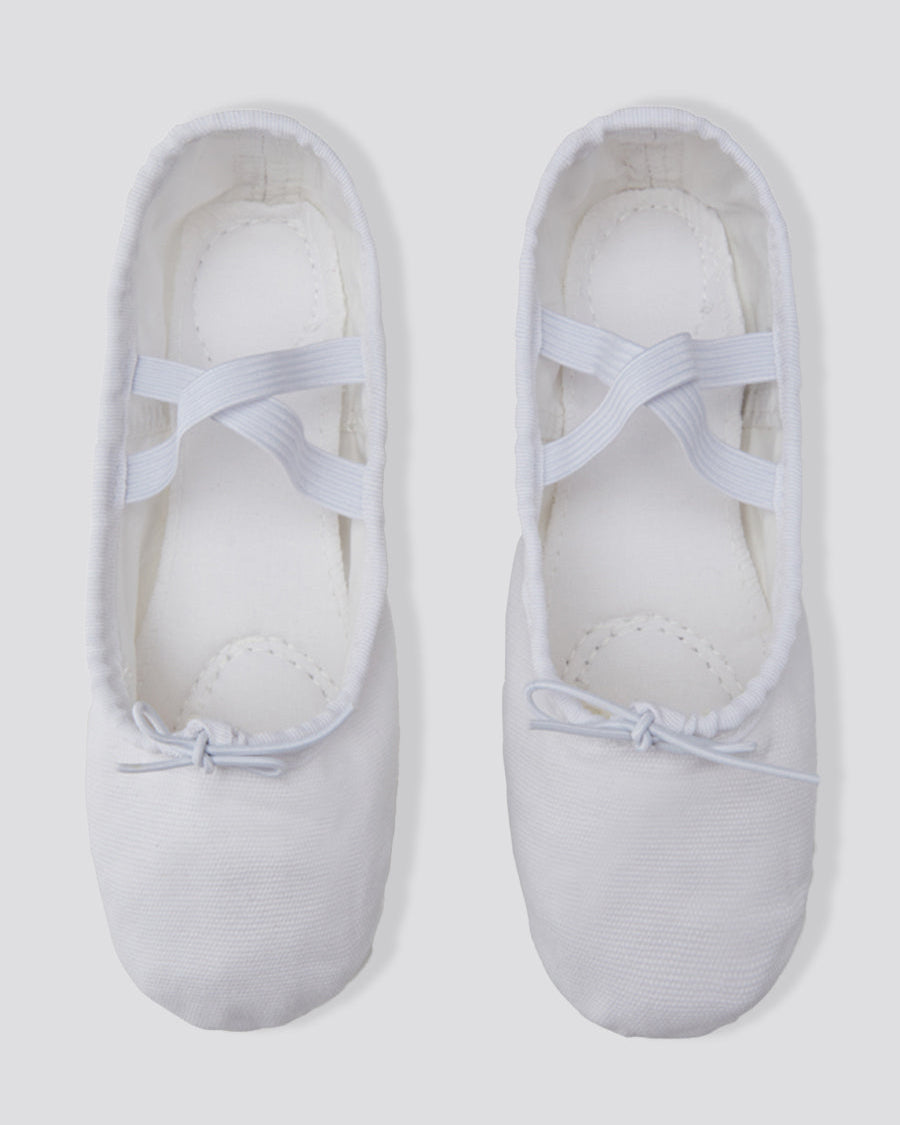
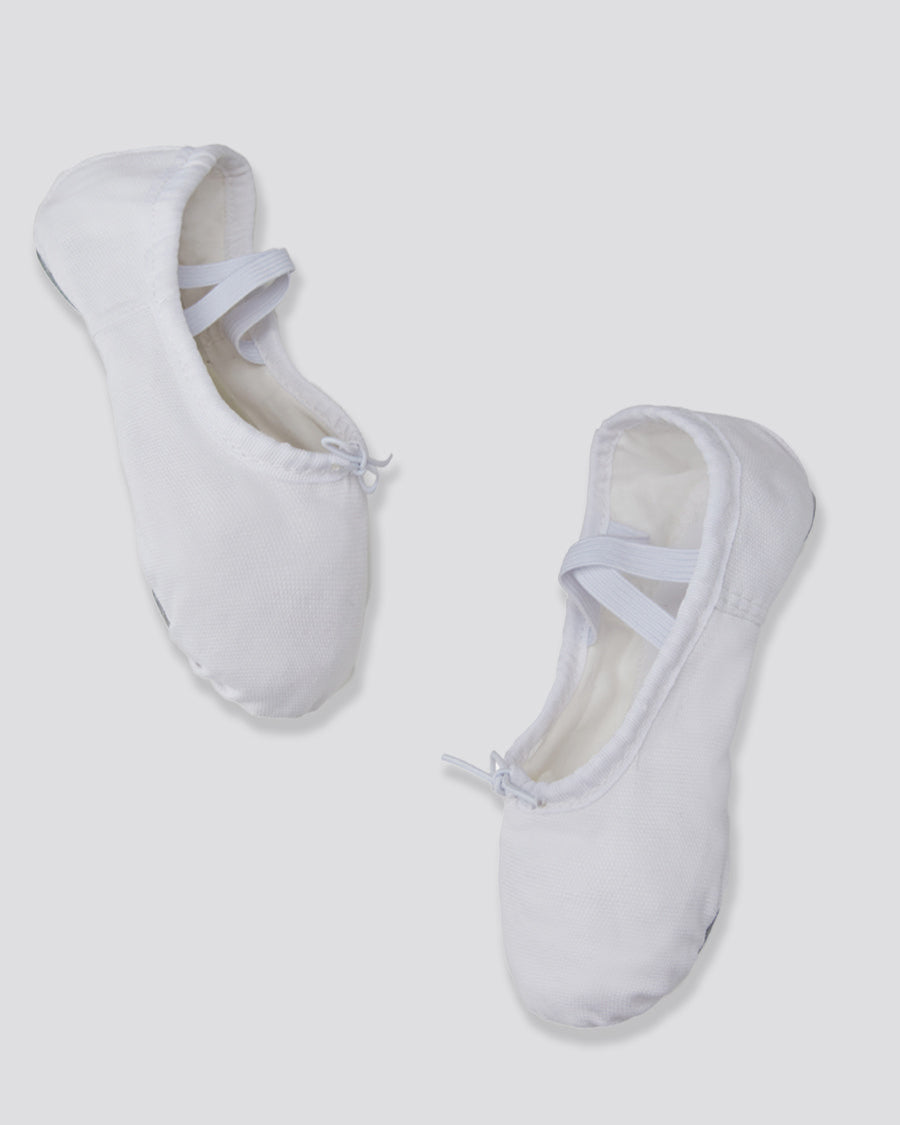
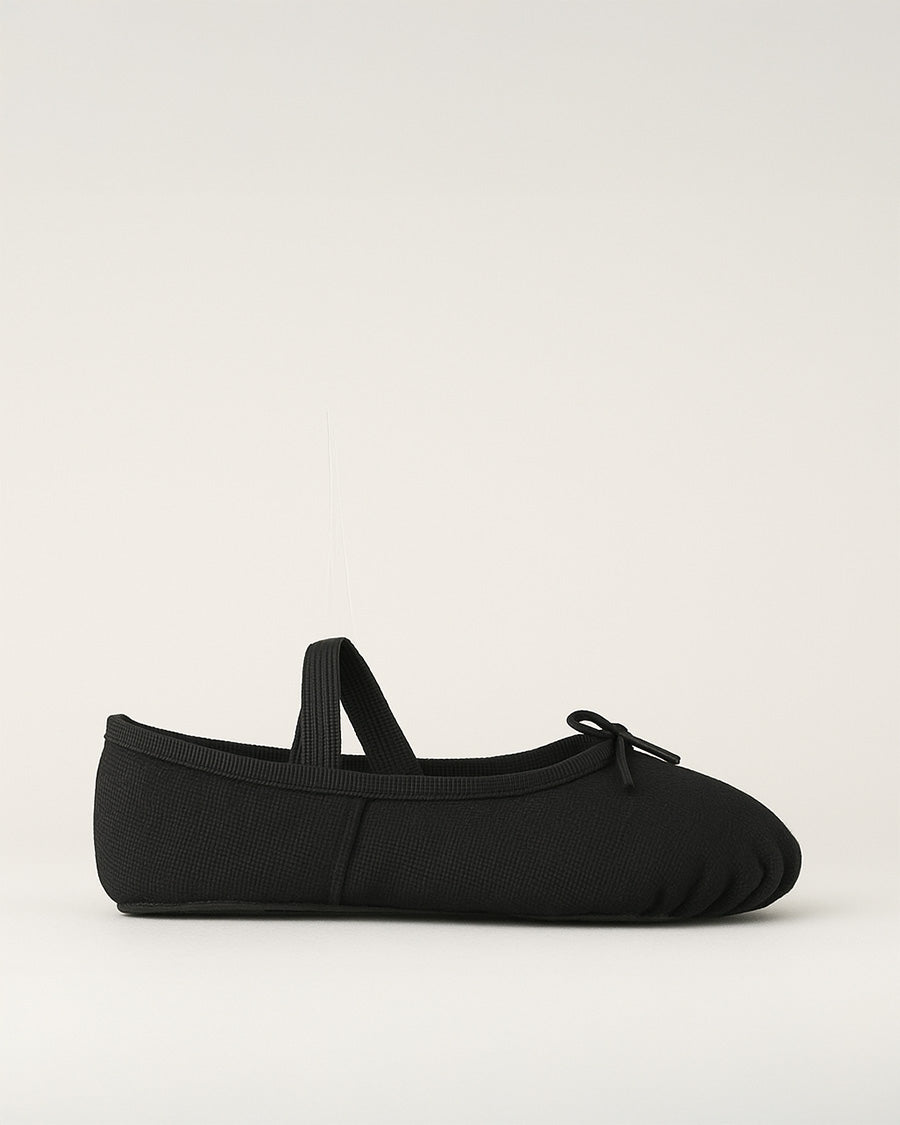
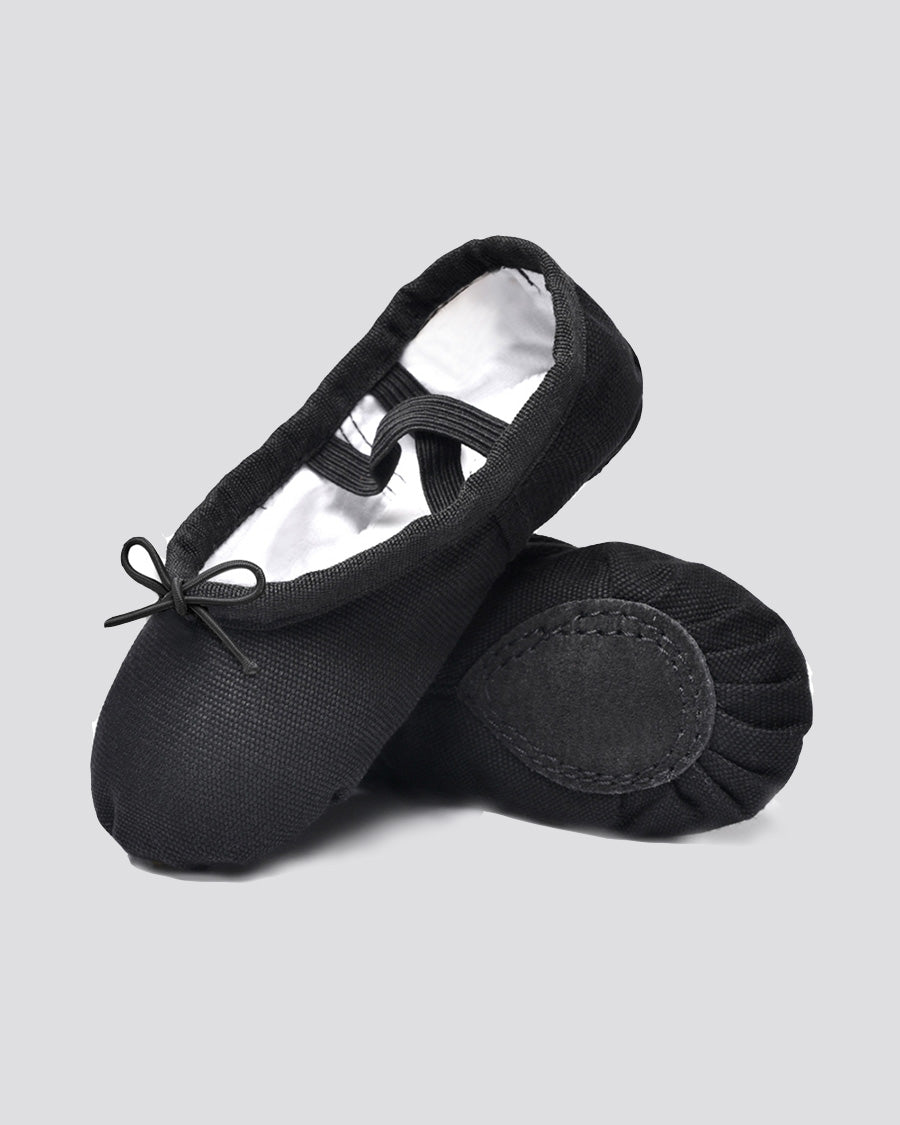
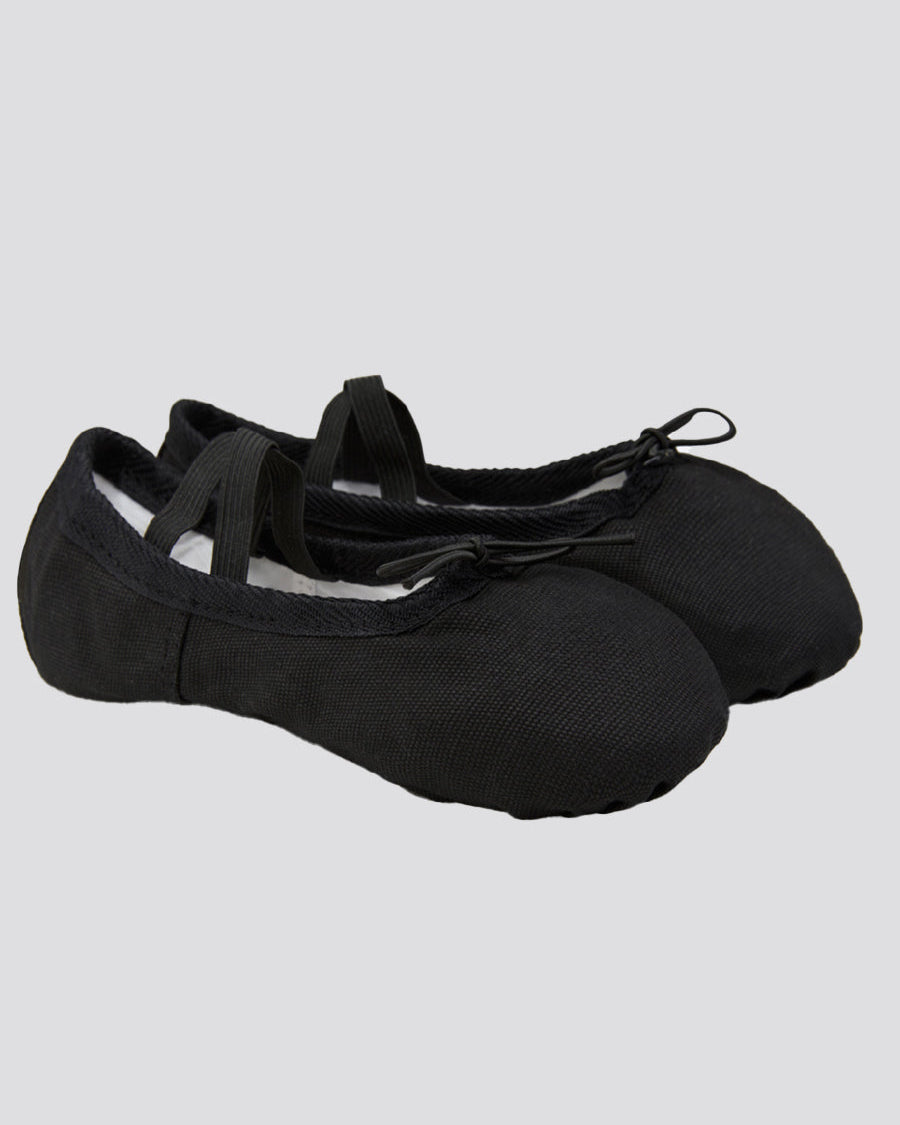
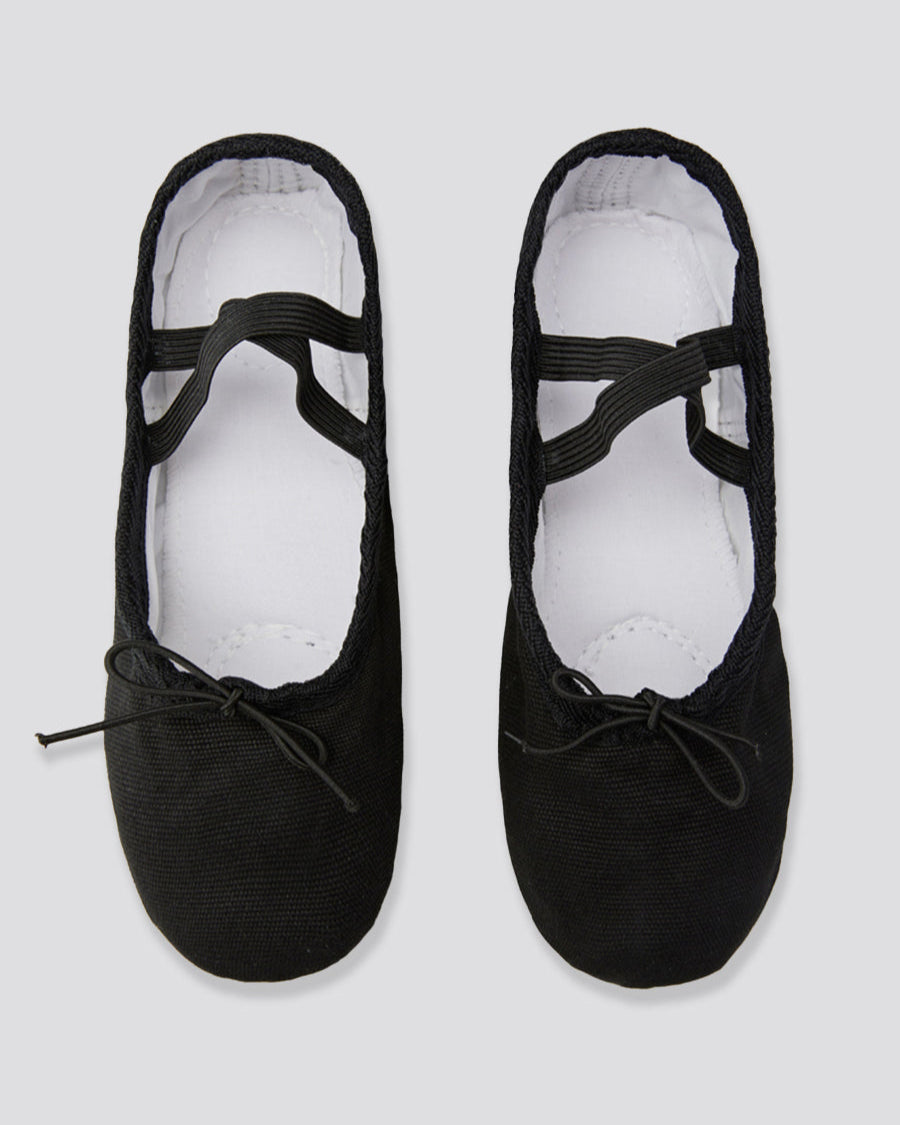
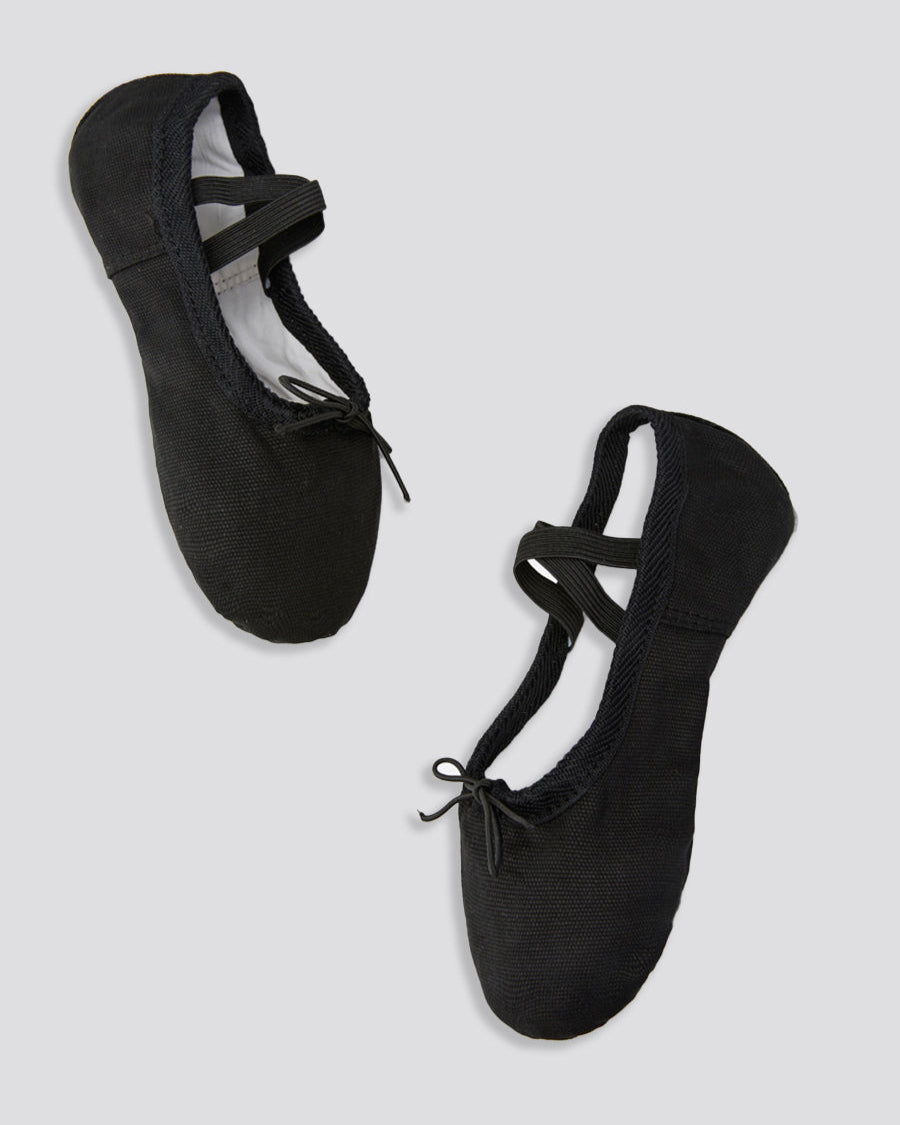
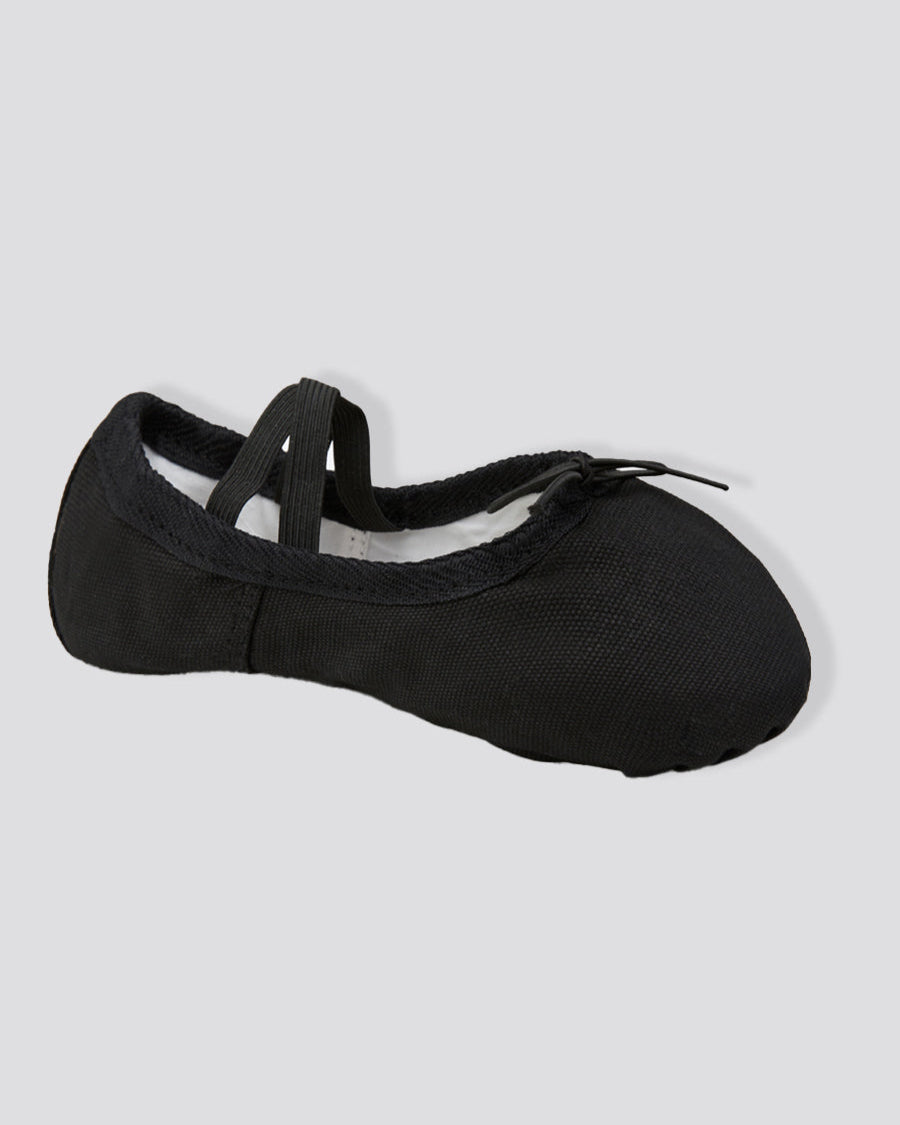
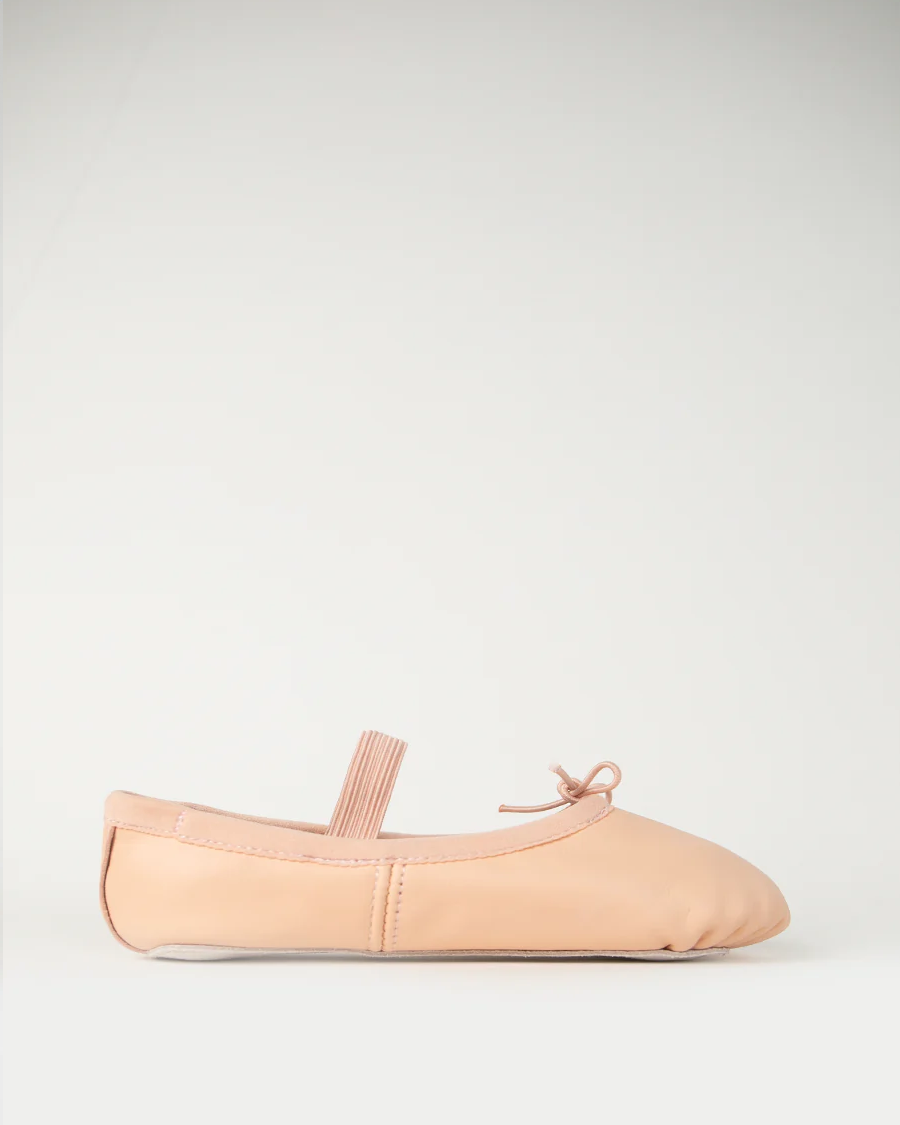
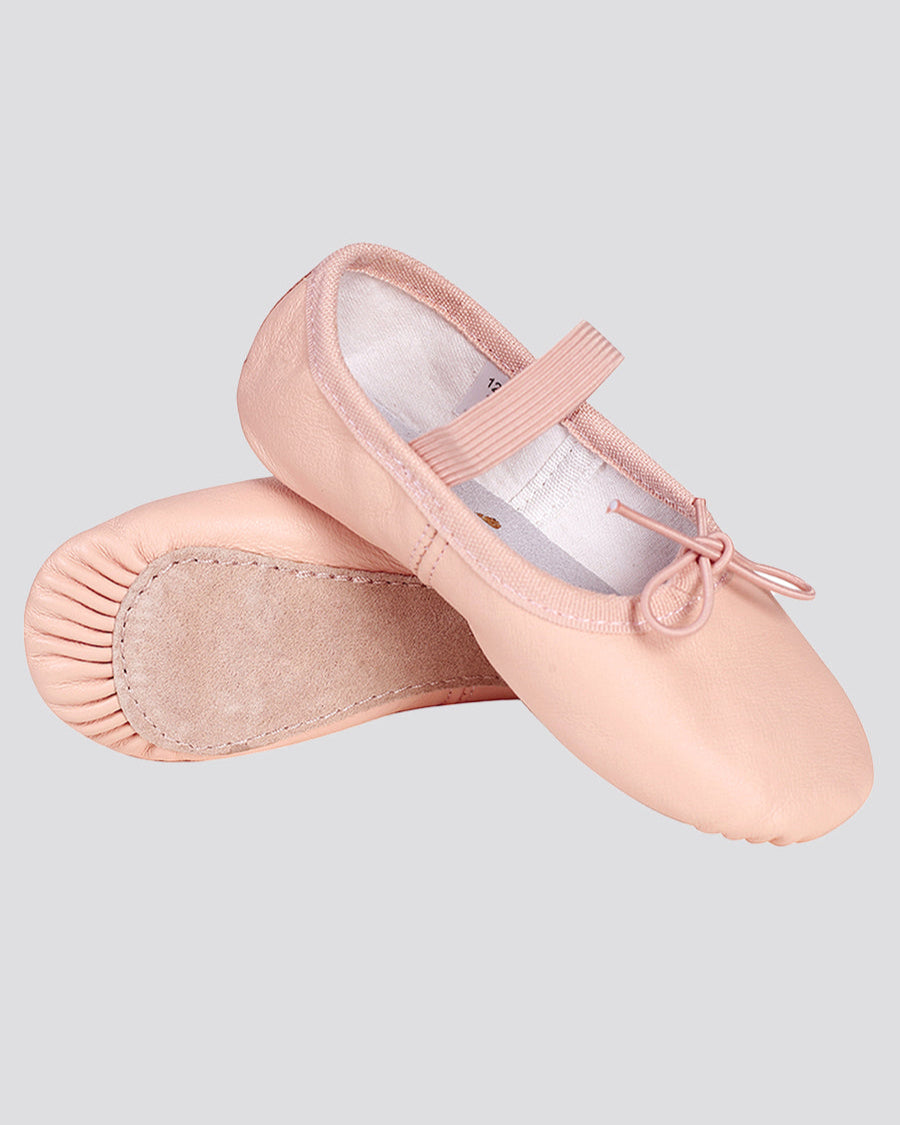
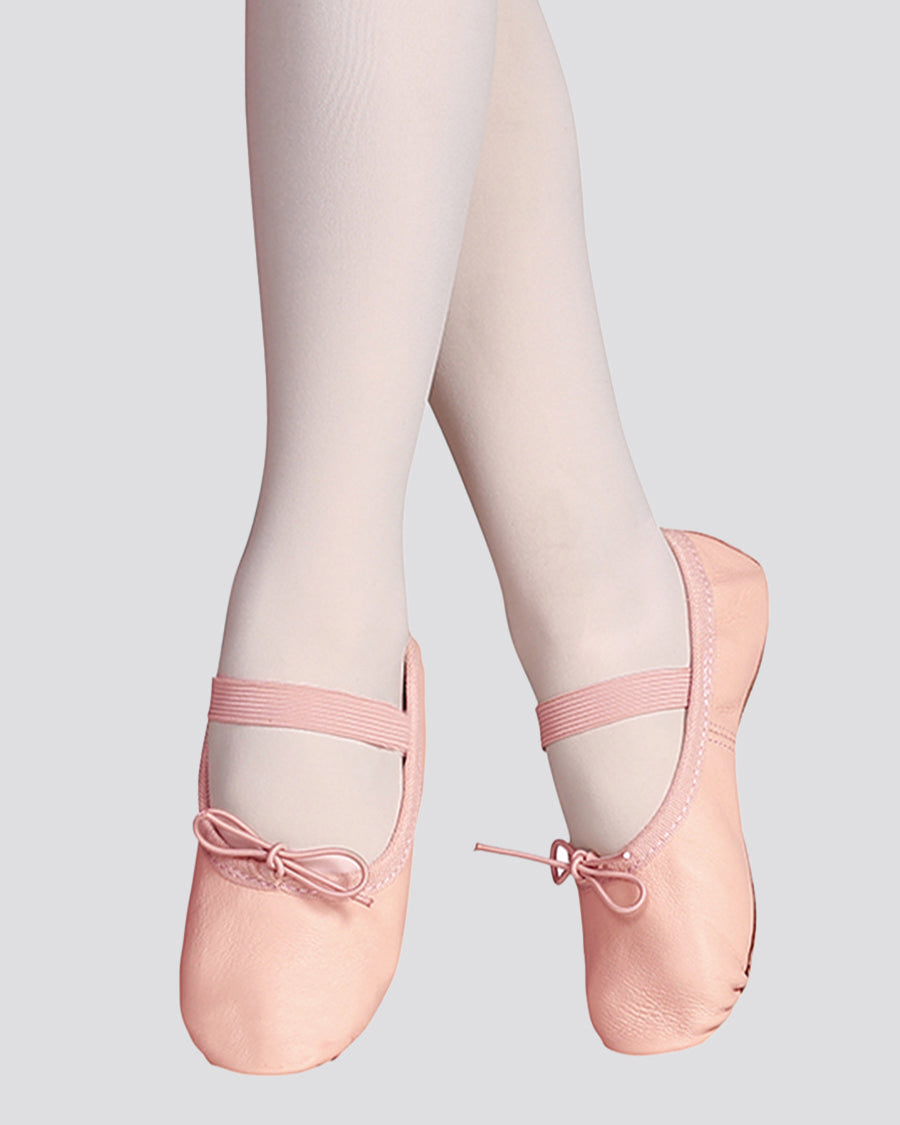
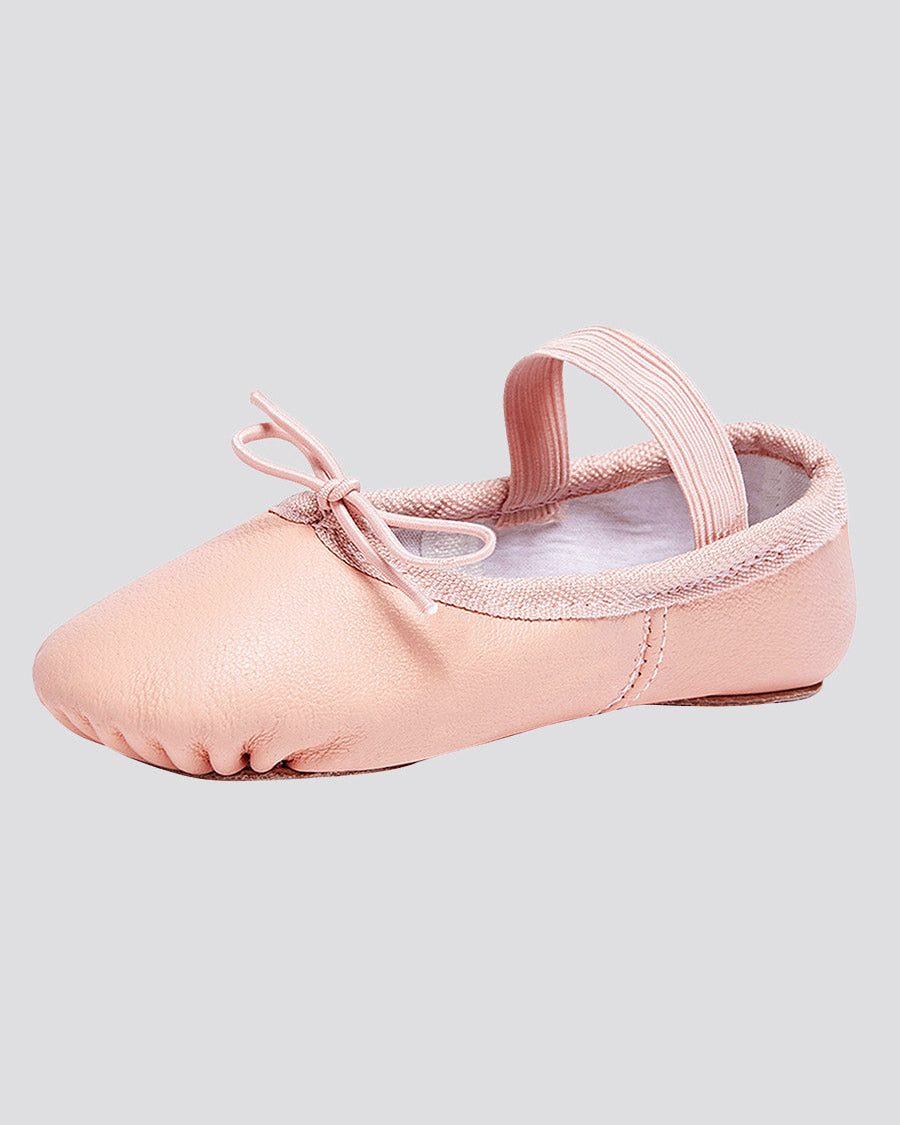
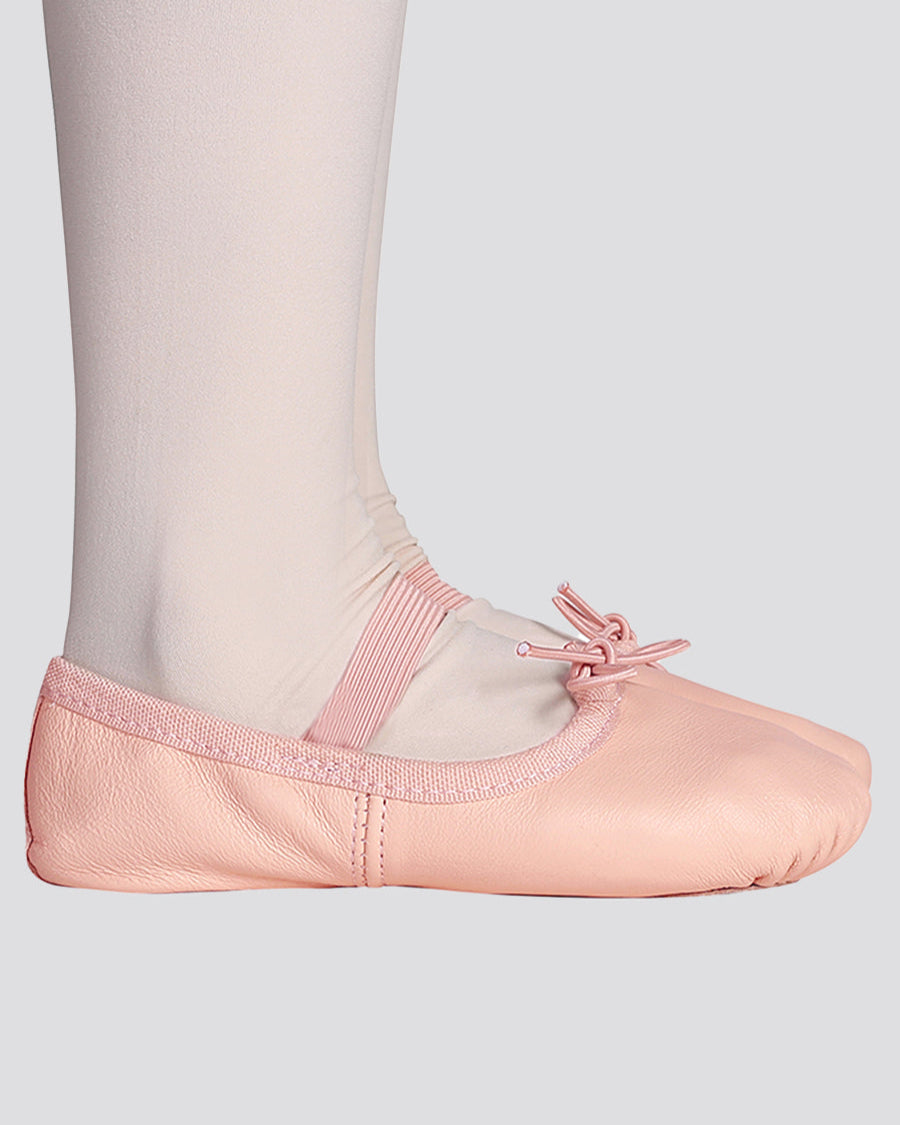
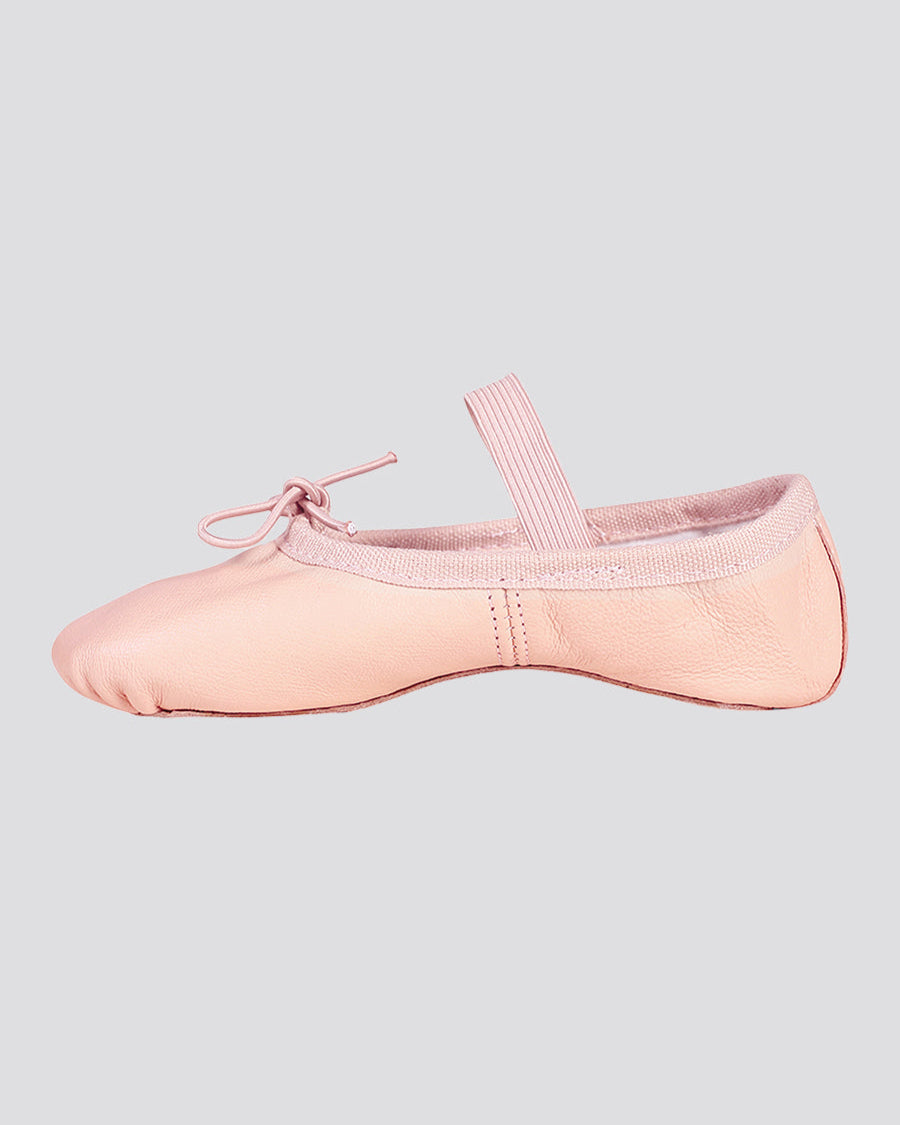
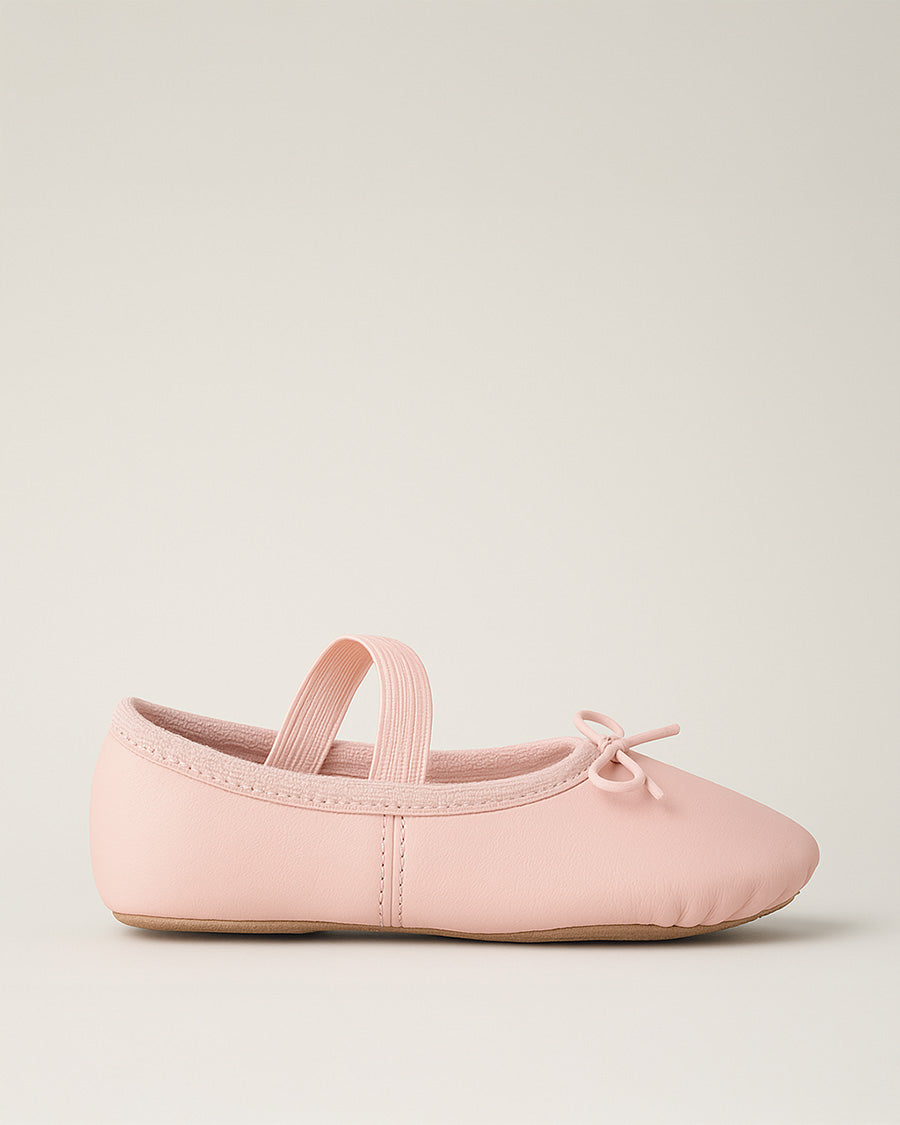
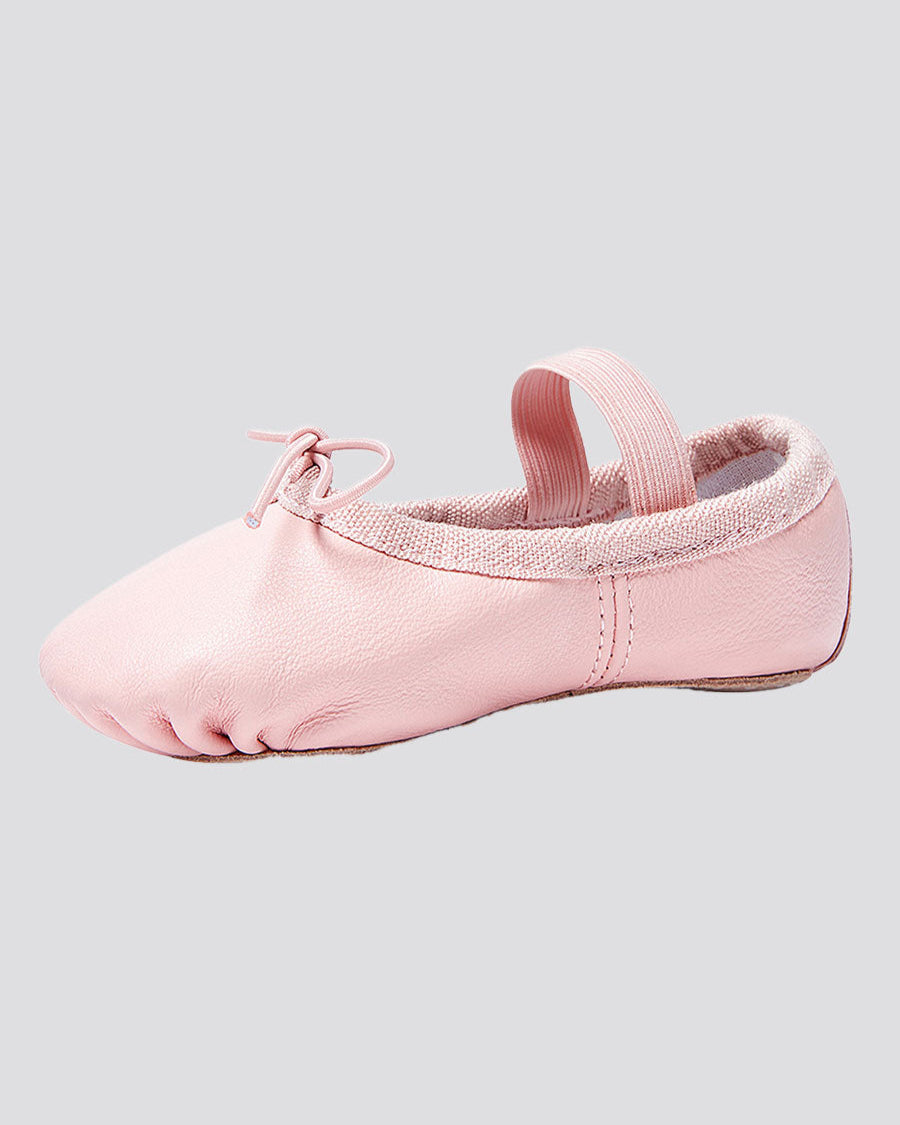
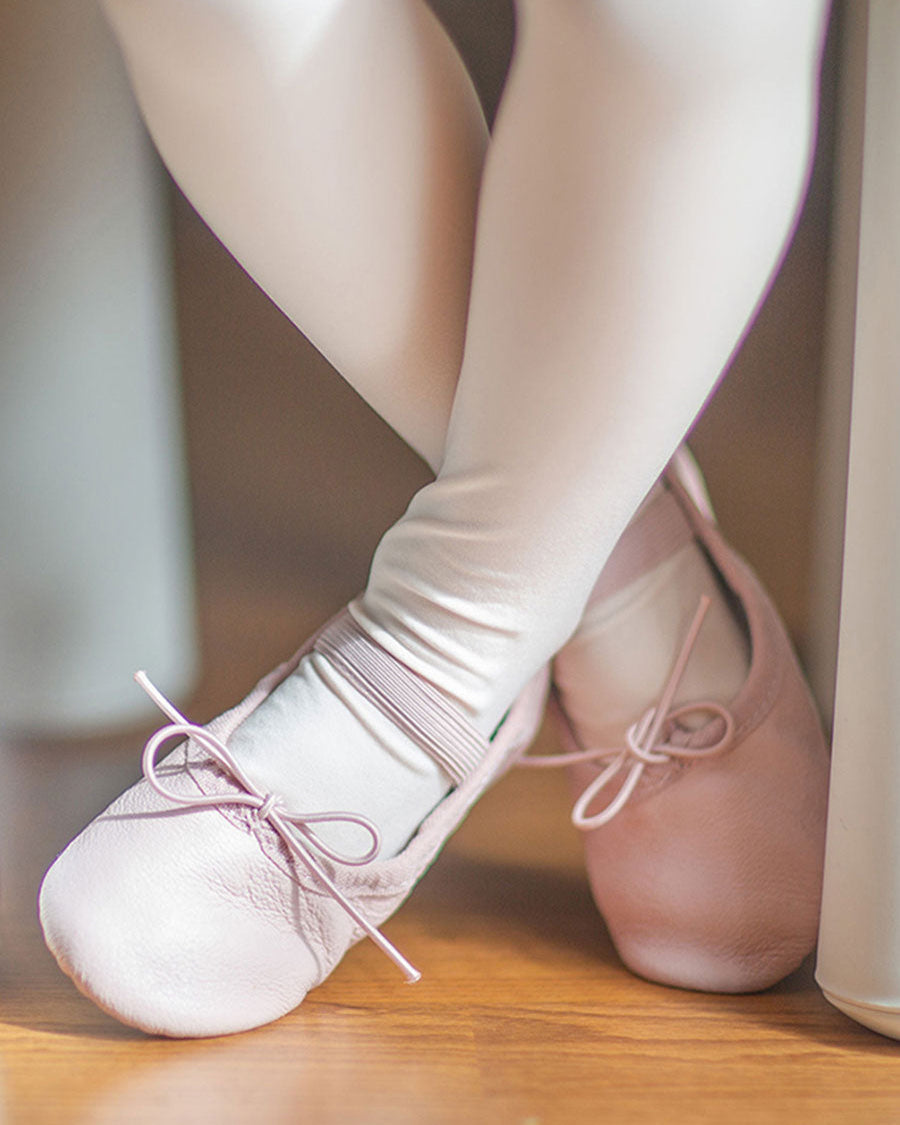
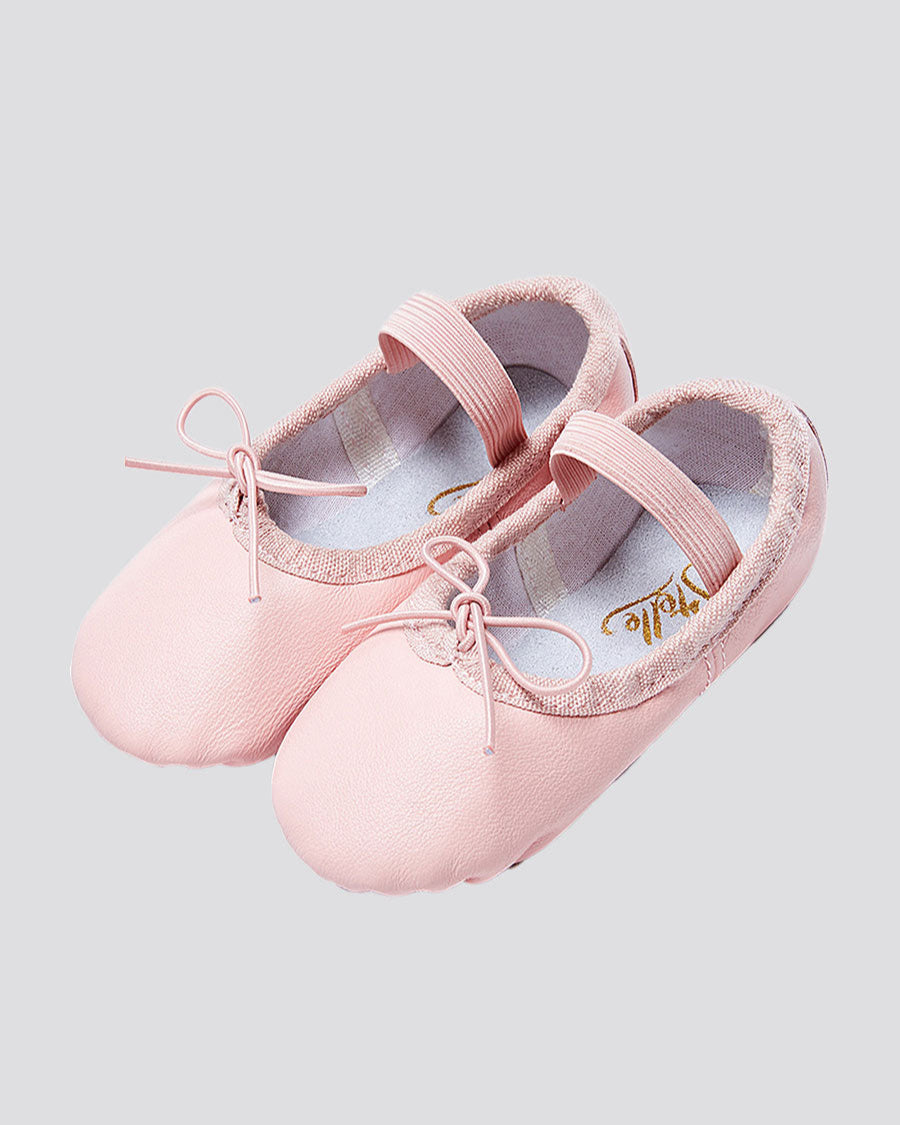
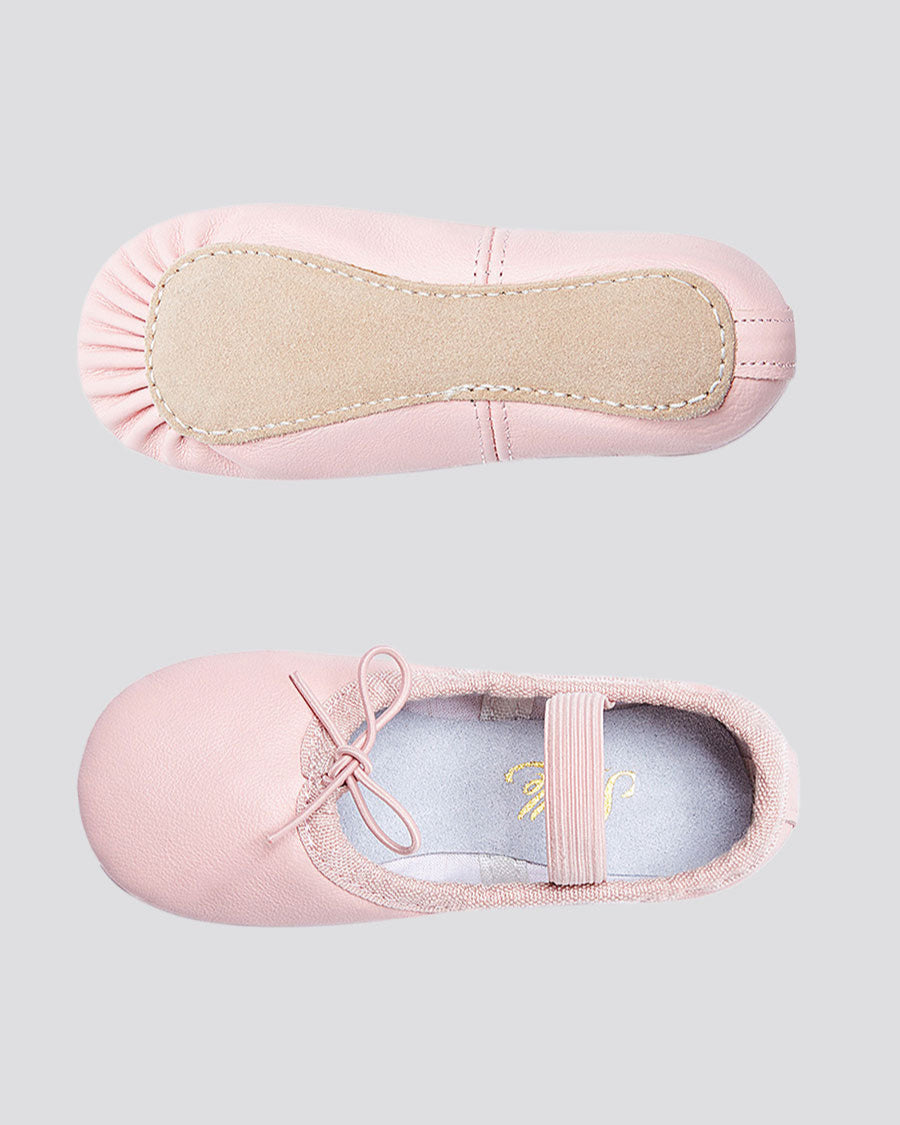
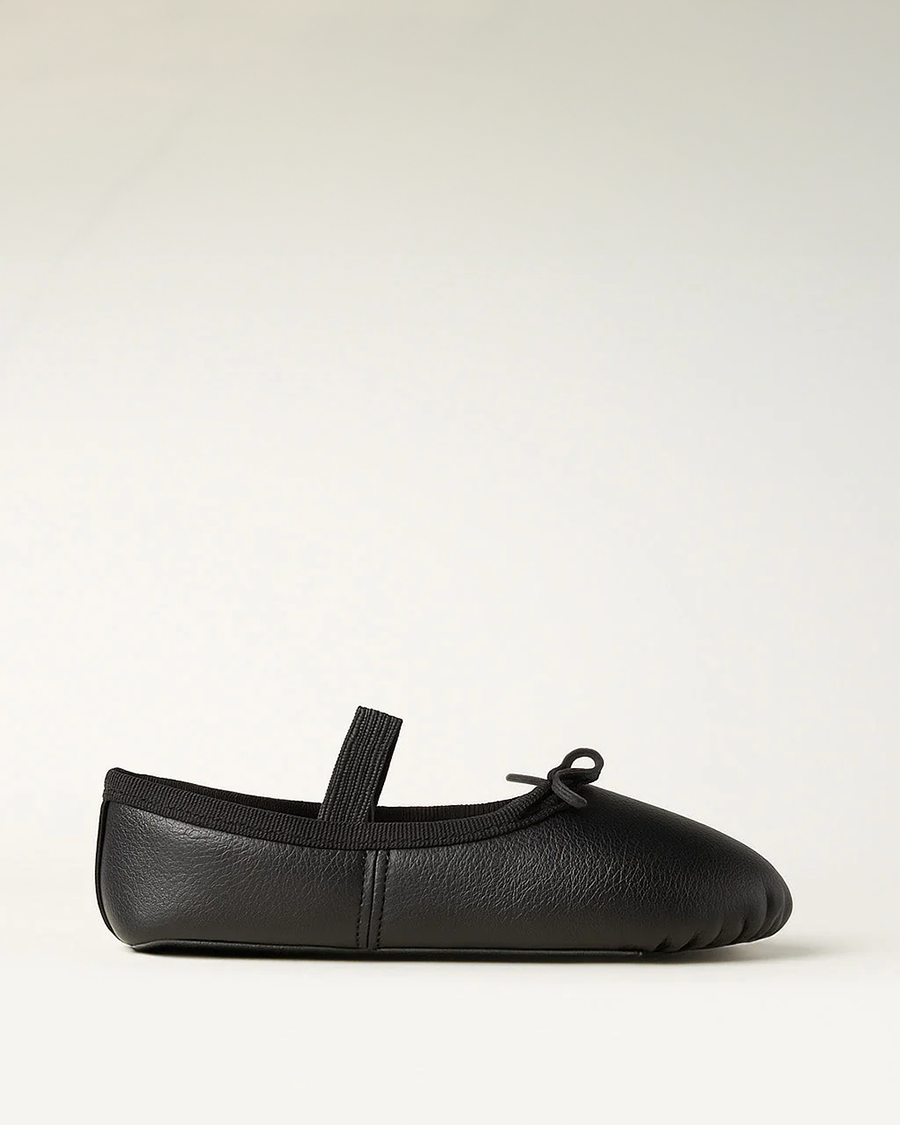
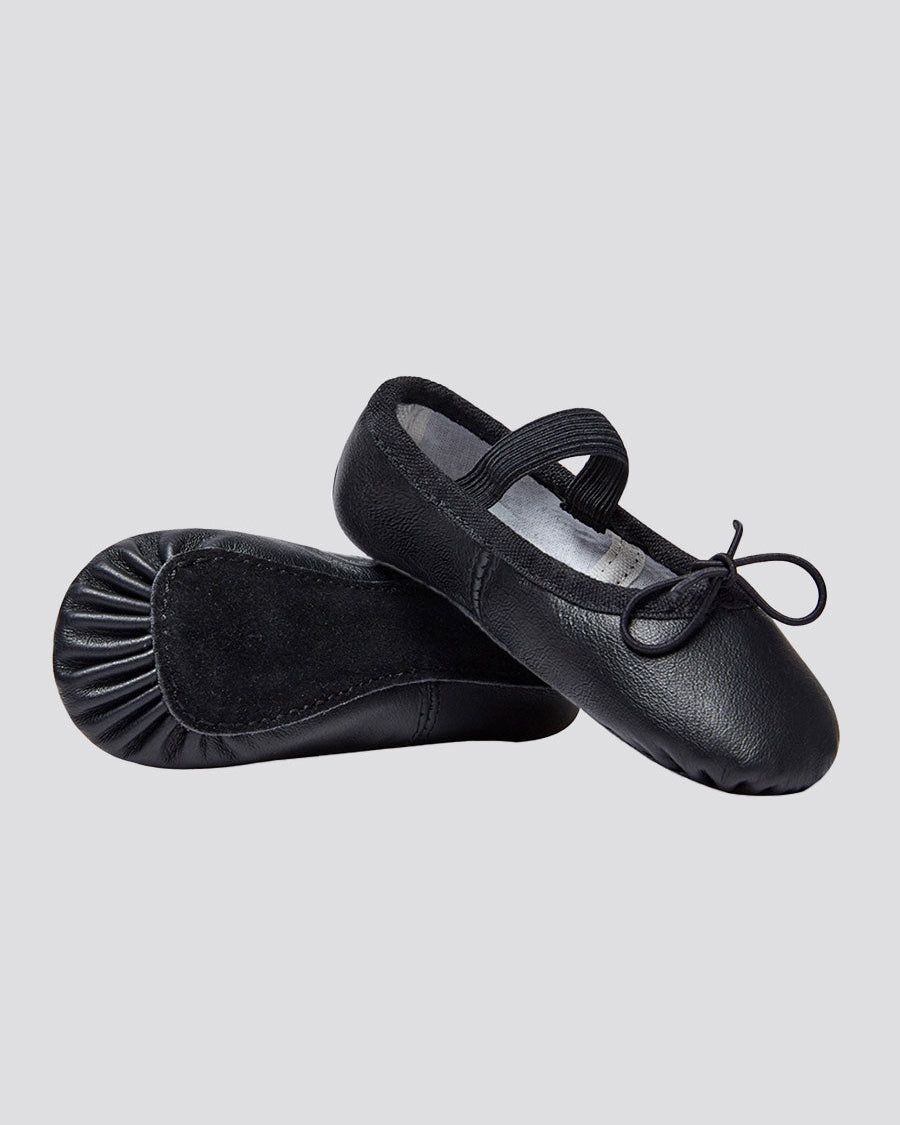
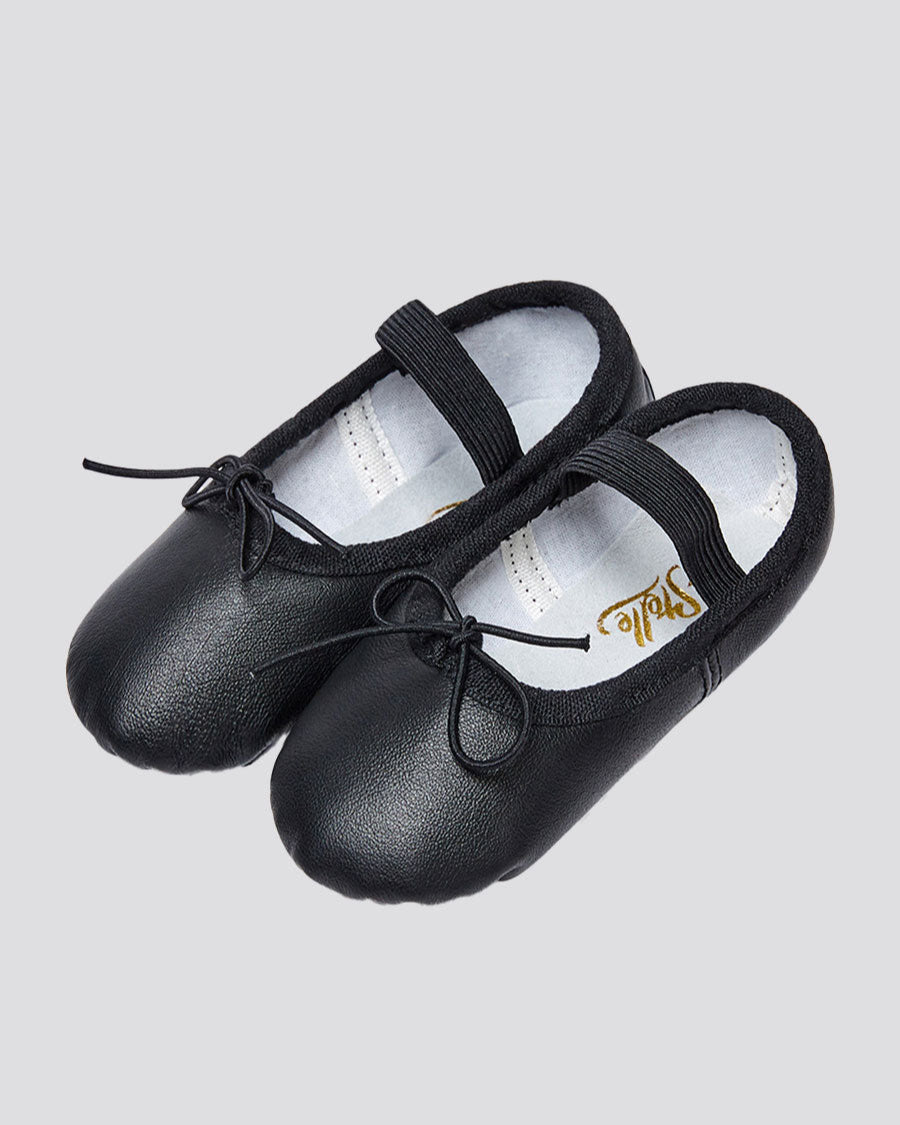
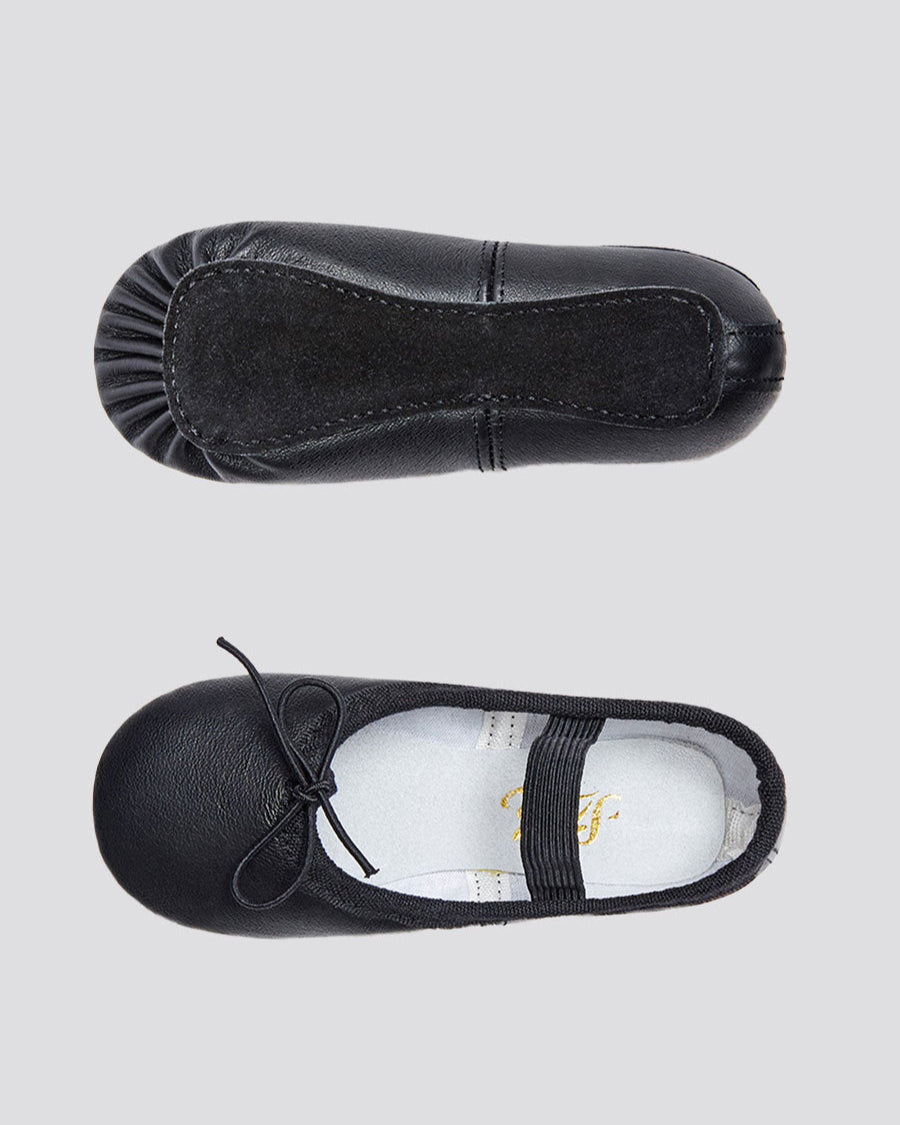
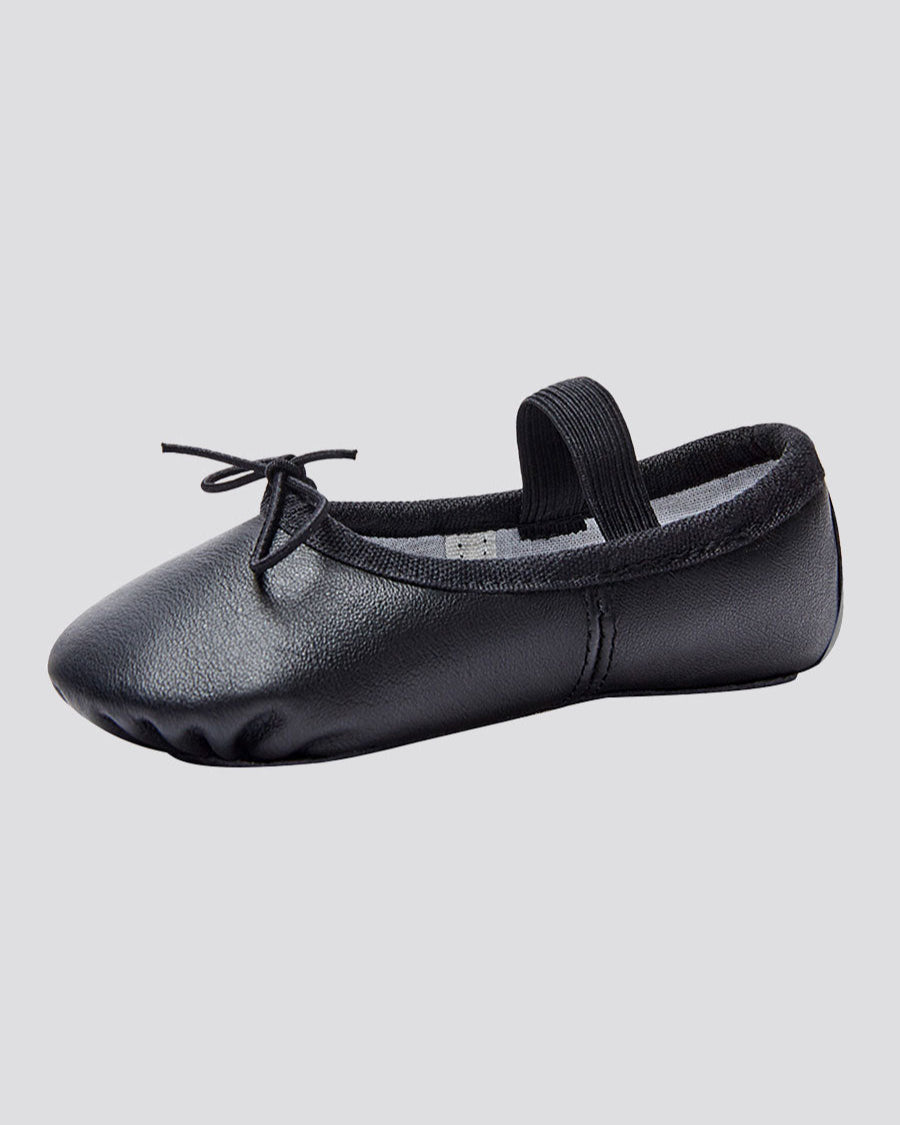
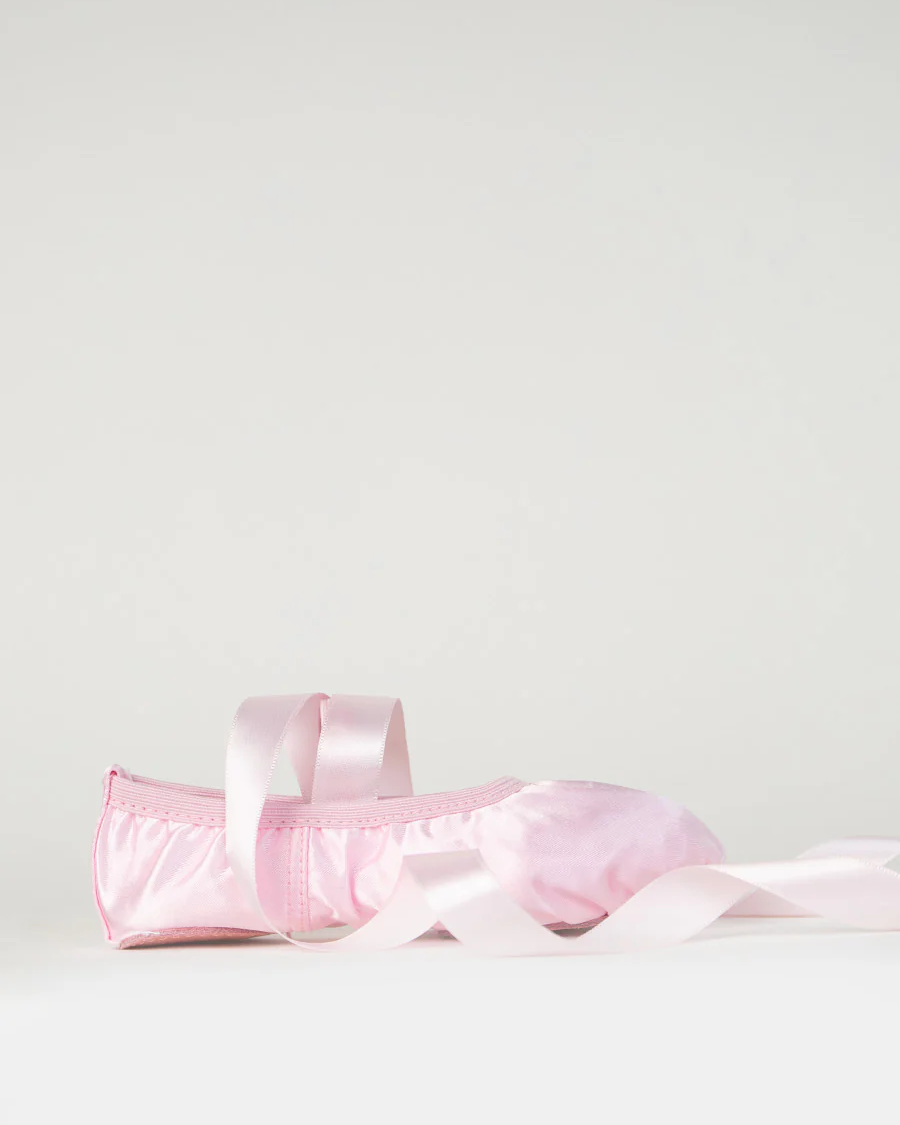
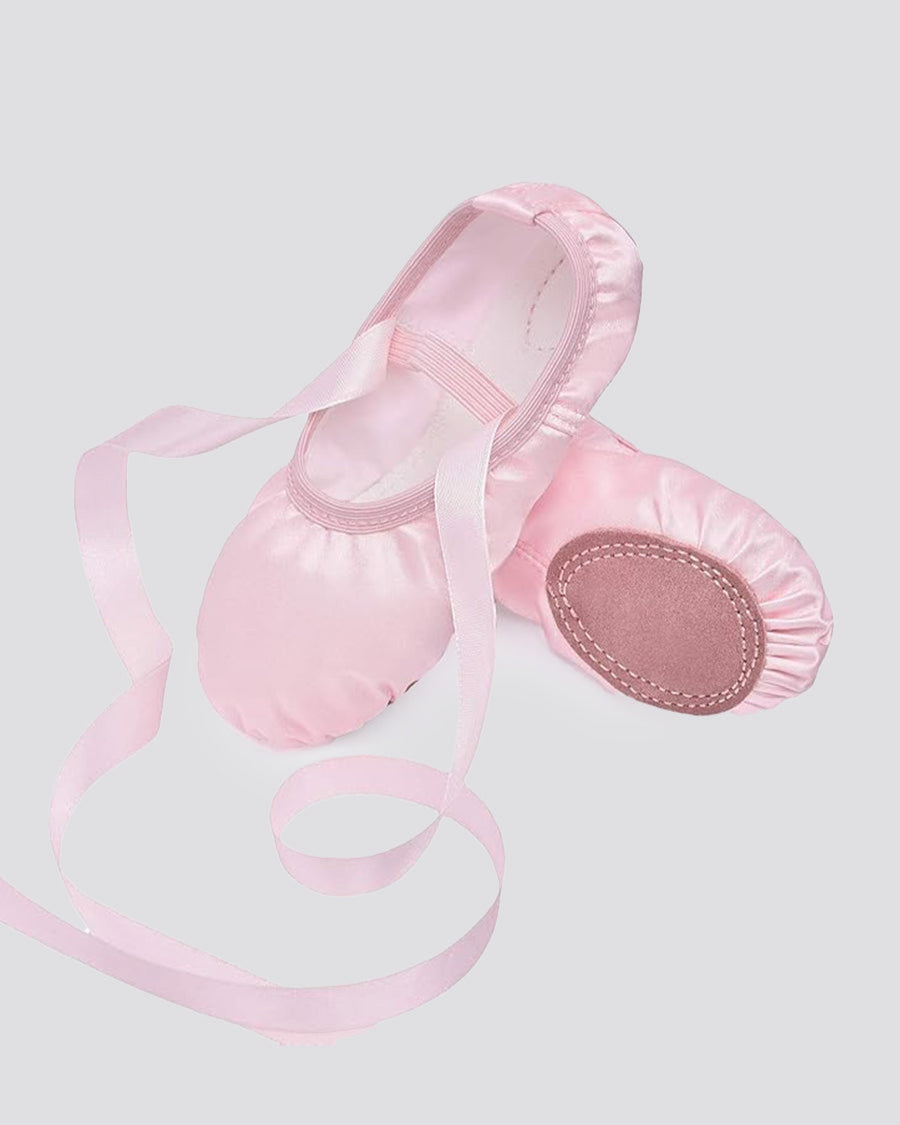
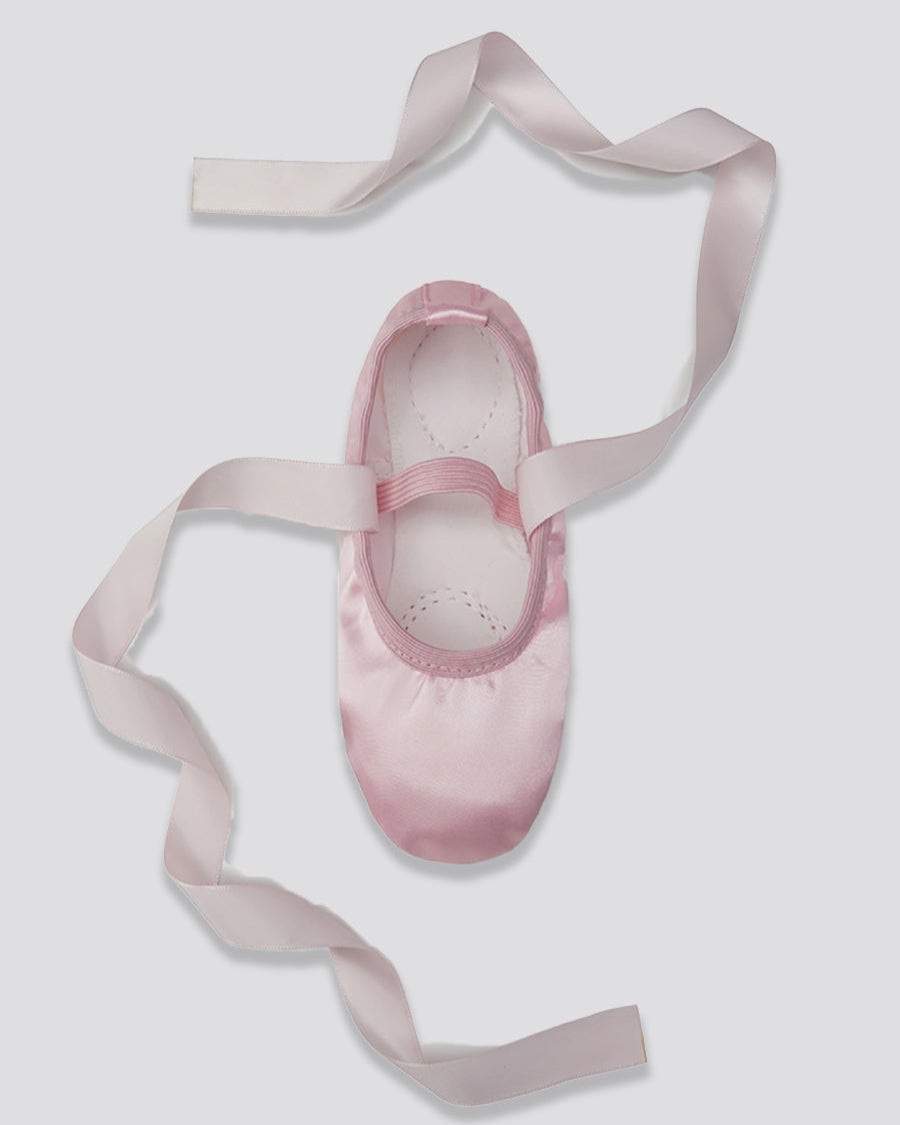
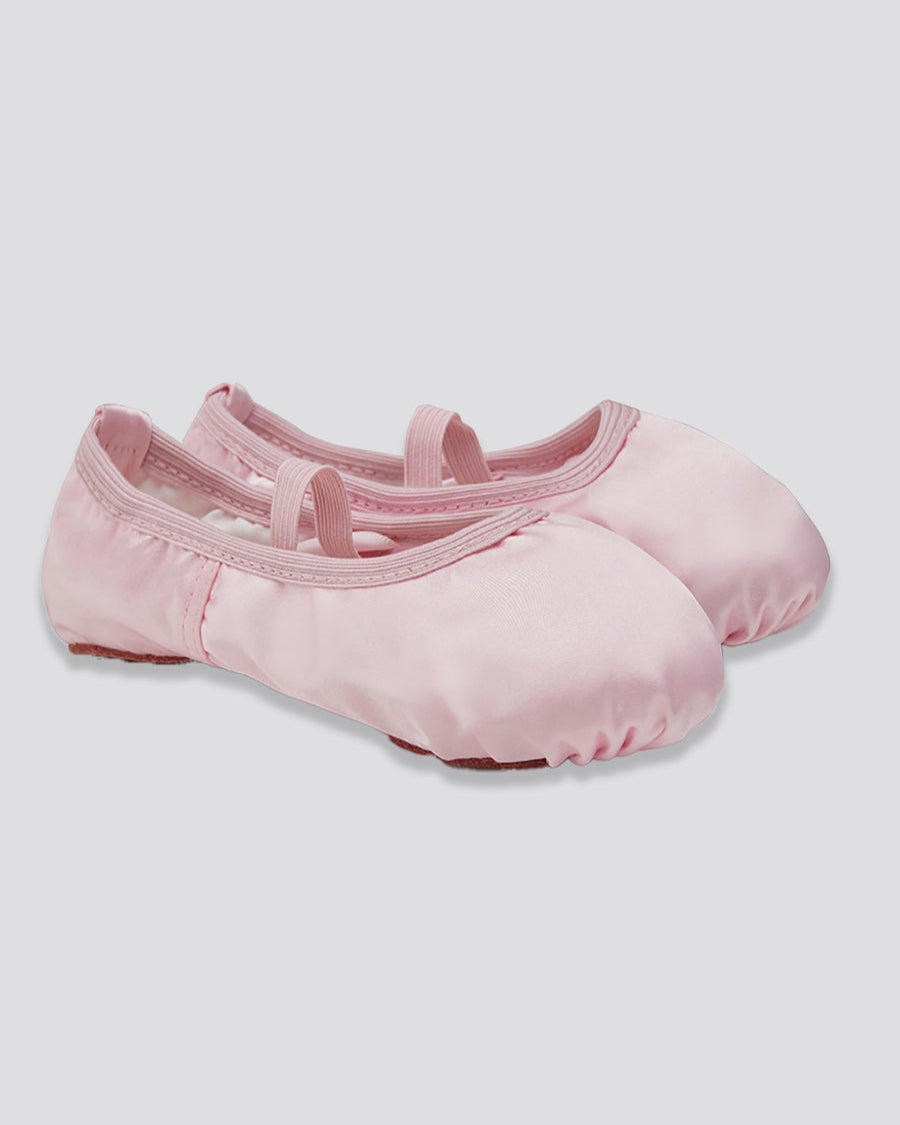
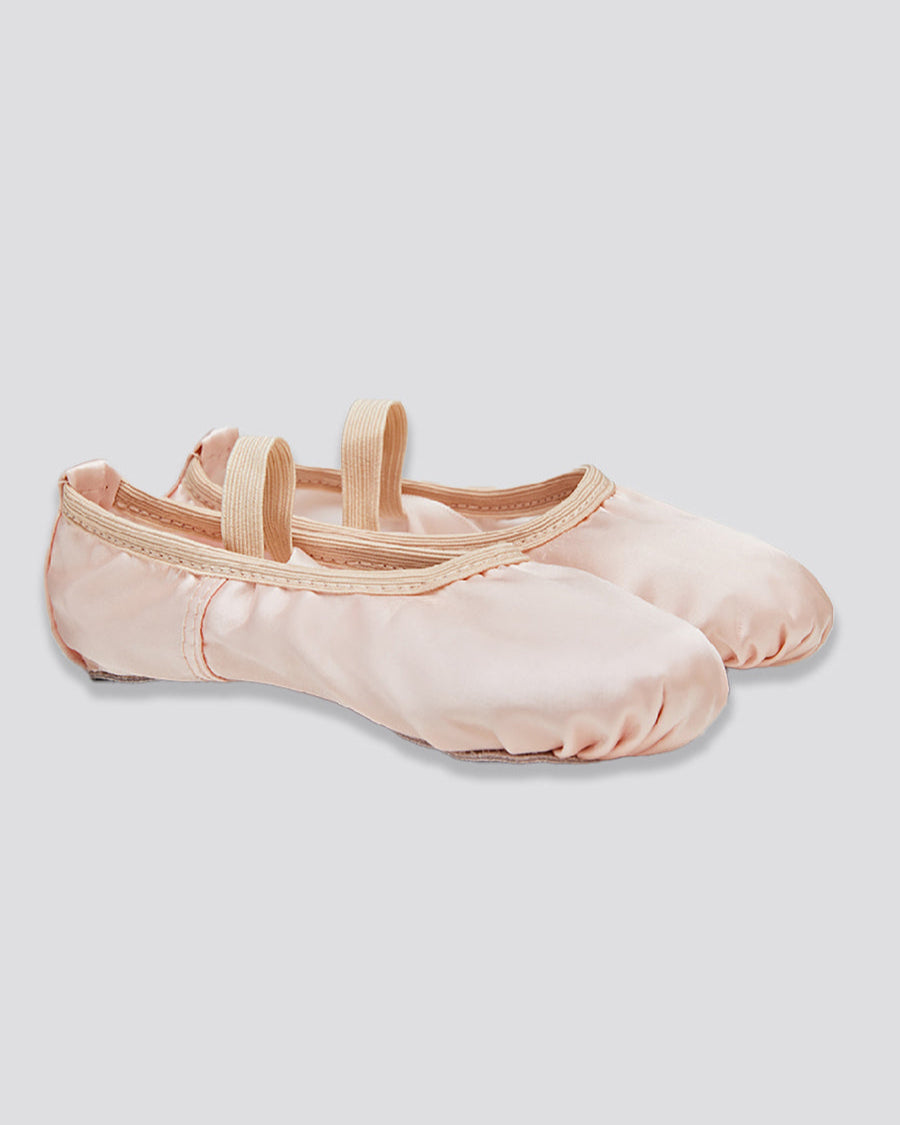
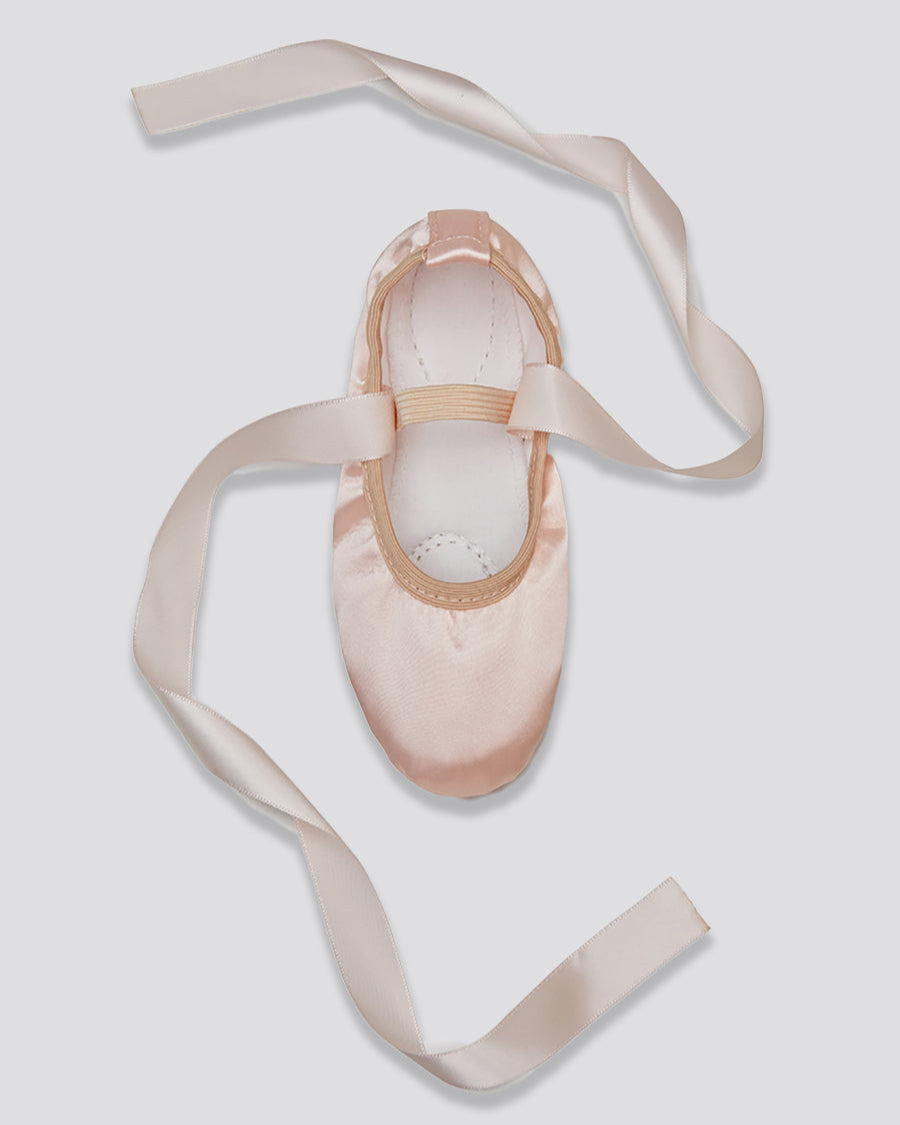
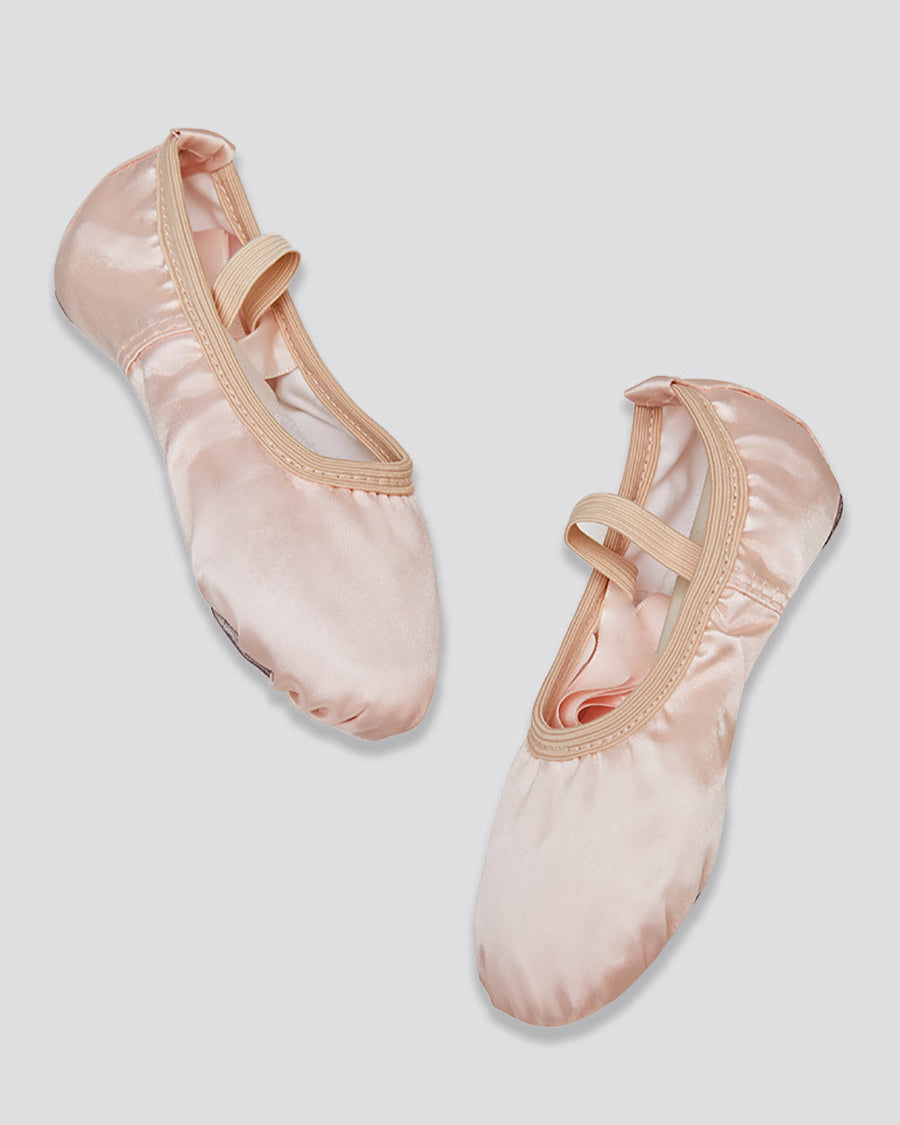
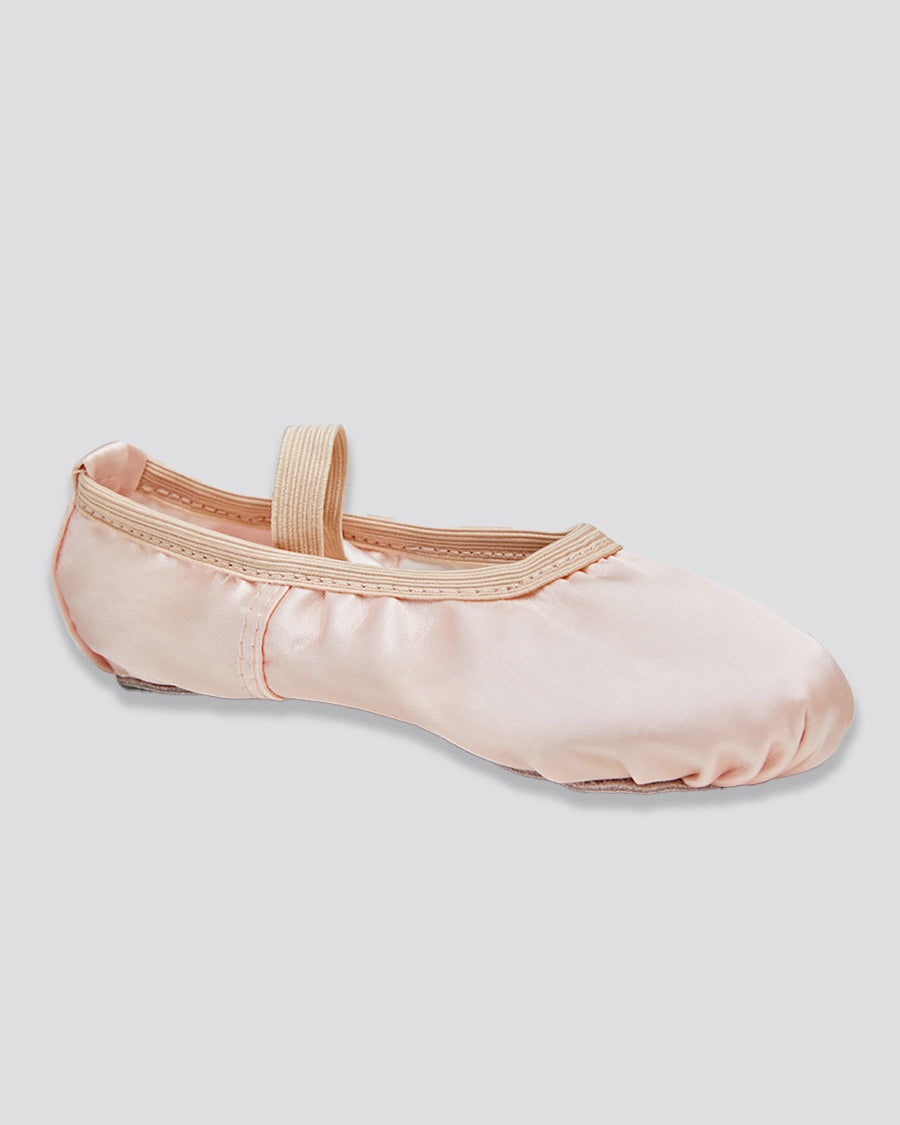
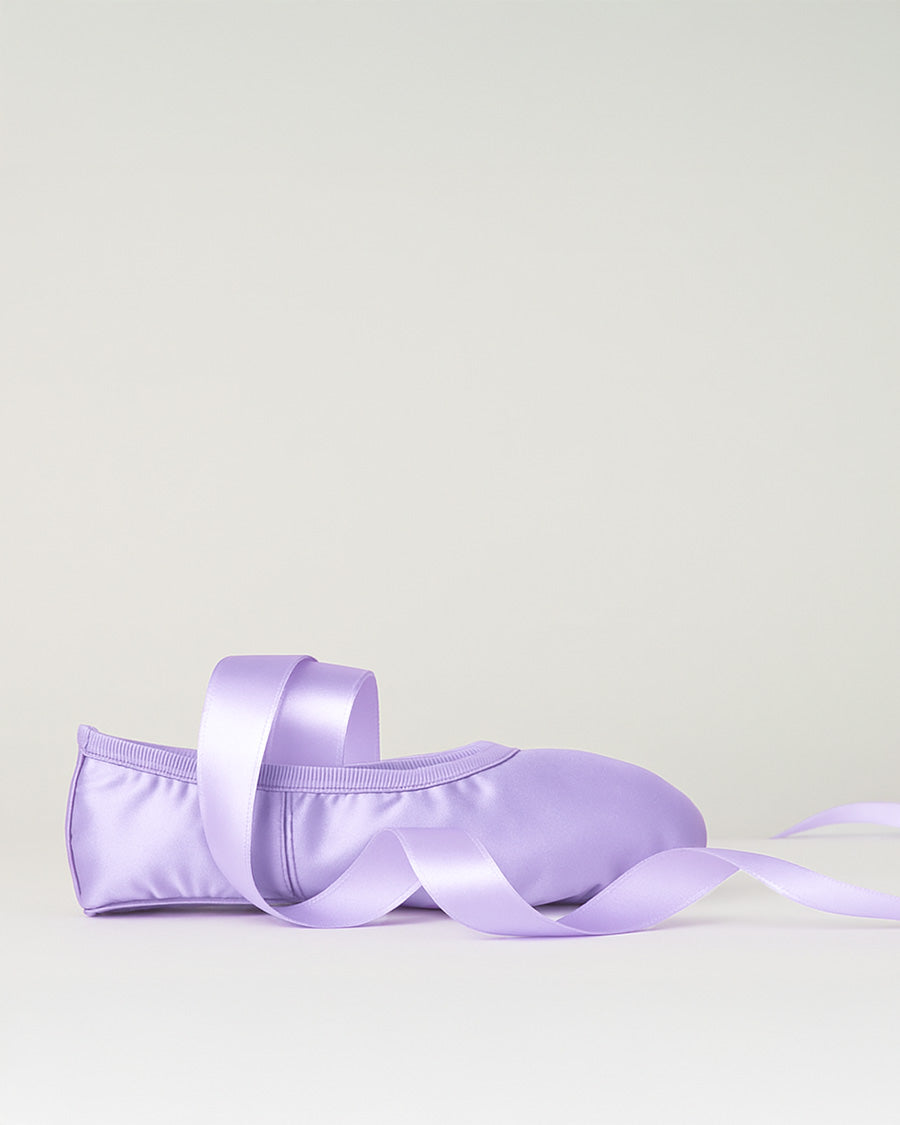
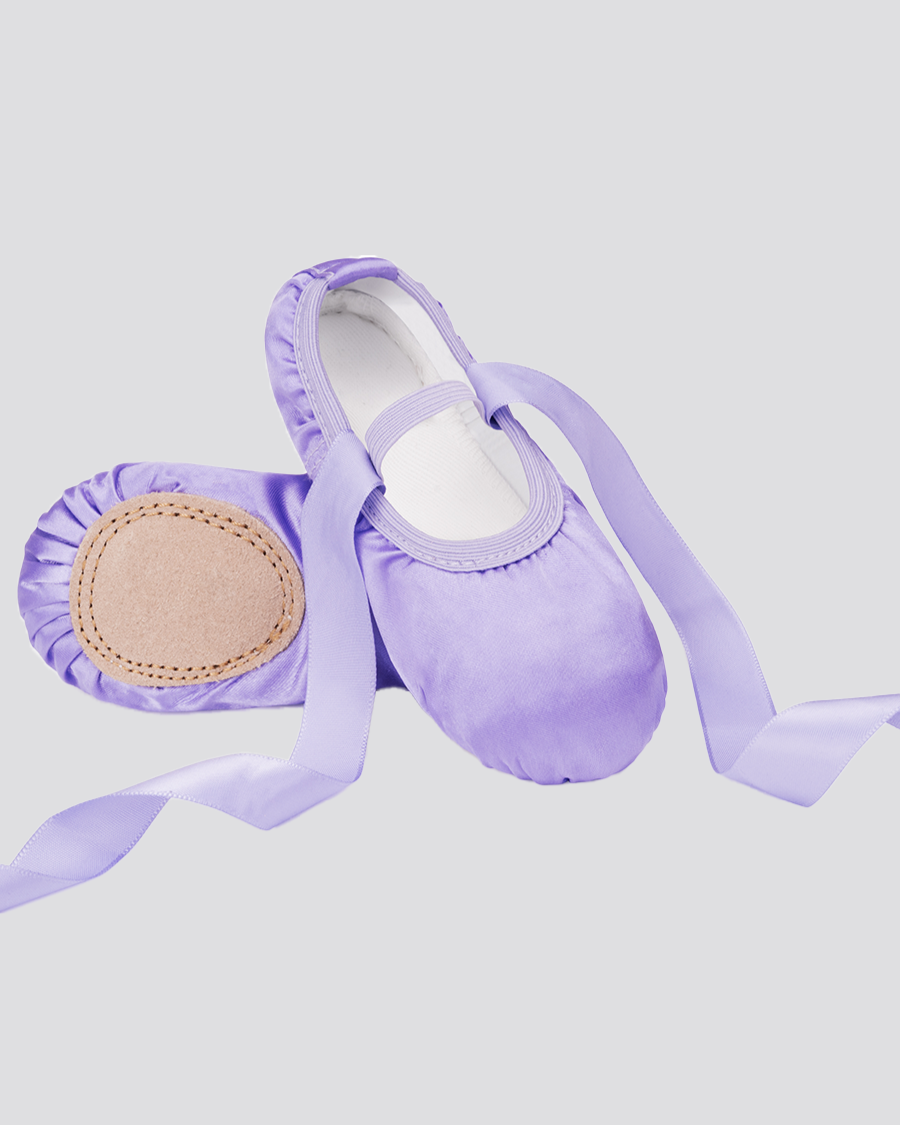
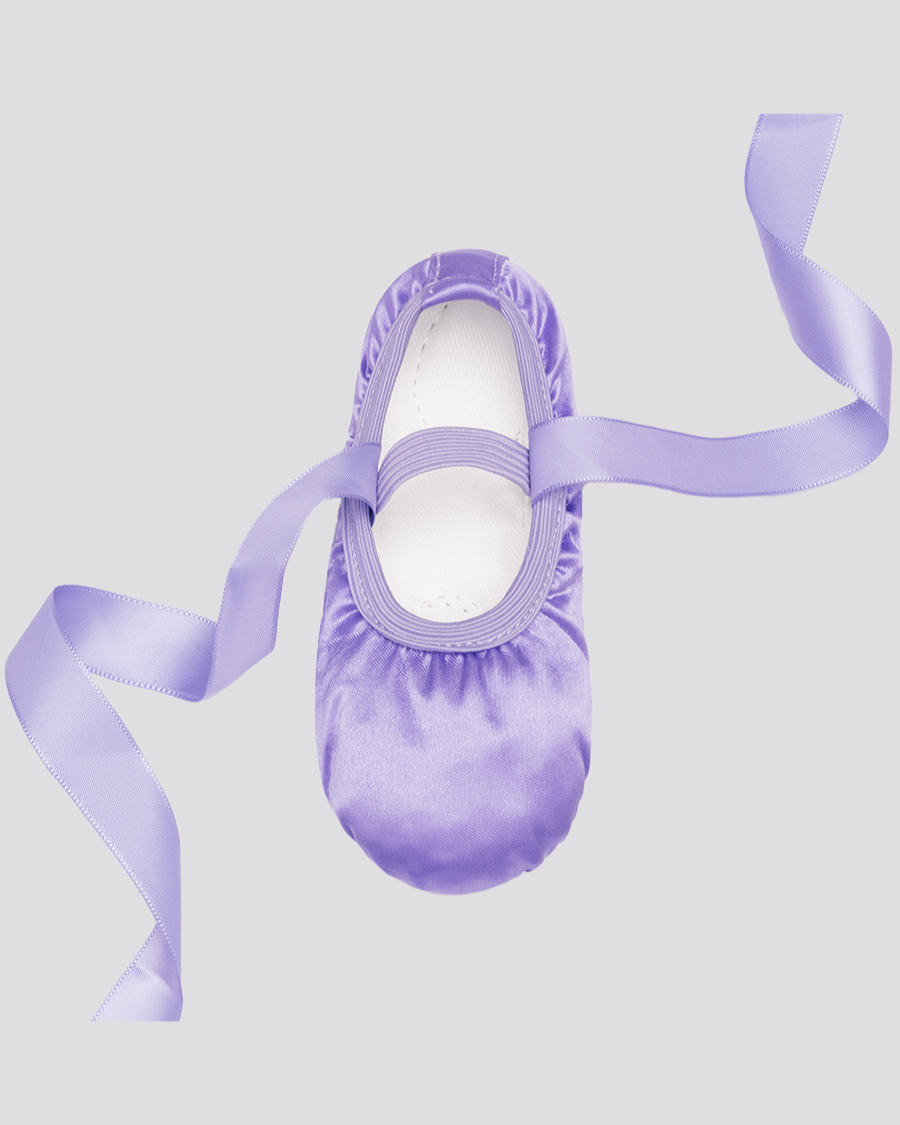
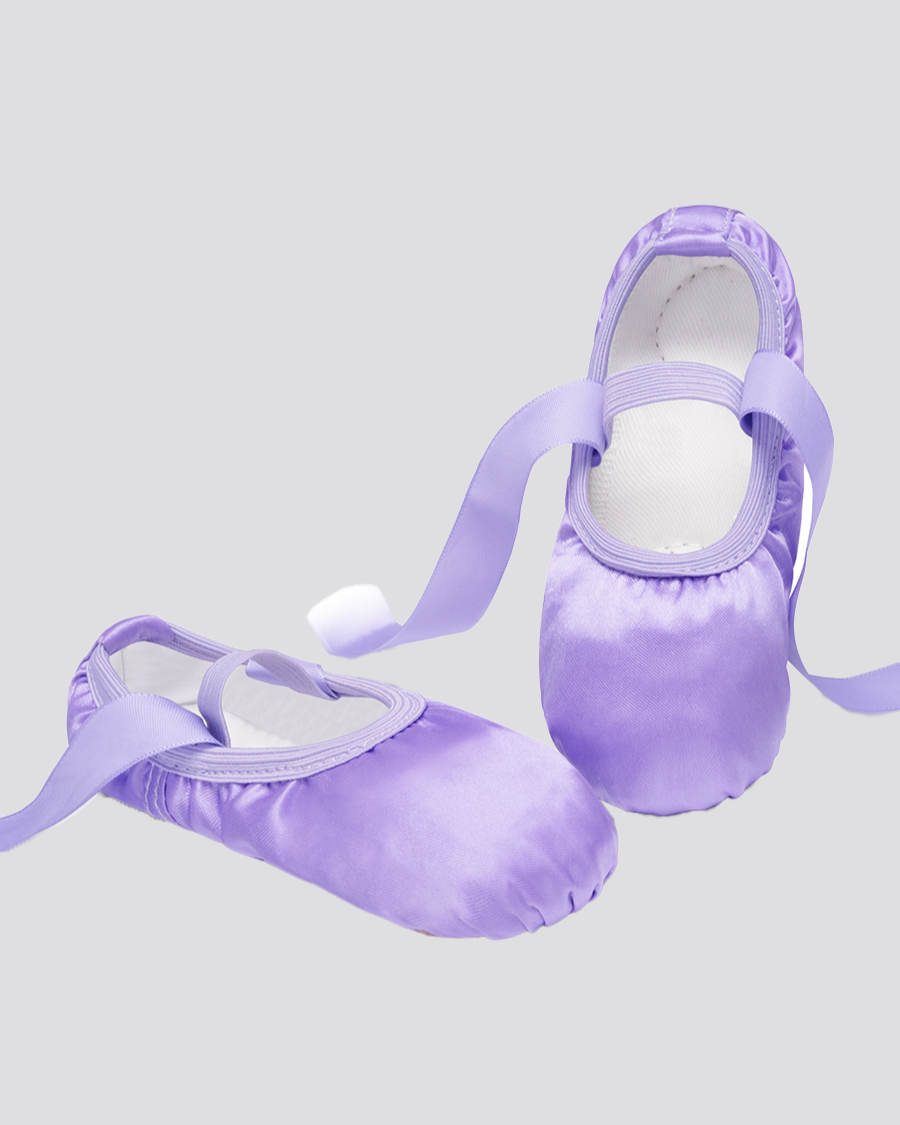
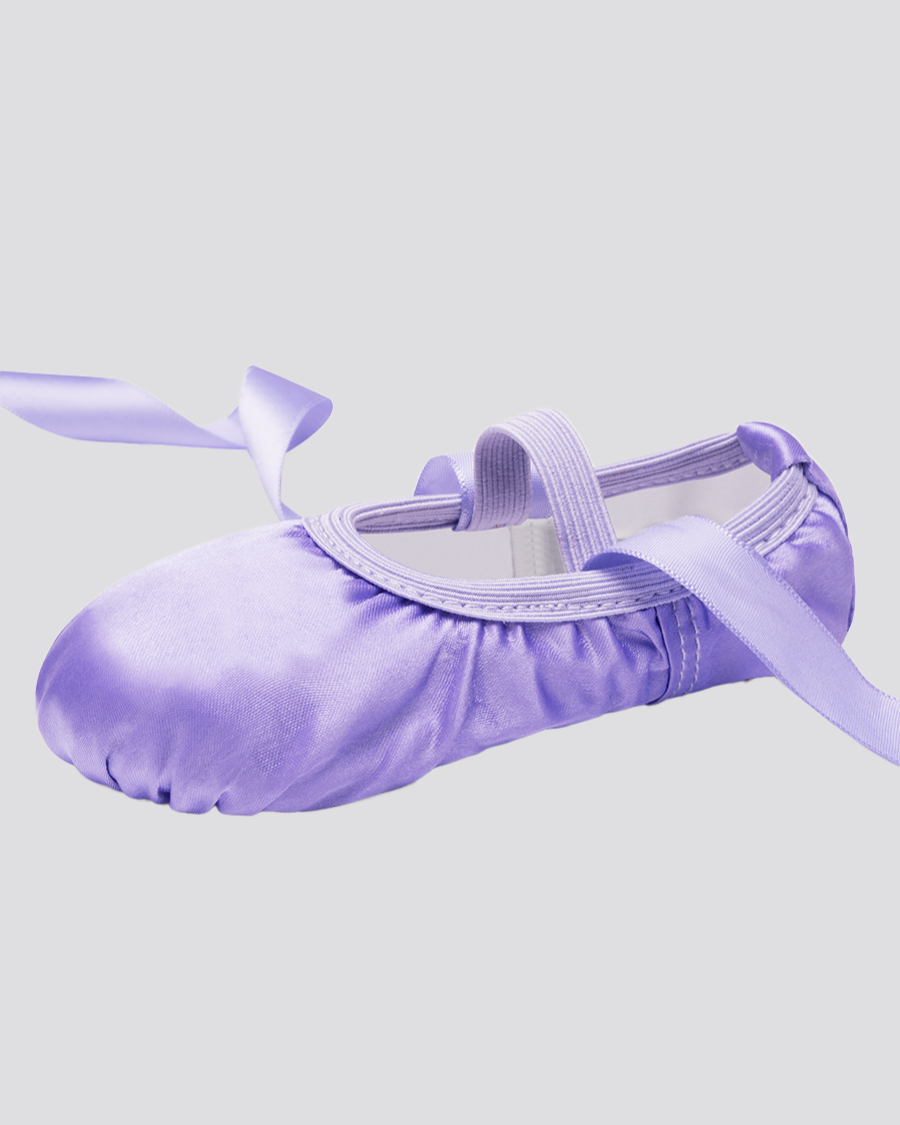
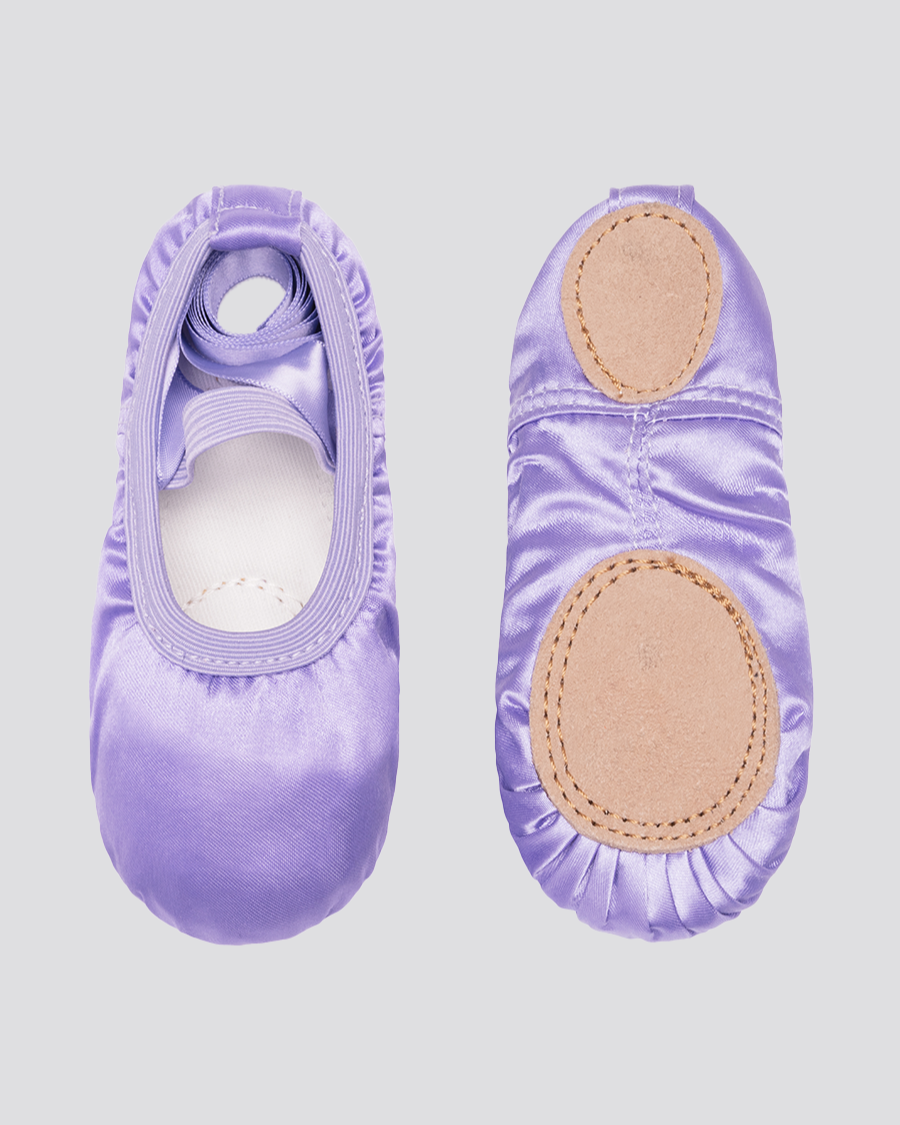
Ballet slippers (flats): Soft, thin-soled shoes in leather or canvas. Not pointe shoes, which come much later.
-
Ballet pink: The traditional pale pink of tights and slippers, still the default in many dress codes.
-
Wrap skirt: A sheer tie-on skirt, worn when the dress code allows it.
-
Warm-ups: The sweaters and leg warmers dancers layer on before class and peel off once muscles are warm.
-
Bun: The classic secured hairstyle that keeps hair off the face and neck during turns.
-
Dance belt: The supportive undergarment worn by boys and men under tights.
-
Tutu: Romantic tutus are the long, floaty ones; classical tutus are the short, stiff plates you see in Swan Lake.
FAQ: Quick Answers to Common Ballet Terminology Questions
1. What are the 5 basic ballet positions?
Five numbered placements of the feet (with matching arm positions) that nearly every step starts or ends in. See them with photos in our guide to simple ballet positions.
2. Why are ballet terms in French?
Ballet's technique was standardized in France after Louis XIV founded the Académie Royale de Danse in 1661, so the French vocabulary became the international standard.
3. Is it barre or bar?
Barre is the French spelling for the ballet handrail, and it's the one studios use. Barre fitness classes borrowed the name from ballet.
4. What age do dancers start pointe?
Commonly somewhere around 11 to 13, but the real answer is when the teacher says so, based on strength, foot development, and years of consistent training.
5. Do all studios use the same ballet terms?
Mostly, yes. Training methods like RAD, Vaganova, Cecchetti, and Balanchine differ on arm-position numbering and a few step names, so if you hear conflicting versions, ask which syllabus your studio follows.
6. What are ballerina jumps called?
Small quick jumps live in petit allegro and big traveling leaps in grand allegro, and each jump has its own name: changement, jeté, pas de chat, sissonne, and the famous grand jeté. The jumps section above decodes all nine.
7. How many ballet terms are there?
There's no official tally. Comprehensive references define hundreds, but the 60-plus terms on this page cover most of what a young dancer hears in their first years of class.
One Last Word (in English)
You don't need to master ballet terminology overnight; your child certainly won't. Pick out one or two terms after each class, ask them to show you what a chassé looks like in the living room, and let the vocabulary build the way it does for the dancers: a little at a time, with lots of repetition. New to all of this? Start with our guide to your child's first ballet class, and come back here whenever a mystery word rides home in the car.