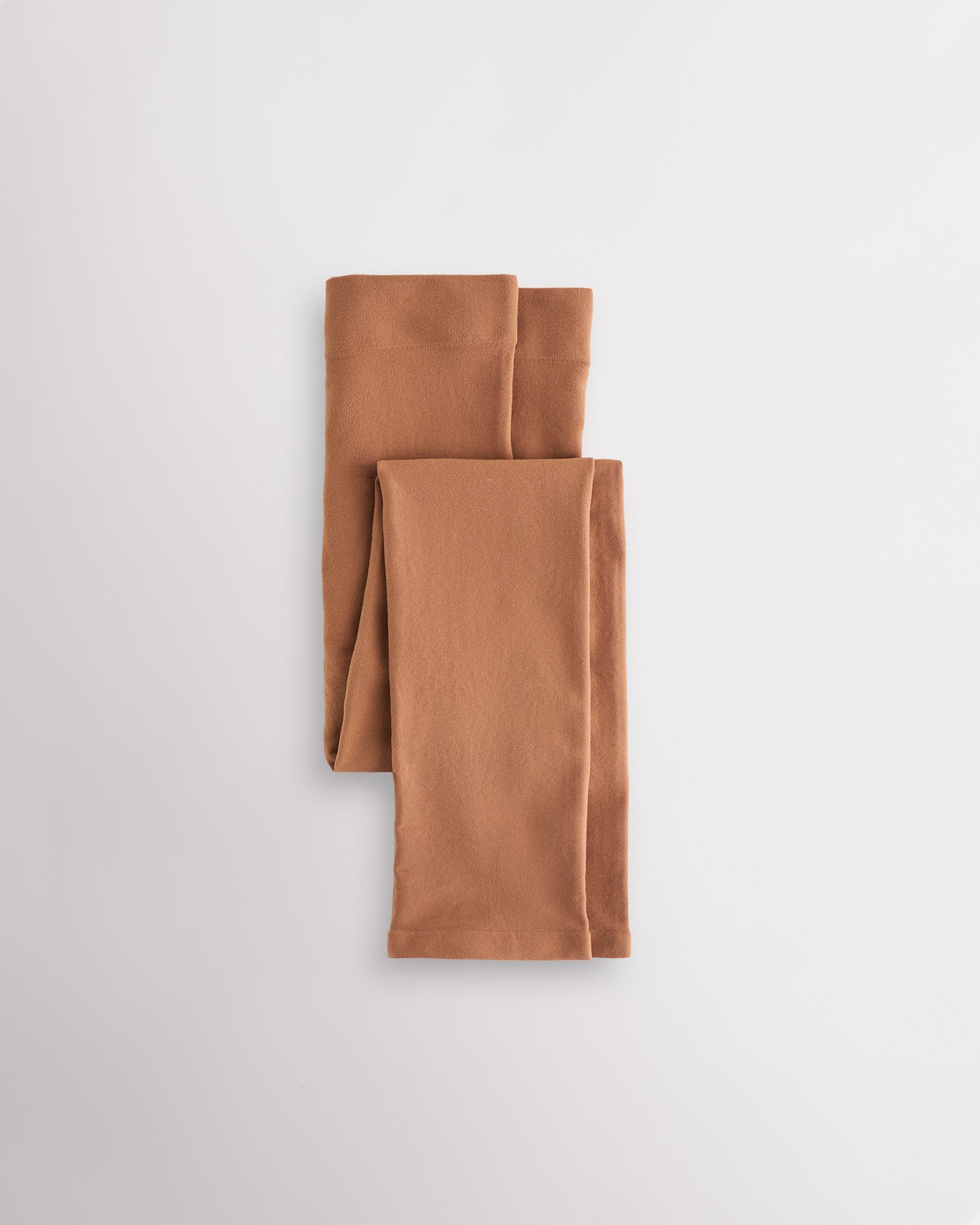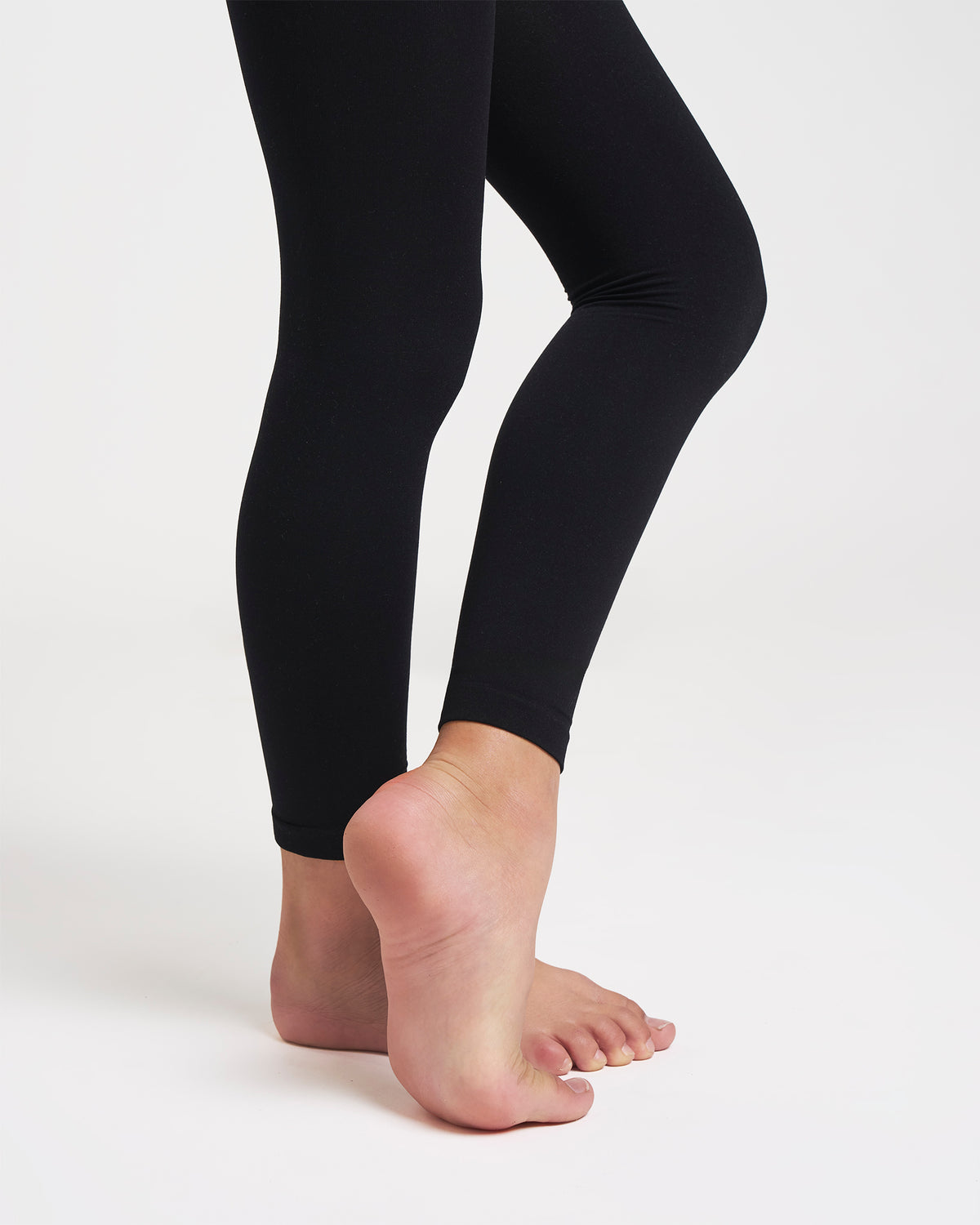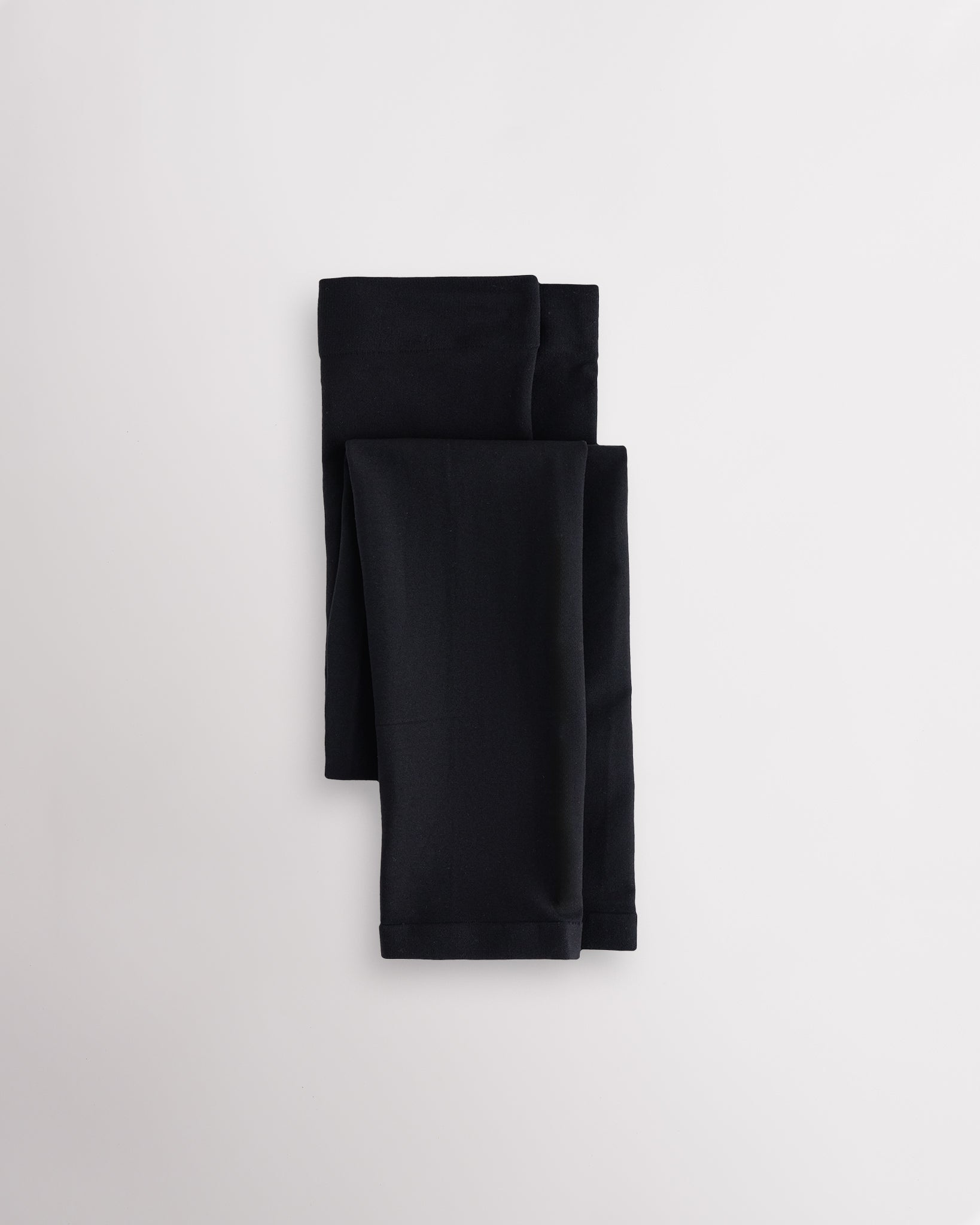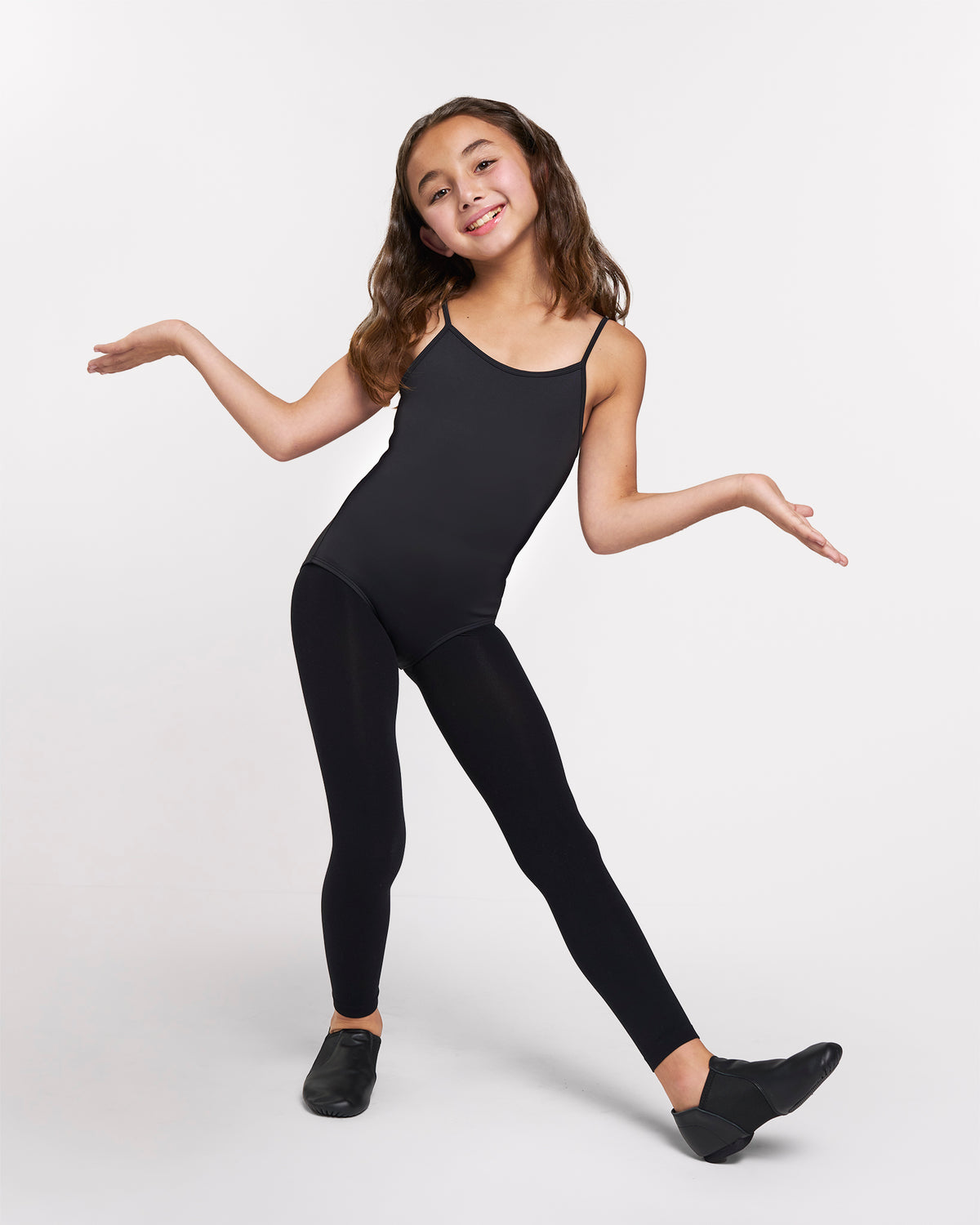




Kids Dance Tights Guide: How to Choose, Wear, and Care for Ballet Tights
Table of contents
- Quick answer
- Start With the Studio Dress Code
- Dance Tights Style Comparison
- How to Choose the Right Size and Fit
- What If the Seams Bother Her
- How to Actually Get Them On
- What to Pack: How Many Pairs, and What Else
- How to Wear Dance Tights With a Leotard and Ballet Shoes
- Care Basics
- When to Replace Dance Tights
- Where Stelle Fits In
- FAQ
- Final Note
Written by the Stelle team.
Your child's dance studio hands you a supply list, and somewhere on it is "ballet tights," "footed tights," or "convertible tights," with no explanation of what any of that means, or whether the pair sitting in your cart actually qualifies. Choosing the right dance tights for girls comes down to five decisions: what your studio requires, which style fits the class, the right size, the right color, and what to do once she's actually wearing them and something feels off.
Quick answer
For beginner ballet, most children need studio-approved ballet tights, usually footed or convertible, in the color the studio requires. Footed ballet tights are often the simplest choice for a young beginner, while convertible tights work well once a dancer needs to move between shoes and bare feet during class. Size girls ballet tights by height and weight rather than age, and wash them cold, ideally by hand.
Start With the Studio Dress Code
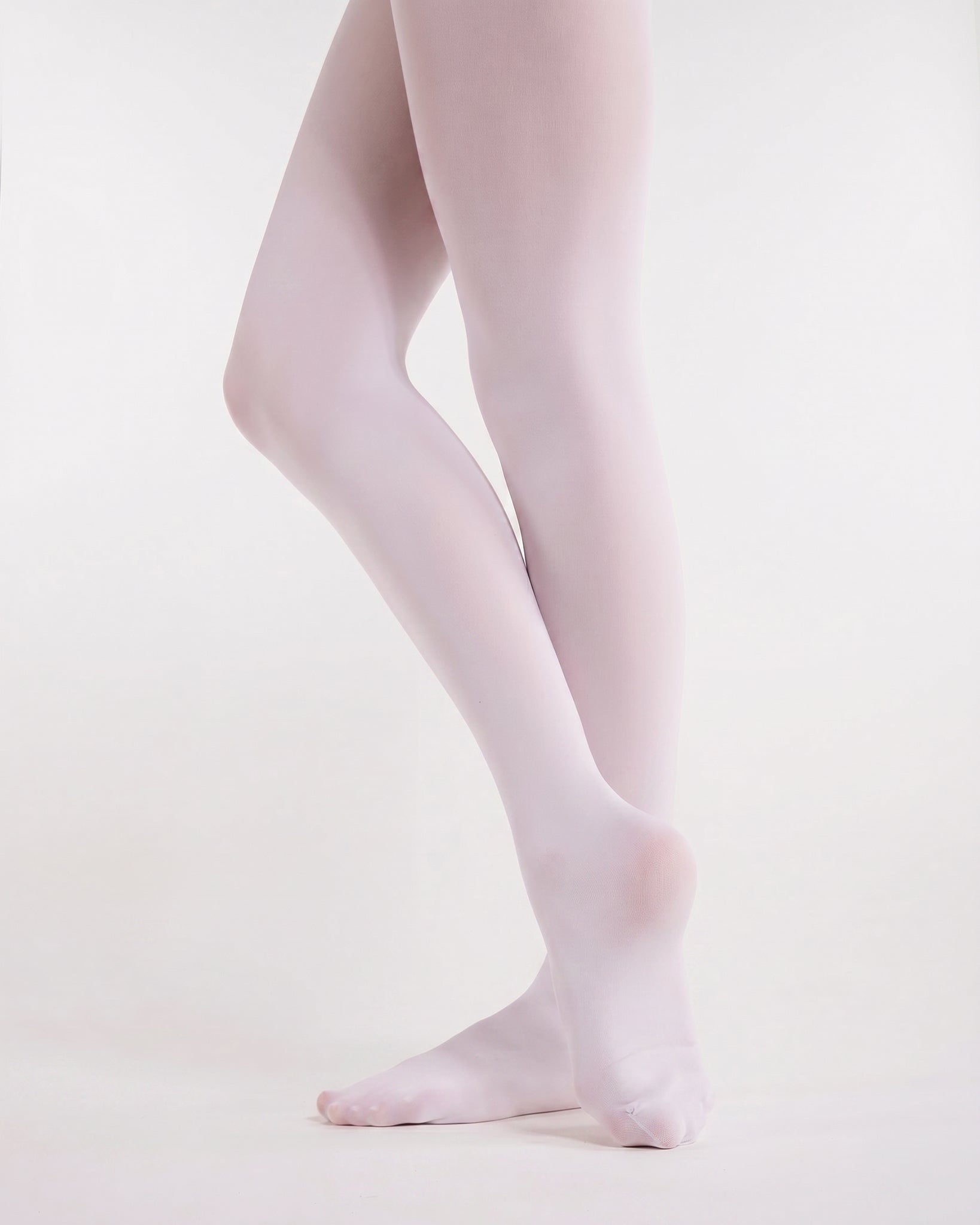
Before you look at style or color, find out what the studio actually requires. This isn't a formality: some ballet programs are specific down to the shade, and ballet pink tights, theatrical pink, and skin tone are not interchangeable in a teacher's eye even though they look nearly the same on a screen. Others don't care, as long as the tights are footed and opaque.
A few things worth checking before you buy:
-
Whether footed or convertible tights are required, or if either is fine
-
The exact color name, not just "pink"
-
Whether a trial class has different requirements than regular enrollment
-
Whether recital or exam requirements differ from weekly class requirements
If any of this is unclear, ask the teacher before buying more than one pair. Studios update dress codes, and what worked for an older sibling three years ago may not apply anymore.
Dance Tights Style Comparison
There's no single best style of dance tights, only the one that fits the class your child is actually taking. Four styles come up most often:
|
Style |
Best For |
Parent Note |
|
Footed |
Young ballet beginners |
Simple, classic, usually the easiest to start with |
|
Convertible |
Older kids, recital, mixed needs |
Useful when feet need to come out mid-class |
|
Footless |
Contemporary, acro, some jazz |
Usually not the first choice for beginner ballet |
|
Stirrup |
Specific class or performance looks |
Only buy this if the studio asks for it |
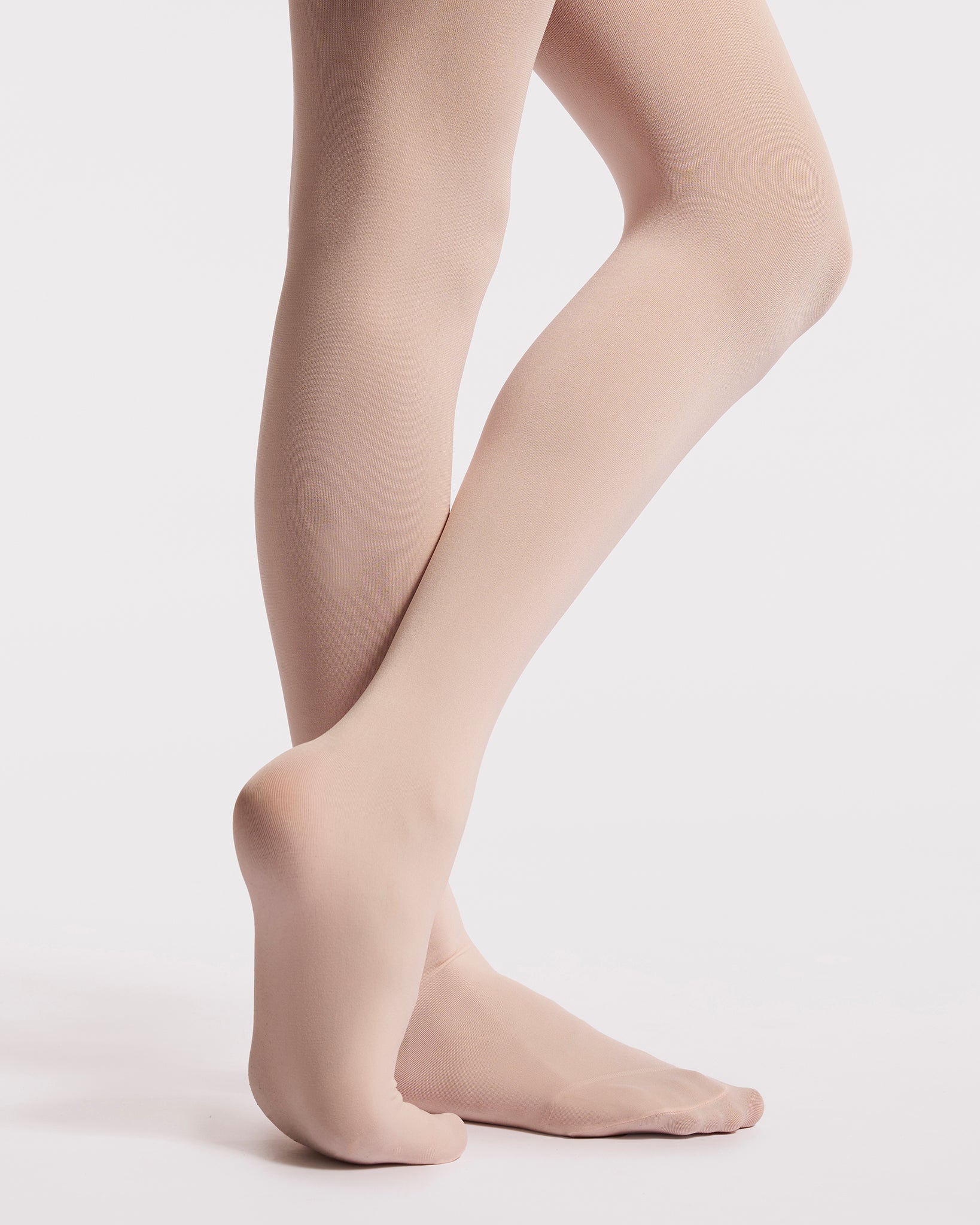
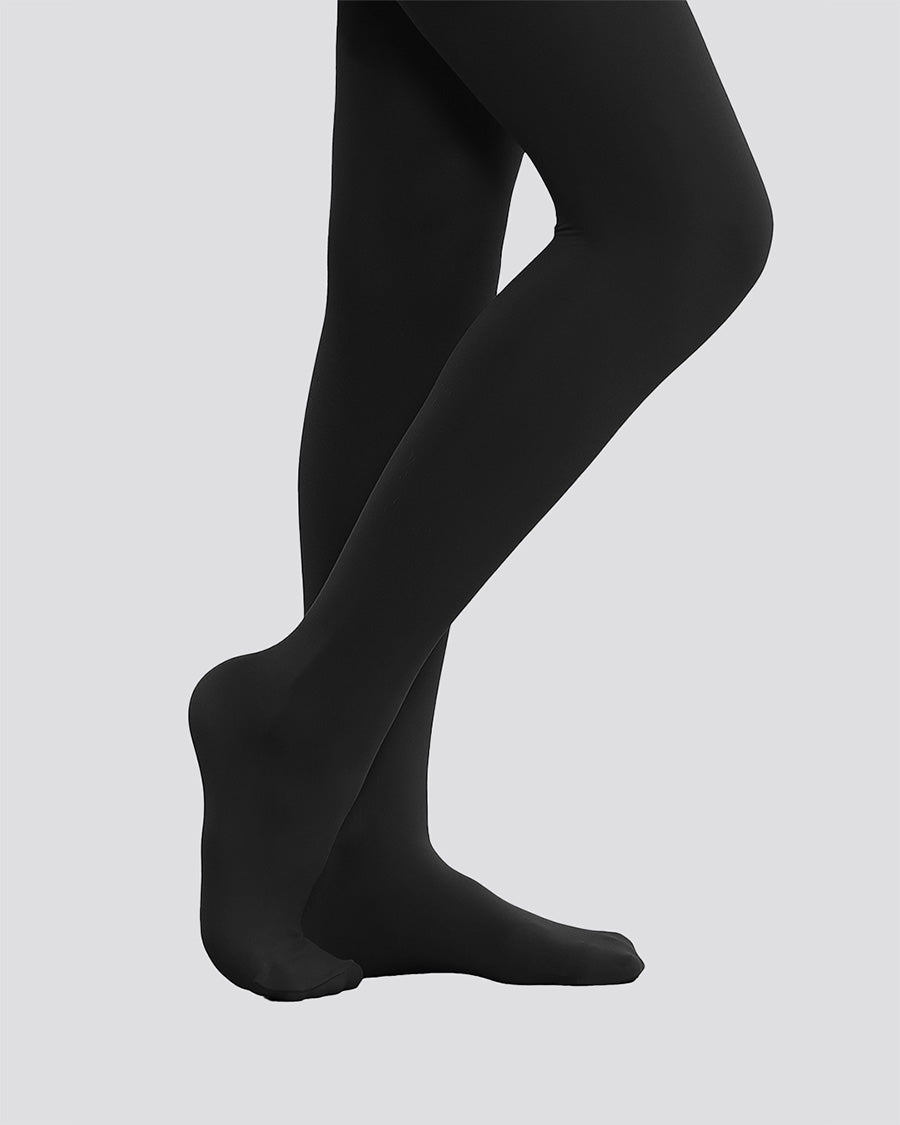
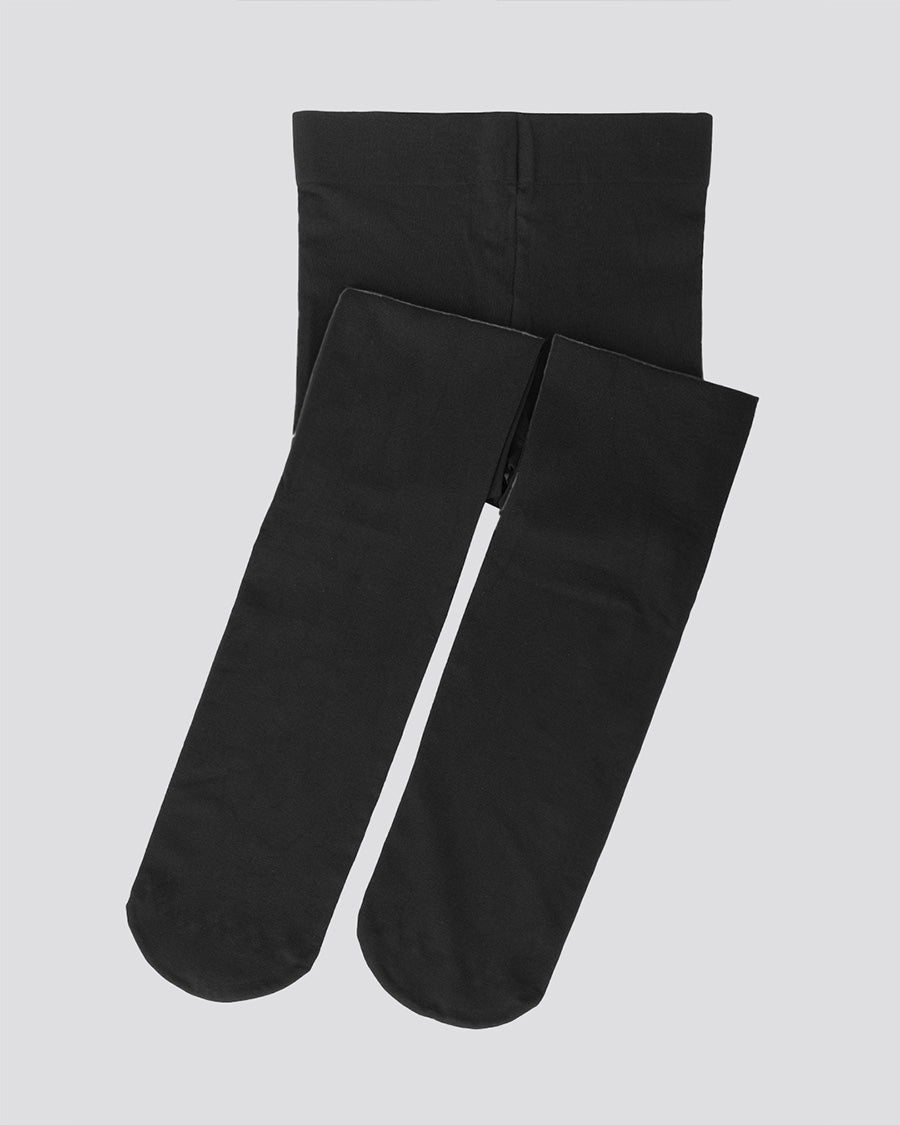
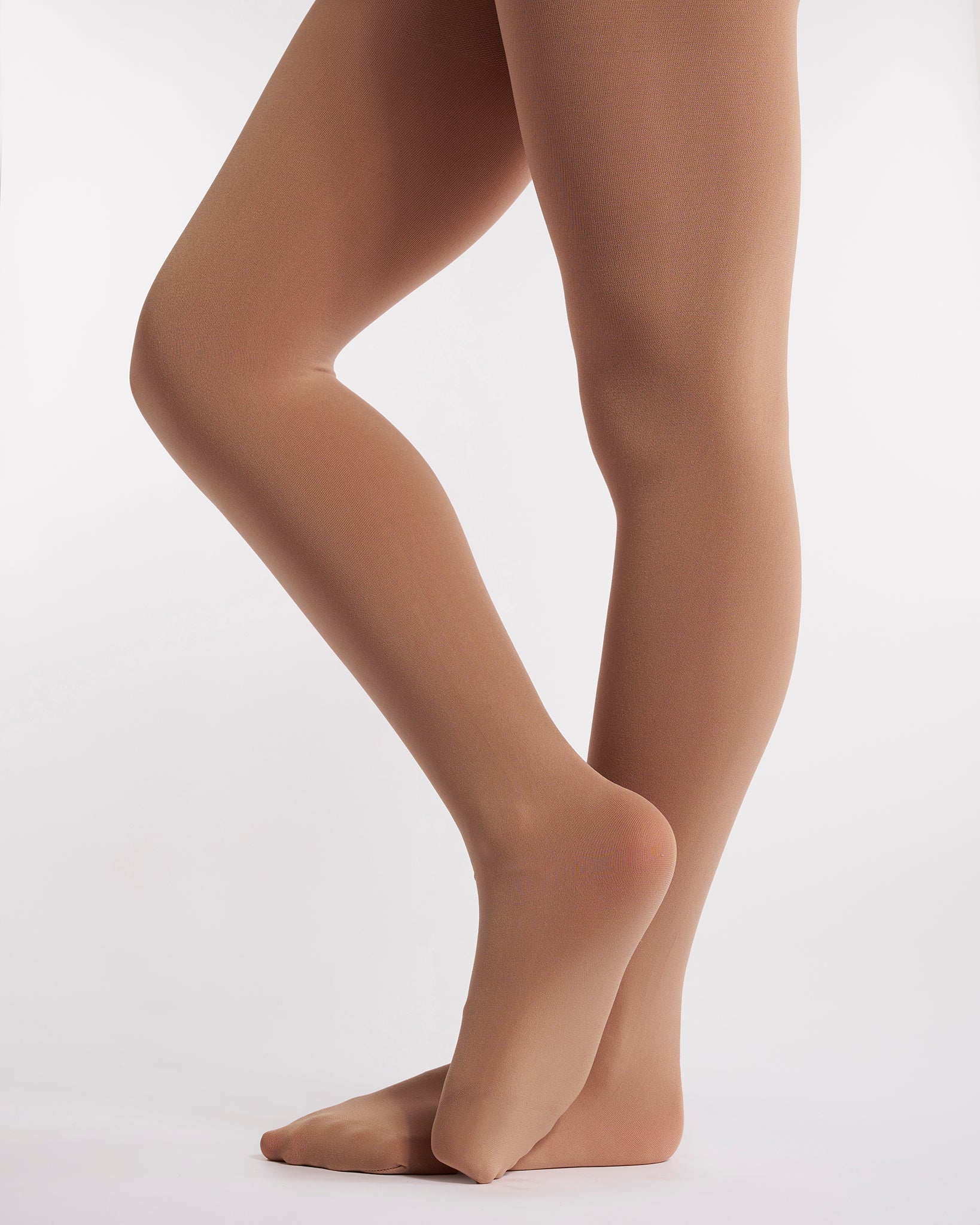
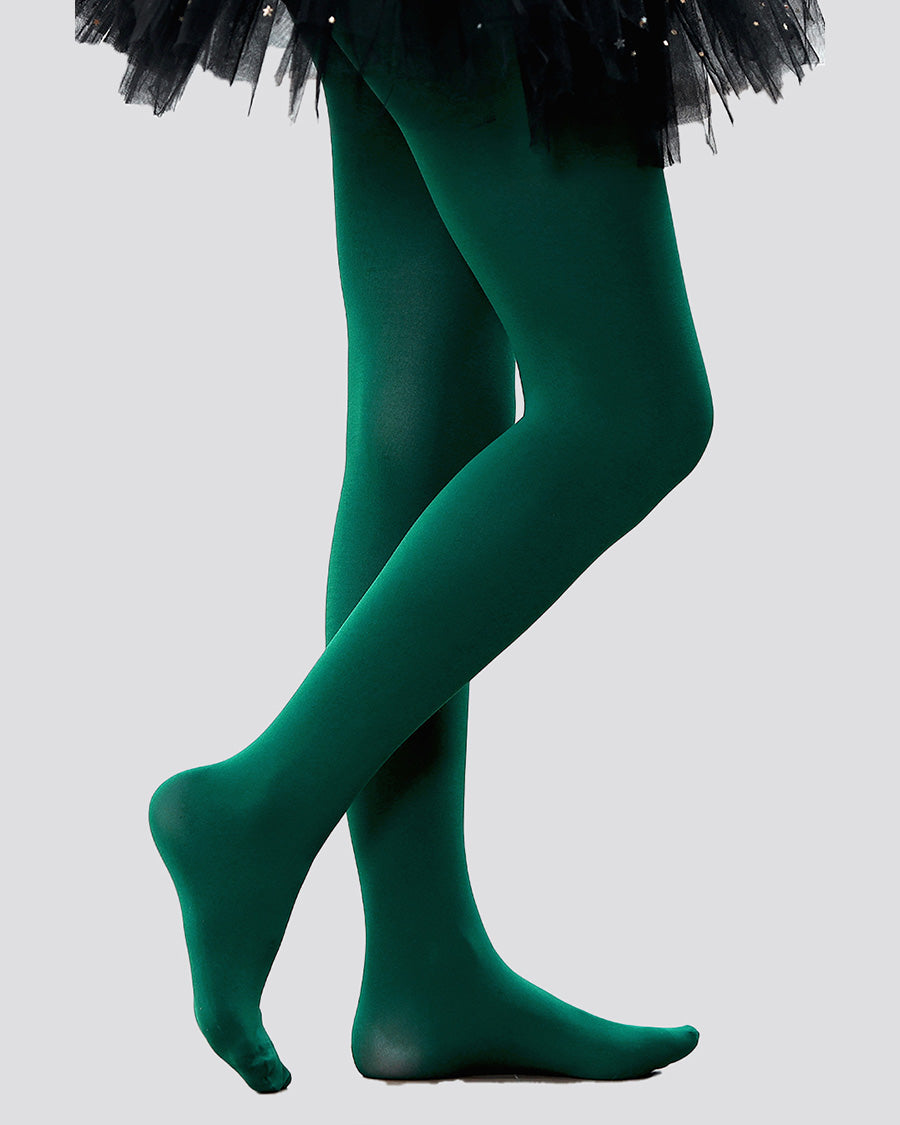
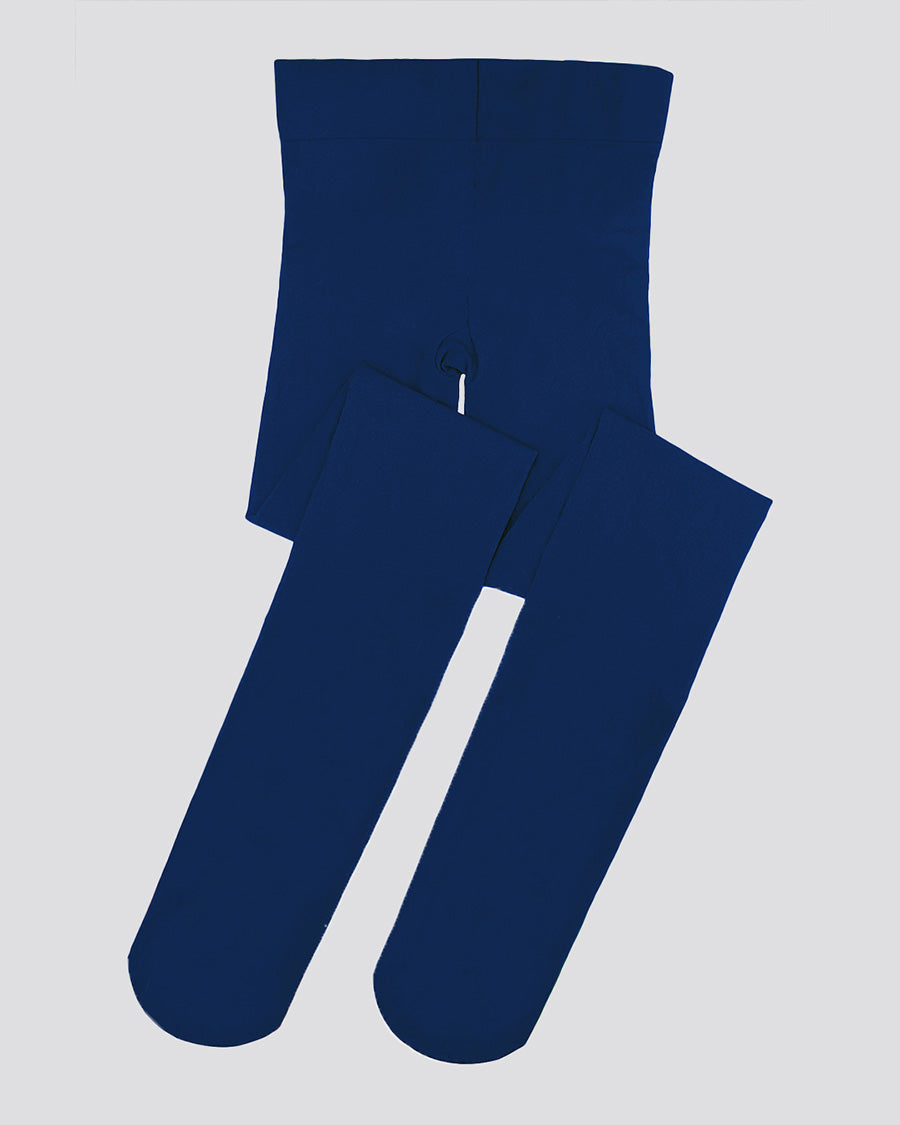
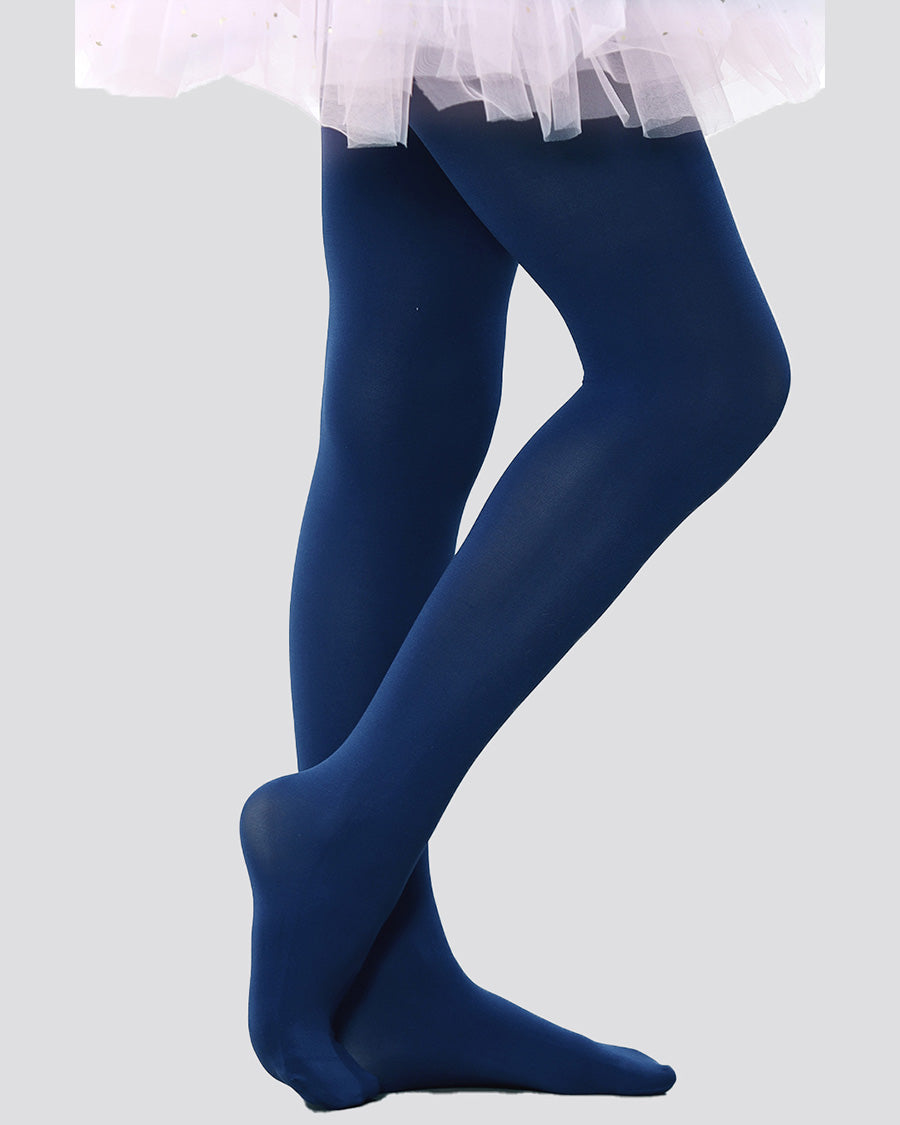
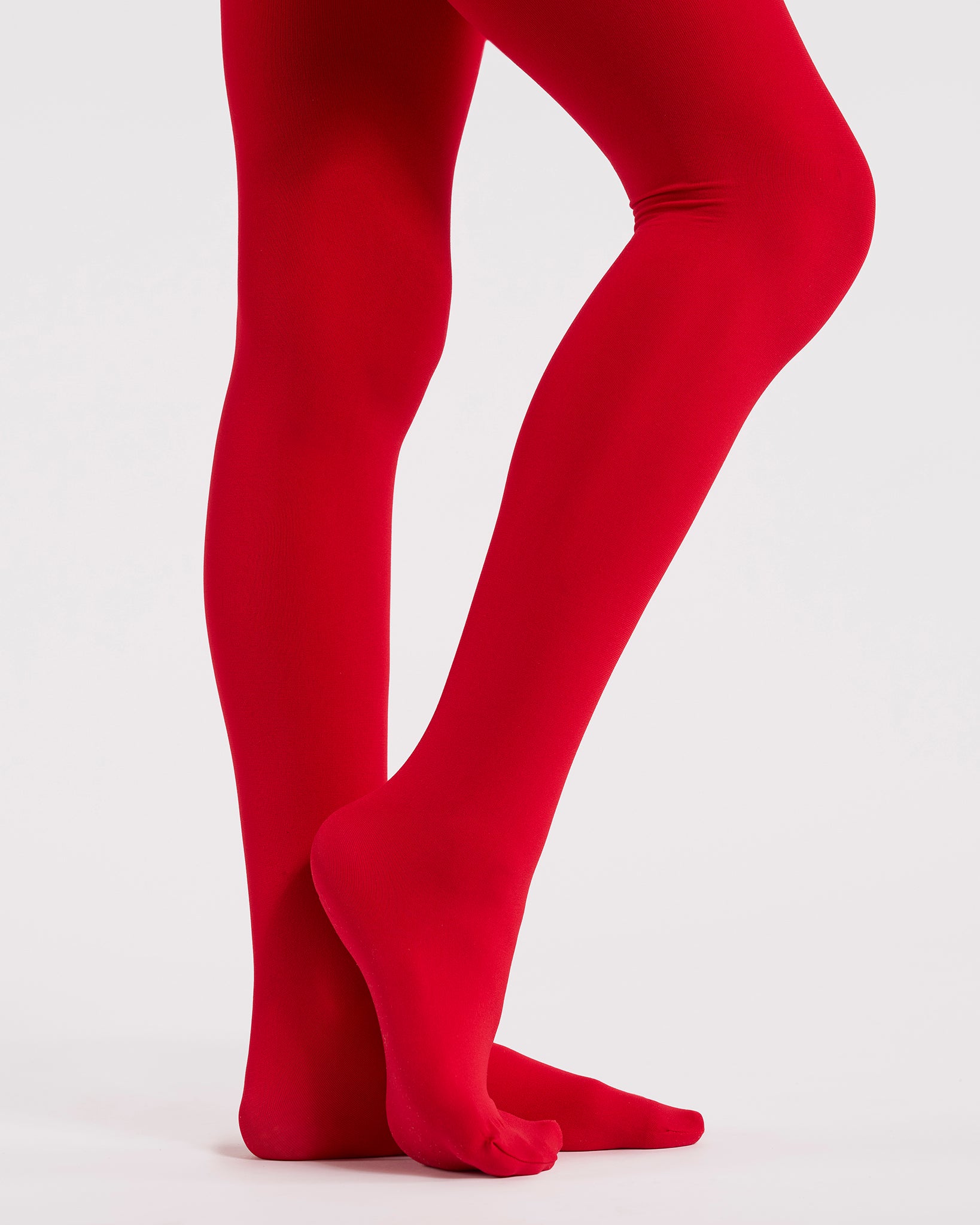
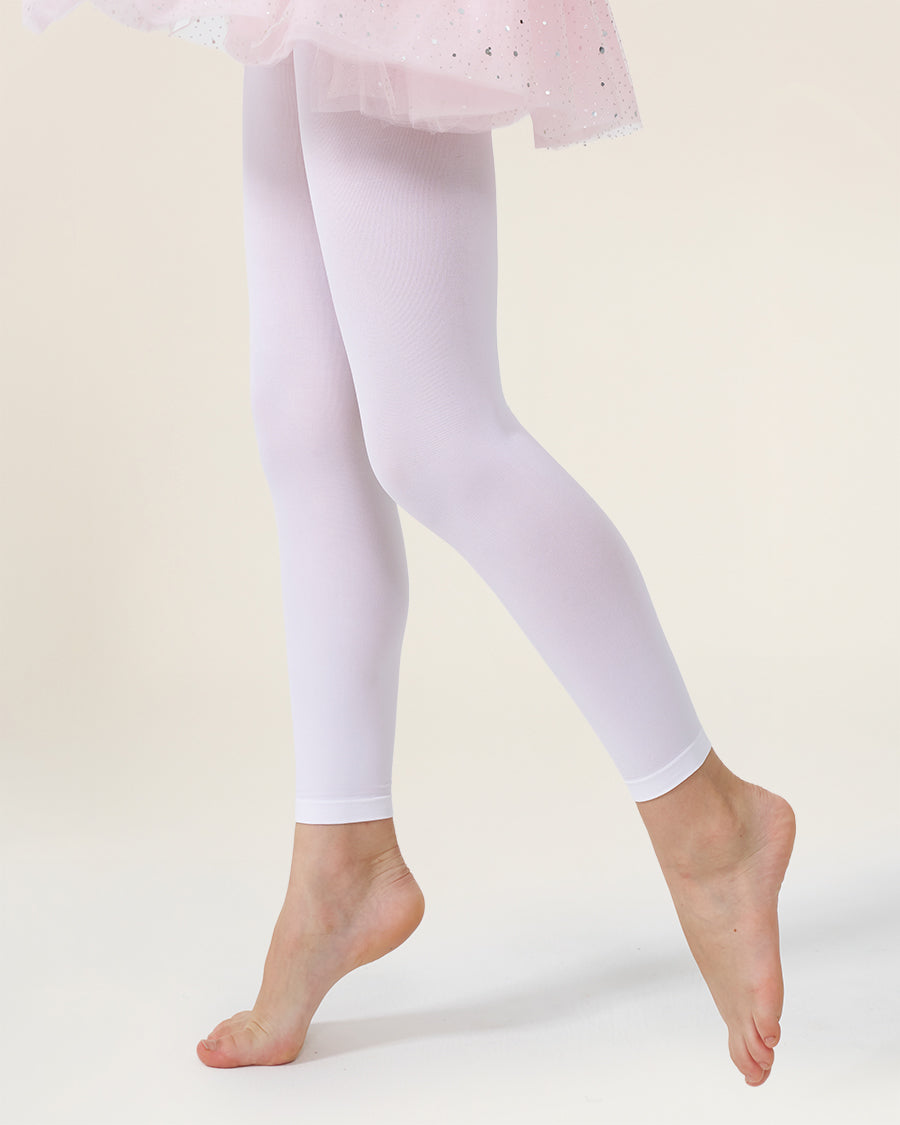
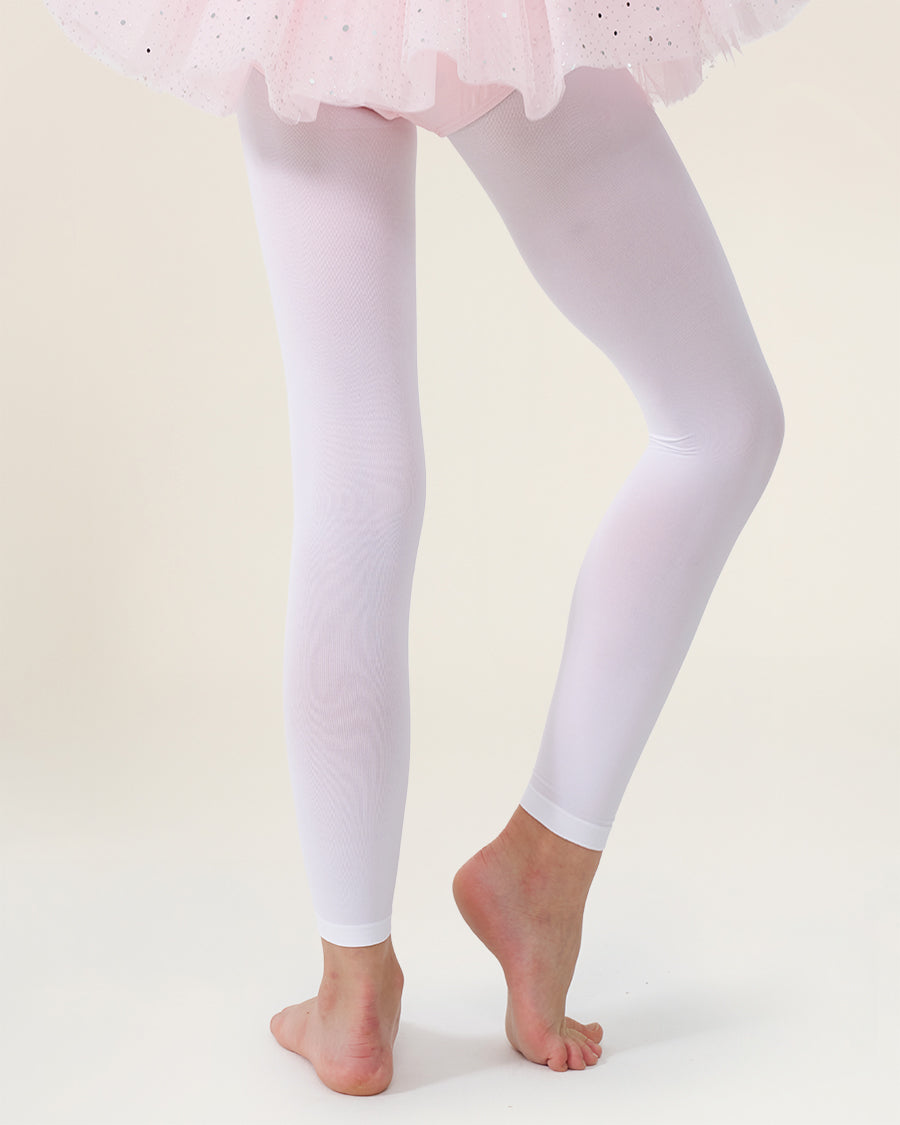
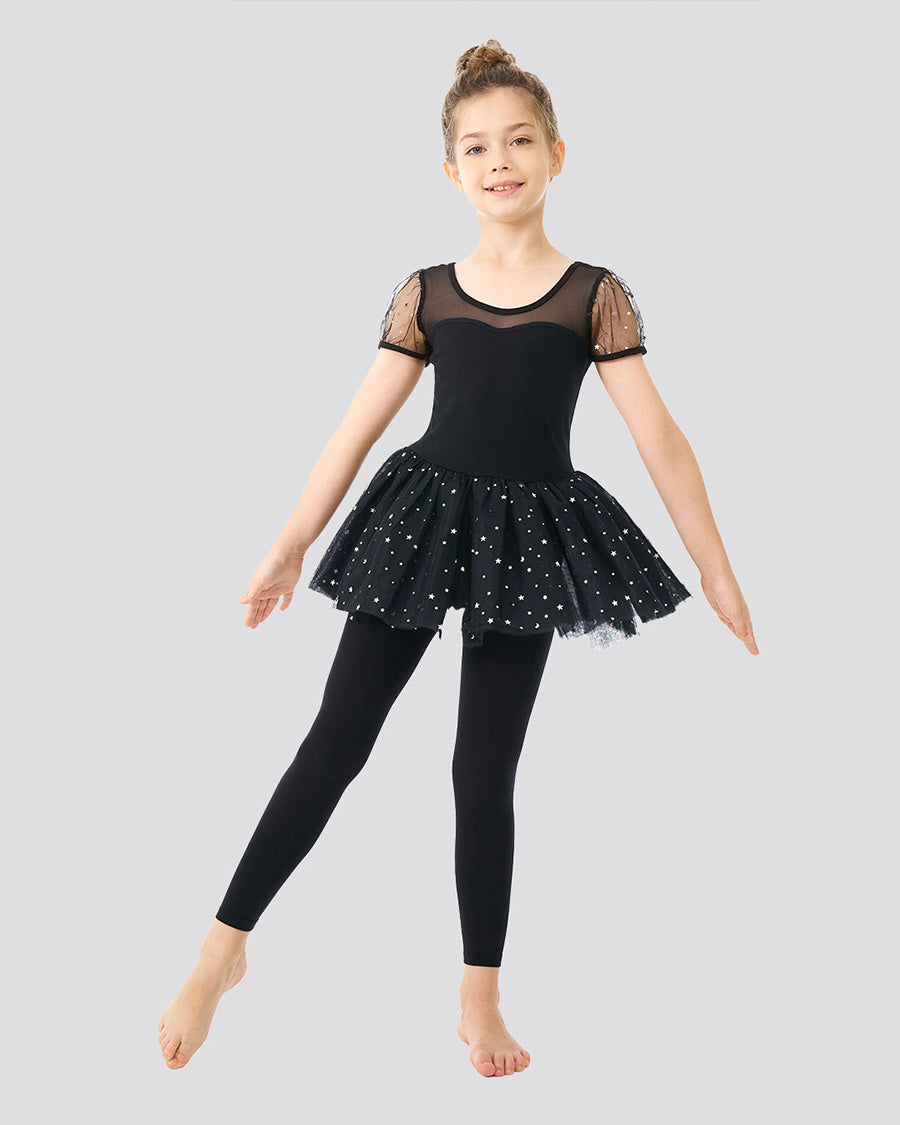
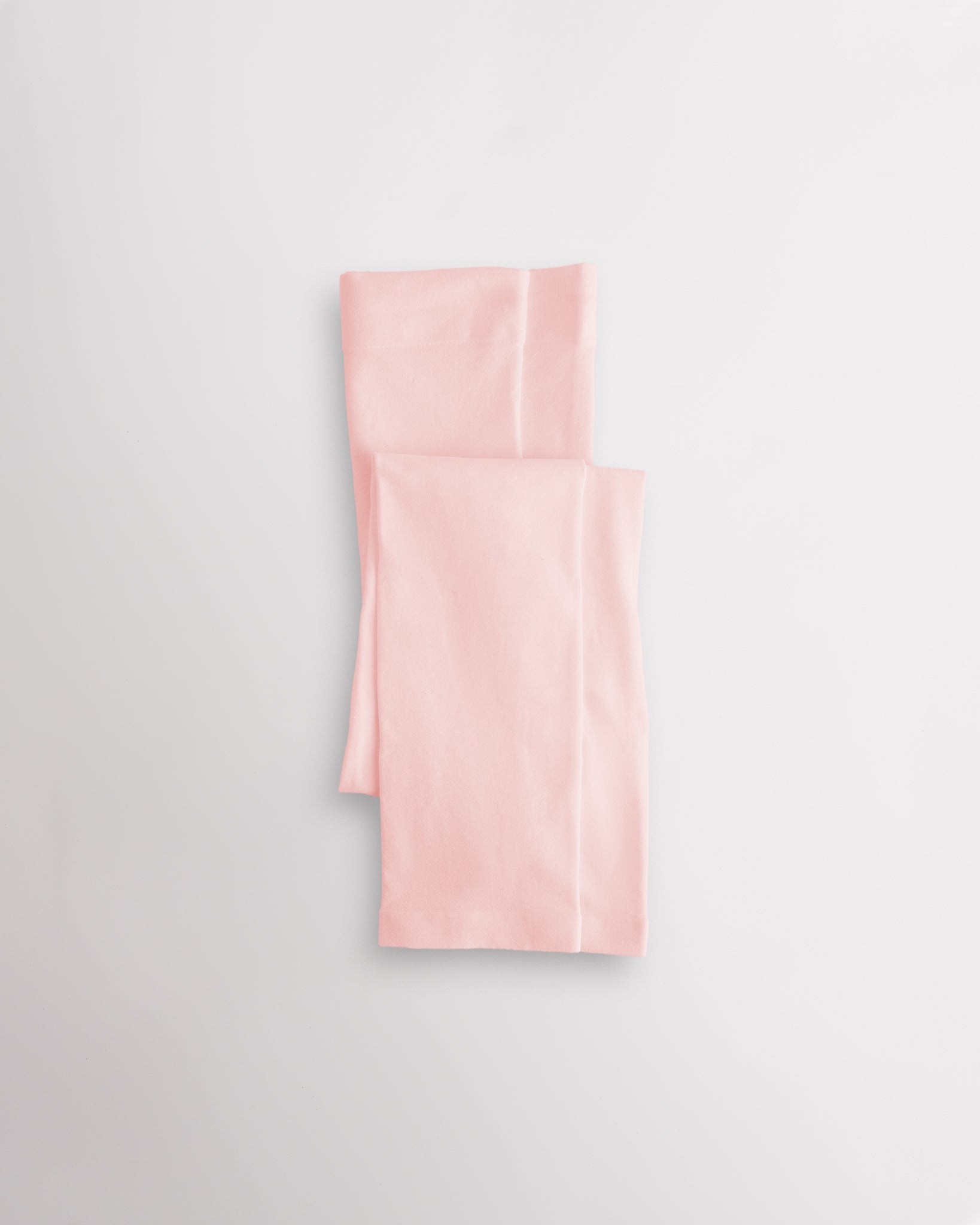
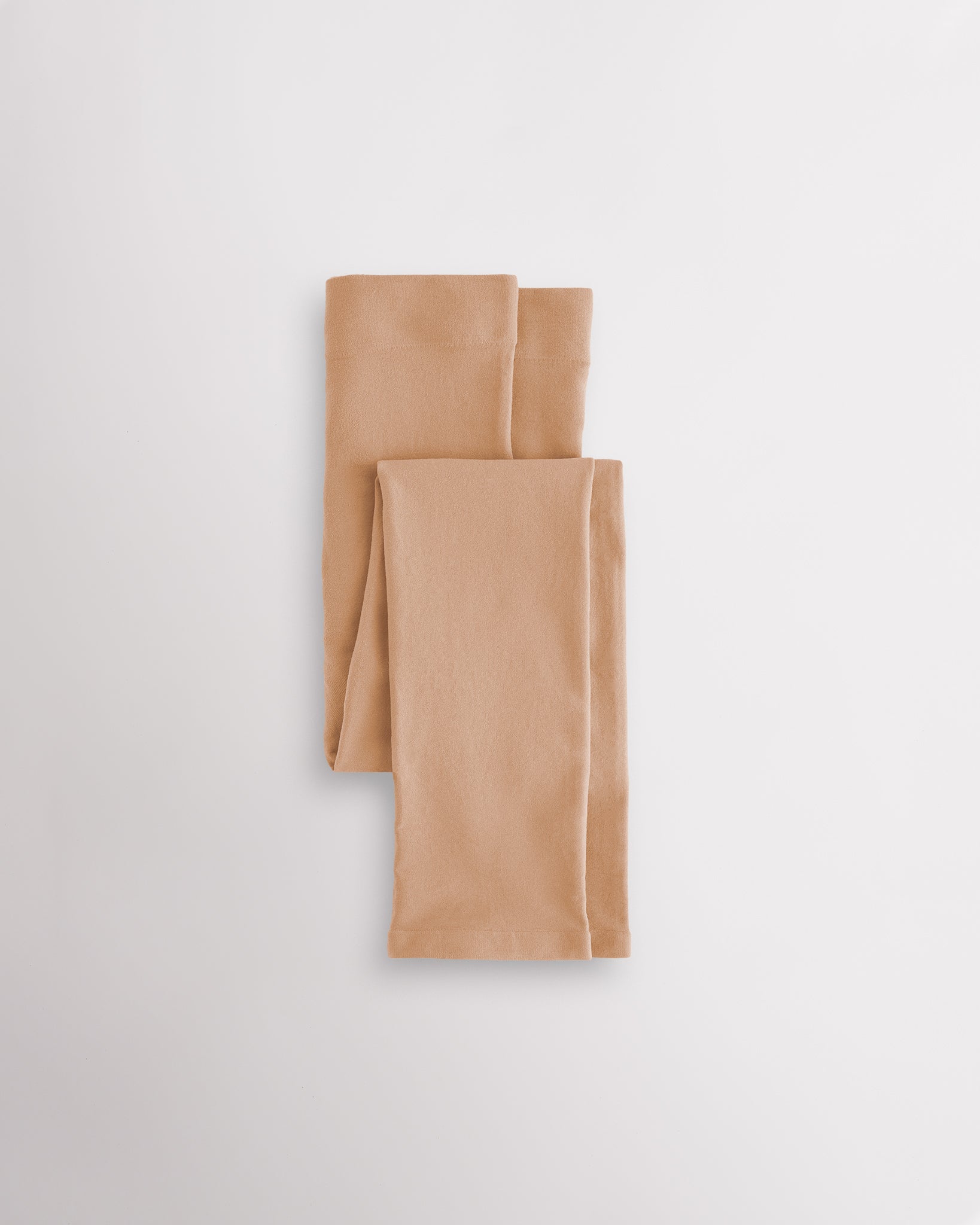
Footed ballet tights cover the whole foot and go inside the ballet shoe like a sock. For a young beginner who's still learning to get dressed for class without help, this is usually the most straightforward option: nothing to adjust, nothing to think about once they're on.
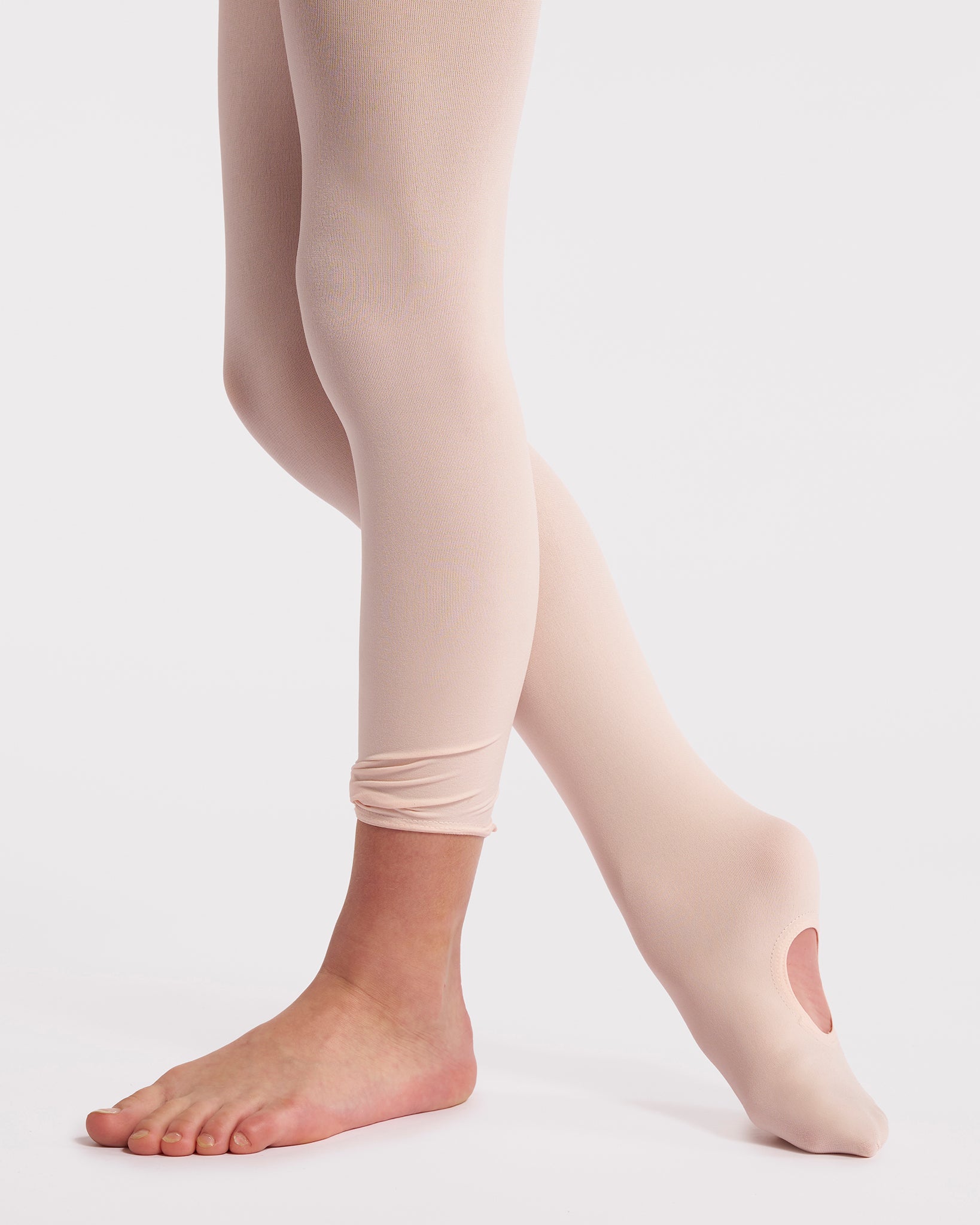
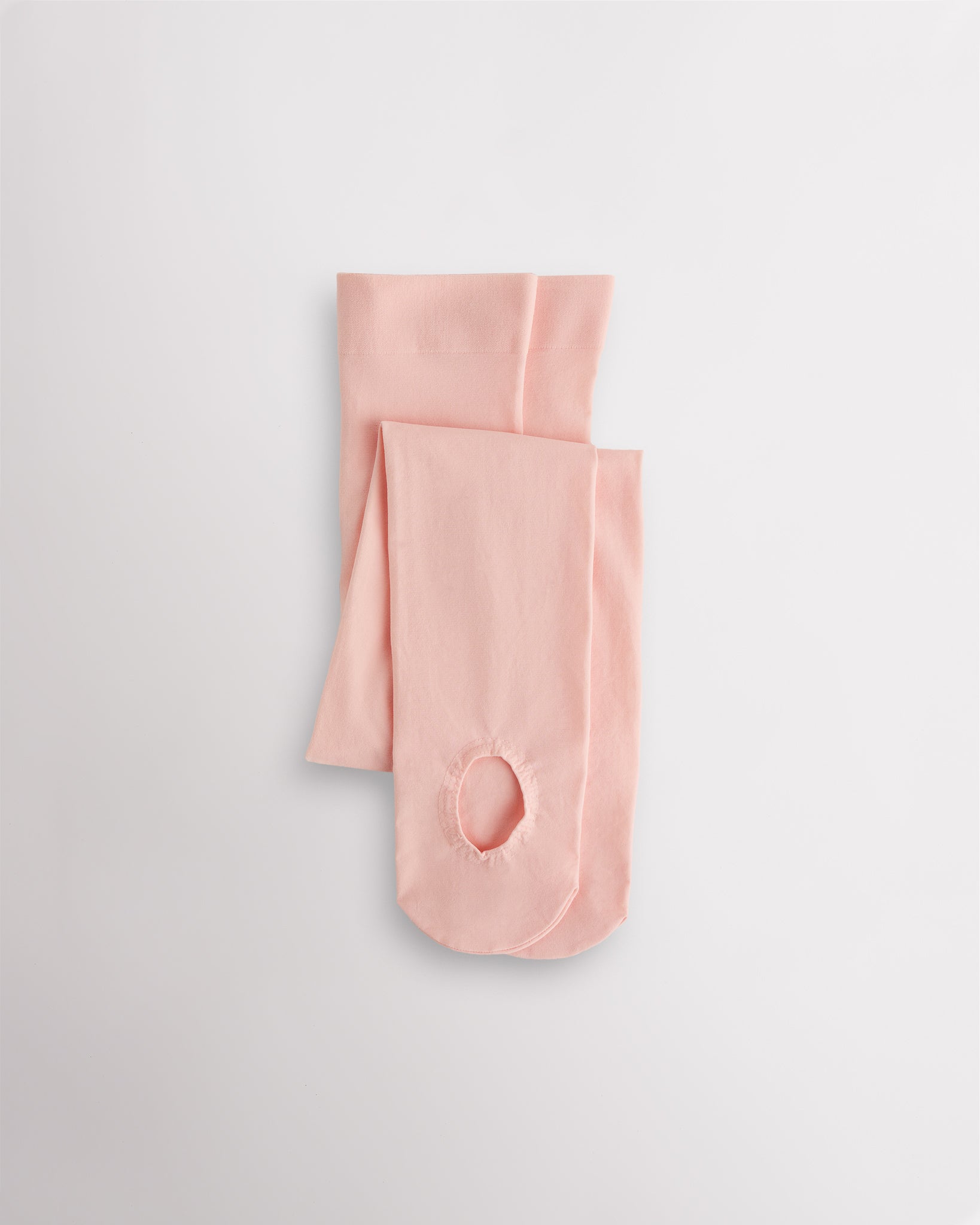
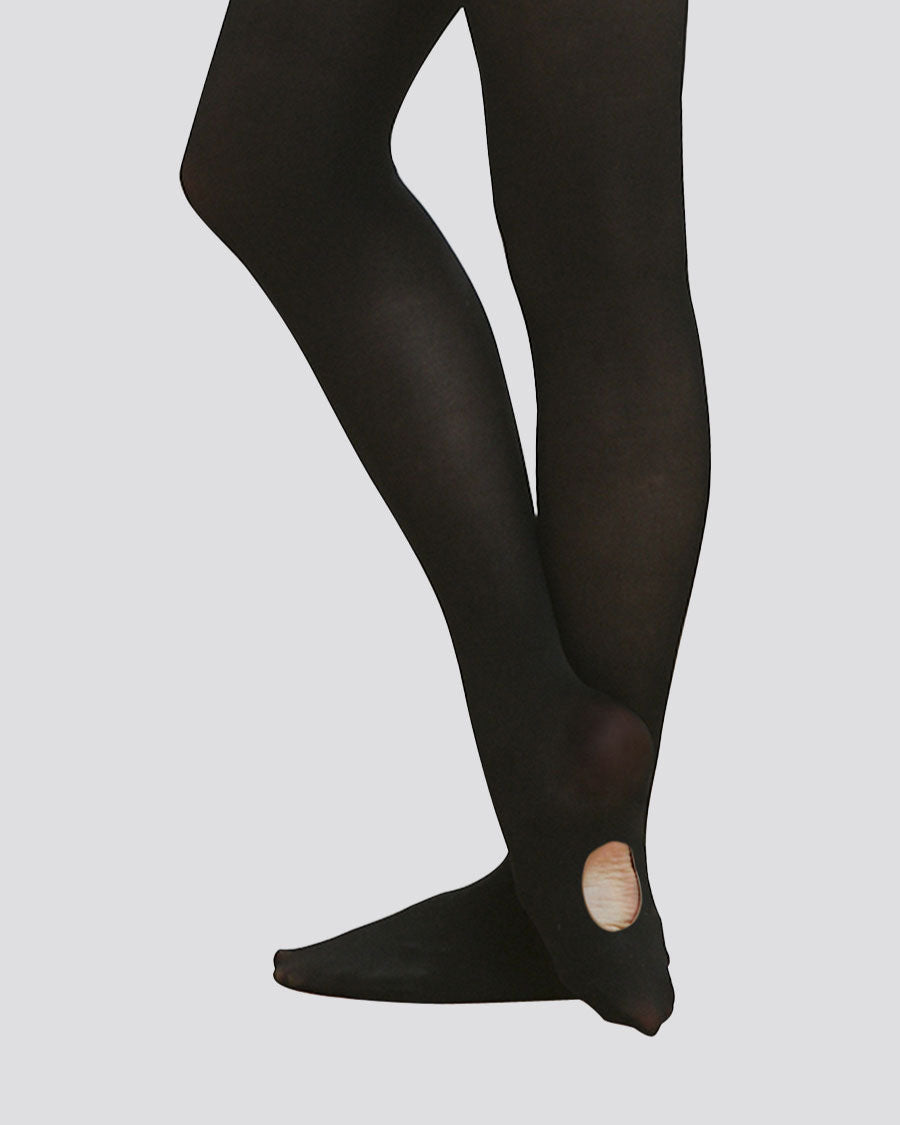
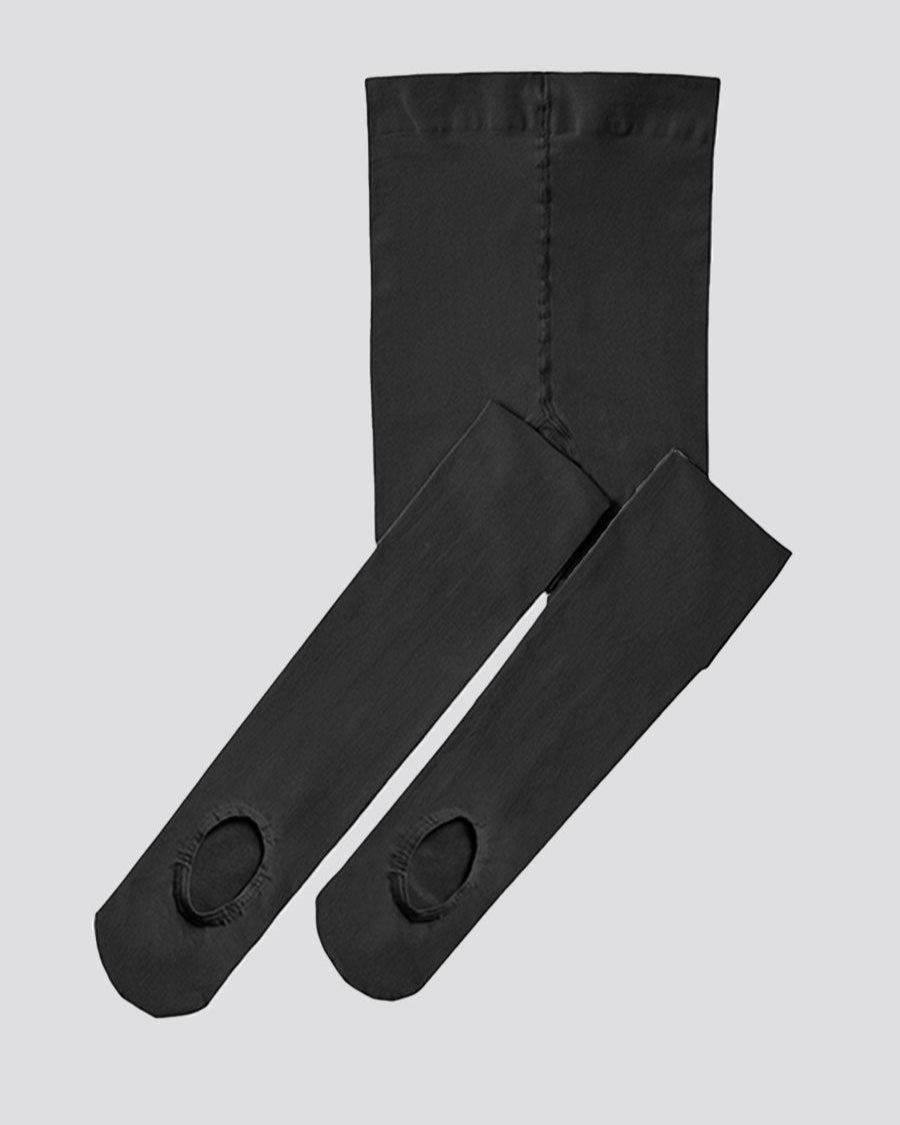
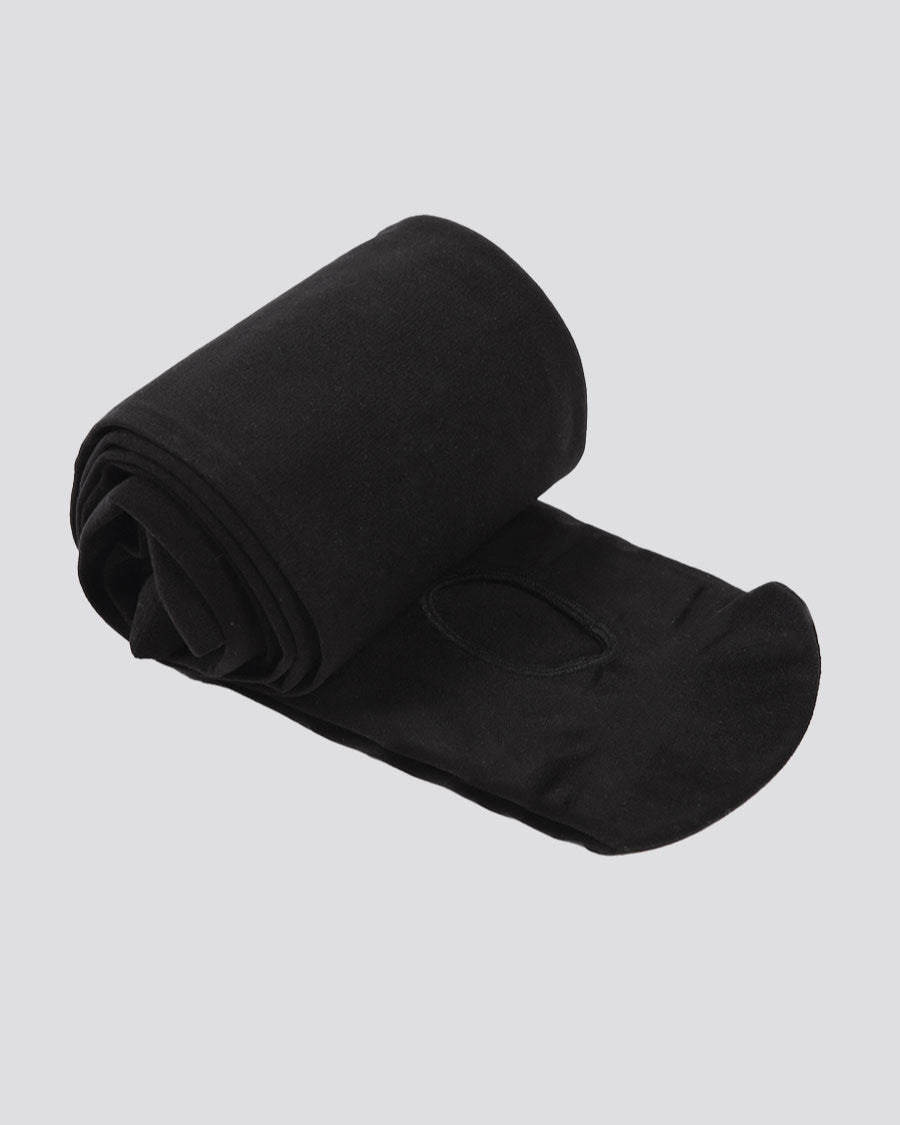
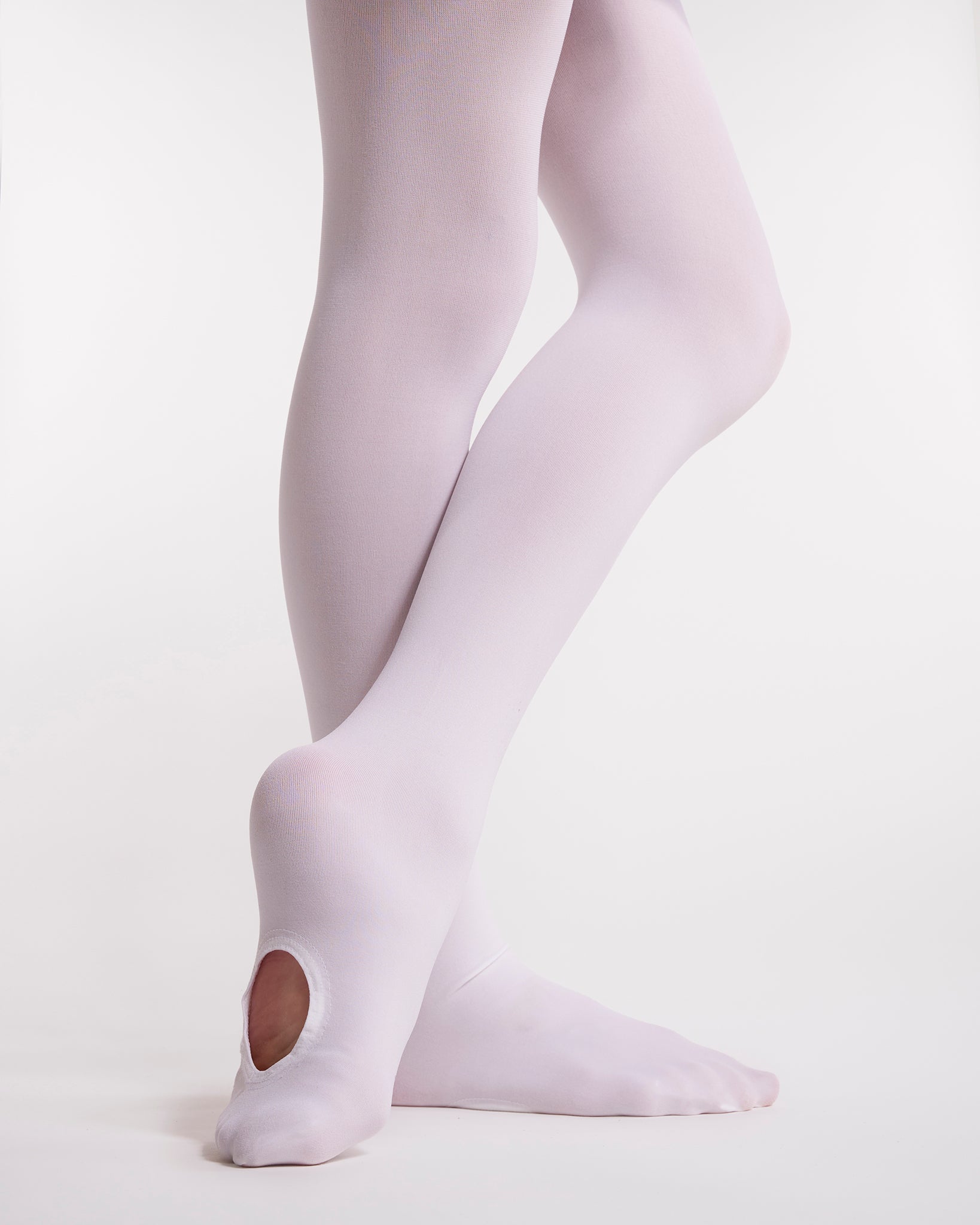
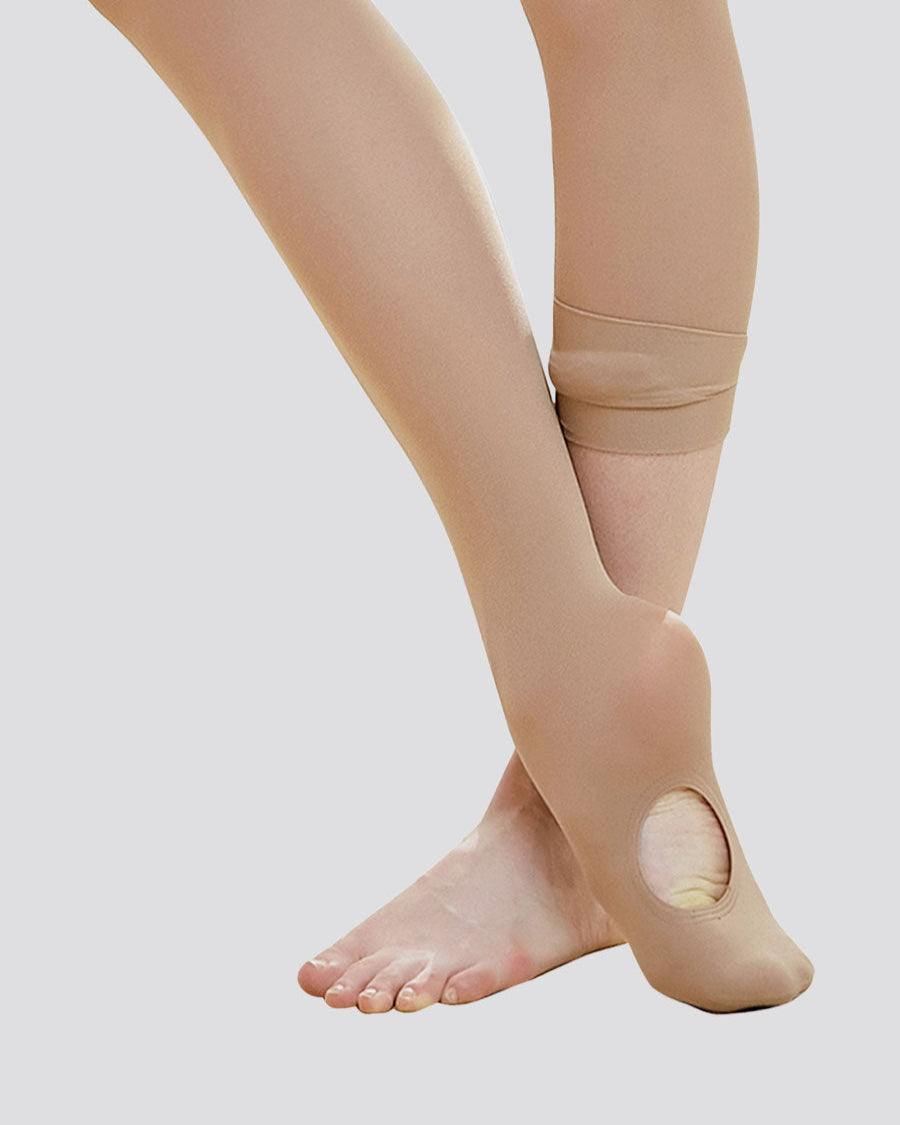
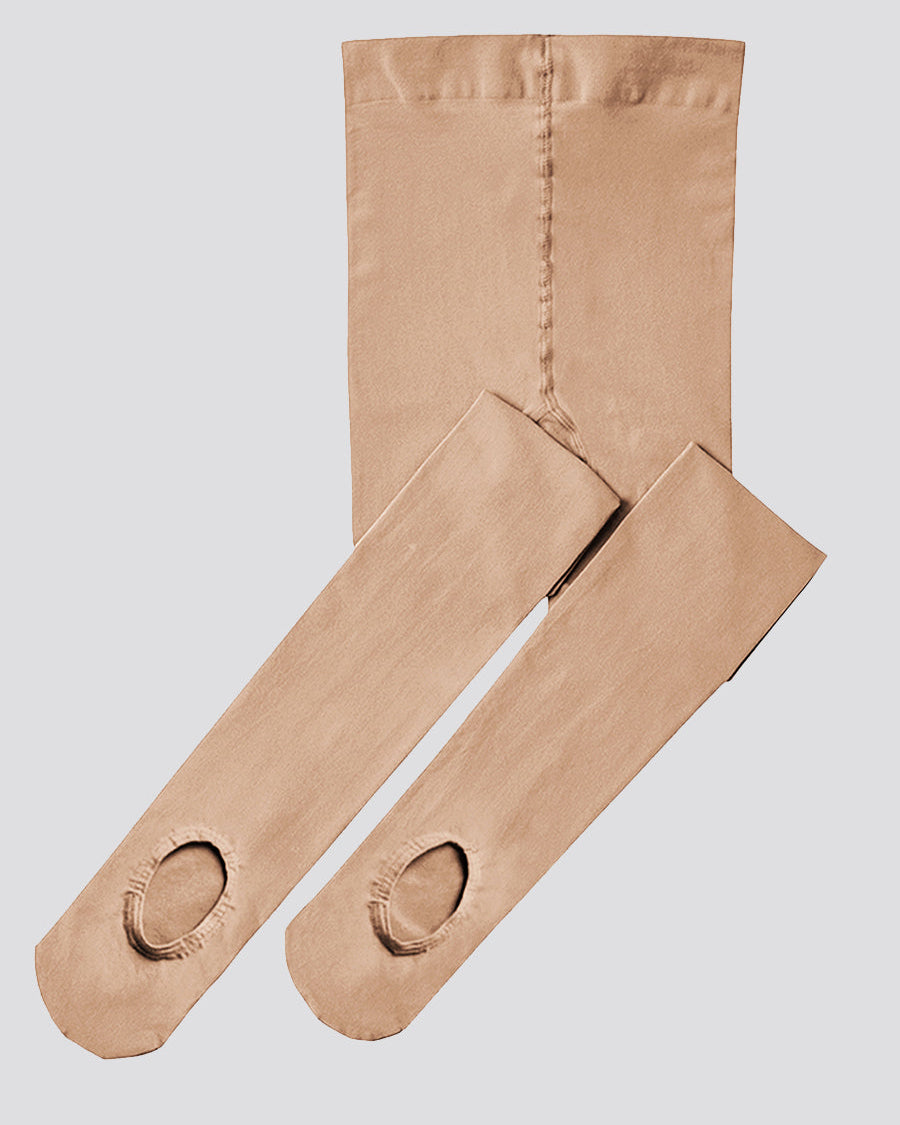
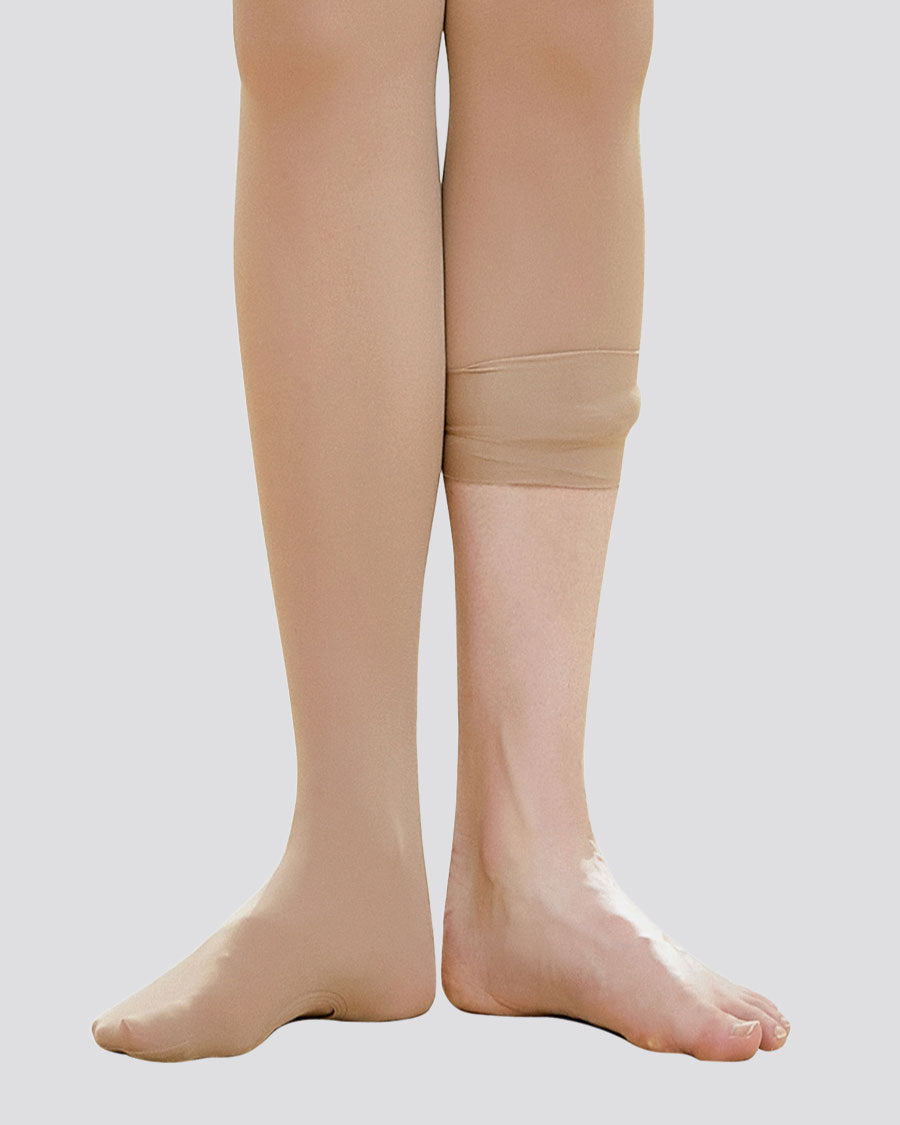
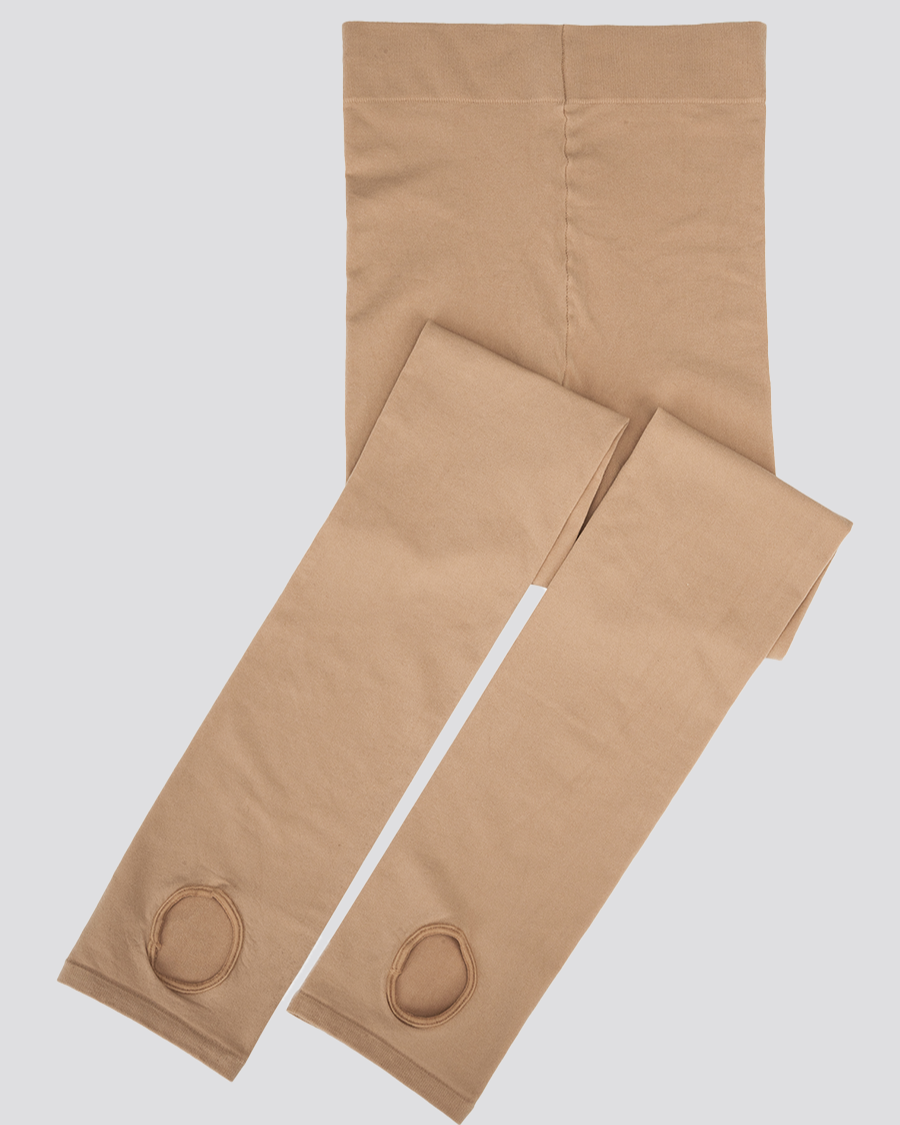
Convertible ballet tights have a small opening under the ball of the foot. A dancer can wear them fully covered, or push the fabric up toward the ankle to work barefoot, then slide it back down without changing tights entirely. This matters more once a child needs that flexibility for a real reason, for example switching between ballet shoes and bare feet in the same class, or needing quick access to her toes for tape or padding. For a five-year-old in her first ballet class, that flexibility usually isn't relevant yet.
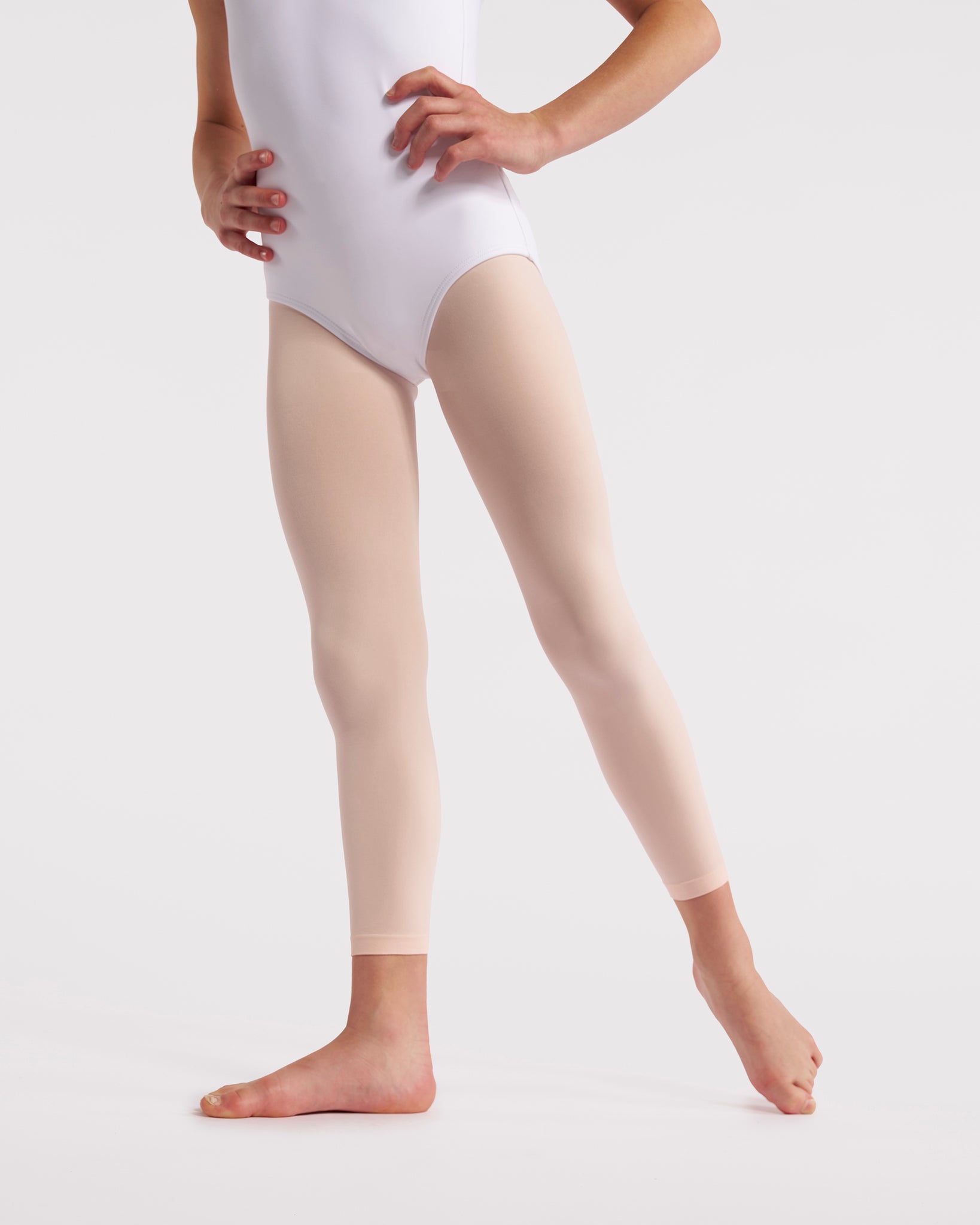
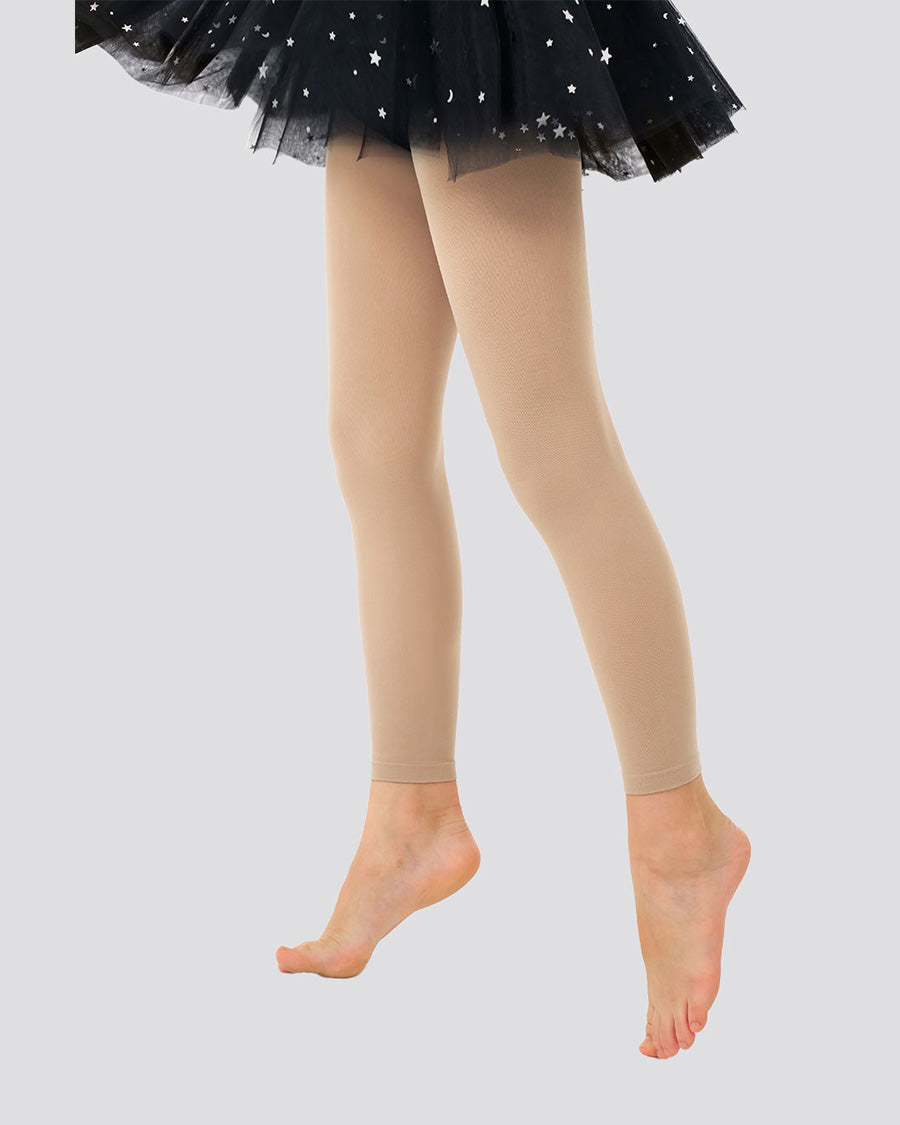
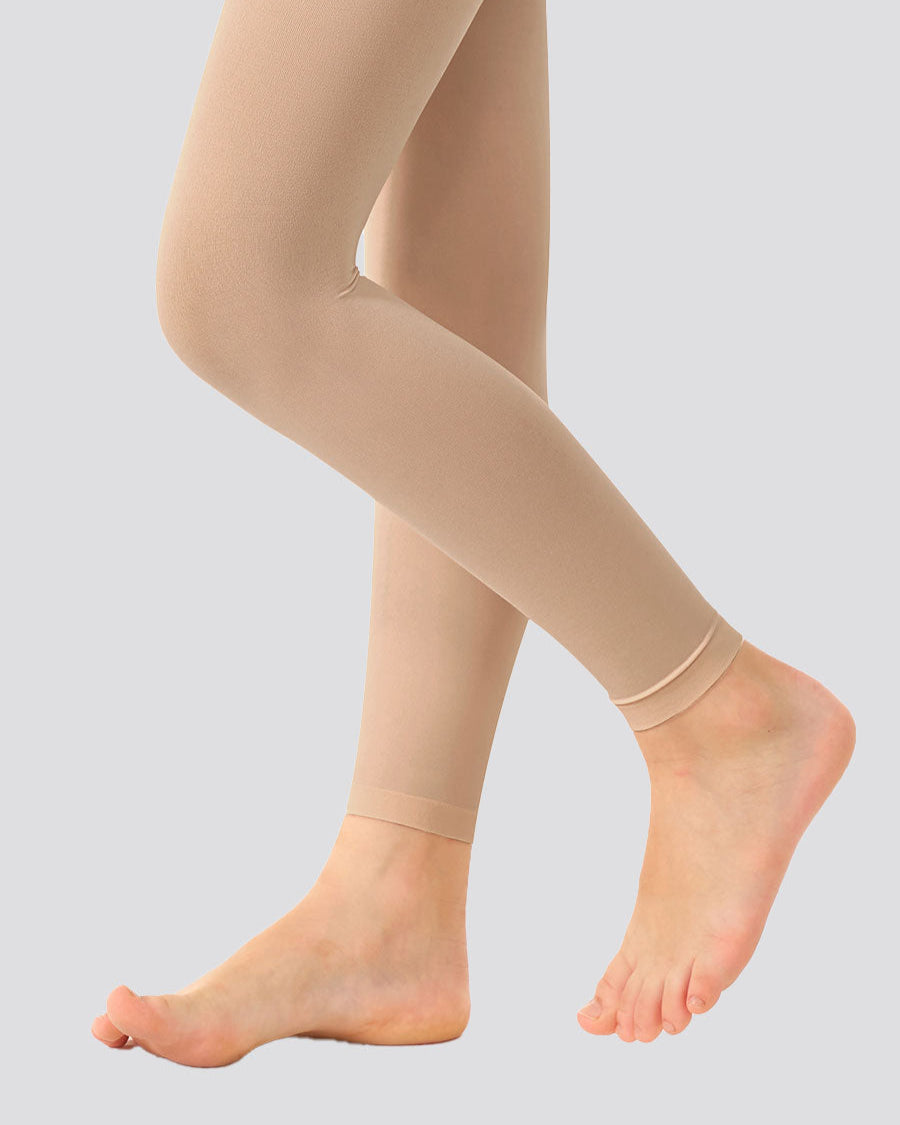
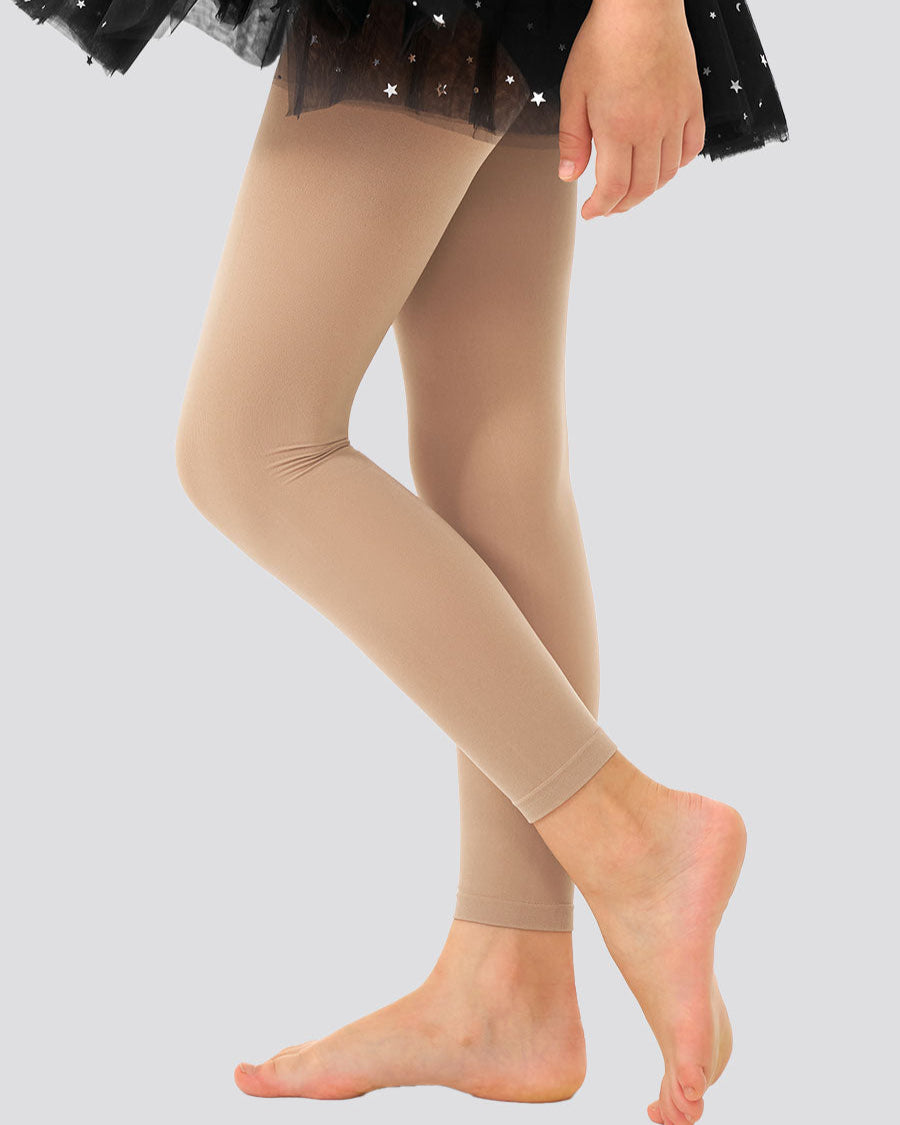
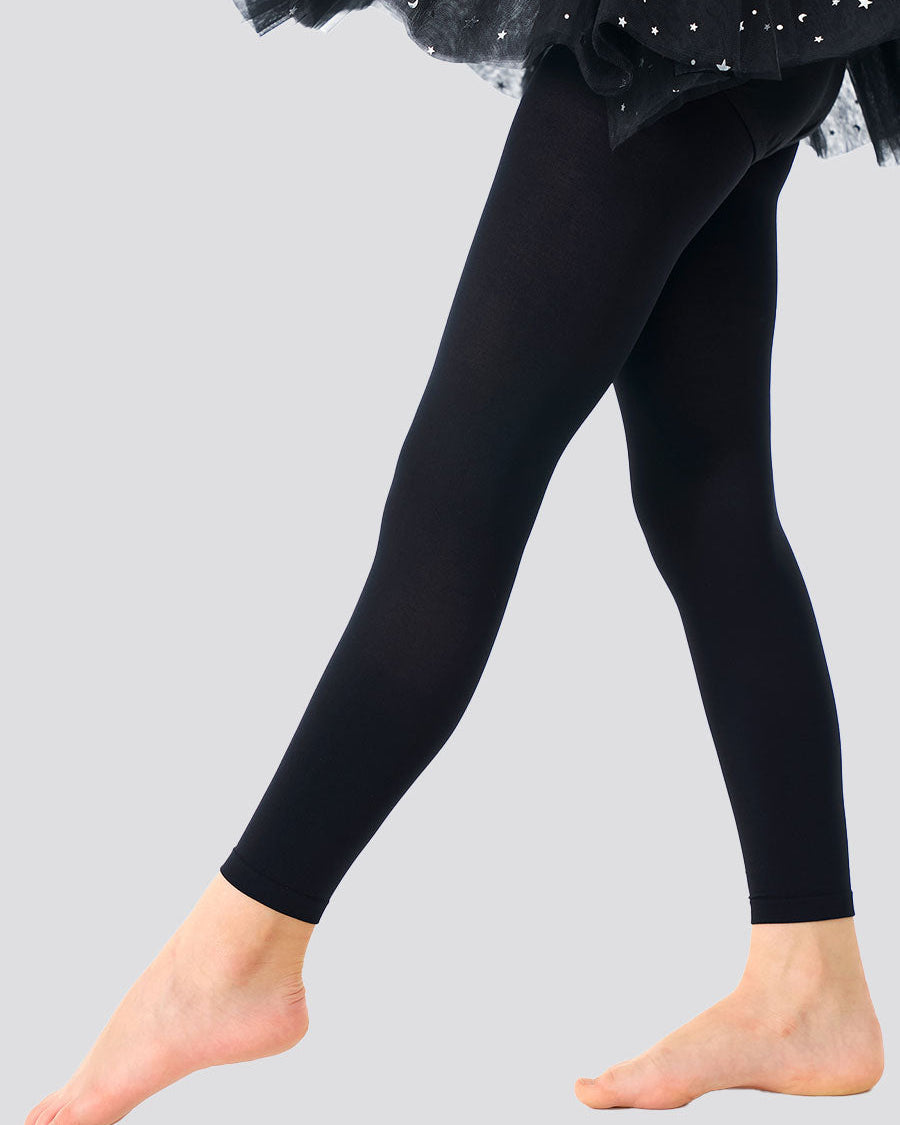
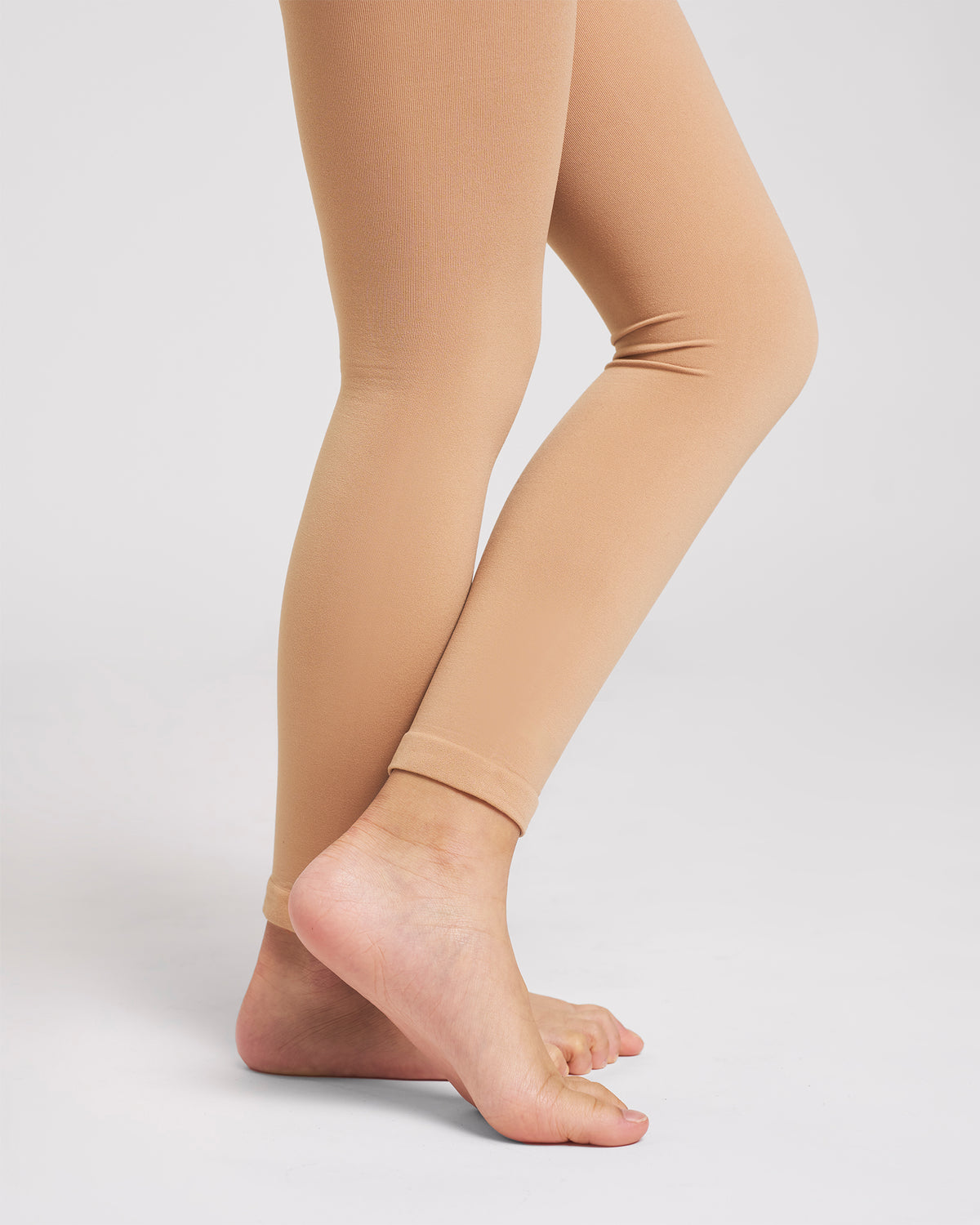
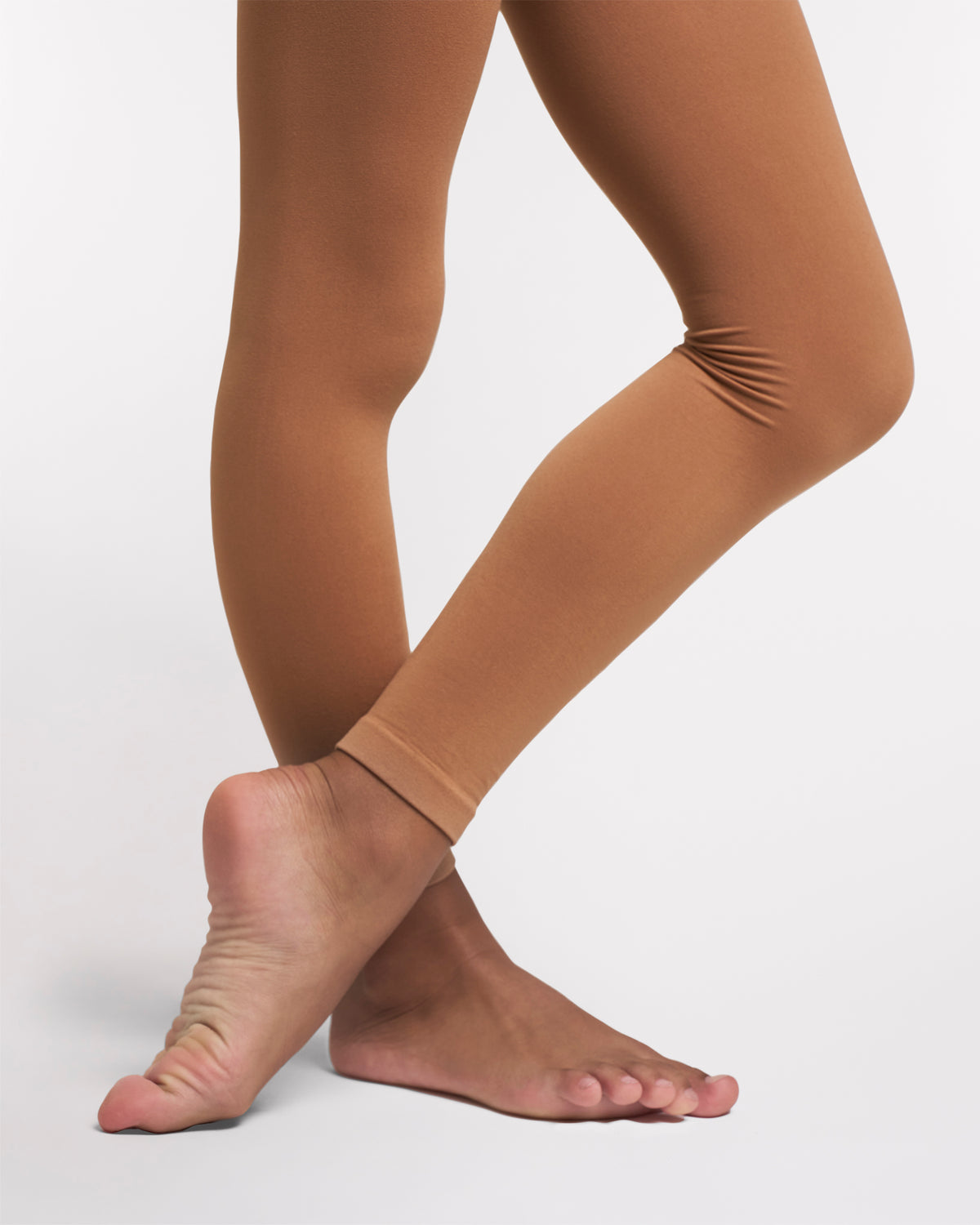
Footless dance tights stop at the ankle. They're common in contemporary and some jazz or acro classes where dancing barefoot is the norm, but rarely what a beginner ballet class asks for.
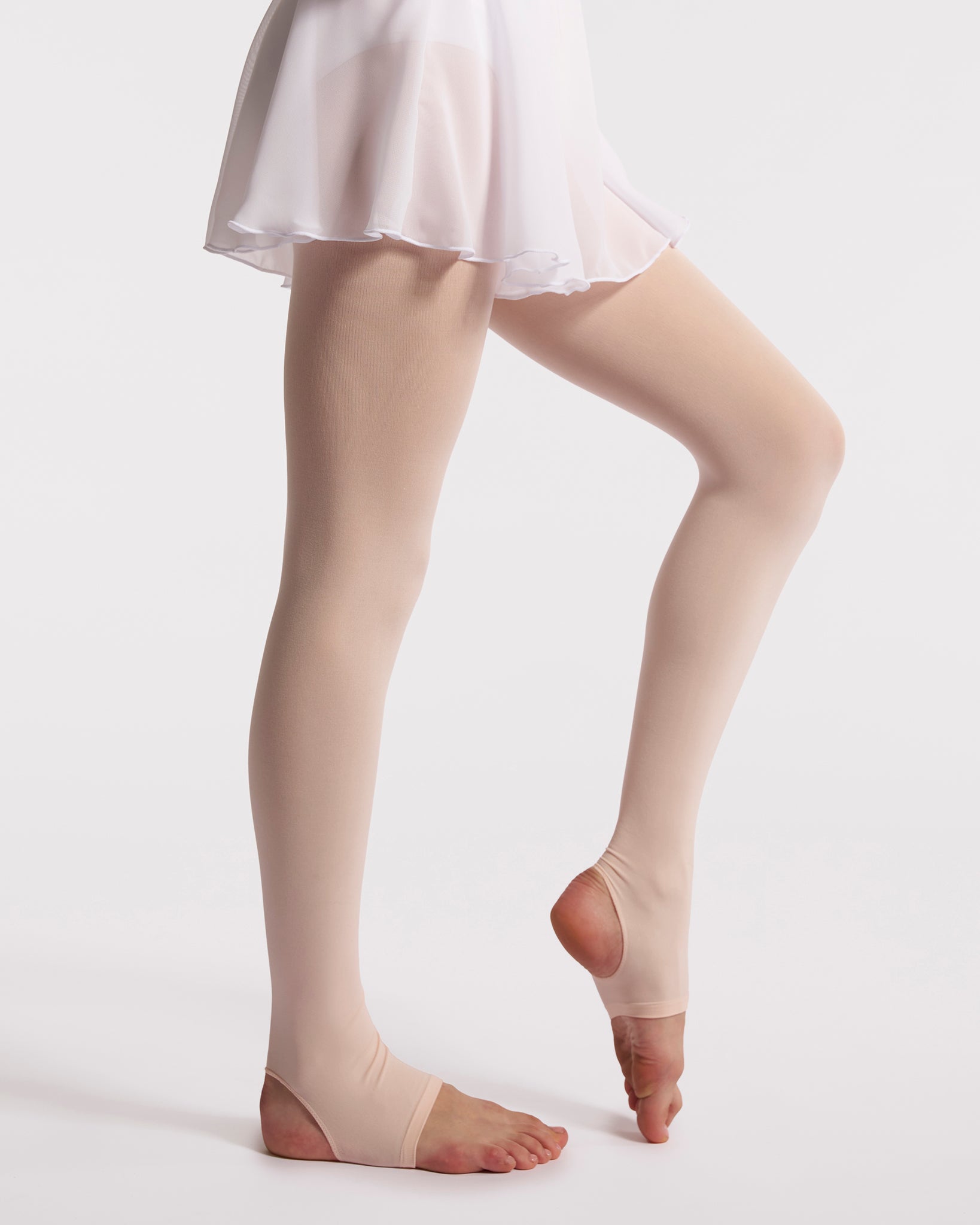
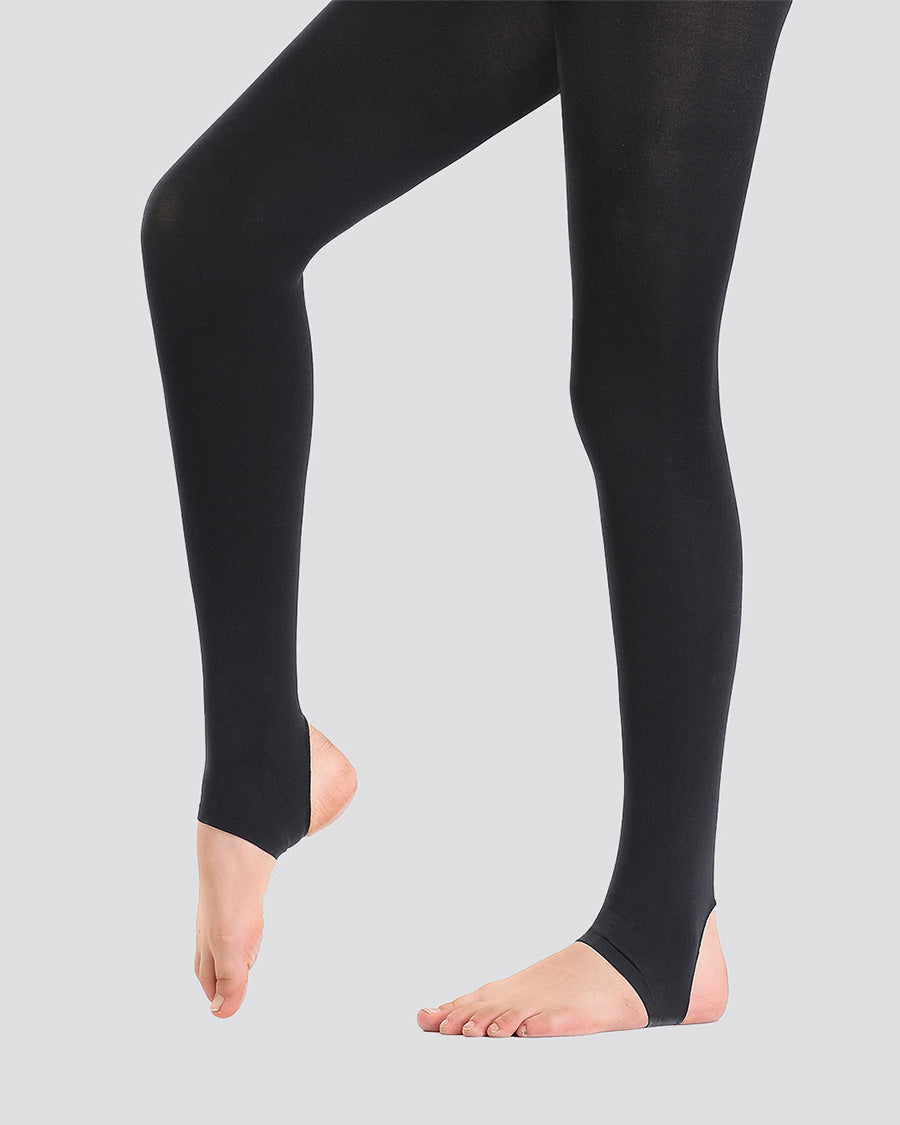
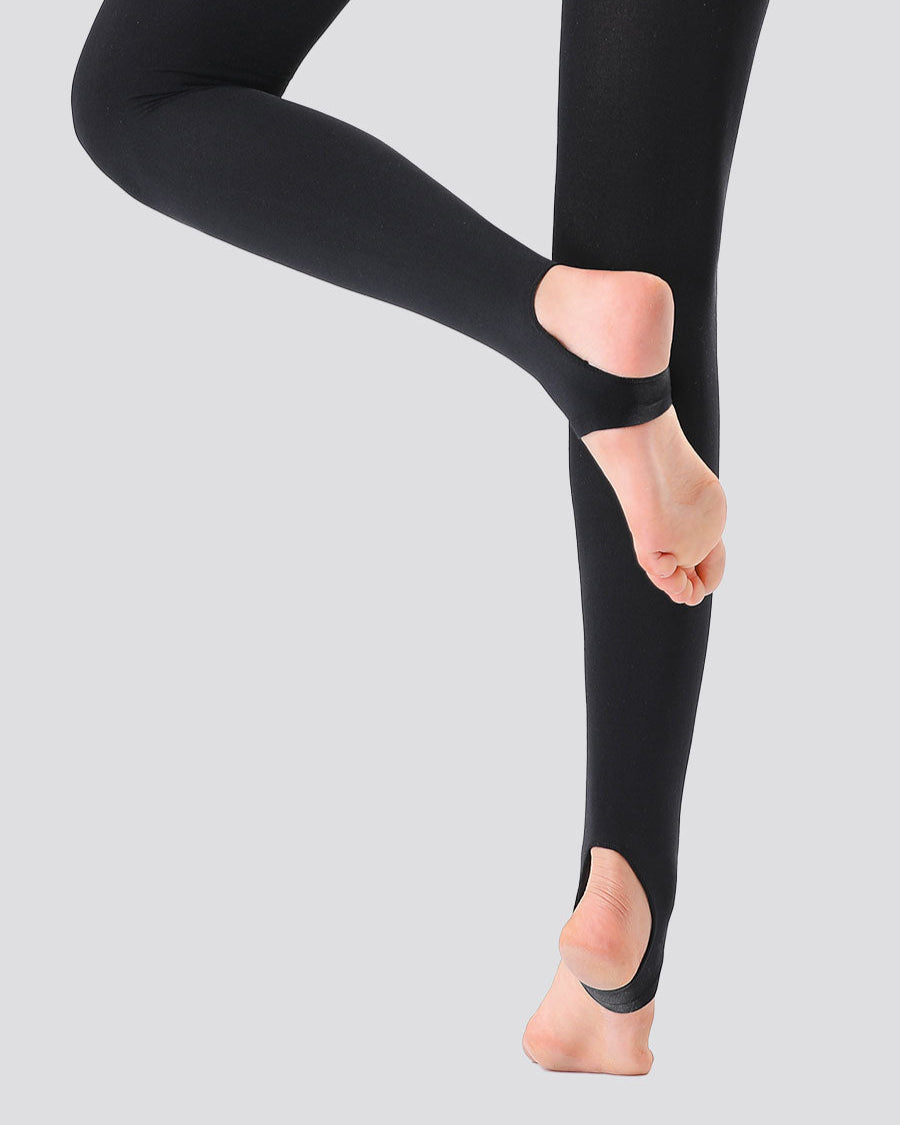
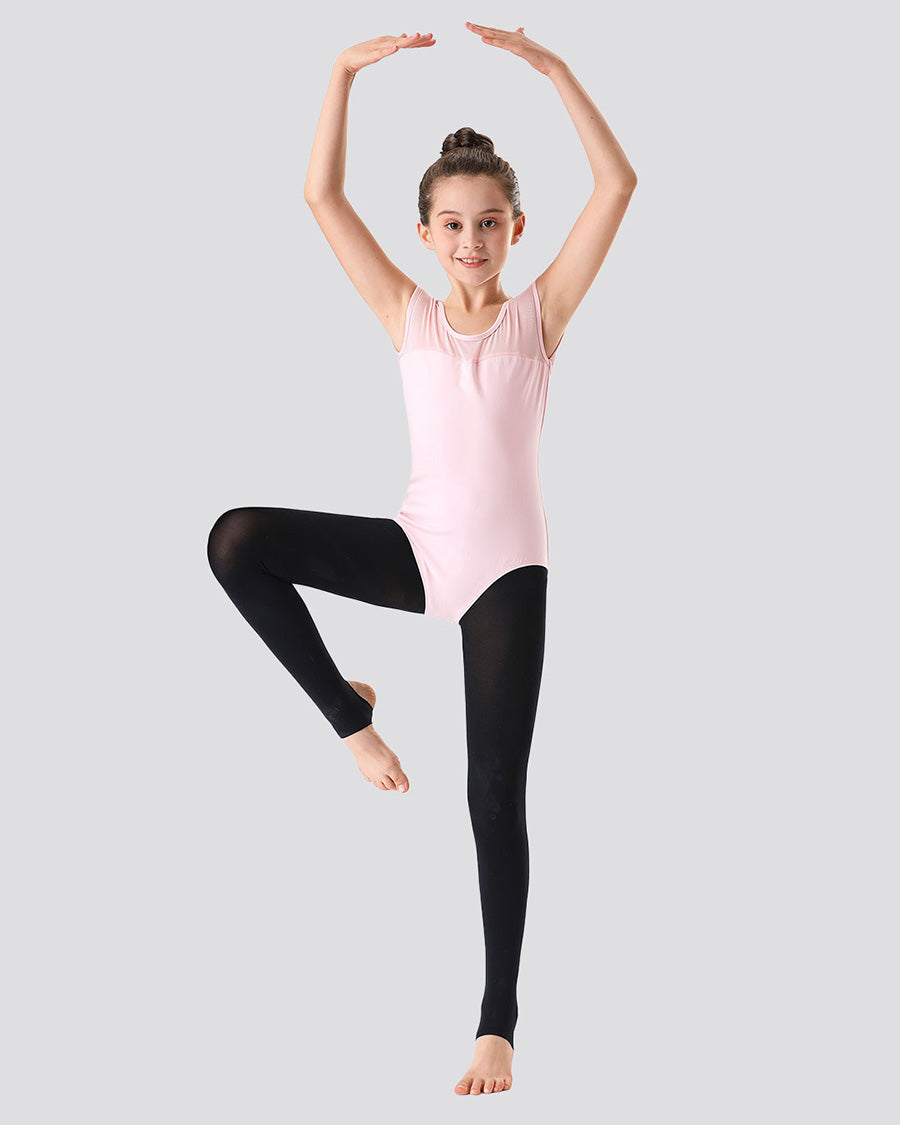
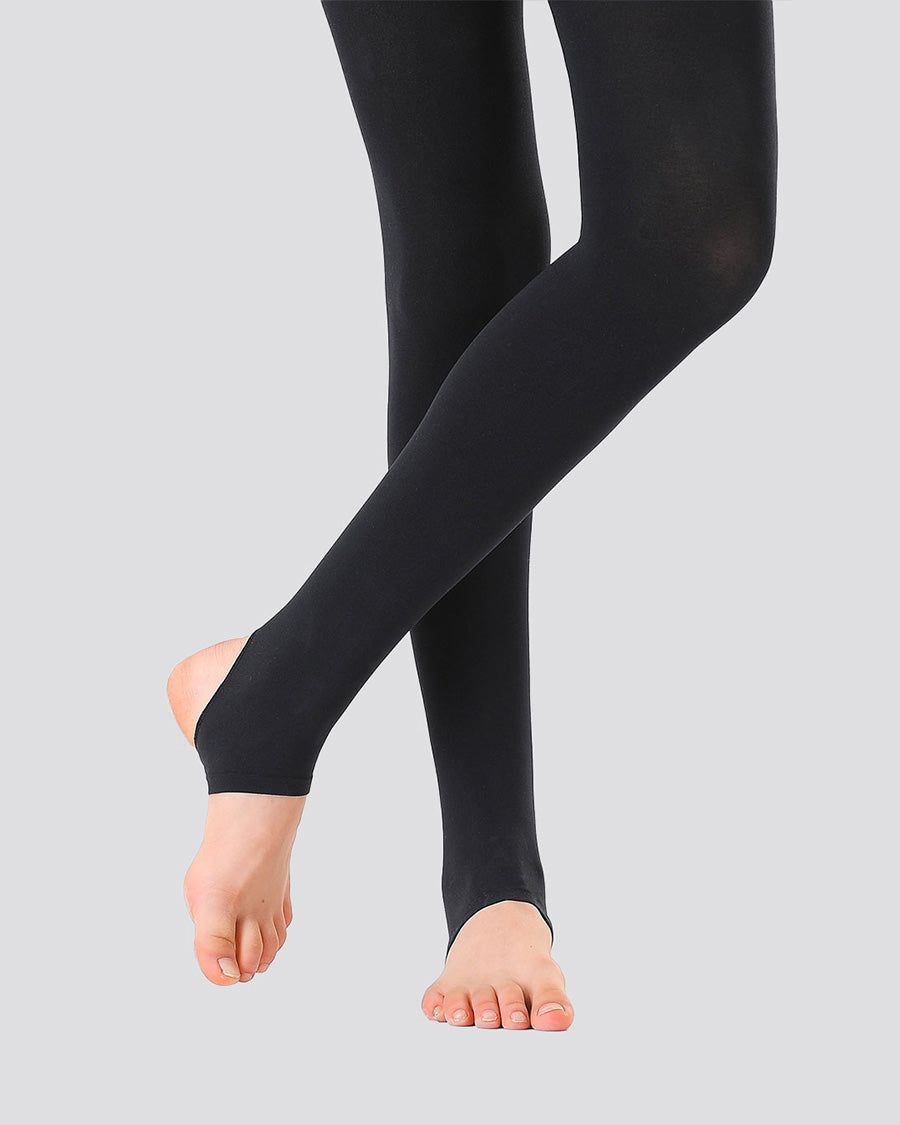
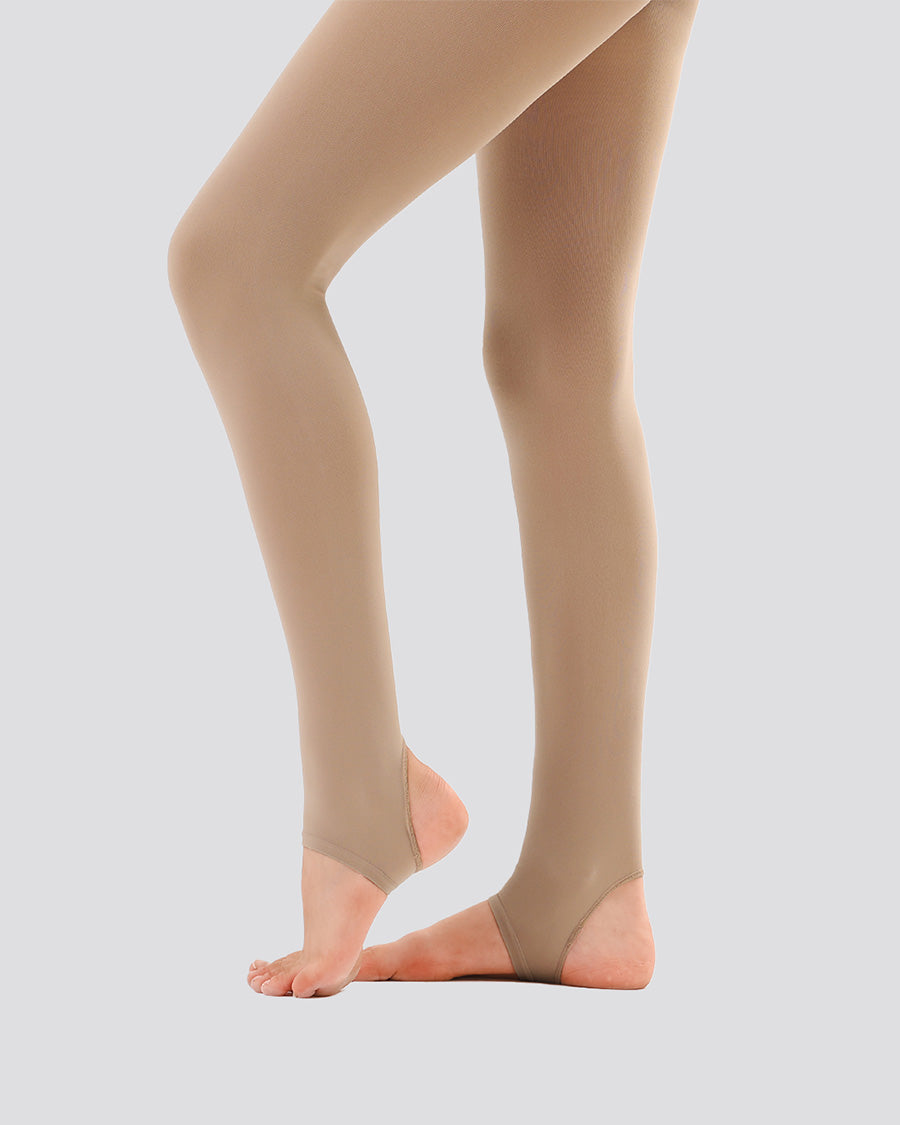
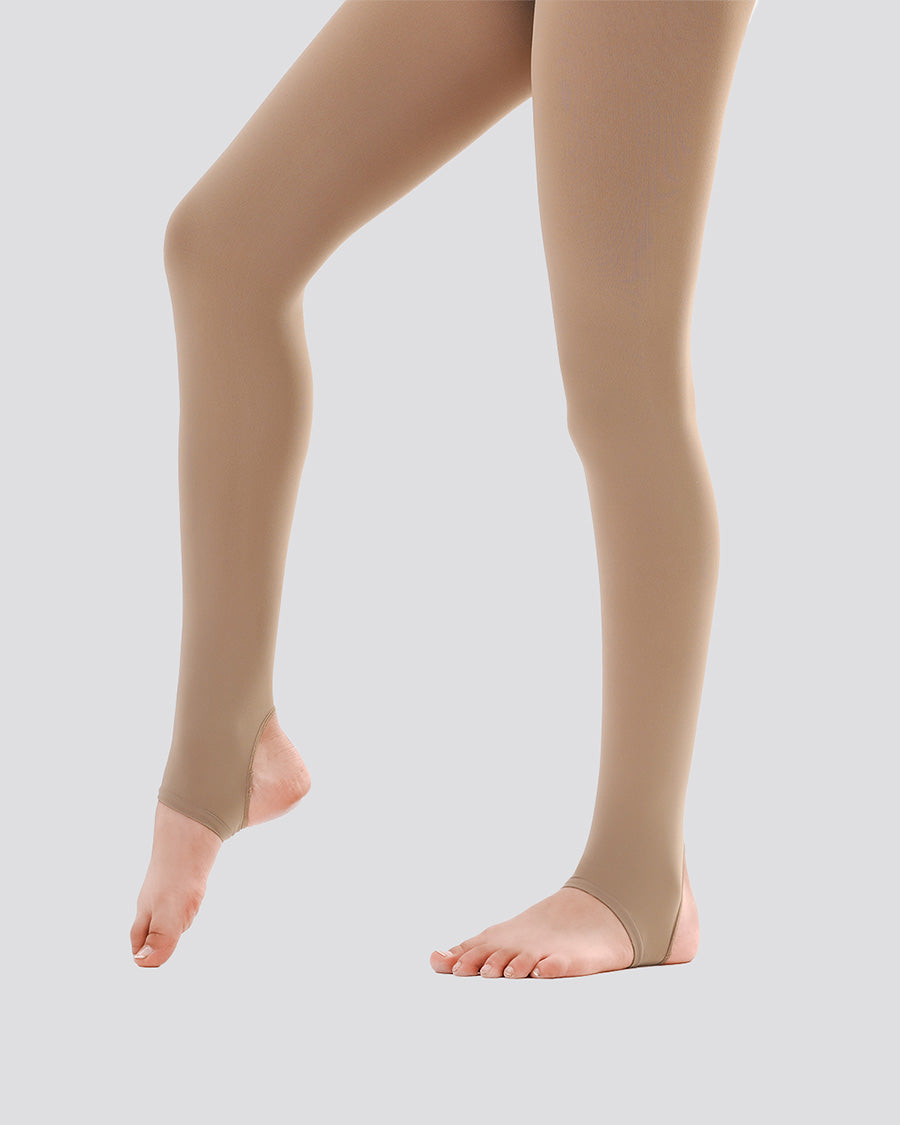
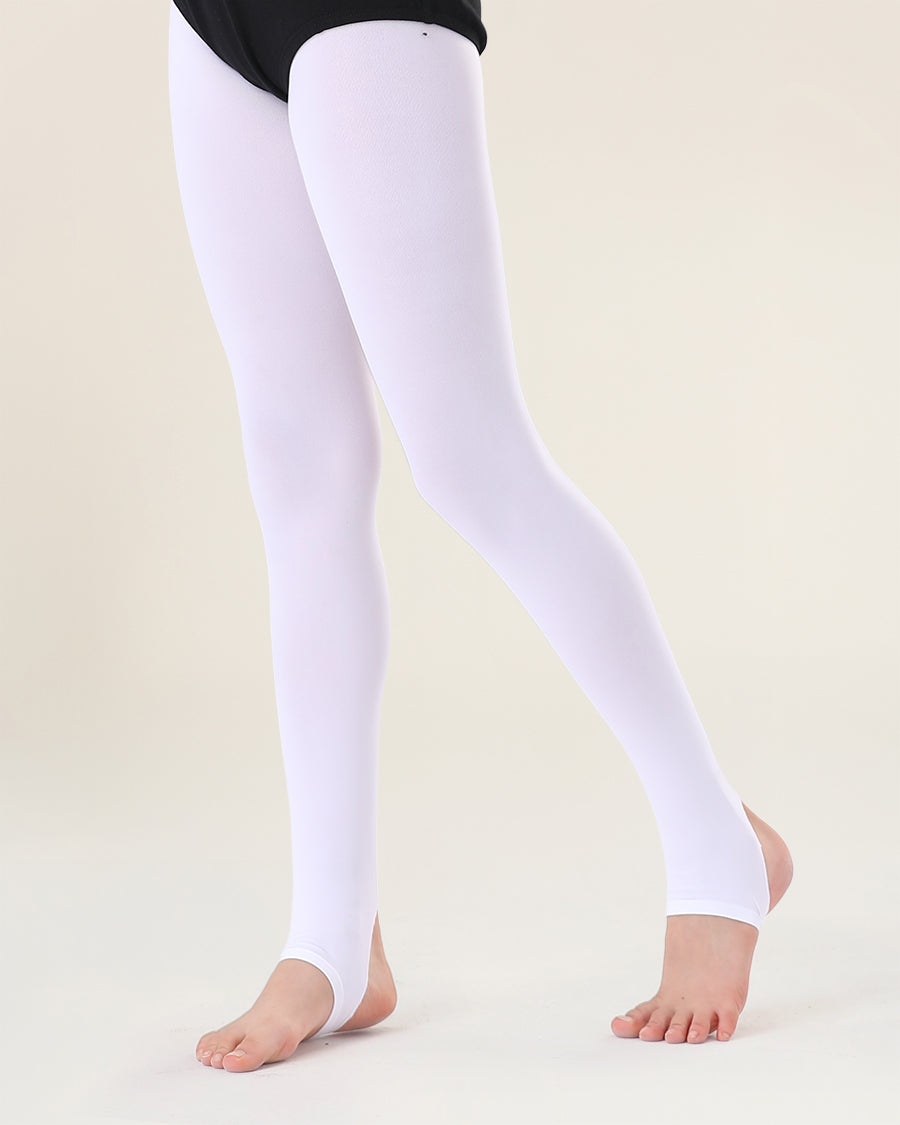
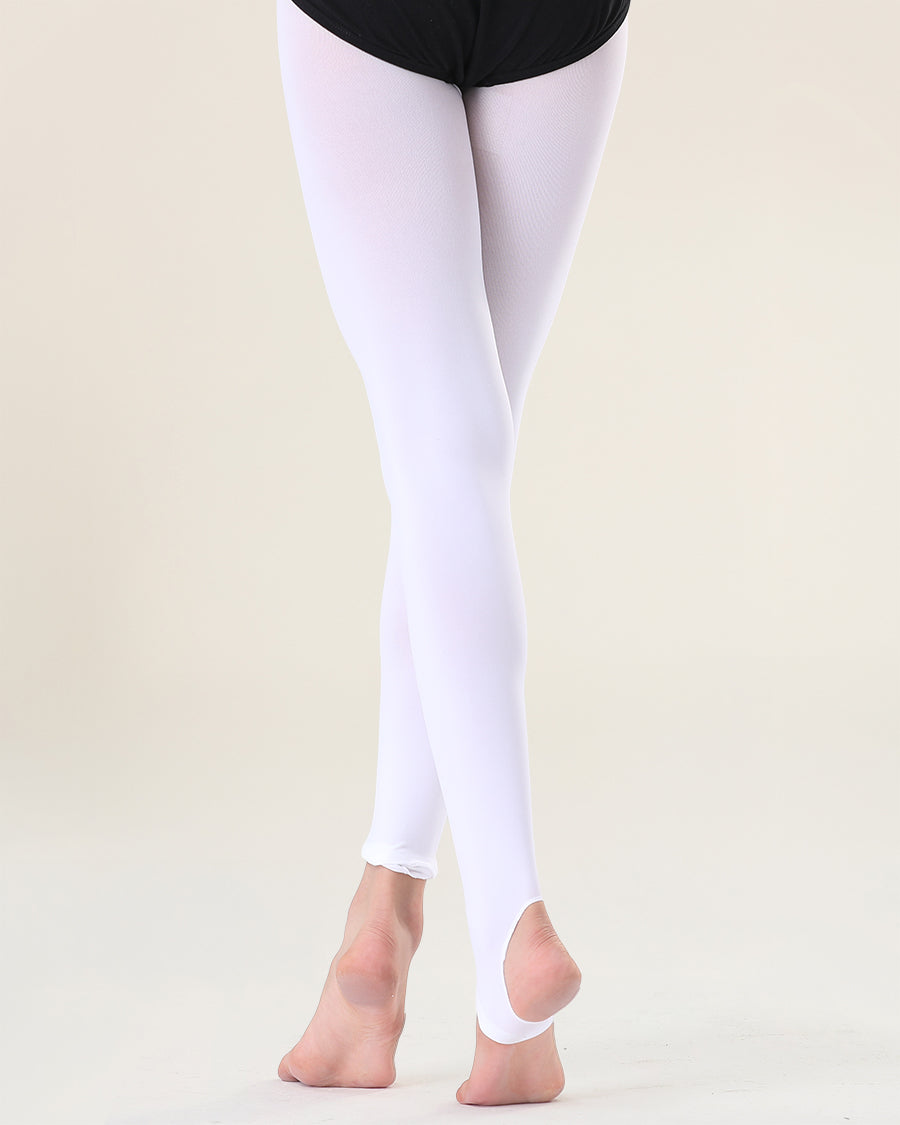
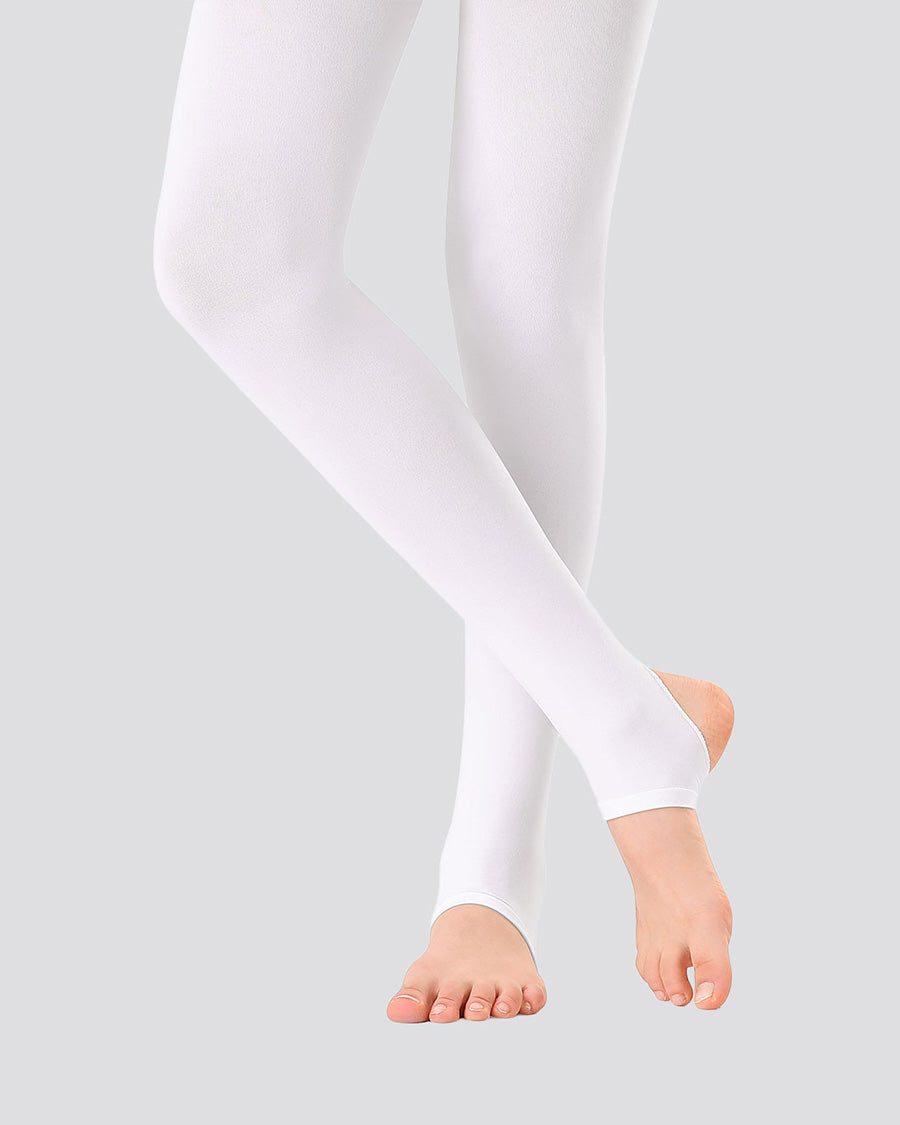
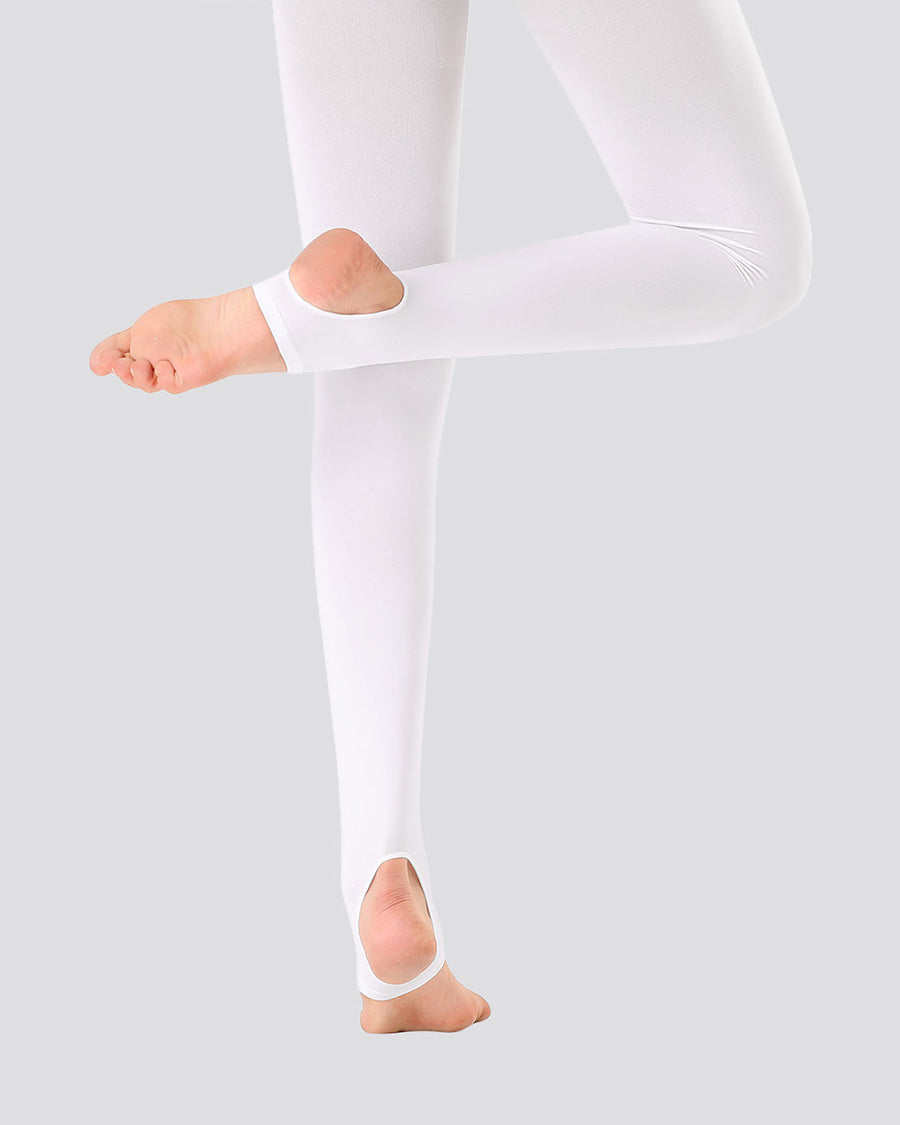
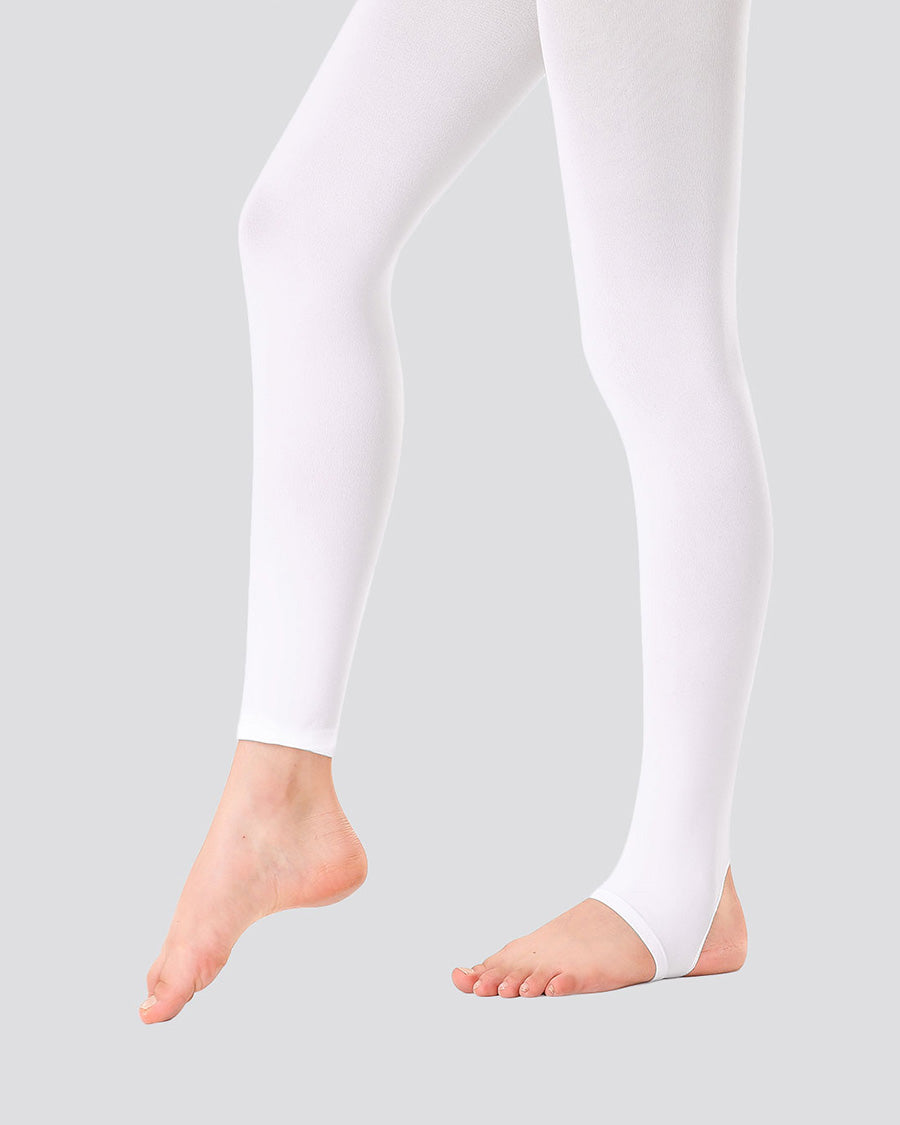
Stirrup dance tights cover the arch of the foot with a strap, leaving the heel and toes exposed. These show up for specific performance looks or certain class styles. Skip them unless the studio has actually specified them, since they're the least universal of the four.

What Dance Tights Does My Child Need by Dance Style?
The right style also depends on what kind of dance she's taking.
|
Dance Style |
Common Tights Choice |
Note |
|
Ballet |
Footed or convertible ballet tights |
Color usually set by studio |
|
Jazz |
Footed, convertible, or tan jazz tights for performance |
Depends on the specific class and shoes |
|
Tap |
Often part of the class outfit or costume, not a separate purchase |
Ask the studio |
|
Contemporary / Lyrical |
Footless or convertible |
Barefoot work is common in these styles |
|
Acro |
Footless, or no tights at all |
Studio safety rules matter here |
If she's taking more than one style of dance, it's worth asking whether one pair of convertible tights can cover both, rather than buying a separate pair for each class.
How to Choose the Right Size and Fit
Children's ballet tights are sized by height and weight, not age. This isn't just a dance-brand convention: ASTM International, the industry body that sets body measurement standards for apparel sizing, maintains a dedicated standard for girls' clothing based on body measurements rather than age brackets, which is why two kids the same age can still need different sizes depending on how tall they are or how they're built. Most dance tights brands' size charts reflect that same logic rather than a birthday.
Here's what that looks like in practice. Stelle's own footed dance tights are sized this way:
|
Size |
Height (in) |
Weight (lb) |
|
XXS |
33–39 |
26–34 |
|
XS |
37–43 |
34–65 |
|
S |
41–49 |
45–65 |
|
M |
49–55 |
65–85 |
|
L |
53–61 |
75–95 |
|
XL |
55–63 |
85–105 |
If she falls between two sizes, the larger size often works better, as long as the tights do not sag, bunch, or slide down. If they do, that's a sign to size back down rather than push through it.
Fit matters as much as size. A pair in the "right" size can still feel wrong if something's off:
|
Fit Issue |
What It May Mean |
|
Waistband rolls down |
Too small, or the waistband isn't sitting correctly |
|
Crotch sags |
Too large, or not pulled up all the way |
|
Bunching at the ankles |
Too long |
|
Red marks at the waist or toes |
Too tight |
|
Child keeps tugging at them |
Could be fit, fabric, or general discomfort, not necessarily the wrong size |
That last row matters most. A child constantly pulling at her tights isn't automatically a sizing problem. Sometimes it's the fit, sometimes it's the fabric, and sometimes it's something else entirely, which the next section covers.
What If the Seams Bother Her
This comes up more often than most buying guides admit. A child says her tights "feel wrong" at the toes, and it's easy to assume she's being difficult, especially right before class when there's no time to sort it out. On parenting forums like Mumsnet, this is a recurring topic, and parents specifically point to the toe seam as the source of discomfort, not the tights in general. The same question shows up in Amazon's Q&A section for kids' ballet tights, where a parent asks directly whether a specific pair still has the seam around the toes, because her daughter can't tolerate it.
If your child is pulling at her tights, a few things are worth checking before assuming she just doesn't like them:
-
Check whether the seam is sitting flat. A seam that's twisted or bunched under the toes feels very different from one lying flat, even in the same pair of tights.
-
Make sure the tights are pulled up fully and not twisted around the leg. A slight twist changes where the seam sits against the skin.
-
Try her ballet shoes on after adjusting the toes, not before. Sometimes the shoe is what's pressing the seam into an uncomfortable spot, not the tights themselves.
-
If the waistband is the complaint, check sizing first. A rolled or digging waistband is more often a sizing issue than a defect in the tights.
-
For a child who's consistently sensitive, ask the studio whether another approved brand or style is allowed. Some tights are made with a flatter, less noticeable toe seam, and studios that require a specific color usually don't require a specific brand.
If none of this resolves it, that's useful information too, not a sign that something's wrong with your child. Toe seams are a real physical sensation, and some kids notice them more than others. It doesn't mean she's being difficult about her tights.
For a child who stays sensitive no matter what you adjust, the simplest fix may be a style that skips the toe seam entirely. Stelle's footless ballet tights end at the ankle, so there's no seam across the toes at all, and the stirrup tights cover the arch with a strap while leaving the toes uncovered. Either works only if your studio's dress code allows it, so it's worth checking with the teacher first, but it's a real option if the seam itself turns out to be the actual problem.
How to Actually Get Them On
Putting tights on a squirming kid is its own skill, and doing it in the wrong order is how most first-week tears happen, both kinds.
-
Take off rings and check for rough or sharp nails before starting. A snag at this stage is the most common way tights get a hole before class even begins.
-
Gather one leg of the tights down toward the toe, the way you would with a sock, rather than trying to pull the whole thing on at once.
-
Place her toes in first, and check that the toe seam sits where it should before pulling any further.
-
Pull slowly over the heel, then up past the knee, one leg at a time.
-
Do the same with the second leg before pulling either one all the way up. Trying to finish one leg completely before starting the other is what usually causes the twisting.
-
Pull up from the leg fabric, not by yanking on the waistband. Waistbands stretch out fastest when they're used as the main handle for getting tights on.
-
Before putting shoes on, check the toe seam, the crotch, the waistband, and any wrinkles at the ankle. It's much easier to fix all of this before she's standing in ballet shoes than after.
For a child who's just learning to dress herself, this is also a reasonable order to teach her directly, instead of doing every step for her. Most kids can manage steps two through five with practice, even if the waistband and final check still need a parent's help.
What to Pack: How Many Pairs, and What Else
How many pairs you need depends on how often she's actually wearing them, not on how many colors happen to look nice together.
|
Situation |
Suggested Number |
|
Trial class |
1 pair, or ask before buying |
|
Weekly class |
2 pairs |
|
Multiple classes per week |
3+ pairs |
|
Recital or photo day |
1 clean backup pair |
Don't stock up on several colors before the dress code is confirmed. A studio that requires ballet pink for regular class won't care how many other colors are sitting in a drawer at home.
One thing that's easy to overlook: for a recital, exam, or photo day, bring a pair that hasn't been worn yet, not the ones from Tuesday's class. Even a small snag or a slightly stretched waistband can be more noticeable under stage lighting or in photos than it ever was in a regular class. Keeping one unworn pair set aside for those days means you're not scrambling to find a clean one the morning of.
How to Wear Dance Tights With a Leotard and Ballet Shoes
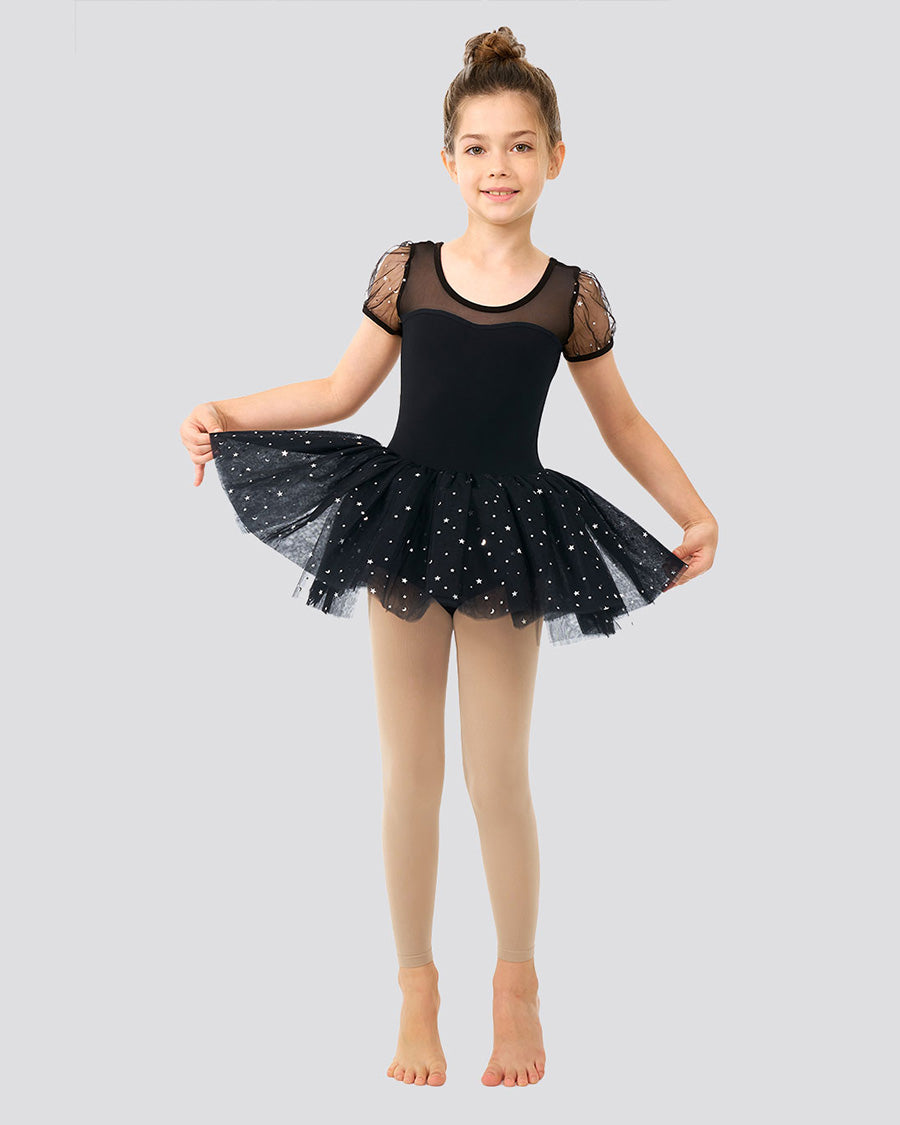
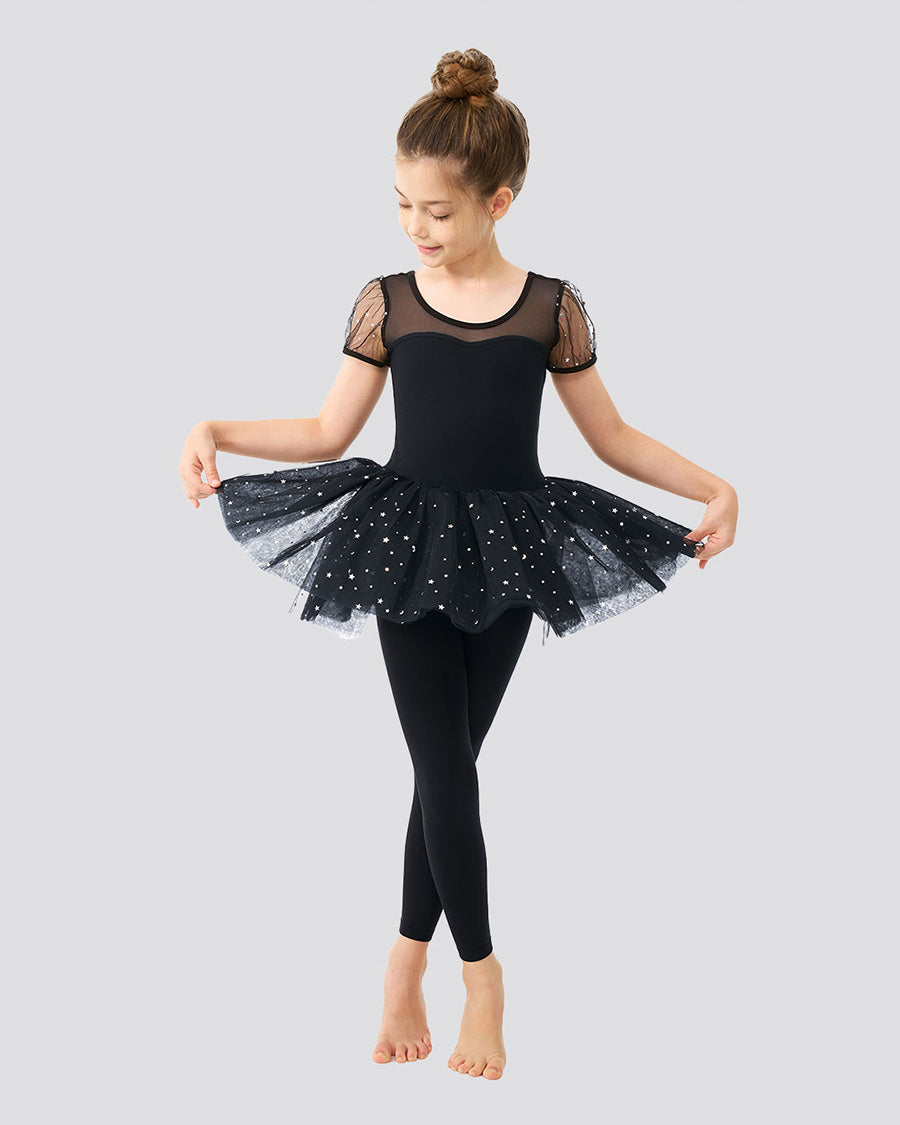
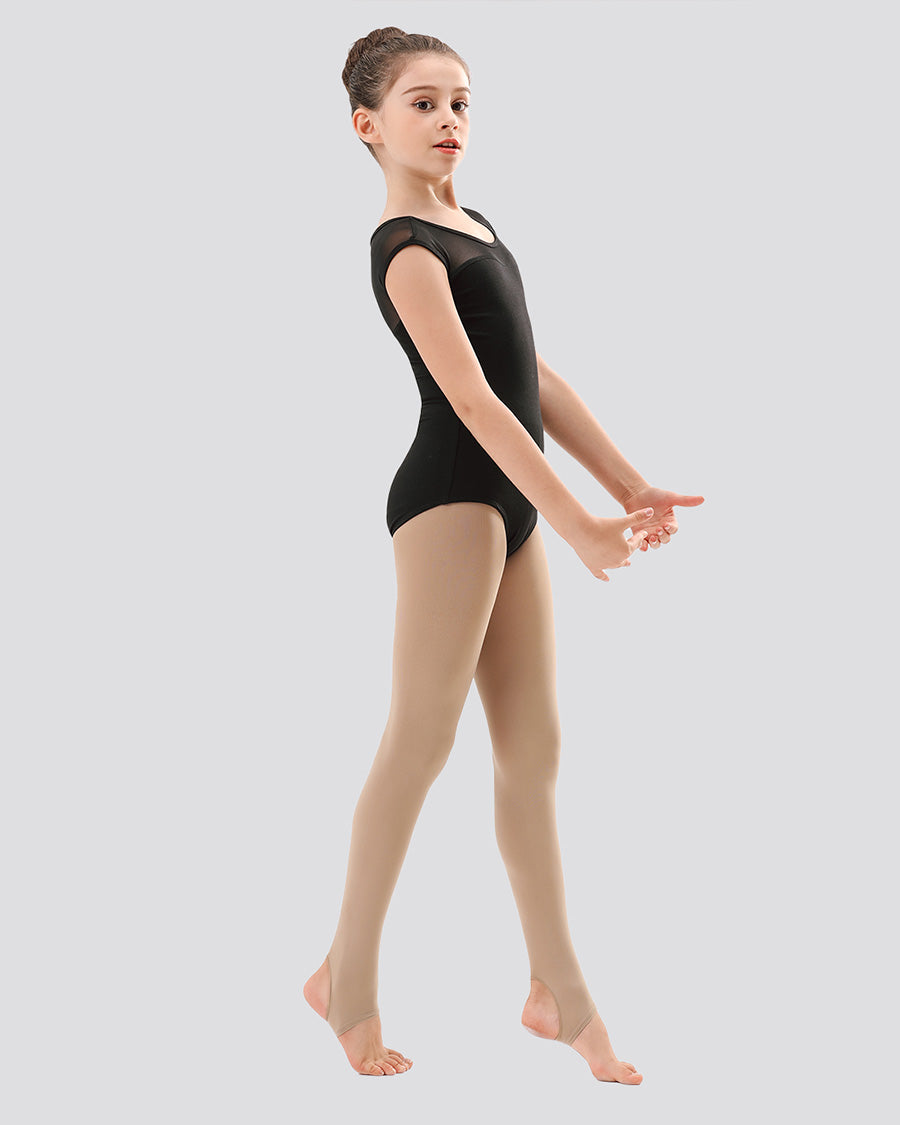
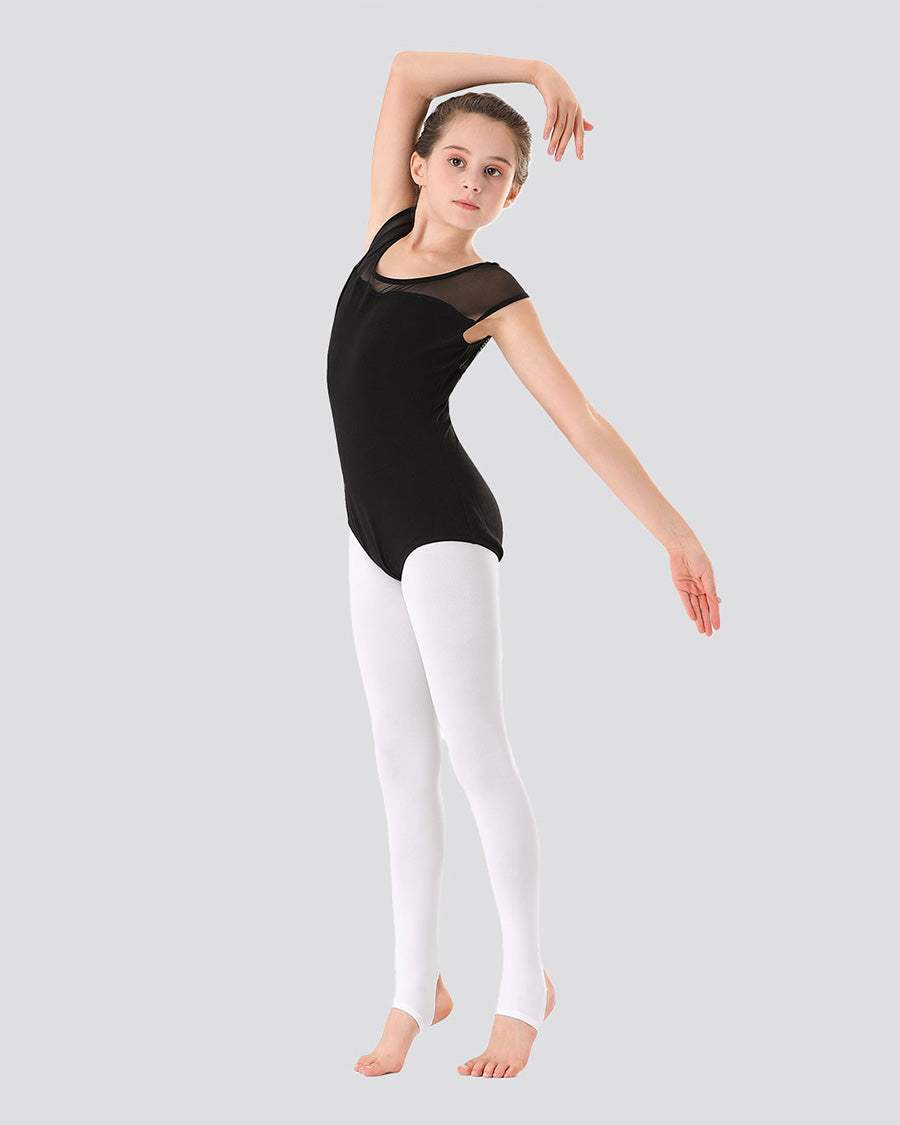
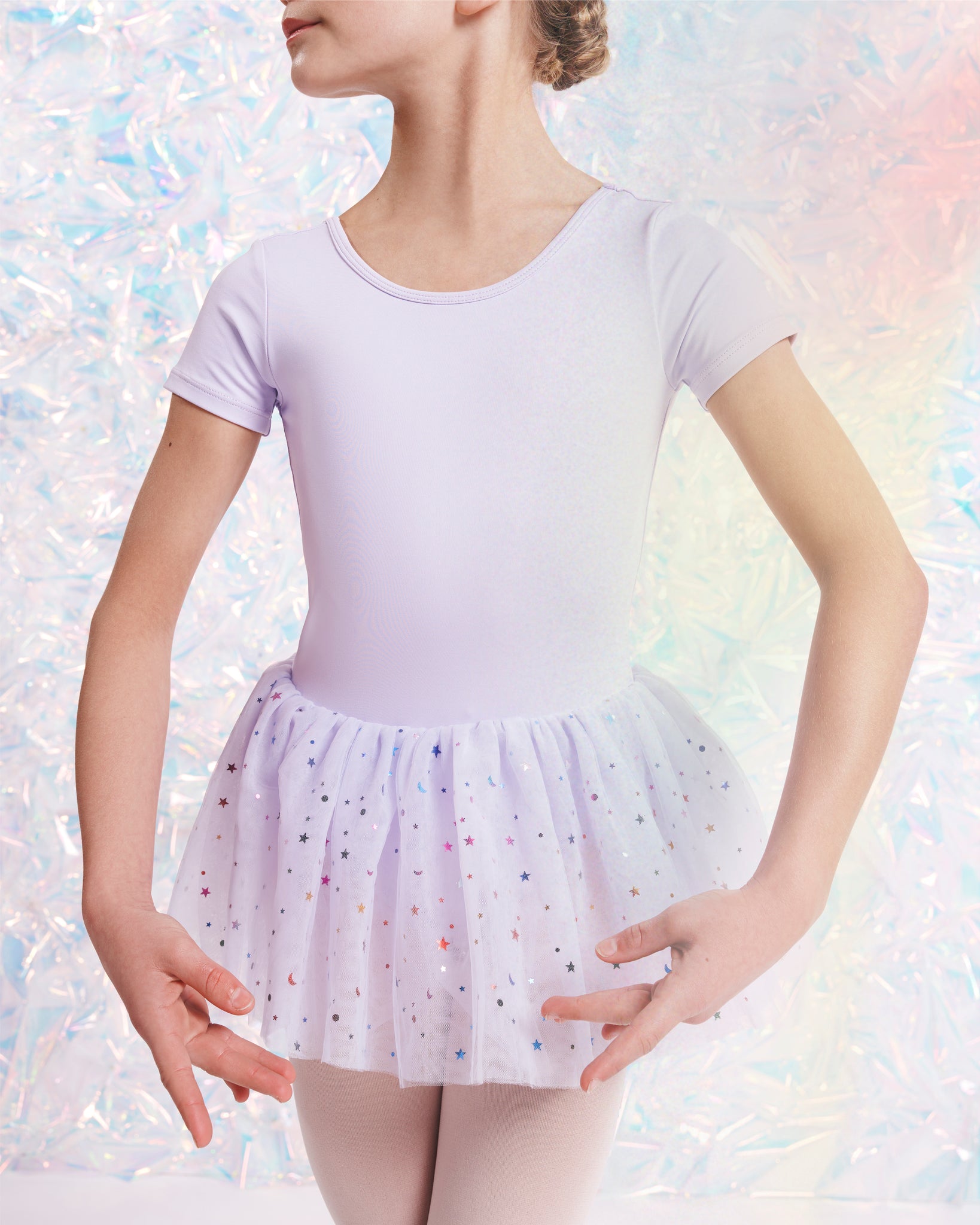
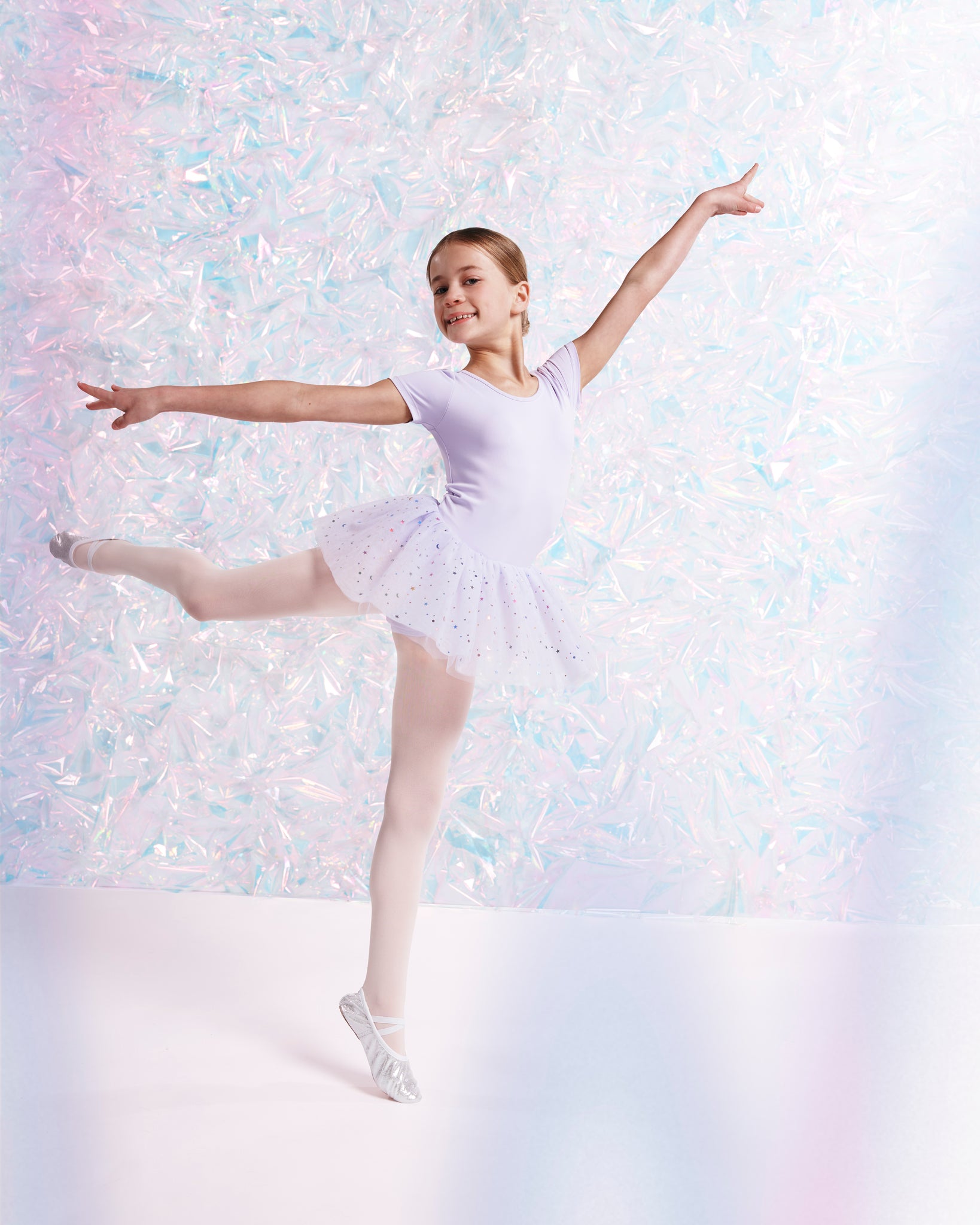
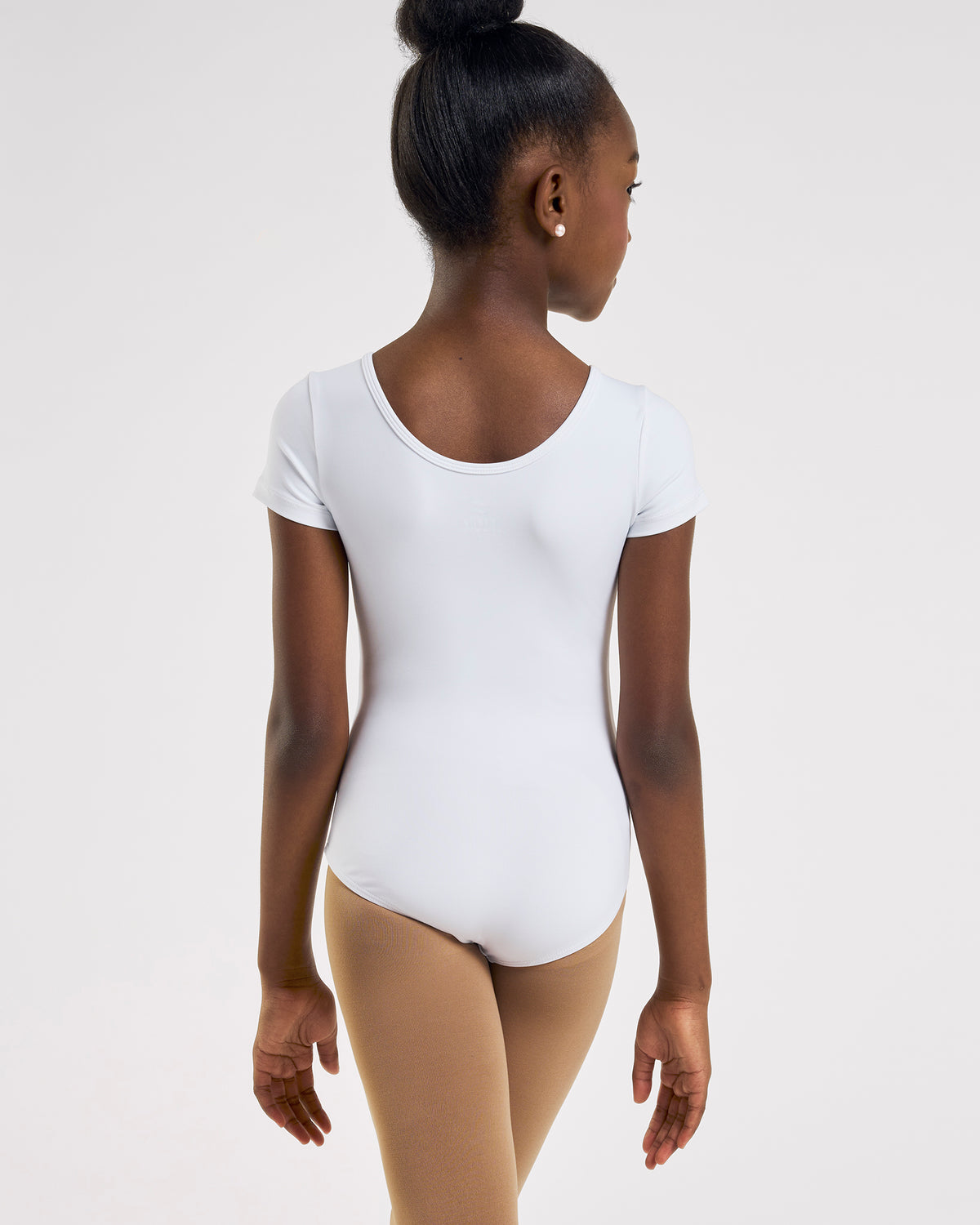
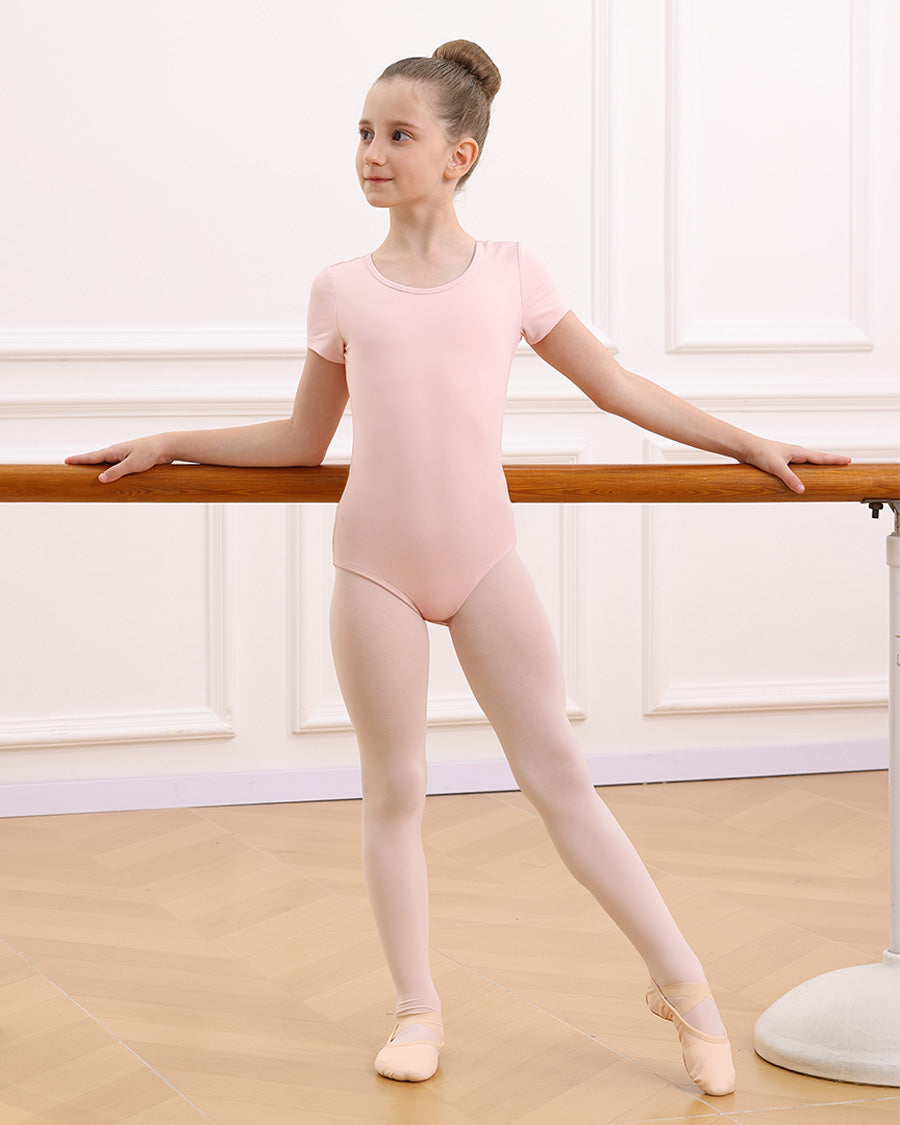
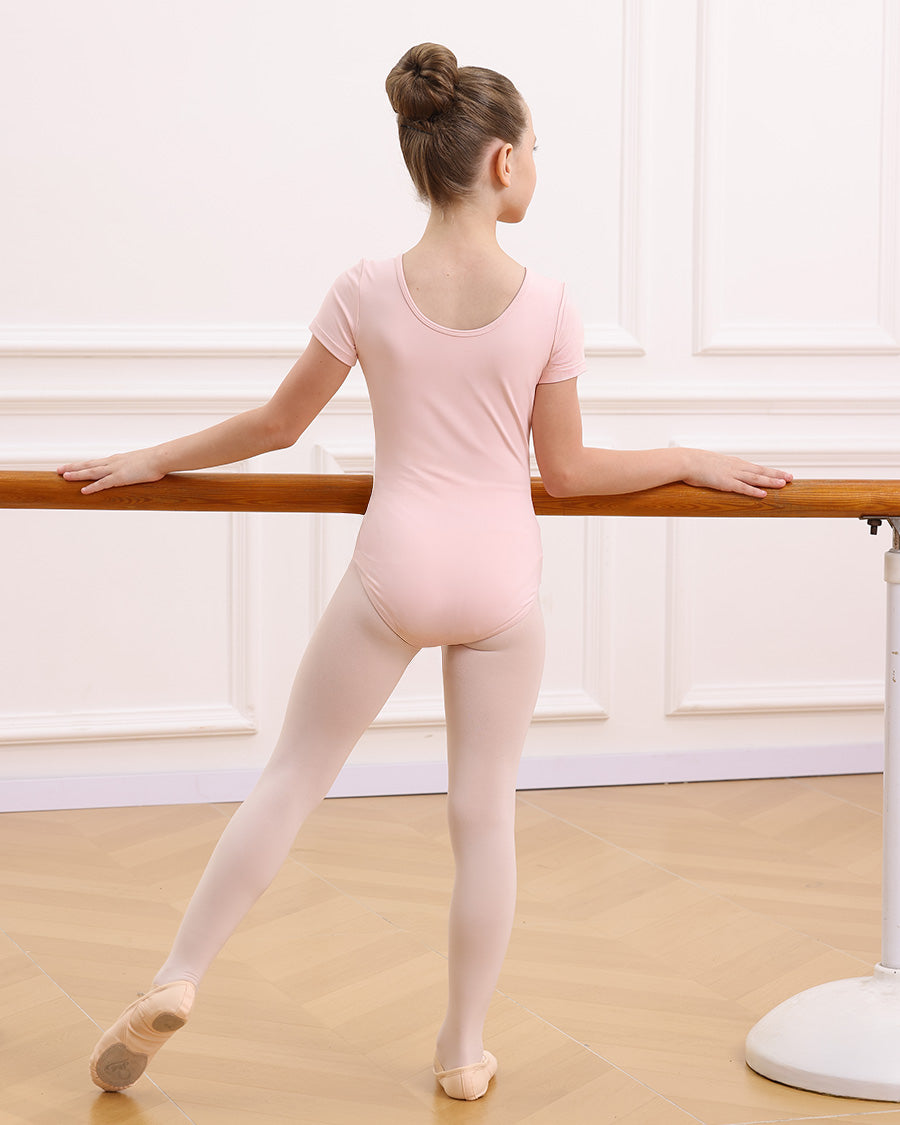
For ballet class, tights typically go on first, then the leotard goes over them. Ballet shoes go on last, over the tights. If she's wearing convertible tights, line up the foot opening under the ball of the foot before the shoe goes on, not after.
What to wear under ballet tights is usually the next question, and the honest answer is that it depends on the studio and your child's age. Some studios have specific rules about undergarments for younger dancers; others leave it up to the family. If you're not sure what's expected, ask the teacher rather than guessing.
Care Basics
Day-to-day care doesn't need to be complicated. A few habits go a long way:
-
Wash cold, ideally by hand.
-
Use a mesh laundry bag if you're washing them in the machine.
-
Keep them away from towels, Velcro, zippers, or jeans in the same load, anything with rough texture that can snag the fabric.
-
Air dry instead of using high heat. Heat is what breaks down the stretch fastest.
-
Keep one clean backup pair on hand for class, recital, or photo days.
For a more detailed breakdown of why heat damages tights, how to handle a snag before it becomes a hole, and other specifics, see our full guide on how to care for dance tights.
When to Replace Dance Tights
A few signs it's time for a new pair, beyond the obvious hole:
-
Runs or snags that keep spreading
-
A waistband that's stretched out and no longer holds its shape
-
Sagging at the knees, even right after putting them on
-
Color that's gone gray, or stains that won't wash out
-
Tights that fit fine last season but now leave marks or feel tight: a sign she's grown, not a sign the tights are bad
-
Approaching a recital or photo day with only worn pairs on hand, worth treating as its own reason to have a fresh pair ready
None of these mean the tights were poor quality. Regular wear, washing, and a growing kid all add up faster than most people expect.
Where Stelle Fits In
Stelle offers kids ballet tights and dance tights designed for class, practice, and performance days, in footed, convertible, and other styles. Whether you're outfitting a beginner ballet tights routine or a dancer already juggling multiple classes, start with your studio's dress code, then choose the style and color that fit her routine. Browse the full range in our dance tights collection, or see our leotard buying guide and ballet shoes if you're building out the rest of her class outfit.
FAQ
1. What size dance tights should I buy for my child?
Size by height and weight, not age. If she's between two sizes, the larger one usually works better, as long as it doesn't sag or bunch. Sizing confusion is one of the most common frustrations new dance parents run into when they're first learning the difference between dance tights and regular tights.
2. Are footed or convertible tights better for a beginner?
Neither is universally better. Footed tights are often simpler for a young beginner who's still learning to dress herself for class. Convertible tights make more sense once a dancer needs to move between shoes and bare feet during class.
3. What color ballet tights should I buy?
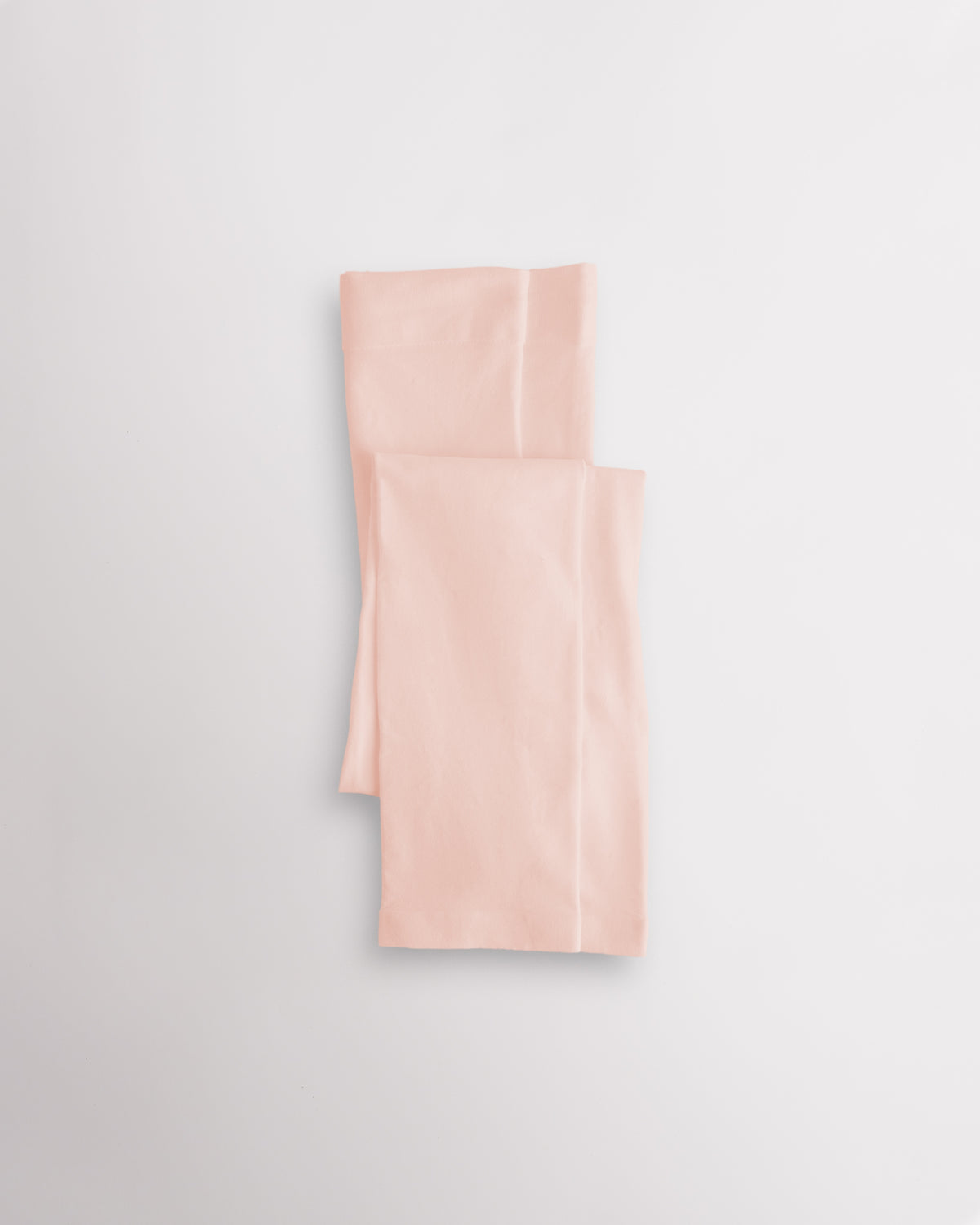
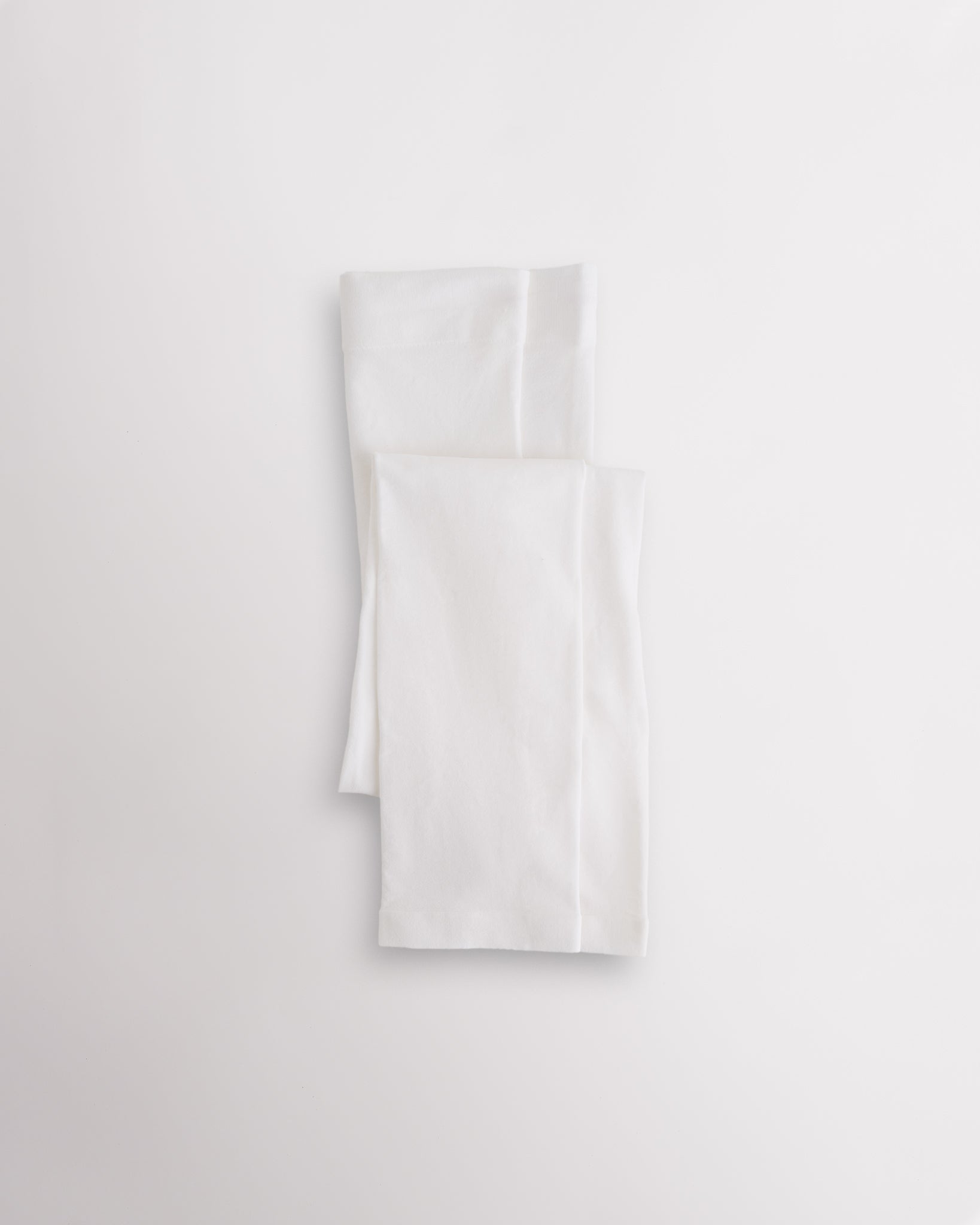
Color is typically set by the studio, not personal preference. Ballet pink is the most common requirement, but some studios ask for skin tone, white, or black.
4. How many pairs of dance tights does my child need?
At least a few: one for regular class, one clean pair set aside specifically for recitals or exams, and a backup in case one gets a hole or tear.
5. What if the toe seams bother my child?
Check that the seam is sitting flat and the tights aren't twisted before assuming she's just being picky. If she's still uncomfortable after adjusting fit, ask the studio whether a different approved brand or style is allowed.
6. Can kids wear regular tights to ballet class?
Usually not for structured ballet, since regular tights aren't built for the stretch and movement class requires, and most studios specify ballet tights in their dress code. Some relaxed or creative movement classes may be more flexible.
Final Note
There's no single "best" style of dance tights, only the one that matches what her studio requires and how her body actually responds to it. Fit and comfort matter more than what's printed on the package, and if she's tugging at her tights or complaining about how they feel, take it seriously rather than brushing it off. Get the basics right, expect a little trial and error along the way, and the rest tends to sort itself out by the second or third pair.