



Basic Ballet Moves for Beginners: 14 Steps Every New Dancer Learns First
Table of contents
- Quick answer
- Key Takeaways
- How Ballet Moves Get Their Names
- Ballet Moves Names at a Glance
- Barre Ballet Movements: Where Class Starts
- Centre Ballet Moves: Balance, Travel, and Turns
- Types of Ballet Jumps: Basic Ballet Steps That Leave the Floor
- How to Practice Beginner Ballet Moves at Home
- FAQ About Ballet Moves
-
- About the Stelle Team
Quick answer
The basic ballet moves beginners learn first are plié (a knee bend), tendu (a foot slide), relevé (a rise), and sauté (a small jump), plus travels and turns like chassé, arabesque, and pirouette. Classes teach them in three groups: barre, centre, and jumps. This guide gives each move's name, how to say it, and what it should look like at home.
Key Takeaways
-
Ballet moves carry French names that describe the action: plié means bent, relevé raised, sauté jumped, per the American Ballet Theatre Ballet Dictionary.
-
Beginner classes group the common ballet moves by where they happen: barre (plié, tendu, dégagé, rond de jambe, relevé), centre (passé, balancé, chassé, arabesque, pirouette), and jumps (sauté, échappé, glissade, grand jeté).
-
Moves are not positions: the five positions of the feet are where steps start and end; moves are what happens in between.
-
A few minutes of practice most days beats one long weekend session.

How Ballet Moves Get Their Names
The names of ballet moves are French because the vocabulary took shape at the French court: Britannica credits Pierre Beauchamp, director of Louis XIV's Académie Royale de Danse from 1661, with defining the five basic positions of the feet. Most names describe the action, so even beginning ballet moves are easier to remember than they sound: American Ballet Theatre's Ballet Dictionary translates plié as "a bending of the knee or knees" and sauté as "jumped."
One clarification first: ballet moves start and end in the five positions of the feet, covered in our simple ballet positions guide, so this article stays on the moves themselves. For class words that are not steps (adagio, barre, corps de ballet), see our full ballet terminology glossary for parents; for jazz, tap, and hip hop step names, our broader dance moves names list covers other styles.
Ballet Moves Names at a Glance
Here is the full list of ballet moves in this guide; the plain-English version of each step follows.
|
# |
Move |
Plain English |
Group |
|---|---|---|---|
|
1 |
Plié |
Knees bend, back stays tall |
Barre |
|
2 |
Tendu |
Foot slides out to a point, toes on the floor |
Barre |
|
3 |
Dégagé |
Tendu that brushes just off the floor |
Barre |
|
4 |
Rond de jambe |
Pointed toe traces a half circle |
Barre |
|
5 |
Relevé |
Rise onto the balls of the feet |
Barre |
|
6 |
Passé |
Toe of one foot draws up to the other knee |
Centre |
|
7 |
Balancé |
Rocking waltz step, usually side to side |
Centre |
|
8 |
Chassé |
One foot chases the other in a gallop |
Centre |
|
9 |
Arabesque |
Stand on one leg, the other extends behind |
Centre |
|
10 |
Pirouette |
A full turn on one foot |
Centre |
|
11 |
Sauté |
A small jump from both feet |
Jumps |
|
12 |
Échappé |
Feet "escape" from closed to open in one hop |
Jumps |
|
13 |
Glissade |
A low gliding step that links bigger moves |
Jumps |
|
14 |
Grand jeté |
A running leap, legs split in the air |
Jumps |
If you got here by searching ballet moves names and pictures, the entries below give both: a plain-English description of each step plus photos of a few key ones. The numbering also makes this ballet moves list easy to point at when a step comes home from class ("show me number 8").
Barre Ballet Movements: Where Class Starts
Nearly every class, from preschool to professional, opens at the barre, the waist-high rail that gives light support while dancers focus on one skill at a time. These five simple ballet moves are the technique base for the showier steps.
1. Plié (plee-AY)
A plié is a bend of both knees with heels down and back tall, usually the first exercise of class. Beginners learn the small demi plié first; our plié how-to guide breaks it down step by step.
Teaches: Leg strength, turnout control, and the soft landings that make jumps safe.
Look for: Knees bending out over the toes, not caving inward, torso quiet and tall.

2. Tendu (tahn-DEW)
The working foot slides along the floor until the leg is straight and the toes point, then slides back in. ABT describes the foot sliding out "without lifting the toe from the ground."
Teaches: A fully pointed foot and a clean leg line, the shape behind almost everything else.
Look for: One foot brushing front, side, or back until just the toe tips touch.
3. Dégagé (day-gah-ZHAY)
A dégagé starts like a tendu, but the pointed toes brush a few inches off the floor. The name means "disengaged," since the foot briefly leaves the ground.
Teaches: Quick, precise feet, the push-off for jumps.
Look for: A brisk tendu that pops off the floor and closes on a beat.
4. Rond de jambe (rawn duh ZHAHNB)
The pointed toe traces a half circle on the floor: front, side, back, and around again. The name means "circle of the leg"; beginners keep it on the floor (à terre) for years.
Teaches: Hip mobility and turnout while the pelvis stays level.
Look for: A slow toe-drawing motion, like tracing the letter D on the floor.
5. Relevé (ruhl-VAY)
A rise from flat feet onto the balls of the feet, defined by ABT as "a raising of the body on the points or demi-pointes." Kids in soft shoes stay on demi-pointe; pointe work comes years later, after an instructor signs off.
Teaches: Calf and ankle strength plus the balance that turns depend on.
Look for: Heels pressing up with straight knees, often with a wobble. The wobble is normal.
Centre Ballet Moves: Balance, Travel, and Turns
Centre work repeats the barre skills with nothing to hold onto, then adds steps that travel and turn. Arms join in properly here; our ballet arm positions guide covers what they should be doing.
6. Passé (pah-SAY)
Passé is the action of the working foot passing by the supporting knee; the held position with the toe beside the knee is called retiré. In beginner classes, teachers sometimes use “passé” informally for the shape as well.
Teaches: One-leg balance and the exact leg shape a pirouette spins in.
Look for: A flamingo stand, toe near the side of the knee.
7. Balancé (bah-lahn-SAY)
A rocking waltz step, down, up, down, that ABT calls a "rocking step." In beginner class it's usually a side-to-side sway, weight swapping foot to foot.
Teaches: Musicality: often the first step kids dance to a waltz rather than a steady count.
Look for: A gentle sway side to side in three counts, often while humming.
8. Chassé (sha-SAY)
The gallop of ballet: one foot slides out and the other catches up. ABT's definition is literal: "one foot literally chases the other foot out of its position."
Teaches: Traveling smoothly with pointed feet and momentum control.
Look for: Galloping down the hallway, probably a lot of it.
9. Arabesque (ah-rah-BESK)
The postcard pose: standing on one leg with the other stretched long behind, making what ABT calls "the longest possible line from the fingertips to the toes." It is a held shape rather than a motion, and one of the first poses newcomers meet.
Teaches: Back strength and shape awareness, holding a line instead of doing a motion.
Look for: A low back leg with straight knees is a win; height takes years.

10. Pirouette (peer-oo-ET)
A complete turn of the body on one foot, usually in the passé shape. Beginners start with quarter and half turns while learning spotting, snapping the head to one focus point to limit dizziness.
Teaches: Balance under rotation, combining relevé, passé, and spotting.
Look for: Endless half-spins in socks. Suggest bare feet or ballet shoes, since socks slide.
Types of Ballet Jumps: Basic Ballet Steps That Leave the Floor
Teachers call this group allegro, and it comes last for a reason: a jump stacks the other skills together, a plié to take off, pointed feet in the air, a plié to land quietly. These four basic ballet steps run from tiny hops to the recital-poster leap.
11. Sauté (soh-TAY)
Sauté means "jumped"; on its own it names the small two-foot bounce beginners drill first. ABT notes that a step with sauté in its name is performed while jumping.
Teaches: Taking off and landing through bent knees, the habit that protects ankles.
Look for: Springy bounces. Ask for a quiet landing; teachers use the same cue.
12. Échappé (ay-shah-PAY)
An "escaping" step, in ABT's words a level opening of both feet from a closed to an open position: feet start together, spring apart, then close again.
Teaches: Moving both feet at once with symmetry and timing.
Look for: A hop landing with feet apart, then a hop snapping them back together.
13. Glissade (glee-SAHD)
The gliding ballet step, from the French for "glide": one foot slides out, the body follows, the other foot closes in. It connects and launches bigger jumps rather than starring on its own.
Teaches: Linking steps together, which is how single moves become dancing.
Look for: A skimming sideways slide, often right before an attempted leap.
14. Grand jeté (grahn zhuh-TAY)
A running leap from one foot to the other, the front leg thrown high so the legs stretch toward a split in the air. Grand jeté is usually introduced after dancers have built a solid foundation in plié, dégagé, chassé, and basic jumping technique.
Teaches: Power, plus the run-up (chassé), the brush (dégagé), and the landing (plié).
Look for: Couch-cushion leaps. Redirect them to a clear, non-slippery runway.
How to Practice Beginner Ballet Moves at Home
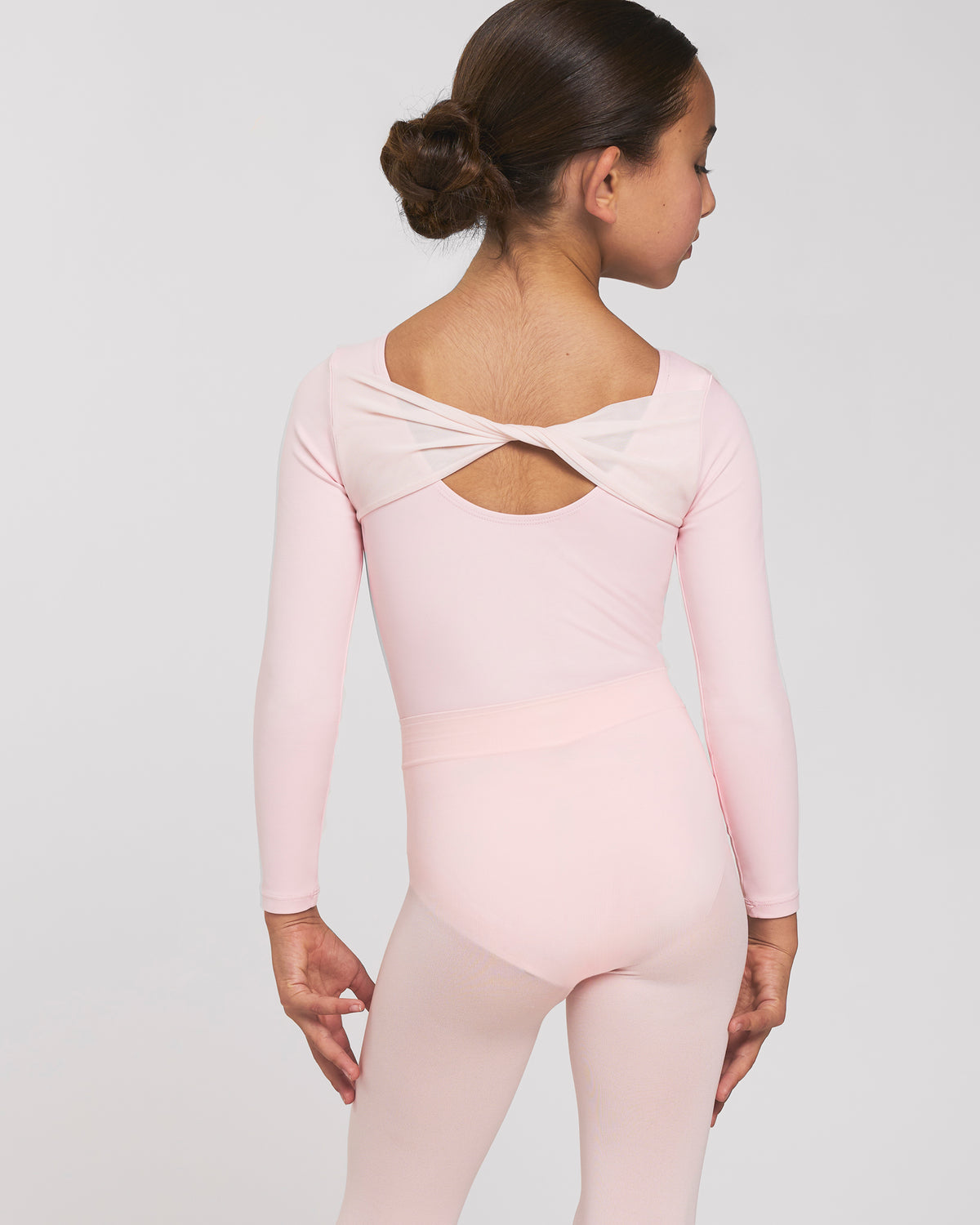
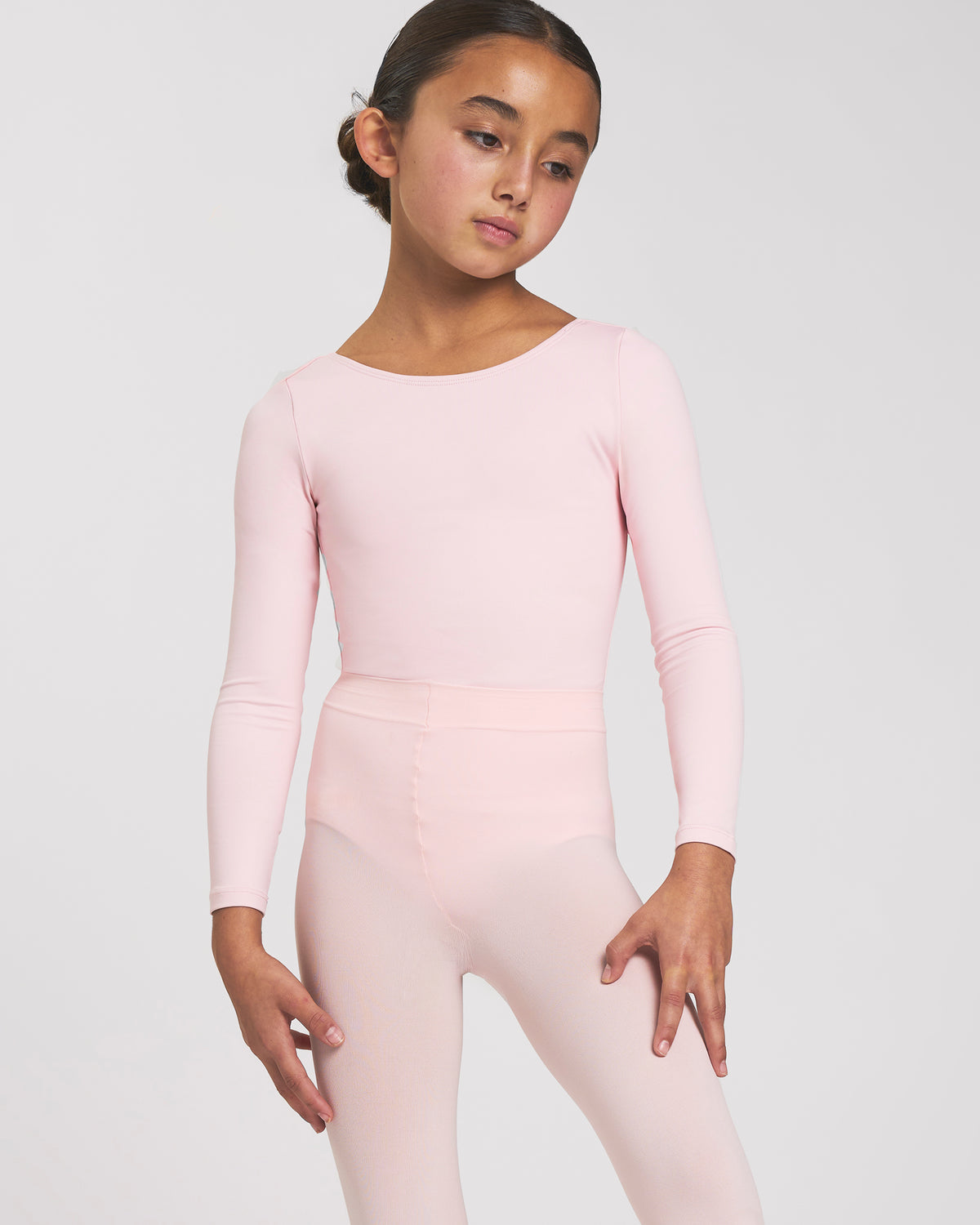
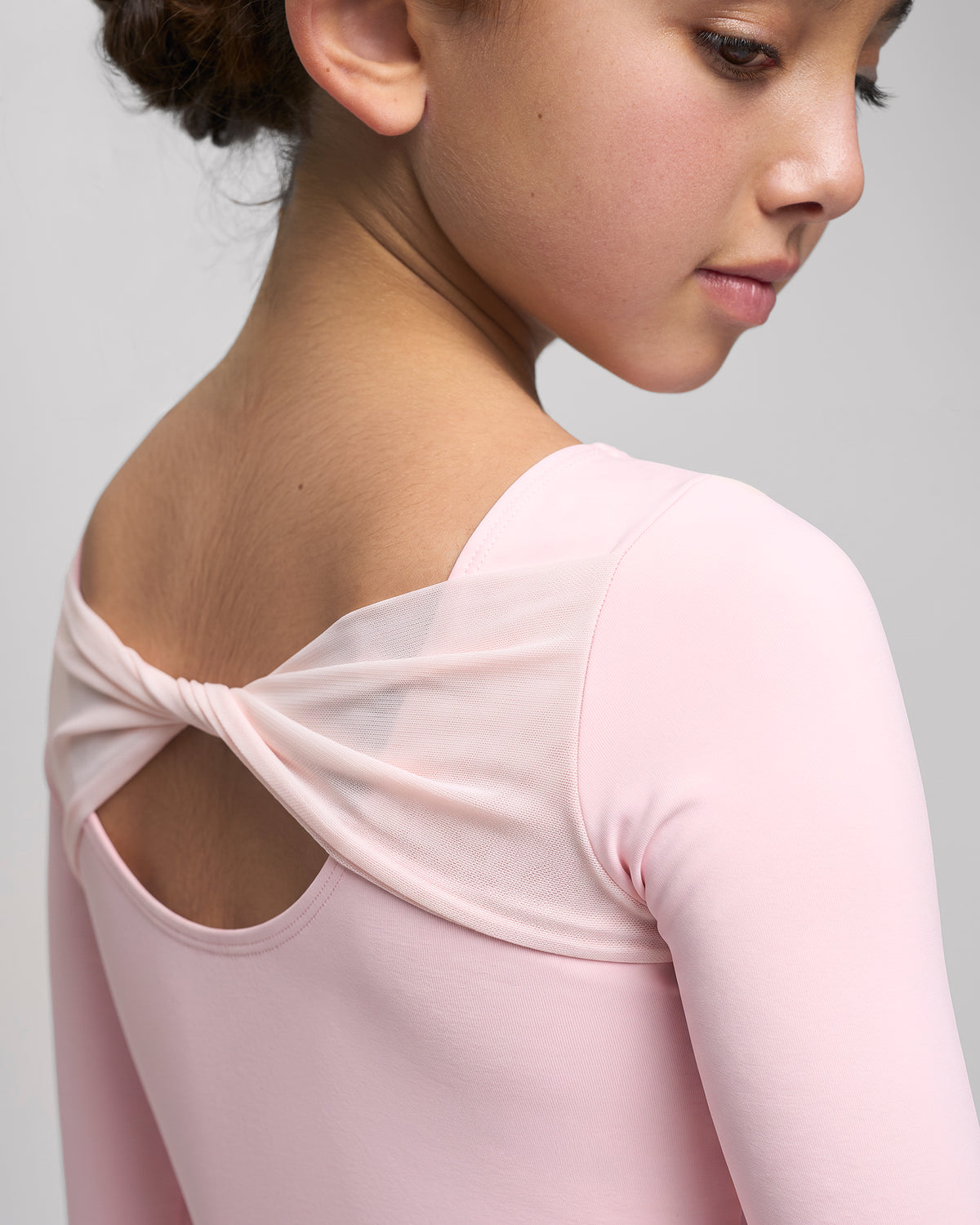
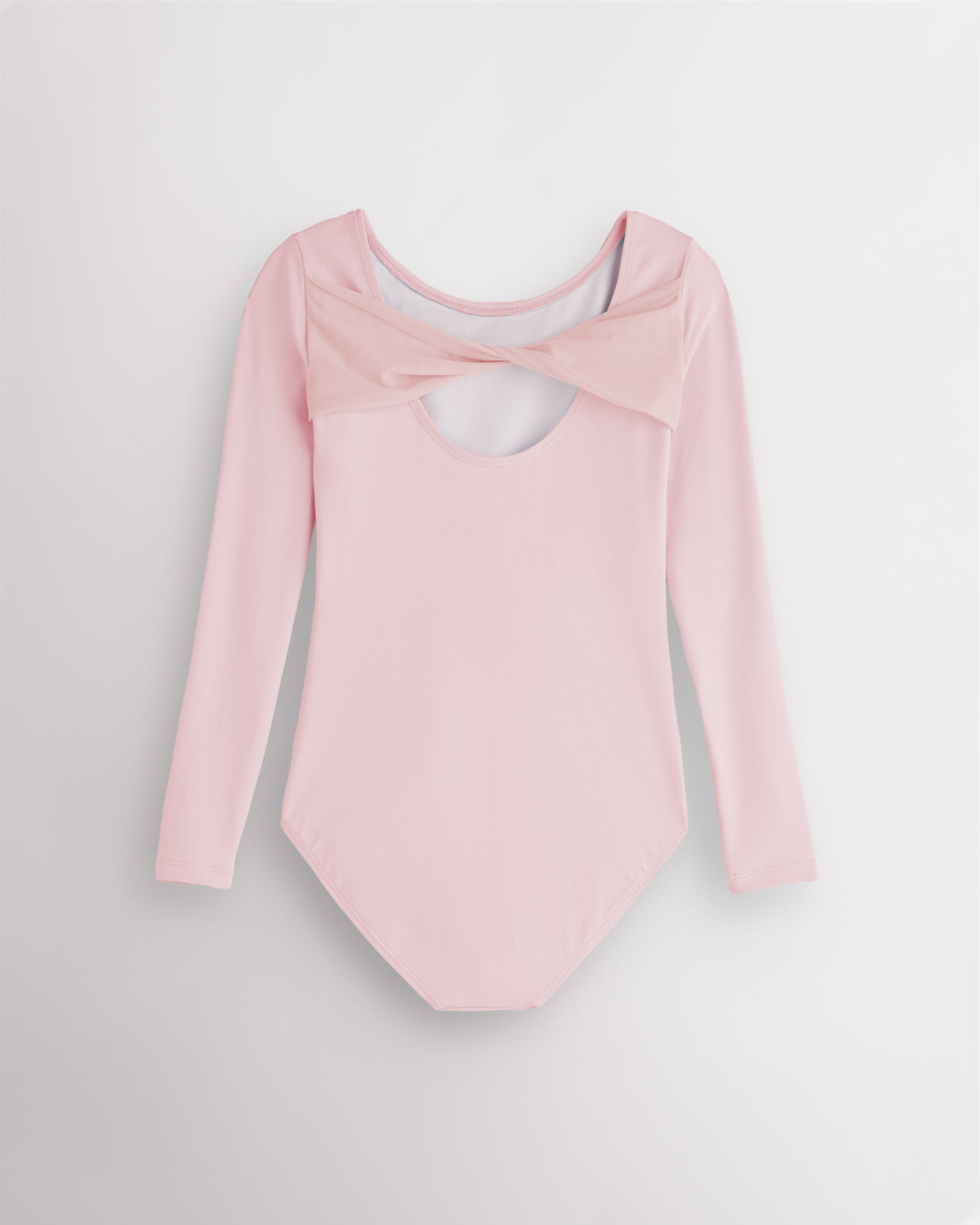
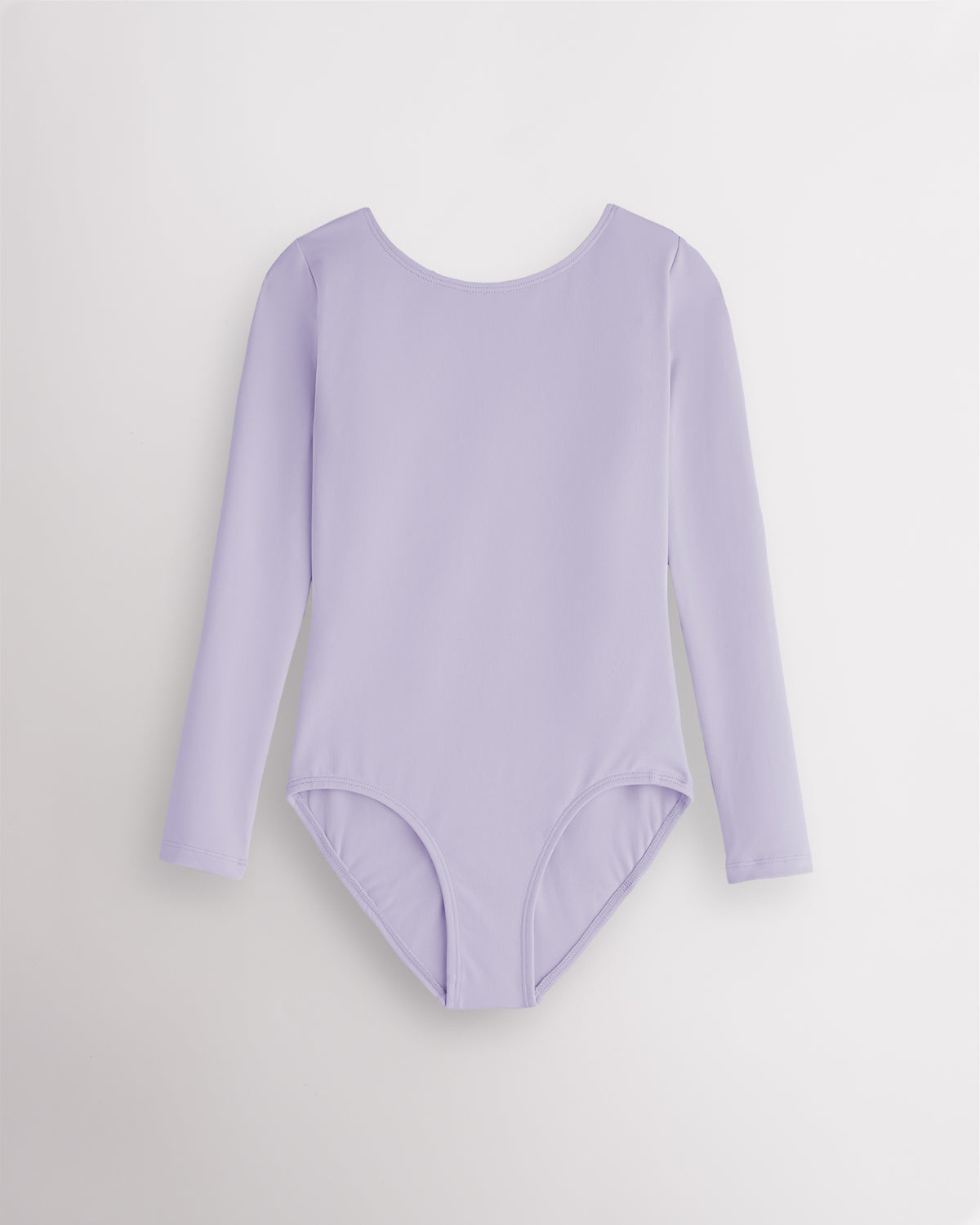
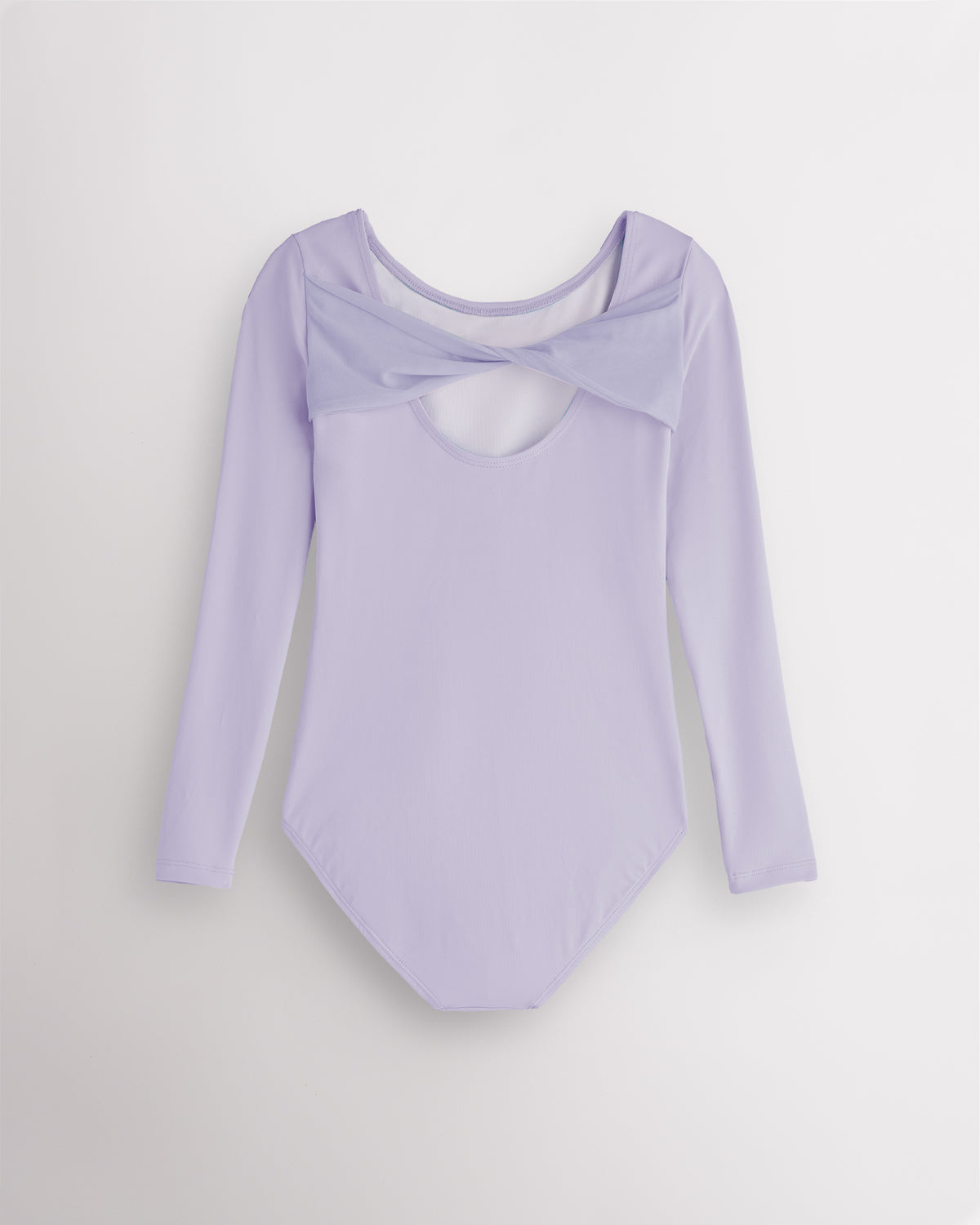
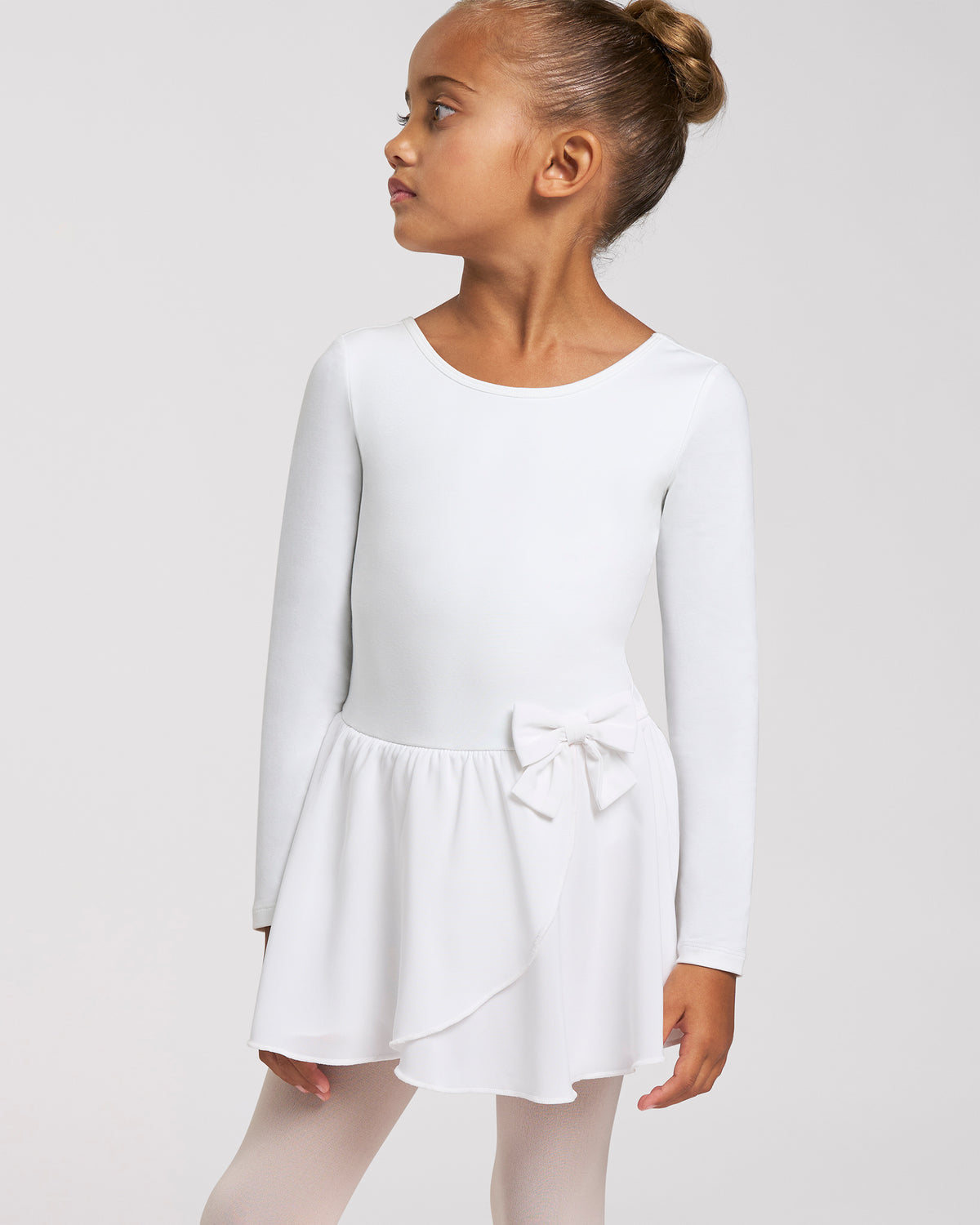
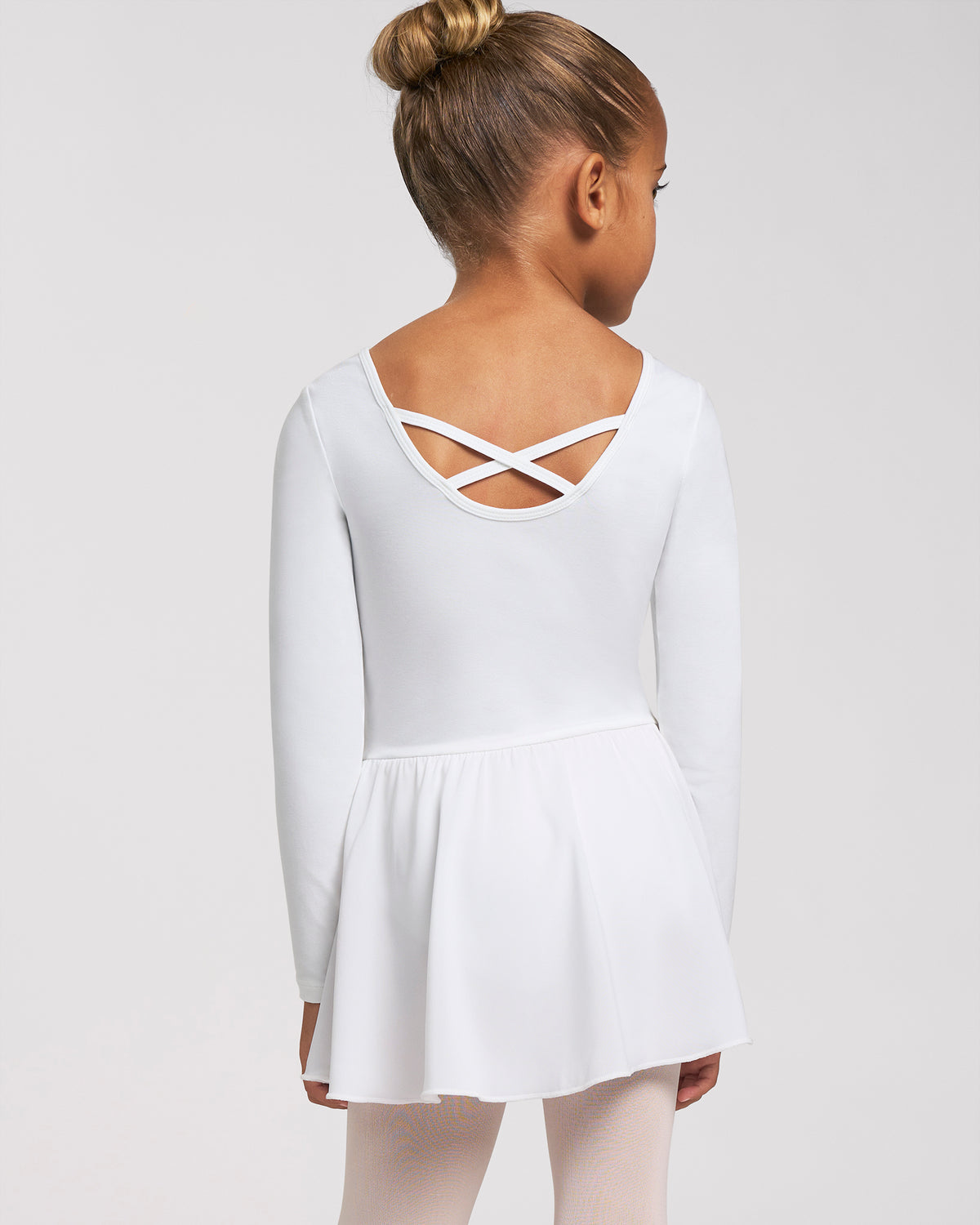
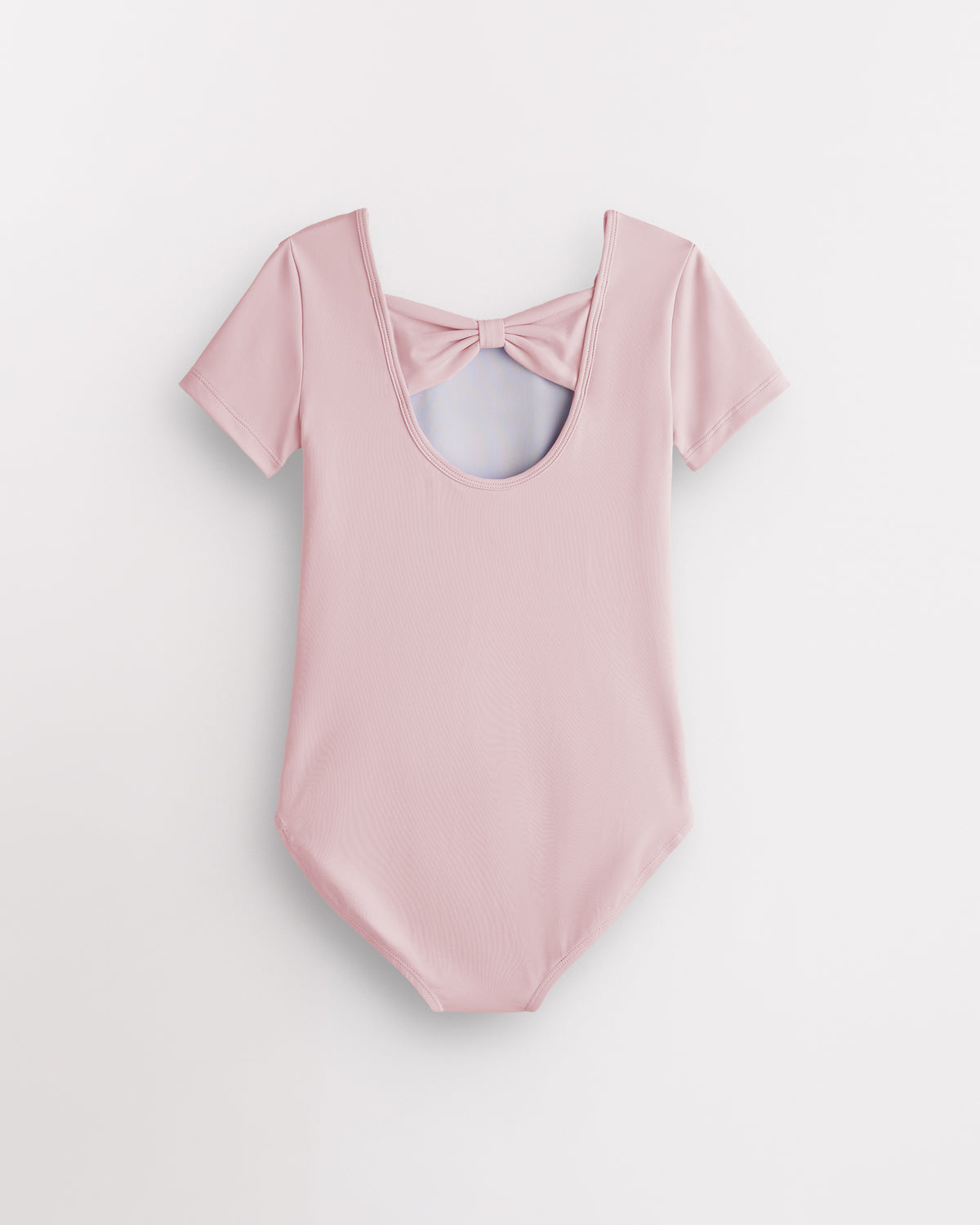
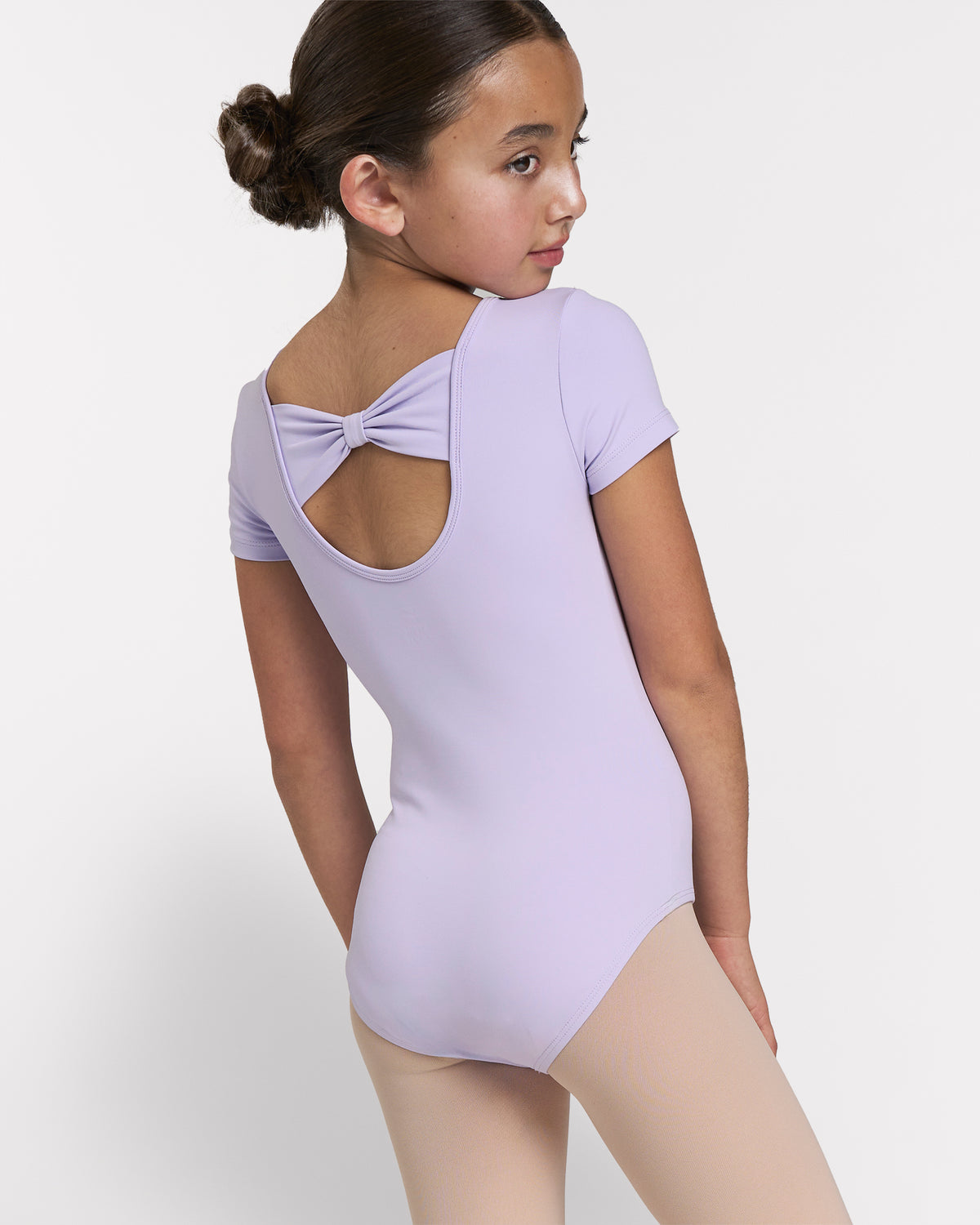
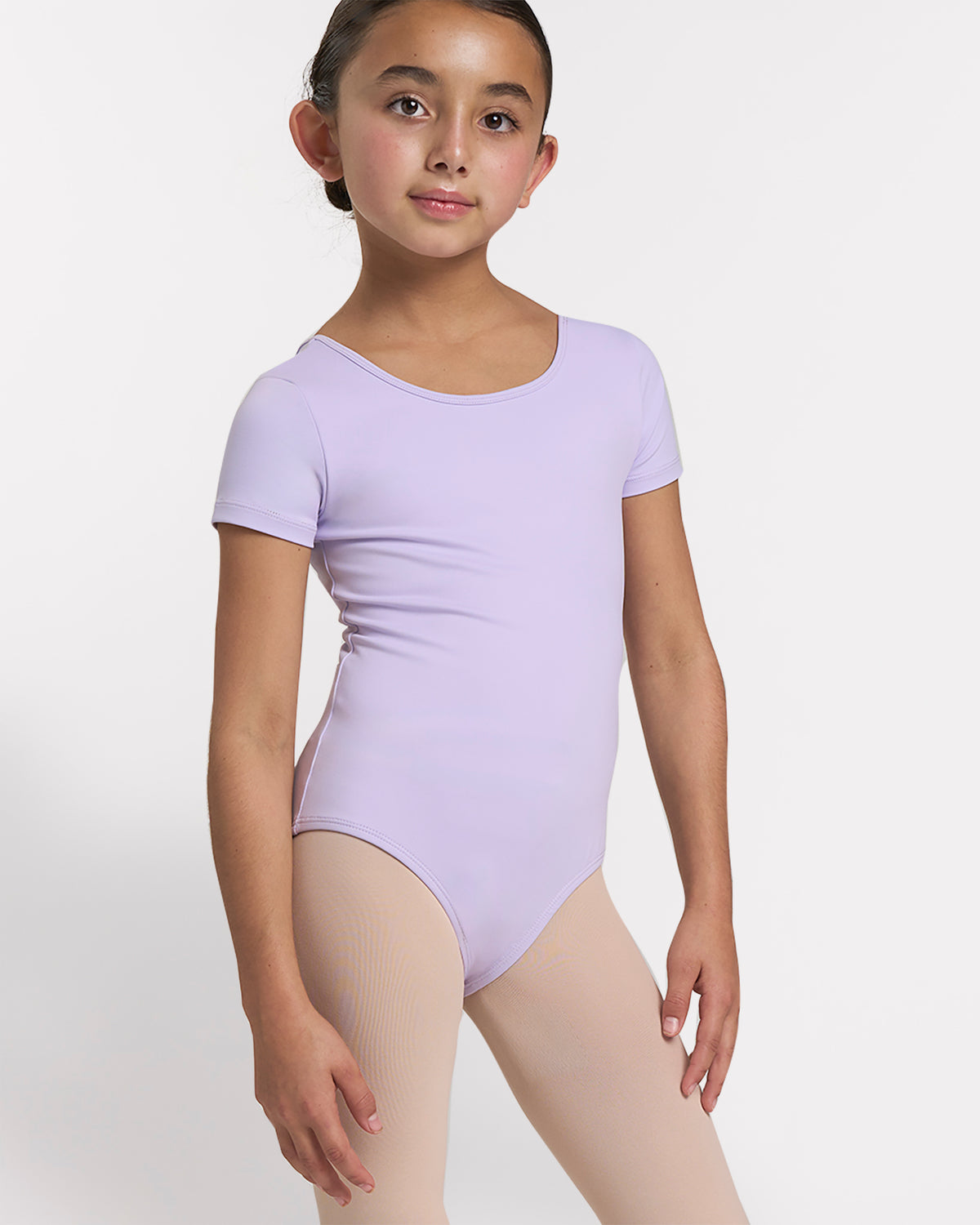
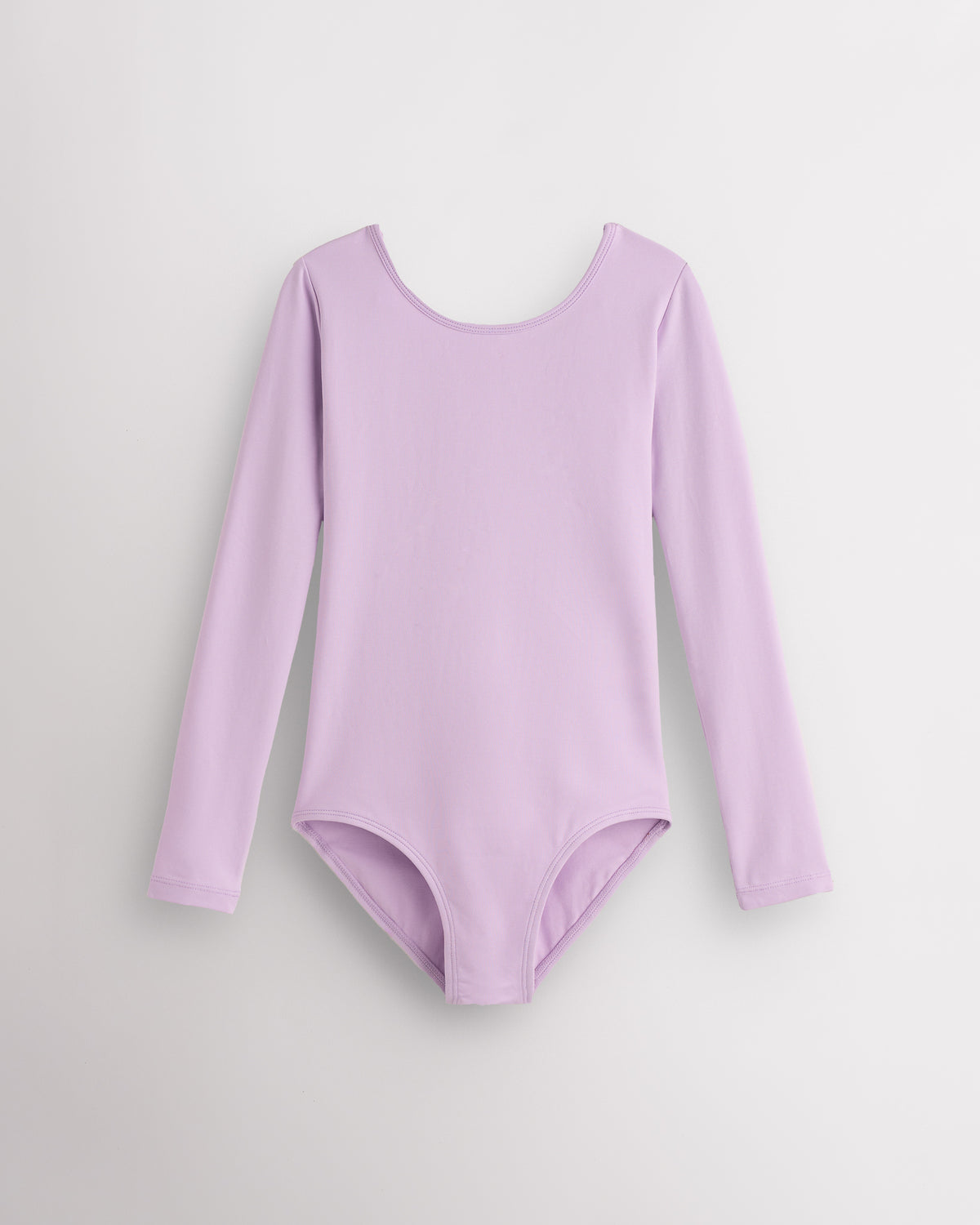
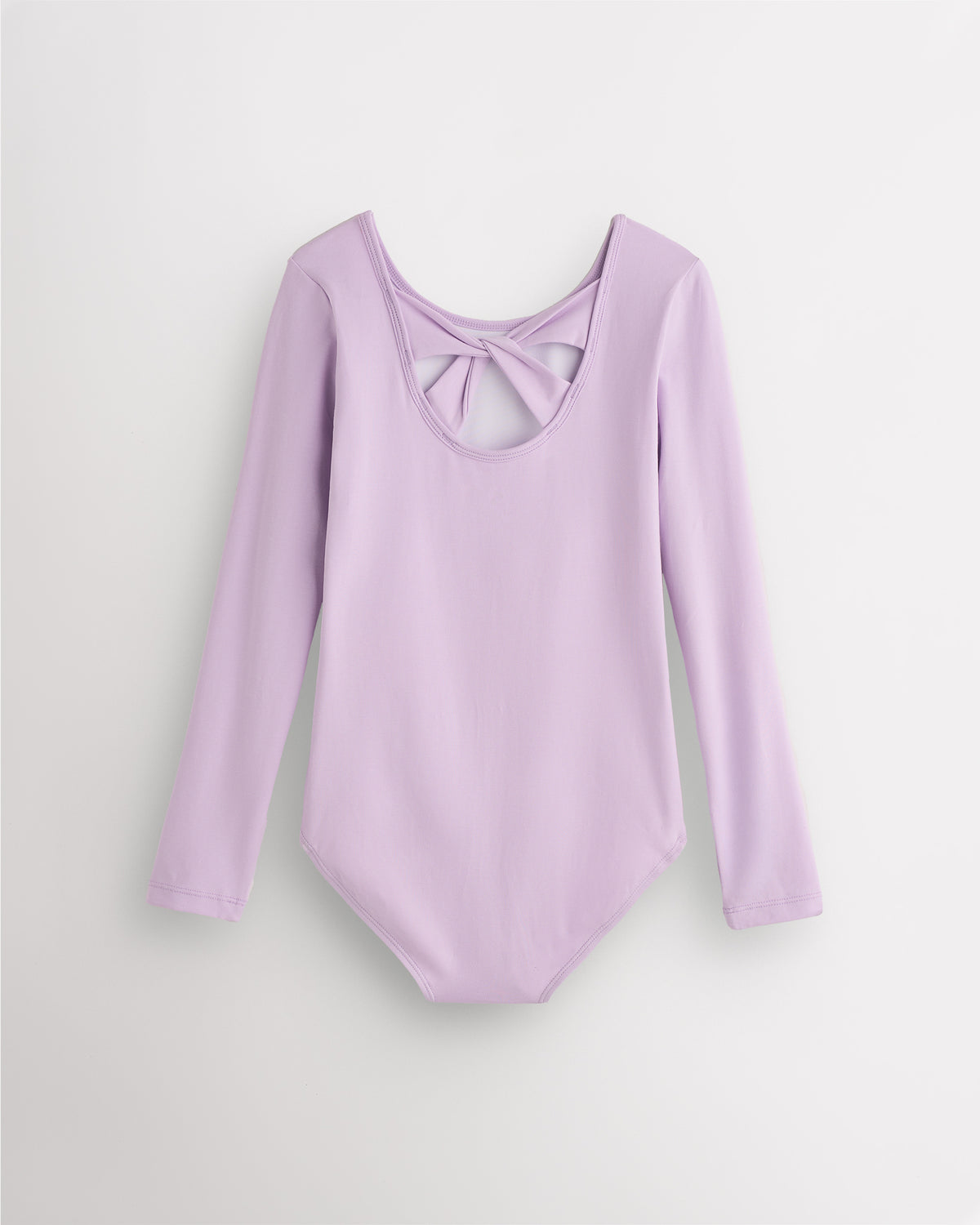
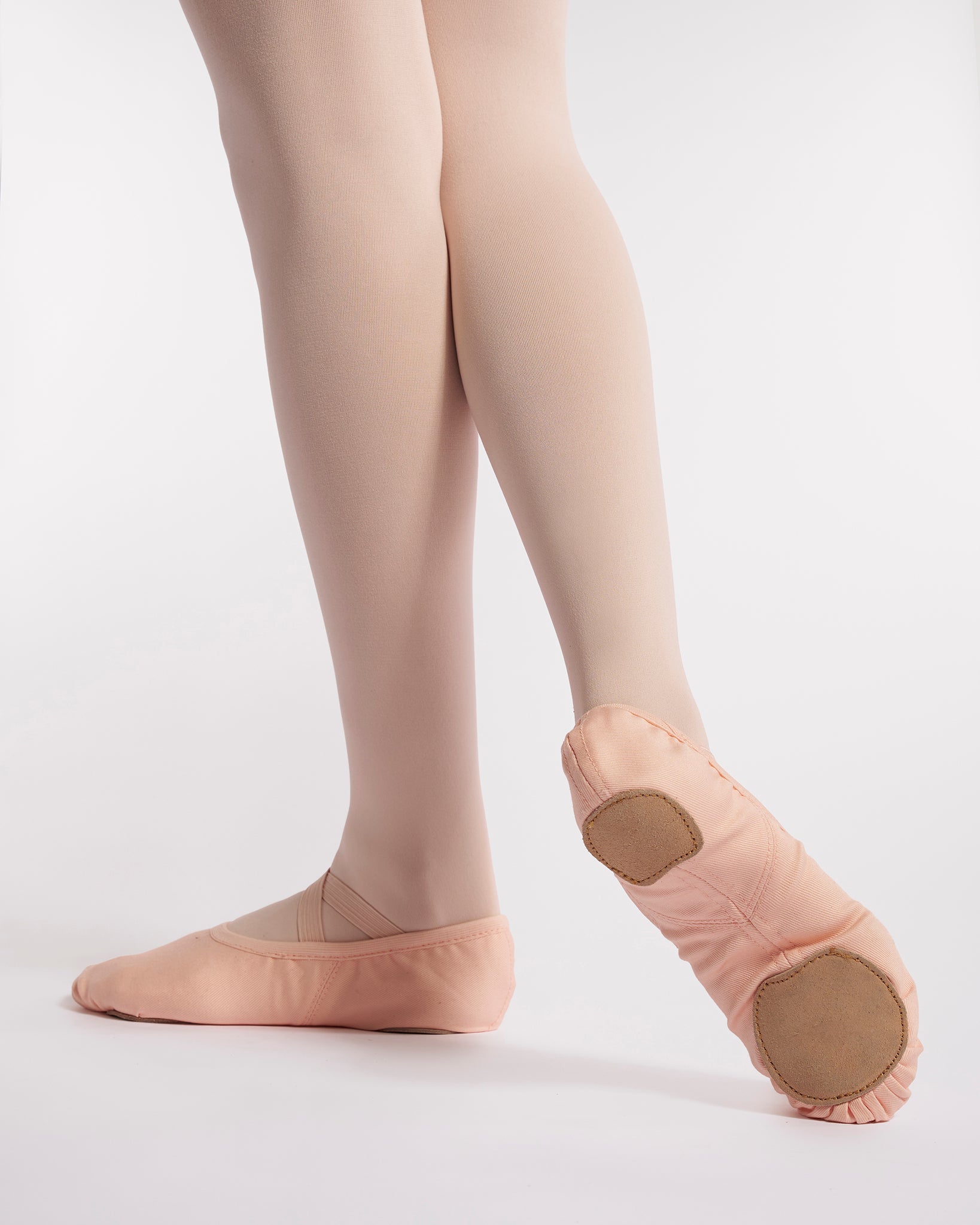
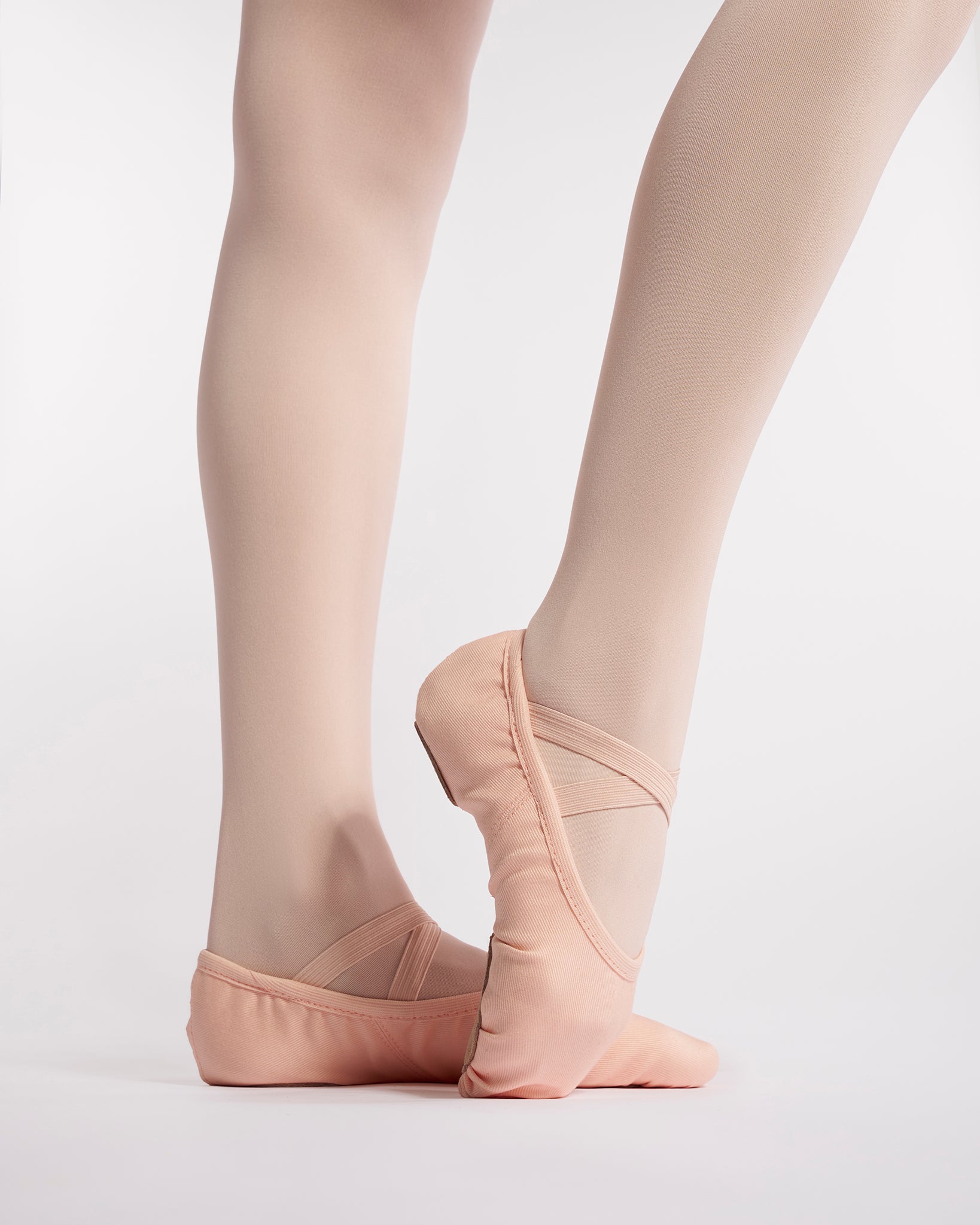
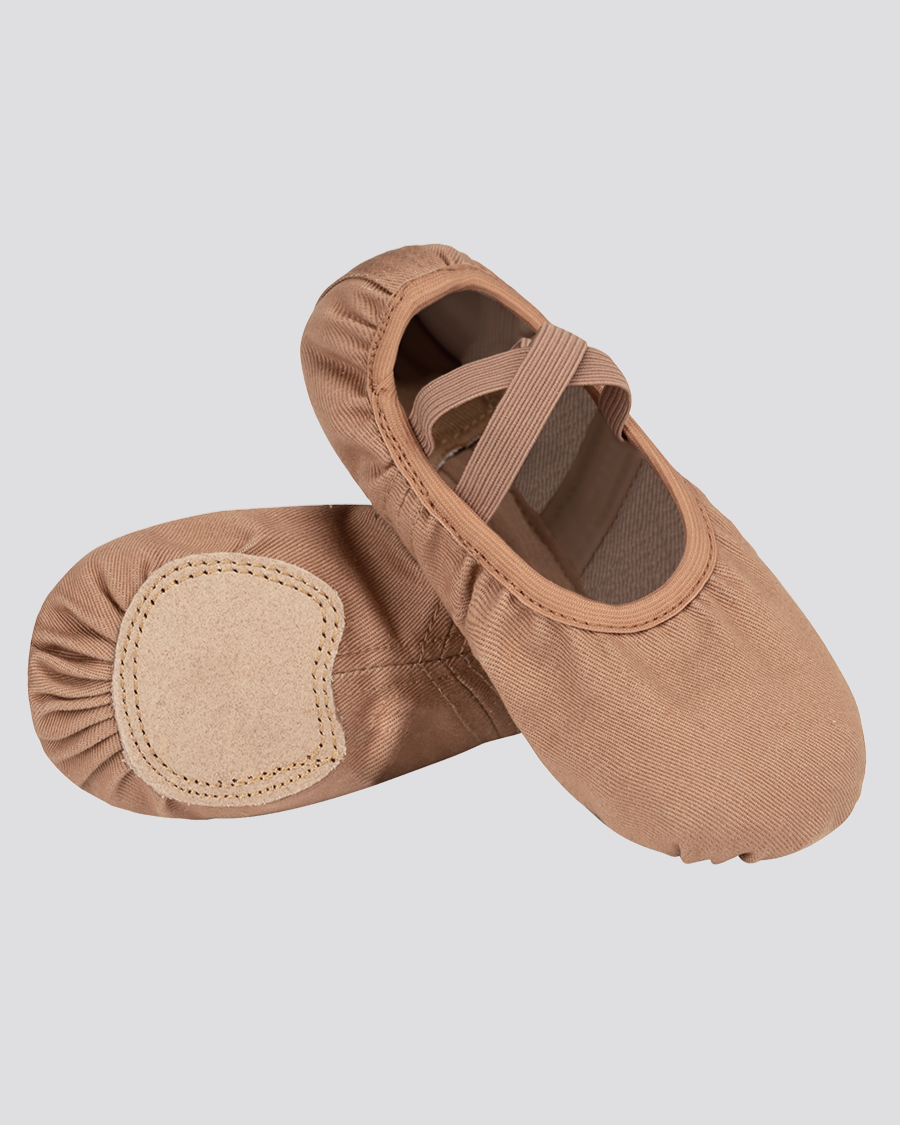
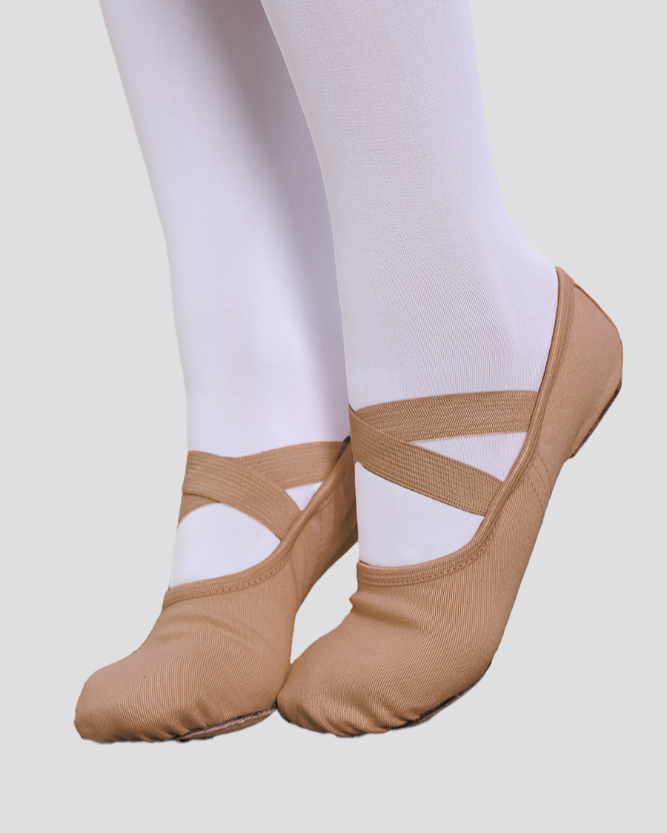
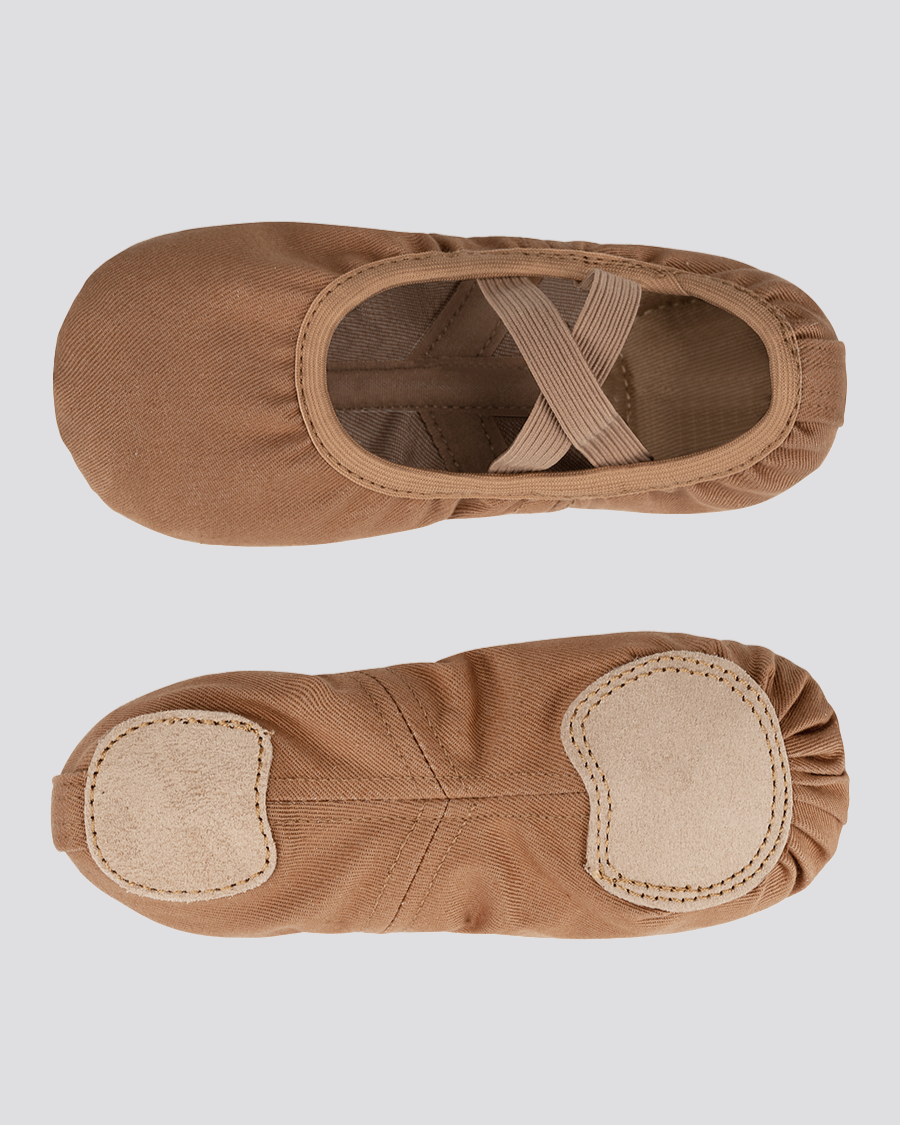
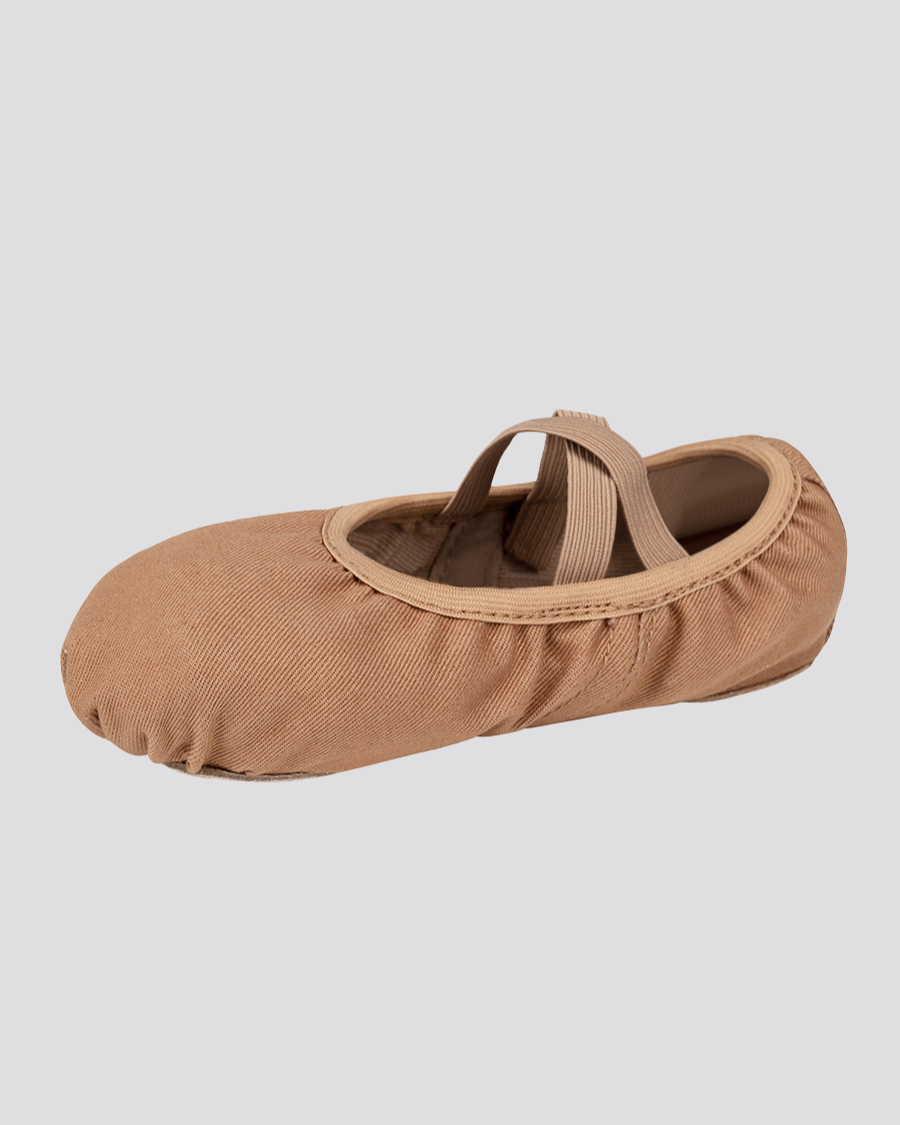
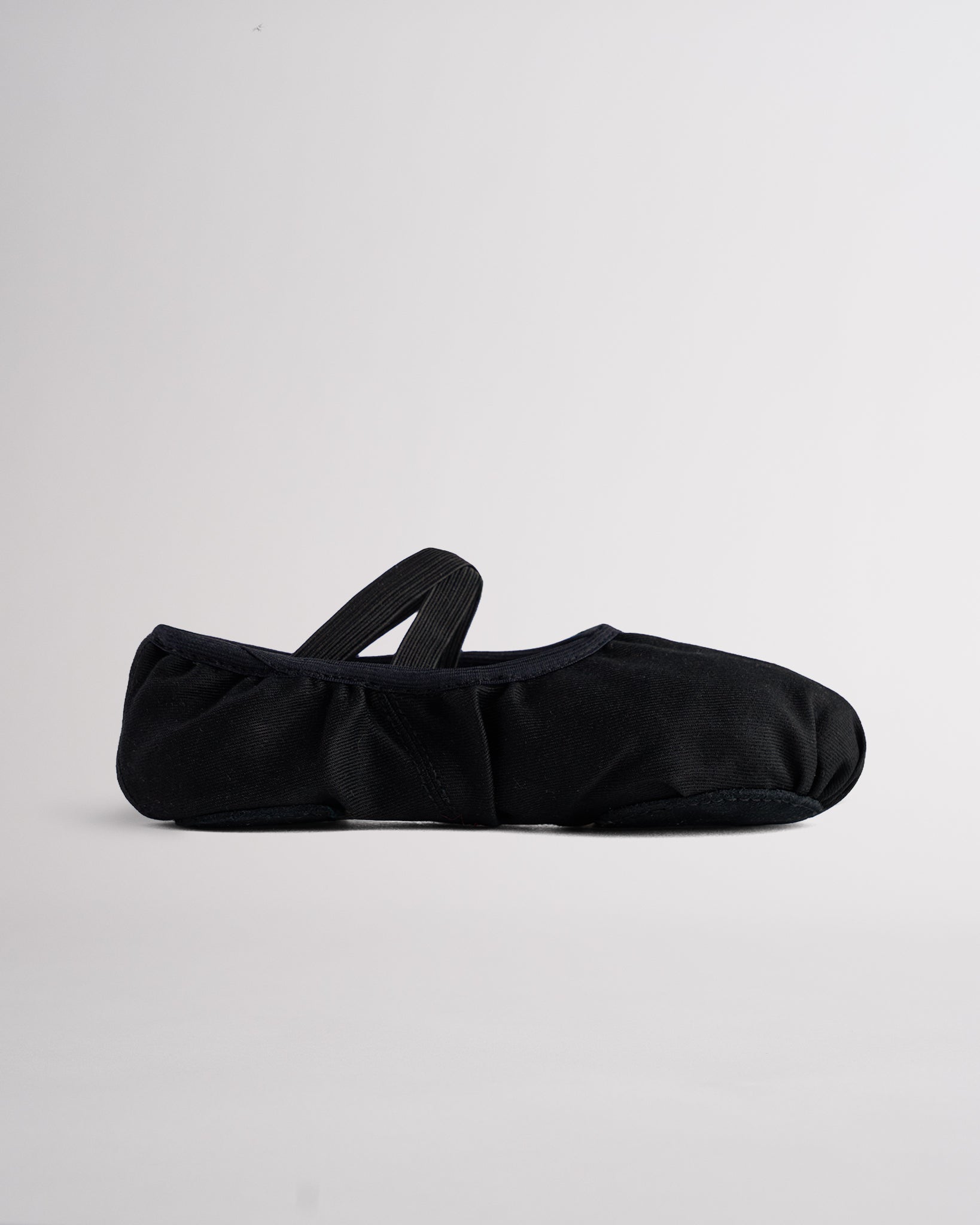
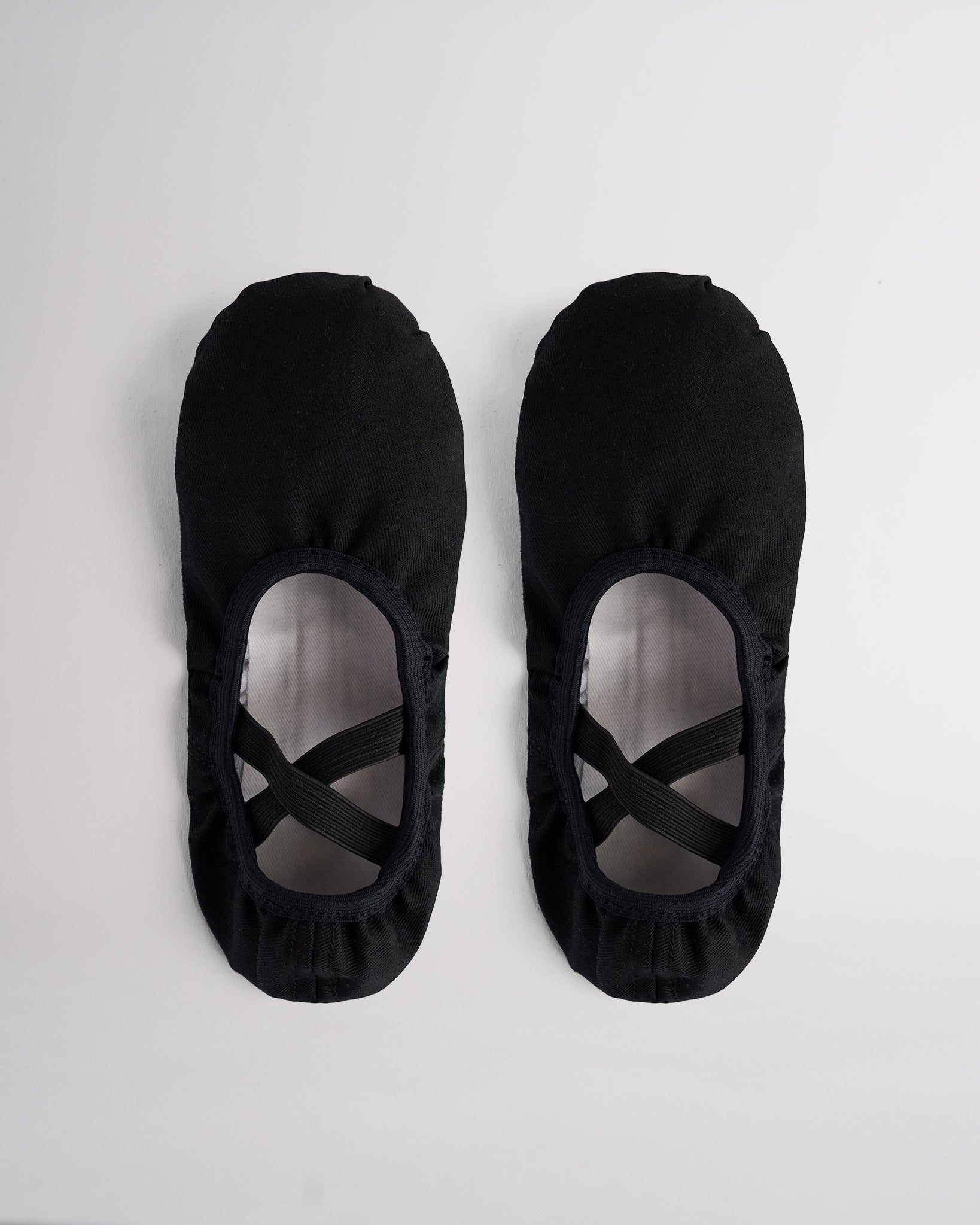
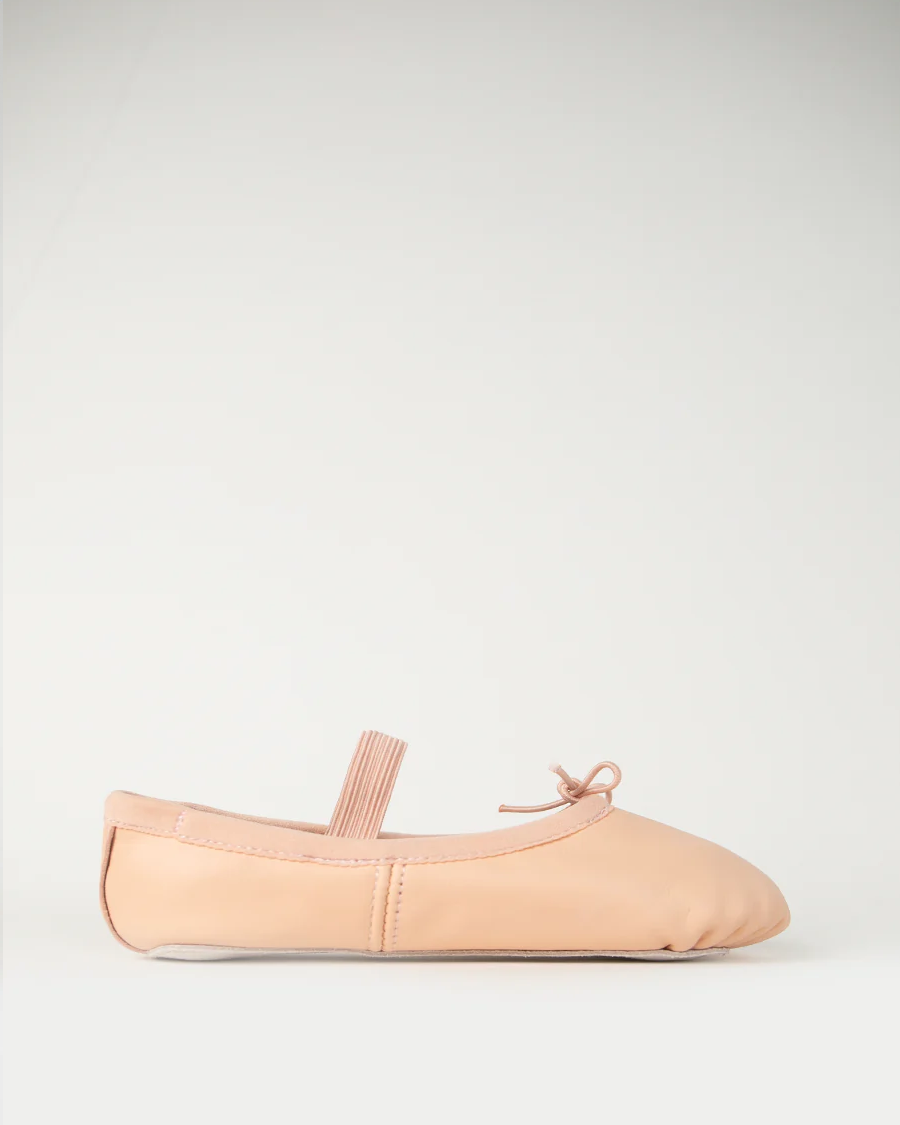
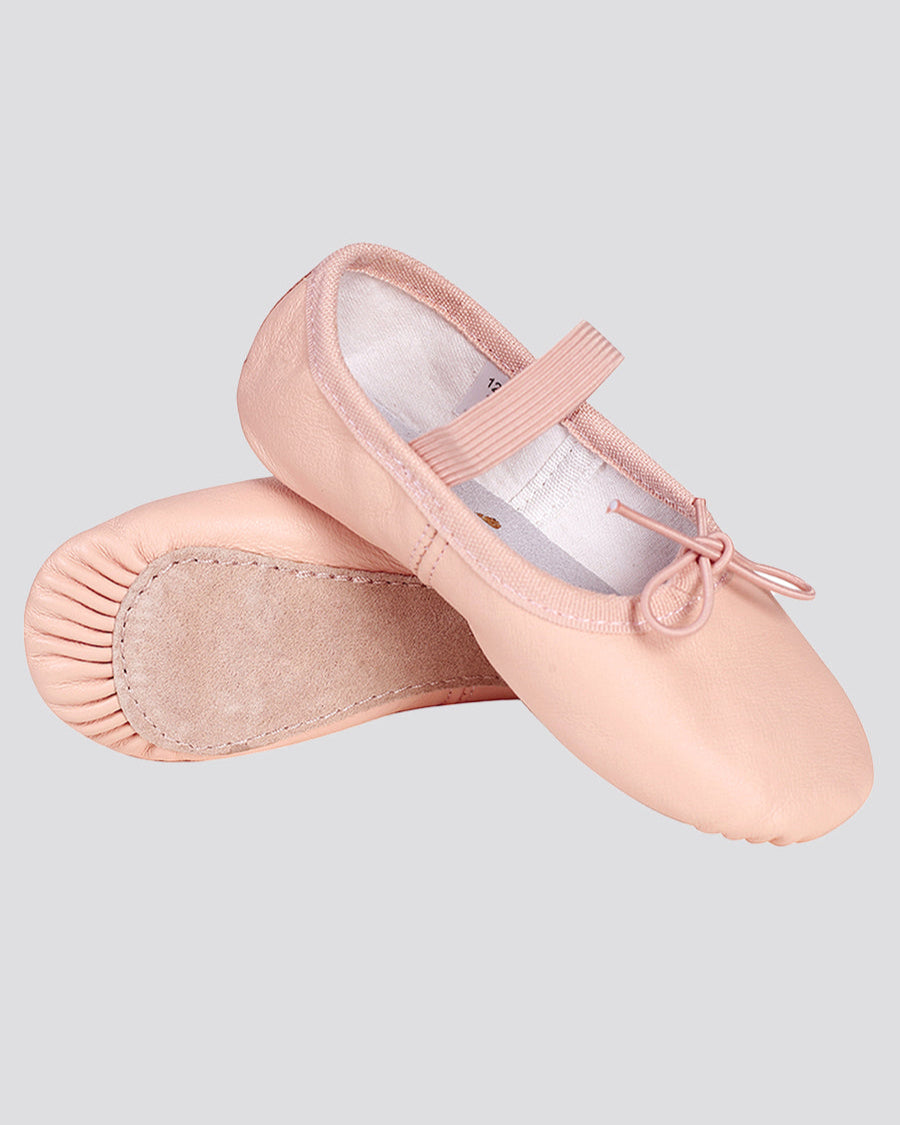
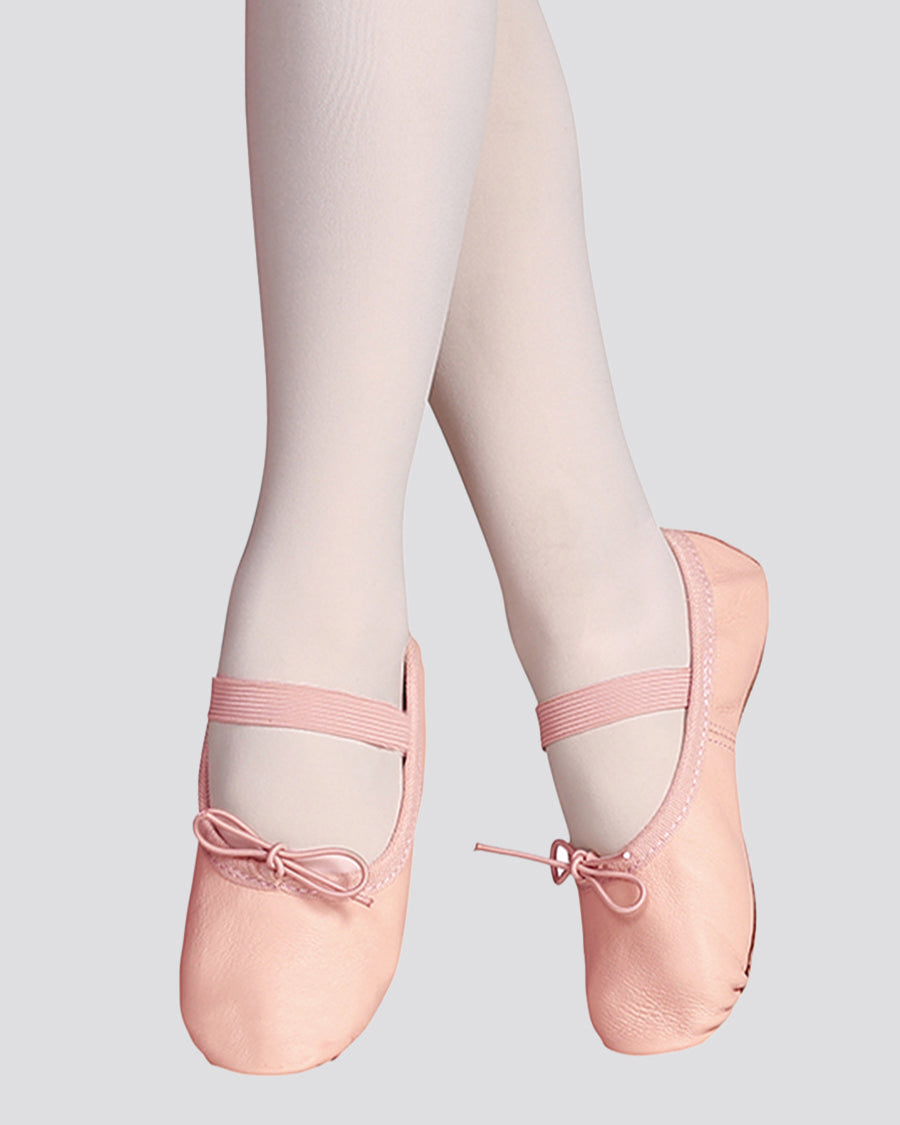
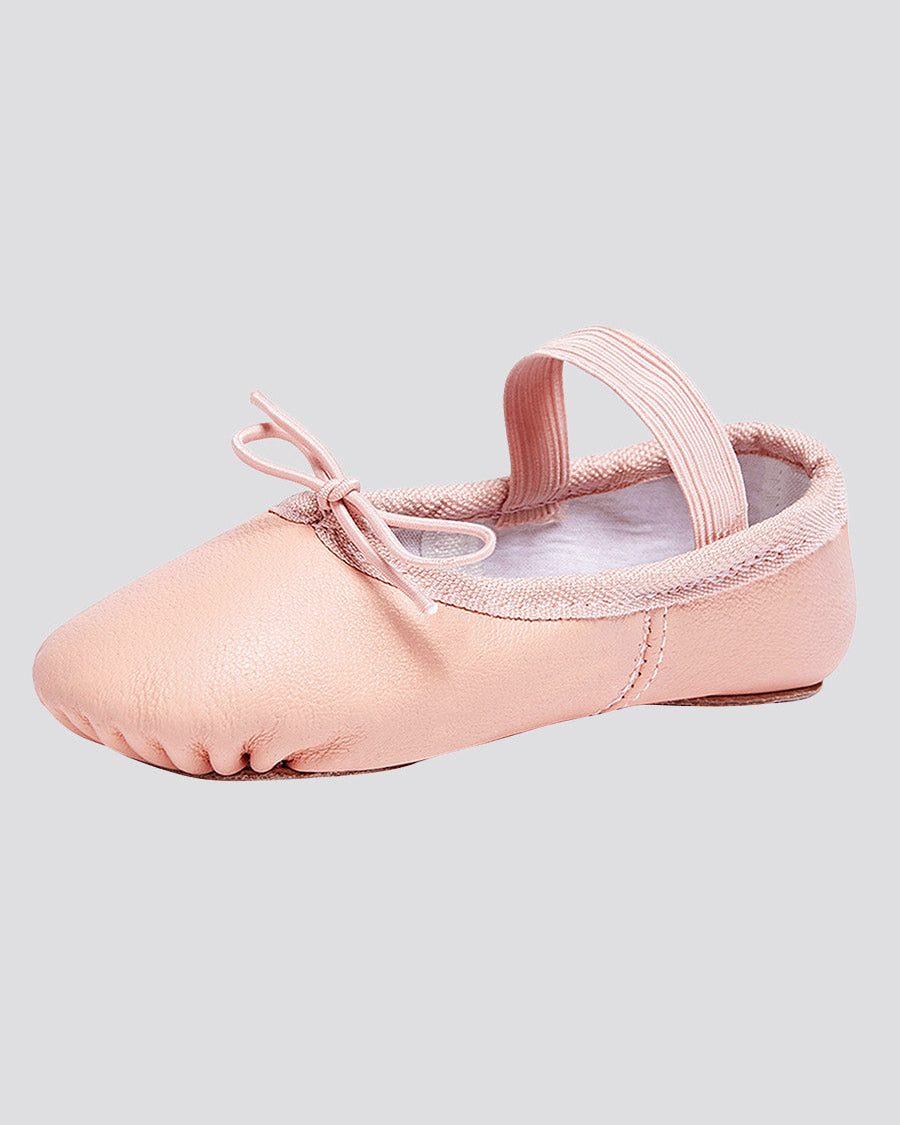
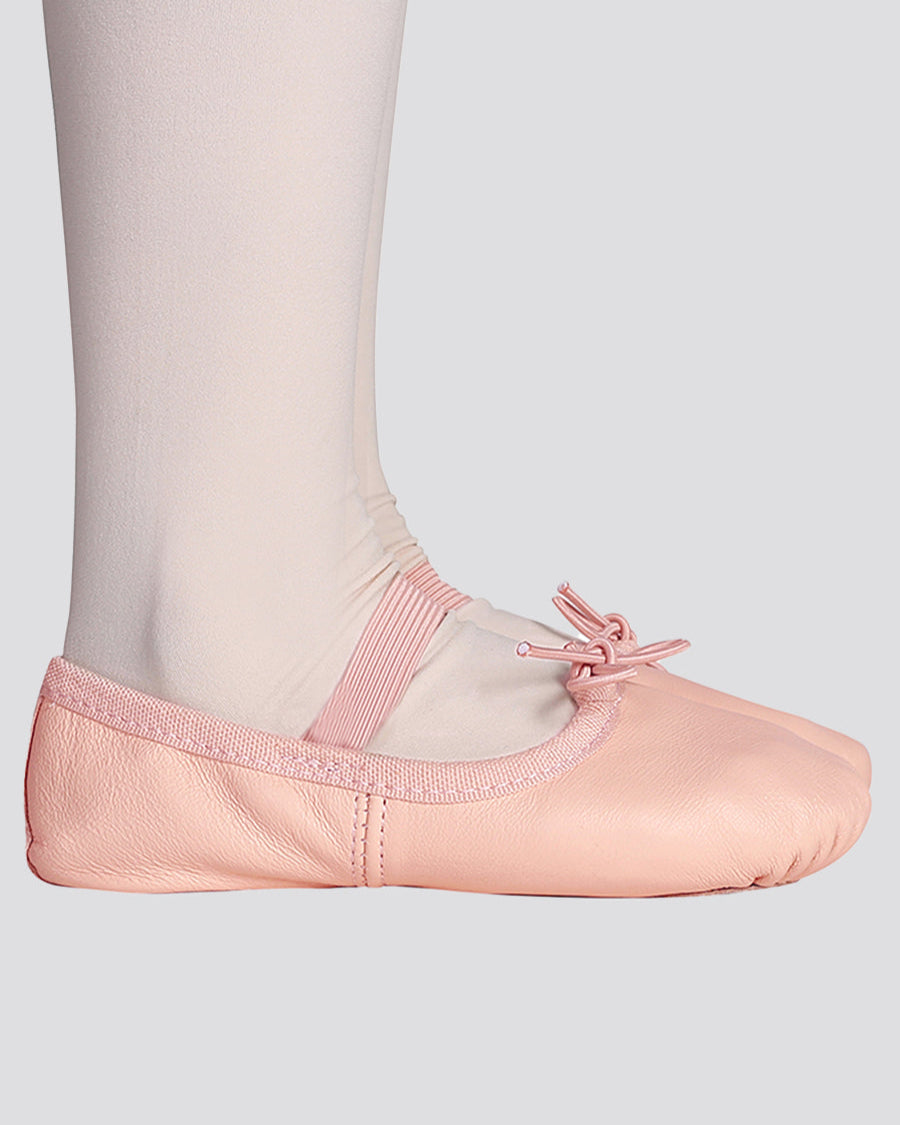
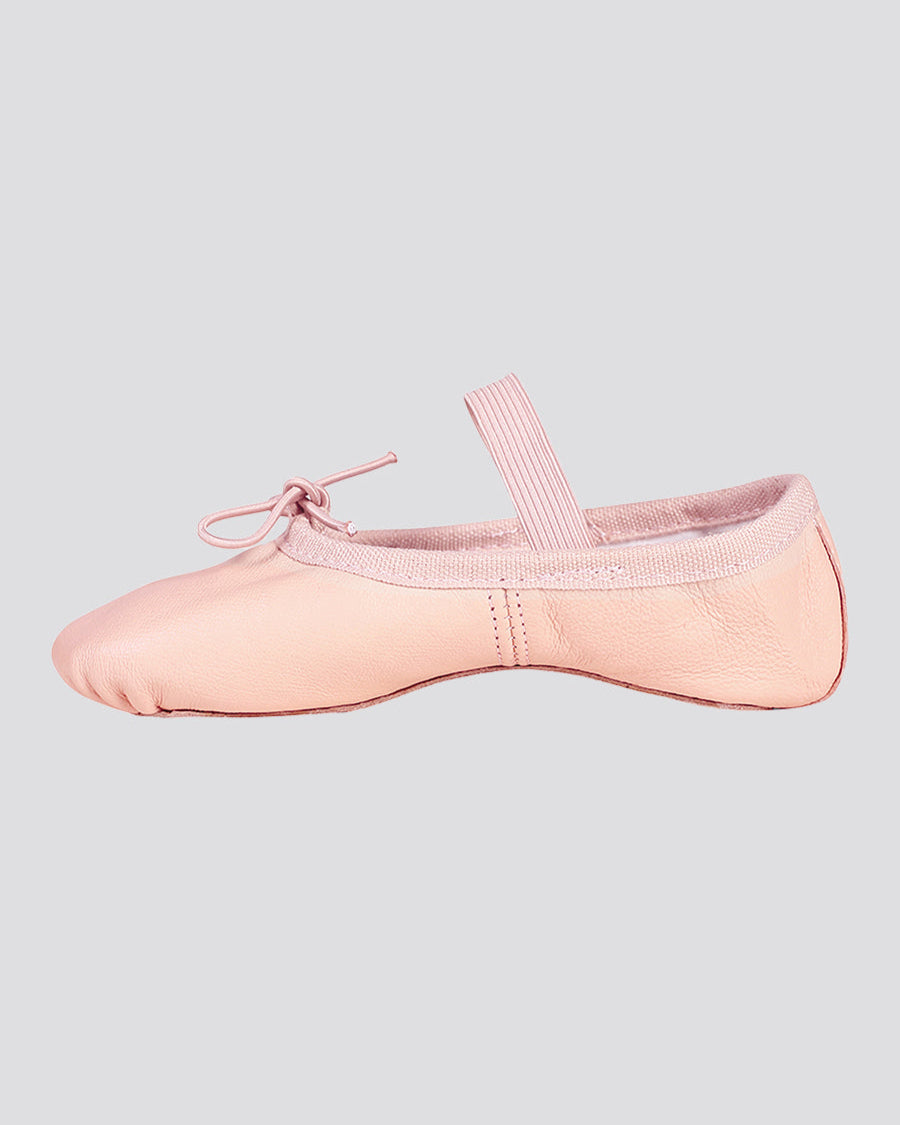
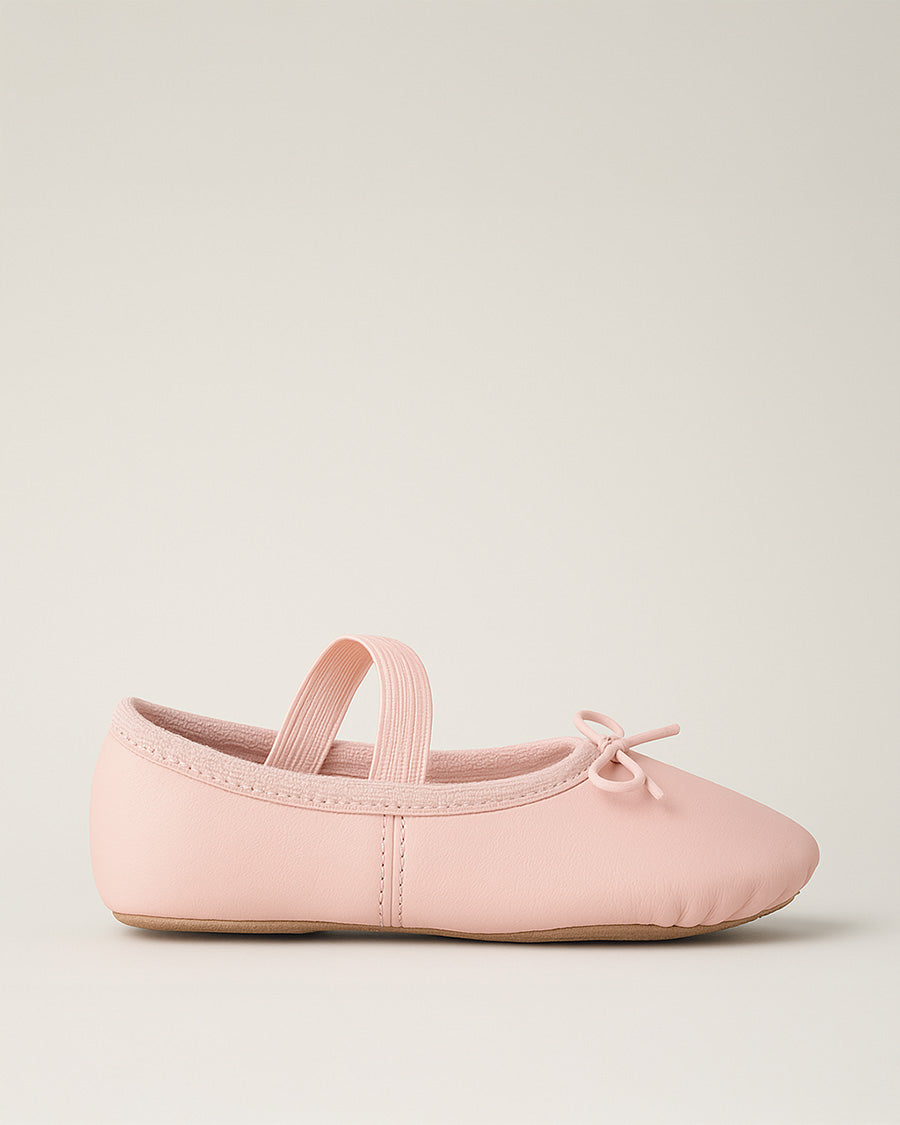
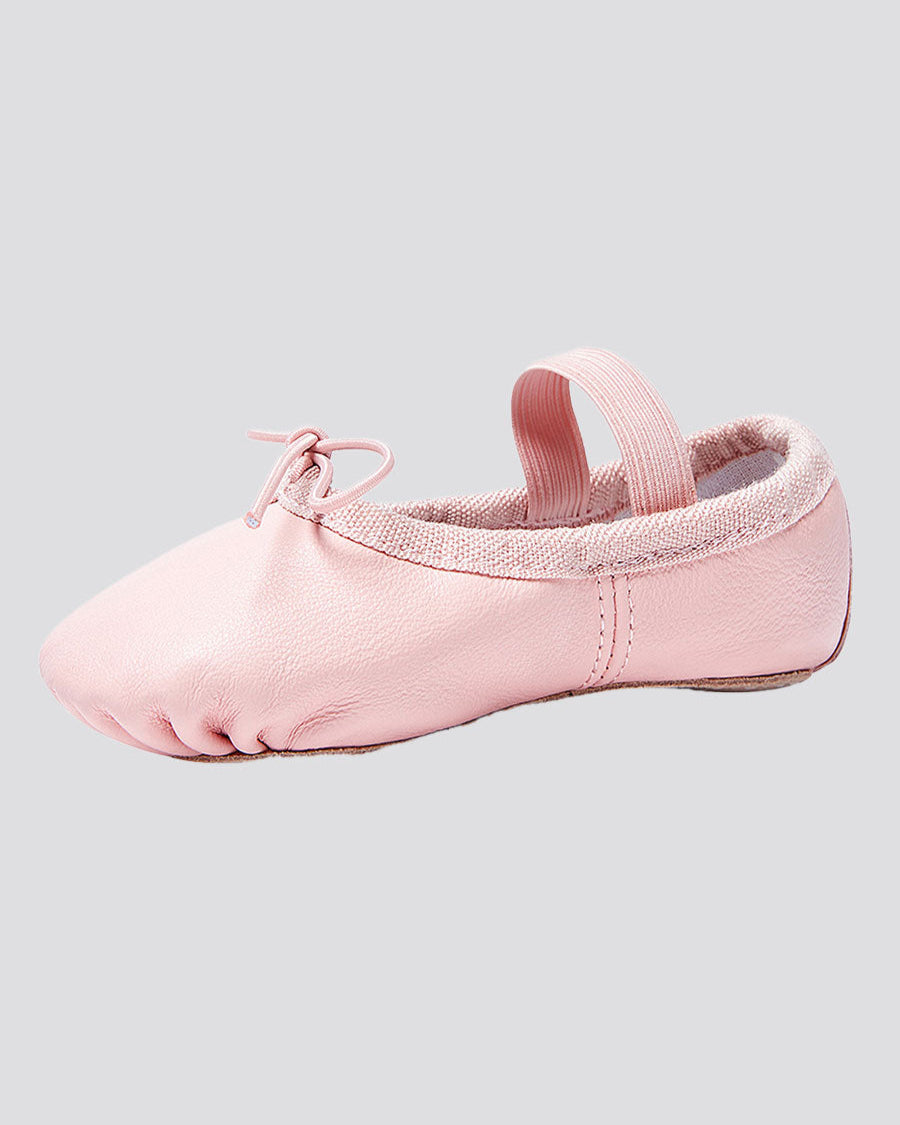
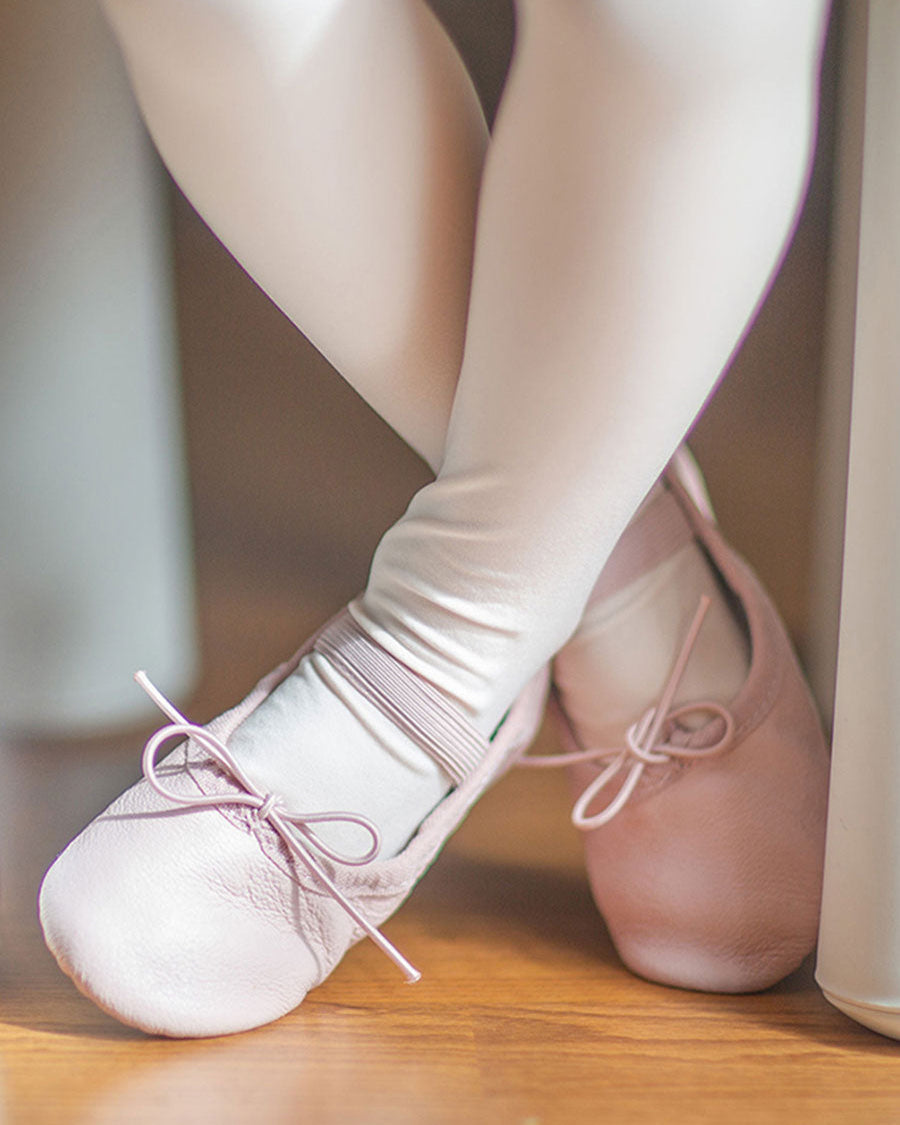
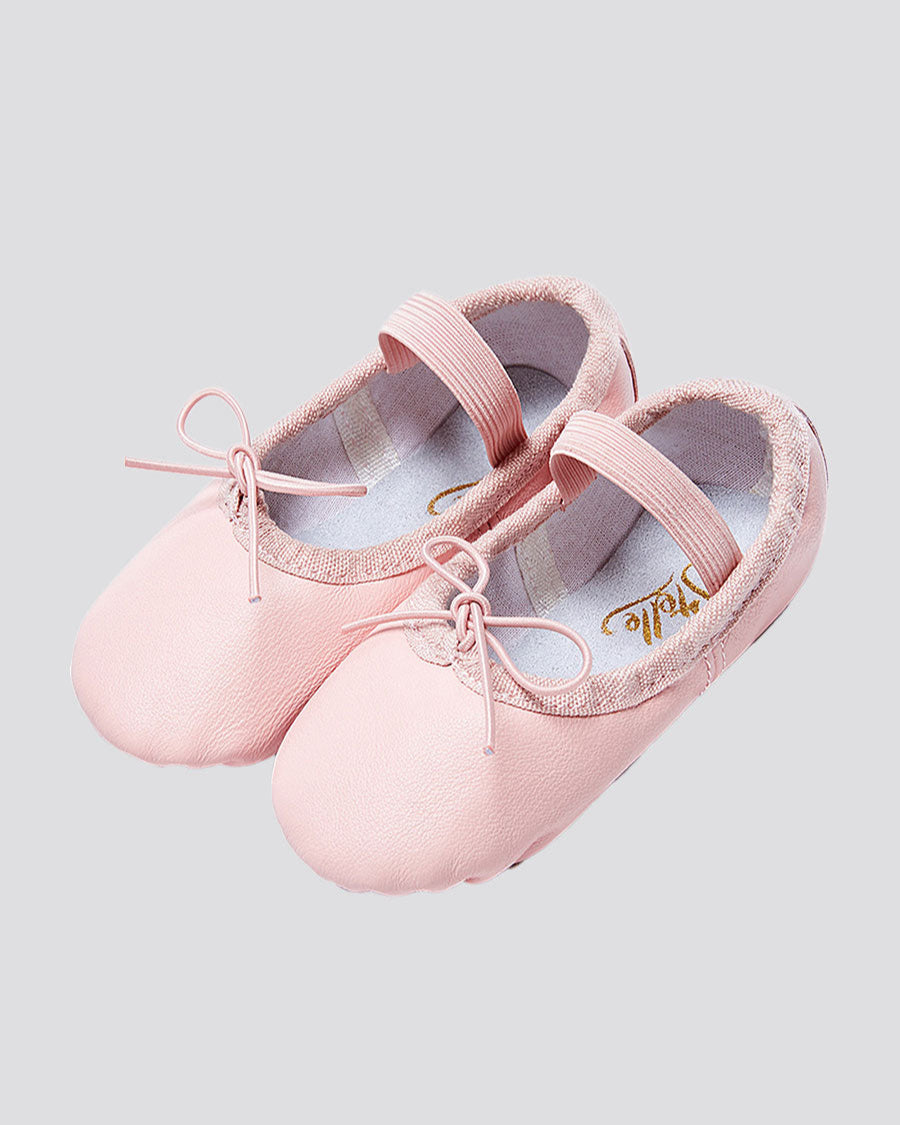
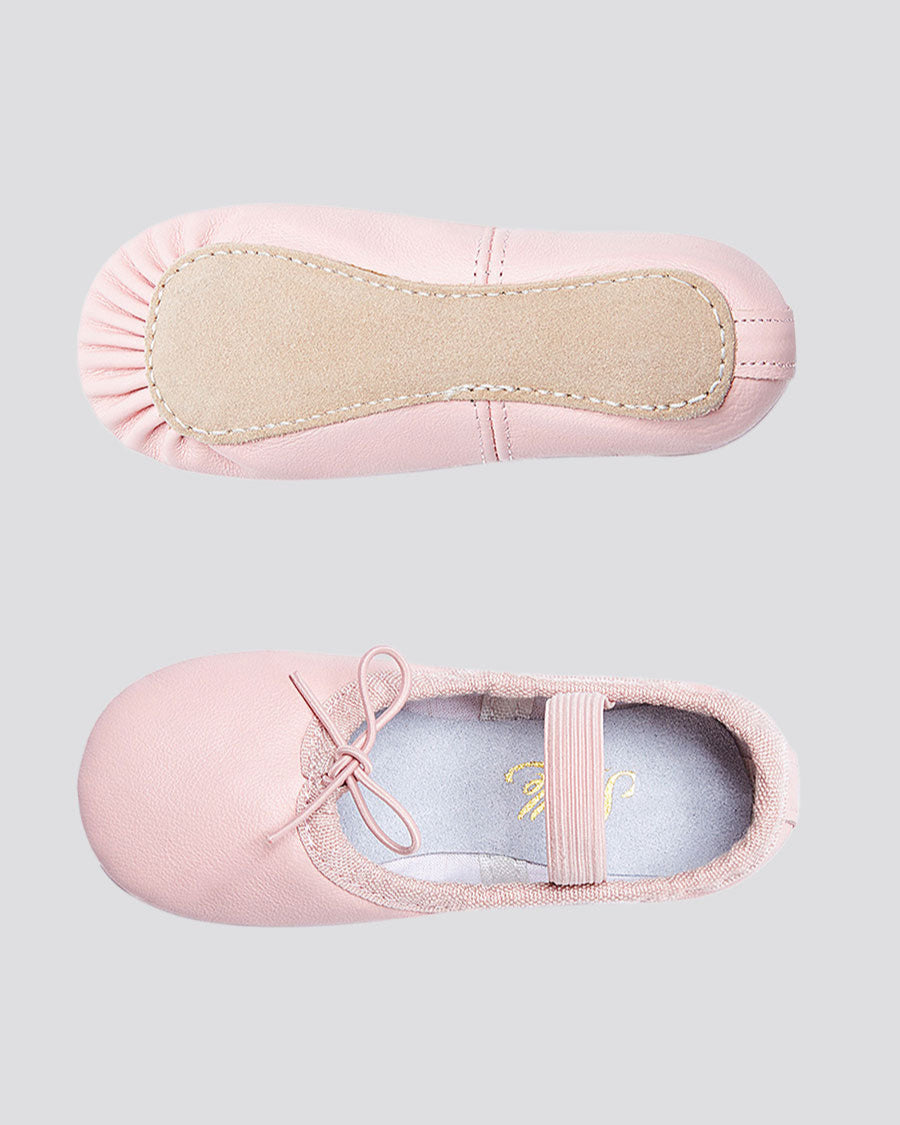
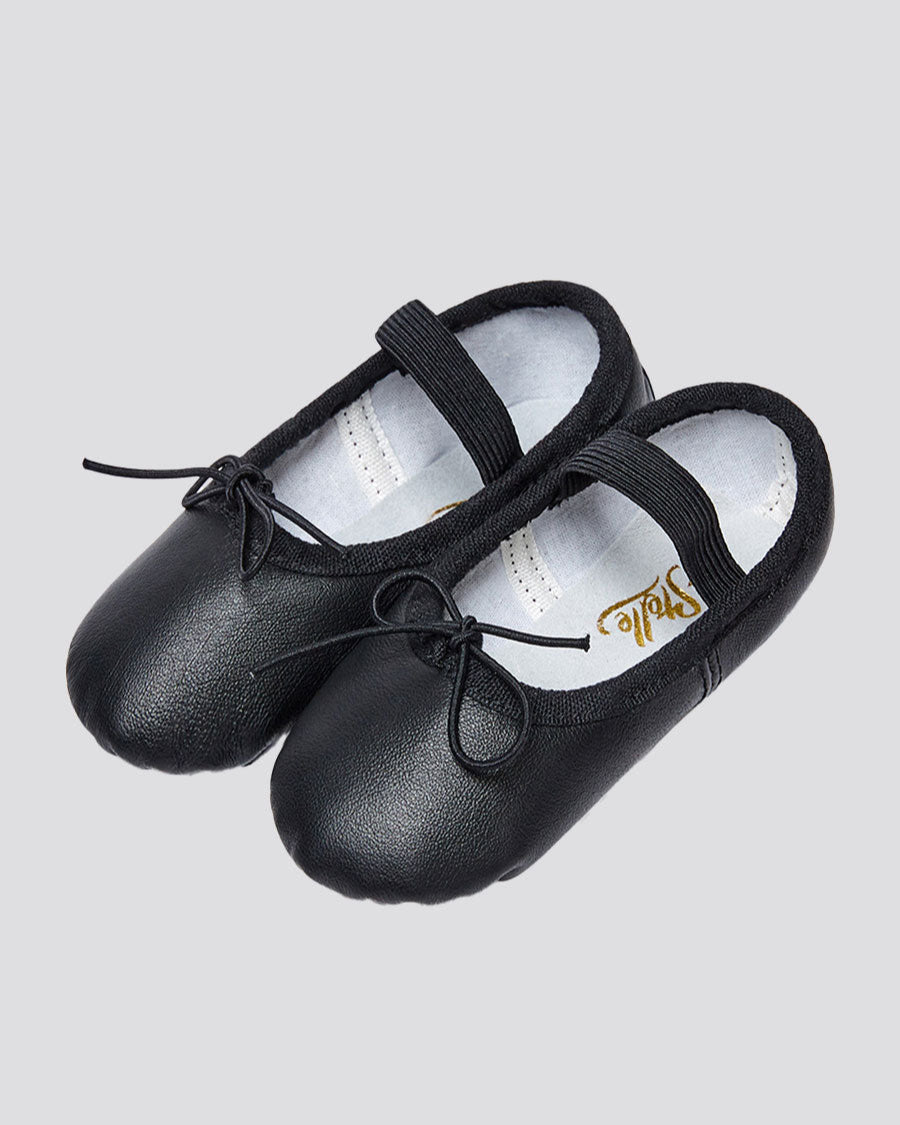
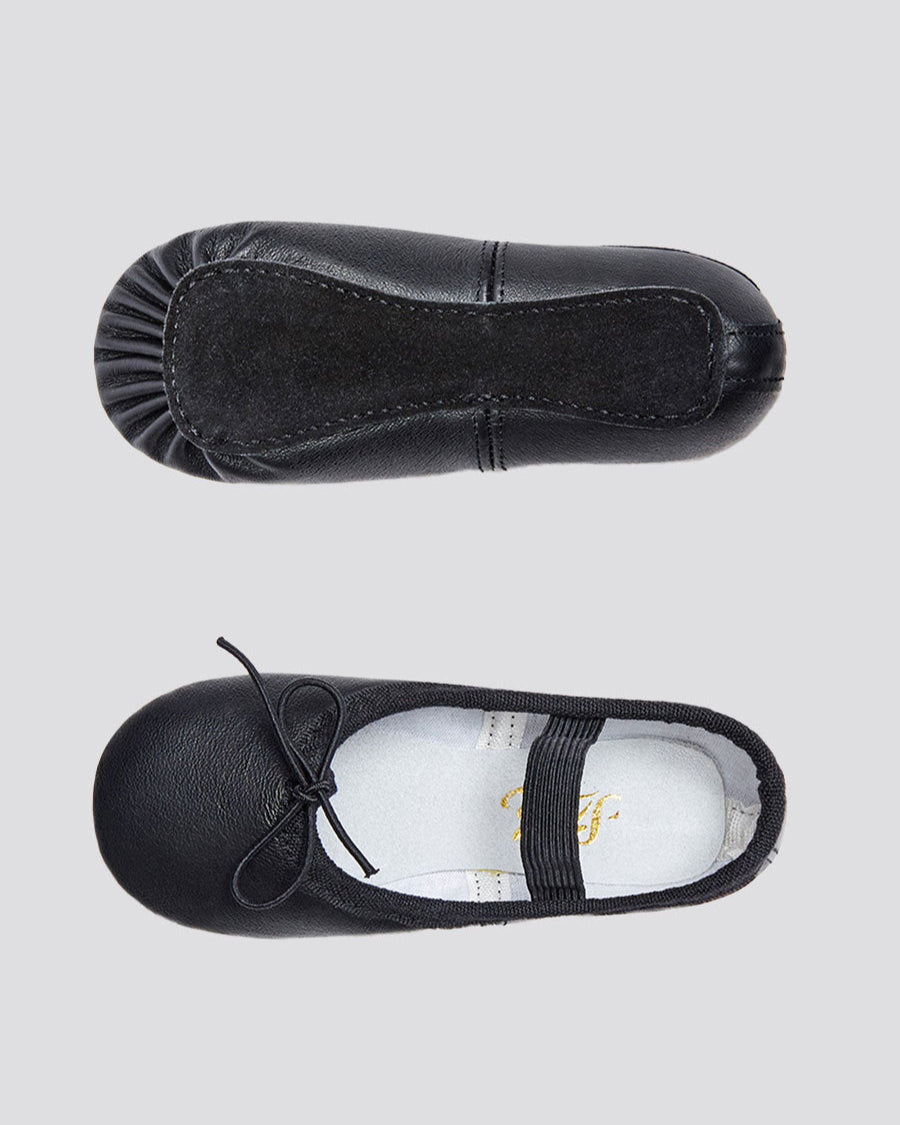
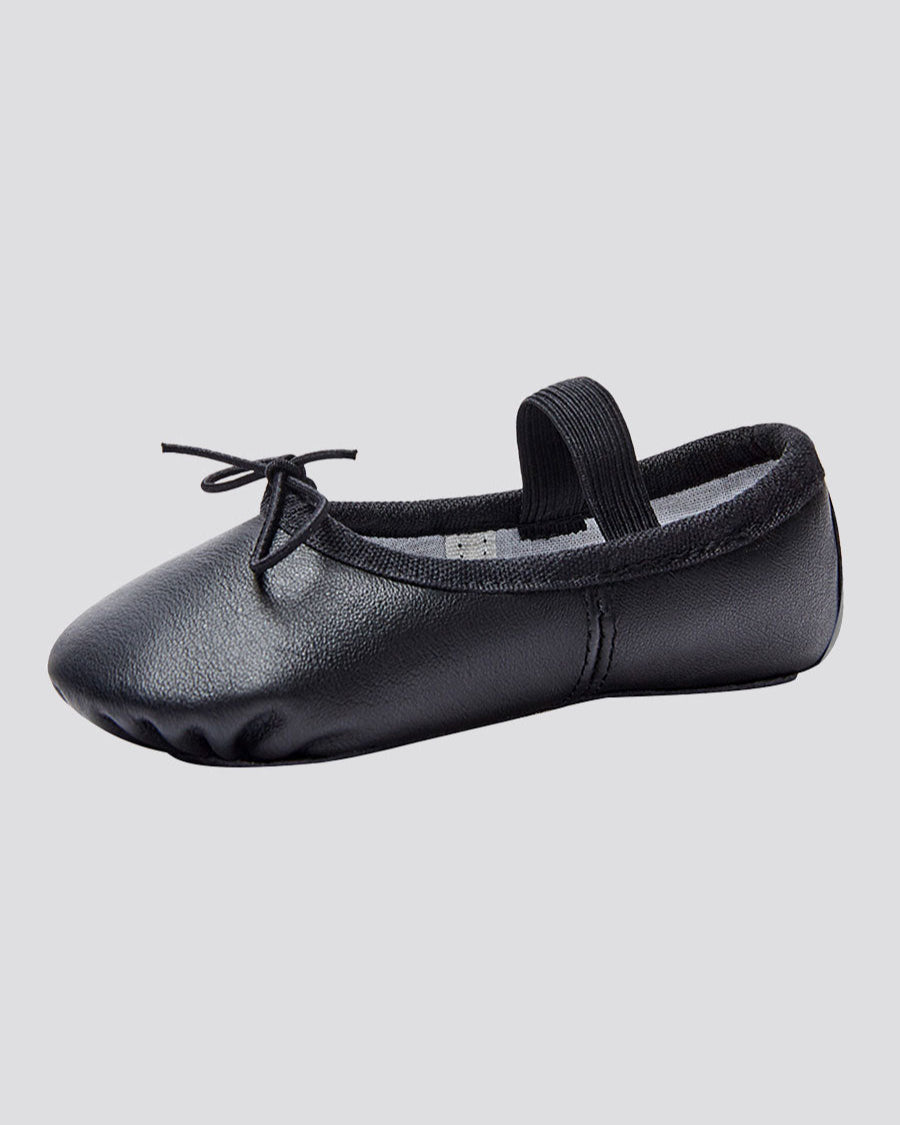
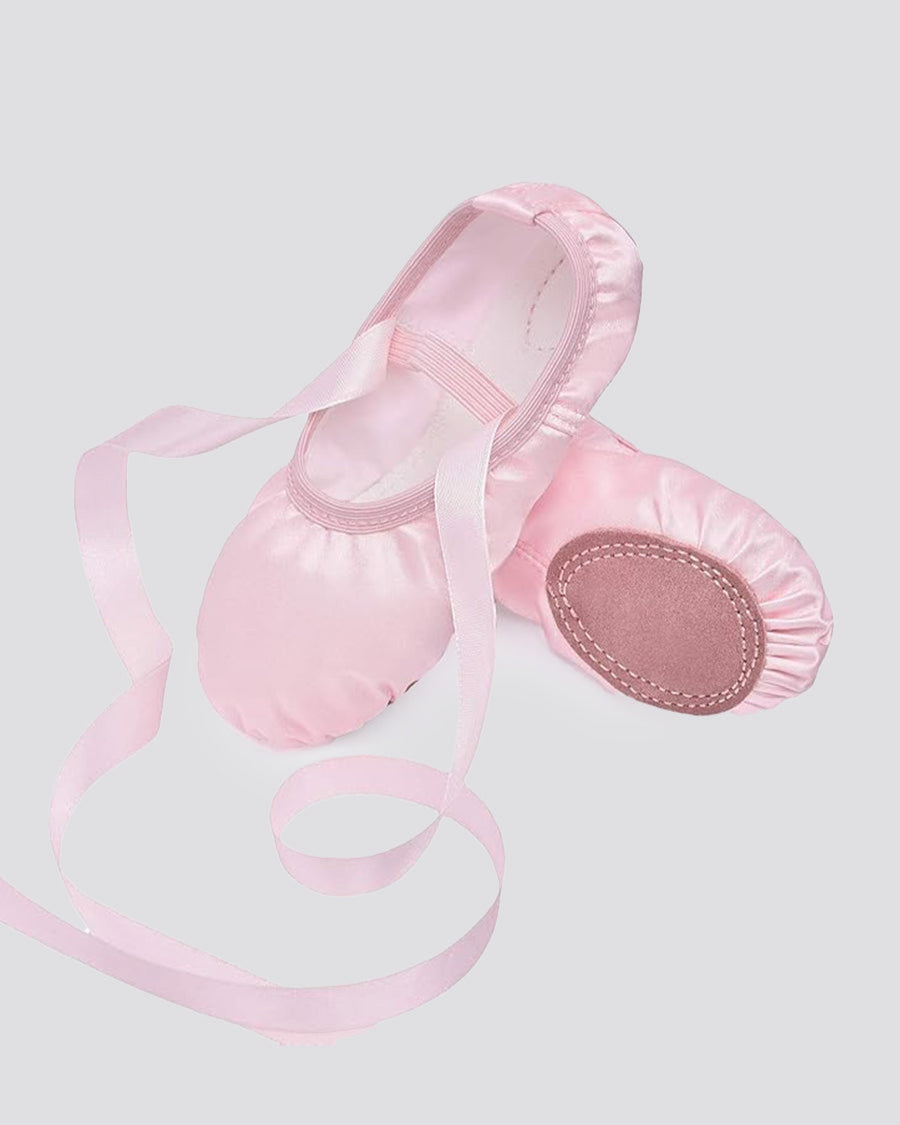
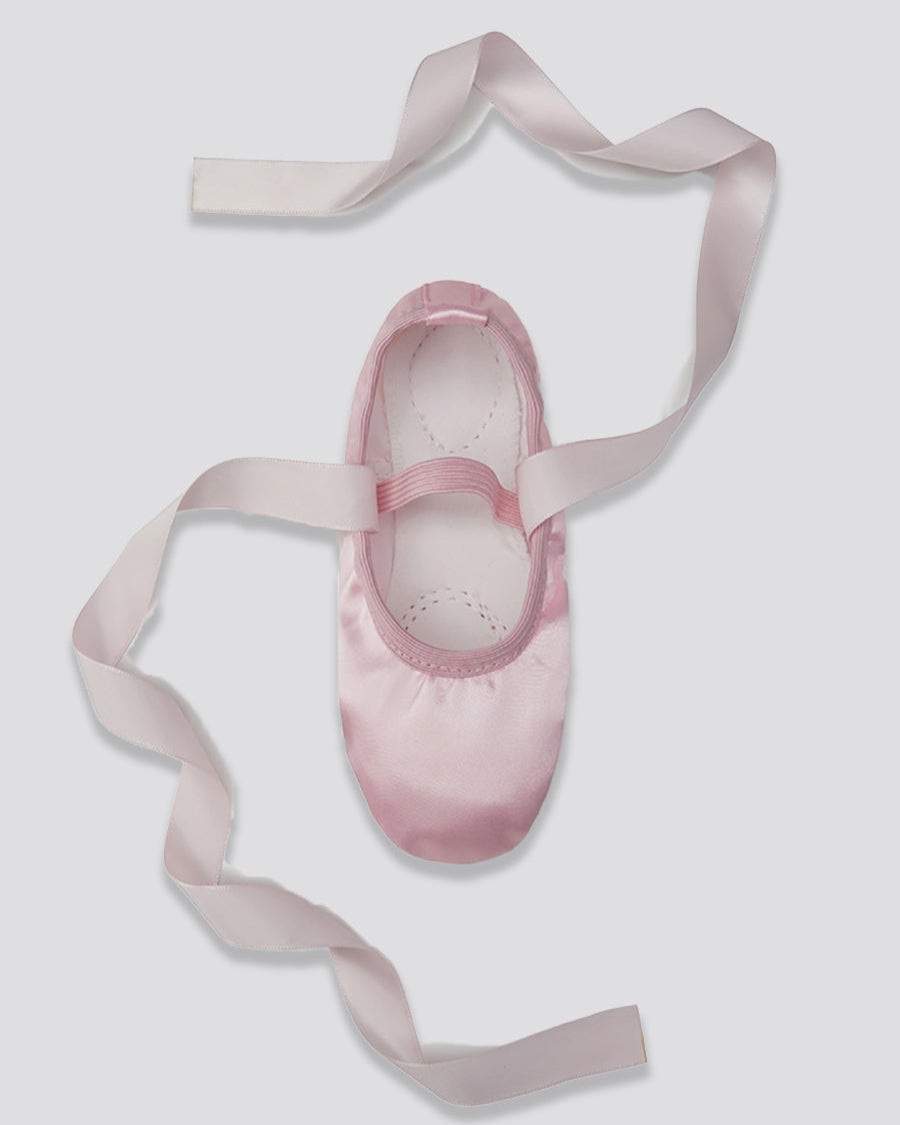
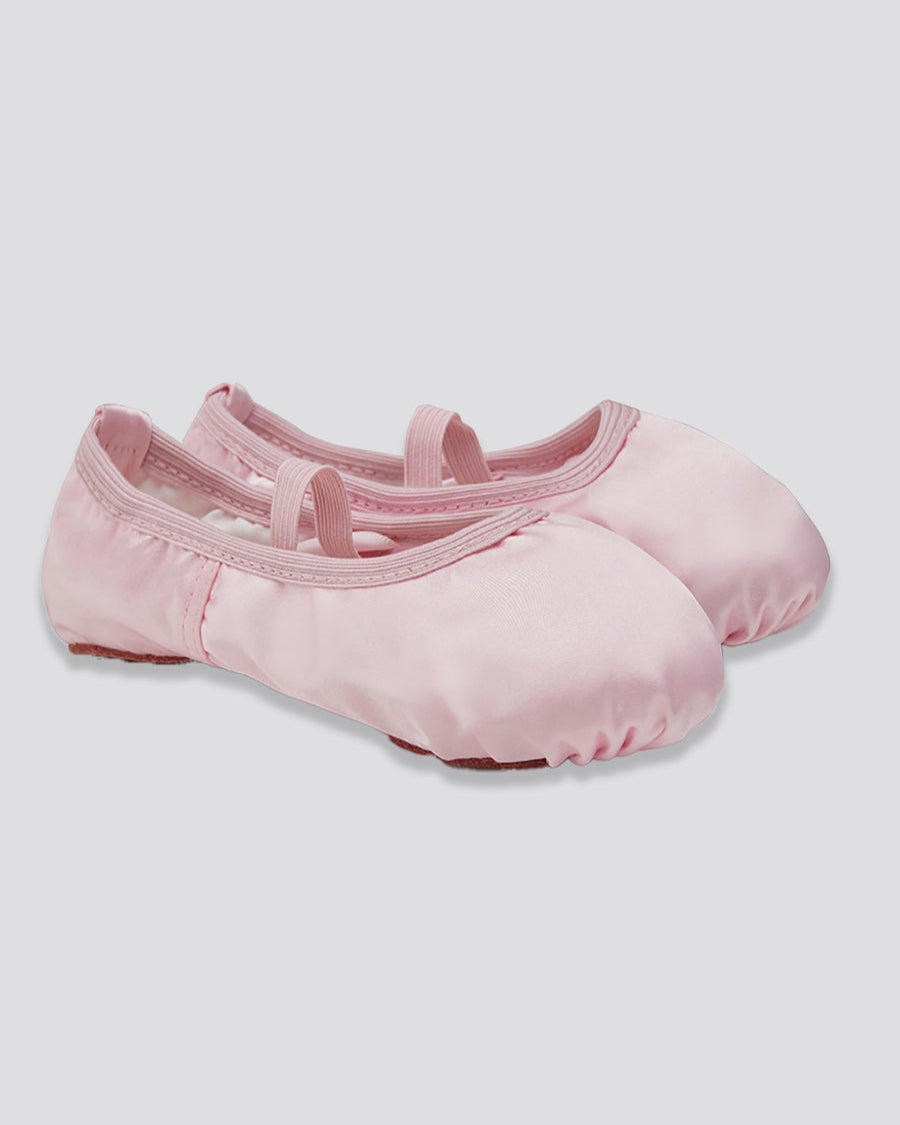
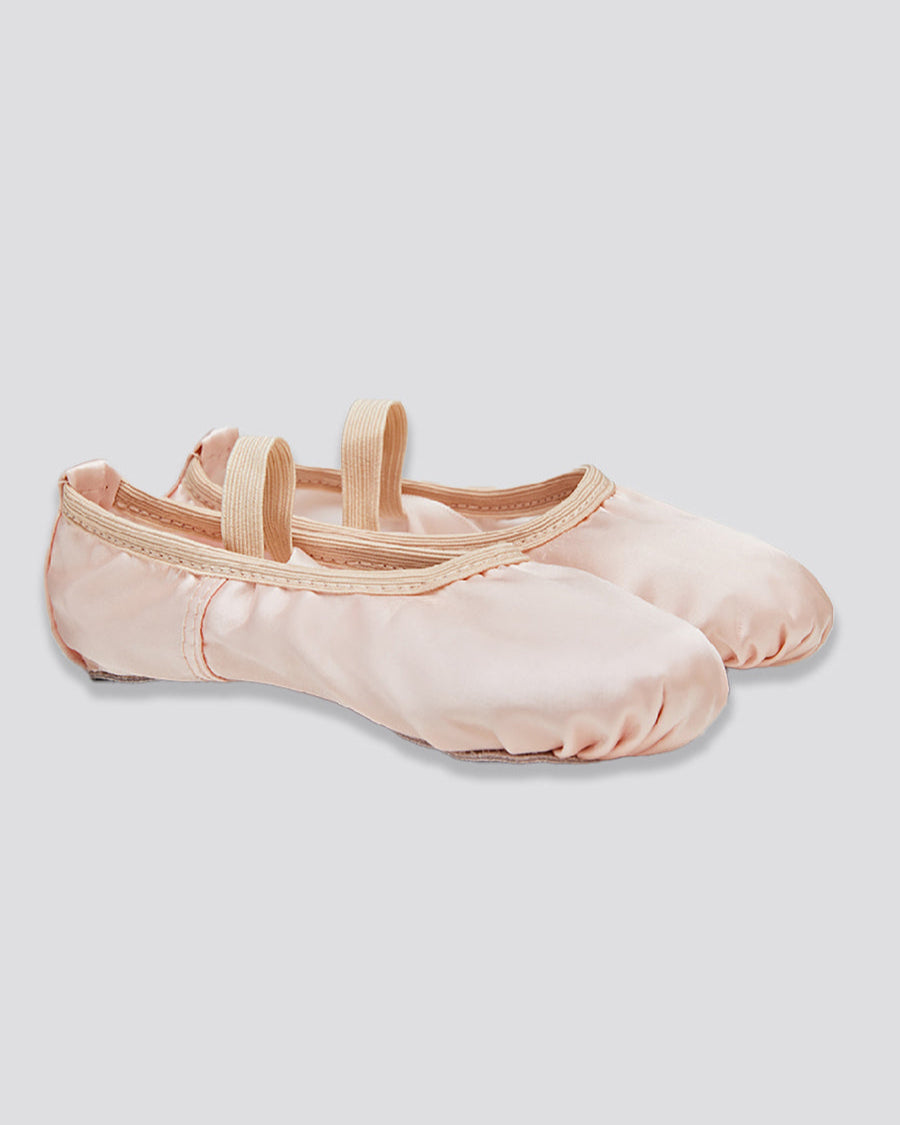
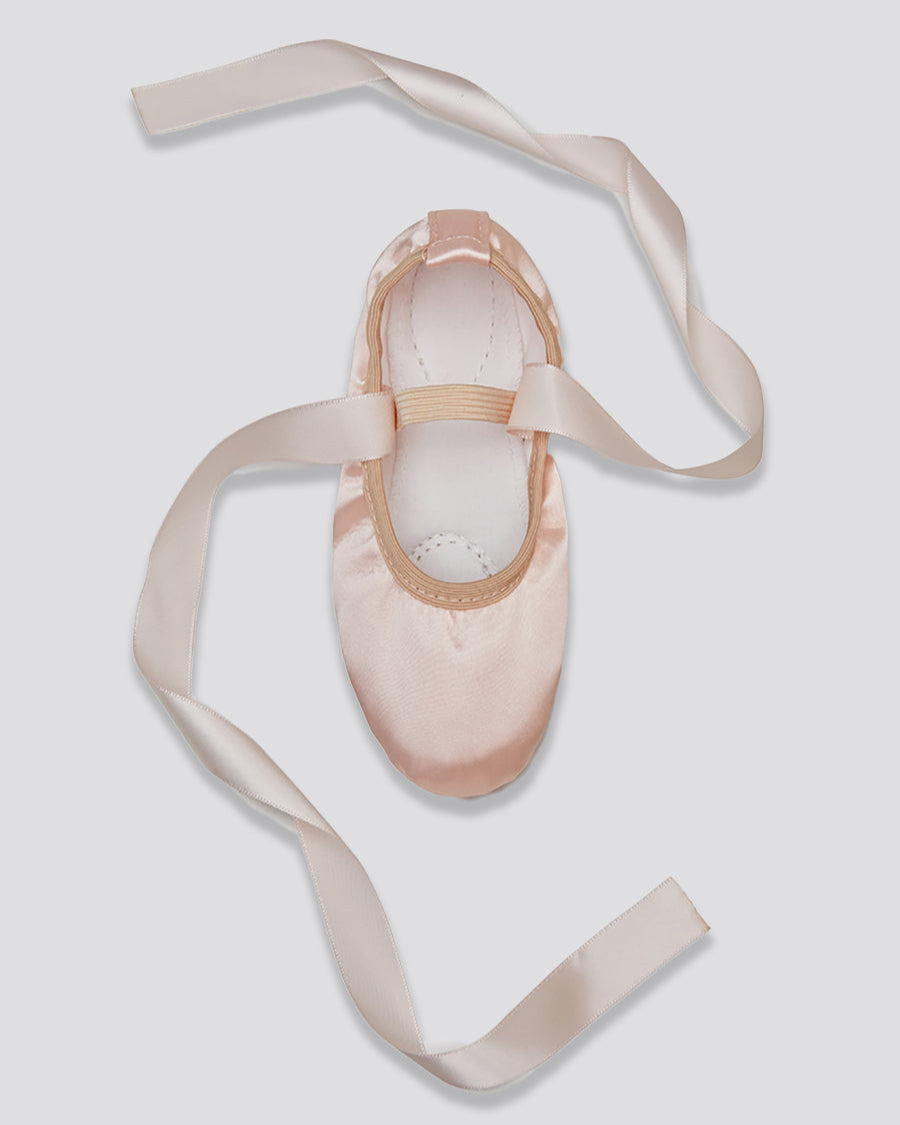
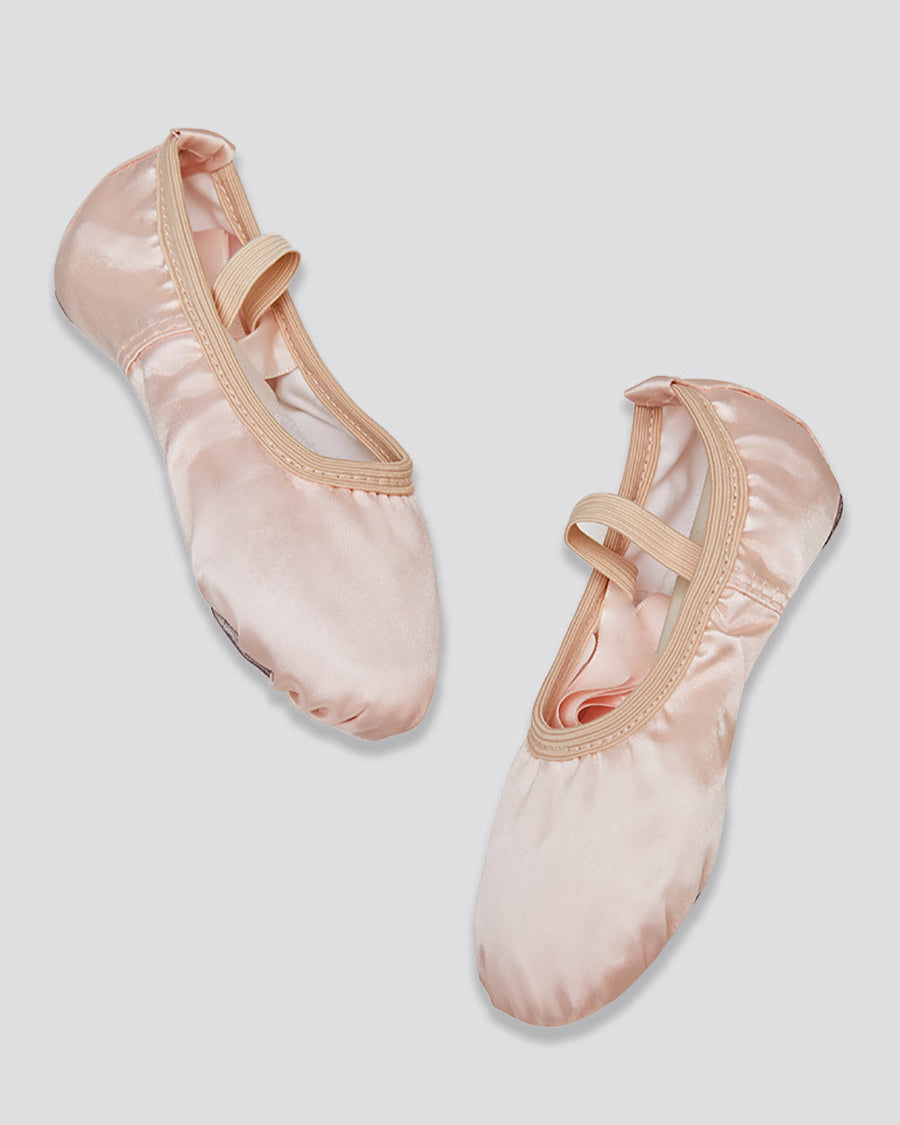
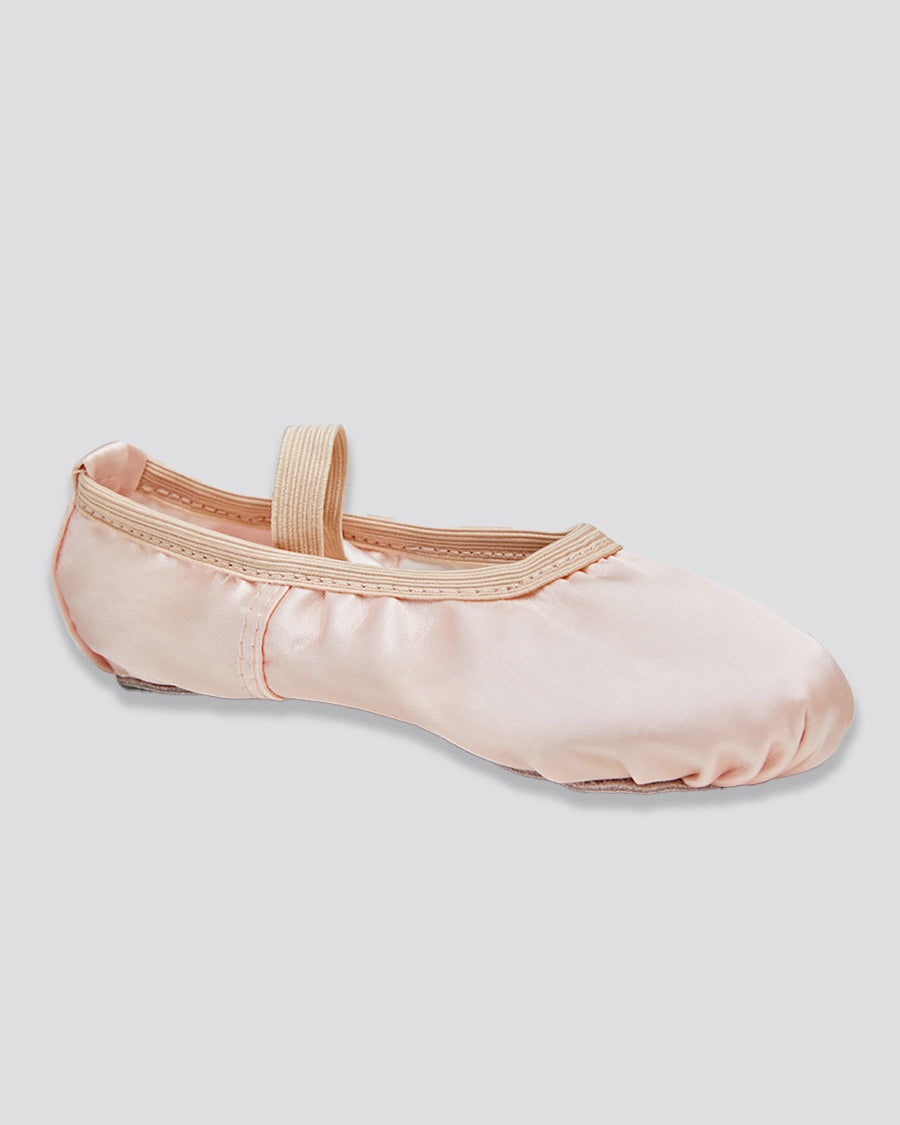
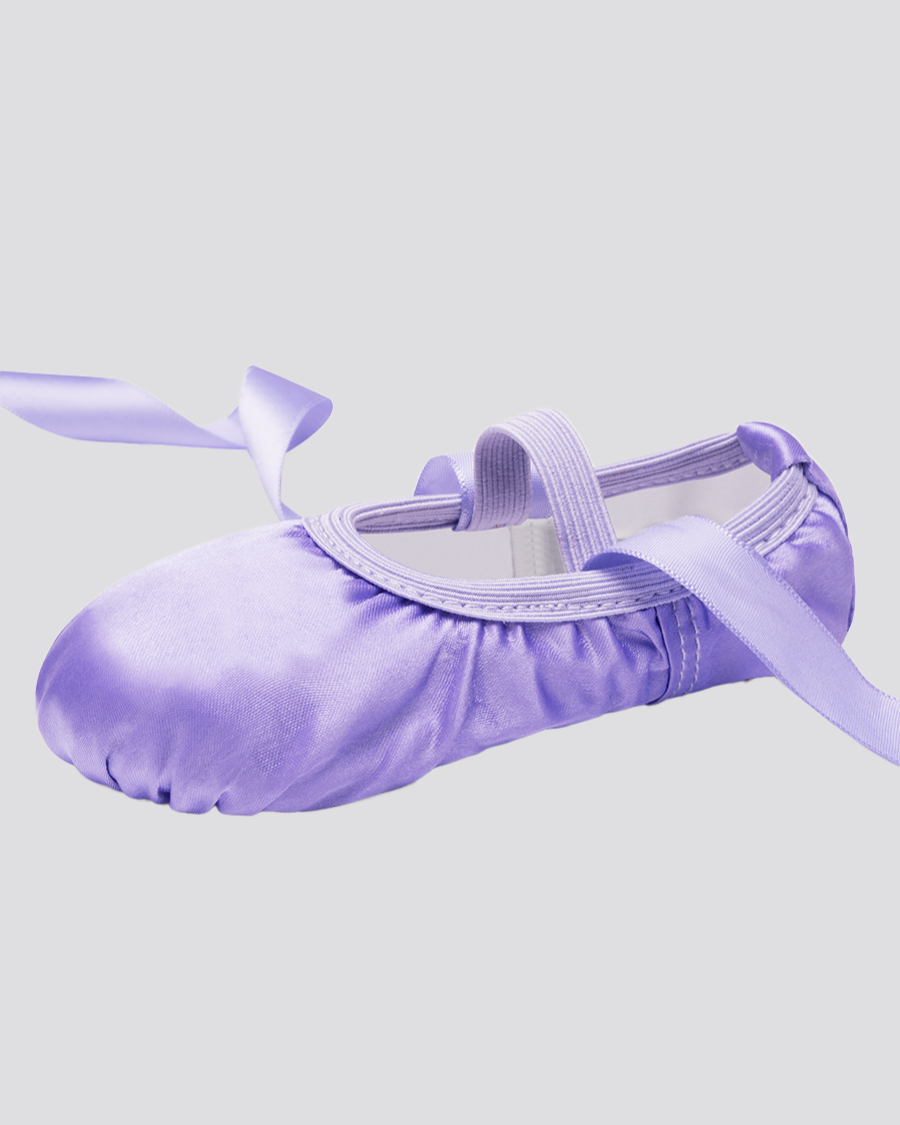
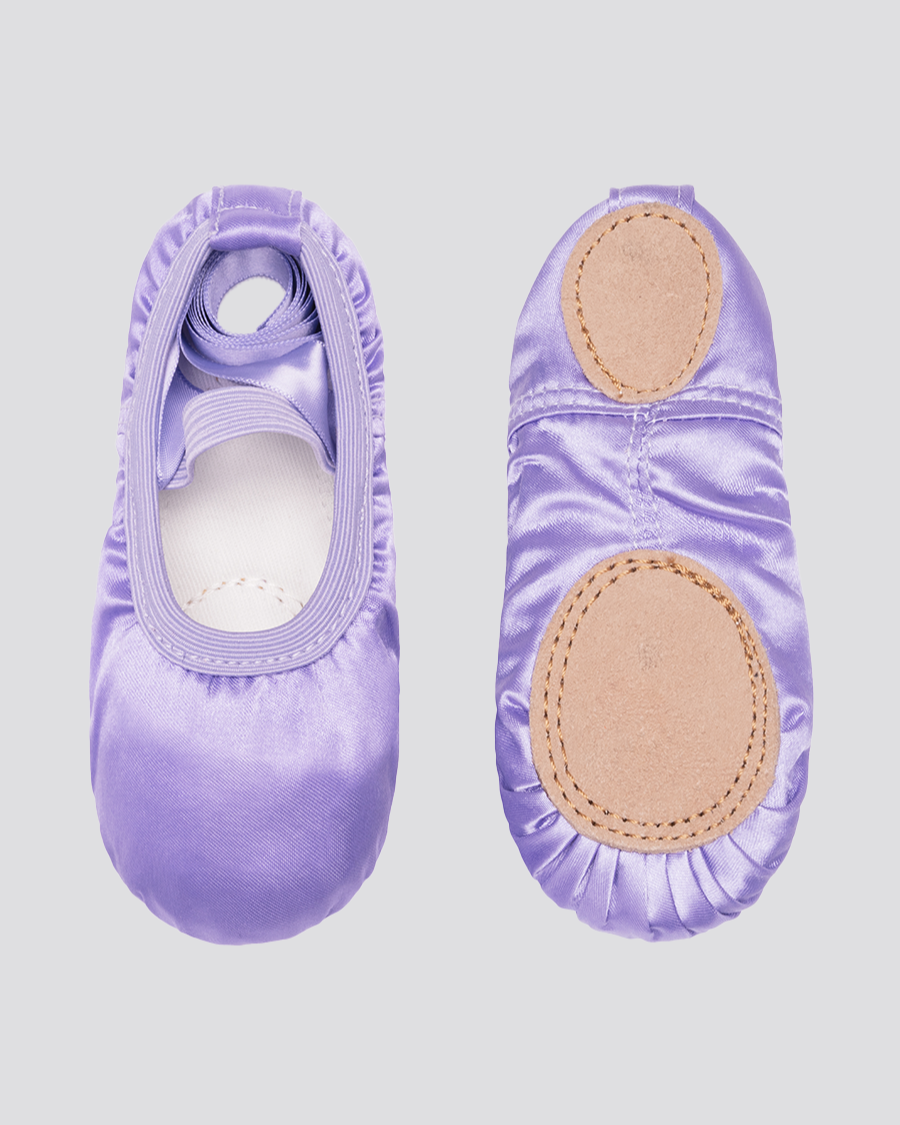
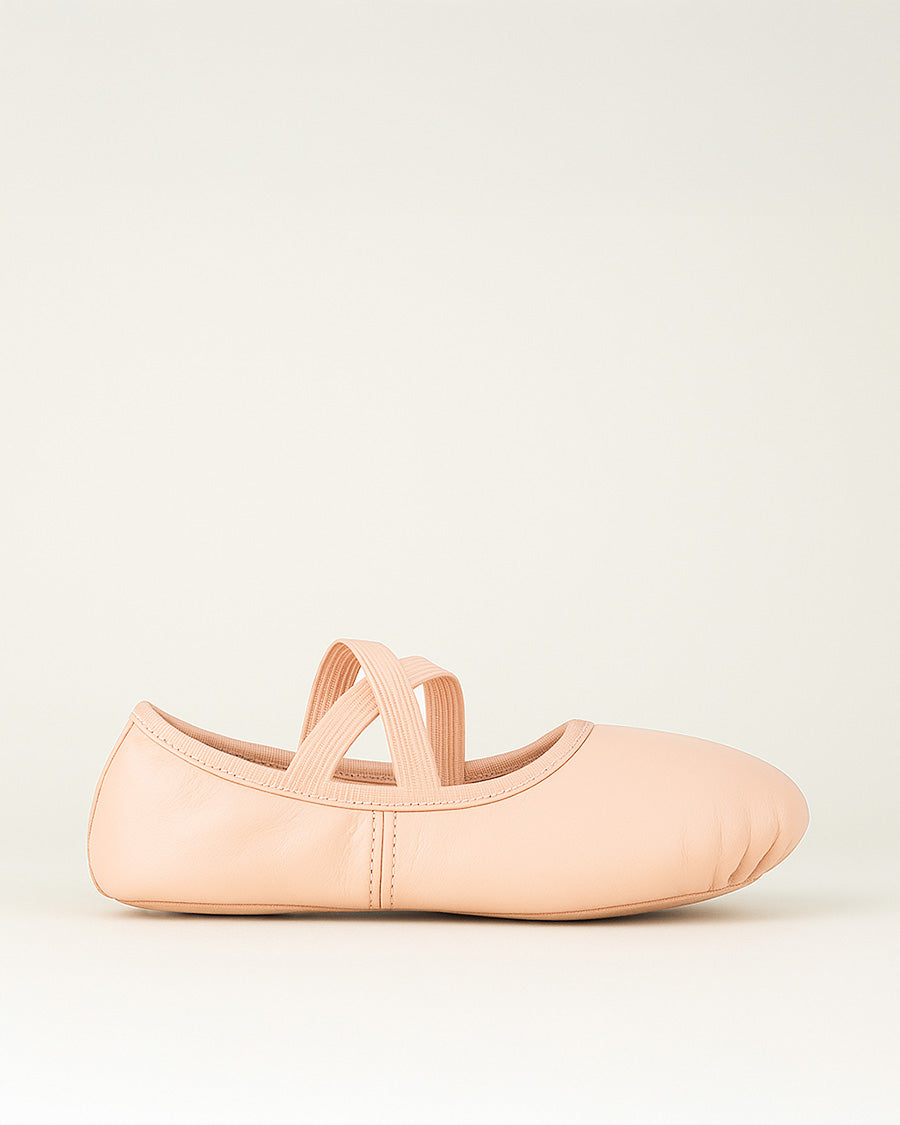
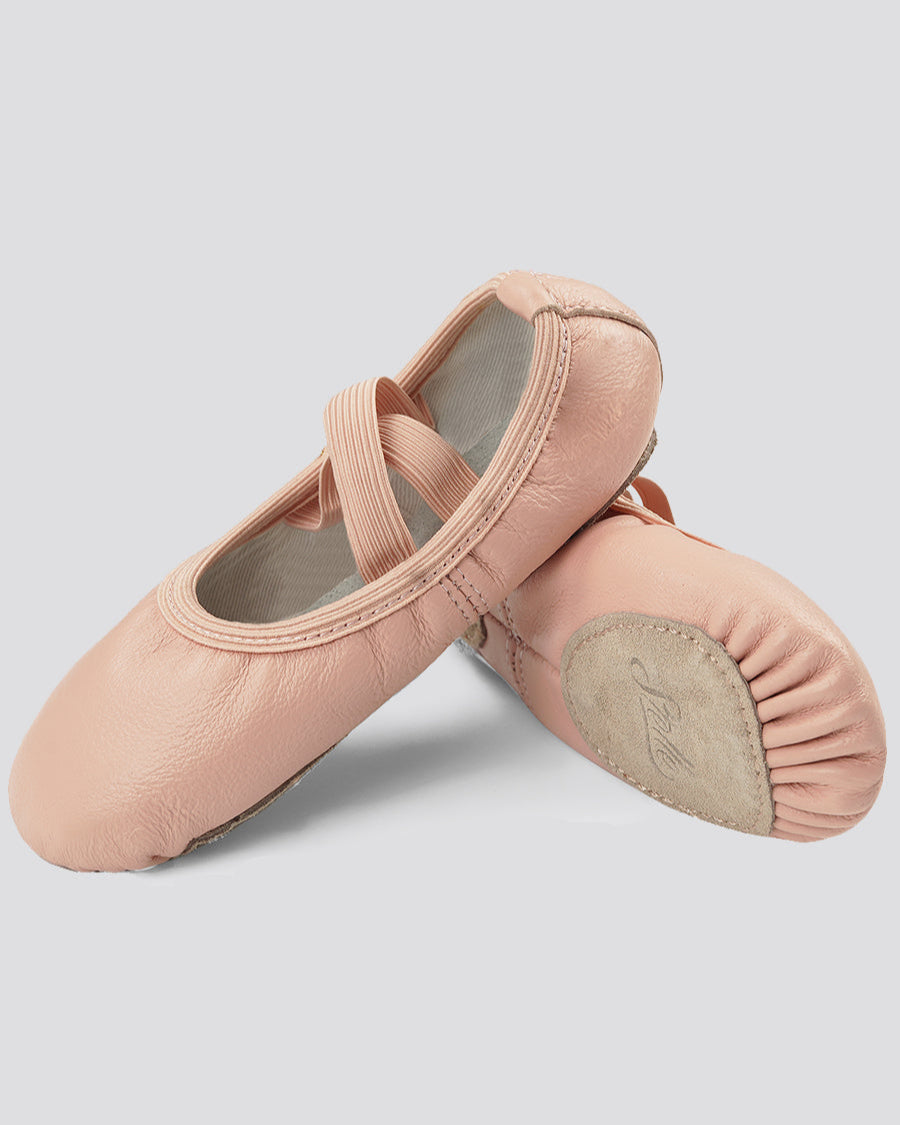
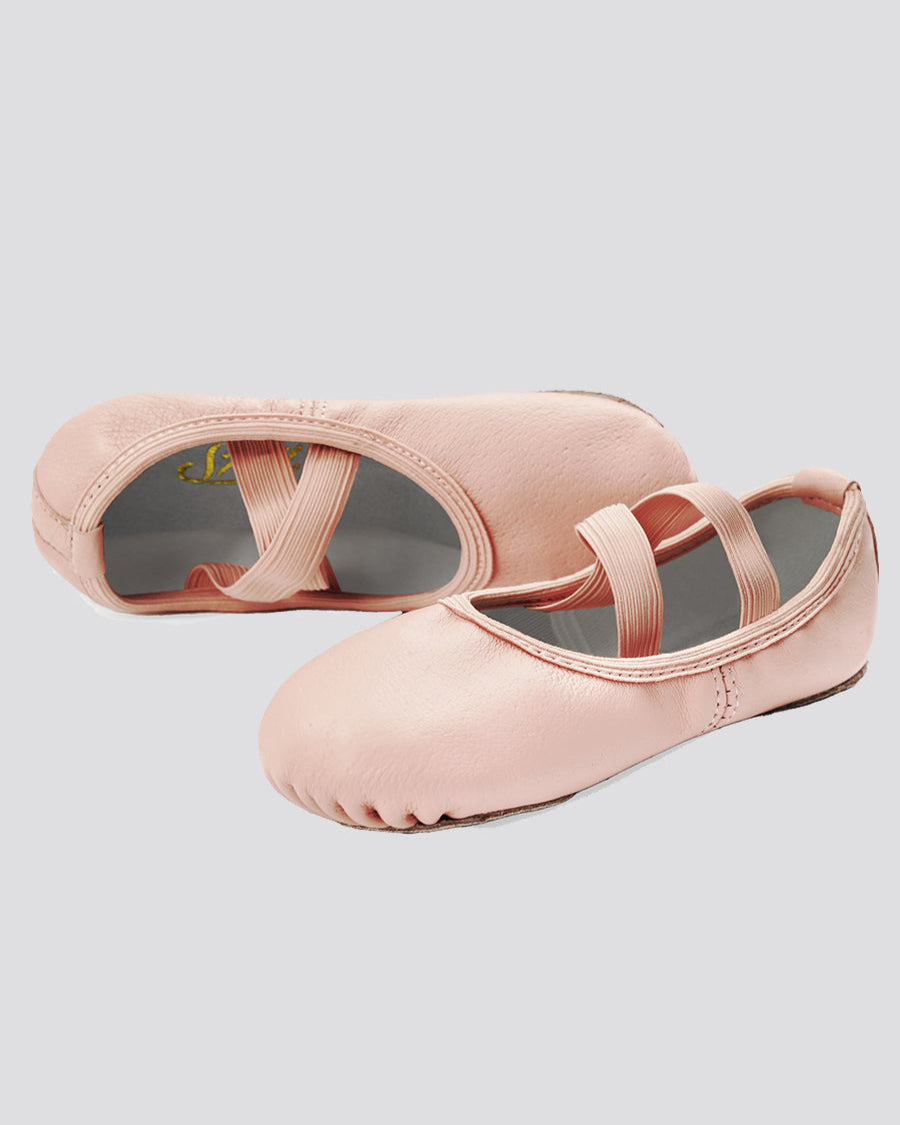
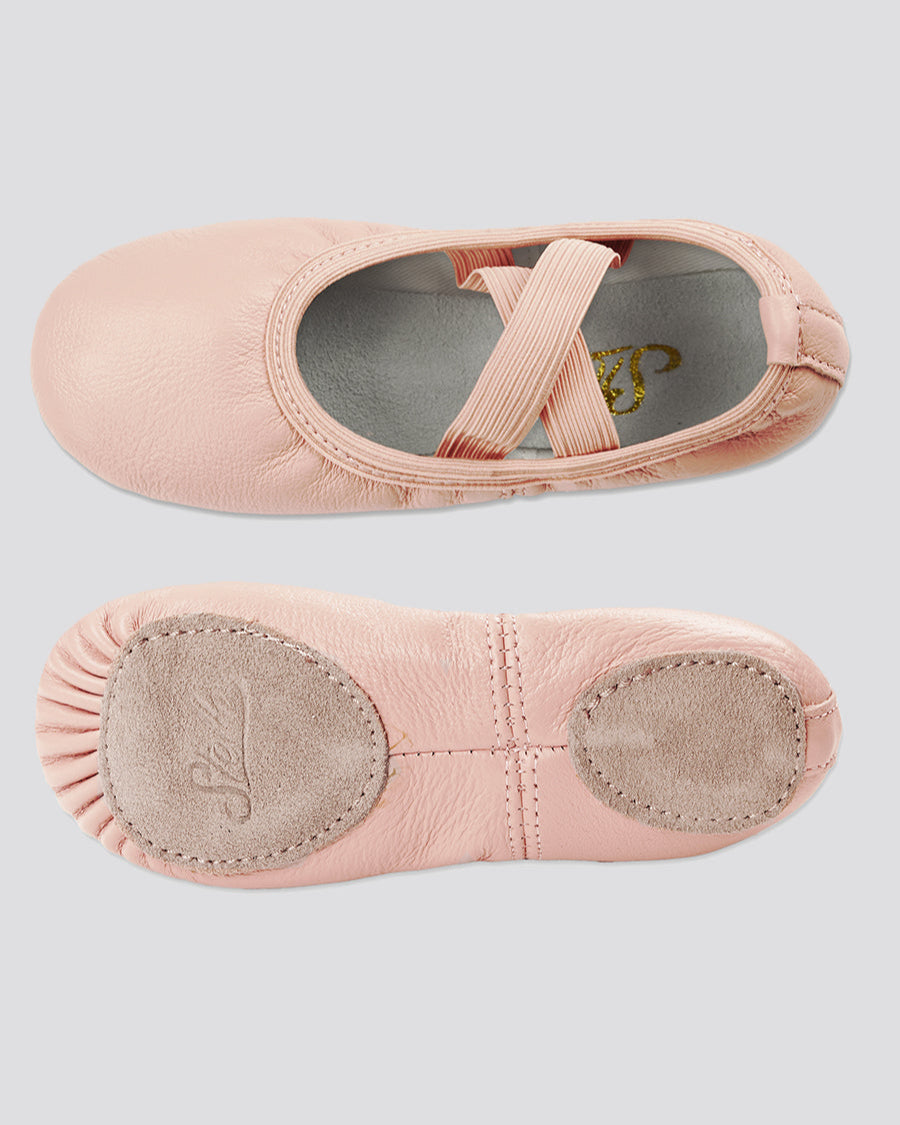
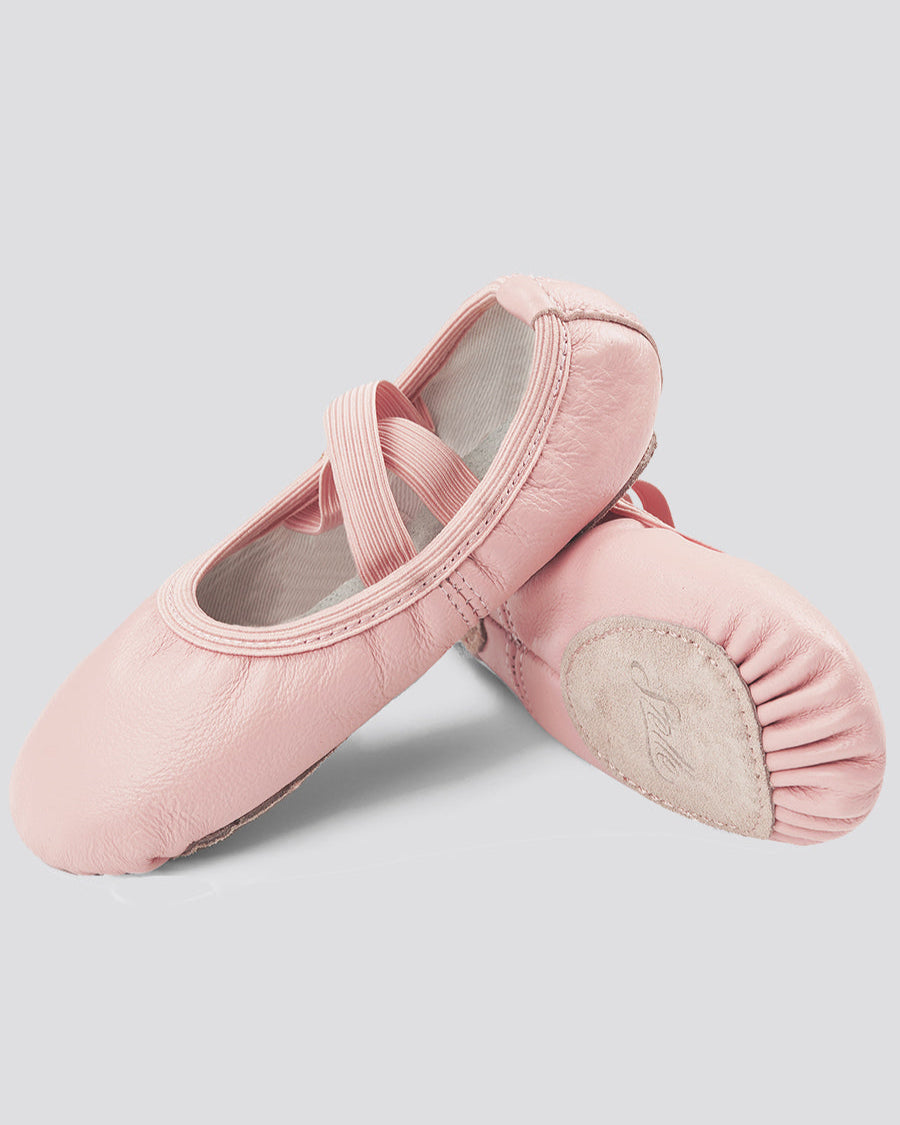
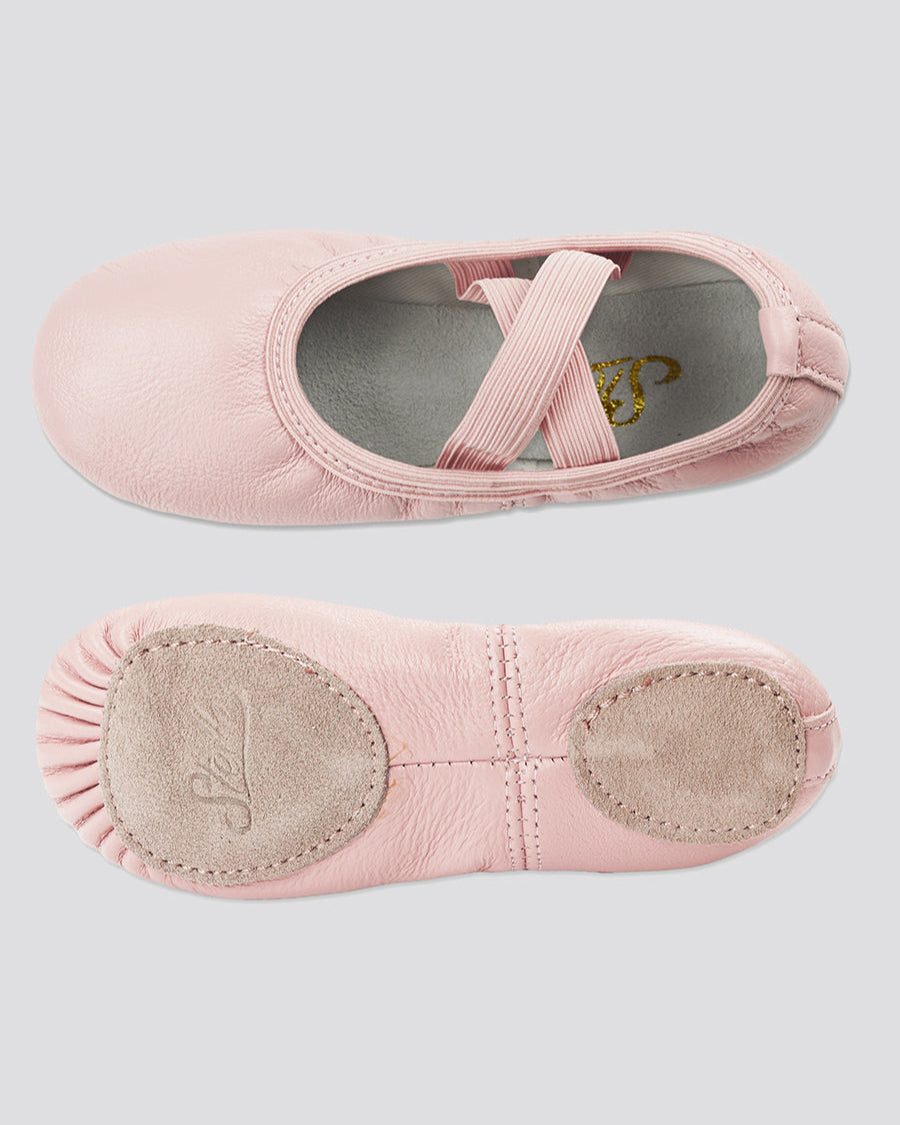
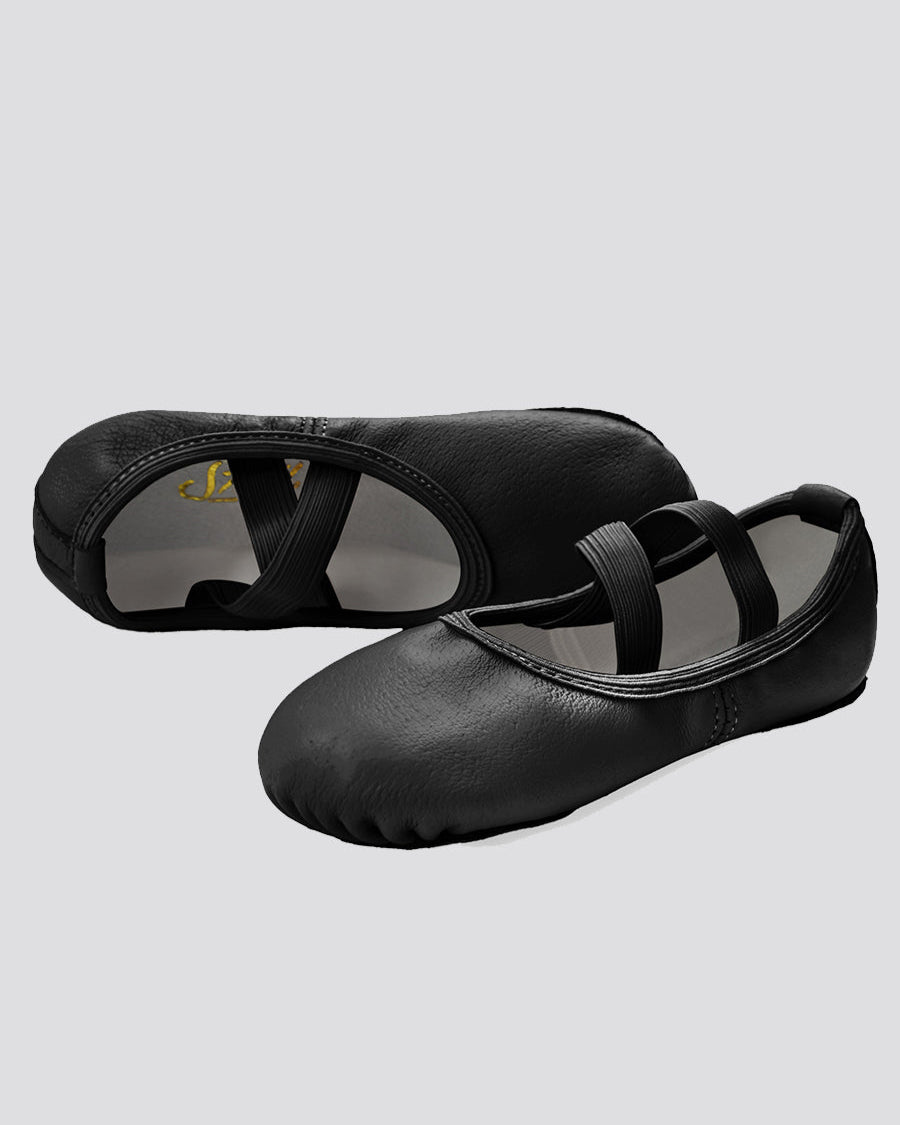
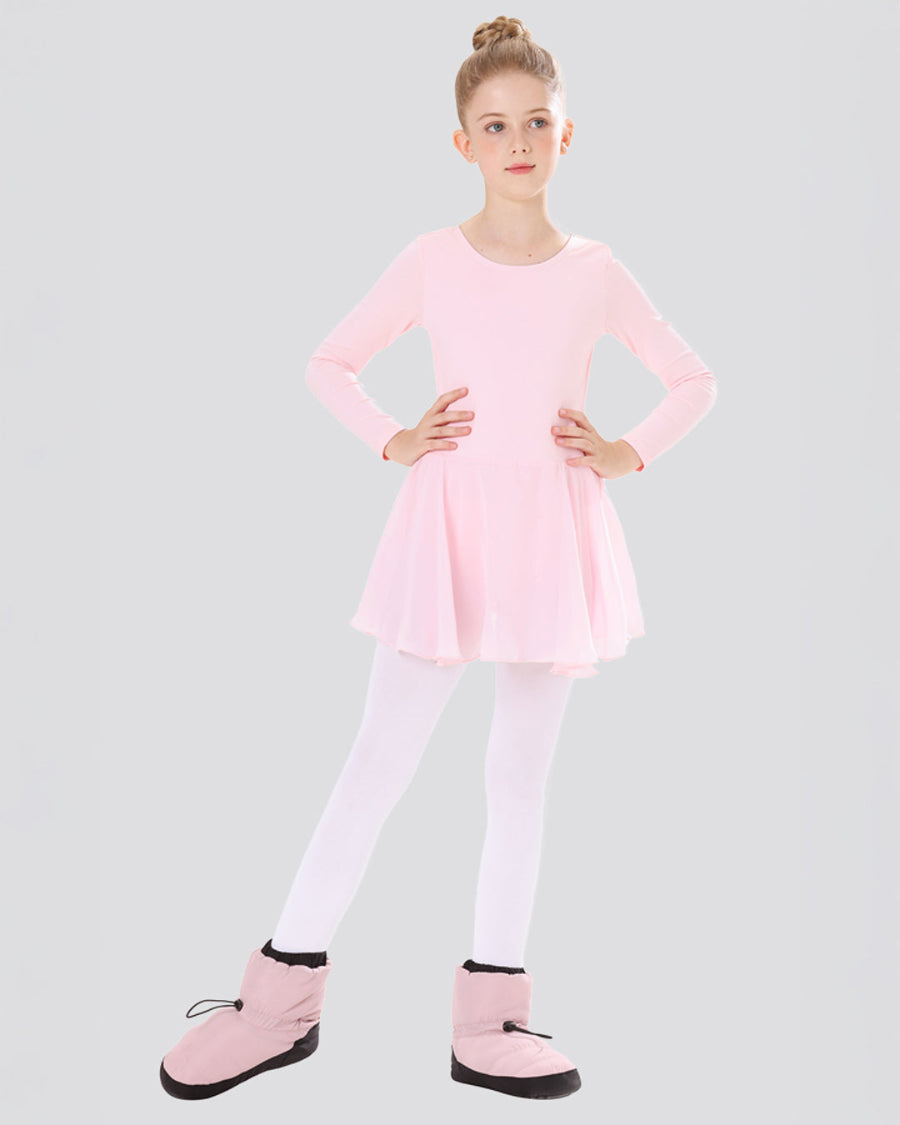
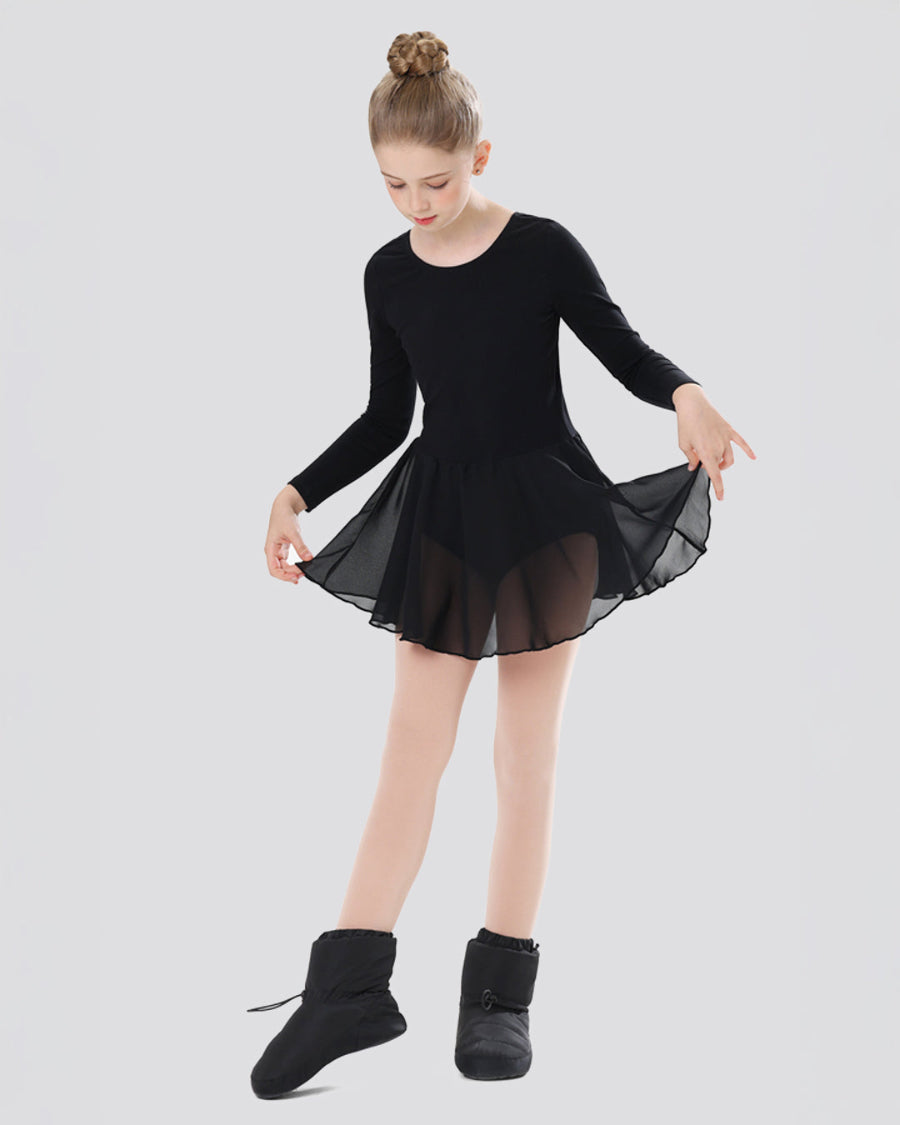
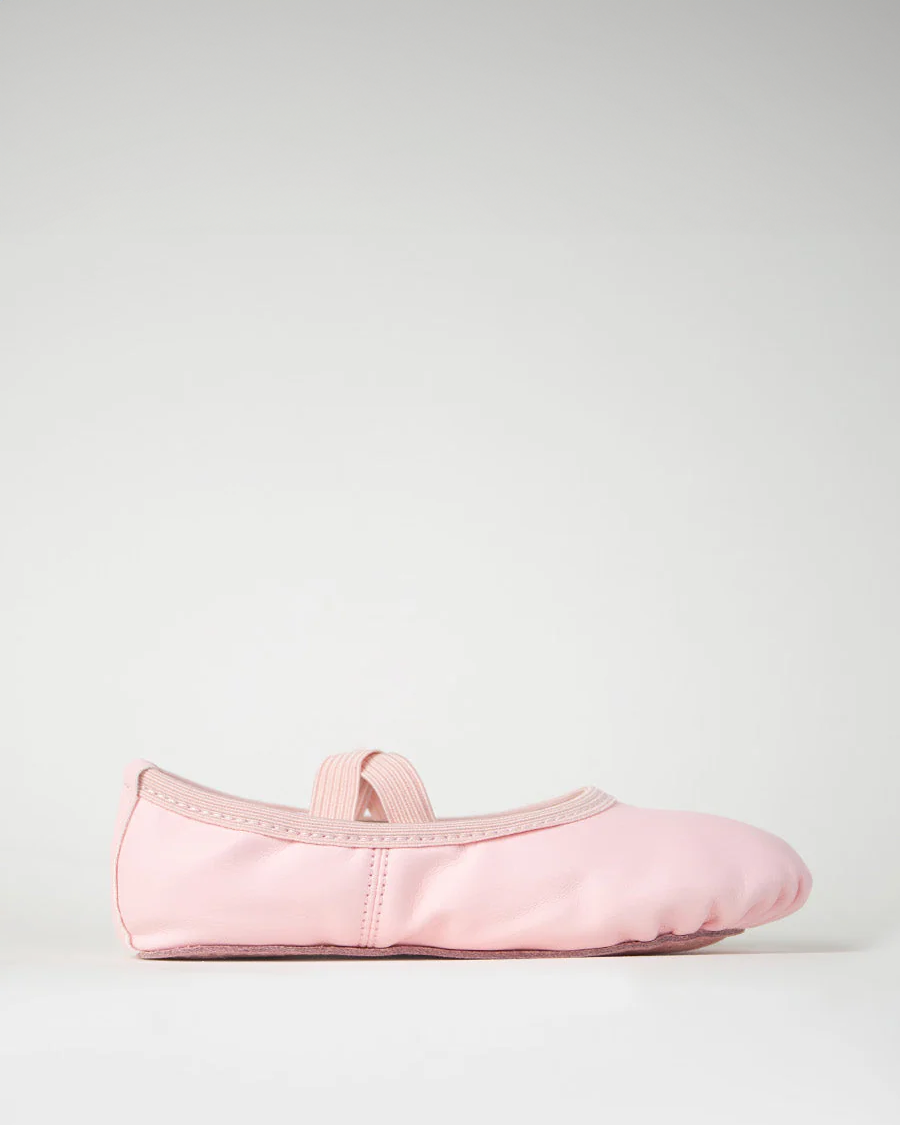
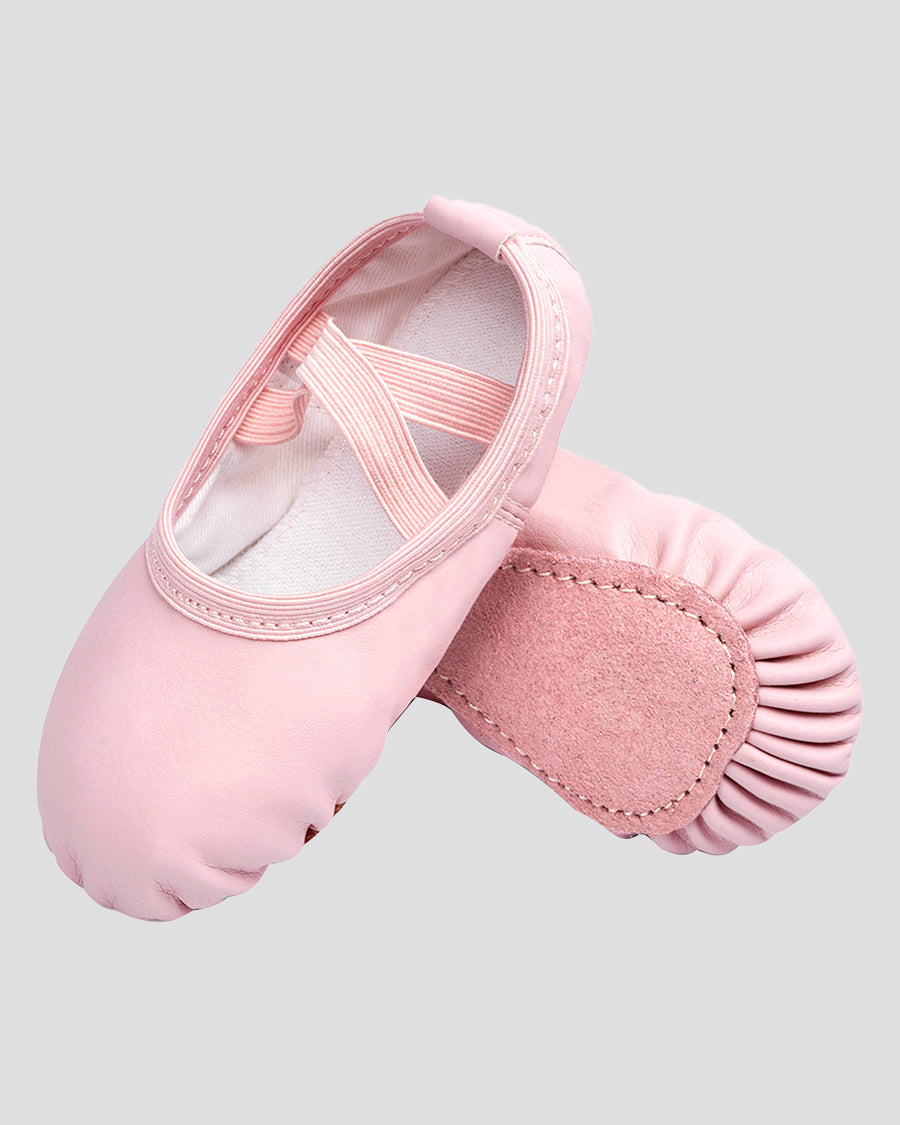
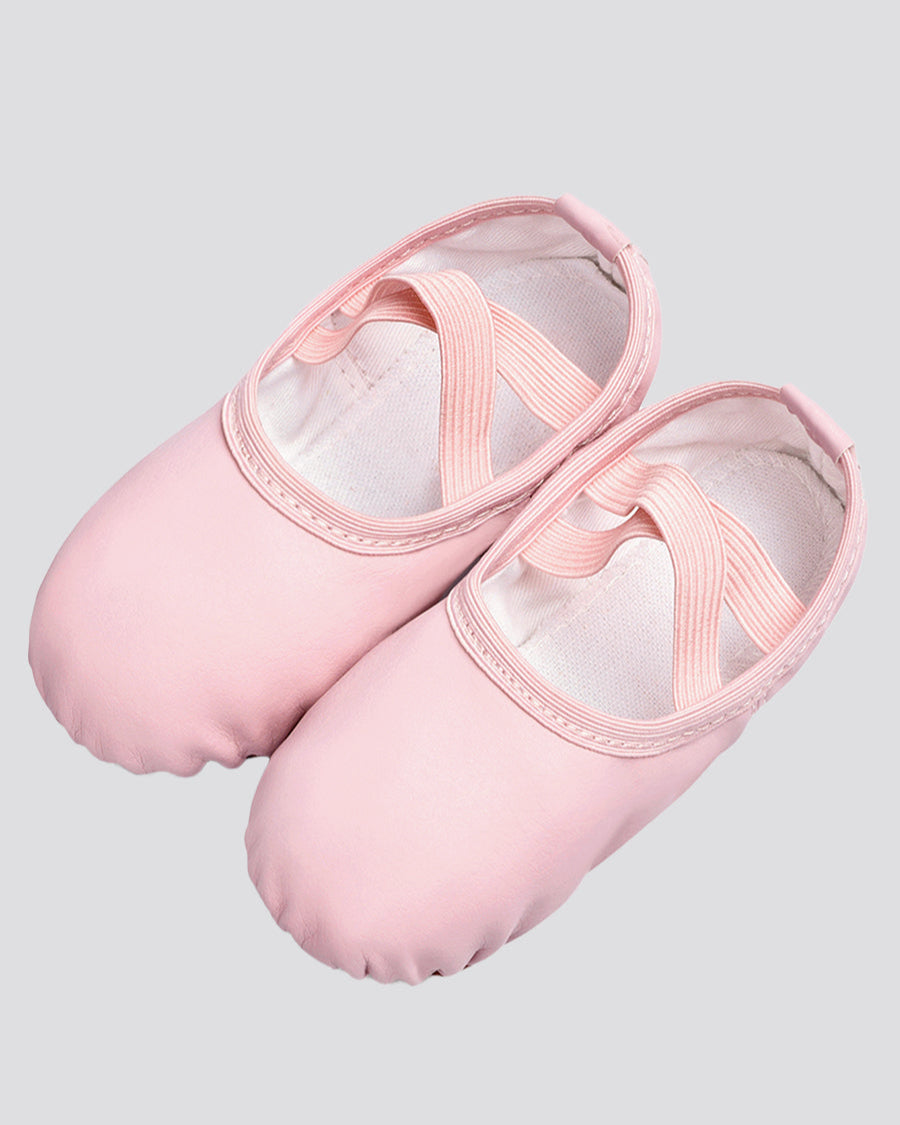
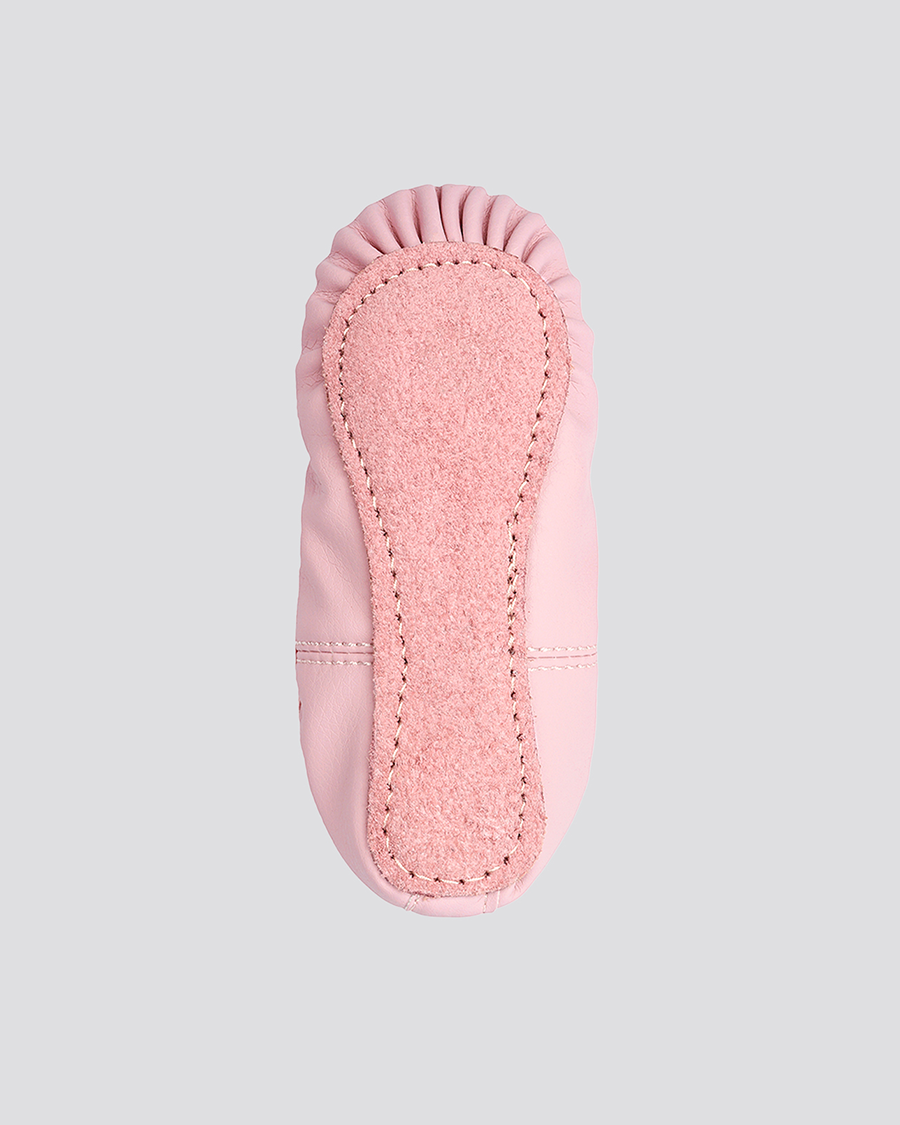
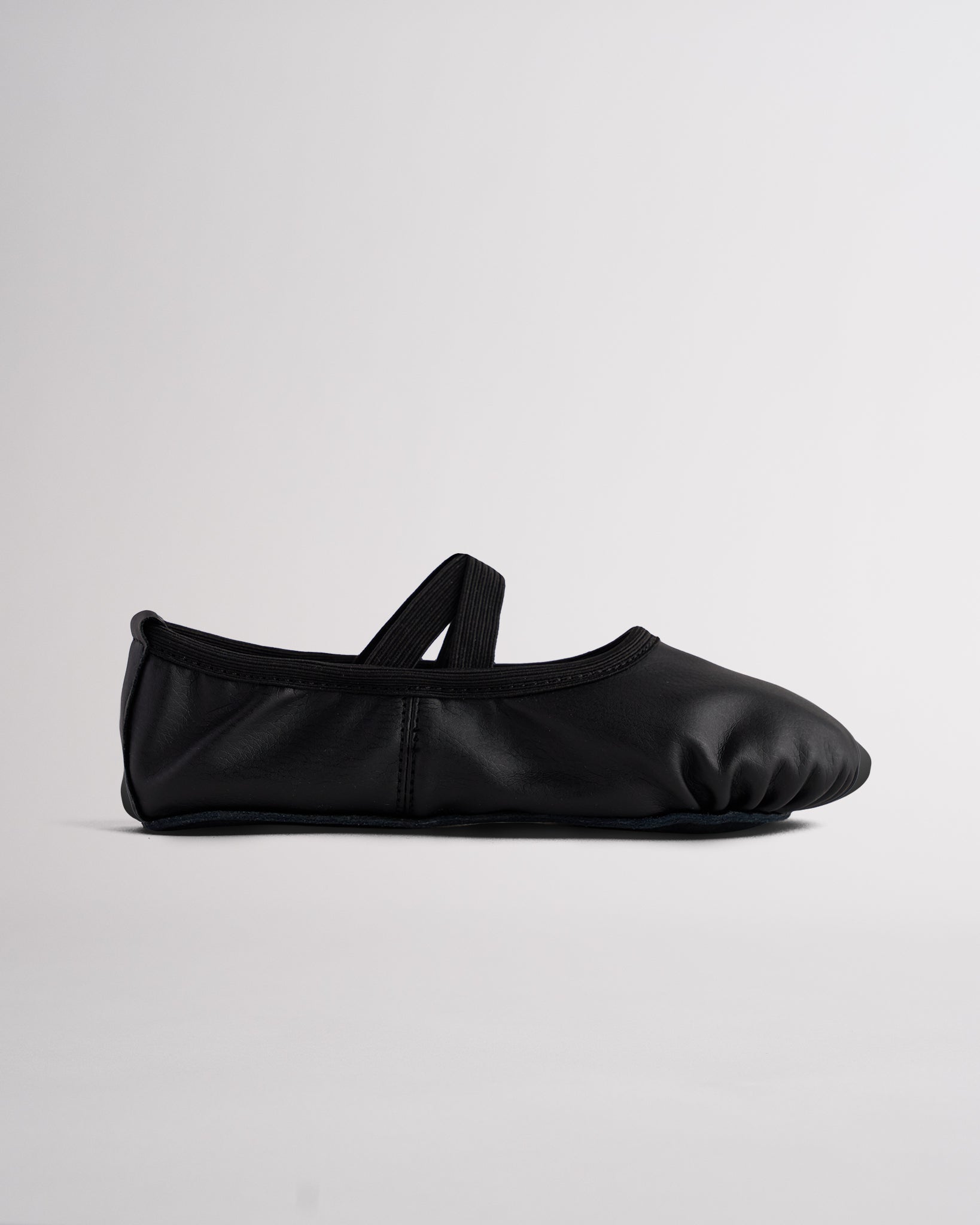
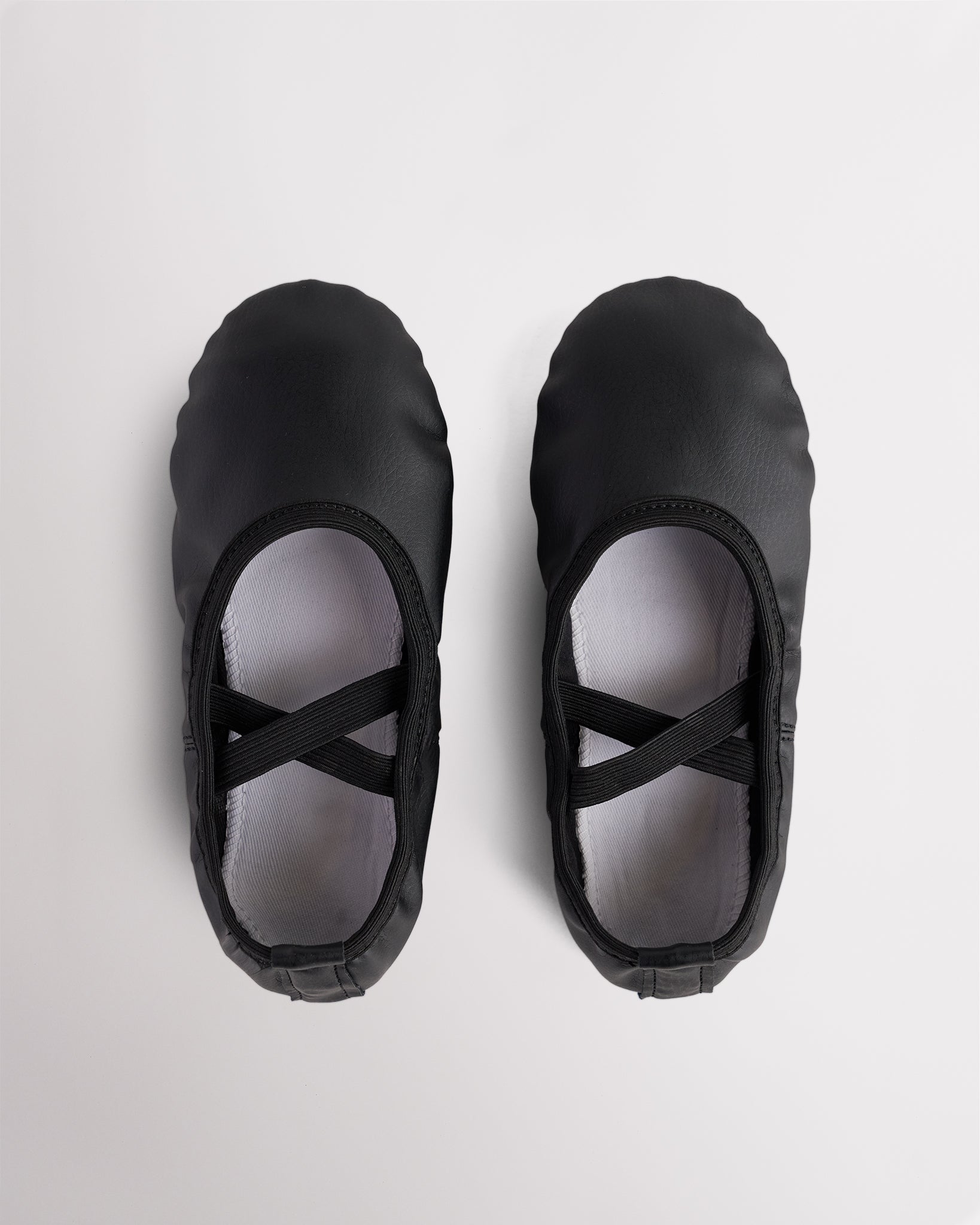
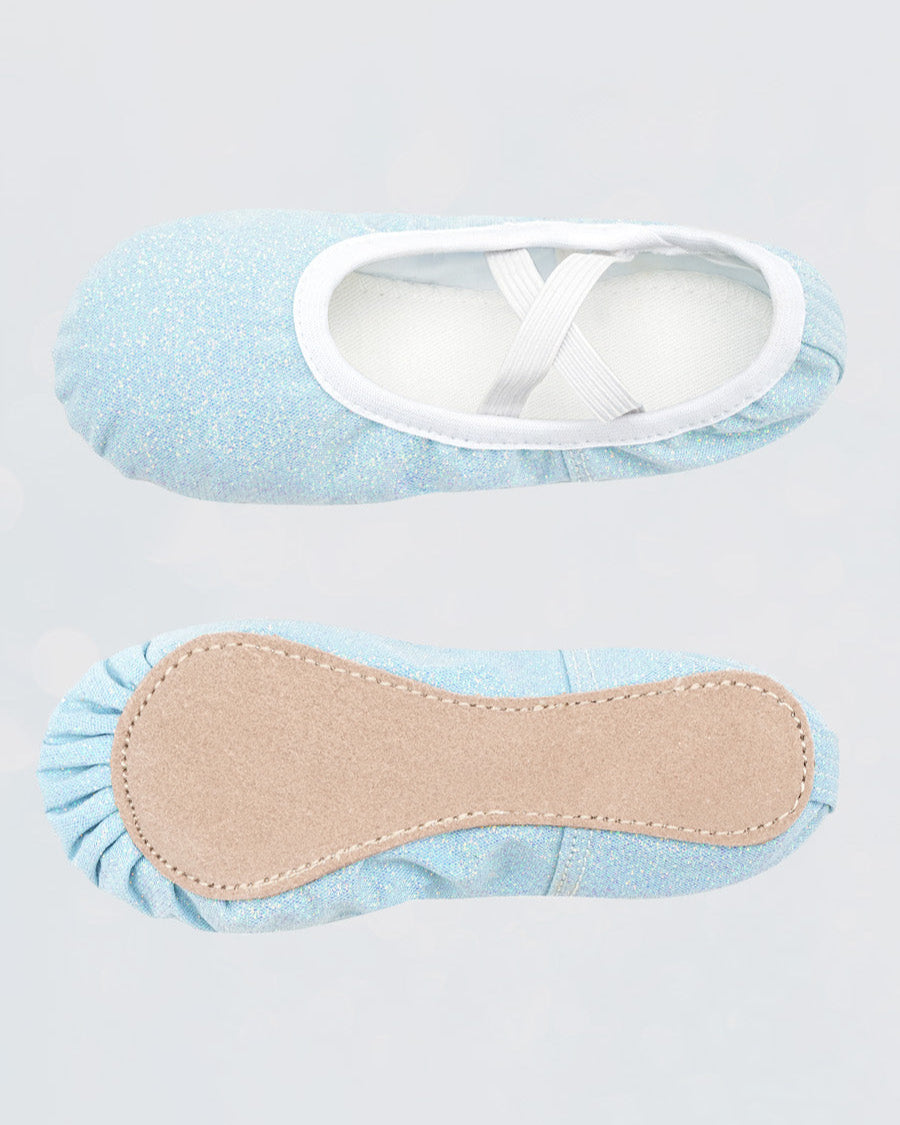
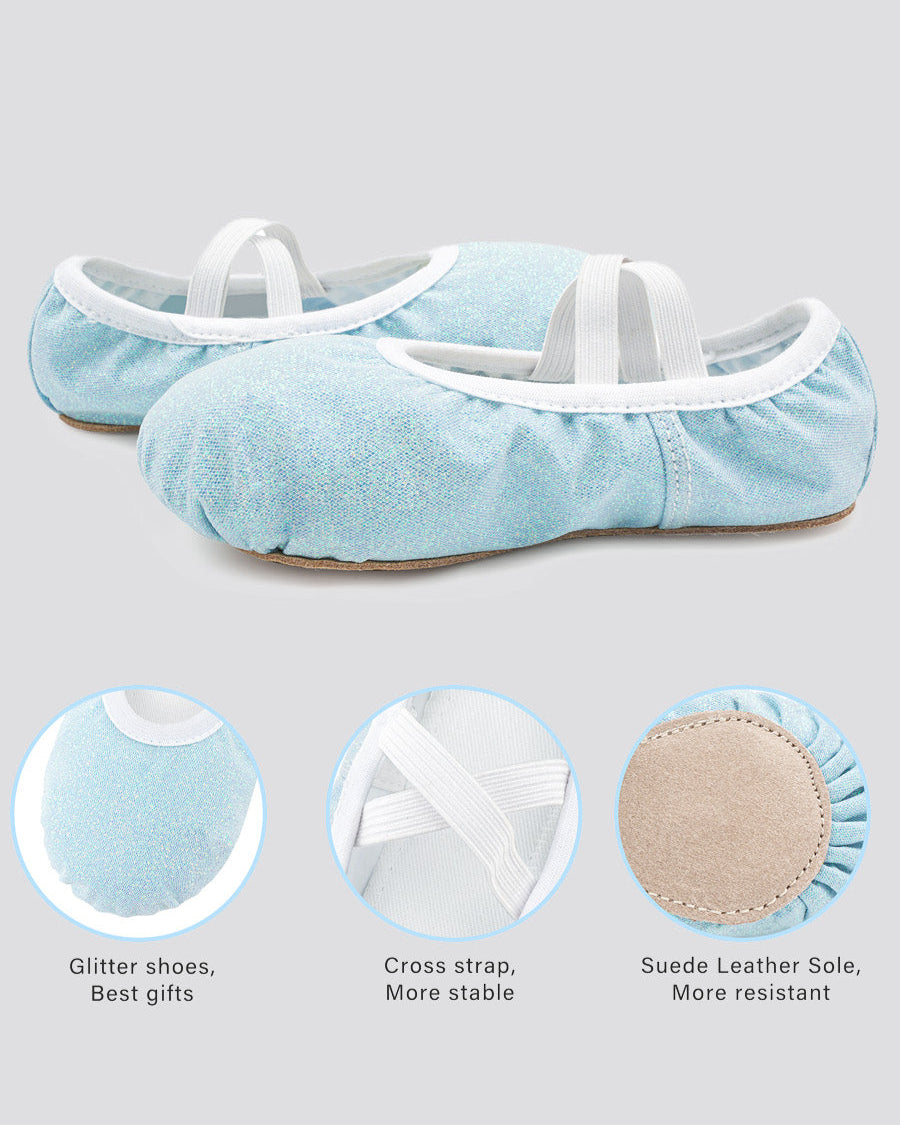
The most useful thing a parent can do with beginner ballet moves is make tiny, frequent practice easy. Most ballet moves for kids stick faster with five minutes most days than one long weekend session, and a kitchen counter works fine as a barre. Bare feet are fine on safe flooring; socks on hardwood are the main slip risk, so for regular practice a pair of fitted girls' ballet shoes lets her feel the floor like she does in the studio. Fitted clothing helps too: adults can only correct knees they can see, which is why studios ask for a simple leotard with dance tights rather than loose sweats.
Two teacher-tested tips. First, ask your child to teach you the step; explaining a tendu cements it better than repeating it. Second, when a move is hard to picture, watch a professional: Northern Ballet's The Moves library has short videos of company dancers demonstrating dozens of steps. If watching tempts you to join in, our adult ballet basics guide covers how grown-ups start. New to classes entirely? Here is what to expect from a first ballet class, so these beginner ballet steps arrive with less mystery.
FAQ About Ballet Moves
What is the side to side ballet movement called?
Usually a balancé, a rocking waltz step. A sway in place is a balancé; a sideways gallop that travels is a chassé.
What are jazz ballet moves?
"Jazz ballet" is an informal name for jazz dance built on ballet technique, and its core moves overlap with this list: chassés, pirouettes, and leaps keep the same names in jazz class. Our beginner's guide to jazz dance explains how the styles relate.
What easy ballet moves can kids practice at home?
Plié, tendu, relevé, and sauté are the safest picks: little space, no height, low fall risk. Balancé and chassé work once there is clear floor. Save pirouettes and grands jetés for the studio until a teacher sets them up.
At what age can kids start learning ballet moves?
Many studios enroll creative-movement dancers around age 3 and teach named steps like plié at 4 or 5, but programs vary, so confirm age cutoffs with the studio before signing up. Our best age to start ballet guide covers readiness.
Where can parents learn more ballet steps names?
The free American Ballet Theatre Ballet Dictionary defines hundreds of terms with audio pronunciations, and Northern Ballet's video library shows them performed. For the rest of the vocabulary, our ballet terminology glossary is written for parents.
About the Stelle Team
Stelle is a mom-trusted dancewear & athleisure brand best known for girls’ ballet and dance essentials since 2015. Every article is created and reviewed by the team behind the products, drawing on what we hear from dance teachers, studio owners, and dance parents every day. Learn more about Stelle.