



Dance Choreography for Kids and Teens: How to Choreograph a Dance Step by Step
Table of contents
Quick answer
Dance choreography is the art of planning a sequence of movements to music. To choreograph a dance, pick a song your dancer knows well, count it in 8-counts, build short movement phrases around one signature move, plan where dancers stand and how they travel, then practice, film, and clean the piece until it looks the way it sounds. With a simple song cut and a clear plan, many kids and teens can put together a solid 60 to 90 second routine in a few short practice sessions.
If your child came home from class announcing they want to make up their own dance for a talent show, a school event, a family performance, or just the living room, this guide walks you both through it. You do not need dance training to help. You need a phone for filming, some patience, and the steps below.

Key Takeaways
-
Choreography is planned movement set to music; the basic building block is the 8-count.
-
The fastest way to start is with a song your dancer already loves and knows by heart.
-
One repeated signature move (choreographers call it a motif) makes a beginner dance look intentional instead of random.
-
Groups need formations and transitions planned on paper before anyone learns steps.
-
"Cleaning" the dance (matching angles, timing, and energy) usually improves a routine more than adding harder moves.
-
Younger kids create best through games and prompts; teens do better with quiet support and honest feedback.
What is dance choreography?
Dance choreography is the sequence of steps, gestures, formations, and transitions that make up a dance, designed in advance rather than improvised on the spot. The person who creates it is the choreographer. In a studio setting your child mostly learns someone else's choreography; making up their own flips that around, and it teaches musicality, memory, and creative confidence in a way that following along cannot.
Choreographers work with a small set of raw materials: what the body does, where it moves, and with how much time and energy. If you want the full framework, our companion piece on the elements of dance, explained simply breaks those down. And if your dancer has not settled on a style yet, skimming the different types of dances together can help them pick a lane before they start.
How to choreograph a dance in 7 steps
These steps work for a solo or a small group, and for most styles: ballet, jazz, hip hop, lyrical, or a freestyle mix.
Step 1: Pick music you can work with
Choose a song your dancer already knows well. Familiar music means they can hear what comes next, which makes choreographing dramatically easier. A few filters worth applying:
-
Length: for beginners, aim for 60 to 90 seconds. Cut a longer song down (most phone apps can trim audio) rather than trying to fill three minutes.
-
Clean and age-appropriate: check the lyrics, not just the radio edit label.
-
Clear beat: songs with an obvious, steady beat are much easier to count than atmospheric ones.
For younger kids, instrumental music often works better. Teachers who run children's choreography programs tend to prefer music without lyrics because words push kids toward acting out the song instead of inventing movement, a point made by the studio directors interviewed in Dance Teacher magazine's guide to young creators. If you are hunting for options, our guide to the best ballet music for kids is a good starting shelf, and plenty of those pieces suit lyrical and contemporary work too.
Step 2: Count the music in 8-counts
Almost all dance choreography is organized in 8-counts: sets of eight steady beats that match how most pop, jazz, and classical phrases are built. Have your dancer play the song and count out loud, "1, 2, 3, 4, 5, 6, 7, 8," starting over at each new phrase. Then map the song on paper: intro, verse, chorus, bridge, ending, with the number of 8-counts in each.
This map is the skeleton of the dance. A 60 second song at a typical pop tempo holds roughly 15 to 20 8-counts, which sounds like a lot until you realize each 8-count only needs one or two movements. Suddenly the project feels doable, and that feeling matters for a 10-year-old staring at a blank studio.
Step 3: Choose a signature move (your motif)
Before building the whole dance, have your dancer invent or pick one move they love: a jump, a turn, a freeze, an arm pattern. Choreographers call a repeated movement idea a motif, and it is the single easiest trick for making a beginner piece look designed. Repeating the signature move at the start, the chorus, and the ending ties the dance together, the same way a chorus ties a song together.
If "make up a move" causes a stall, use a prompt instead. Teachers at children's choreography programs report that many kids freeze or get stressed when asked to create from nothing, and that constraints actually help (Dance Teacher). Try prompts like making a shape inspired by a letter of the alphabet, doing slow-motion sports, or traveling across the room without walking. Freestyling to the song and filming it also works well; the STEEZY choreography method is built around freestyling first and keeping the accidents you like.
Step 4: Build one section at a time
Encourage your dancer not to choreograph front to back. Have them start with the chorus, or whichever section of the song is the most exciting, because it repeats and gives the most finished dance per idea. Professional choreographers interviewed by Red Bull make the same point: work in sections, and feel free to start from the middle or the end rather than the beginning.
A good session rhythm: they pick one section and fill its 8-counts with simple movement, they run it five times, you film it, and everyone is done for the day. A routine built across four or five short sessions usually turns out better than one marathon afternoon.
Keep the ambition honest. As a rough guide:
|
Setting |
Typical length |
8-counts to fill |
|---|---|---|
|
Short video or TikTok-style routine |
15 to 30 seconds |
4 to 8 |
|
Talent show or class share |
60 to 90 seconds |
~15 to 22 (at a typical pop tempo of about 120 bpm) |
|
Recital-style piece |
2 to 3 minutes |
30+ |
A beginner's first project belongs in the top two rows.
Step 5: Plan formations and levels
For a group dance, decide where each dancer stands before teaching any steps. Common beginner-friendly formations: a straight line, two staggered lines (windows, so everyone is visible), a triangle with one dancer at the point, and a diagonal. Sketch each formation as dots on paper and plan two or three changes across the song; a formation change on a chorus reads as a big moment even when the steps are simple.
Solos still use this step, just with levels and directions instead of formations: some movement high (jumps, relevé), some low (floor work, lunges), some traveling, some in place. A dance that visits different levels and directions looks fuller without a single extra trick.
 Step 6: Connect sections with transitions
Transitions are the short bits of movement that carry dancers from one section or formation to the next: a walk, a chassé, a roll, a turn. Beginners usually forget them, which is why homemade dances often stop, shuffle awkwardly, and restart. Assign each transition its own 8-count and treat it as part of the dance. A useful rule of thumb: if the feet need to move to a new spot, the music should be doing something while they do.
Step 7: Practice, film, and clean the dance
Once the whole routine exists, shift from creating to cleaning. In studio language, cleaning means making the details match: same arm height, same timing, same direction of travel, same energy. Film a full run on your phone, watch it together, and pick just two or three fixes per run. Filming is the tool professionals lean on constantly, since choreography that feels right can look different on camera (Red Bull).
Then drill the tricky spots slowly before putting them back at tempo. A cleaned simple dance almost always beats a sloppy ambitious one, and kids can see the difference themselves on video, which lands far better than a parent saying it.
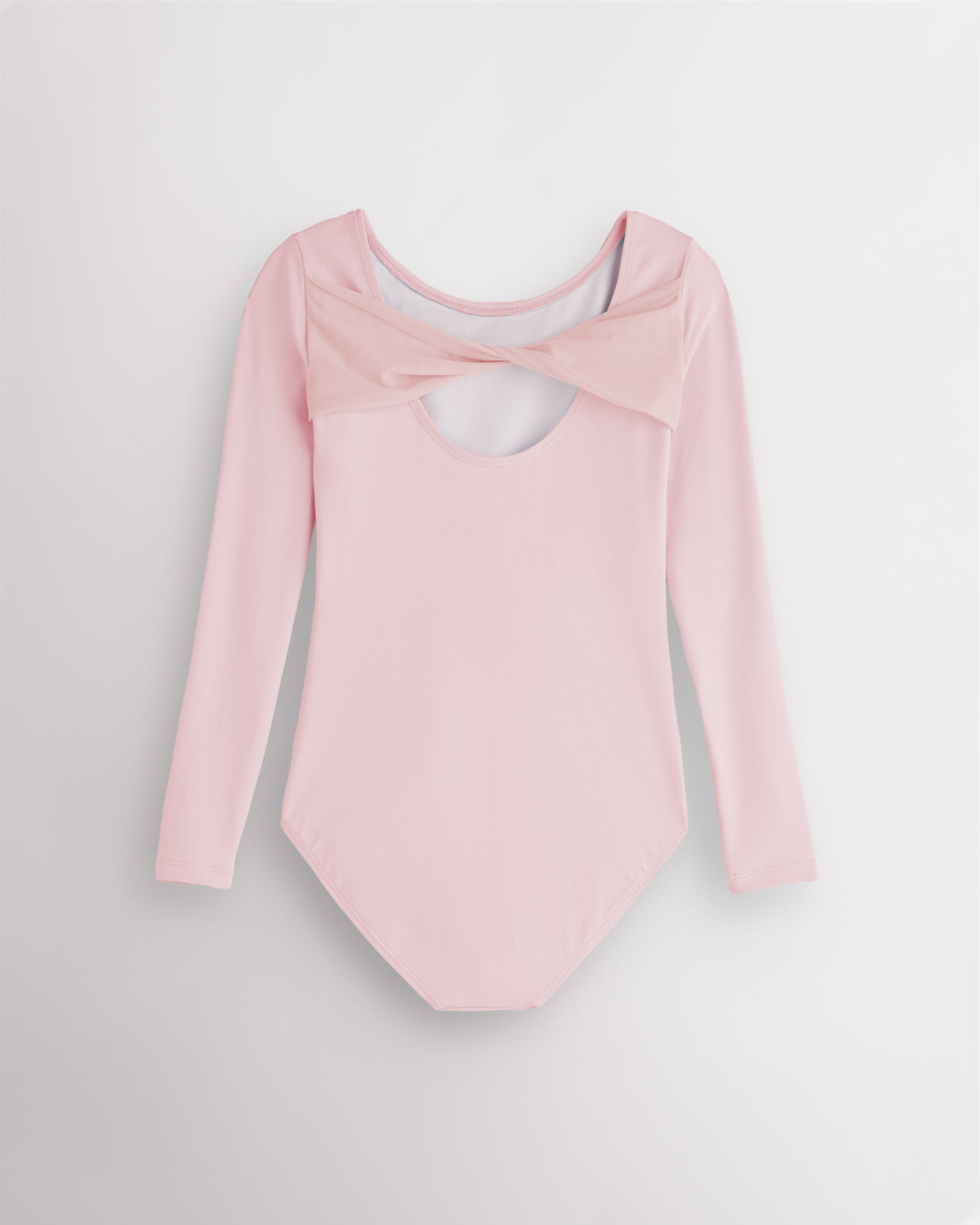
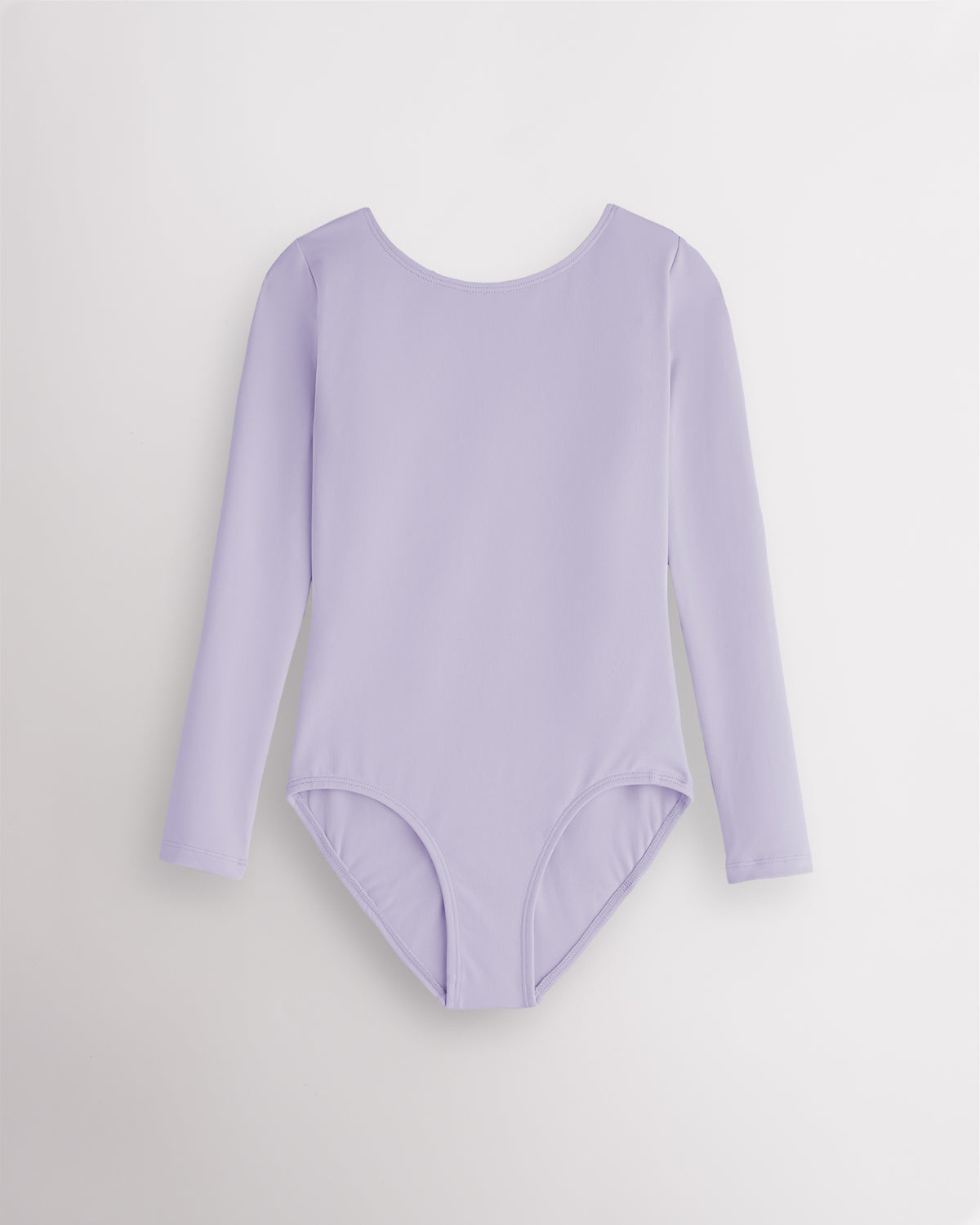
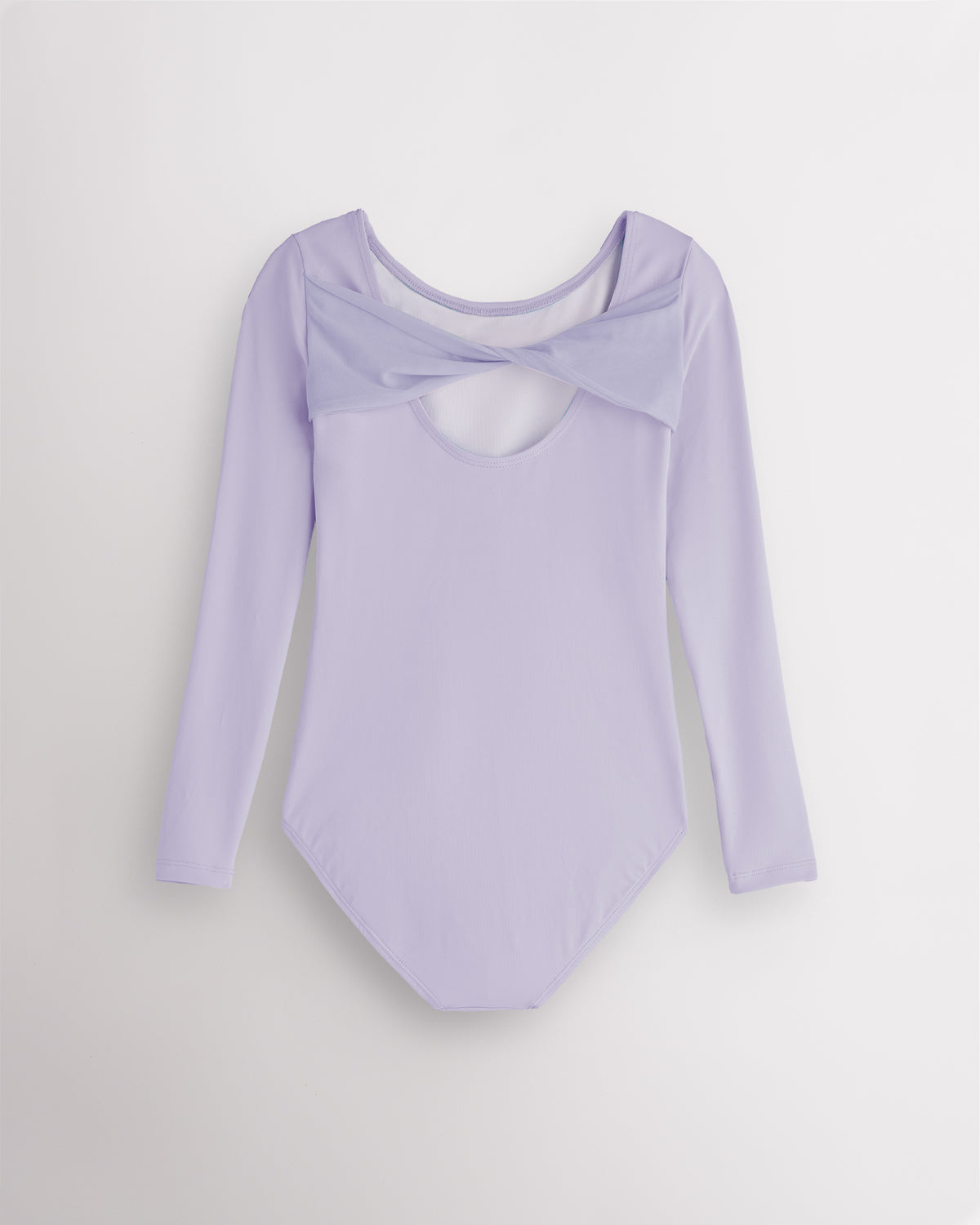
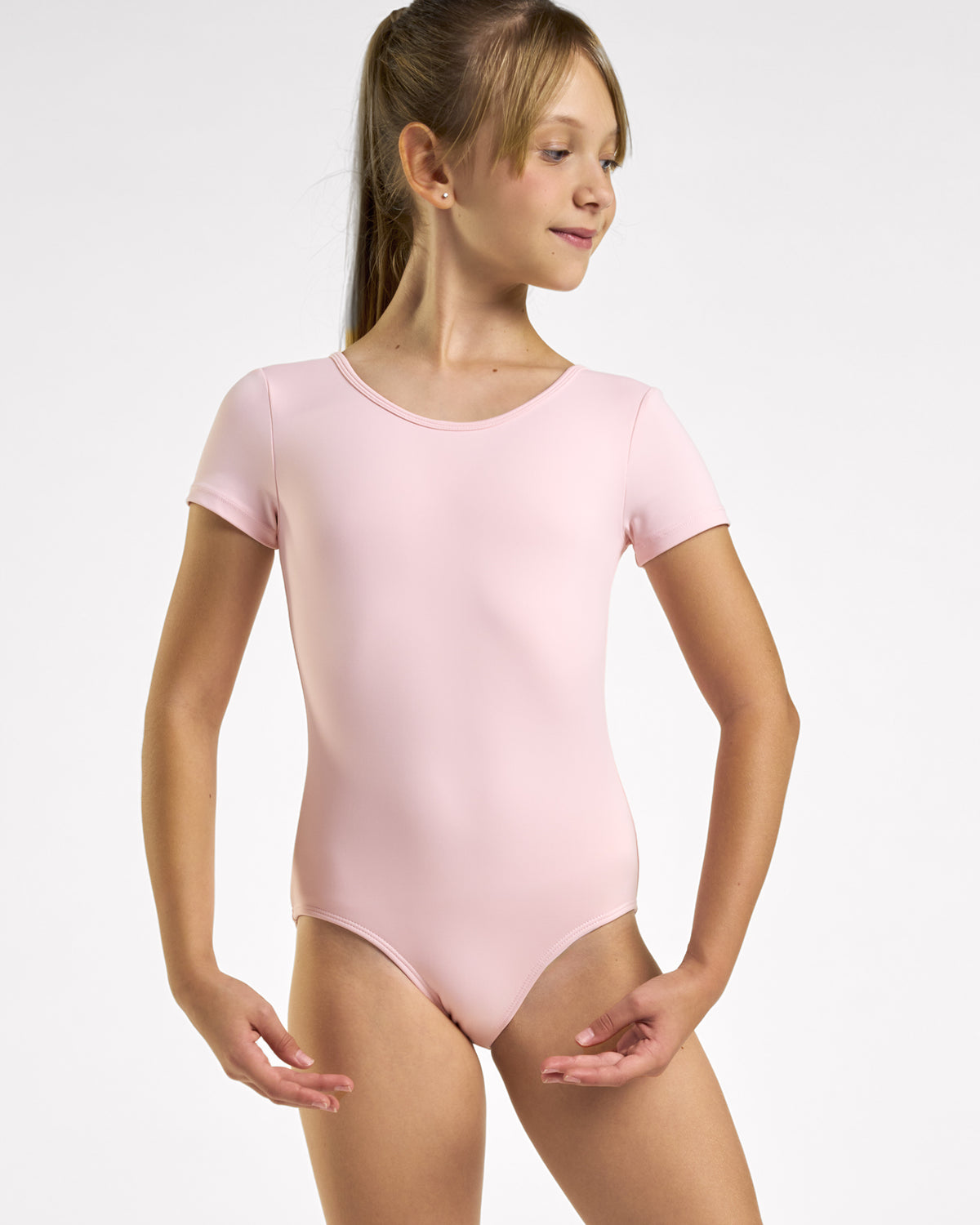
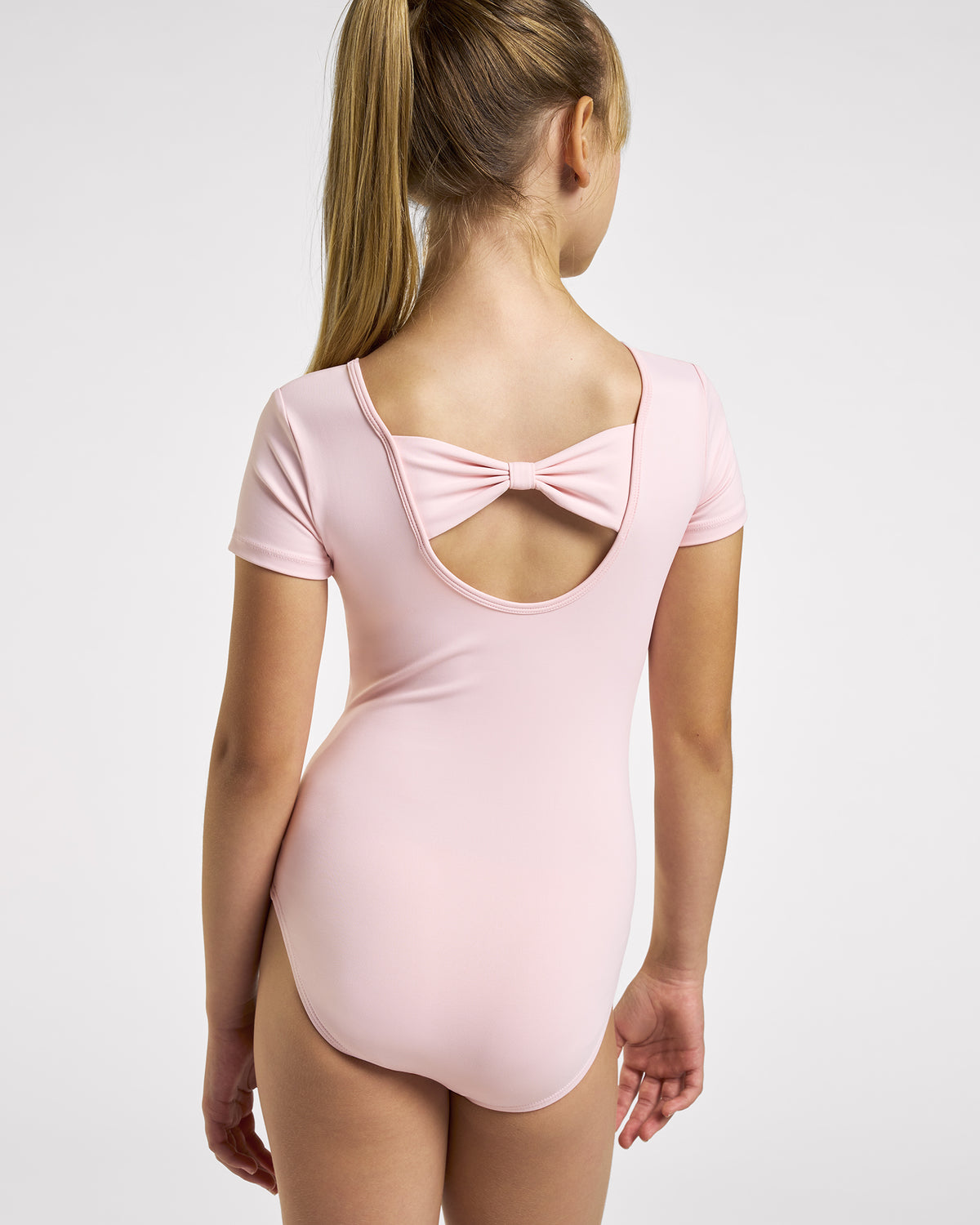
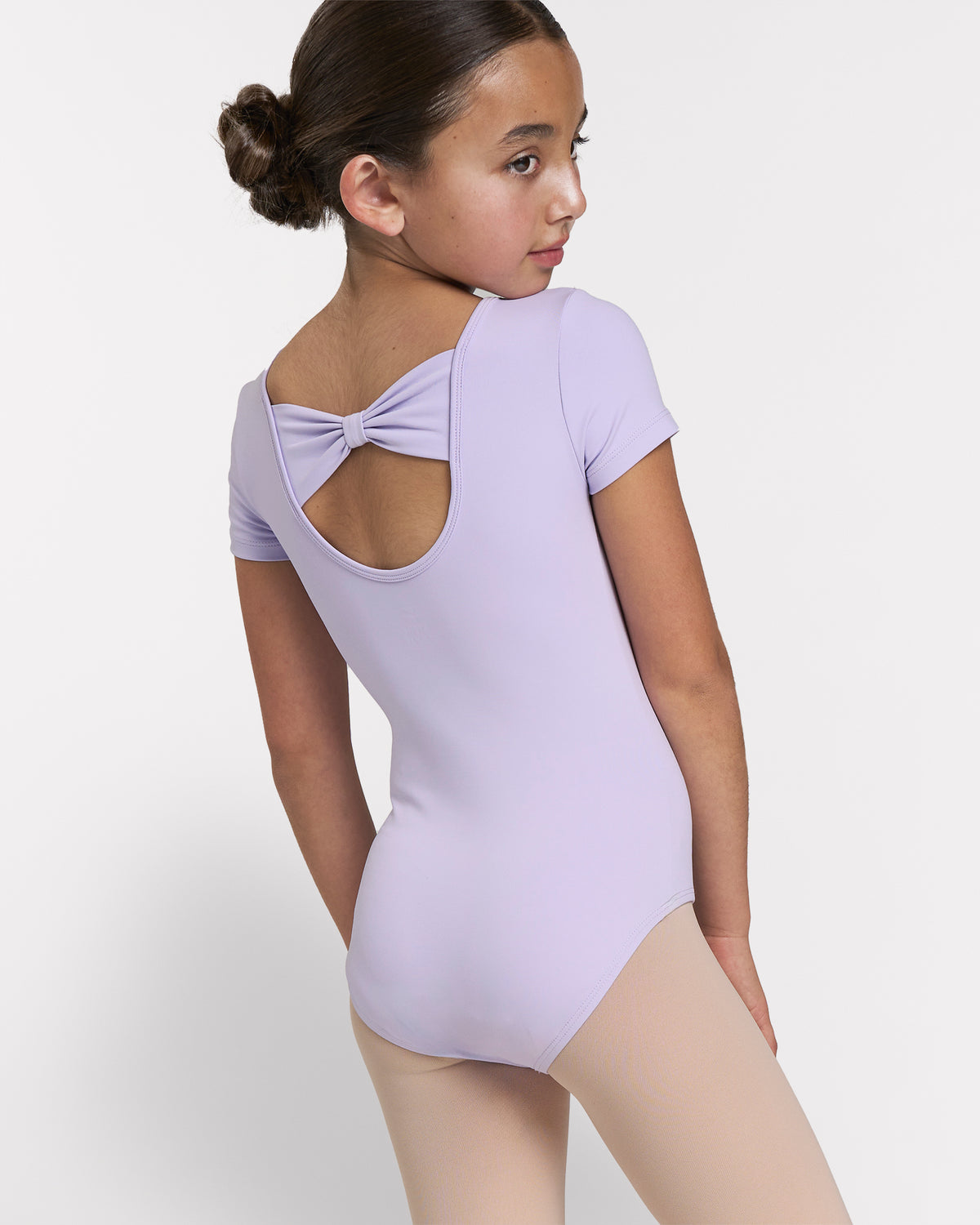
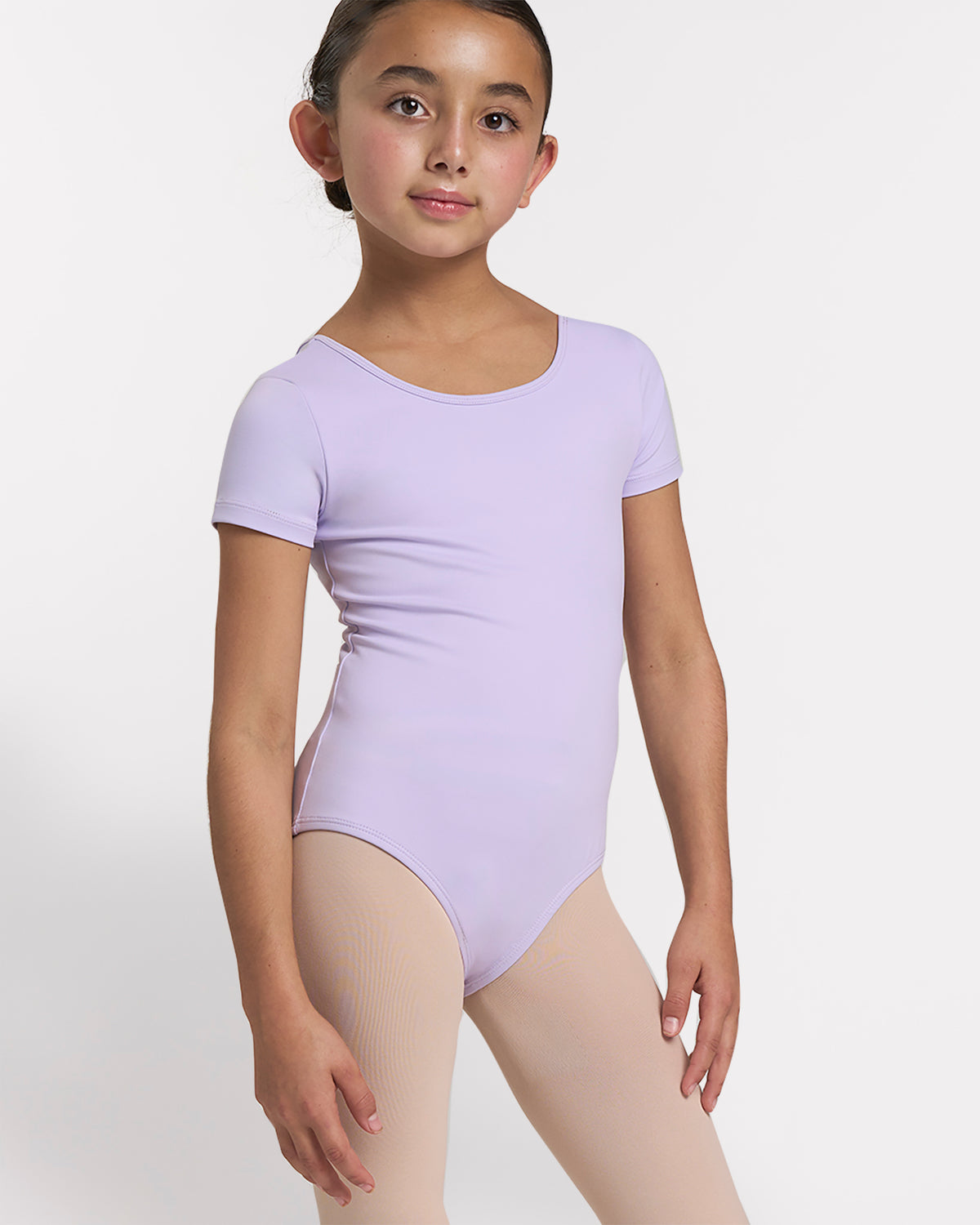
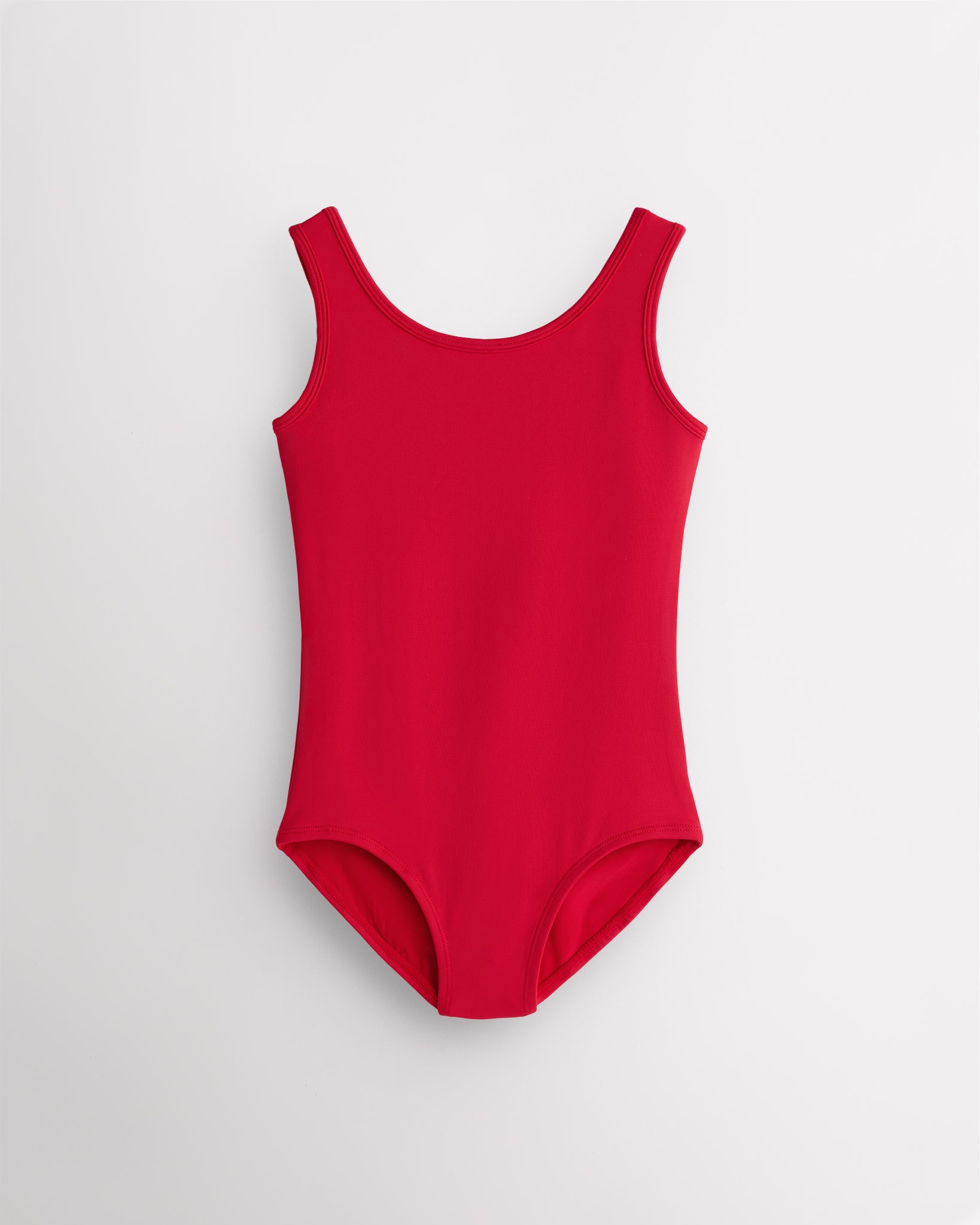
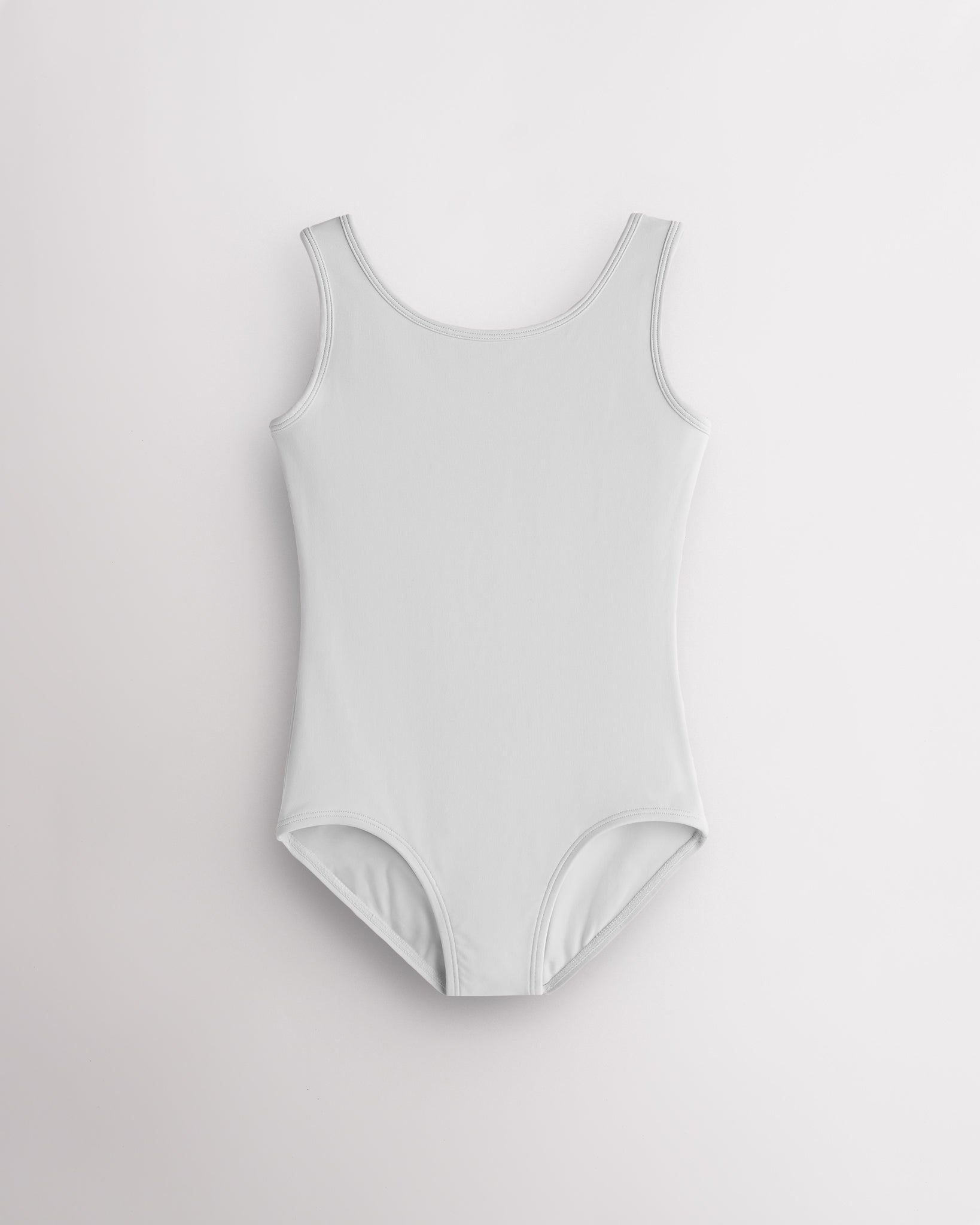
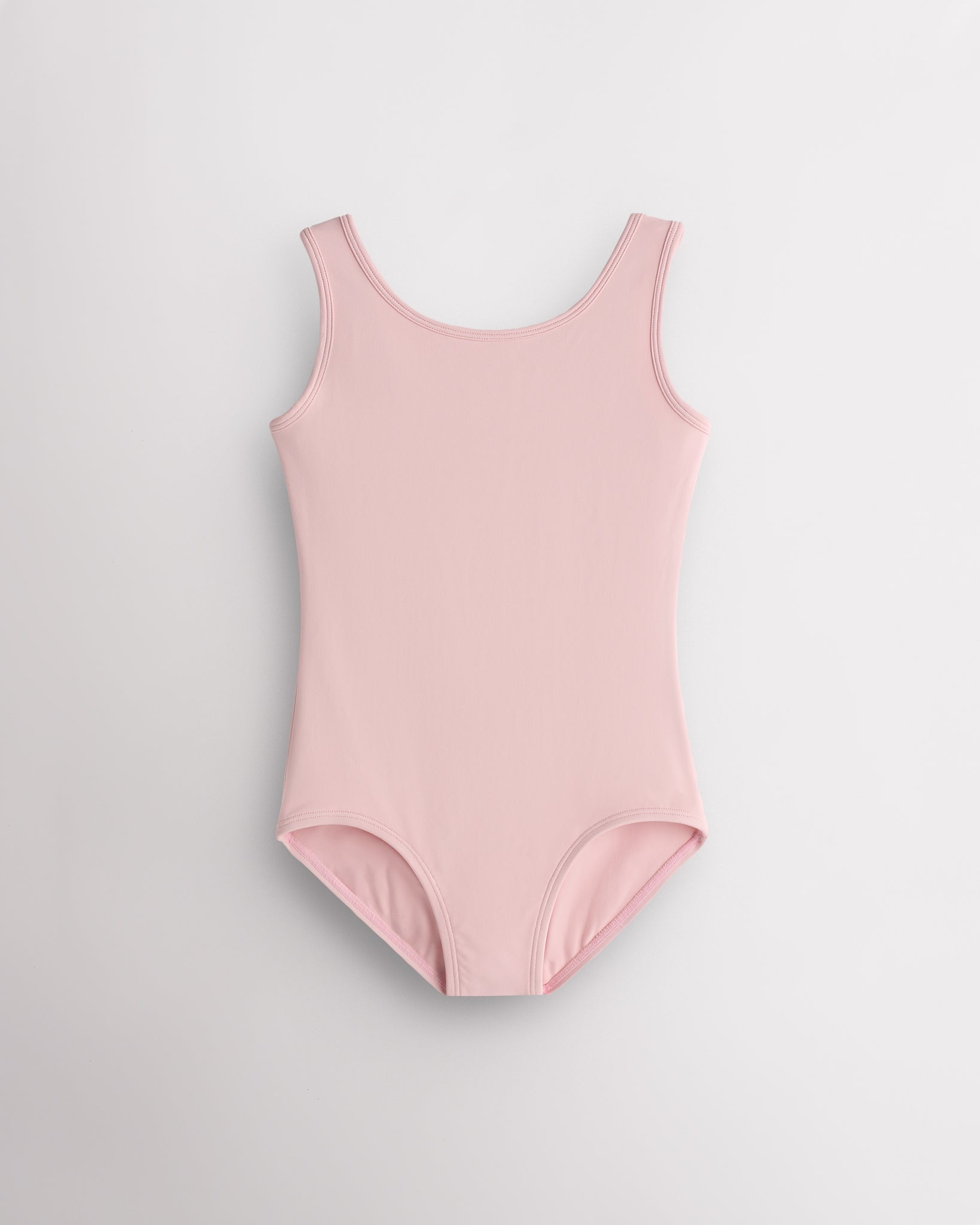
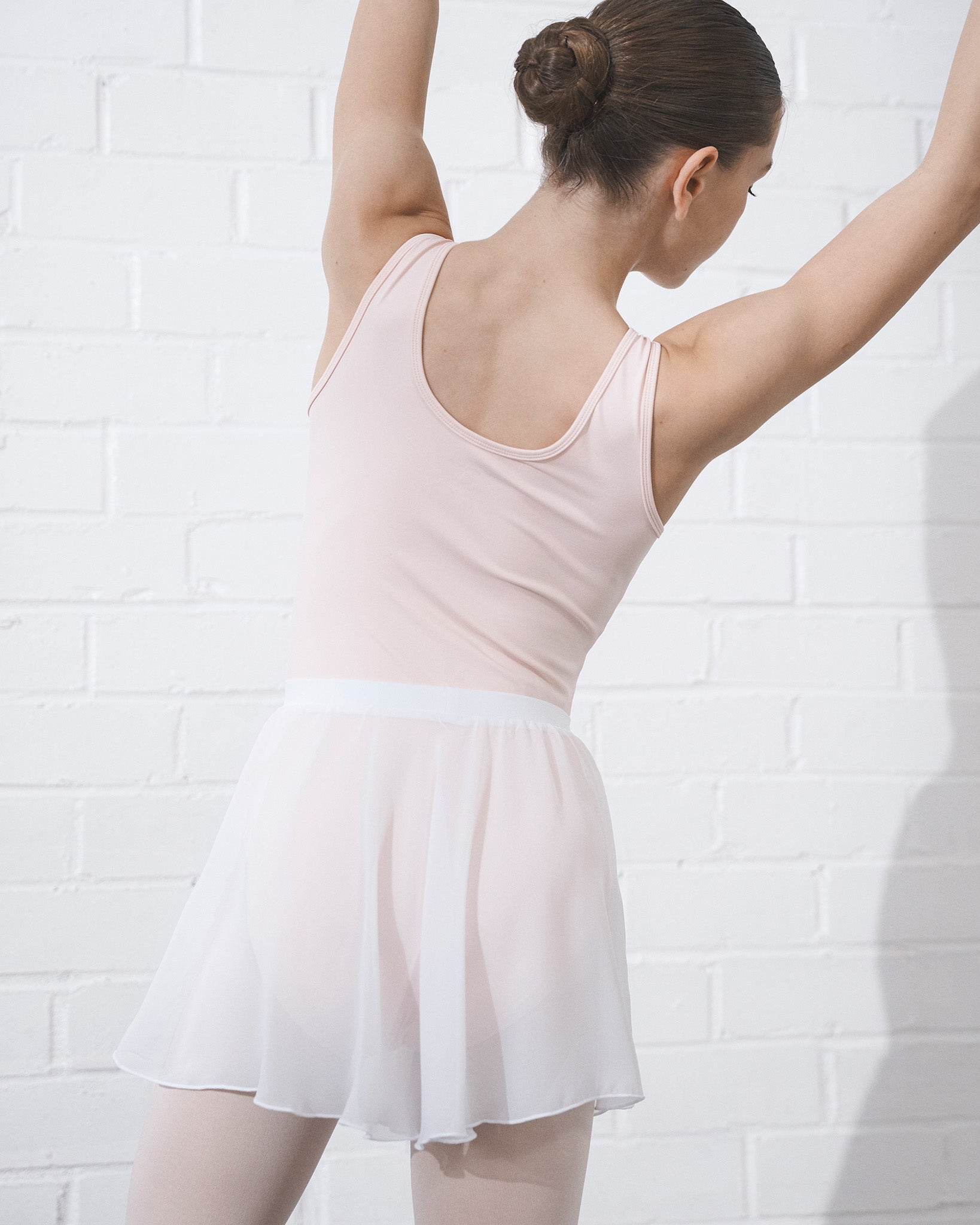
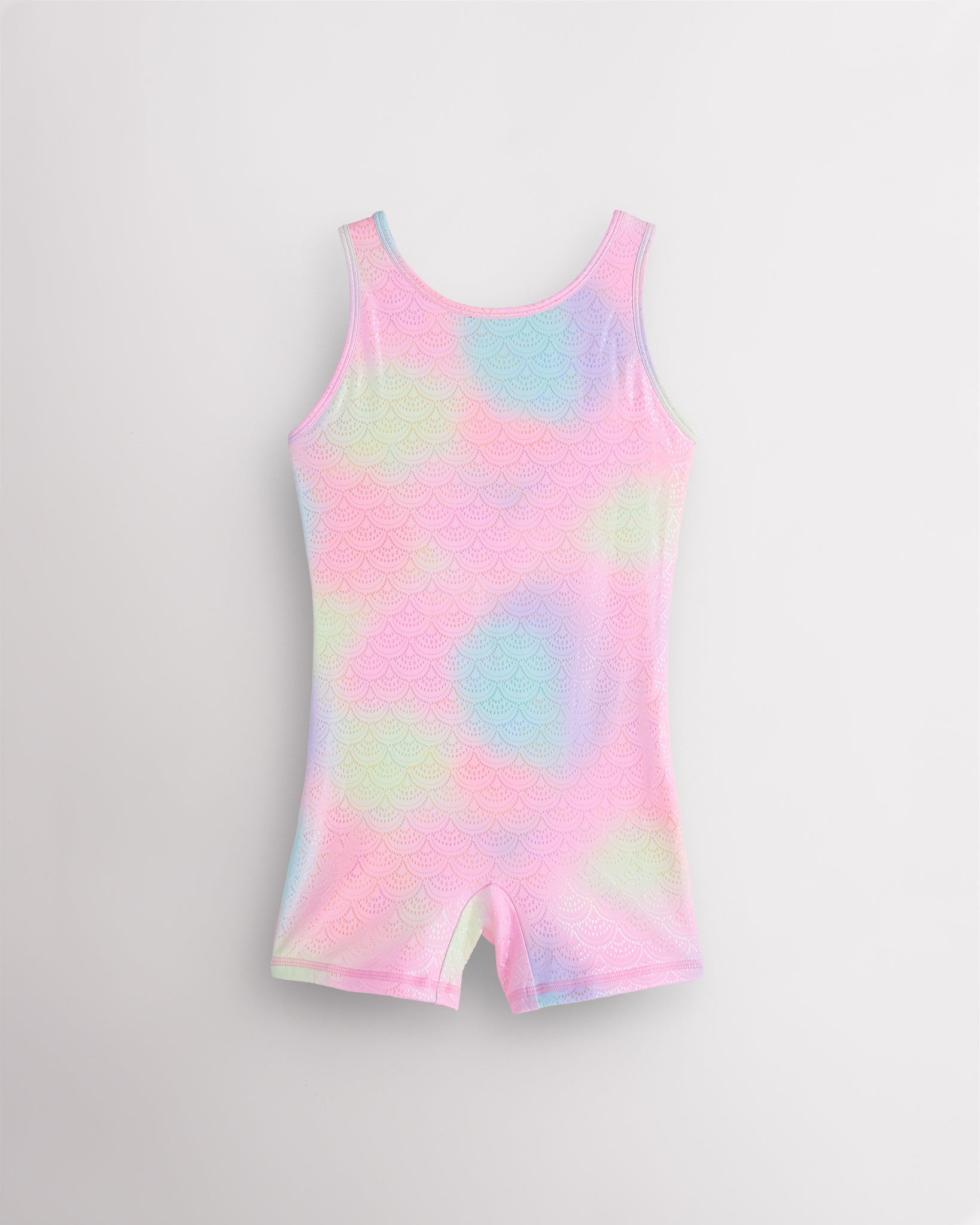
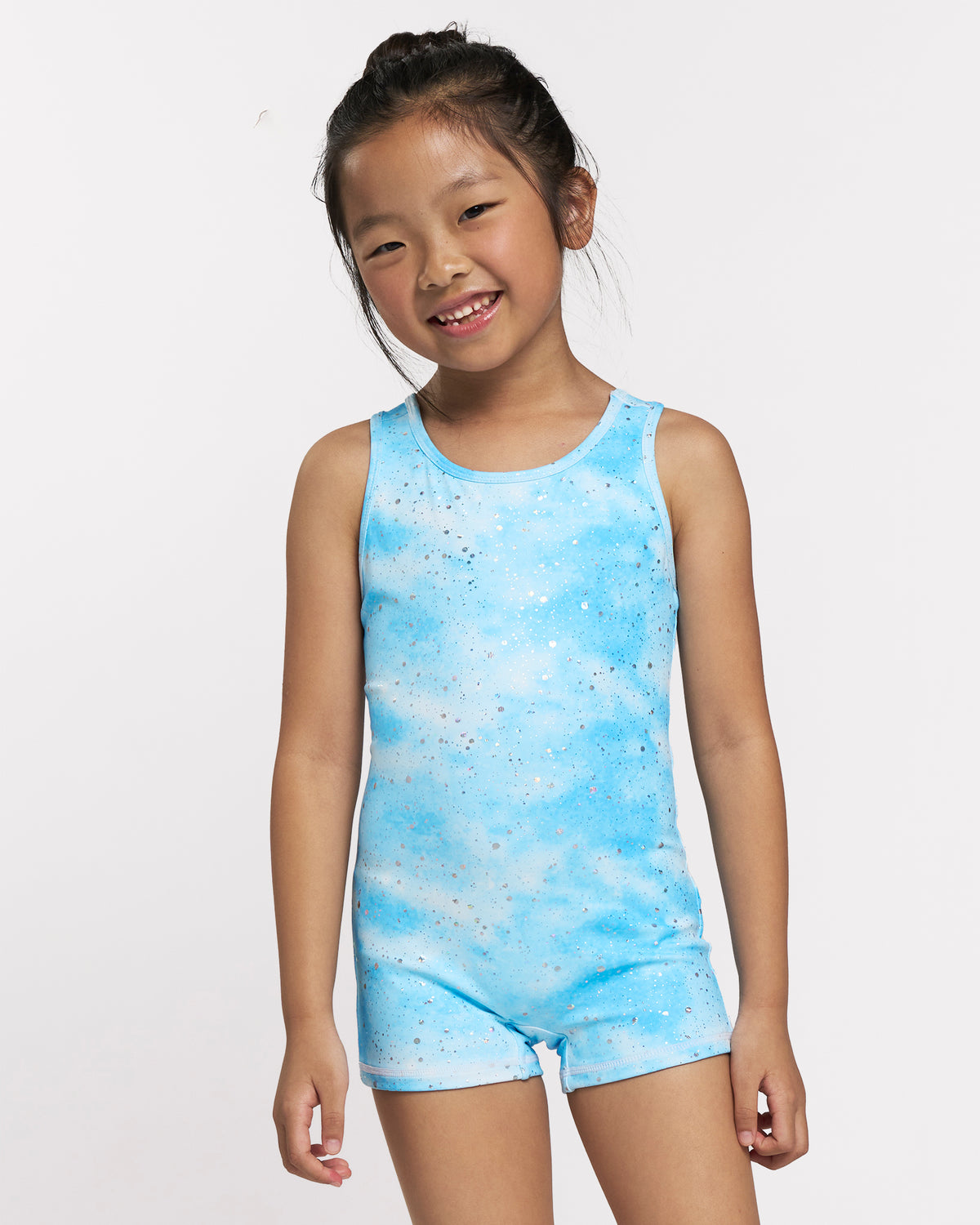
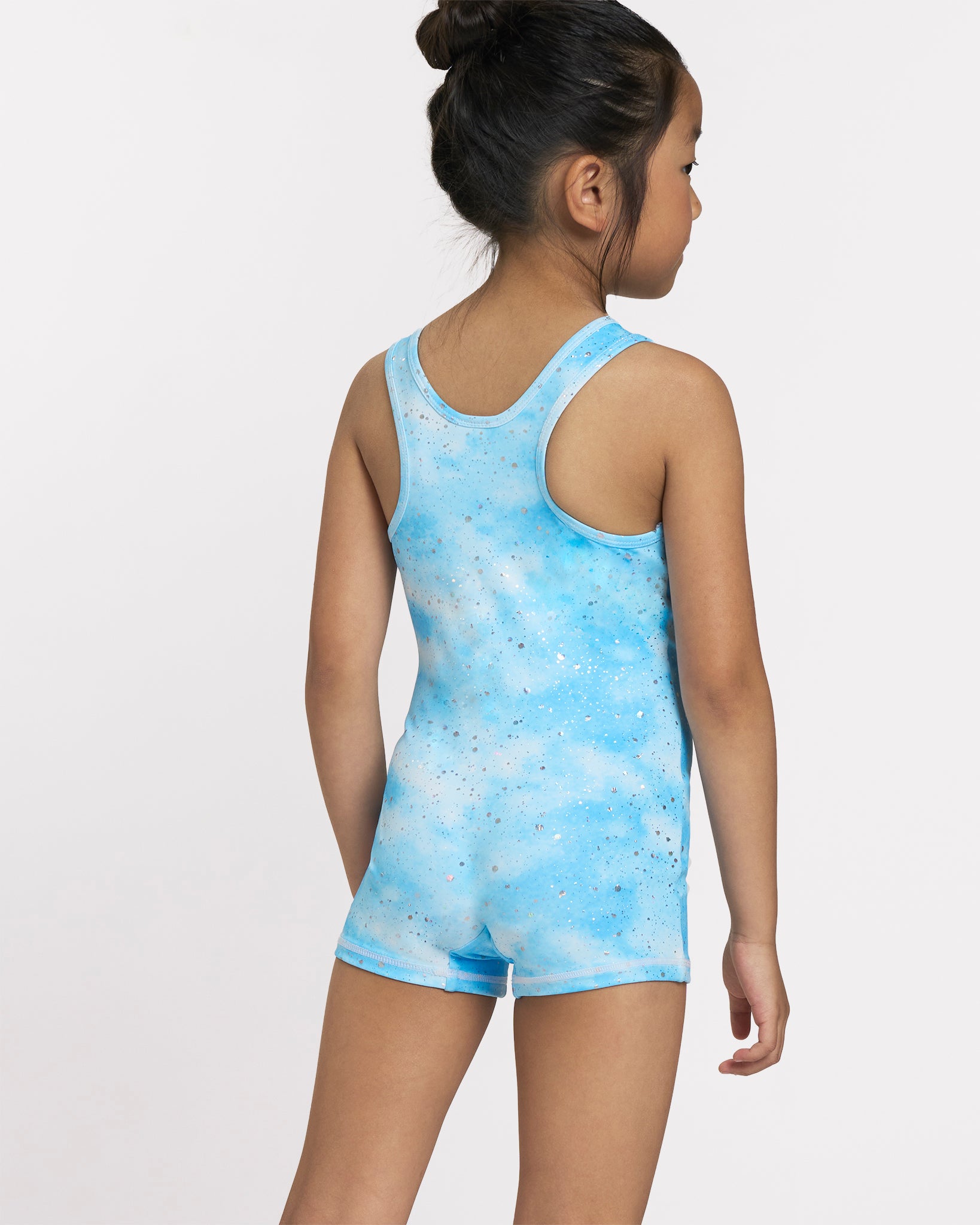
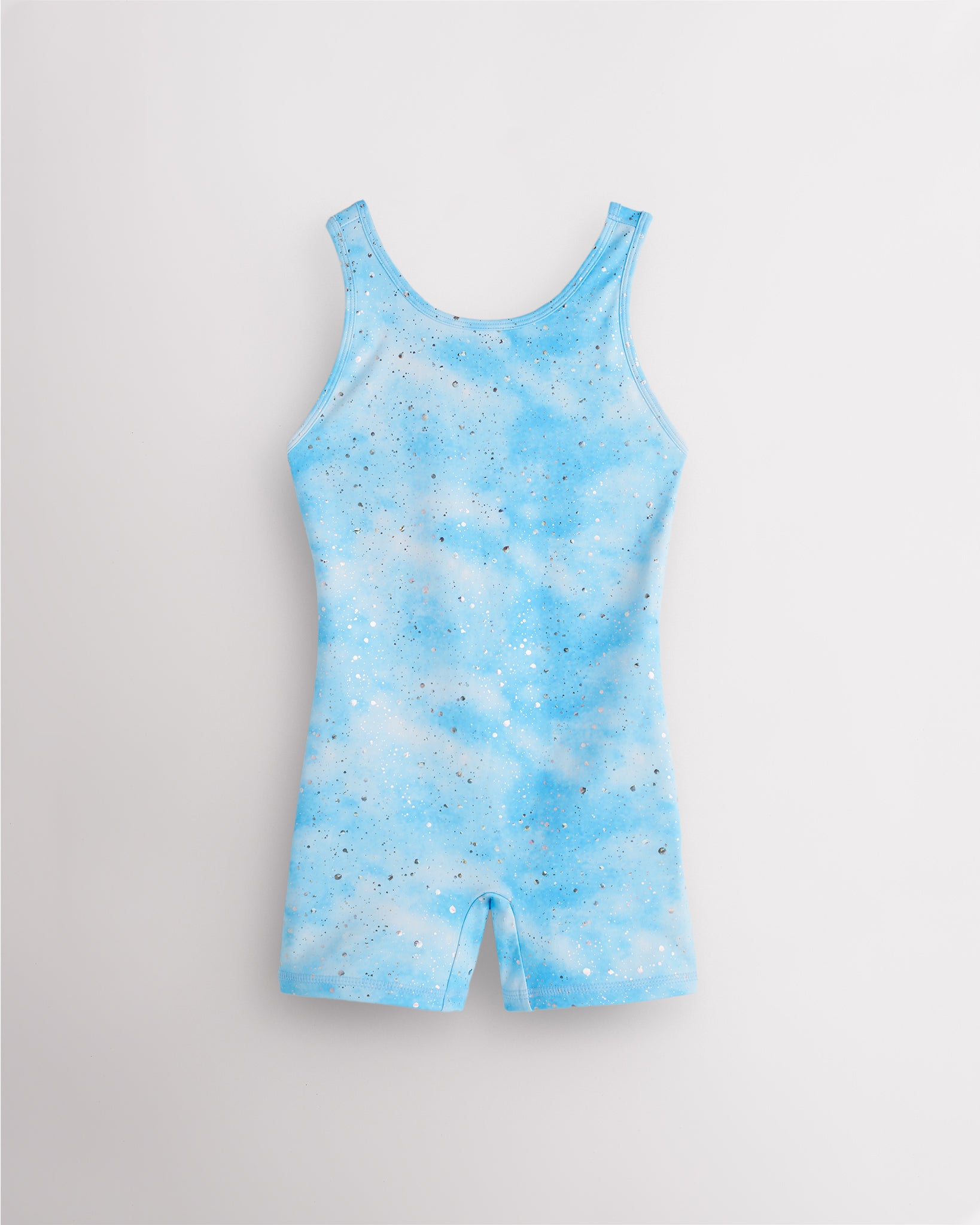
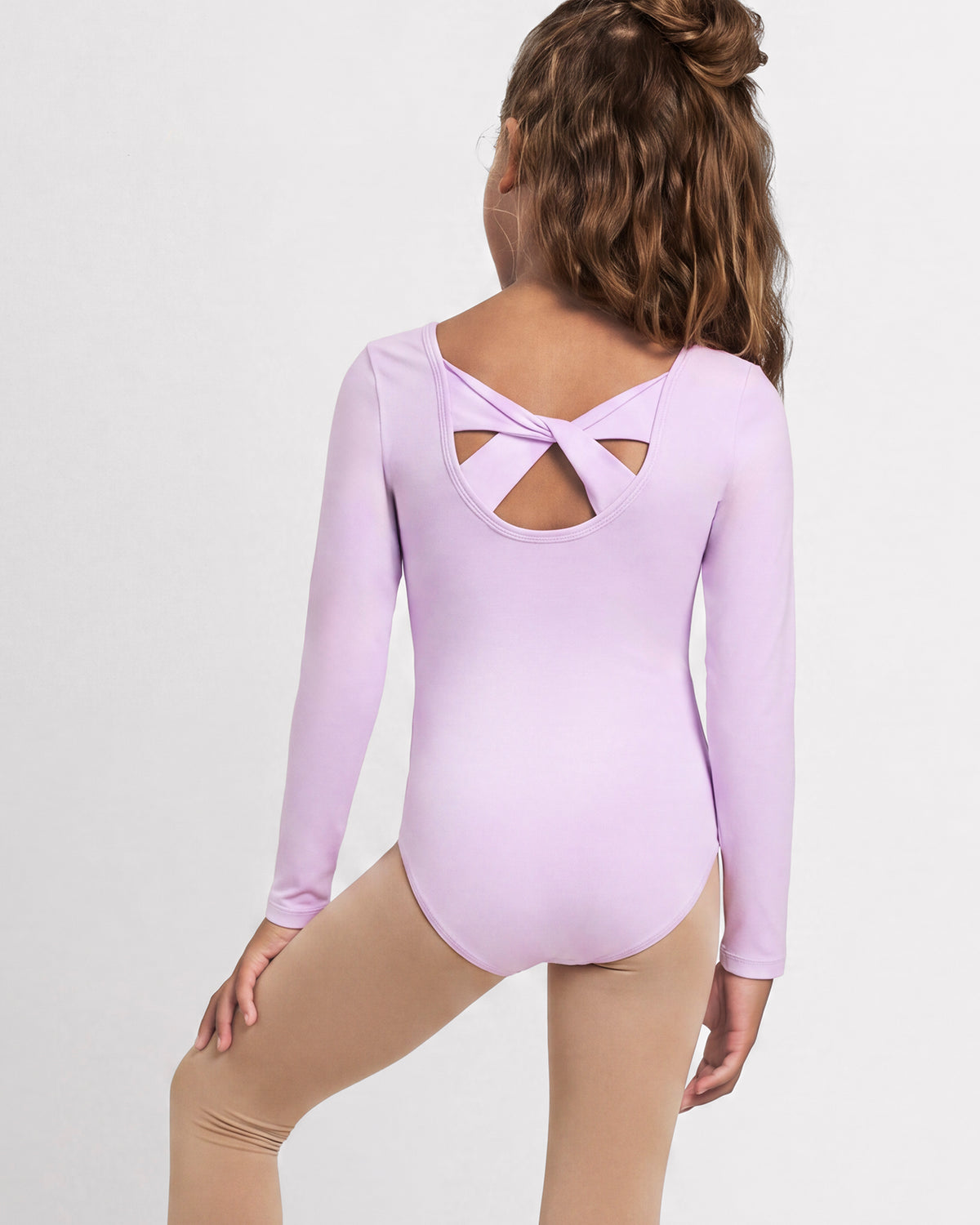
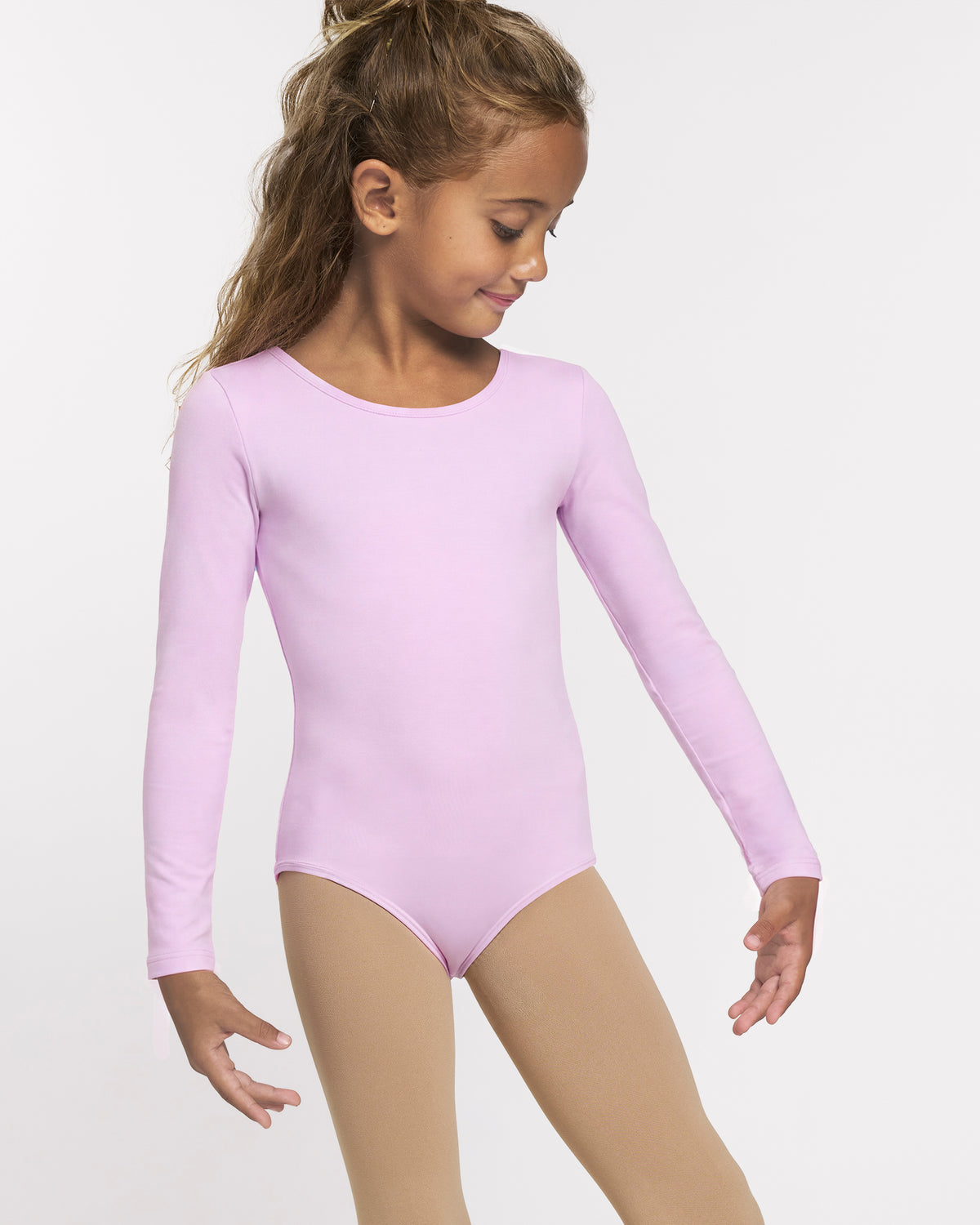
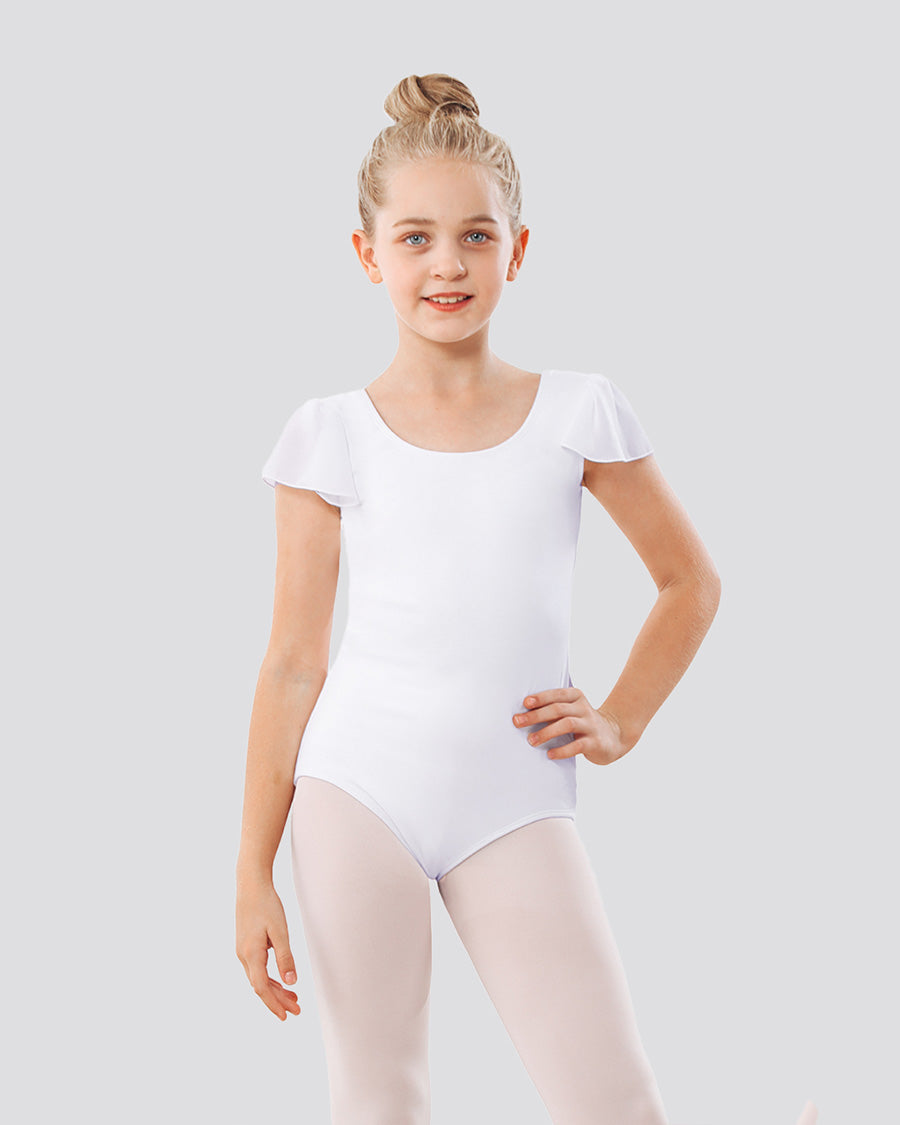
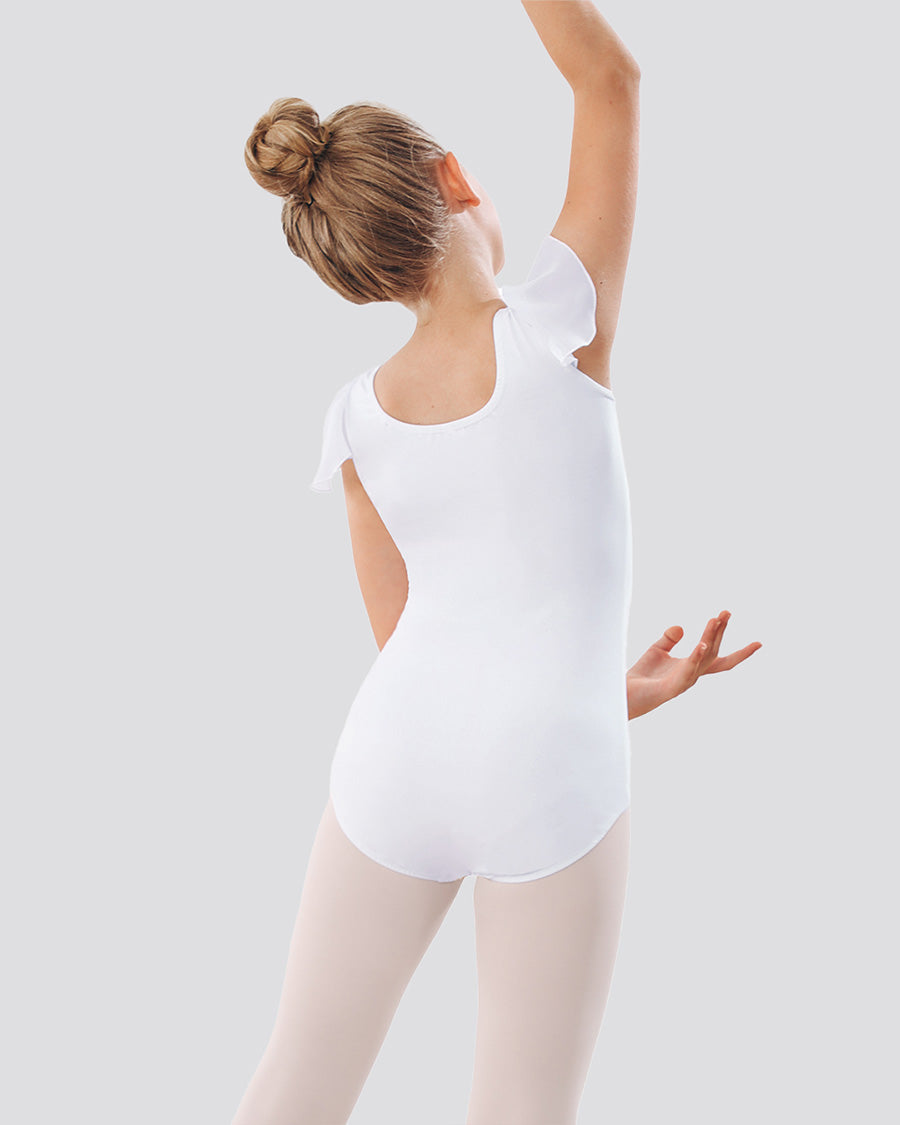
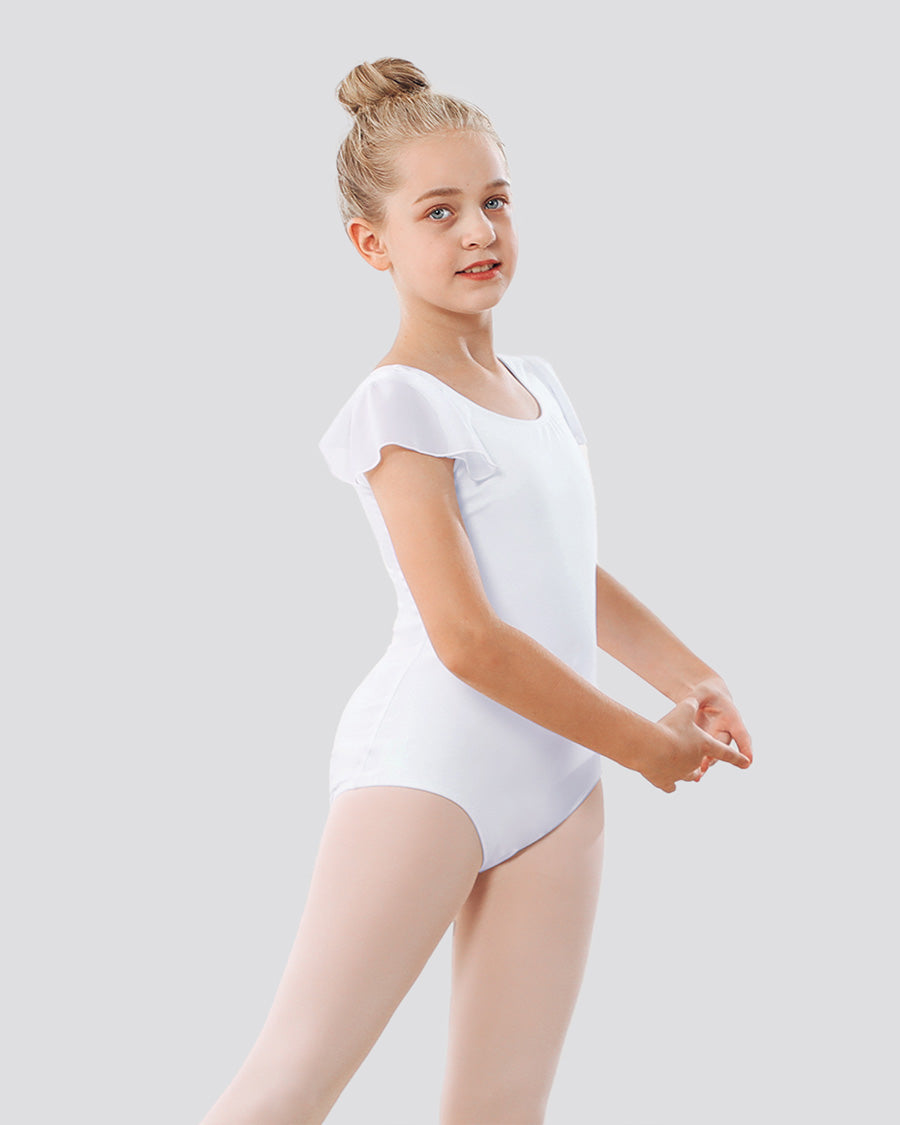
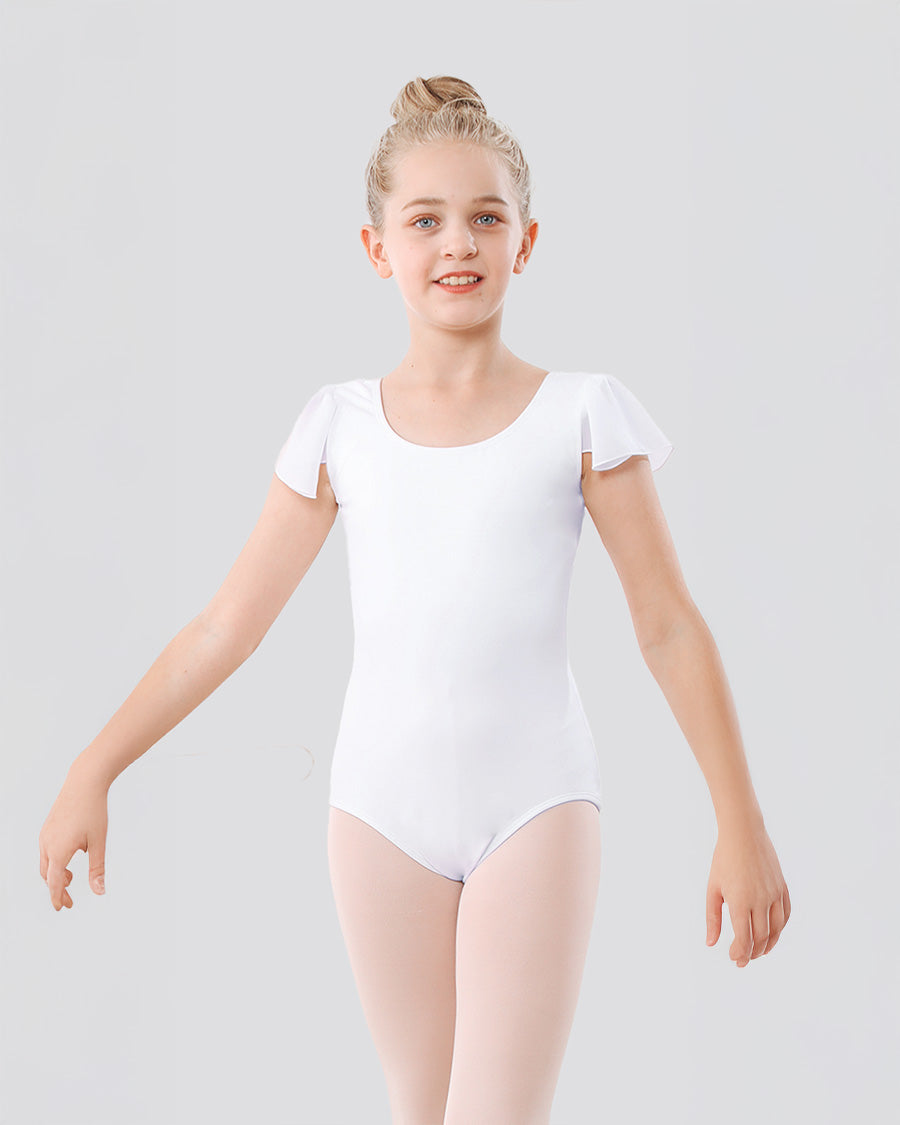
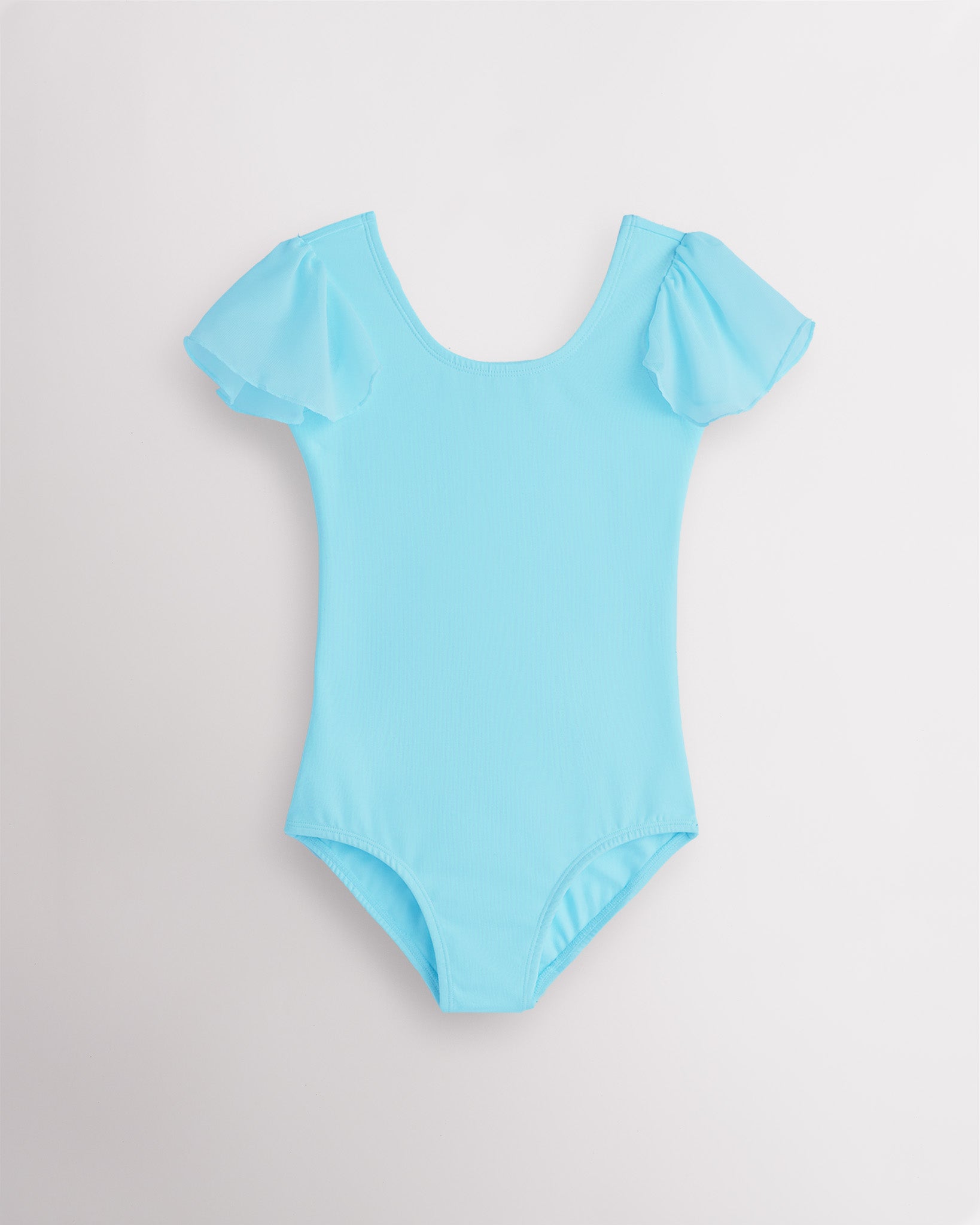
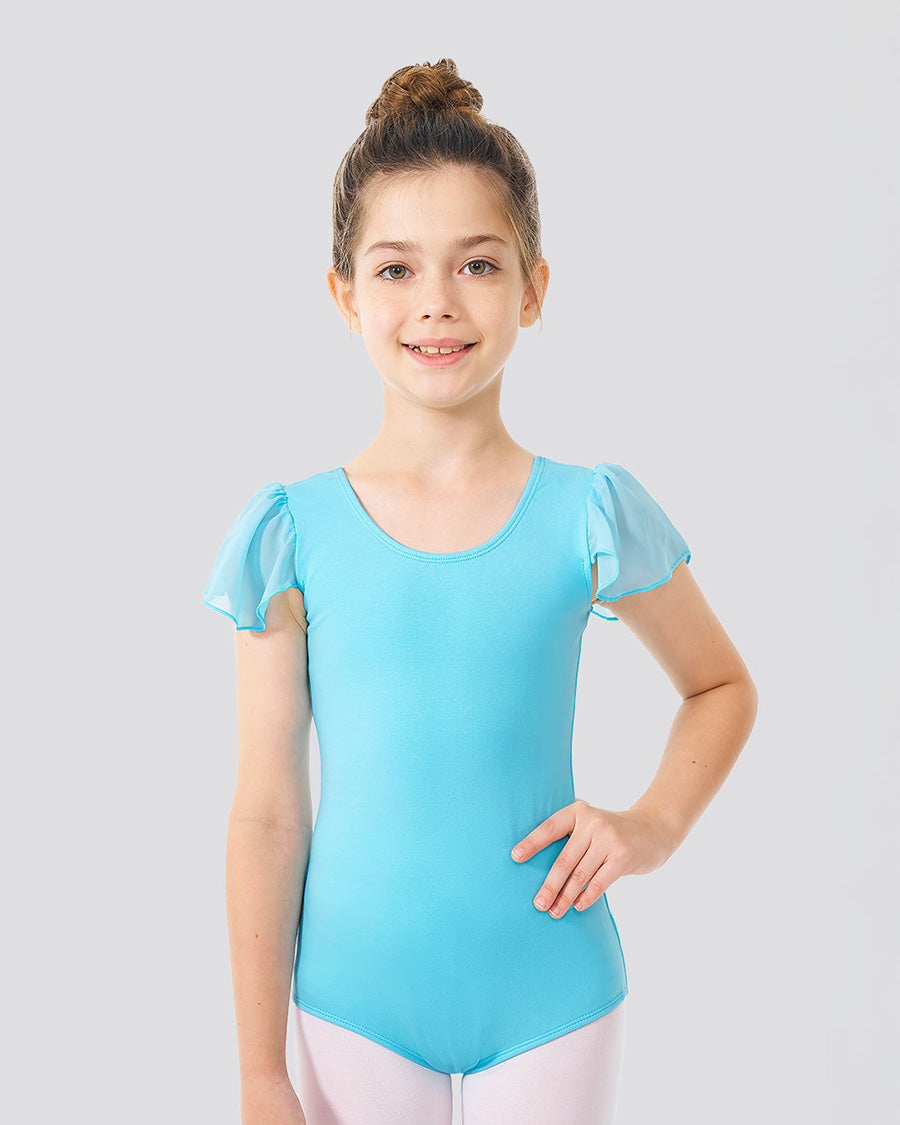
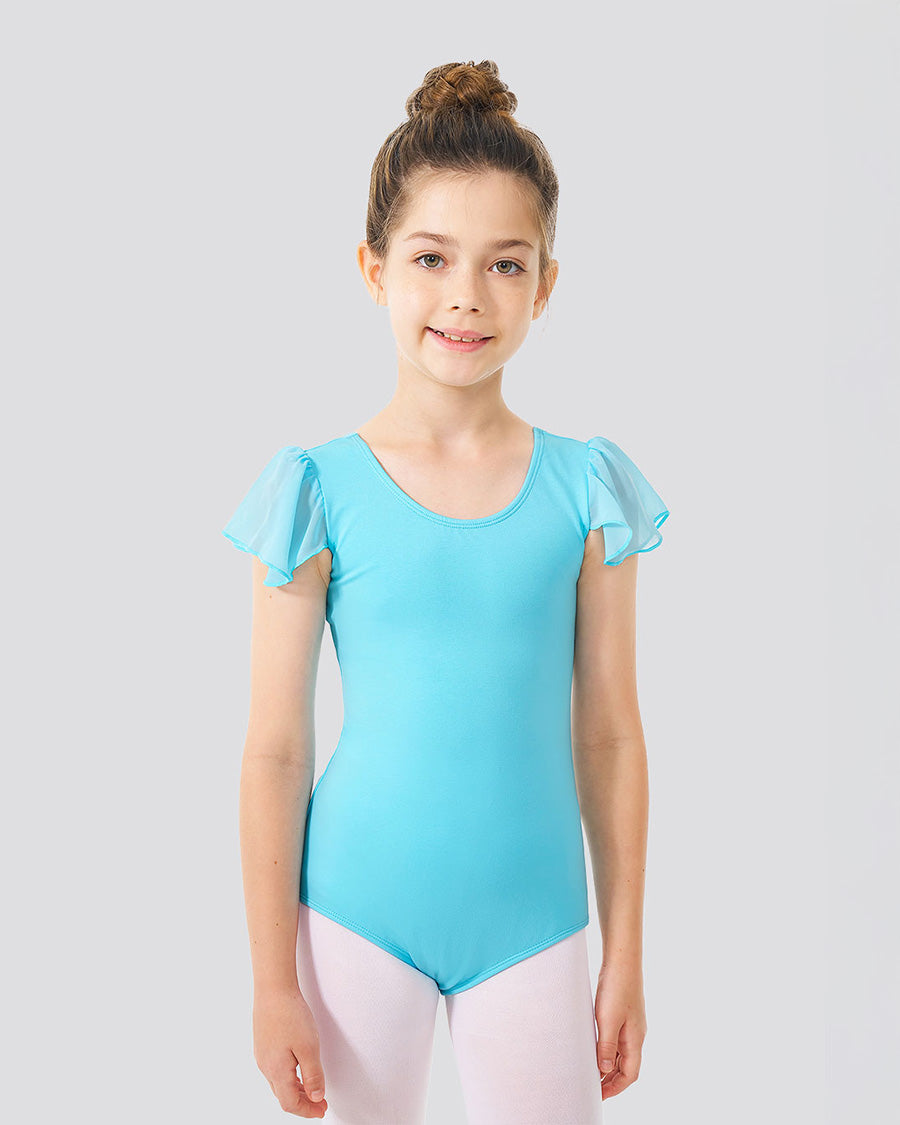
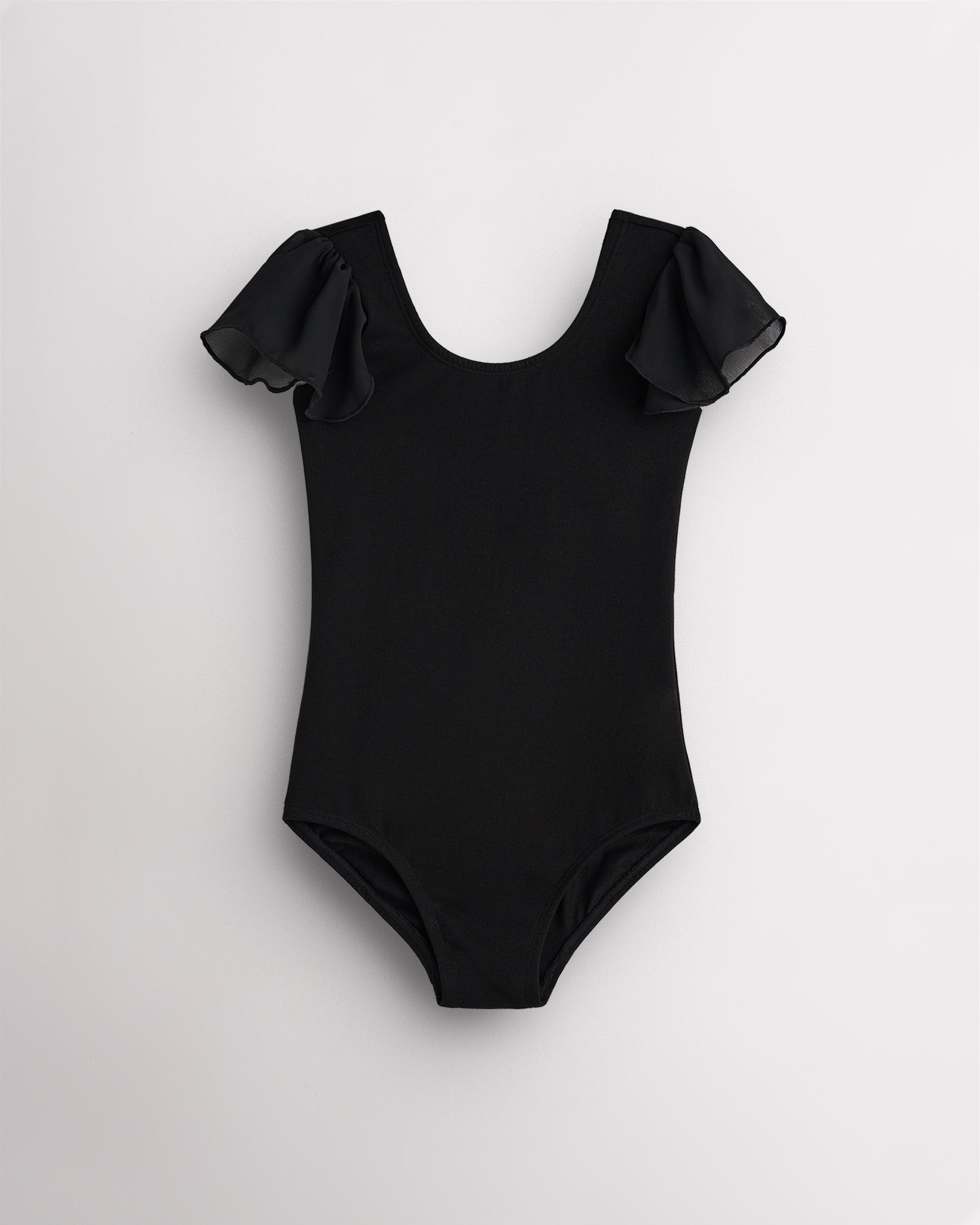
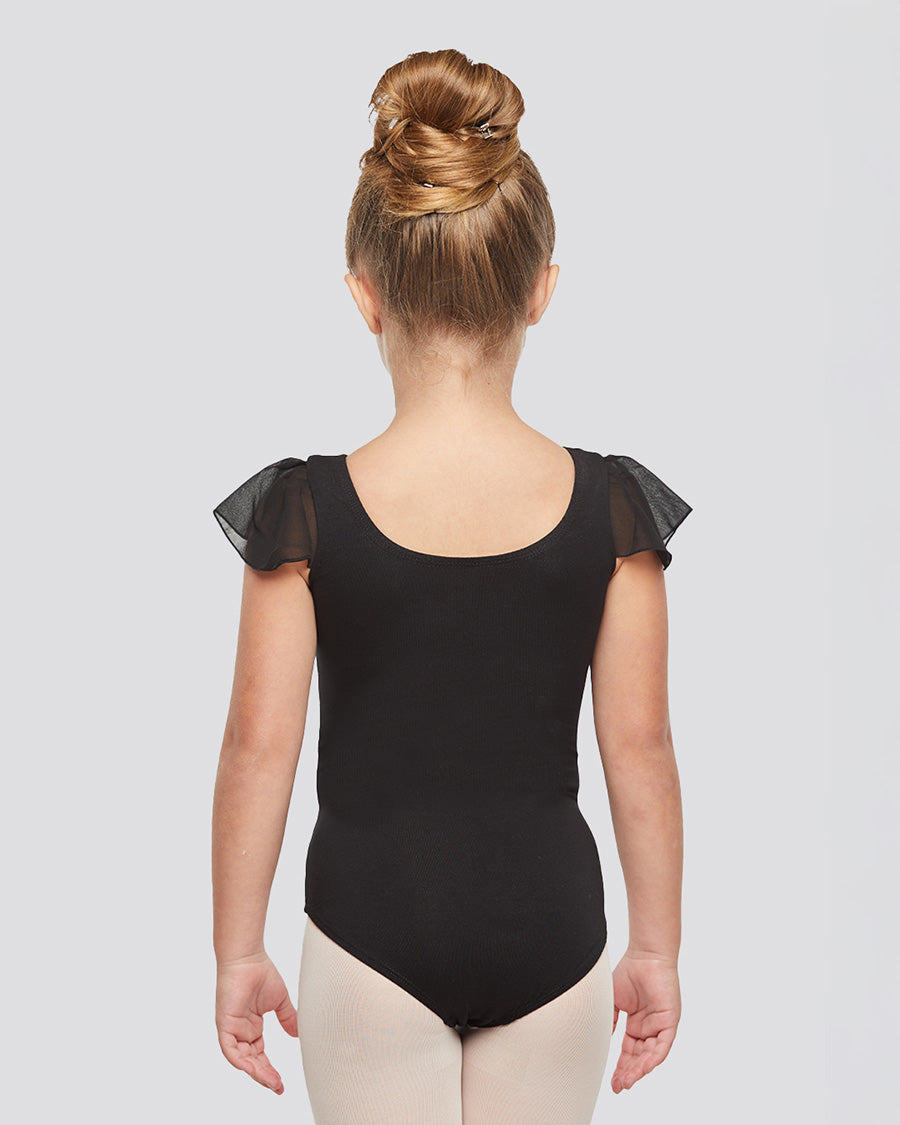
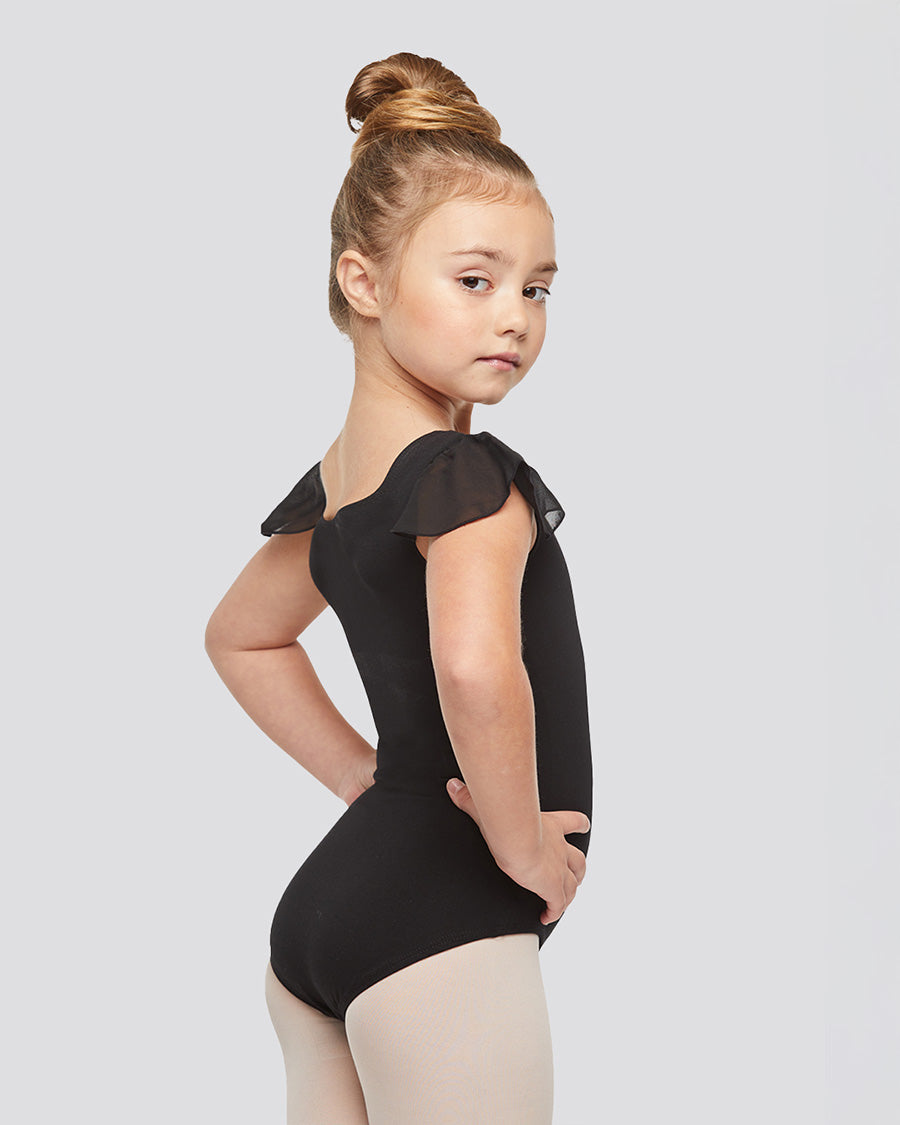
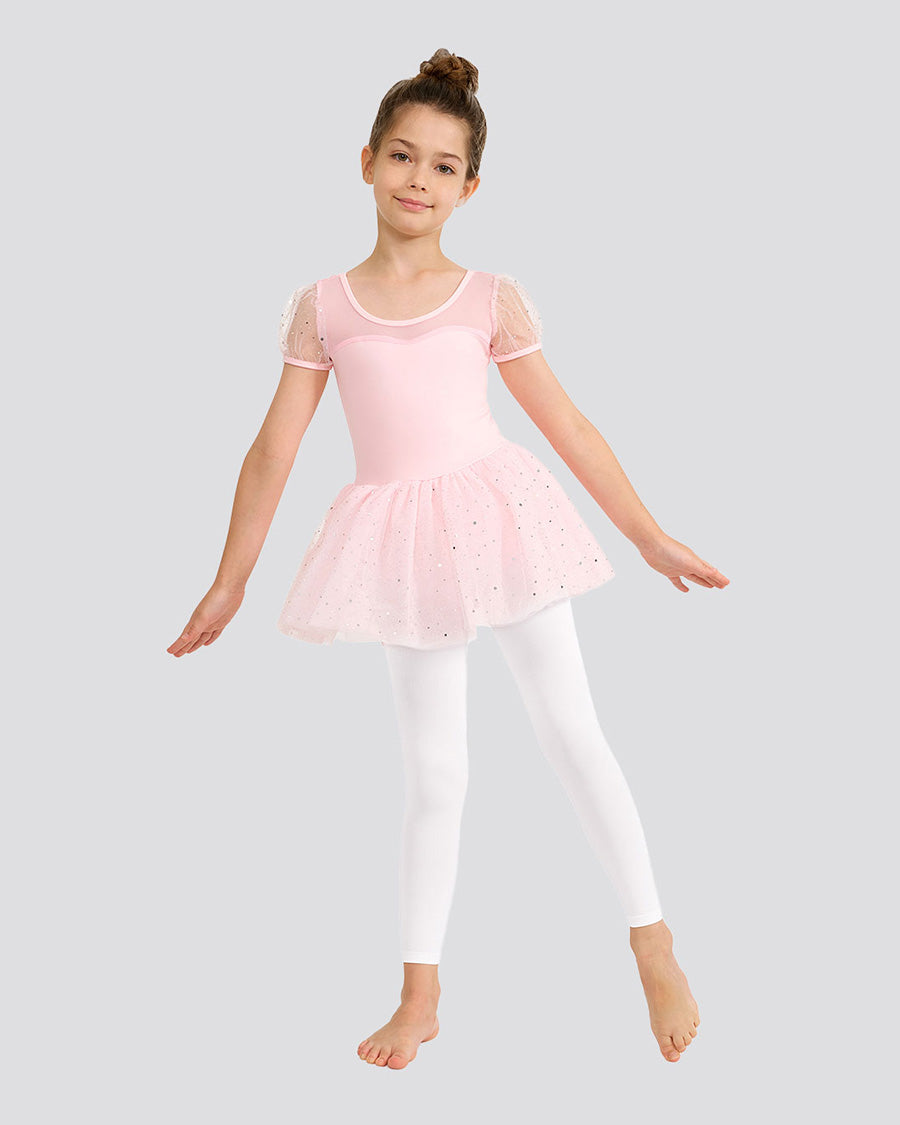
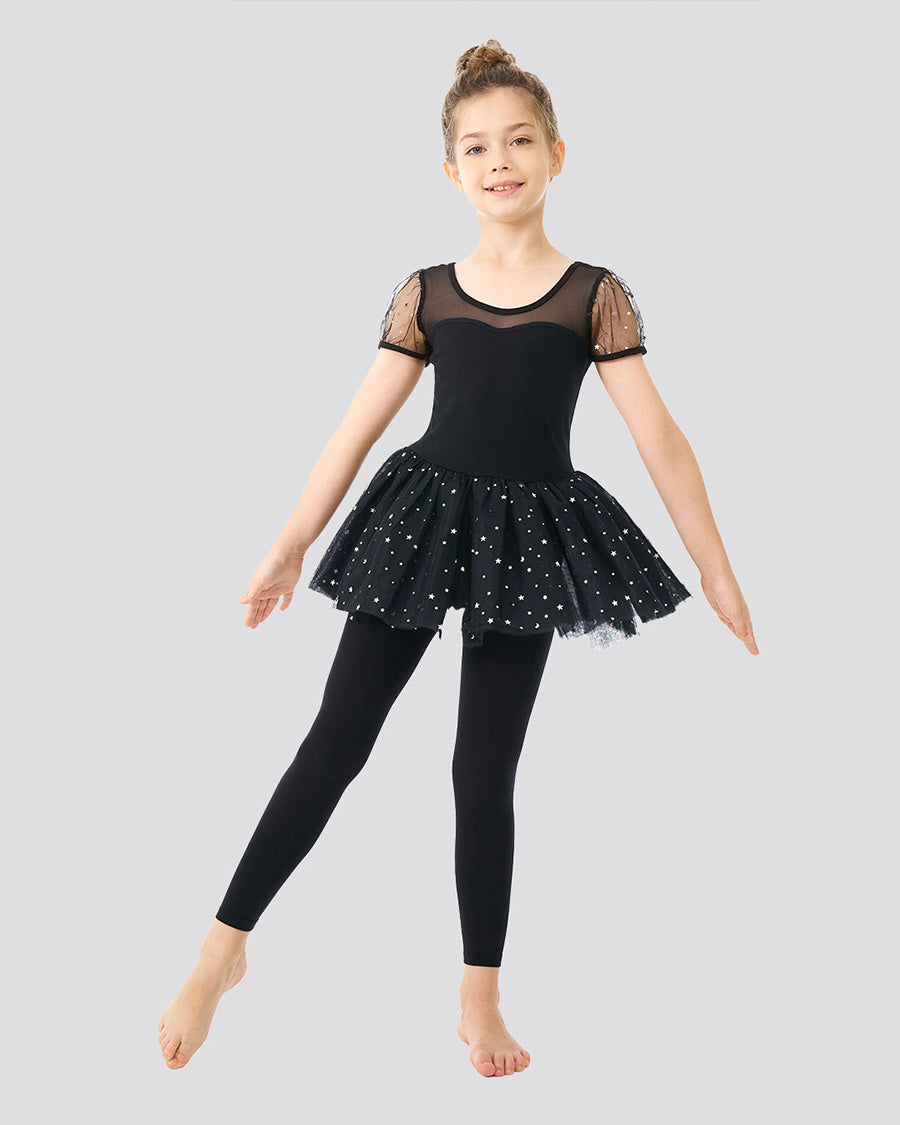
Comfortable practice clothes help more than you might expect here, since cleaning sessions involve lots of repetition; anything from our leotards with a pair of shorts works fine for living-room rehearsals.
Choreography tips by age
Ages 5 to 9: play first, structure second
At this age, choreography should feel like a game. Freeze dance, mirror games, and "show me" prompts generate movement without pressure, an approach used by the children's dance educators profiled in Dance Teacher. Keep the finished product tiny: two or three 8-counts, one formation, one signature move. Your job as the parent is DJ, camera operator, and enthusiastic audience, not director.
Ages 10 to 12: give the dance a job
Tweens can handle the full 7-step process for a piece of about a minute, especially with a concrete goal: the school talent show, a cousin's birthday, a video for grandparents. Let them own the creative calls and keep your input to logistics and filming. If they get stuck, offer a constraint rather than a correction: "what if the chorus repeats your favorite move?" is easier to act on than "make it better."
Teens: style, story, and editing
Teens usually have strong taste and a phone full of reference videos. The growth areas are structure and editing: mapping the song in 8-counts instead of winging it, cutting moves that do not serve the piece, and cleaning on camera. Teens also tend to respond best to being left alone while working, with feedback offered when asked. If they are choreographing for a group of friends, Step 5 (formations on paper first) prevents most of the arguments.
Common beginner choreography mistakes (and easy fixes)
-
Choreographing front to back. The intro eats all the energy and the chorus gets nothing. Fix: build the chorus first (Step 4).
-
Ignoring the counts. Movement drifts off the music and gets hard to remember. Fix: put every move on a numbered count (Step 2).
-
Too many ideas. Twenty different moves with no repetition reads as chaos. Fix: repeat the motif; repetition is a feature, not a failure.
-
No transitions. The dance stops between sections. Fix: give every formation or section change its own counts (Step 6).
-
Skipping the cleaning phase. The routine stays "almost done" forever. Fix: film runs and fix two or three details at a time (Step 7).
-
Adult-length ambitions. A three minute piece stalls out and frustrates everyone. Fix: trim the song to about a minute and finish something.
FAQ
What is an 8-count in dance?
An 8-count is a set of eight steady beats that dancers use to break music into workable chunks. Counting "5, 6, 7, 8" before starting tells everyone where the phrase begins. Most pop, jazz, and classical music phrases naturally group into 8s, which is why choreography is built and taught in 8-counts.
How long should a beginner's dance routine be?
For most kids and teens, 60 to 90 seconds is the sweet spot: long enough to feel like a real piece, short enough to finish and clean. Very young children do well with 15 to 30 seconds. Trimming a song is easier than filling one.
Do you need dance training to choreograph a dance?
Formal training helps but is not required for a beginner piece. A dancer who can keep a beat, count 8s, and repeat a motif can build a simple routine. Parents with no dance background can still contribute plenty: music editing, filming run-throughs, and being the test audience.
What music works best for kids' choreography?
A familiar, age-appropriate track at a steady, countable tempo (roughly 100 to 130 bpm pop, or classical with clear phrasing), trimmed to about a minute with a phone audio-trimming app. Clean or instrumental edits sidestep both lyric issues at once: content and the temptation to act out words.
How do young dancers remember their choreography?
Mostly through counts, repetition, and landmarks in the music ("the jump happens when the drums come in"). Writing the 8-count map on paper, filming a reference video, and running the piece in short daily sessions beat one long cram rehearsal for most kids.
How do you choreograph a dance for a group of kids?
Plan formations on paper first, keep the steps simpler than you would for a solo, and use formation changes on the choruses for impact. Teach one section at a time, then clean with everyone facing the same mirror or camera.
About the Stelle Team
Stelle is a mom-founded dancewear brand, making leotards, tutus, and activewear for young dancers since 2015. Our articles are written by the team behind the products — people who spend their days talking with dance teachers, studio owners, and dance parents, and who test everything from fabric stretch to tutu twirl in real classes. Learn more about Stelle.