



Dance Moves Names: The Big List
Table of contents
Quick answer
Popular dance moves names include the moonwalk, the dougie, the woah, the floss, and the running man from hip hop; the twist, the Charleston, and the macarena from party dances; the shuffle, flap, and time step from tap; and the waltz, cha-cha, and tango from ballroom. This guide groups 60+ names by style, each with a one-line description, so you can finally put a name to the move your child keeps doing in the kitchen.
Kids come home from class (or from a friend's phone) doing moves they can't name, and parents end up typing "name that dance move" into Google at 8 pm. This list is built for exactly that moment. It answers what each move is called and what it looks like. If your child wants to learn how to actually do the beginner-friendly ones, we walk through those step by step in our guide to easy dance moves for kids.
Key takeaways
-
Most dance move names fall into six buckets: hip hop and street, party and social, jazz, tap, ballroom and Latin, and ballet.
-
Some hip hop and viral dance names come from songs, challenges, and videos, while studio terms in ballet and jazz often come from French technique vocabulary.
-
Some names describe a single move (the moonwalk), while others name a whole dance (the waltz). Searchers mix the two, so this list covers both.
-
Tap and jazz share a few names, like the ball change, because jazz dance grew up alongside tap and swing.
-
Viral moves change fast, but classroom dance move names like shuffle, flap, and pas de bourrée have stayed stable for decades, so those are the ones worth remembering.

Hip hop and street dance moves names
Hip hop move names usually start in one city or one song, then spread everywhere. Break dancing, the style behind many of these moves, originated in New York City in the late 1960s and early 1970s and mixed in moves from martial arts and gymnastics, according to Britannica.
|
Move name |
What it looks like |
|---|---|
|
Moonwalk |
A backward glide that looks like walking forward. Michael Jackson debuted it on the Motown 25 TV special in May 1983 (Britannica). |
|
Running man |
Running in place while the feet slide backward, so you travel nowhere. |
|
The dougie |
A laid-back side-to-side groove with one hand smoothing over your hair, made famous by a 2010 rap song of the same name. |
|
The woah |
A quick freeze where both fists lock into place on the beat, like slamming an invisible steering wheel. |
|
The dab |
A sharp nod into the crook of one bent elbow while the other arm points up and away. It spread through the Atlanta rap scene in 2015 and went mainstream as an NFL touchdown celebration (Merriam-Webster). |
|
The floss |
Straight arms with fisted hands swing to one side while the hips move to the other, then reverse. The move is now literally in the dictionary (Merriam-Webster). |
|
The griddy |
A bouncy running pattern with heel taps, arms pumping in a "B" shape. Another football-celebration favorite. |
|
The robot |
Stiff, mechanical movements with sudden stops, like a machine powering on and off. |
|
Popping |
Quick muscle contractions that make the body "hit" or jerk on the beat. |
|
Locking |
Freezing mid-movement in an exaggerated position, then continuing at speed. |
|
Toprock |
The upright footwork a breaker does standing up, before dropping to the floor. |
|
Freeze |
Holding a balanced pose mid-routine, often on hands or head. |
|
Head spin and back spin |
Classic breaking power moves, spinning on the head or upper back (Britannica). |
|
Body roll |
A wave that travels from the chest down through the hips. |
|
Two-step |
The simple side-together step almost anyone can do at a party. |
Most viral TikTok dances (the renegade is the famous one) are short routines built from these building blocks rather than single moves, so they usually go by the song's name instead of a move name.

Party and social dance moves names
These are the names that come up at weddings, school dances, and birthday parties. Several are decades old and still going.
-
The twist. Hips and feet swivel like you're squashing a bug with one foot while toweling your back dry. Chubby Checker's 1960 hit turned it into a national craze (Britannica).
-
The Charleston. Toes-in, heels-out twisting steps with kicks. It grew out of African American communities in the South, took its name from Charleston, South Carolina, and exploded after the 1923 musical Runnin' Wild (Britannica).
-
Macarena. The 1990s arm-pattern dance: hands out, palms up, hands on shoulders, head, hips, then a little jump-turn.
-
Cha Cha Slide. A line dance where the song calls out every step, so nobody has an excuse to sit down.
-
Cupid Shuffle. Another call-out line dance: to the right, to the left, kick, then walk it by yourself.
-
Electric Slide. A four-wall line dance with grapevines and a quarter turn, a wedding-reception staple since the 1980s.
-
YMCA. Spelling the four letters overhead during the chorus. Technically a gesture, widely treated as a dance.
-
Conga line. The single-file hold-the-shoulders line with a kick on every fourth beat.
-
The sprinkler. One arm out, the other behind the head, jerking around in a spray pattern. A beloved "dad move."
-
The shopping cart. Pretend to push a cart and grab items off shelves. Also filed under dad moves.

Jazz dance moves names
Jazz class is where kids first hear French technique terms mixed with English ones. These names show up in studio jazz, musical theater, and competition dance.
-
Jazz square. Four steps that trace a box: cross, step back, step side, step forward.
-
Jazz hands. Fingers spread wide, palms forward, usually with a little shake.
-
Kick ball change. A kick followed by a quick ball change (a two-step weight shift), one of the first combos kids learn.
-
Chassé. A gliding "chase" step where one foot chases the other, from the French for "to chase."
-
Pas de bourrée. A quick three-step (back, side, front) that links bigger moves together.
-
Pivot turn. Step forward, then swivel half a turn on the balls of both feet.
-
Fan kick. A straight leg sweeps a big half-circle through the air.
-
Isolations. Moving one body part (head, shoulders, ribs, hips) while everything else stays still.
If your child's teacher uses terms like "level," "shape," or "dynamics" alongside these, that vocabulary comes from the framework we break down in the elements of dance.
Tap dance moves names
Tap names describe sounds as much as movements. Beginner tap curricula are built from a small set of core steps: stomp, brush, shuffle, flap, ball change, and dig, which combine into steps like the cramp roll and the time step (Coast Community College District dance curriculum).
-
Shuffle. A quick brush forward and back with the ball of the foot: two sounds.
-
Flap. A brush forward plus a step: two sounds, traveling.
-
Ball change. Weight shifts quickly from the ball of one foot to the other.
-
Stomp. The whole foot strikes the floor, with weight.
-
Dig. The heel or ball digs into the floor without taking full weight.
-
Cramp roll. Ball-ball-heel-heel in fast succession: four rolling sounds.
-
Time step. A repeating rhythm pattern, traditionally used to set the tempo for the band. Studios teach many versions.
-
Buffalo. A leap-shuffle-leap combo, famous from the song "Shuffle Off to Buffalo."
Ballroom and Latin dance names
Searches for names of dances often mean this group: each name here is a whole partner dance with its own music, not a single move. A quick dances names list, with what makes each one recognizable:
|
Dance name |
What defines it |
|---|---|
|
Waltz |
A step-slide-step in 3/4 time, turning in a close hold. It grew from the Austrian Ländler in the 18th century and ruled 19th-century ballrooms (Britannica). |
|
Viennese waltz |
The faster, constantly rotating version of the waltz. |
|
Foxtrot |
A smooth, gliding walk-based dance with slow-slow-quick-quick timing. |
|
Tango |
Sharp, dramatic walks and pauses. It evolved around 1880 in the dance halls of Buenos Aires (Britannica). |
|
Cha-cha |
Three steps plus a shuffle, in a slow-slow-quick-quick-slow rhythm. It rose out of Cuba in the 1950s, replacing the mambo craze (Britannica). |
|
Rumba |
A slow Cuban dance built on hip motion over small steps. |
|
Samba |
A bouncy Brazilian rhythm dance, the engine of Carnival. |
|
Salsa |
Fast Latin partner dance with a quick-quick-slow step and lots of turns. |
|
Jitterbug |
The exuberant swing-era dance of the 1930s and 40s, spread worldwide by American GIs (Britannica). |
|
Lindy Hop |
Britannica's jitterbug history traces the Lindy Hop to around 1927, named after Charles Lindbergh's transatlantic "hop" (Britannica). |
|
Polka |
A quick hop-step-close-step dance in 2/4 time from 19th-century Bohemia. |
These are styles as much as moves. For the full landscape (folk, cultural, and modern styles included), see our guide to the types of dances.
Ballet moves names: the short version
Ballet has its own complete French vocabulary, so we keep this section short and point you to the deep dives. Start with our guide to basic ballet moves for plié, tendu, sauté, and the rest. The names your child will hear first:
-
Plié. A knee bend, the foundation under almost every other step.
-
Relevé. Rising up onto the balls of the feet.
-
Sauté. A small jump from both feet.
-
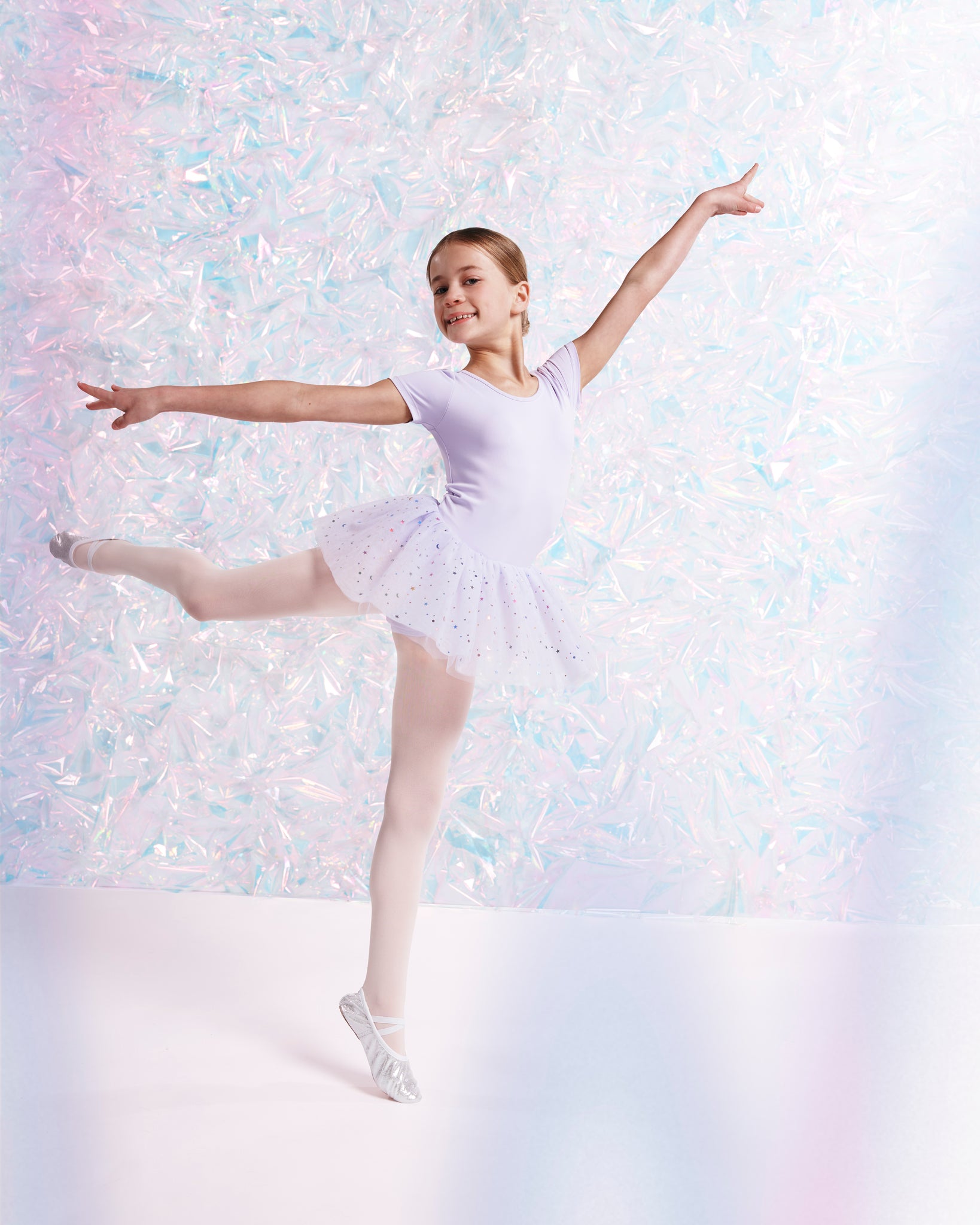
Arabesque. Standing on one leg with the other extended straight behind.
-
Pirouette. A controlled turn on one leg.
-
Passé. One foot draws up to touch the side of the standing knee.
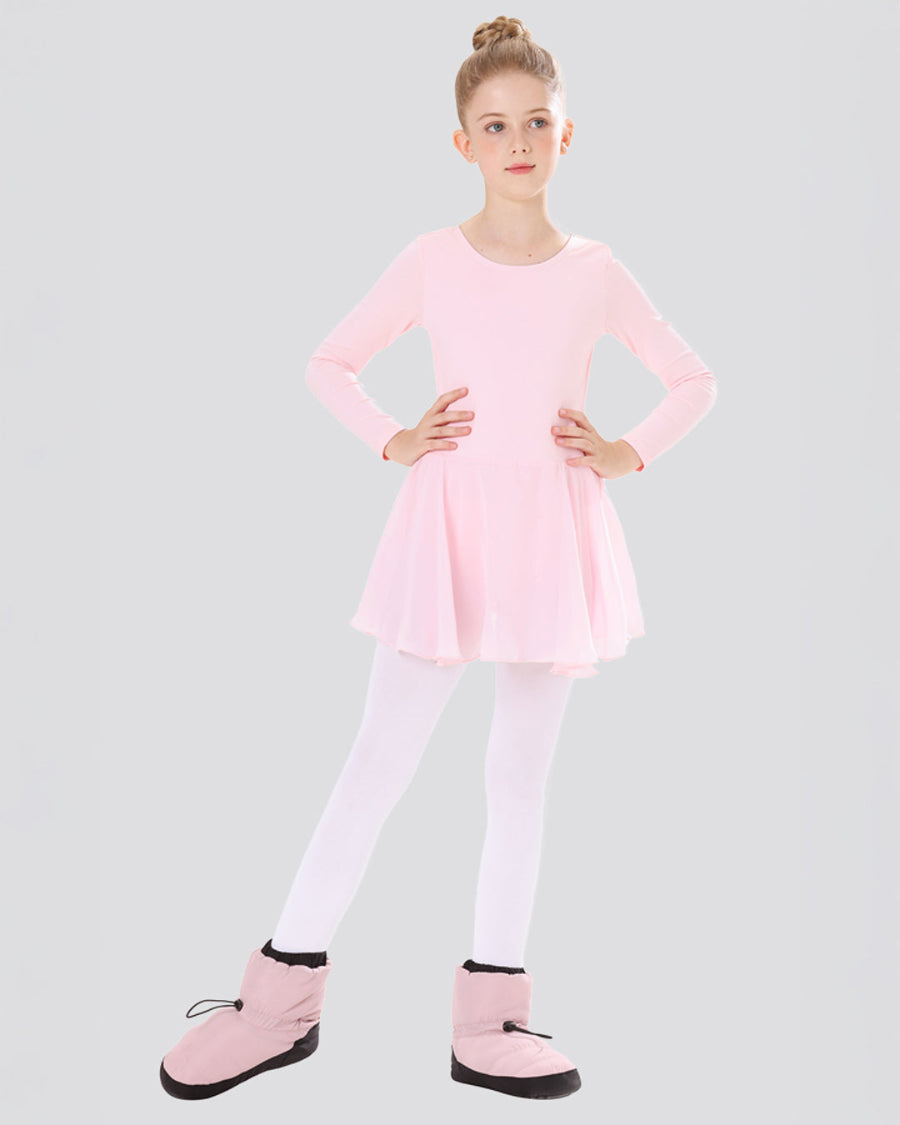
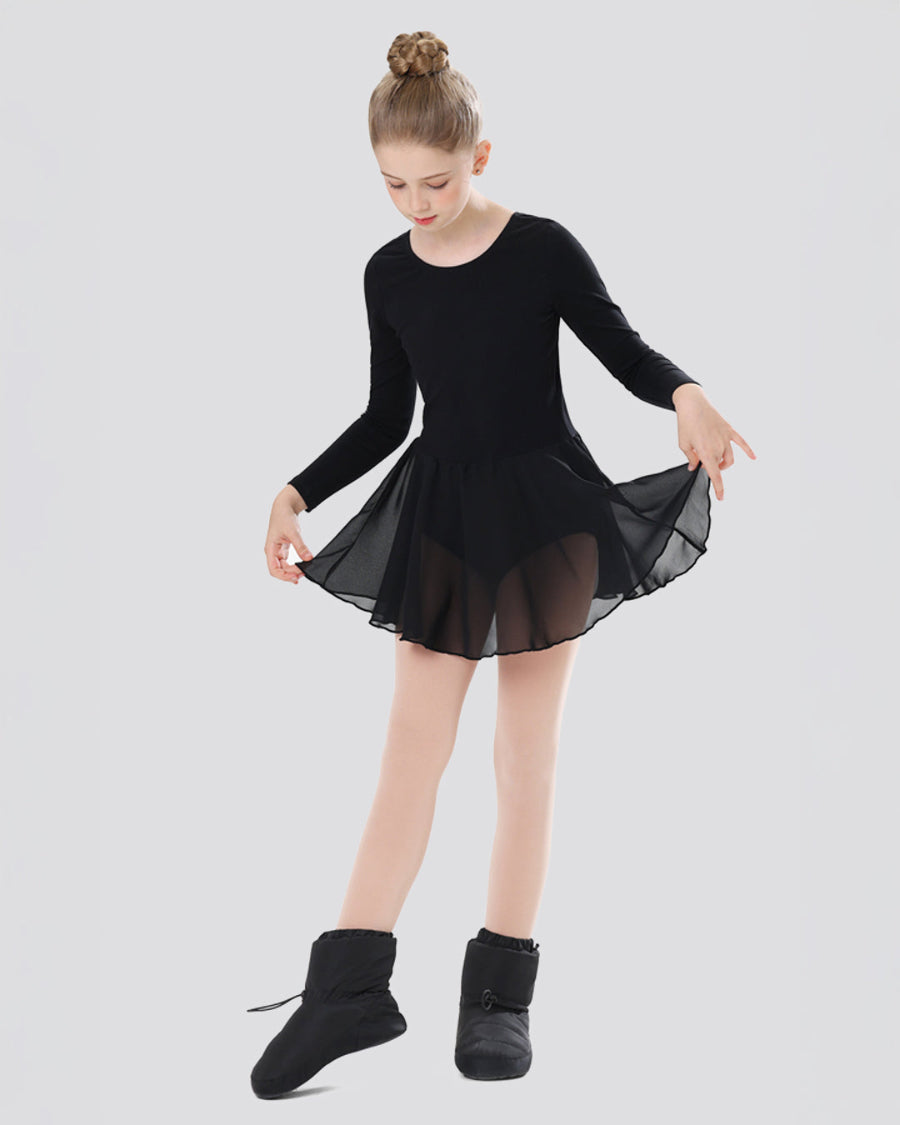
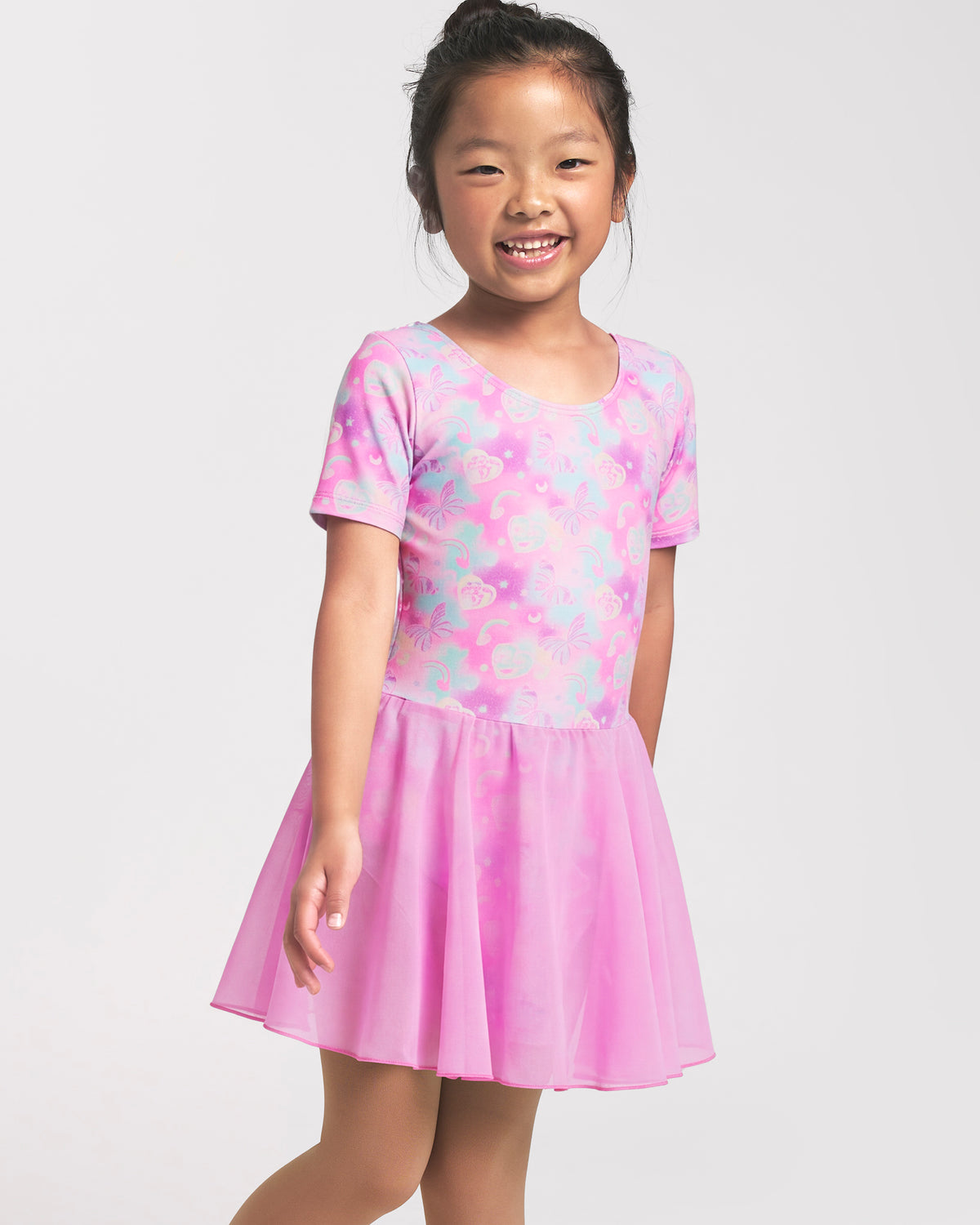
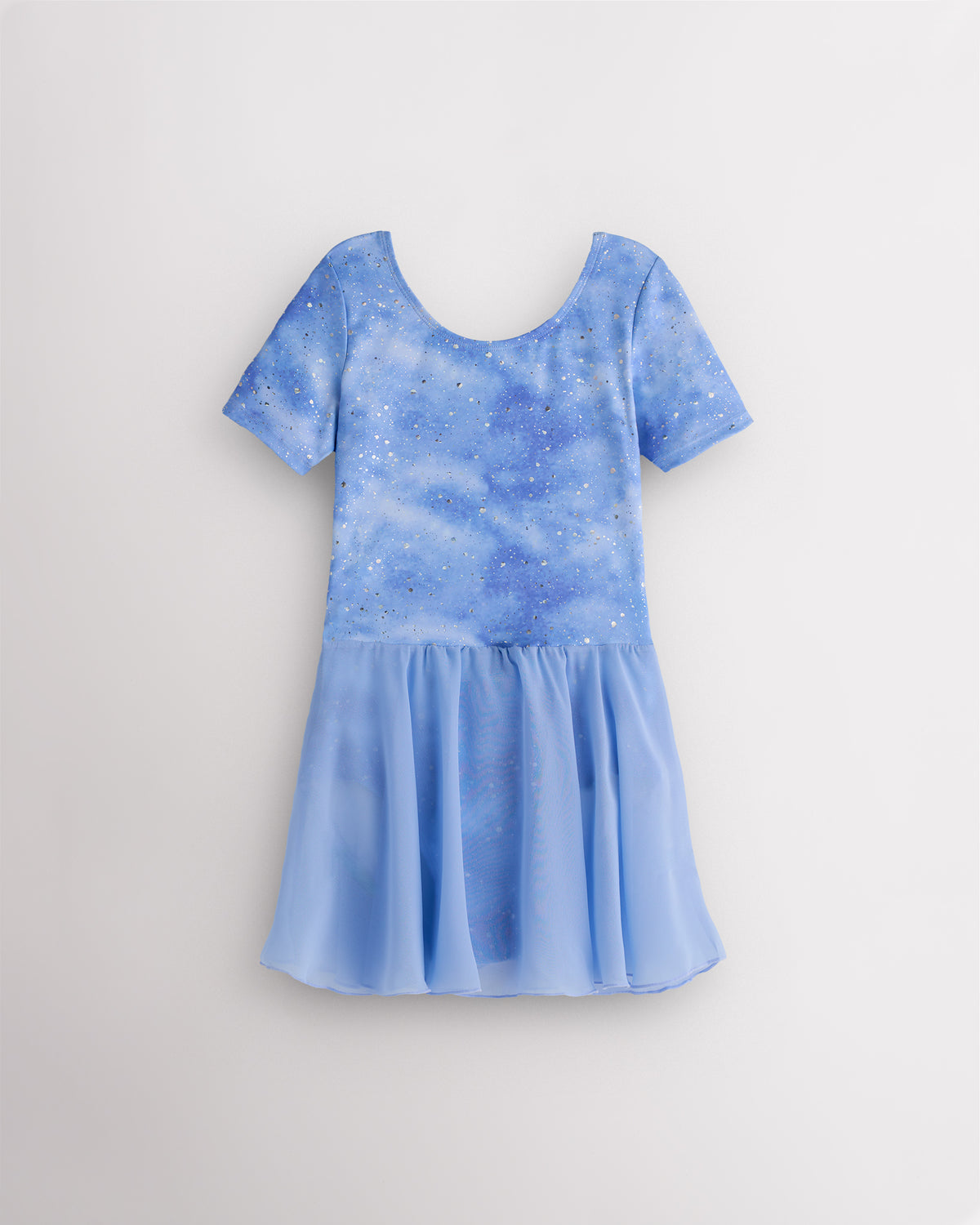
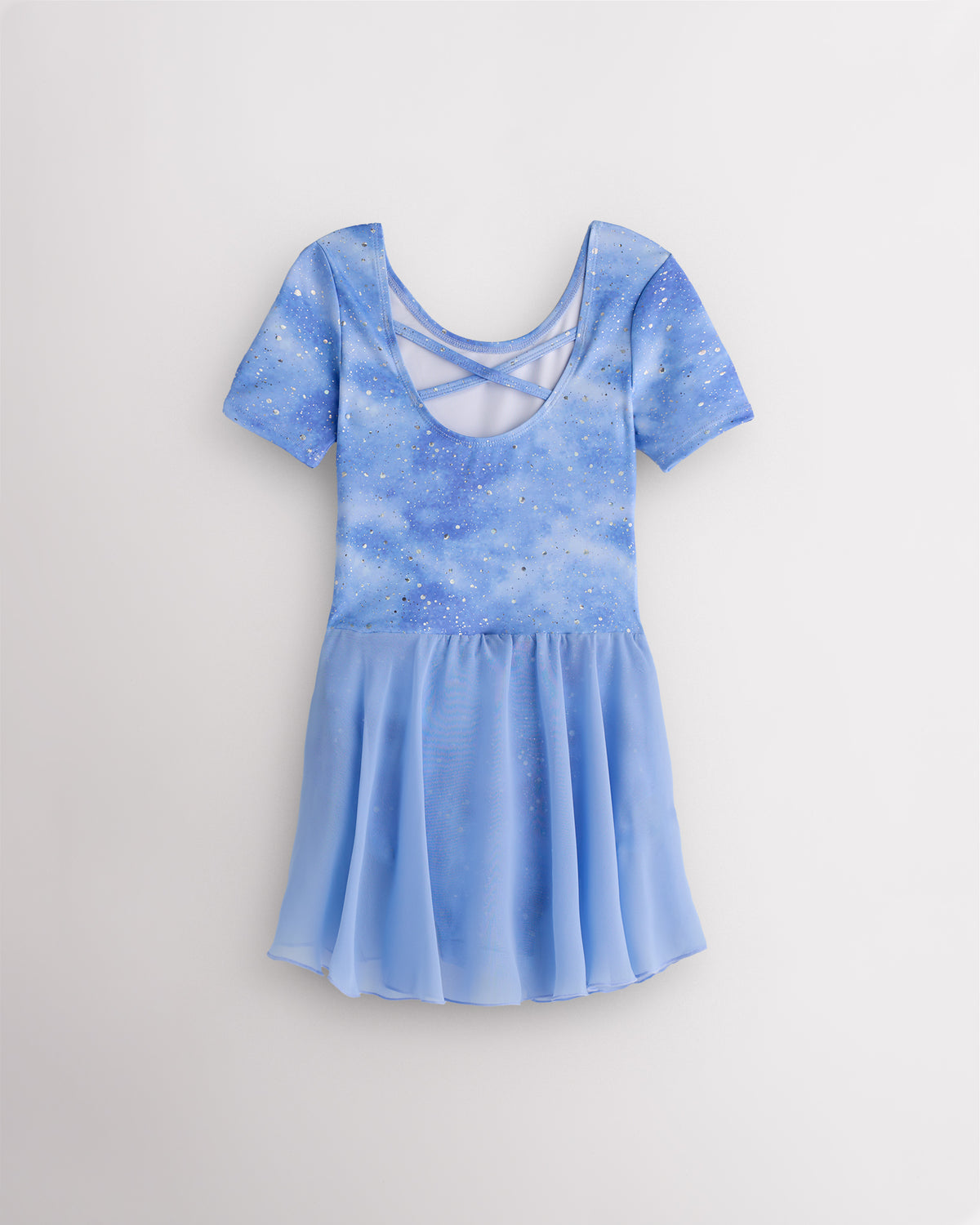
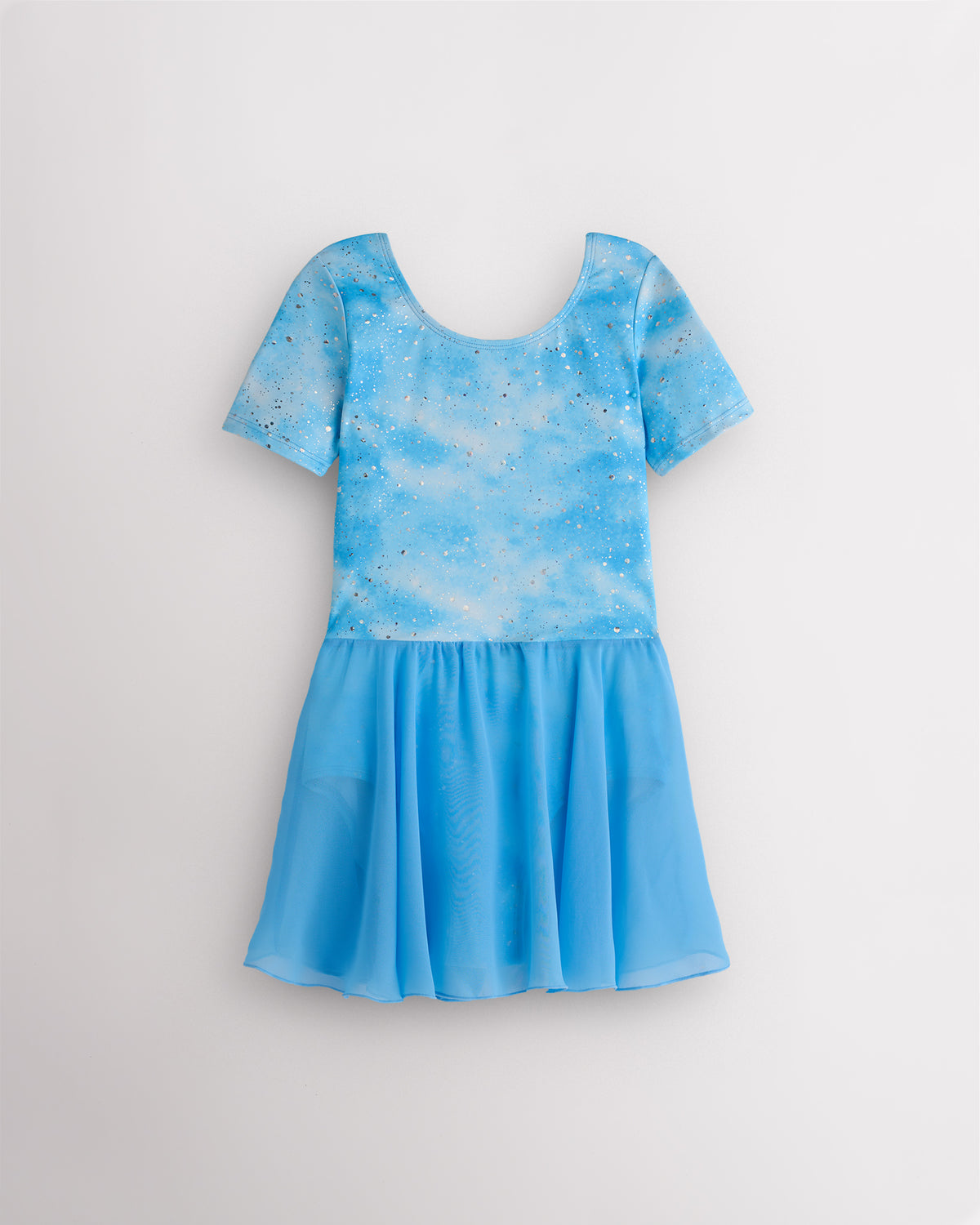
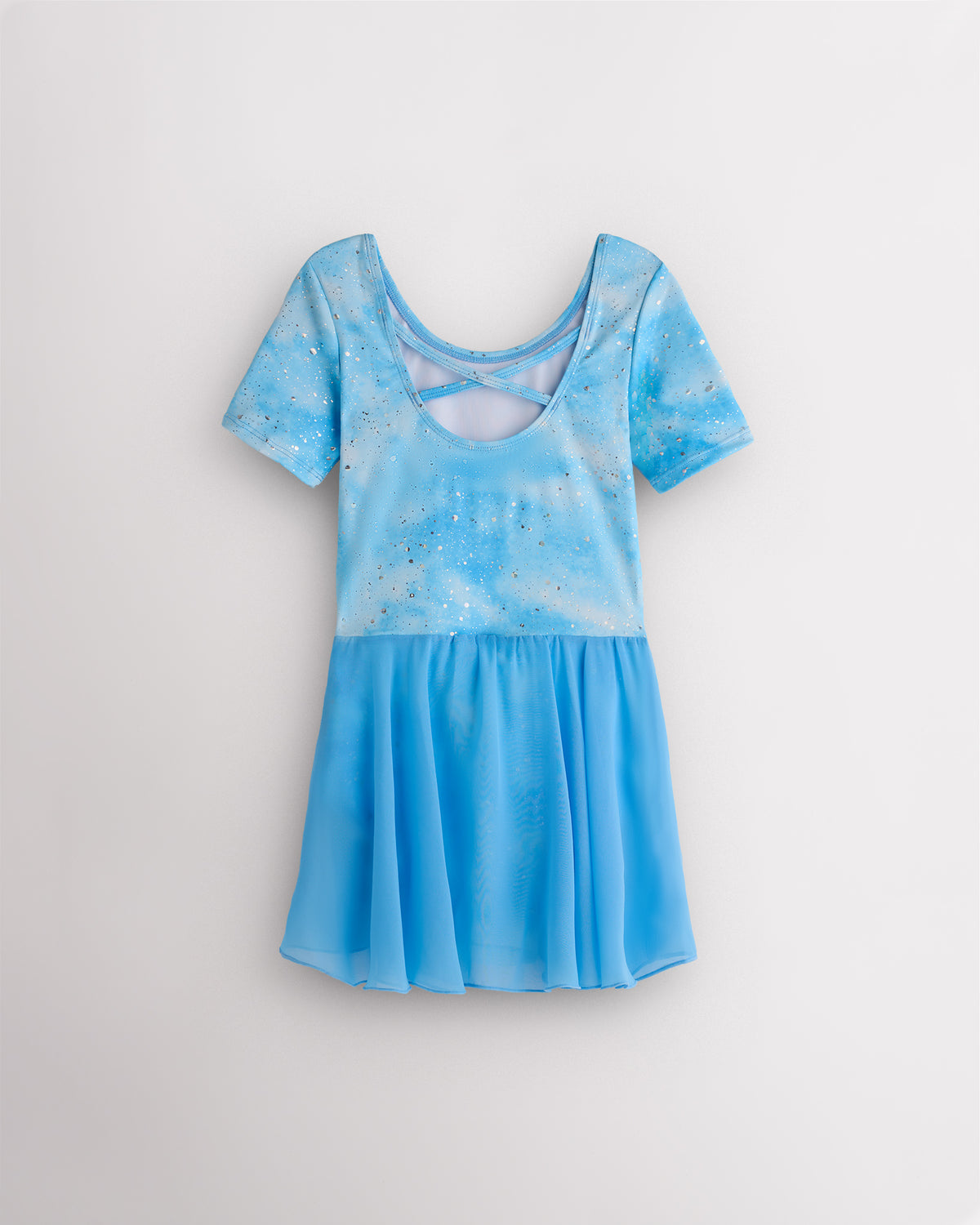
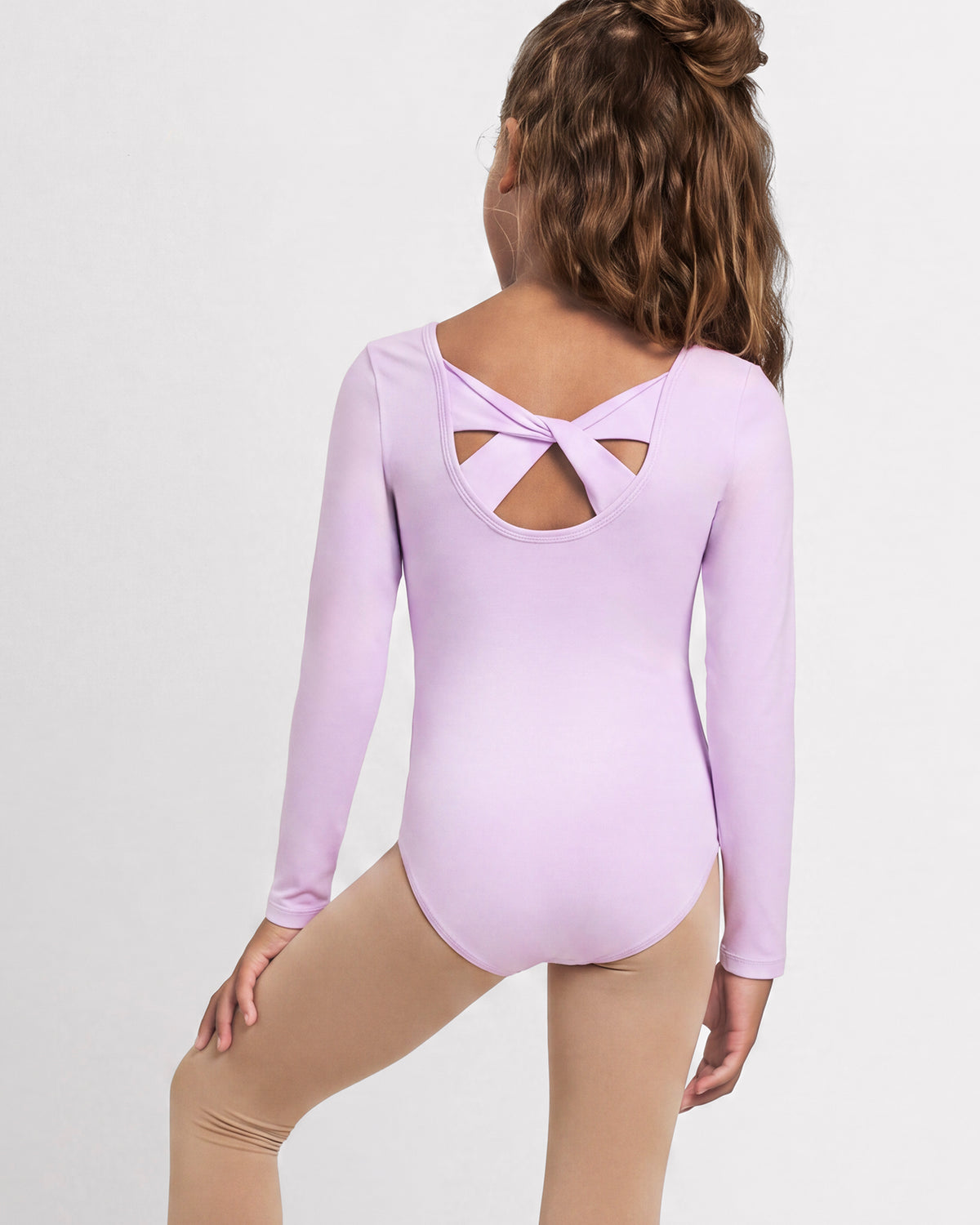
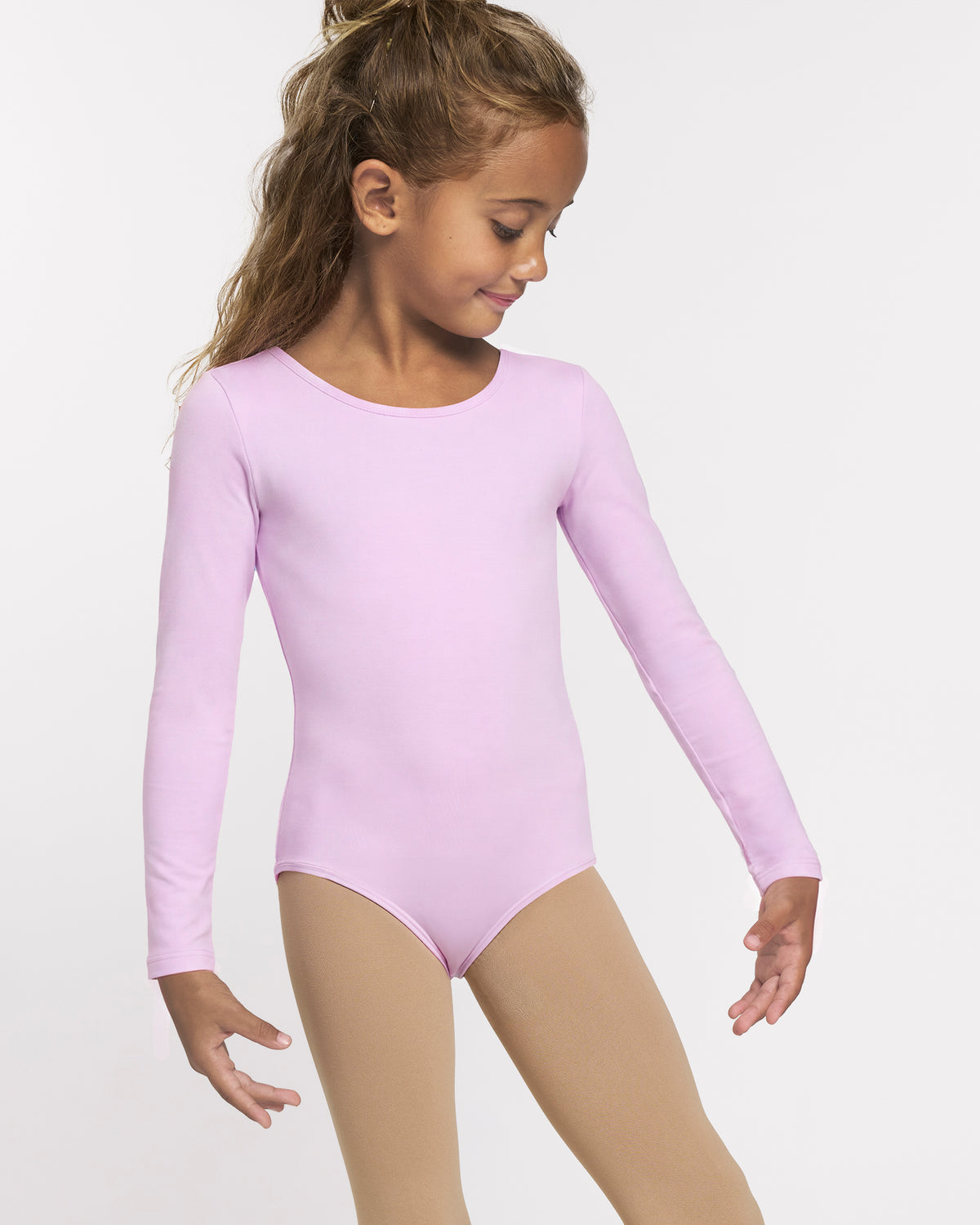
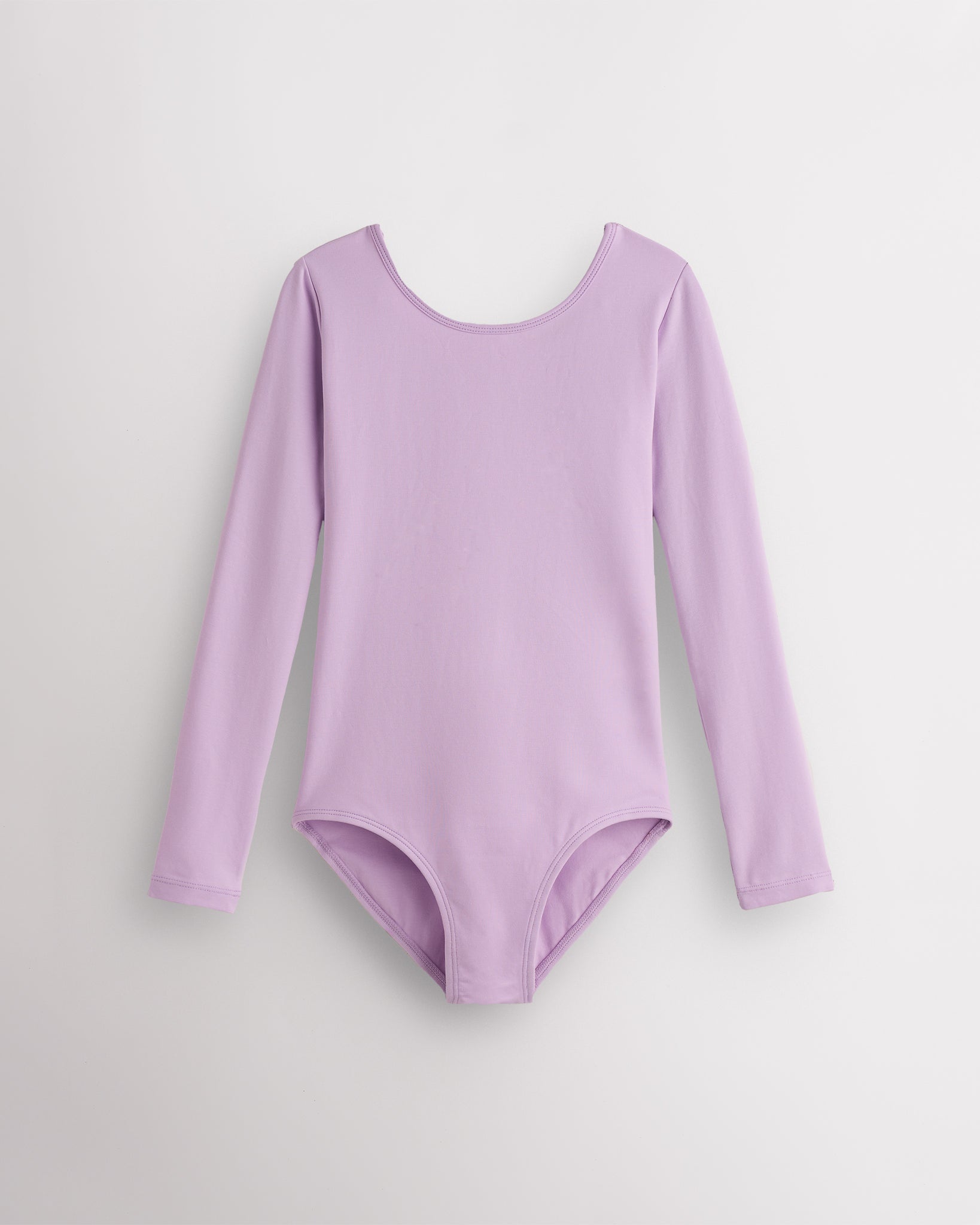
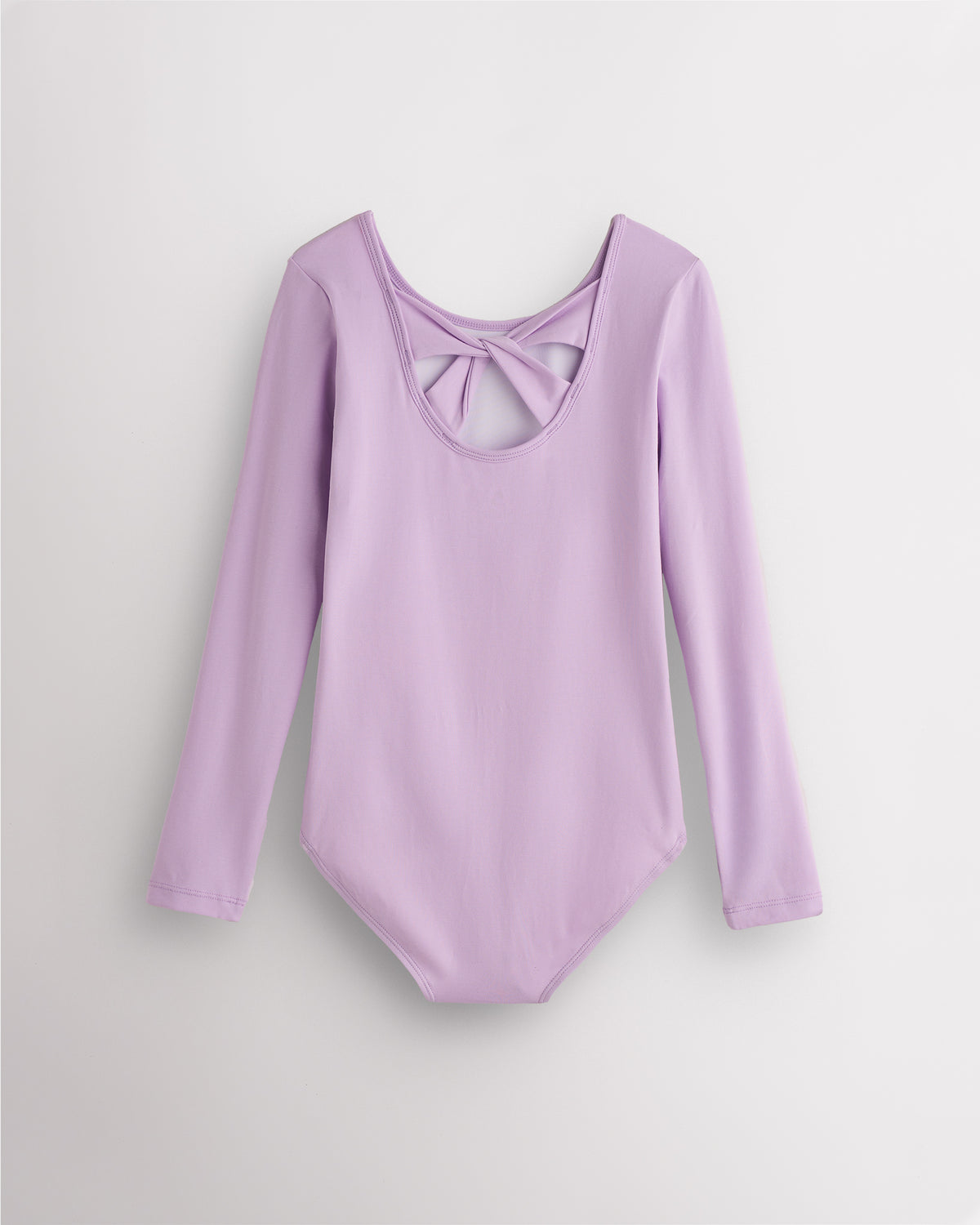
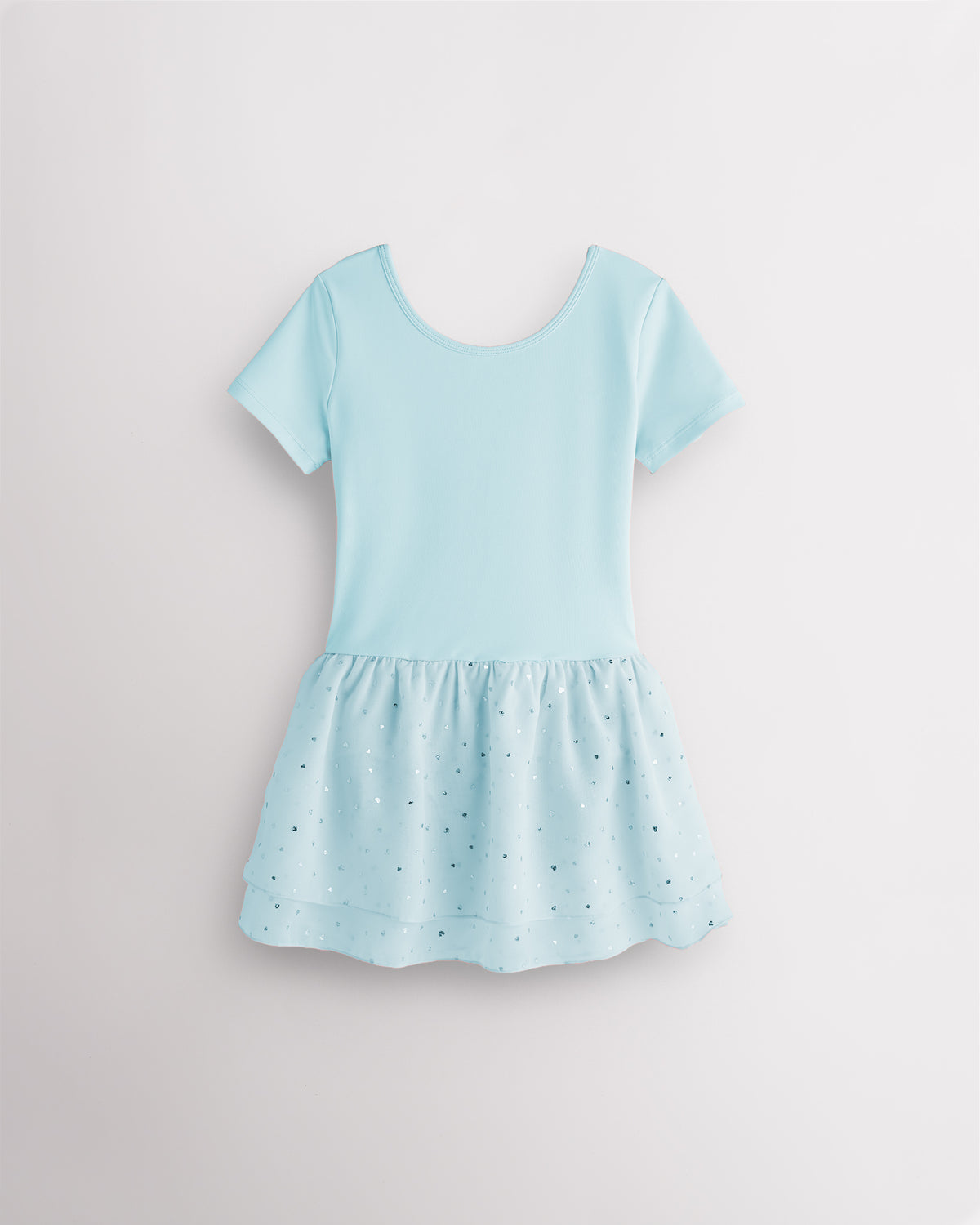
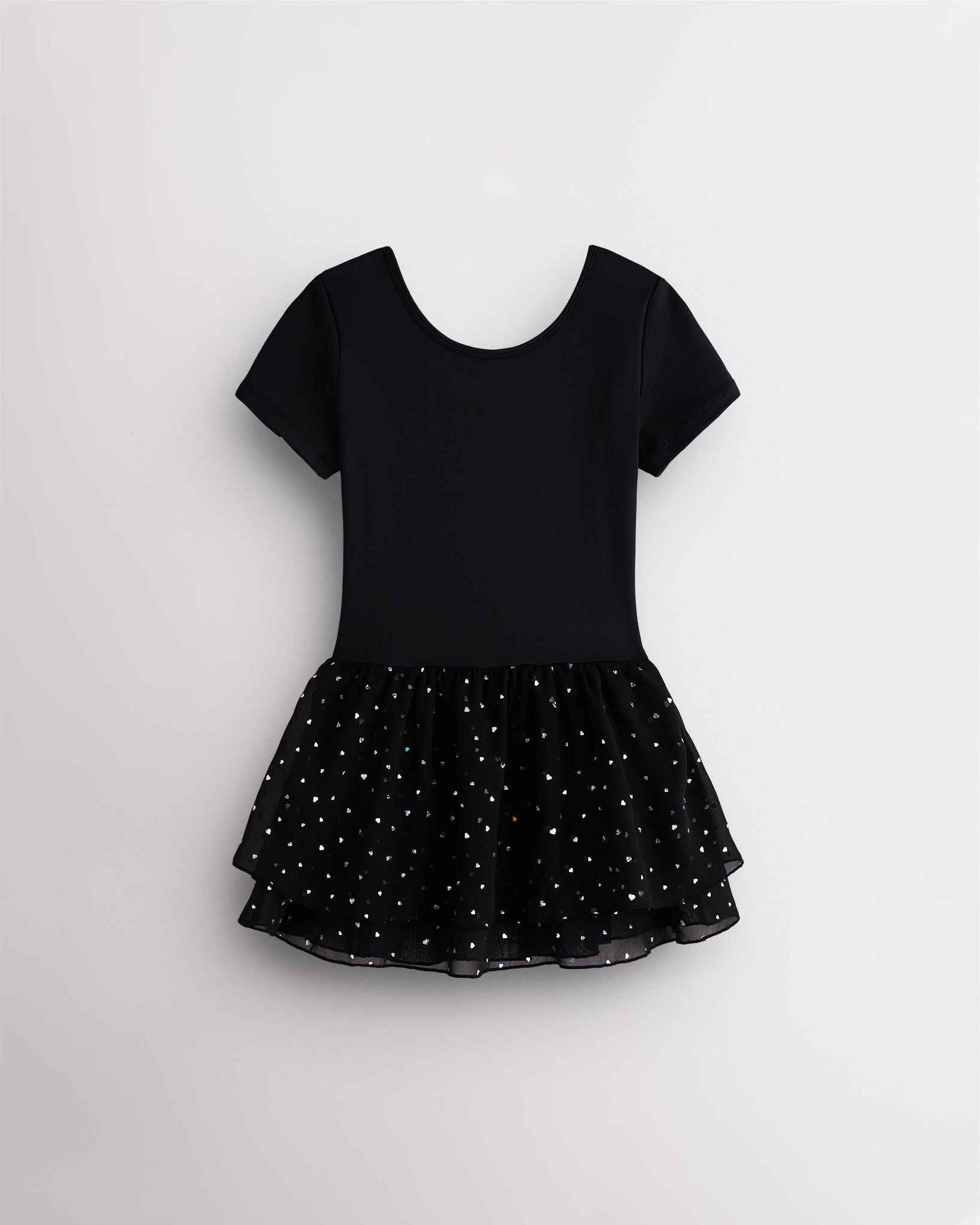
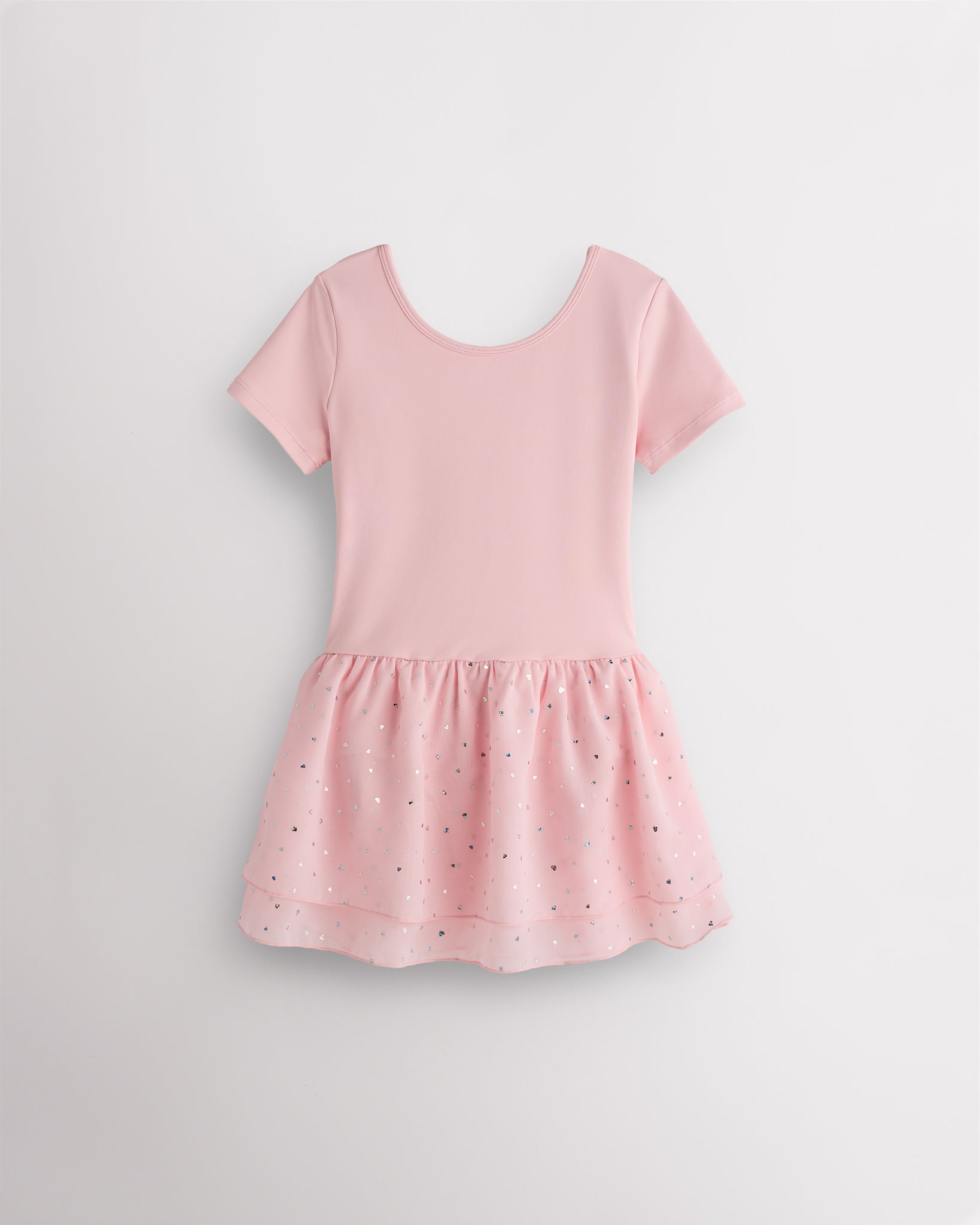
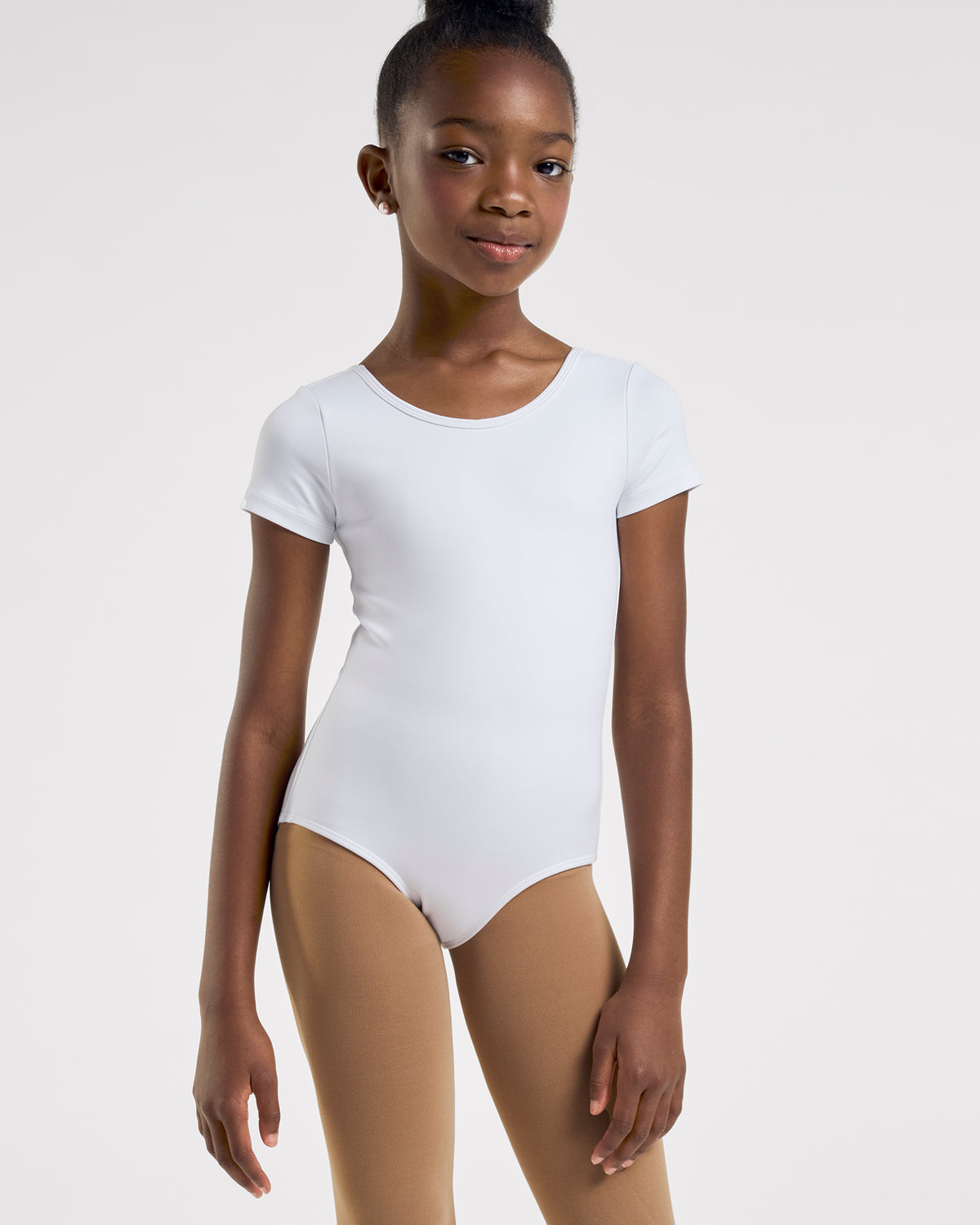
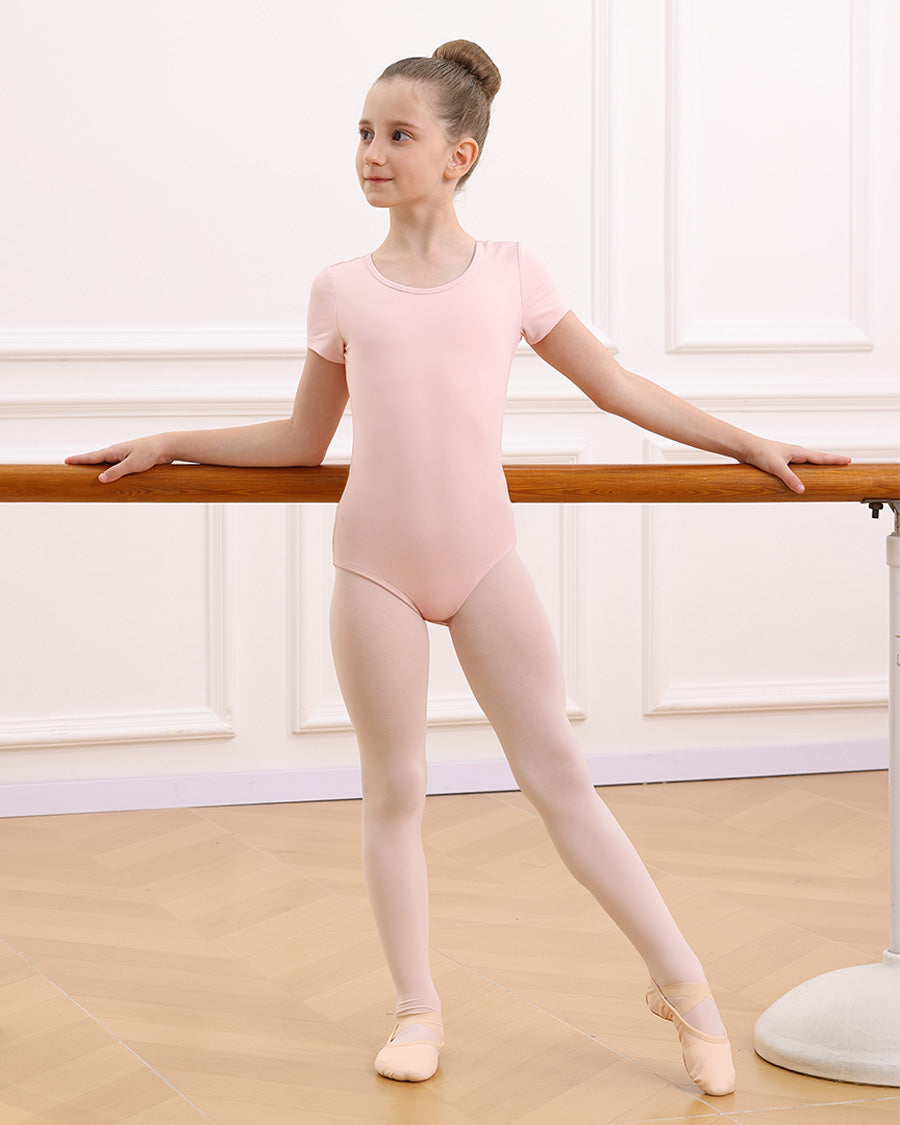
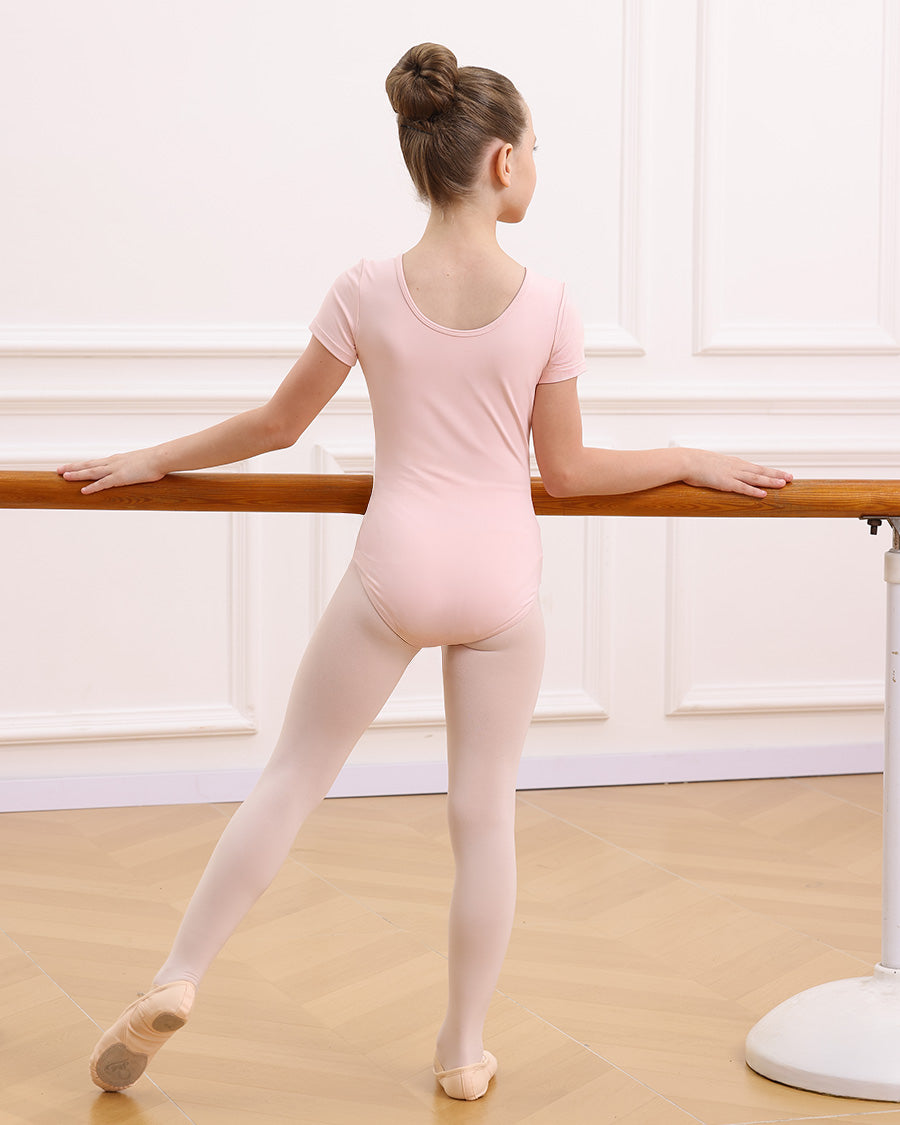
For pronunciation, meanings, and the terms teachers actually use in class, our ballet terminology guide for parents covers the full vocabulary, and the five ballet arm positions get their own walkthrough. One practical note from the studio side: kids practicing these at home move more freely in stretchy, fitted clothes than in jeans, and a basic girls' leotard or bike shorts and a tee both work fine.
Naming a move vs. learning a move
This list answers "what is that move called." It deliberately skips the how-to, because cramming teaching steps next to 60 names would bury both. When your child picks a favorite and wants to learn it, our easy dance moves guide teaches the beginner-friendly ones with step-by-step instructions, and it links back here whenever a name needs explaining.
FAQ
What are some popular dance moves names?
Some of the most commonly searched dance move names include the griddy, the woah, the floss, the dab, and the moonwalk from hip hop and viral culture, plus long-running party moves like the twist, the macarena, and the Cha Cha Slide. In studio classes, the names kids learn first are usually the chassé, jazz square, and ball change in jazz, and the shuffle and flap in tap.
What is the dance move where you swing your arms and hips called?
That one is the floss. You swing straight arms with fisted hands to one side while your hips push the other way, then reverse, over and over. The move spread through viral videos and video games in the late 2010s, and Merriam-Webster now lists it in the dictionary as a dance, defined by exactly that arm-and-hip swing.
What are old dance moves called?
The famous older names, roughly by era: the Charleston (1920s), the jitterbug and Lindy Hop (1930s and 40s), the twist (early 1960s), the robot and disco moves like the hustle (1970s), and the moonwalk and running man (1980s). Many still show up at parties, and swing dances like the Lindy Hop have active scenes today.
What are TikTok dances called?
Most TikTok dances go by the name of their song, like the renegade, because they are short choreographed routines rather than single moves. The building blocks inside them do have names, though: the woah, the dab, body rolls, and simple two-steps appear constantly. When a single move from a routine breaks out on its own, it usually earns its own name.
What are the names of ballroom dances?
The standard ballroom names are the waltz, Viennese waltz, foxtrot, and tango, plus the cha-cha, rumba, samba, and salsa on the Latin side. Competitive dancers also study the quickstep and paso doble as part of the standard and Latin syllabi. Kids' ballroom programs usually start with a simplified cha-cha or waltz because the basic steps repeat in short, learnable patterns.
What are the basic ballet moves called?
The basic ballet moves your child will hear first are the plié, relevé, sauté, arabesque, pirouette, and passé, the French terms studios have used since ballet's vocabulary was standardized in France in the 1600s under Louis XIV (Britannica). Our ballet terminology guide for parents covers the full vocabulary, including how to pronounce each one.
About the Stelle Team
Stelle is a mom-trusted dancewear & athleisure brand best known for girls’ ballet and dance essentials since 2015. Every article is created and reviewed by the team behind the products, drawing on what we hear from dance teachers, studio owners, and dance parents every day. Learn more about Stelle.