



Stretches for Kids: A Safe Flexibility Guide for Young Dancers
Table of contents
Quick answer
Safe stretches for kids are gentle, done on warm muscles, held briefly (about 20 to 30 seconds), and paired with strength work. Because kids' bones are still growing, extreme positions like oversplits carry real injury risk and are best skipped unless a qualified professional has confirmed the dancer is ready. For most kids, a 5 to 10 minute set of stretching exercises for kids, done after class or play, covers what their bodies need.
If your dancer comes home from the studio folding herself into shapes you could not make on your best day, you have probably wondered two things at once: "Is this good for her?" and "Could this hurt her?" Both are fair questions, and the honest answer to each is "it depends on how it's done." This guide walks through what makes growing bodies different, which flexibility exercises for kids are safe at each age, and where the line sits between healthy stretching and the stuff worth a conversation with the teacher.
One note before we start: this article is for children and young teens. If you are the one trying to touch your toes again, our stretching guide for adult beginners is the better fit.
Key takeaways
-
Kids' bones grow from softer growth plates that may stay open into the teen years, which makes extreme stretching riskier for children than for adults.
-
Gentle dynamic movement suits every age; short static holds (20 to 30 seconds) can be added around ages 8 to 10, after activity.
-
Oversplits and forced end-range positions are widely cautioned against for growing dancers by dance medicine sources.
-
Flexibility often dips during growth spurts because bones lengthen before muscles; the fix is patience, not harder stretching.
-
Pair stretching with strength and balance work, and keep intensity at a mild pull.
-
Sharp pain, joint pain, numbness, or pain that lingers a day belongs in front of a pediatrician or dance physical therapist, not in another stretch session.
Why kids' flexibility is different
Kids are not small adults, and the difference lives in their bones. Children's long bones grow from areas of soft cartilage called growth plates, which sit near the ends of the bone and are weaker than the mature bone around them. According to pediatric sports medicine specialist Dr. Aubrey Armento at Children's Hospital Colorado, growth plates typically do not close until somewhere between ages 14 and 20, and during periods of rapid growth, tendons and ligaments get so tight that a forceful movement can even pull a piece of bone away from the plate. That vulnerability is why a stretch that would merely be uncomfortable for you can be genuinely risky for a growing child.
Growth spurts add a second wrinkle. The International Association for Dance Medicine and Science (IADMS) notes that during adolescent growth, bones lengthen before the muscles catch up, so a child who was bendy at 9 can feel noticeably tight at 11 through no fault of her own. IADMS advises working gently with the body during this phase rather than stretching harder to chase the old range.
Then there is hypermobility. Some kids are naturally very loose-jointed, and it is tempting to treat that as a head start. Dance medicine educator Deborah Vogel, writing in Dance Teacher, argues the opposite: hypermobile dancers usually need strength to control the range they already have, not more range. If your child is the one the class oohs at during stretch time, strength and control work matters more for her, not less.
Safe vs risky stretches by age
The short version: gentle, playful movement is appropriate at every age, static holds can be introduced around the mid-elementary years, and forced end-range positions are worth avoiding throughout childhood. Physical therapists Ami Kirollos and Andrea Zujko, both of whom treat dancers professionally, laid out age guidance in Dance Informa that lines up with what most dance medicine sources suggest. Here is how it translates for parents:
|
Age |
What is generally safe |
What to skip for now |
|---|---|---|
|
3 to 6 |
Playful dynamic movement: animal shapes, reaching for the sky, butterfly sits, gentle side bends |
Held static stretches, any adult pressing or pushing, splits training |
|
7 to 10 |
The above, plus short static holds (20 to 30 seconds) after activity: hamstring, calf, butterfly |
Oversplits, partner stretching where one child pushes another, bouncing in a stretch |
|
10 to 13 |
A regular gentle routine with extra patience during growth spurts; hamstrings, hip flexors, and calves tend to get tight in this window |
Oversplits and feet-elevated splits, stretch machines, forcing a split that has "disappeared" mid-growth-spurt |
|
14+ |
A more adult-style routine as growth settles, ideally shaped by the teacher |
Forced end-range work until a professional confirms growth plates are closed |
Two habits matter more than any individual stretch. First, stretch warm muscles only: IADMS is blunt that cold-muscle stretching is a bad idea, so a few minutes of movement first is non-negotiable in practice. Second, keep intensity modest. Zujko and Kirollos suggest kids stay around a 4 to 6 on a 1 to 10 effort scale, which is a mild pull, not a grimace.

The truth about oversplits
Oversplits (splits with the front or back leg propped up on a block, chair, or stack of mats) are all over dance social media, and they photograph beautifully. The mechanics are less pretty. Vogel explains that oversplits can change the angle of the thigh bone in the hip joint, potentially tearing cartilage, and can strain the ligaments that keep the joint stable. IADMS adds a sobering number: ligaments can begin to tear when stretched past roughly 6 percent of their length, and overstretching can leave a joint lastingly less stable.
The case that prompted Vogel's advice is worth knowing. A parent wrote in about her 13-year-old, naturally flexible and training oversplits, who ended up with a hip flexor injury. Vogel backed the parent's decision to stop the oversplits while her daughter's body was still developing. The PTs interviewed by Dance Informa land in the same place: skip oversplits and other forced end-range positions in childhood.
None of this means flexibility training is bad. It means the flashy extreme is a poor trade for a growing hip. If your child's studio includes oversplits or other advanced flexibility work before high school age, it is reasonable to ask how teachers decide readiness and what safeguards they use. A good studio will have an answer; a defensive non-answer tells you something too.
A short daily routine for young dancers
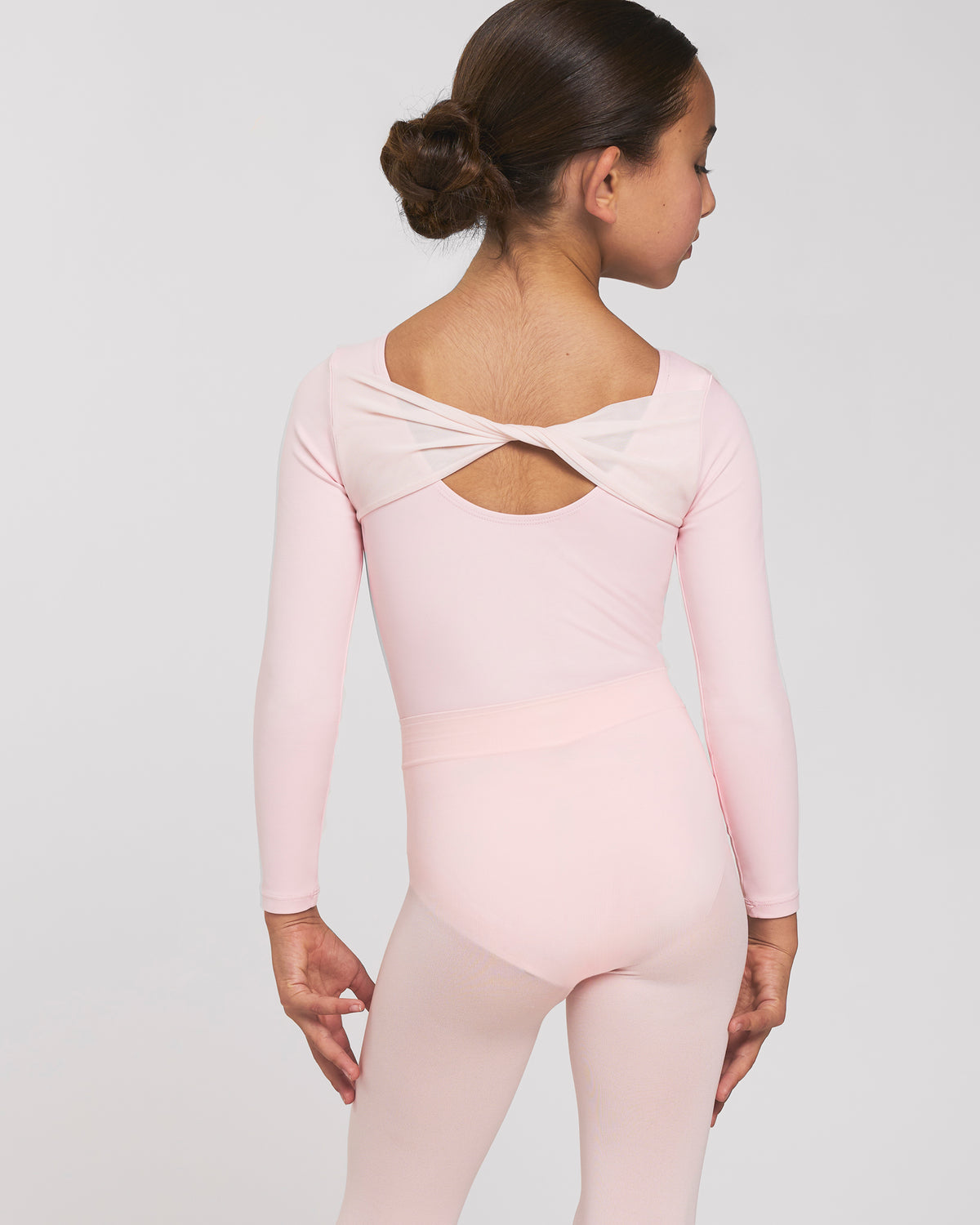
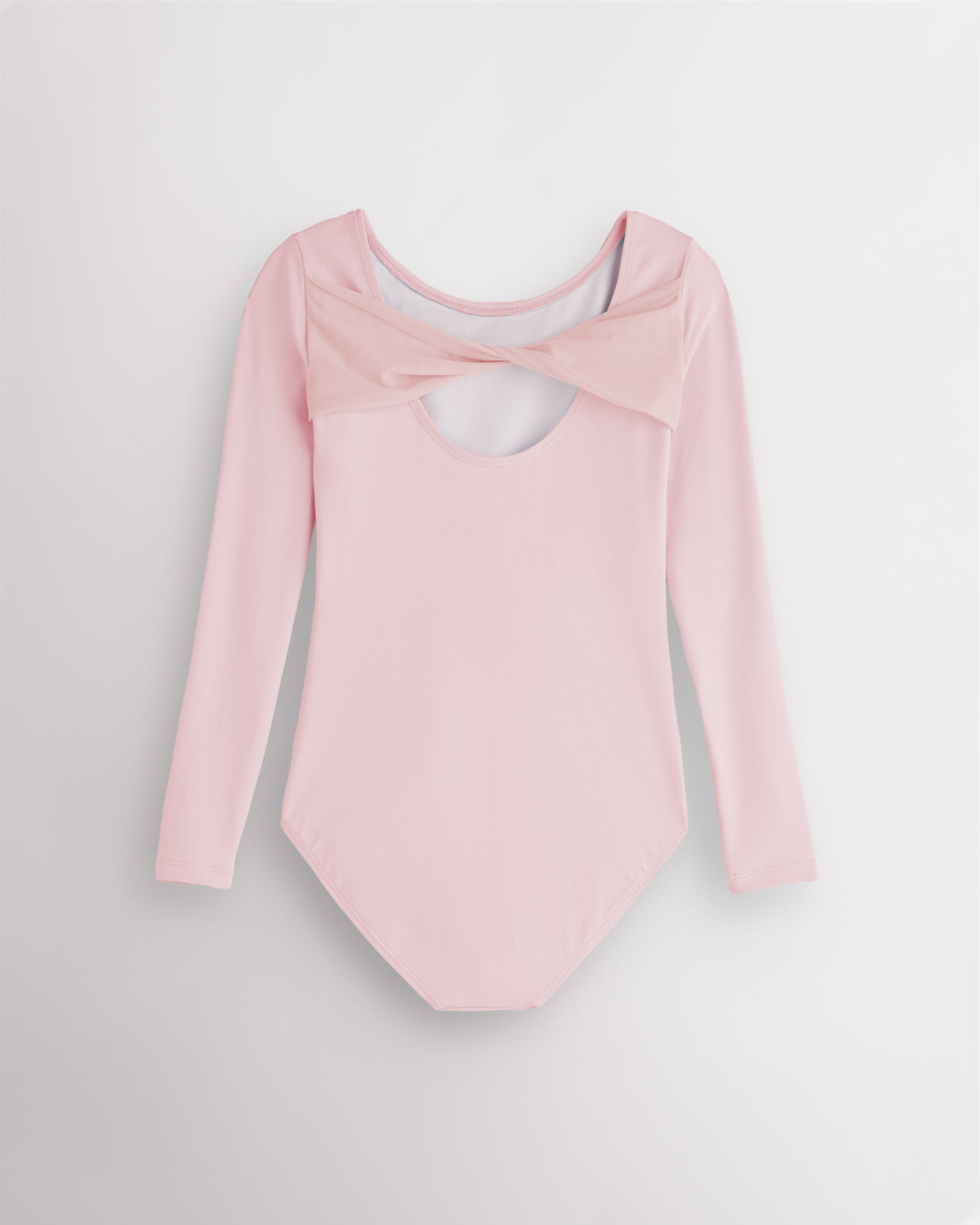
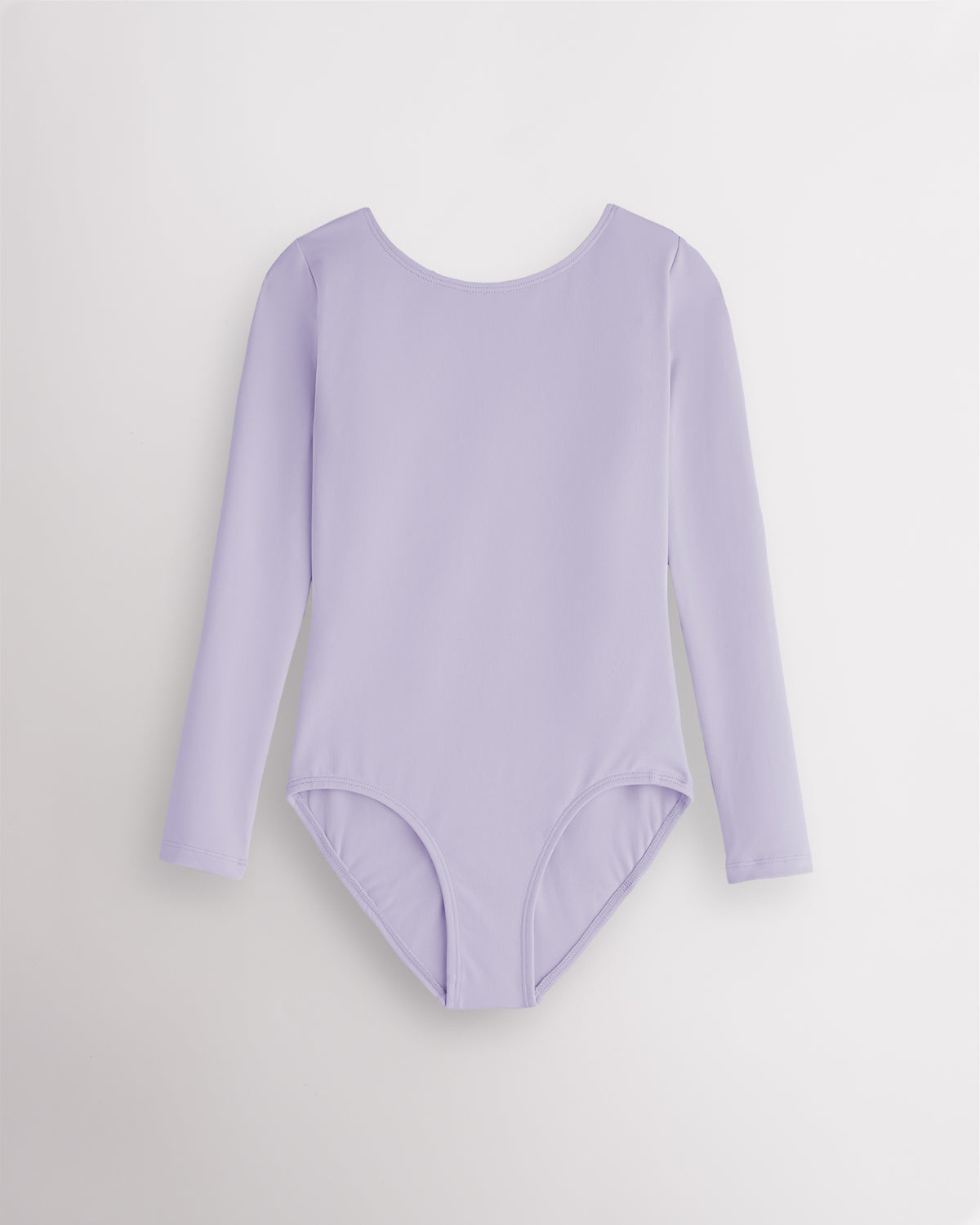
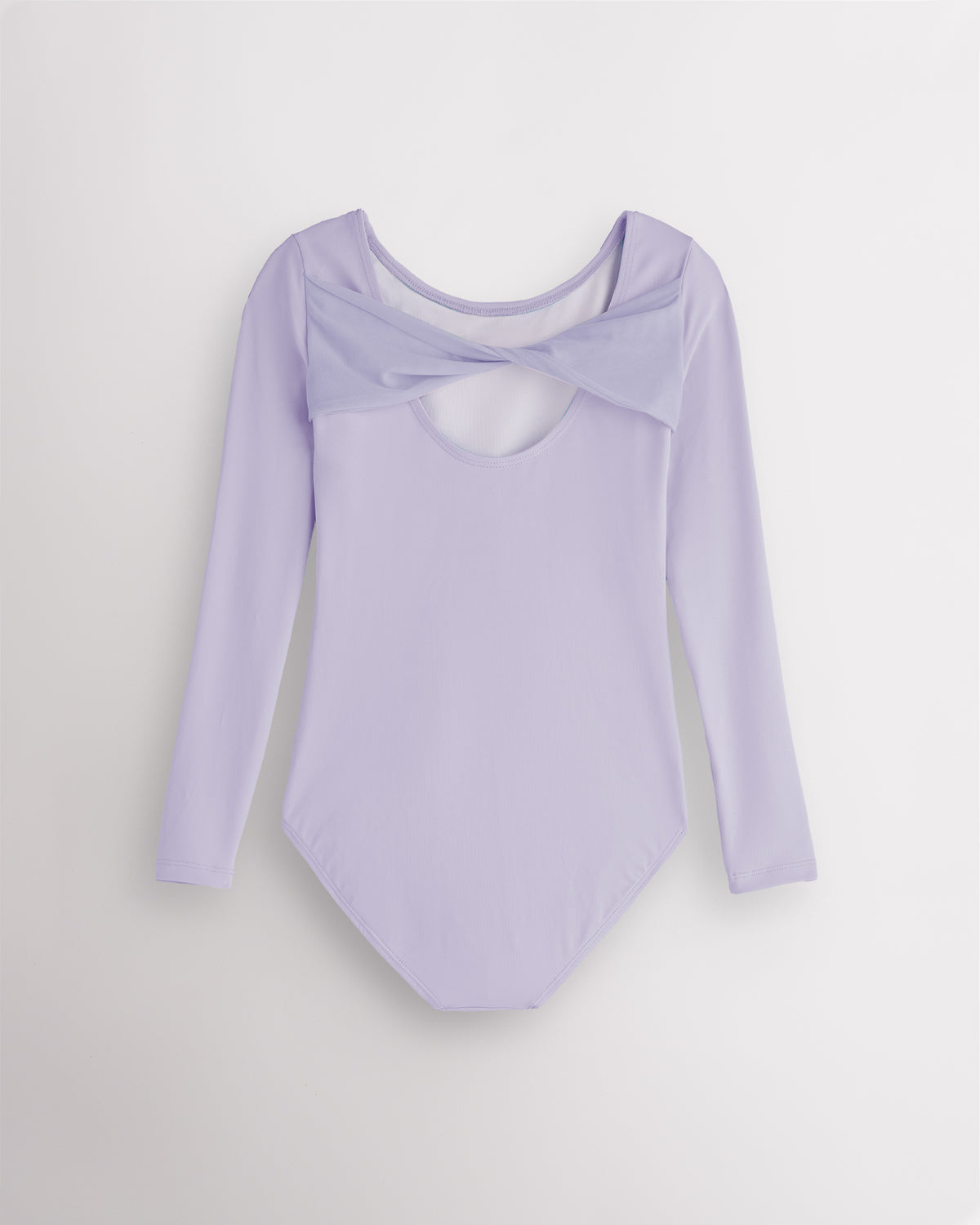
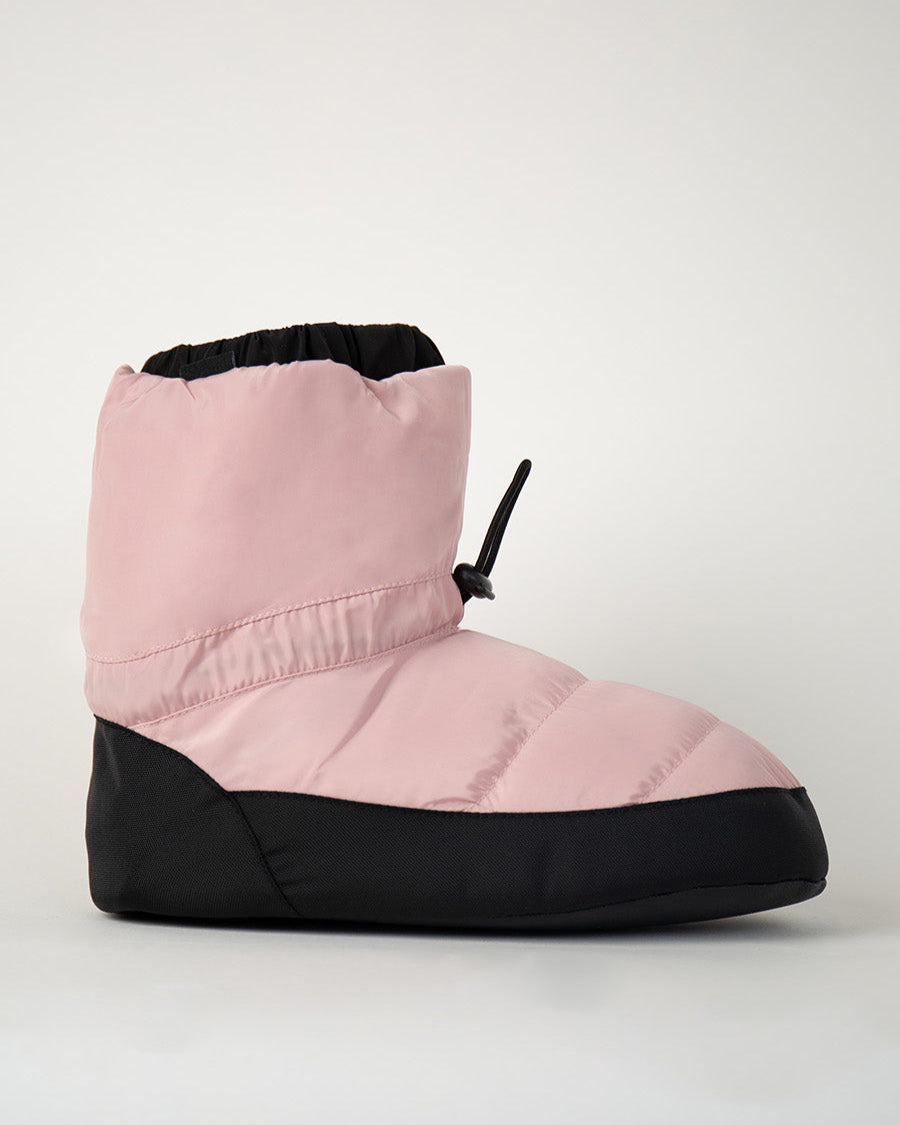
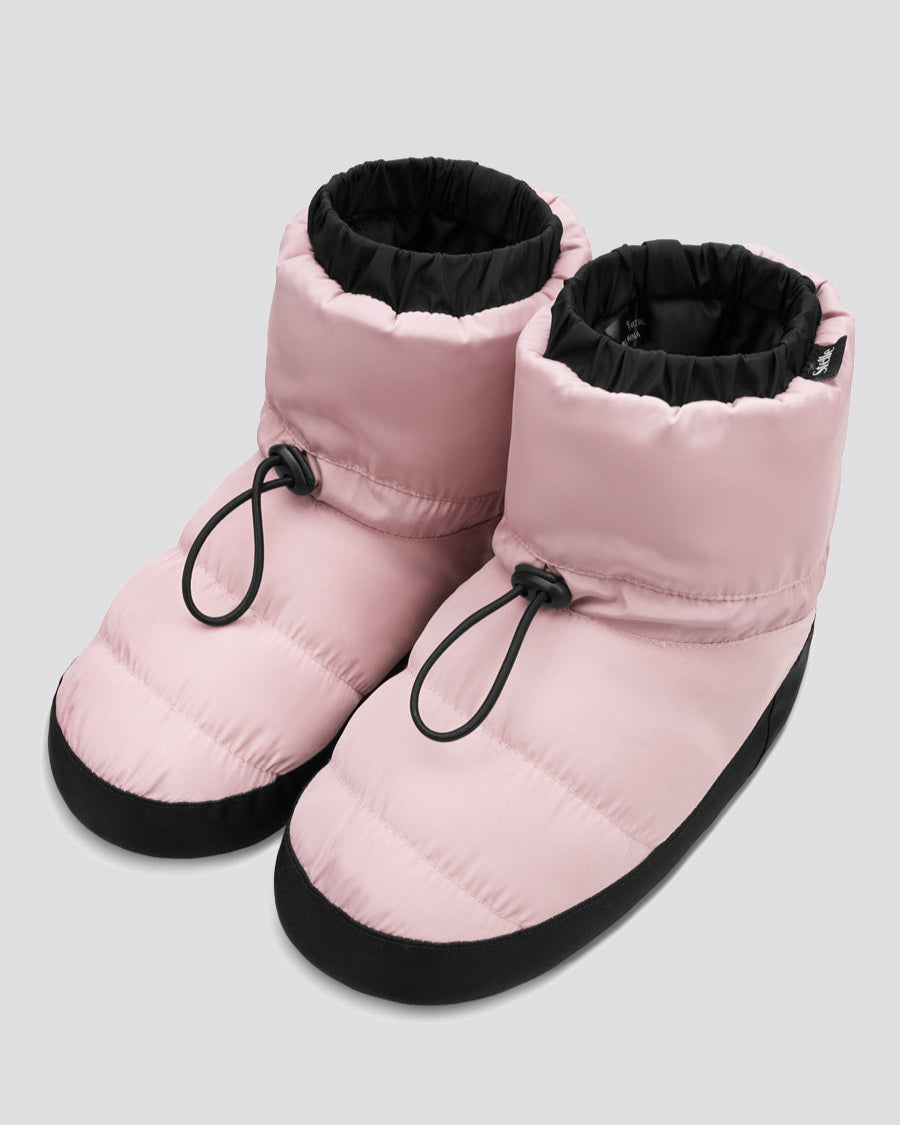
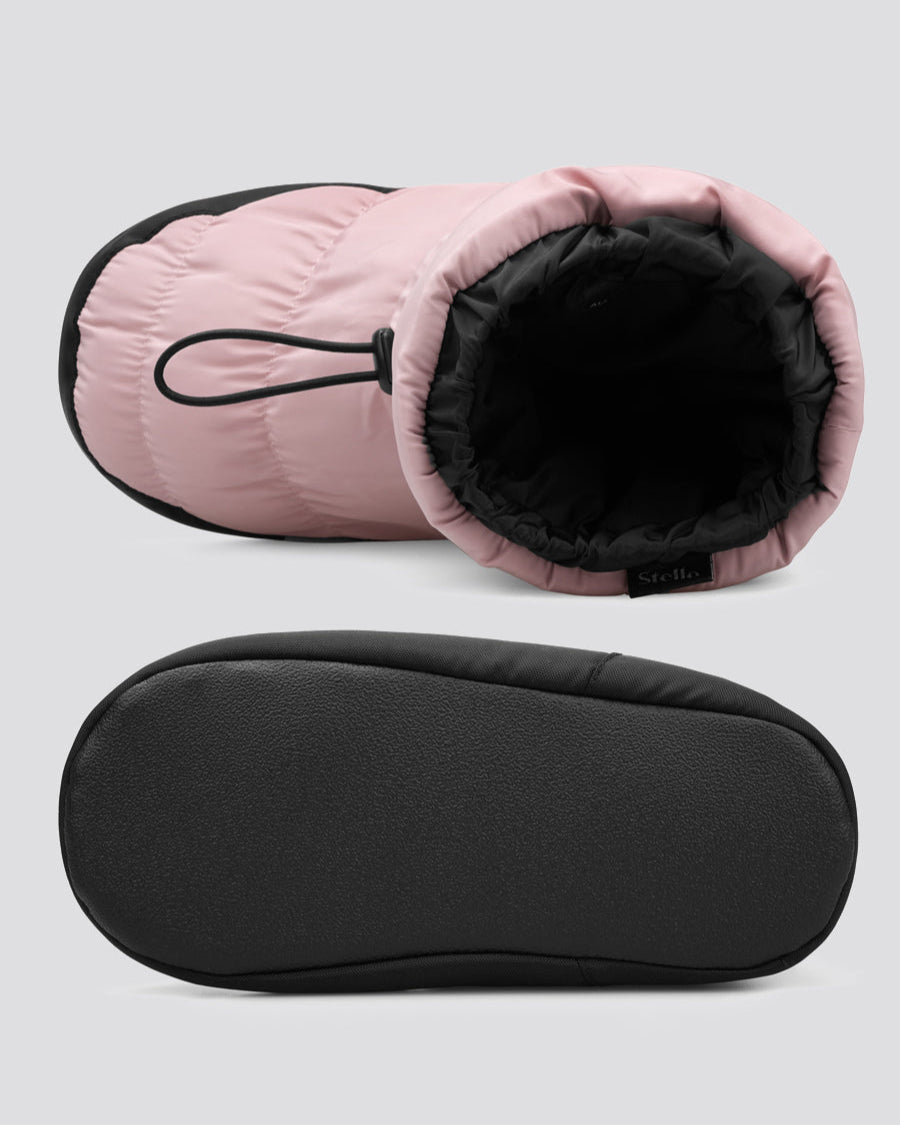
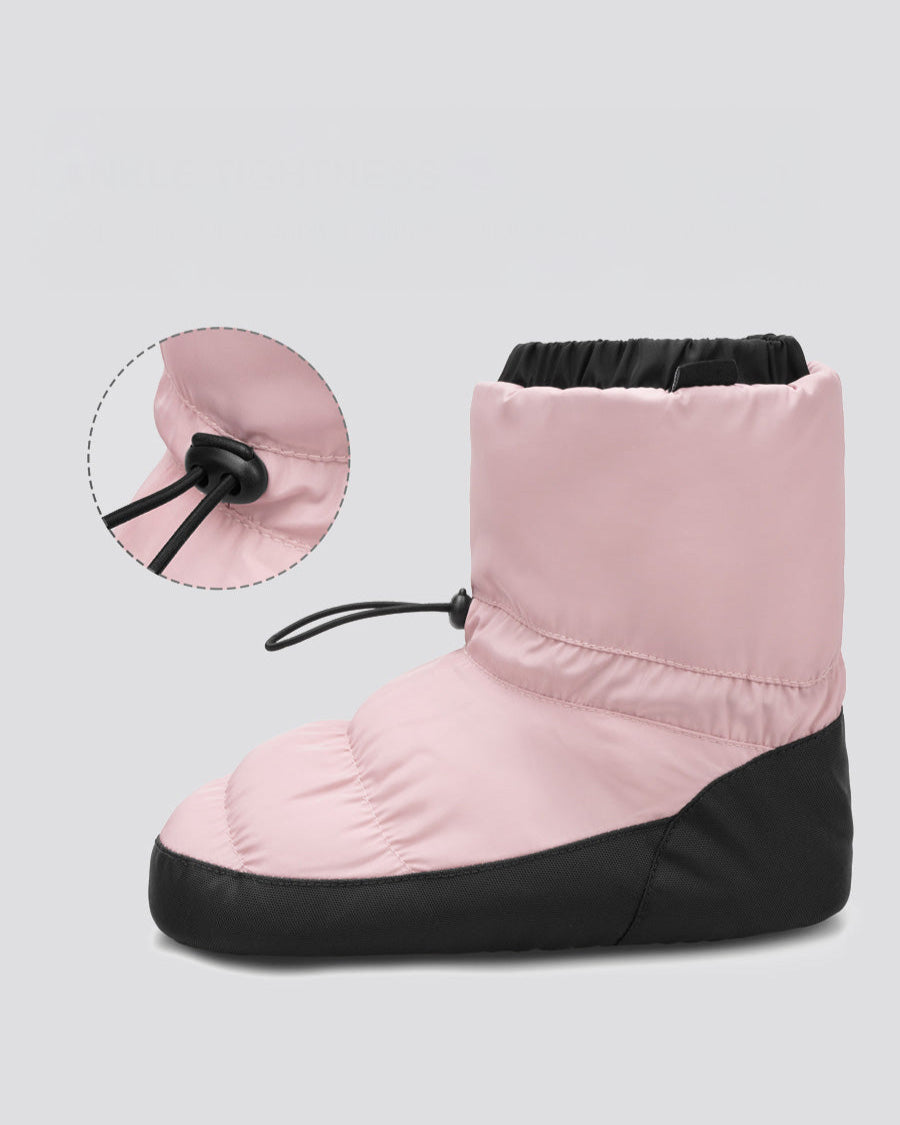
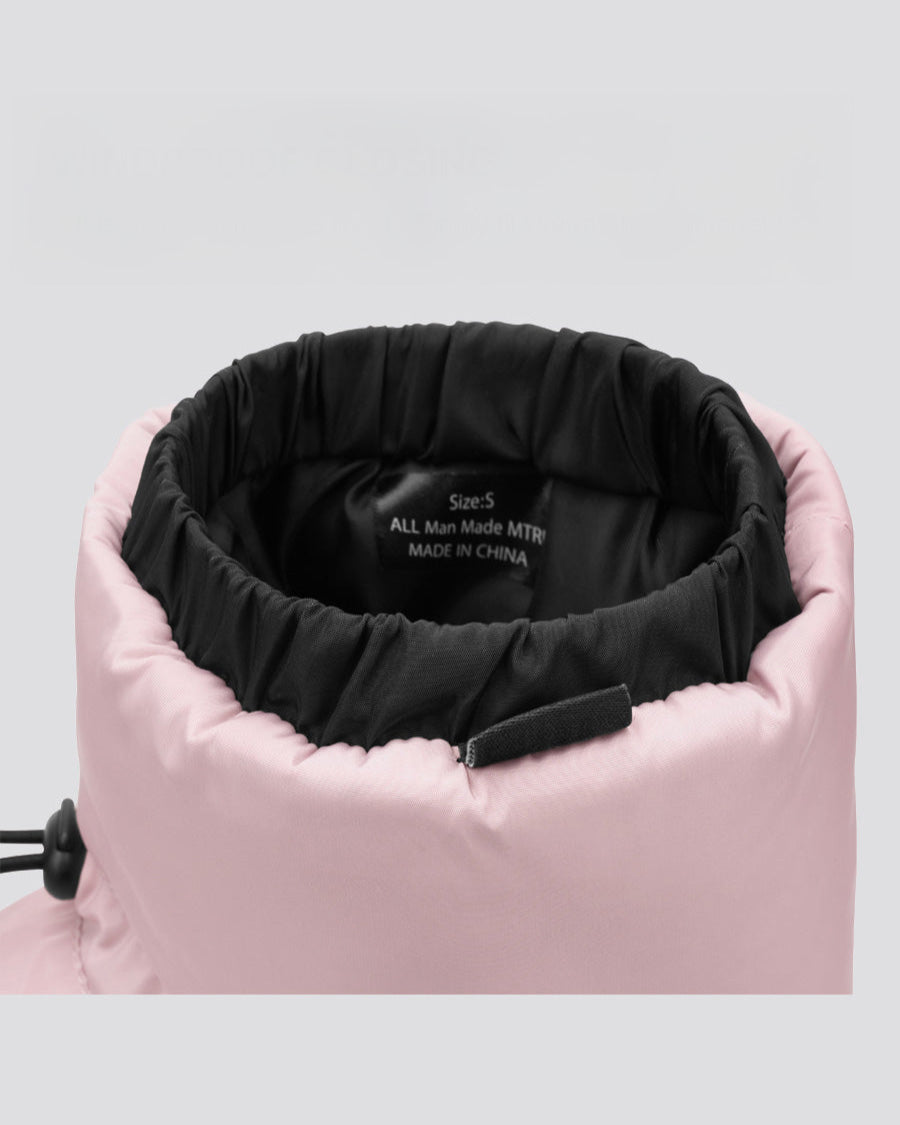
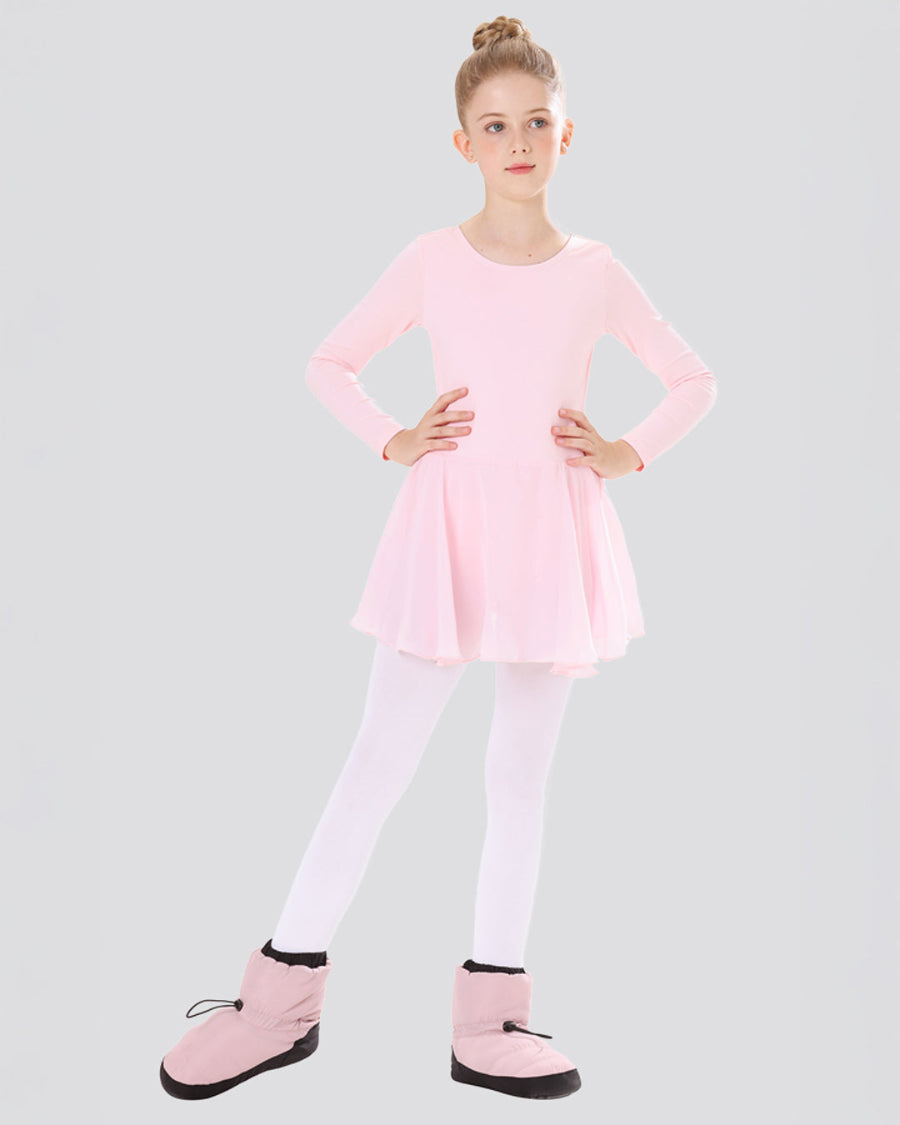
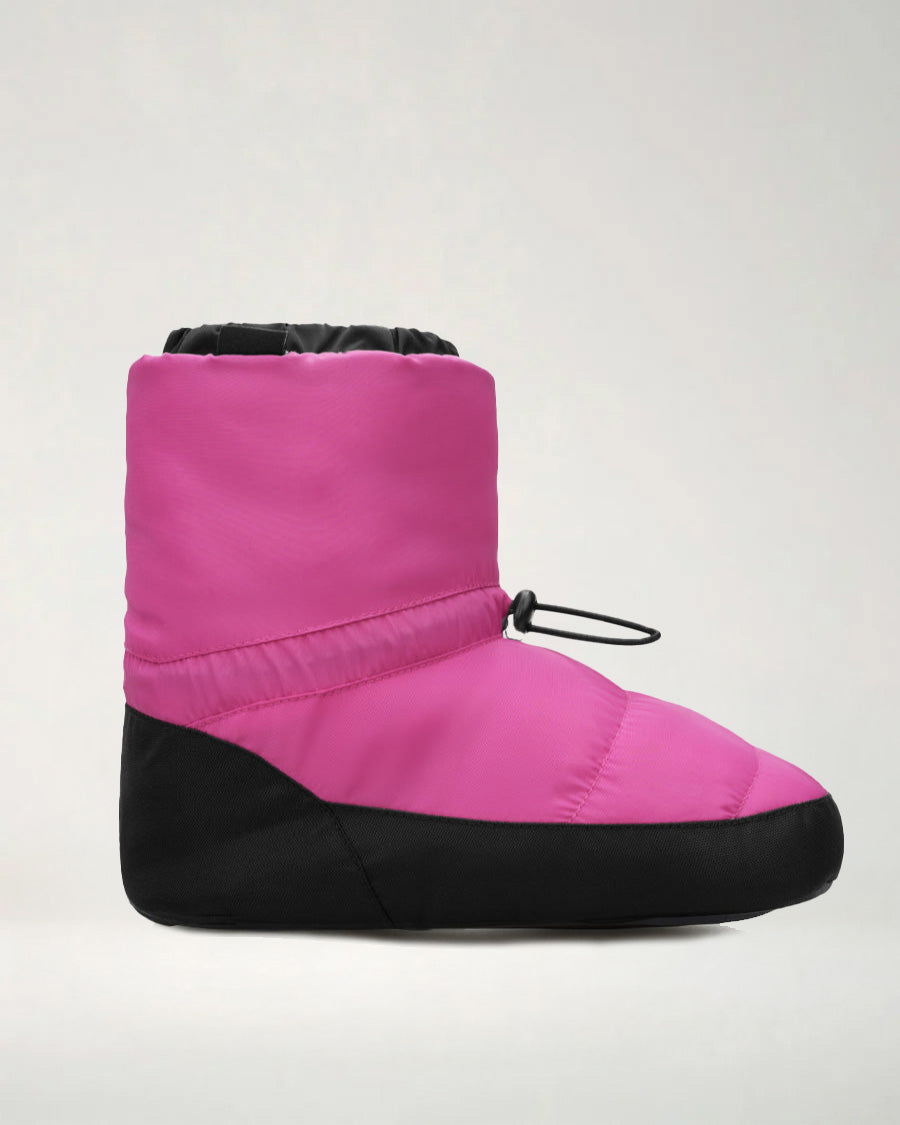
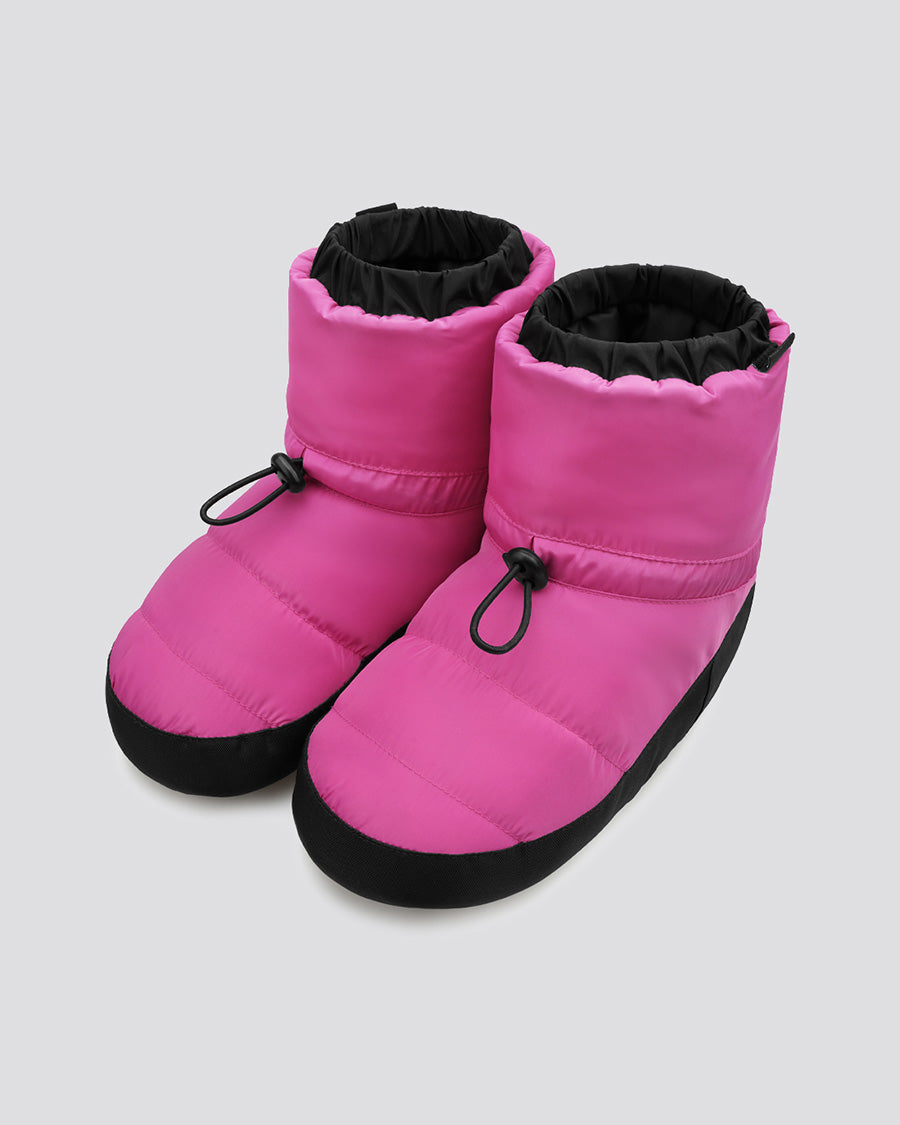
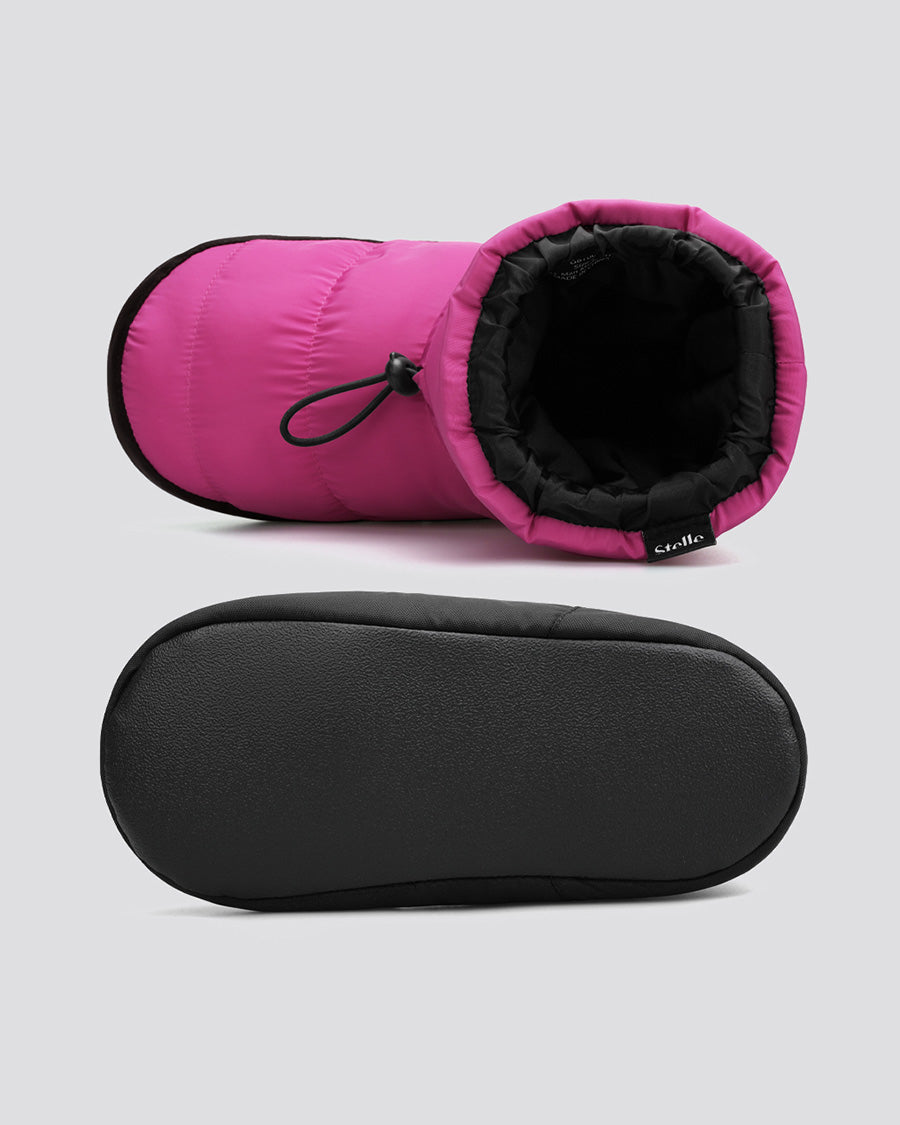
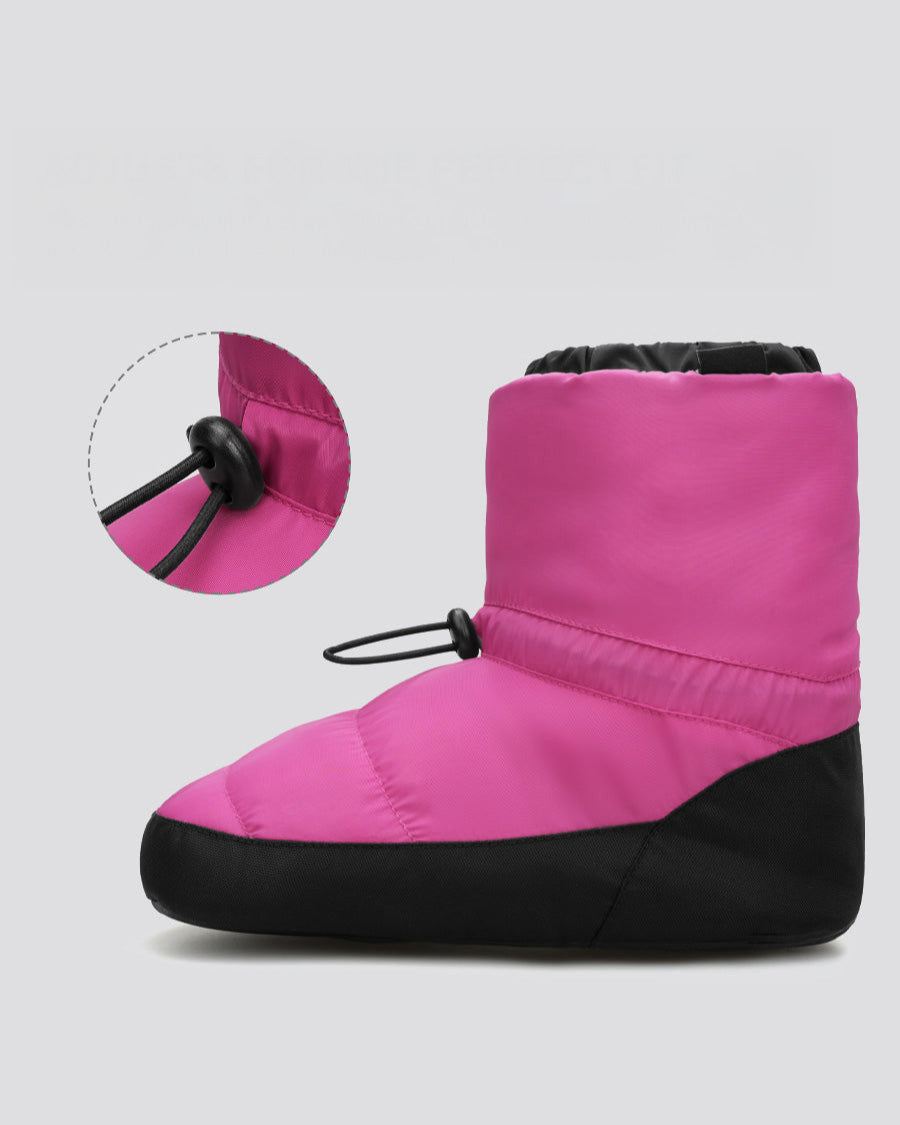
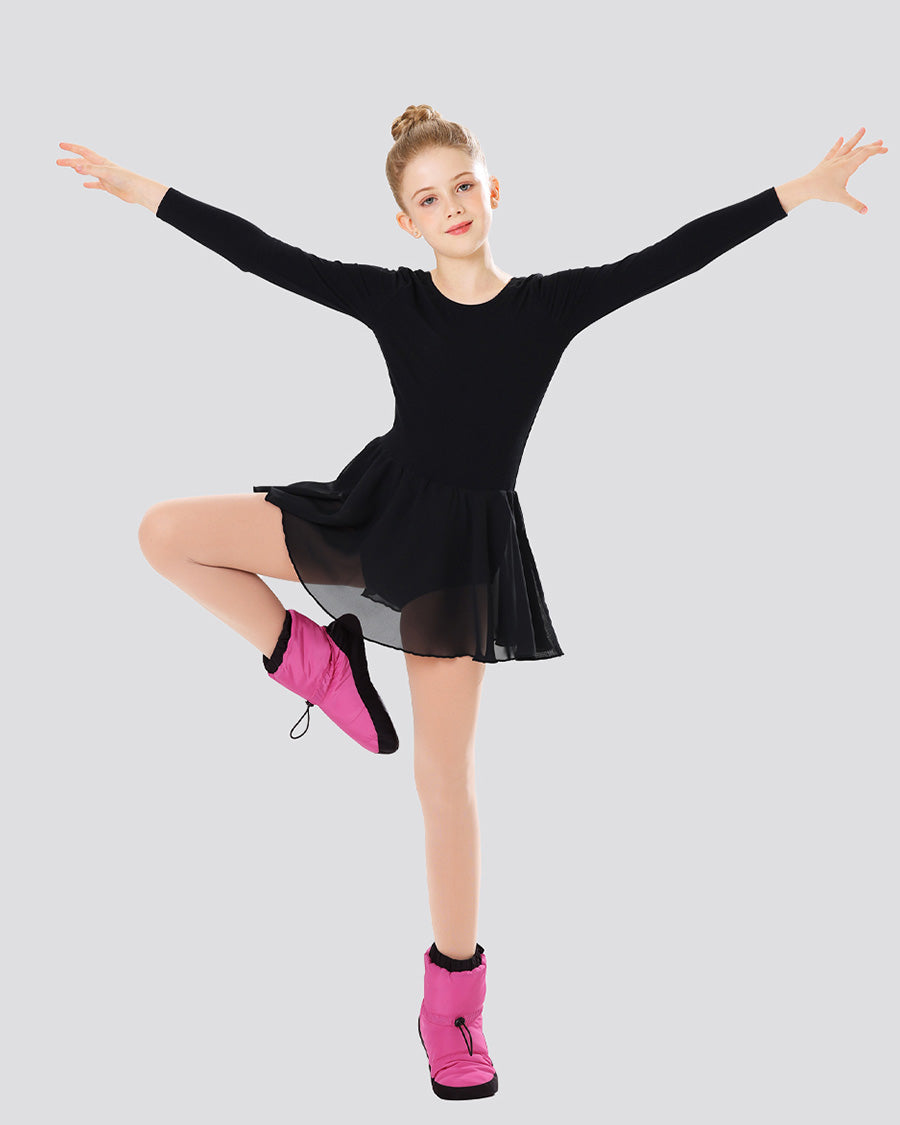
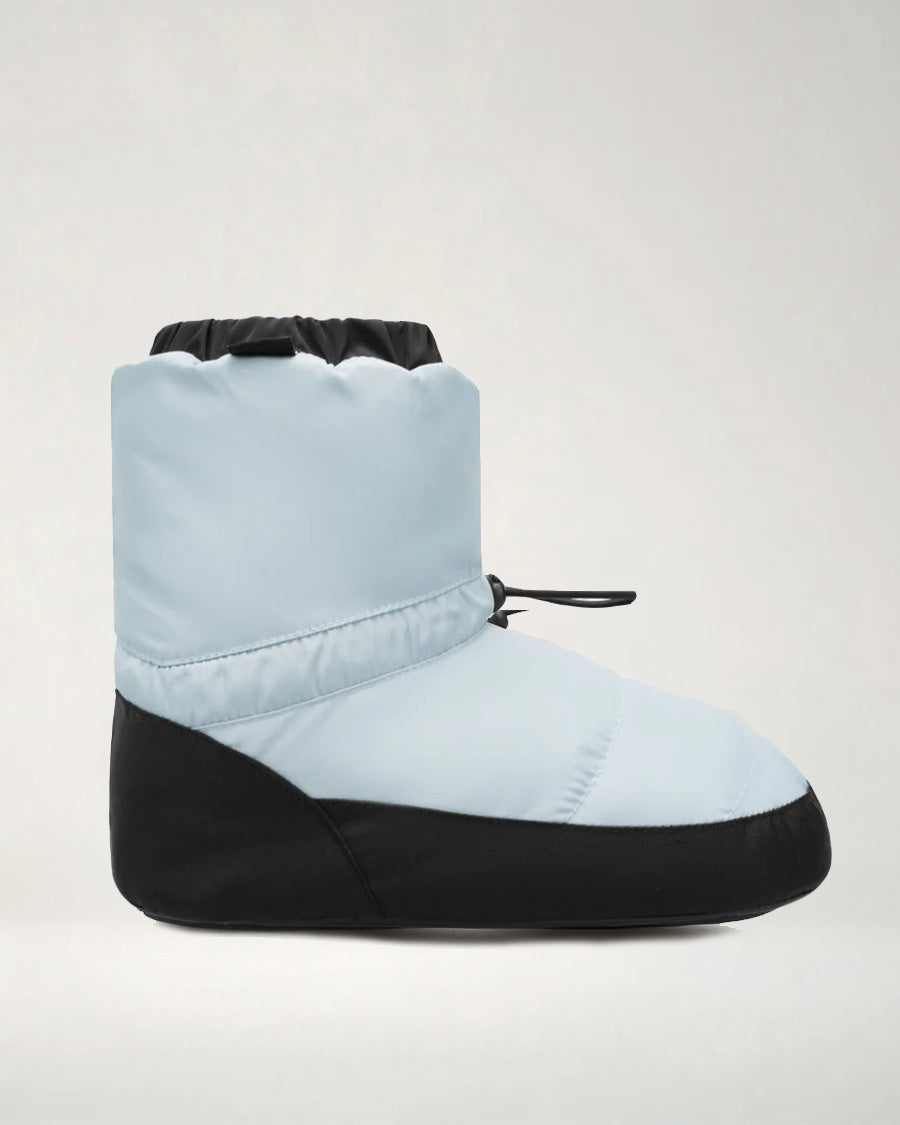
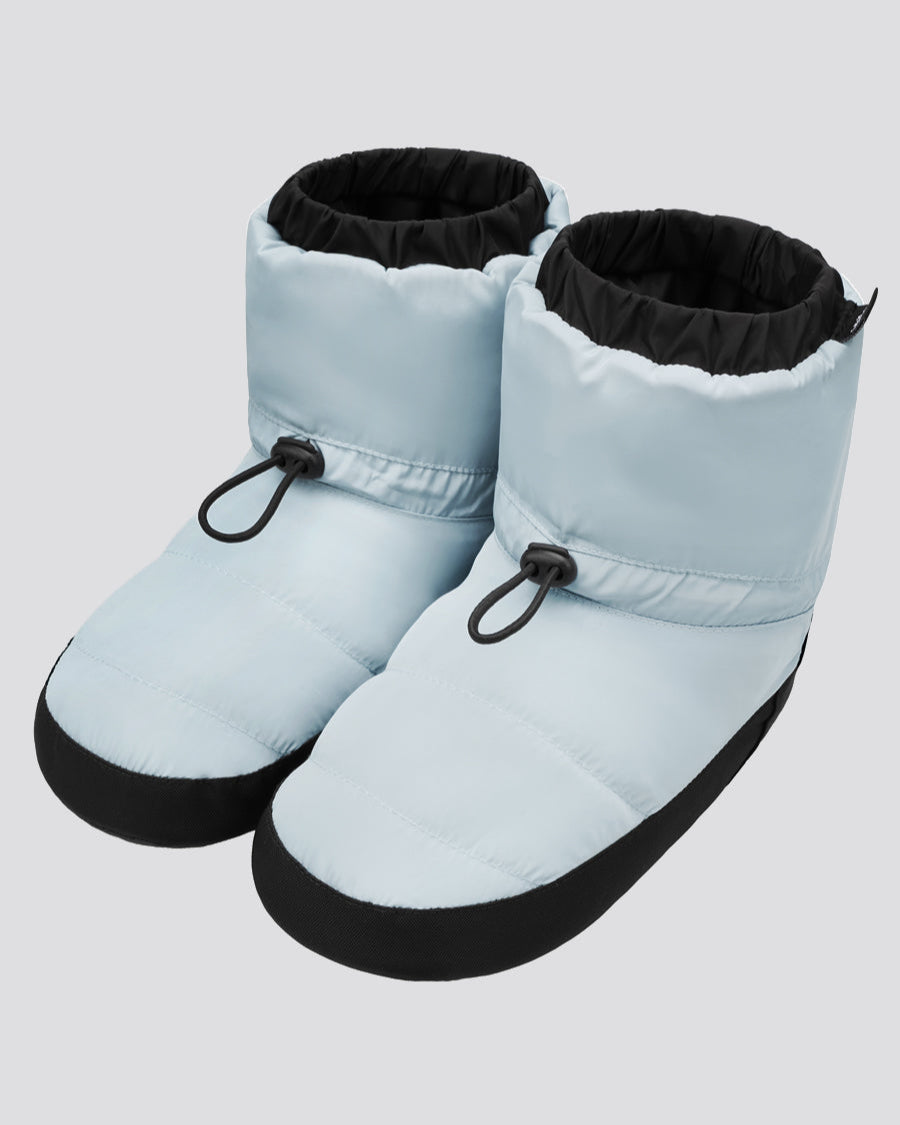
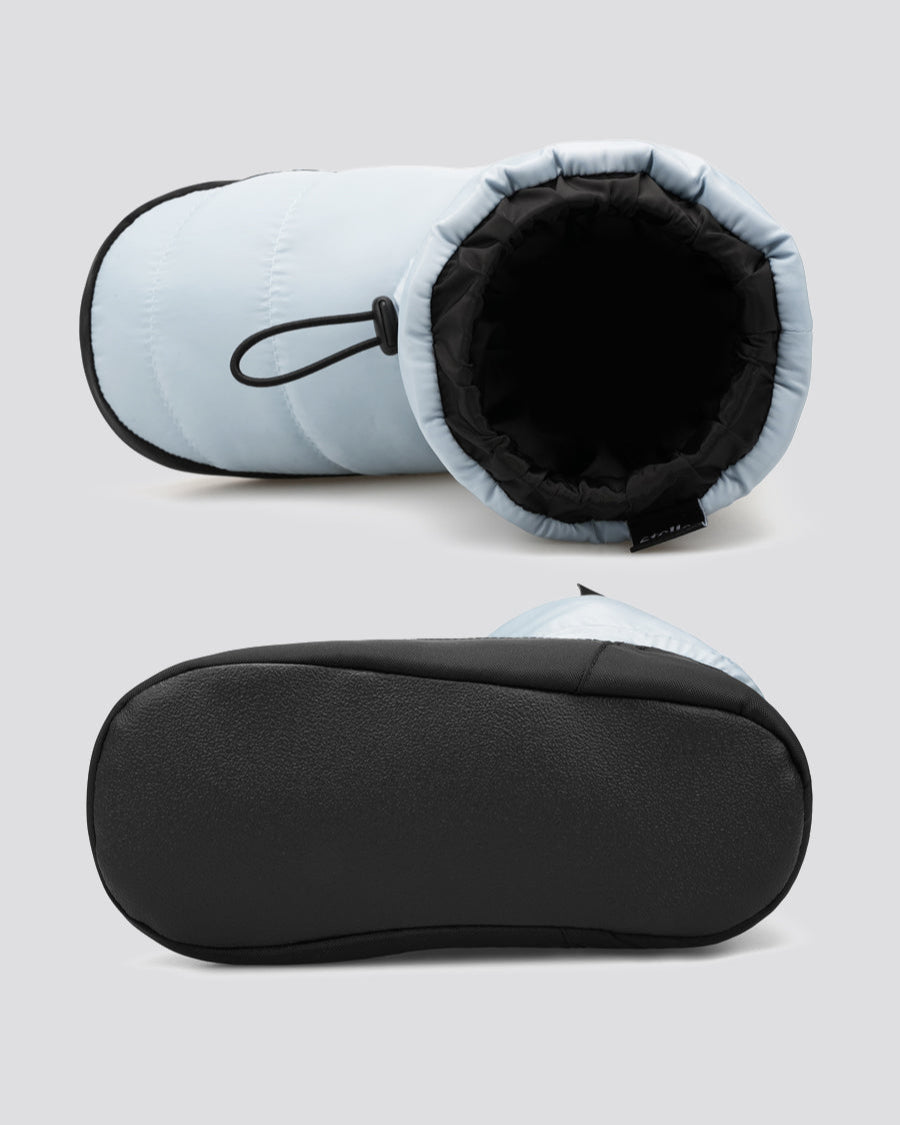
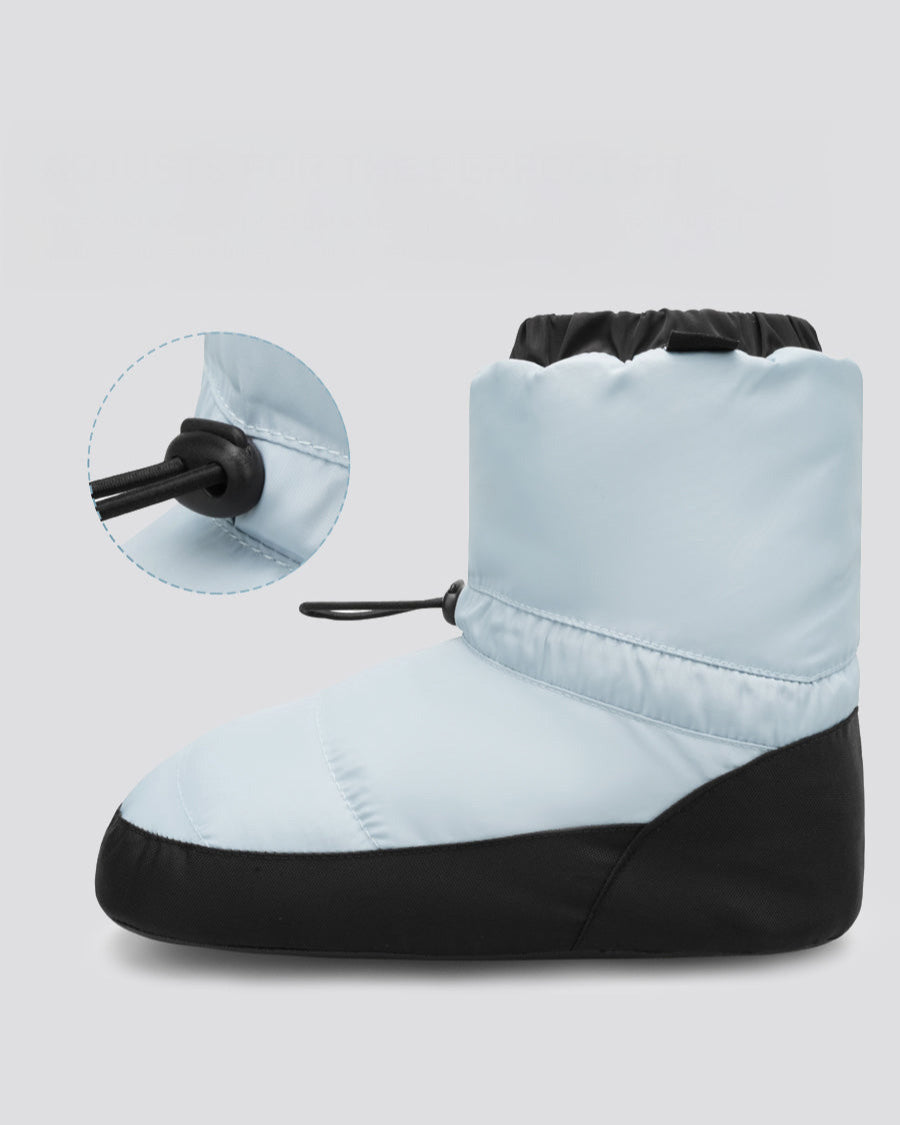
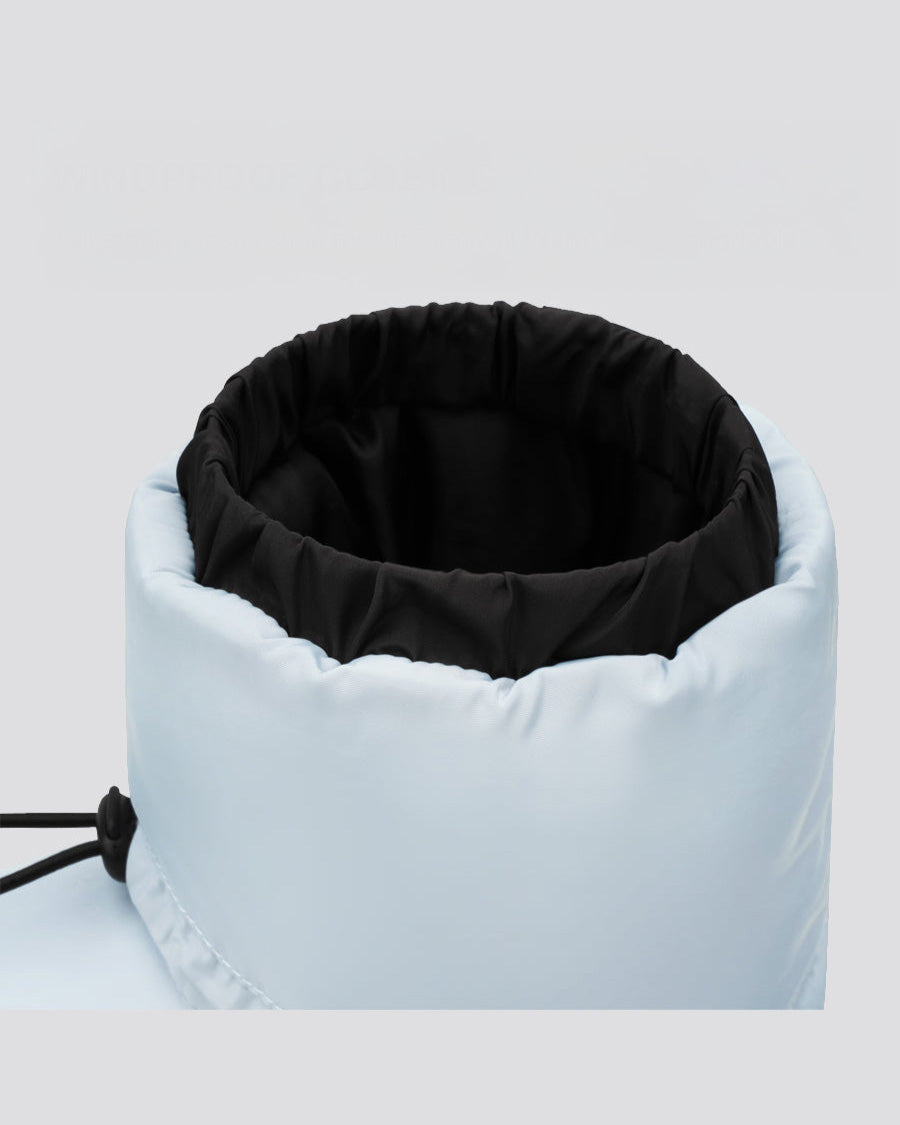
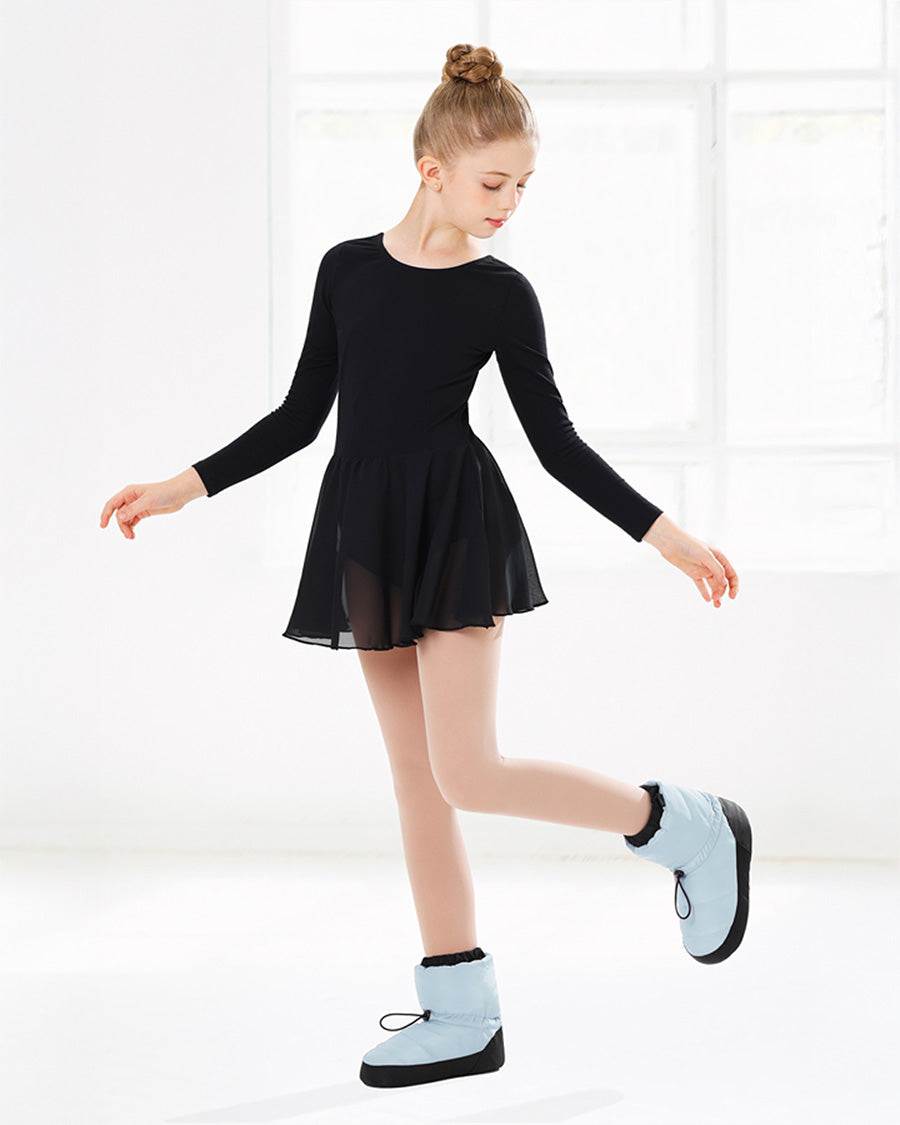
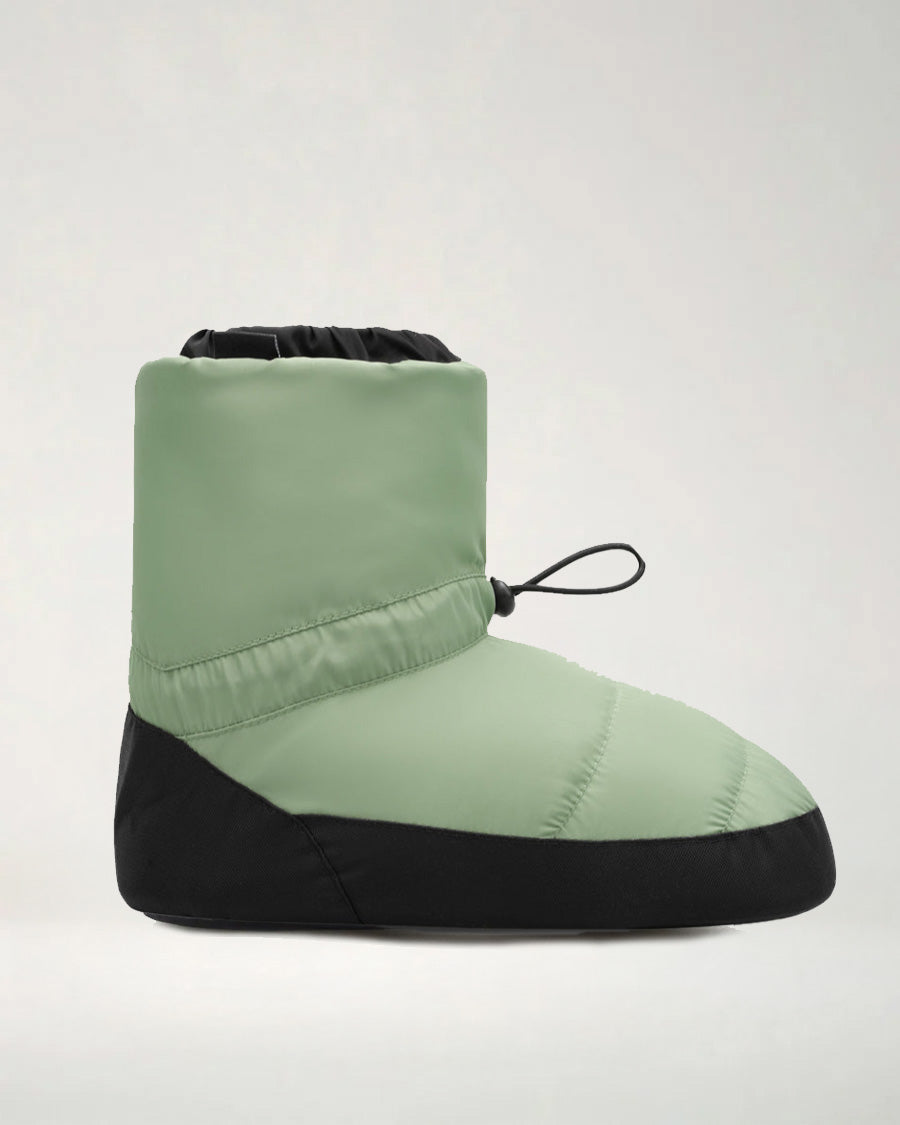
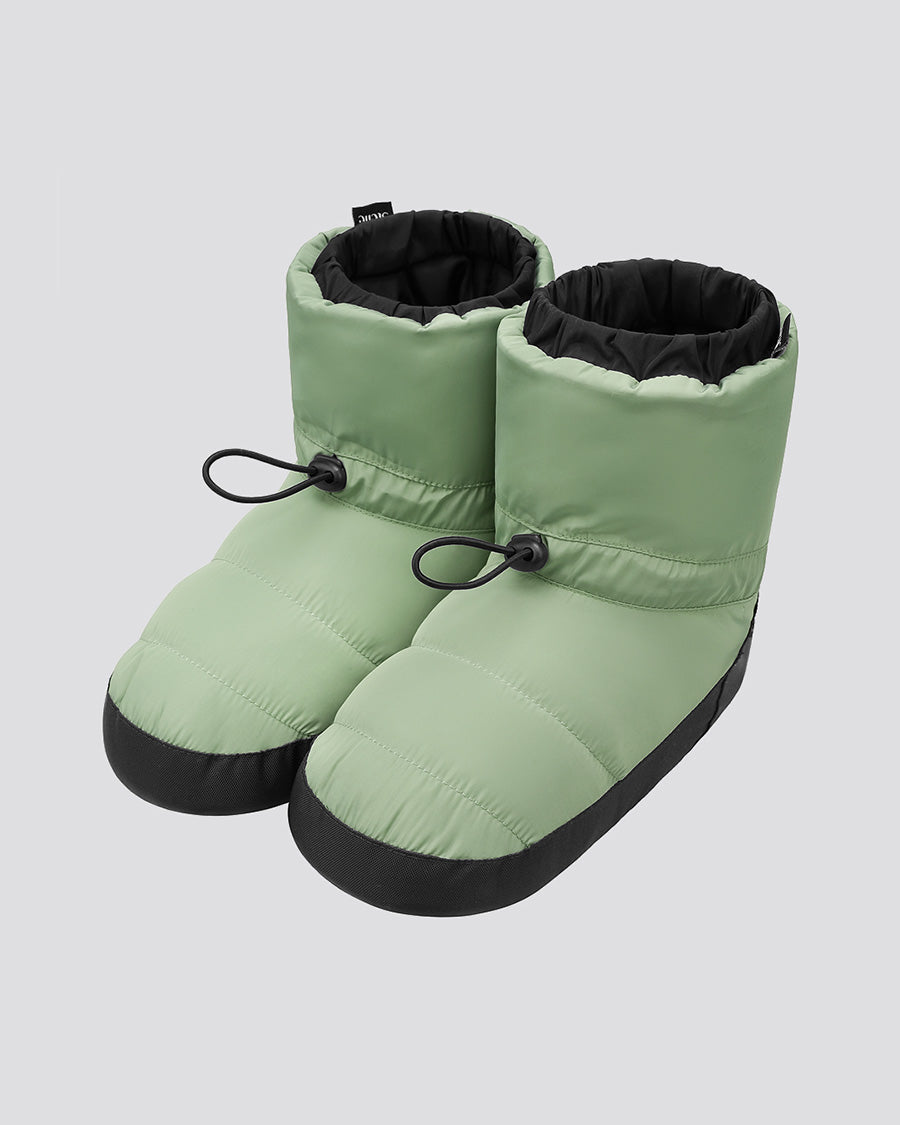
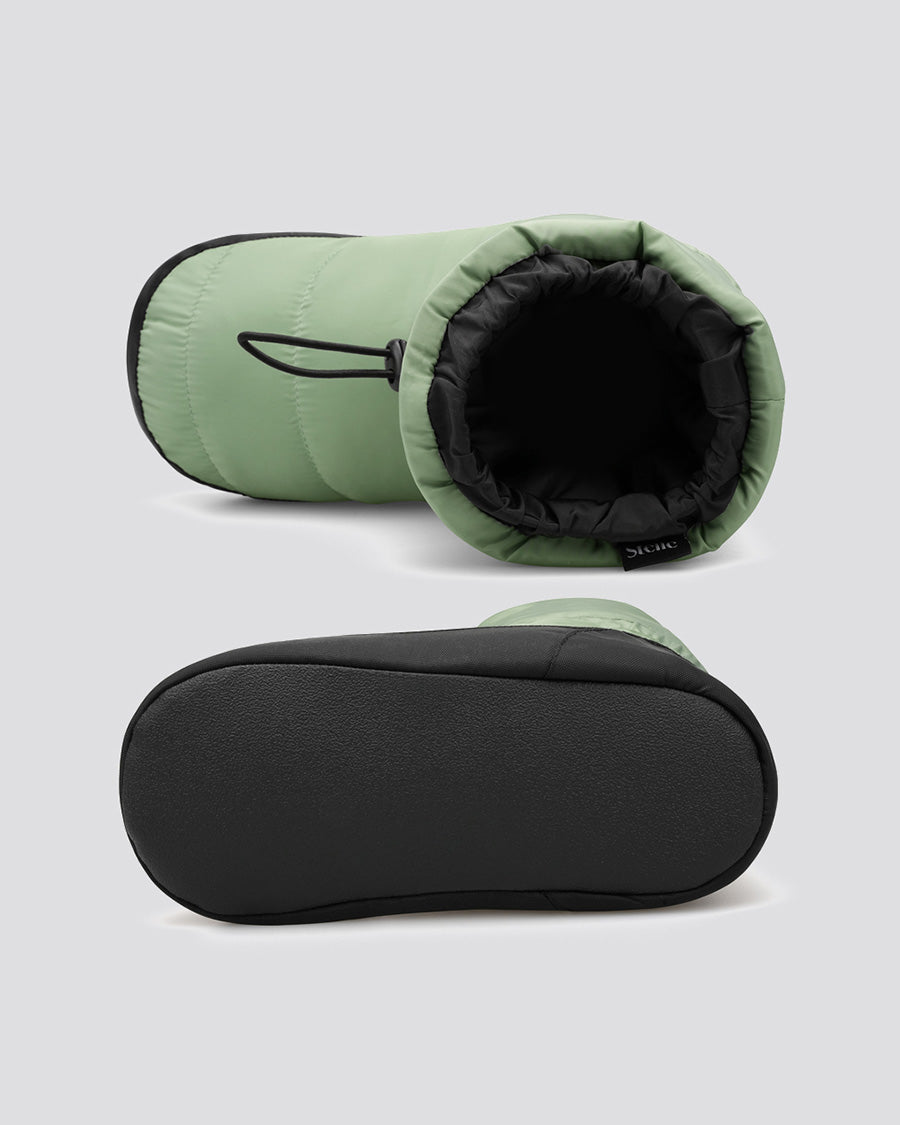
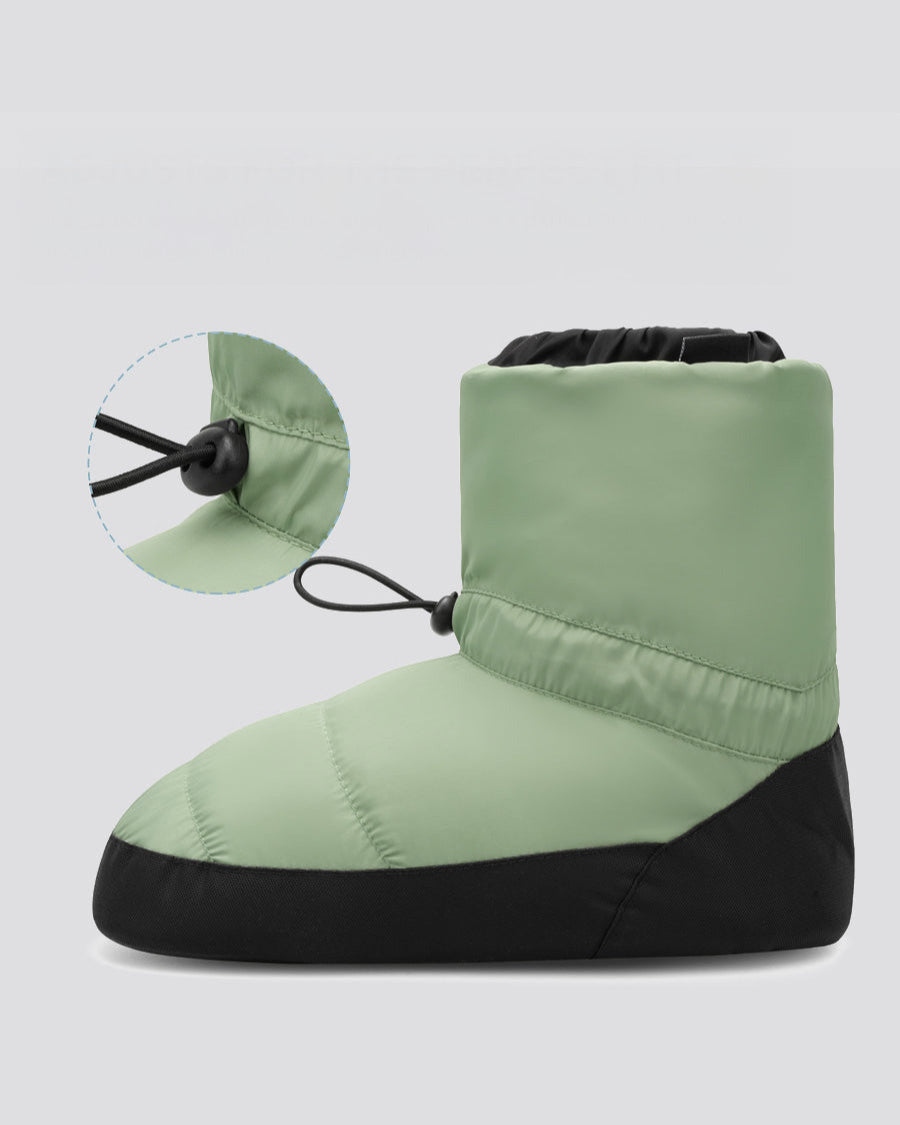
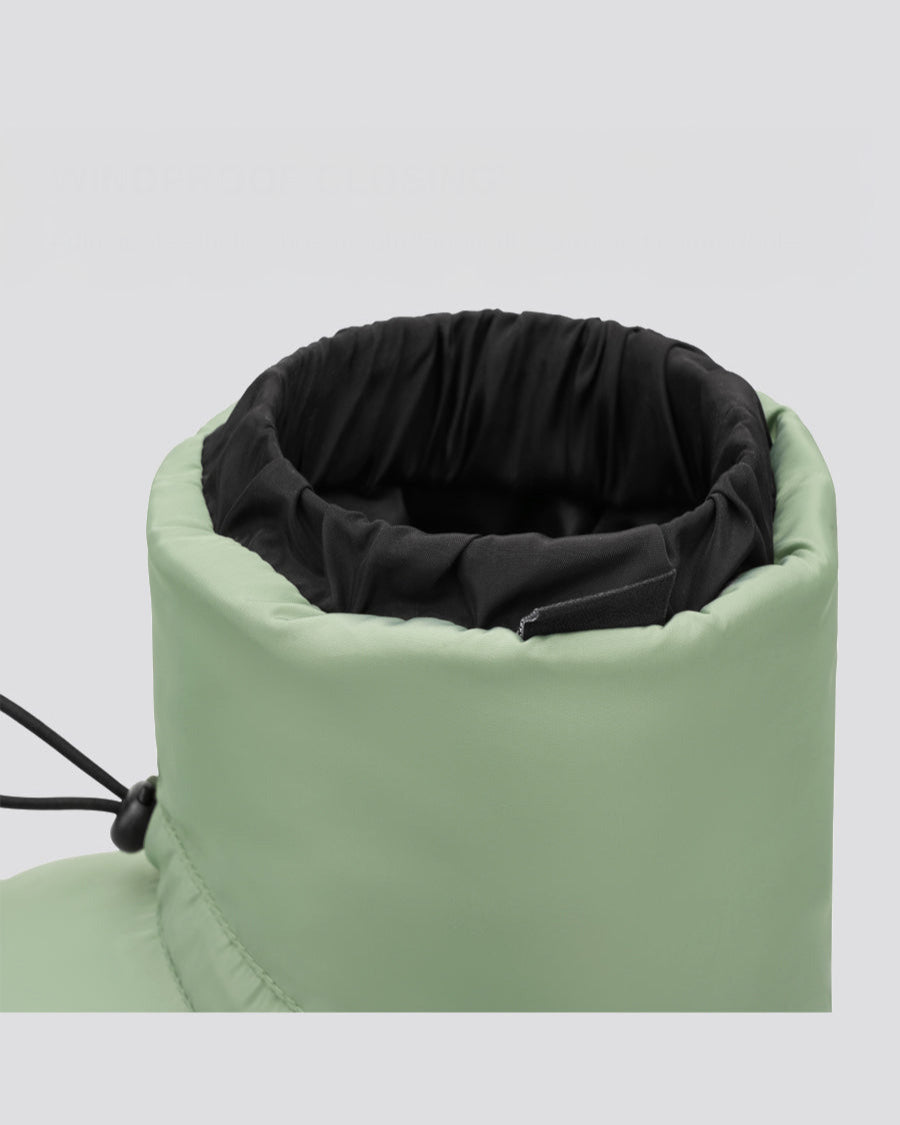
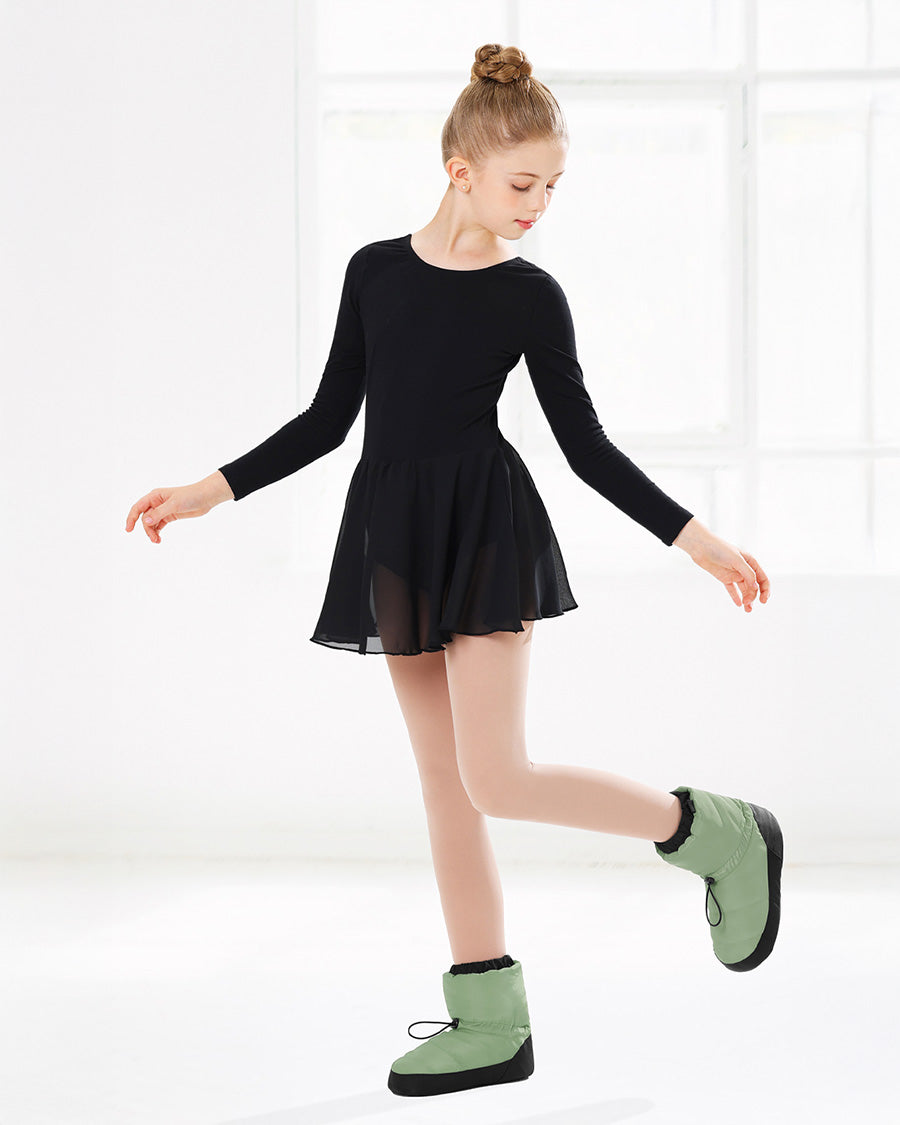
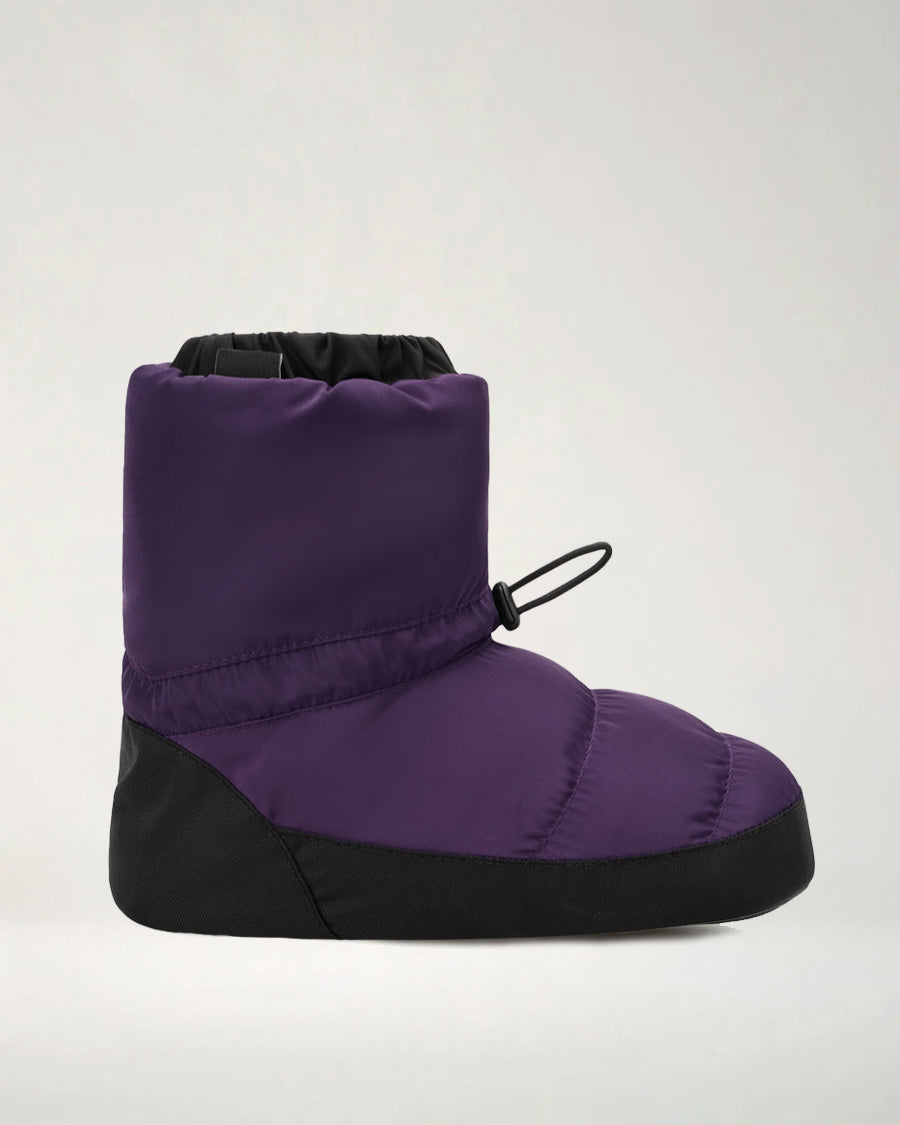
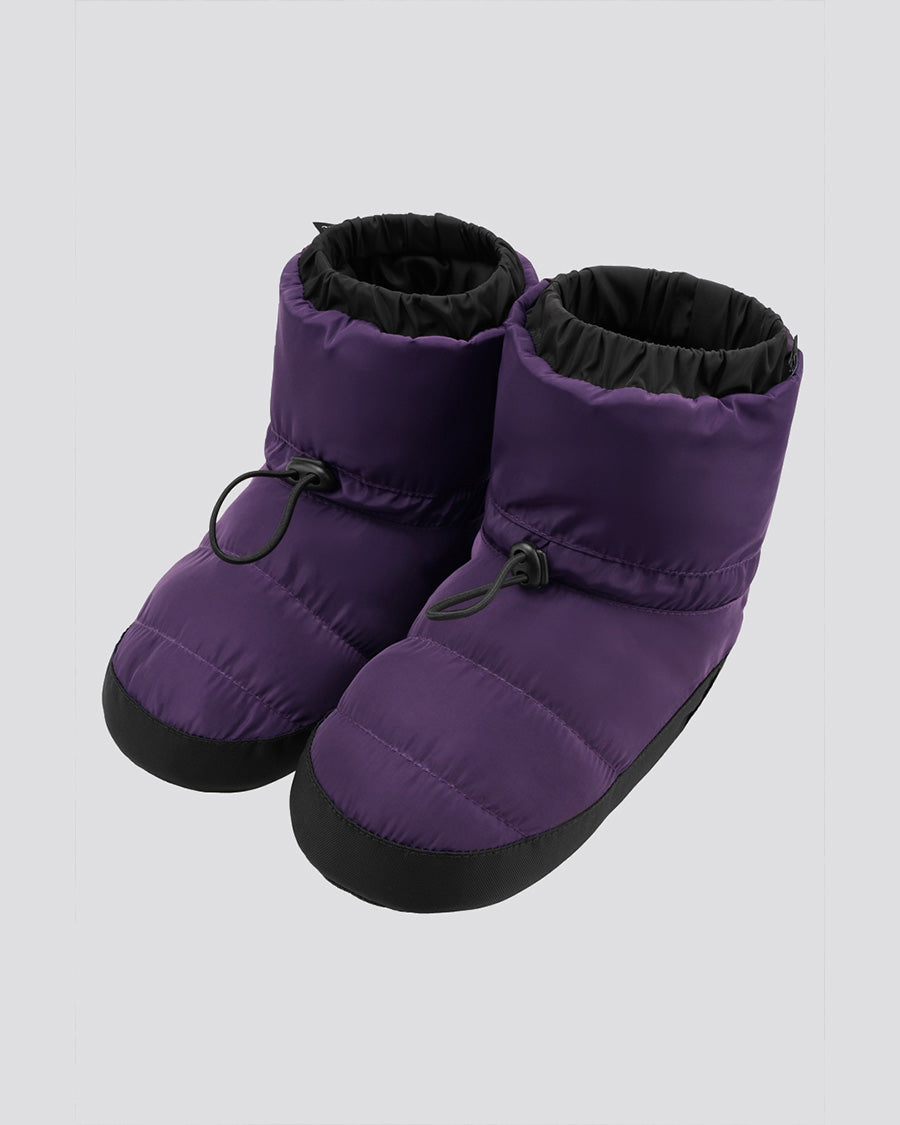
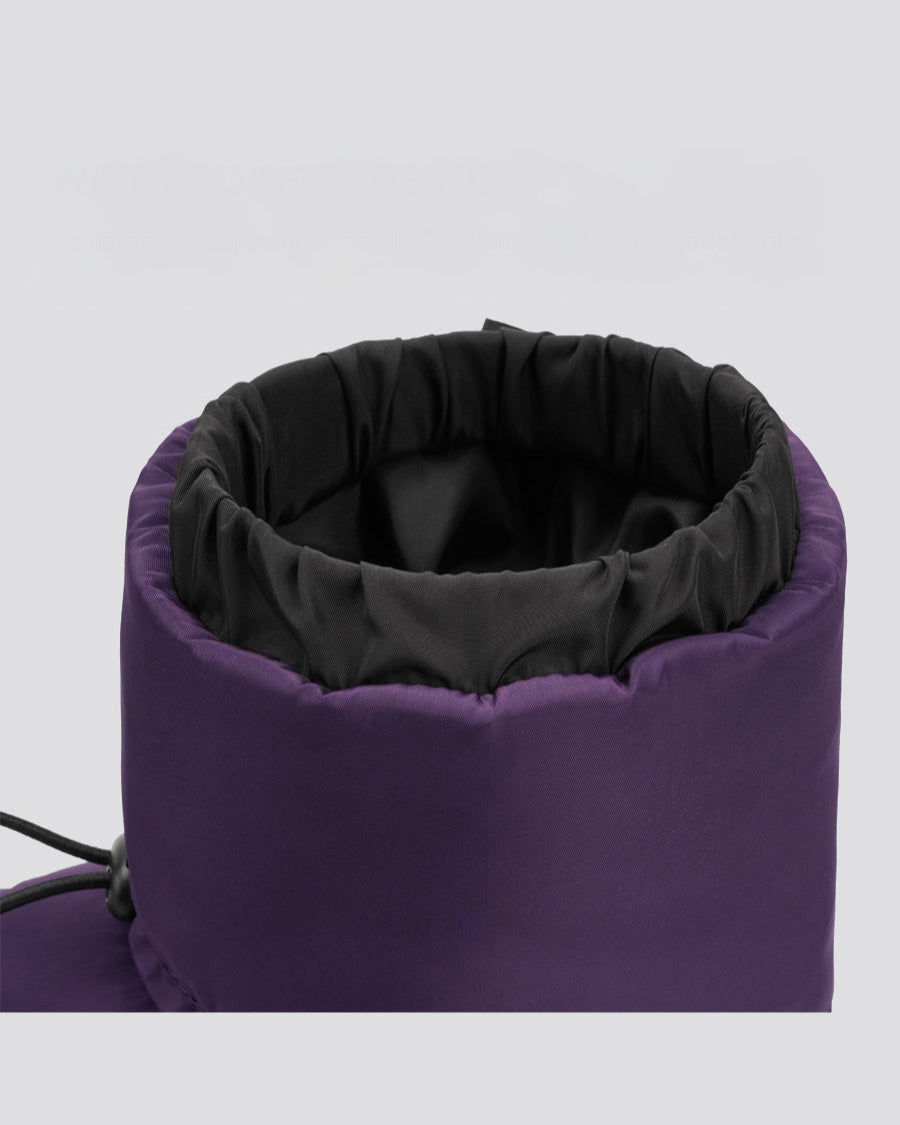
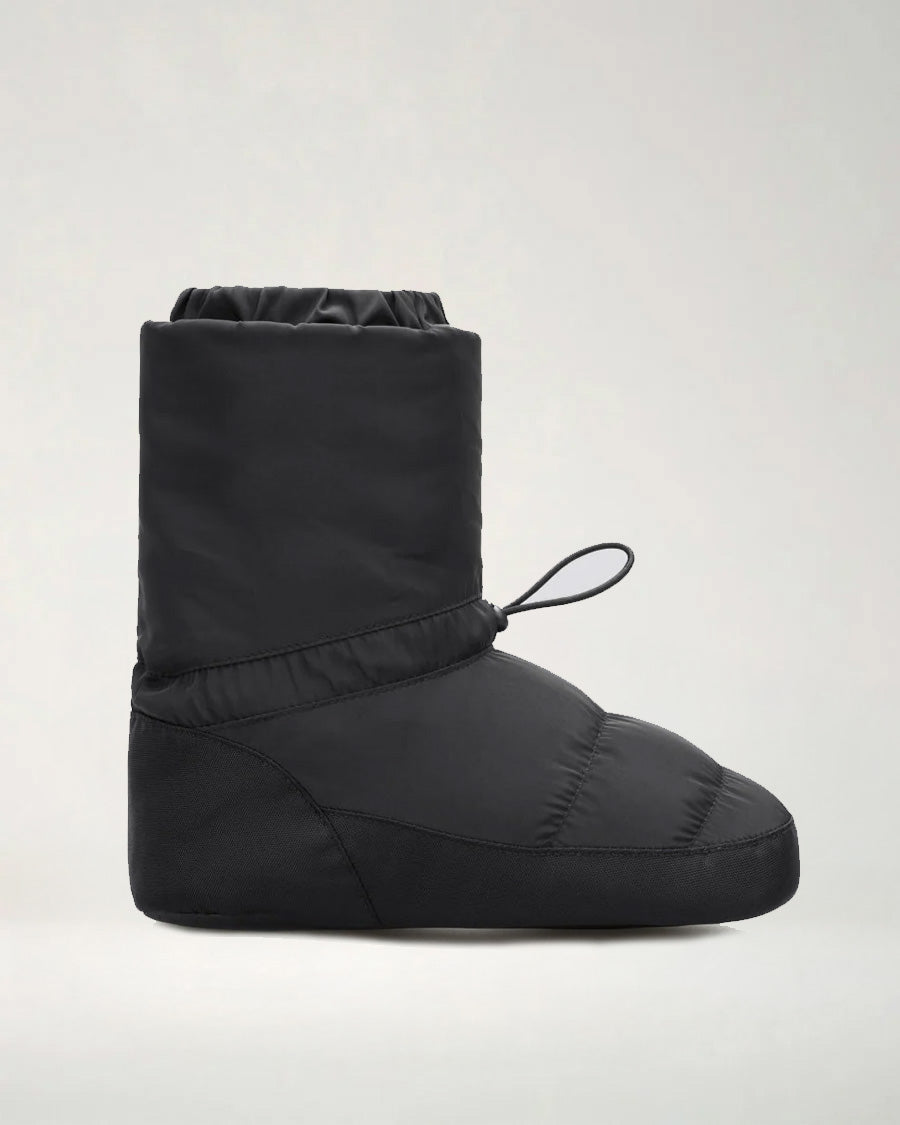
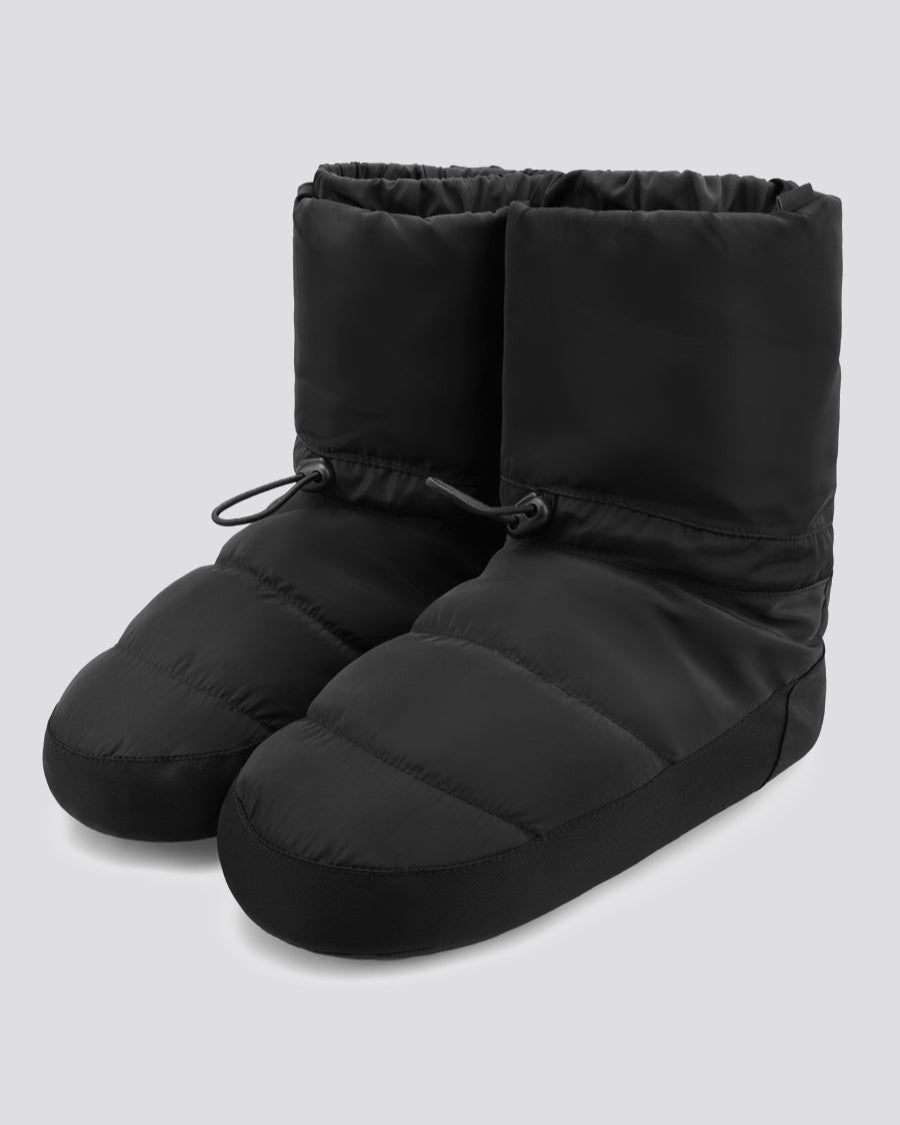
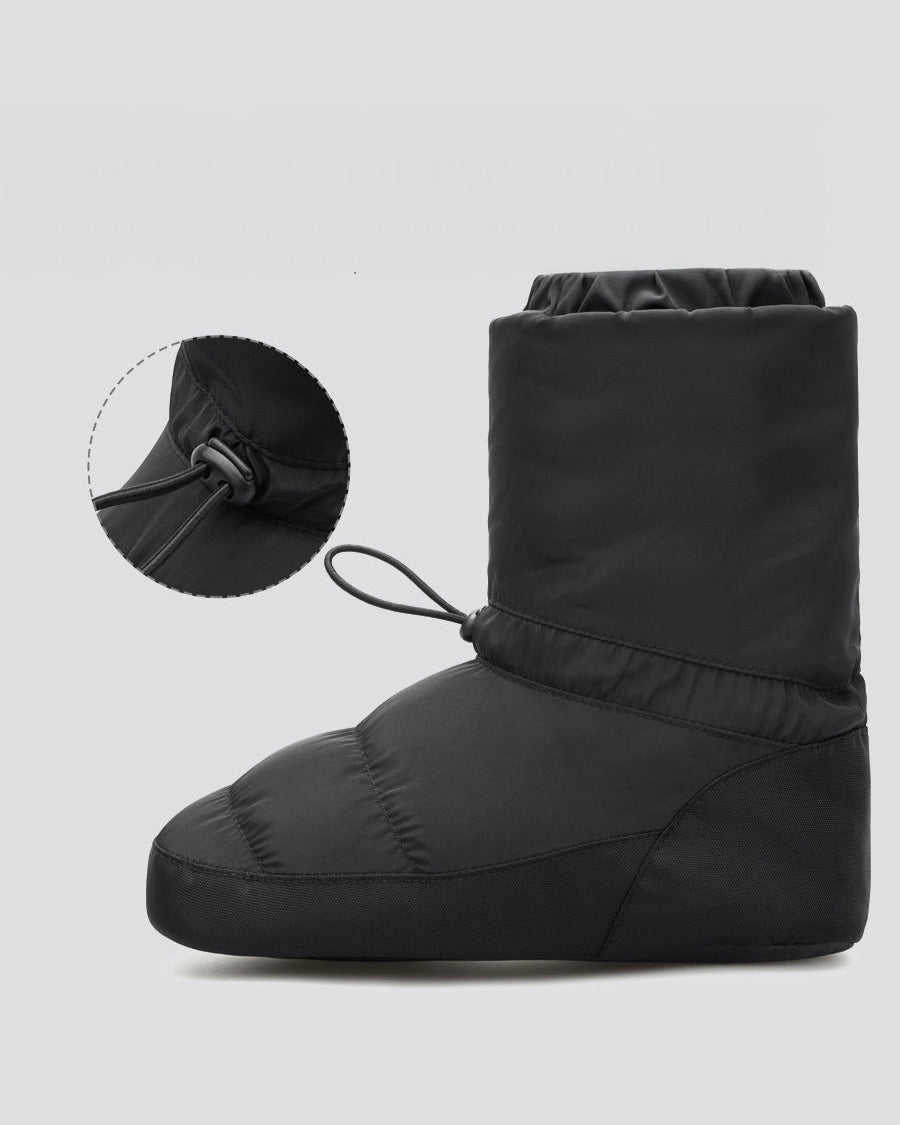
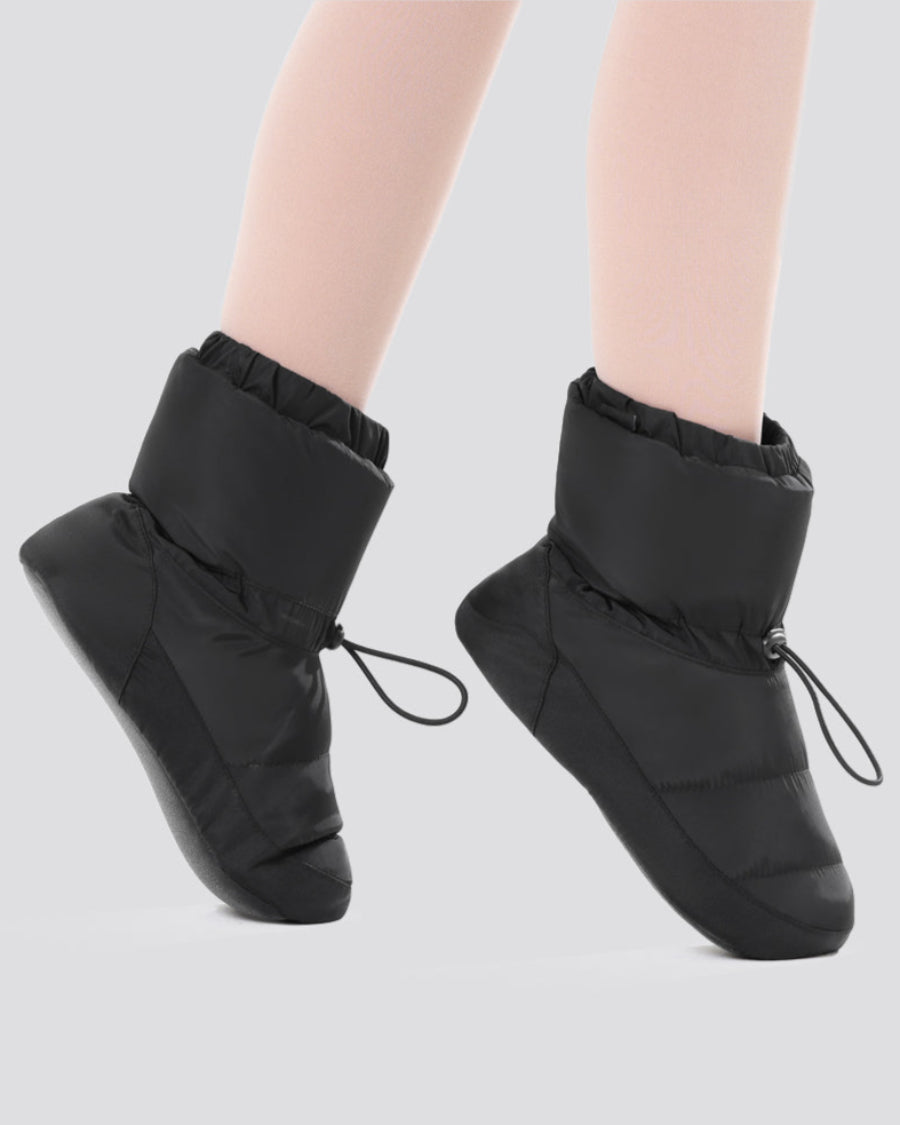
Here is a realistic 5 to 10 minute routine most kids can do after dance class, sports, or active play. After matters: post-activity muscles are warm, and IADMS notes that holding stretches about 30 seconds maintains flexibility while gradual, consistent work is what nudges range upward over time. On non-class days, pair it with a simple ballet workout at home so the stretching comes after a proper warm-up. Comfortable layers help muscles stay warm while stretching, especially in cooler months; that is the actual job of warm-up clothes.
-
Warm up, 3 minutes. Skip this only if the routine follows class or play. Otherwise: jumping jacks, marching, or dancing to one song.
-
Leg swings and arm circles, 30 seconds each. Gentle, controlled swings forward and side to side. This is dynamic stretching, which IADMS suggests can work as well as static holds, and sometimes better, before activity.
-
Butterfly, 20 to 30 seconds. Soles of the feet together, tall back, knees relaxing toward the floor. No pressing on the knees, by anyone.
-
Hamstring stretch, 20 to 30 seconds per leg. Seated with one leg extended, reaching toward the foot with a long back. A mild pull, around that 4-to-6 effort level.
-
Low lunge, 20 to 30 seconds per side. Back knee down, hips pressing gently forward. This targets the hip flexors, one of the areas that tightens most during growth spurts.
-
Finish with control work. One or two balance exercises close the loop on the principle IADMS quotes from researcher Julie Alter: strengthen what you stretch.
That is the whole routine. Daily is a fine goal, but three to four sessions a week is plenty for most kids, and a missed day costs nothing.

Warning signs to stop
Teach your dancer that a mild pull is fine and these are not:
-
Sharp or sudden pain during a stretch, especially near a joint rather than in the belly of a muscle
-
Pain at bony points like the front of the knee, the heel, or the front of the hip, particularly during a growth spurt (these are common growth plate territory)
-
Numbness or tingling anywhere
-
Pain that lingers into the next day, or a limp
-
Swelling around a joint
If any of these show up, stop that stretch and rest before trying again. If pain persists for more than a few days, keeps returning, or arrived suddenly, book a visit with your pediatrician or a dance-focused physical therapist. Dr. Armento's advice for young athletes applies word for word to dancers: do not push through pain, because growth plate injuries treated late can take much longer to heal.
How parents can help without pushing
The strange truth about kids' flexibility is that the most useful parental contribution is mostly restraint. A few things that genuinely help:
-
Praise control, not contortion. "Your balance looked so steady" ages better than applause for the deepest stretch in the room.
-
Keep your hands off the stretch. No pressing on backs or knees, and no letting siblings do it either. The child should control every stretch herself.
-
Normalize the growth-spurt dip. If the splits vanish at 11, say what IADMS says: bones grew first, muscles will catch up, be patient and gentle.
-
Make it routine, not a project. Stretching slots nicely into a wind-down after class; our post-dance recovery routine is built around that idea.
-
Skip the gadgets. Stretch machines and rigged-up oversplit setups have no place in a child's bedroom.
-
Ask the studio about their approach. One question does it: "How do you handle stretching for kids who are still growing?"
And resist the timeline trap. There is no age by which a child should have her splits, and setting a deadline is how gentle stretching turns into overstretching. Progress that arrives slowly, on the child's own schedule, is the kind that tends to stick.
FAQ
At what age can kids start stretching?
Playful movement-based stretching (animal shapes, reaching, butterfly sits) is fine from preschool. Dance physical therapists interviewed by Dance Informa suggest introducing dynamic stretching concepts around ages 6 to 8 and short static holds around 8 to 10.
Are oversplits safe for young dancers?
Dance medicine sources consistently caution against them for growing dancers. Oversplits can alter how the thigh bone sits in the hip joint, risking cartilage and ligament damage, and children's open growth plates raise the stakes. Most experts suggest waiting until the body is skeletally mature, and even then approaching them with professional guidance.
How long should a child hold a stretch?
About 20 to 30 seconds per stretch is the range most sources, including IADMS, point to for maintaining and gradually building flexibility. Longer, aggressive holds add risk without a matching payoff for kids.
Why is my child suddenly less flexible?
A growth spurt is the usual culprit, and the dip is temporary: it typically eases over the months it takes muscles to catch up to the new bone length. Tell your dancer this is normal and expected, keep the routine gentle and consistent, and let the teacher know a spurt is underway so class expectations adjust too.
Should stretching hurt?
No. A mild pulling sensation, around a 4 to 6 out of 10, is the target. Sharp pain, joint pain, or pain near bony points is a signal to stop, and if it persists, to see a doctor.
Will stretching every day get my child the splits by recital?
There is no honest way to promise a date. Flexibility gains come from consistent gentle work over months, and every child's body, growth timing, and natural range differ. A child who stretches gently four times a week is doing it right, whether or not the splits arrive this season.
About the Stelle Team
Stelle is a mom-founded dancewear brand, making leotards, tutus, and activewear for young dancers since 2015. Our articles are written by the team behind the products — people who spend their days talking with dance teachers, studio owners, and dance parents, and who test everything from fabric stretch to tutu twirl in real classes. Learn more about Stelle.