





Gymnastics vs Dance vs Acro: Which Is Best for Your Child?
Table of contents
Gymnastics vs dance is less about which activity is "better" and more about starting age, your child's personality, and how your family wants to spend its time and budget. Recreational dance welcomes beginners at nearly any age, while the competitive tracks in both activities, gymnastics especially, tend to reward an early start. Acro dance sits in the middle, blending dance technique with acrobatic skills, and plenty of kids happily combine two of the three.
Key Takeaways
-
Recreational dance can begin at almost any age, including the teen years. Competitive tracks in both activities tend to favor kids who start young, gymnastics most of all.
-
The American Academy of Pediatrics notes that before age 6, most children do not yet have the motor skills for organized sports, so preschool classes in either activity should be play-based.
-
Acro dance is dance first: it layers acrobatic skills like cartwheels and walkovers onto dance technique, typically performed on a stage or studio floor rather than a gymnastics spring floor.
-
Both activities carry injury risk, just different kinds. Gymnastics puts heavy loads on the wrists, elbows, and lower back, while emergency department data shows sprains and strains were the most common dance injuries.
-
Recreational costs vary widely by studio, gym, and region, so compare local prices. Competitive teams in either activity are where budgets climb fast.
-
You do not have to choose forever. Trial classes, or one season of each, tell you more than any article can.
Dance vs Gymnastics: The Core Differences
The dance vs gymnastics decision usually comes down to a handful of things: when your child can start, how the training feels day to day, what the activity does to a growing body, and what it asks of your calendar and wallet. Dance is an art form set to music, judged (when it is judged at all) with room for interpretation. Gymnastics is a sport with strict scoring, defined skill levels, and apparatus work on bars, beam, vault, and floor. If you want the deeper "is dance also a sport?" debate, we cover it in Is Dance a Sport? The Full Debate.

Starting age: dance is flexible, gymnastics rewards an early start
You can start recreational dance at almost any age. Many studios welcome 3-year-olds into creative movement, but a 9-year-old or a 14-year-old can join a dance class and progress quickly, because most recreational classes group dancers by level as well as age. Gymnastics is less forgiving on the competitive track: gymnasts often move up about one level per season, and progression is skill-based, so a child who starts at 10 can spend years catching peers who began early. To be fair, competitive dance teams and pre-professional ballet favor earlier starts too, so dance's famous flexibility is mostly a recreational-level perk.
Keep early childhood in perspective, though. The American Academy of Pediatrics notes that before age 6, most children do not have the basic motor skills for organized sports, and that classes for this age group should focus on play and movement basics rather than competition. A toddler tumbling class and a preschool ballet class are both fine when they stay playful. For a closer look at timing on the dance side, see our guide to the best age to start dancing.
Tumbling: the skill both activities share
Tumbling (floor acrobatics like rolls, cartwheels, handsprings, and eventually aerials) is the biggest overlap between the two worlds. In gymnastics, tumbling is a core event and a scoring engine. In dance, it is a bonus skill that shows up in jazz, musical theater, and competition routines.
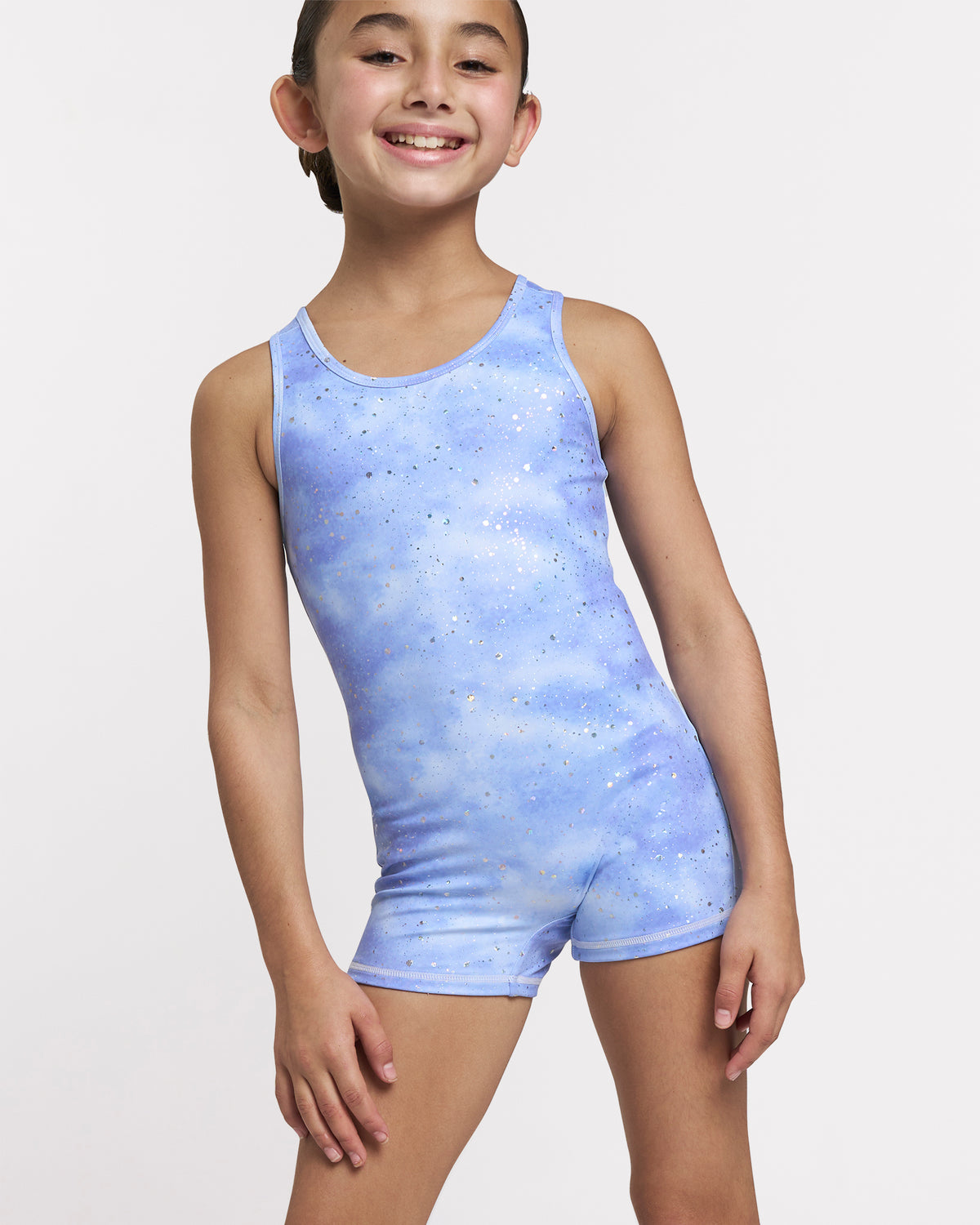
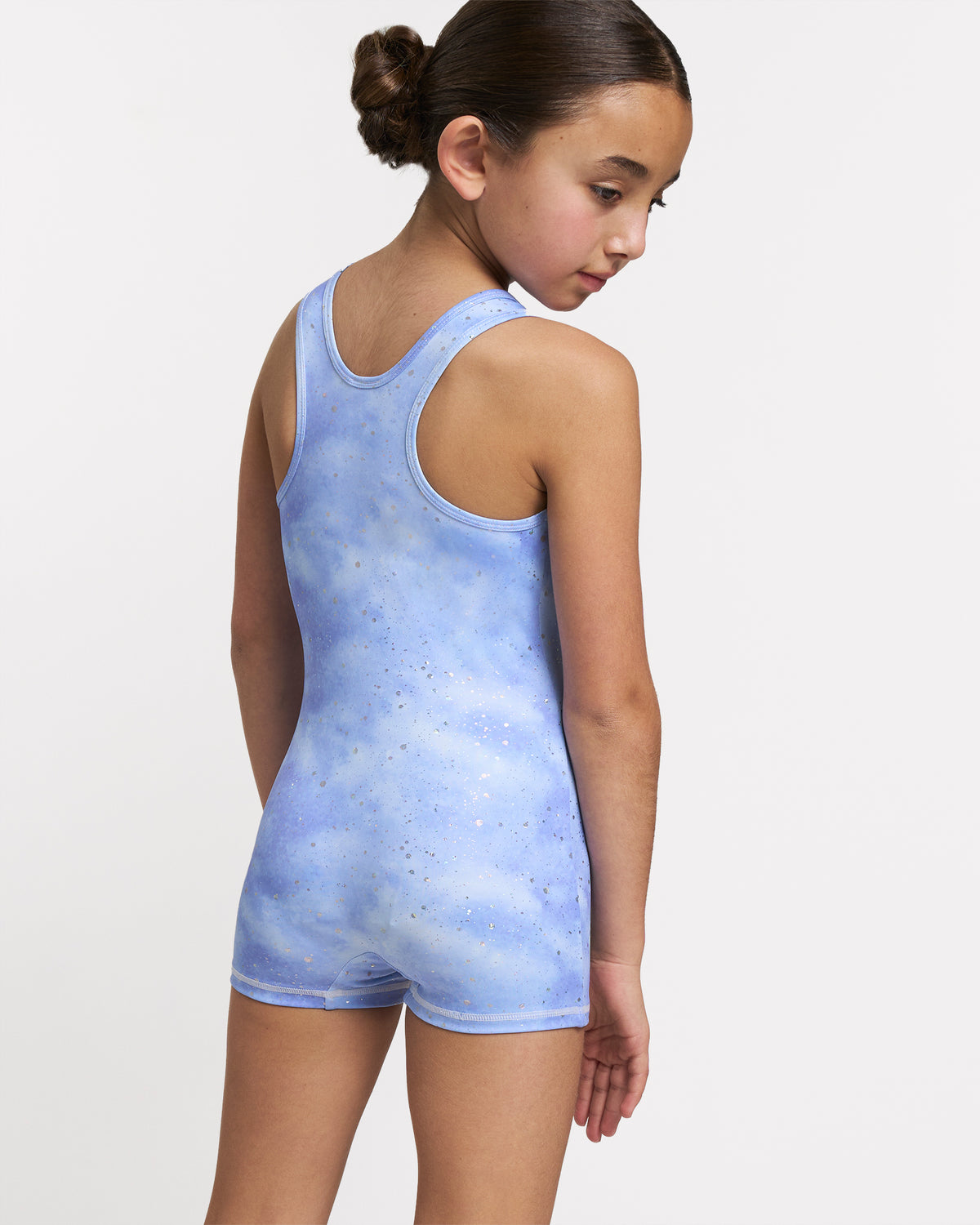
Tumbling vs gymnastics for kids: a tumbling-only class teaches floor skills without bars, beam, or vault. That makes it a popular add-on for dancers and cheerleaders who want acrobatic tricks without committing to the full sport of gymnastics.
Routine, culture, and team feel
Both activities give kids a predictable weekly rhythm, which many families find steadies the whole school week. The cultures differ, though. Dance leans ensemble: classes move as a group, recitals and competition routines are mostly group numbers, and the corps works together. Gymnastics is individual at its core: even on a team, each gymnast competes alone and the team score is built from individual results. A child who feeds off group energy often clicks with dance, while a self-driven kid who likes measurable personal goals may prefer gymnastics.
Symmetry: one-sided vs both-sided training
Many gymnasts favor a dominant side for twisting, hurdling, and tumbling, so that side tends to absorb more of the repetition, and good coaches work to balance it. Dance training is designed to be two-sided: combinations are usually practiced right and left, which spreads the workload more evenly. Neither pattern decides the choice on its own, but it is a good reason to ask any gym or studio how they balance training and build in rest days as skills get bigger.
Injury risk: what the research shows
Gymnastics is demanding on growing joints. The AAP's gymnastics safety guidance notes that a gymnast's wrists can sometimes bear two to four times body weight during skills, and lists growth plate injuries, elbow injuries, knee injuries on dismounts, and lower back stress injuries among the common problems. A Nationwide Children's Hospital study published in Pediatrics in 2008 found nearly 27,000 gymnastics injuries treated in US emergency departments each year among kids ages 6 to 17, based on 1990 to 2005 data, and described gymnastics as having one of the higher injury rates among girls' sports.
Dance is not injury-free either. A follow-up study from the same hospital, published in the Journal of Physical Activity and Health and based on 1991 to 2007 data, found that sprains and strains were the most common type of dance injury treated in emergency departments (52 percent), with falls the leading cause. Both datasets are older and count only injuries that reached an emergency department, so read them as a picture of common injury types rather than a ranking of the two activities. The practical takeaway for parents: in either activity, look for qualified coaches, proper progression and spotting, and a studio or gym that takes warm-ups seriously. The AAP's sports readiness guidance also advises that early specialization in a single sport, intensive training, and year-round training be considered with caution, because of the risk of overuse injury, mental stress, and burnout.
Cost and time
At the recreational level, class prices vary widely by studio, gym, and region, so compare local options on the same number of weekly hours rather than assuming one activity is cheaper. The budgets really diverge when kids go competitive: costumes, travel, entry fees, and extra training hours add up fast in both worlds. Dancers also outgrow dance shoes and dancewear regularly, while gymnasts replace grips and leotards. Prices and details can change, so confirm with your local studio or gym before signing up. For real numbers on the dance side, see our breakdown of how much competitive dance costs.
What Is Acro Dance for Kids?
Acro dance is a dance style that combines dance technique with acrobatic elements like cartwheels, walkovers, chin stands, and balancing tricks, woven into choreography and set to music. Kids' acro classes are taught in dance studios, usually alongside ballet or jazz, and skills are typically performed on a stage or marley floor rather than a sprung gymnastics floor, though many studios train on sprung dance floors and bring out mats while skills are new. That surface difference still matters: because acro is usually performed on firmer surfaces than a gymnastics spring floor, teachers emphasize controlled landings and generous spotting from the first cartwheel on.
For kids, acro often starts somewhere around age 5 to 7 with basic acro dance moves like forward rolls and bridges, though programs vary, and it progresses only as strength and flexibility allow. Many studios ask acro students to take a ballet or technique class too, because the dance half of acro (lines, transitions, musicality) is what separates it from plain tumbling. If your child loves both flipping and performing, acro dancing is often the happiest middle ground between dance and gymnastics.

Acrobatics vs Gymnastics: What Is the Difference?
The acrobatics vs gymnastics question trips up a lot of parents because the words sound interchangeable. They are not. Acrobatics is the broad skill family (flips, balances, tumbling) that shows up in gymnastics, acro dance, cheer, and circus arts. Gymnastics is a specific, rule-bound sport governed by bodies like USA Gymnastics, with set apparatus, levels, and scoring.
In practice, when studios and gyms compare gymnastics vs acrobatics, the real differences are these: gymnasts train on spring floors and apparatus and chase difficulty and amplitude, while acro dancers usually work on stage or studio floors and focus on blending tricks smoothly into choreography. There is even a separate competitive discipline called acrobatic gymnastics, a partner sport within USA Gymnastics where athletes build balances and throws in pairs or groups. It is a different thing from acro dance, despite the similar name. Acro and gymnastics share the same skill roots, but they differ in sport, typical surface, and goal.
Ballet vs Gymnastics
Ballet vs gymnastics is less a contrast of artistry against athletics and more a question of emphasis: both are athletic and artistic, just weighted differently. Ballet builds turnout, posture, line, and musicality through slow, precise, two-sided training. Gymnastics builds explosive power, upper-body strength, and air awareness. The funny thing is how often the two borrow from each other: many gymnasts add ballet to sharpen the presentation side of beam and floor routines, and many dancers borrow conditioning ideas from gymnastics.
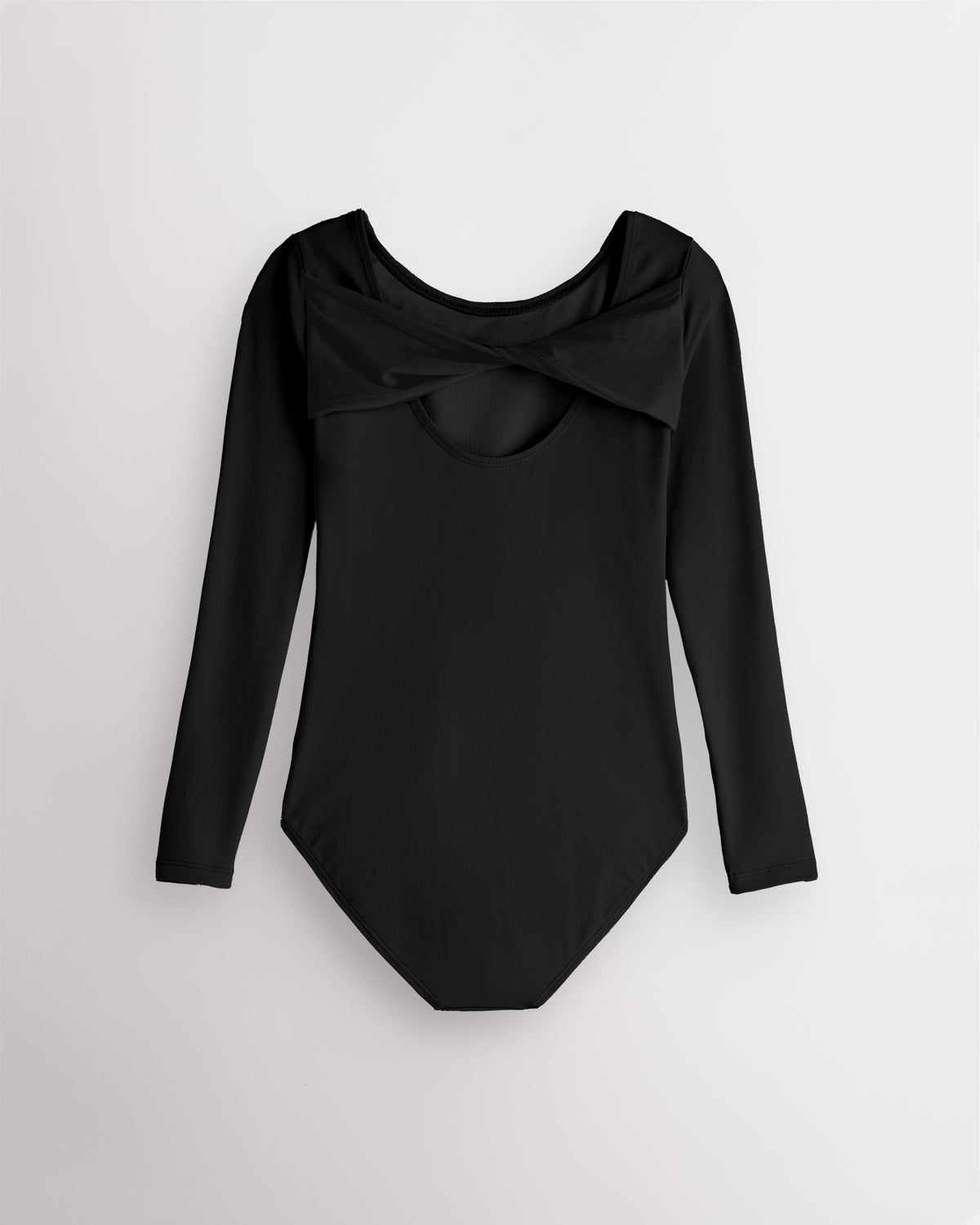
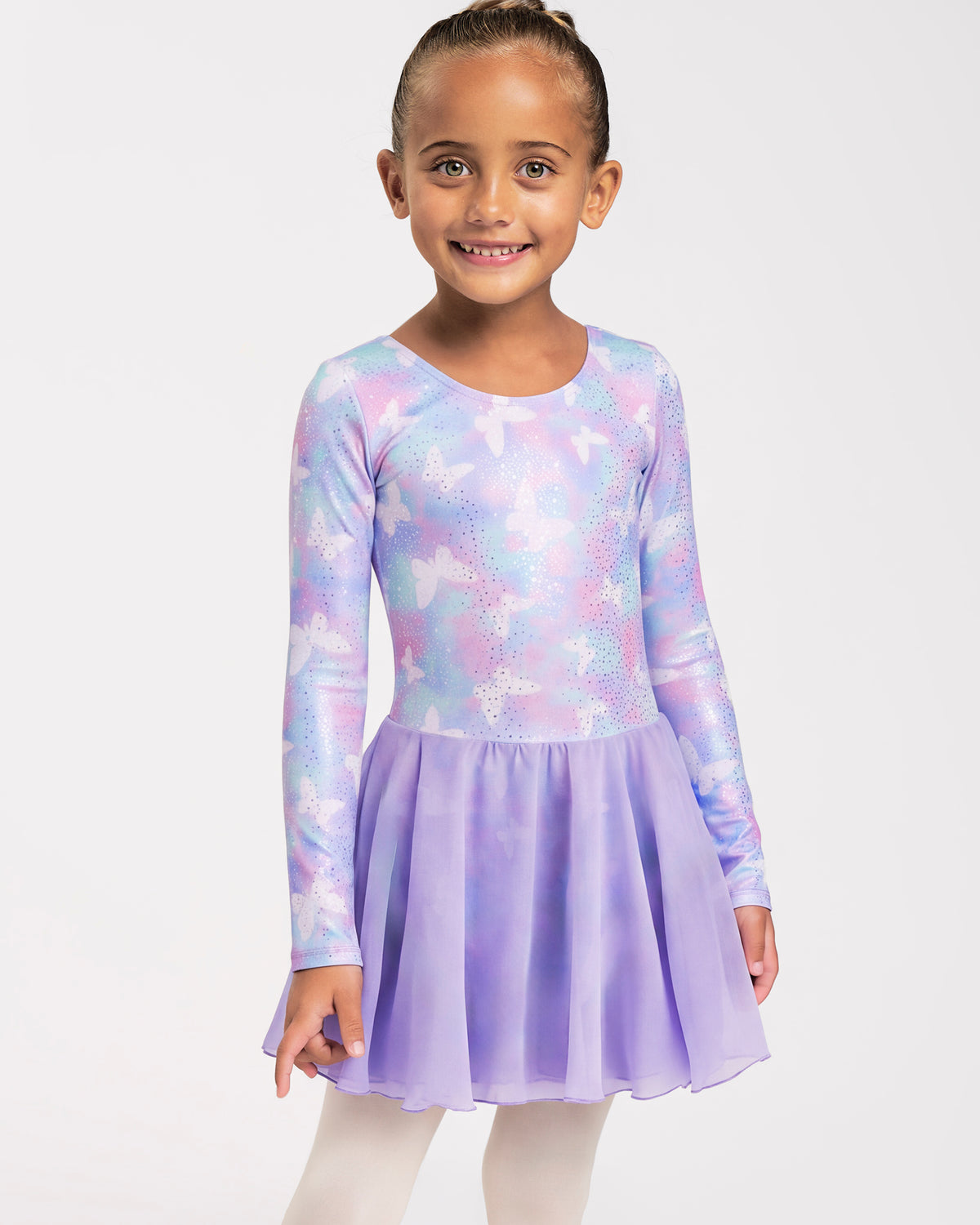
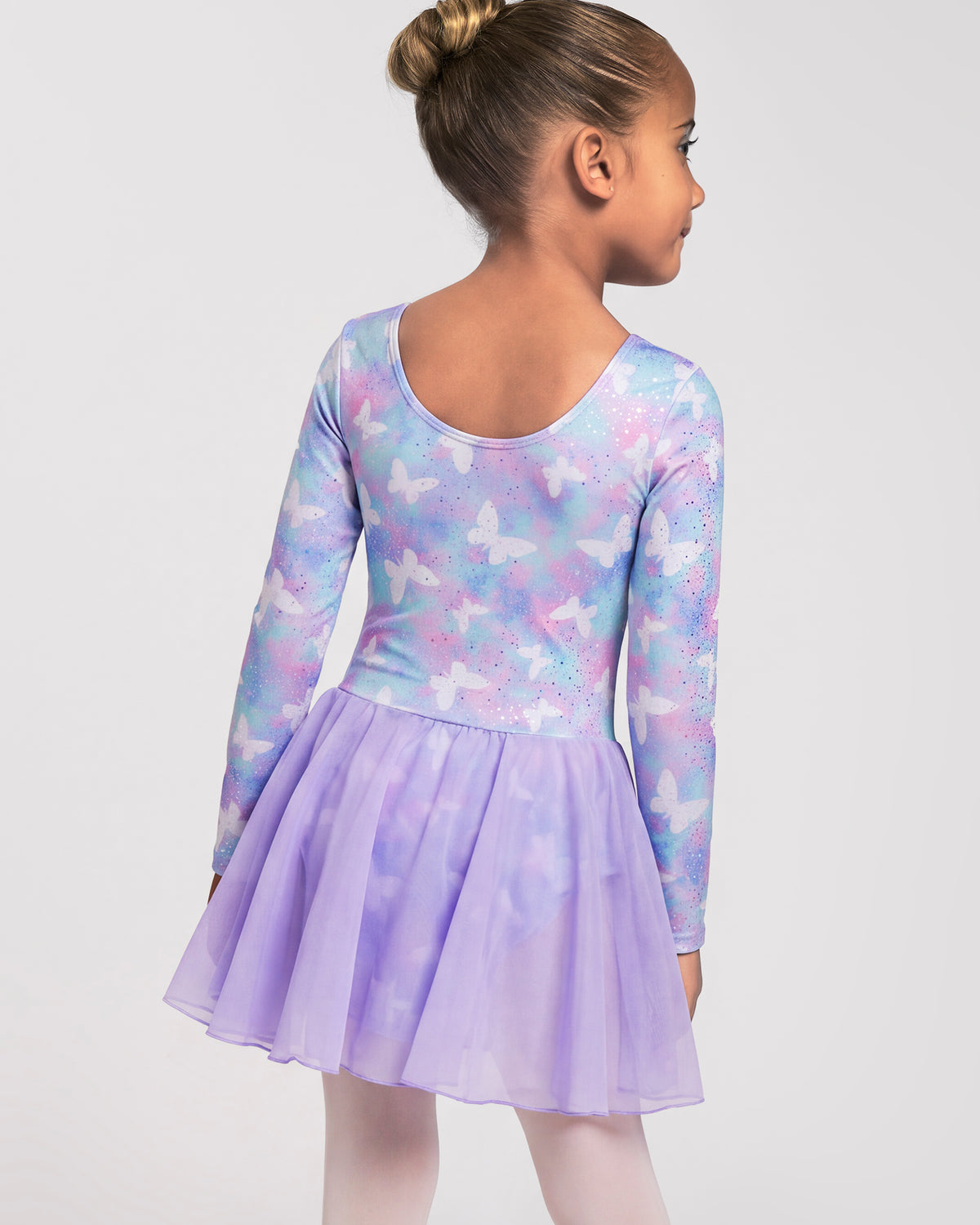
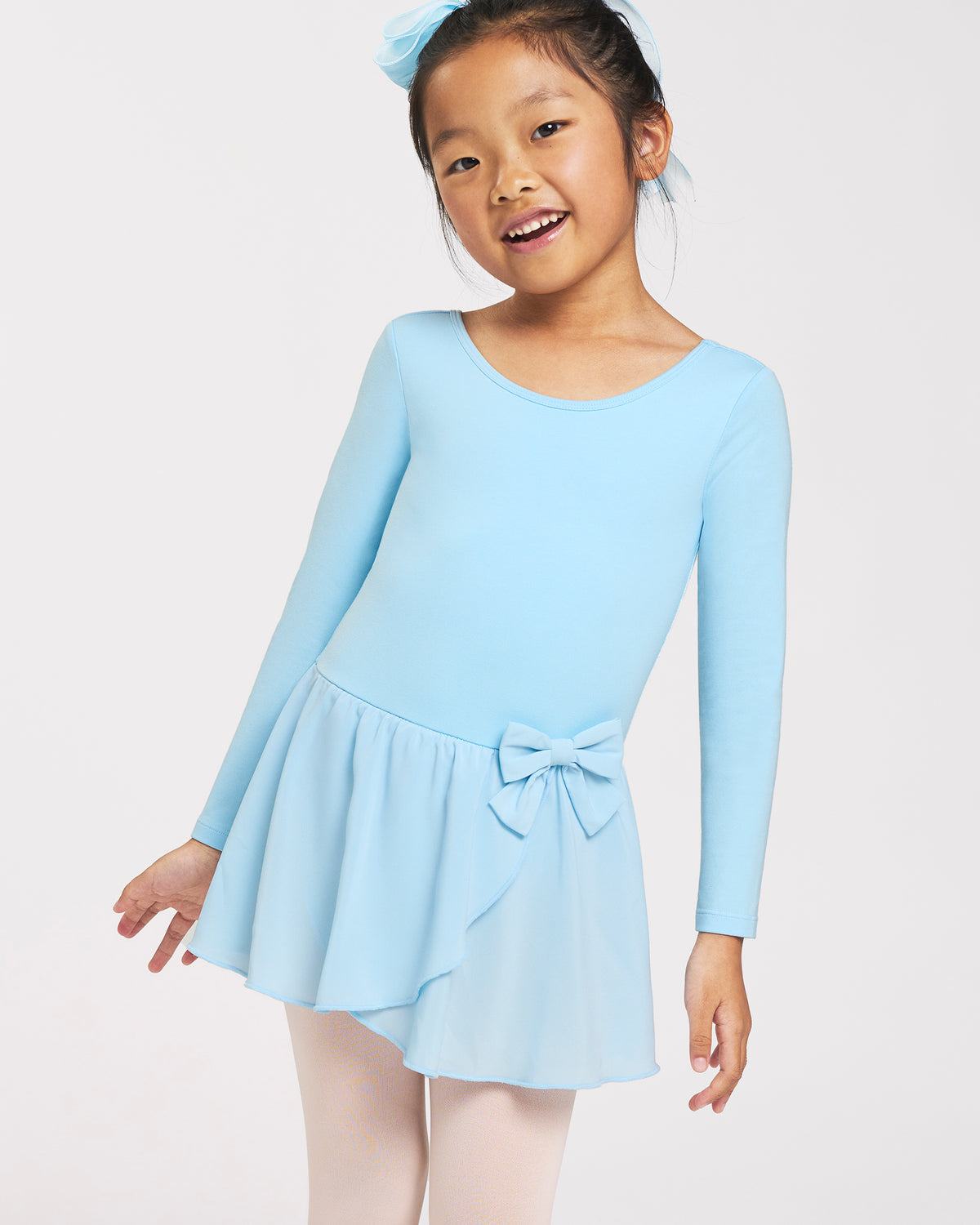
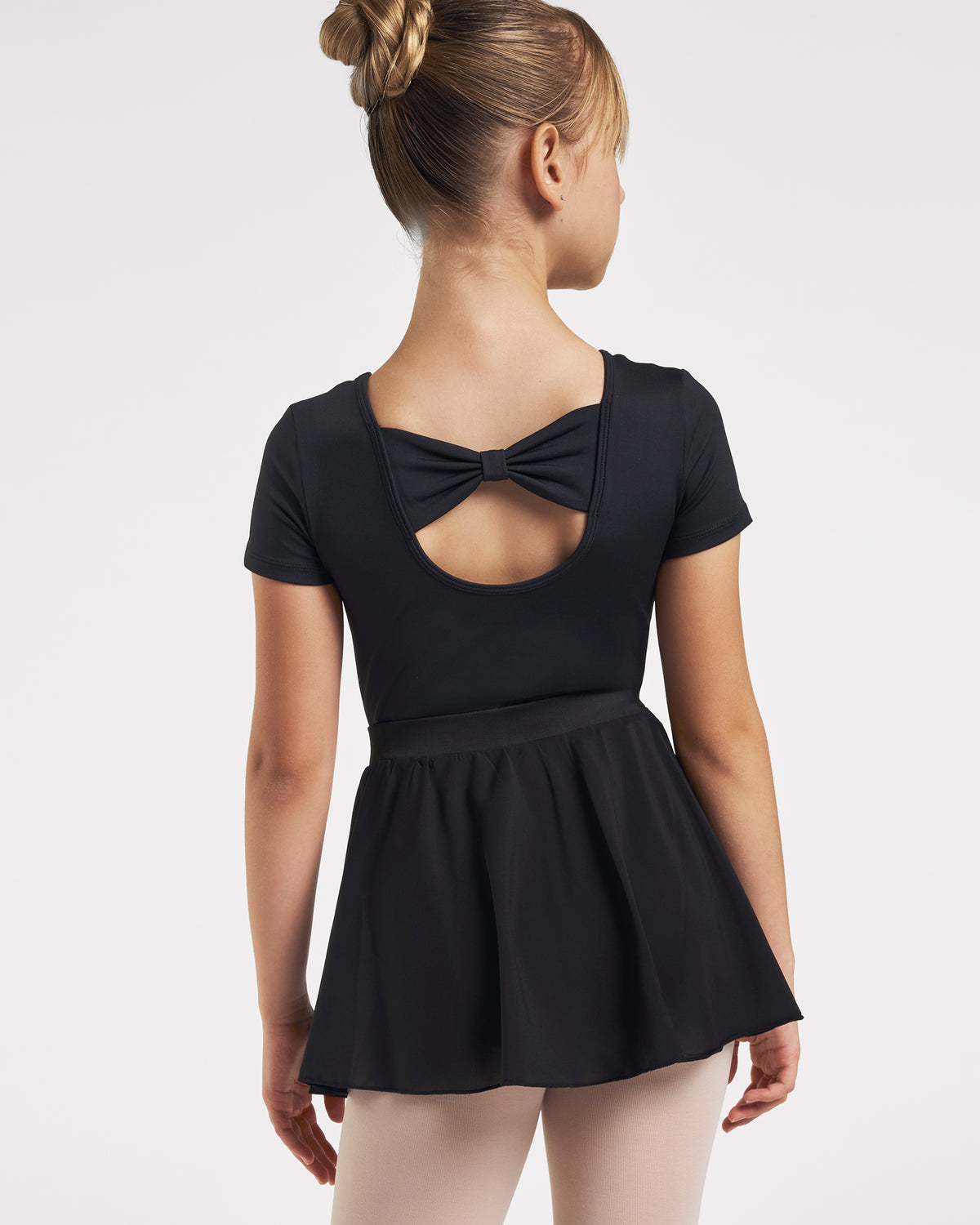
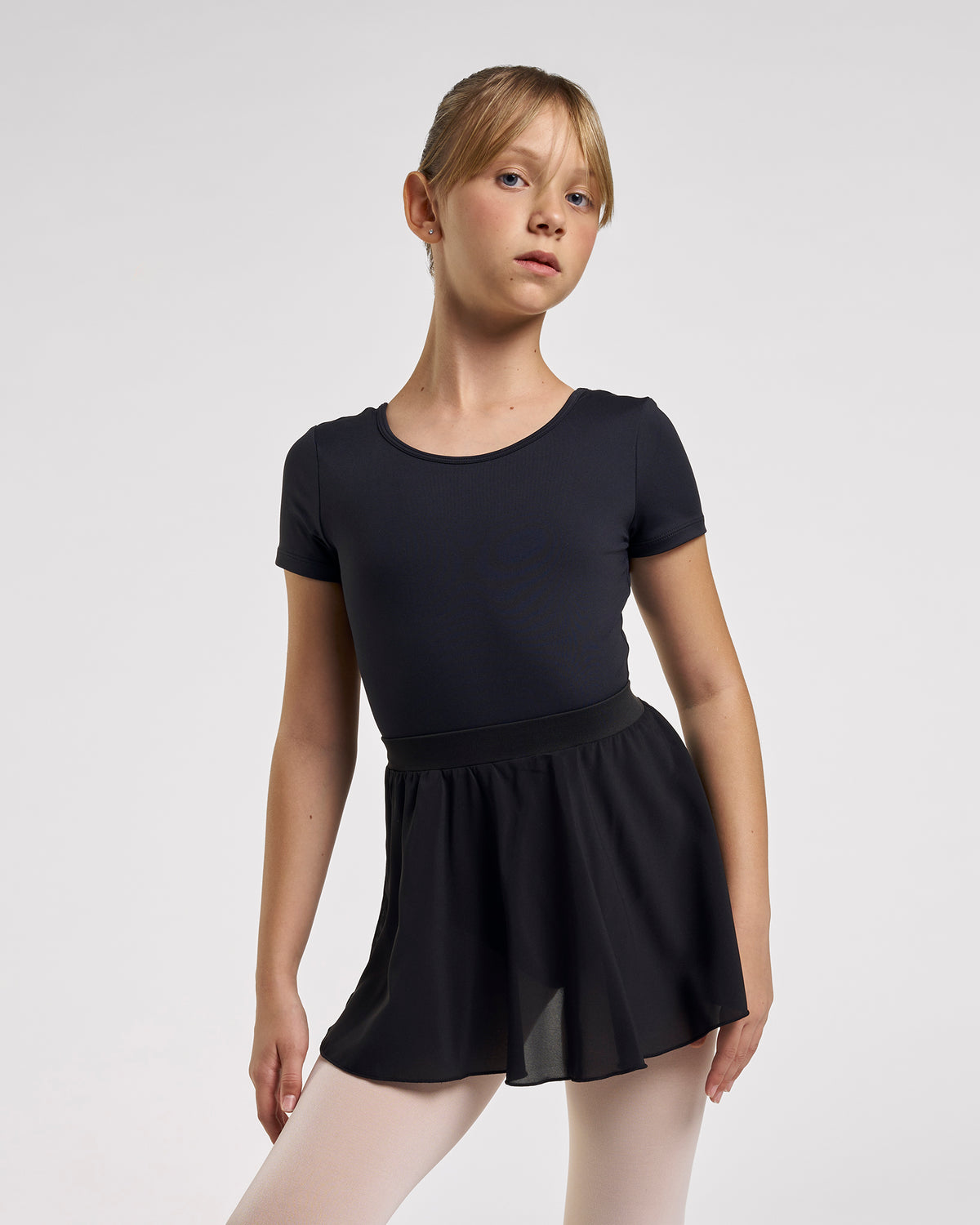
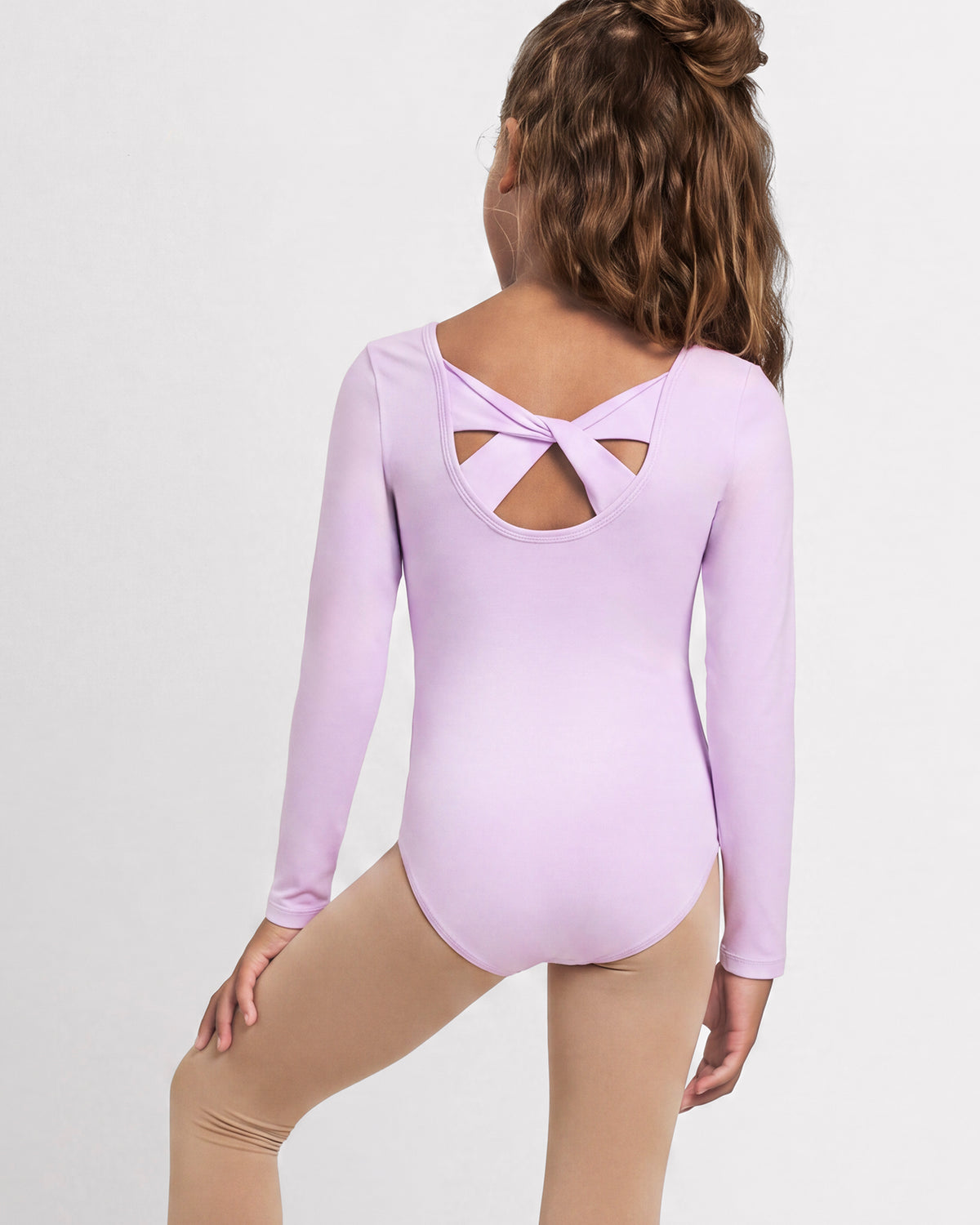
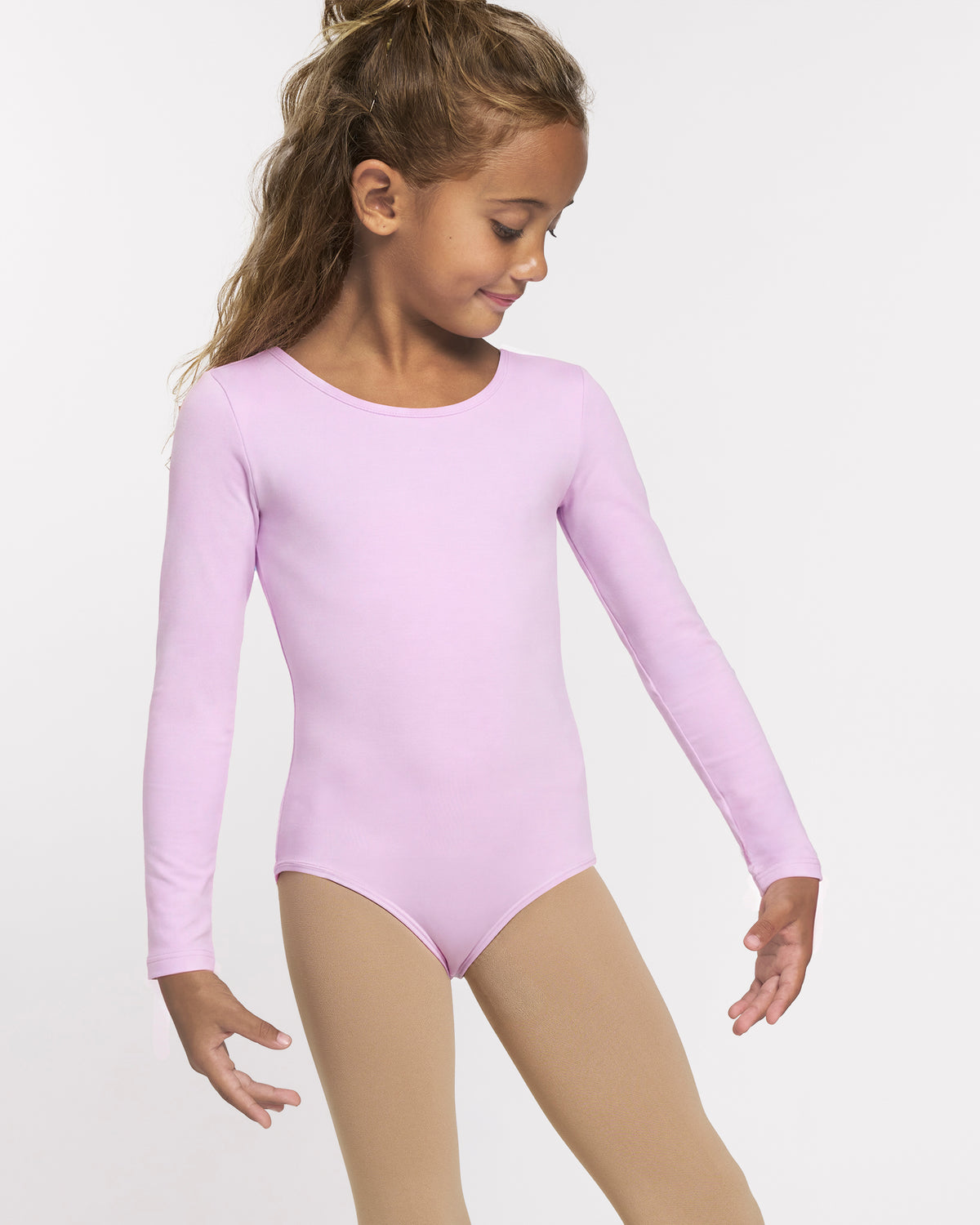
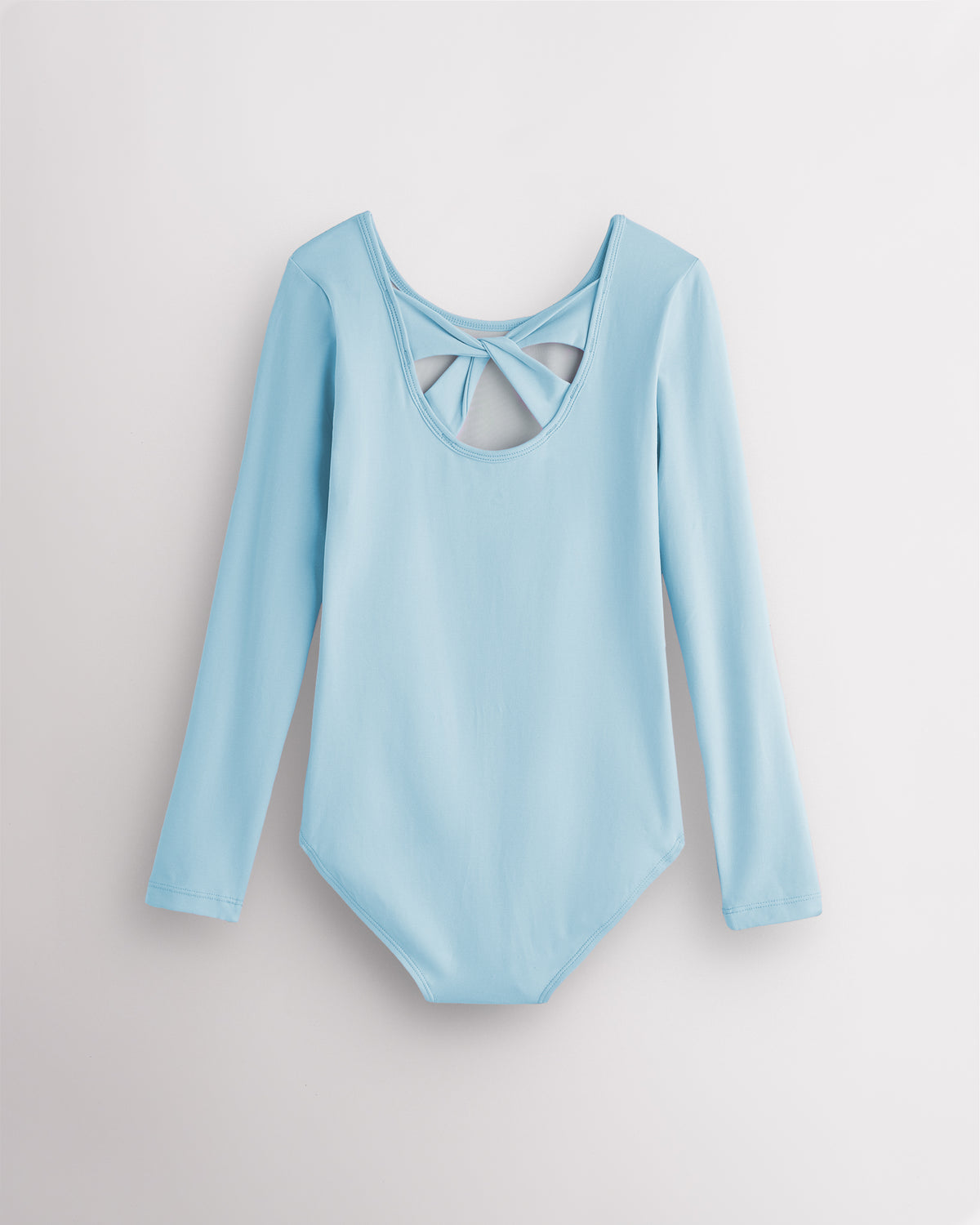
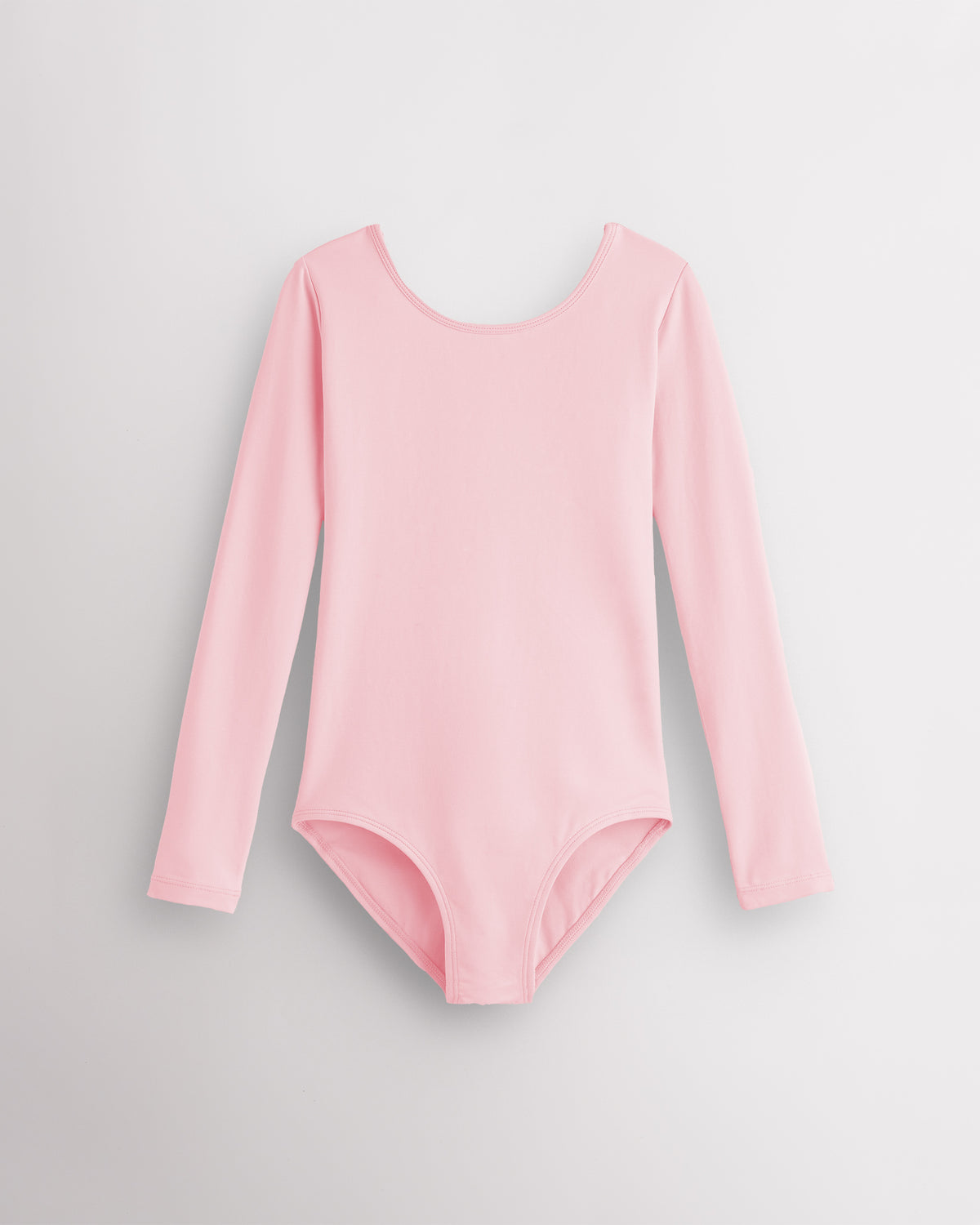
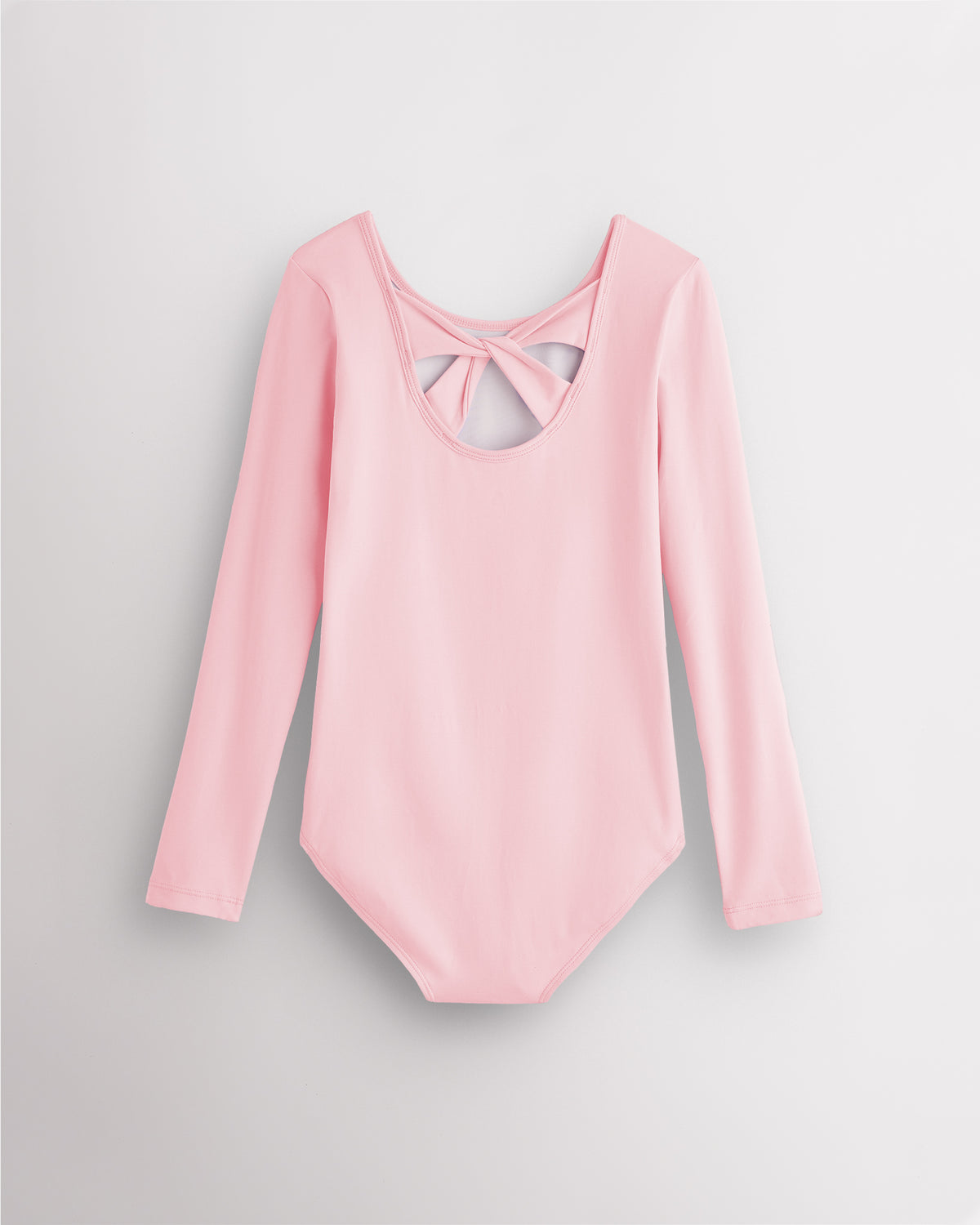
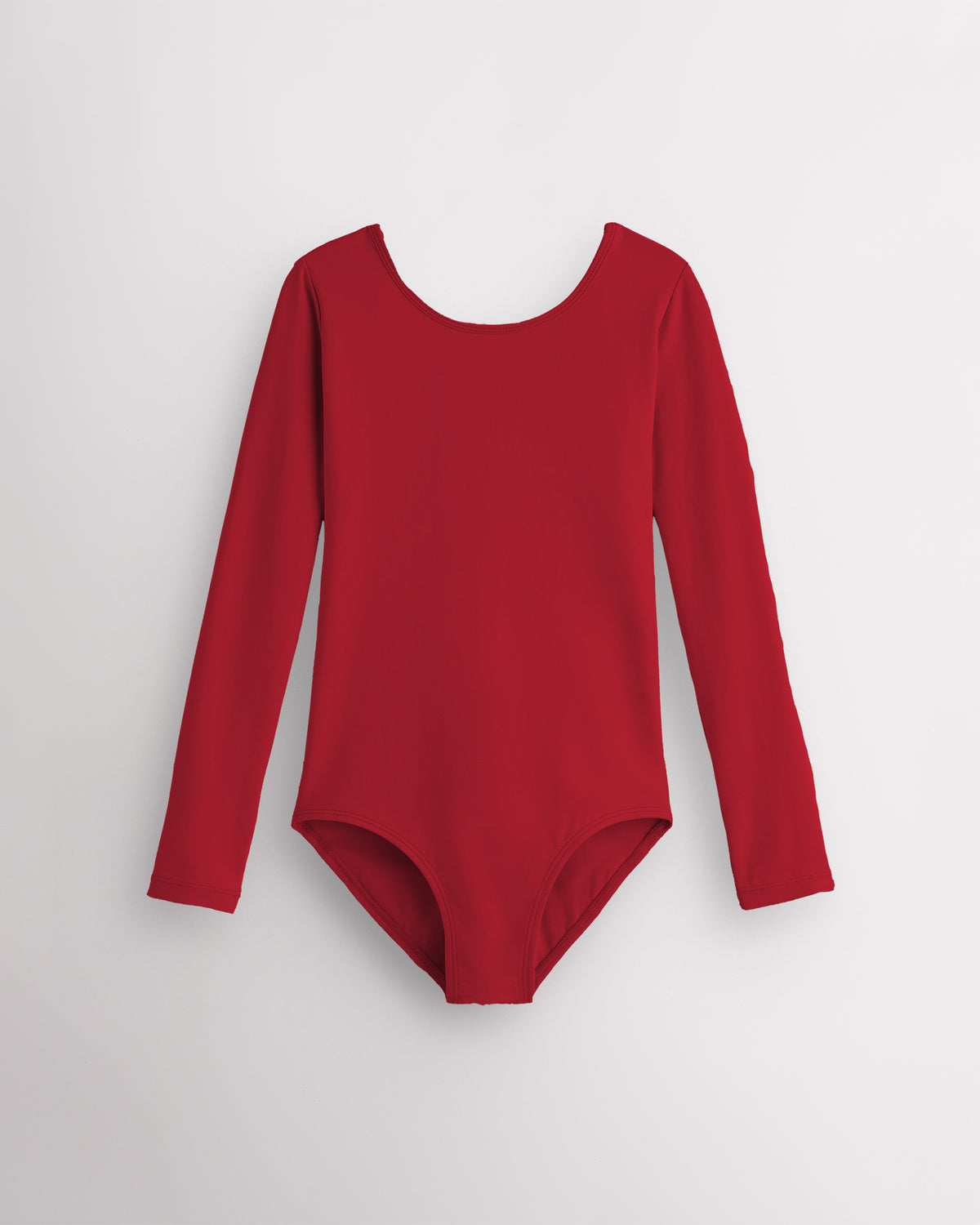
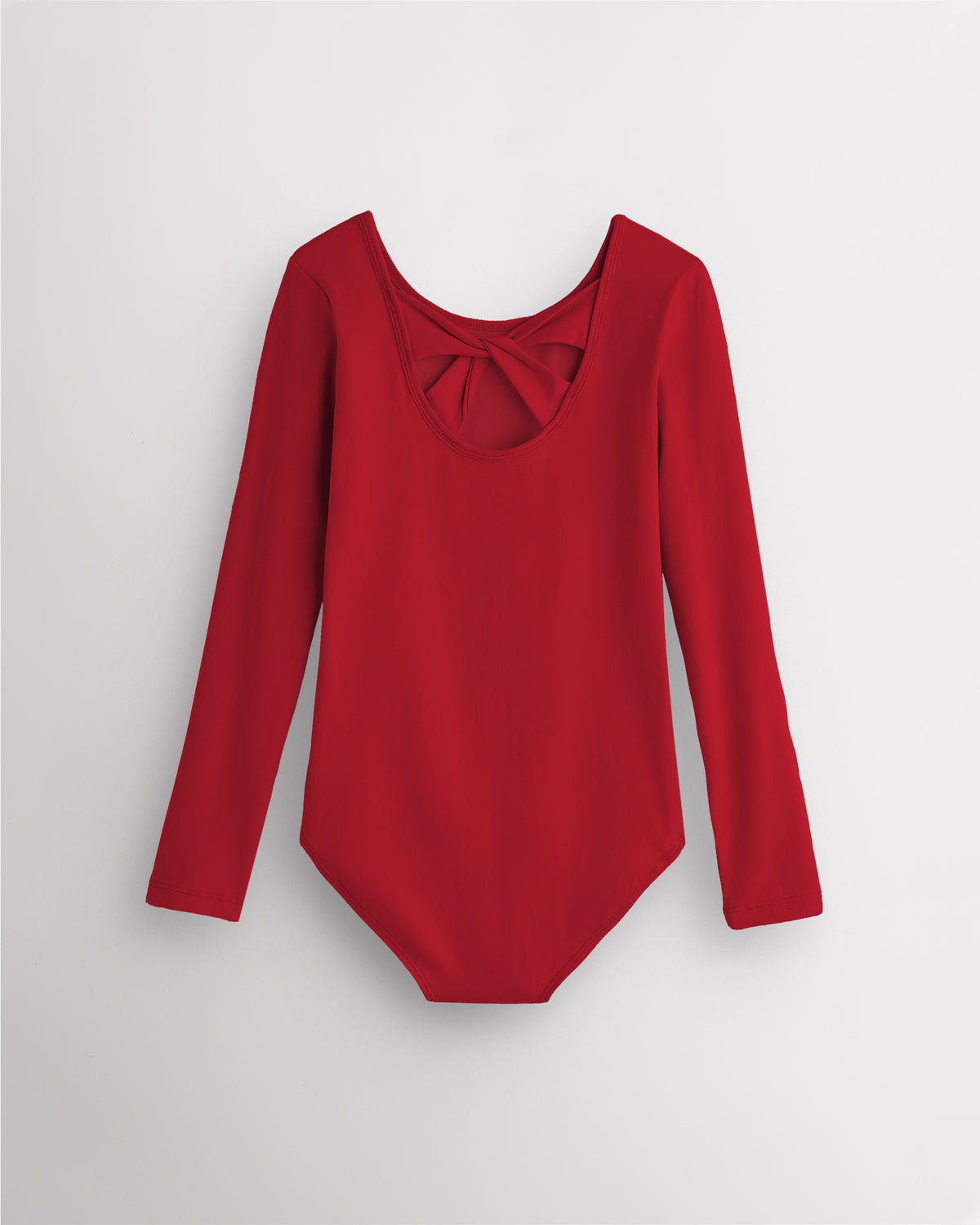
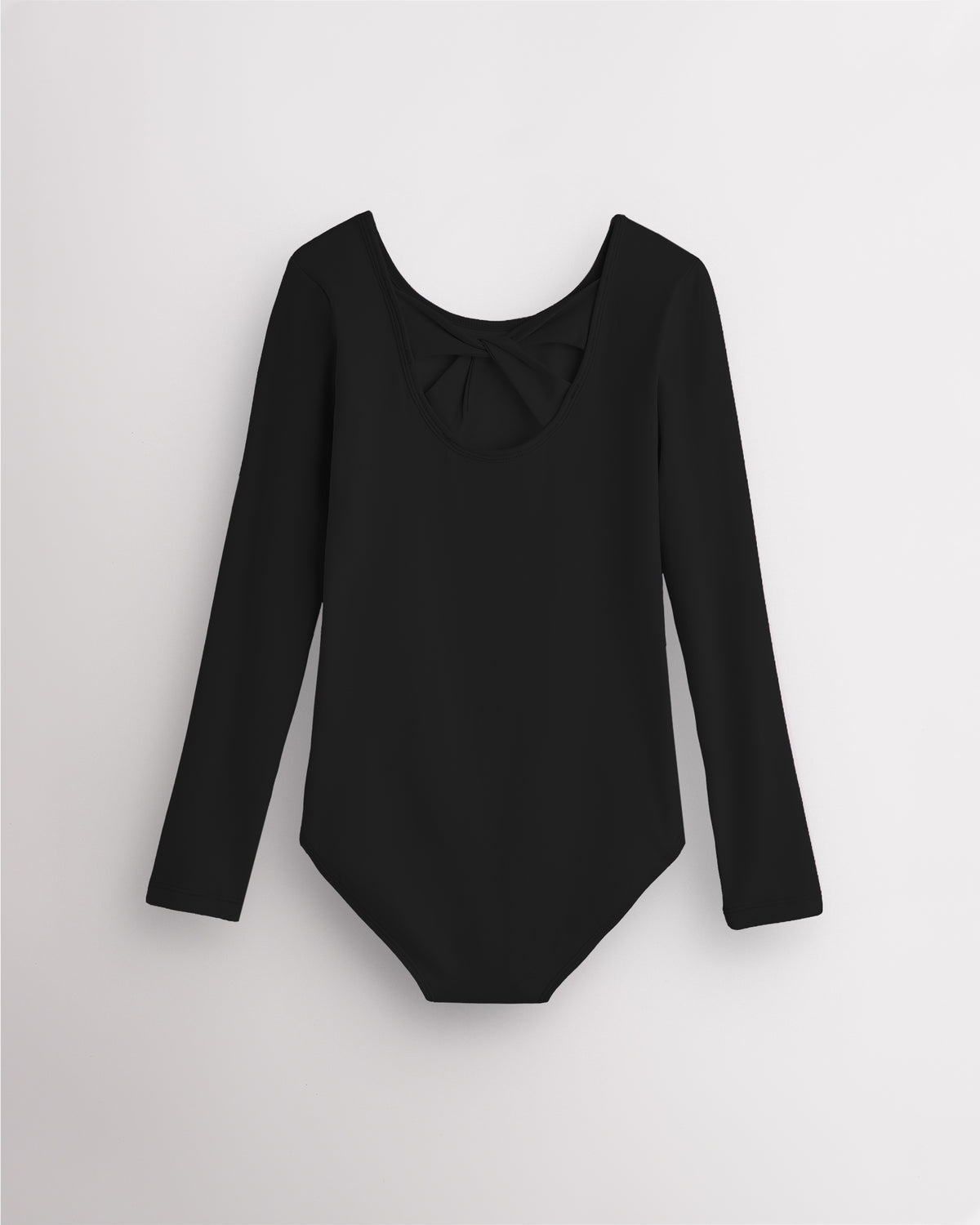
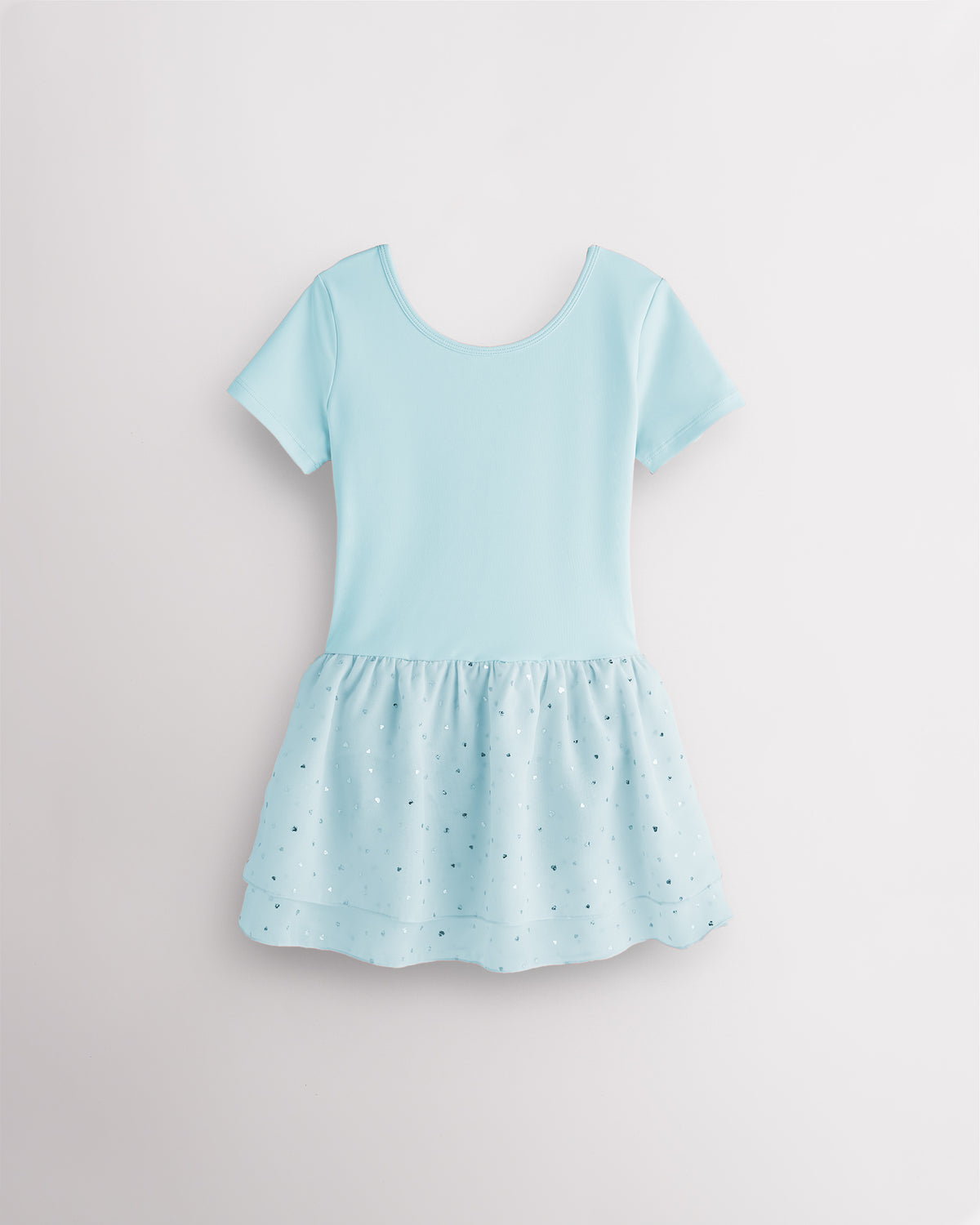
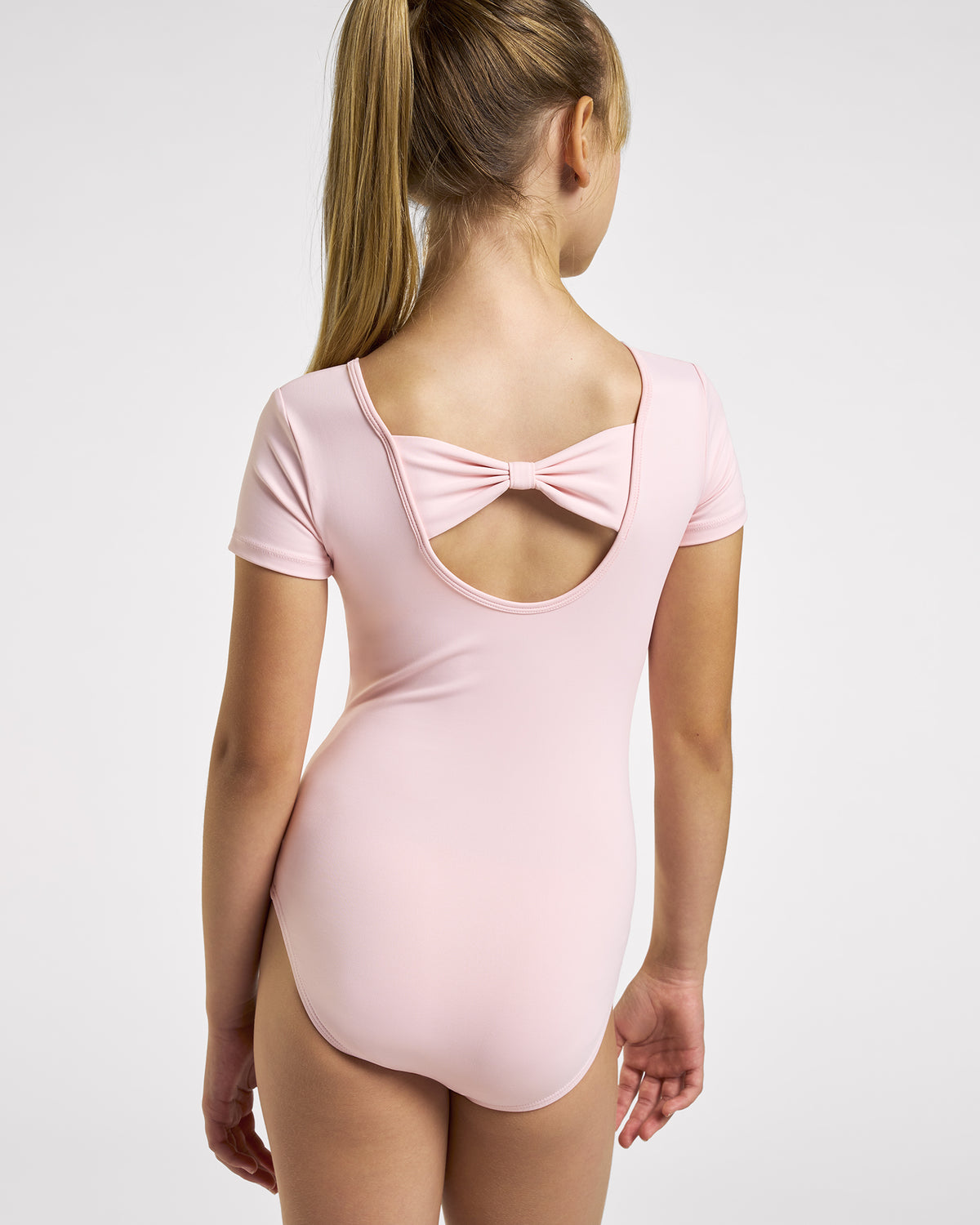
If your child is drawn to both ballet and gymnastics, a ballet base is rarely wasted. Ballet technique transfers into every dance style and sharpens the artistry gymnastics judges reward. The uniforms look similar from a distance but are cut and built differently, which we cover in our guide to gymnastics leotards vs dance leotards.
Dance vs Gymnastics vs Acro: Side-by-Side
|
Dance |
Gymnastics |
Acro dance |
|
|---|---|---|---|
|
Typical start |
Any age; creative movement often from about 3 |
Play-based classes early; competitive track rewards early starts |
Often around 5 to 7, after some dance basics |
|
Builds |
Musicality, balance, posture, two-sided coordination |
Explosive power, upper-body and core strength, air awareness |
Dance technique plus controlled acrobatic skills |
|
Injury profile |
Sprains and strains most common (52%) in ED data; falls the top cause |
Heavy joint loads; wrist, elbow, knee, and lower back injuries |
No acro-specific injury data we could verify; mats, spotting, and progression matter most |
|
Weekly time (recreational) |
Often 1 to 3 hours; varies by studio |
Often 1 to 3 hours; varies by gym |
Often 1 to 2 hours, plus a technique class at many studios |
|
Cost pattern |
Varies by studio; costumes and shoes recur, competition adds up |
Varies by gym; hours and costs climb on the team track |
Similar pattern to dance, often as an add-on class |
|
Can kids combine them? |
Yes; pairs well with gymnastics or acro |
Yes at the recreational level; watch total weekly hours |
Often the bridge between the two; usually paired with a technique class |
|
Great fit for |
Kids who love music, performing, and group energy |
Self-driven kids who like measurable goals and flipping |
Kids who want both tricks and performance |
Class formats and prices vary by studio and gym, so treat this as a starting point and confirm details locally.
How to Choose Between Gymnastics and Dance
Watch your child, not the activity. A few honest signals make the gymnastics and dance decision easier:
-
Follow the pull. A kid who dances through the grocery store and performs for relatives is telling you something. So is the one who climbs everything and begs to flip off the couch.
-
Book trial classes. Nearly every dance studio and gym offers one. Two trial classes answer more than two weeks of research.
-
Think about timelines. If your child is 9 or older and torn, dance and acro keep more doors open than the competitive gymnastics track does.
-
Check the culture. Watch a class: do coaches teach progression and spot skills, or push kids past their level? That matters more than the sport you pick.
-
Let them sample. The AAP advises weighing early single-sport specialization with caution, so doing a season of each, or both at once at the recreational level, is a legitimate plan rather than a failure to decide.
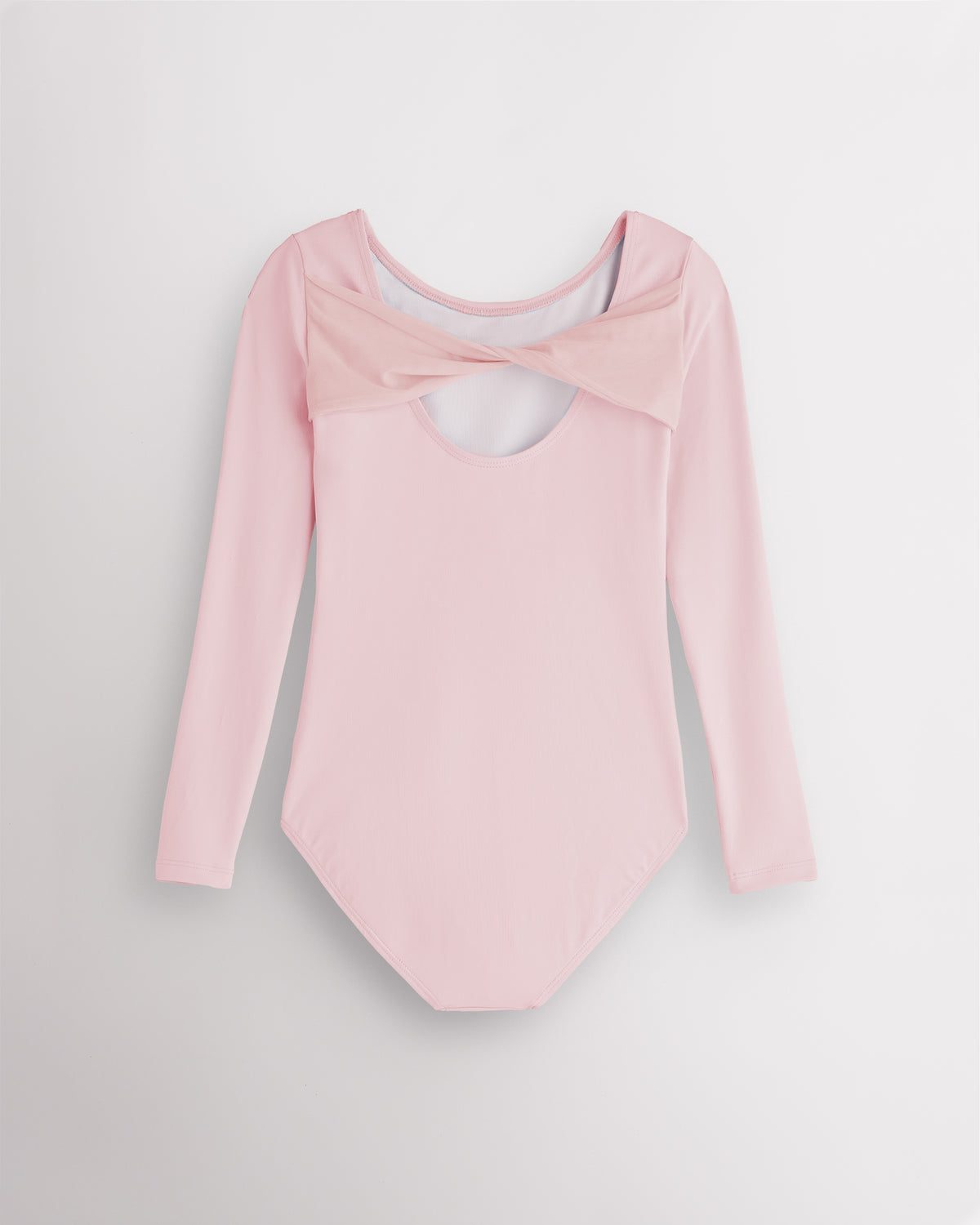
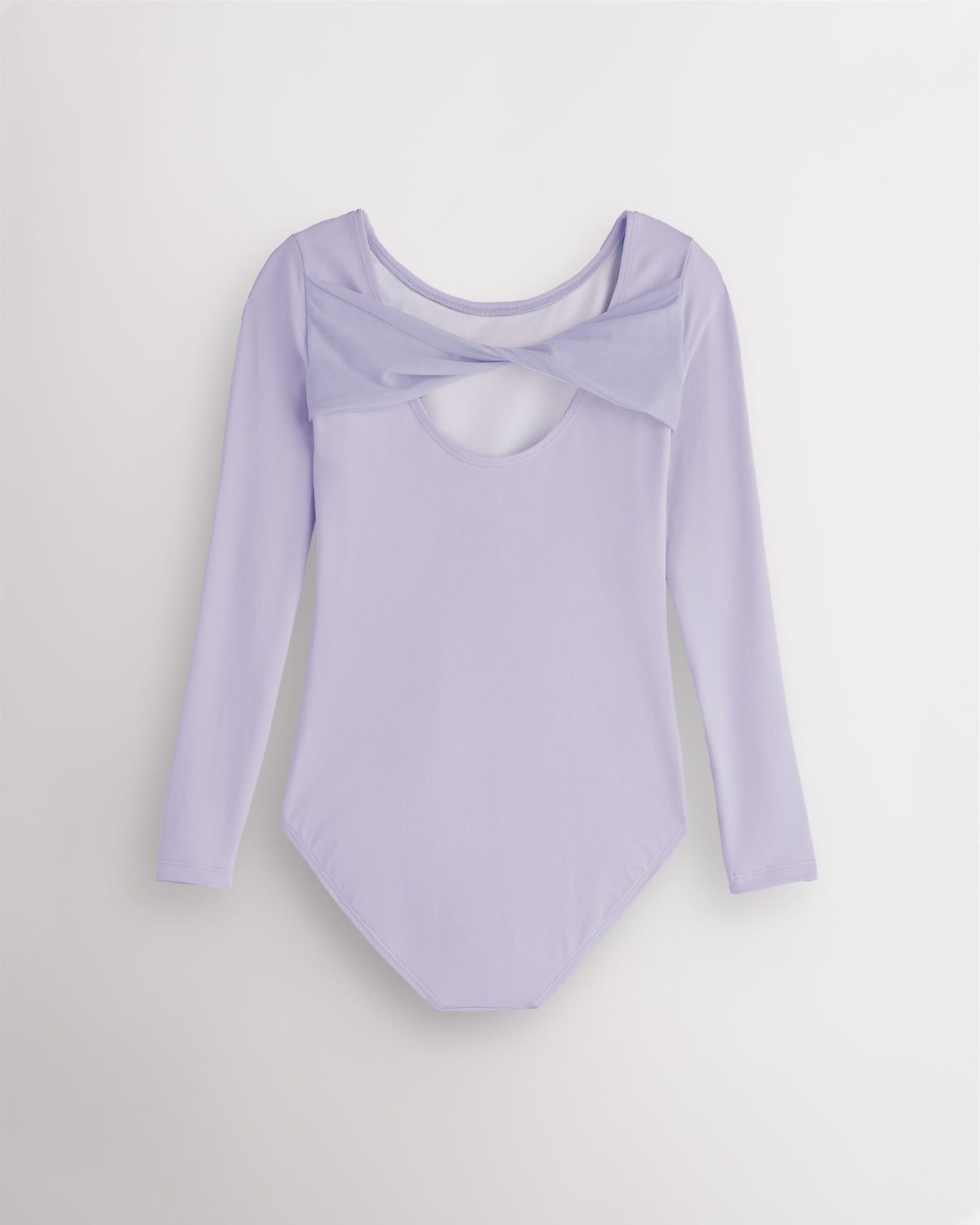
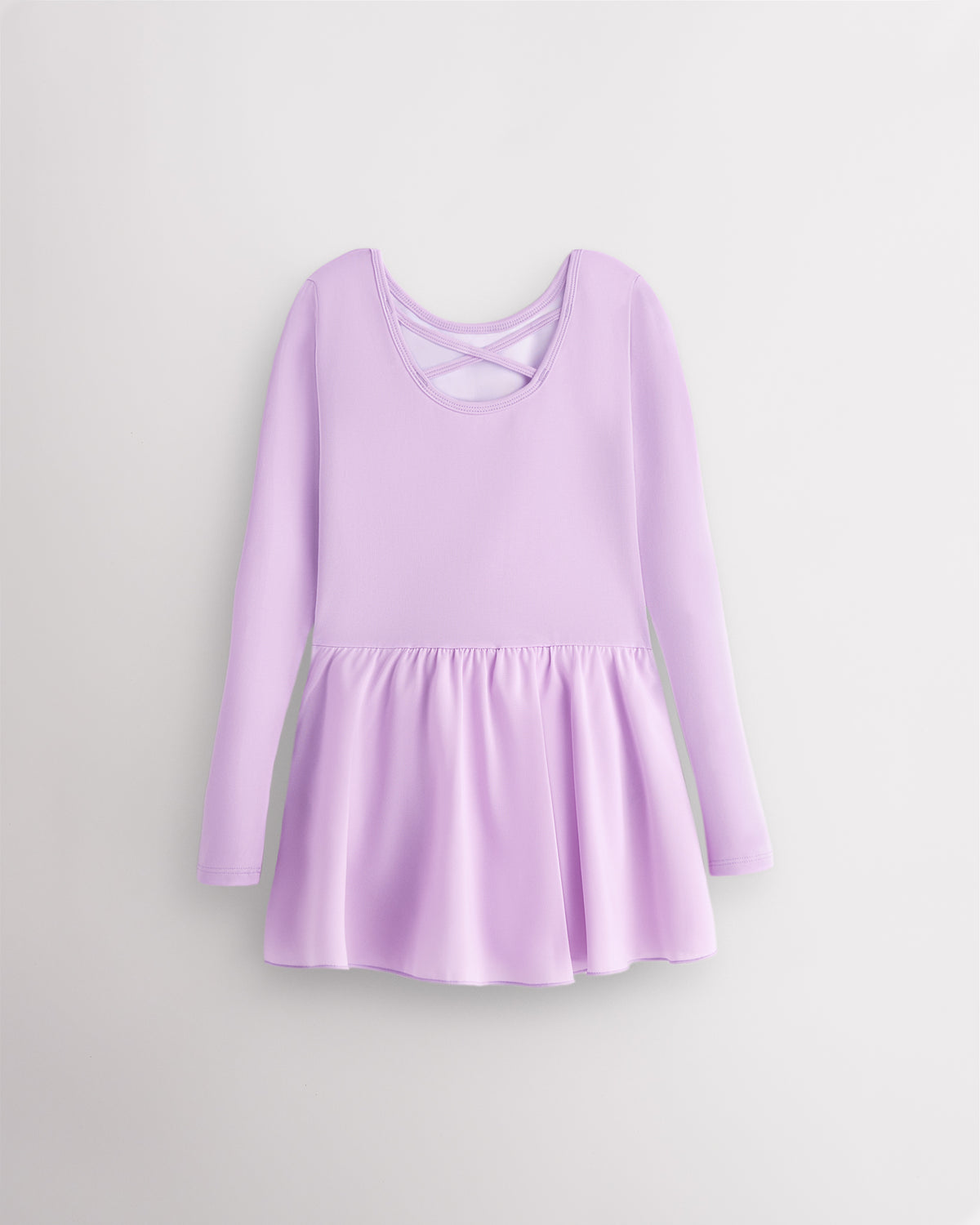
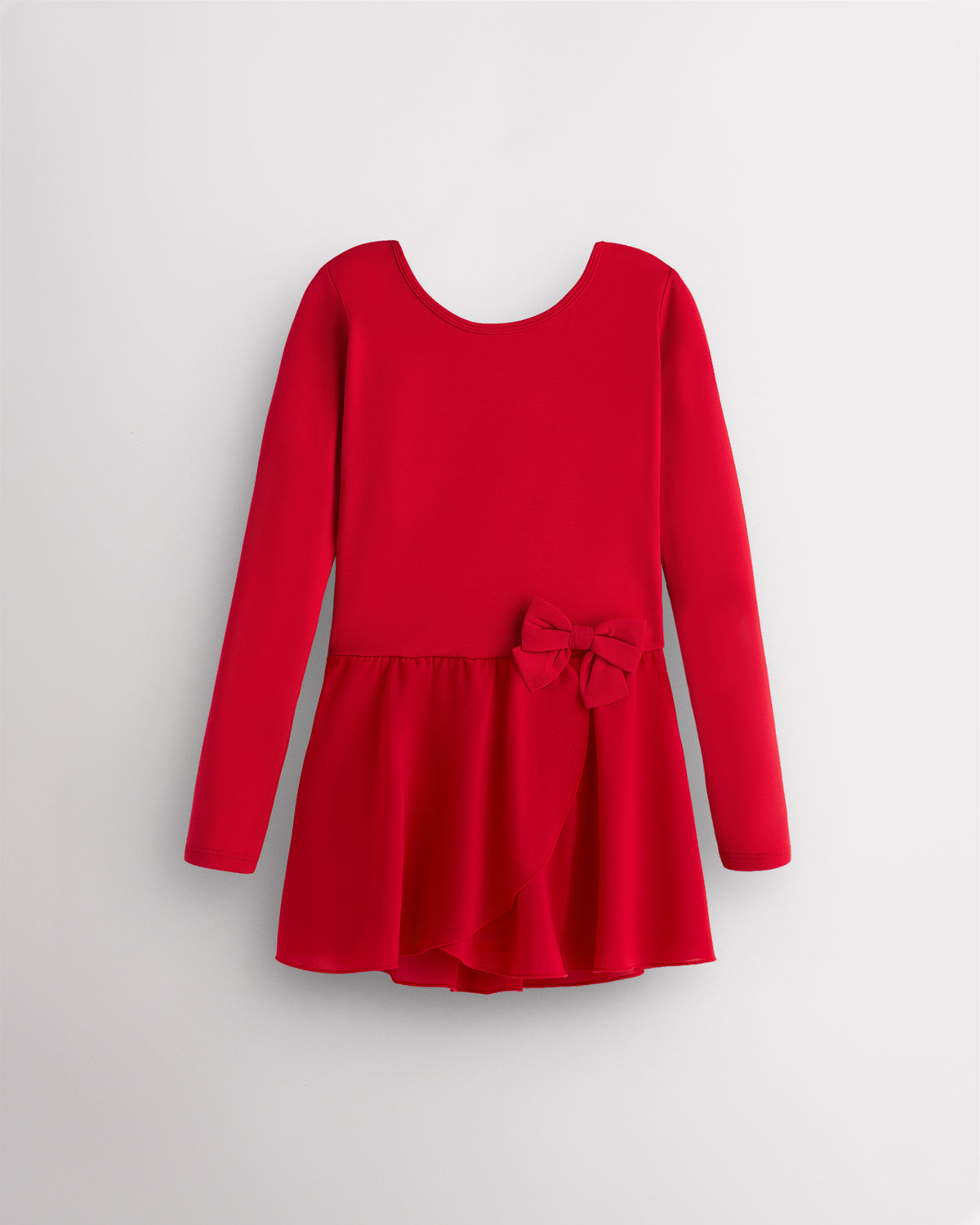
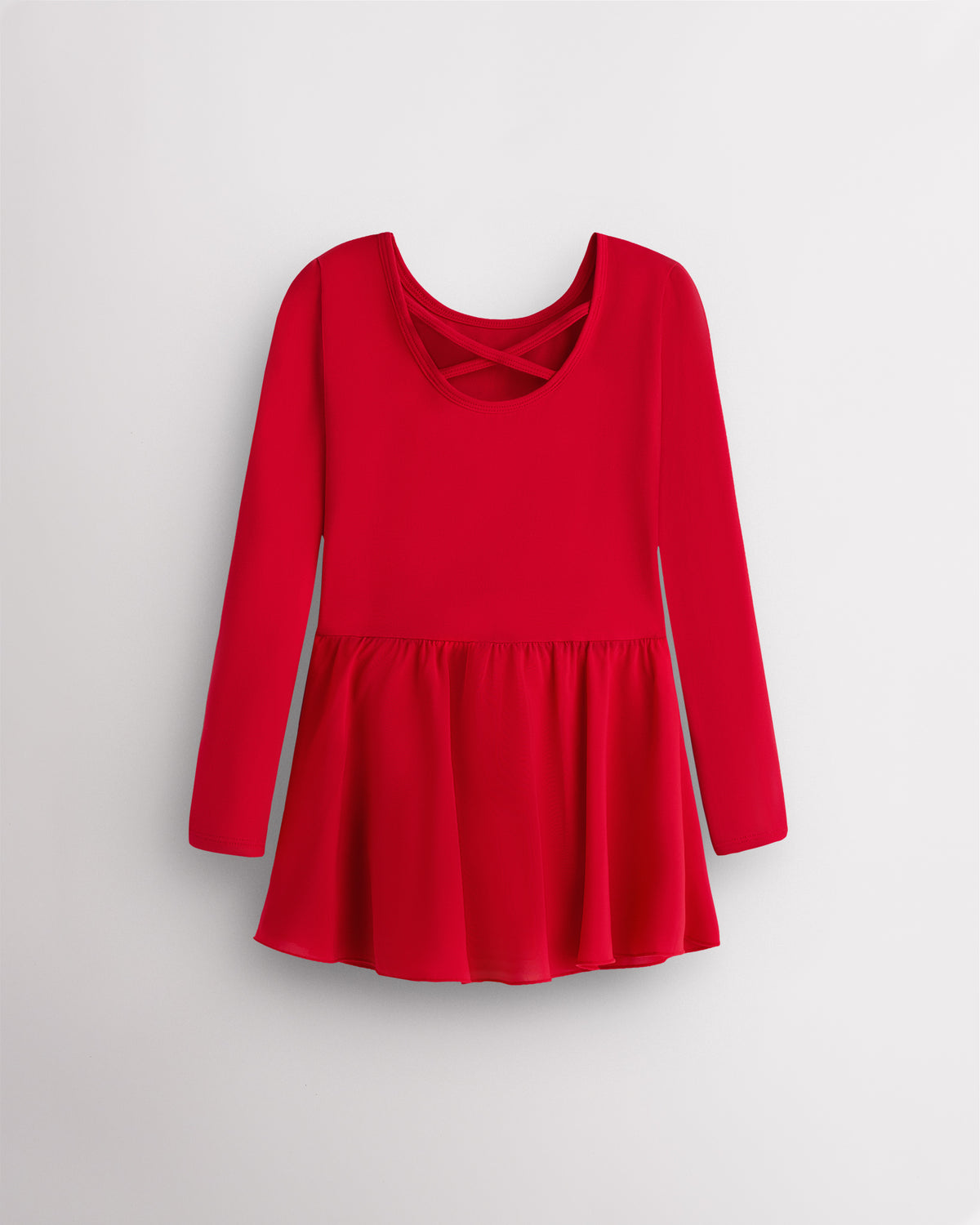
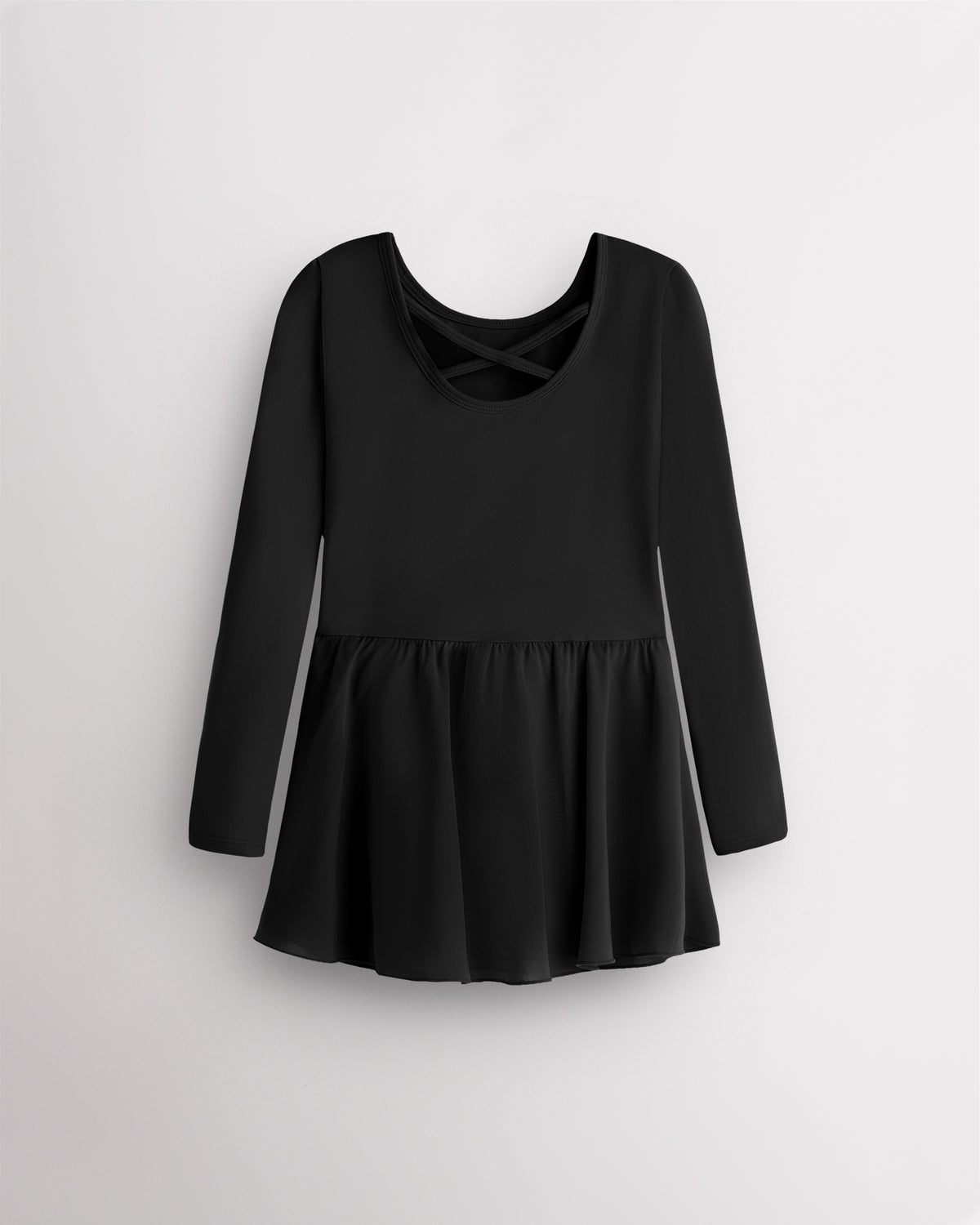
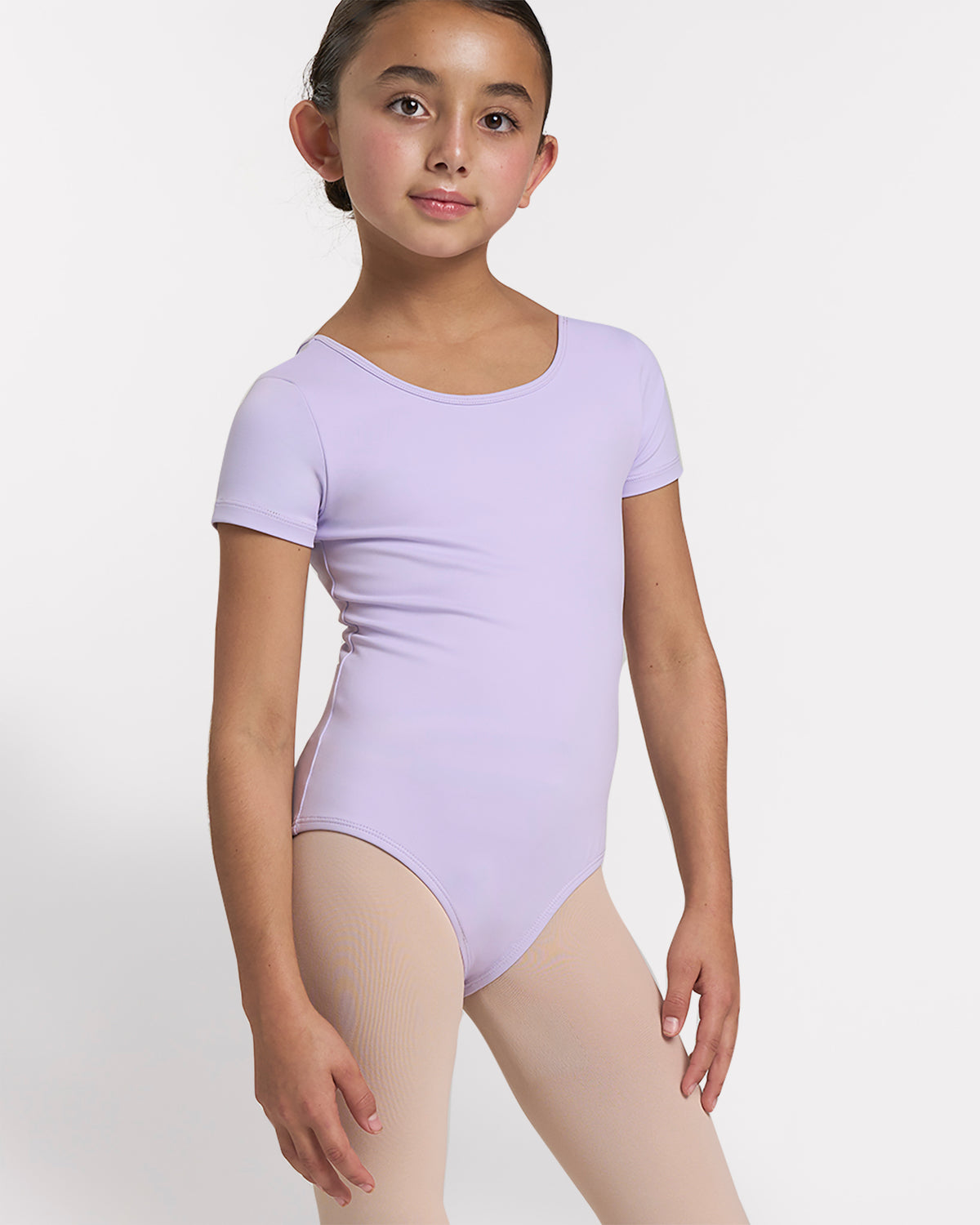
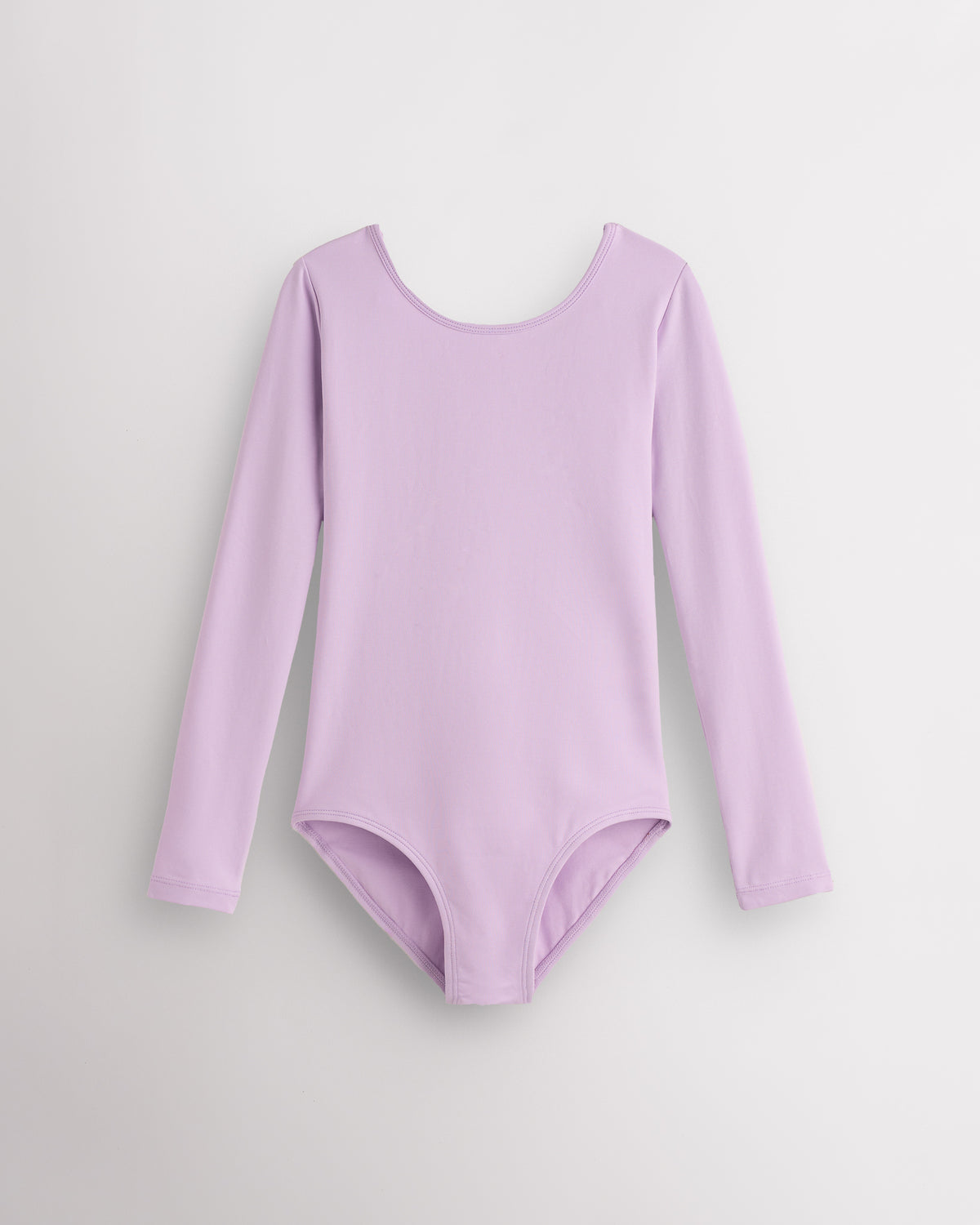
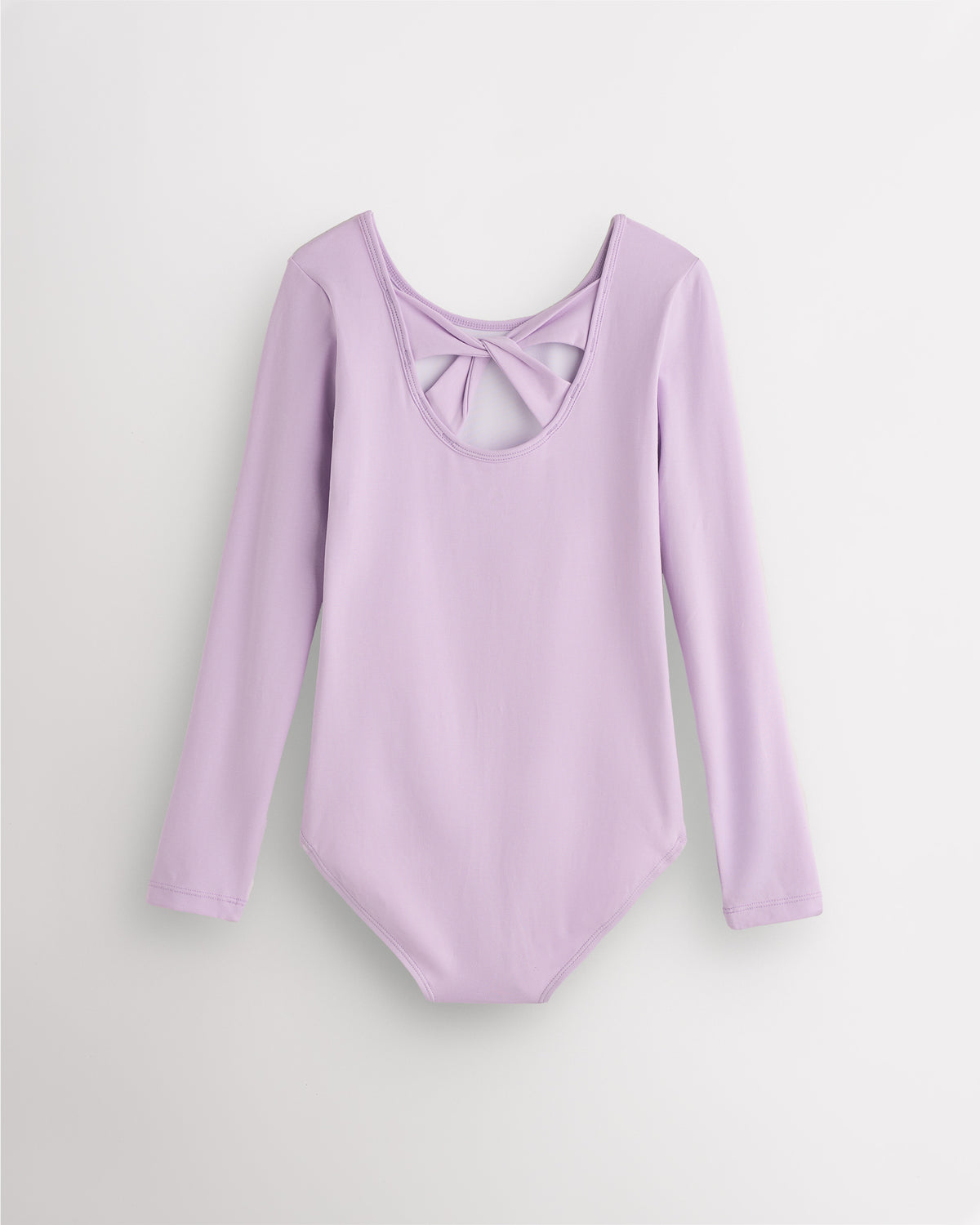
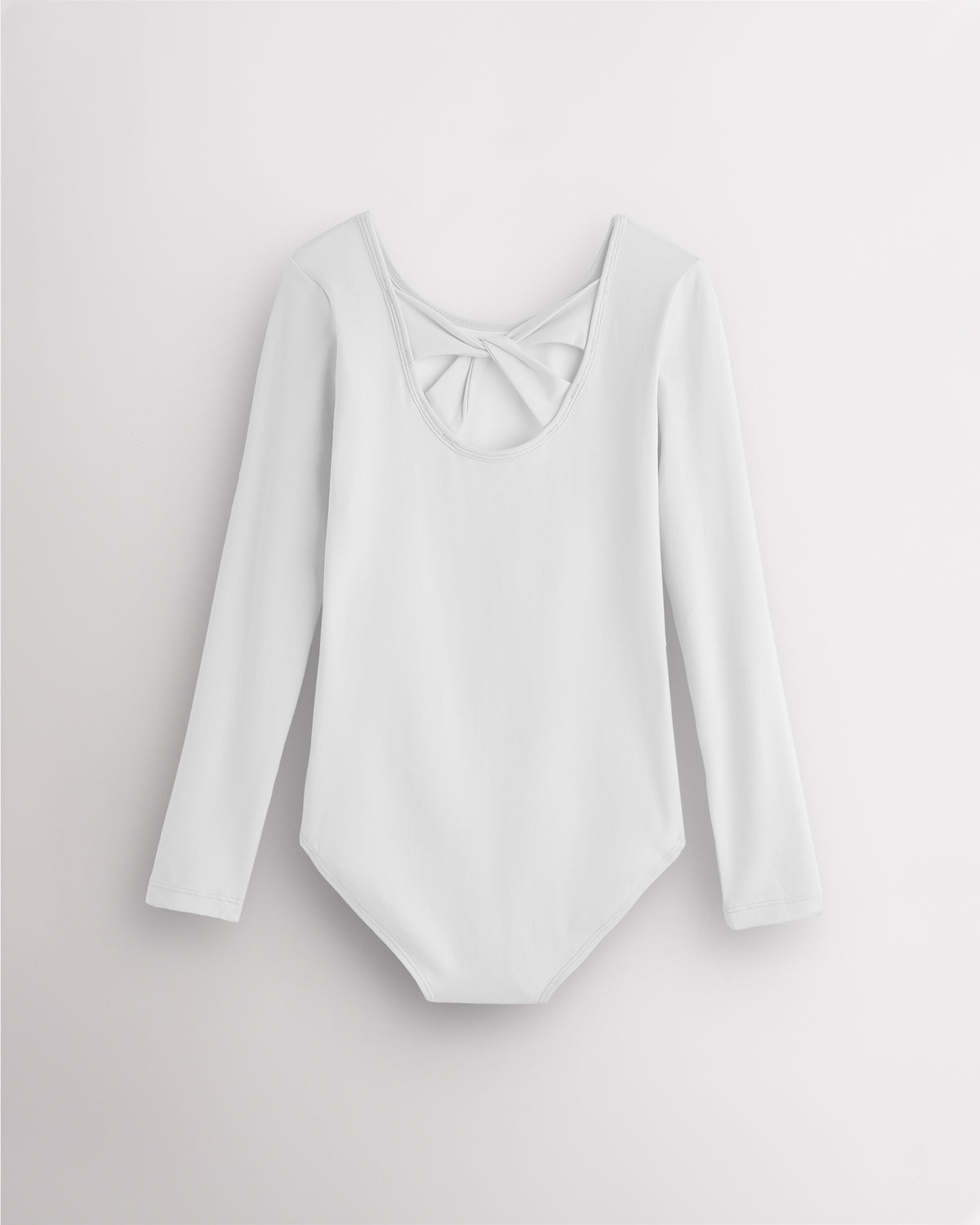
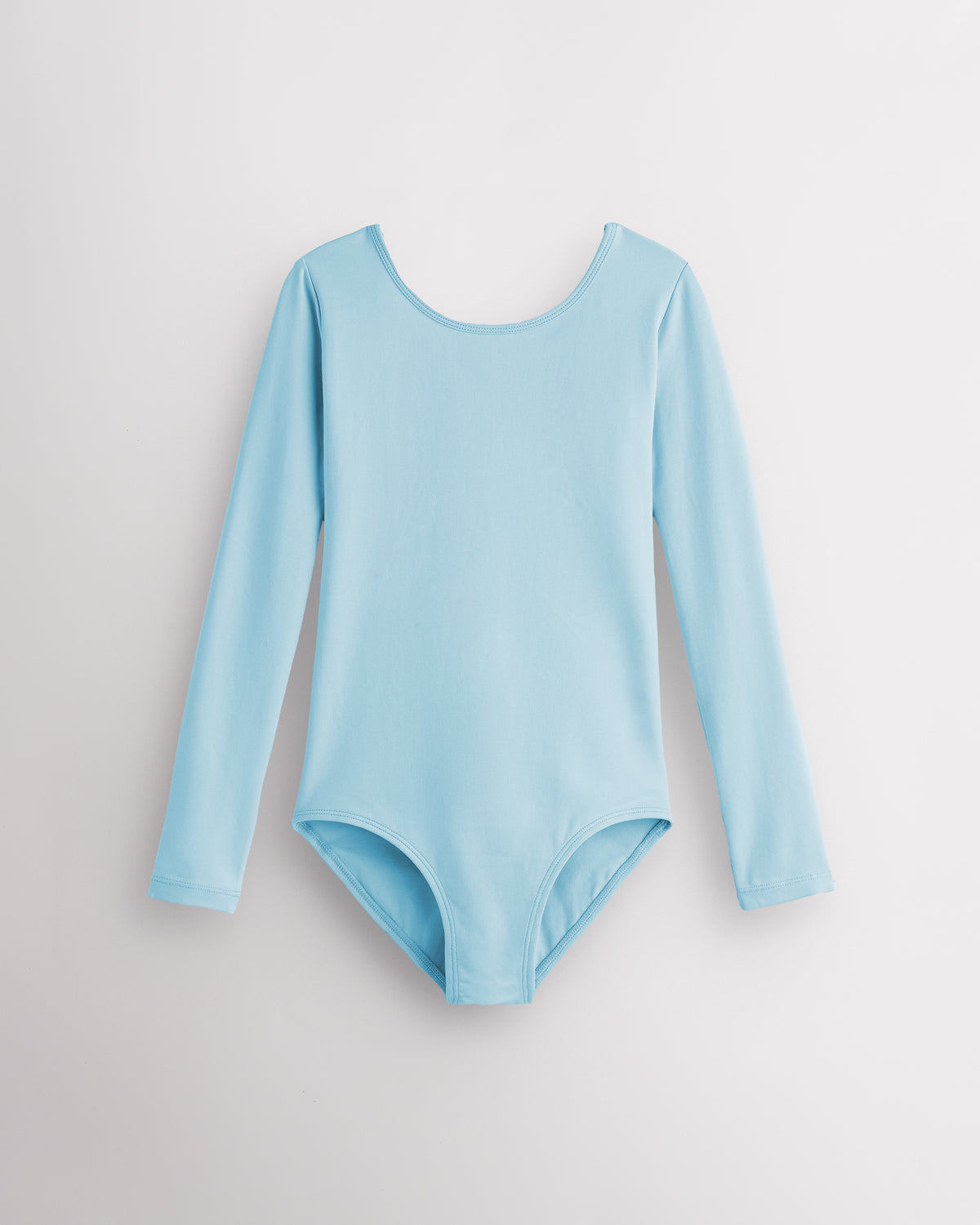
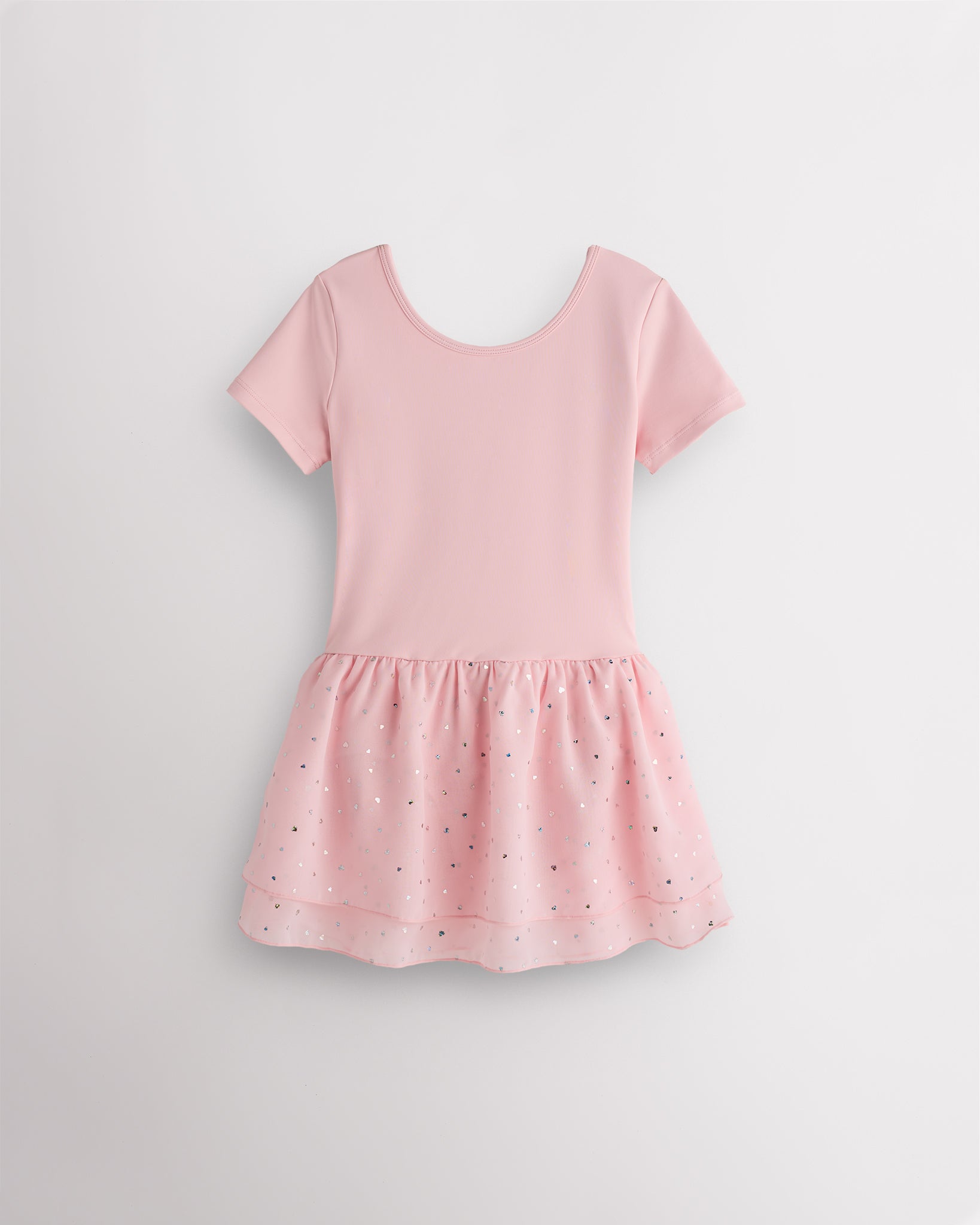
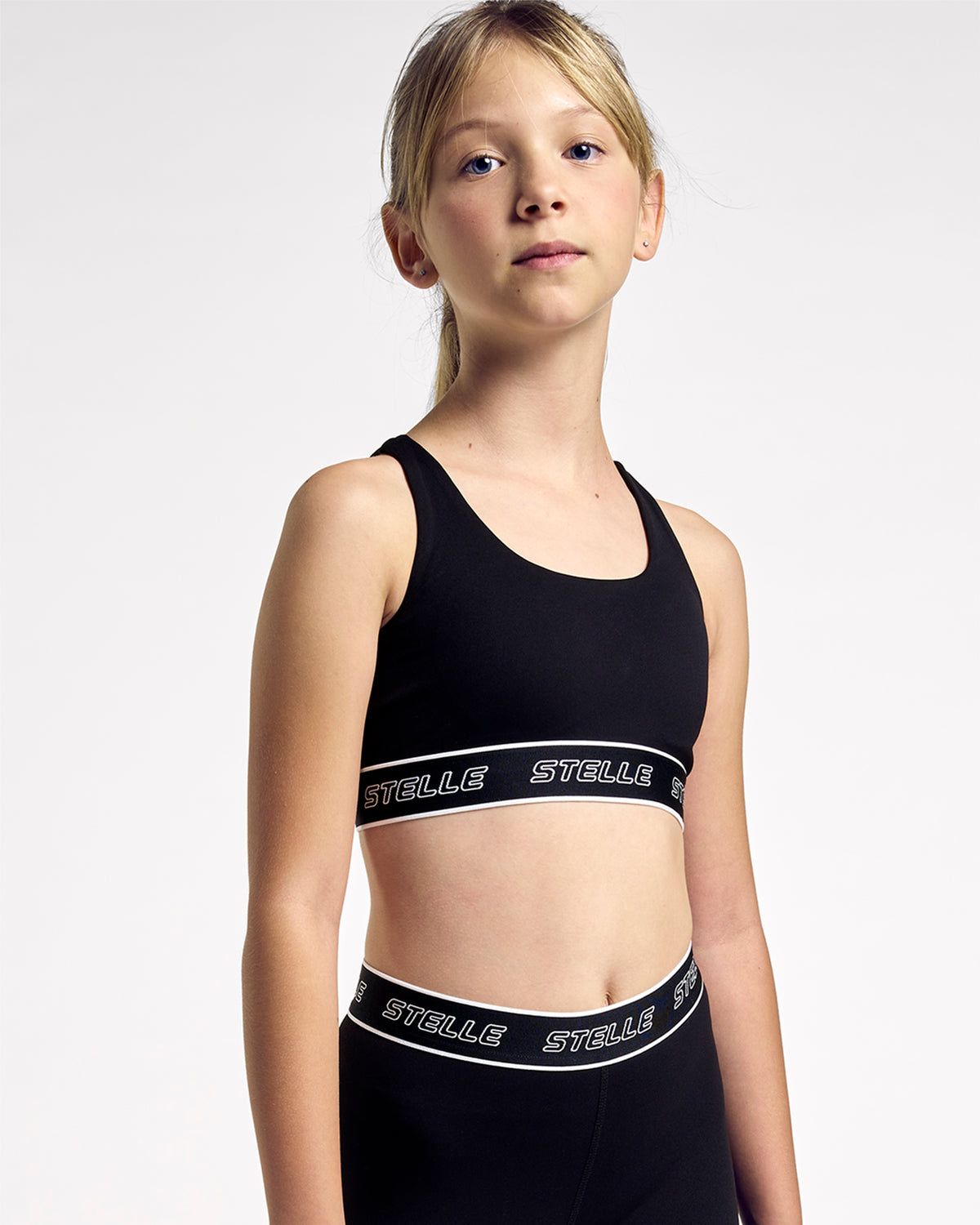
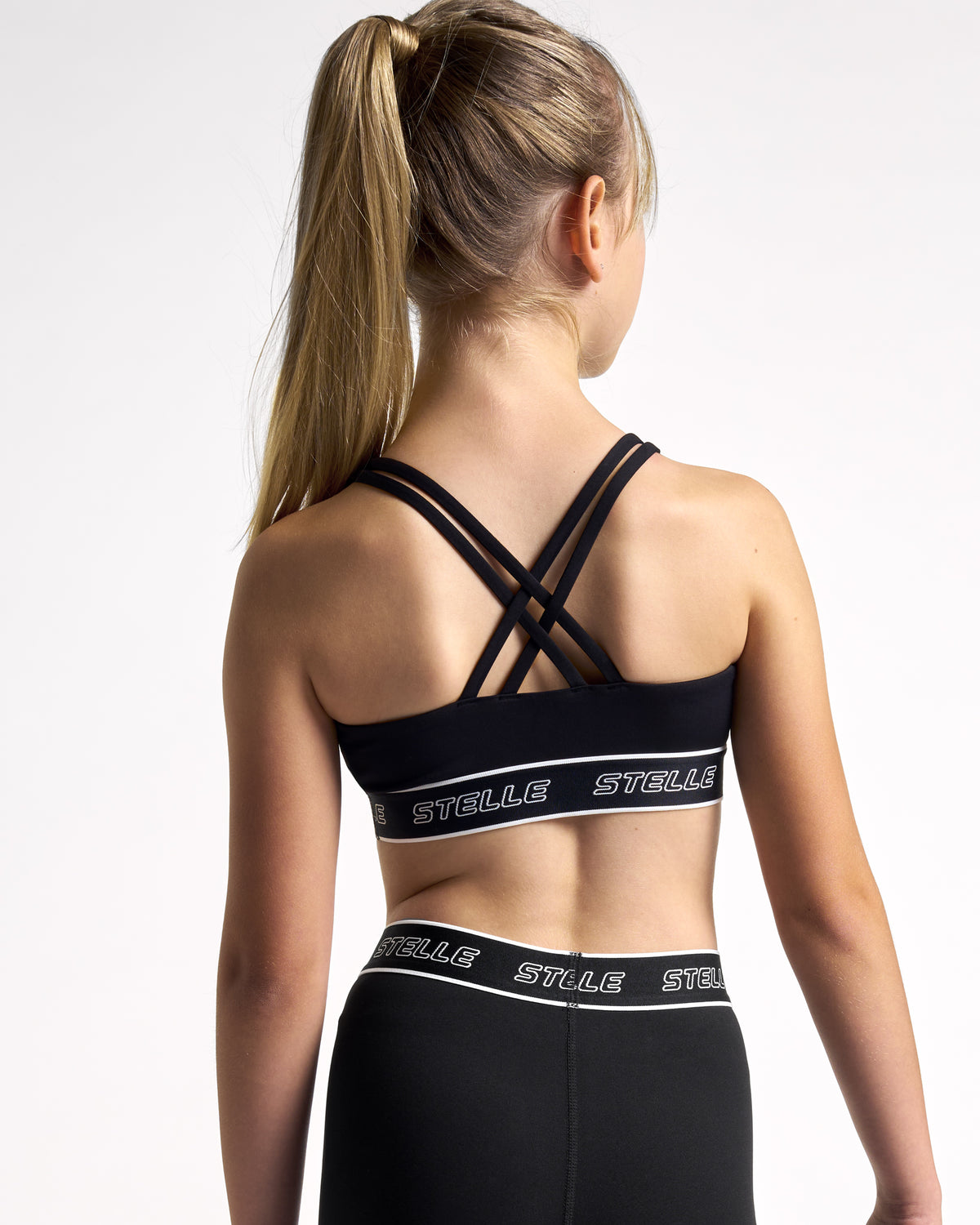
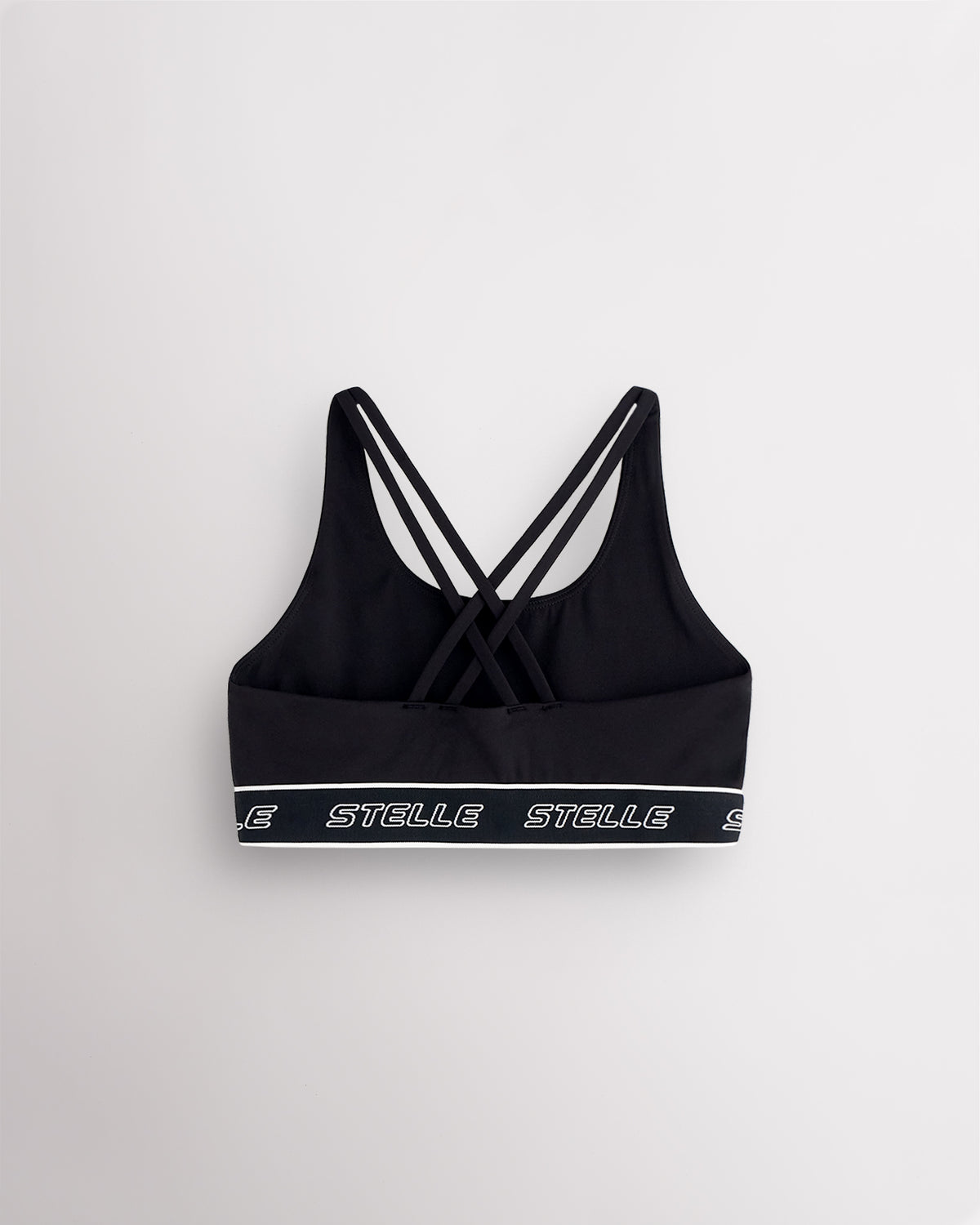
Whatever they pick, kids need stretchy, non-restrictive comfortable activewear that stays put through rolls and inversions, and a parent who treats the first year as exploration rather than a career launch.

FAQ
Can kids do both dance and gymnastics?
Yes, and at the recreational level it is common. Dance and gymnastics complement each other: tumbling skills add sparkle to dance routines, and dance training improves the artistry side of gymnastics scores. The practical limits are schedule and fatigue, so if your child does both, keep total weekly hours age-appropriate and watch for overuse aches rather than pushing through them.
Which is better for flexibility, gymnastics or dance?
Both train flexibility seriously, just differently. Gymnastics pushes targeted flexibility for specific skills like walkovers and leaps, while dance builds flexibility gradually through technique work in every class. For most kids the difference is small, and safe stretching habits matter more than the activity. Our guide to stretches for kids covers what safe flexibility training looks like at each age.
What age should kids start gymnastics or dance?
Play-based movement classes in either activity are fine from the toddler years, but the AAP notes that before age 6, most children do not yet have the basic motor skills for organized sports. Dance can begin at almost any age after that. Gymnastics can too, though a child who hopes to compete at higher levels benefits from starting the structured track in early elementary school.
Is acro dance the same as gymnastics?
No. Acro dance is a dance style with acrobatic elements, taught in dance studios and usually performed within choreography on a stage or studio floor; acro in dance is judged on artistry as much as on the tricks. Gymnastics is a standalone sport with apparatus, levels, and formal scoring on spring floors. The skills overlap (cartwheels, walkovers, balances), but the typical training surfaces, technique, and goals differ, which is why acro and gymnastics coaches often teach the same trick in noticeably different ways.
About the Stelle Team
Stelle is a mom-trusted dancewear & athleisure brand best known for girls’ ballet and dance essentials since 2015. Every article is created and reviewed by the team behind the products, drawing on what we hear from dance teachers, studio owners, and dance parents every day. Learn more about Stelle.