


Gymnastics Leotards vs. Dance Leotards: A Parent's Guide to Choosing the Right One
Table of contents
- Quick answer
- What Gymnastics and Dance Leotards Have in Common
- The Key Differences Between Gymnastics and Dance Leotards
- Quick Comparison Table
- Can One Leotard Work for Both Dance and Gymnastics?
- How to Choose the Right Leotard for Your Child
- Where Stelle Leotards Fit In
- Frequently Asked Questions
- 1. What is the difference between a gymnastics leotard and a dance leotard?
- 2. Can you wear a gymnastics leotard for dance (or to ballet class)?
- 3. Can you wear a dance leotard for gymnastics?
- 4. Can one leotard work for both dance and gymnastics?
- 5. Are dance and ballet leotards the same?
- 6. Should a leotard be tight or loose?
- 7. What should I check before buying a leotard?
- 8. Do dance studios require a specific leotard color?
- Choosing With Confidence
Written by the Stelle team.
The first time you shop for a leotard, gymnastics and dance versions look almost identical: both are close-fitting, stretchy, and made for movement. So when your child signs up for ballet, jazz, gymnastics, or tumbling, can you just buy one leotard for everything? Sometimes, but not always. The difference between gymnastics and dance leotards comes down to the class, the dress code, the kind of movement, coverage, fabric, and fit.
Quick answer
Gymnastics leotards are usually built for secure coverage during flips, rolls, and tumbling, while dance leotards focus on clean lines, comfort, and freedom of movement for class and rehearsal. When people compare a dance leotard vs a gymnastics leotard, that is the core split. Some simple beginner styles can cross over for casual classes, but ballet studios, gymnastics teams, recitals, and competitions often have specific dress codes. When in doubt, check with the teacher or coach first.
What Gymnastics and Dance Leotards Have in Common
Before the differences, it helps to see why they get confused in the first place. A leotard is a snug, one-piece garment that covers the torso from the shoulders to the top of the legs, and both gymnasts and dancers rely on one for good reason. Gymnastics and dance leotards both:
-
Fit close to the body as a one-piece
-
Stretch and move with the child
-
Should stay in place without constant adjusting
-
Let a teacher or coach see the child's alignment
-
Should feel comfortable enough to forget about while moving
So they are genuinely similar. The differences are real, though, and they matter most once your child moves past a casual first class.

The Key Differences Between Gymnastics and Dance Leotards
The main differences between gymnastics and dance leotards come down to four things: movement, design, fabric, and coverage. When you line up dance vs gymnastics leotards side by side, here is where the two part ways, and why.
Movement and function
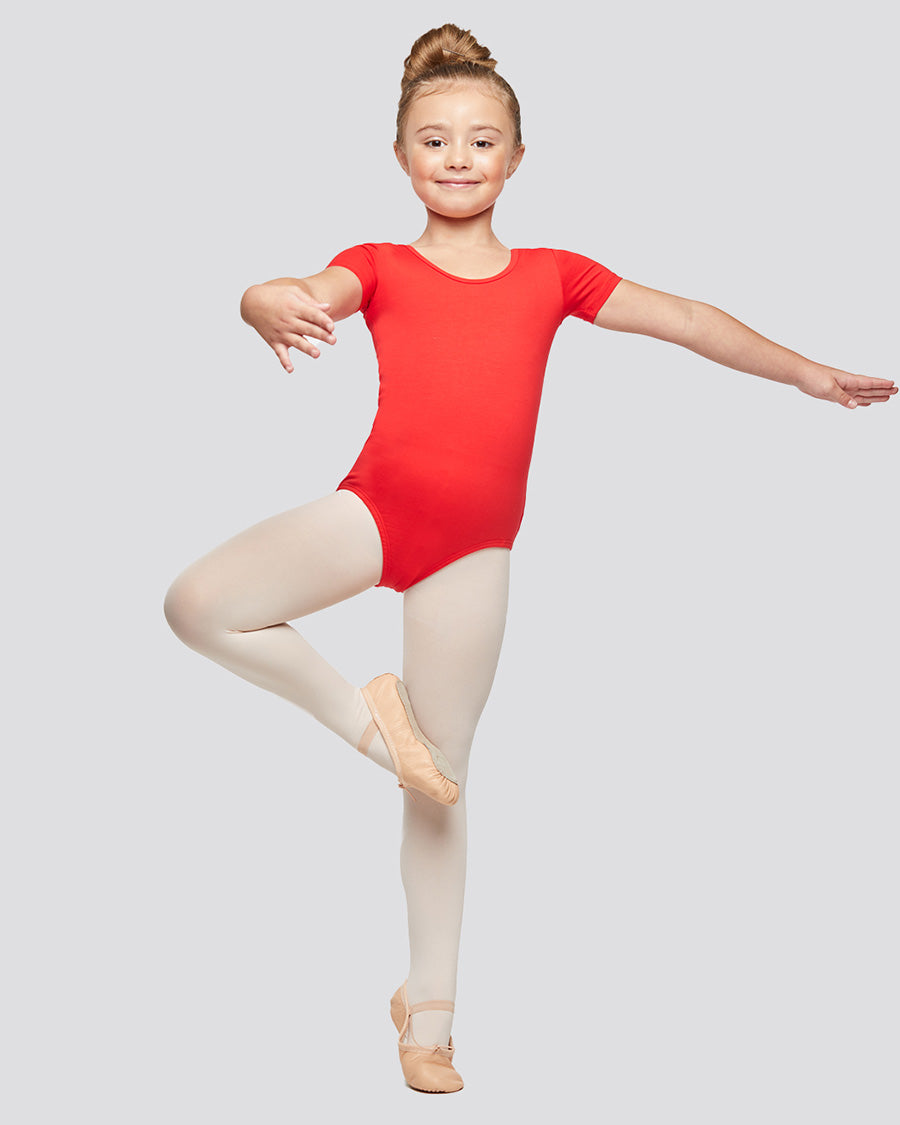
Gymnastics involves flips, rolls, handstands, cartwheels, and going upside down, so leotards for gymnastics need to stay put through inverted, high-impact movement. Dance involves pliés, turns, jumps, stretching, and barre work, so a dance leotard is built to support clean lines and a comfortable range of motion through long classes.
Design and style
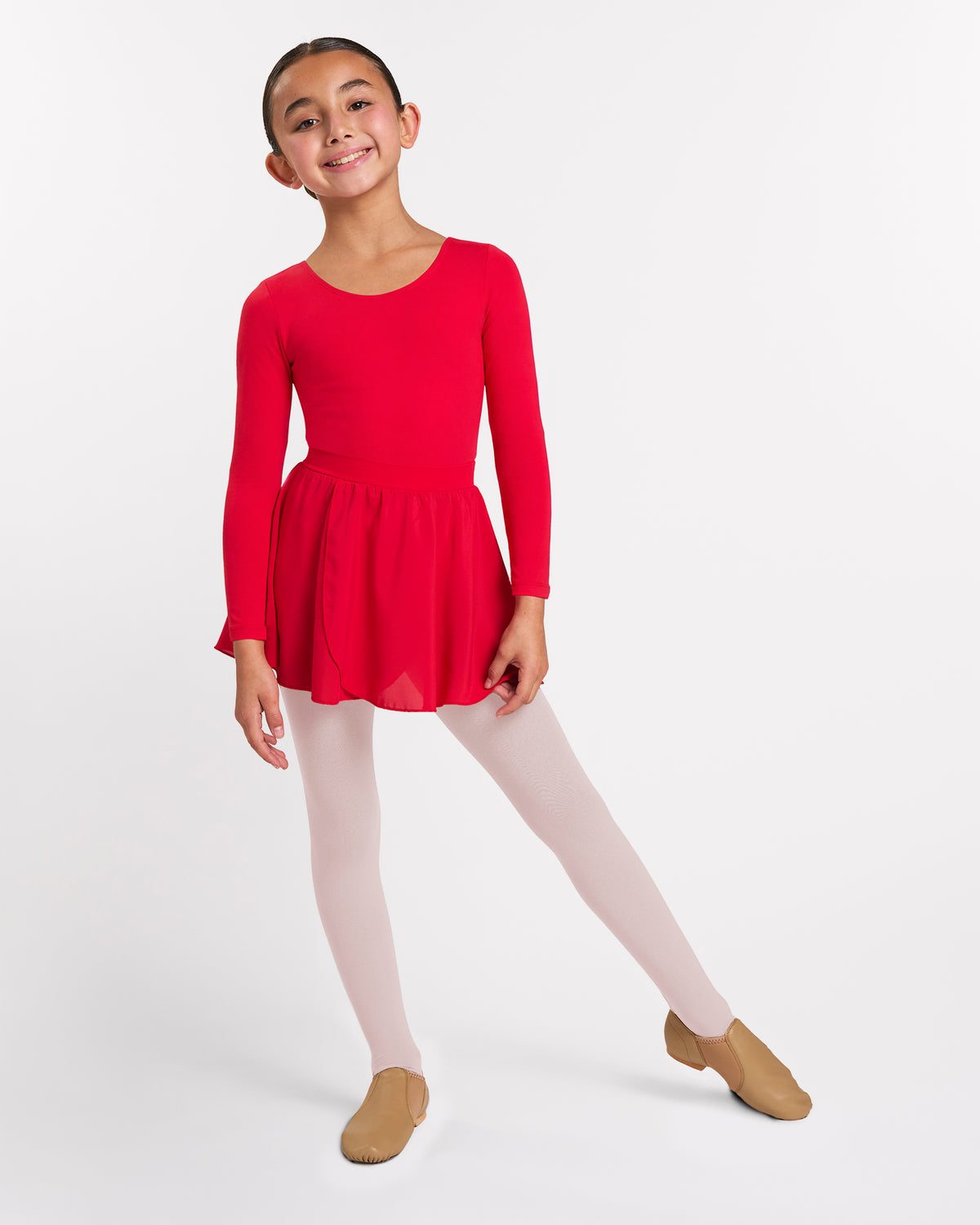
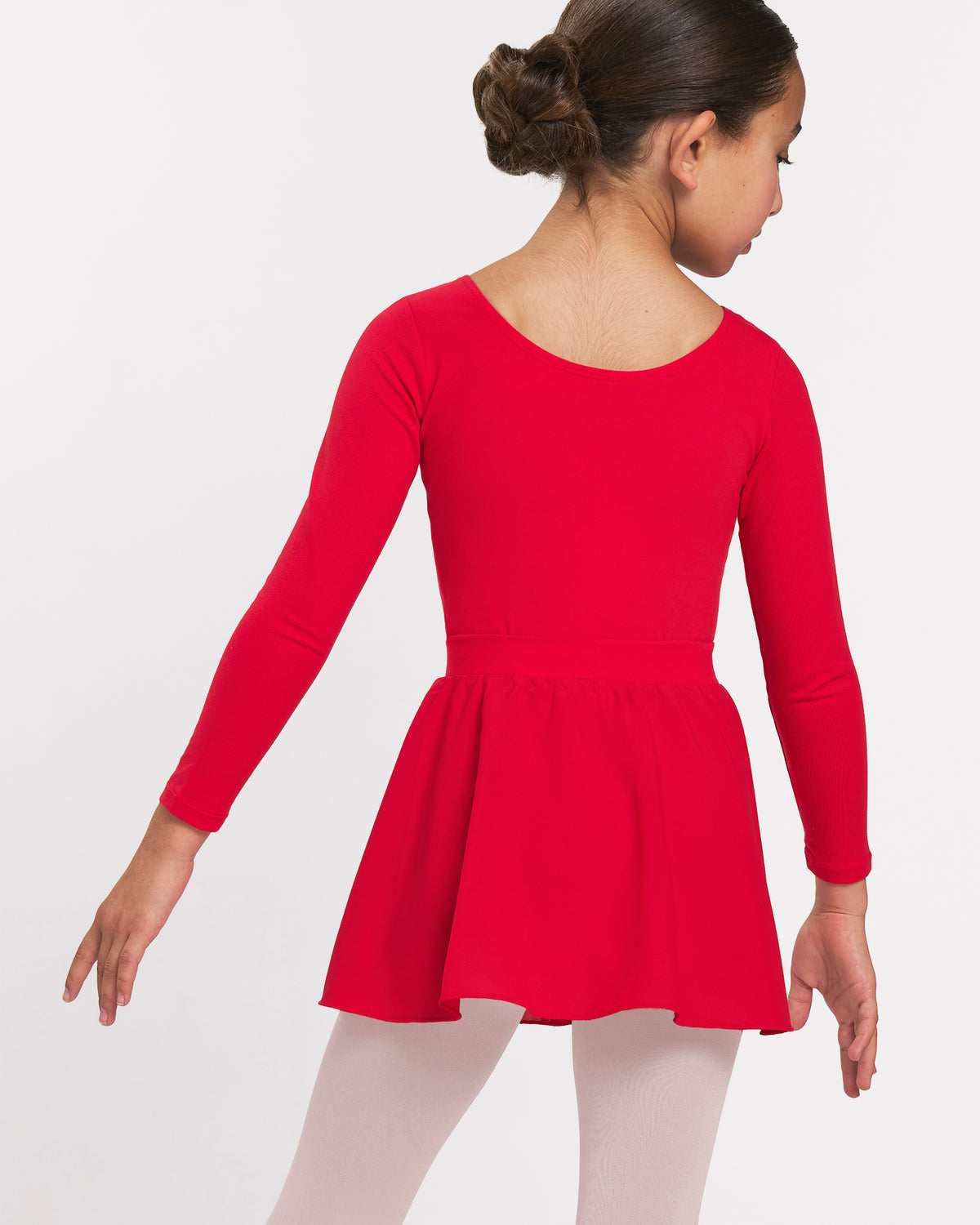
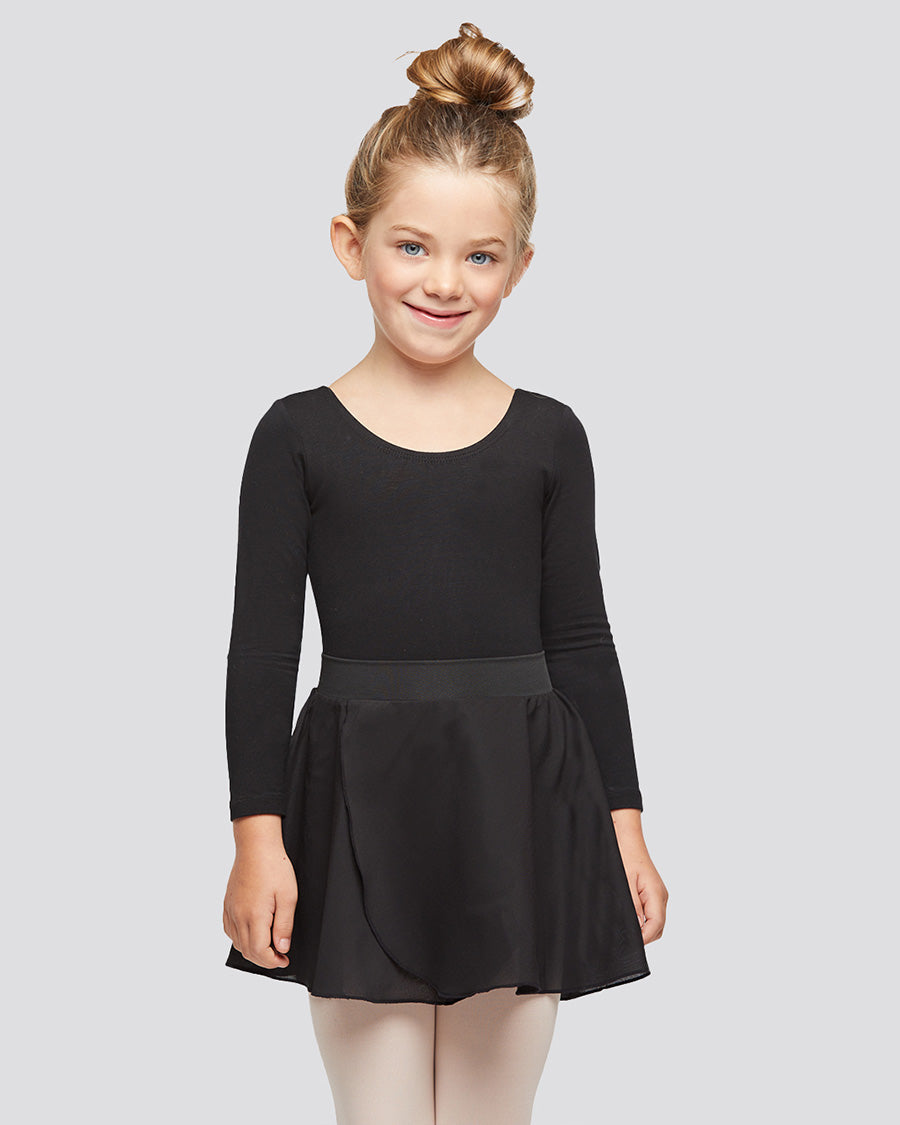
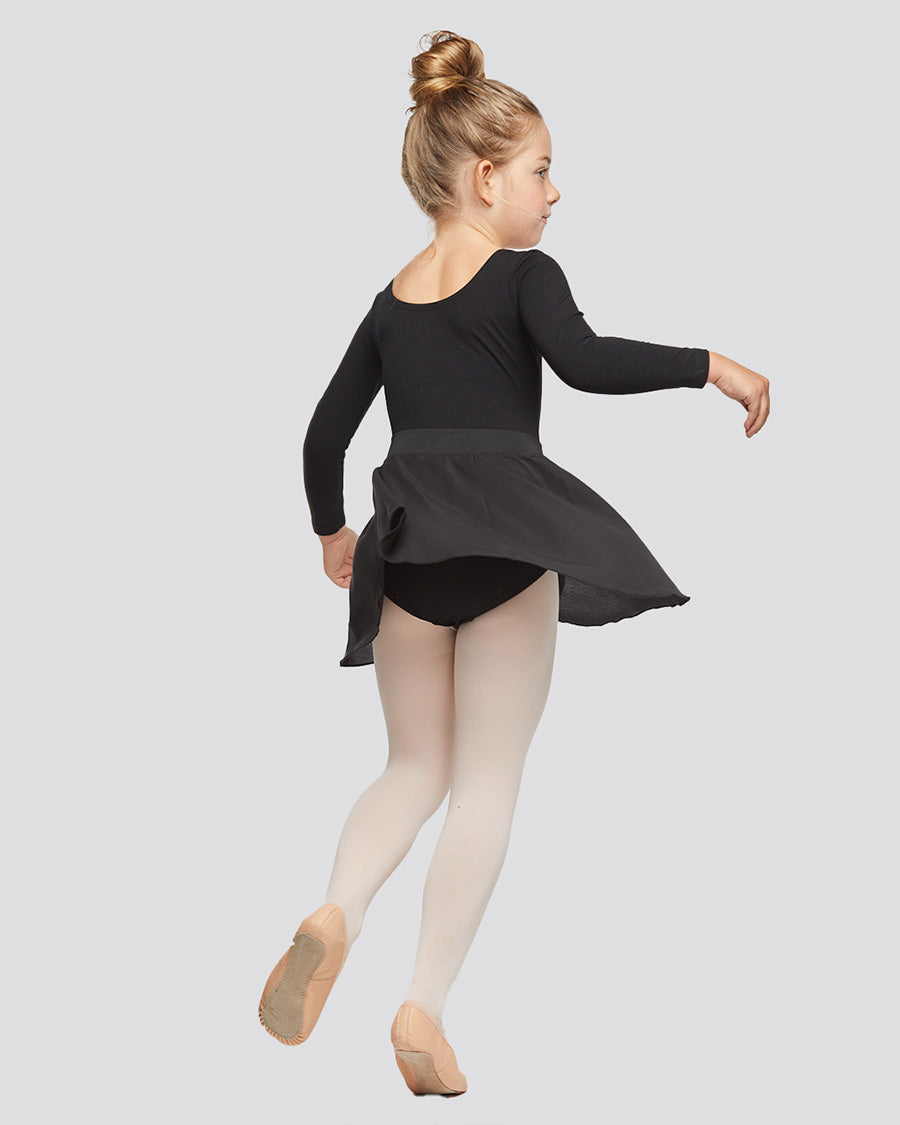
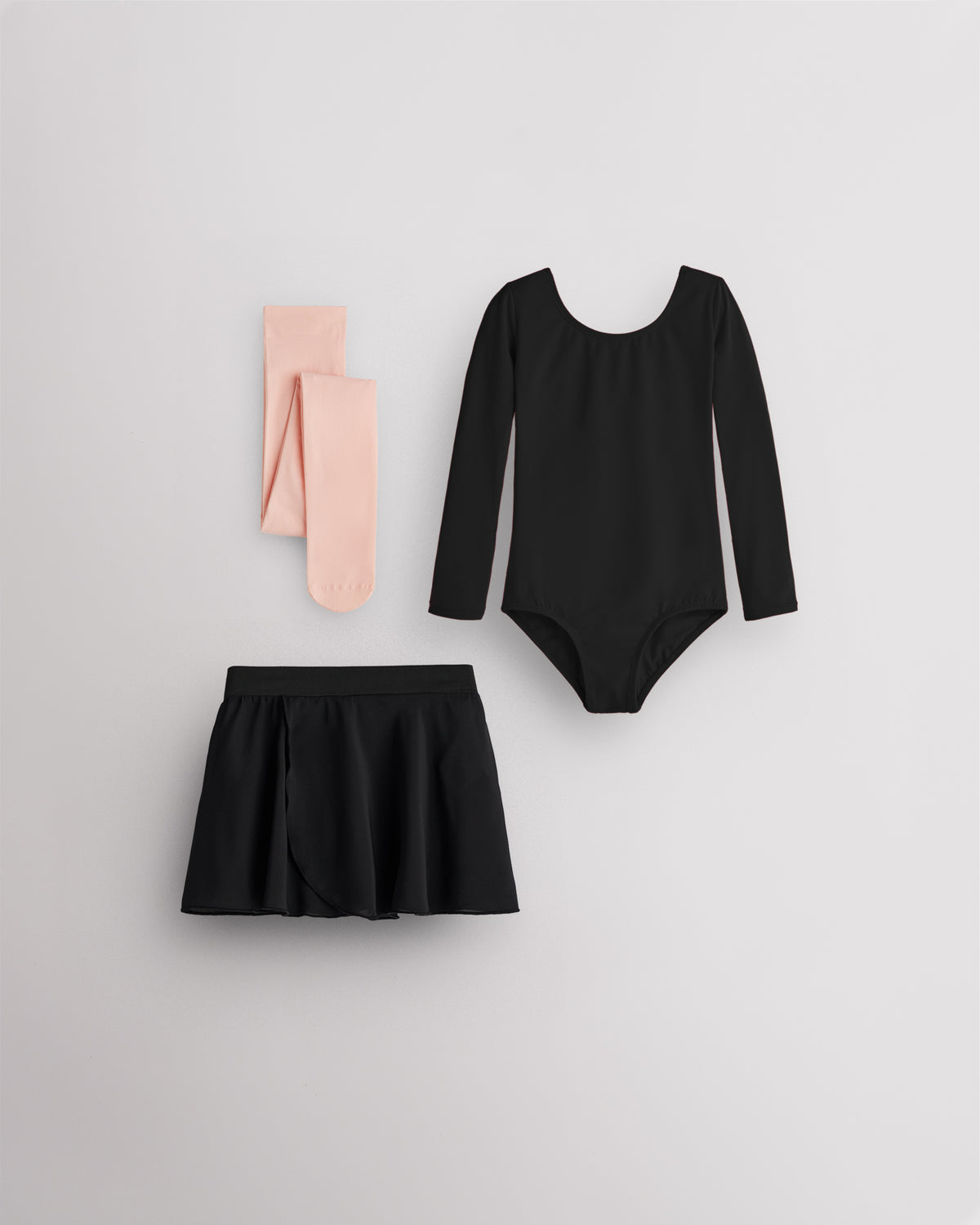
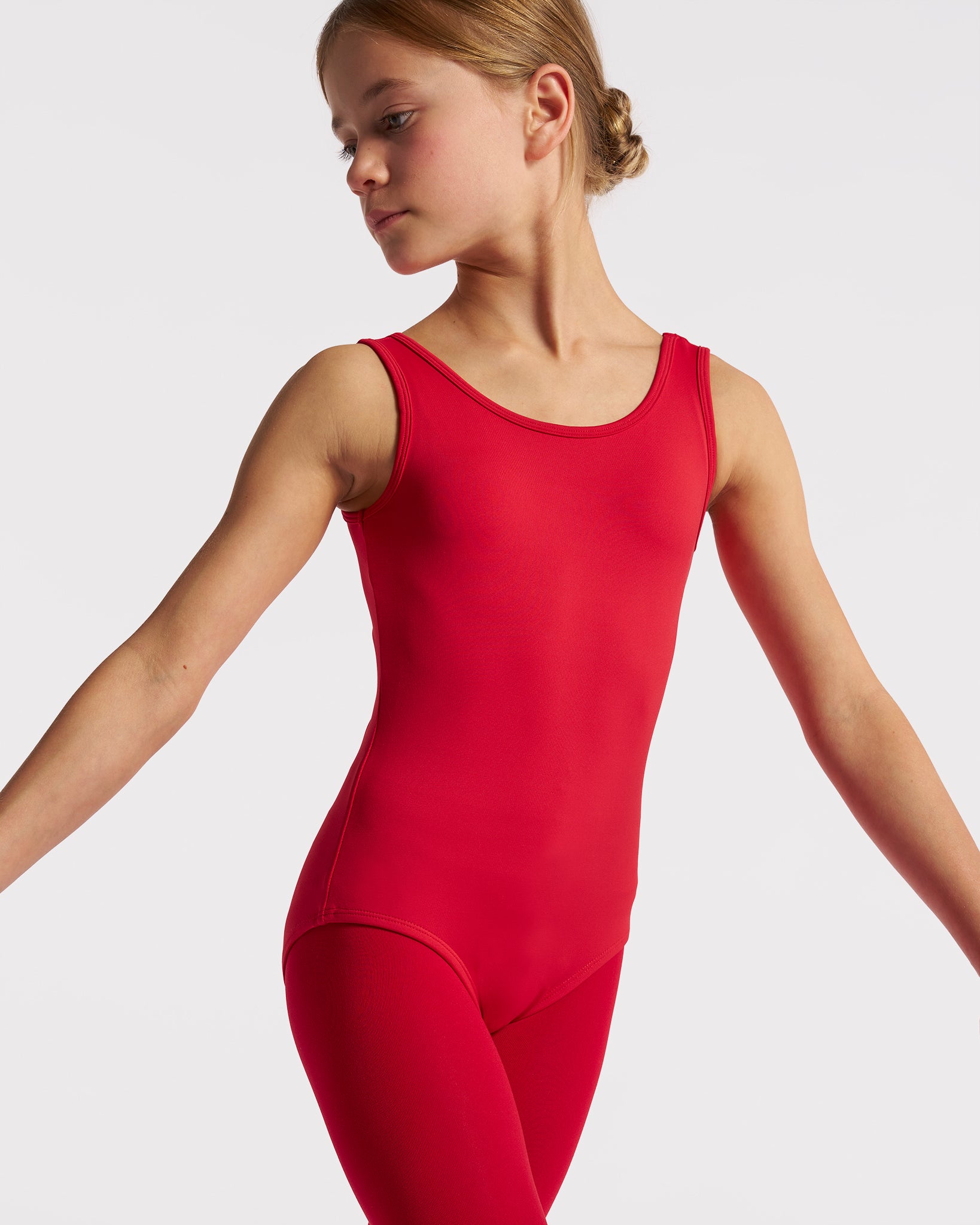
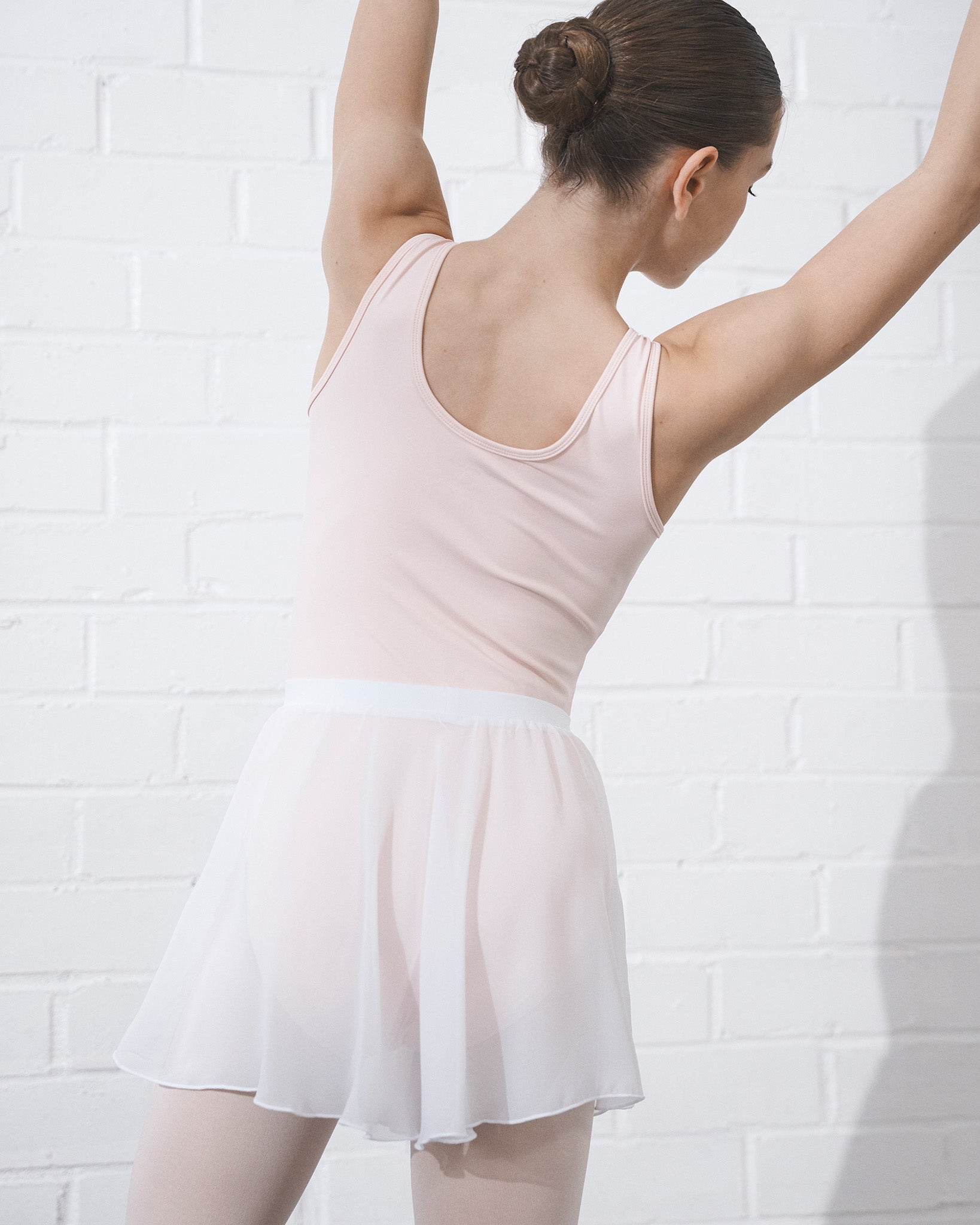
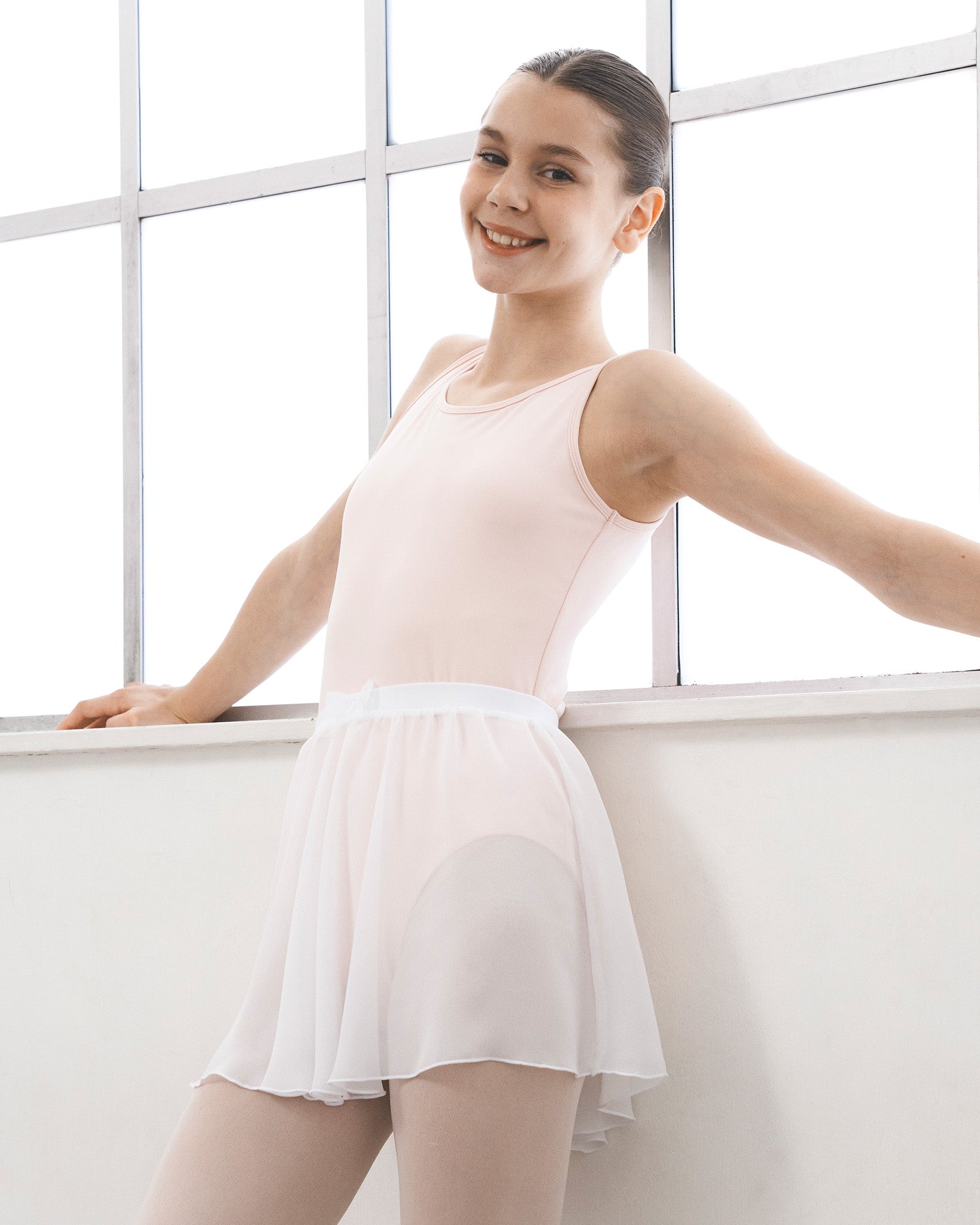
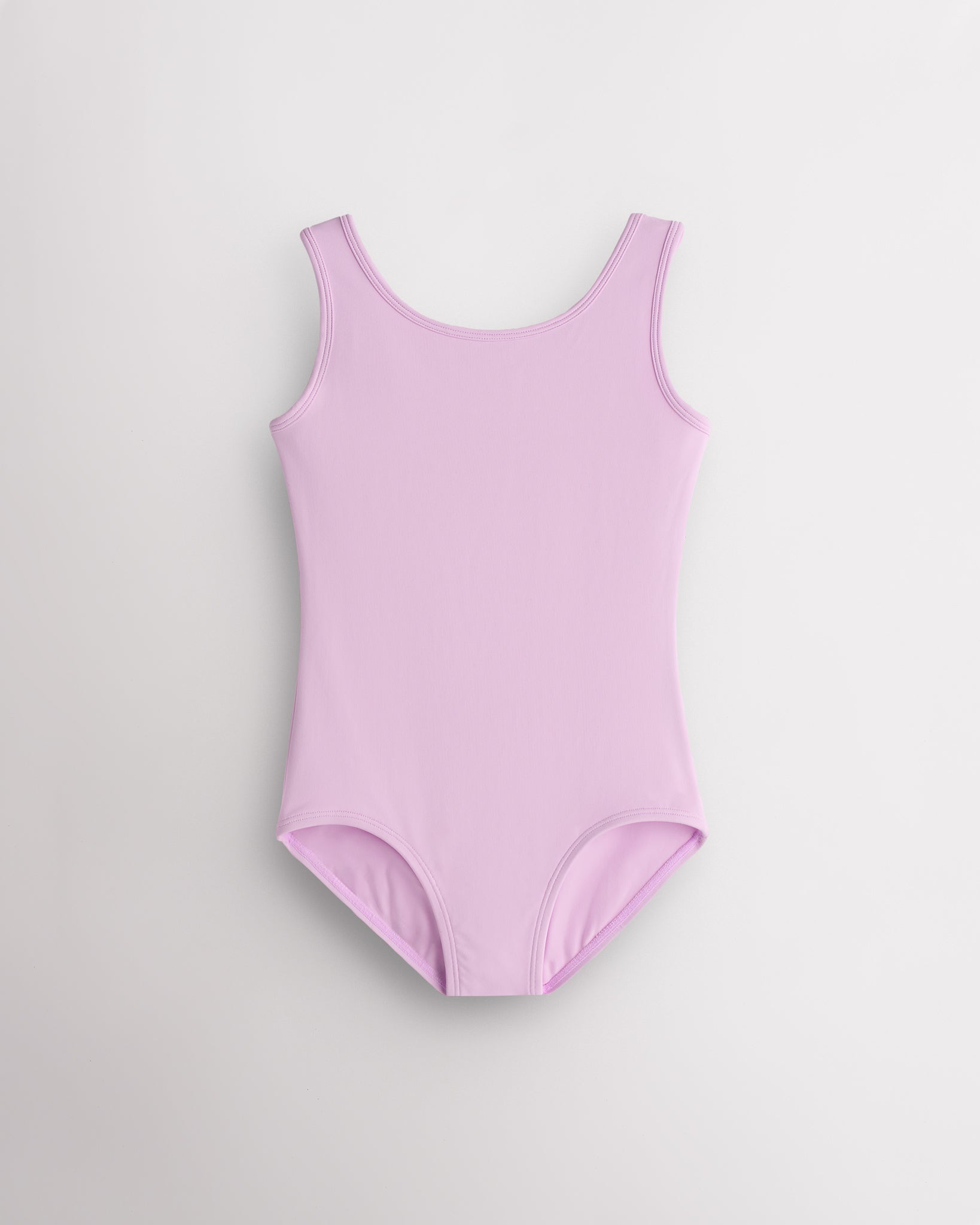
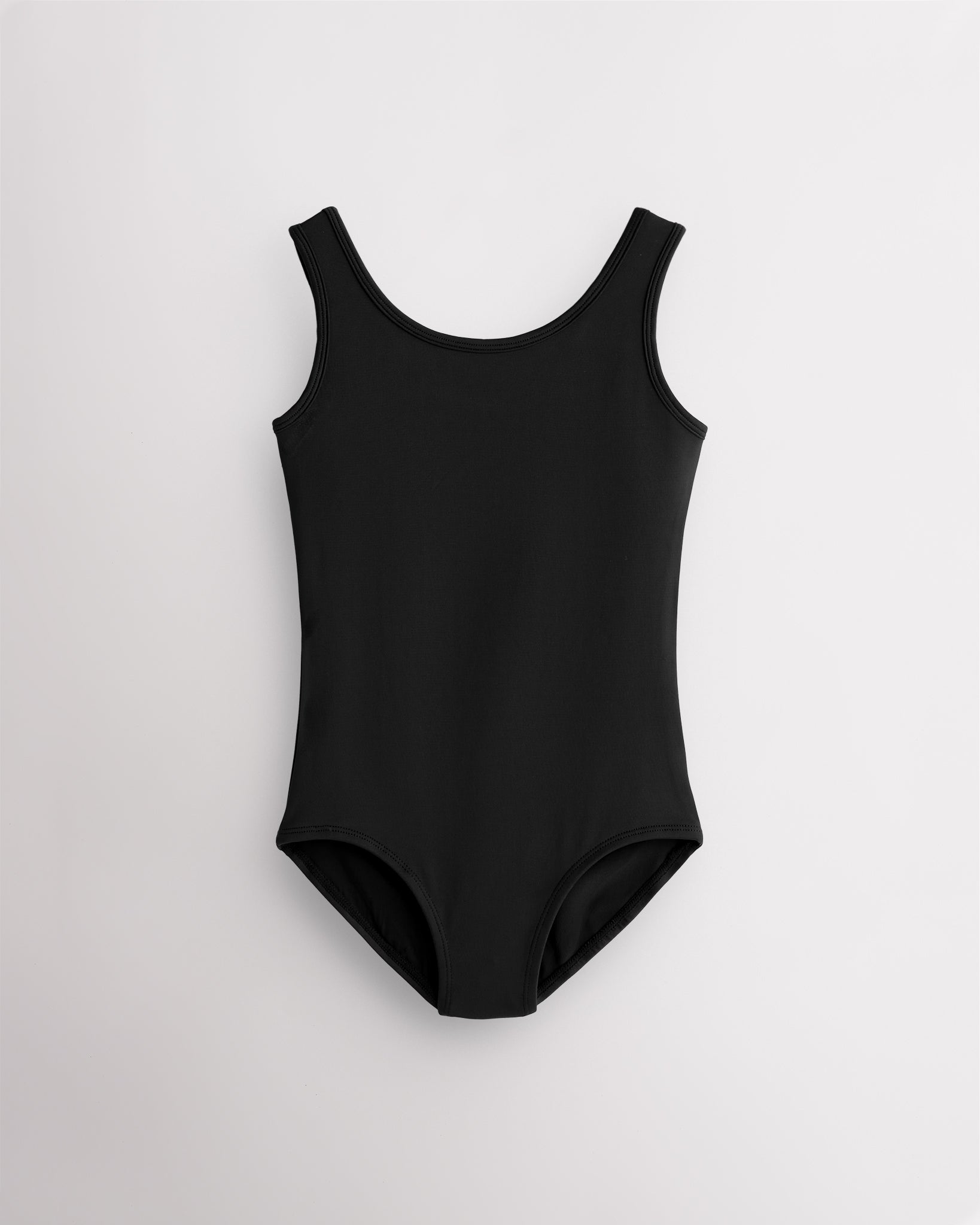
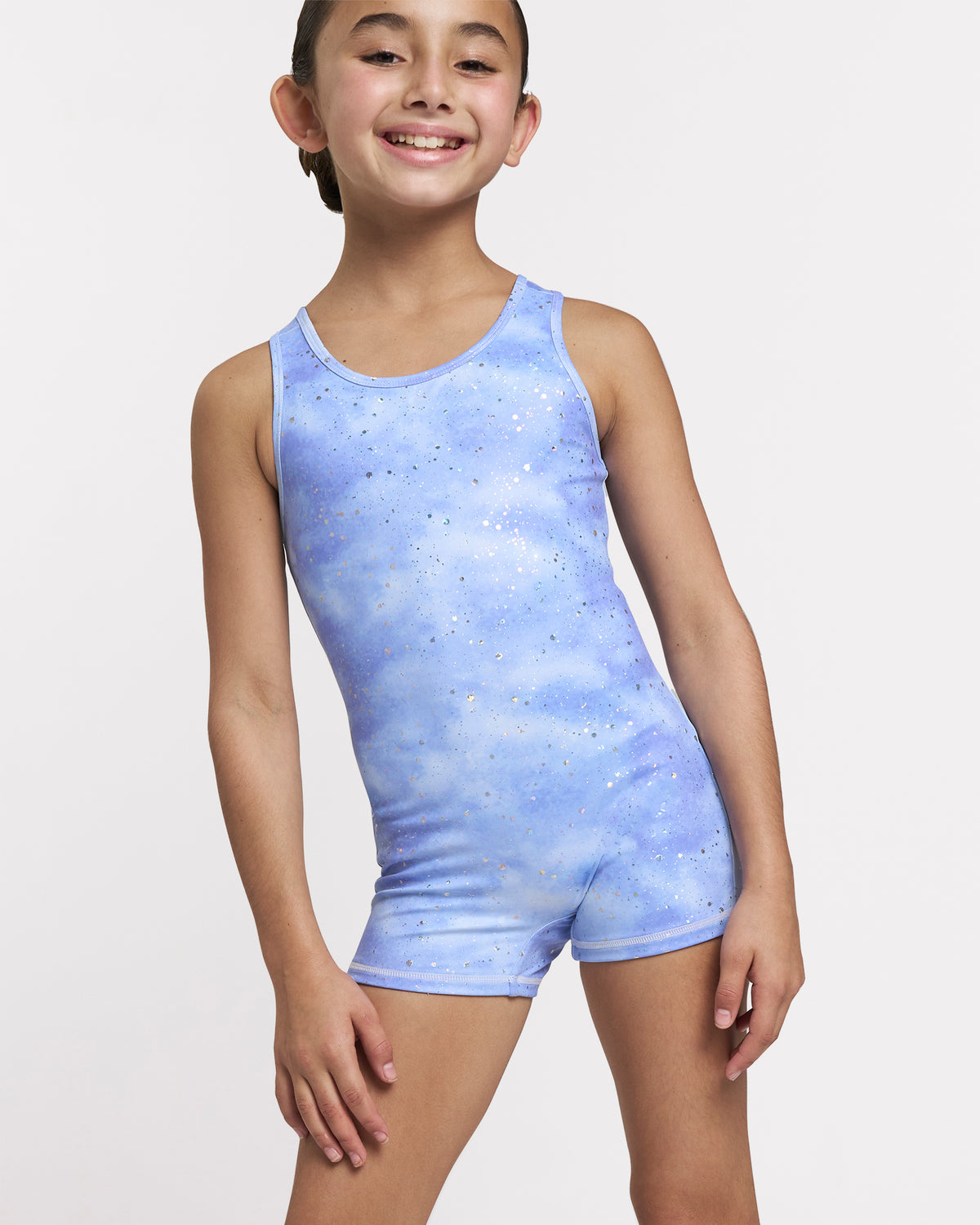
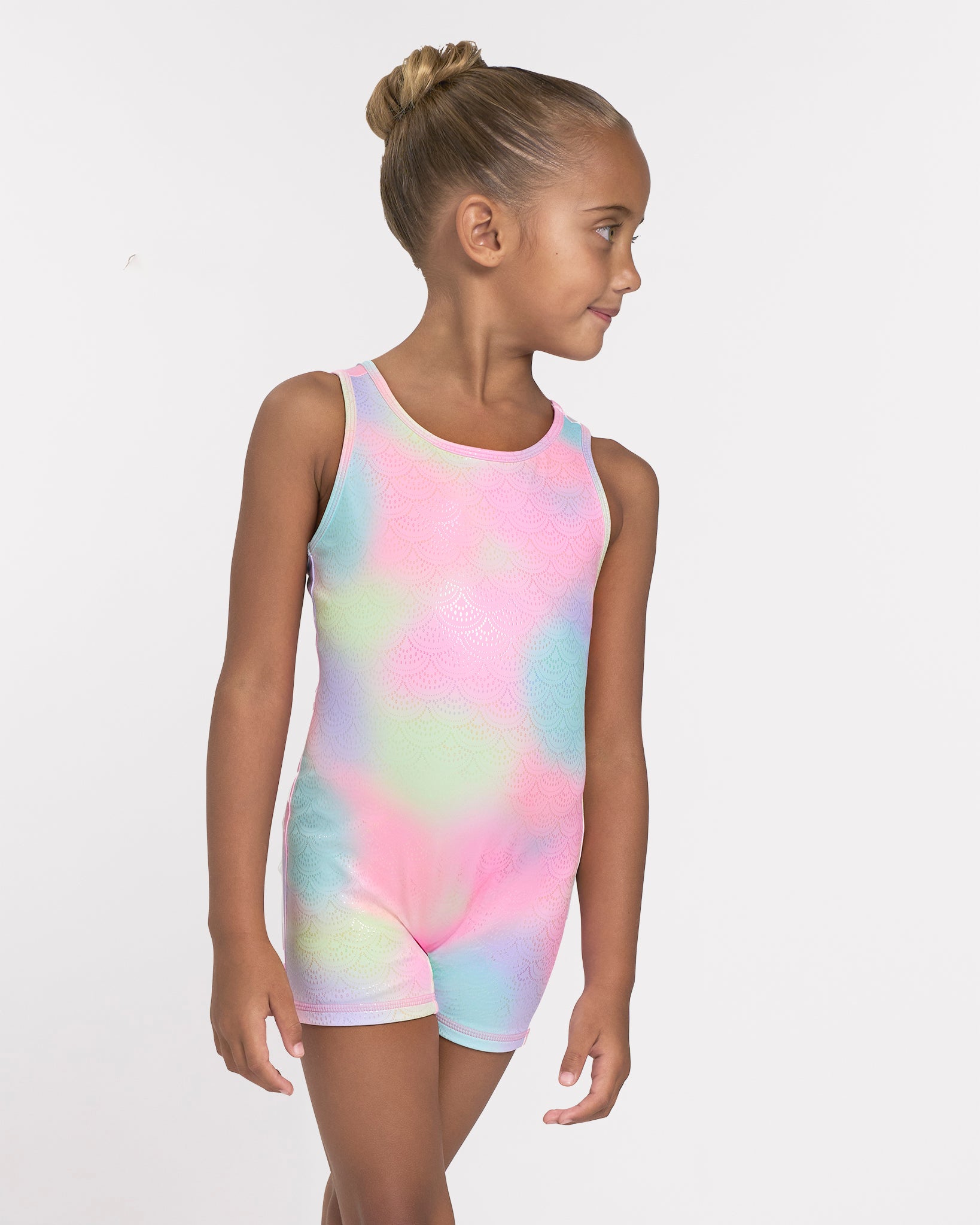
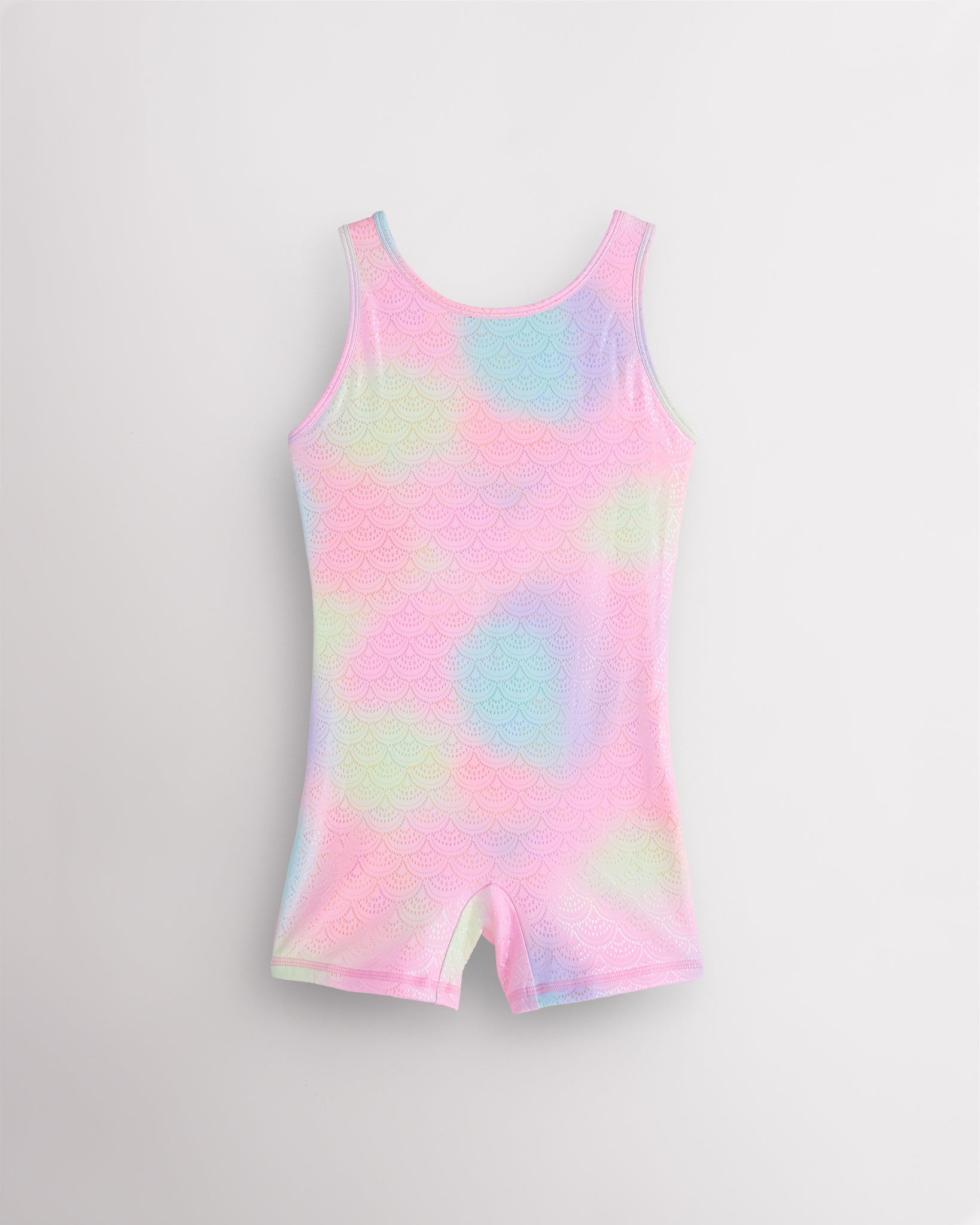
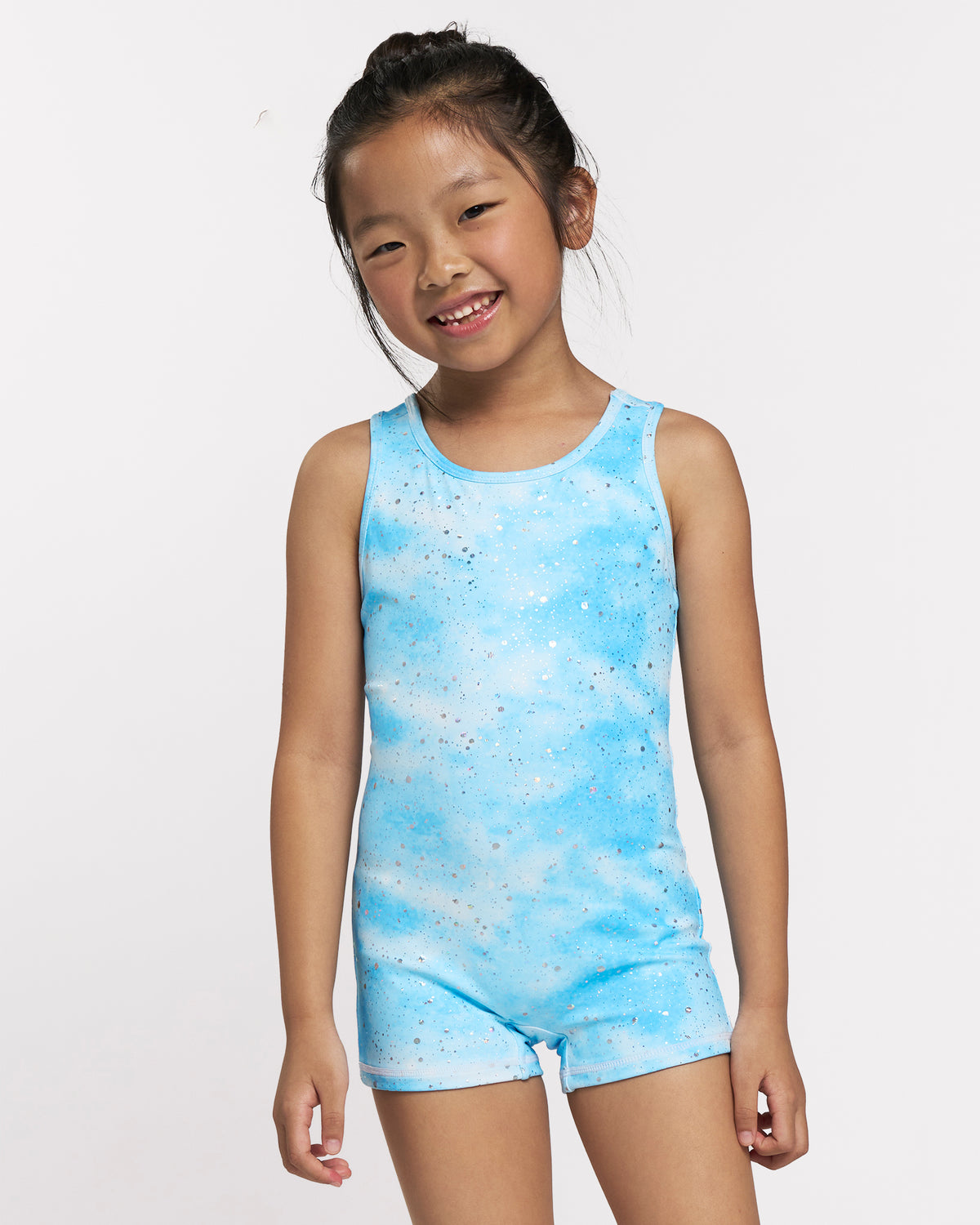
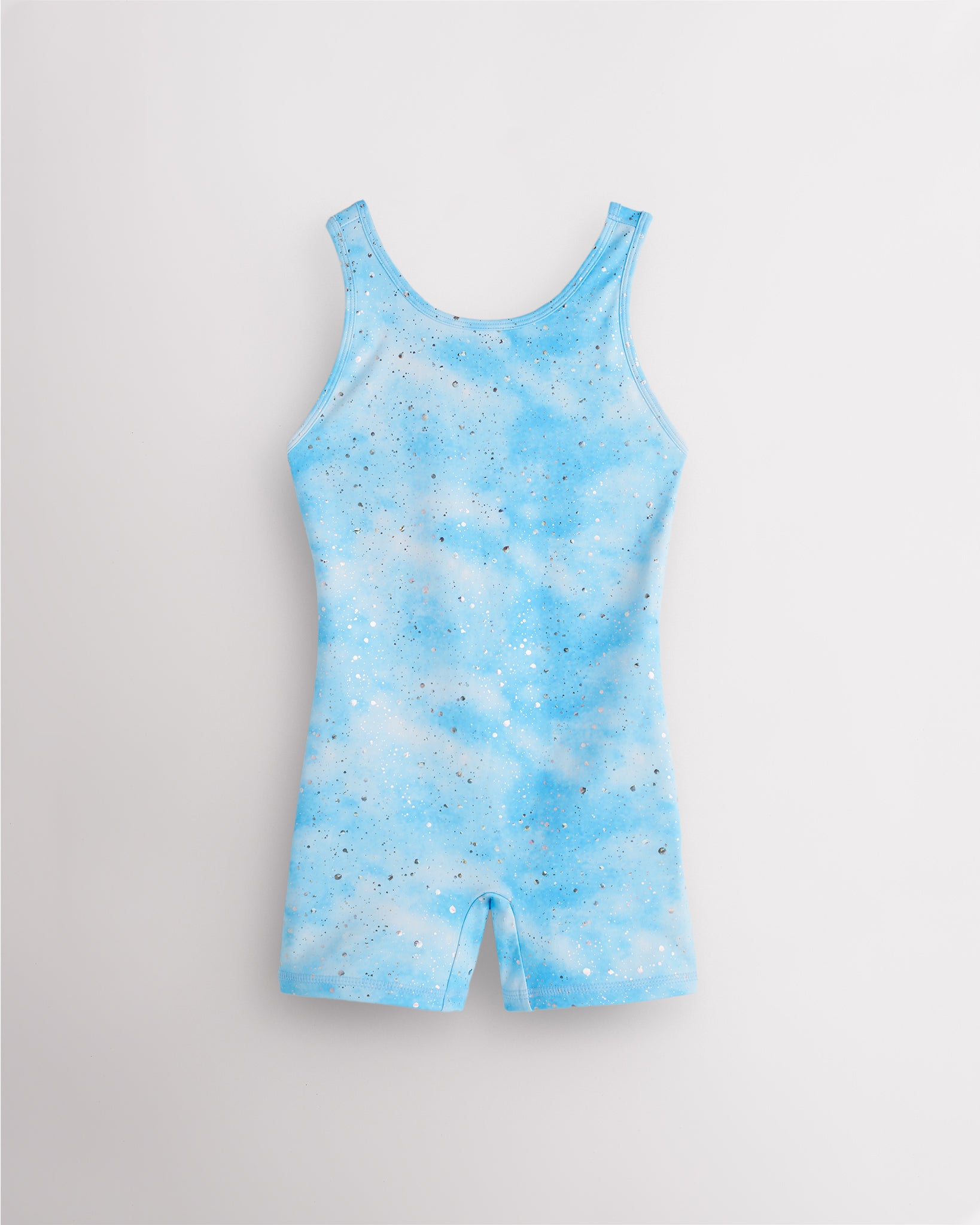
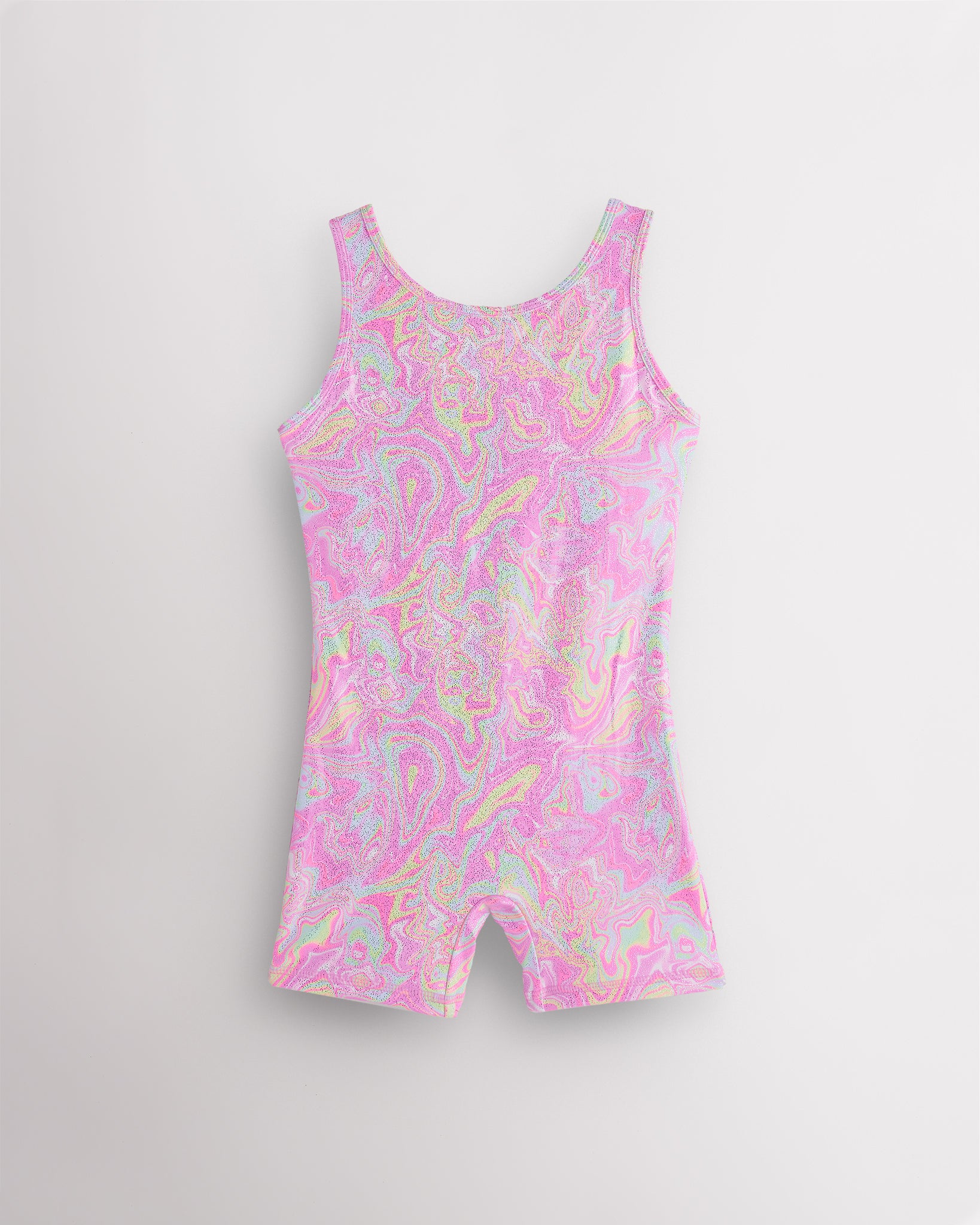
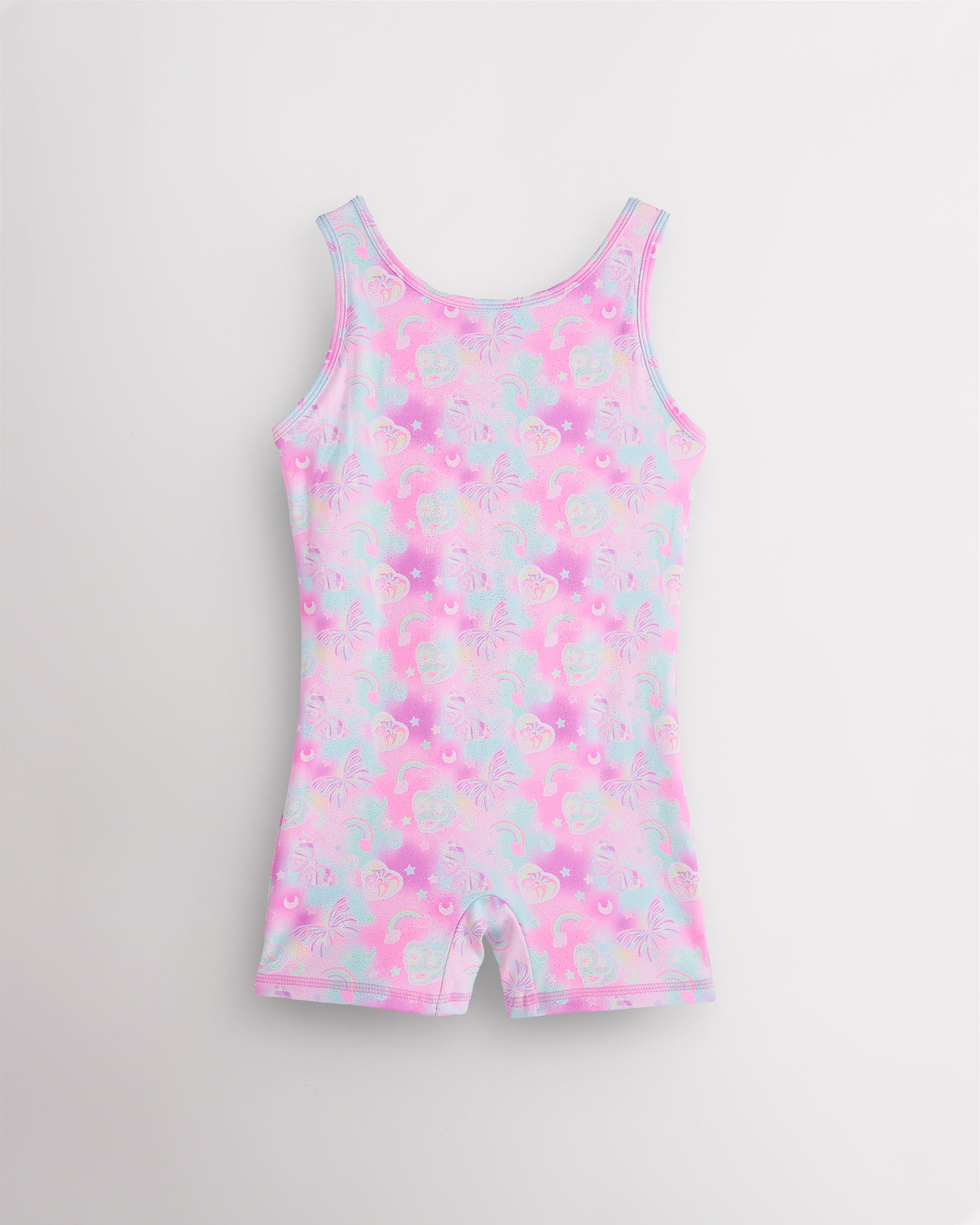
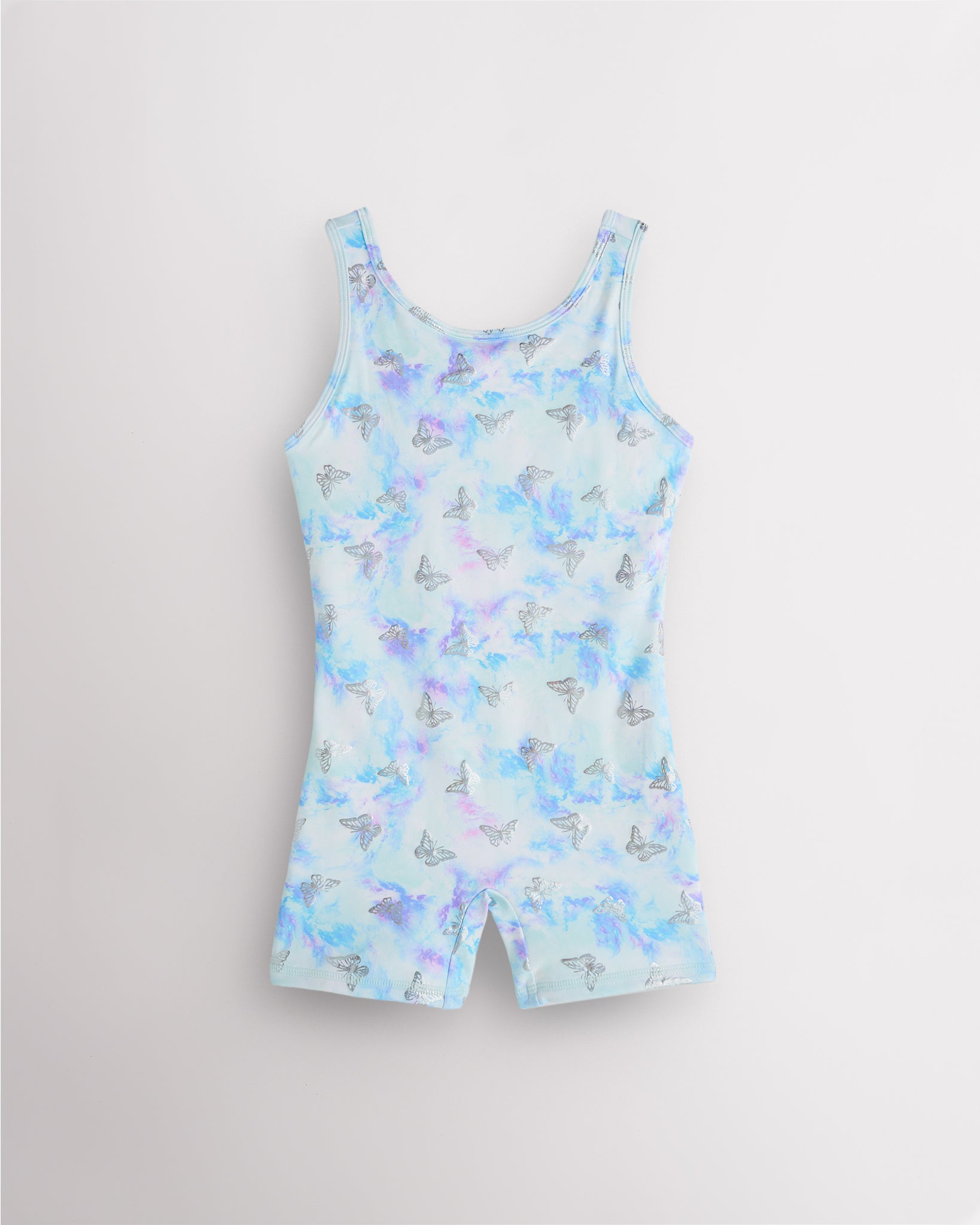
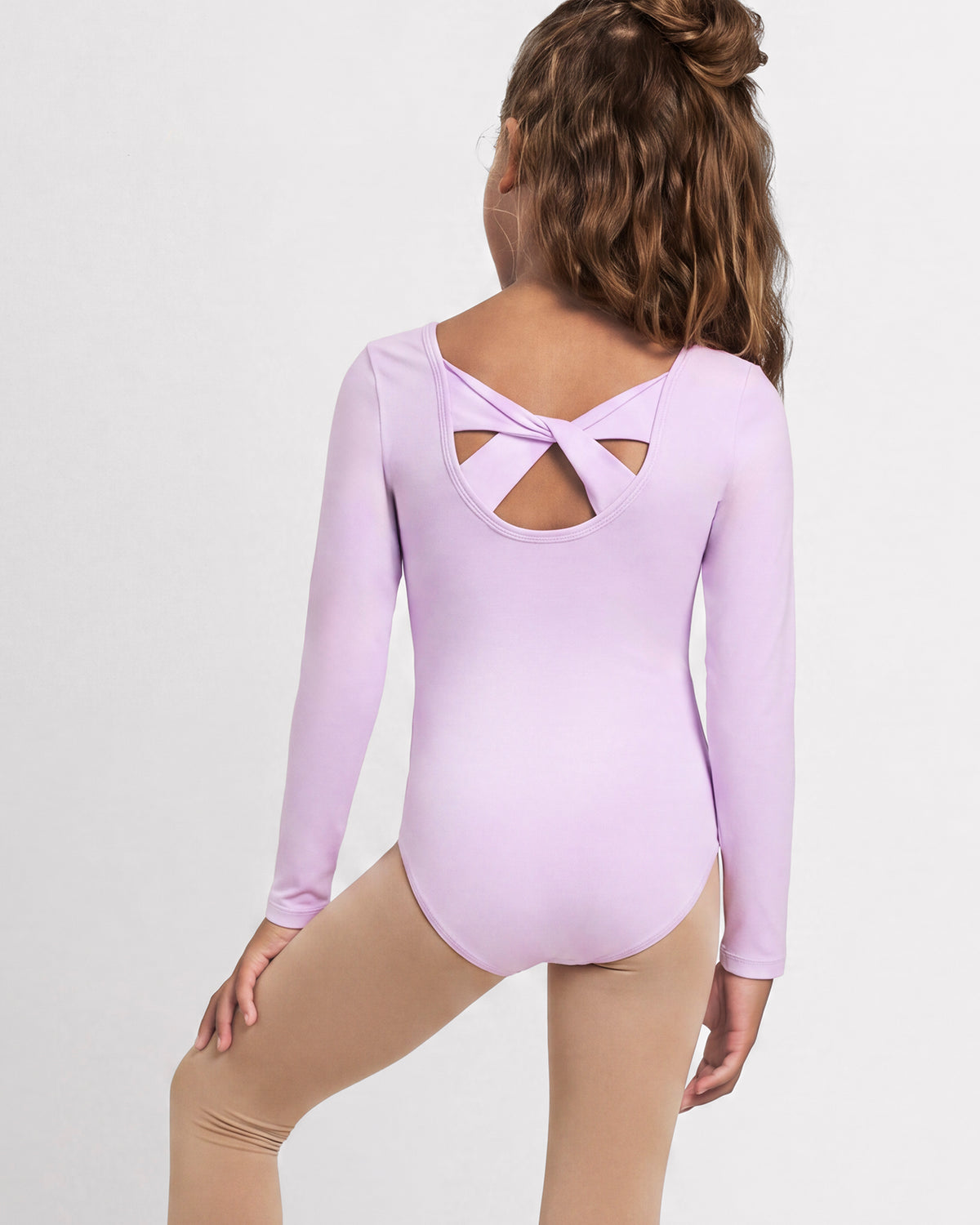
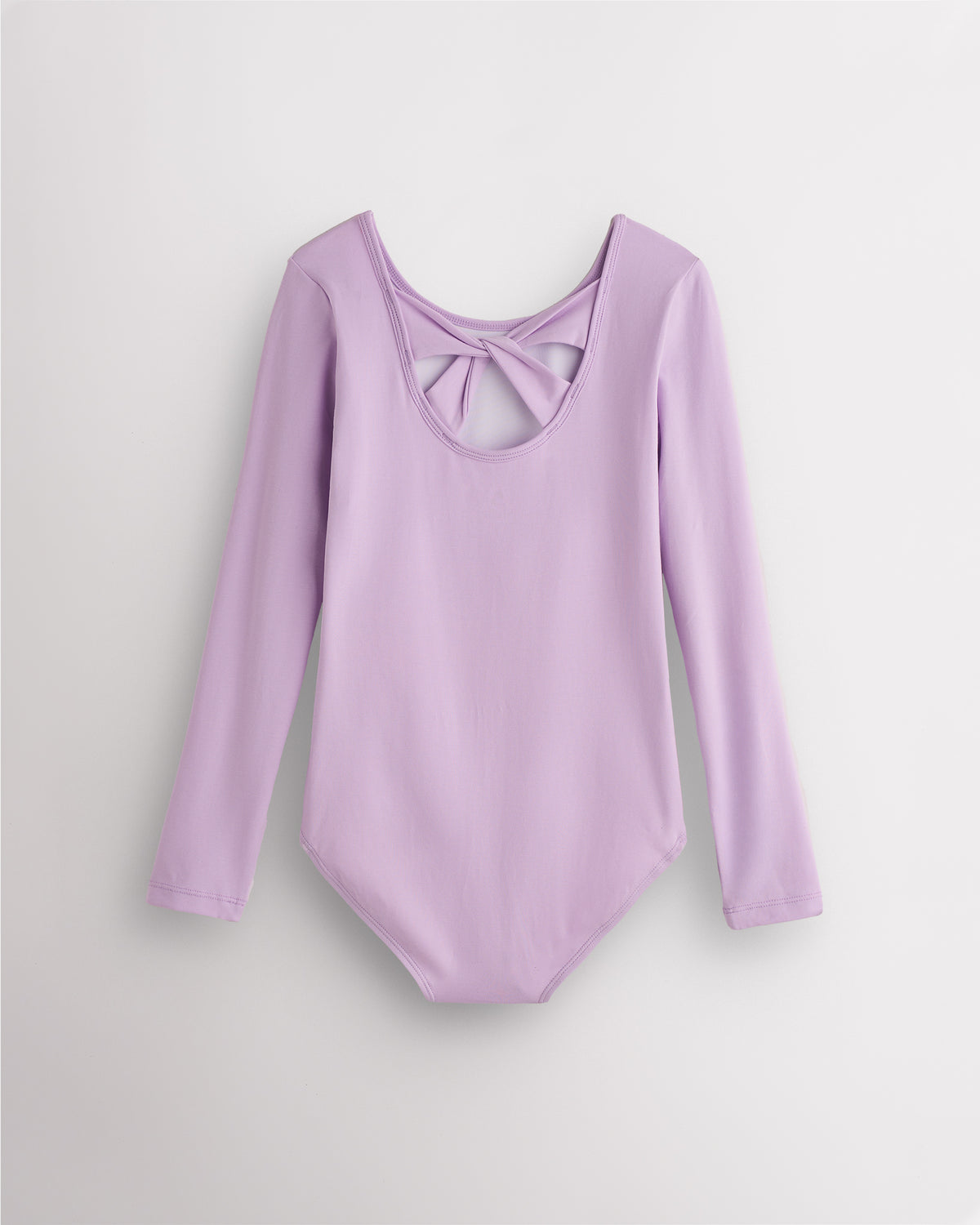
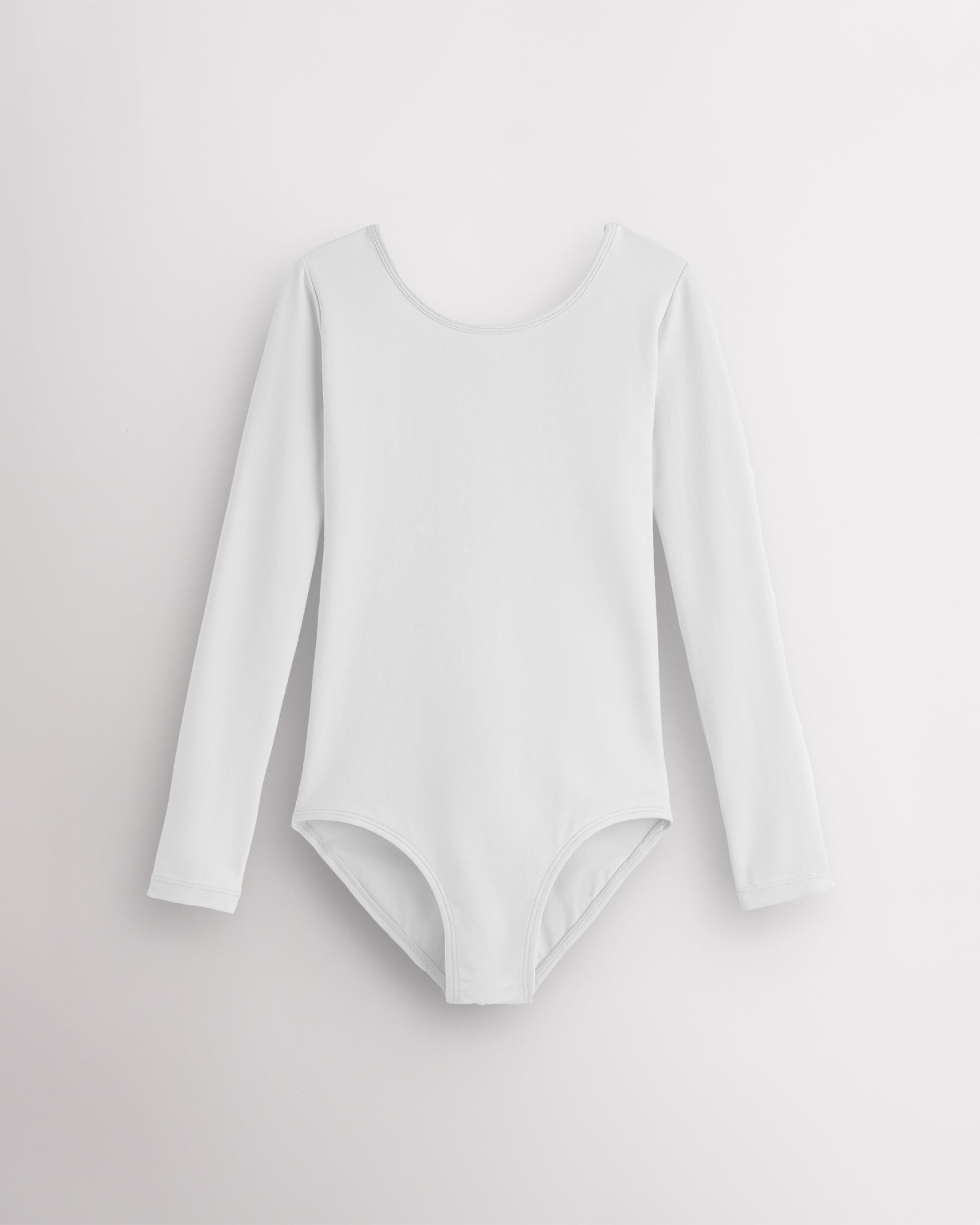
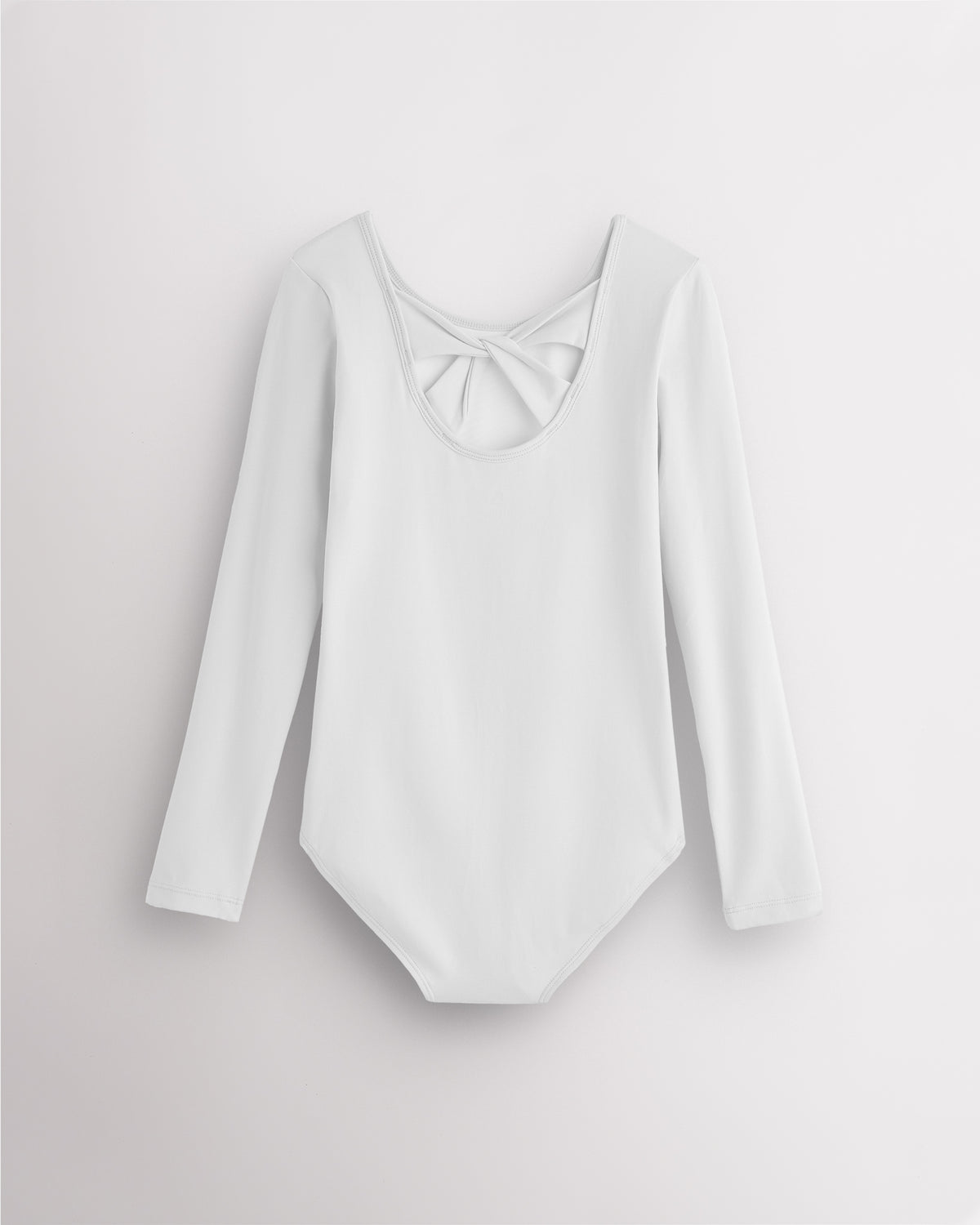
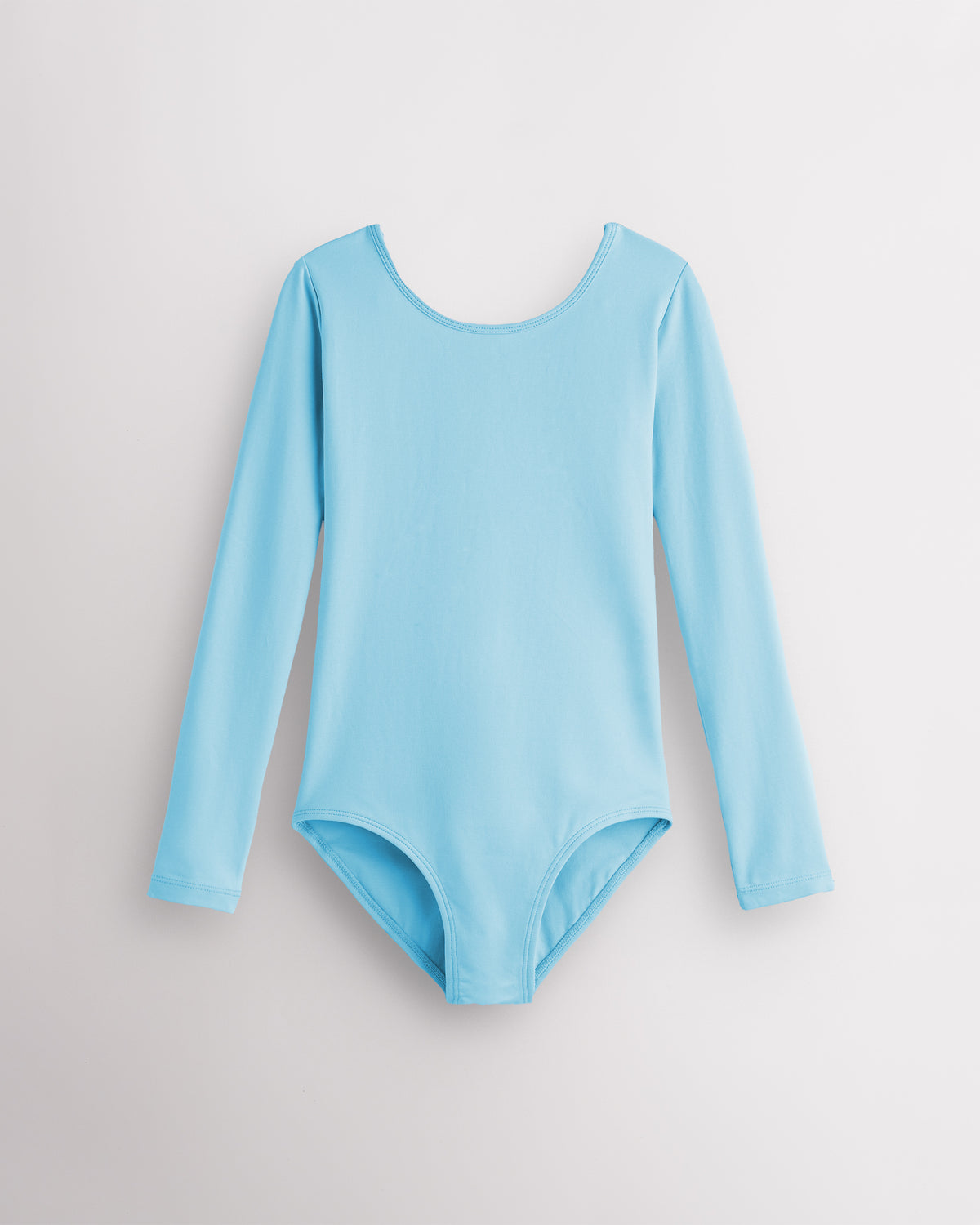
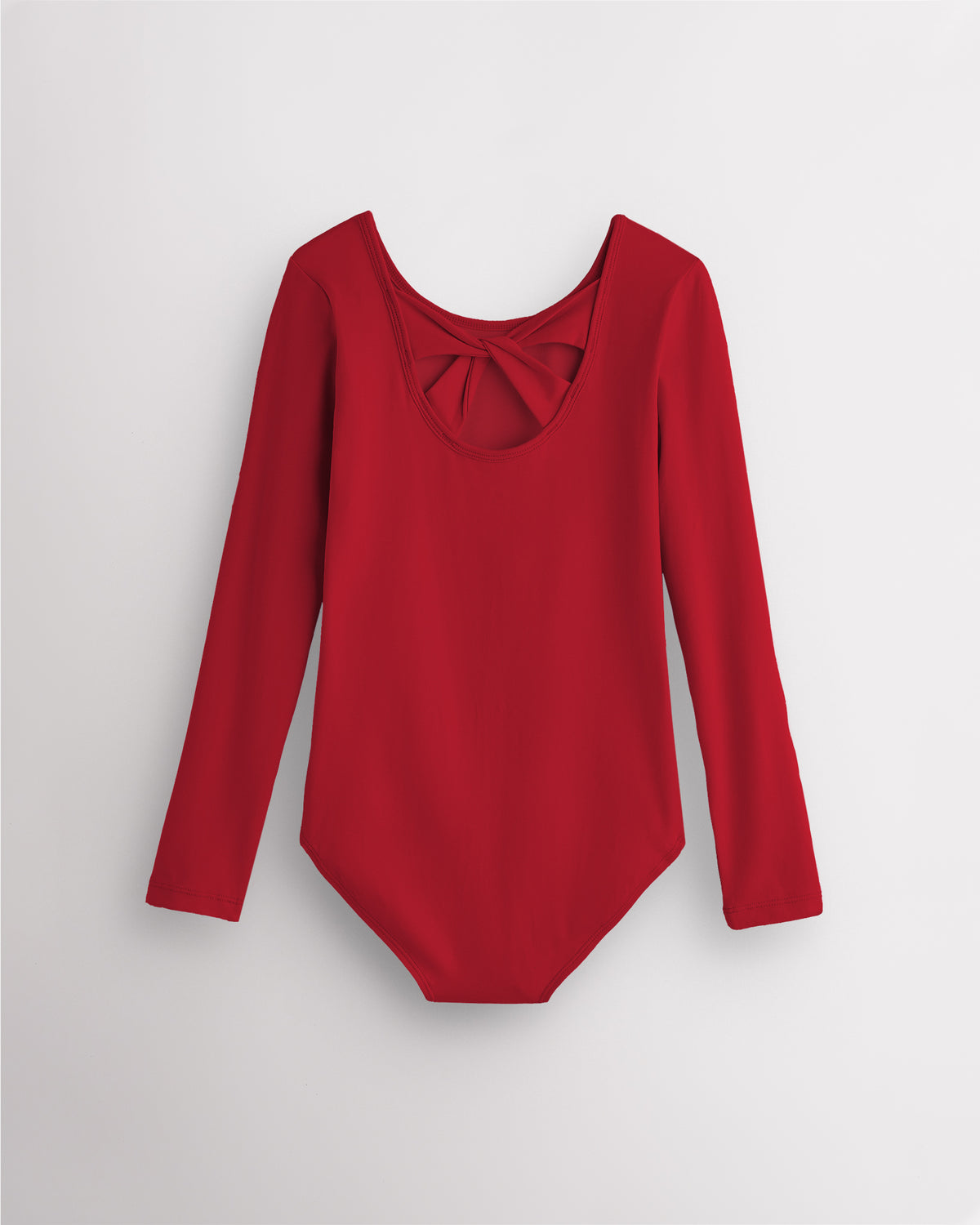
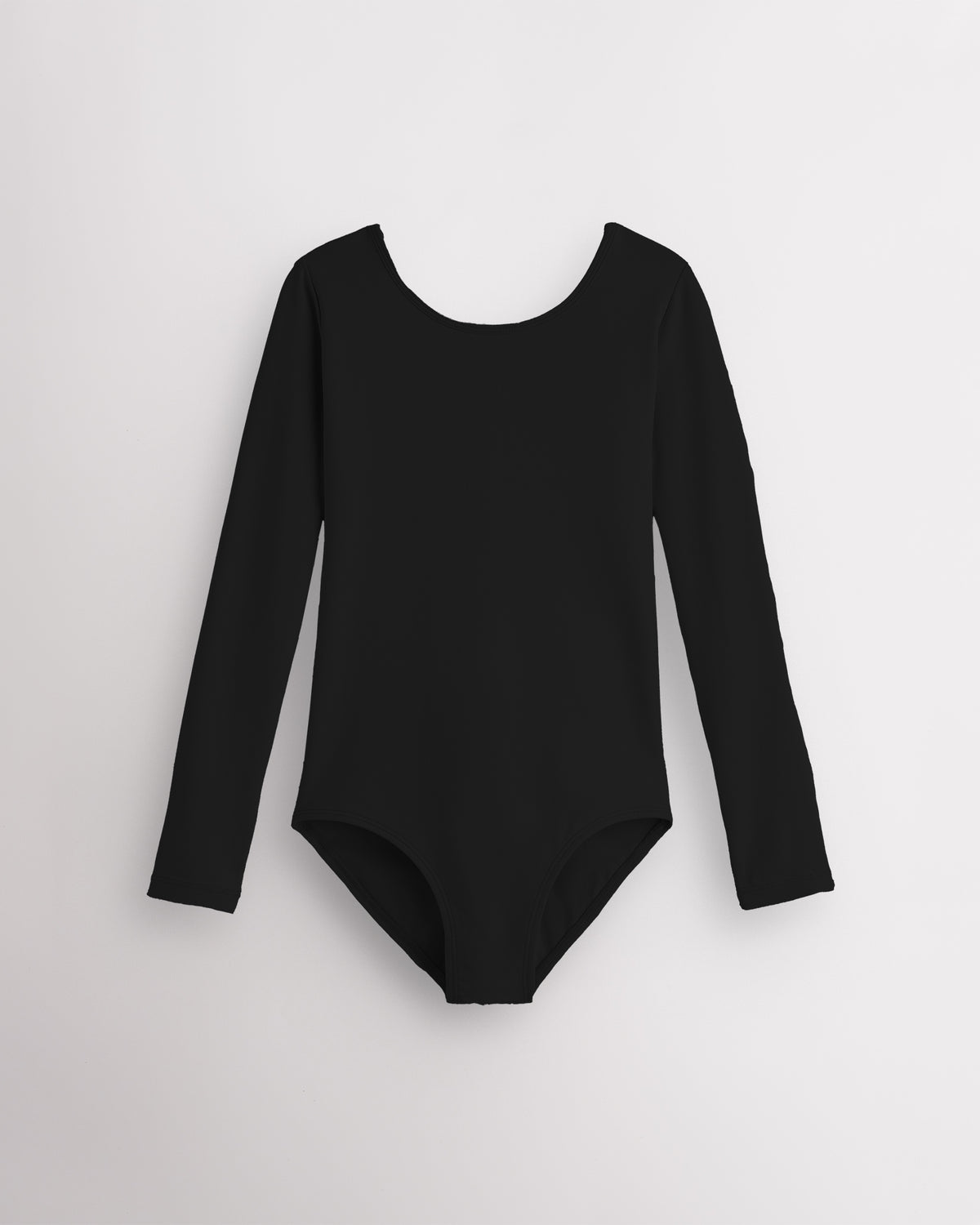
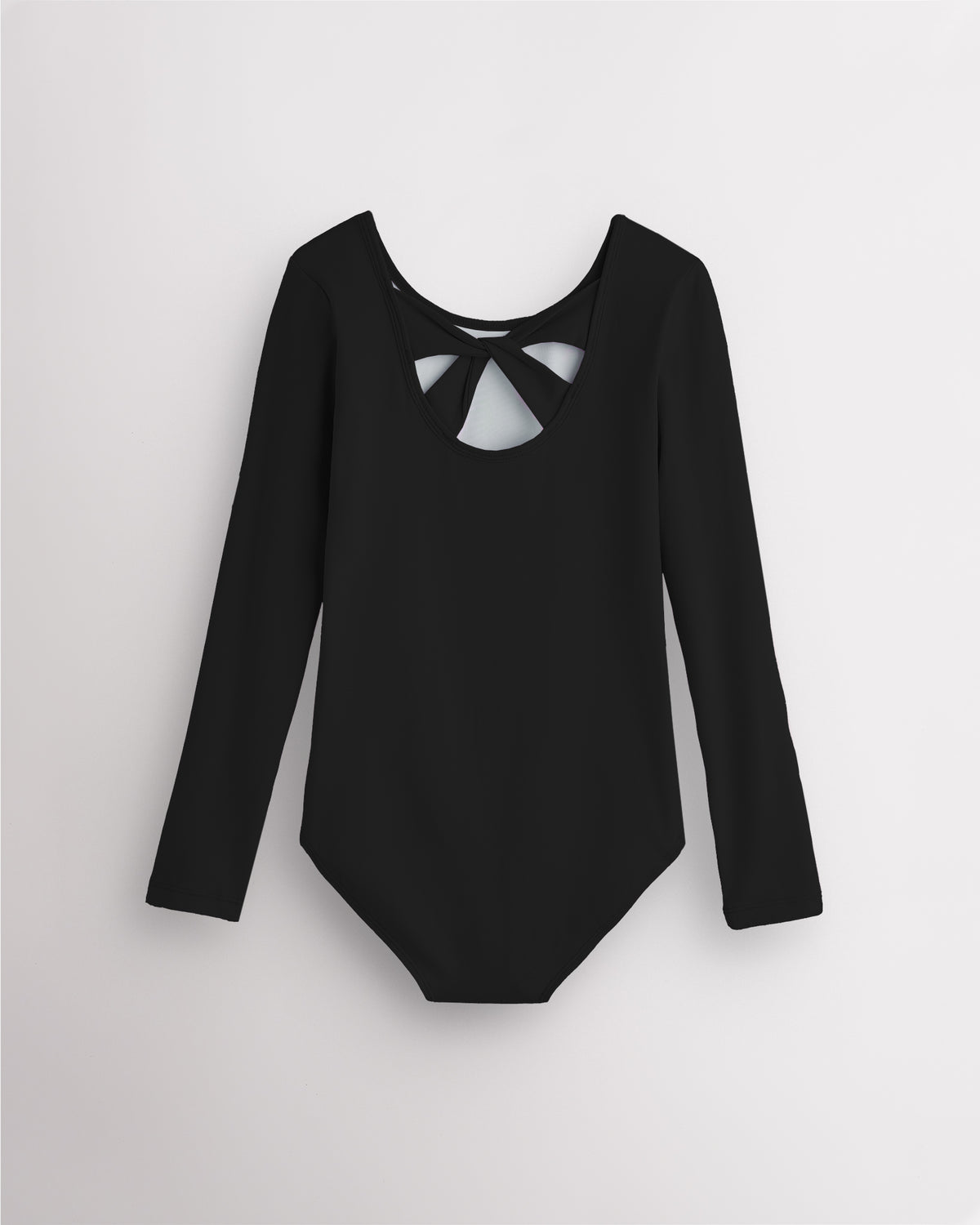
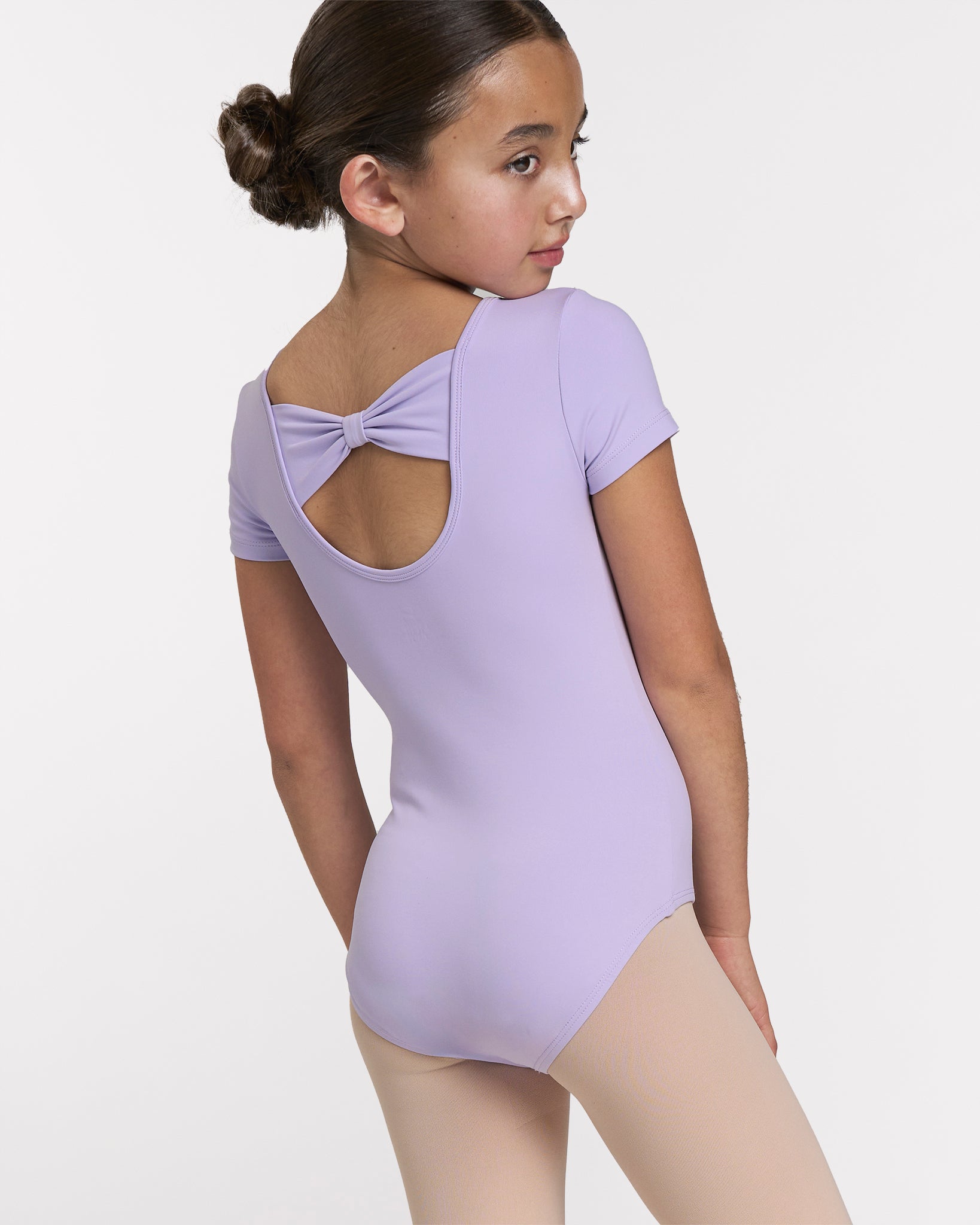
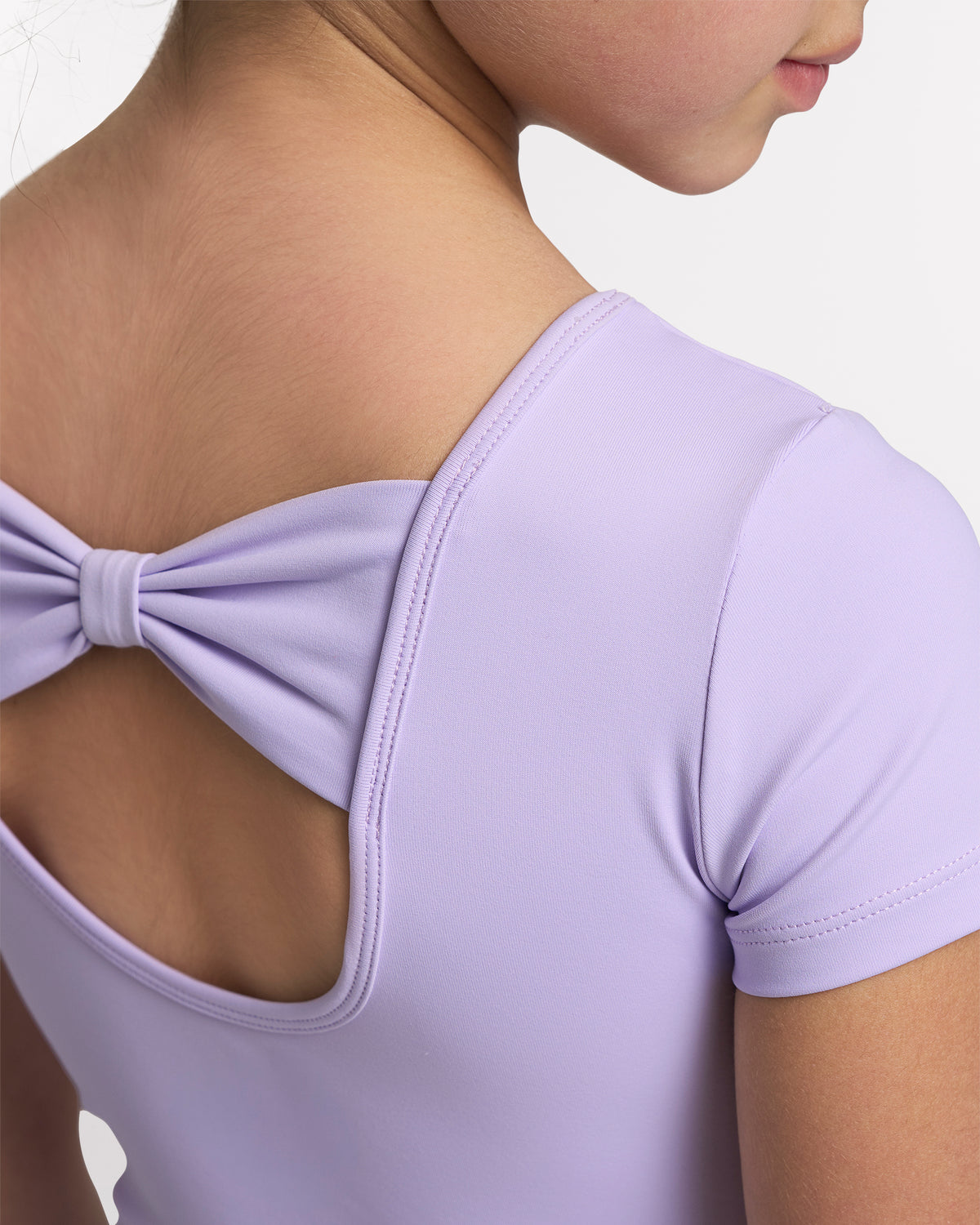
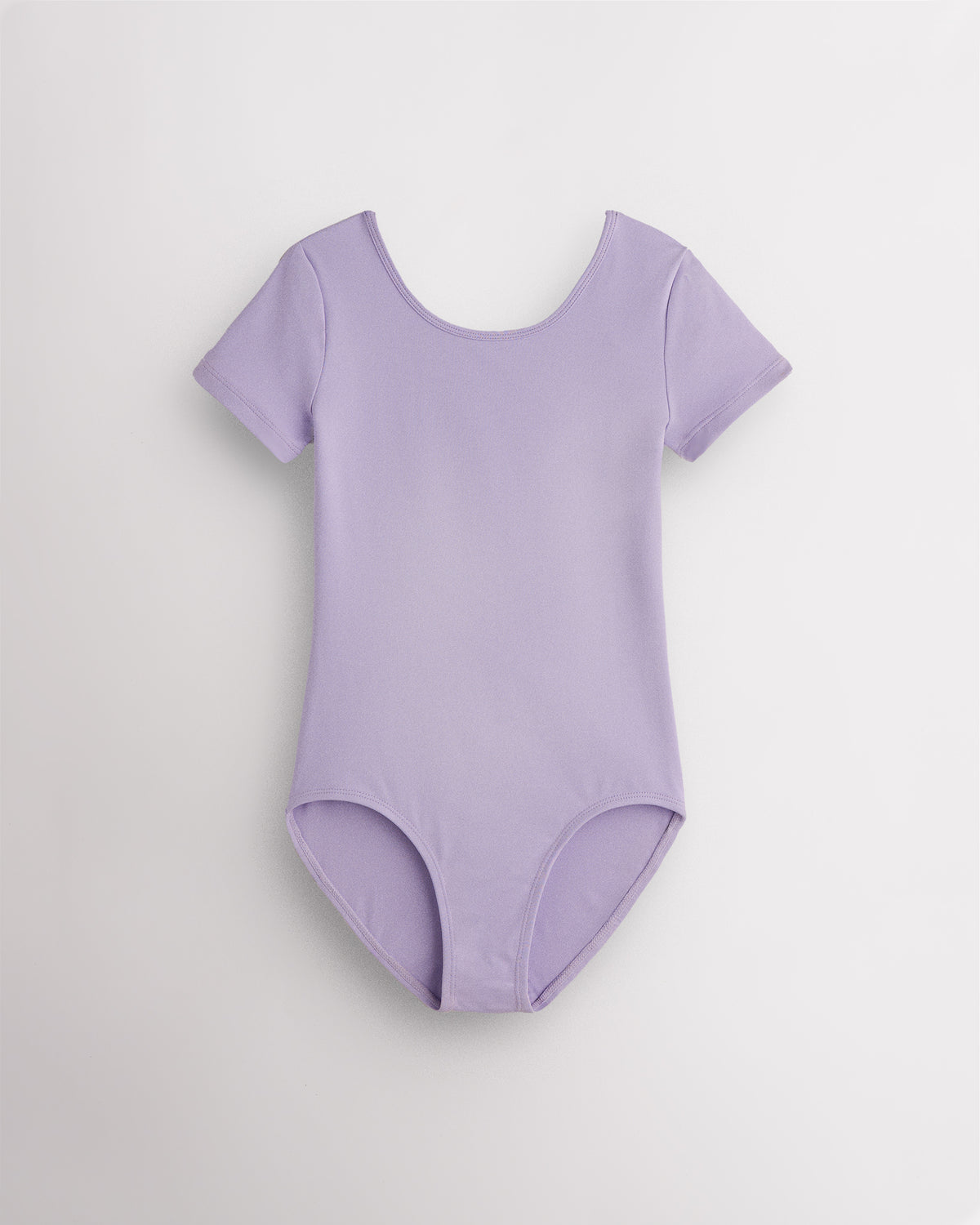
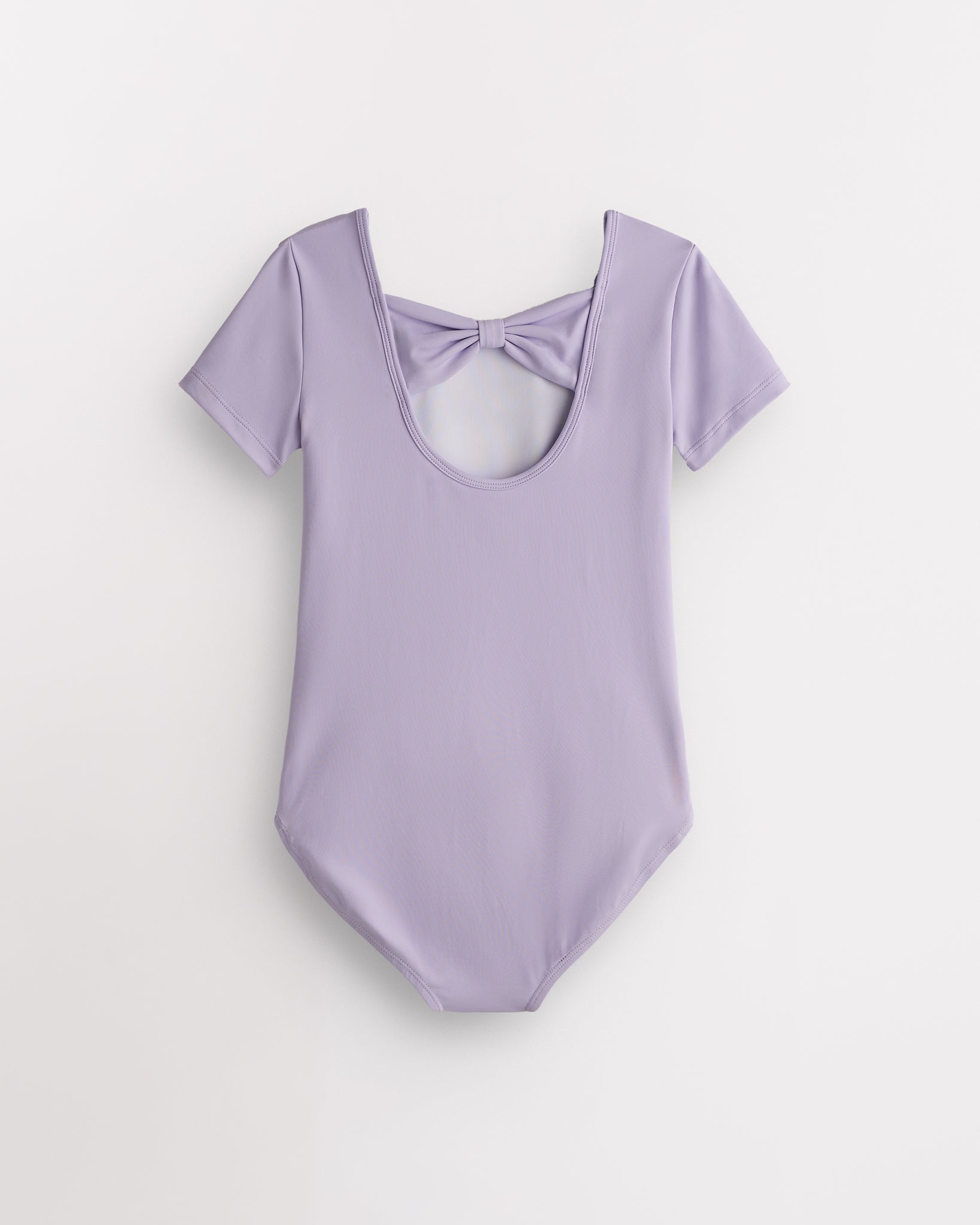
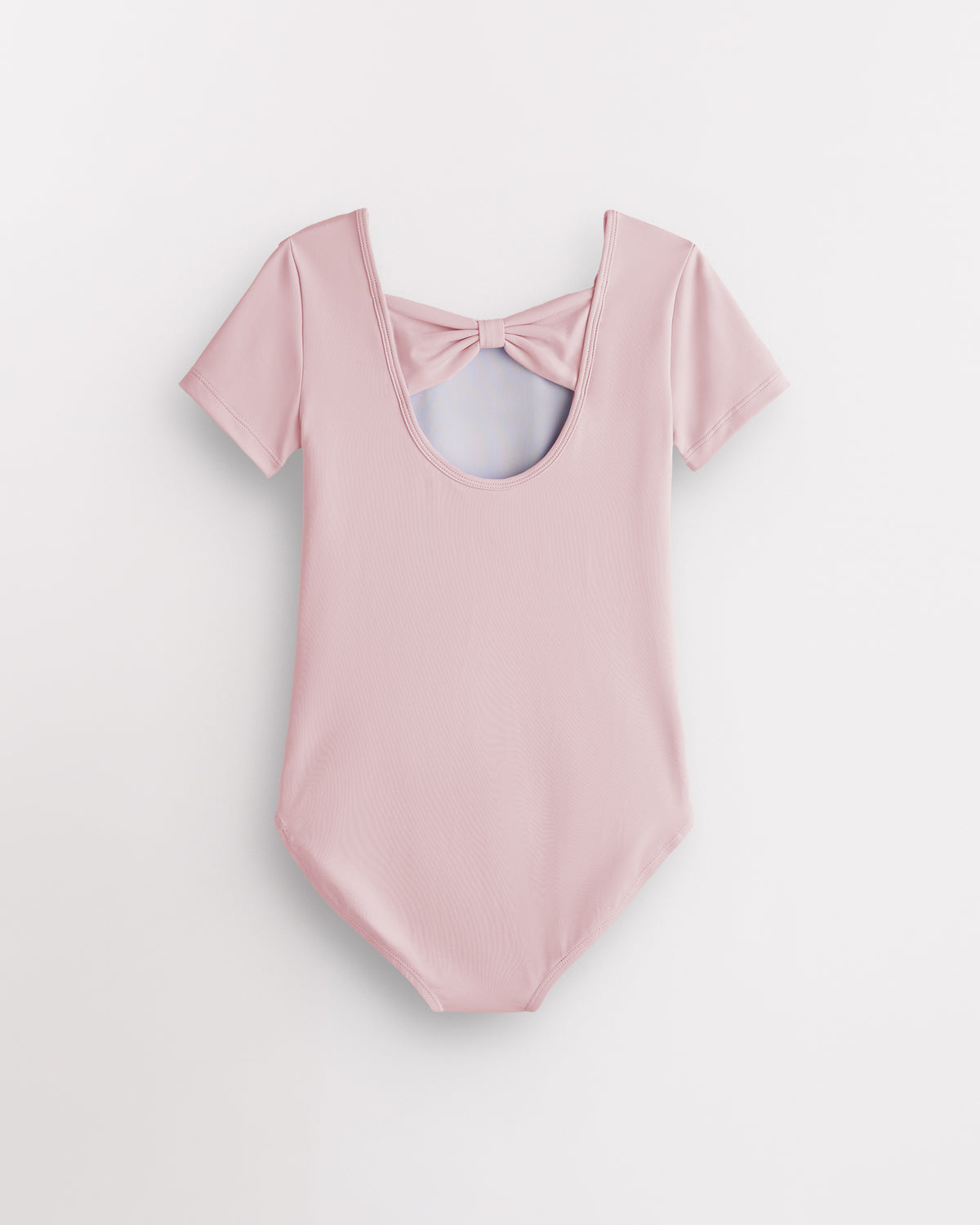
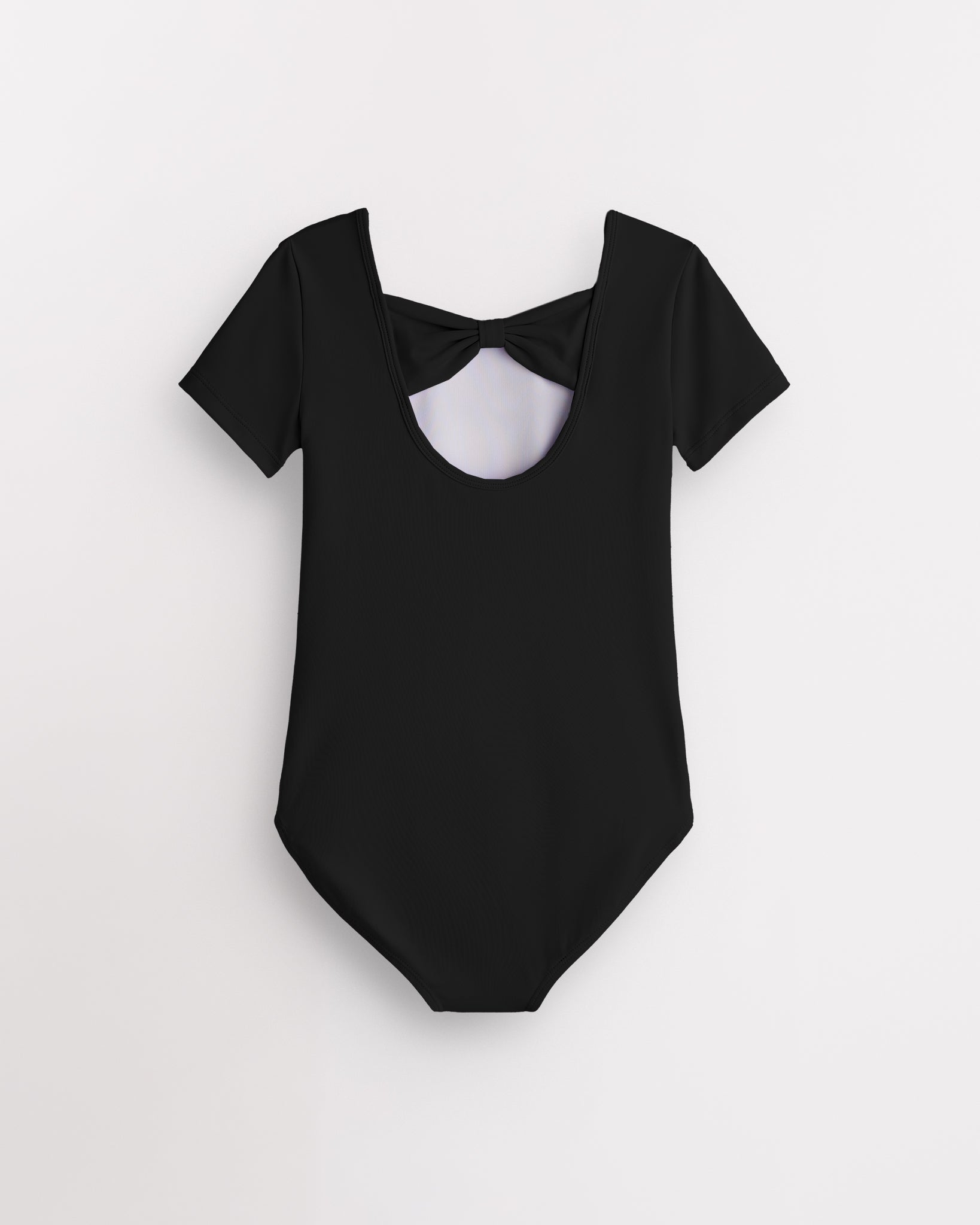
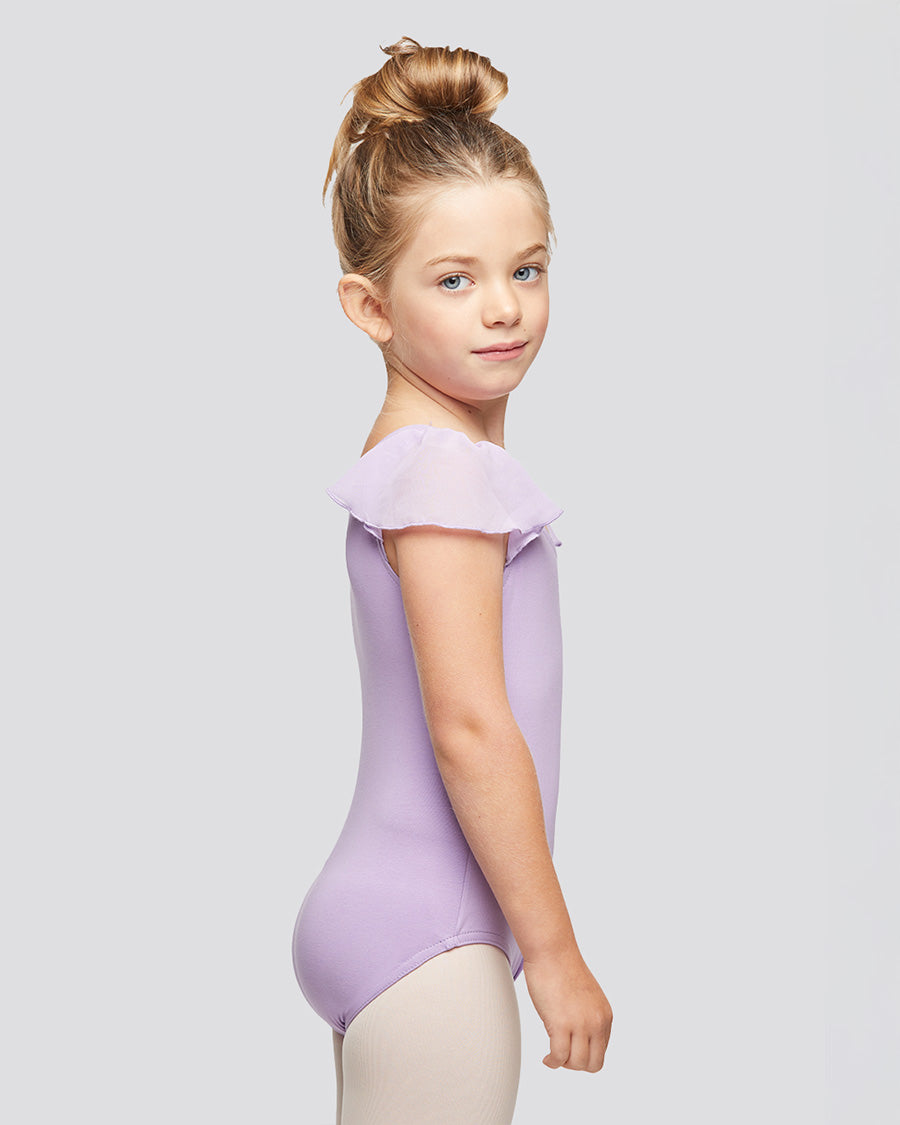
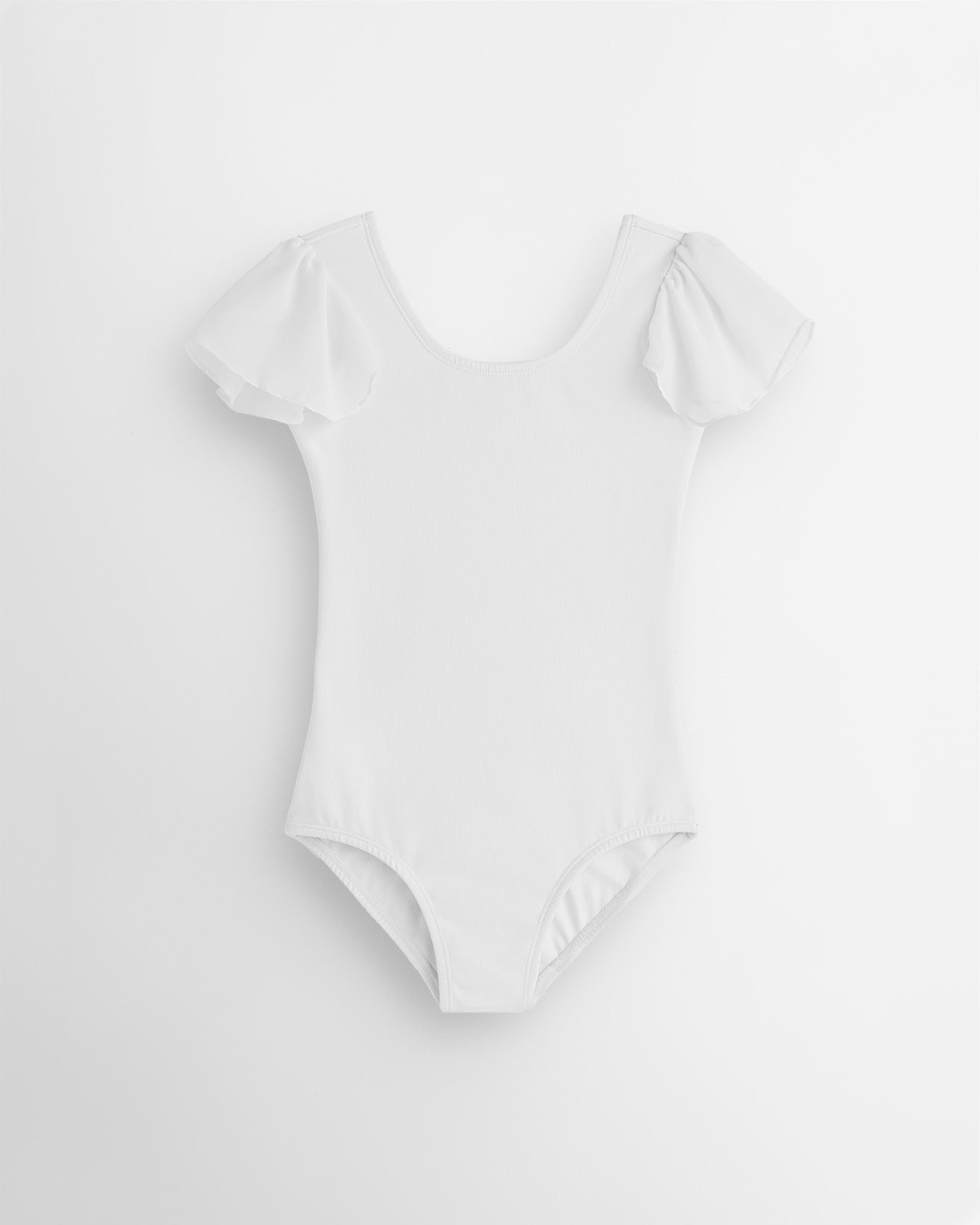
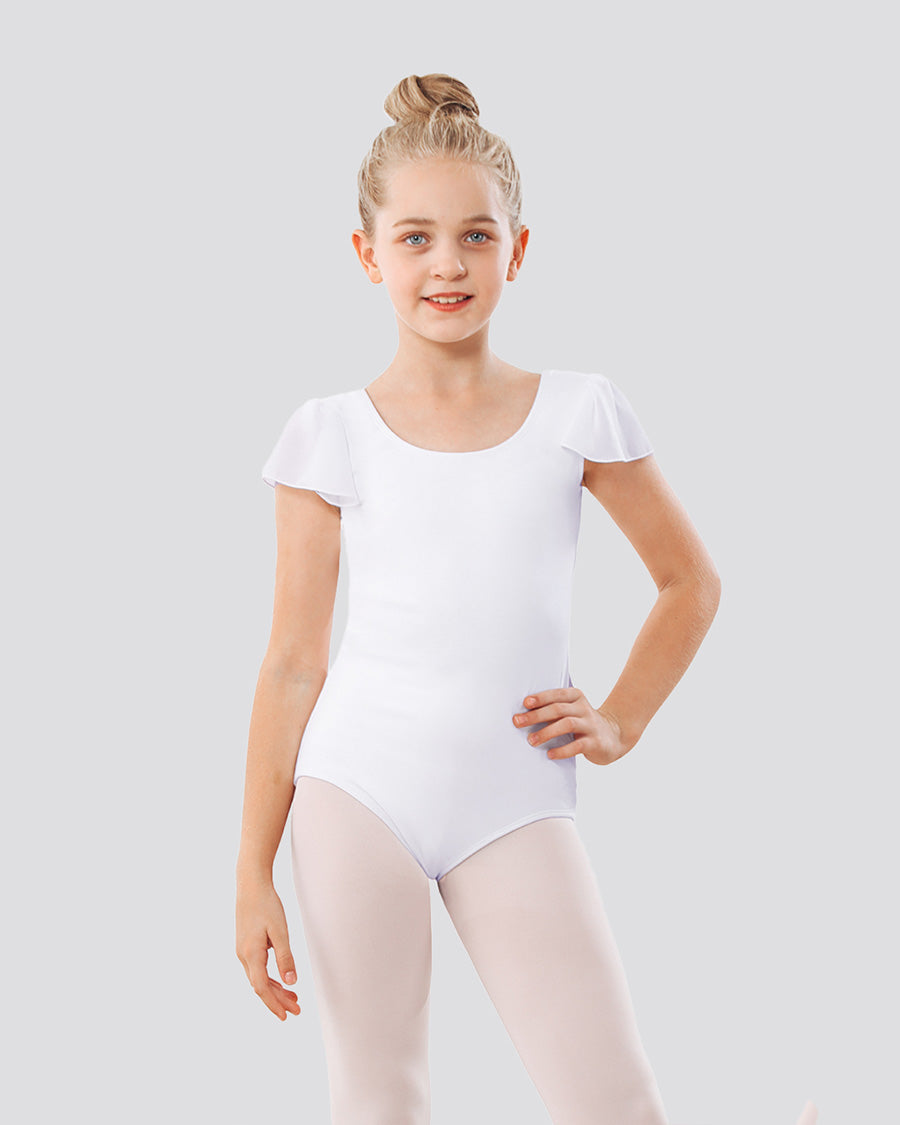
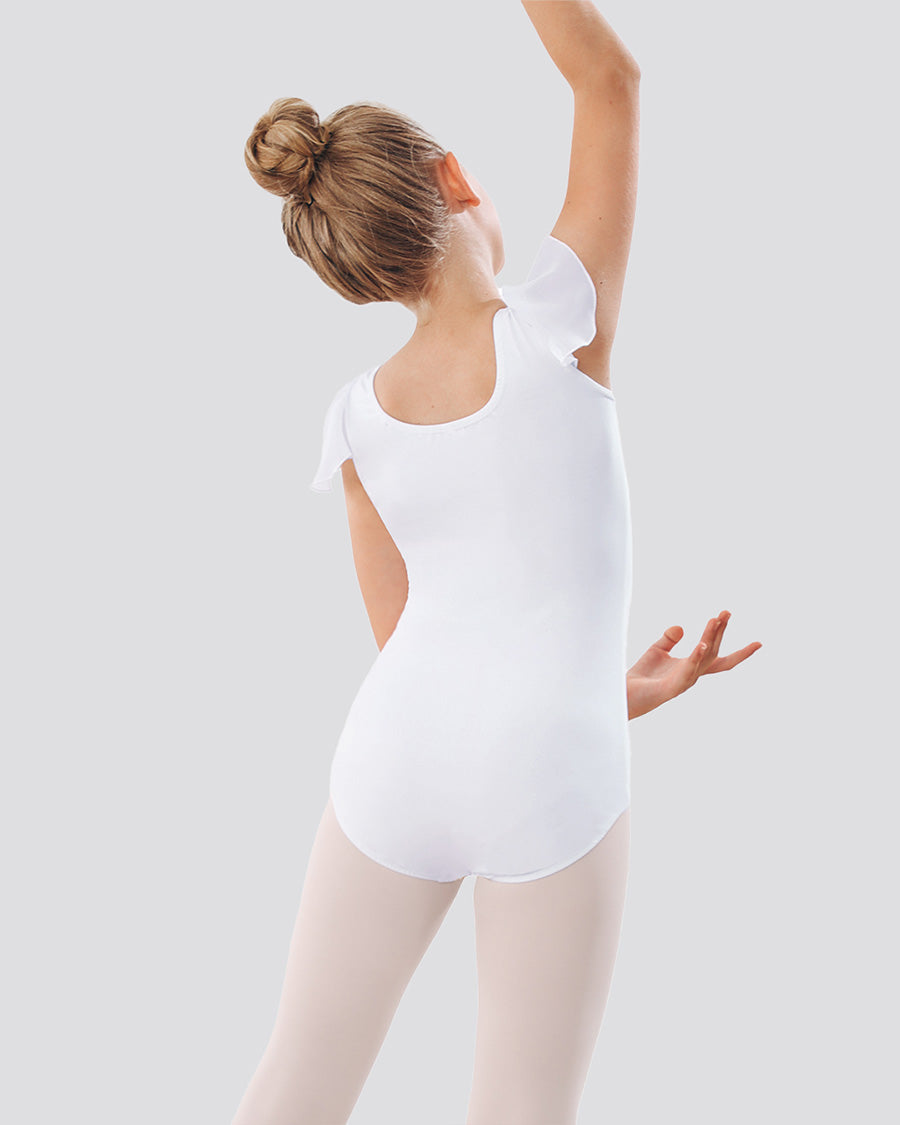
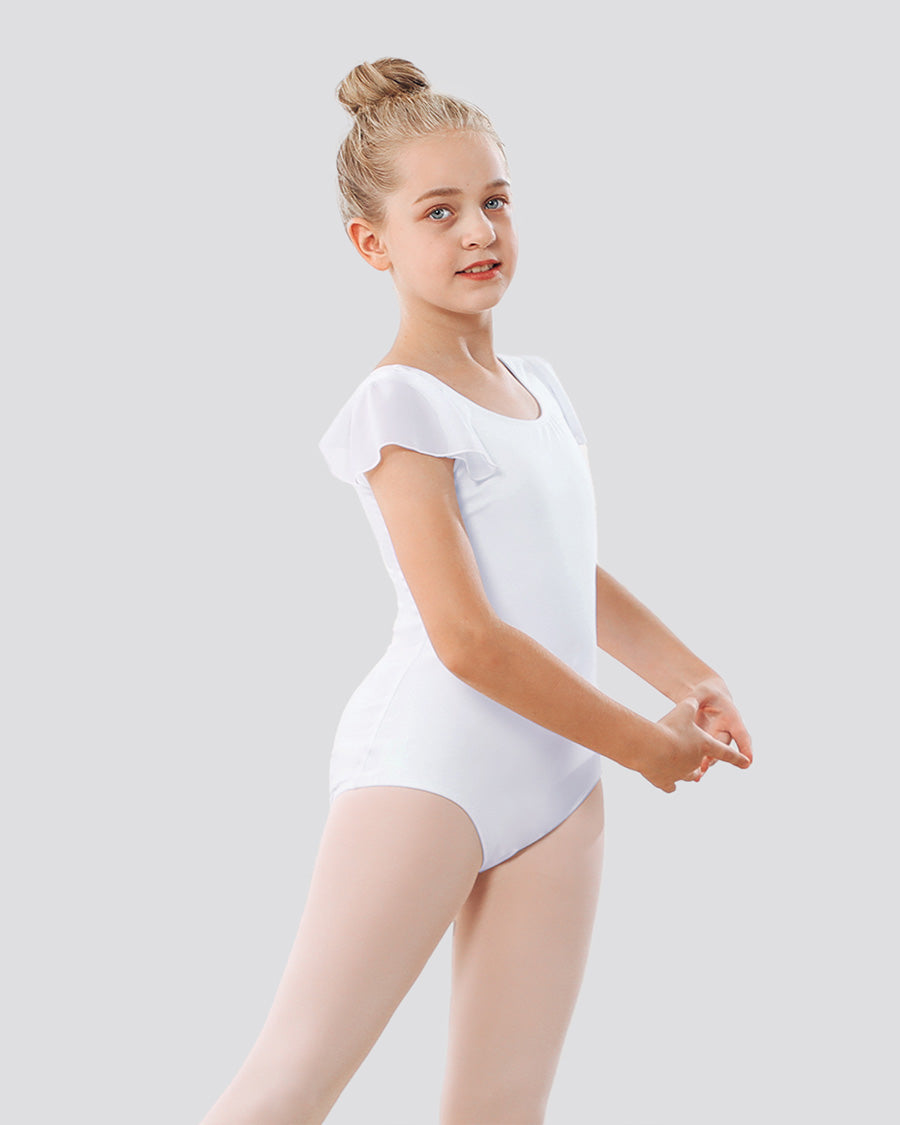
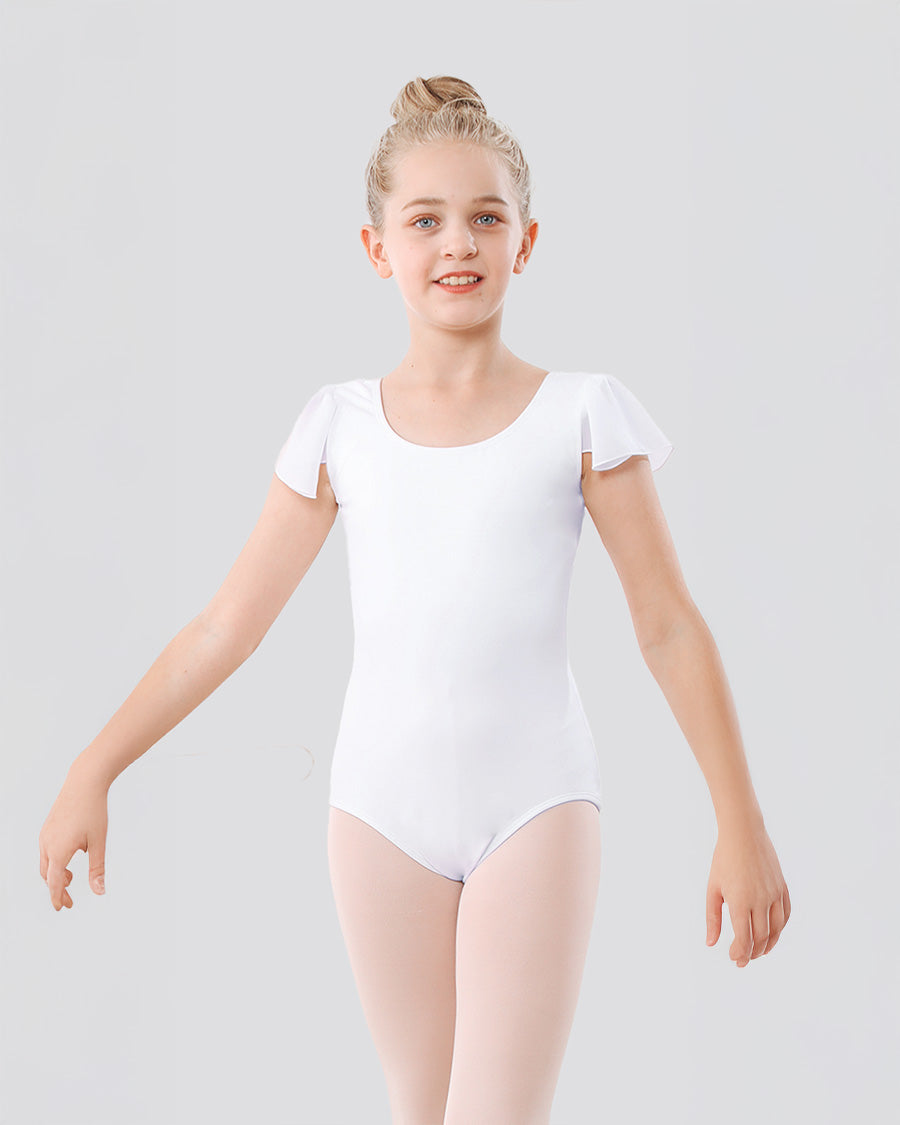
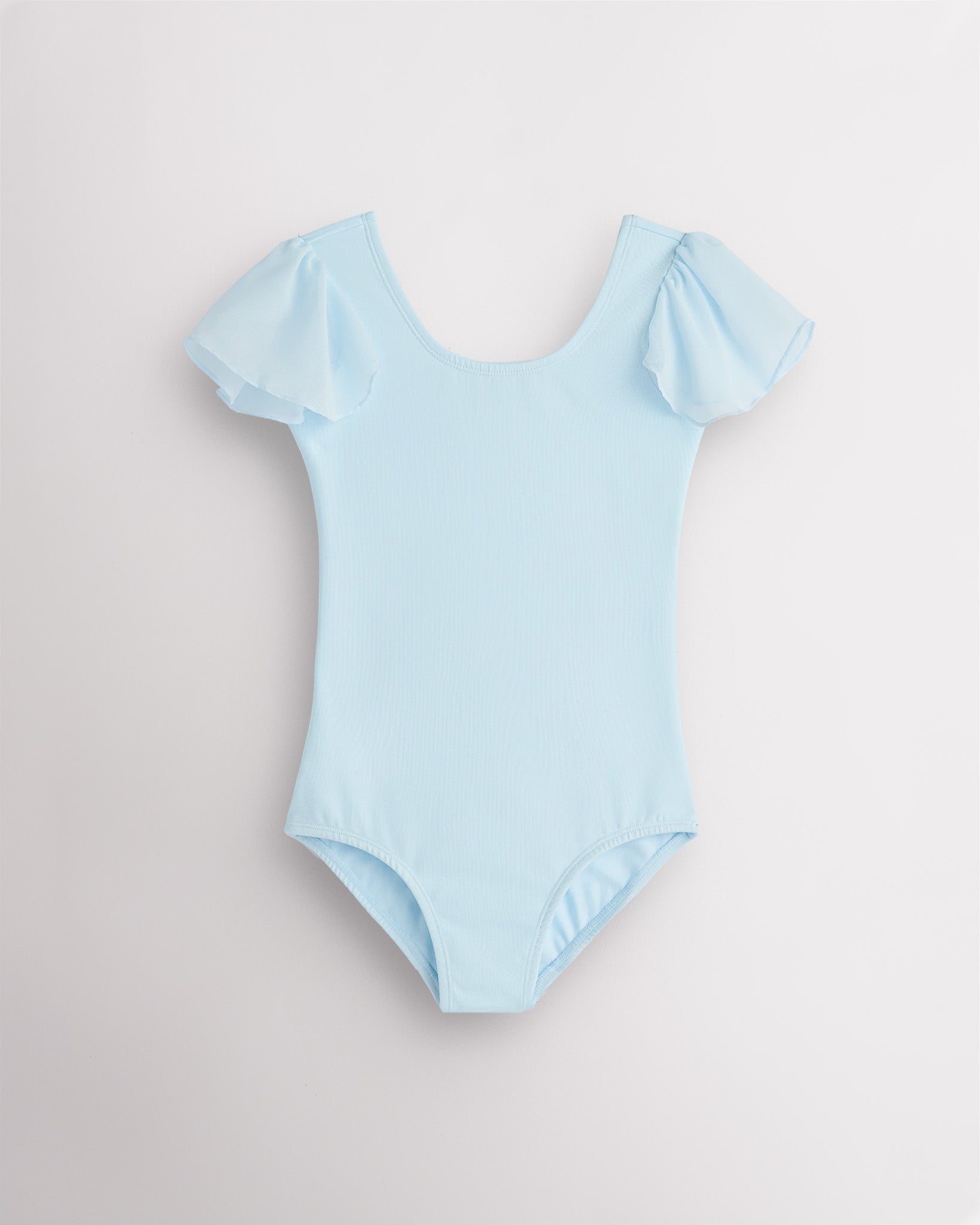
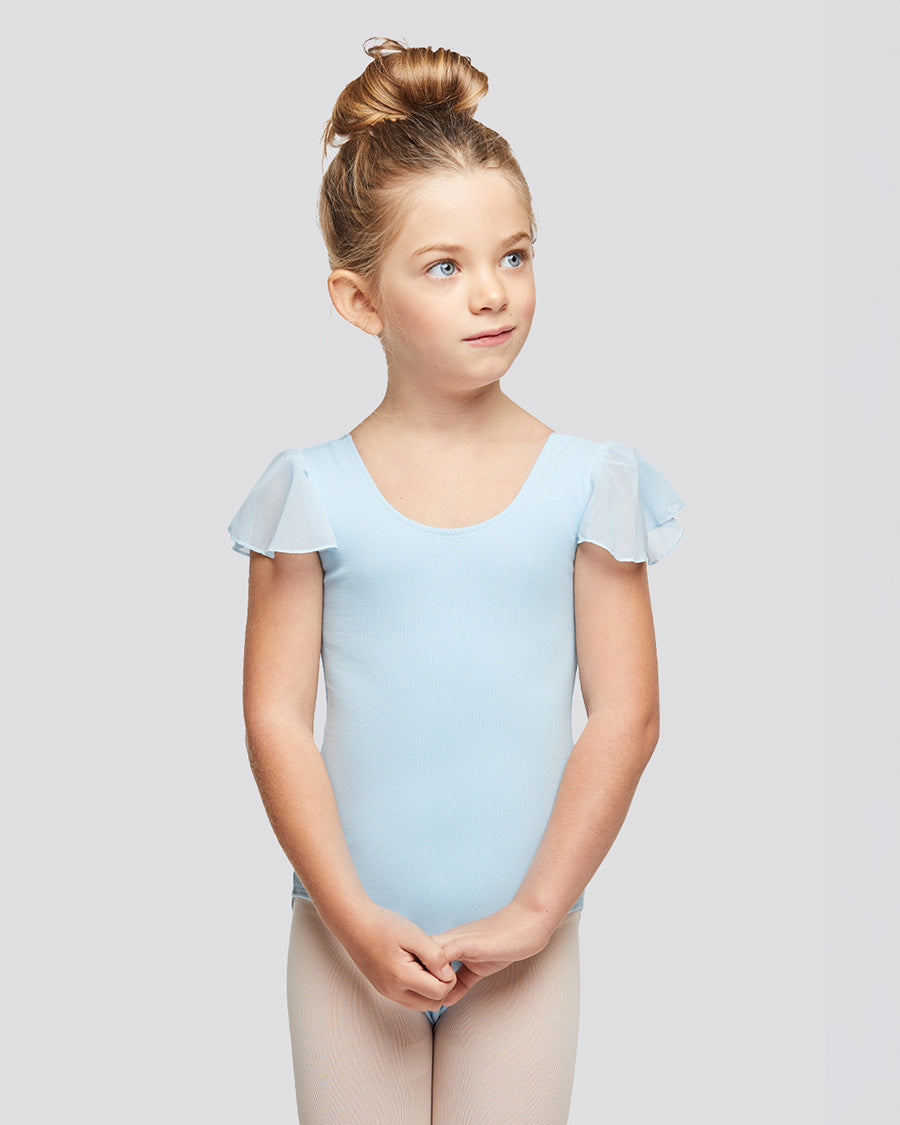
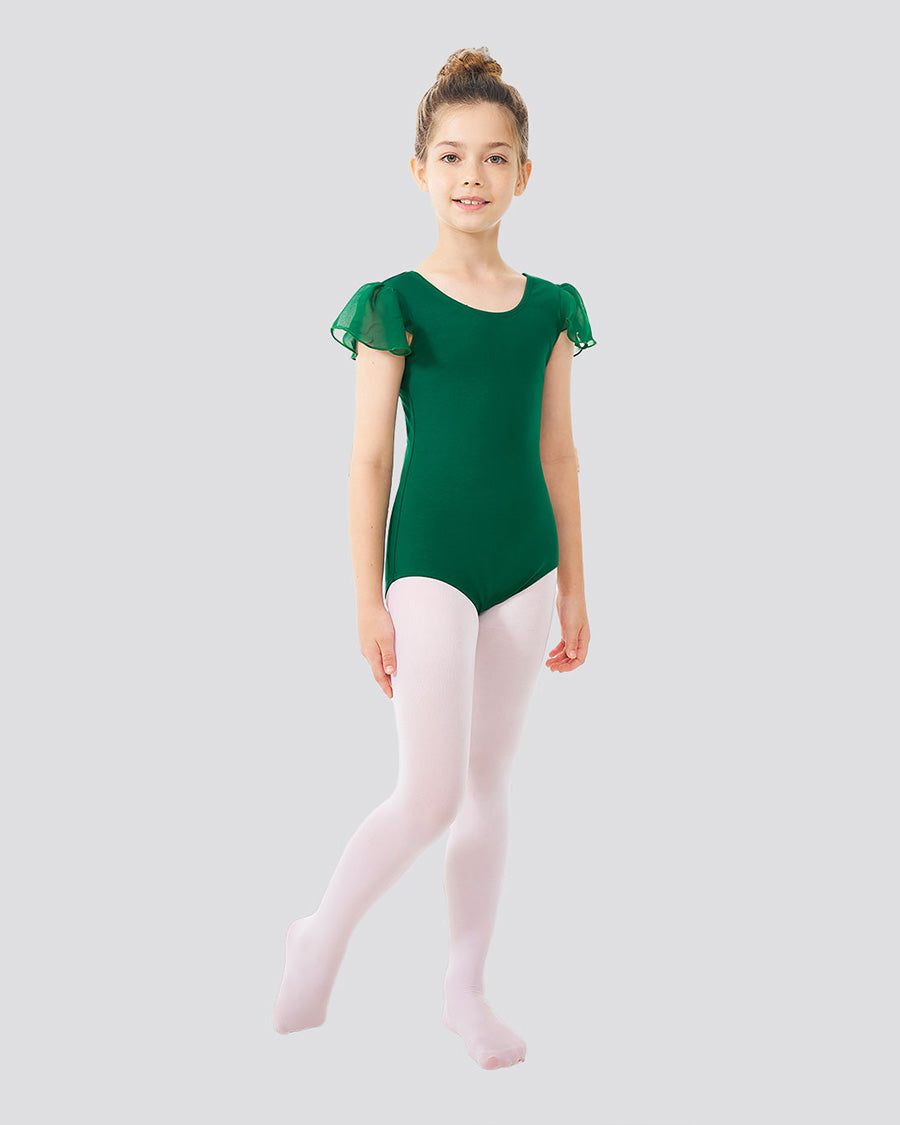
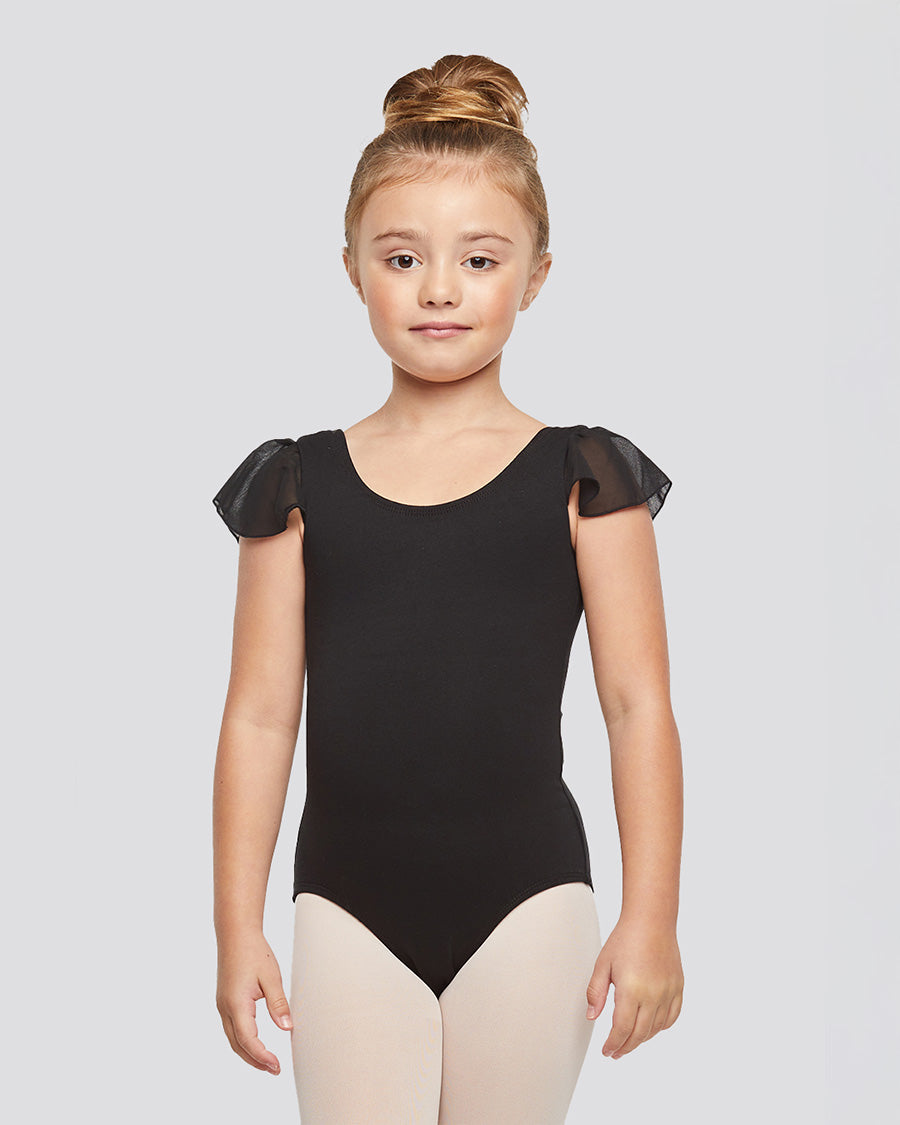
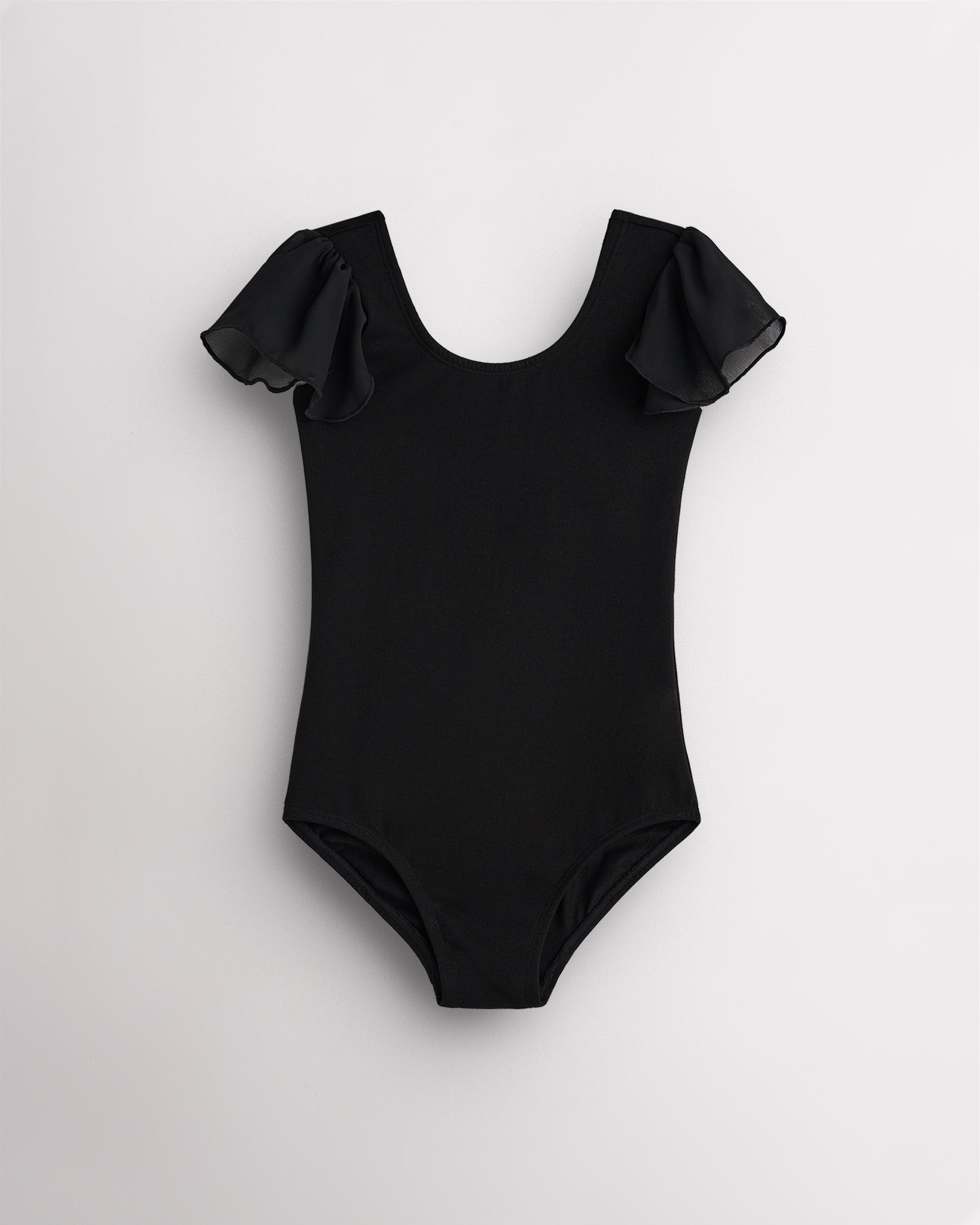
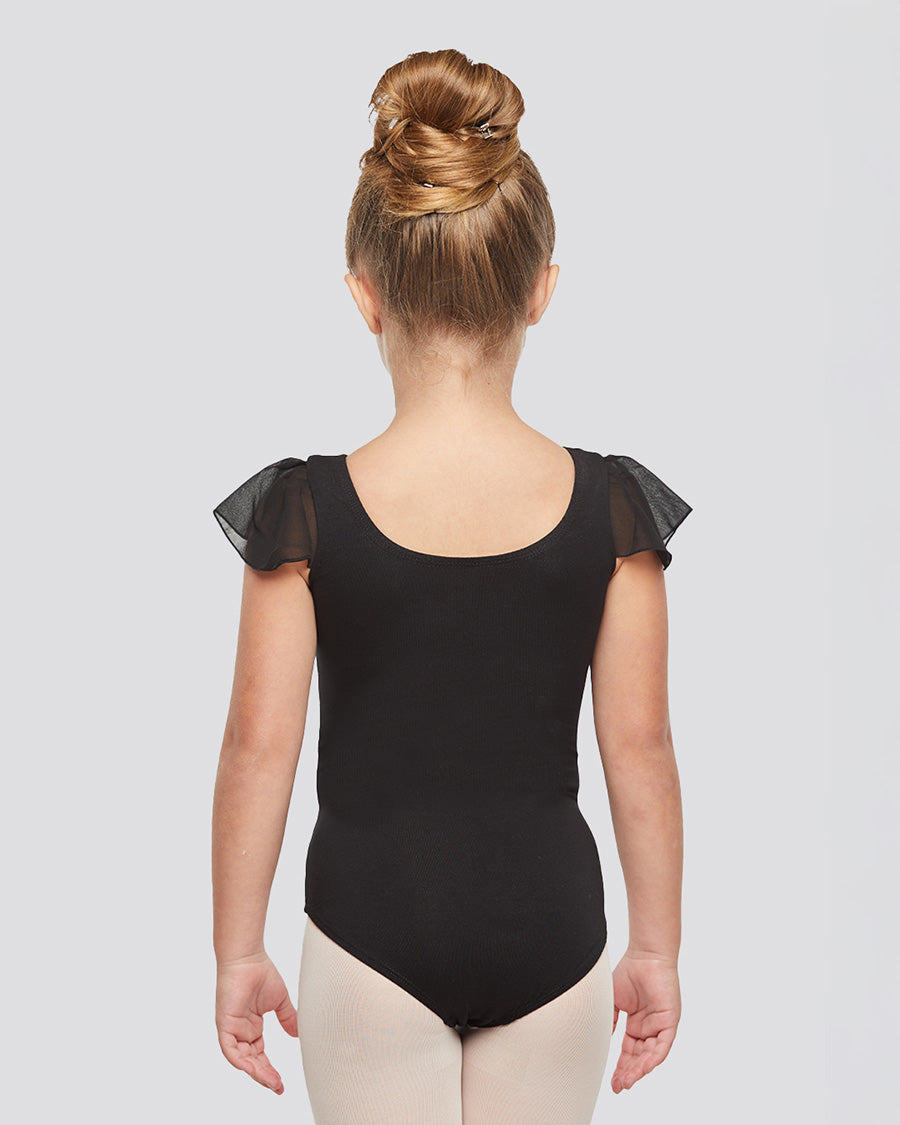
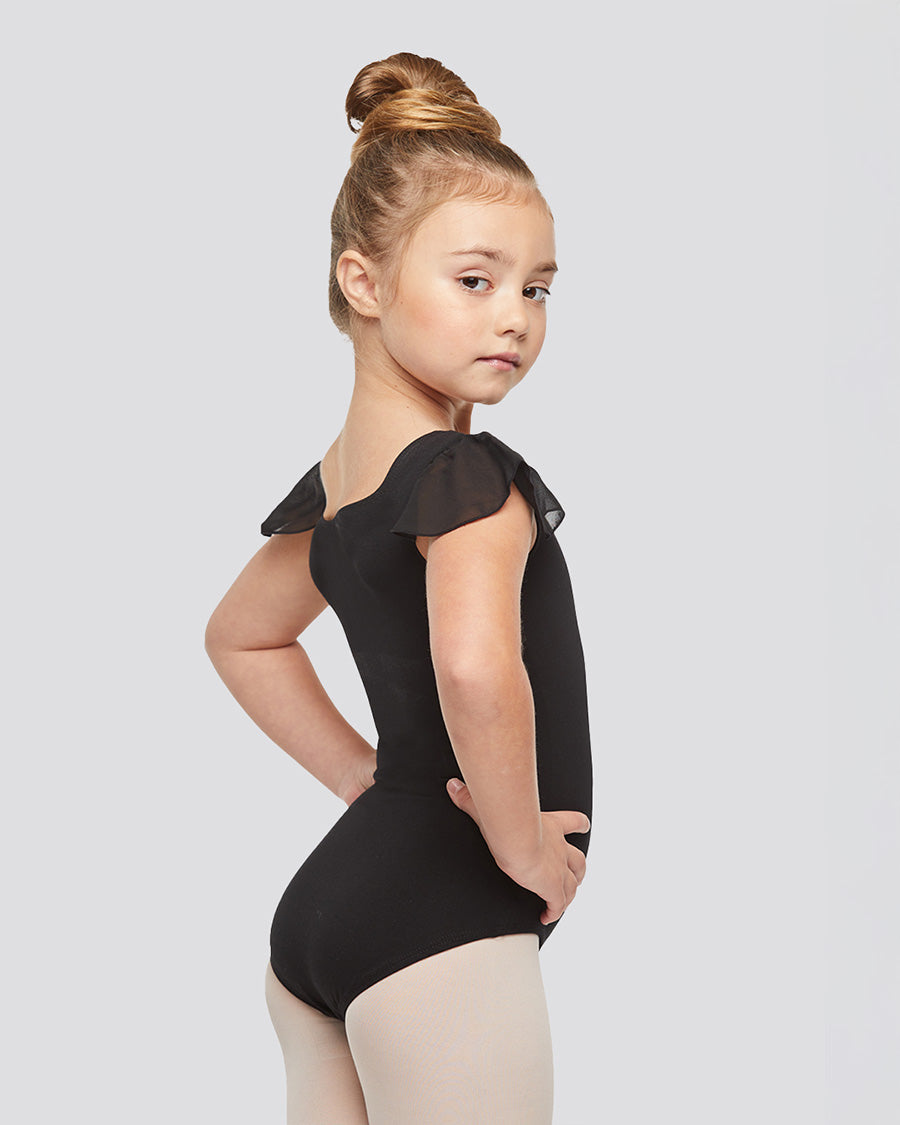
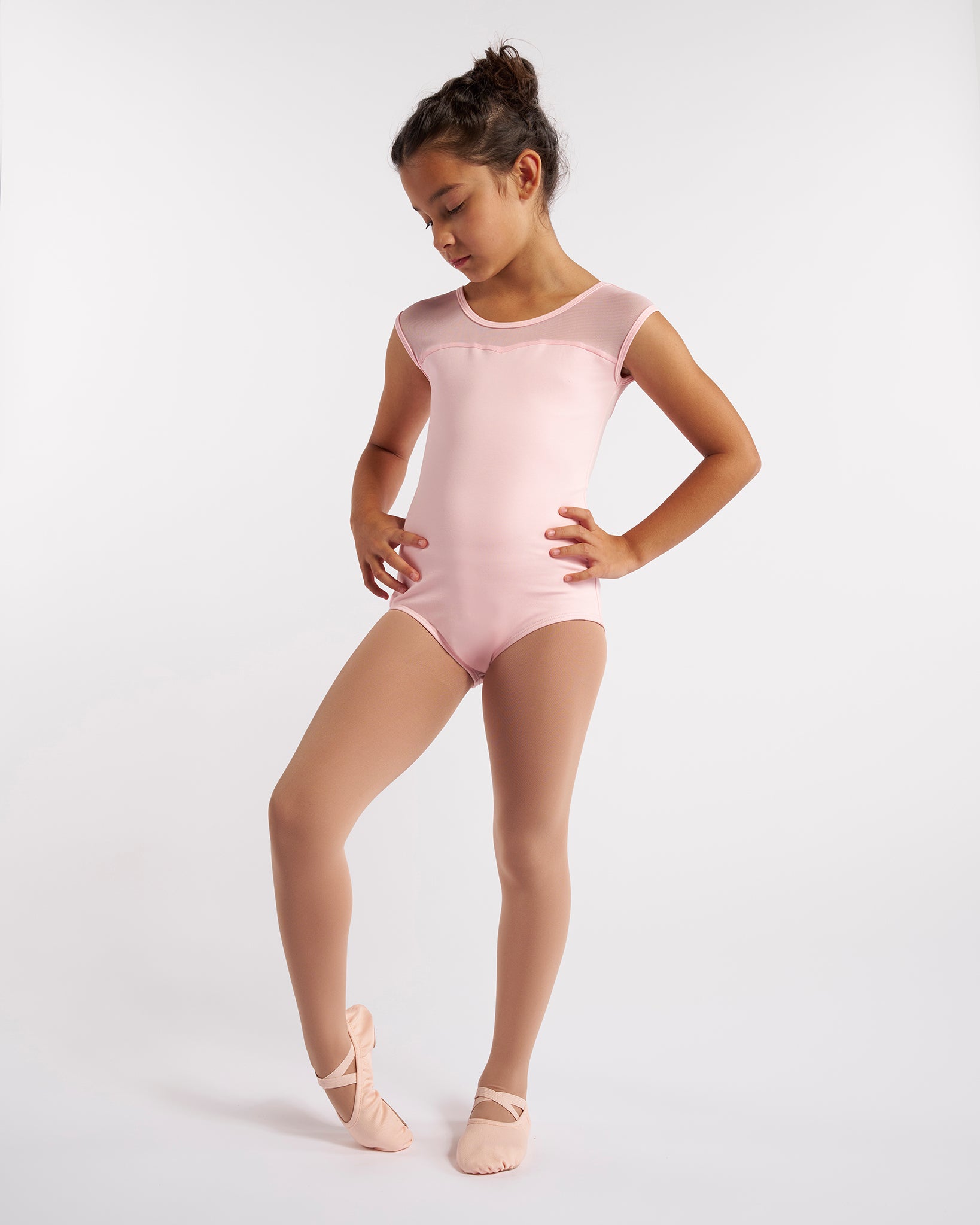
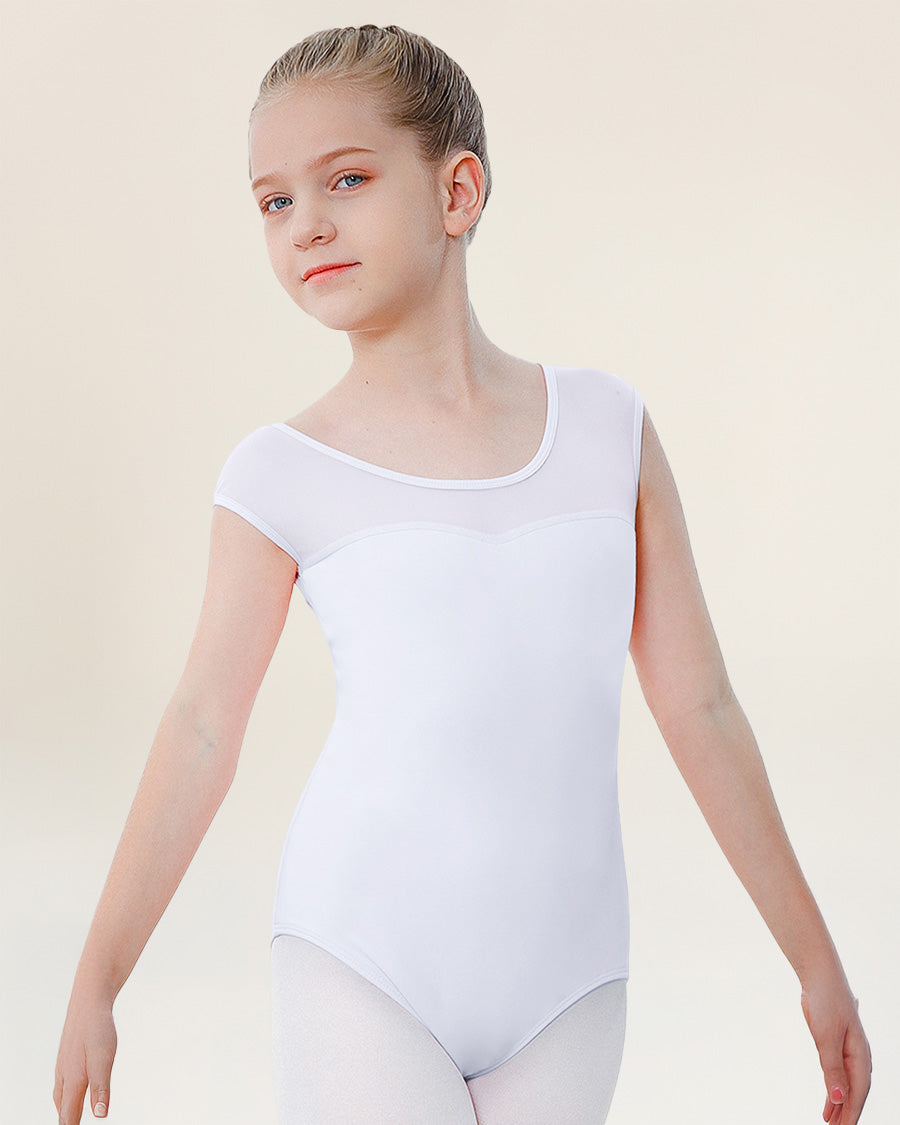
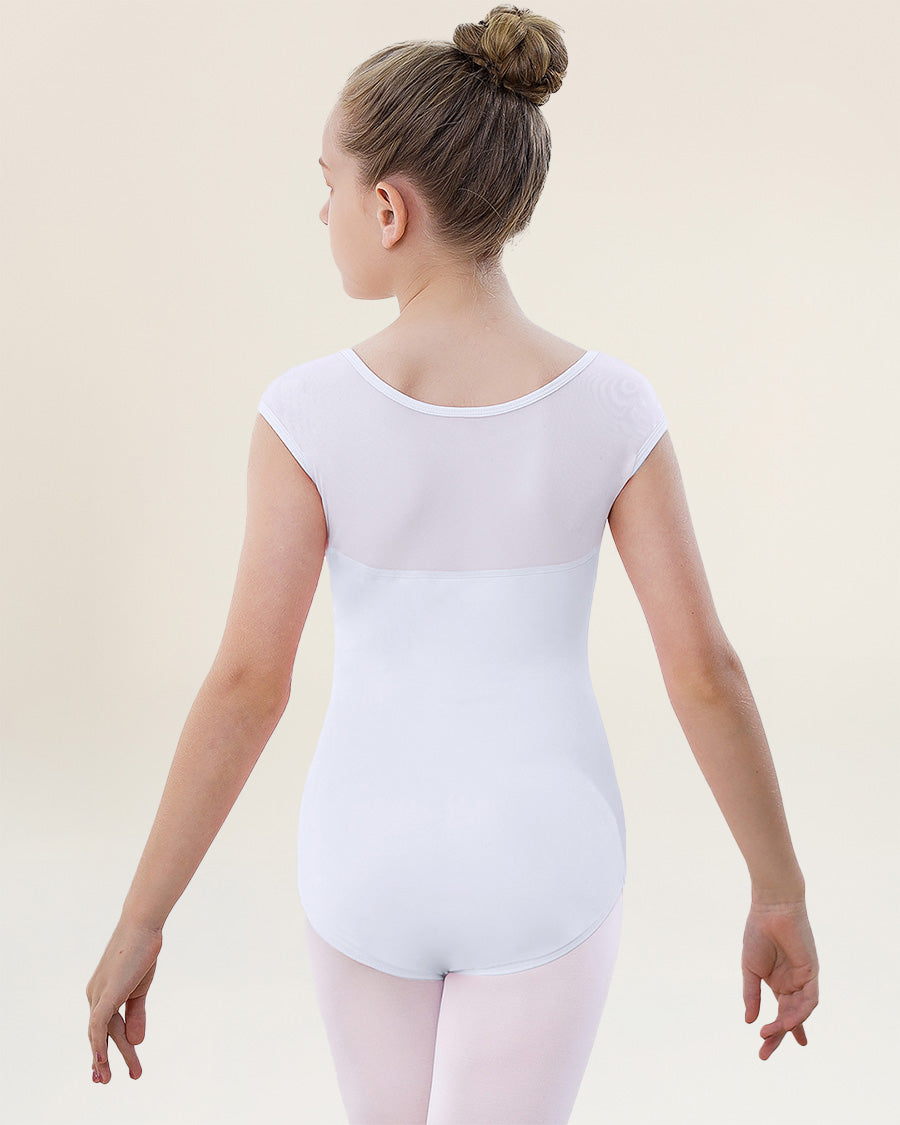
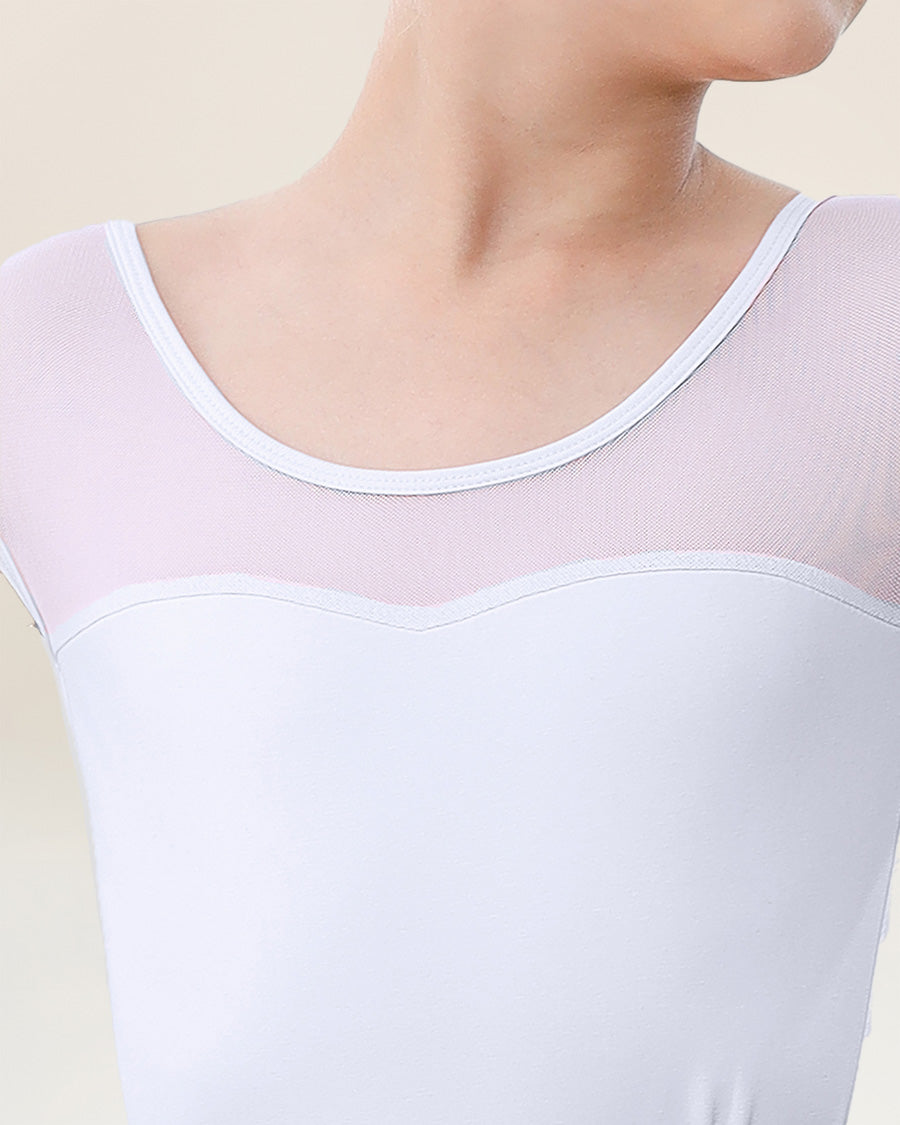
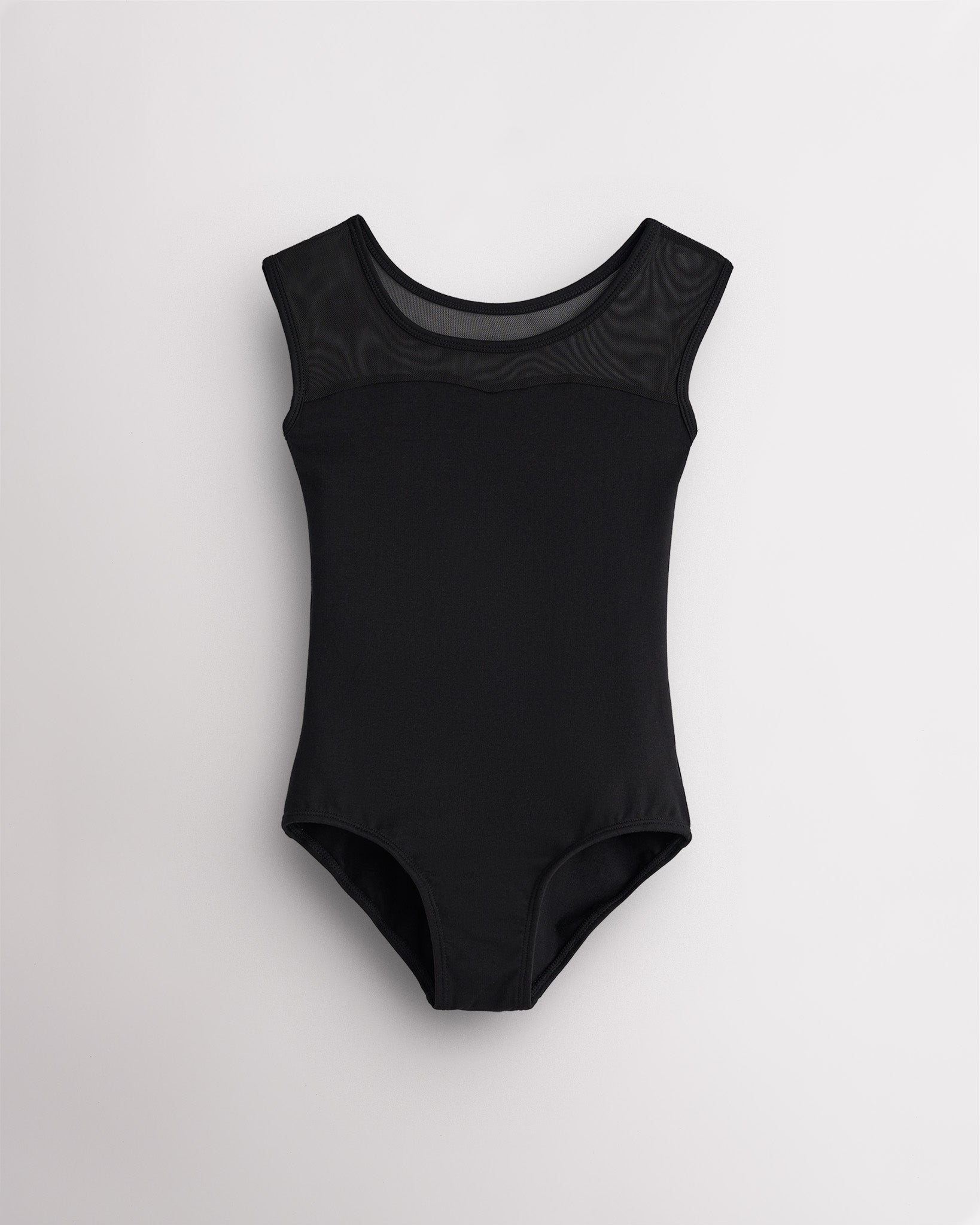
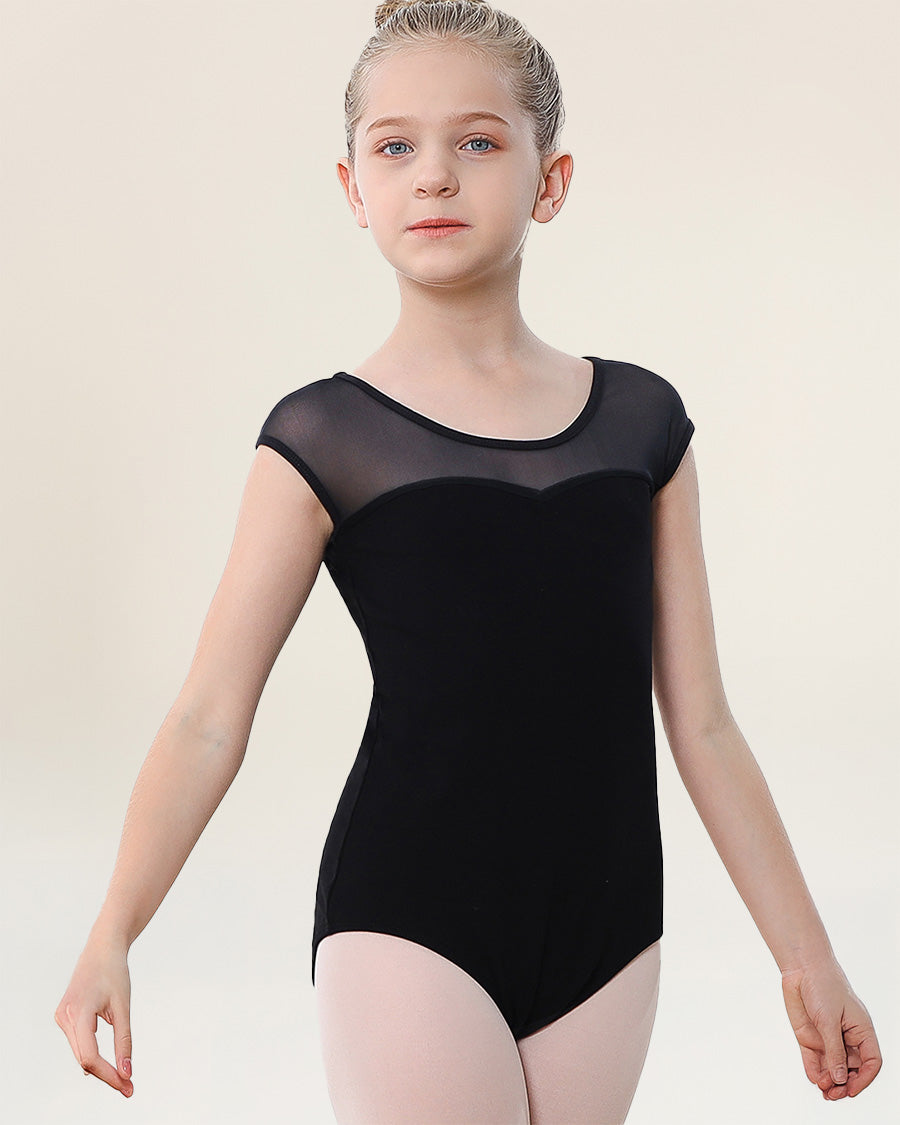
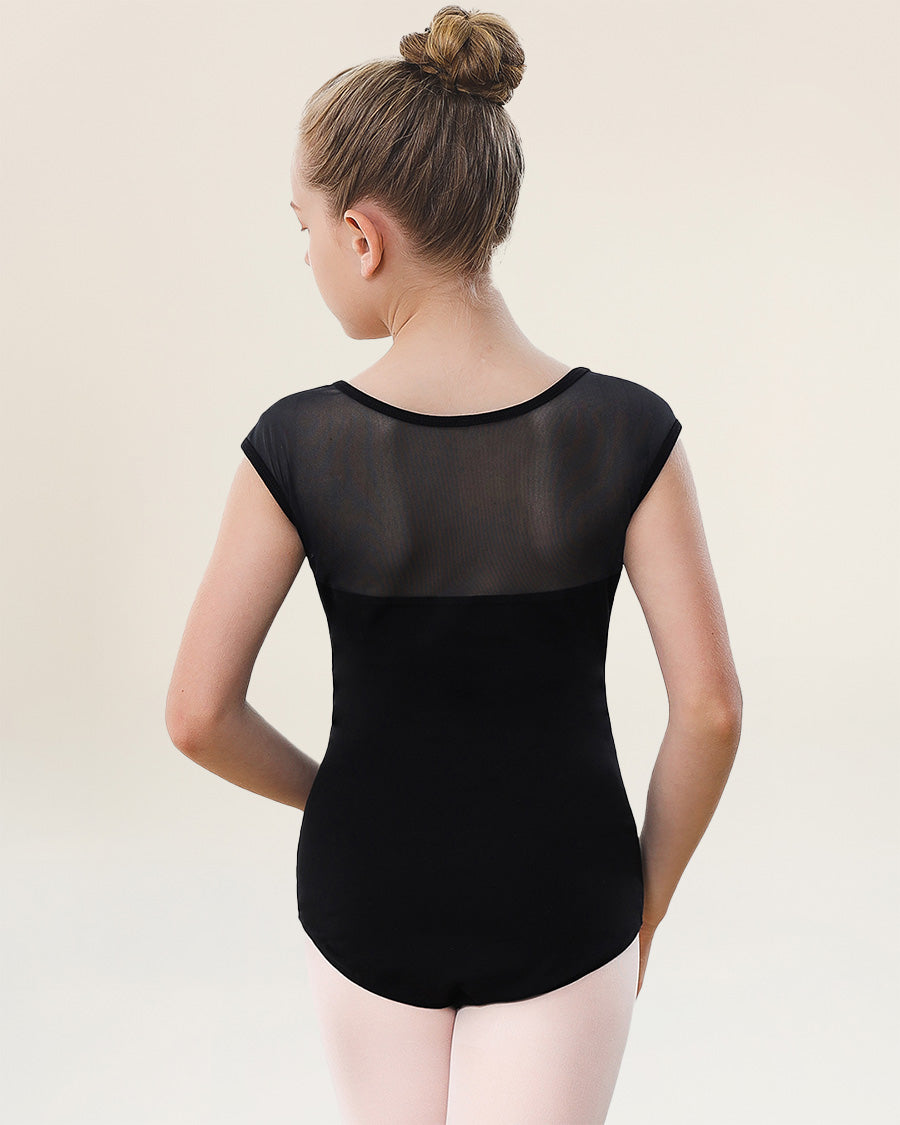
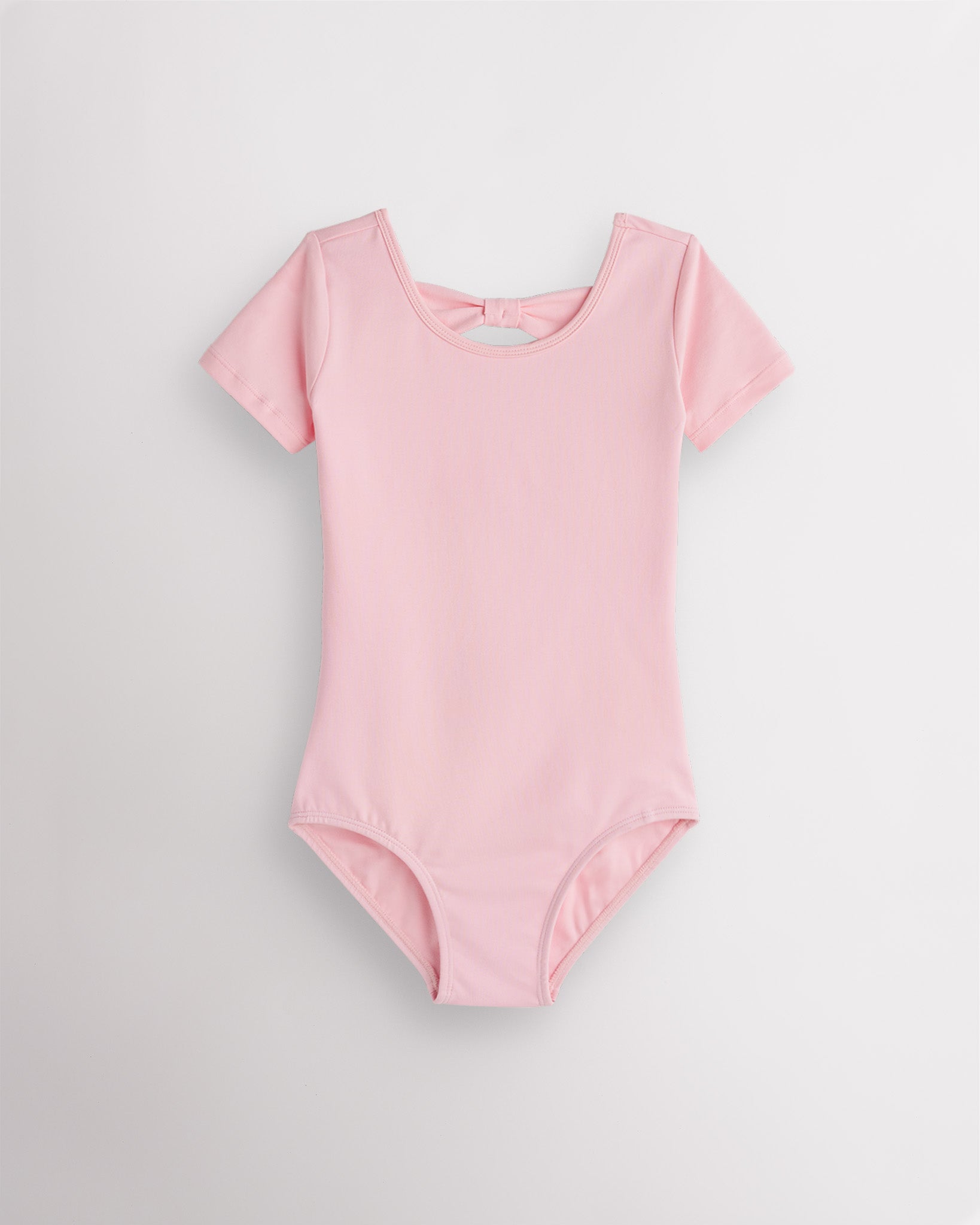
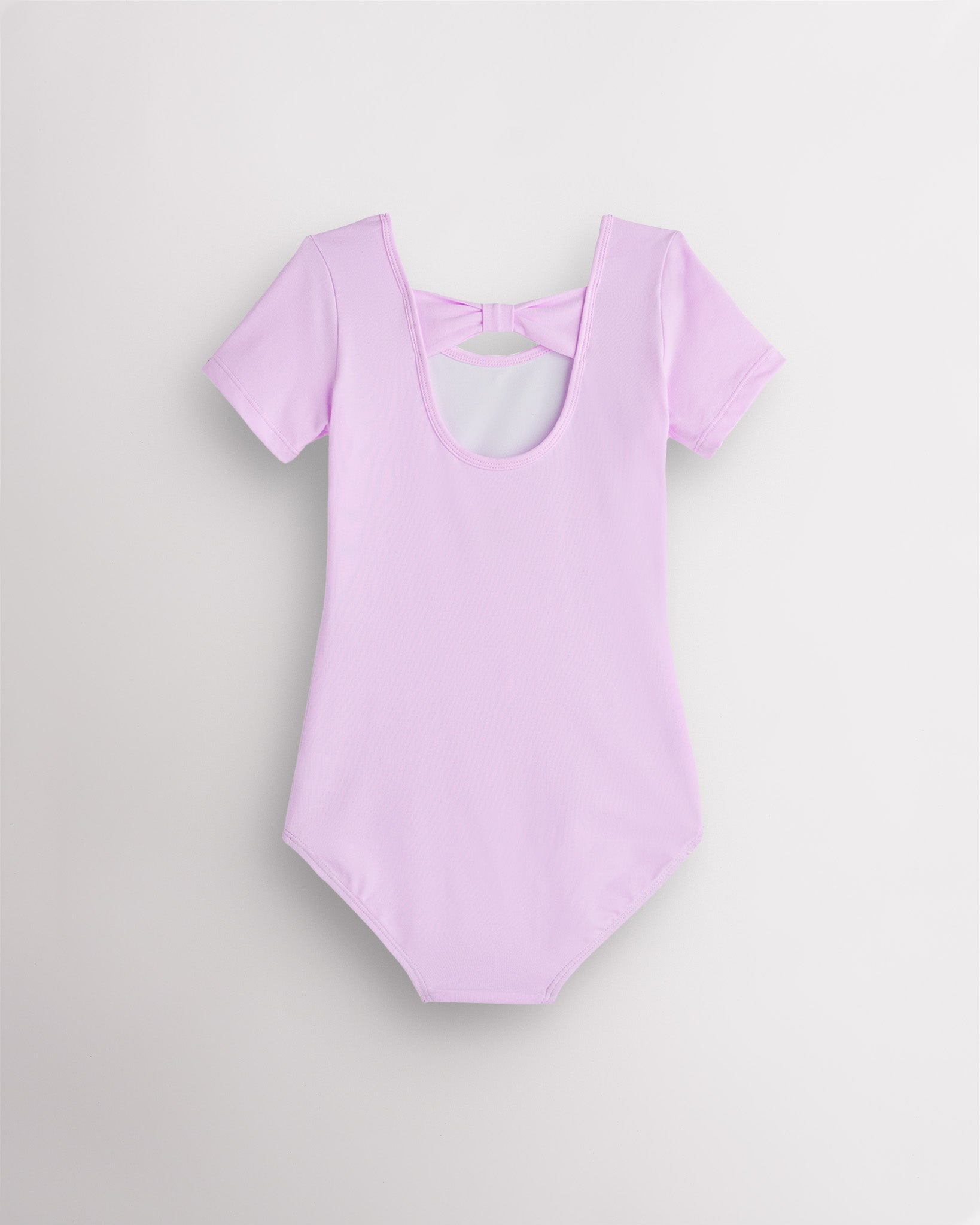
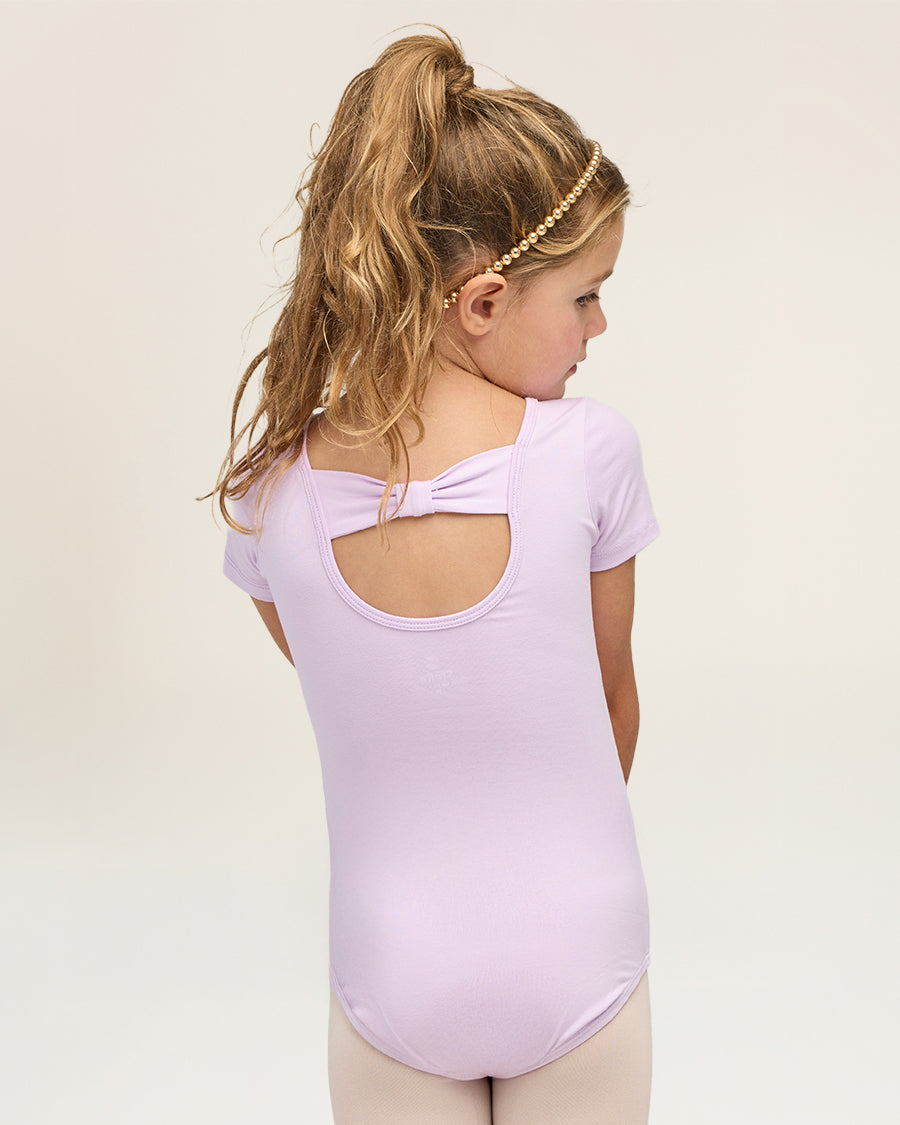
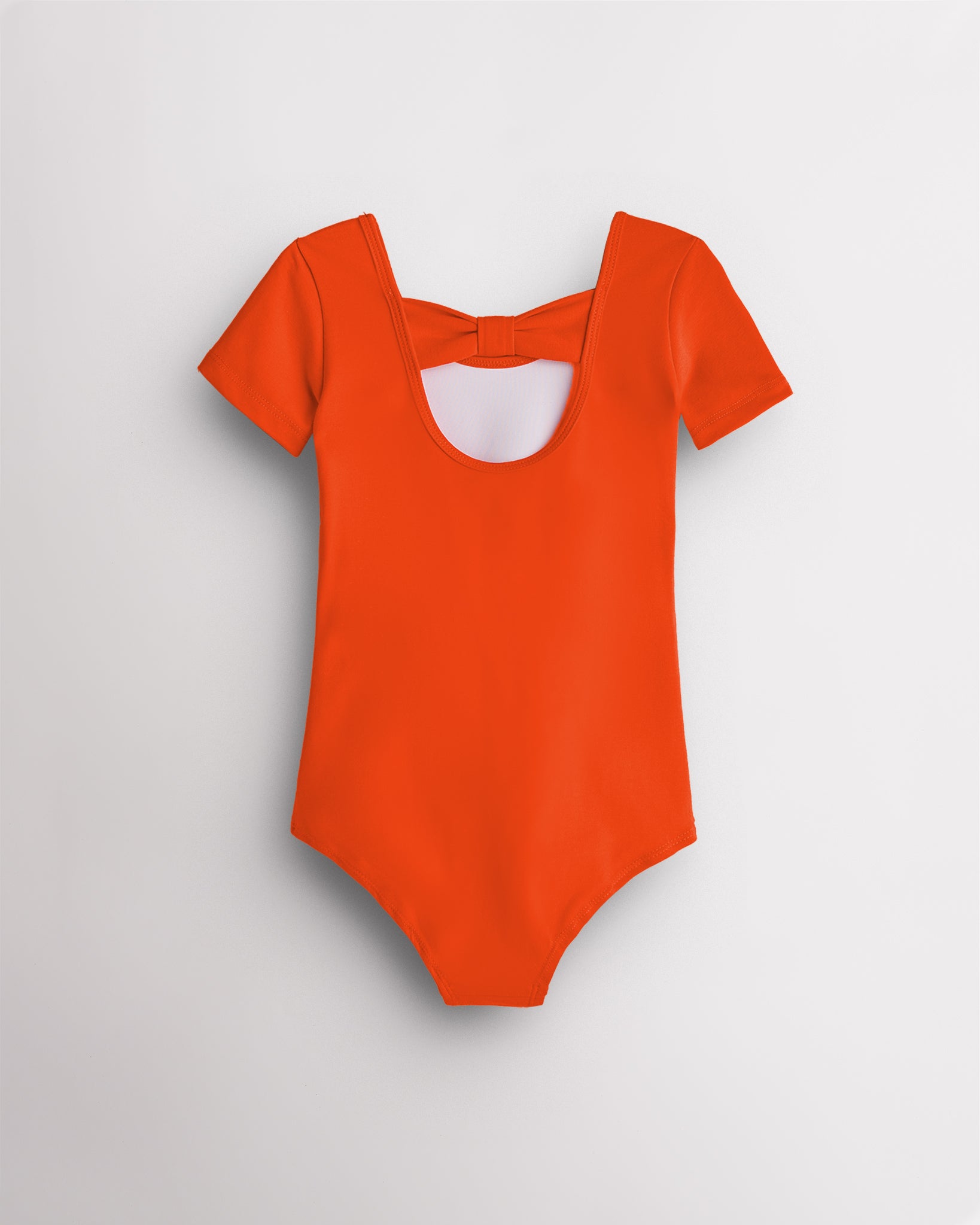
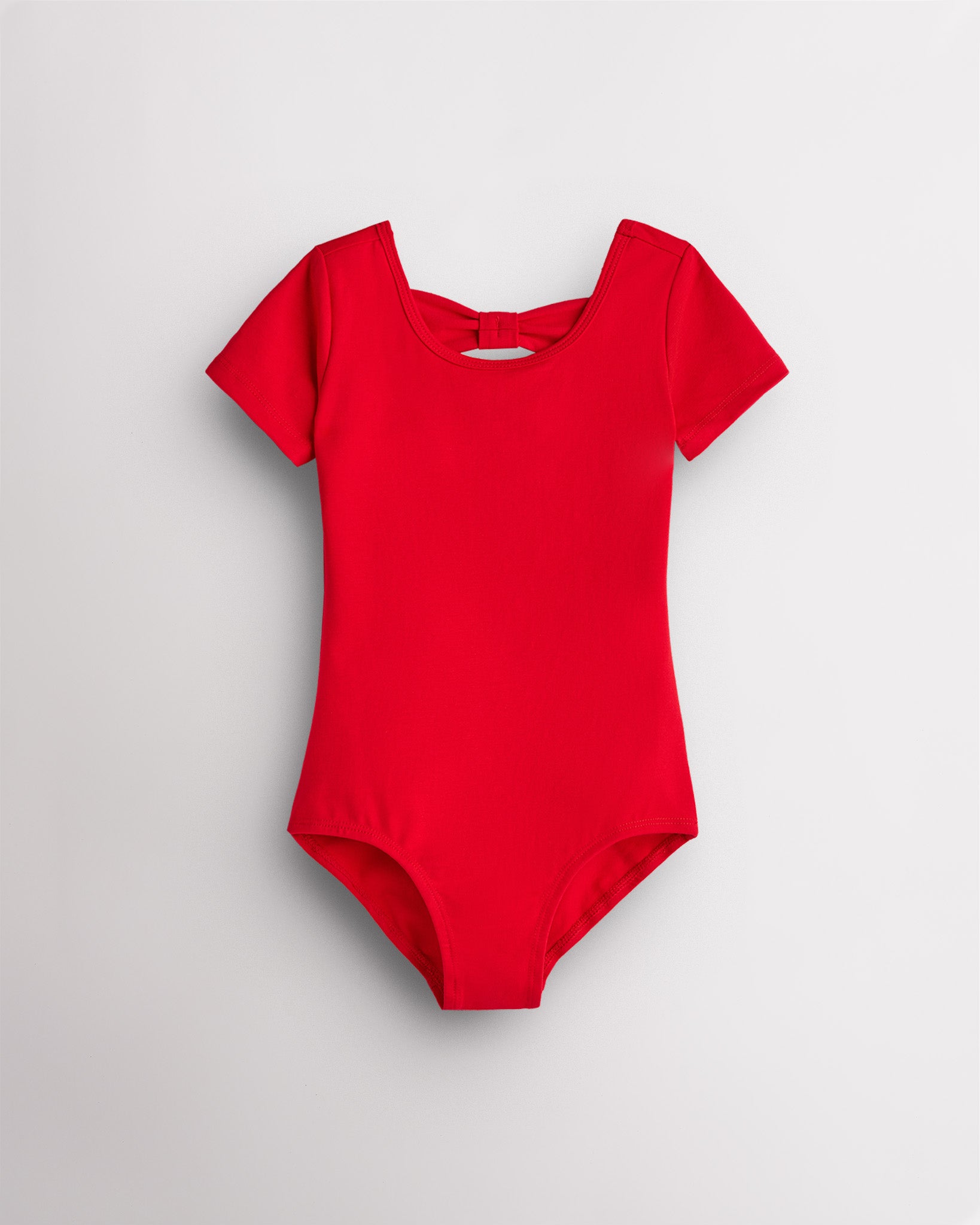
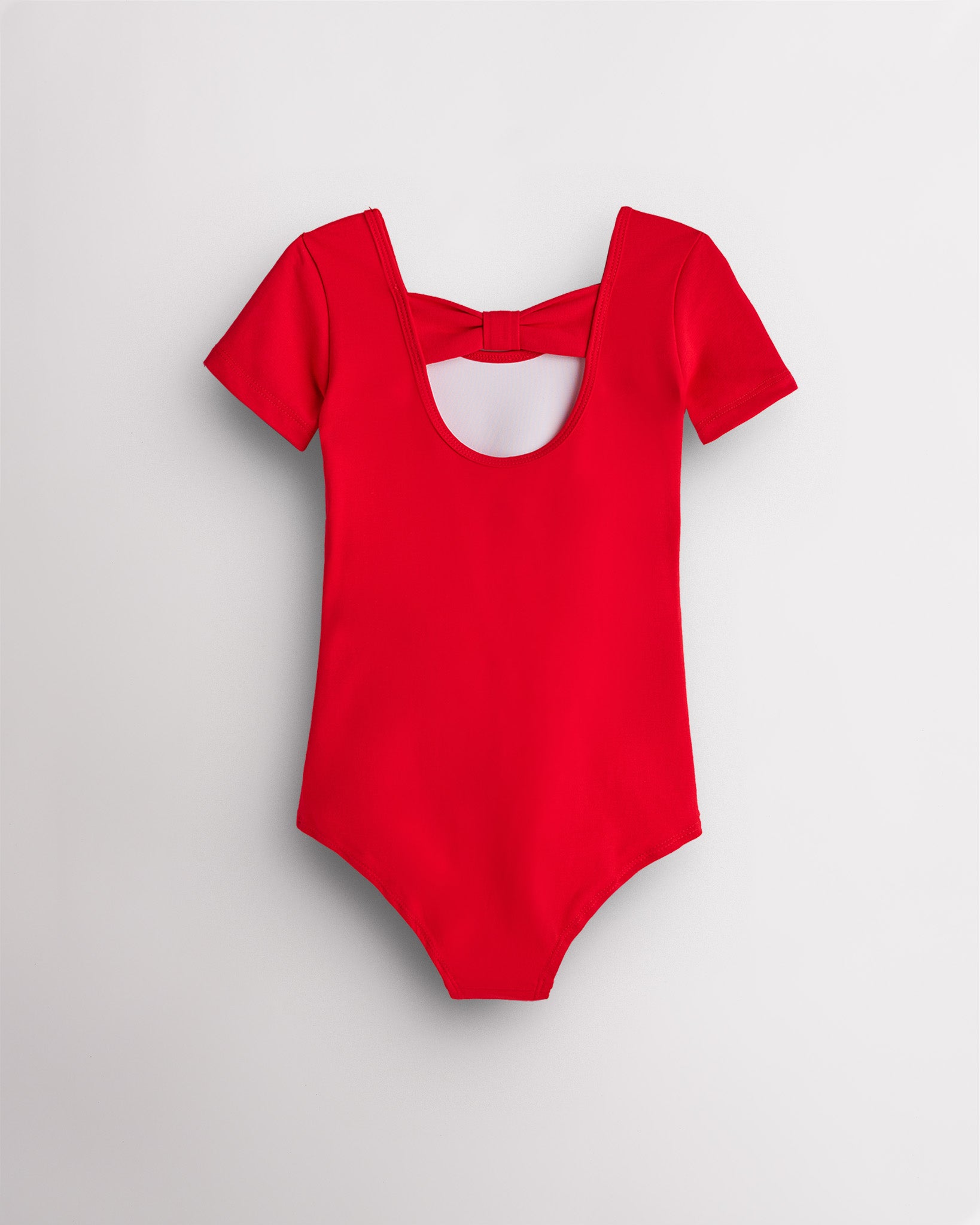
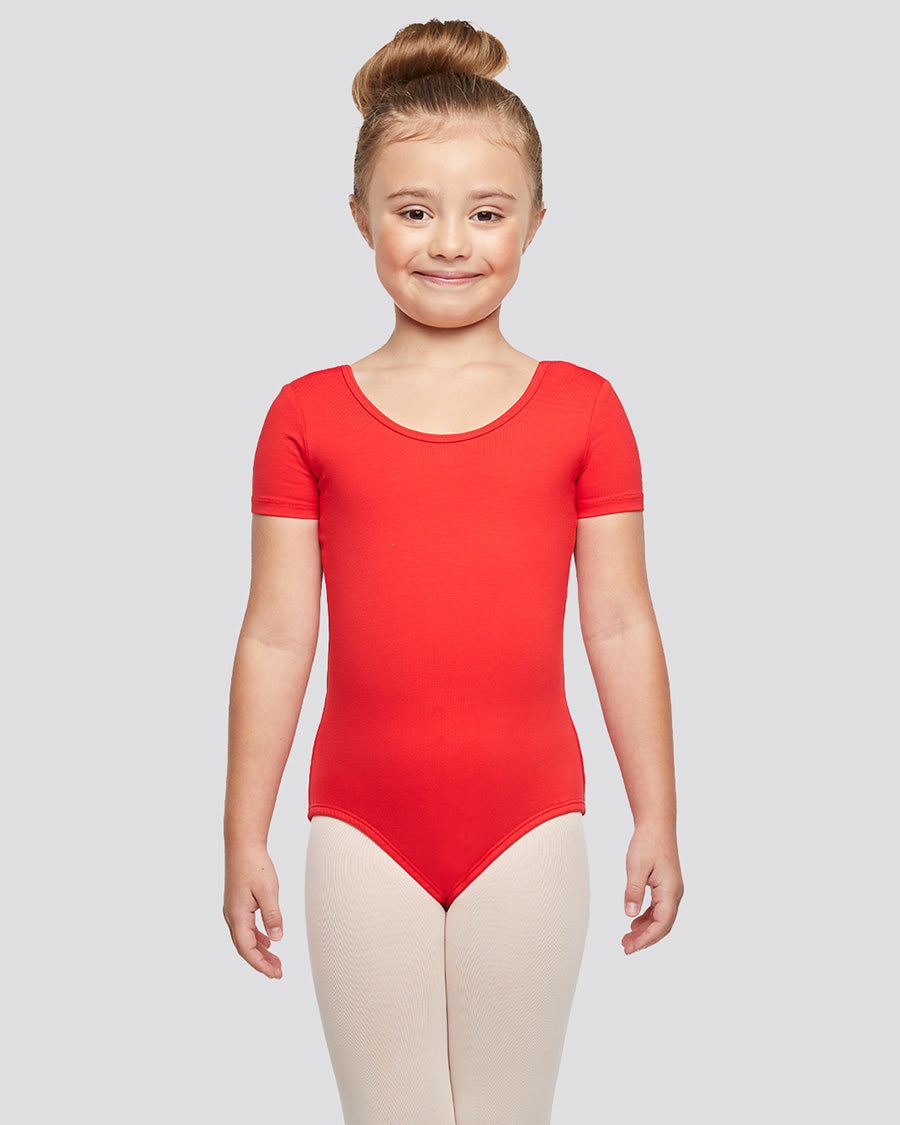
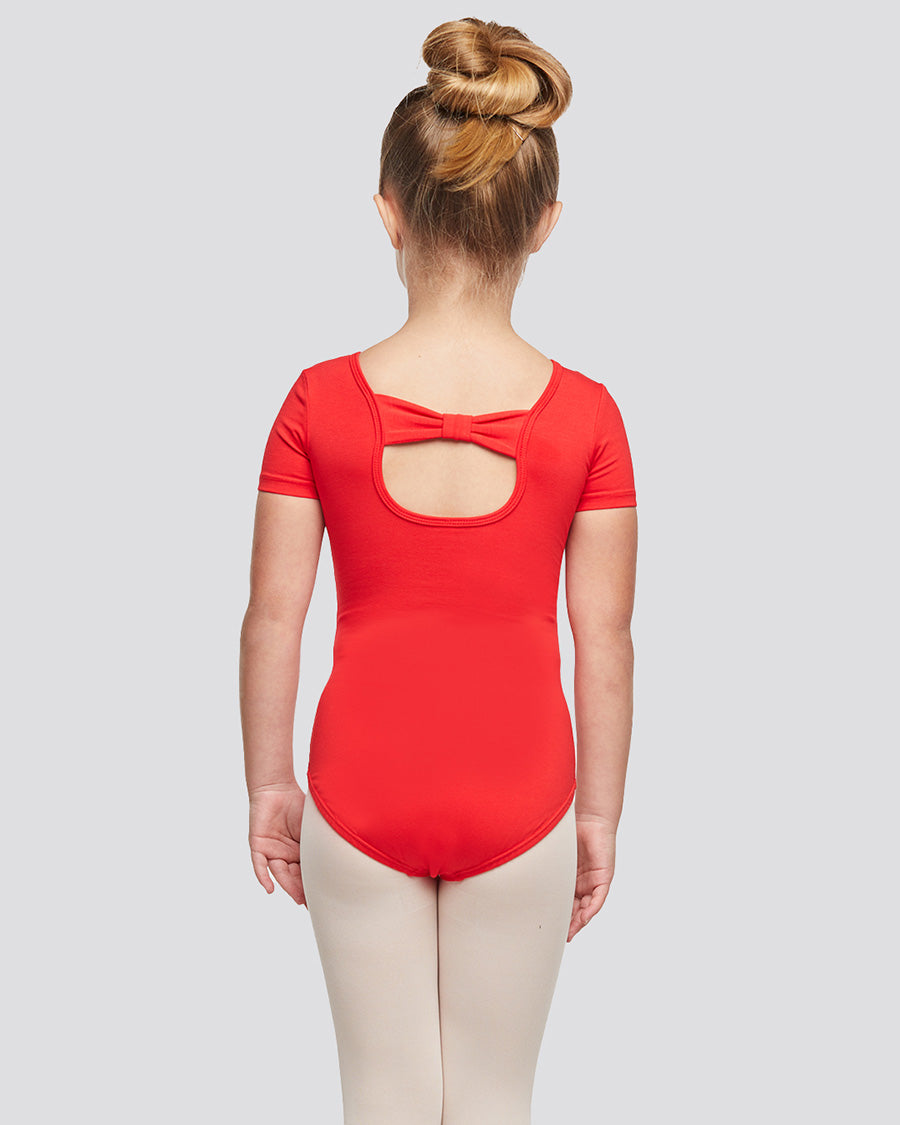
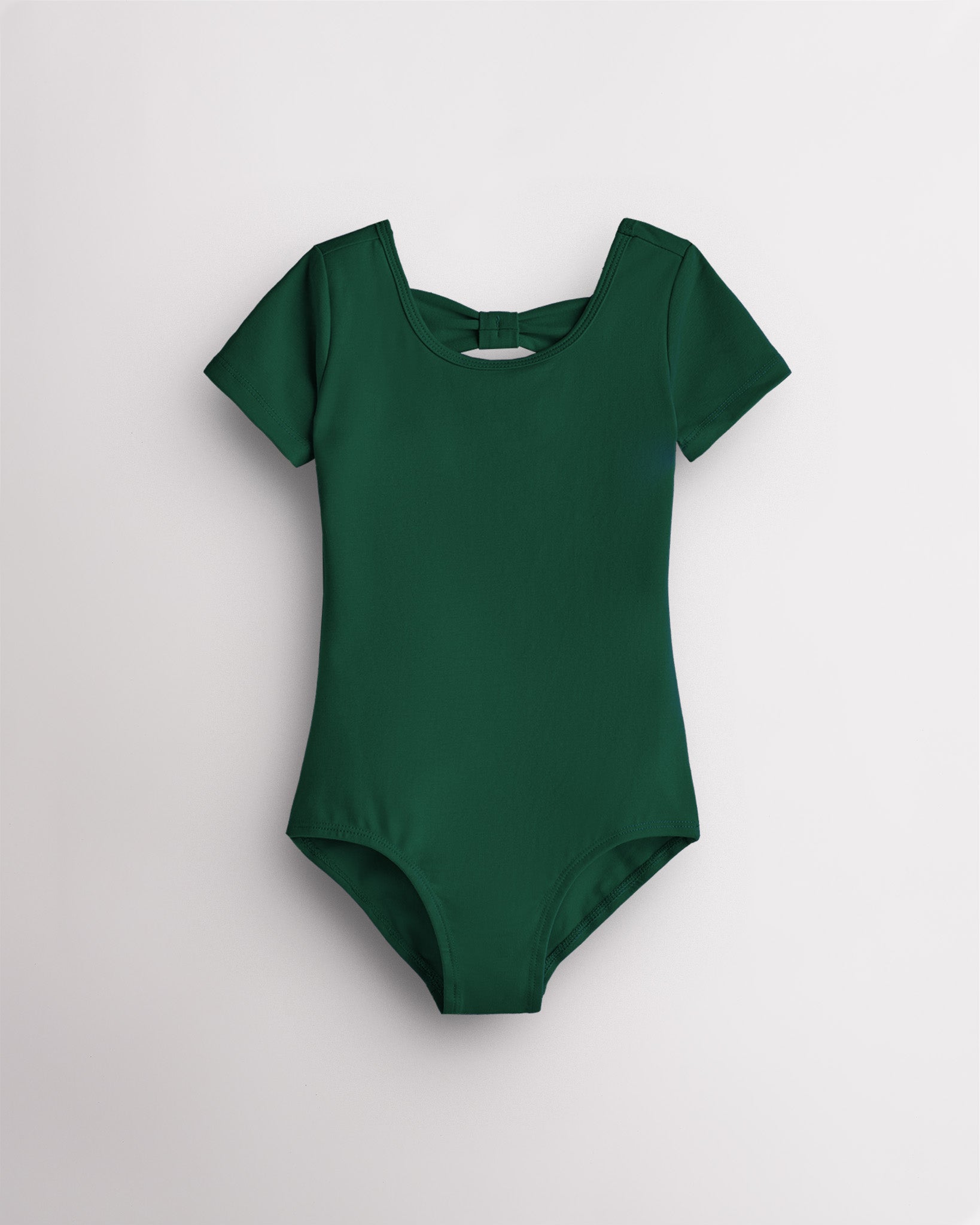
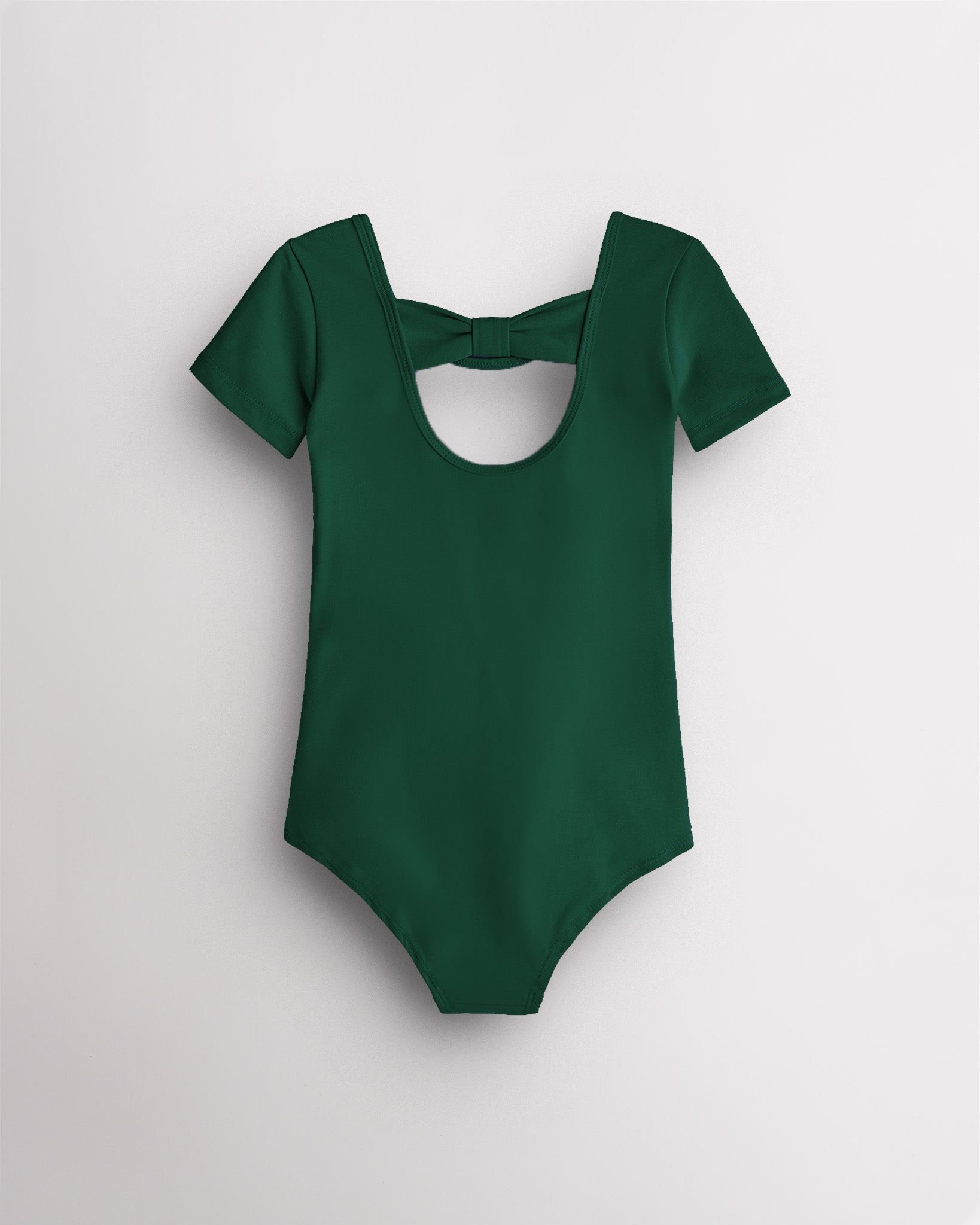
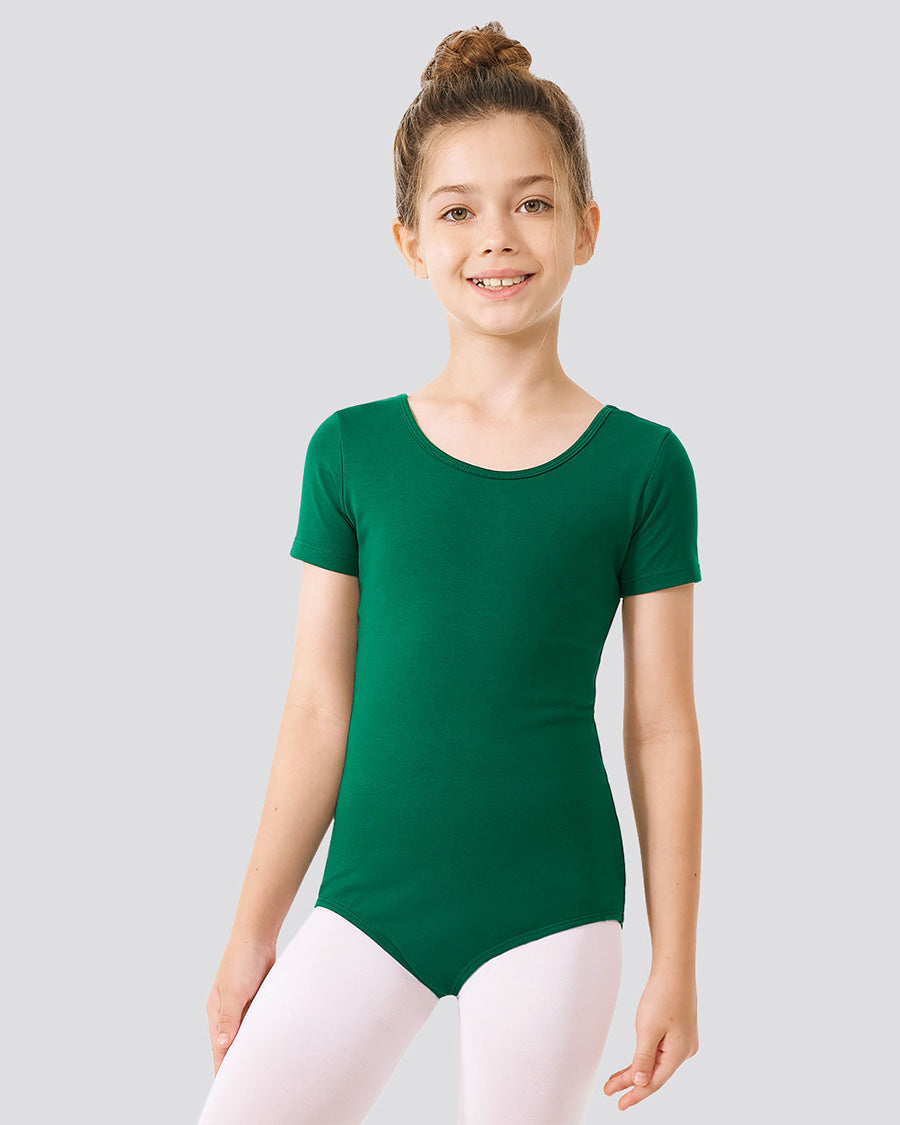
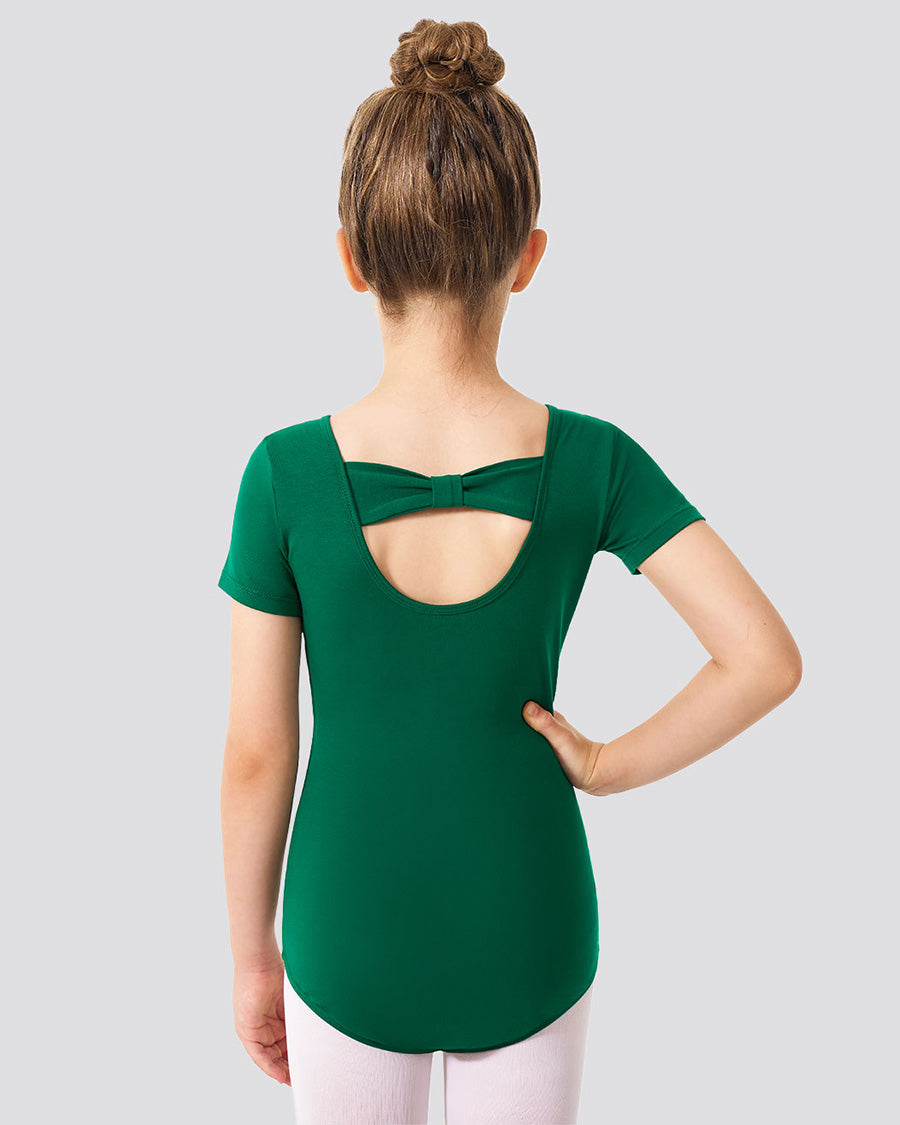
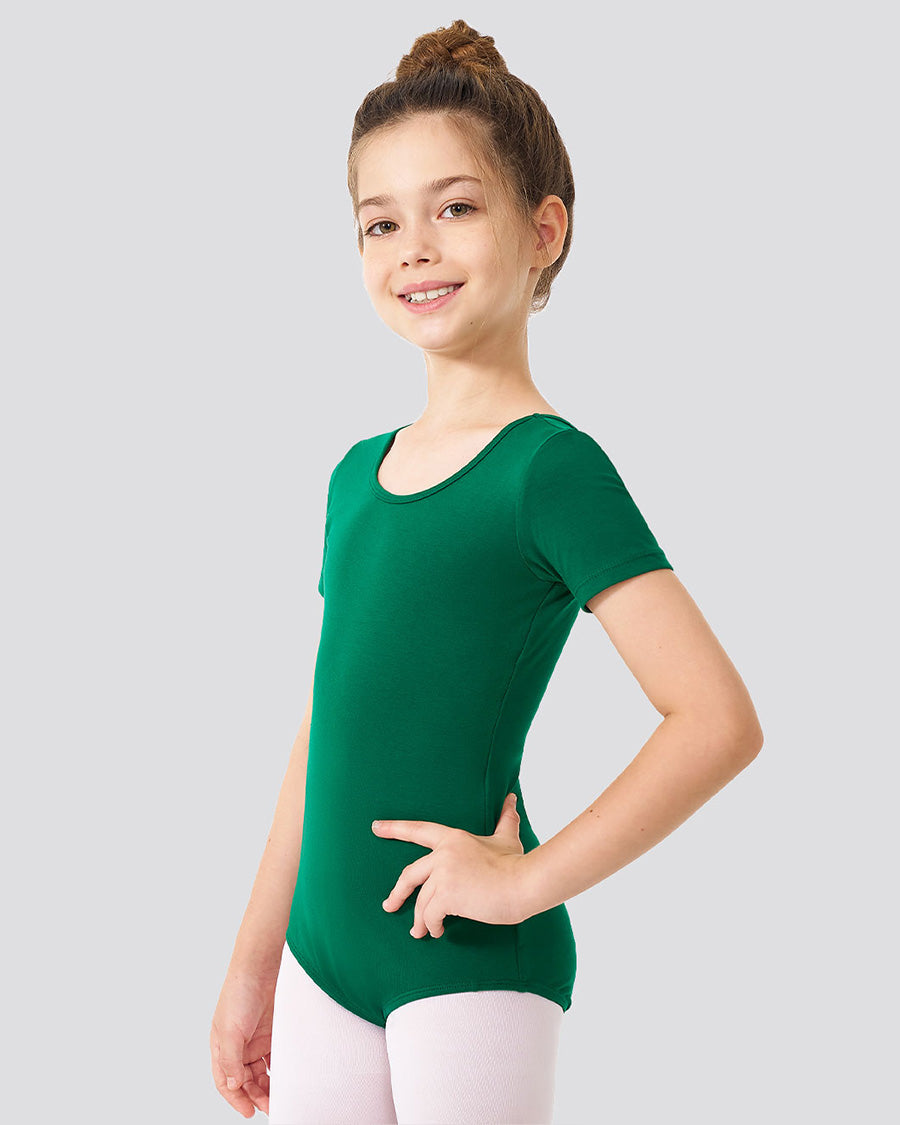
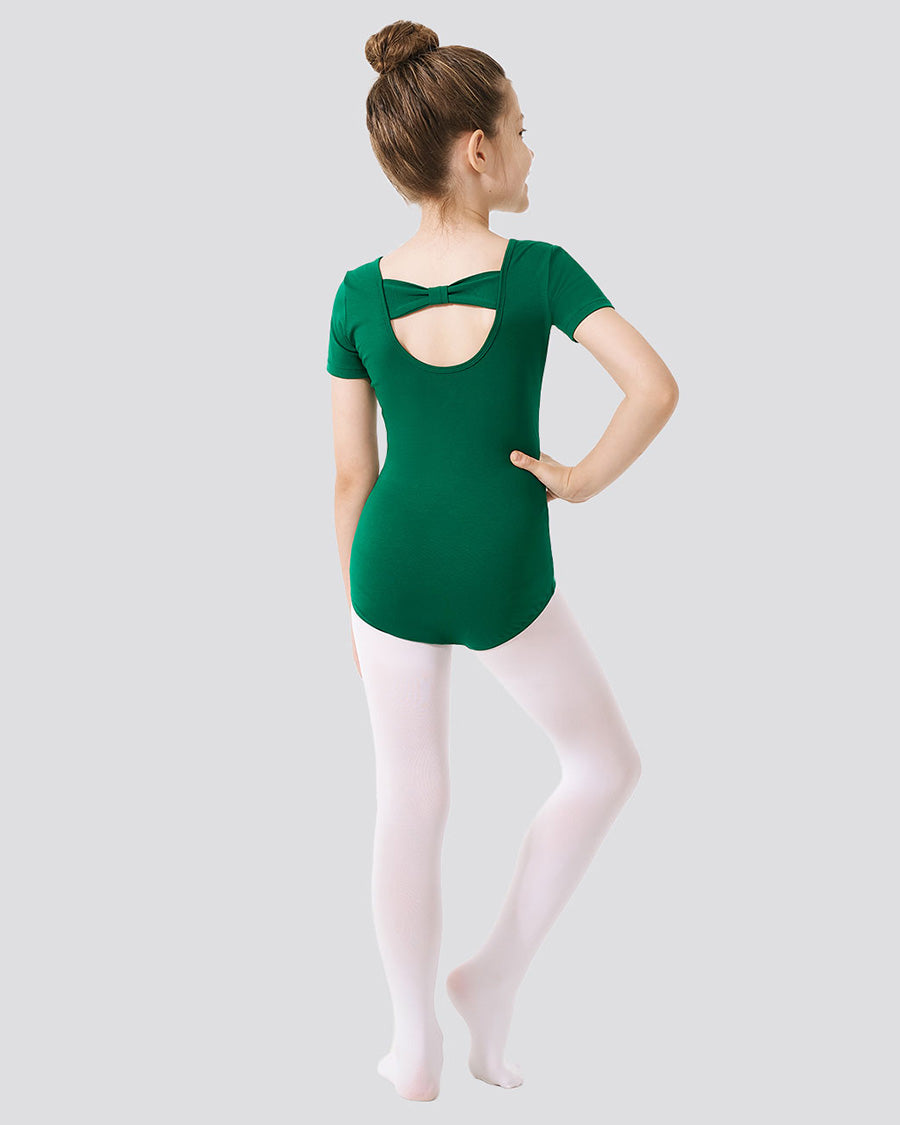
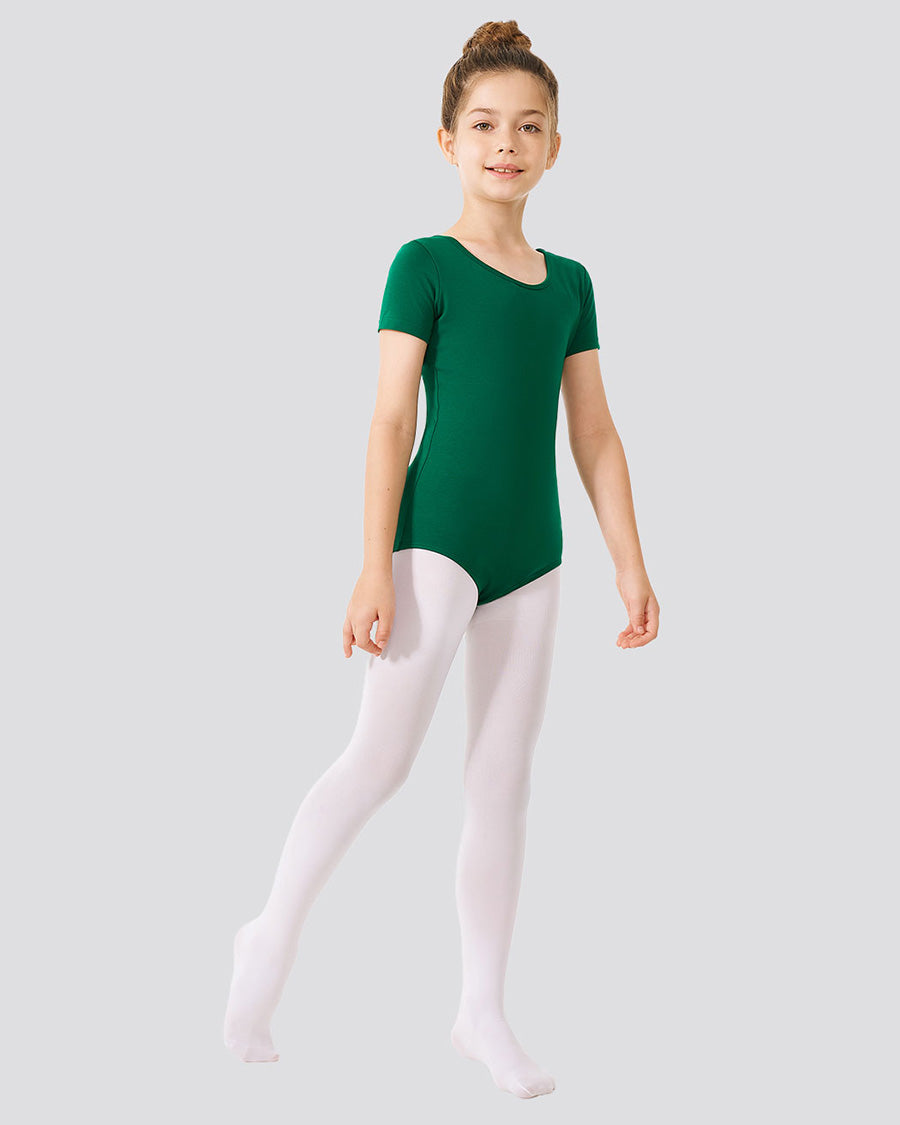
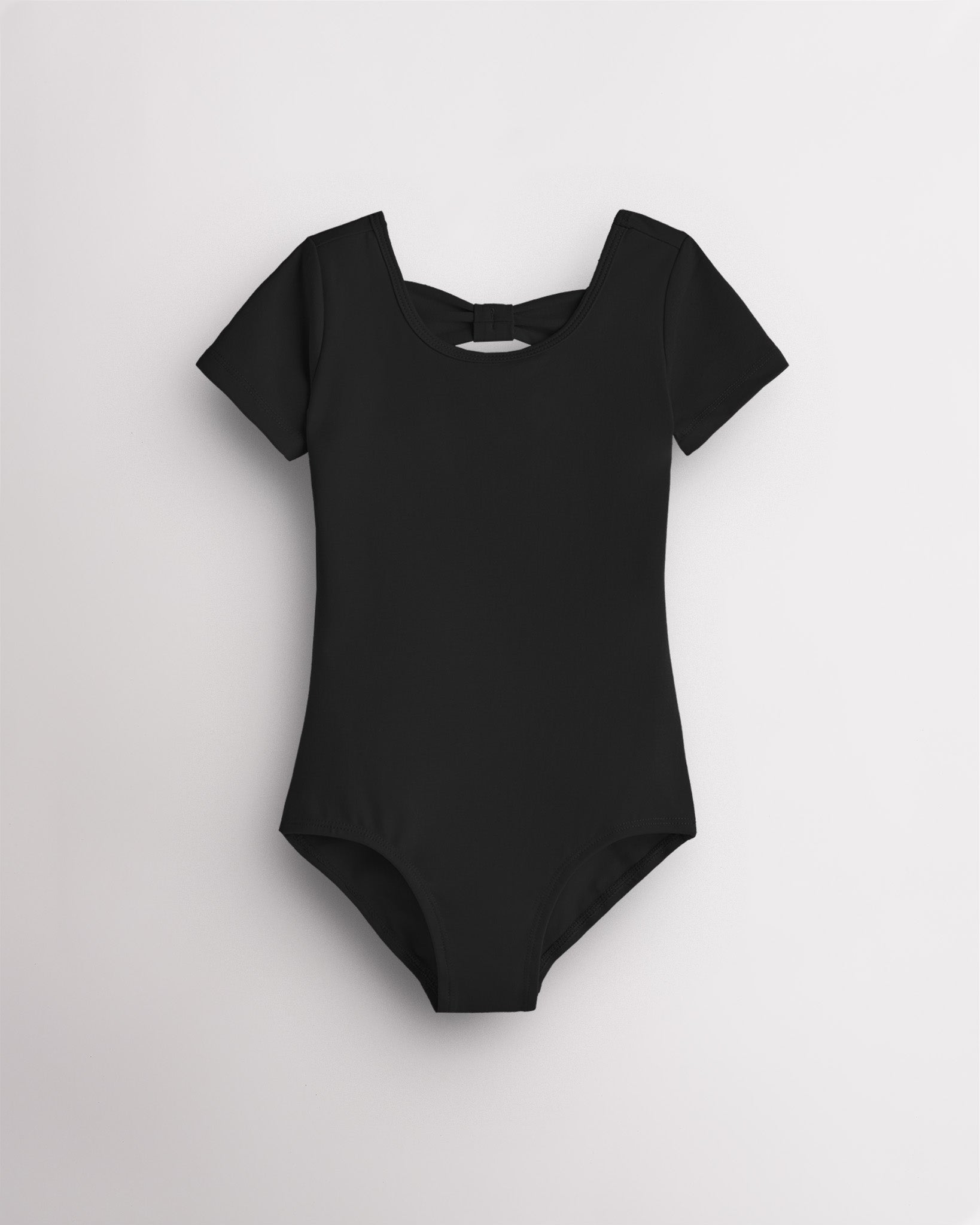
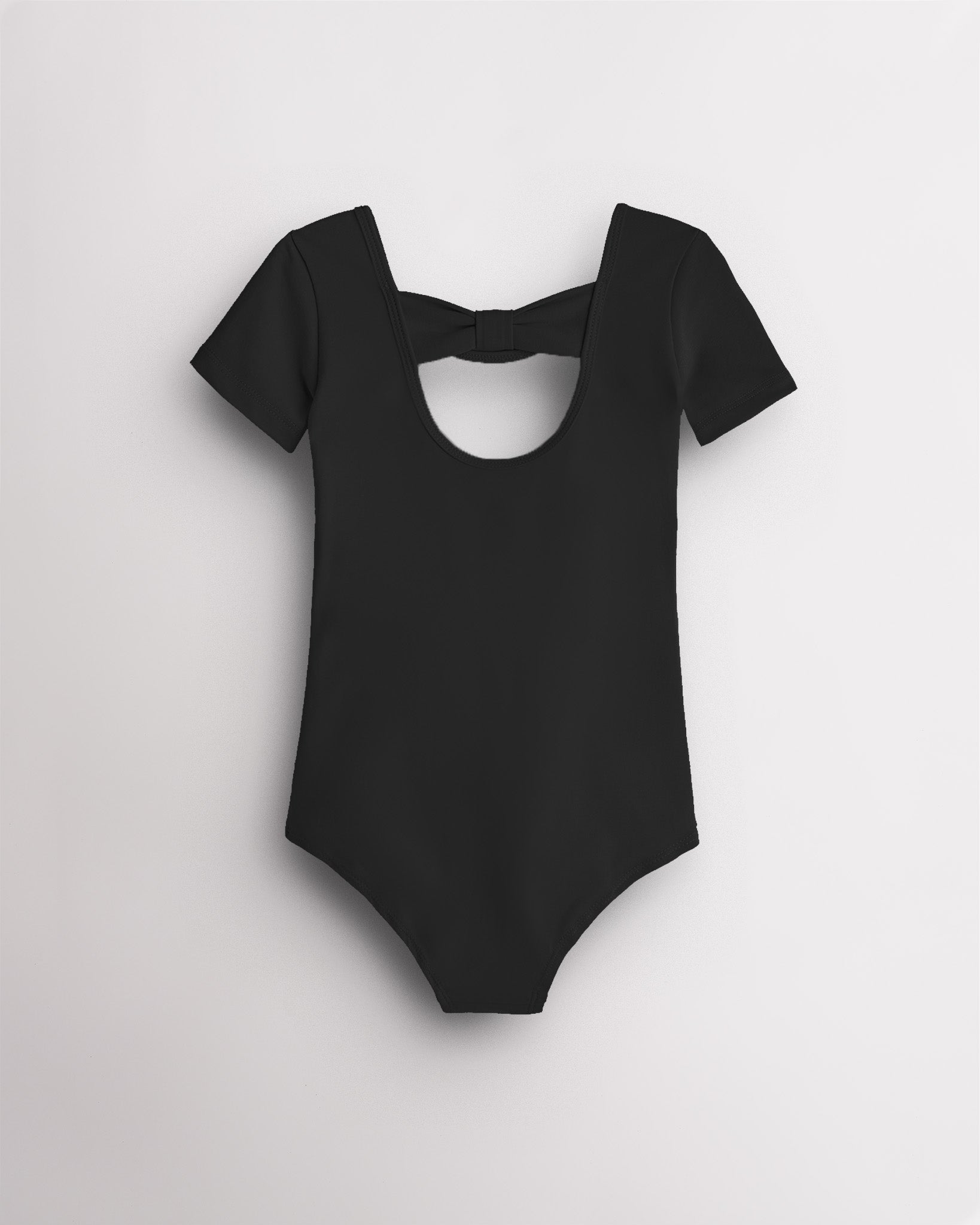
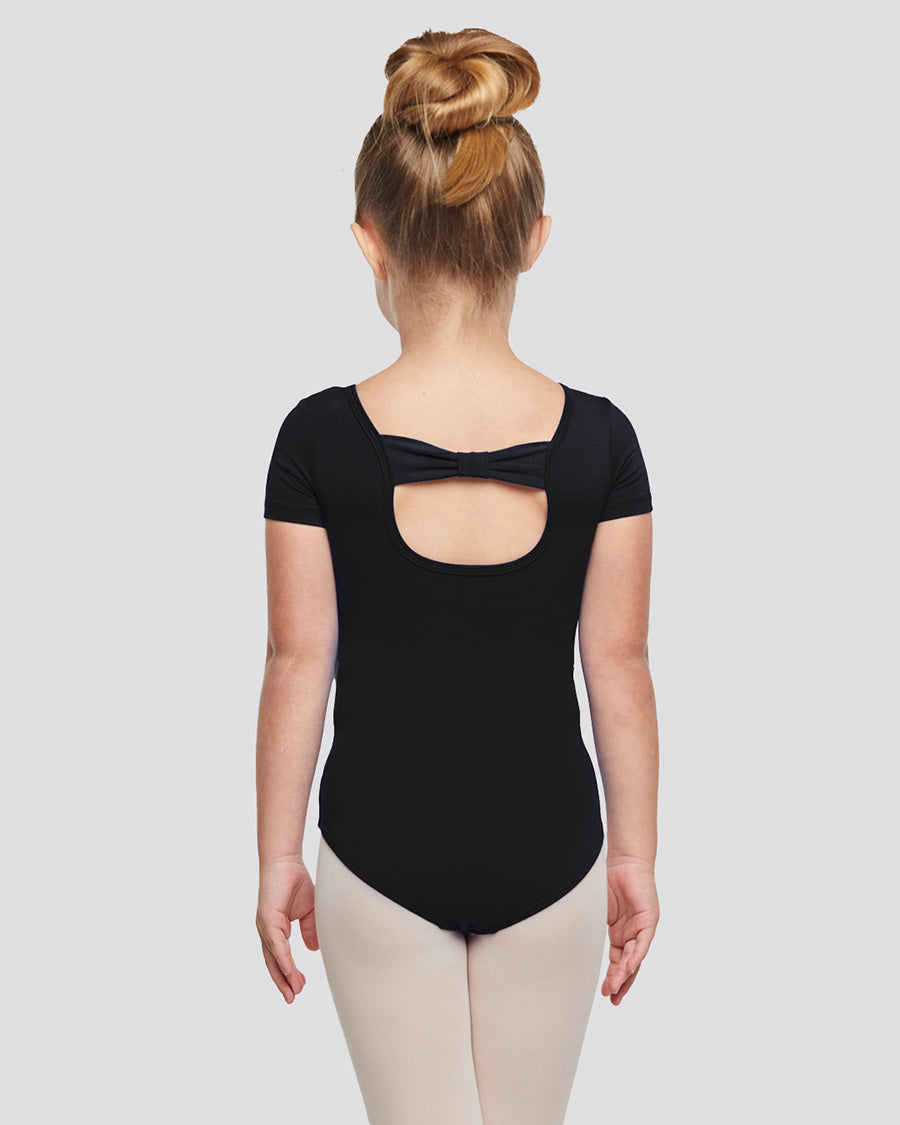
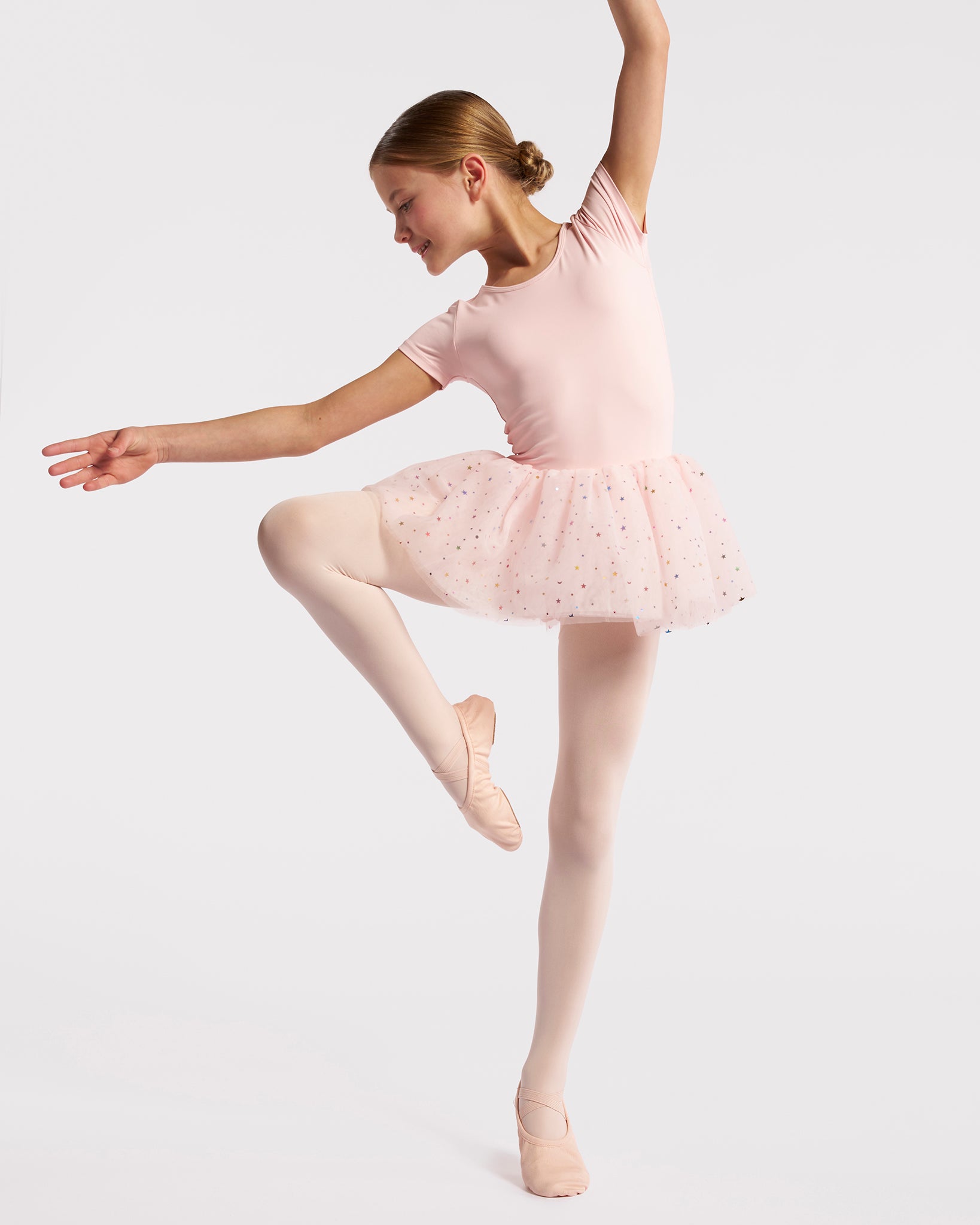
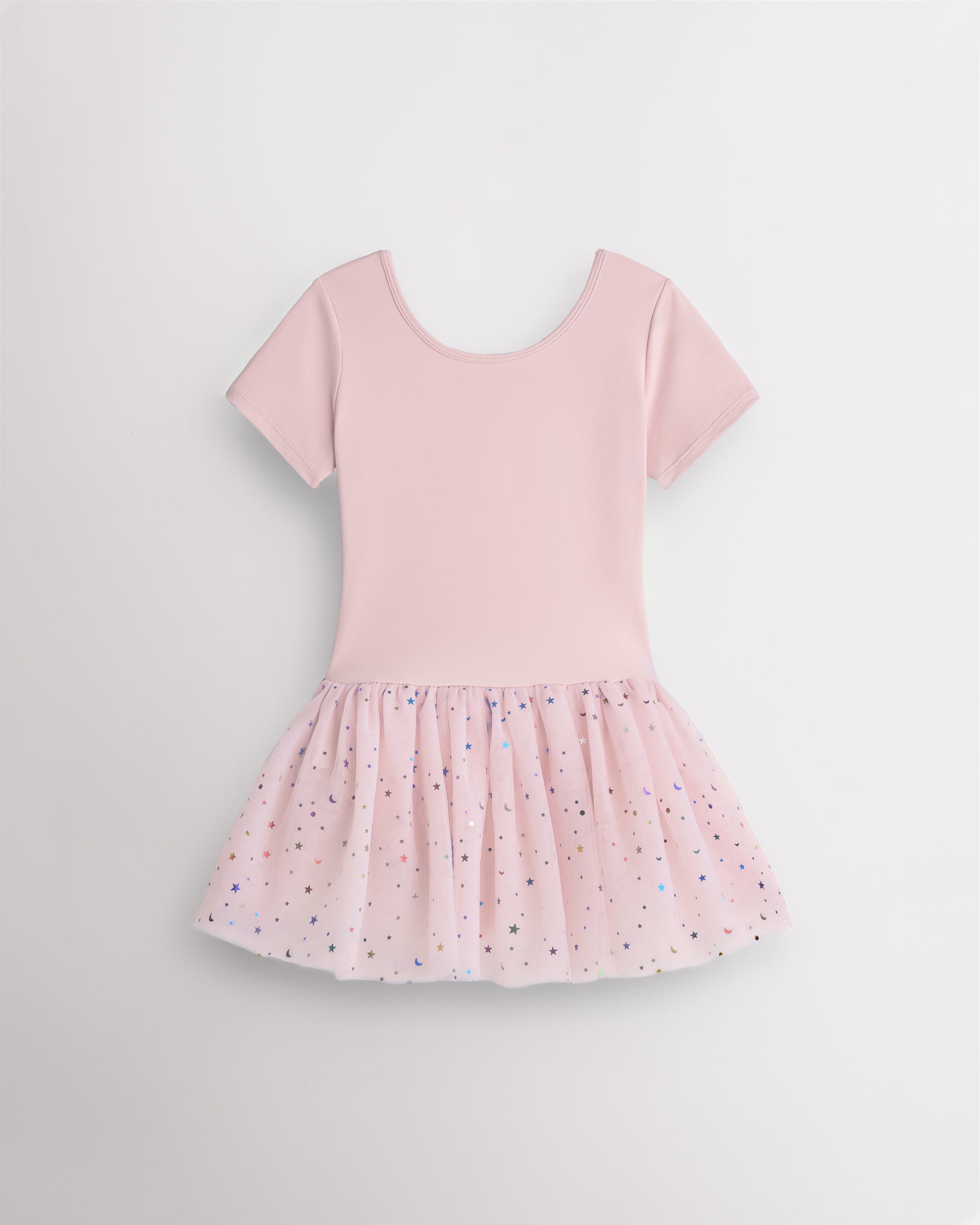
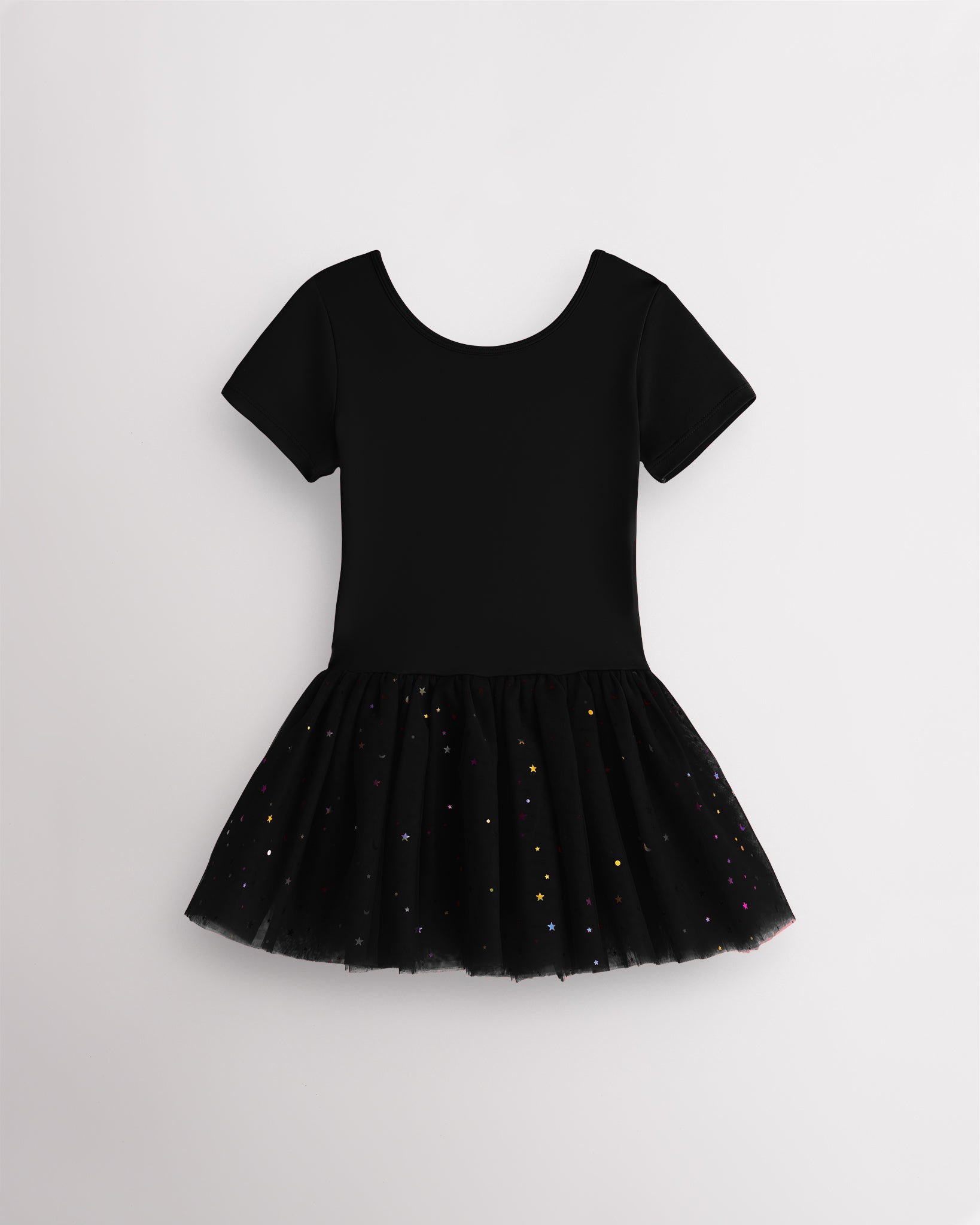
Gymnastics leotards often lean bold: bright colors, sparkle, shine, and team or competition looks, sometimes with long sleeves. Dance leotards tend to be simpler and more studio-friendly, coming in camisole, tank, short-sleeve, or long-sleeve styles, sometimes with an open back or an attached skirt for ballet. If you have watched a gymnastics meet, you will often see the shiny, decorated style; ballet class is usually more understated and uniform.
Fabric and feel
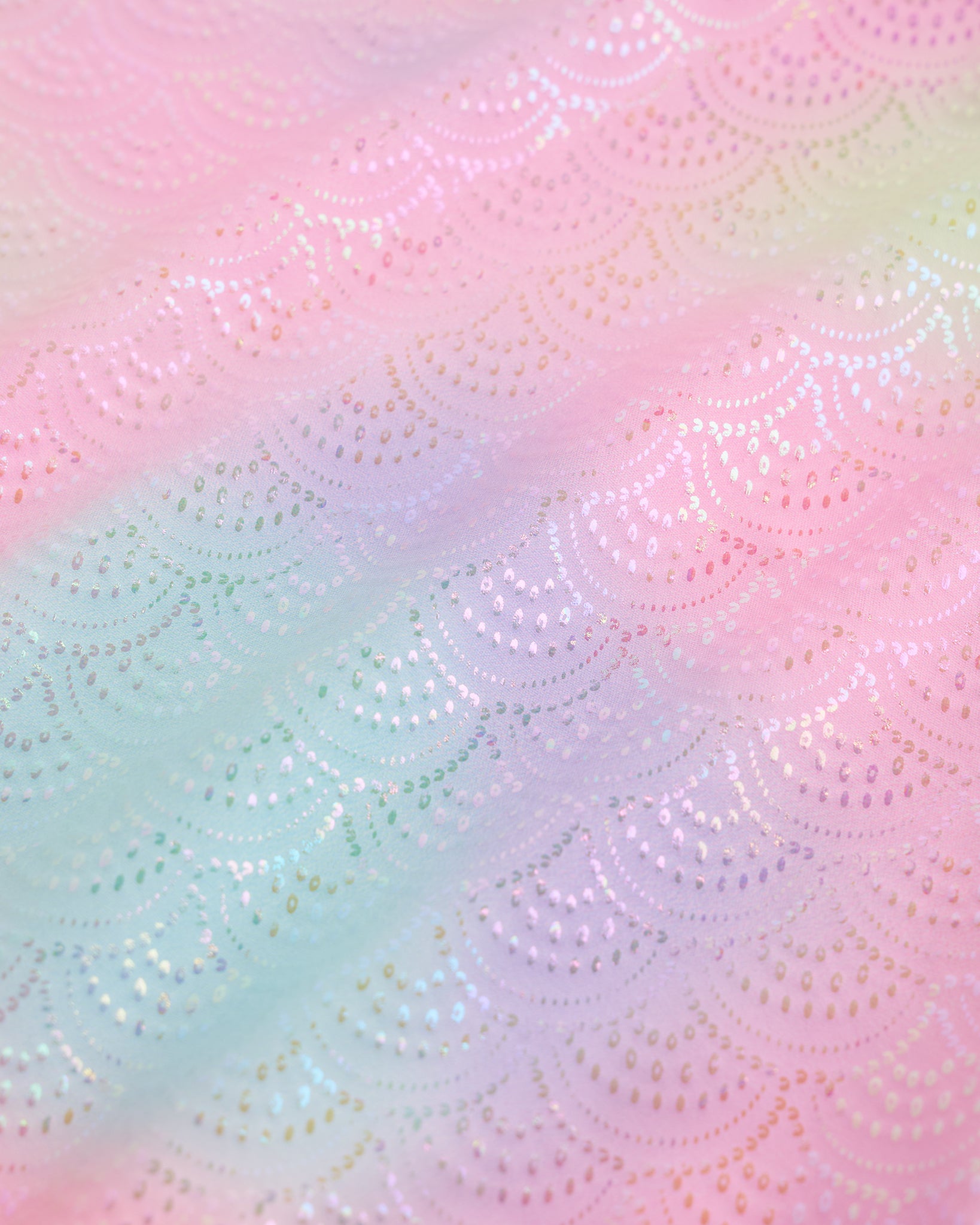
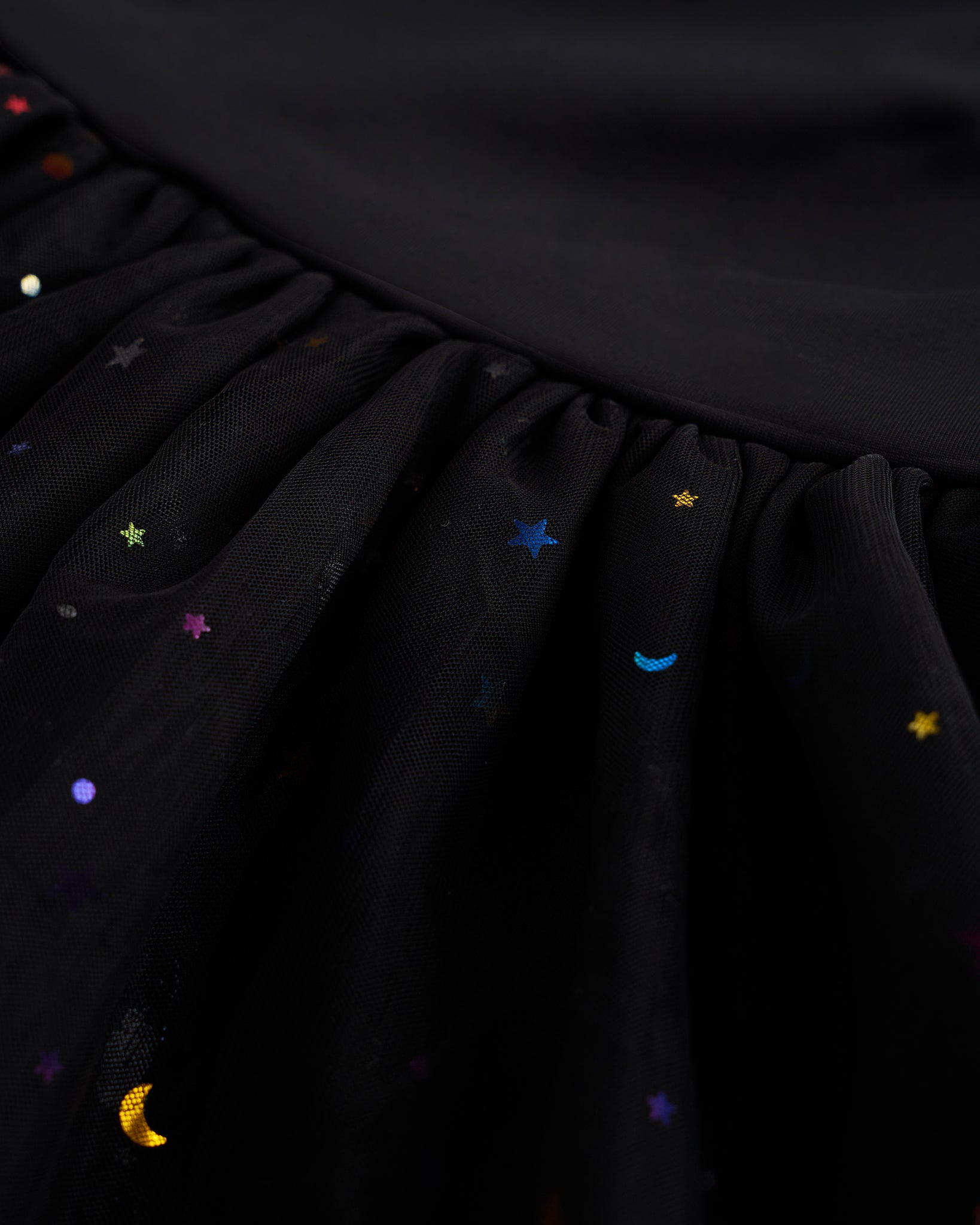
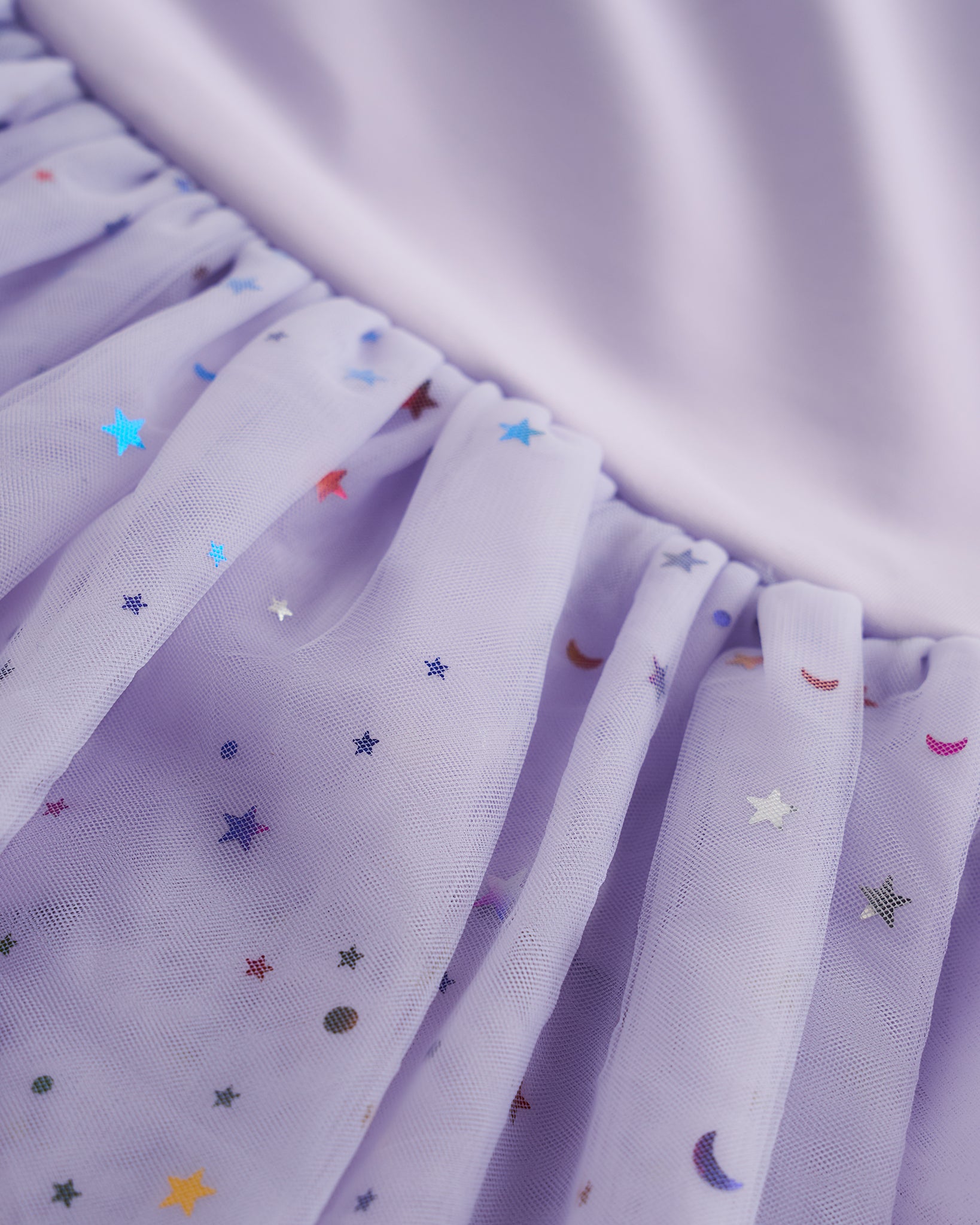
Gymnastics performance leotards are often made from durable stretch fabrics with a shiny finish that holds up to repeated routines. Dance leotards more often use soft cotton blends or breathable spandex, with a focus on comfort through long hours in the studio. As Autumn, who has danced since age three, puts it:
"I prefer cotton leotards because the fabric feels soft, breathable, and natural against my skin. When I'm dancing long hours at Orlando Ballet School or at home, cotton helps me feel comfortable and less restricted."
One practical note: if your child keeps tugging at the straps or says a seam feels scratchy, that is usually not her being picky. It normally means the fabric, fit, or coverage is not quite right.

Coverage, straps, and safety
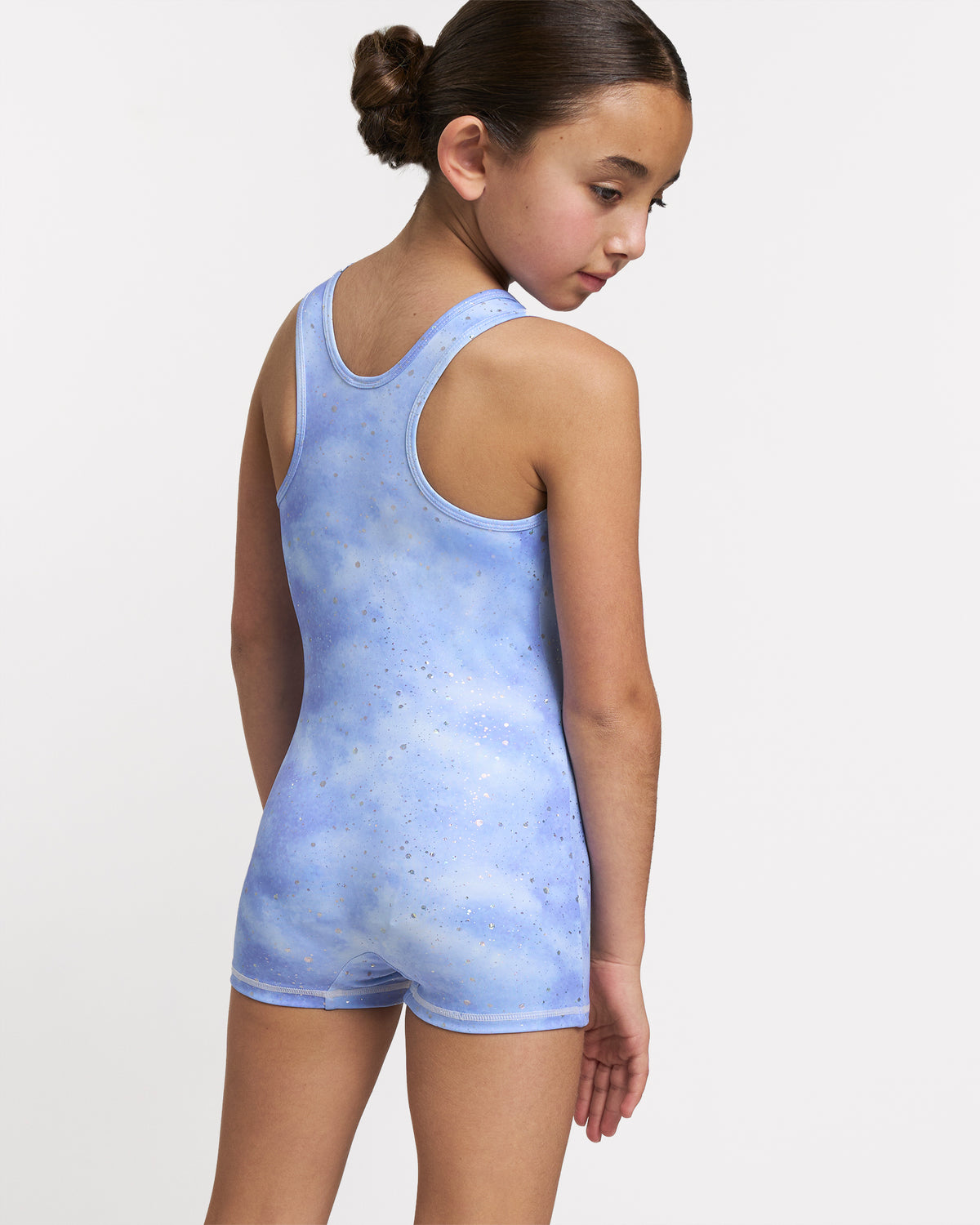
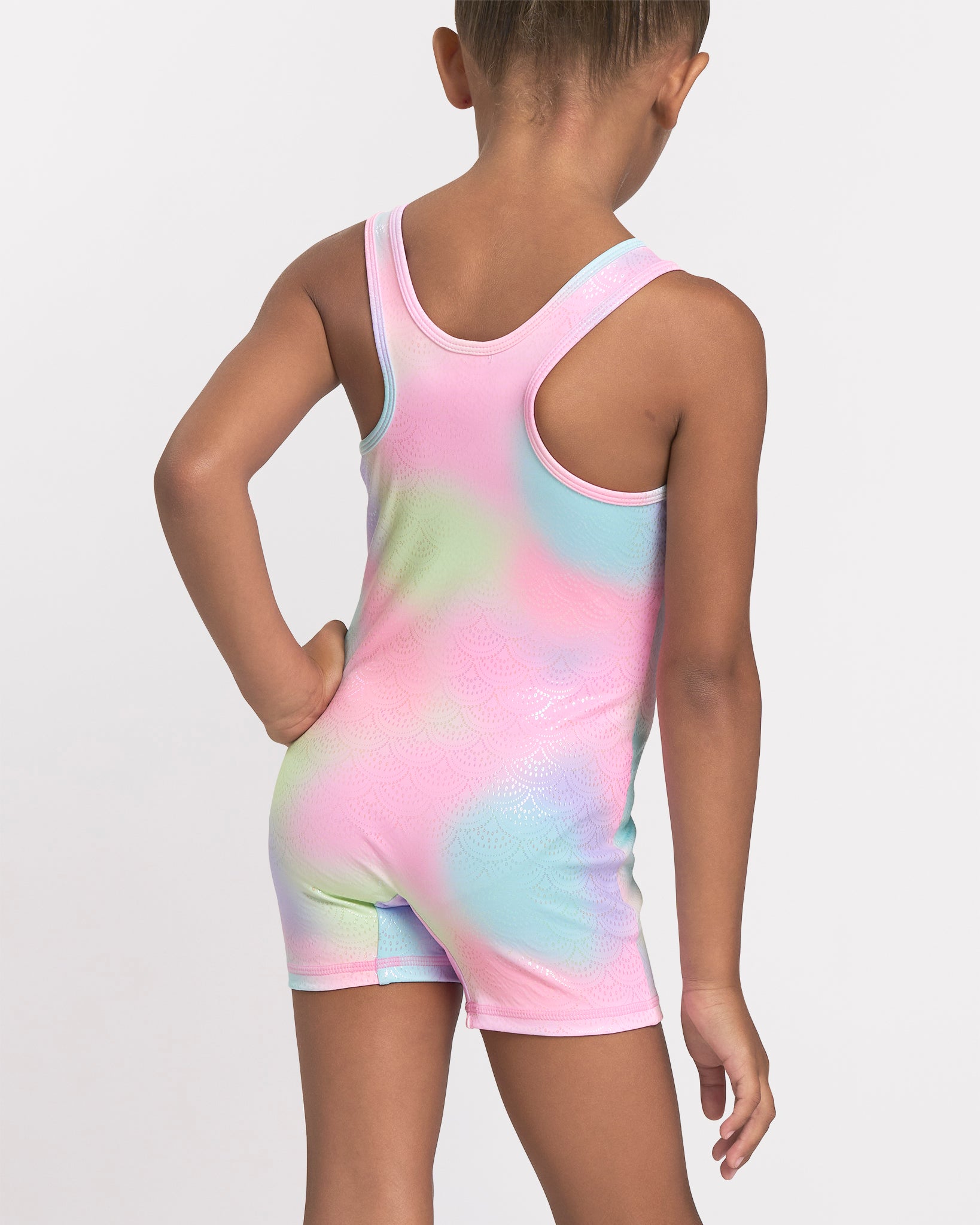
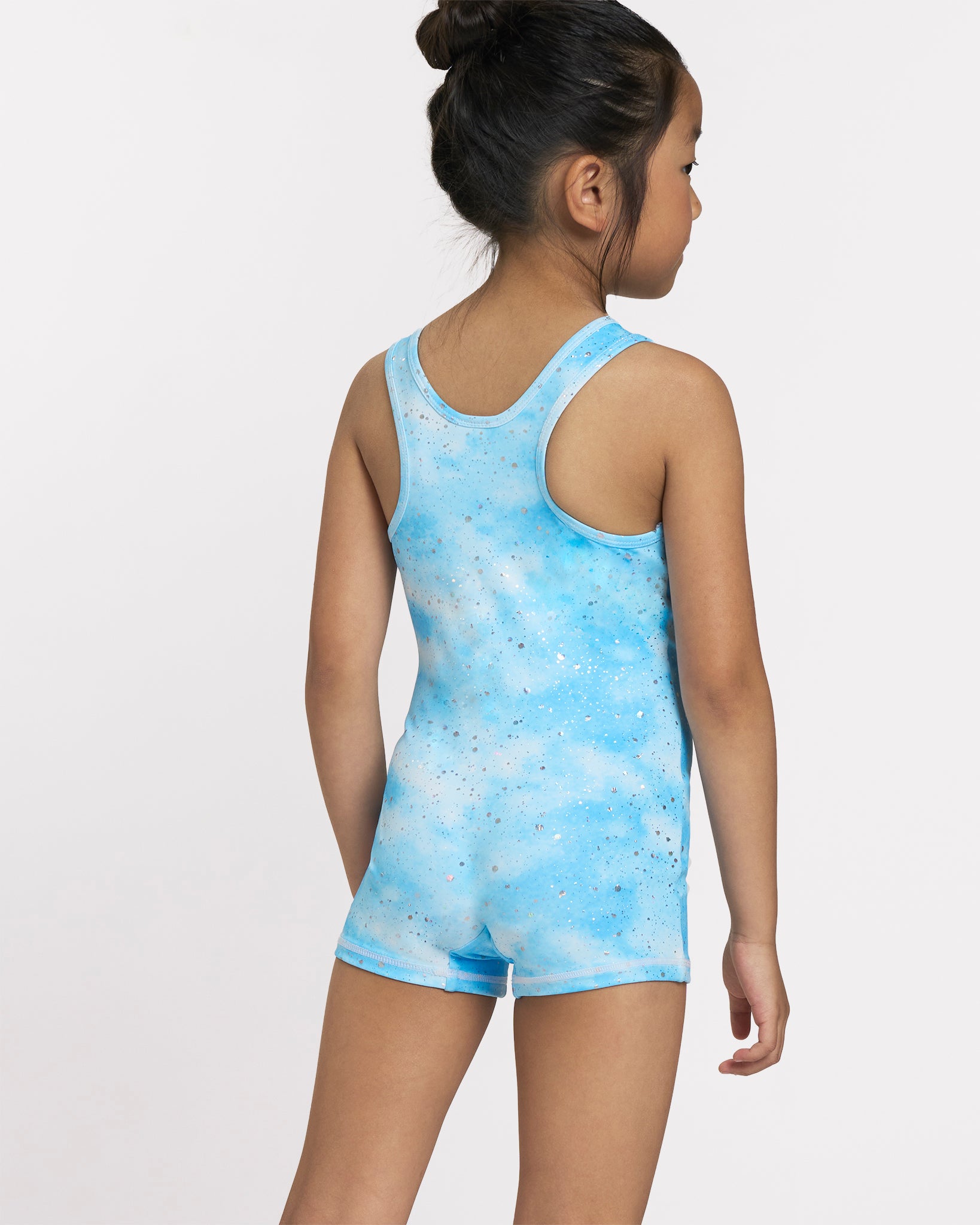
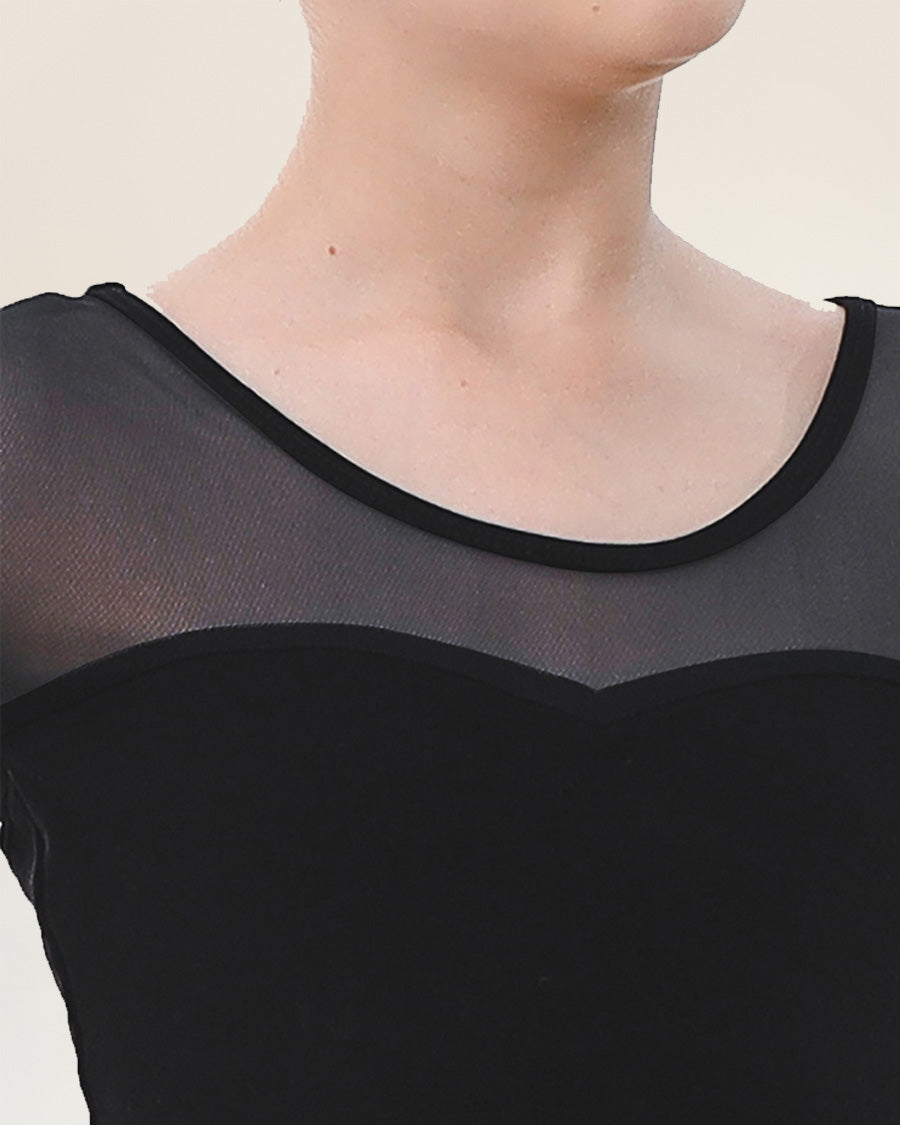
Gymnastics leotards usually have higher necklines, more secure coverage, and wider or more secure straps so nothing slides out of place during inverted movement. Long sleeves show up in some gymnastics styles and competitions and can add a little coverage, though whether they are needed depends on the coach, team, or event. Loose fits or attached skirts are generally avoided in gymnastics, since extra fabric can catch on equipment. Dance leotards allow lower necklines, open backs, and a wider variety of straps to show the lines of the body.
Fit tips for parents
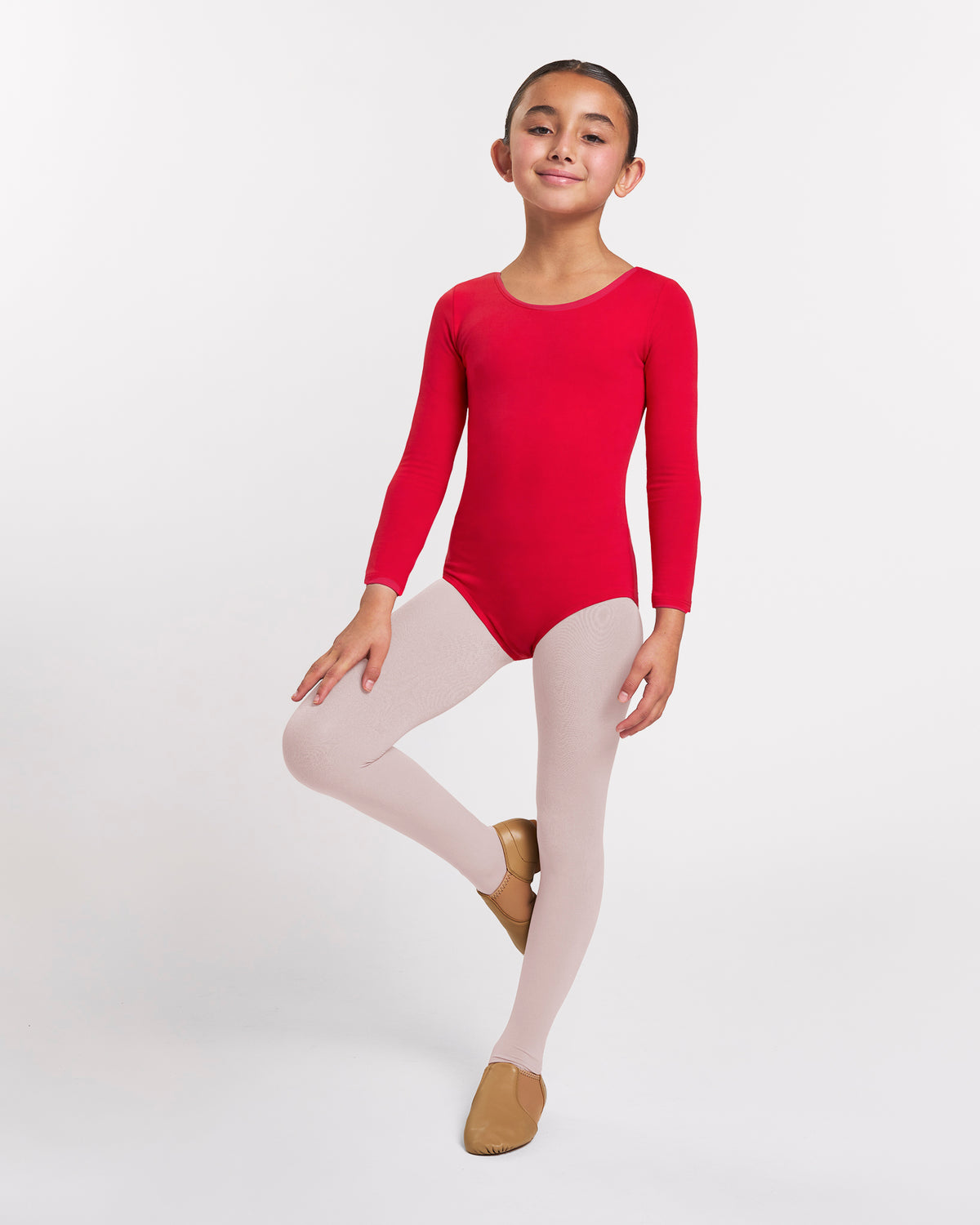
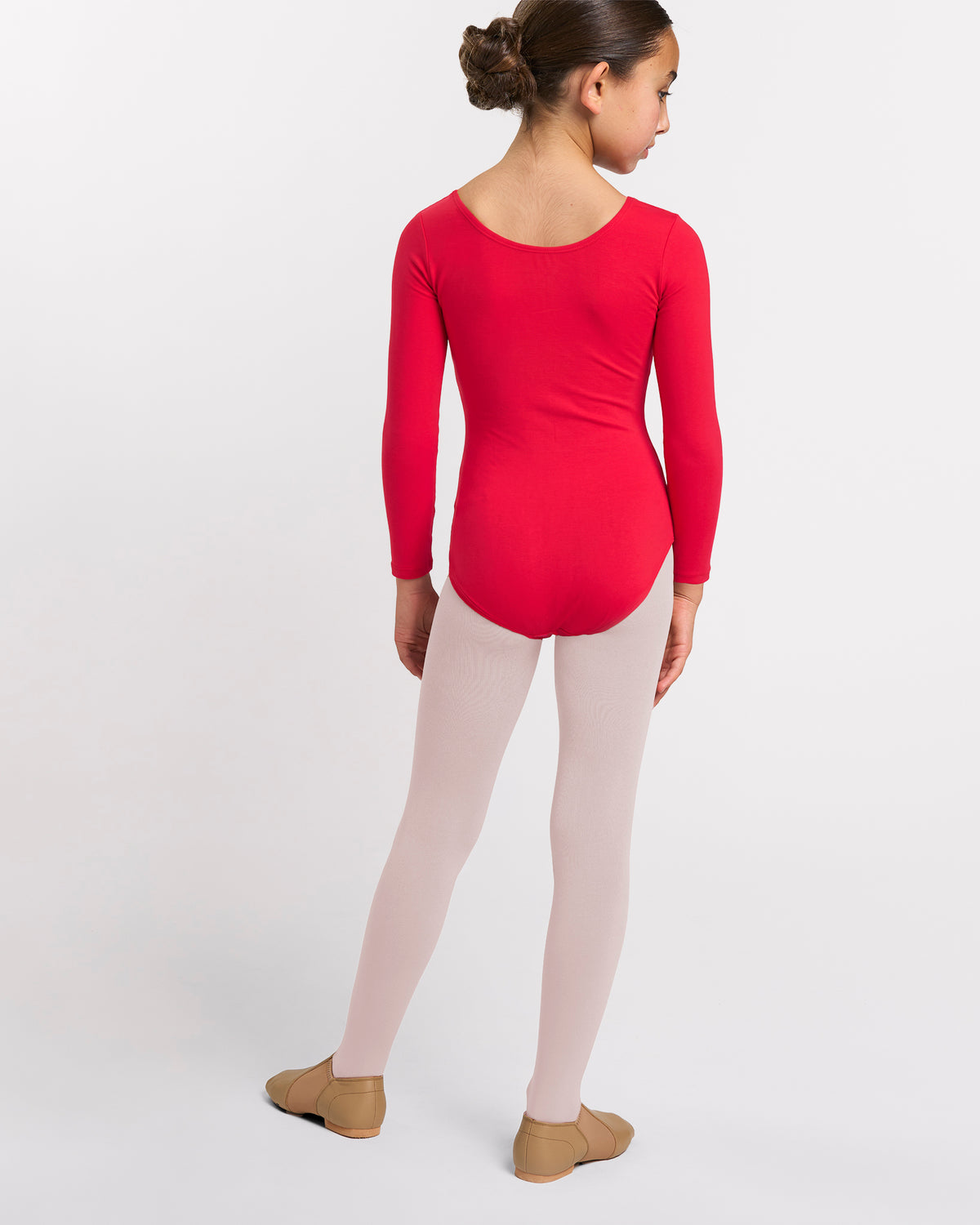
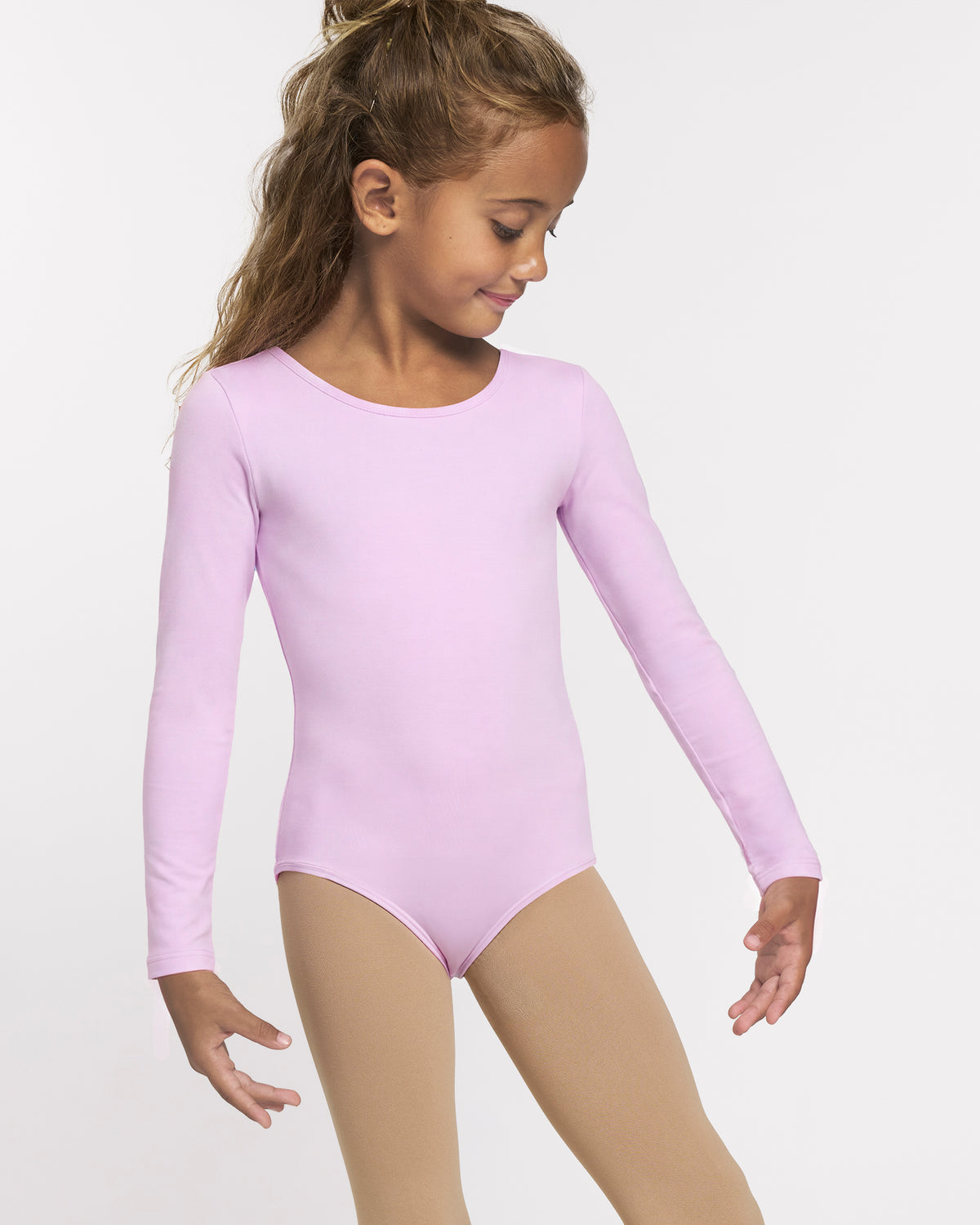
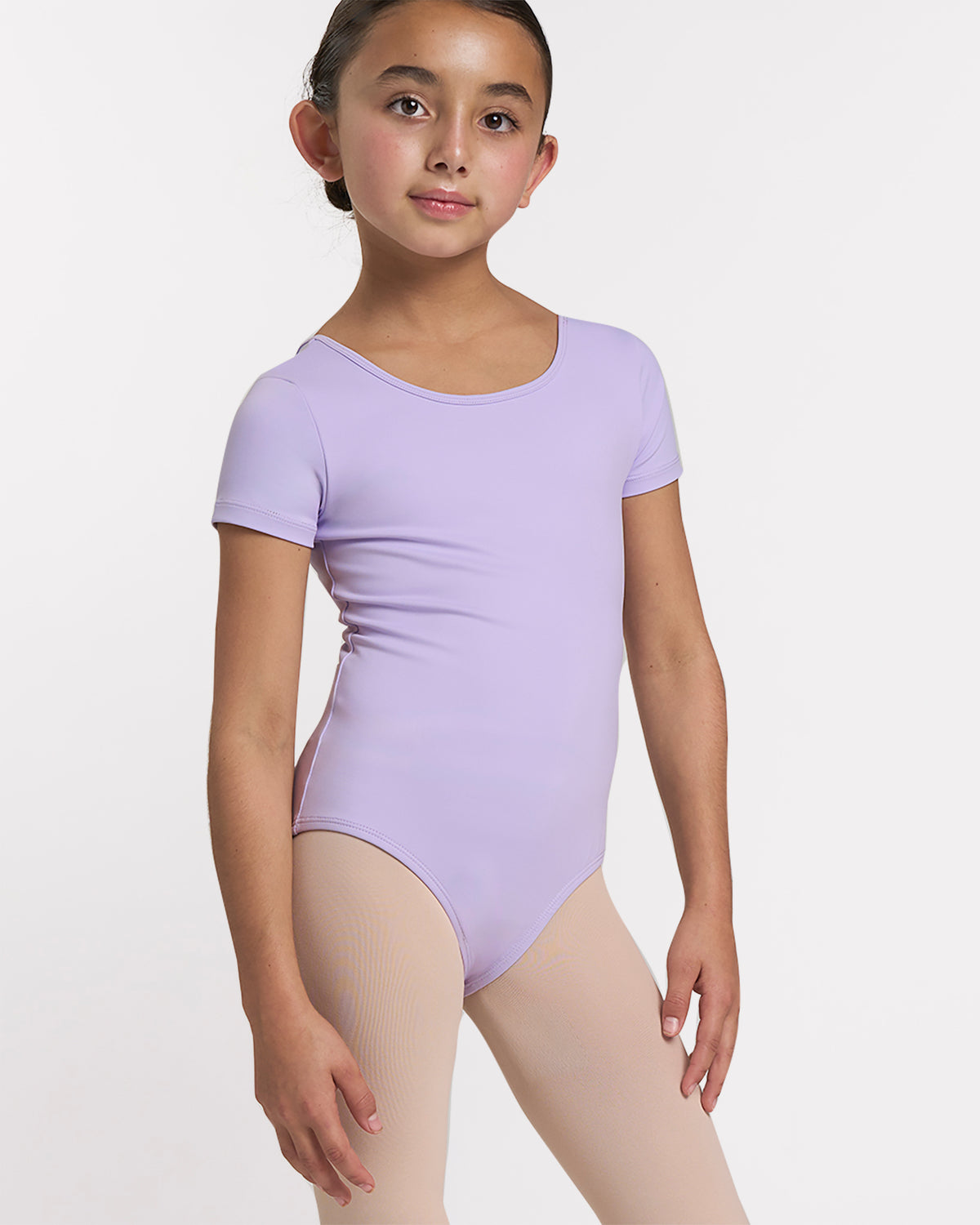
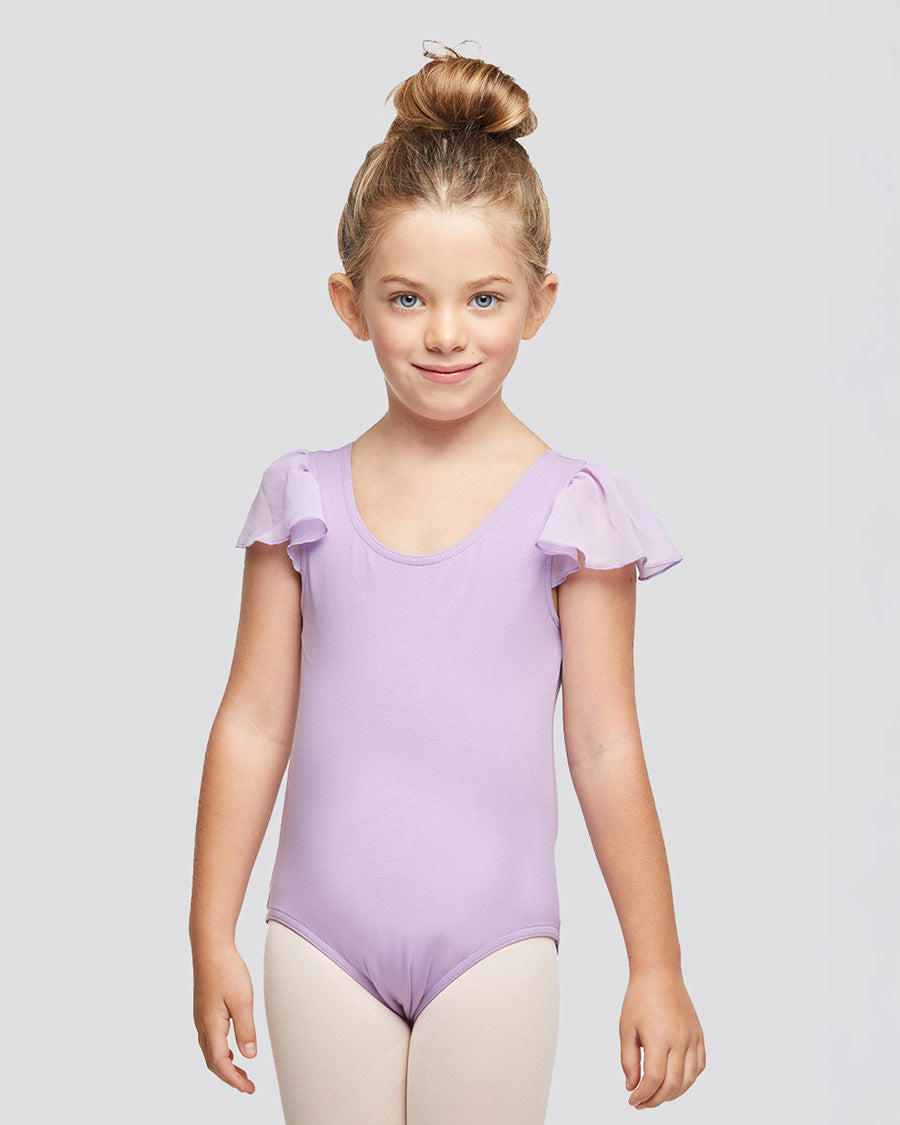
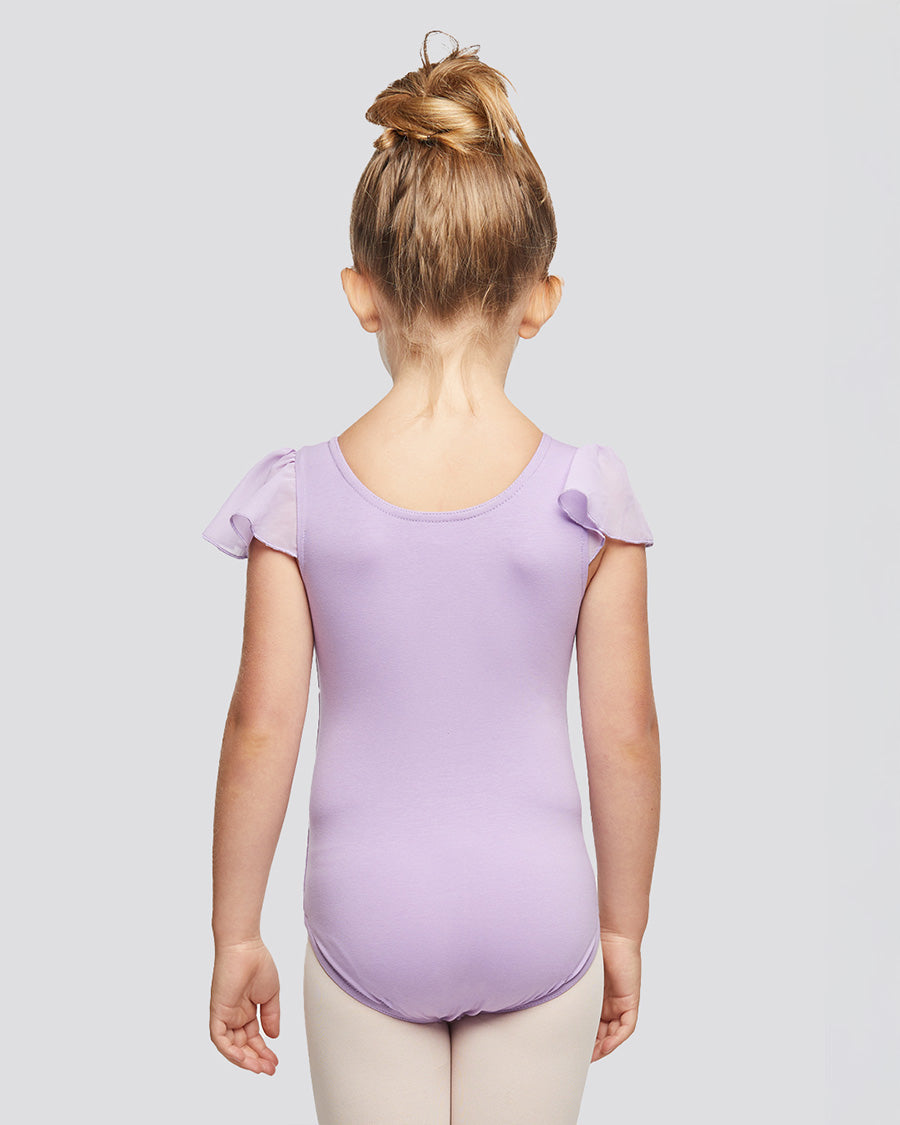
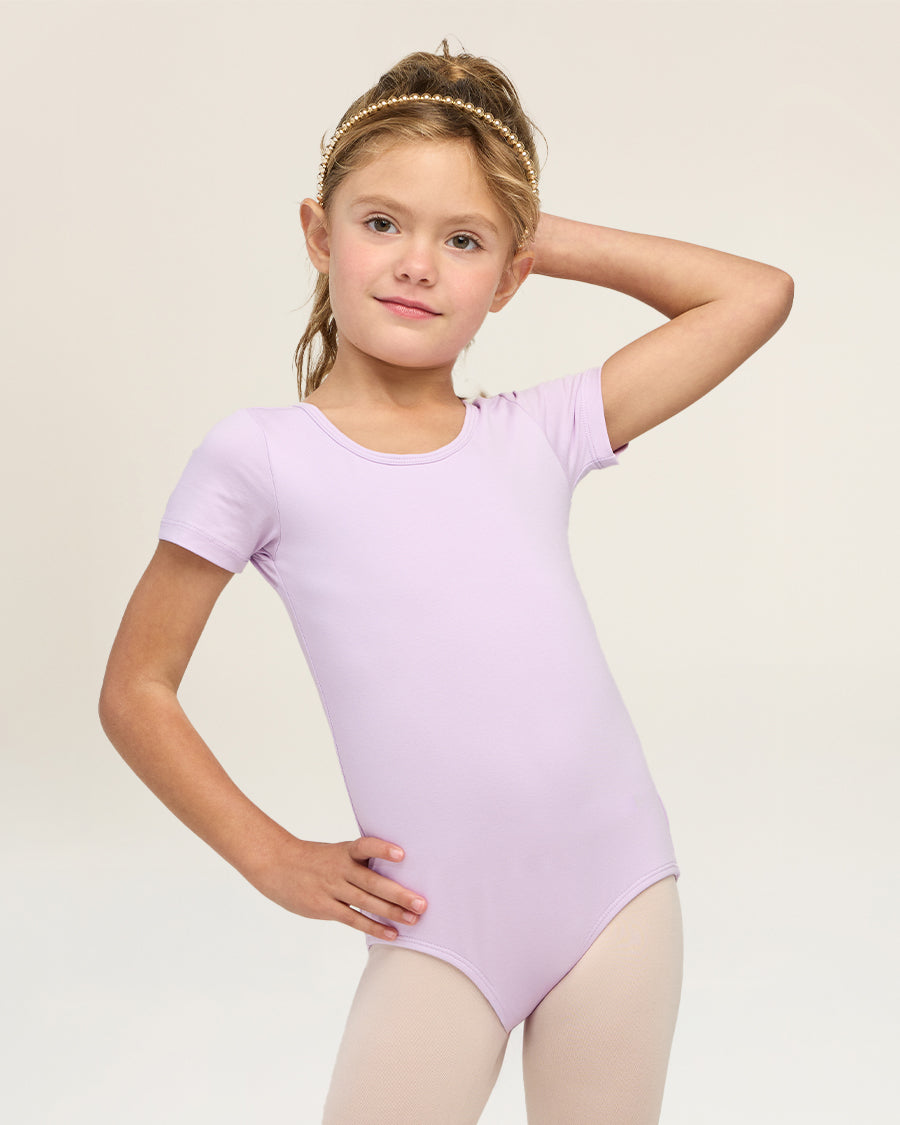
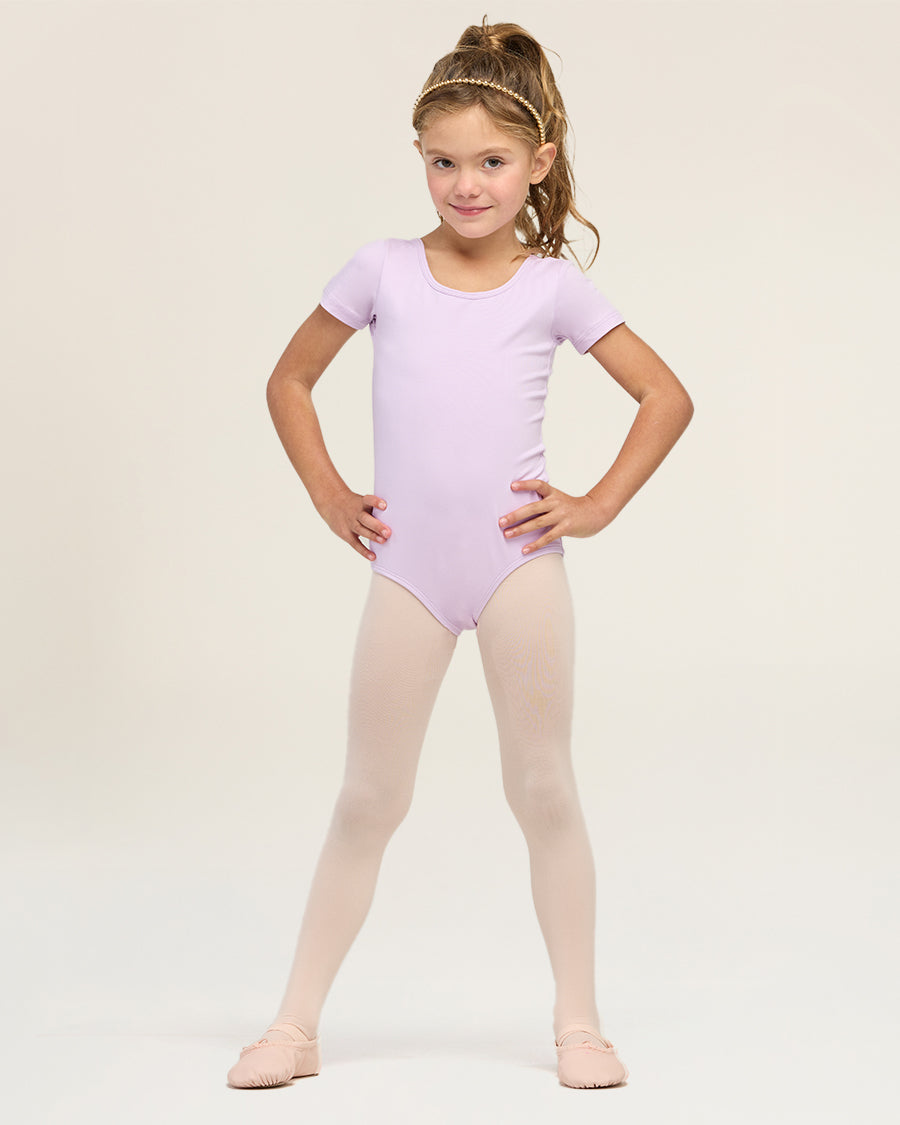
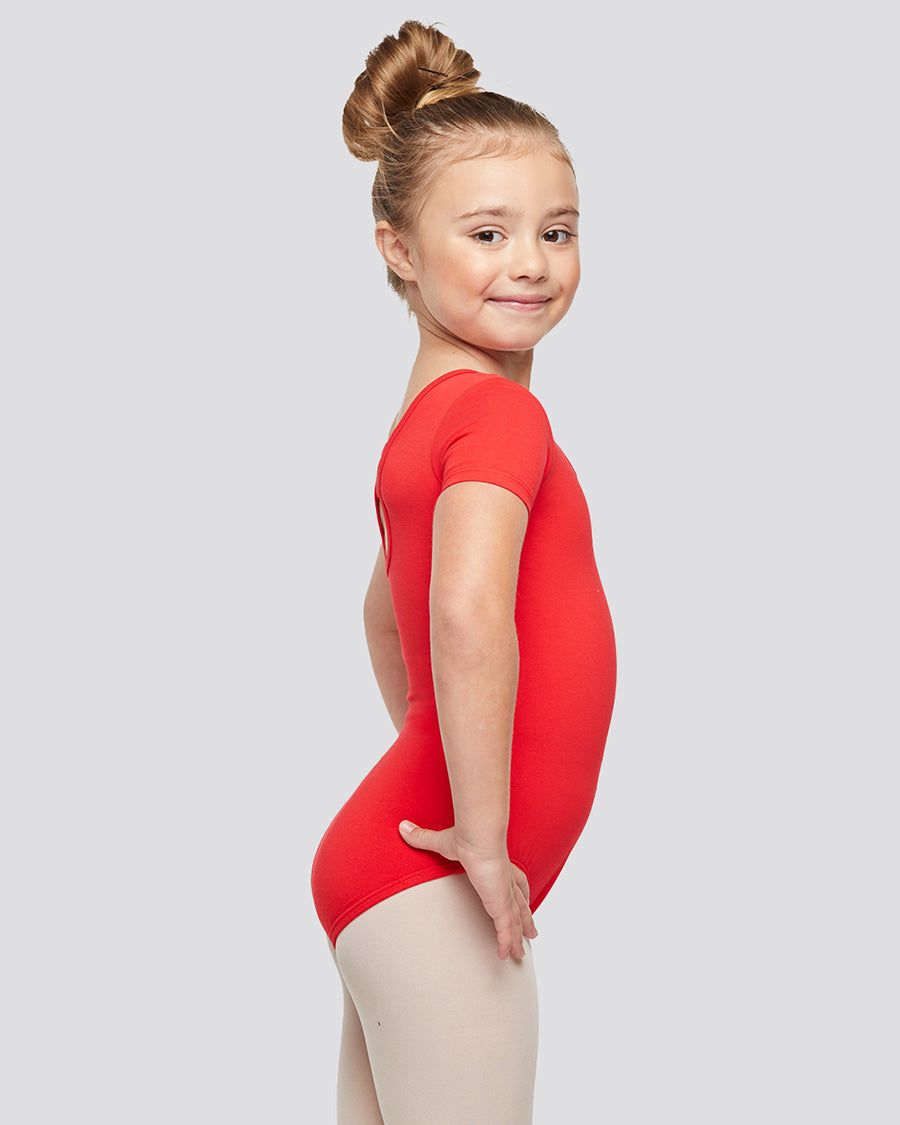
Whichever type you choose, a leotard should fit like a second skin: close to the body with no excess fabric, but never digging in. A quick fit check:
-
Straps stay on the shoulders
-
The neckline does not gap
-
Leg openings do not dig in
-
Your child can bend, stretch, jump, and sit comfortably
-
The fabric does not go see-through when stretched
-
She is not constantly adjusting it
If it is too small, it will pinch at the shoulders or hips. When in doubt, measure your child's chest, waist, hips, and torso and compare against the size chart before buying.
Quick Comparison Table
|
Feature |
Gymnastics leotards |
Dance leotards |
|
Best for |
Gymnastics, tumbling, acro |
Ballet, jazz, tap, lyrical, dance class |
|
Movement focus |
Flips, handstands, rolls, upside-down movement |
Turns, jumps, stretching, barre work, clean lines |
|
Coverage |
Often more secure for inversions |
Depends on the dance style and dress code |
|
Fabric |
Often durable performance stretch |
Often soft cotton, spandex, or performance blends |
|
Design |
Often bold, shiny, printed, team-style |
Often simpler and studio-friendly |
|
Straps & safety |
Wider, secure straps; no loose skirts near equipment |
Varied straps; open backs to show the line |
|
Can they overlap? |
Sometimes, for casual beginner classes |
Sometimes, if the teacher approves |
Can One Leotard Work for Both Dance and Gymnastics?
This is the question most parents really want answered. The honest version: sometimes, especially for casual beginner classes and simple, comfortable styles. But once there is a dress code, tumbling, team practice, a recital, or a competition, an activity-specific leotard is usually safer and more comfortable. Here is a quick way to decide:
|
Situation |
Can one leotard work? |
What to check |
|
Casual beginner movement class |
Sometimes |
Comfort, coverage, teacher approval |
|
Ballet class with a dress code |
Usually no |
Required color, sleeve, or style |
|
Gymnastics or tumbling |
Better to use a gymnastics leotard |
Secure coverage for inversions |
|
Recital or competition |
Usually no |
Follow the official requirements |
|
Skirted dance leotard for gymnastics |
Usually no |
The skirt can get in the way |
When you are not sure, a quick message to the teacher or coach settles it.
How to Choose the Right Leotard for Your Child
If you want a simple way to decide, work through these in order.
Start with the class type. Ballet, jazz, tap, gymnastics, tumbling, and team or competition all have different needs, so name the activity first. A quick way to narrow it down:
-
If it's ballet, check the studio's color and sleeve requirements first.
-
If it's gymnastics or tumbling, prioritize secure coverage and skip loose skirts.
-
If it's a casual beginner movement class, a simple, close-fitting style may be enough if the teacher approves.
Check the dress code first. This matters more than the product title. Many ballet studios and gymnastics teams specify a color, sleeve style, or overall look, and that comes before anything else. For ballet exams or formal assessments, uniform expectations can be even more specific: the Royal Academy of Dance, for example, notes that a candidate's uniform should be clean, supportive, comfortable, and fitted so the line of the body is clearly visible.
Check the fit. Use the fit checklist above. A leotard that stays put and lets her move freely is usually a better choice than one she has to keep adjusting.
Choose fabric by comfort and movement. Soft, breathable fabric is ideal for long dance classes; more durable performance stretch suits active, high-impact movement. Avoid scratchy seams and tags, and remember that lighter colors may need lining. For many families, the best leotard for ballet class is simply a soft, well-fitting one in the studio's required style.
Autumn's advice for choosing a first leotard sums it up well:
"Find one that feels good on your skin, fits correctly without slipping or being too tight, and moves well with your body. Breathability makes a big difference. And pick a color that feels like you, because you should feel confident the moment you put it on."

Where Stelle Leotards Fit In
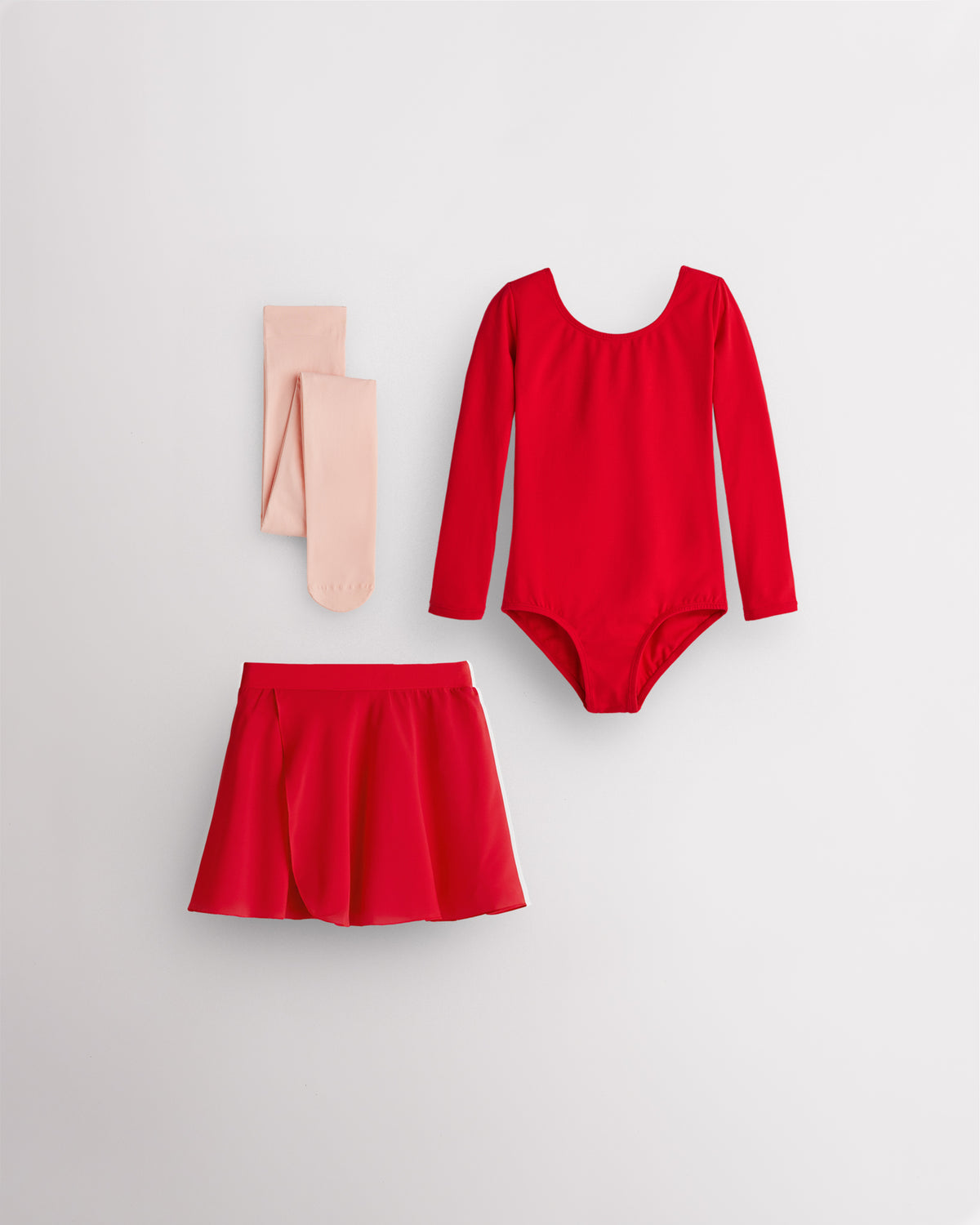
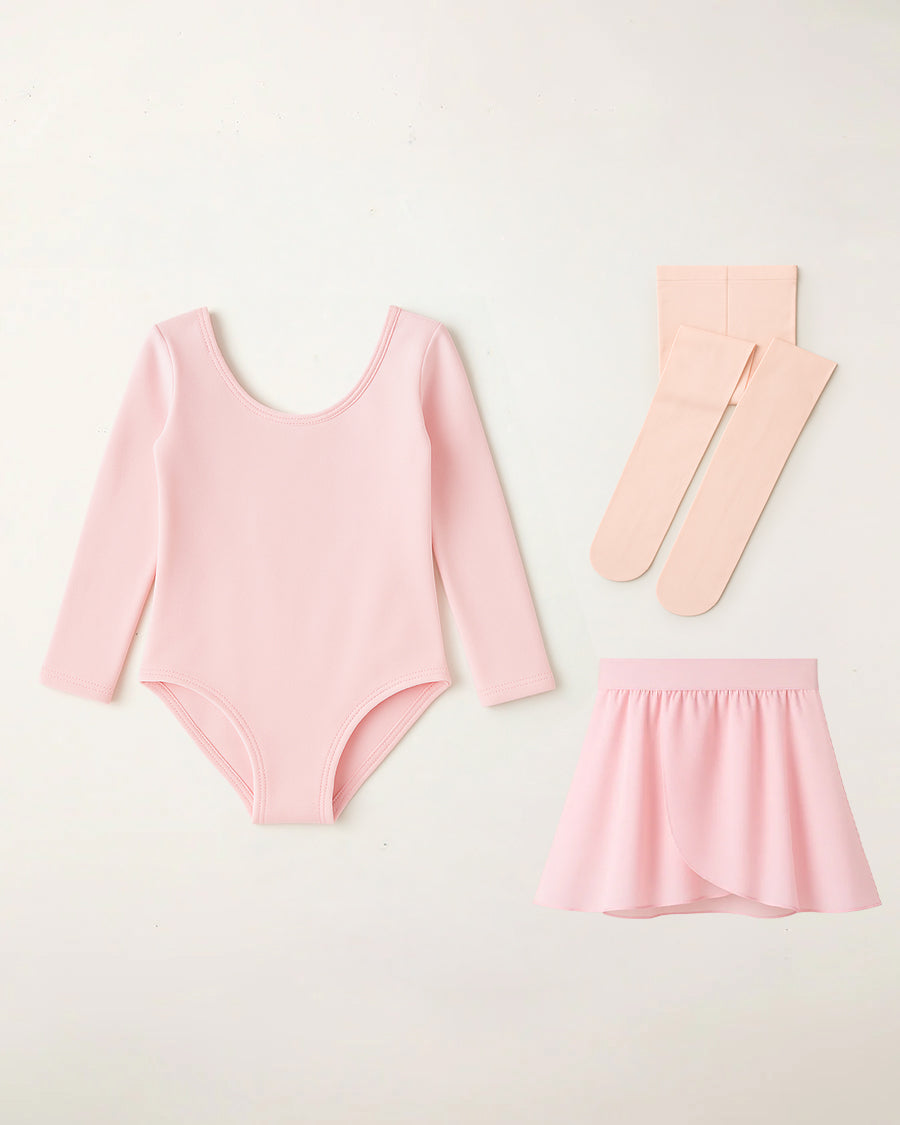
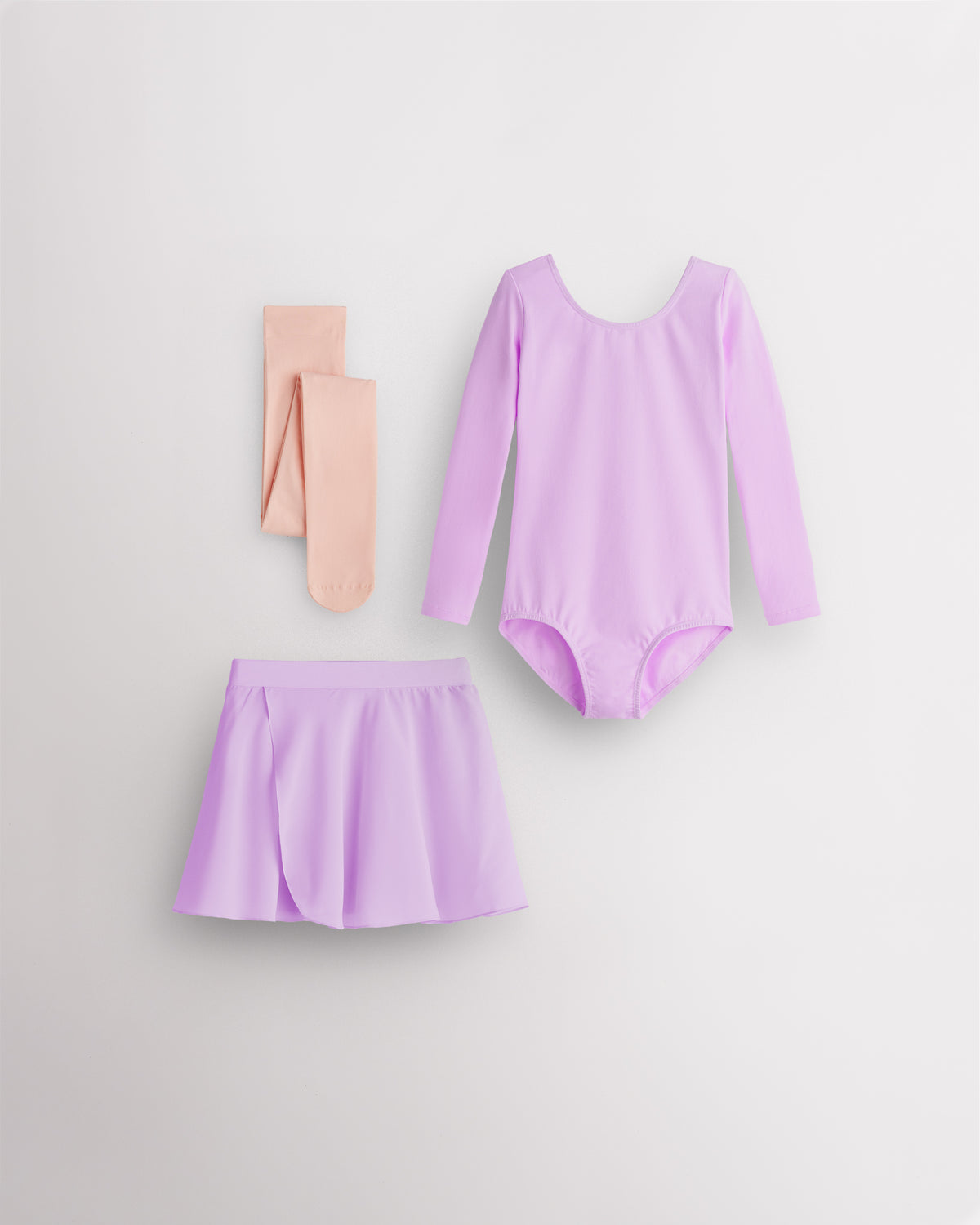
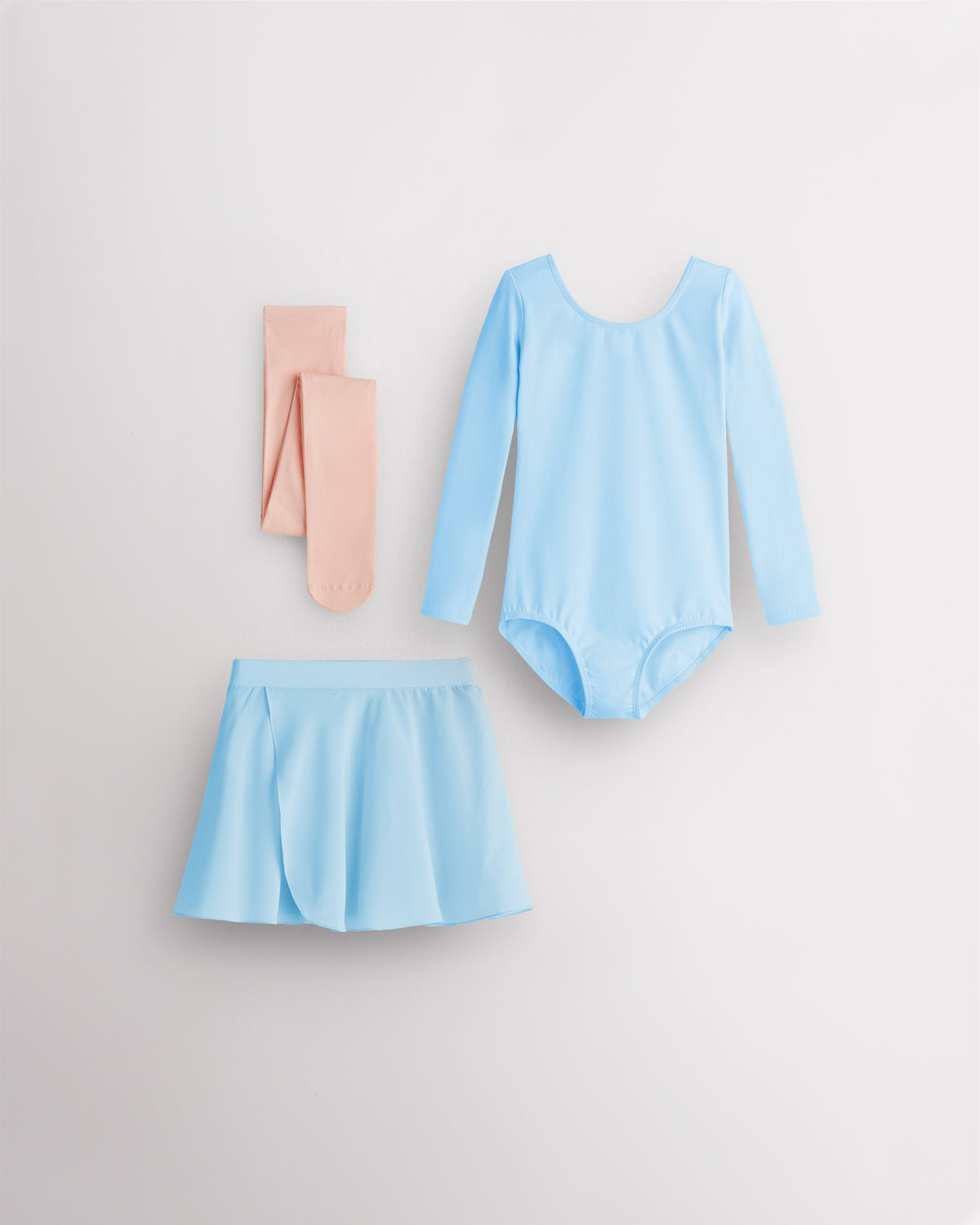
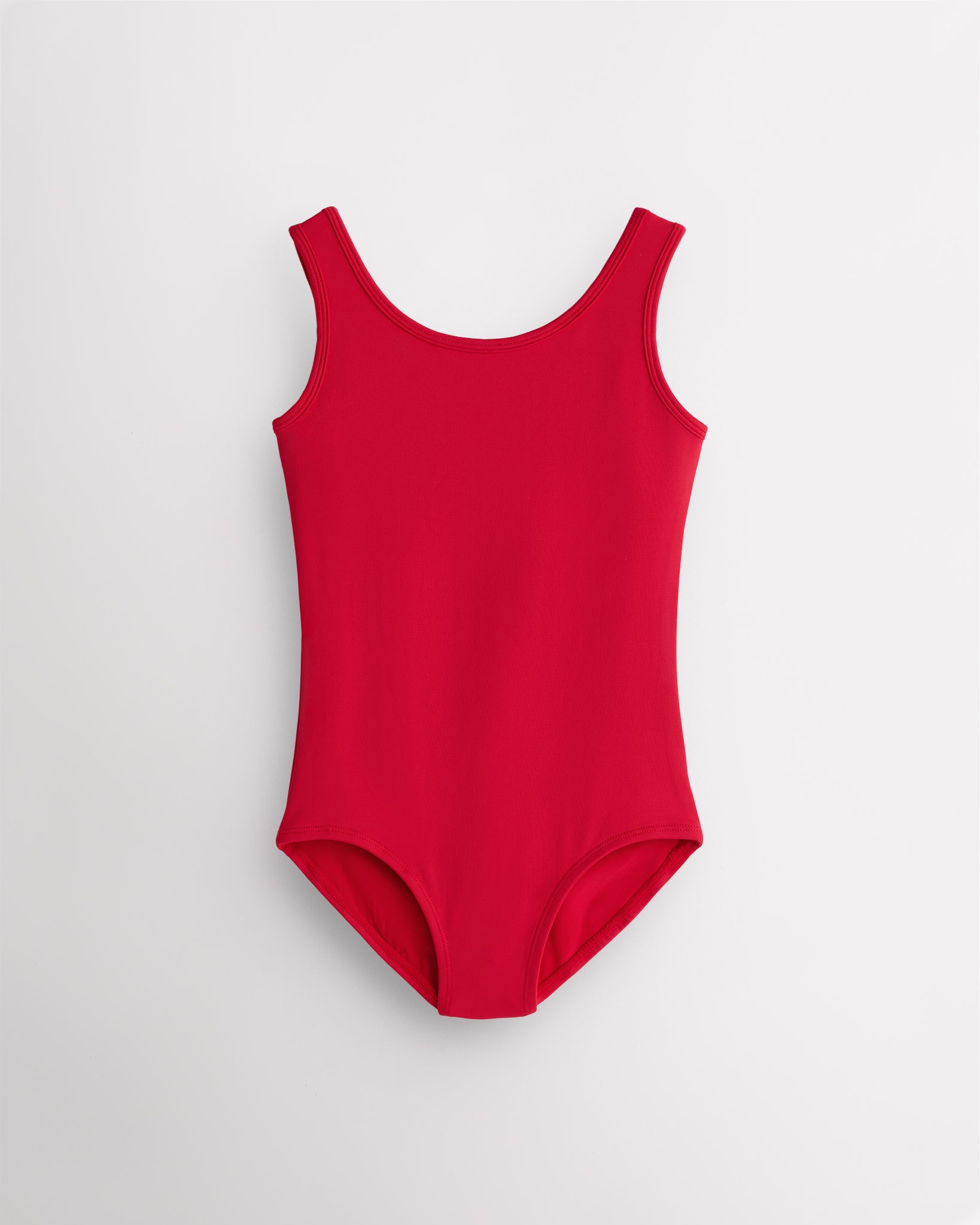
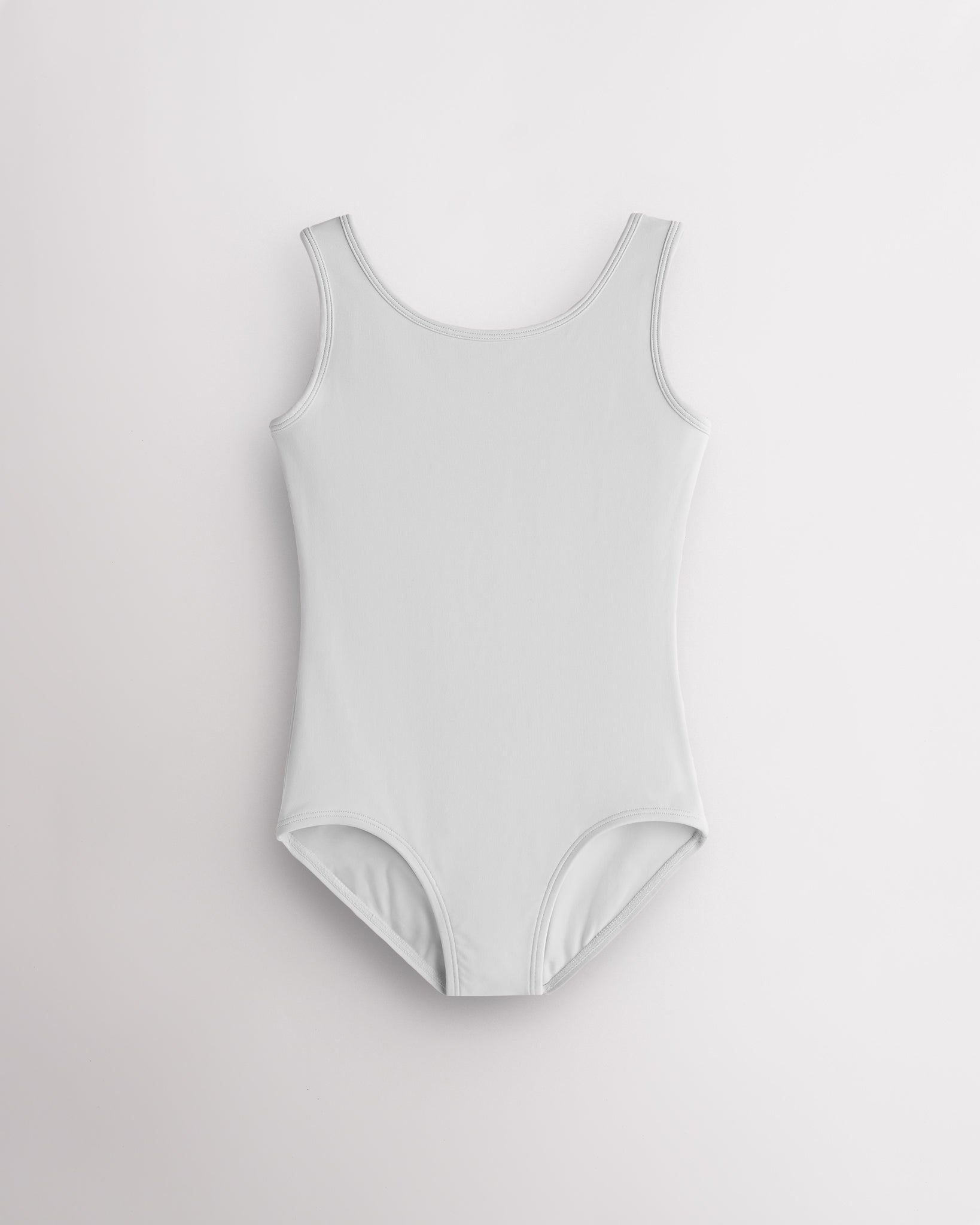
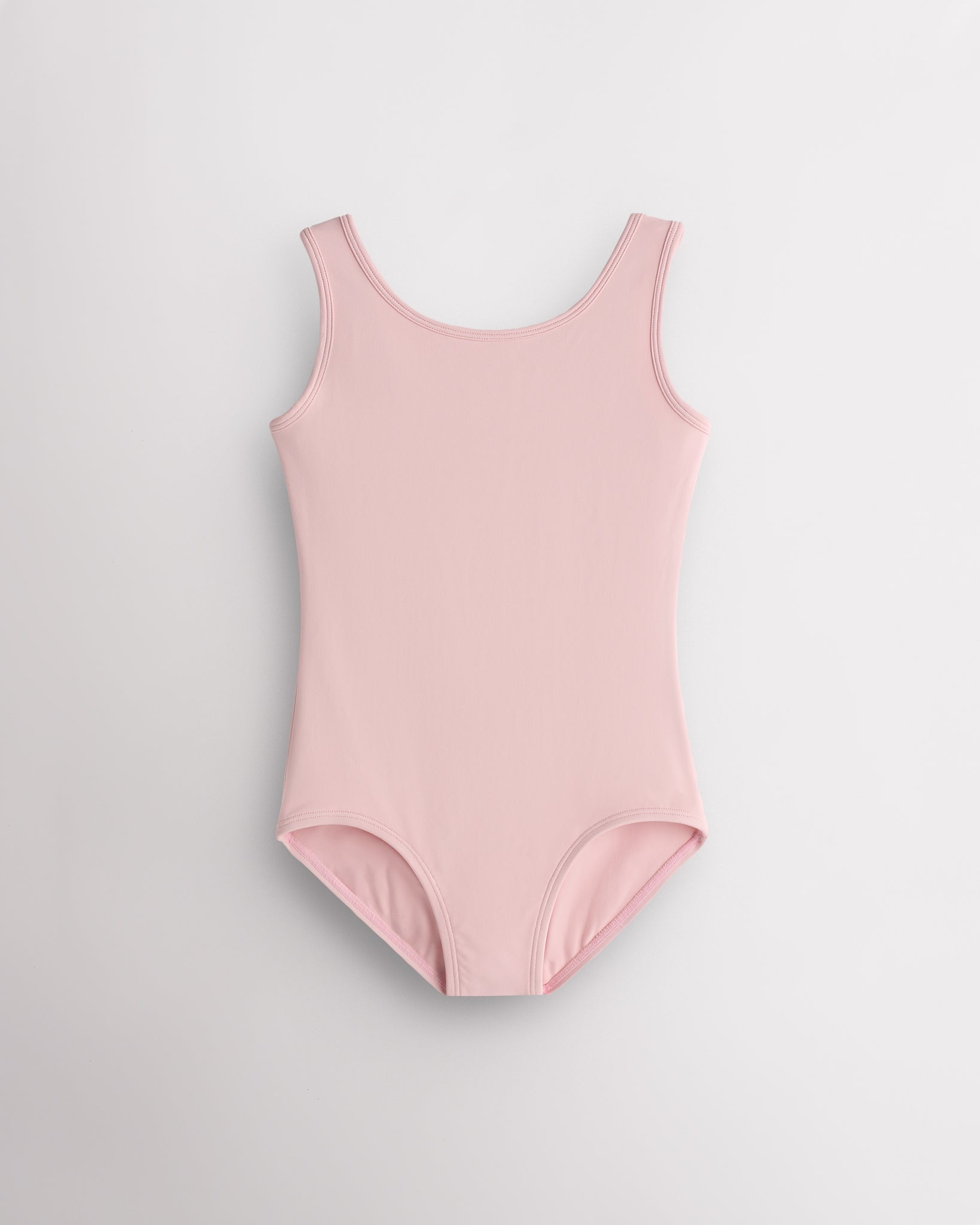
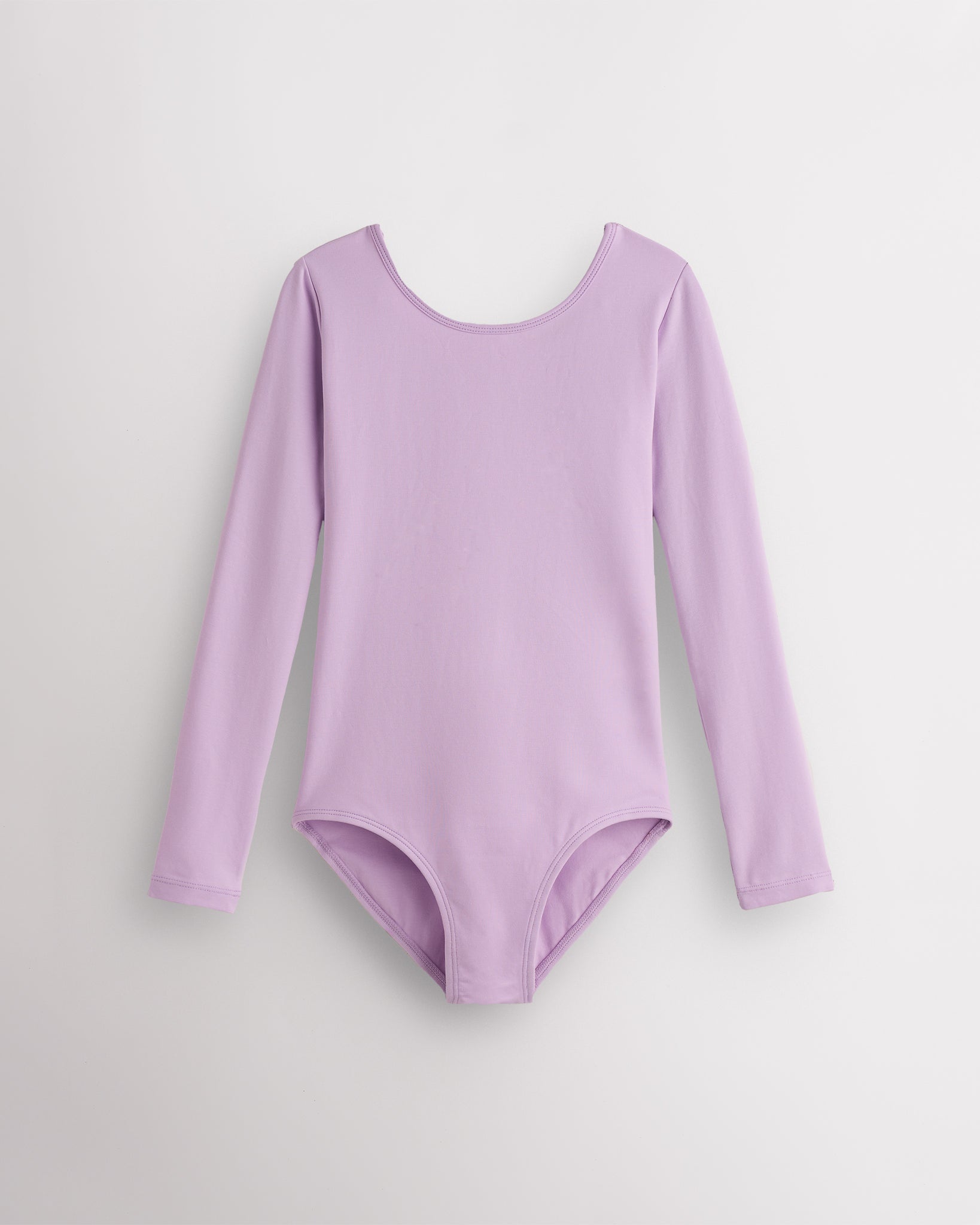
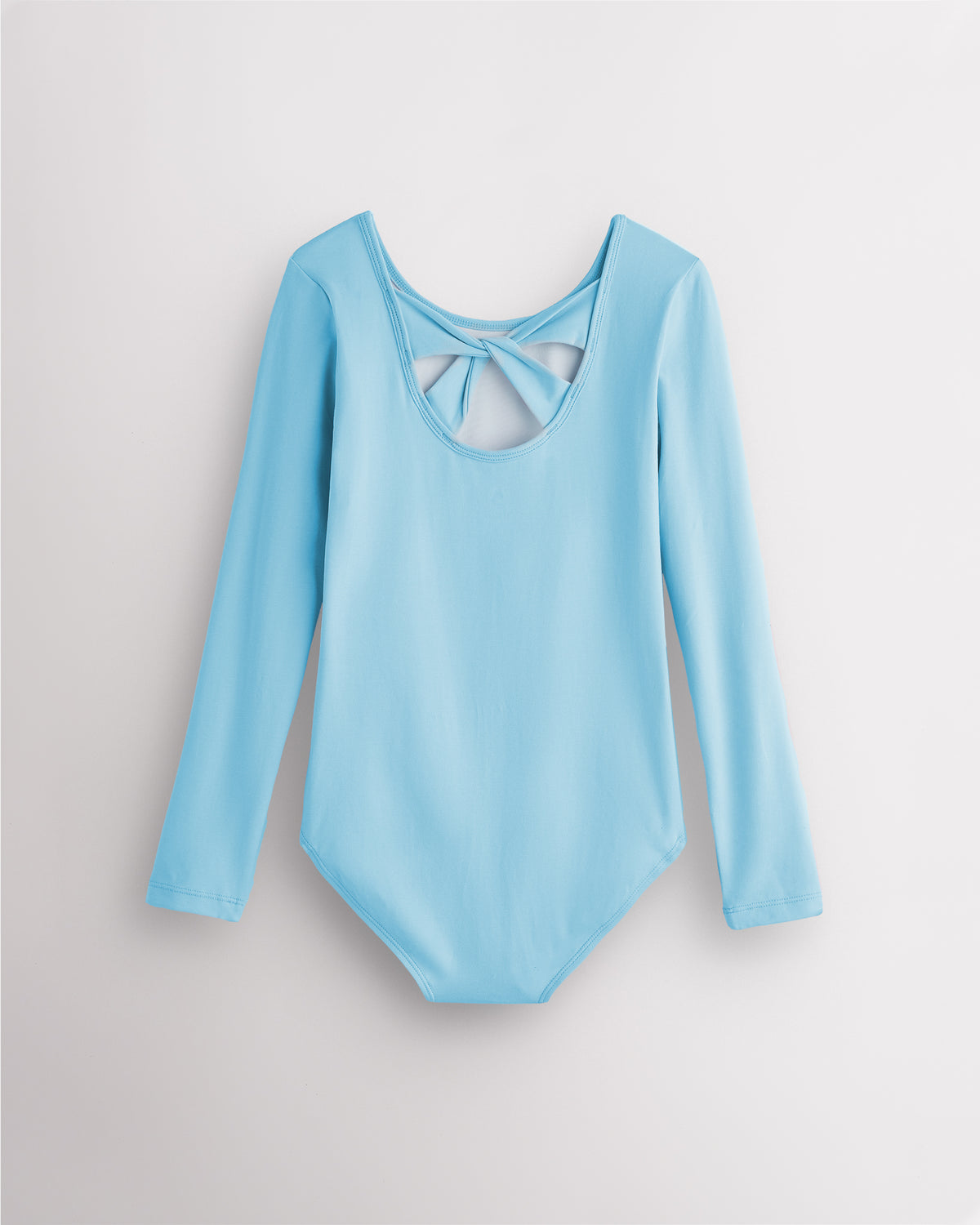
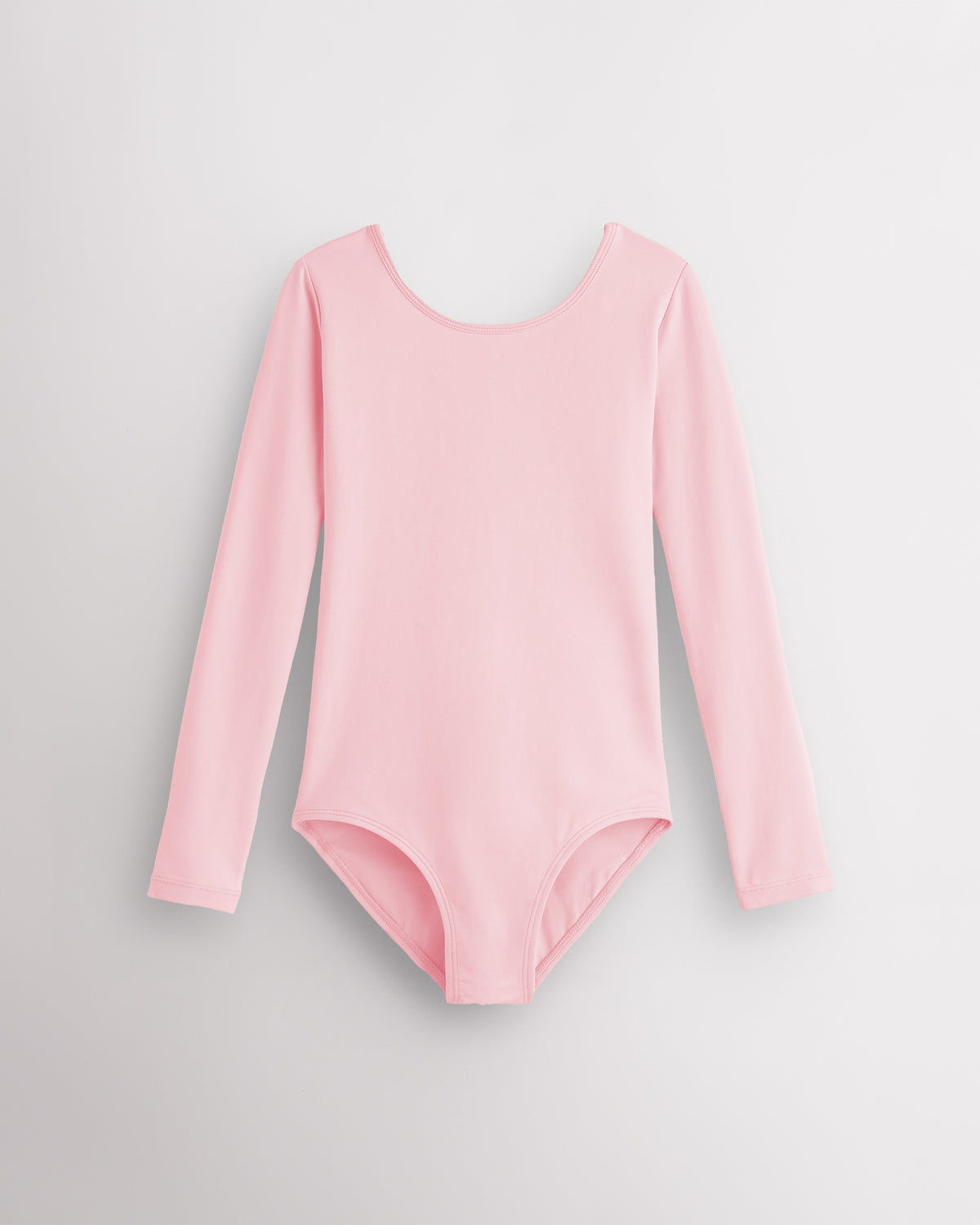
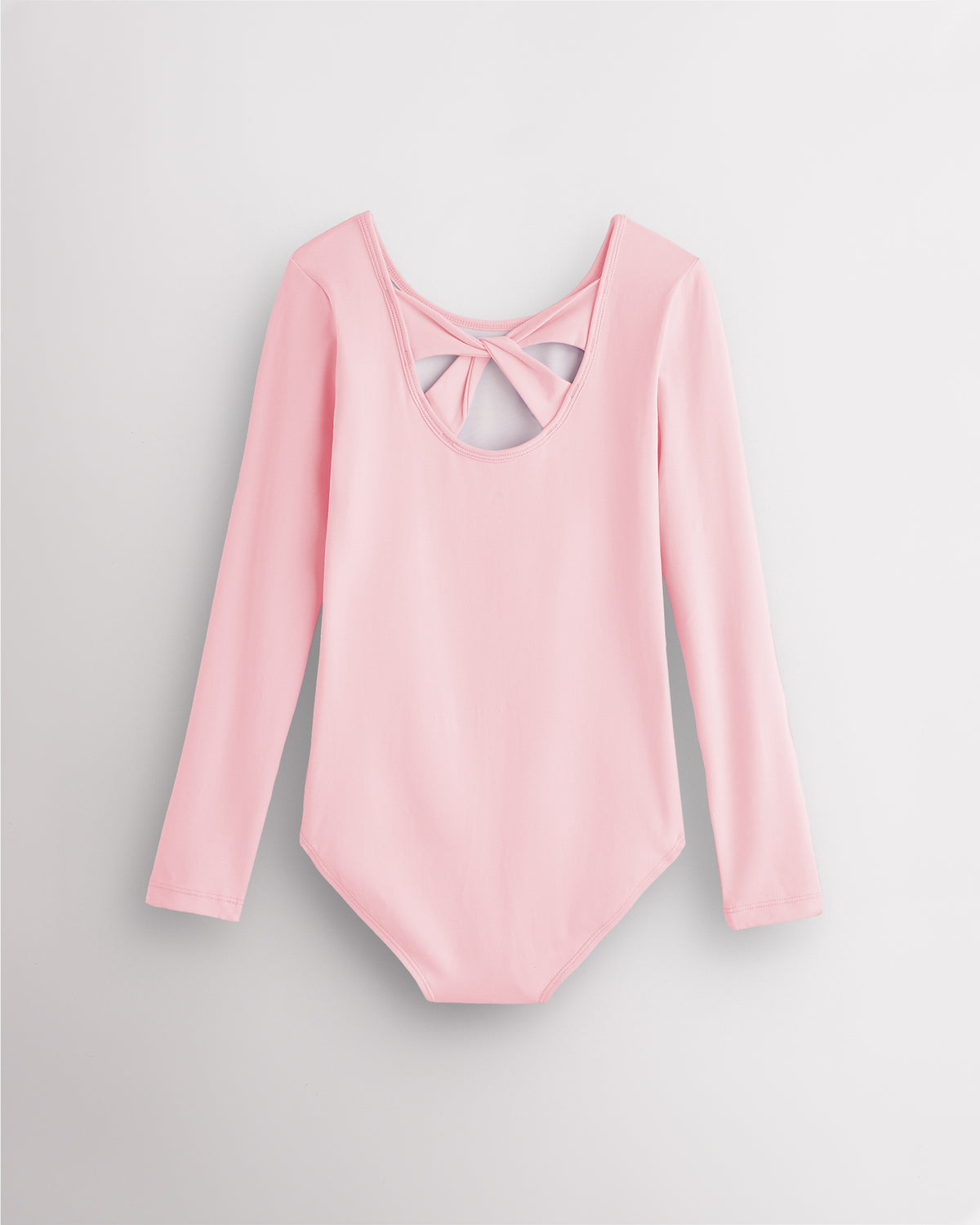
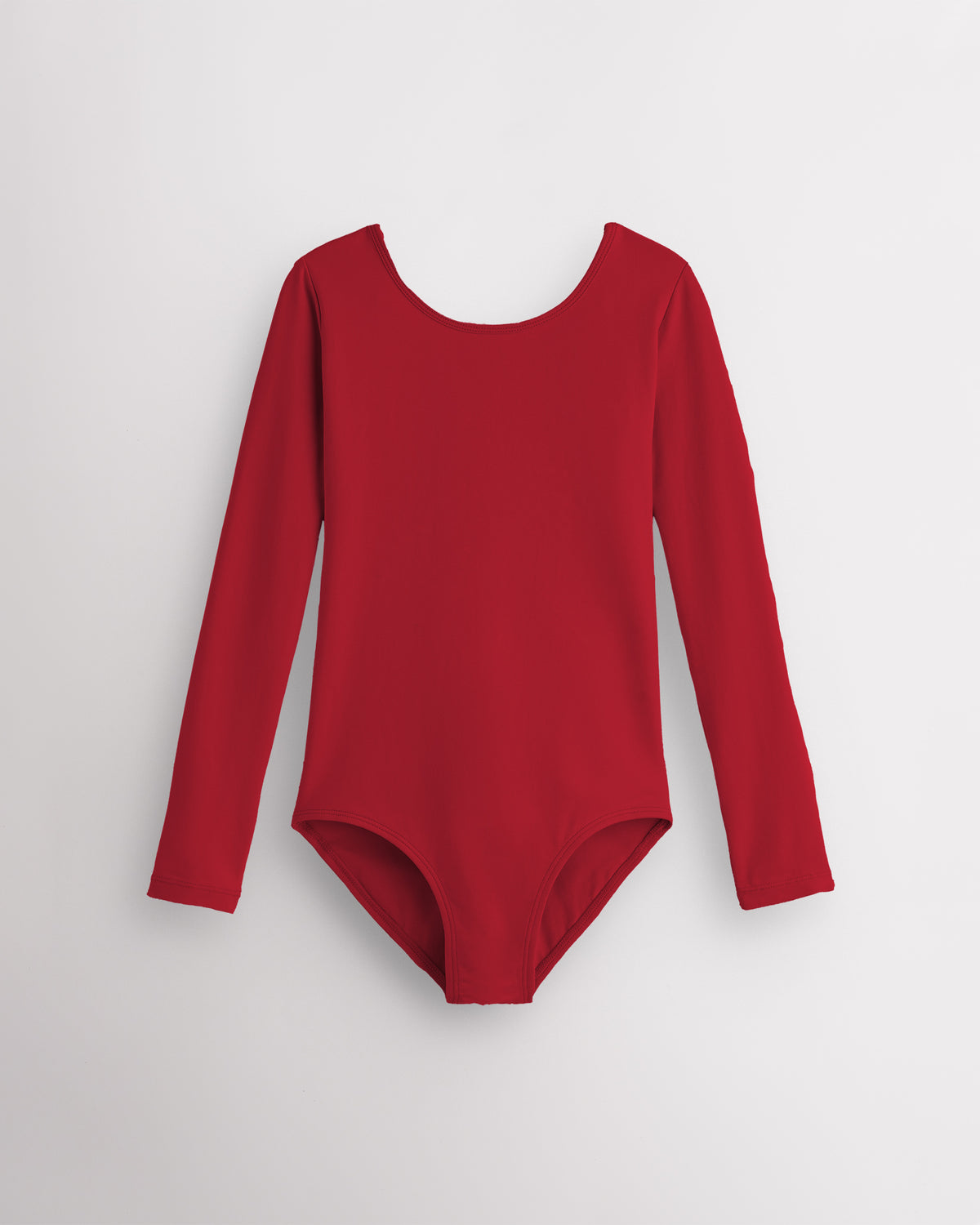
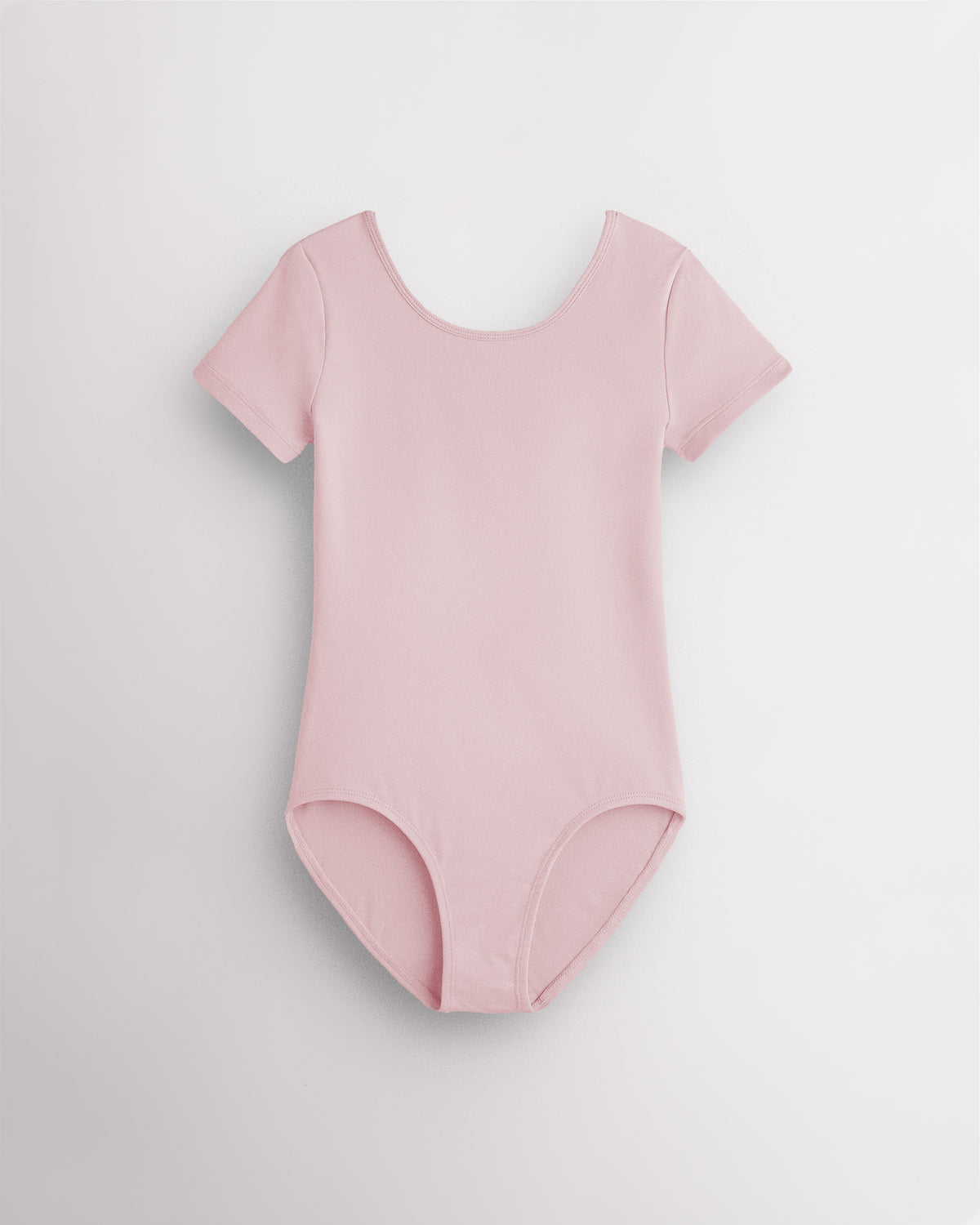
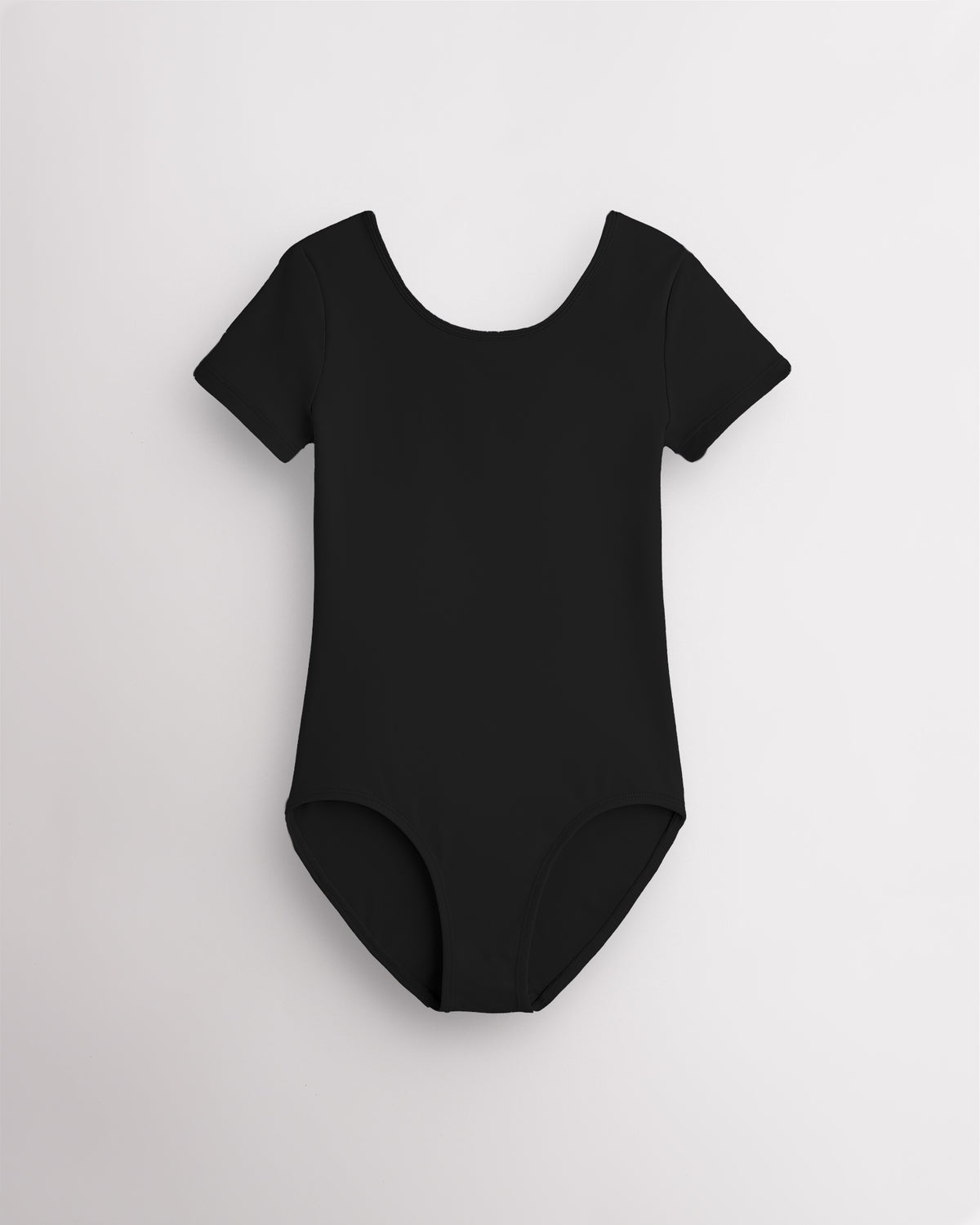
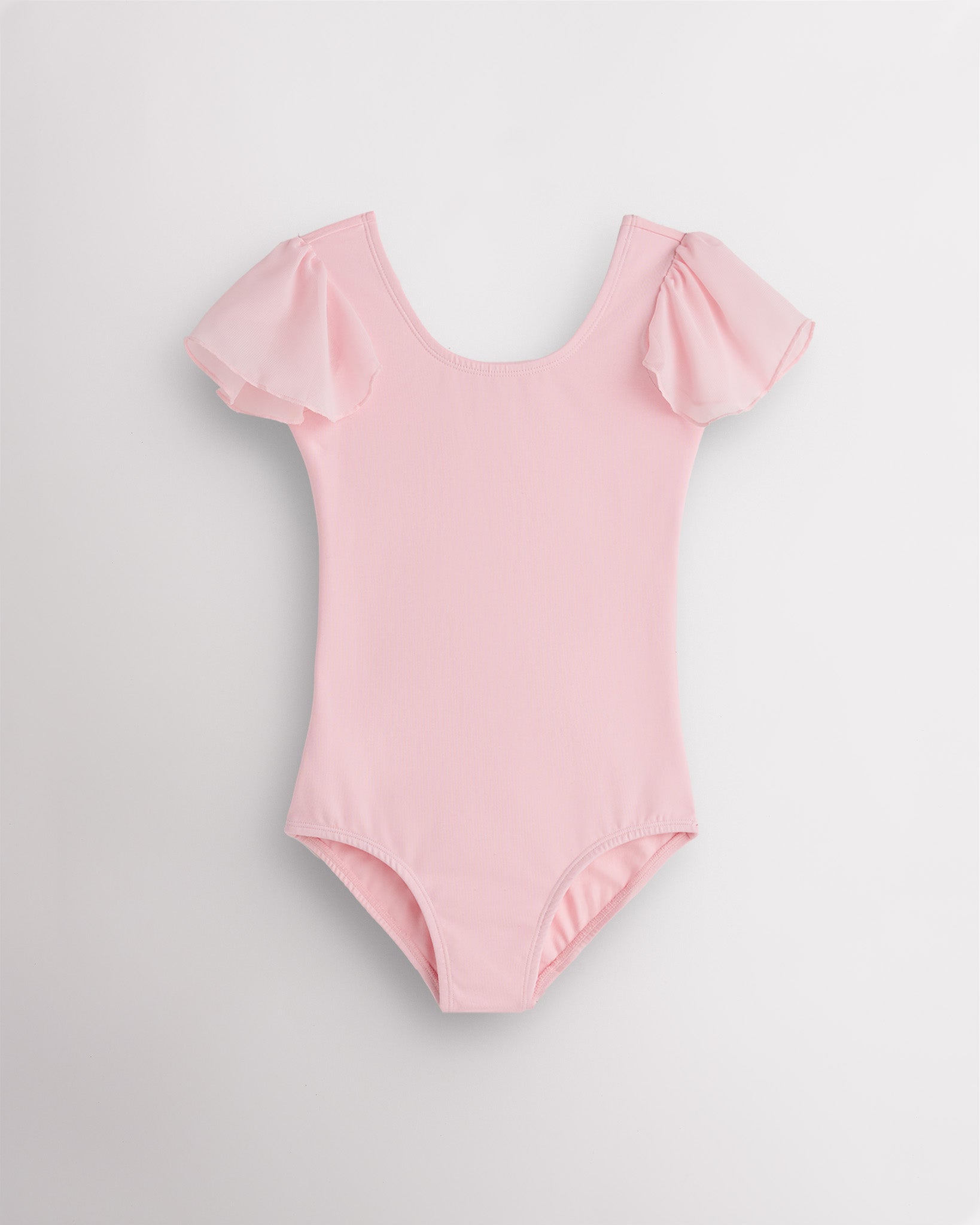
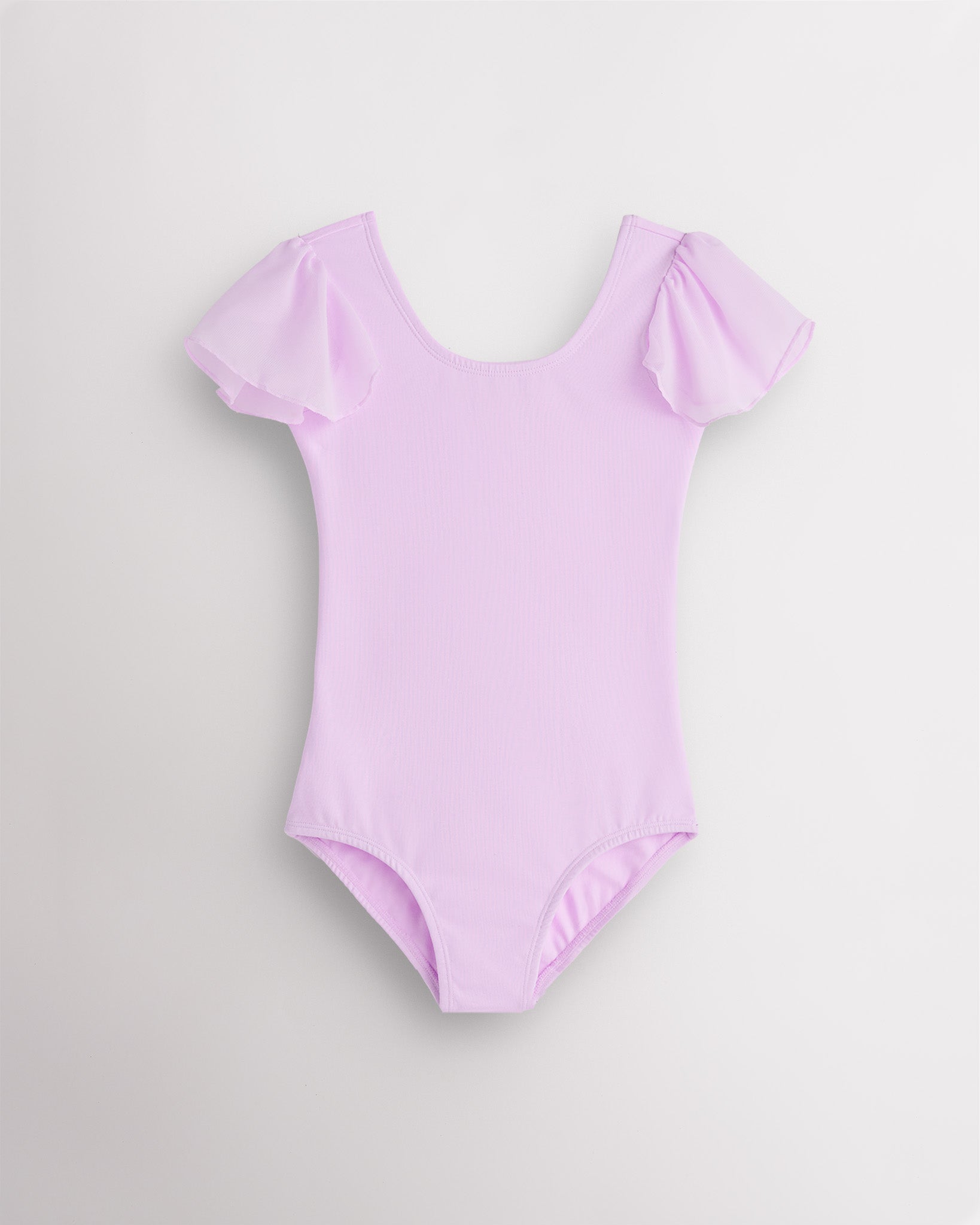
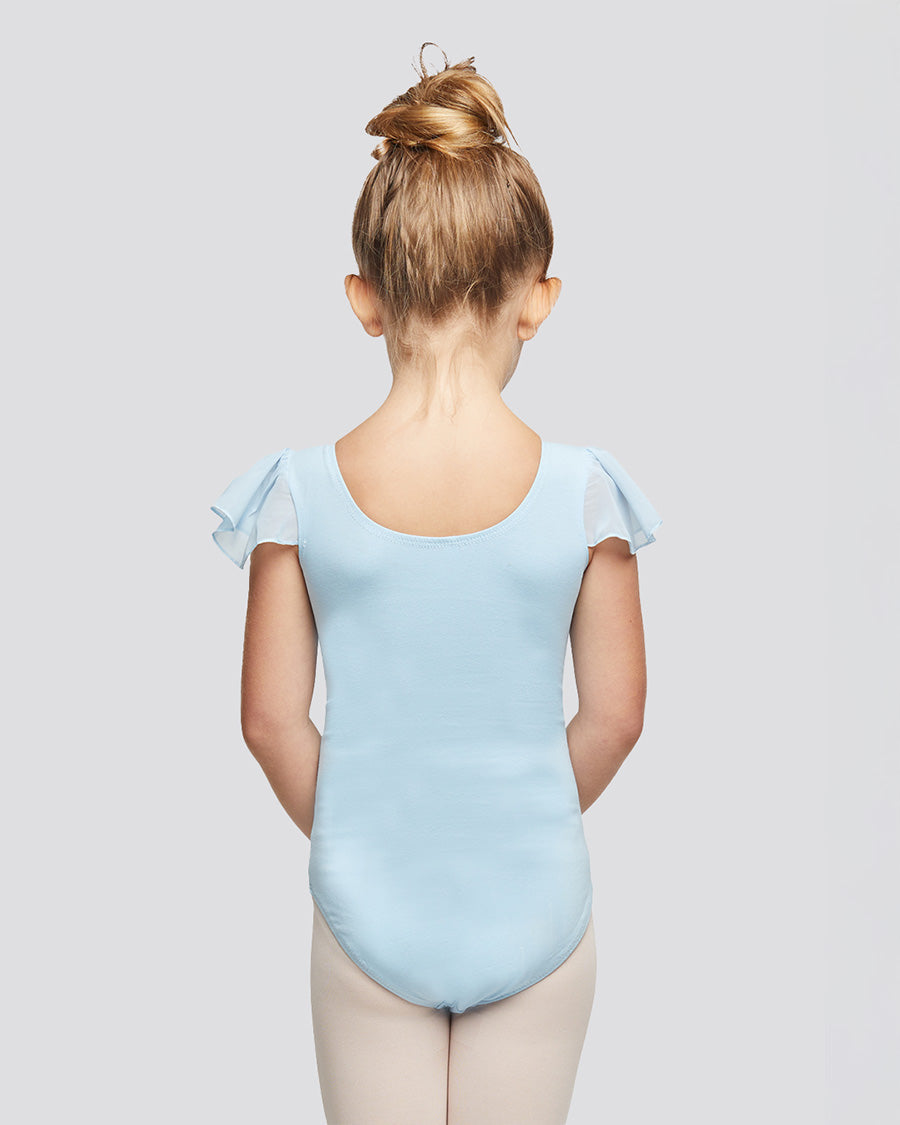
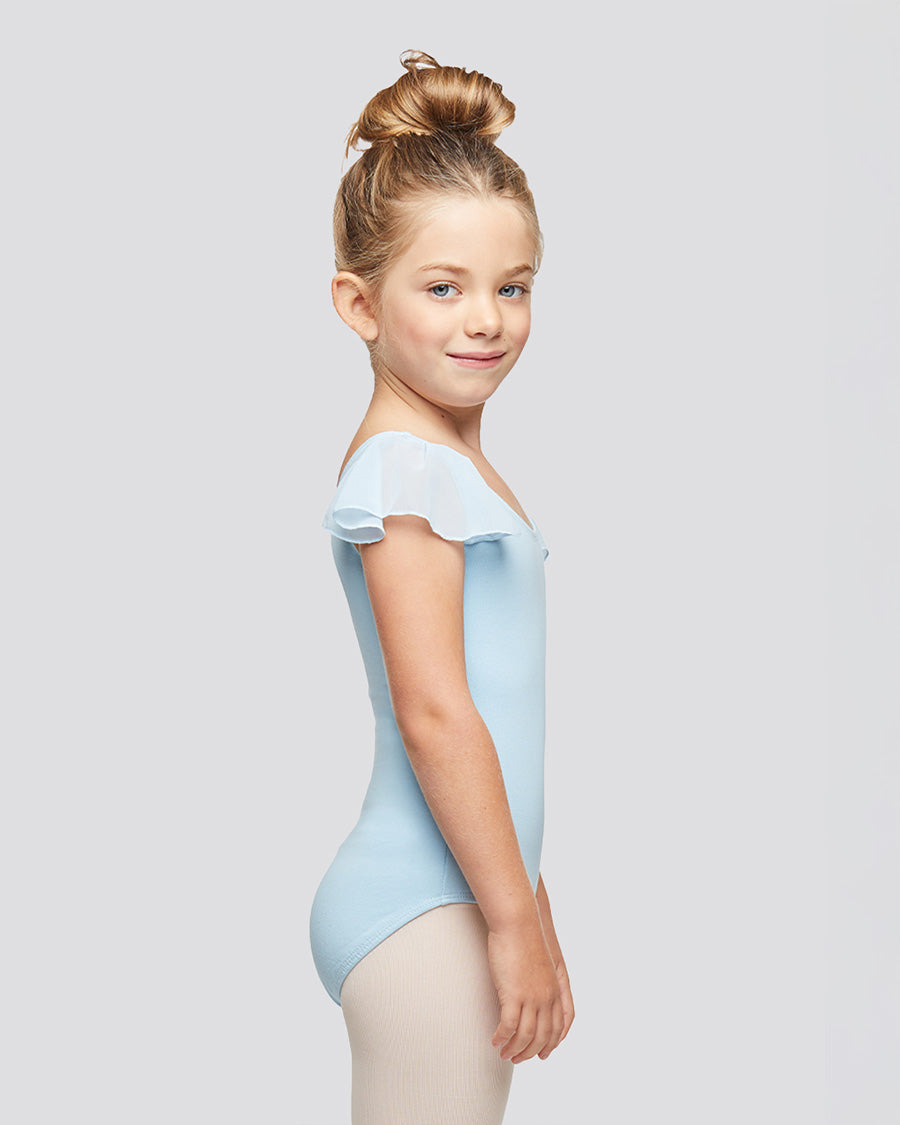
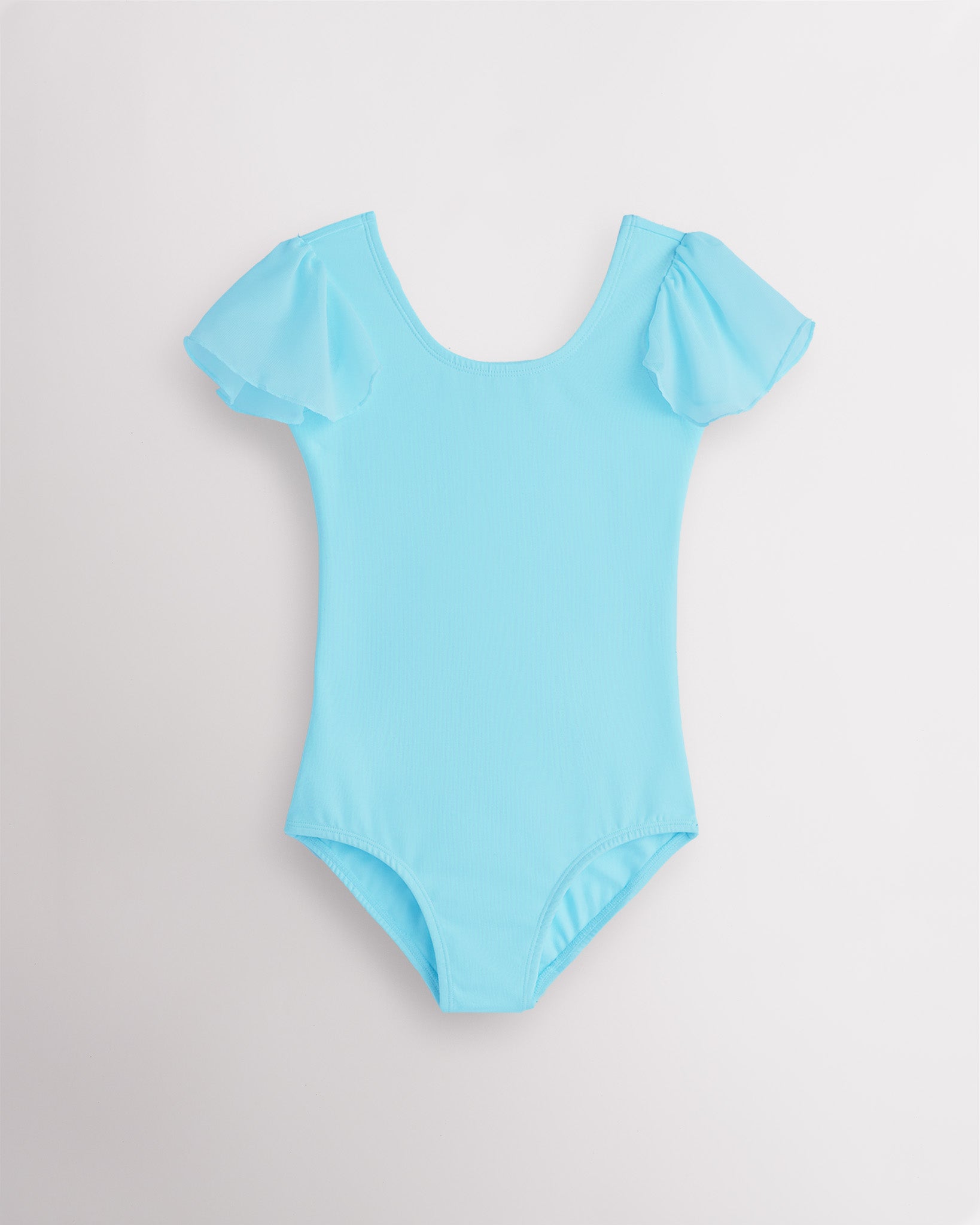
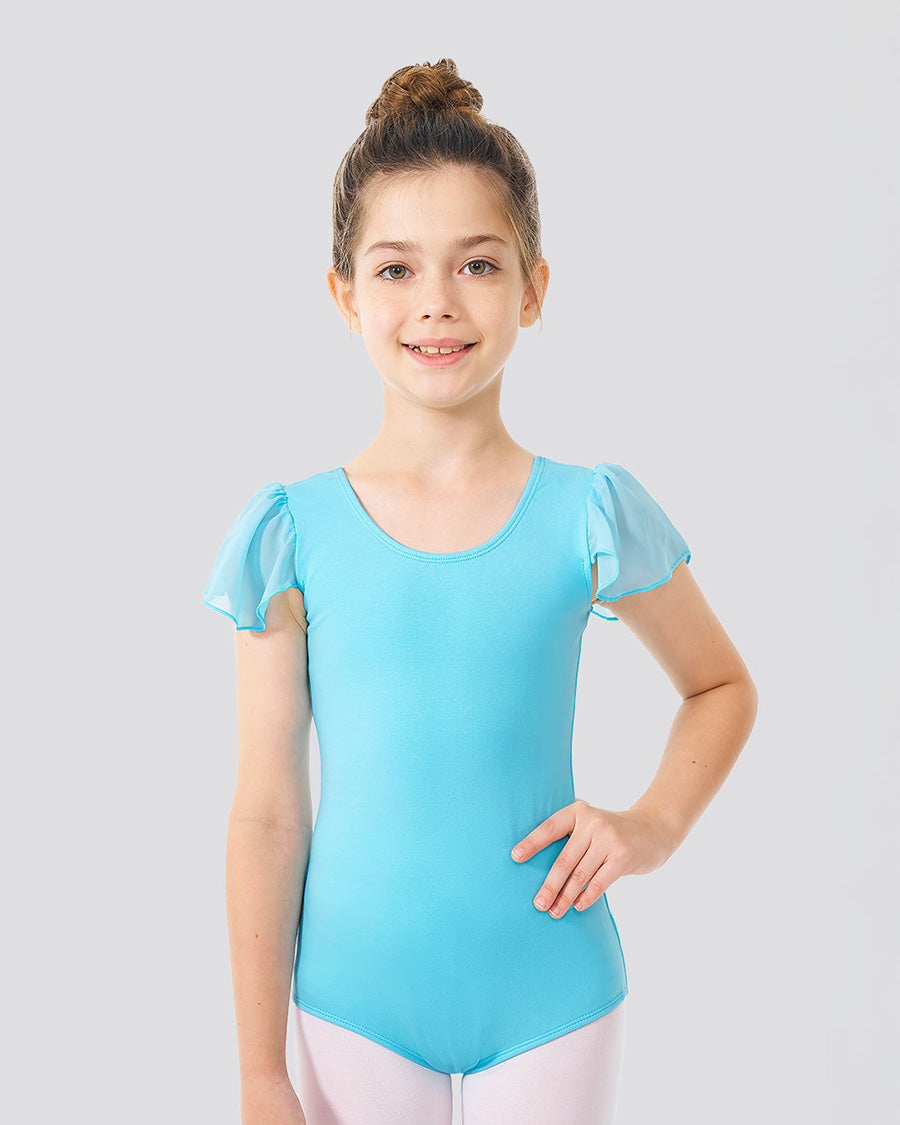
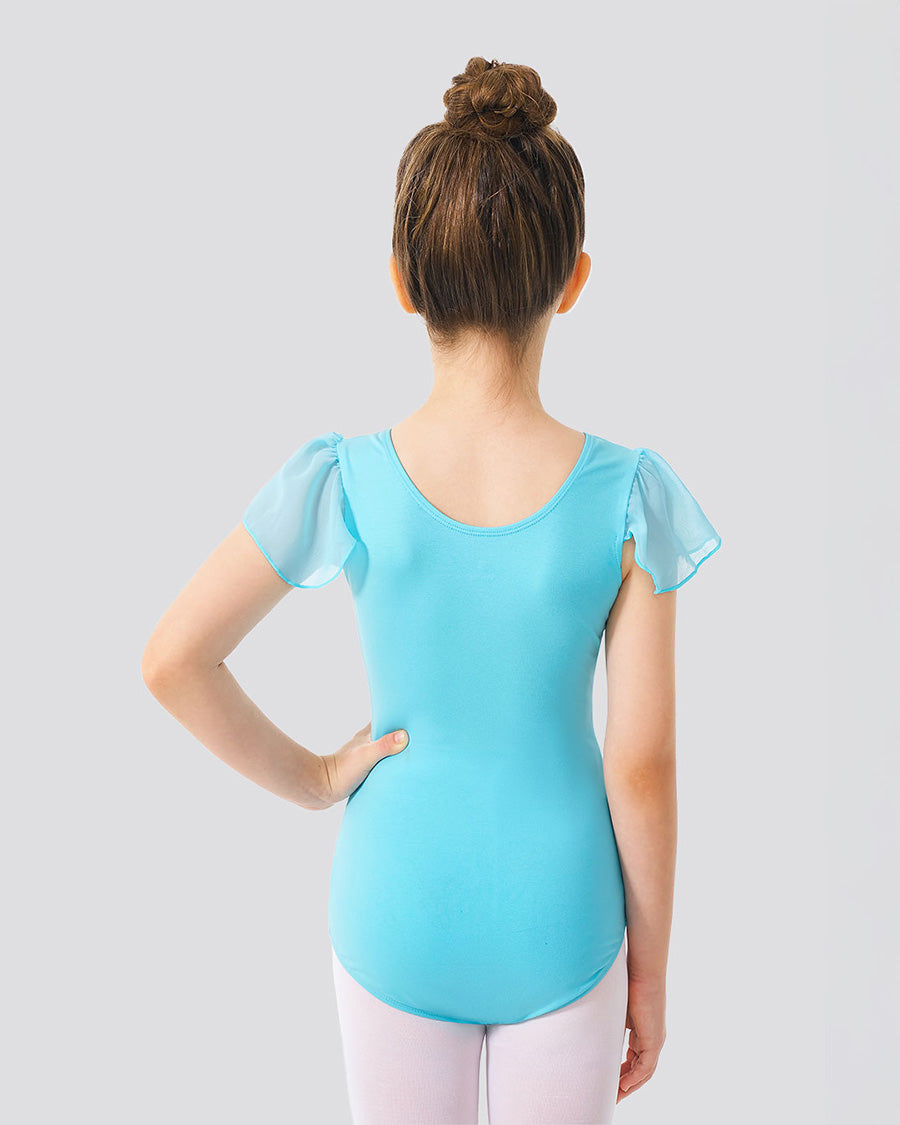
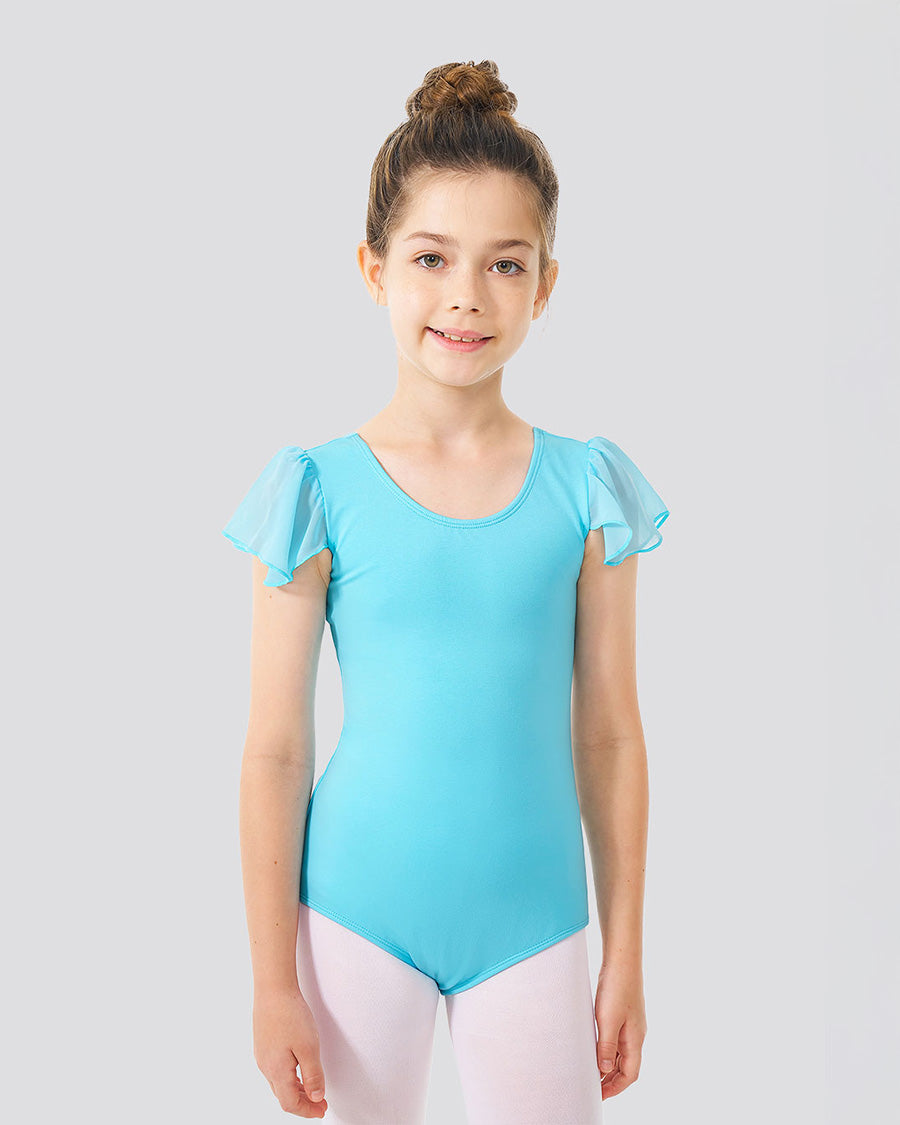
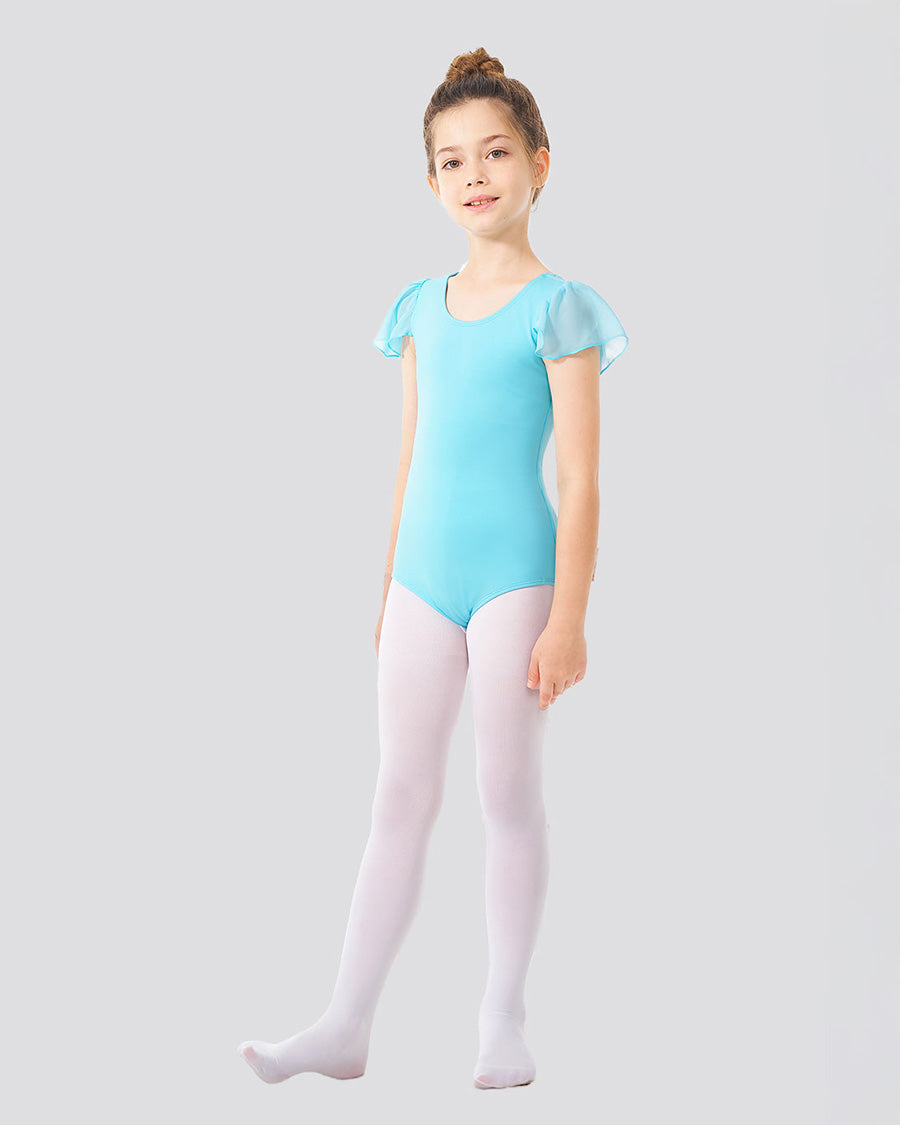
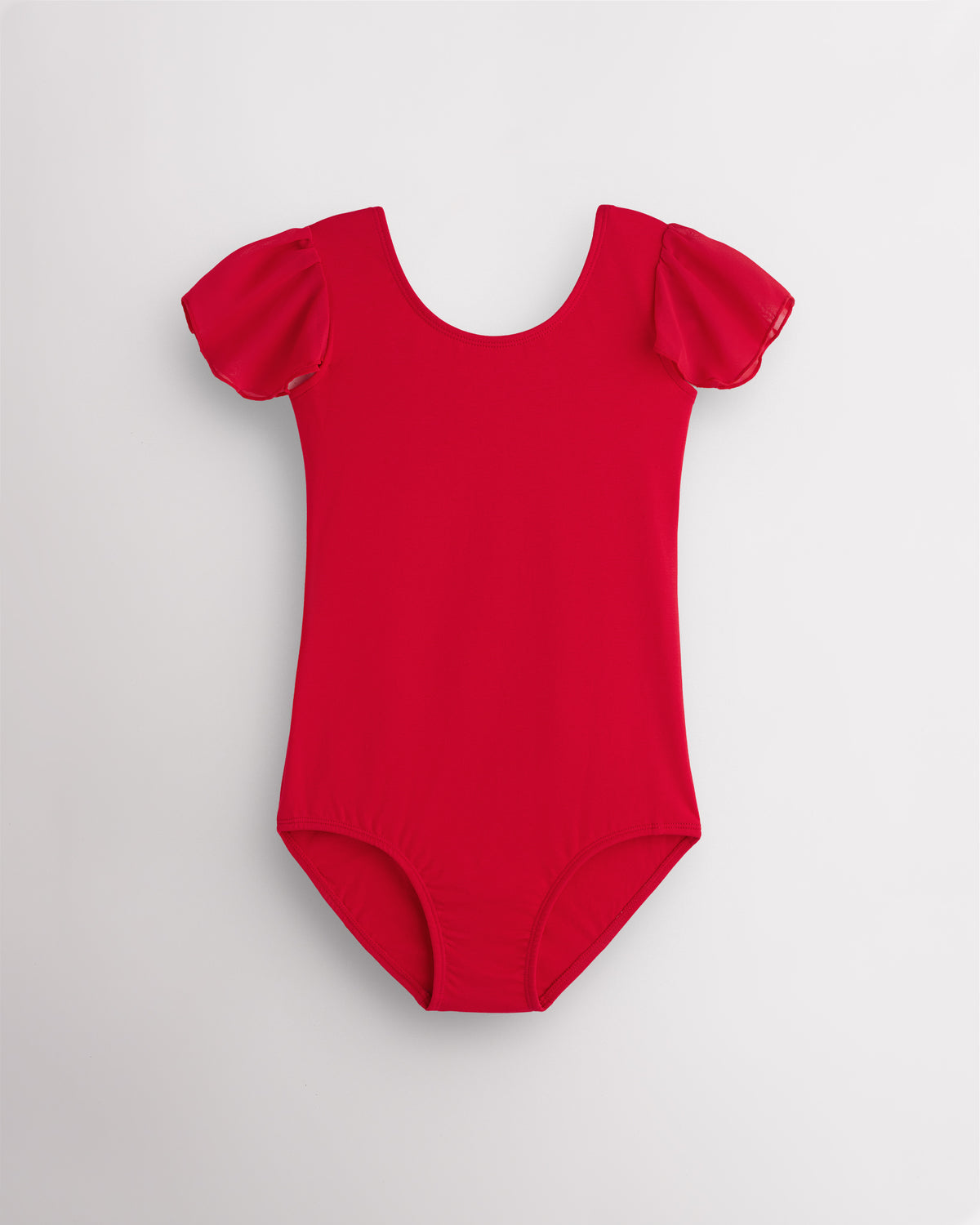
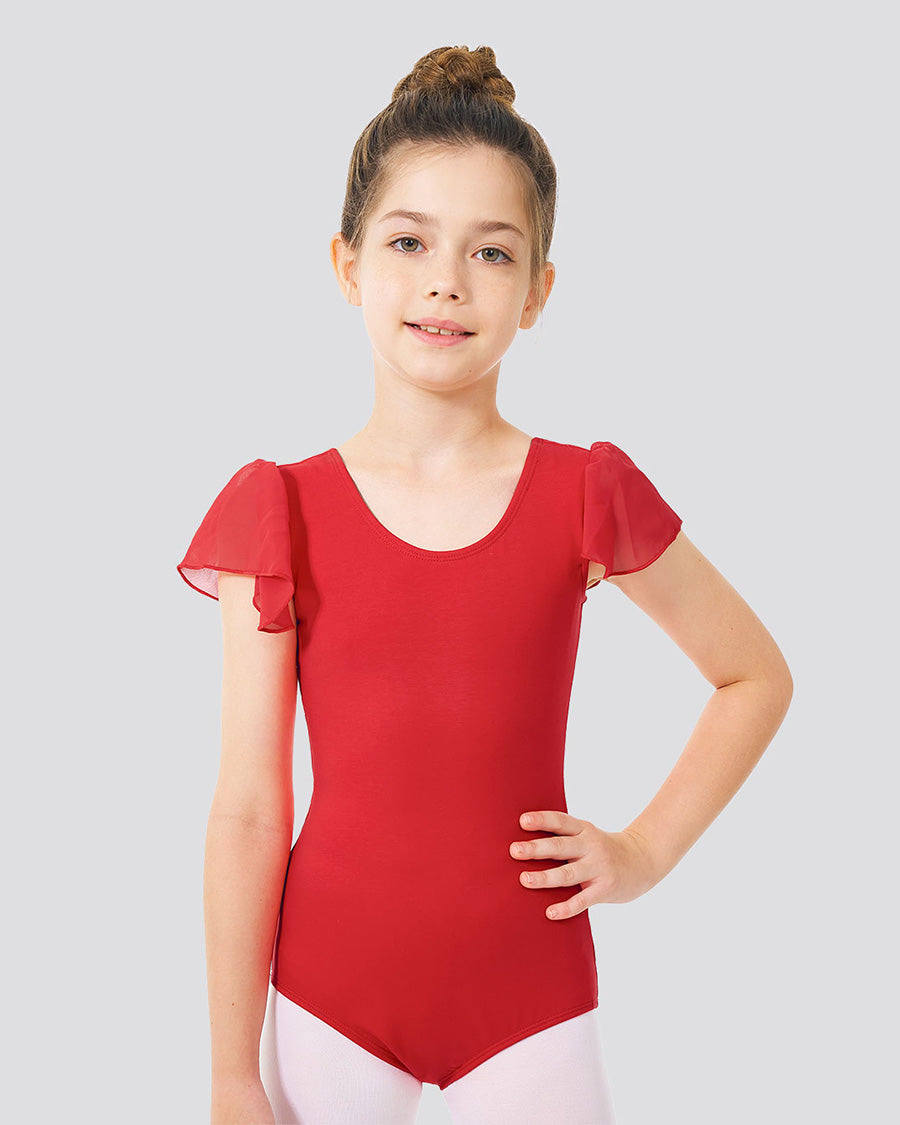
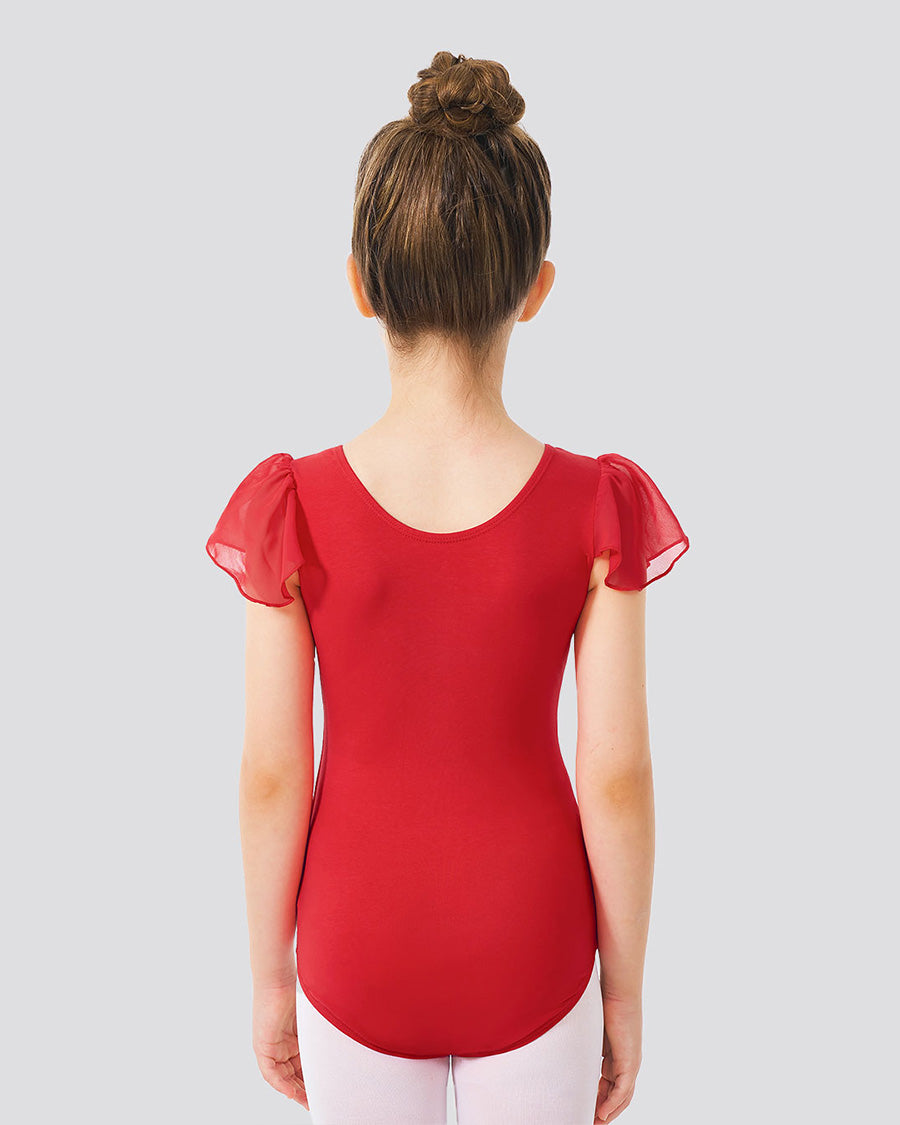
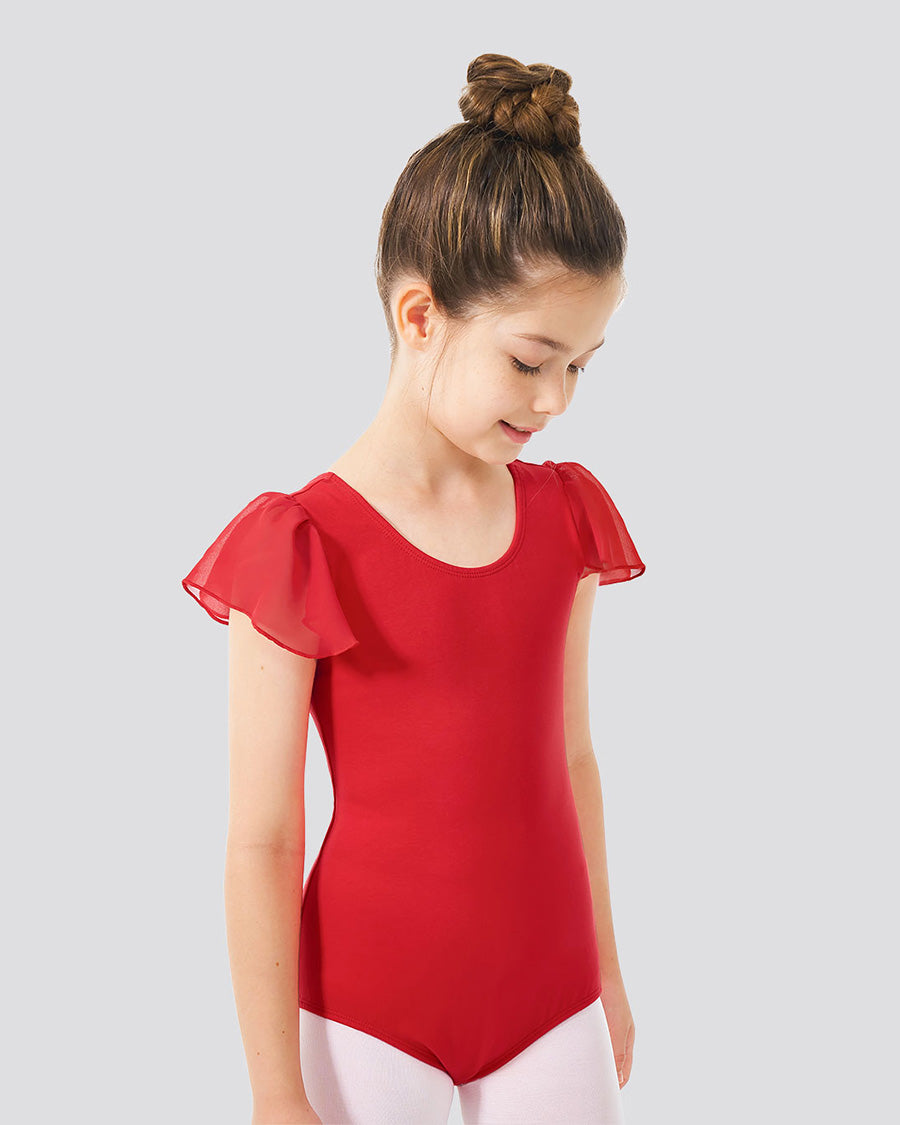
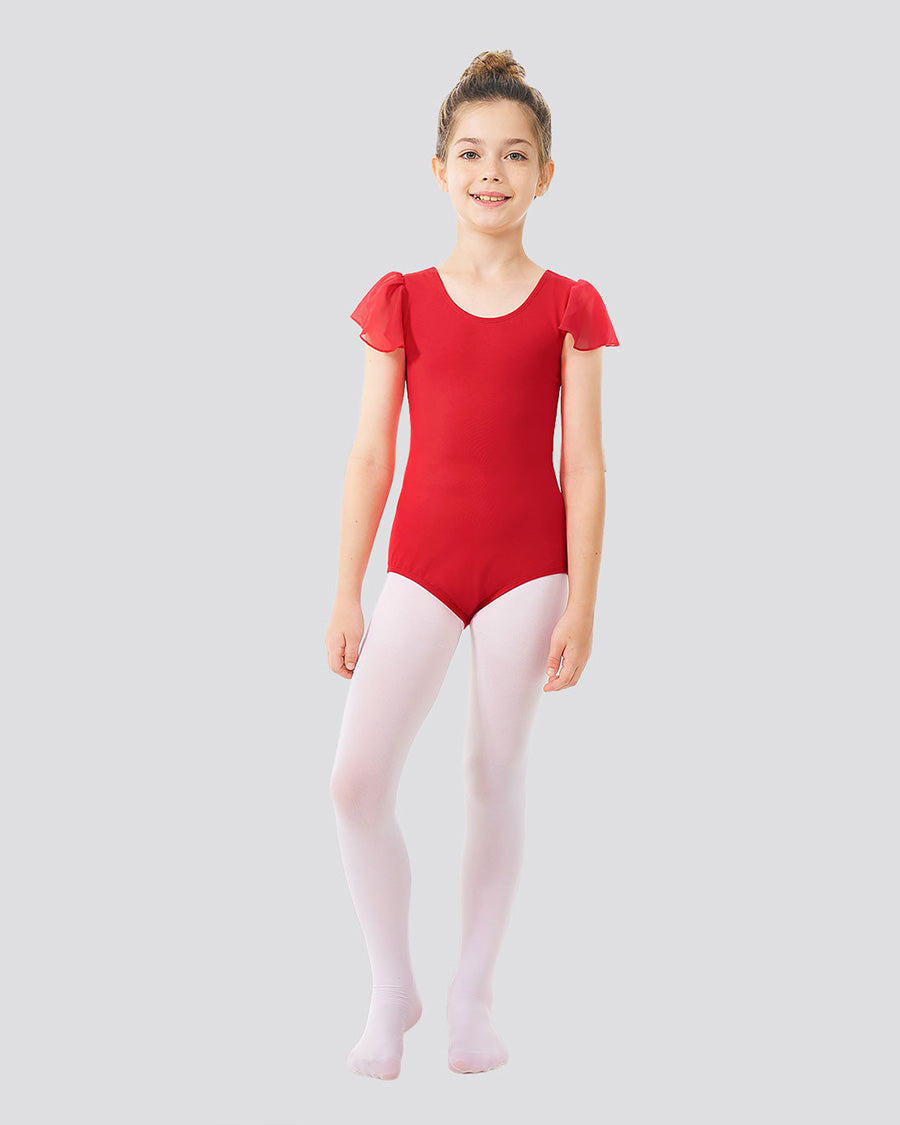
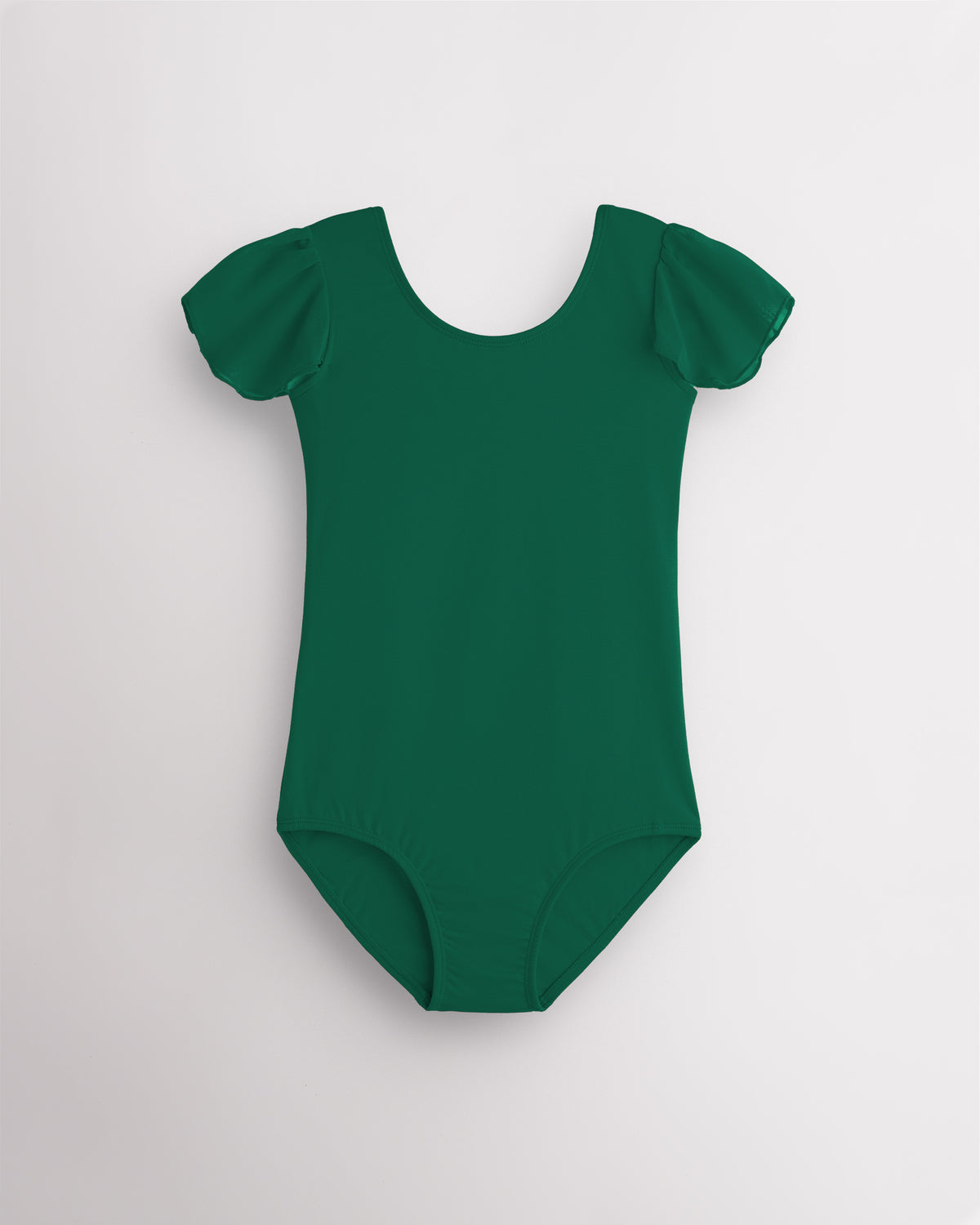
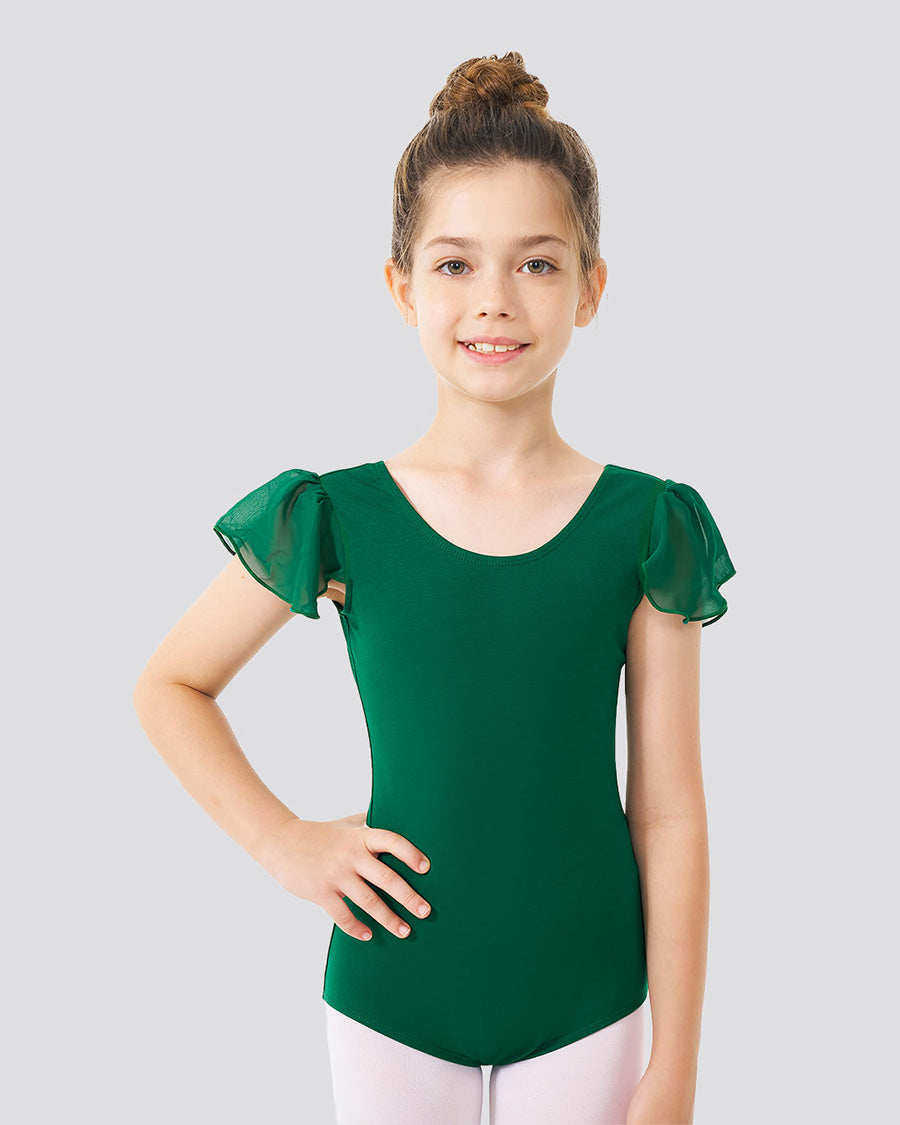
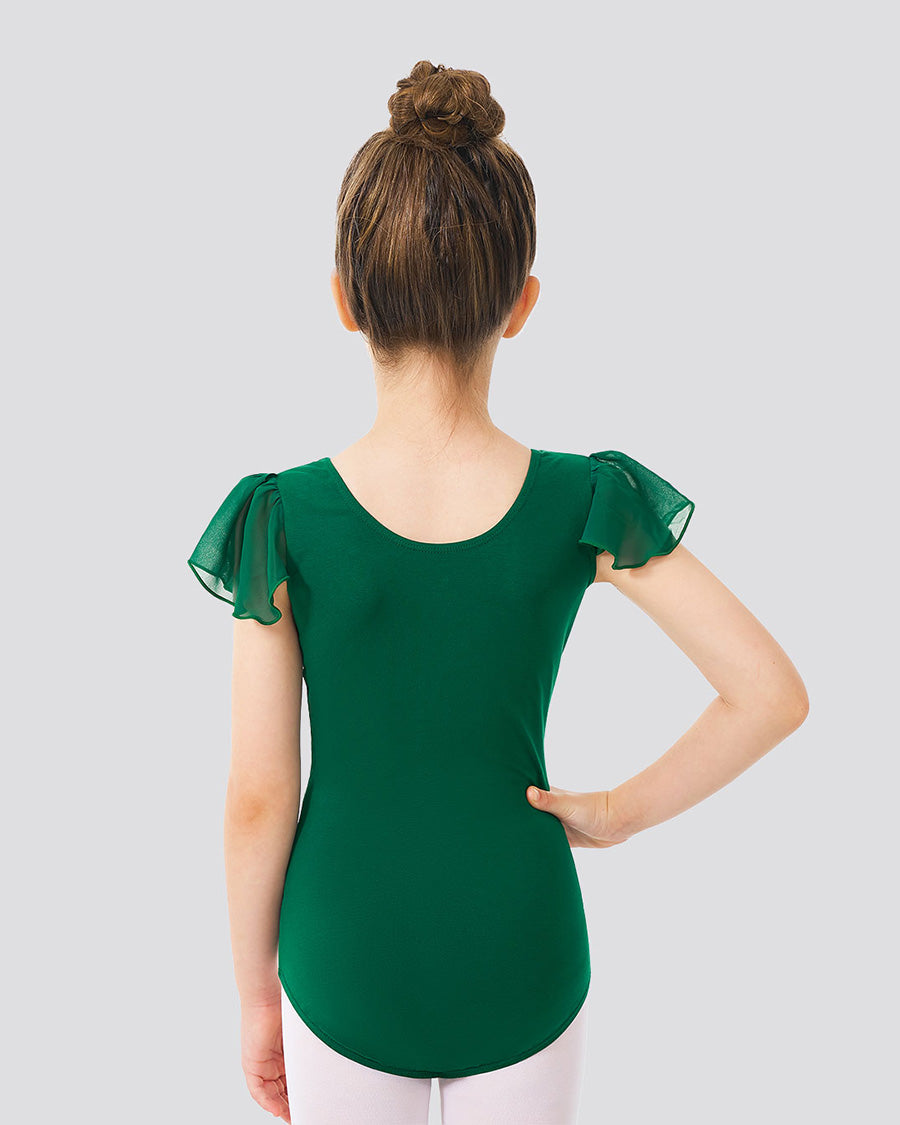
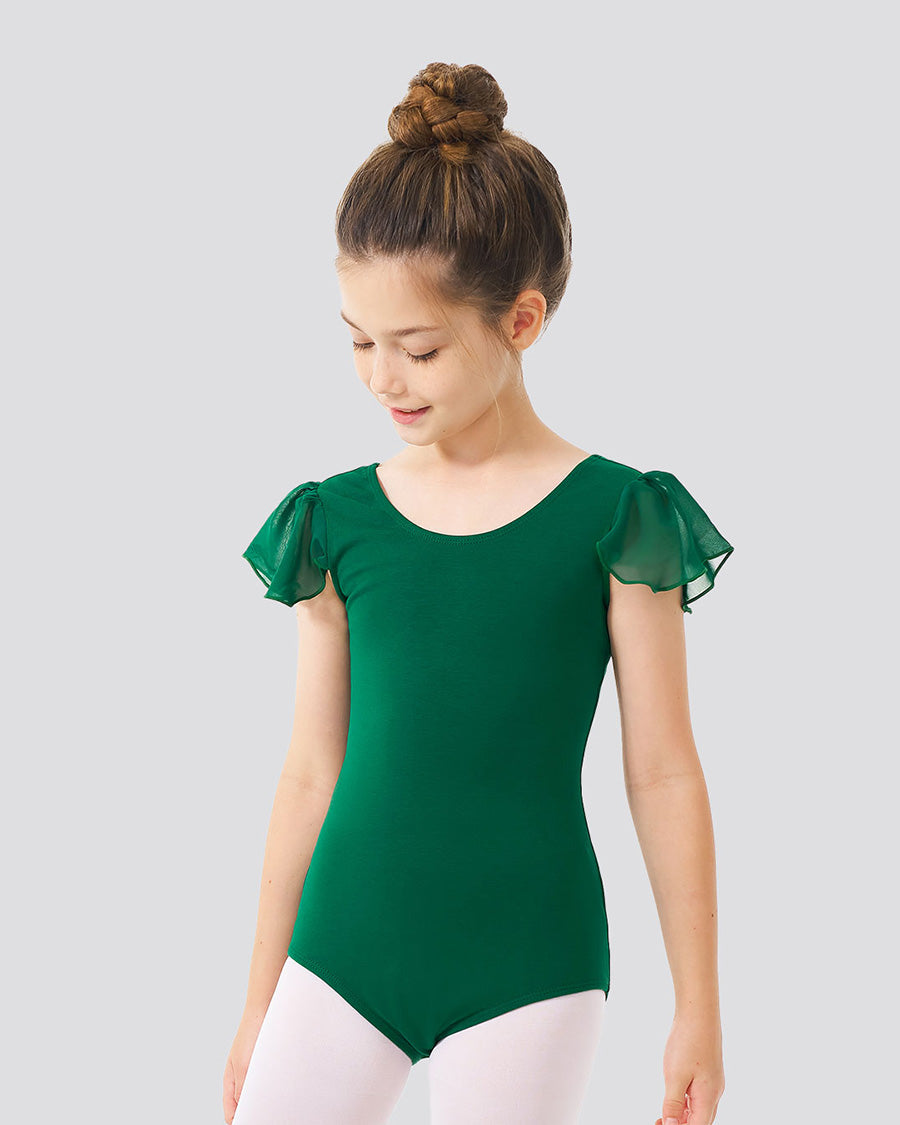
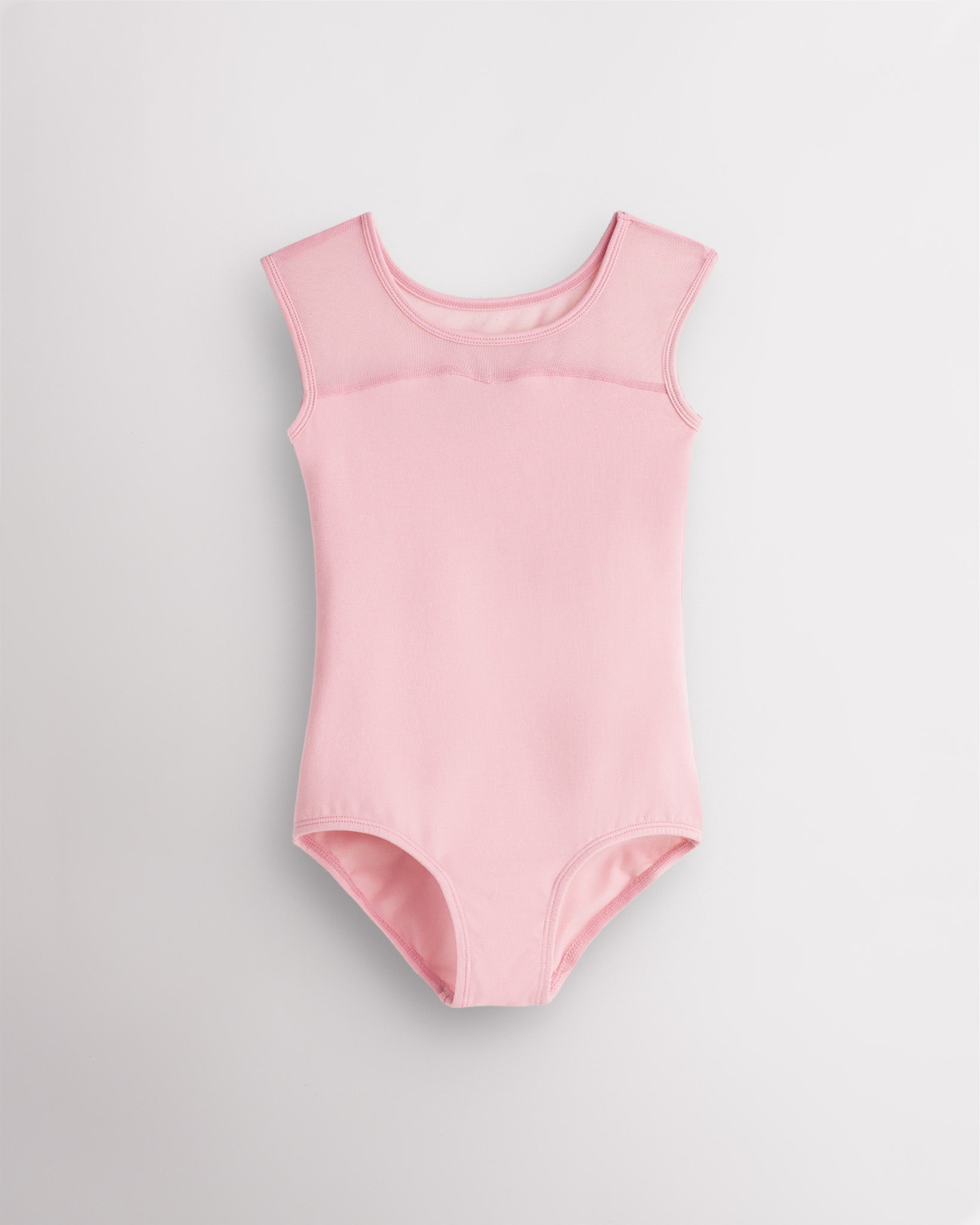
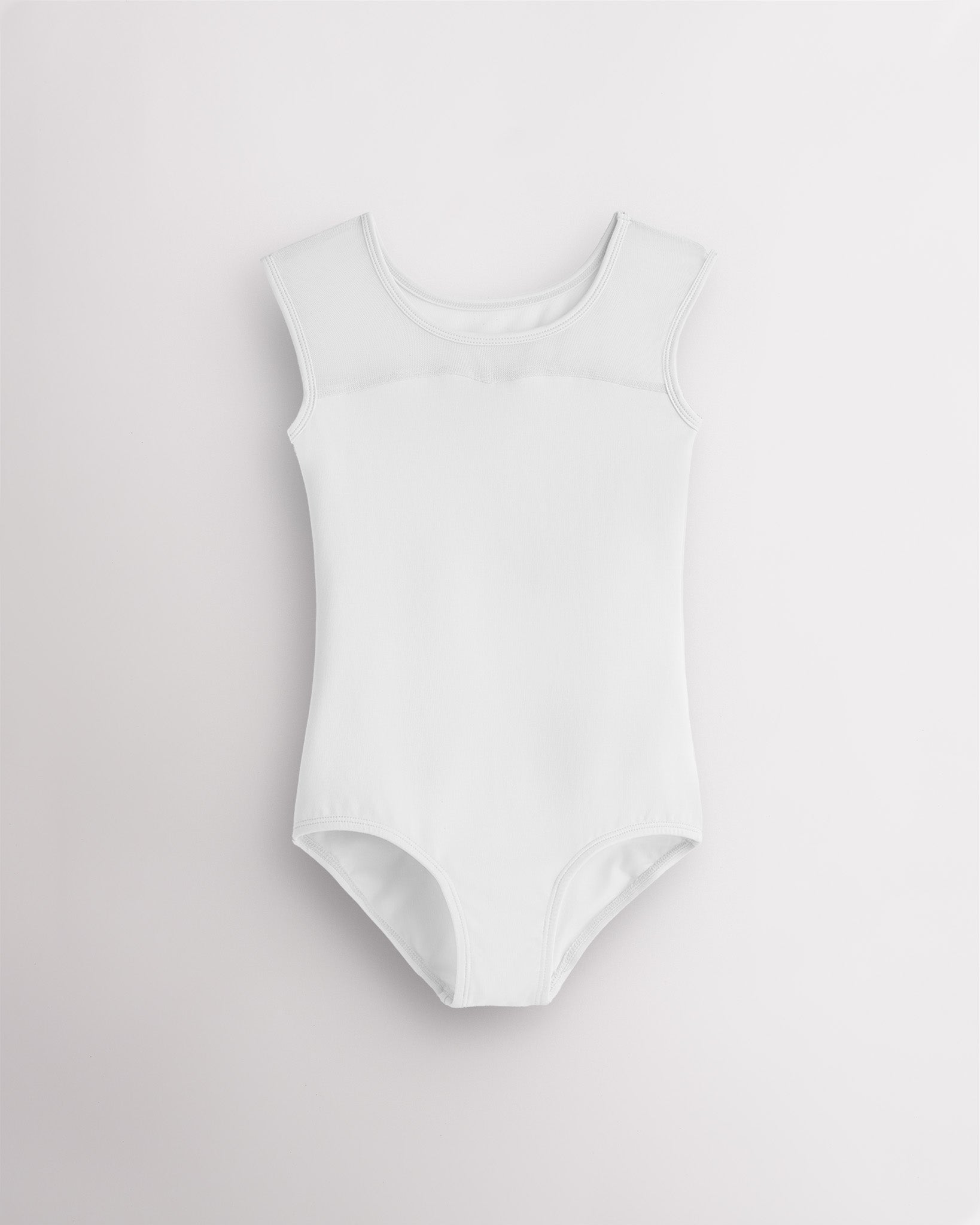
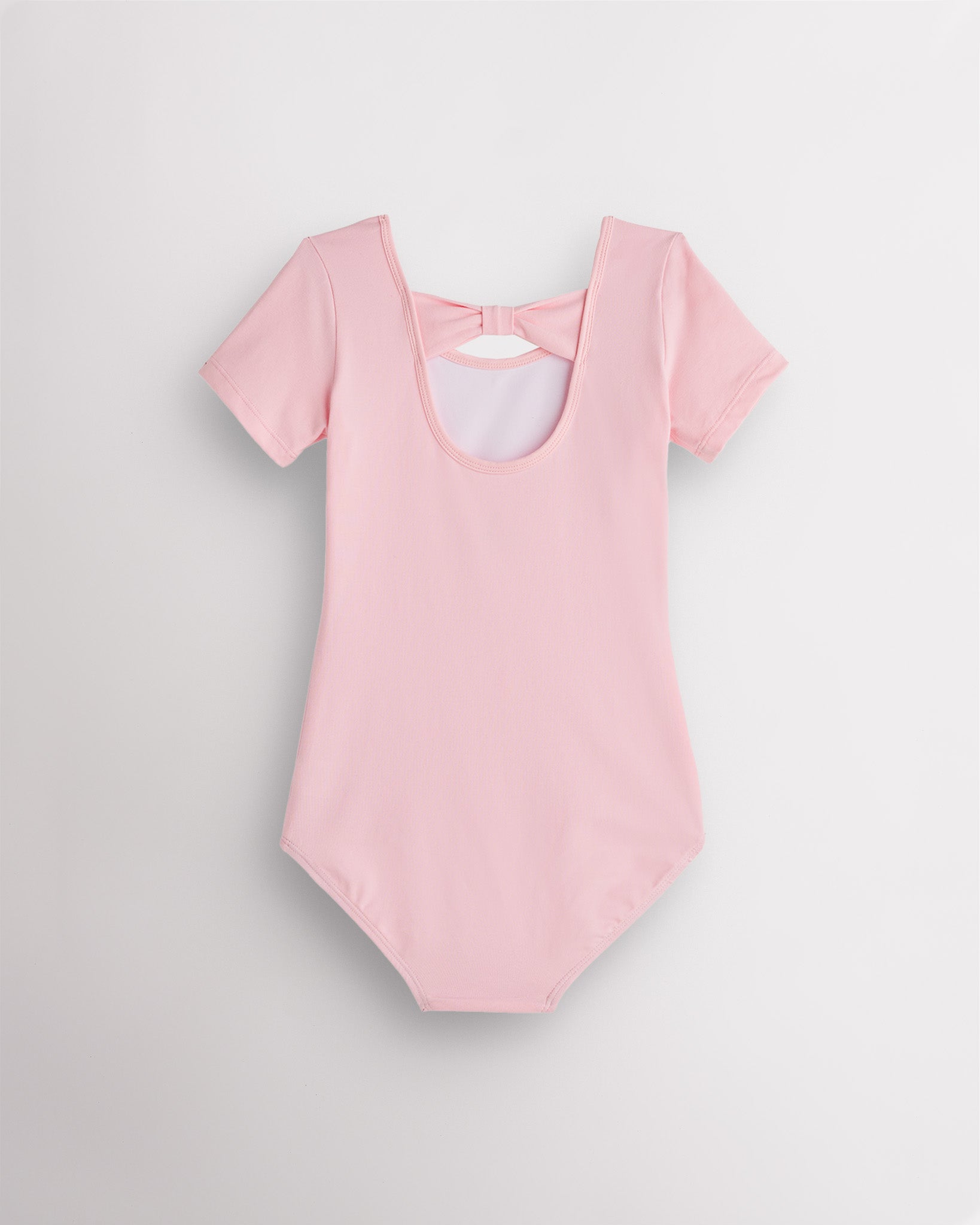
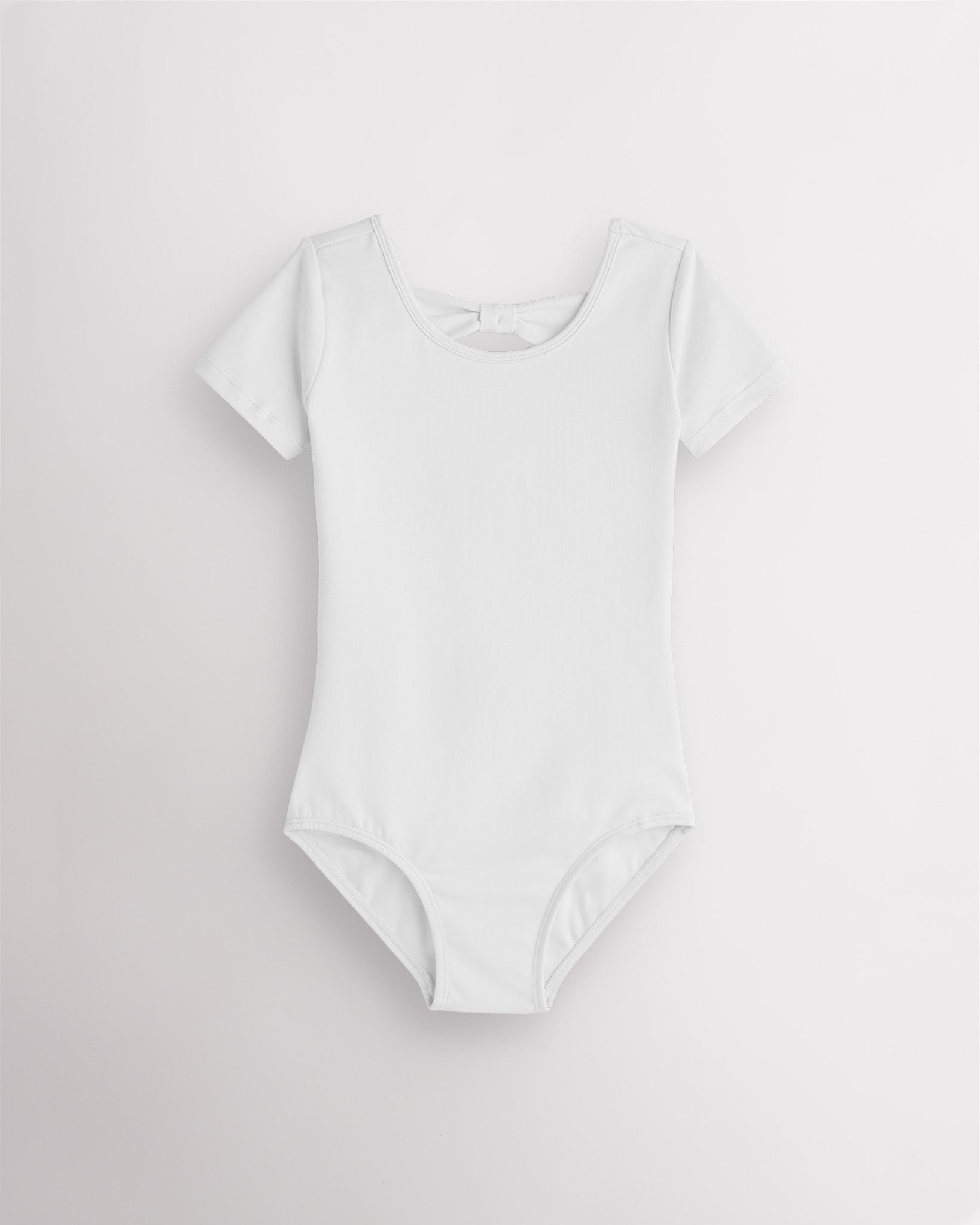
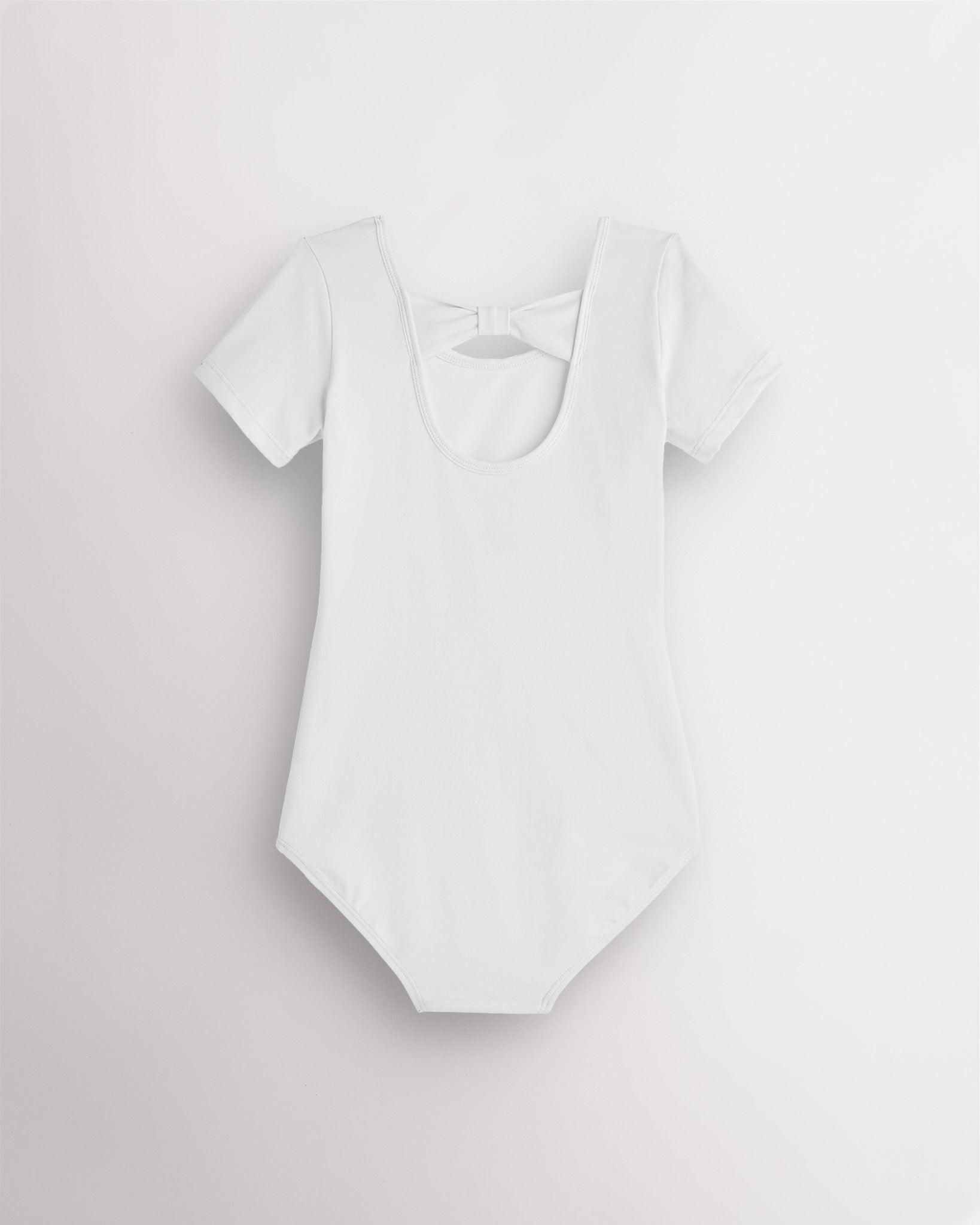
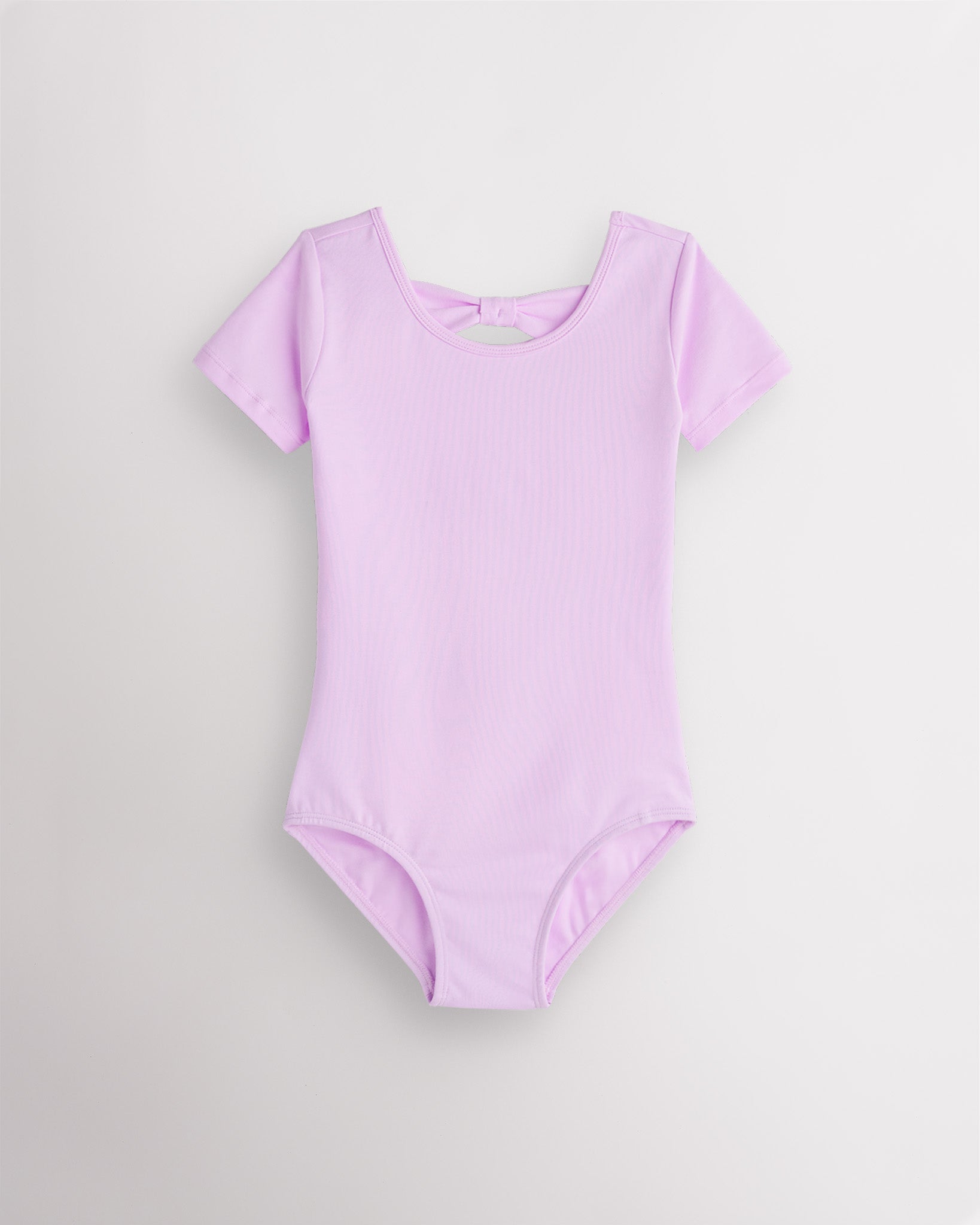
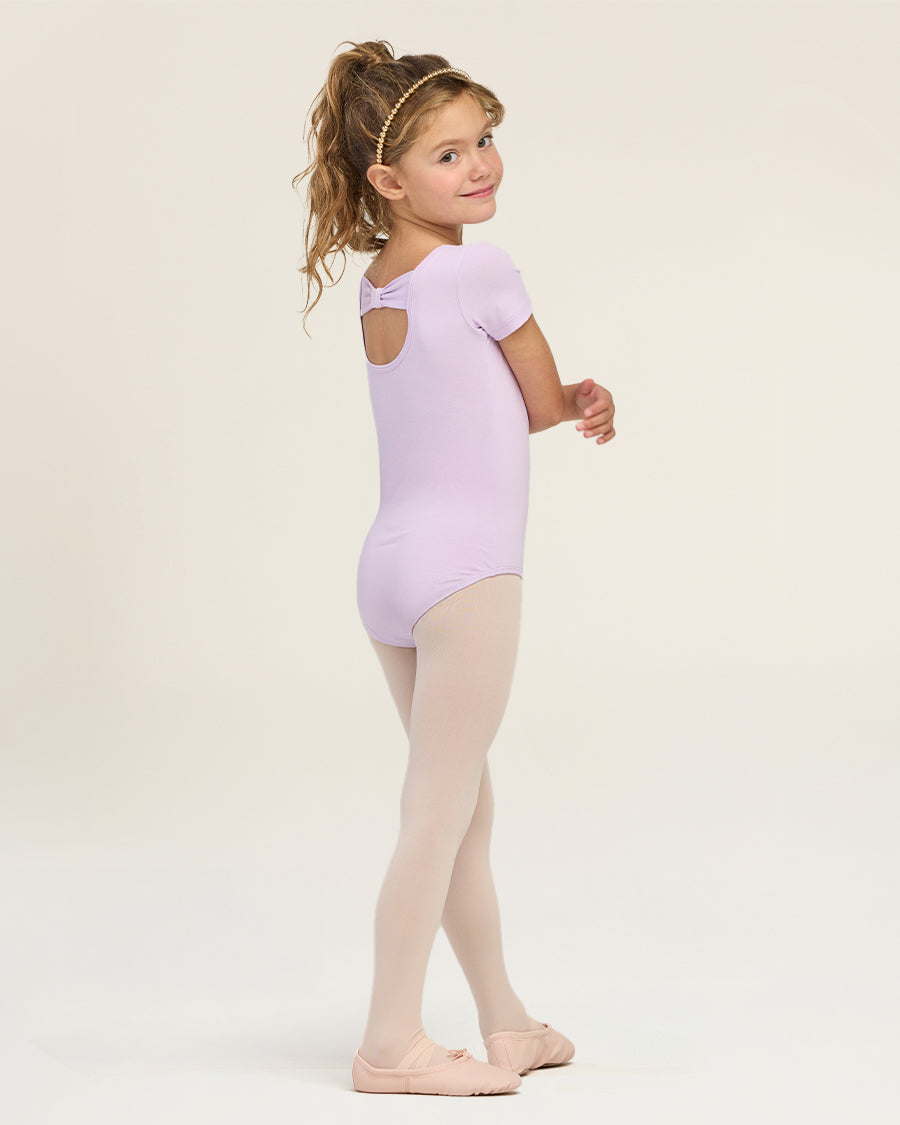
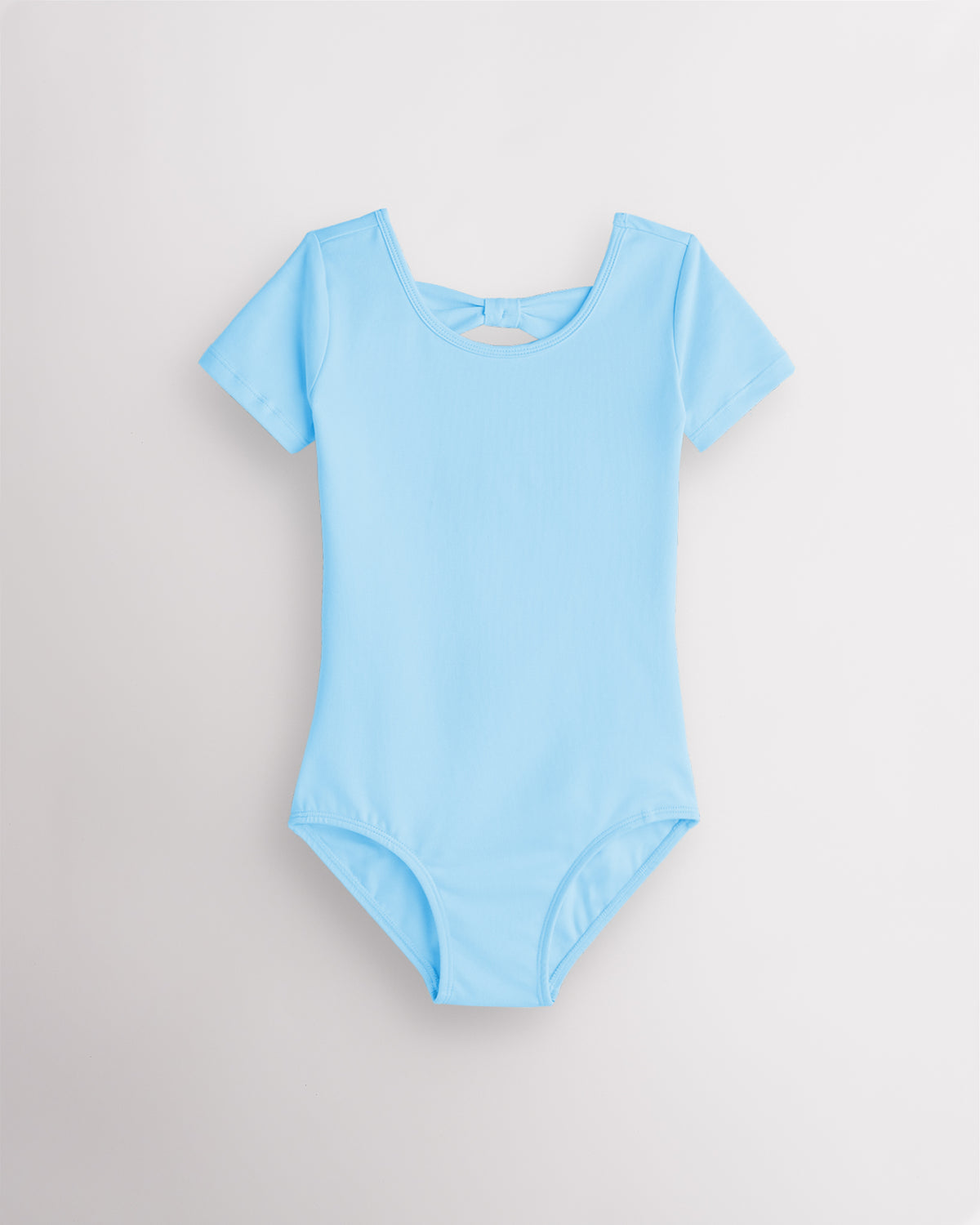
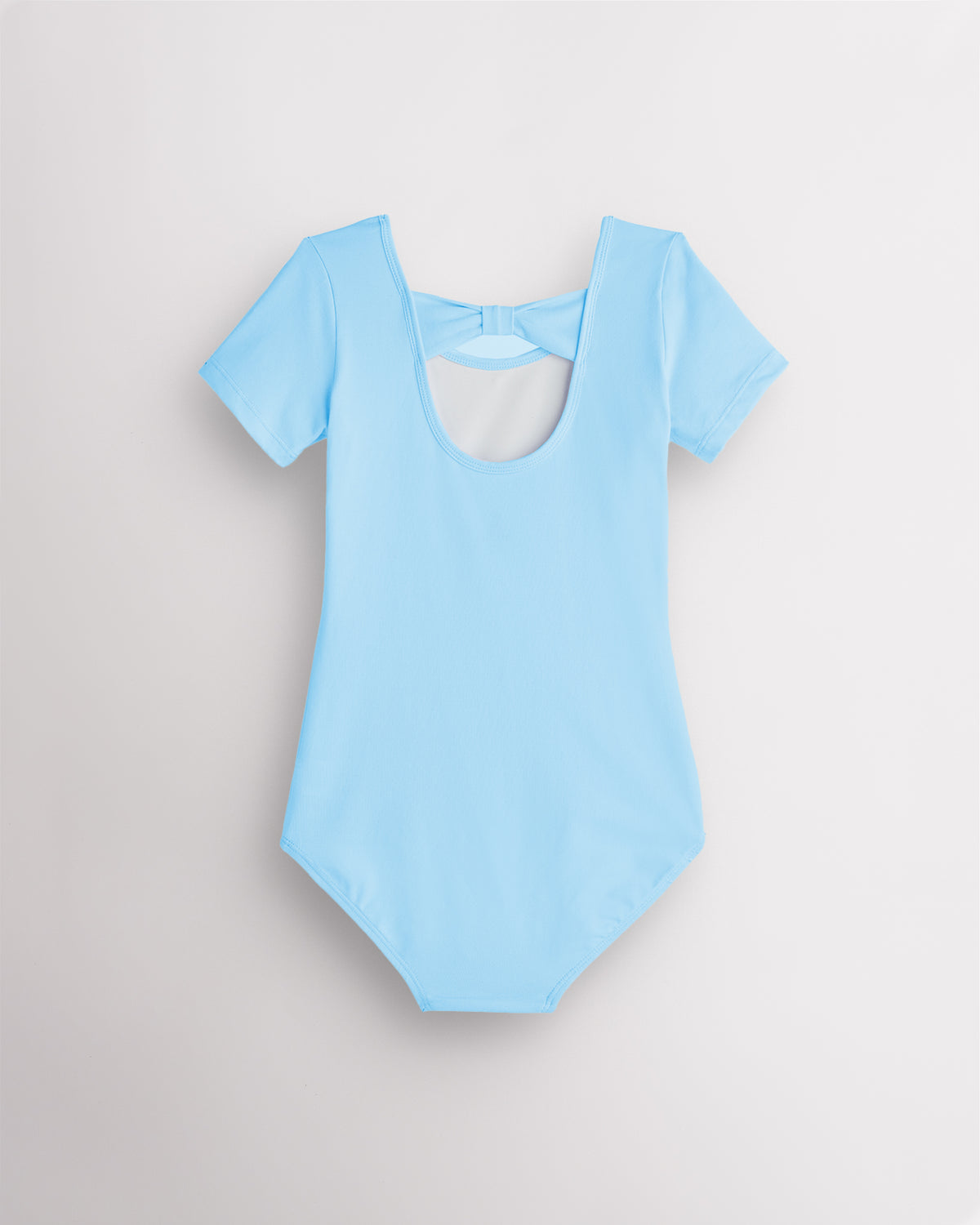
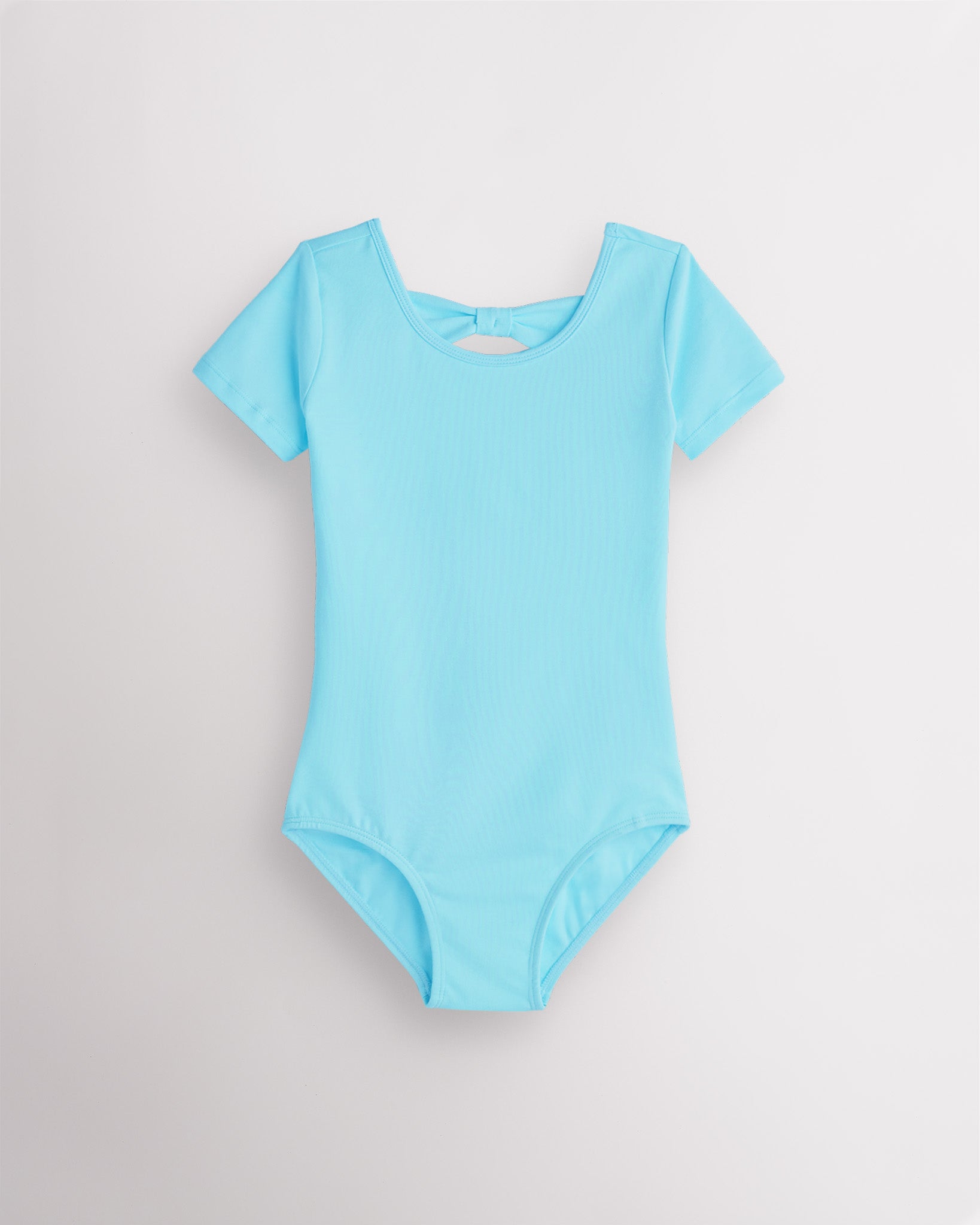
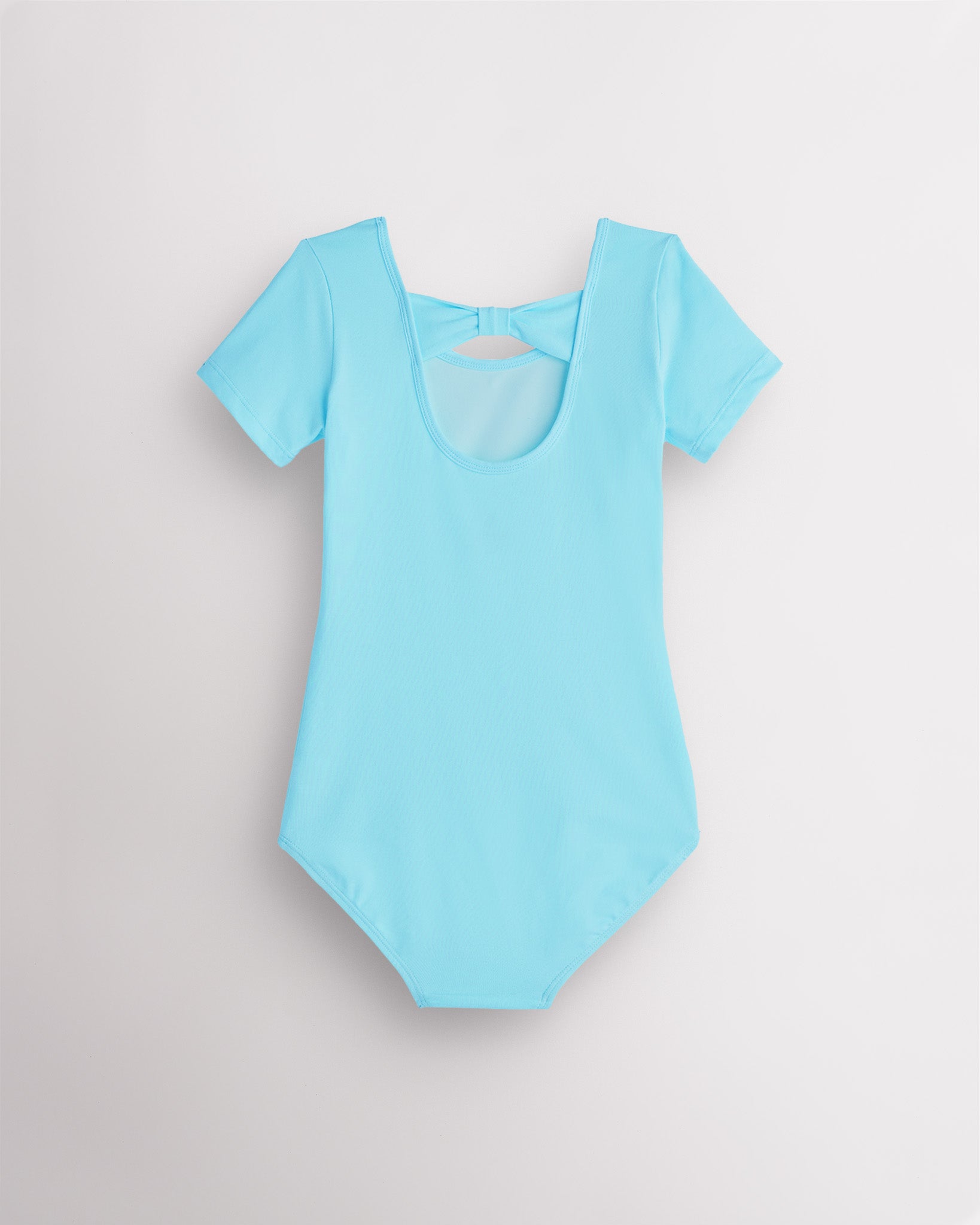
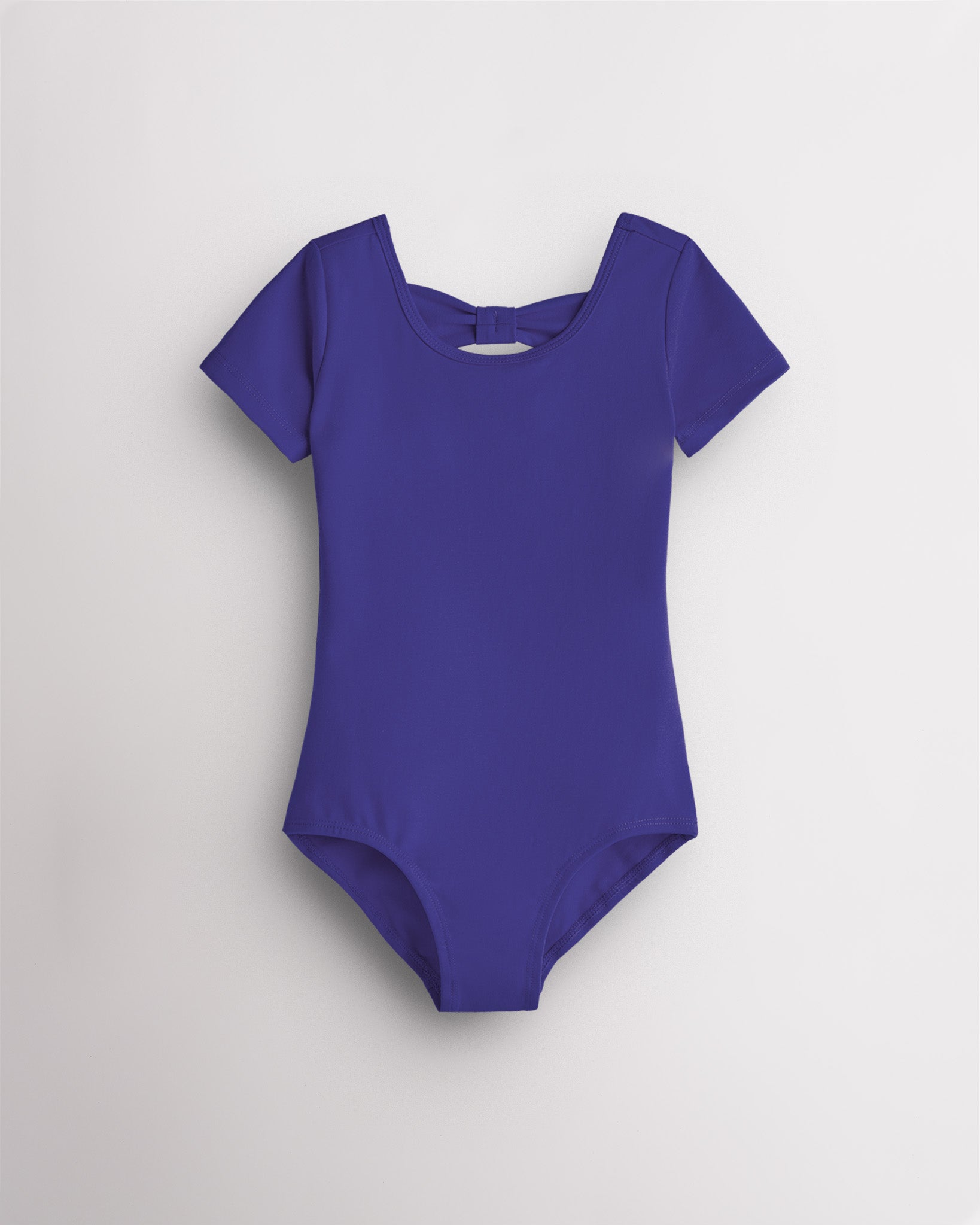
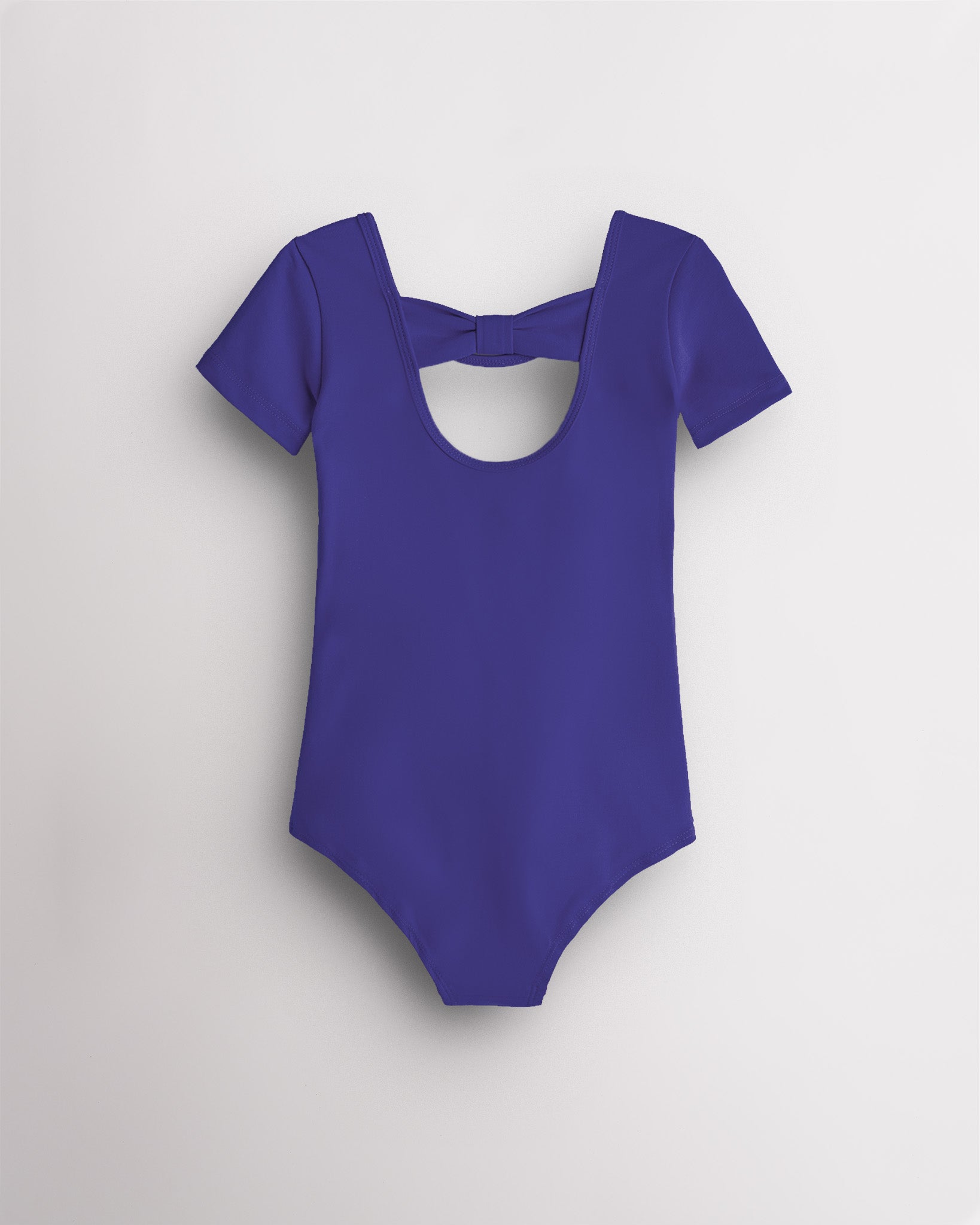
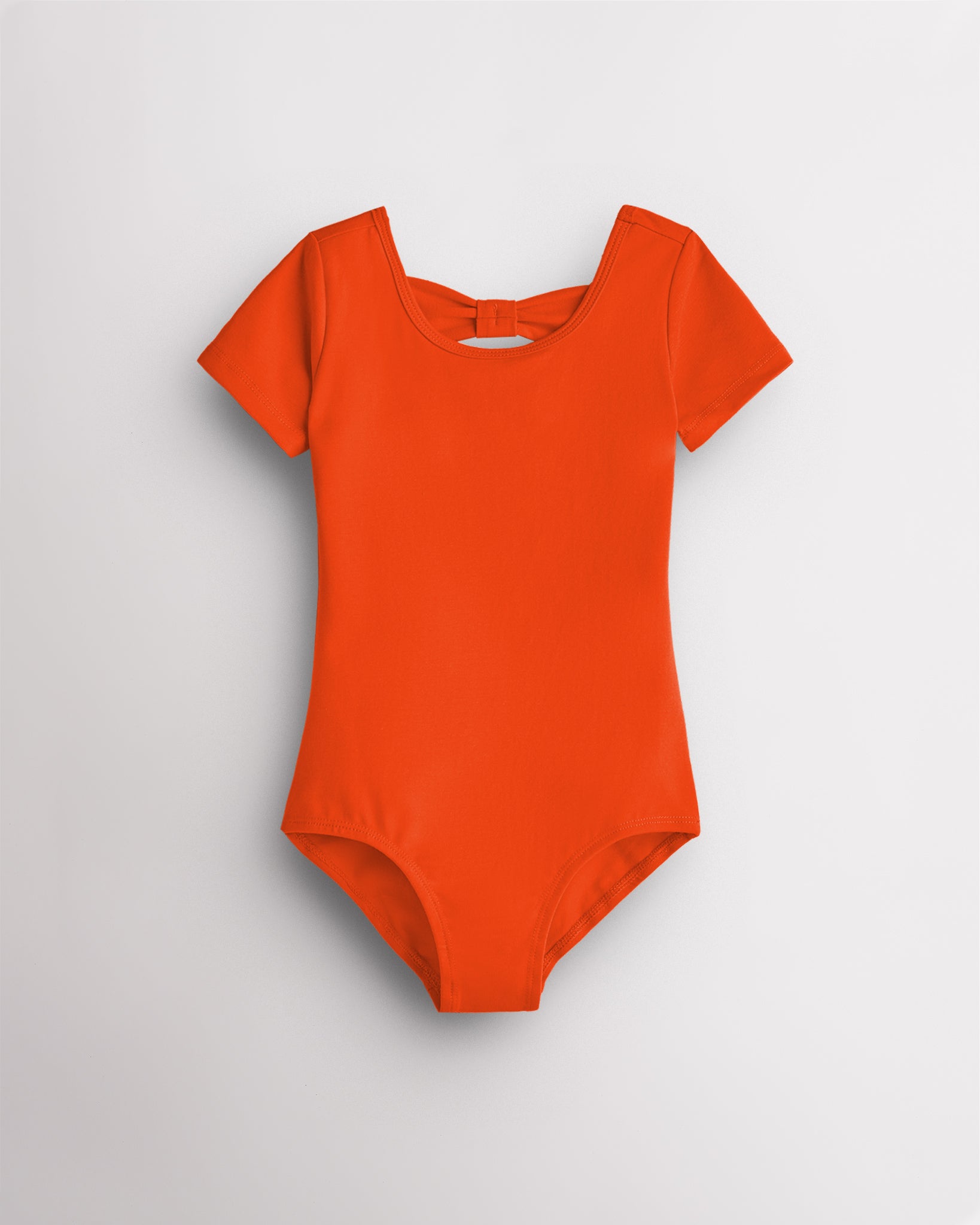
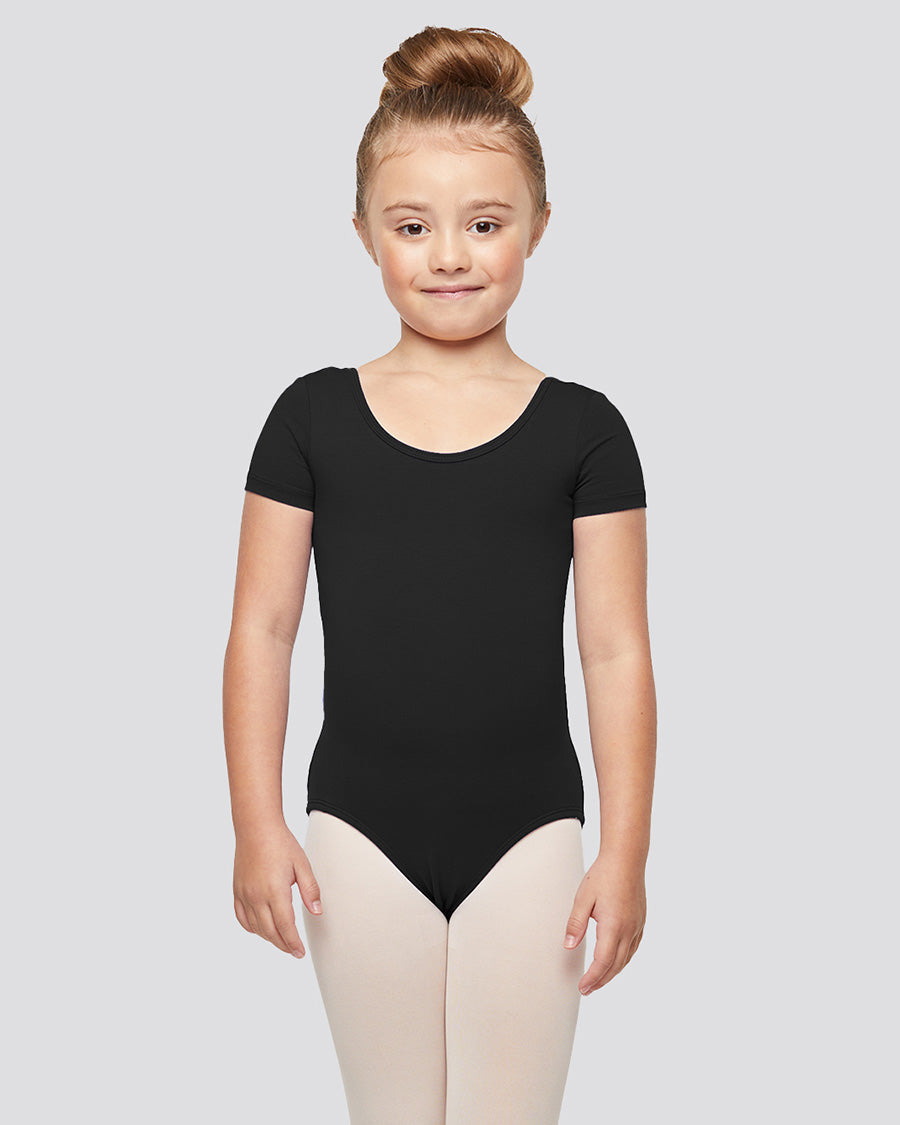
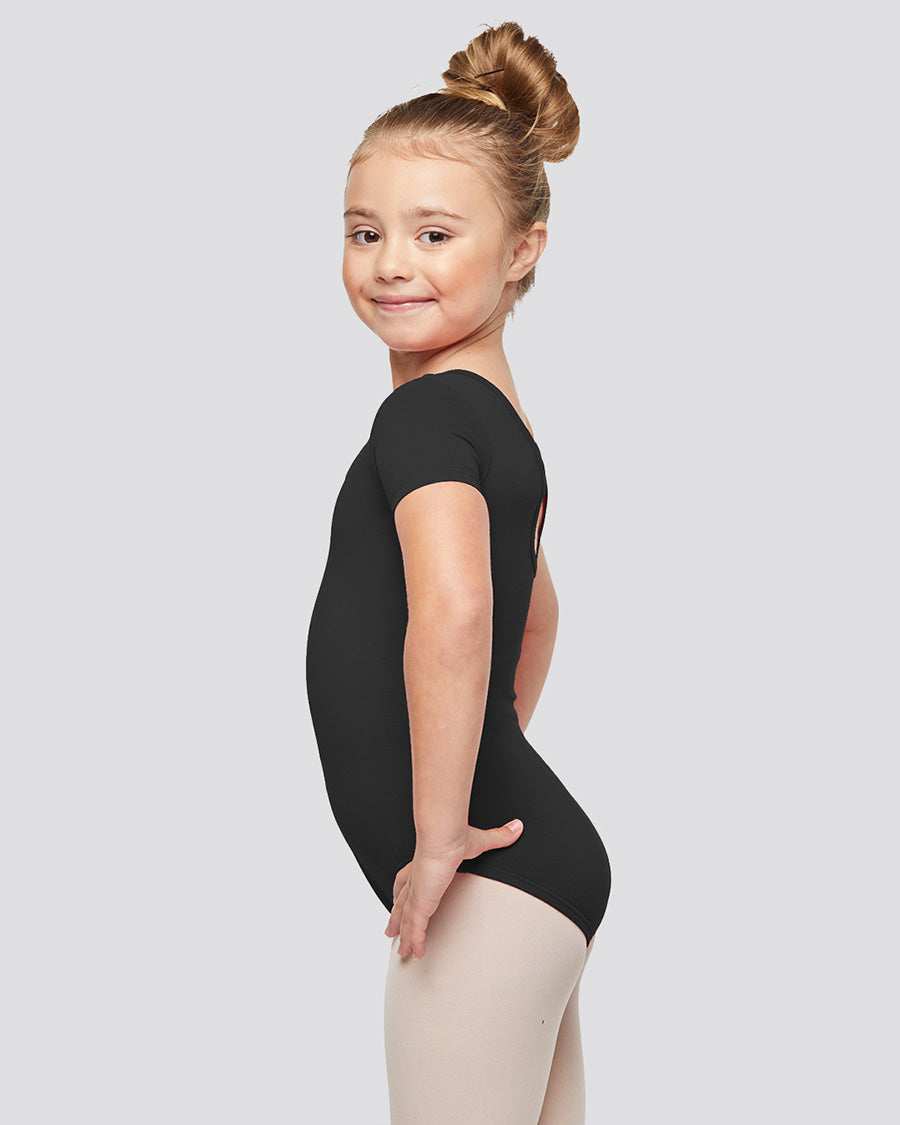
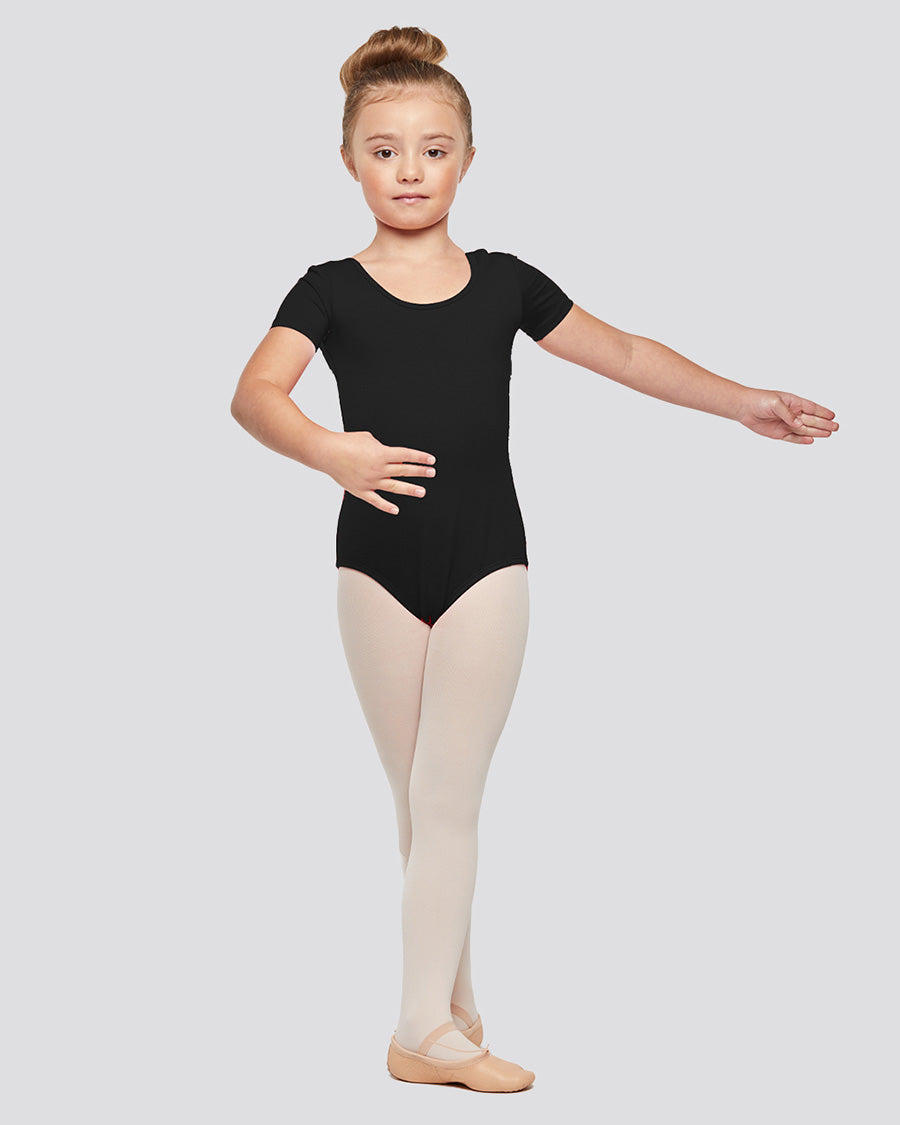
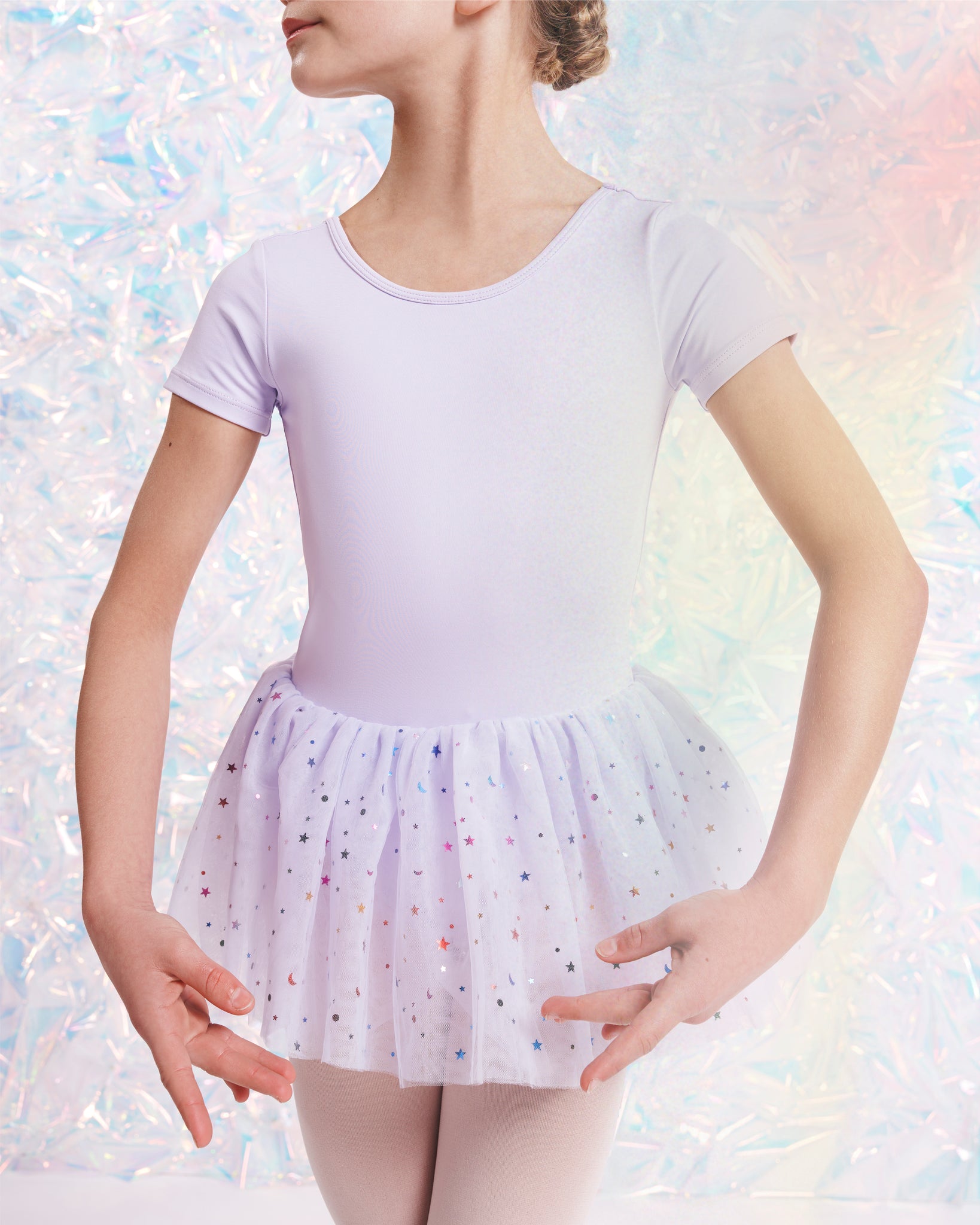
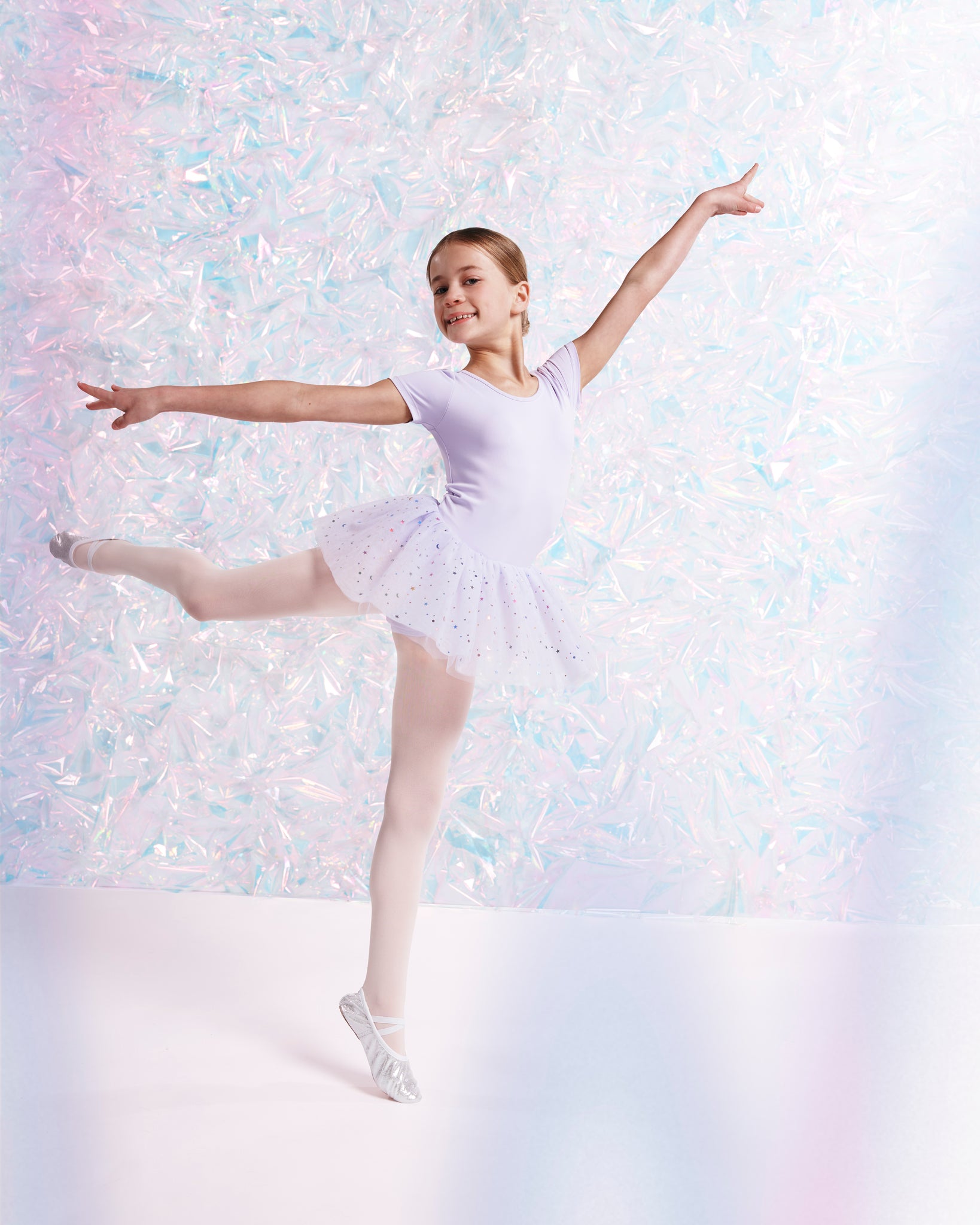
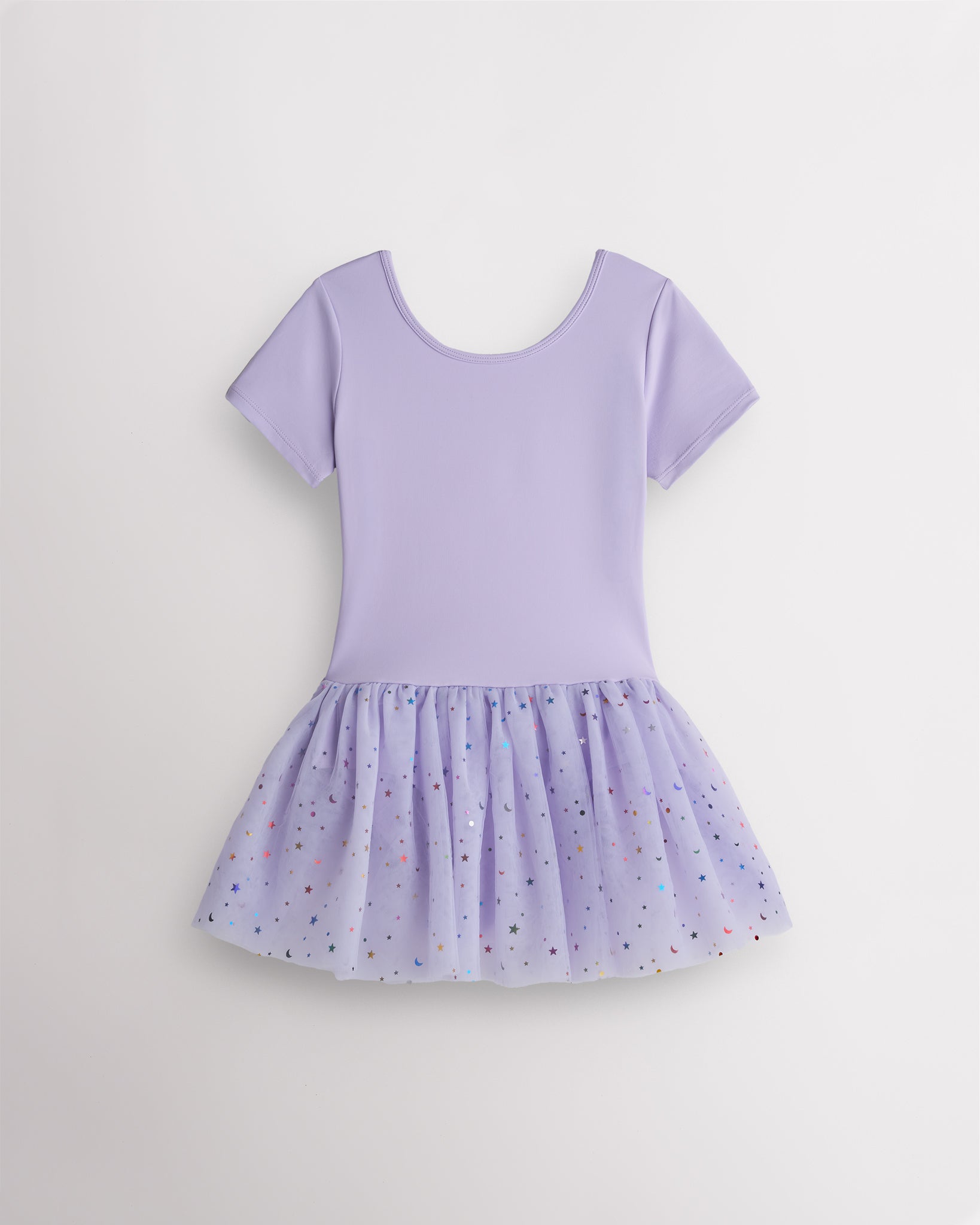
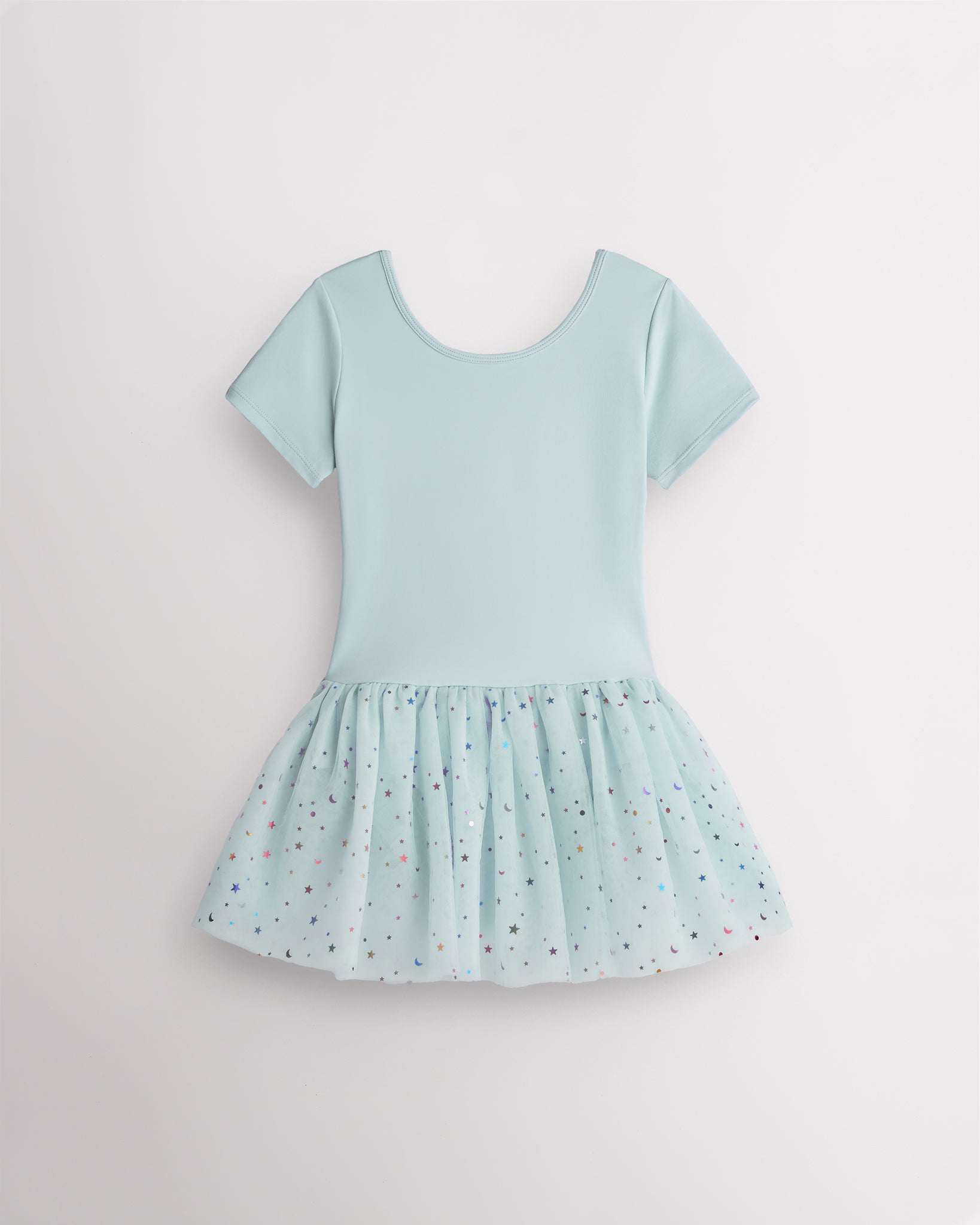
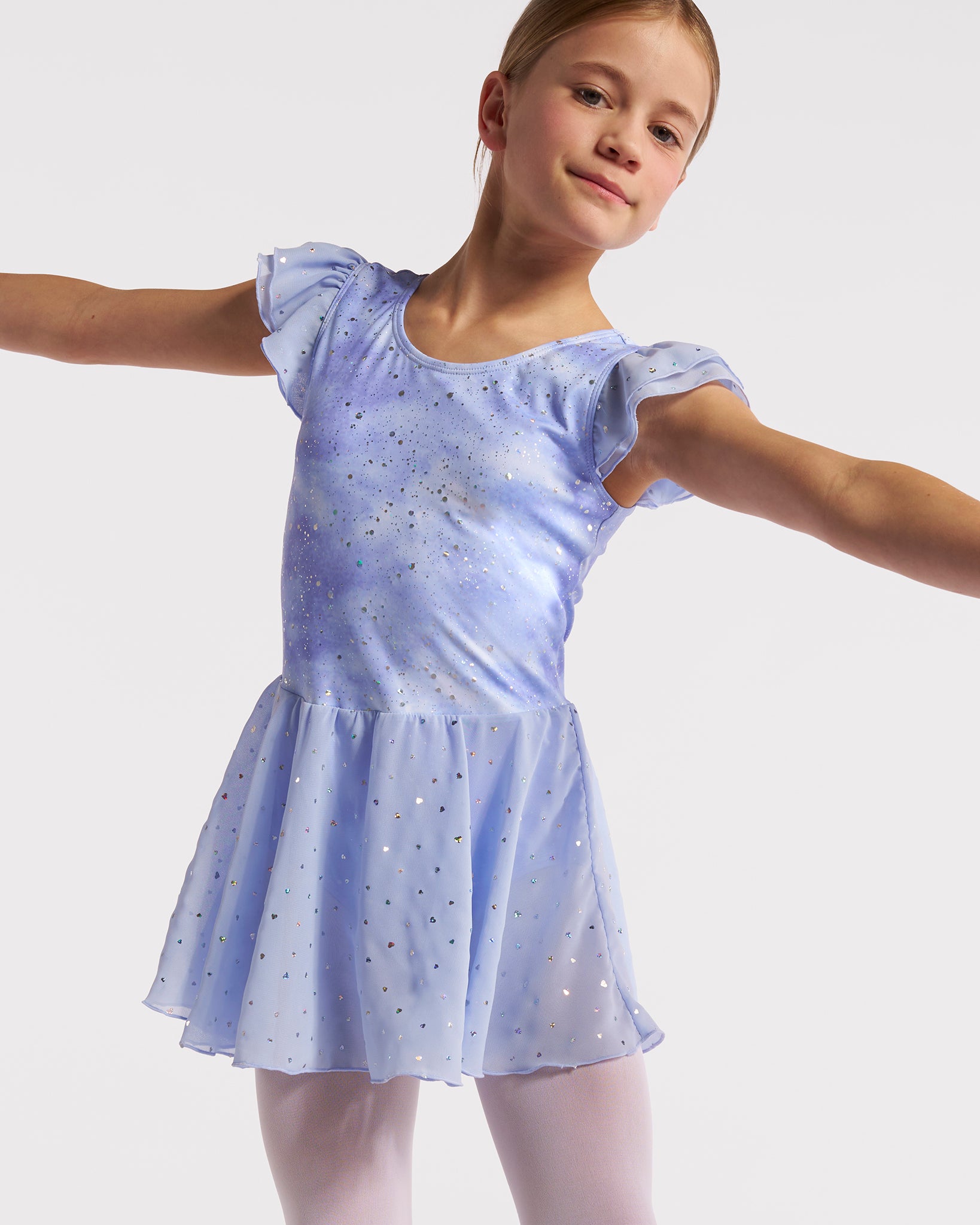
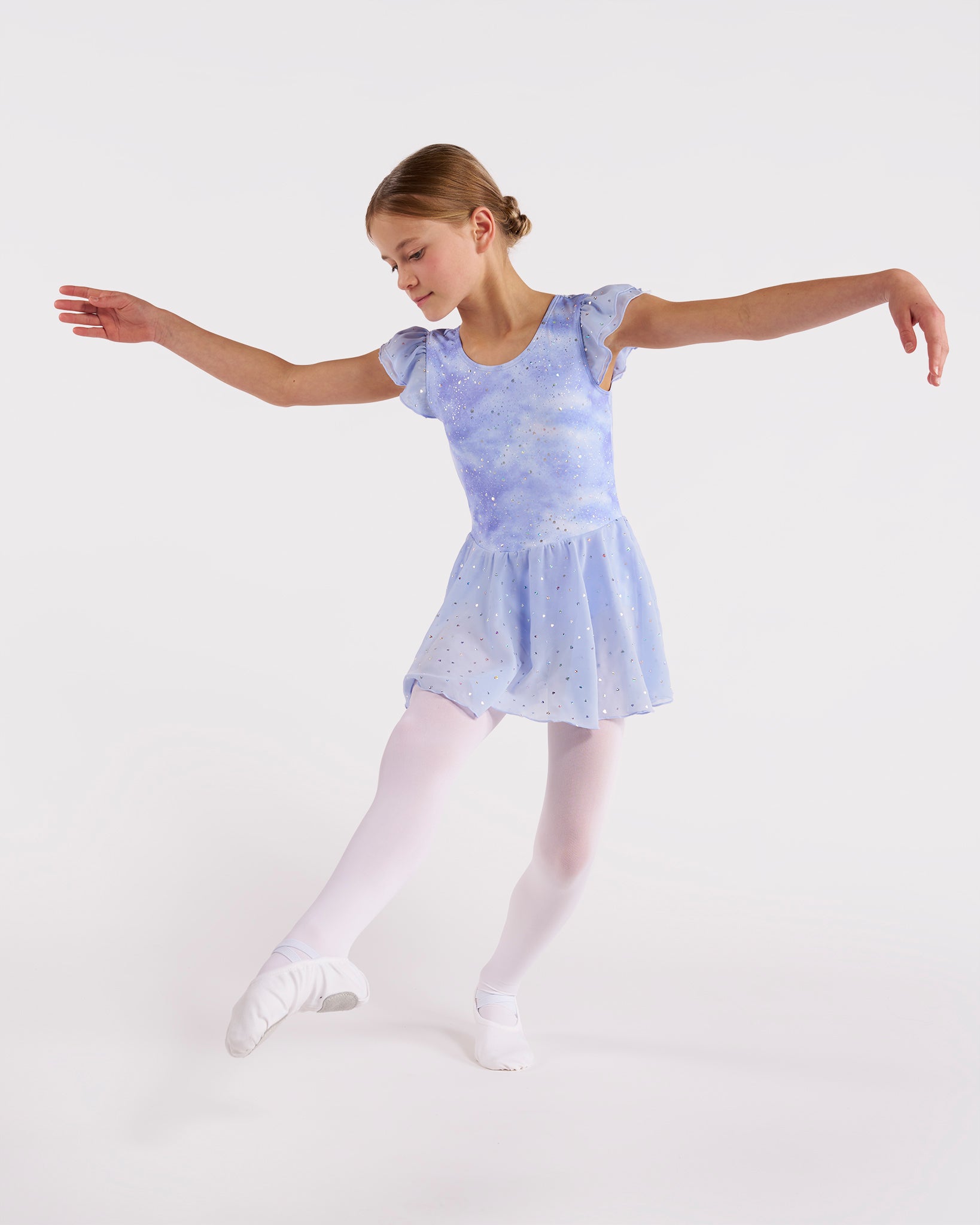
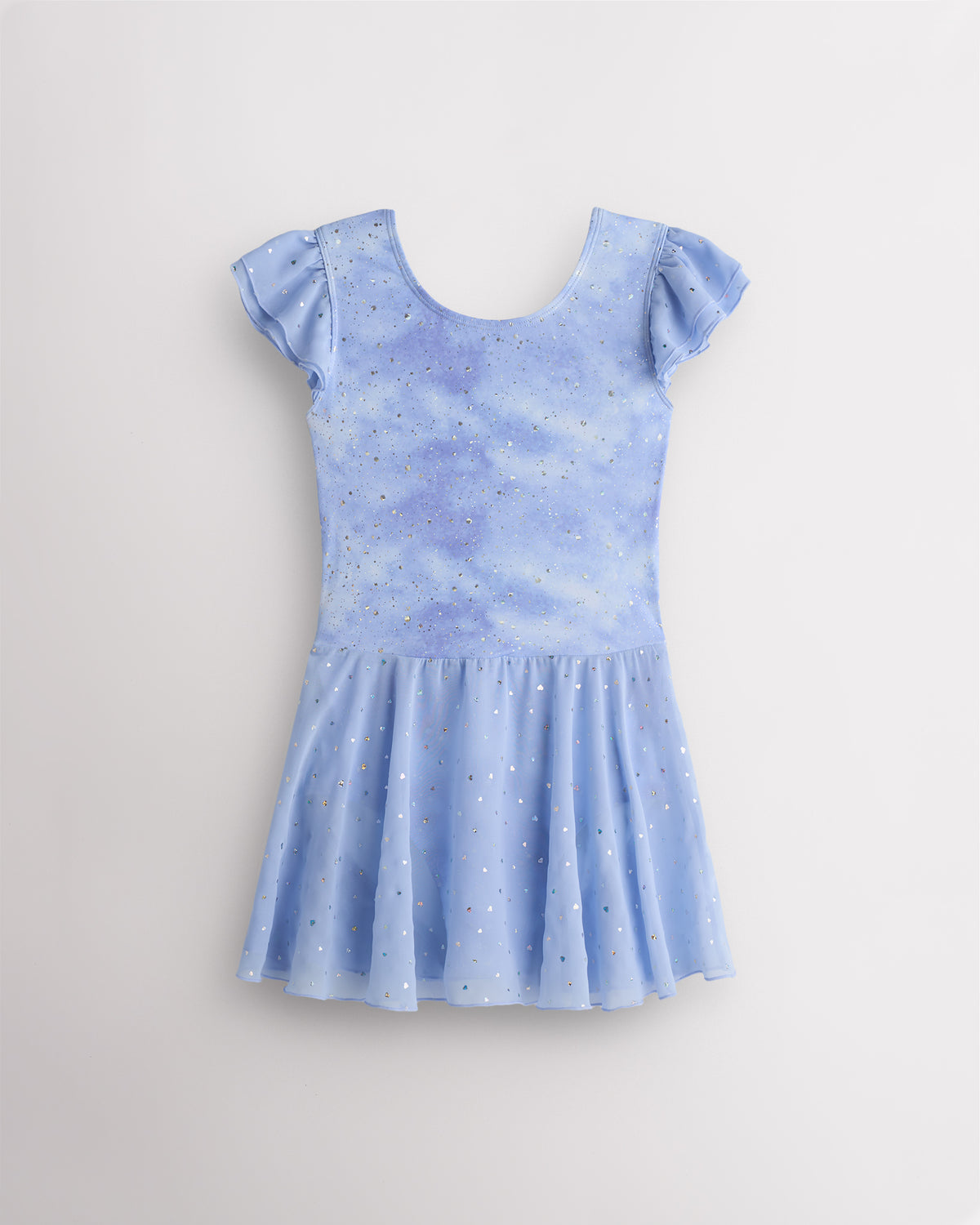
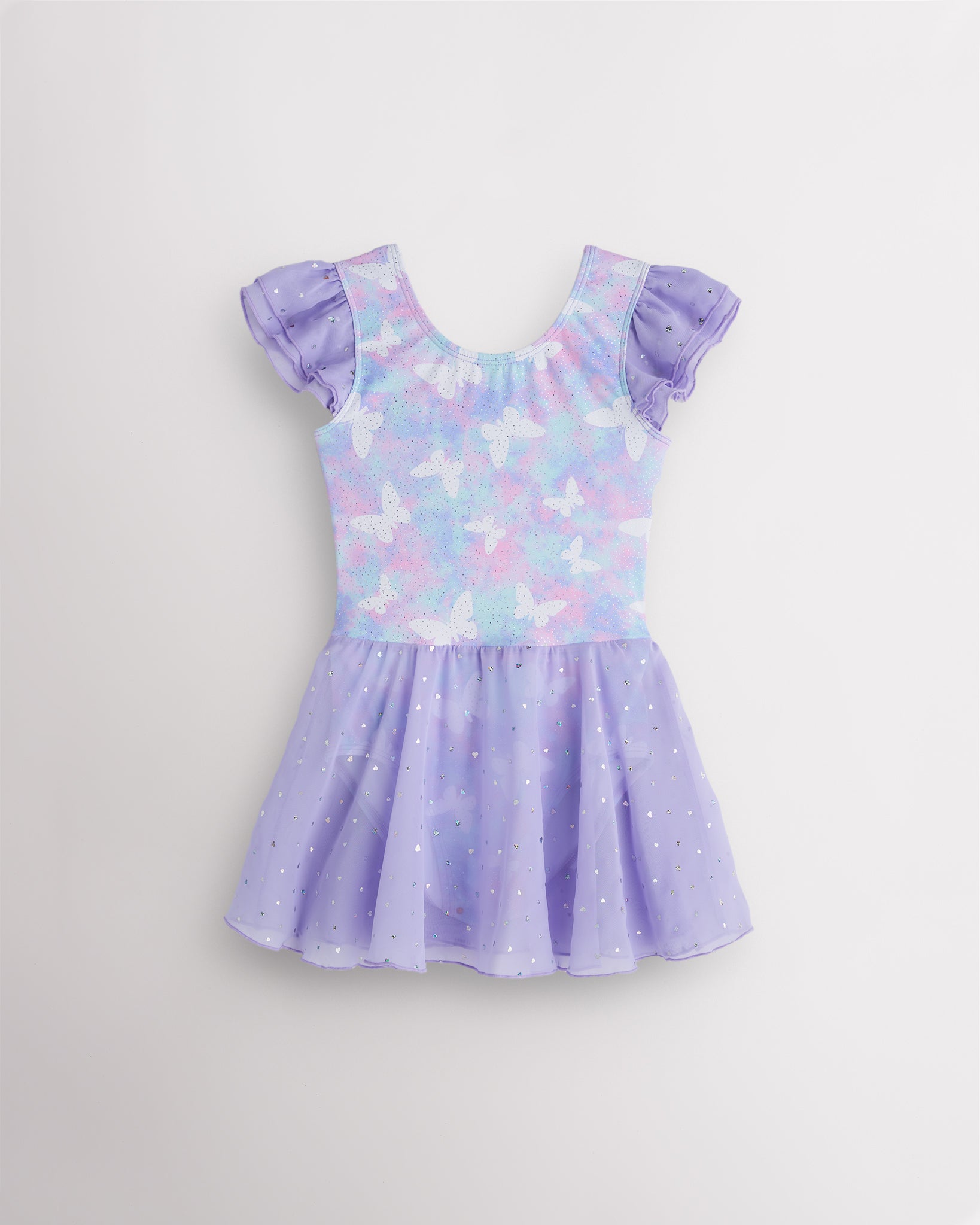
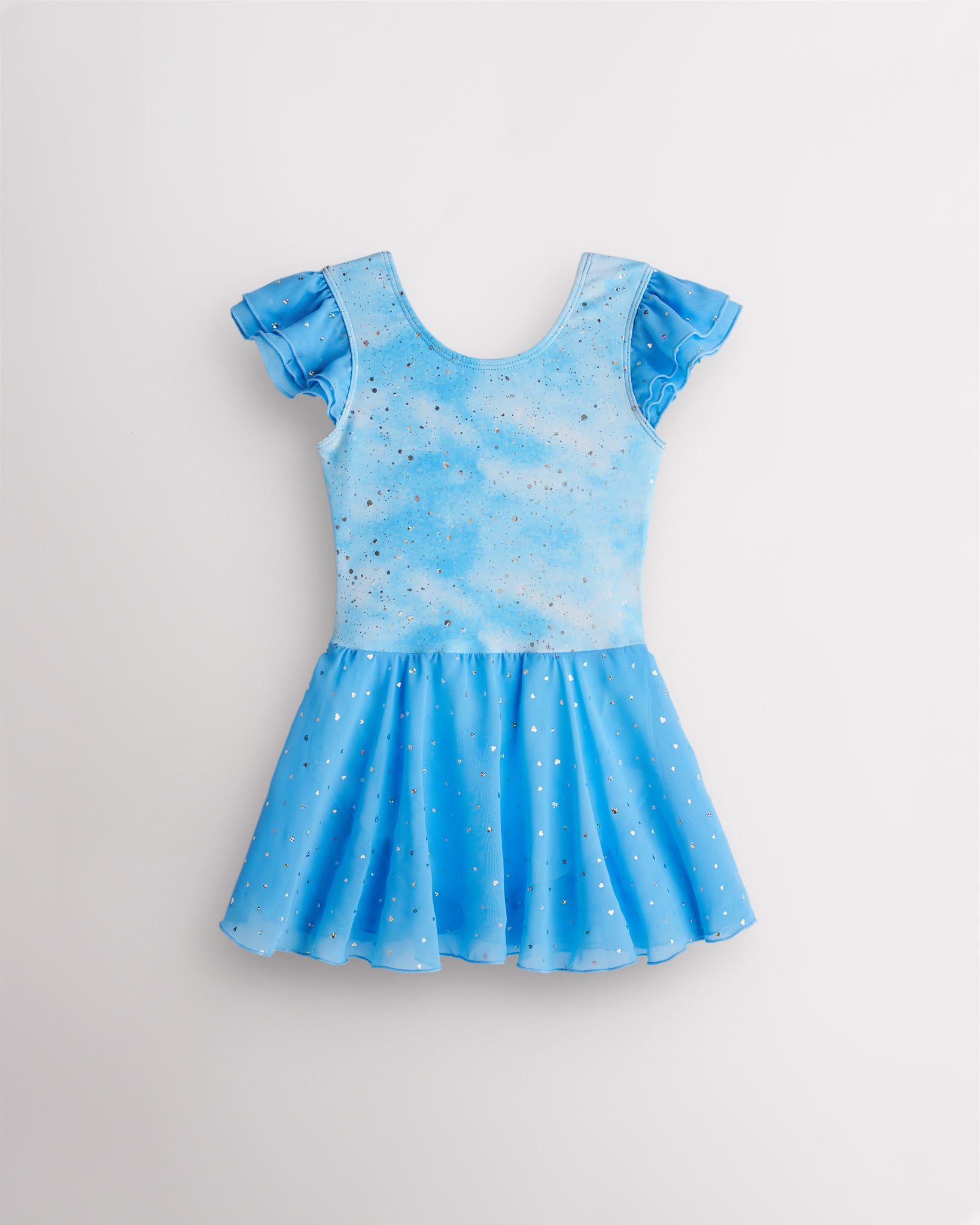
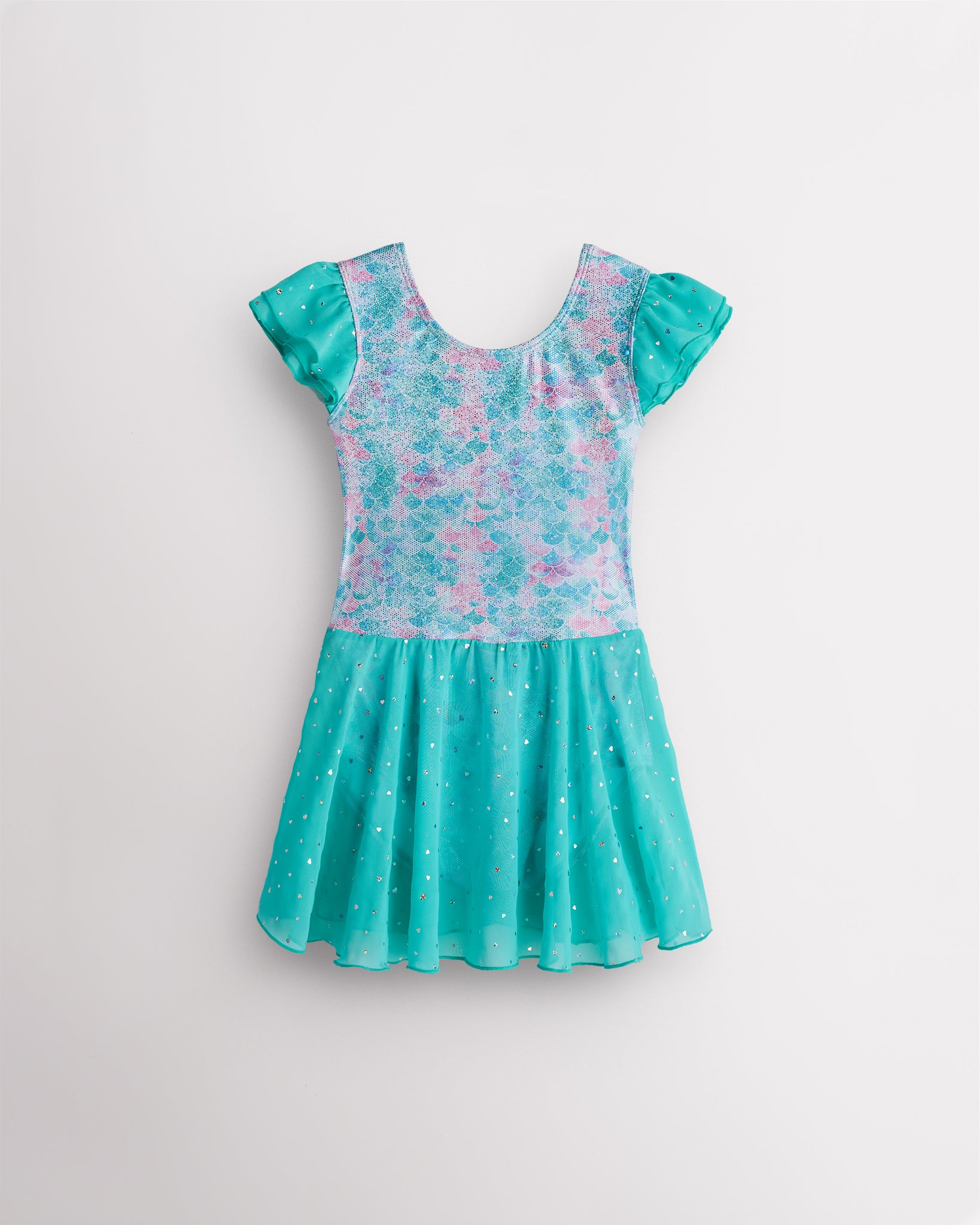
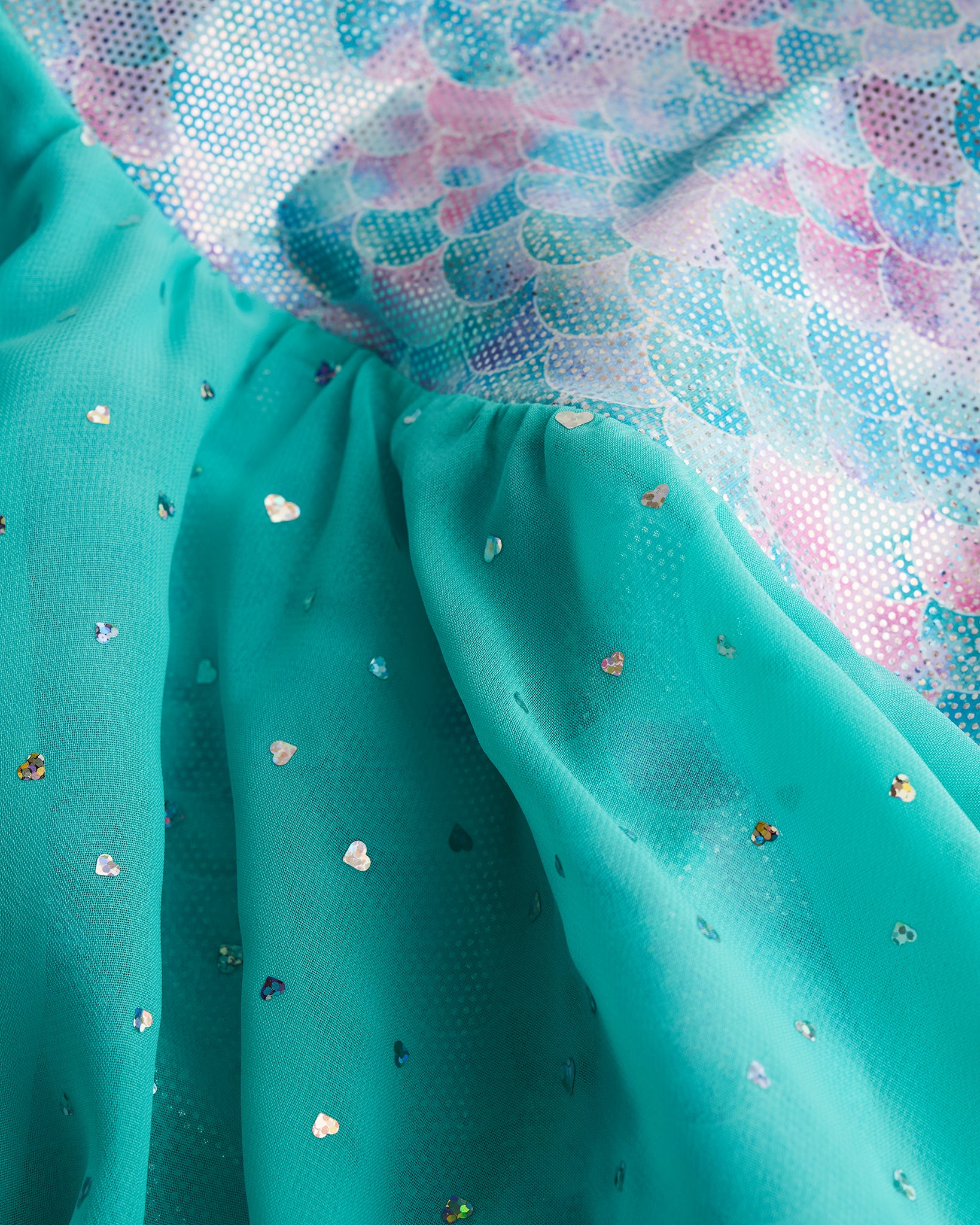
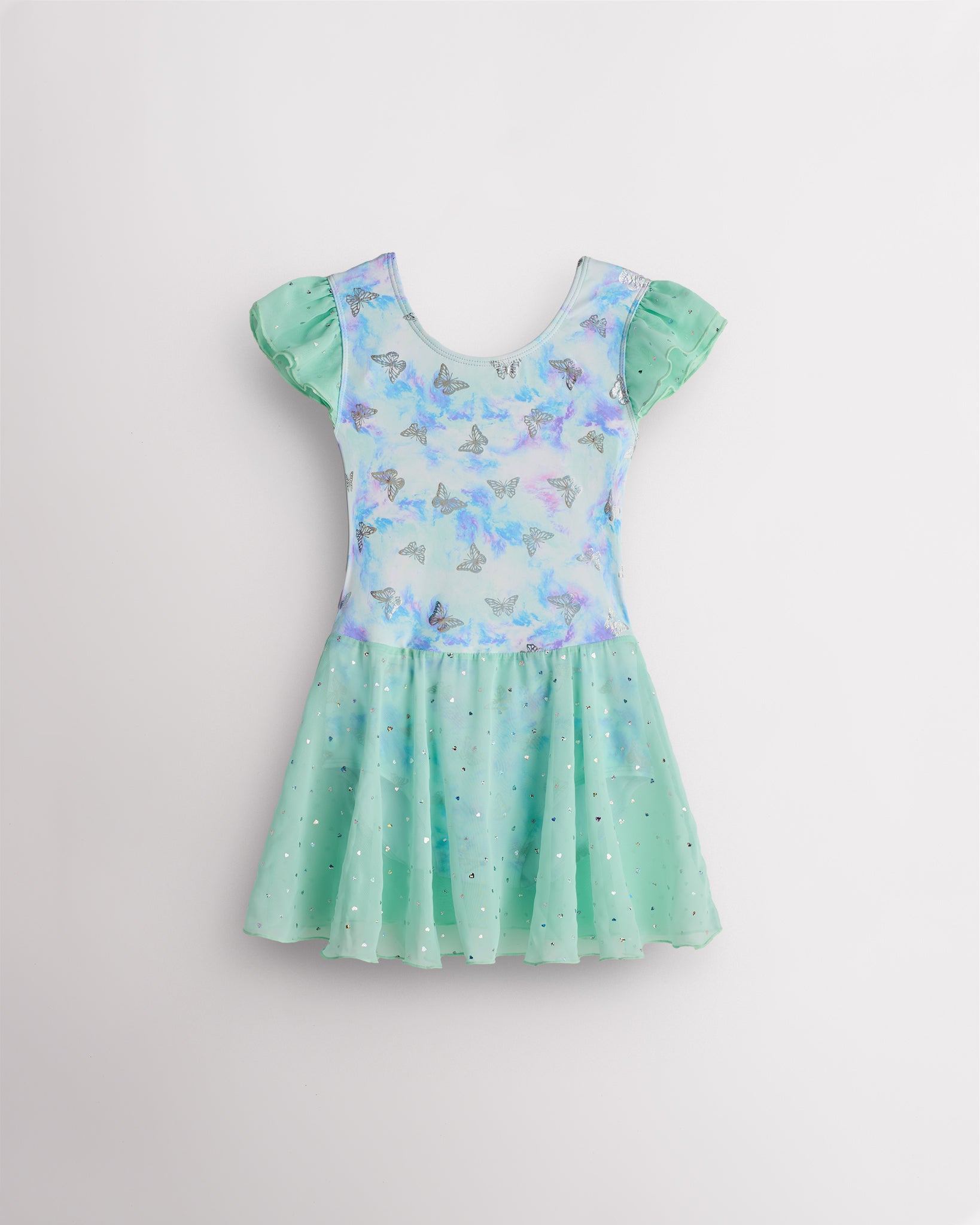
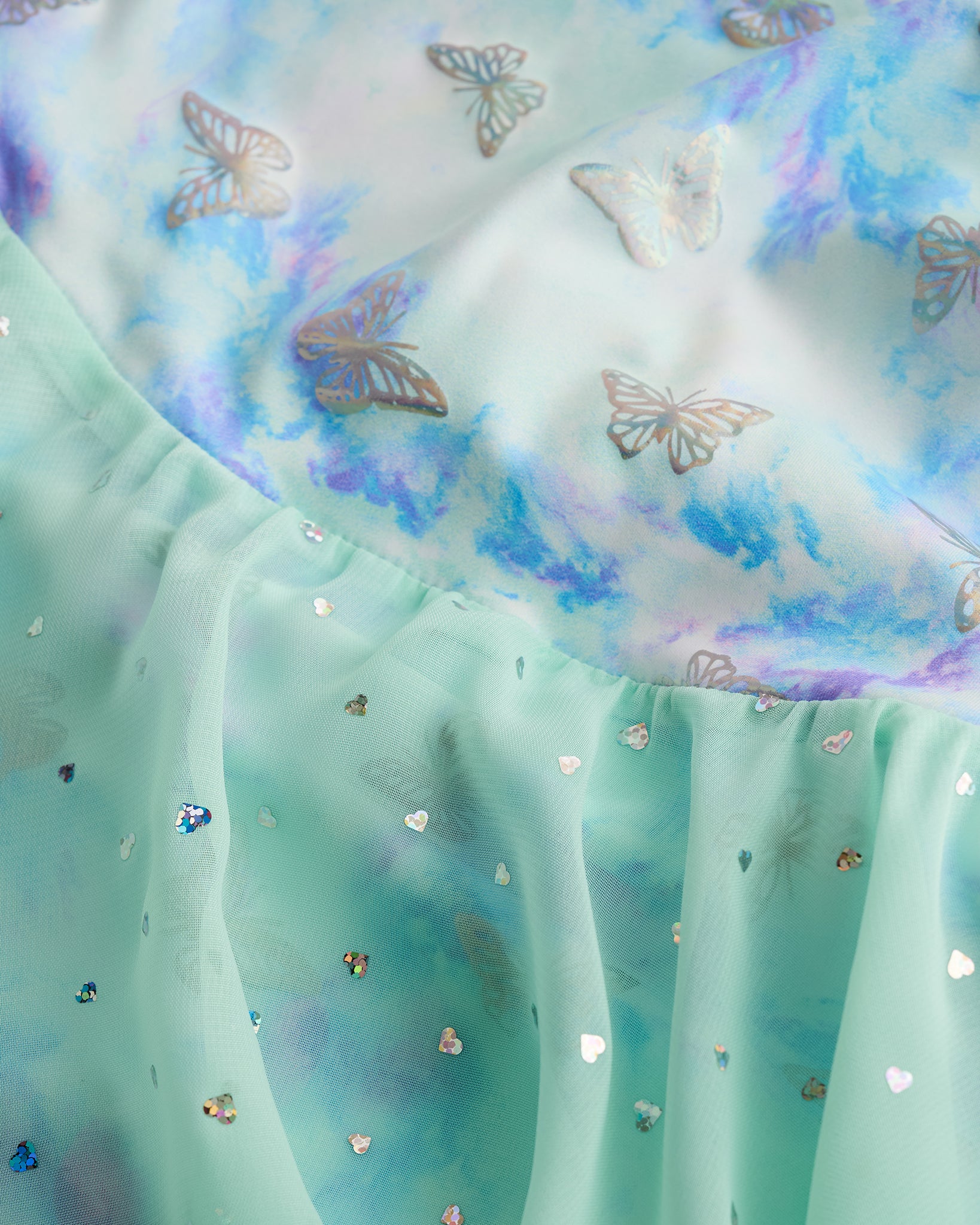
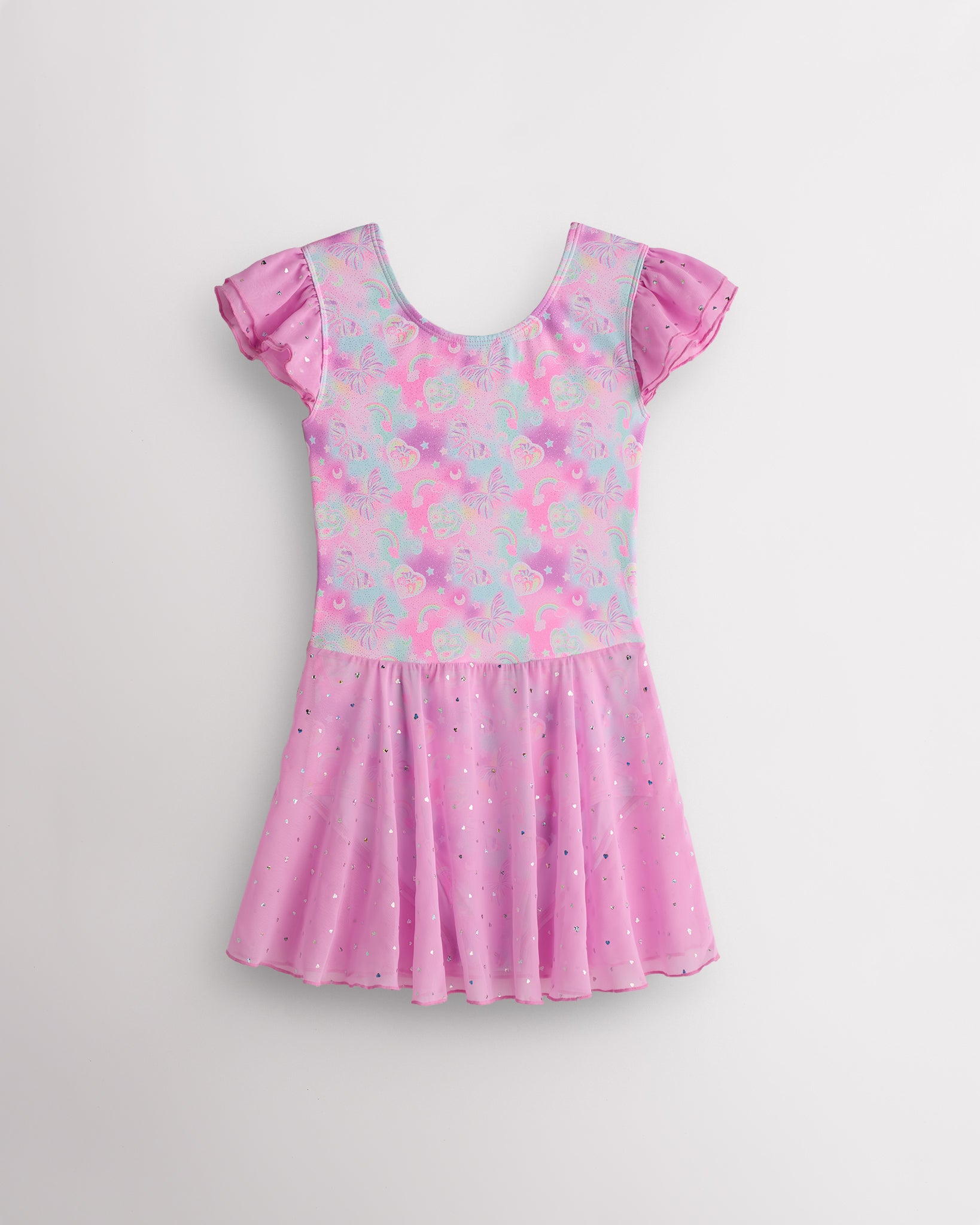
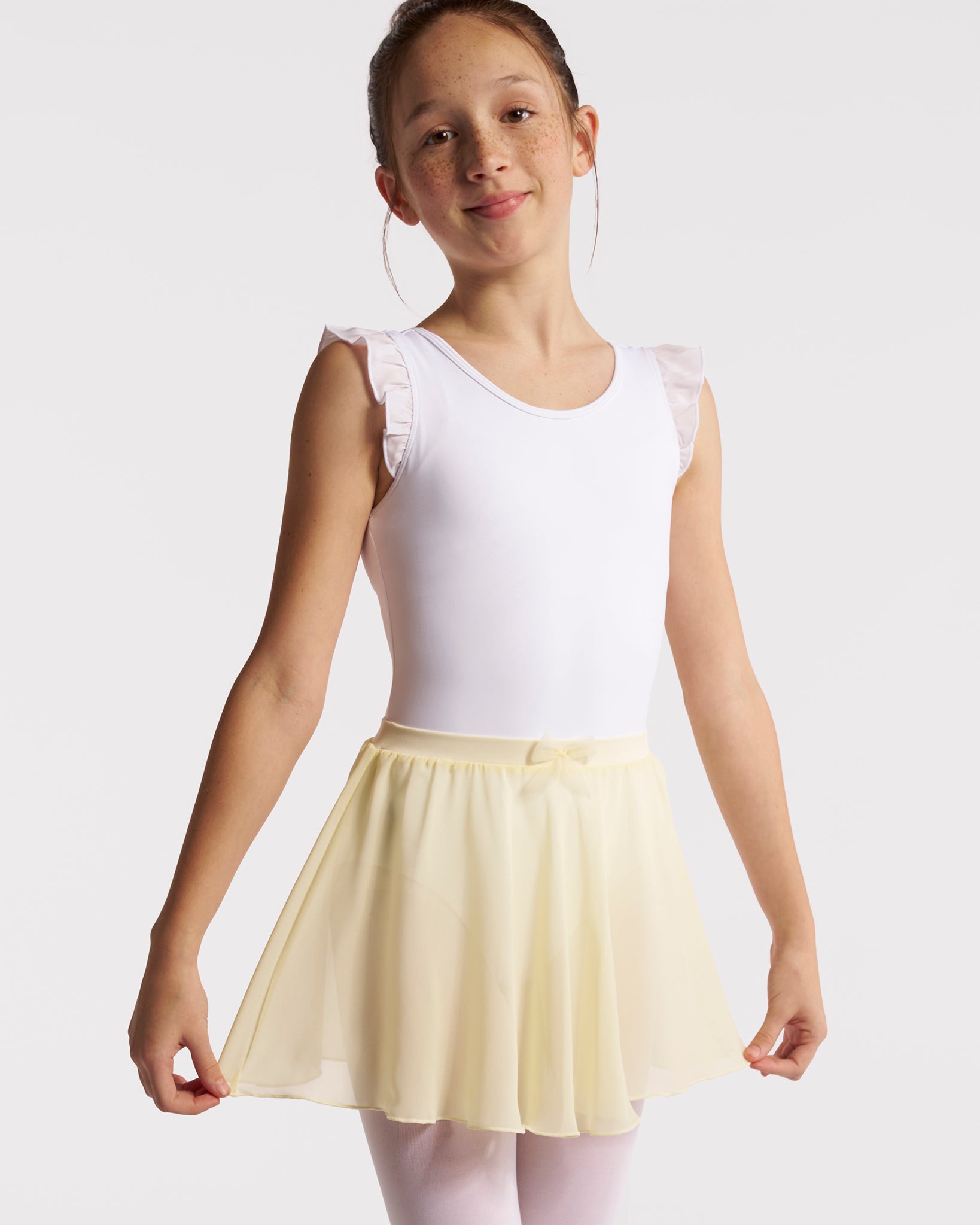
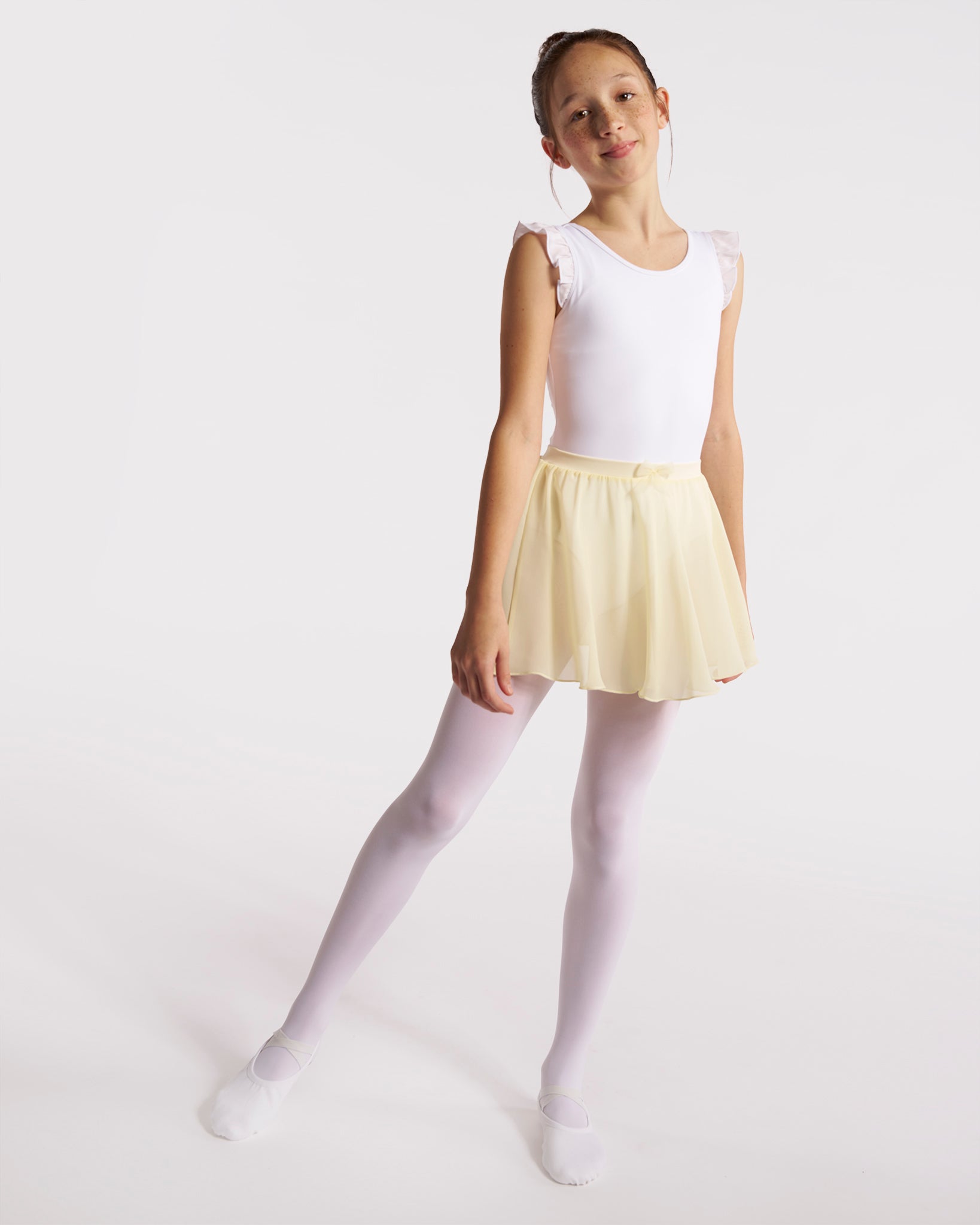
Stelle's leotards are designed mainly for dance and performance, with soft stretch fabrics and kid-friendly details made for ballet class, dance practice, and everyday movement. Some simple, close-fitting styles may work for casual beginner movement classes if the teacher approves, but our dance styles are made especially for ballet and dance class. For gymnastics teams, tumbling, recitals, or competitions, always follow the coach's or event's dress code first.
Autumn, who has tried plenty of brands over the years, says:
"Finding one that fits well, feels great, and looks good matters so much. Stelle's are soft, comfortable, true to size, and last wash after wash."
You can browse options in our girls' leotards collection to find a comfortable, well-fitting style for dance class. As a woman-founded brand making girls' dance essentials since 2015, loved by 15M+ families with a 4.9 out of 5 rating, comfort and true-to-size fit are what we design for.
Frequently Asked Questions
1. What is the difference between a gymnastics leotard and a dance leotard?
Gymnastics leotards are usually built for secure coverage and durability during flips and tumbling, while dance leotards focus on comfort, clean lines, and freedom of movement for class and rehearsal. The best choice depends on the activity, the dress code, and the fit.
2. Can you wear a gymnastics leotard for dance (or to ballet class)?
Sometimes, but check the studio's dress code first. Ballet classes often prefer simple colors, clean lines, and specific styles, so a shiny or heavily decorated gymnastics leotard may not be allowed even if it fits well.
3. Can you wear a dance leotard for gymnastics?
For light movement, it may be fine. For real gymnastics training and tumbling, a gymnastics leotard is usually the better choice because it stays secure during upside-down movement. A simple, close-fitting style without a skirt can work for practice; a skirted or heavily decorated dance style is not ideal.
4. Can one leotard work for both dance and gymnastics?
Sometimes, especially for casual beginner classes. But once there is a dress code, tumbling, a recital, or a competition, an activity-specific leotard is usually the safer and more comfortable option.
5. Are dance and ballet leotards the same?
A ballet leotard is a type of dance leotard, generally with simpler styling and often a studio dress code attached. So all ballet leotards are dance leotards, but not all dance leotards suit ballet class.
6. Should a leotard be tight or loose?
It should fit close to the body, like a second skin, without digging in, gaping, or restricting movement. Loose leotards shift around and can be a safety issue during active movement.
7. What should I check before buying a leotard?
The class type, the studio or team dress code, the fit (straps, neckline, leg openings, freedom to move), and the fabric's comfort and breathability. When in doubt, ask the teacher.
8. Do dance studios require a specific leotard color?
Many do, especially for ballet and for exams or recitals. It is worth confirming the required color, sleeve style, and any other rules before you buy.
Choosing With Confidence
Gymnastics and dance leotards may look alike, but the right choice comes down to movement, coverage, dress code, fabric, and fit. If your child is just starting out, check the class requirement first, choose a close but comfortable fit, and ask the teacher whenever you are unsure. The best leotard is simply the one that lets your child move confidently without constantly adjusting it. For dance class and ballet practice, you can explore Stelle's girls dance leotards, our girls leotards collection made for soft stretch, comfort, and everyday studio movement. And if you are looking for other kids' dance essentials, you are welcome to browse our kids dancewear collection too.