





How Much Does Competitive Dance Cost? A Parent's Budget Guide
Table of contents
How much does competitive dance cost? Studio budgets and parent reports put a regional competition team season at roughly $3,000 to $8,000 per dancer, covering tuition, team fees, costumes, and entry fees. A full company schedule with solos, conventions, and travel to nationals can run $10,000 to $16,000 or more a year.
Key Takeaways
-
A realistic planning range for a first competition season is $3,000 to $5,500; established company dancers with solos and travel often run $10,000 or more per year.
-
Tuition is only the start. Costumes, choreography, entry fees, conventions, and travel can add significantly to the total season cost.
-
Entry fees are charged per routine, per competition, so a dancer in five routines pays five entry fees at every event.
-
Solos are the single biggest upgrade: private coaching, a custom costume, and higher entry fees can add several thousand dollars on their own.
-
Ask the studio for a complete season fee sheet before your child auditions; it is a normal request.
What is competitive dance?
Competitive dance means your child auditions for a studio's competition team (often called a company), rehearses routines through the fall, then performs them for scores and awards at regional and national events. It is a bigger commitment than recreational classes in hours and cost, with a brand-new team member looking at 4 to 6 hours a week and senior teams at 15 to 20 or more, according to Encore Academy. Recreational dancers typically perform once a year; our first dance recital guide explains that season.
Regular studio classes run about $60 to $150 per month for one weekly class; our kids' ballet classes guide breaks that down.
Where the money goes: the full cost breakdown
Here is the whole picture in one table, built from one studio's published fee sheet and several parent-facing cost reports. Treat the ranges as planning estimates; your studio's numbers count most.
|
Cost category |
Example cost / planning estimate |
How it's charged |
|---|---|---|
|
Tuition (4 to 12 required hours a week) |
150-300/month |
Monthly, during the season |
|
Team or company fee (many studios) |
50-300 |
Per season, at the start |
|
Choreography fees |
35-65/dancer per group routine |
Per routine, fall |
|
Costumes |
75-250 per group costume |
Per routine, fall/winter |
|
Competition entry fees |
50-75 per group routine |
Per routine, per event |
|
Convention weekends |
150-350 per dancer |
Per convention |
|
Private lessons (optional) |
60-100+ per hour |
As booked |
|
Travel (hotels, gas or flights, food) |
1,150-2,350+ per three-day away event |
Per event, whole family |
|
Extras (makeup, tights, shoes, team apparel, photos) |
300-600/year |
Trickles in all season |
Tuition and competition team fees
Competition dancers usually must take a minimum load of technique classes, so tuition often runs $150 to $300 a month. Rhythm Works Dance's published team chart, for example, scales from $55 a month for one hour a week to $285 for twelve hours at the time of writing. On top of tuition, studios may charge registration fees, upfront deposits, or other team-related costs. For example, Rhythm Works Dance lists a $30 annual registration fee and a $300 initial dance payment that covers upfront costume and competition expenses for its 2026–2027 season.
Choreography fees
Some studios bill routine creation separately. Rhythm Works lists group choreography at $35 to $65 per dancer at the time of writing. Solos are priced as private prep: Dance Parent 101 cites $50 to $100 an hour with a five-hour minimum, which works out to roughly $250 to $500 before costumes and entry fees, and some studios bundle choreography, cleaning, and entry fees into one lump charge. One Southern California family's published season paid $2,250 for a solo (costume not included) and $950 for a large group number, within a $6,295 minimum dance total for the year.
Costumes
Every routine needs its own costume. Stock group costumes run $75 to $150, semi-custom pieces $150 to $250, and fully custom solo costumes $300 to $700 or more, per the breakdown at Encore Academy's budgeting guide. Five routines can mean $400 to $2,000 in costumes. For comparison, a recreational recital costume typically runs $60 to $100 or more, one per class enrolled.

Dance competition entry fees
Entry fees surprise new parents most, because they repeat at every event. Encore Academy's guide puts per-routine, per-competition rates at $50 to $75 per dancer for a group number, $80 to $120 for a duet or trio, and $125 to $200 or more for a solo, per competition. Rhythm Works Dance charges $50 per dancer, per dance, per competition for its 2026–2027 season. A dancer in four group routines attending four regional competitions generates sixteen separate entry fees, roughly $800 to $1,200 at the group rates cited by Encore, with additional costs for duets or solos.
Conventions
Many teams attend a dance convention, a weekend training event with master classes, often paired with a competition. Dance Parent 101 puts registration at around $150 to $350 depending on the number of entries, and Rhythm Works lists about $250 for its convention, with no refunds. Spectators may need an observation band (about $25) to watch convention classes. If your team adds one, our dance convention outfits guide covers what to wear and pack for the weekend.
Travel and extras
Local regionals might only cost gas and parking. An out-of-state event means hotels (from about $125 a night, with events often offering a discounted rate), meals, and sometimes flights; Encore's family-of-three example for a three-day trip totals $1,150 to $2,350+. Nationals can be one of the largest expenses of the season, especially when flights, hotels, and meals are involved. Families should also budget separately for dance shoes, tights, makeup, team apparel, and photo packages. Encore's sample budgets set aside $300 to $600 a year for gear.

How much does competitive dance cost a year?
How much is competitive dance at three involvement levels?
-
Starter team (2-3 group routines, 3 local regionals, no solo): about $3,000 to $5,500 for the year. Encore Academy's sample starter budget lands at $5,150, including $2,500 of tuition.
-
Mid-level team (4-6 routines, a convention, one travel event): about $5,000 to $8,000. In Scary Mommy's reporting, one mom with two young daughters spent approximately $2,500 on costumes, competition fees, and solo lessons, plus a separate $2,700 in tuition, while another said she spends $8,000 to $9,000 a year on competitions for her tween daughter.
-
Full company (6+ routines, solo or duet, nationals travel): $10,000 to $16,000+. Encore's national-level sample budget comes to $15,600 or more once $4,000+ of travel and lodging and optional private lessons are counted.
Prices, class schedules, and age ranges can change, so use these examples as a starting point and confirm details with each studio or competition organizer before signing up. Your best move is requesting the studio's full season fee sheet, itemized, before audition day.
Is competitive dance worth it?
For many families, yes, with eyes open. Team dancers get far more stage time, technique hours, and coaching than a once-a-week class provides, and parents often point to confidence, time management, close friendships, and the thrill of performing as the payoff.
The honest downsides deserve equal airtime. Parents who ask why competitive dance is bad usually mean cost first: every dance needs its own costume, choreography, and entry fee at each event, with travel on top, so the bill grows with each routine. The schedule can crowd out everything else: Scary Mommy describes 10 to maybe 30 rehearsal hours a week for some kids, Saturdays included, and event days up to 12 hours. And studio culture varies widely: some teams are warm and kid-first, while others breed comparison and pressure around scores. Watch a rehearsal, talk to current team parents, and pick a studio where kids look like they enjoy the work.

How to keep the cost down
-
Start small. A first season of two or three group routines and local events shows whether your child loves it before you commit solo-level money.
-
Buy and sell used costumes. Studio swaps and resale pages can cut costume costs noticeably.
-
Learn competition hair and makeup yourself. One tutorial session beats paying an artist at every event.
-
Drive when it is under five hours, book the event hotel rate early, and split suites with another team family at away events.
-
Ask about payment plans and fundraising. Some studios spread fees over monthly installments and run fundraisers that offset entry fees.
-
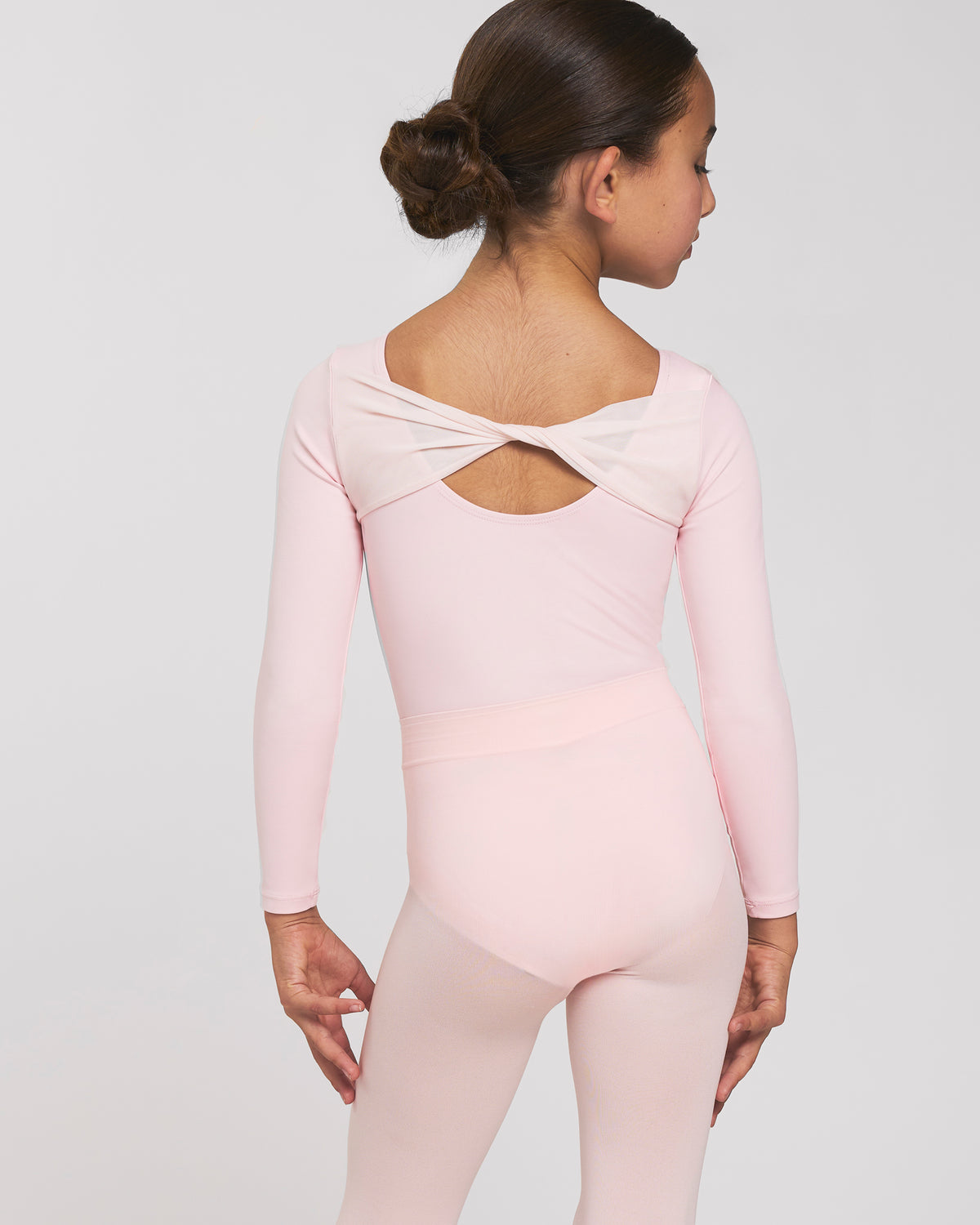
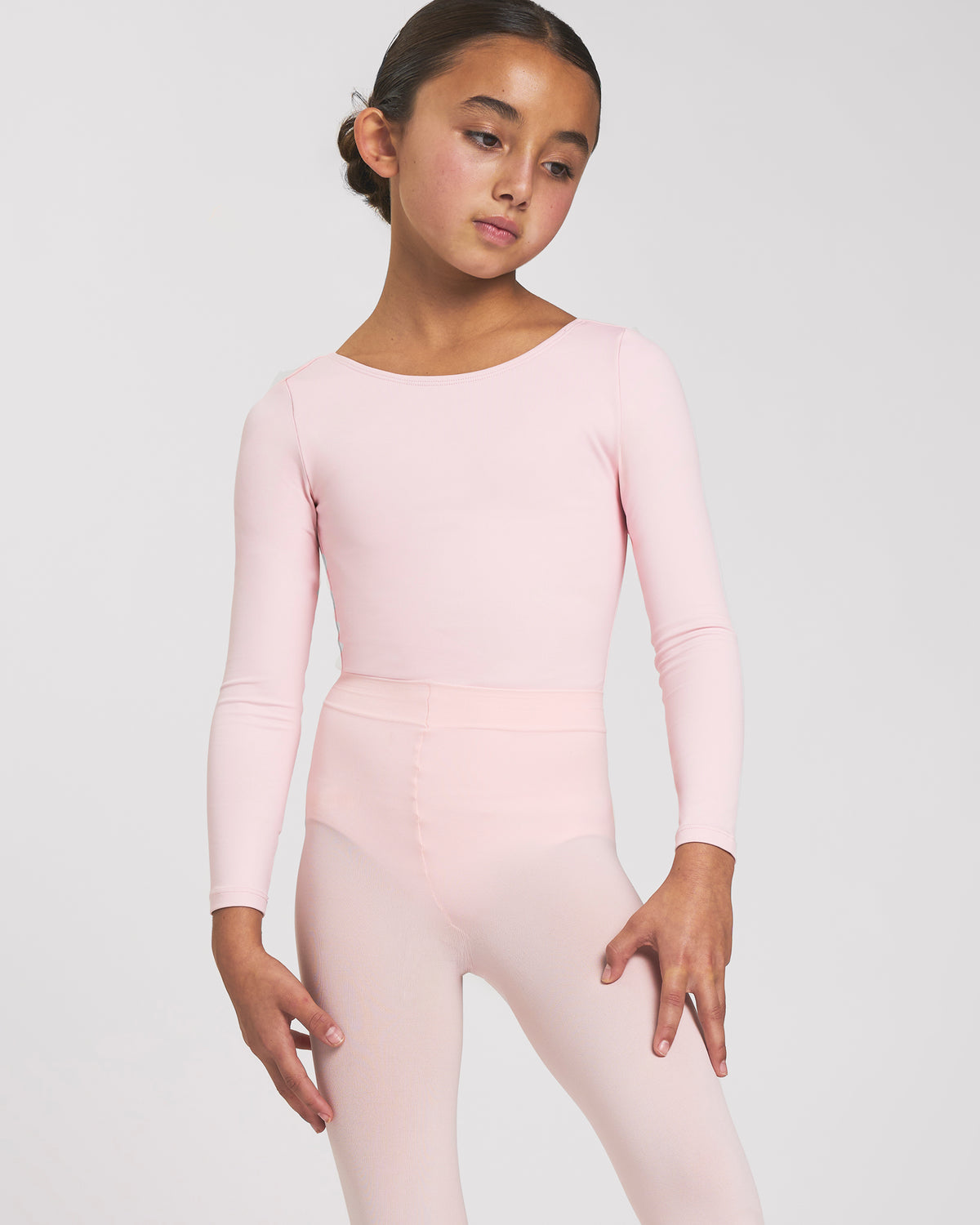
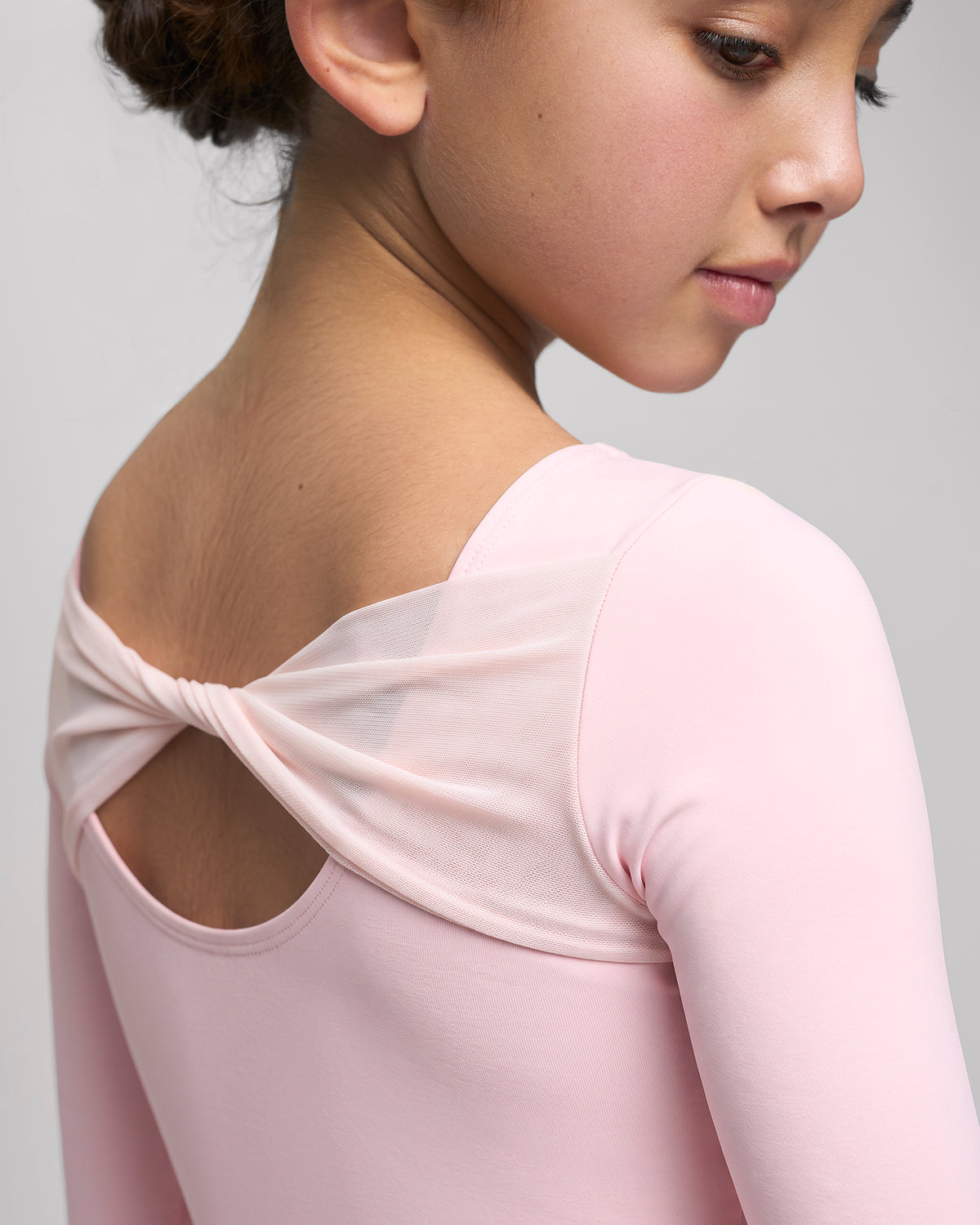
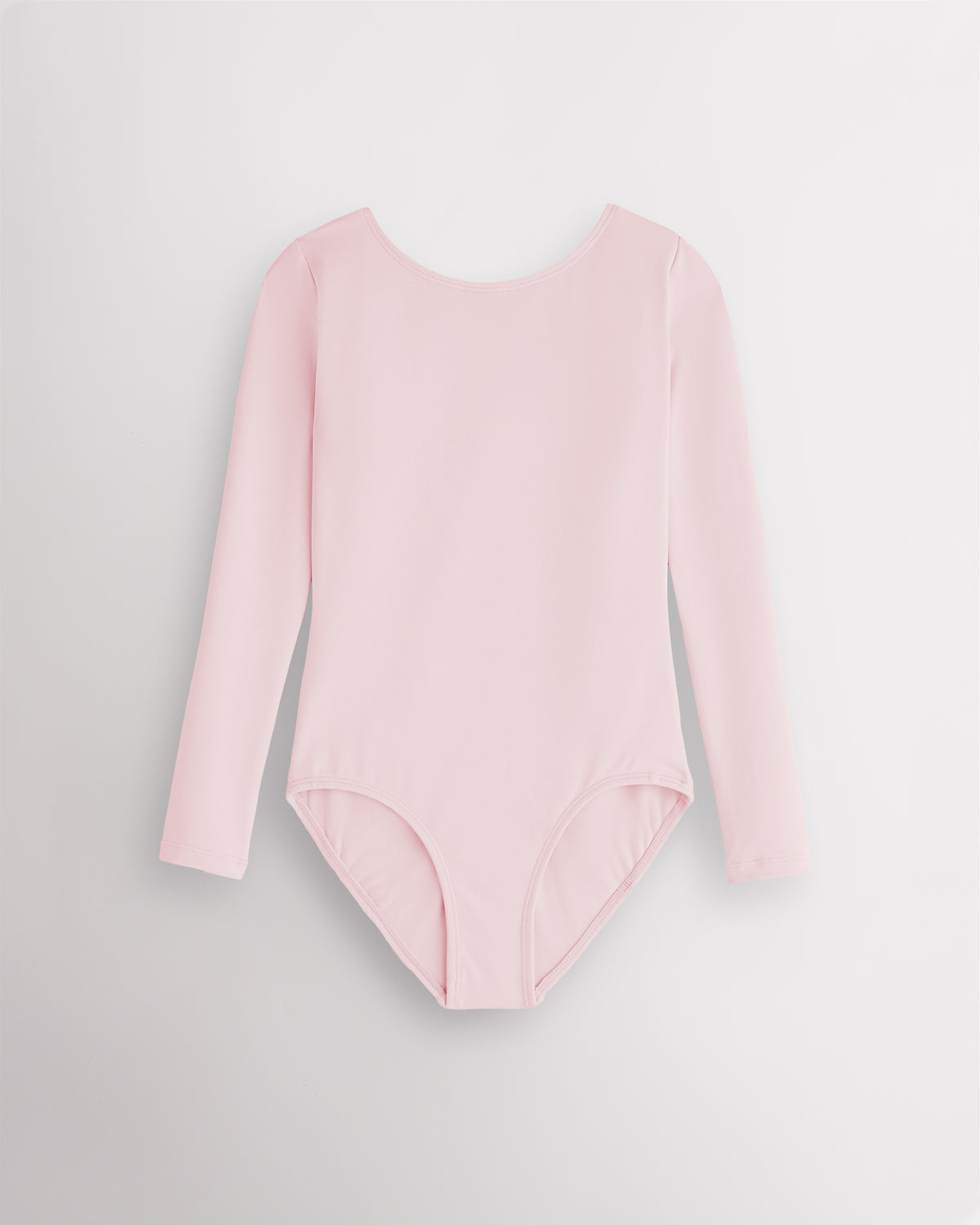
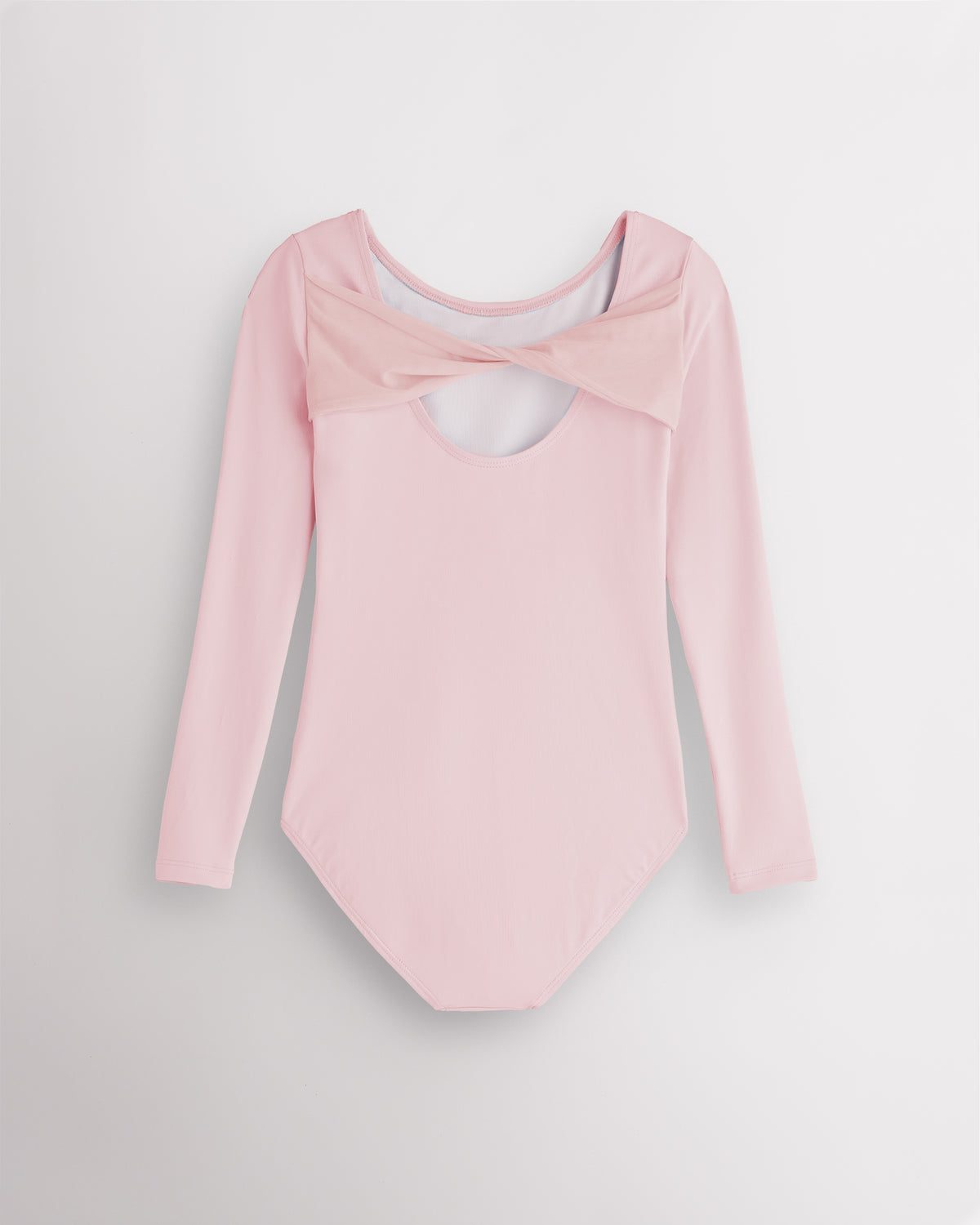
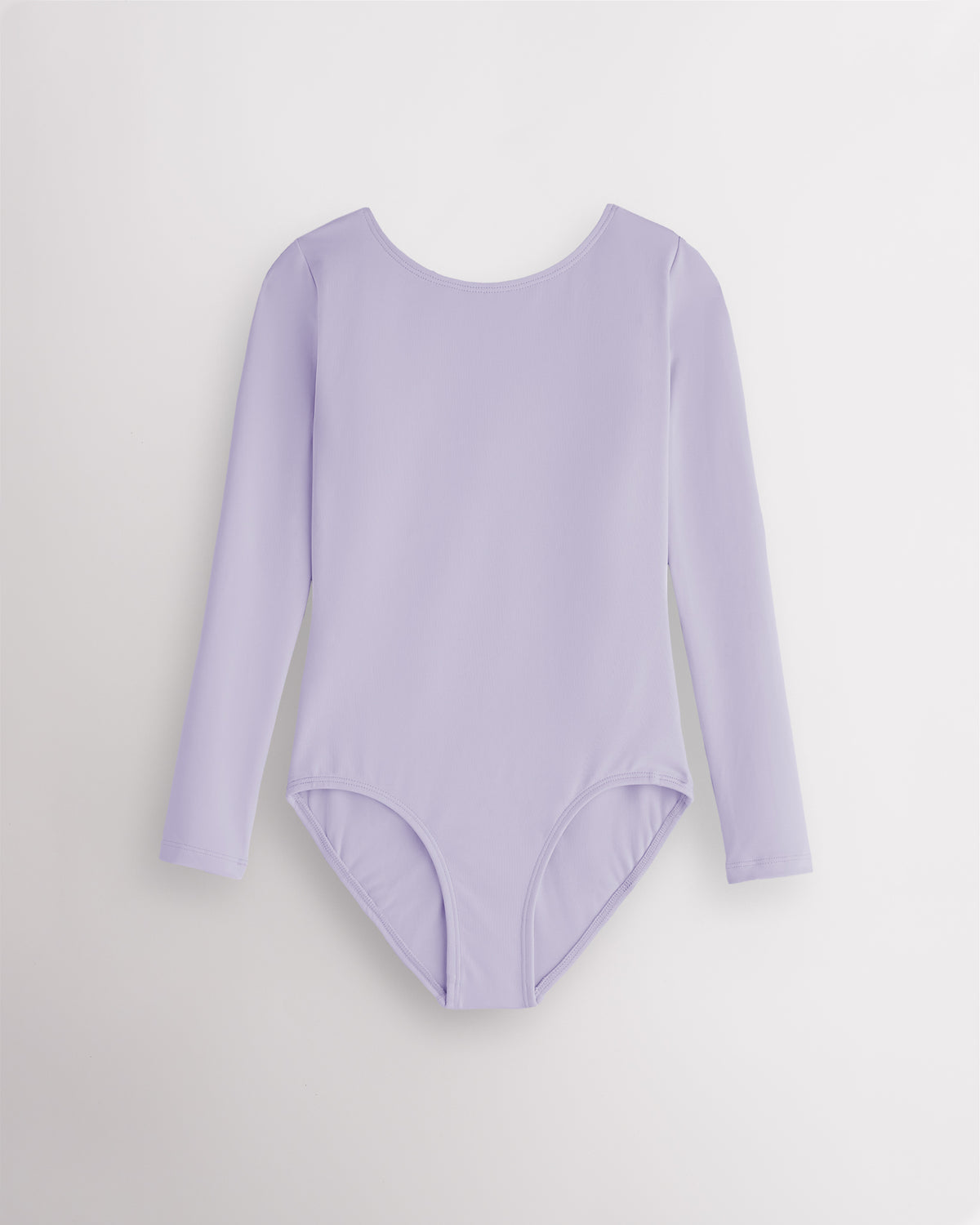
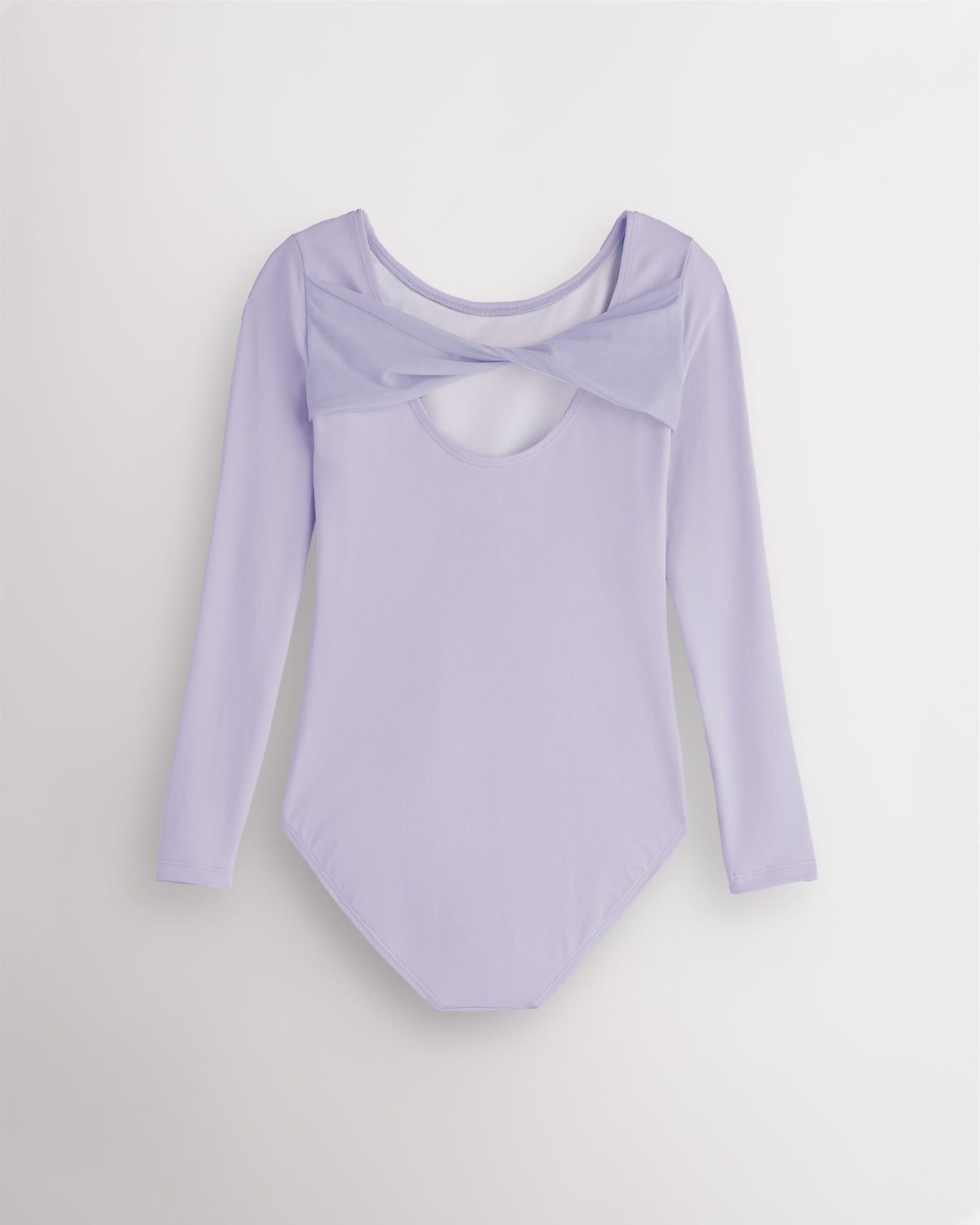
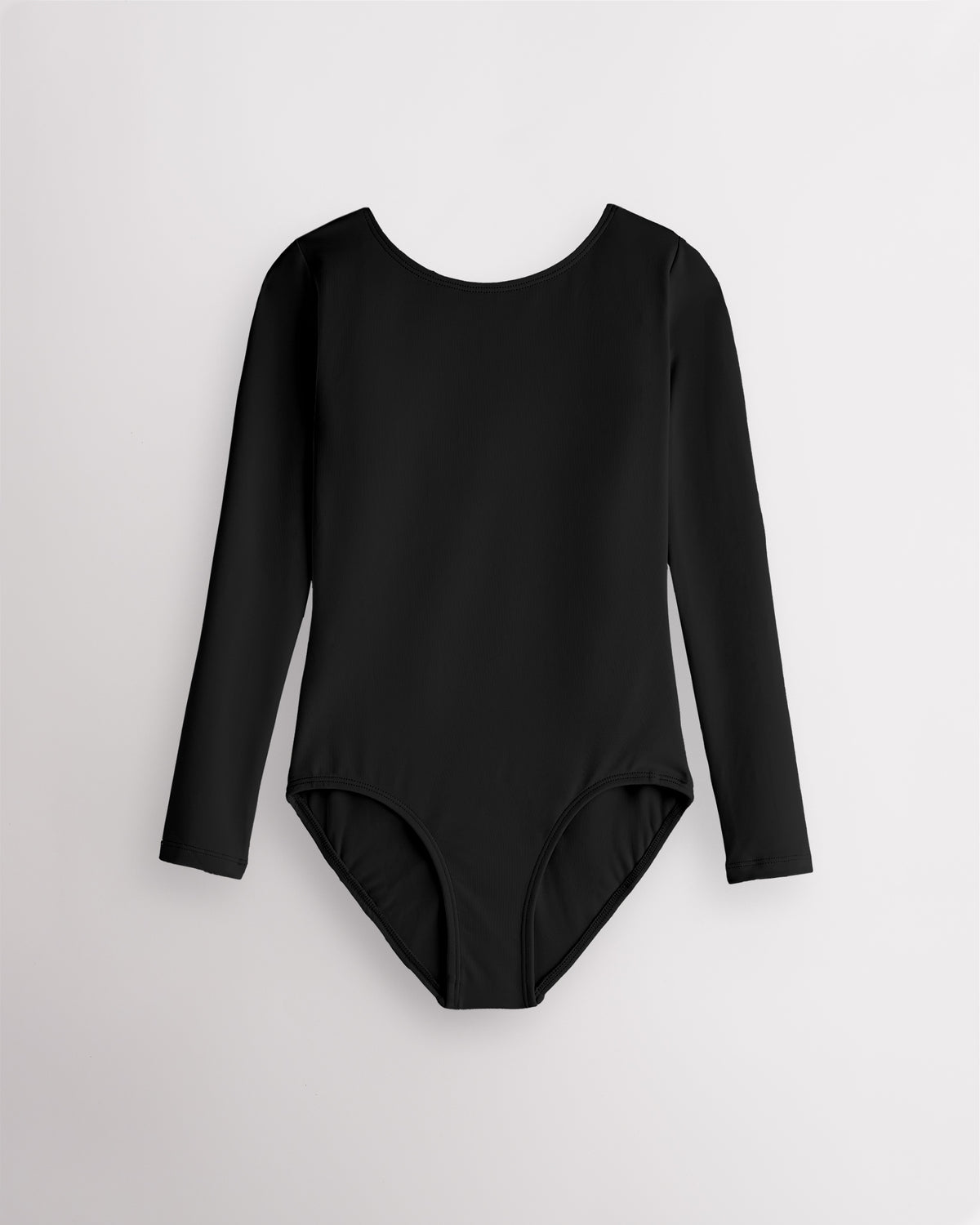
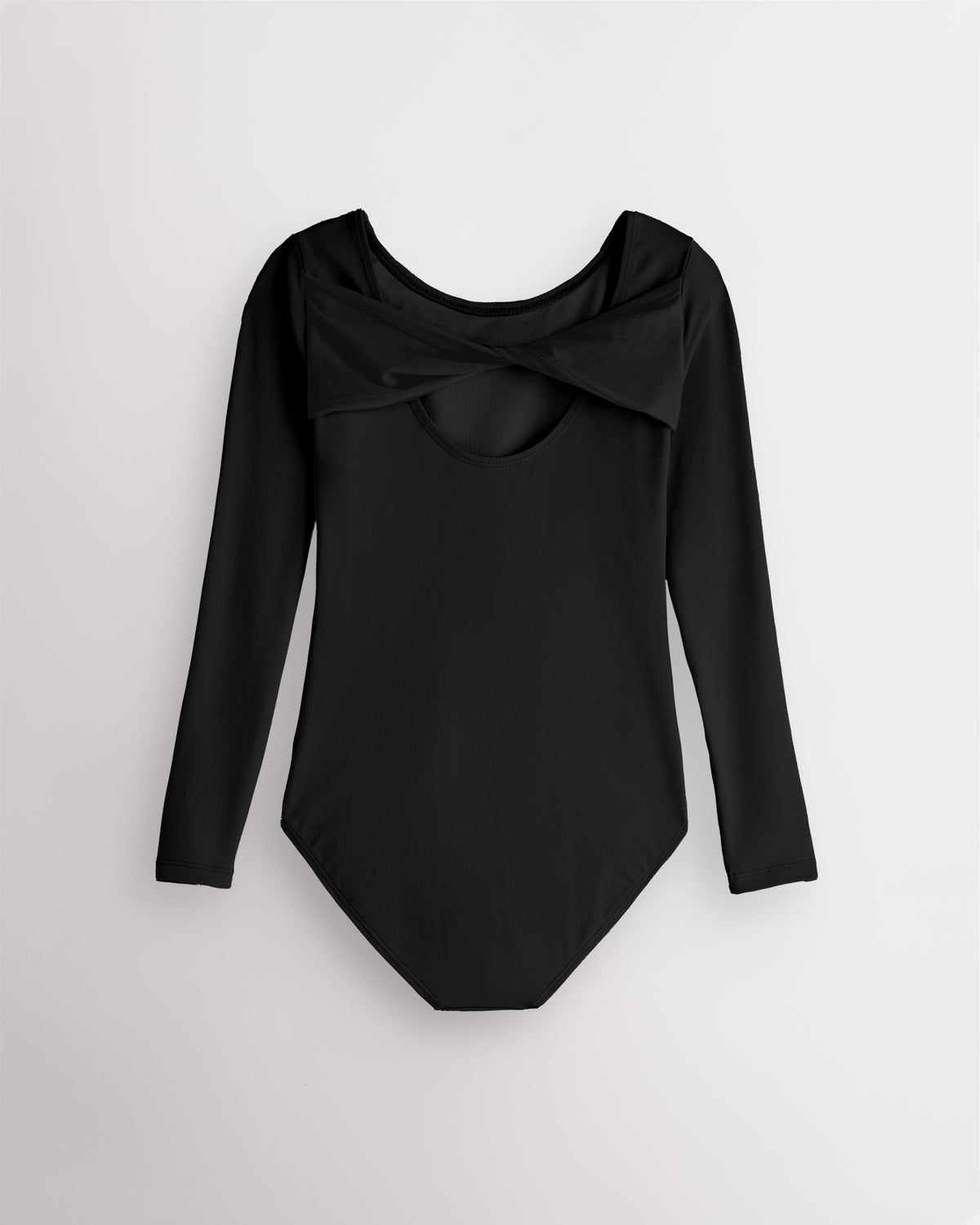
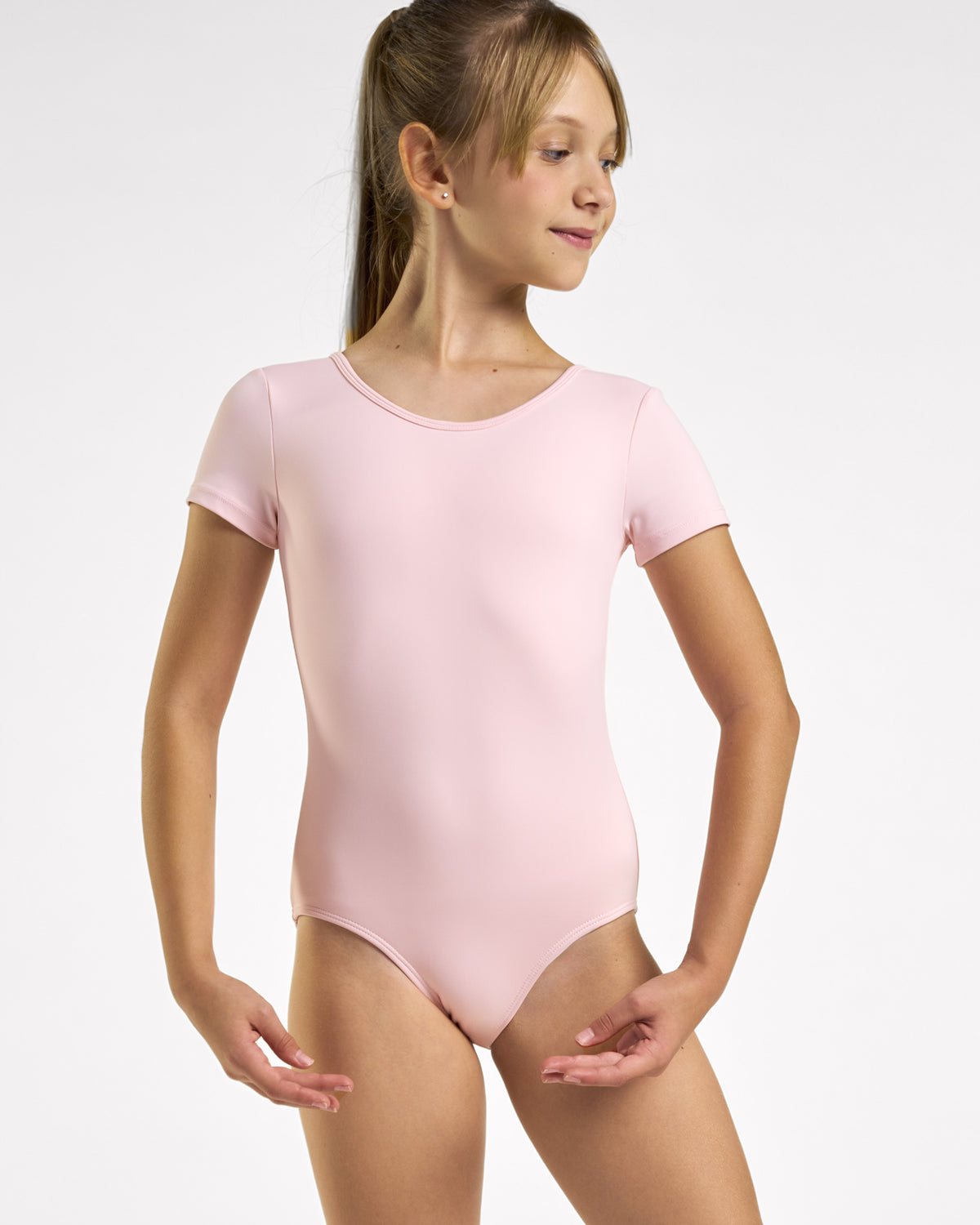
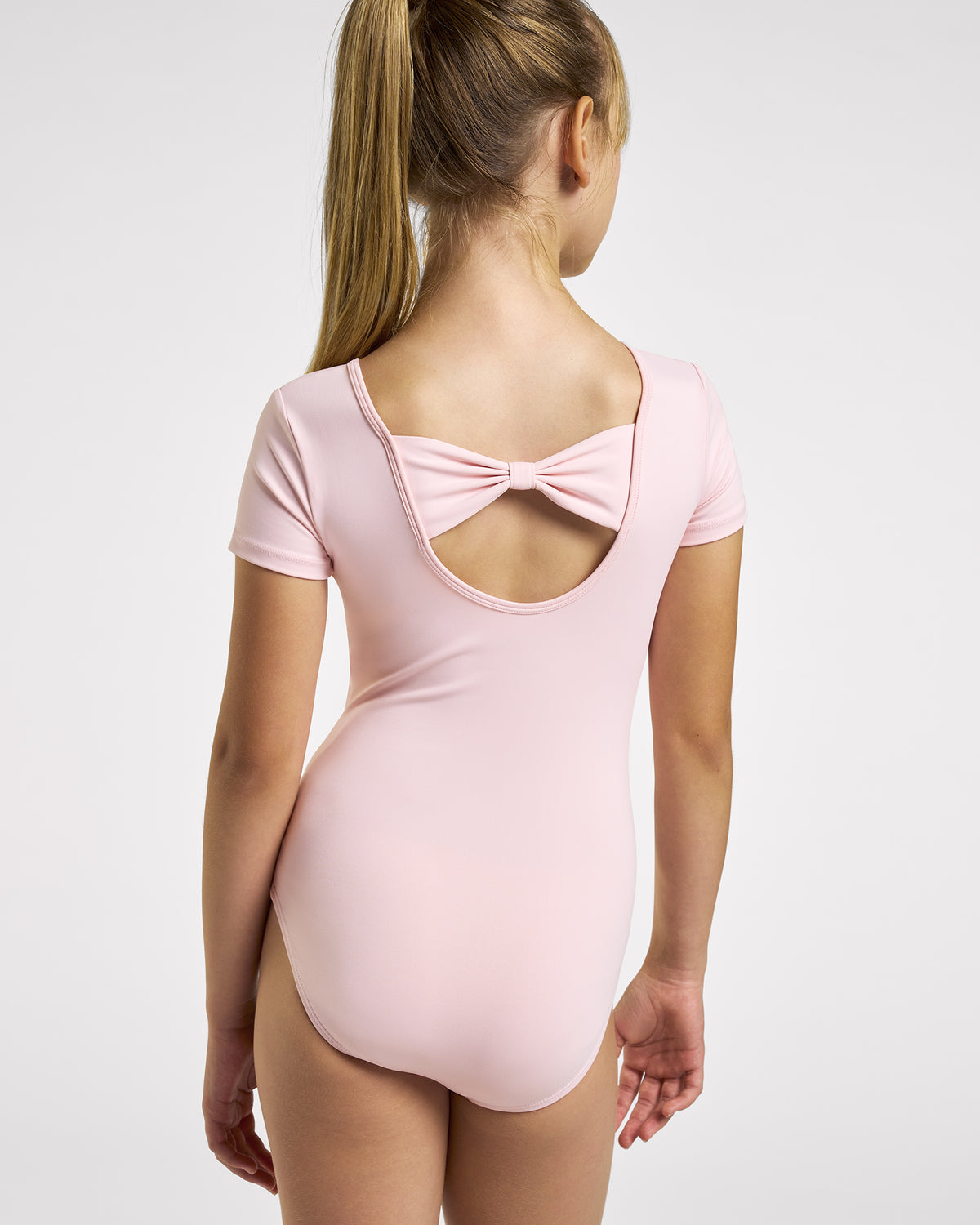
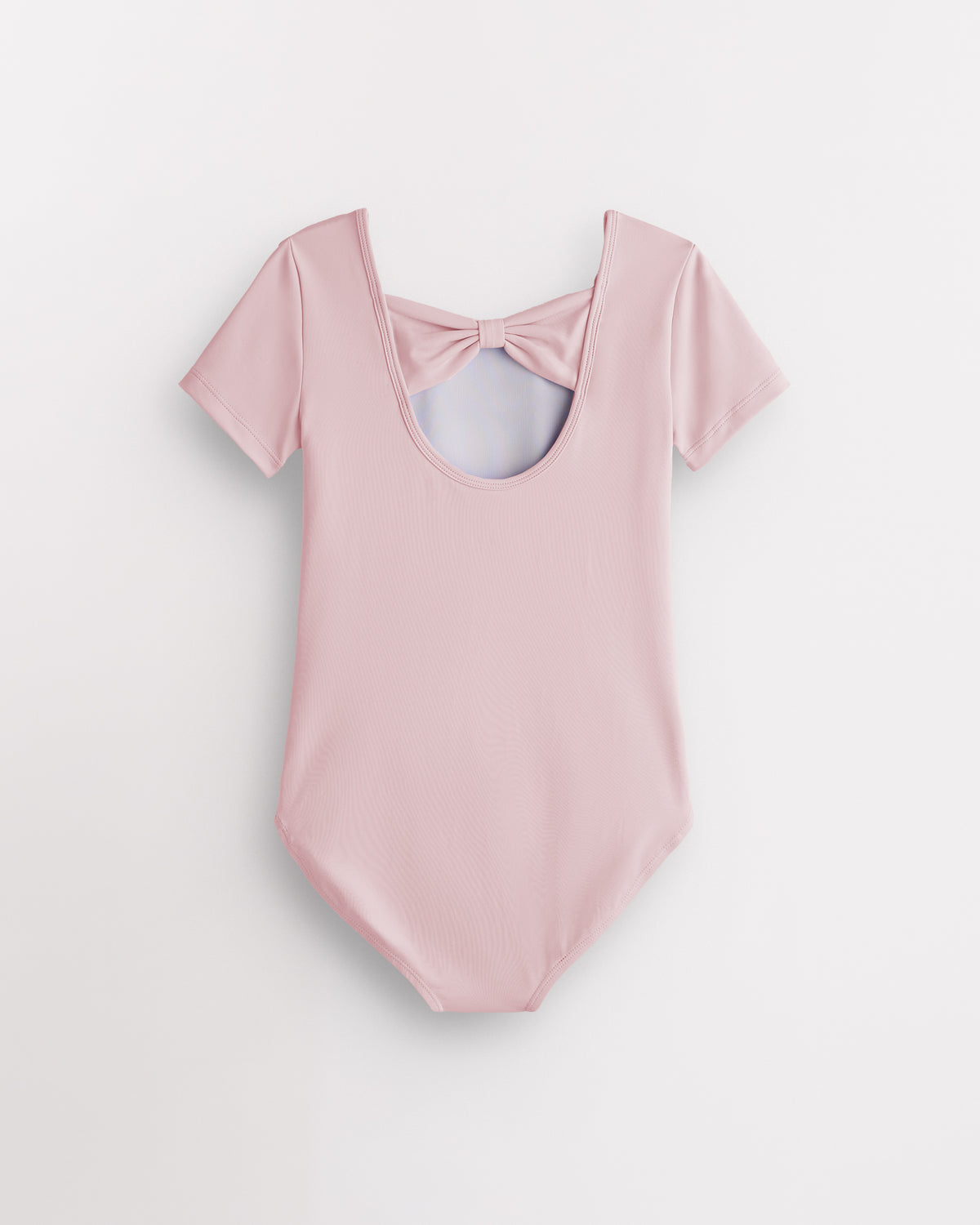
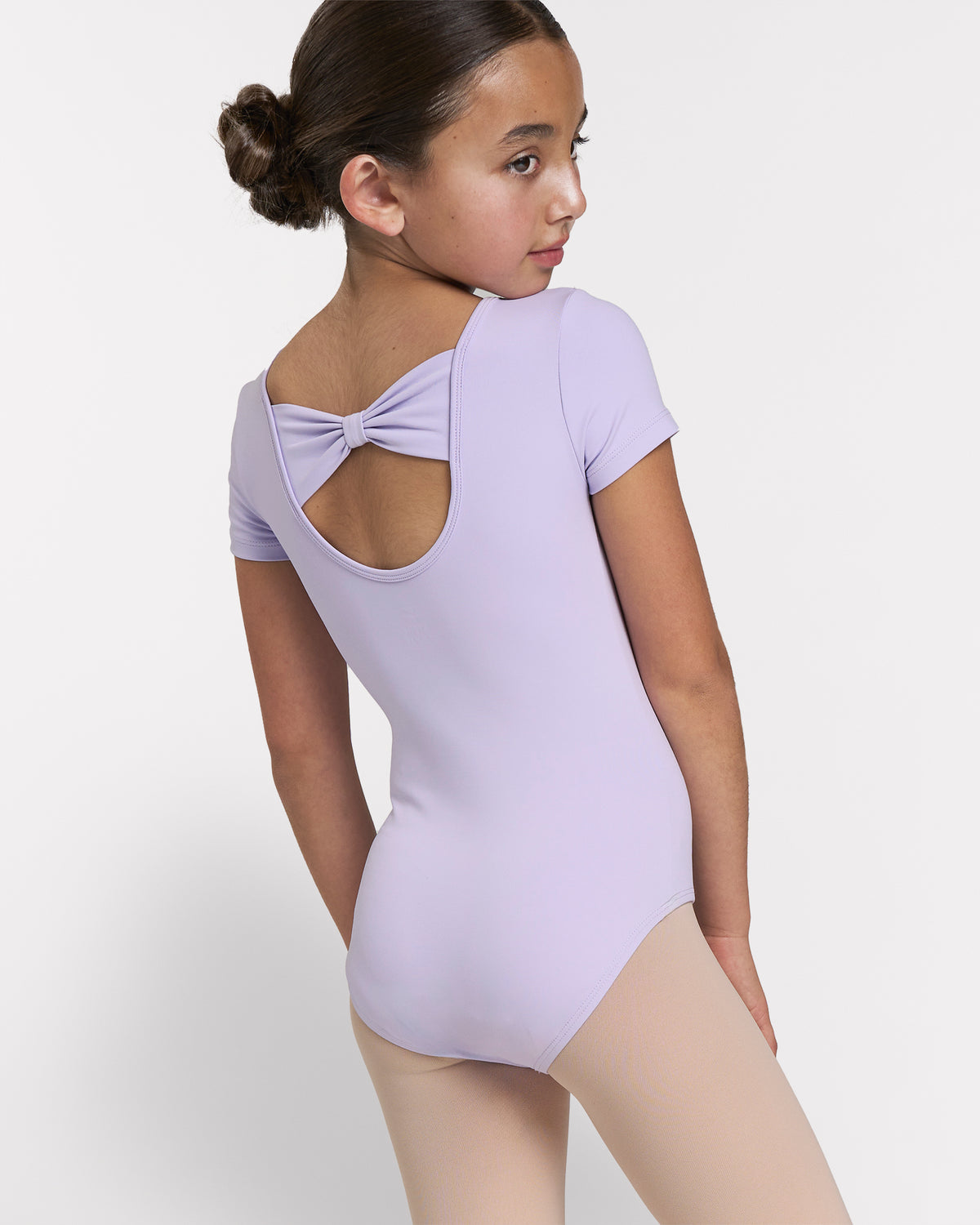
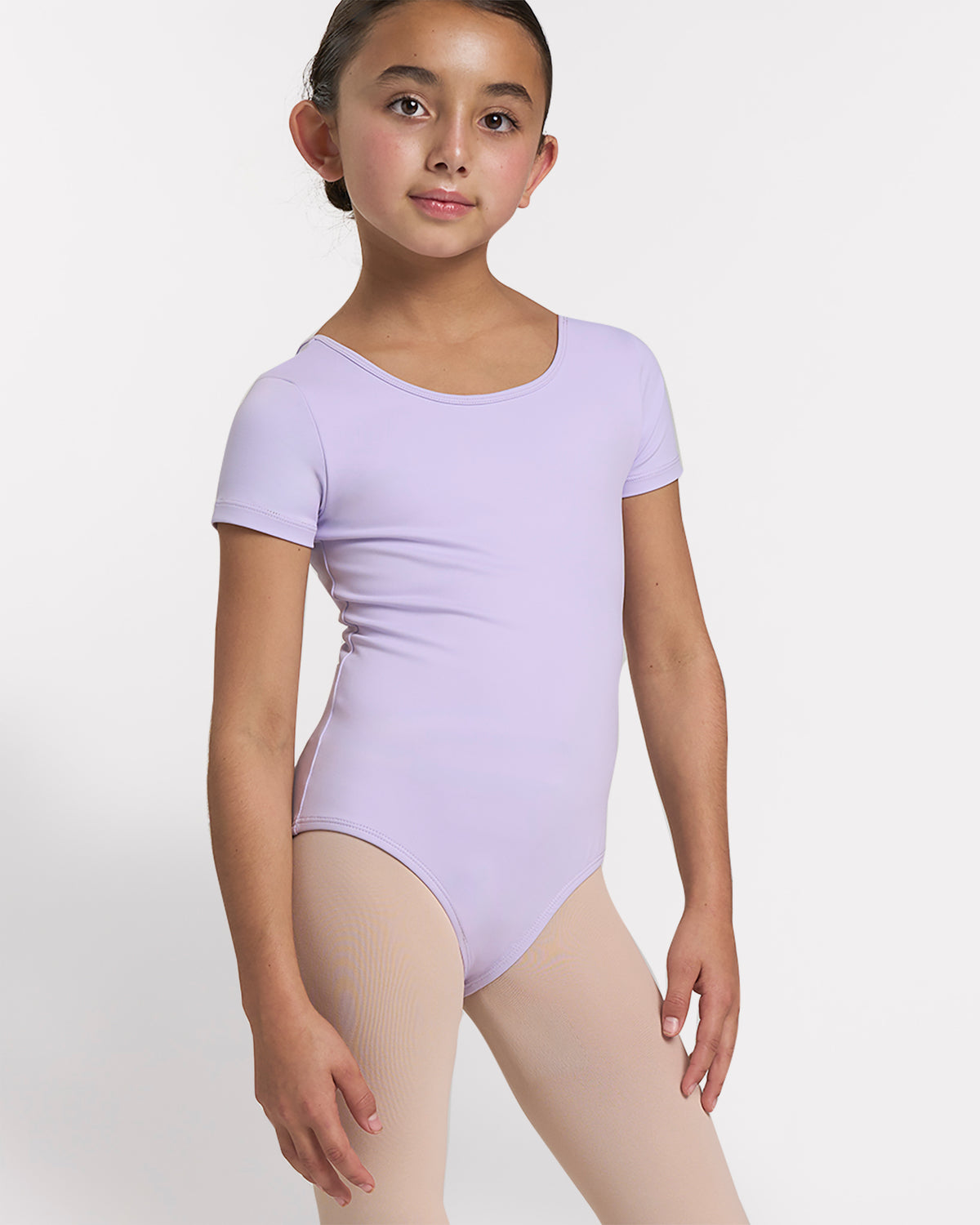
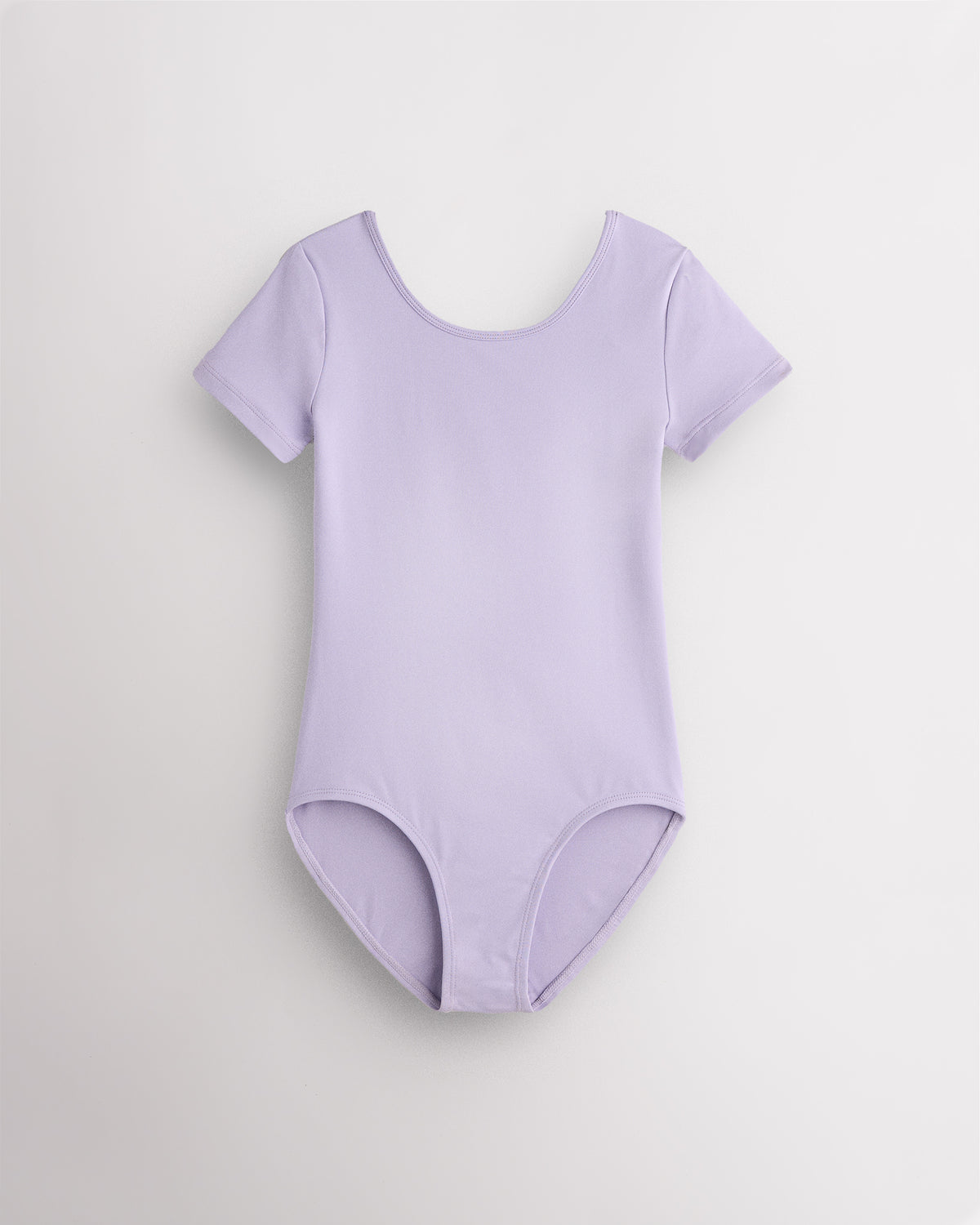
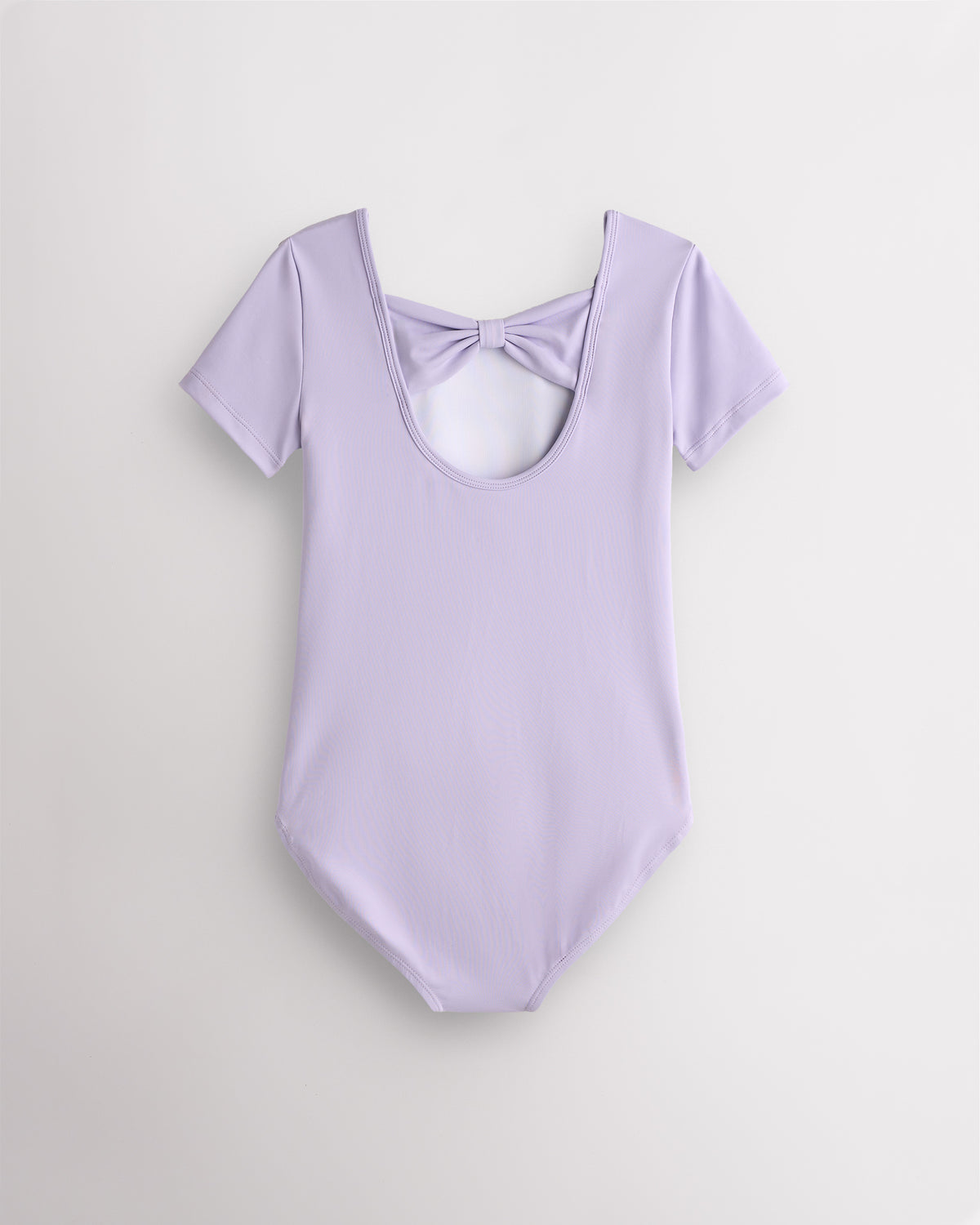
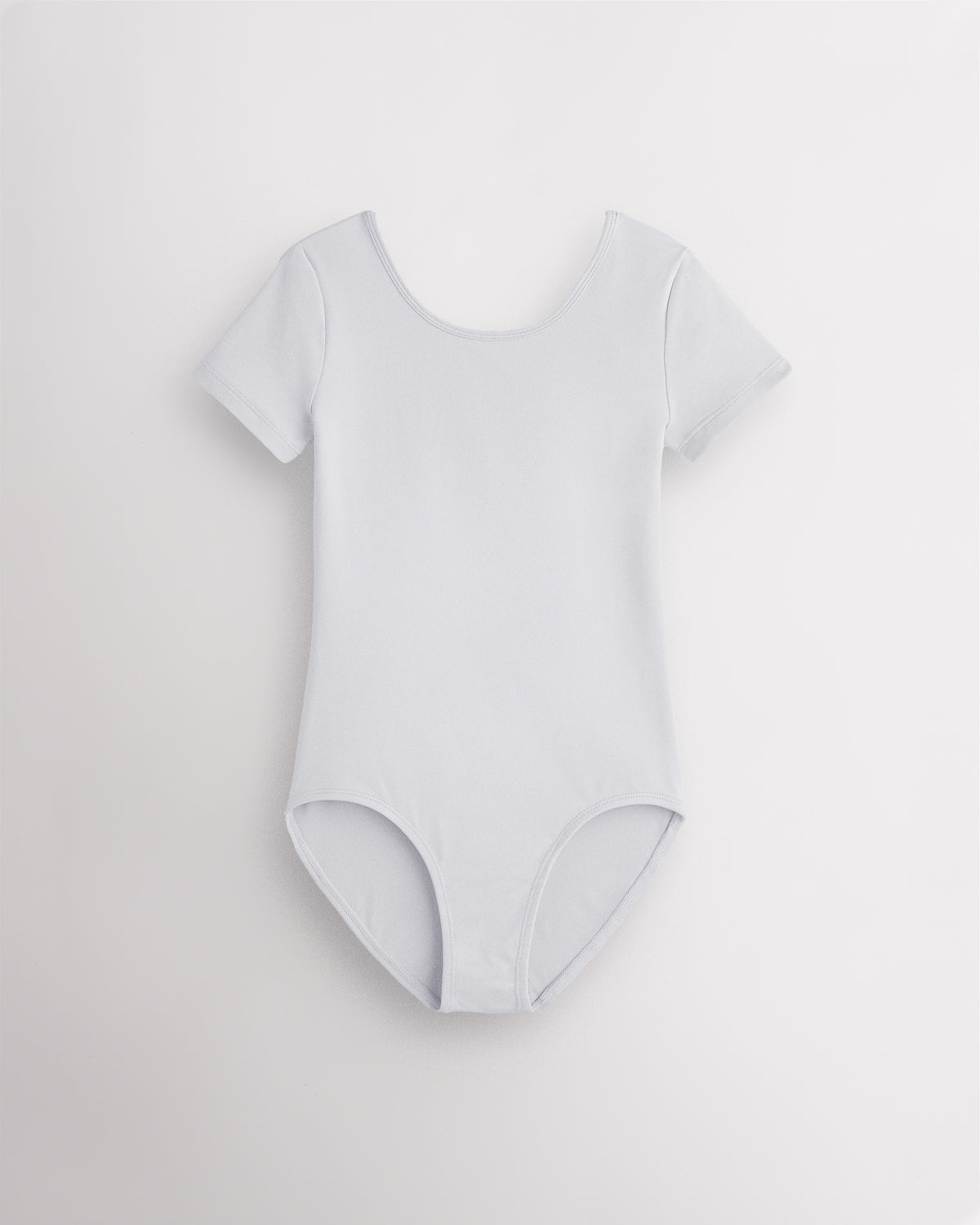
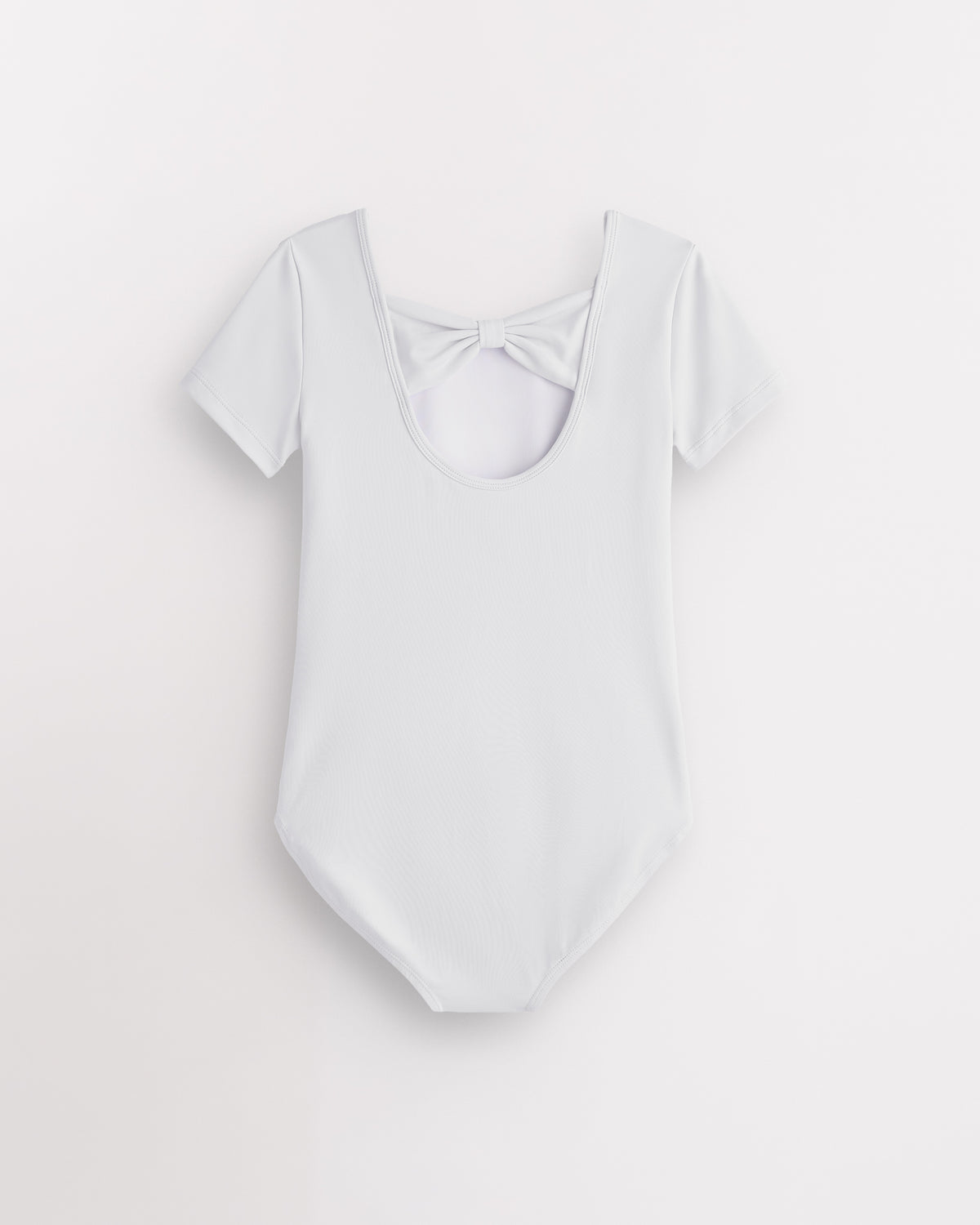
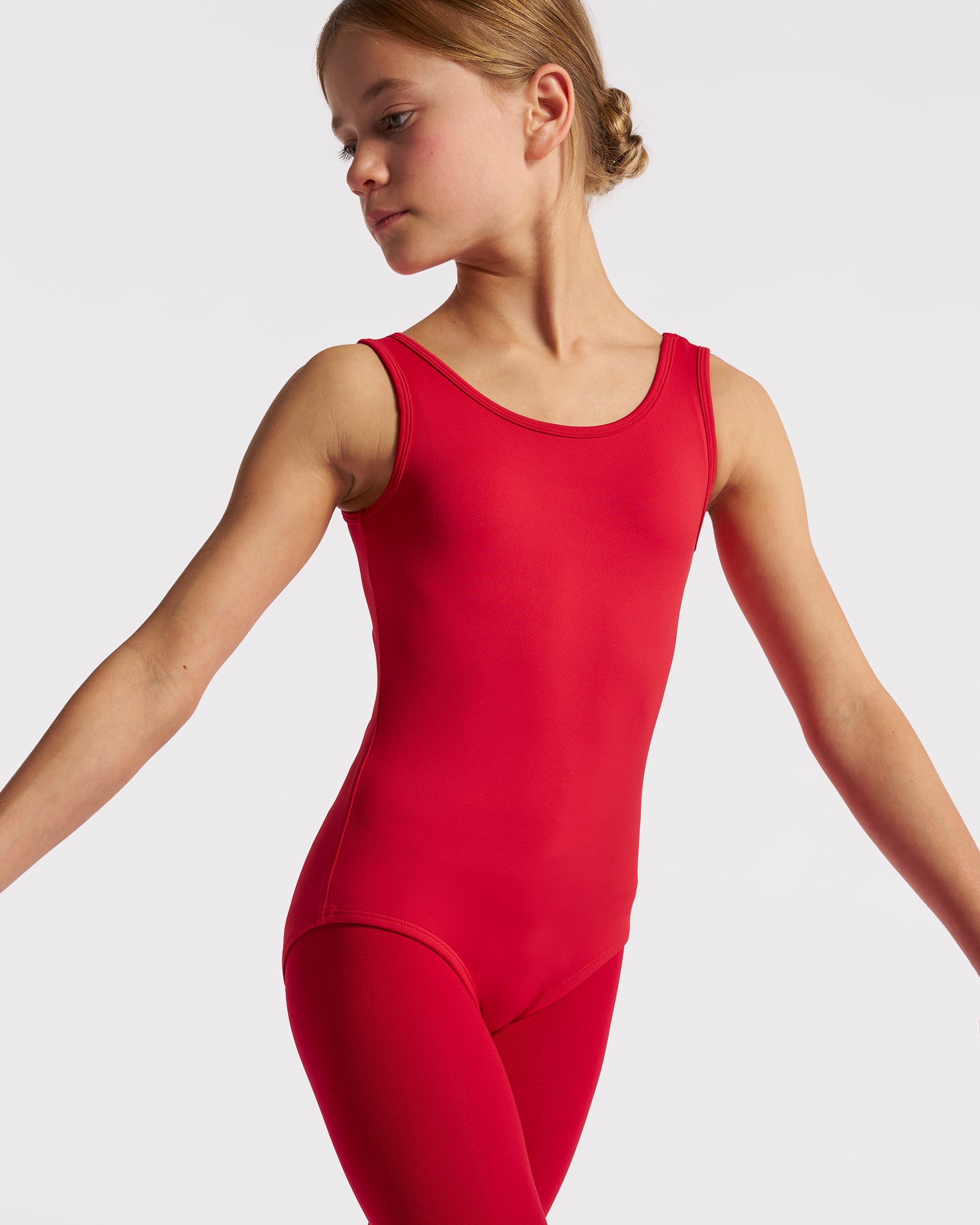
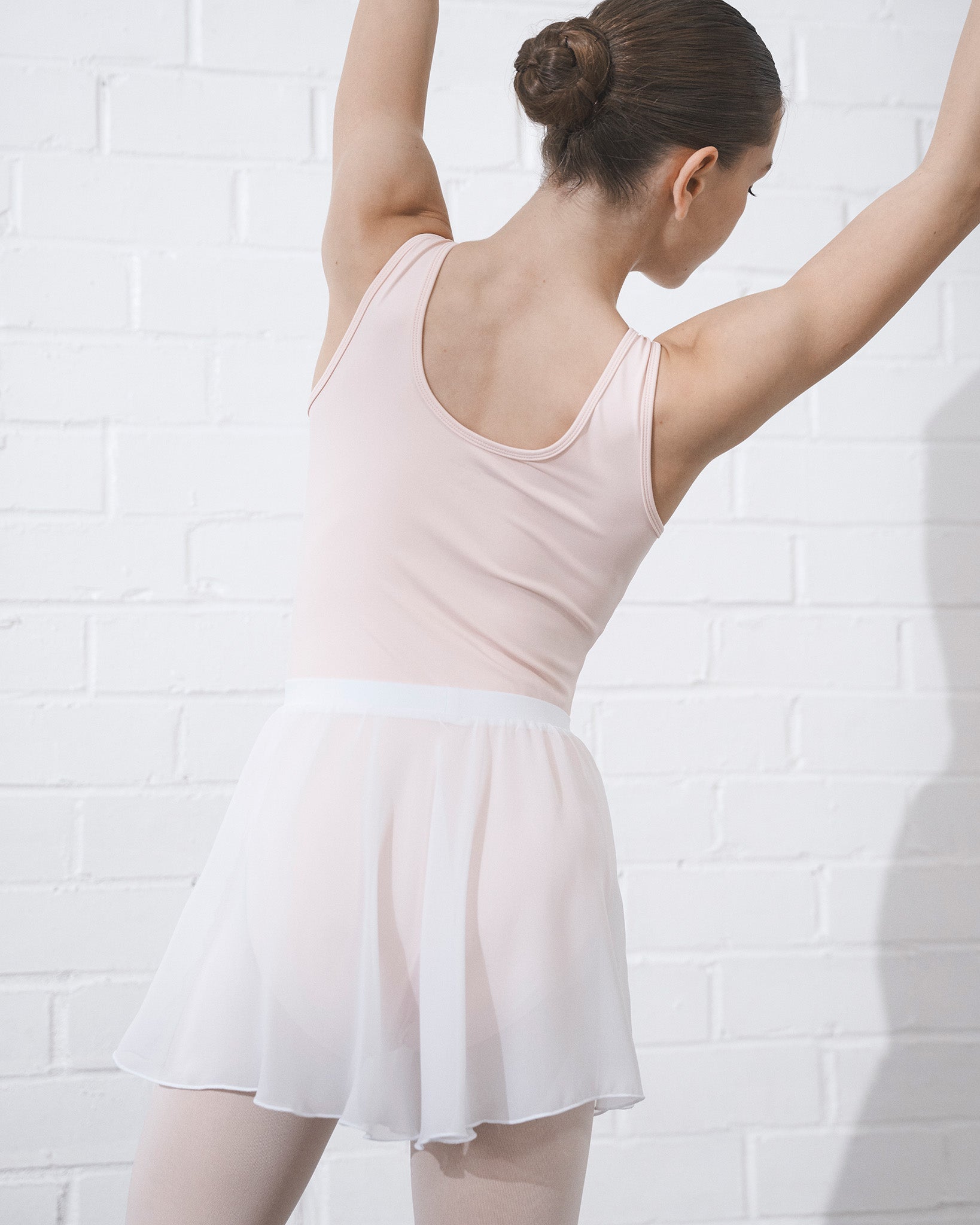
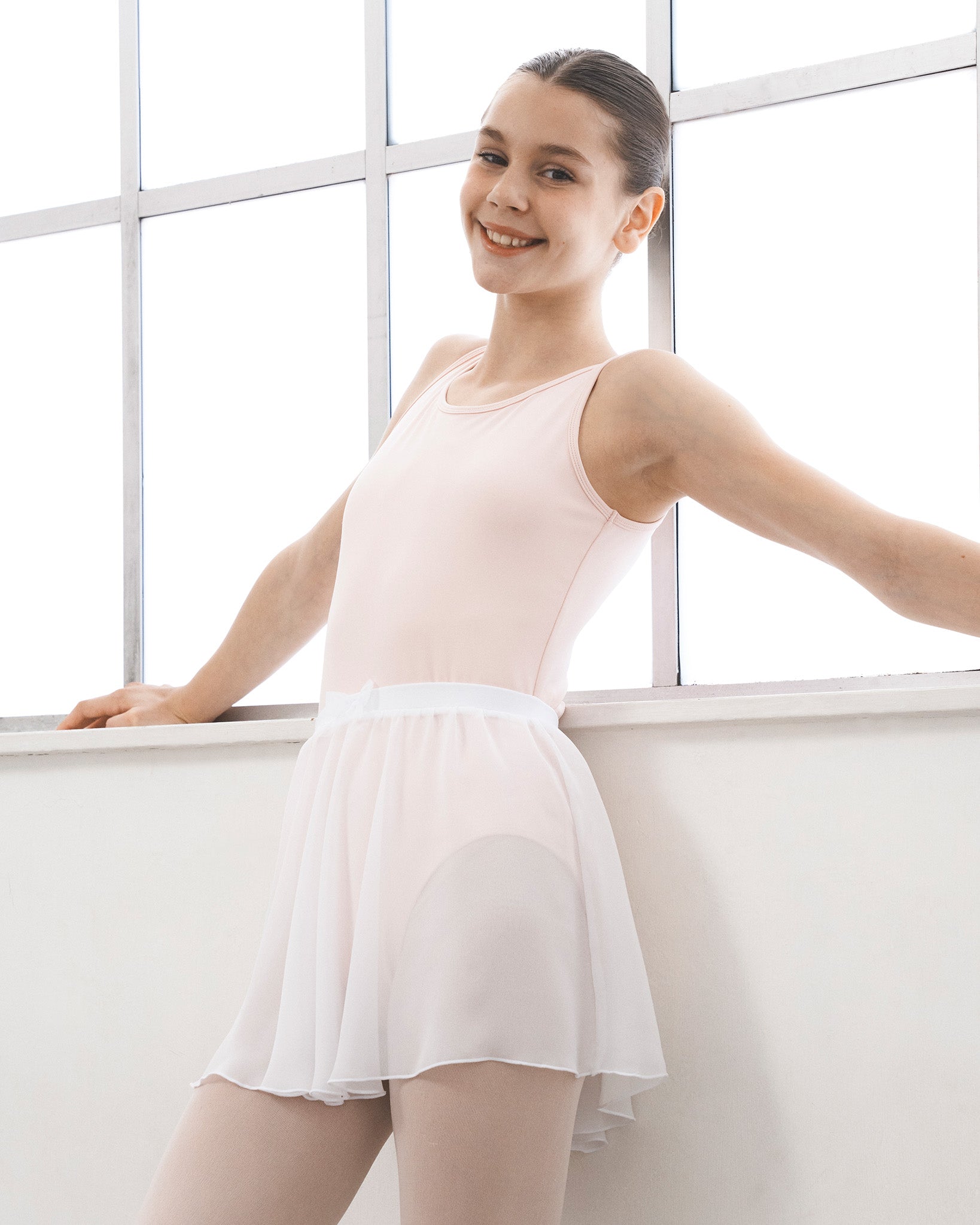
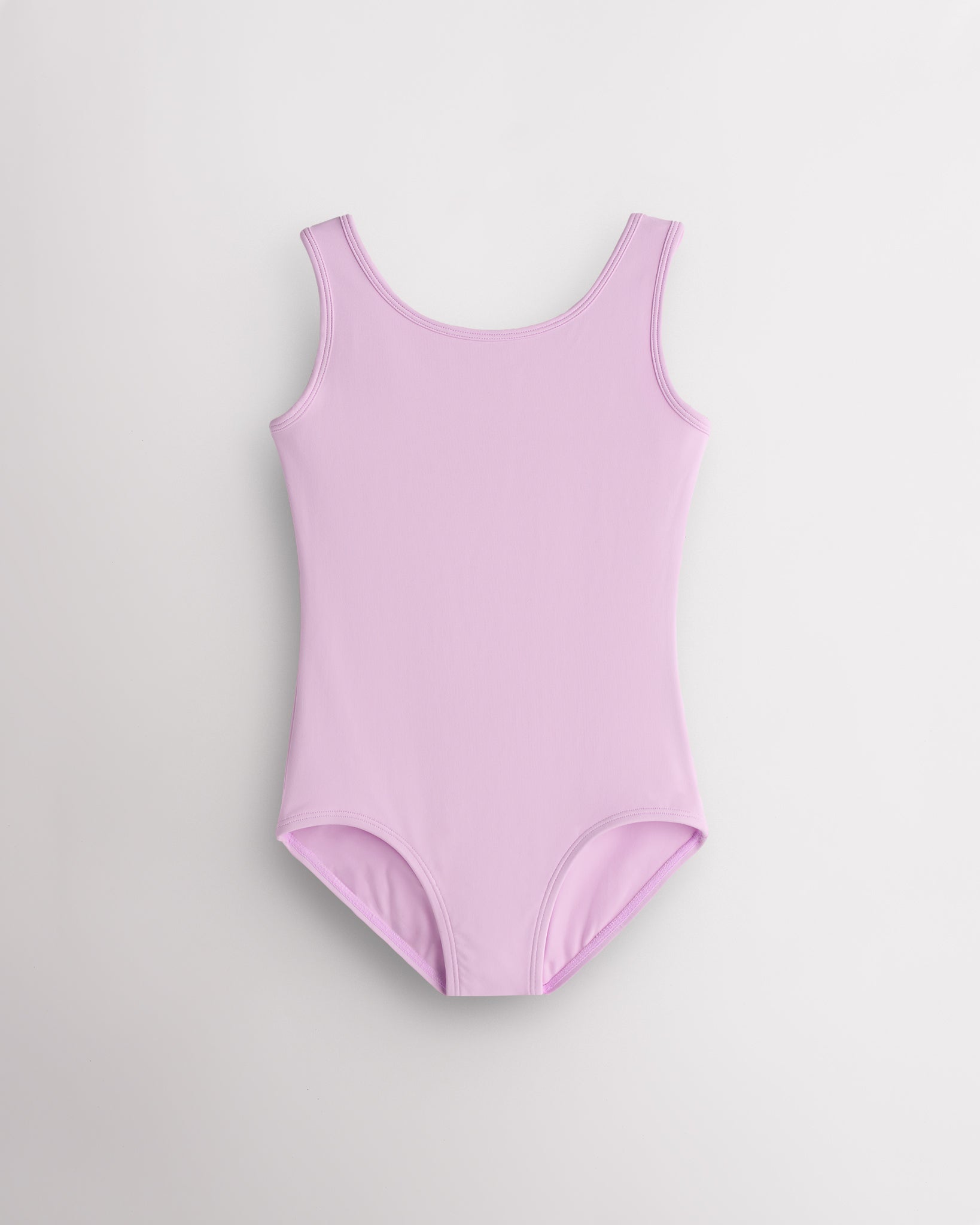
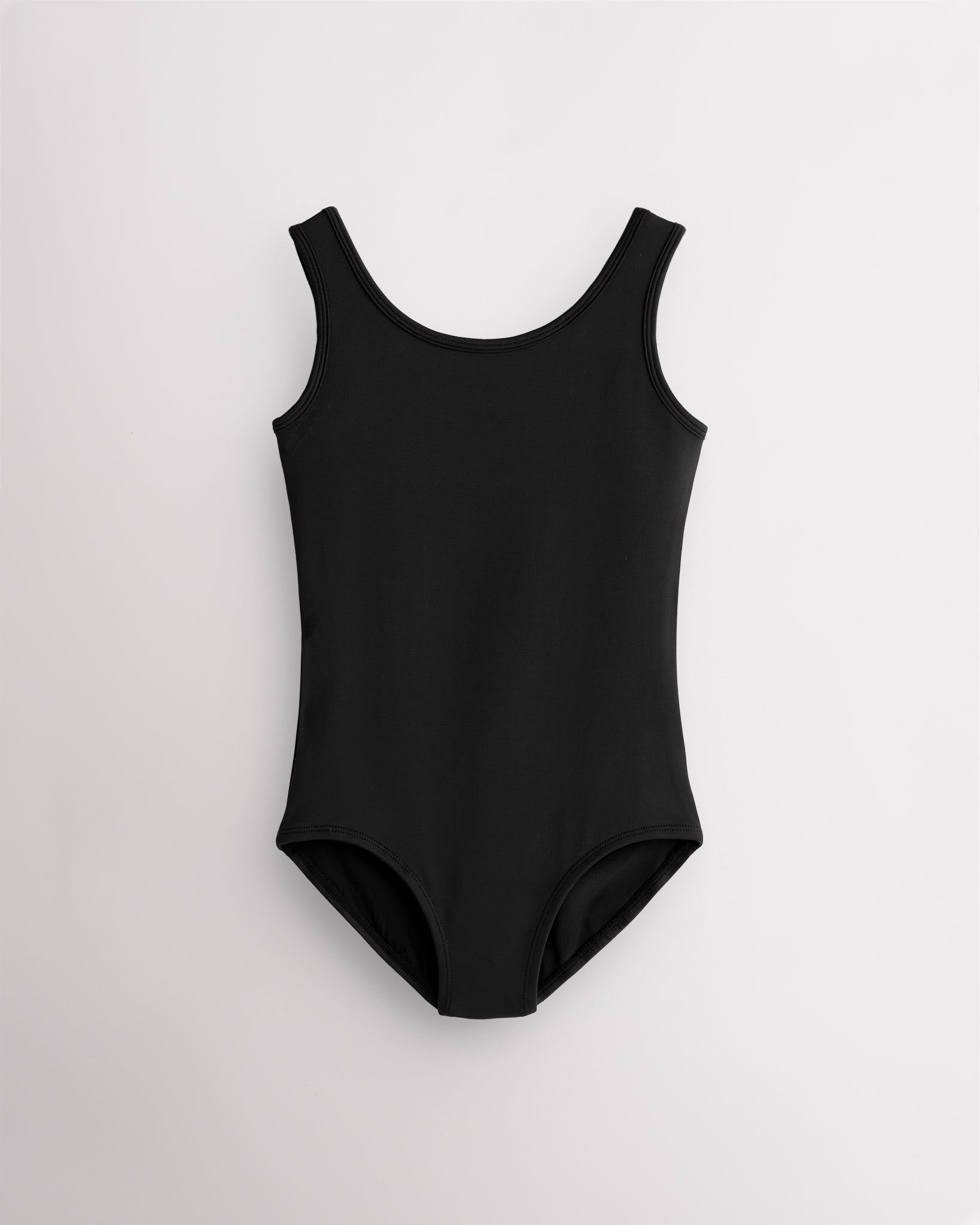
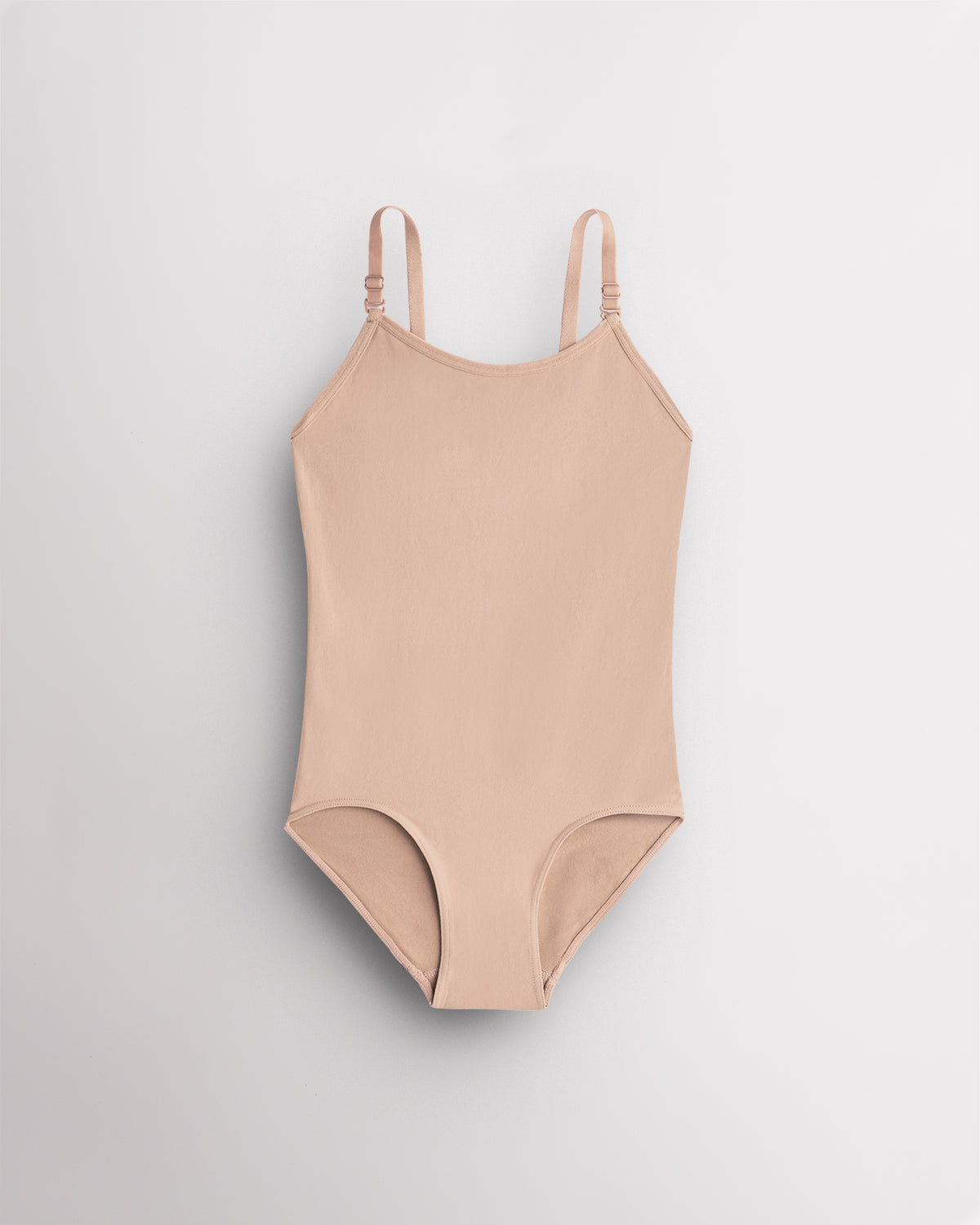
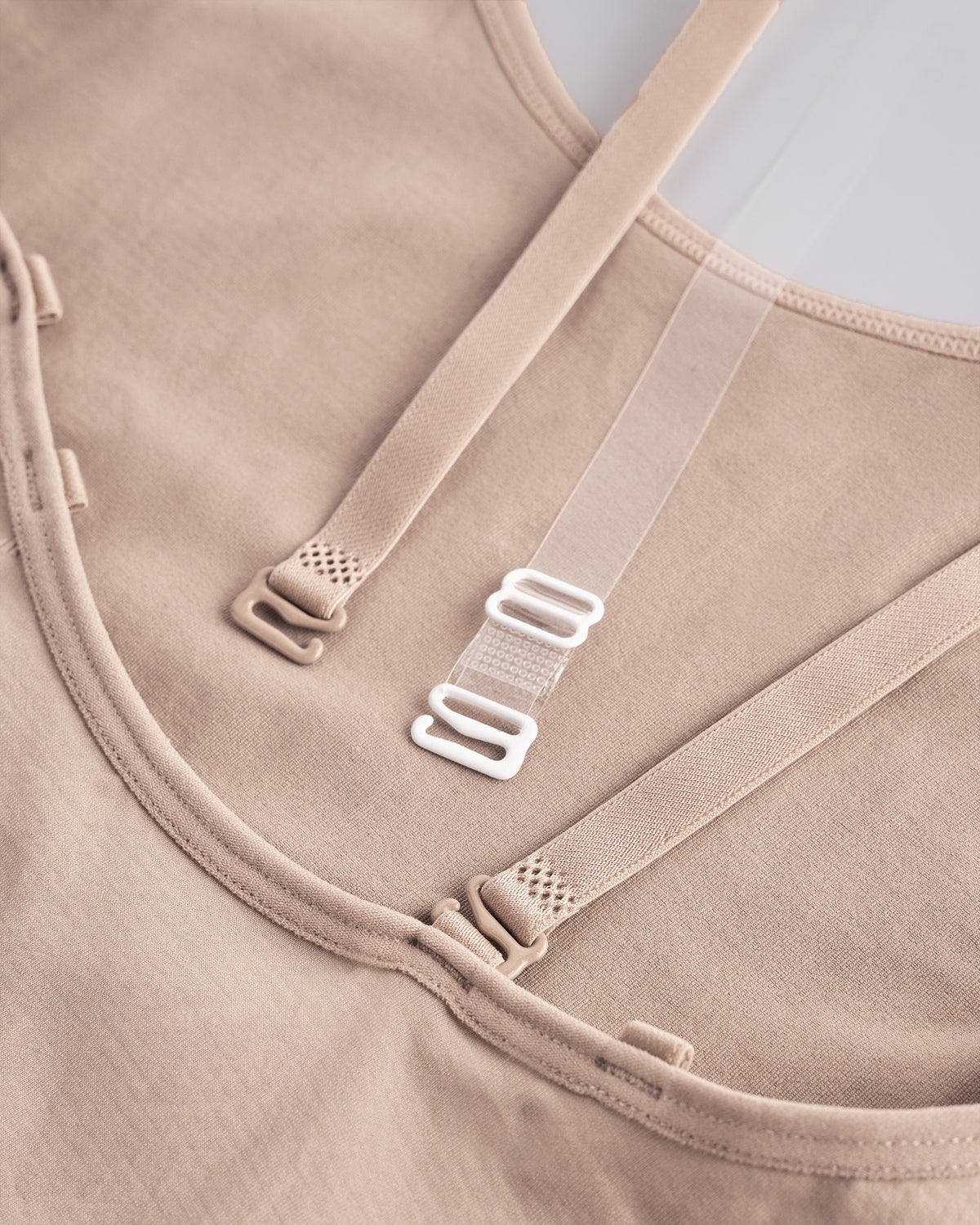
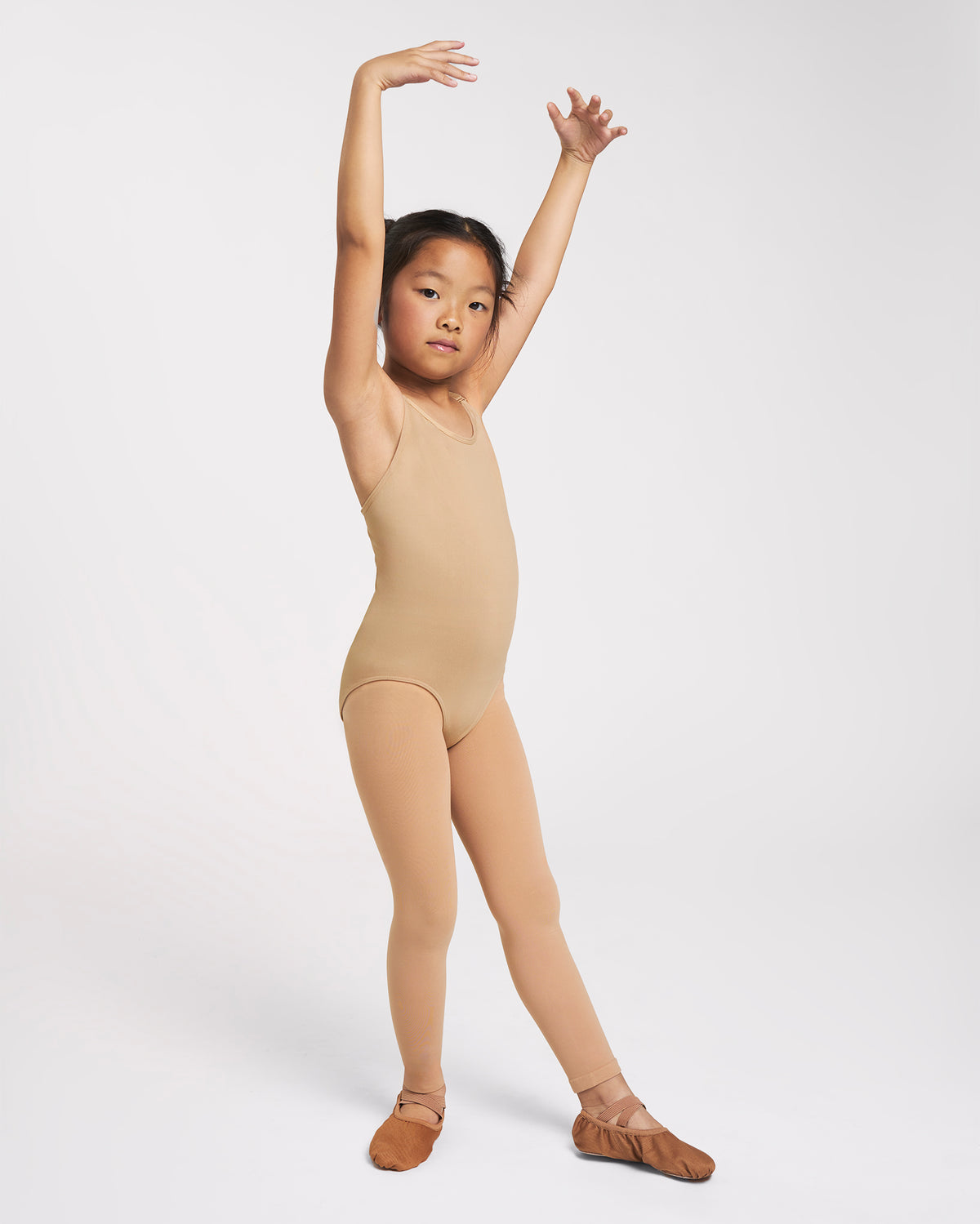
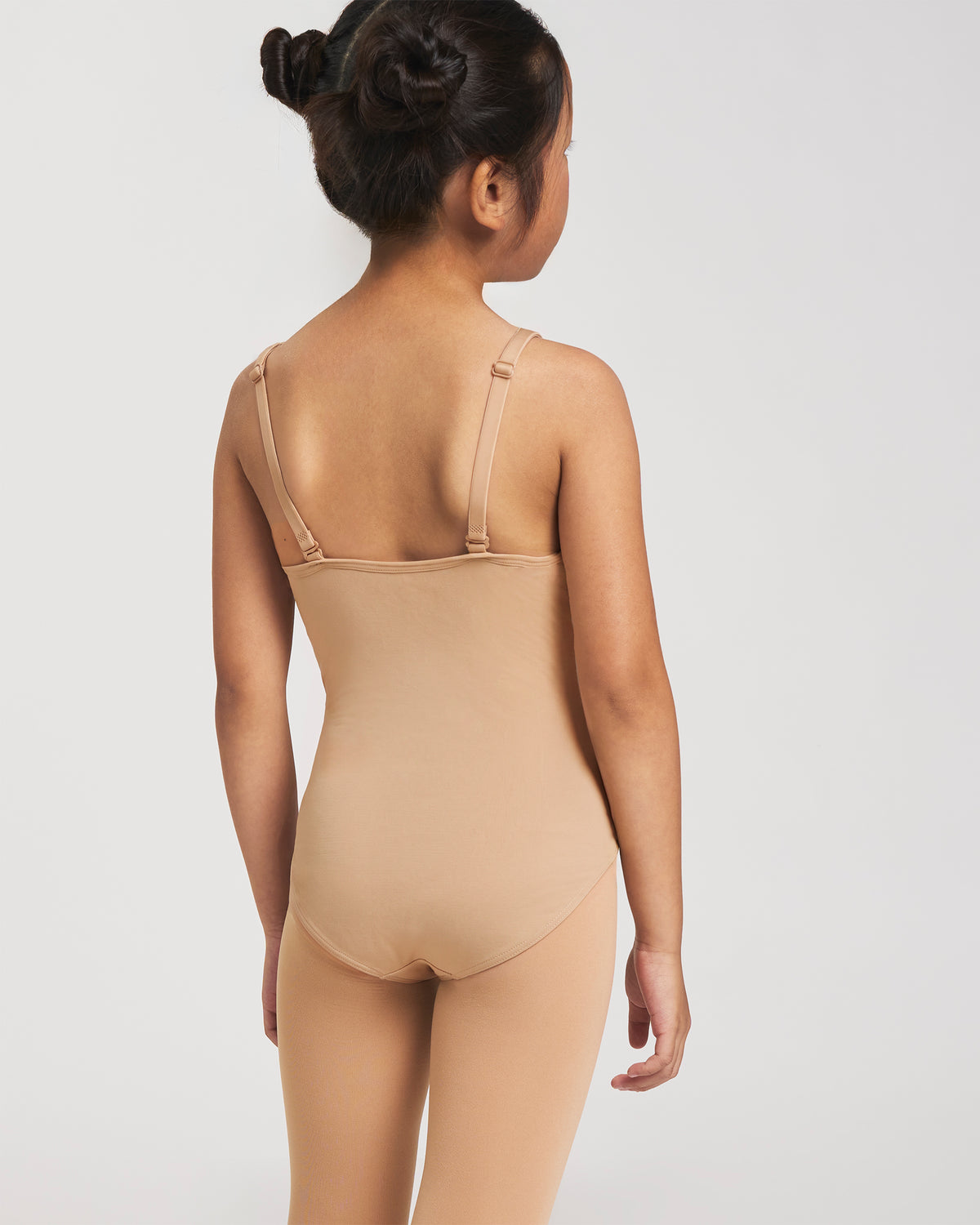
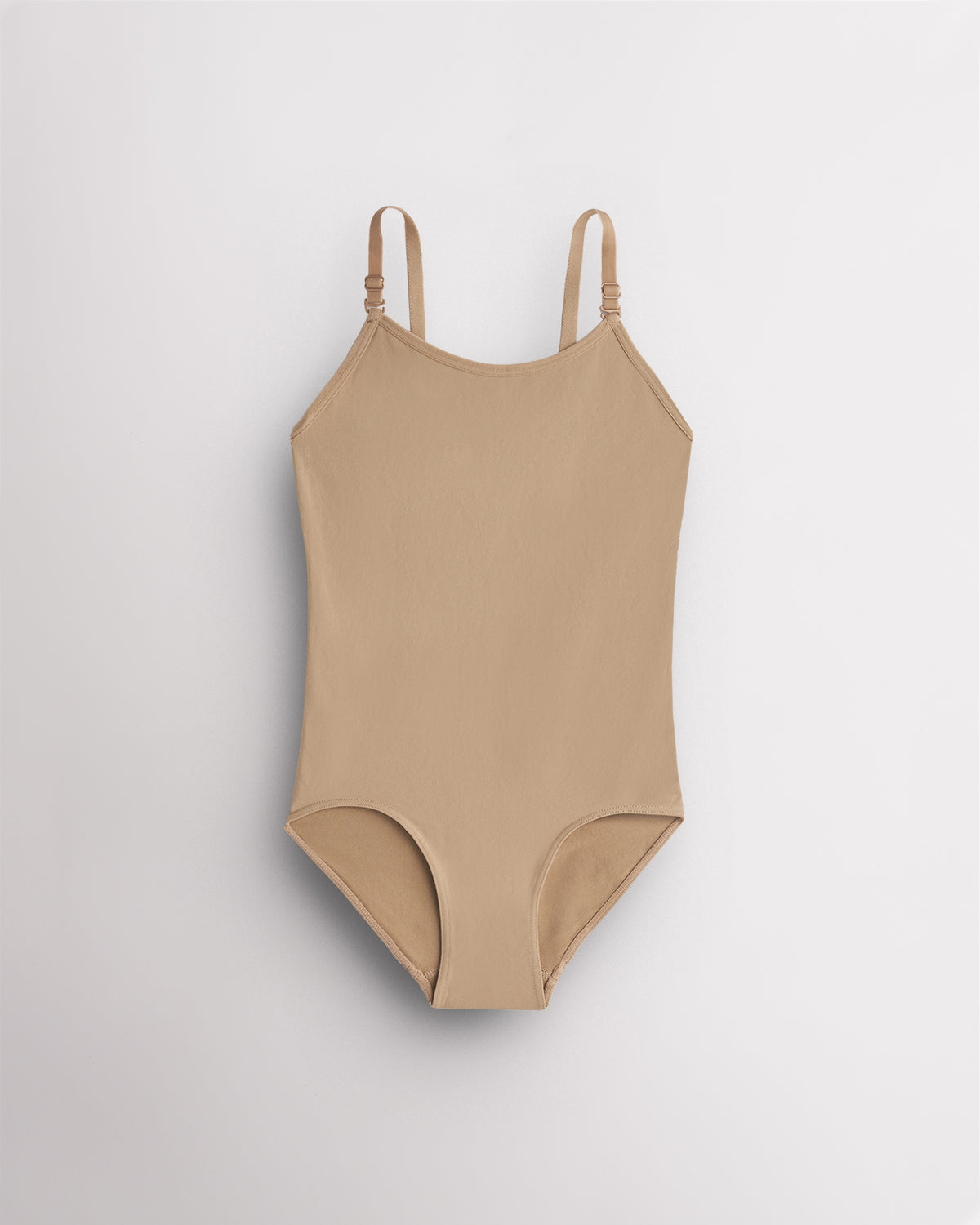
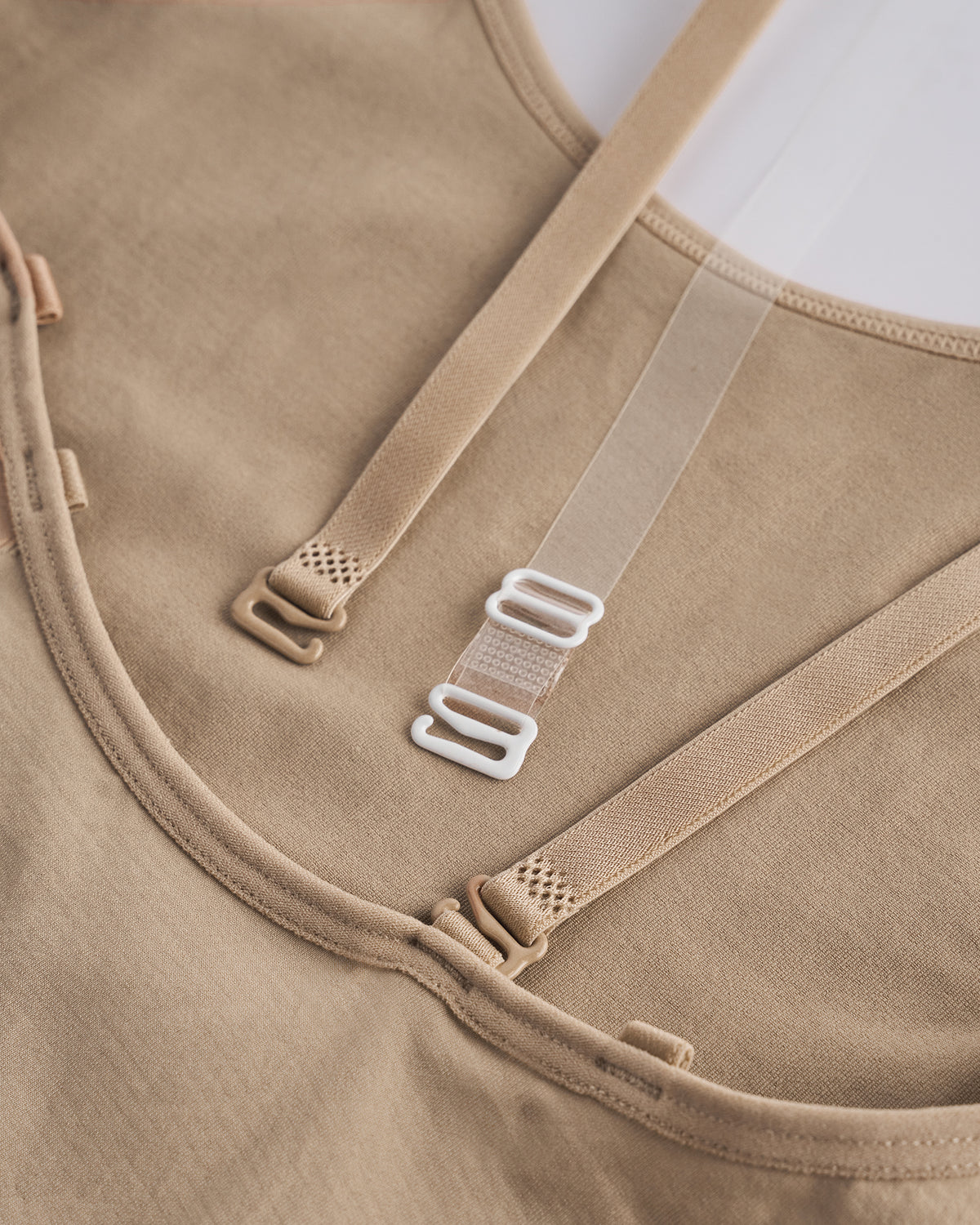
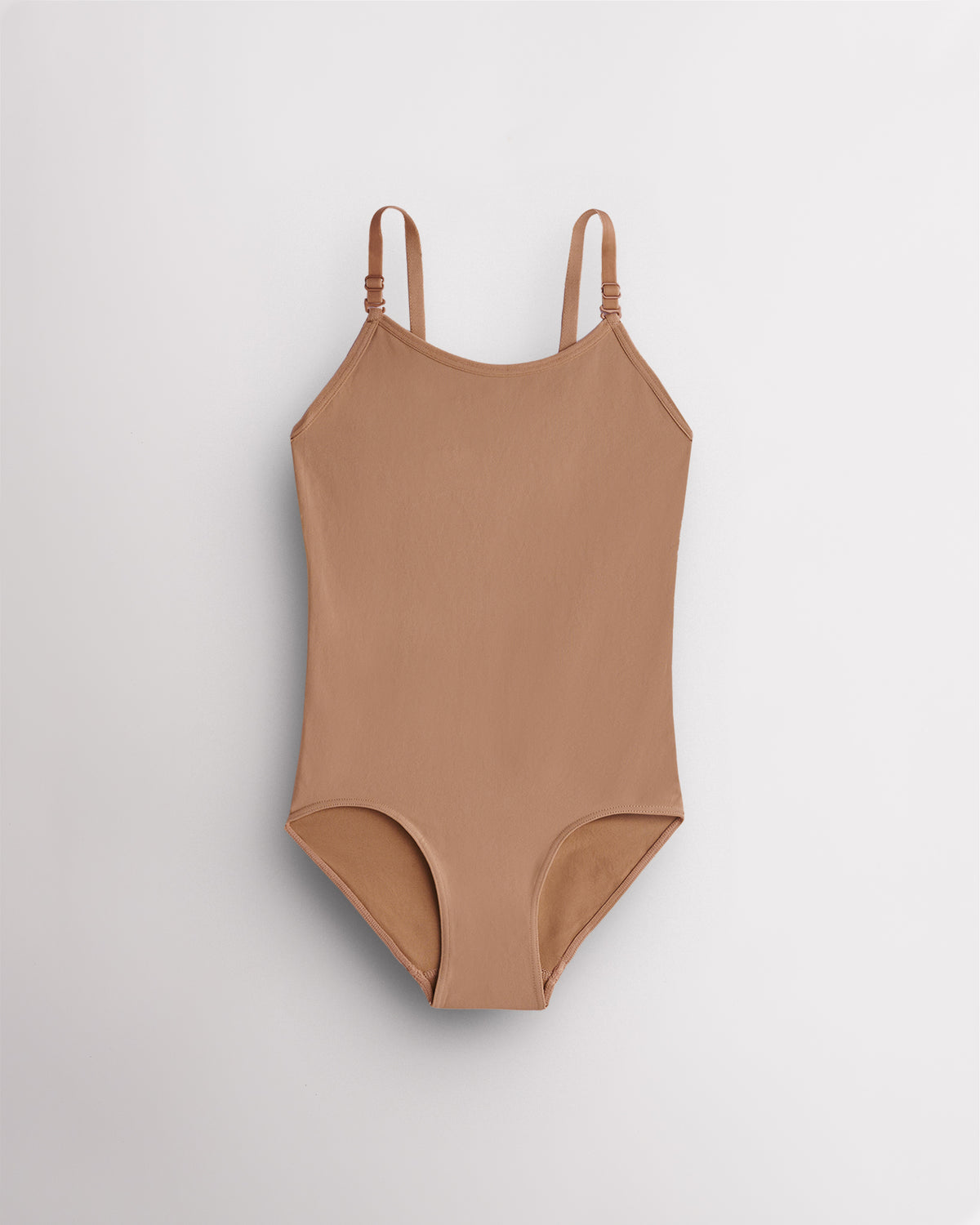
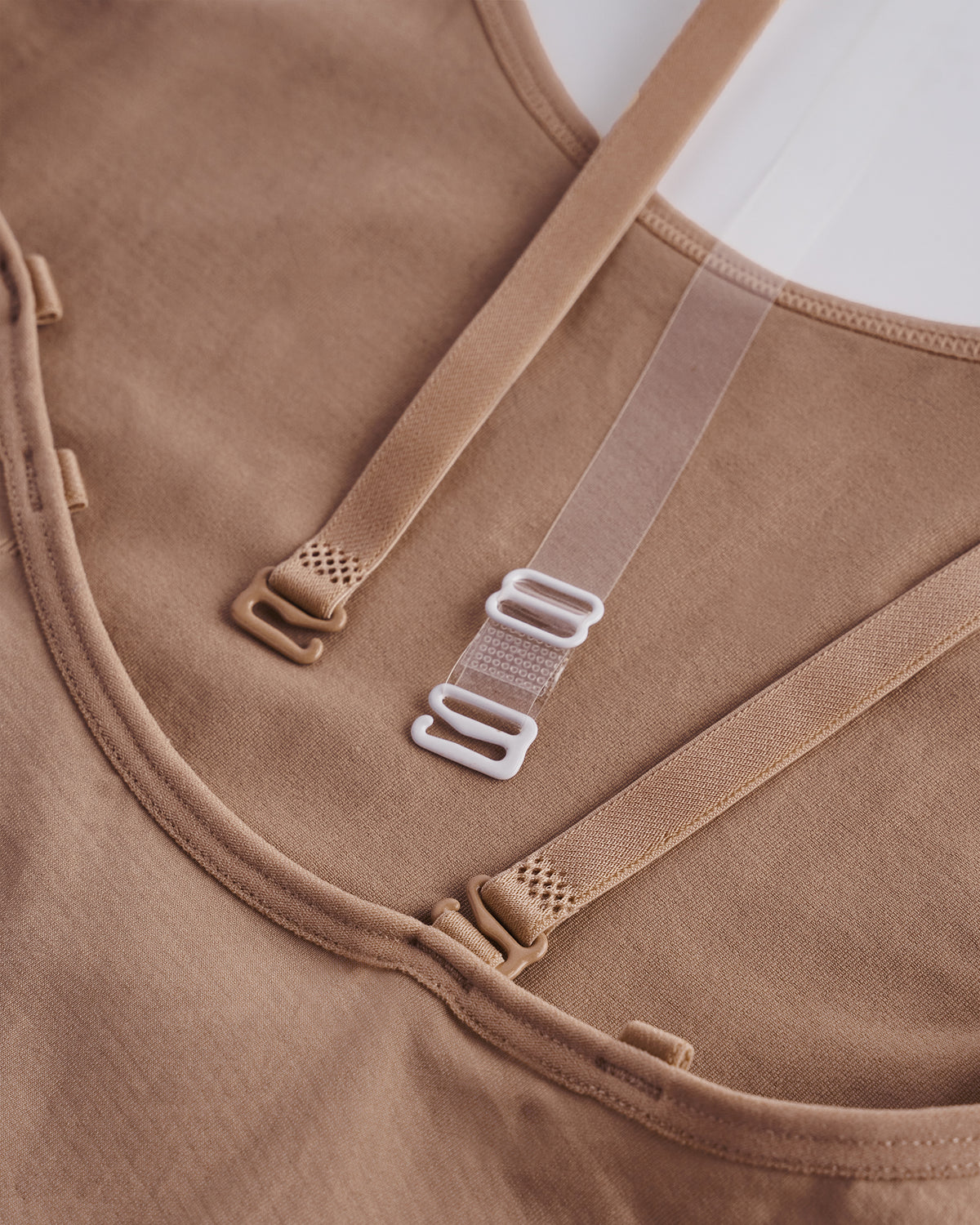
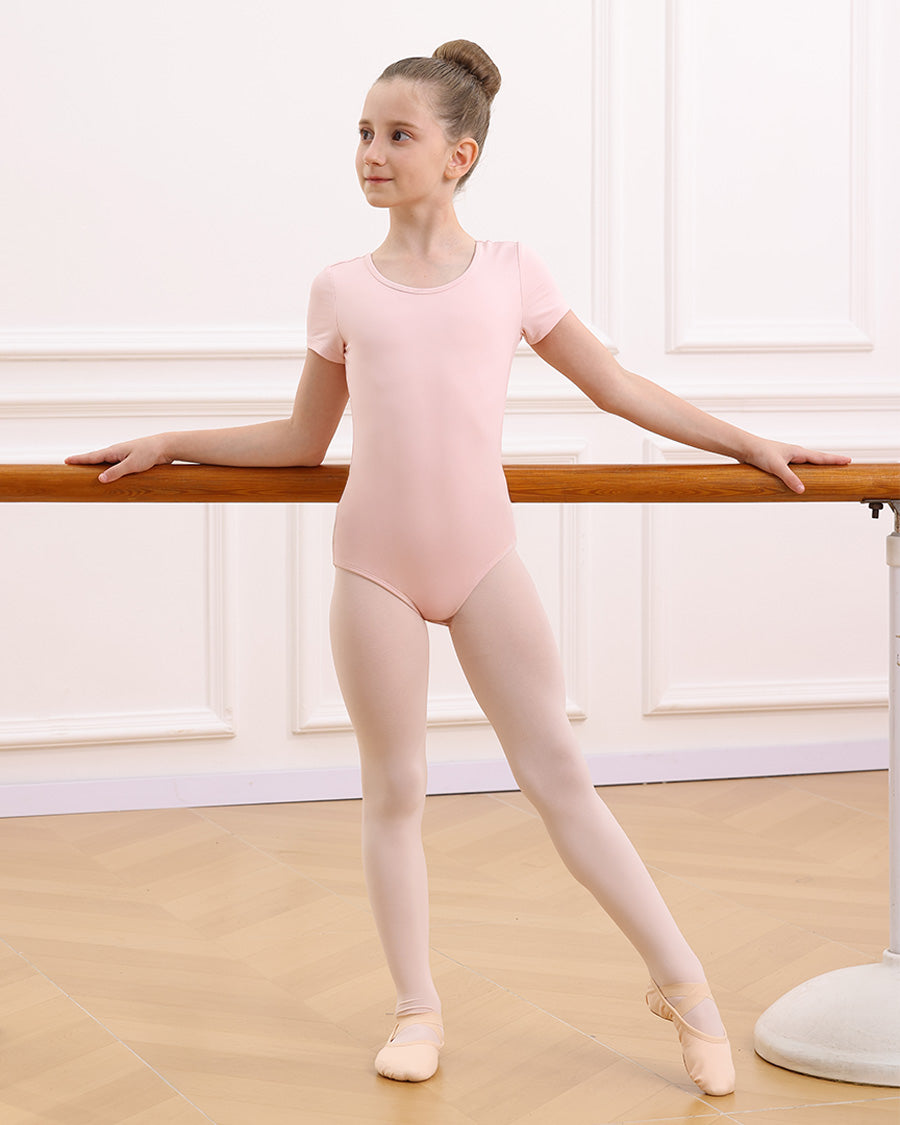
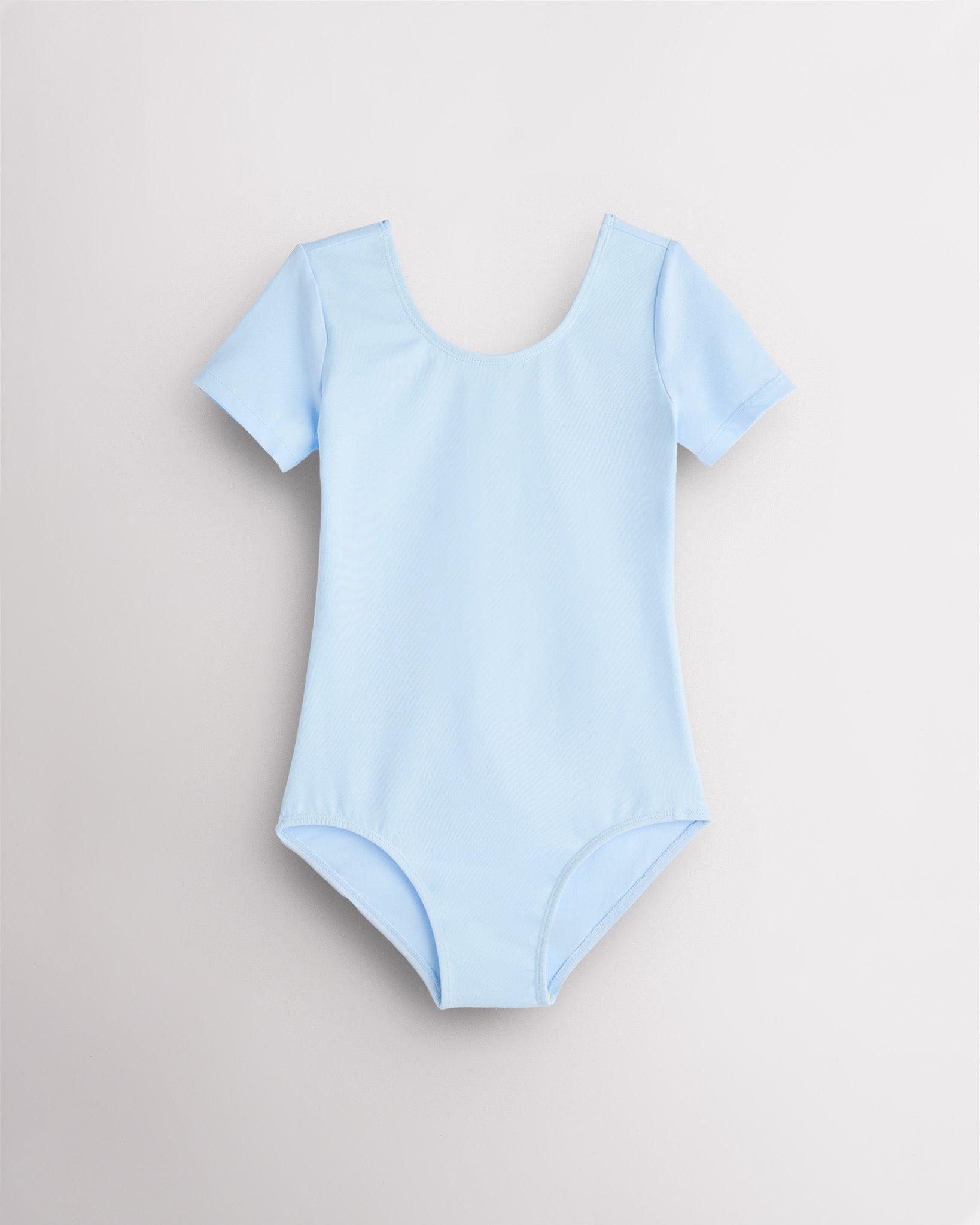
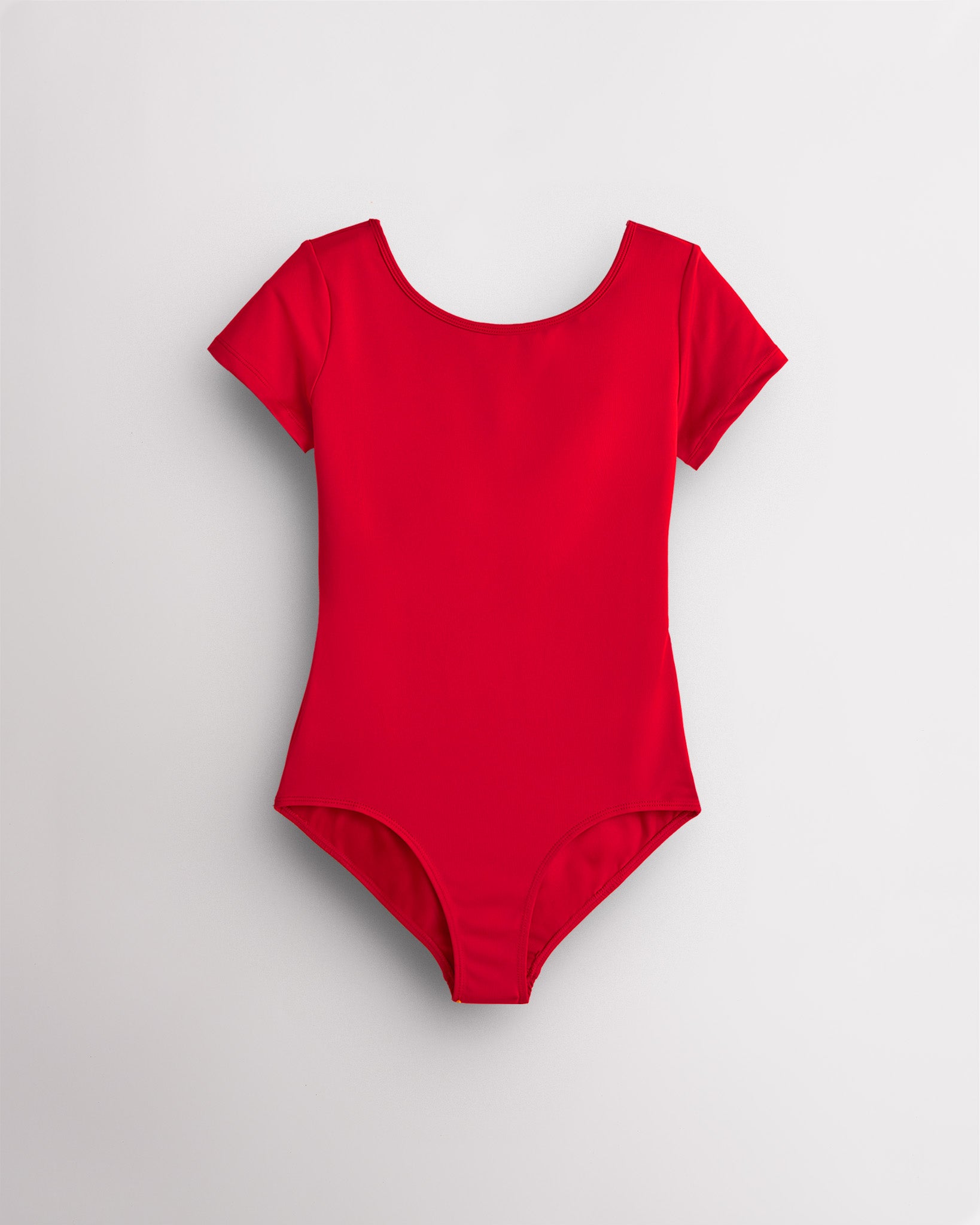
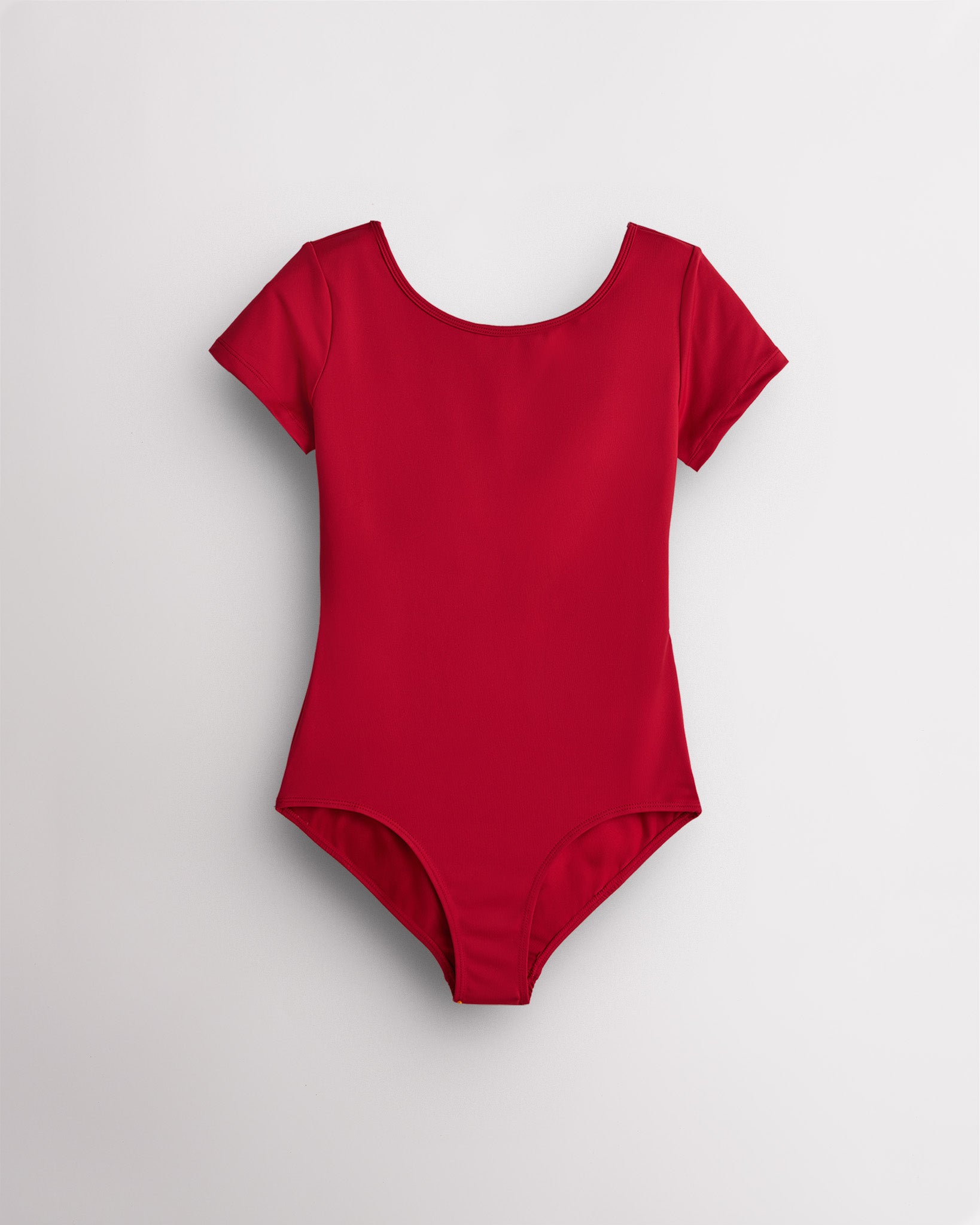
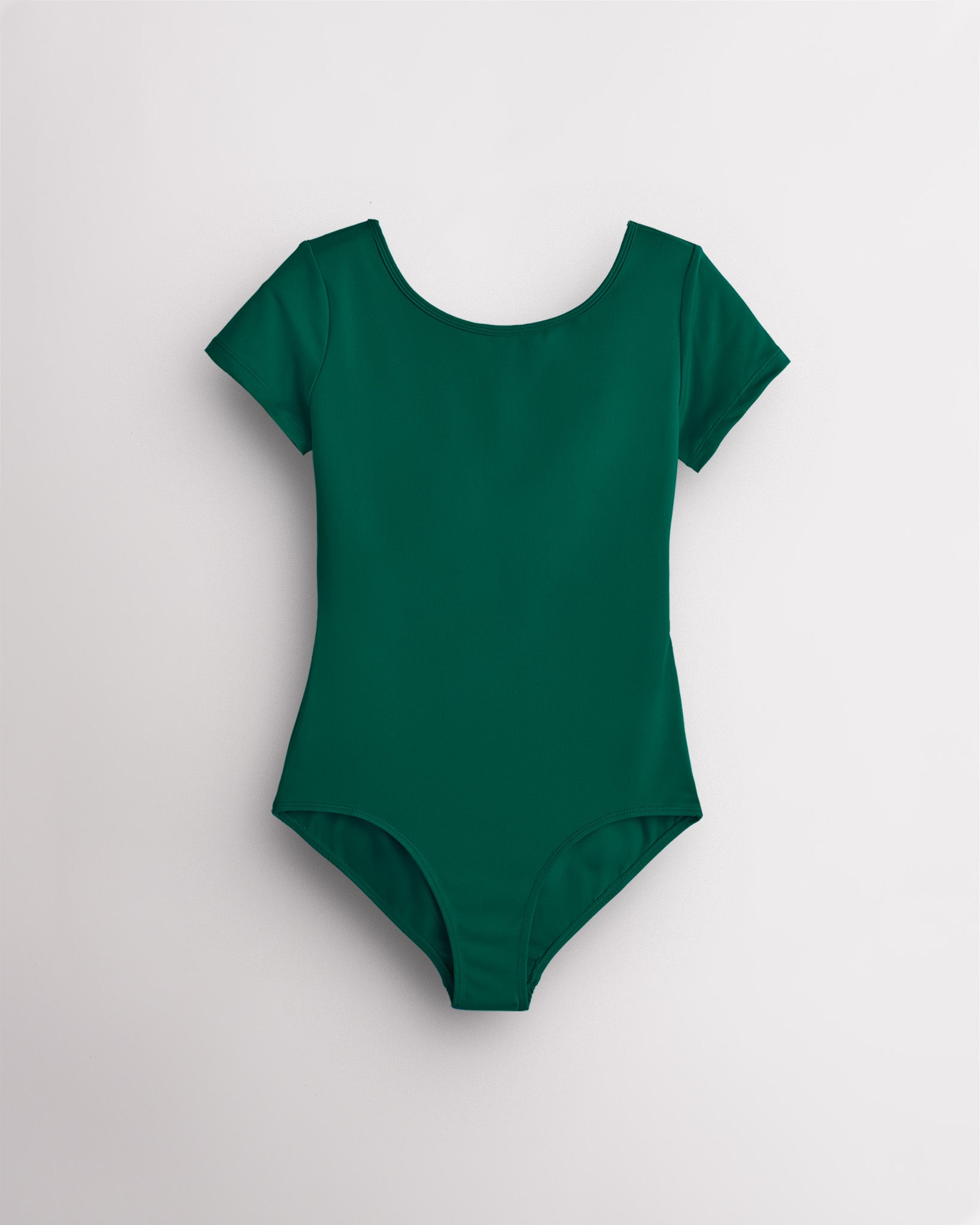
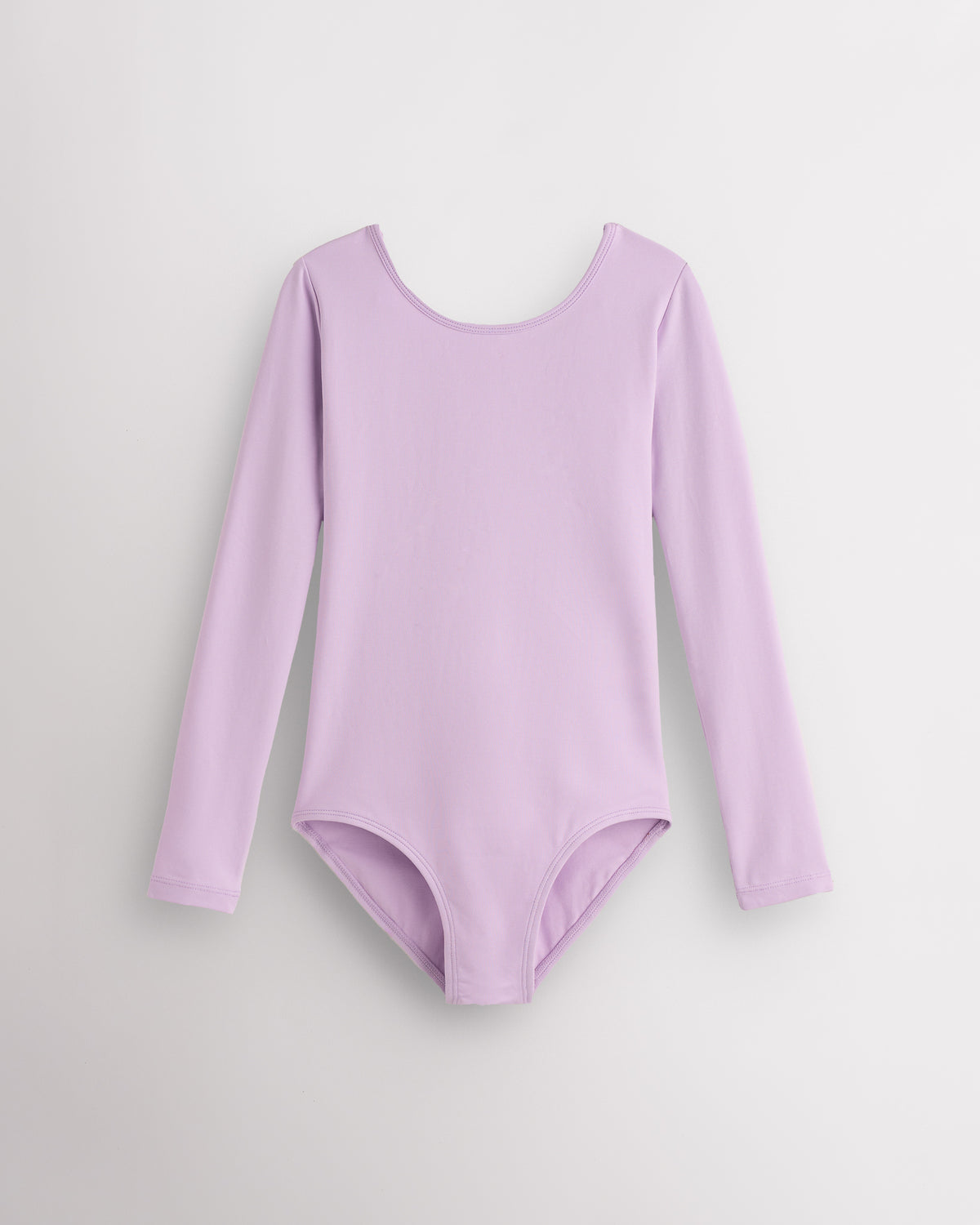
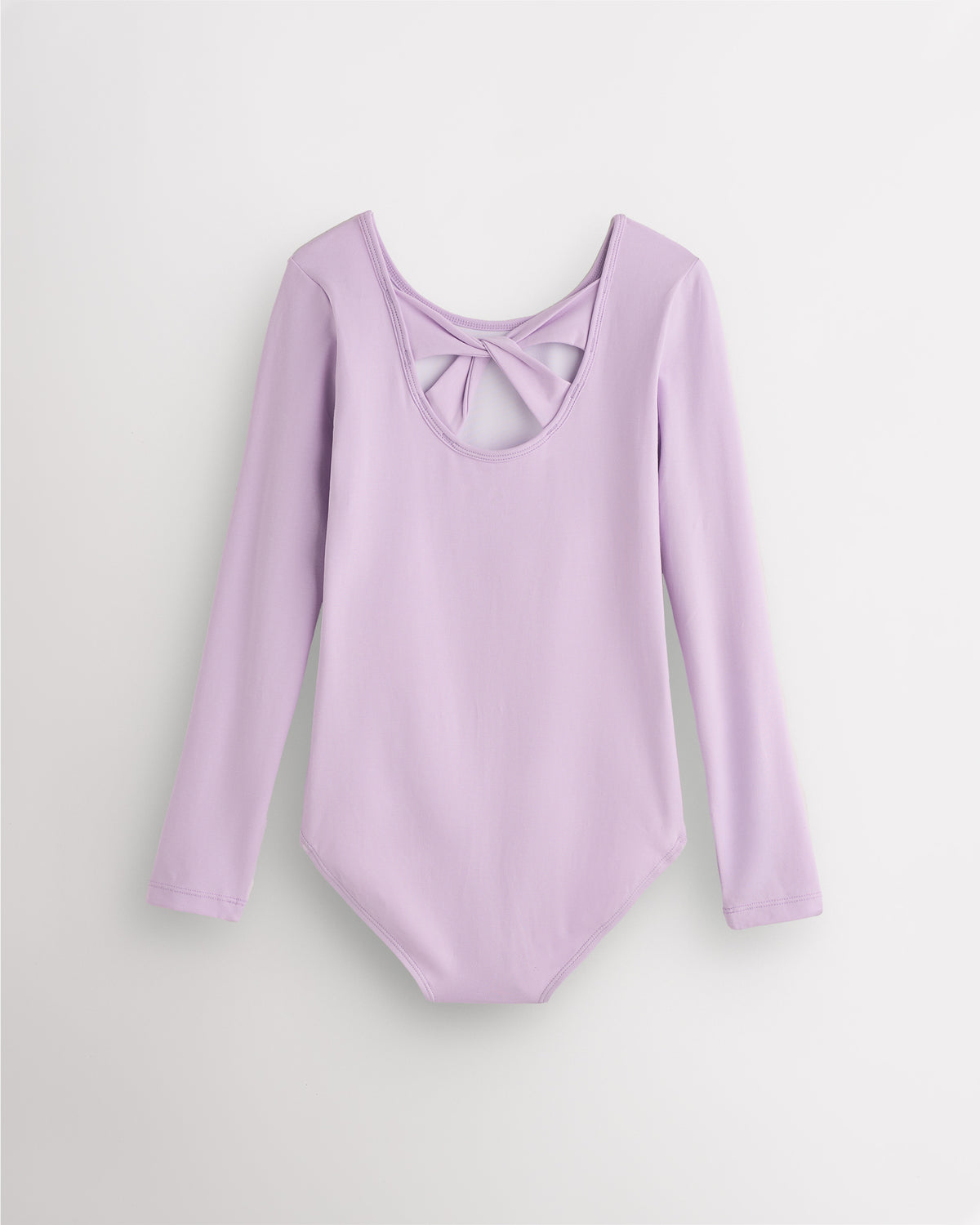
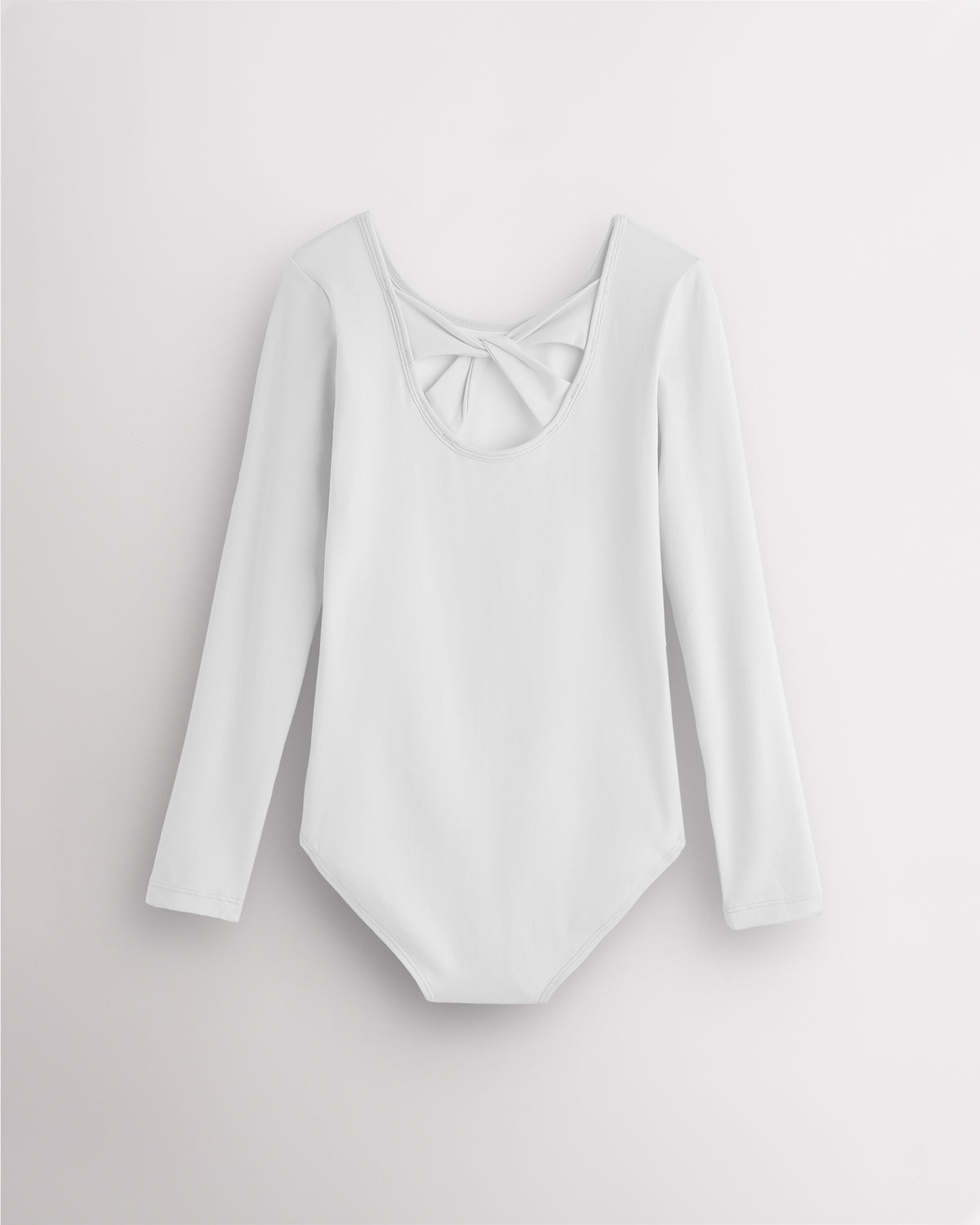
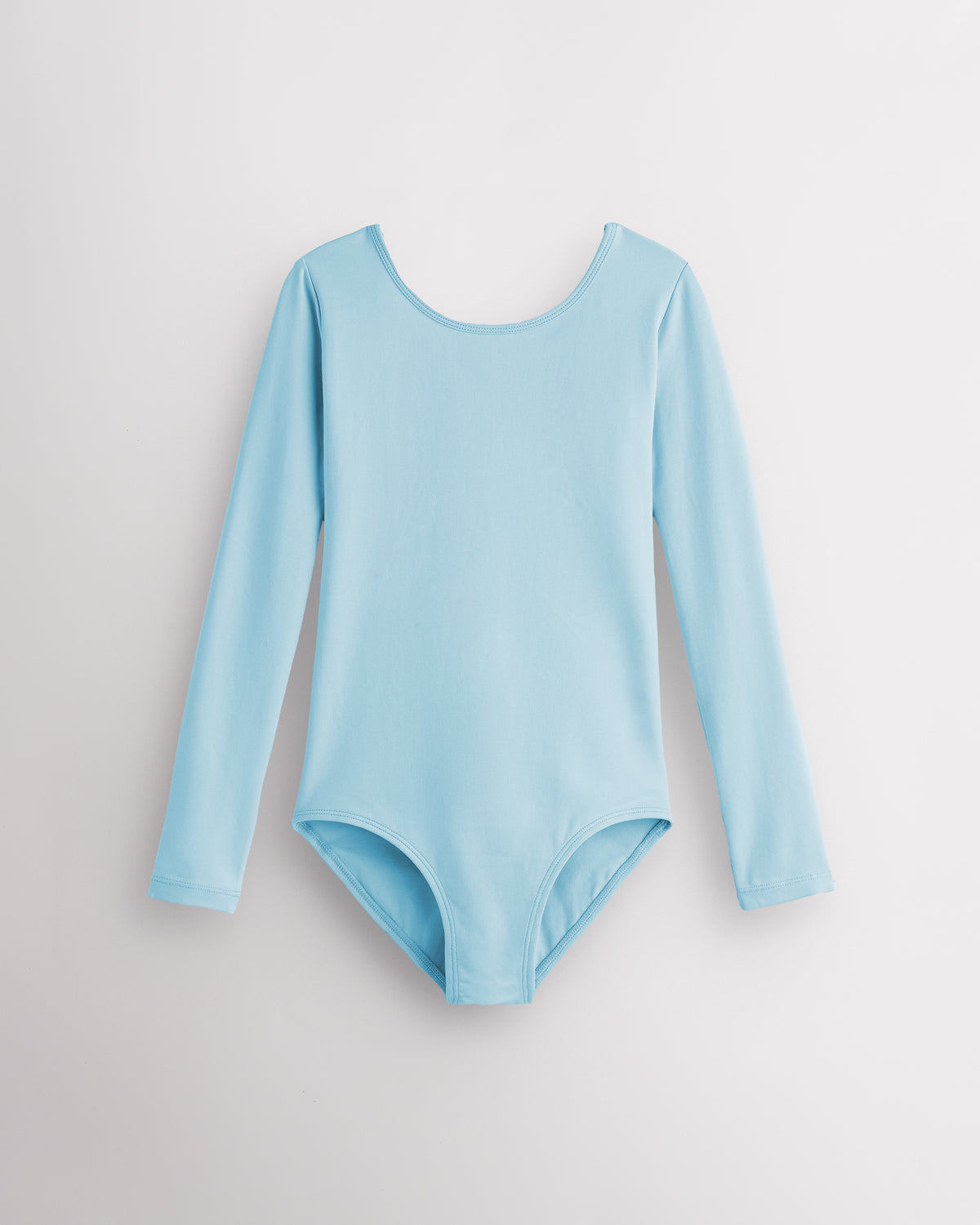
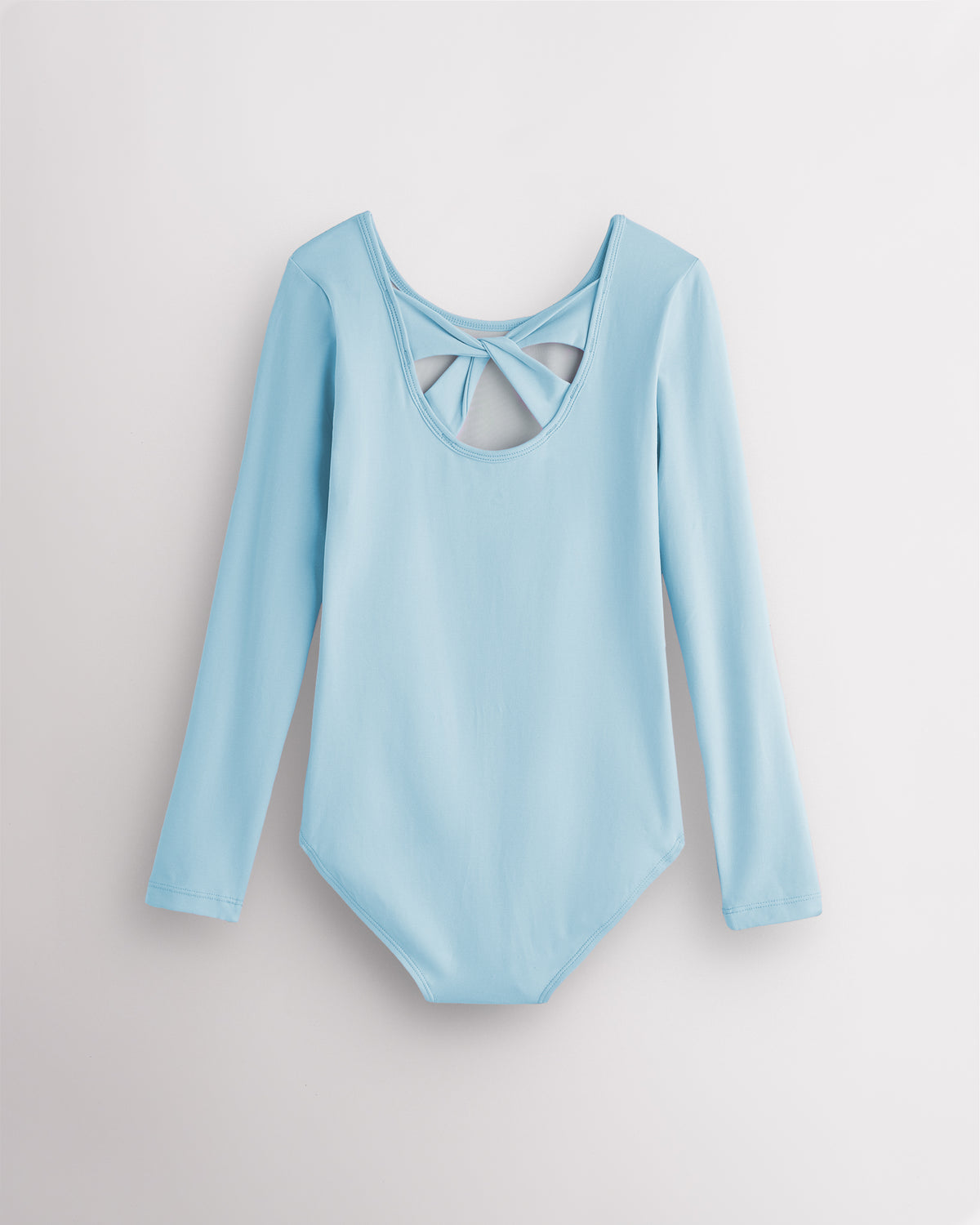
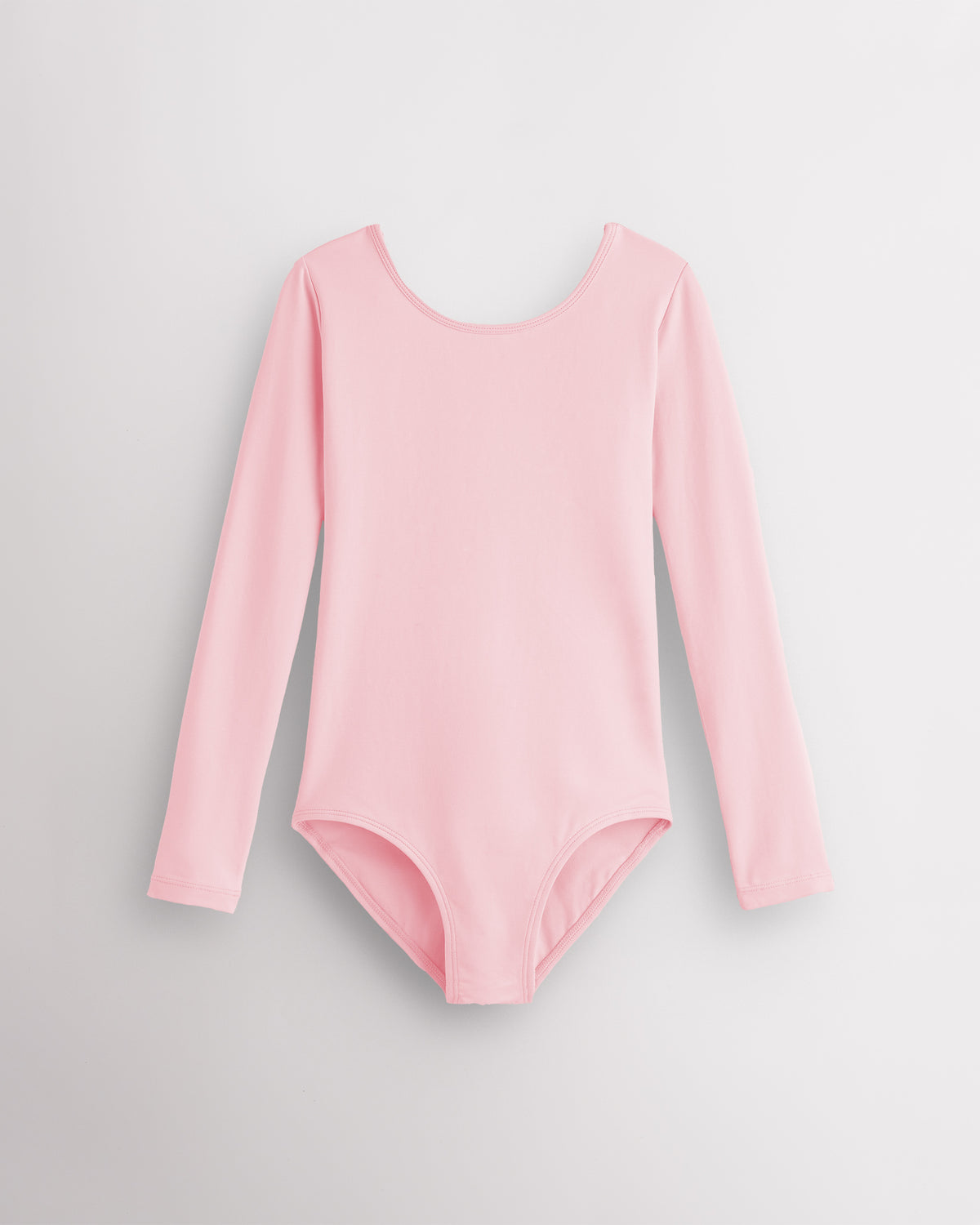
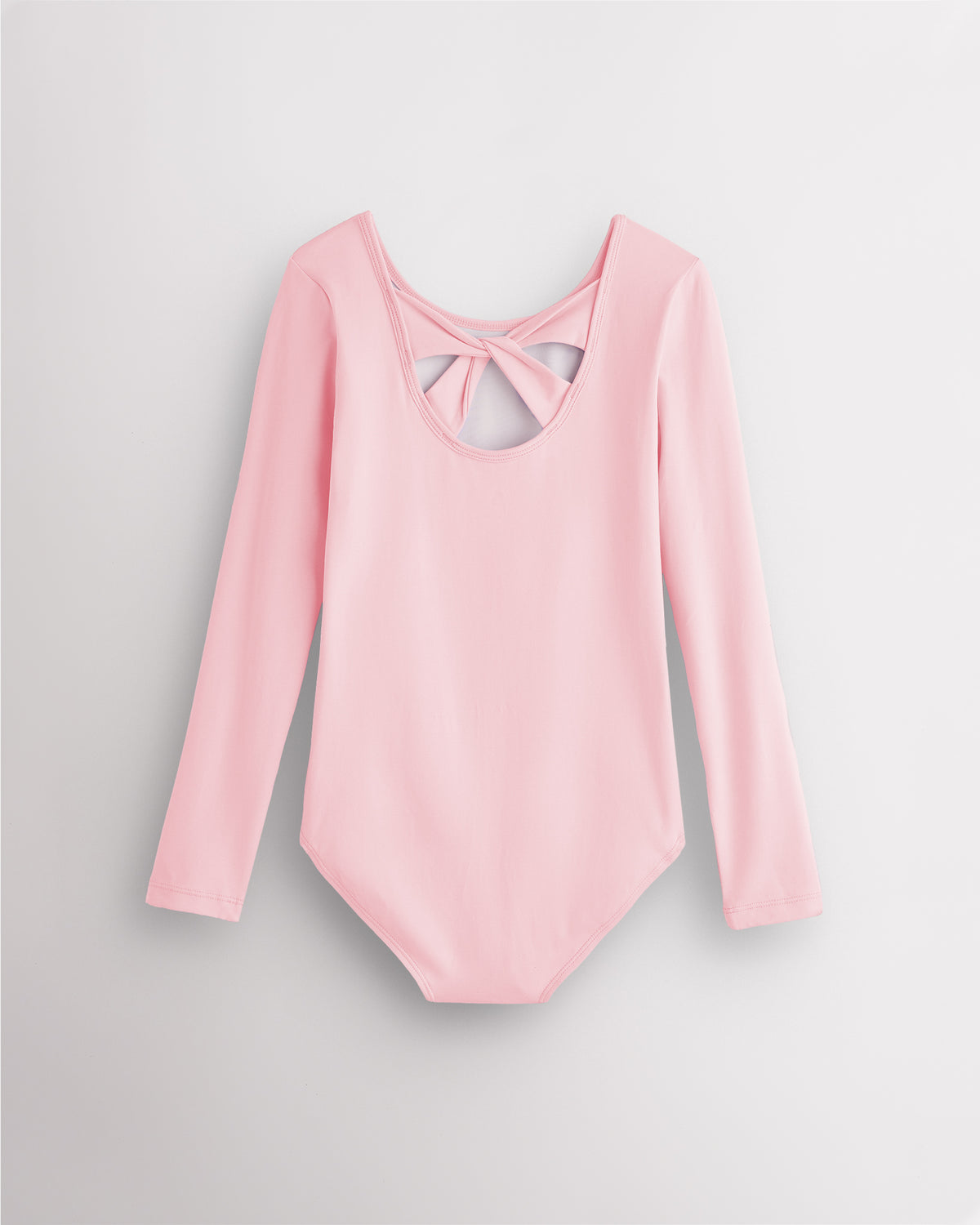
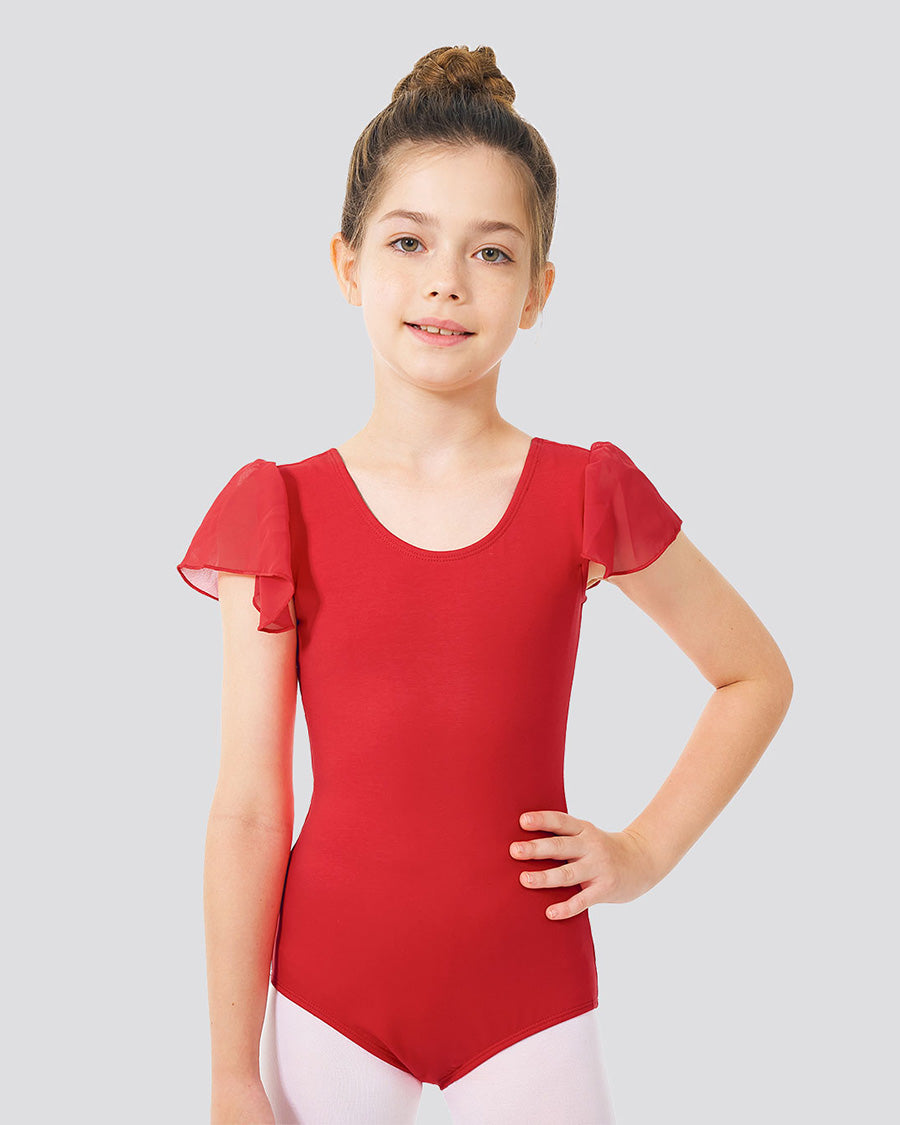
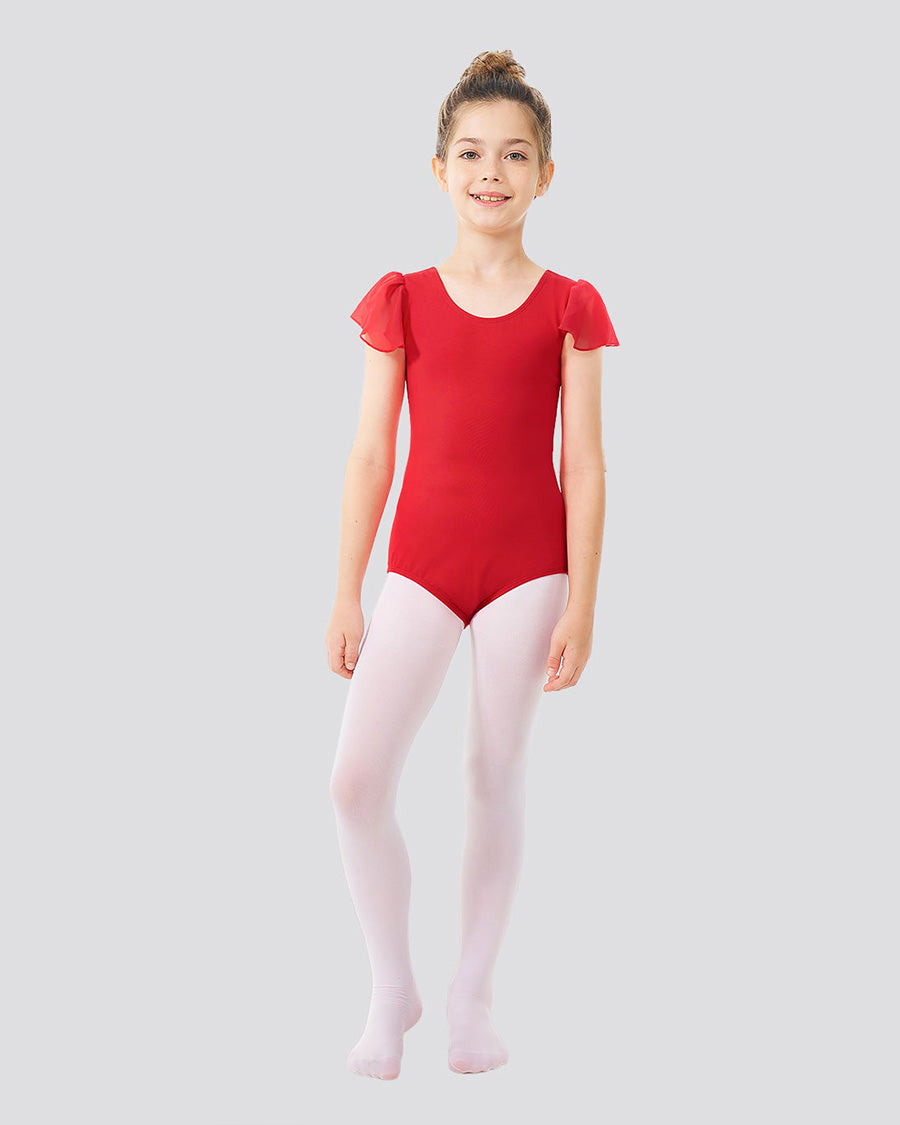
Invest in basics that last the season. A small rotation of plain, well-fitting leotards and convertible dance tights covers most rehearsal dress codes, which beats rebuying trend pieces midyear.
FAQ
How much does competitive dance cost a year?
The spread comes down to three things: how many routines your dancer is in (each adds a costume, choreography, and an entry fee at every event), how far the team travels, and whether a solo or private coaching is added. A starter team with modest hours sits near the low end of the regional range, while a company schedule with a solo and nationals can pass $10,000. Ask each studio for its fee sheet and compare the same categories side by side.
How much are dance competition entry fees?
Entries are charged per dancer, per routine, per competition, at rates that climb from group to duet to solo. Multiply by the calendar: two group routines and a solo at four regionals is twelve entries, roughly $900 to $1,400. Some studios bundle entries into a flat per-dance charge, so ask what the fee sheet includes.
What age do kids start competitive dance?
Some dancers start competing as young as four or five, according to Scary Mommy's reporting, though plenty join later. Our suggestion is a year or two of recreational classes first, which builds basics and confirms your child enjoys the studio before the family commits to team-level cost and hours.
Why do some parents say competitive dance is bad?
The usual complaints are cost creep, a schedule that swallows family weekends, and high-pressure cultures at certain studios where scores become the whole point. Those problems are real but studio-specific. Families who vet the culture, cap routines at what fits their budget, and keep the focus on growth often report a better experience.
Can you do competitive dance on a budget?
Yes, within limits. A studio with modest required hours, group routines only, local events, used costumes, and DIY hair and makeup can keep a season closer to $5,000 than $8,000; Encore's starter sample lands at $5,150. Be upfront with the studio director about your budget; some will help find a workable path.
About the Stelle Team
Stelle is a mom-trusted dancewear & athleisure brand best known for girls’ ballet and dance essentials since 2015. Every article is created and reviewed by the team behind the products, drawing on what we hear from dance teachers, studio owners, and dance parents every day. Learn more about Stelle.