



What Is Line Dancing? History, Famous Dances, and Why Kids Love It
Table of contents
- Key Takeaways
- What's line dancing, exactly?
- A short history: dance halls, party classics, and TikTok
- Popular line dances kids actually meet
- Why line dancing for kids works so well
- Basic line dance steps: a five-minute primer
- What to wear for line dancing
- Where kids can try line dancing
- FAQ
-
- About the Stelle Team
Line dancing is a group dance style where everyone stands in rows, faces the same direction, and repeats the same short, choreographed step sequence together, no partner required. That is the short answer to what is line dancing, and kids now meet it at school events, parties, and weddings, set to country, pop, and hip hop alike.
Key Takeaways
-
Line dancing means dancing in lines to a repeating, pre-set step pattern, no partner needed, which makes it one of the lowest-pressure ways for a child to start dancing.
-
Line dancing draws on country-western dance halls and on Black social dance, where the Electric Slide took hold; the Soul Train line is a related but different format.
-
Famous line dances kids run into include the Electric Slide, Cupid Shuffle, Cha Cha Slide, Cotton Eye Joe, and Boot Scootin' Boogie.
-
The step vocabulary is small: a child who can grapevine, step-touch, stomp, and pivot can pick up most beginner dances.
-
Sneakers or boots and everyday clothes work fine, and kids can try it at school events, parties, community programs, or at home with follow-along videos.
What's line dancing, exactly?
The Britannica Dictionary defines a line dance as "a dance done by a group of people who stand next to each other in a line and who all perform the same movements." Three things set the style apart:
-
No partner. Everyone dances the same steps on their own, side by side. No leading, following, or hand-holding, which removes a big source of awkwardness for new dancers.
-
A repeating pattern. Each dance is a short choreographed sequence, often 16 or 32 counts, that loops for the whole song.
-
Walls. Many dances end each loop with a quarter or half turn, so the group rotates to face a new direction, called a wall. A "four-wall dance" faces each side of the room in turn.
That repeating structure is the secret. A child who misses a step waits a few counts, watches the dancers around her, and jumps back in when the pattern restarts. Our guide to types of dance shows where it sits among other styles.
A short history: dance halls, party classics, and TikTok
Wikipedia, citing dance historians, calls the precise origins of line dancing unclear, so it helps to follow the threads kids' favorites run through.
The country-western thread. Line dances were being choreographed to country songs by the 1970s, and many early routines were adapted from disco line dances, per the same Wikipedia summary. Billboard notes that the 1980s saw country music and line dancing surge in popularity after the 1980 film Urban Cowboy. The biggest jolt came in 1992, when Billy Ray Cyrus released "Achy Breaky Heart" and a synchronized dance to the song swept North America, according to CBC reporting from that fall.
The party-classic thread. Choreographer Richard Silver says he created the Electric Slide in 1976, according to the AFRO. The dance later became closely associated with Marcia Griffiths' song "Electric Boogie," and PushBlack describes it as "a staple in the Black community." The Cha Cha Slide has a younger story: DJ Casper created it in Chicago in 1999, per WTTW, and its 2000 release turned it into the party staple kids still follow today.
A related tradition. The Soul Train line is a separate format, not a line dance. The music show aired nationally from 1971 to 2006, and its closer sent two facing rows of dancers down the middle one at a time. As In Dance, the magazine of Dancers' Group, describes it, what began as a way to end the show "evolved into an essential part of Black cultural celebrations."
Now. NBC Washington reported in February 2026 on a resurgence of line dancing driven partly by TikTok, where viral clips, such as "Boots on the Ground" (a December song by 803Fresh with its own line dance), have racked up millions of views. Your child may learn her first line dance from a phone screen.
Popular line dances kids actually meet
A handful of popular line dances turn up again and again at school dances, skating rinks, and family weddings.
|
Dance |
The song |
Flavor |
Where kids meet it |
|---|---|---|---|
|
Electric Slide |
"Electric Boogie" (Marcia Griffiths) |
Smooth, gliding classic |
Weddings, family gatherings |
|
Cupid Shuffle |
"Cupid Shuffle" (Cupid) |
Call-out song that announces each move |
Parties, PE class |
|
Cha Cha Slide |
"Cha Cha Slide" (DJ Casper) |
Follow-the-instructions party game |
Birthday parties, skating rinks |
|
Cotton Eye Joe |
"Cotton Eye Joe" (Rednex) |
Fast, stompy, giggly |
School dances, sports events |
|
Boot Scootin' Boogie |
"Boot Scootin' Boogie" (Brooks & Dunn) |
Classic country, boots optional |
Country nights, dance halls |
|
The Git Up |
"The Git Up" (Blanco Brown) |
Modern country-rap with called steps |
TikTok, school spirit days |
Songs like the Cupid Shuffle and the Cha Cha Slide call out the moves as the music plays, which makes them easy to join cold. Our guide to popular dances for kids covers several of these, grouped by age.

Why line dancing for kids works so well
Line dancing for kids works because the barriers that put people off other styles are mostly missing.
No partner pressure. No one has to hold hands, which matters to many school-age kids.
Why do kids catch on? Because the pattern loops, every child gets dozens of chances per song to catch on, and kids who feel lost in free-form dancing often relax once there are concrete steps to follow.
Mistakes blend in. When forty people grapevine at once, one wobbly turn rarely gets noticed, which is real reassurance for a self-conscious kid.
One dance, many ages. Line dancing shows up in many school PE units and rec programs as a way to practice rhythm and coordination, and the same Electric Slide can suit a 6-year-old and her grandmother on one wedding dance floor.
Basic line dance steps: a five-minute primer
Most beginner dances are built from a tiny set of line dance steps. Practice these in the kitchen and a first real dance will feel familiar; the grapevine also appears in our easy dance moves guide with a fuller description.
-
Step-touch. Step the right foot to the side, then tap the left foot beside it. Reverse. The resting heartbeat of nearly every line dance.
-
Grapevine. Step right, cross the left foot behind, step right again, finish with a touch or a small kick. Four counts, traveling sideways; it shows up in the Electric Slide and many other dances.
-
Stomp. Plant one foot flat with a satisfying thud, usually on the beat.
-
Heel dig and toe touch. Tap the heel forward, or the toe behind. Small accents in country-style dances.
-
Pivot turn. Step forward, then swivel a quarter or half turn on the balls of the feet. One common way a dance rotates to the next wall.
One tip for a nervous first-timer: stand toward the middle of the room. After a turn, the dancers who were beside or behind you end up in front, so a kid in the middle has someone to copy.

What to wear for line dancing
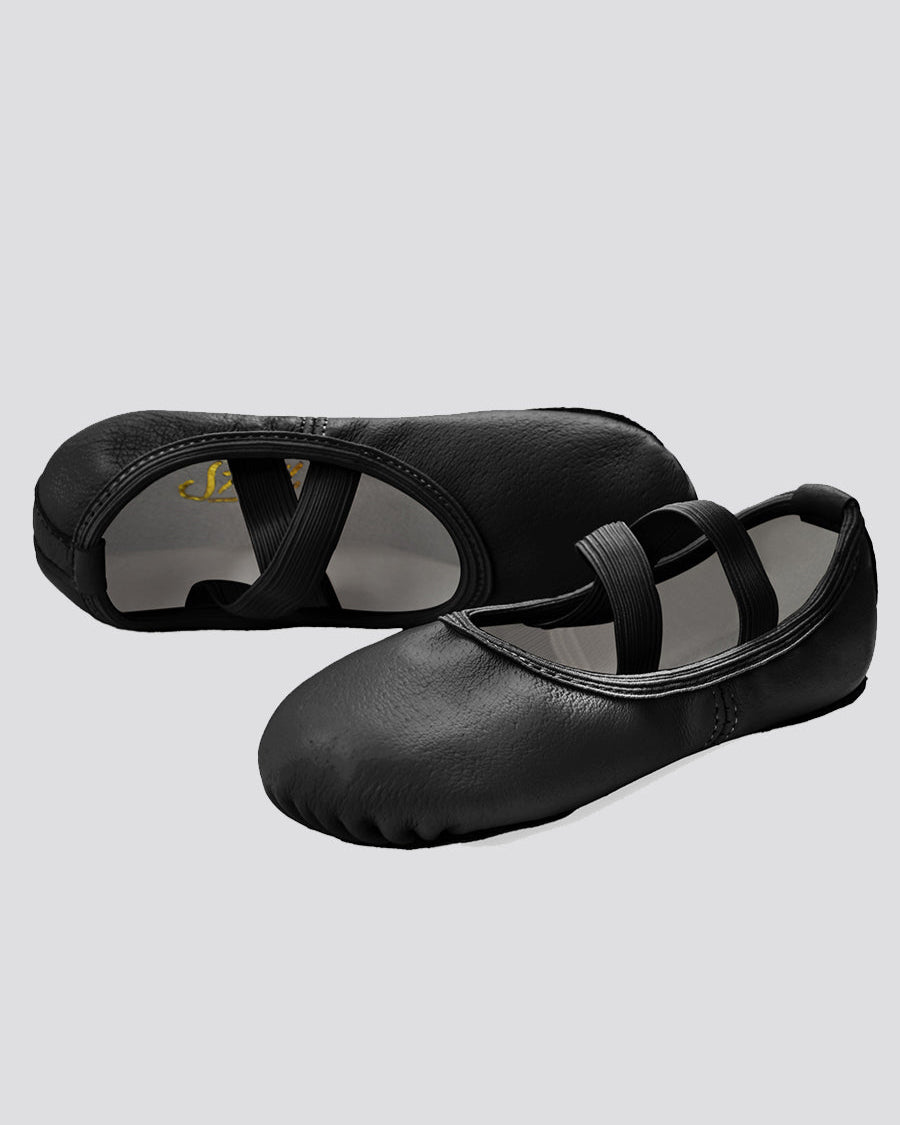
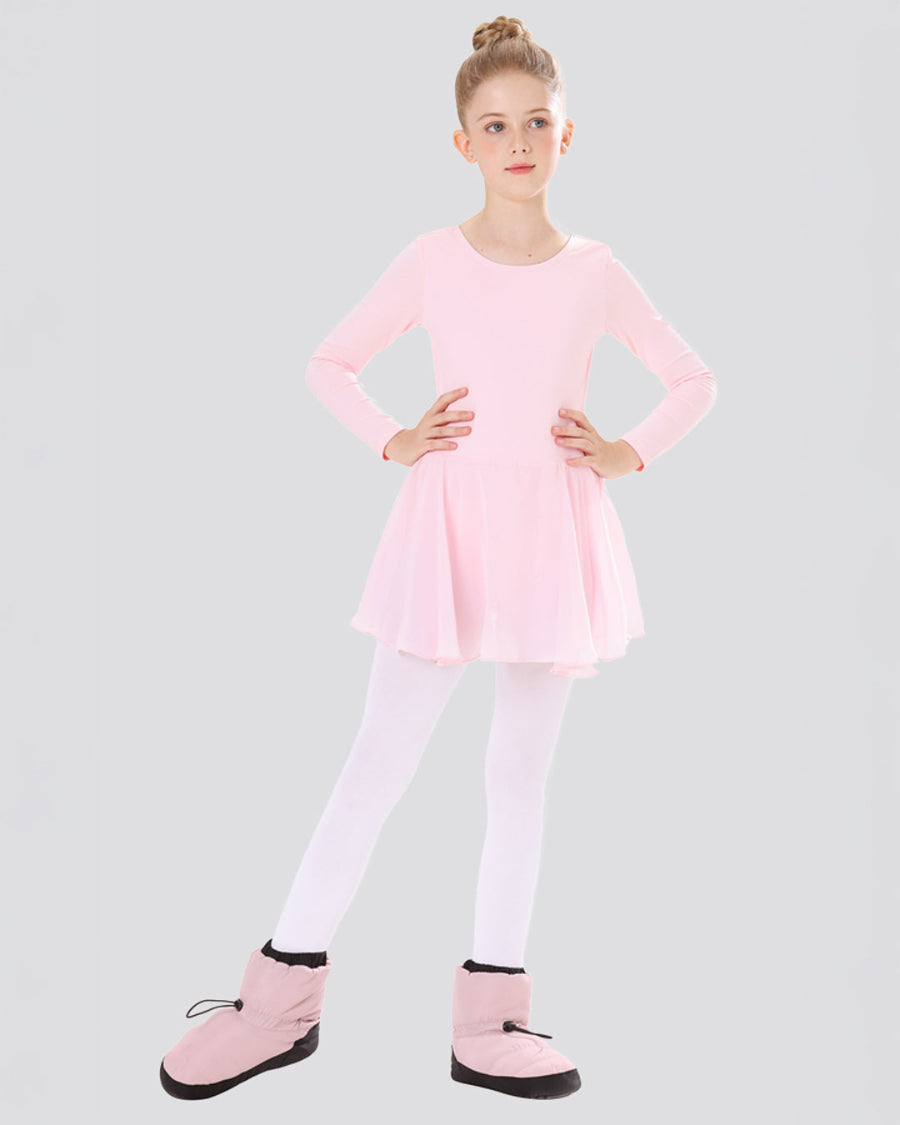
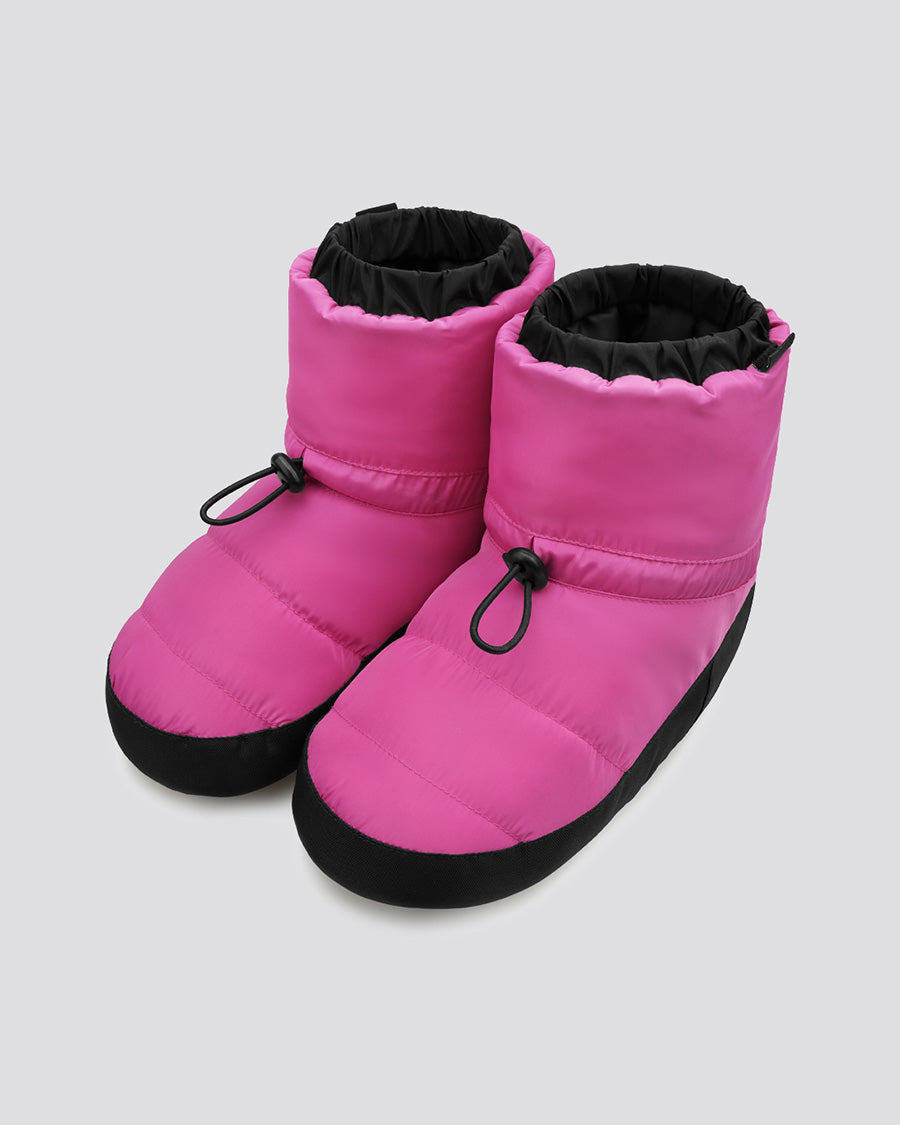
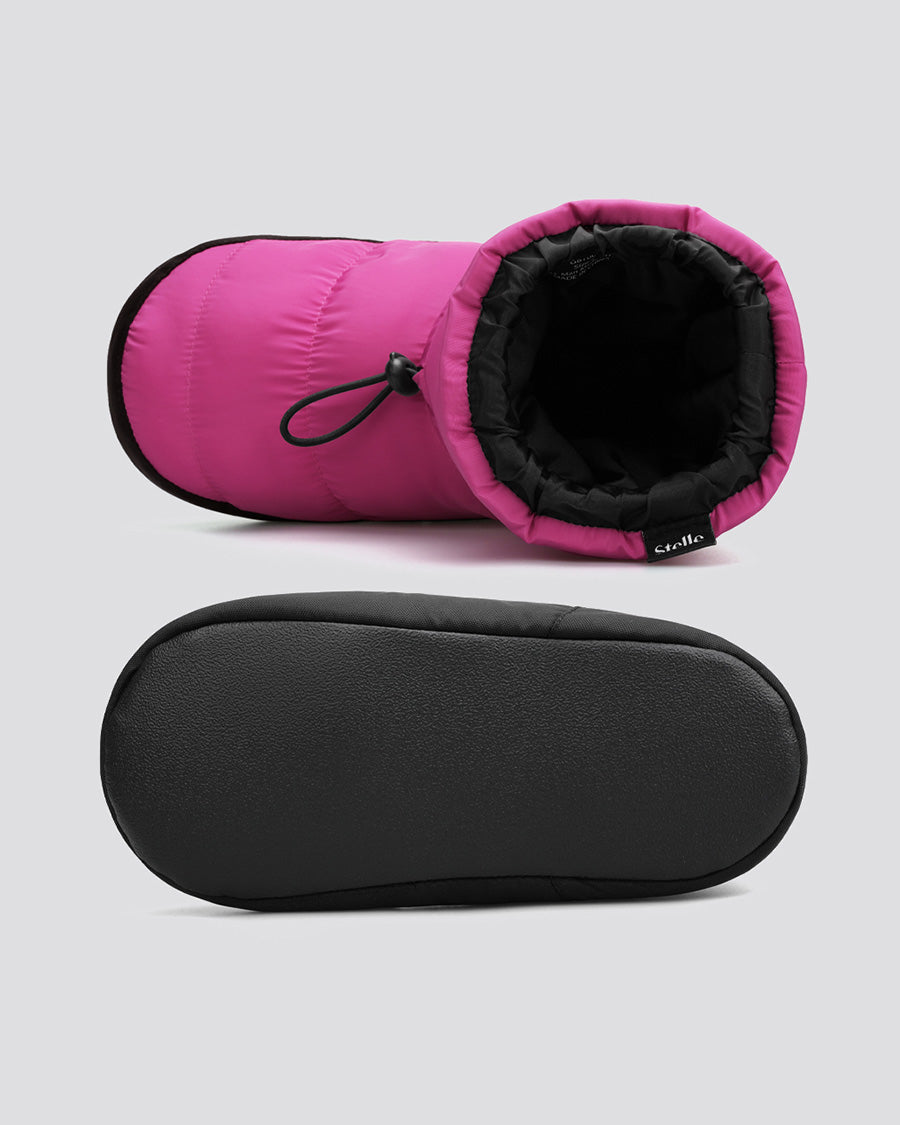
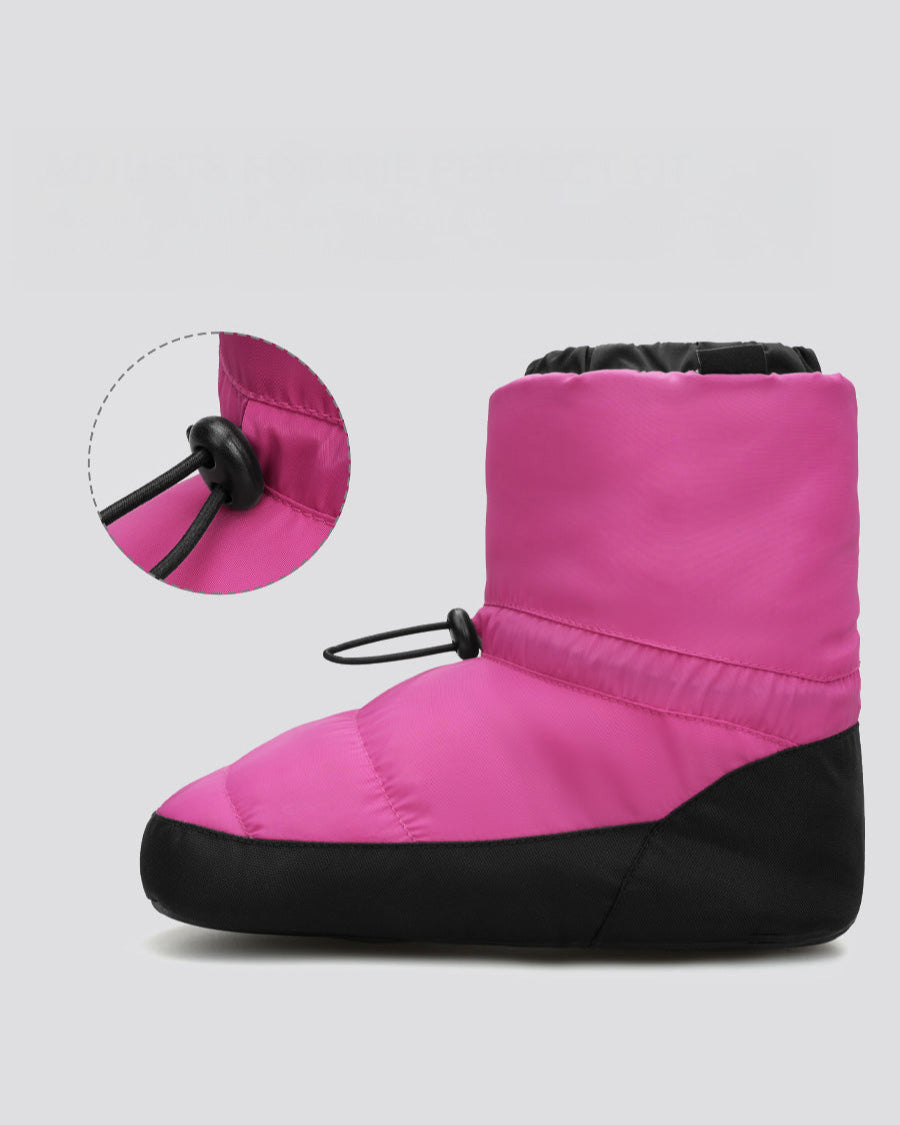
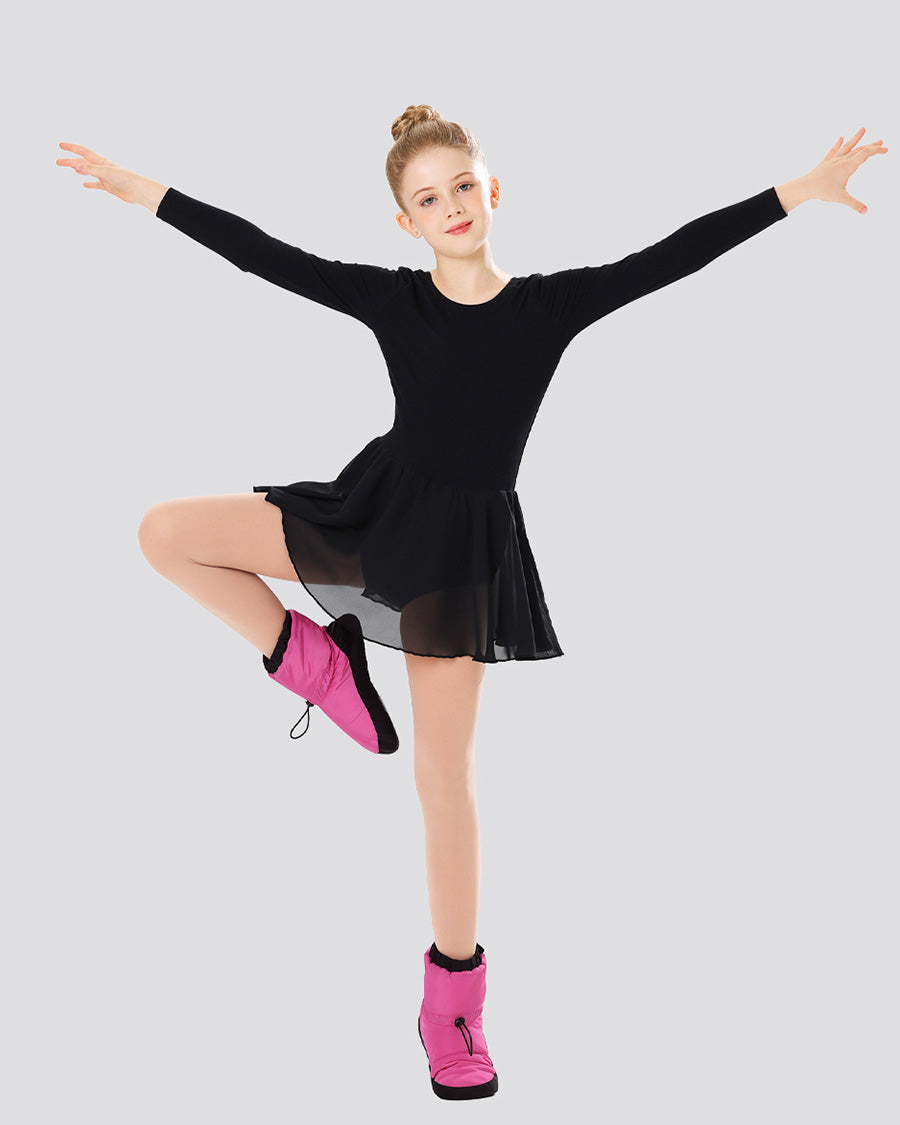
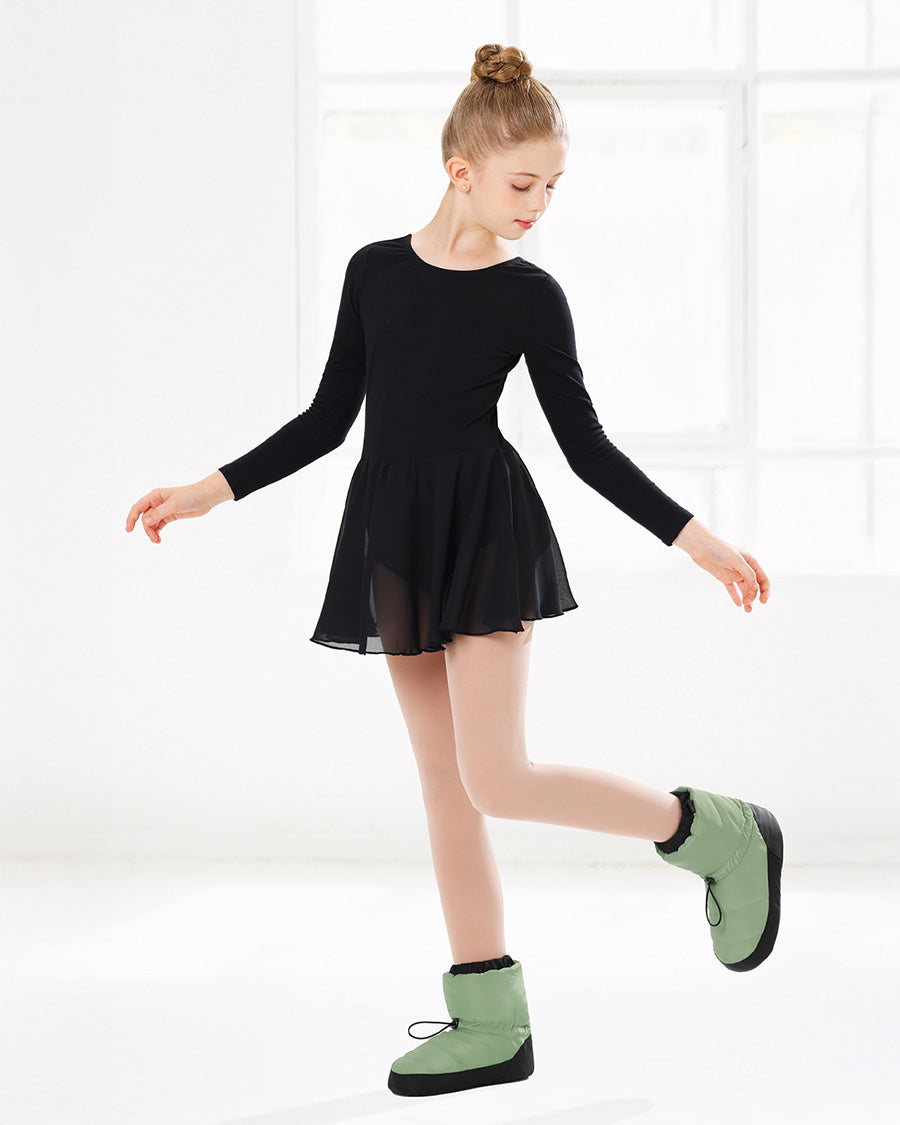
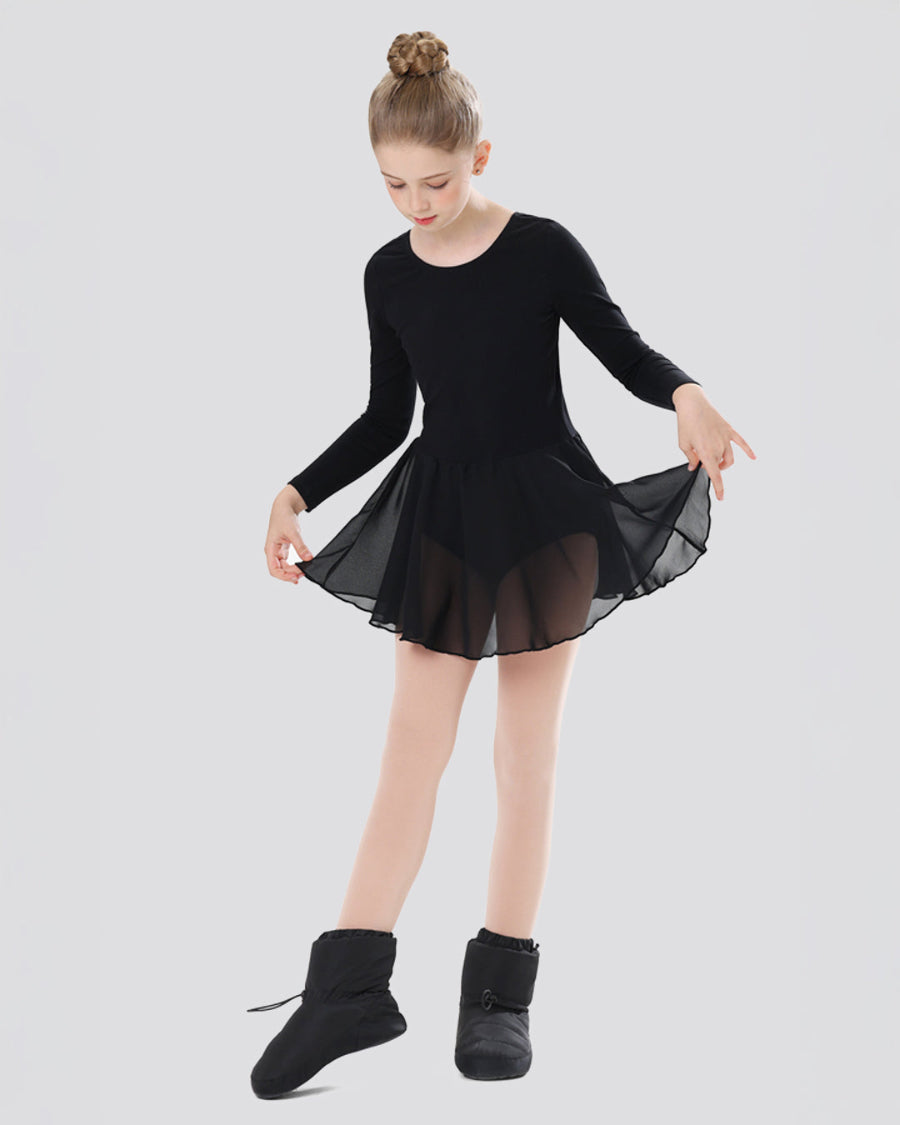
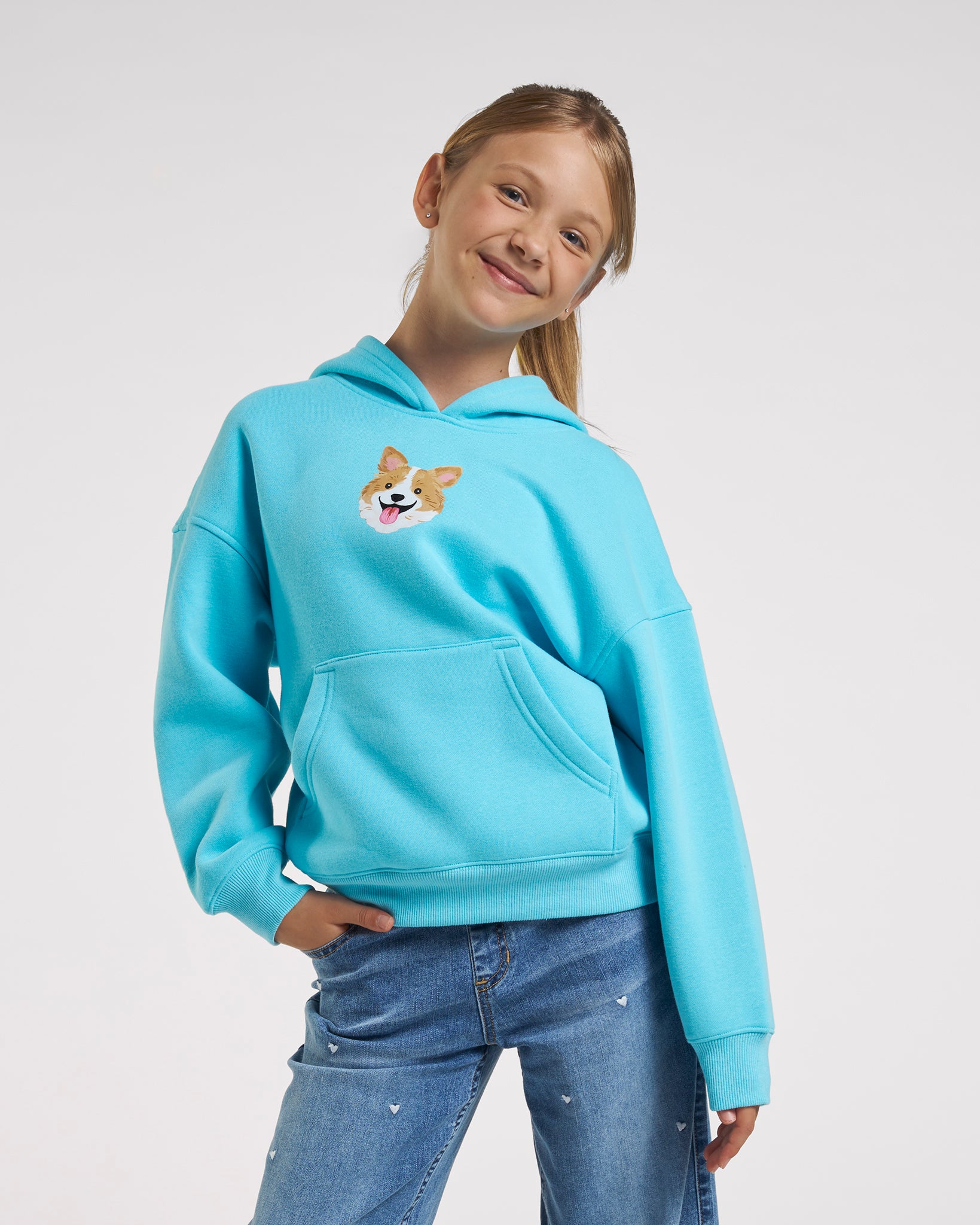
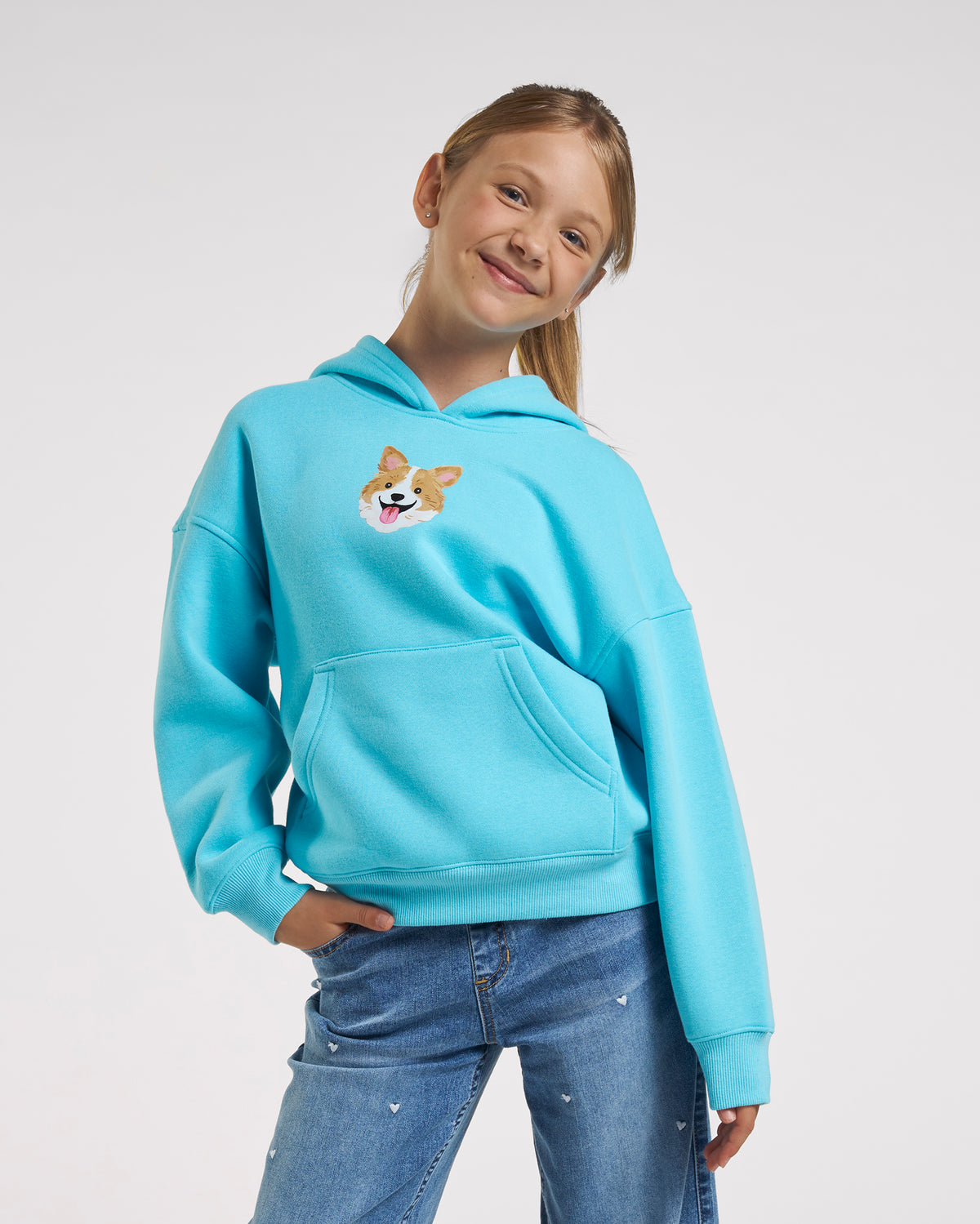
Everyday play clothes and clean sneakers work for most kids' line dancing, from PE units to birthday parties. Smoother soles make turning easier than grippy rubber, but comfort matters more at this age. Cowboy boots are a fun flourish for country nights, not a requirement.
Where kids can try line dancing
-
School. Ask the PE teacher whether the class does a line dance or rhythms unit, and practice those dances at home.
-
Parties and school events. Birthday parties, field days, skating rinks, and school dances often produce a Cha Cha Slide or Cupid Shuffle.
-
Community programs. Rec centers and libraries sometimes run beginner sessions; check which welcome kids alongside adults.
-
Dance studios. Some fold line dancing into hip hop or general movement classes rather than offering it on its own, so ask.
-
At home. Follow-along videos exist for all the best-known dances.
FAQ
Is line dancing easy to learn?
Yes, by design. Each dance repeats one short pattern for the whole song, and the whole room is doing the same thing, so there is a model to copy in every direction. Many kids pick up the basic pattern of a beginner dance within one class or party.
What are good line dancing songs for kids?
Look for songs with an official or widely known dance, so a quick search turns up a follow-along video. Start with a call-out song like "Cupid Shuffle," where the lyrics tell a first-timer what to do next, and preview the lyrics first, since party songs vary in what is kid-appropriate.
Does line dancing have to be country music?
No. Country is one thread of its history, but the dances kids meet most often are not country at all: the Electric Slide is set to a song by Jamaican-born artists and the Cha Cha Slide to a party record, and TikTok routines now use pop, R&B, and country alike. If the steps repeat and the group faces the same way, it counts.
Can my child learn line dancing with no dance experience?
Yes. Expect a first class or party to start with a slow walk-through of the steps, then a run-through with the music, with the group carrying her along. Missing a count is fine, since the pattern restarts in seconds. A child who has avoided dance because it felt exposed often feels more confident here, and no experience is needed.
What's the difference between a line dance and a Soul Train line?
In a line dance, everyone performs the same choreographed steps at the same time. In a Soul Train line, dancers form two facing rows and take turns freestyling down the middle. The Soul Train line comes from Black social dance; line dancing draws on Black social dance more broadly and on country-western dance halls.
About the Stelle Team
Stelle is a mom-trusted dancewear & athleisure brand best known for girls’ ballet and dance essentials since 2015. Every article is created and reviewed by the team behind the products, drawing on what we hear from dance teachers, studio owners, and dance parents every day. Learn more about Stelle.