


What Should Toddlers Wear to Ballet Class? A Parent's Guide
Table of contents
- Quick answer
- What Makes a Toddler's First Ballet Class Different
- What to Wear: The Toddler Ballet Basics
- Shoes and Feet: Follow the Studio's Rule First
- What Not to Wear to Toddler Ballet Class
- What Her First Class Might Actually Look Like
- Helping Her Feel Ready Before Class
- Quick Checklist Before Her First Class
- Where Stelle Fits In
- Frequently Asked Questions
- 1. What should a toddler wear to her first ballet class?
- 2. Does my toddler need tights for ballet?
- 3. Can toddlers wear a skirt to ballet class?
- 4. Can my toddler wear leggings instead of a leotard?
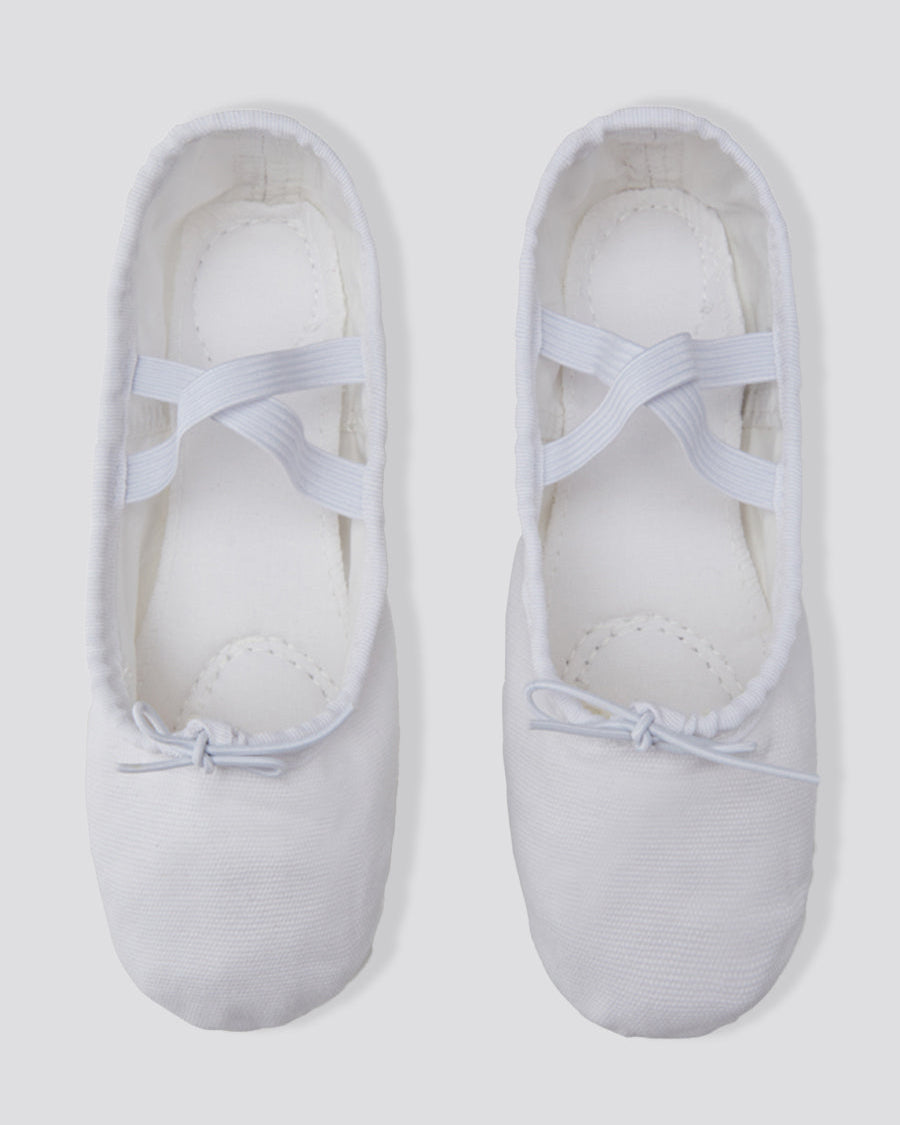
- 5. What shoes do toddlers wear for ballet?
- 6. Should toddler ballet shoes have room to grow?
- 7. What if my toddler doesn't want to participate?
- 8. What should a 2-year-old wear to ballet class?
- Final Thoughts
Written by the Stelle team.
Your toddler's first ballet class is exciting, but figuring out what to wear to dance class can feel surprisingly confusing. Does she need a leotard? Are tights required? Can she wear a skirt? At this earliest stage, before she has taken any formal technique class, the most important thing is not looking like a toddler ballerina outfit straight off a magazine cover. She does need to wear something comfortable, safe, and accepted by the studio. At the end of the day, what matters most about her first class is not how polished she looks. It is whether she feels like this is a fun, safe thing to try. Her outfit is just there to help her join in more easily, not the main event.
This guide is built around the questions parents usually ask about what to wear to her first ballet class: whether a leotard is really required, whether tights will bother her, and how to keep the whole outfit simple enough that she can move, sit, and twirl without fighting her clothes.
Quick answer
For many toddler ballet or creative movement classes, a simple leotard or fitted top with leggings, hair kept out of the face, and studio-approved footwear are enough. Some studios ask for soft ballet shoes, while others may allow bare feet, grip socks, or regular socks if the studio specifically permits them, so always check the studio dress code before buying.
|
Item |
Usually Needed? |
What to Check |
|
Leotard |
Usually yes |
Color, sleeve style, comfort, dress code |
|
Tights |
Often yes |
Soft waistband, no bunching, studio color |
|
Ballet shoes |
Usually yes |
Snug fit, soft sole, studio preference |
|
Skirt |
Optional |
Attached or separate, allowed by studio |
|
Hair |
Usually secured |
Hair out of face |
|
Bag |
Optional |
Helpful for shoes, water, and backup items |

What Makes a Toddler's First Ballet Class Different
This guide is written for the earliest stage of dance, usually before a child has taken any formal technique class: the age range that gets called "toddler," "creative movement," or sometimes "pre-ballet," depending on the studio. That labeling varies a lot from one studio to the next. In some places, creative movement and pre-ballet mean the same relaxed, play-based class. In others, pre-ballet is a step up, closer to formal ballet with real terminology and technique. If you are not sure which one your child is enrolled in, it is worth asking the studio directly, since it can change what she is expected to wear and how the class actually runs.
At this earliest stage, the focus is usually on whether she can move freely, whether her clothes distract her, and whether she feels comfortable enough to walk into the room, less on alignment or formal technique. This lines up with how early childhood educators generally think about teaching young children: the National Association for the Education of Young Children describes developmentally appropriate practice as a play-based approach built around joyful, engaged learning. If you have been searching what to wear ballet class, the answer tends to be more relaxed than expected at this stage, and the honest reply to what do toddlers wear to dance class usually depends more on the studio's ballet class dress code than on any strict rulebook.
Relaxed does not mean anything goes, though. Requirements still vary a lot from studio to studio, so it is worth checking before you buy rather than assuming. This stage is really about helping her feel free to move and join in, not about looking the part.
What to Wear: The Toddler Ballet Basics
When it comes to dance class clothes, toddler ballet leotards, tights, and shoes cover most of what a first-time family needs.
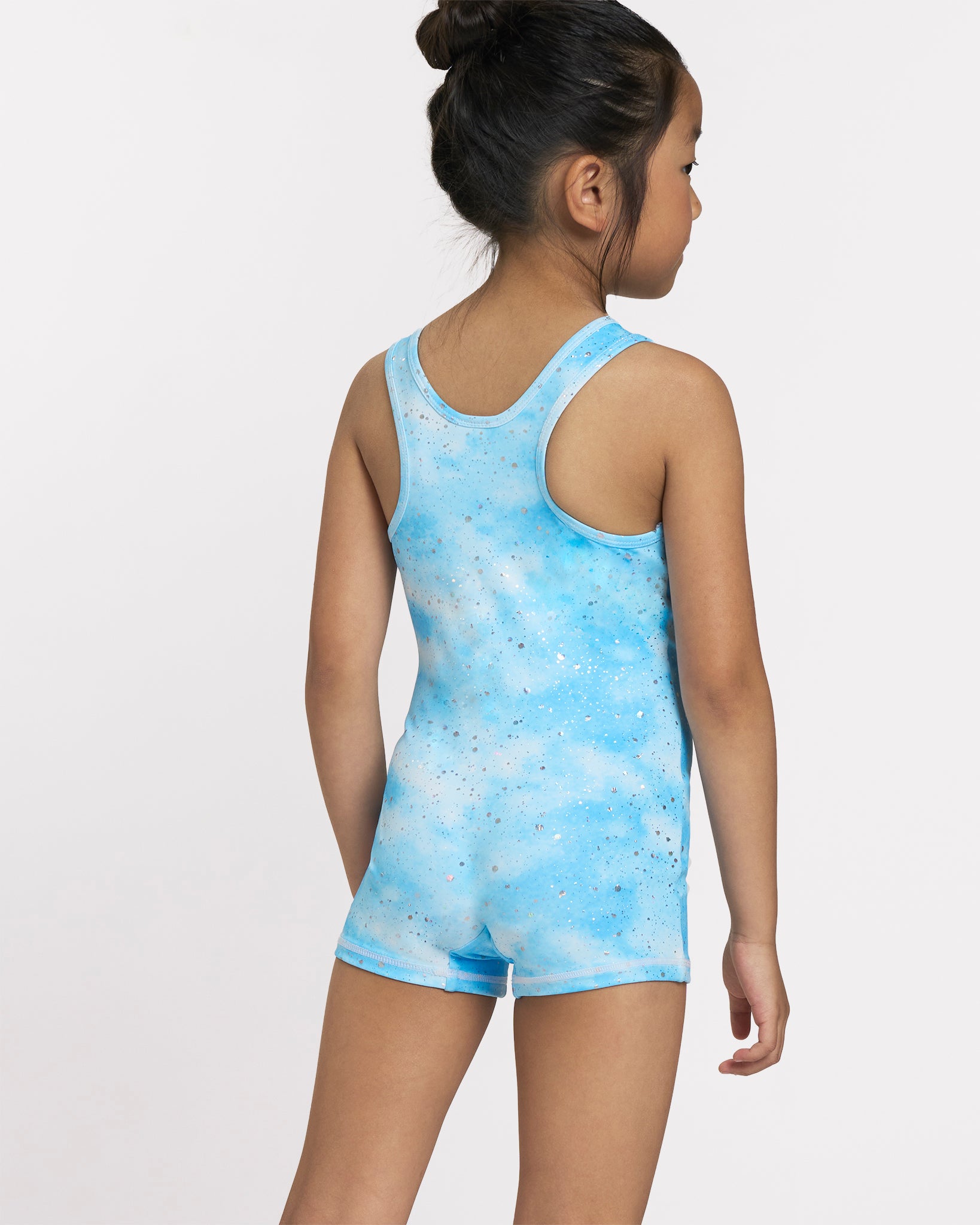
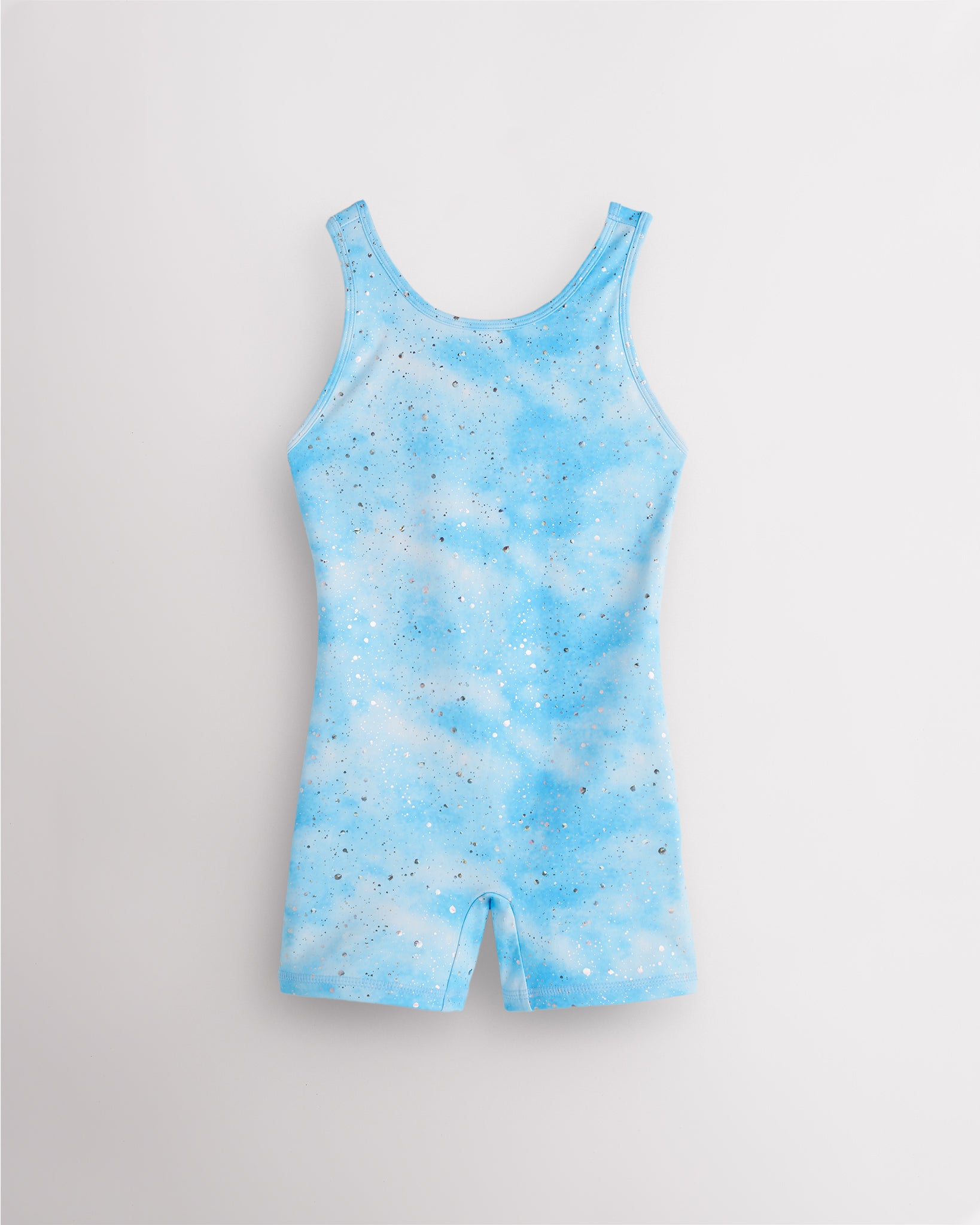
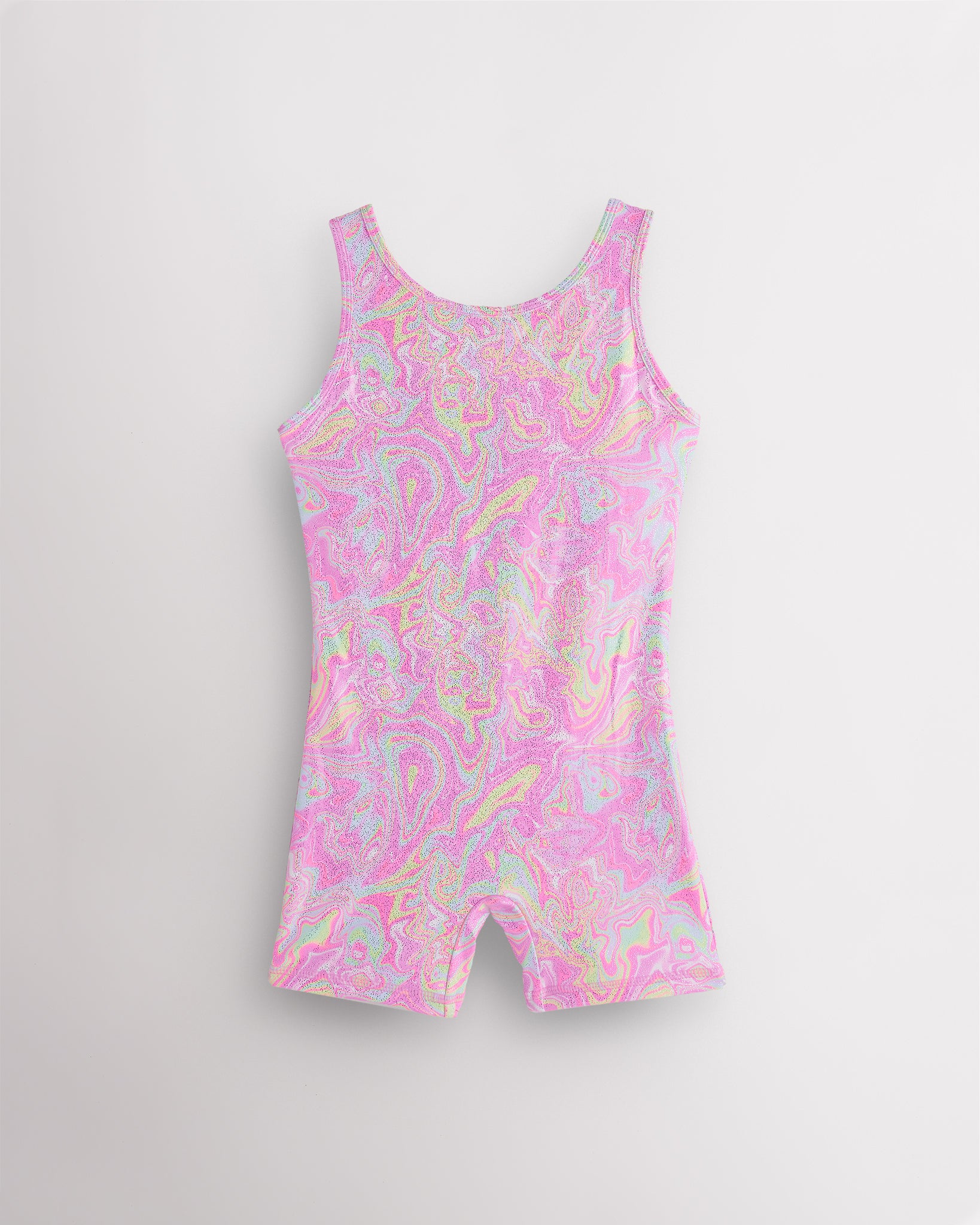
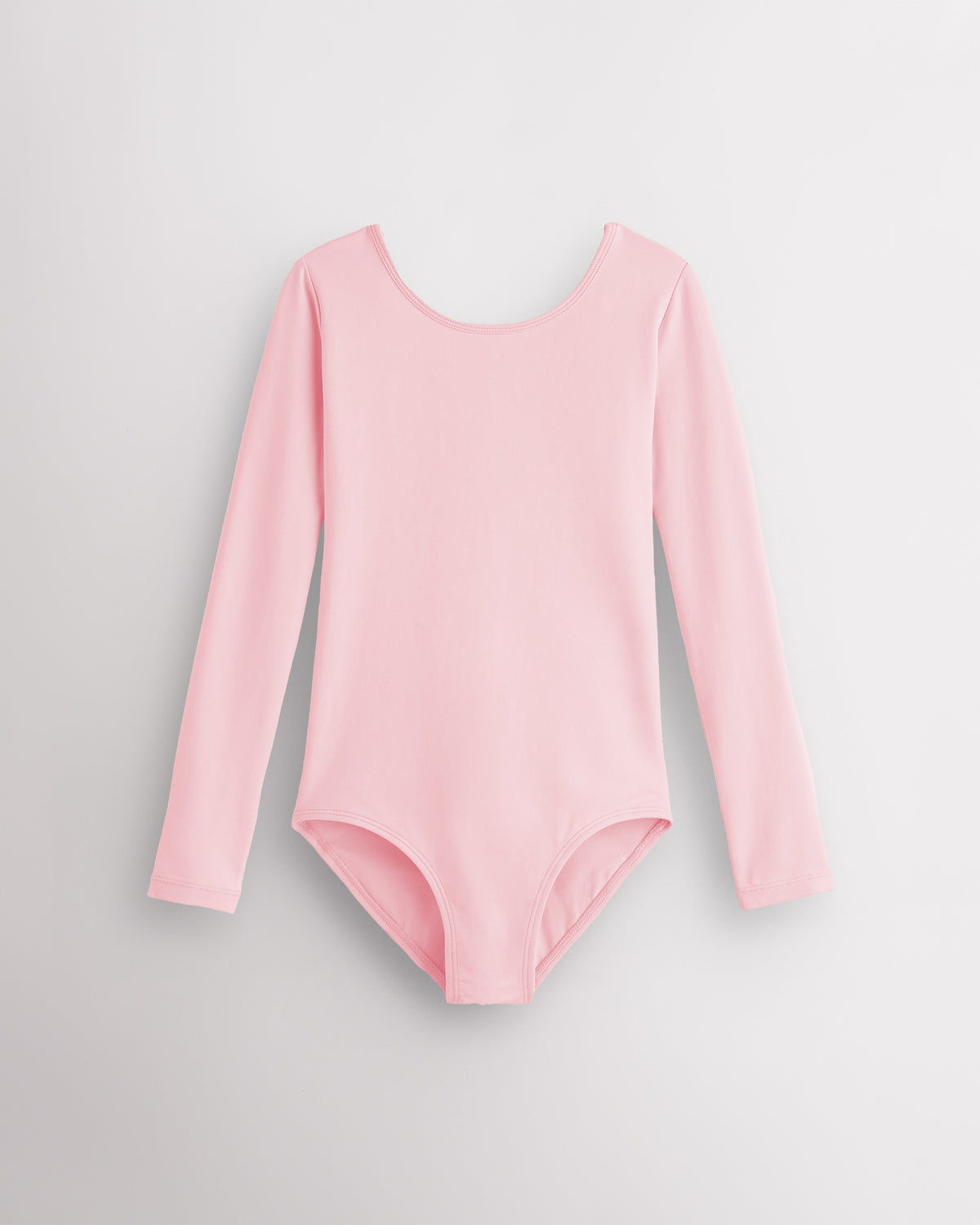
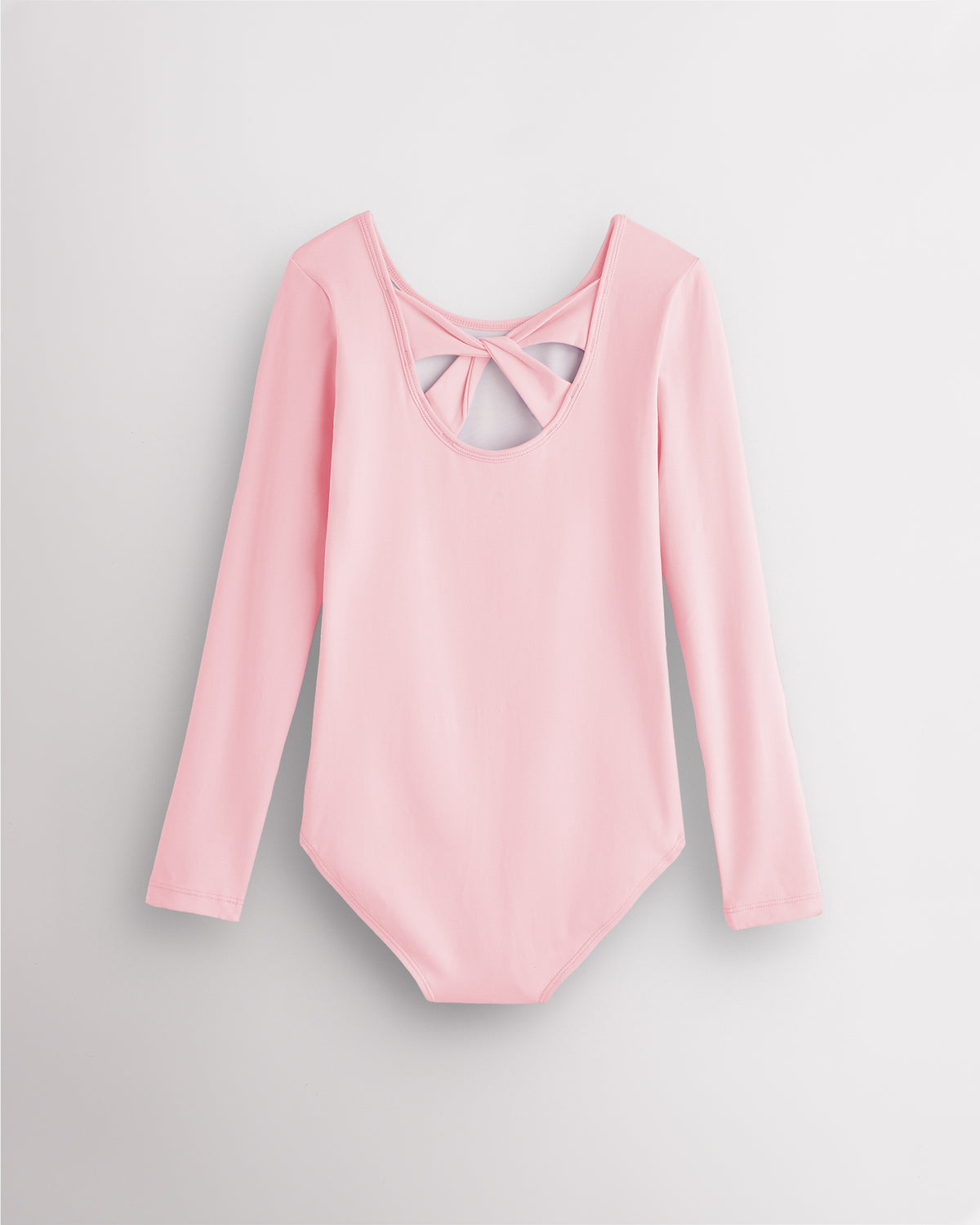
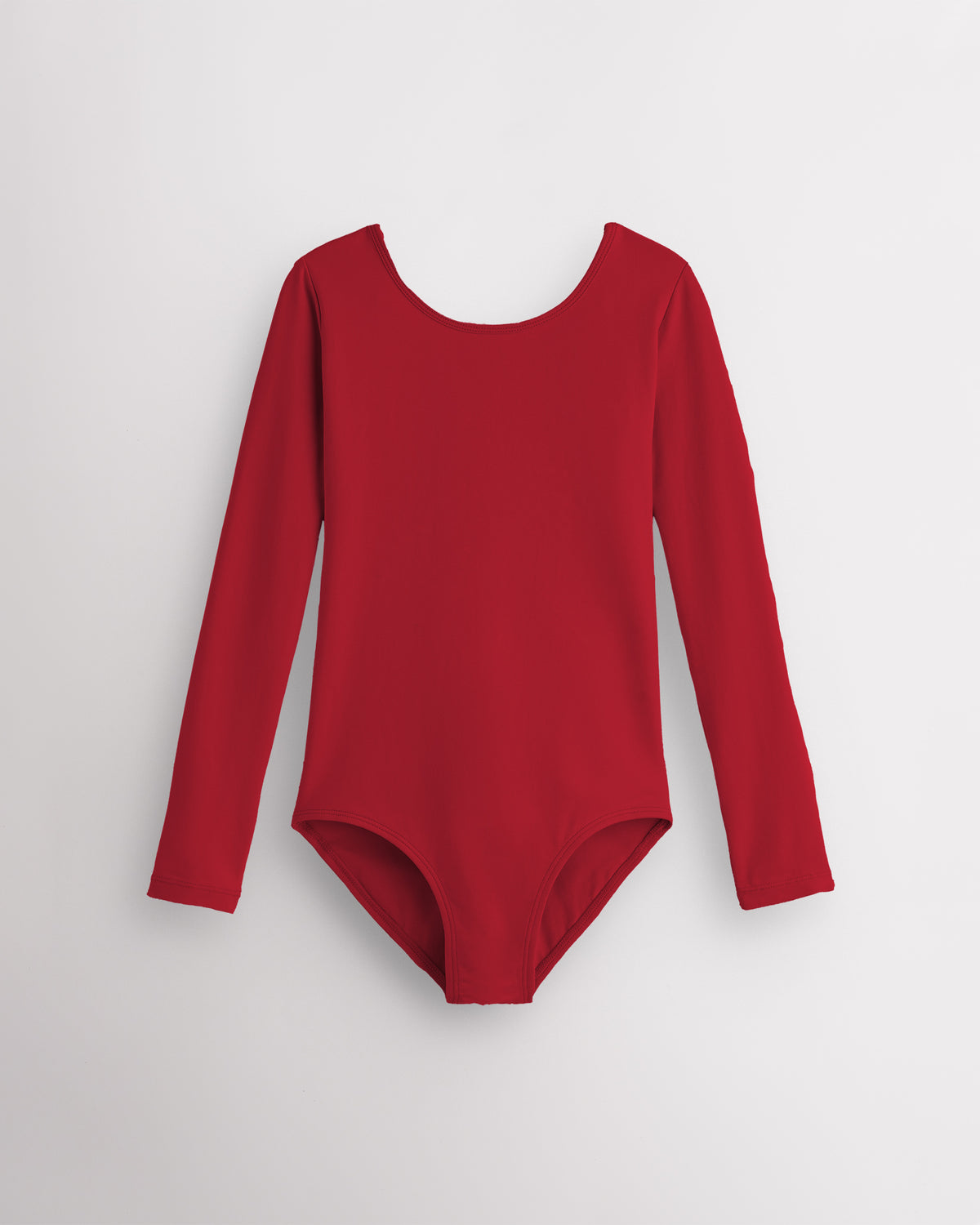
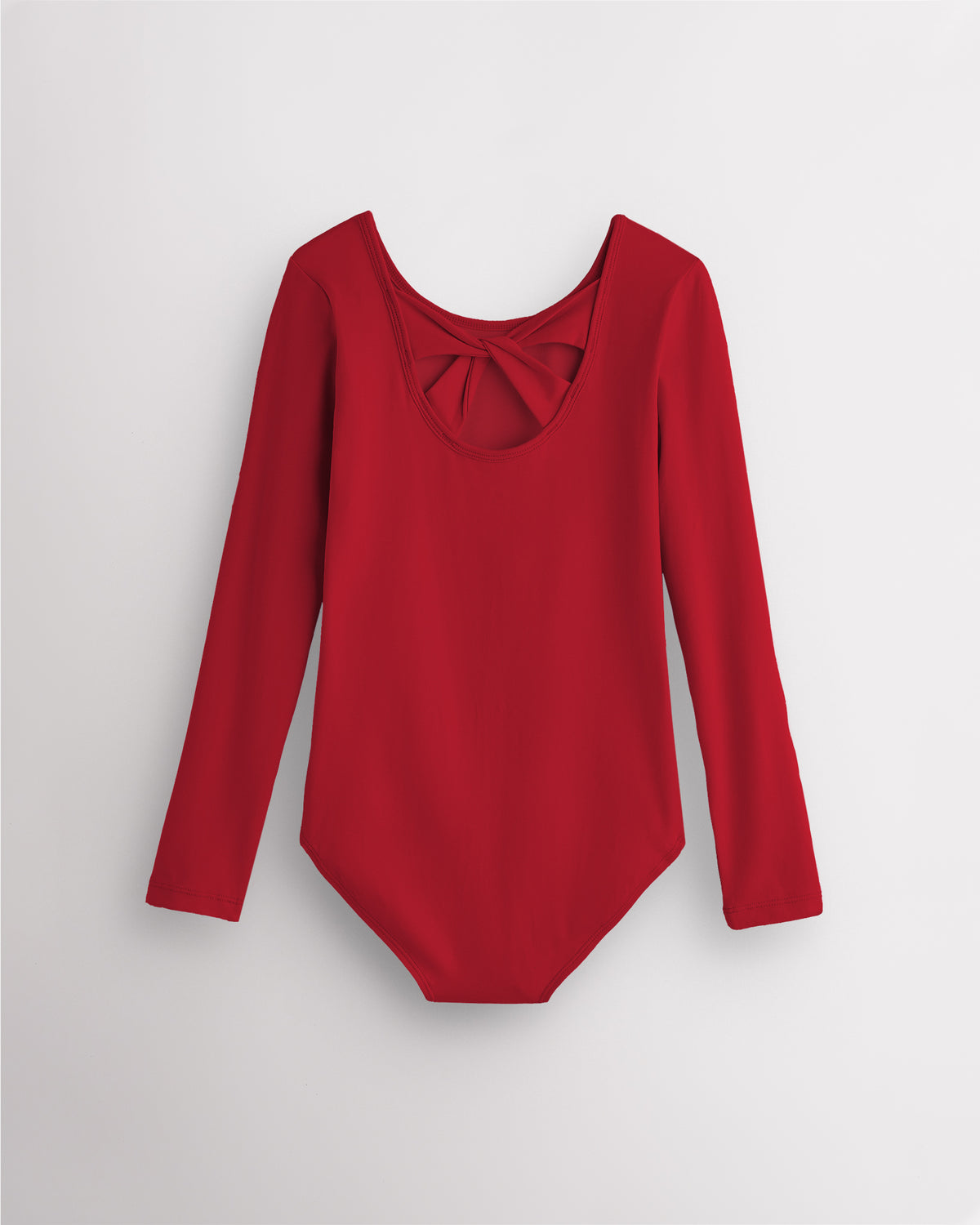
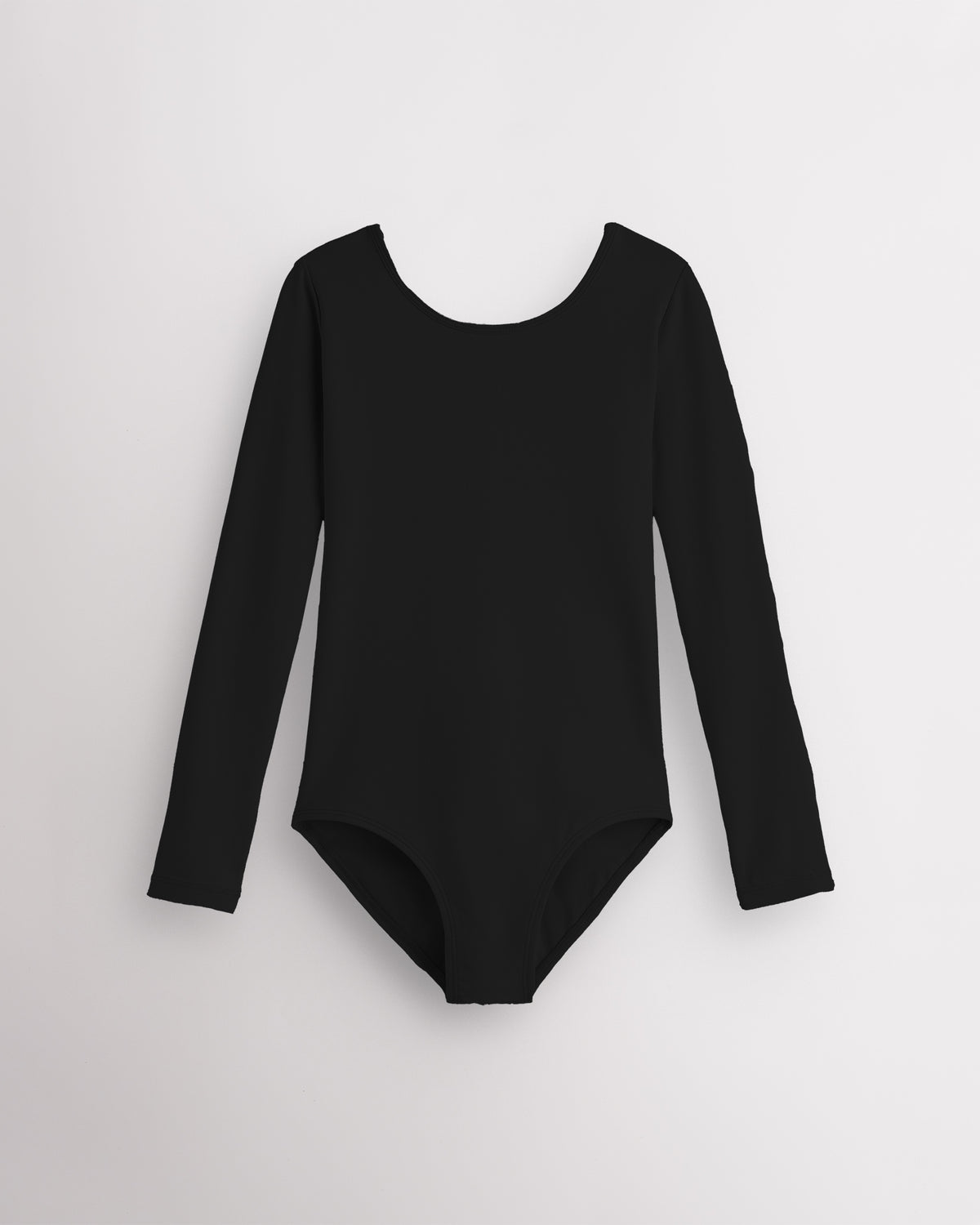
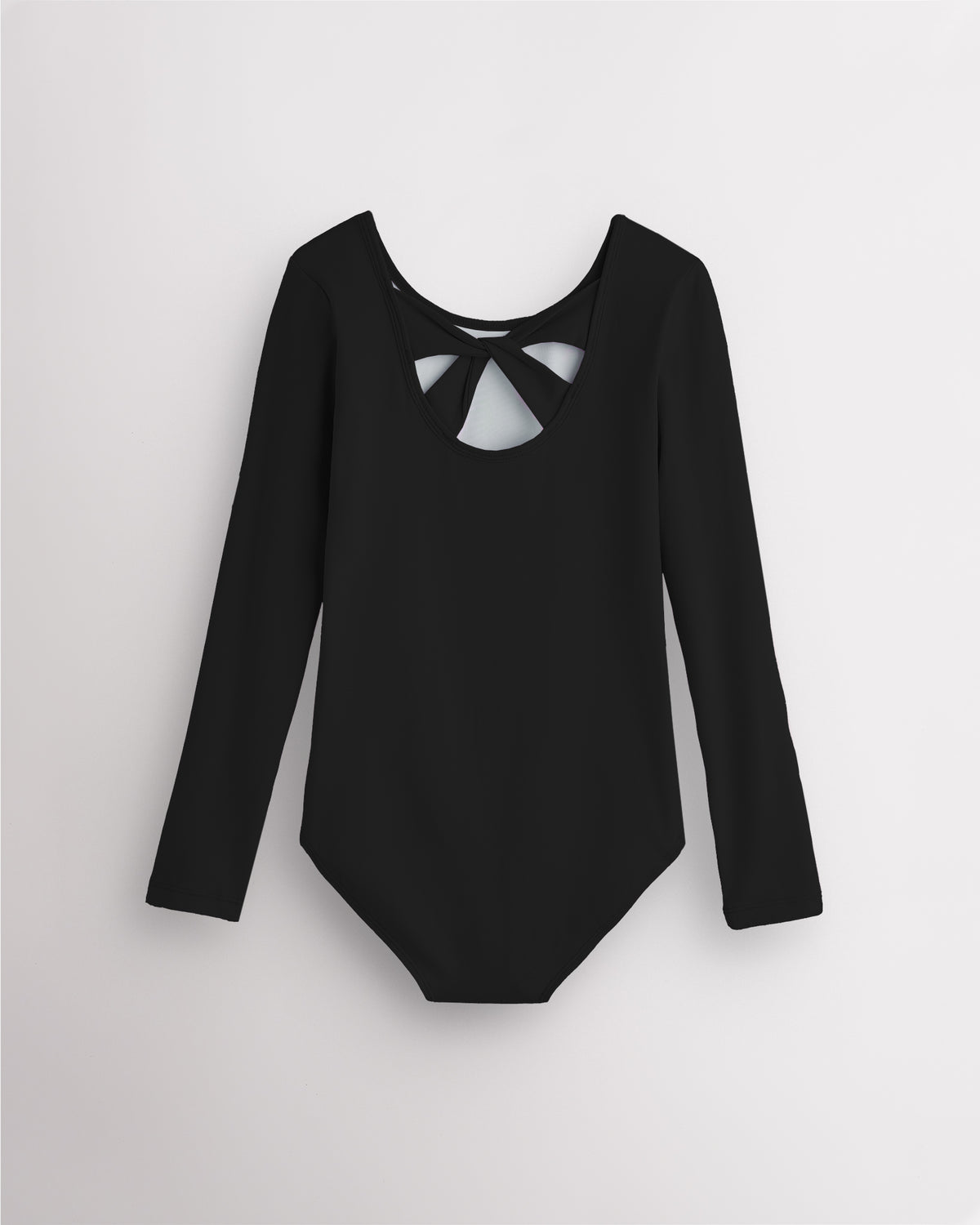
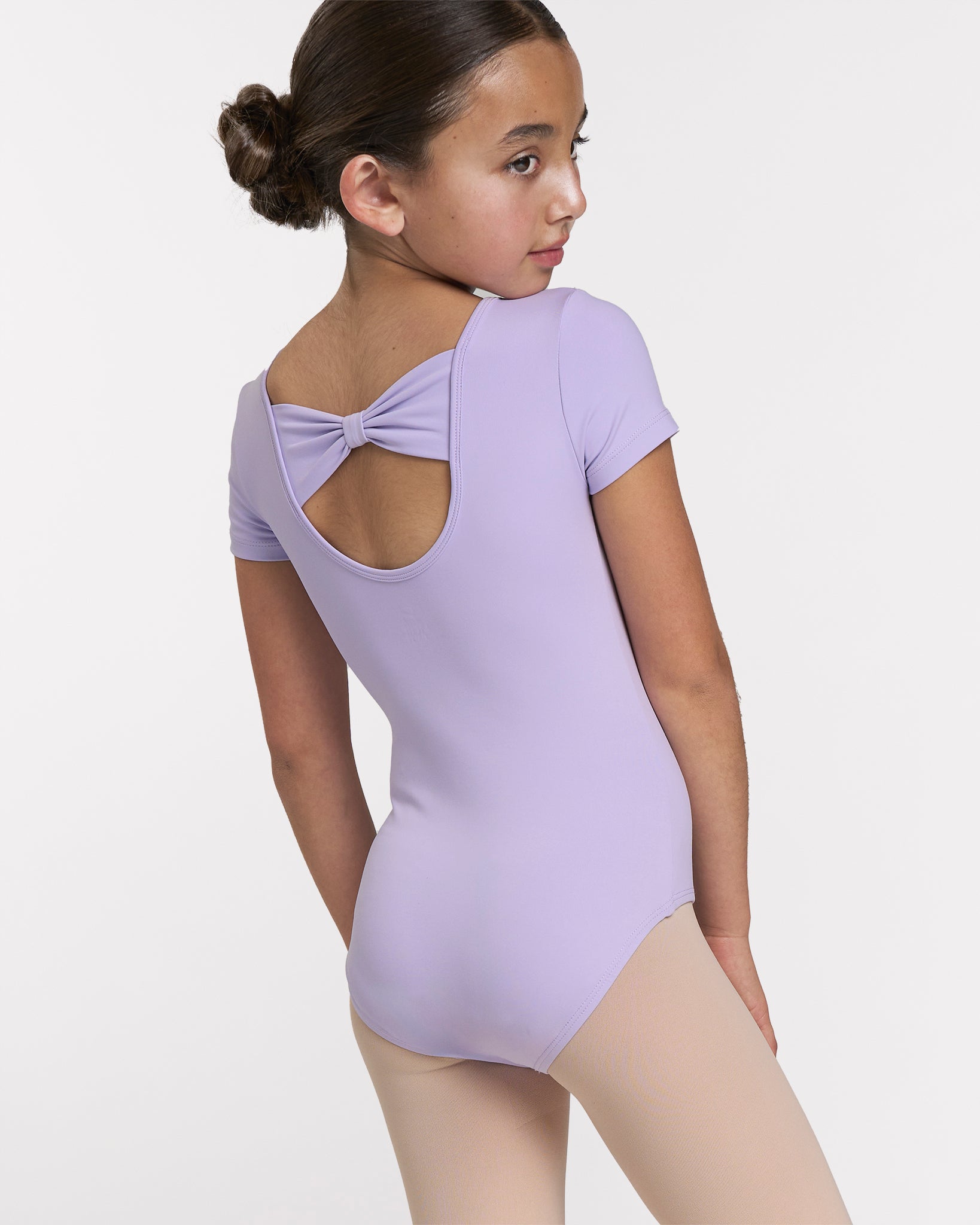
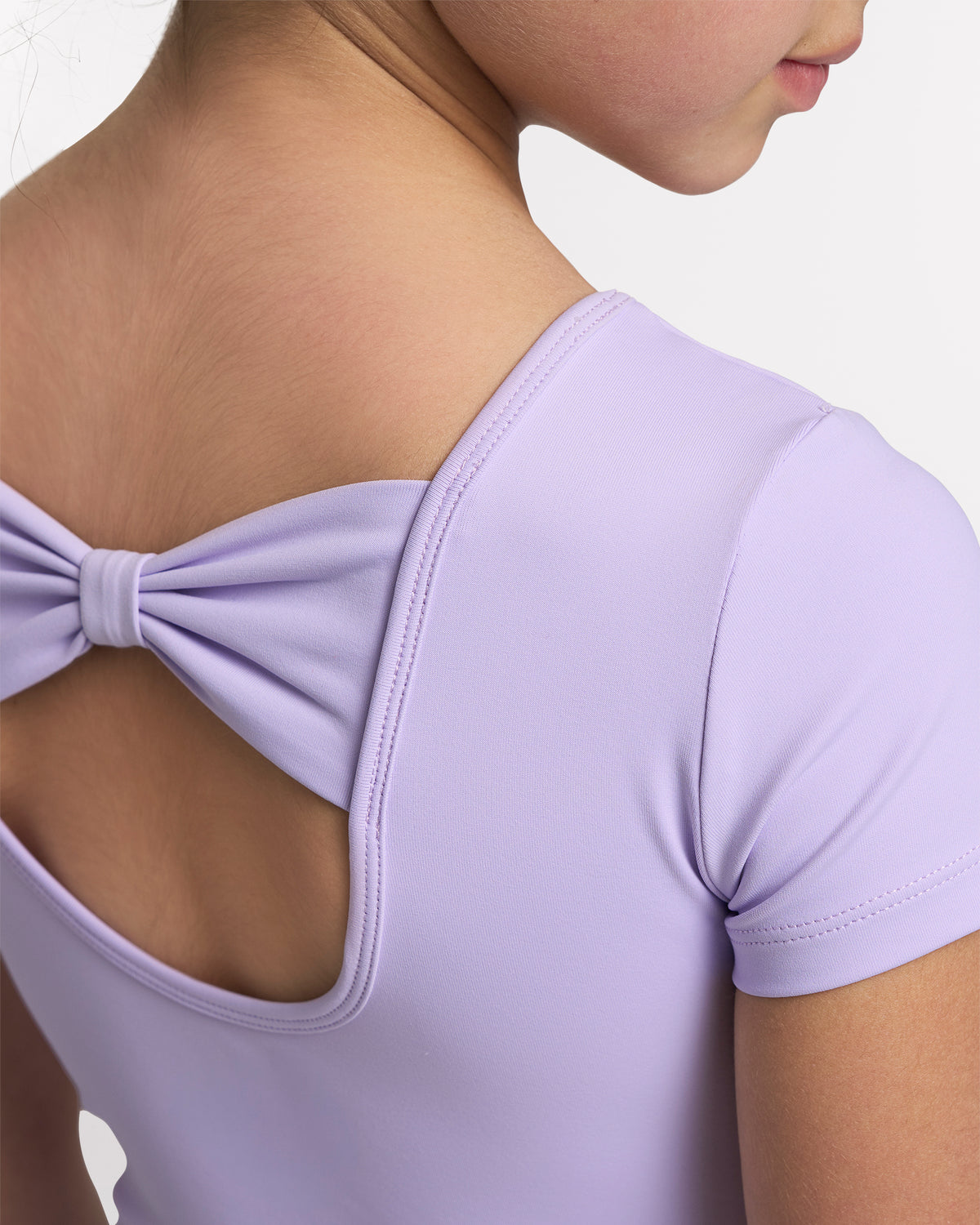
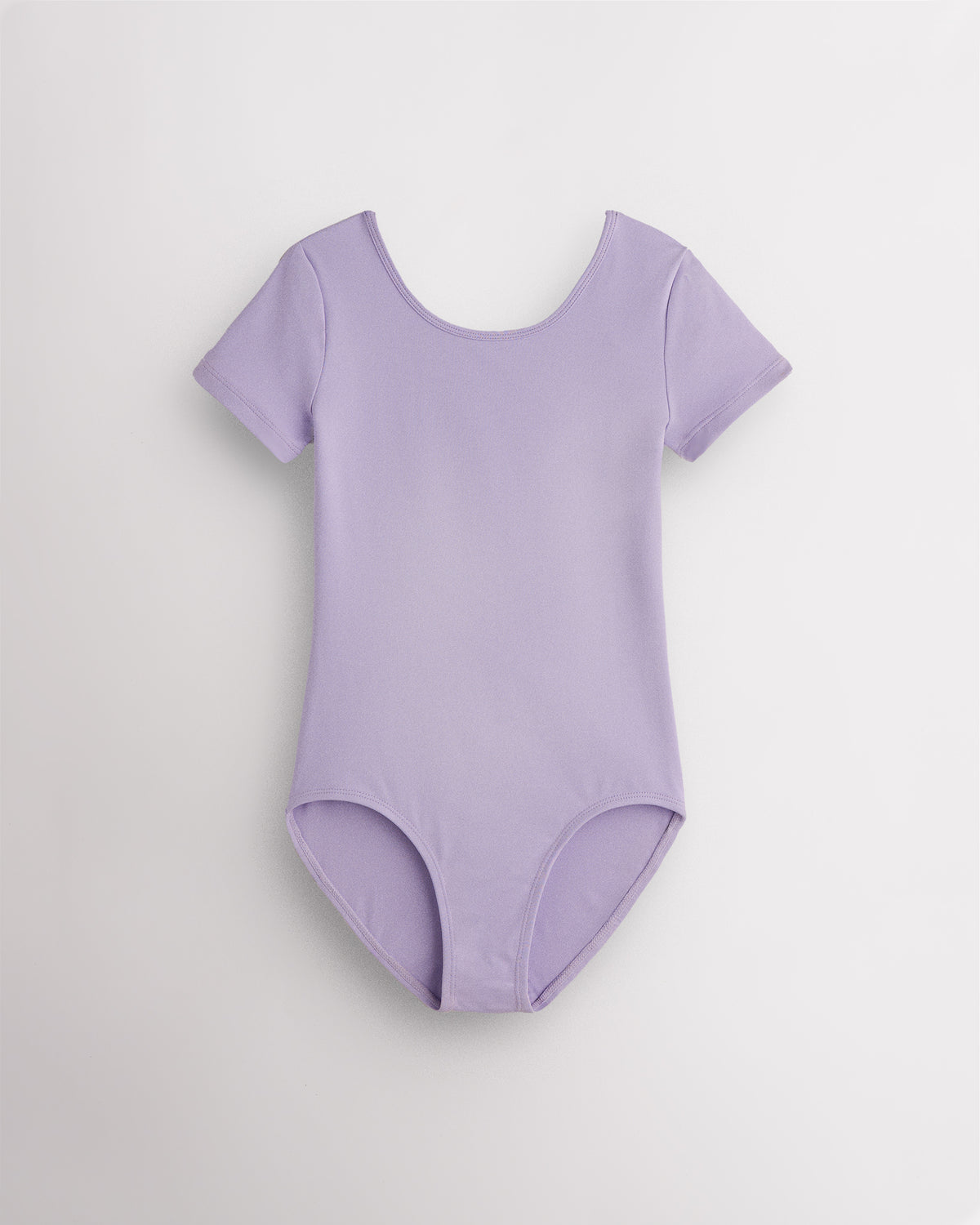
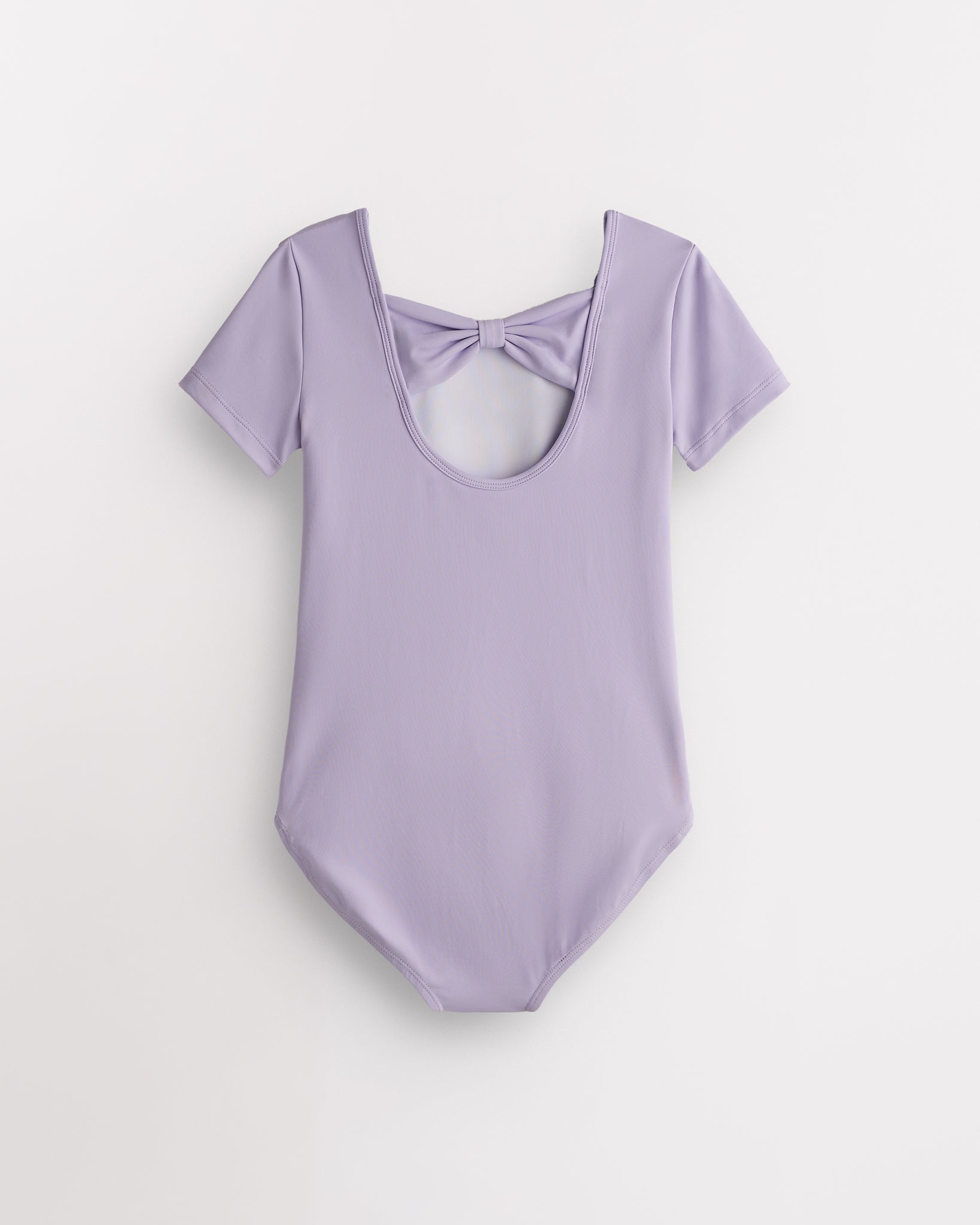
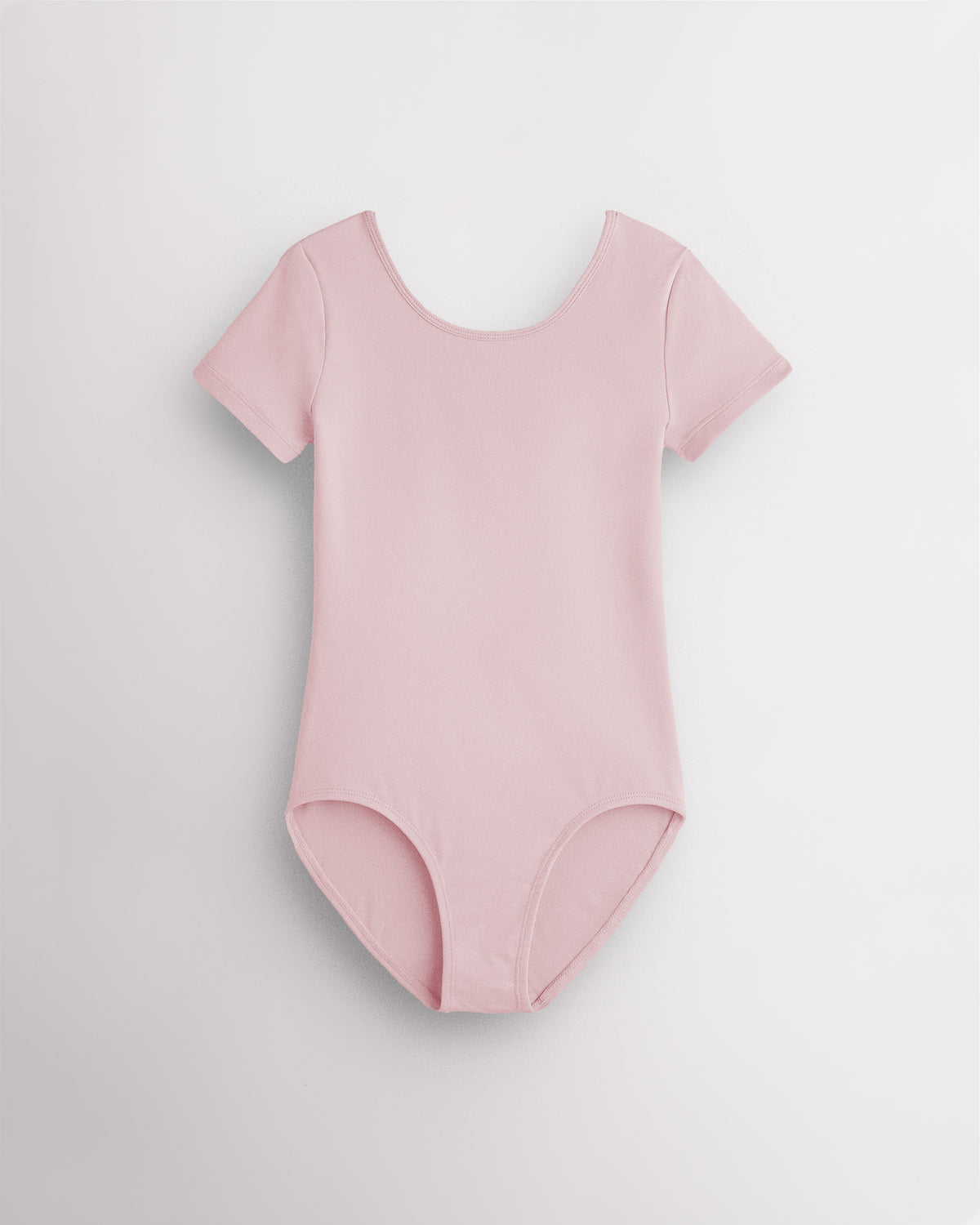
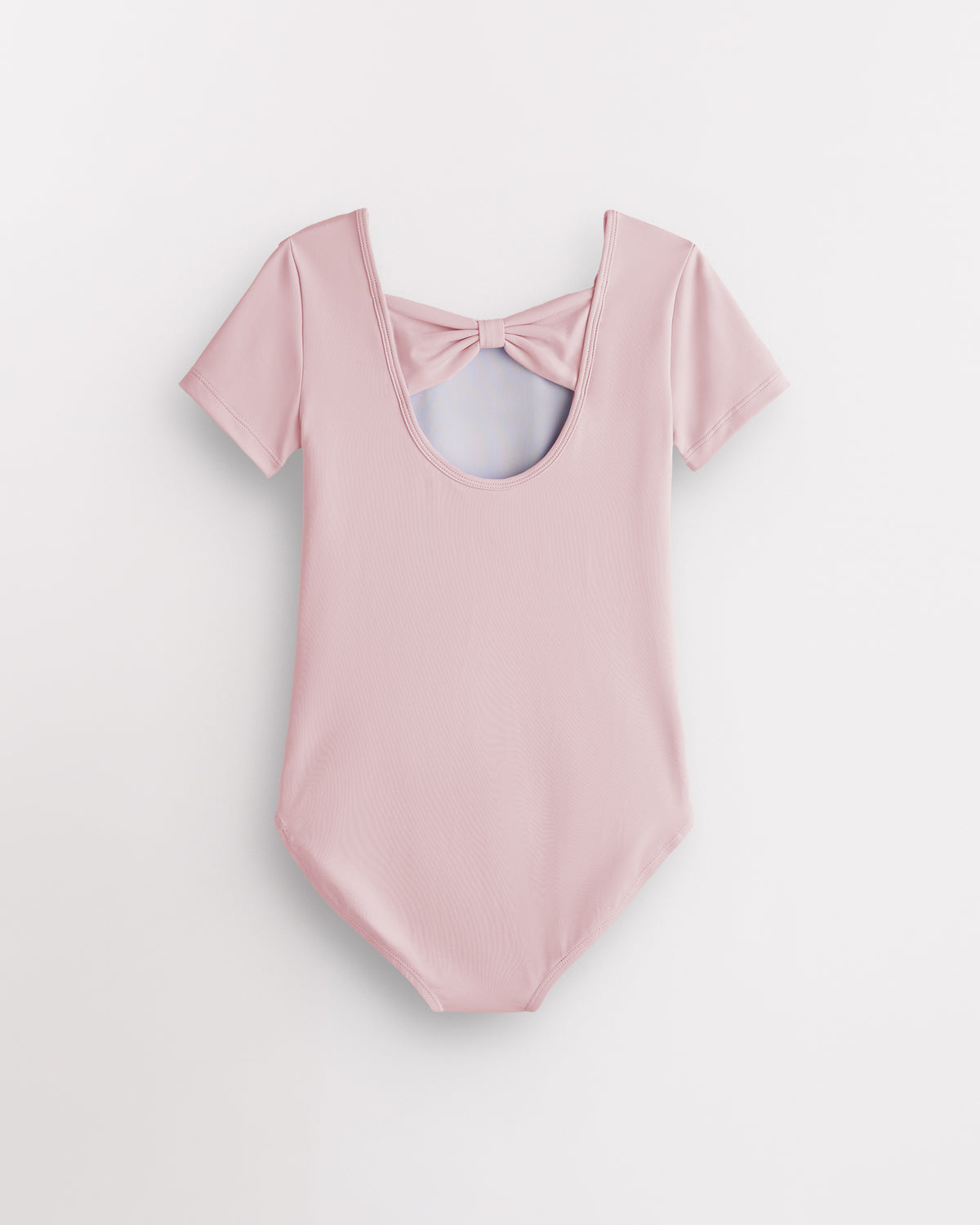
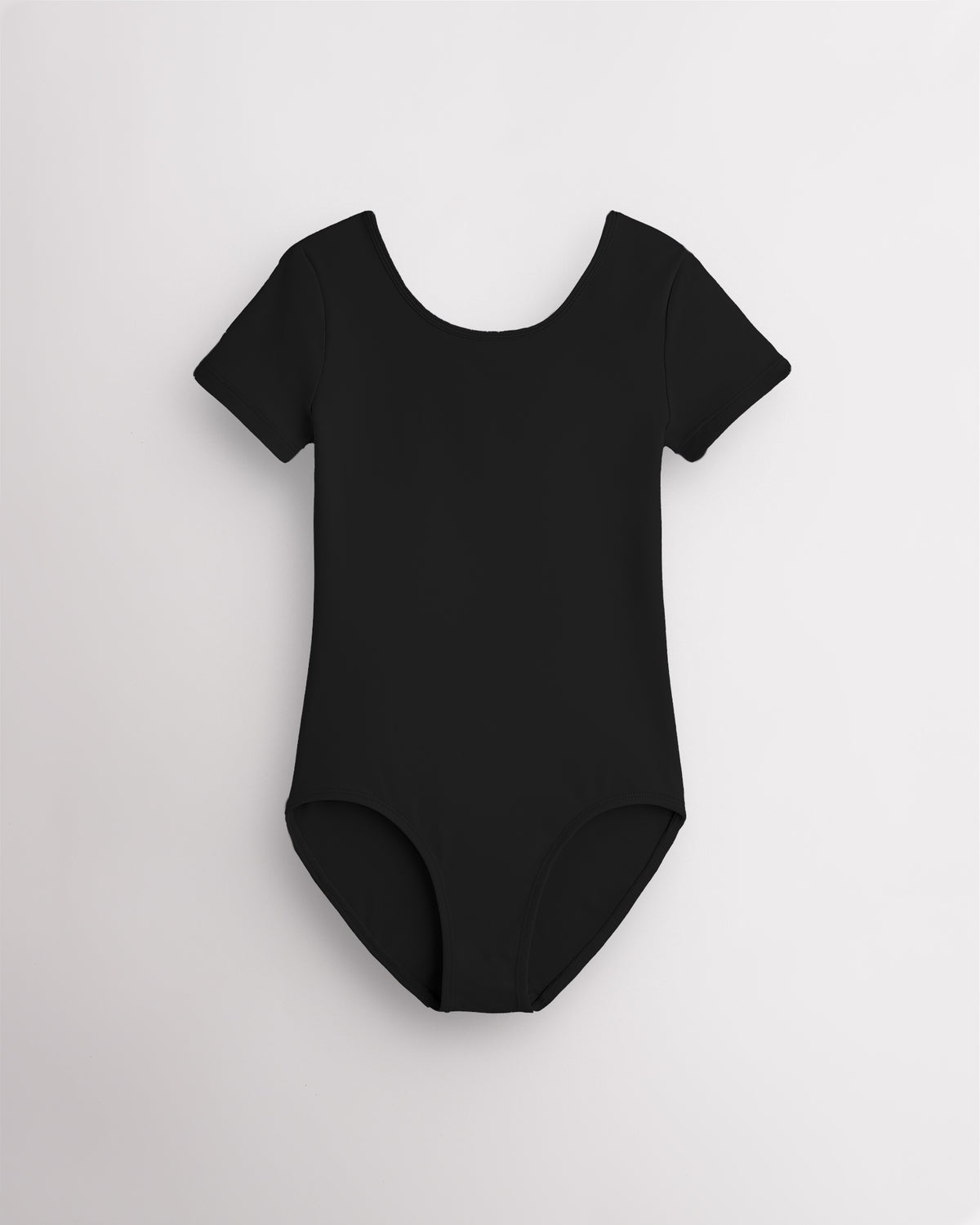
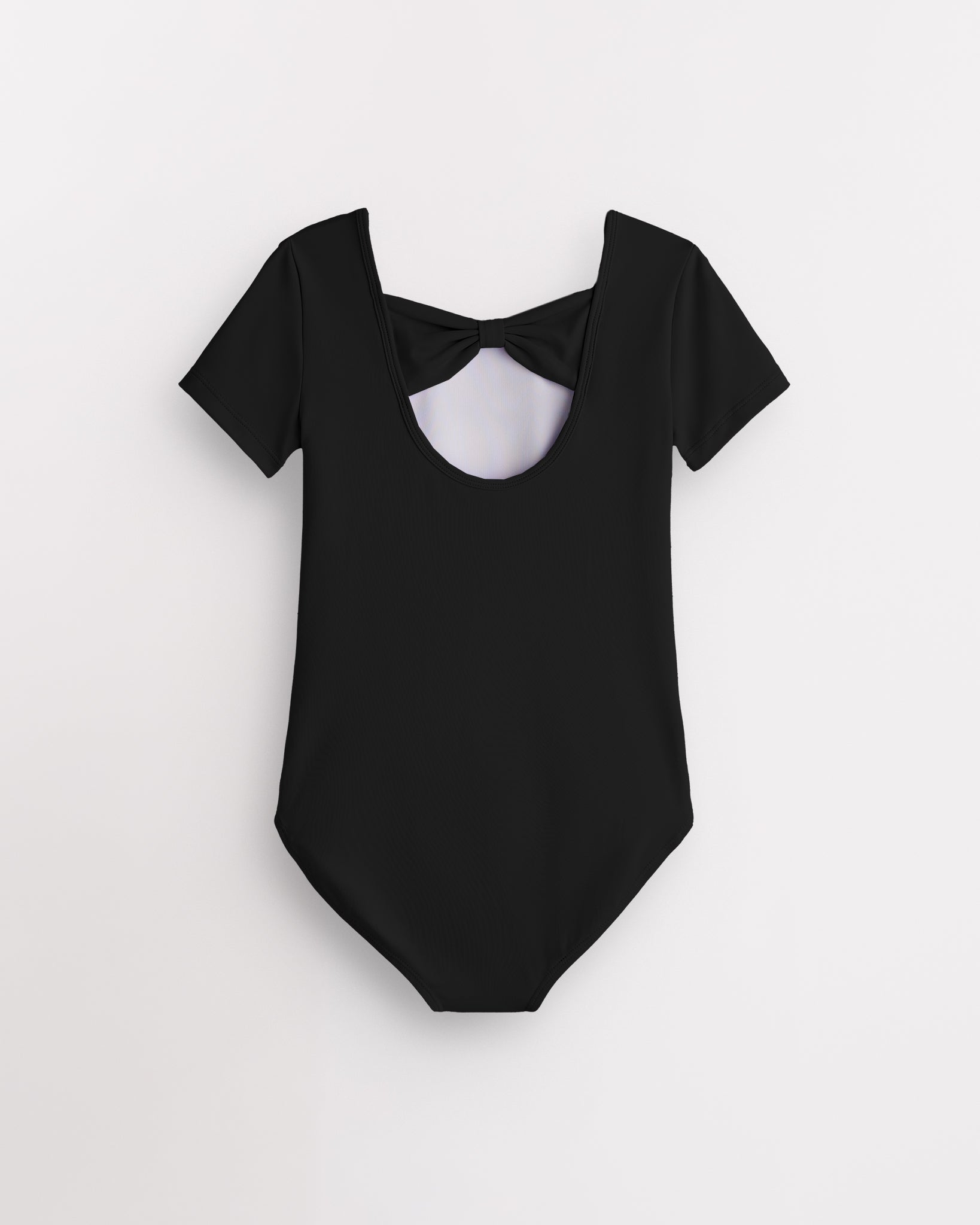
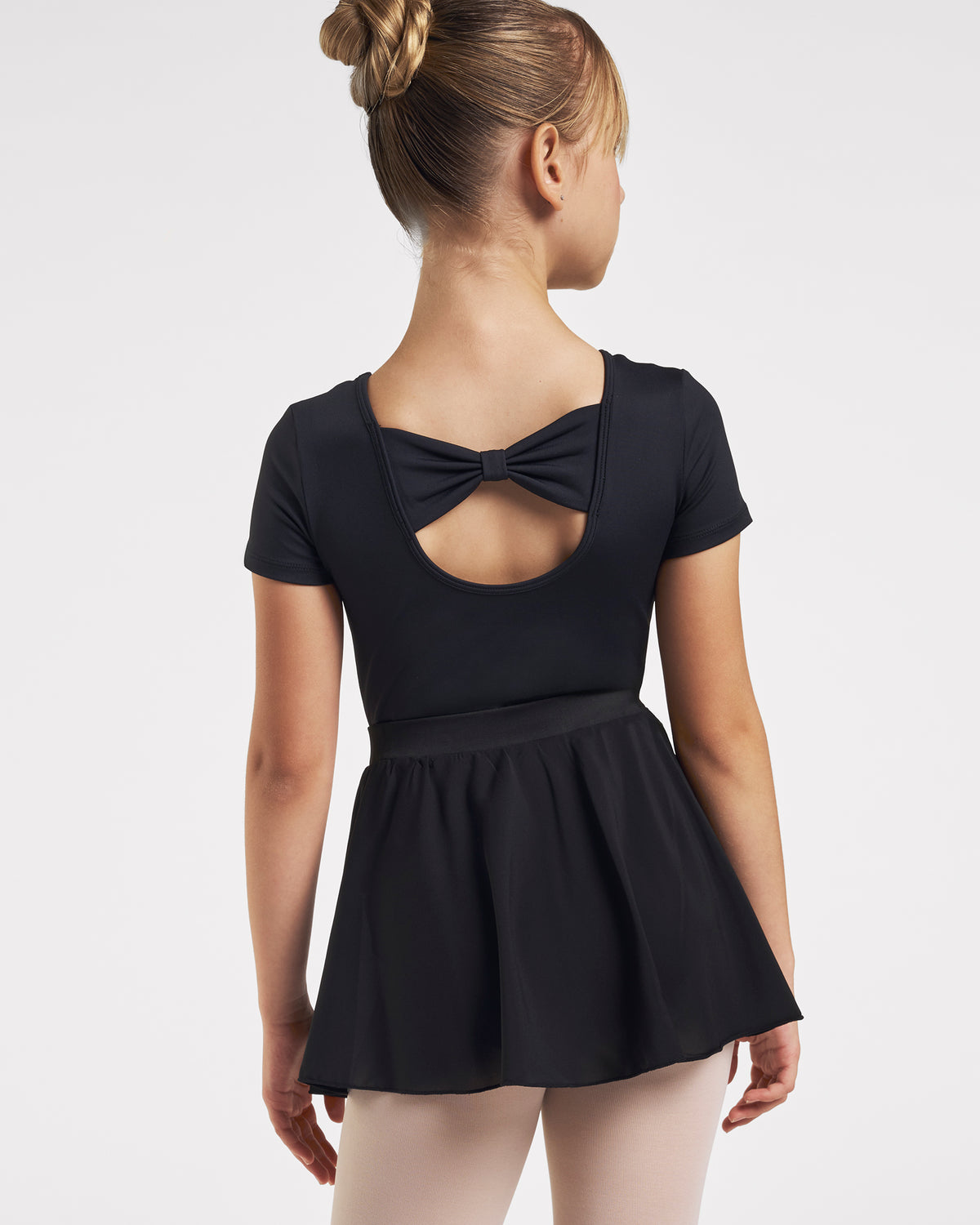
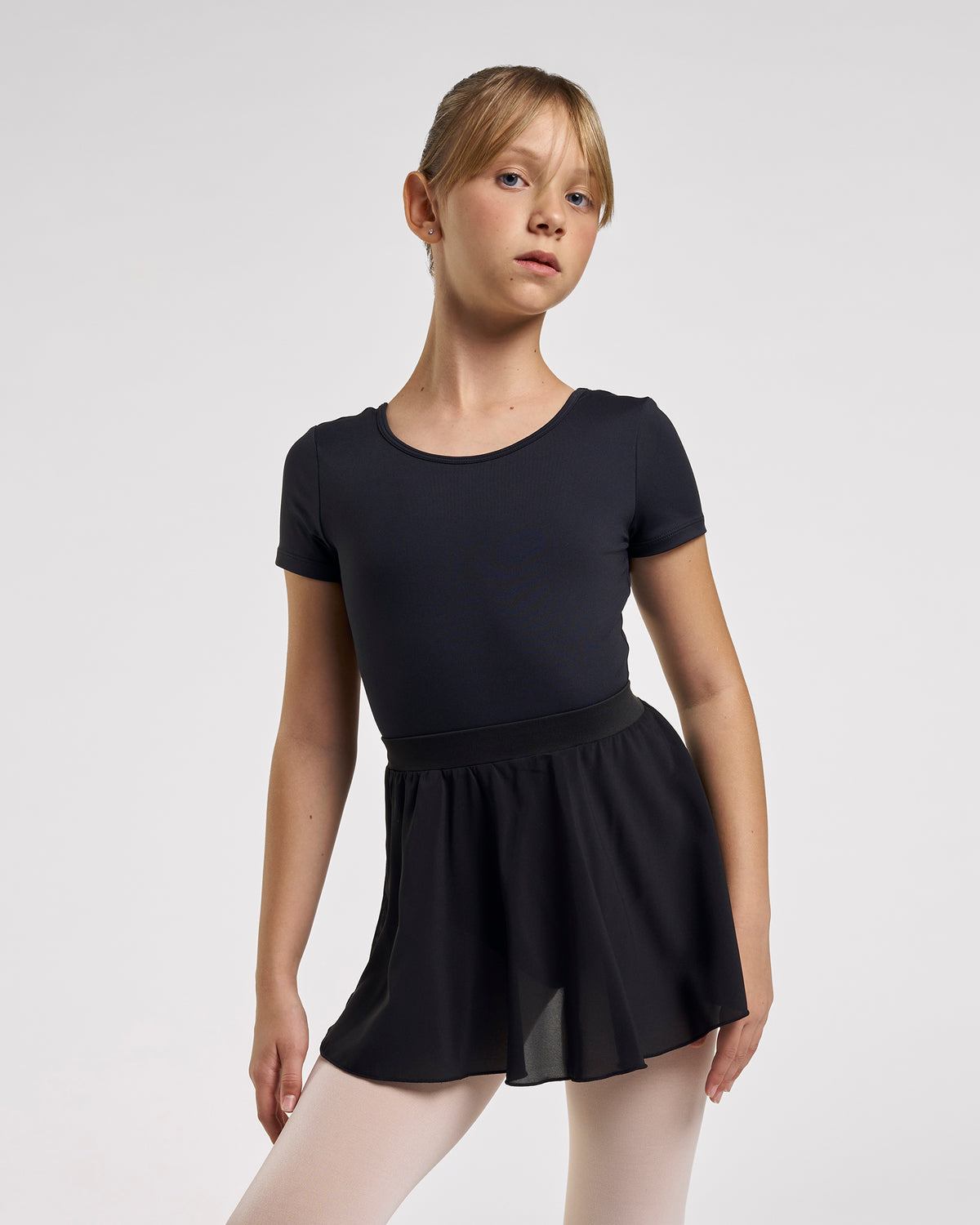
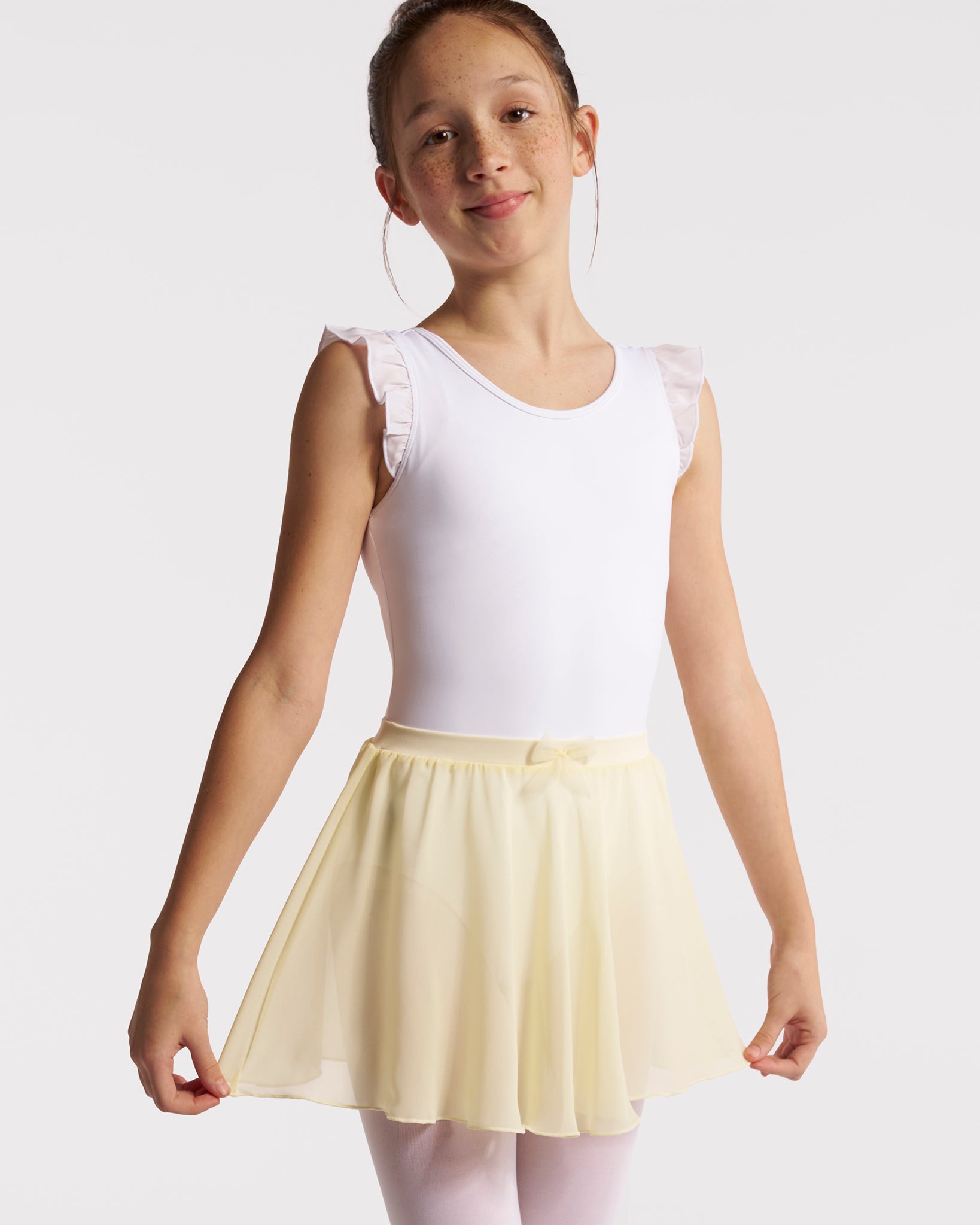
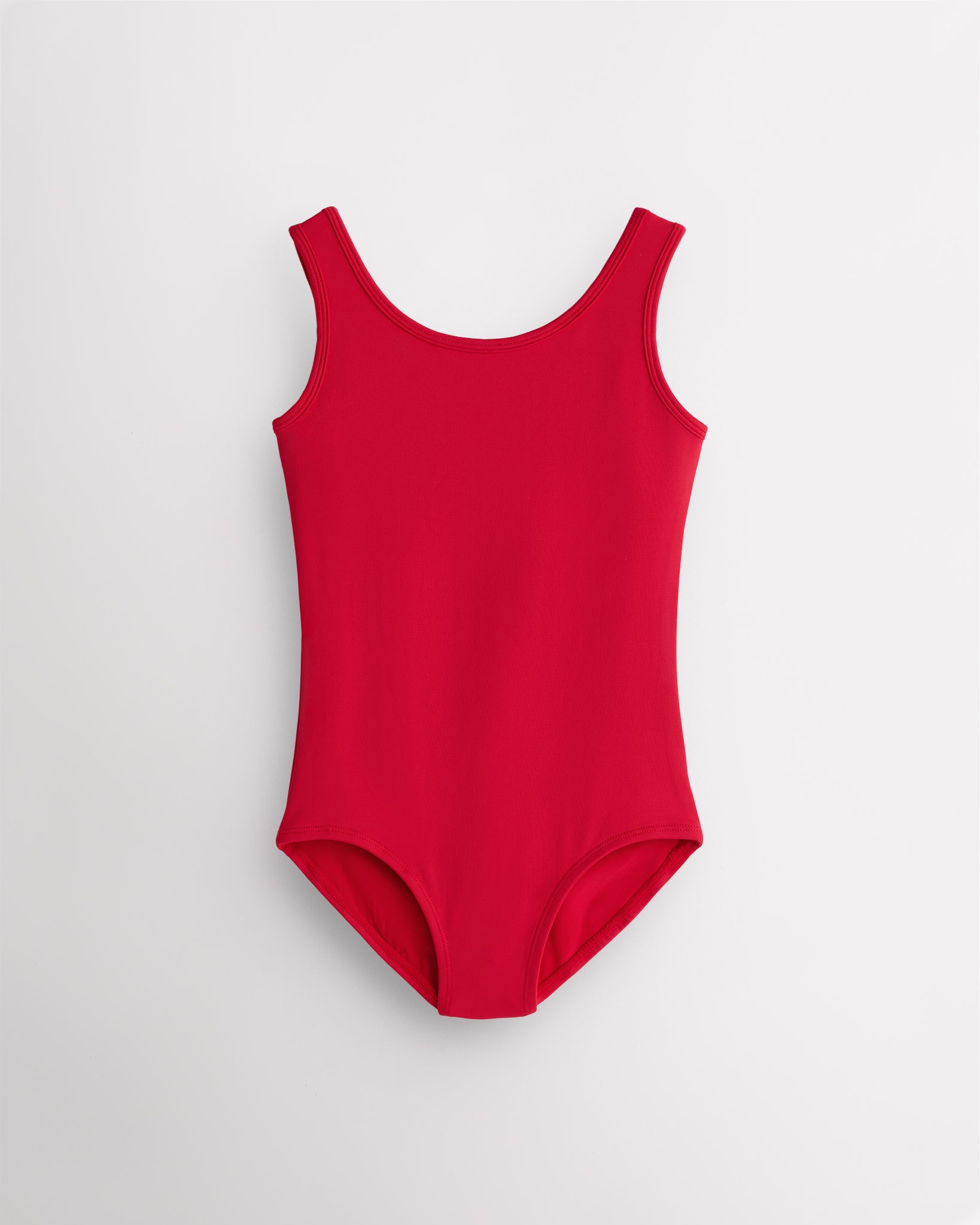
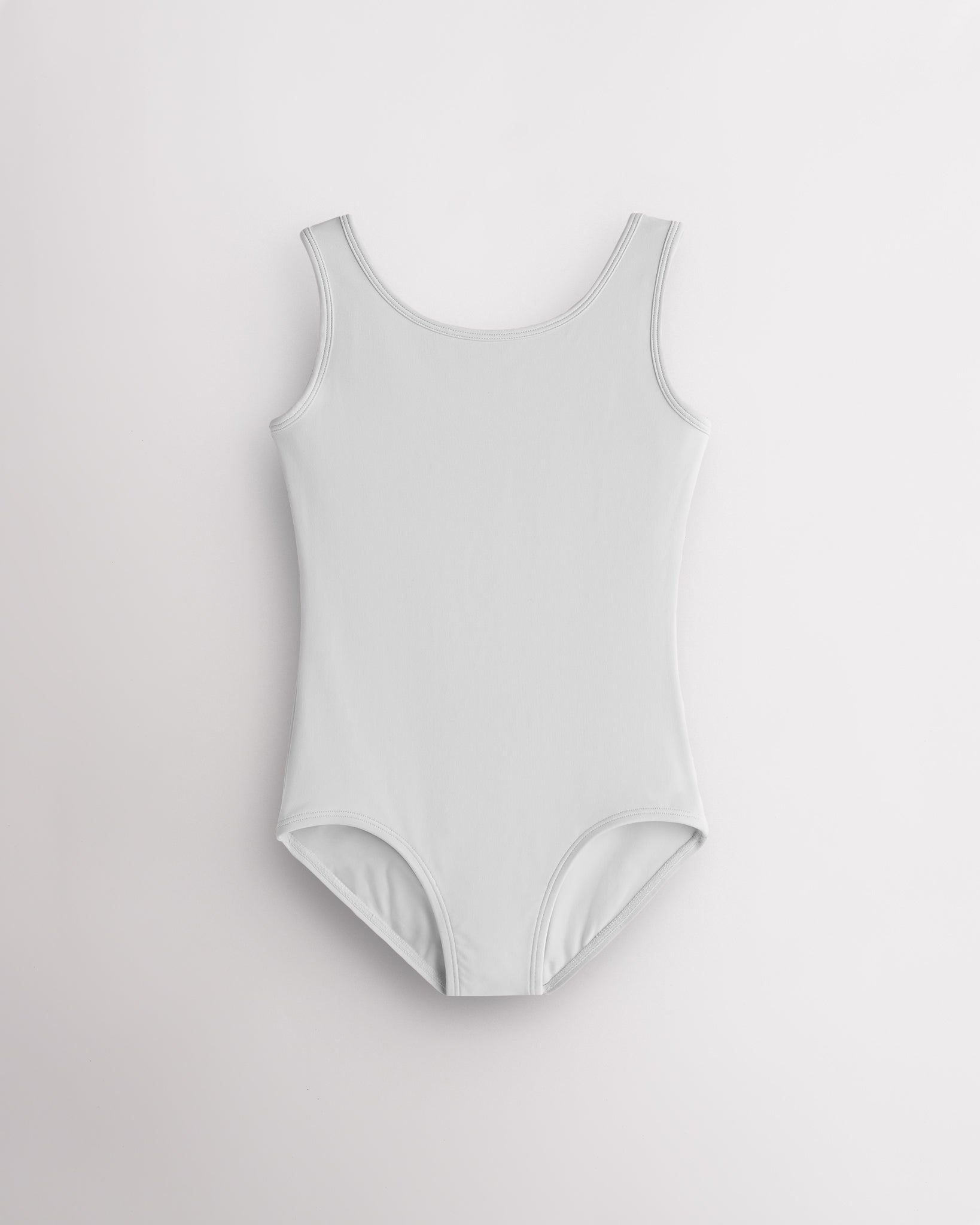
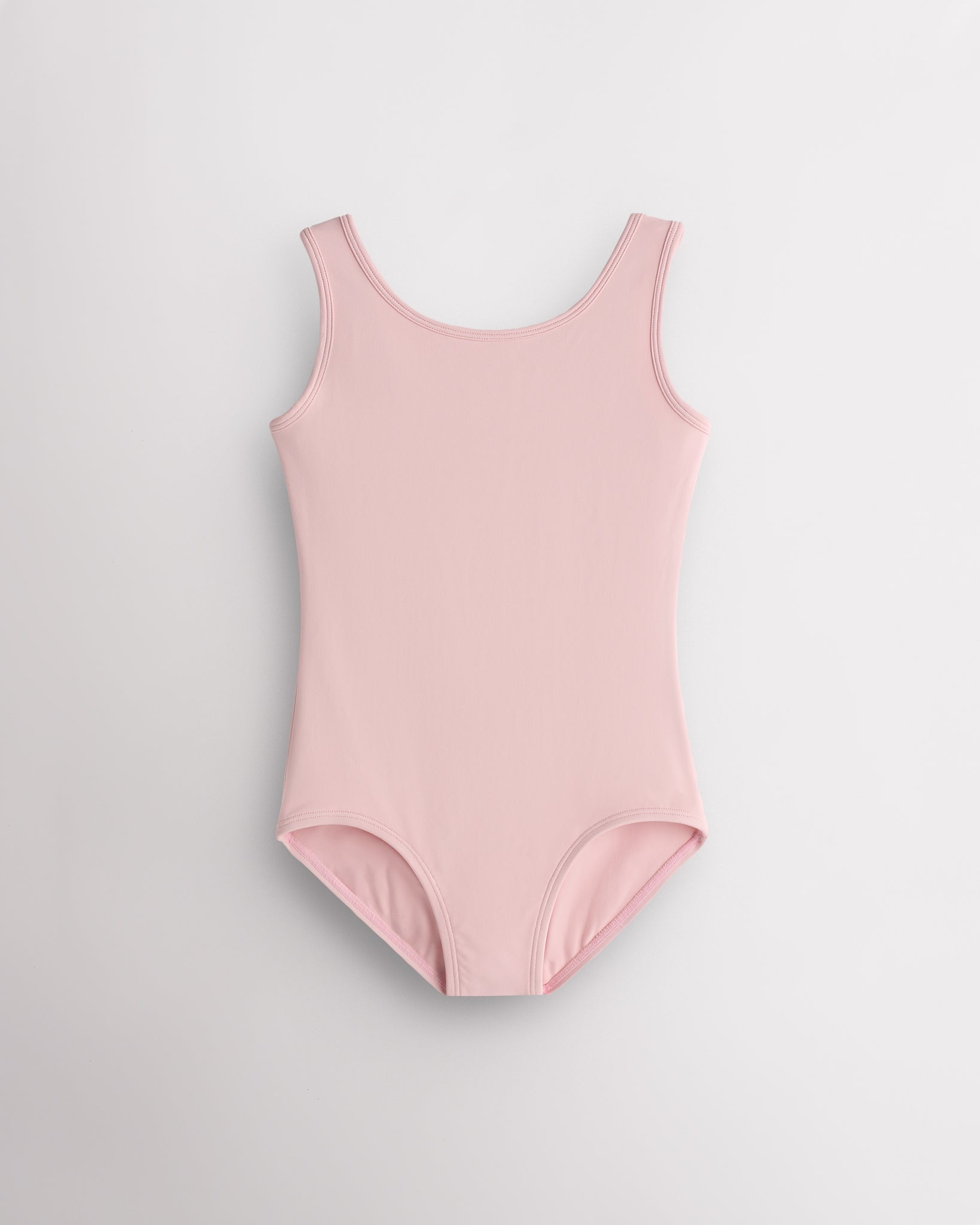
Leotard or fitted outfit
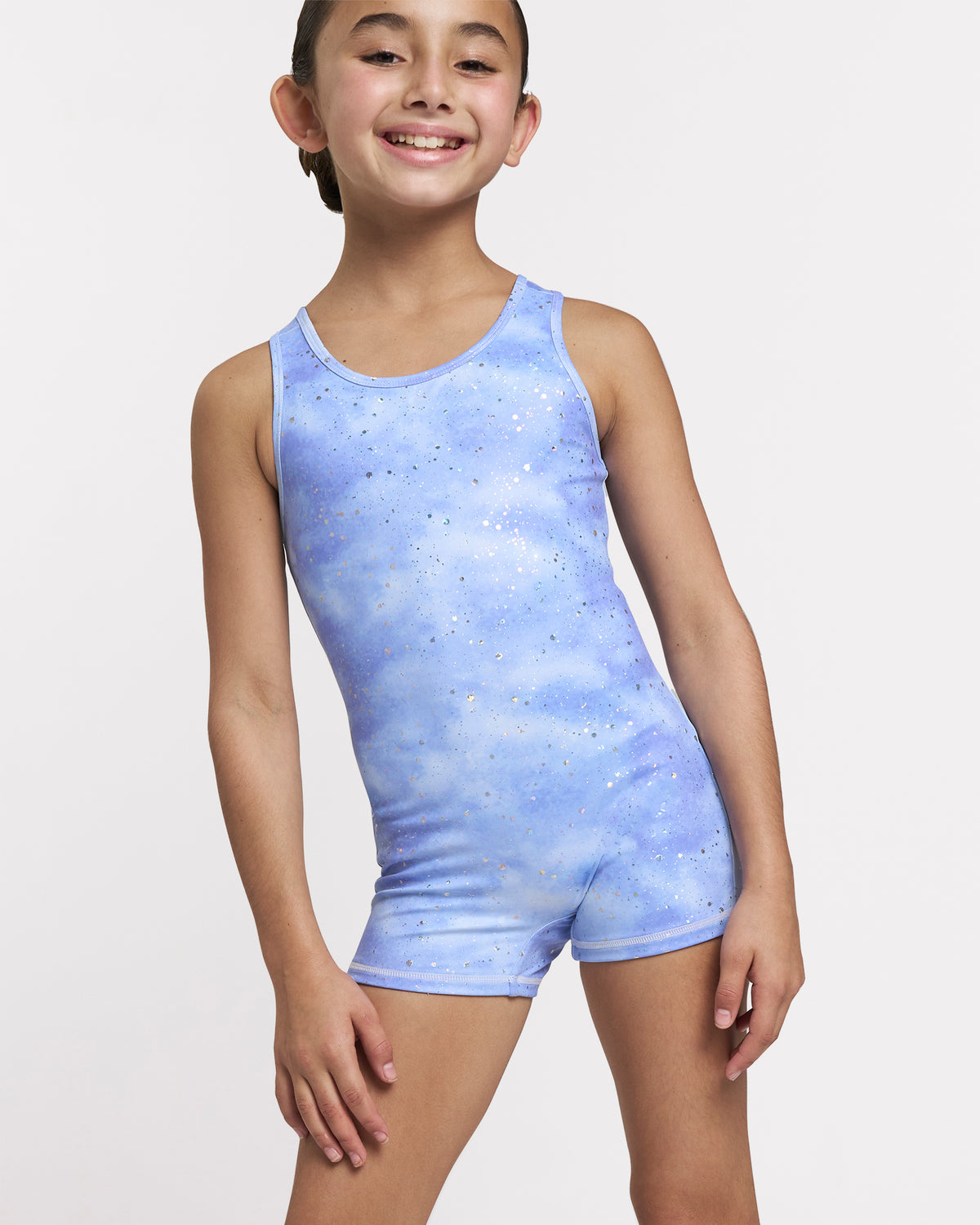
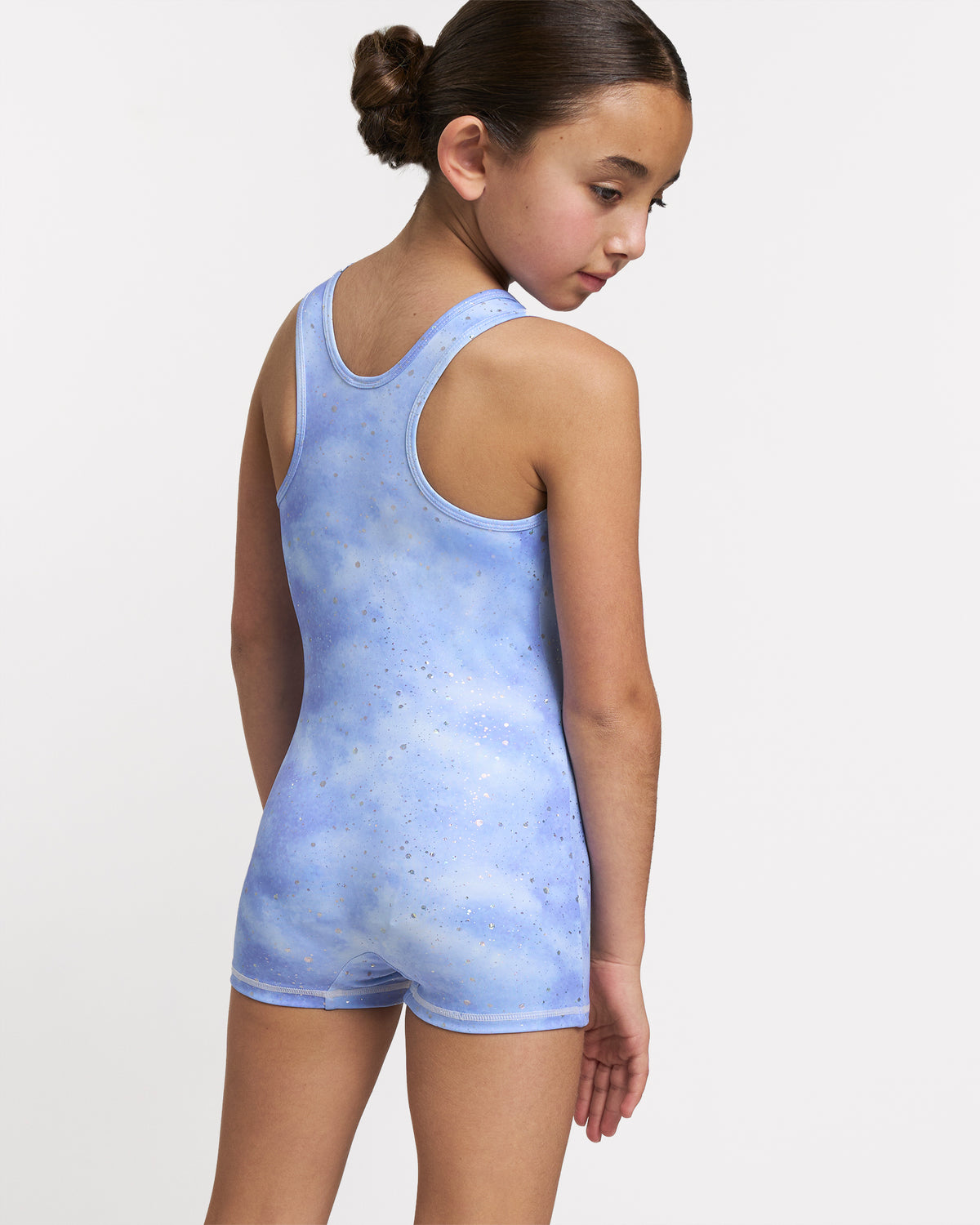
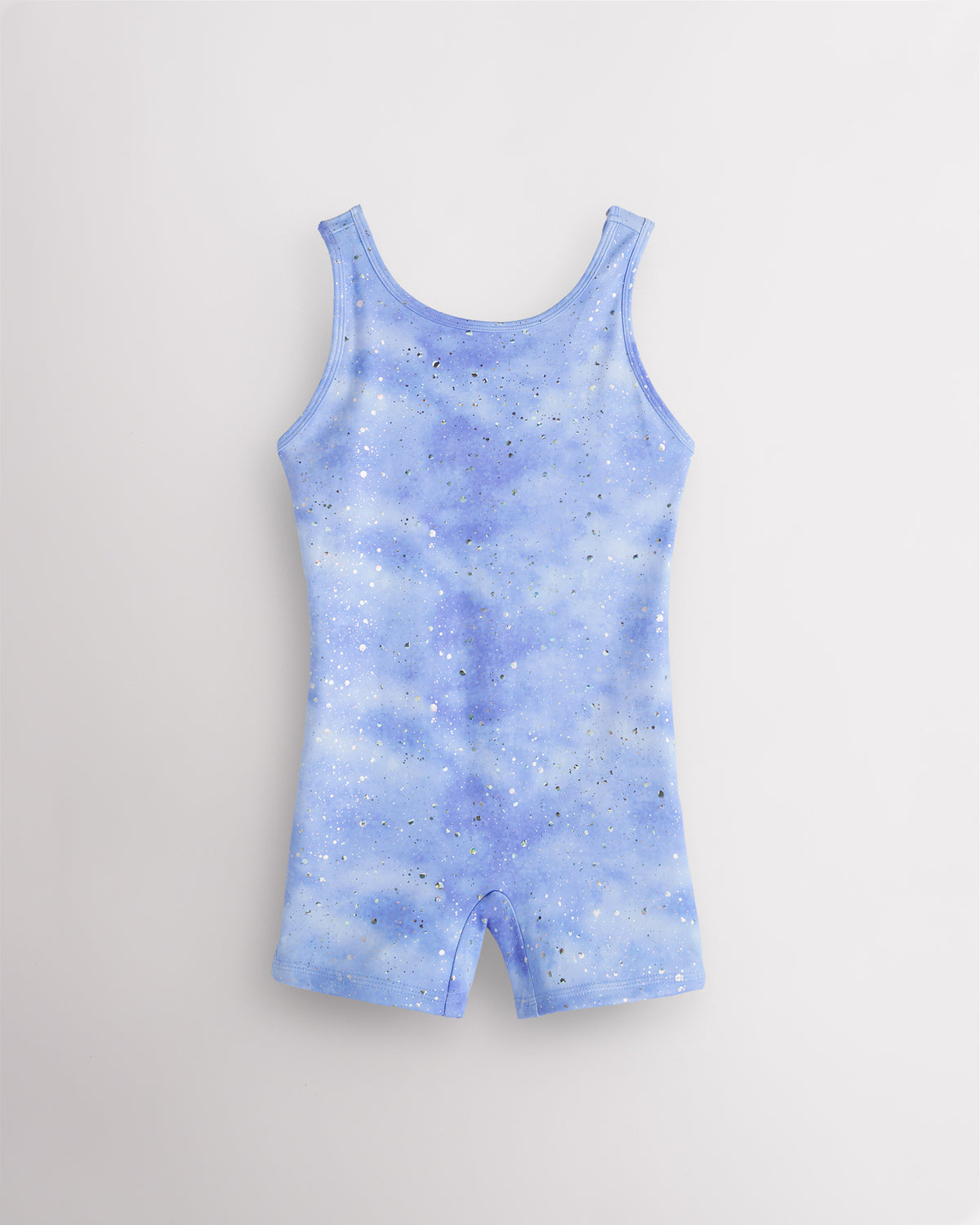
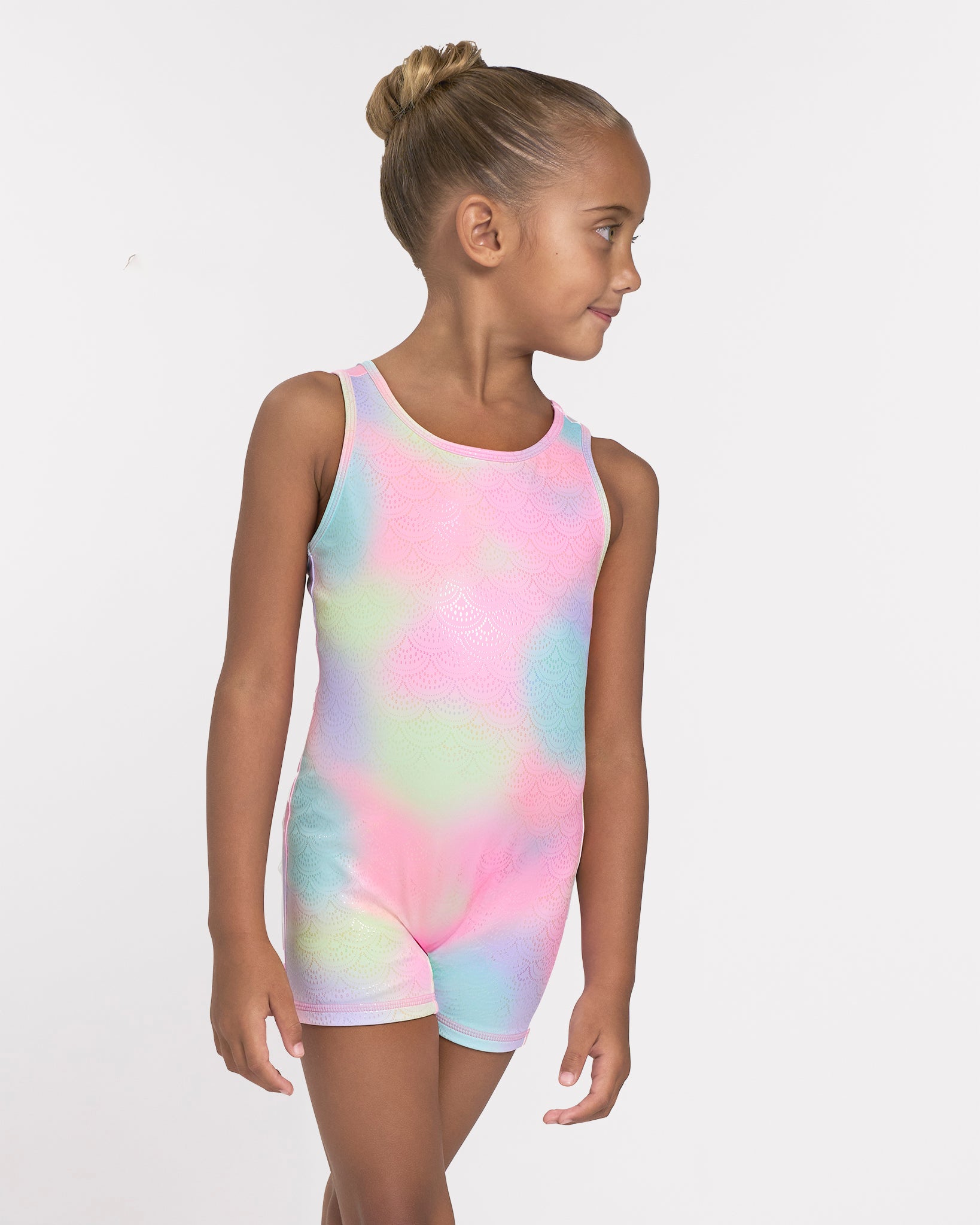
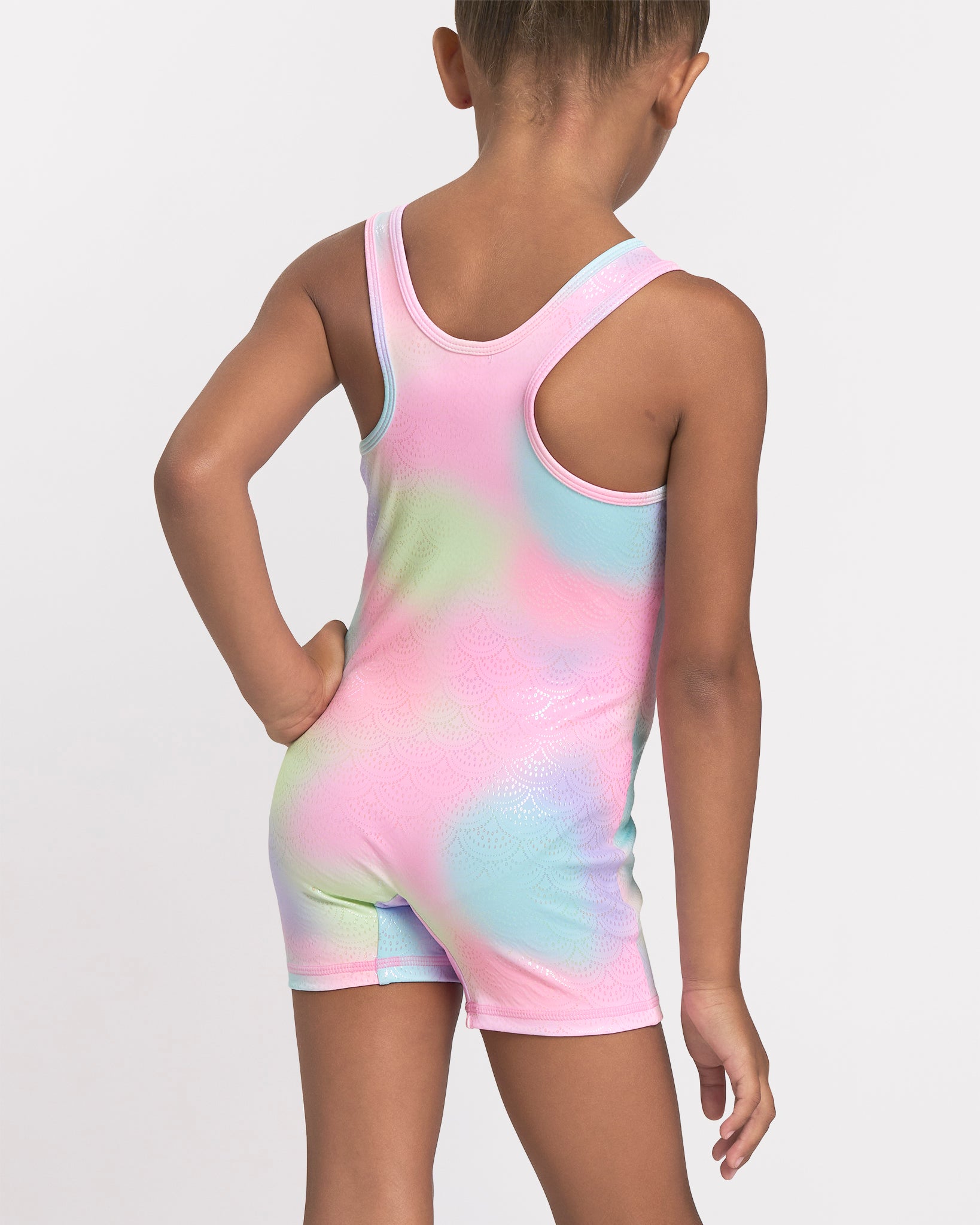
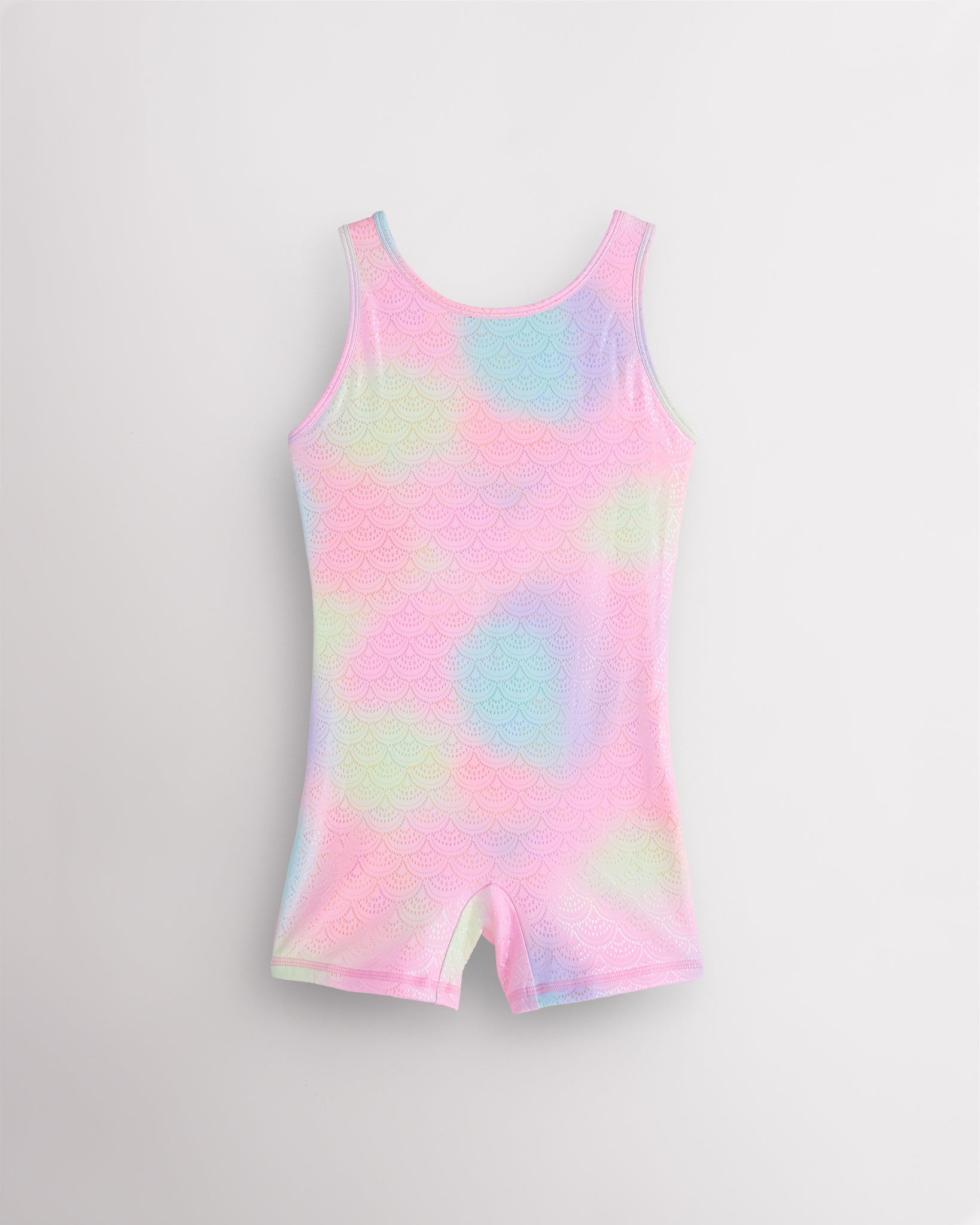
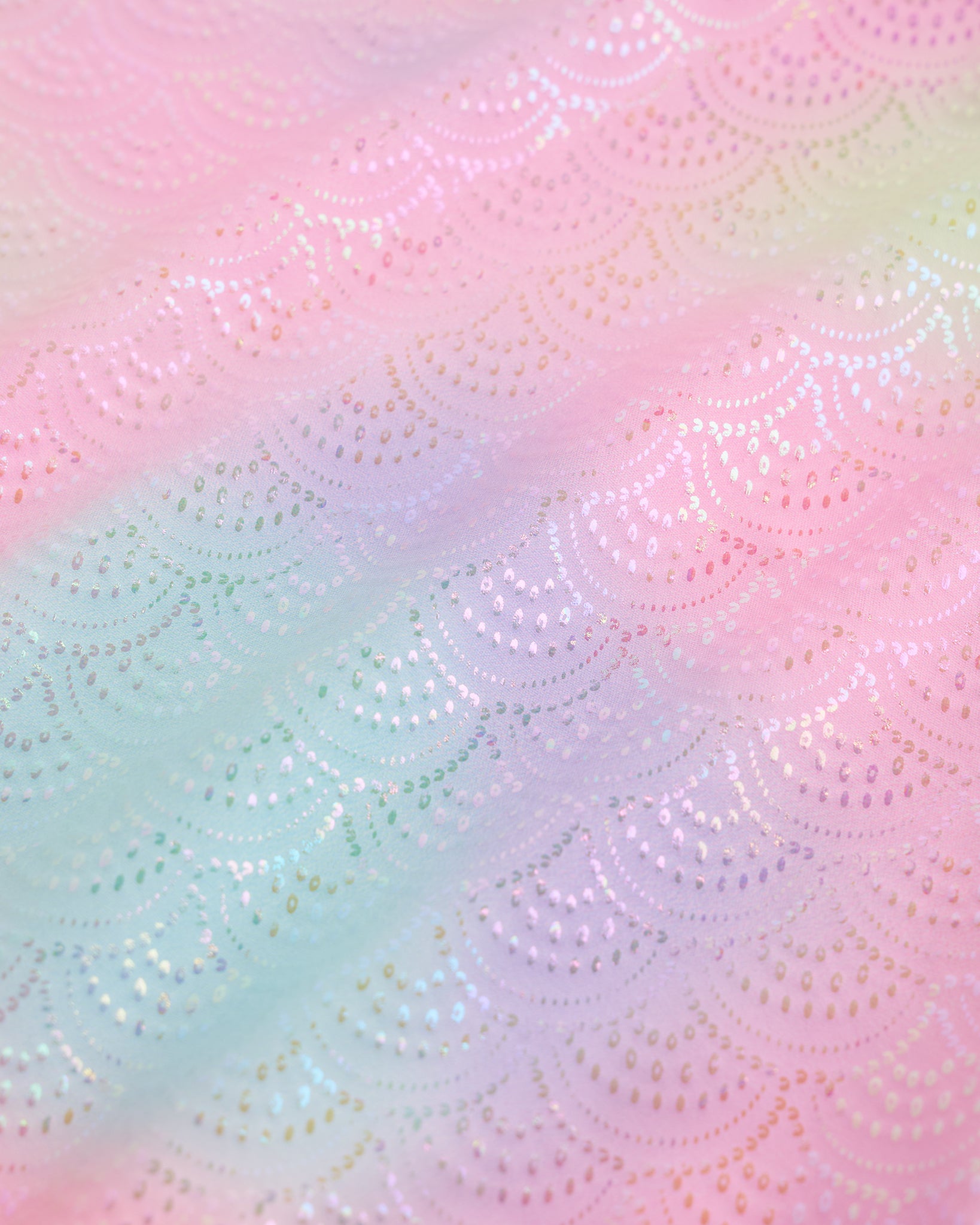
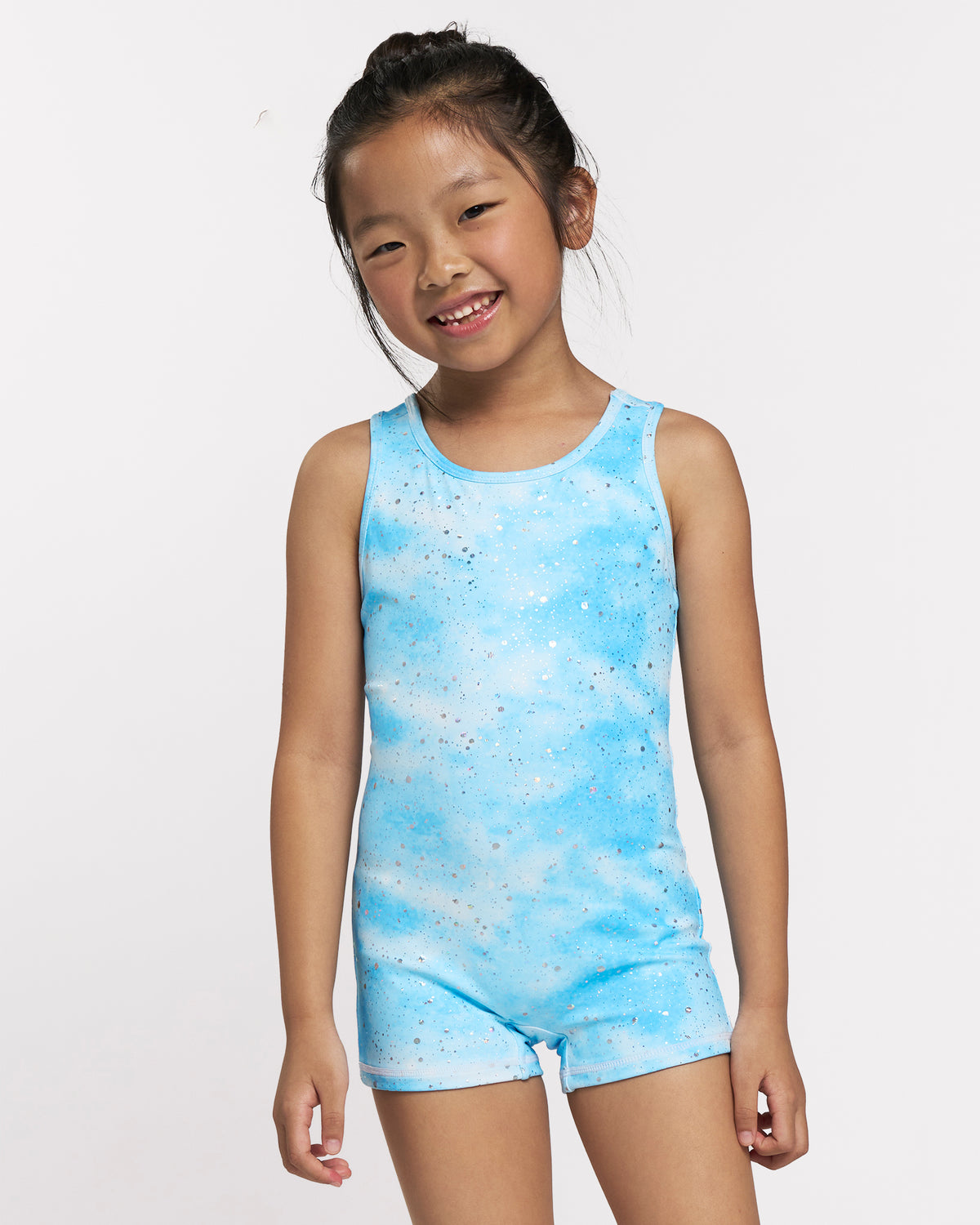
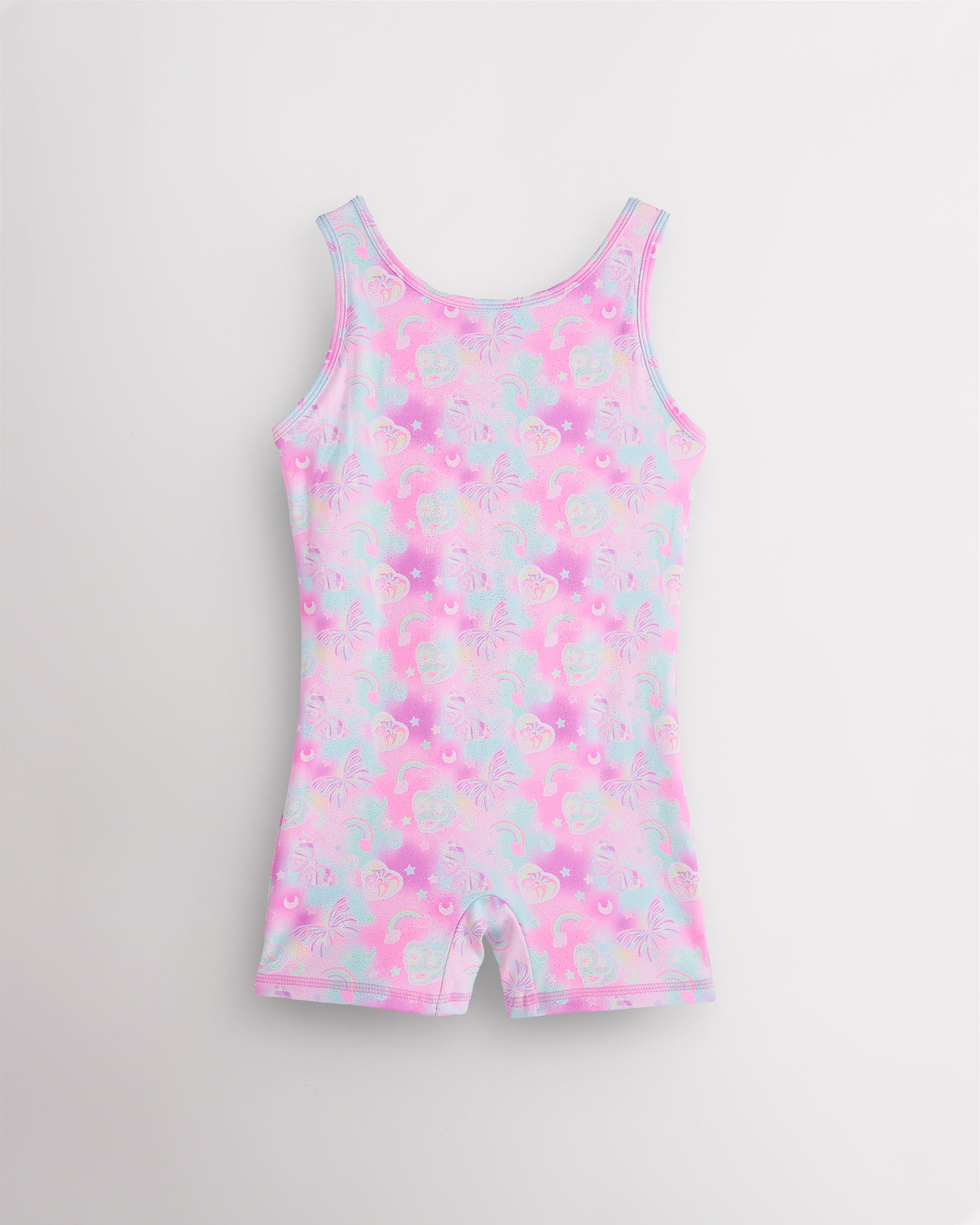
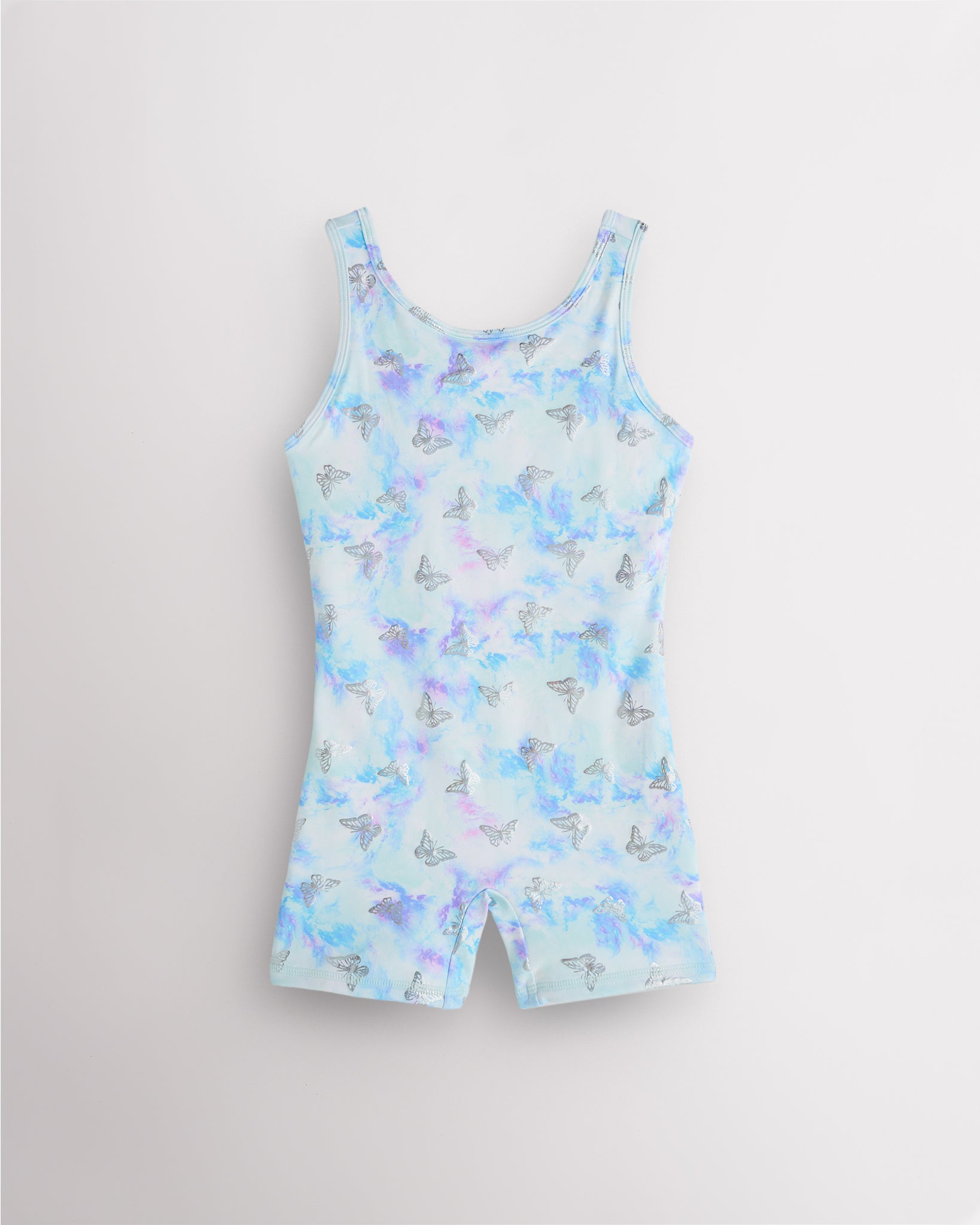
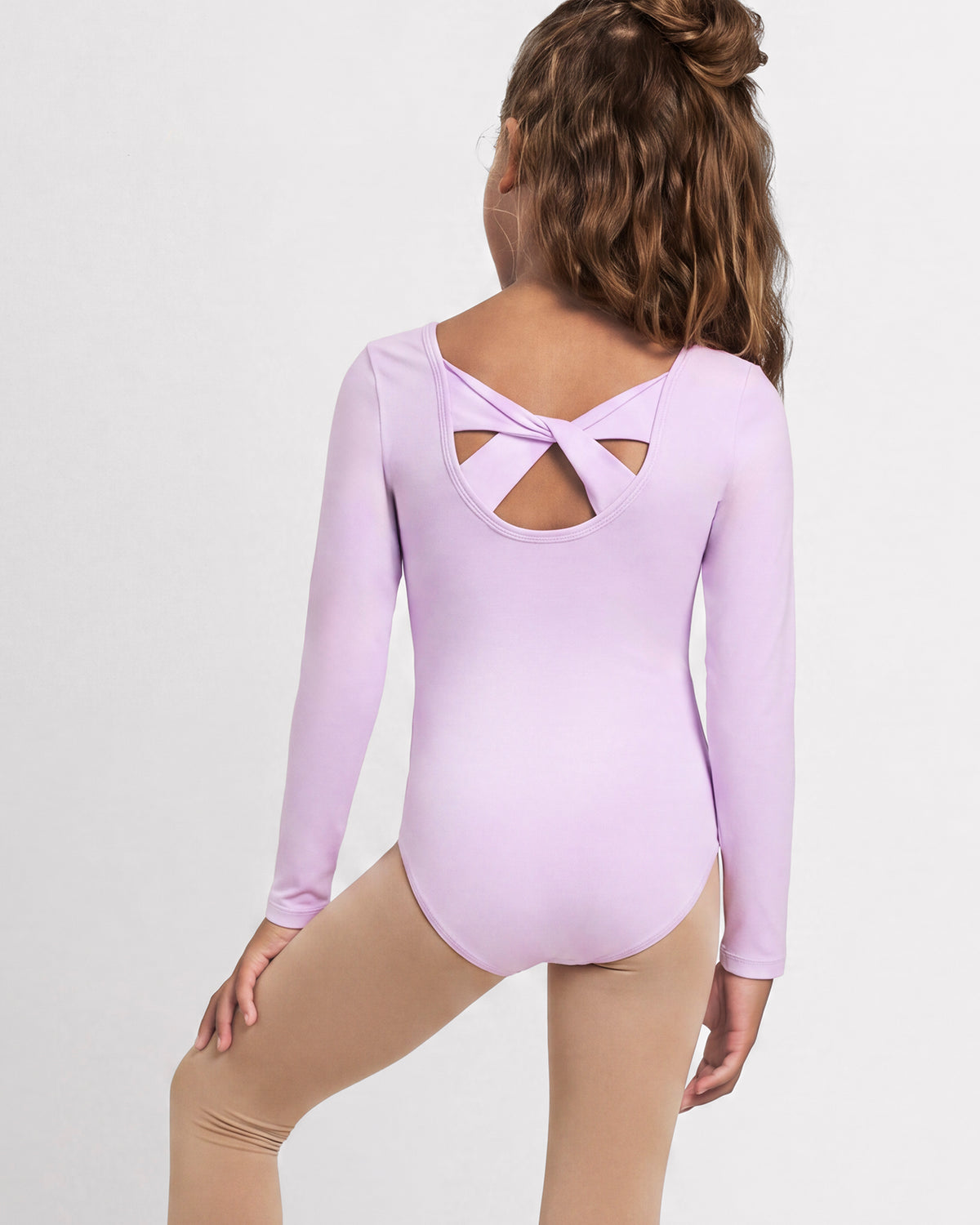
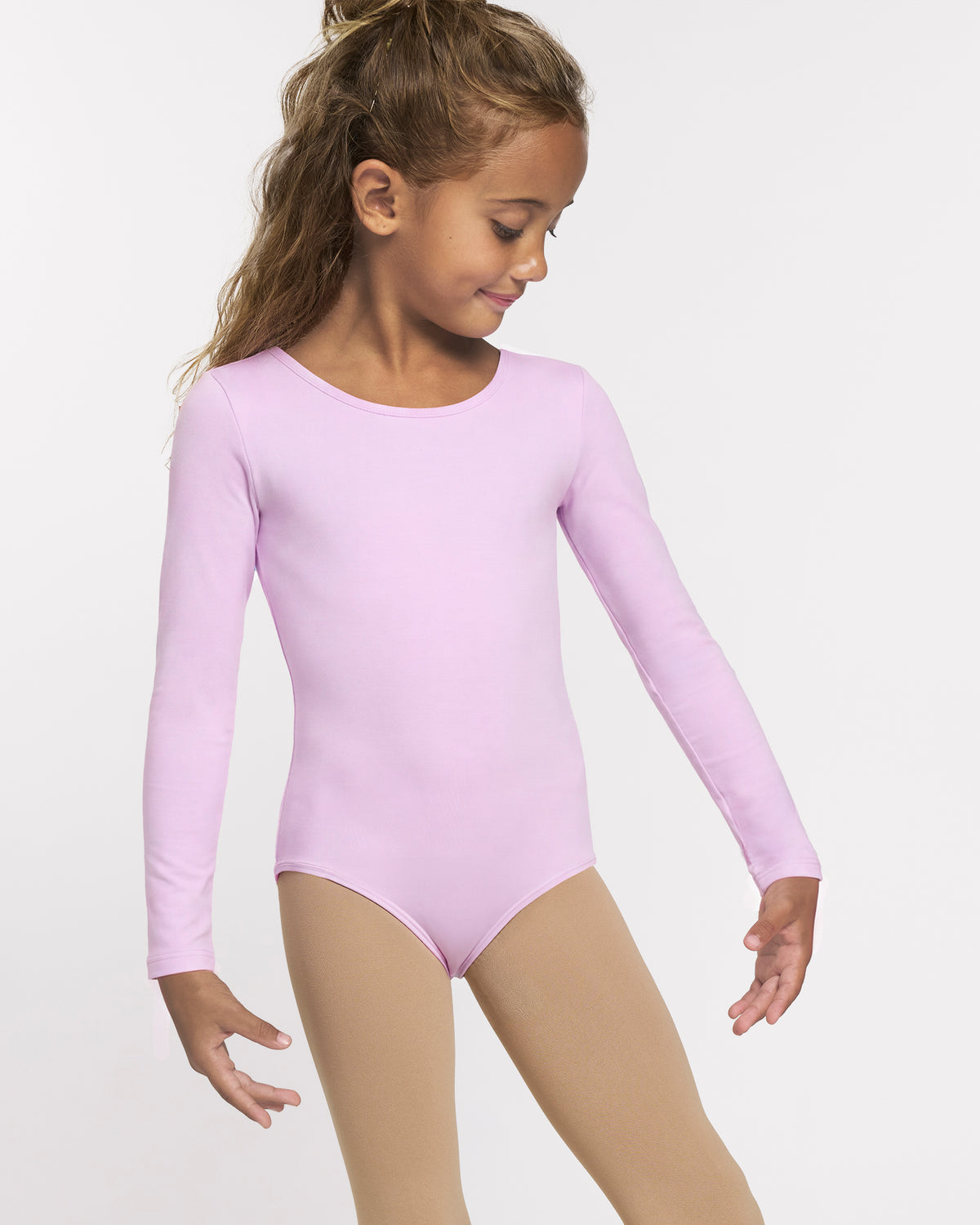
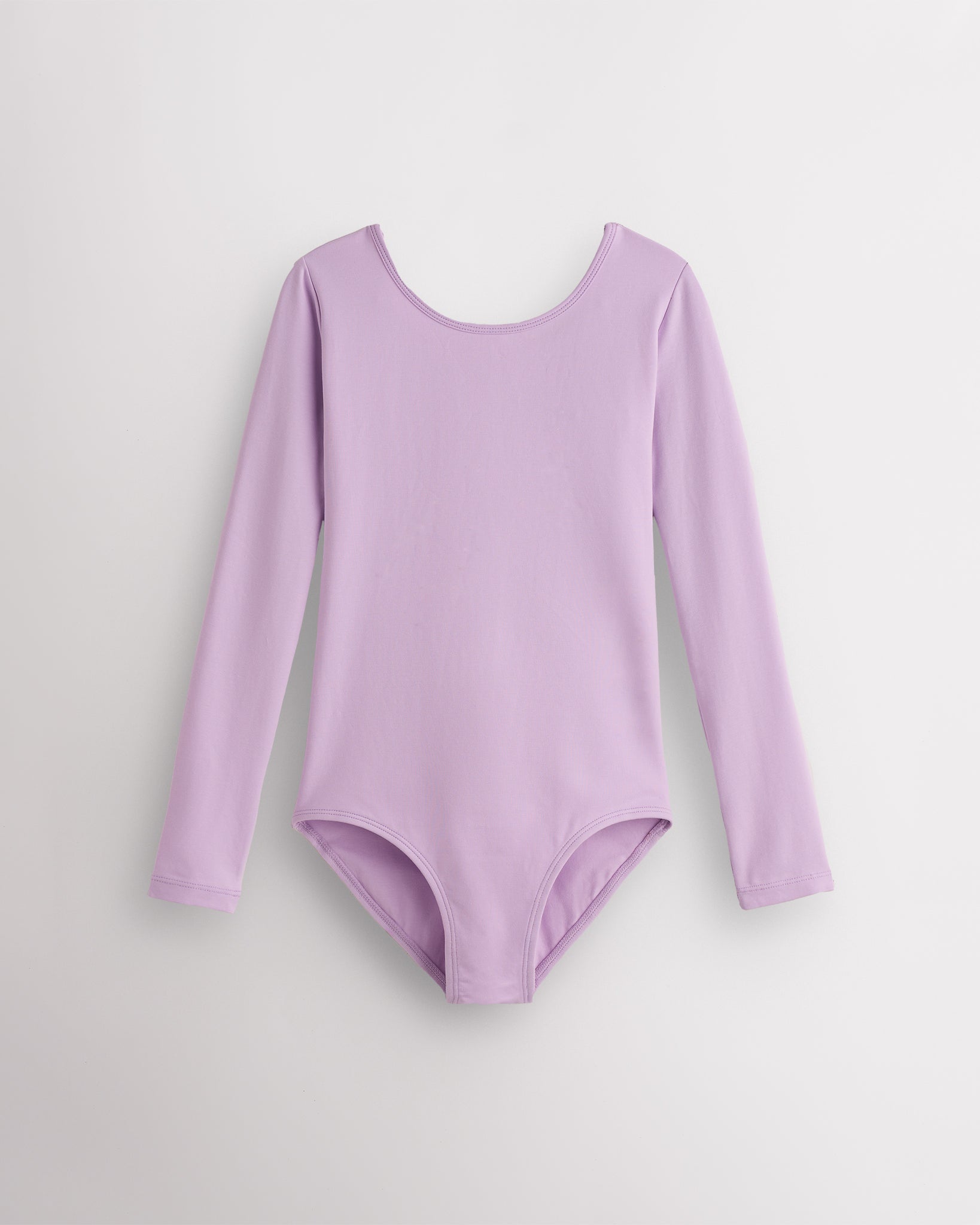
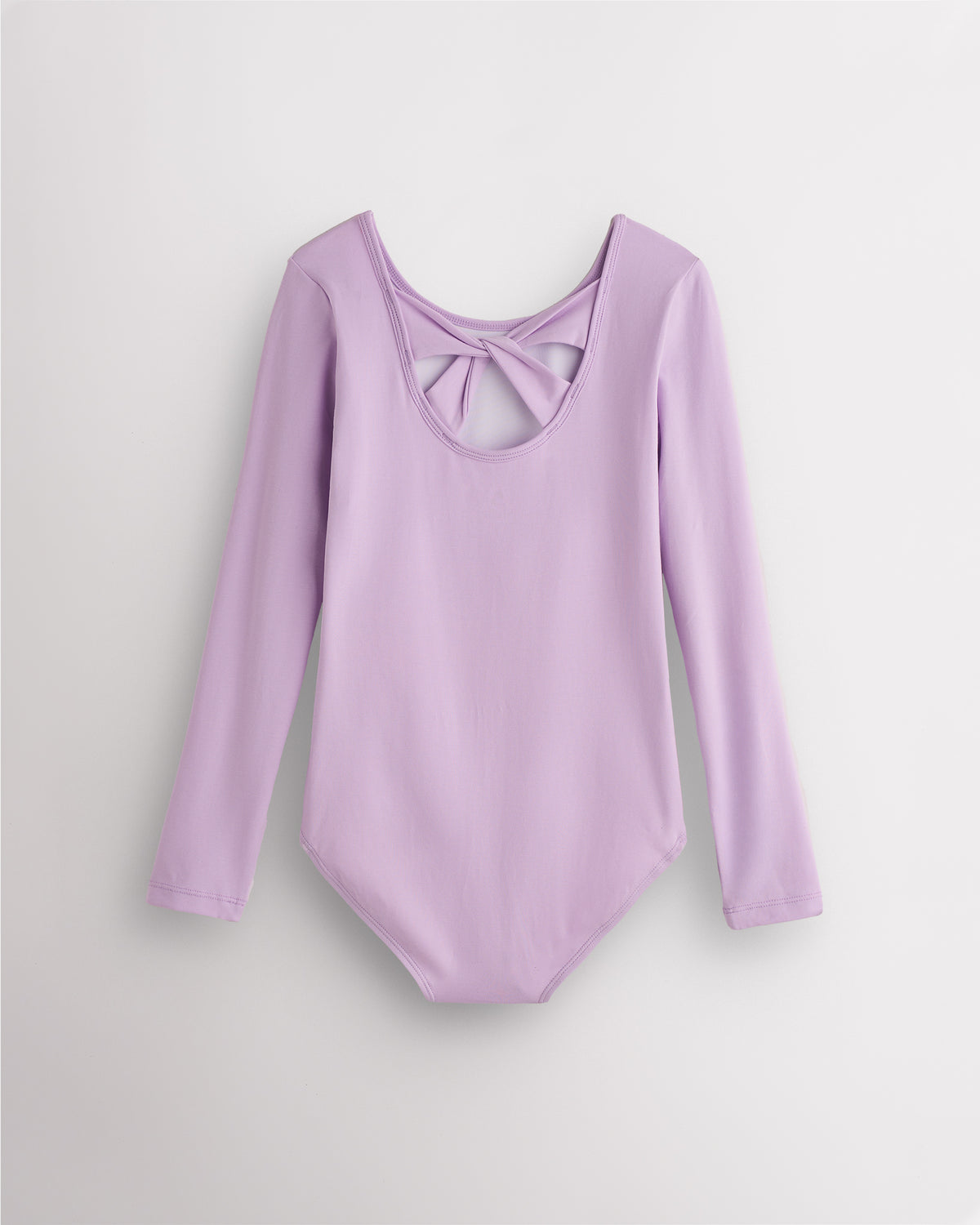
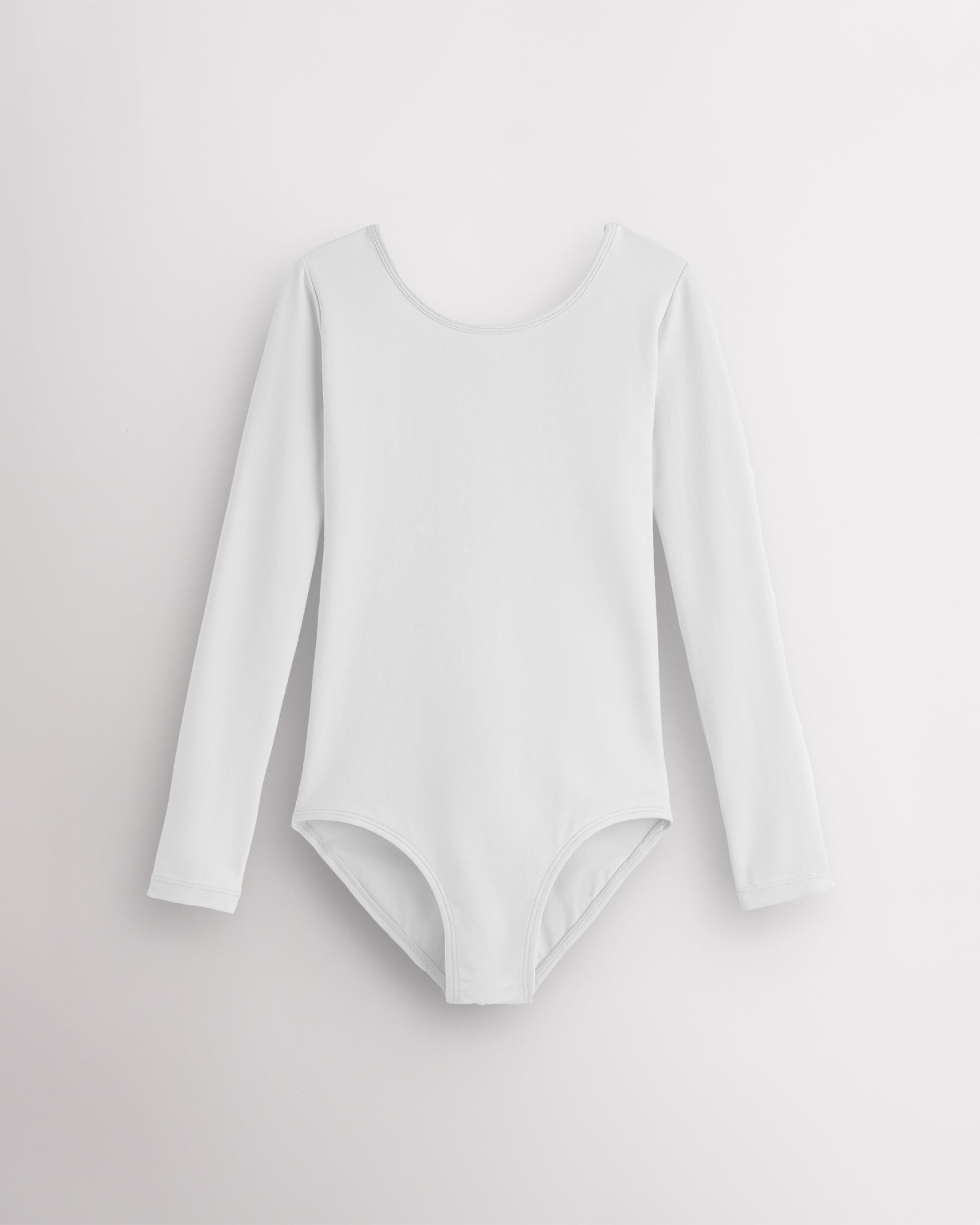
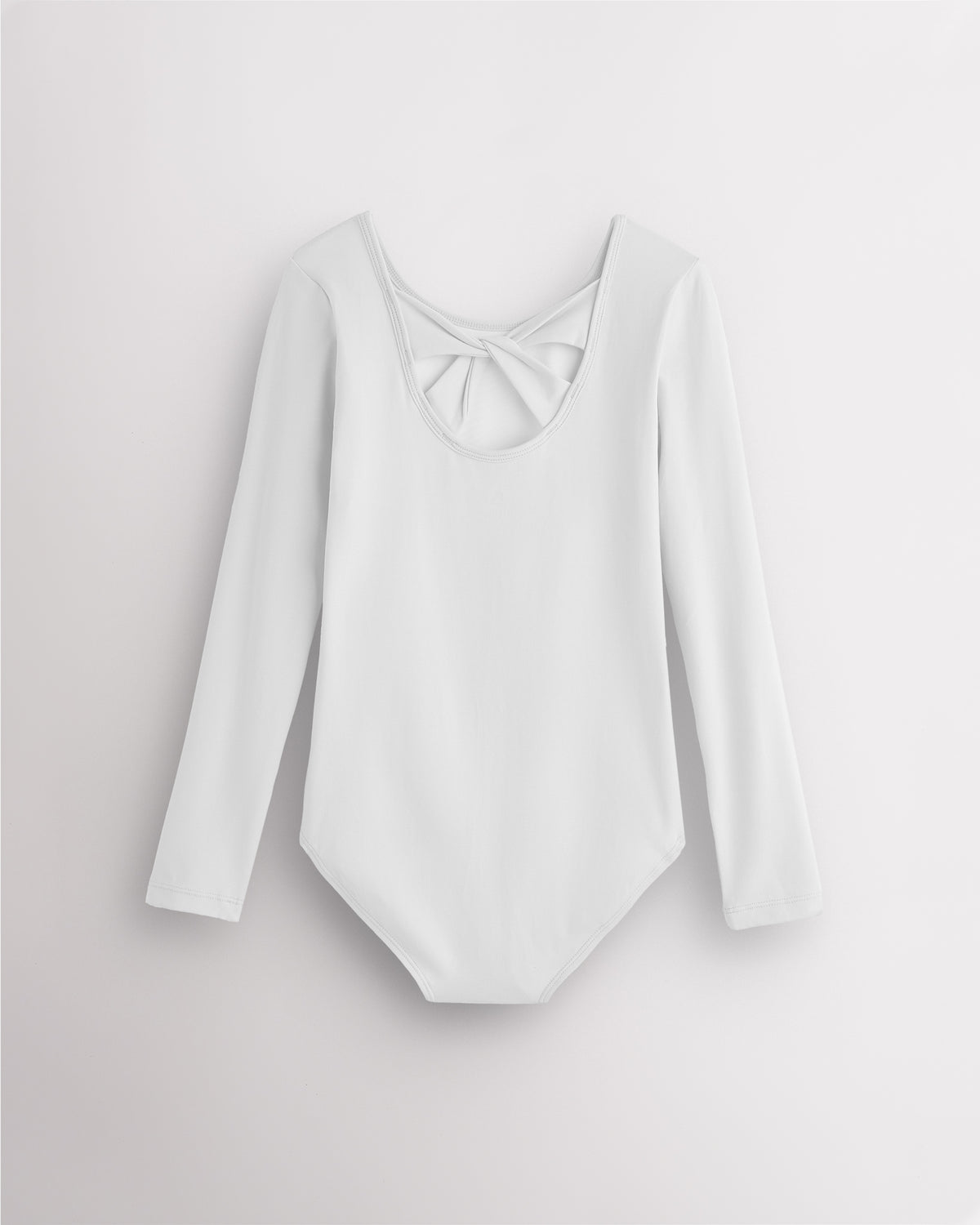
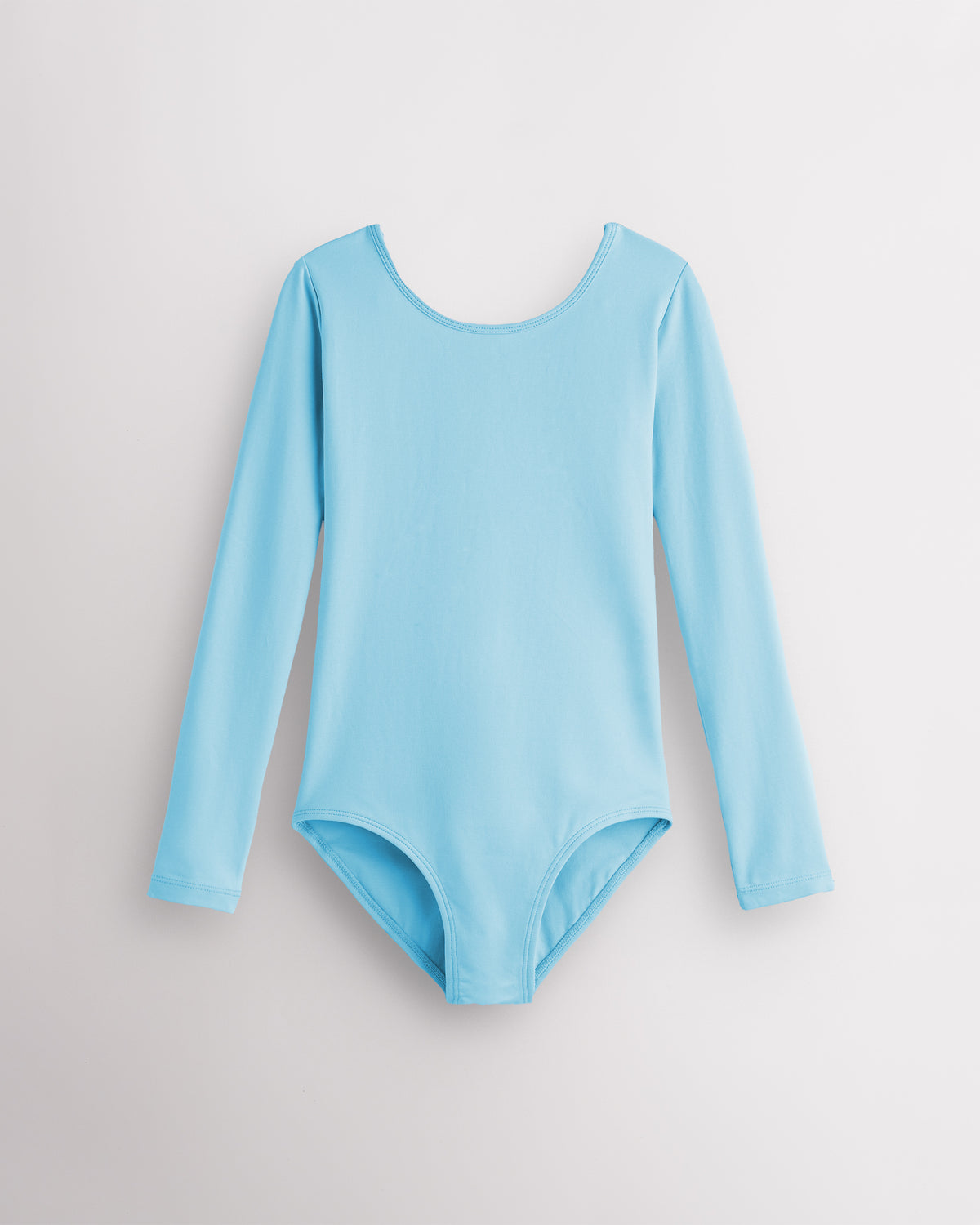
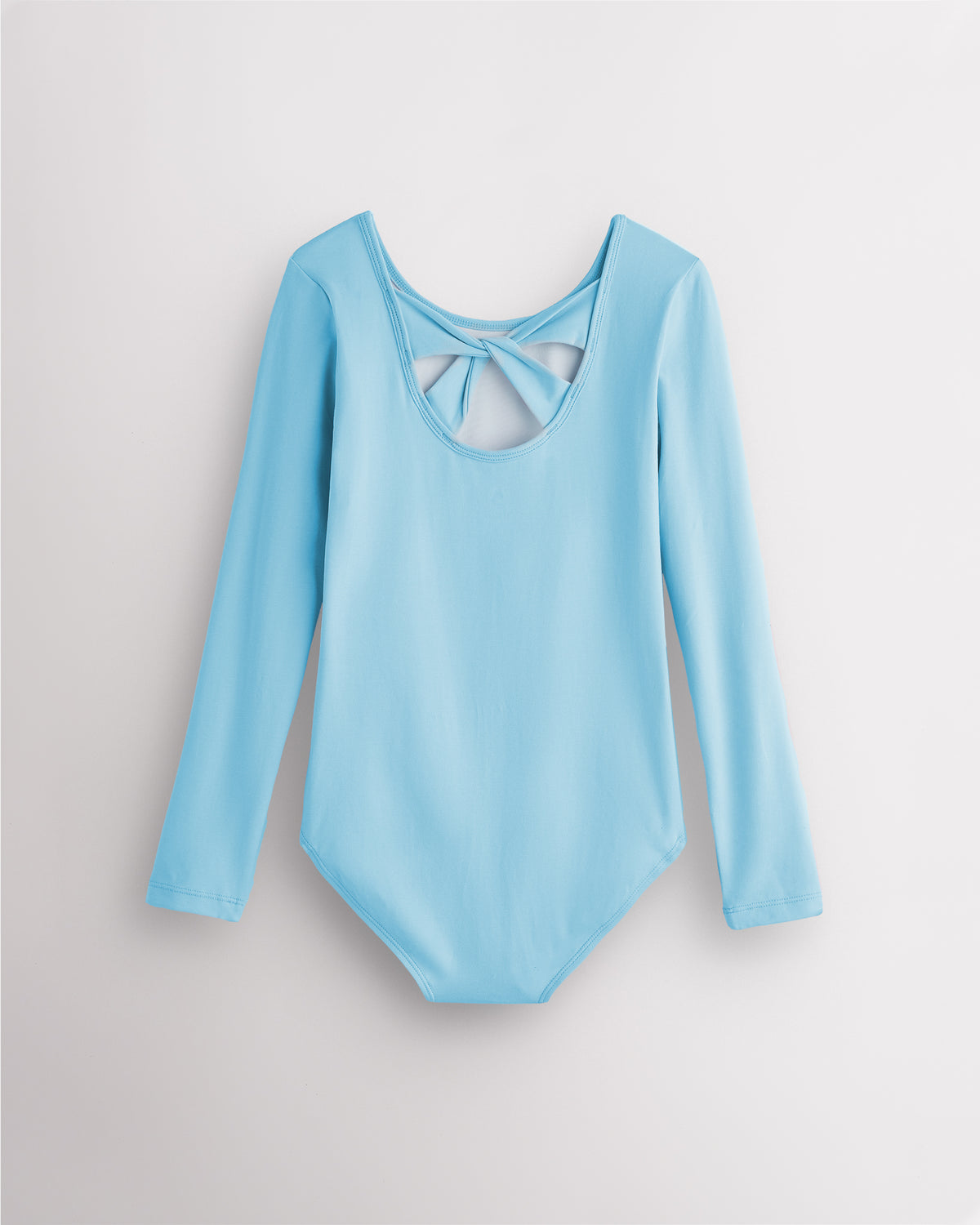
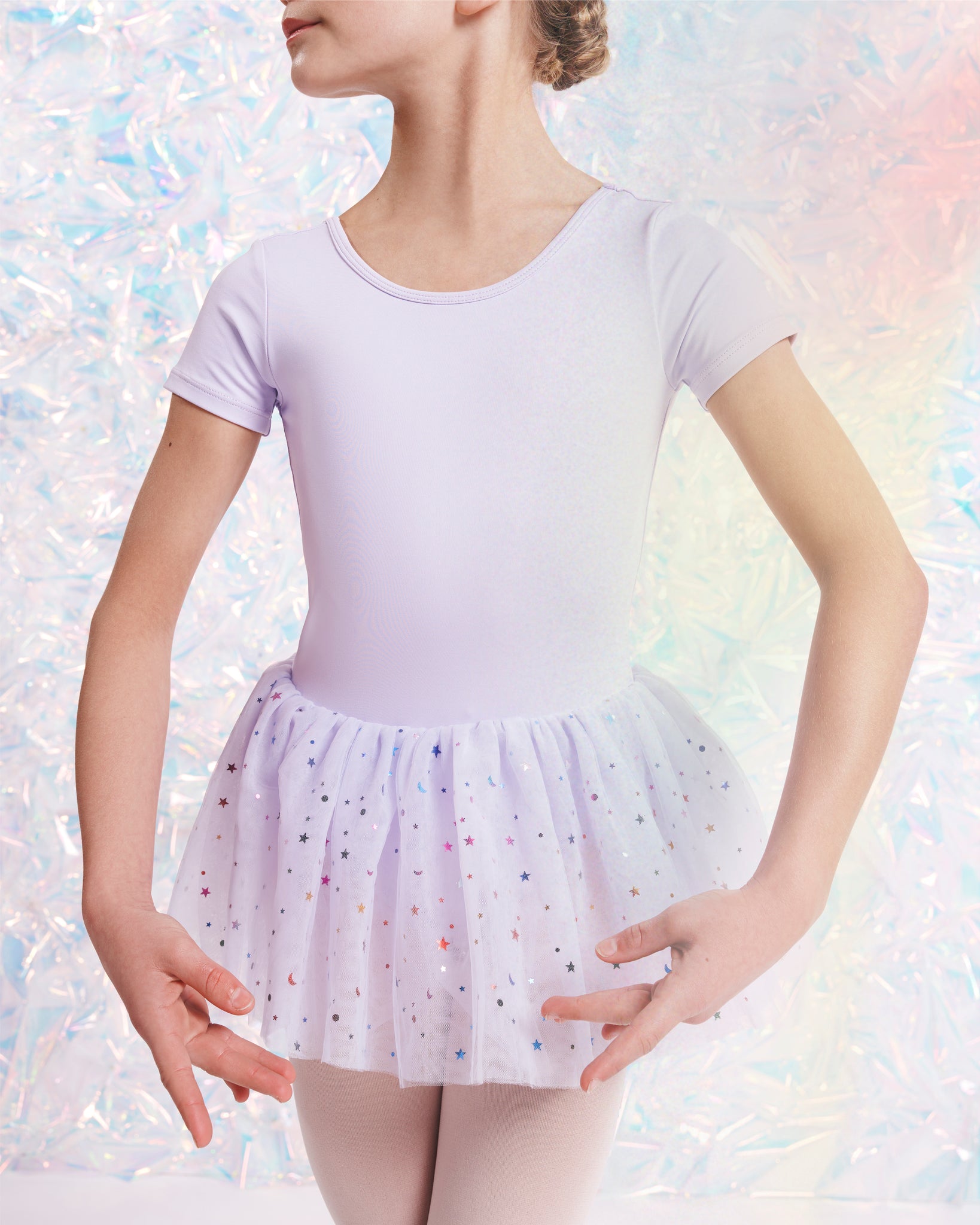
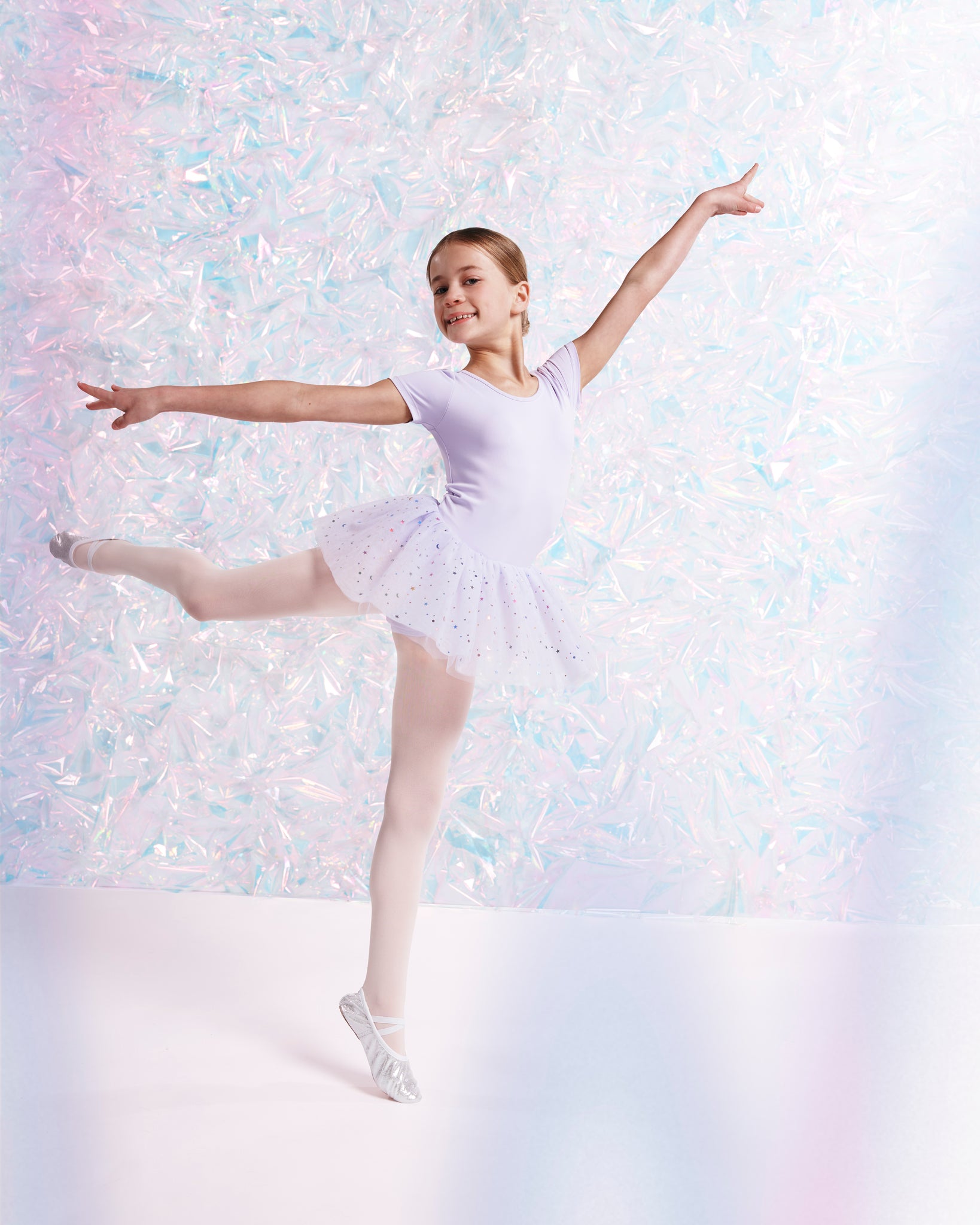
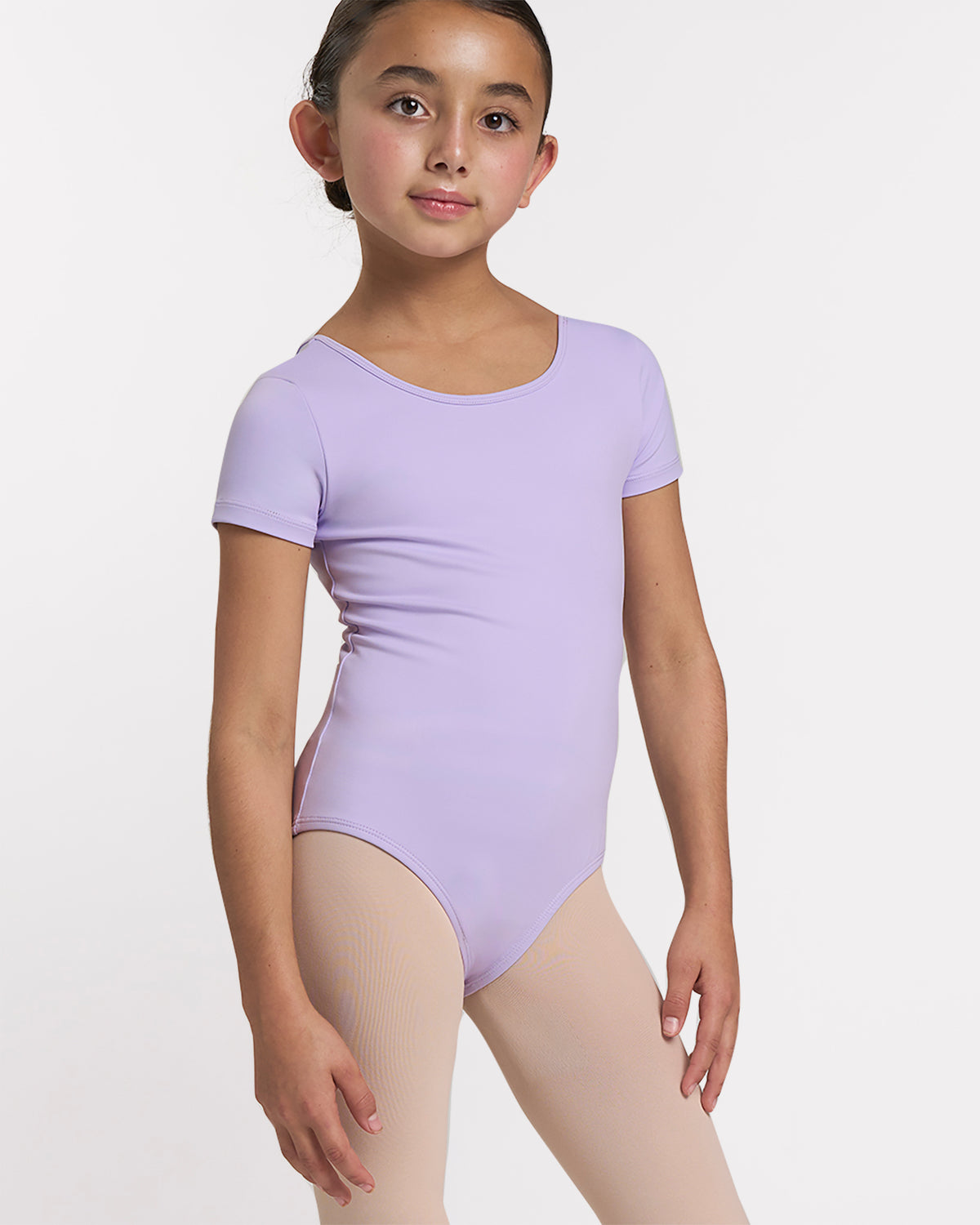
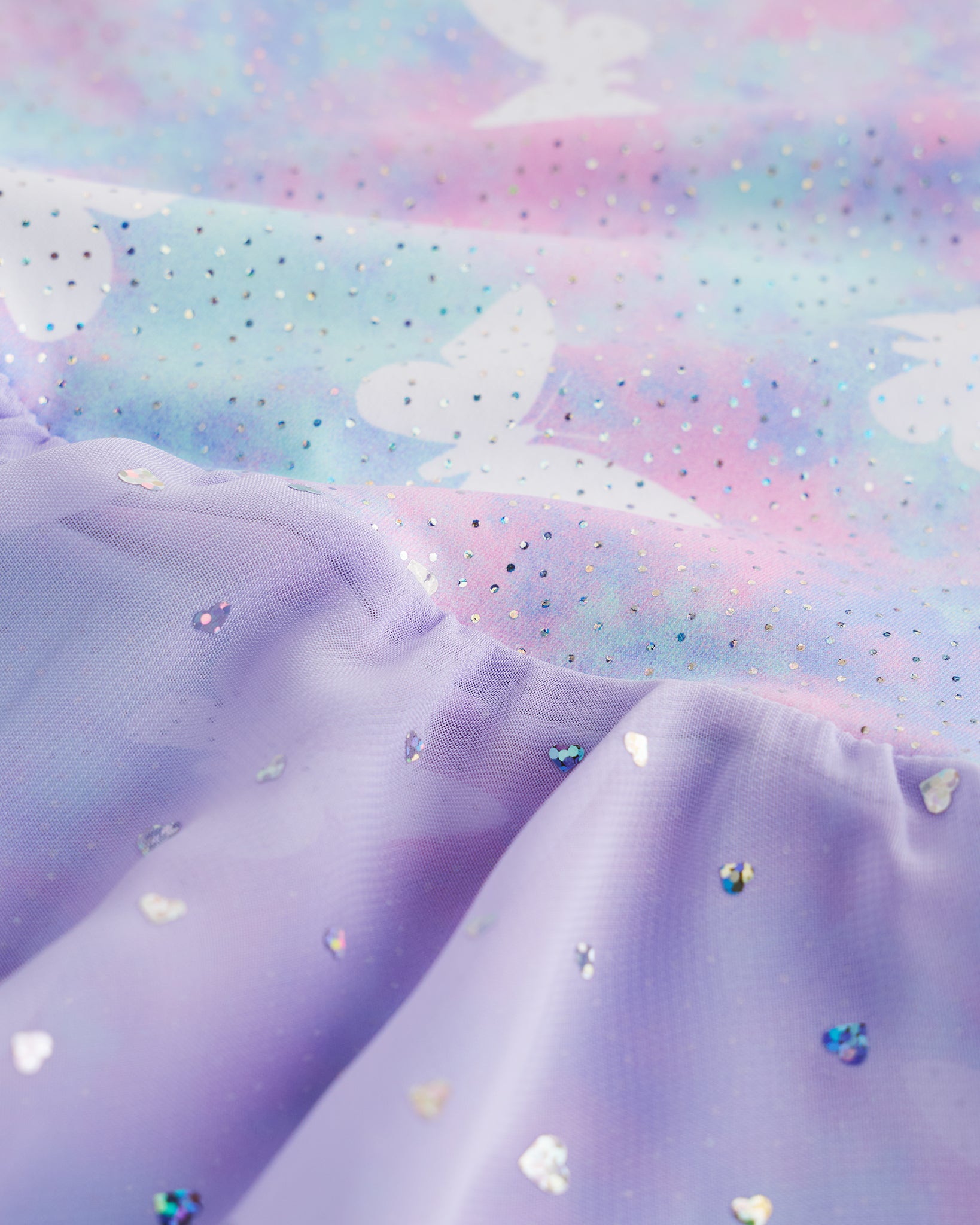
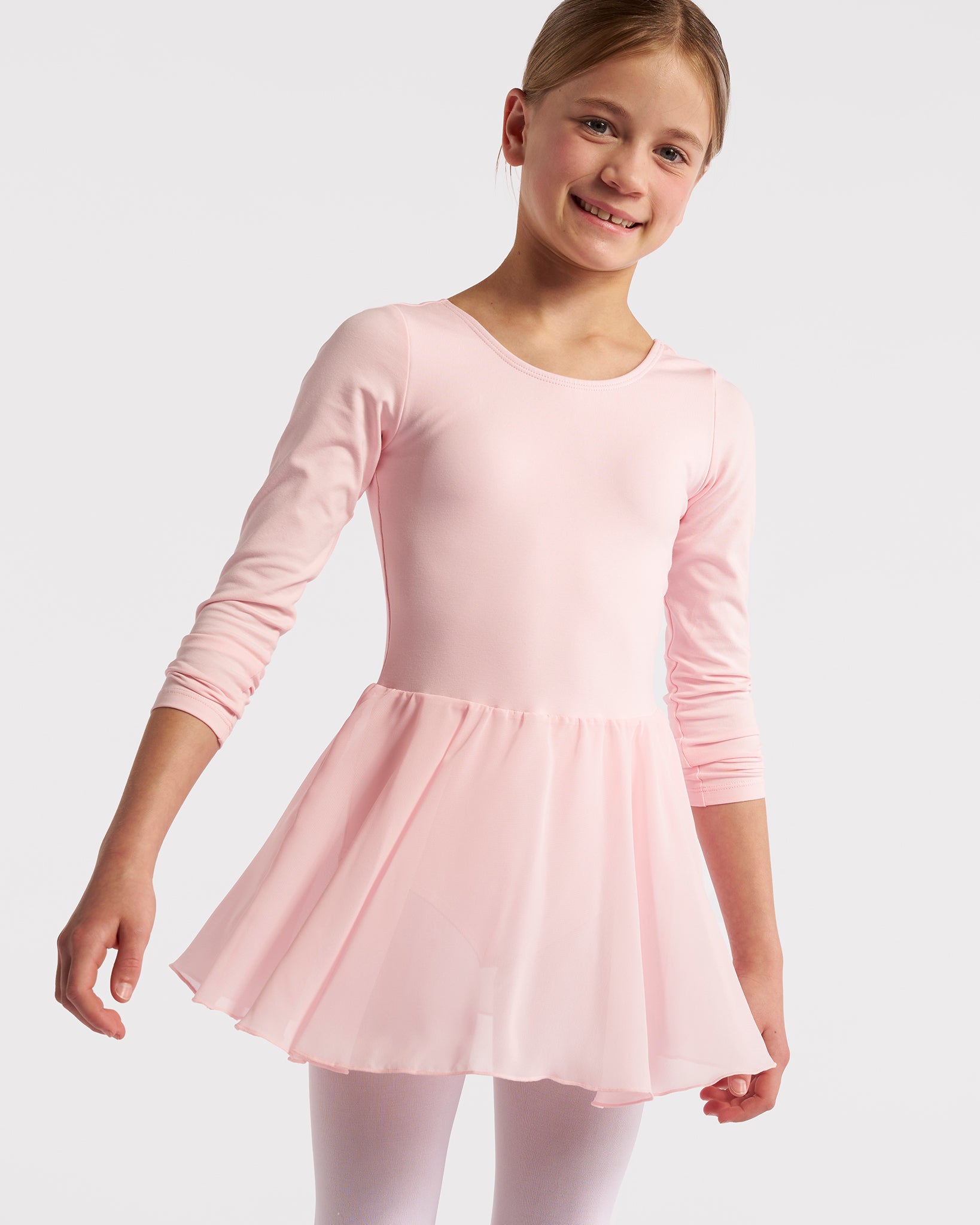
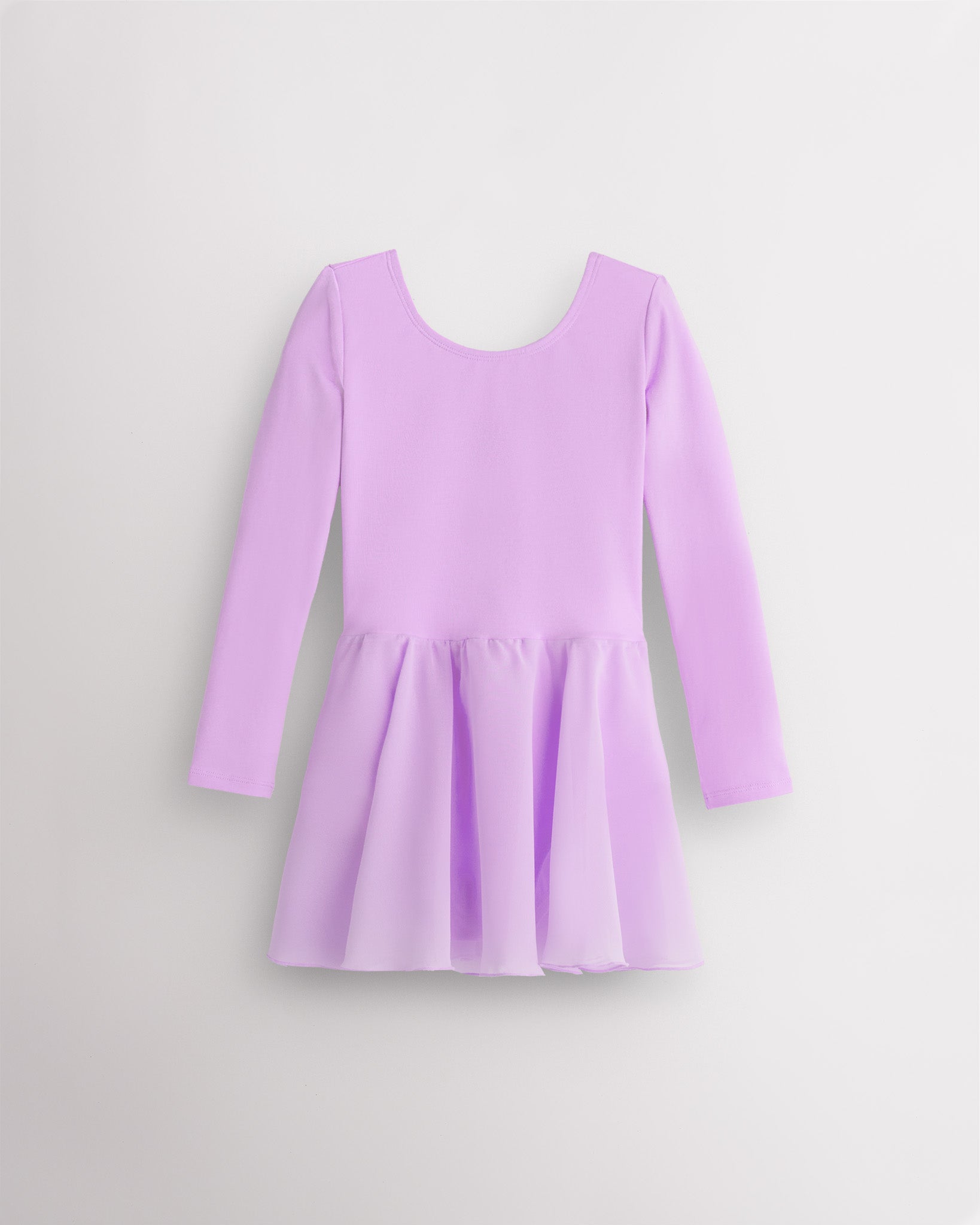
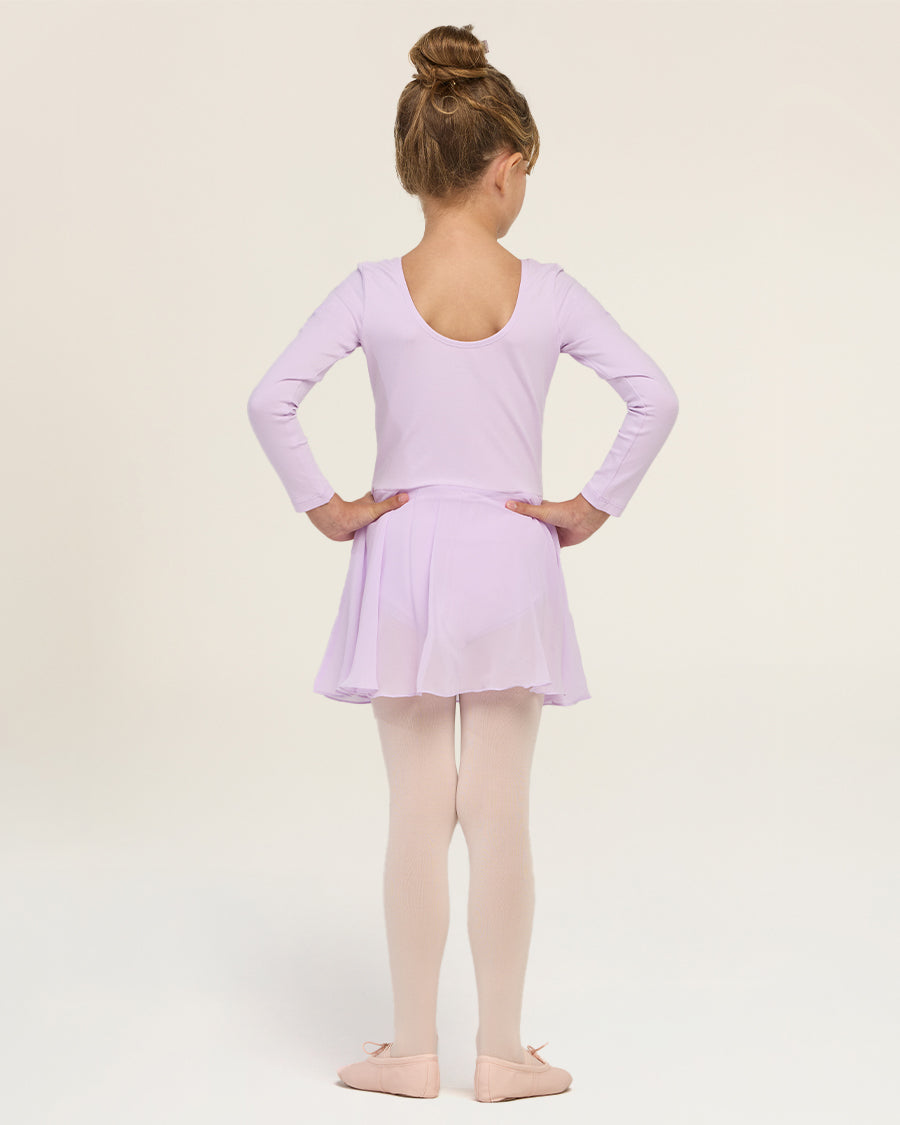
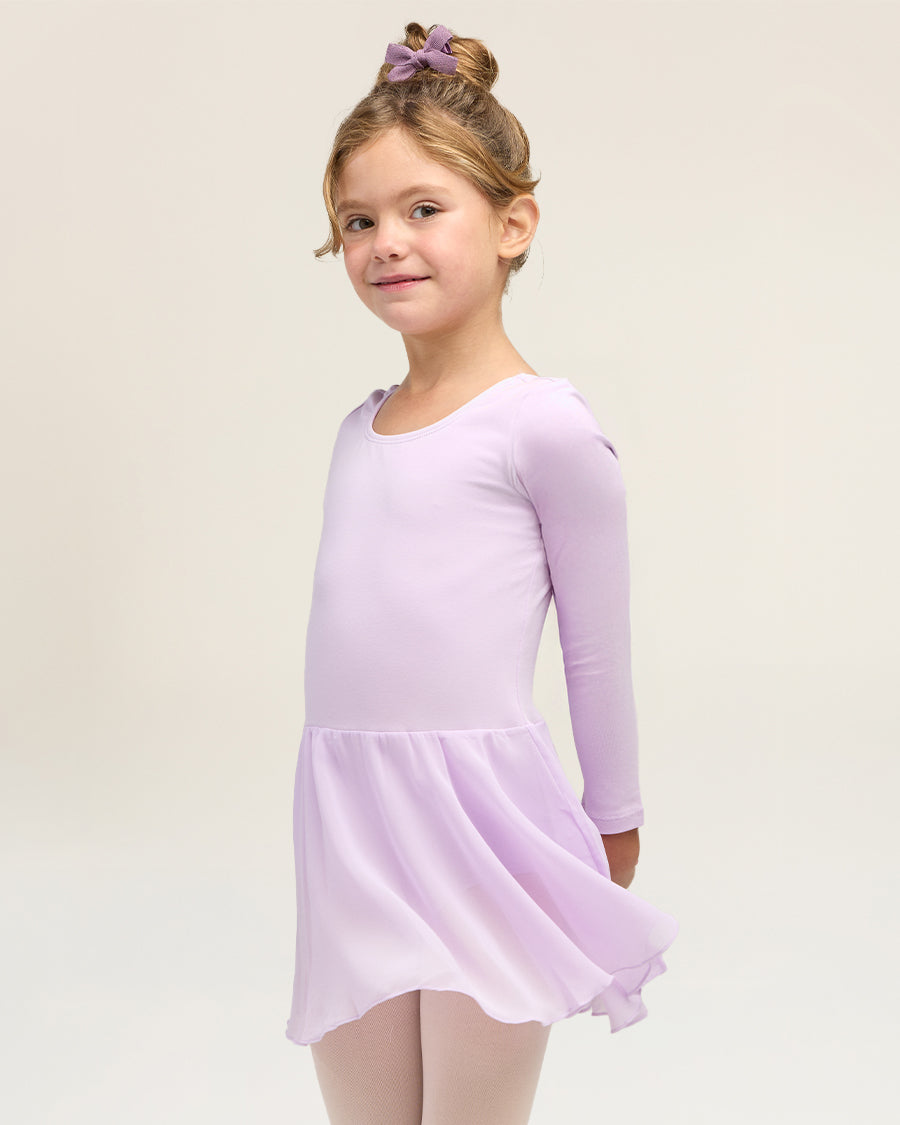
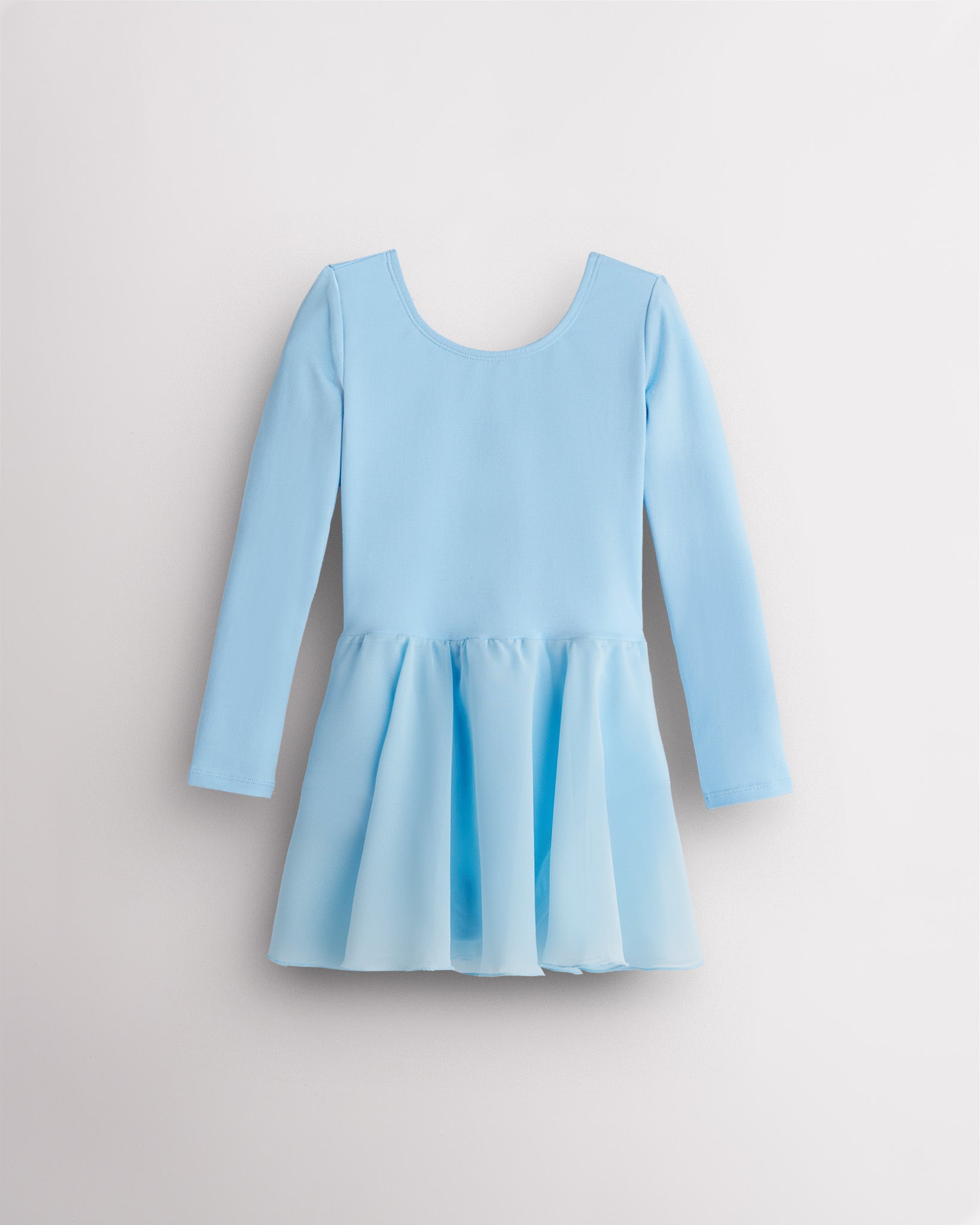
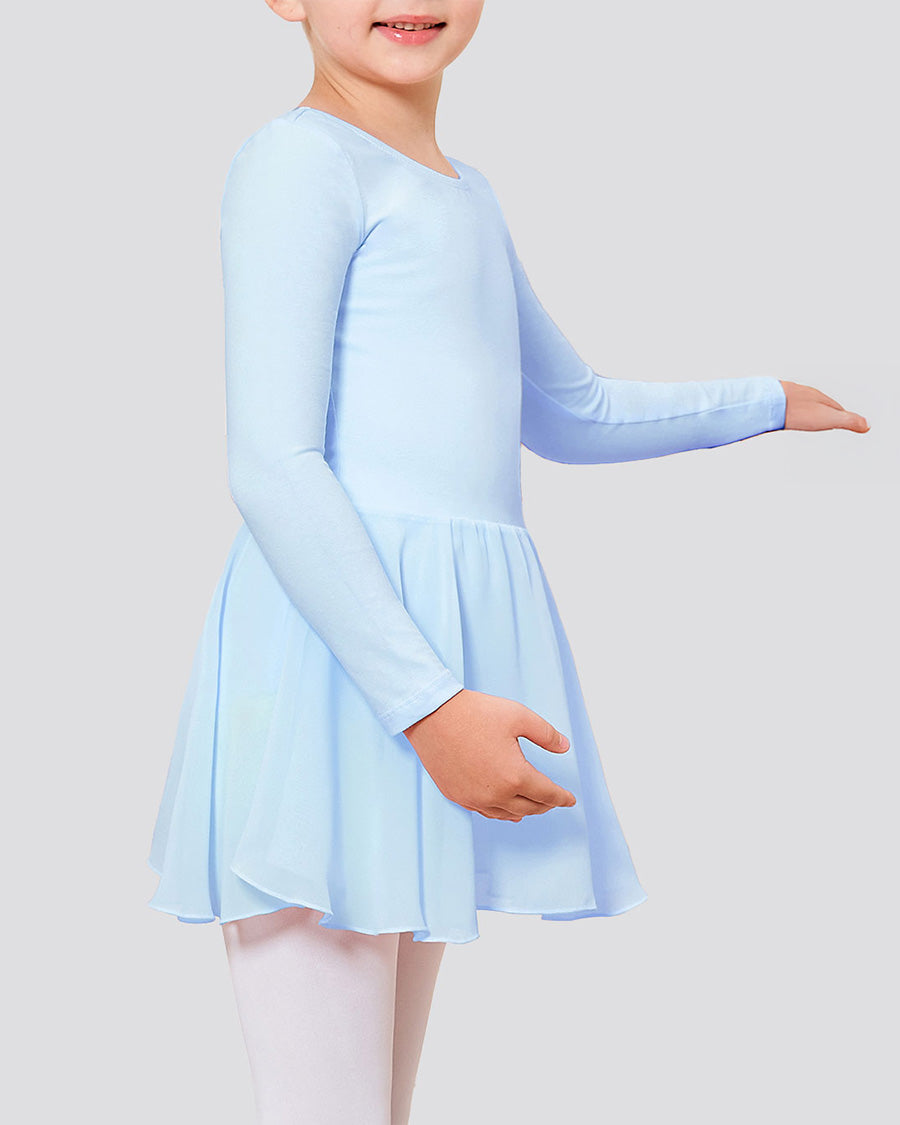
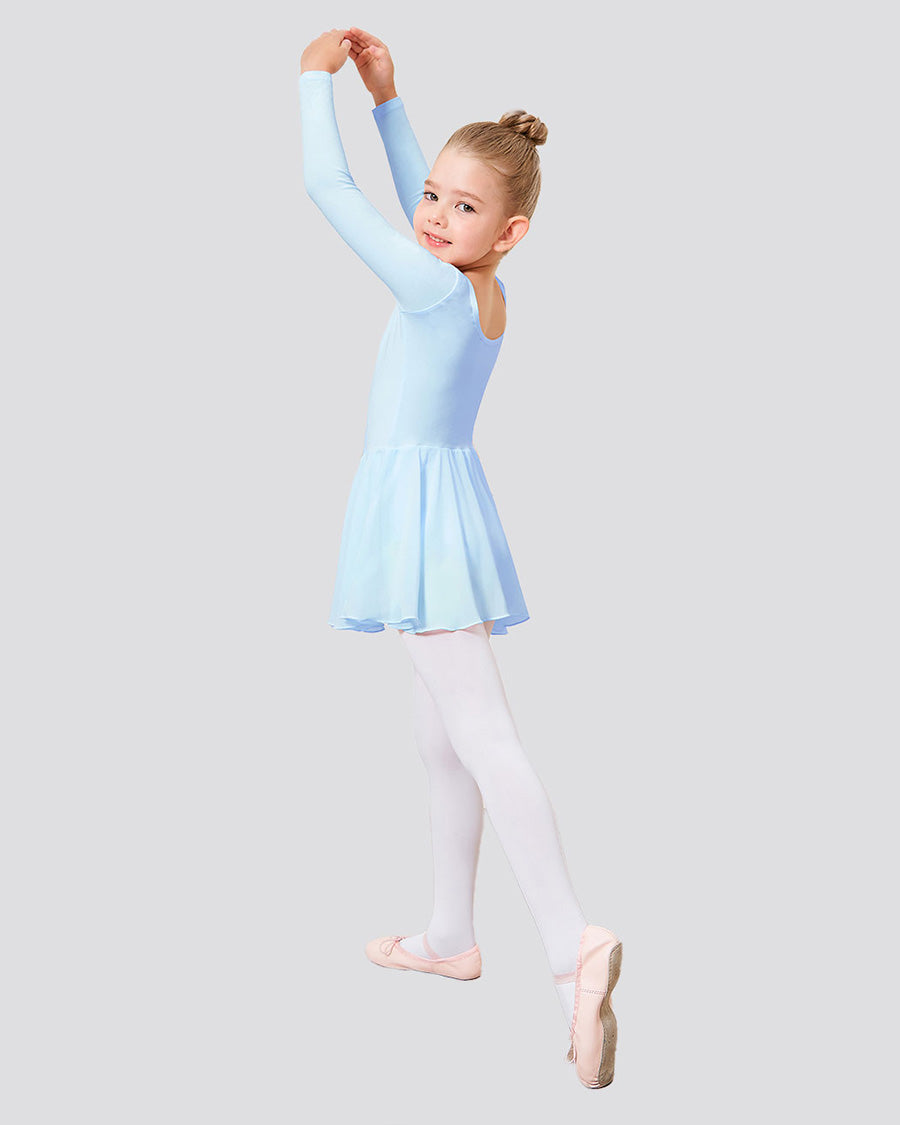
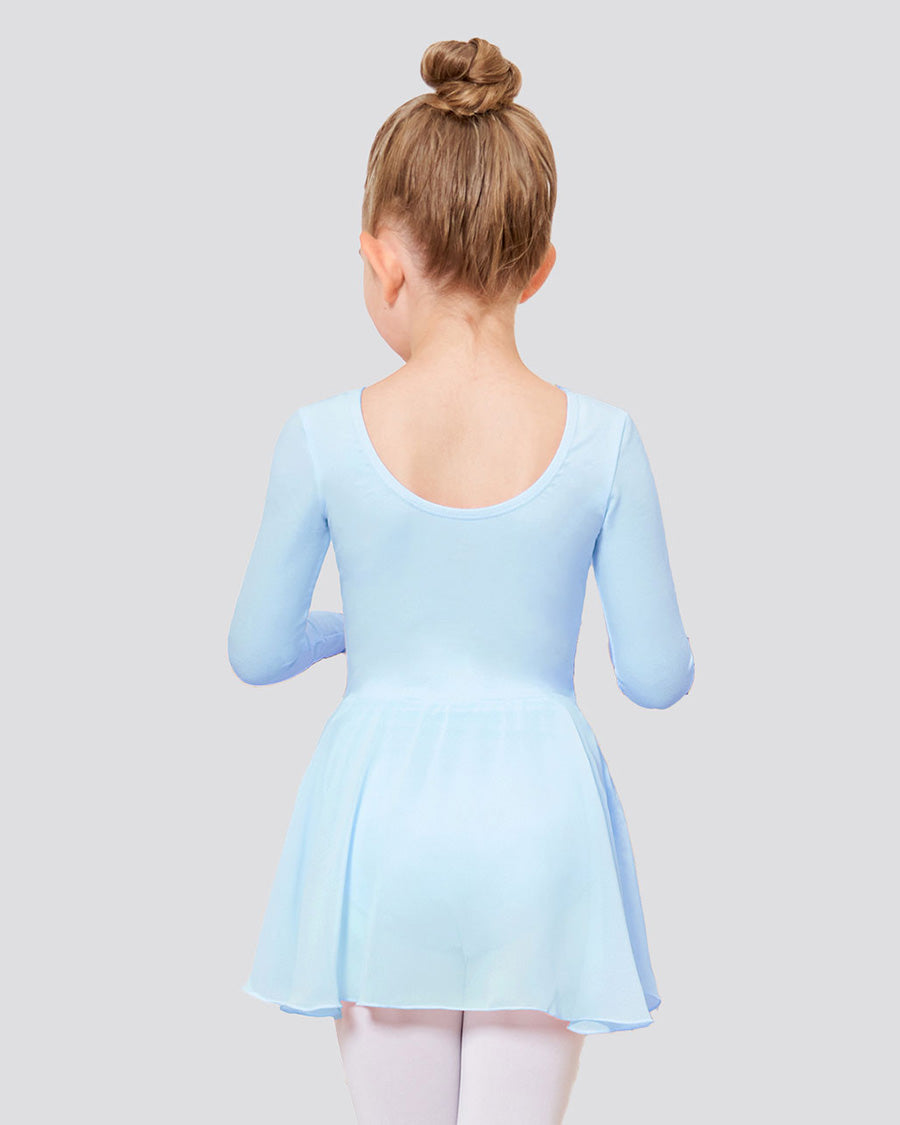
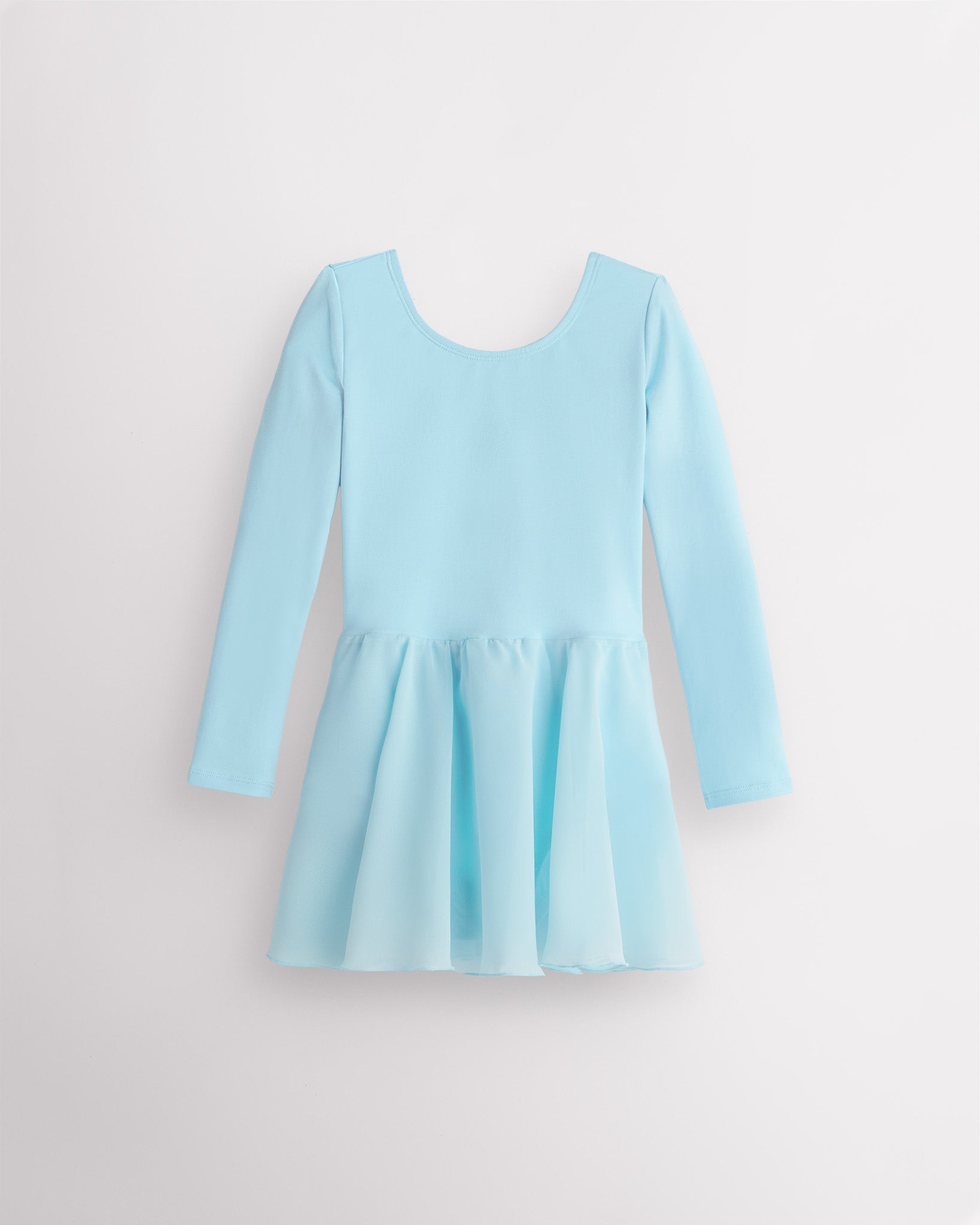
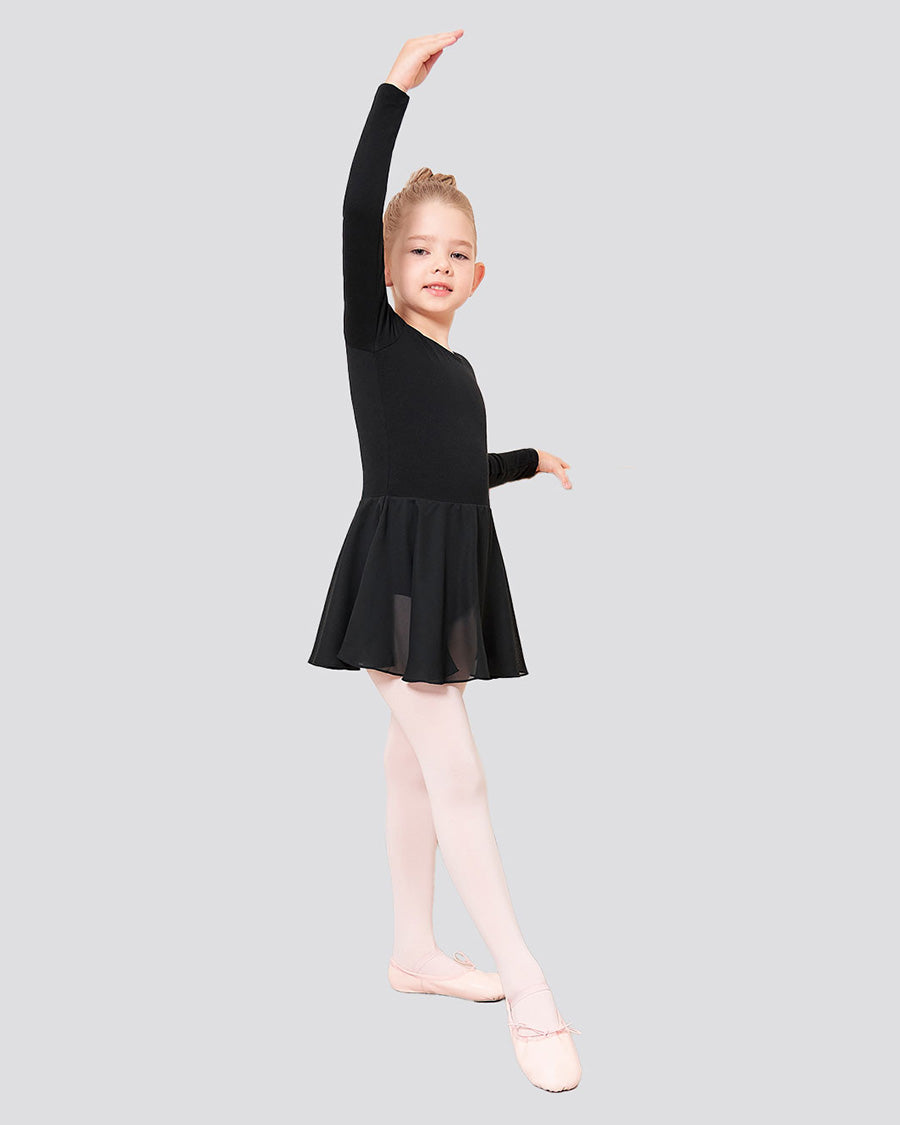
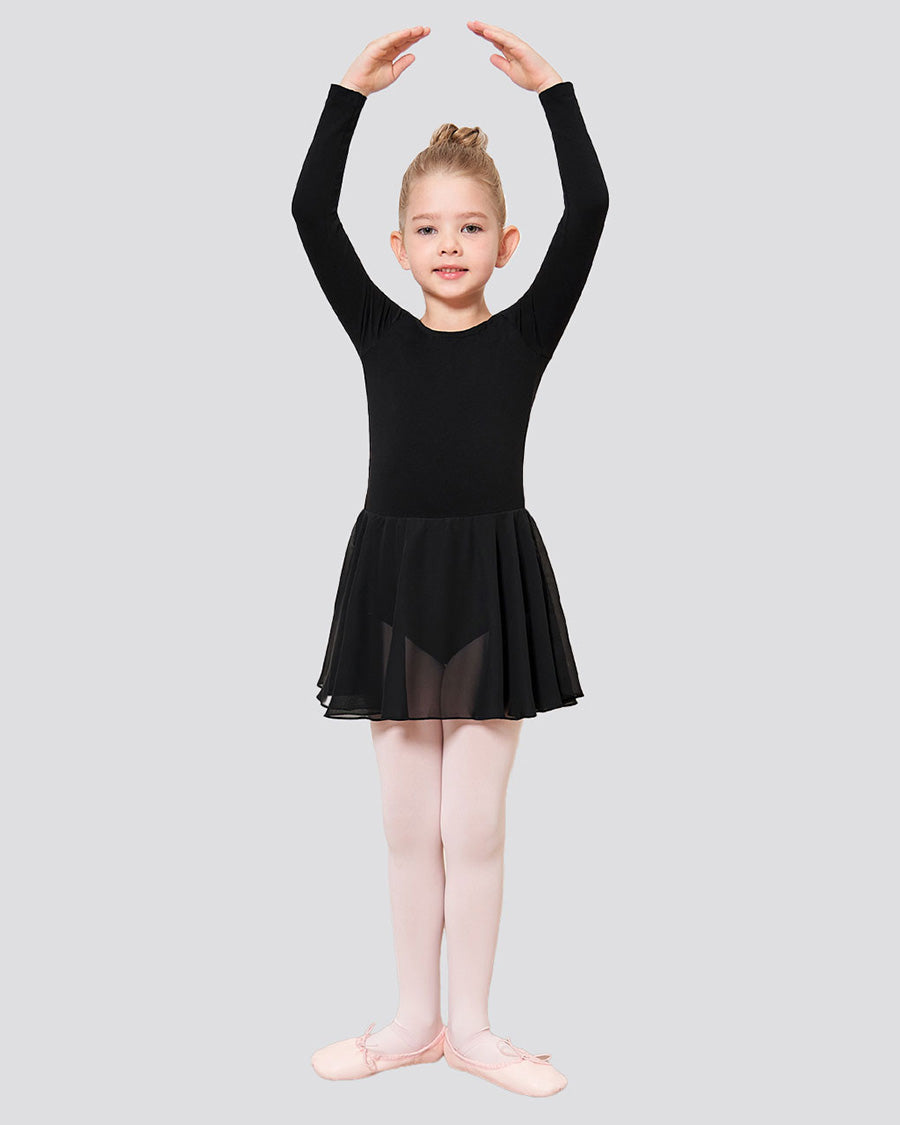
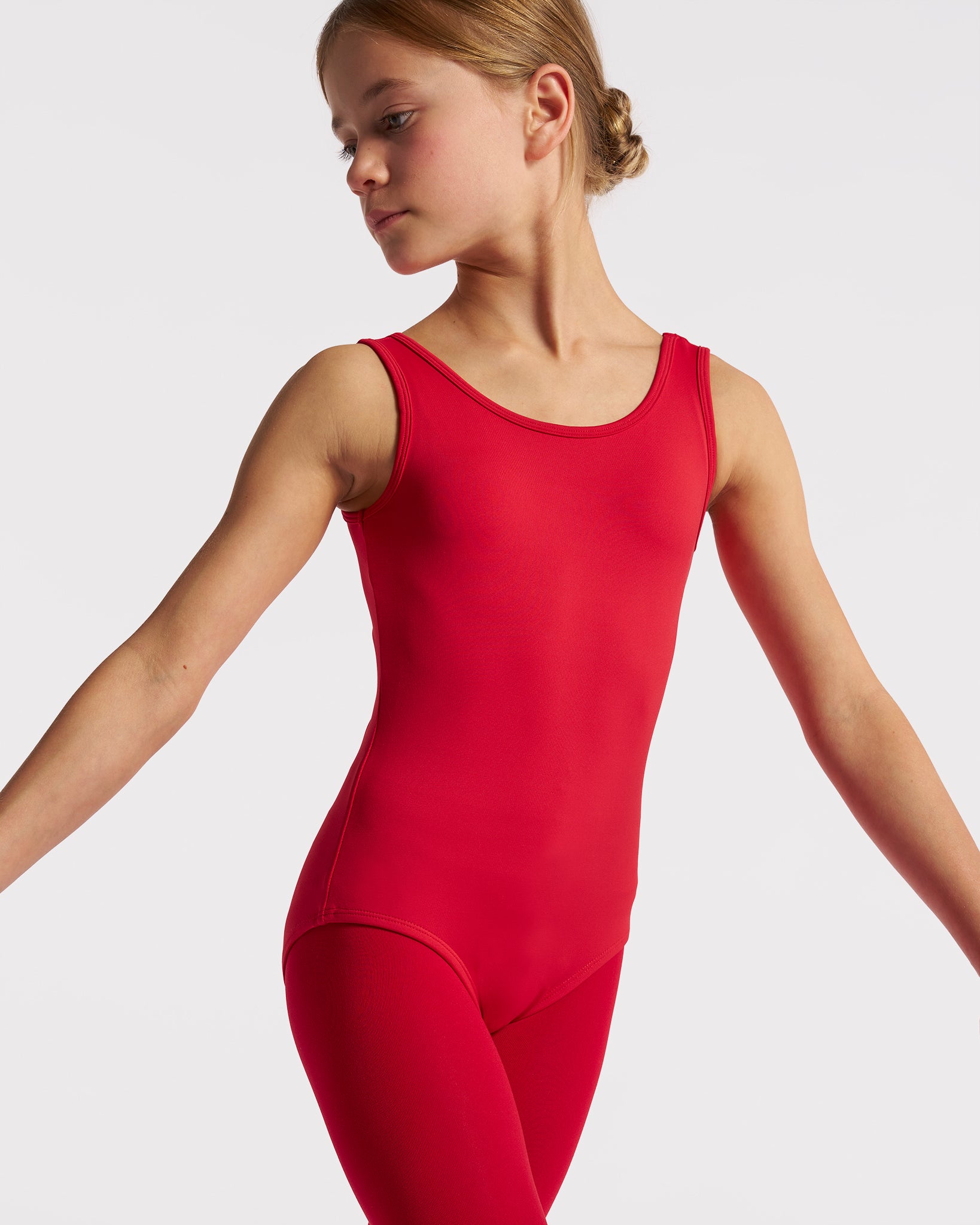
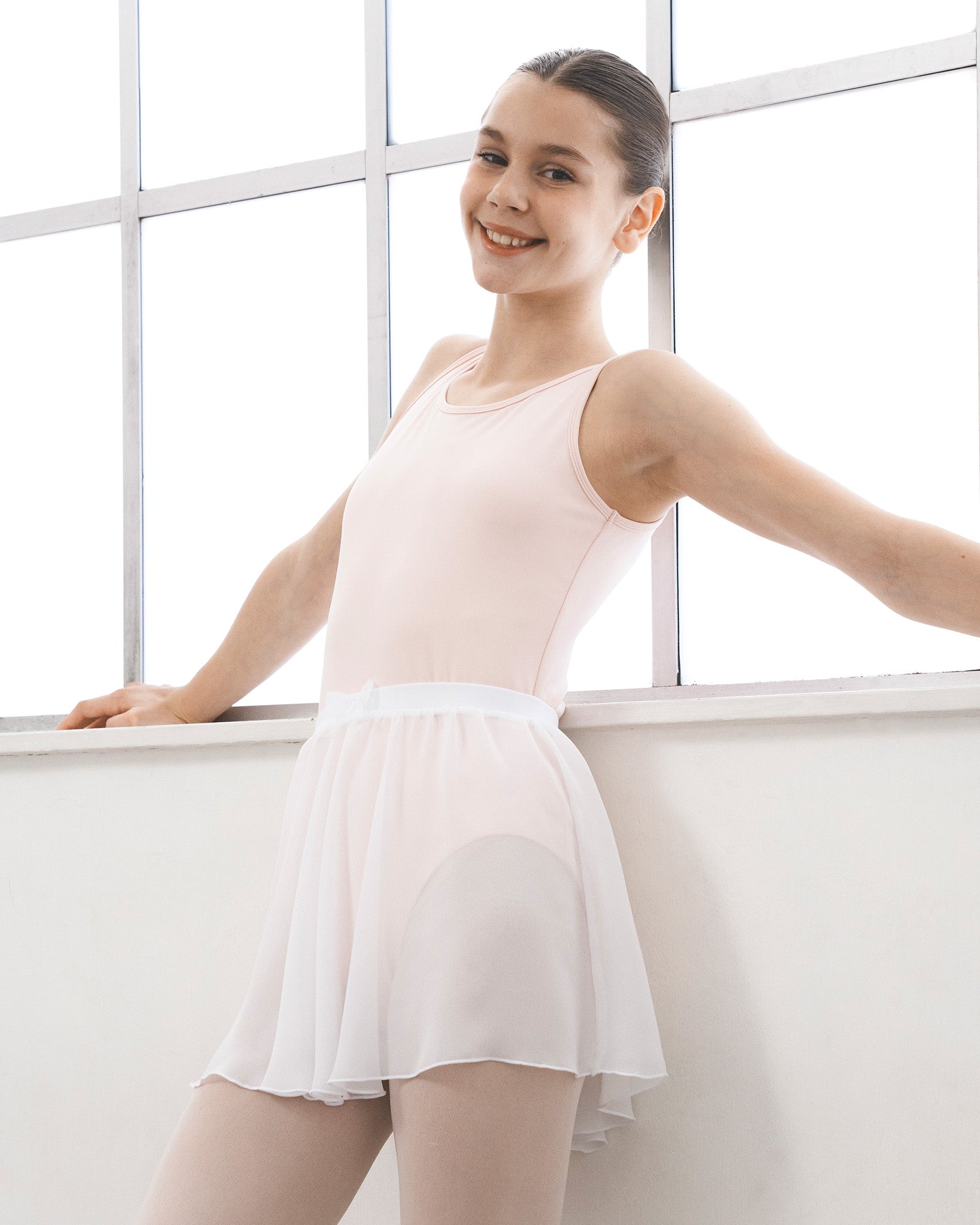
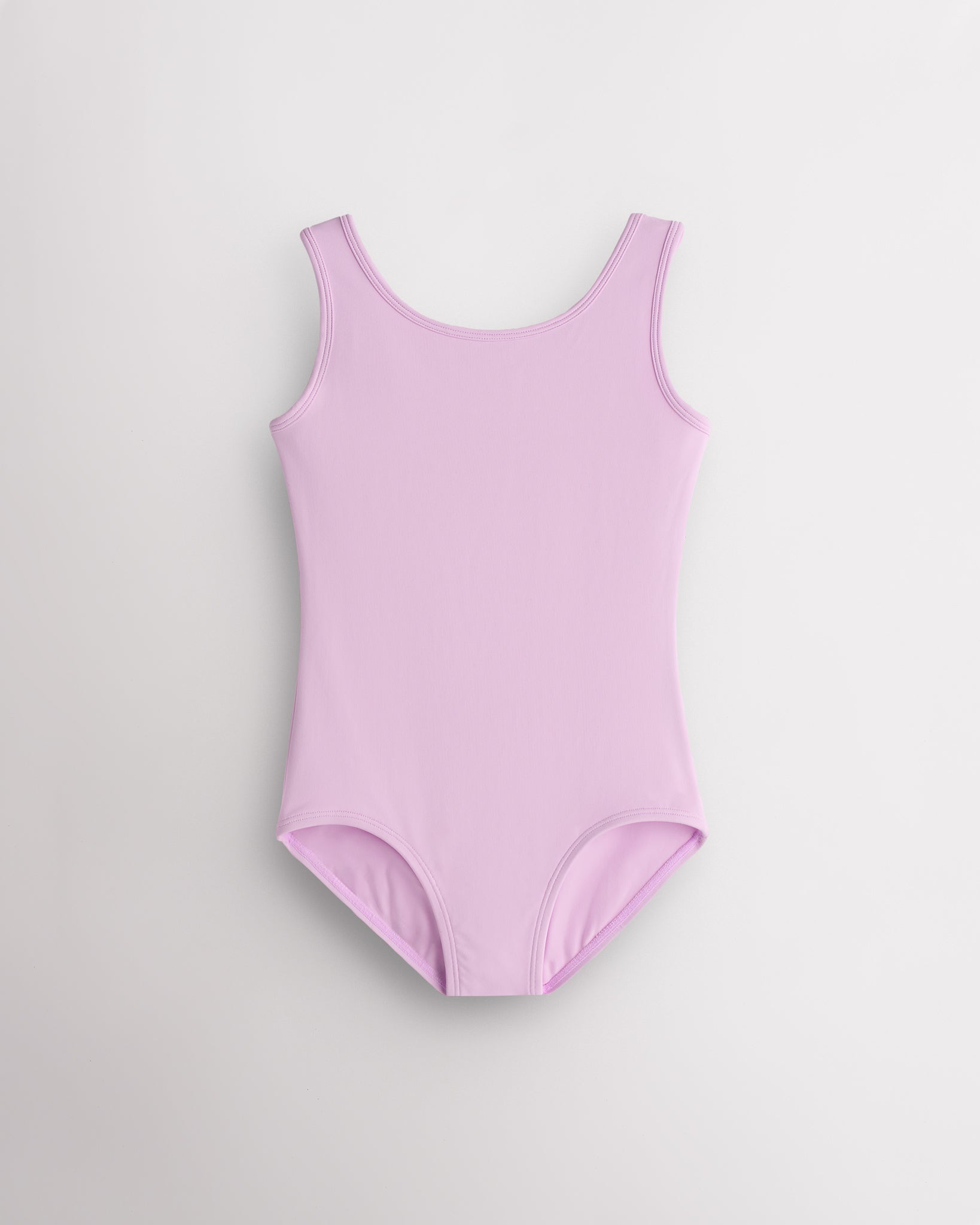
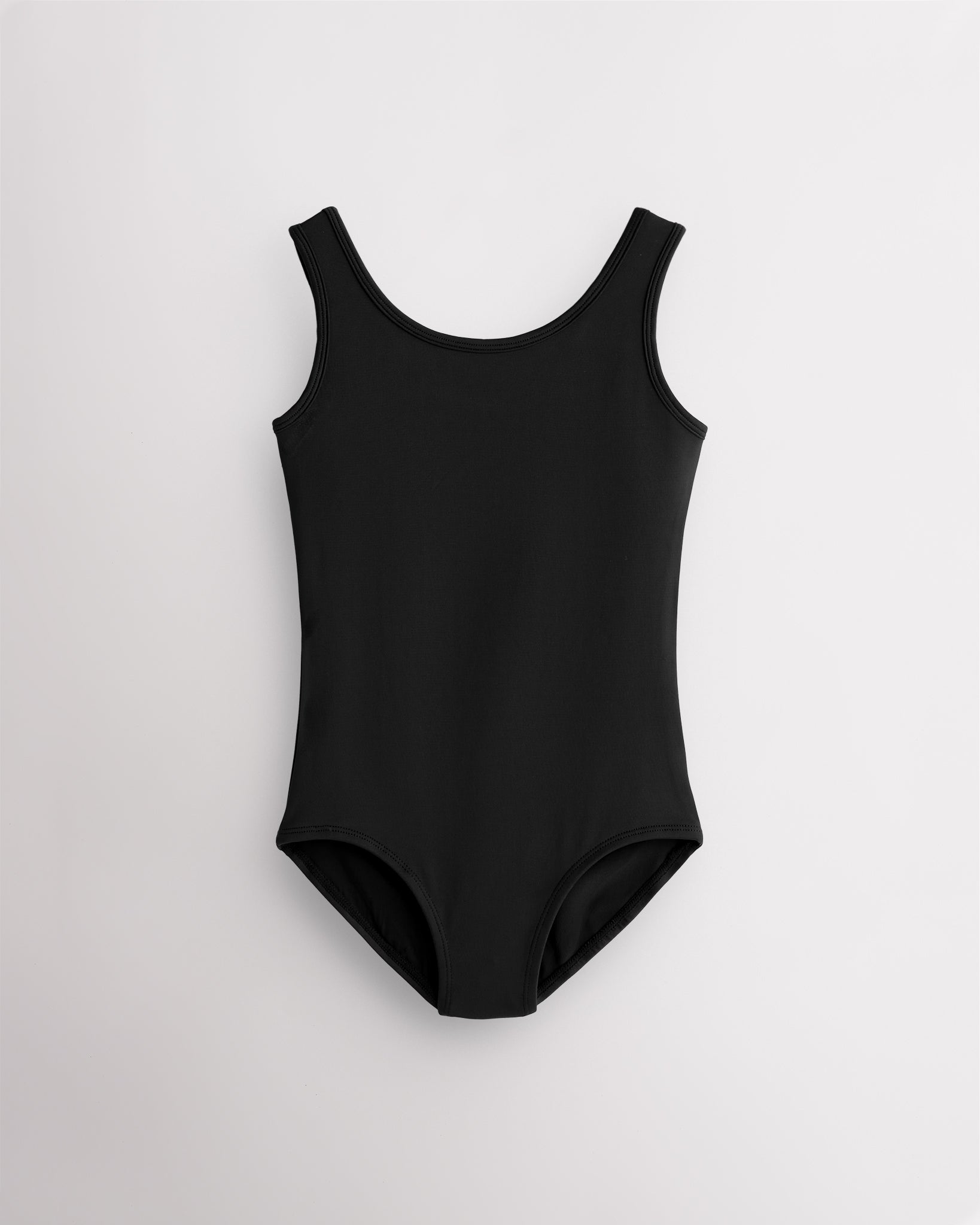
The best toddler leotards are the ones she barely notices she has on. It should stay put while she sits, stretches, twirls, and runs back to you after class, without her tugging at the neckline or leg openings. Short-sleeve and tank styles tend to stay the most secure for this age, and soft cotton-spandex fabric feels familiar rather than stiff or unfamiliar. Not every toddler ballet class requires a full leotard. Some creative movement programs are fine with a fitted top and leggings instead, which can be one of the easiest practice outfits if the studio allows it. For more on choosing styles and fabrics, see our leotard buying guide and our guide to cotton leotards for kids.
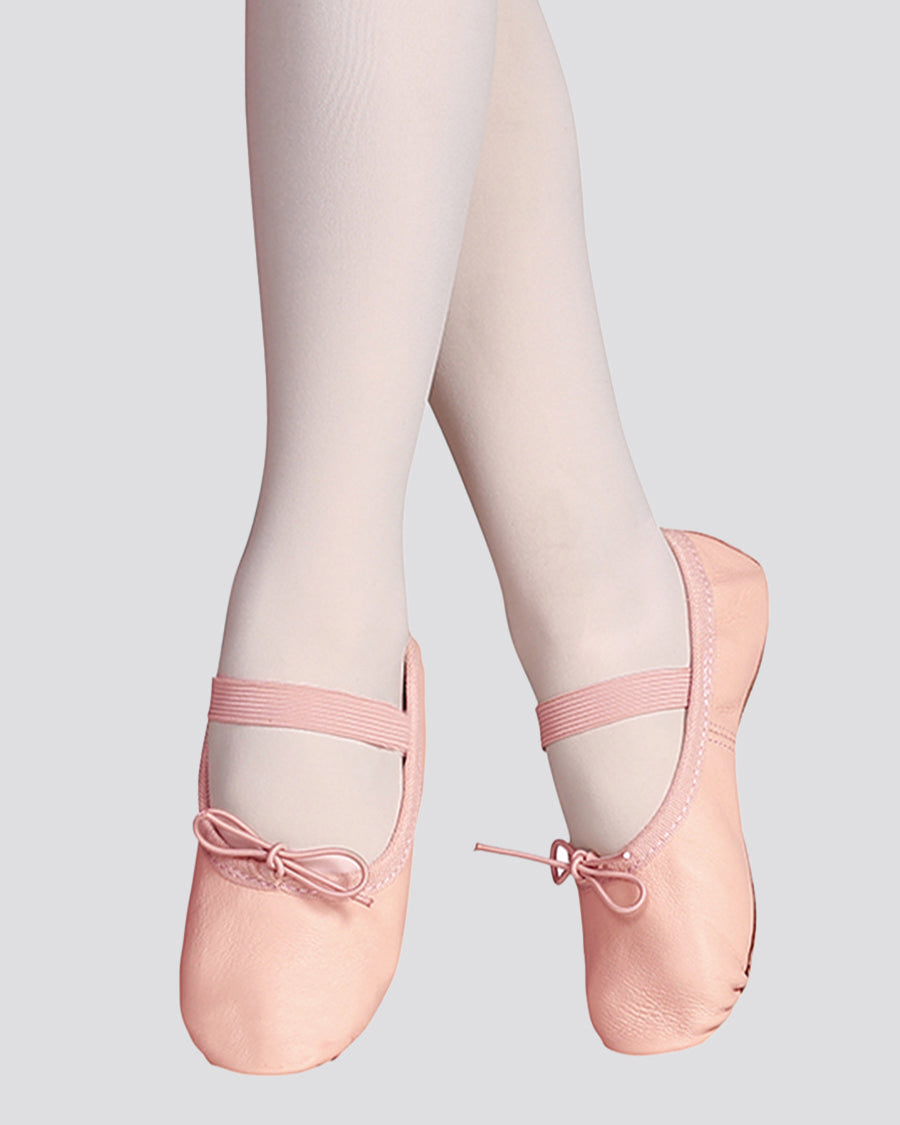
Tights or leggings
Many studios ask for ballet tights, but comfort is where toddler ballet tights can fall short. Childrens ballet tights in general are not one-size-fits-all in comfort, and some toddlers dislike the waistband or the seam across the toes. Look for a soft, non-bunching waistband, and let her try them on at home before class day. If she keeps pulling at them, that is not necessarily her being difficult. The tights may just feel wrong. If the studio allows it, fitted leggings sometimes work as a substitute for toddler dance tights.
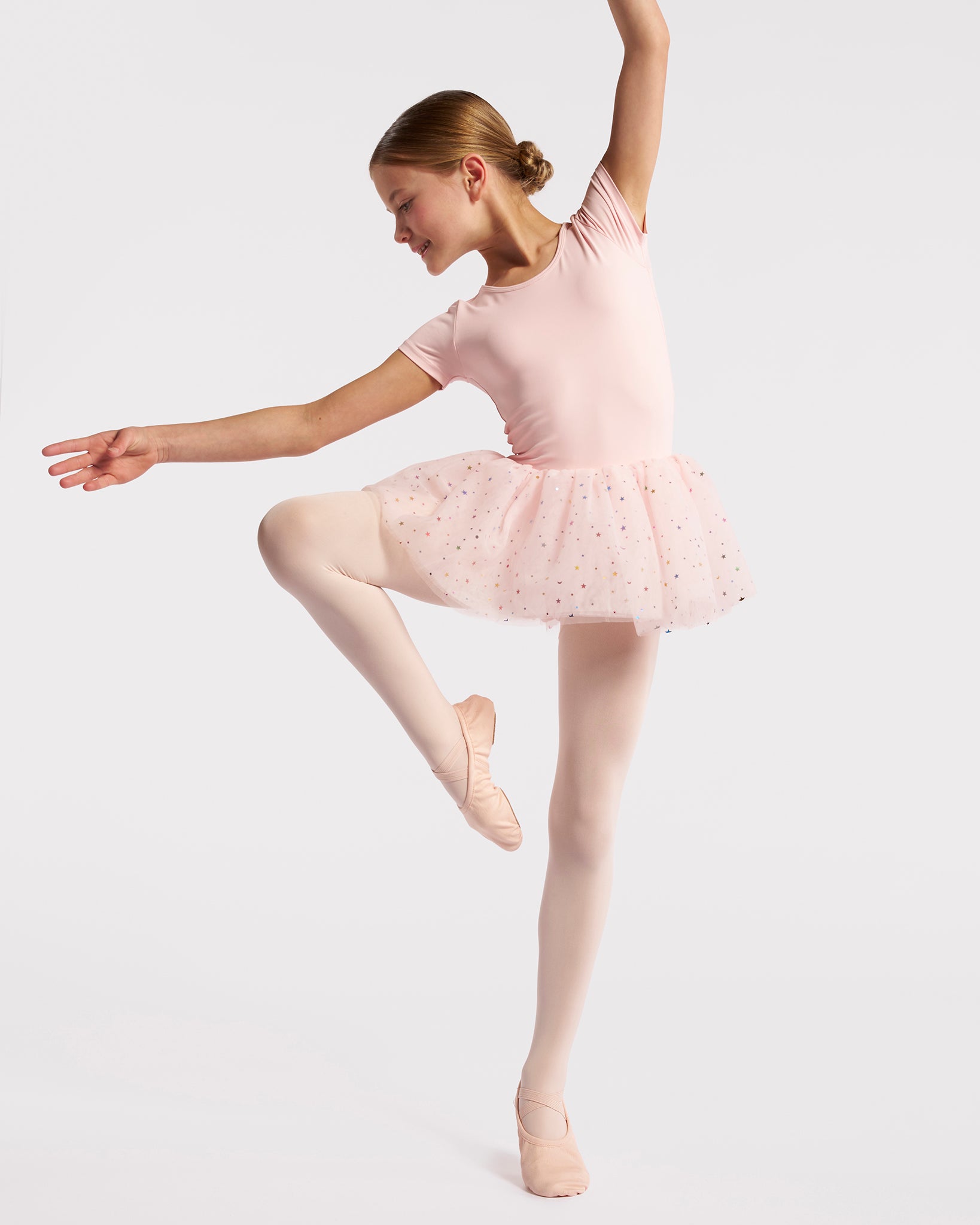
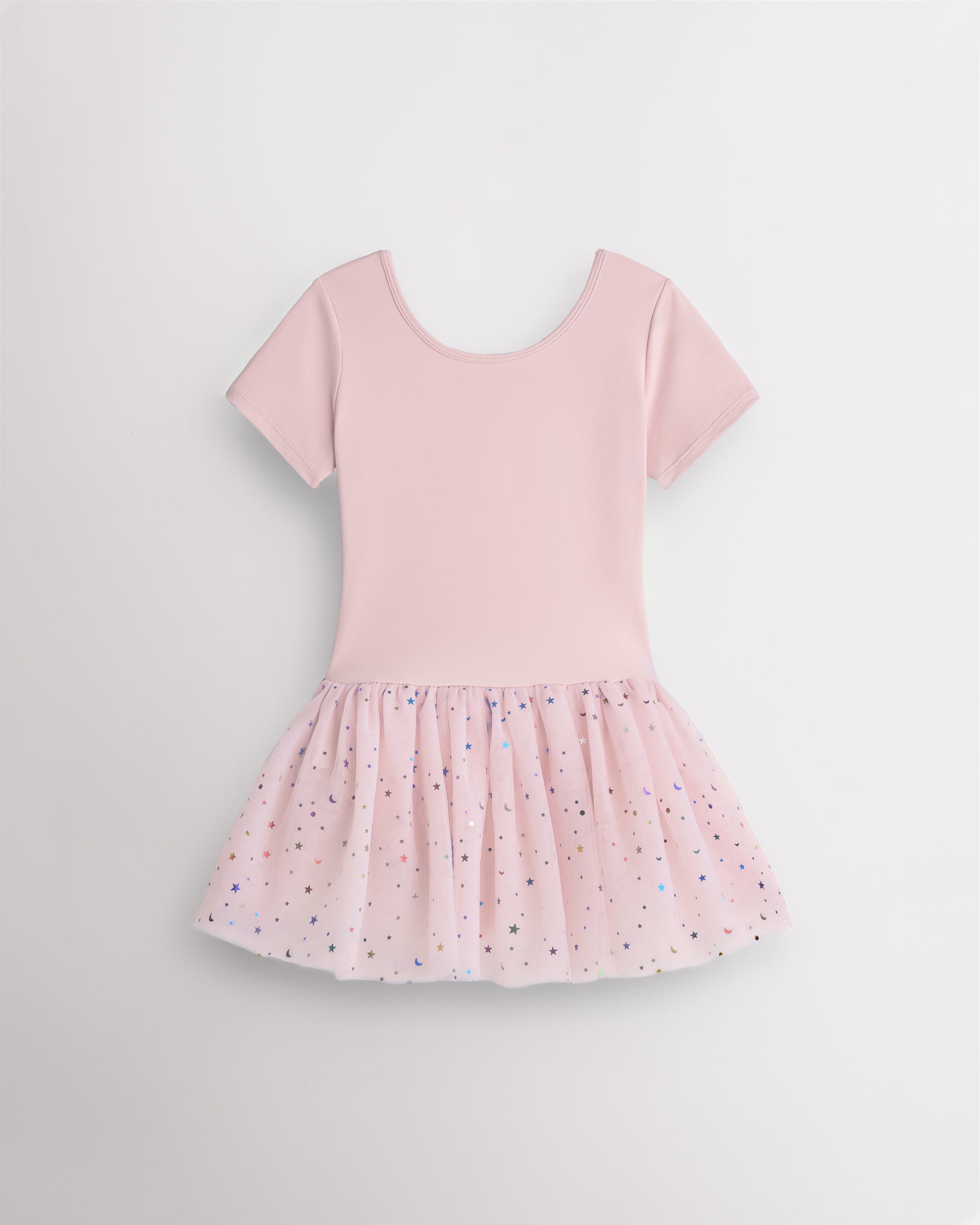
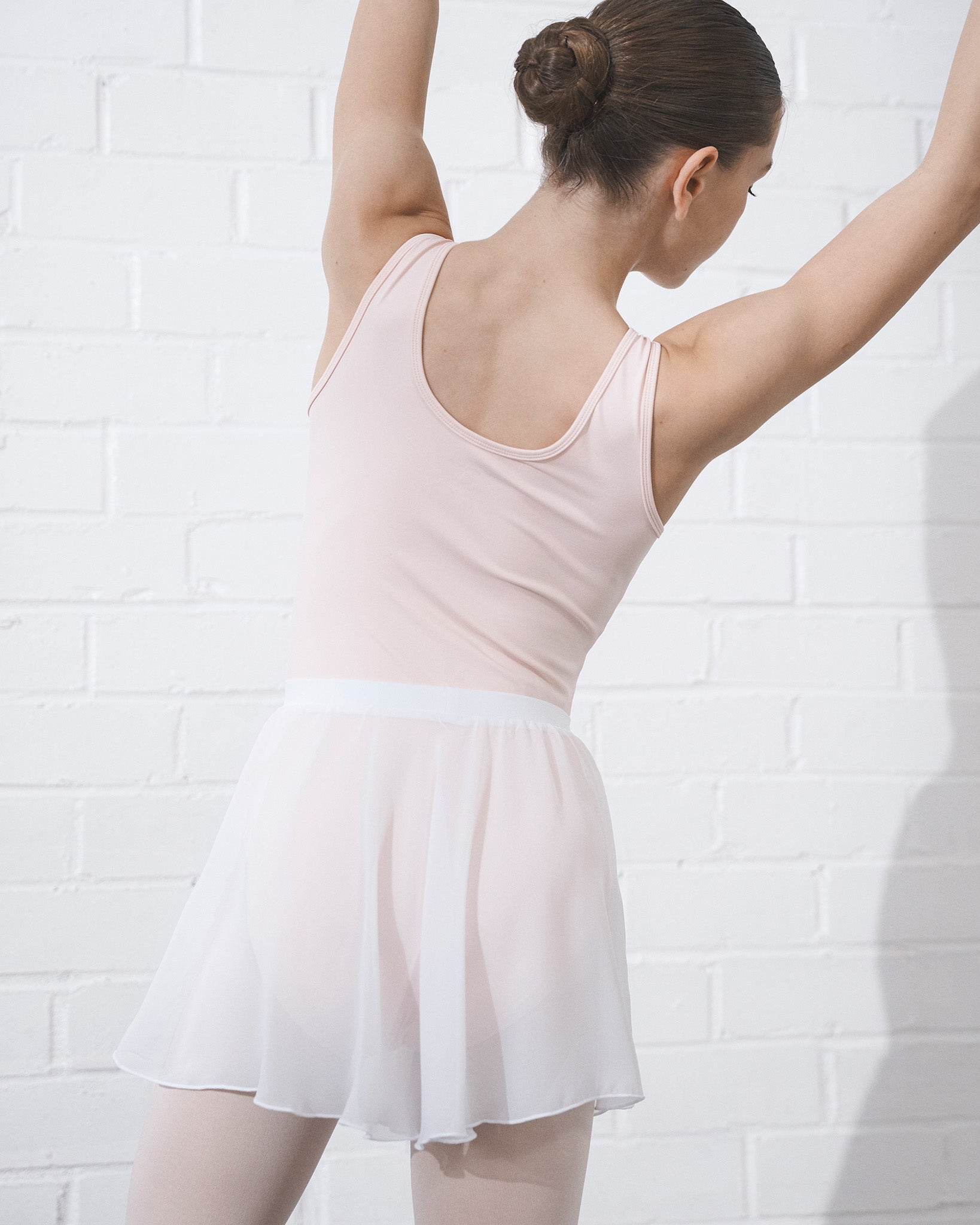
Skirt or tutu
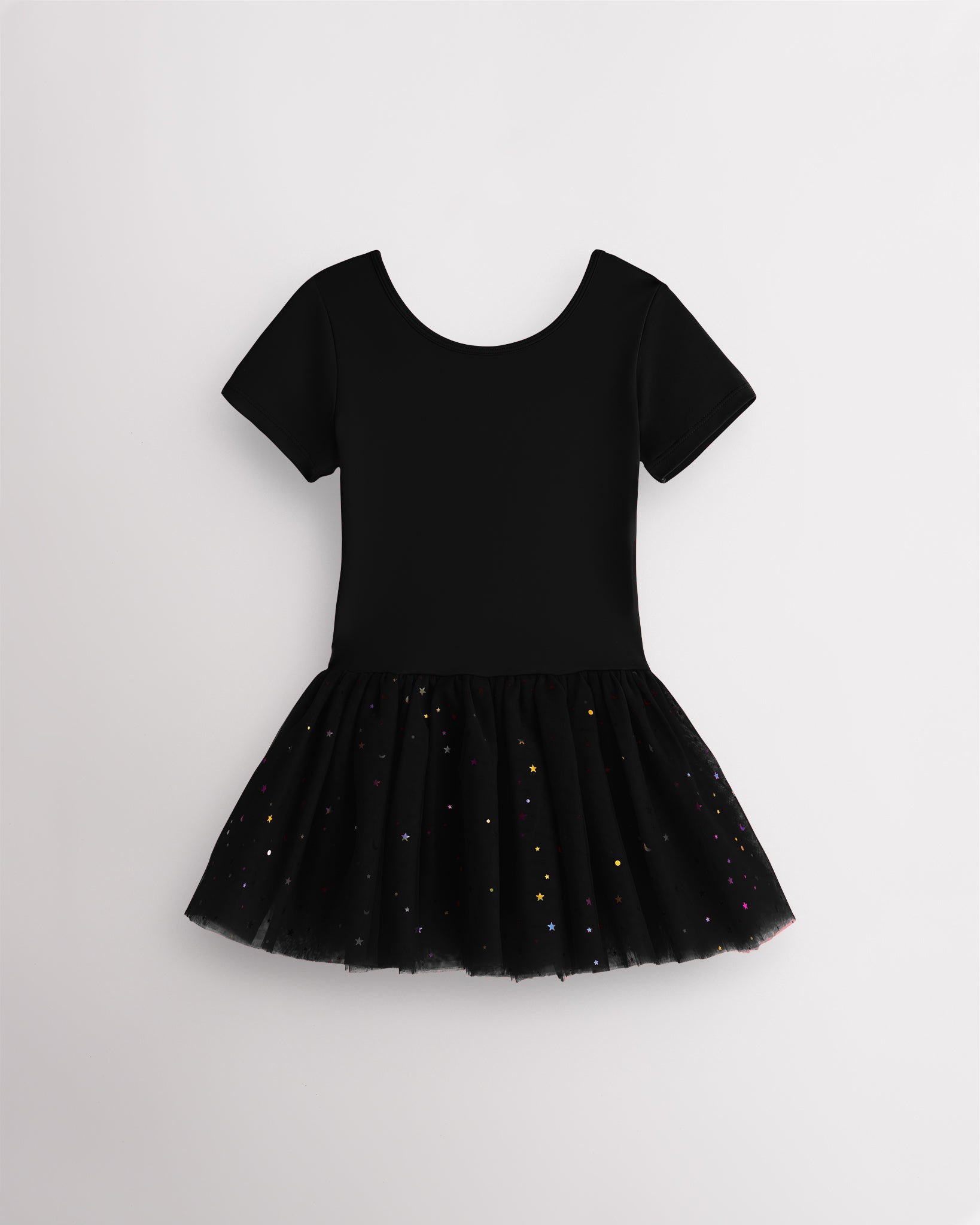
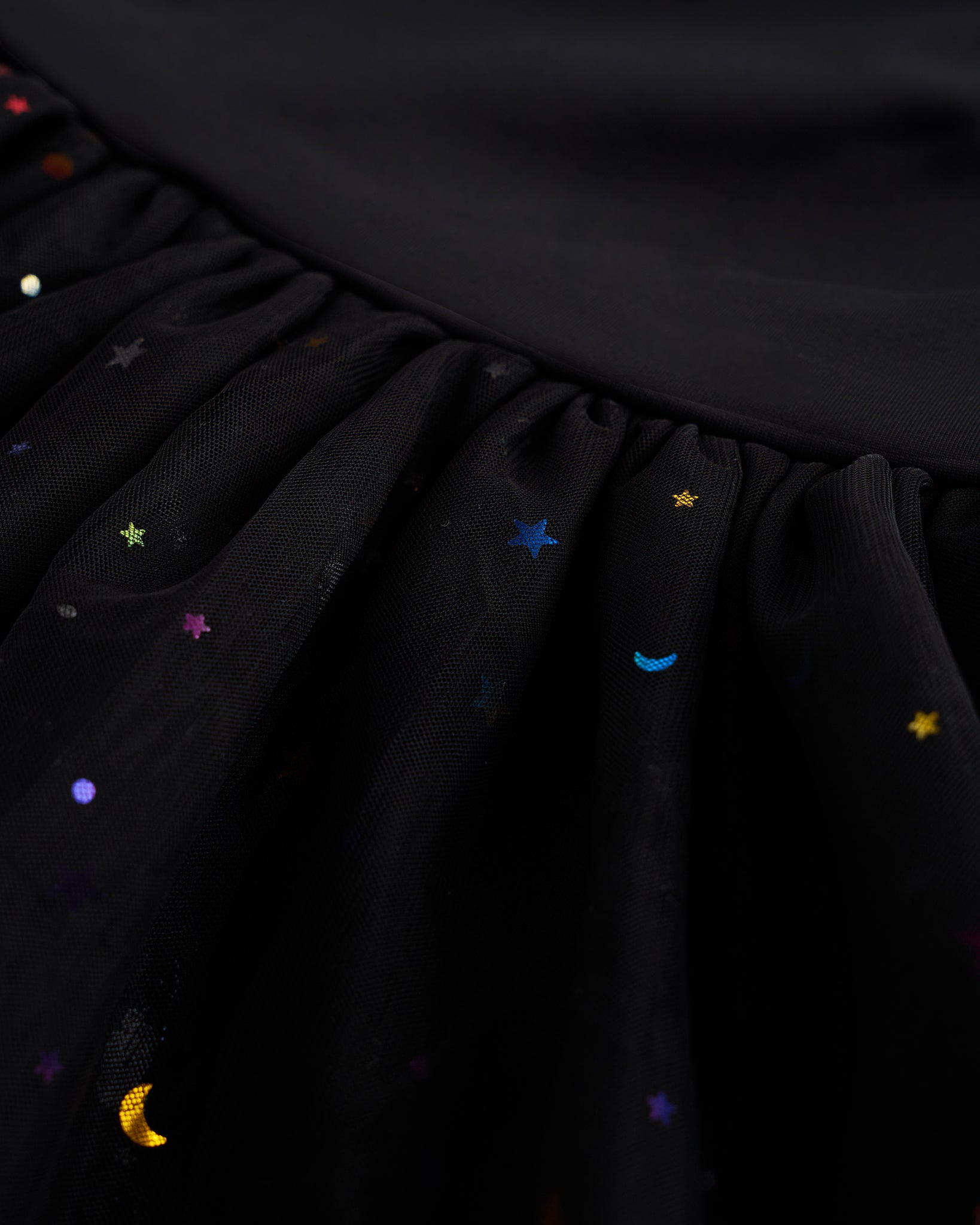
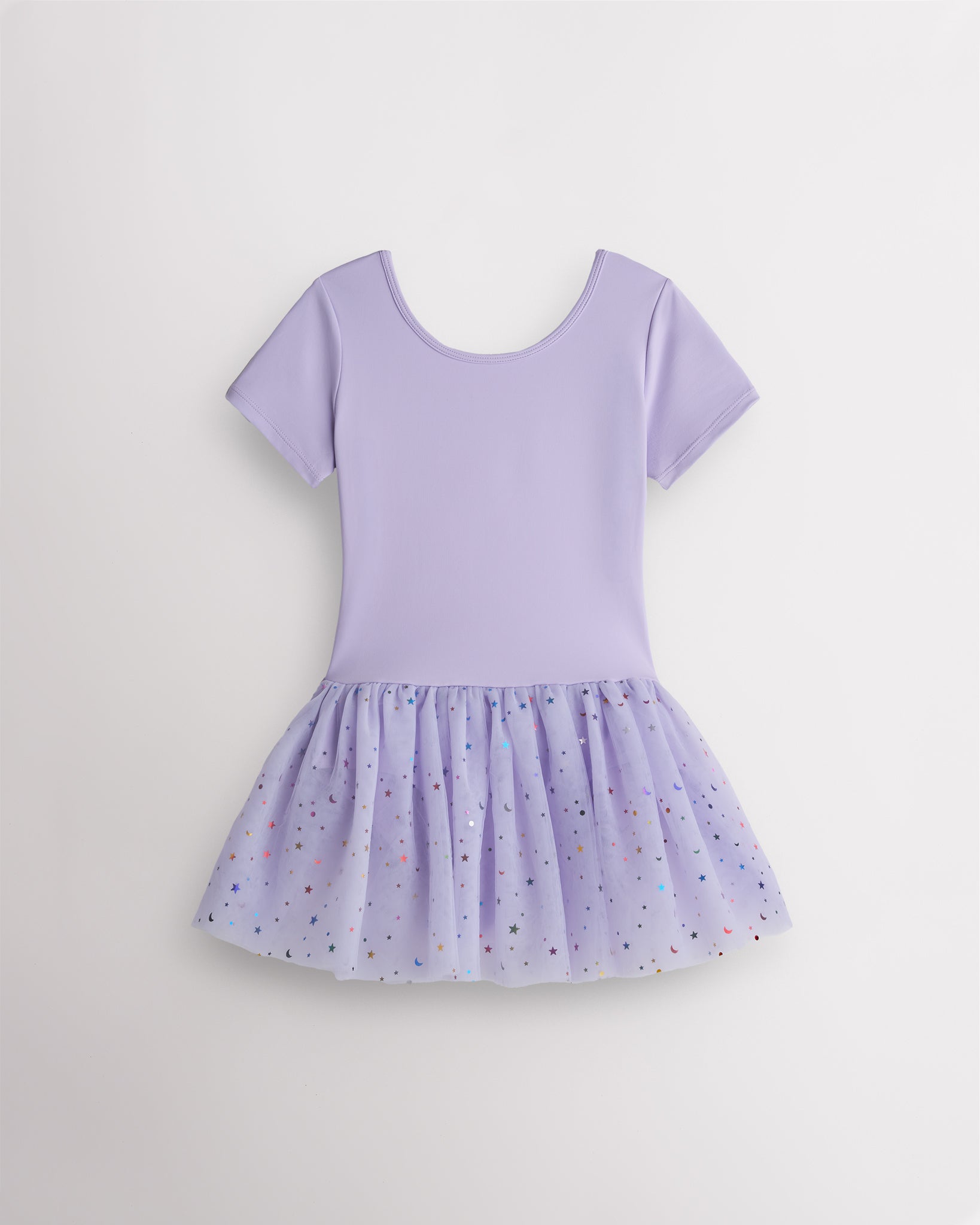
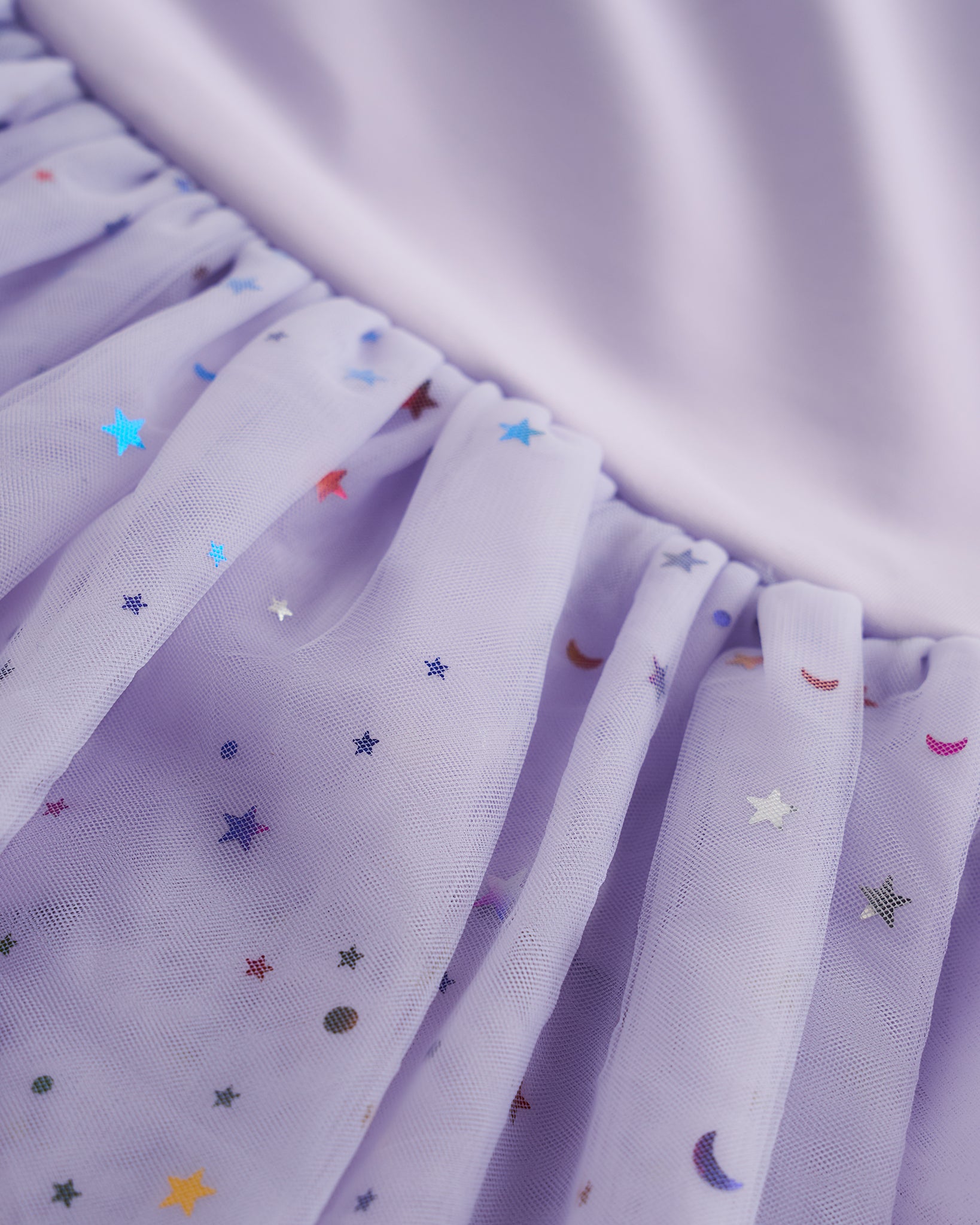
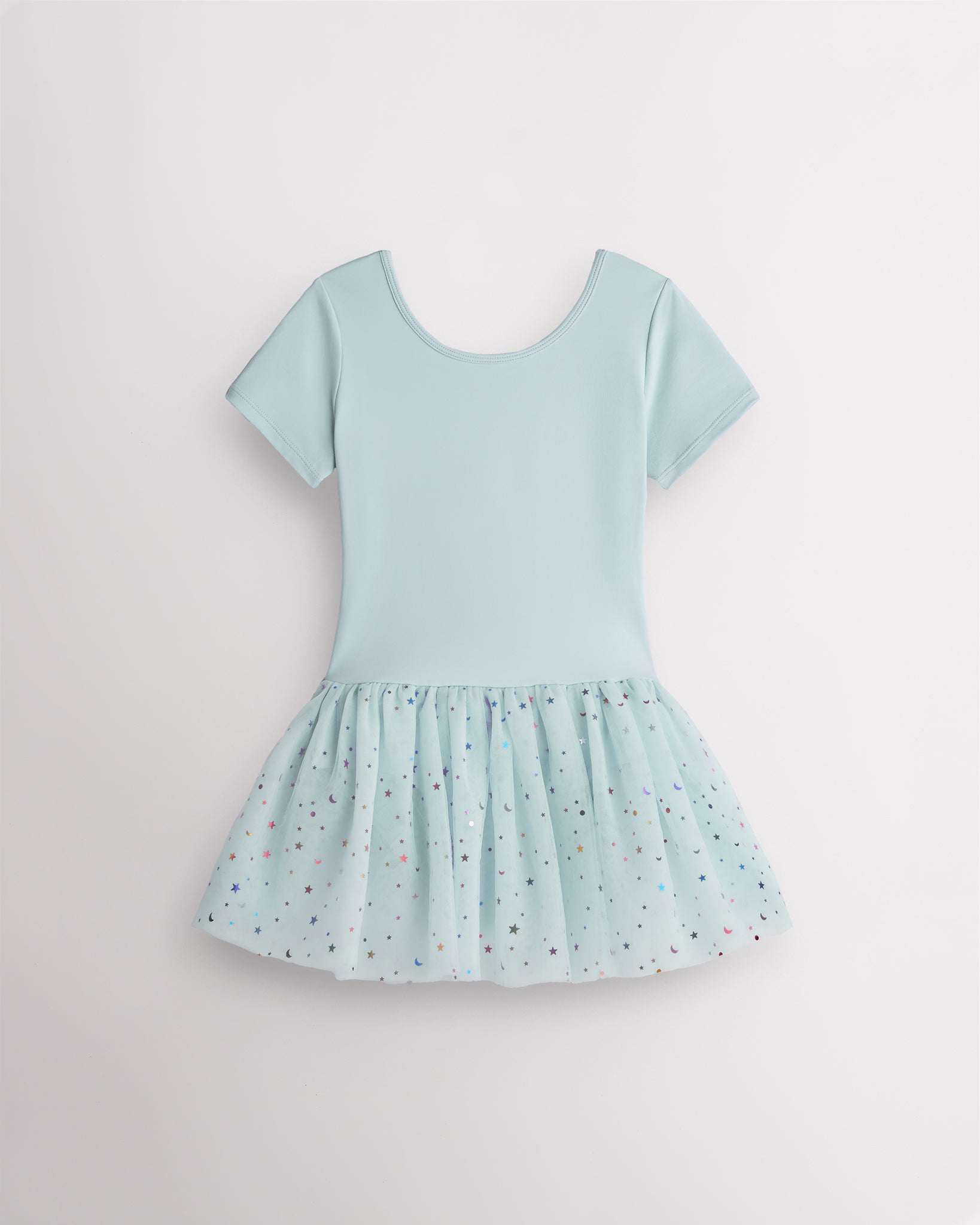
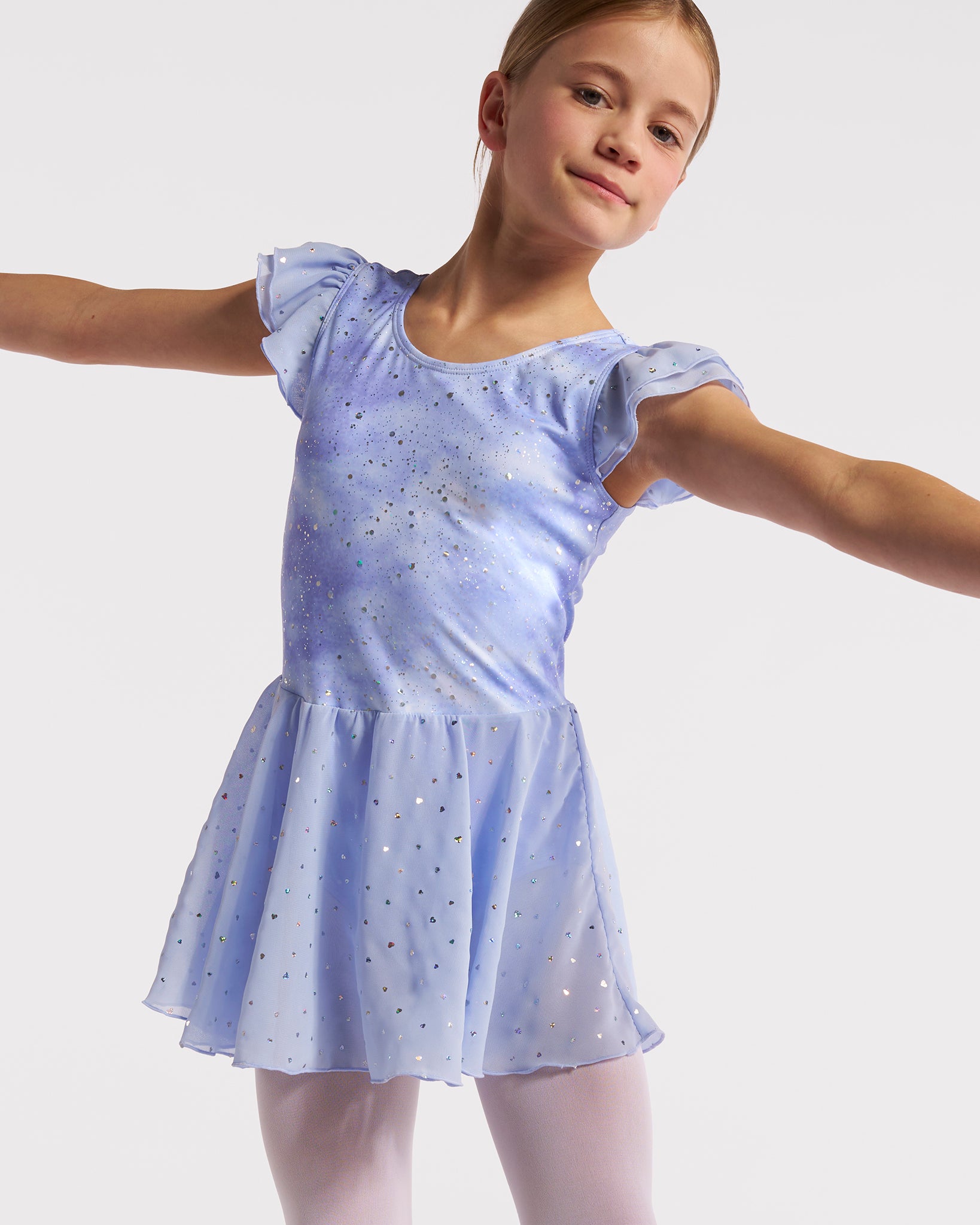
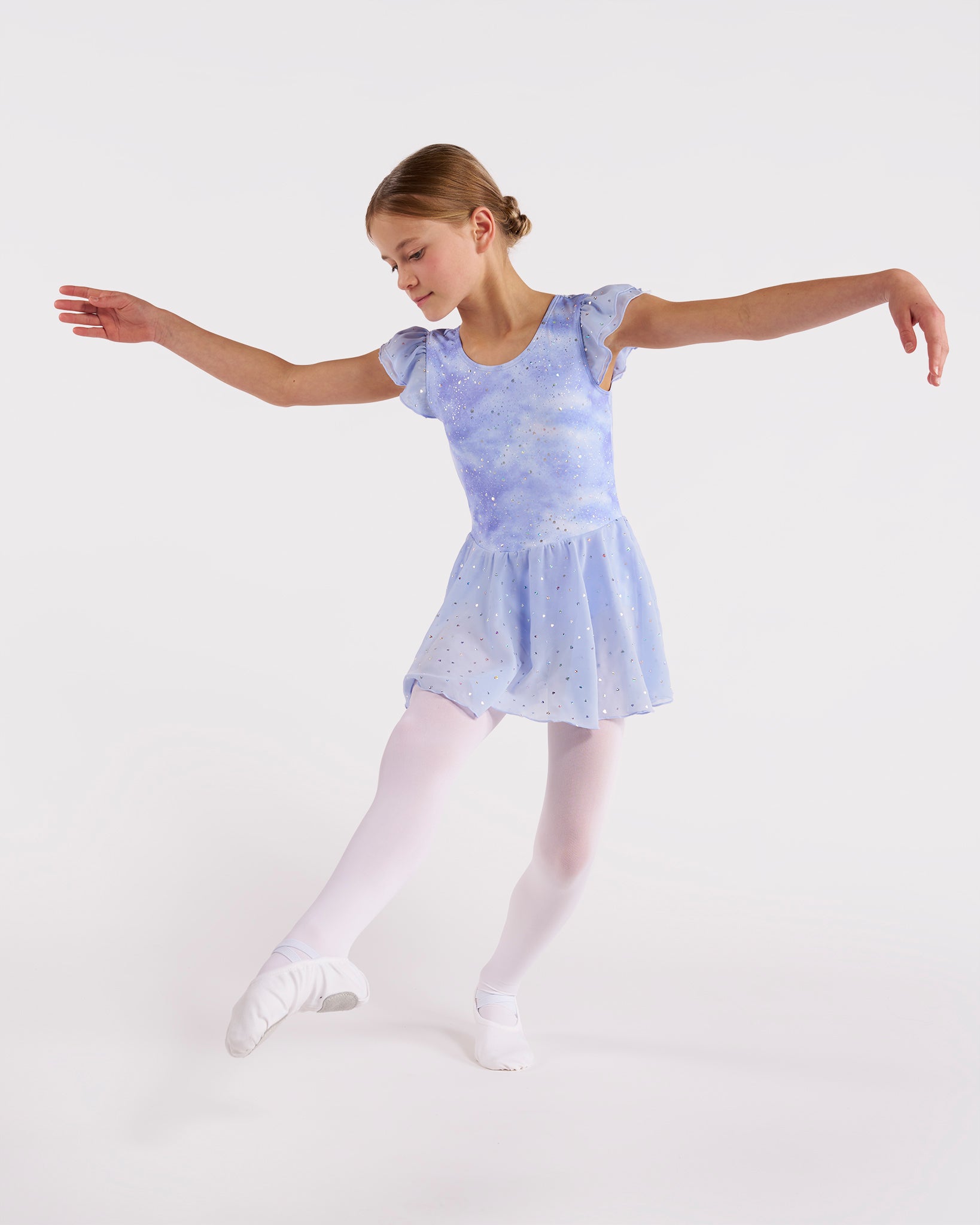
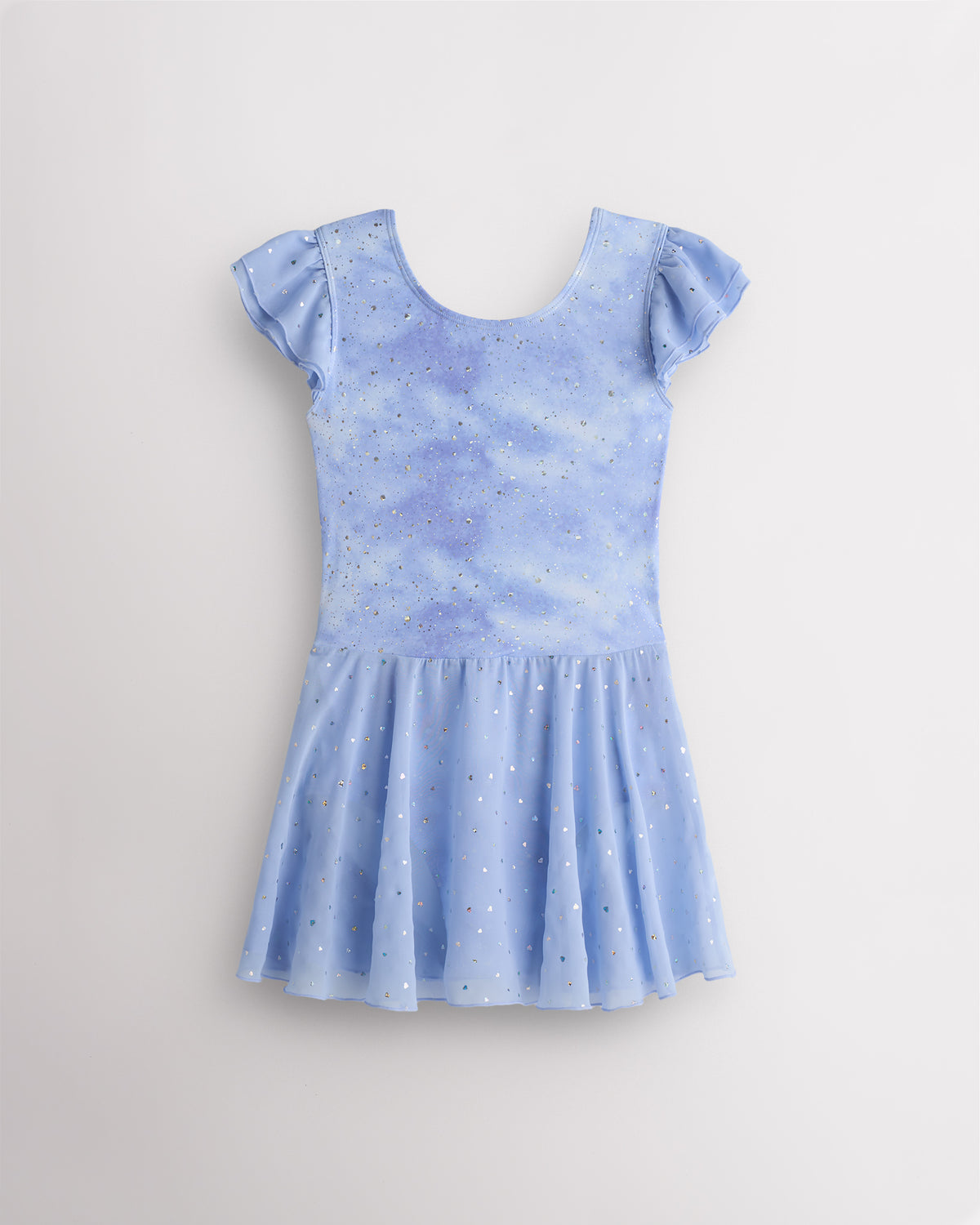
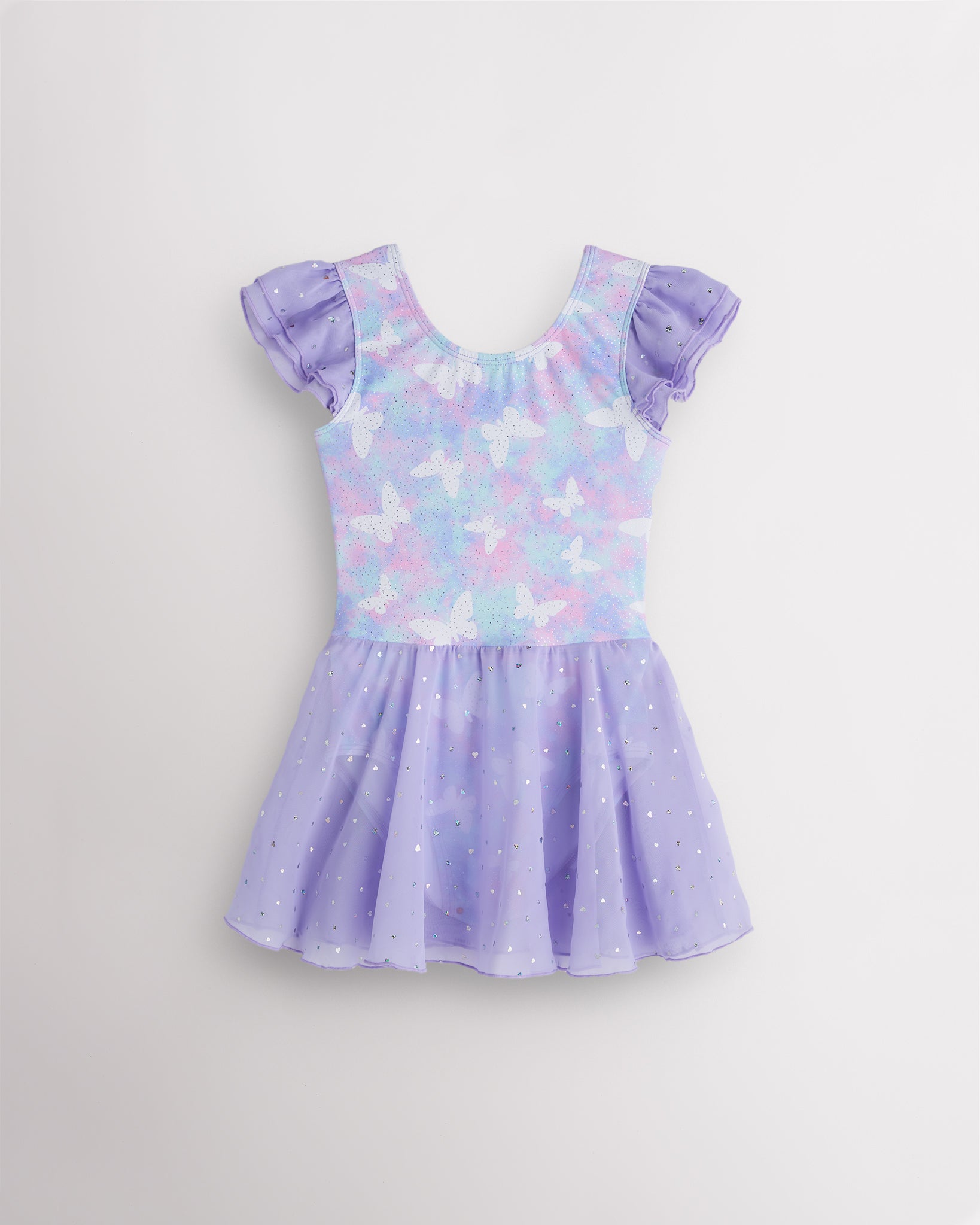
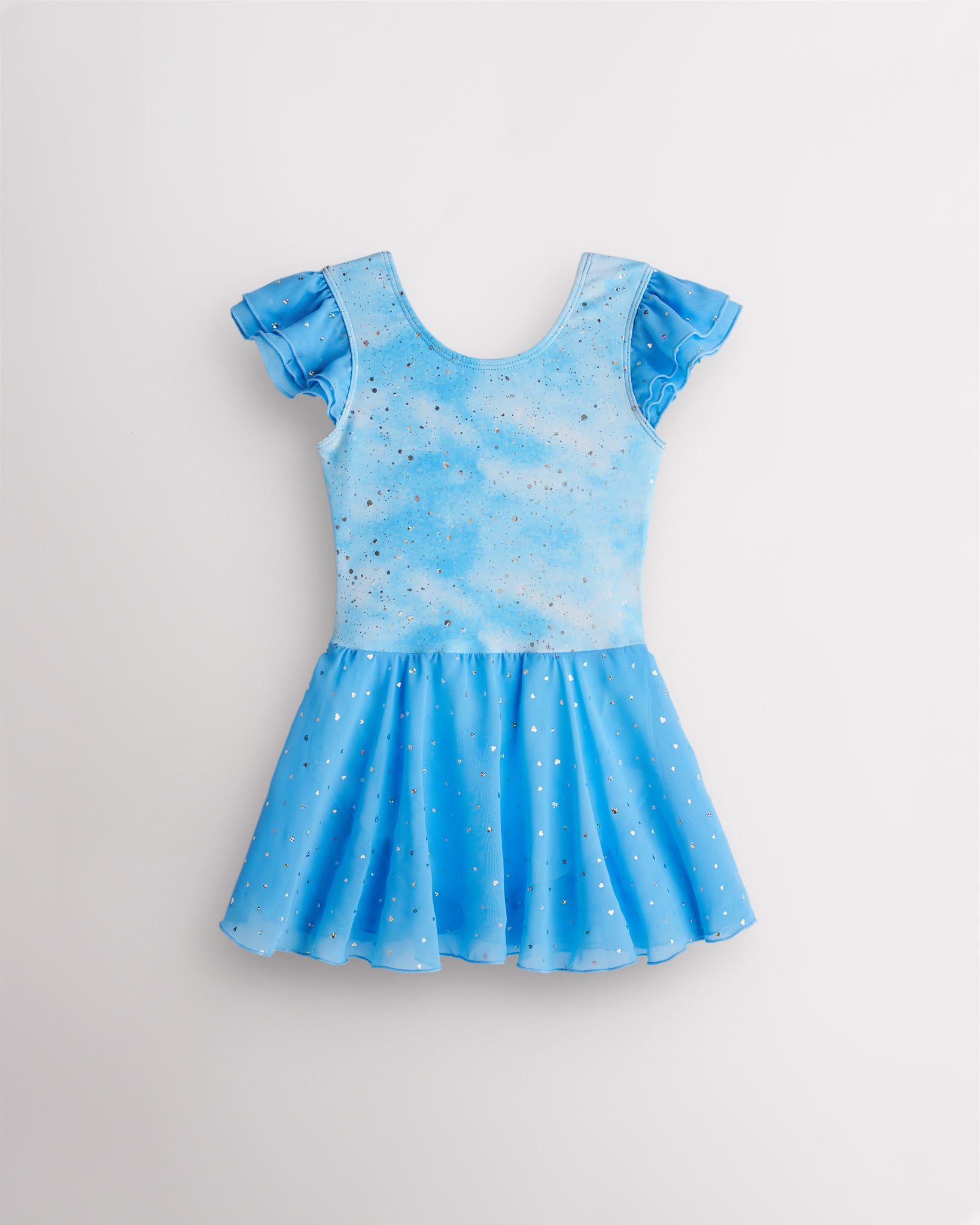
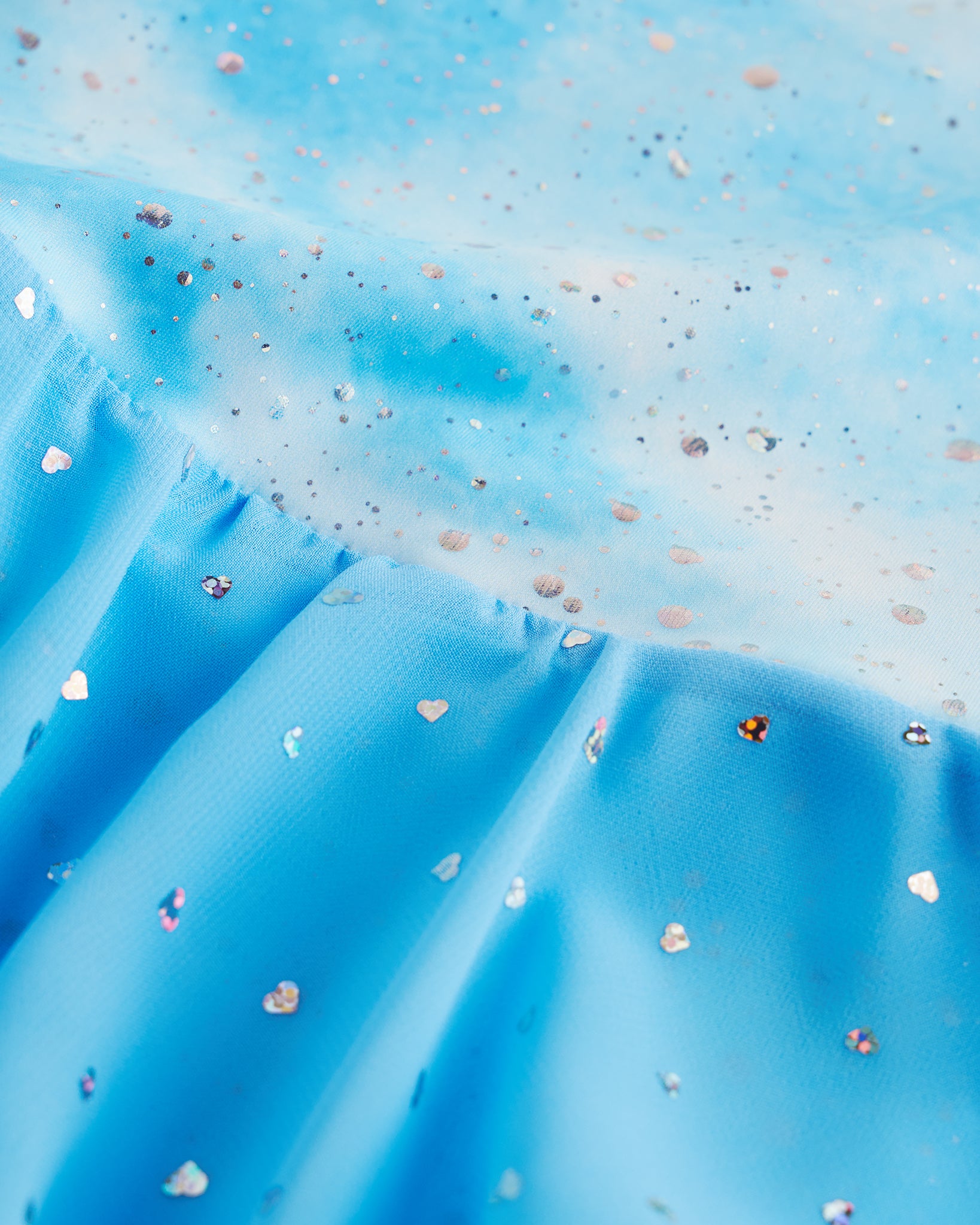
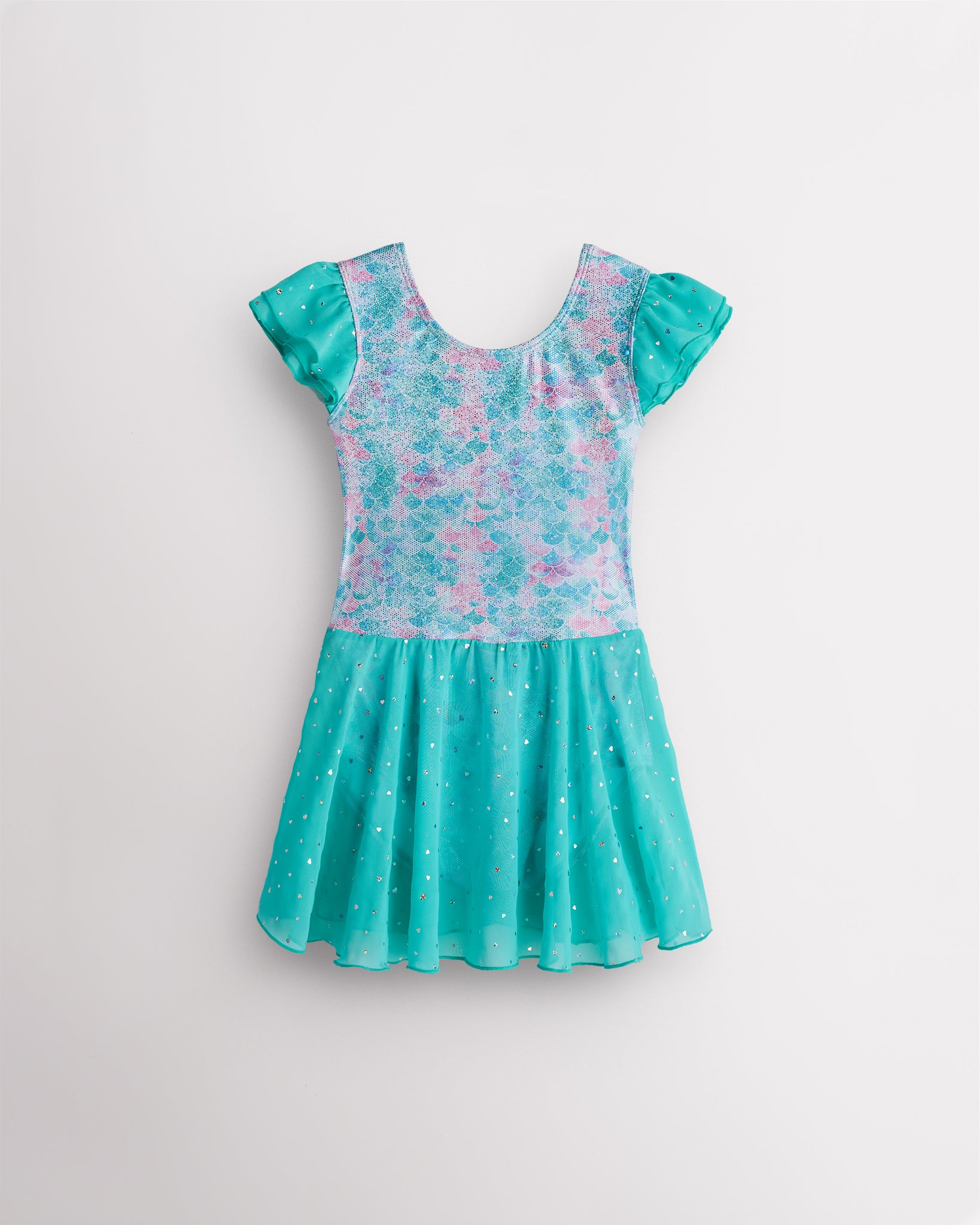
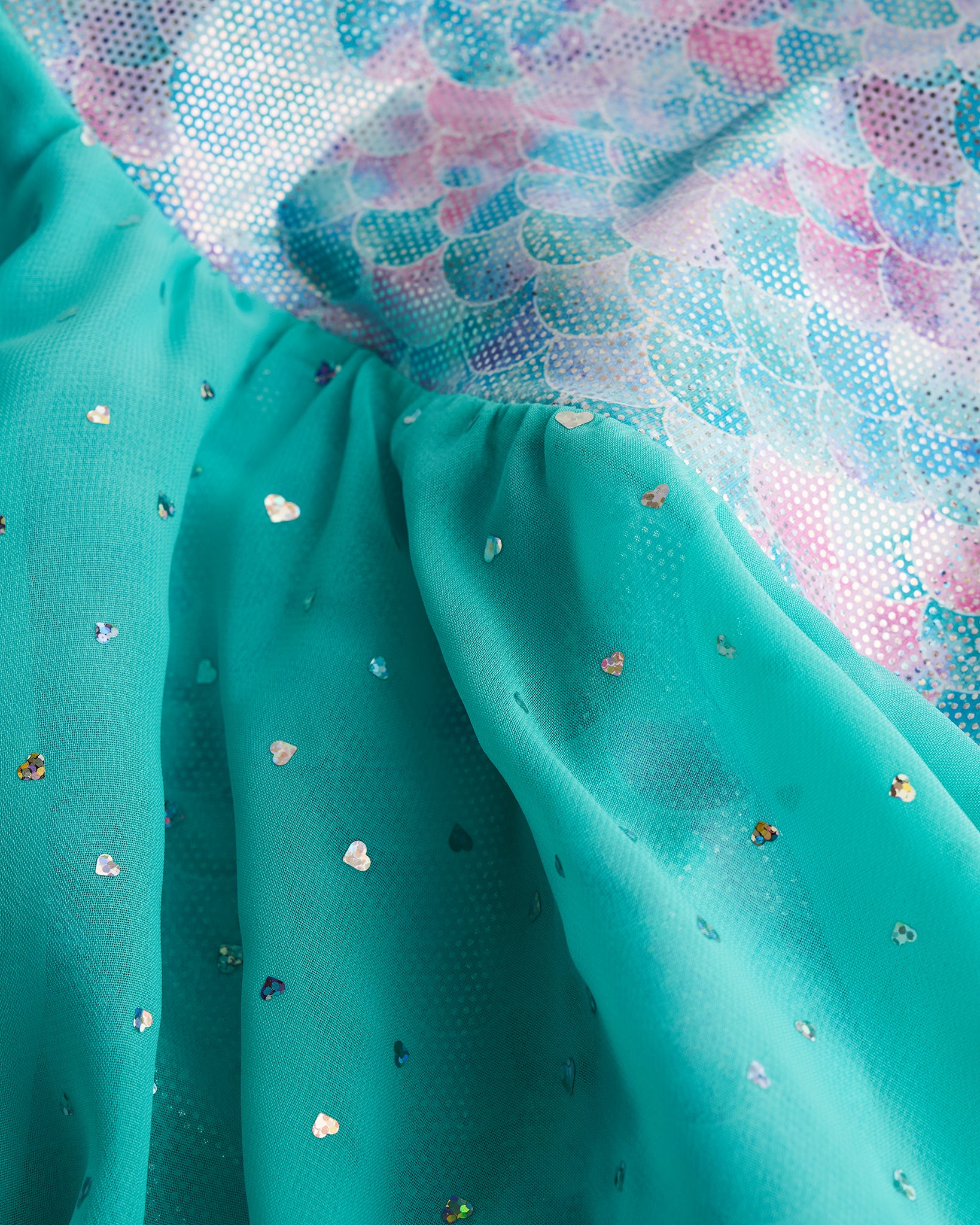
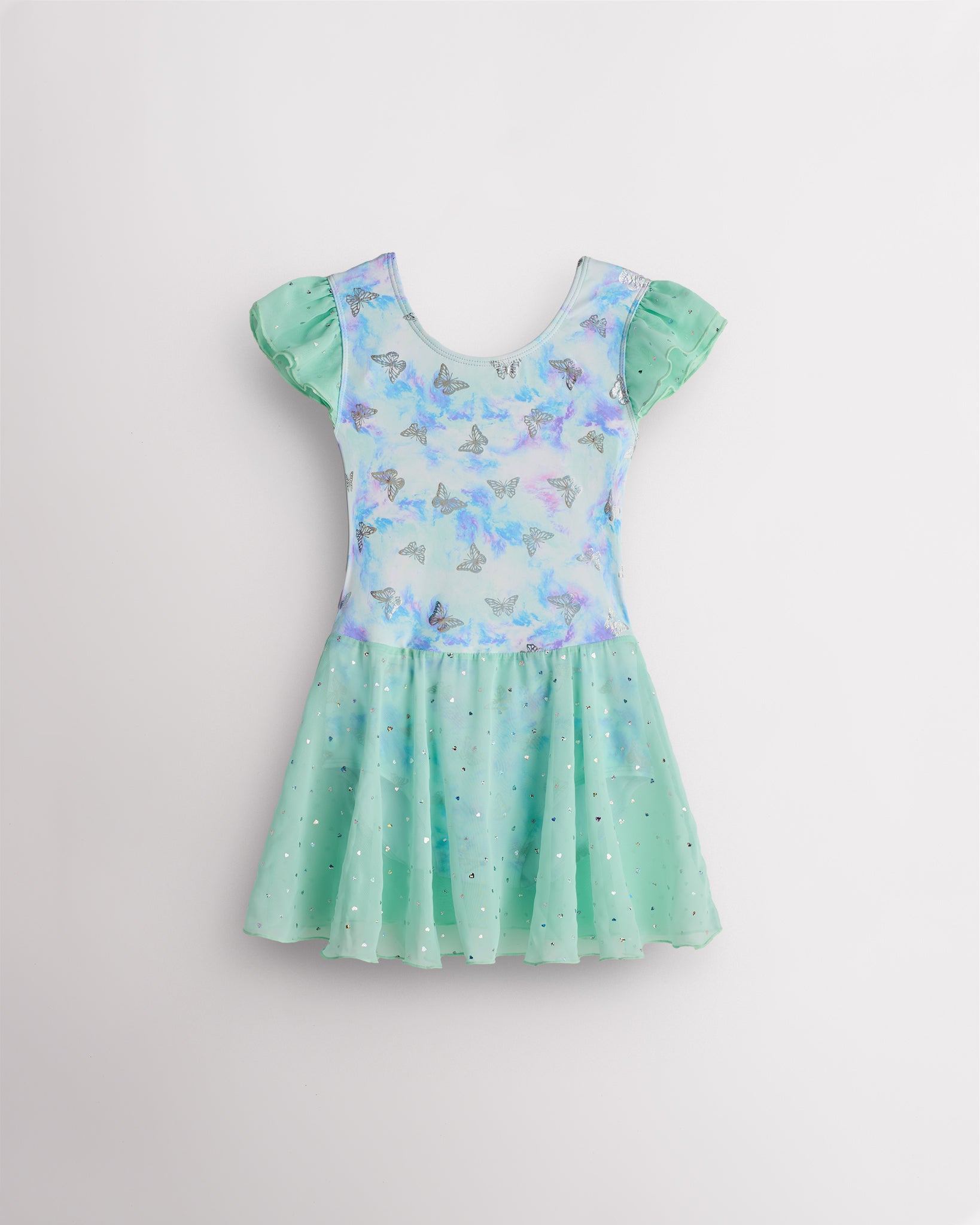
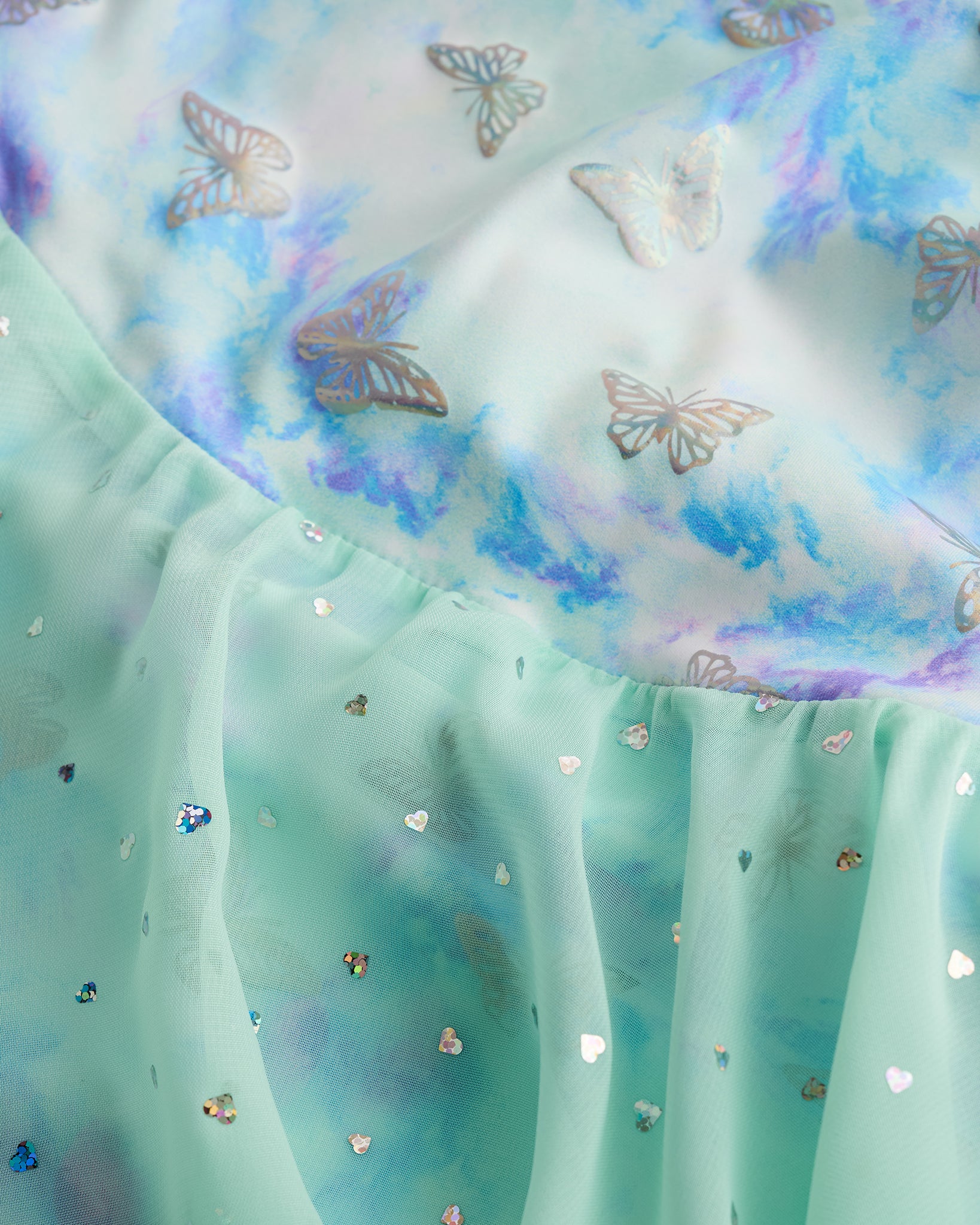
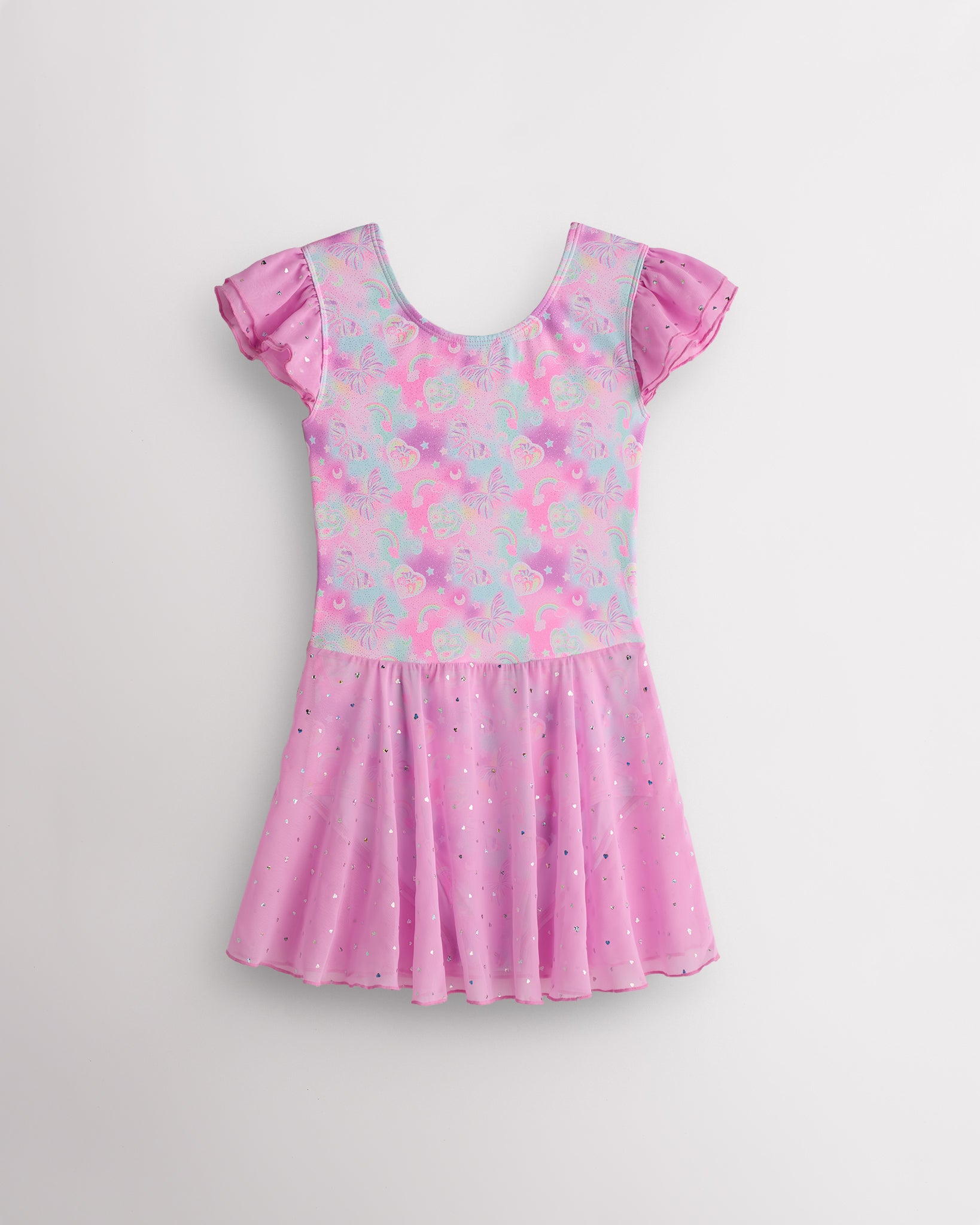
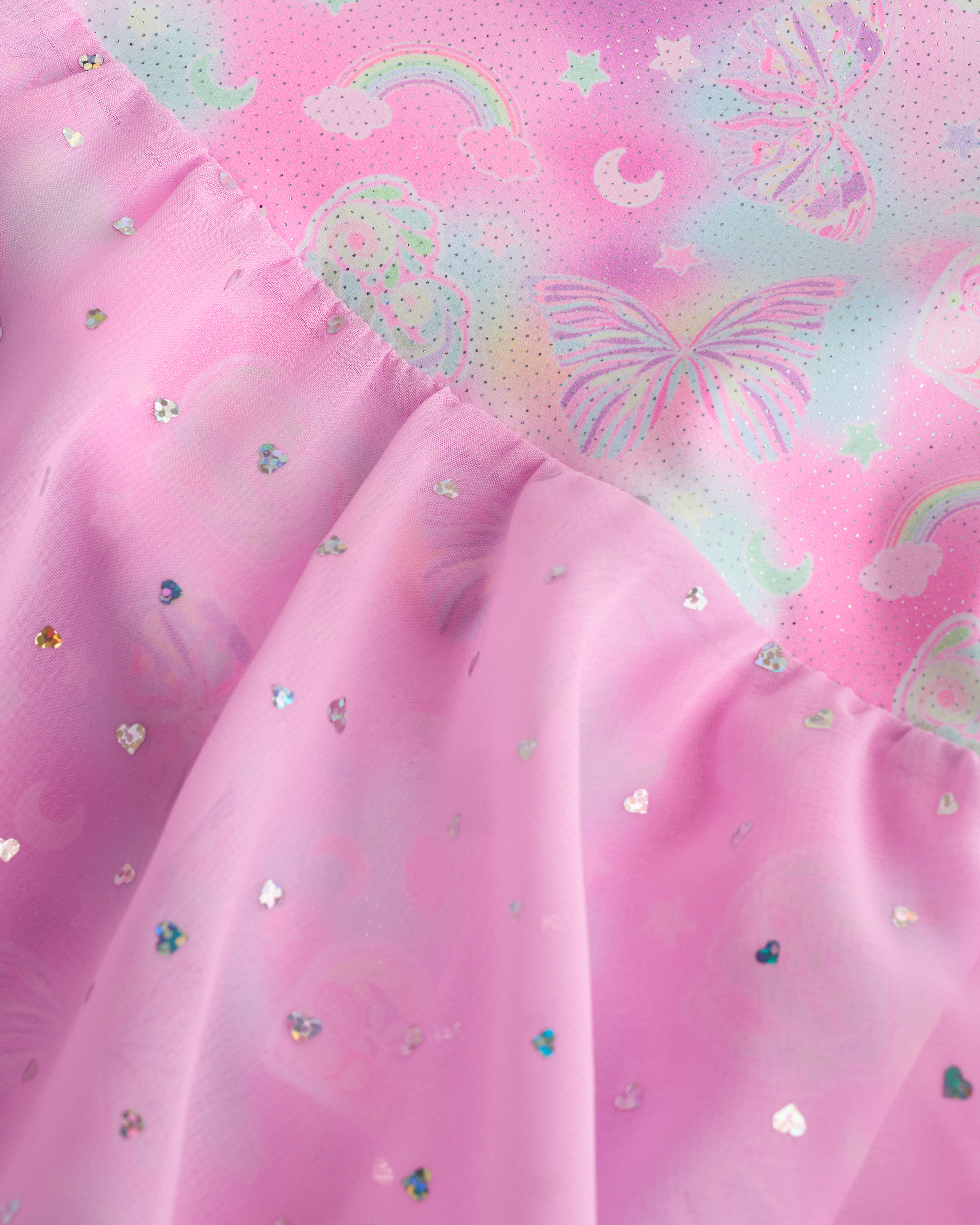
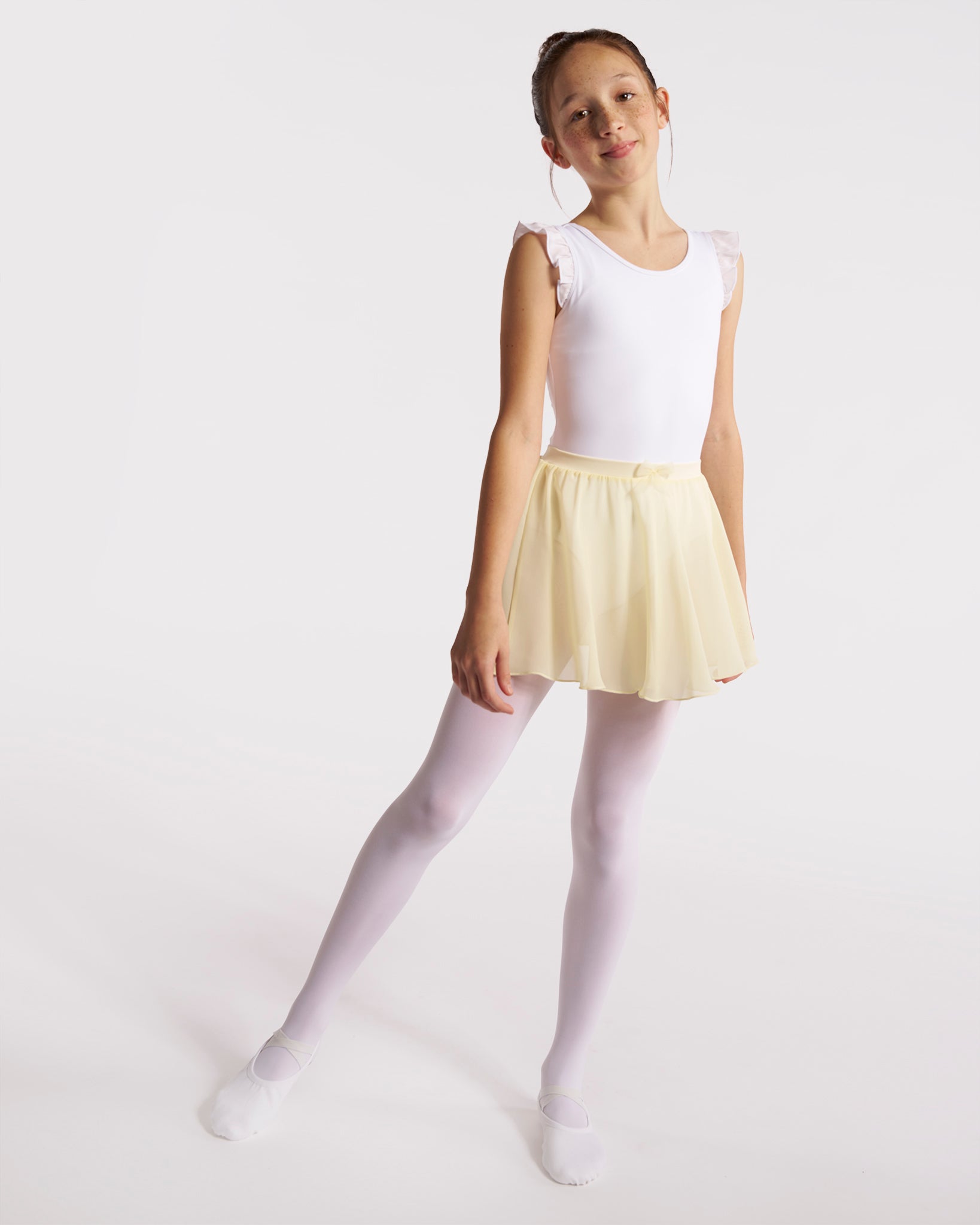
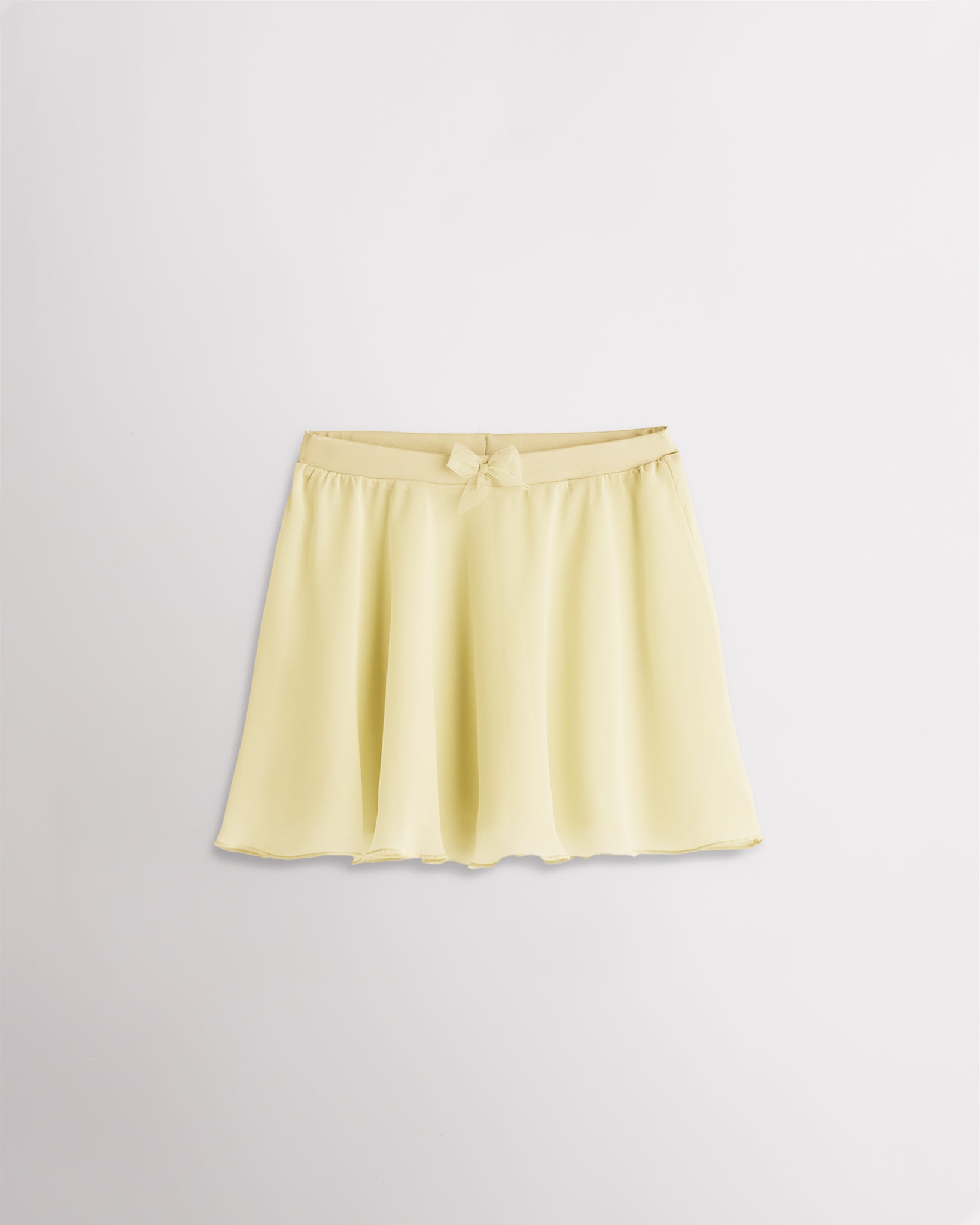
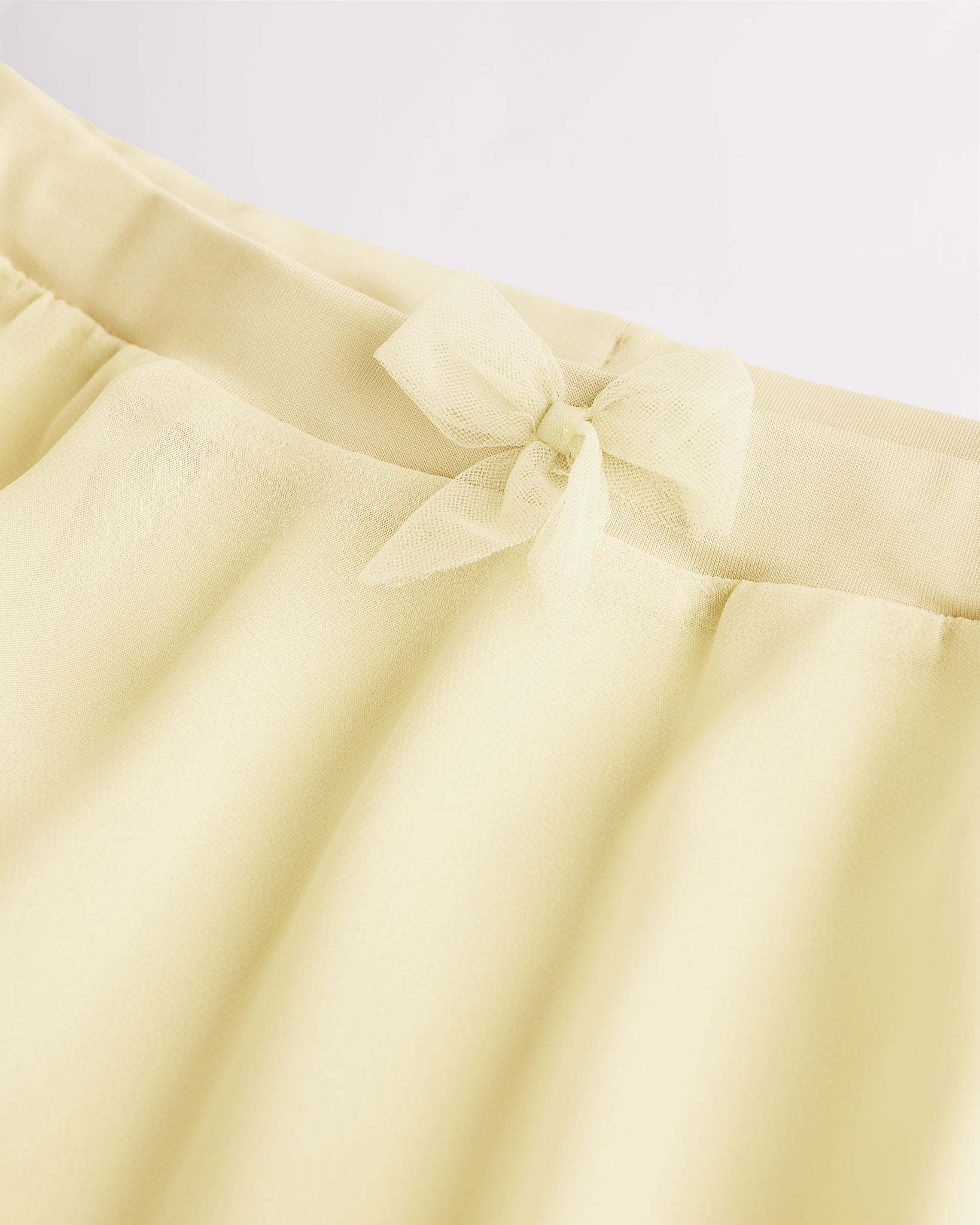
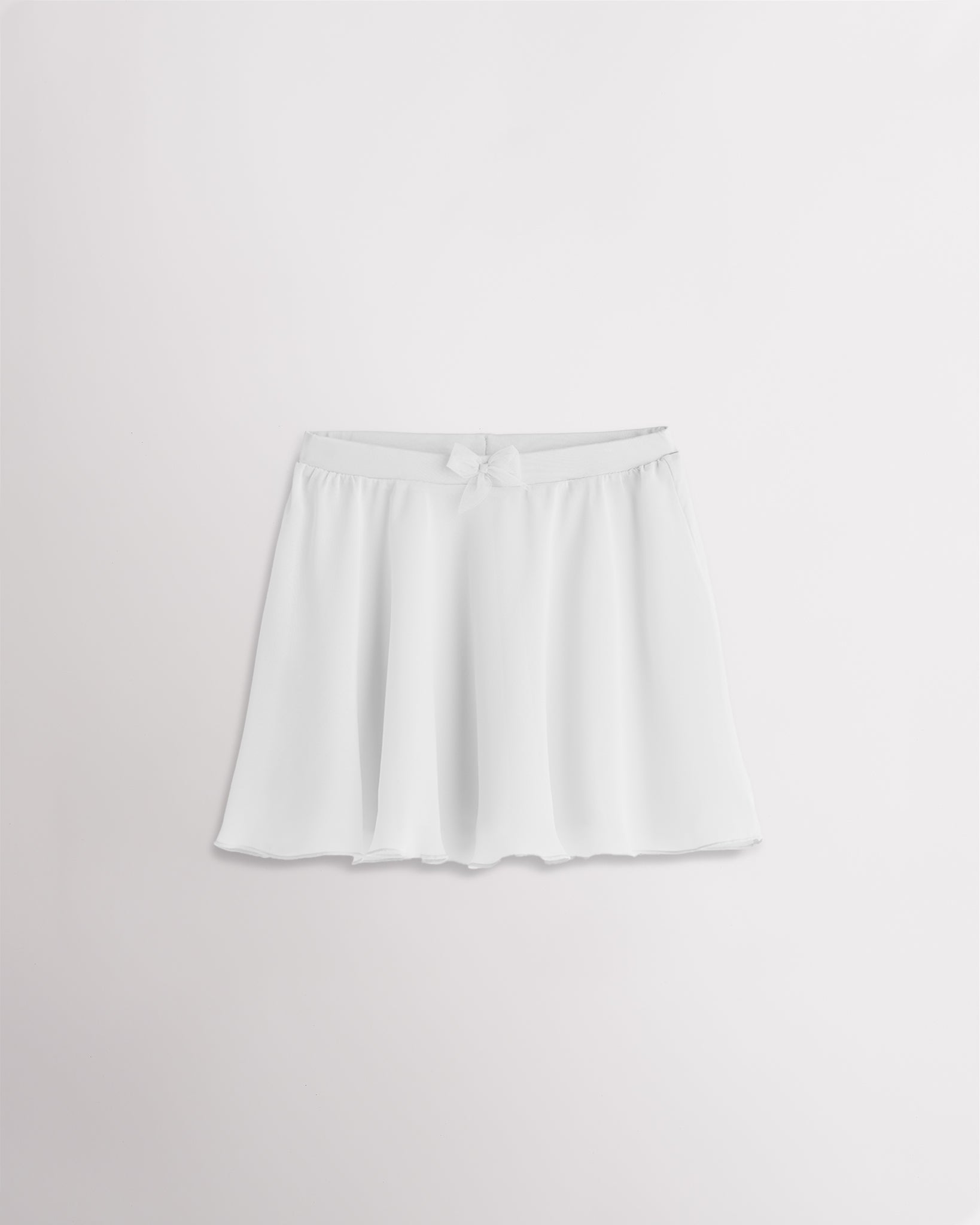
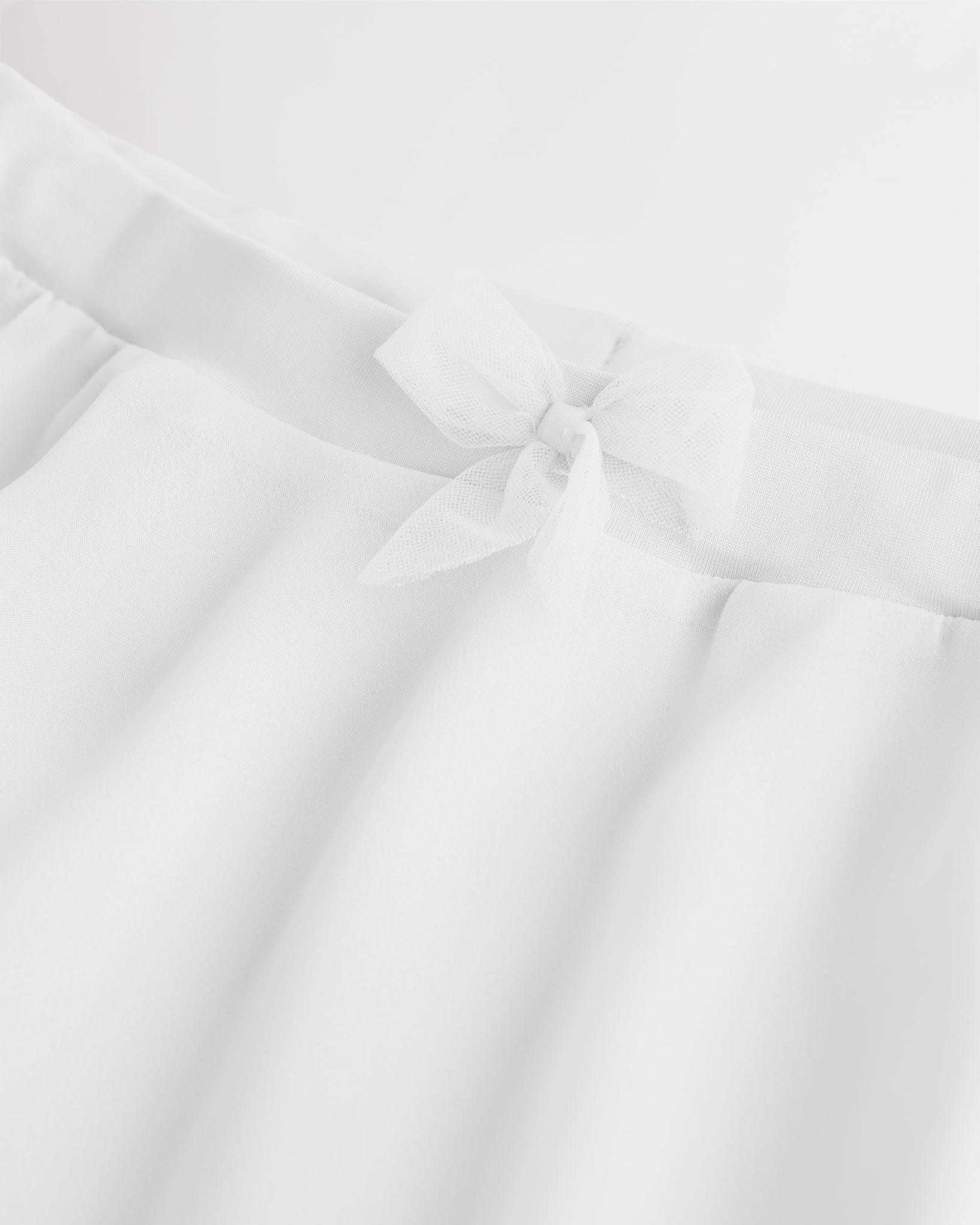
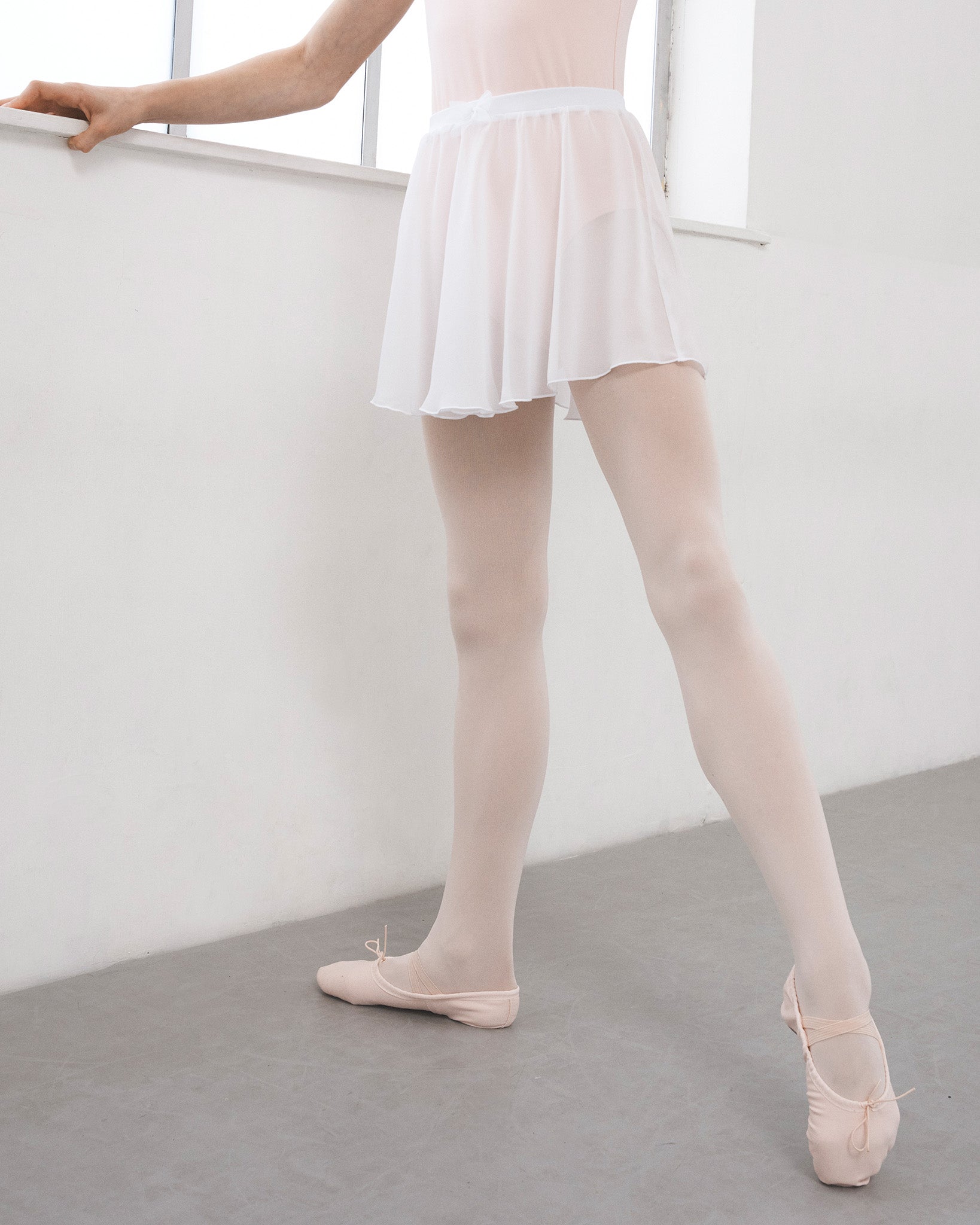
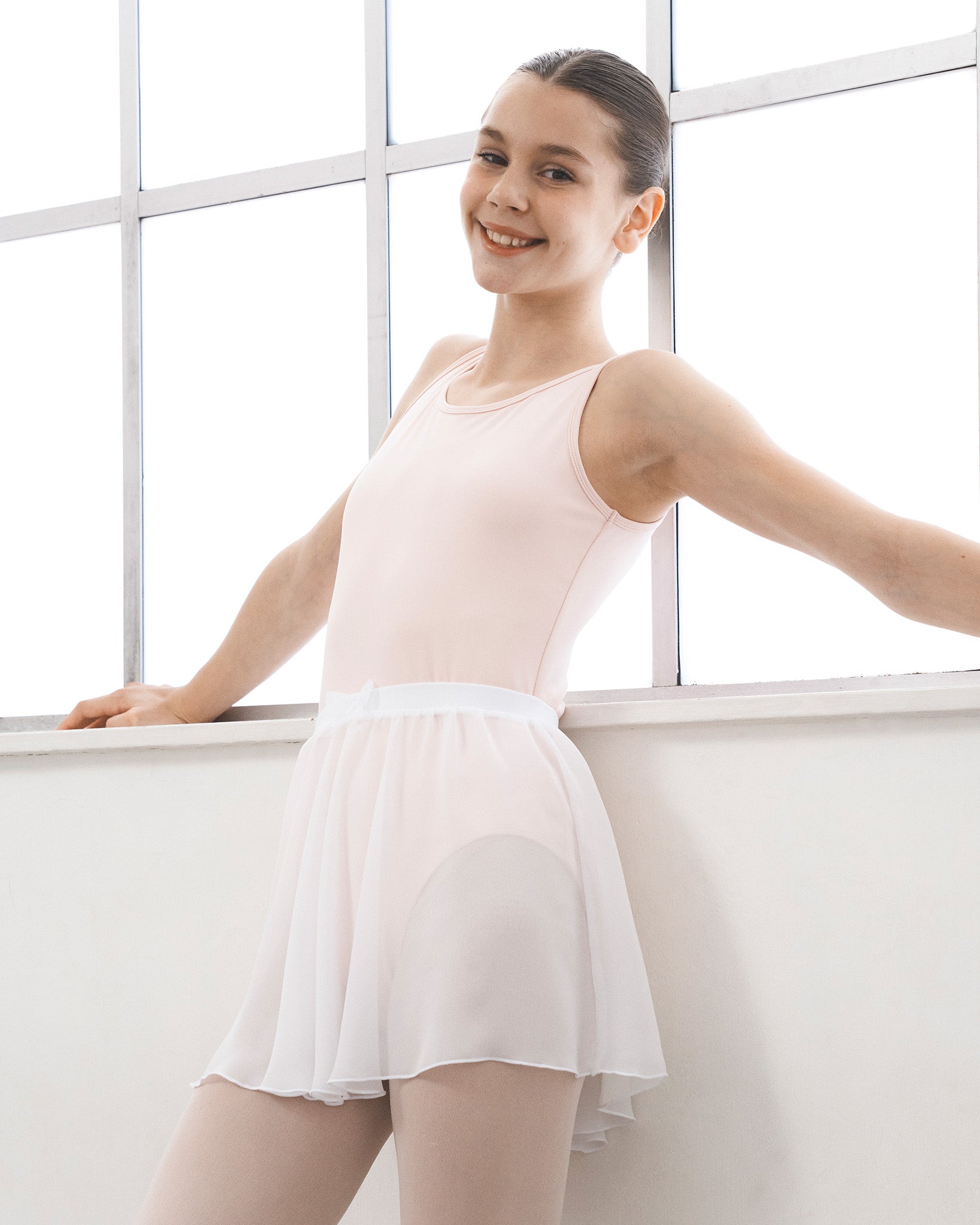
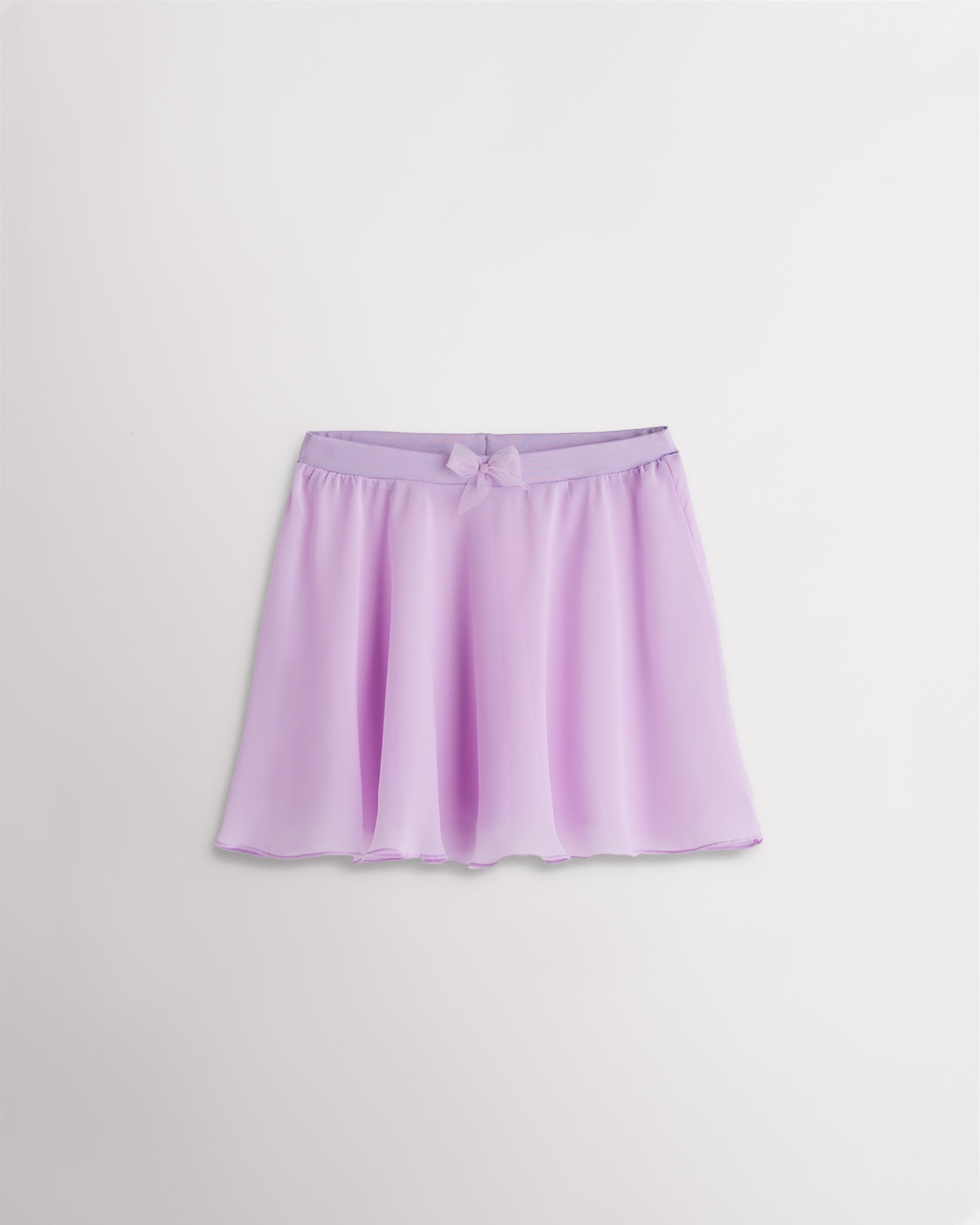
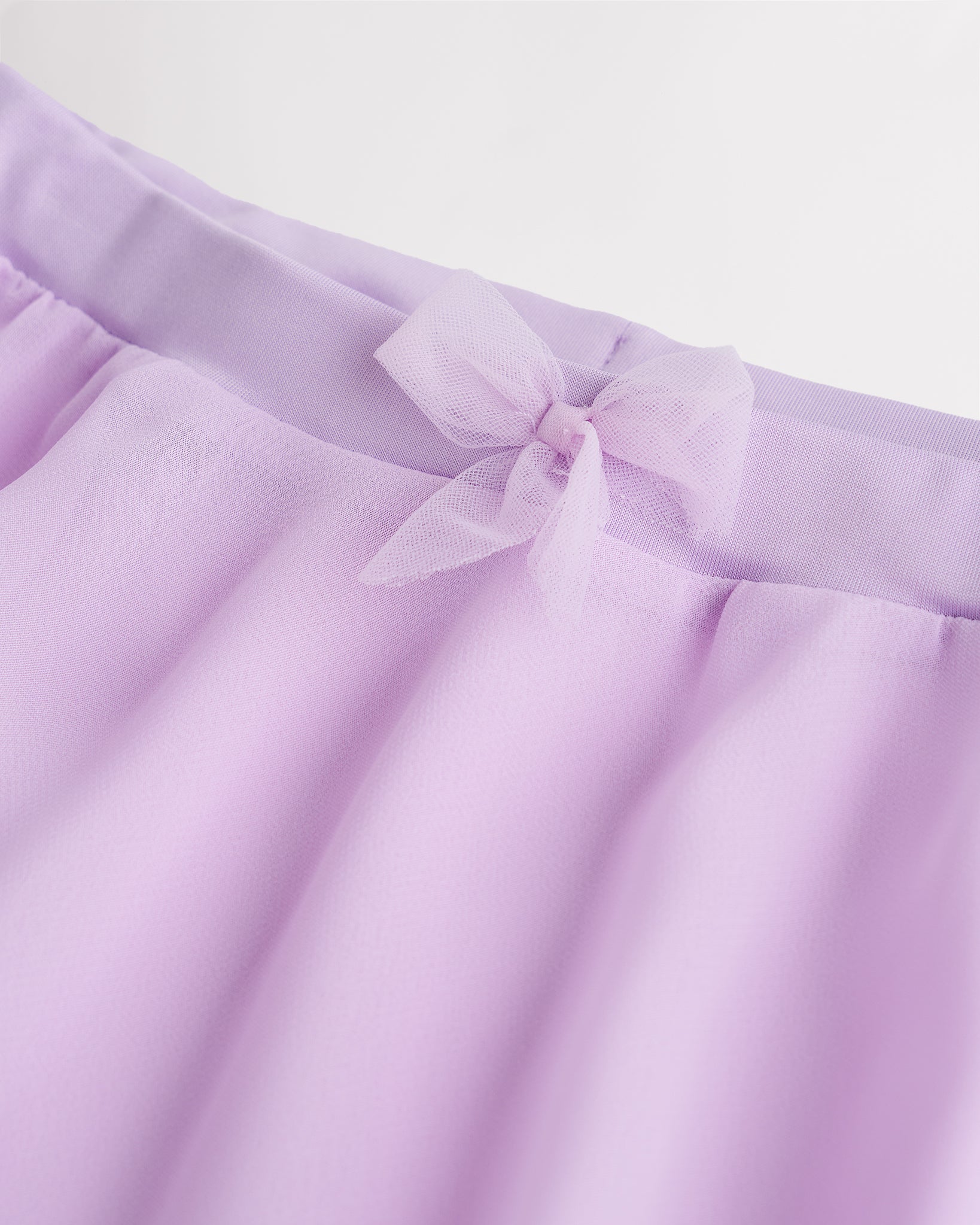
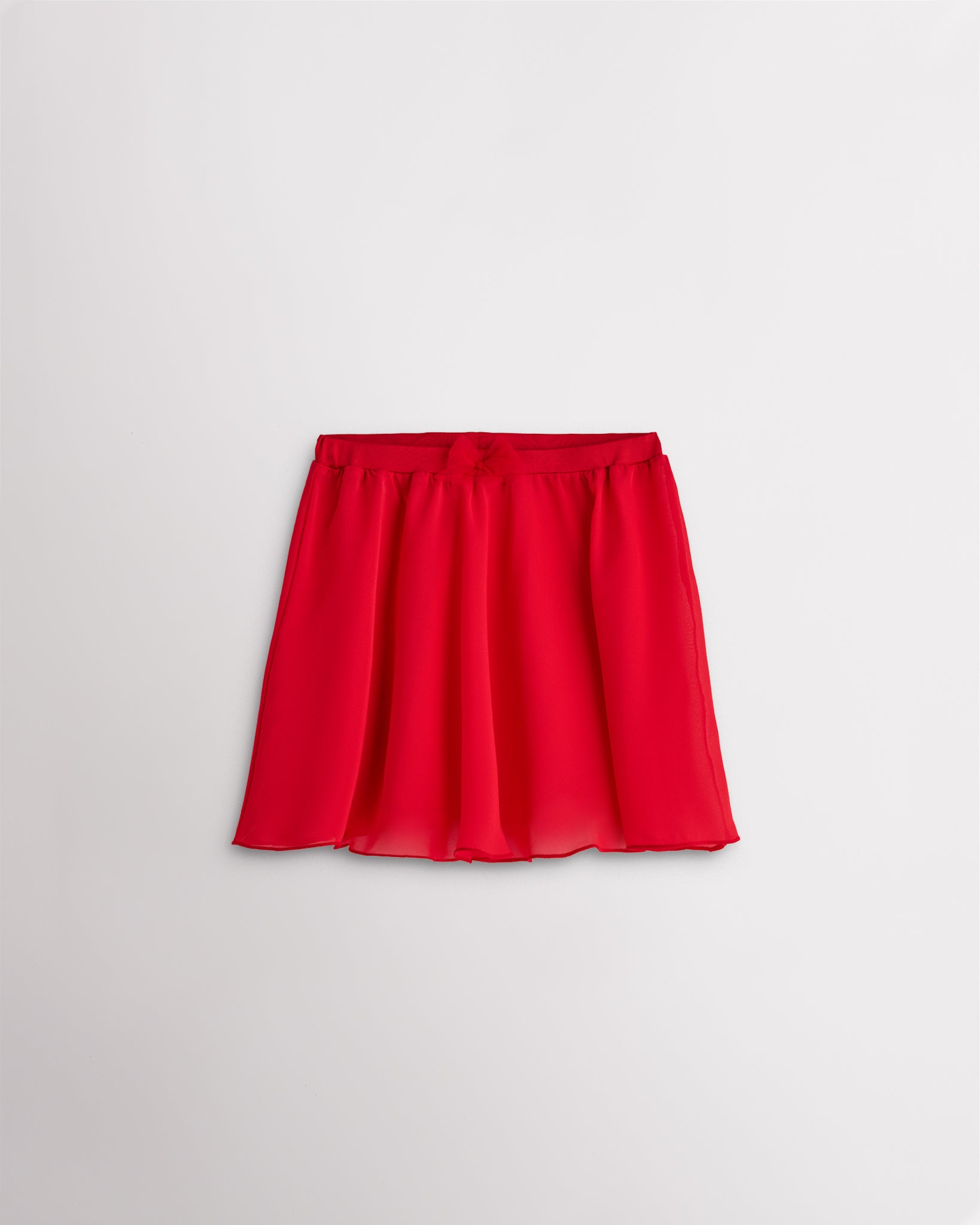
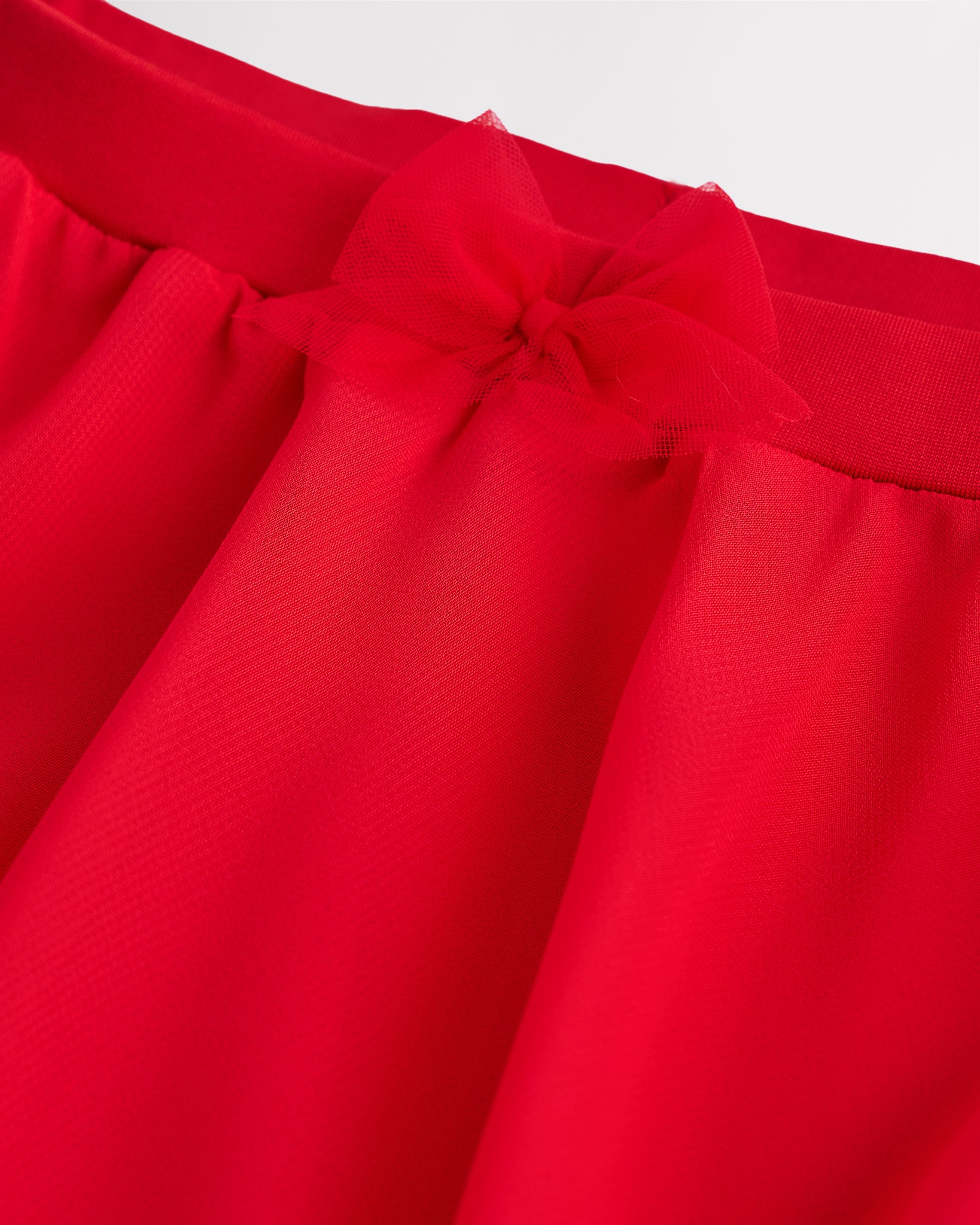
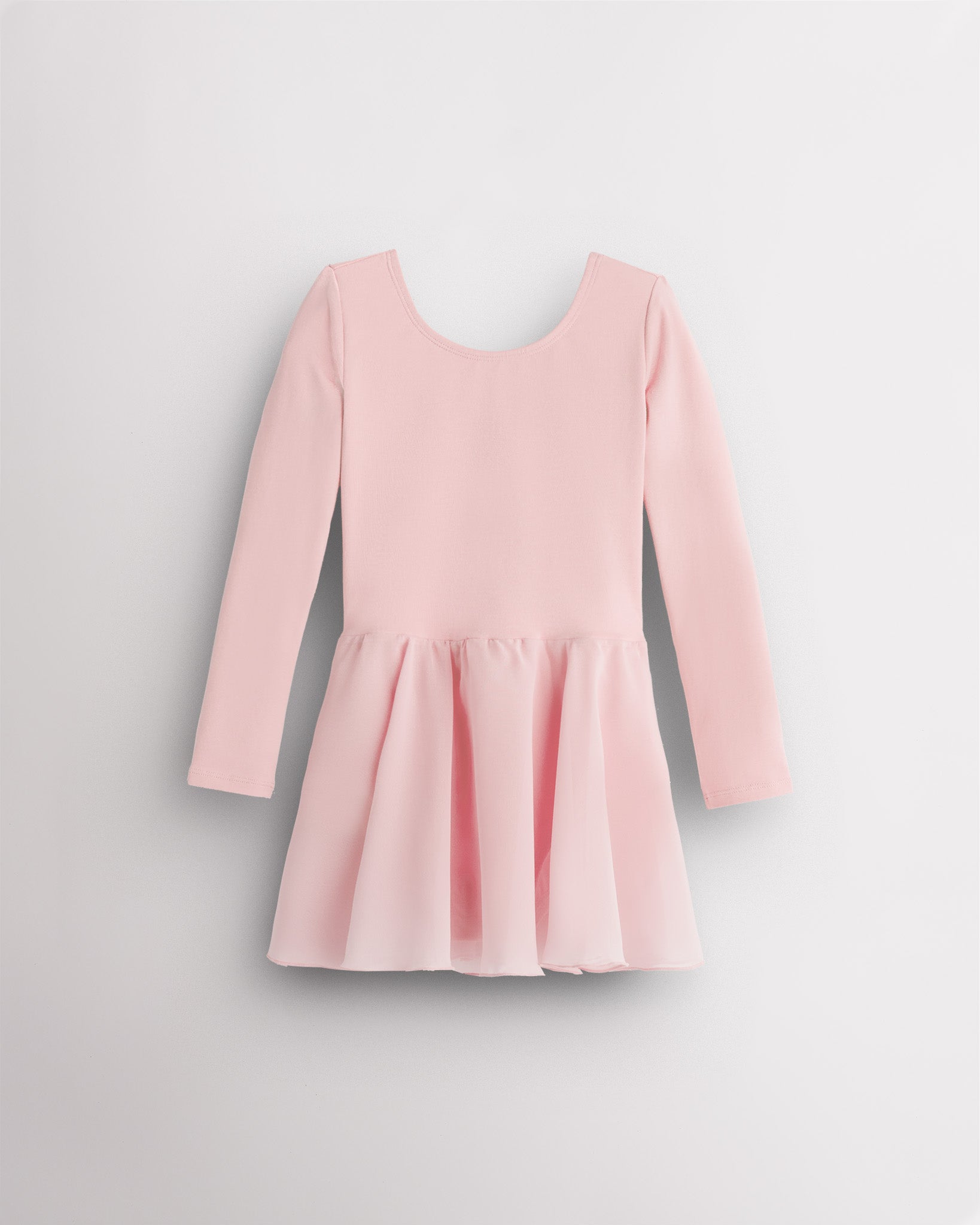
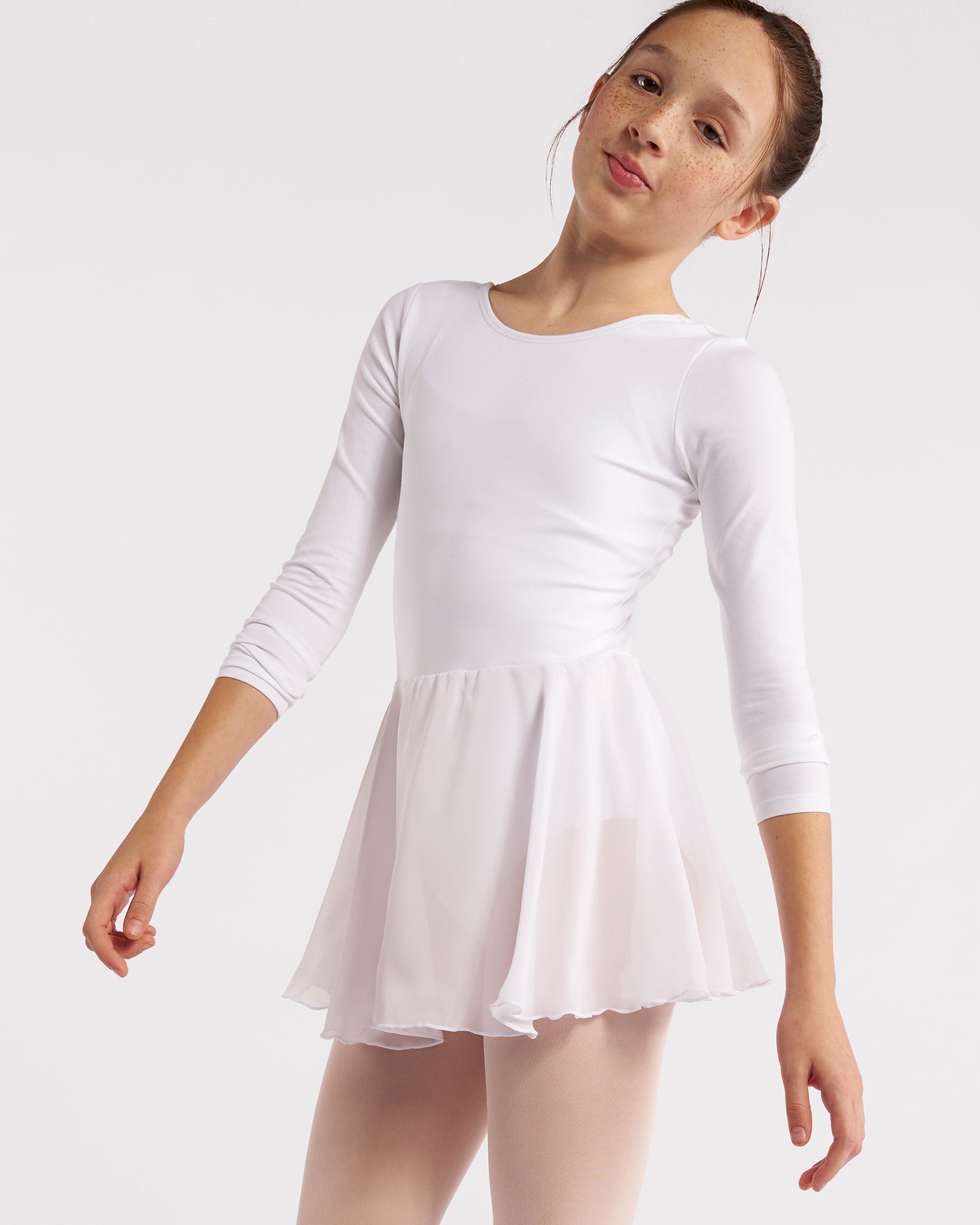
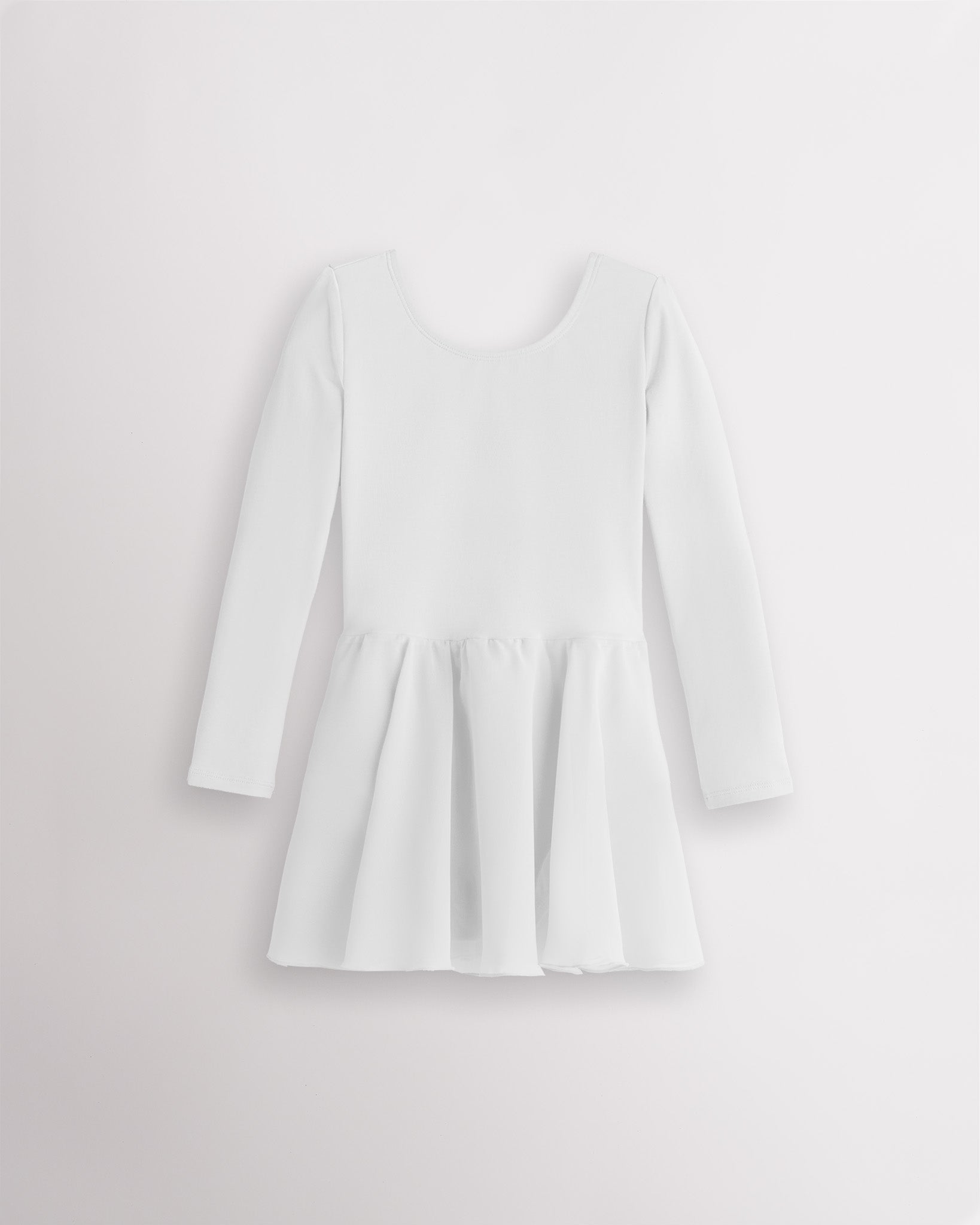
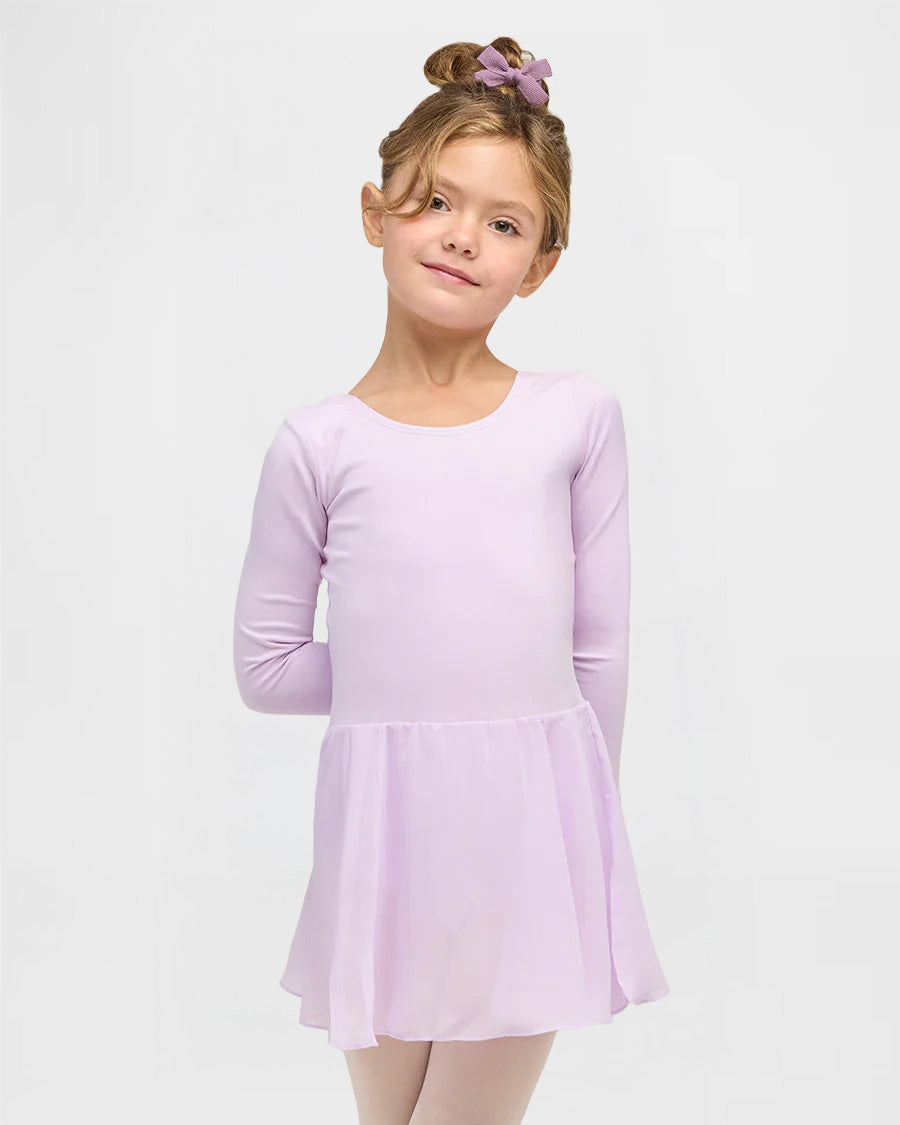
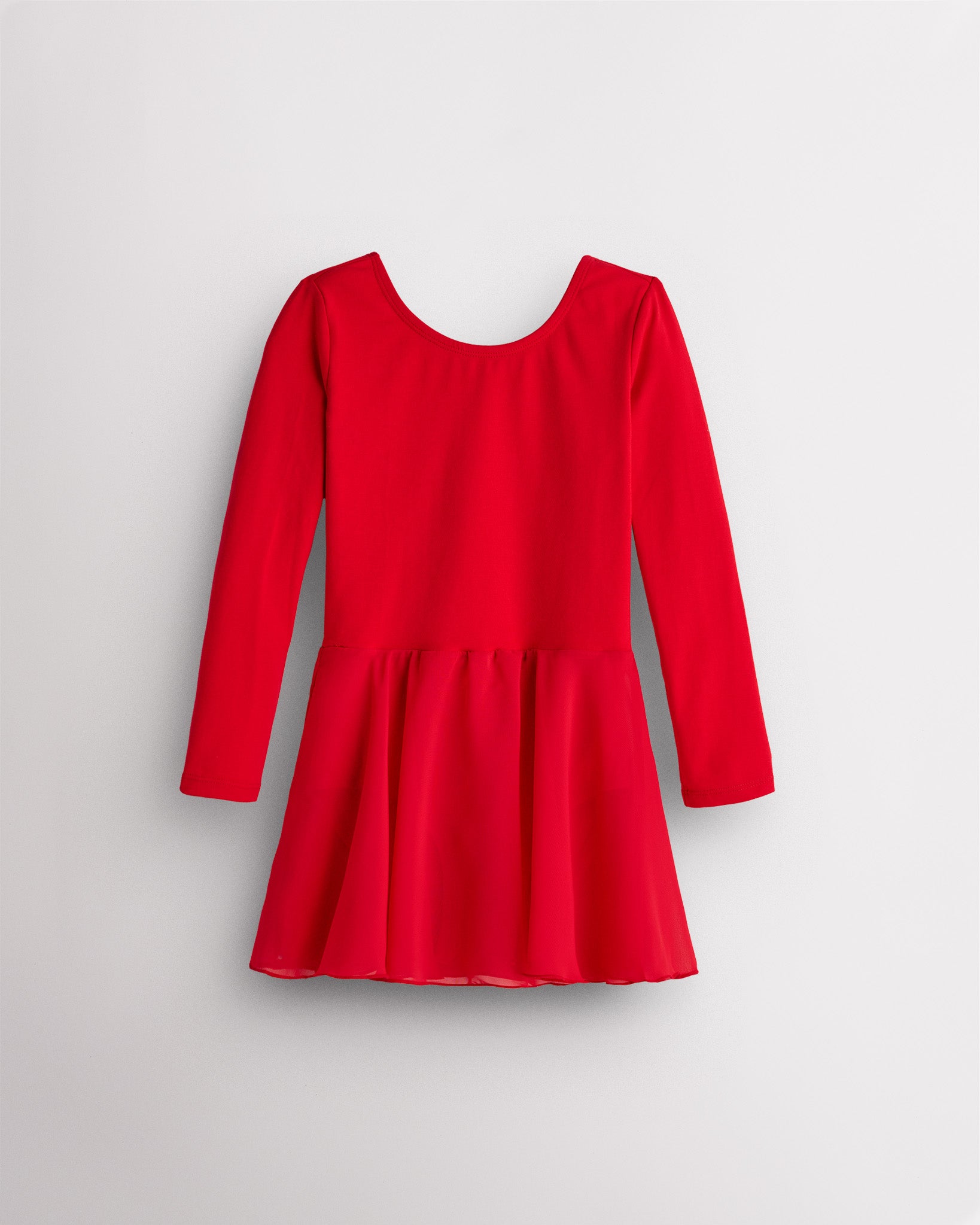
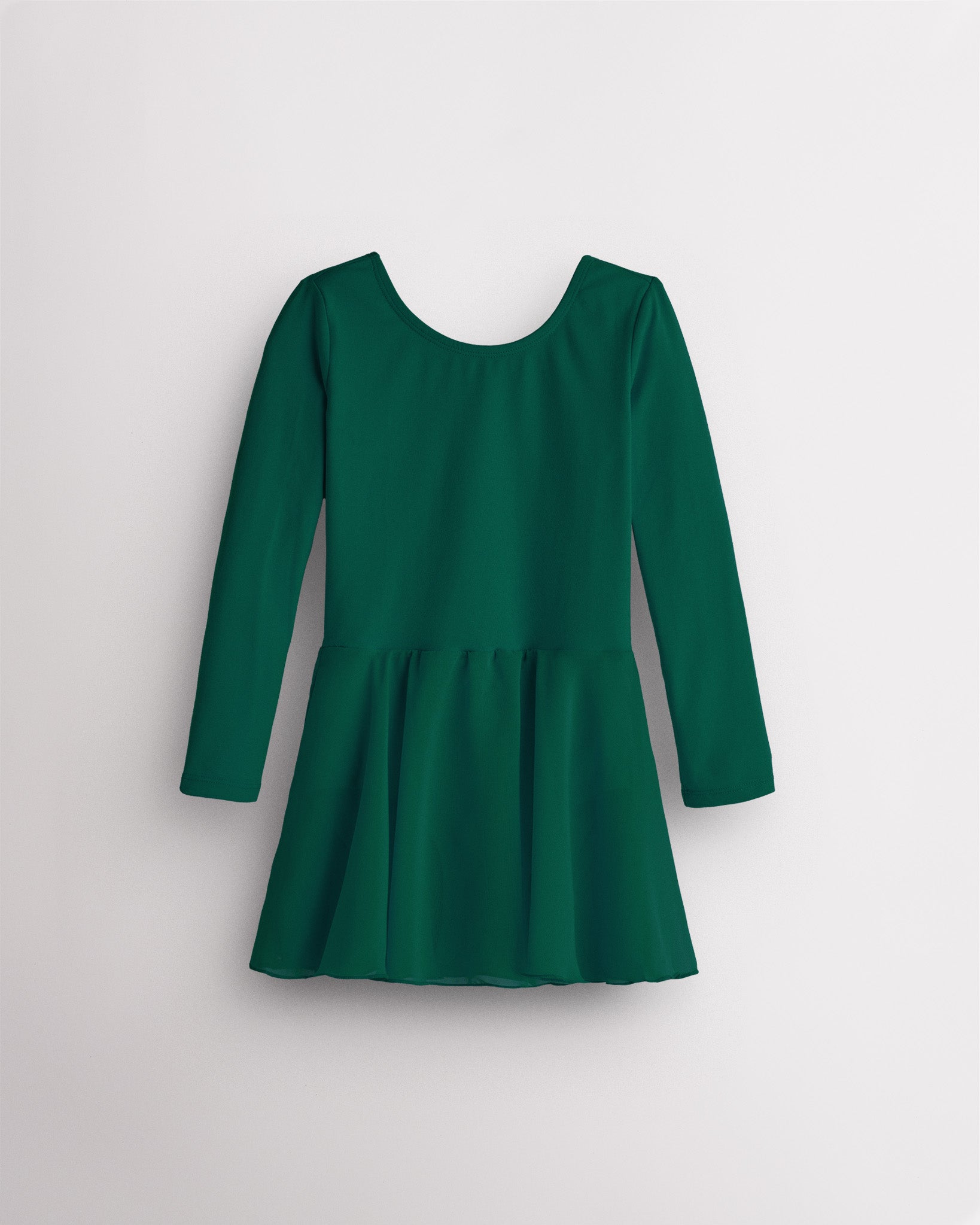
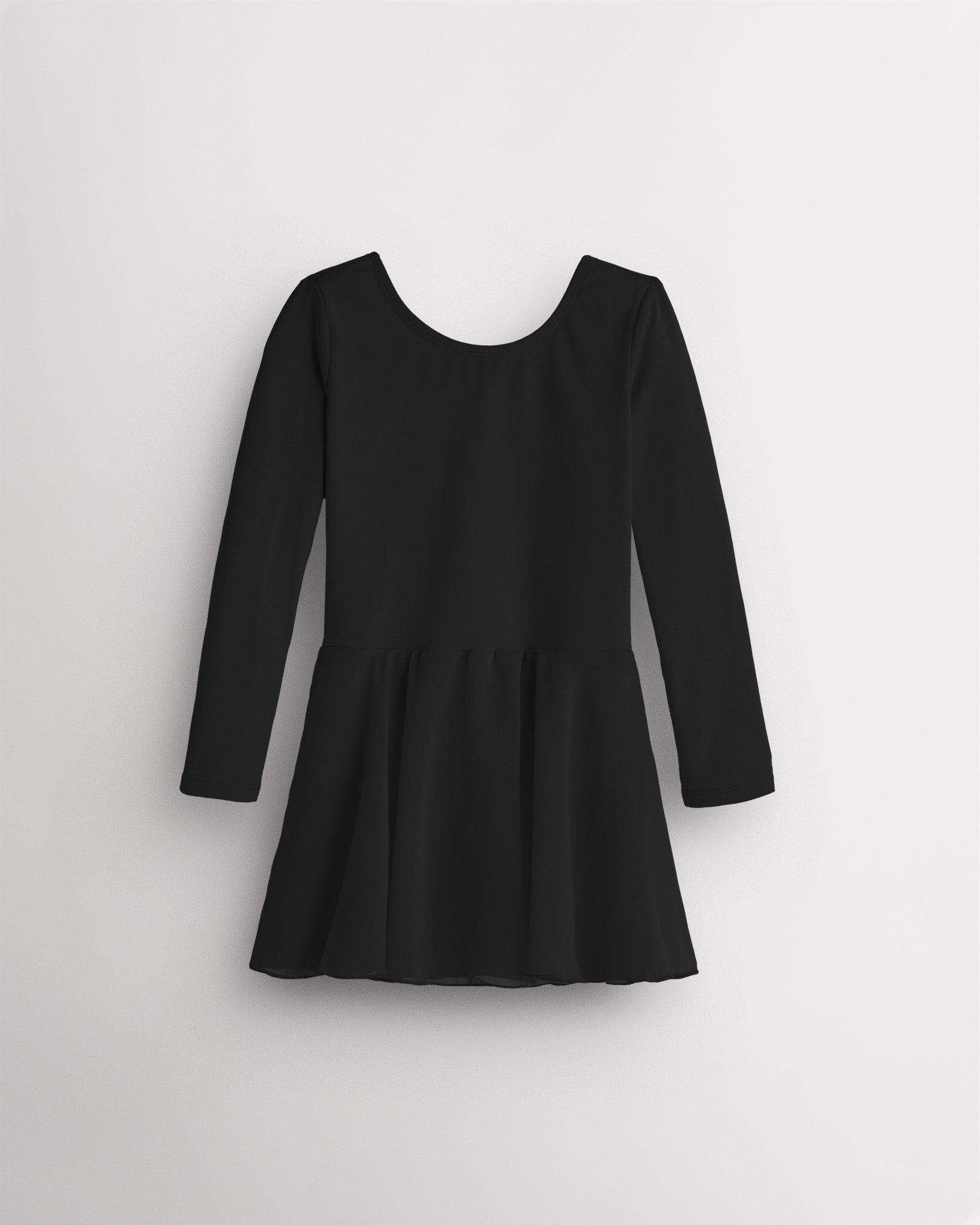
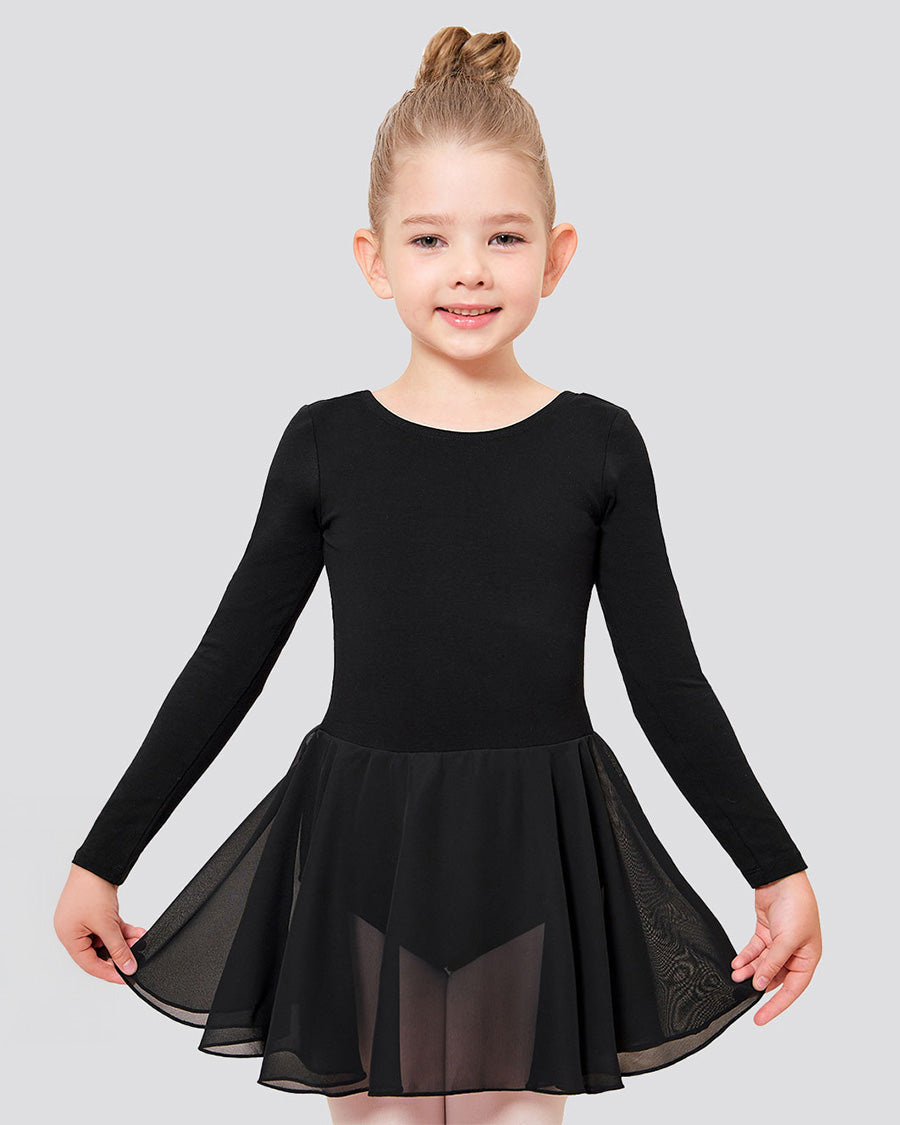
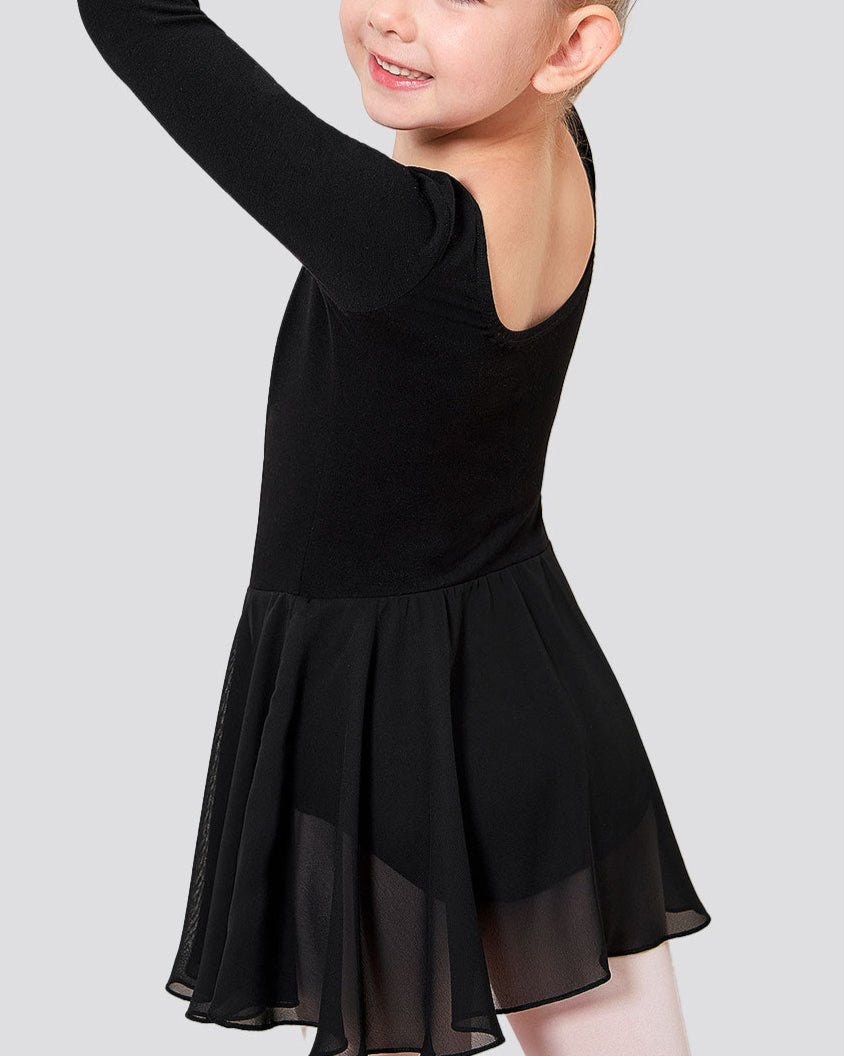
Plenty of toddlers love a skirted leotard, and for this age it is often a fine choice, since many creative movement studios are relaxed about it. An attached skirt is the easiest all-in-one option, while a separate skirt can be removed if the class calls for a plainer look. A tutu costume is different from class wear. It is fun for dress-up, but check with the studio before she wears one to an actual class. And if she has her heart set on something closer to a pink ballerina outfit, a soft skirted leotard usually gets her that look without slowing her down, no need to feel like cute ballet outfits are off the table just because comfort comes first.
Hair
Hair just needs to be secure and out of her face. For most toddlers, "neat enough to stay out of her eyes" is a more realistic goal than a picture-perfect bun. A simple ponytail or a couple of clips works fine unless the studio specifically asks for something more formal.
Shoes and Feet: Follow the Studio's Rule First
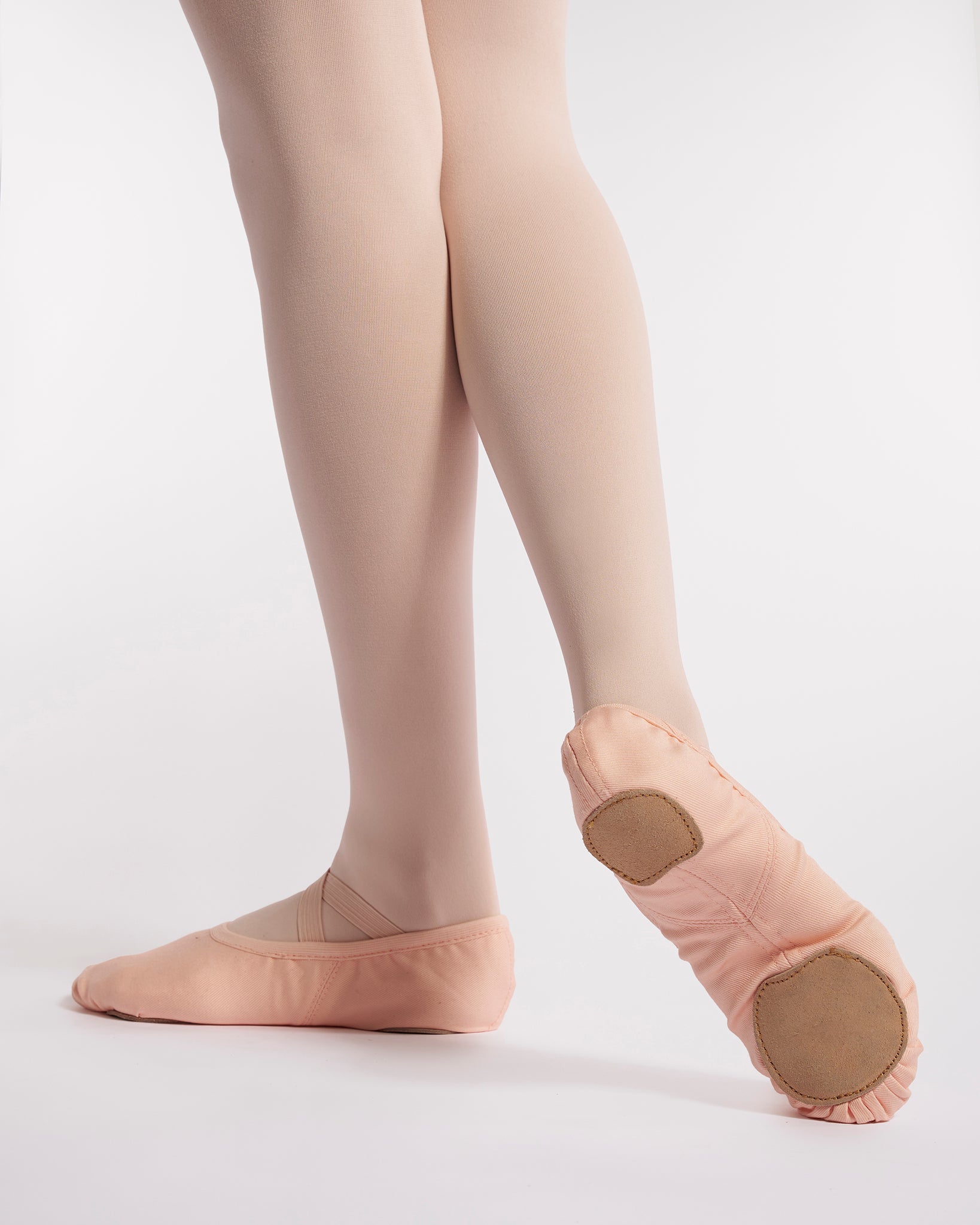
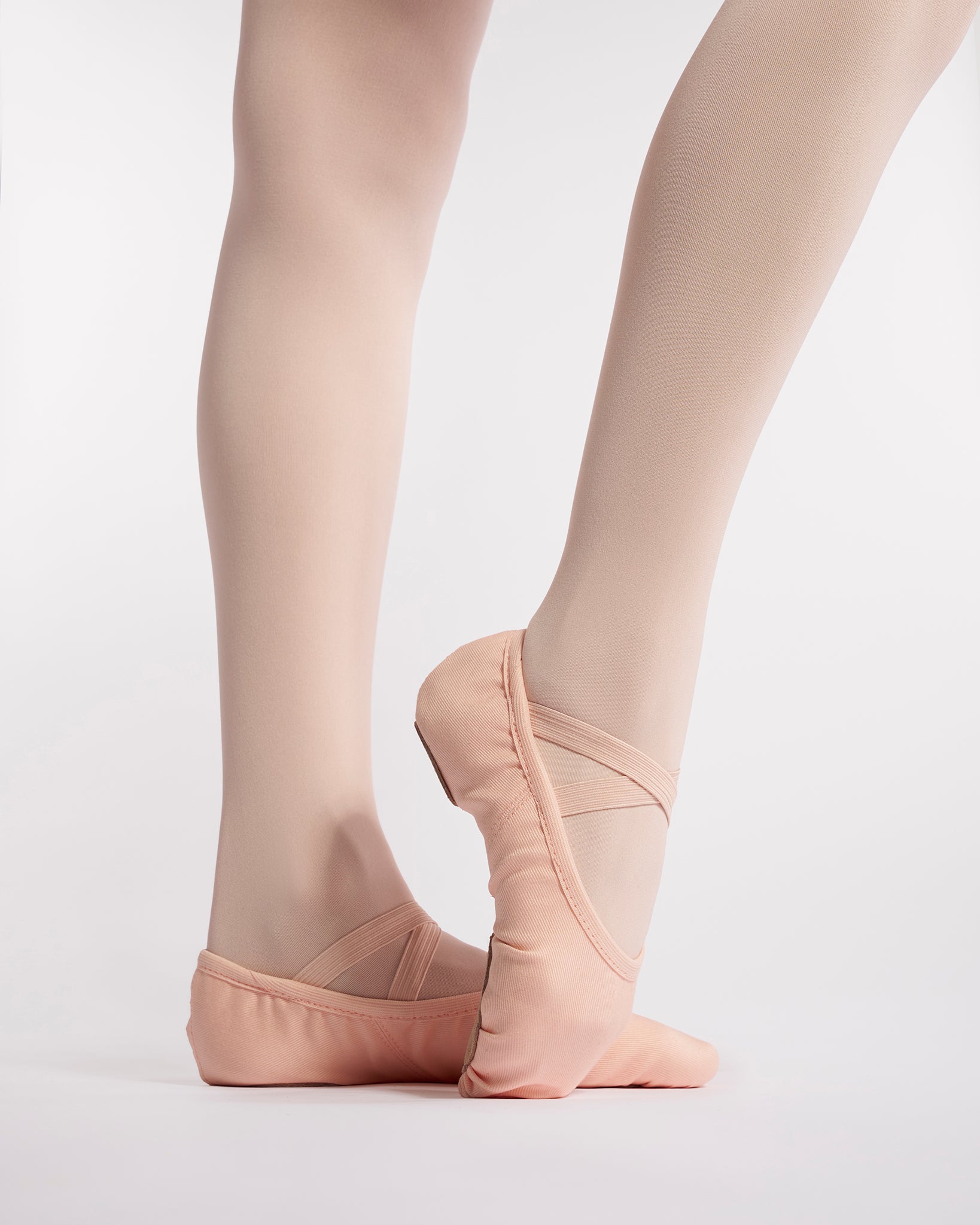
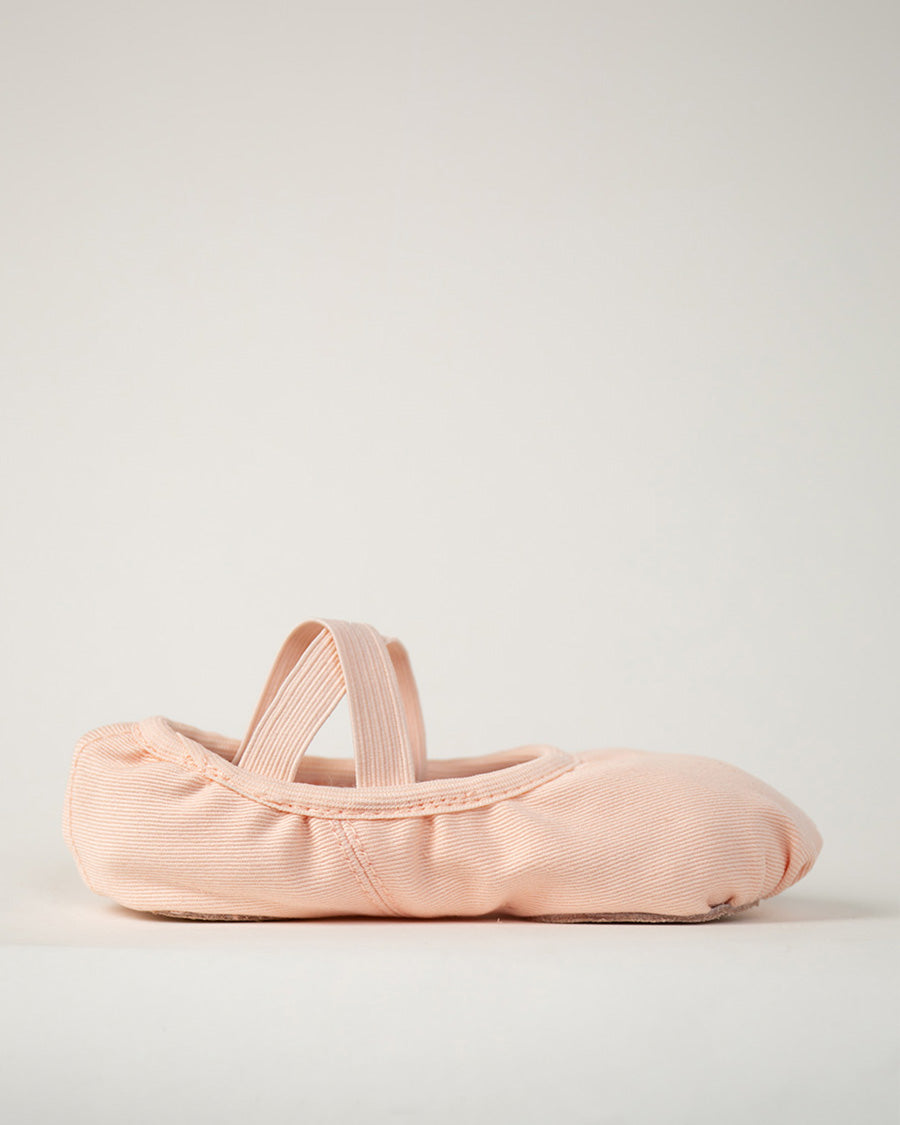
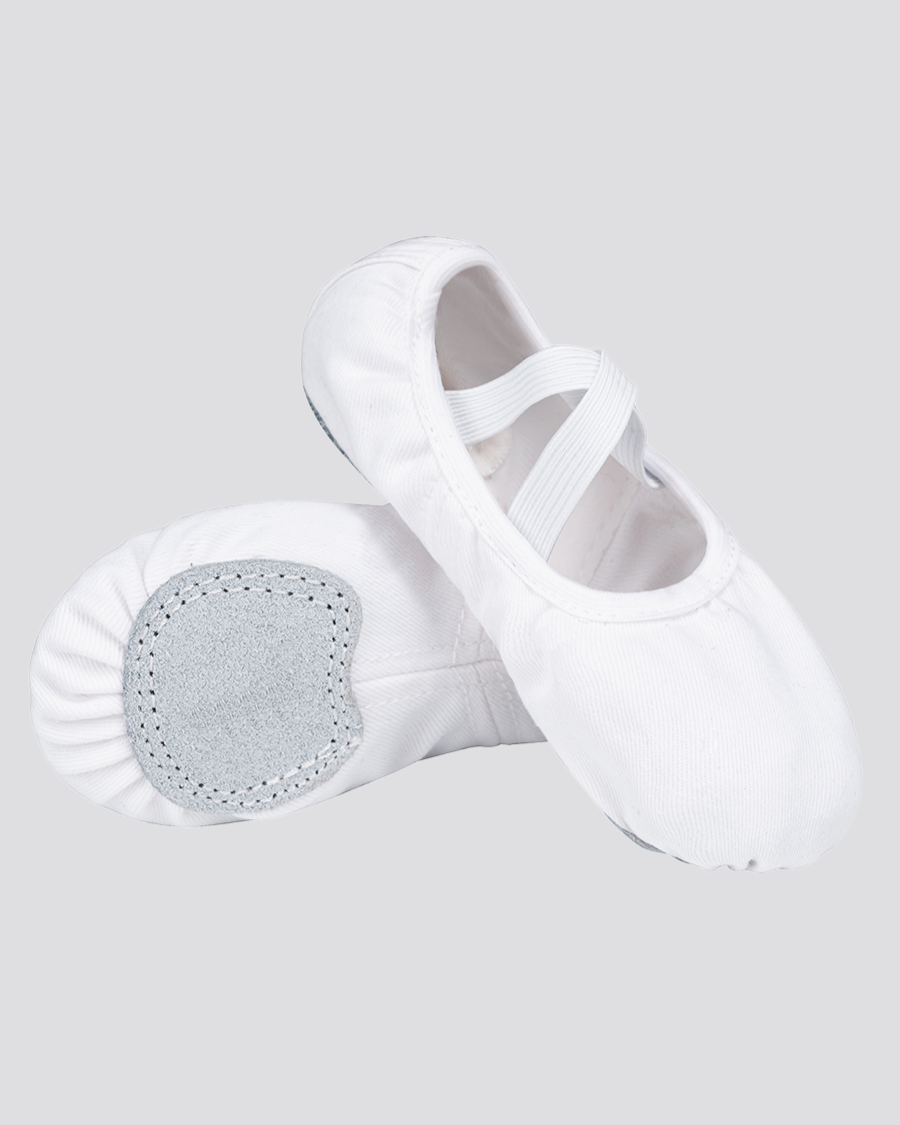
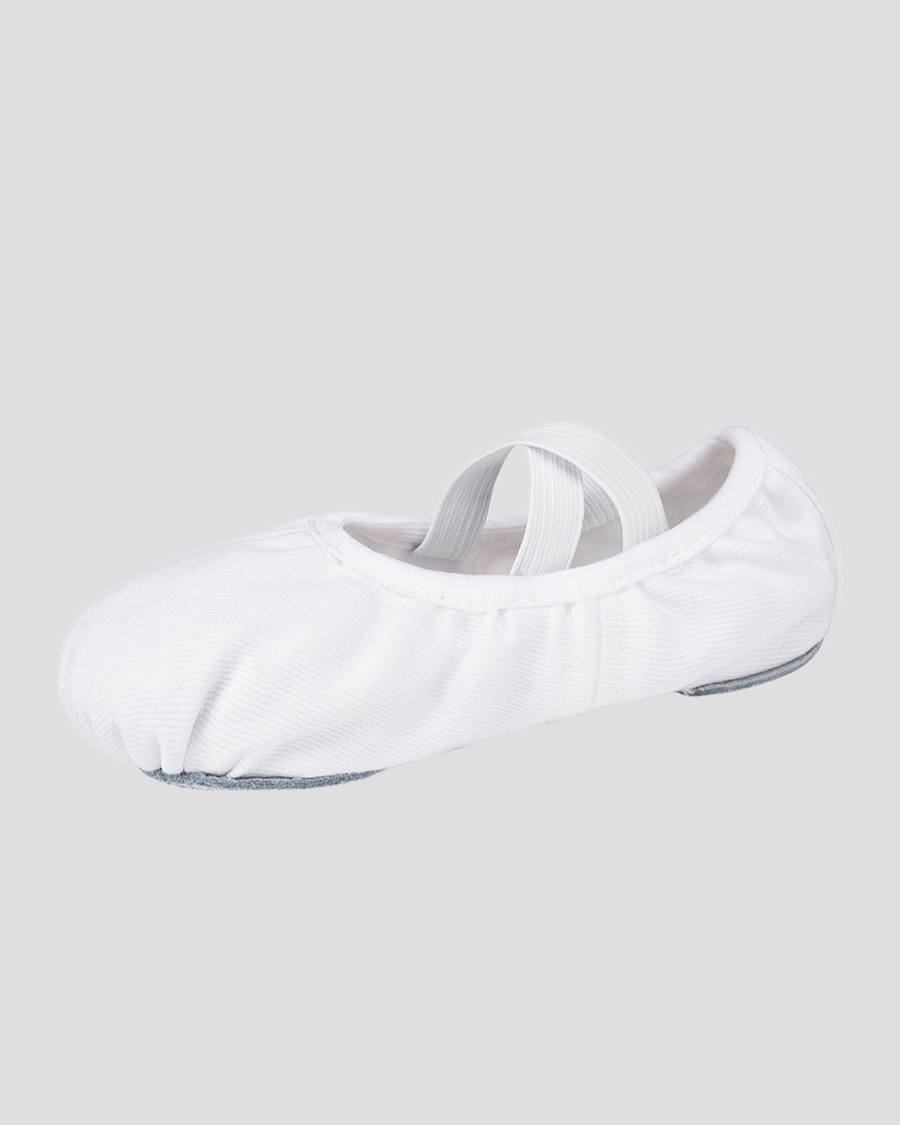
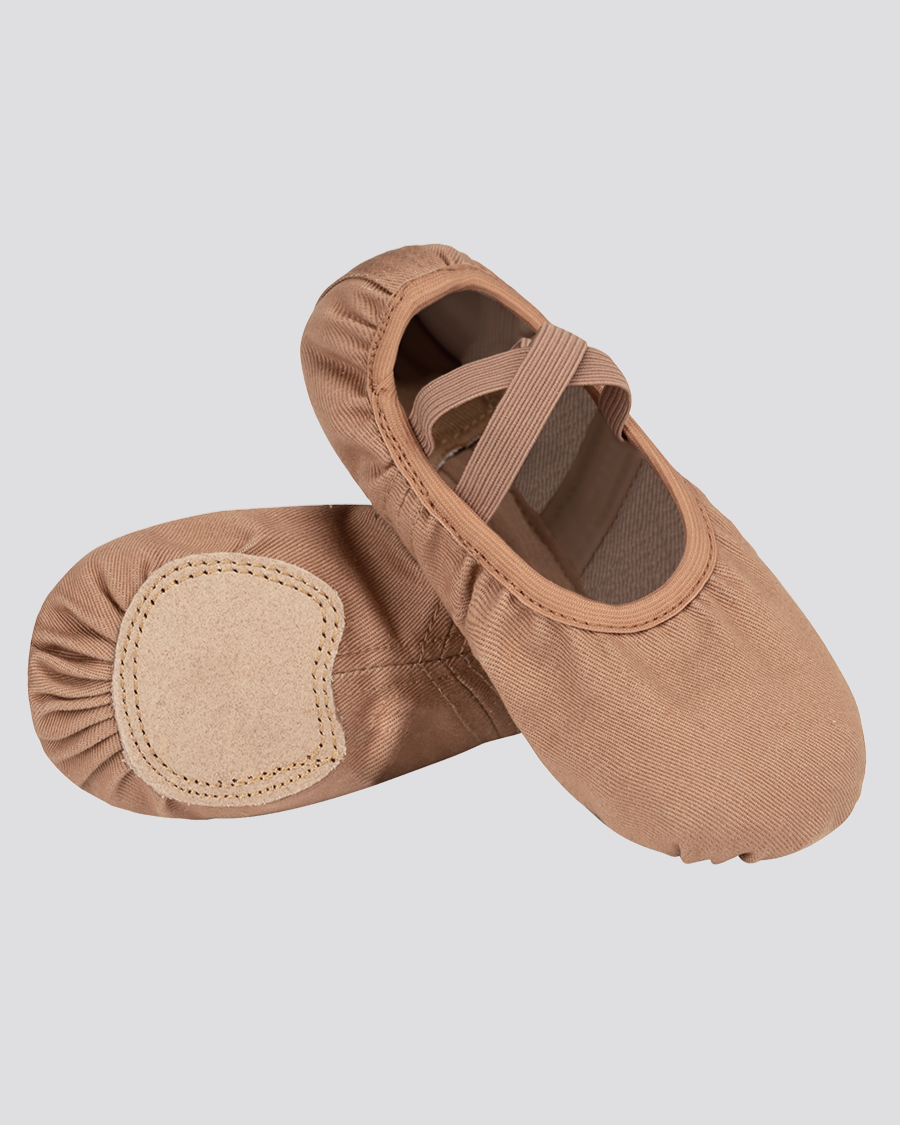
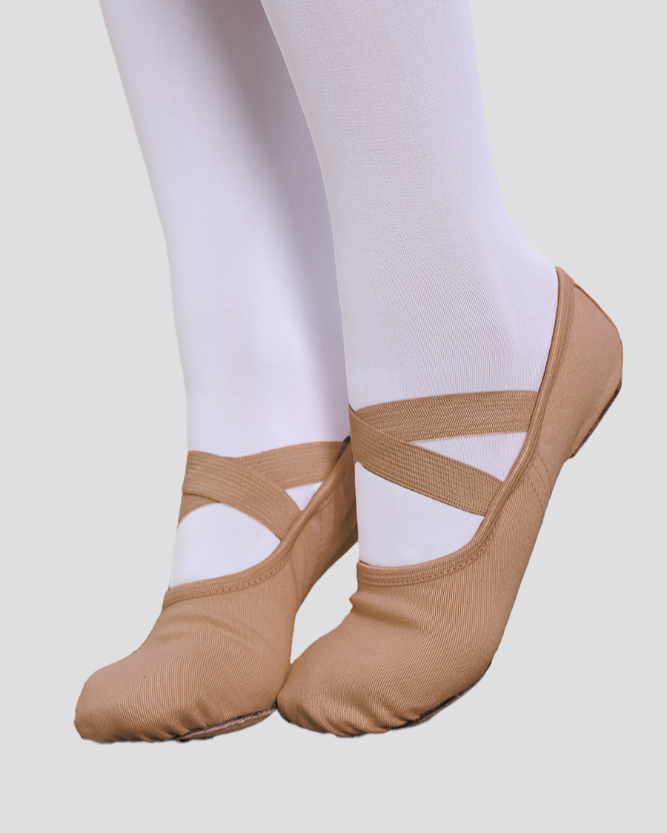
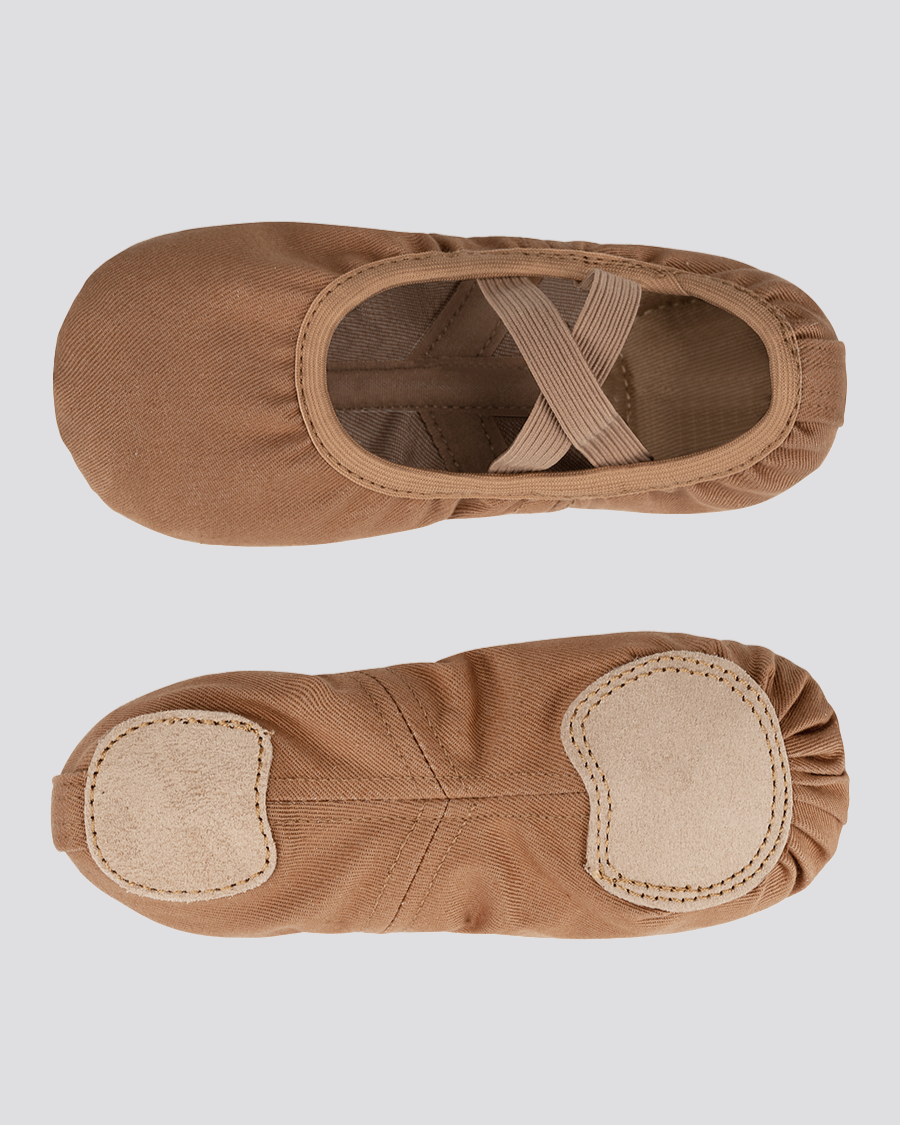
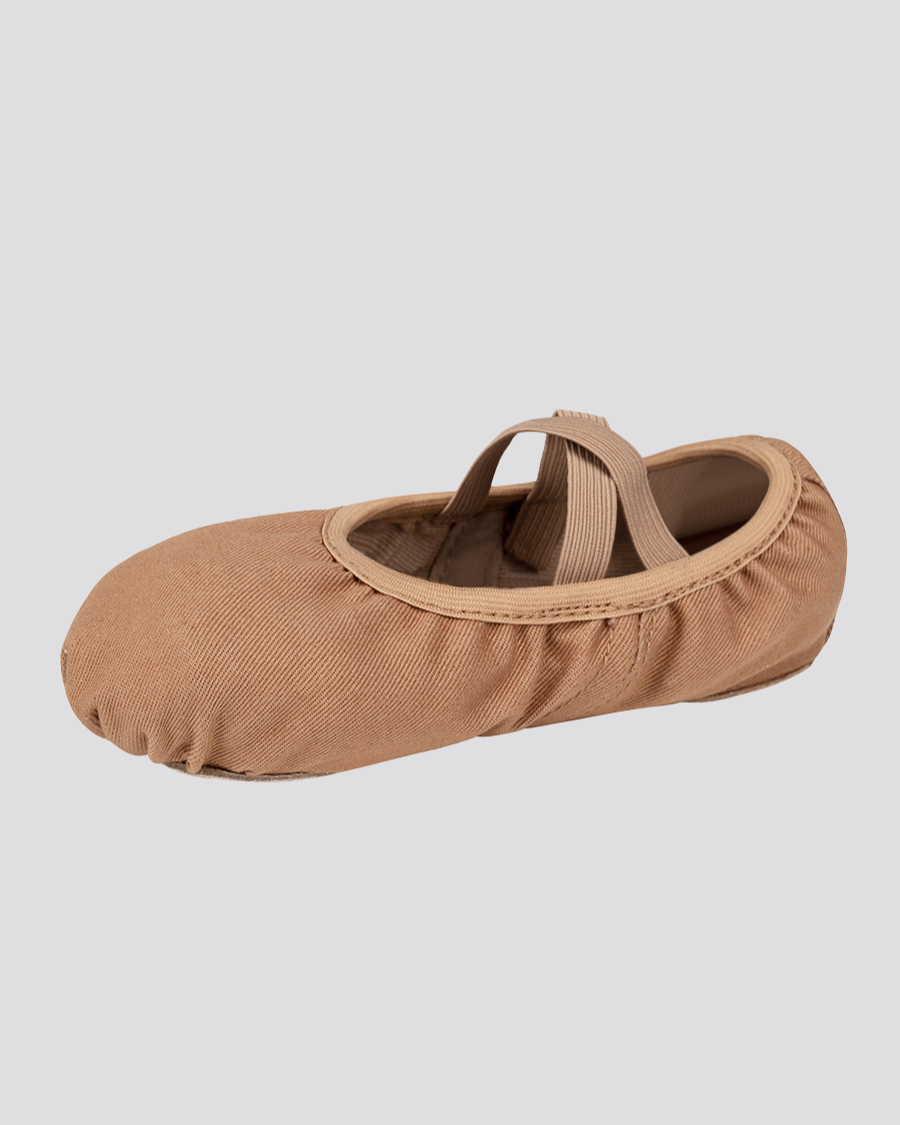
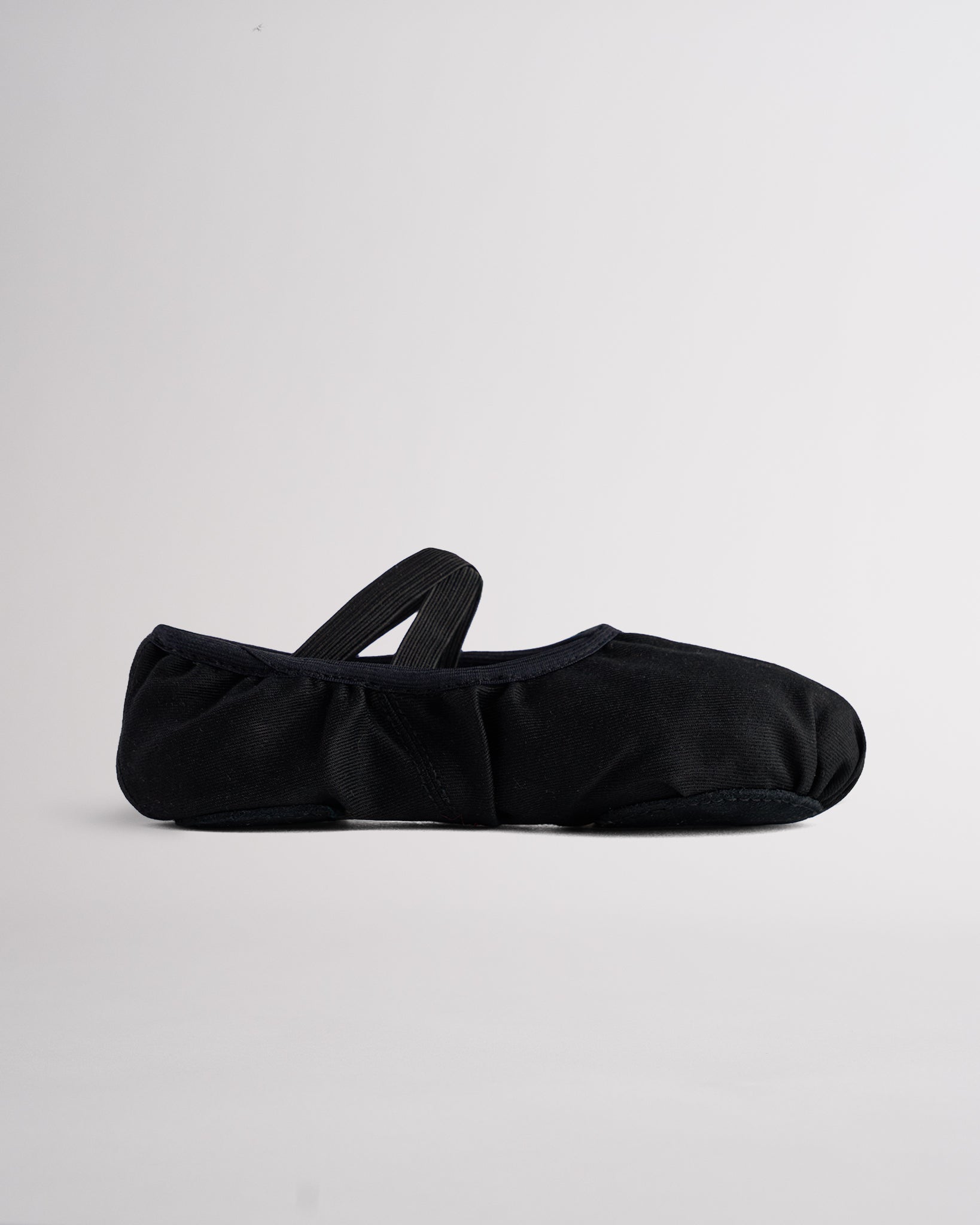
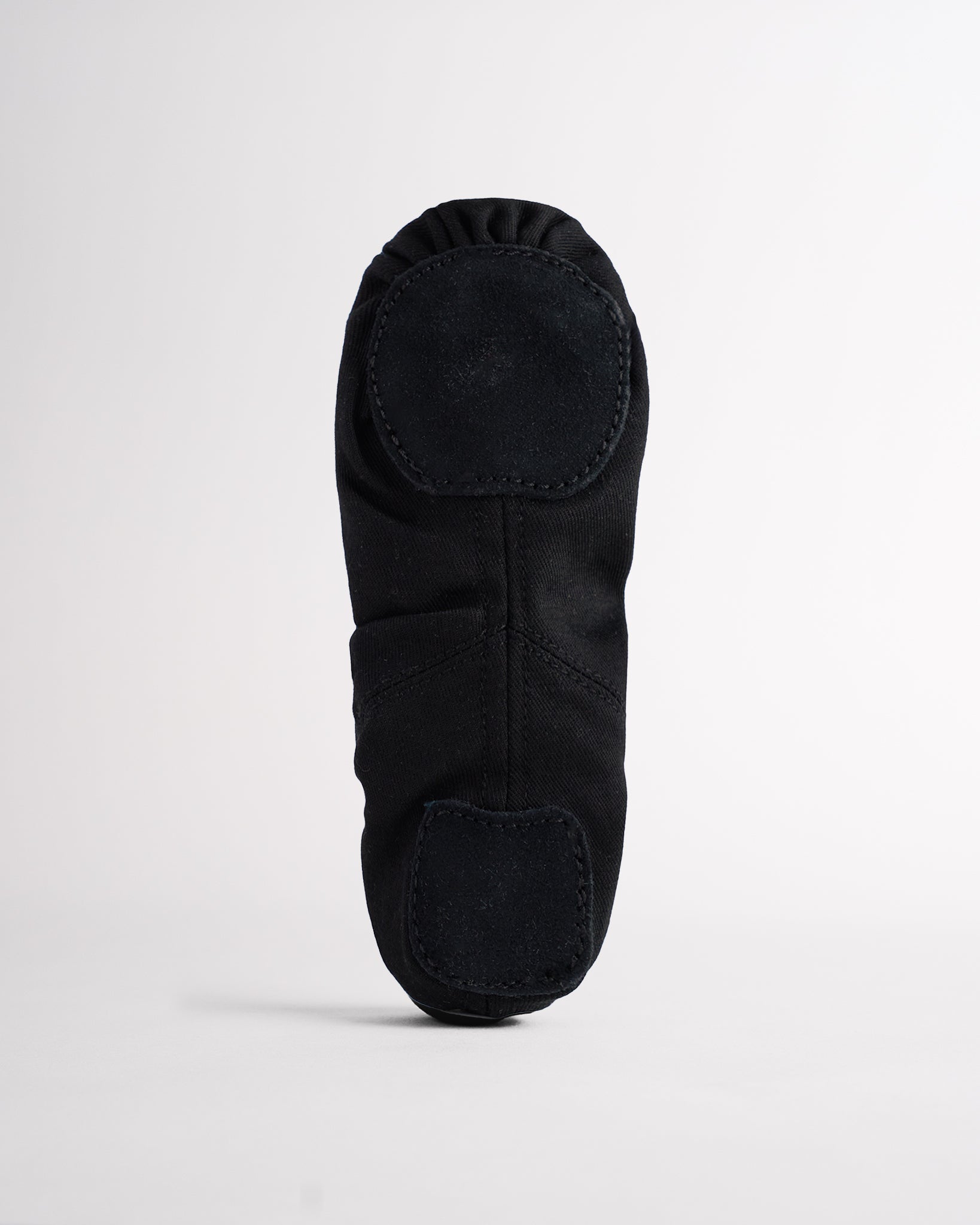
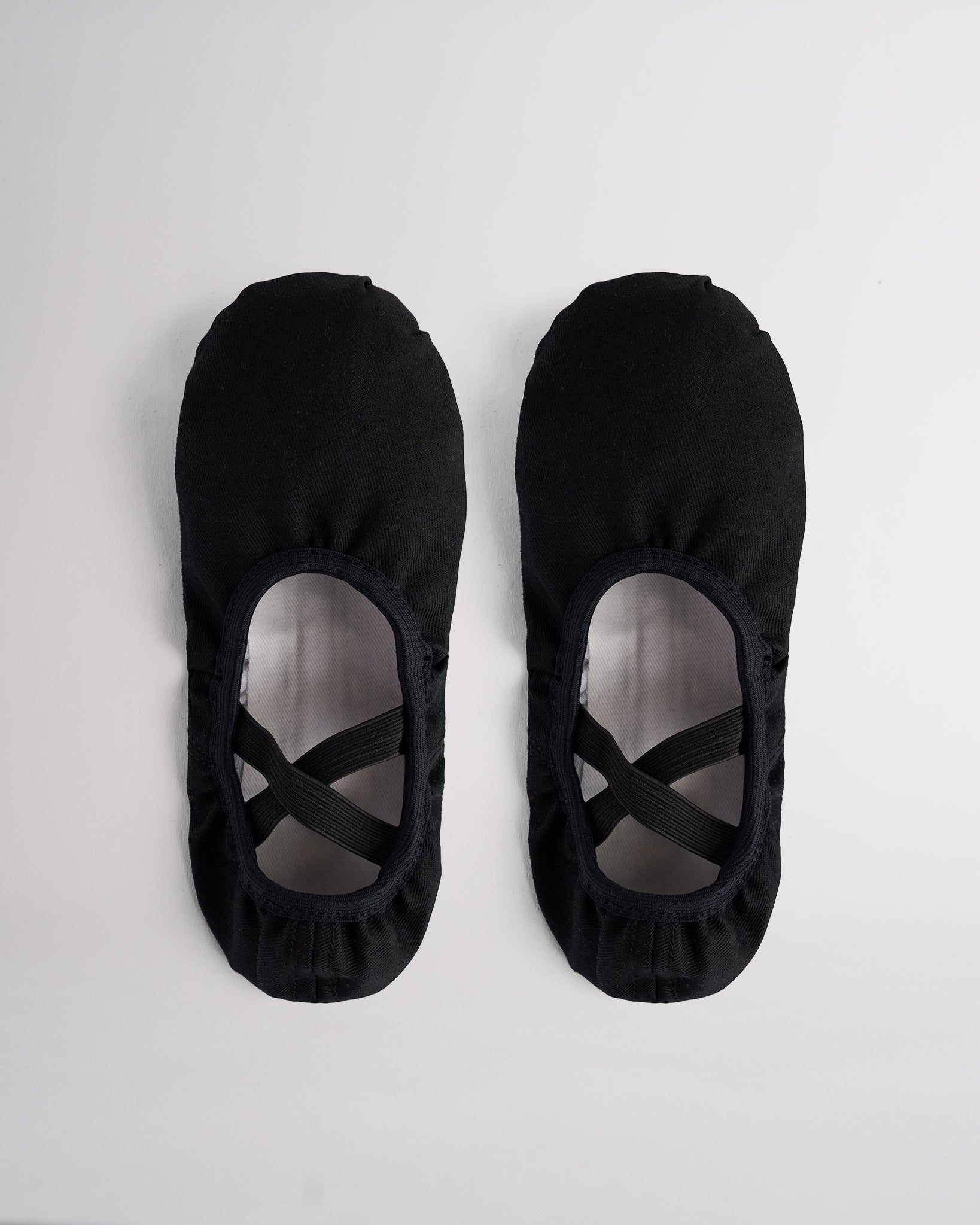
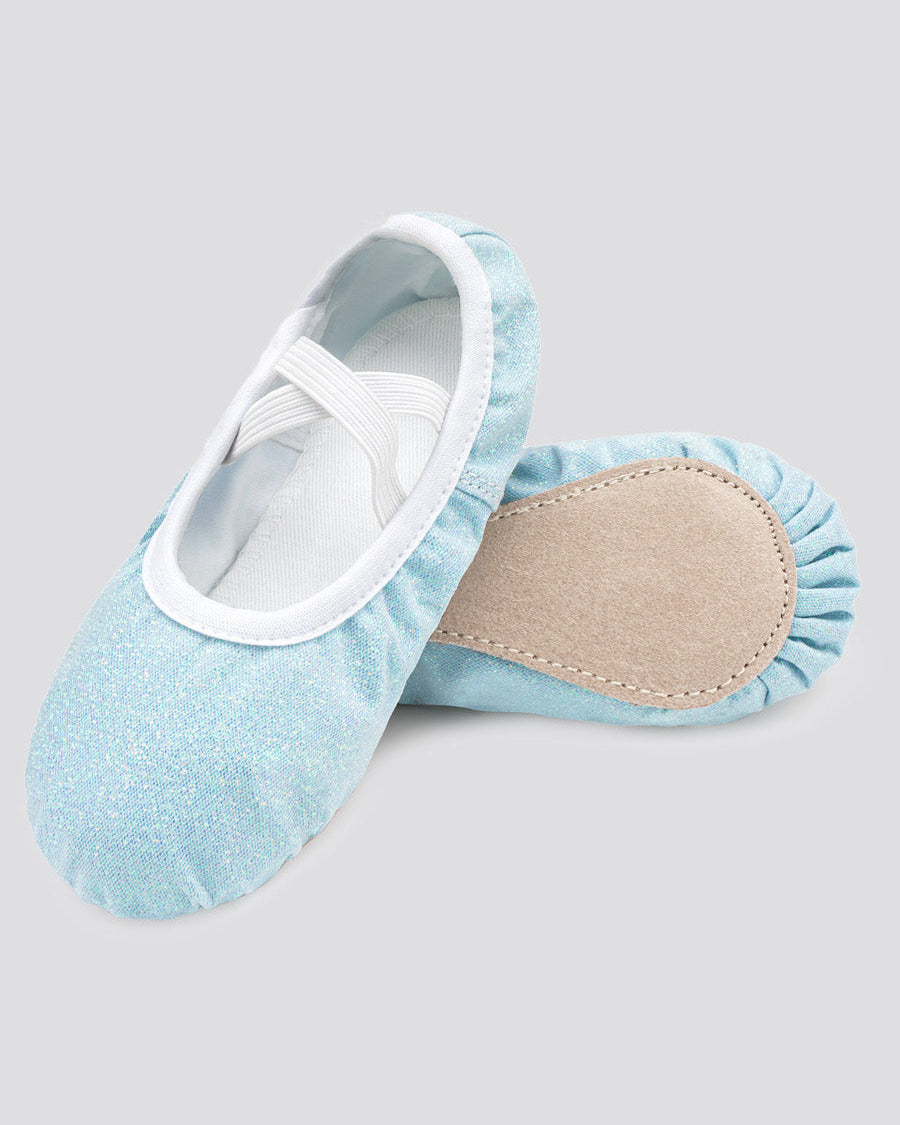
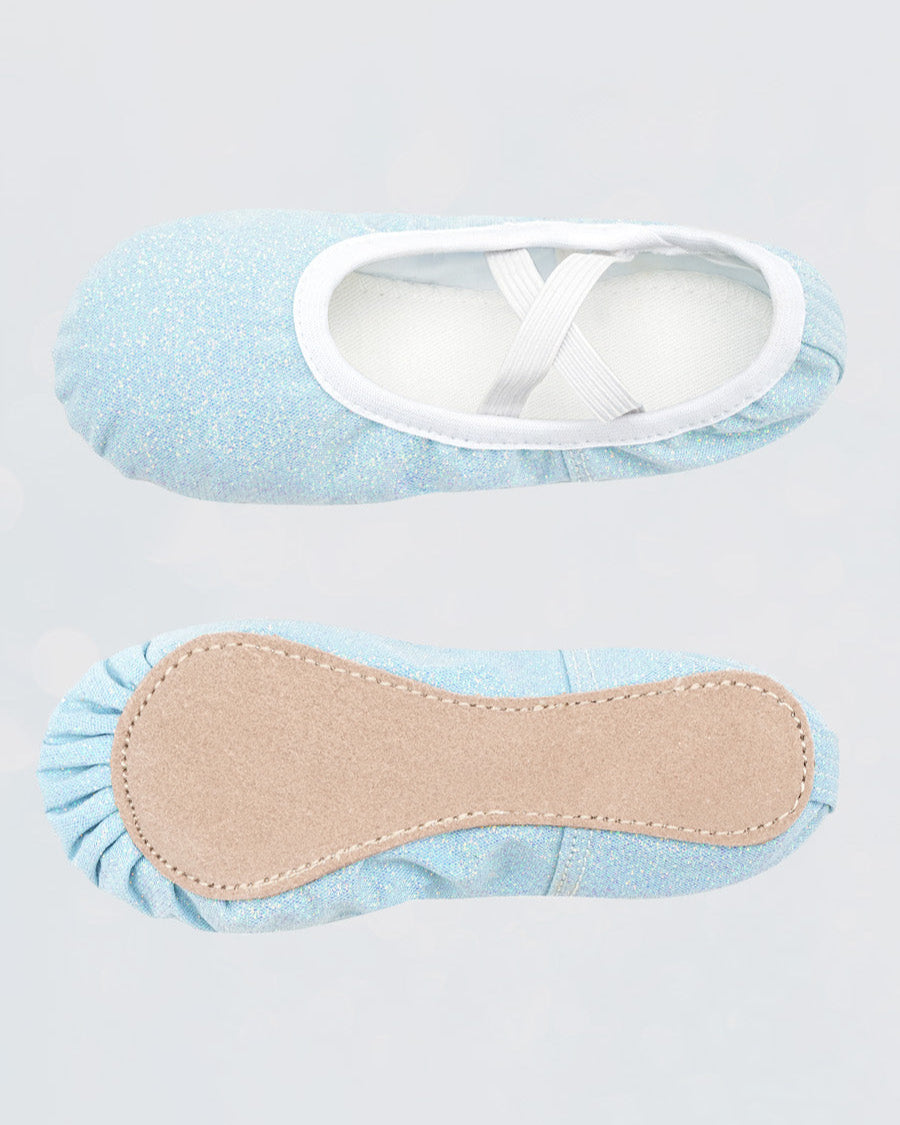
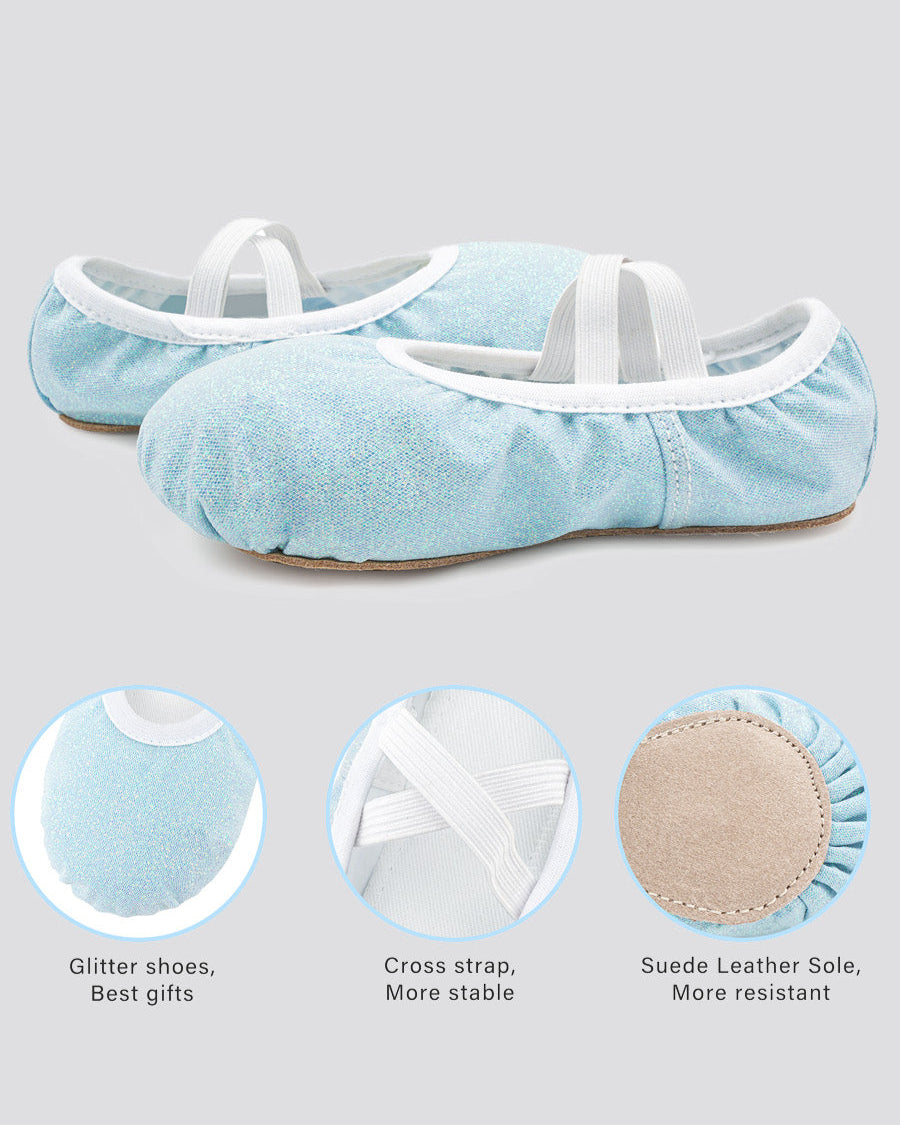
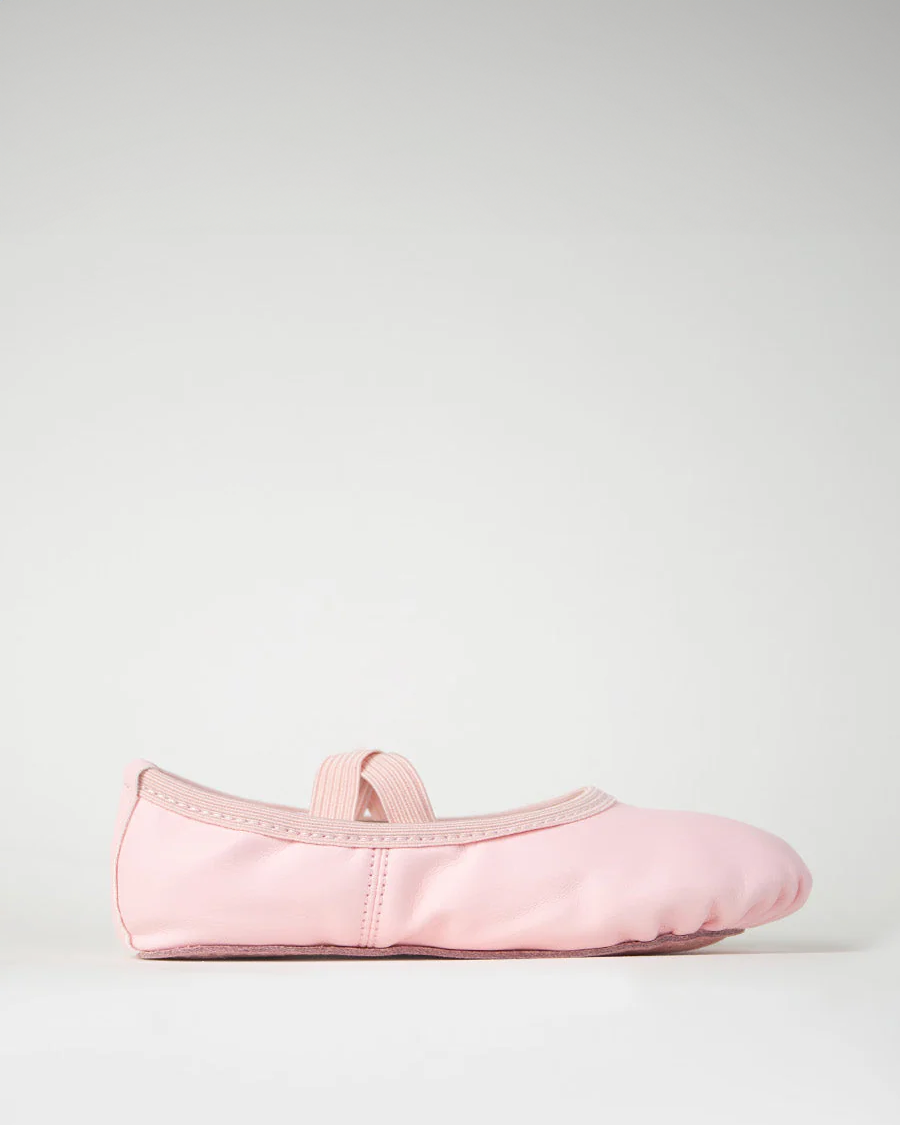
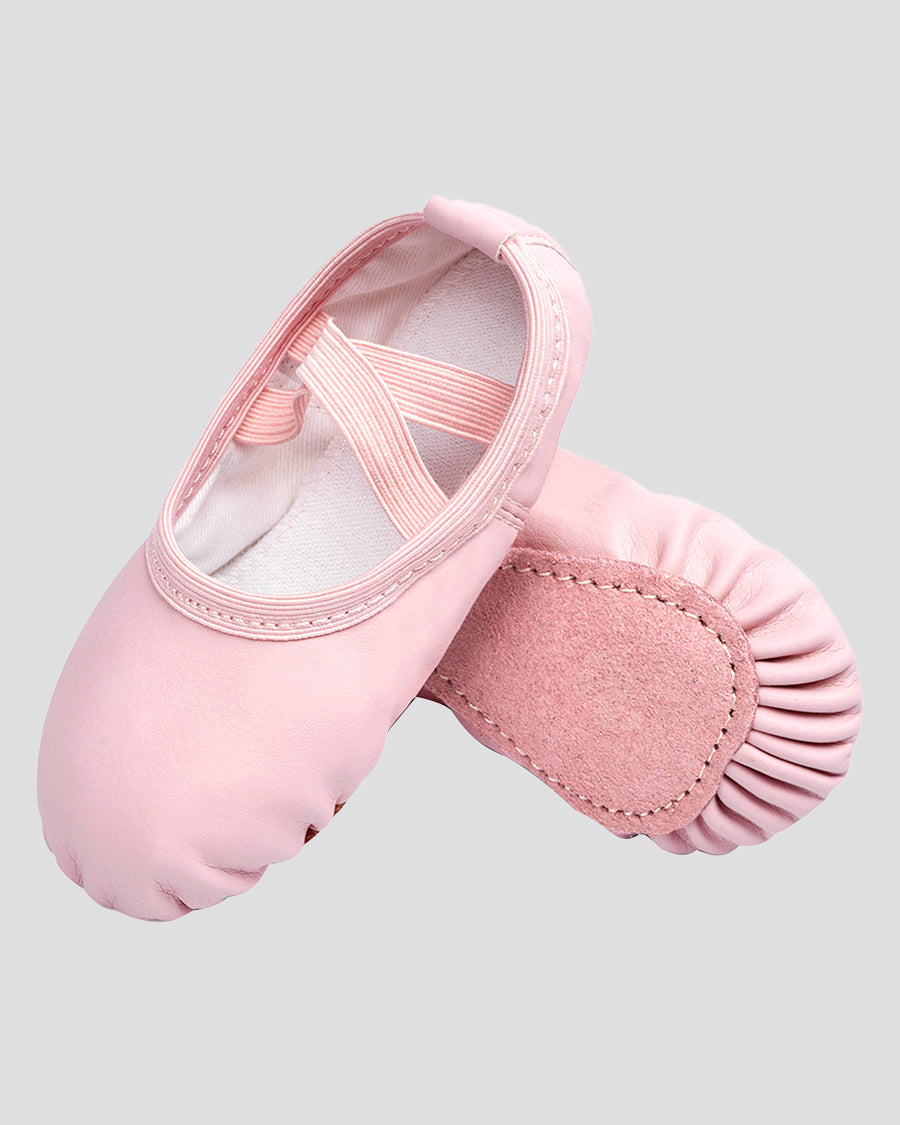
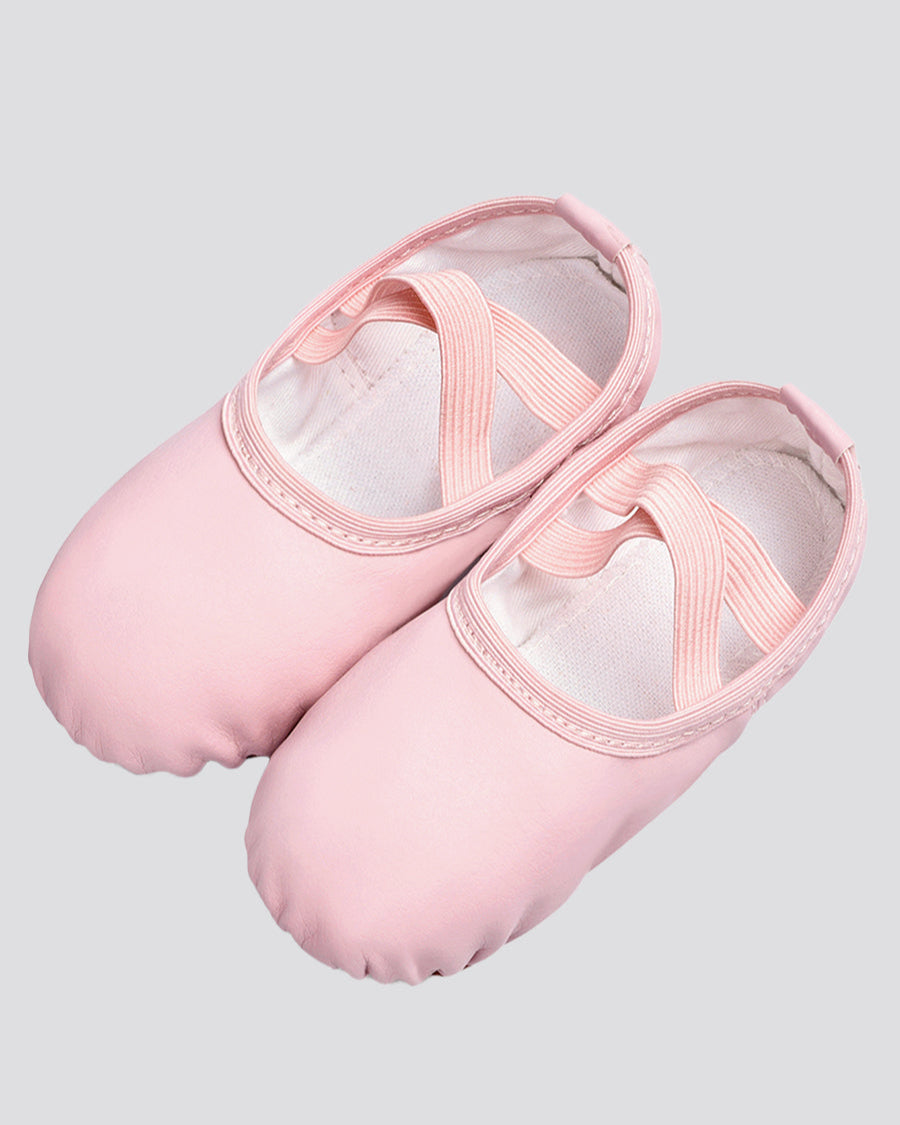
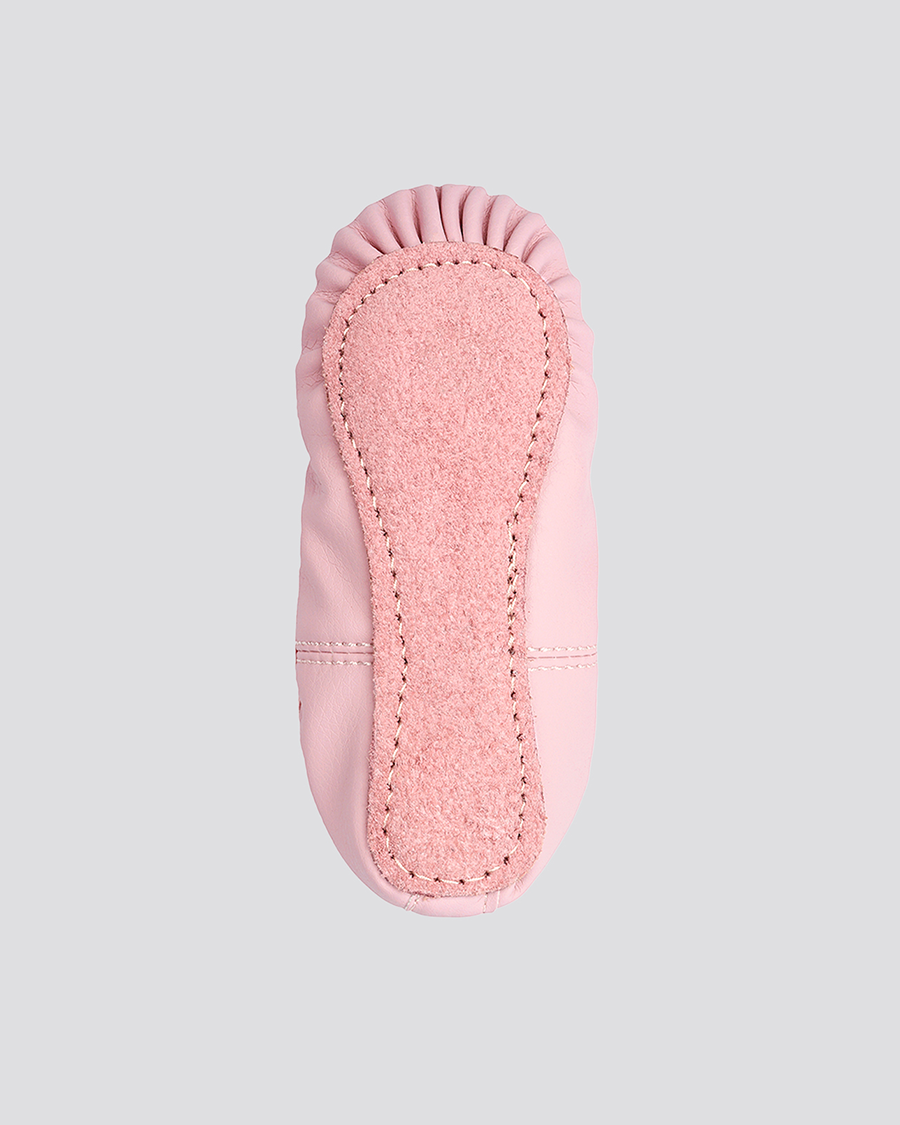
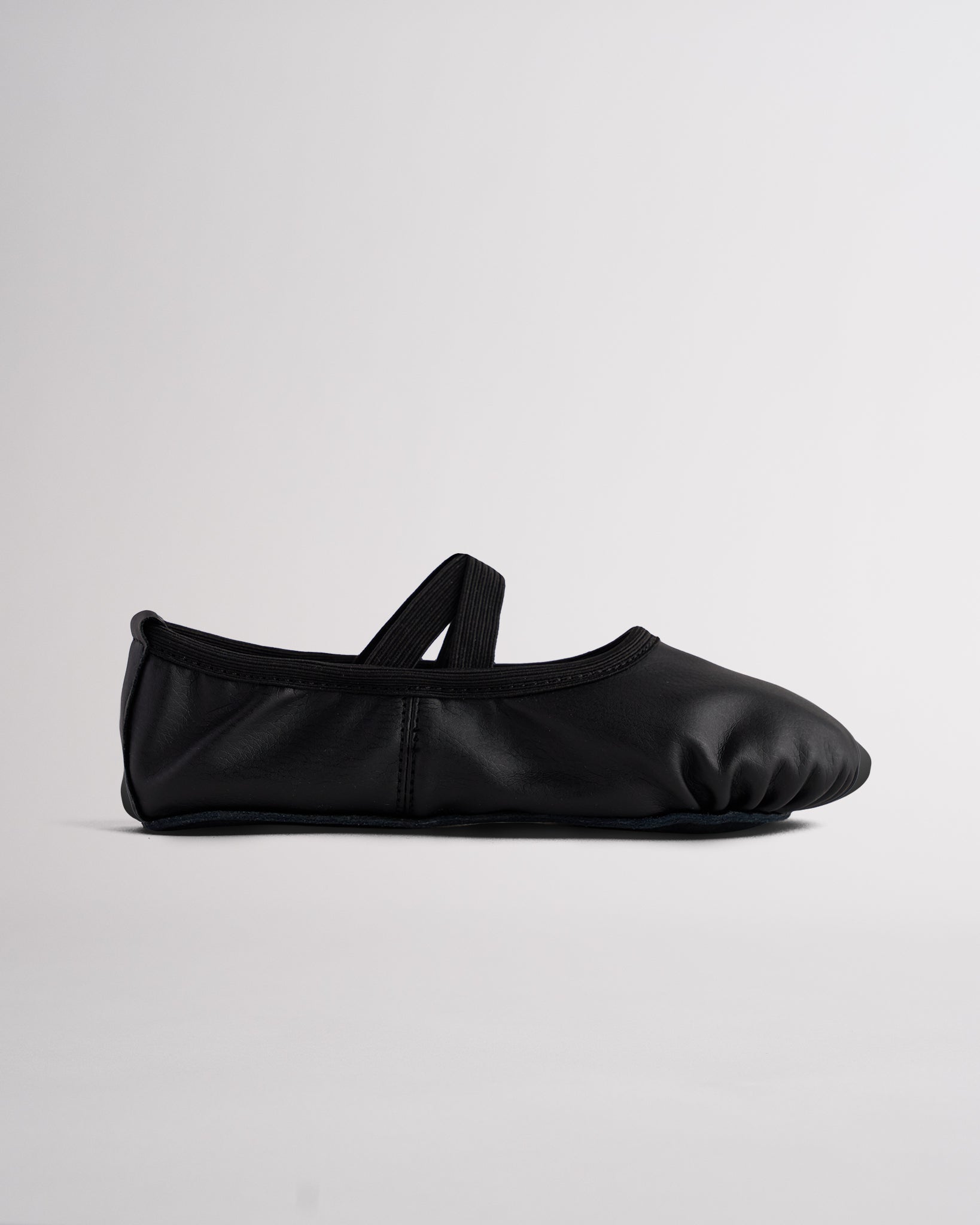
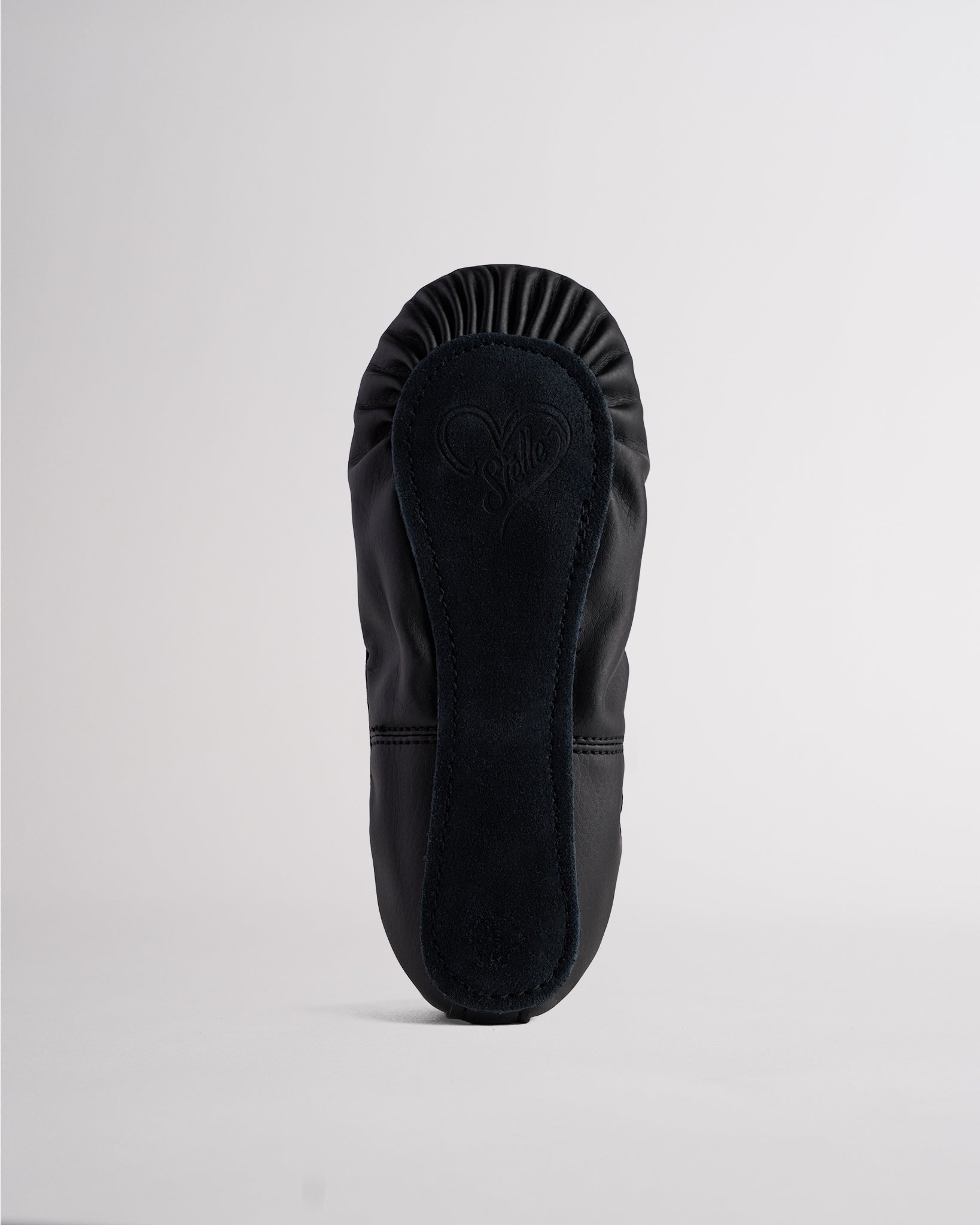
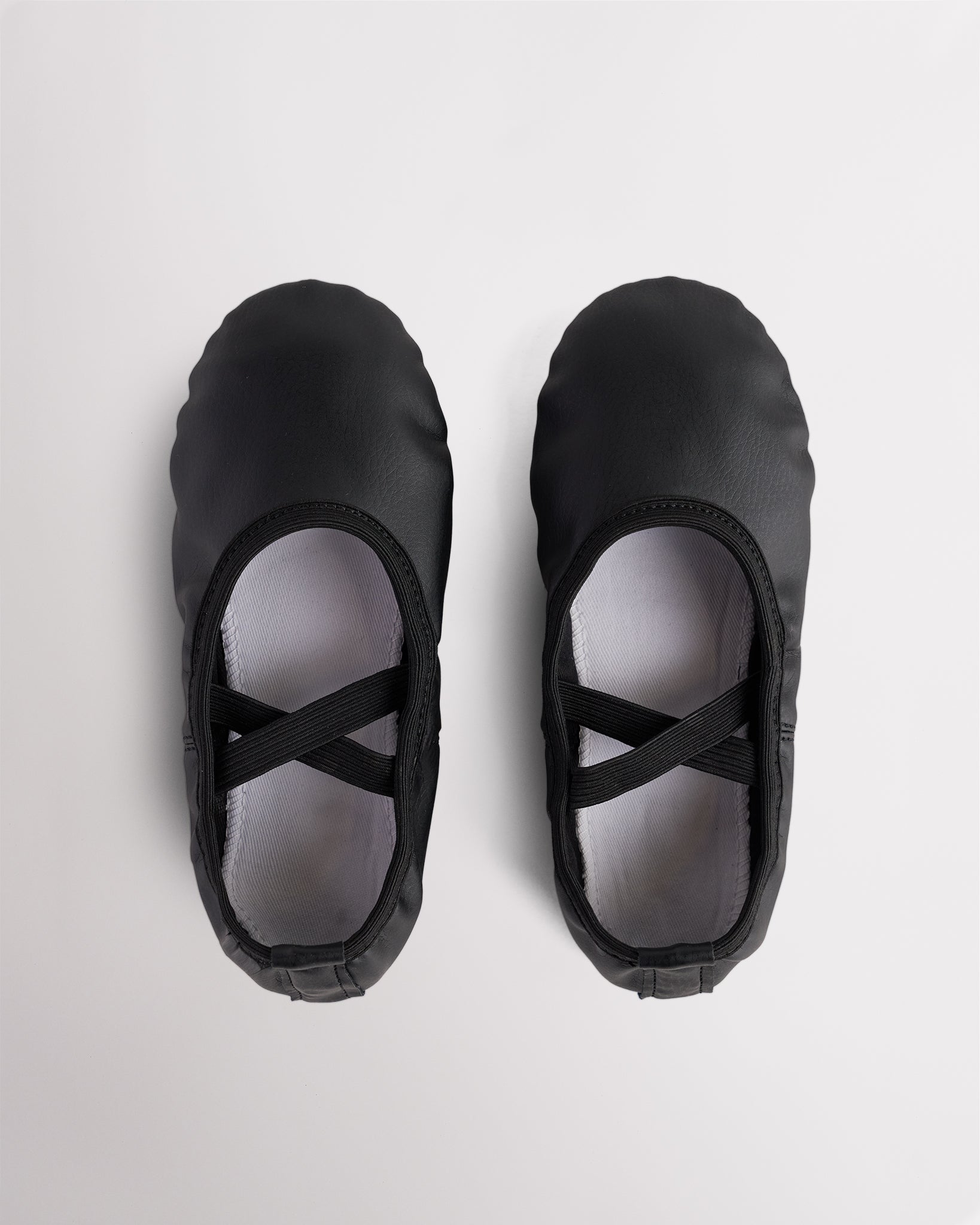
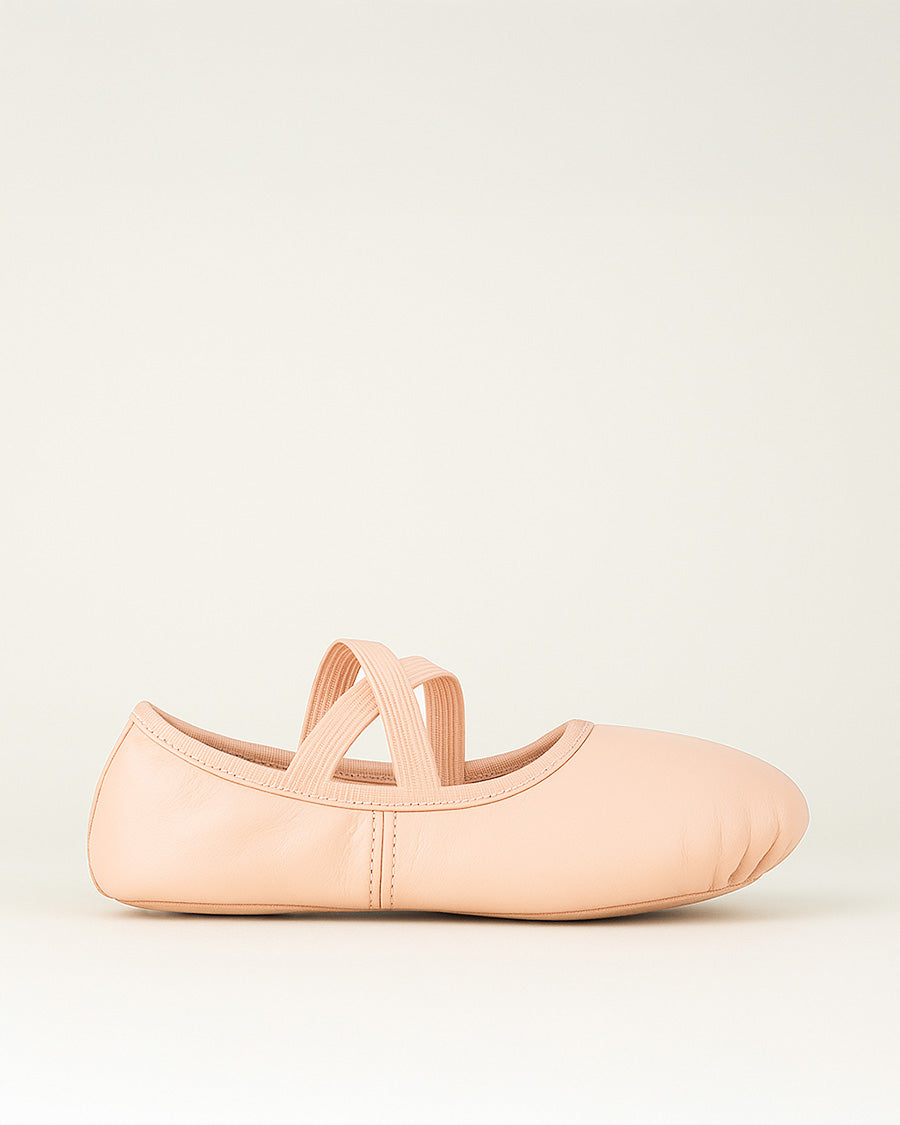
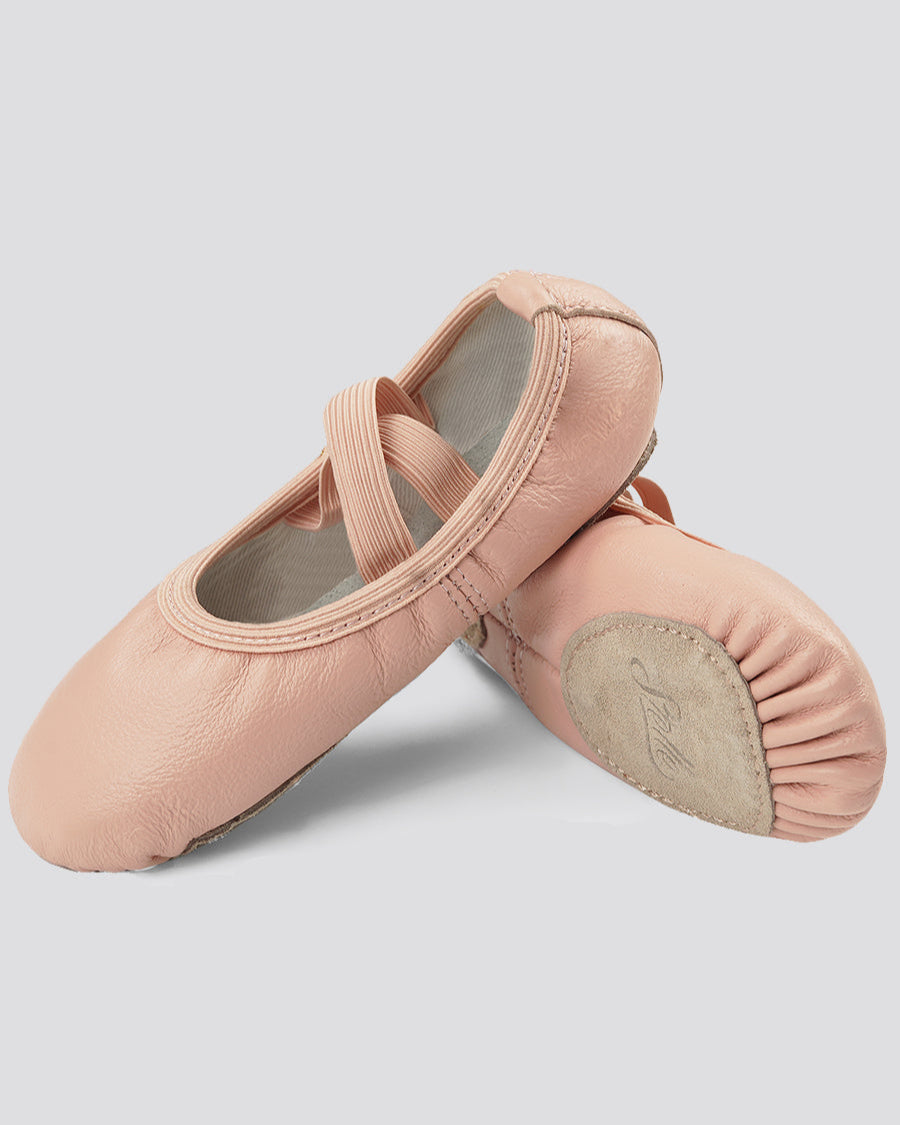
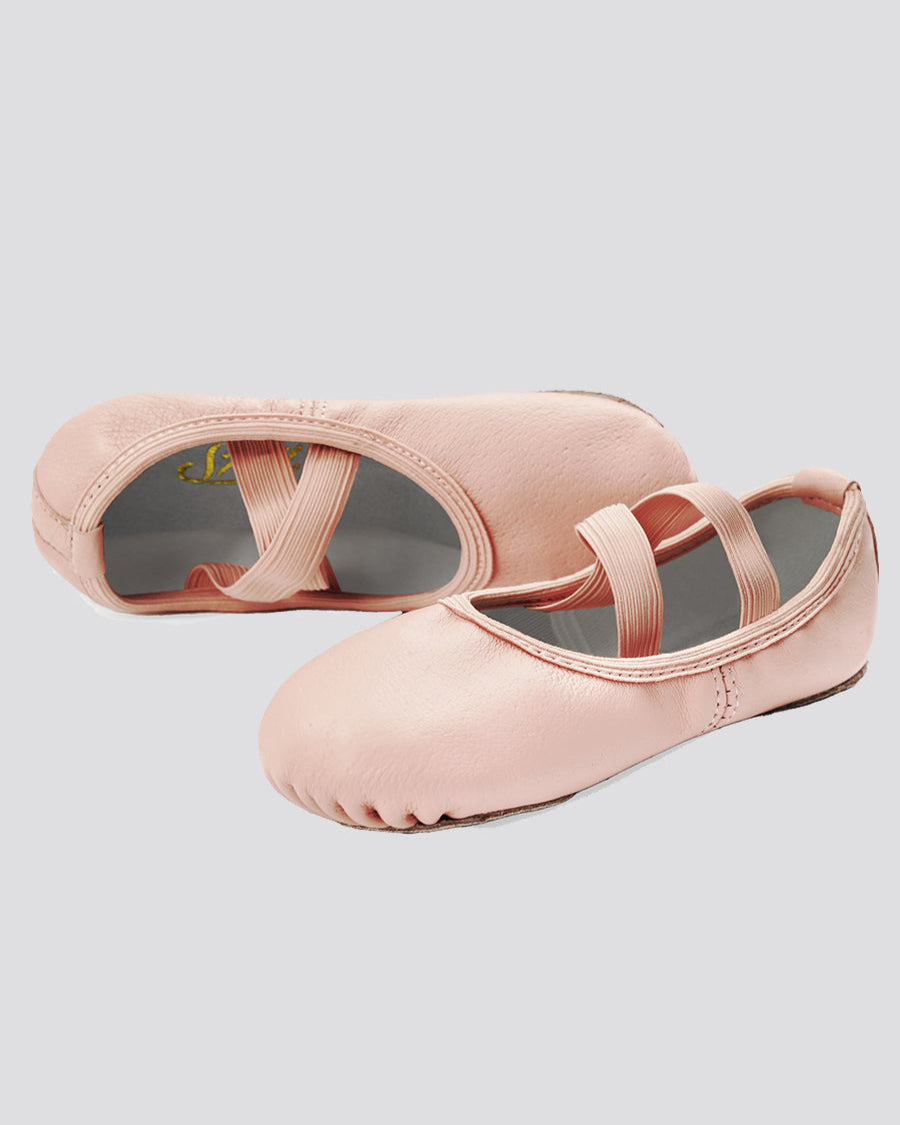
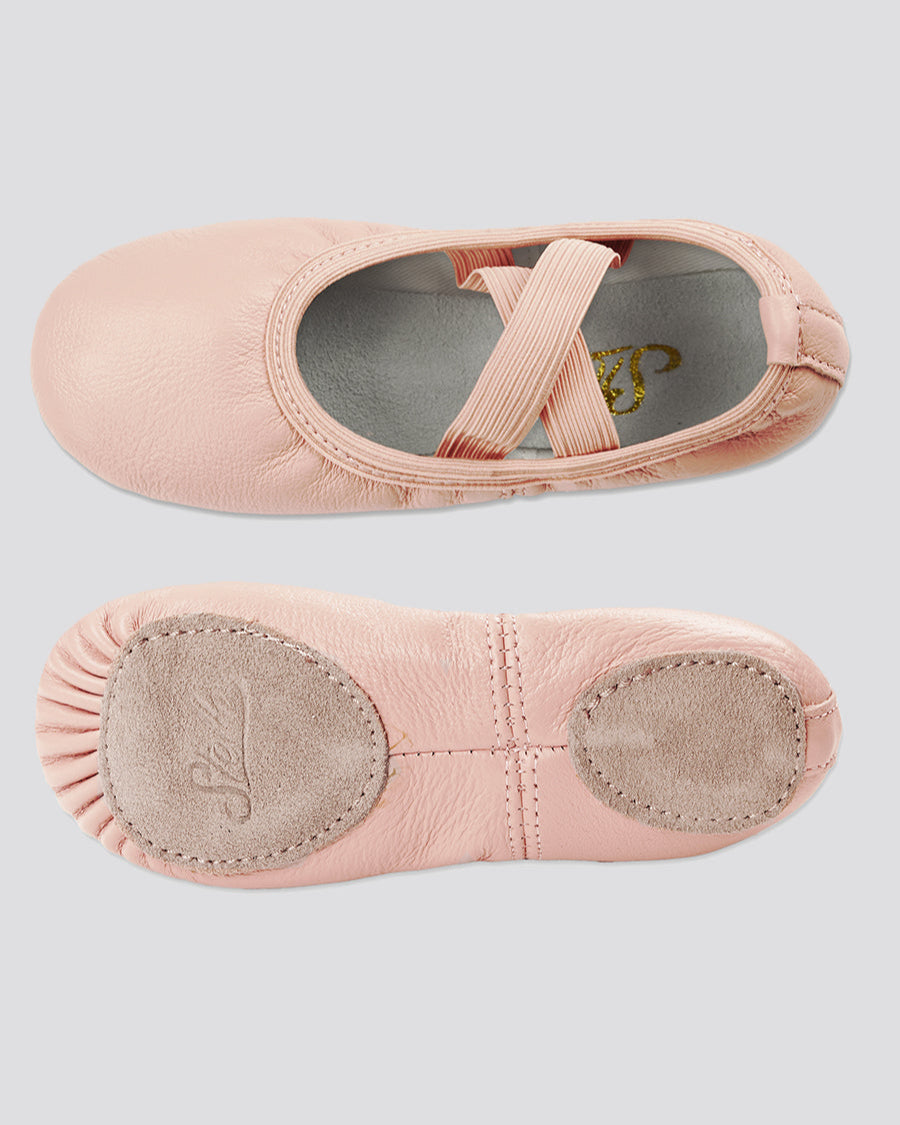
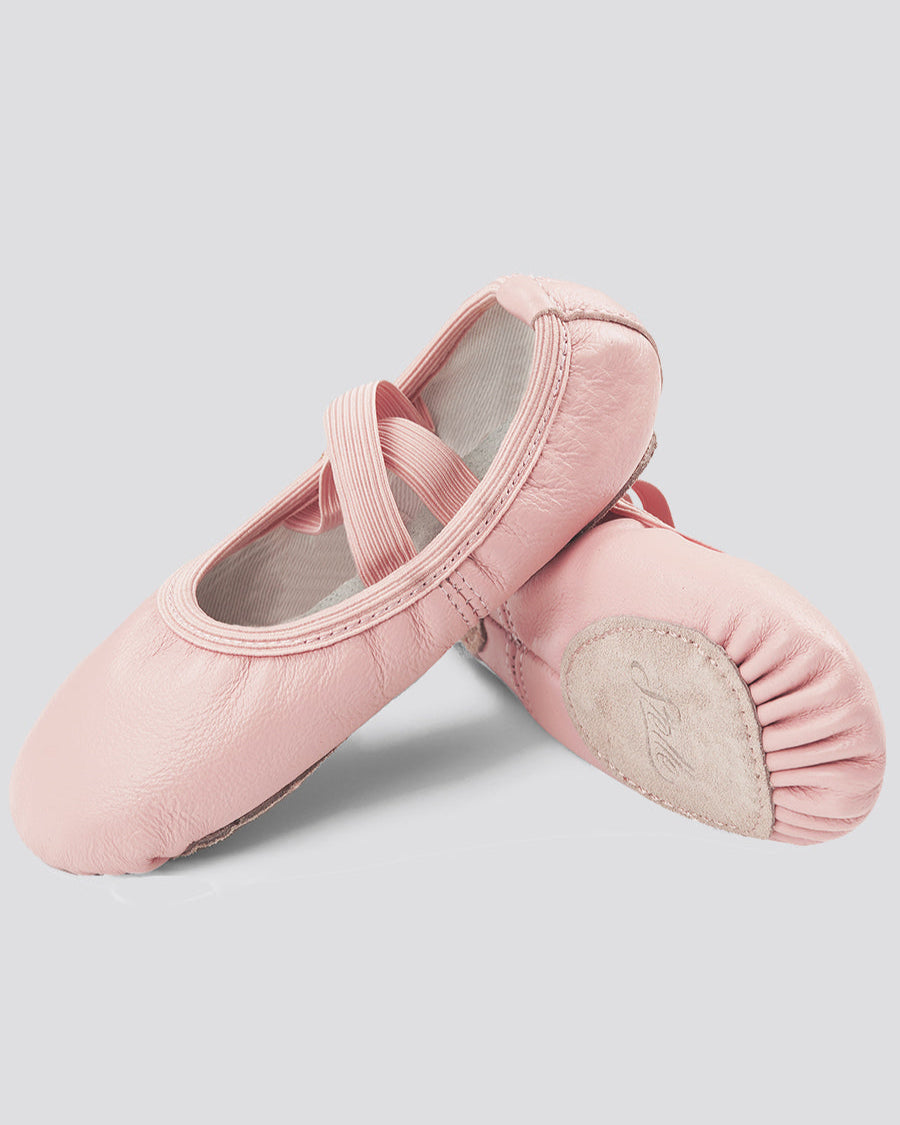
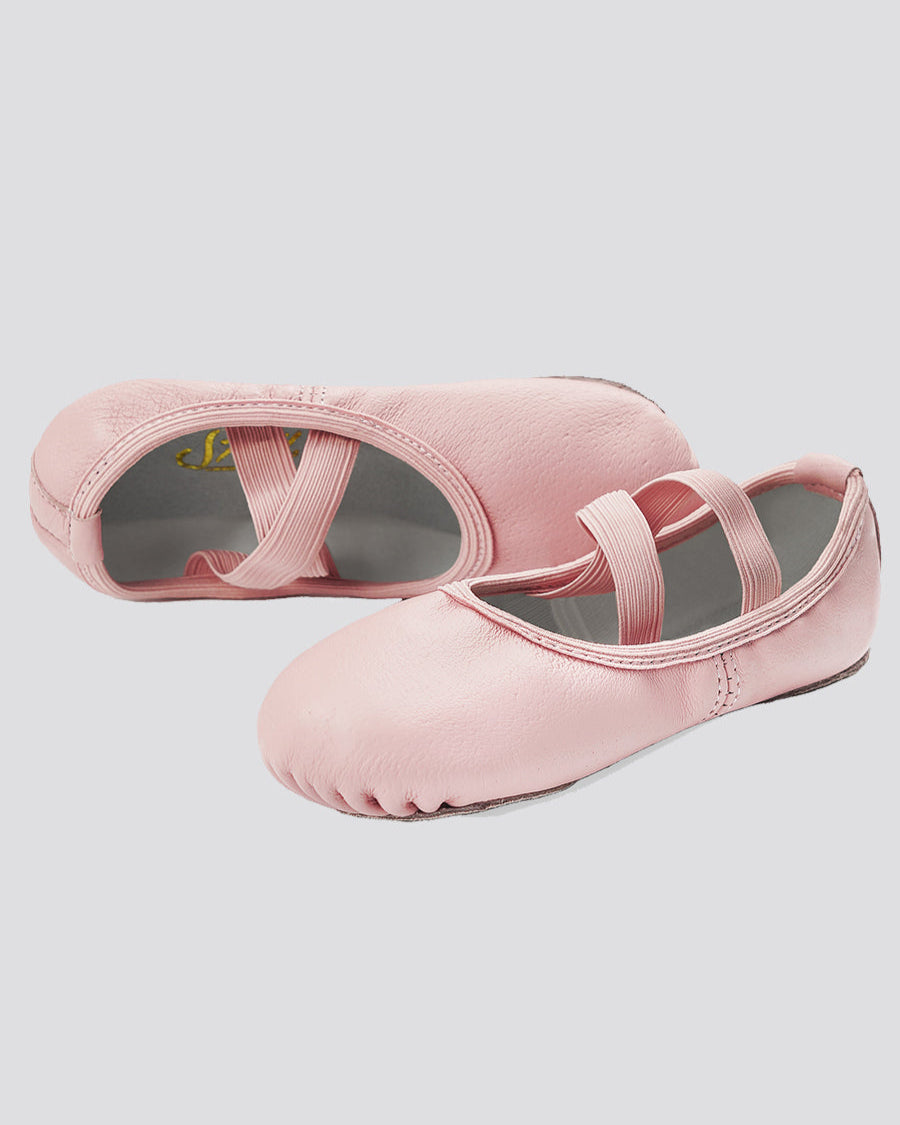
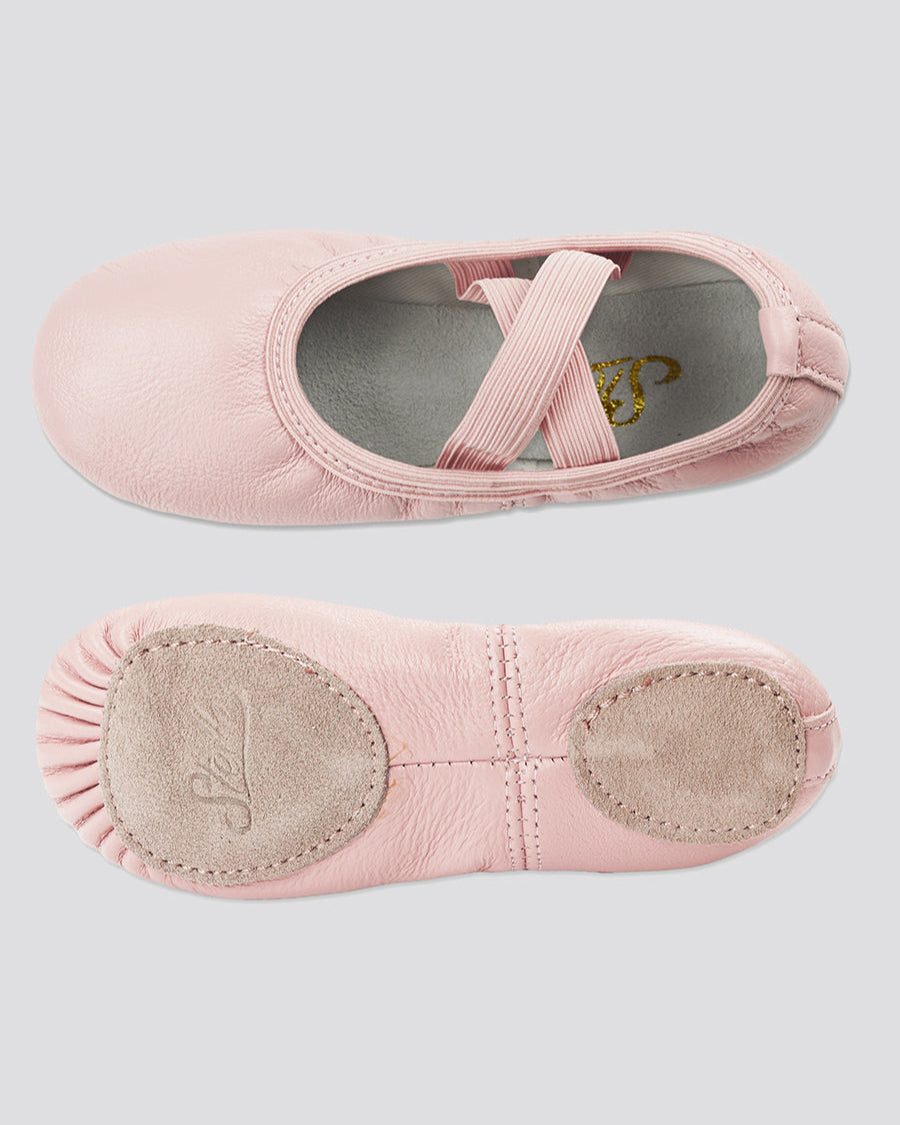
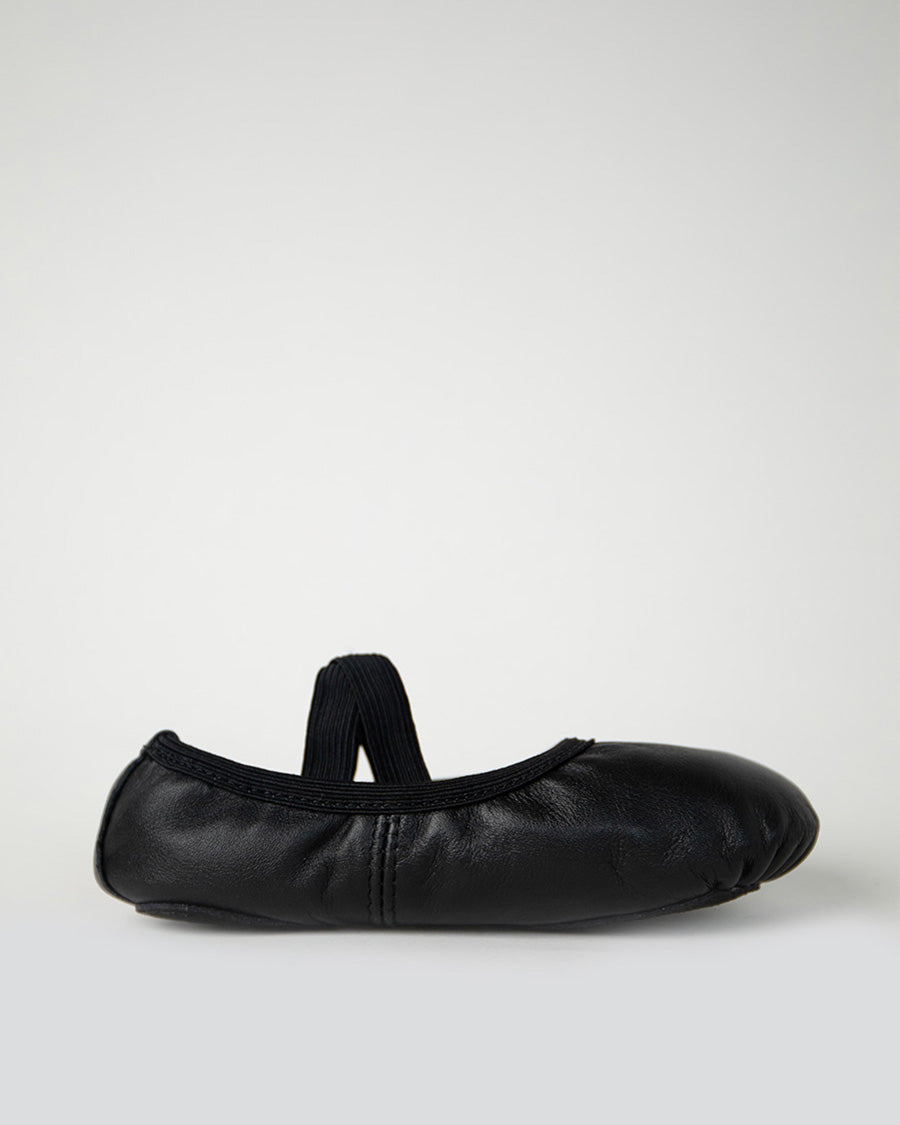
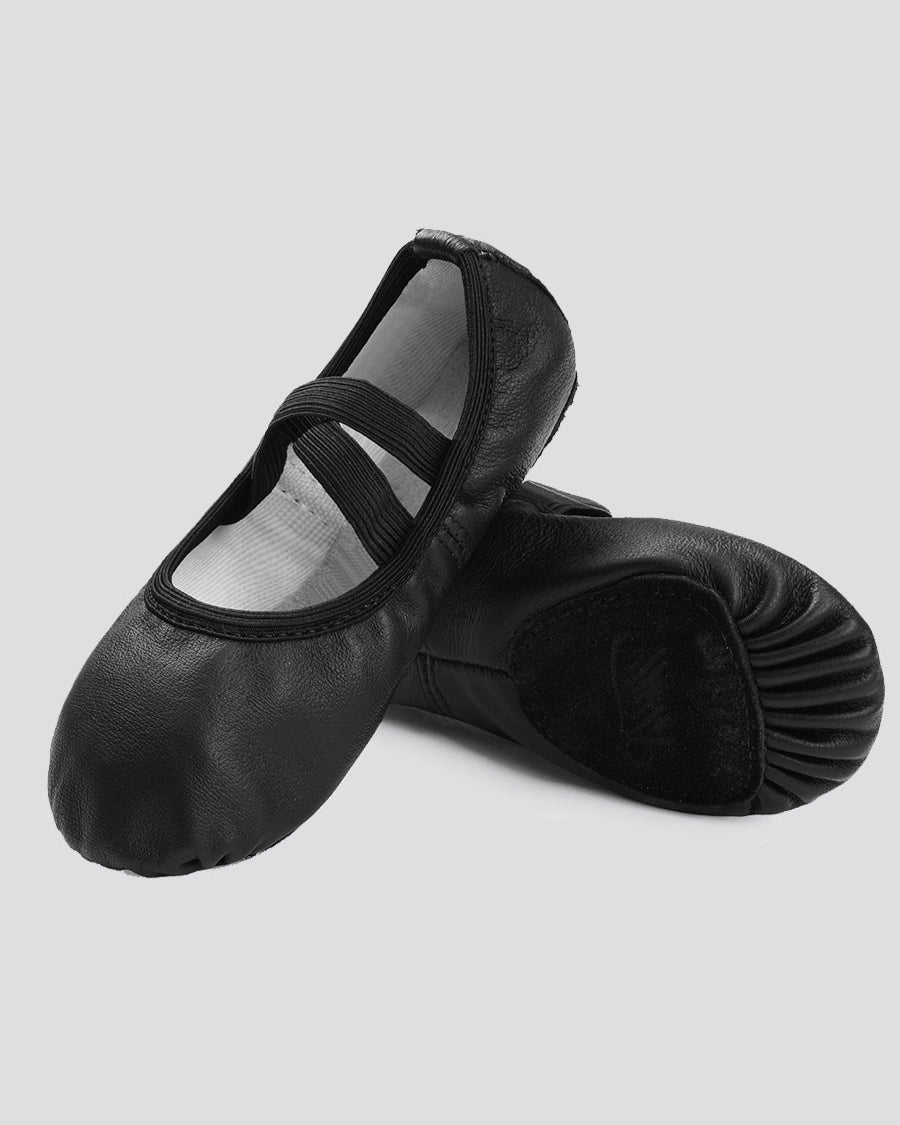
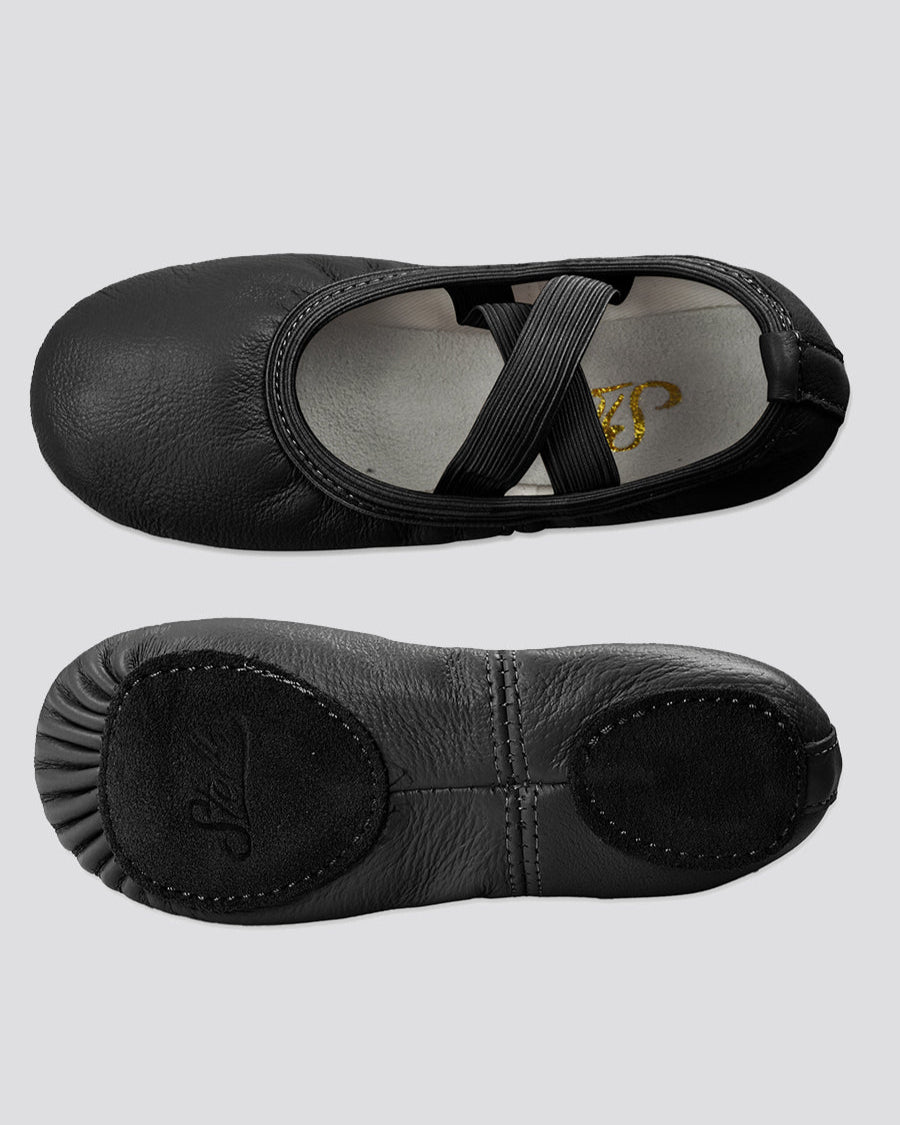
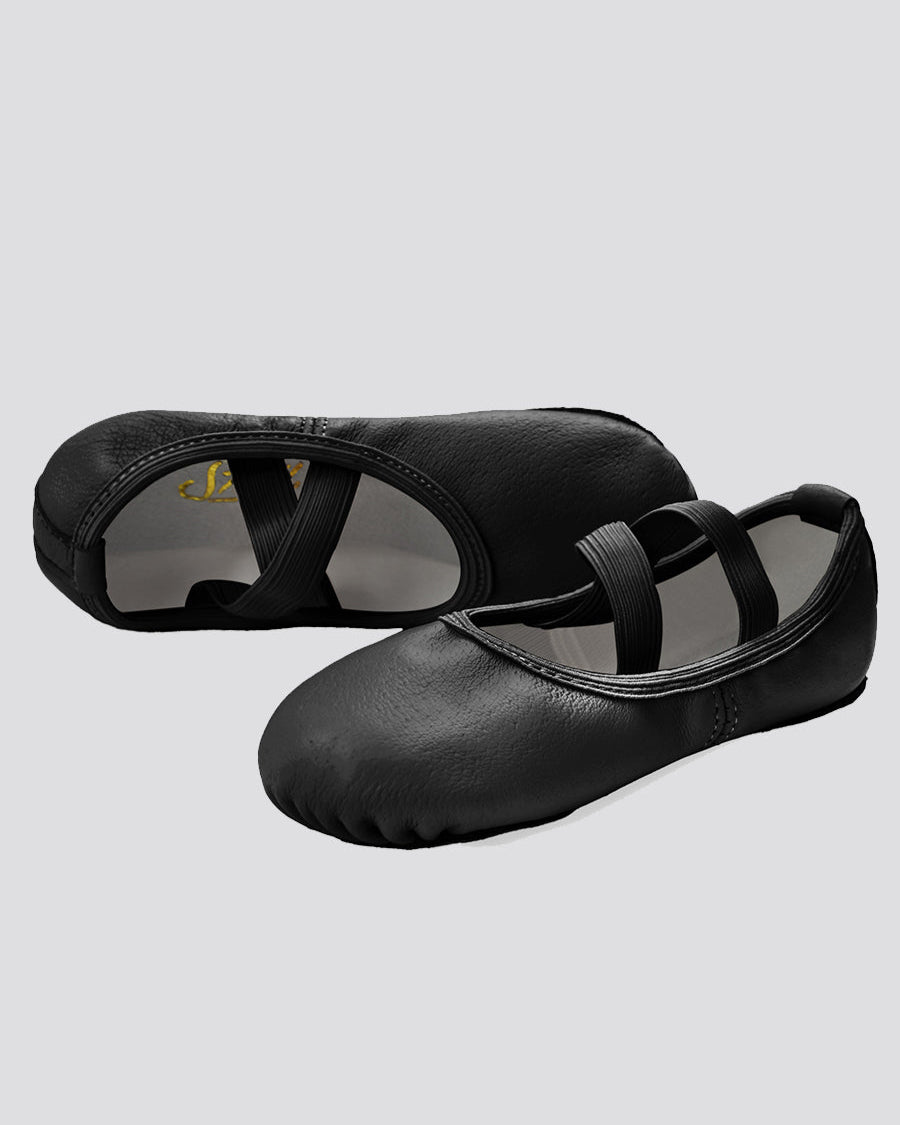
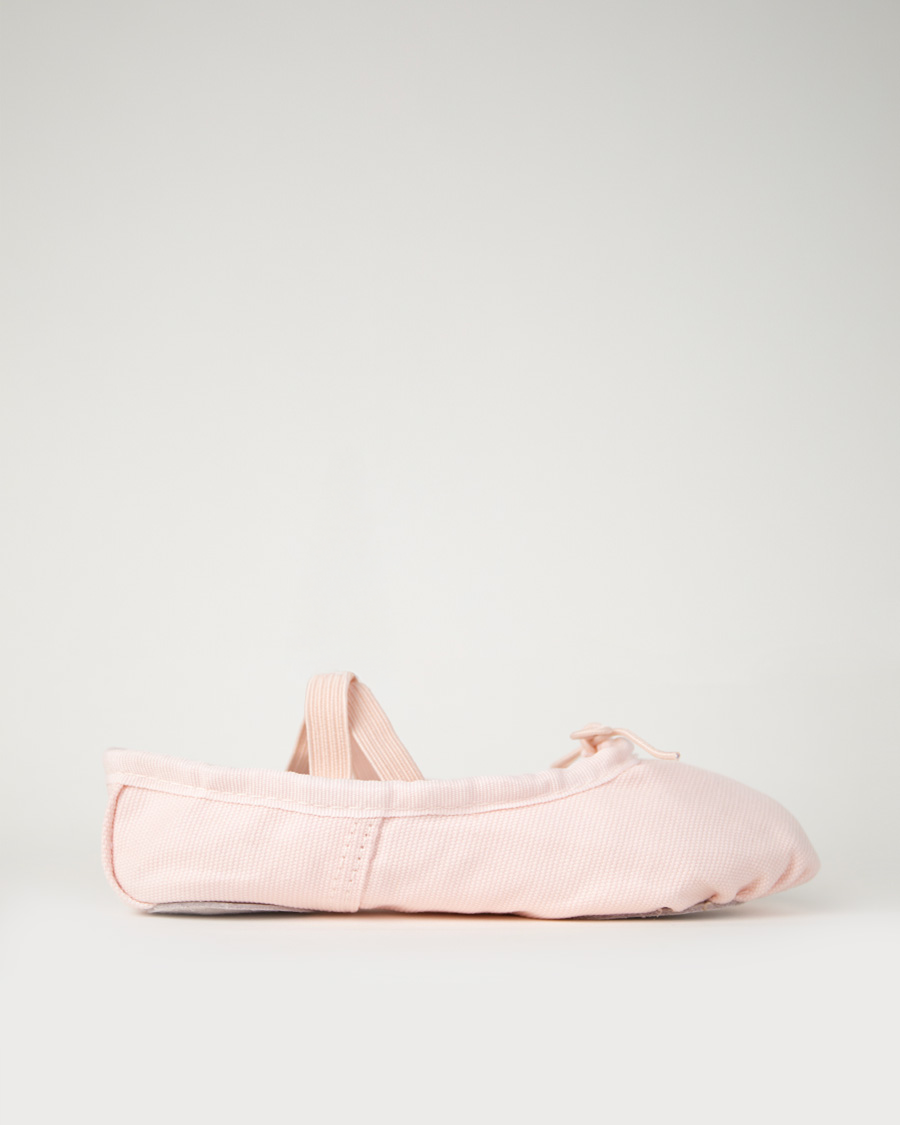
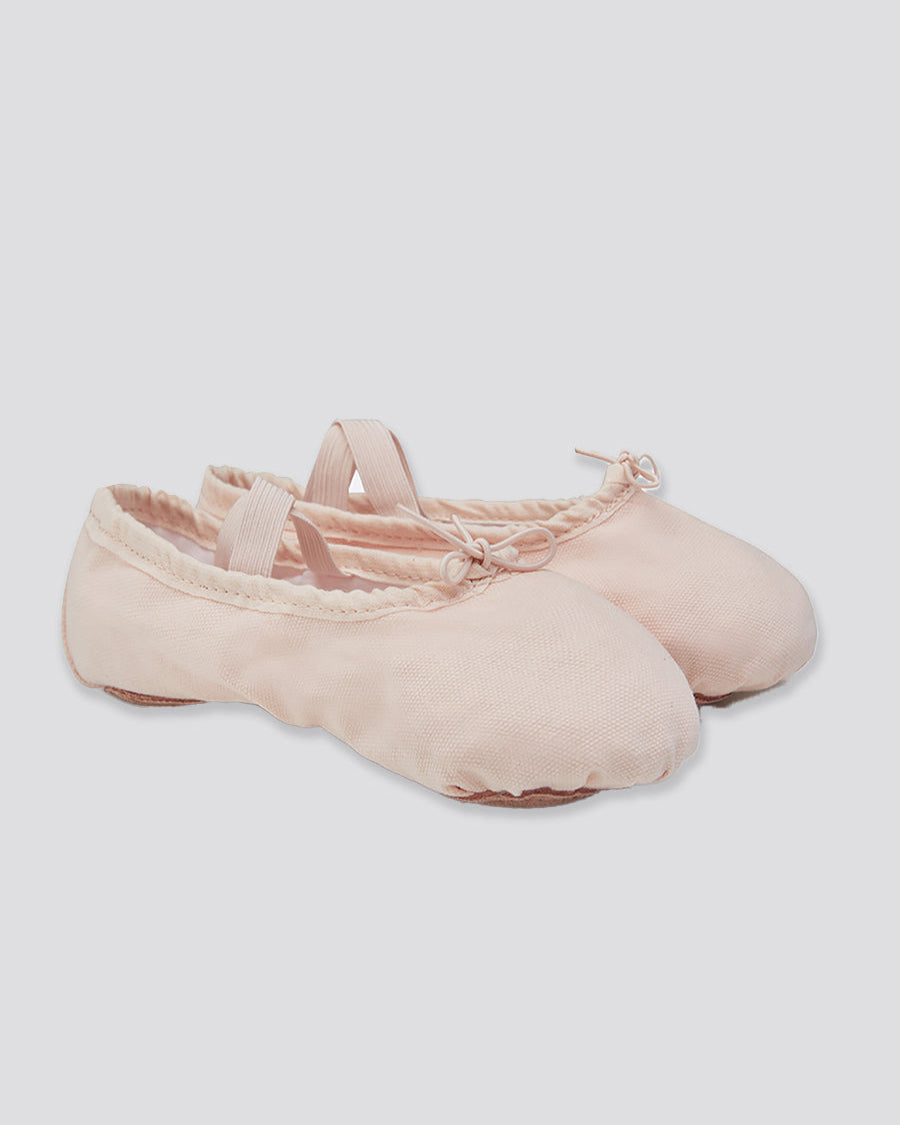
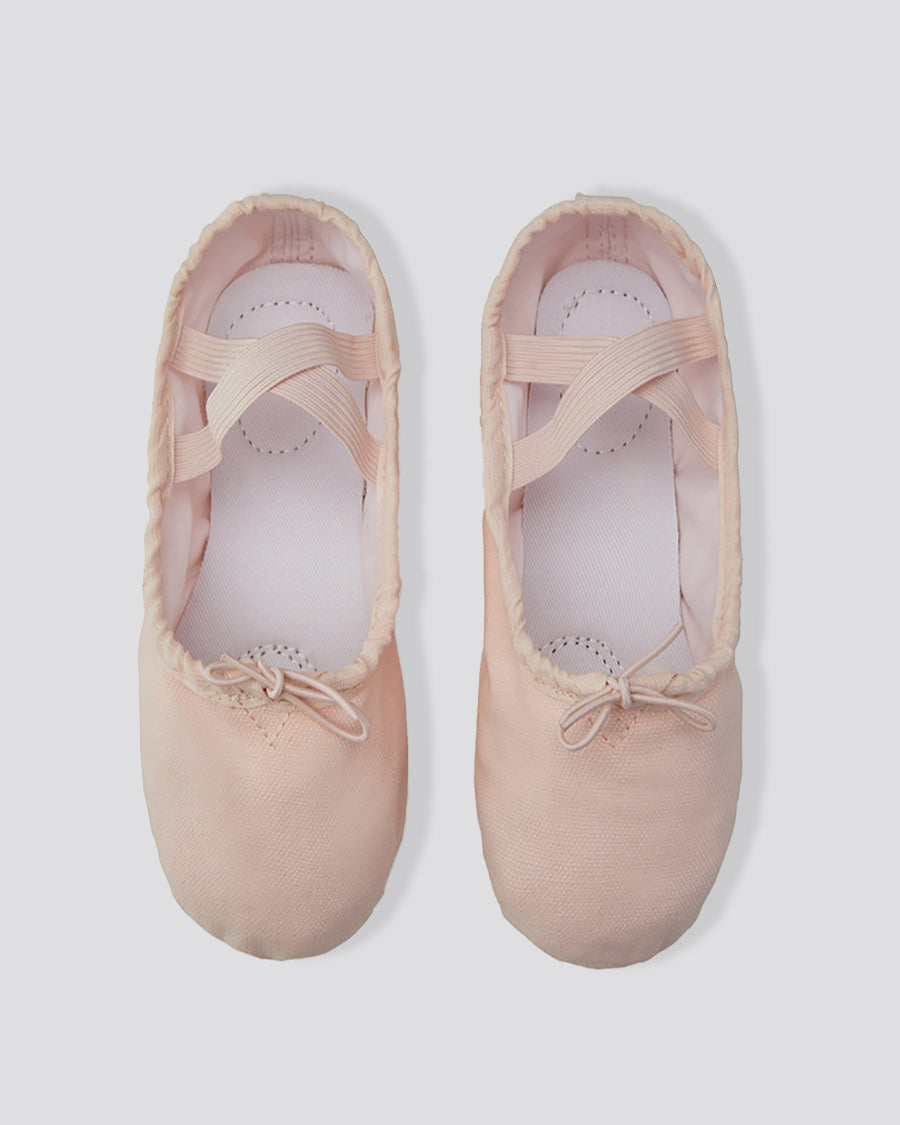
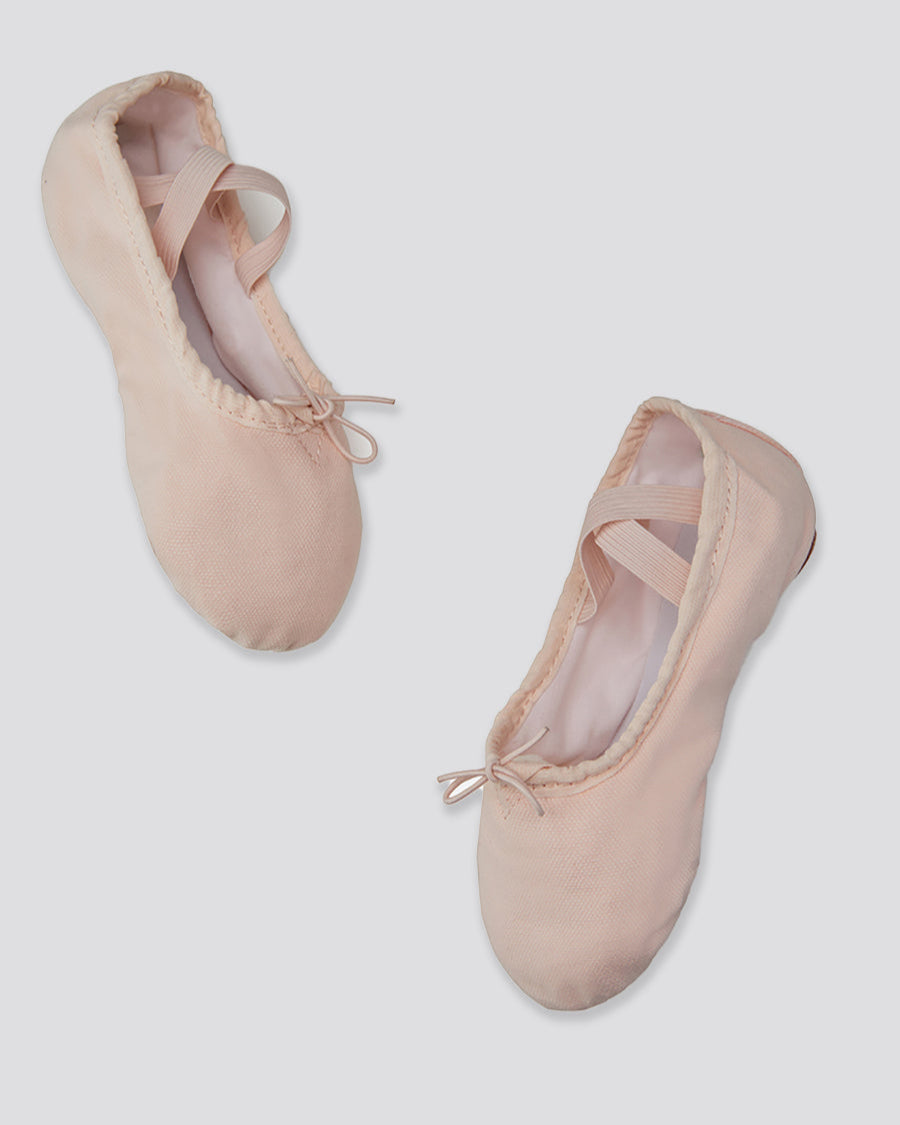
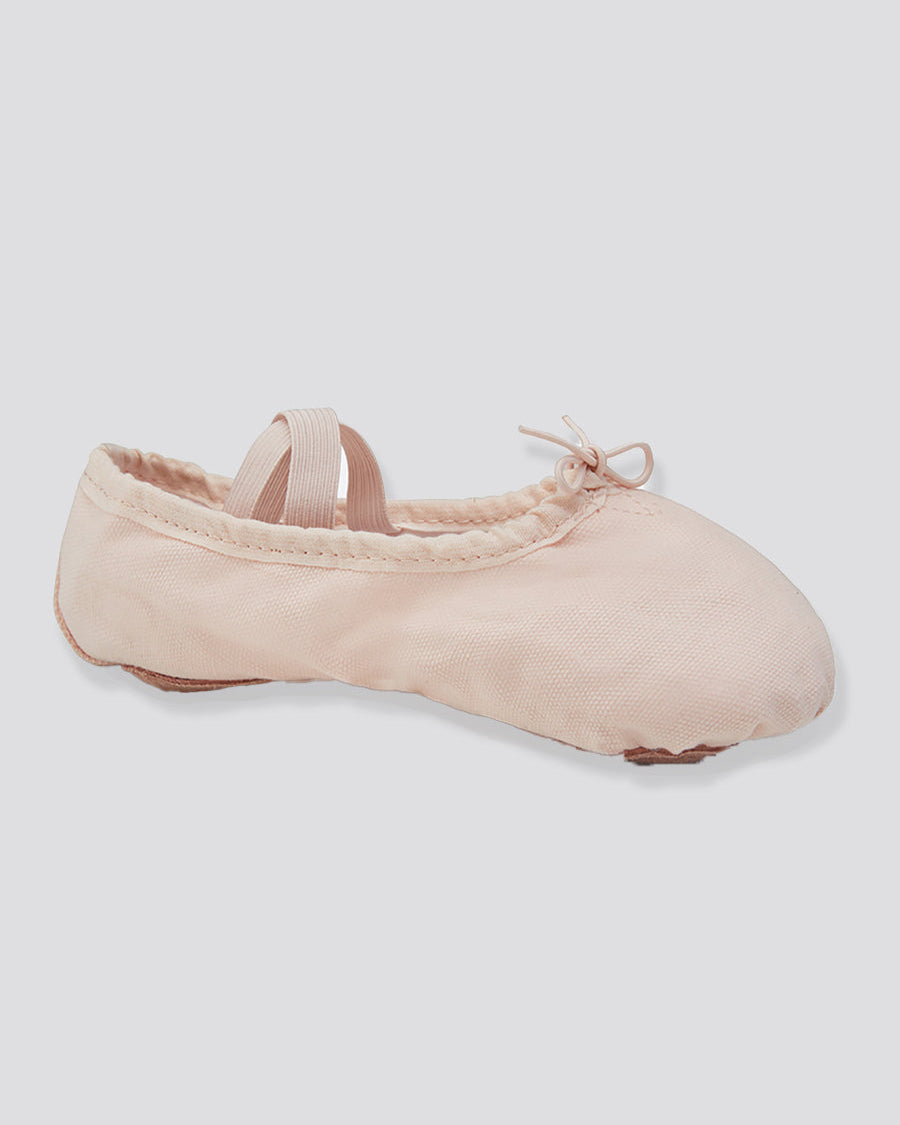
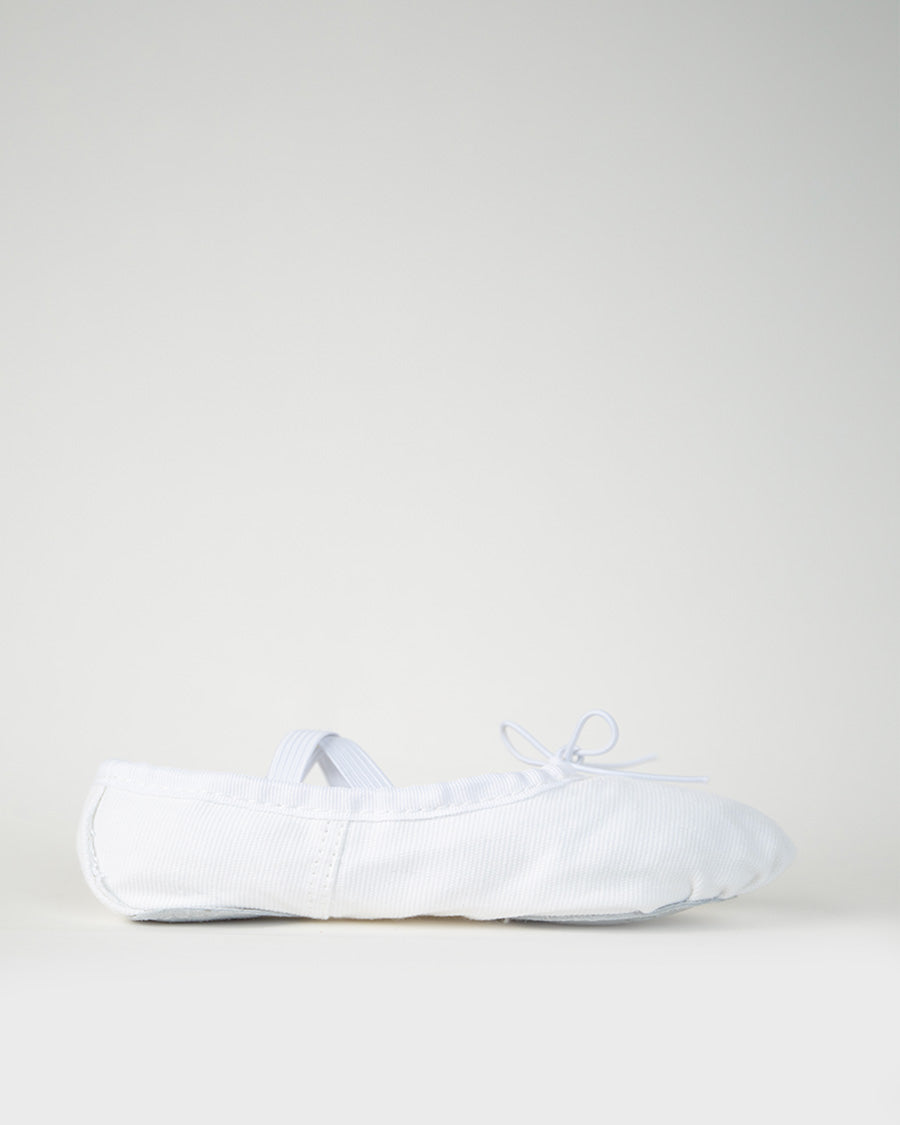
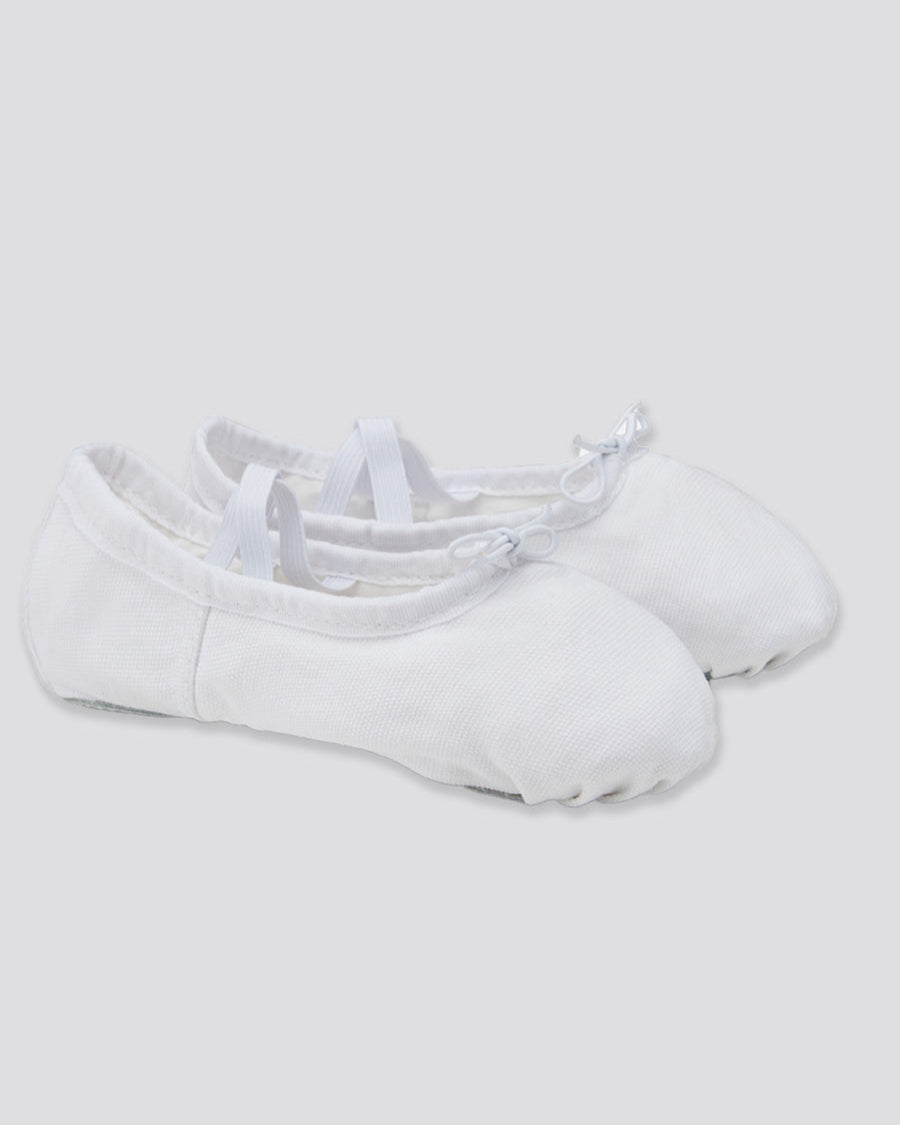
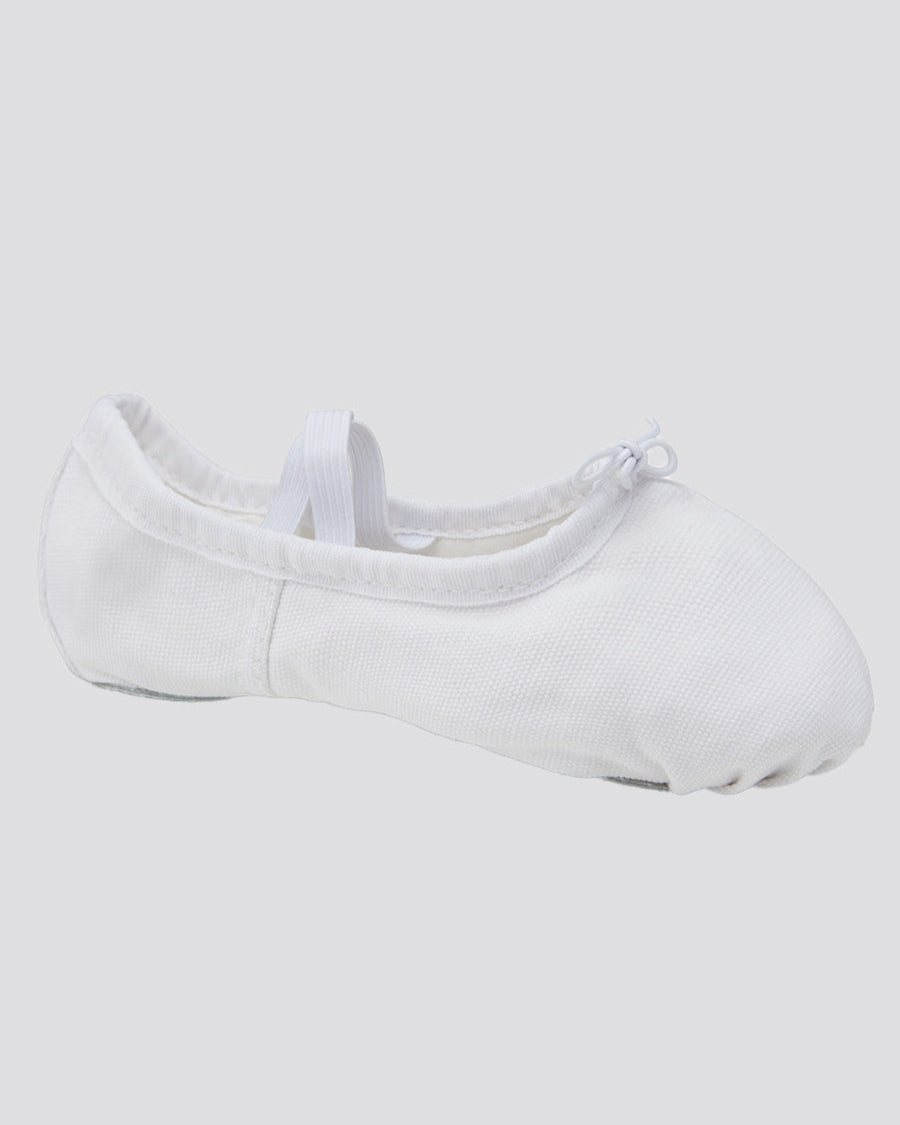
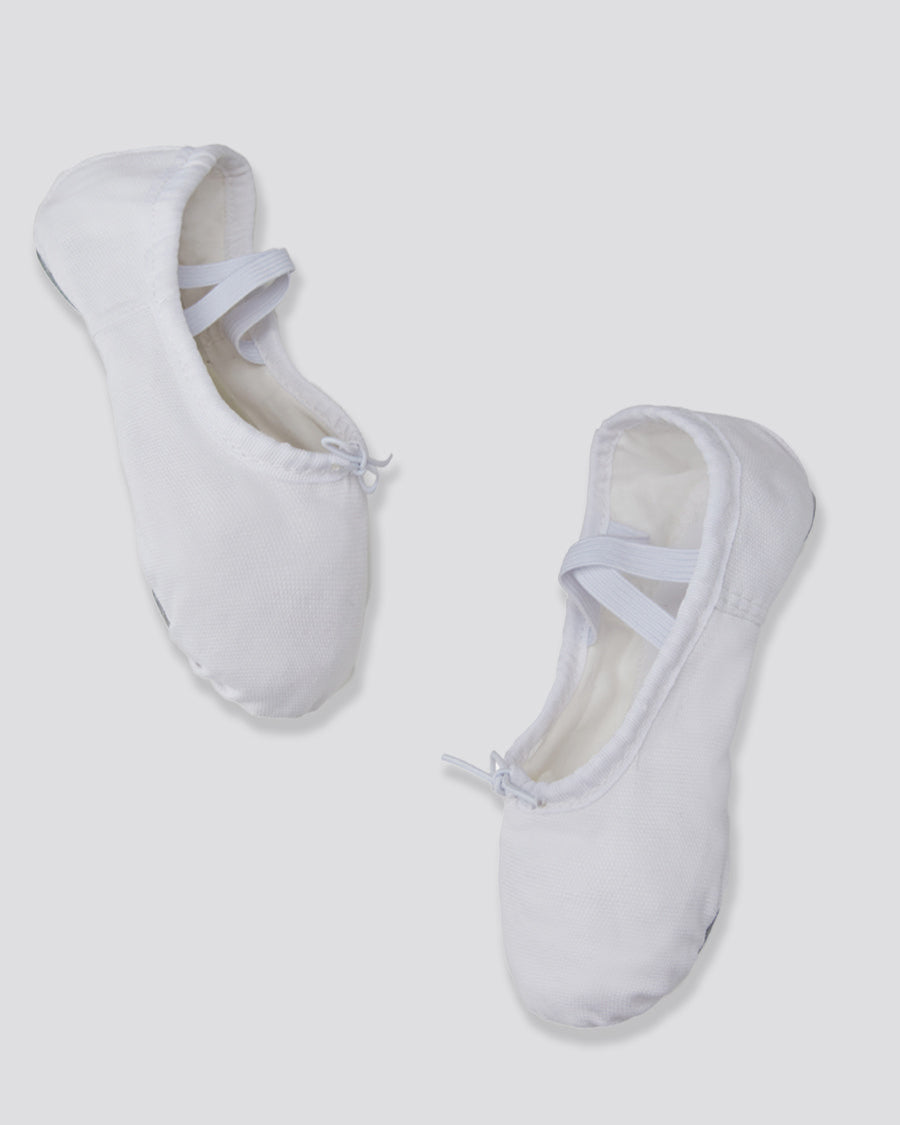
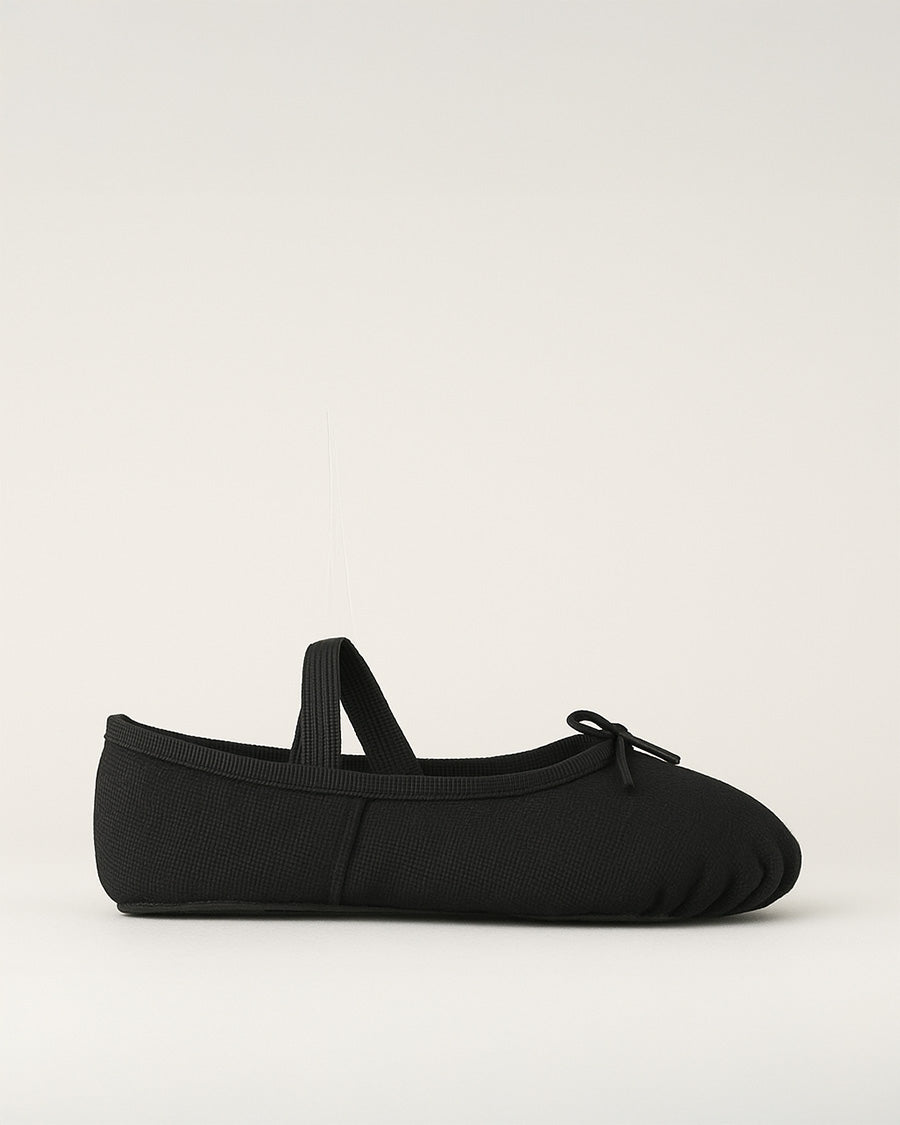
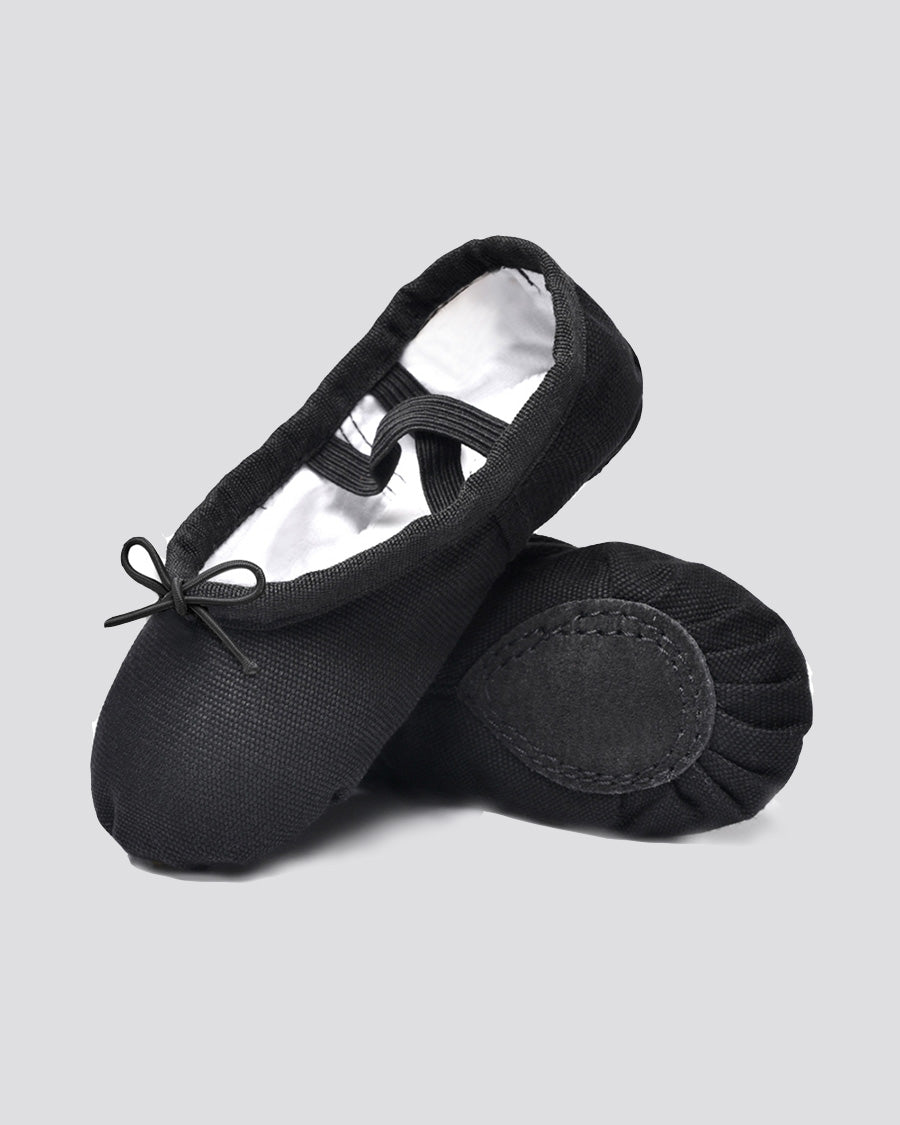
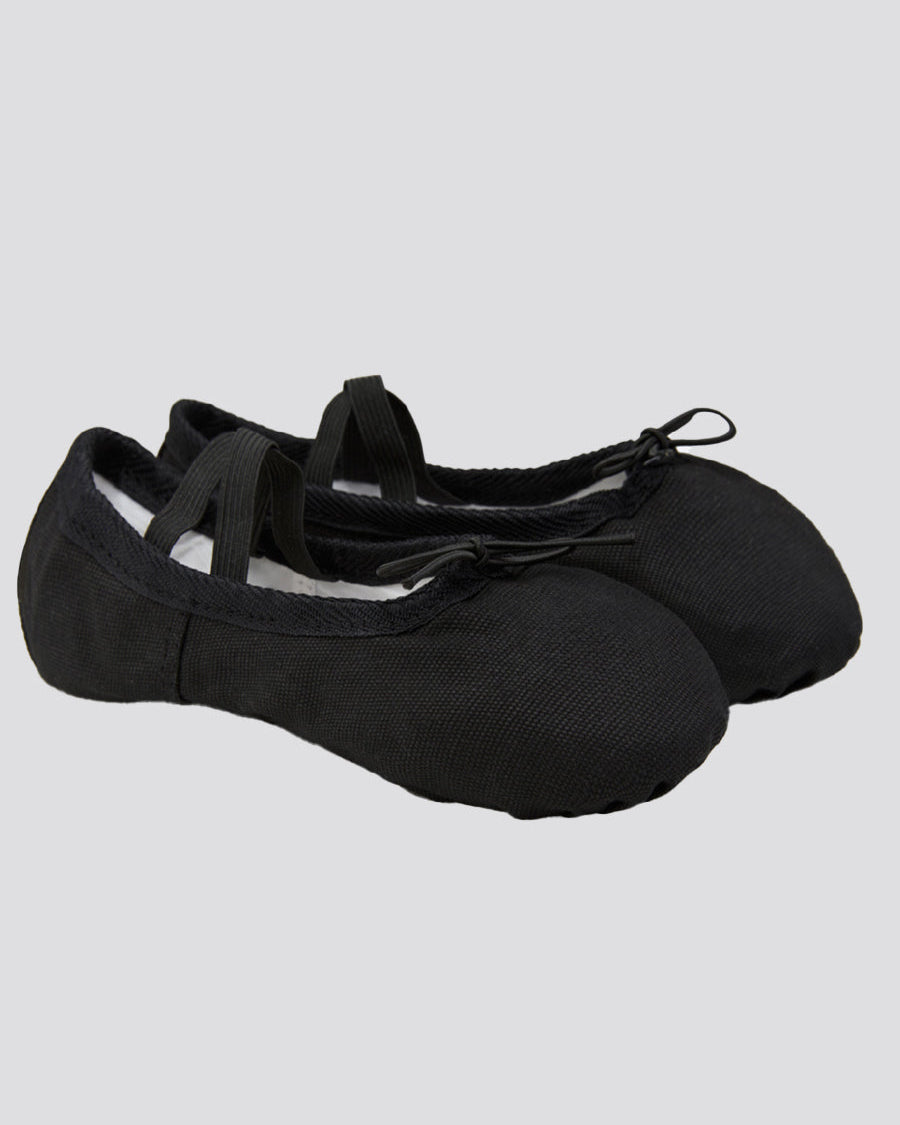
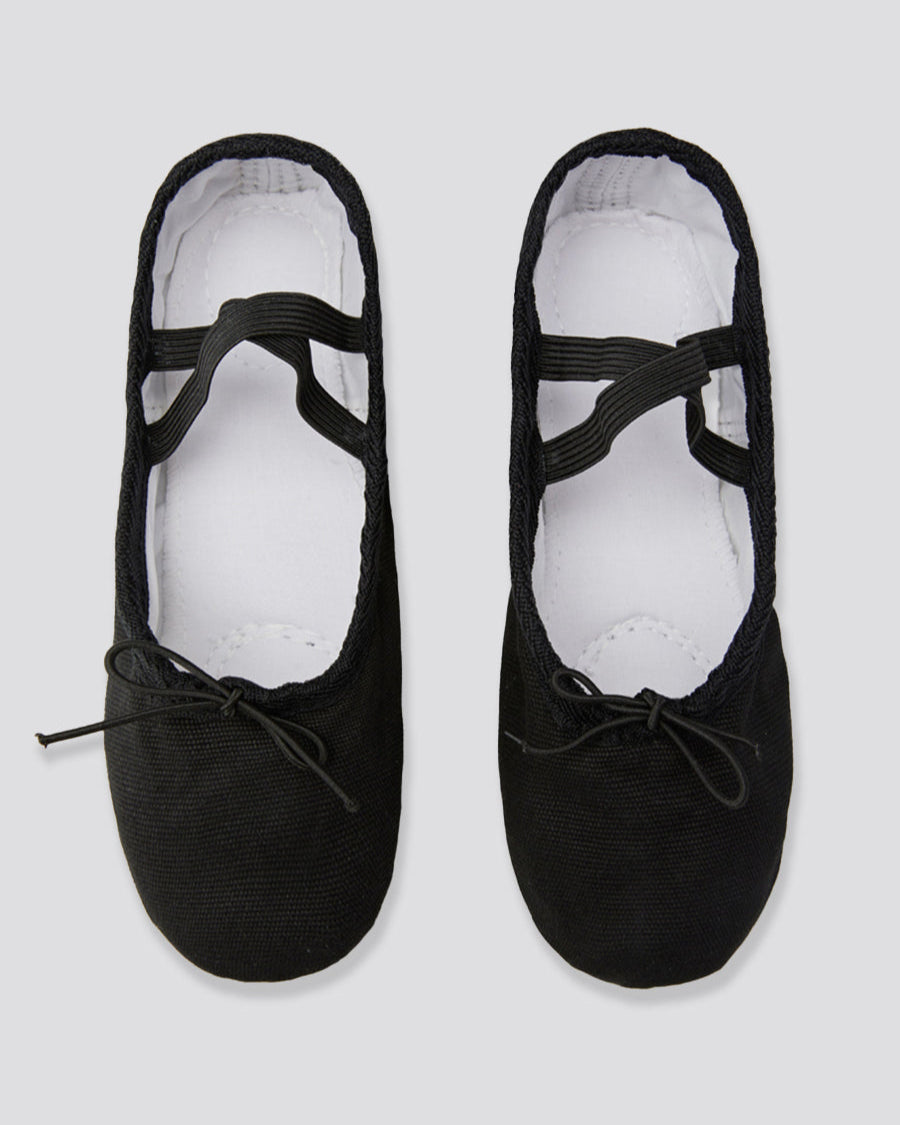
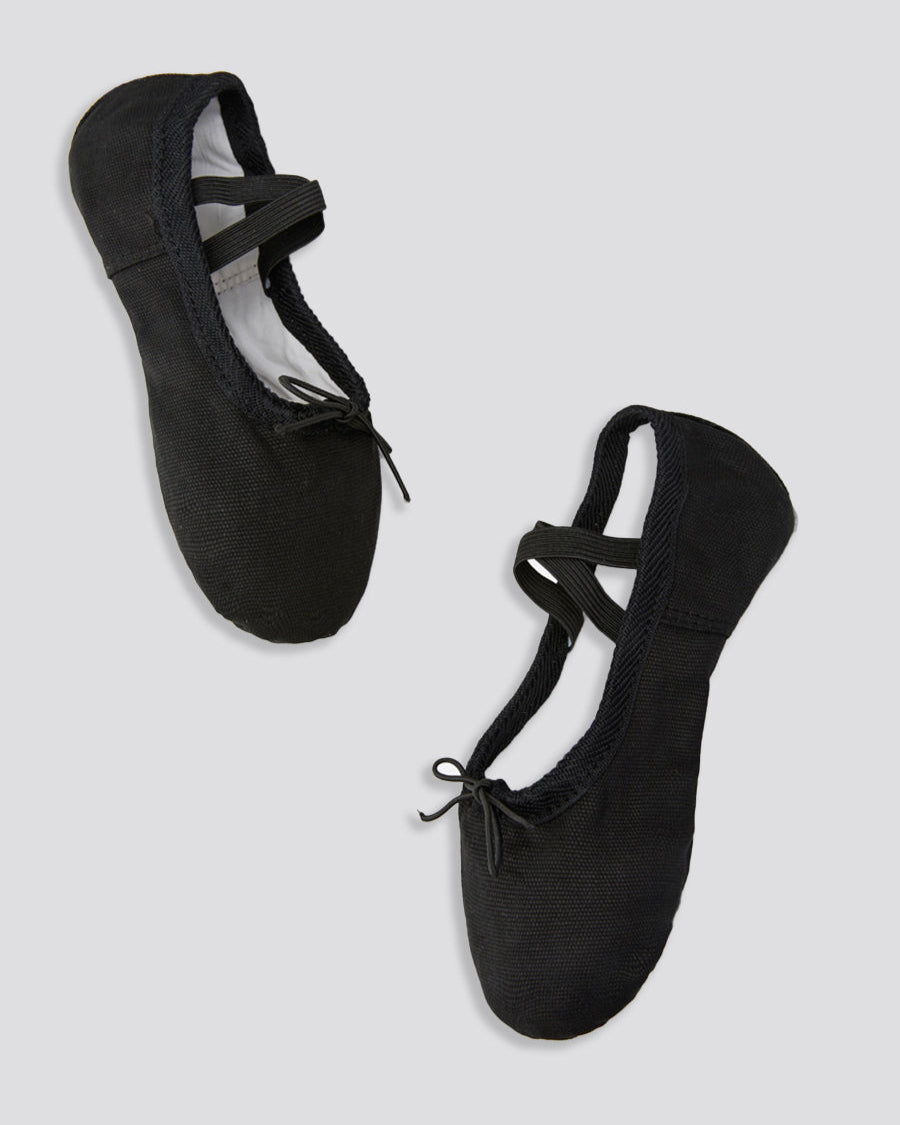
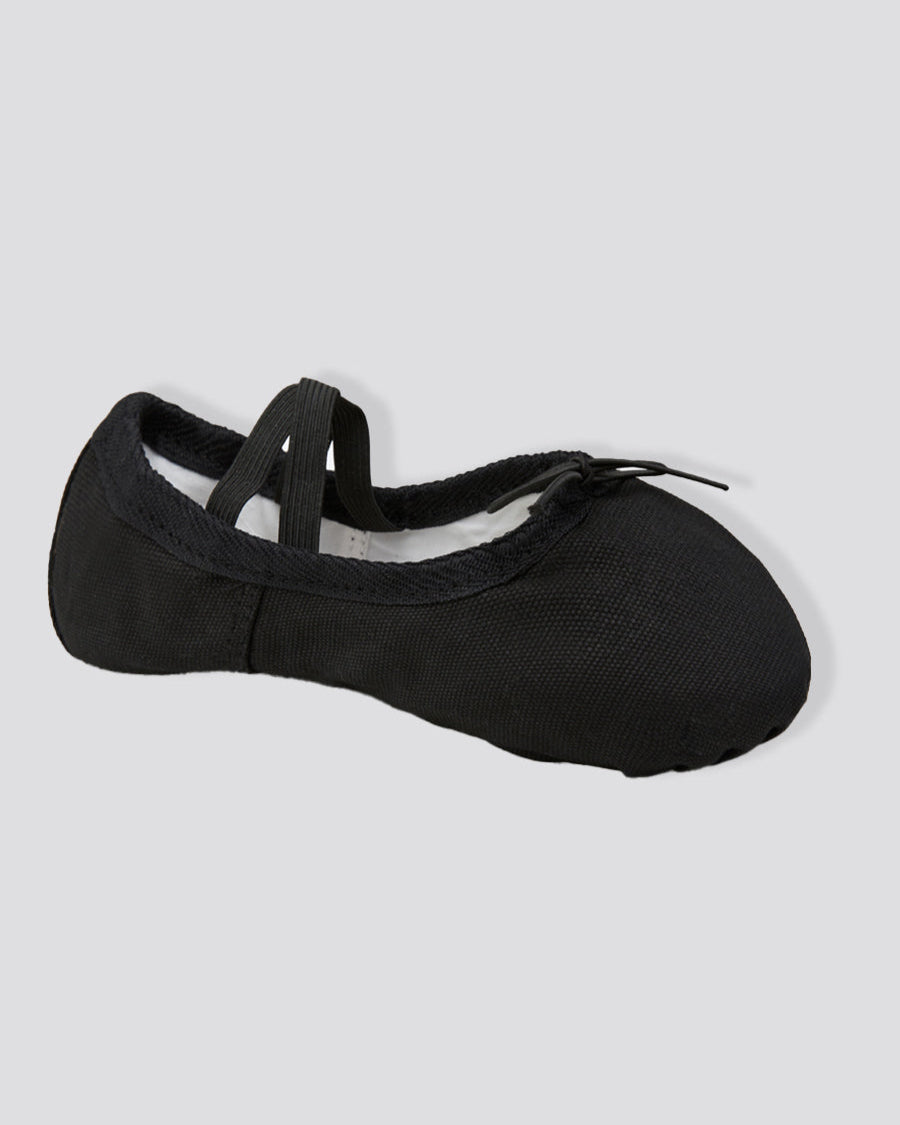
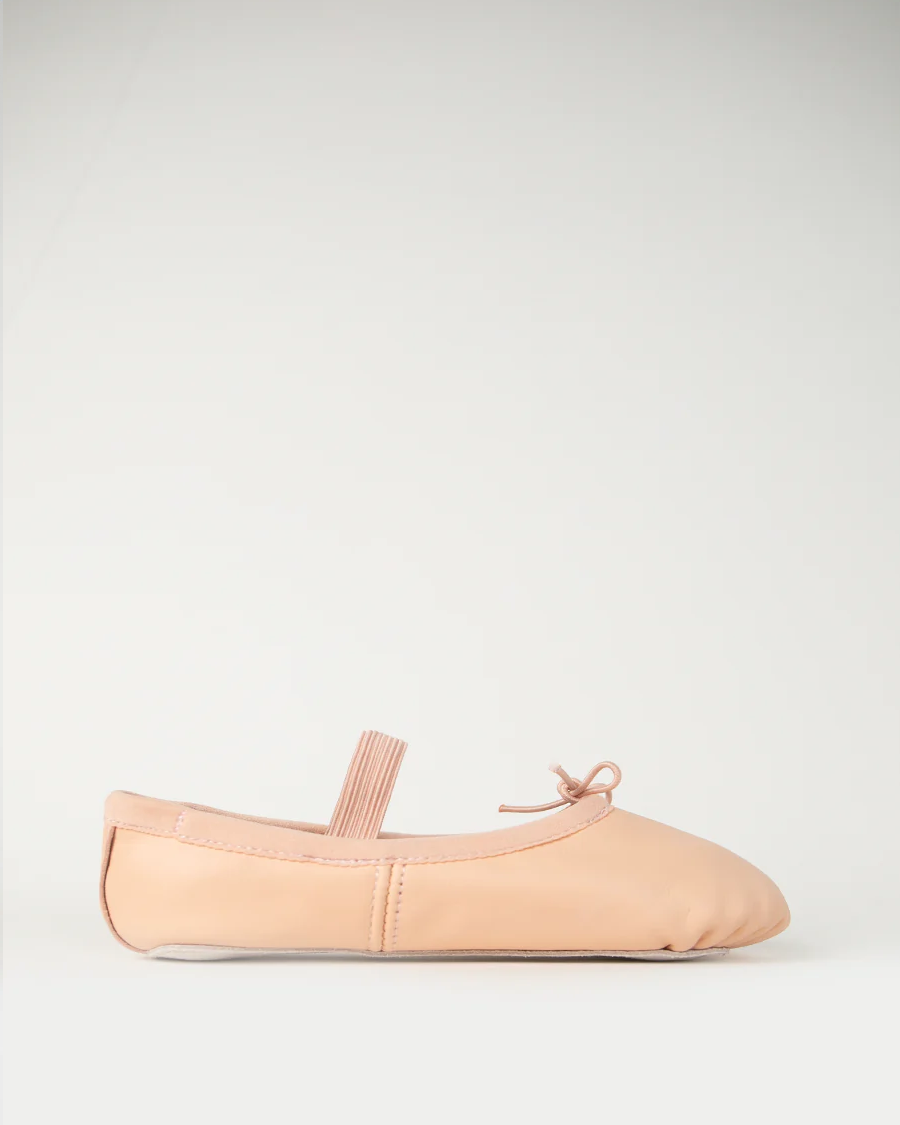
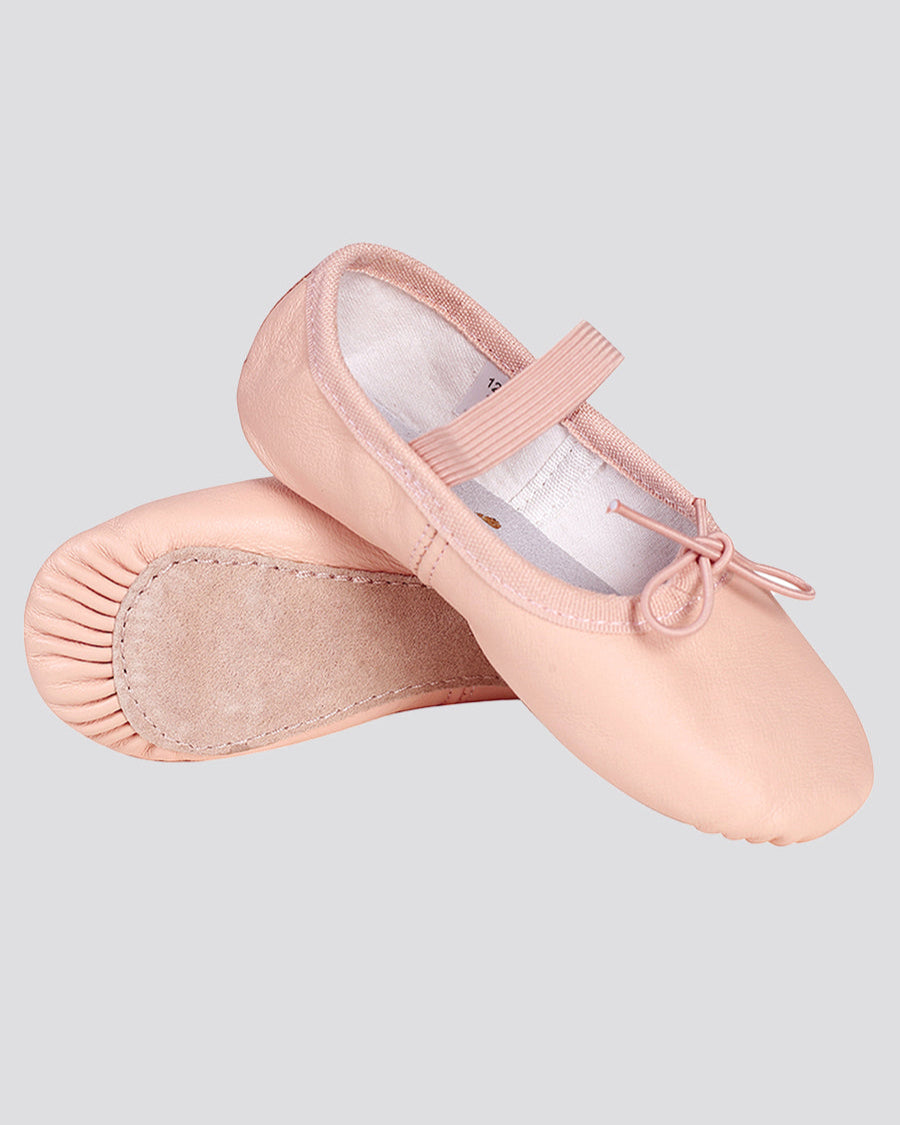
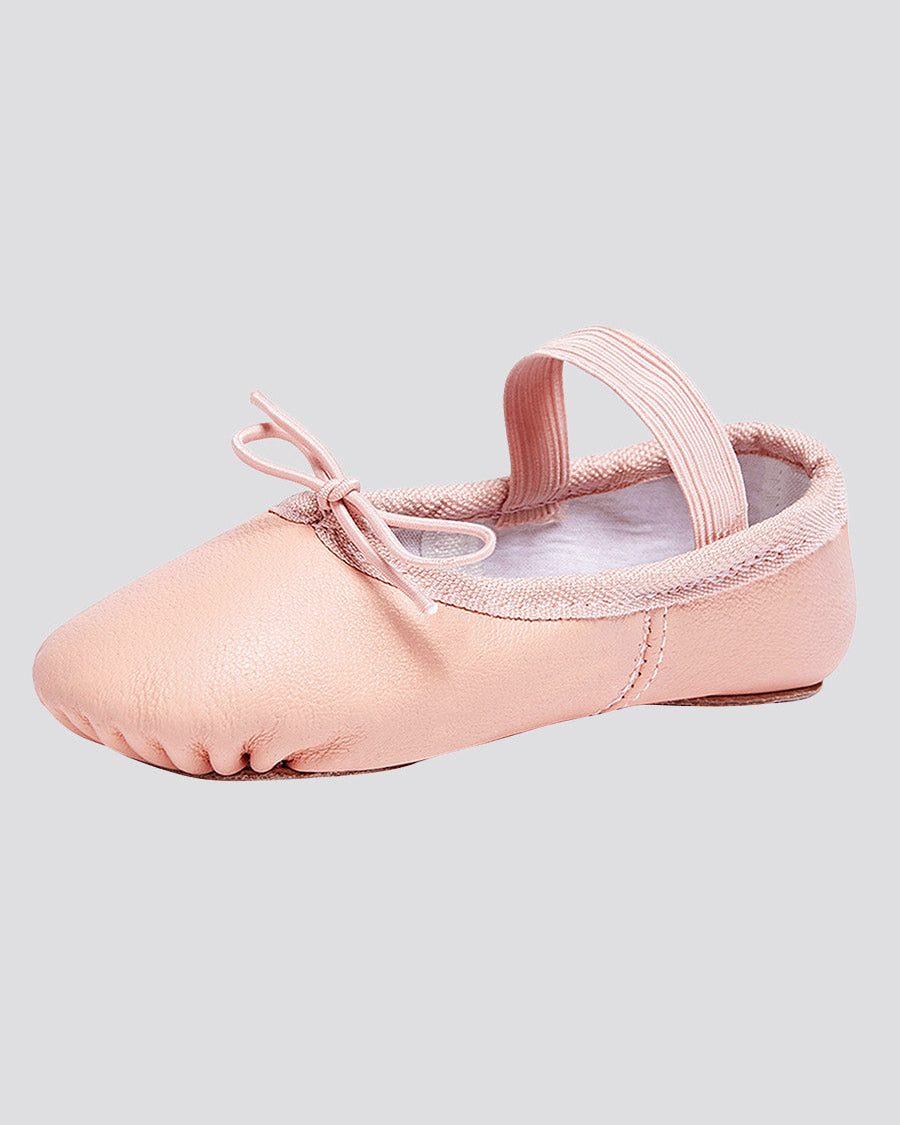
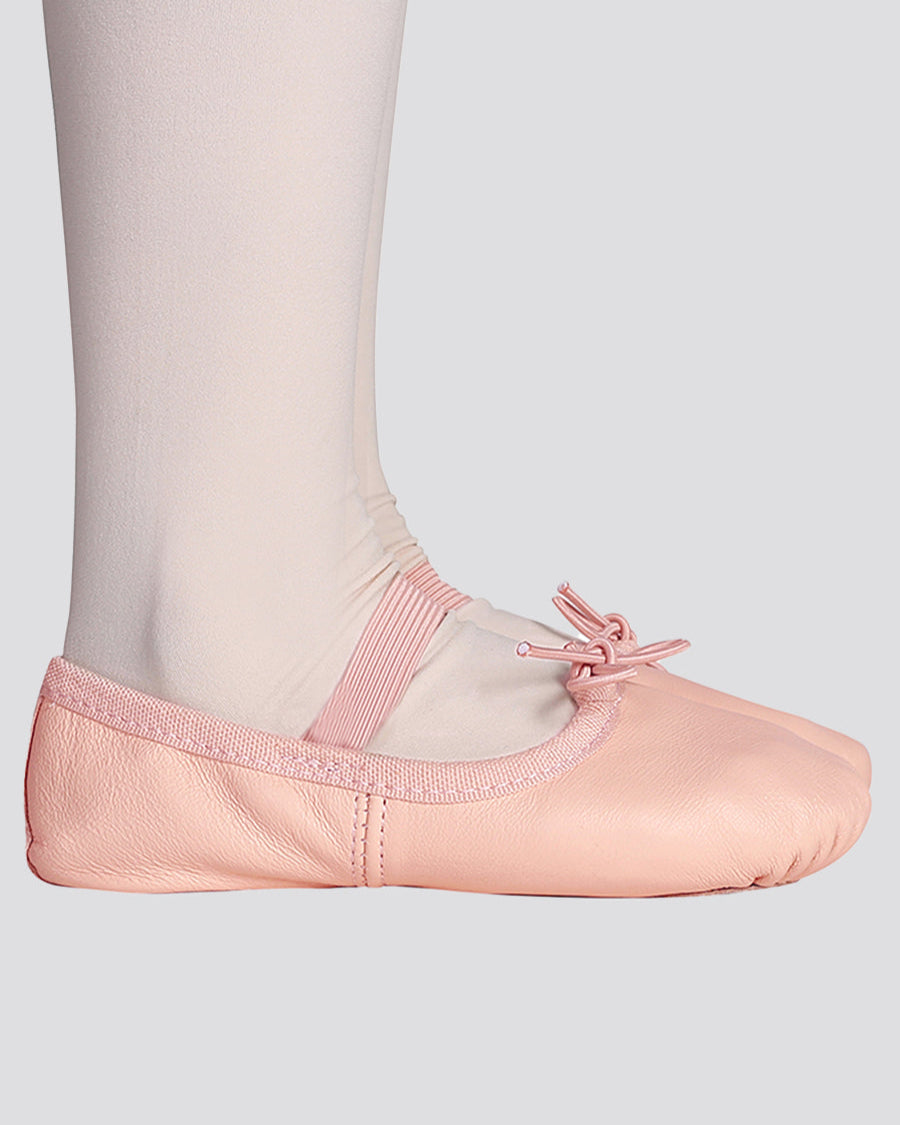
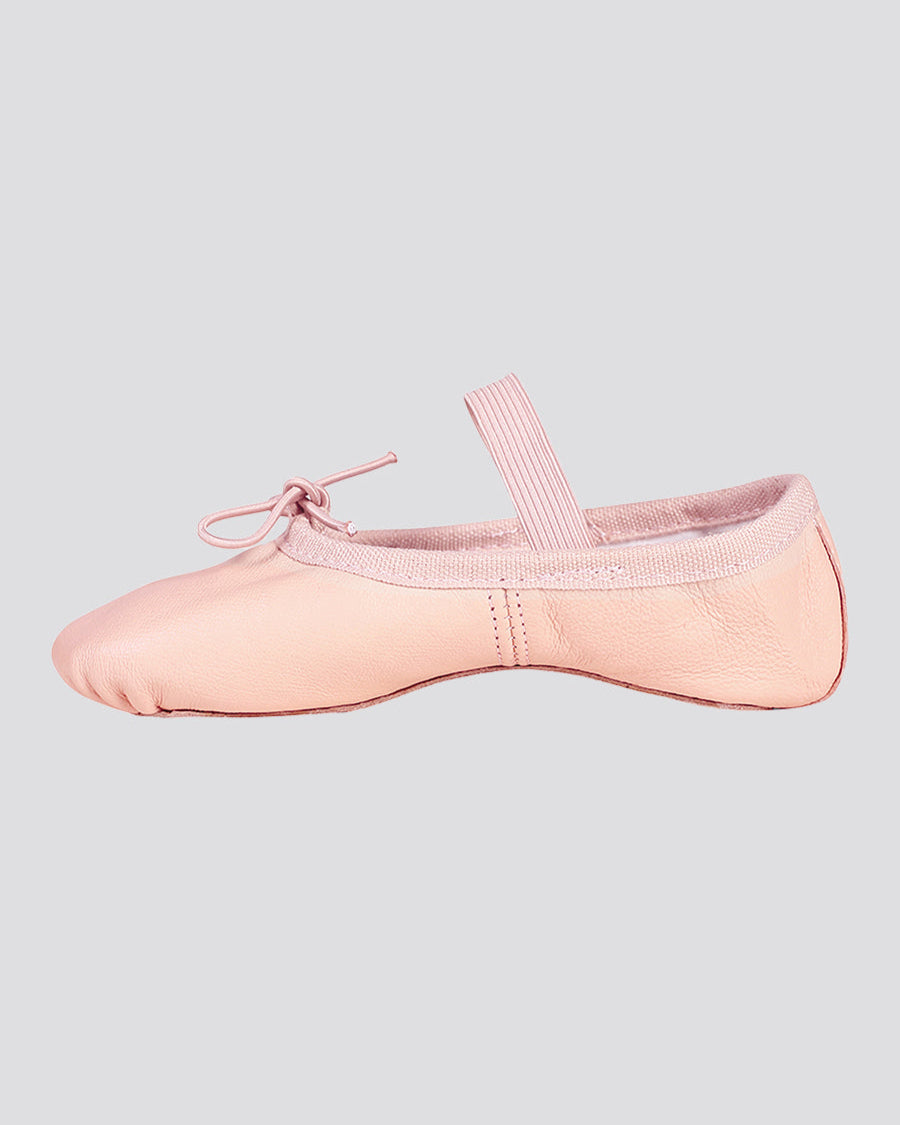
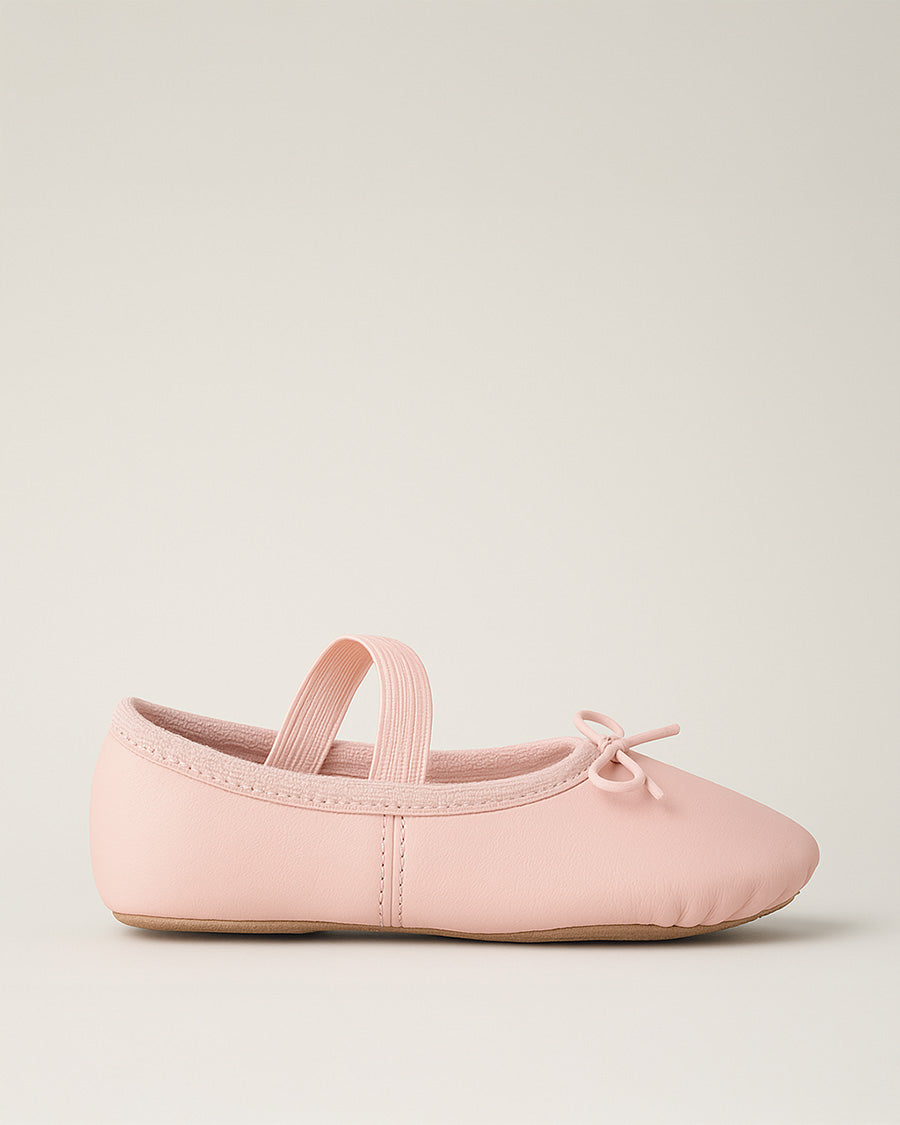
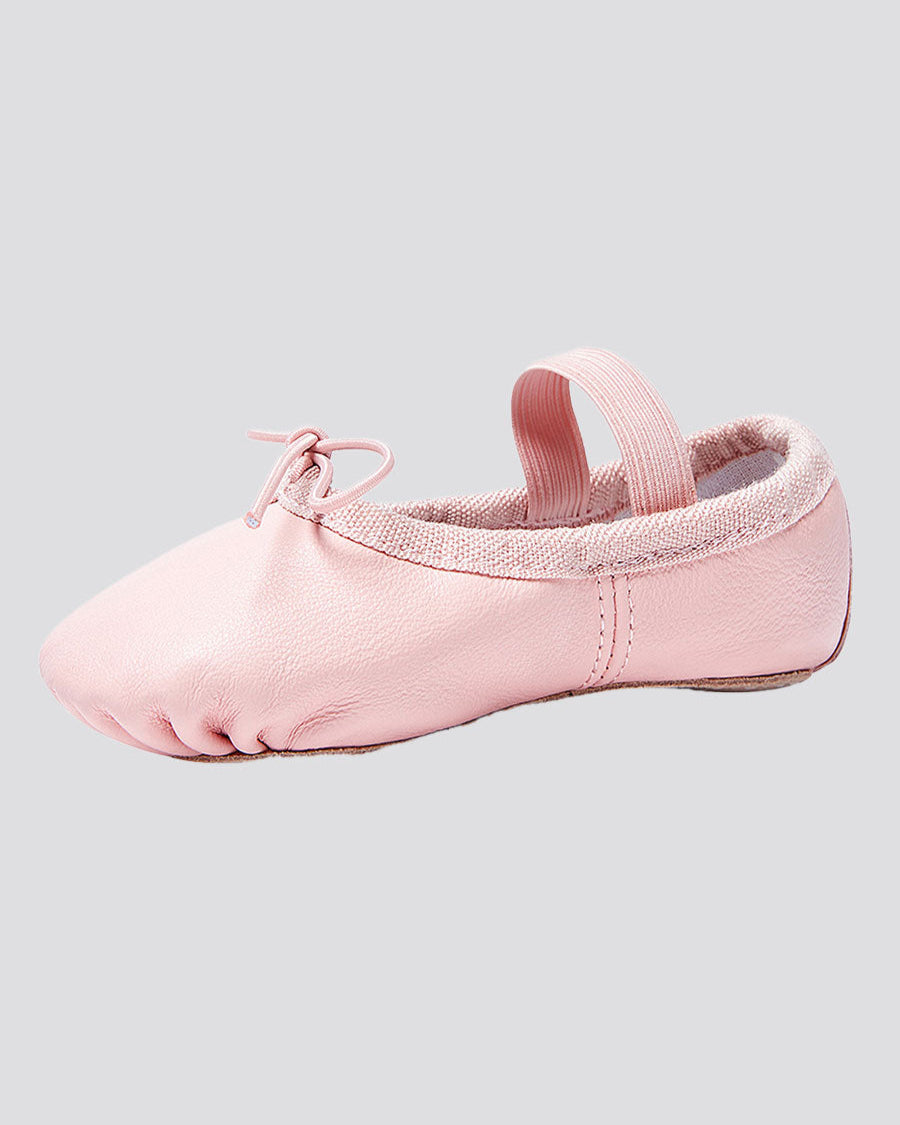
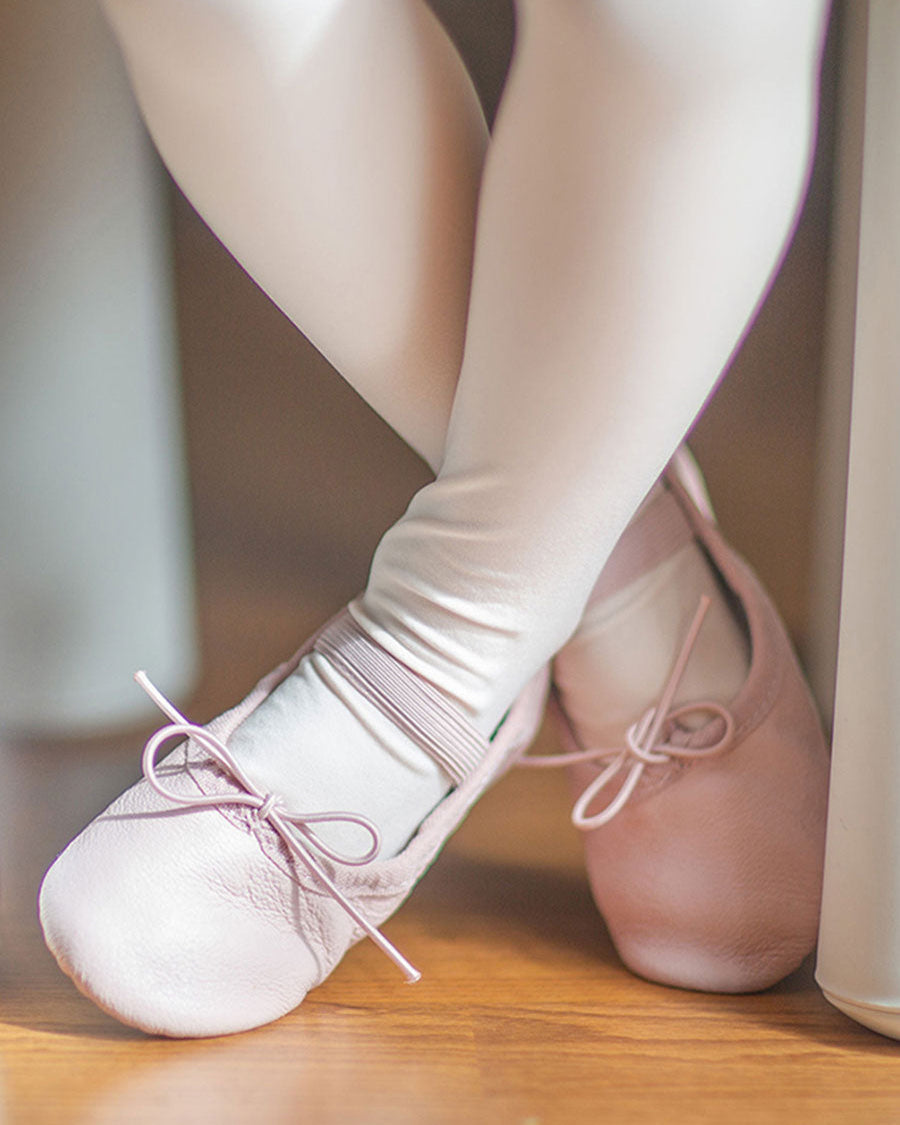
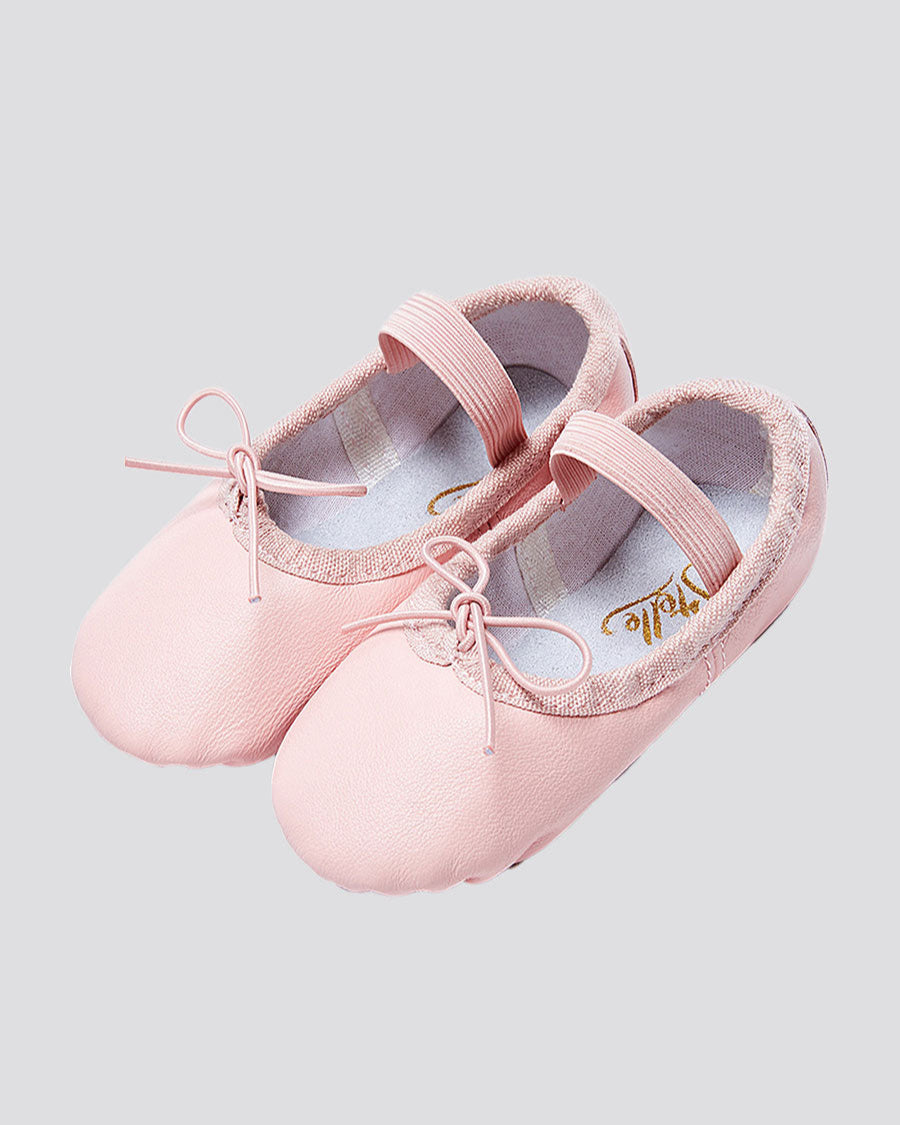
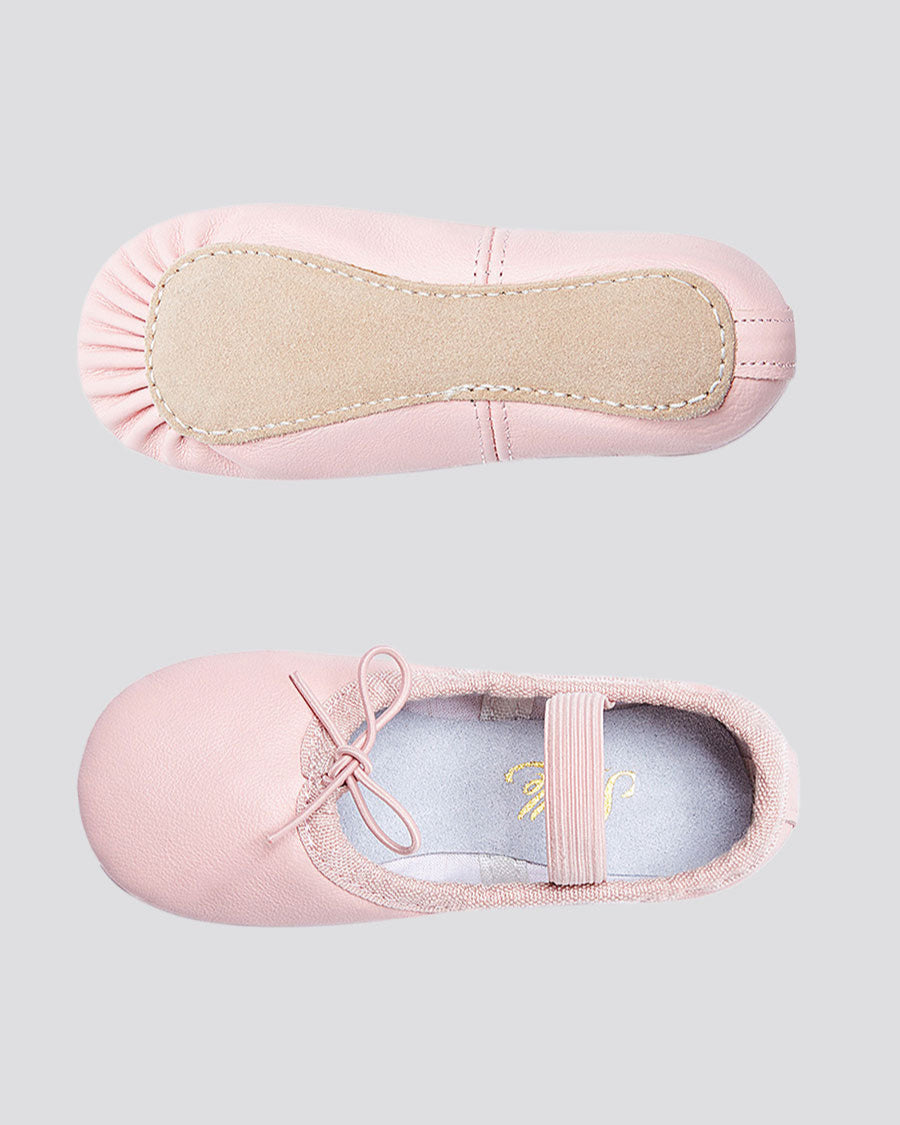
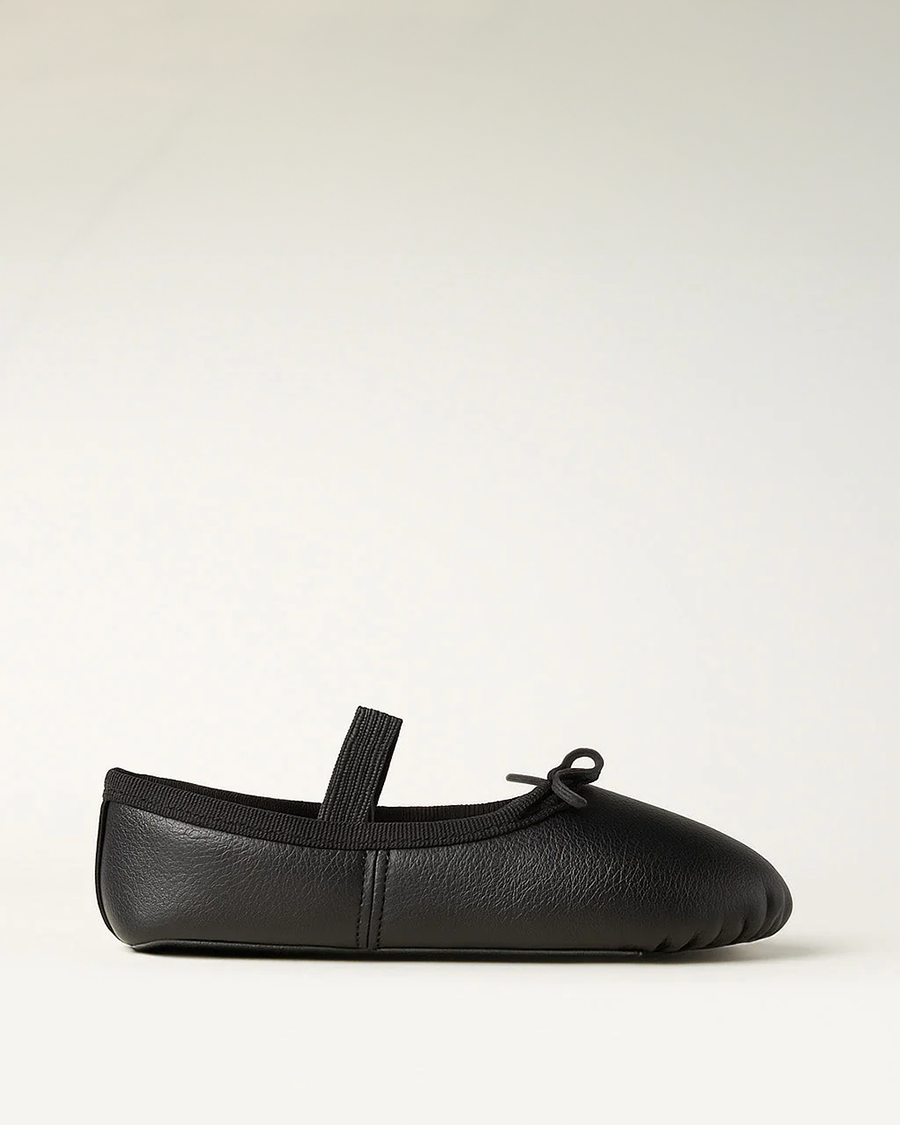
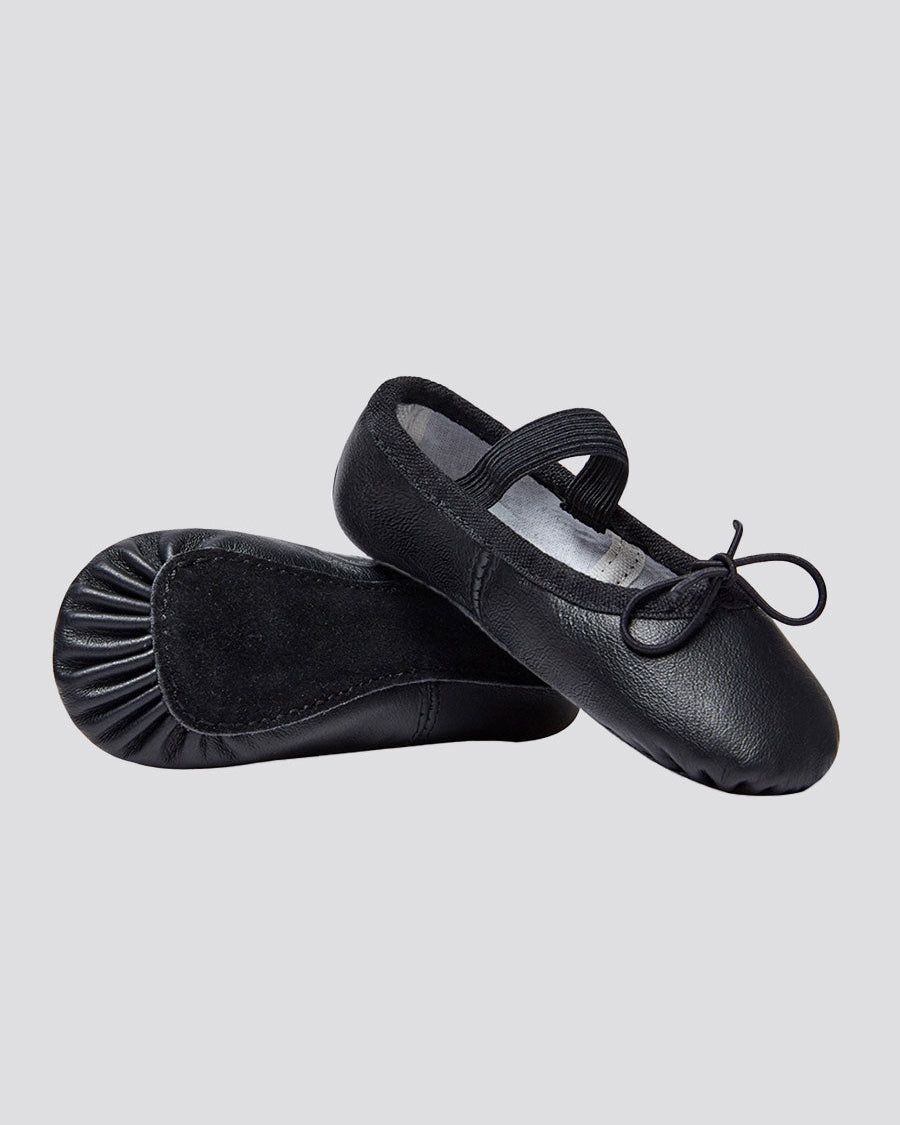
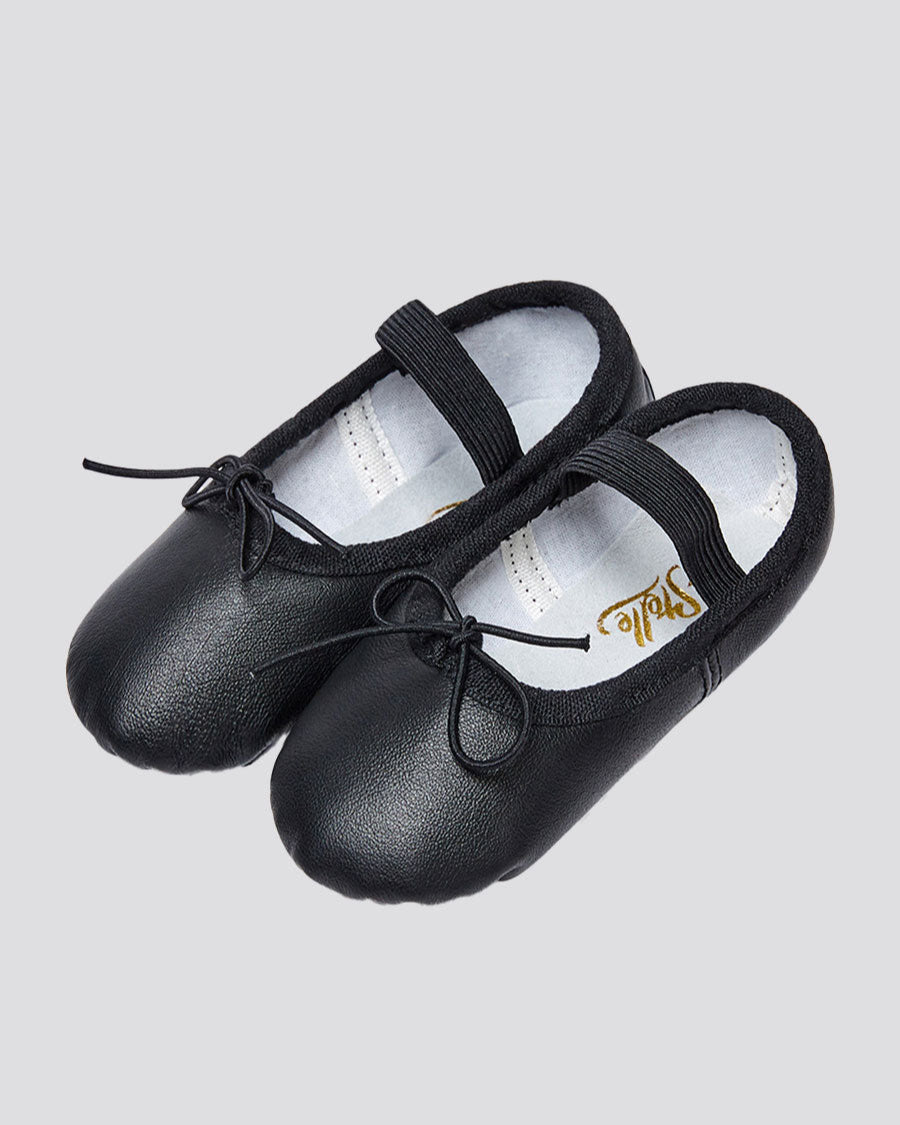
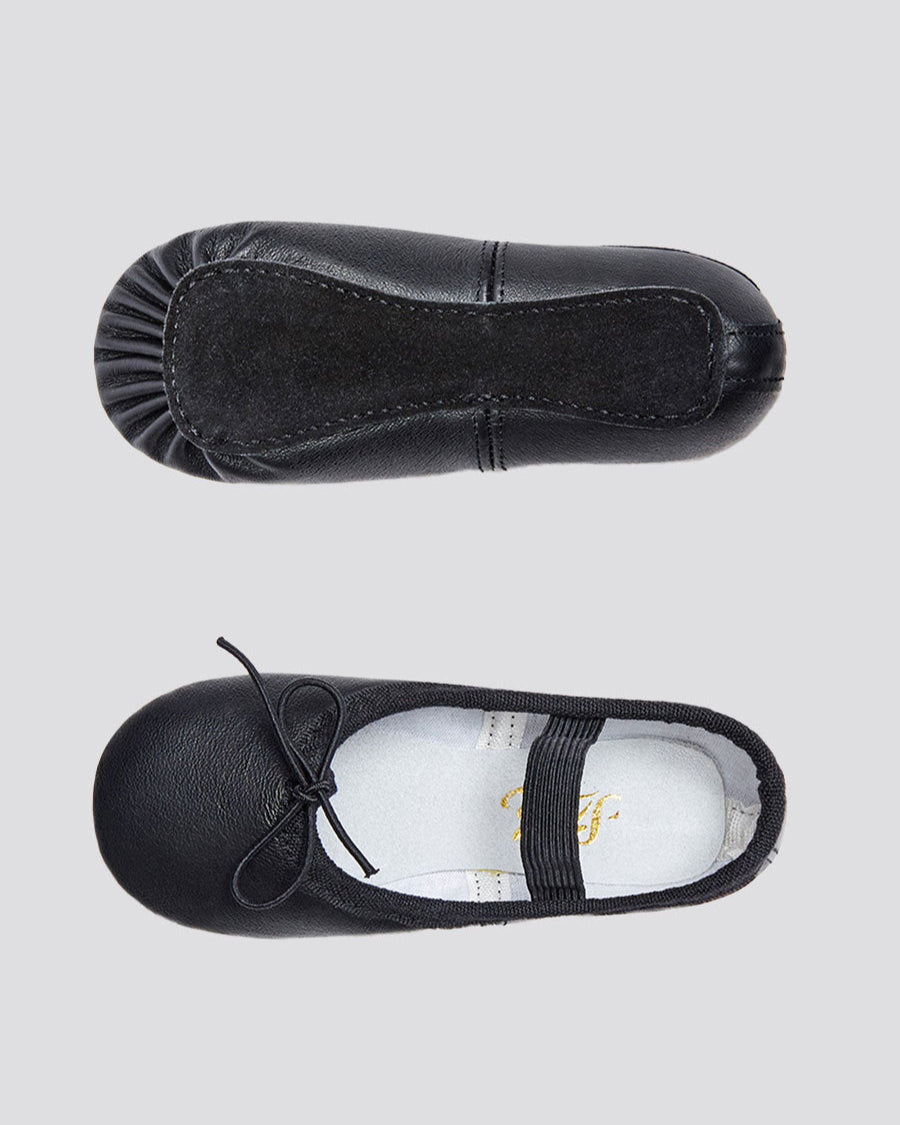
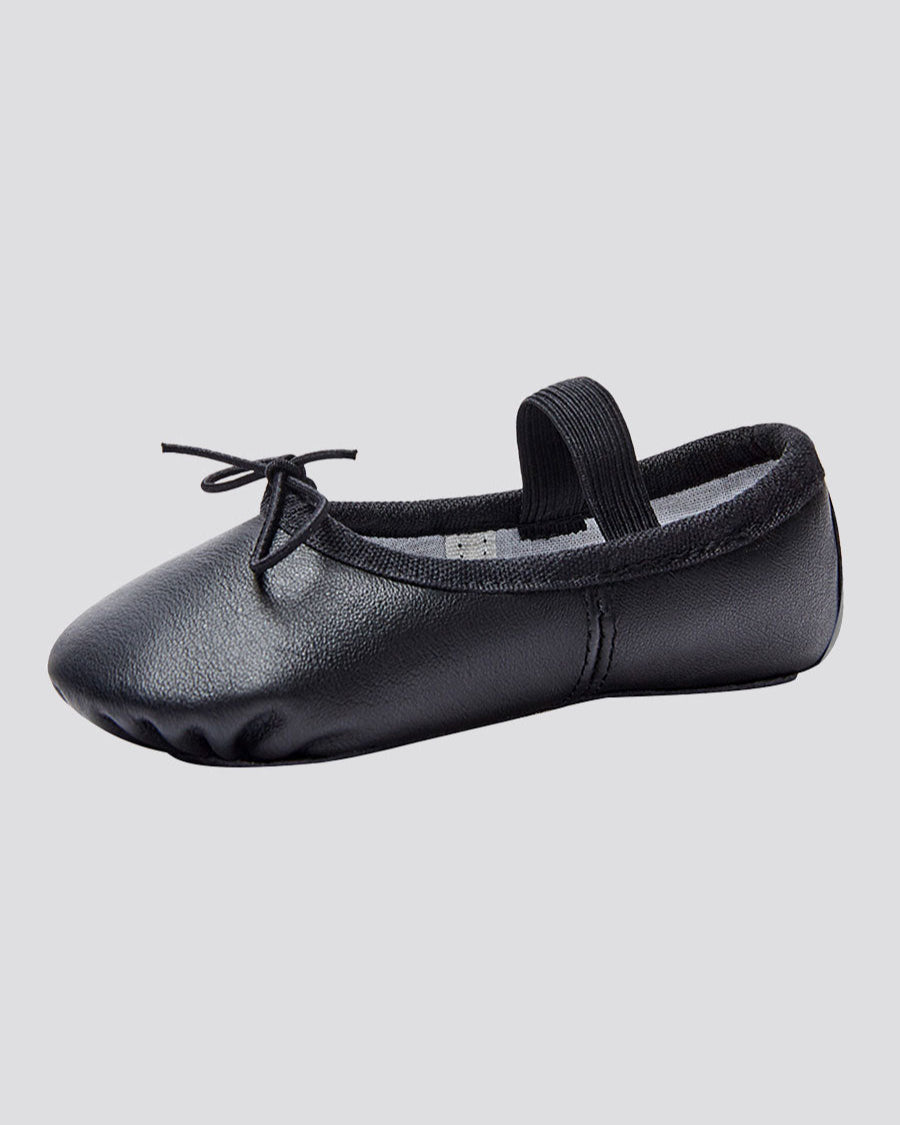
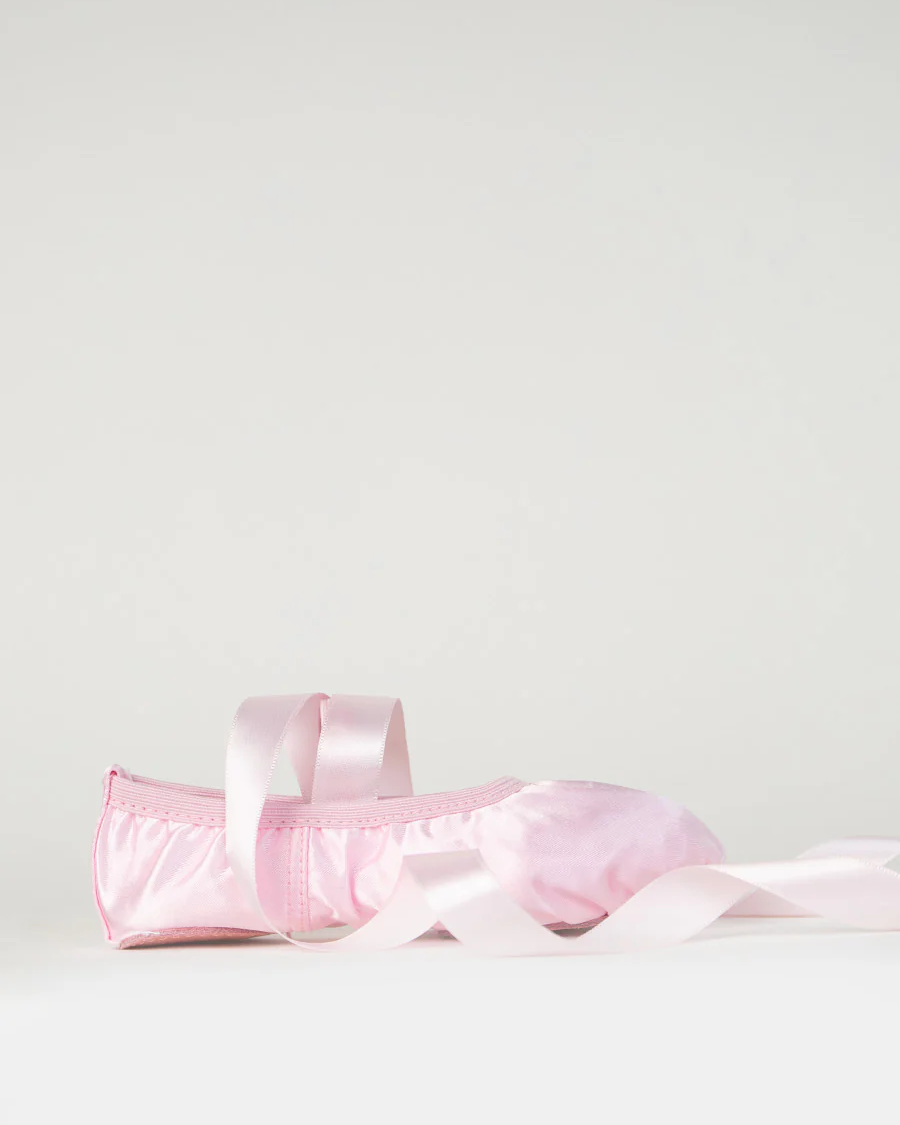
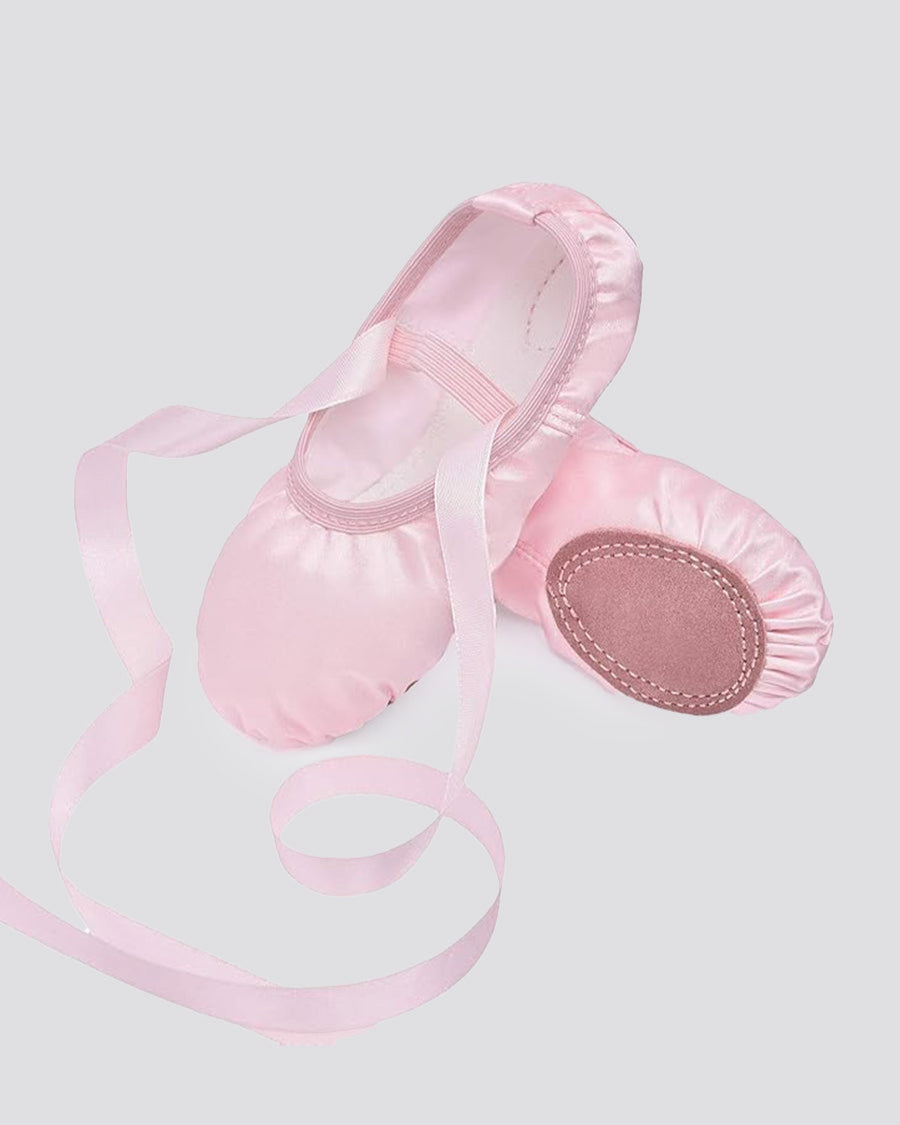
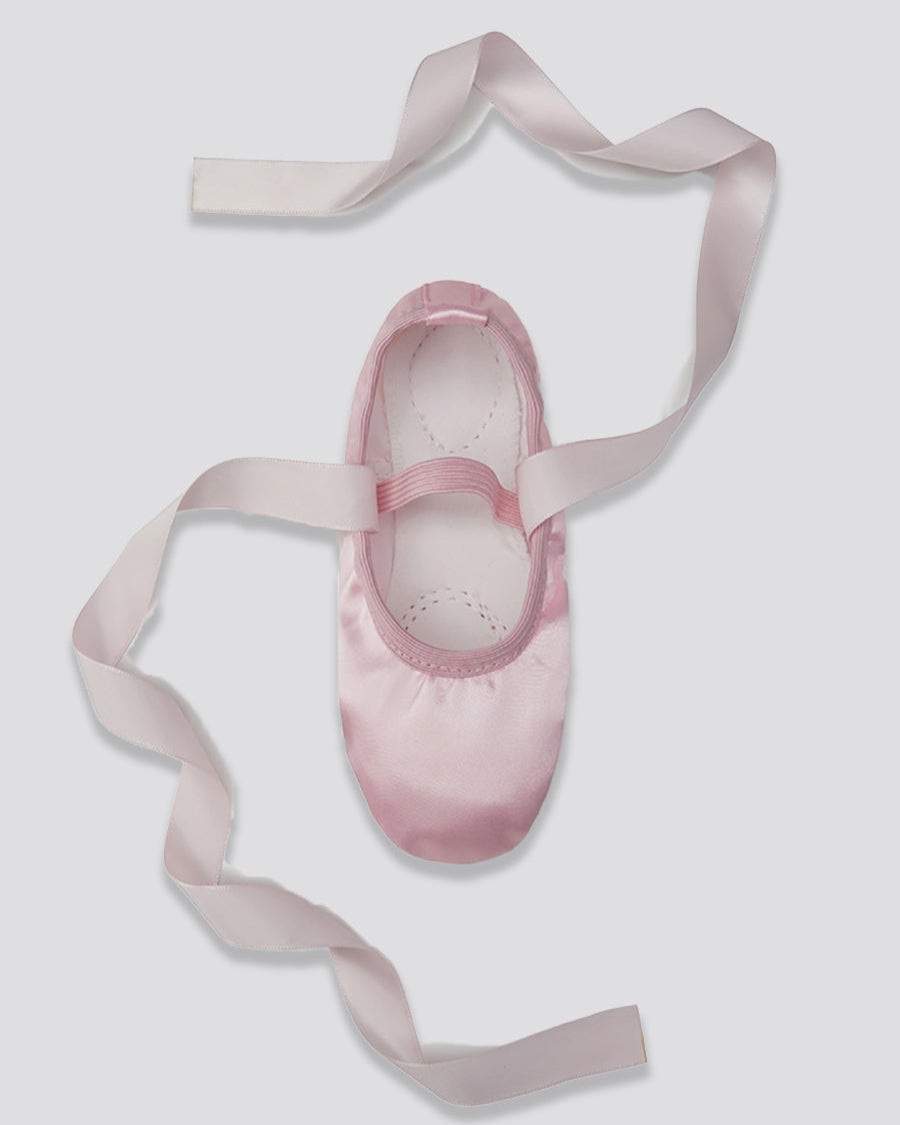
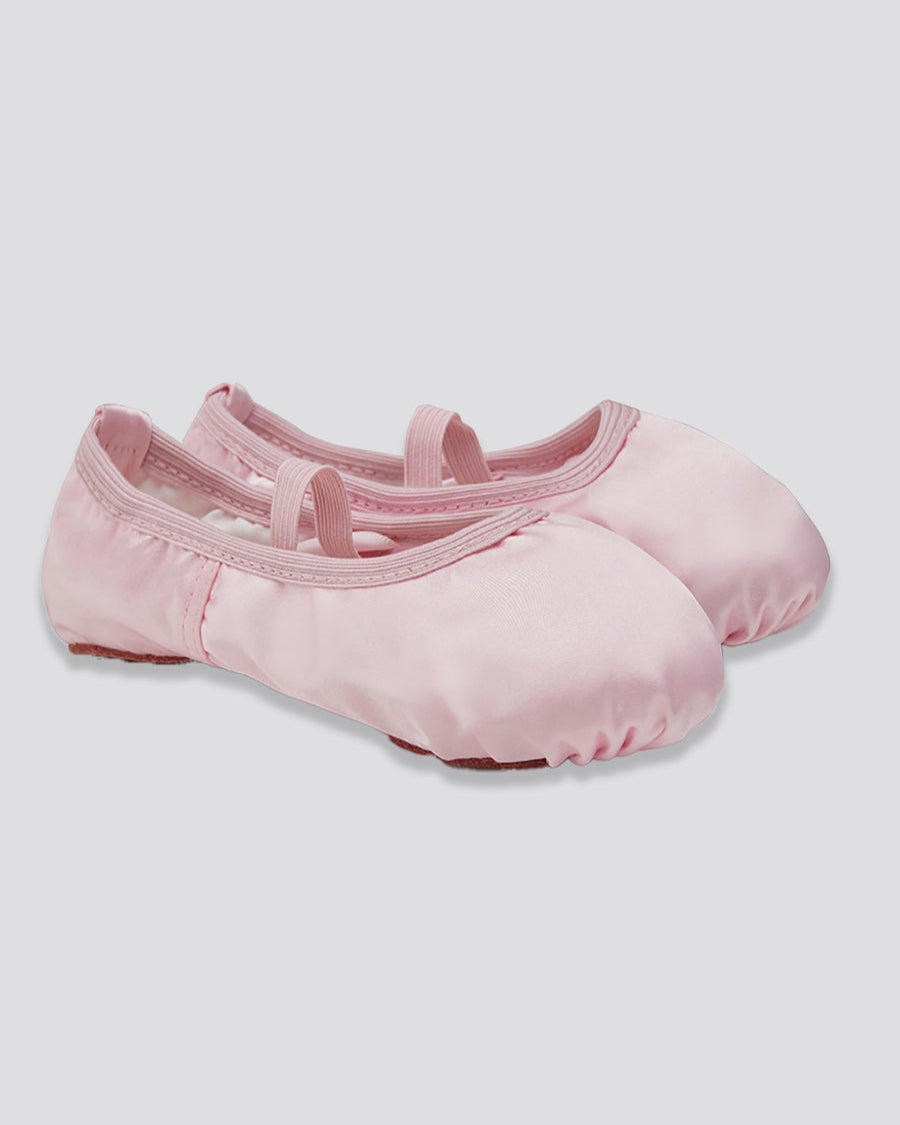
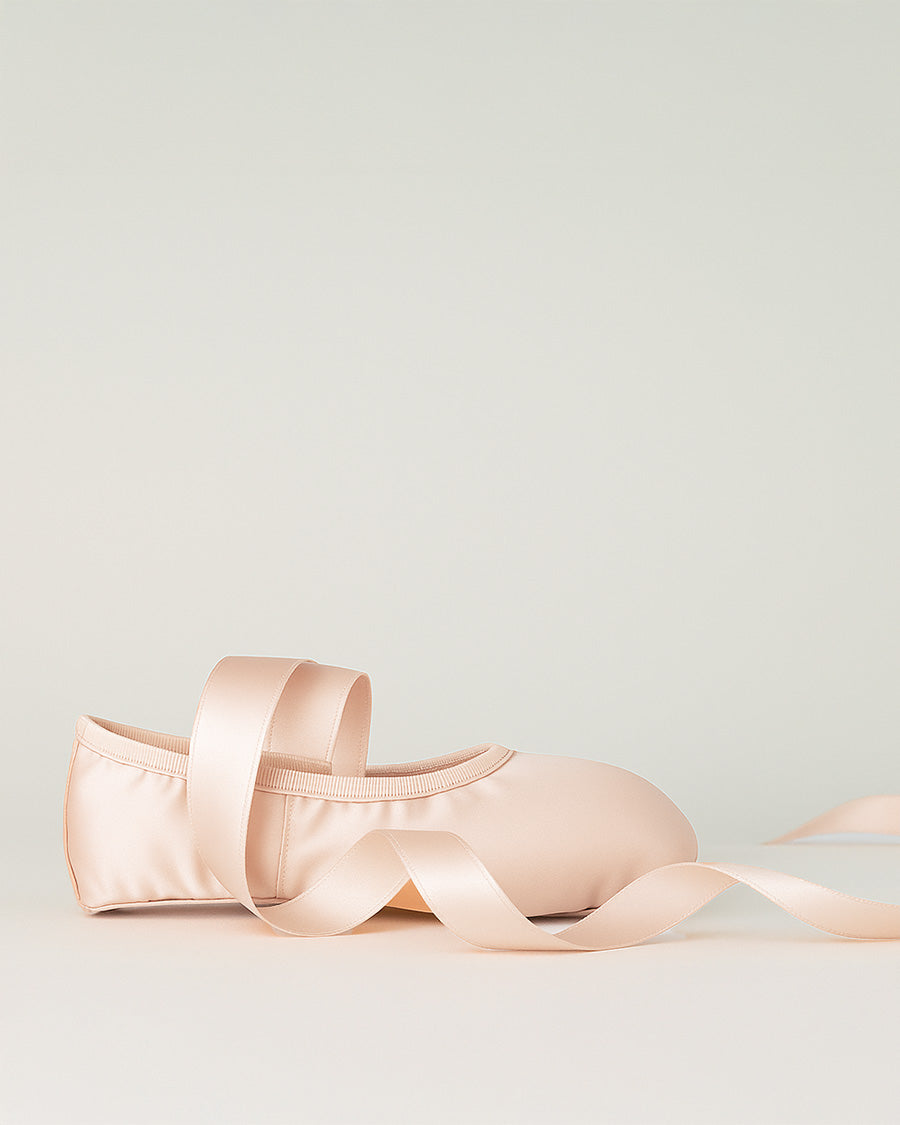
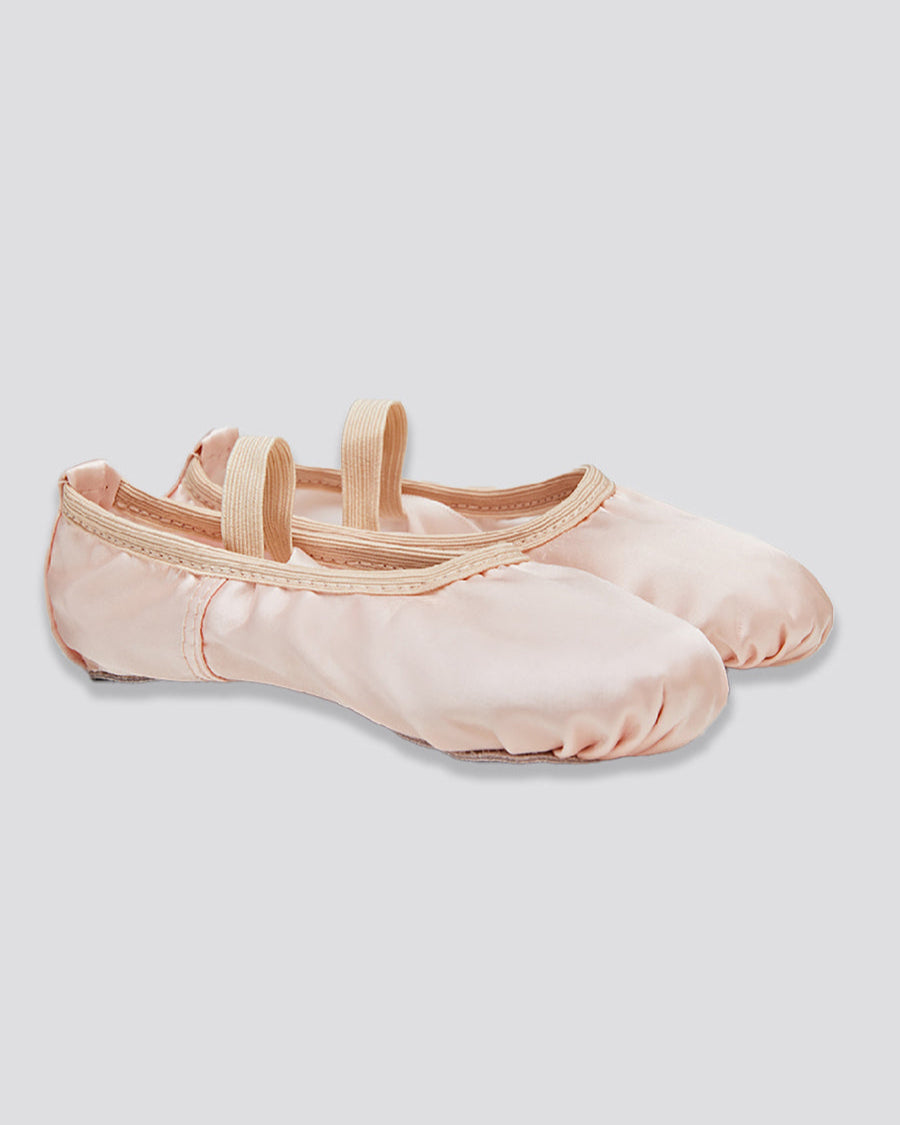
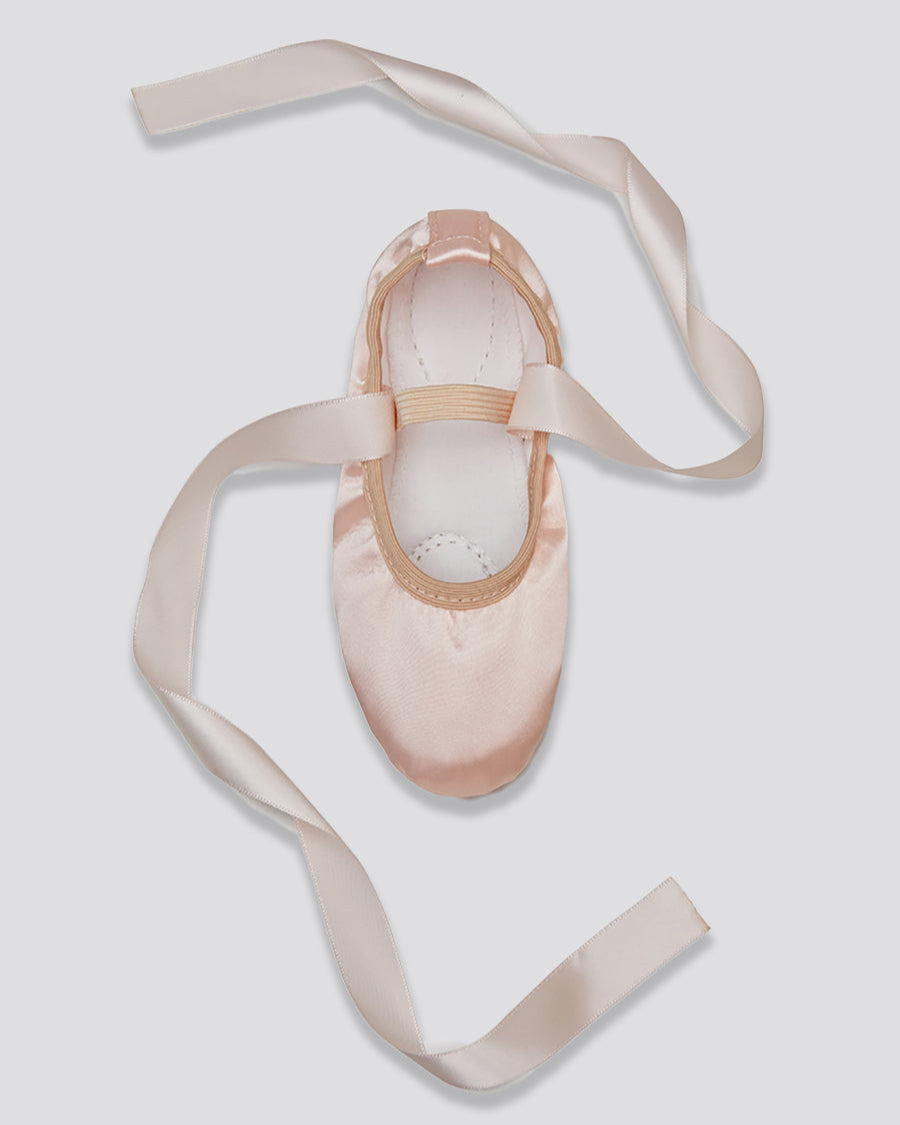
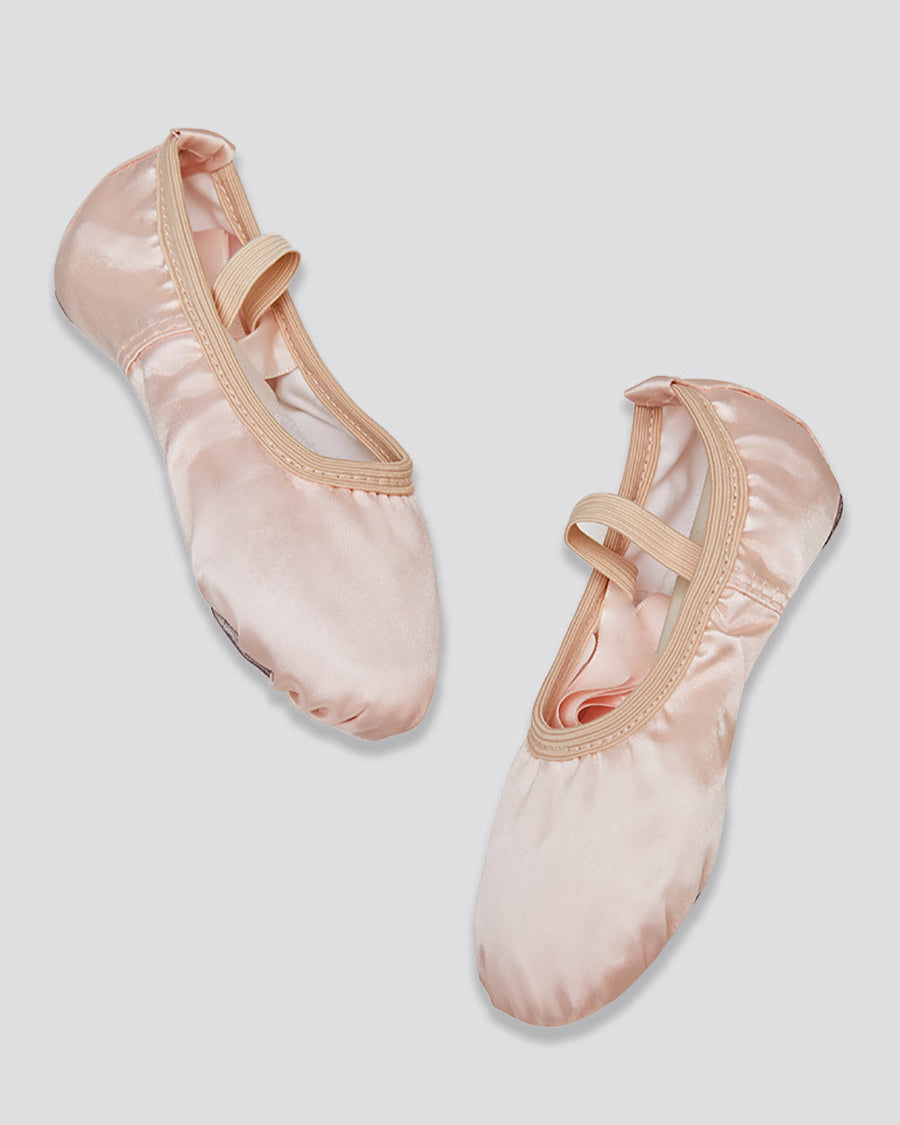
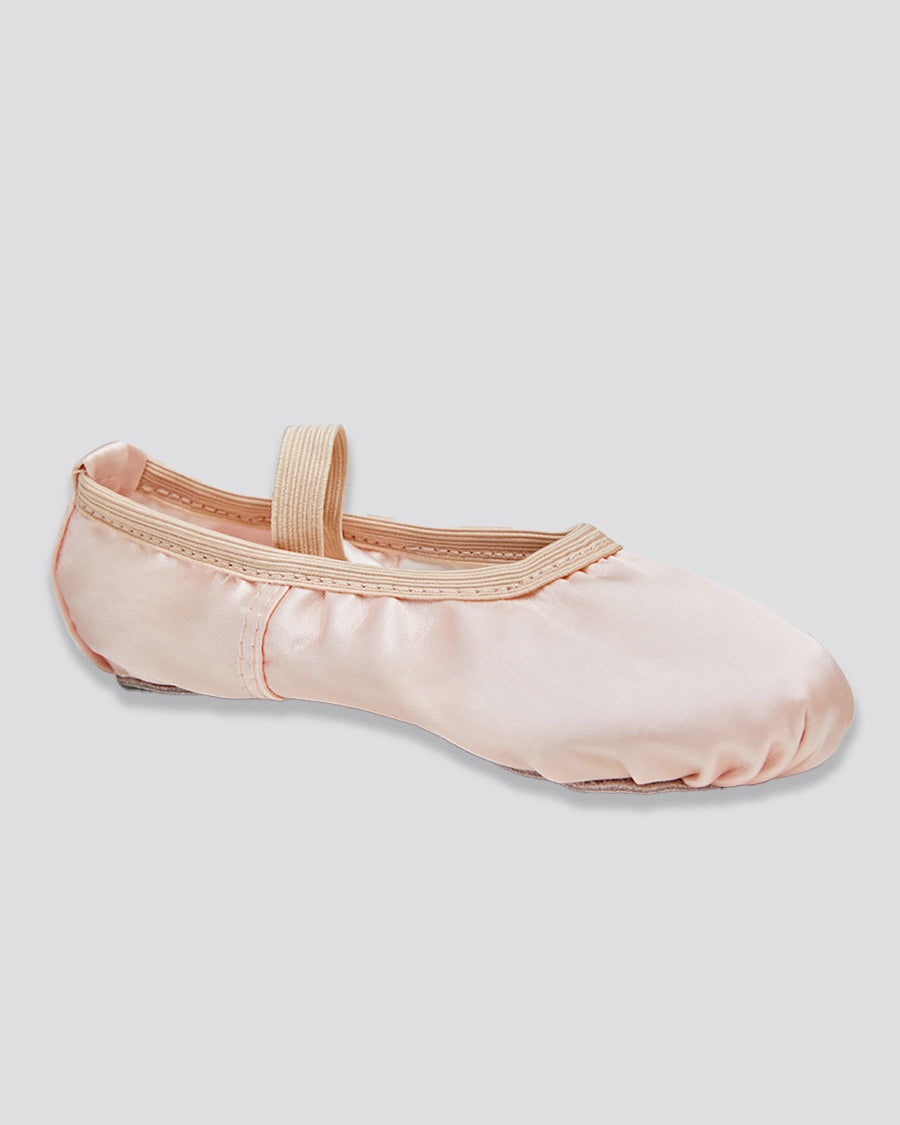
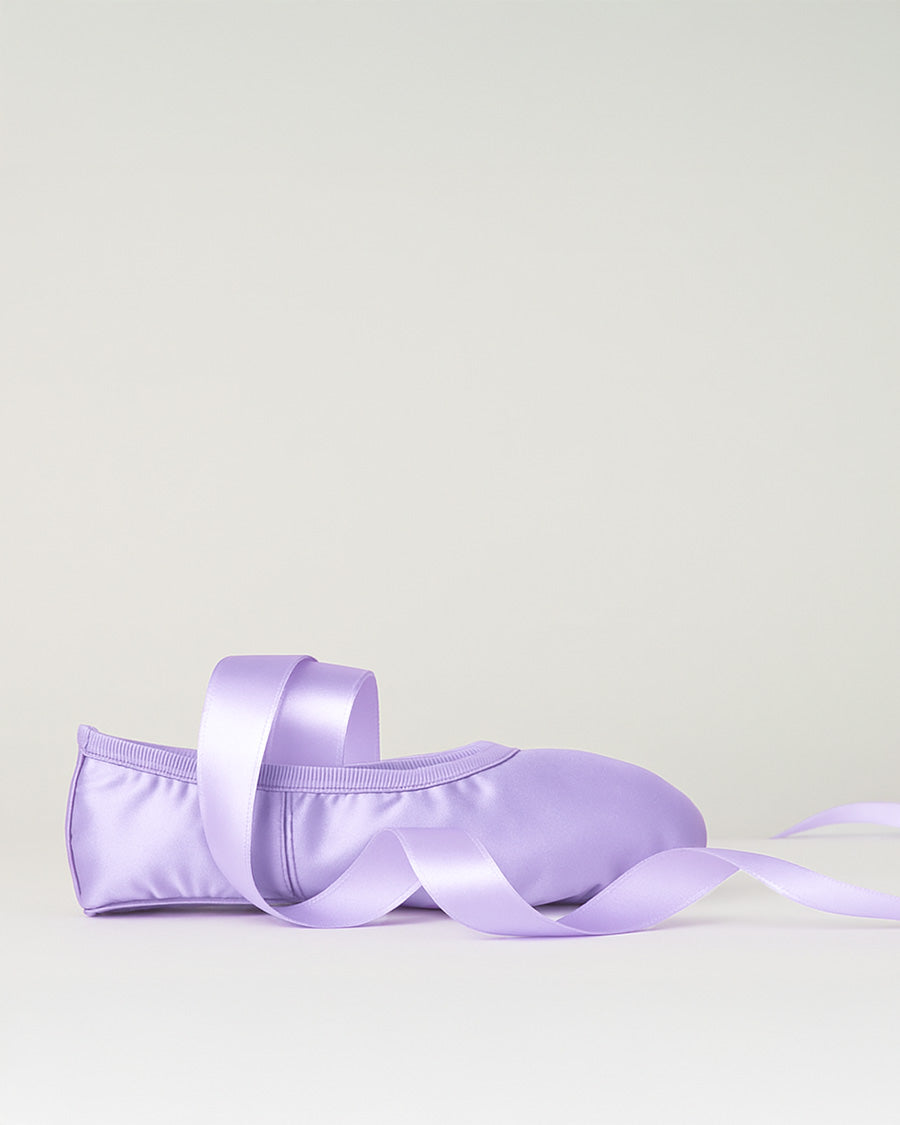
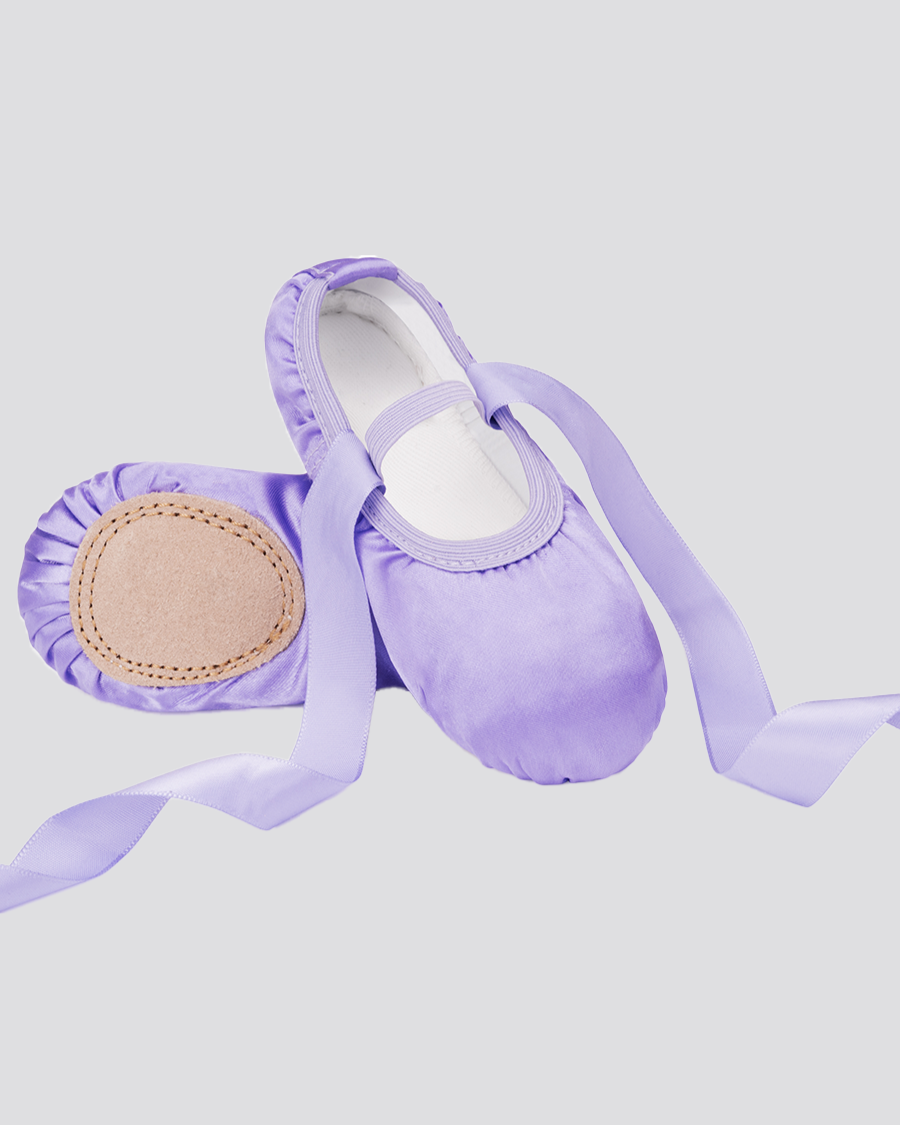
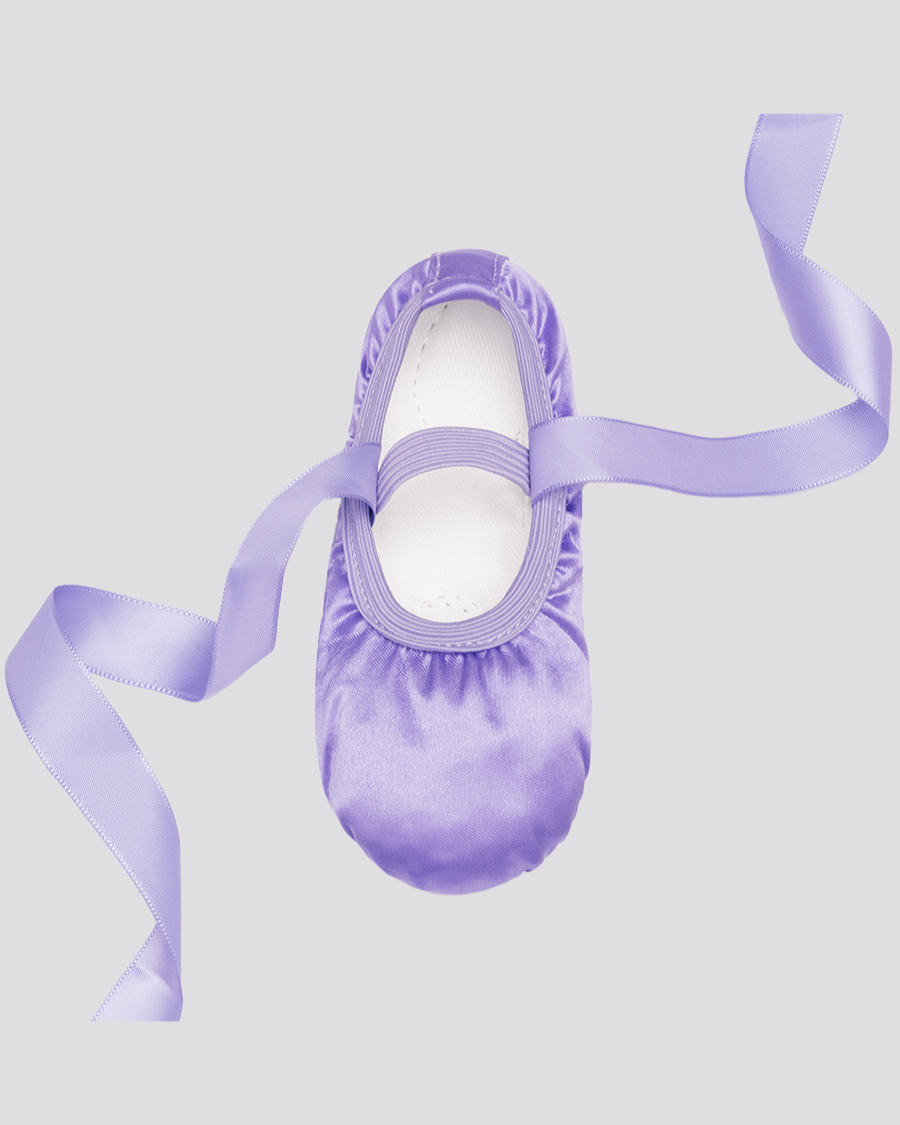
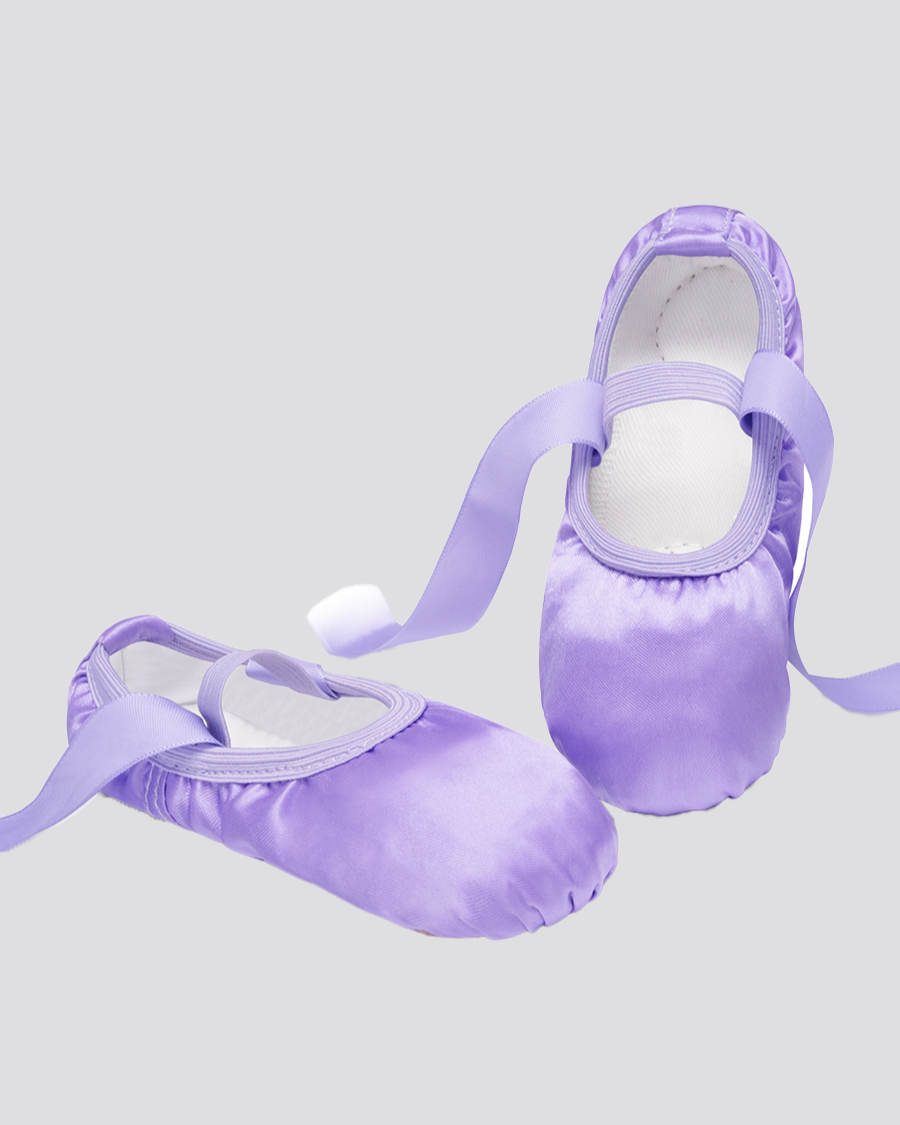
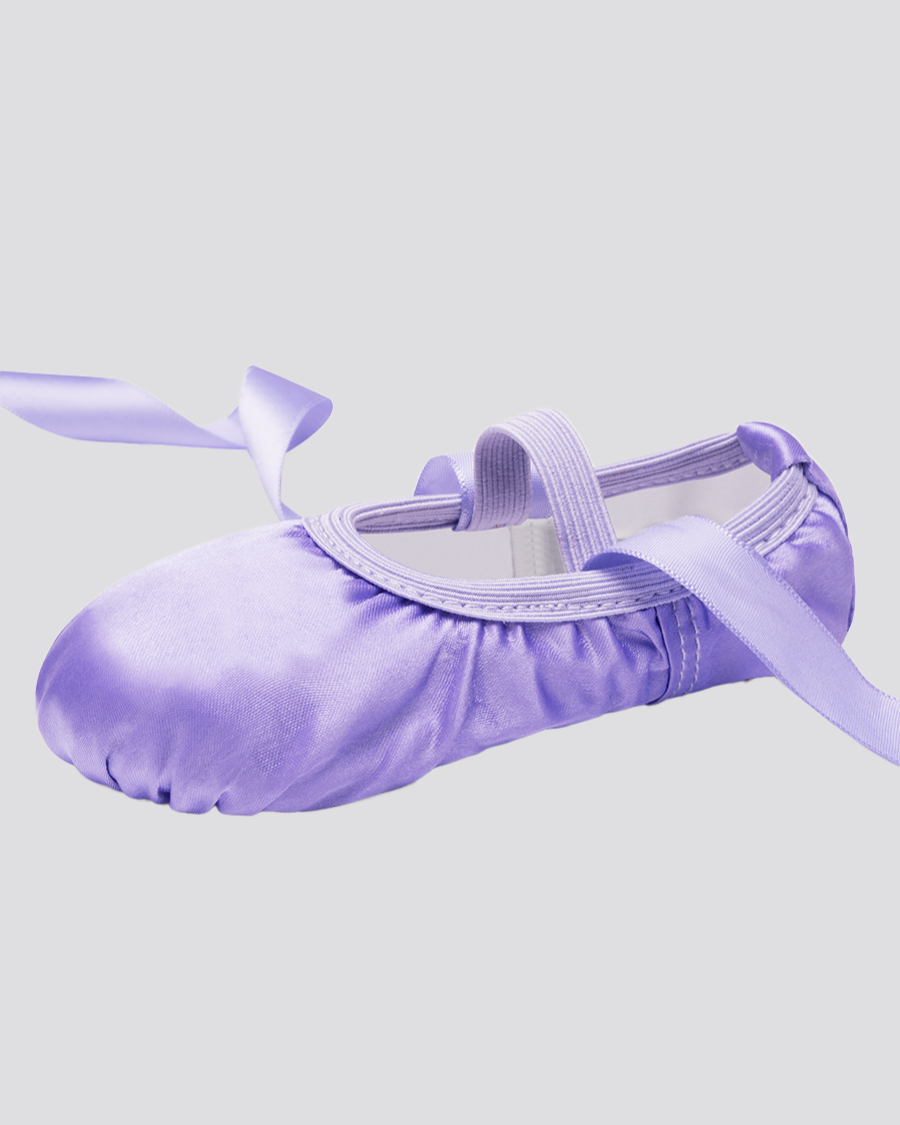
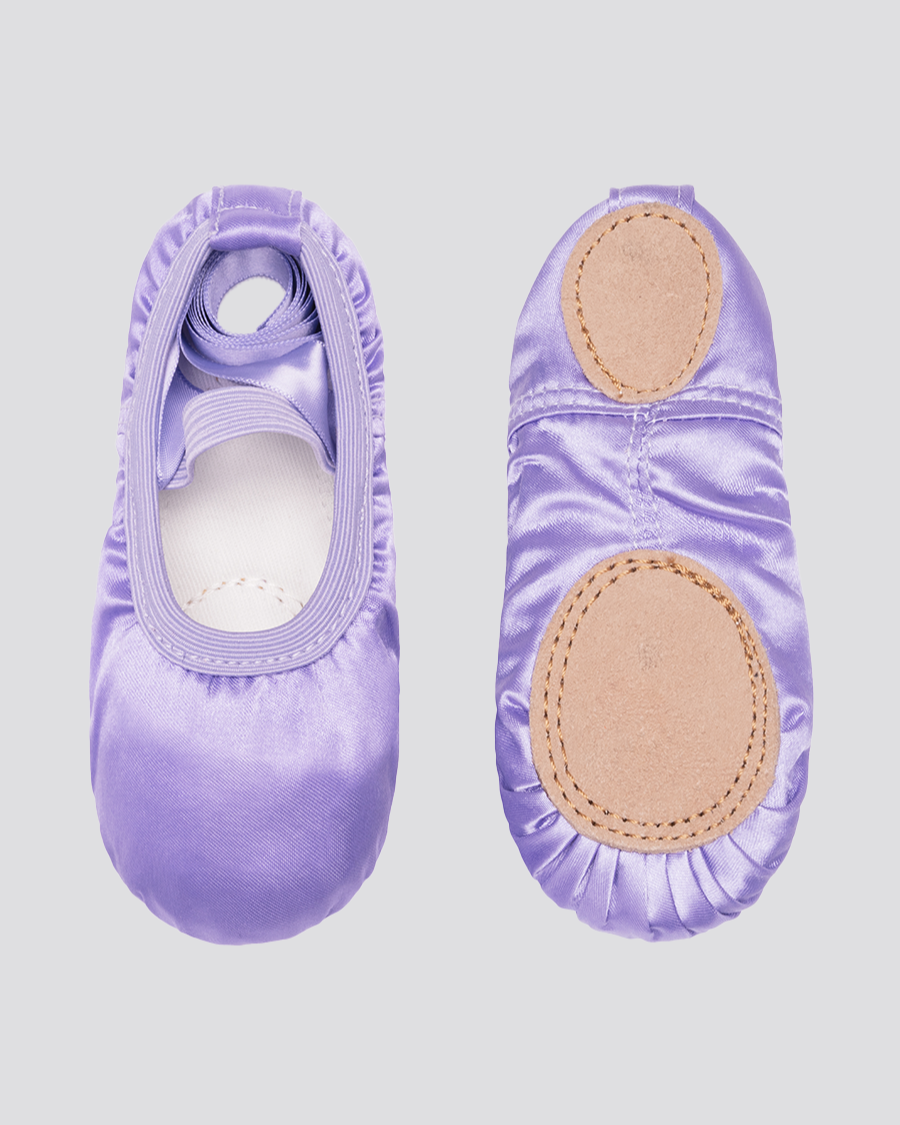
Whether she wears ballet shoes, socks, or goes barefoot depends entirely on the type of class, so this is one of the first things worth confirming with the studio. Many ballet-specific classes ask for soft leather or canvas ballet shoes for toddlers, while some creative movement classes allow bare feet, grip socks, or regular socks if the studio specifically permits them.
Toddler ballet shoes should feel comfortable and flexible, but not roomy like everyday sneakers. A little room to wiggle her toes is fine, but shoes that are too big can slip, twist, or make her trip, and they make it harder for her to feel the floor. Have her try them on and walk around before class day, and check with the studio about any color or material preferences. For more on choosing the right fit, see our guide on ballet shoes for kids.
What Not to Wear to Toddler Ballet Class
|
Avoid |
Why |
|
Jeans or stiff pants |
Hard to stretch and move |
|
Oversized tops |
Can get in the way and make movement harder to see |
|
Costume dresses |
May get in the way during class |
|
Slippery socks without grip |
Can make studio floors unsafe, unless the studio allows grip socks |
|
Too-large ballet shoes |
May twist, slip, or distract her |
|
Jewelry |
Can fall off or get in the way |
What Her First Class Might Actually Look Like
A typical toddler class usually follows a loose but familiar rhythm: a warm-up, some imaginative movement (think "grow like a flower" or "tiptoe like a mouse"), a few simple steps, and a calm wind-down. It is closer to guided play than formal instruction.
Some studios welcome parents in the room, or even build classes around it, like a "mommy and me" format. Others ask parents to wait outside. Knowing which one to expect ahead of time can save both of you some first-day stress. Arriving 10 to 15 minutes early also gives her a few quiet minutes to look around and settle in before class starts.

Helping Her Feel Ready Before Class
It is completely normal for a toddler to hang back, watch from the side, or sit this one out for part or all of her first class. That does not mean you picked the wrong class or the wrong outfit. Many kids warm up after a few sessions once the room feels familiar.
Playing some music at home and trying a few simple movements together, like reaching up tall or spinning slowly, can make the class feel a little less new. Teachers who work with this age group are usually well practiced at gently drawing shy kids in, so there is rarely a need to push. What matters most is that she comes away feeling like this was something fun and safe to try, not perfect participation on day one.
Quick Checklist Before Her First Class
Still not sure what to wear to first ballet class, even the night before? This short list covers the essentials.
Before class day
-
Confirm the studio's specific requirements (color, leotard, shoe type, whether skirts are allowed)
-
Try the full outfit on at home first, including sitting, standing, and a few stretches
-
Have her hair tied back, with a spare hair tie on hand
-
Plan to arrive 10 to 15 minutes early
What to bring
-
A water bottle
-
Backup tights, in case of a snag
-
A small bag for her shoes
-
A small snack for after class
A few things to watch for
-
Buying the cutest outfit before checking the dress code
-
Ballet shoes with too much extra room "to grow into"
-
Anything too fussy to make bathroom breaks easy
Where Stelle Fits In
Stelle makes toddler and girls' dancewear built for real class days, not just for pictures. Soft leotards, ballet tights, skirts, and beginner-friendly ballet shoes for toddlers can help you put together simple, comfortable girls' dance outfits for practice. Once you know what the studio requires, you can browse soft leotards, tights, and toddler ballet shoes in our kids dancewear collection or our girls' leotards collection.
As a mom-trusted, woman-founded brand making girls' dance essentials since 2015, Stelle designs toddler and girls' dancewear around real class movement, from sitting on the floor and stretching to twirling, jumping, and running back to a parent after class.
Frequently Asked Questions
1. What should a toddler wear to her first ballet class?
Many toddlers wear a simple leotard, ballet tights, and soft ballet shoes, but creative movement classes may be more flexible and allow a fitted top with leggings instead. Always check the studio's specific dress code before buying.
2. Does my toddler need tights for ballet?
Many studios ask for ballet tights, but some creative movement classes allow leggings instead. If your child finds the waistband or toe seam uncomfortable, try a few different styles to find one she can actually forget she is wearing.
3. Can toddlers wear a skirt to ballet class?
Often, yes, especially for creative movement classes, though some studios prefer a plain leotard so the teacher can see how she moves. A tutu is more of a dress-up piece than class wear, so check with the studio first.
4. Can my toddler wear leggings instead of a leotard?
Sometimes. Many creative movement and toddler classes are fine with a fitted top and leggings, while more structured ballet classes are more likely to expect a leotard. When in doubt, ask the studio.
5. What shoes do toddlers wear for ballet?
Soft leather or canvas ballet shoes are common, though some creative movement classes allow bare feet, grip socks, or regular socks if the studio specifically permits them. Shoes should feel comfortable and flexible, not roomy like everyday sneakers.
6. Should toddler ballet shoes have room to grow?
Not much. A little wiggle room is fine, but shoes that are too big can slip, twist, or make her trip, which makes it harder for her to enjoy class.
7. What if my toddler doesn't want to participate?
That is completely normal. Watching from the side or sitting out part of the first class does not mean anything went wrong. Most kids warm up within the first few sessions as the room and routine become familiar.
8. What should a 2-year-old wear to ballet class?
The same basics apply: a soft leotard or studio-approved fitted outfit, tights if required, comfortable shoes, and hair kept out of her face. At this age, comfort and ease of movement matter far more than looking polished.
Final Thoughts
A toddler's first ballet outfit does not need to be complicated. Check the studio's dress code first, choose pieces that feel soft and easy to move in, and try the whole outfit on before class day. If she spends more of that first class watching than dancing, that is fine too. What she wears is only ever there to help her feel free enough to give it a try.