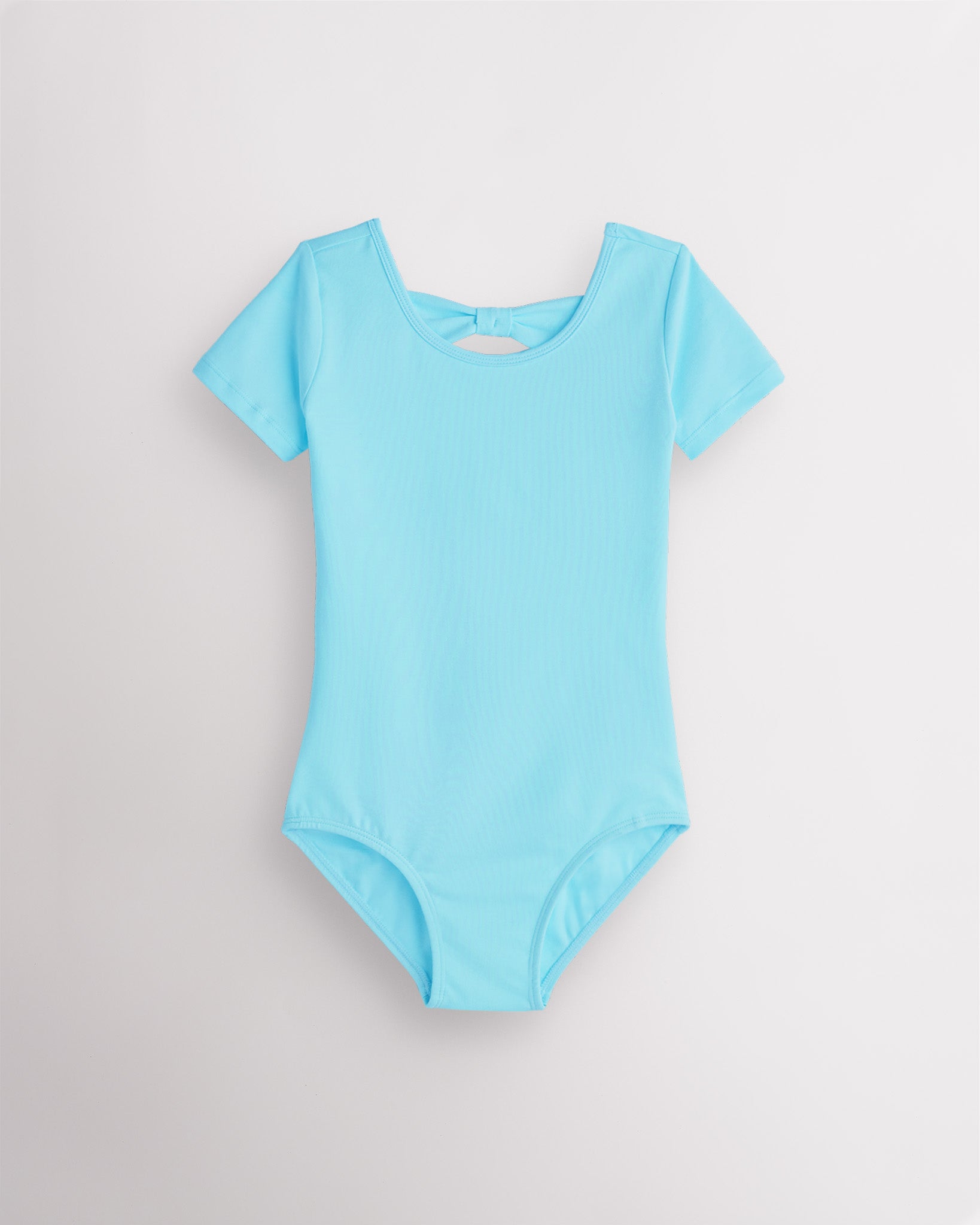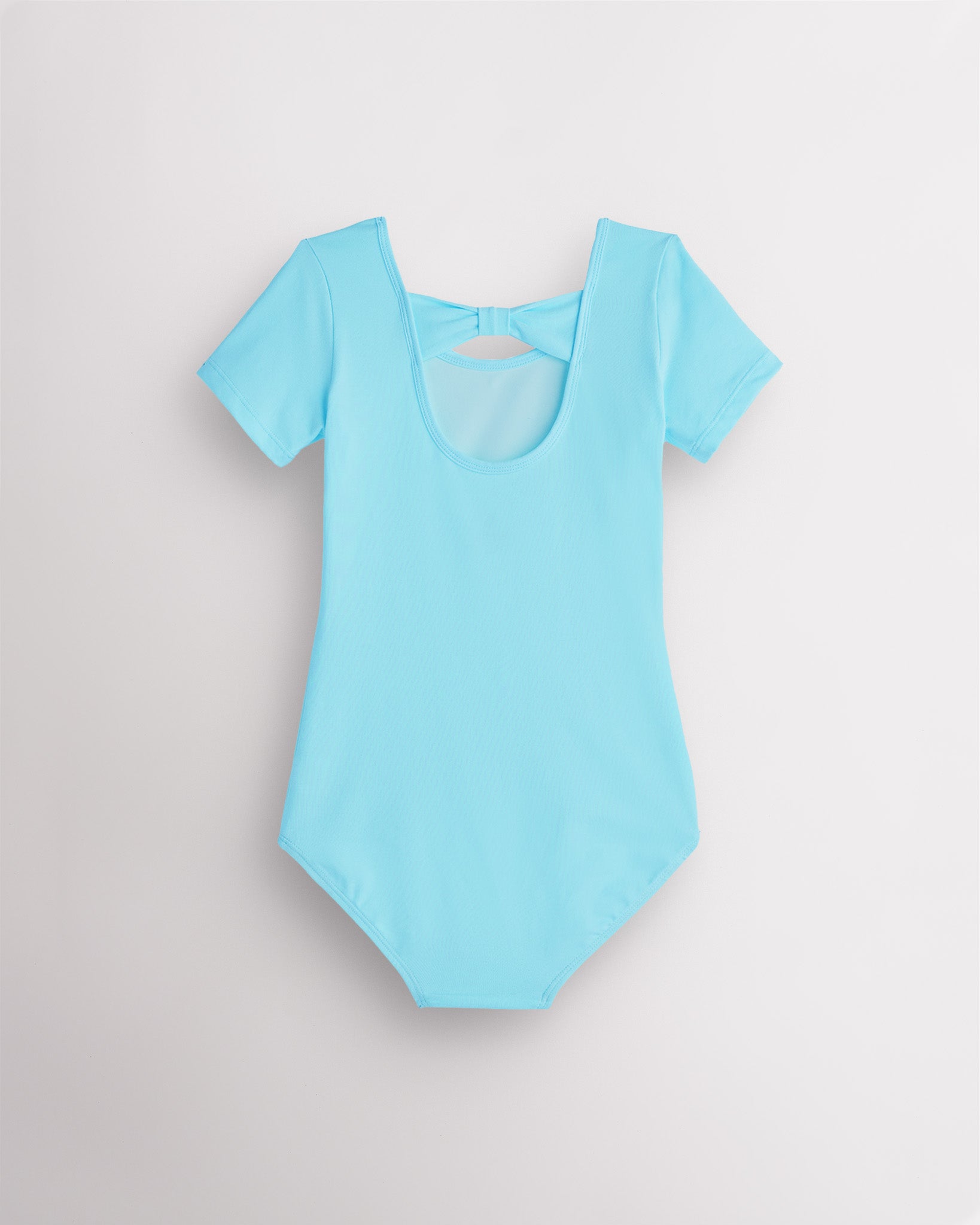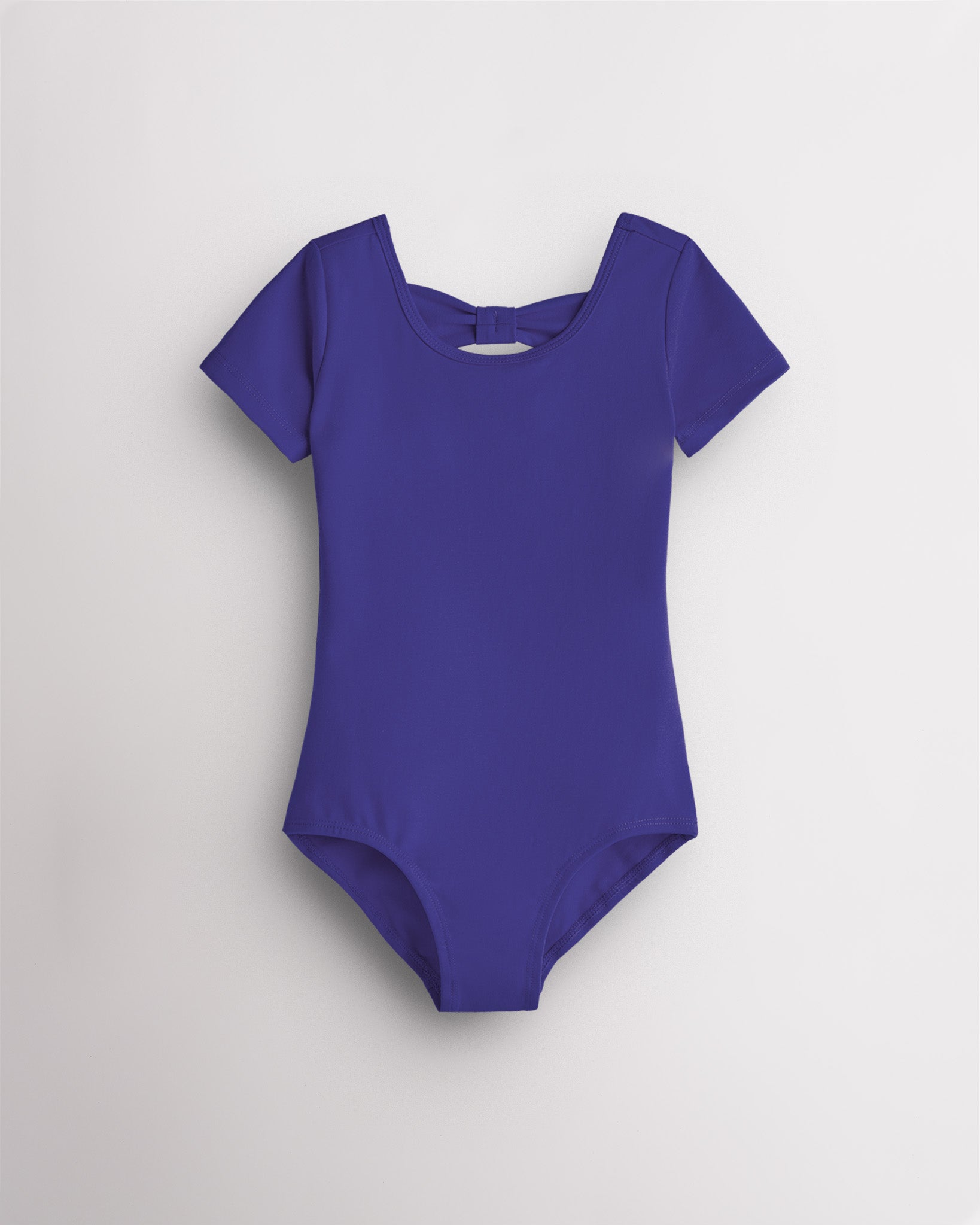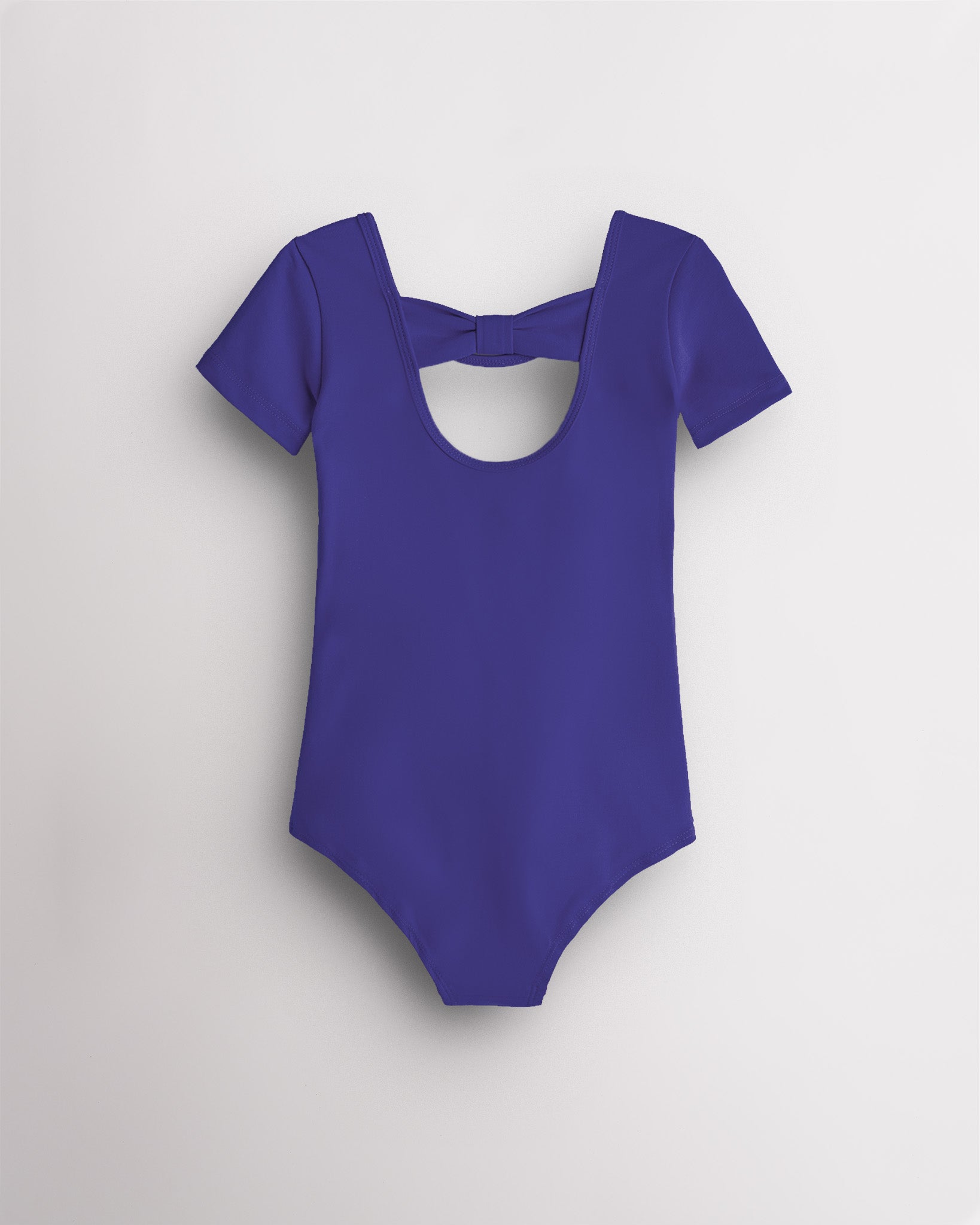



How to Measure for a Dance Leotard: A Parent's Sizing Guide
Table of contents
- Quick Answer: What Measurements Matter Most?
- Why Leotard Sizing Is Different From Regular Kids' Clothing
- What You Need Before Measuring
- How to Measure for a Dance Leotard
- How to Choose a Size From the Measurements
- What If Your Child Is Between Sizes?
- How Should a Dance Leotard Fit?
- Common Leotard Sizing Mistakes Parents Make
- Does Fabric Affect Leotard Fit?
- Measuring for Ballet vs. Gymnastics Leotards
- Quick Parent Try-On Test
- Stelle's Leotards: Sized for the Way Kids Actually Move
- Frequently Asked Questions
- Final Thoughts
Written by the Stelle team.
Getting a wriggly, not-quite-standing-still child to hold still for a measuring tape might be the most frustrating five minutes of buying a leotard. And once you finally get a number, the regular kids' clothing size chart often doesn't match what actually fits. This leotard size guide walks through how to measure for a leotard the way that actually works, so you only have to do it right once, at least until she grows.
Quick Answer: What Measurements Matter Most?
Girth (measured from one shoulder, down through the crotch, and back up to the same shoulder) is the single most useful number for leotard sizing, more reliable than age or regular clothing size. Chest, waist, and hips are worth taking too, as supporting measurements. If the numbers point to different sizes, start with the size that fits girth best, then use a quick try-on check to make sure the leotard does not gap, sag, or shift.
Why Leotard Sizing Is Different From Regular Kids' Clothing
Two kids the same age can need two completely different leotard sizes, simply because their torso-to-leg proportions differ. It is not just Stelle's approach either: Dancewear Solutions, one of the larger dancewear retailers in the US, calls girth the most important measurement for sizing any one-piece garment, which is the same principle behind everything in this guide.
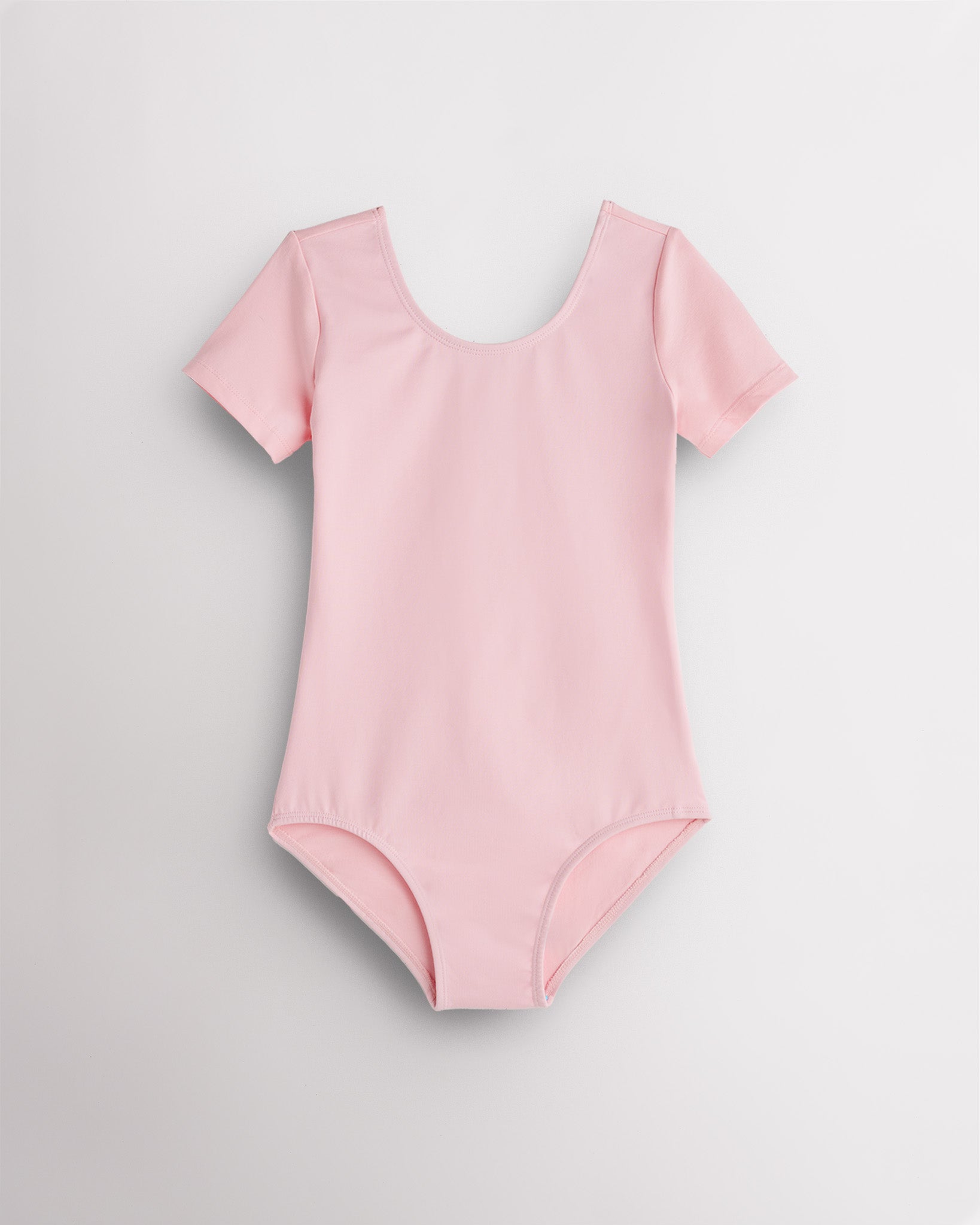
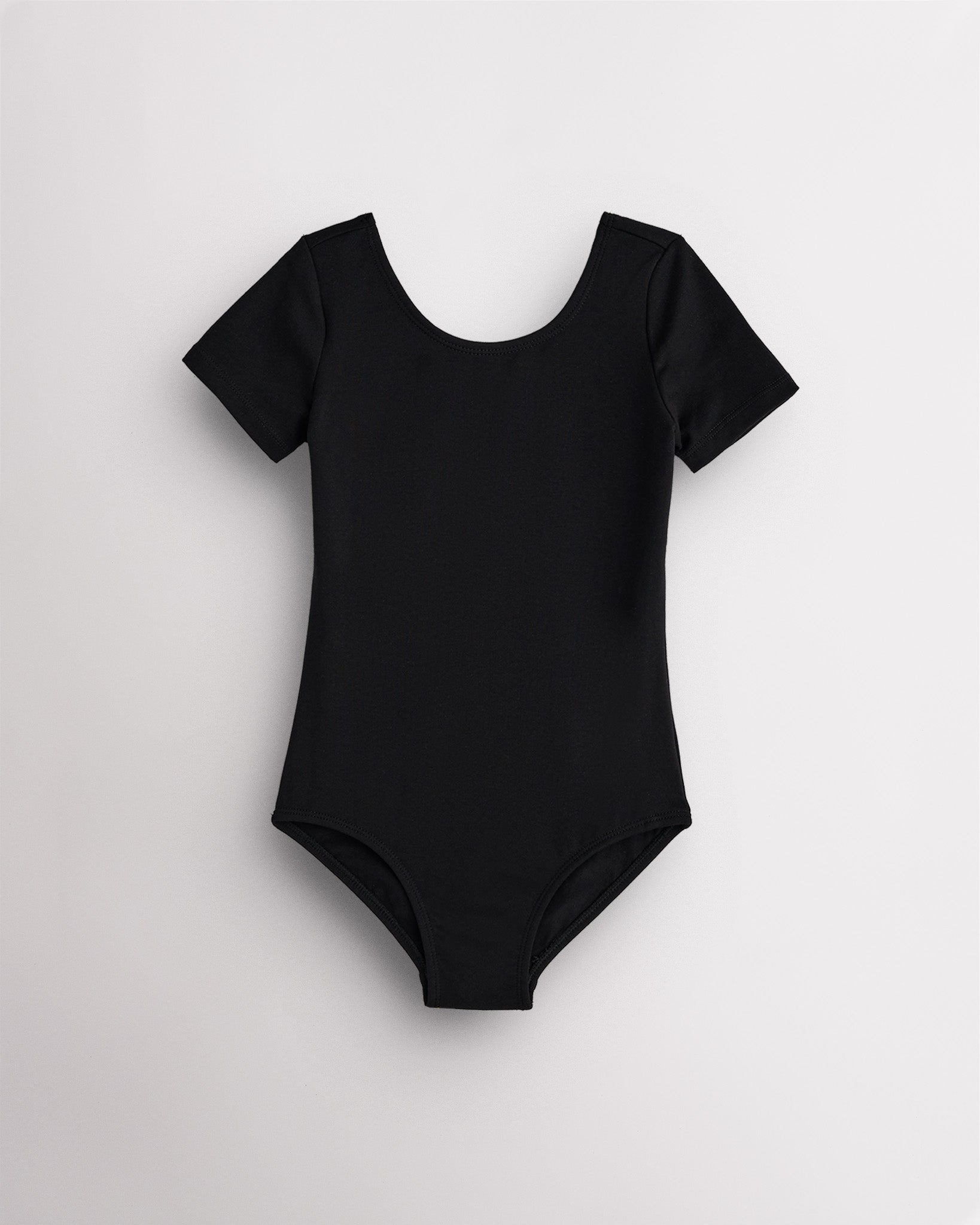
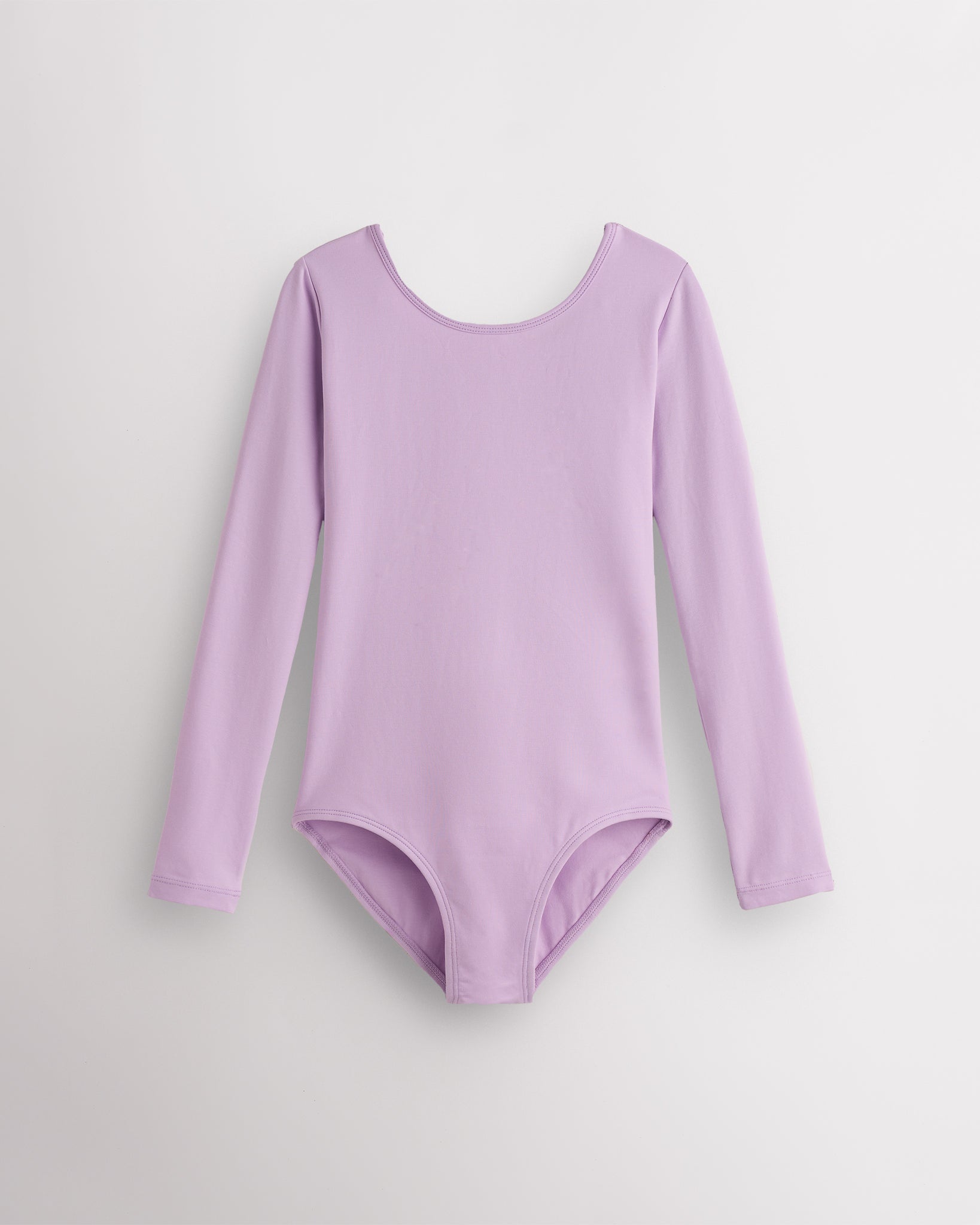
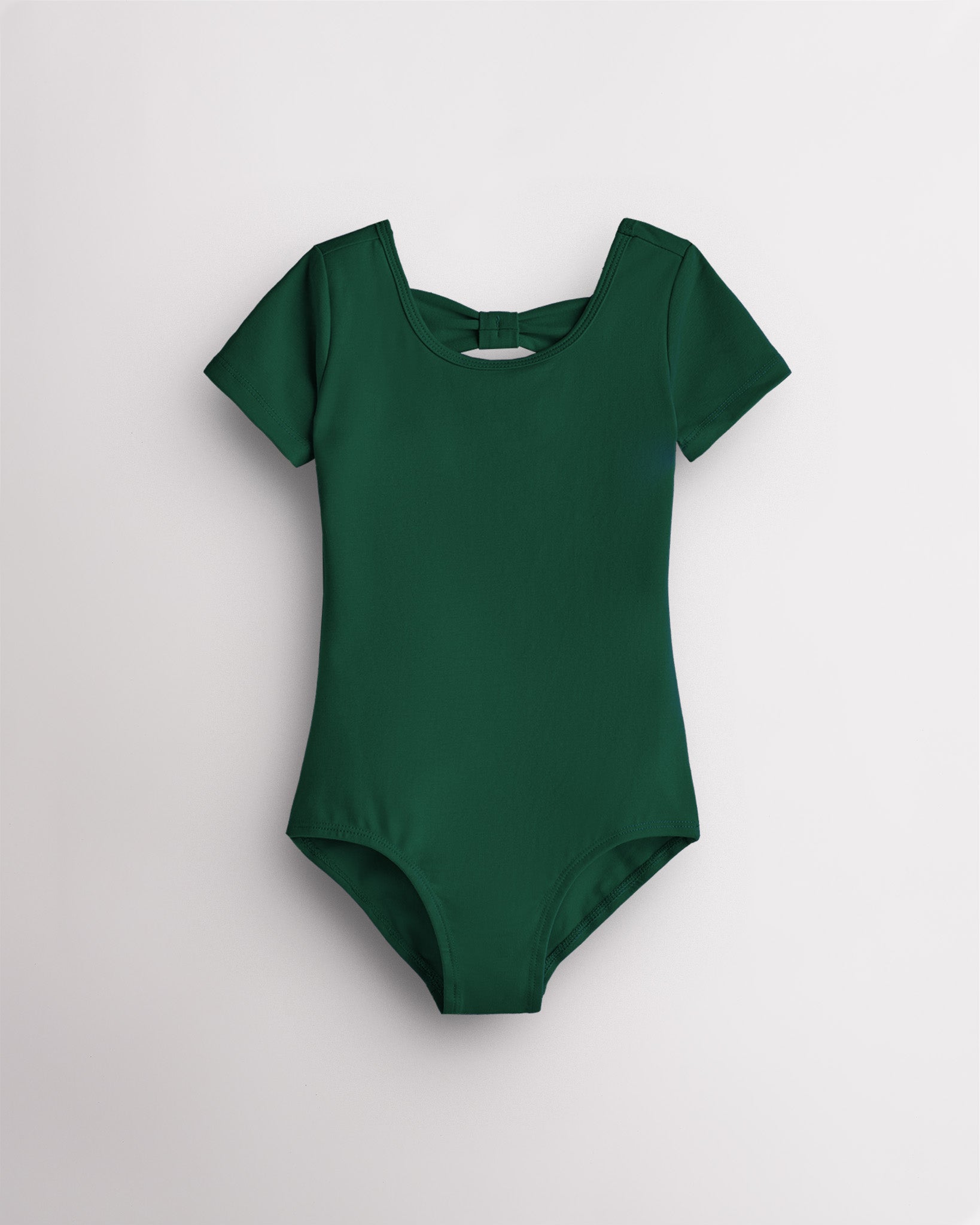
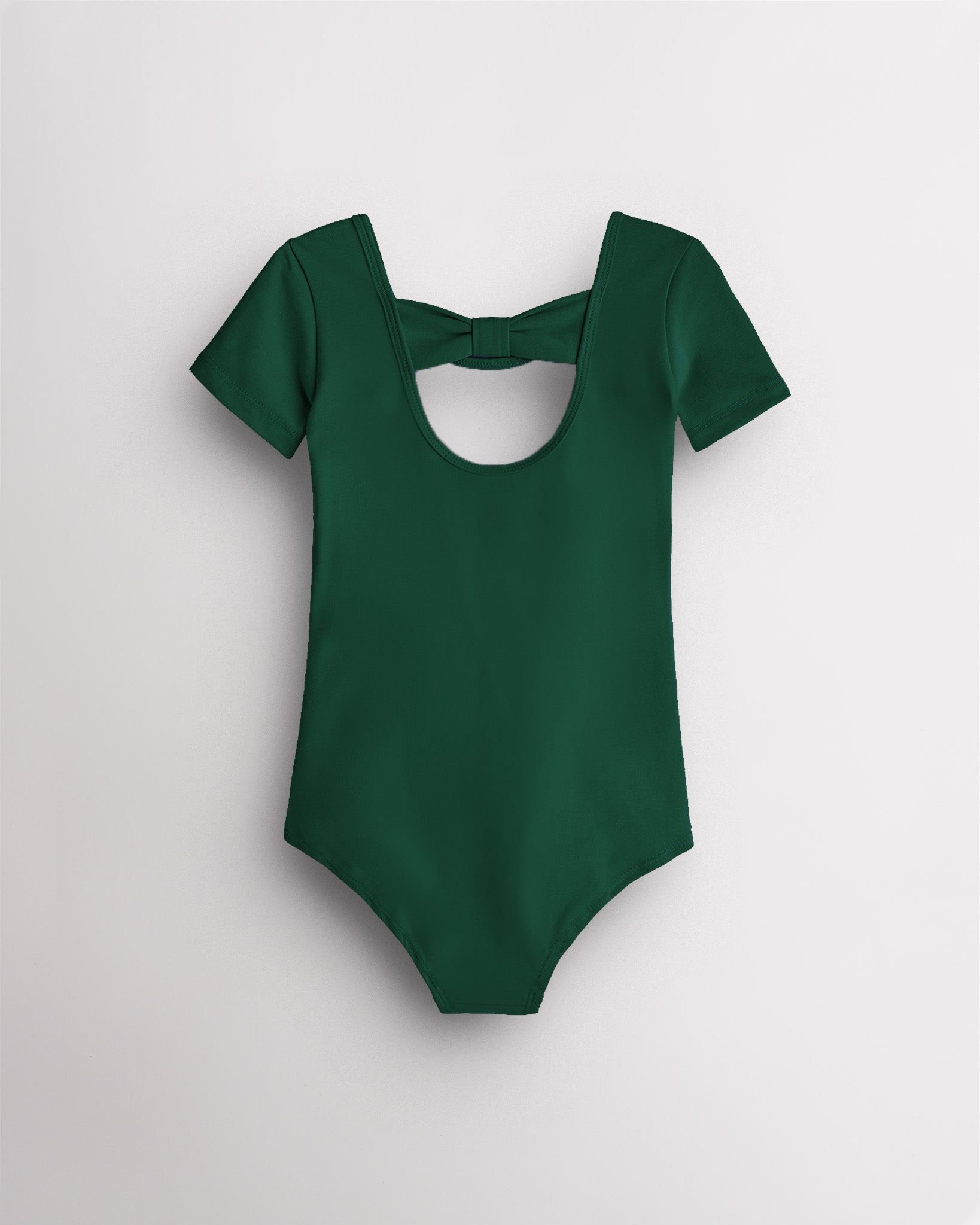
A leotard is a fitted, one-piece garment that covers the torso from shoulder to hip, so the usual age-based sizing that works fine for a T-shirt does not translate well here. Our leotard buying guide touches on this too. This guide goes deeper into exactly how to get an accurate measurement.
What You Need Before Measuring
-
A soft, flexible measuring tape (not a rigid ruler)
-
Your child in snug-fitting clothes or an existing leotard, not anything bulky
-
A pen and paper, or your phone's notes app
A quick tip that helps more than any tool: make it feel like a game rather than an inspection. Let her hold one end of the tape measure, count out loud together, or measure a stuffed animal first so she knows what to expect. A relaxed kid standing naturally gives a far more accurate number than one holding her breath and stiffening up.
How to Measure for a Dance Leotard
Girth (the measurement that matters most)
If you only learn how to measure girth for a leotard, this is the one to know. To take a girth leotard measurement, start at the center of one shoulder, where a leotard strap would sit, run the tape down through the front, between the legs, and back up to that same shoulder. The tape should sit close to the body without pulling tight.
Have her stand naturally, weight even on both feet, arms relaxed. This is generally the number to prioritize above the rest, because it reflects torso length, which is exactly what determines whether a leotard feels snug and secure or pulls uncomfortably at the shoulders and legs. Two kids with the same chest measurement can still need different leotard sizes if their girth differs.
Chest, Waist, Hips, and Height (supporting measurements)
These four help confirm the size girth points to, but none of them override a size that has been girth measured accurately.
-
Chest: Measure around the fullest part of the chest, arms relaxed at her sides.
-
Waist: Measure around the natural waistline, where her torso bends side to side.
-
Hips: Measure around the fullest part of the hips and seat.
-
Height: Measure from head to floor. This is mostly useful for choosing sleeve or torso length on long-sleeve or skirted styles, rather than for overall sizing.

How to Choose a Size From the Measurements
Here's the honest shortcut: once you have her numbers, check them against a leotard size chart kids can actually rely on, with girth as the deciding factor. If her chest, waist, and hip measurements land in one size but her girth lands in a larger one, go with the size that fits her girth. It is the measurement most likely to cause real discomfort if it is wrong, so when in doubt, let it win.
|
If This Happens |
What to Do |
|
Girth points to a larger size than chest, waist, and hips |
Start with the girth-based size, then check that the waist, seat, and leg openings still sit smoothly without sliding |
|
Chest, waist, and hips point to a larger size than girth |
Check how far those measurements are above the girth-based size. If they are only slightly higher, try the girth-based size first. If they are clearly outside the range, the next size may fit better |
|
The larger size wrinkles at the waist or seat |
The size may be too large overall, or the cut may not suit her proportions, even if the girth measurement feels better |
|
Leg openings dig in but everything else fits |
Double-check girth and hip/seat measurements before assuming she needs a full size up. The leg opening cut may also be the issue |
What If Your Child Is Between Sizes?
Being stuck between two sizes usually means her girth measurement falls right around the boundary between them. When that happens, start with the size that fits her girth, then check that it stays smooth through the waist, seat, and straps rather than feeling loose or sliding.
The goal is not to buy the biggest size she can wear. A leotard should have enough room to move, but not so much extra fabric that it wrinkles, slips, or shifts during class.
How Should a Dance Leotard Fit?
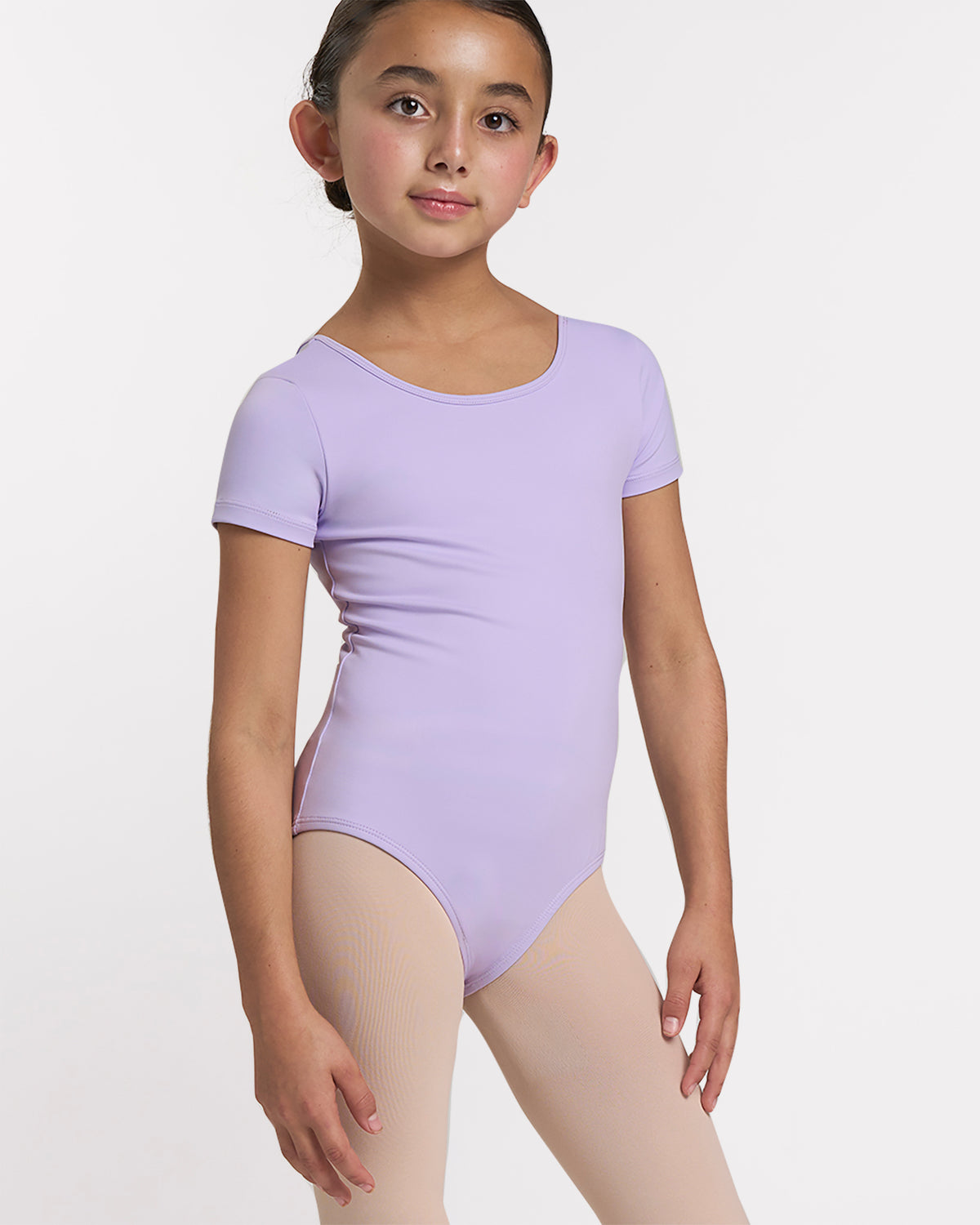
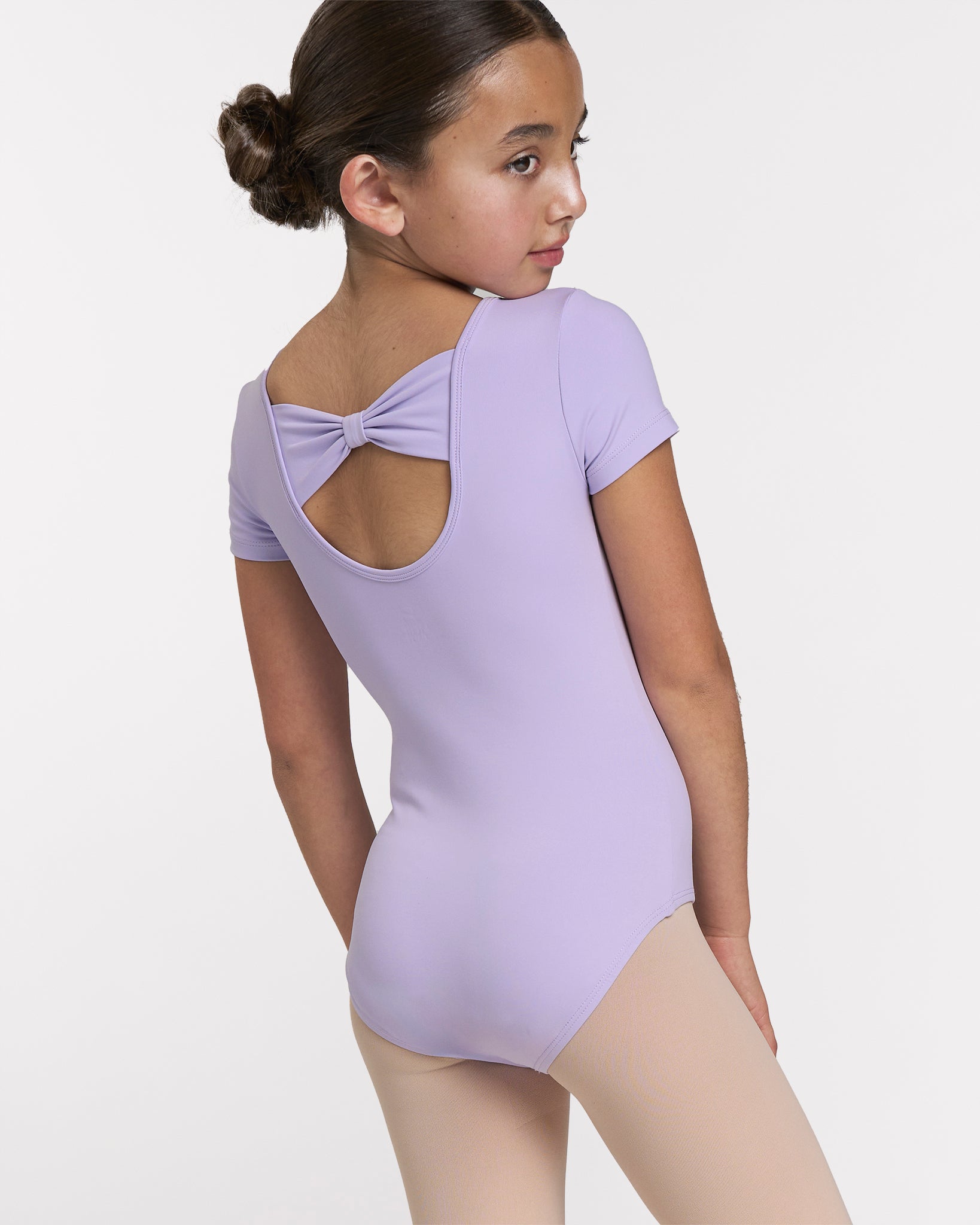
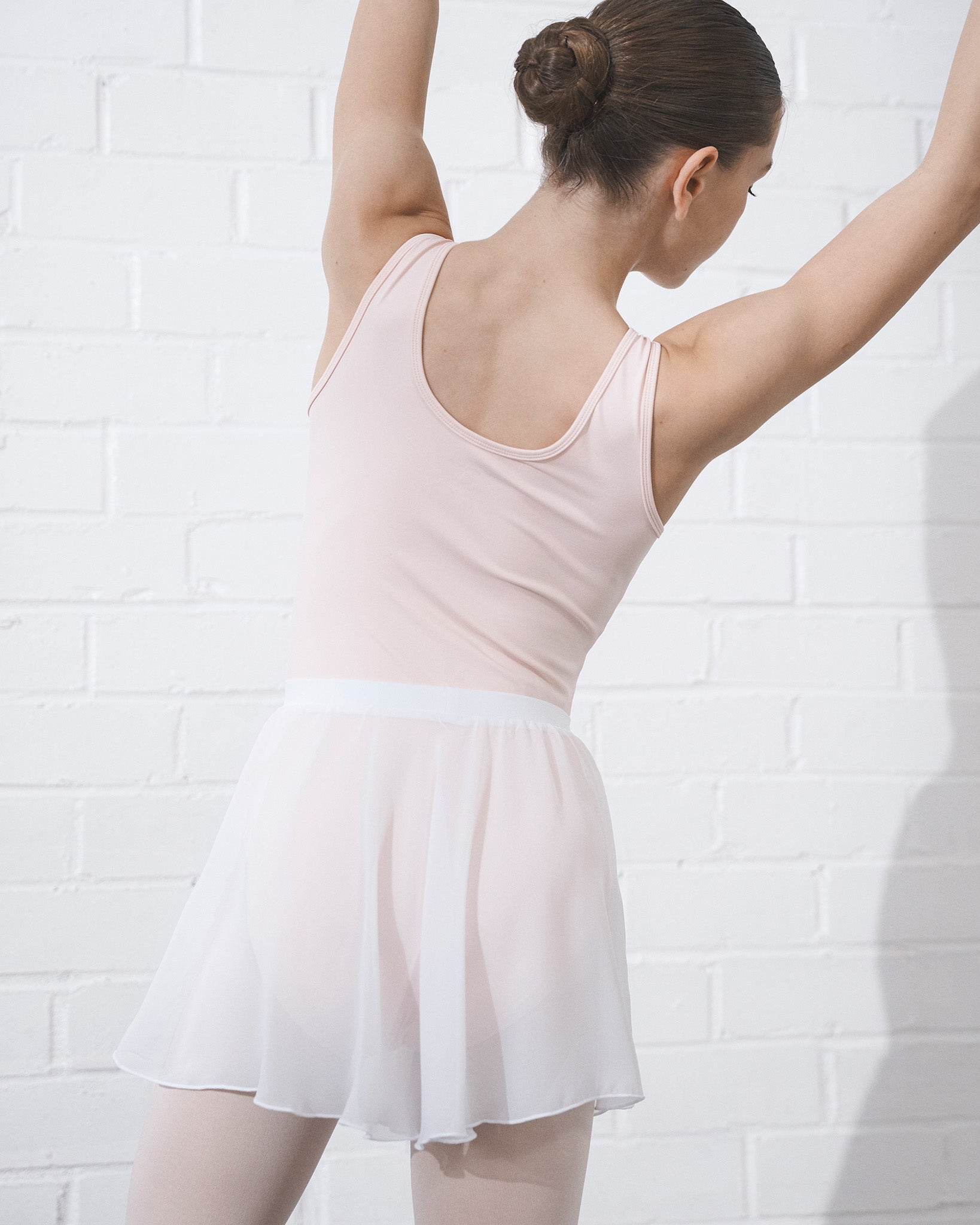
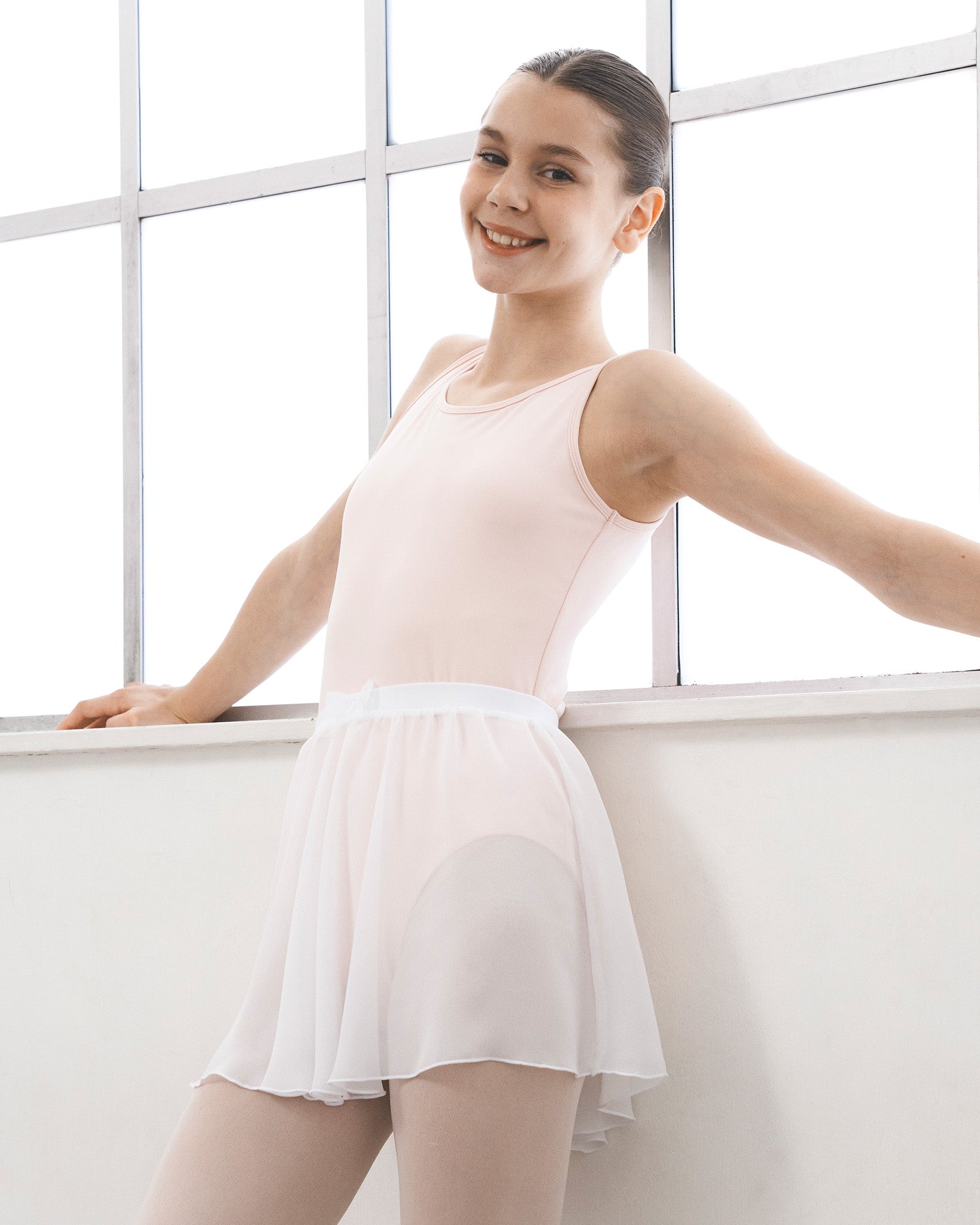
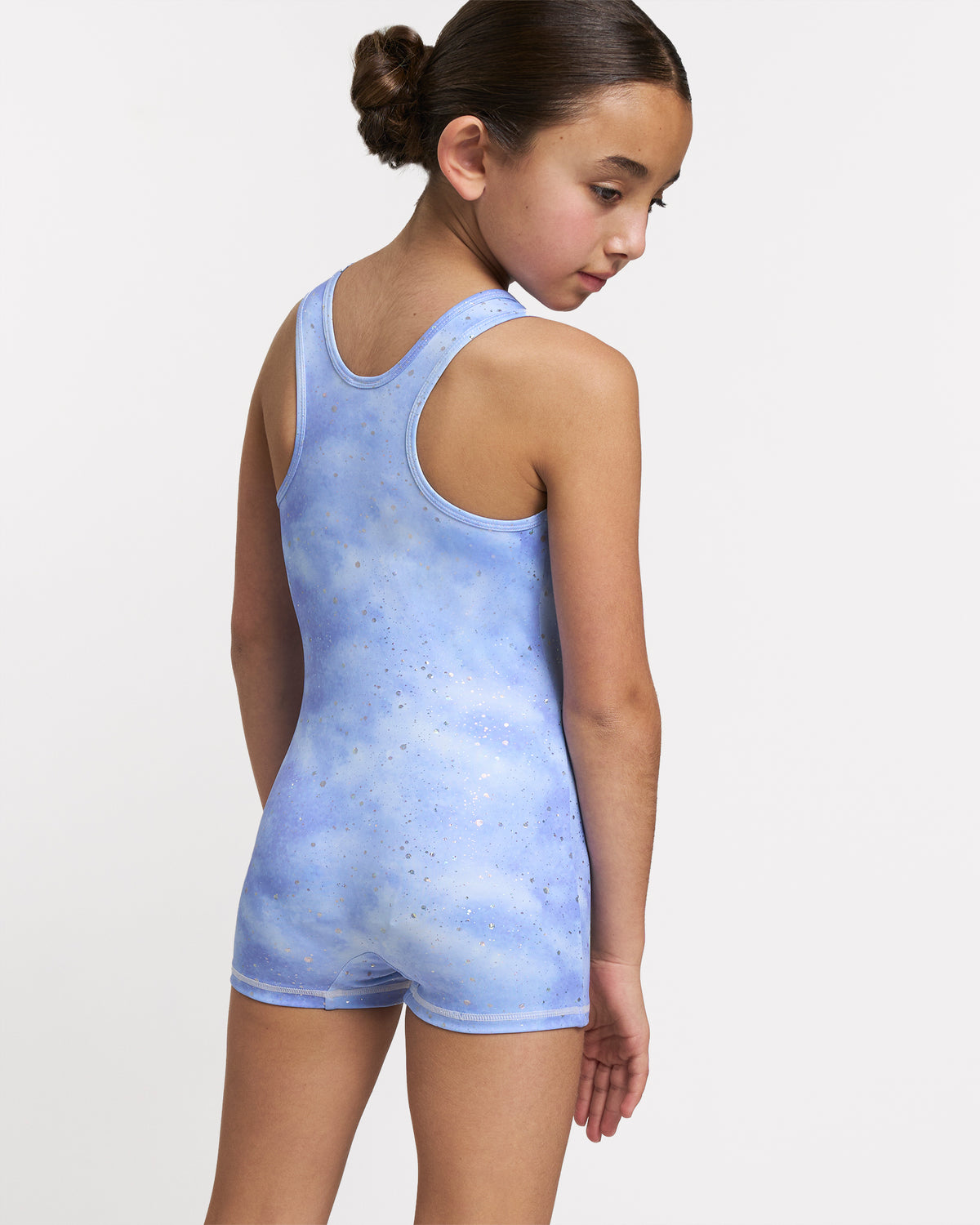
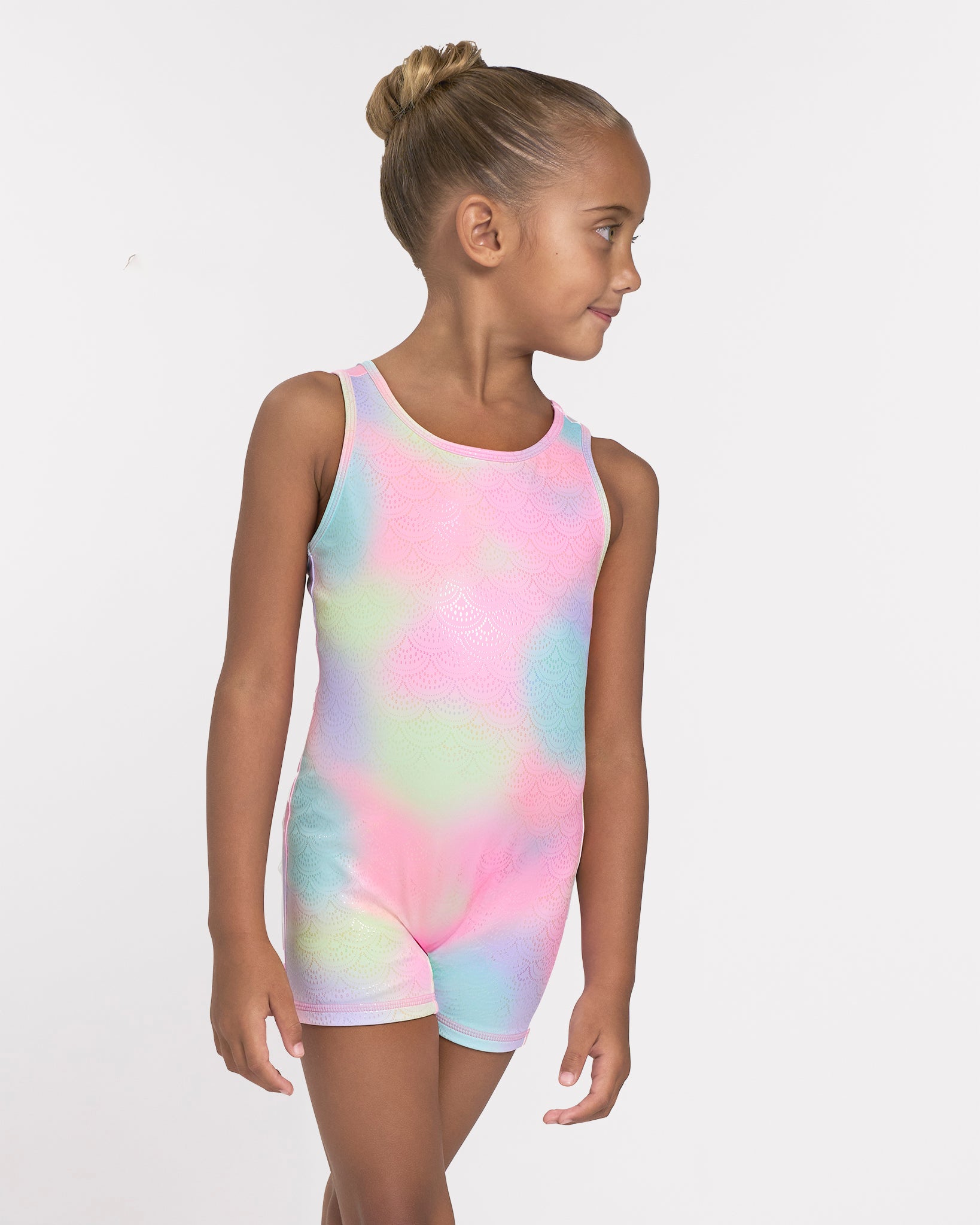
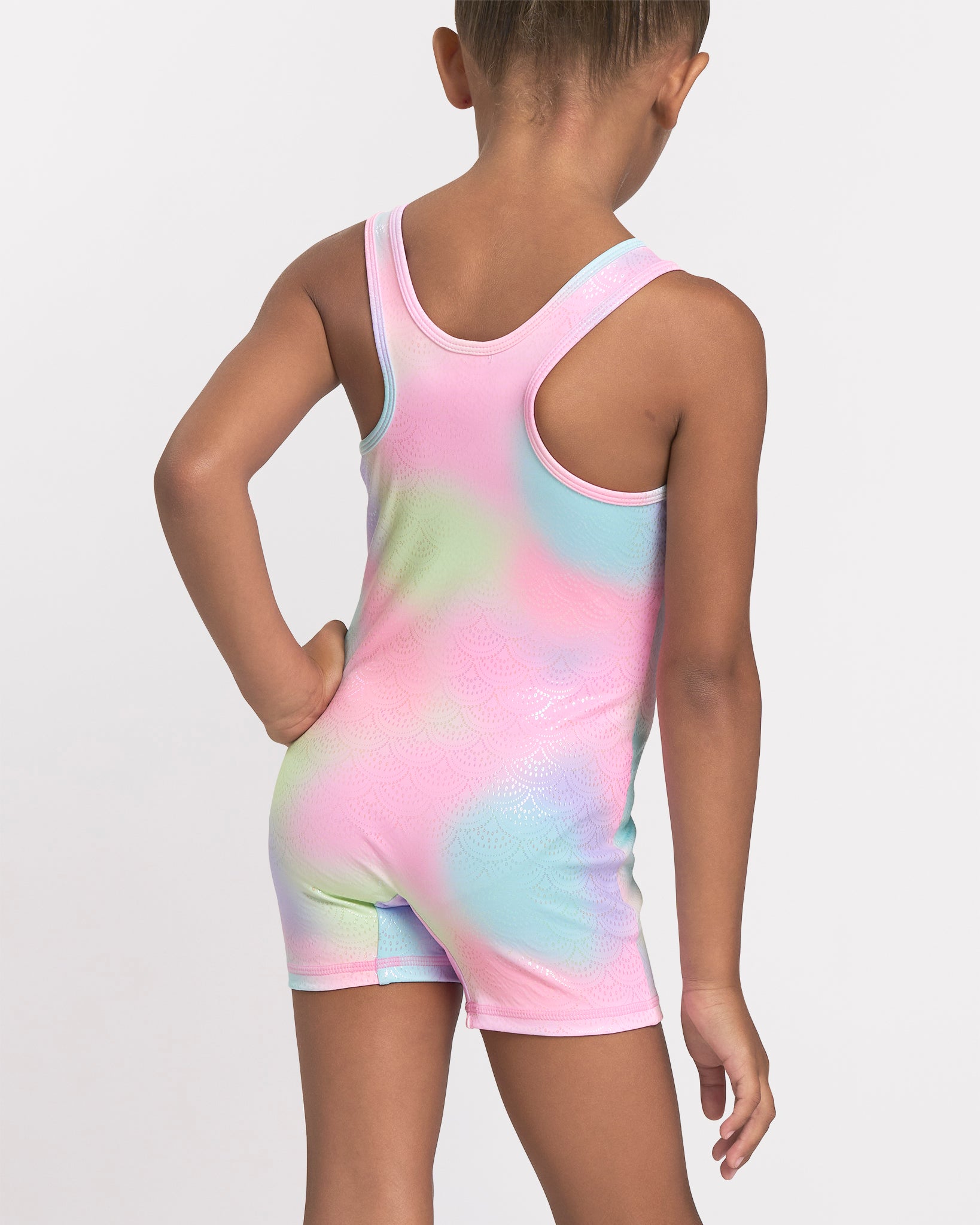
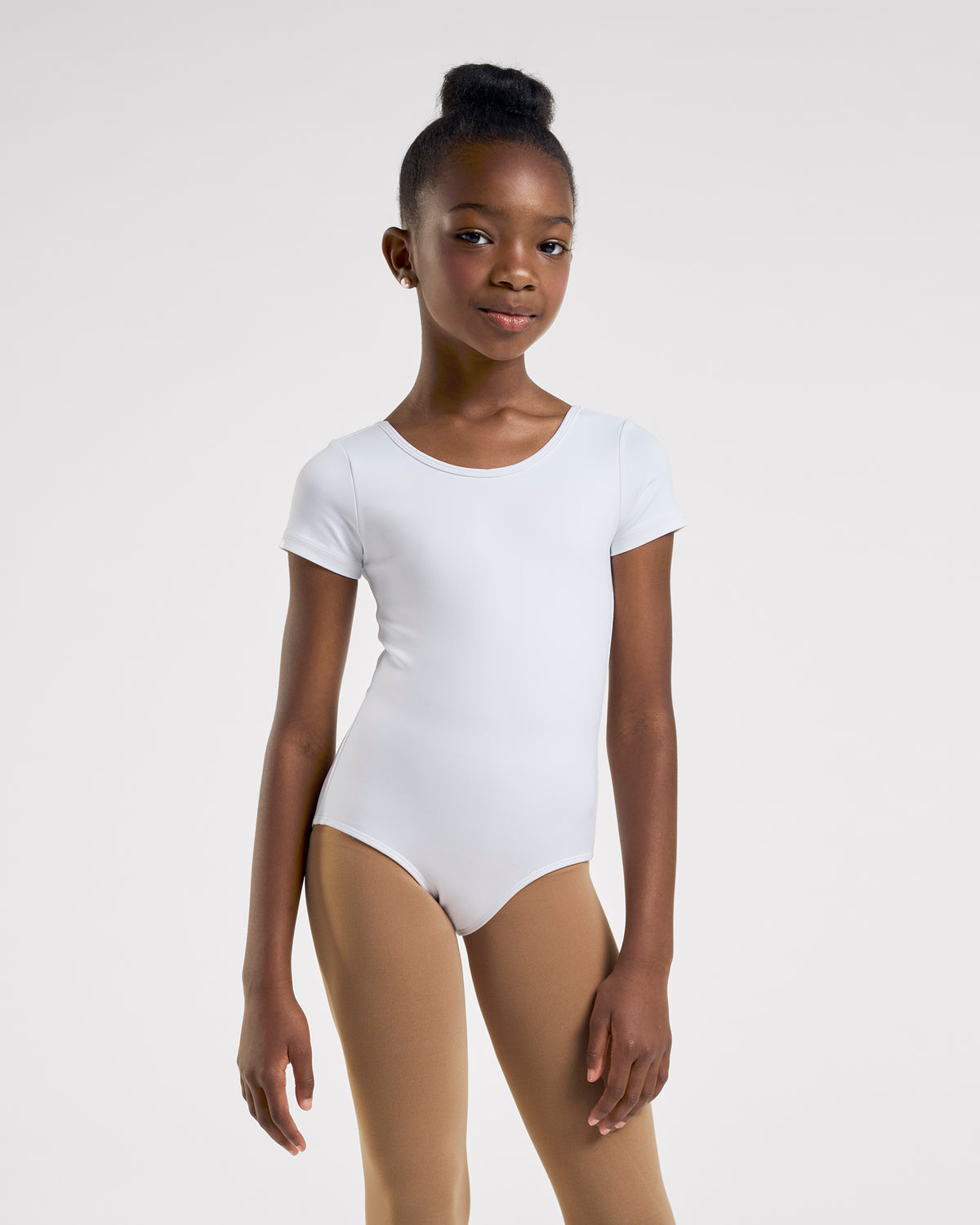
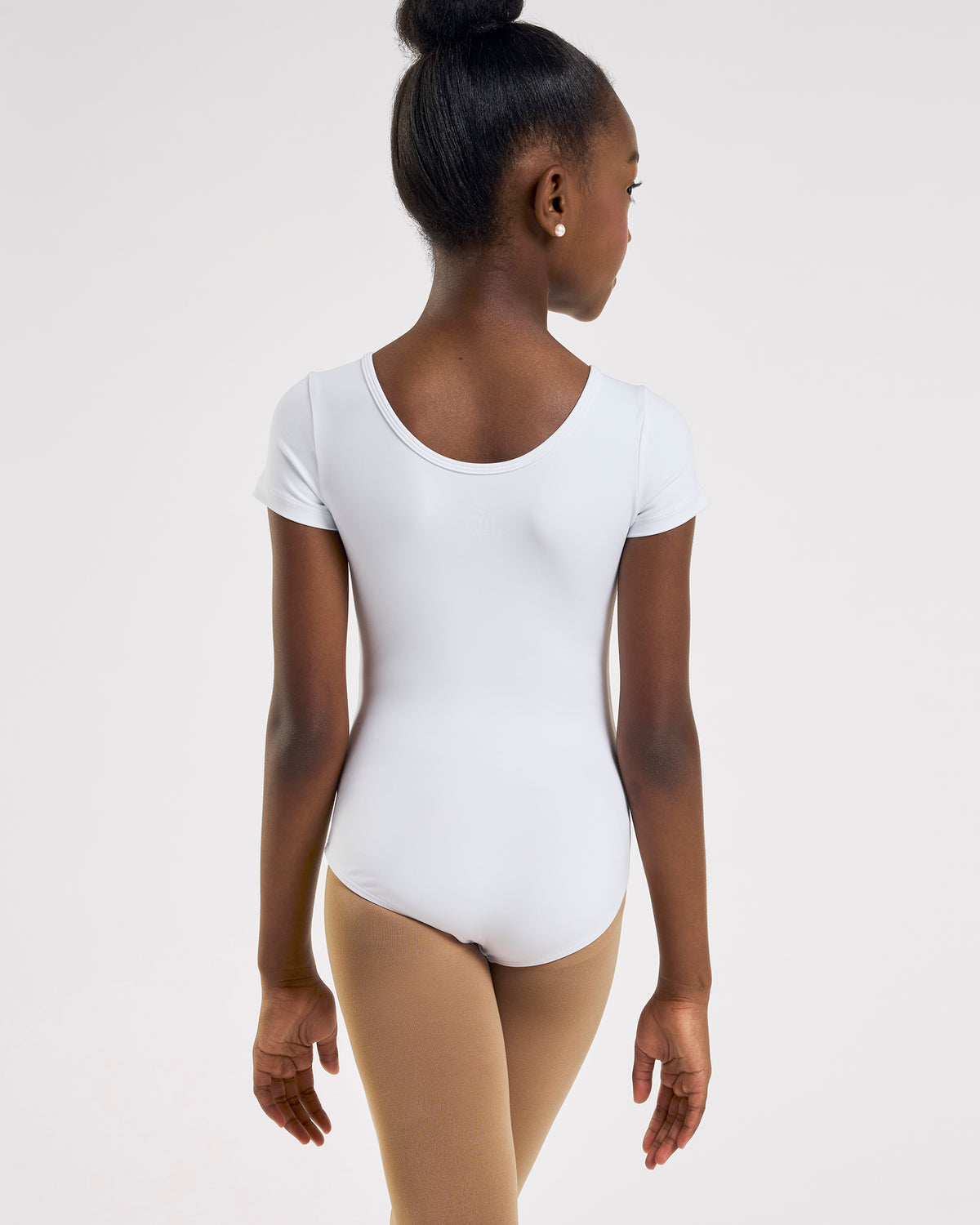
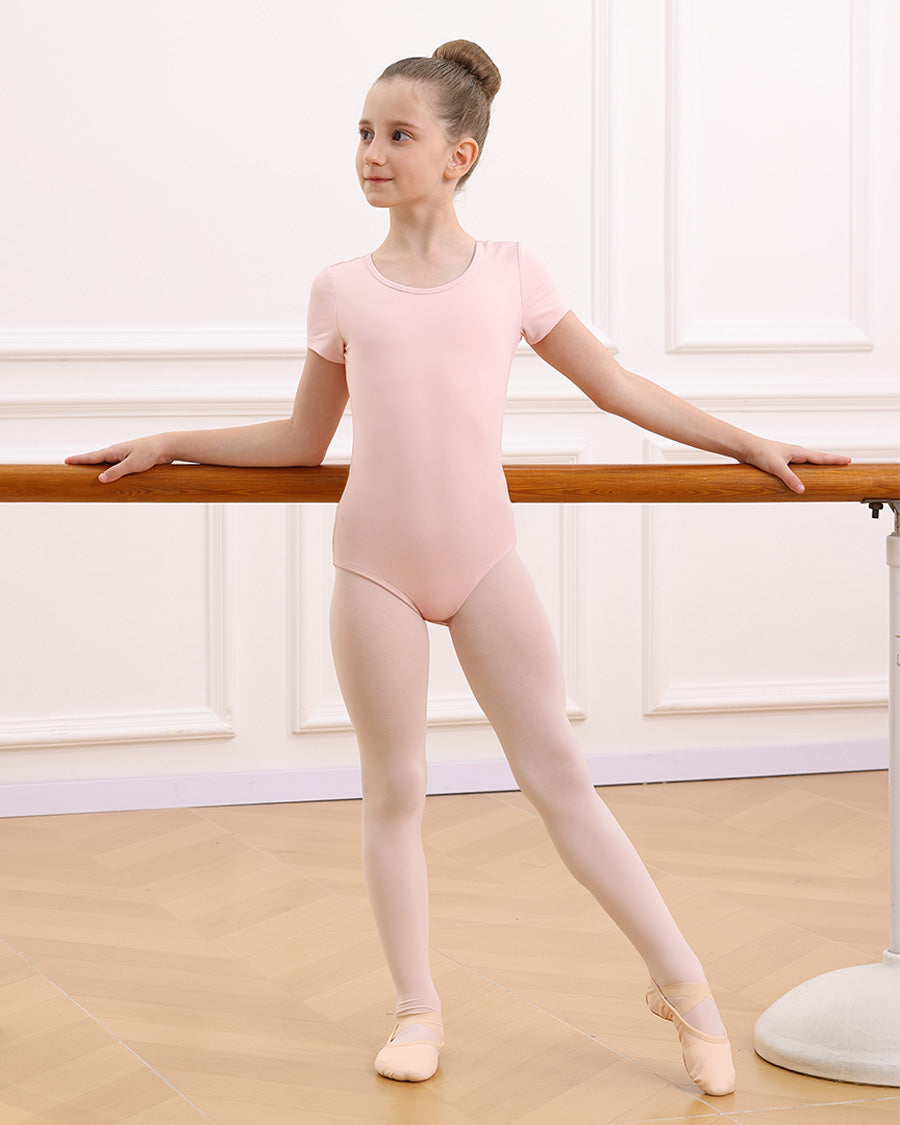
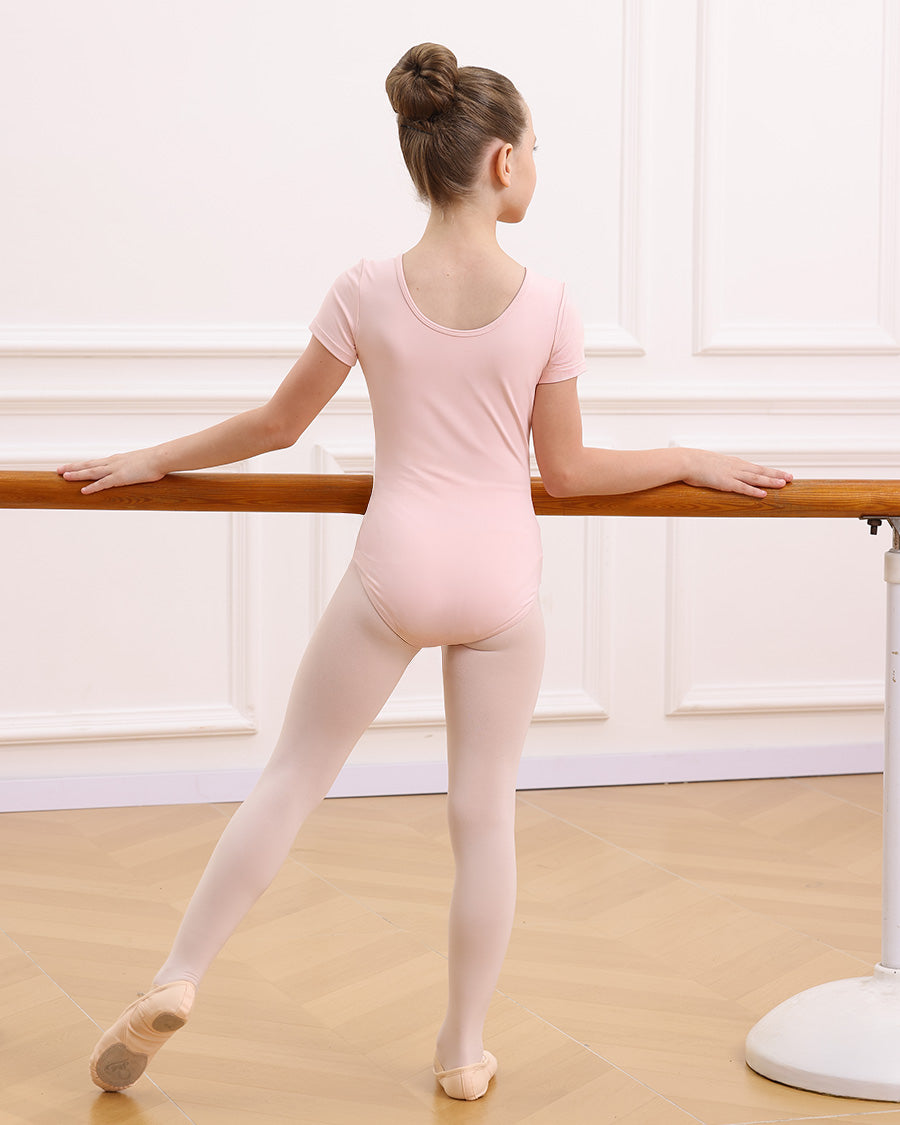
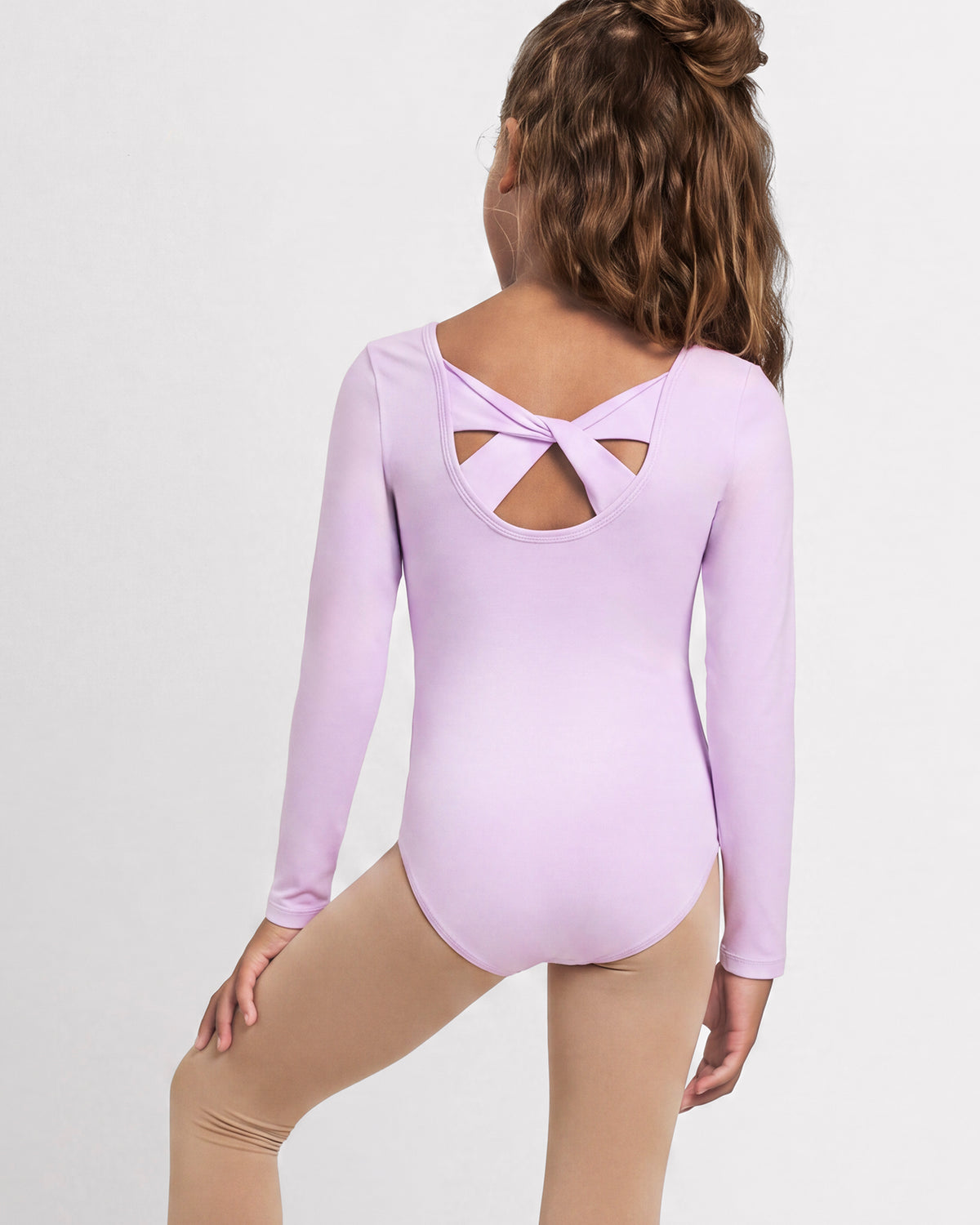
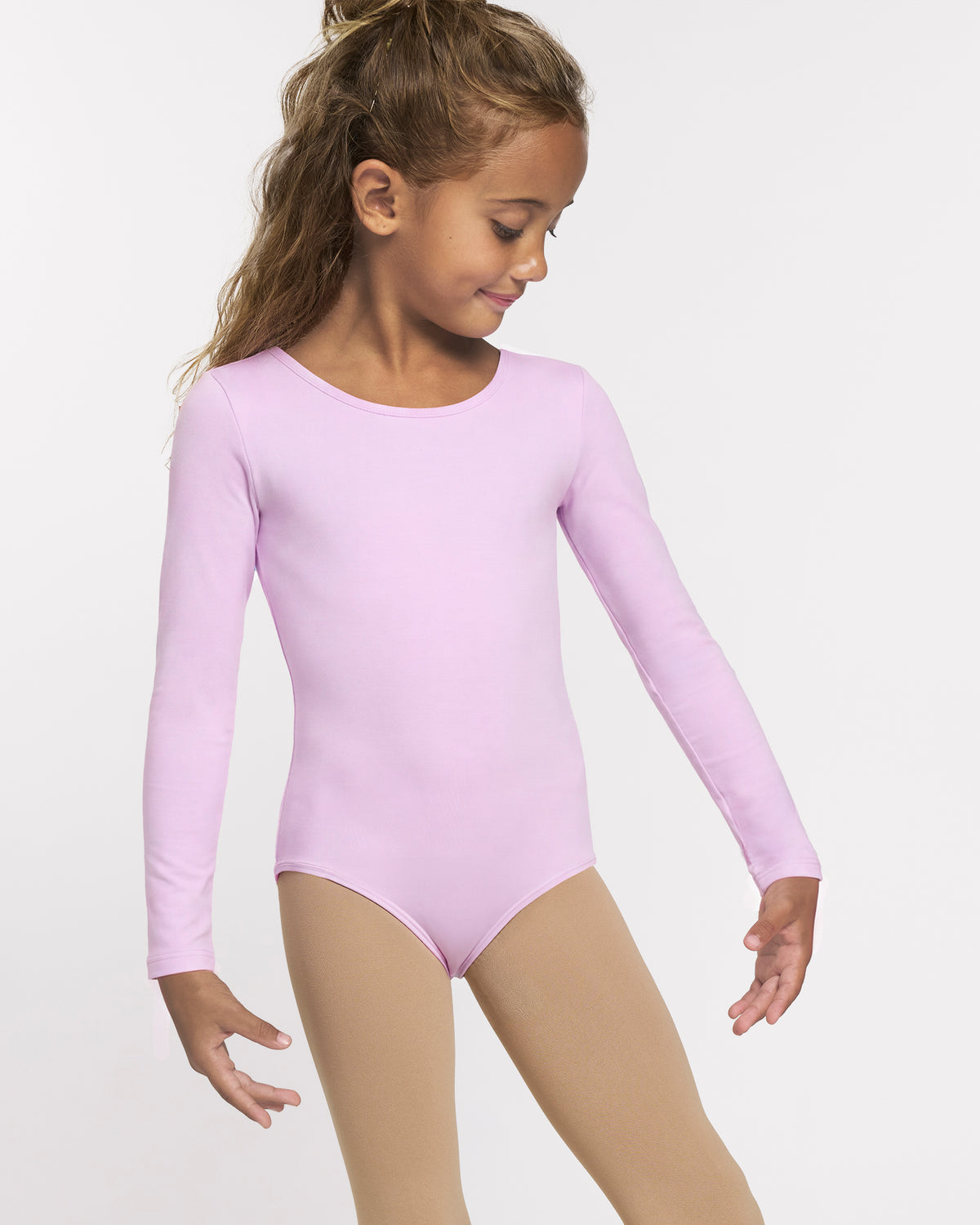
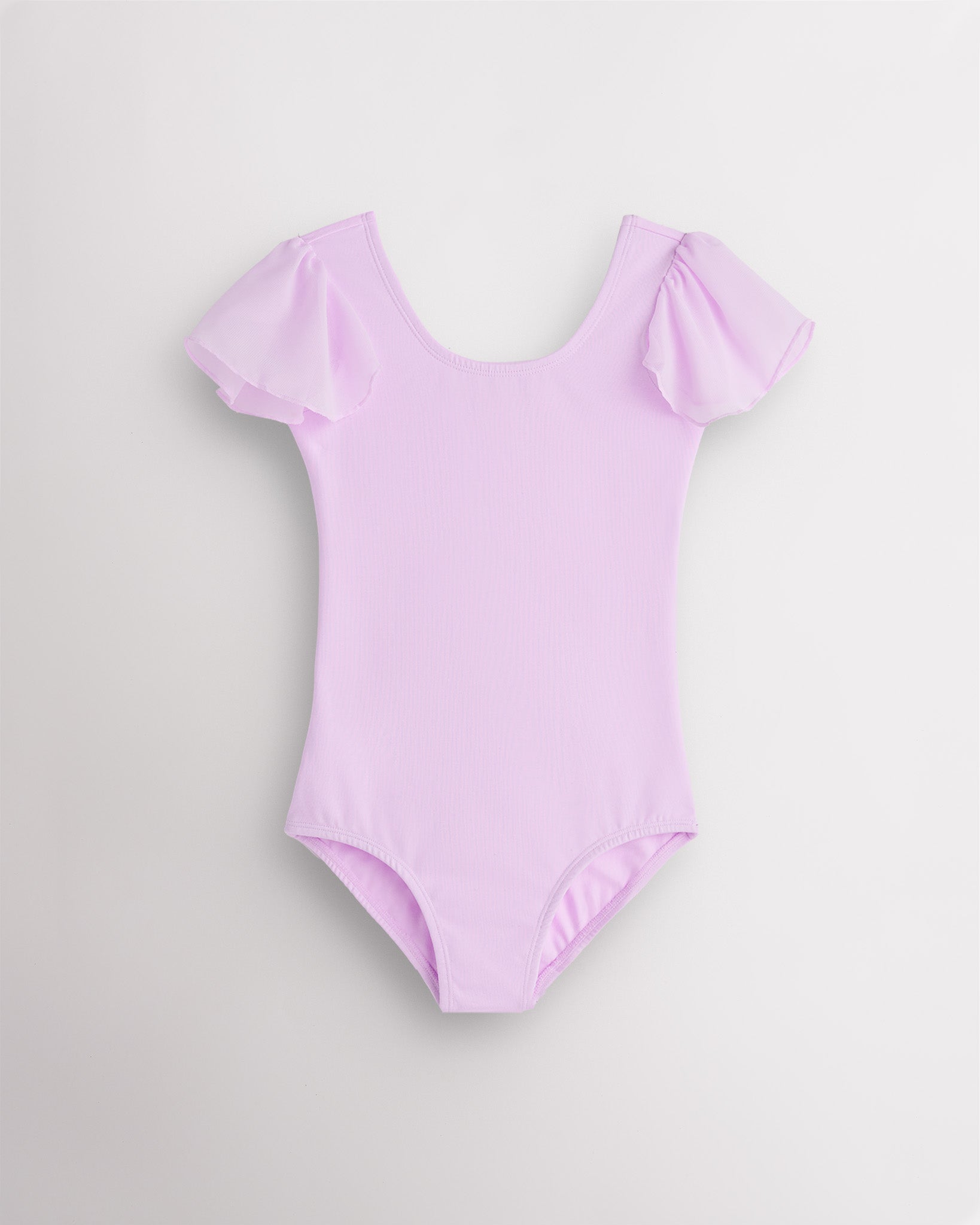
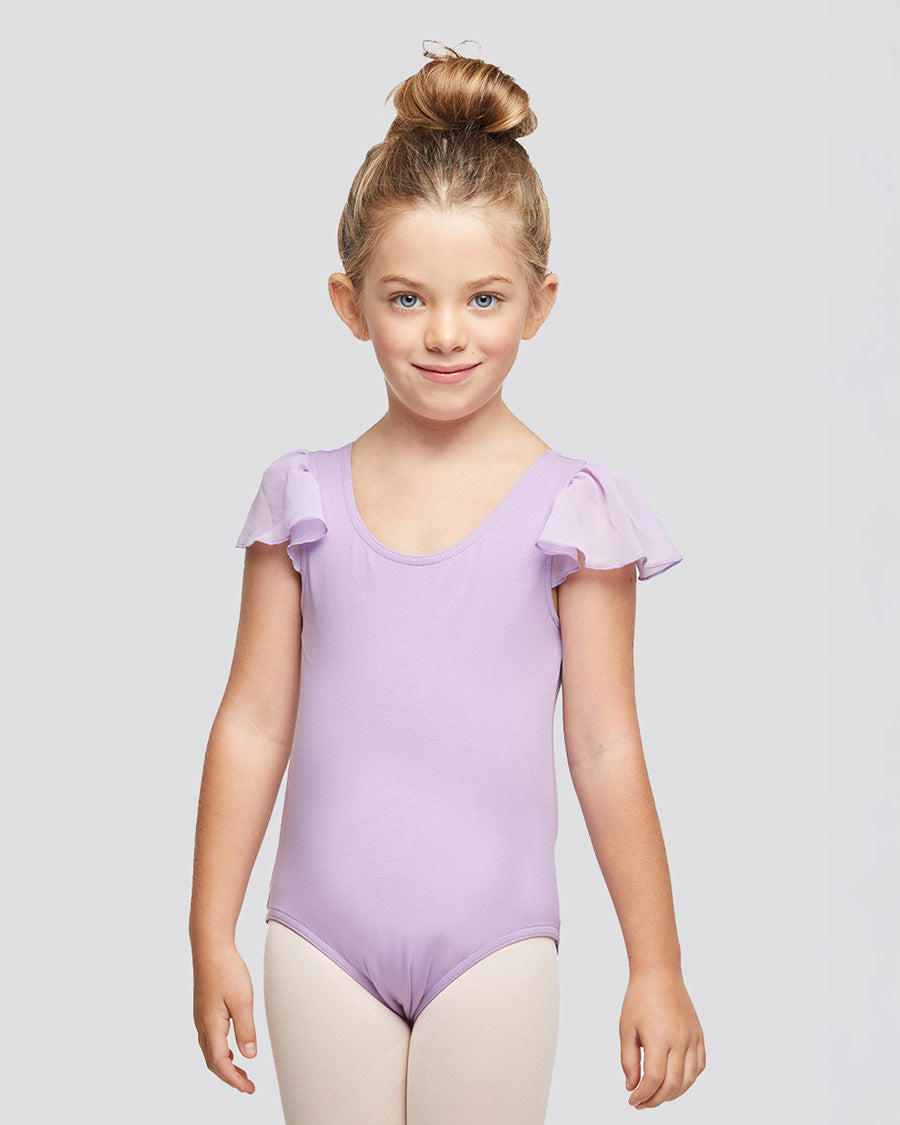
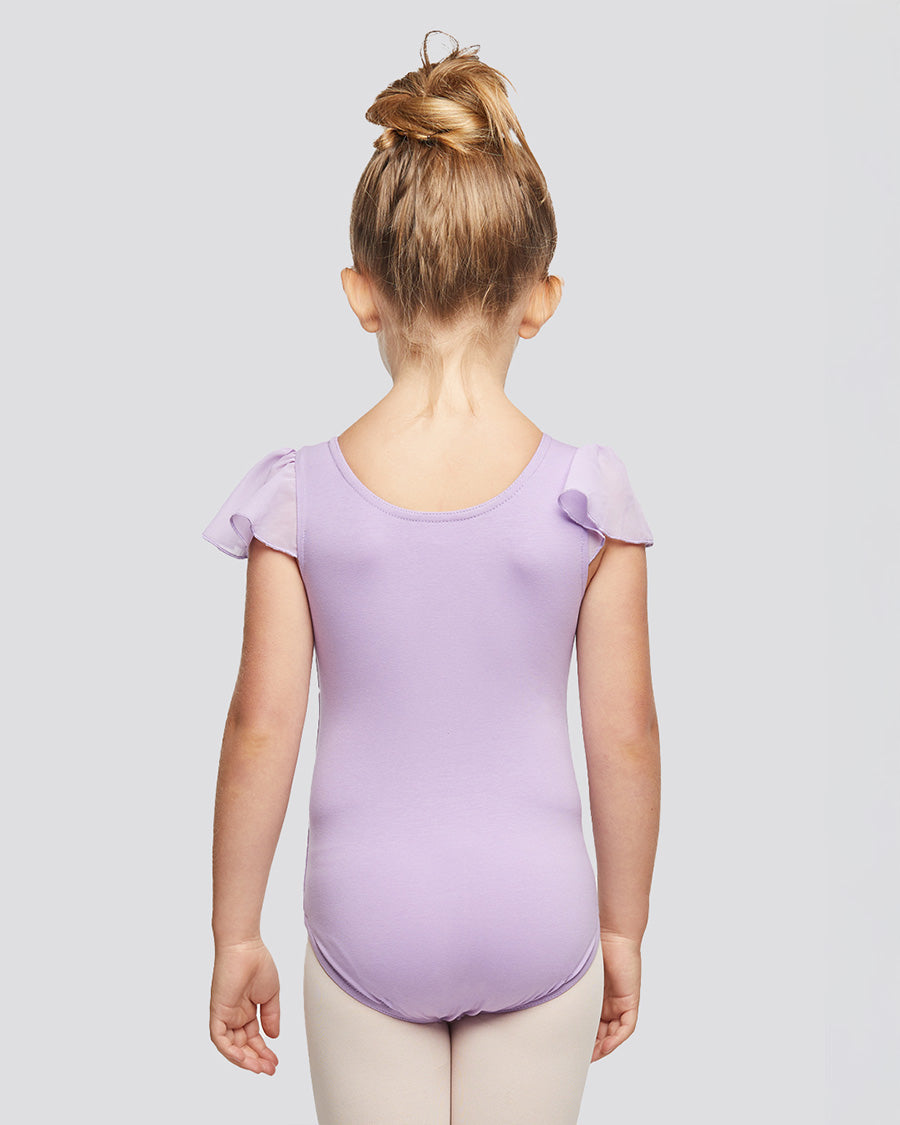
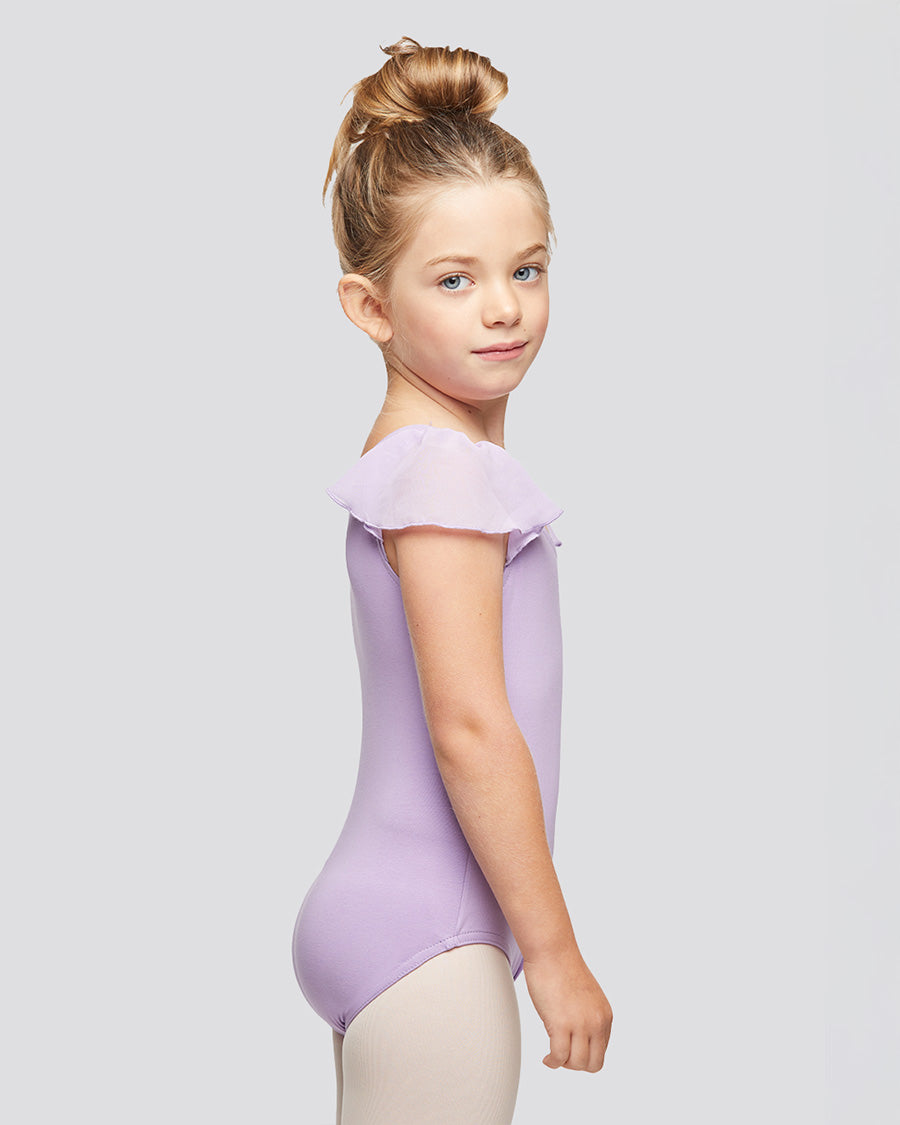
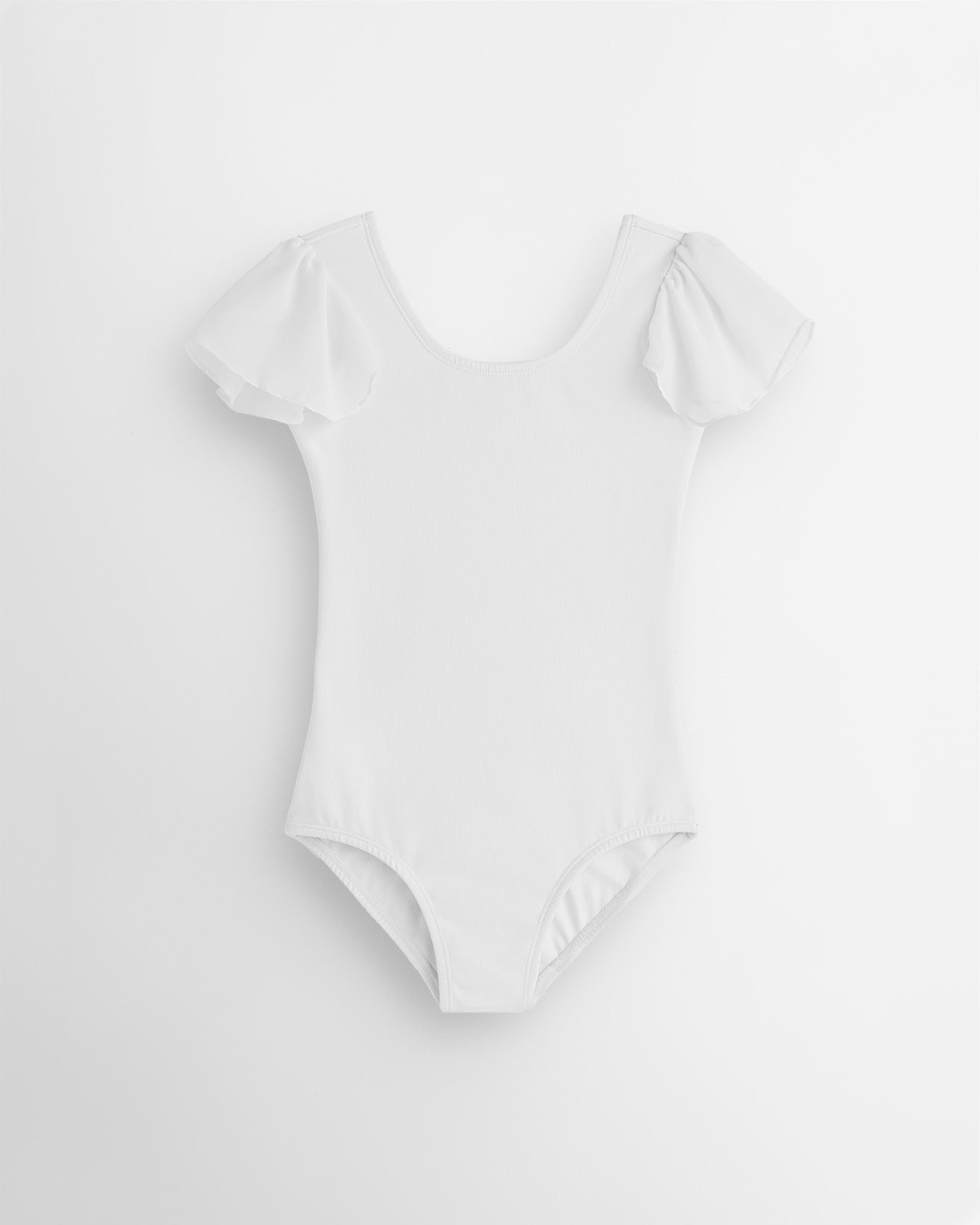
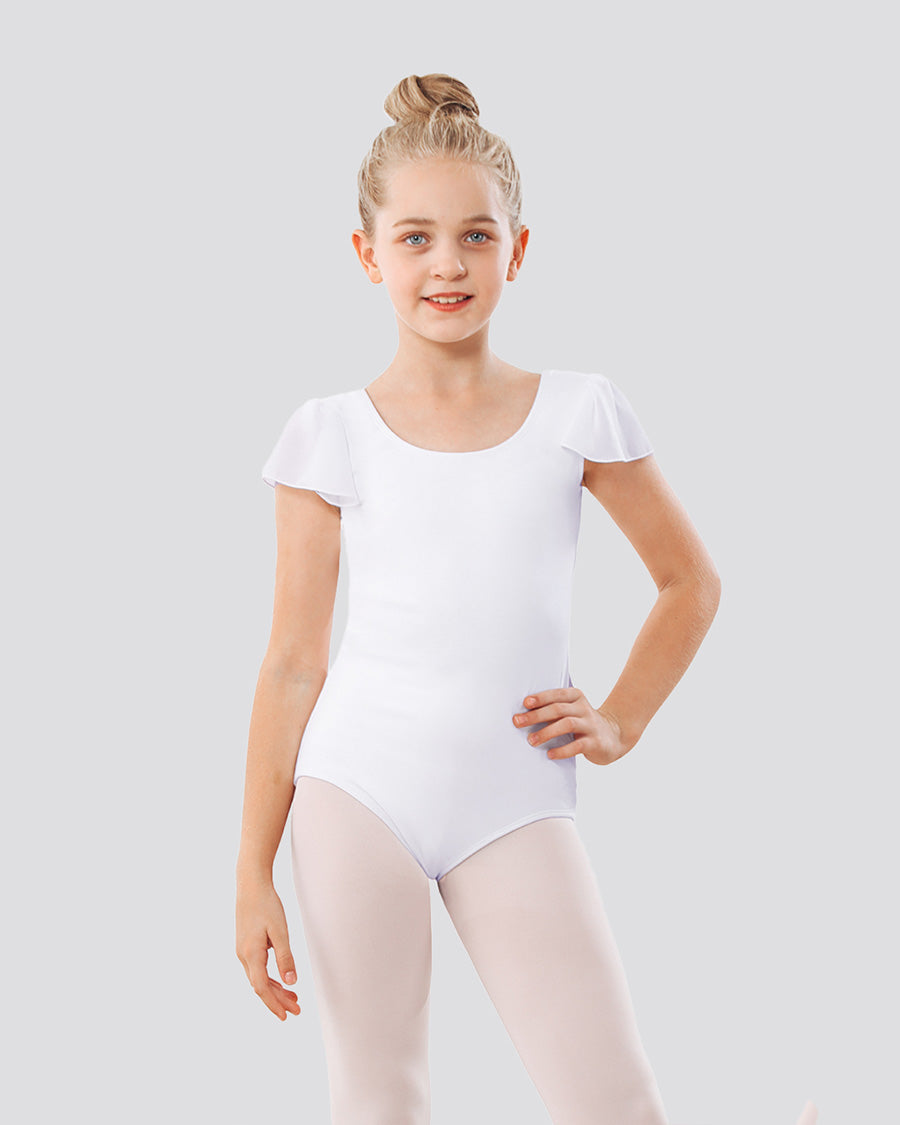
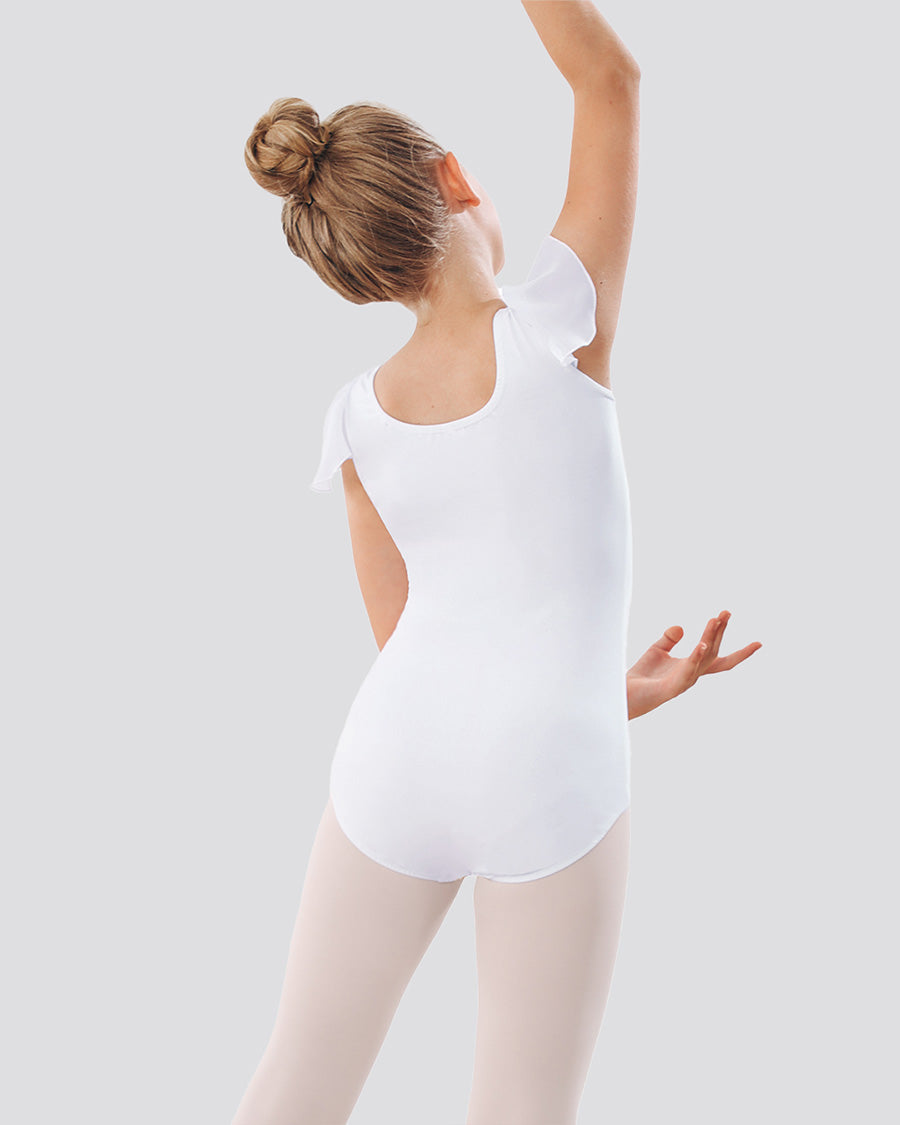
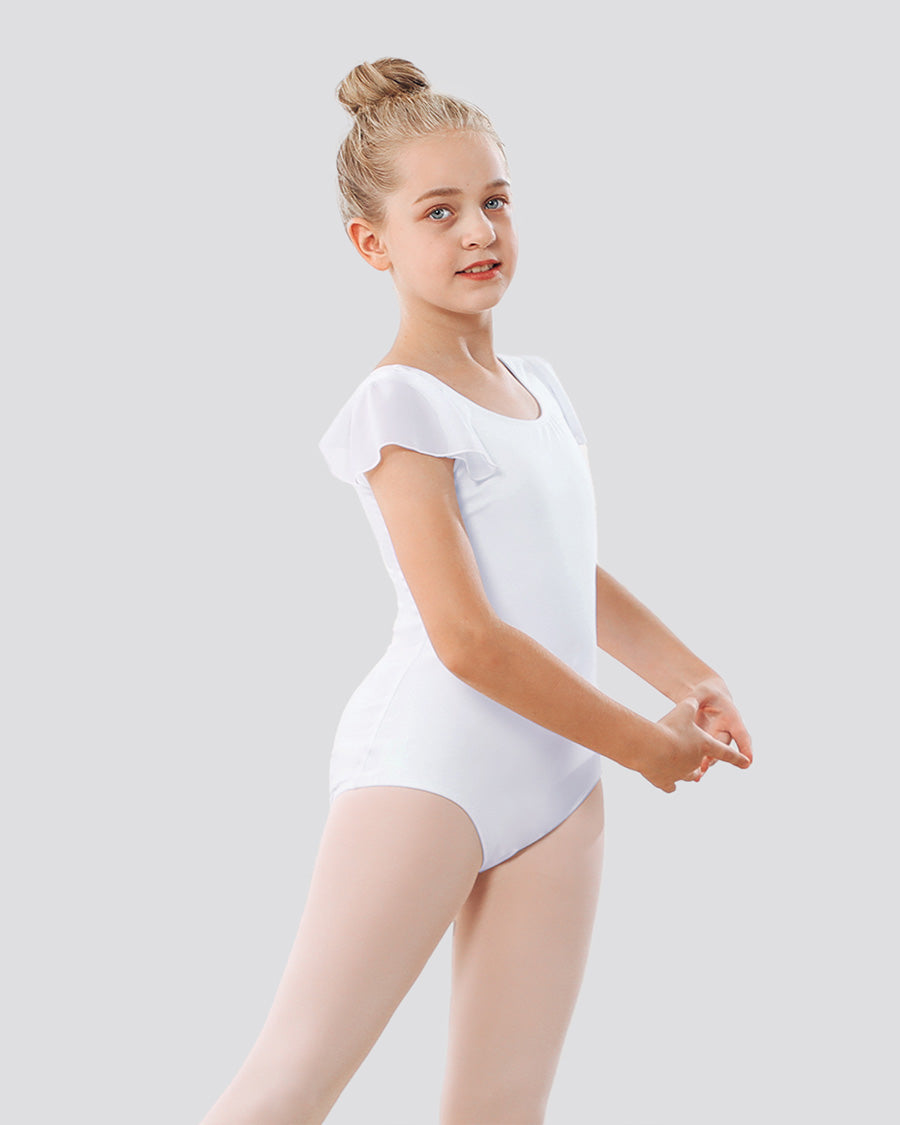
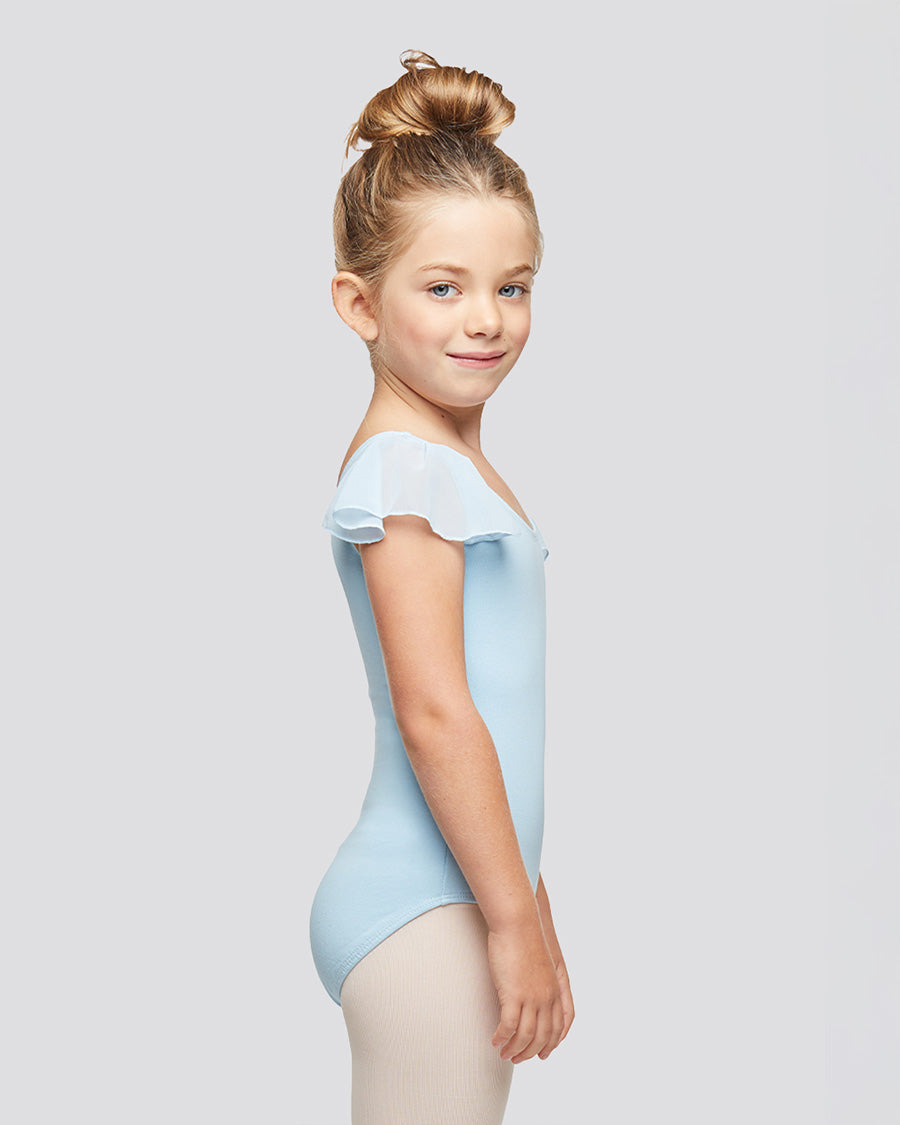
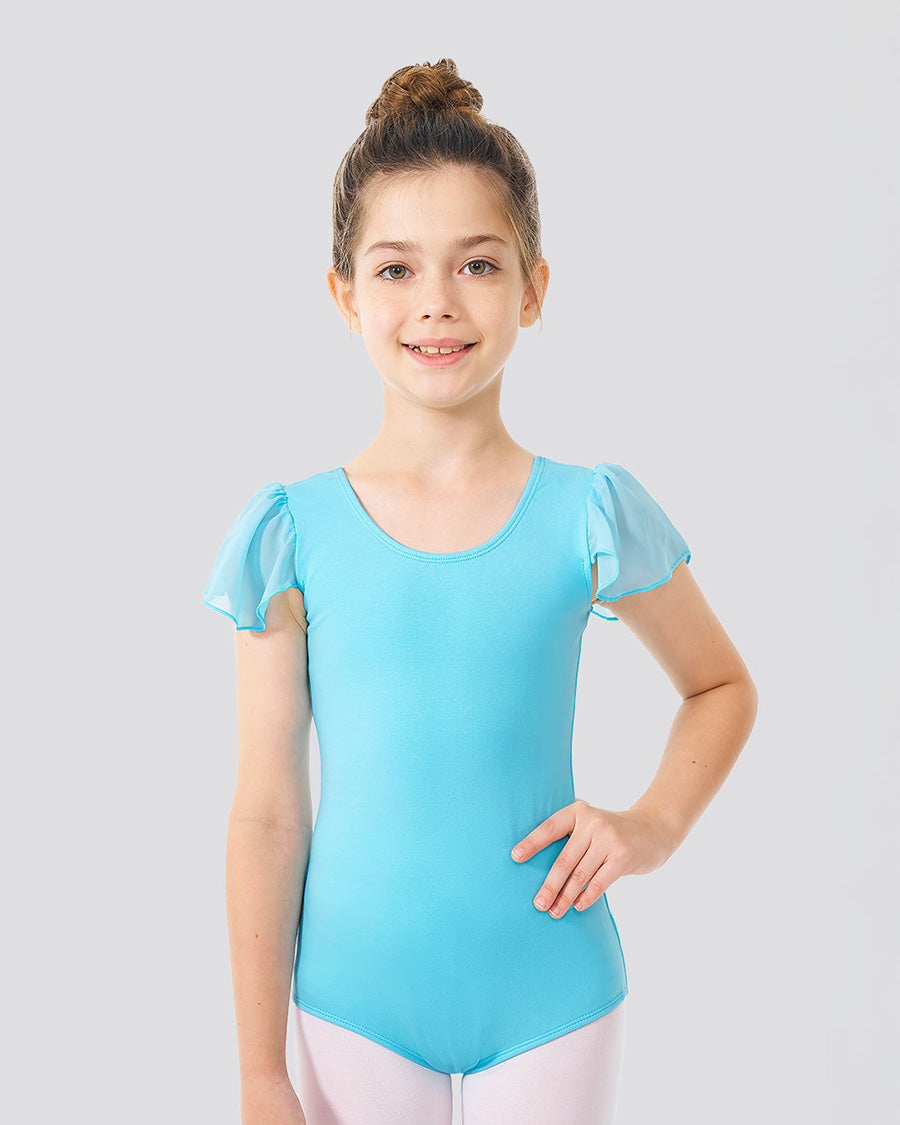
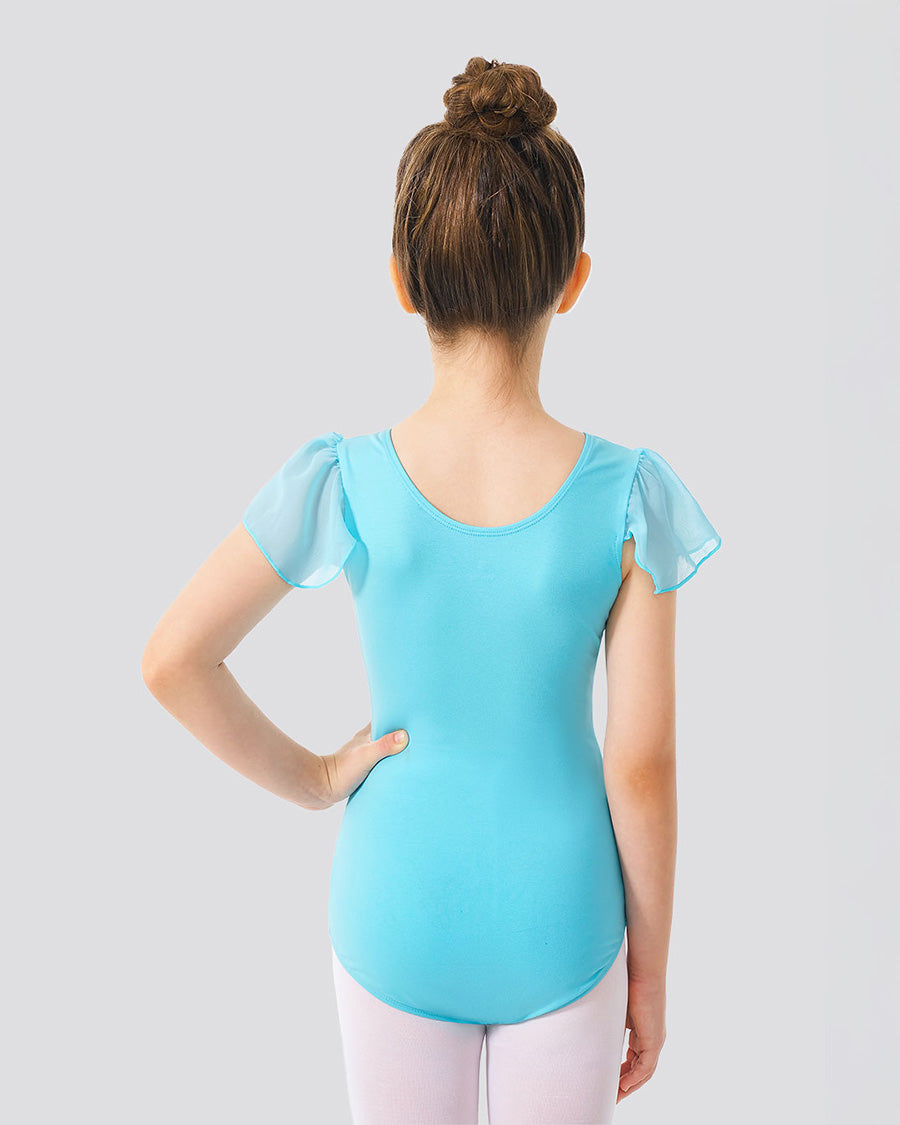
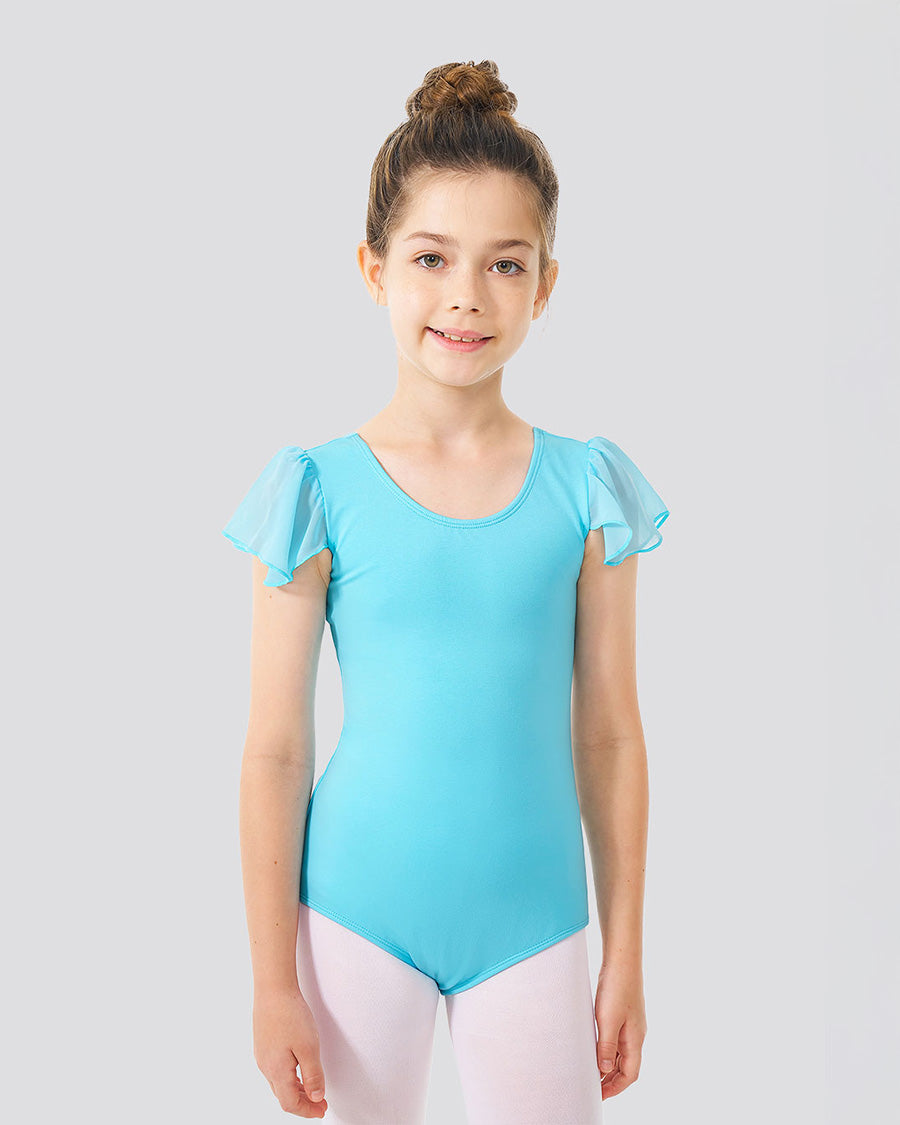
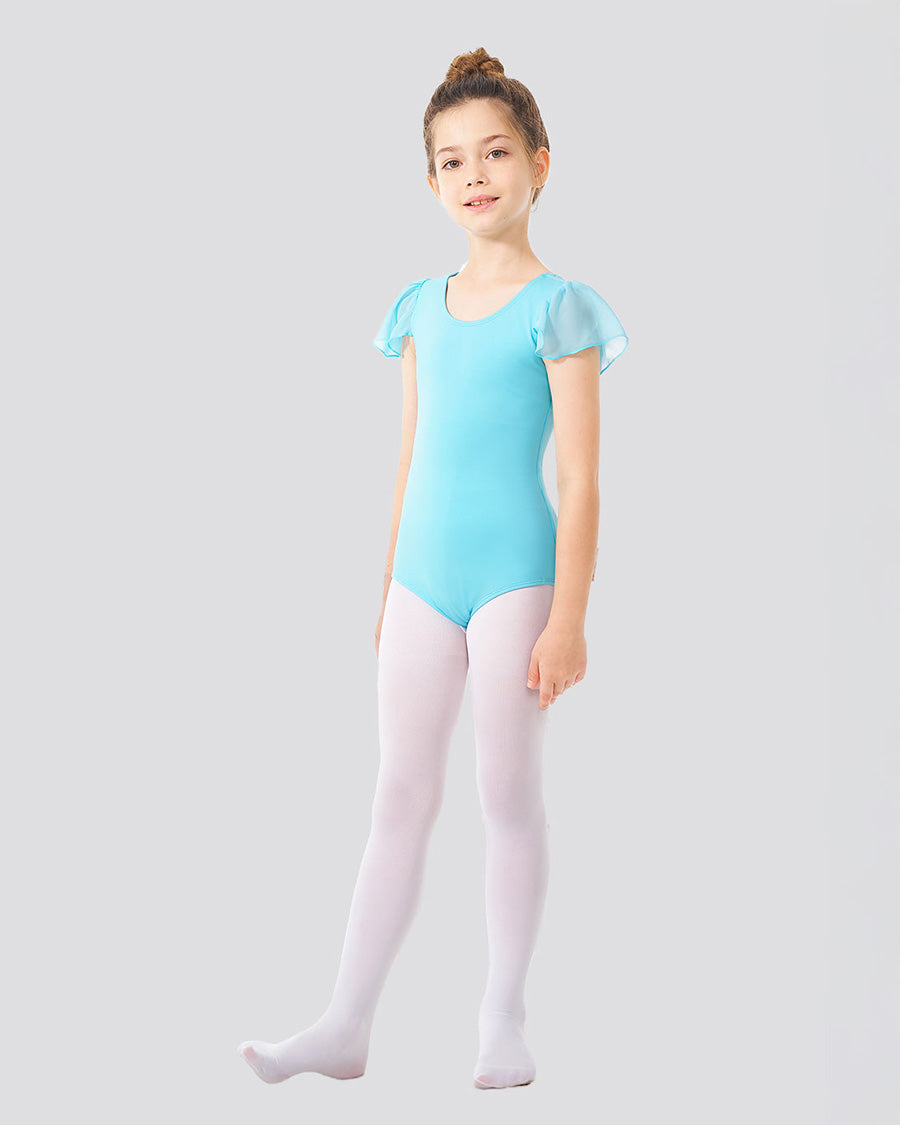
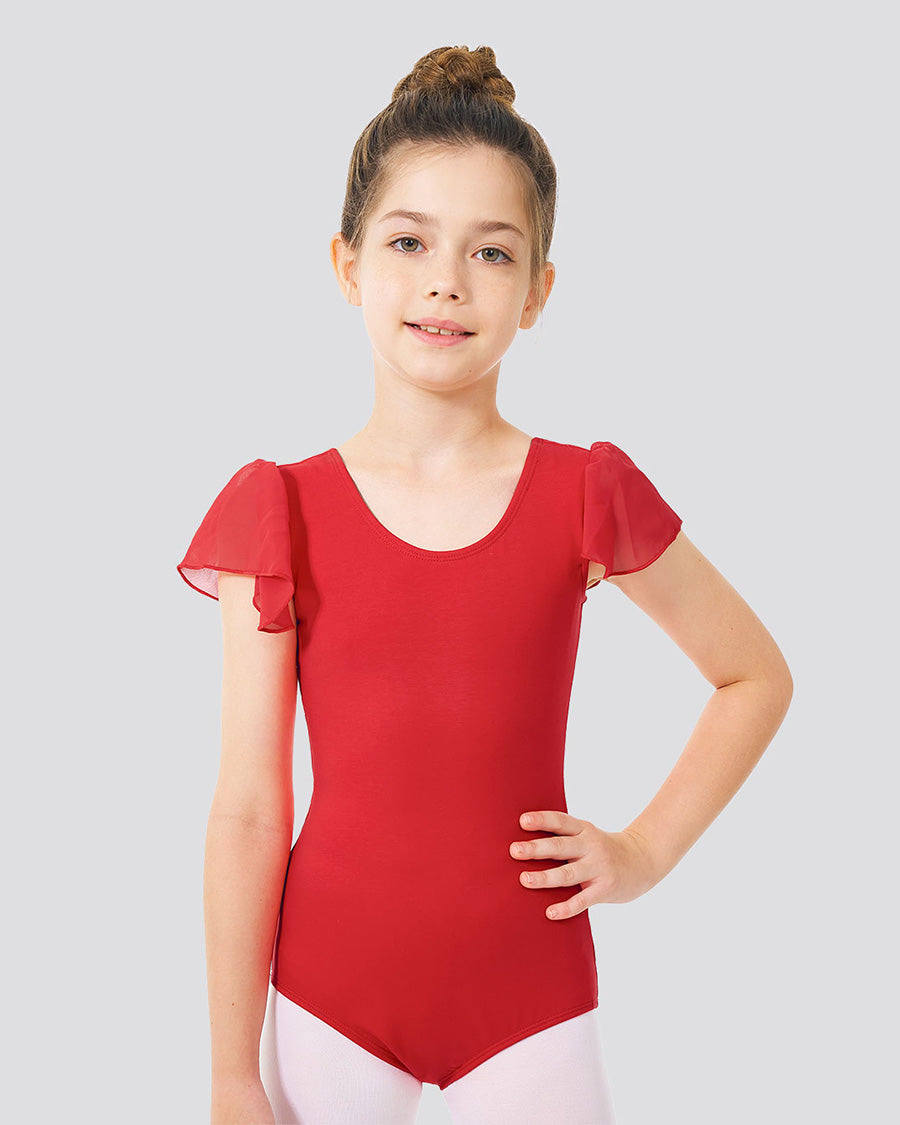
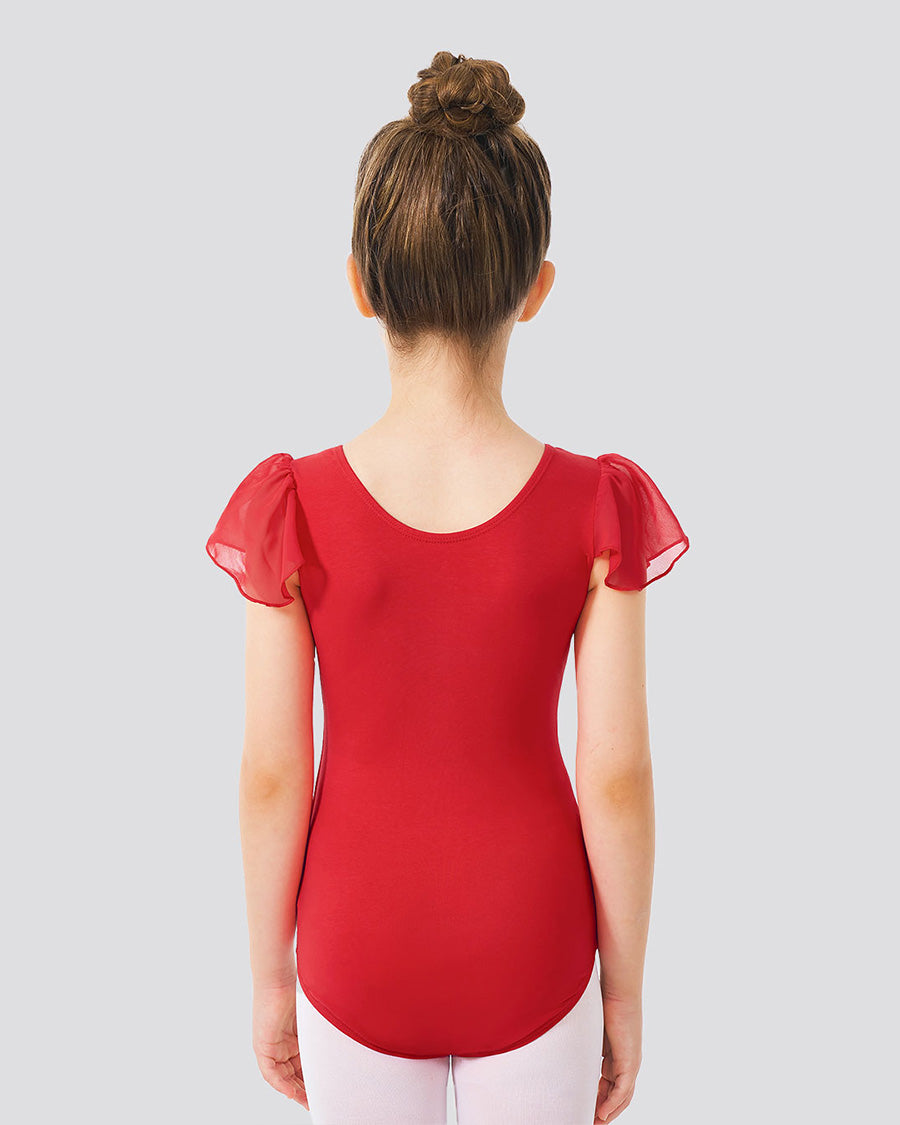
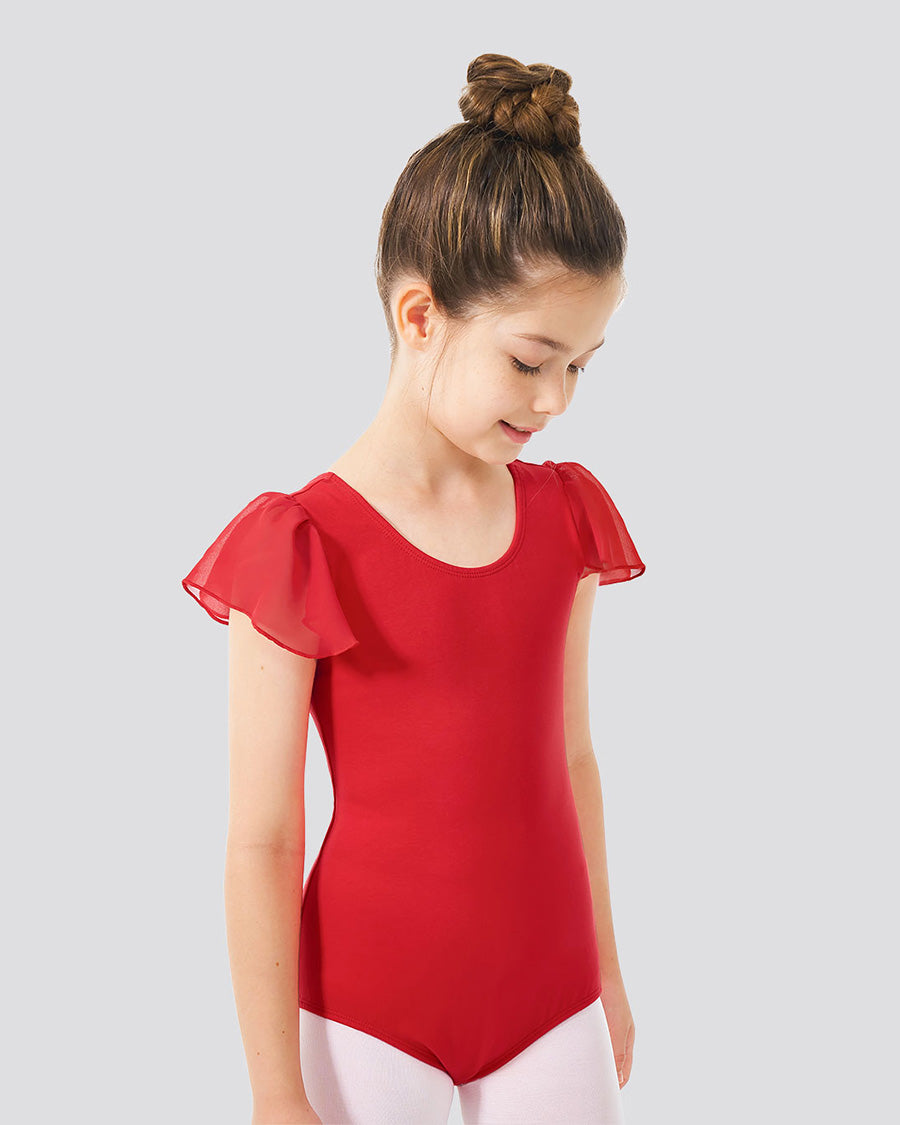
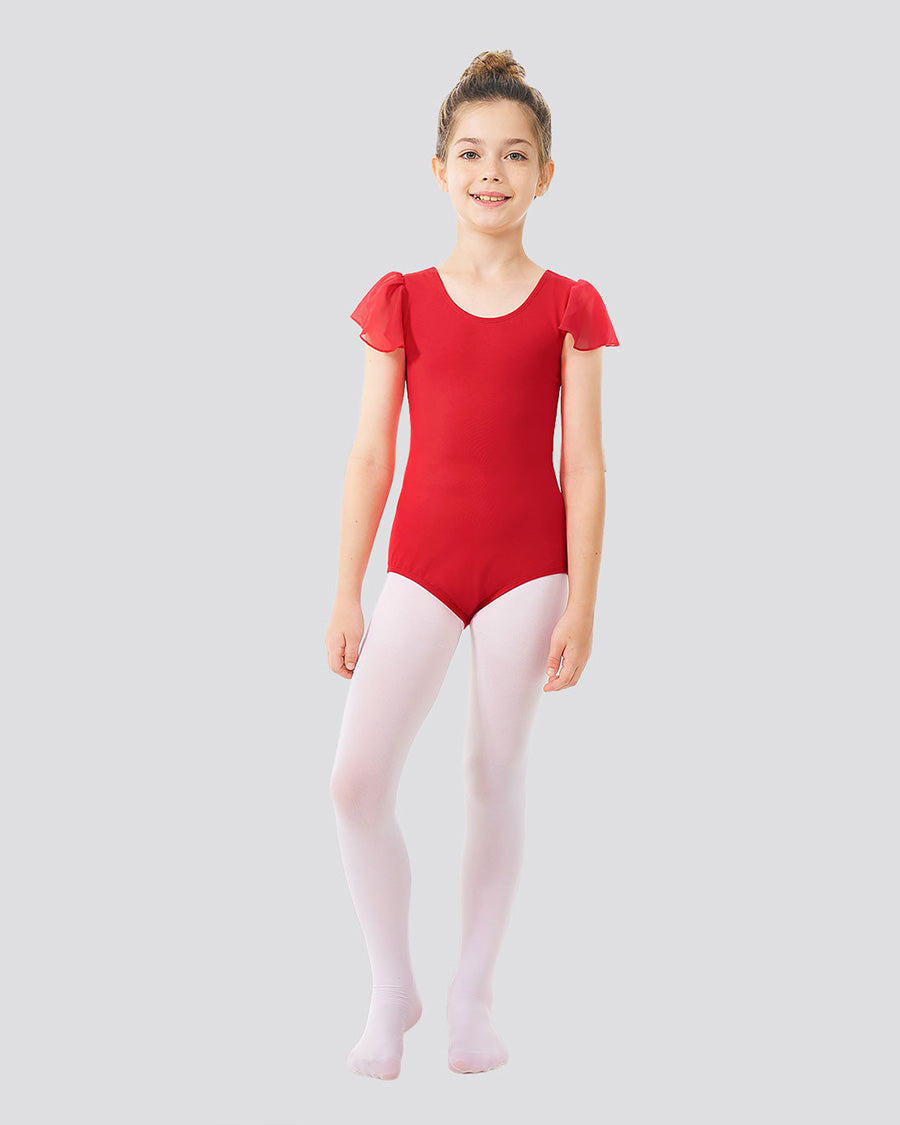
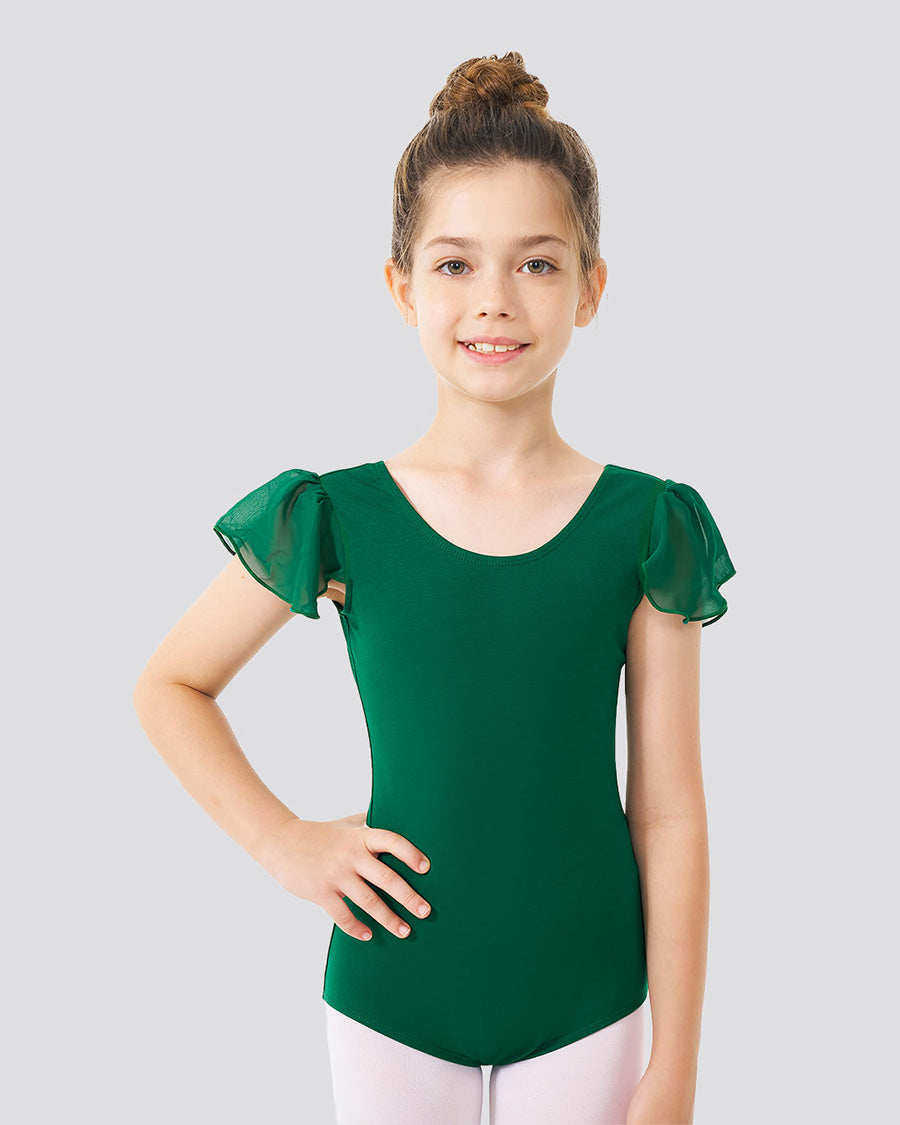
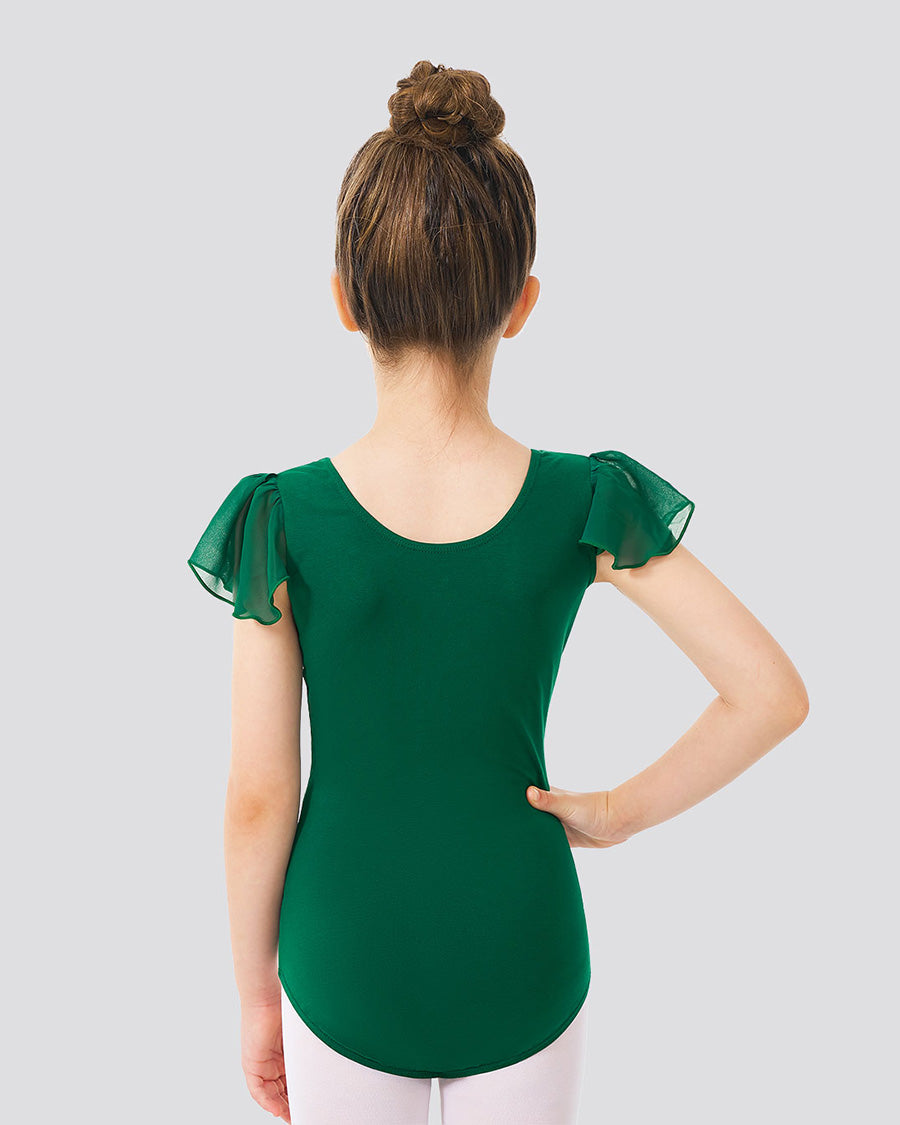
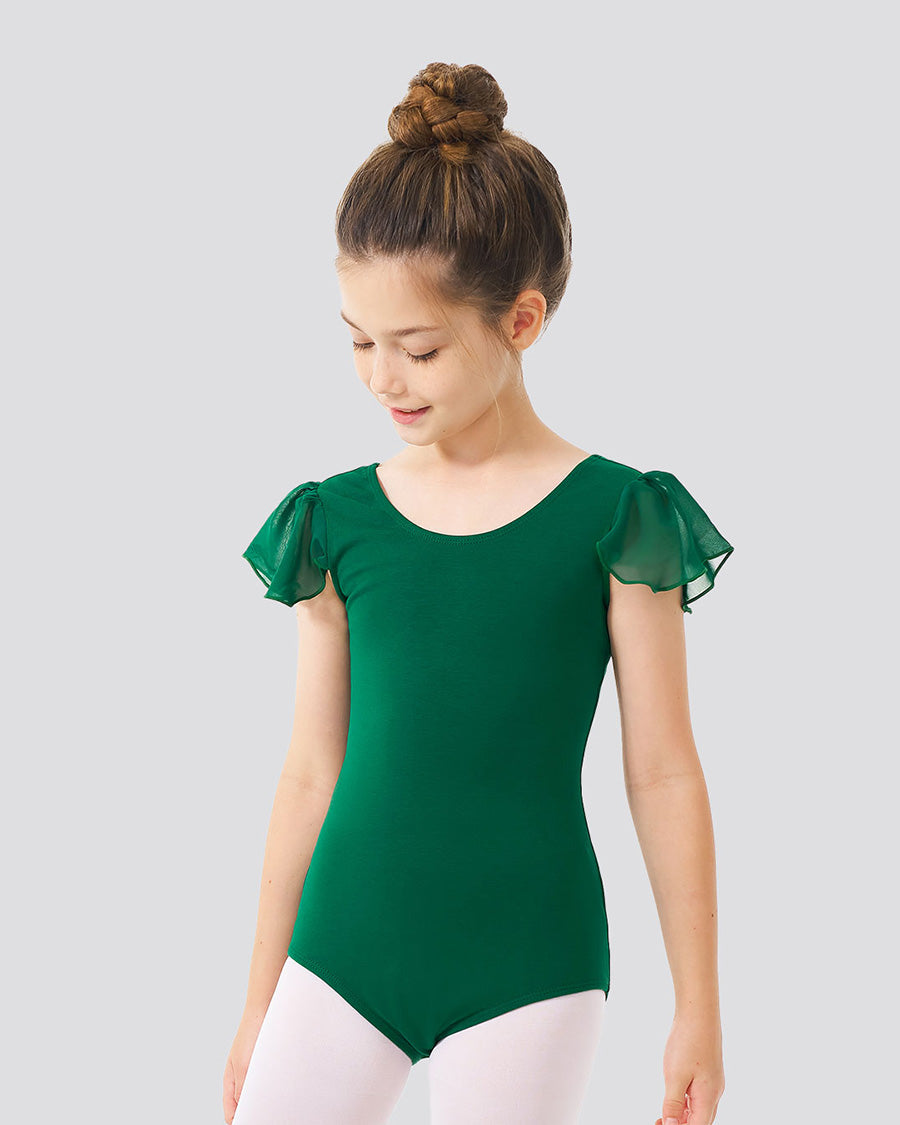
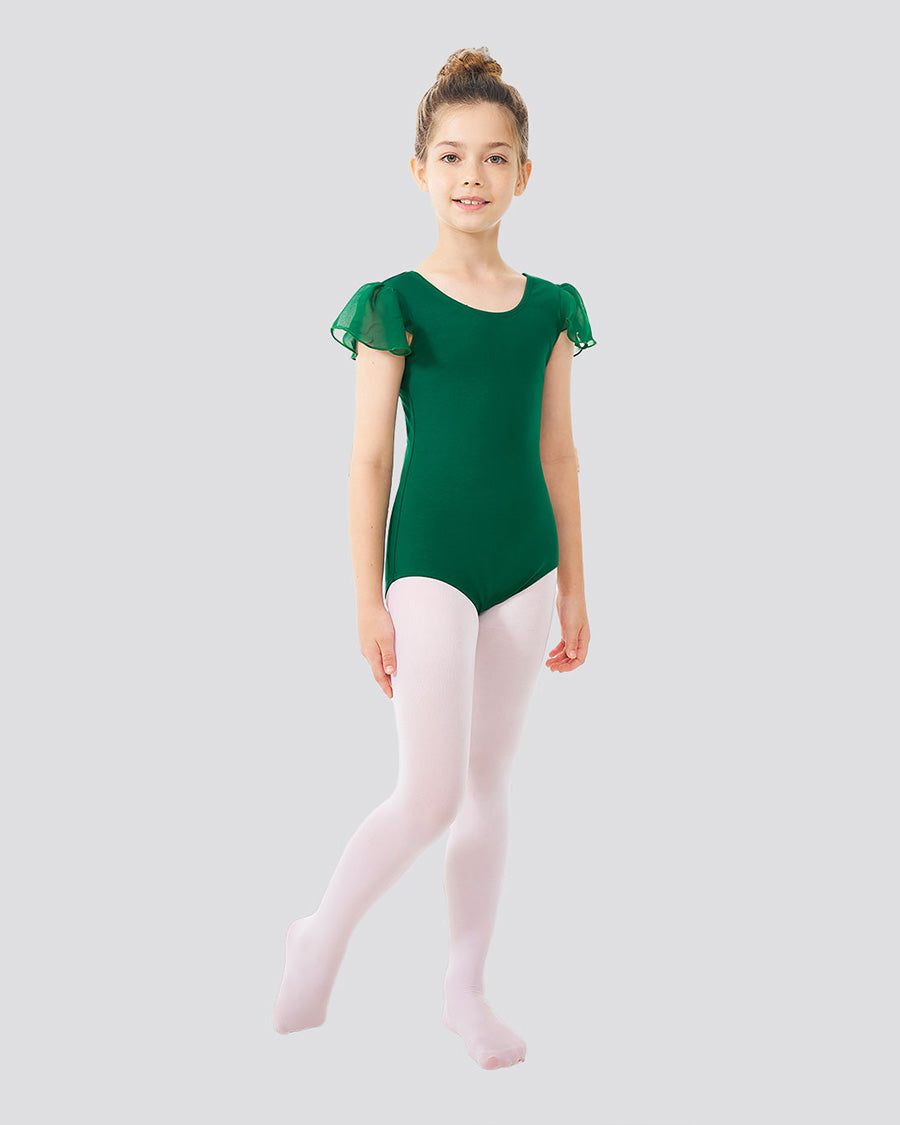
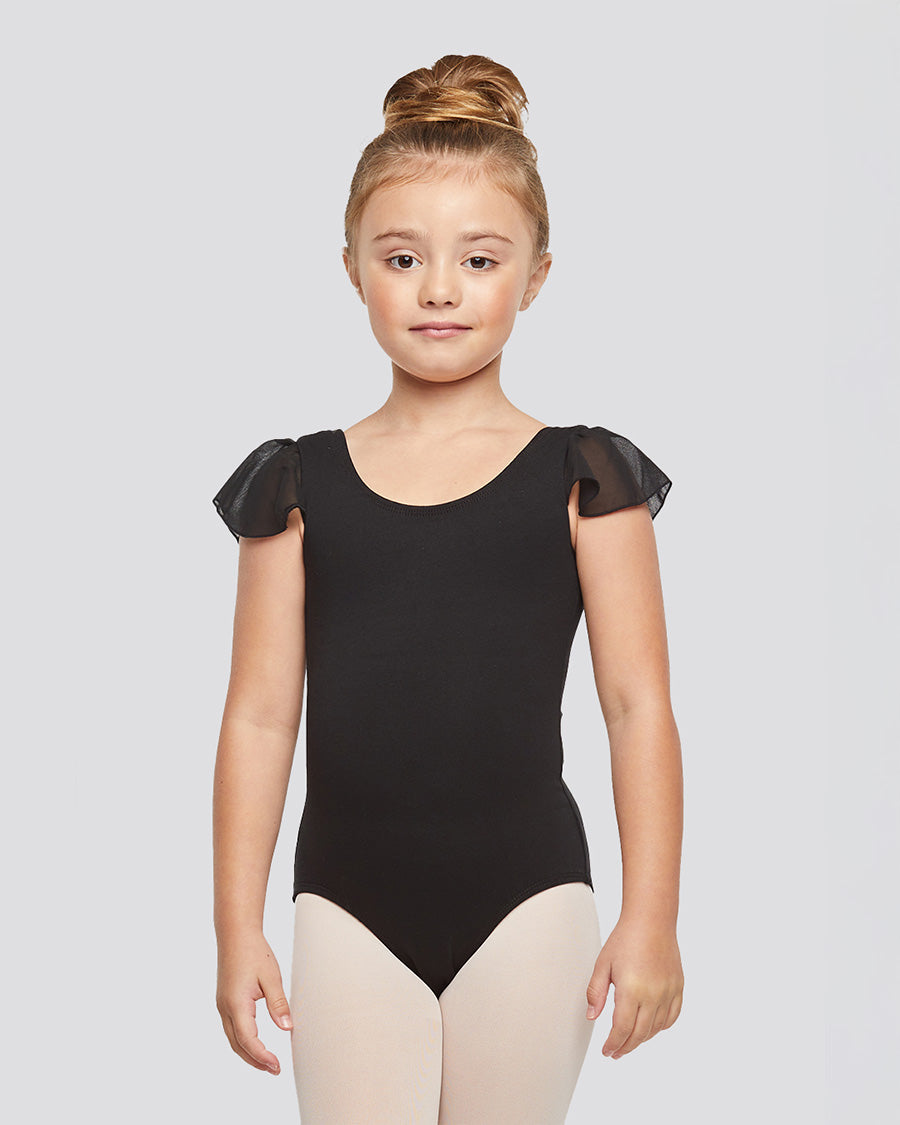
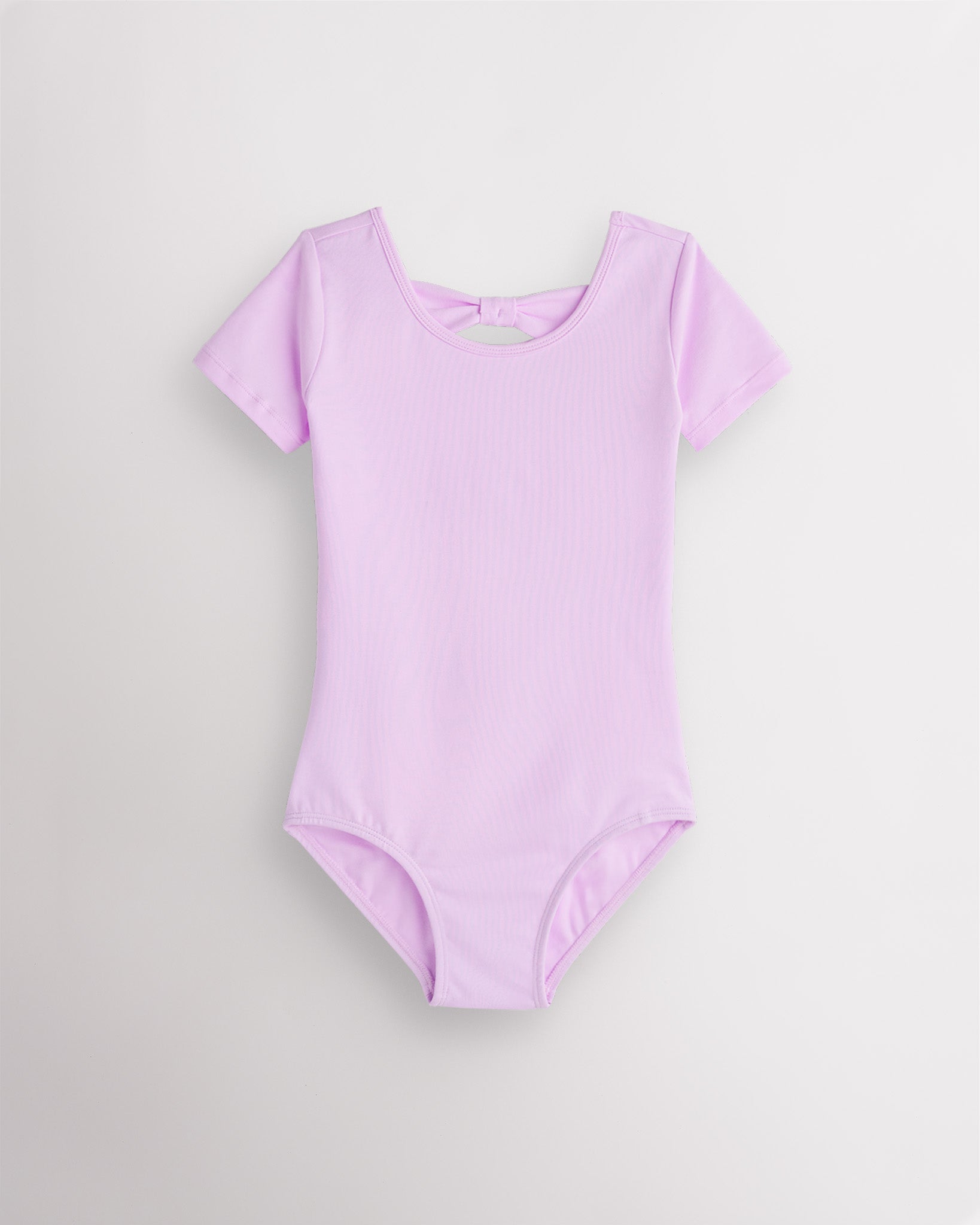
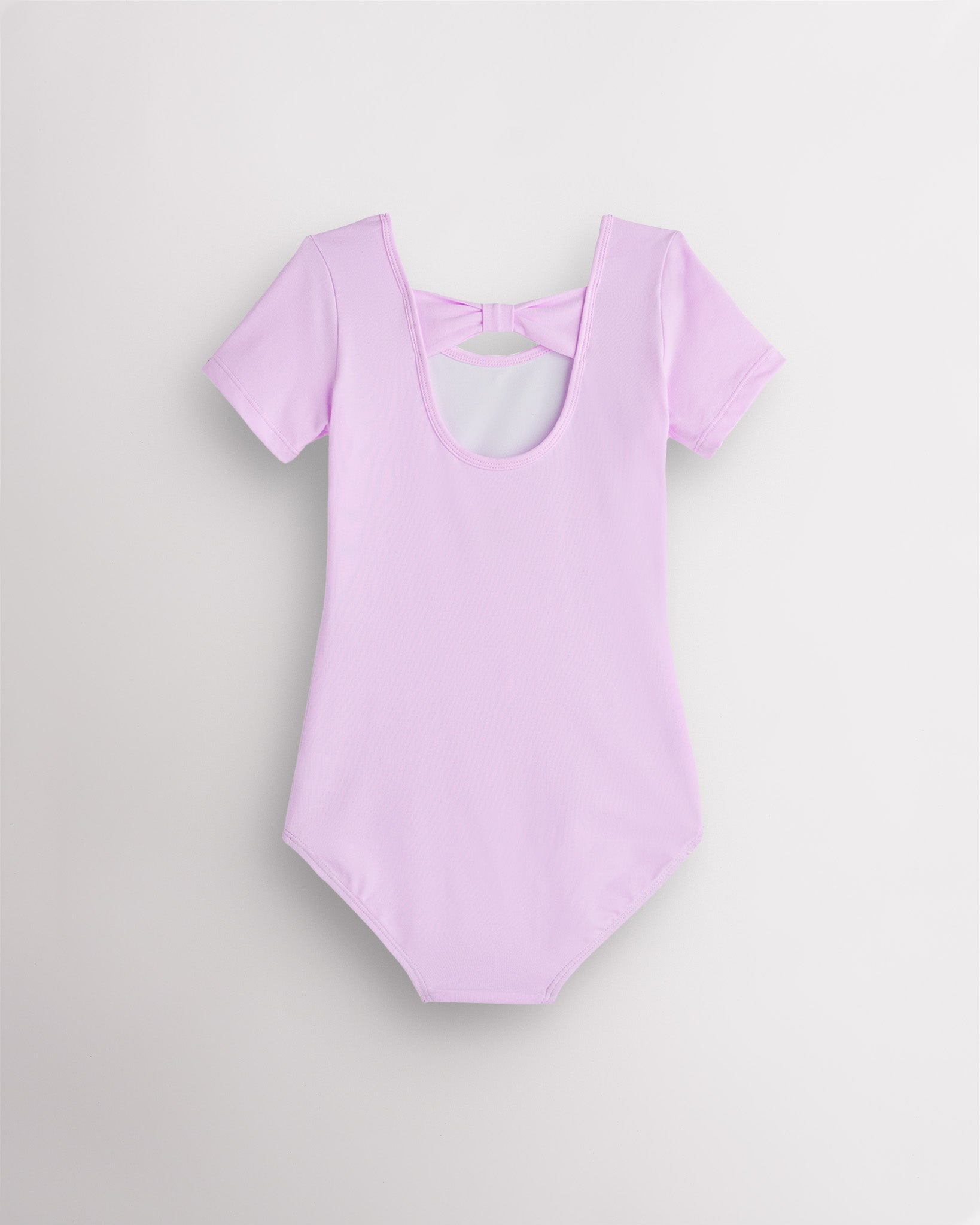
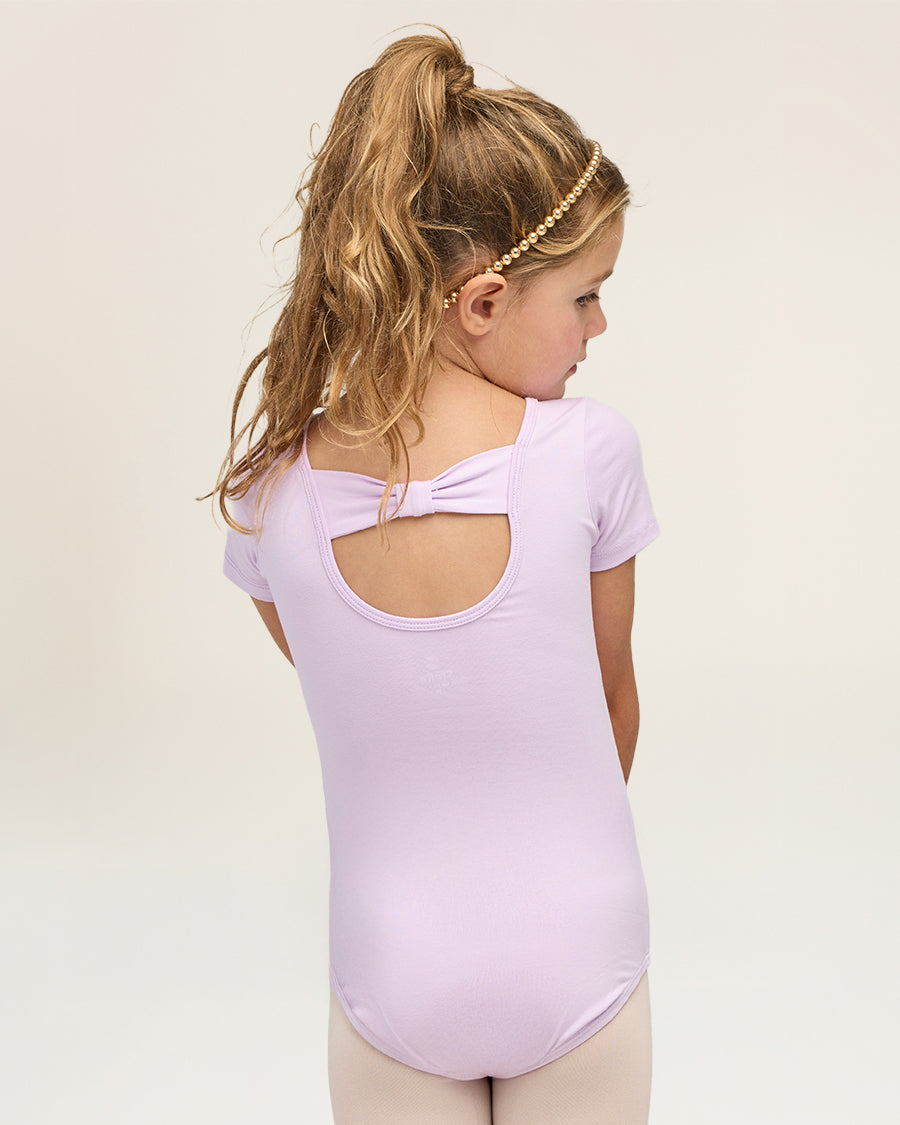
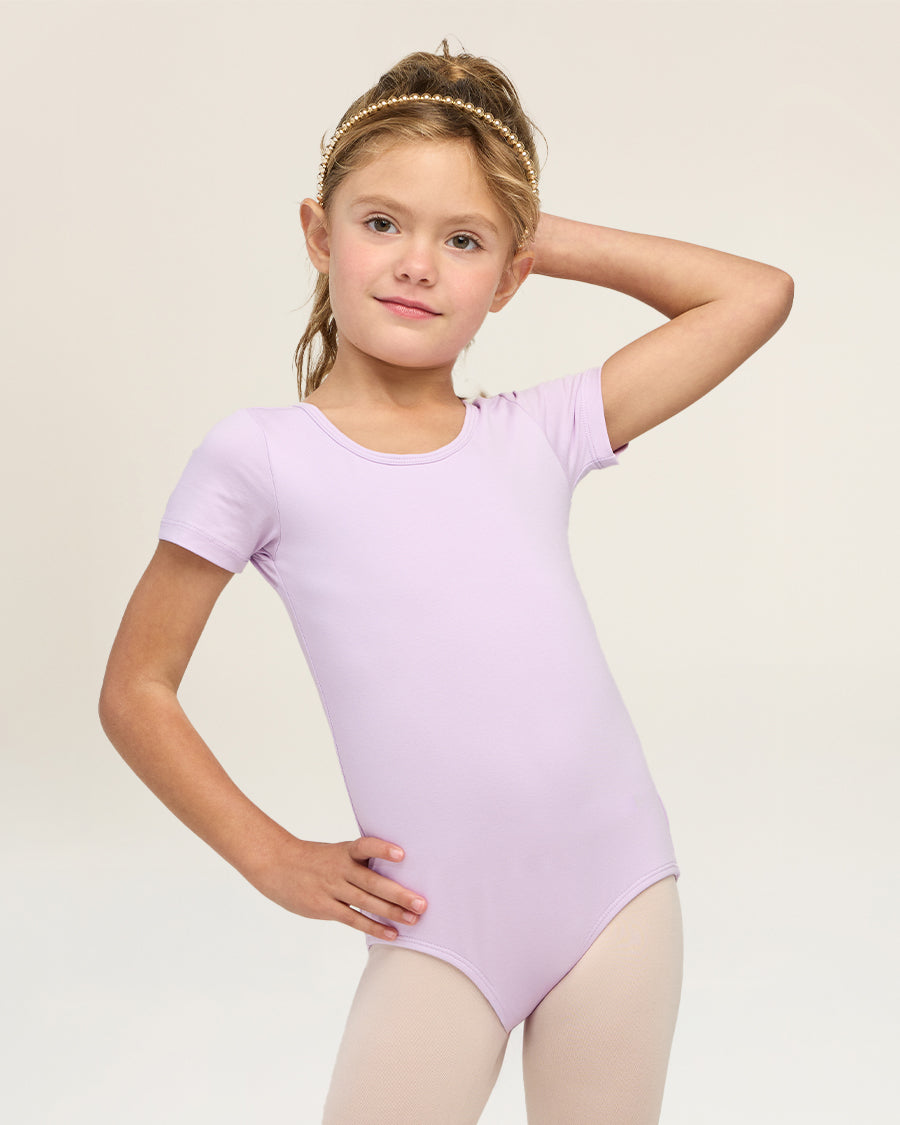
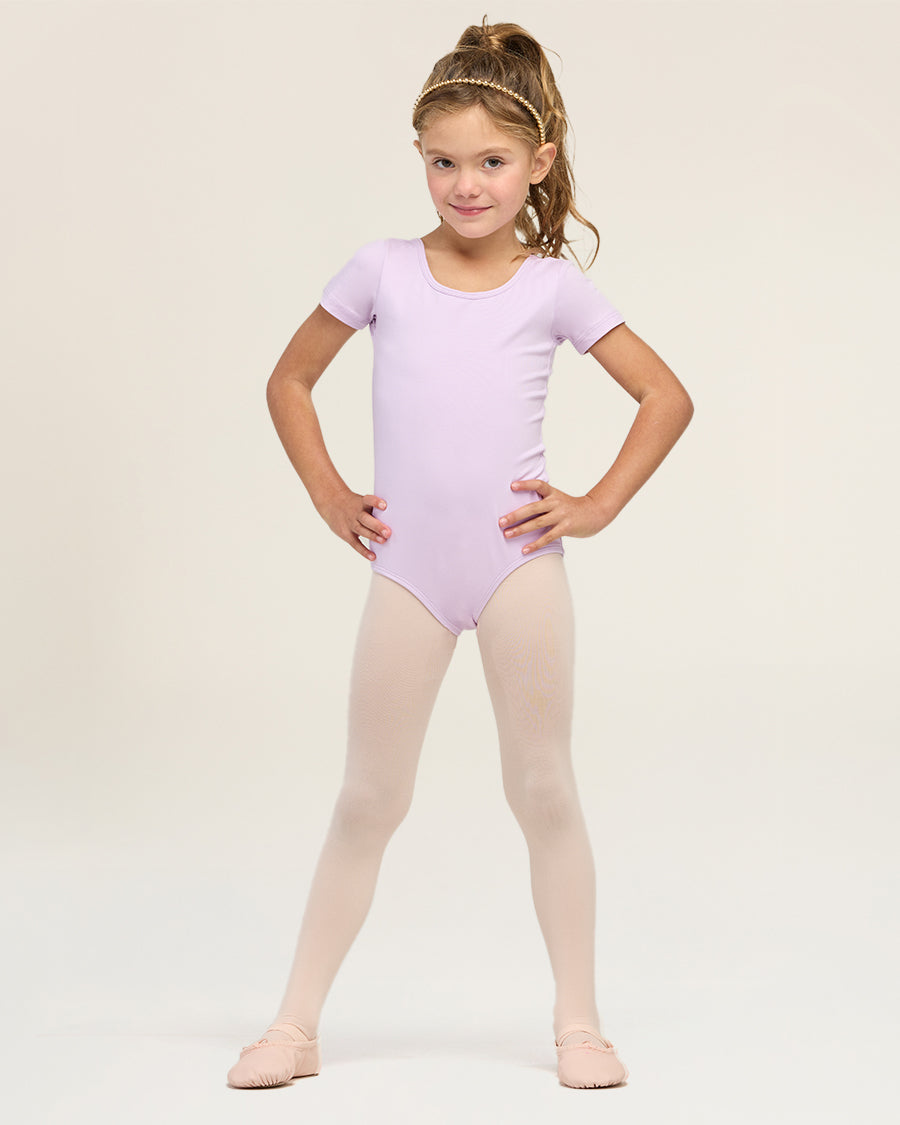
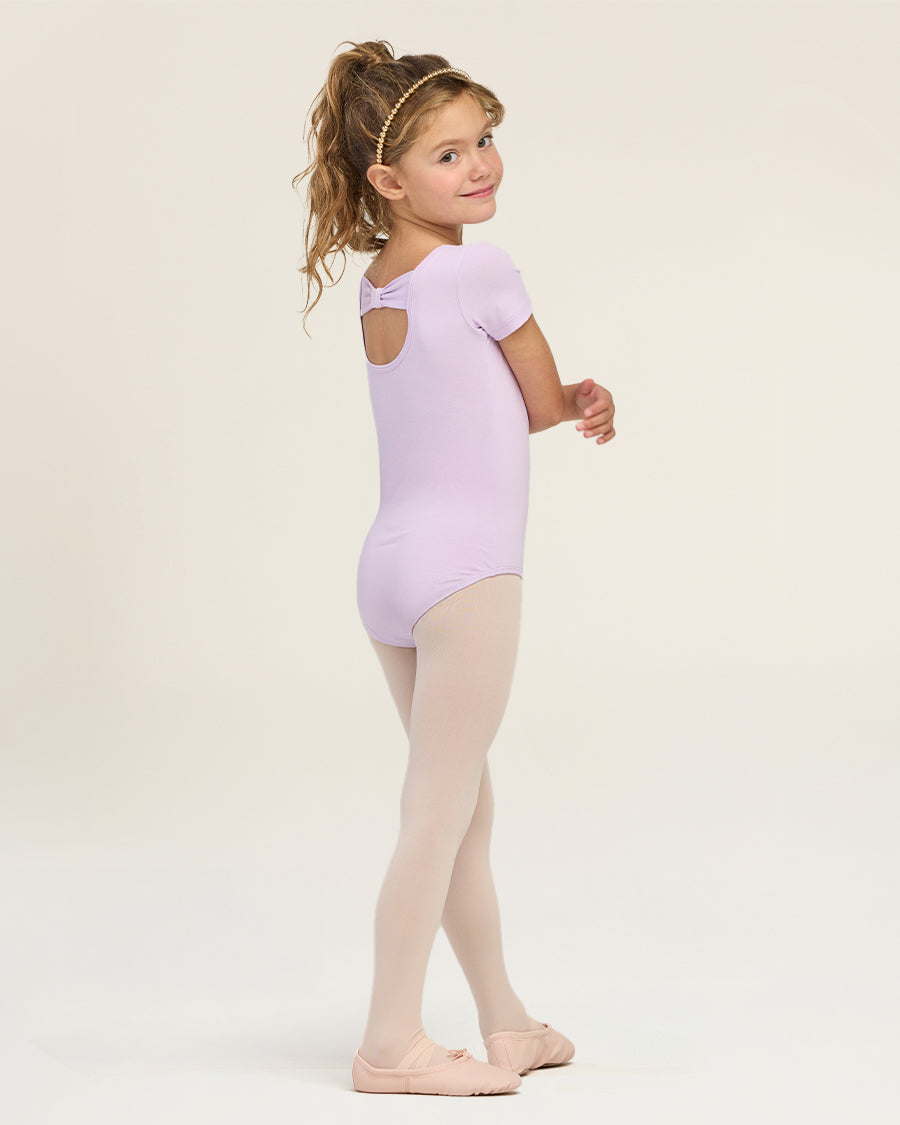
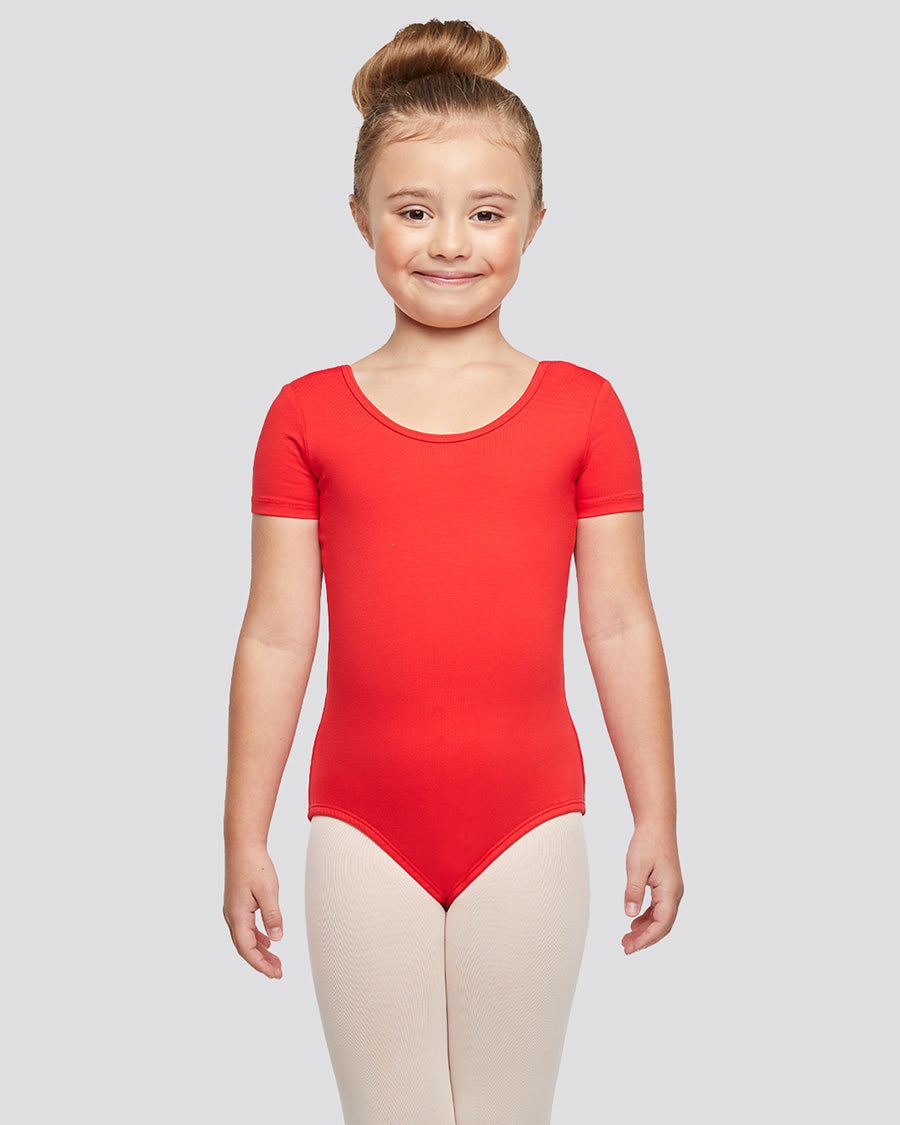
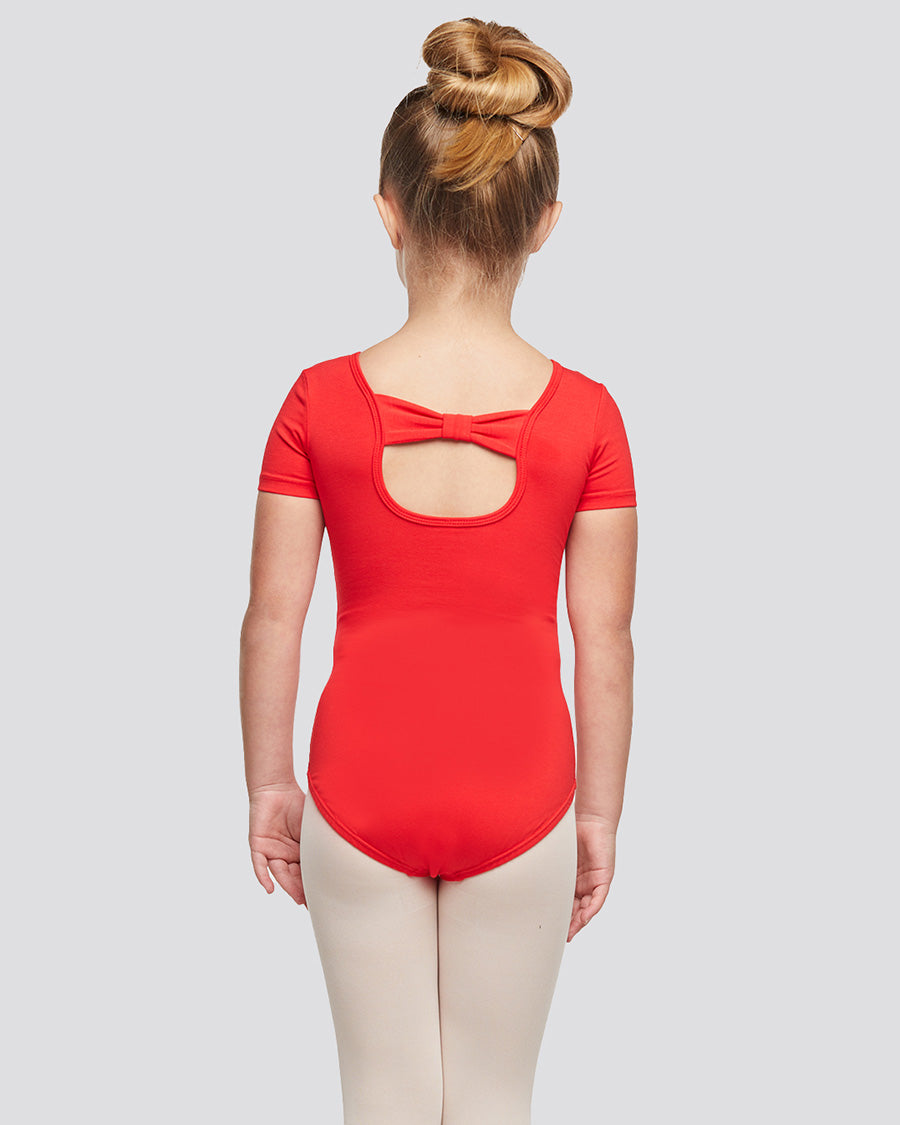
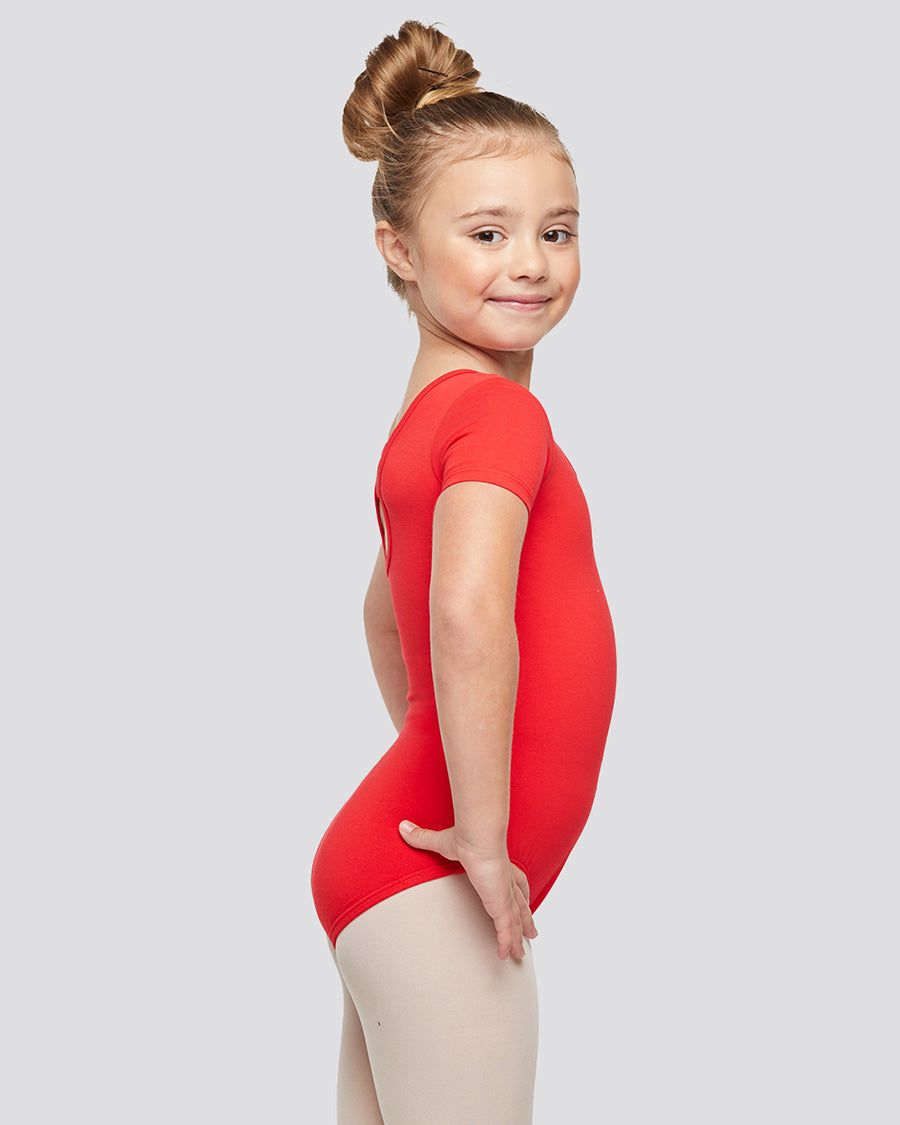
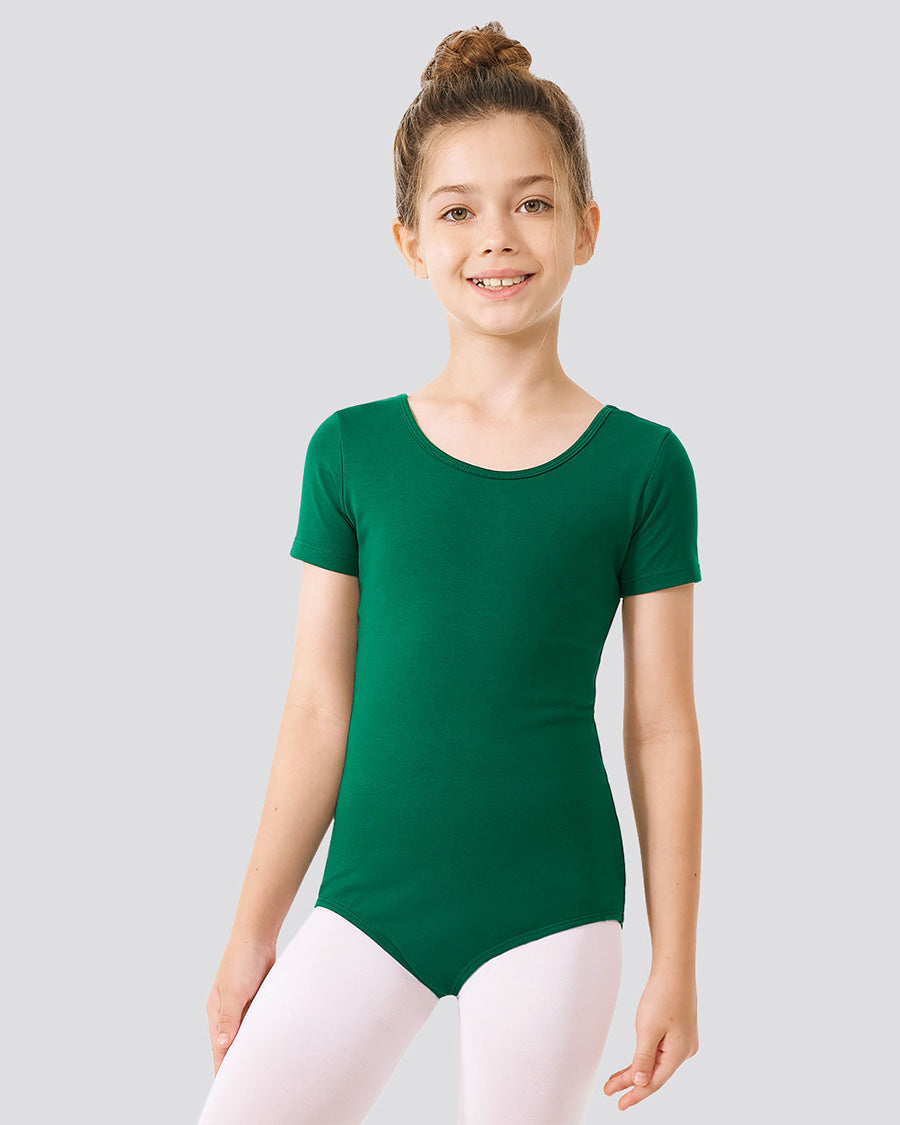
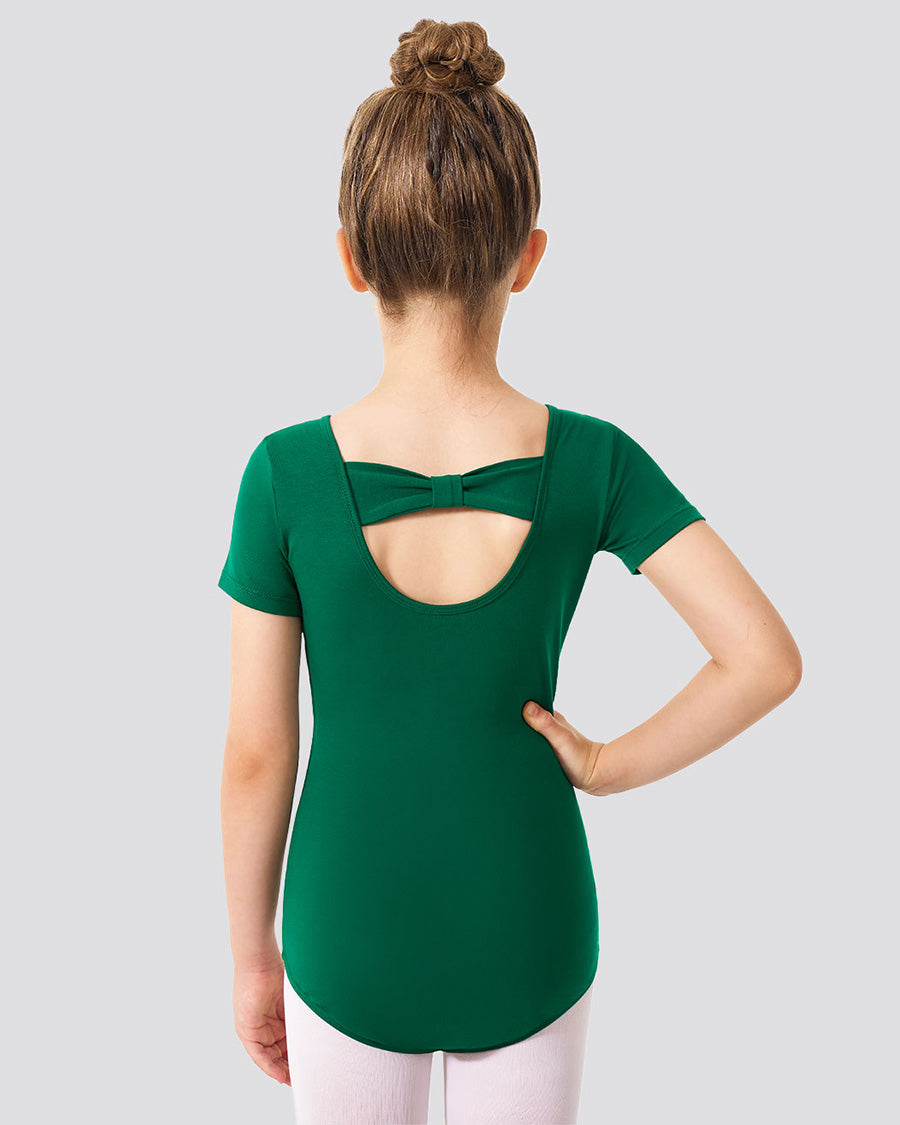
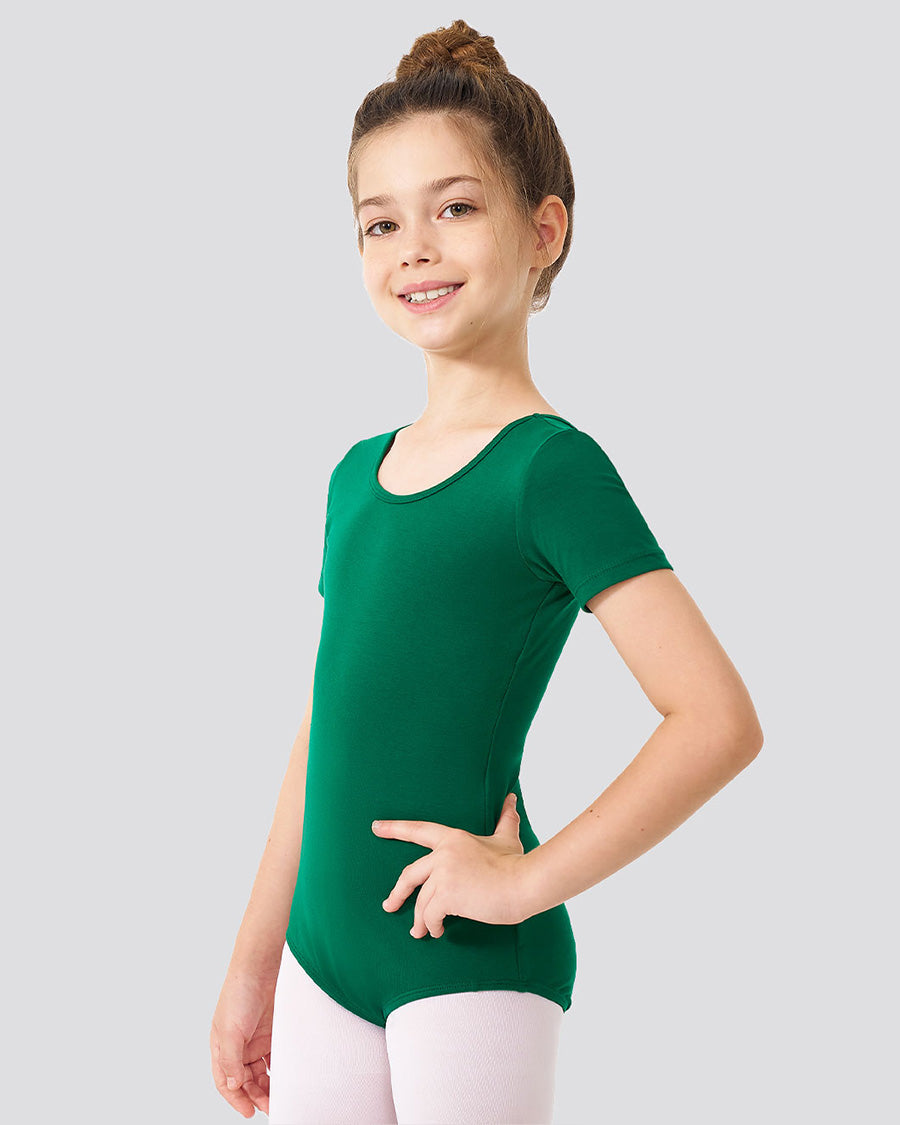
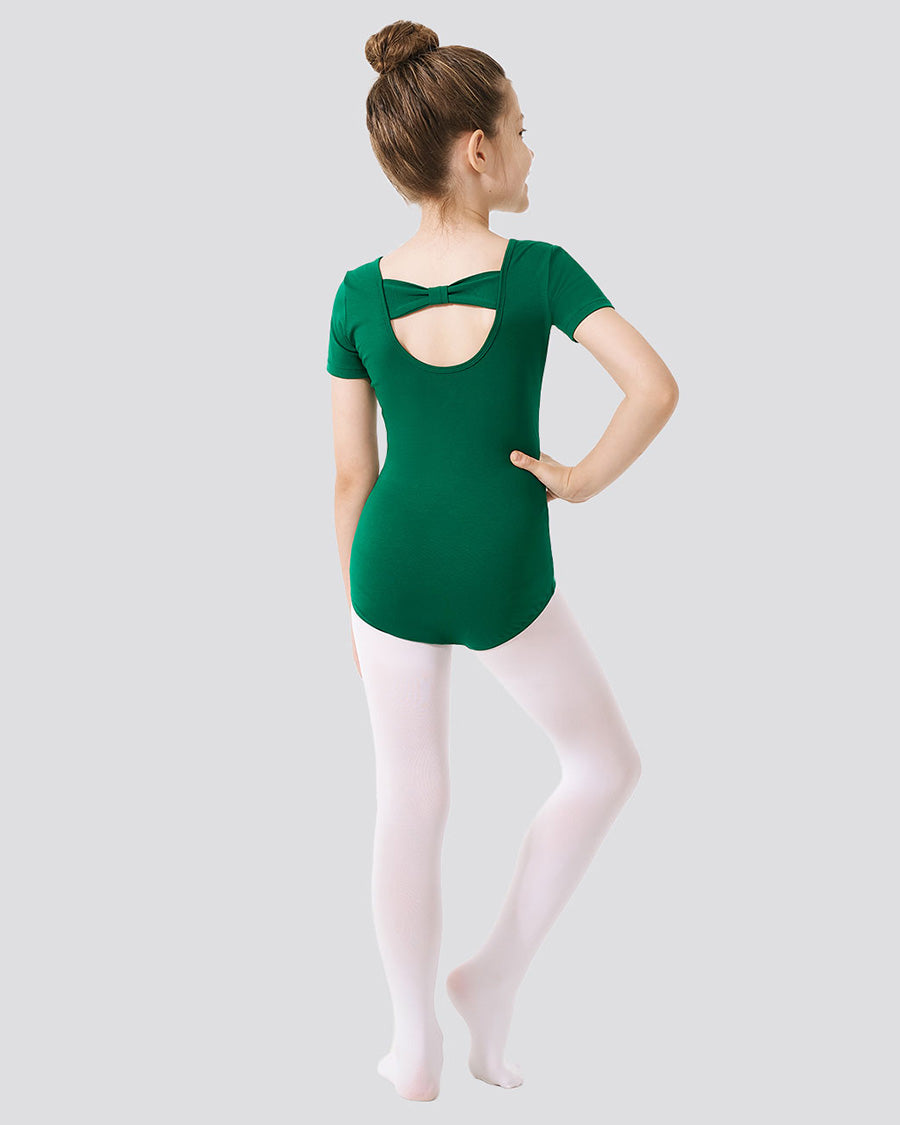
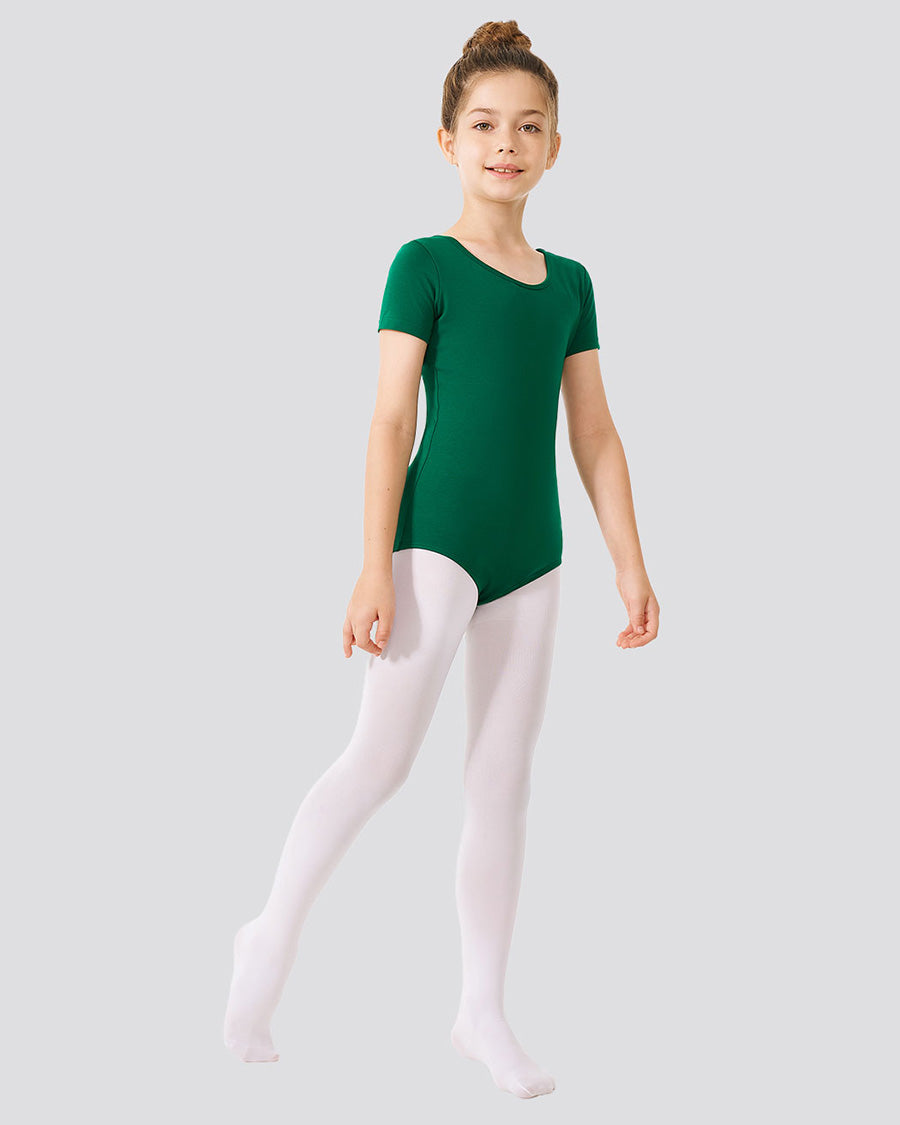
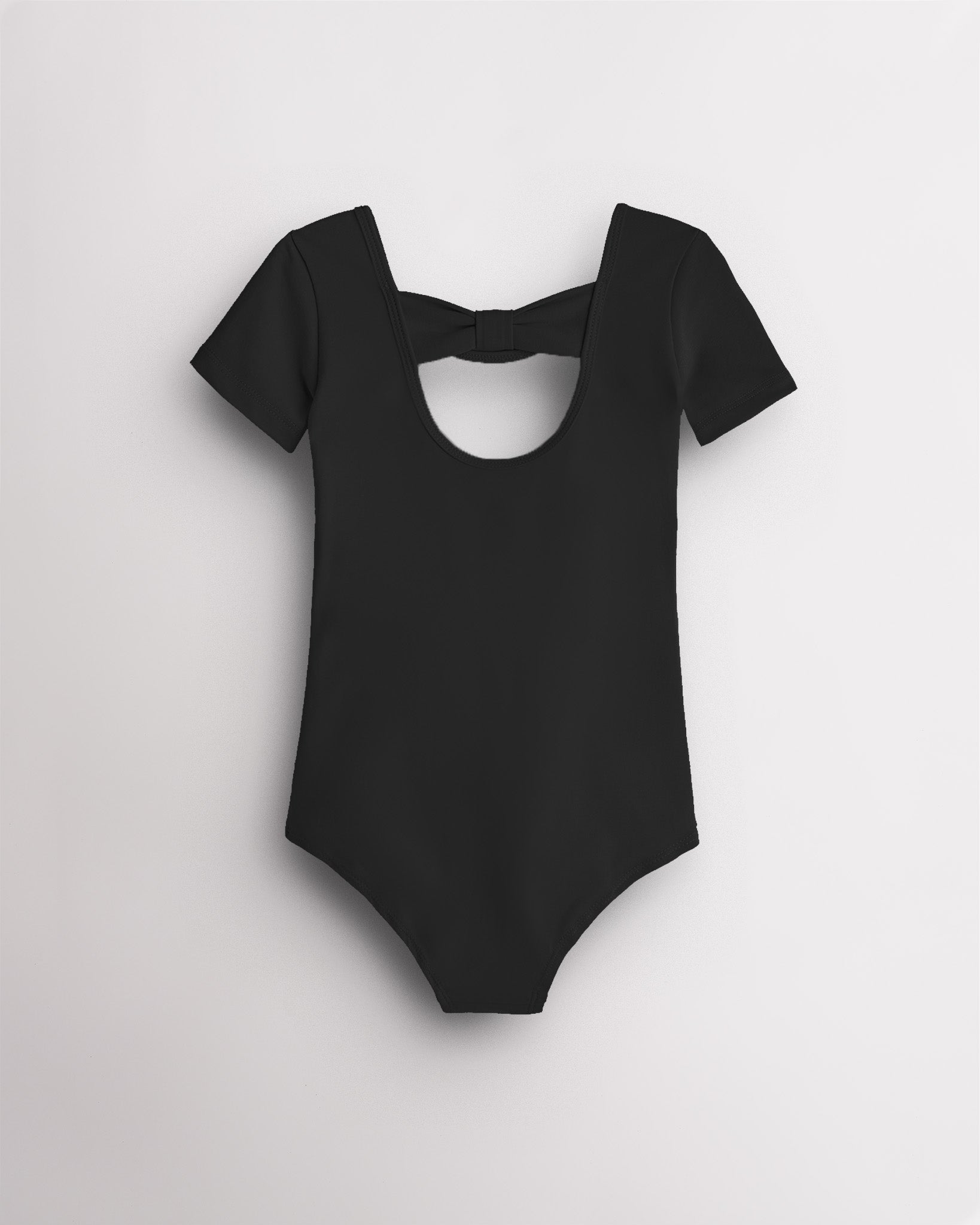
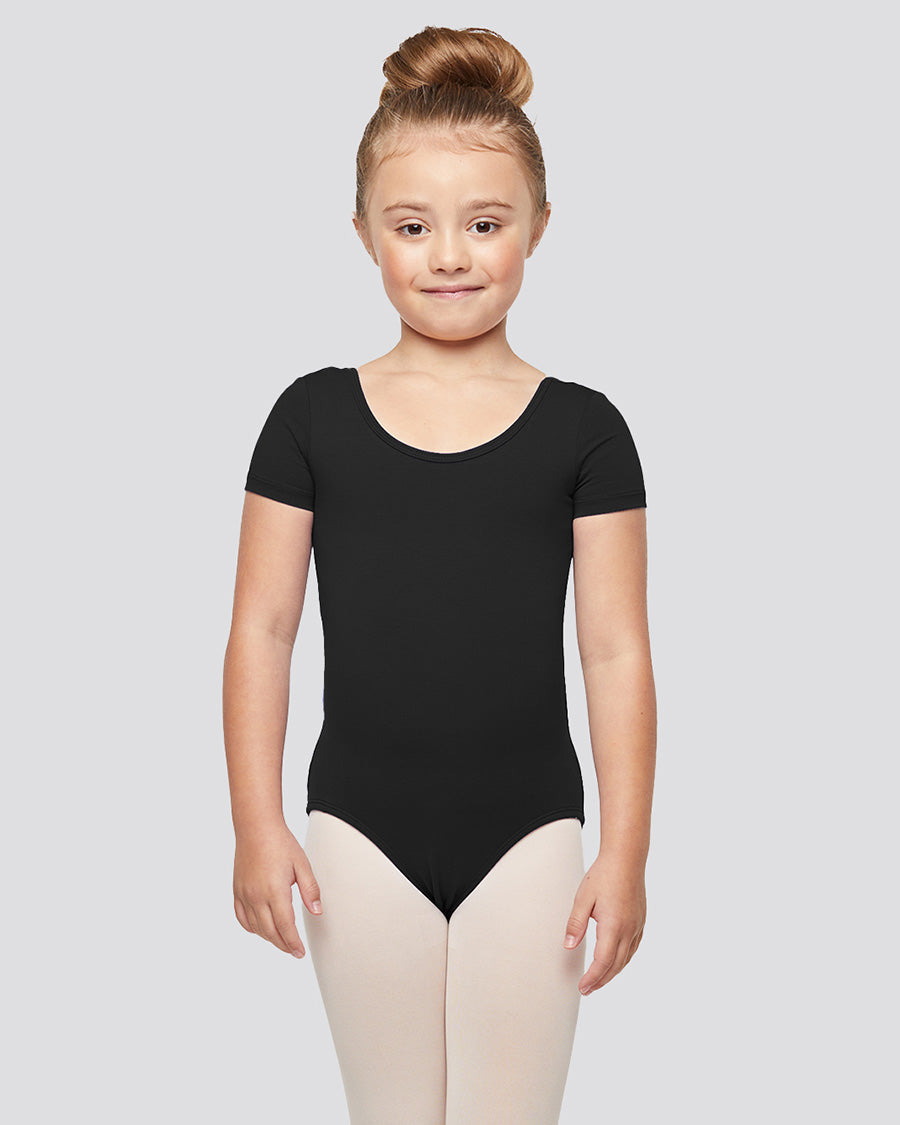
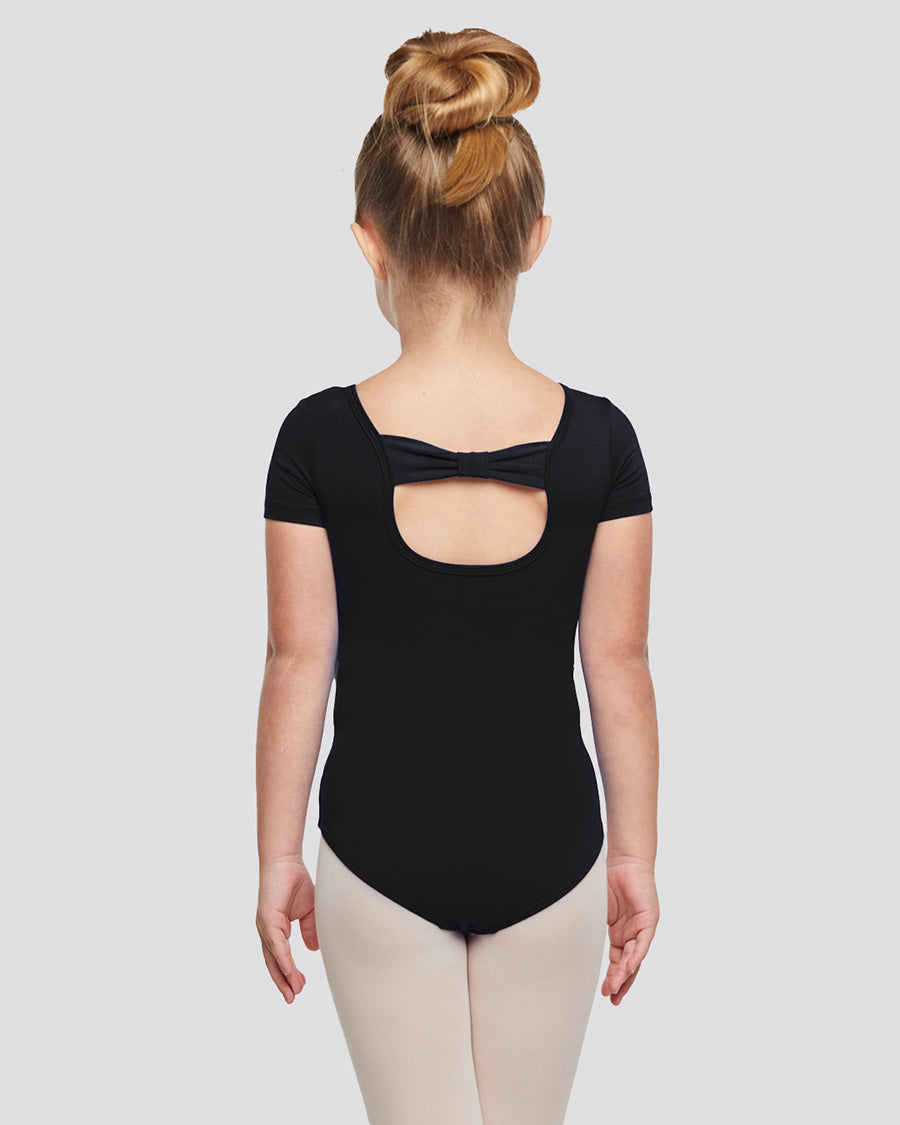
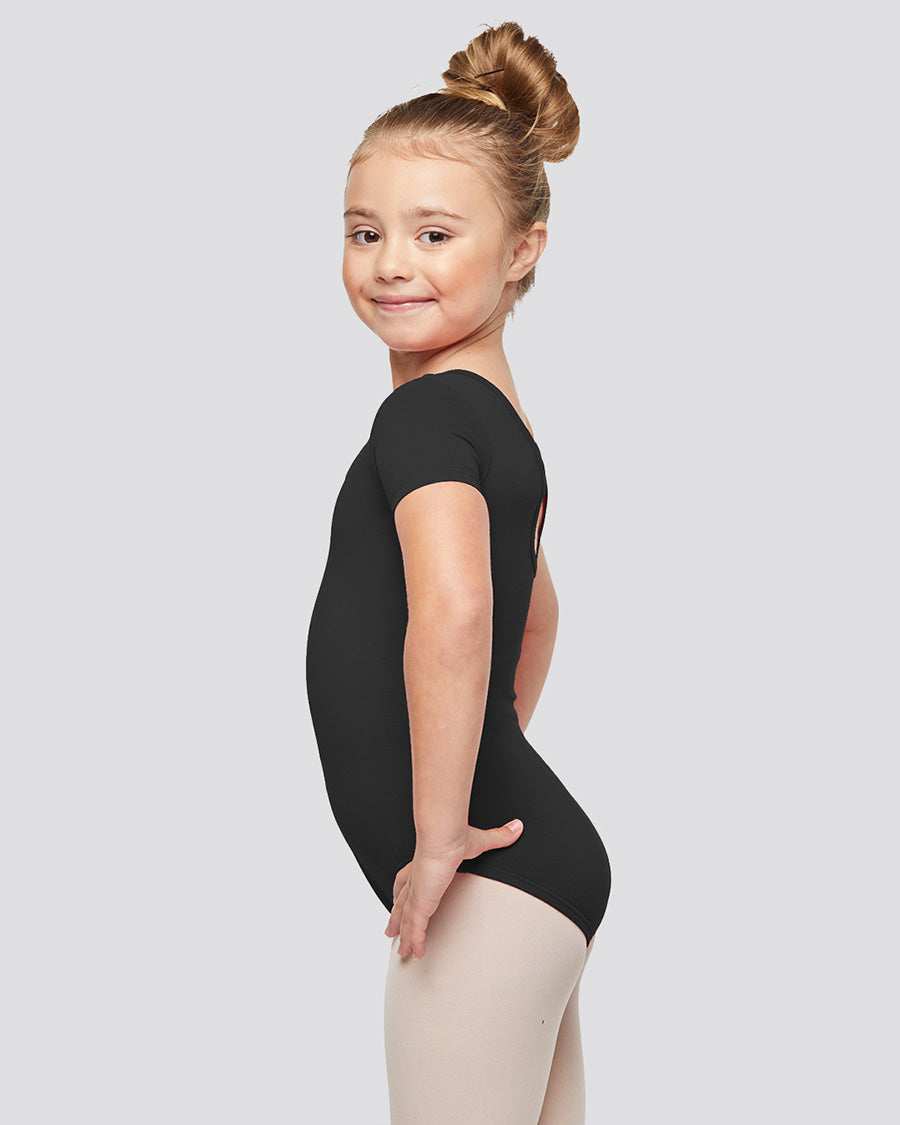
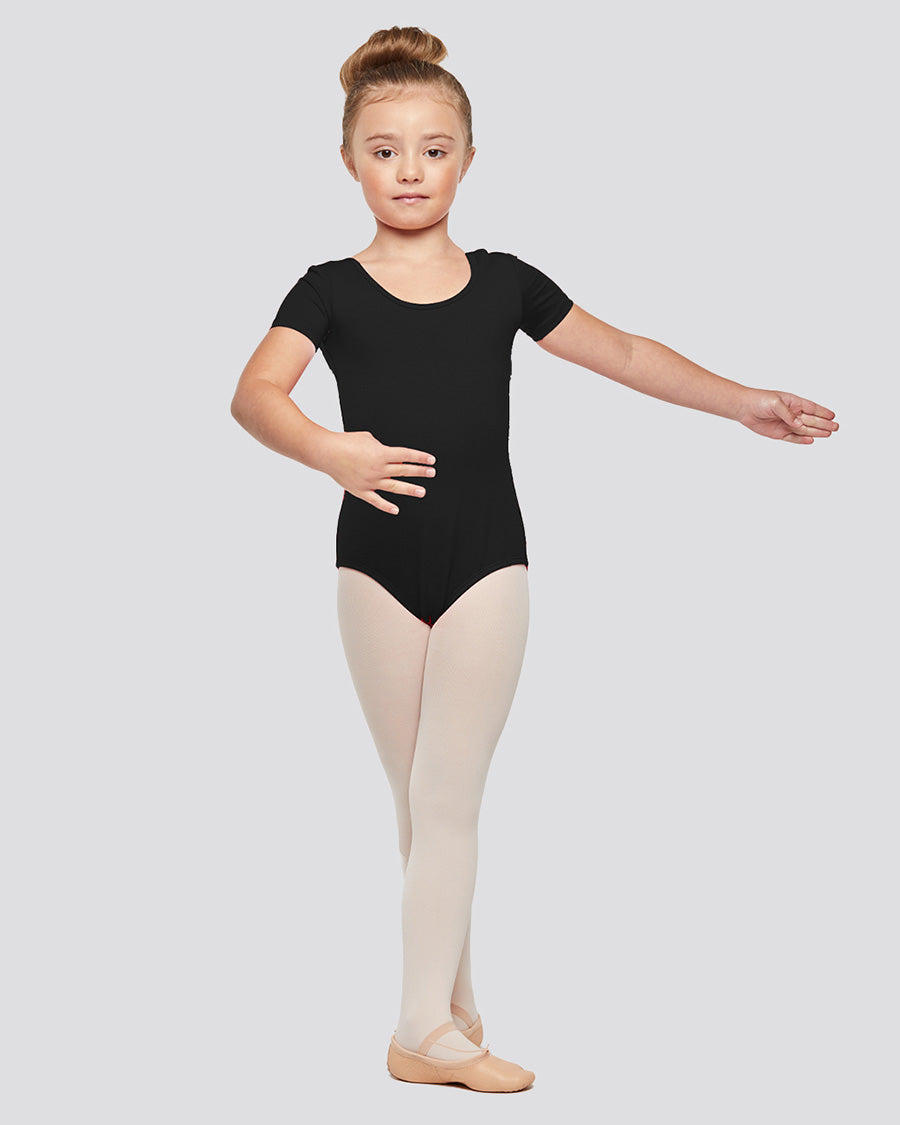
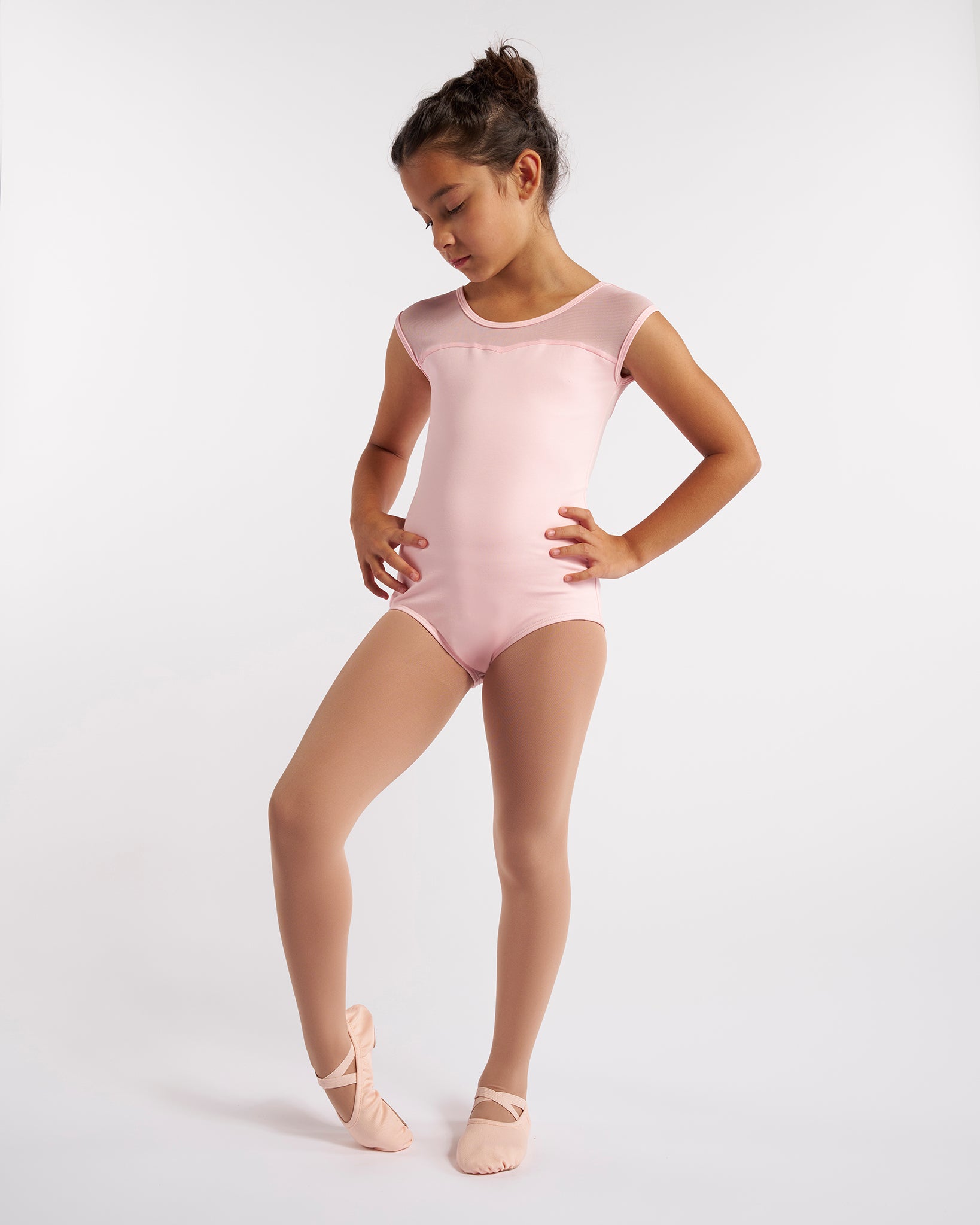
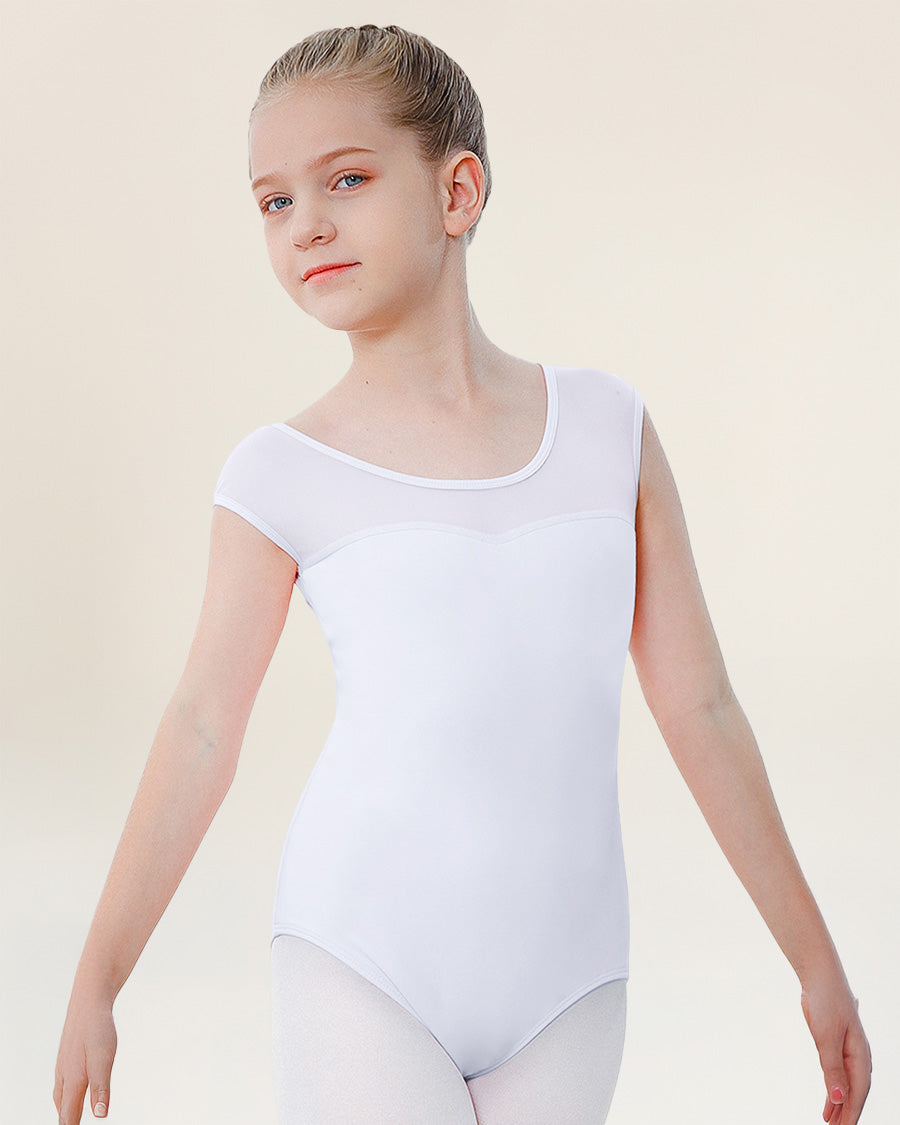
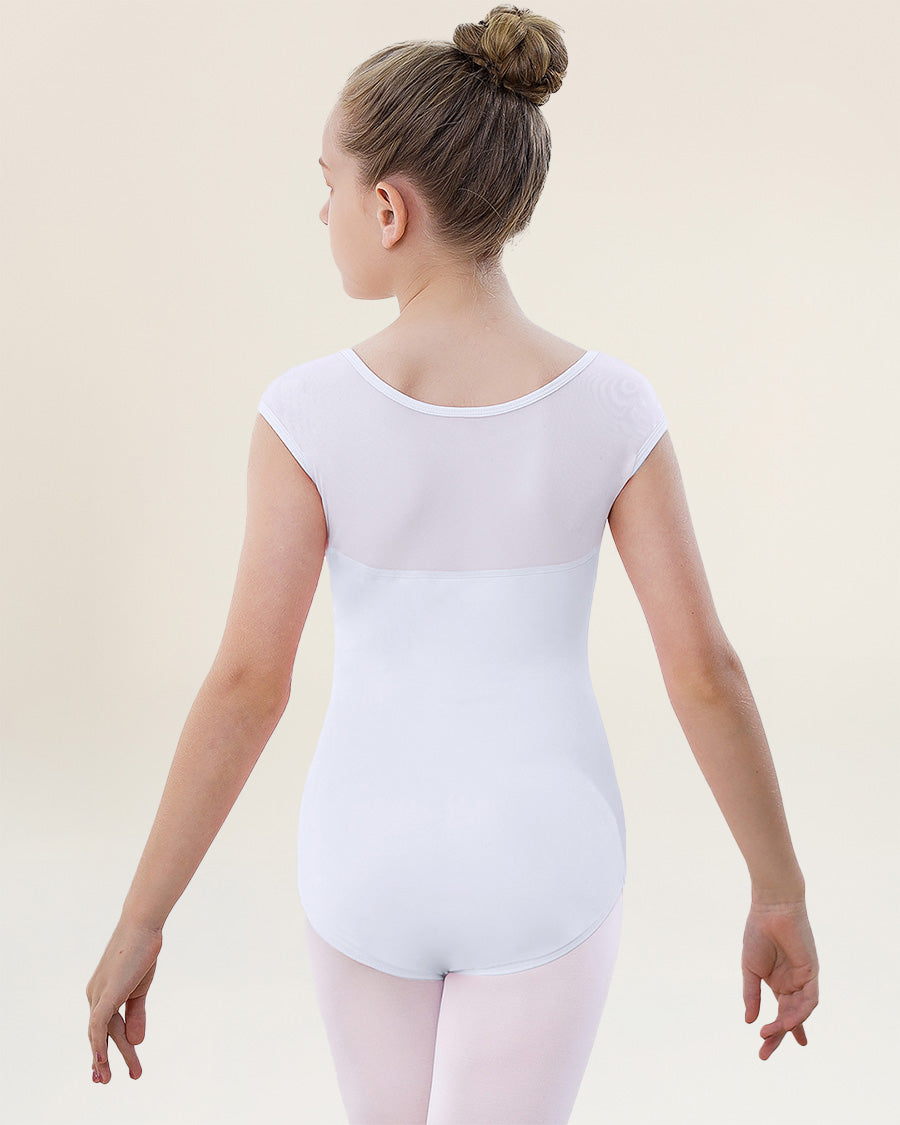
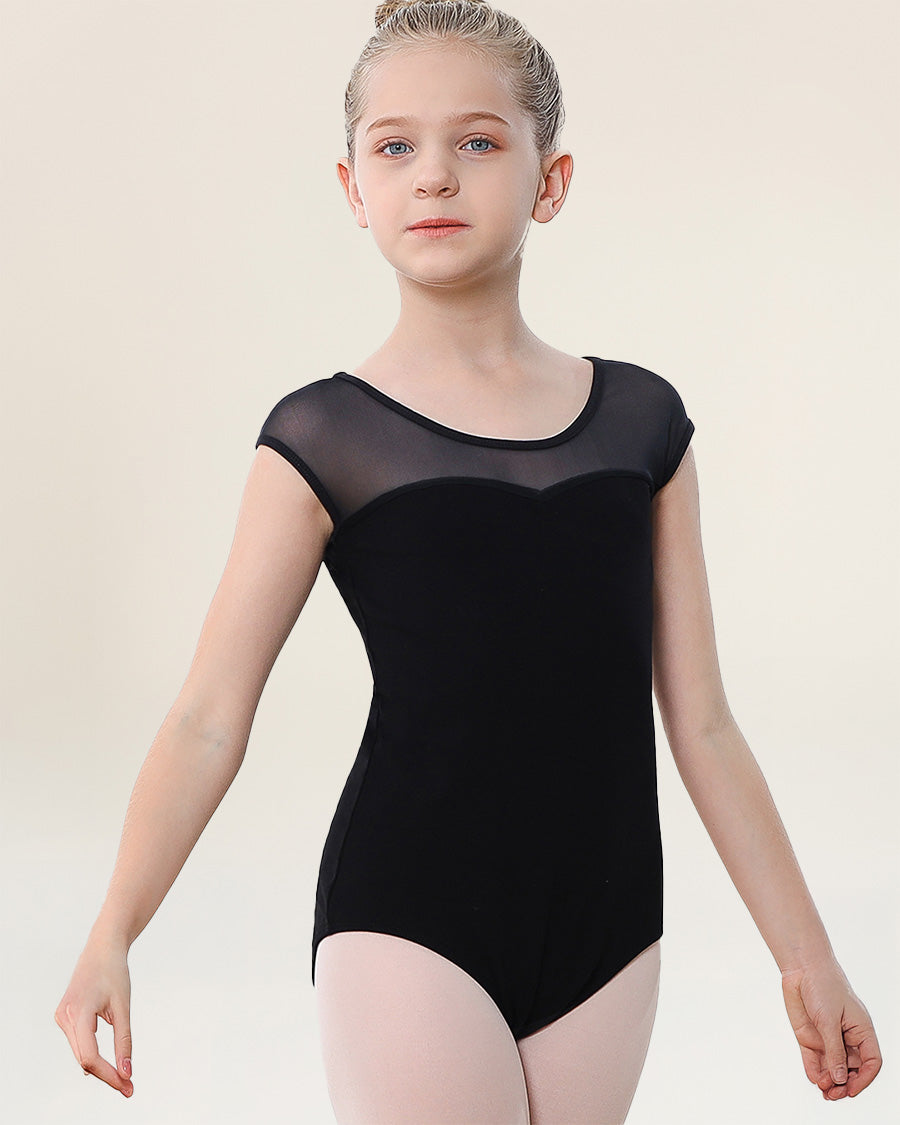
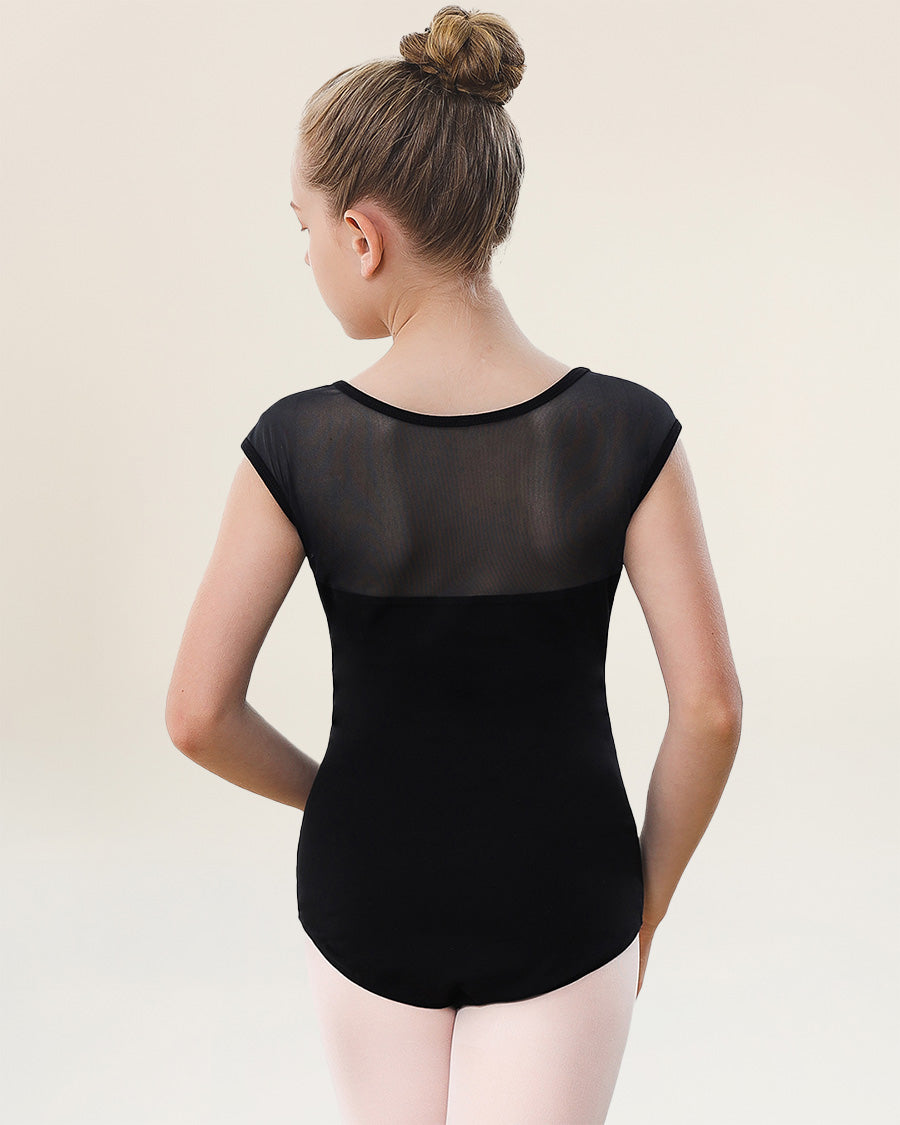
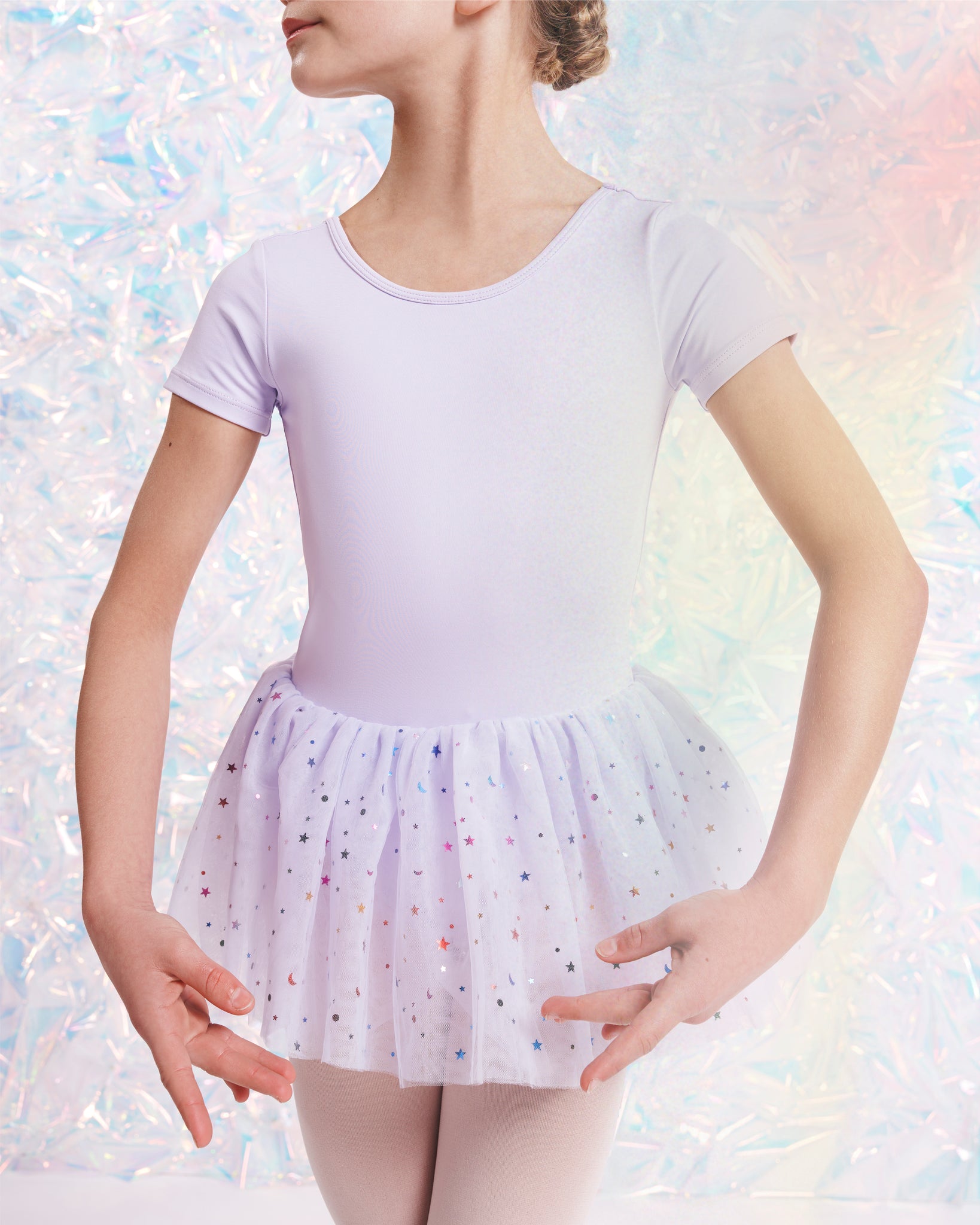
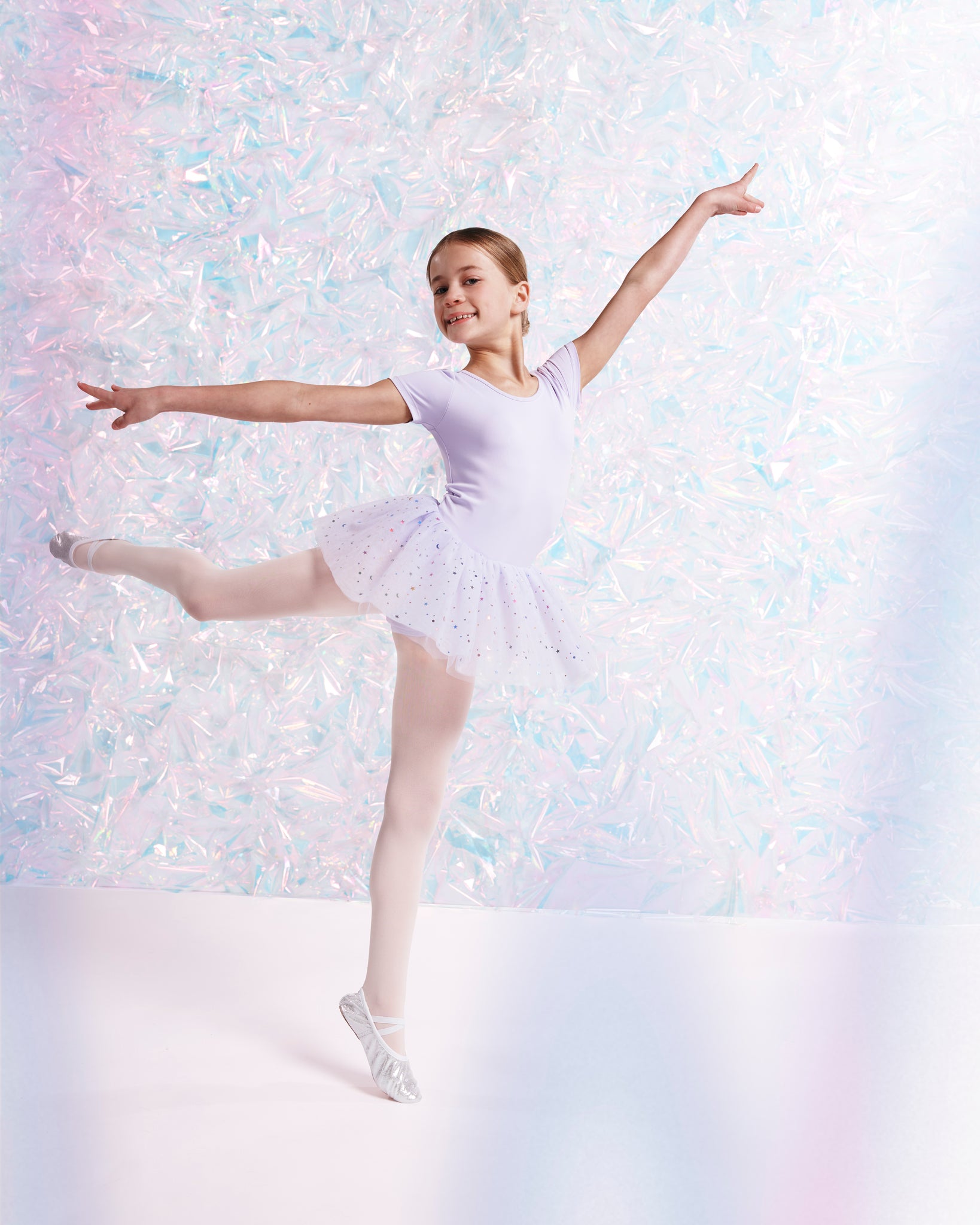
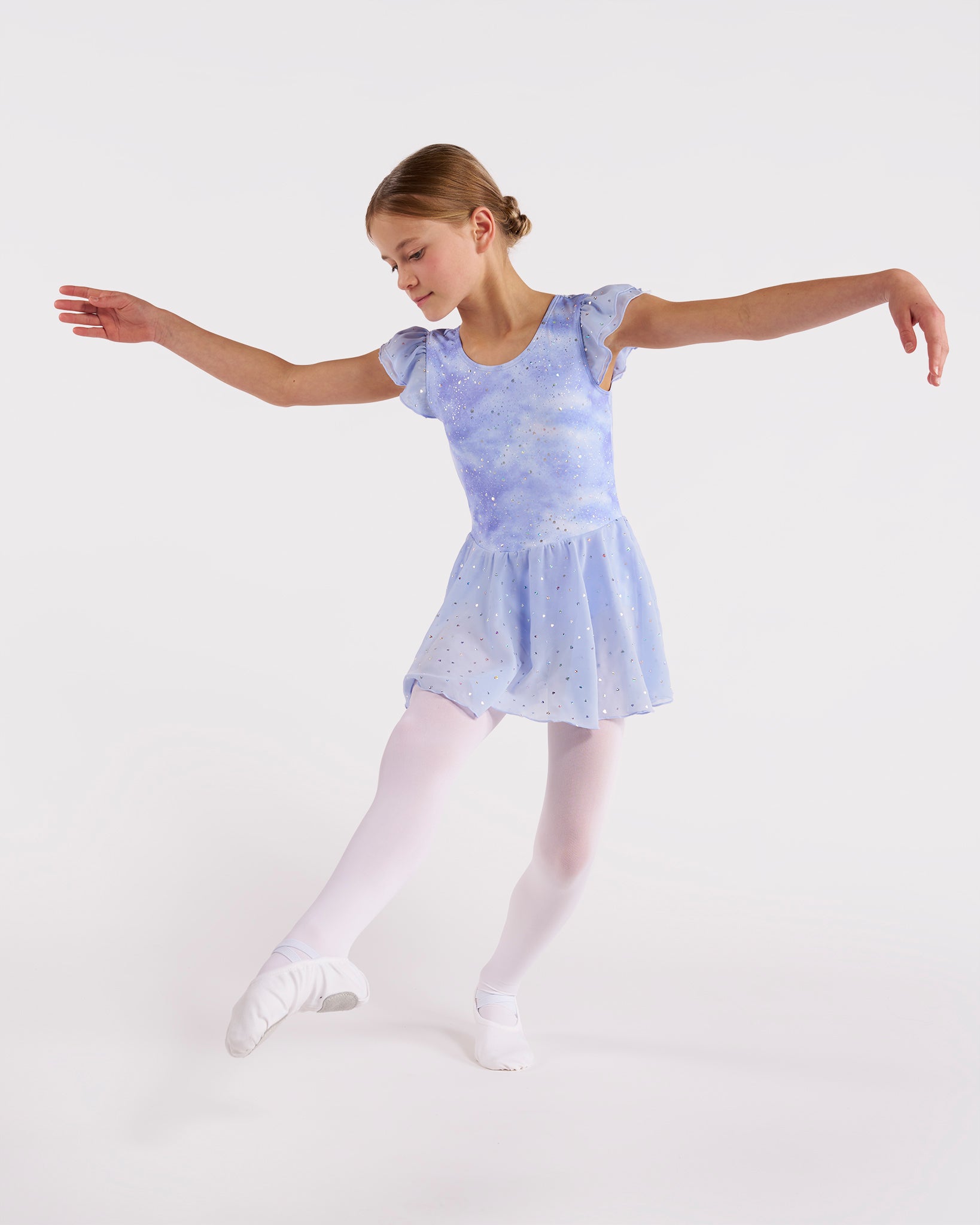
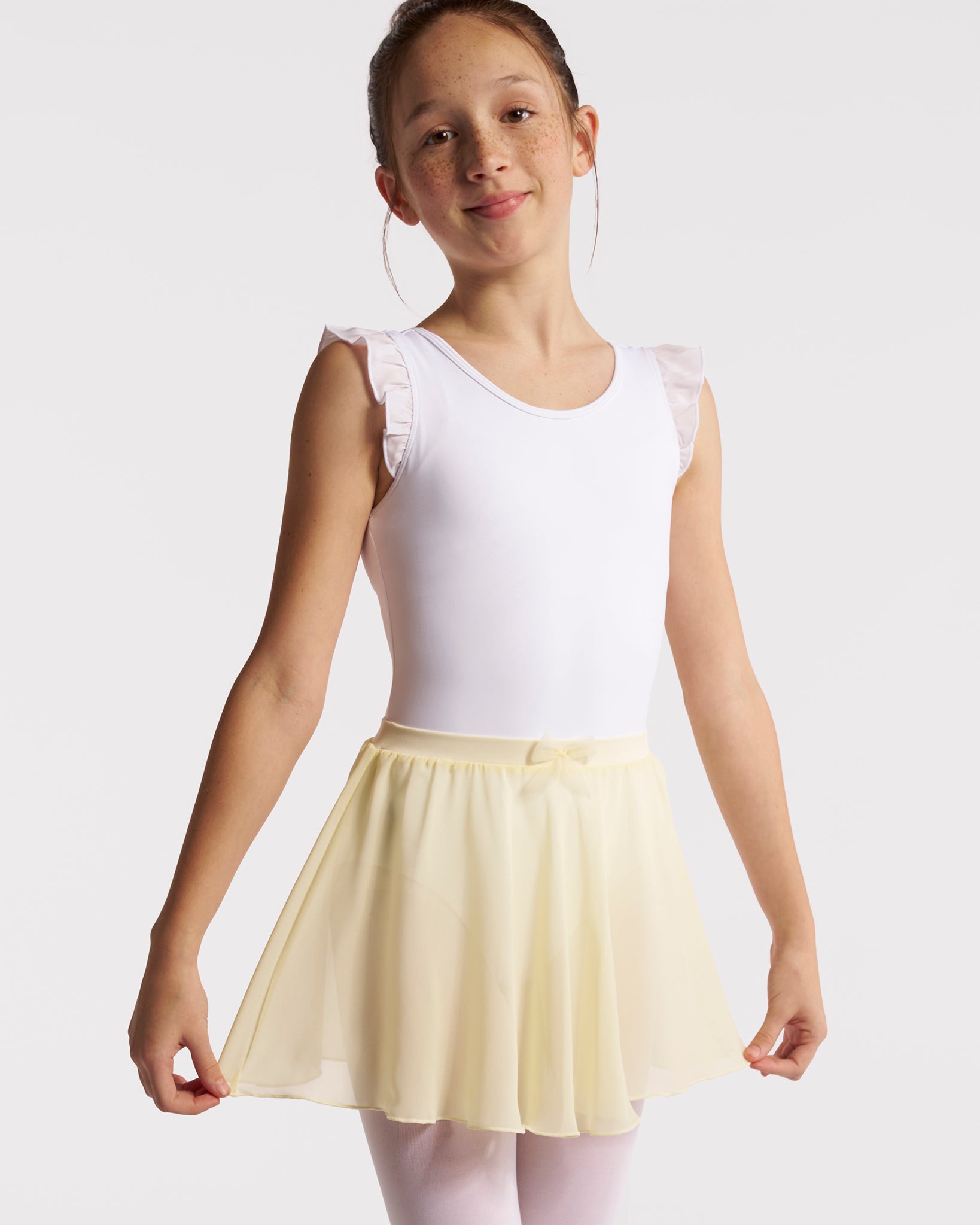
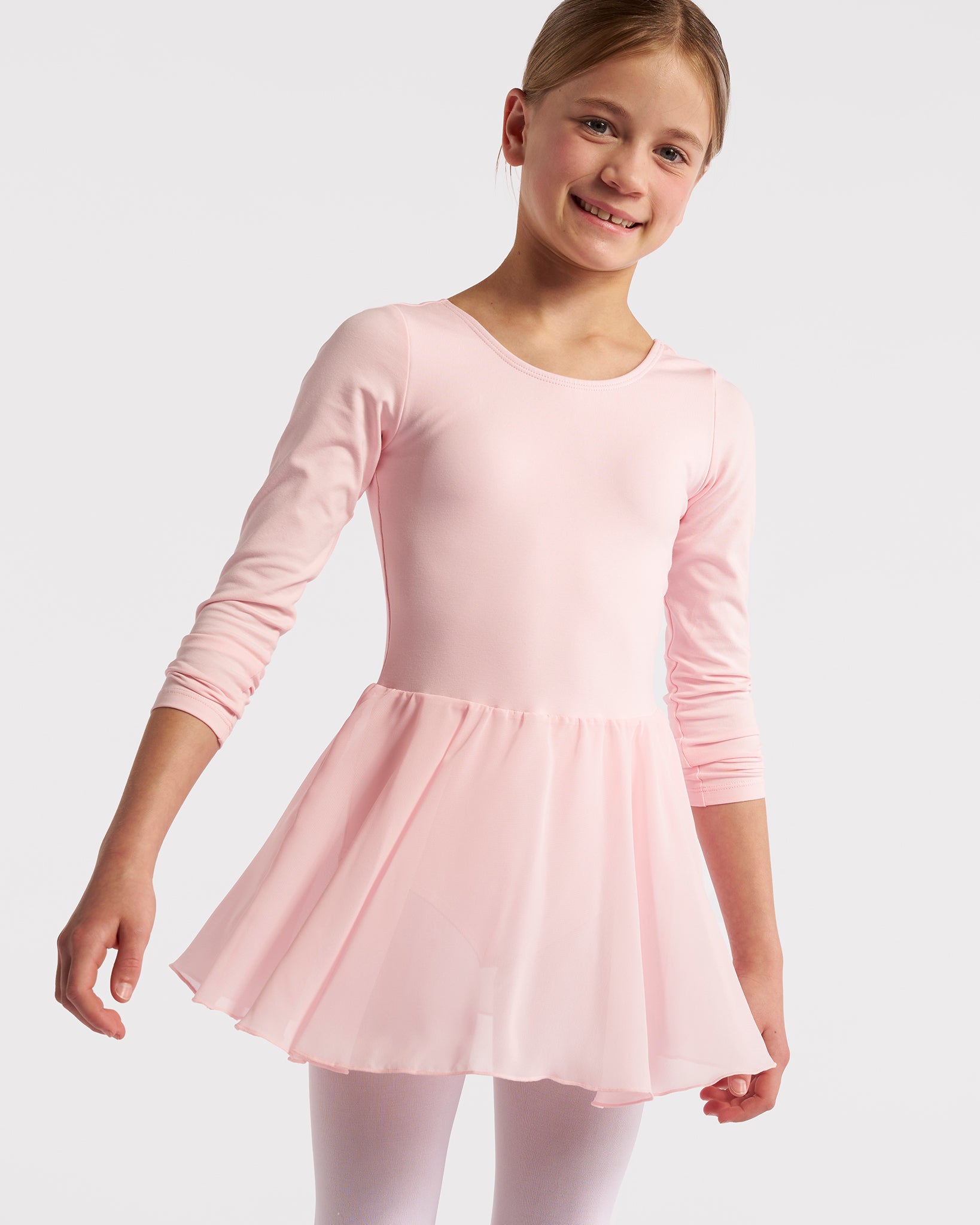
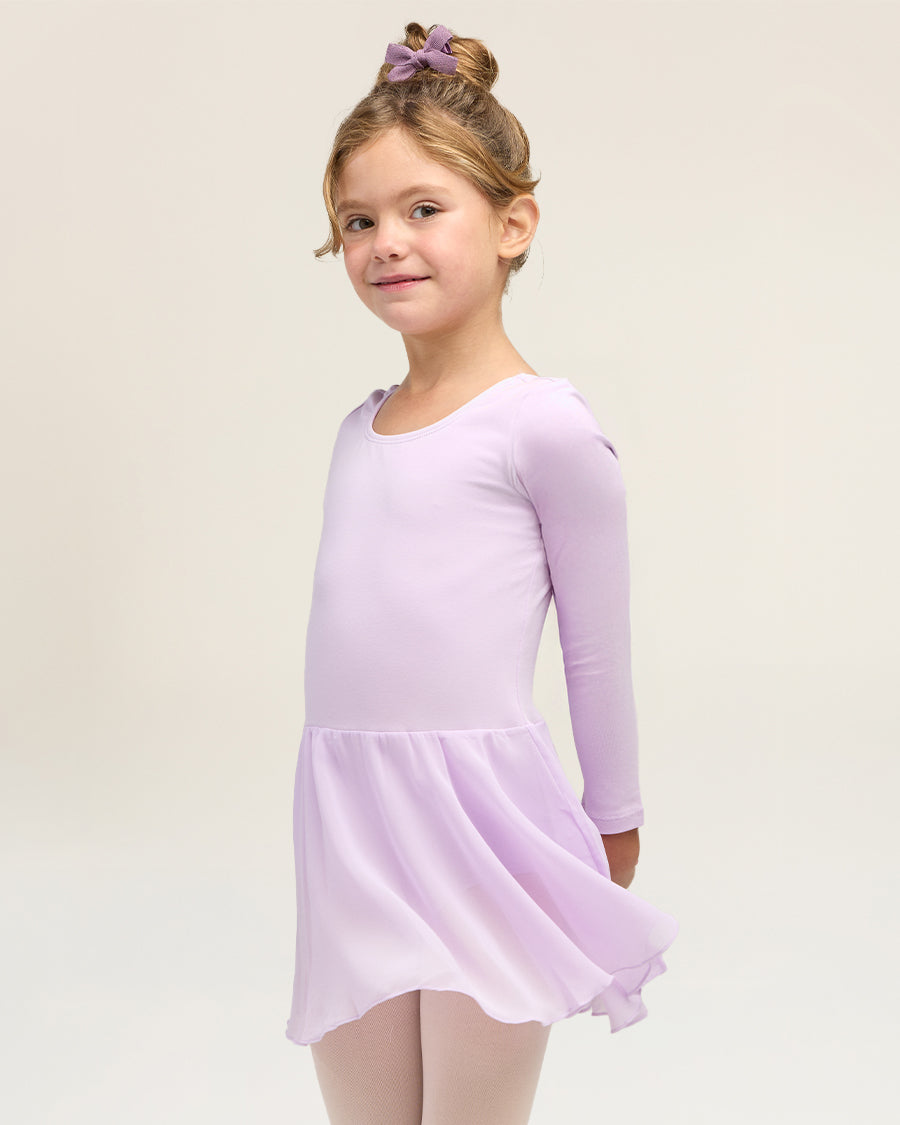
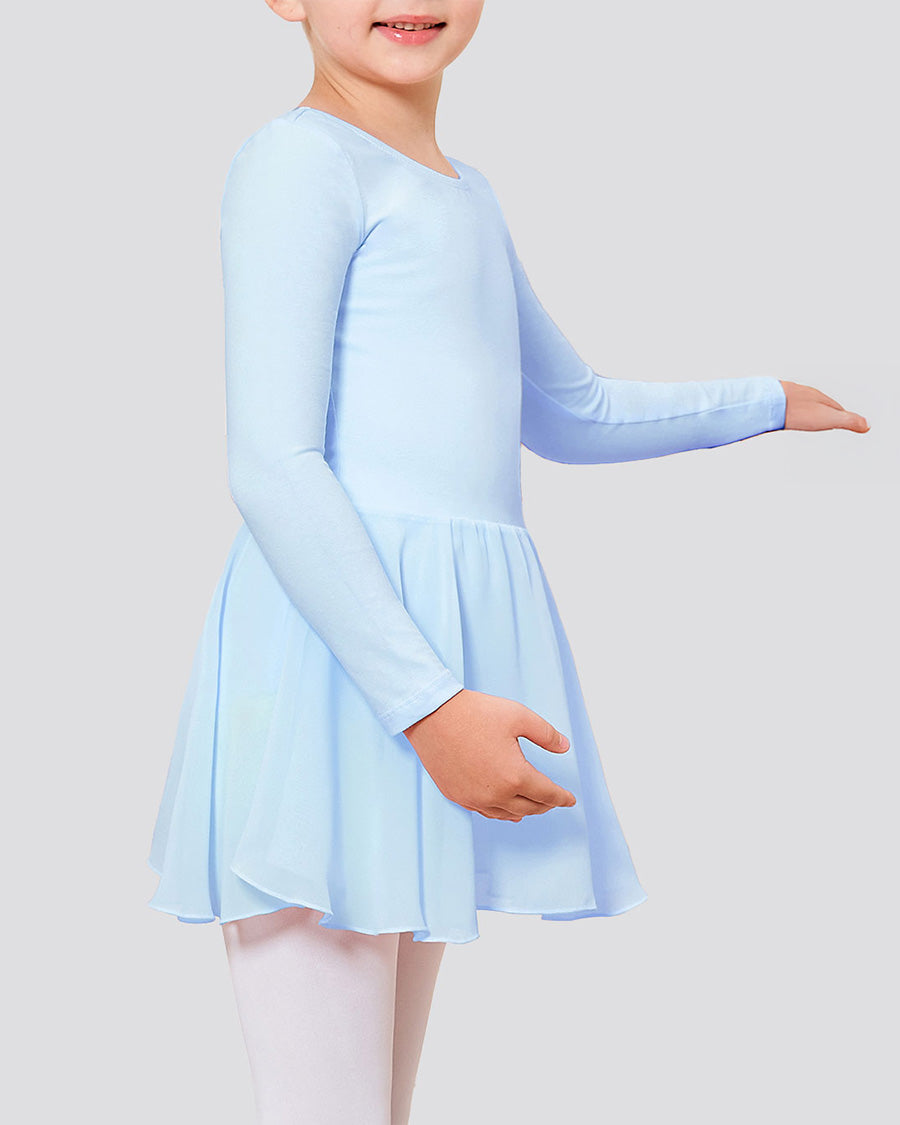
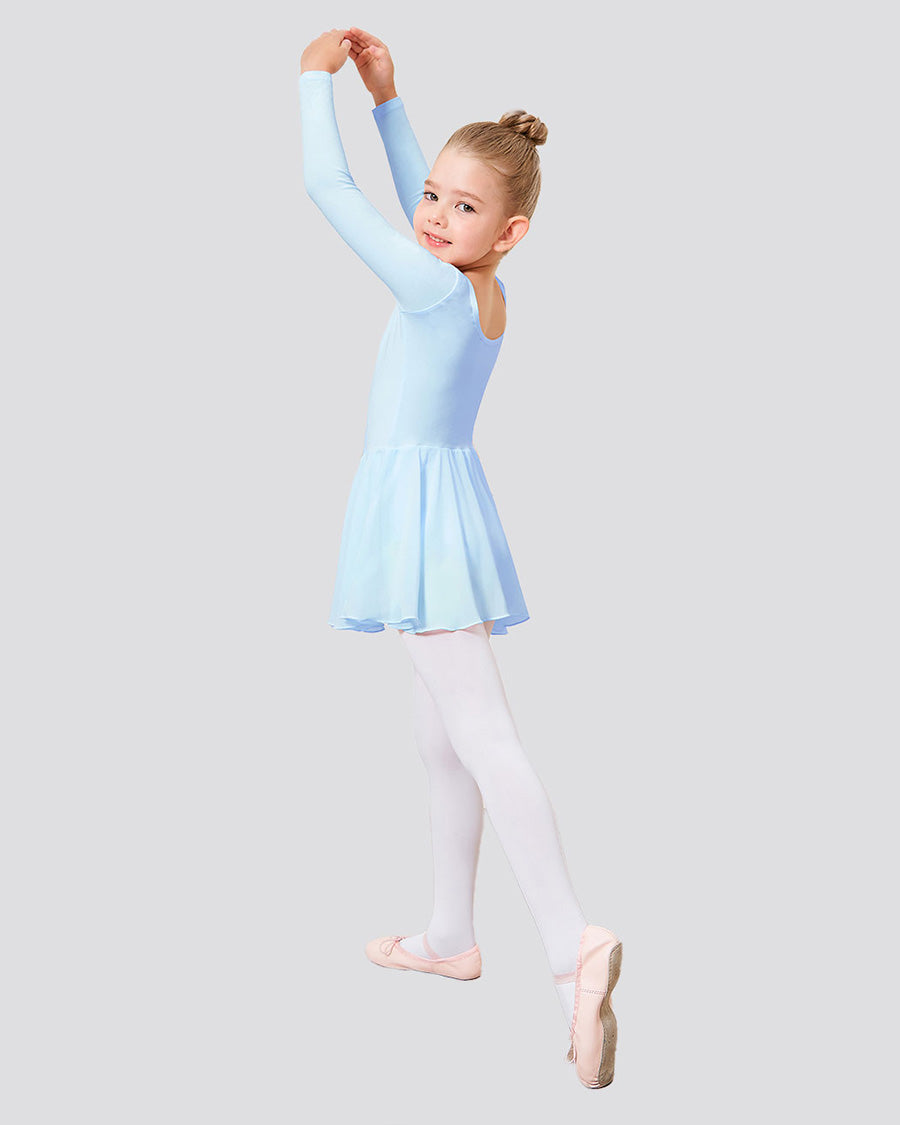
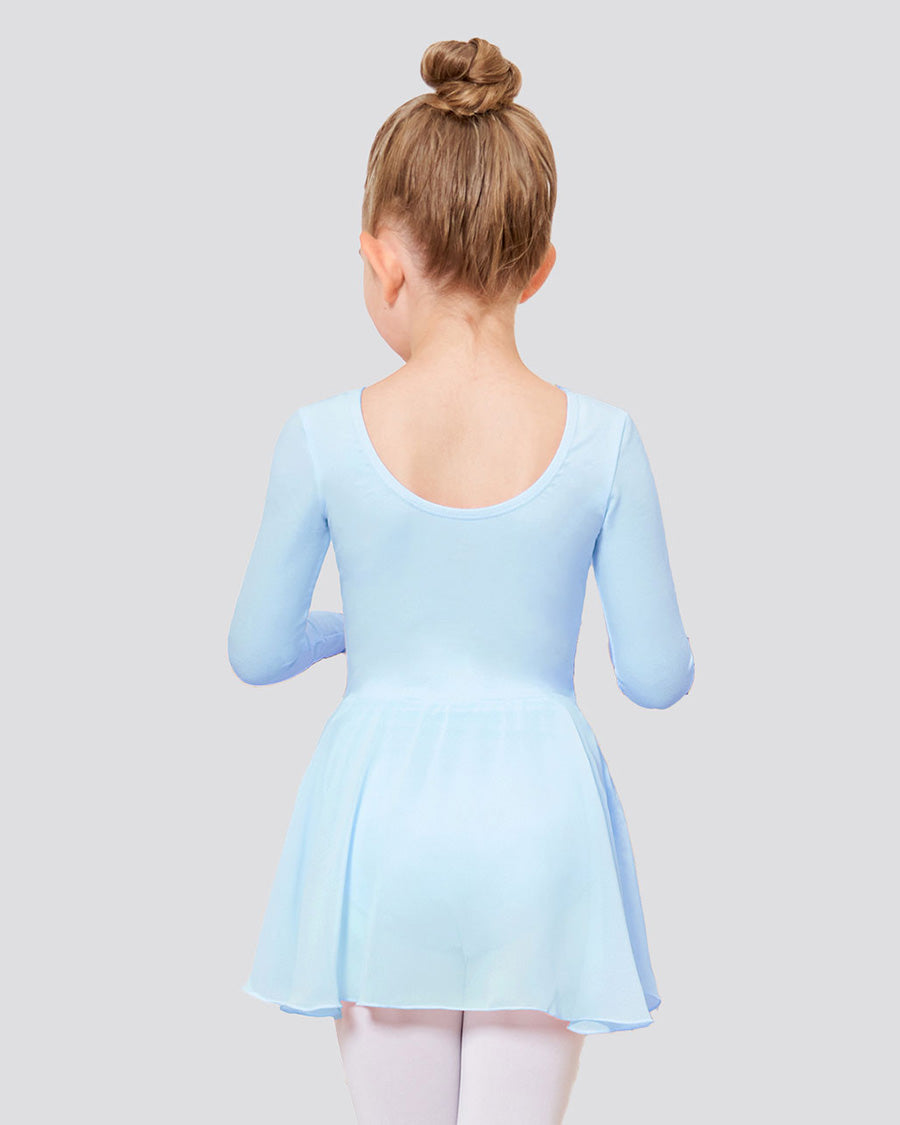
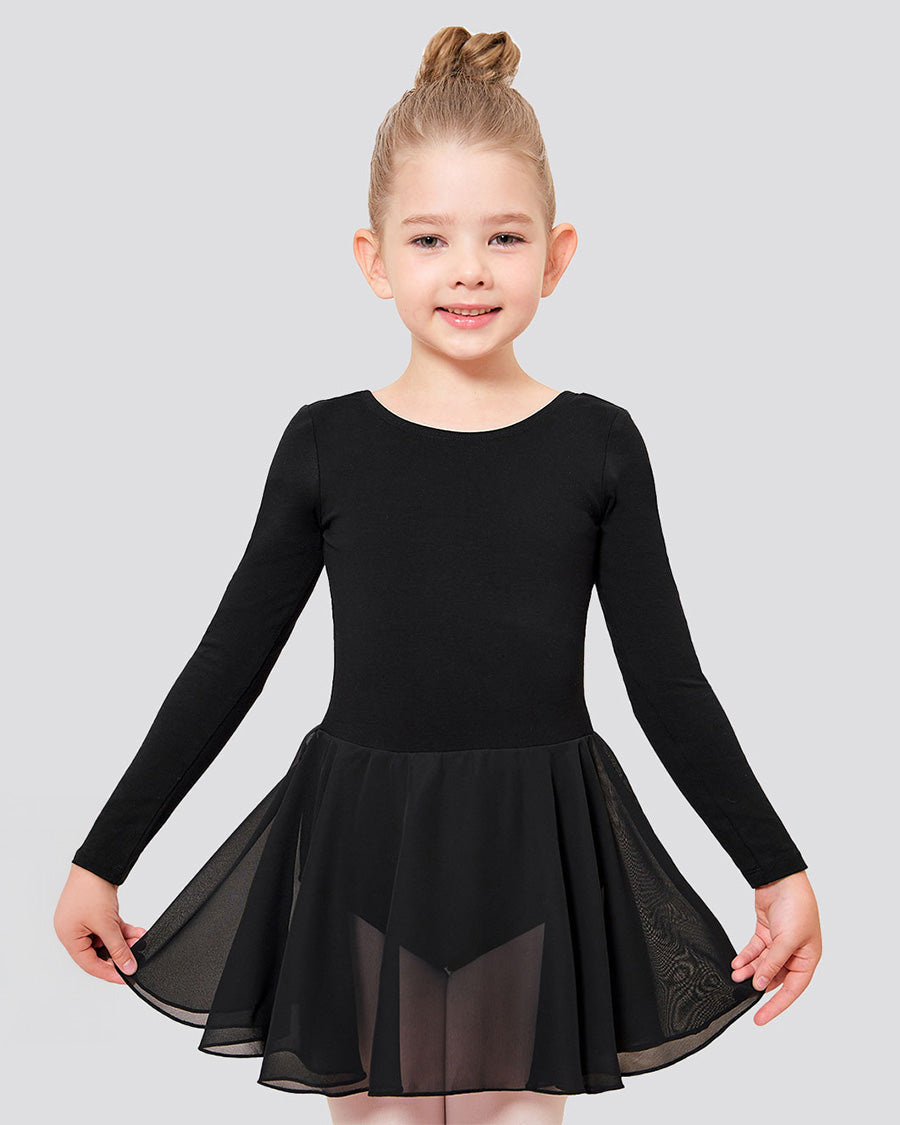
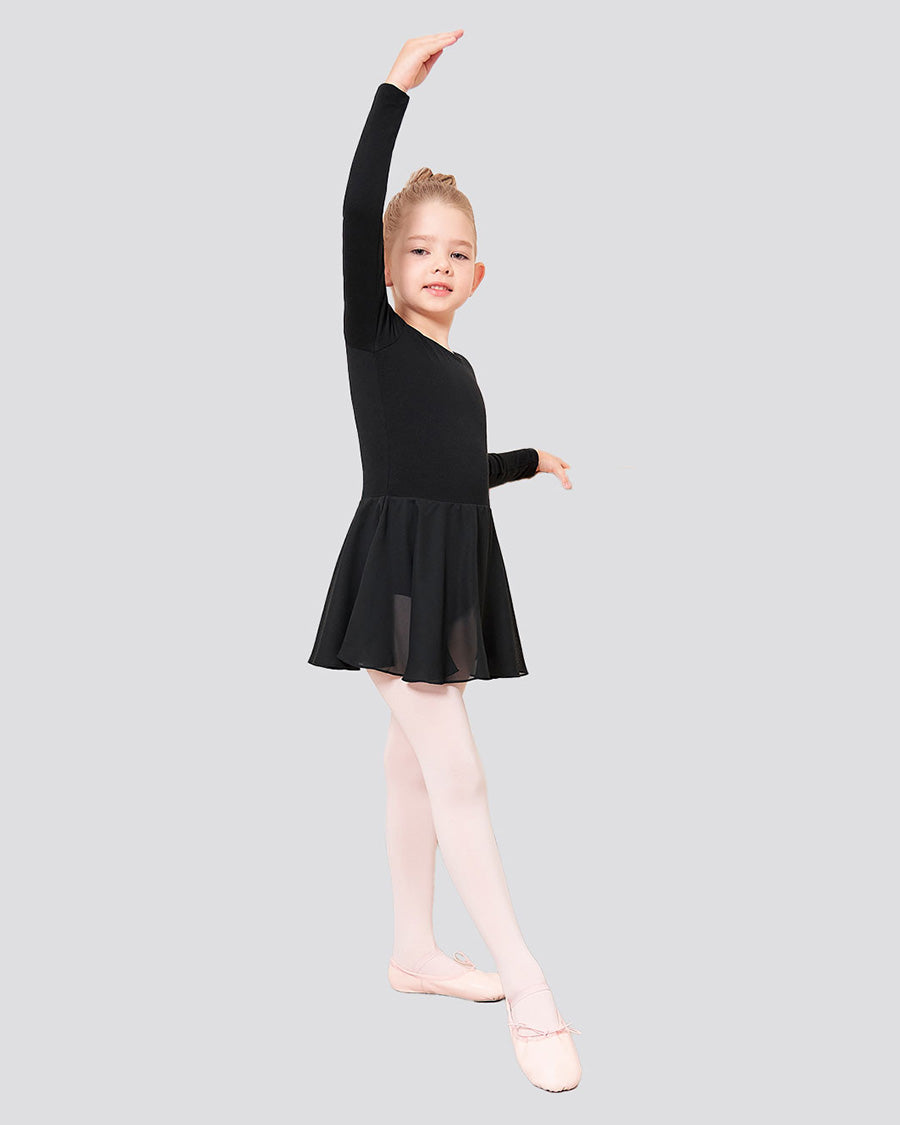
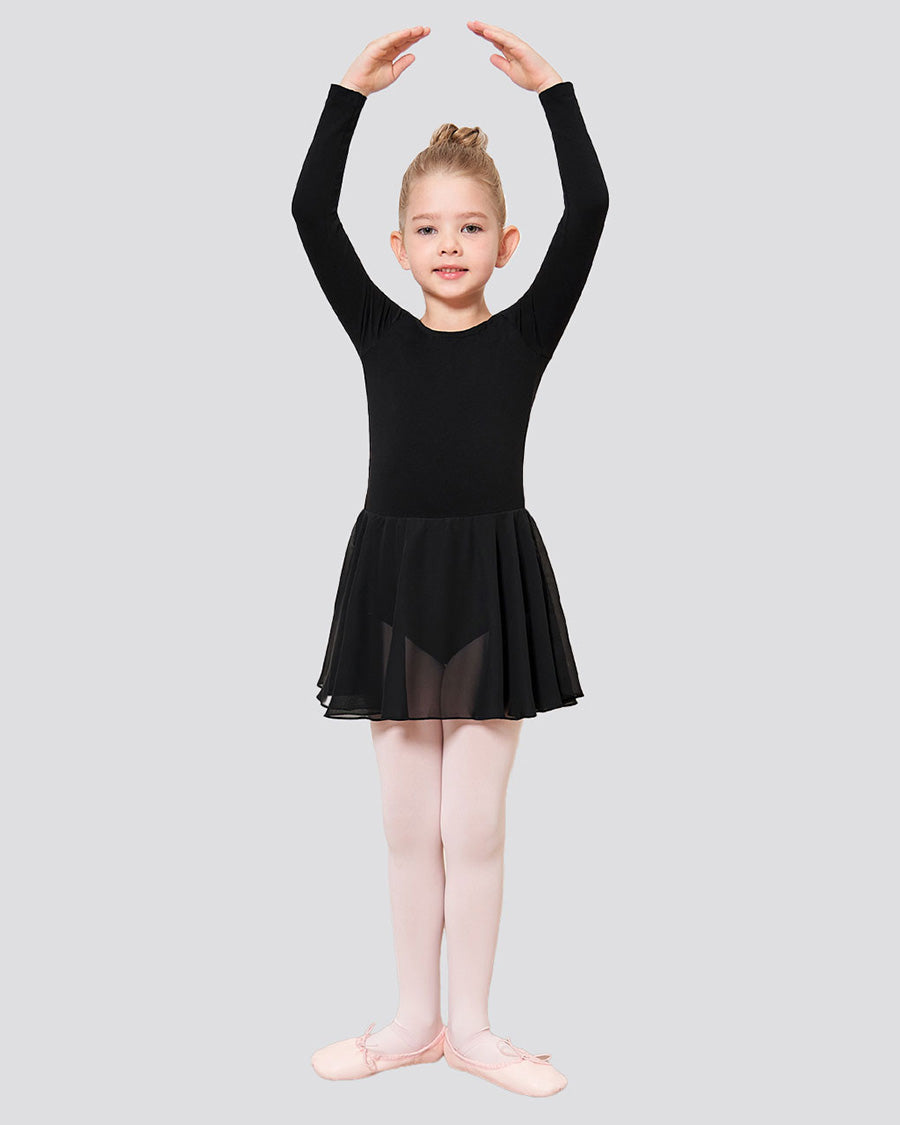
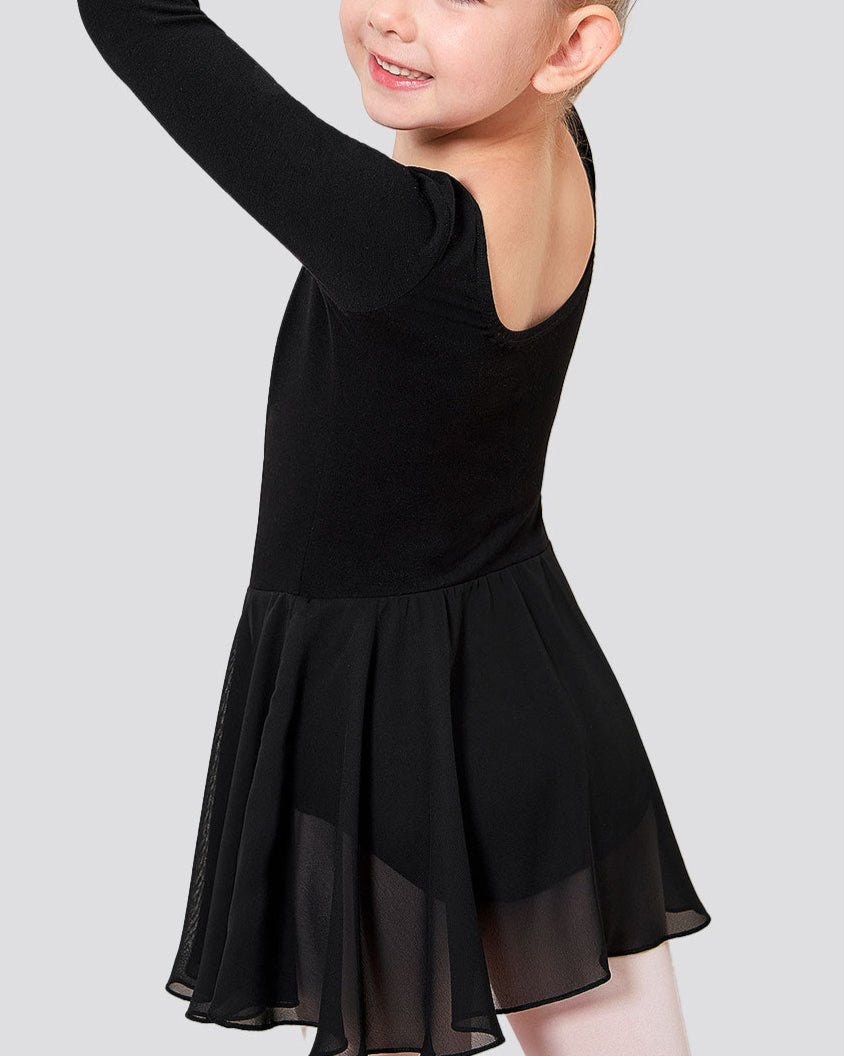
A well-fitted leotard should sit close to the body without gaping at the neckline or straps. Her shoulders should stay covered through movement, the leg openings should sit flat without digging in, and she should be able to raise her arms, plié, and bend forward without tugging at it. If she is constantly adjusting it during class, that is usually a sign the size or fit is off, not that she is being fussy.
Common Leotard Sizing Mistakes Parents Make
Sizing is not just a leotard problem. Fit is consistently cited as one of the biggest reasons clothing gets returned online, and one study of children's clothing found the imbalance goes in a clear direction: items running too small accounted for 31% of returns, compared to 16% for items running too big. We see the same pattern in Stelle's own return requests: running small is a more common reason for a leotard return than running big. In other words, sizing down is the riskier mistake by a wide margin, which is exactly why sizing up is the safer call when you are stuck between two sizes. Here are the mistakes behind most of it.
Buying by regular clothing size instead of girth. A leotard sized off her usual T-shirt size often does not account for torso length, which is exactly what girth is built to catch.
"Just size up so it lasts longer" is tempting, but a size or two of extra room bunches under tights and shifts during movement, which usually causes more frustration than it saves.
Measuring over a bulky sweater or a pair of leggings is another easy trap. Loose or thick clothing adds inches that are not really there, so measure over snug clothing or a leotard she already owns instead.
Never remeasuring. Kids in this age range grow fast, and a leotard that fit perfectly in September can feel snug by January. If she keeps complaining that it is tight, the straps keep sliding down, or the leg openings keep digging in, those are all signs it is time to remeasure rather than push through with the old size. Remeasuring every few months, especially around a new season or the start of a school term, keeps her in a size that actually still fits.
Does Fabric Affect Leotard Fit?
Yes, somewhat. Fabric can change how the same size feels. Cotton-spandex leotards often feel softer and more familiar, closer to a fitted T-shirt, while performance fabrics such as nylon-spandex or polyester-spandex may feel smoother, stretchier, and more compressive. The measuring method stays the same, but the try-on check matters because each fabric can feel different on the body. For more on how fabric affects comfort and fit, see our guide to cotton leotards for kids.
Measuring for Ballet vs. Gymnastics Leotards
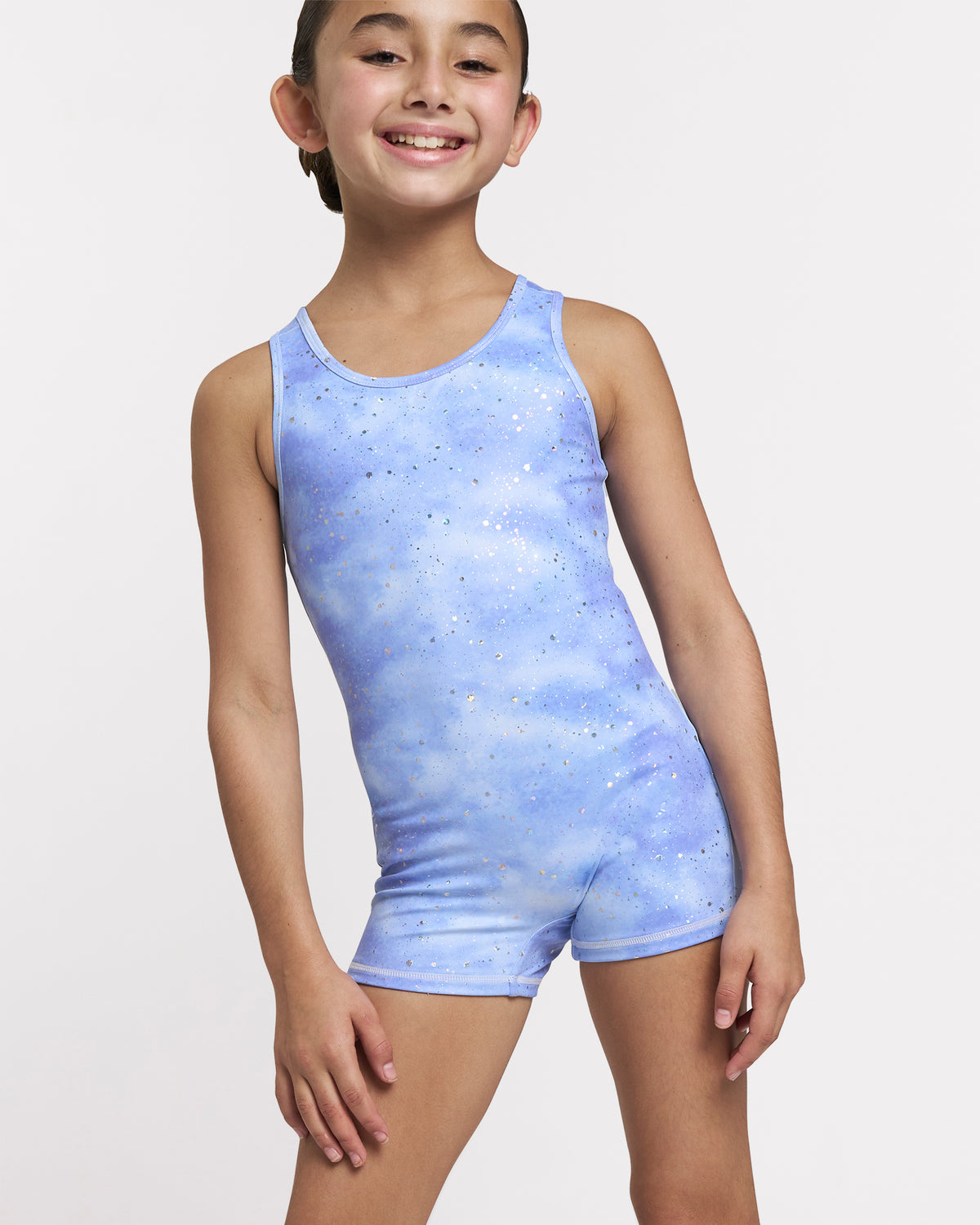
The measuring process is similar, so the girth method in this guide works whether you are filling out a ballet size chart or a gymnastics leotard size chart. What differs is the fit priority. Gymnastics leotards are often designed for secure coverage through tumbling and upside-down movement, while ballet leotards focus more on clean lines, posture, and studio movement. If you are not sure which type your child needs, our gymnastics vs. dance leotards guide breaks down the differences.
Quick Parent Try-On Test
Once she has the leotard on, run through this quick check before deciding the size is right:
-
Raise both arms overhead. Do the straps or shoulder seams stay put?
-
Have her do a small plié or squat. Does anything ride up or dig in?
-
Ask her to bend forward and touch her toes. Does the fabric stay smooth, or does it pull tight?
-
Check the leg openings while she is standing normally. Any red marks or visible digging in?
If she passes all four without adjusting anything, the size is likely a good fit.

Stelle's Leotards: Sized for the Way Kids Actually Move
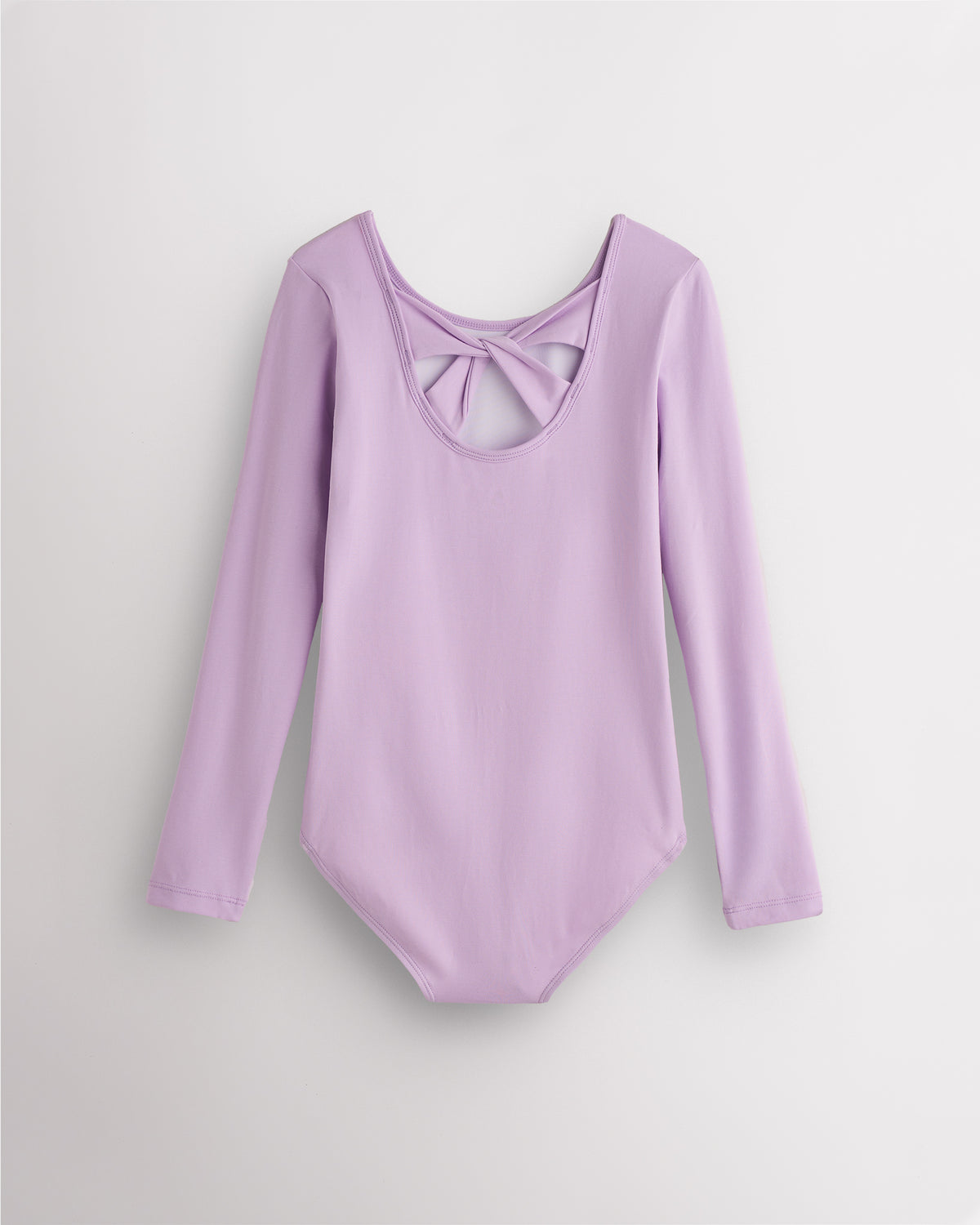
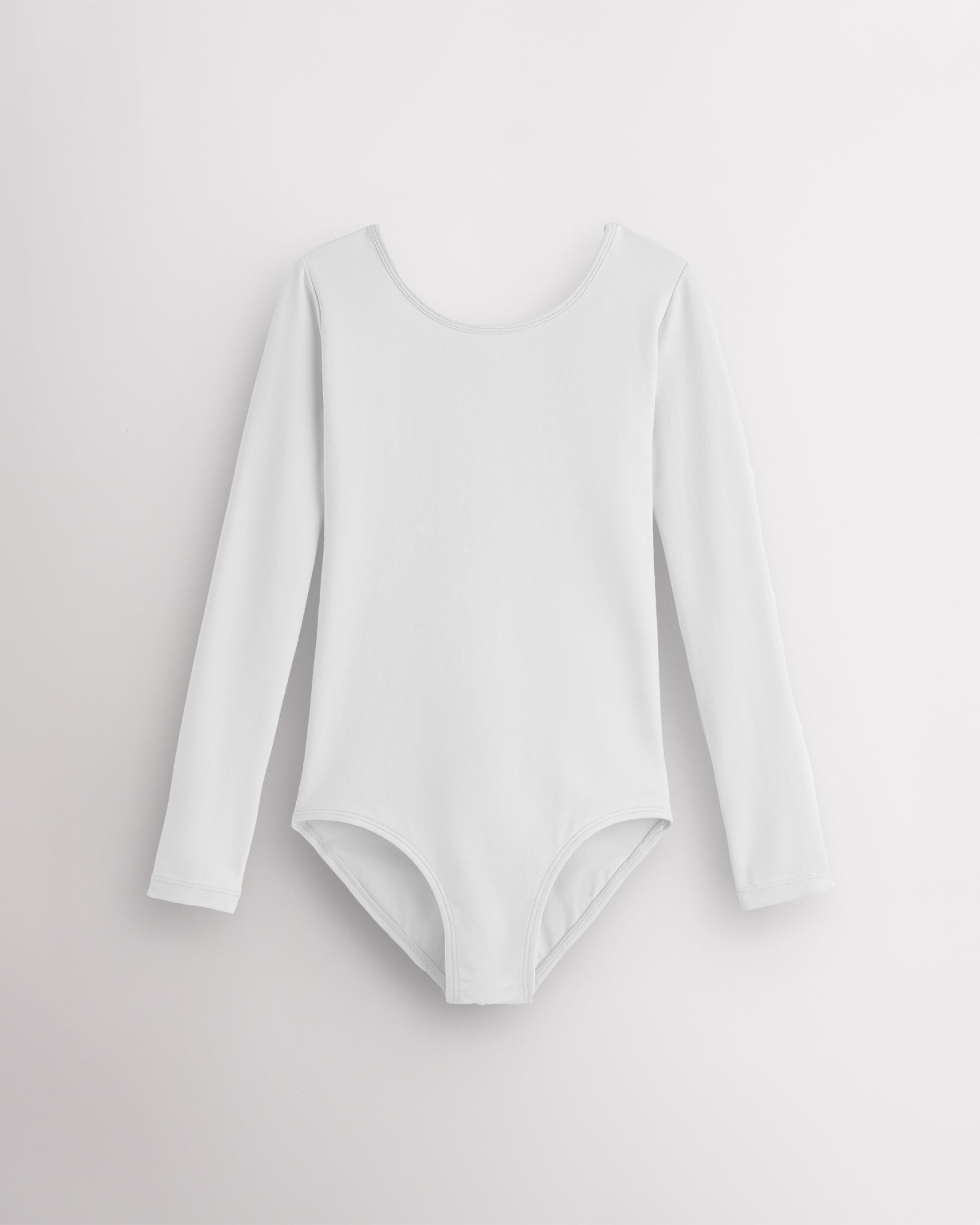
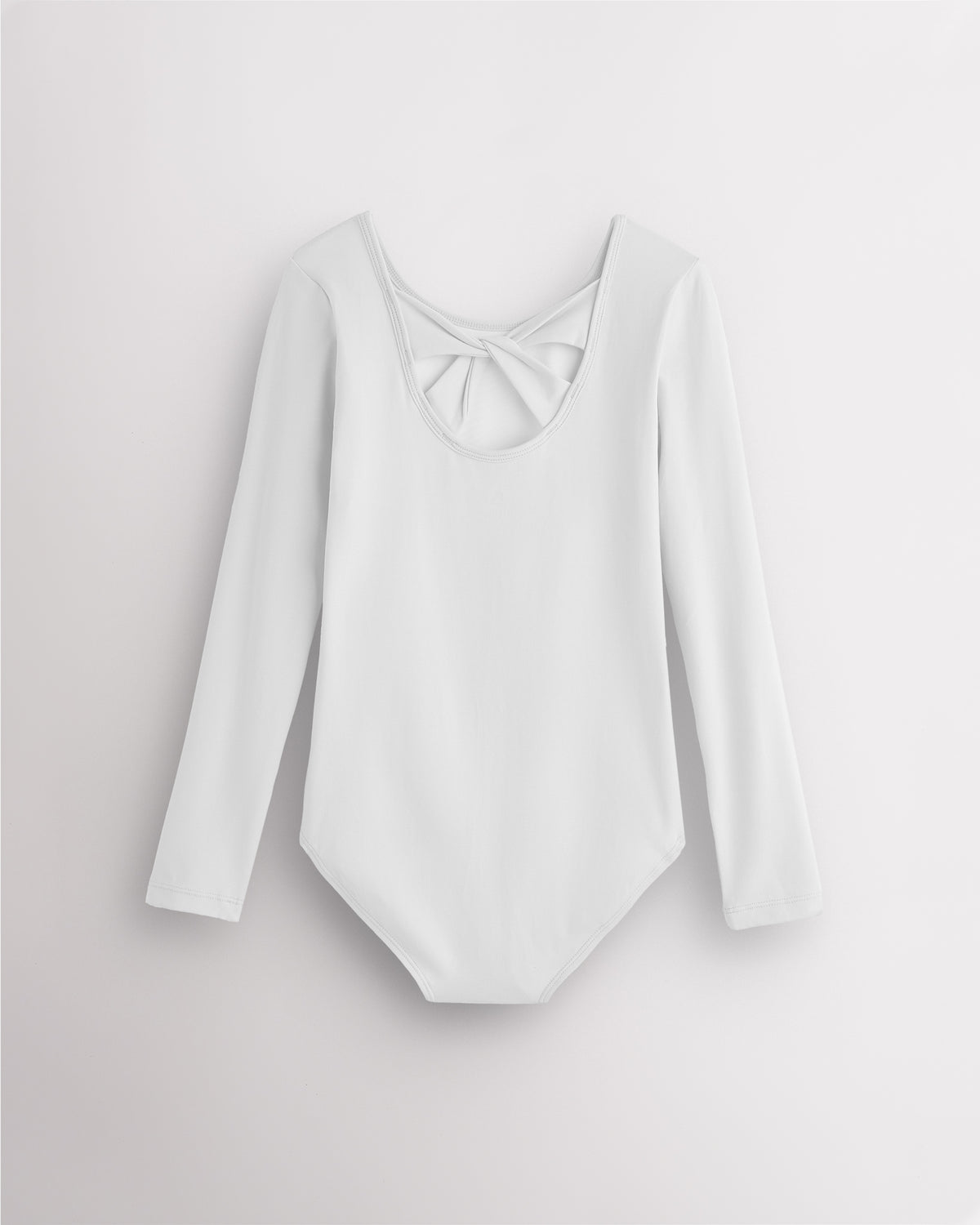
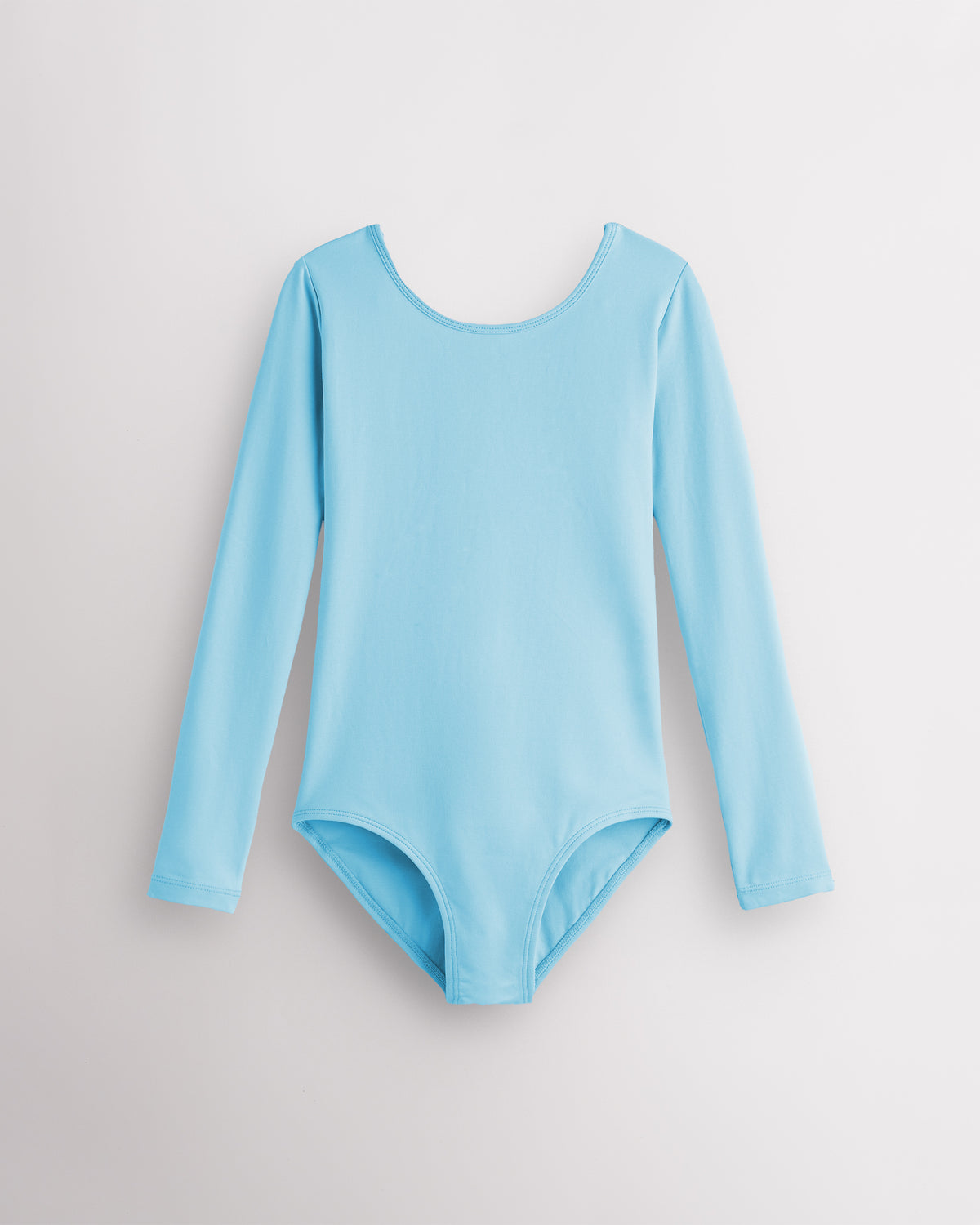
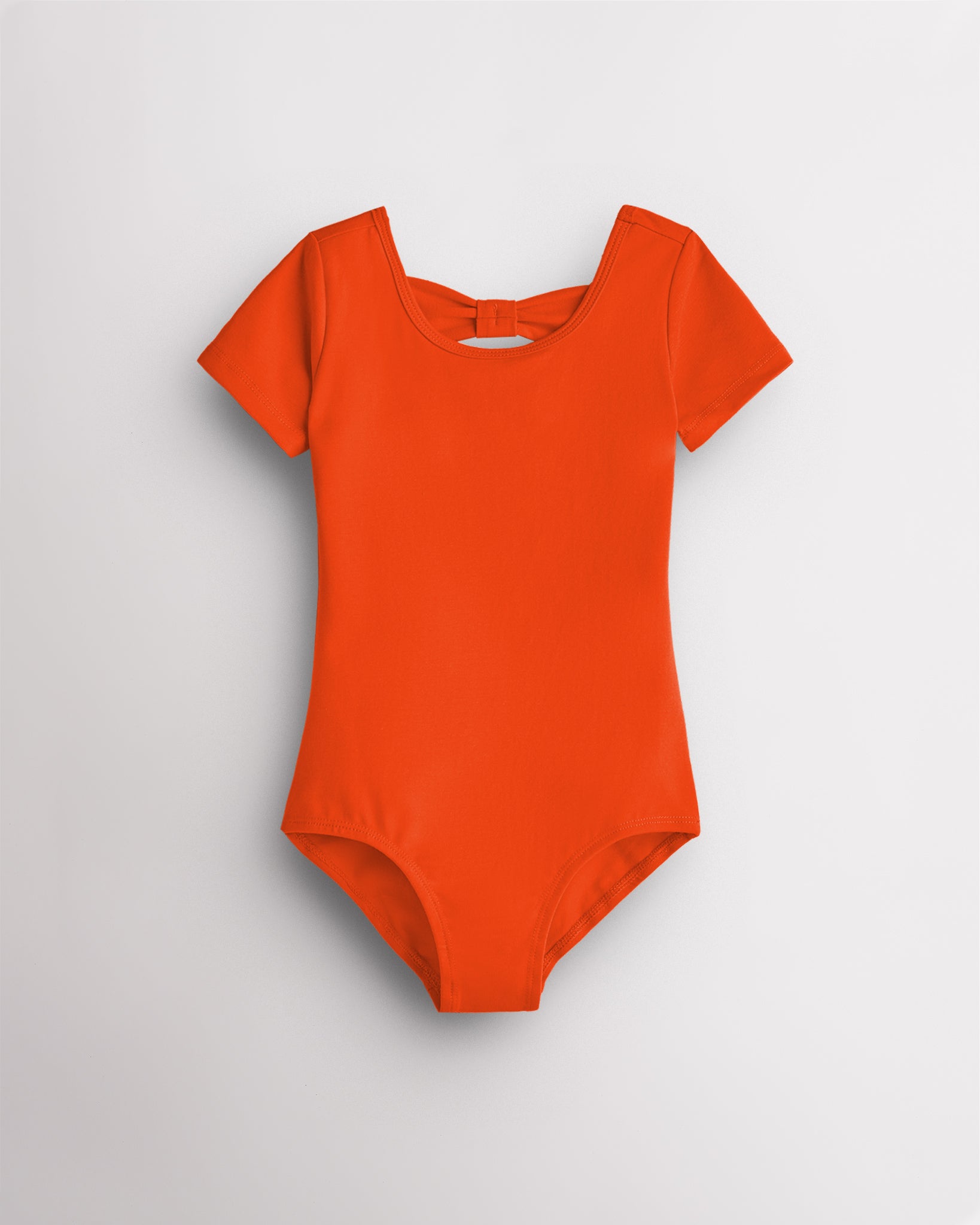
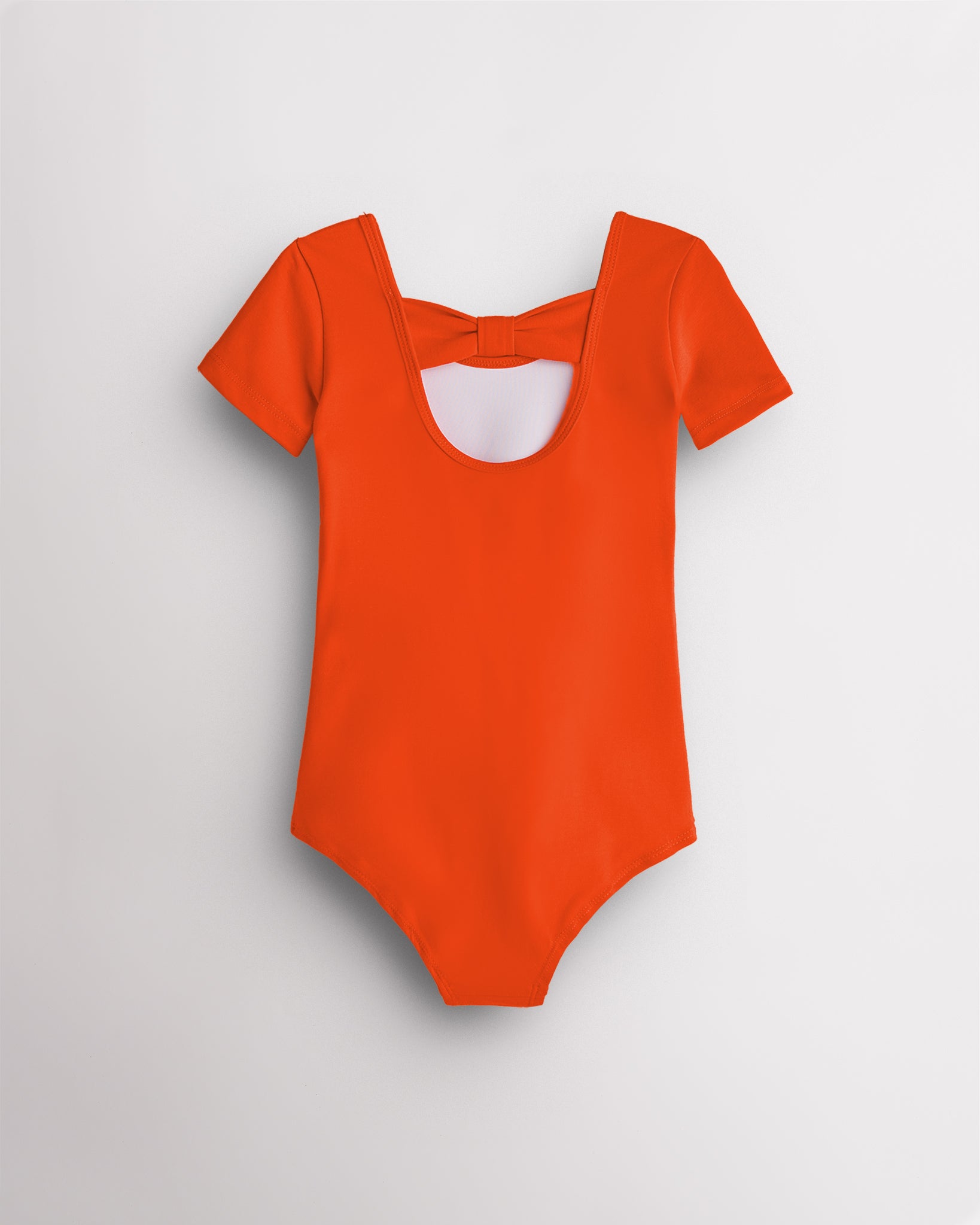
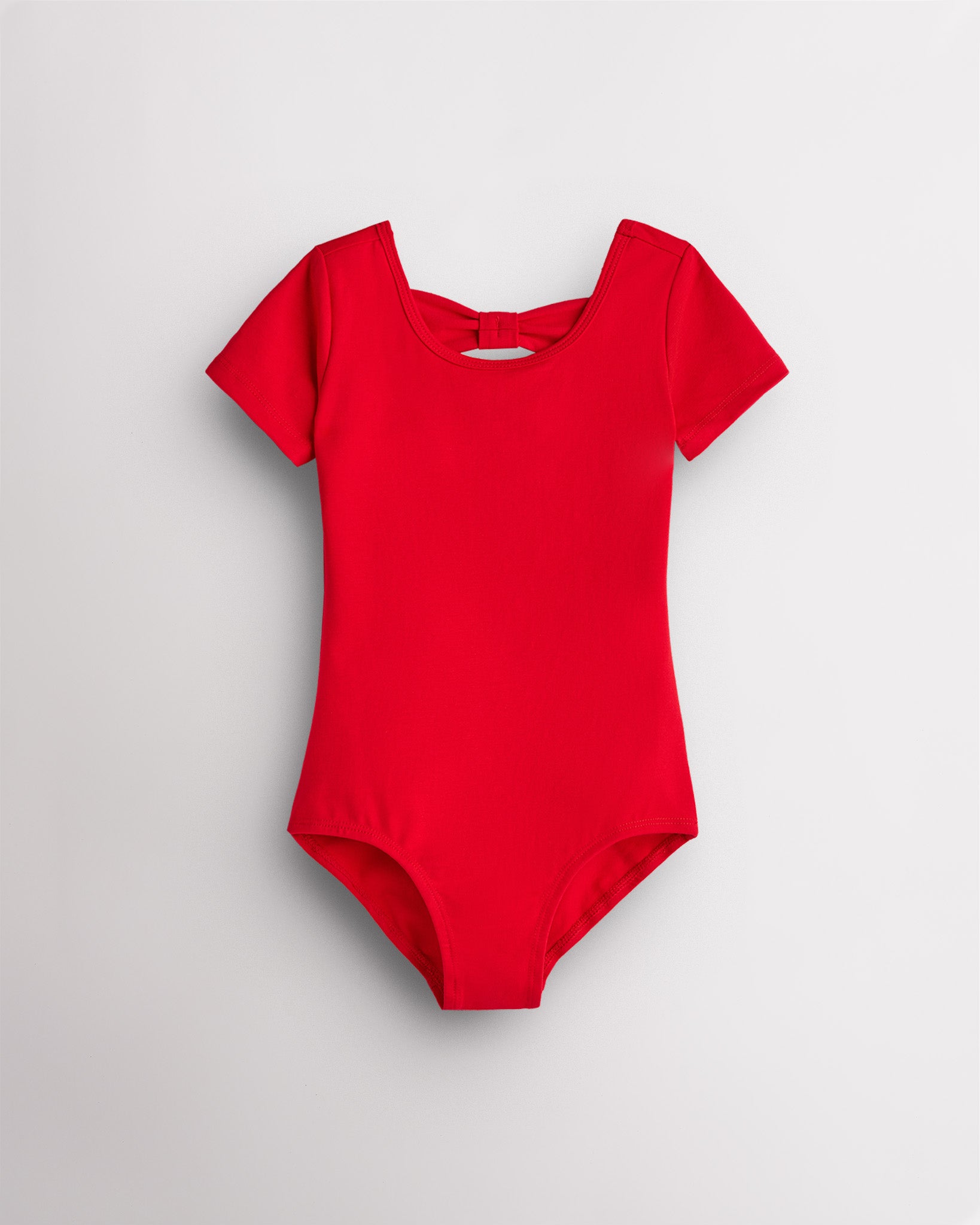
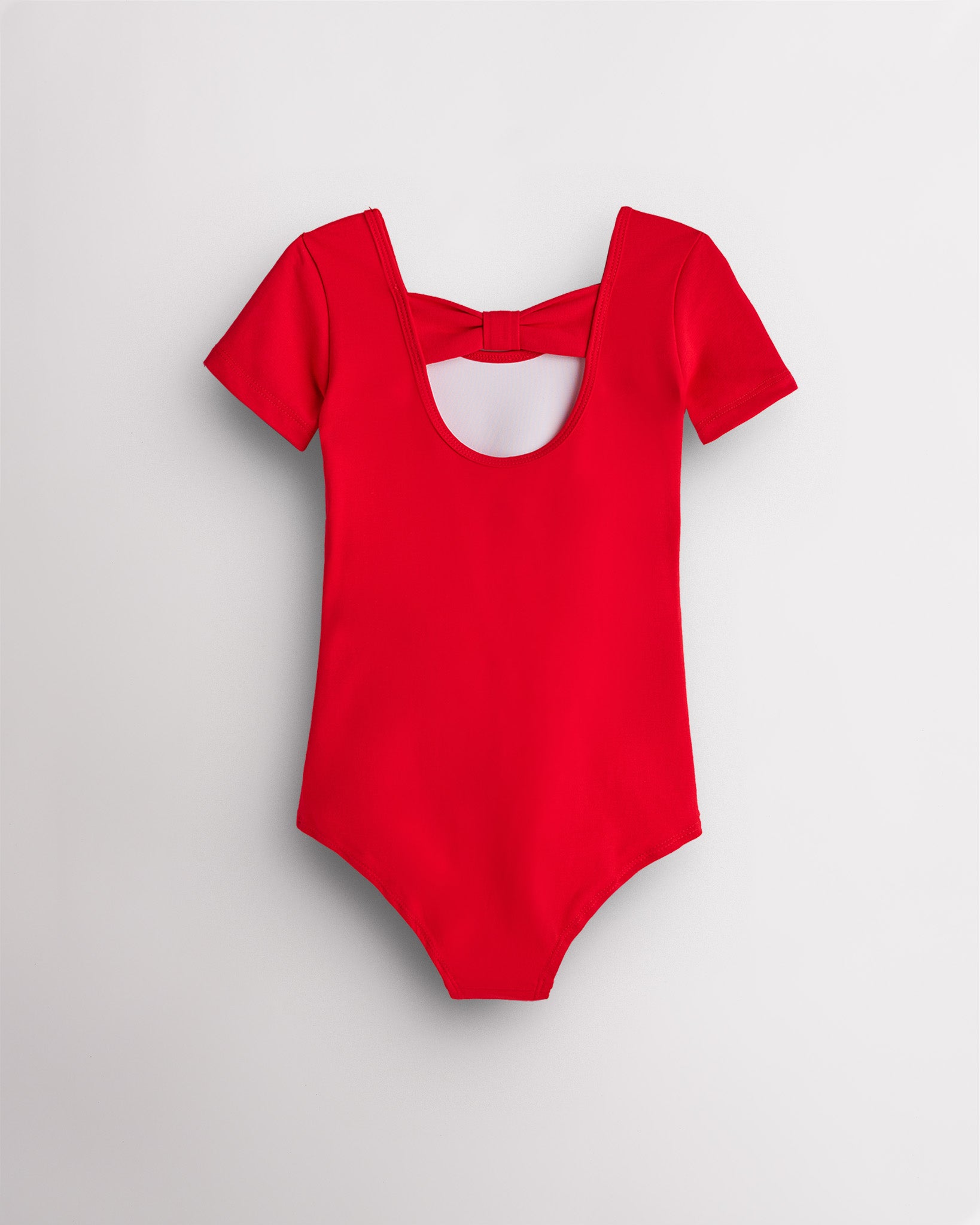
Stelle's girls leotard size chart is built around girth measurement, the same method outlined in this guide, so the sizing lines up with how leotards actually need to fit rather than regular clothing sizes. If you have not already, our leotard buying guide is a good next stop for choosing style, dress code, and fabric alongside the right size. You can browse the full range in our girls' leotards collection.
As a mom-trusted, woman-founded brand making girls' dance essentials since 2015, loved by 15M+ families with a 4.9 out of 5 rating, getting the fit right for real, moving kids is what we design around.
Frequently Asked Questions
1. What is a girth measurement for a leotard?
A girth measurement leotard sizing relies on is taken from one shoulder, down through the crotch, and back up to the same shoulder. It reflects torso length and is the most reliable number for leotard sizing, more so than chest, waist, or age.
2. How do I measure my daughter for a leotard?
Start with girth (shoulder to crotch to shoulder), then take chest, waist, and hip measurements as supporting numbers. Use girth as the deciding factor if the measurements point to different sizes.
3. What if my child is between two sizes?
Start with the size that fits her girth best. If she is truly between sizes, the larger size is often more comfortable, as long as it still stays smooth and secure during the try-on check.
4. How often should I remeasure my child for dancewear?
Every few months is a reasonable rule of thumb, especially around a new season or school term. Watch for signs like straps sliding down or leg openings digging in, since those usually mean it is time for a new size before the old one becomes uncomfortable.
5. Does leotard fabric affect how it fits?
Somewhat. Cotton-spandex leotards tend to feel soft and familiar, while performance fabrics like nylon-spandex or polyester-spandex tend to feel smoother and more compressive. The way you measure stays the same either way, but it is worth doing a try-on check for each.
Final Thoughts
Measuring a squirmy kid for a leotard is not anyone's favorite errand, but five honest minutes with a tape measure saves months of tugging at straps and digging leg openings. Lead with girth, use the try-on check when measurements are split, and plan to remeasure as she grows. That is really all it takes to get it right.