



Cotton Leotards for Kids: When They Work Best and What Parents Should Know
Table of contents
- Quick answer
- What Makes Cotton a Good Choice
- The One Trade-Off Worth Knowing
- Which Fabric Fits Your Situation?
- Caring for a Cotton Leotard
- Stelle's Cotton Leotards
- Frequently Asked Questions
- Does cotton absorb sweat or wick it away?
- Is cotton good for sensitive skin?
- Is cotton-spandex better than a performance fabric like nylon-spandex?
- When might performance fabric be a better choice than cotton?
- How should a cotton leotard fit?
- How do you wash a cotton ballet leotard without shrinking it?
Written by the Stelle team.
Shopping for your child's first leotard, you will run into a lot of leotard fabric names: a cotton spandex blend, nylon-spandex, performance fabric. As dancewear fabric goes, they can look pretty similar on a product page, but they behave quite differently once your child is actually moving, sweating, and growing through class after class.
This guide focuses on cotton: what it genuinely does well, the one trade-off worth knowing about, and how to tell whether it is the right choice for your child right now, or whether a different fabric might serve her better.
Quick answer
Cotton leotards are gentle on the skin, breathable, easy to care for, and often a more budget-friendly option, which makes them a great everyday choice for young dancers, especially beginners and kids with sensitive skin. The one trade-off to know: cotton absorbs sweat rather than wicking it away, so it can feel a little damp after a very active class. For kids training many times a week, a nylon-spandex performance fabric may hold up a bit better under repeated, high-intensity movement. For recitals or competitions, always check the studio's dress code first.
What Makes Cotton a Good Choice
Cotton dance leotards earn their reputation for a few real reasons.
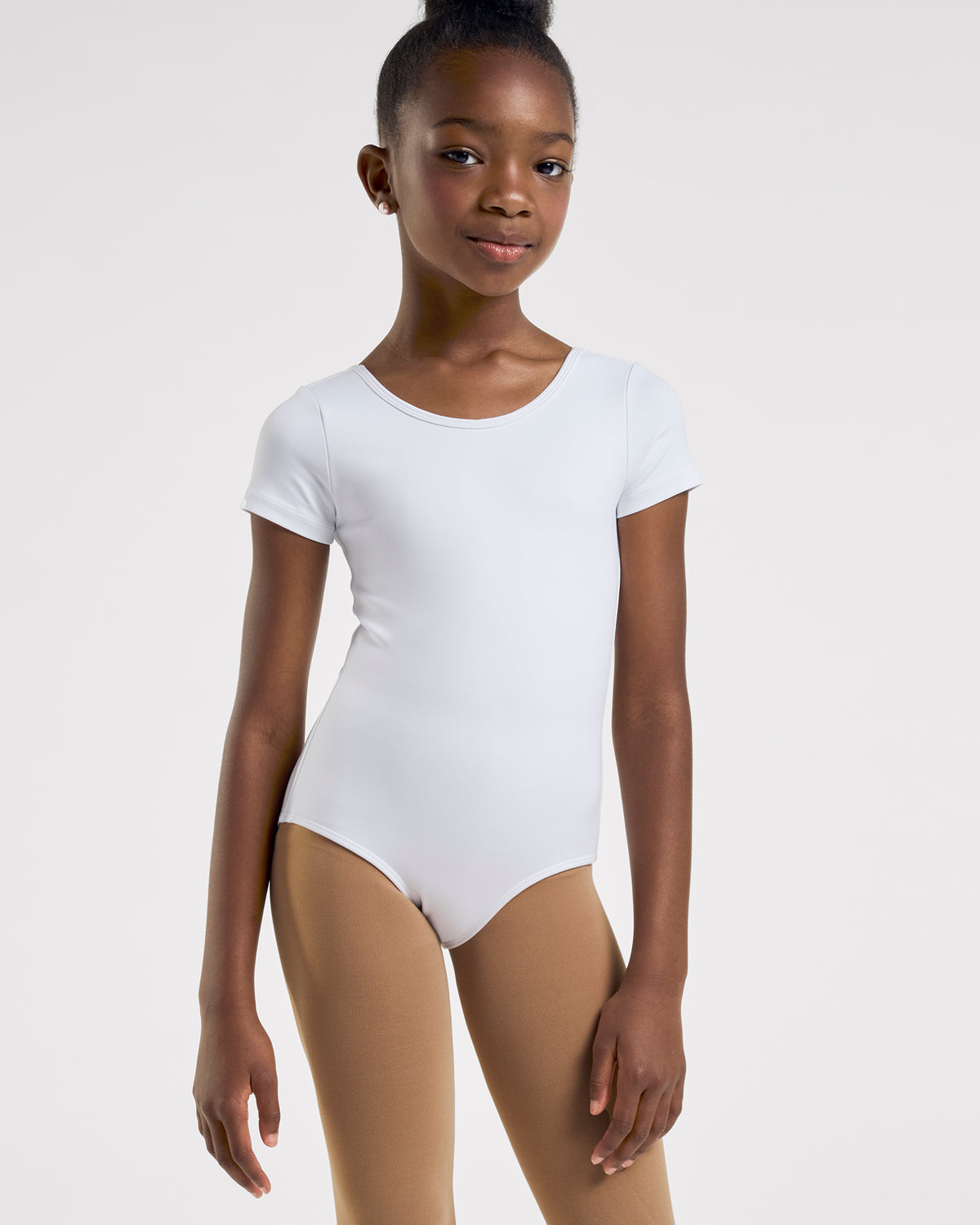
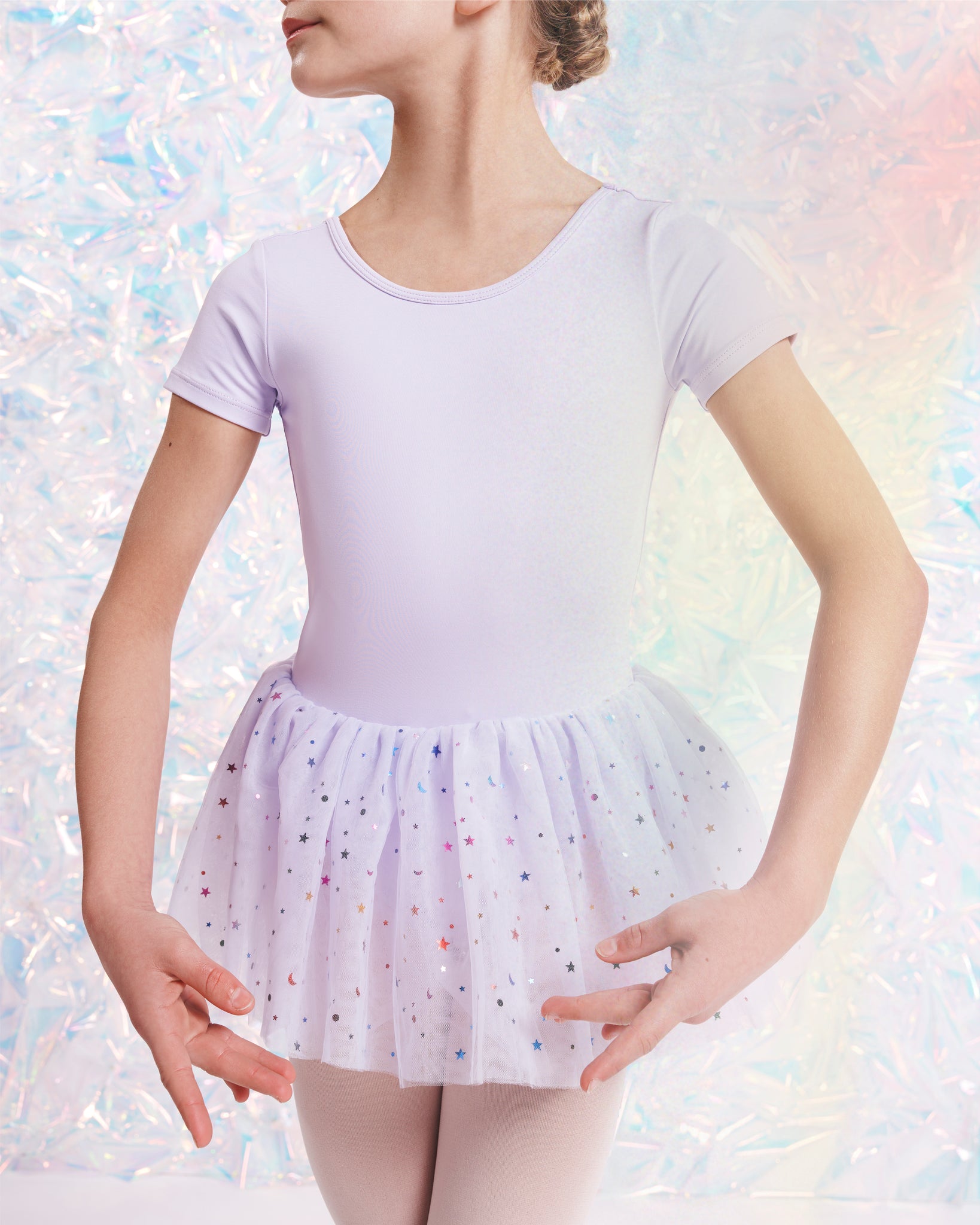
It often feels soft and gentle on the skin. For a young dancer who dislikes scratchy seams or the slick, synthetic feel of shinier fabrics, cotton is often the fabric that feels least like "wearing a costume" and most like a comfortable, familiar T-shirt.
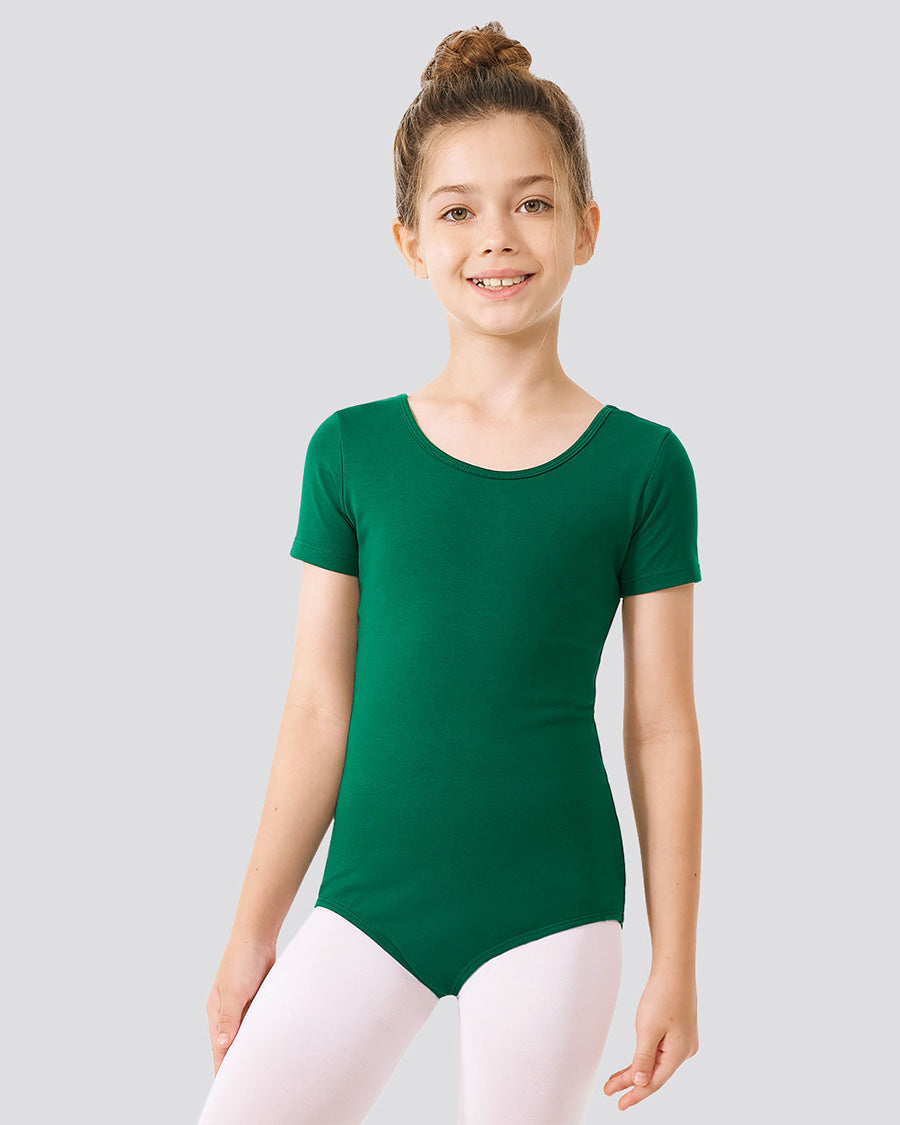
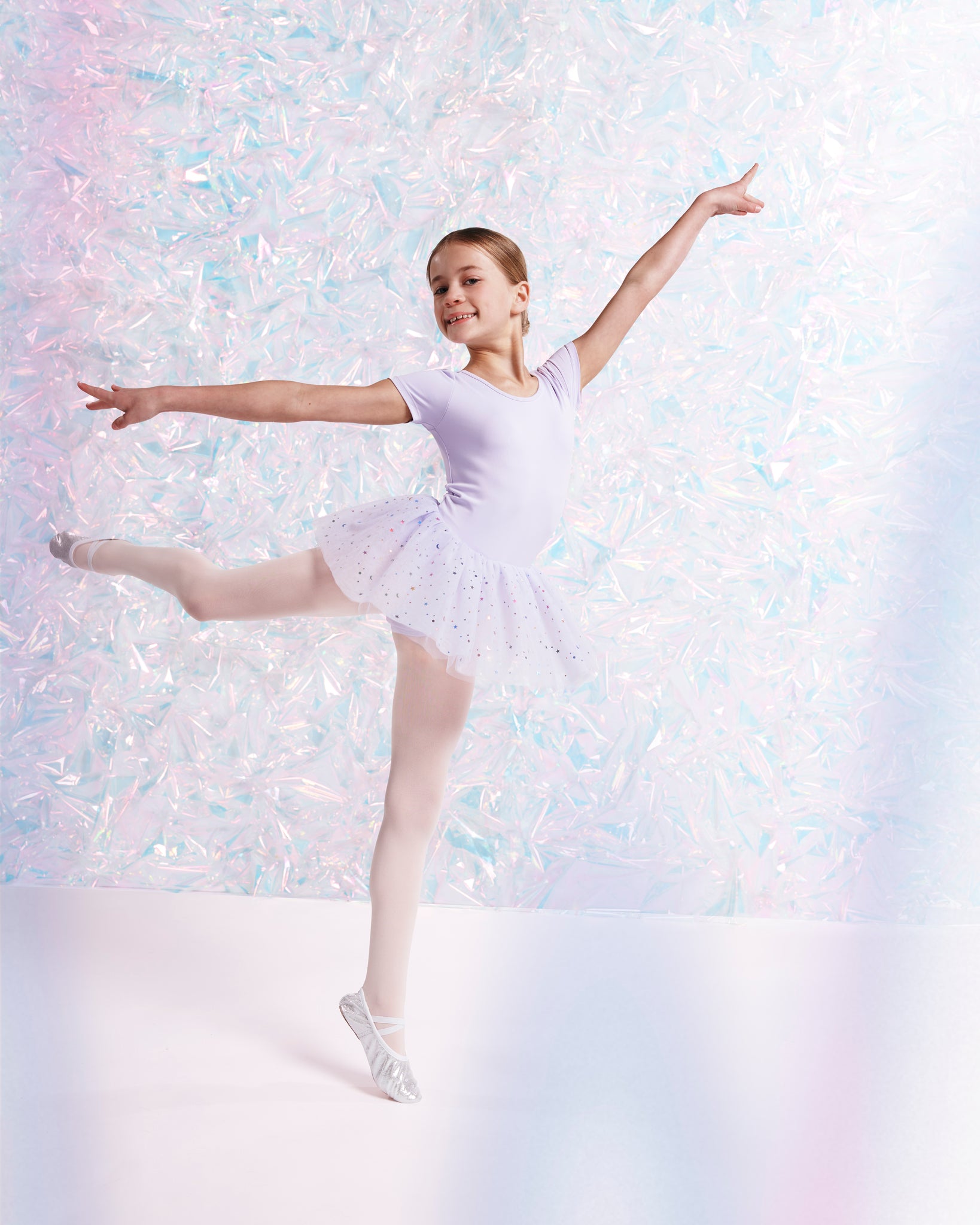
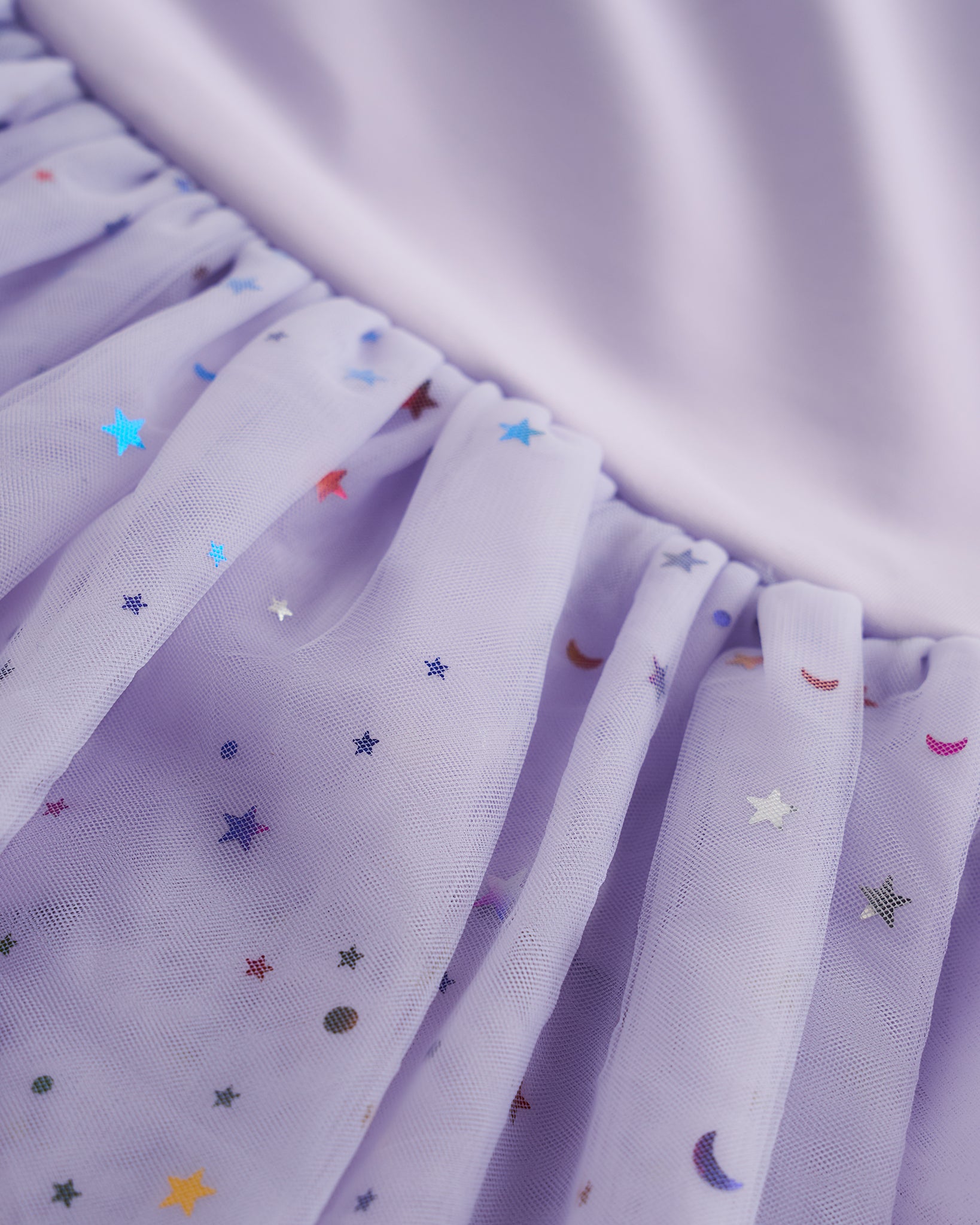
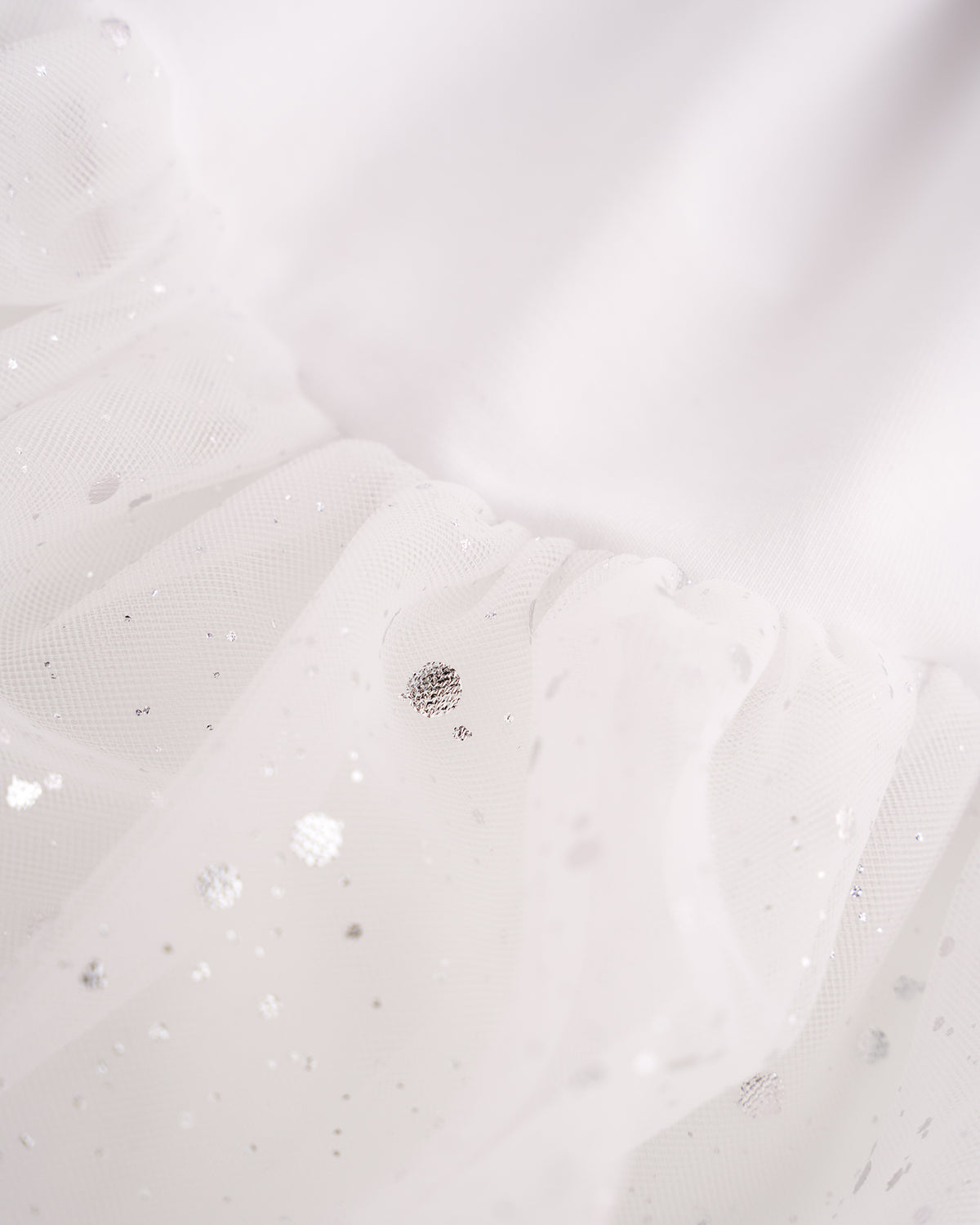
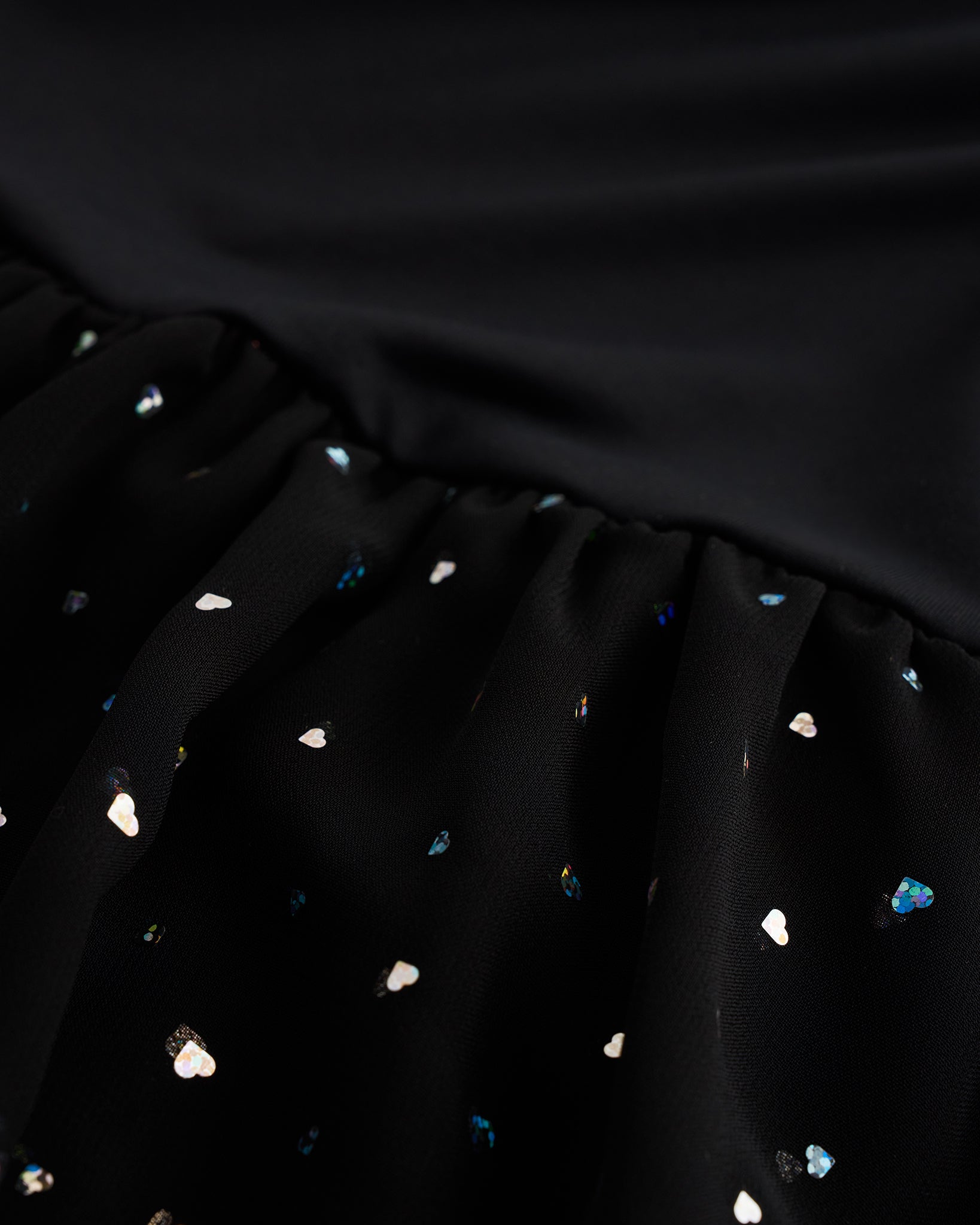
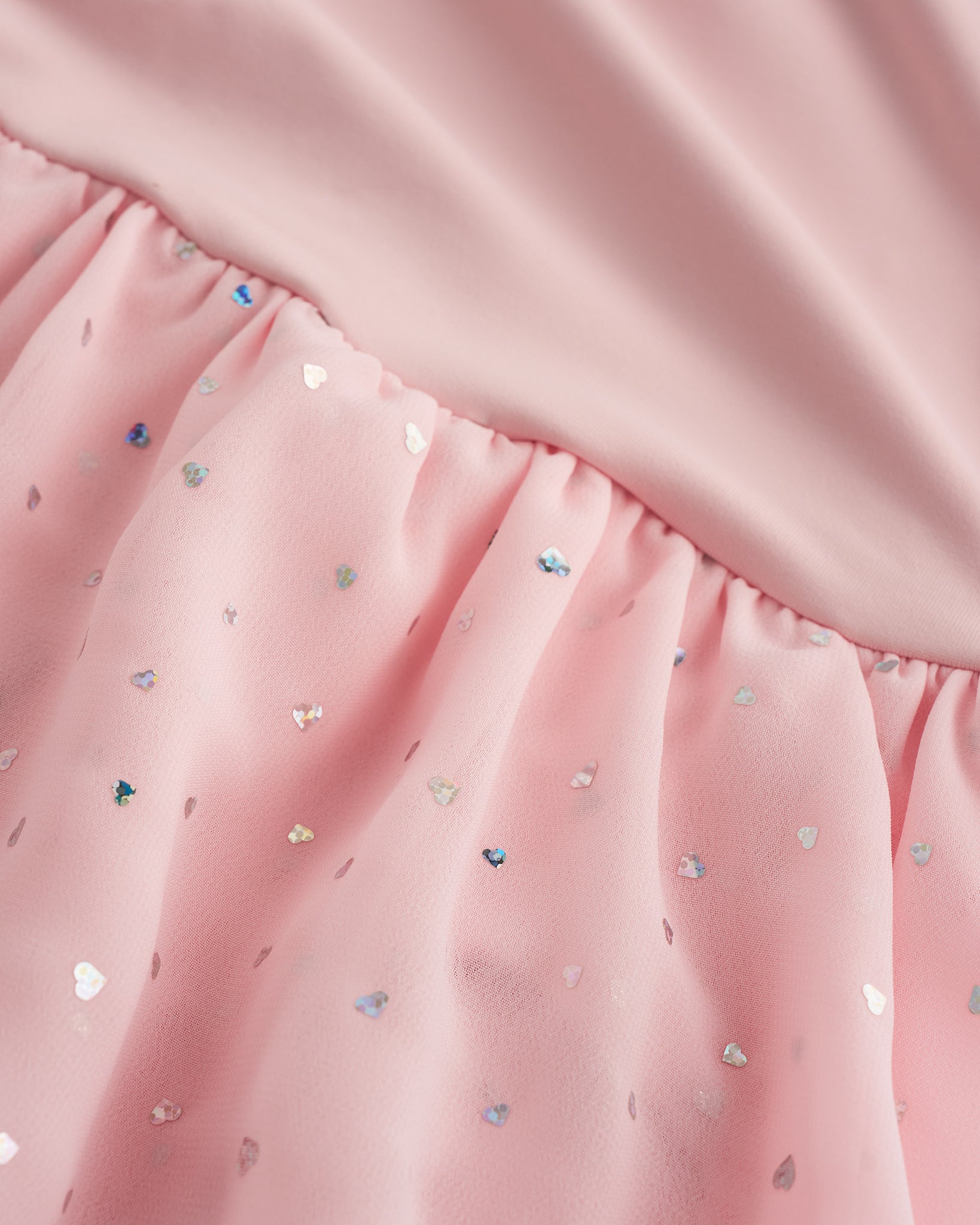
It still stretches and moves with her. A touch of spandex (Stelle's cotton leotards use 92% cotton and 8% spandex) gives the fabric enough give for pliés, jumps, and arm movements, without losing that soft, cotton feel.
It breathes well. Cotton fibers let air move through the fabric, which helps a child feel less overheated during a warm studio class, especially for lower-intensity movement like a beginner ballet class.
It is easy to care for. Cotton-spandex leotards can usually go in the washing machine on a gentle cycle, which matters when a leotard is worn directly against the skin, class after class.
It tends to be more budget-friendly. Cotton dance leotards are usually priced lower than performance fabrics, which is a real consideration if your child is just starting out and you are not sure yet how long the interest will last.
It suits many kids with sensitive skin. Cotton is a natural fiber that many kids find softer and less irritating than slick or scratchy synthetic-feeling fabrics.
For most young dancers taking regular ballet or dance class, this combination of softness, breathability, and everyday durability is genuinely hard to beat.

The One Trade-Off Worth Knowing
To be fair, cotton is not the fastest-drying fabric out there. It absorbs sweat rather than wicking it away, so after a very active class, a cotton leotard can feel a little damp against the skin. As REI's fabric guide explains, cotton is often described as the "anti-moisture-wicking" fabric, since it holds onto moisture instead of moving it to the surface to evaporate. That is normal for the fabric, not a defect, but it is worth knowing before class, not after. For most kids taking a class or two a week, this is a minor detail. It becomes more relevant for kids training many times a week or heading into high-intensity styles like tumbling, where a true performance fabric will feel drier throughout.
Which Fabric Fits Your Situation?
Our leotard buying guide already walks through fabric by how often your child attends class. Here are a few other angles worth weighing, especially if class frequency alone does not make the choice obvious.
|
If this matters most to you |
Cotton tends to fit well when... |
Consider a performance fabric when... |
|
Sensitive or easily irritated skin |
Your child reacts to shinier, synthetic fabrics or scratchy seams |
Sensitivity is not a concern and durability matters more |
|
Budget |
You want a comfortable, reliable option without paying for performance features you do not need yet |
She is training often enough that a performance fabric earns back its higher price in durability |
|
Season and studio temperature |
Classes are in a cooler, well-ventilated studio, or she does not sweat heavily |
Classes run in a warm studio, or she sweats heavily once moving, where a faster-drying fabric will feel less damp by the end of class |
|
Dance style |
She is in ballet, jazz, or a lower-sweat style with mostly upright movement |
She is in gymnastics, tumbling, acro, or anything with a lot of floor work and repeated sweating, where nylon-spandex tends to feel smoother and polyester-spandex is often the more durable, budget-friendly pick for team wear |
If you are weighing these against each other and still not sure, it is completely reasonable to start with cotton and it is completely fine to adjust as her needs change.
Caring for a Cotton Leotard
A few habits keep a cotton leotard soft, stretchy, and true to size for longer:
-
Wash cold, every time. Hot water is the main reason cotton-spandex leotards shrink and lose their stretch.
-
Use a mild, color-safe detergent, and skip the bleach.
-
Turn it inside out before washing to protect the outer surface.
-
Air dry whenever possible. If you use a dryer, keep it on low heat.
-
Wash after every wear, since it sits directly against the skin through class.
-
Do not leave a damp leotard balled up in the dance bag. Let it air out or wash it as soon as you get home.
-
Check the care label, since blends can vary slightly.
-
Keep a backup on hand if your child dances more than once a week.
Stelle's Cotton Leotards
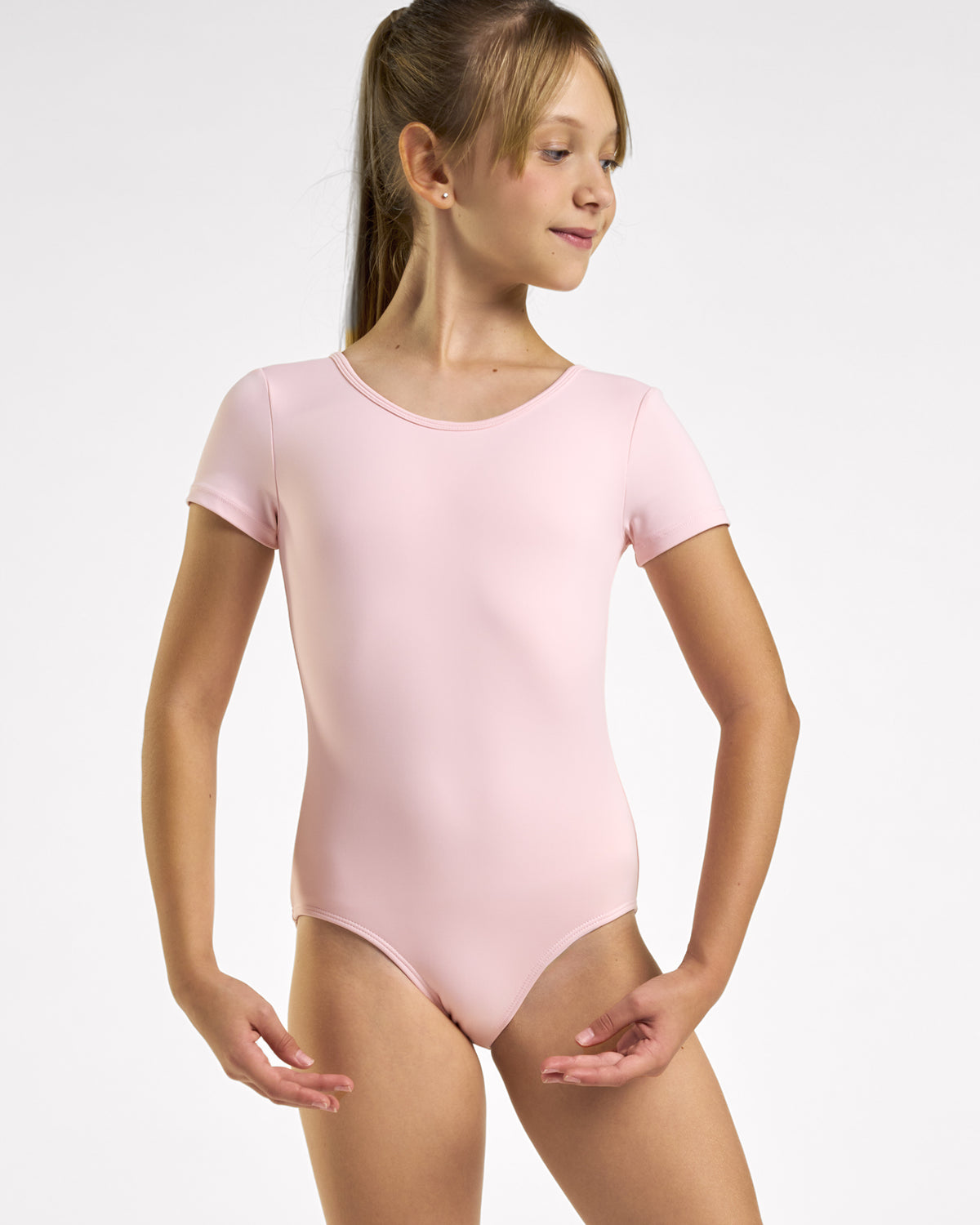
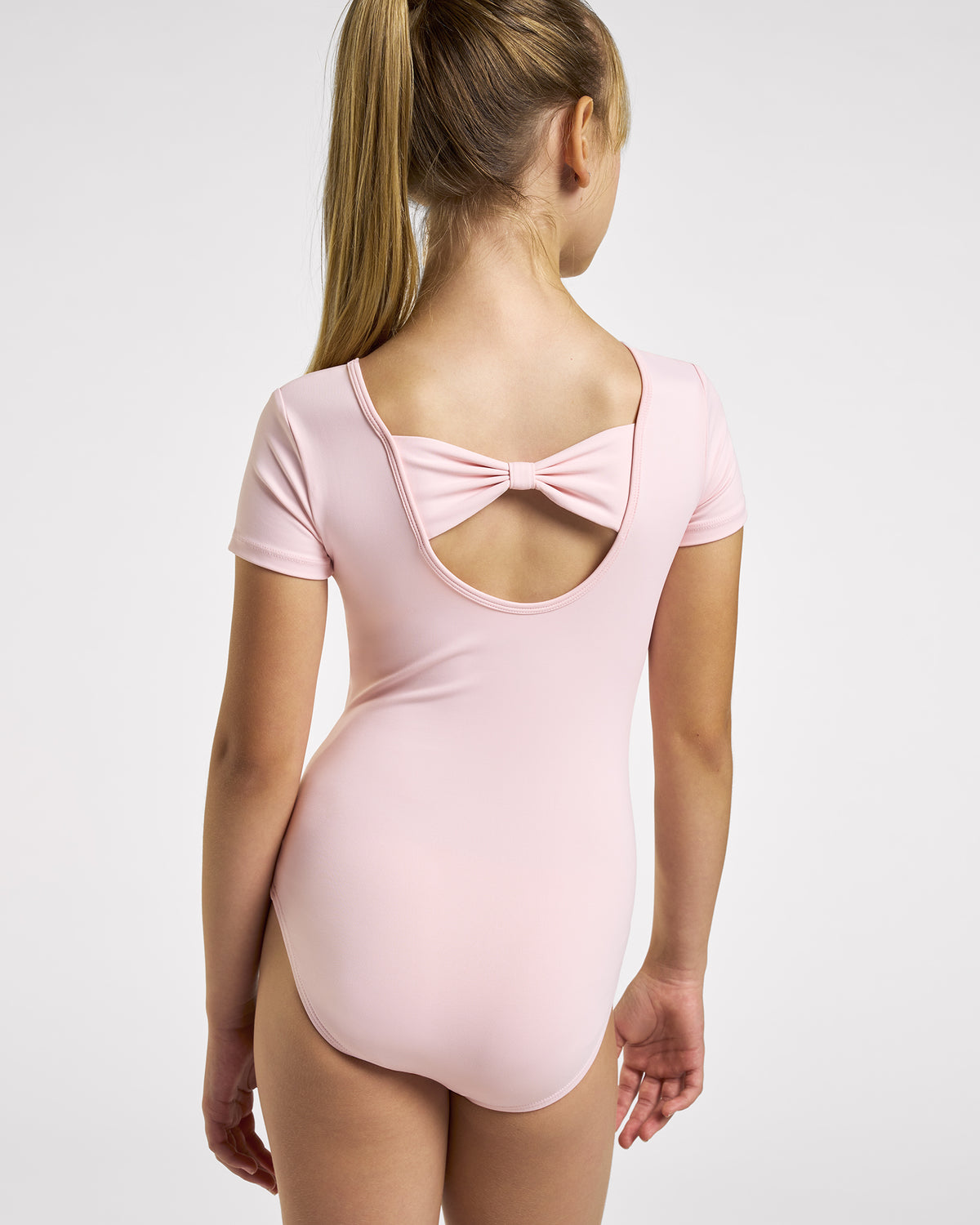
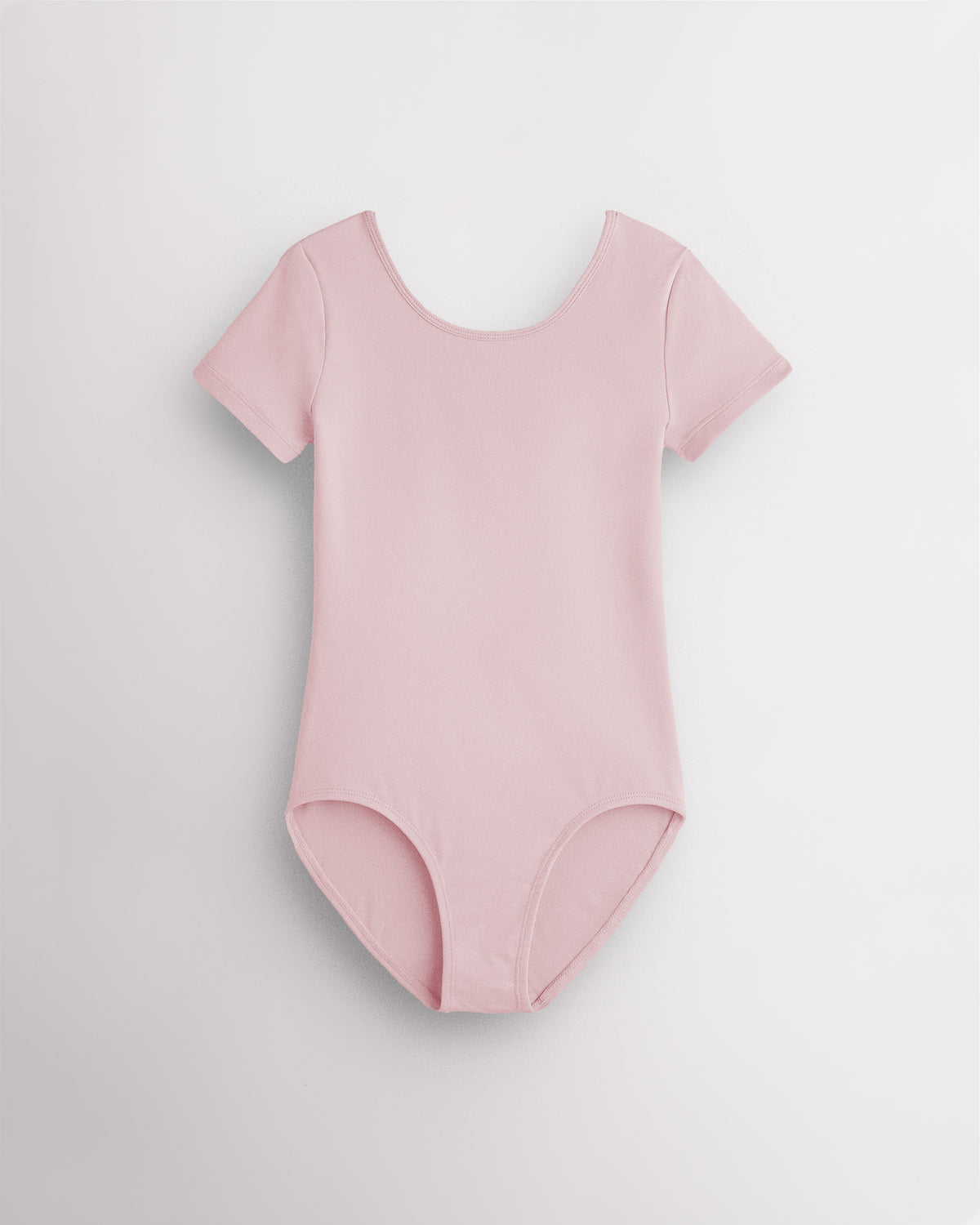
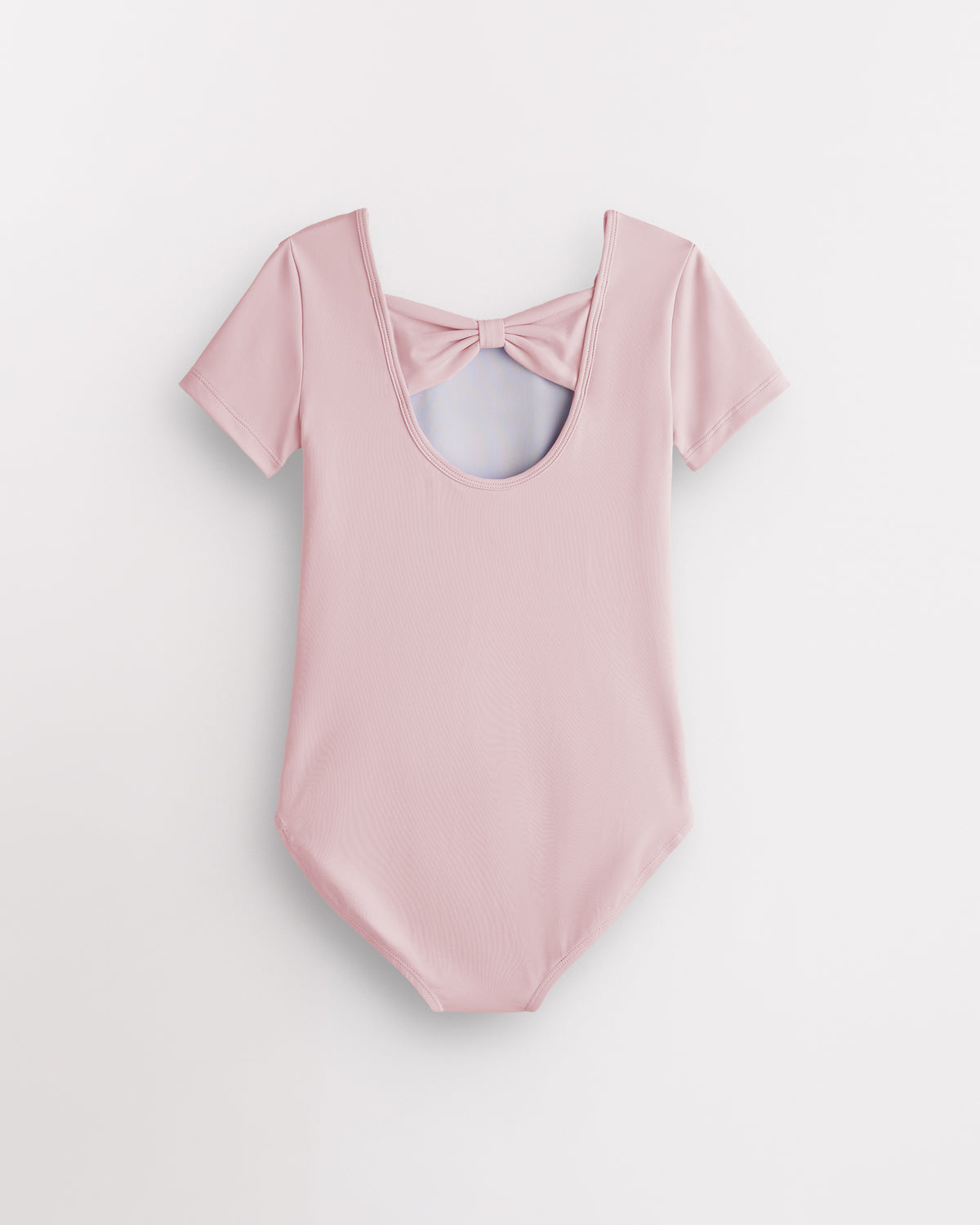
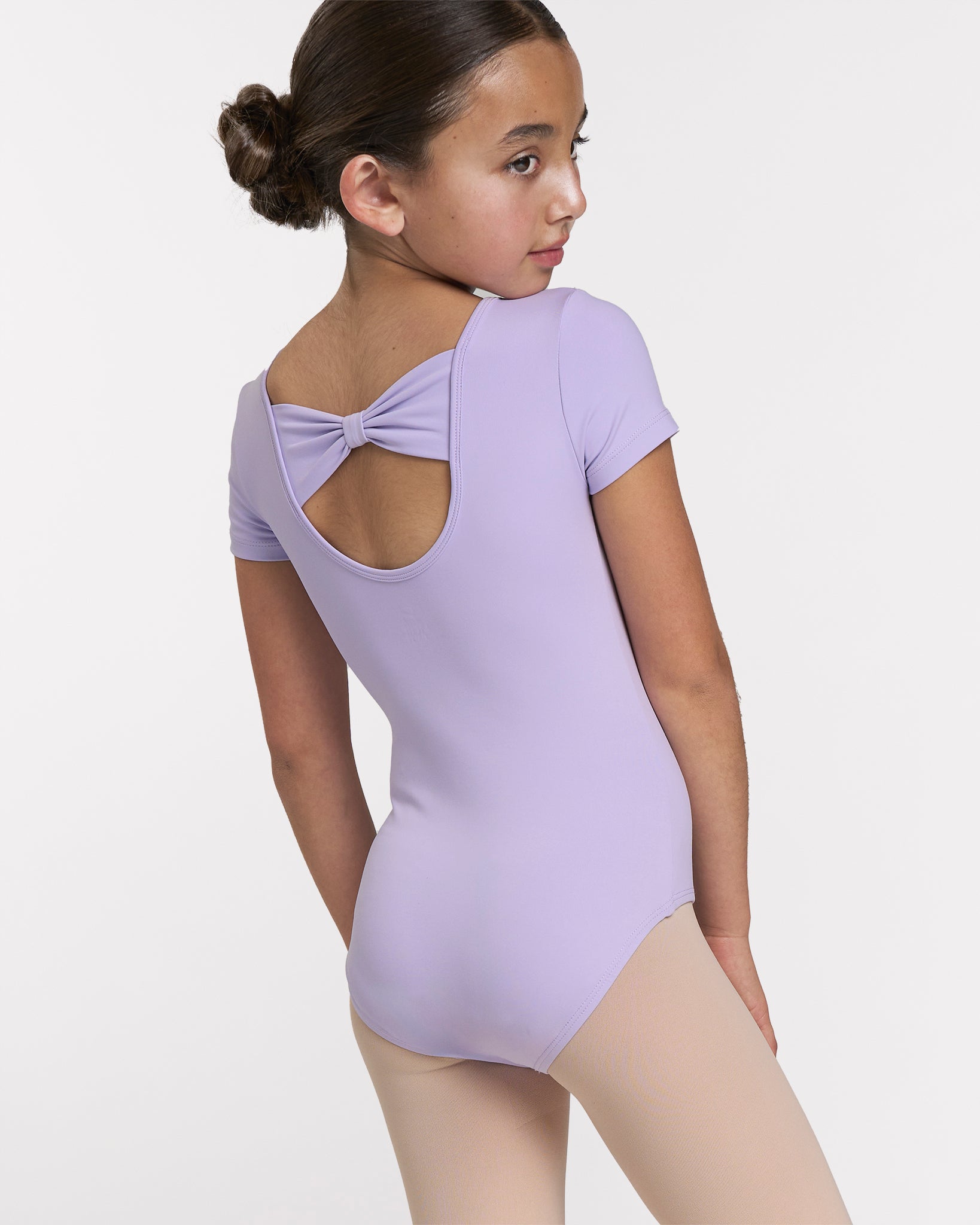
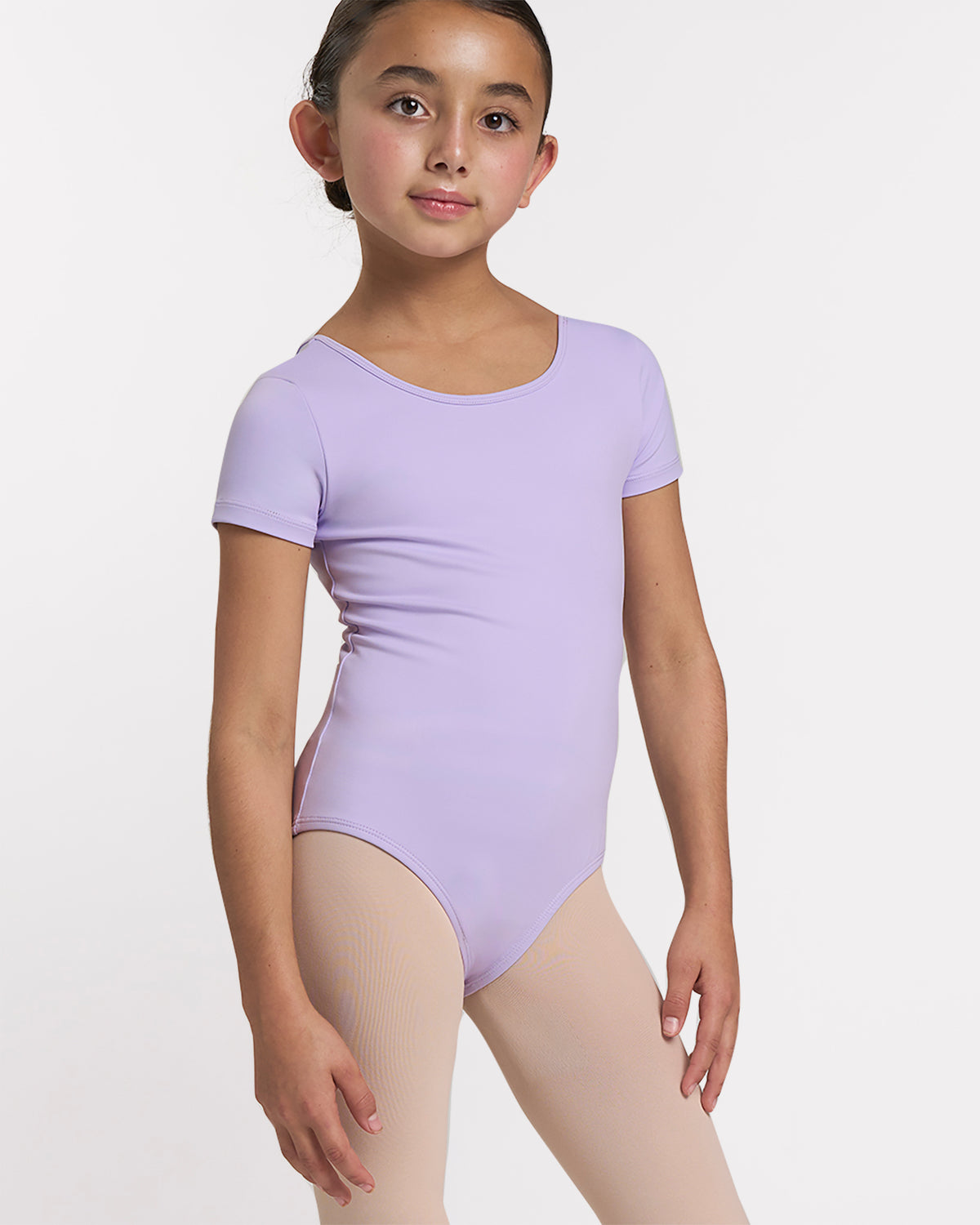
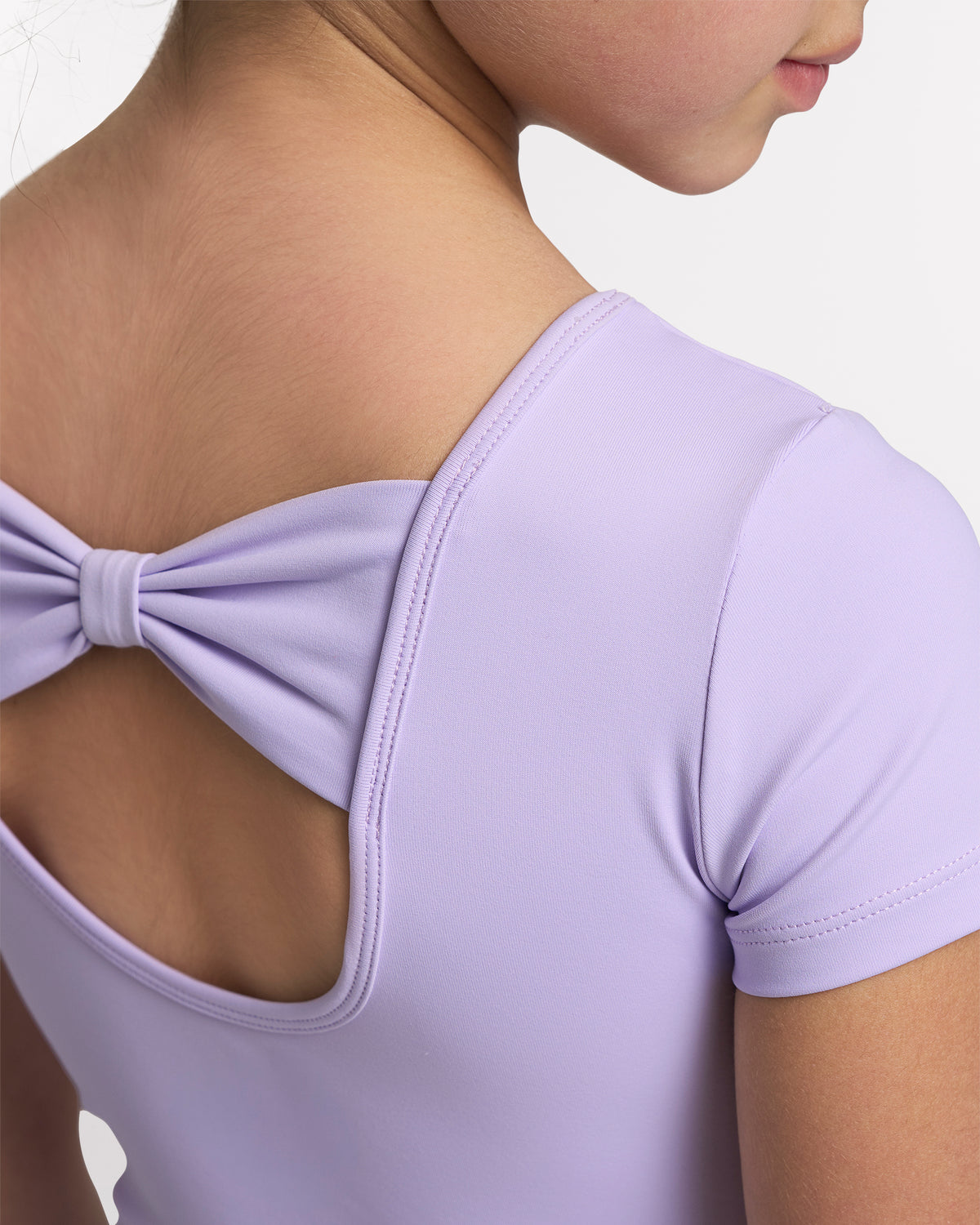
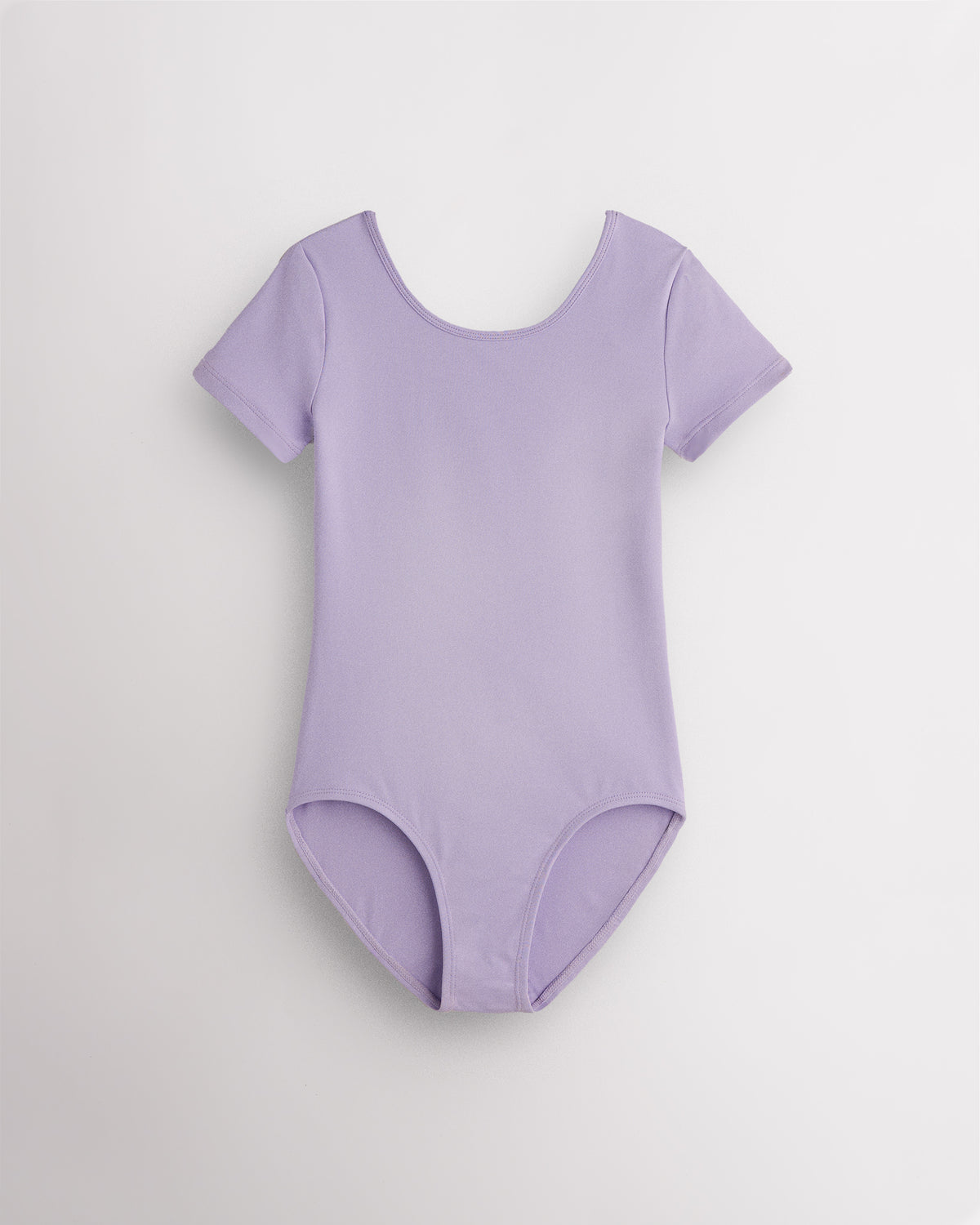
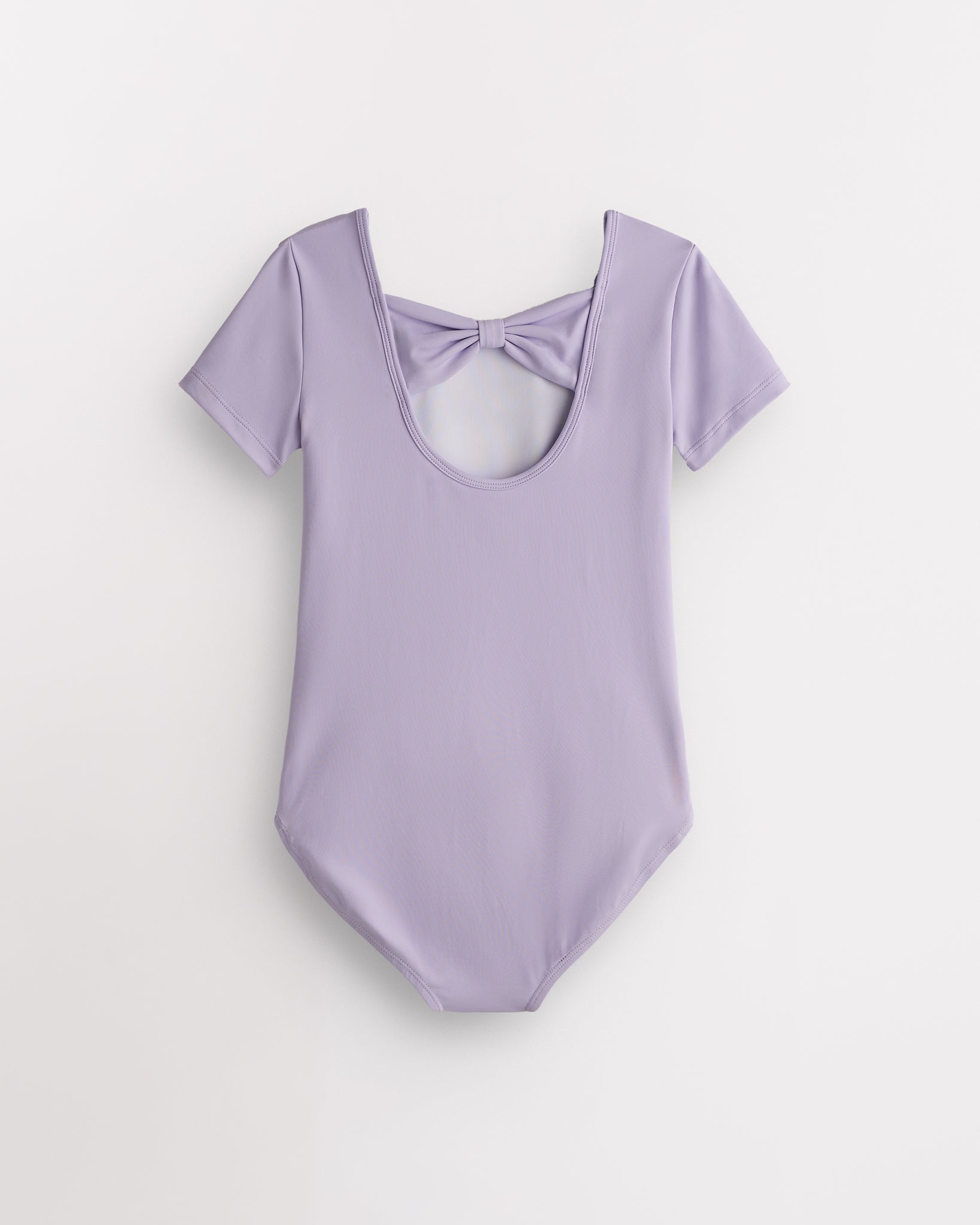
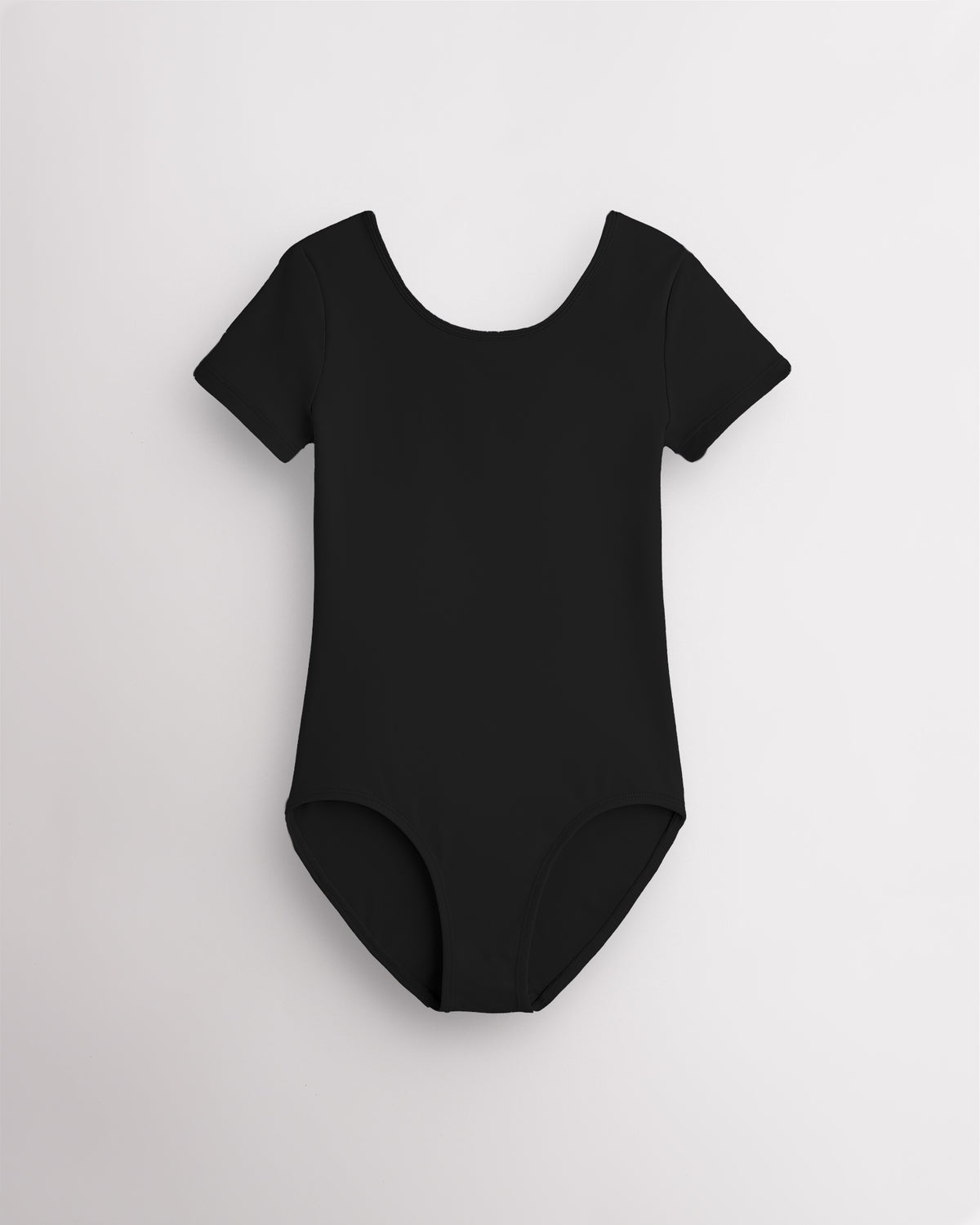
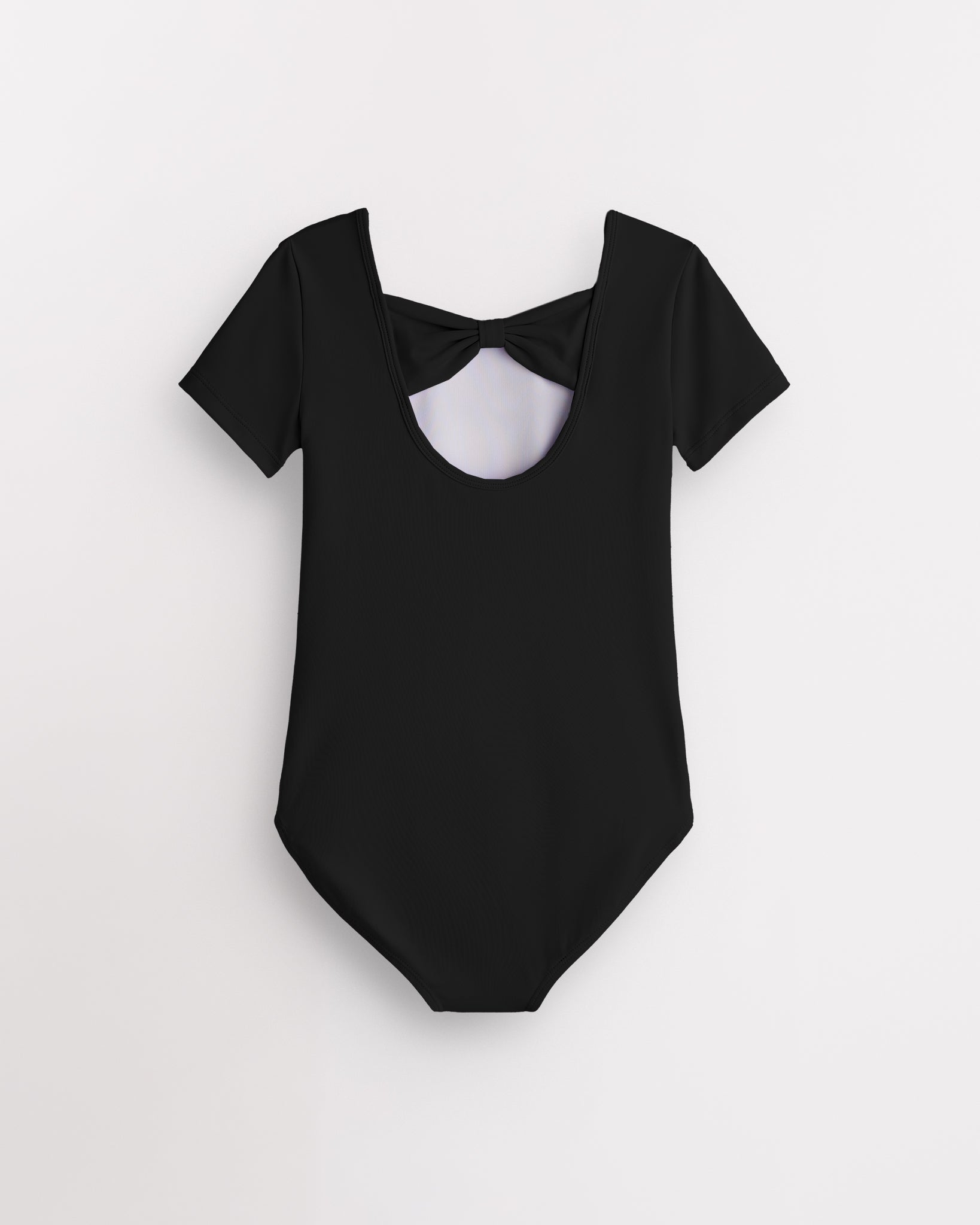
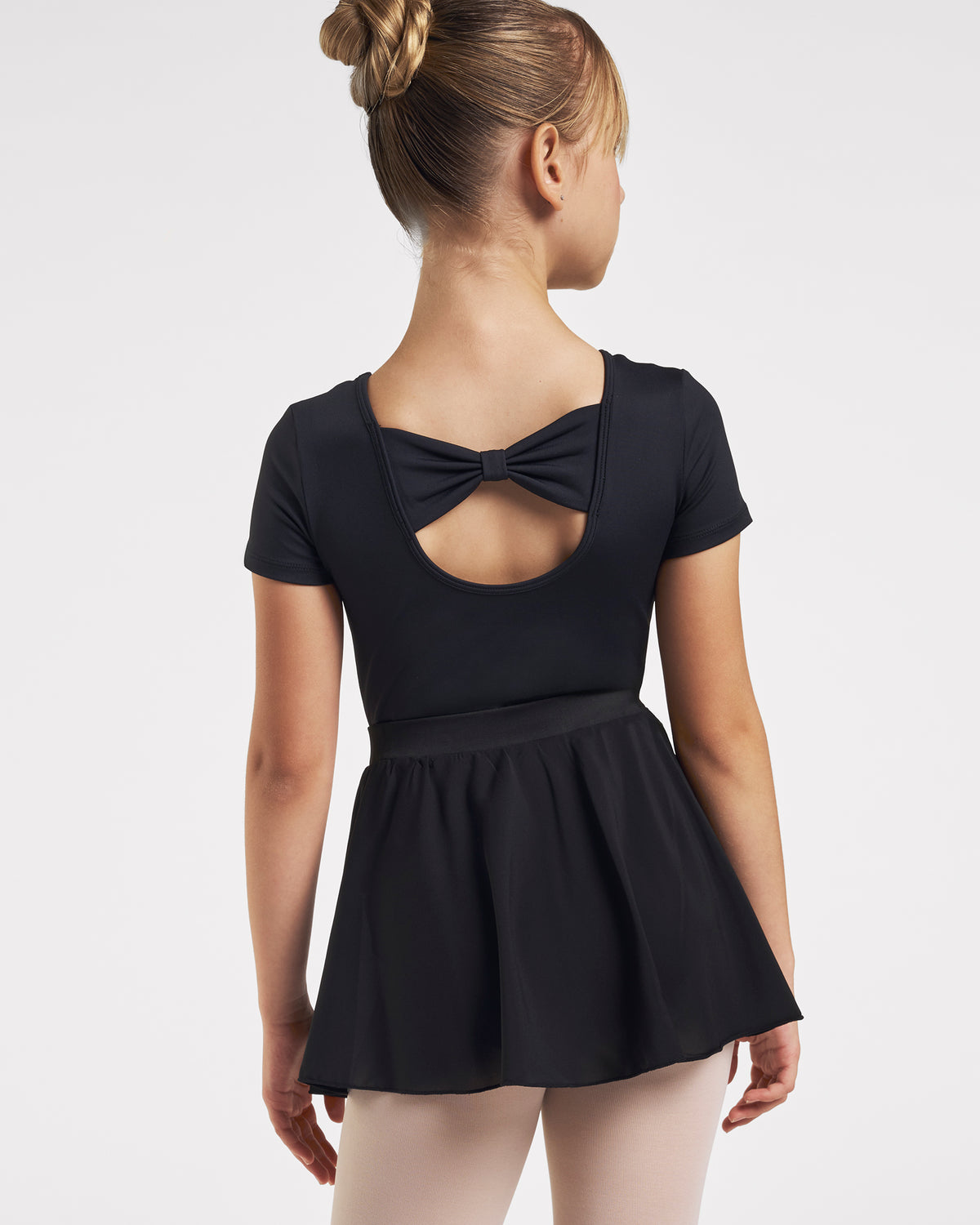
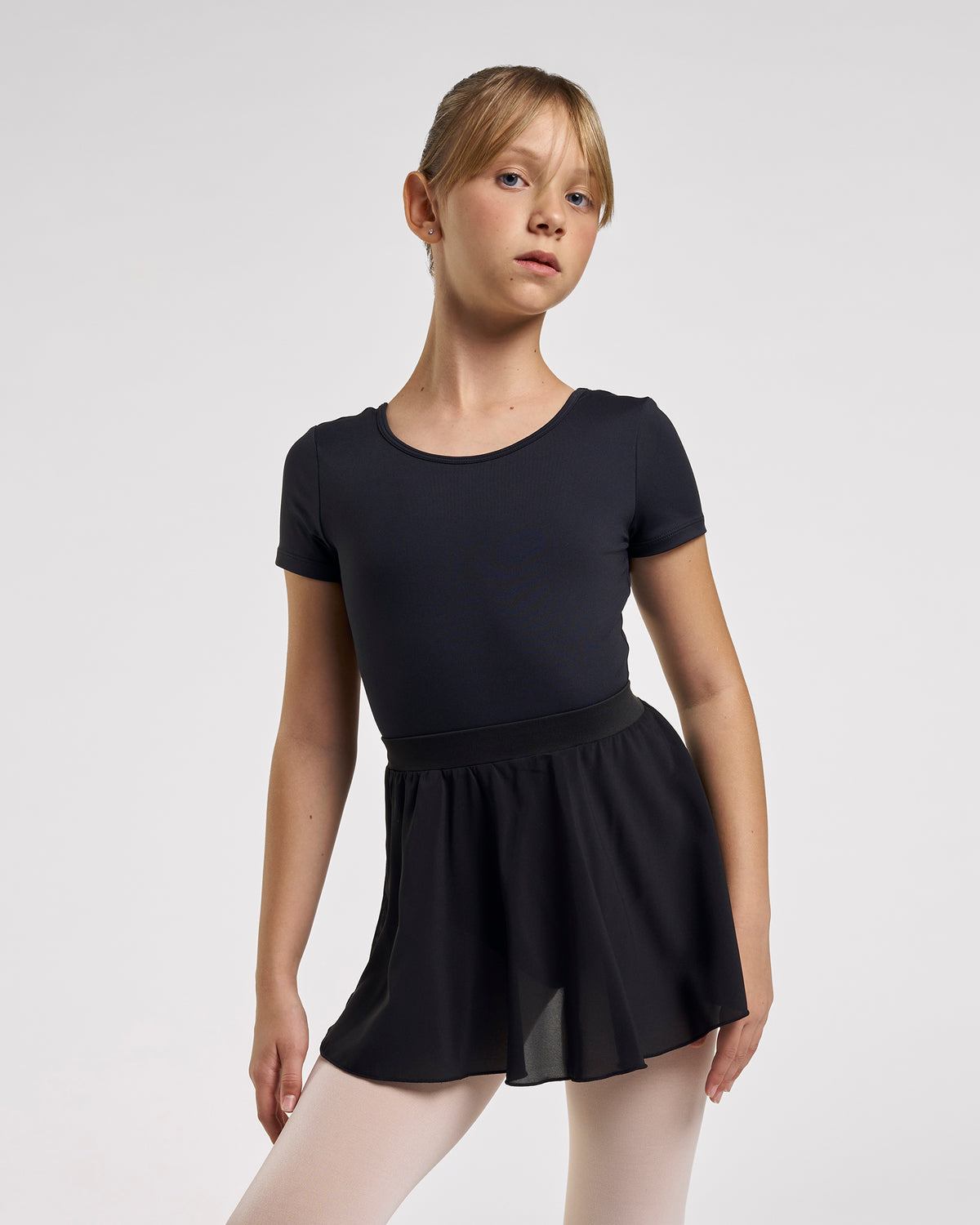
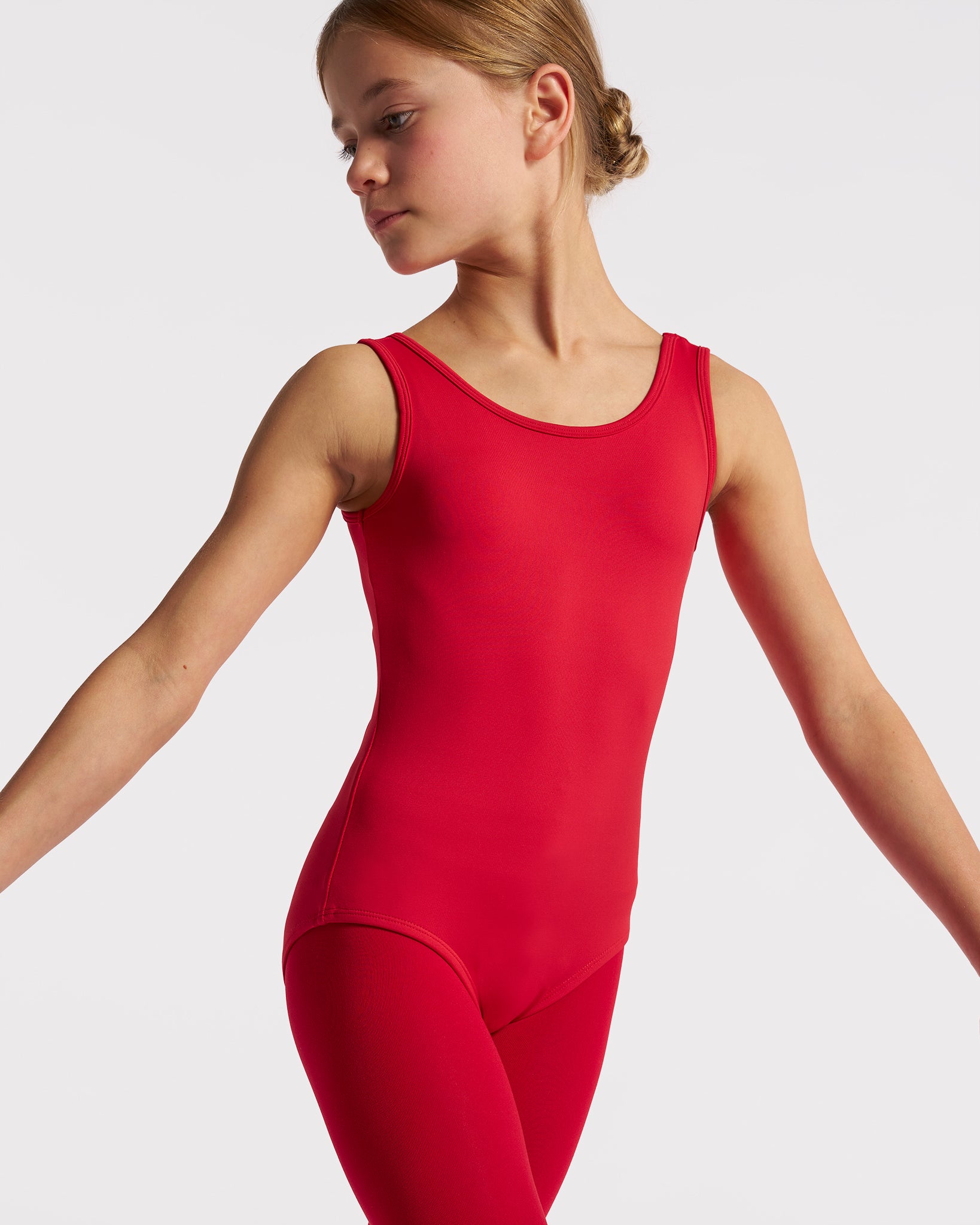
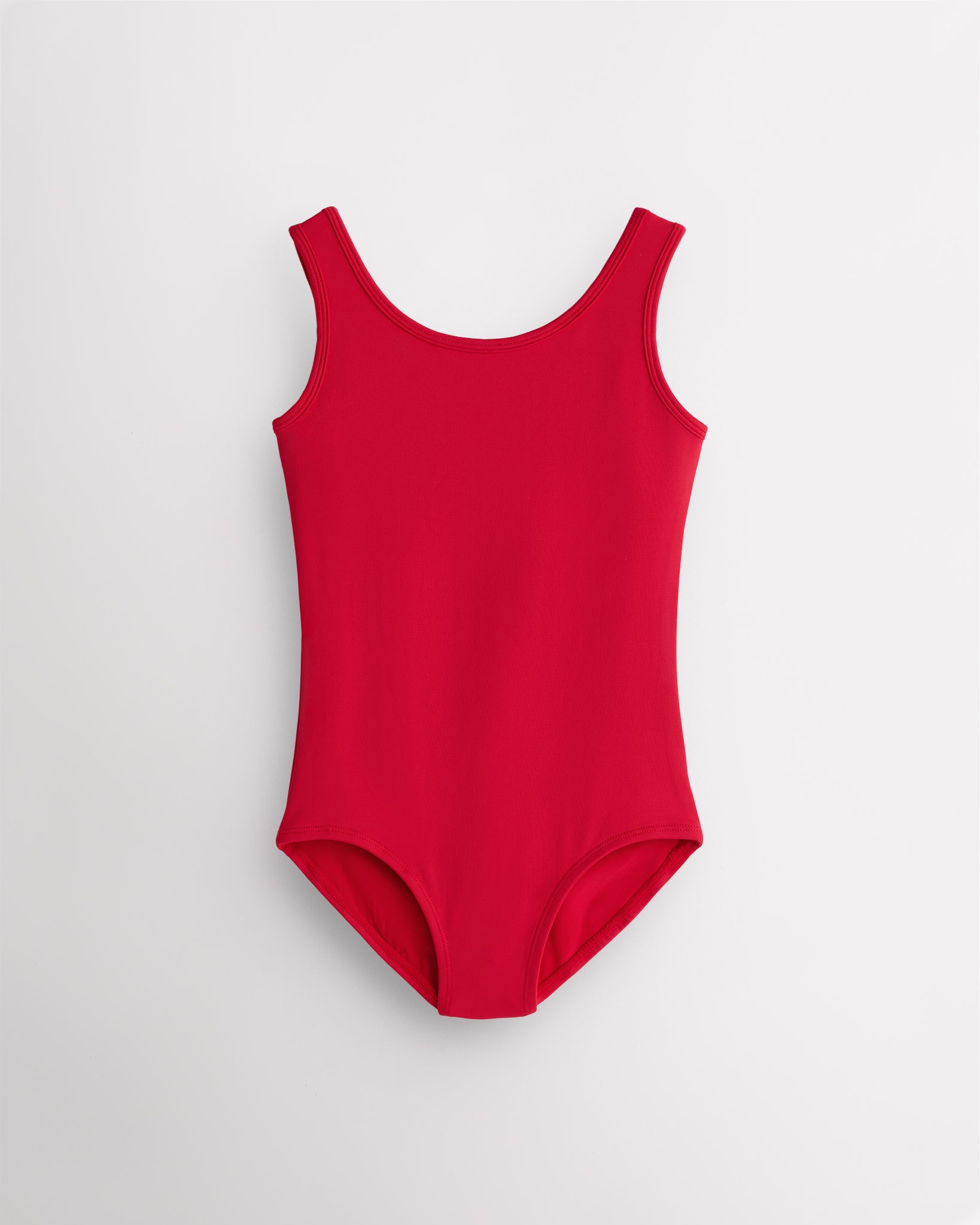
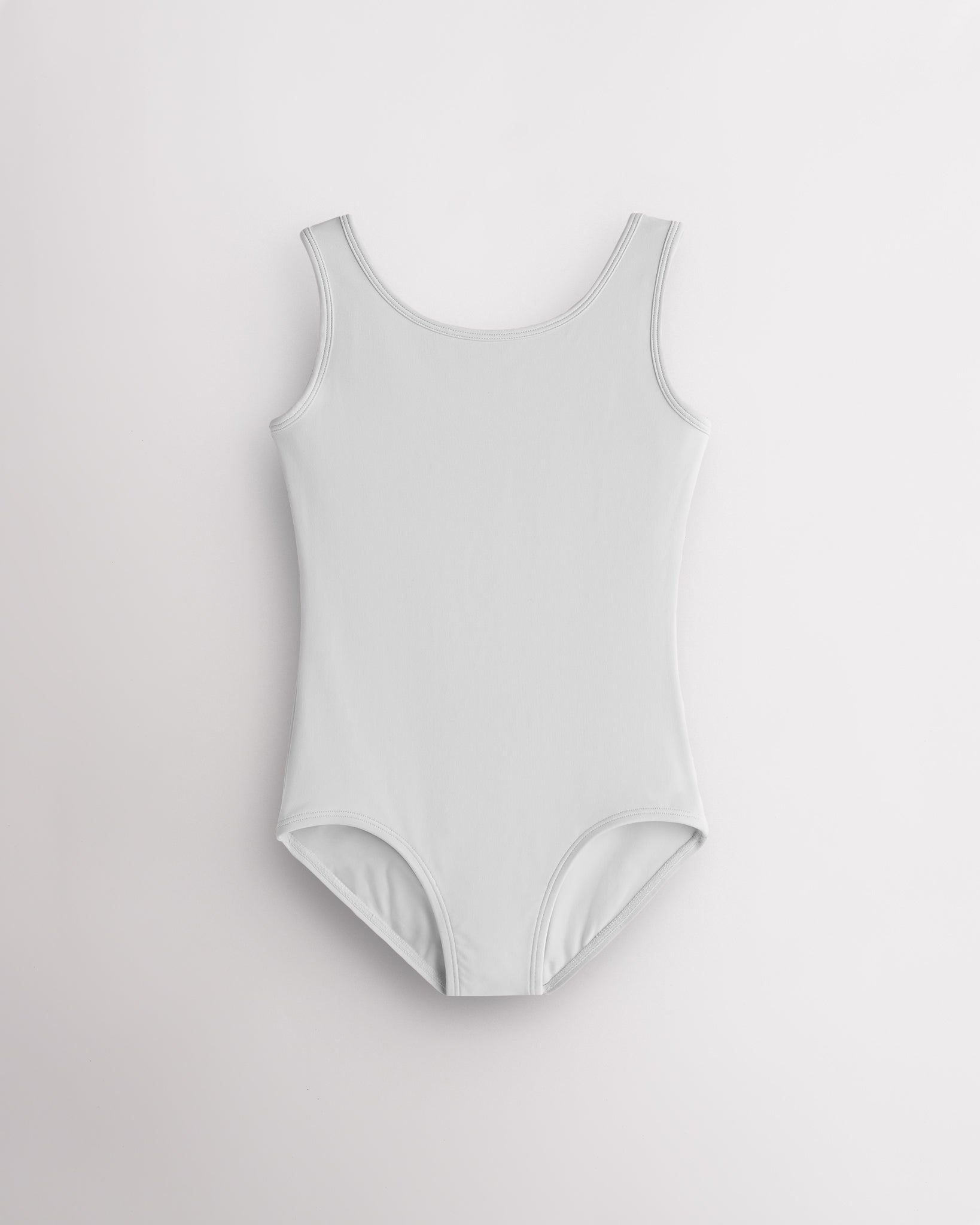
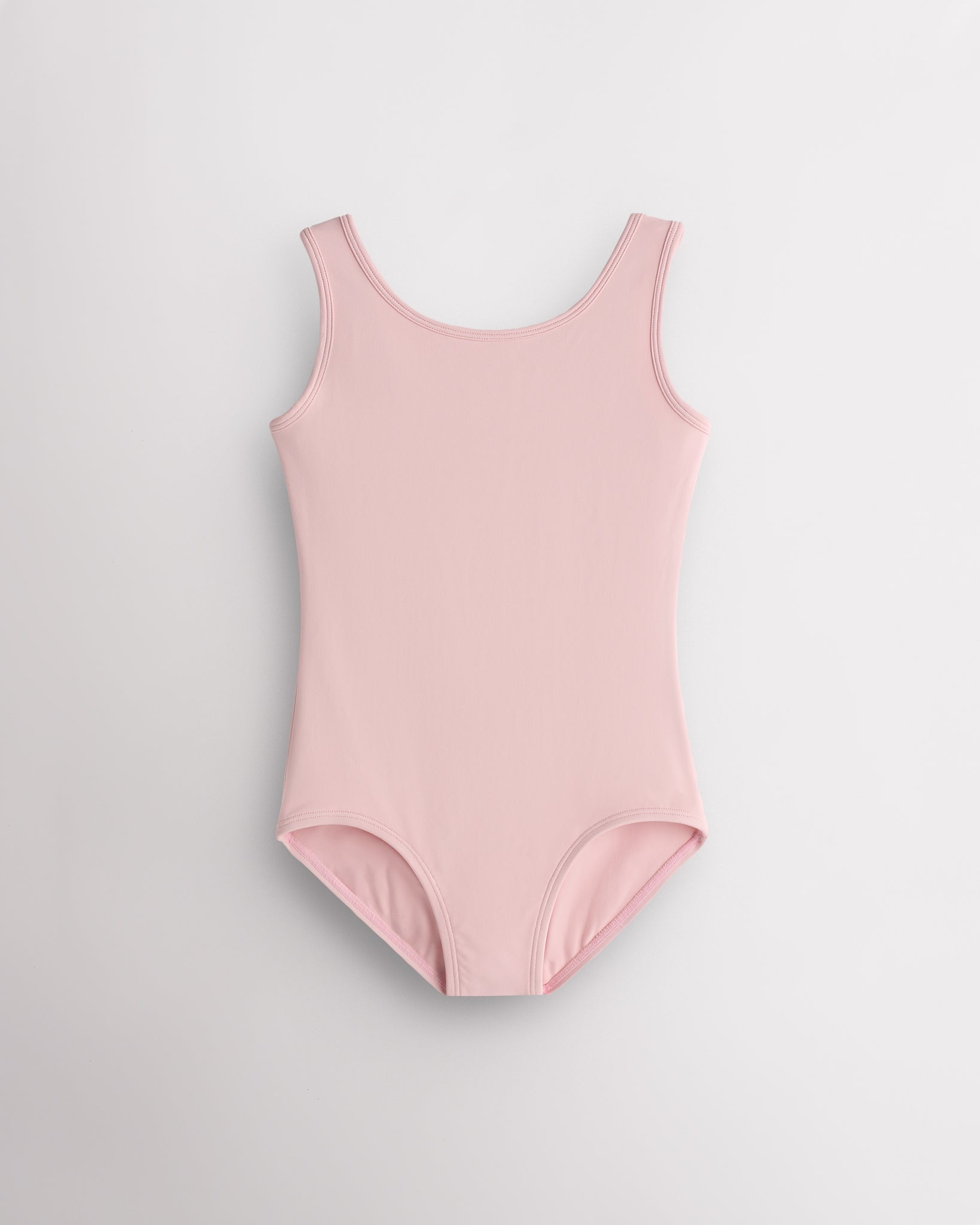
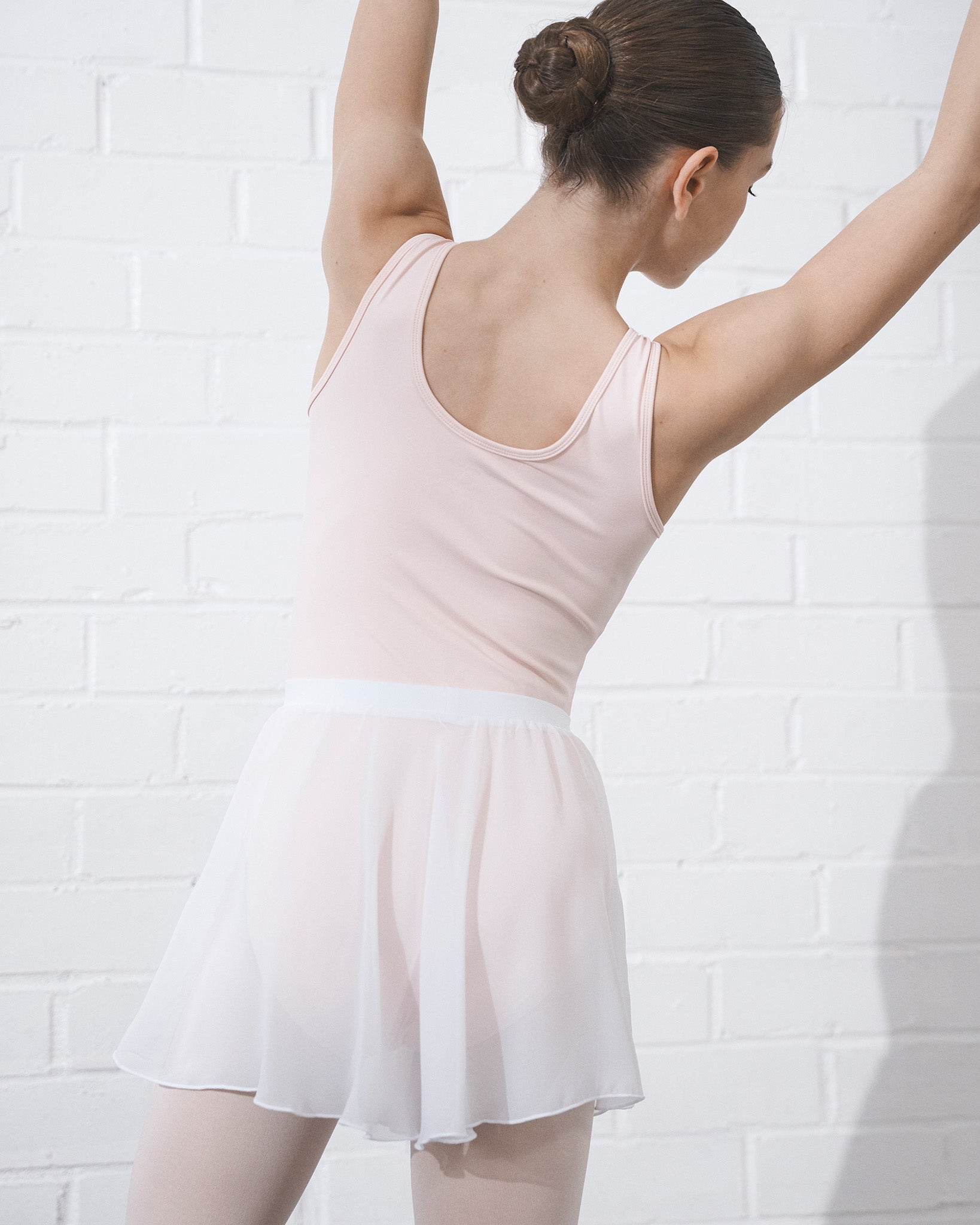
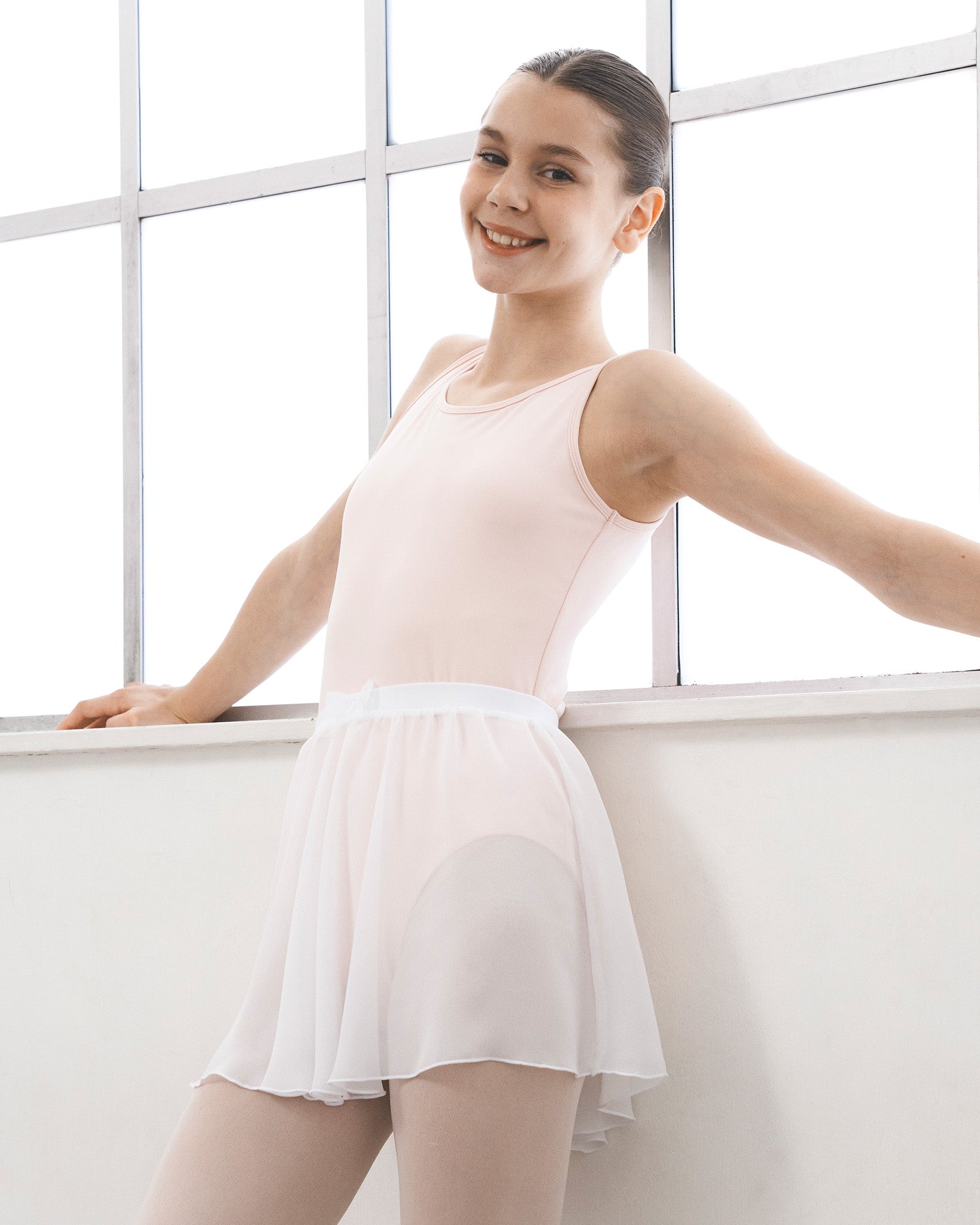
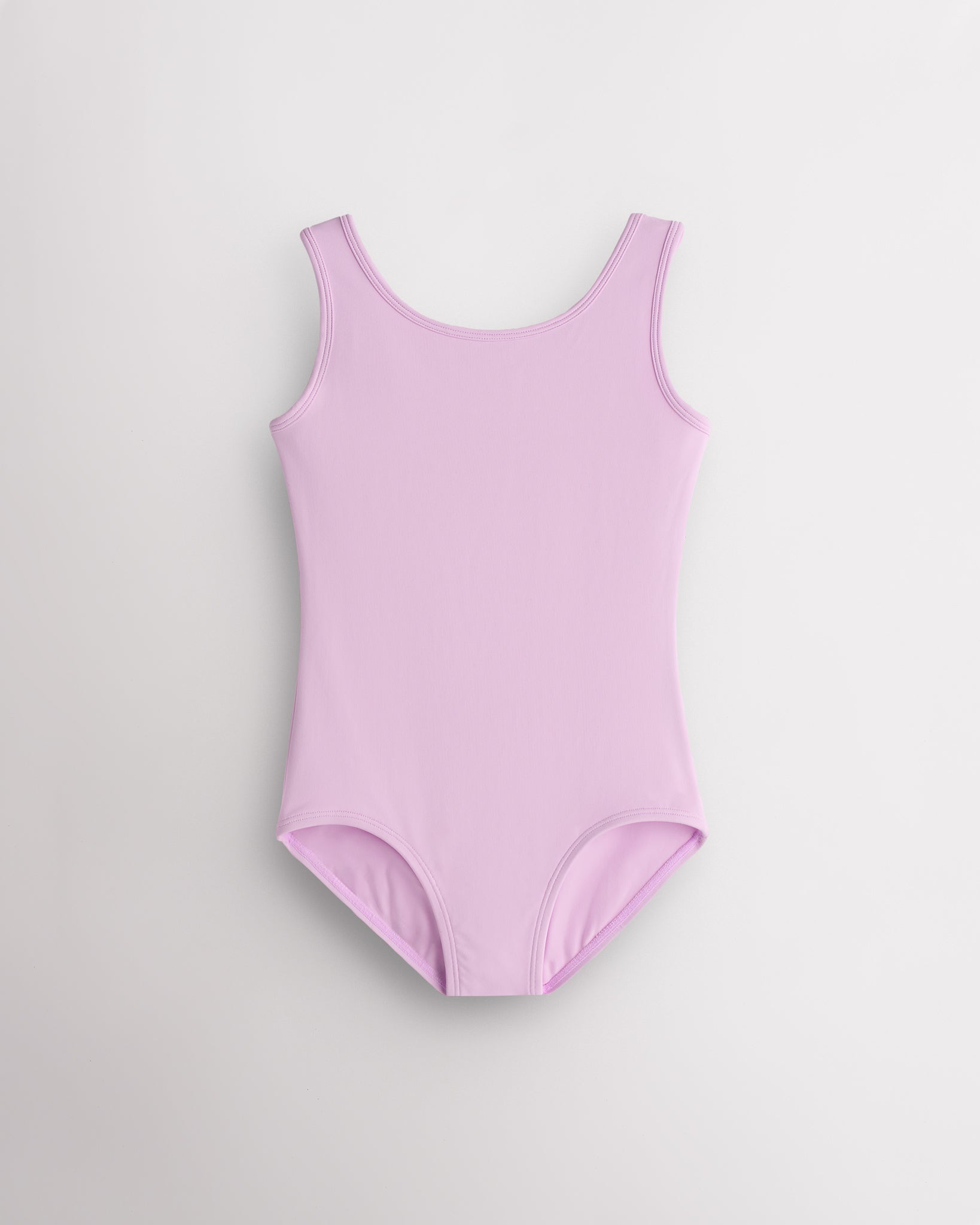
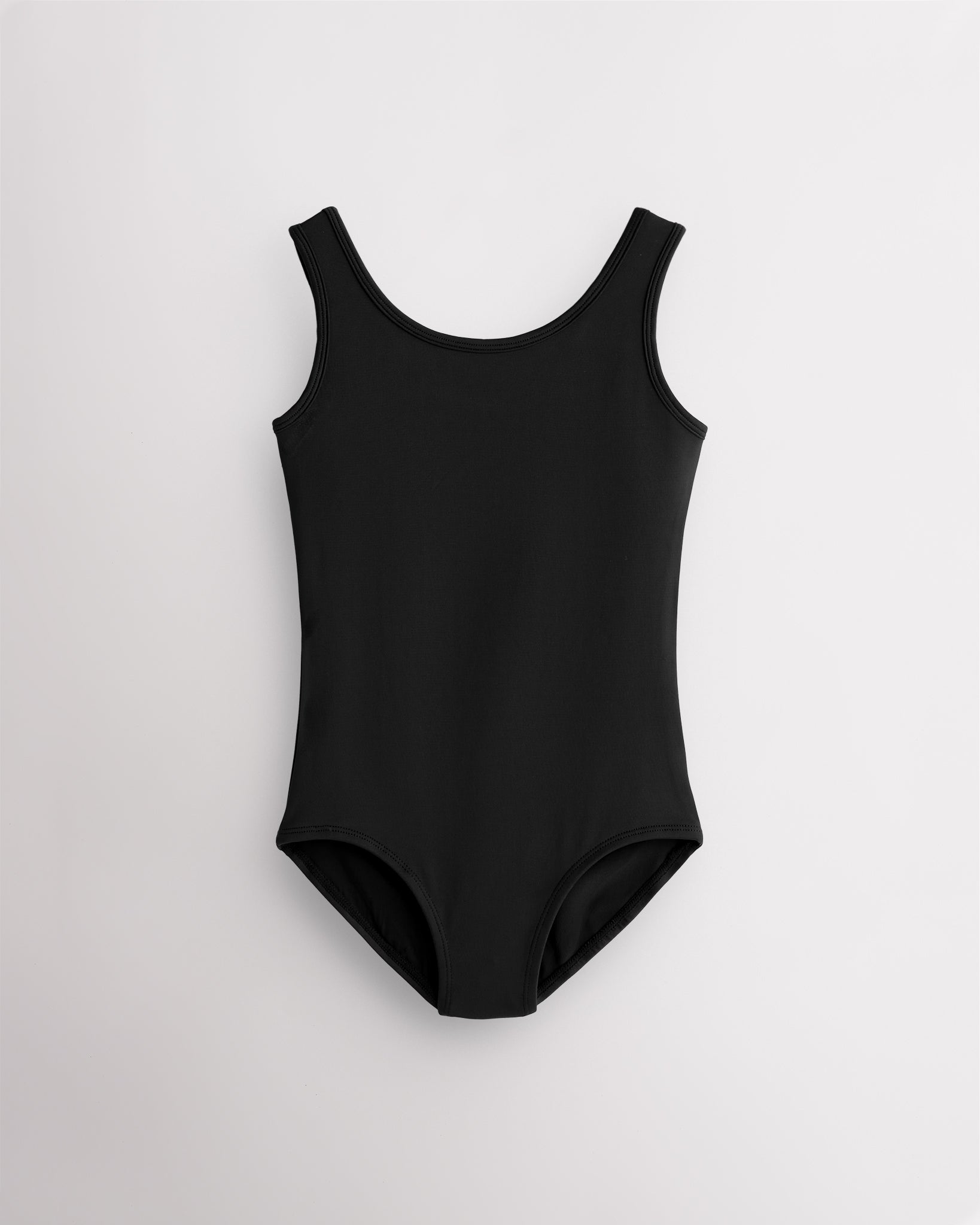
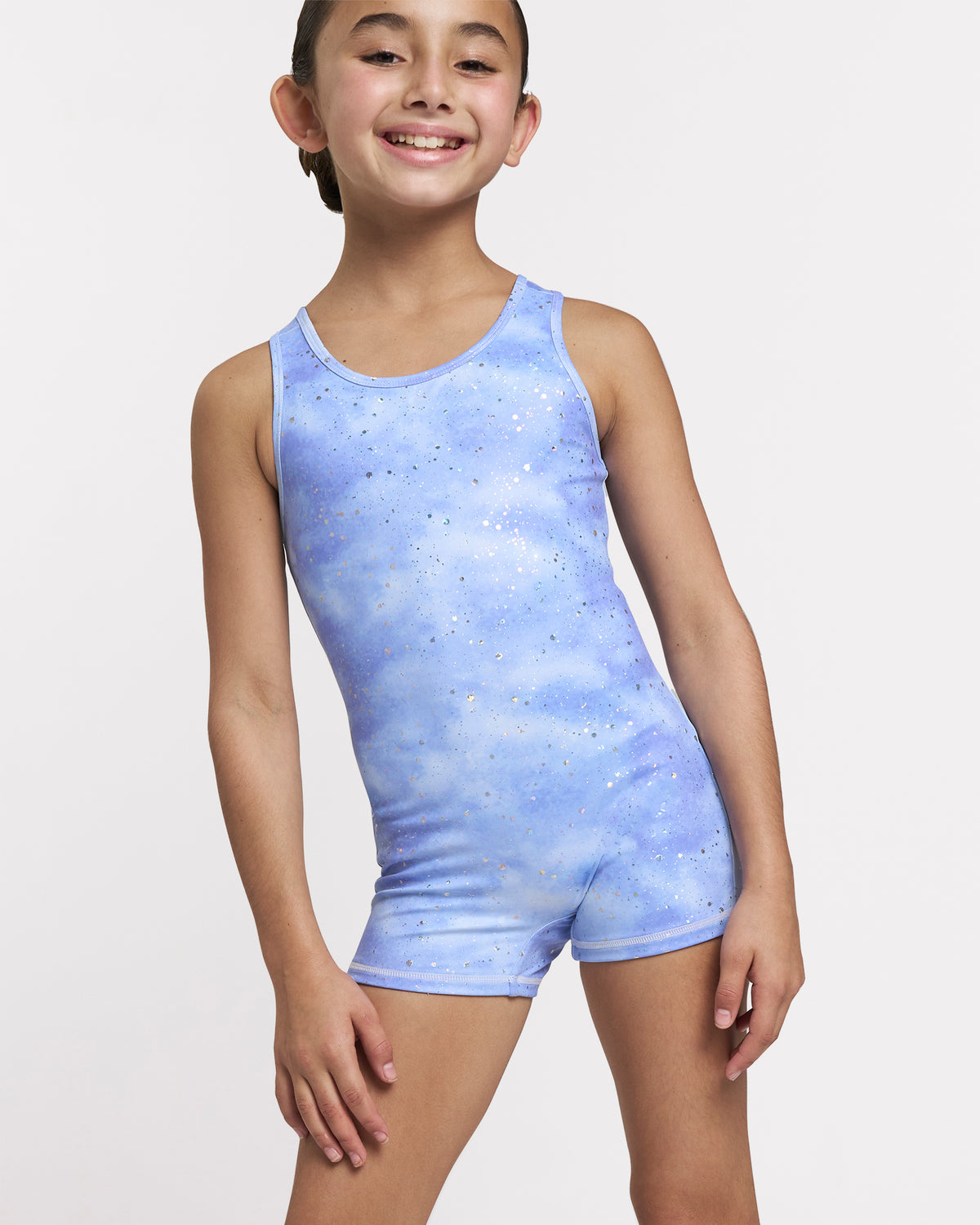
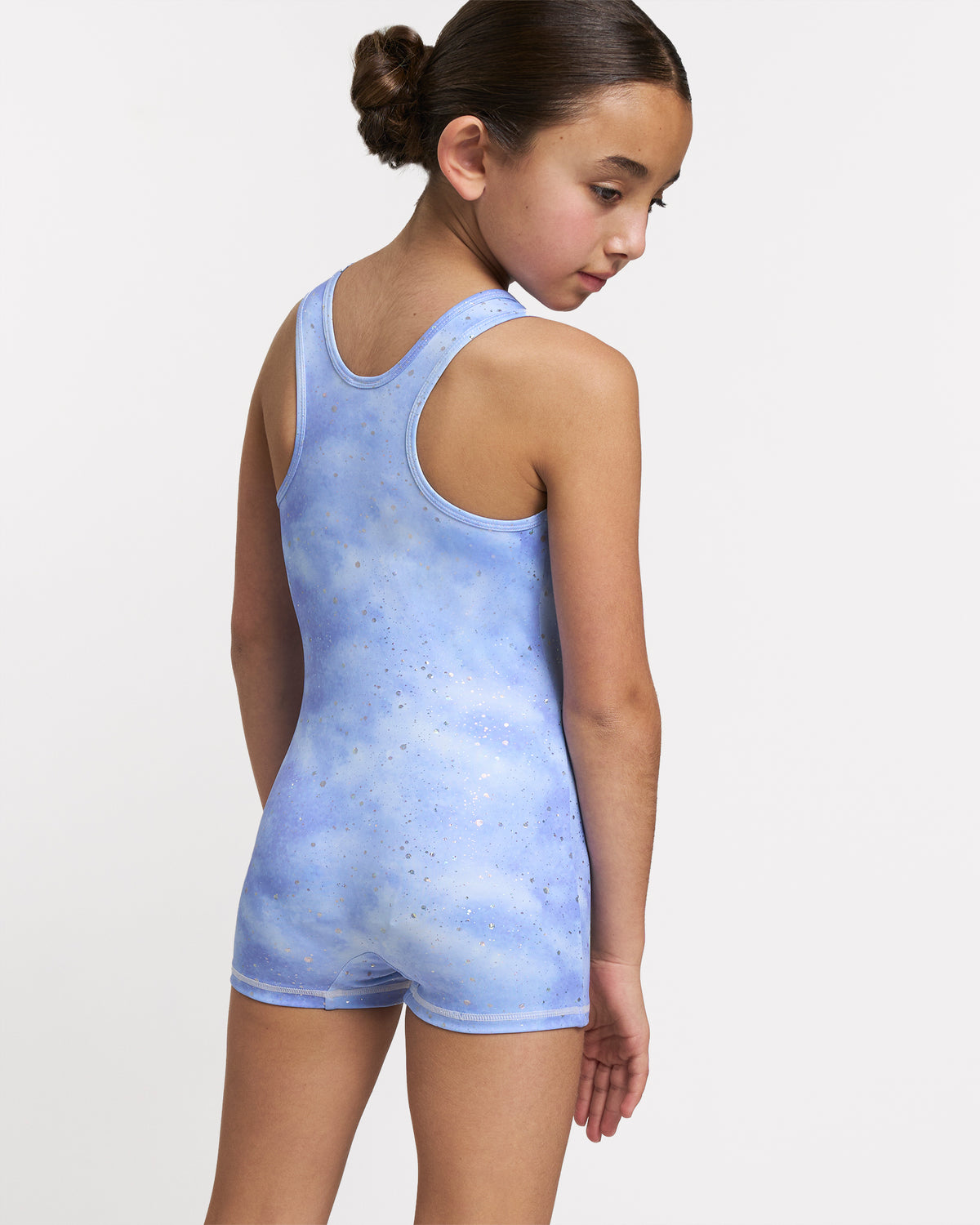
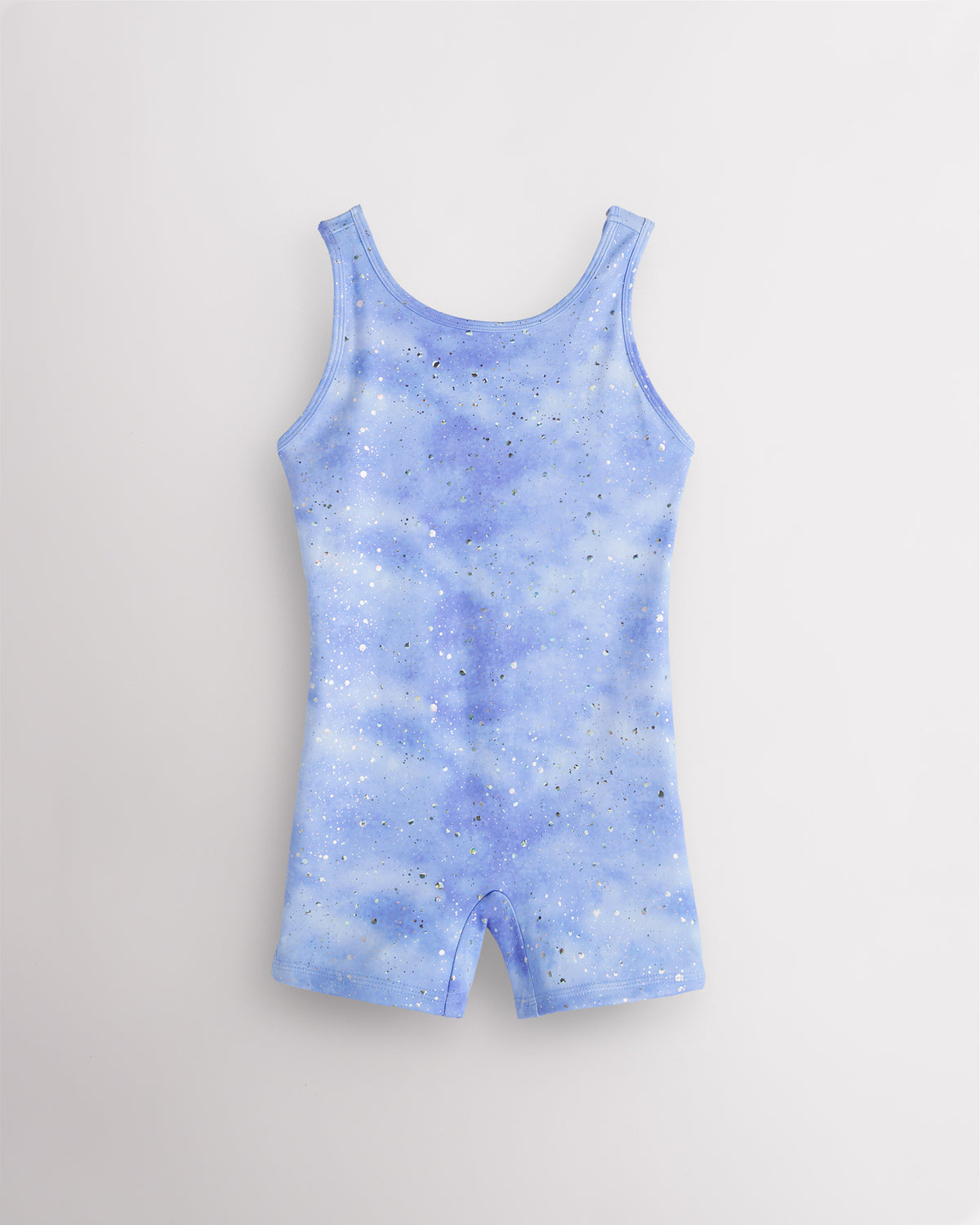
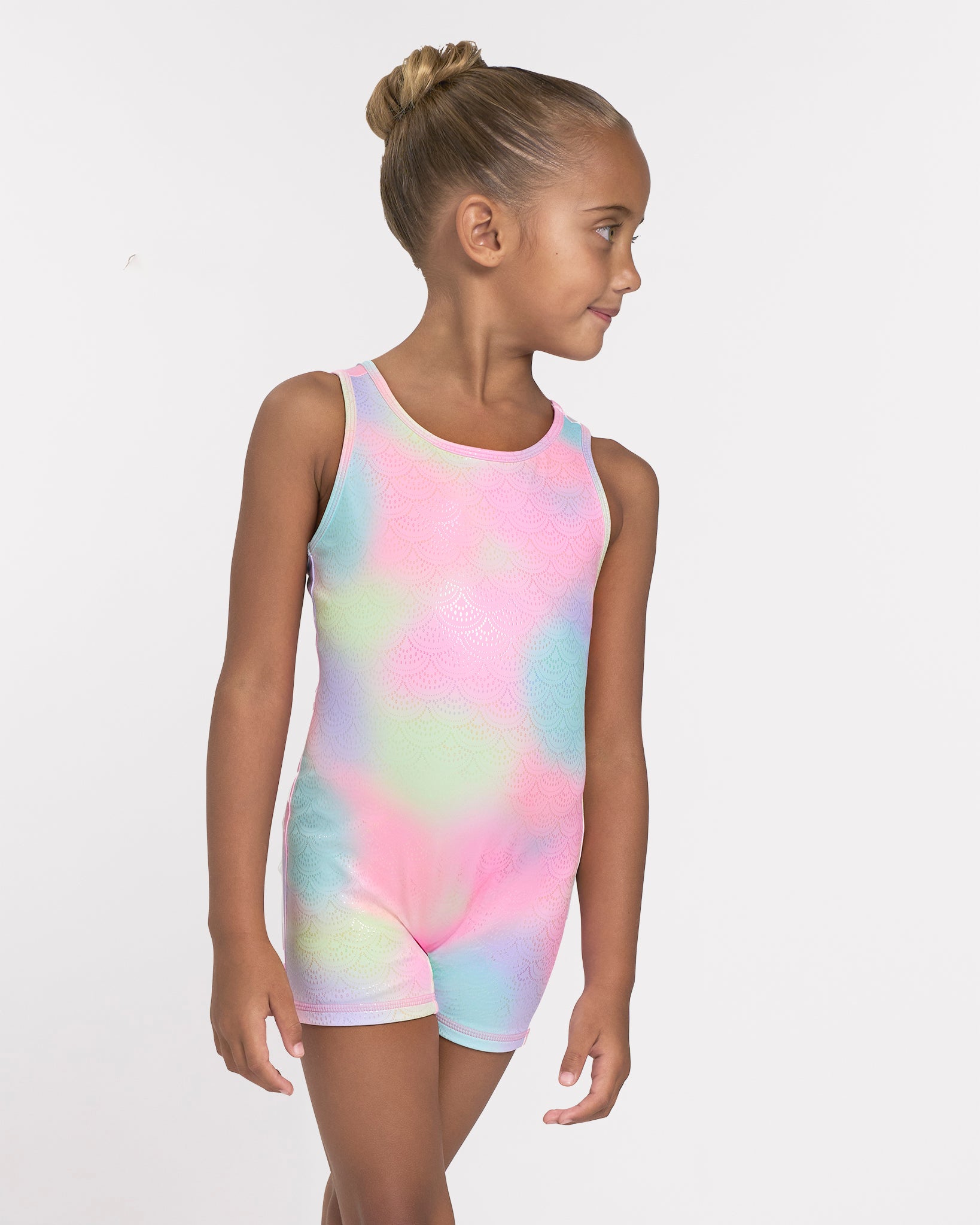
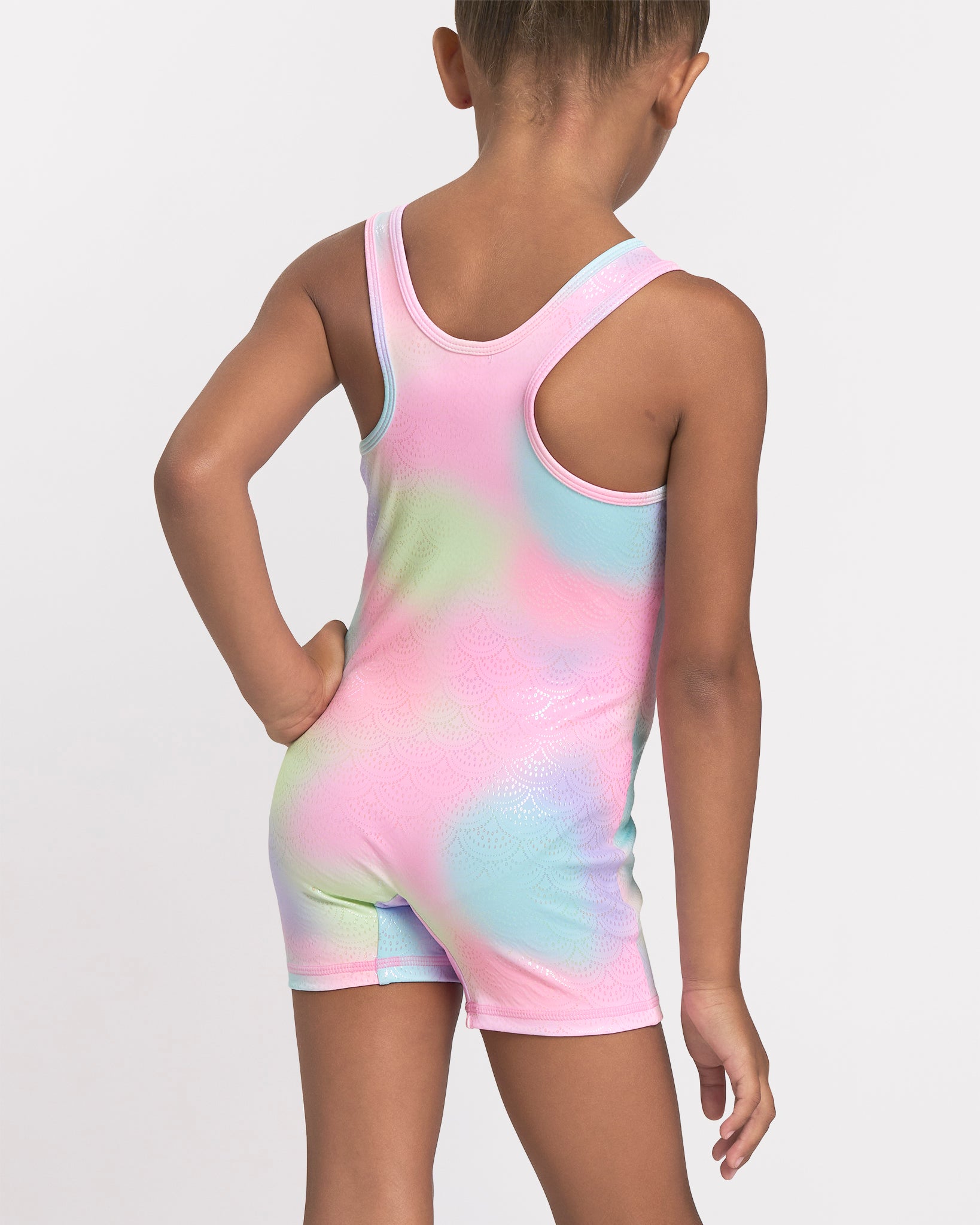
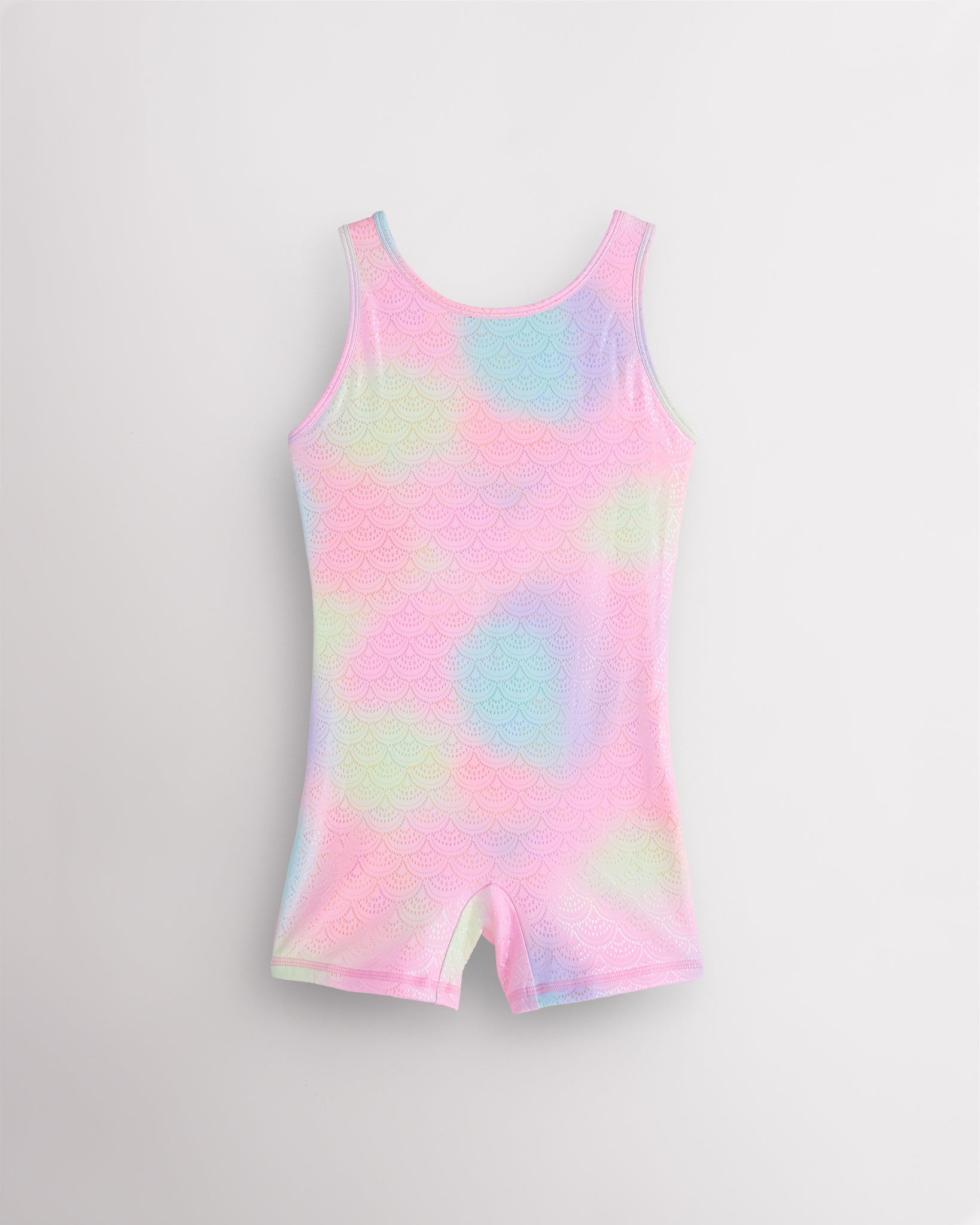
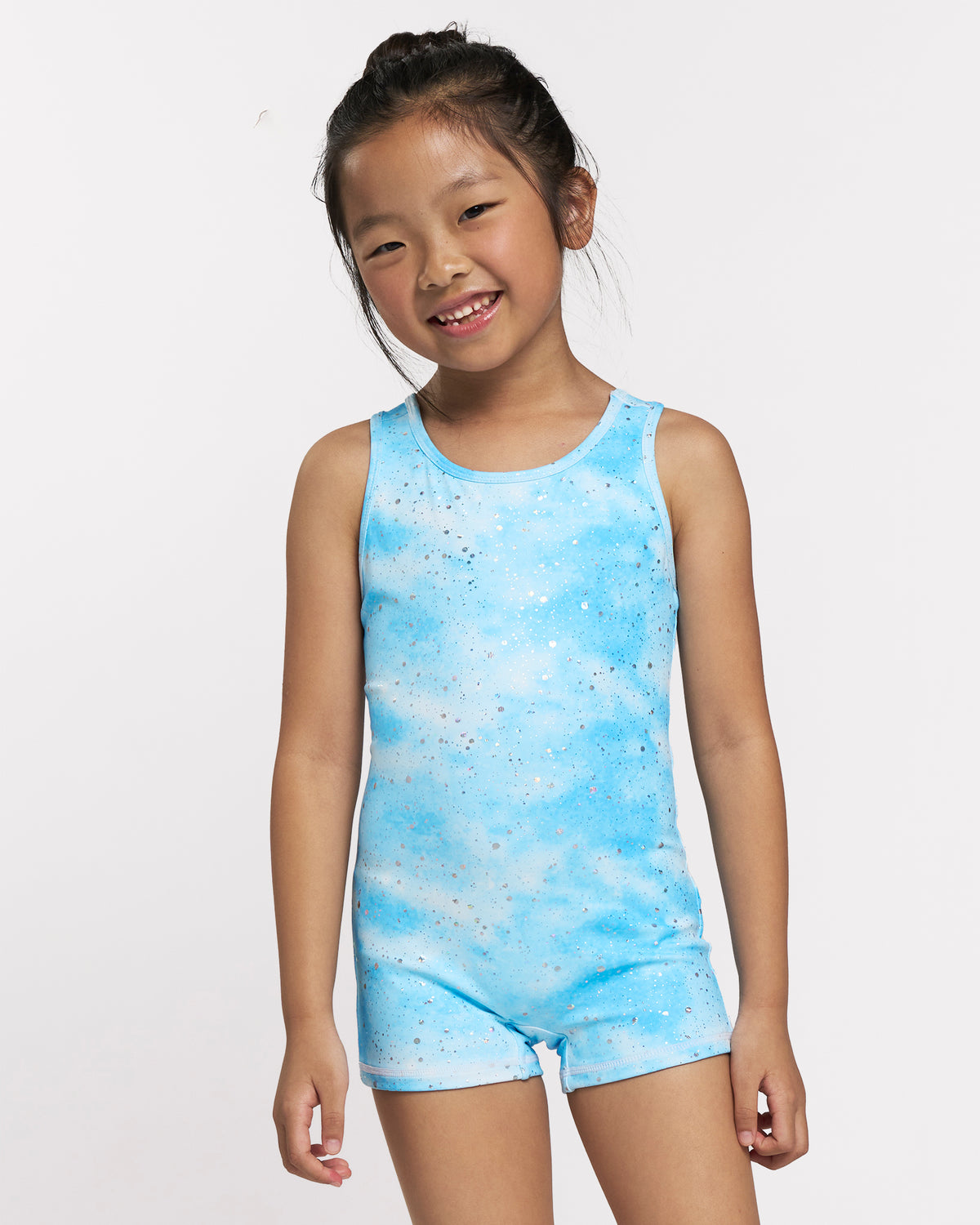
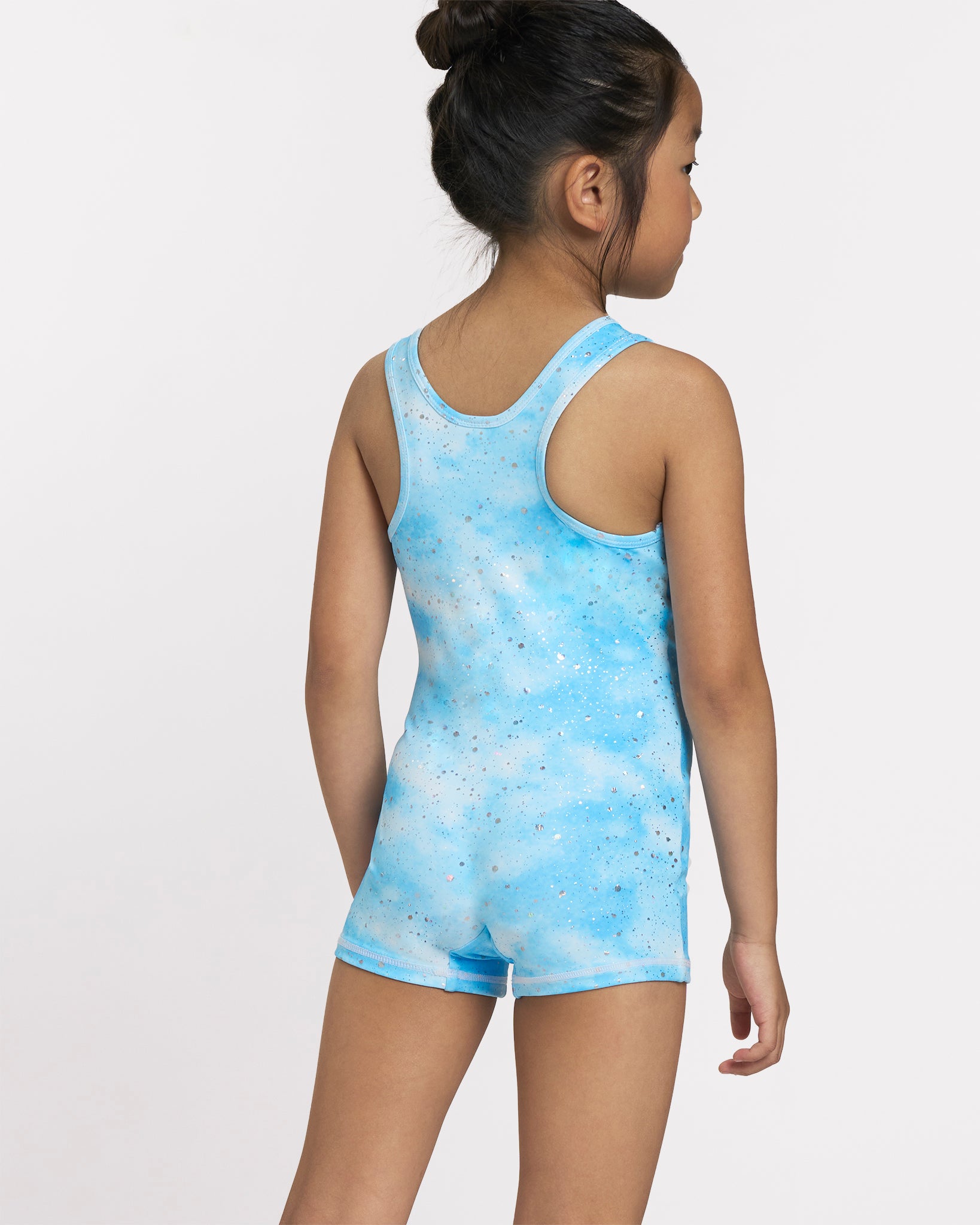
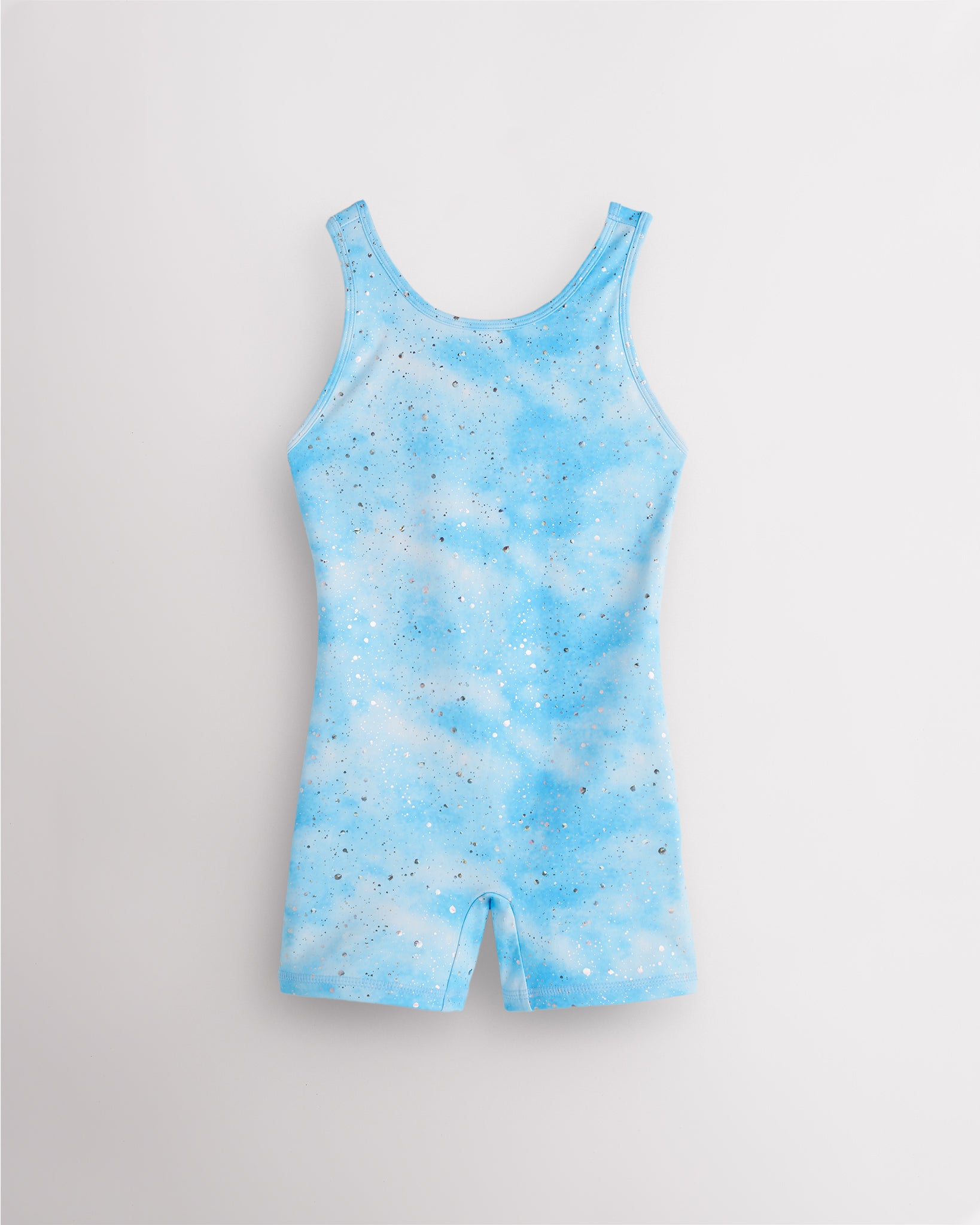
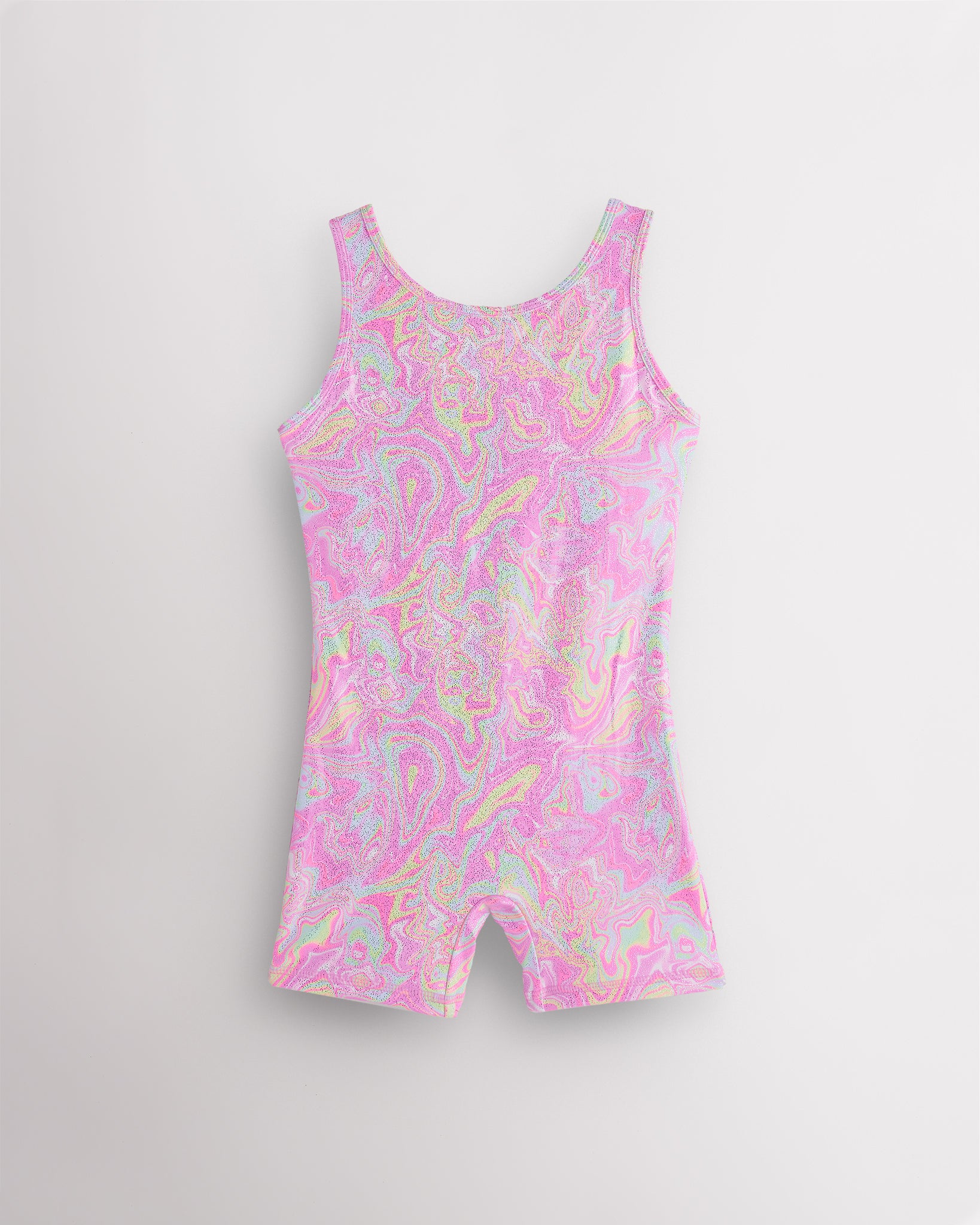
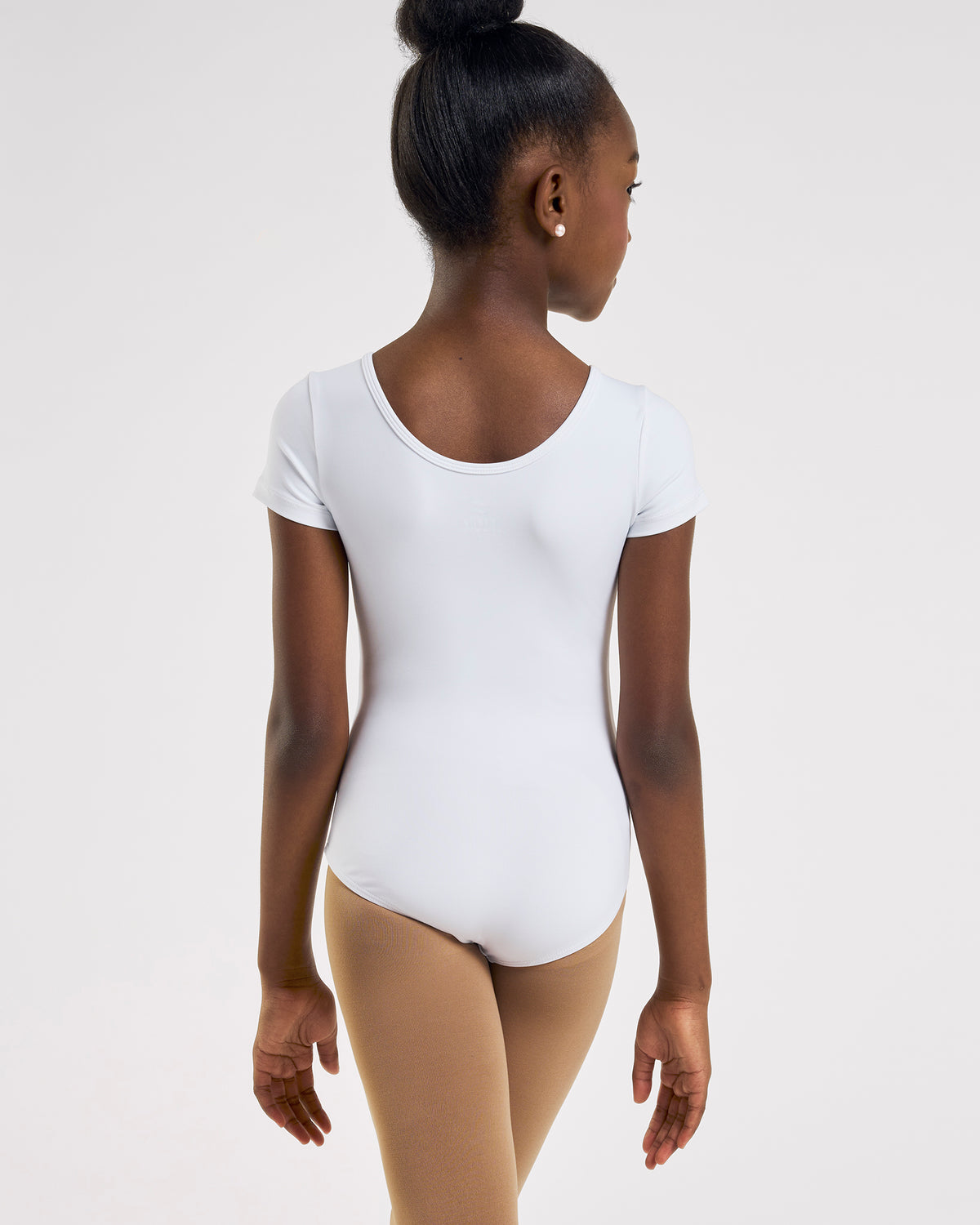
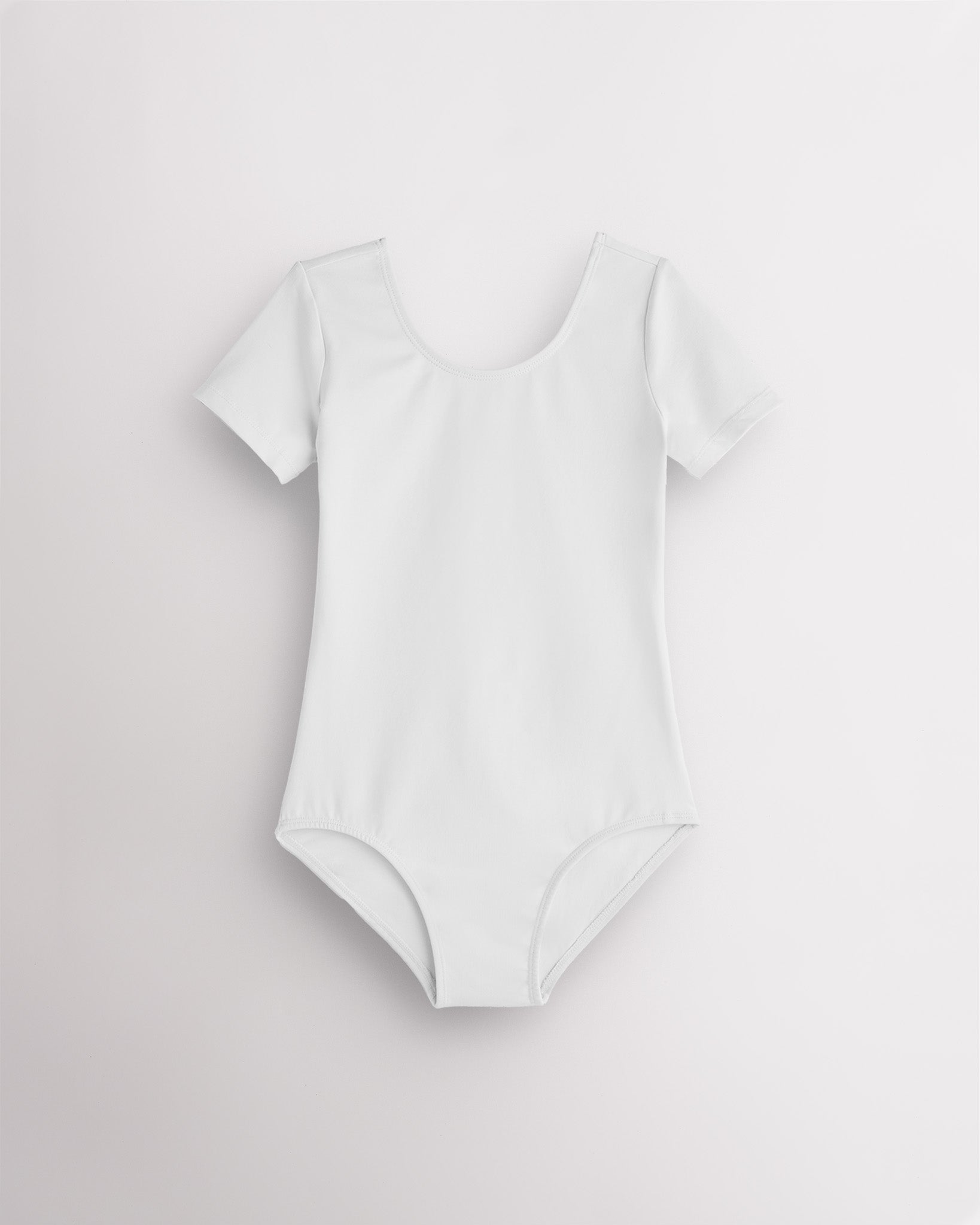
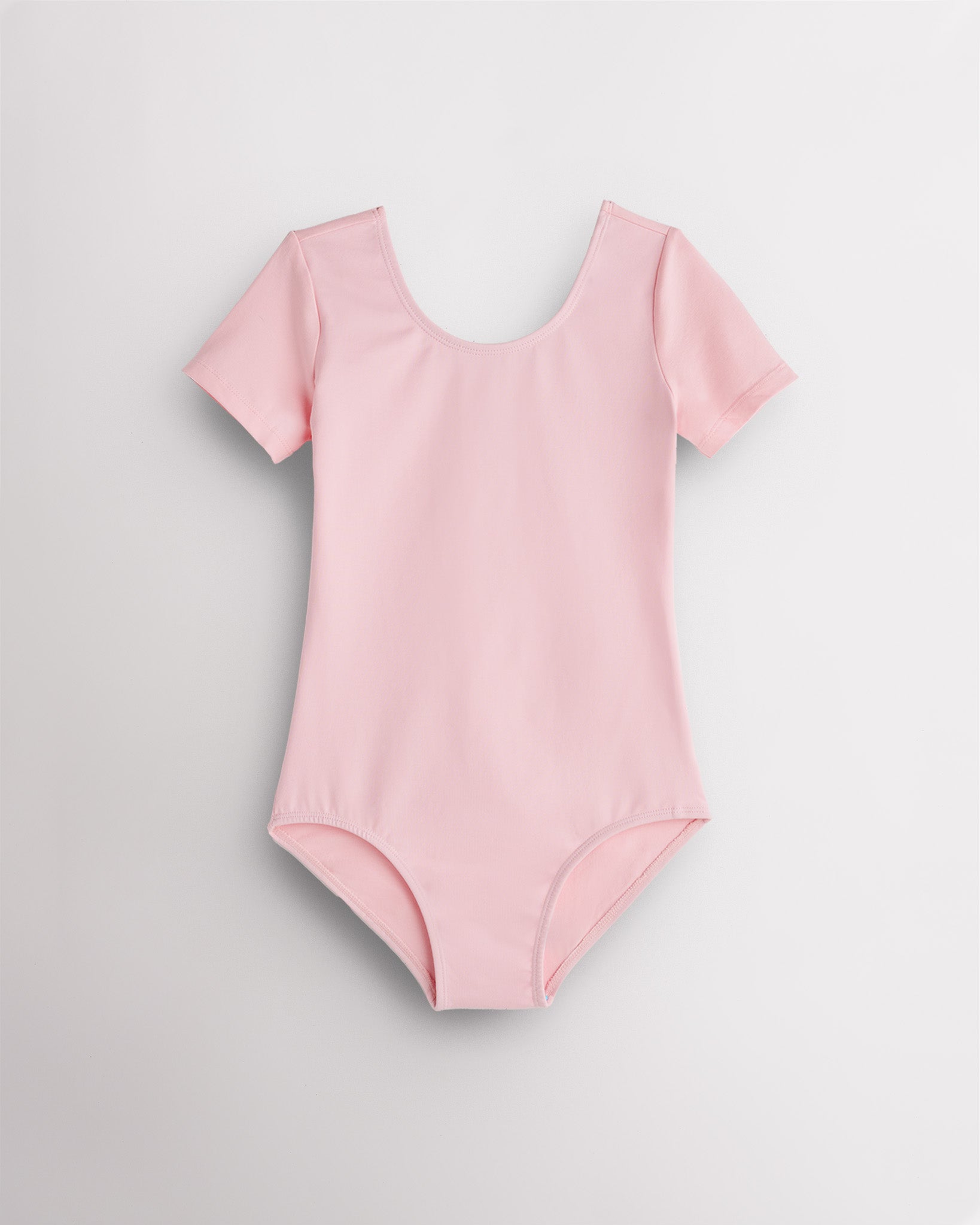
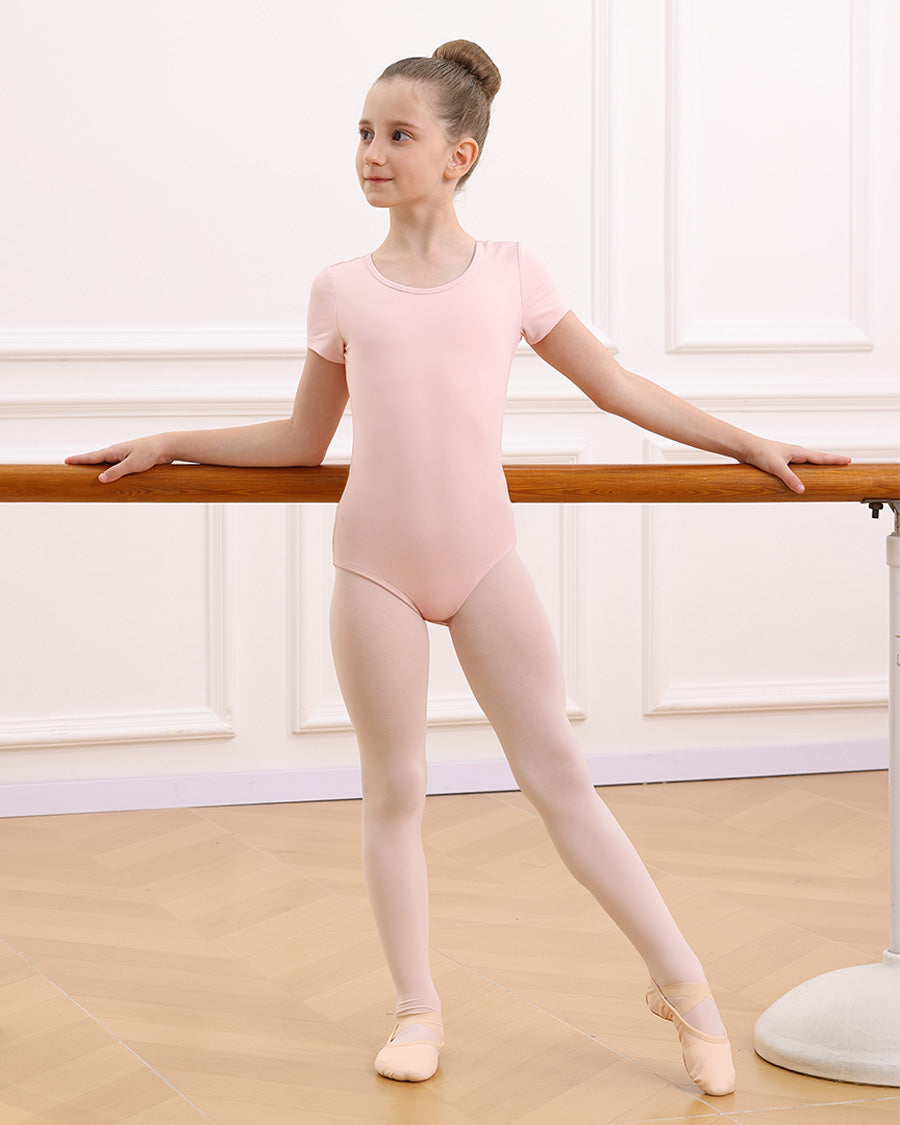
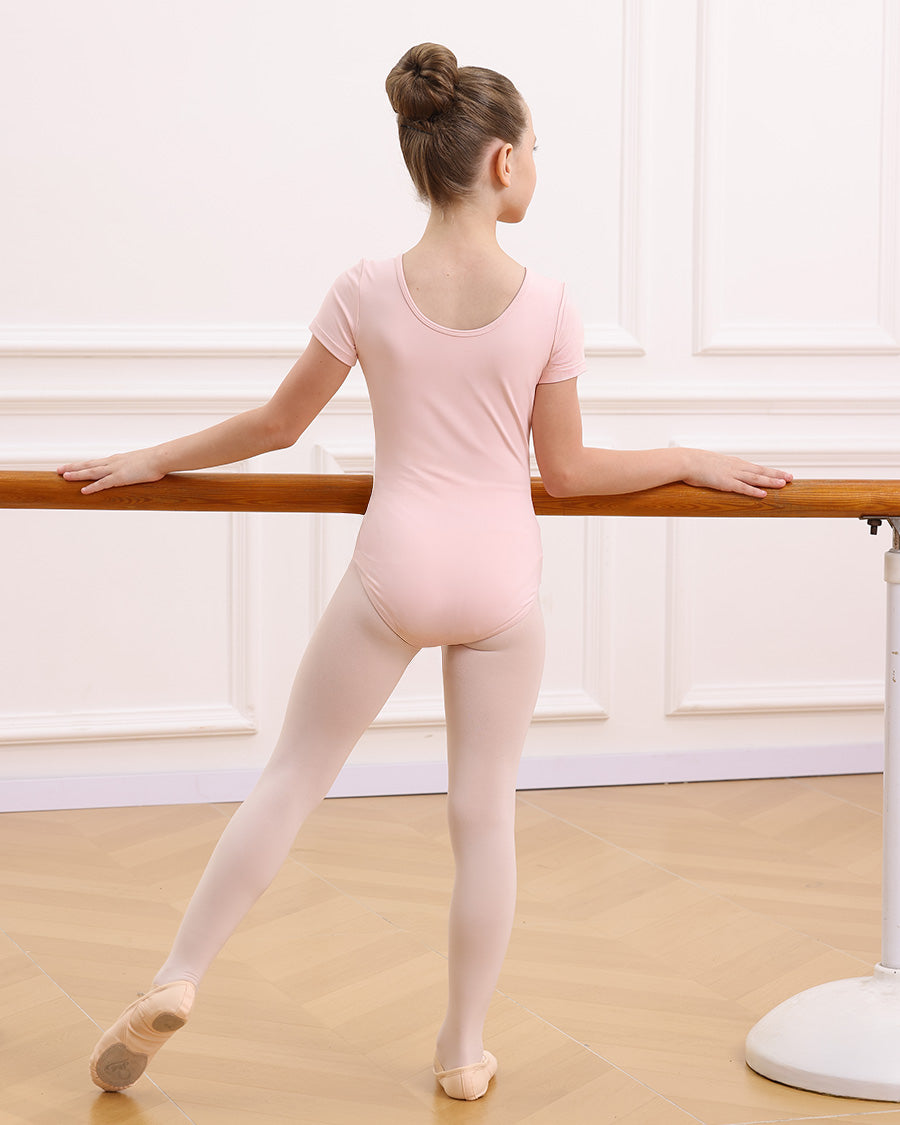
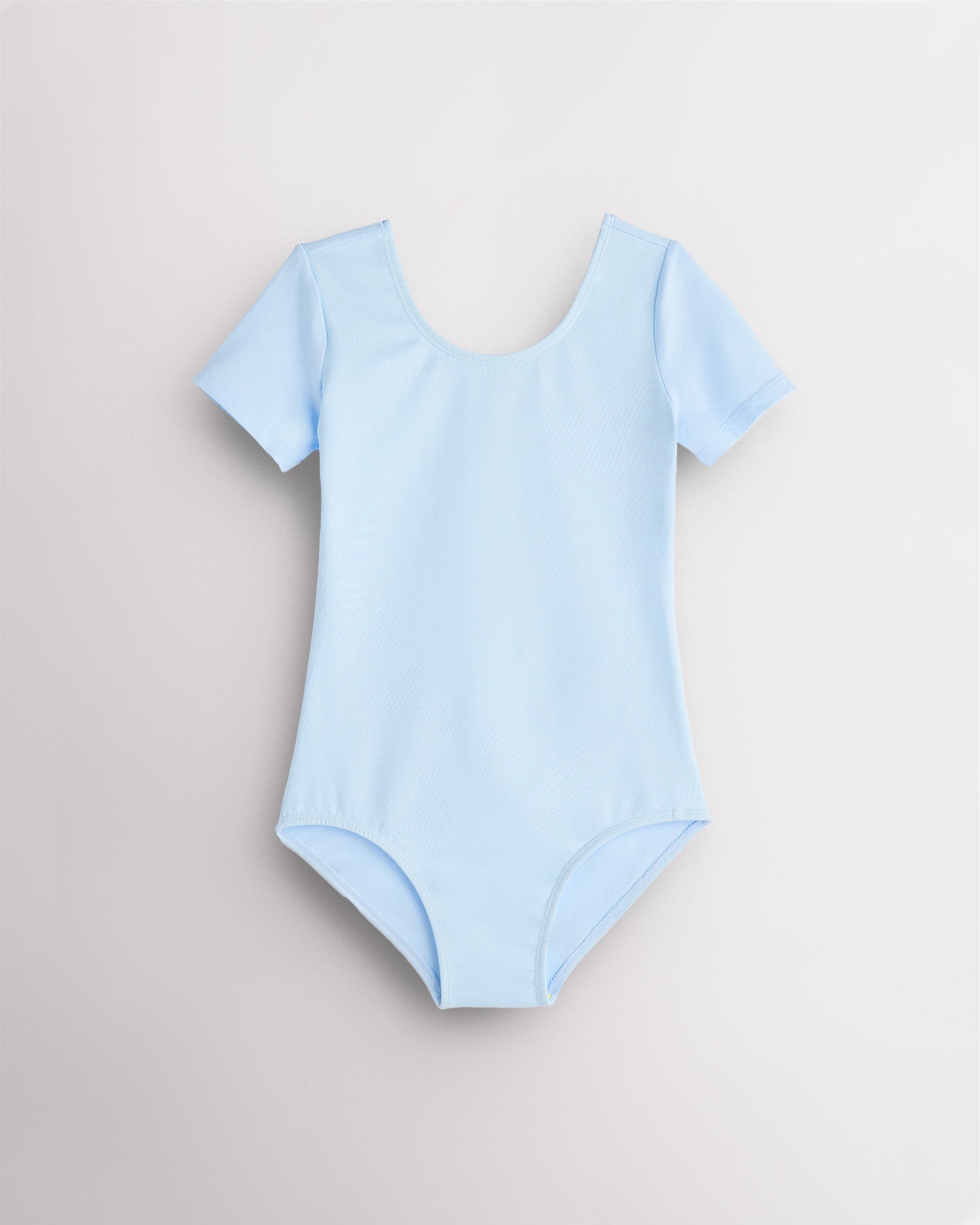
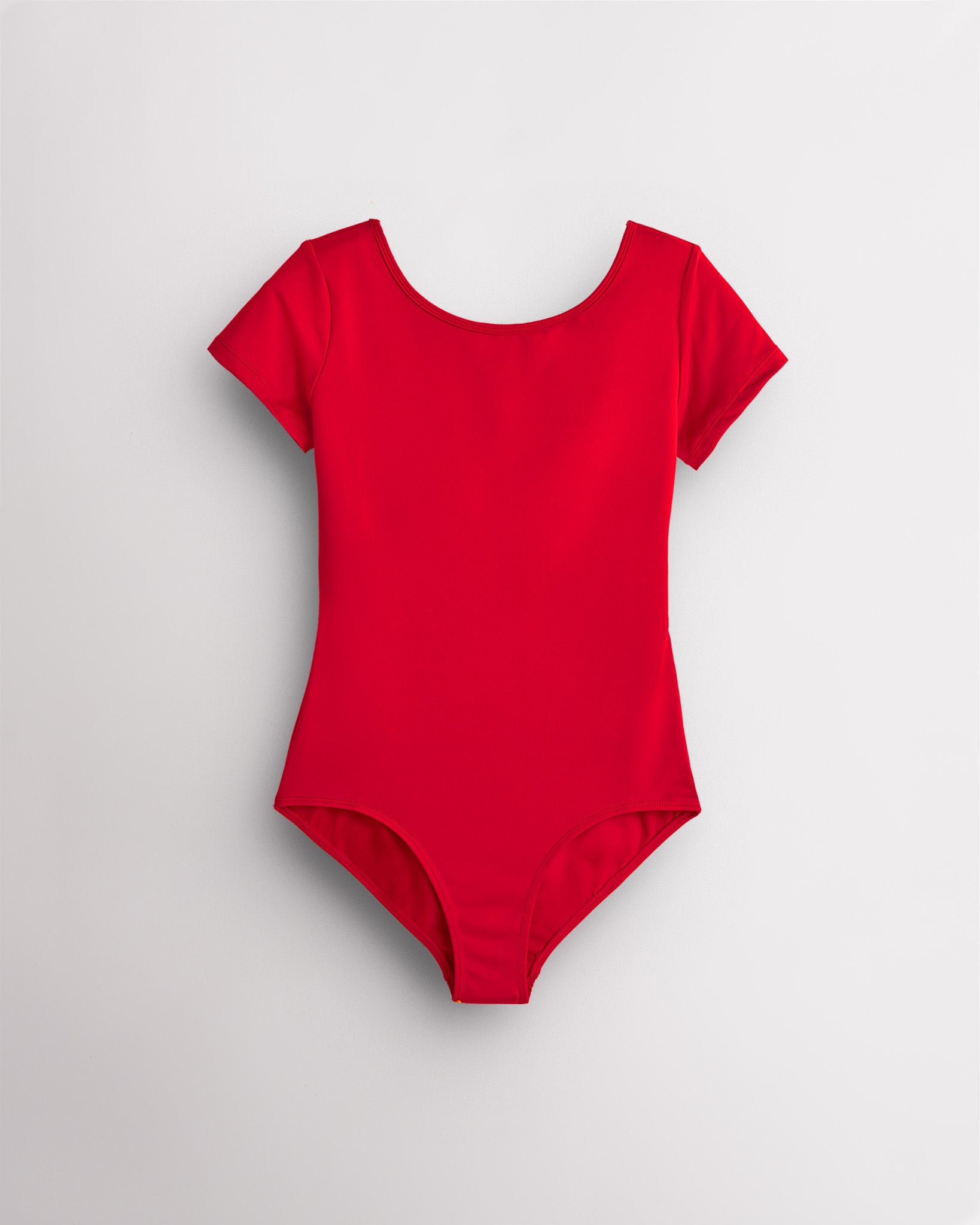
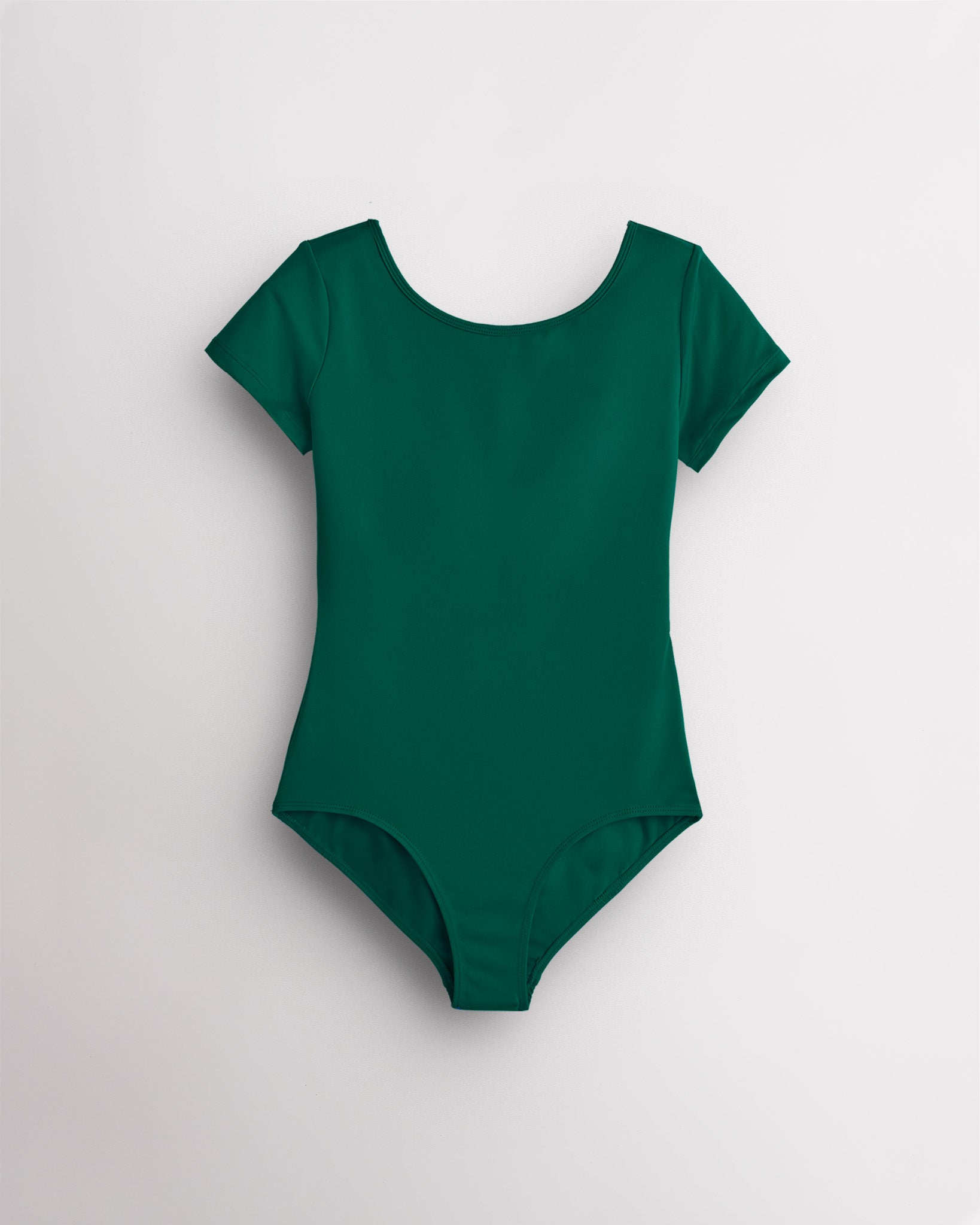
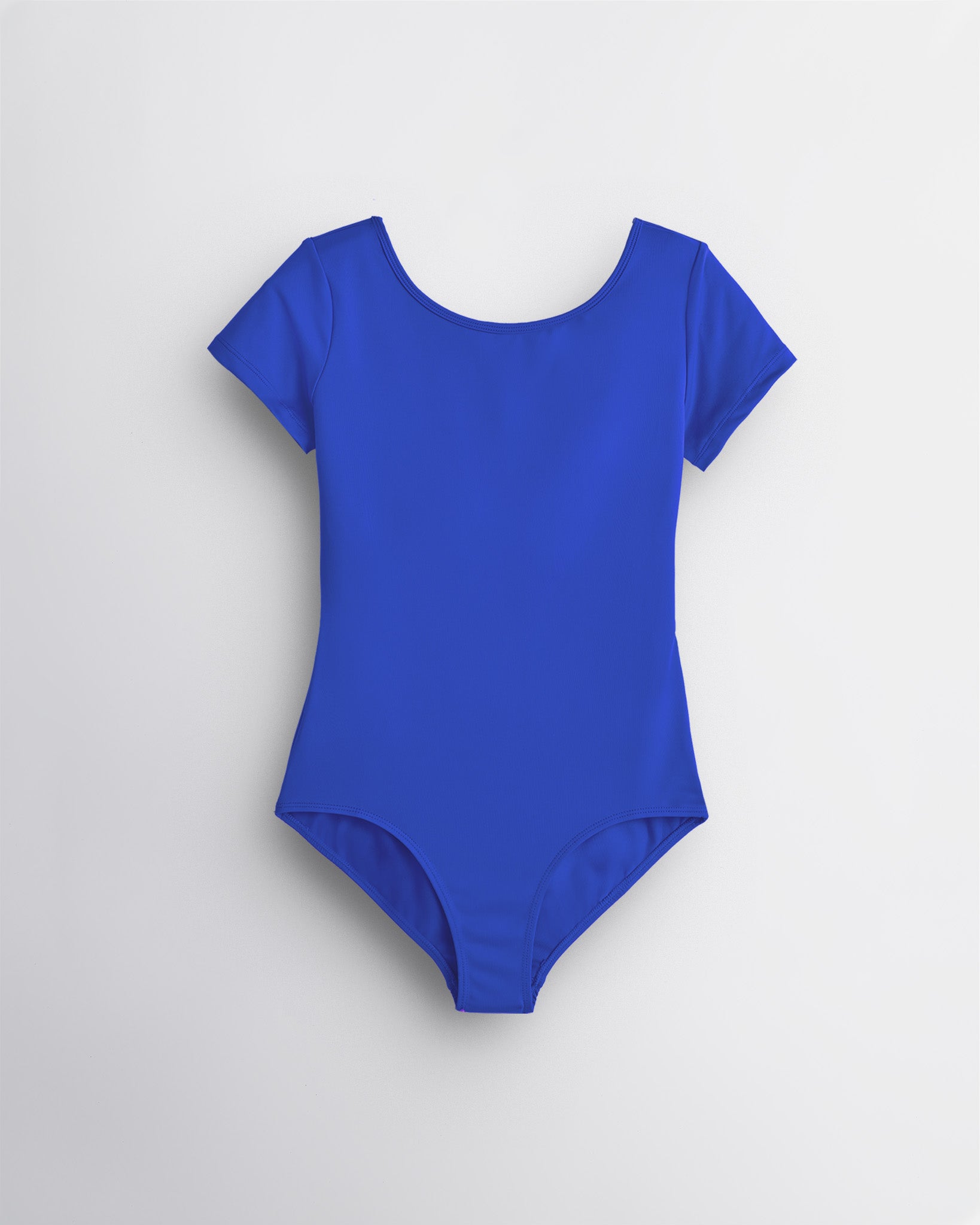
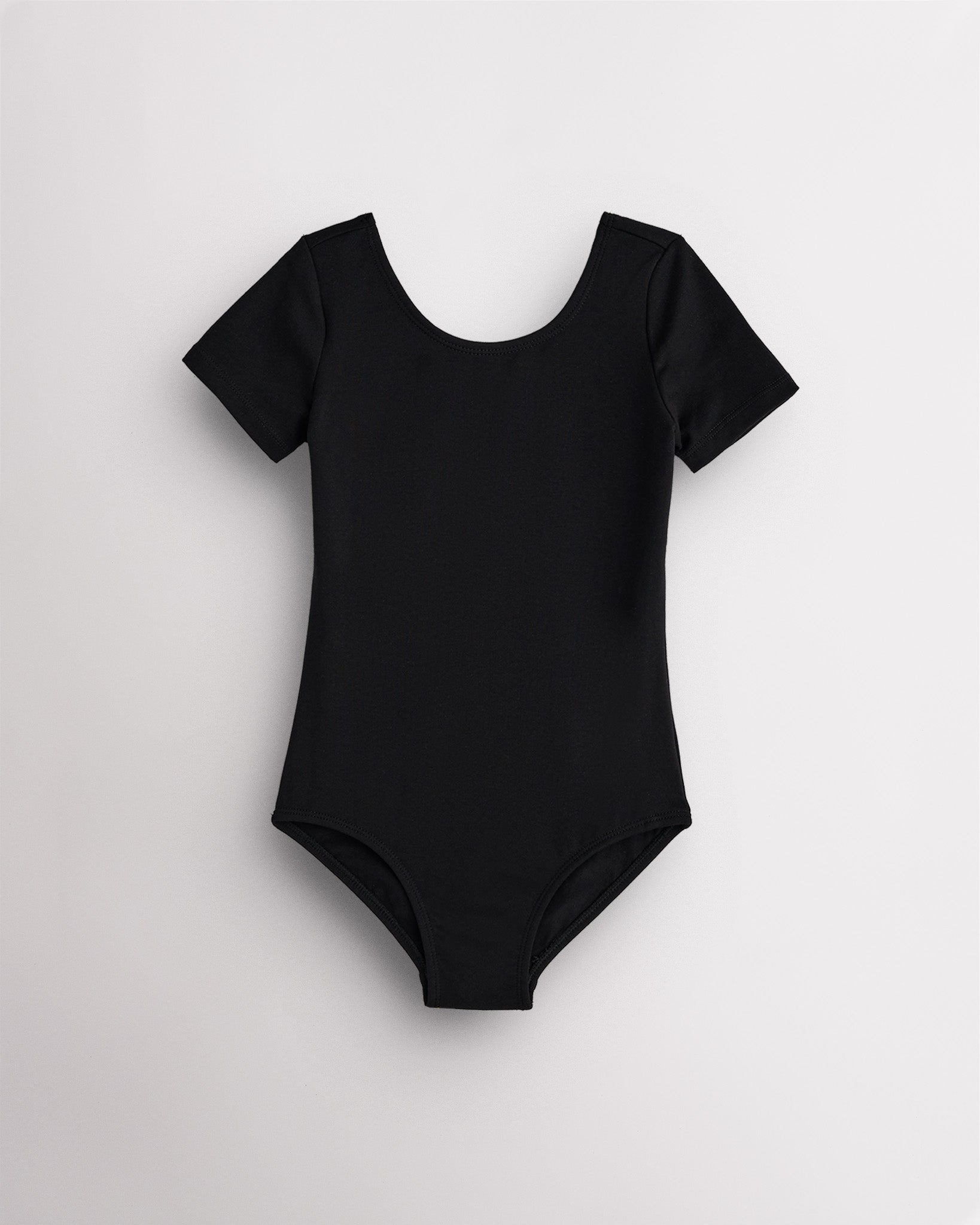
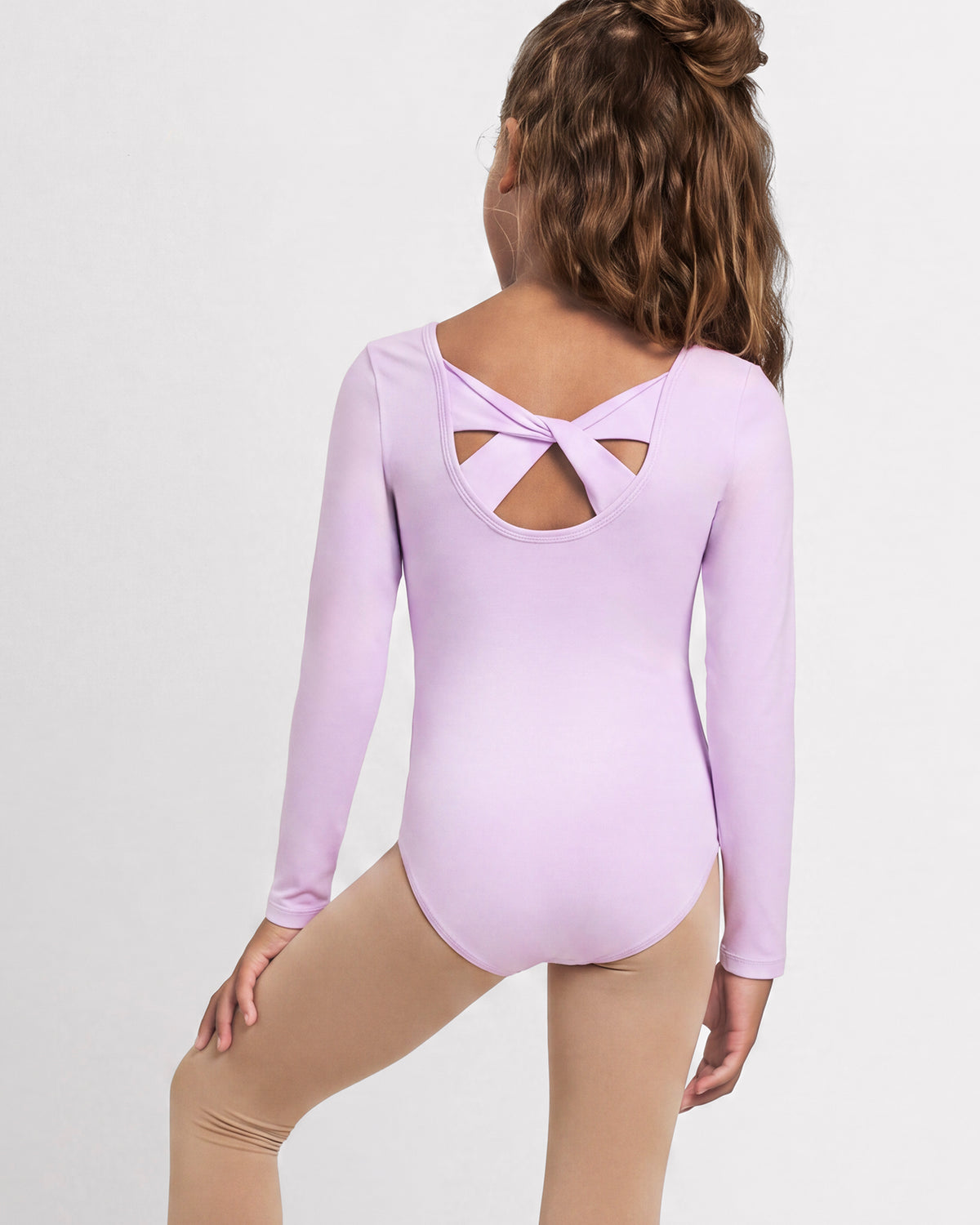
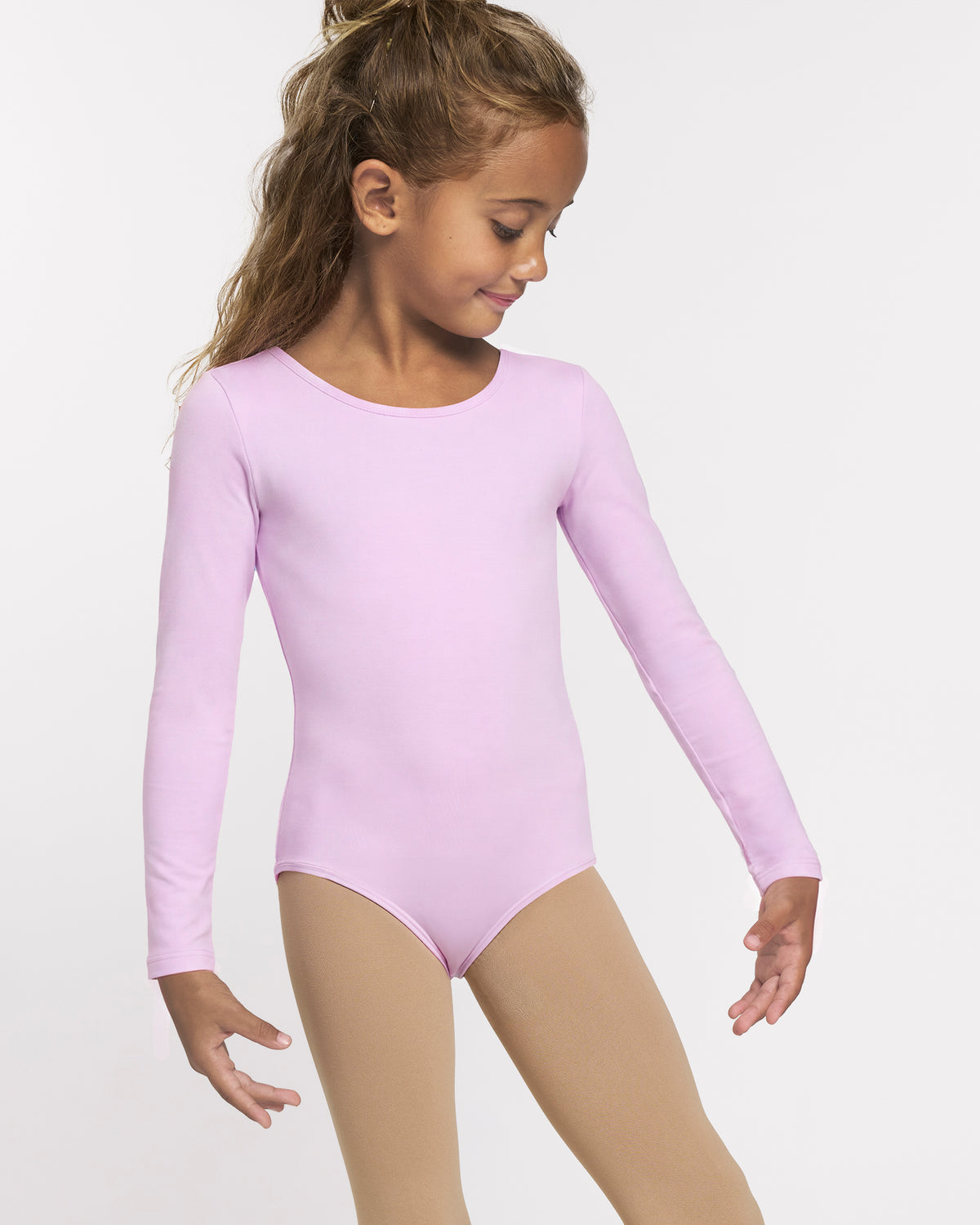
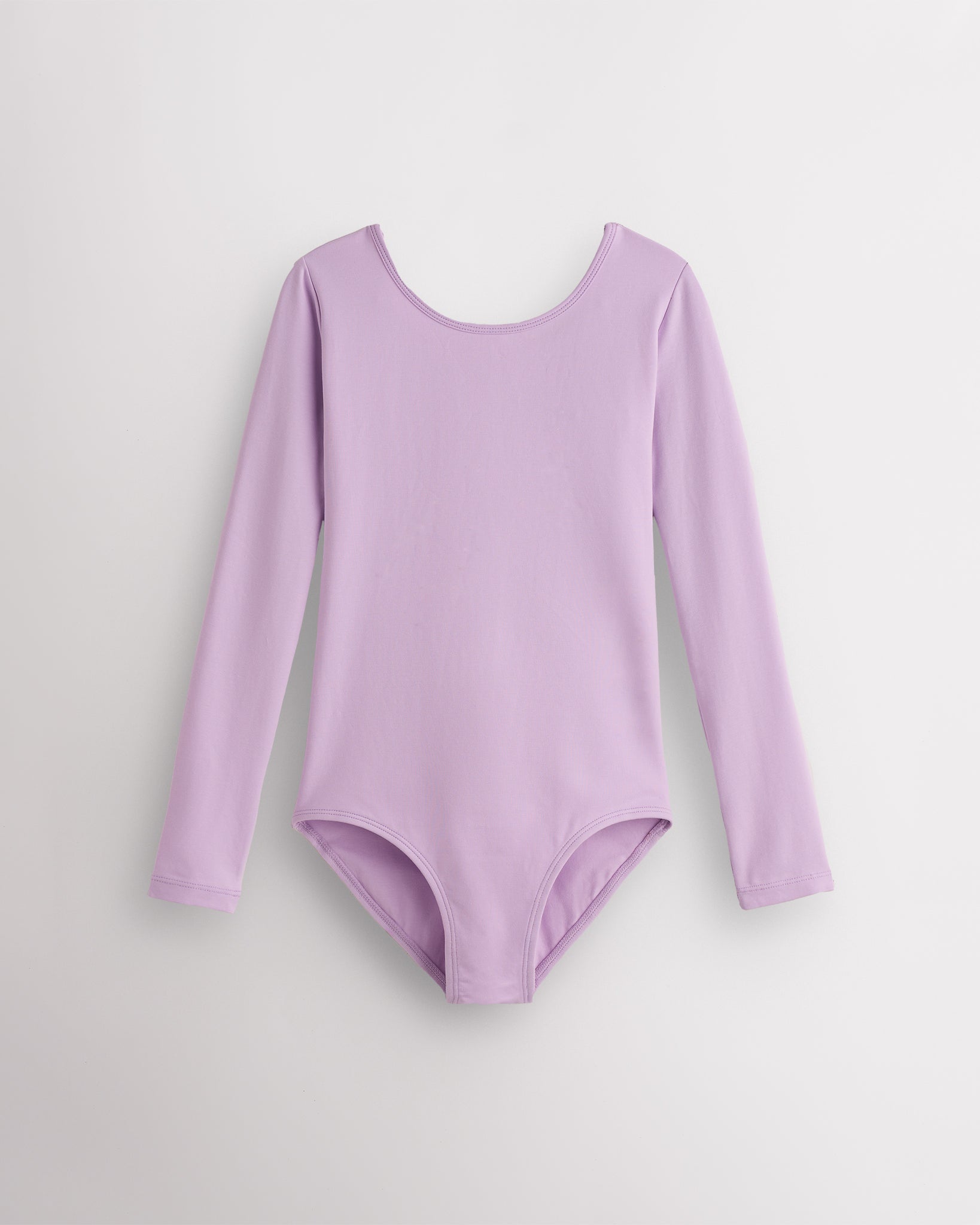
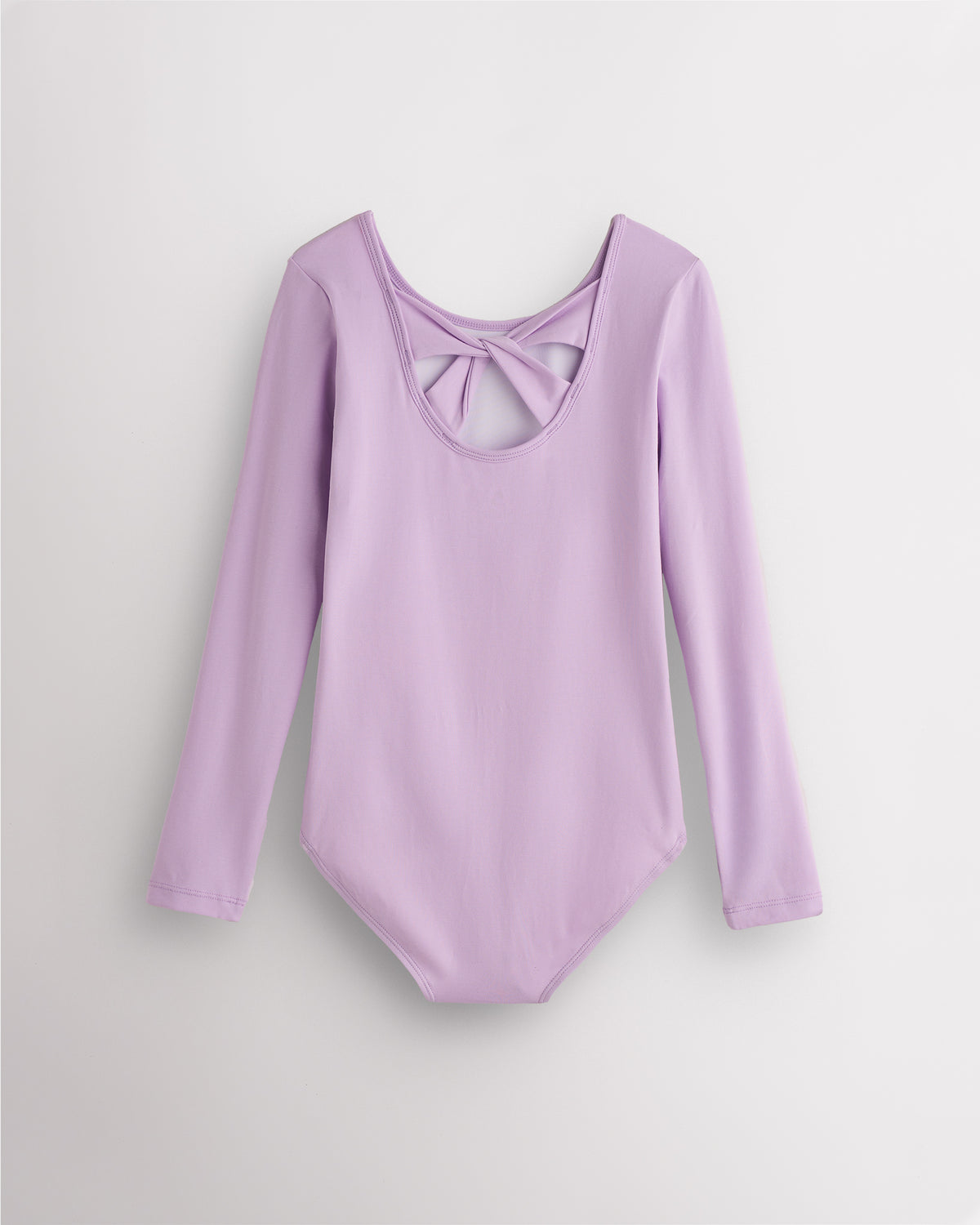
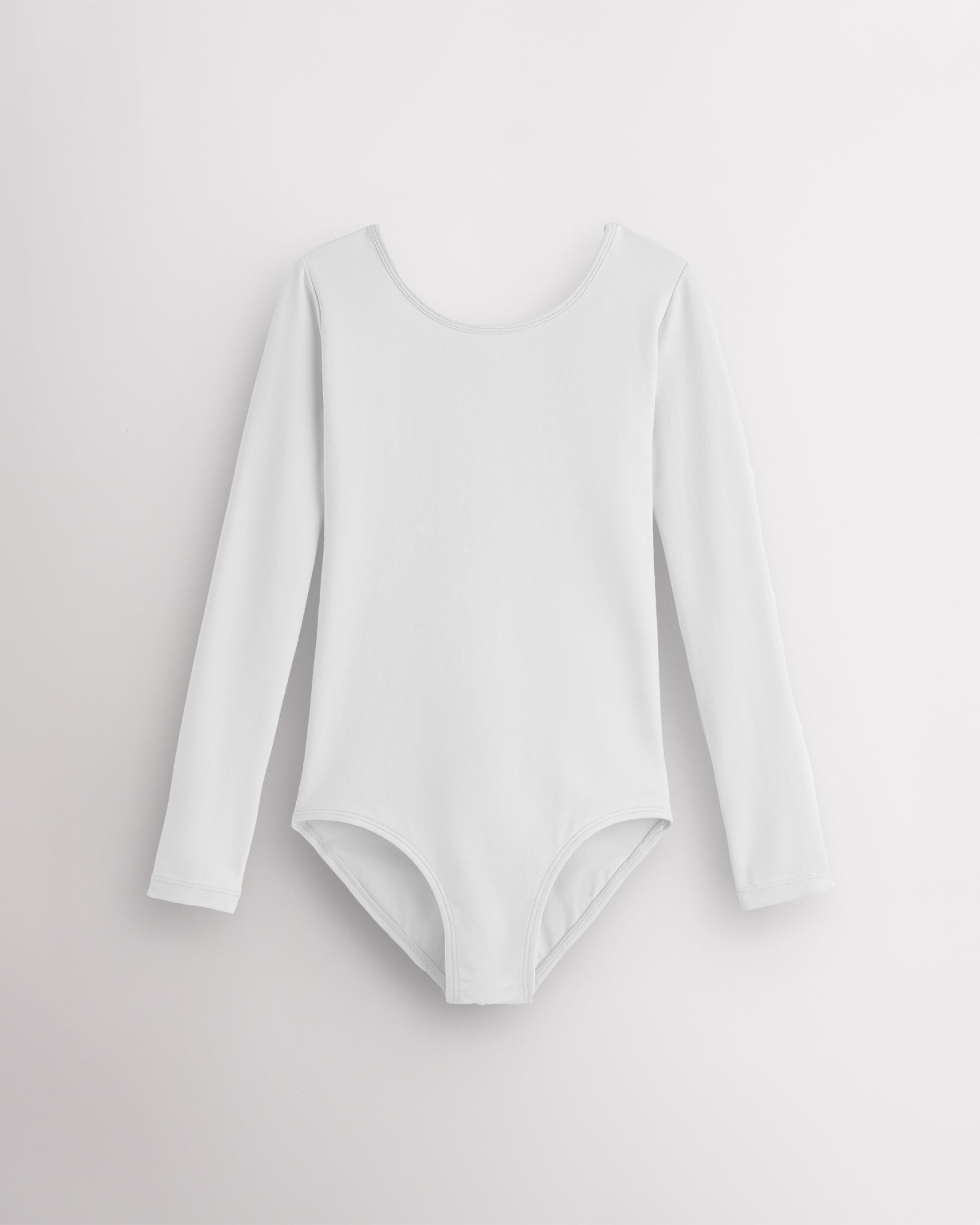
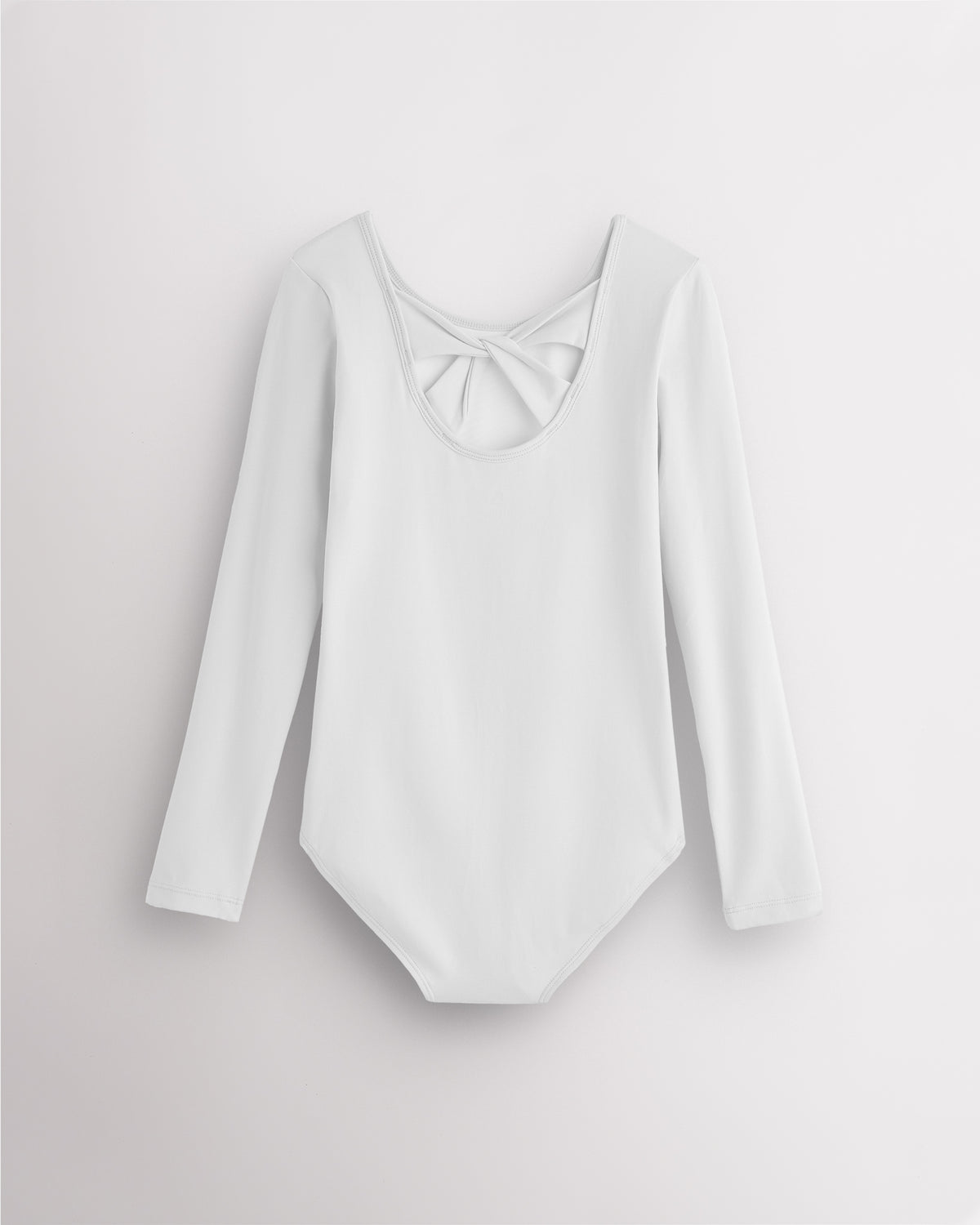
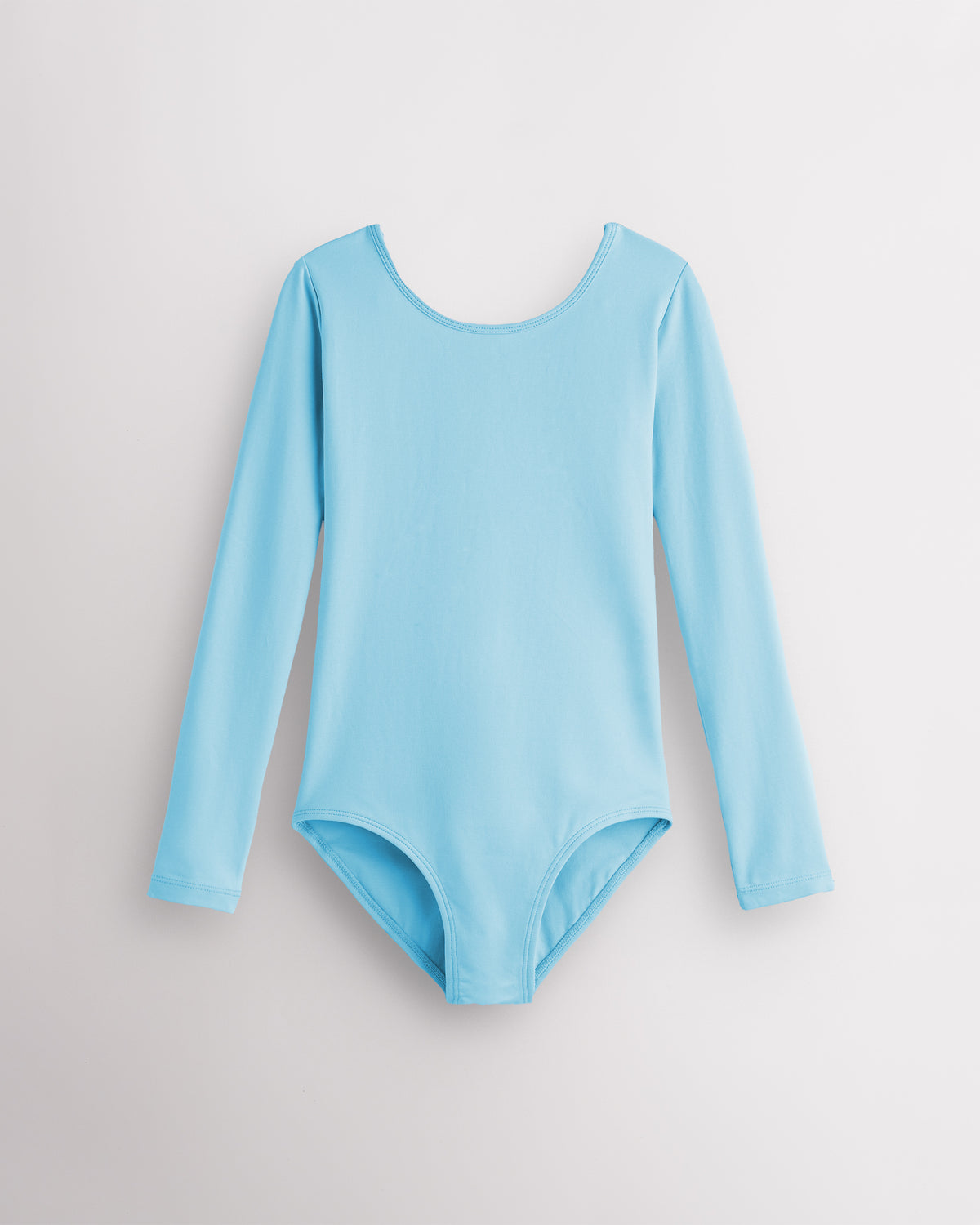
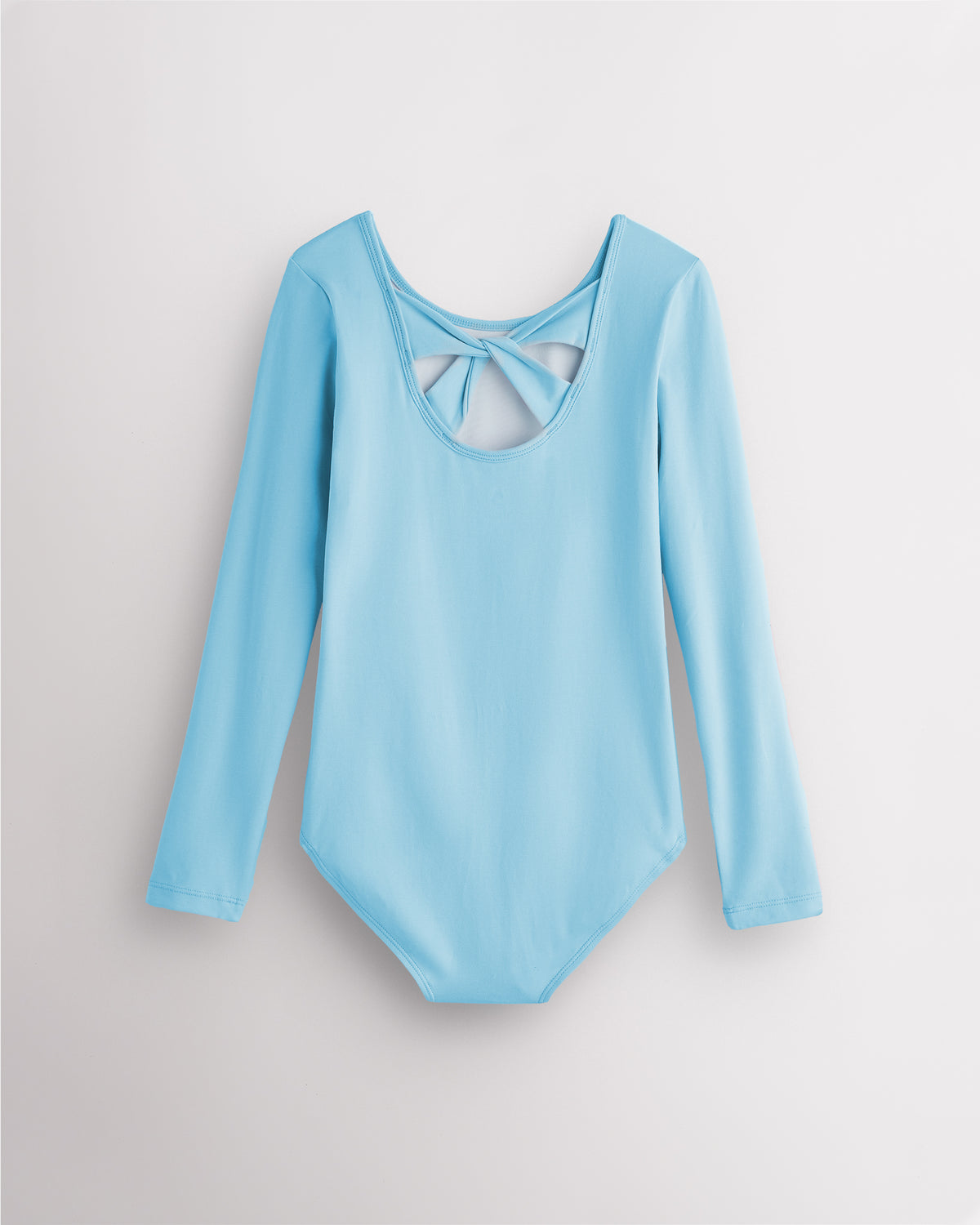
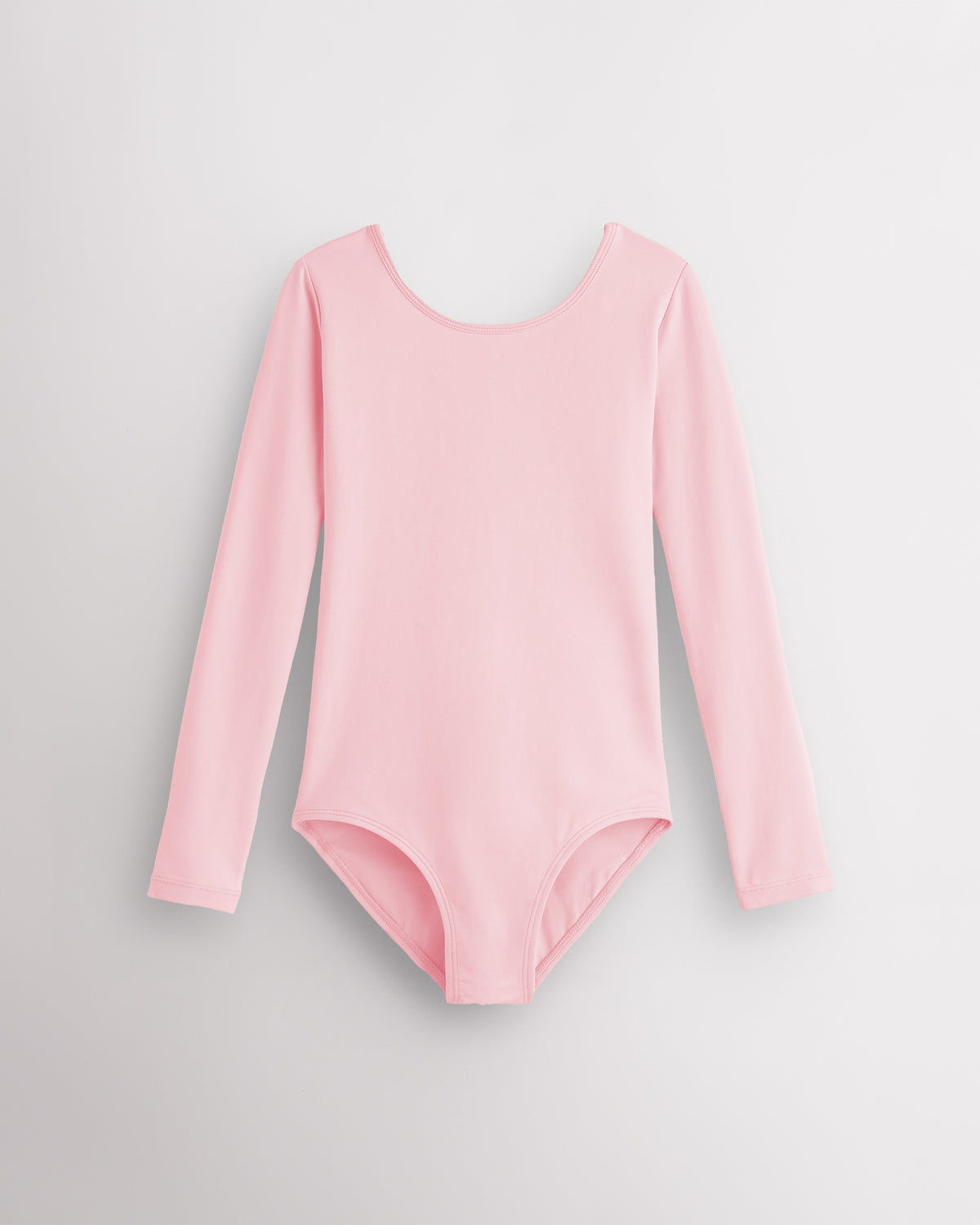
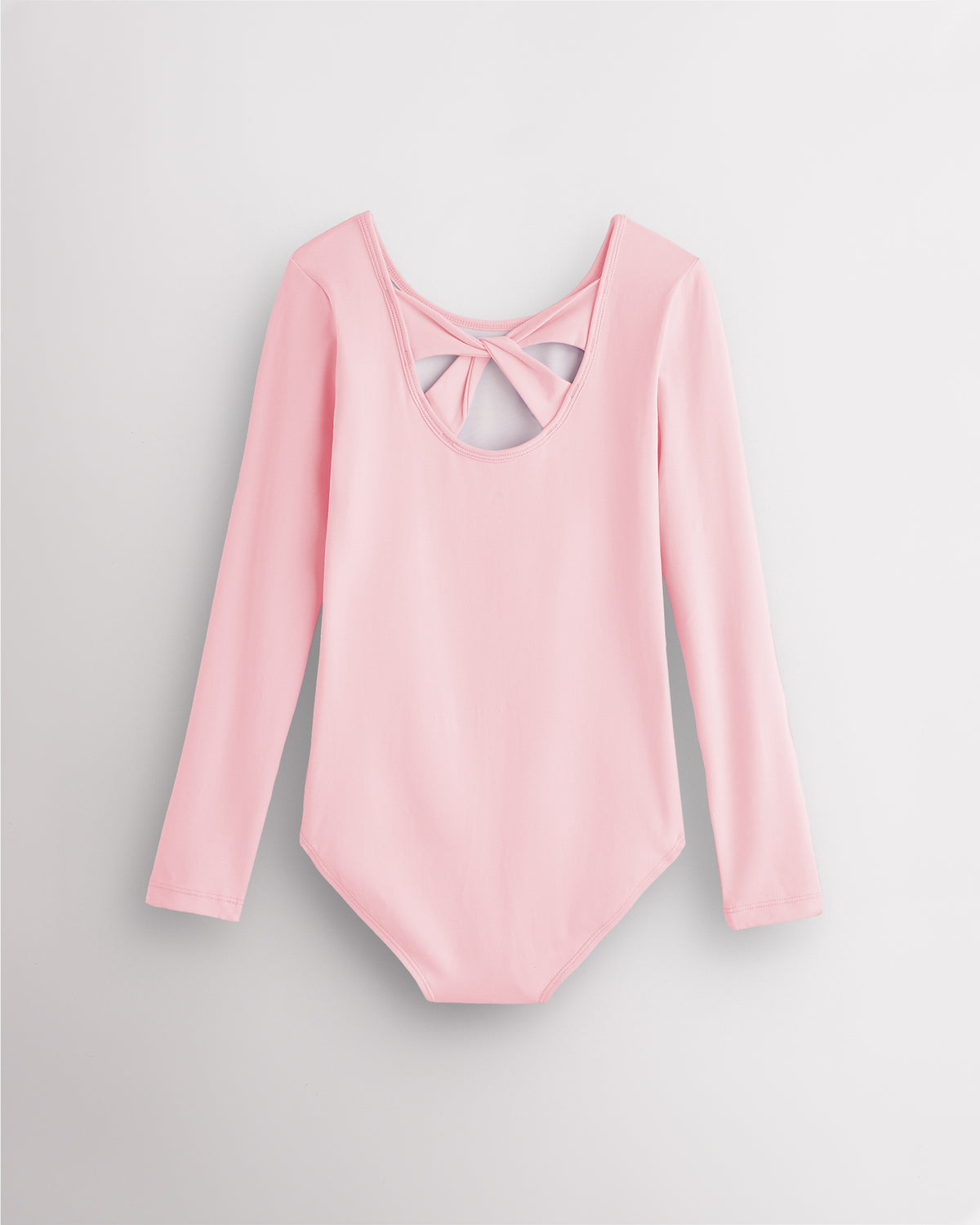
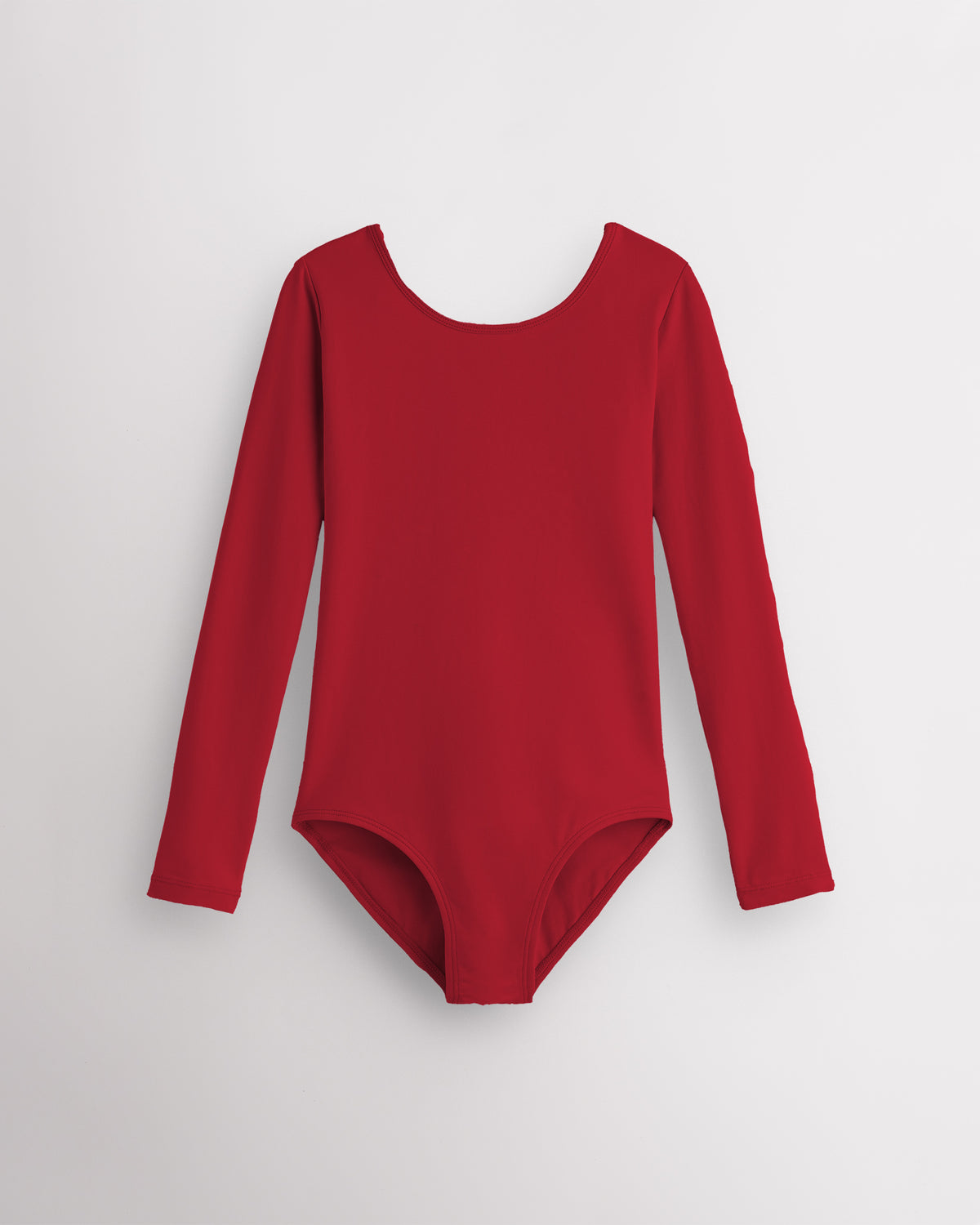
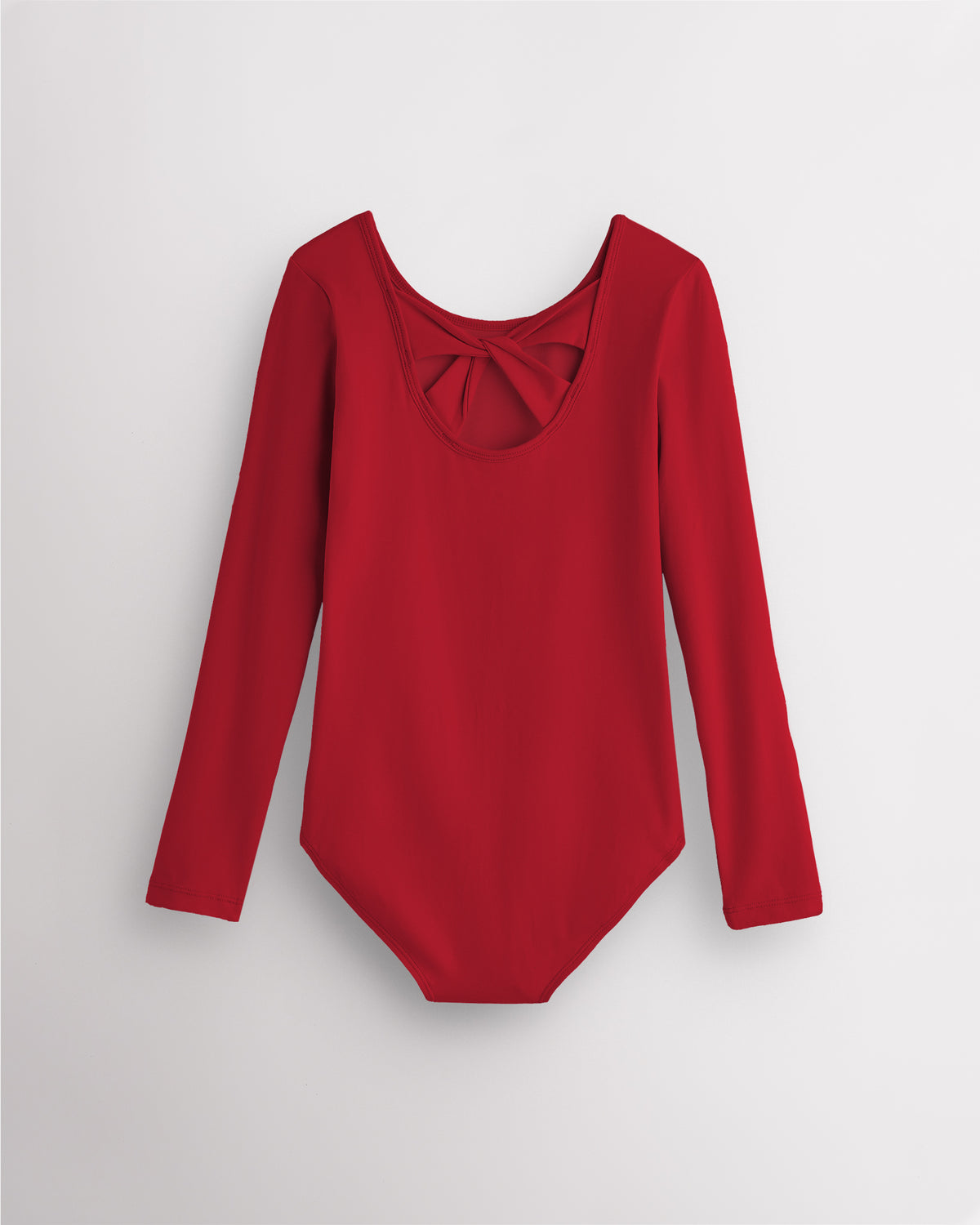
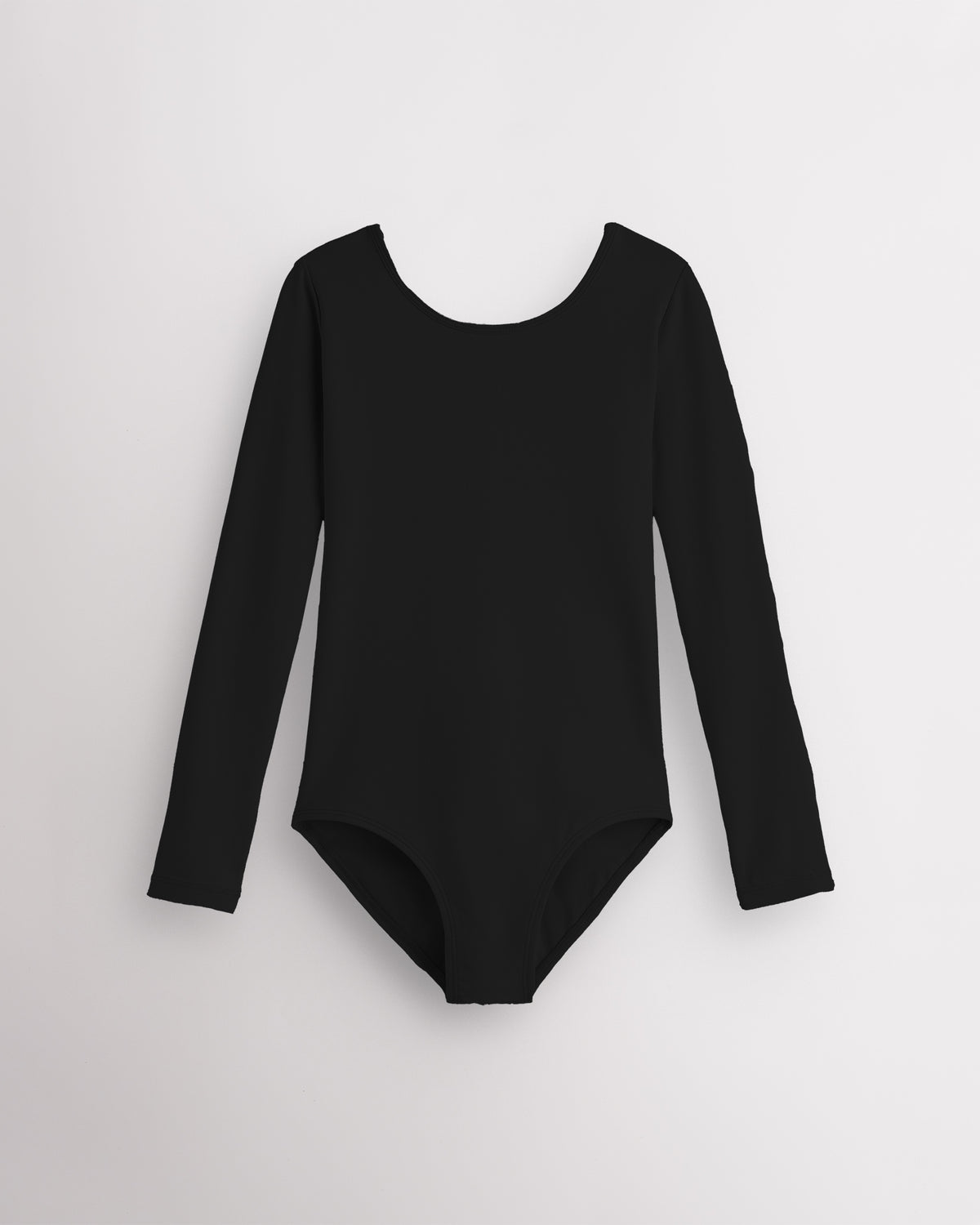
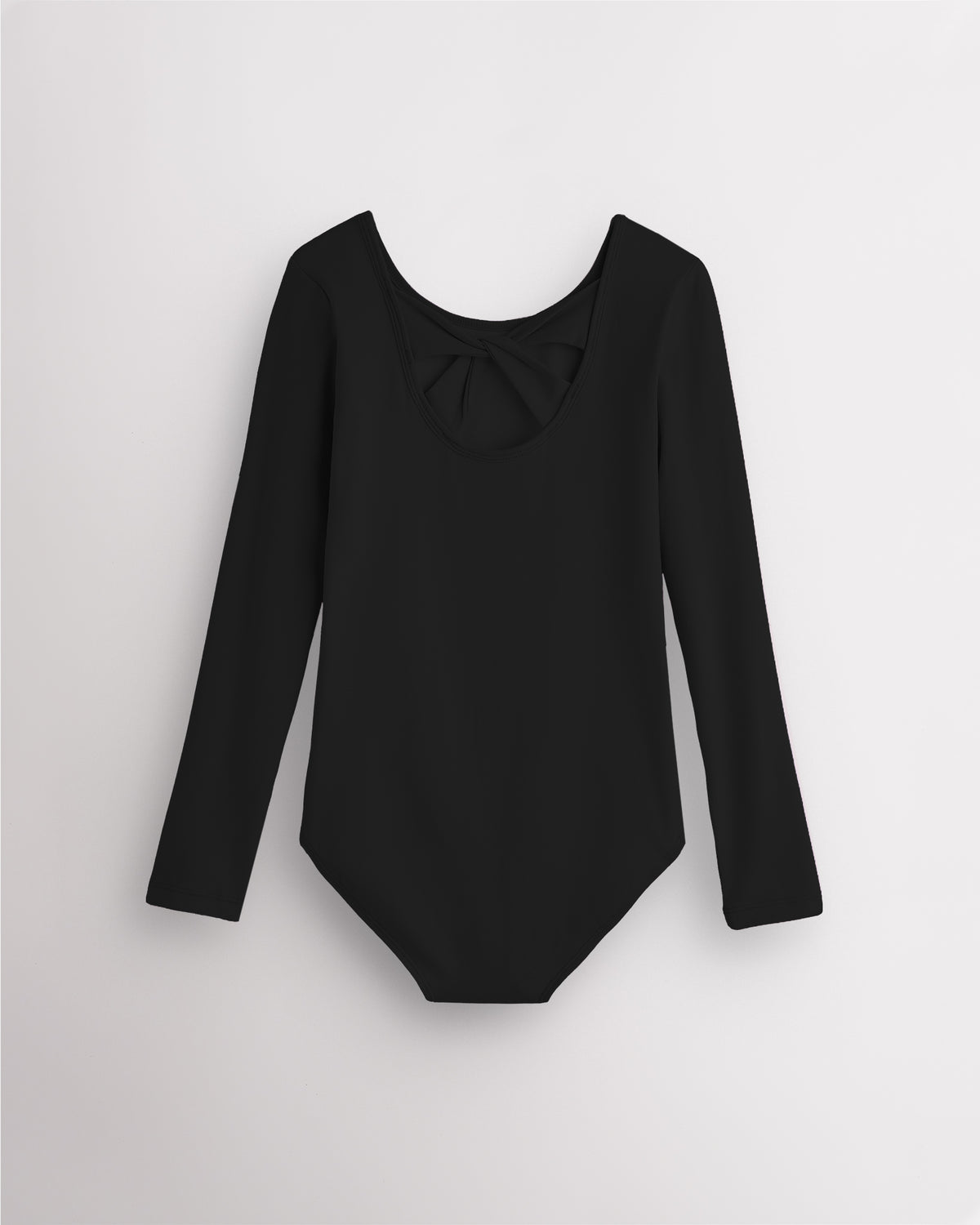
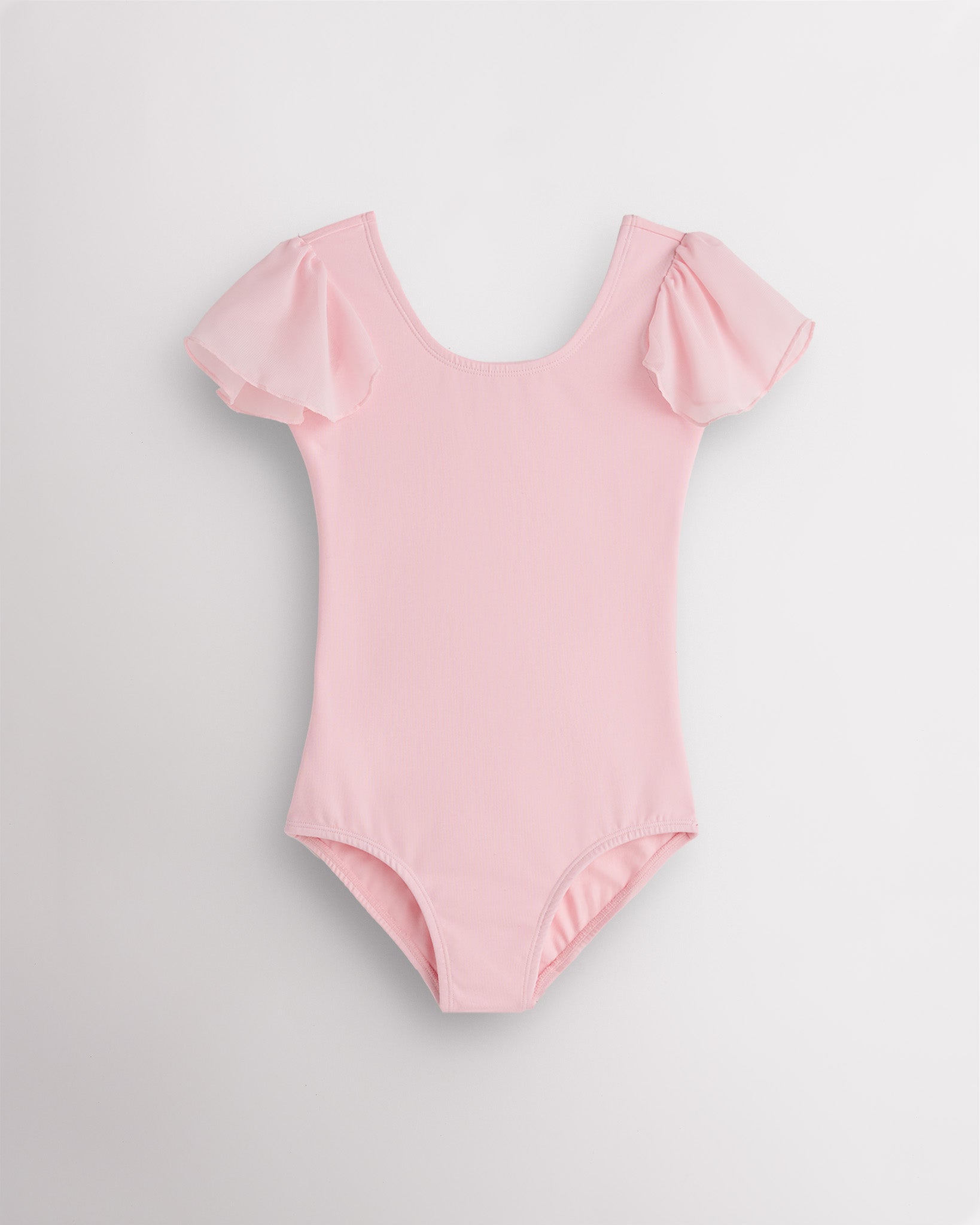
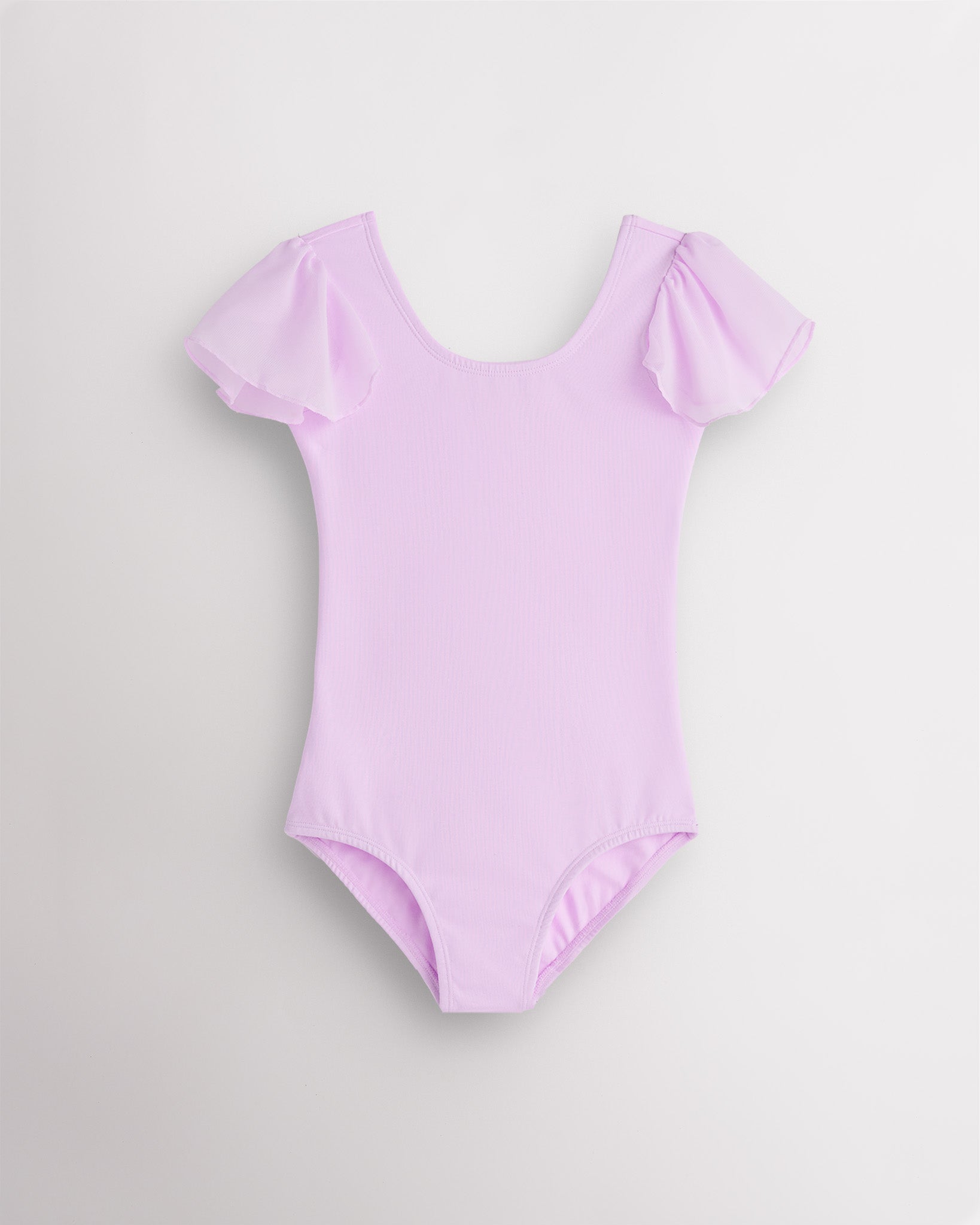
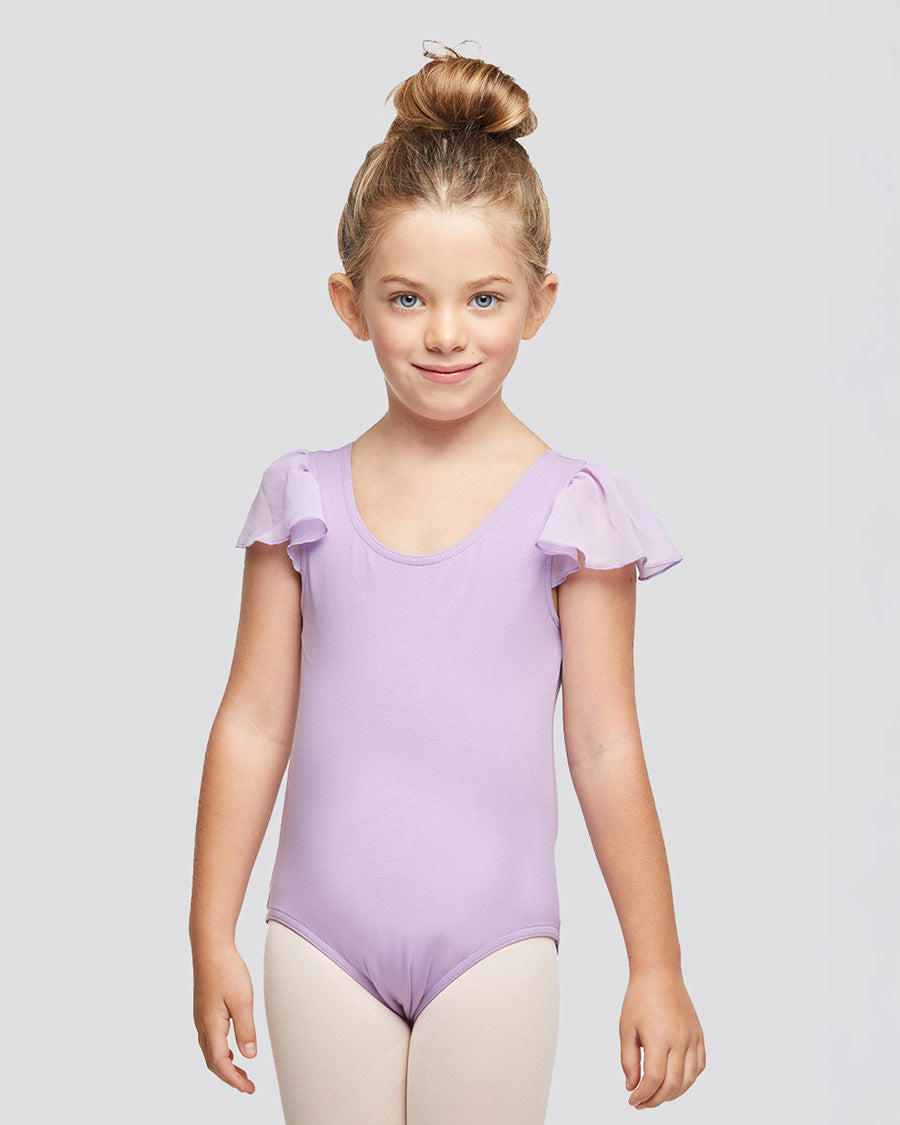
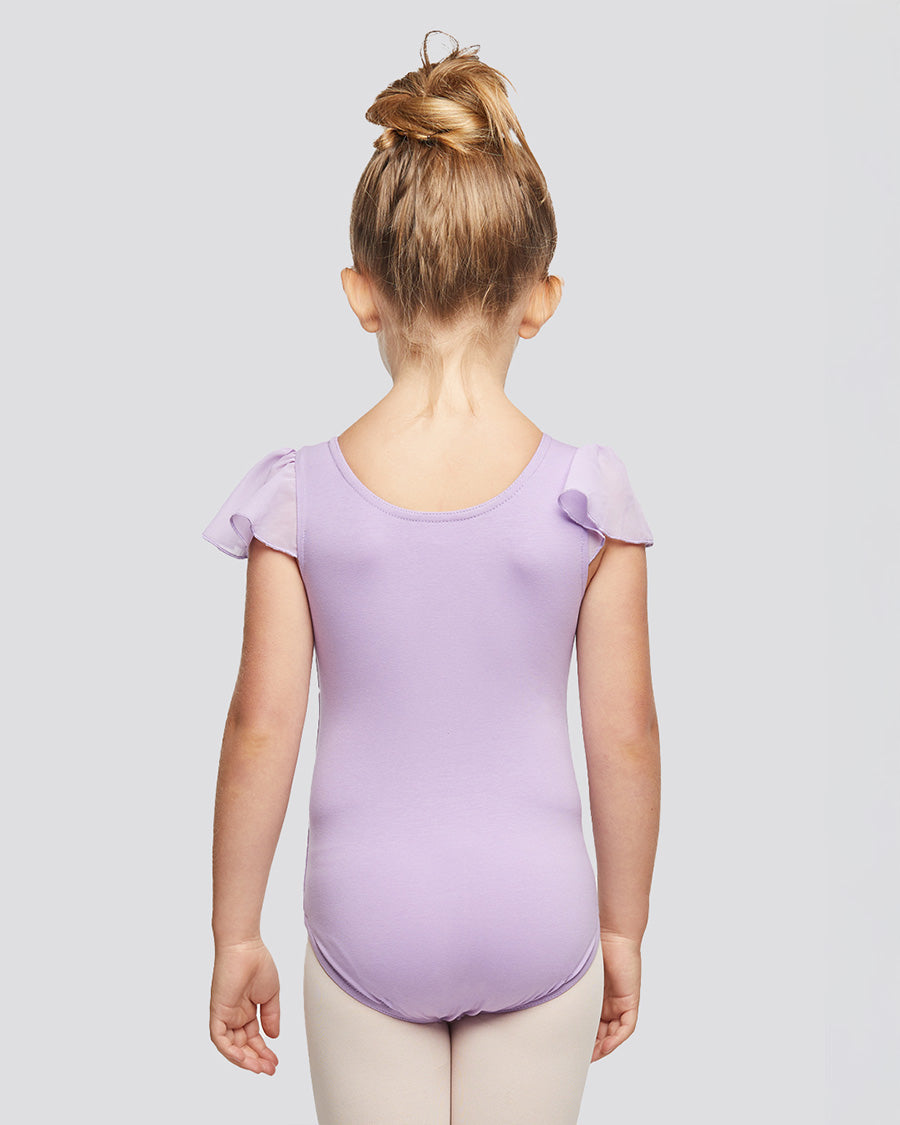
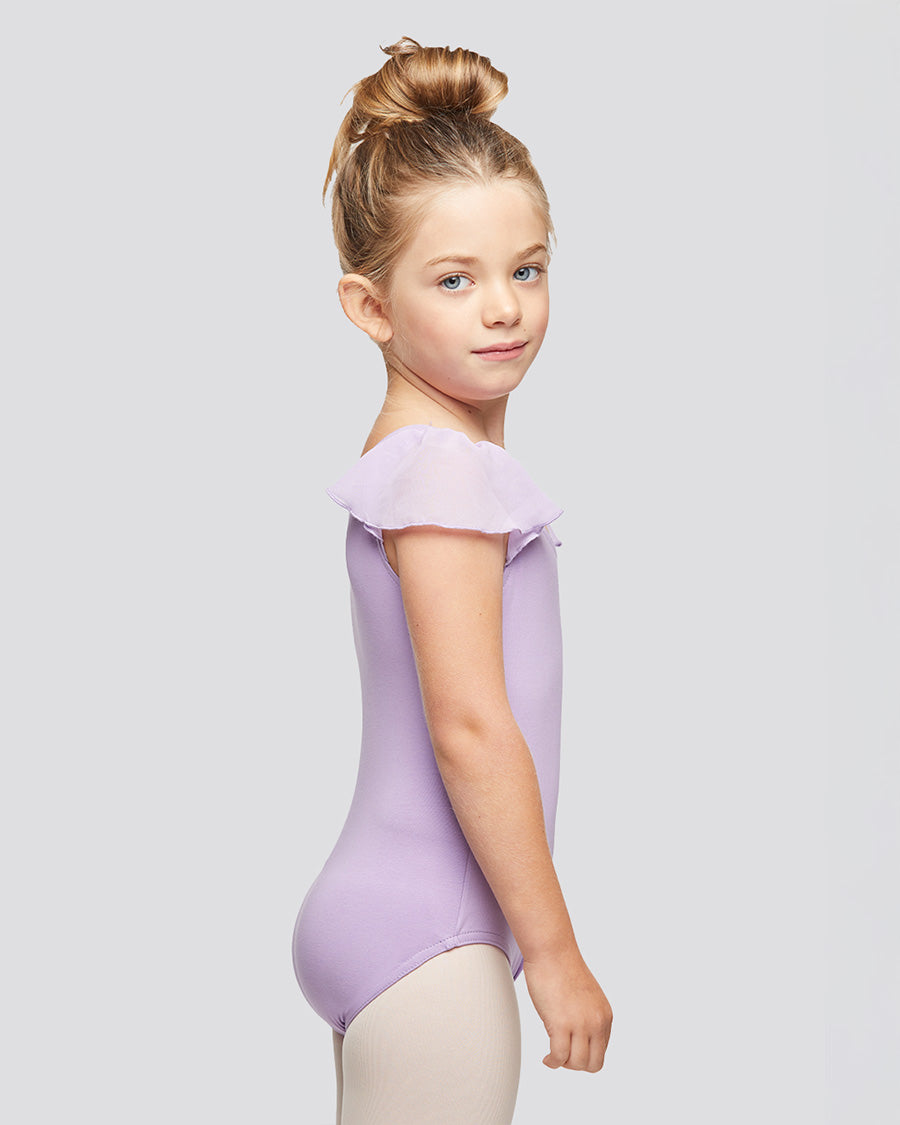
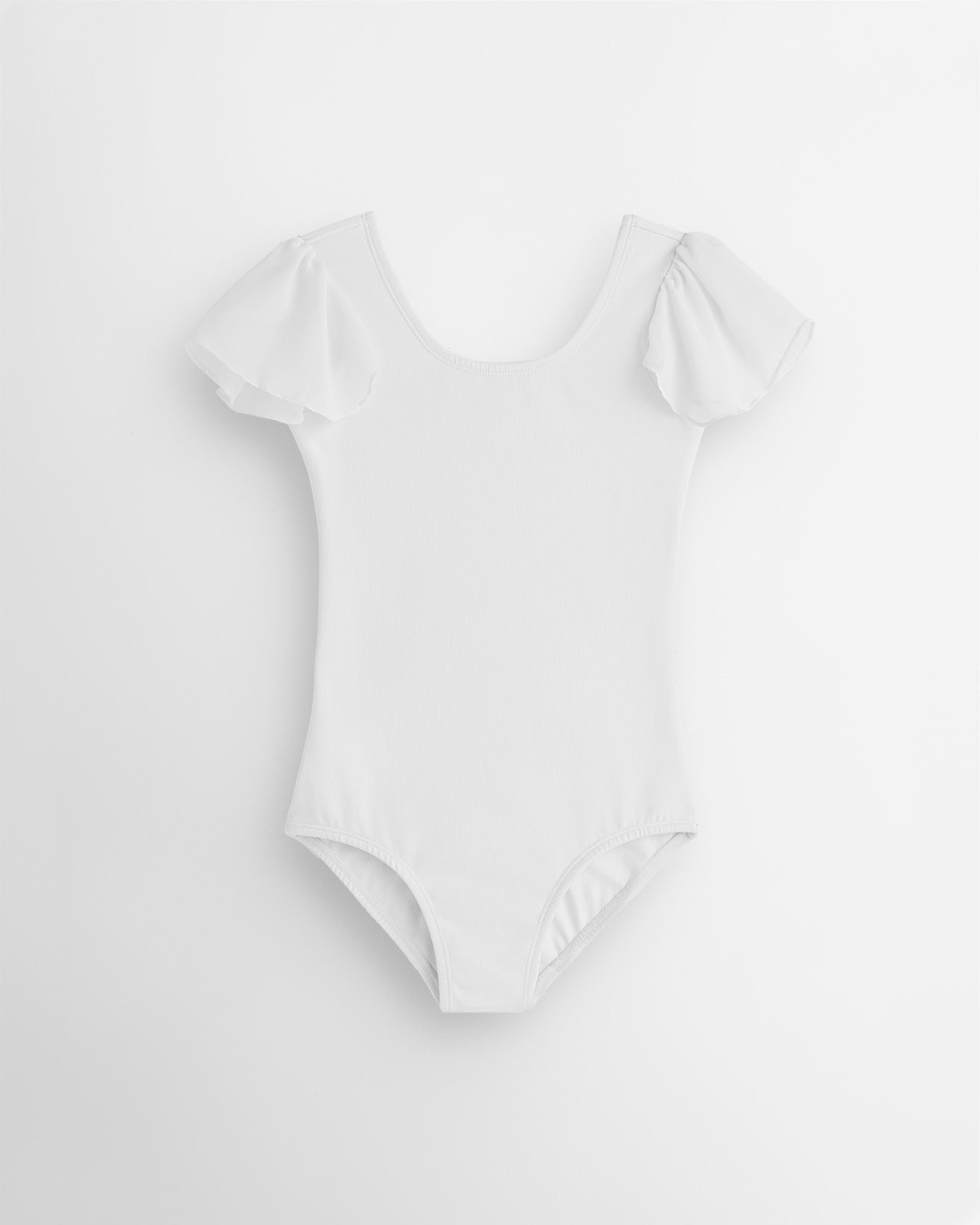
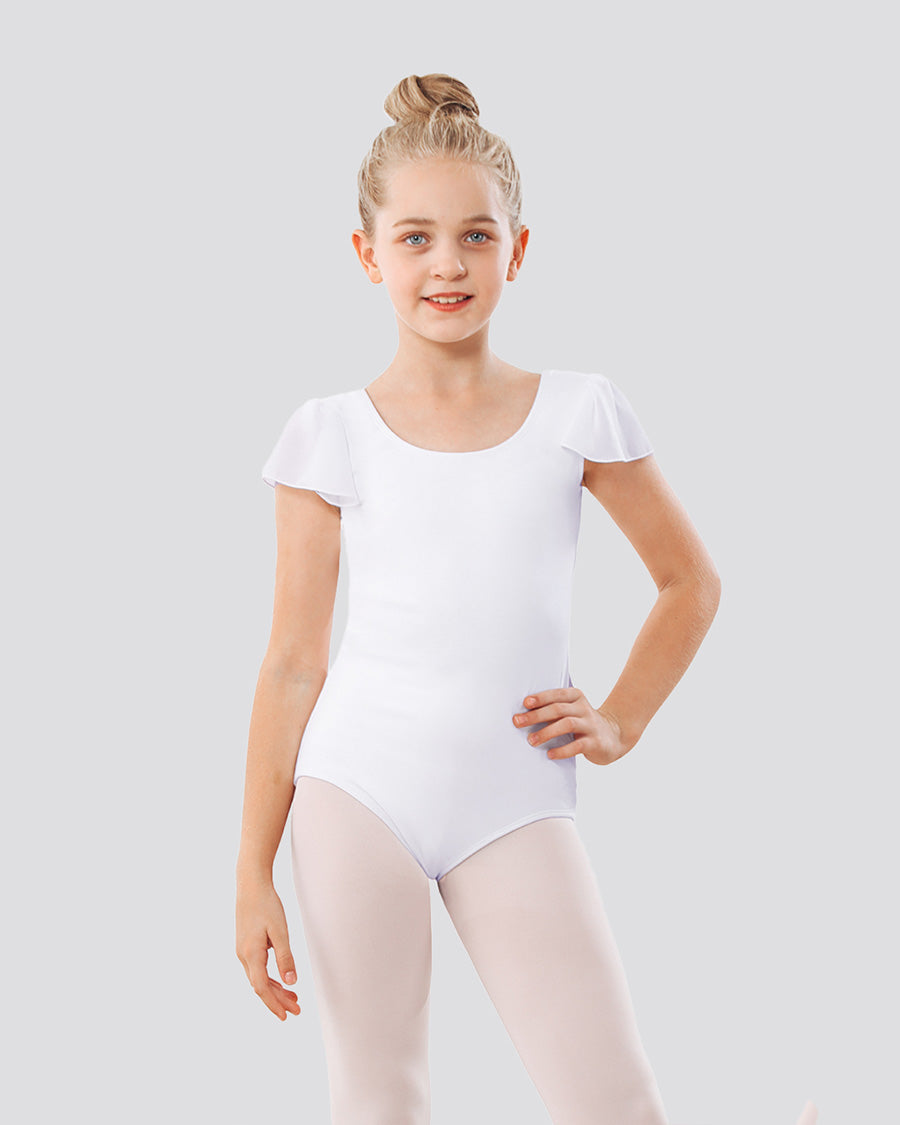
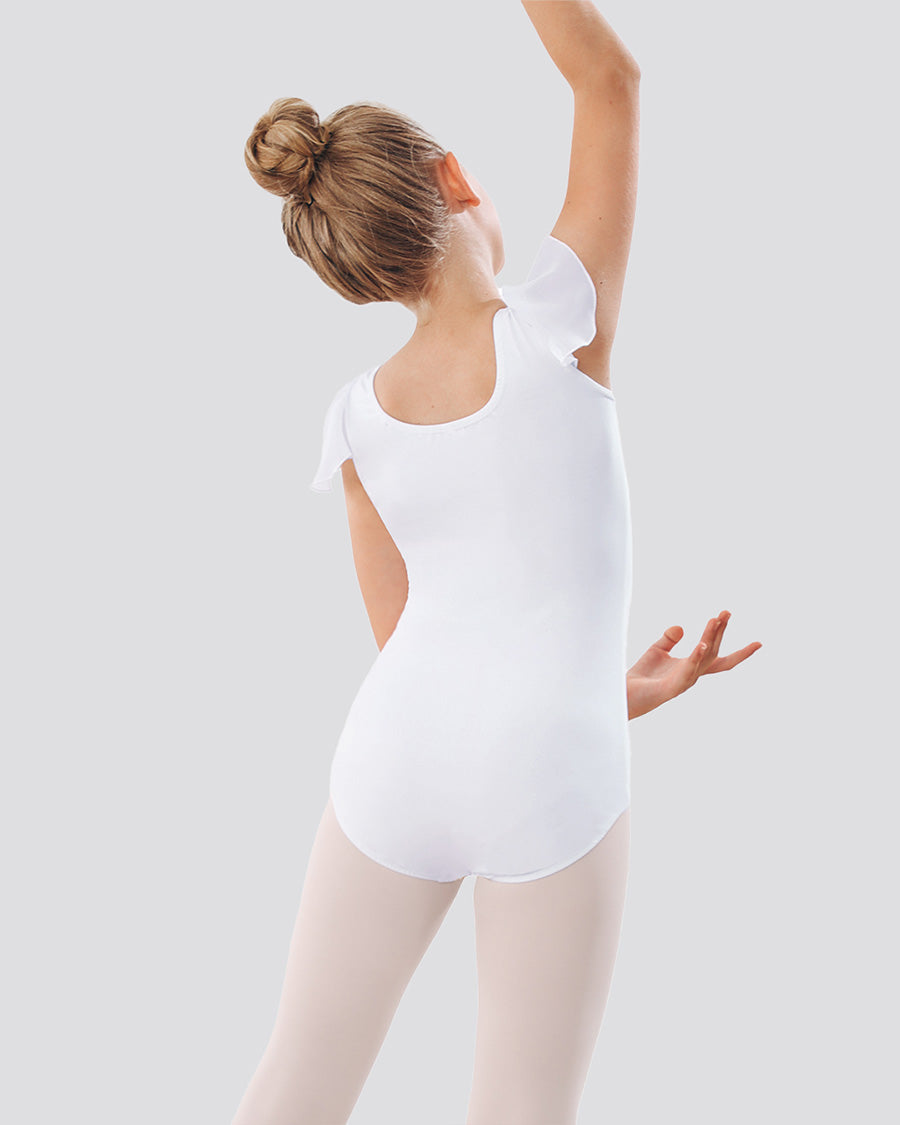
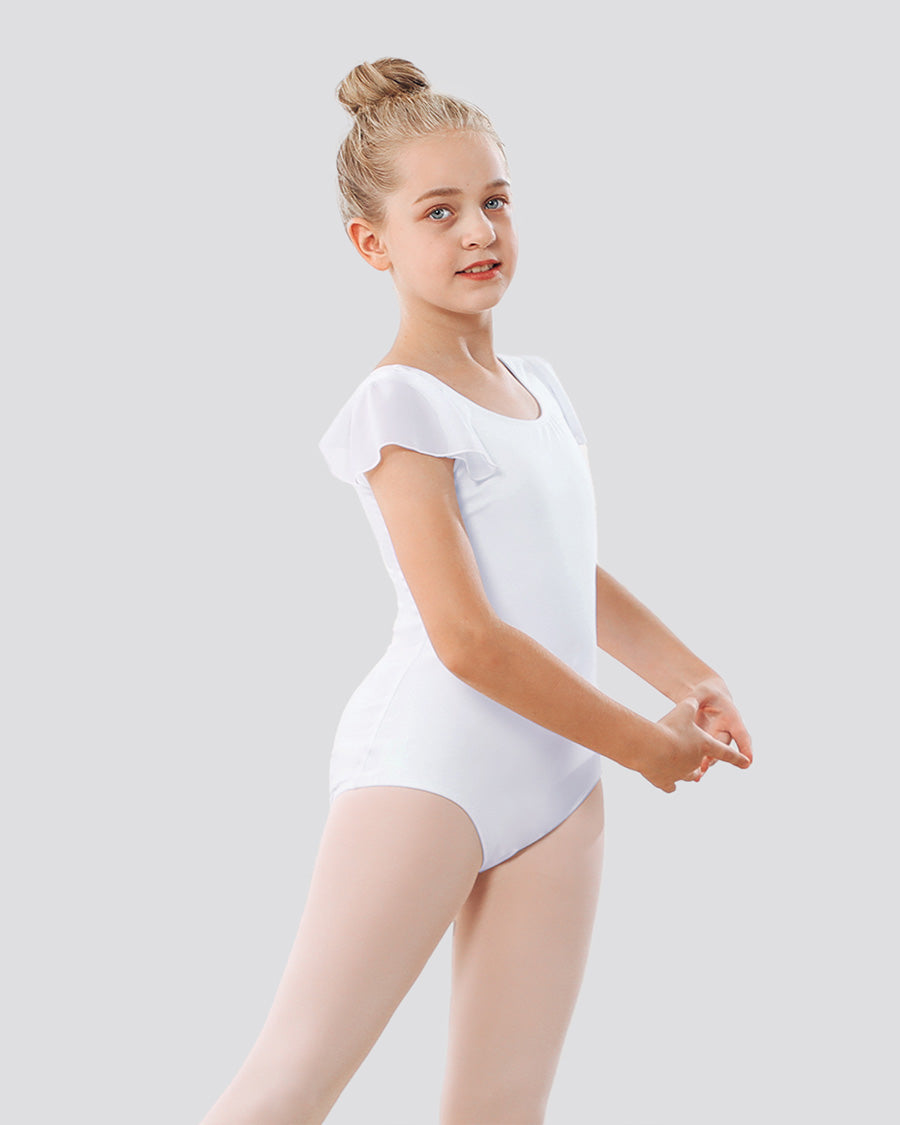
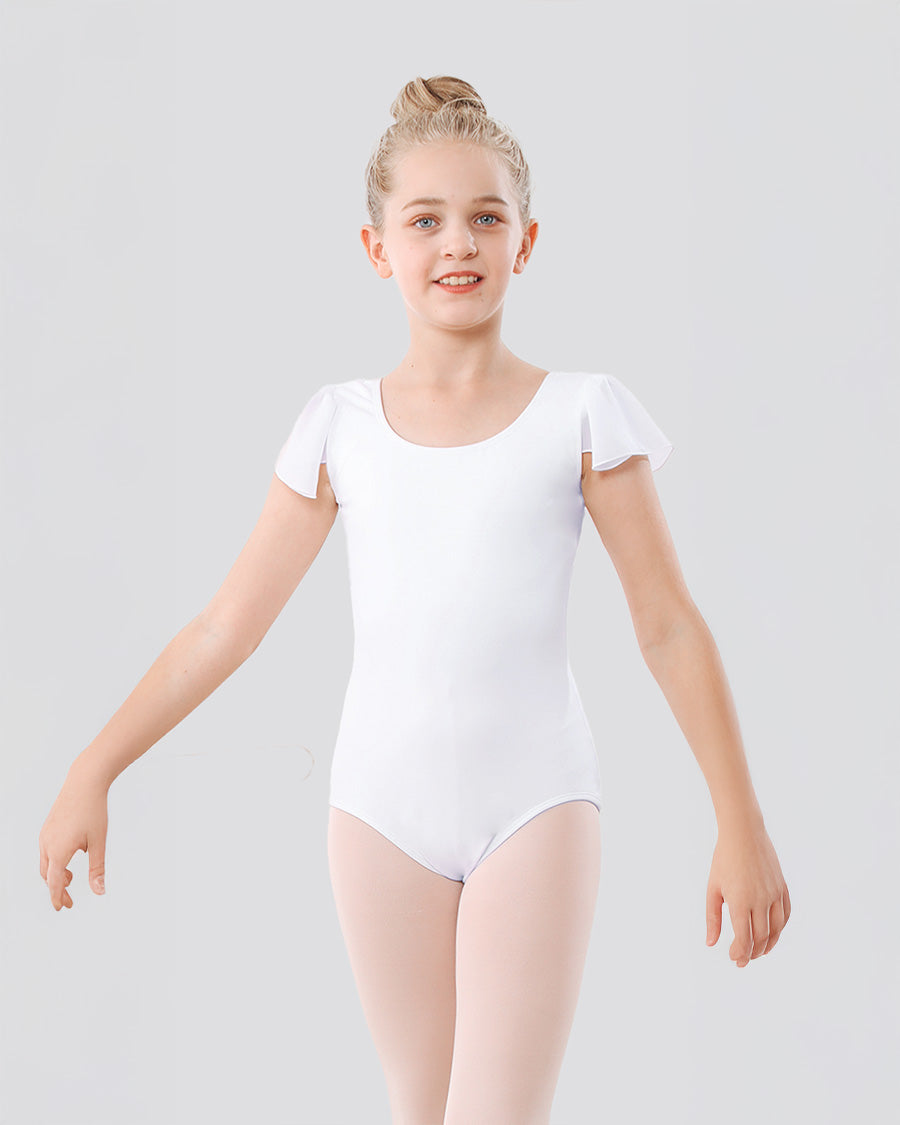
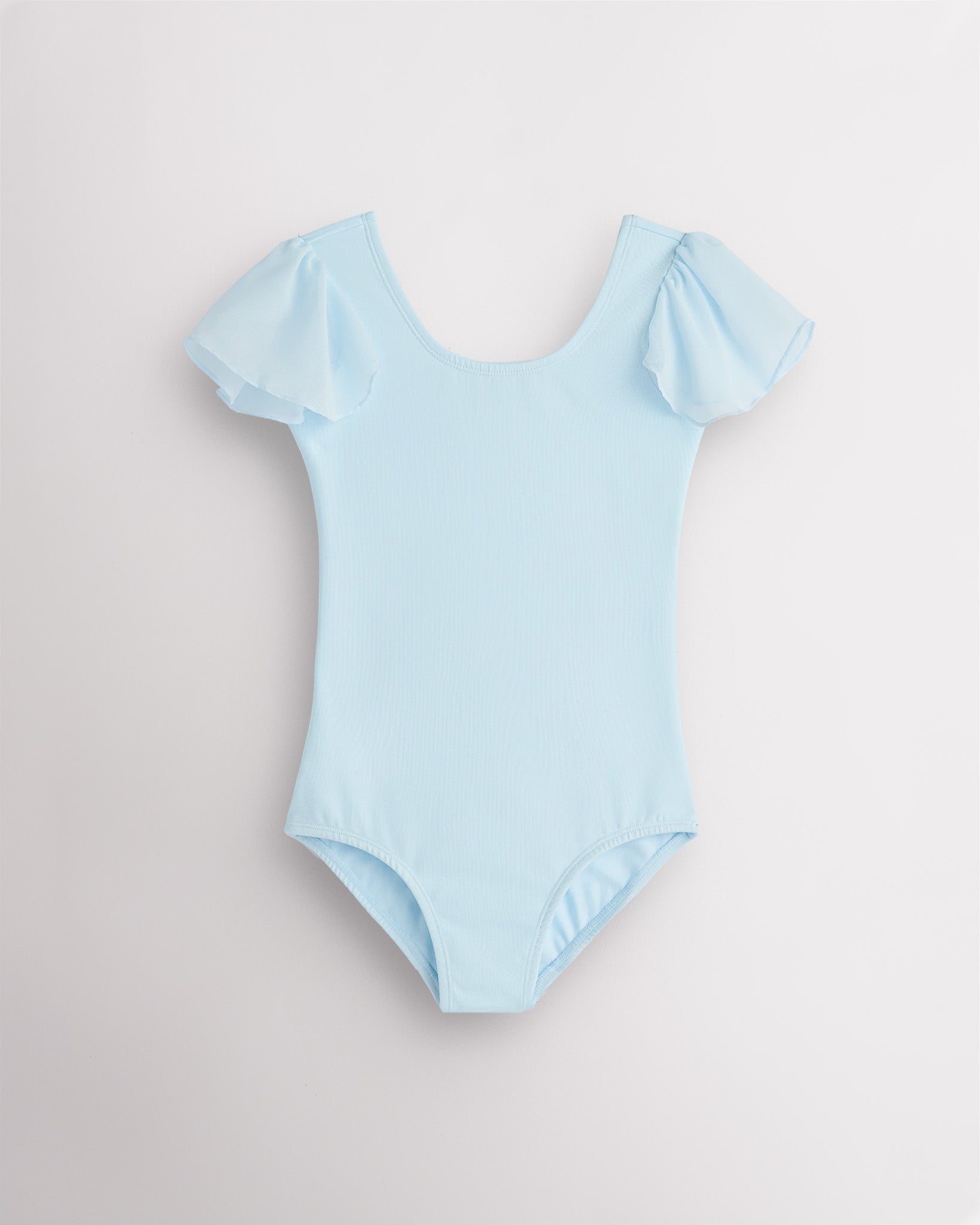
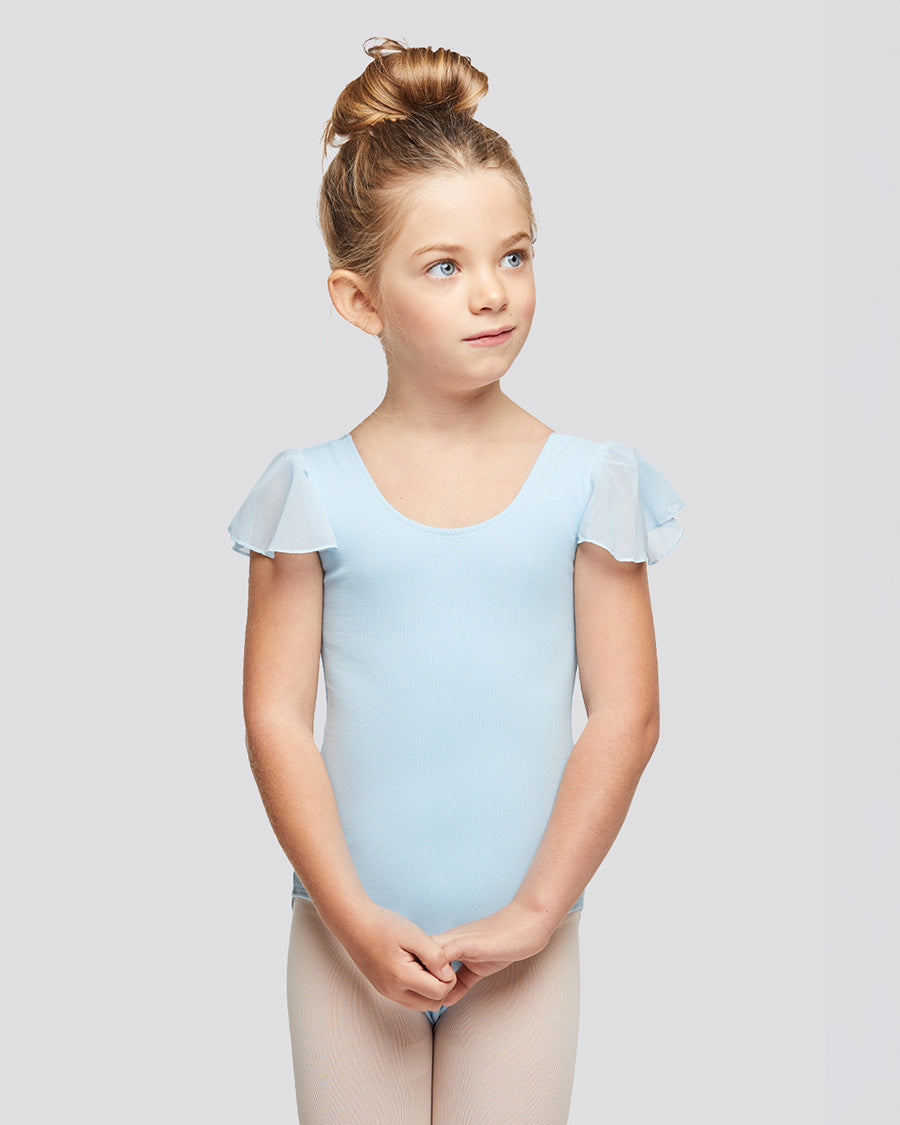
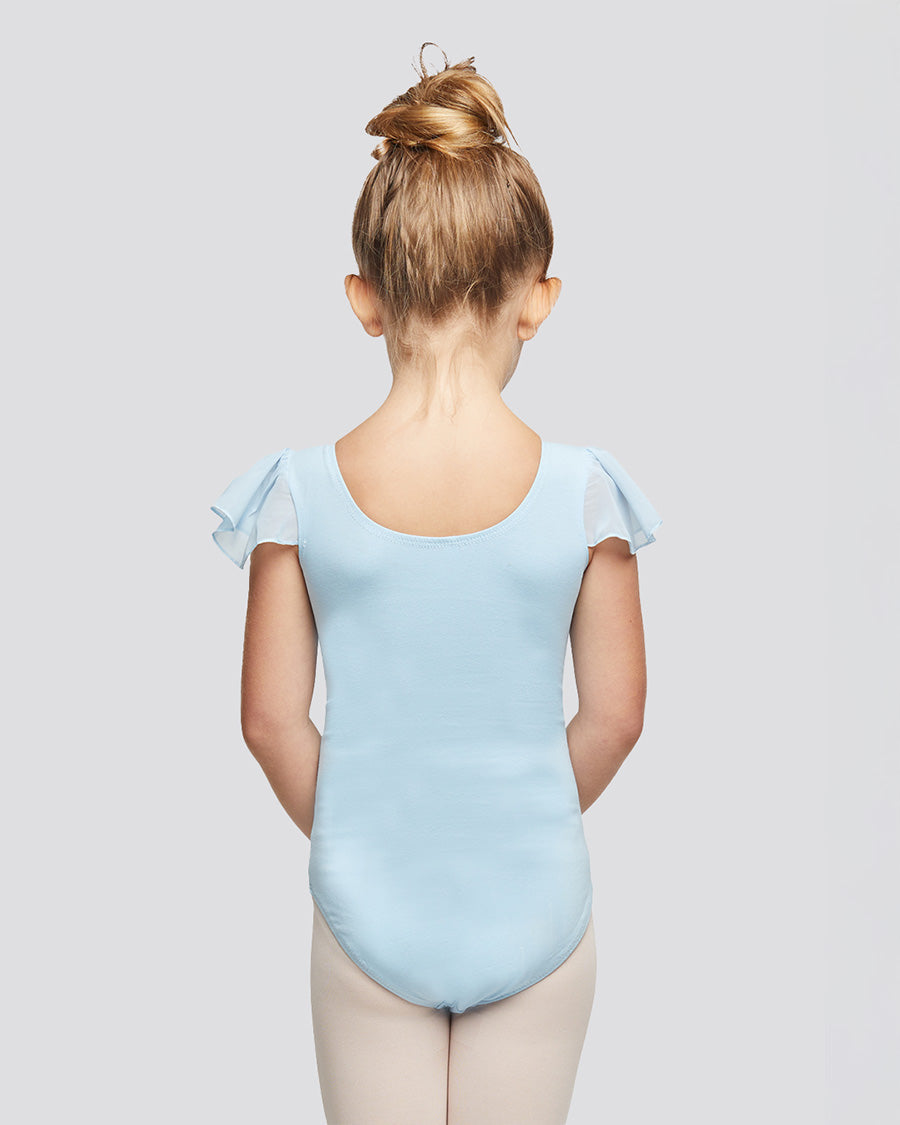
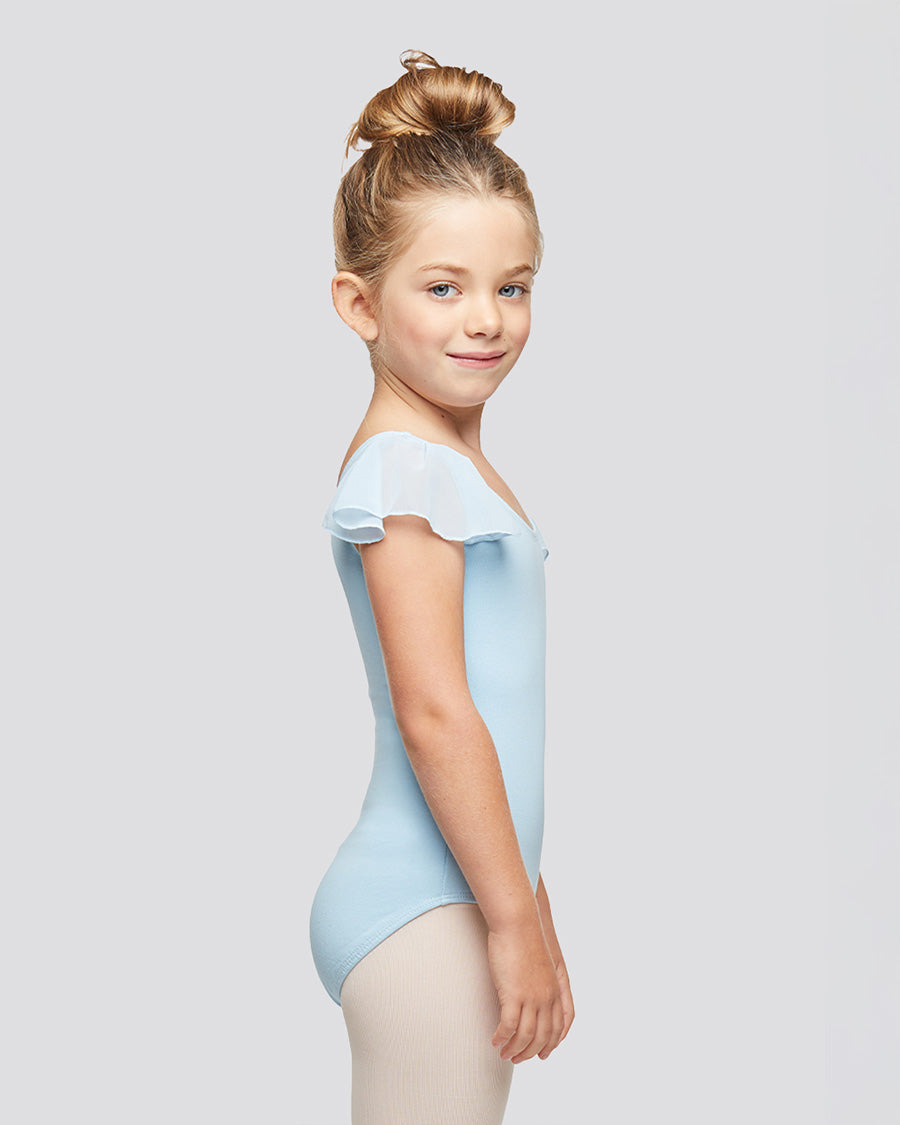
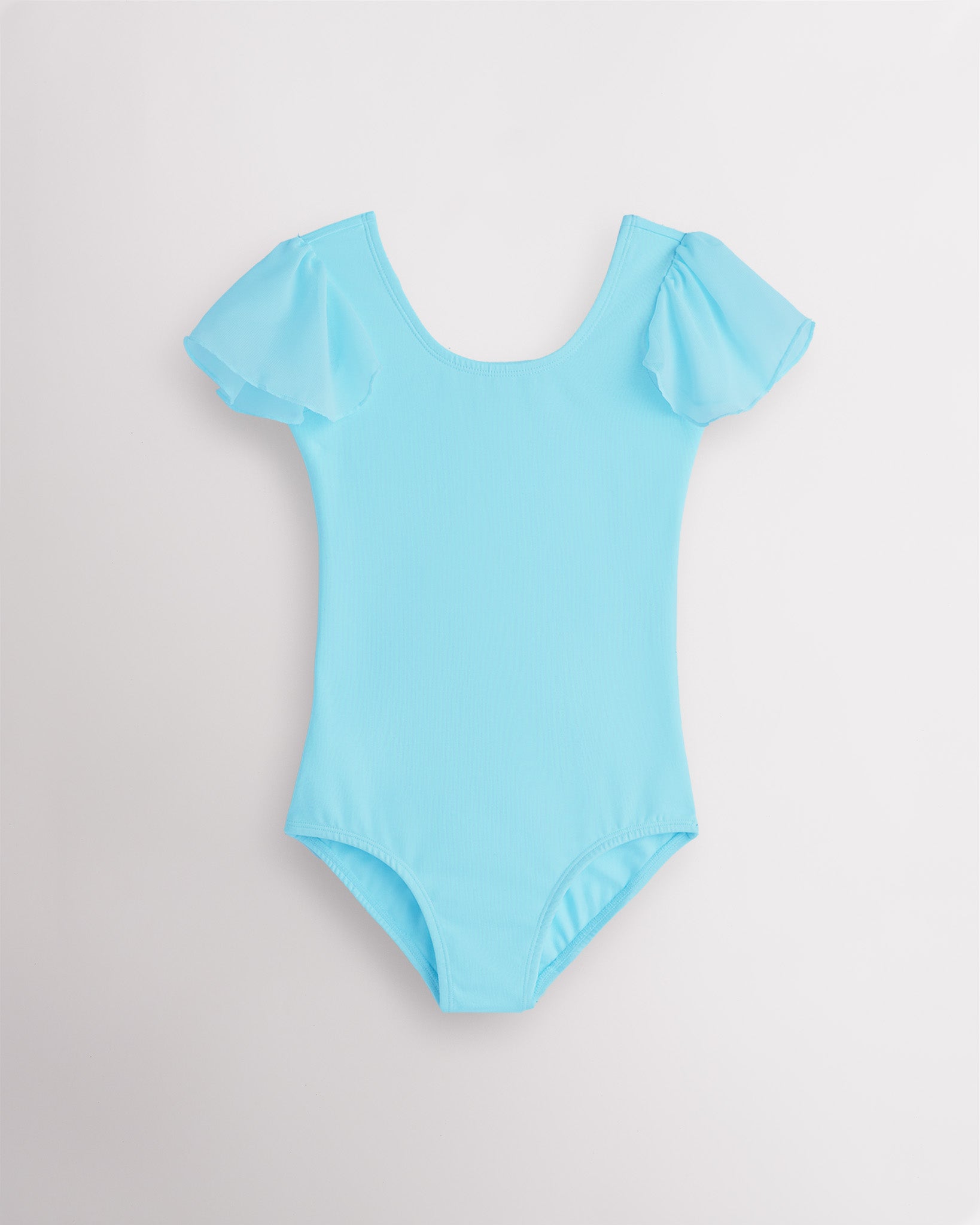
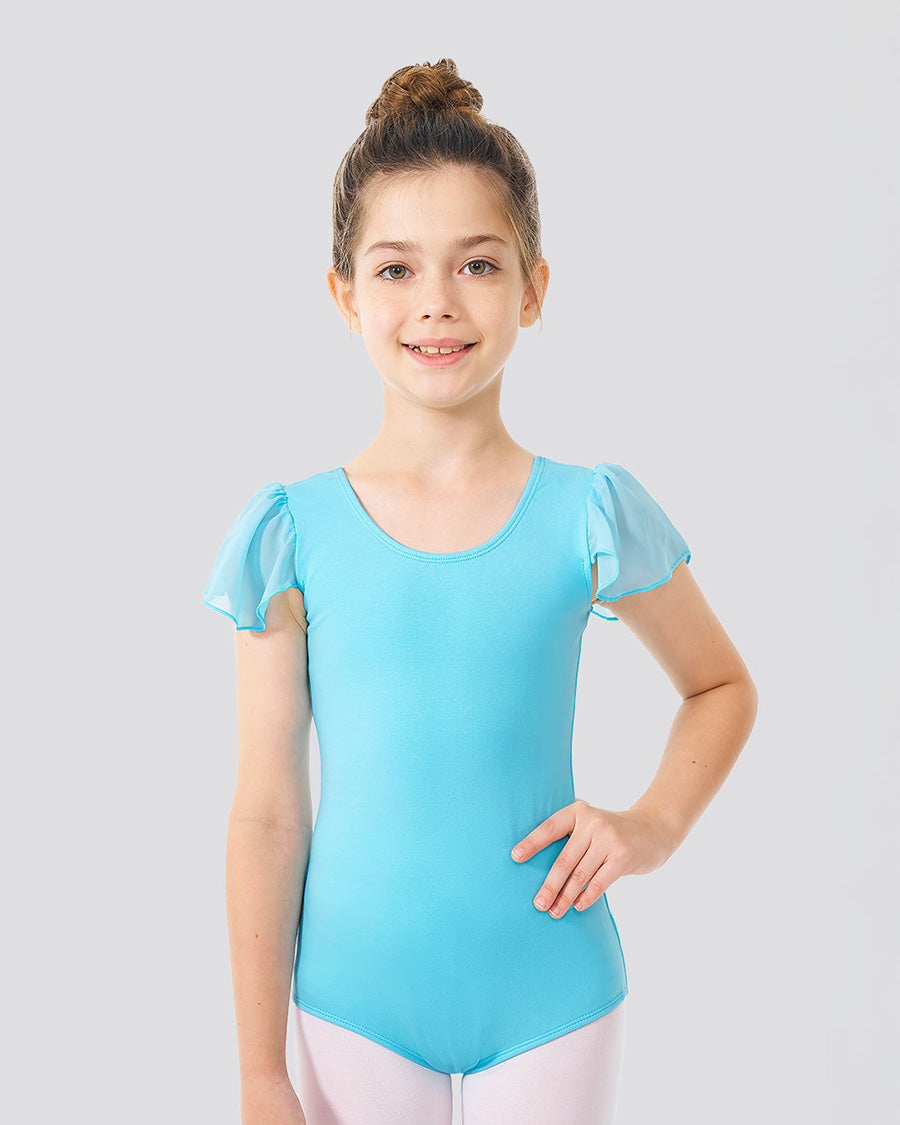
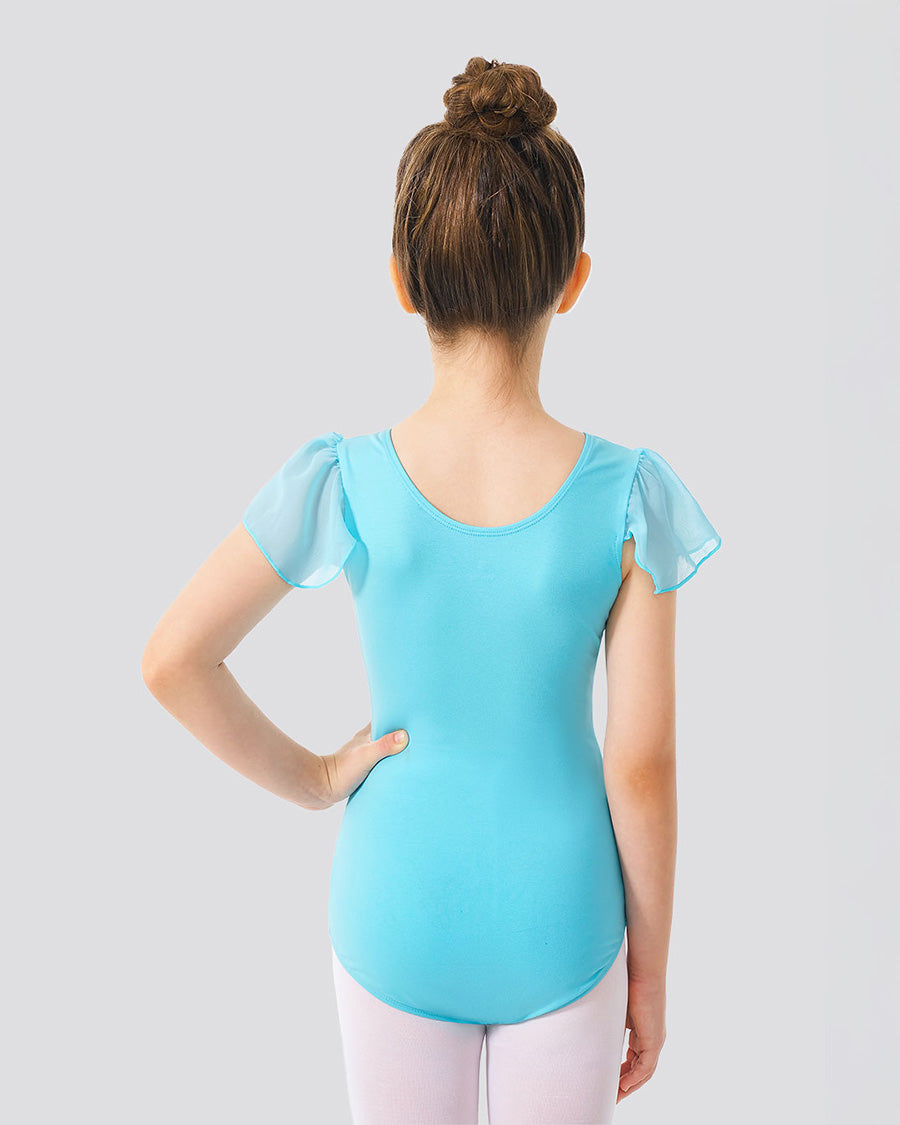
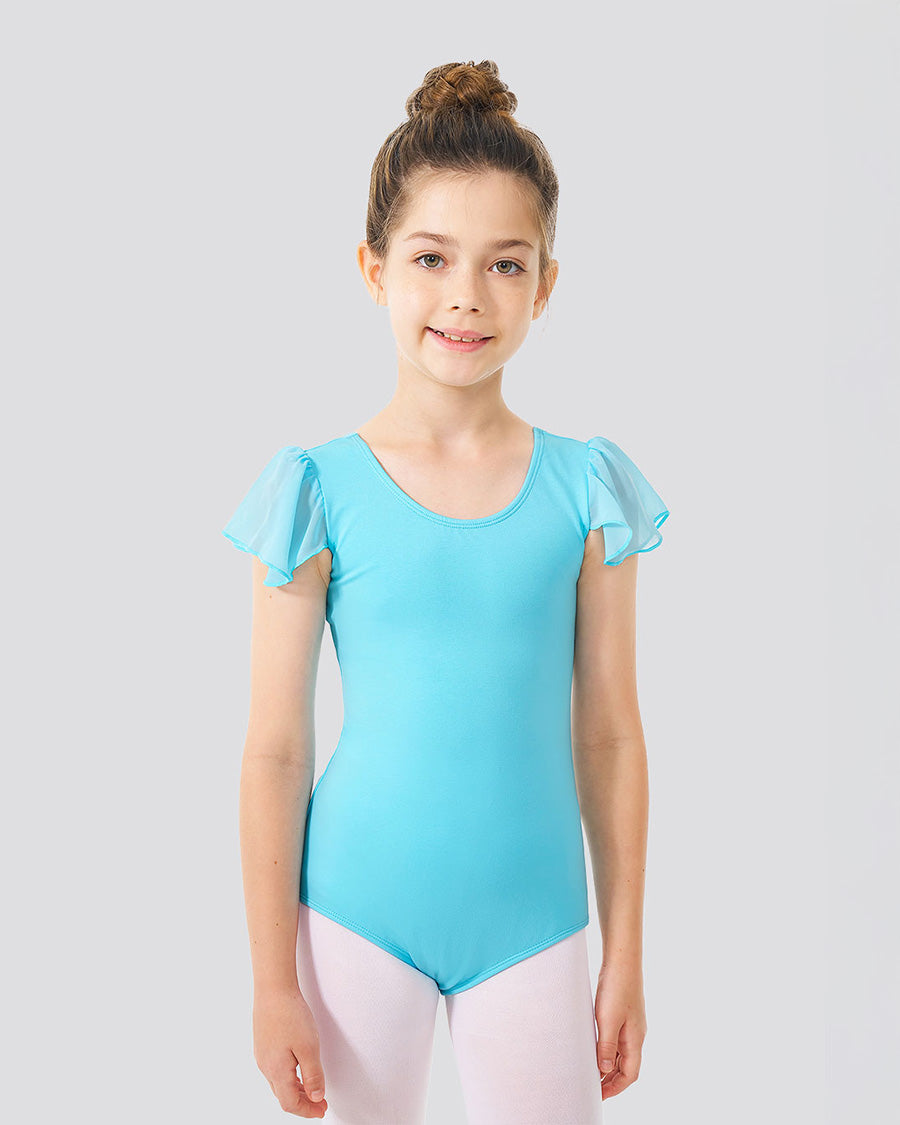
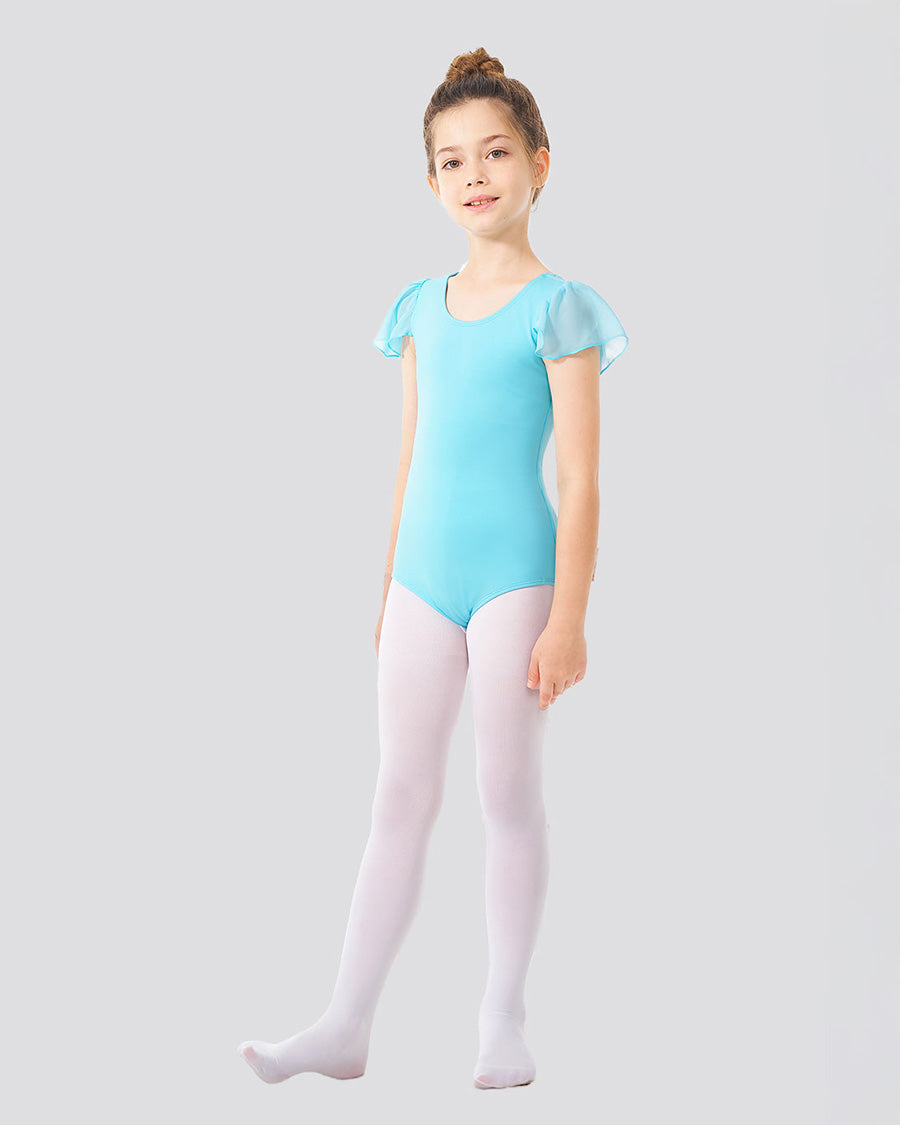
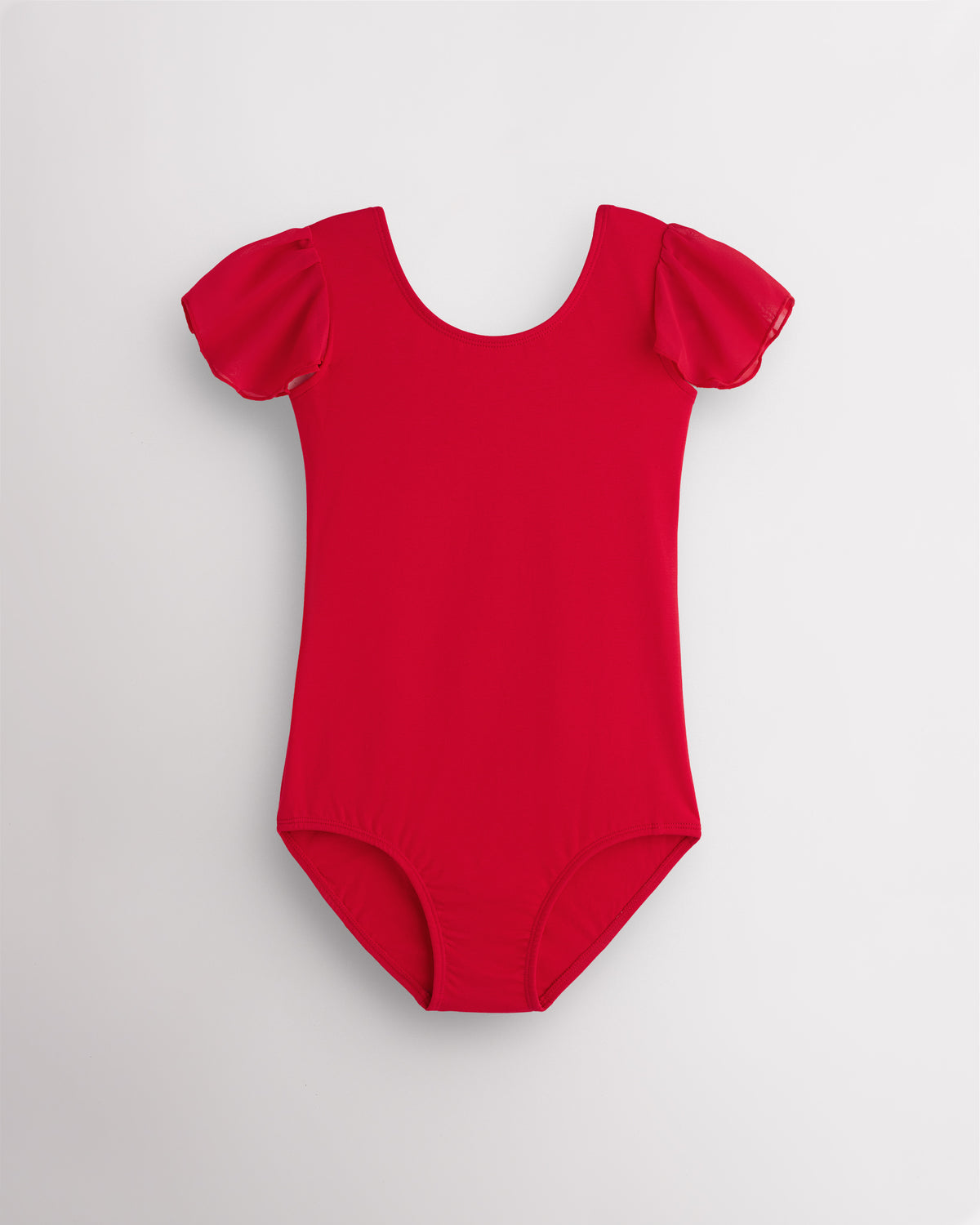
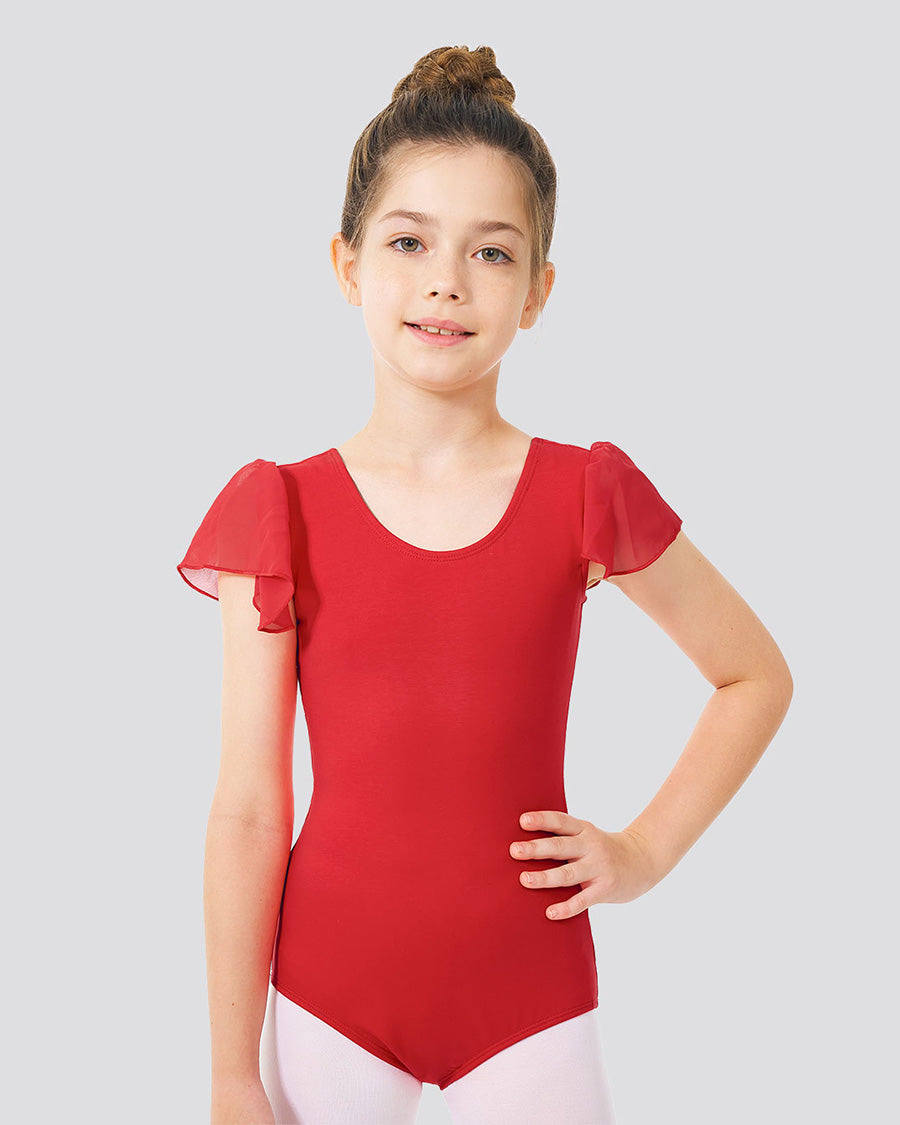
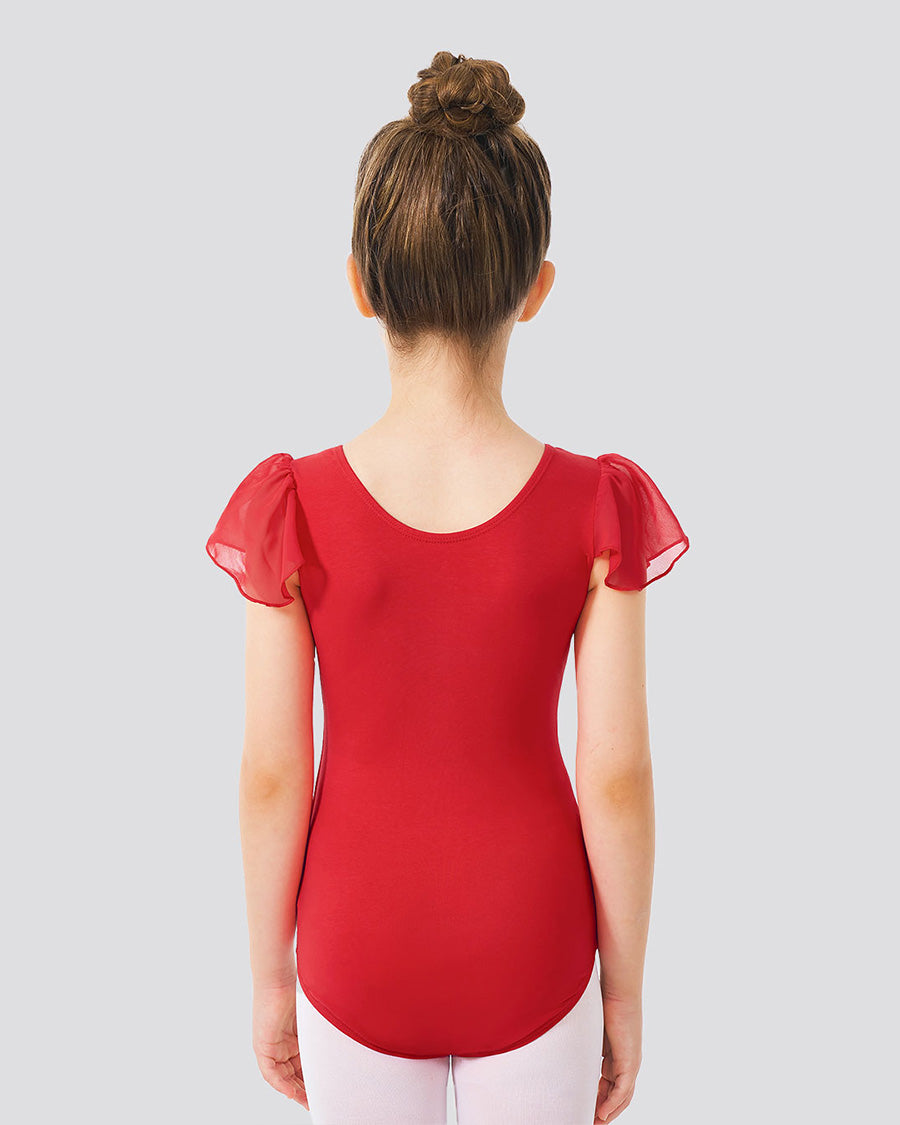
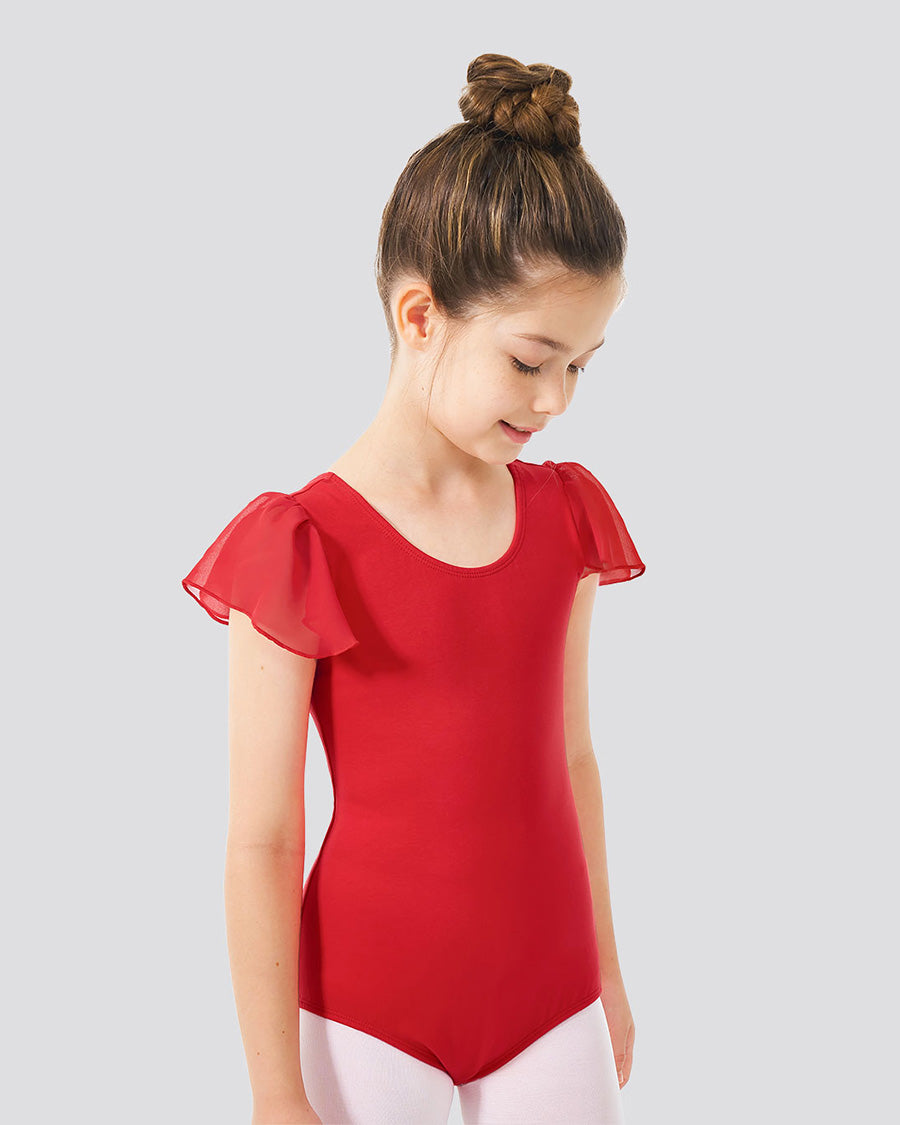
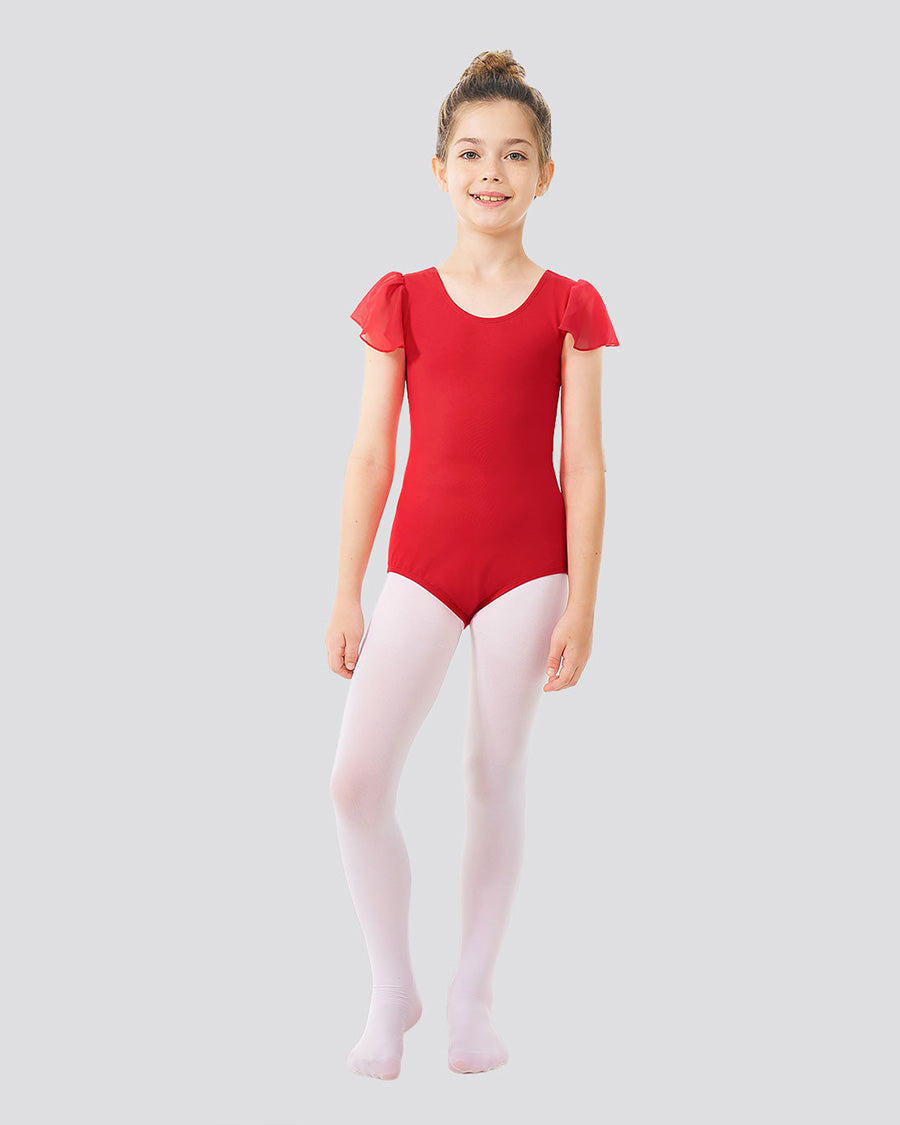
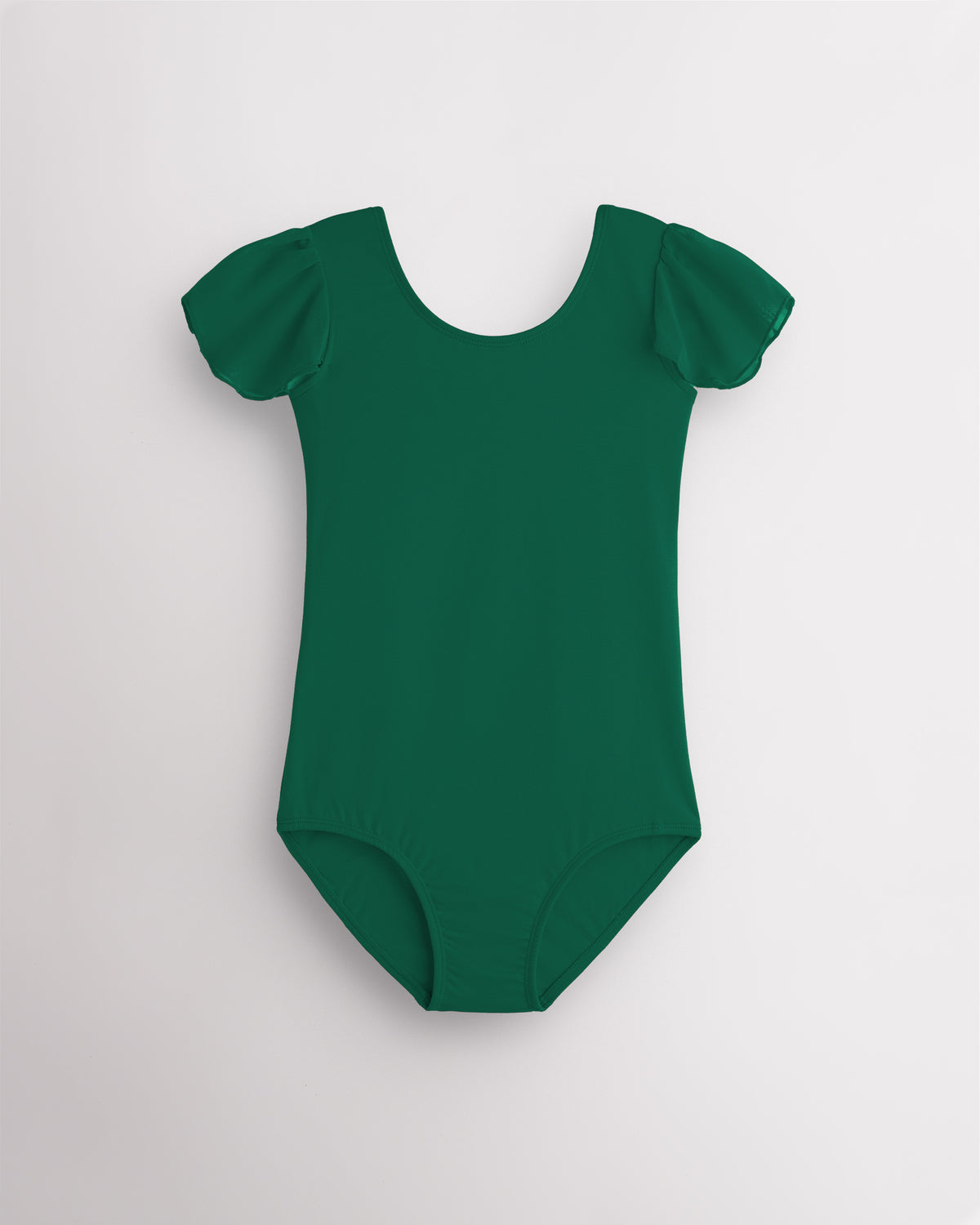
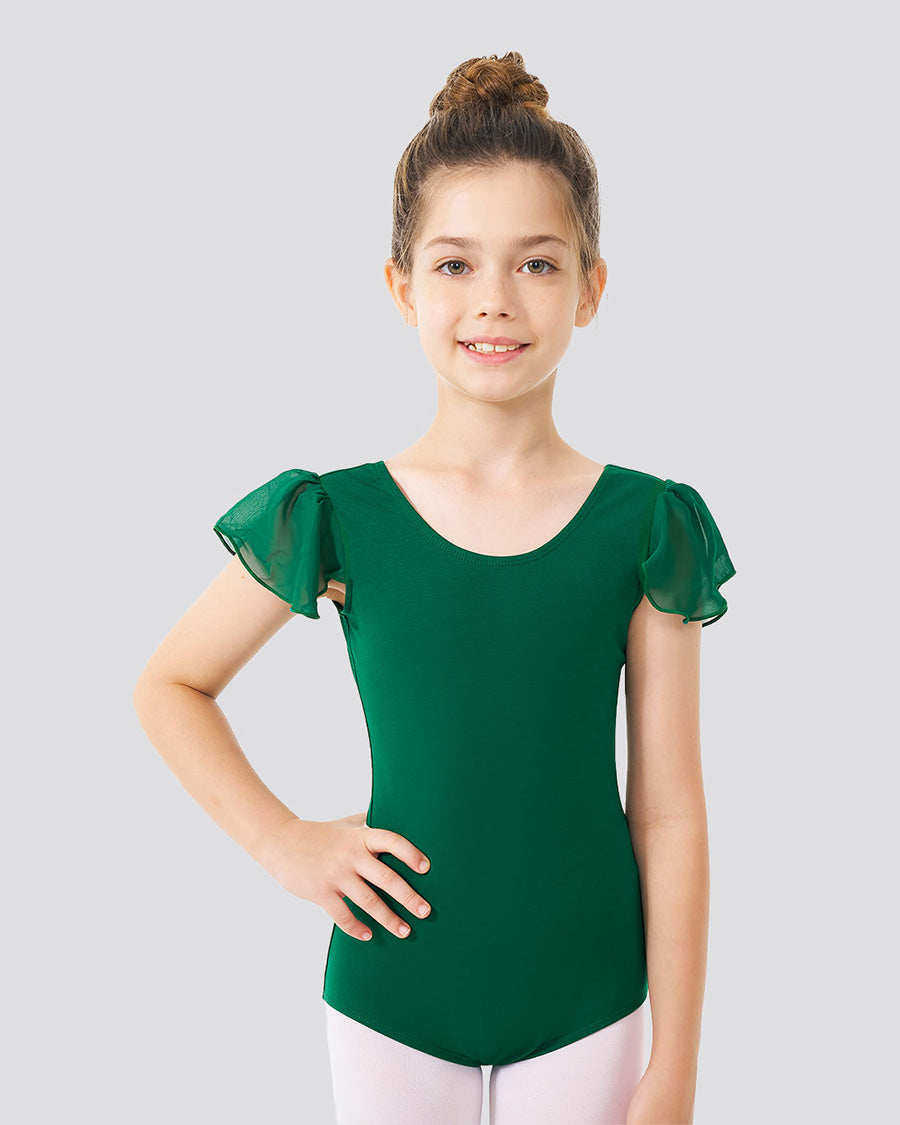
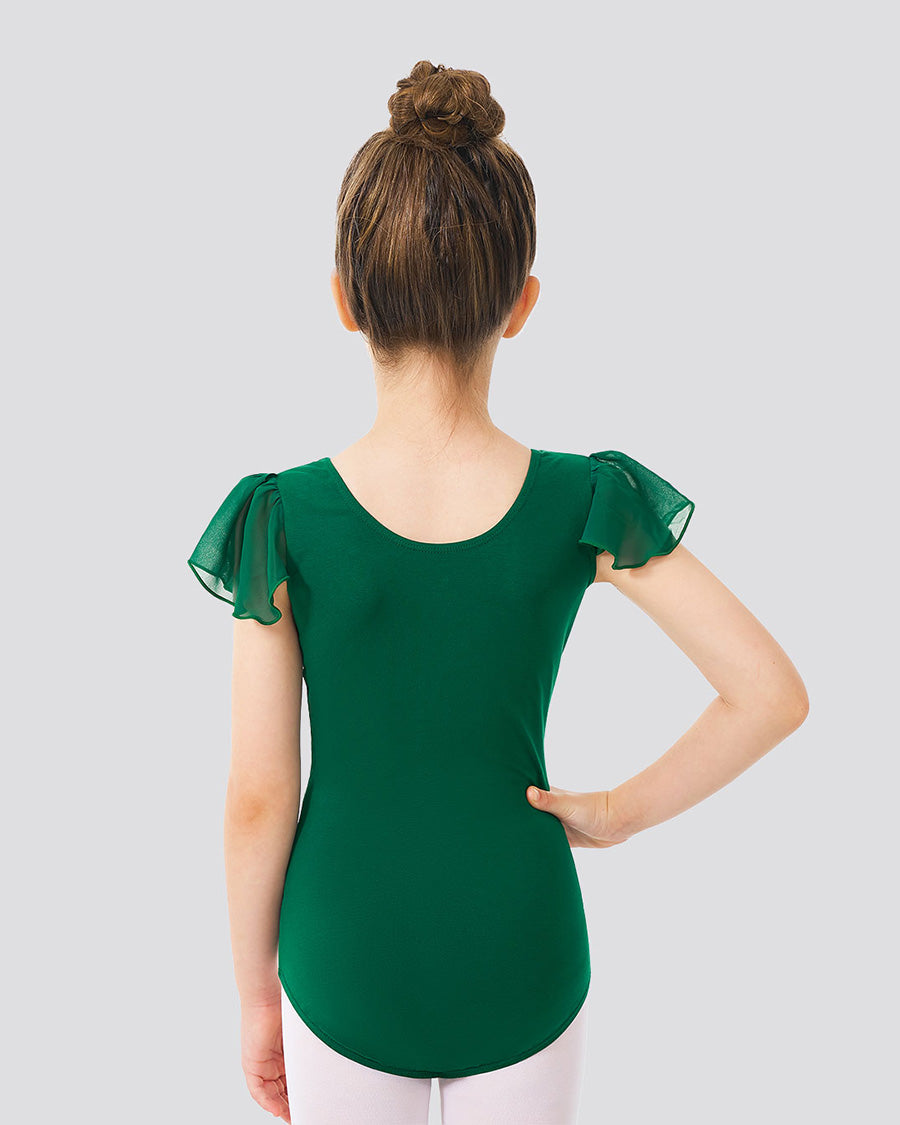
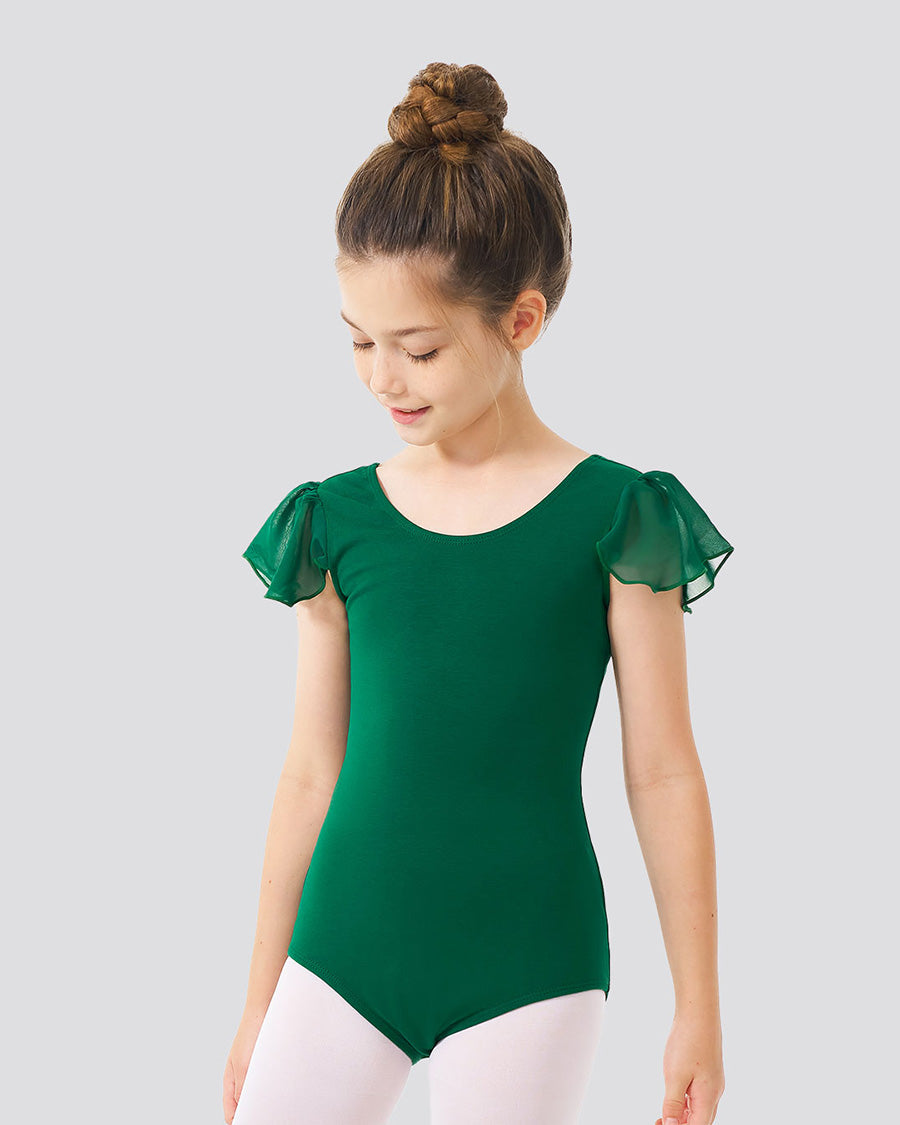
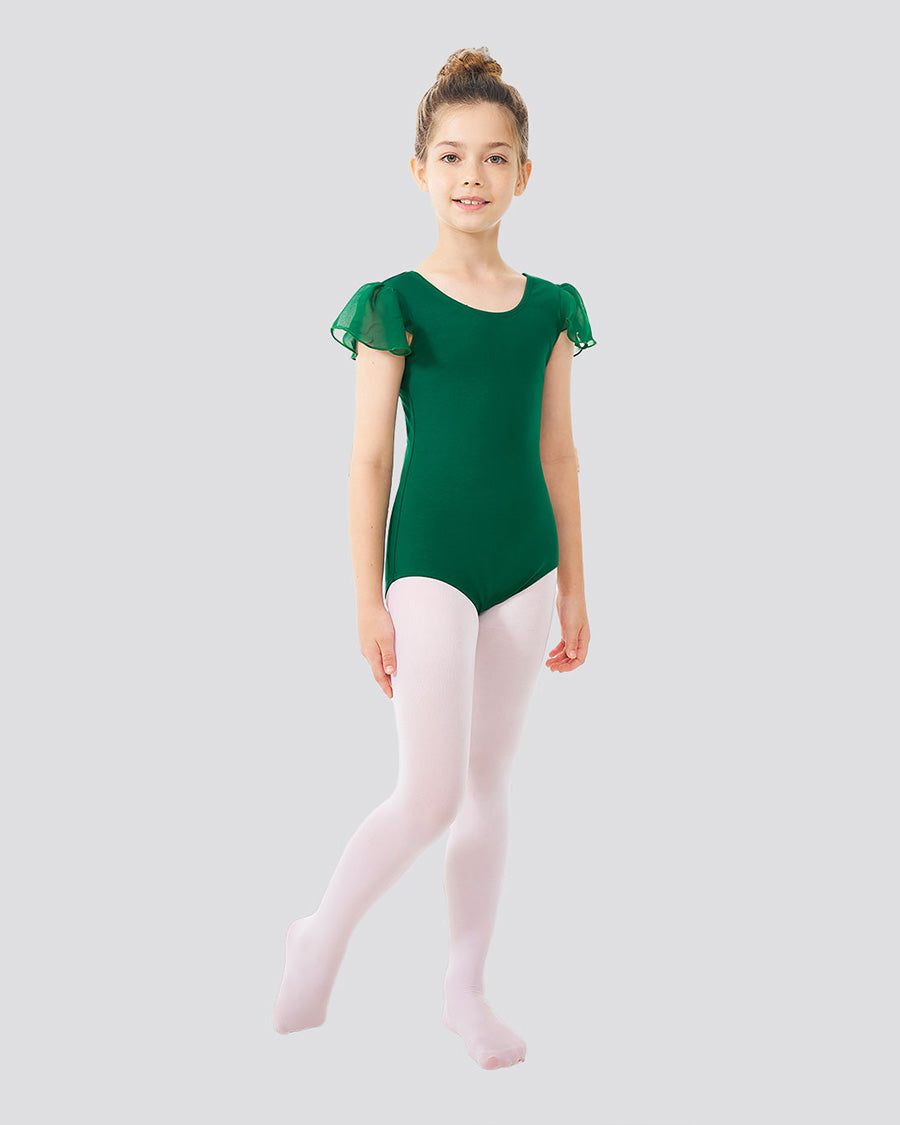
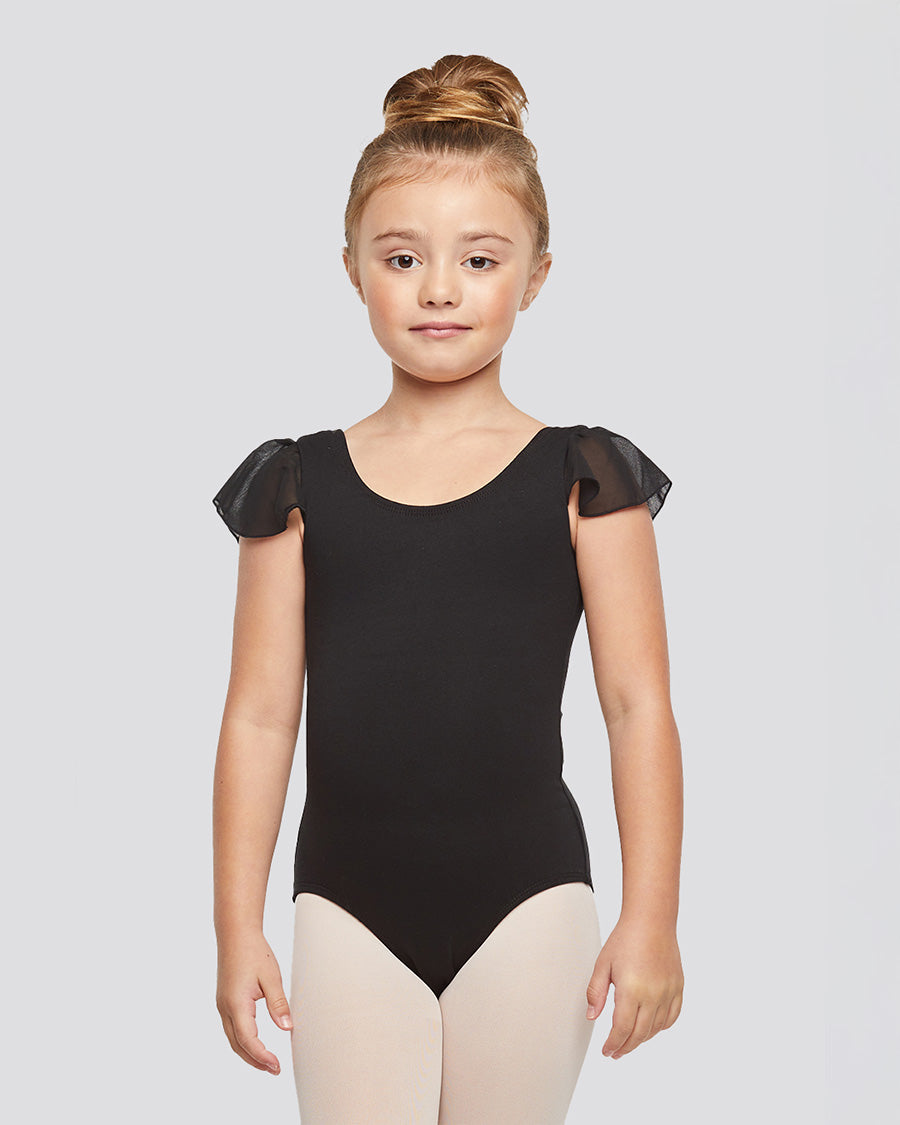
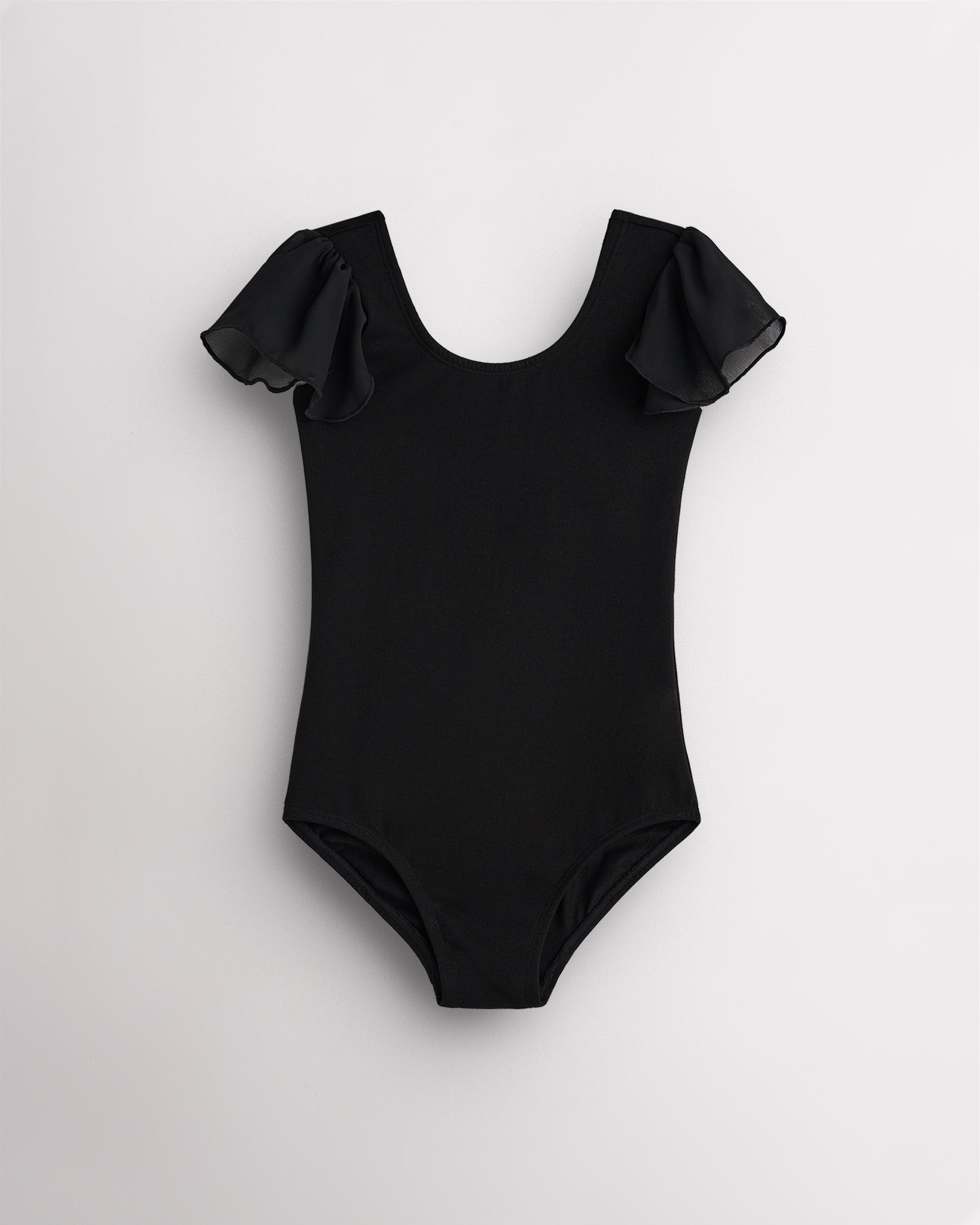
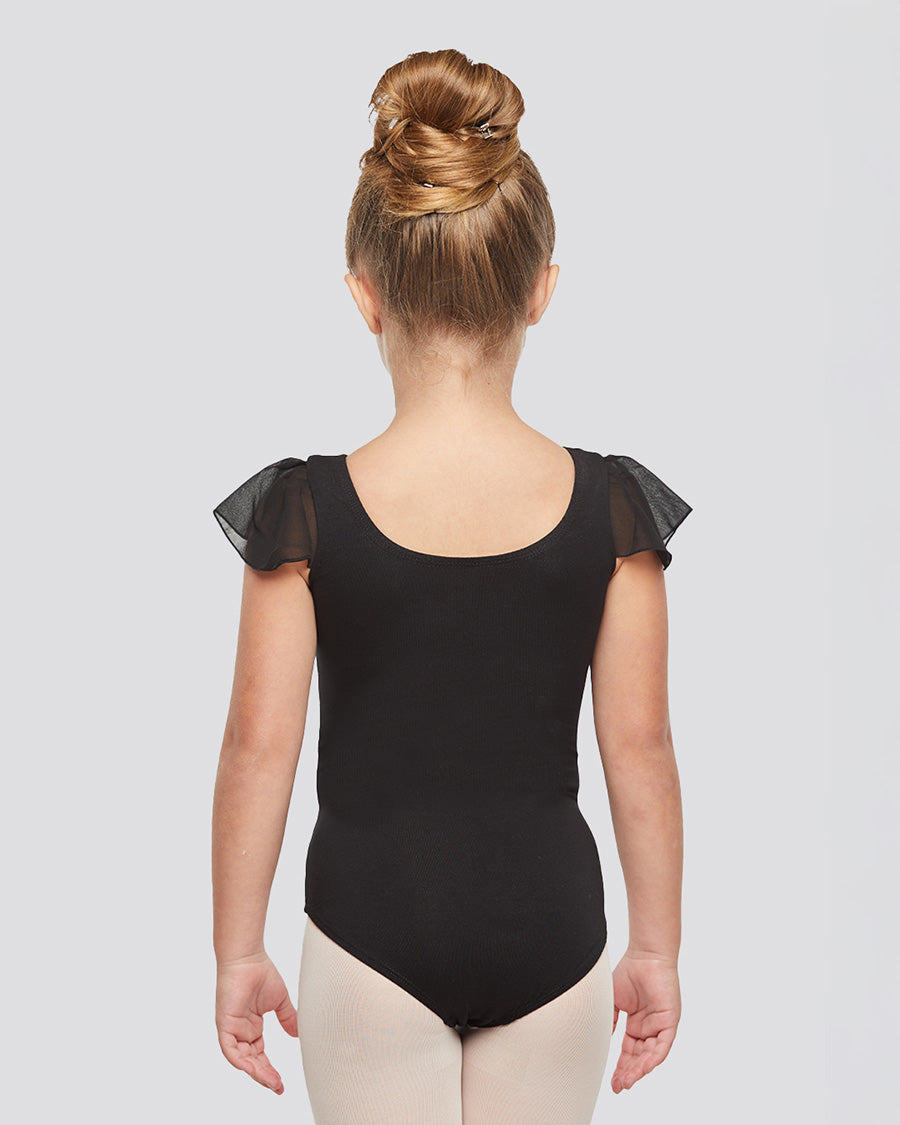
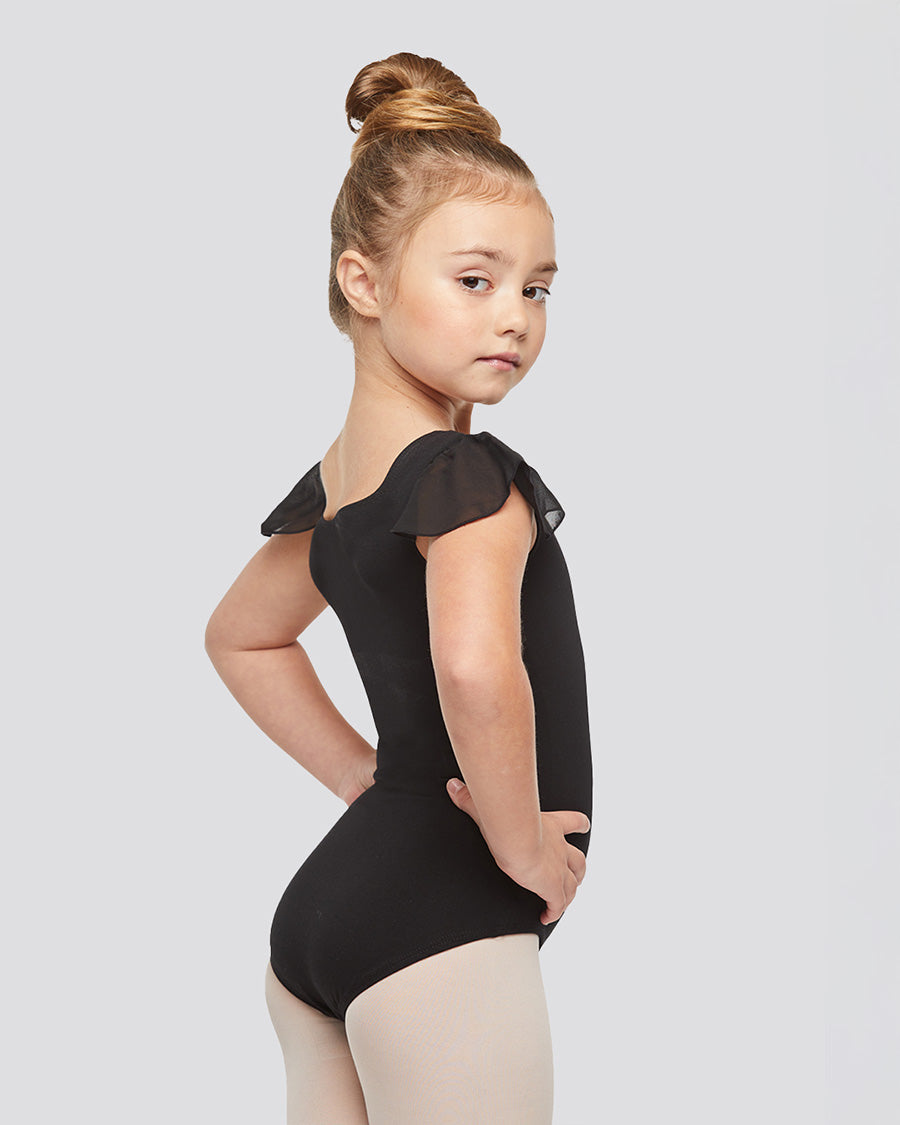
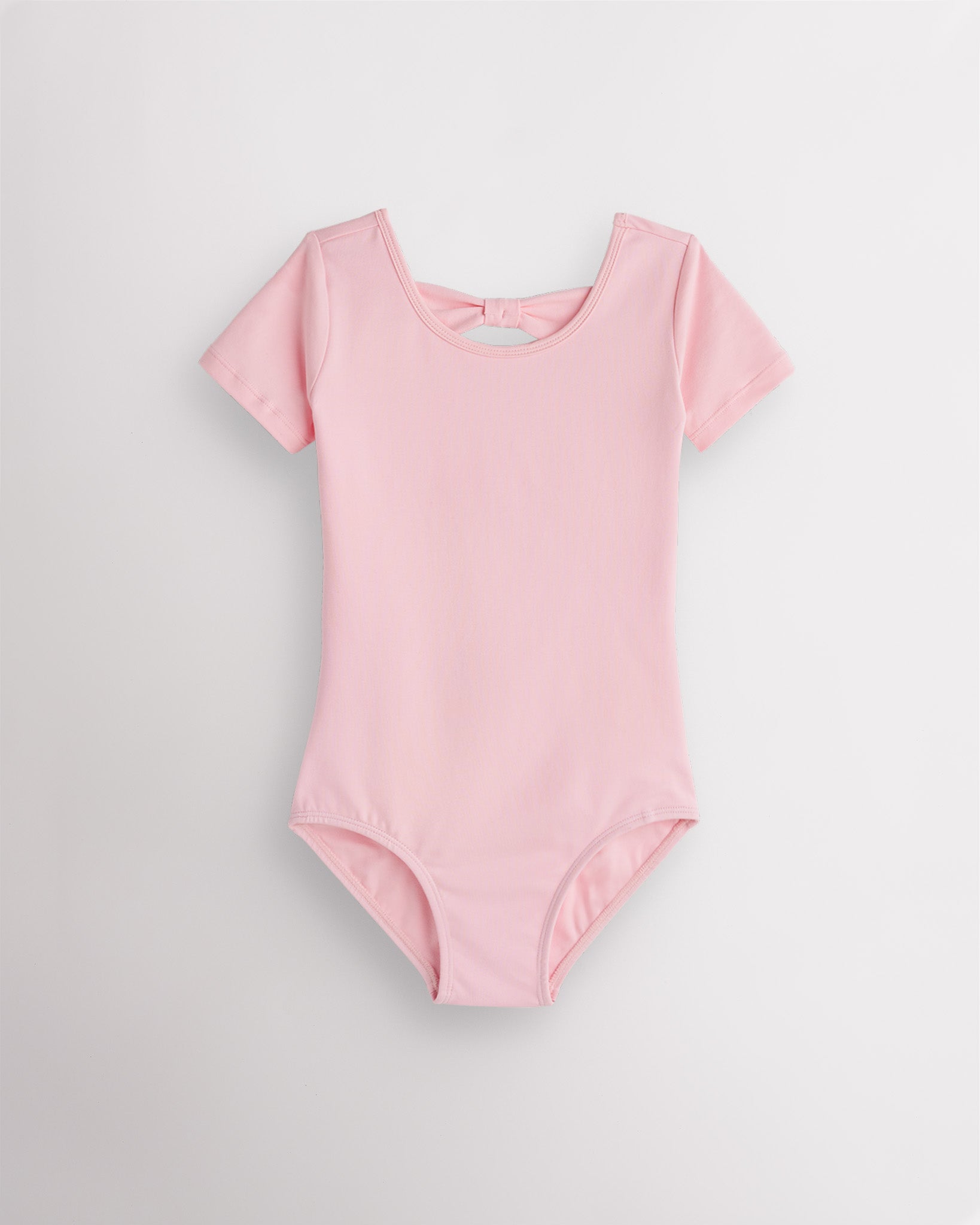
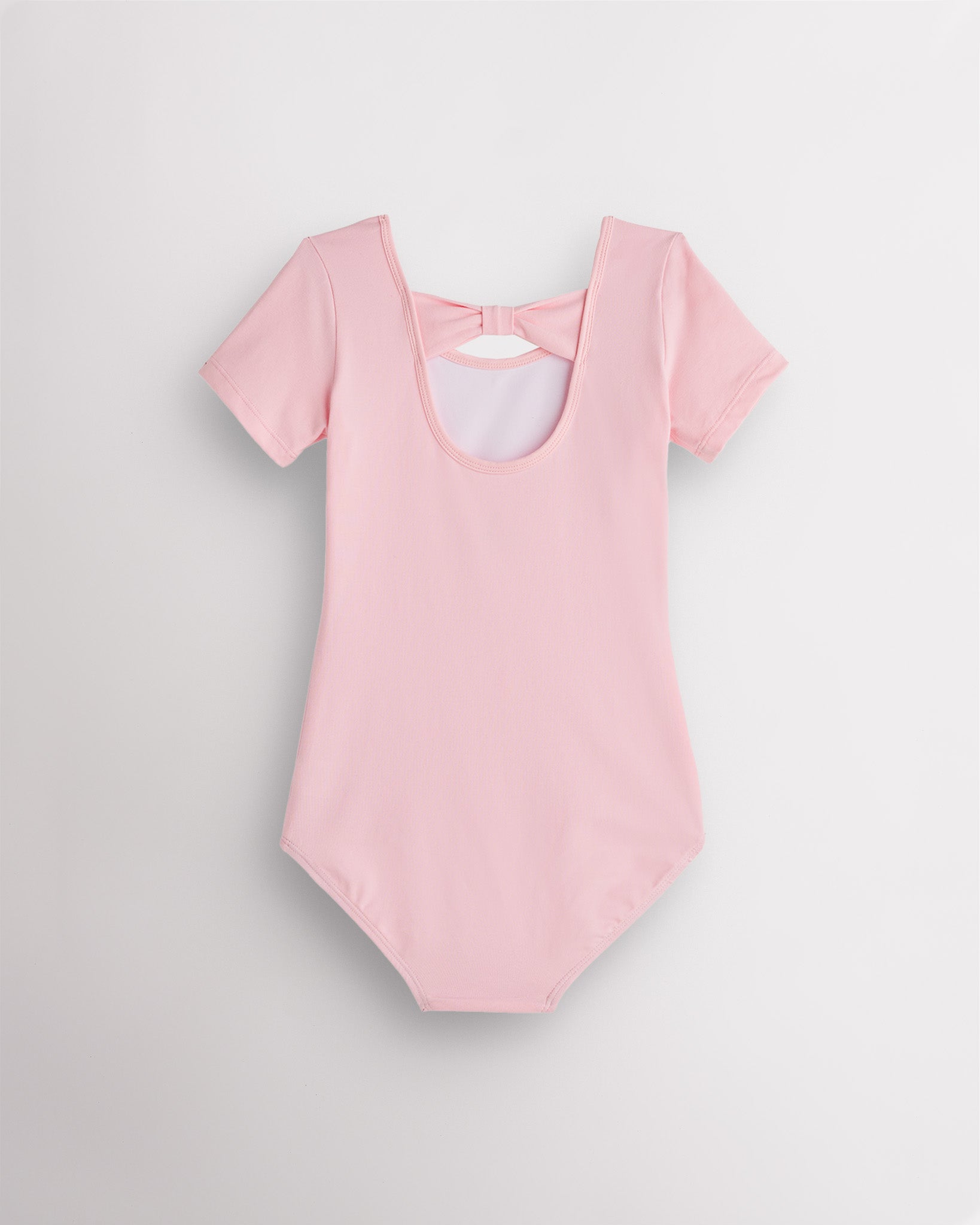
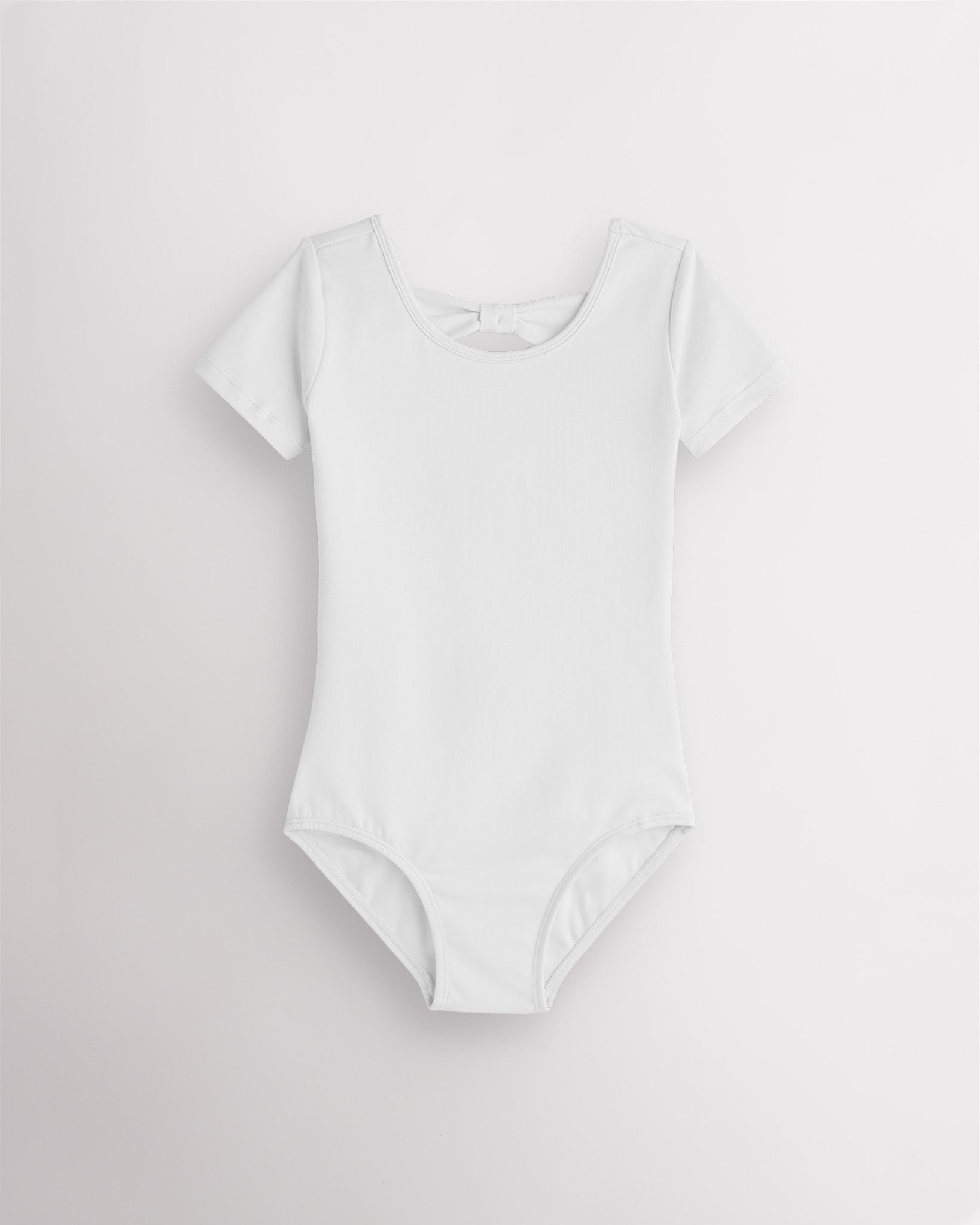
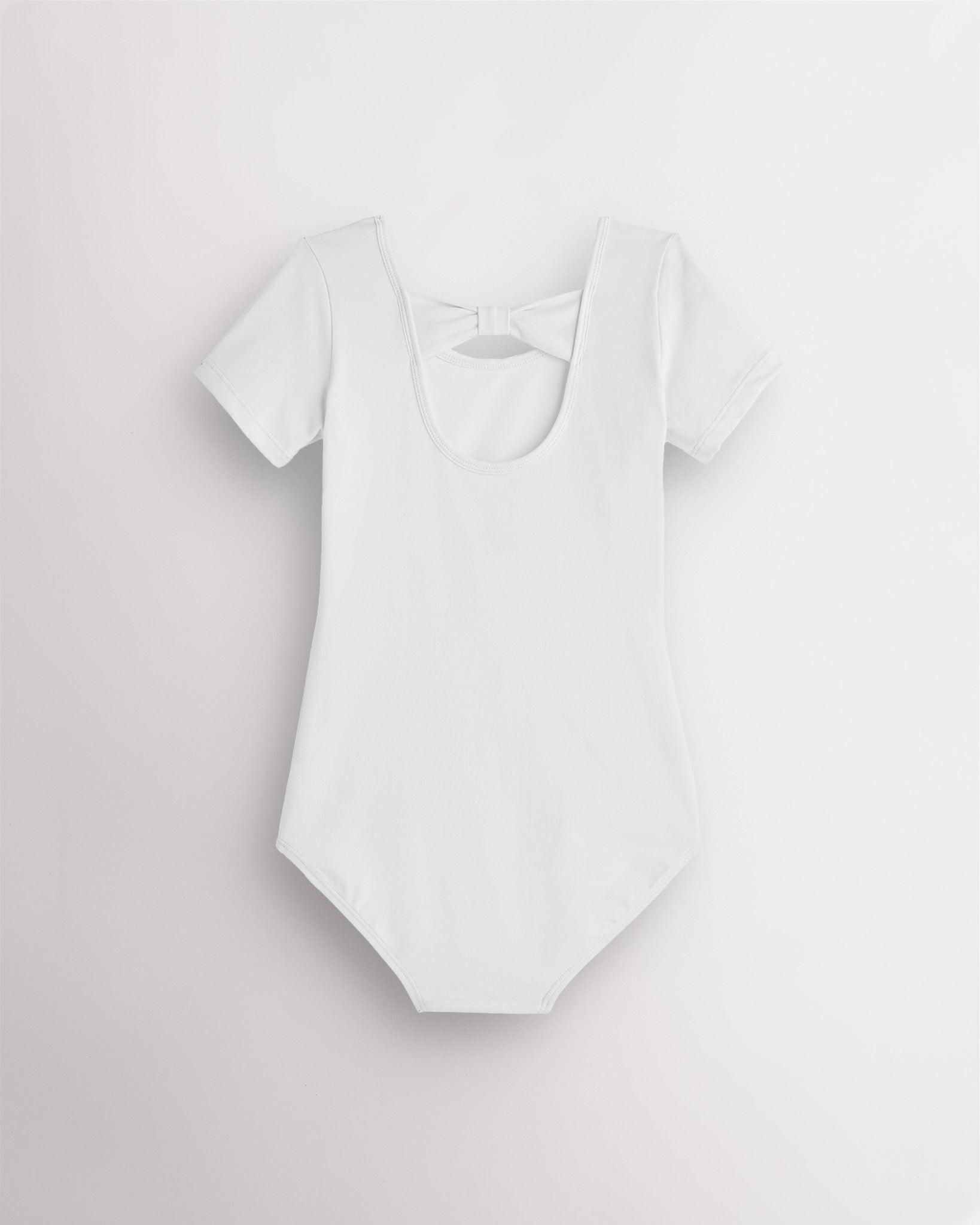
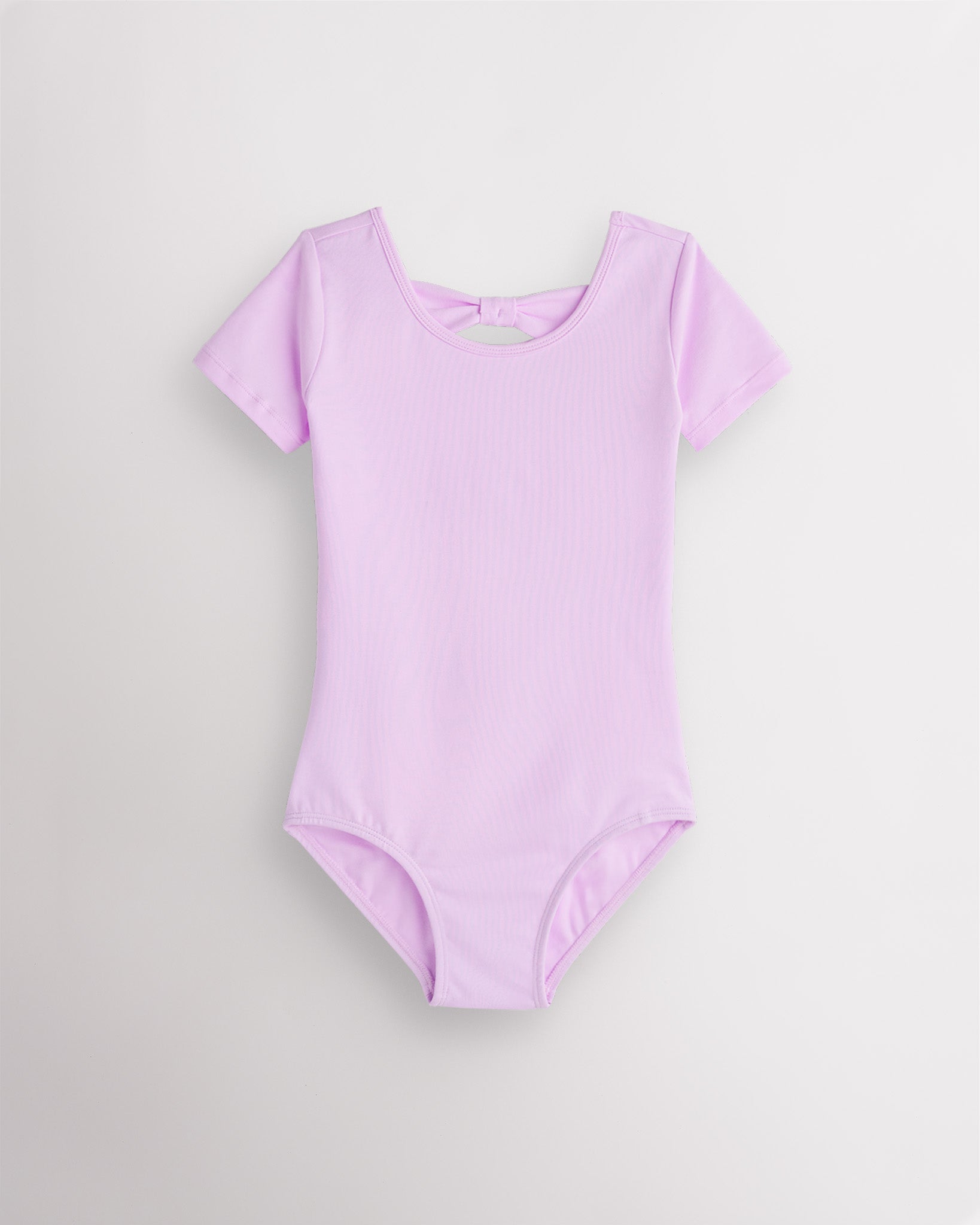
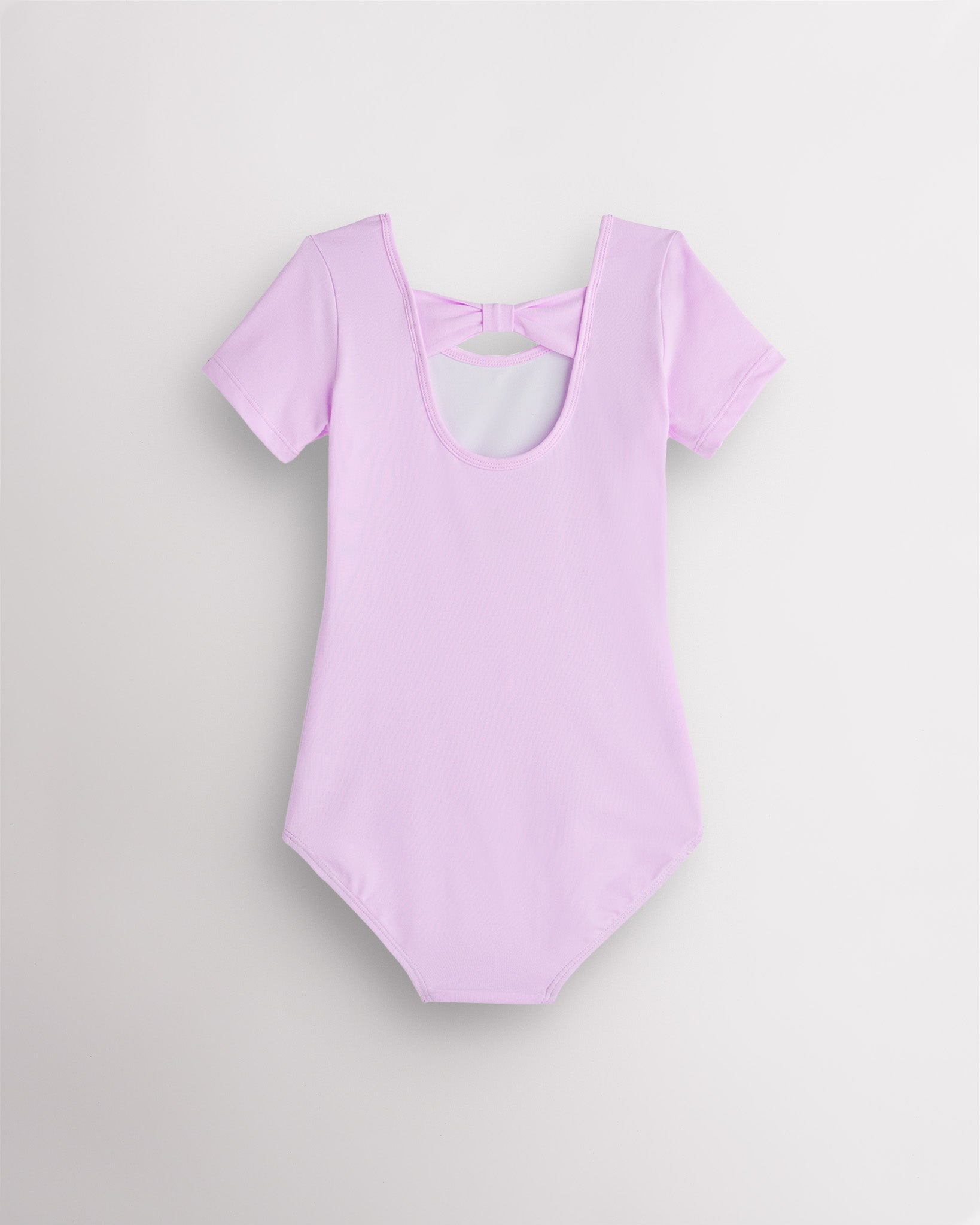
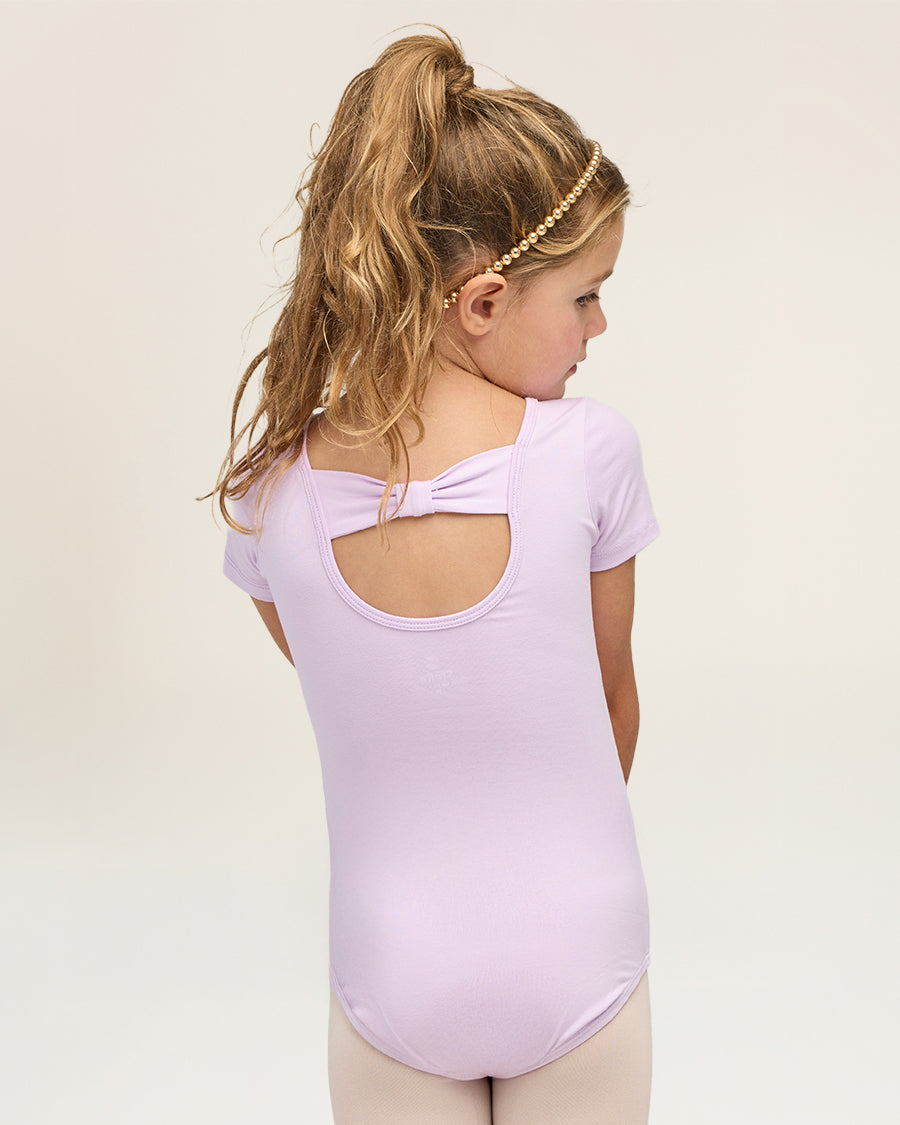
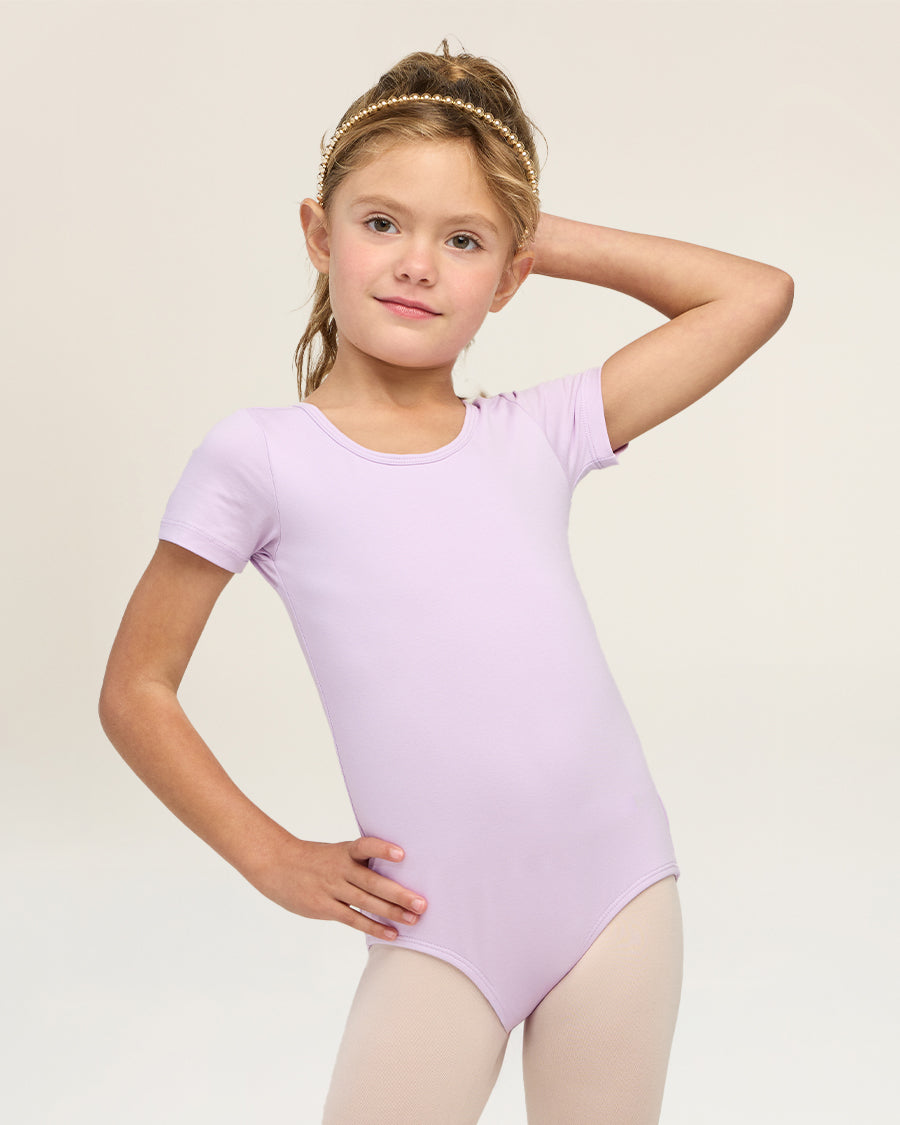
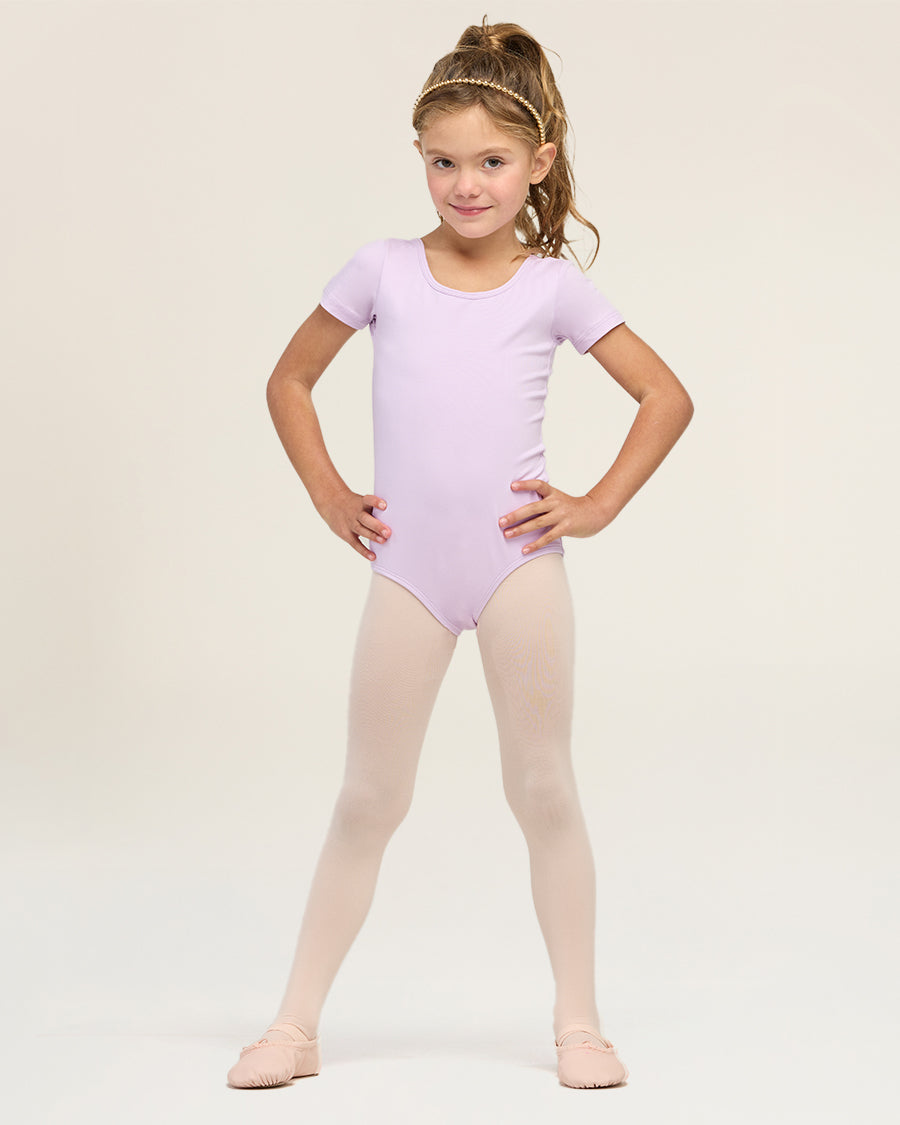
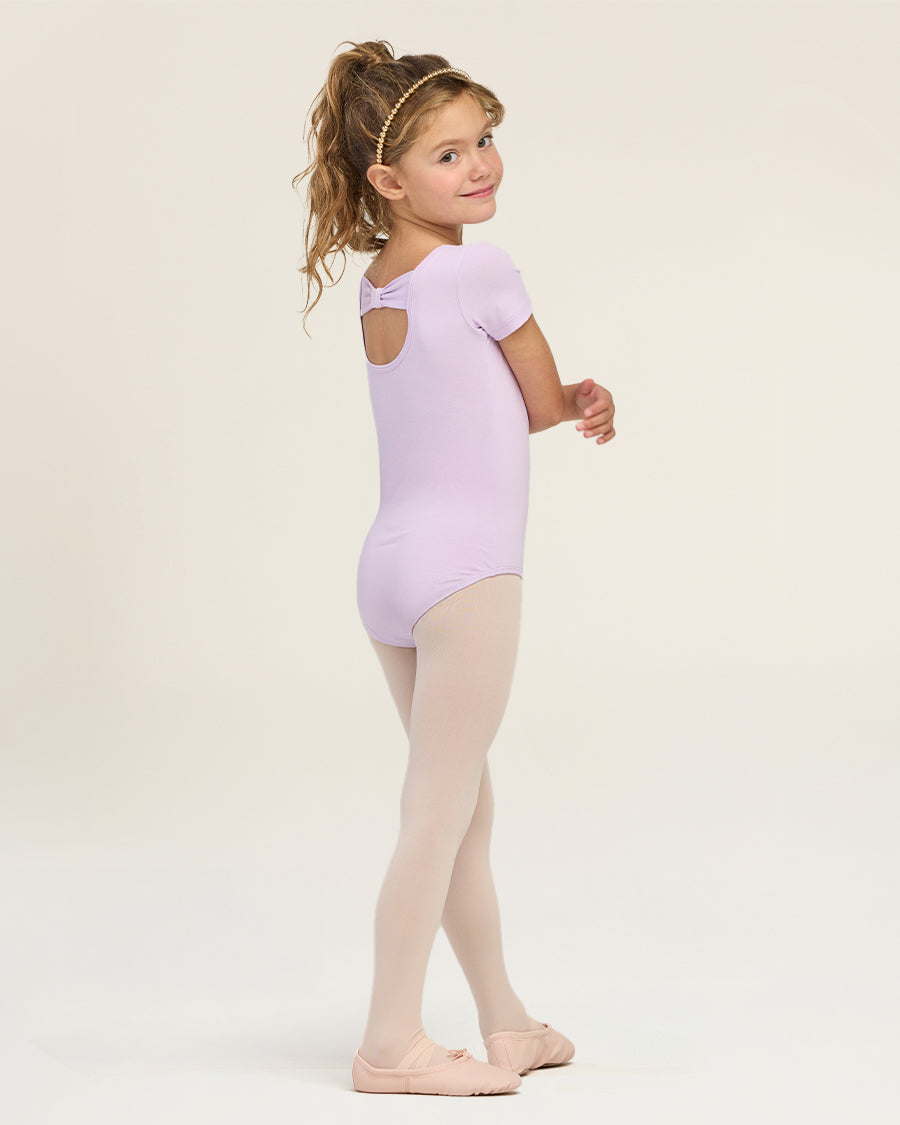
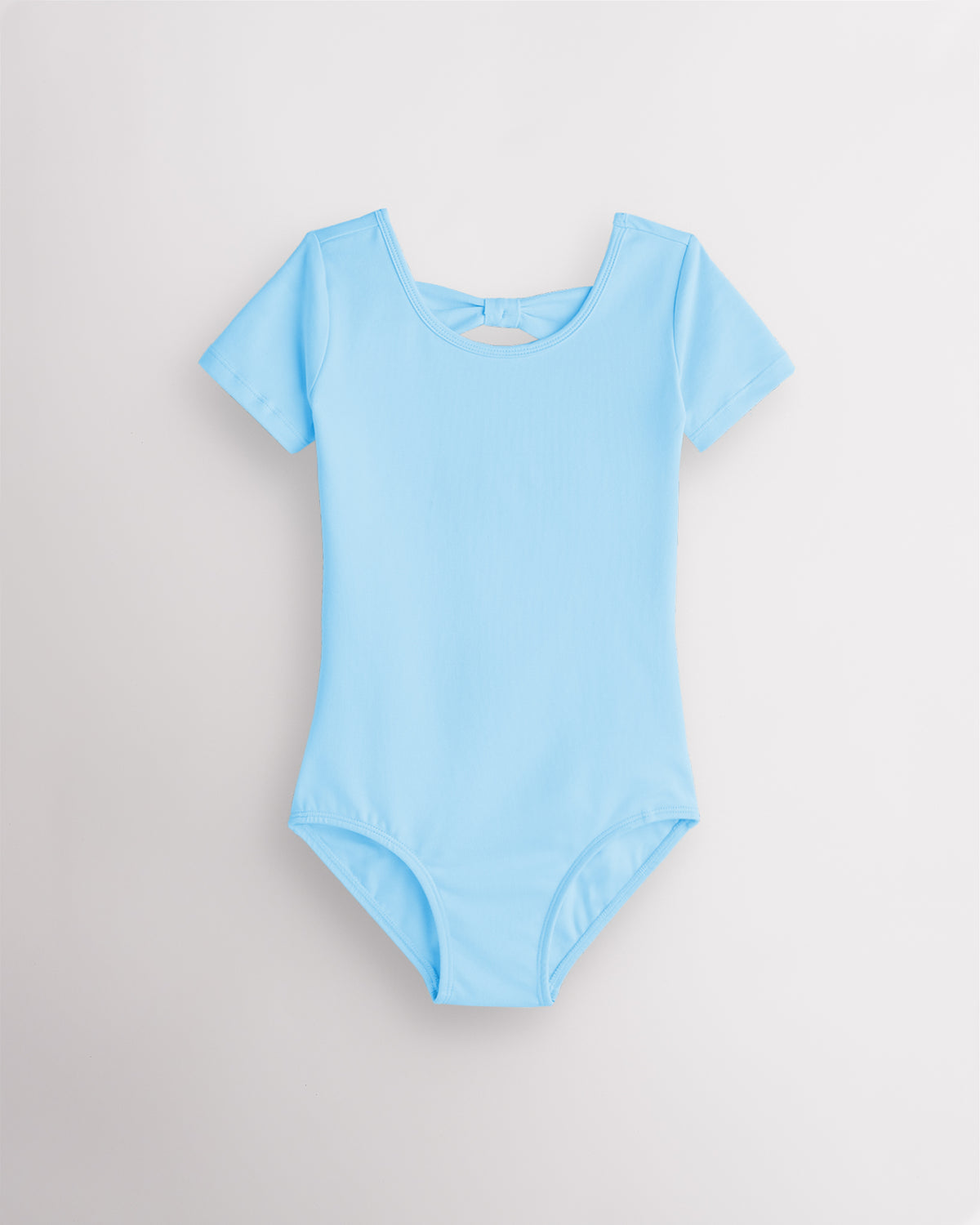
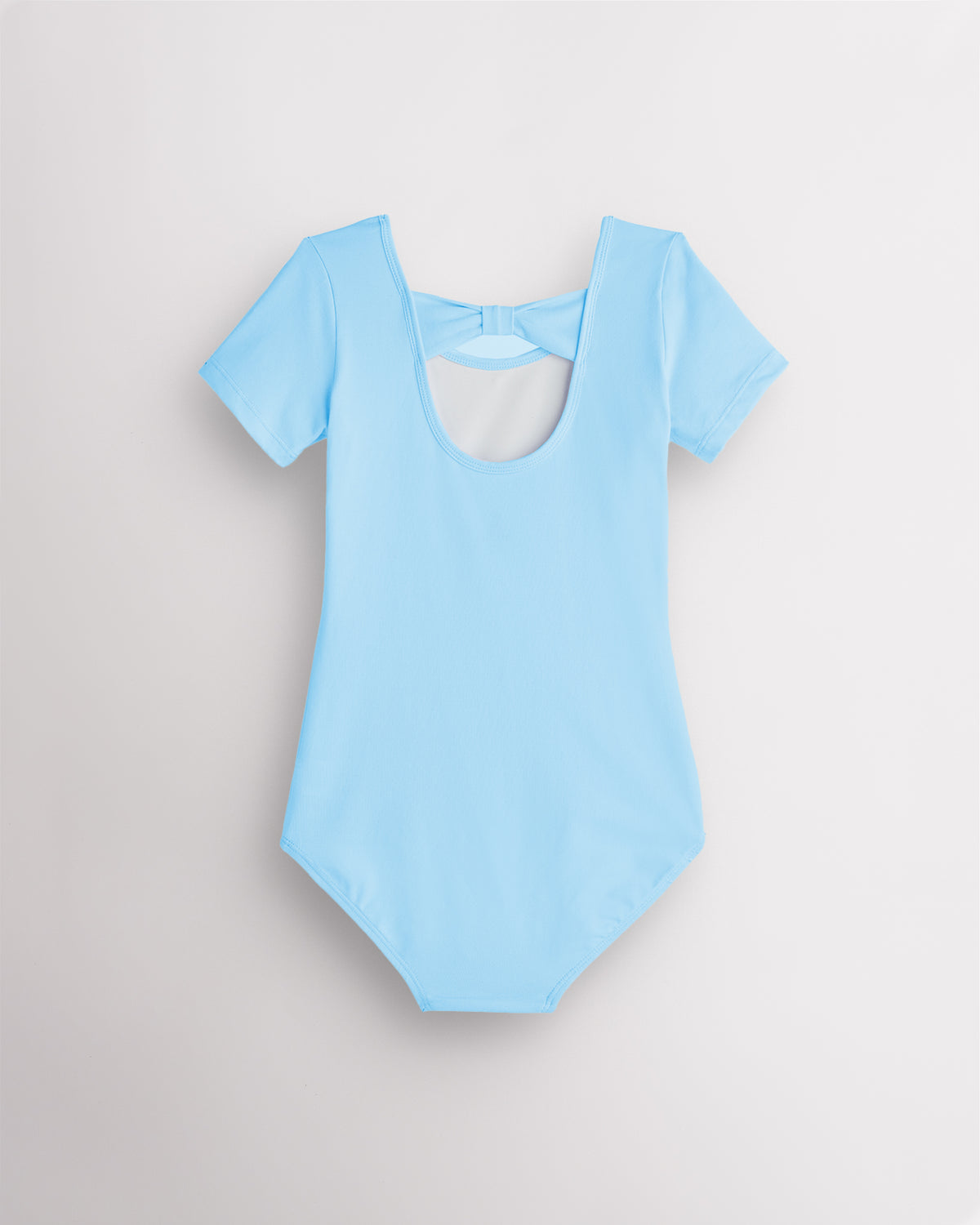
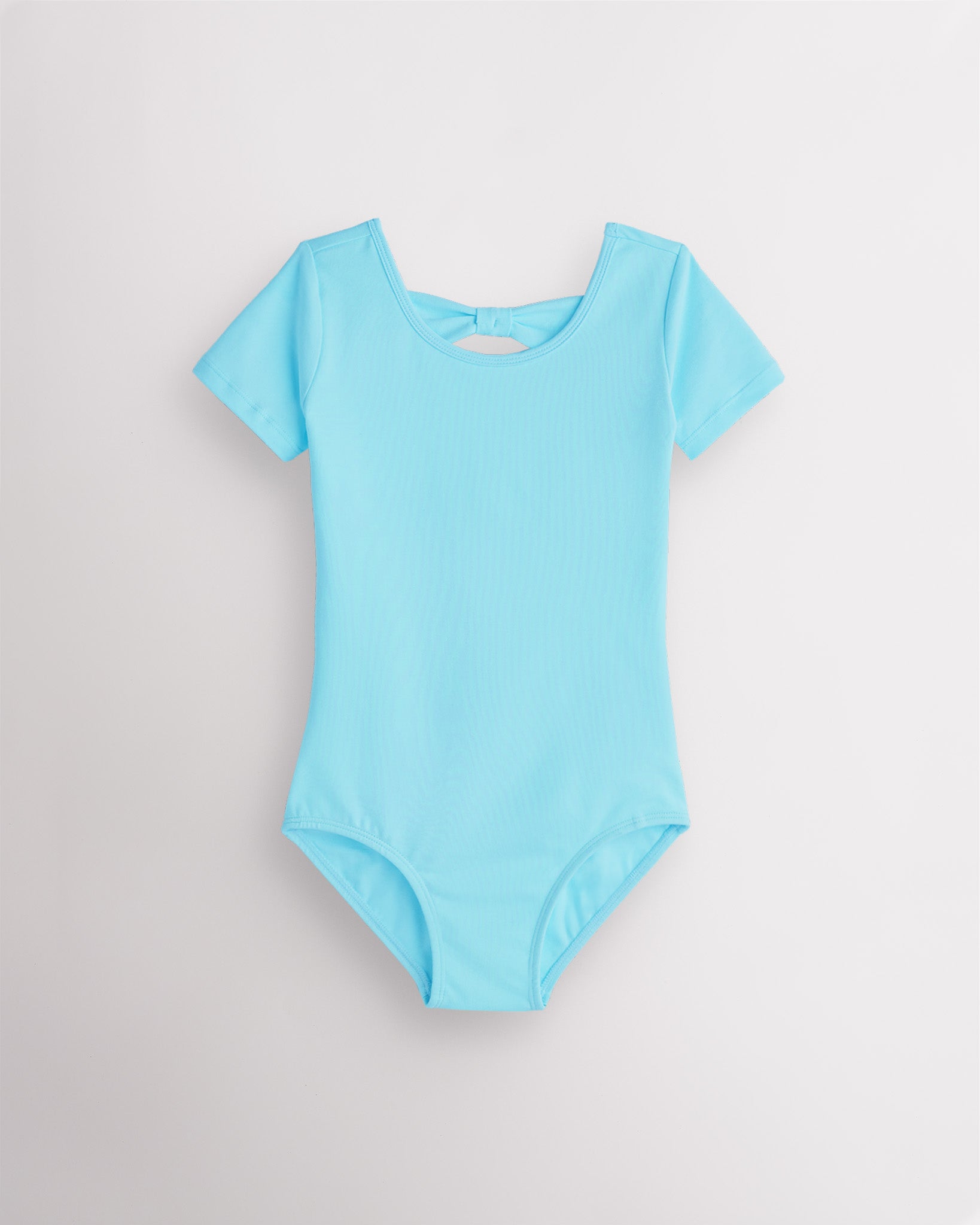
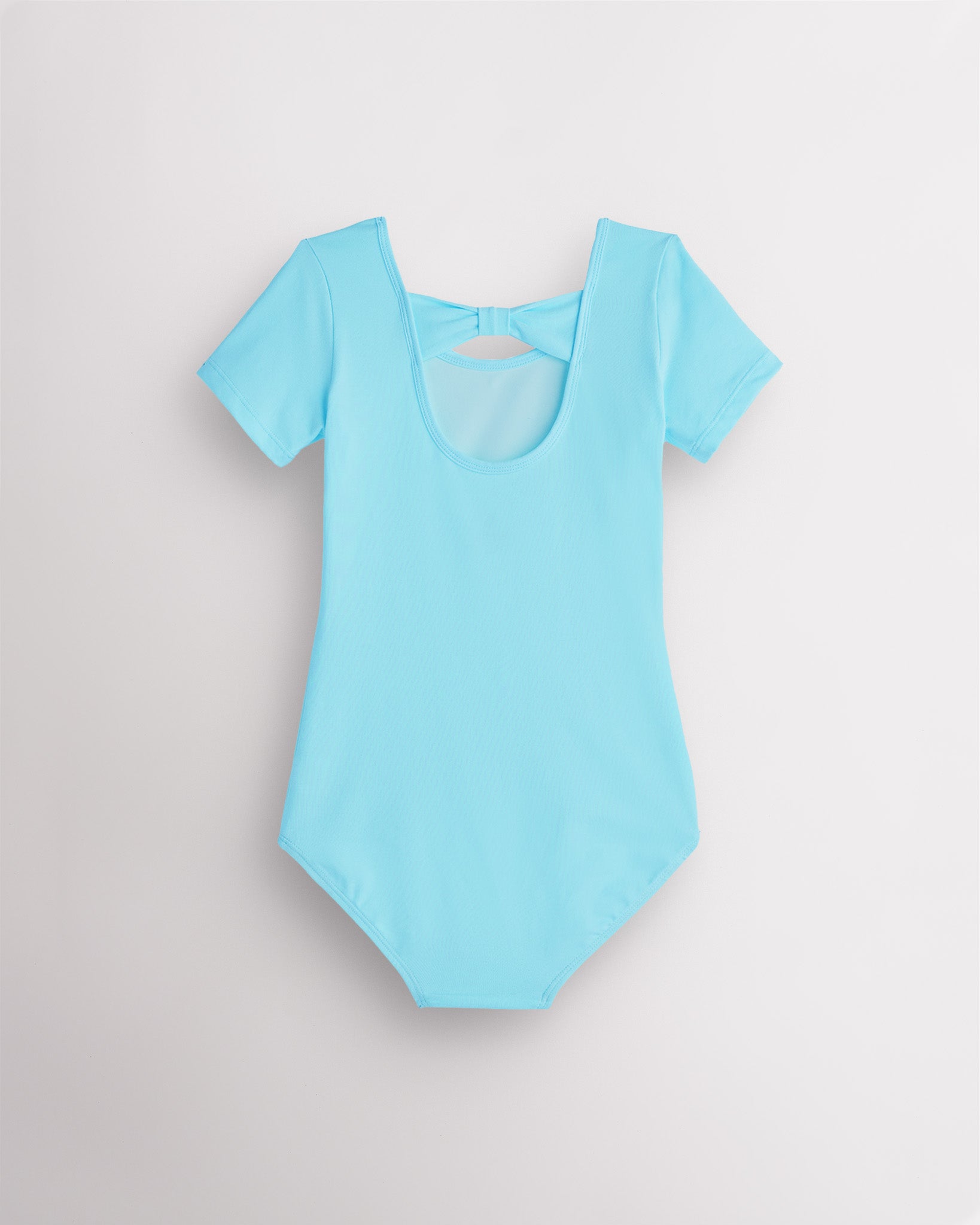
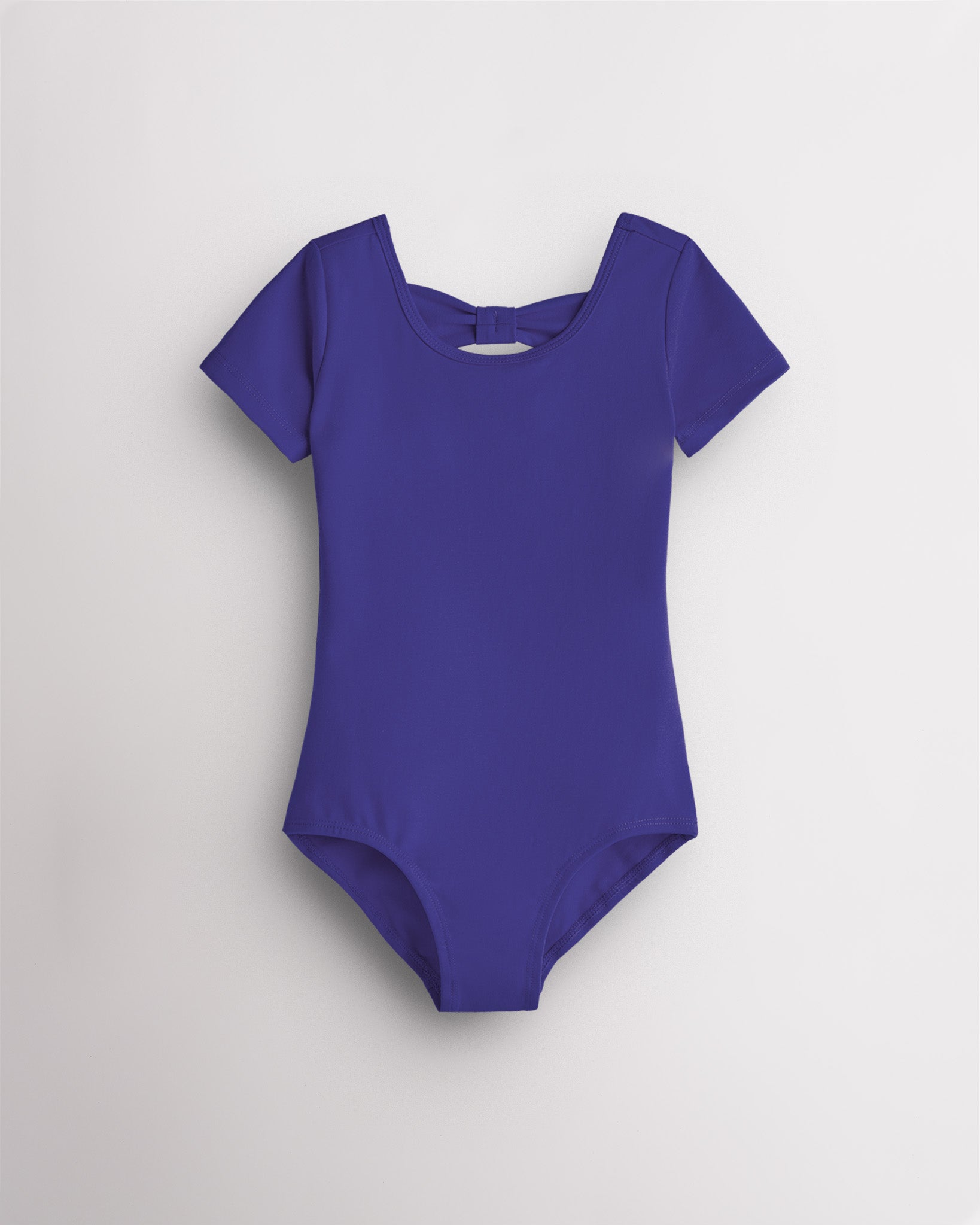
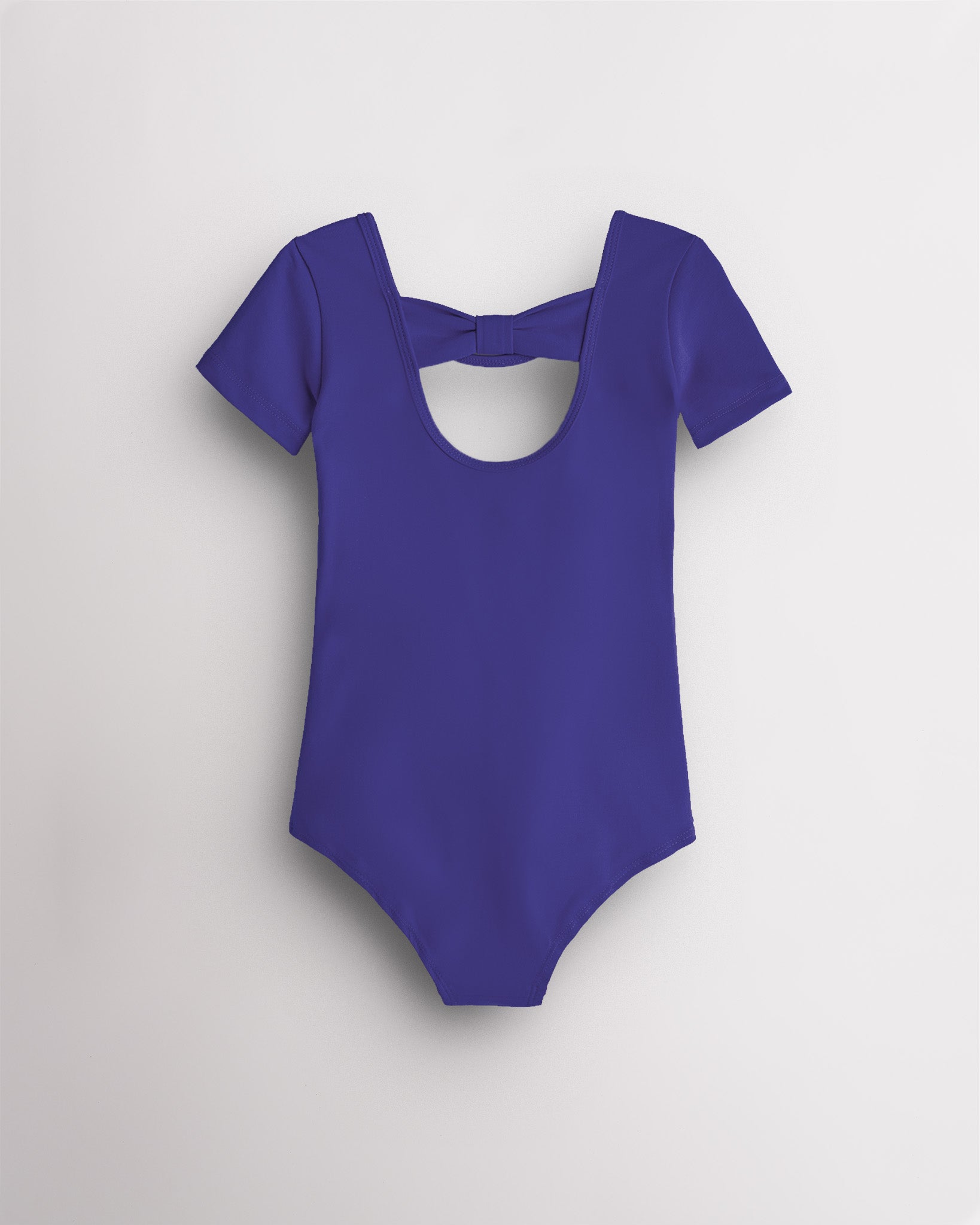
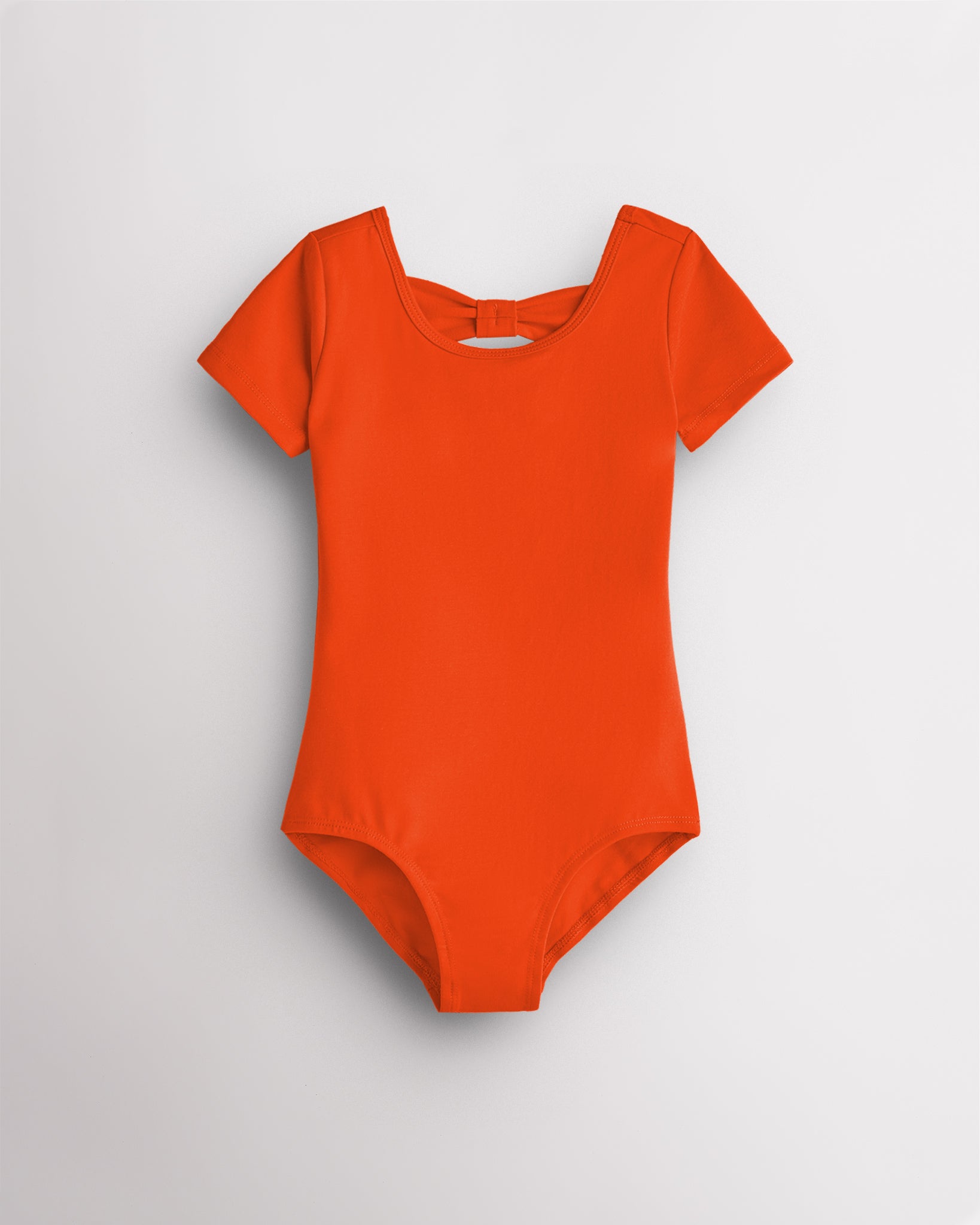
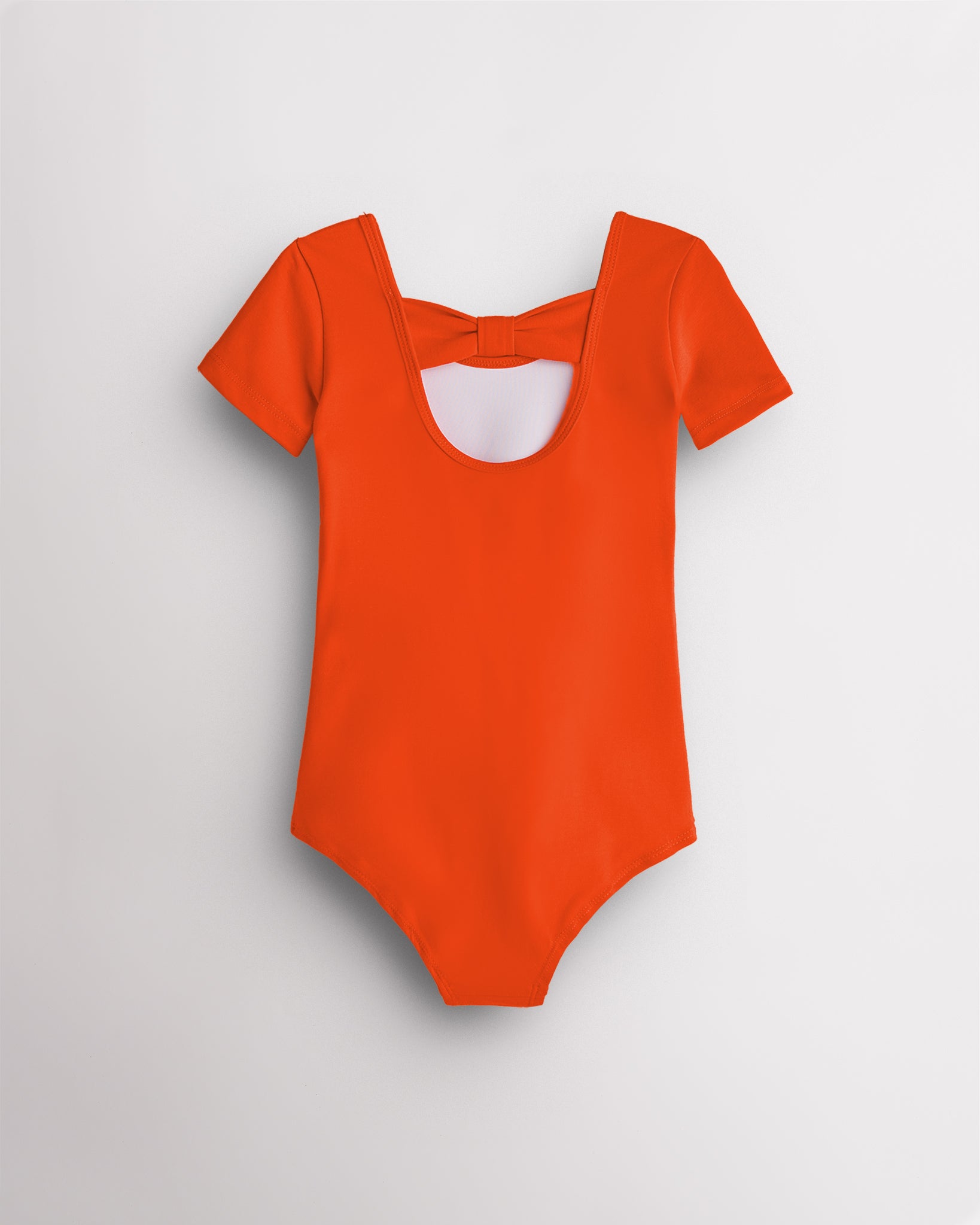
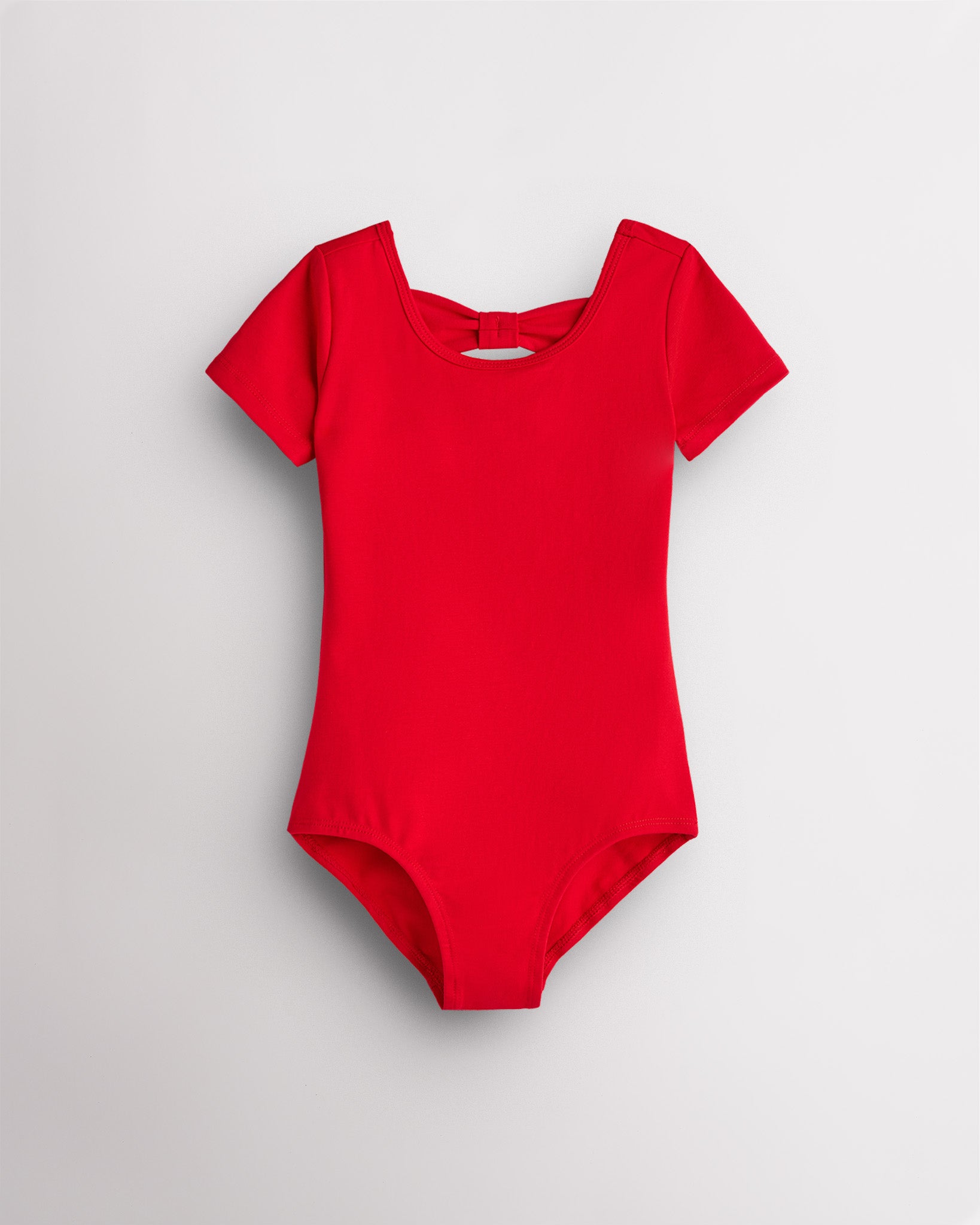
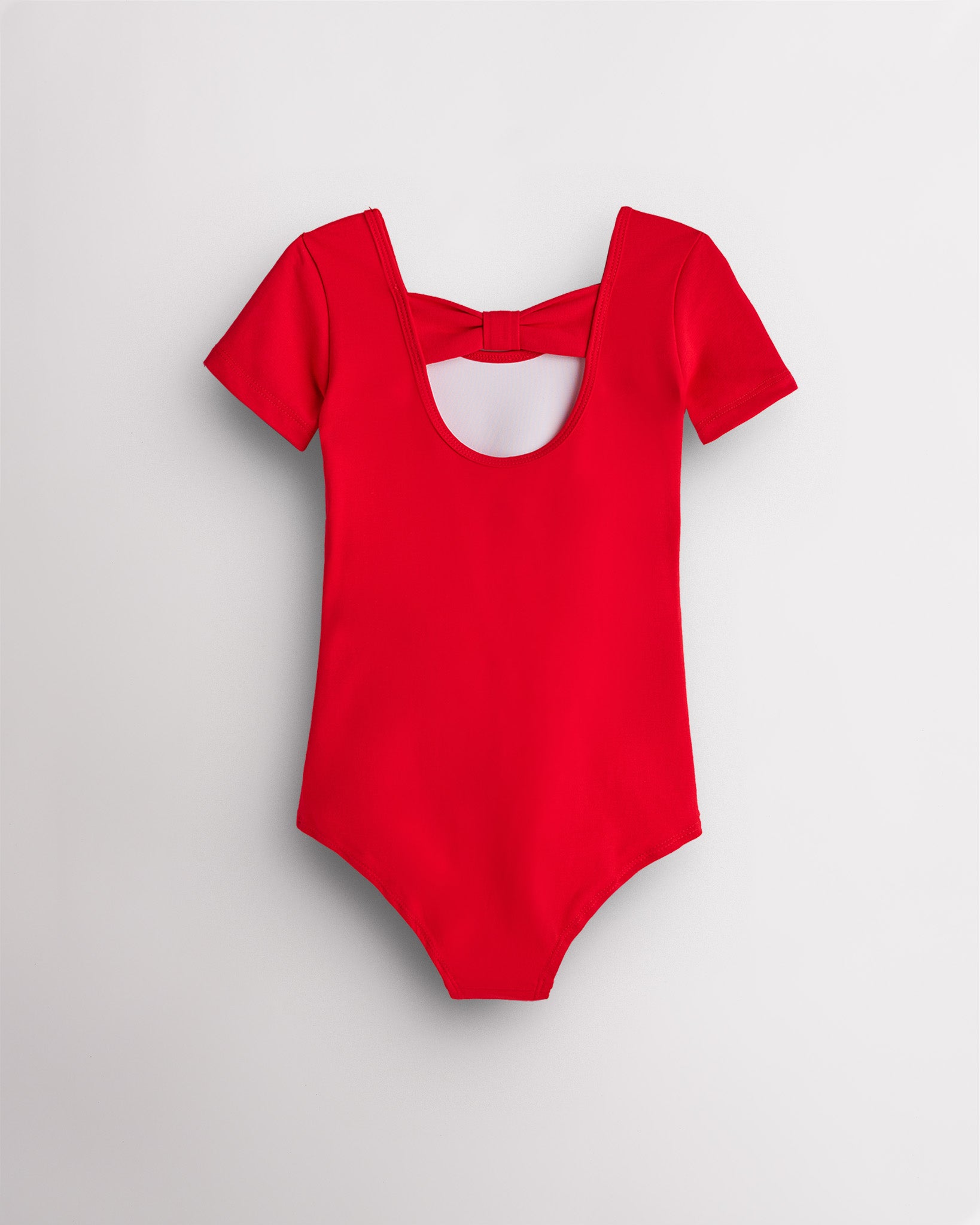
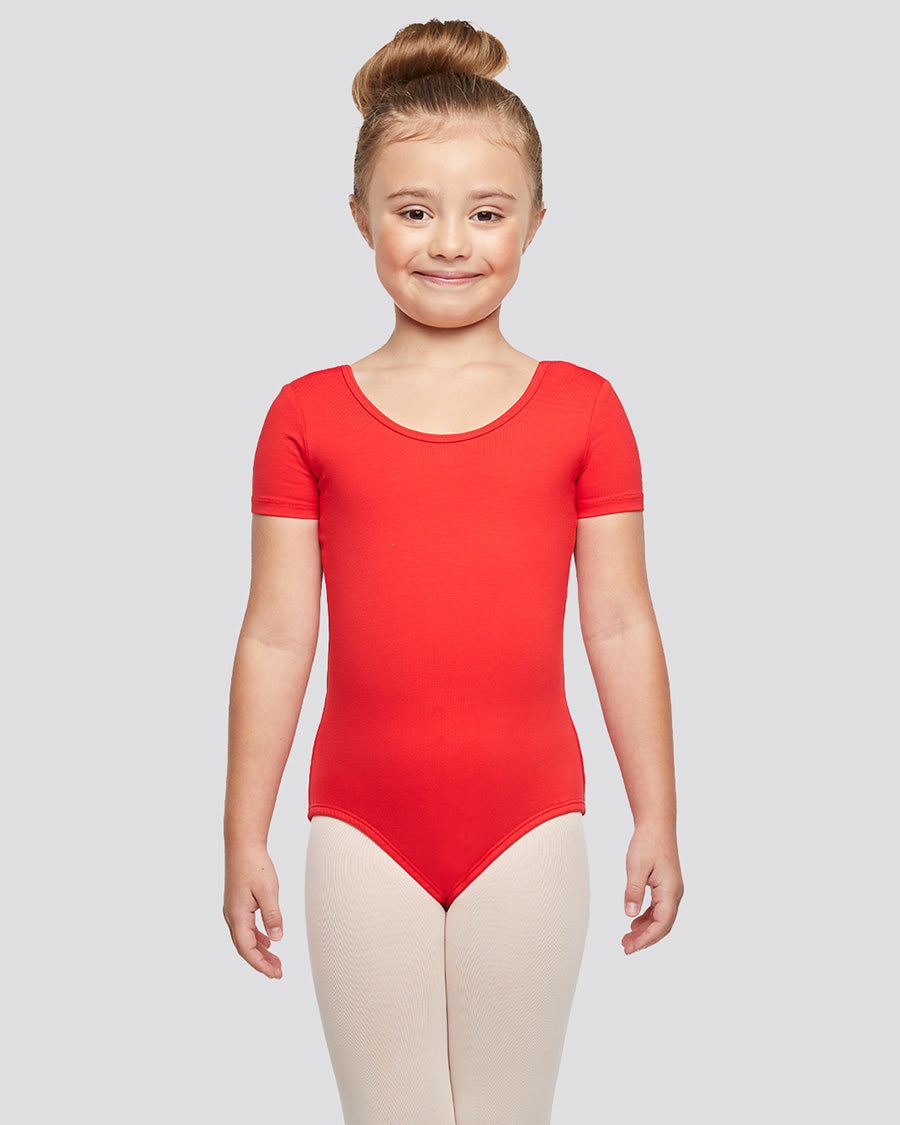
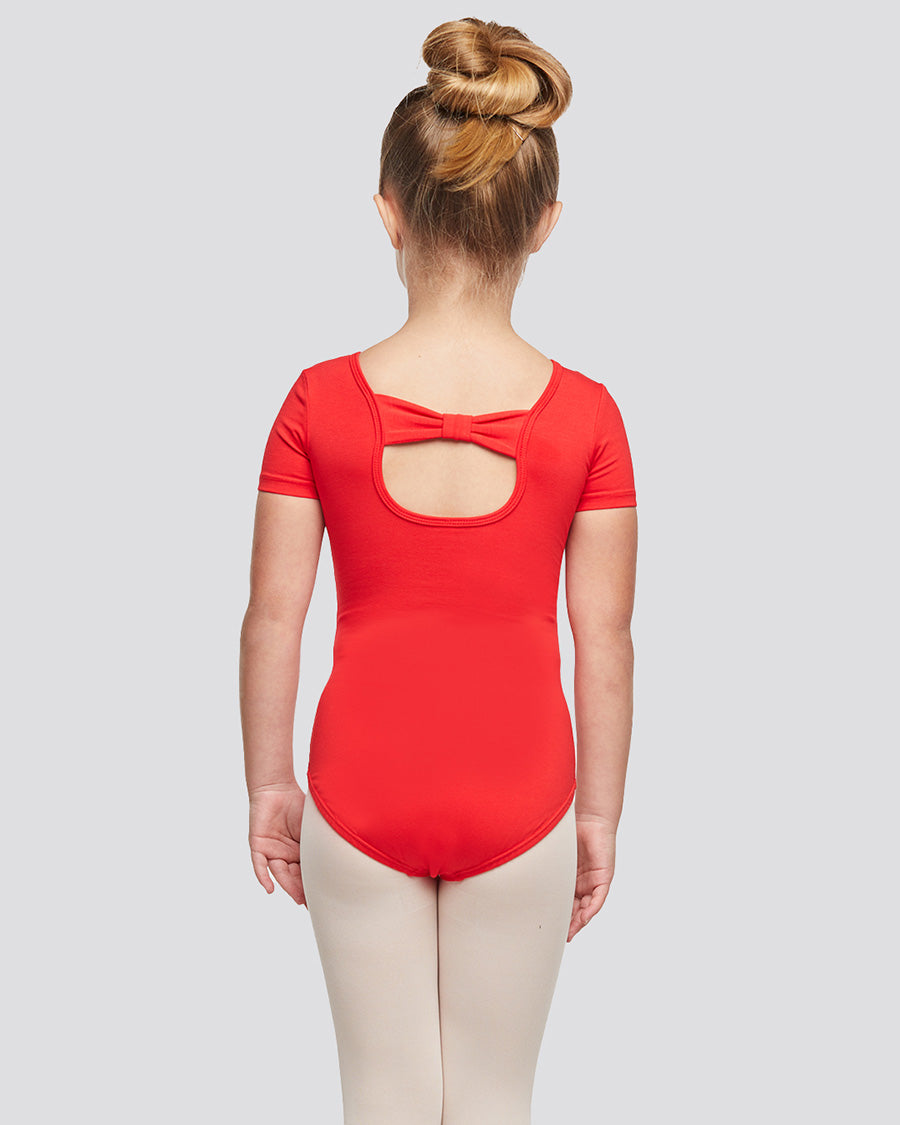
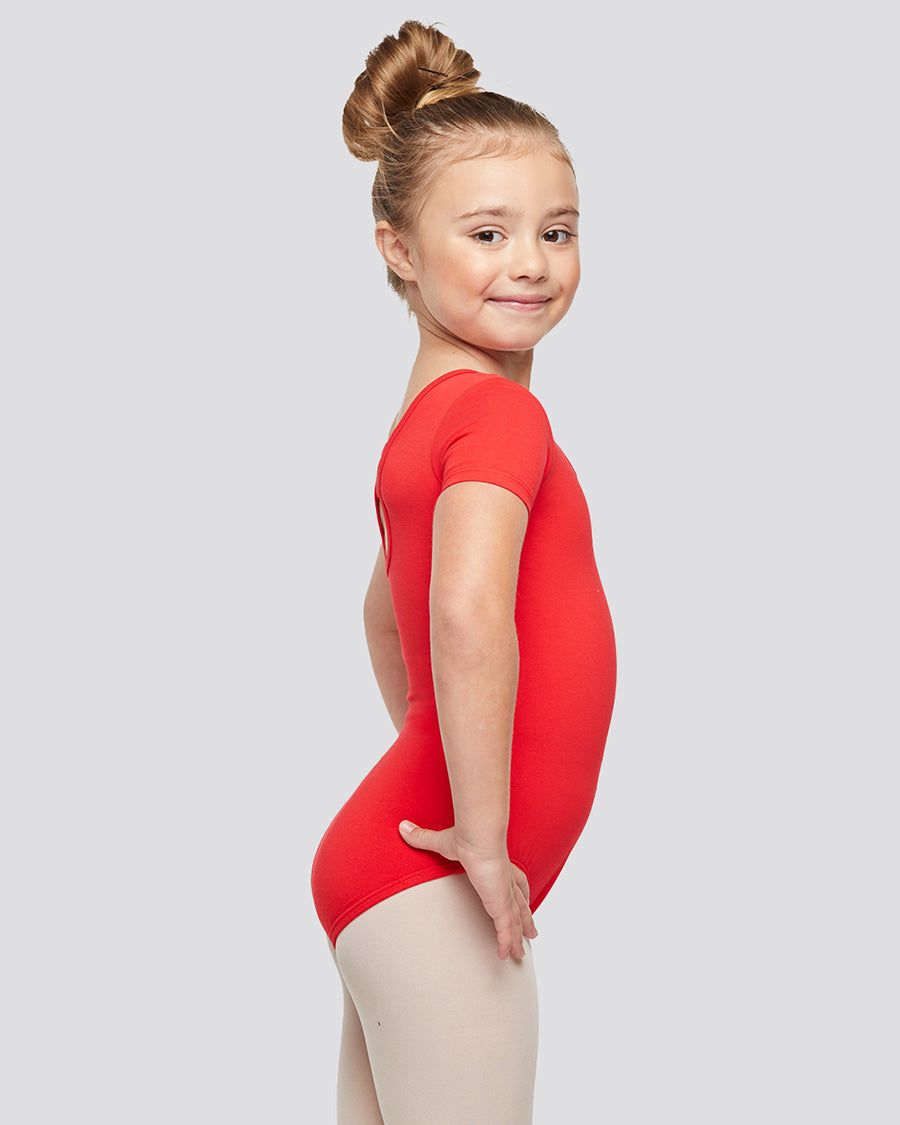
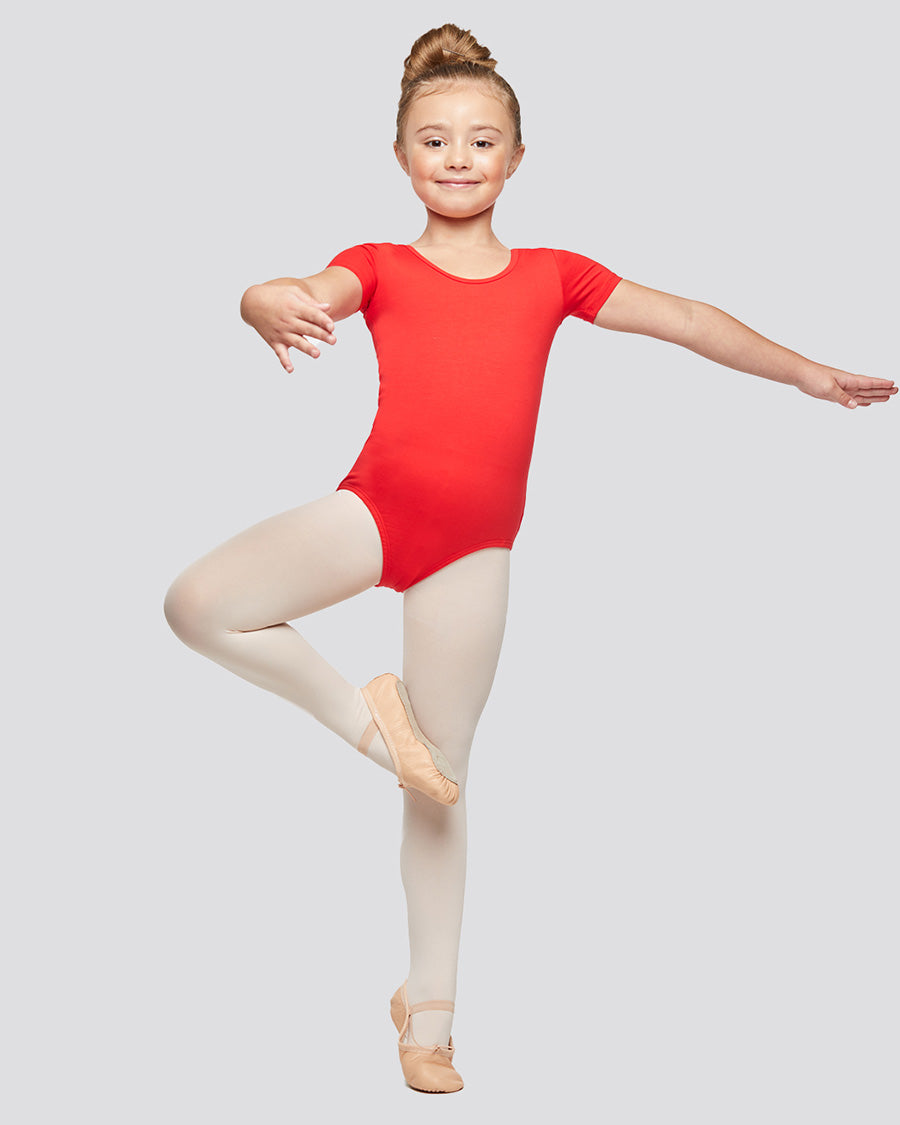
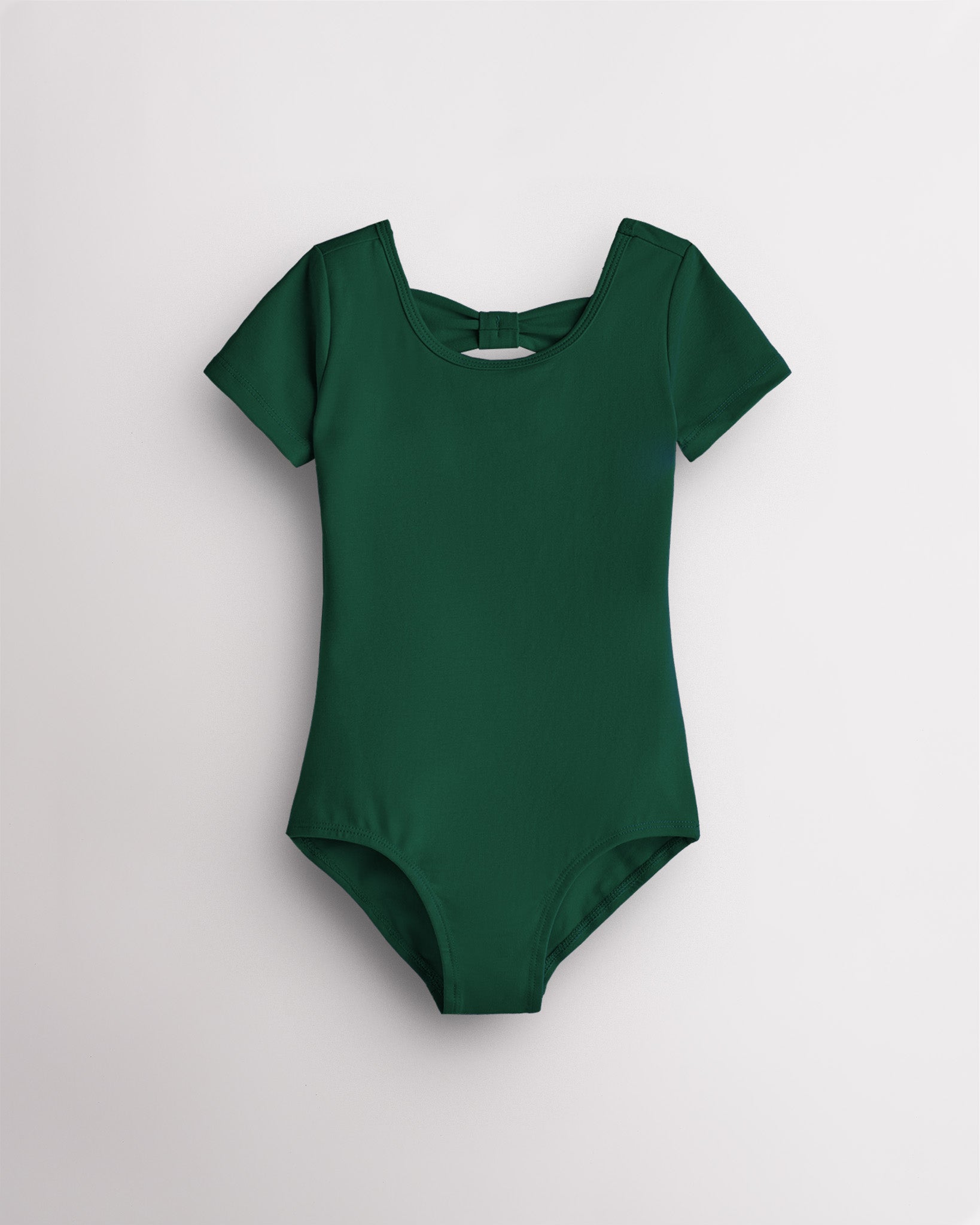
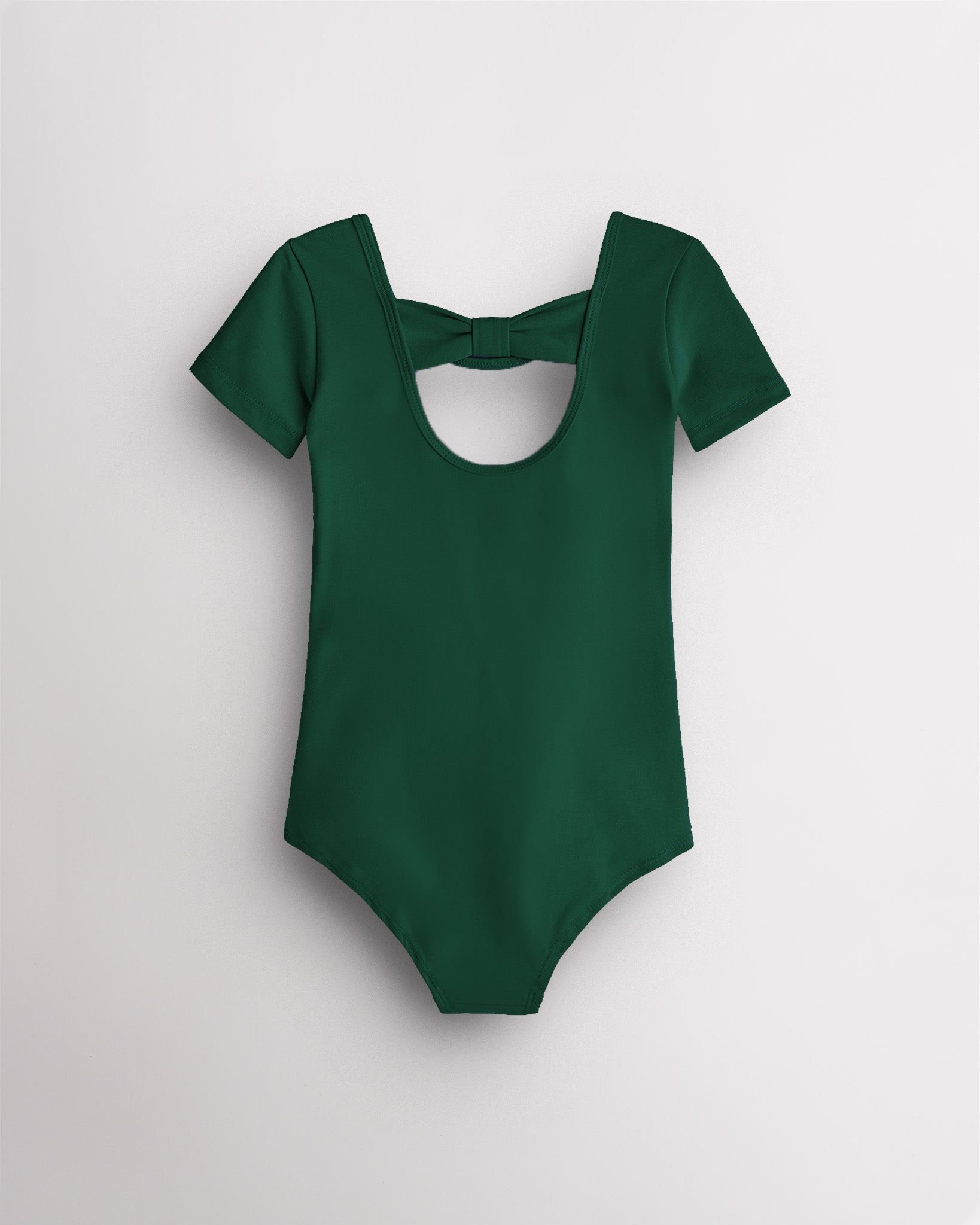
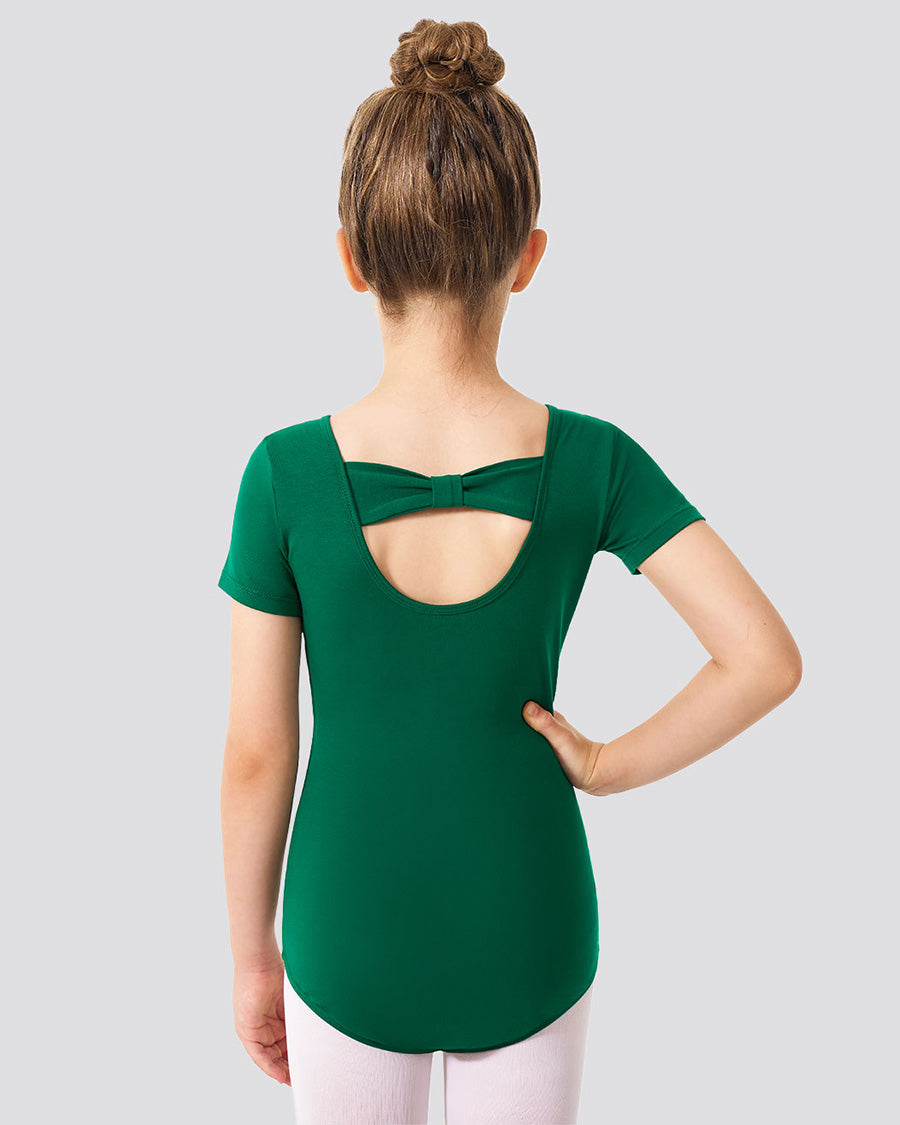
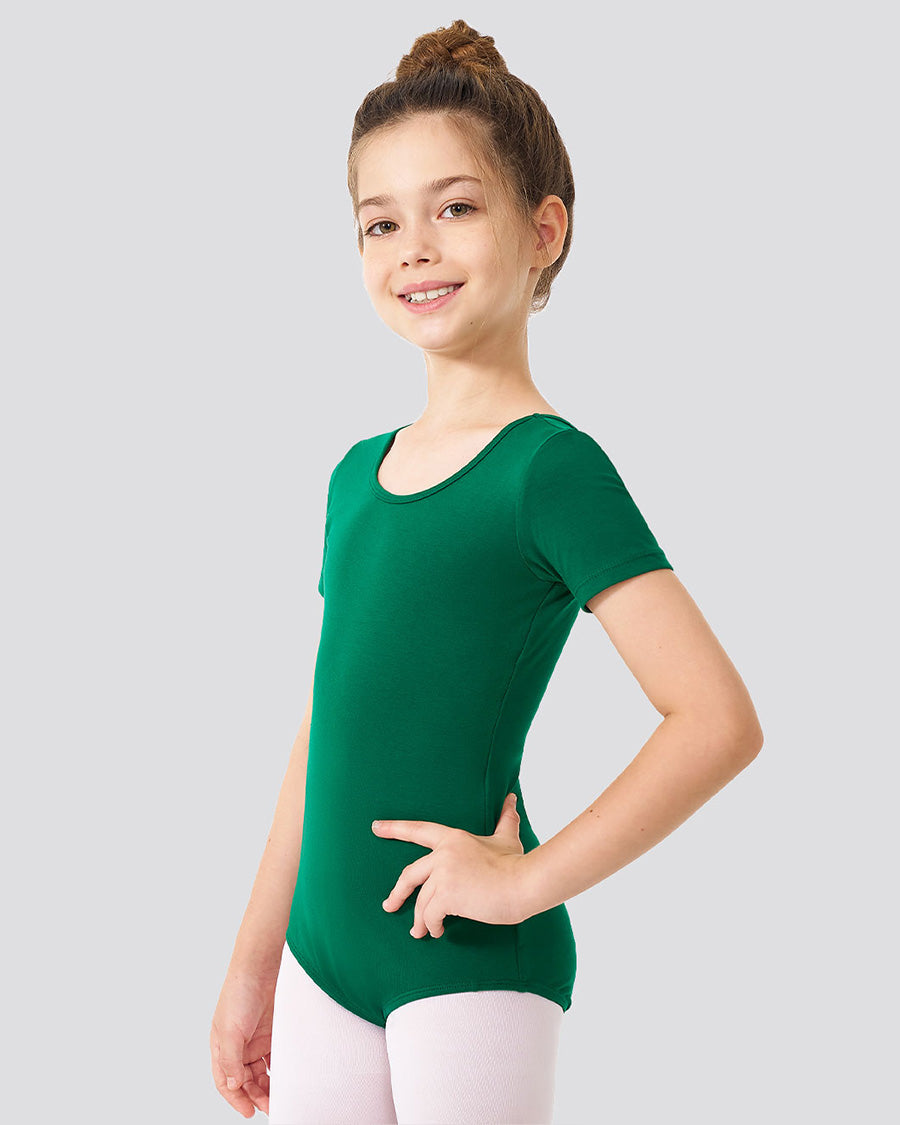
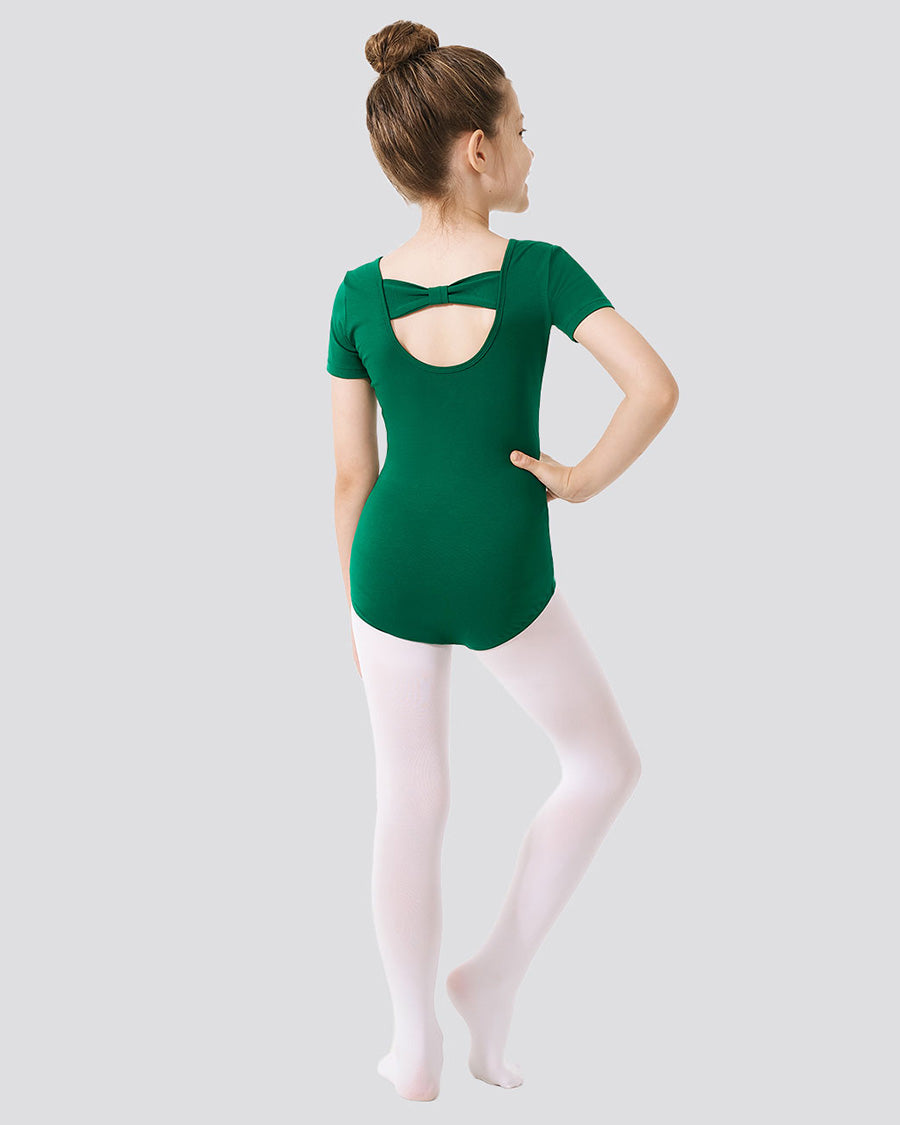
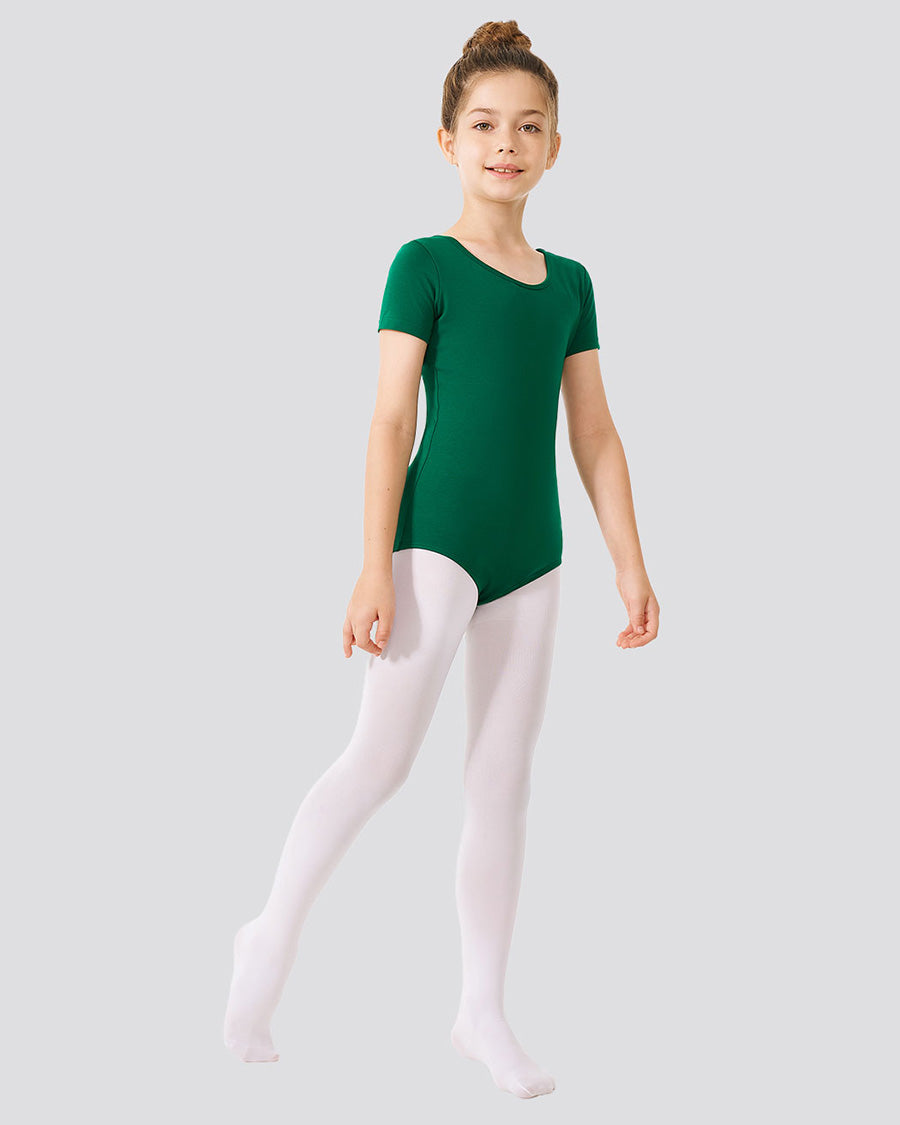
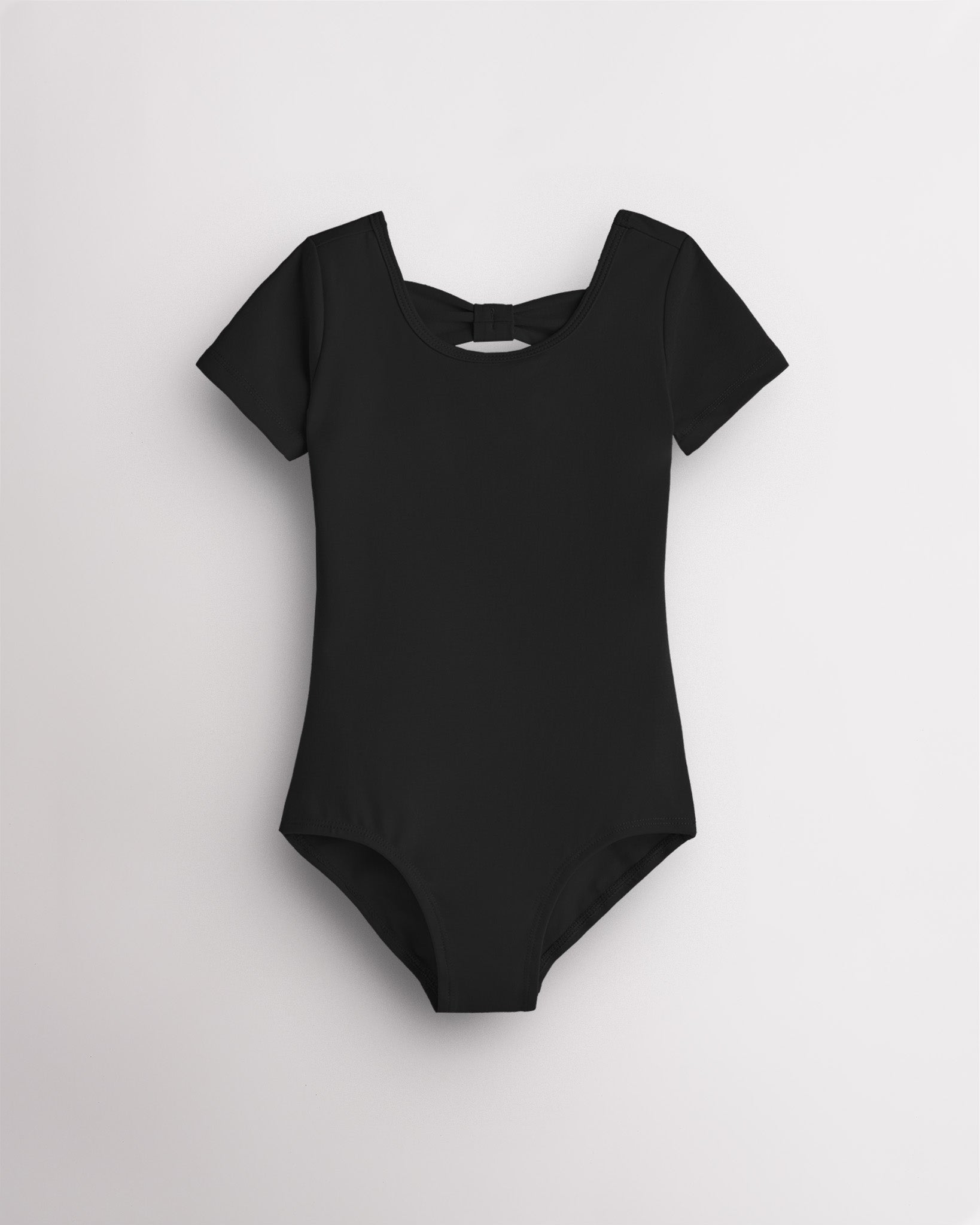
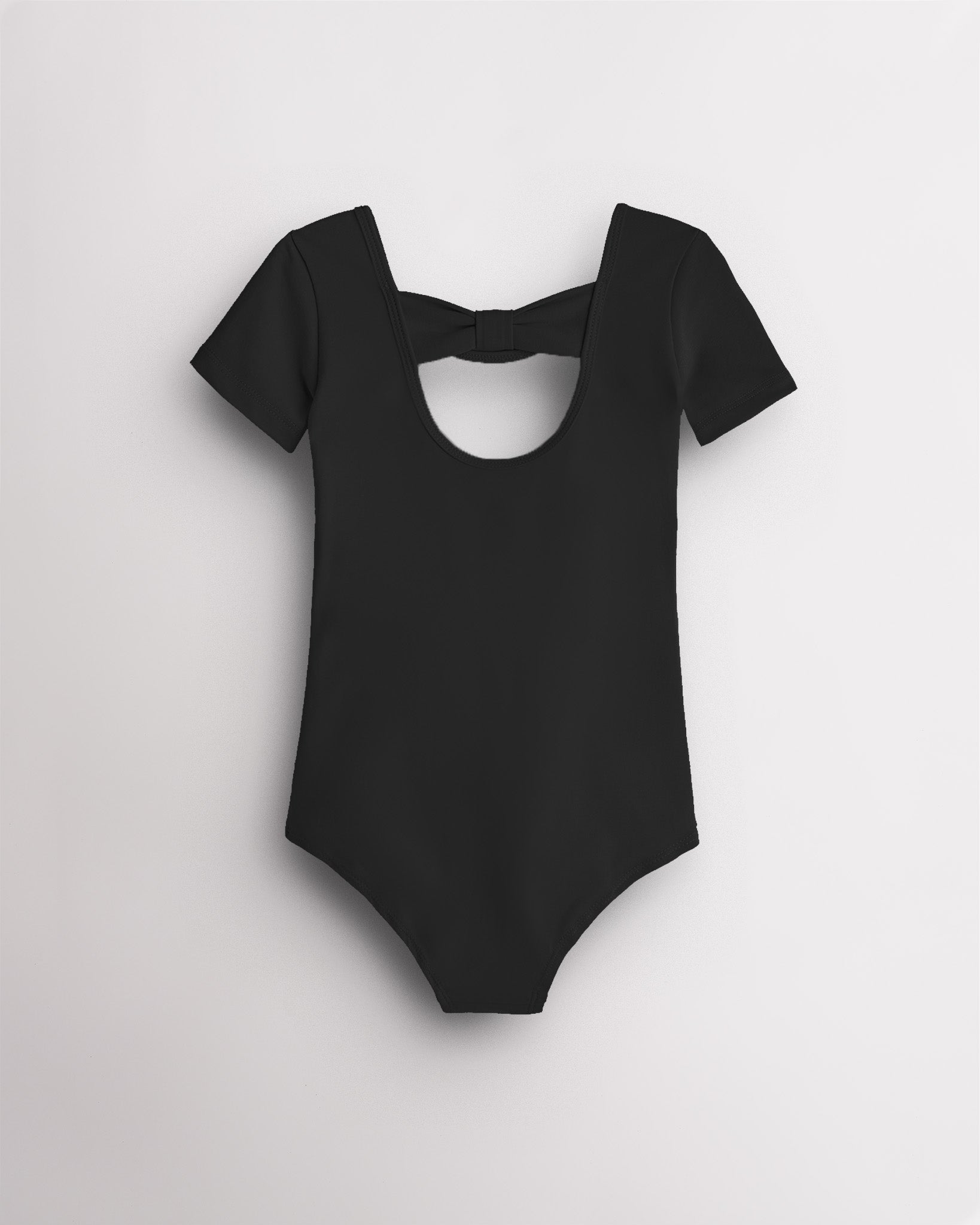
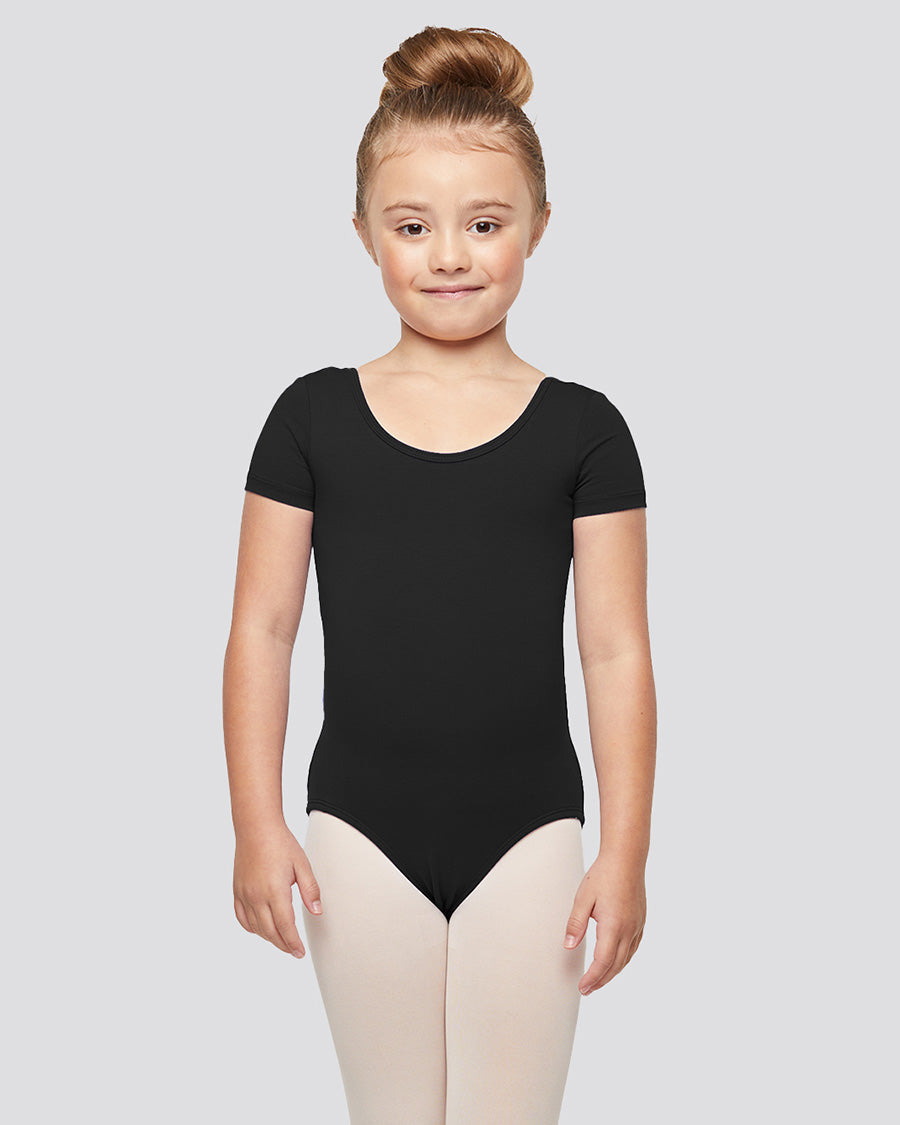
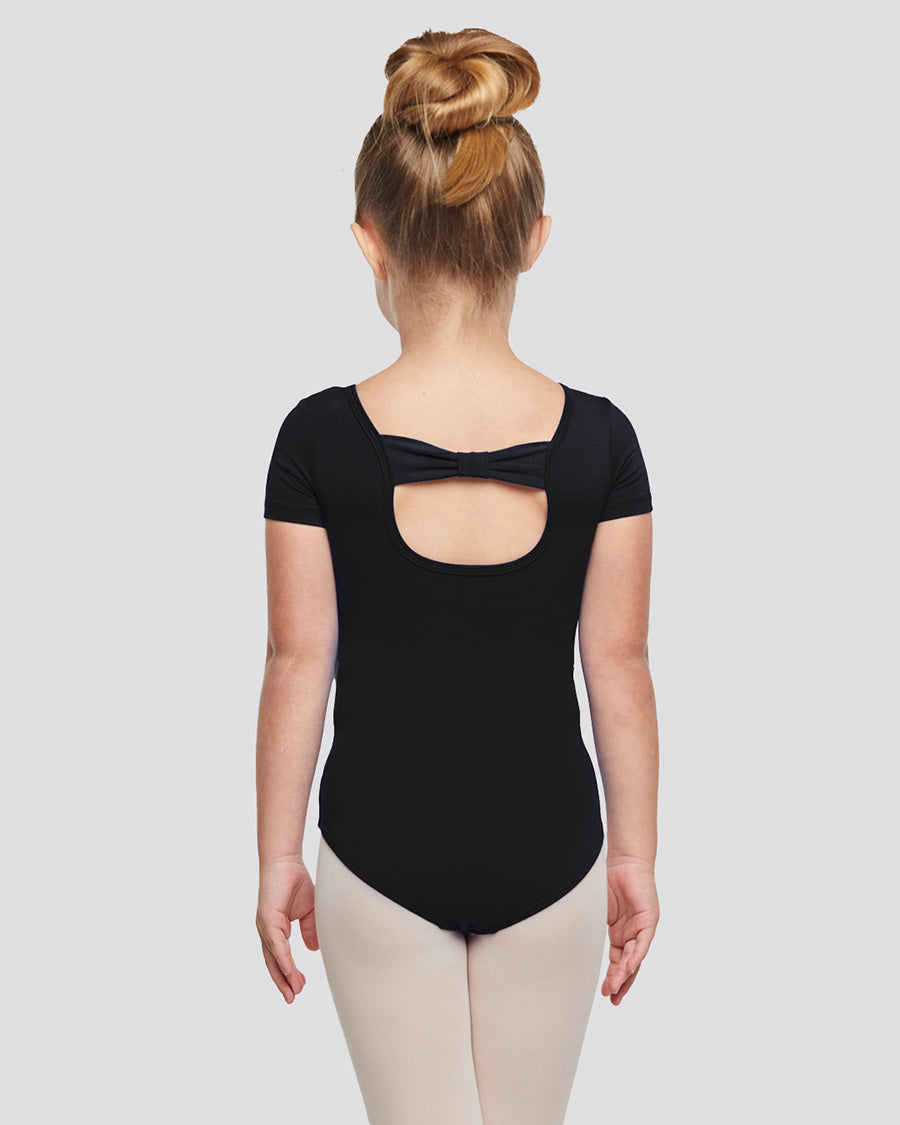
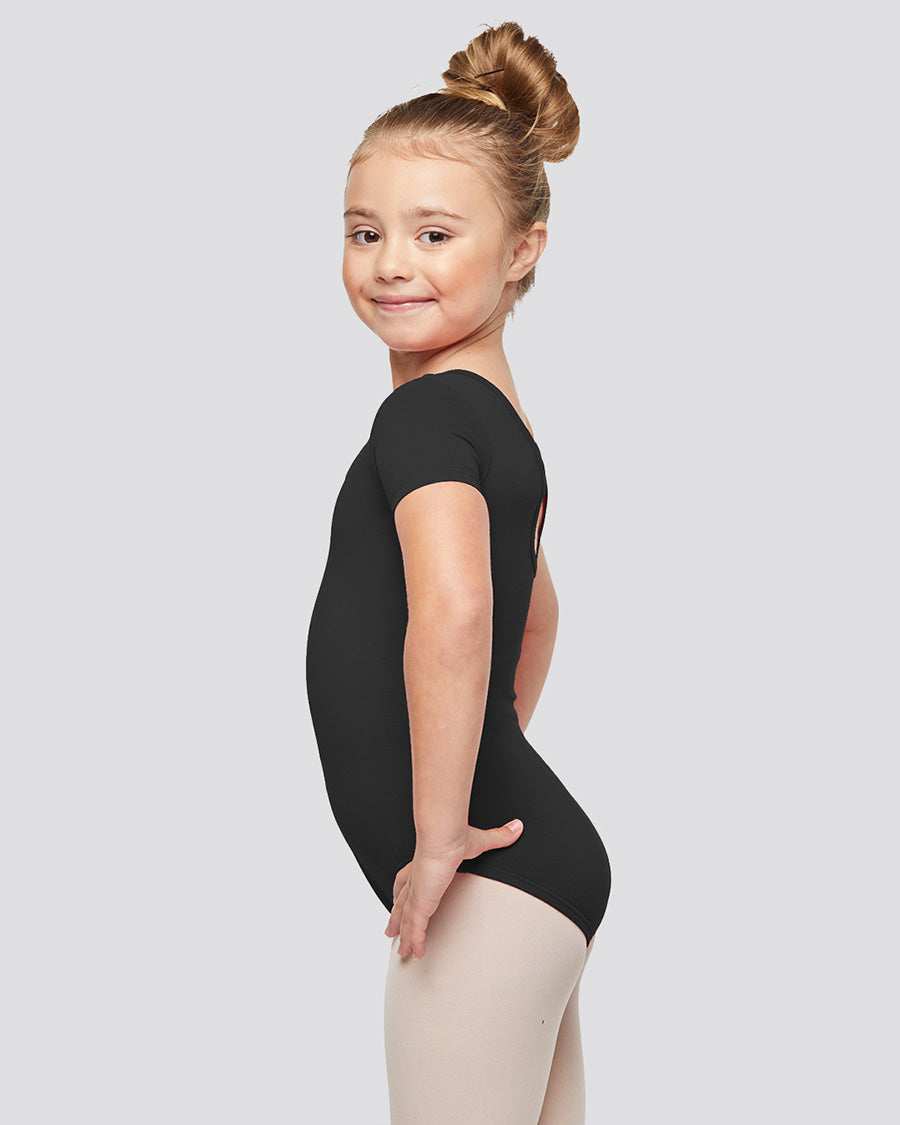
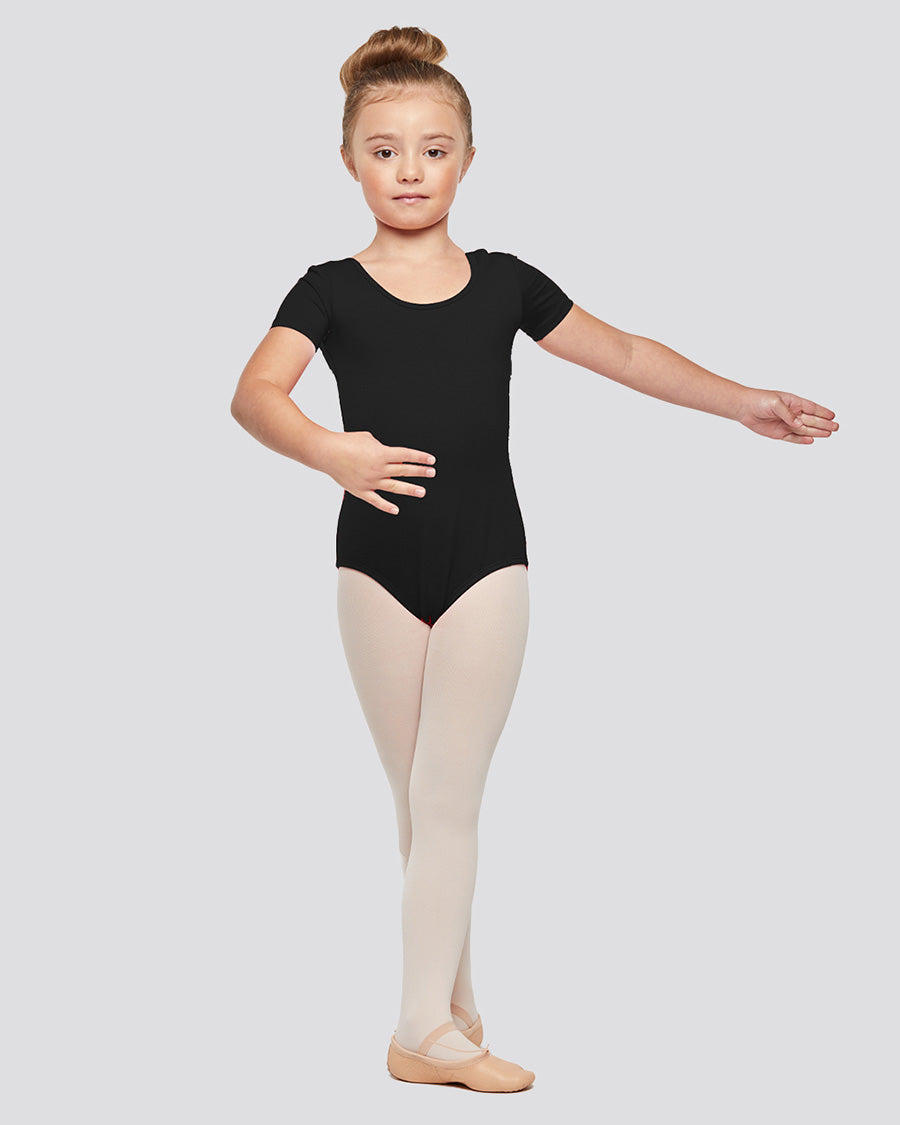
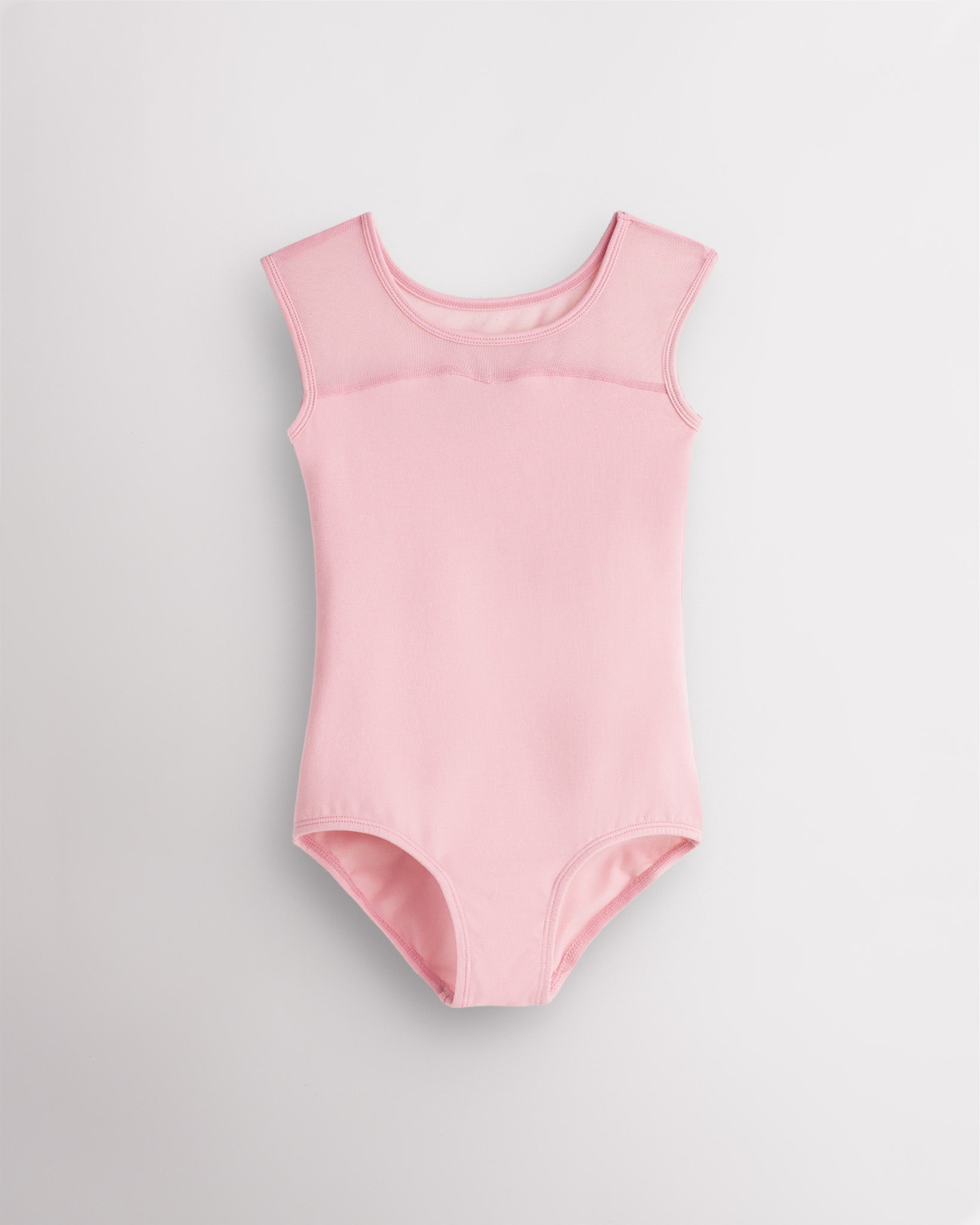
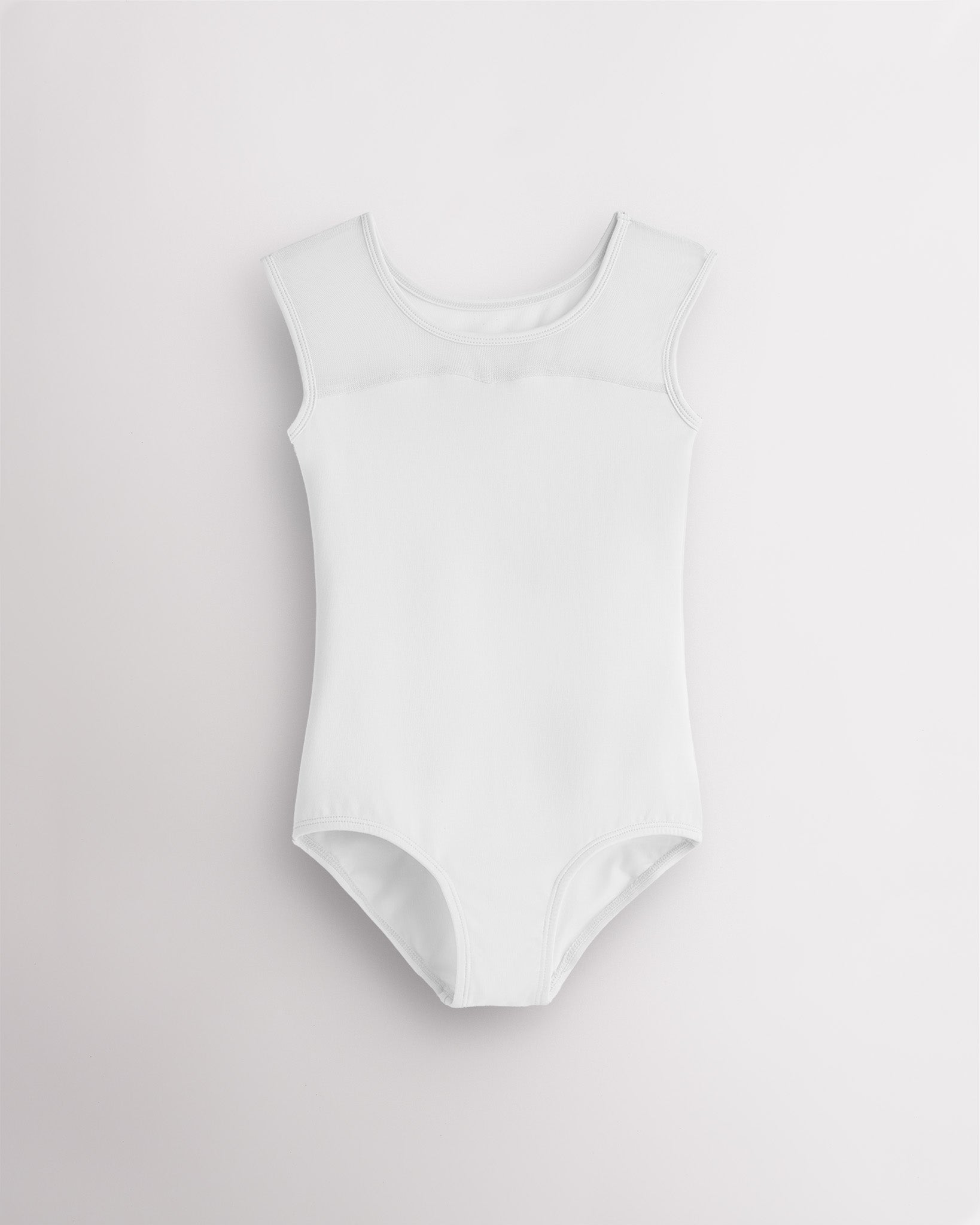
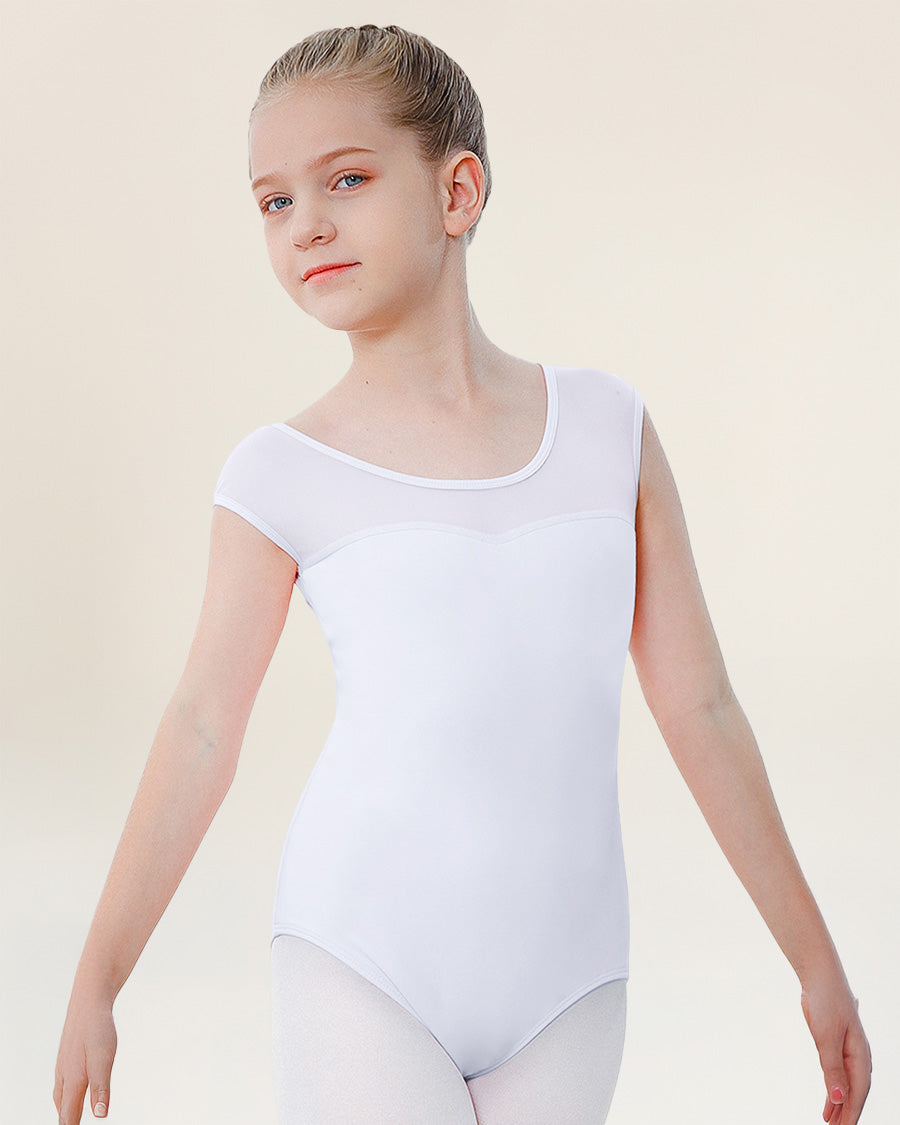
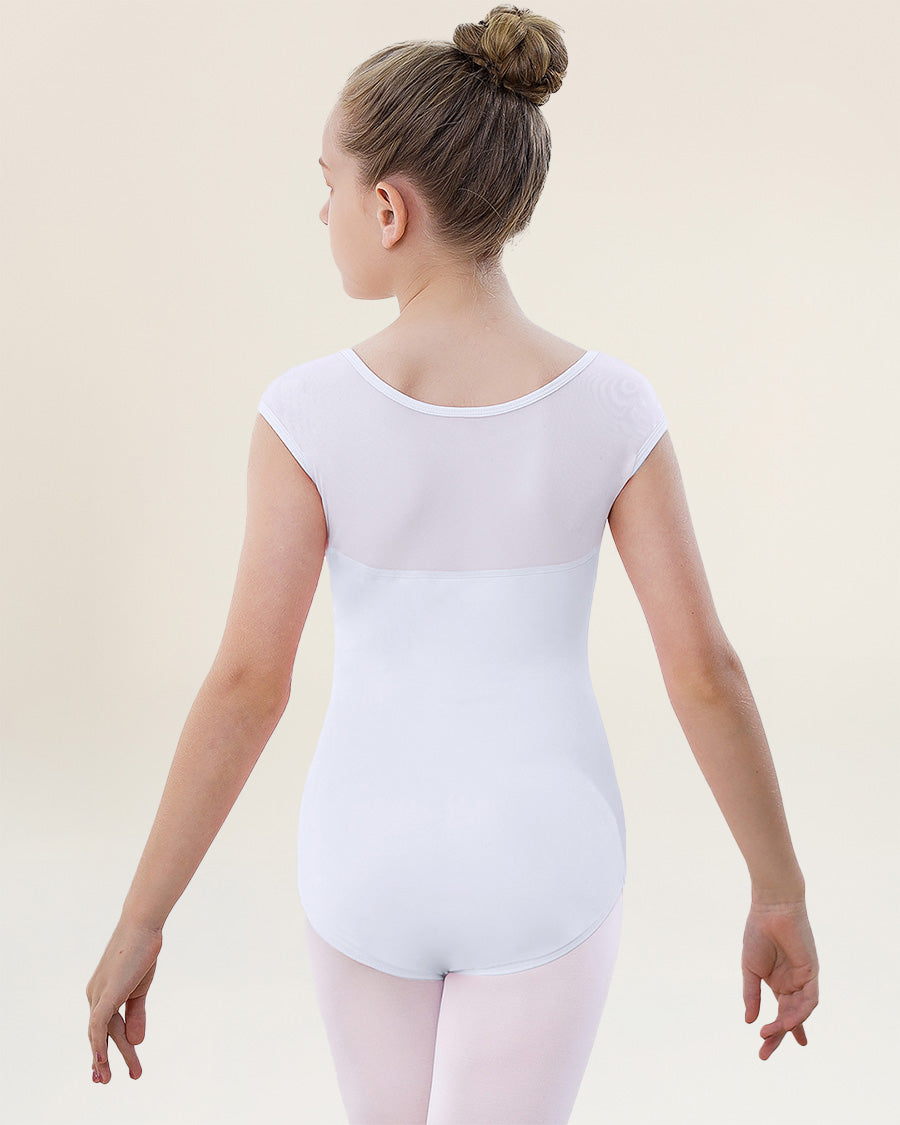
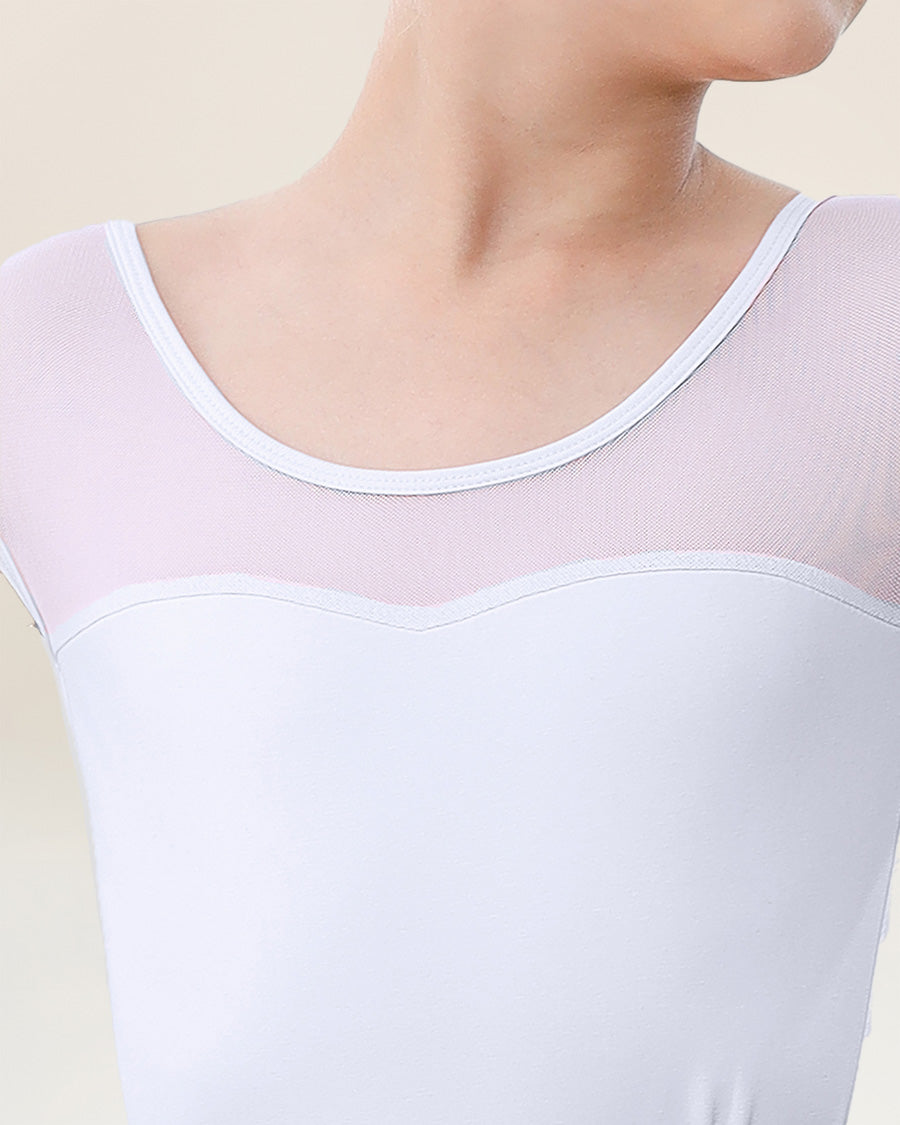
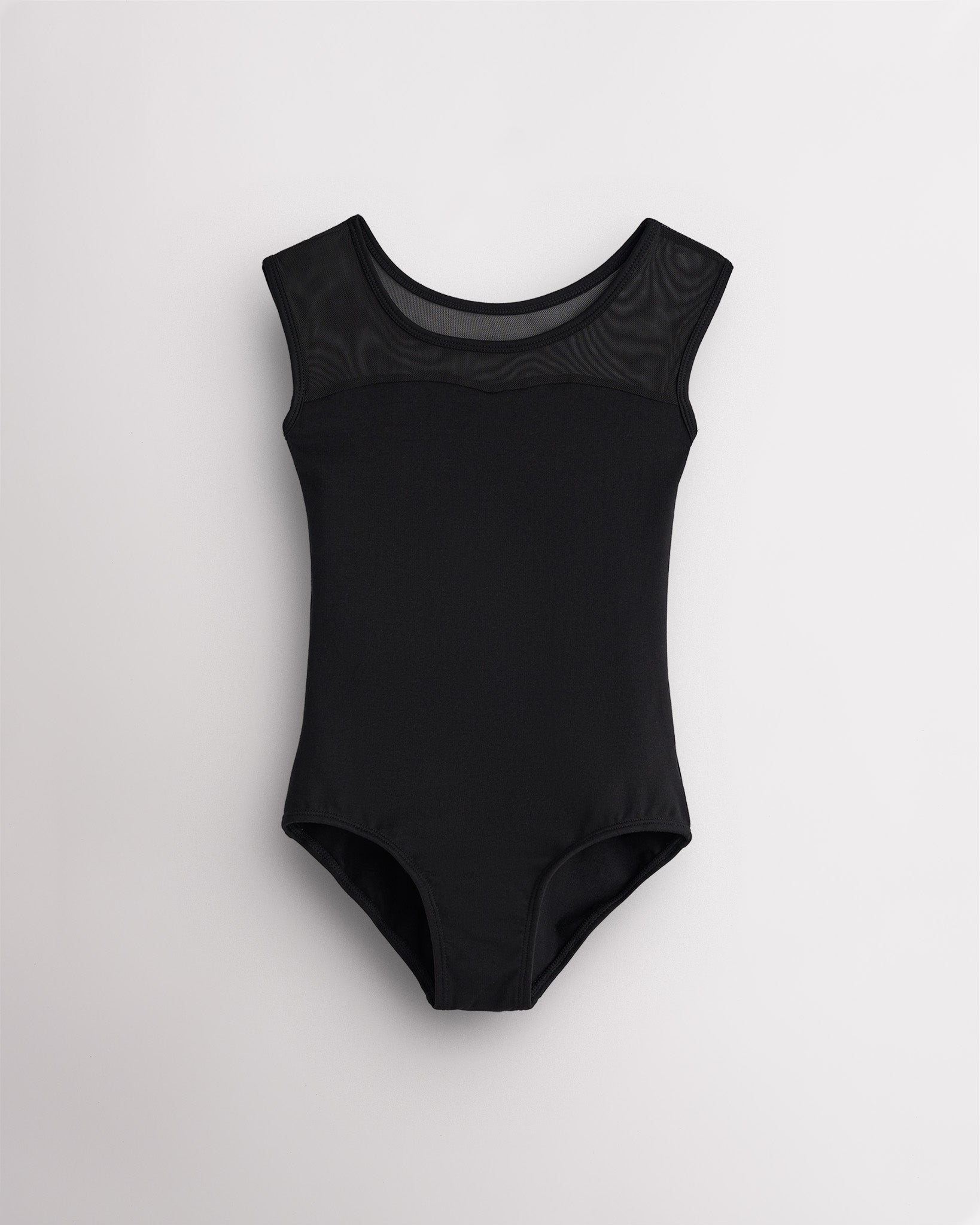
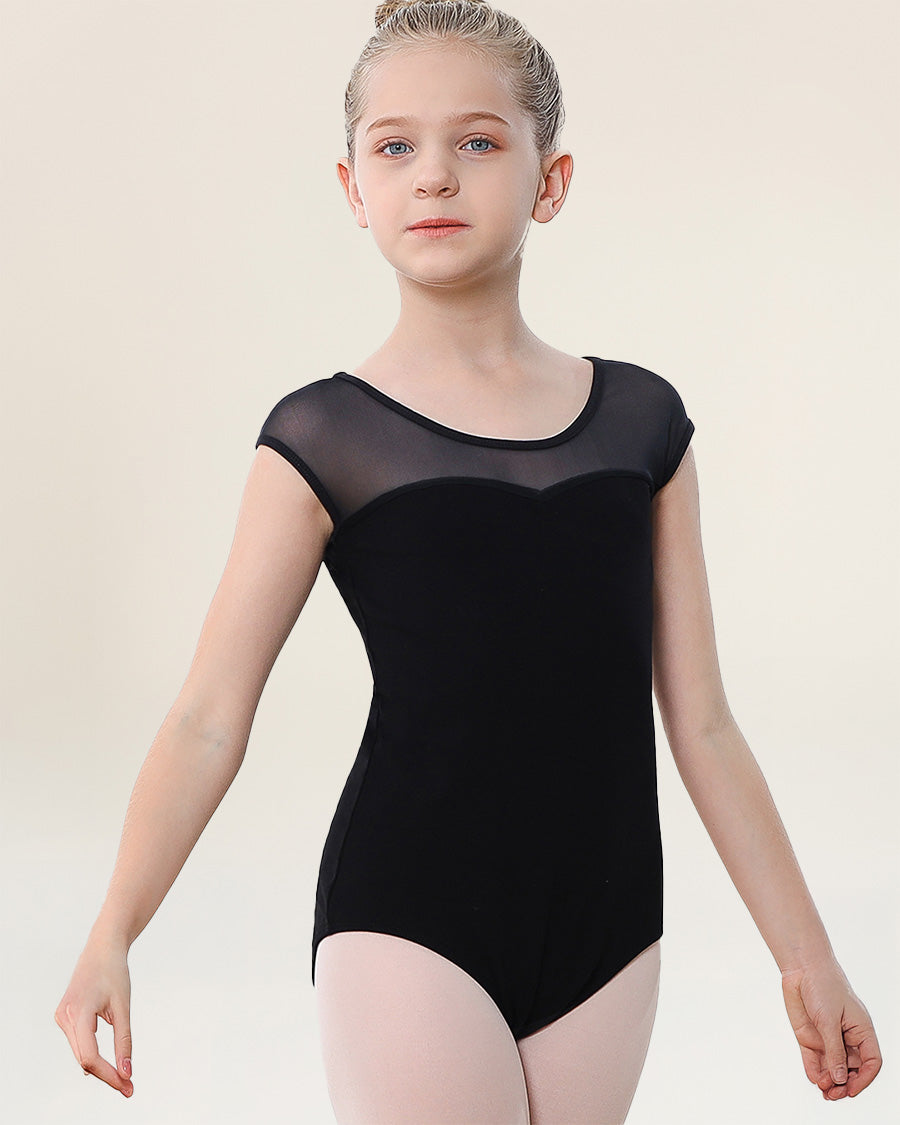
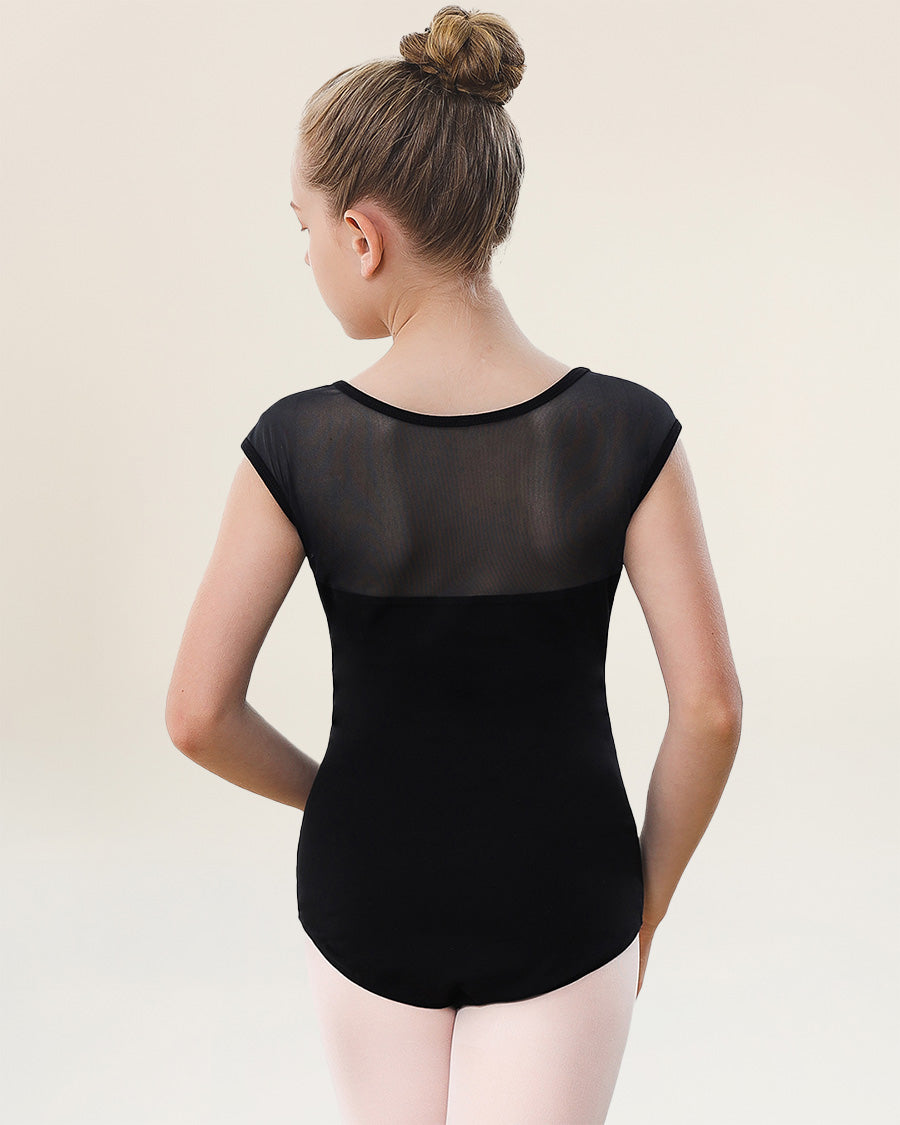
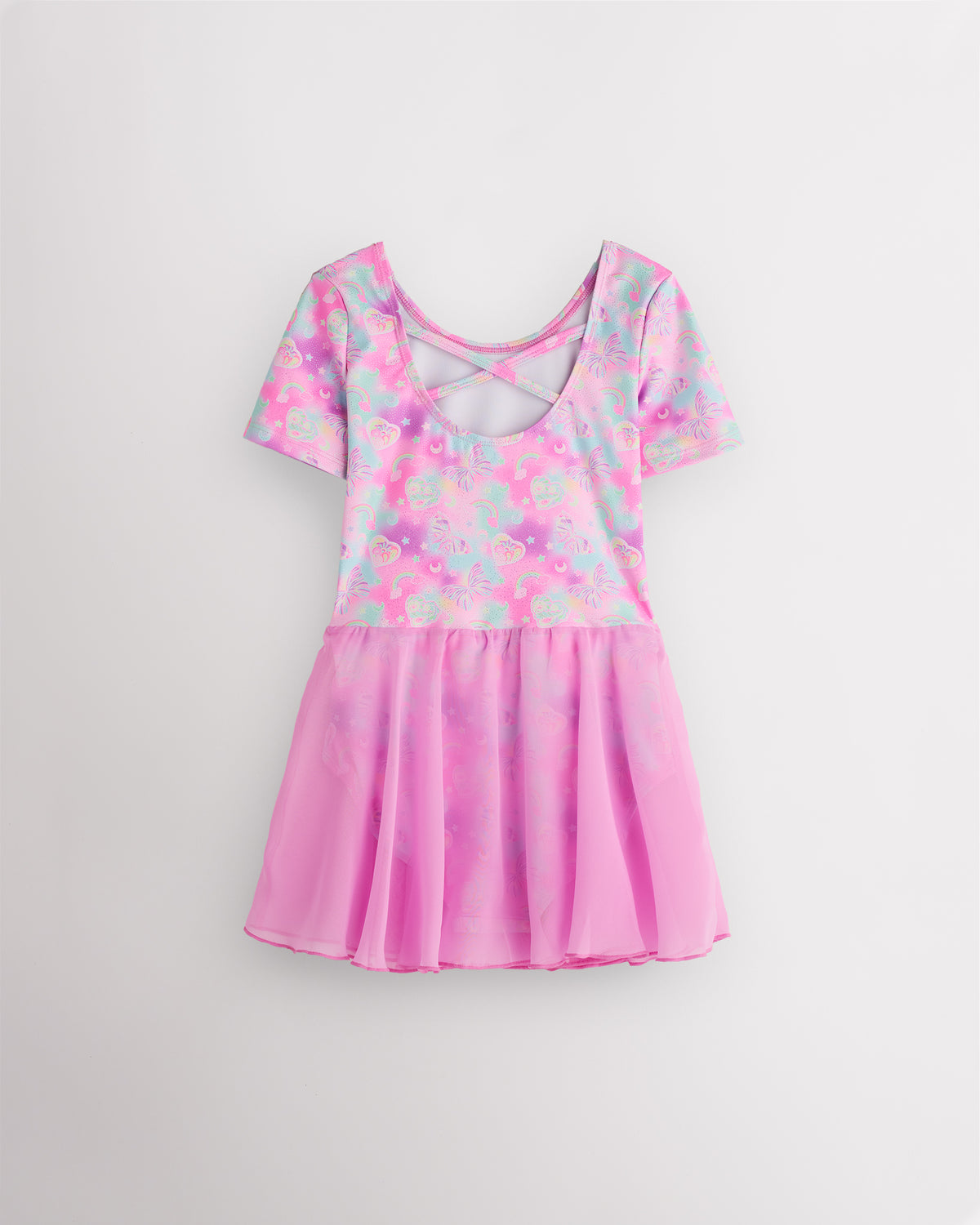
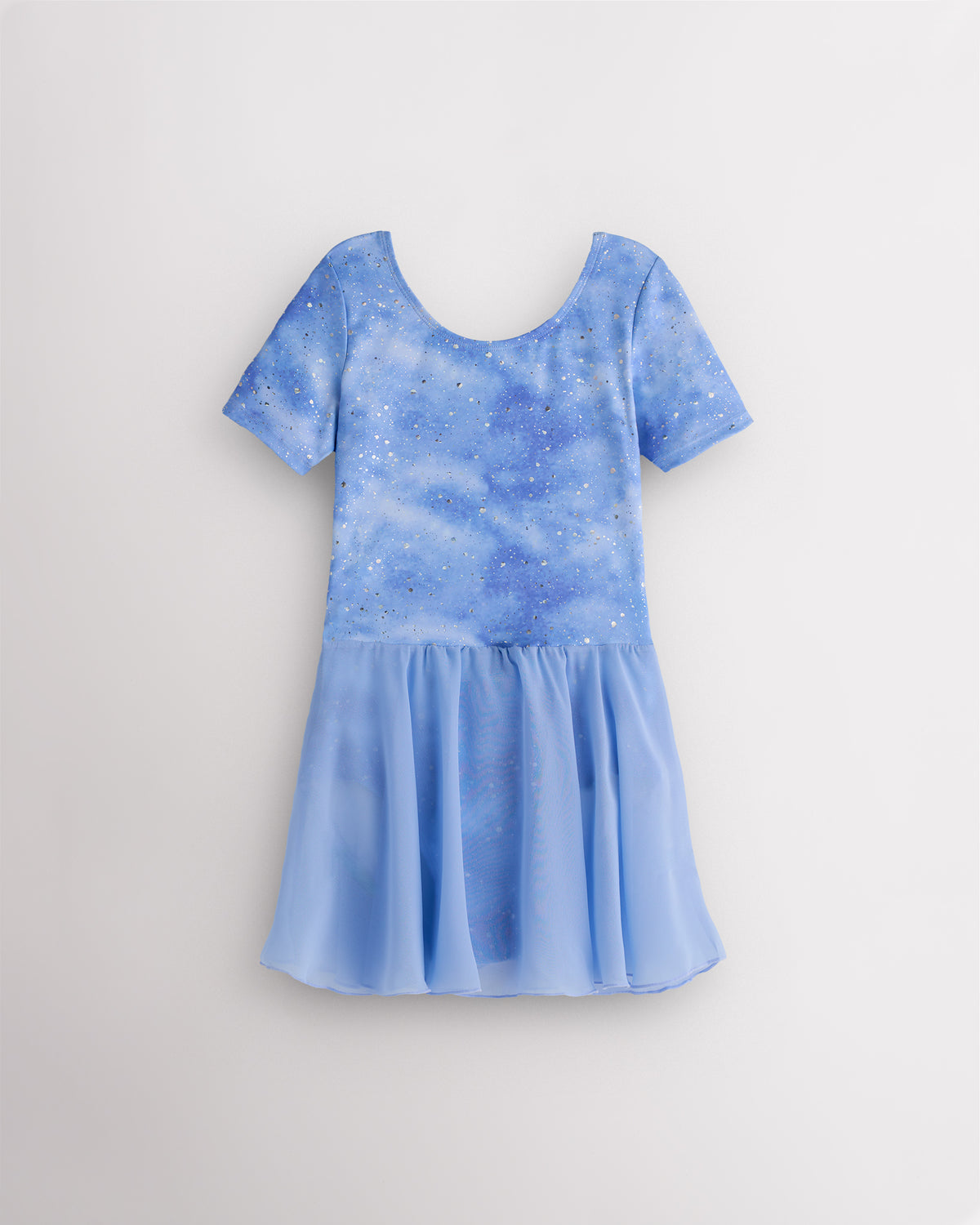
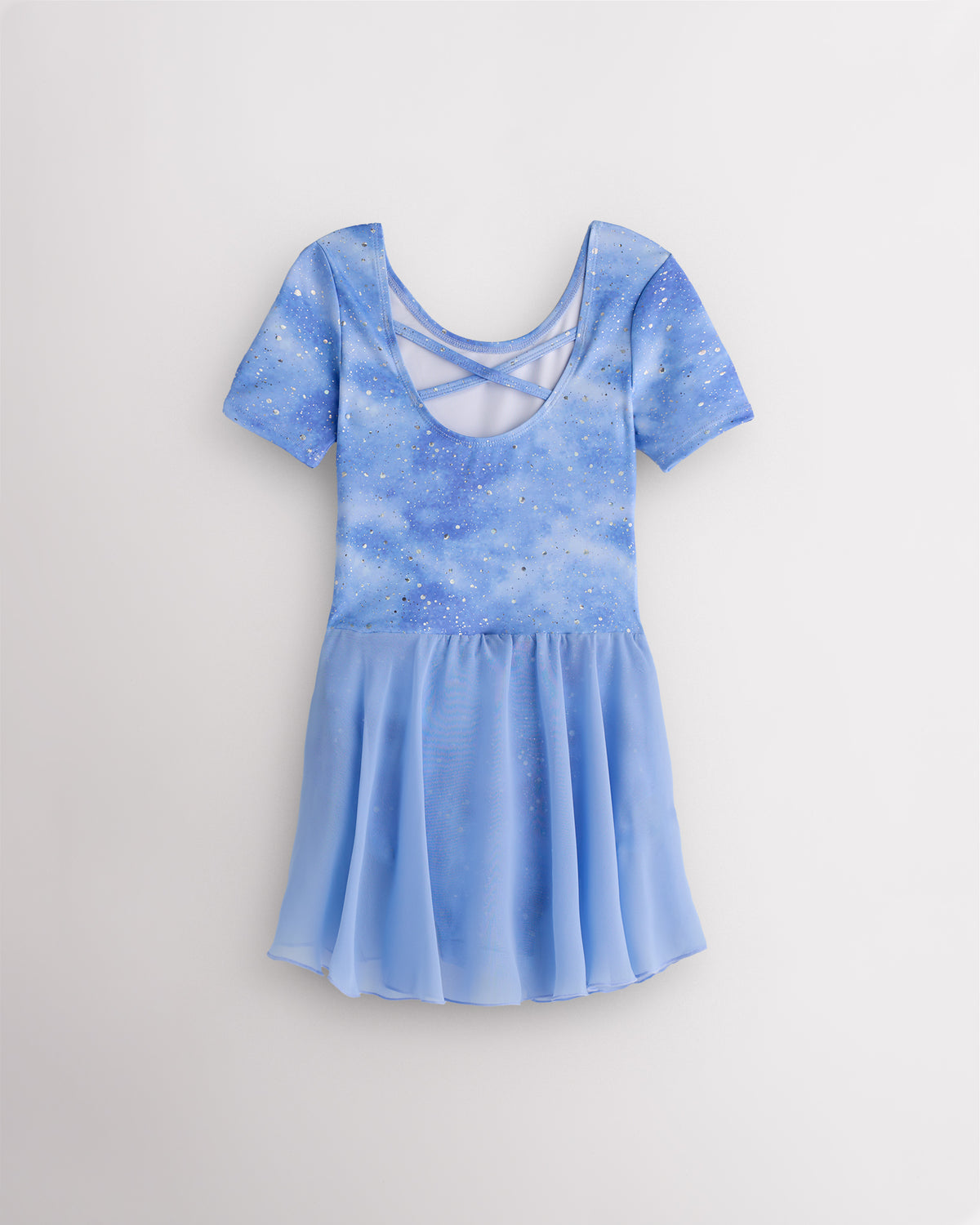
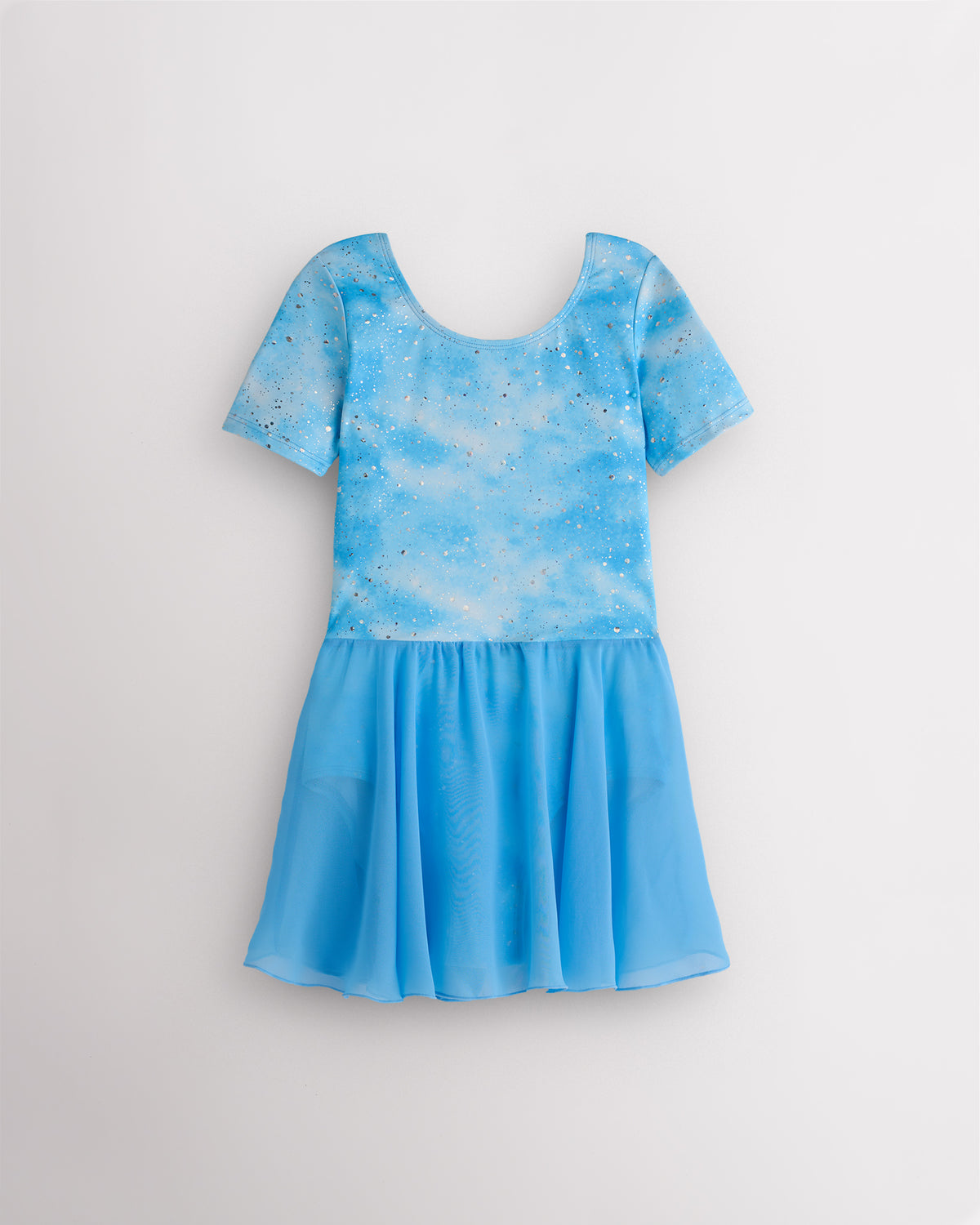
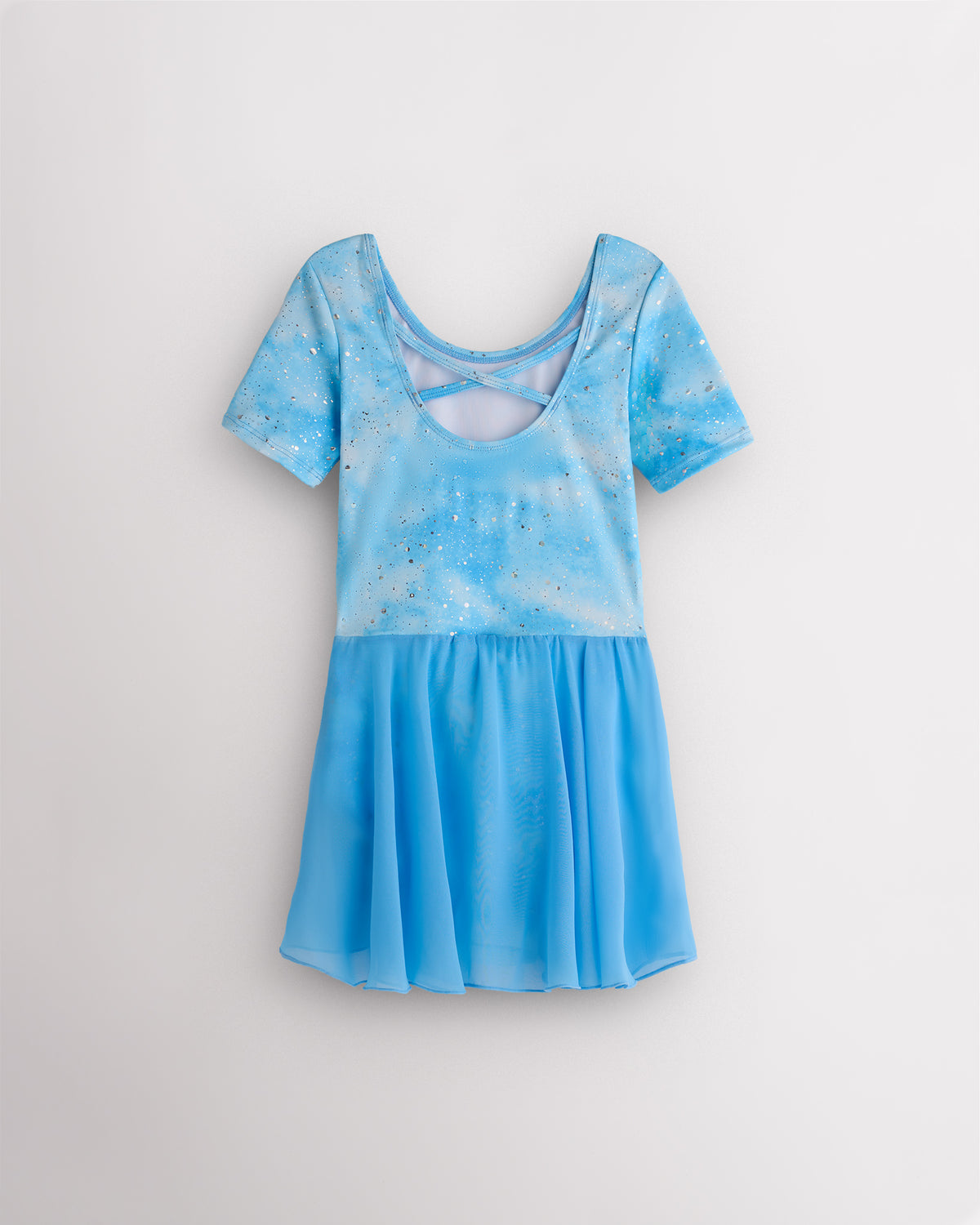
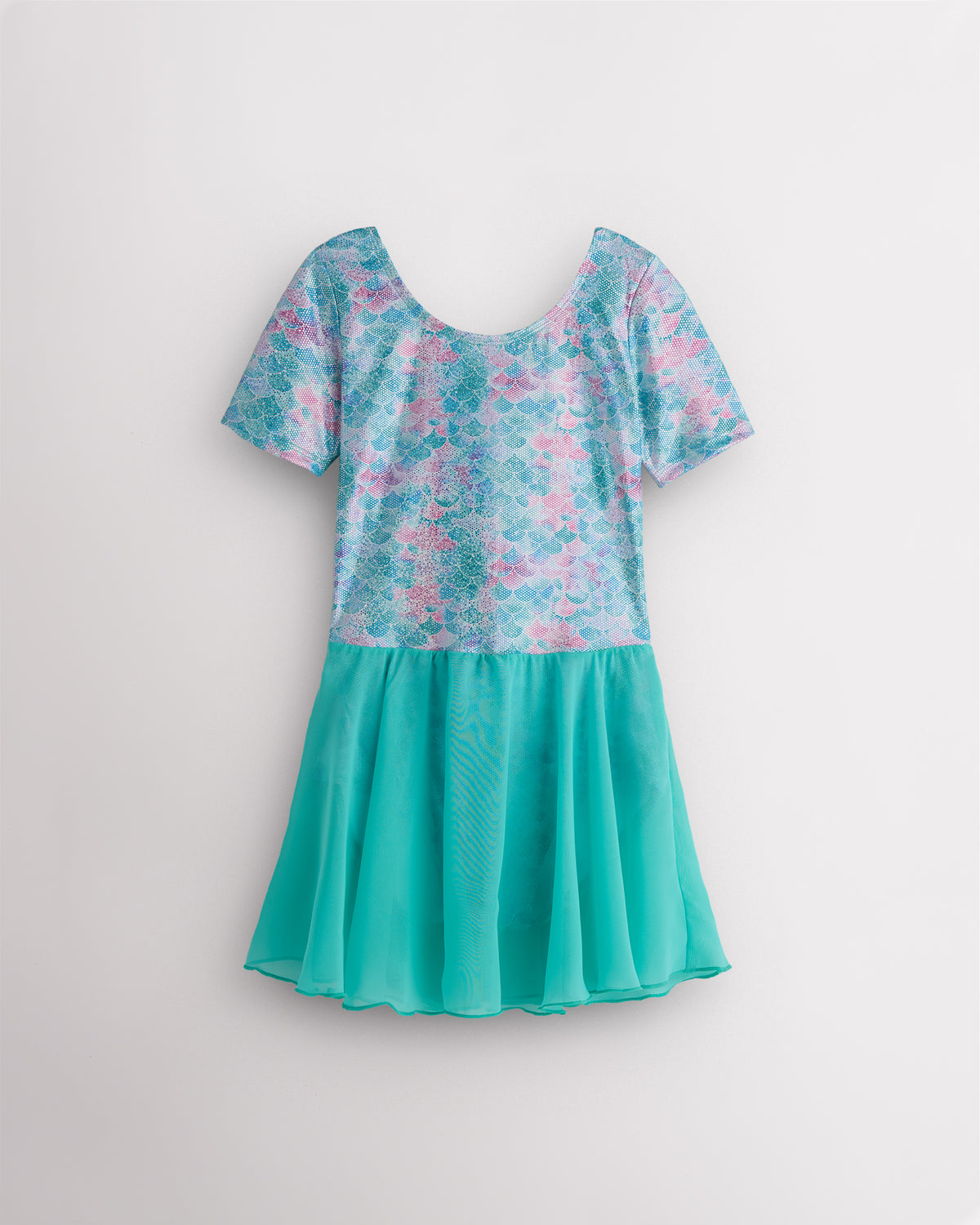
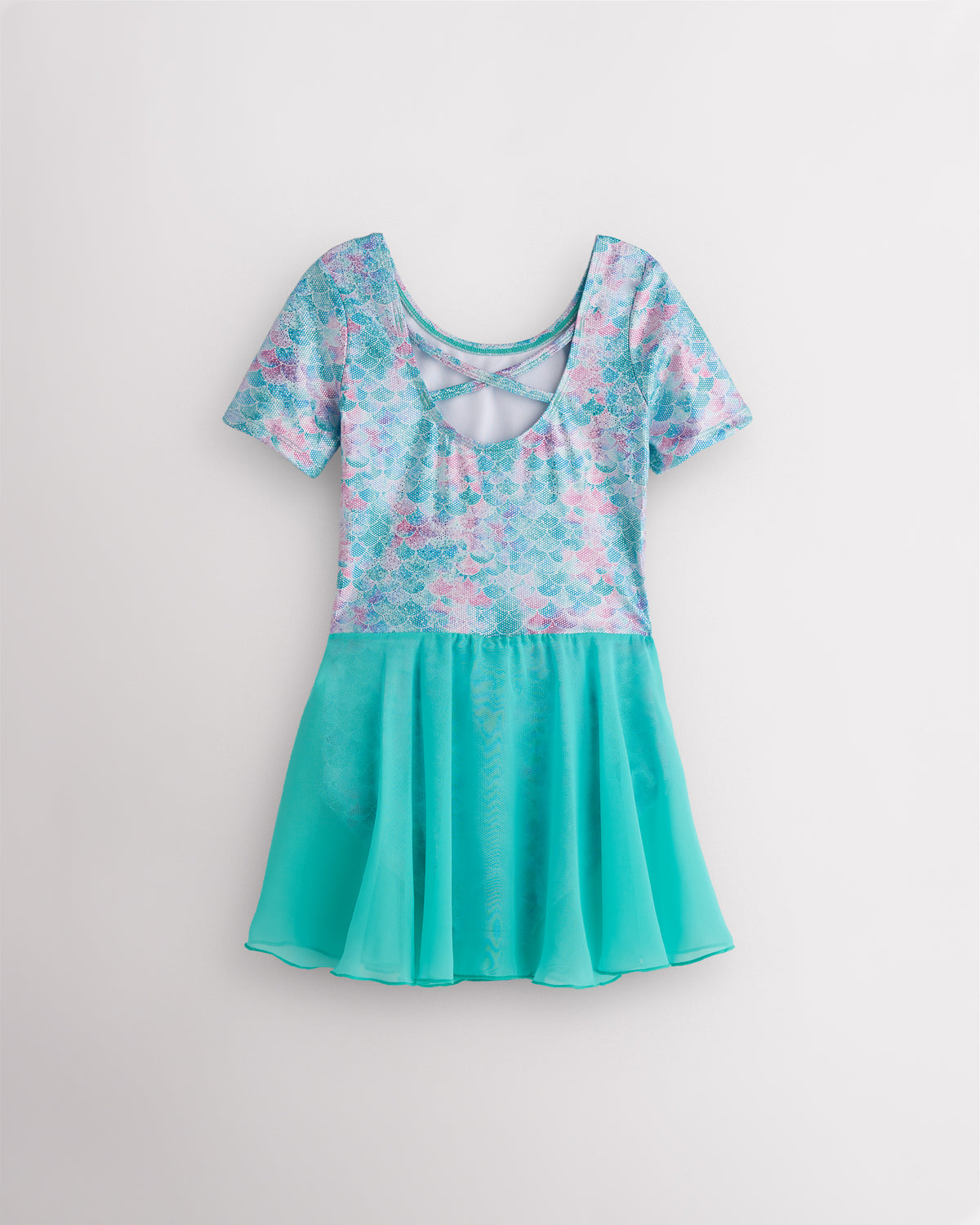
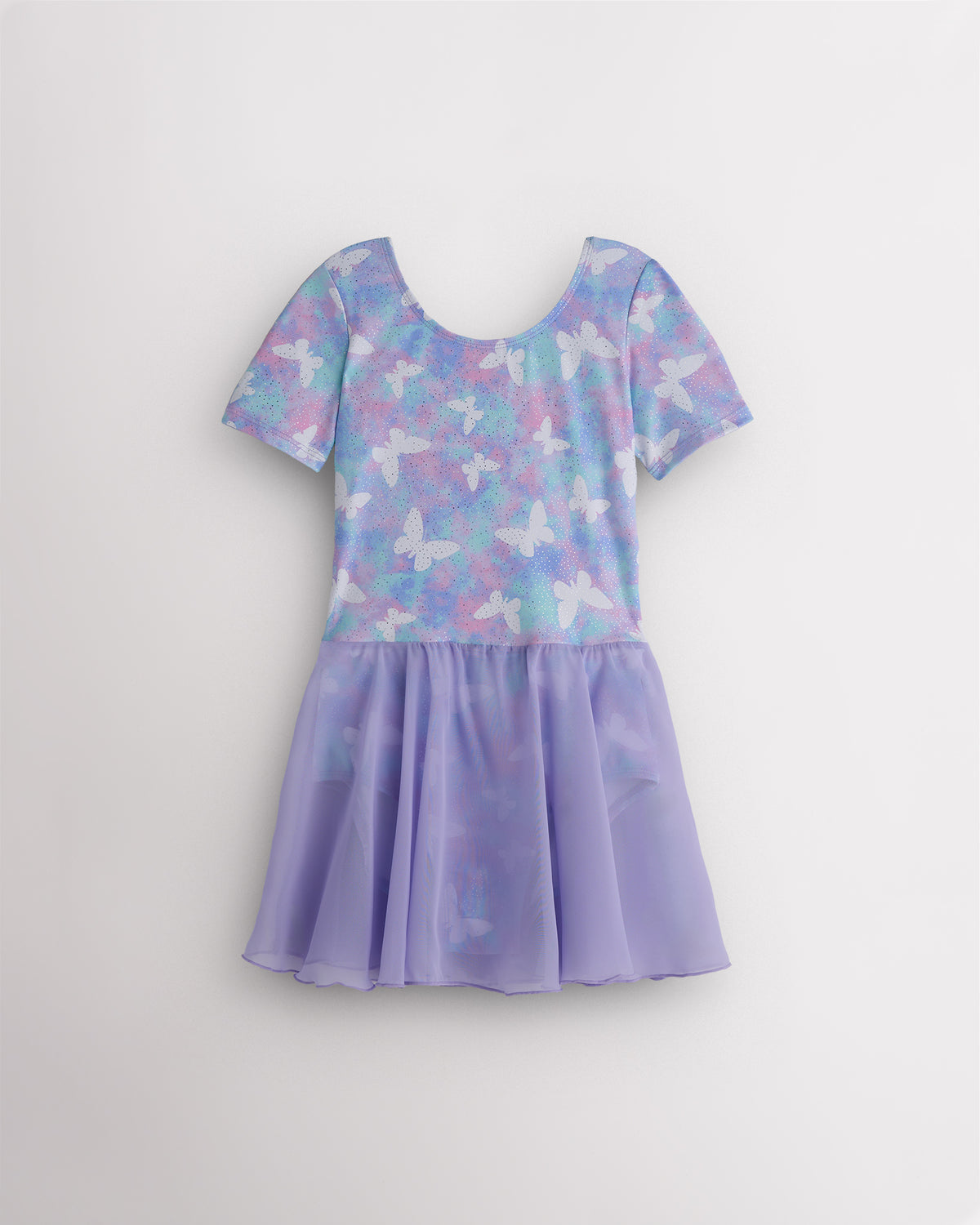
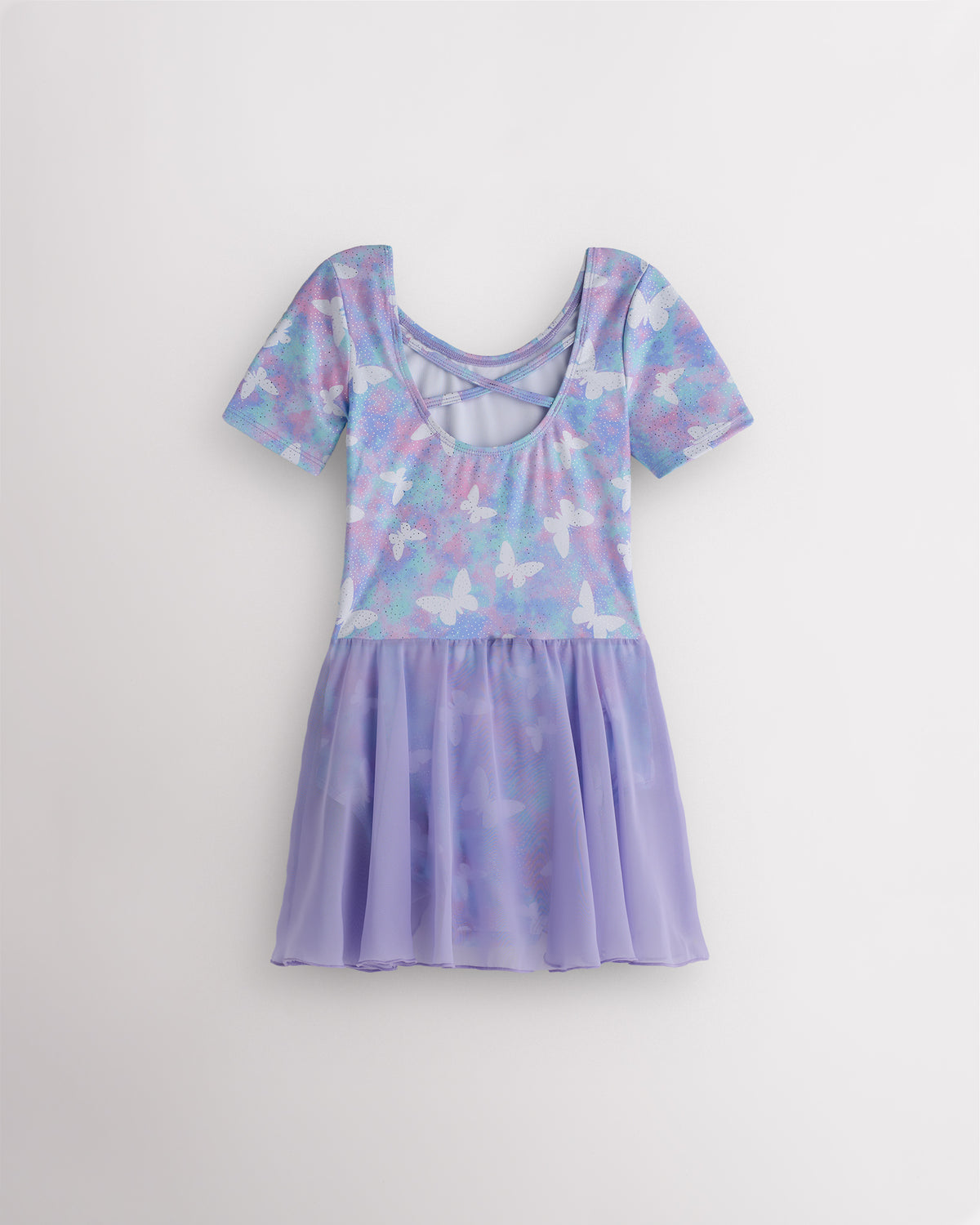
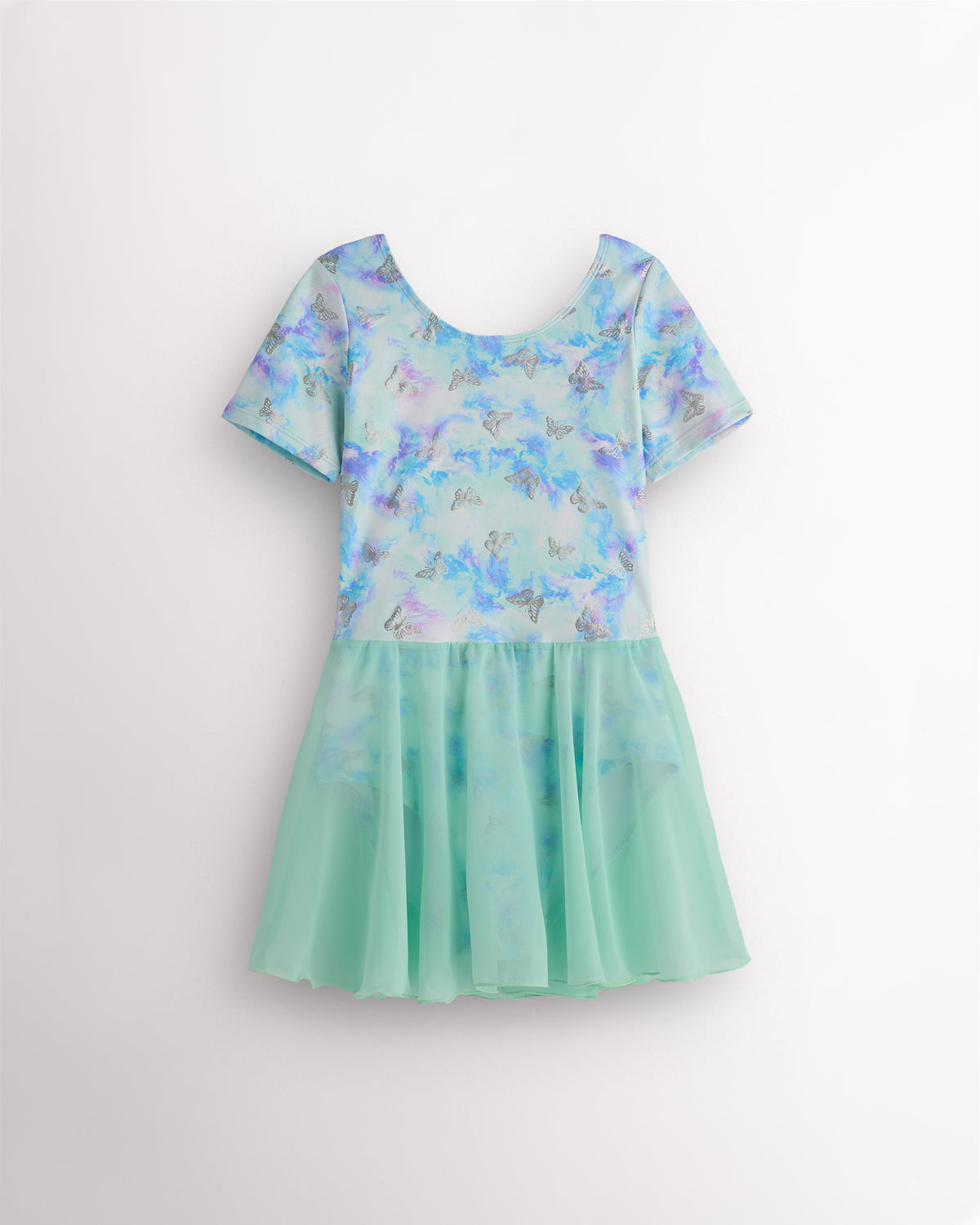
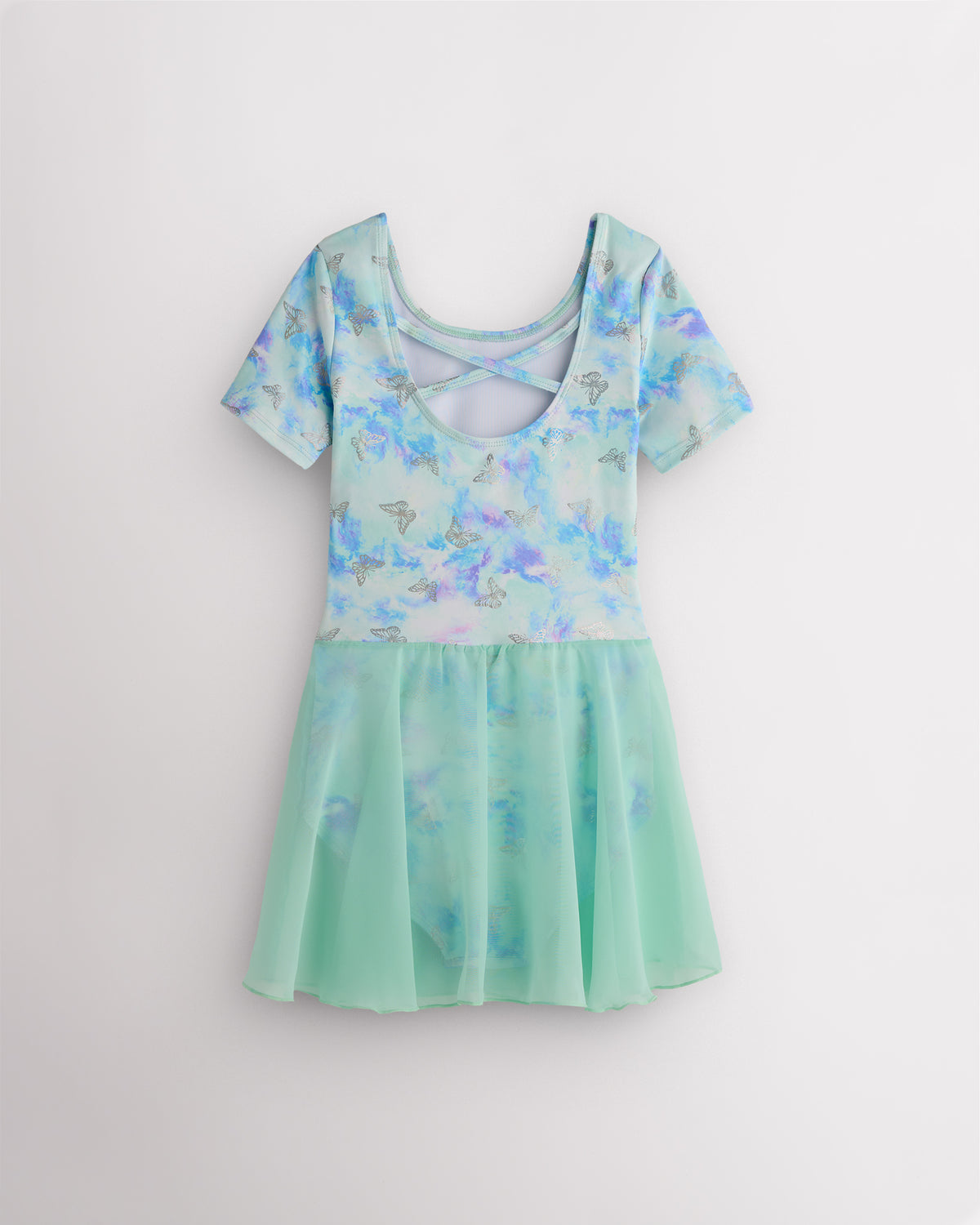
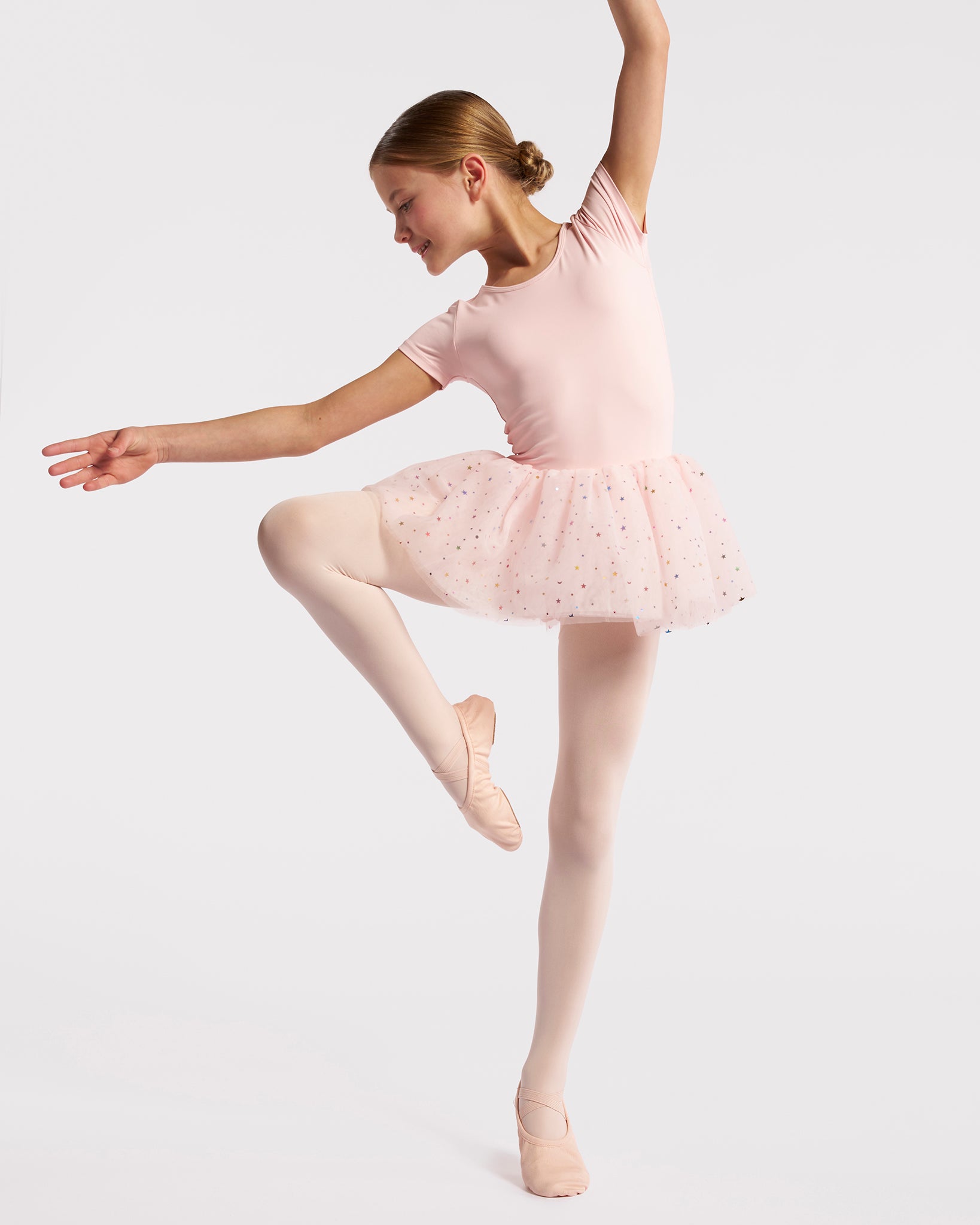
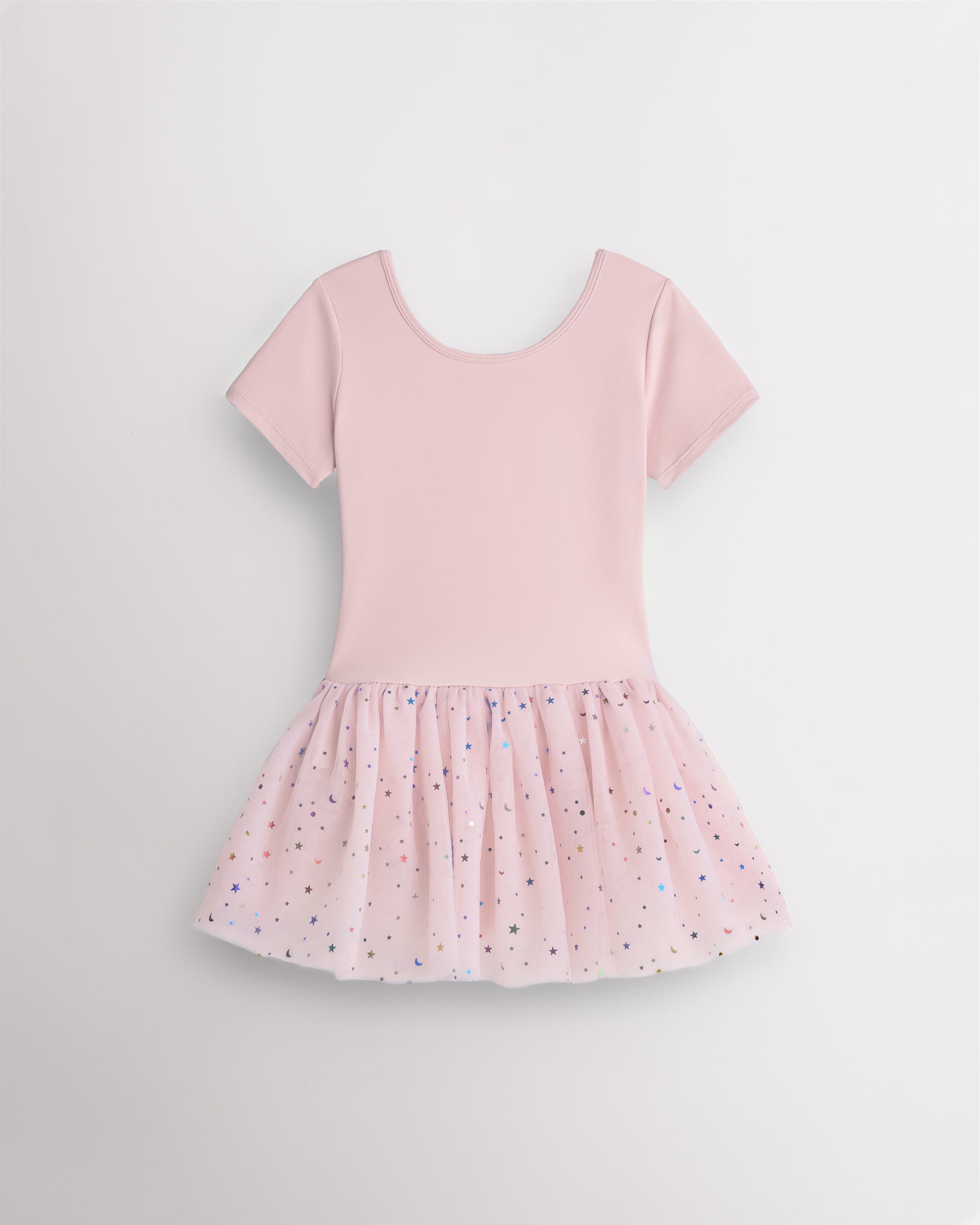
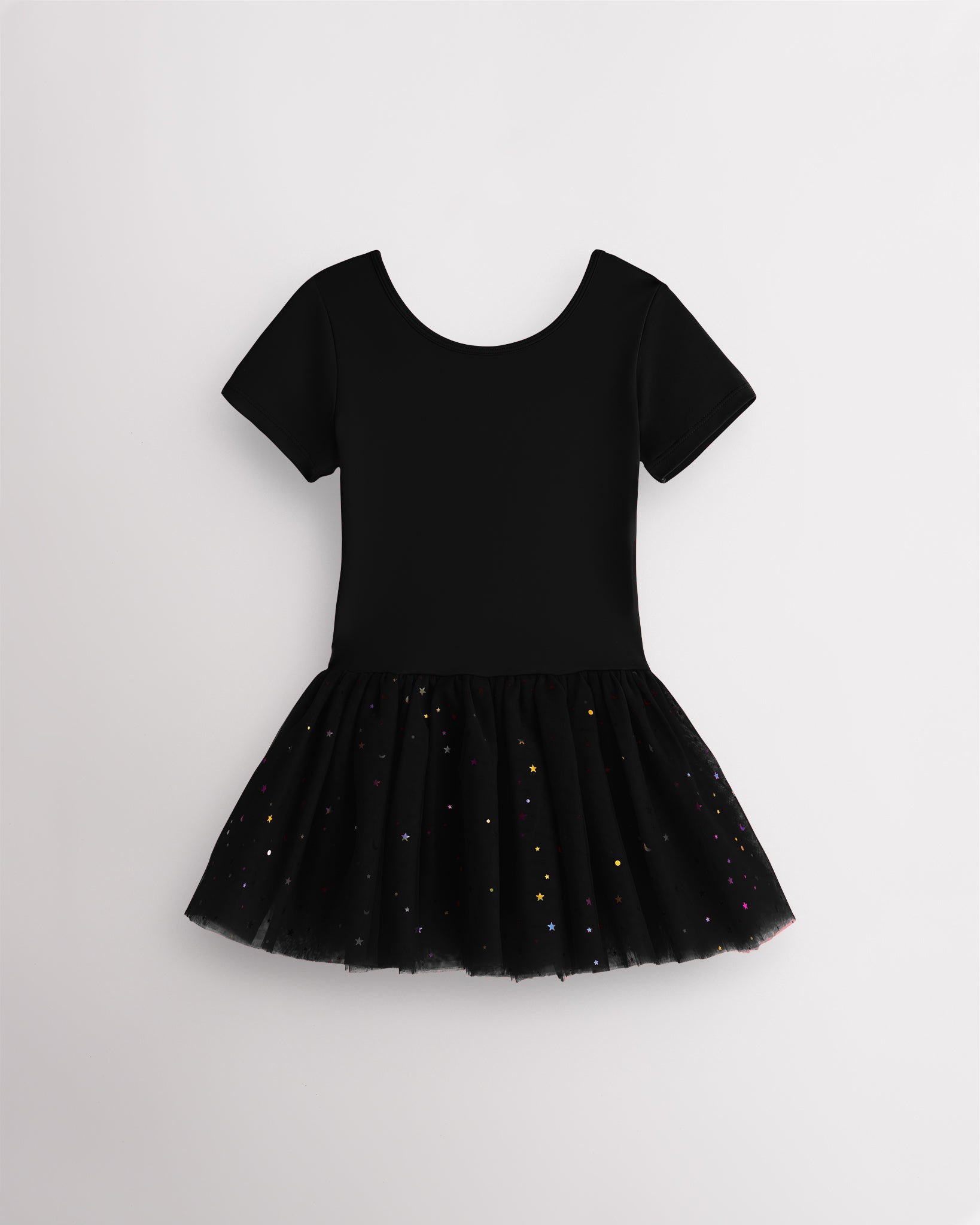
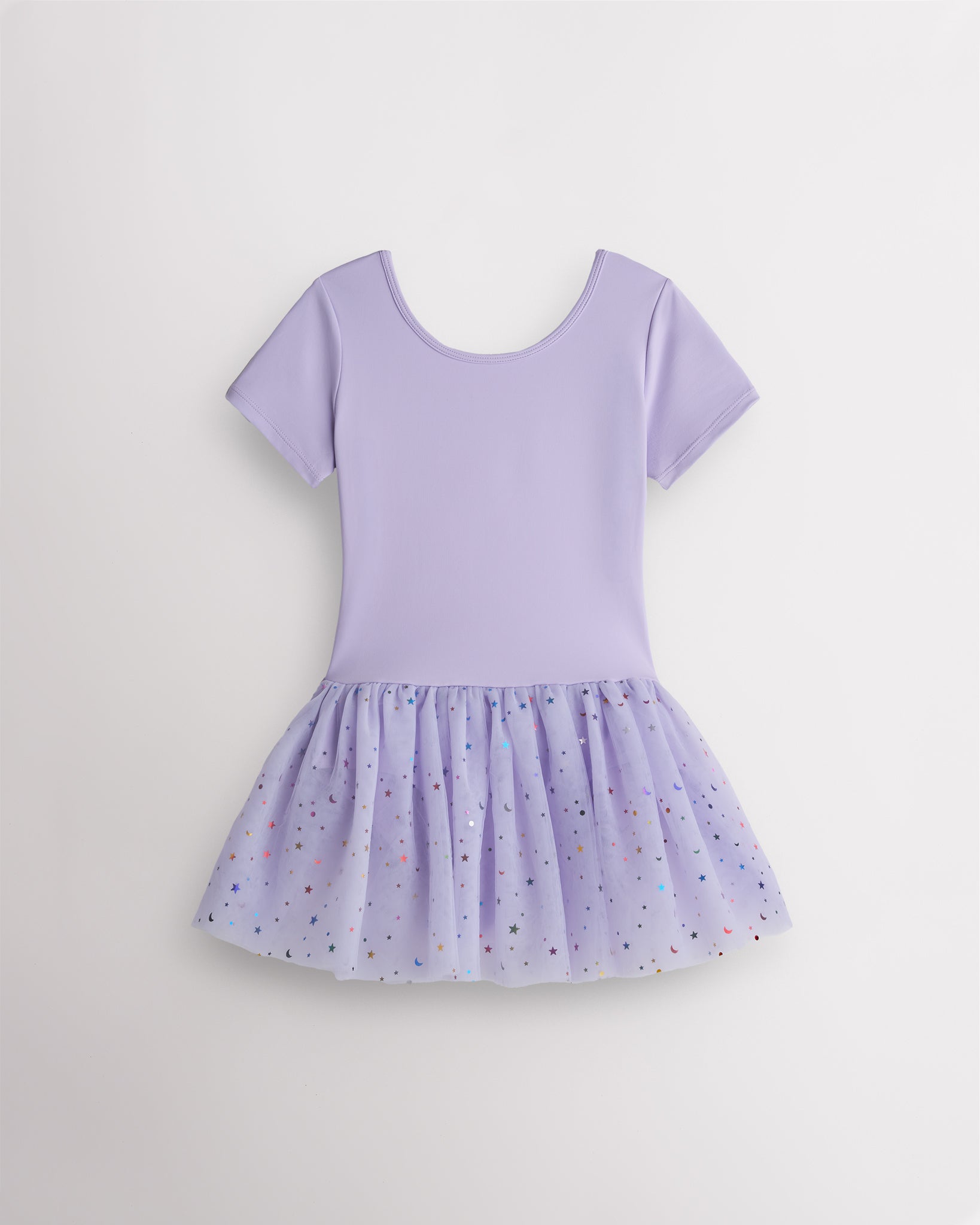
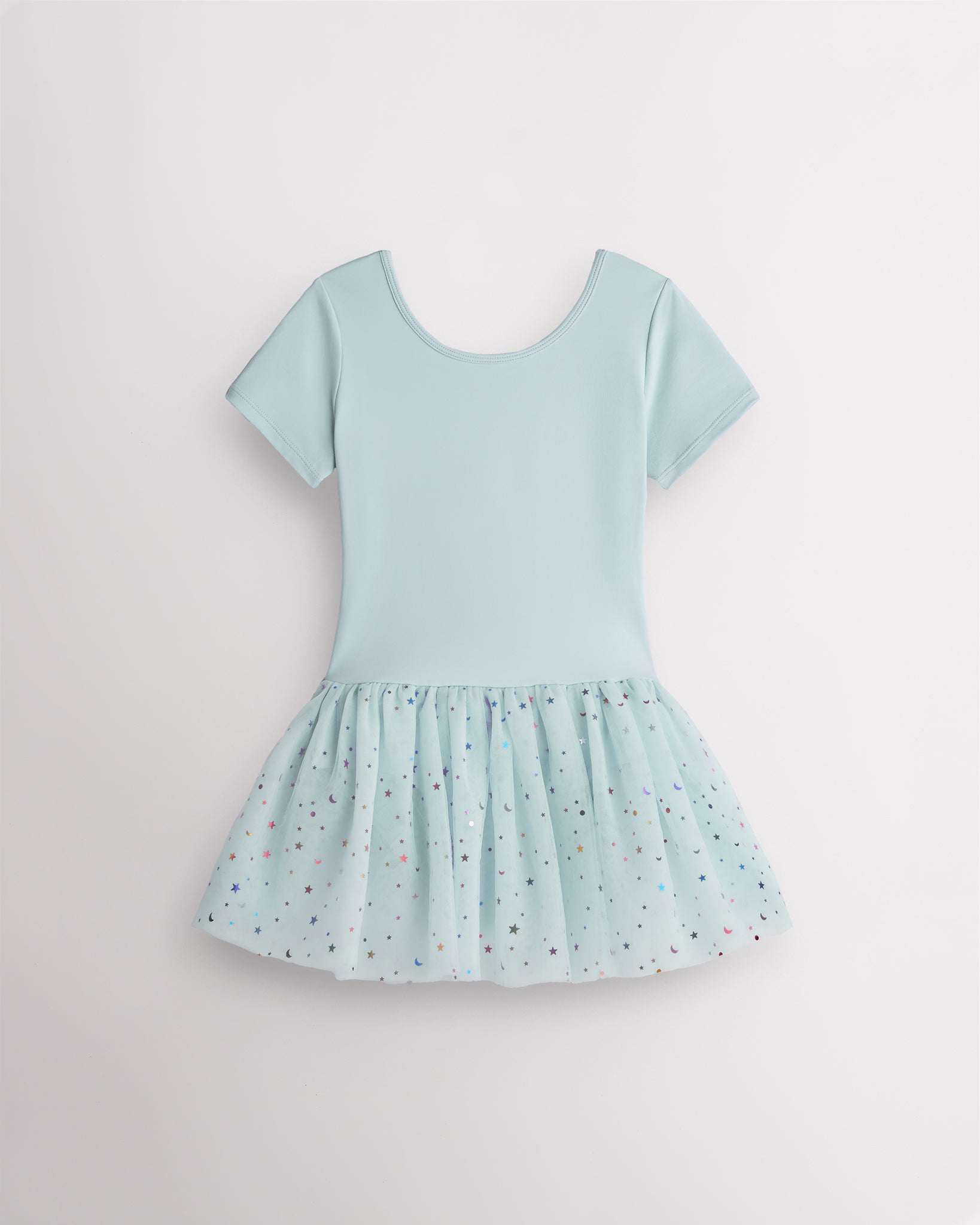
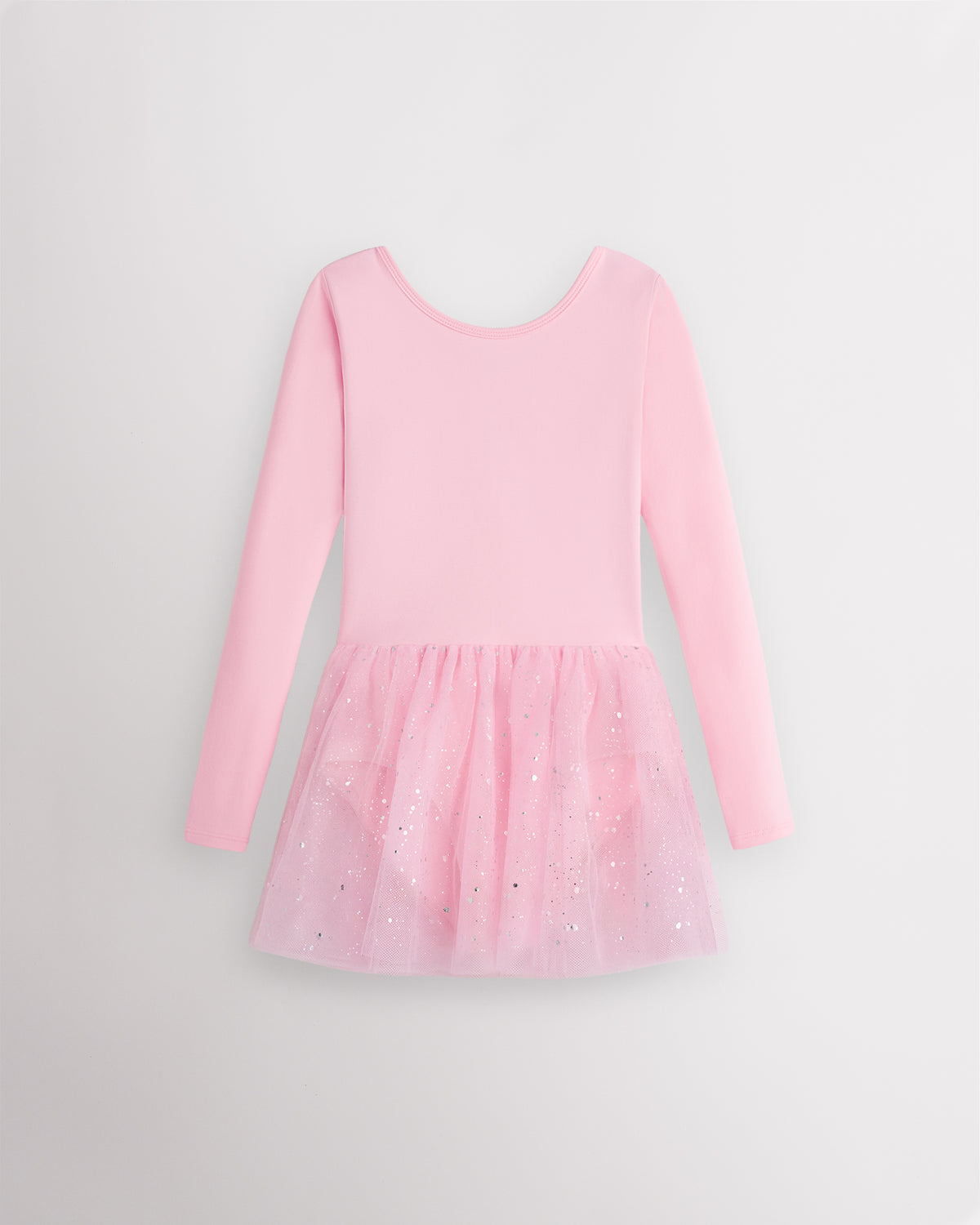
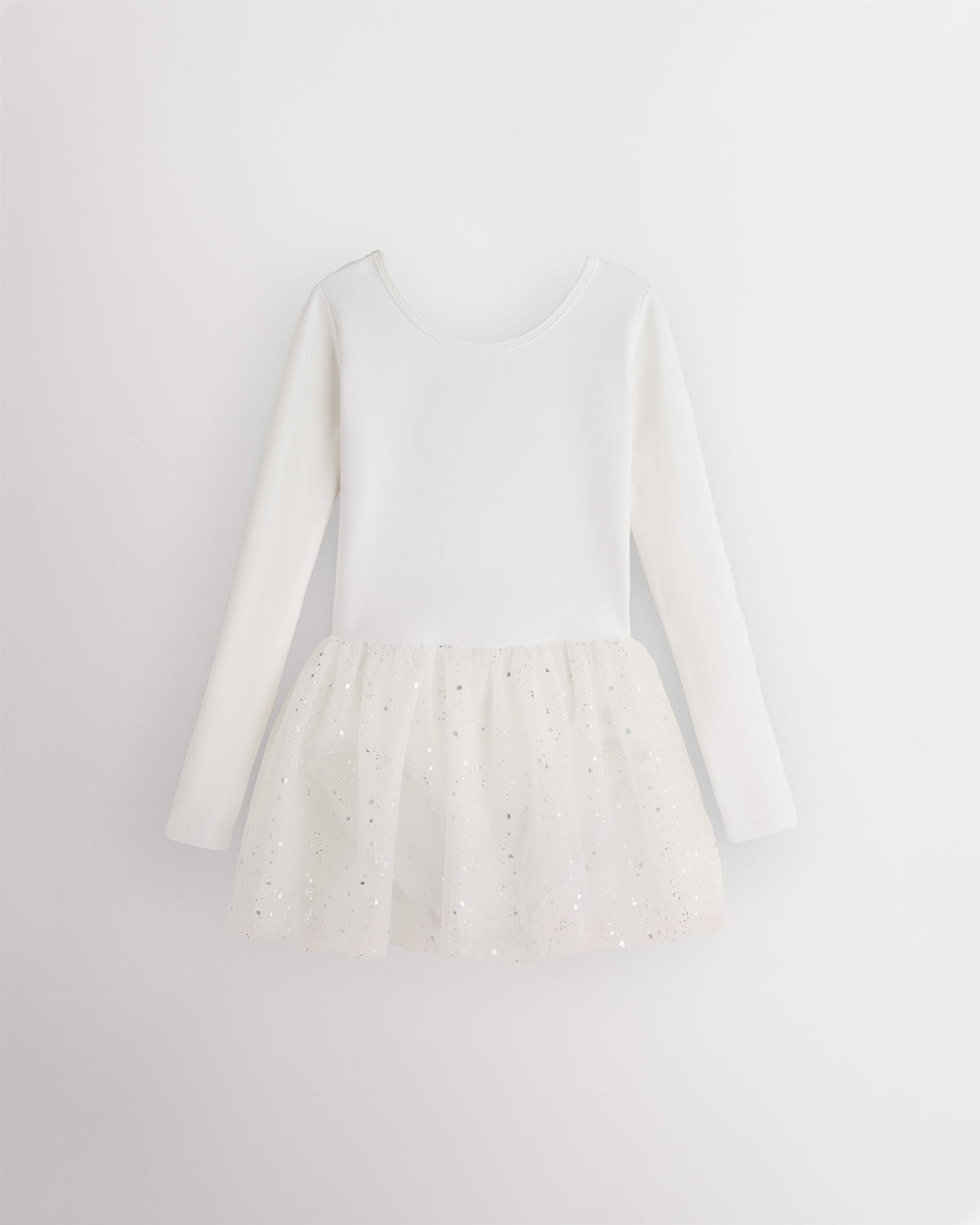
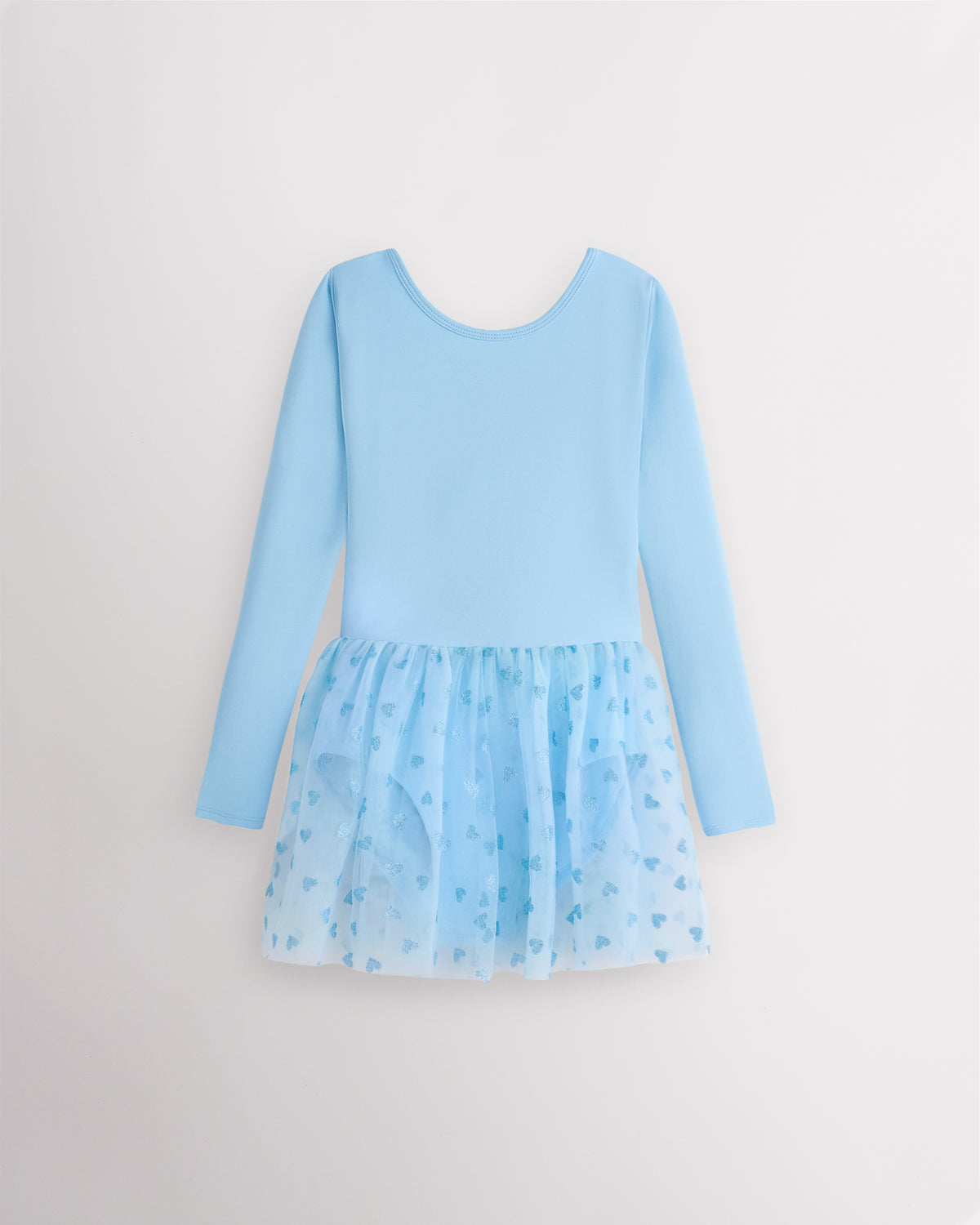
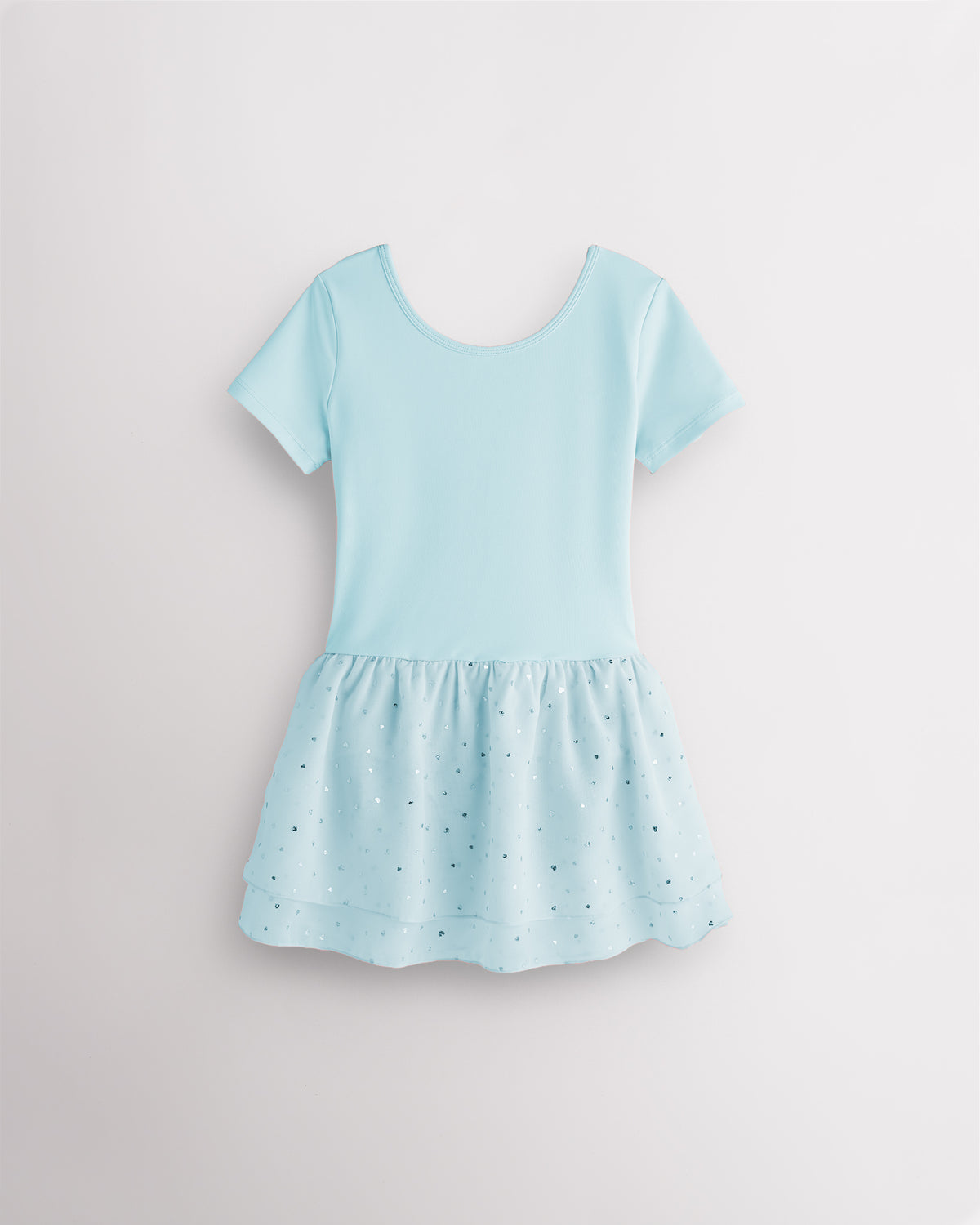
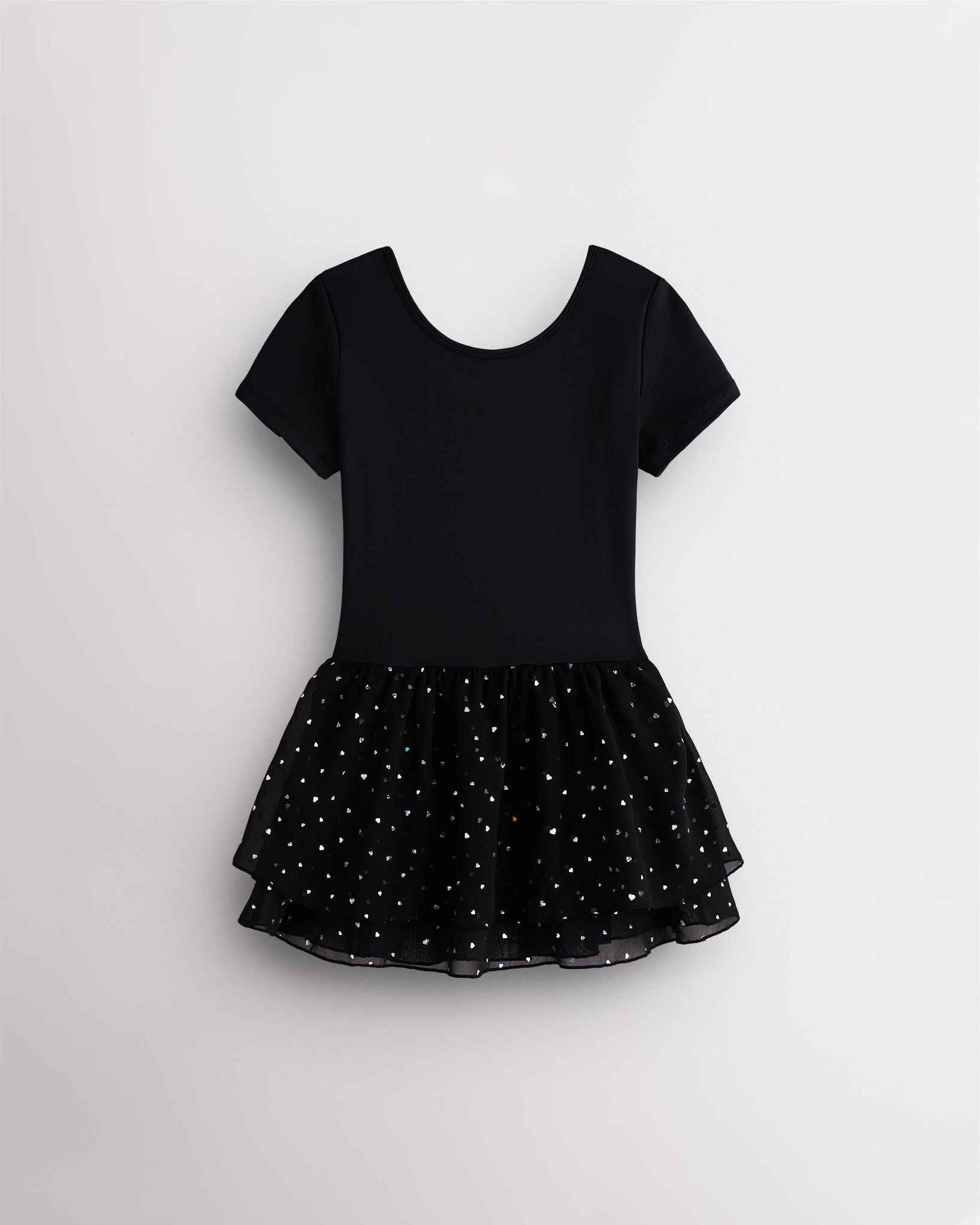
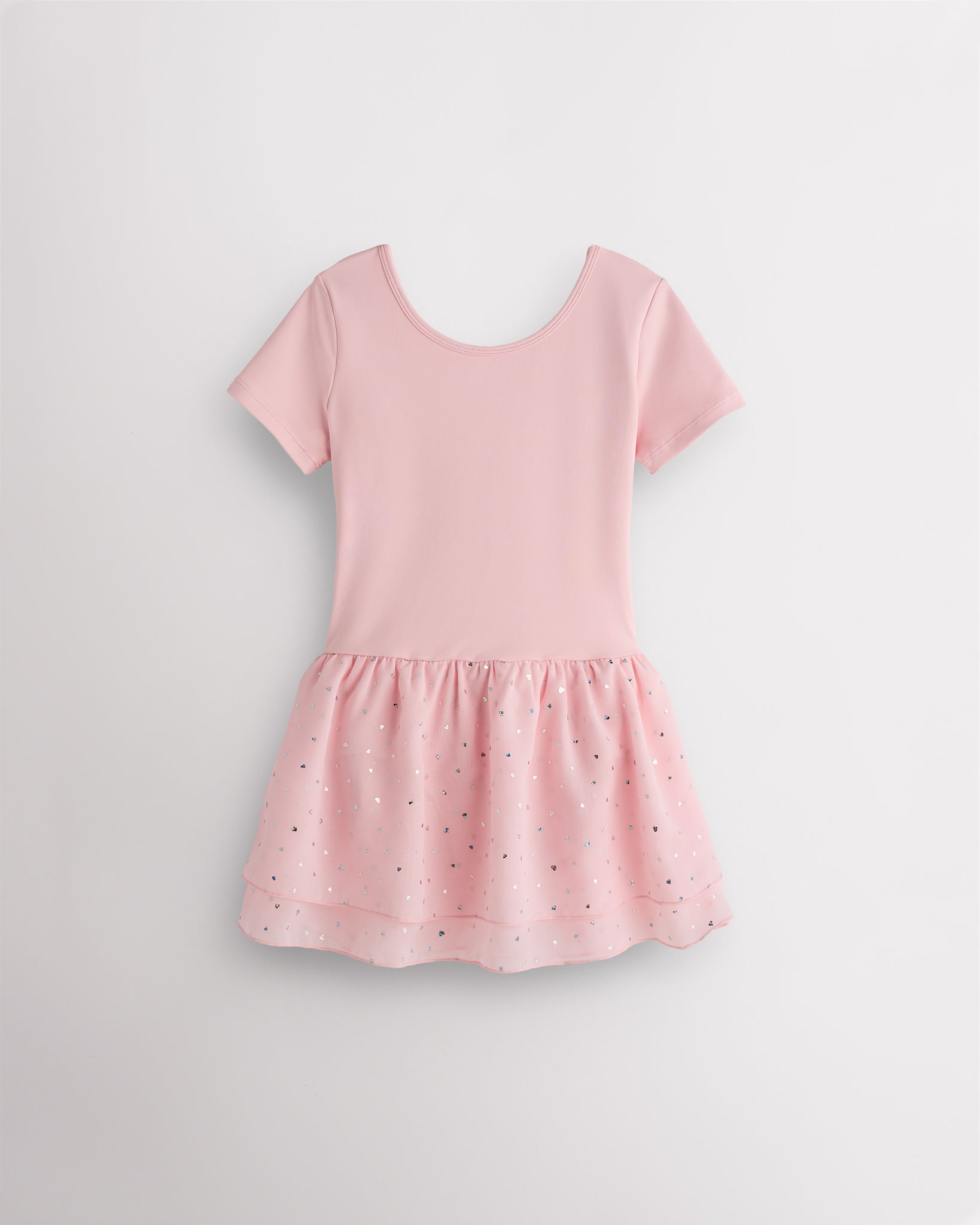
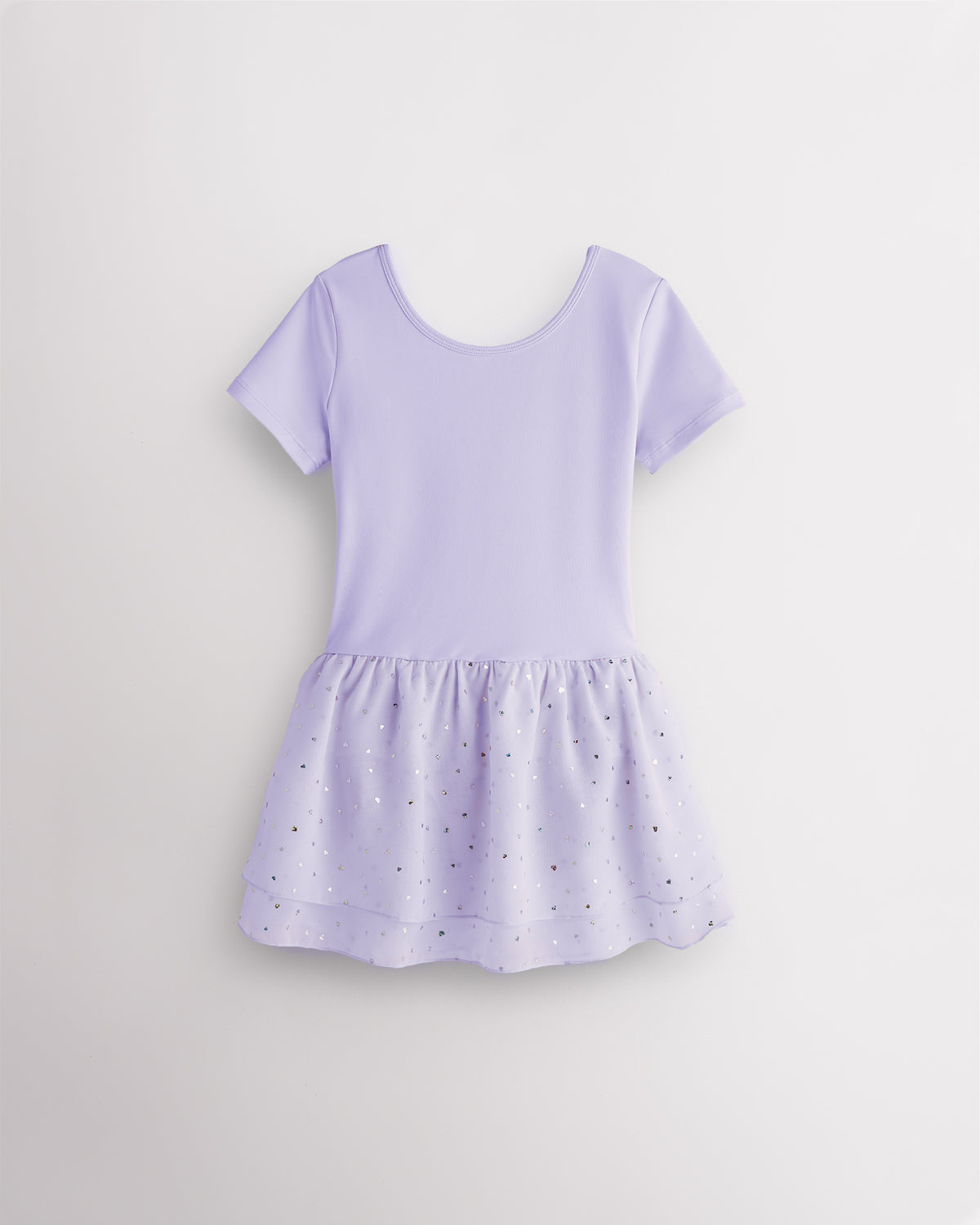
Stelle carries cotton leotards alongside nylon-spandex and polyester-spandex performance styles, in simple, class-ready cuts including cotton short sleeve leotards, cotton long sleeve leotards, cotton camisole leotards, tank styles, and skirted options. That range makes it easier to match cotton leotards for girls (or a performance option, if that fits her better) to your child's dress code, comfort preferences, and how she likes to move. If she is a beginner taking one or two classes a week, a soft short sleeve or camisole cotton leotard is usually a comfortable starting point. If she is training more often, our nylon leotard and performance styles are built to keep up with that pace, and for recitals or competitions, our performance styles are worth a look once you have confirmed what the studio requires.
For more on choosing the right style, sleeve length, and fit, our leotard buying guide covers those details, and you can browse the full range in our girls' leotards collection.
As a mom-trusted, woman-founded brand making girls' dance essentials since 2015, loved by 15M+ families with a 4.9 out of 5 rating, comfort and everyday practicality are what we design for.

Frequently Asked Questions
Does cotton absorb sweat or wick it away?
Cotton absorbs sweat rather than wicking it away. That means a cotton leotard can feel a little damp after an active class, which is a normal property of the fabric rather than a flaw. If your child sweats heavily or trains often, a performance fabric will feel drier throughout class.
Is cotton good for sensitive skin?
Often, yes. Many kids find cotton softer and less irritating than slick or scratchy synthetic-feeling fabrics, which is why it is a common first choice for young beginners. If your child has a known skin condition or allergy, it is worth checking the fiber label and following your doctor's advice.
Is cotton-spandex better than a performance fabric like nylon-spandex?
Not necessarily better, just suited to different needs. Cotton-spandex is softer, more breathable, and more budget-friendly, which makes it a great everyday choice. Nylon-spandex performance fabric dries faster and holds up better under frequent, high-intensity training or repeated performances. For one or two classes a week, cotton-spandex is usually all she needs.
When might performance fabric be a better choice than cotton?
For recitals, competitions, or team requirements, follow the studio's dress code first, since it often decides the fabric for you. When families do have a choice, performance fabric tends to suit frequent training and tumbling best, since it dries faster and holds its shape under repeated, high-intensity movement.
How should a cotton leotard fit?
It should sit close to the body without gaping at the neckline or digging in at the straps and leg openings, and your child should be able to raise her arms, bend, and stretch without adjusting it constantly. Sizing up for room to grow usually causes more bunching than it is worth.
How do you wash a cotton ballet leotard without shrinking it?
Cold water, a mild detergent, no bleach, and air drying whenever possible. Heat is the main culprit behind shrinking and lost stretch, so keeping the leotard away from hot water and high dryer heat makes the biggest difference. See the care section above for the full routine.
Cotton is a good, honest starting point for a lot of young dancers, especially early on. As your child's training grows, it is worth revisiting whether cotton or a performance fabric fits her routine better, and it is completely fine to change course as her needs change.