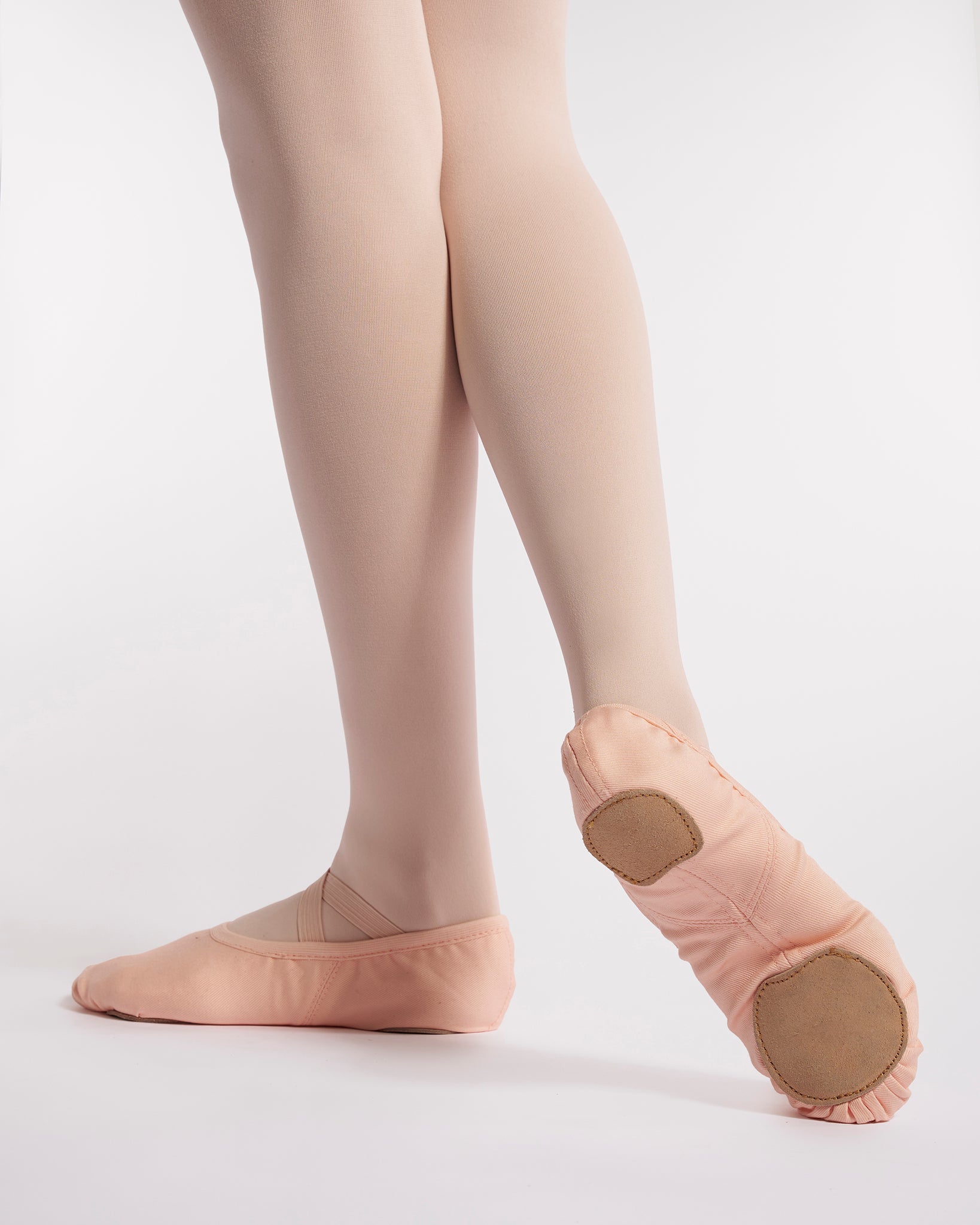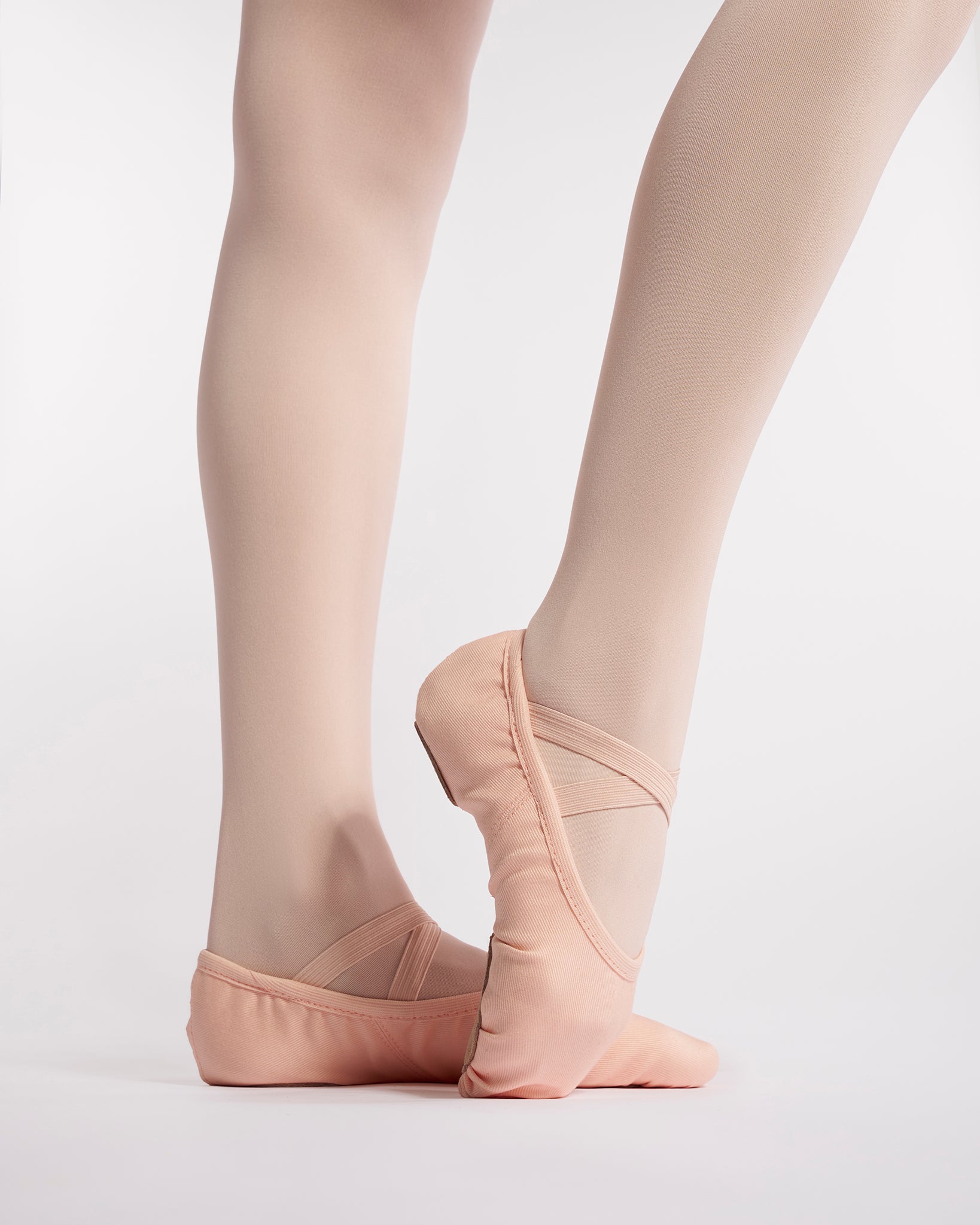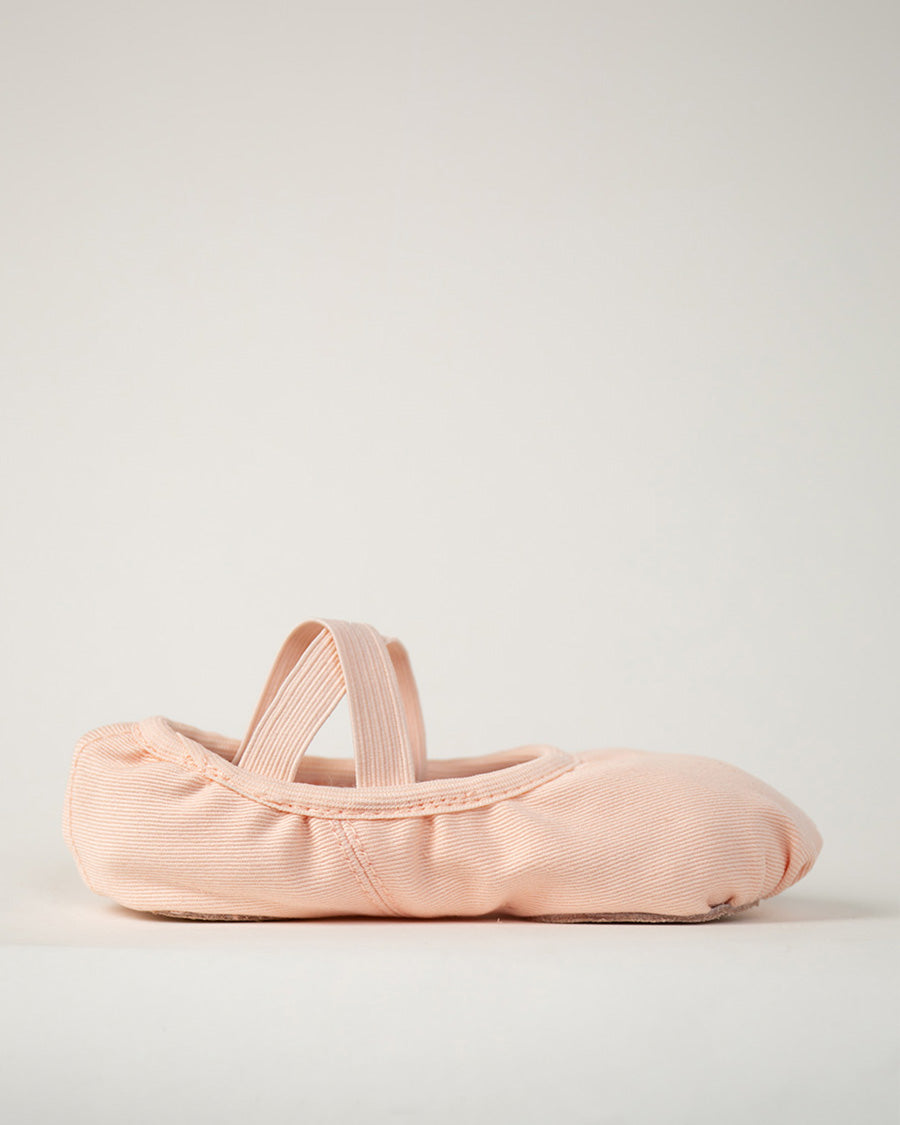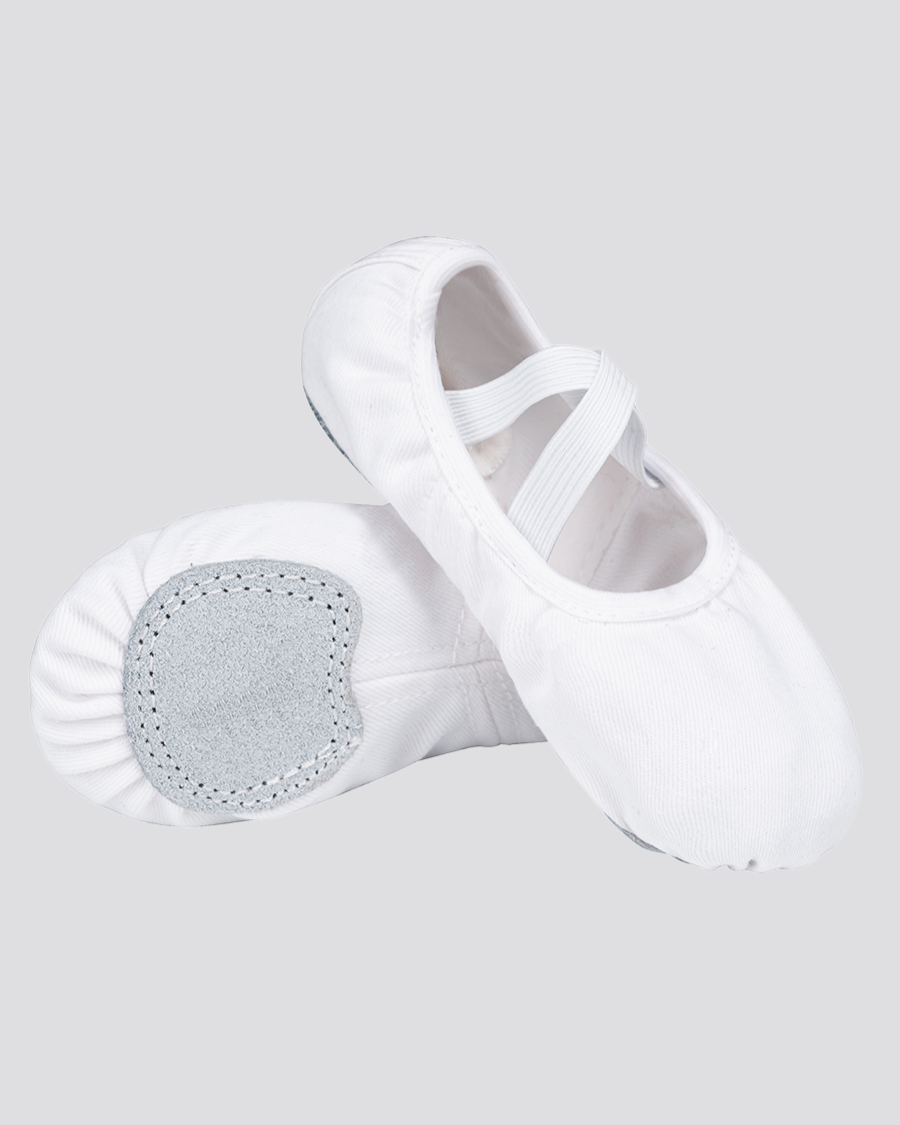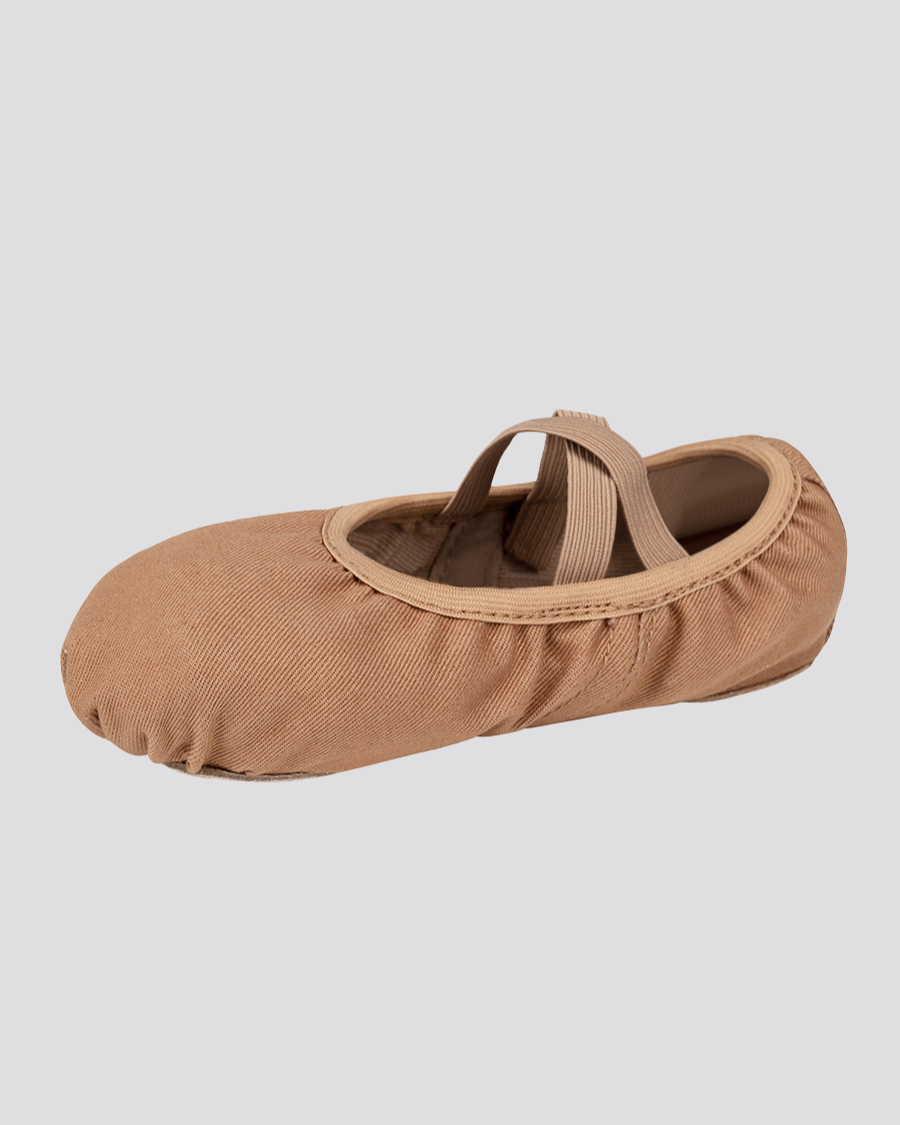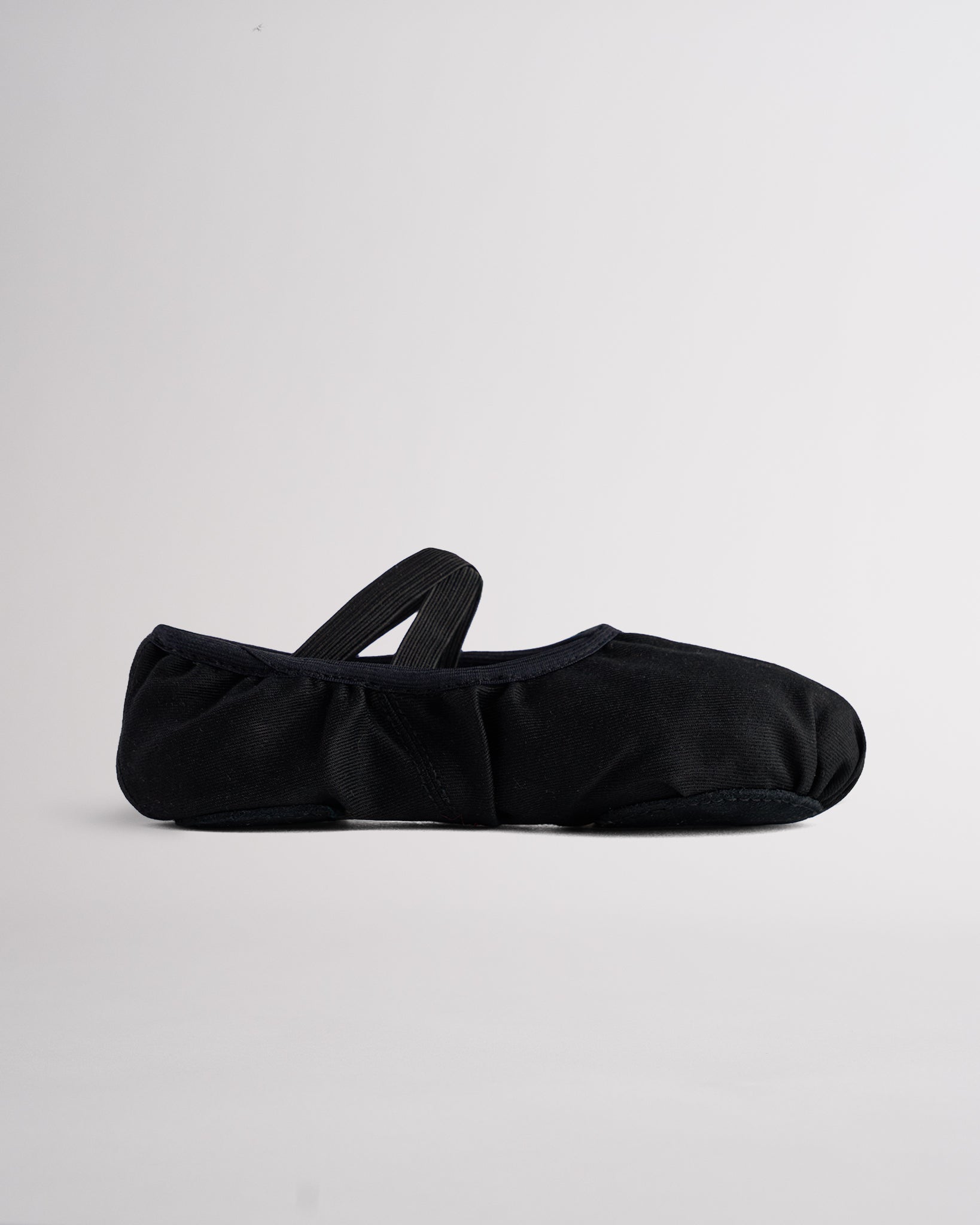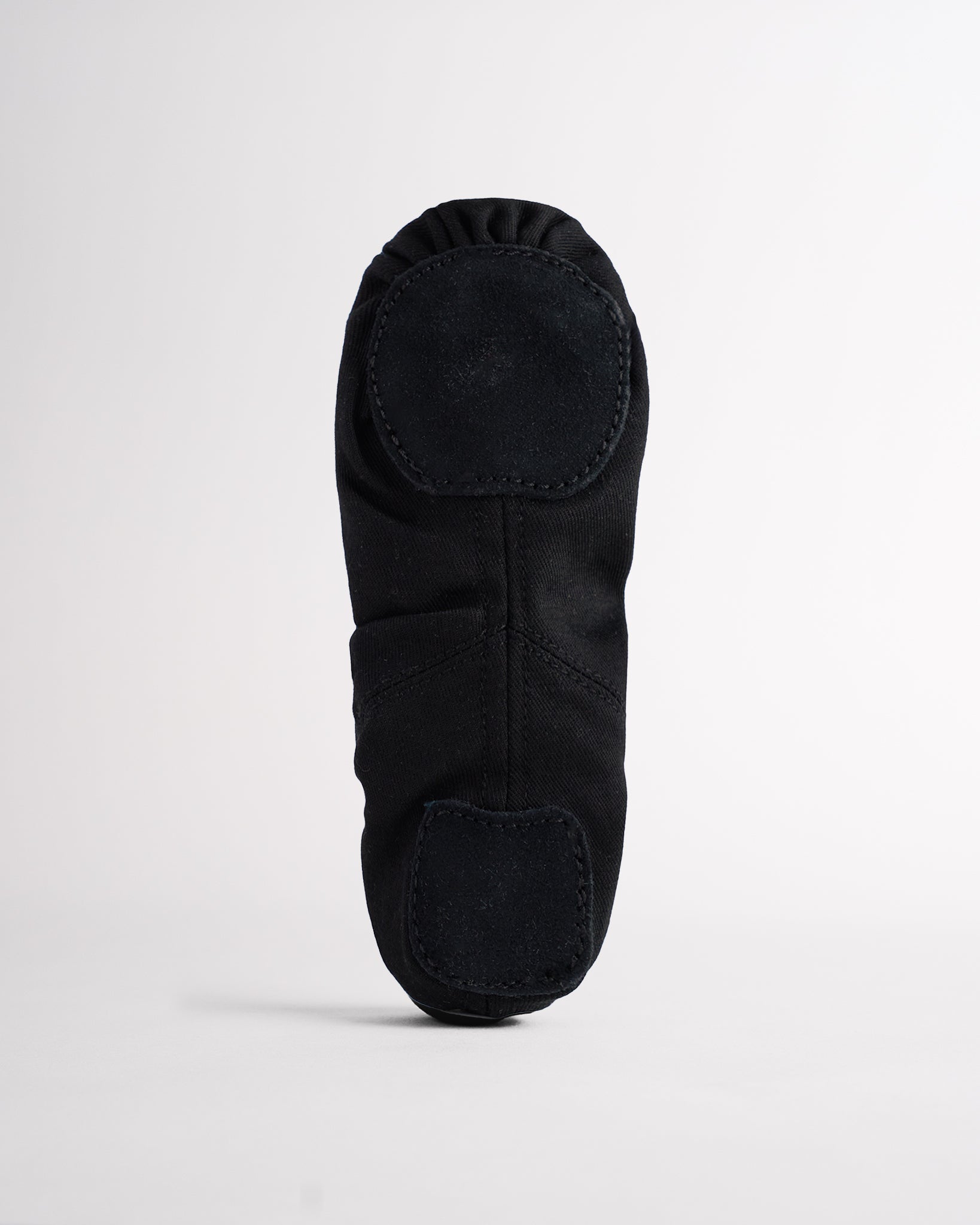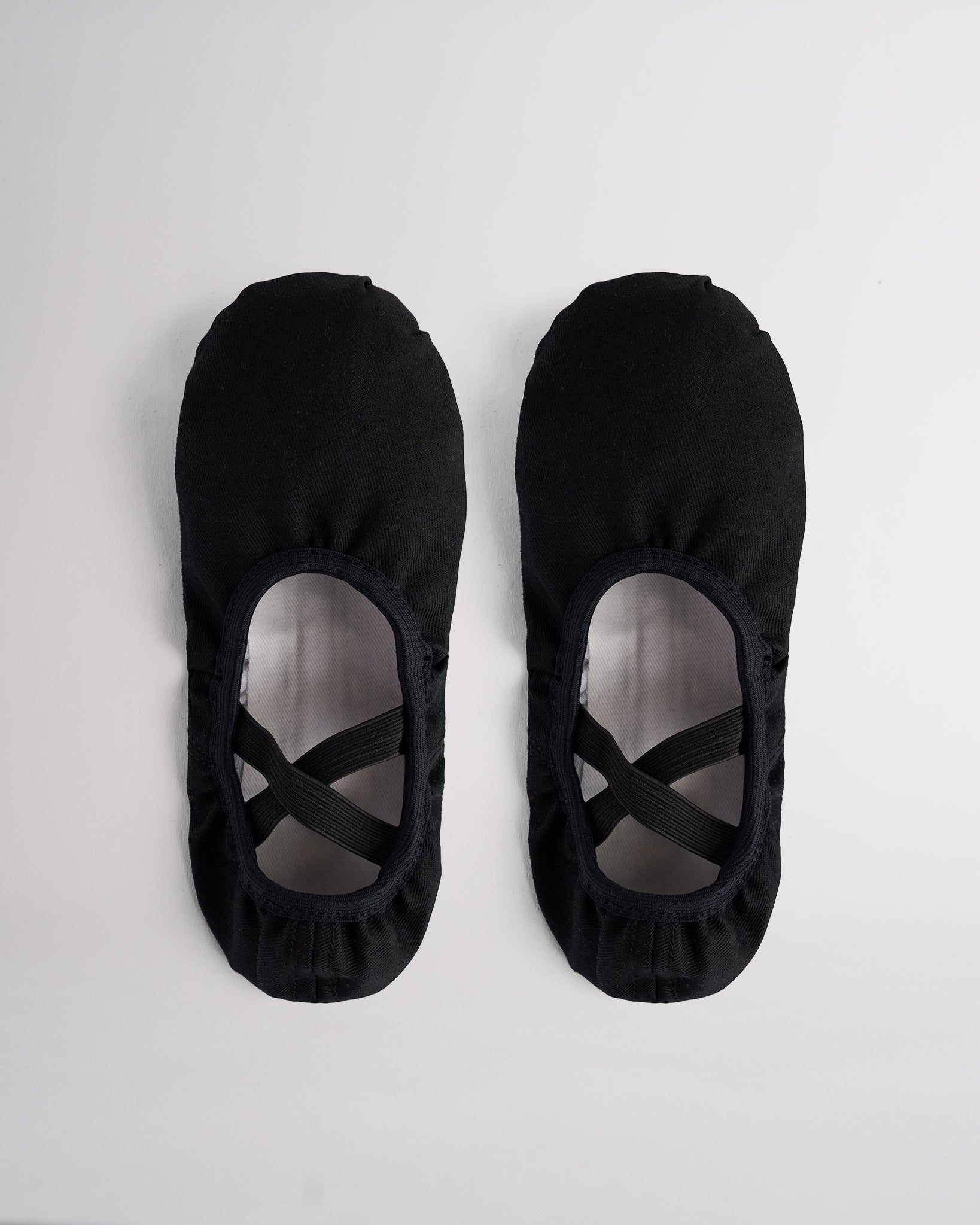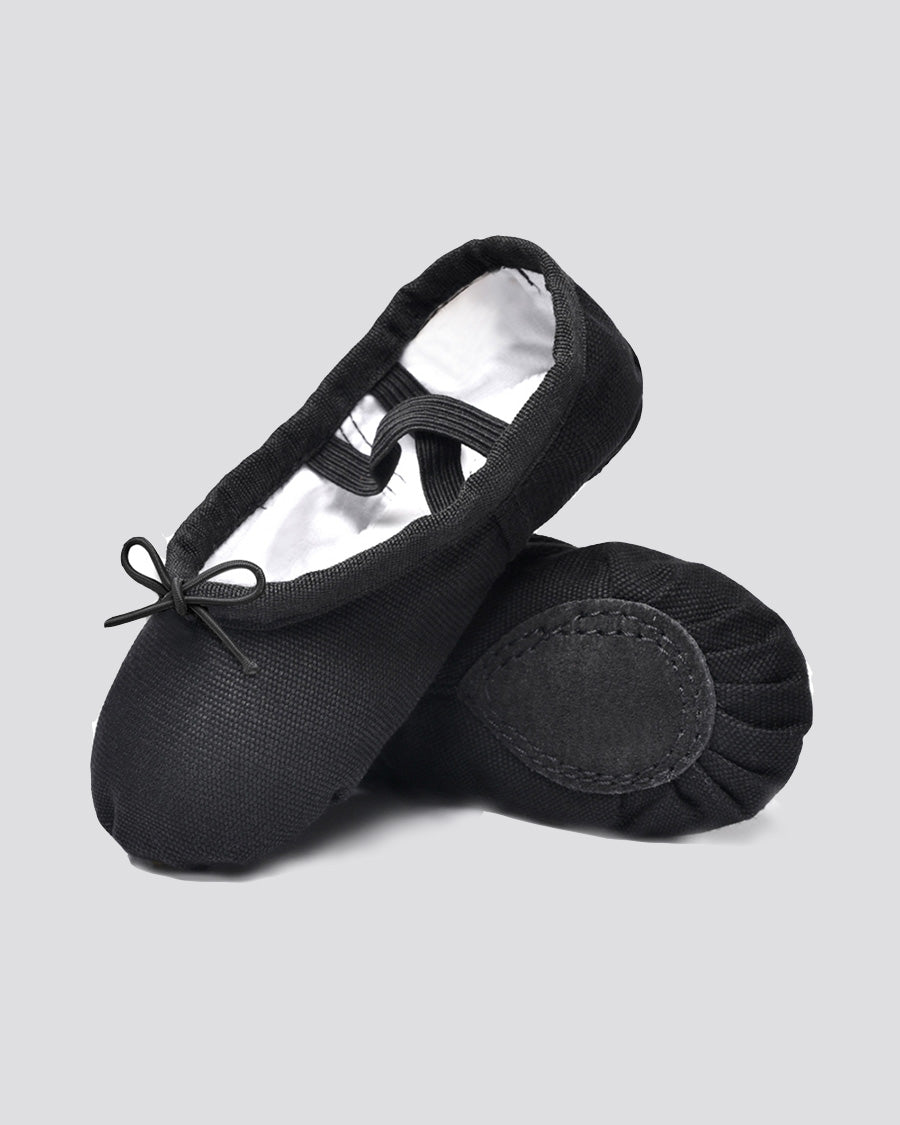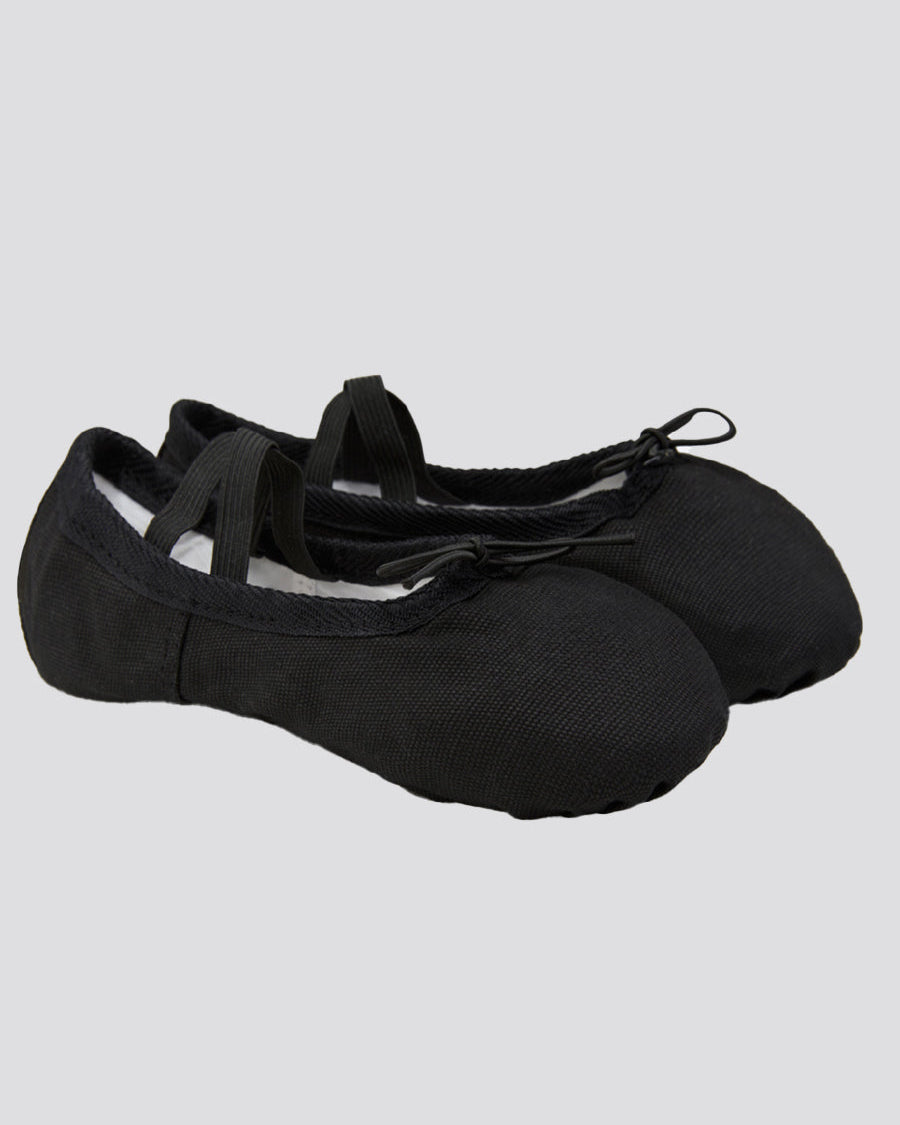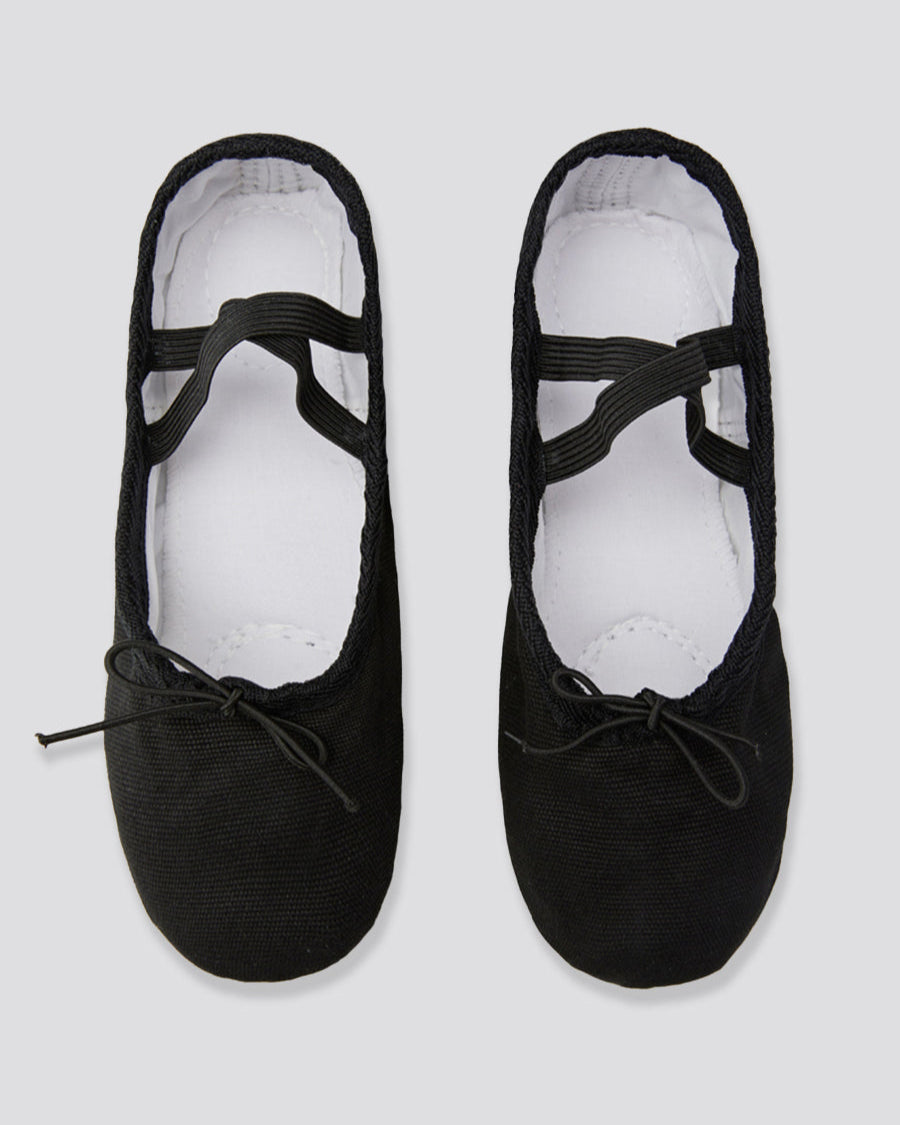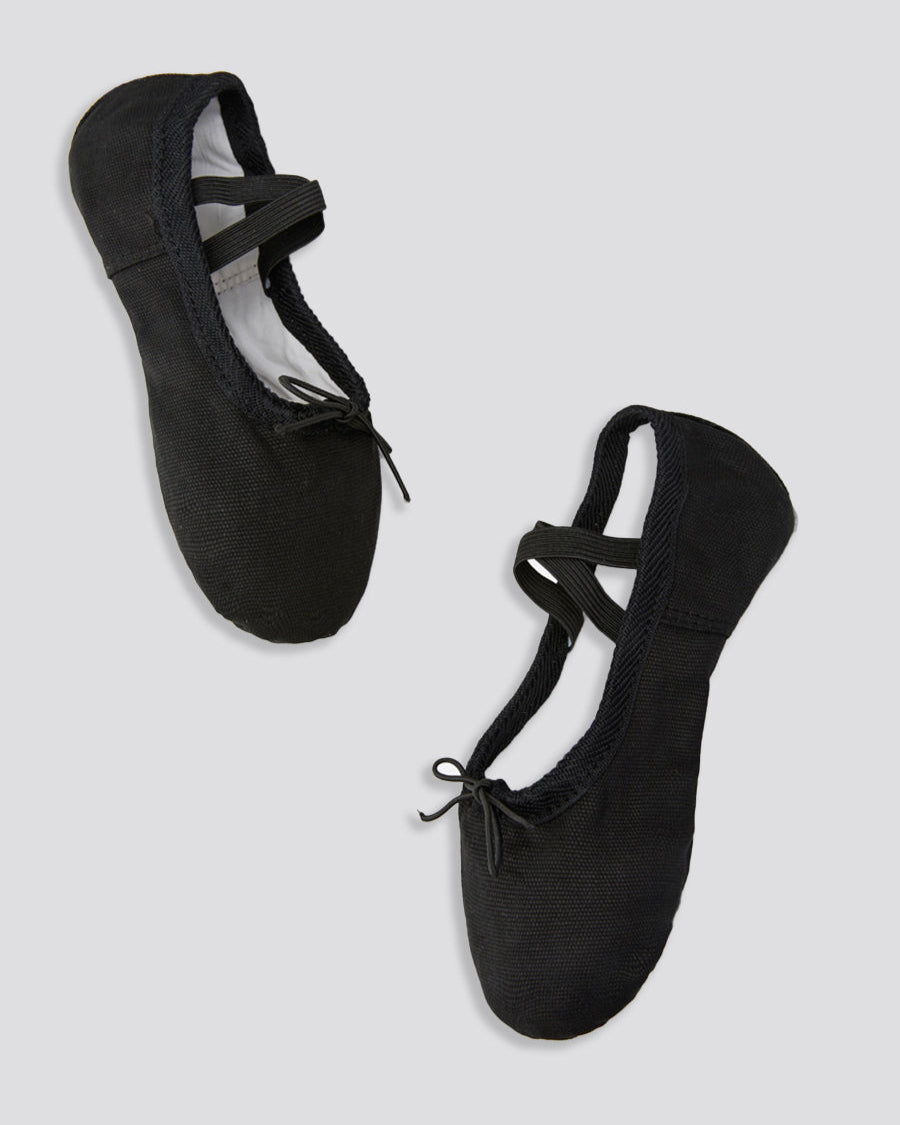




A Complete Stelle Buying Guide: How to Choose the Right Ballet Shoes for Kids
Table of contents
When your child starts ballet, choosing the right pair of ballet shoes can feel overwhelming with so many options out there. The truth is, small differences like material, sole, and design can greatly affect how your child moves and feels on the dance floor. This guide will walk you through everything you need to know so you can find the perfect fit for your little dancer.
Already know which material you're looking for? Jump straight to our dedicated buying guides:
Types of Ballet Shoes Materials
Not sure where to start? Here's a quick overview of the most common ballet shoe materials to help you get started.
|
Type |
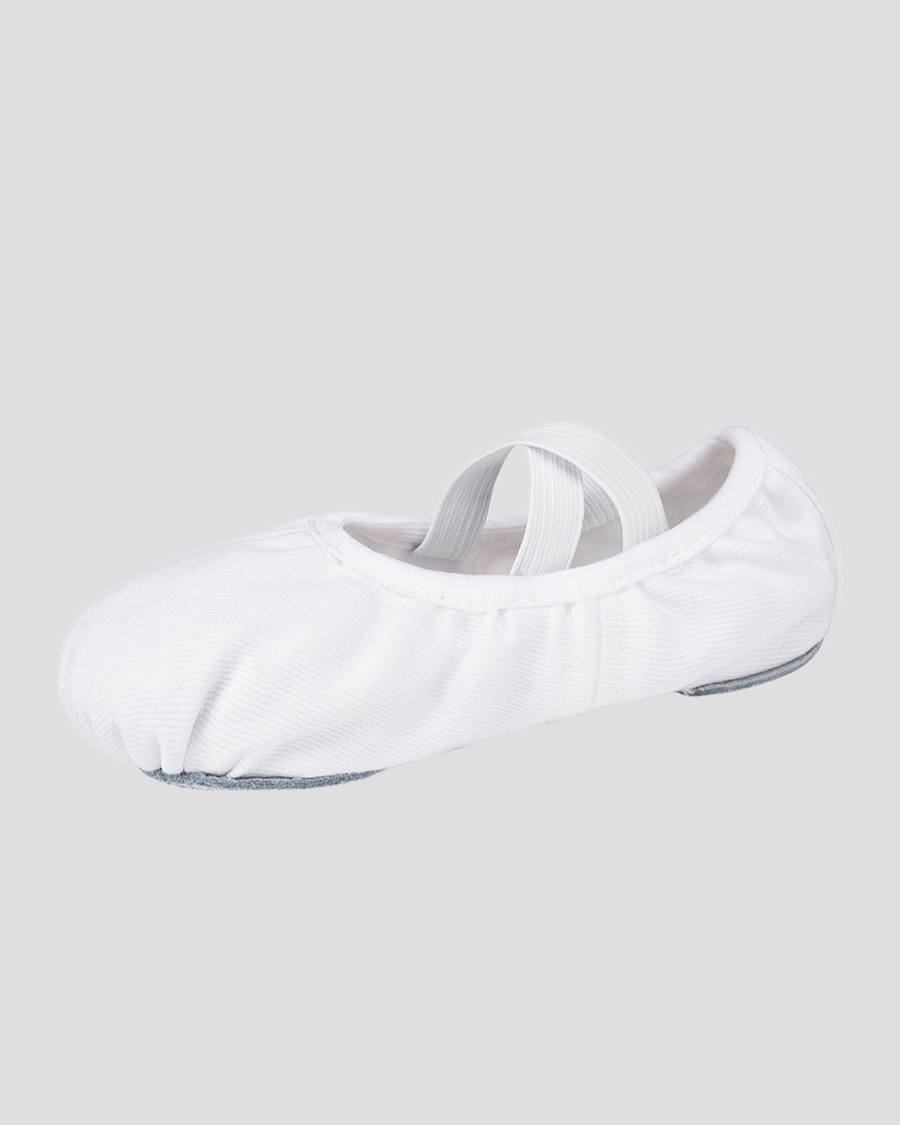
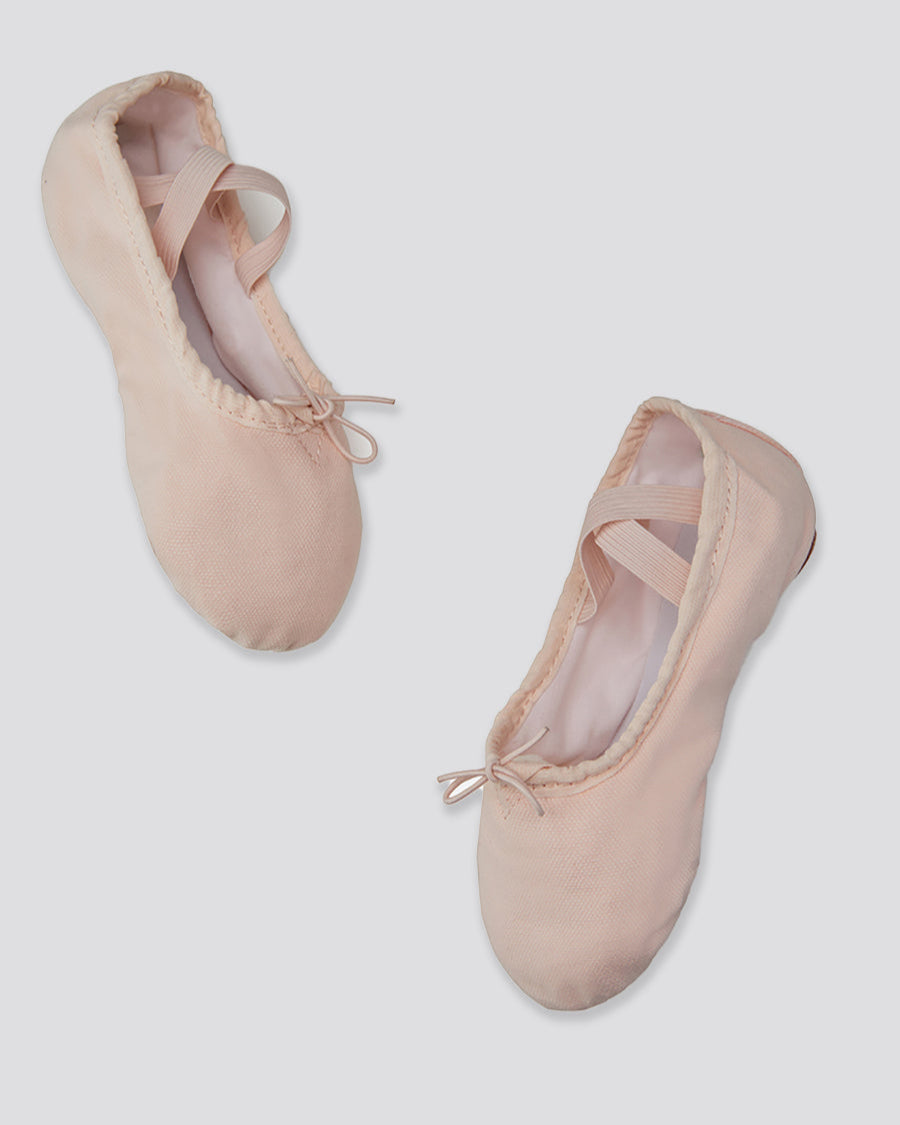
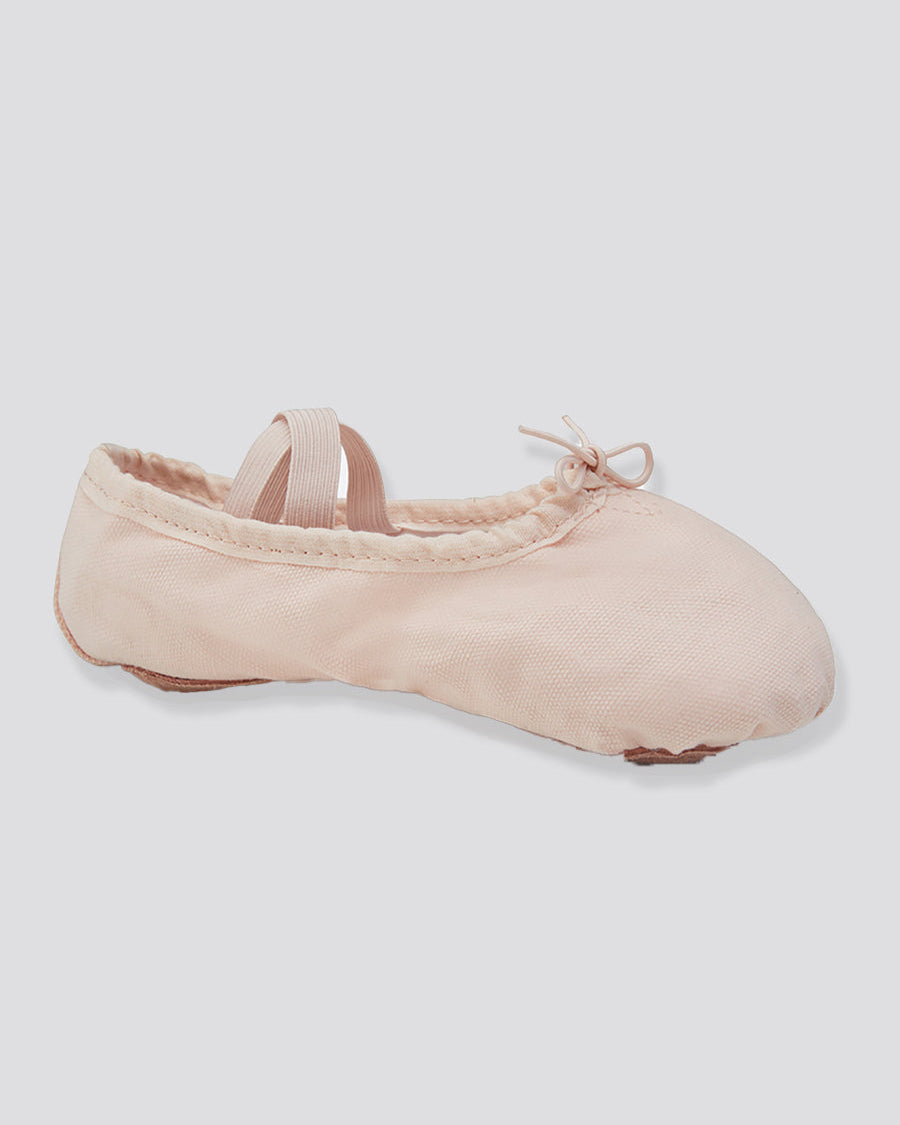
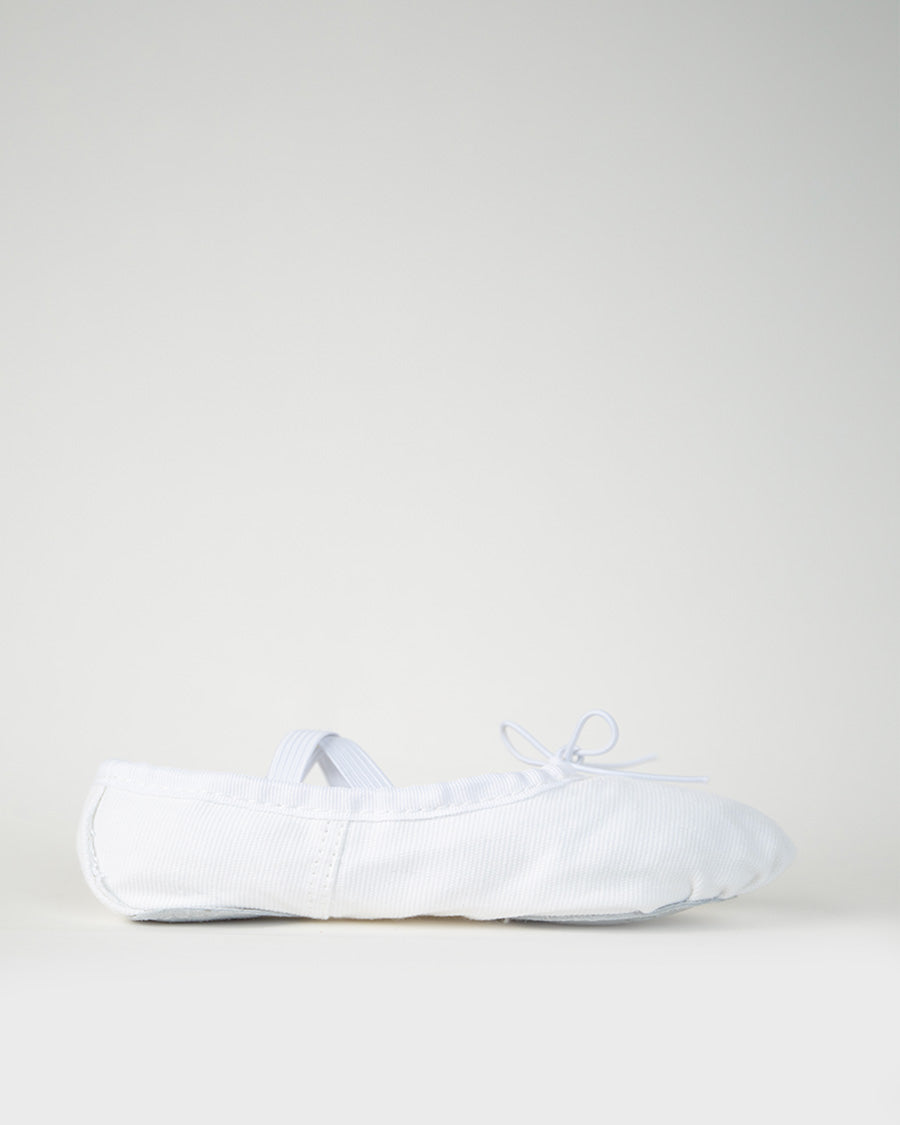
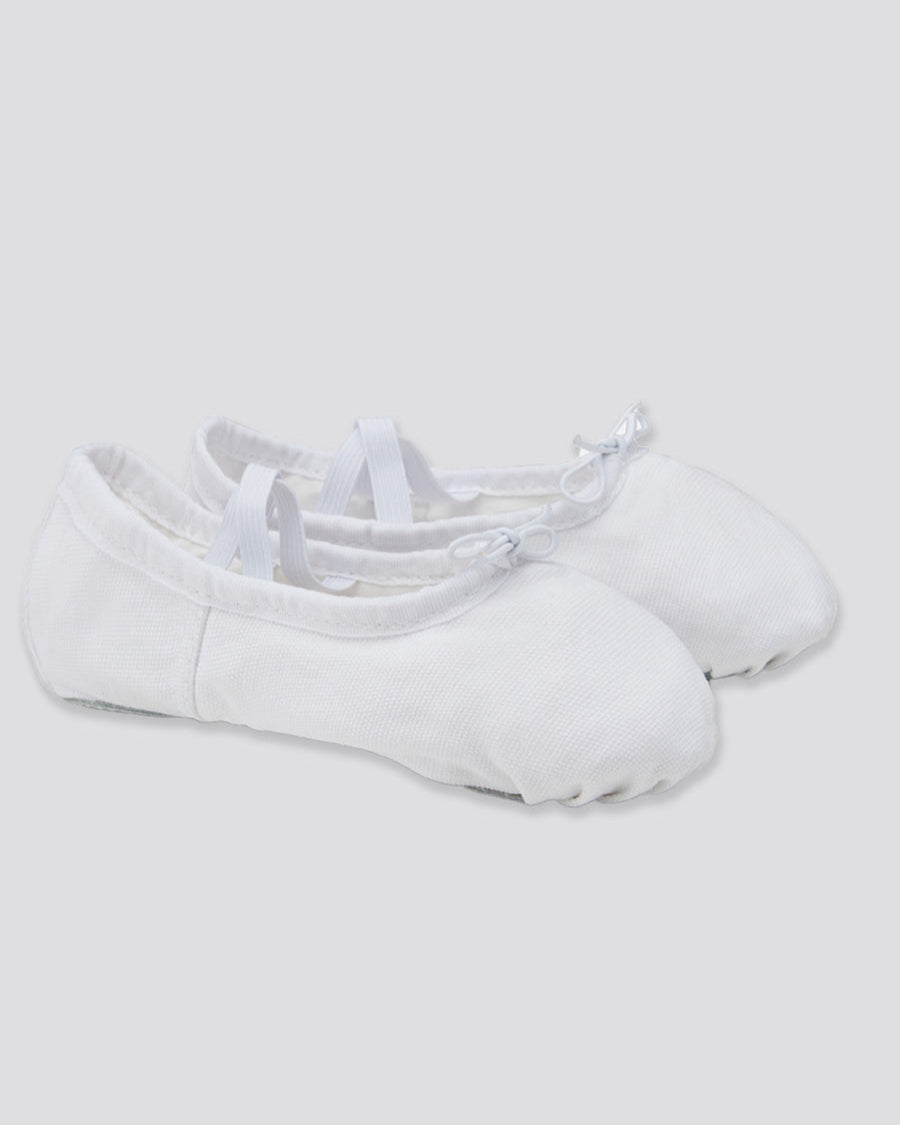
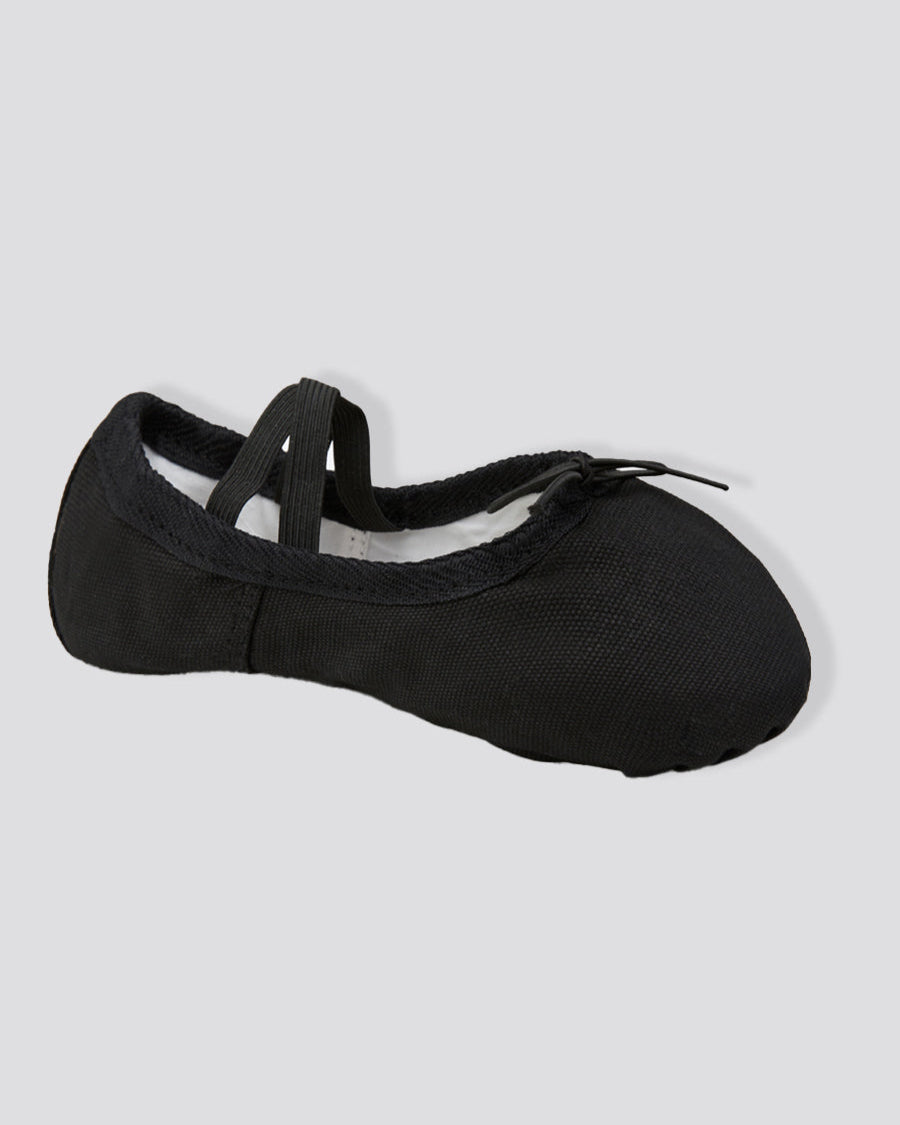
Canvas |
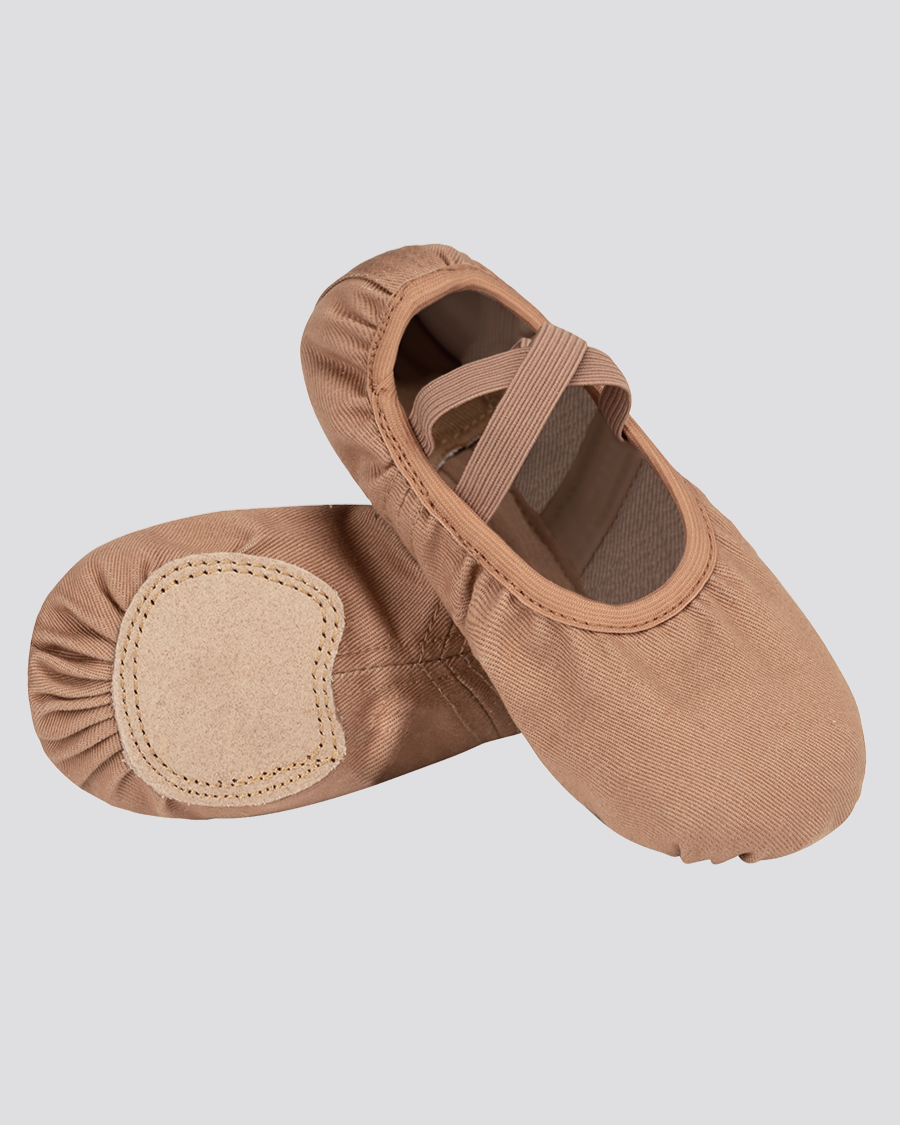
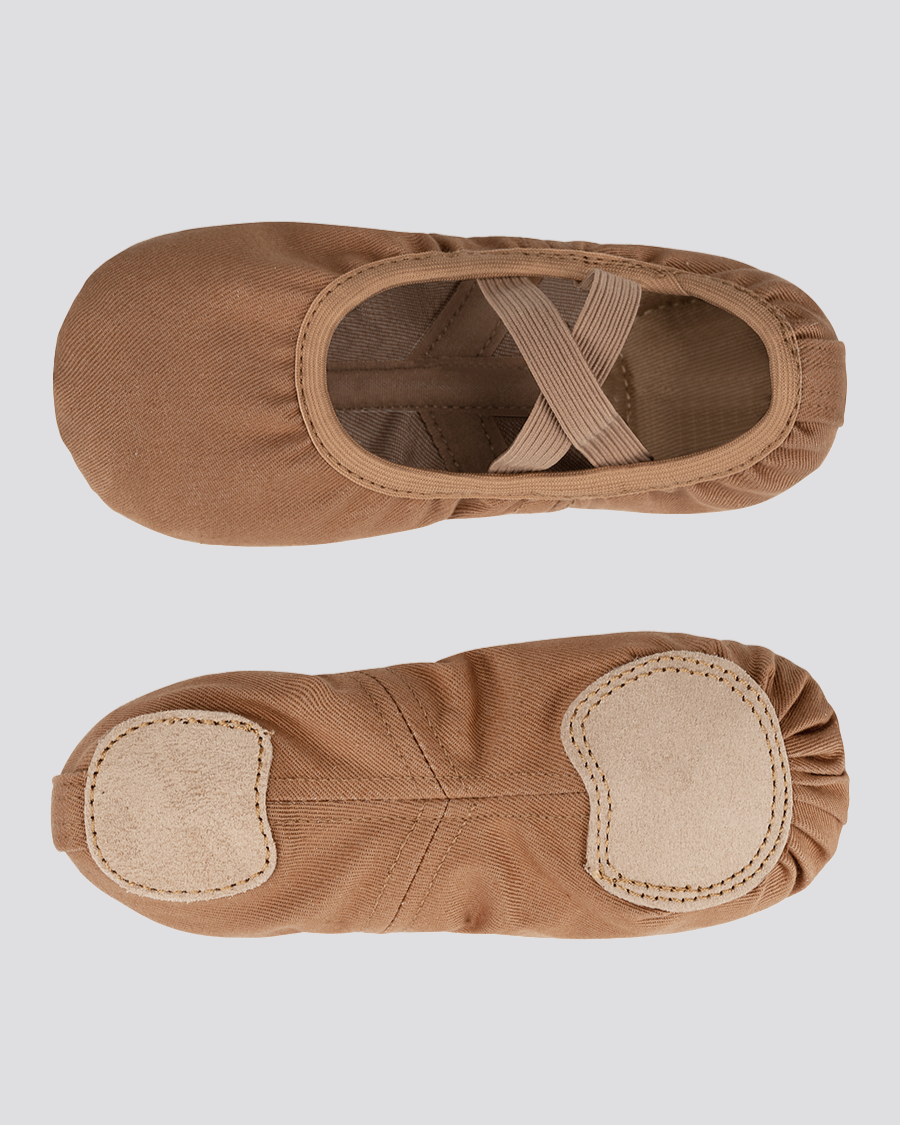
Stretch Canvas |
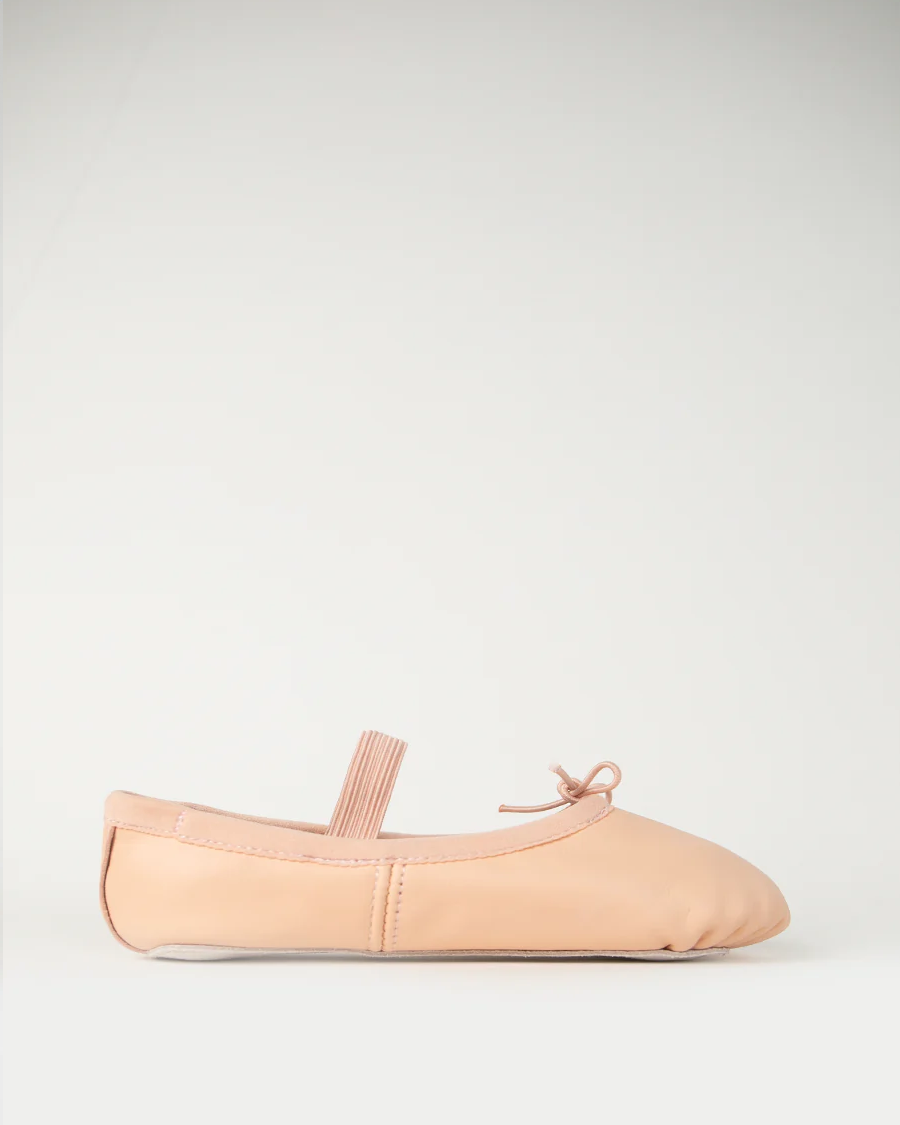
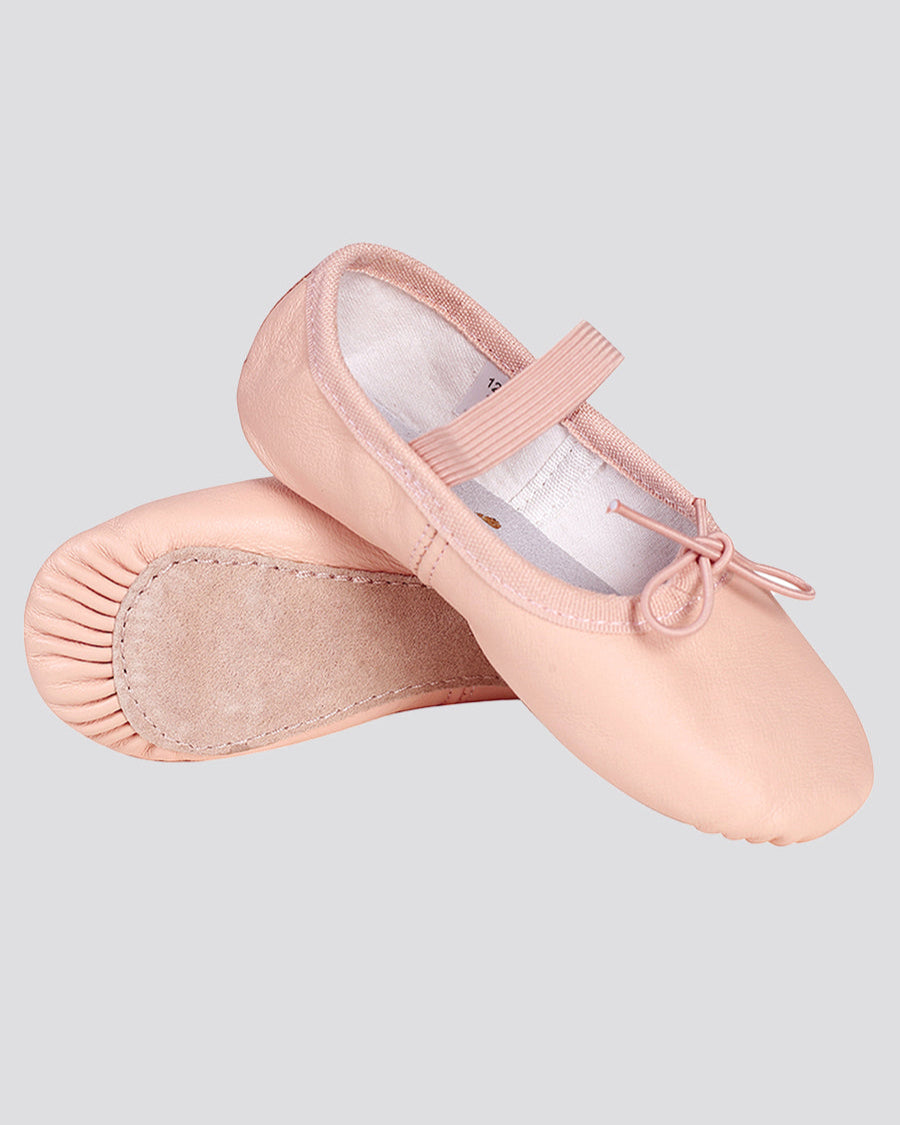
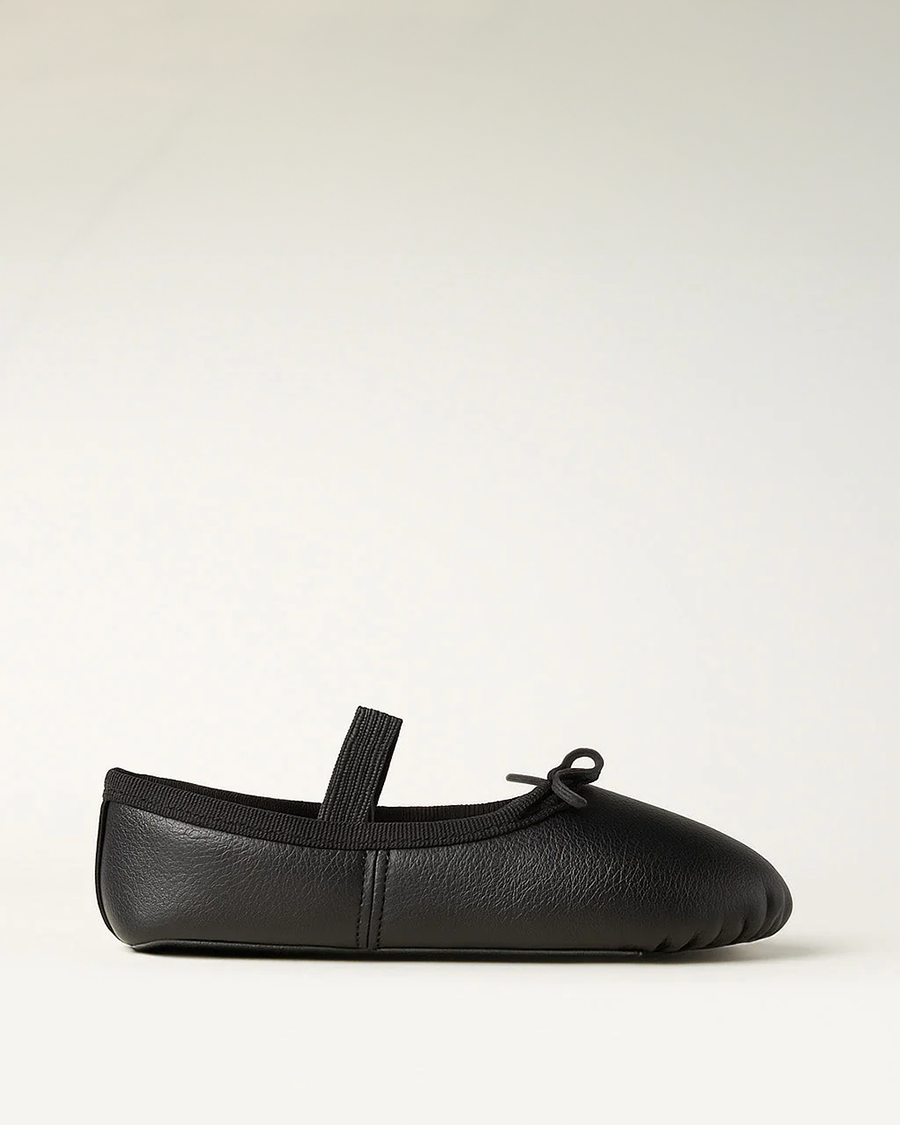
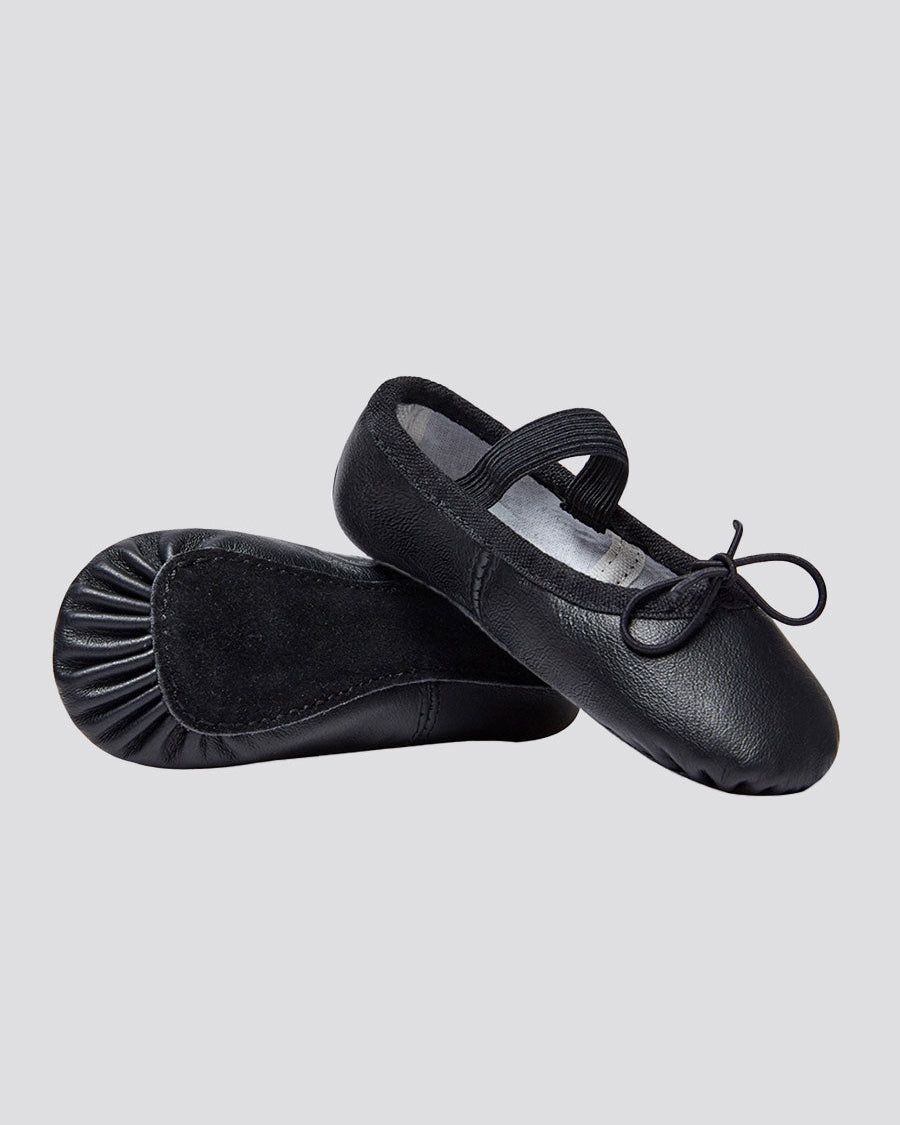
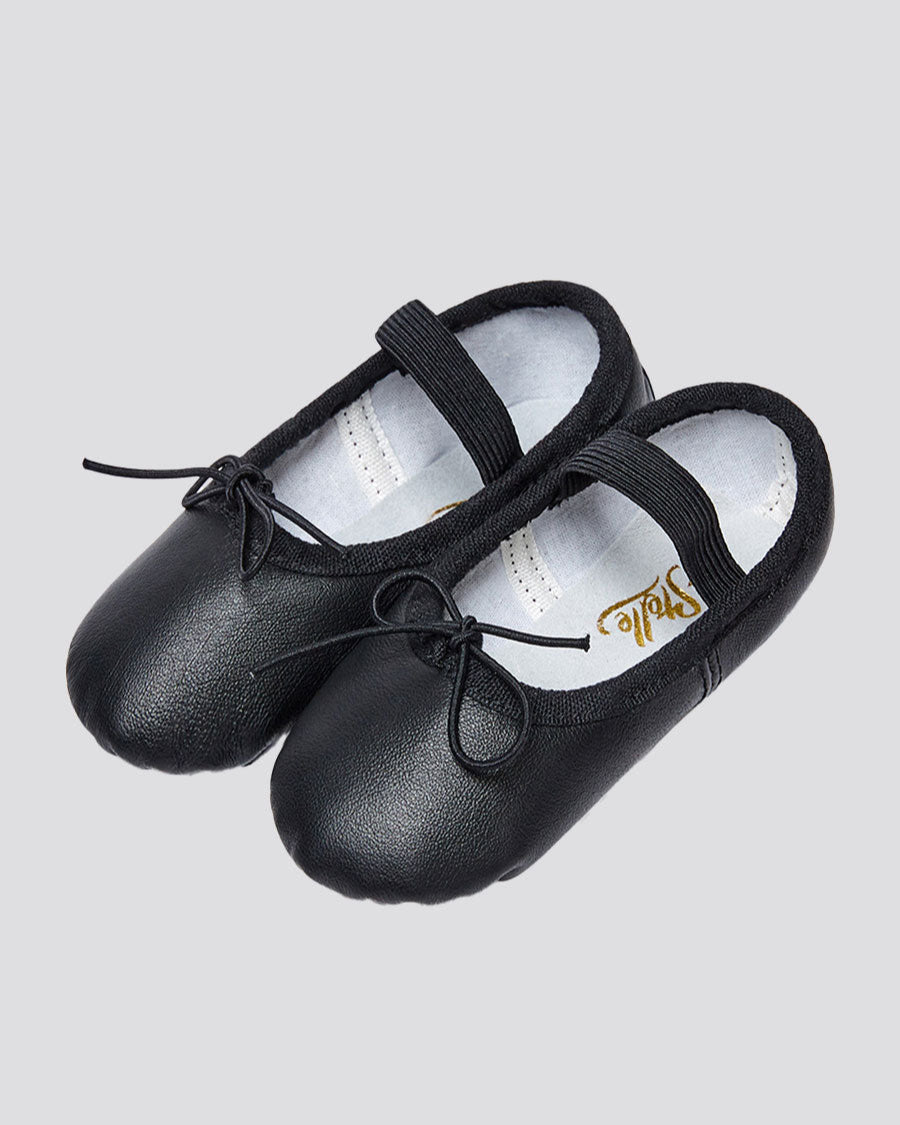
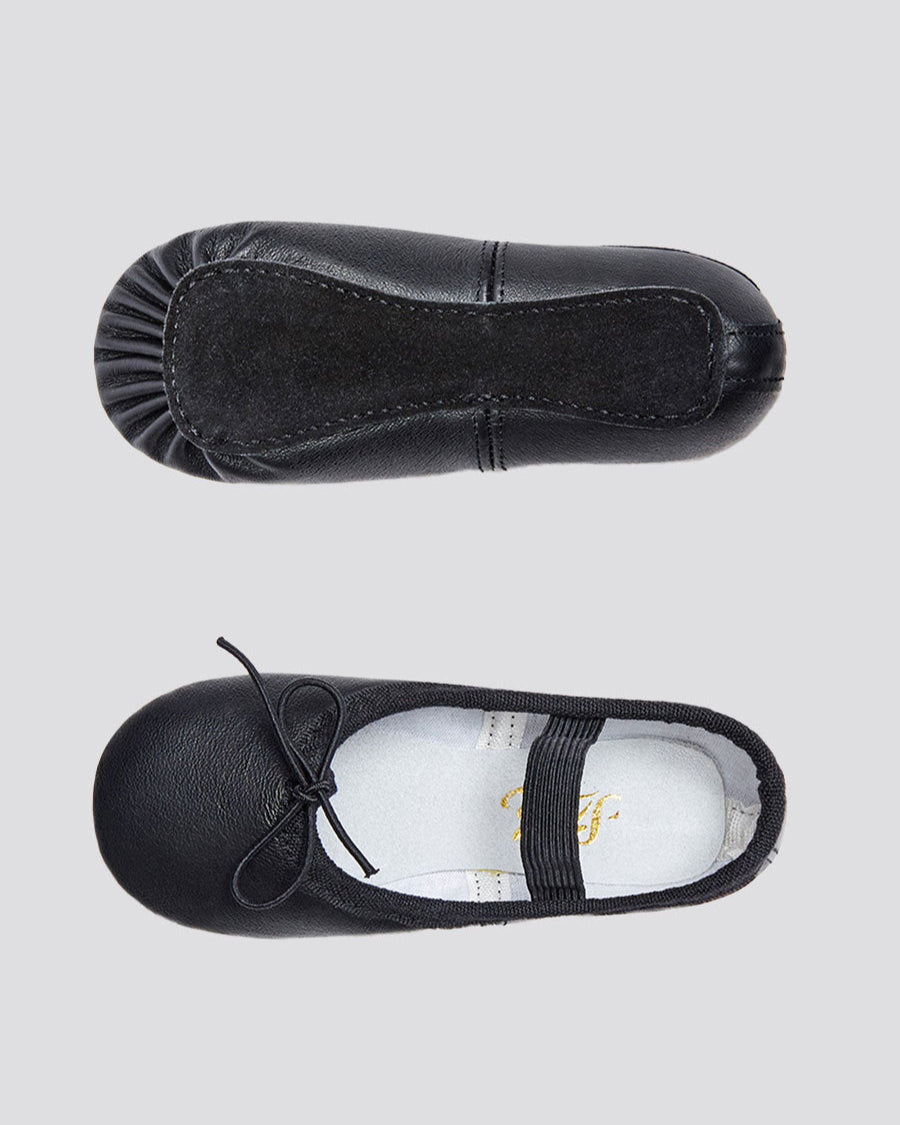
Leather |
Vegan Leather |
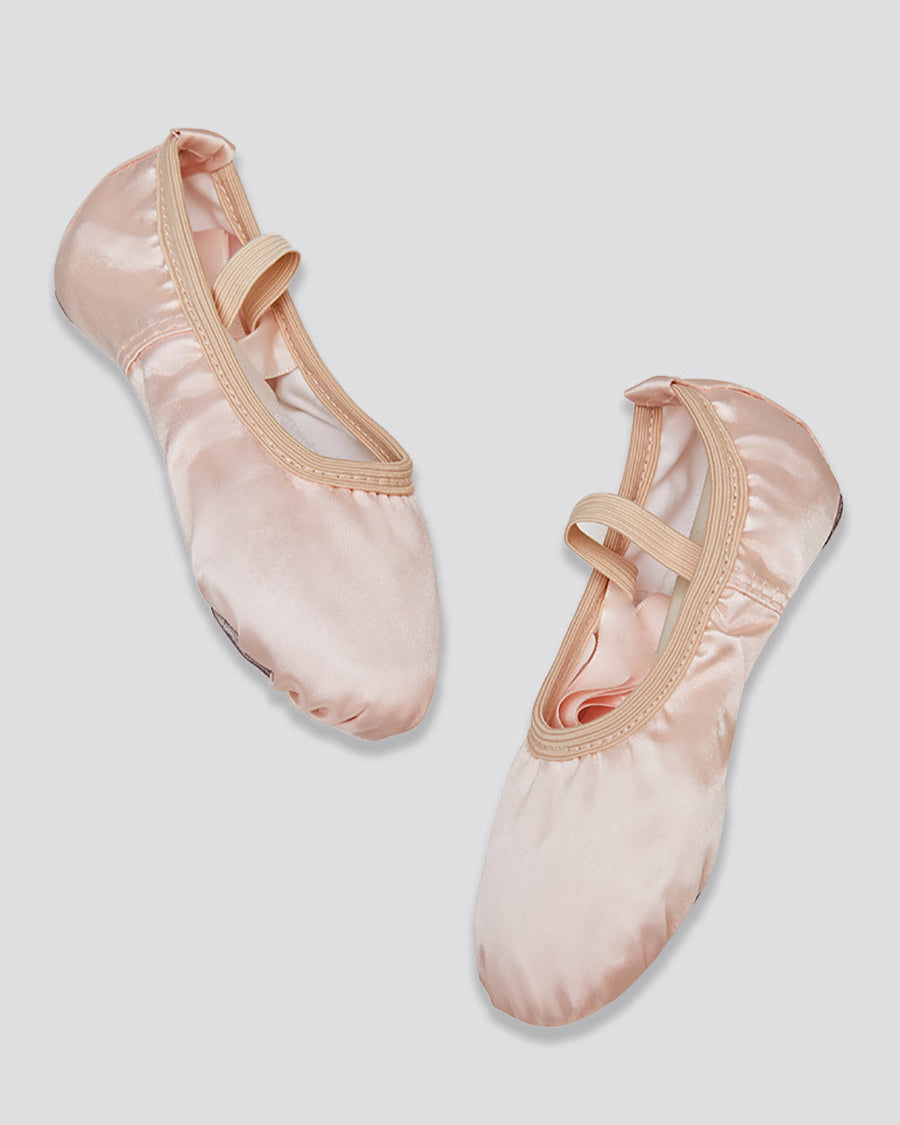
Satin |
|
Material |
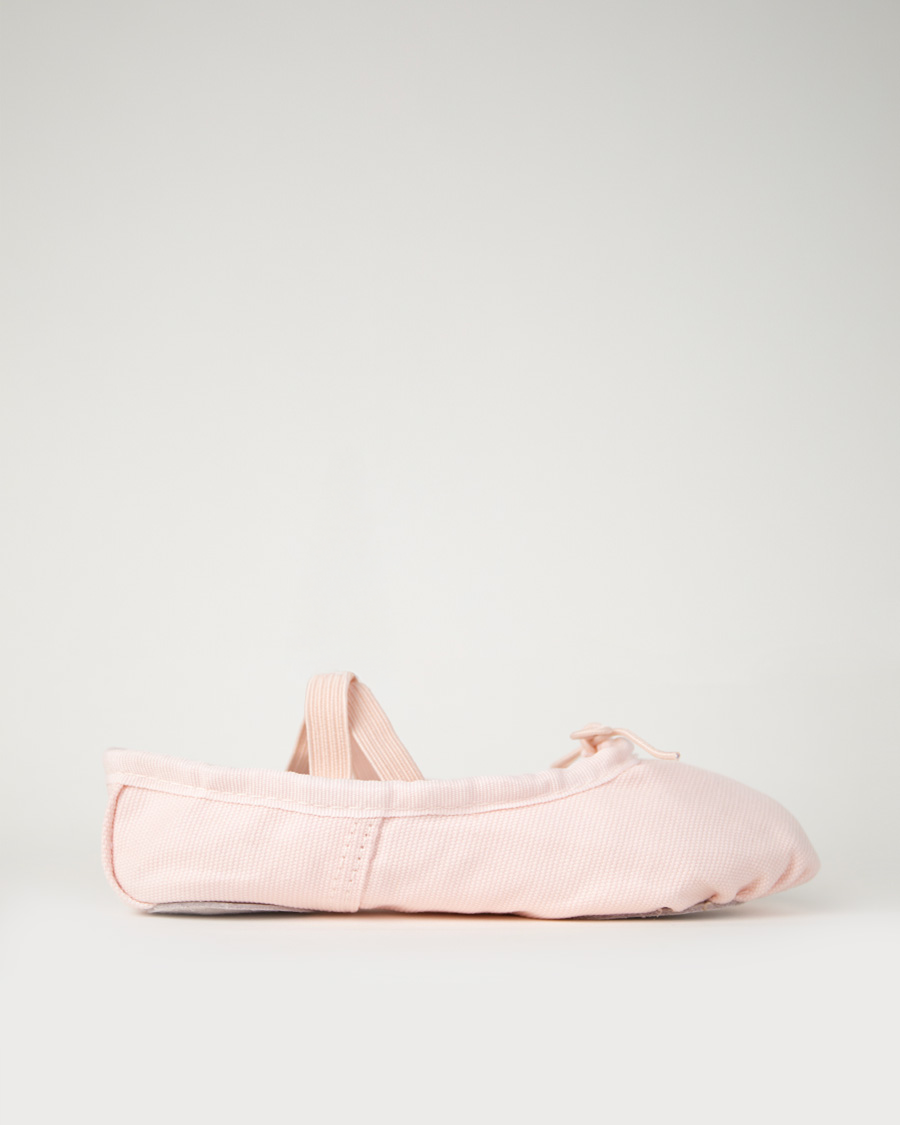
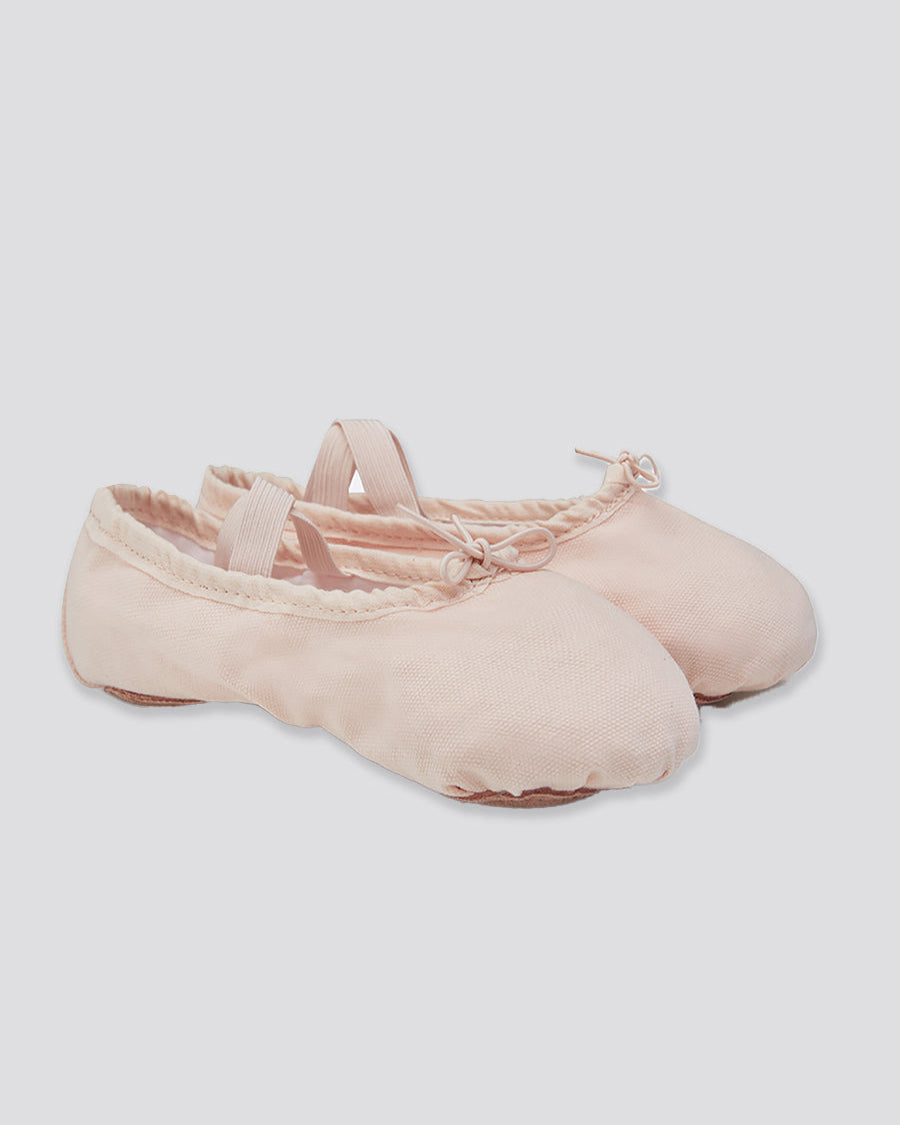
Cotton fabric |
Elastic canvas blend |
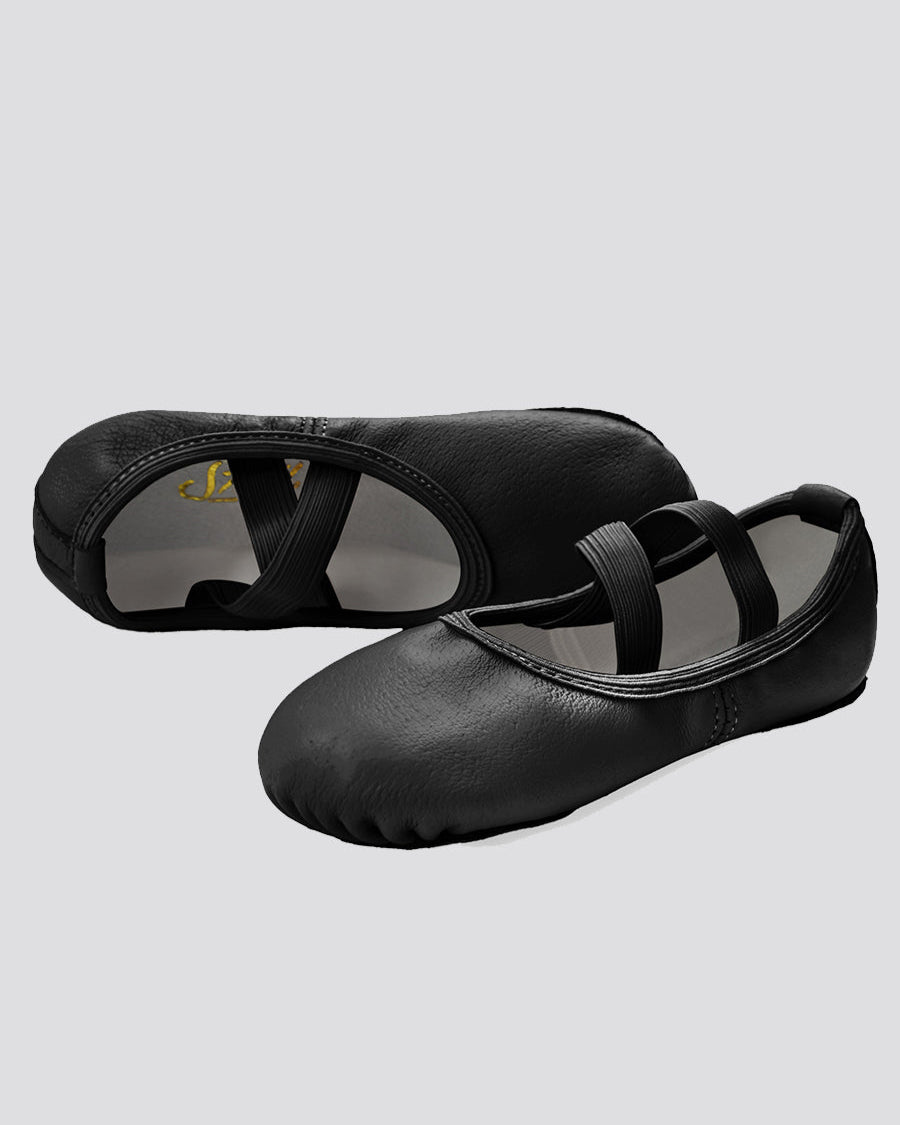
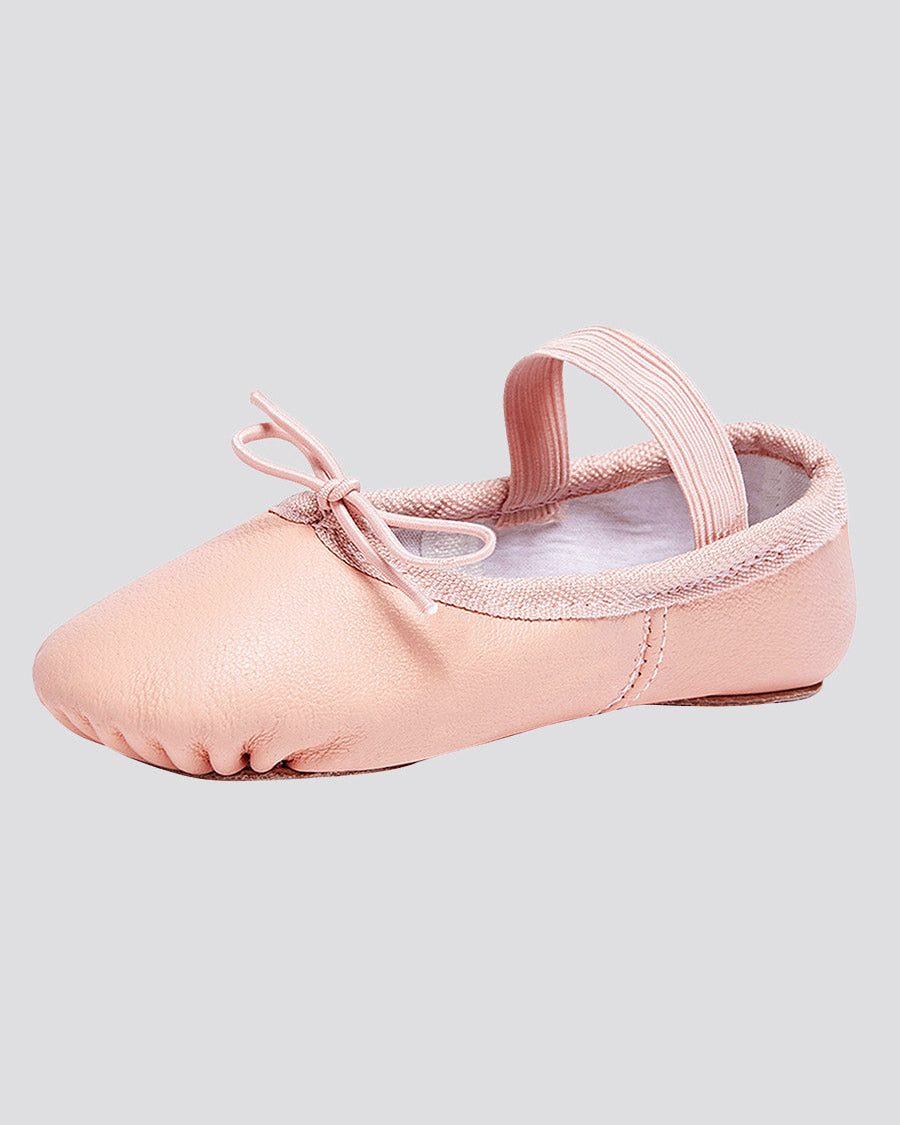
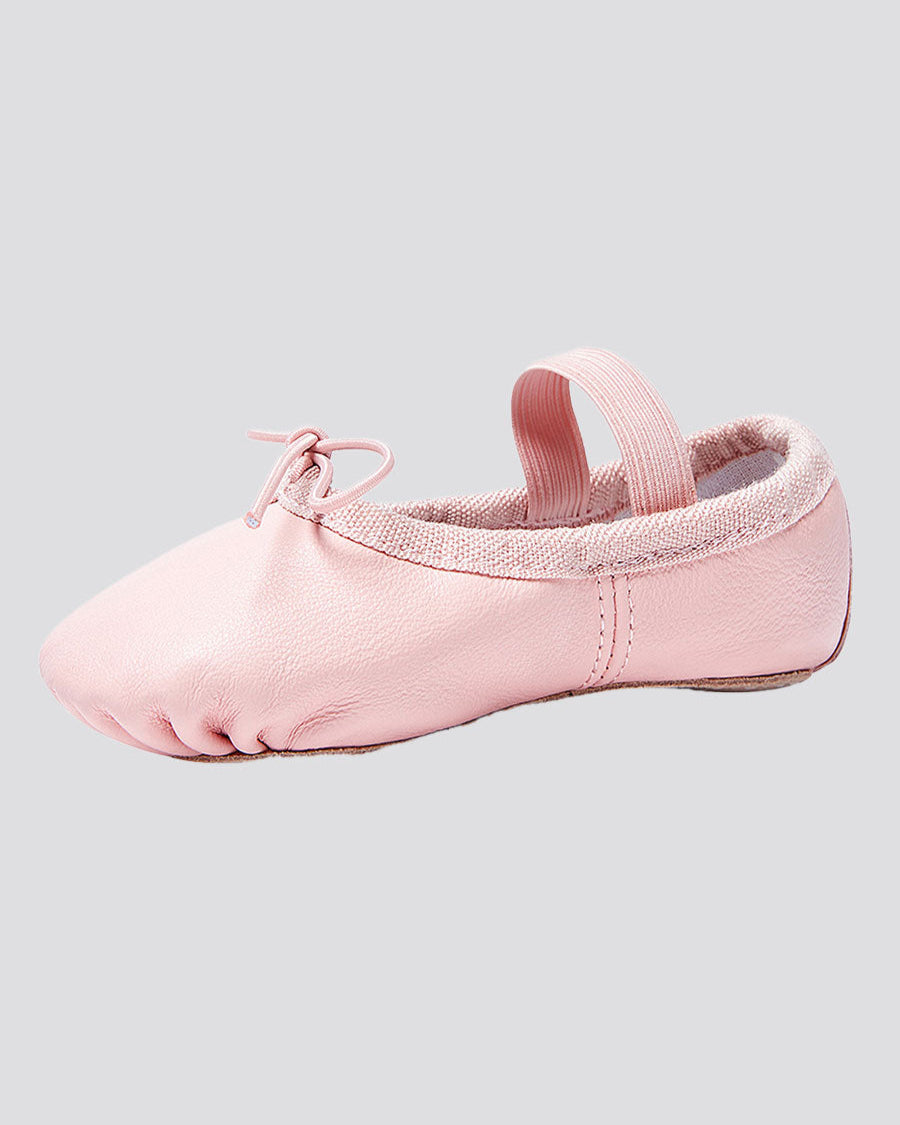
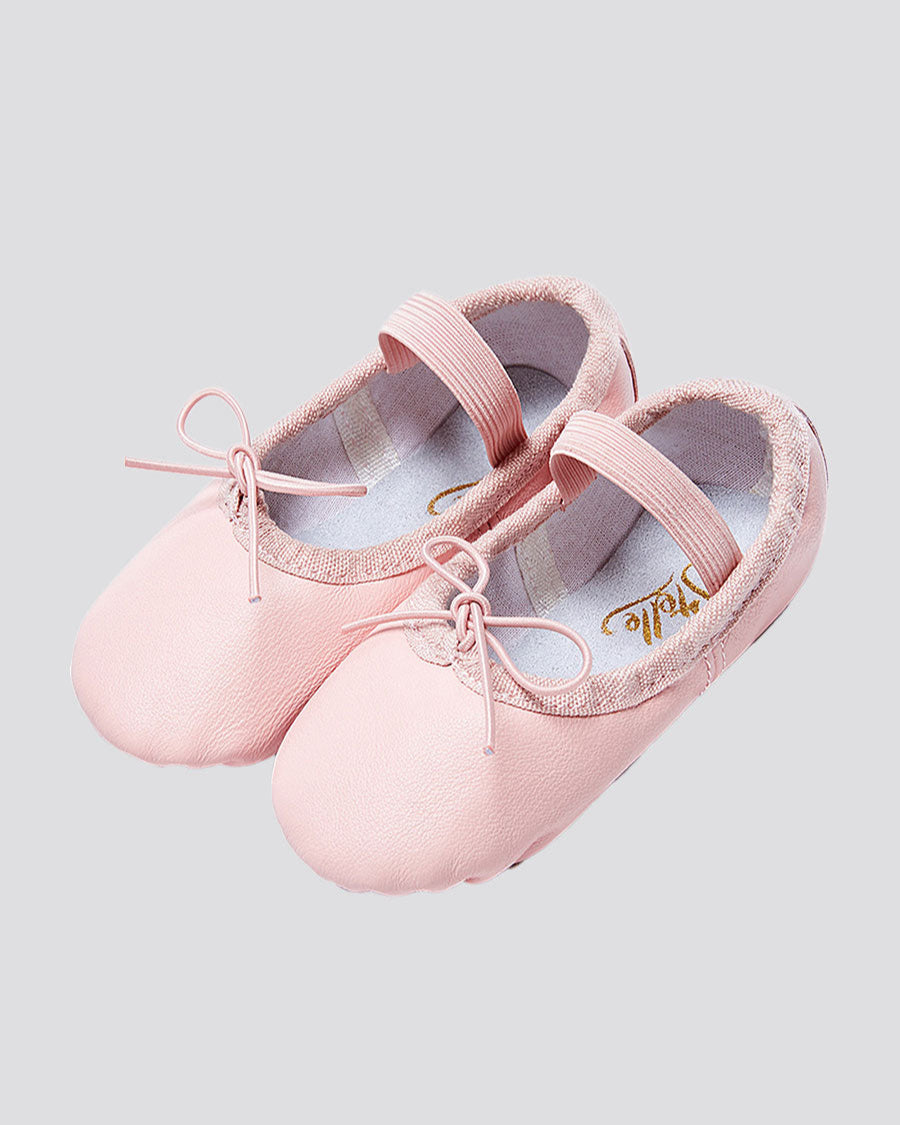
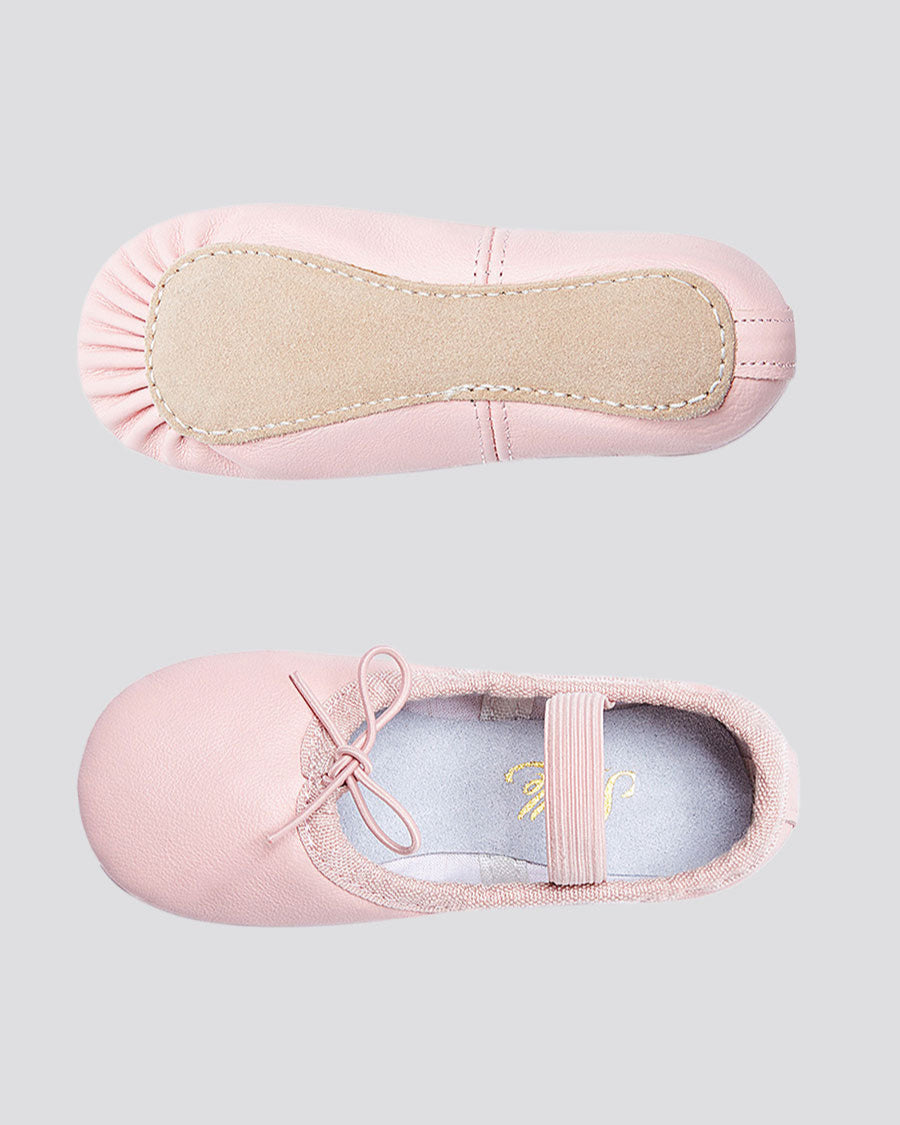
Genuine leather |
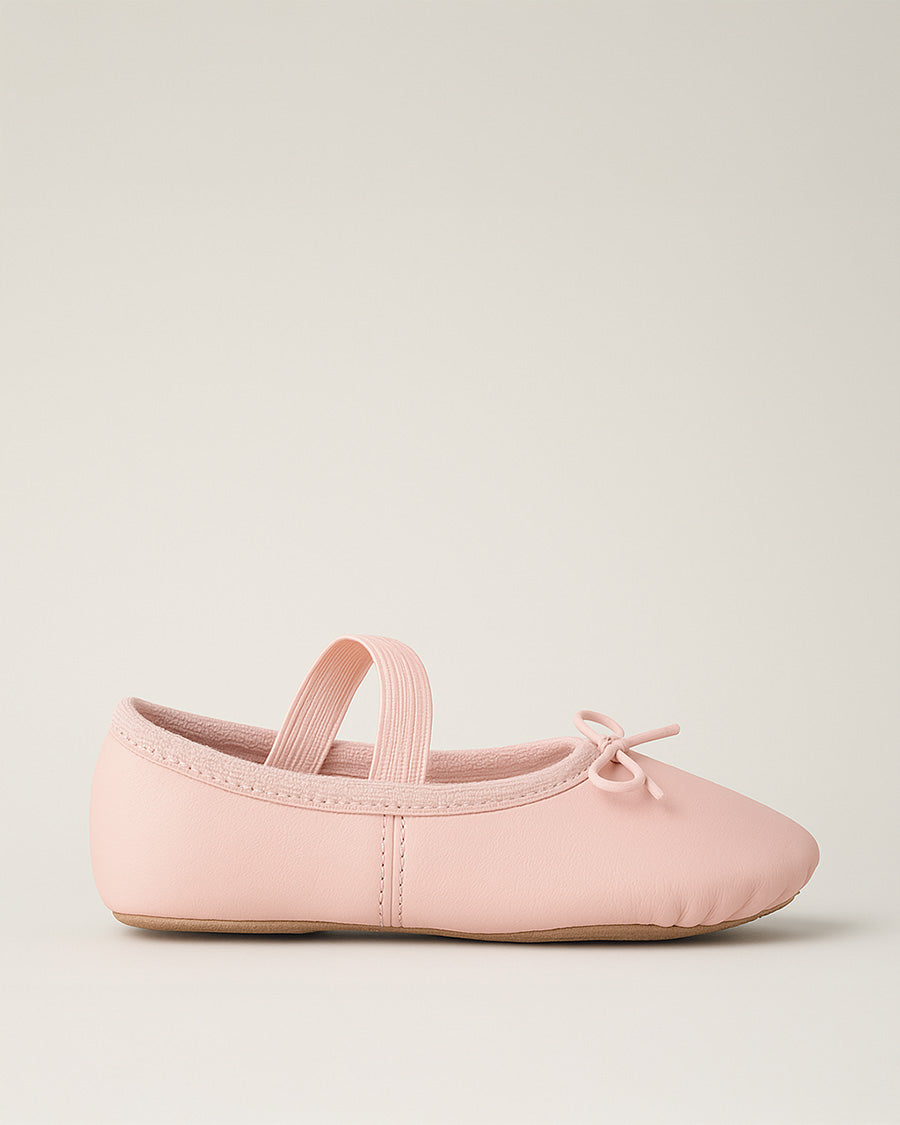
Synthetic leather |
Satin fabric |
|
Best For |
Regular classes |
Intermediate dancers |
Dancers wanting more structure and durability |
Dancers wanting an affordable, budget-friendly option |
Performances |
|
Key Features |
Breathable, lightweight |
Flexible, stretches to match the foot shape |
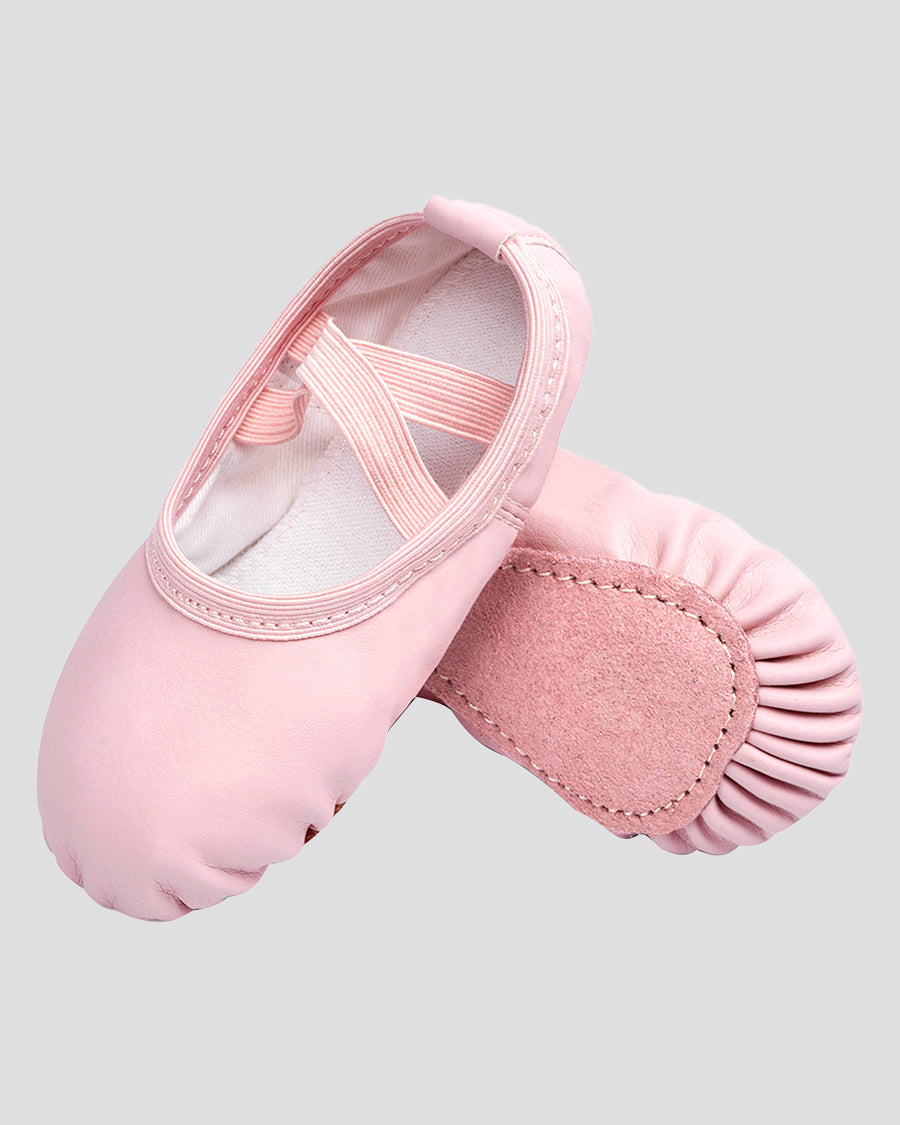
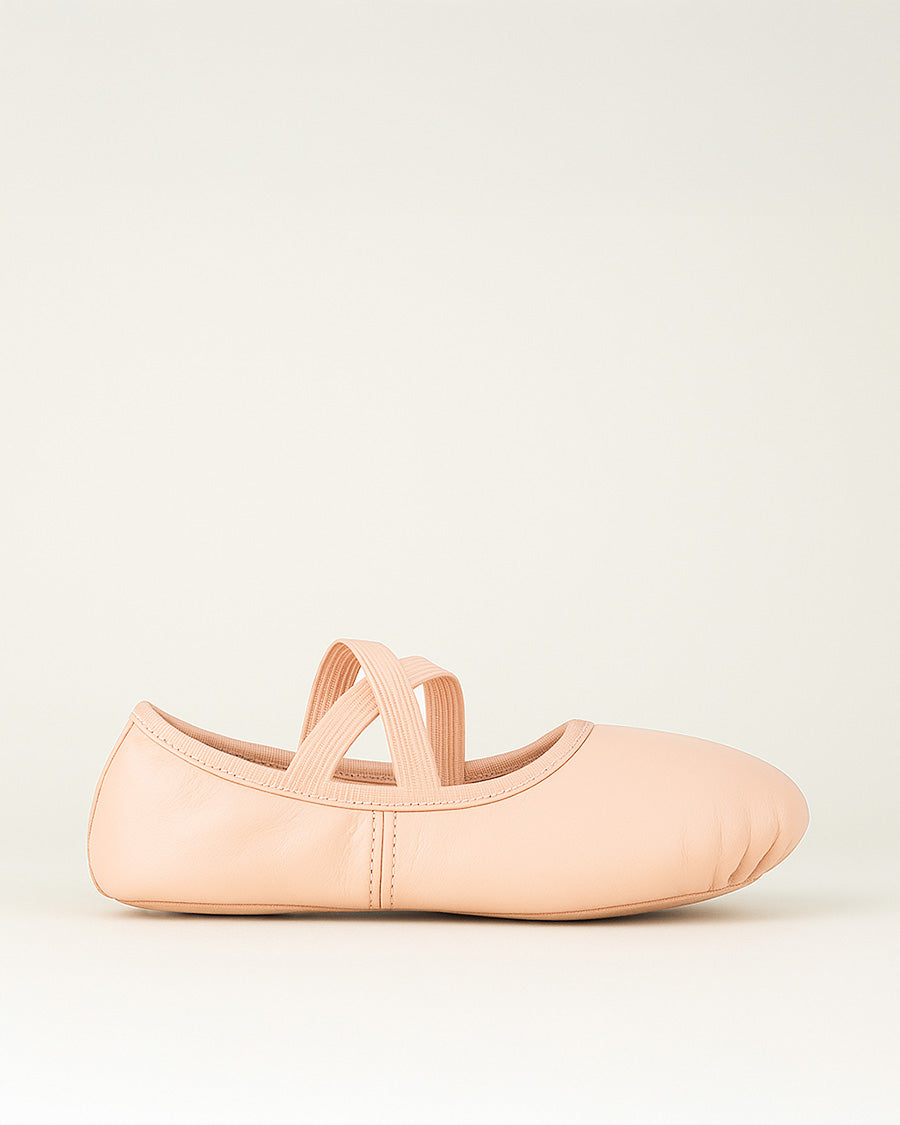
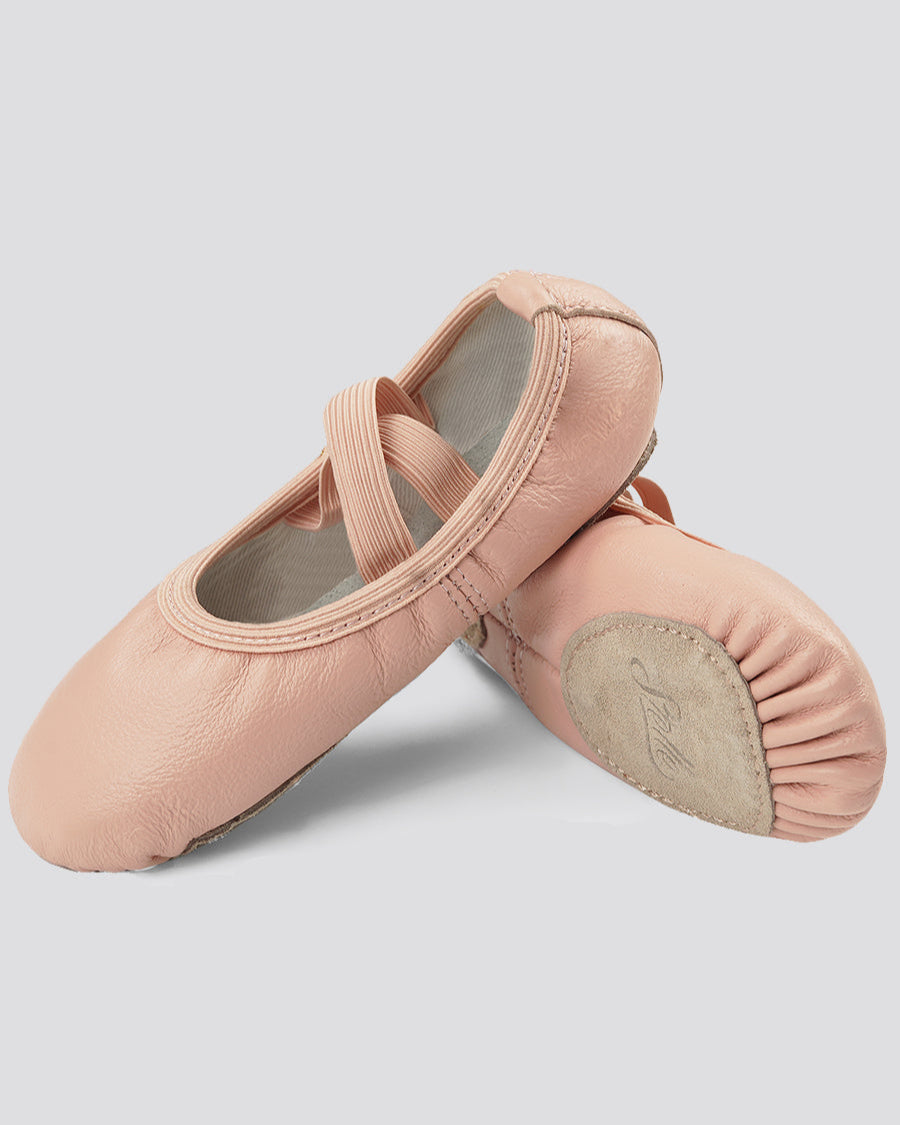
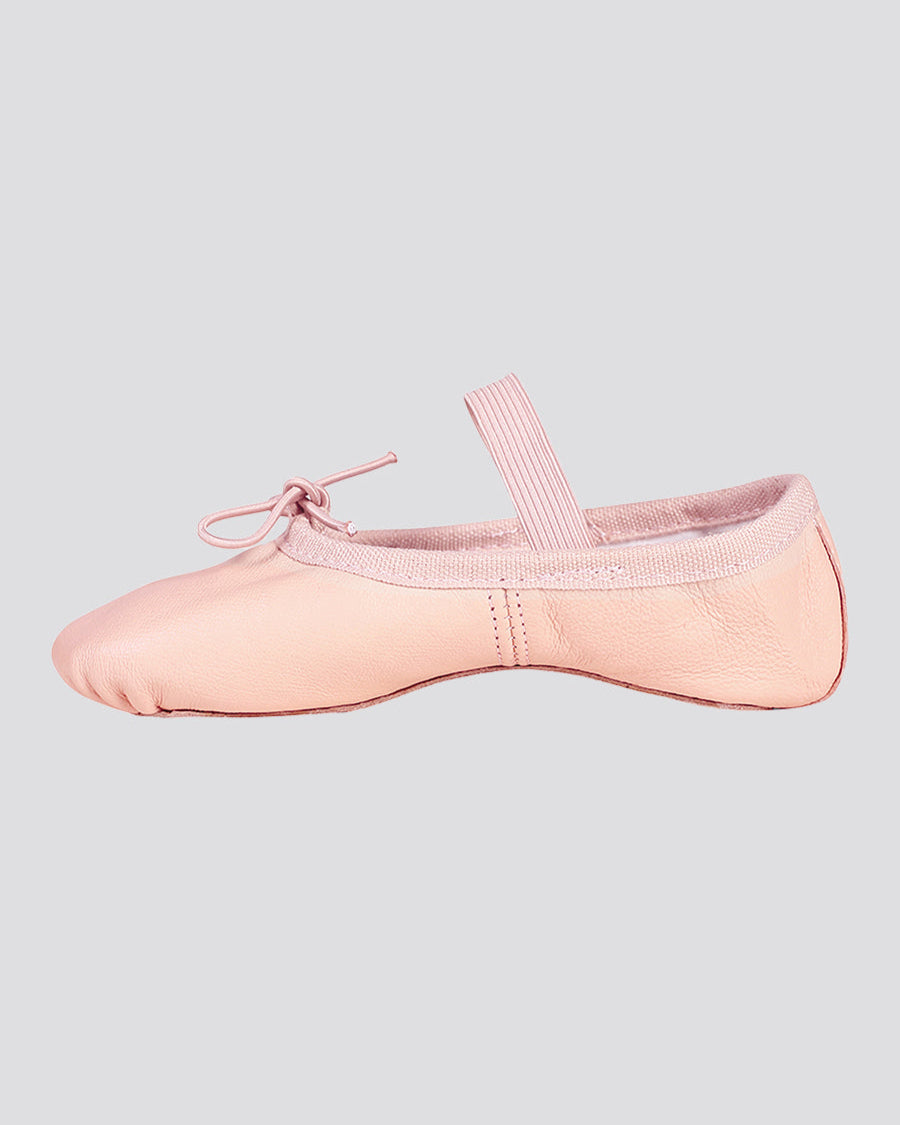
Soft leather upper, durable & flexible, easy to clean surfaces |
Snug fit with durability, easy-to-clean surfaces |
Elegant stage appearance |
|
Recommendation |
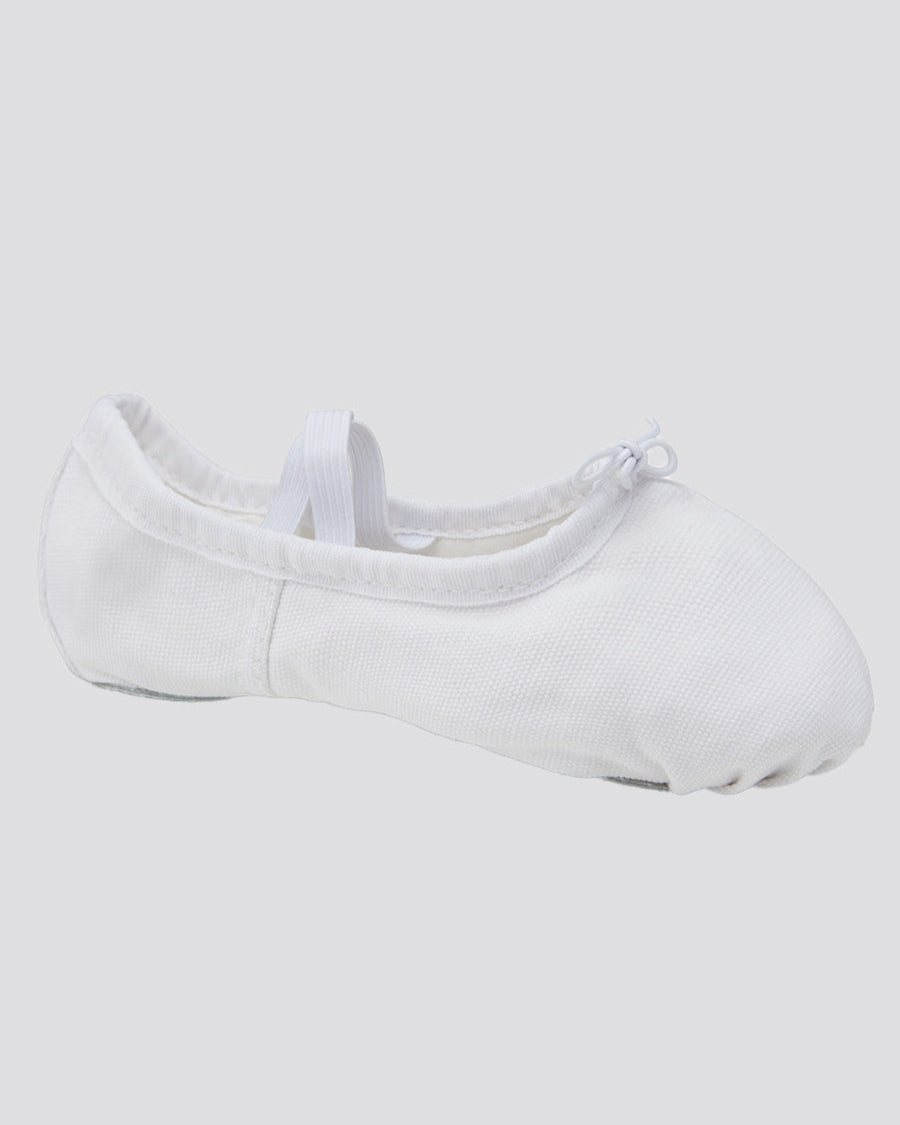
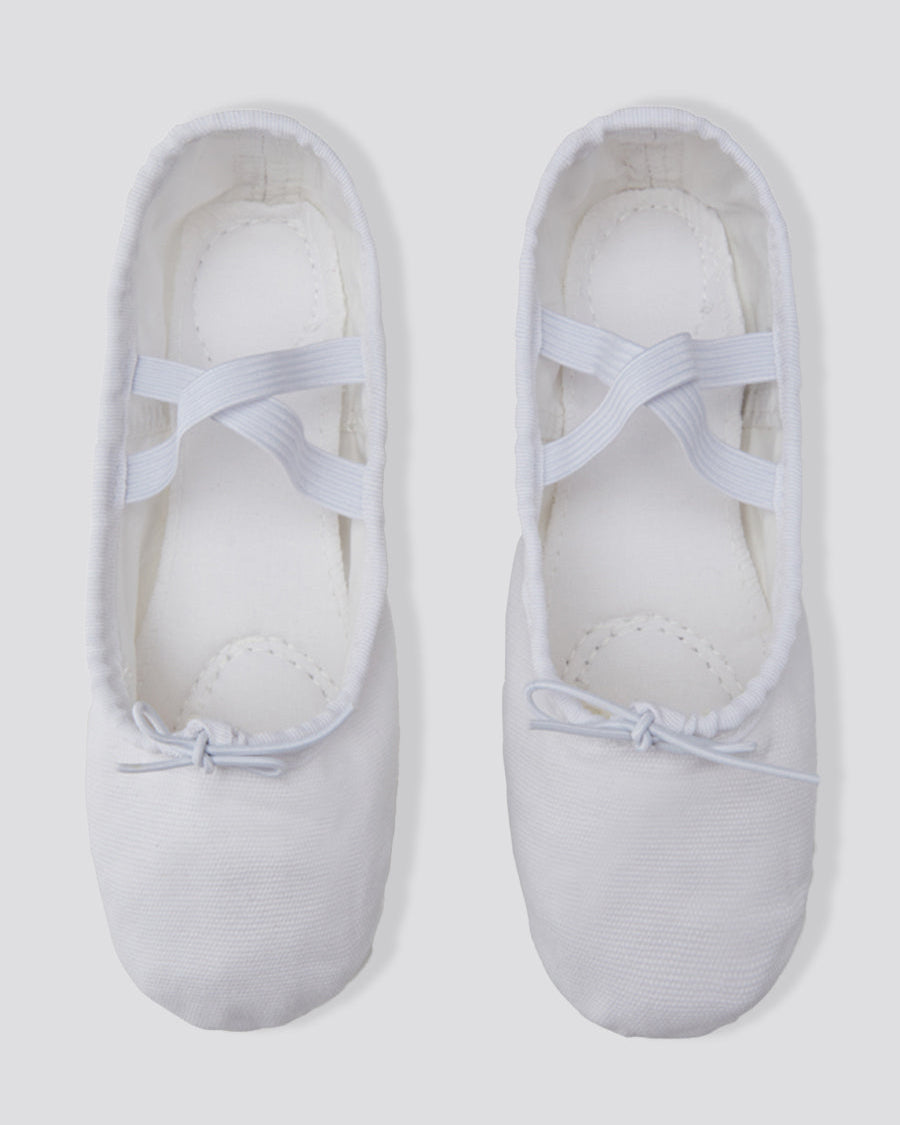
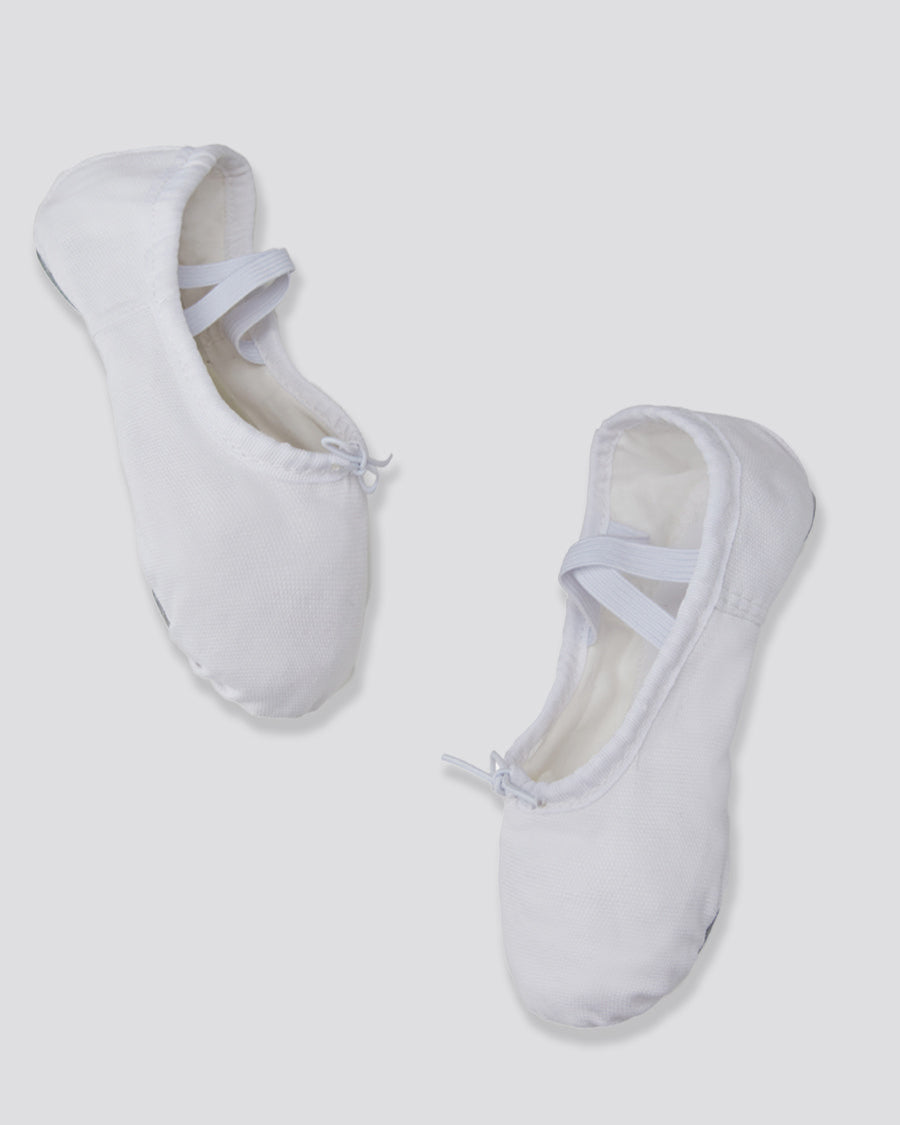
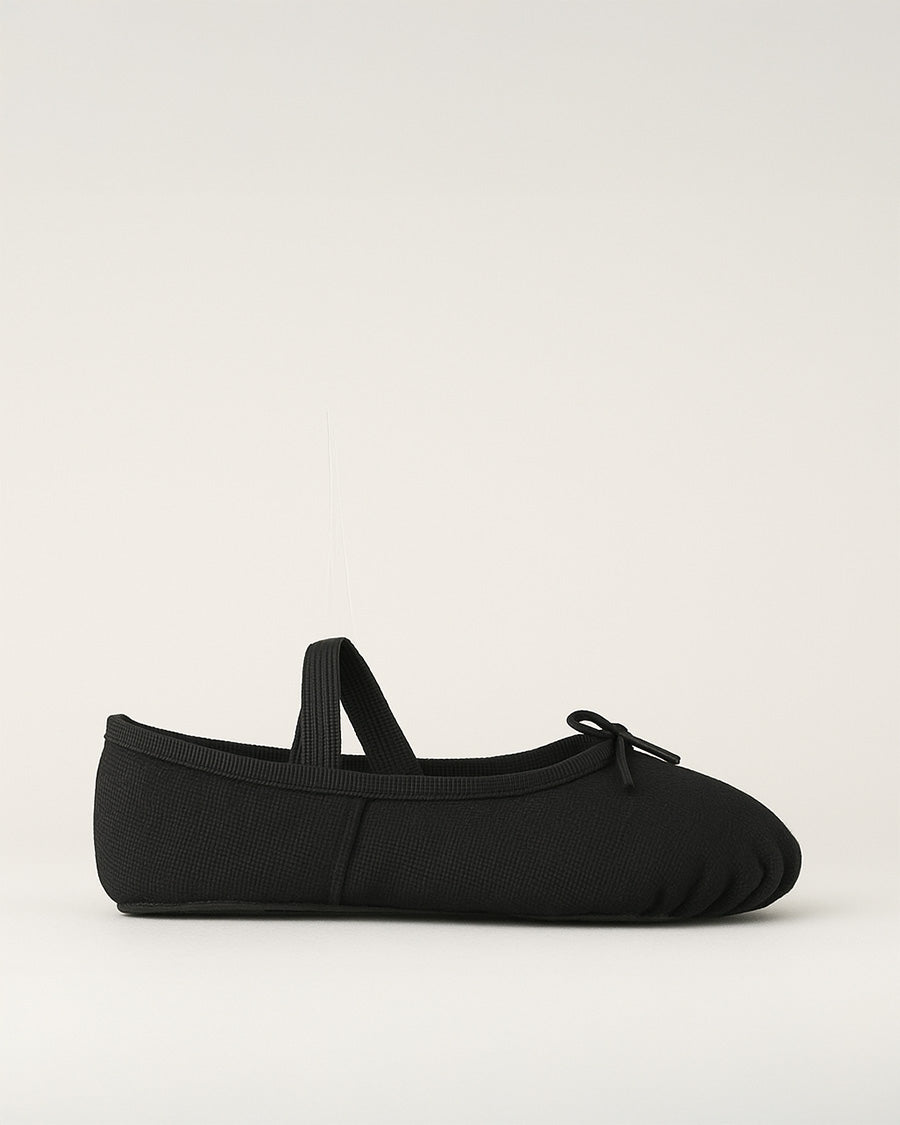
Kids Classic Canvas Ballet Shoes, Kids Classic Canvas Ballet Shoes (no drawstring) |
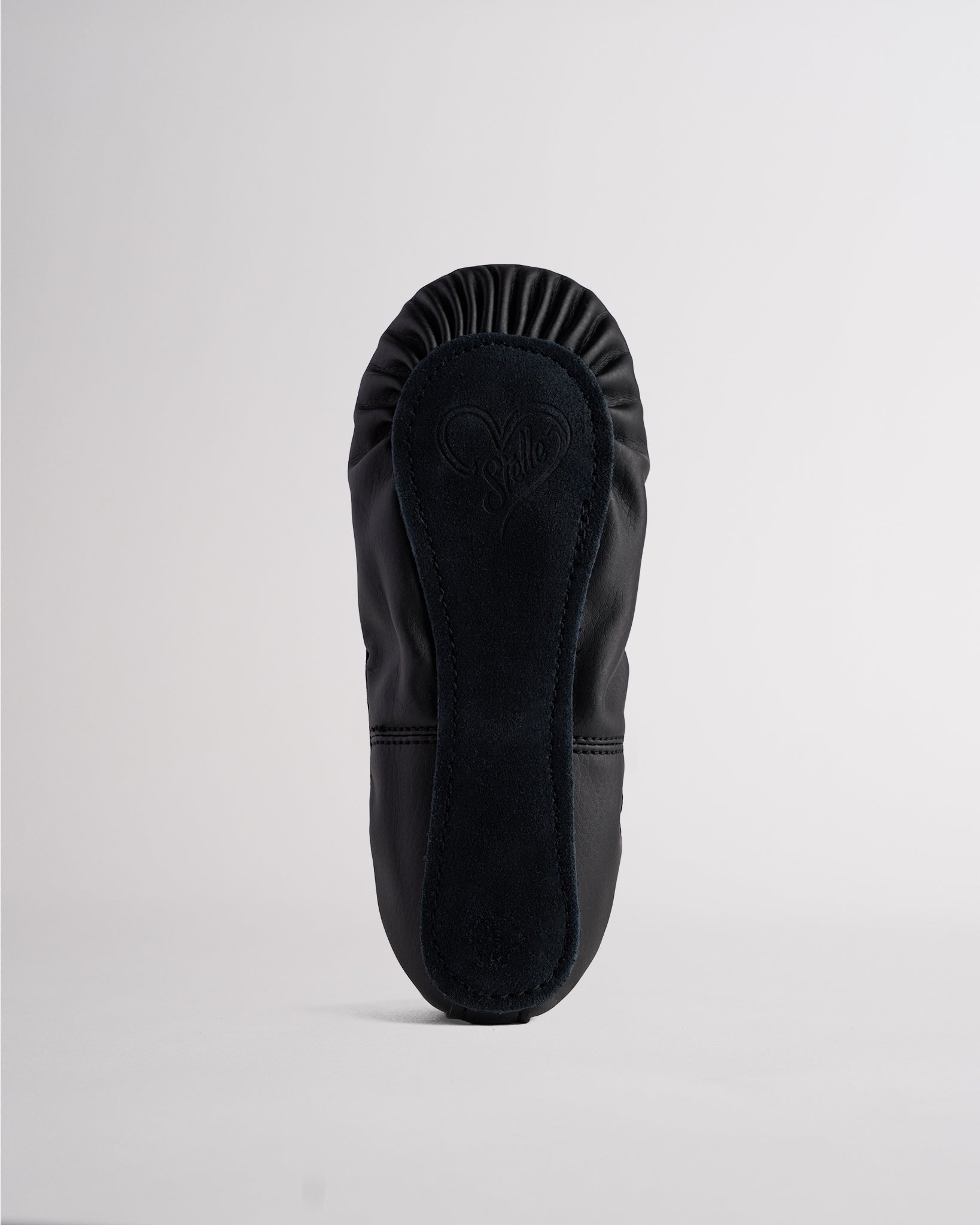
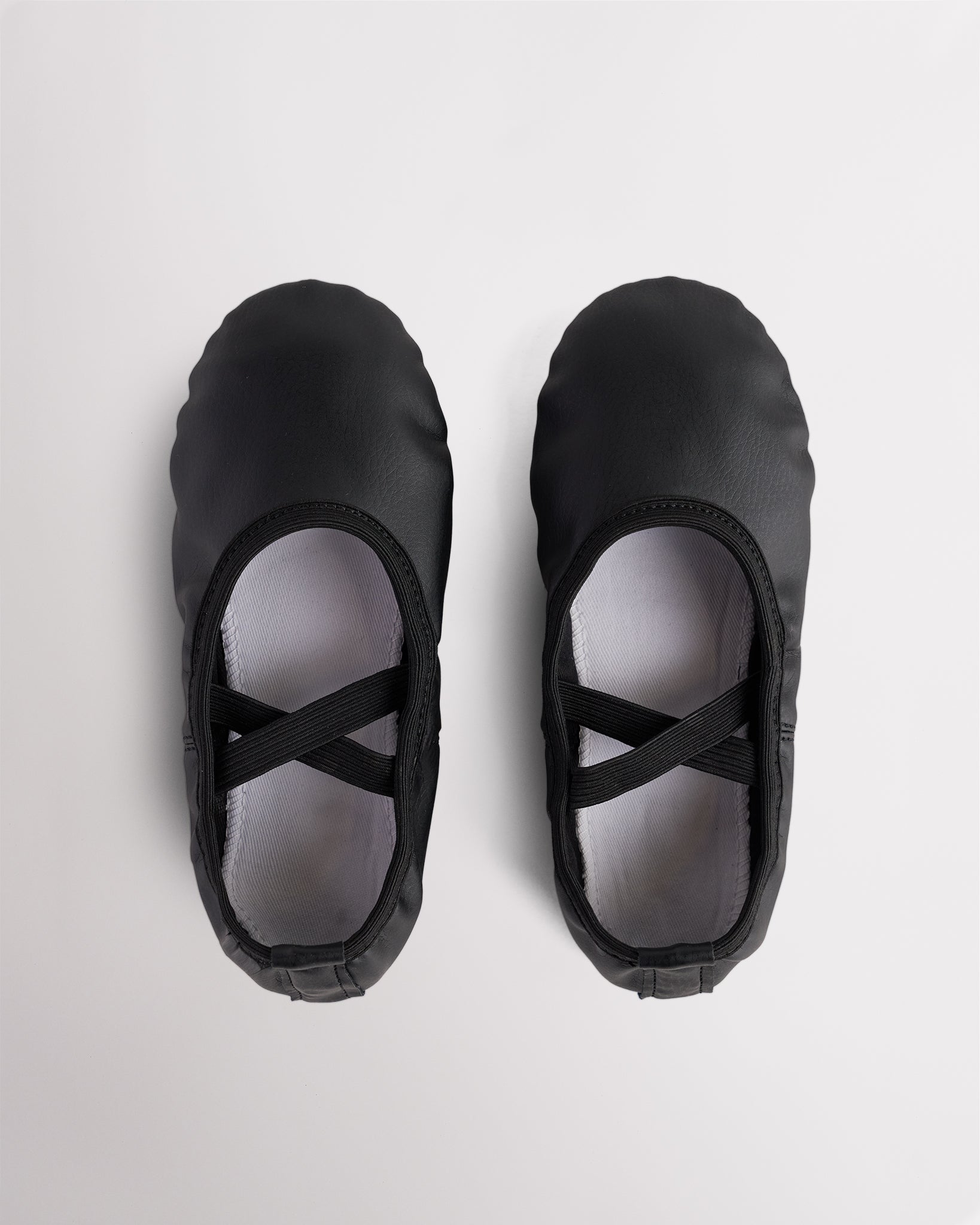
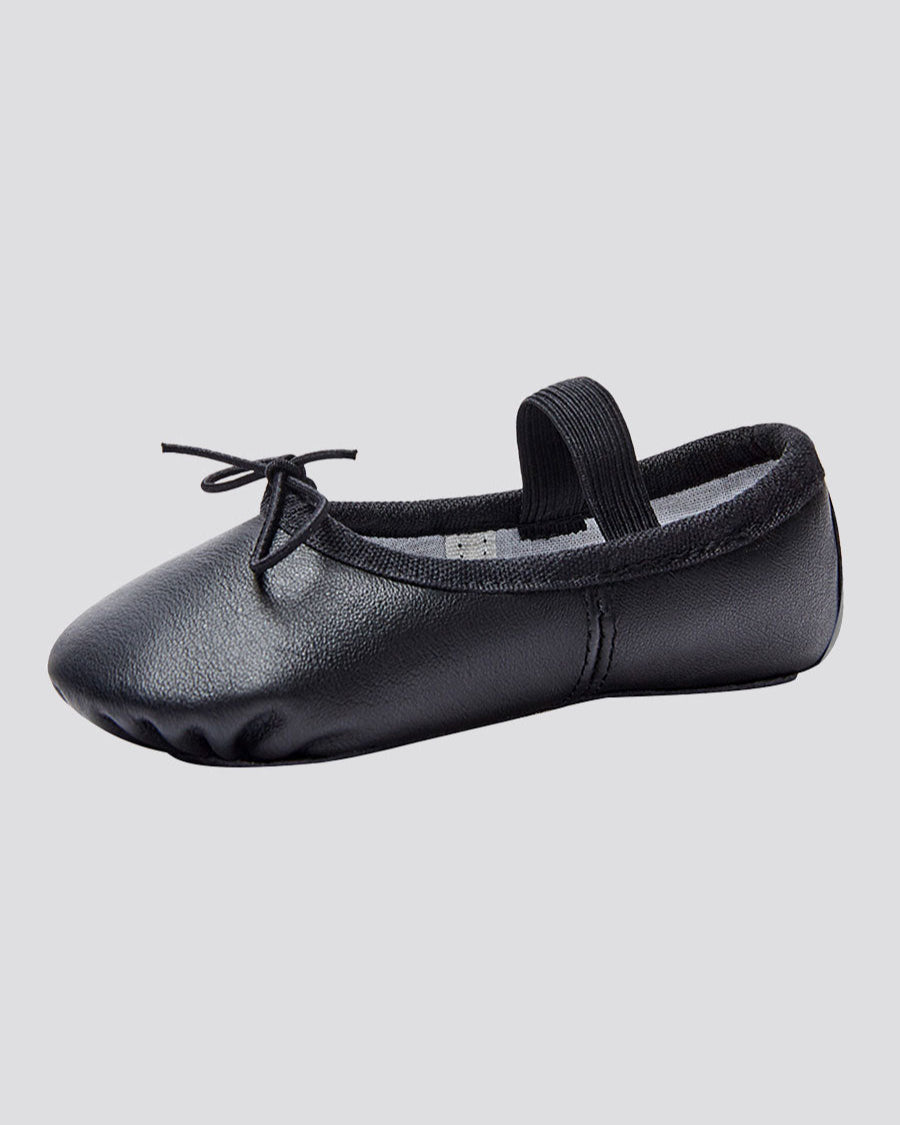
Kids Vegan Leather Ballet Shoes
|
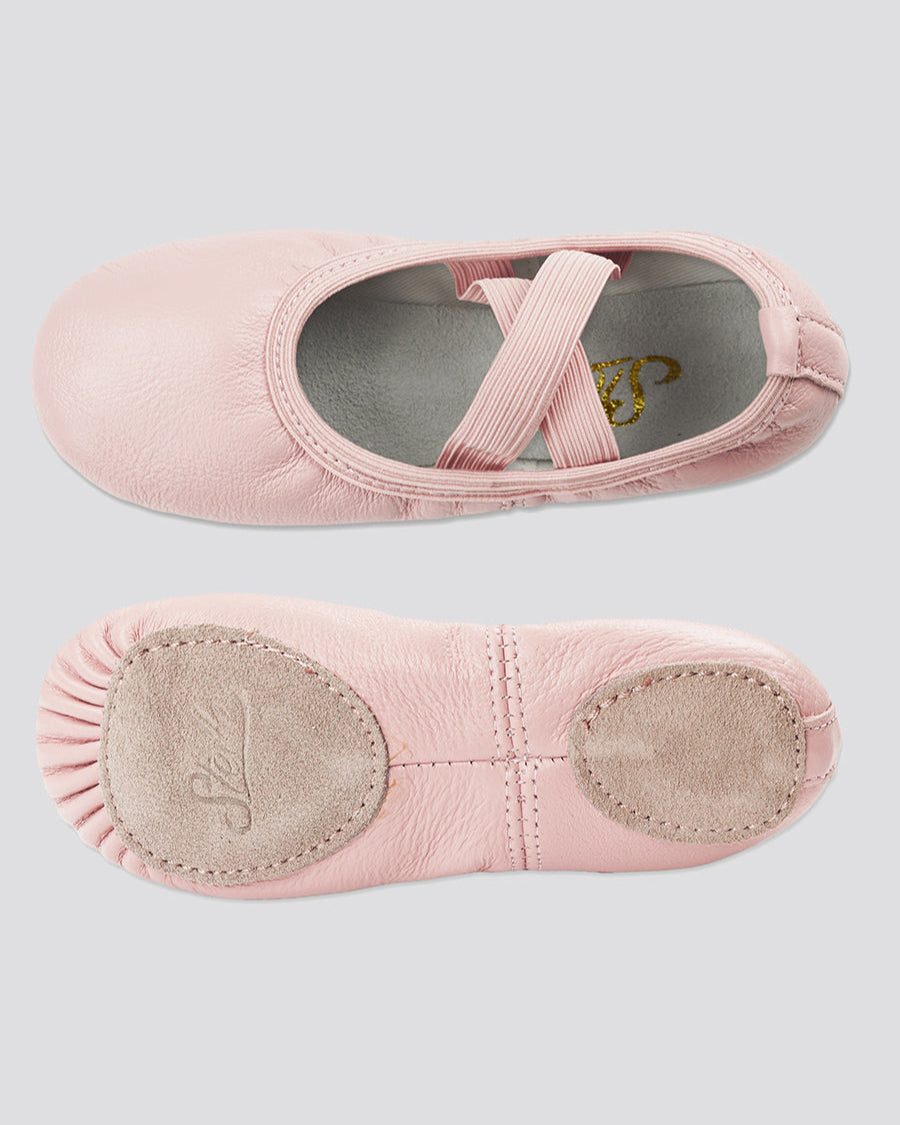
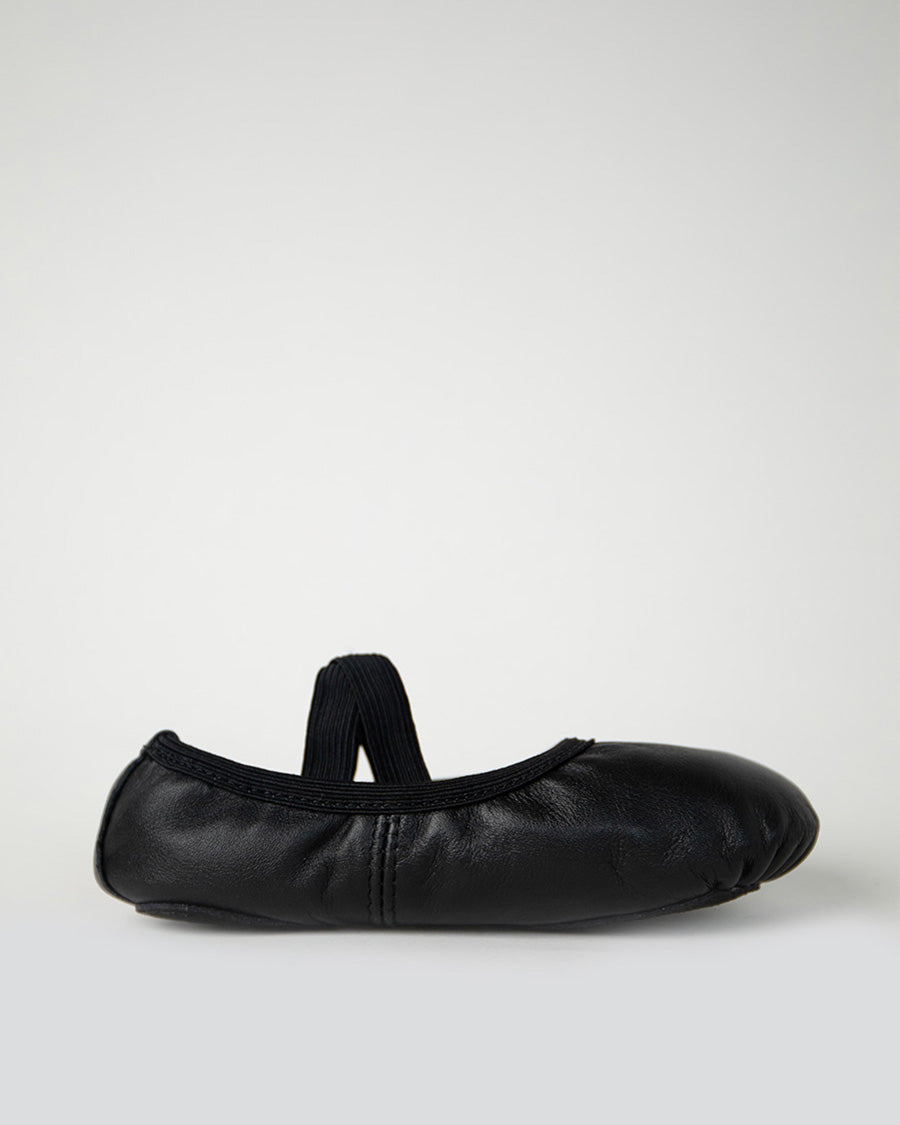
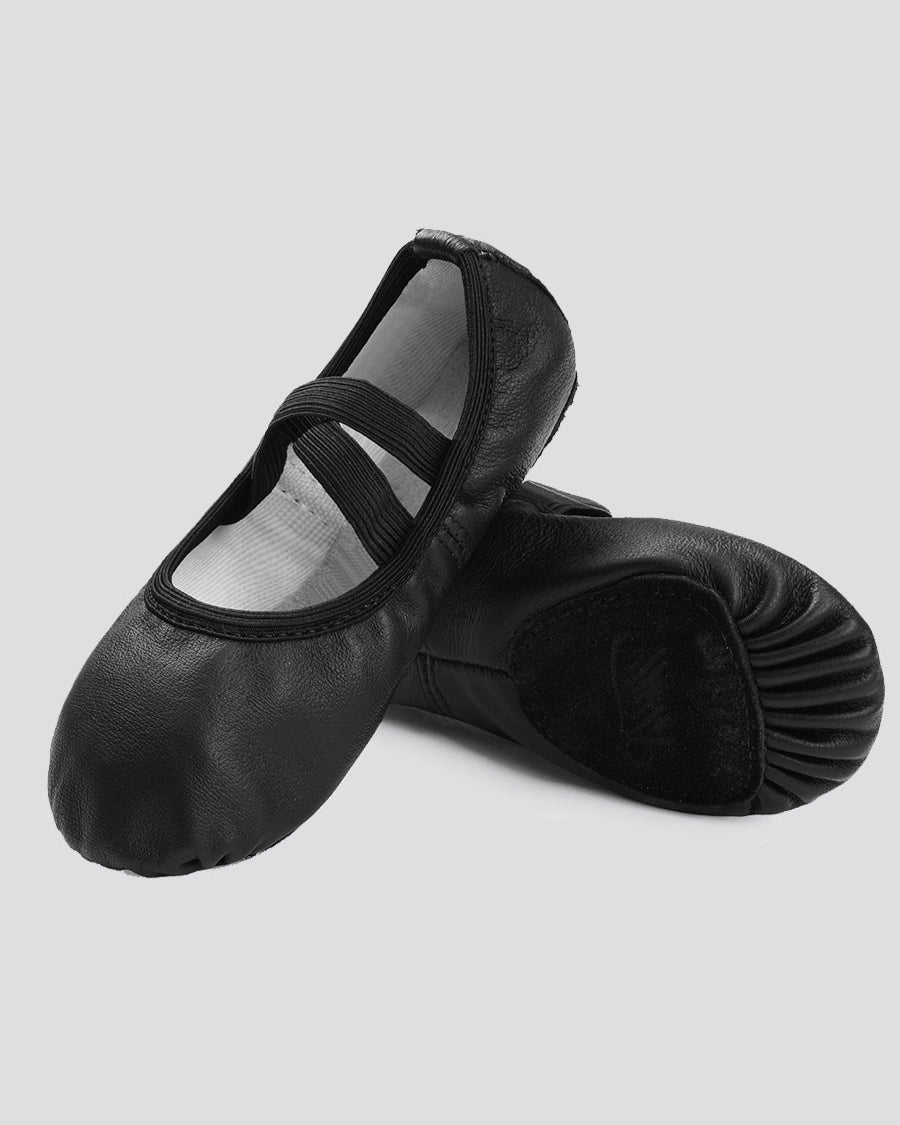
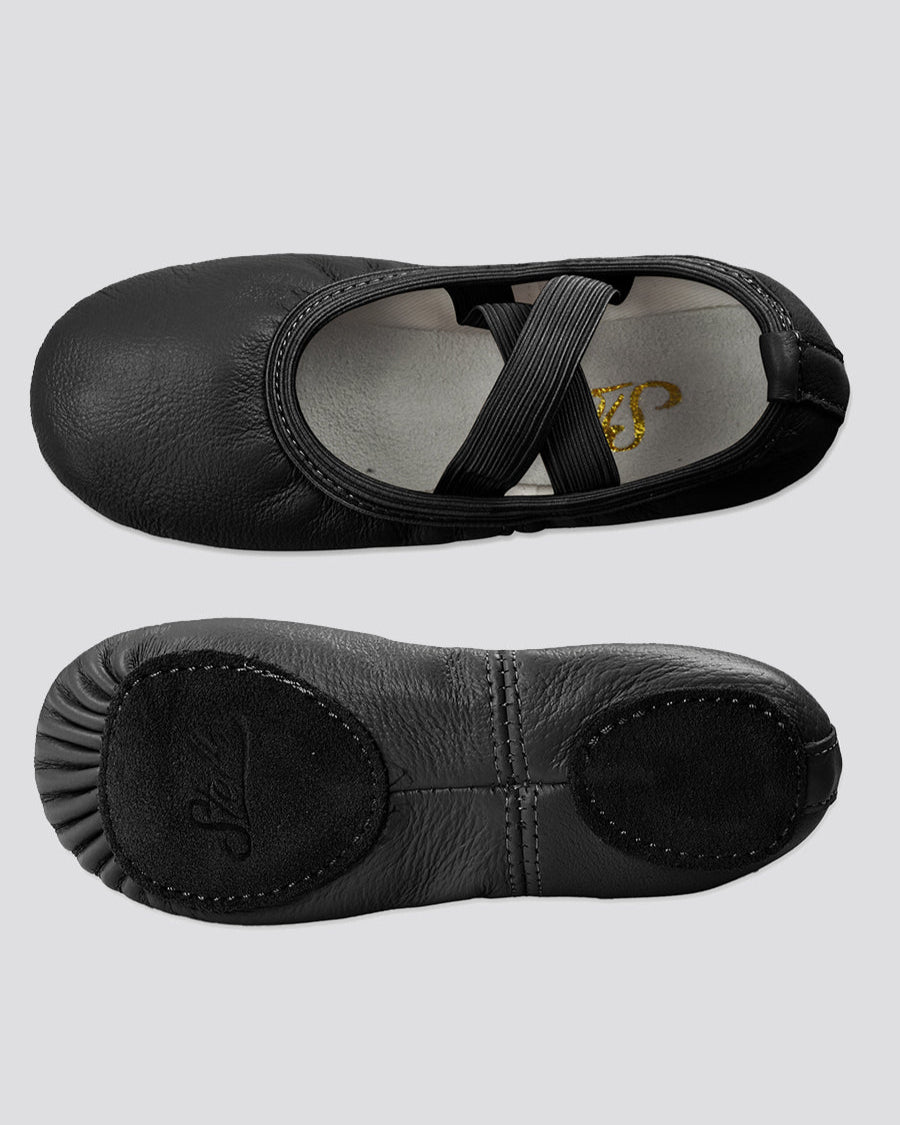
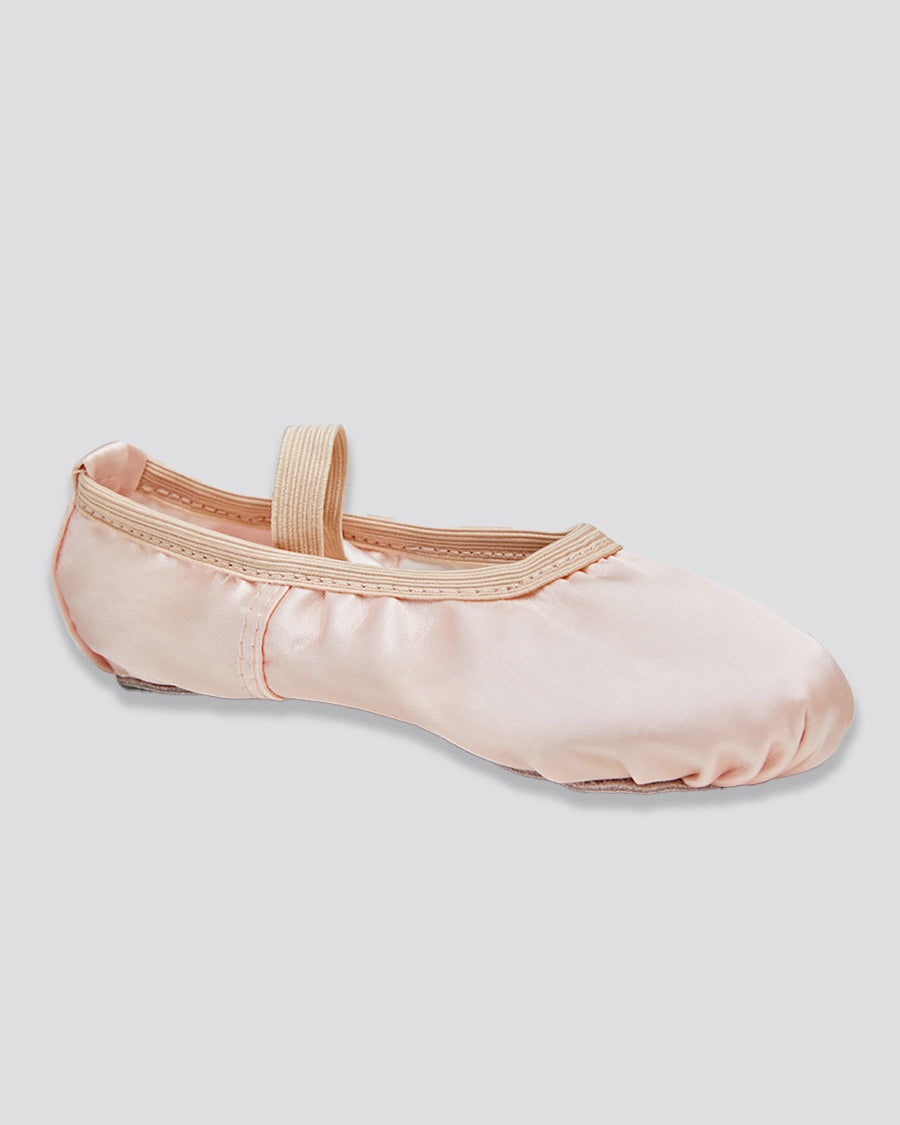
Elastic Straps: Cross Elastic vs Single Elastic
Once you've chosen a material, the next thing to consider is the type of elastic strap. Even small details like this can make a difference in how secure and comfortable the shoe feels. Some dancers prefer the added stability of crossed elastics, while others like the simplicity of a single strap.
Don’t worry if this feels confusing at first…if you’re looking for a quick way to understand the difference, the chart below provides an easy comparison.
|
Feature |
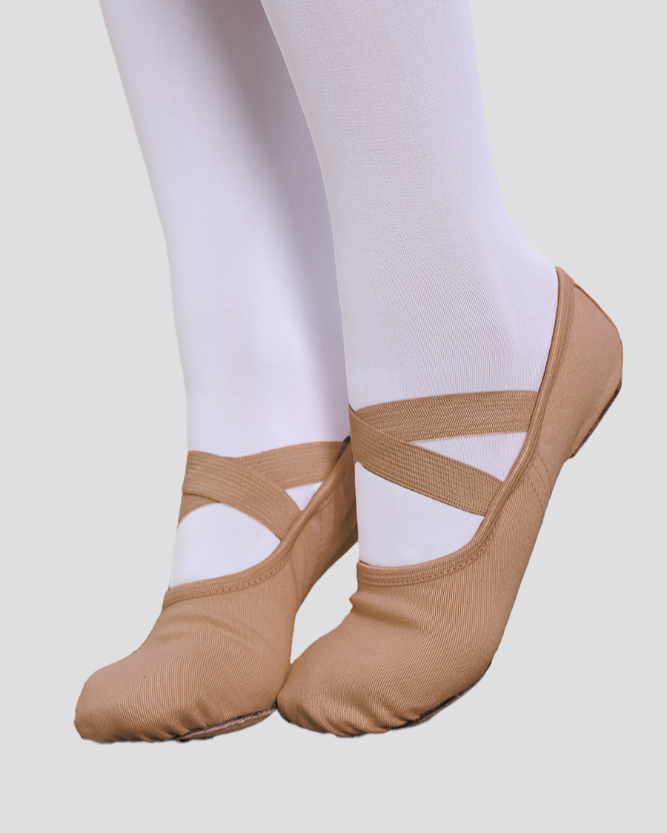
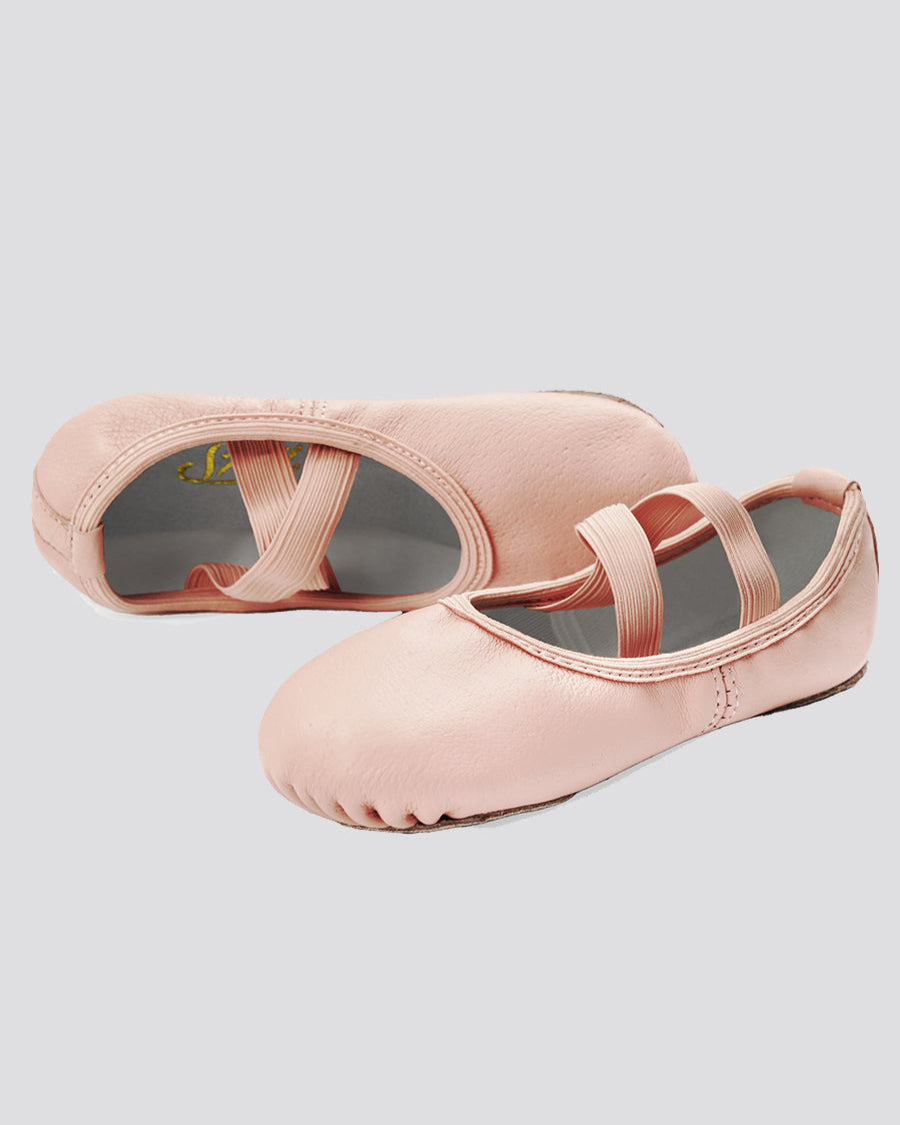
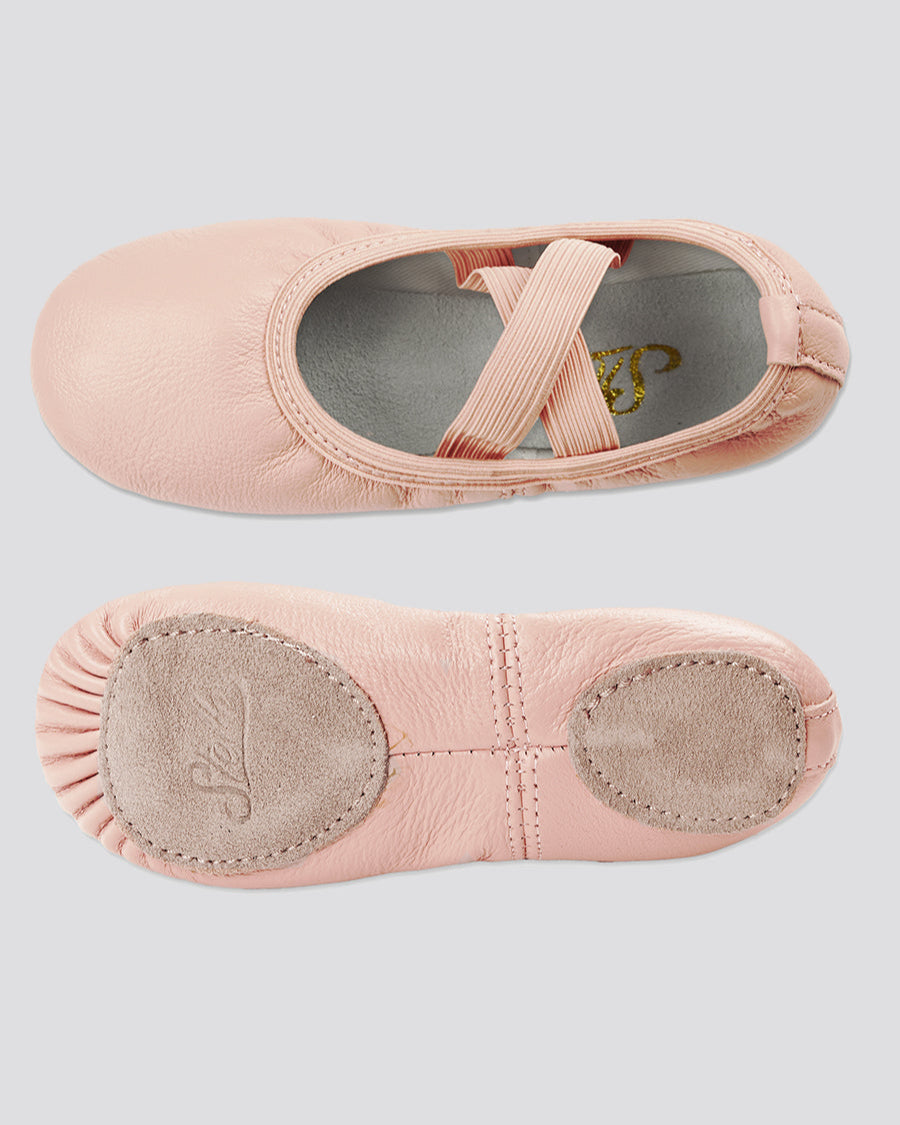
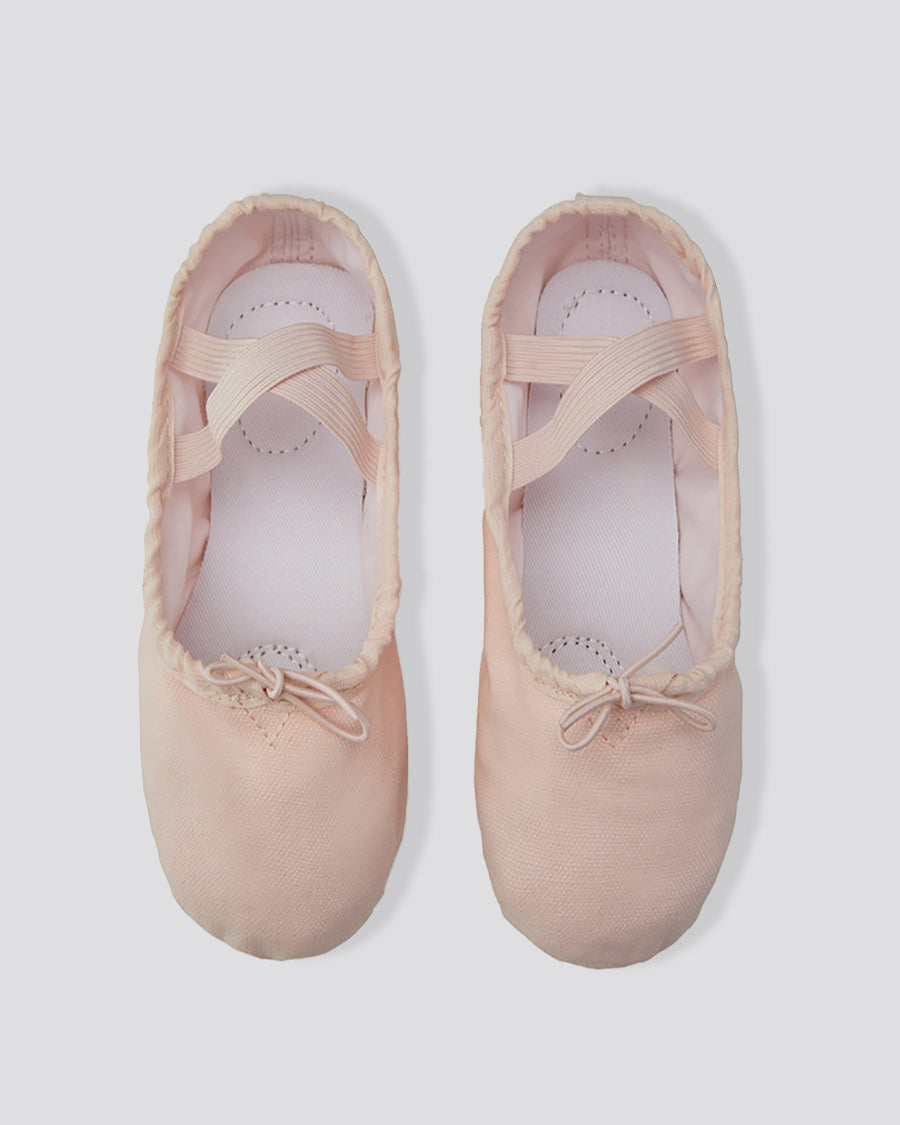
Cross Elastic |
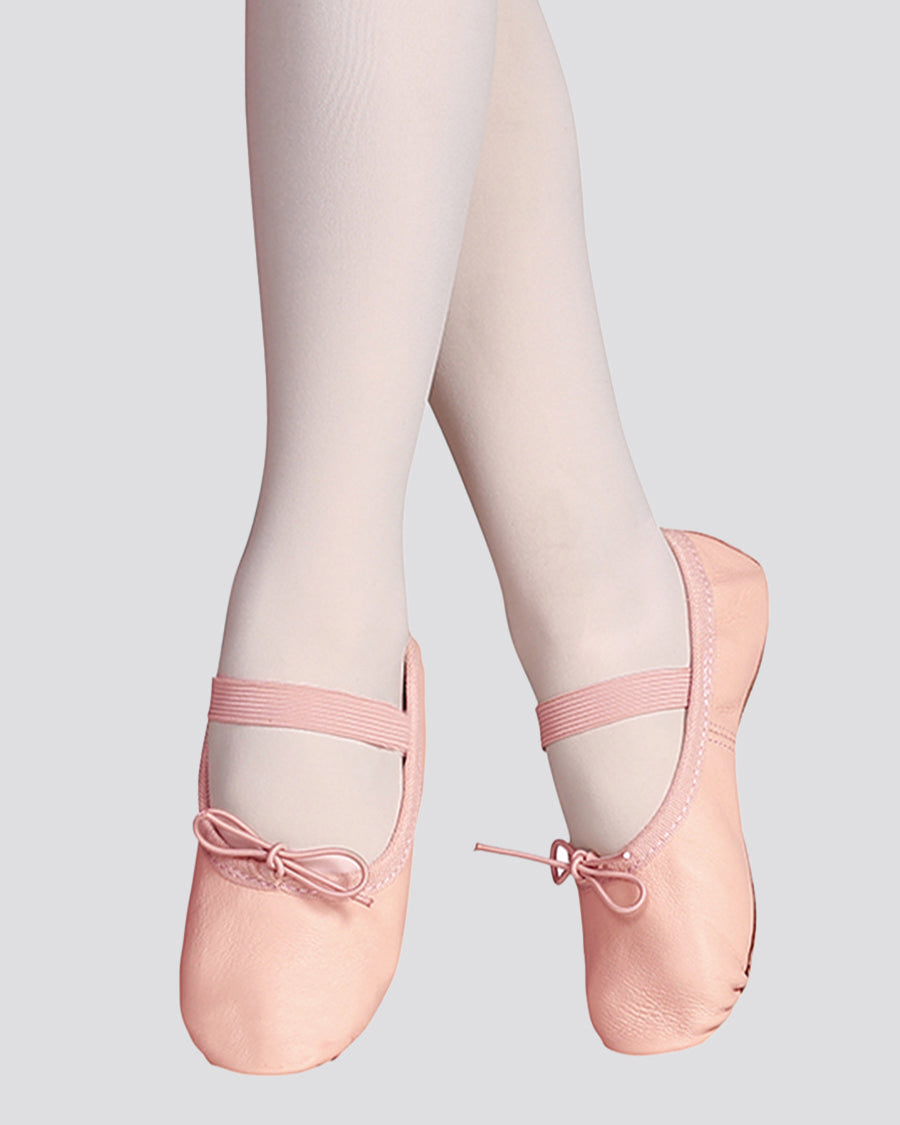
Single Elastic |
|
Strap Design |
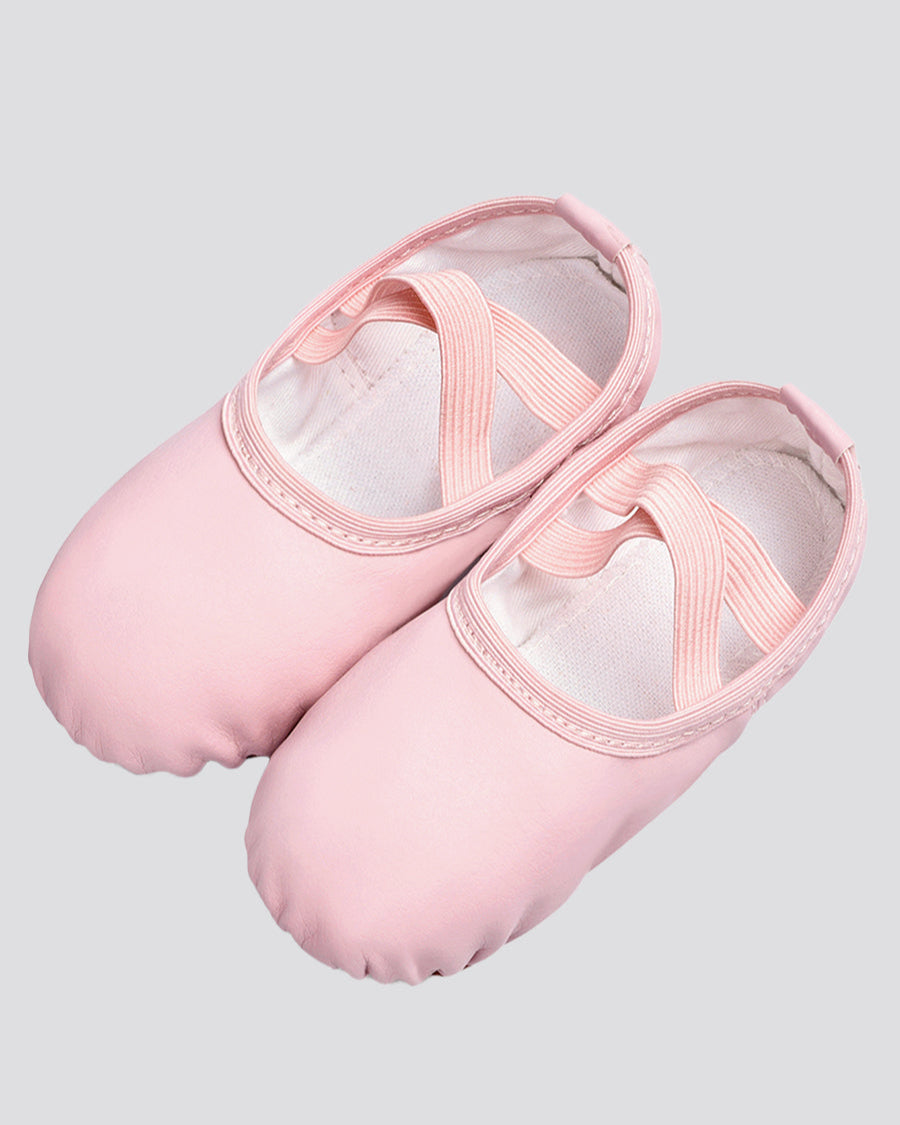
Two elastic straps that cross in an “X” over the foot |
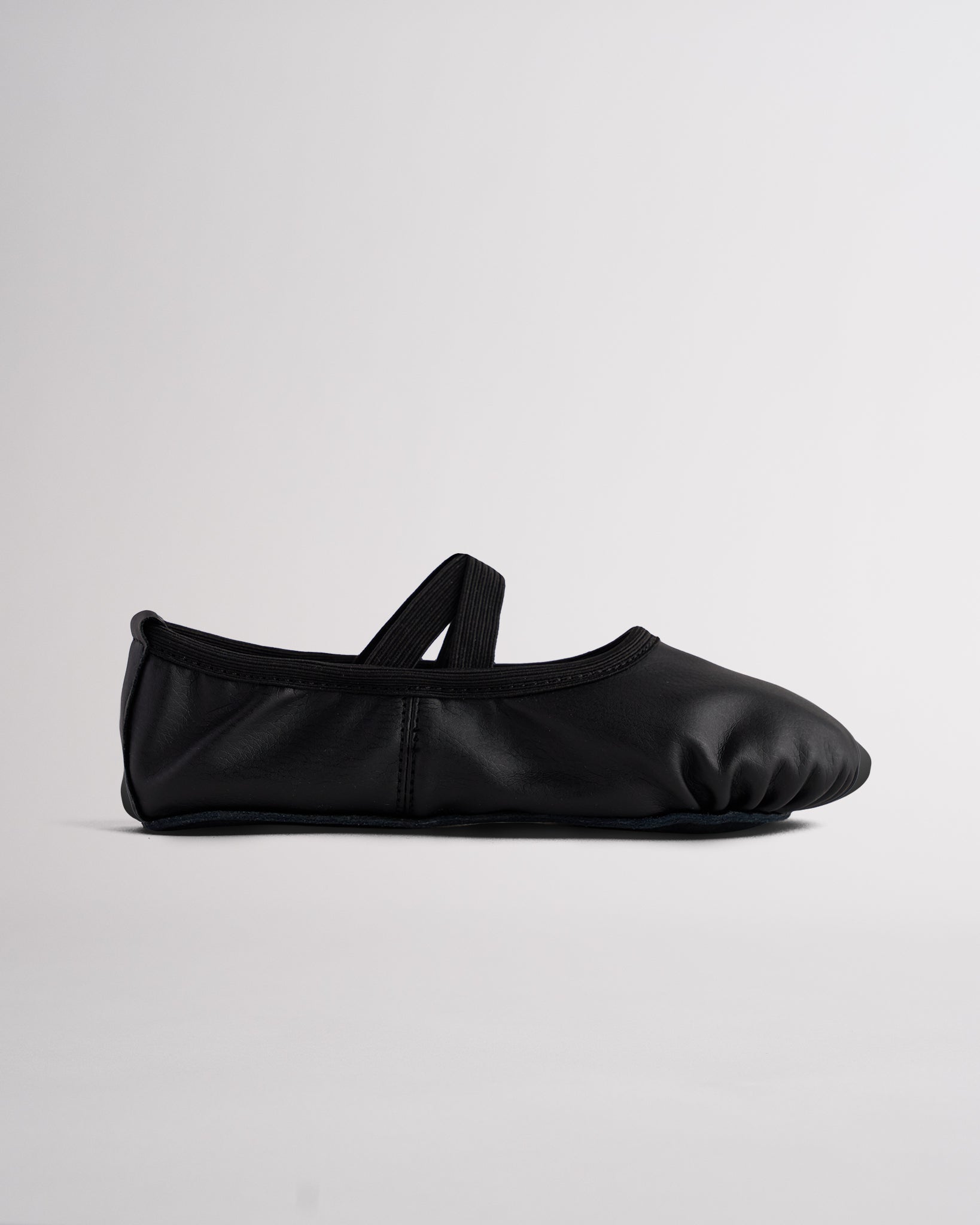
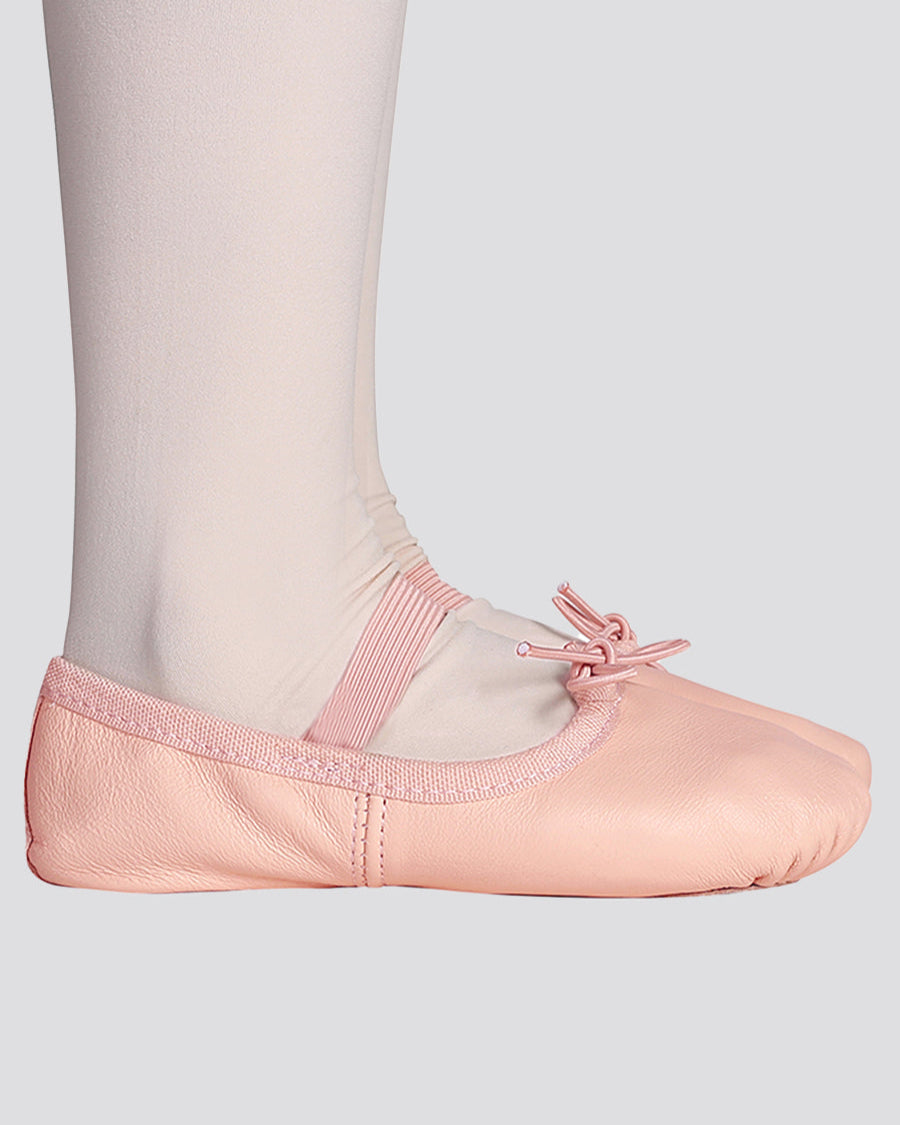
One elastic strap that runs straight across the foot |
|
Fit |
Snug, secure fit that holds the shoe firmly in place |
Comfortable, simple fit |
|
Stability |
Offers extra stability during movement |
Provides basic support for everyday class |
|
Ease of Use |
May take a little longer to put on |
Quick and easy to slip on |
|
Best For |
Dancers who need extra security or have narrow feet |
Dancers who prefer a lighter, simpler fit |
|
Recommendation |
Unique Ballet Shoe Styles from Stelle: Ribbon Design & Glitter
Many parents are surprised to learn that beyond standard ballet shoe styles, some designs include special details that add both function and personality for young dancers. These small details can make regular ballet shoes feel a little more exciting while still supporting proper training. On our site, we feature two unique options: ribbon design ballet slippers and glitter ballet slippers.
Ribbon Design
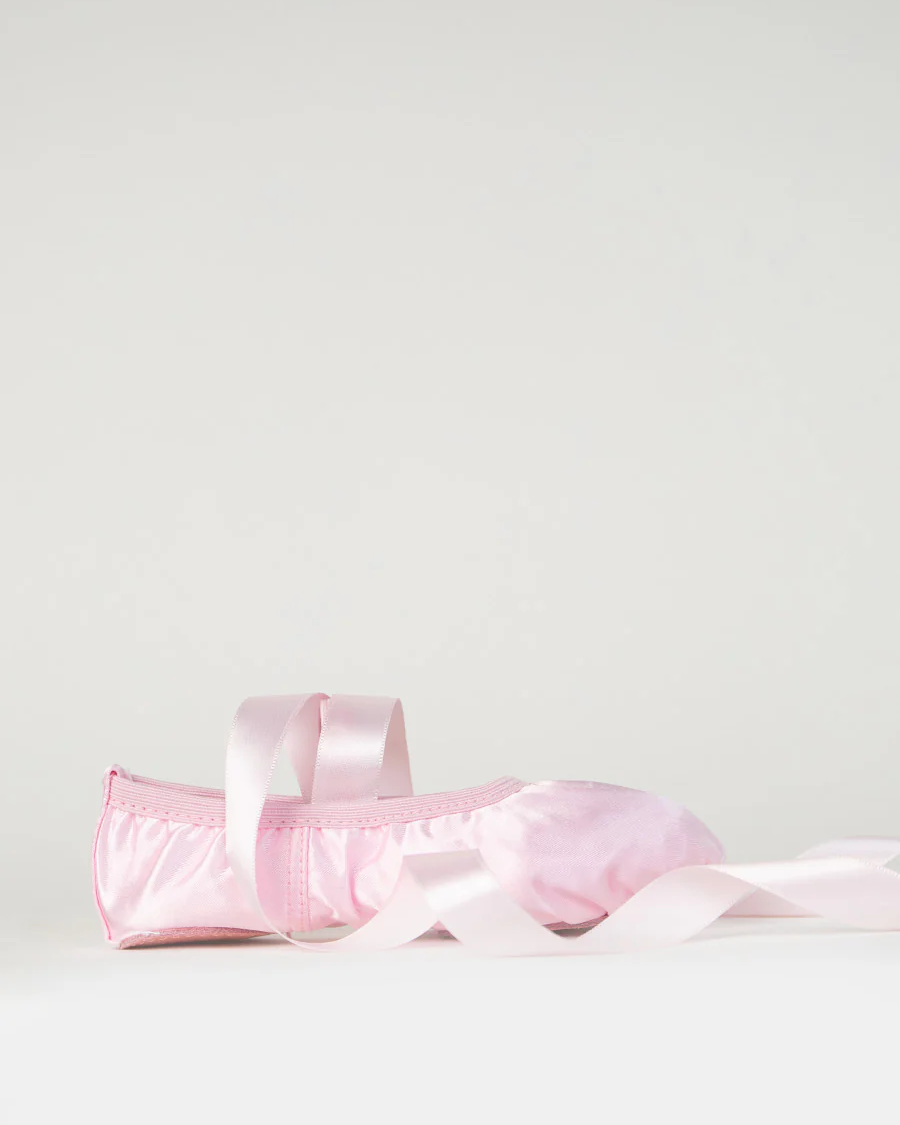
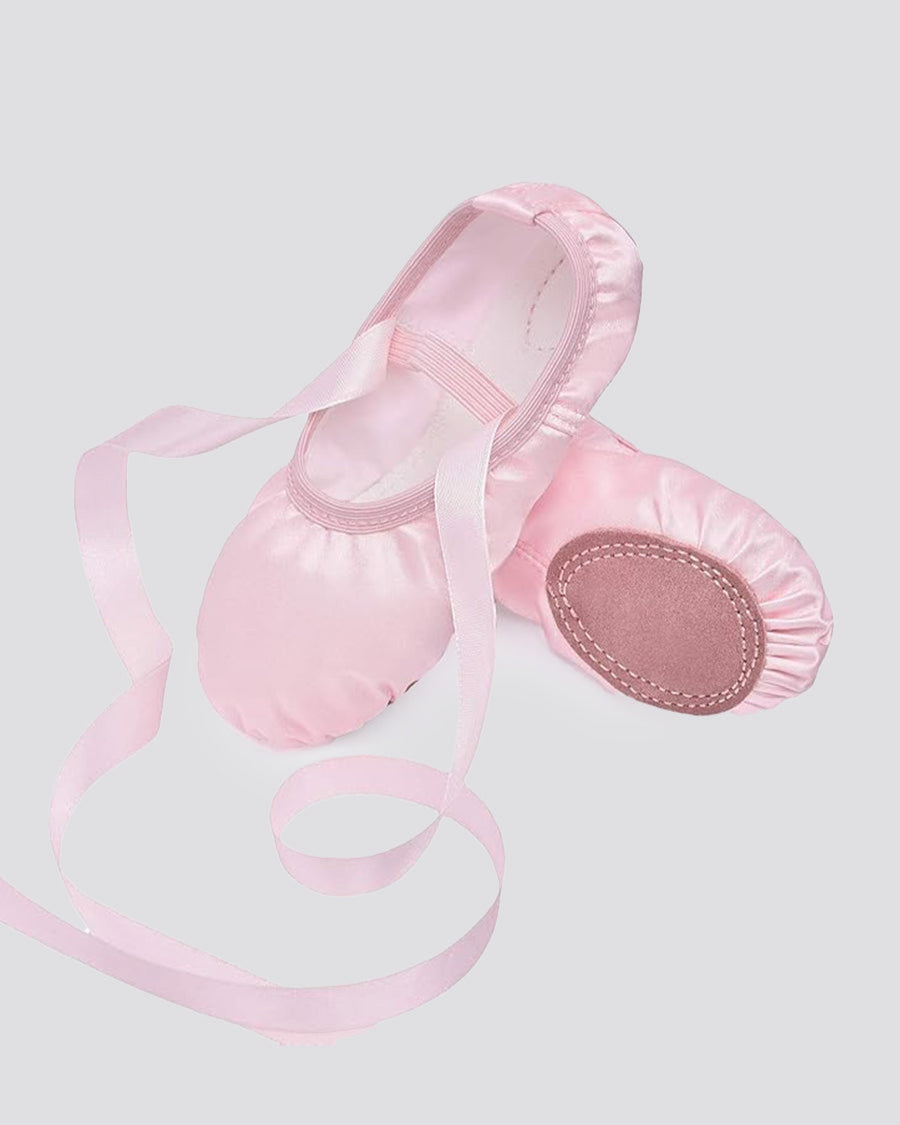
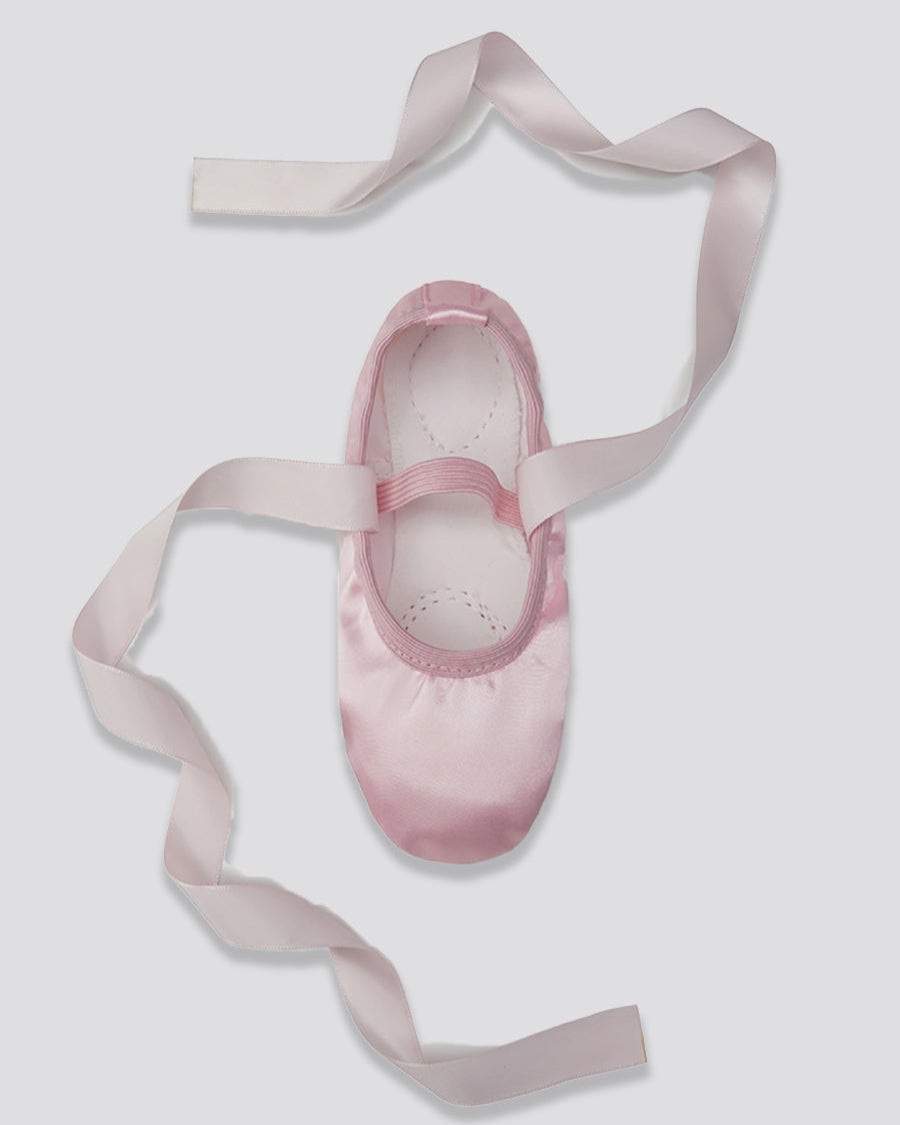
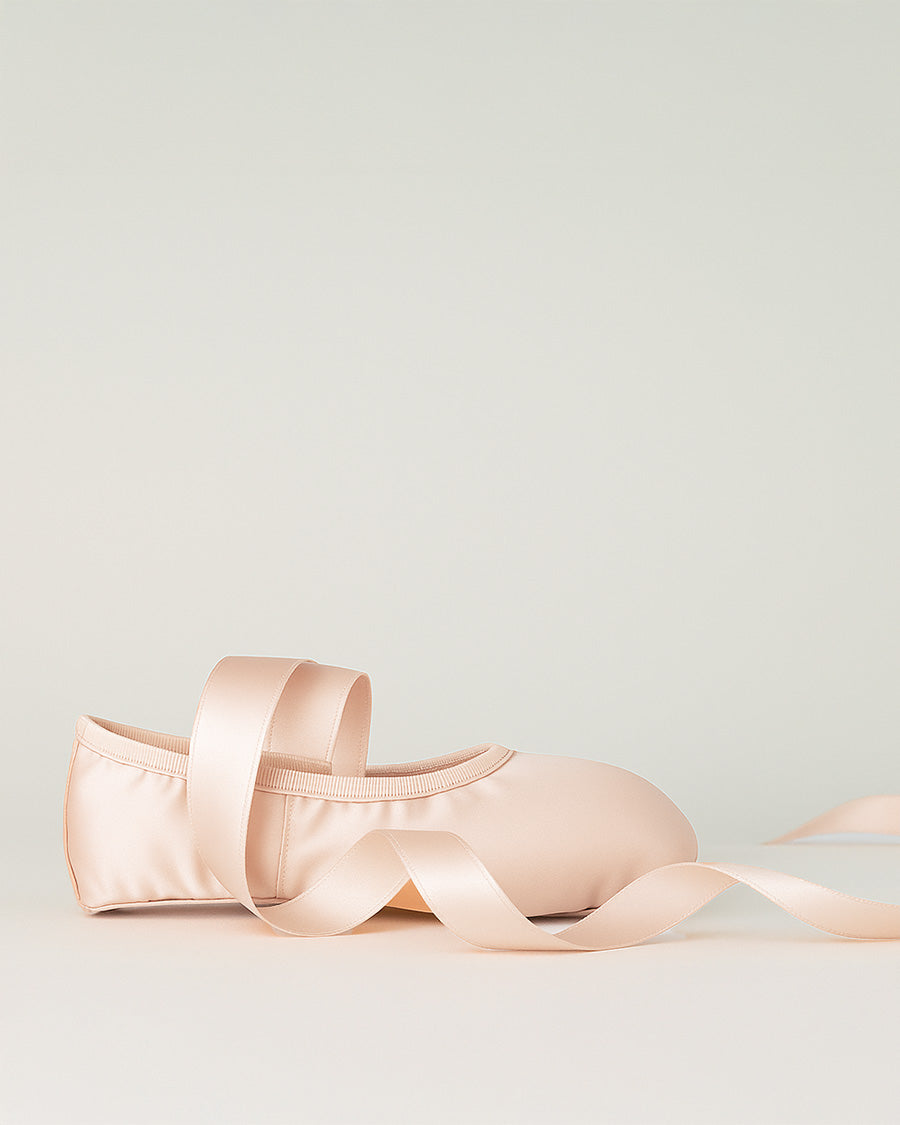
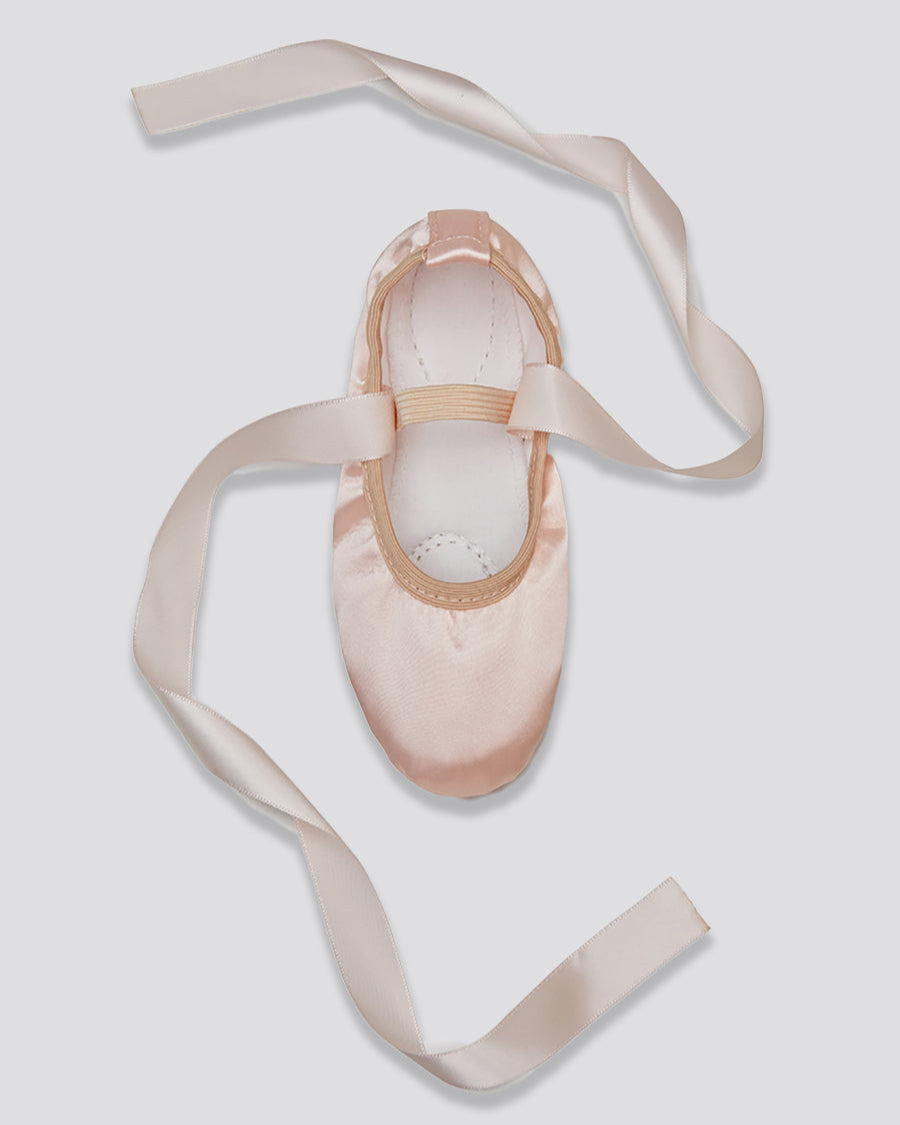
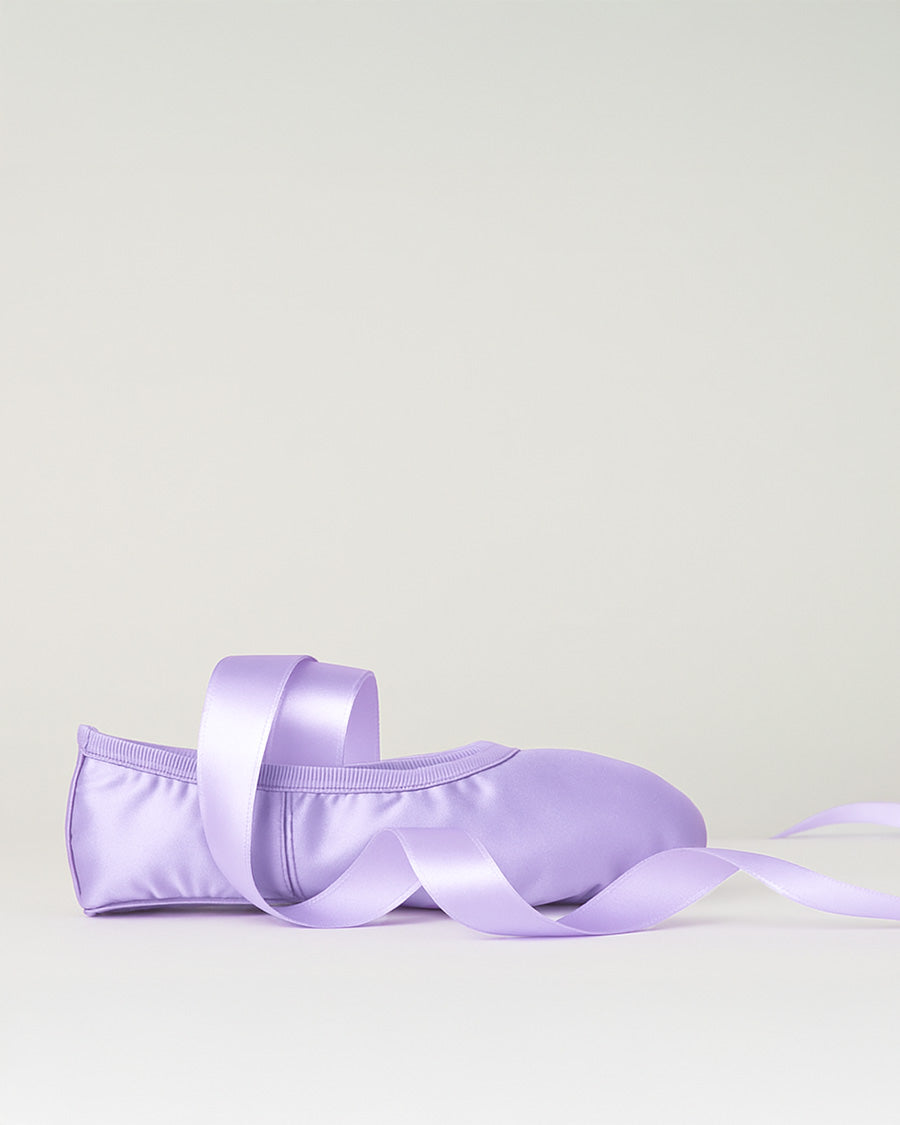
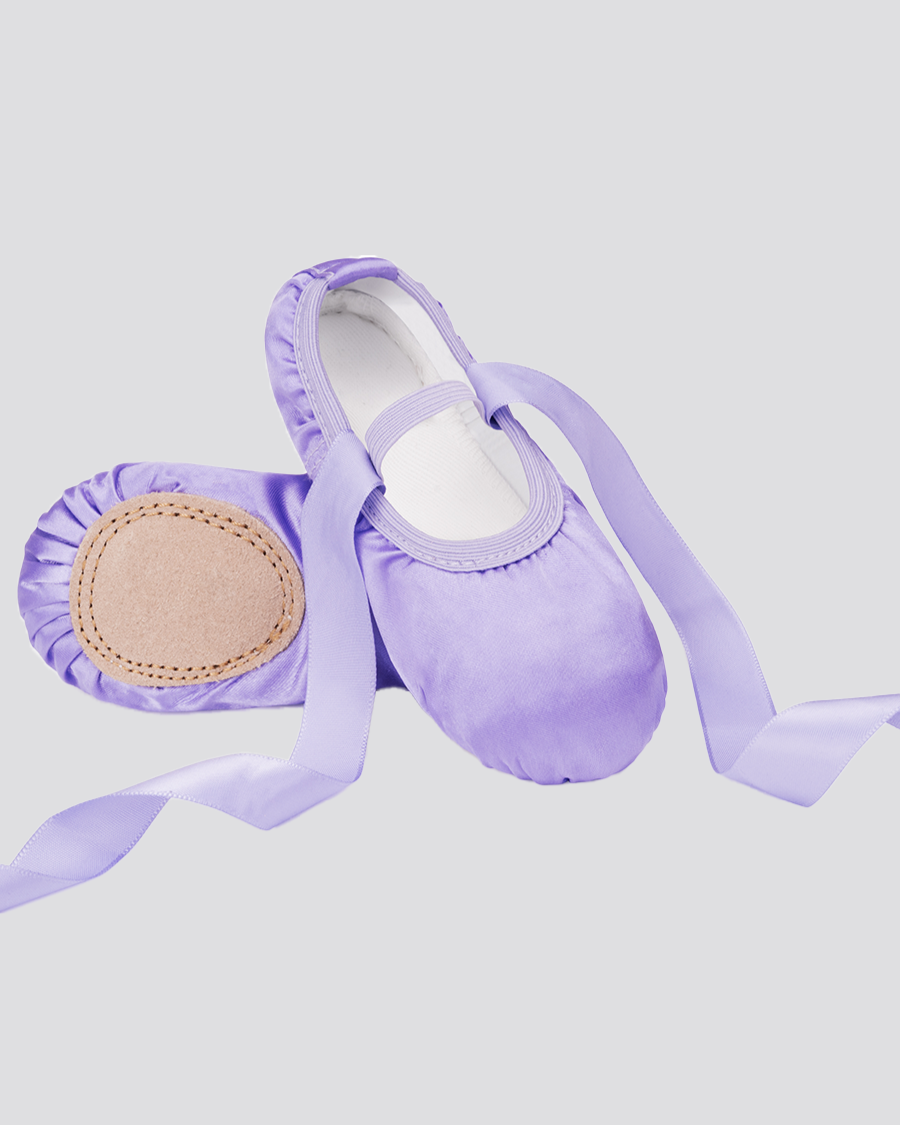
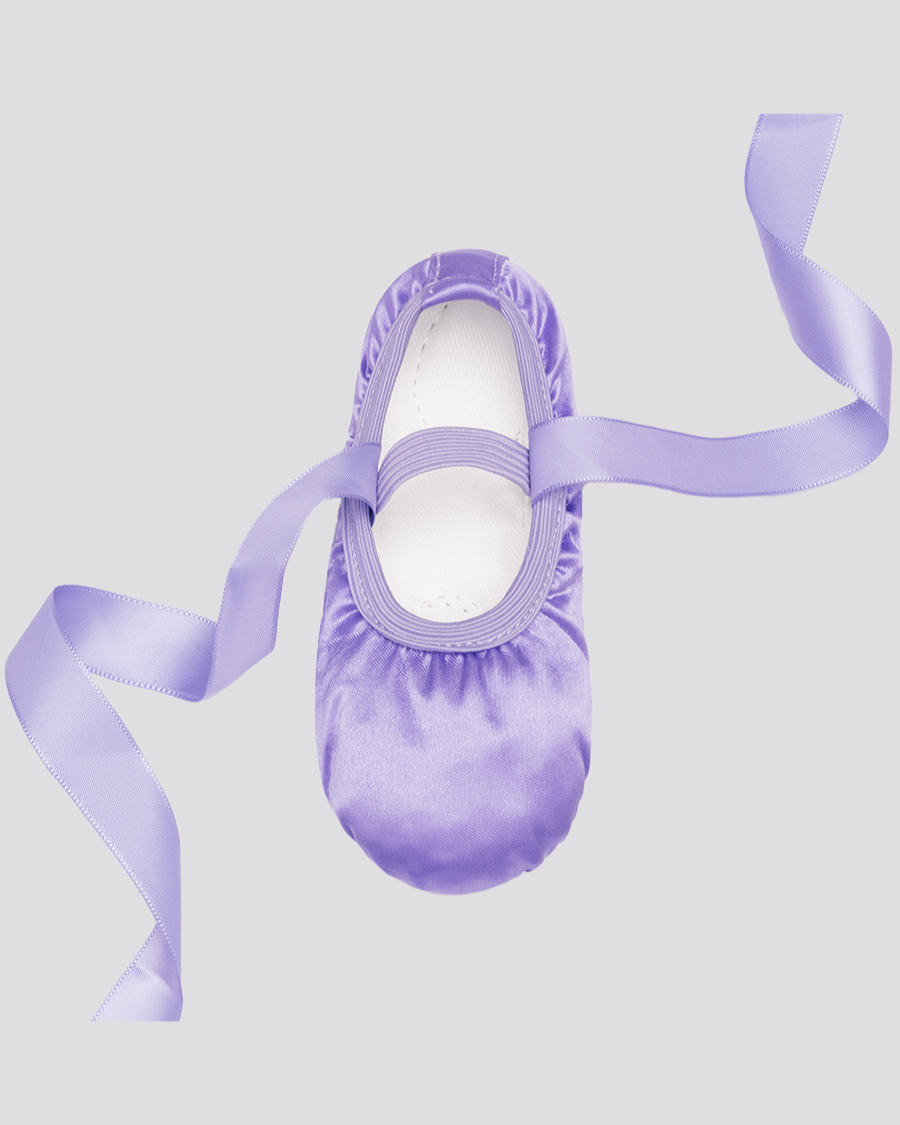
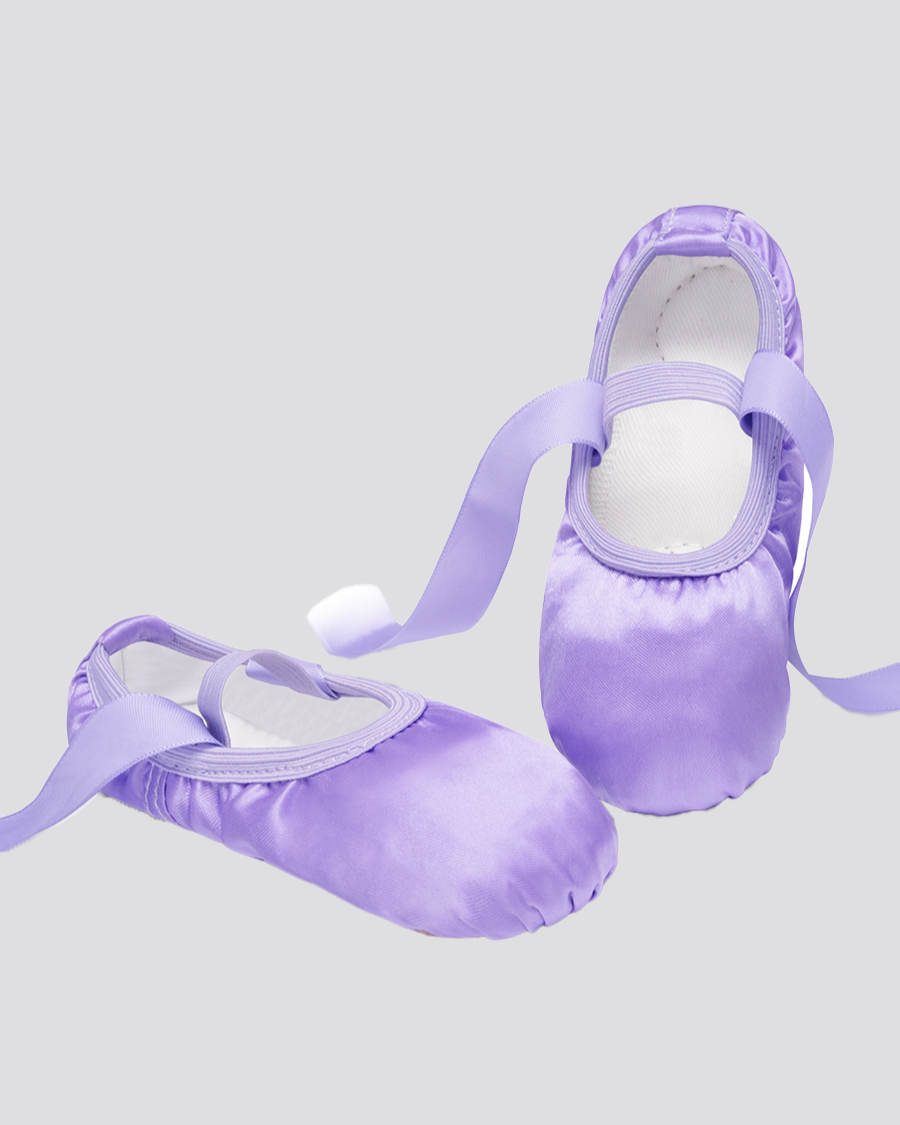
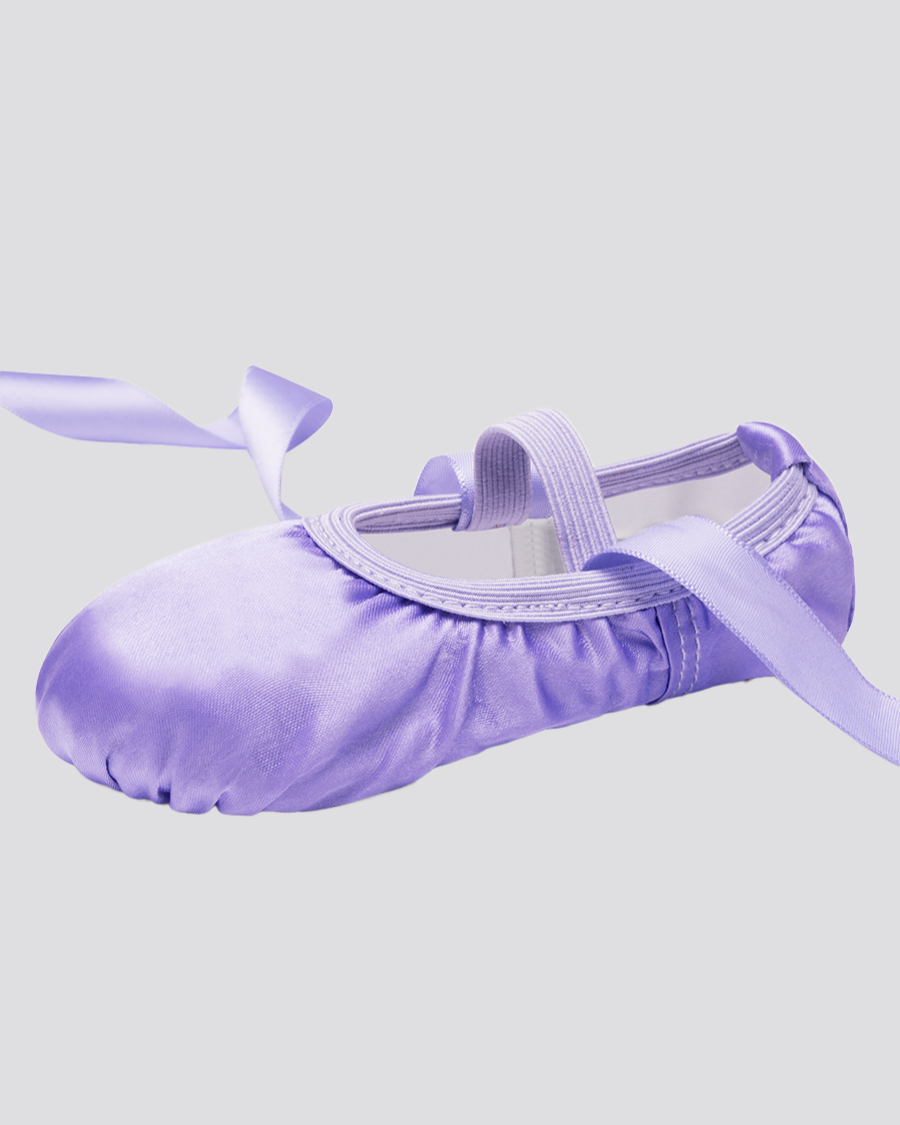
Ribbon tie ballet shoes feature long satin ribbons that wrap around the ankle or lower calf and tie securely in place. This design creates the iconic ballet look often seen in performances and professional ballet photos. In addition to their elegant appearance, ribbons can also help keep the shoe more securely positioned on the dancer’s foot.
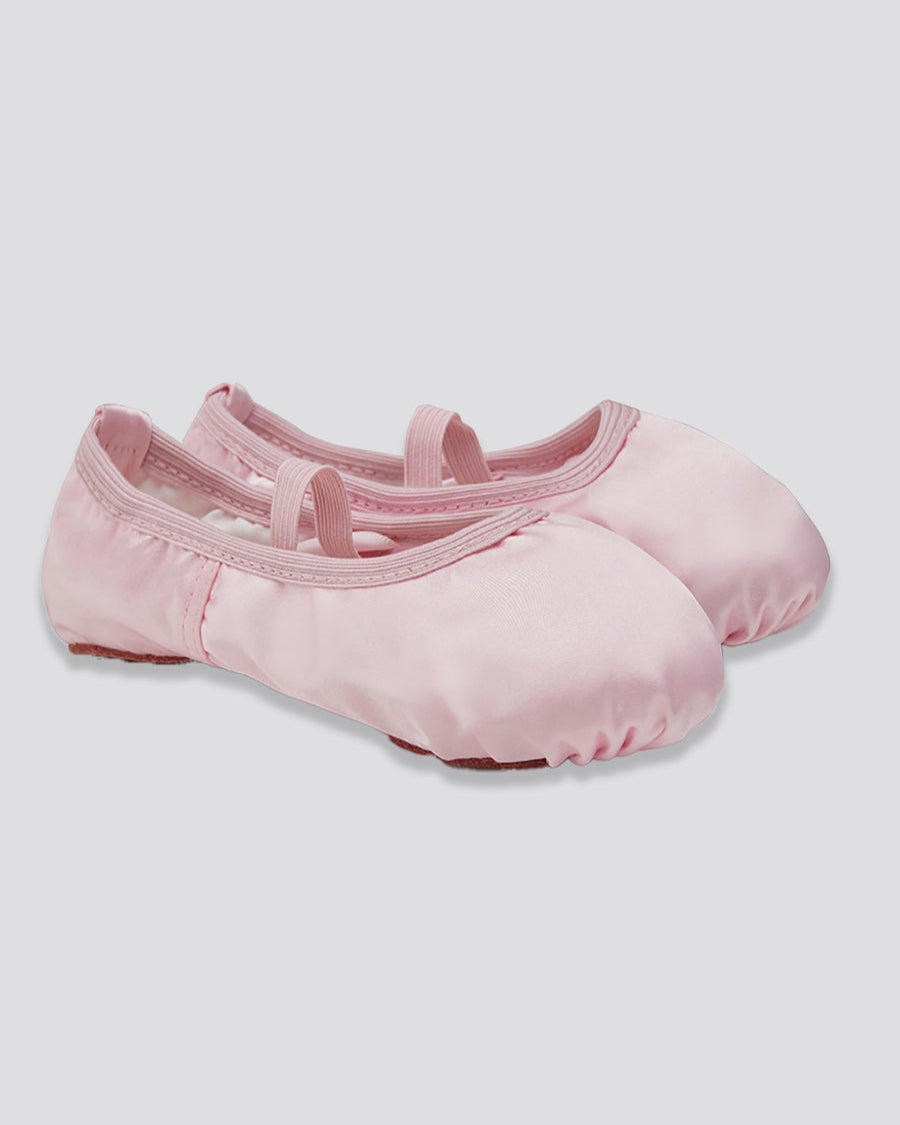
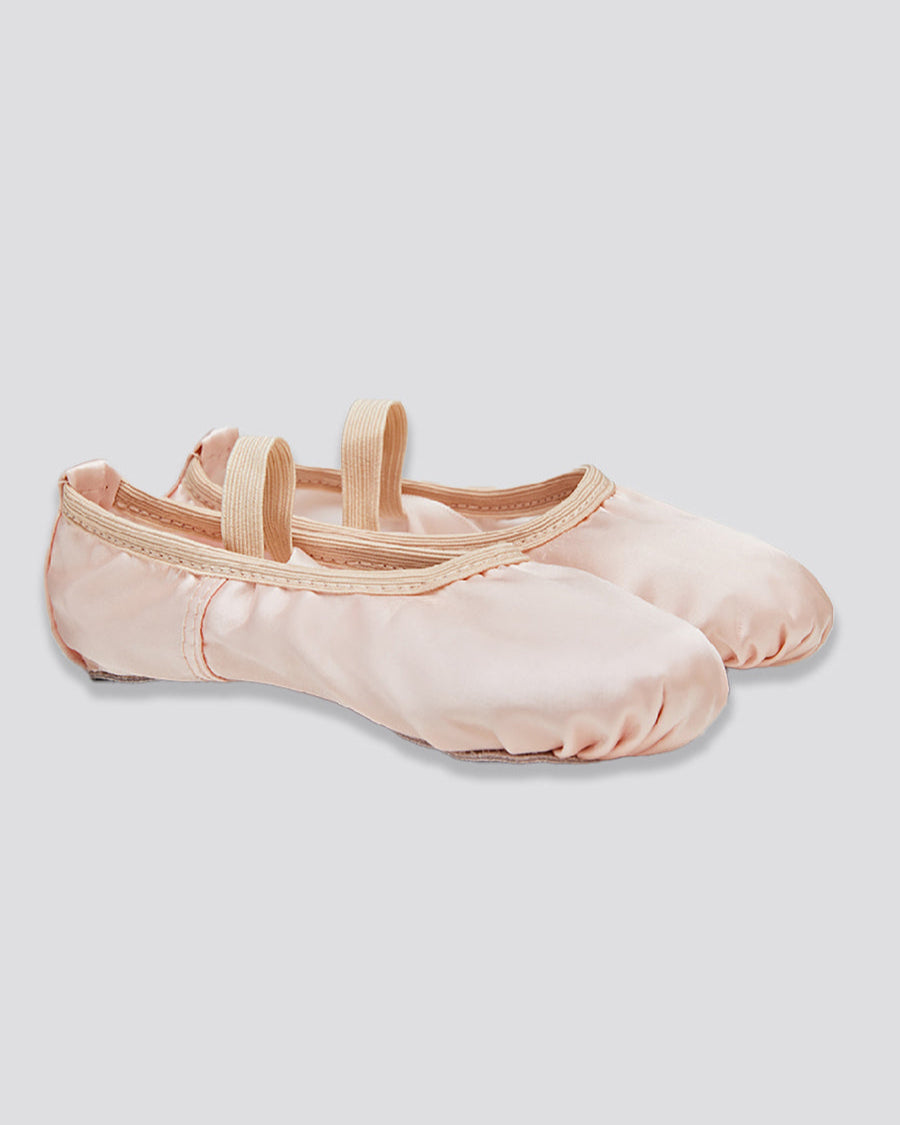
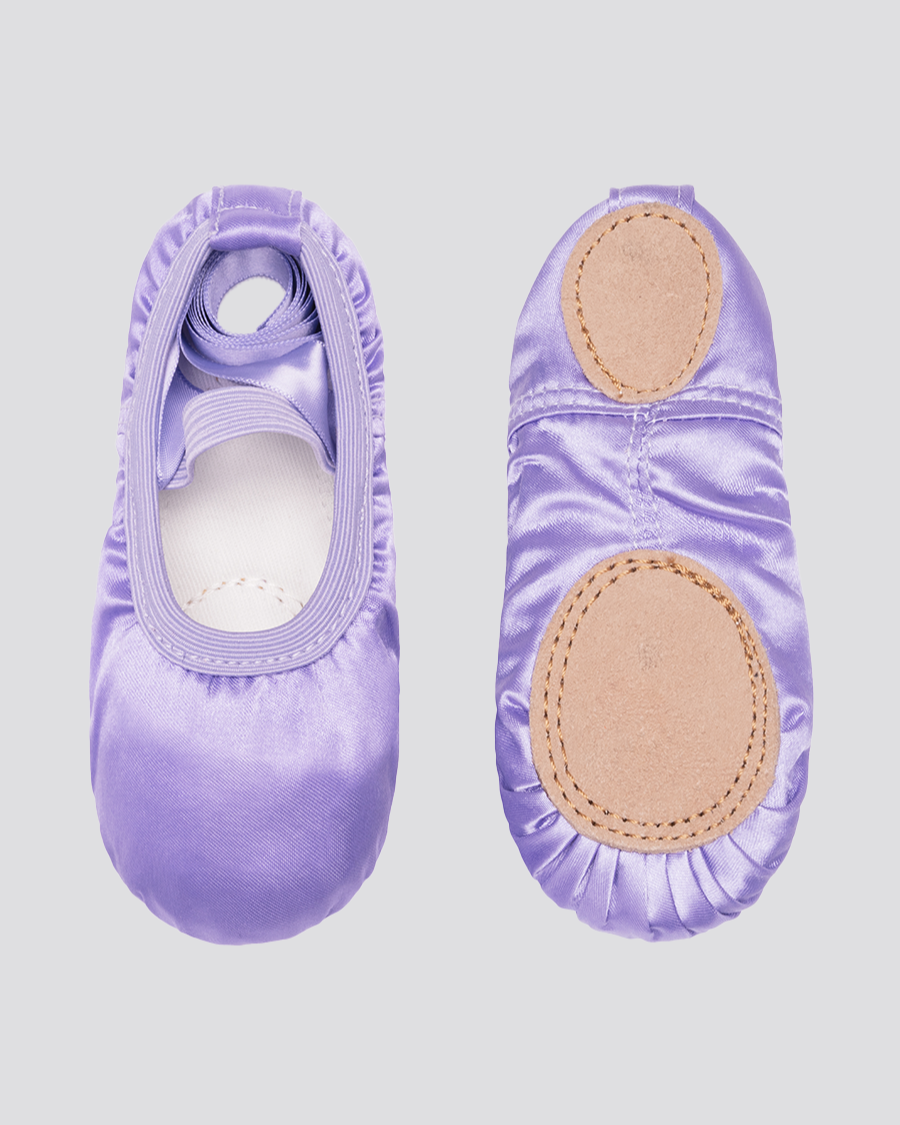
Material: Soft satin ballet shoes with long satin ribbons attached to the sides of the shoes
Features: Long ribbons that wrap around the ankle or lower calf and tie securely in place
Advantages: Creates the classic ballet look, provides a more secure fit, and helps keep the shoe in place during movement
Recommendation: Kids Satin Ballet Shoes with Ribbon
Glitter
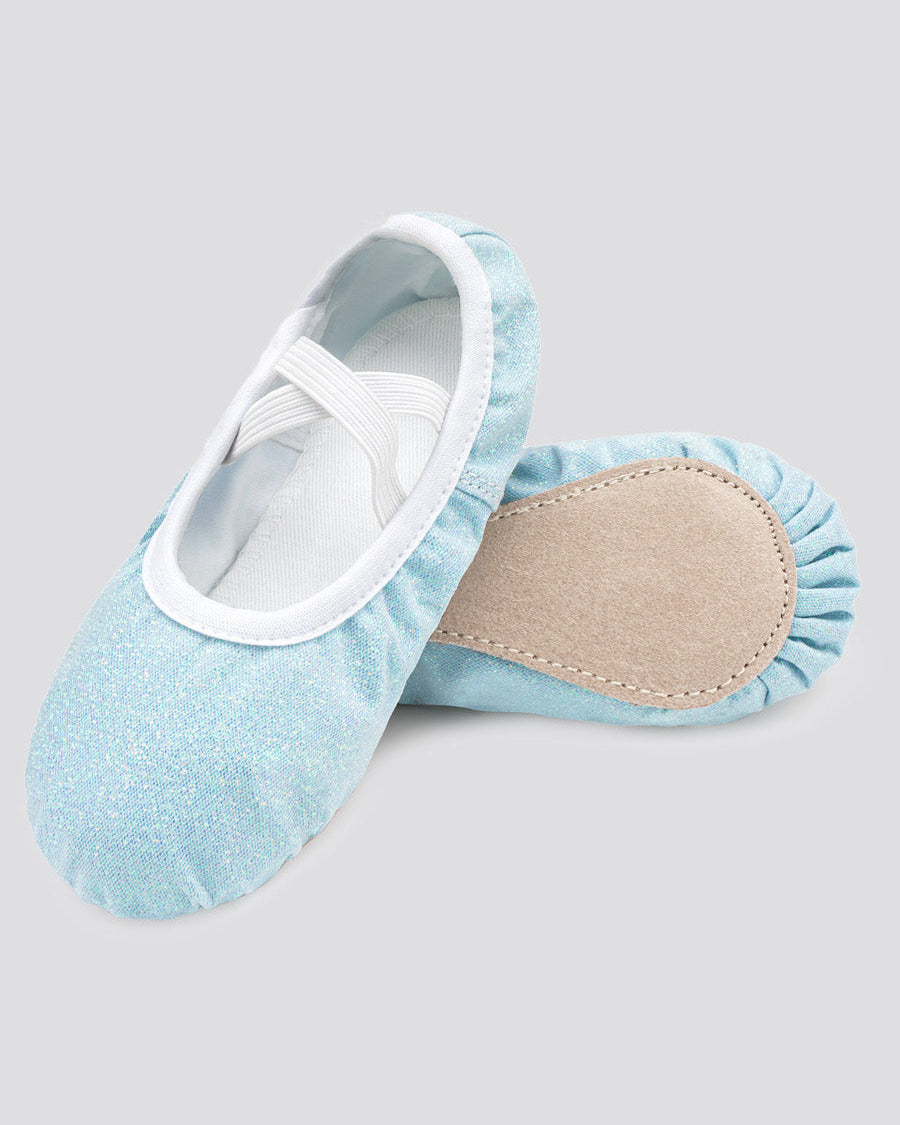
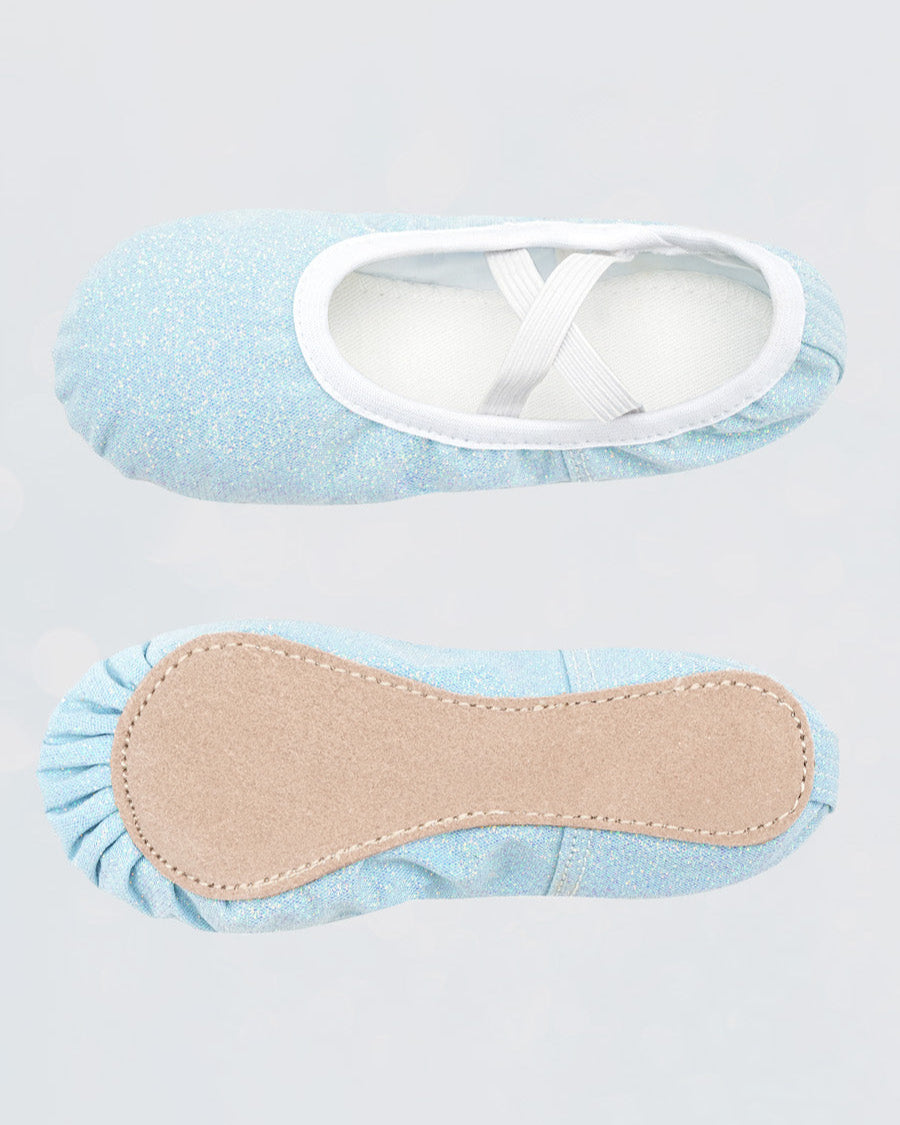
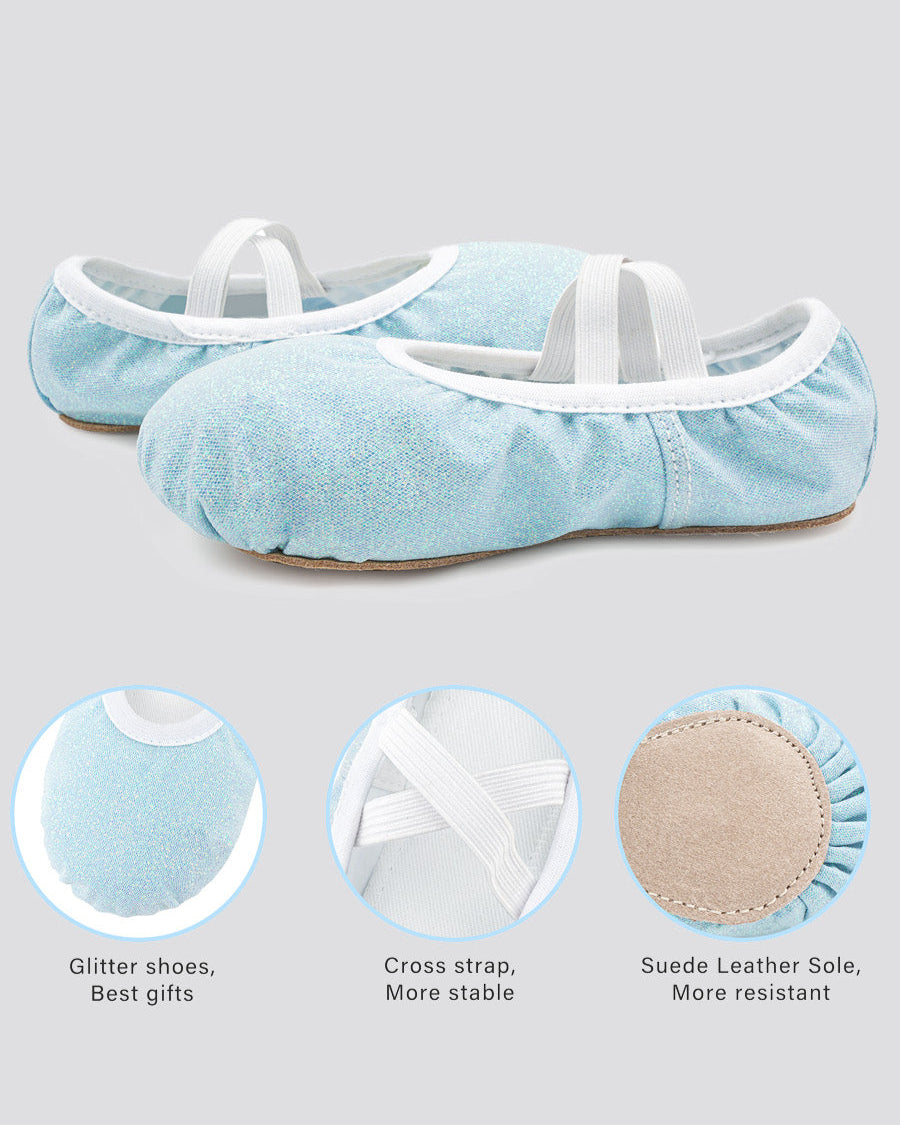
For dancers who love a little sparkle, Stelle’s glitter ballet shoes bring a fun and eye-catching twist to traditional ballet footwear. The shimmering finish makes these shoes stand out on stage and adds an extra sense of excitement for young dancers attending class or preparing for recitals.
Material: Glitter-covered upper with a soft fabric or synthetic base designed for flexibility and comfort
Features: Sparkling glitter finish that makes the shoes stand out on stage or in class
Advantages: Eye-catching design, fun for young dancers, adds personality to dancewear while still functioning like a traditional ballet shoe
Recommendation: Kids Glitter Ballet Shoes
Pirouette Shoes vs Ballet Shoes: What’s the Difference?
It’s normal to wonder whether your dancer needs ballet flat shoes, pirouette shoes, or both. These shoes are designed for different parts of dance training, and understanding the difference can make it easier to choose the right option for your child. Here’s a simple comparison to help guide you.
|
Feature |
Ballet Shoes |
Pirouette Shoes |
|
Foot Coverage |
Full foot coverage |
Covers only the ball of the foot |
|
Purpose |
General ballet training and class |
Practicing turns and pirouettes |
|
Support |
More structure and support |
Minimal structure for freedom of movement |
|
Best For |
Beginners and everyday practice |
Intermediate or advanced dancers |
|
Flexibility |
Flexible but supportive |
Very flexible and lightweight |
|
Recommendation |
Finding the Perfect Ballet Shoes for Your Little Dancer
If you're shopping for your child’s first pair of ballet slippers, choosing the right style can make a big difference in their comfort and confidence during class. New to the studio? Here's what to expect when kids start ballet. One of the easiest ways to narrow down your options is to start with your dancer’s experience level. Once you understand the differences between ballet shoe types, picking the right pair becomes much easier.
When choosing a shoe, remember that fit matters just as much (if not more) than the type of slipper. If you are feeling a little lost on how to find the right fit for your ballerina, check out our blog “How to Measure and Fit Ballet Shoes for Kids”, where we explain exactly how to measure your child’s feet and find the best size.