





Skirted Leotard vs Plain Leotard: How to Choose for Your Dancer
Table of contents
- Quick Answer: Skirted or Plain Leotard?
- What's the Actual Difference?
- Why Some Teachers Ask for a Plain Leotard
- What Skirted Leotards Are Actually Good For
- What Nobody Tells You About How It Actually Feels to Wear One
- Fit Still Matters More Than the Skirt
- How to Tell What Your Studio Expects
- Does the Dance Style Matter?
- Where Stelle Fits In
- Frequently Asked Questions
- 1. Is a skirted leotard ok for beginner ballet?
- 2. Why do ballet teachers not allow skirts?
- 3. What age do dancers stop wearing skirted leotards?
- 4. Can a skirt get in the way during class?
- 5. Tutu vs skirted leotard: is it the same thing?
- 6. Does skirted leotard fit work differently than a plain one?
- Final Thoughts
Written by the Stelle team.
Standing in front of a rack of leotards, most parents land on the same question: does my child need a skirted leotard, or will a plain one do? If your child loves the look of a skirted ballet leotard, it can be hard to know whether it is class-ready or just cute. This guide skips the full tour of leotard for dance class styles and answers one practical question: for your dancer, right now, which one makes sense?
Quick Answer: Skirted or Plain Leotard?
Some beginner and younger dancers' classes allow skirted leotards, especially when there is no set uniform, and plenty of kids prefer the extra flair. Once a dancer moves into more structured technique classes, exam prep, or a studio with a set uniform, a plain leotard tends to be the safer choice, since teachers need a clear view of body lines. Whichever you pick, fit matters more than either option on its own. When in doubt, ask the teacher.
|
Situation |
Better Fit |
|
Beginner or early years, no set dress code |
A skirted leotard can work if the studio allows it |
|
Teacher is correcting posture and leg lines |
A plain leotard is more common |
|
Prepping for an exam or joining a team |
Follow the teacher's or exam board's specific requirement |
What's the Actual Difference?
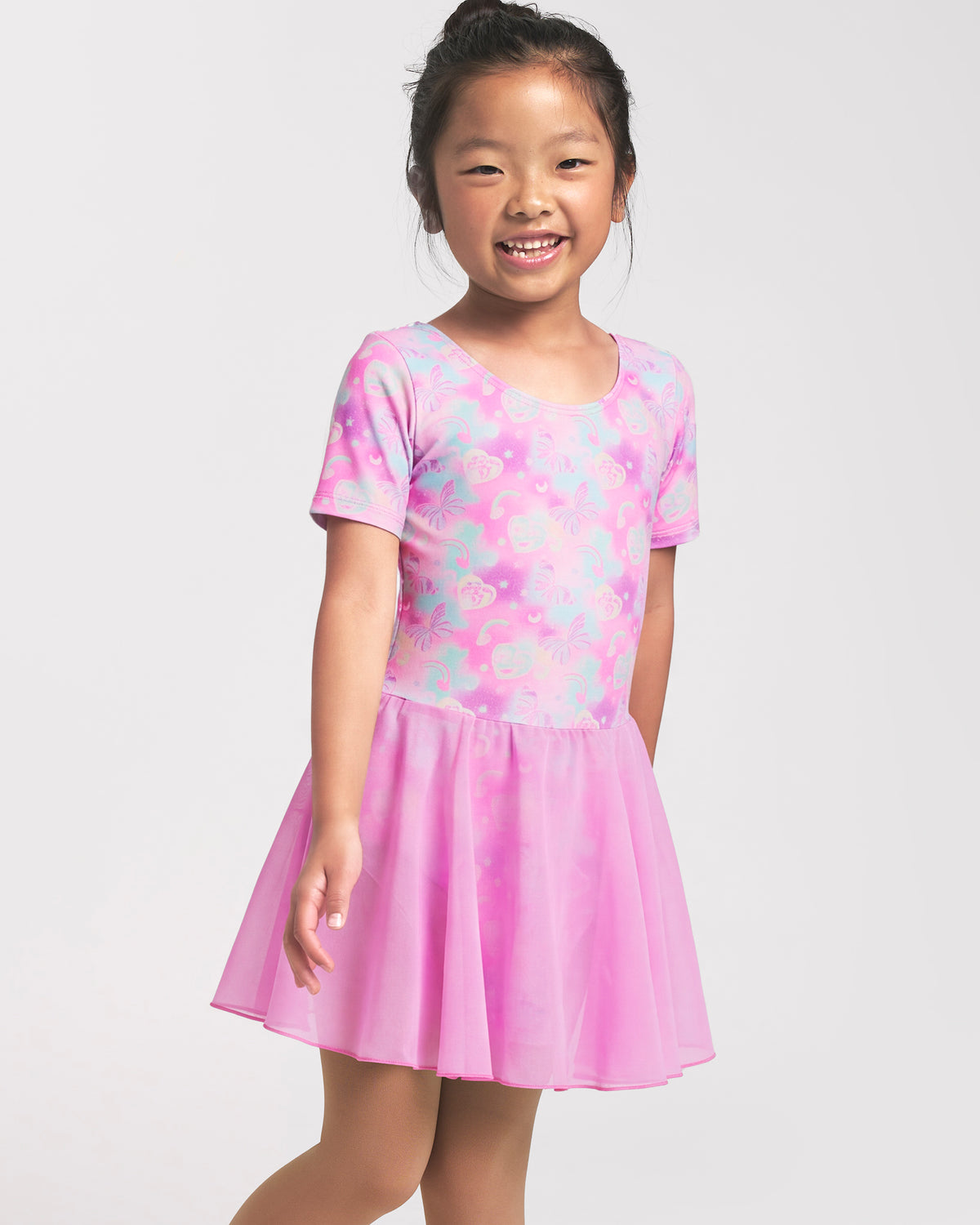
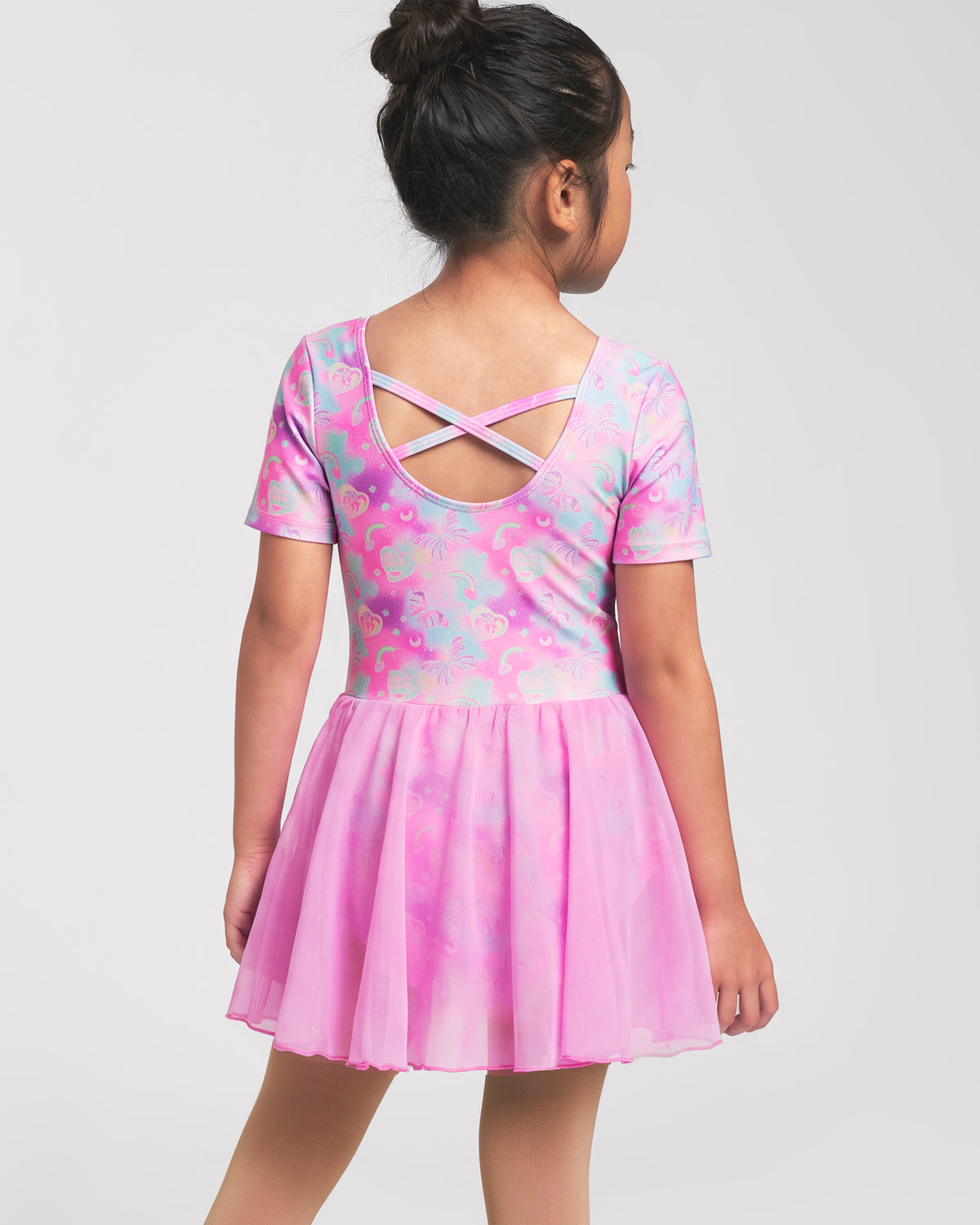
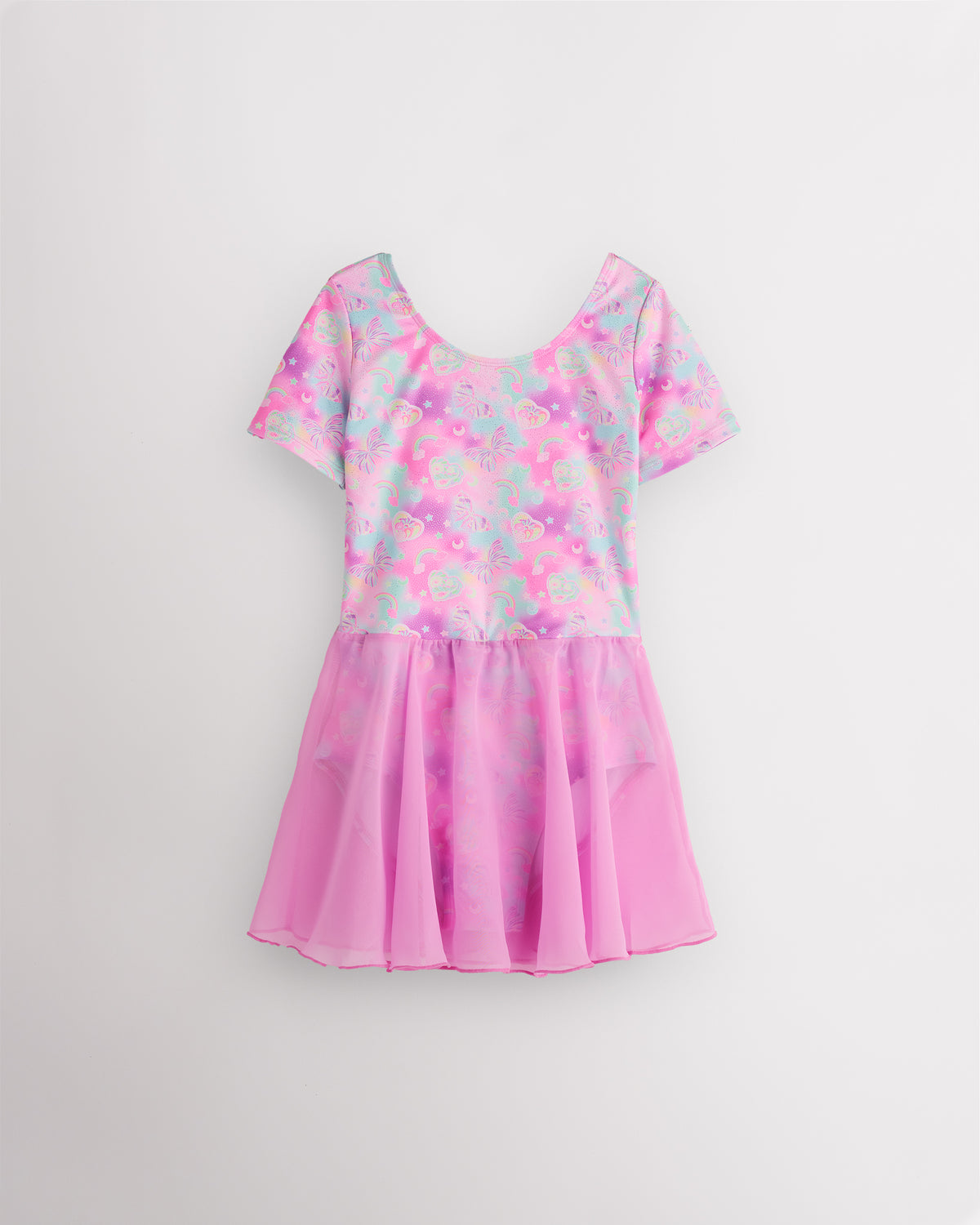
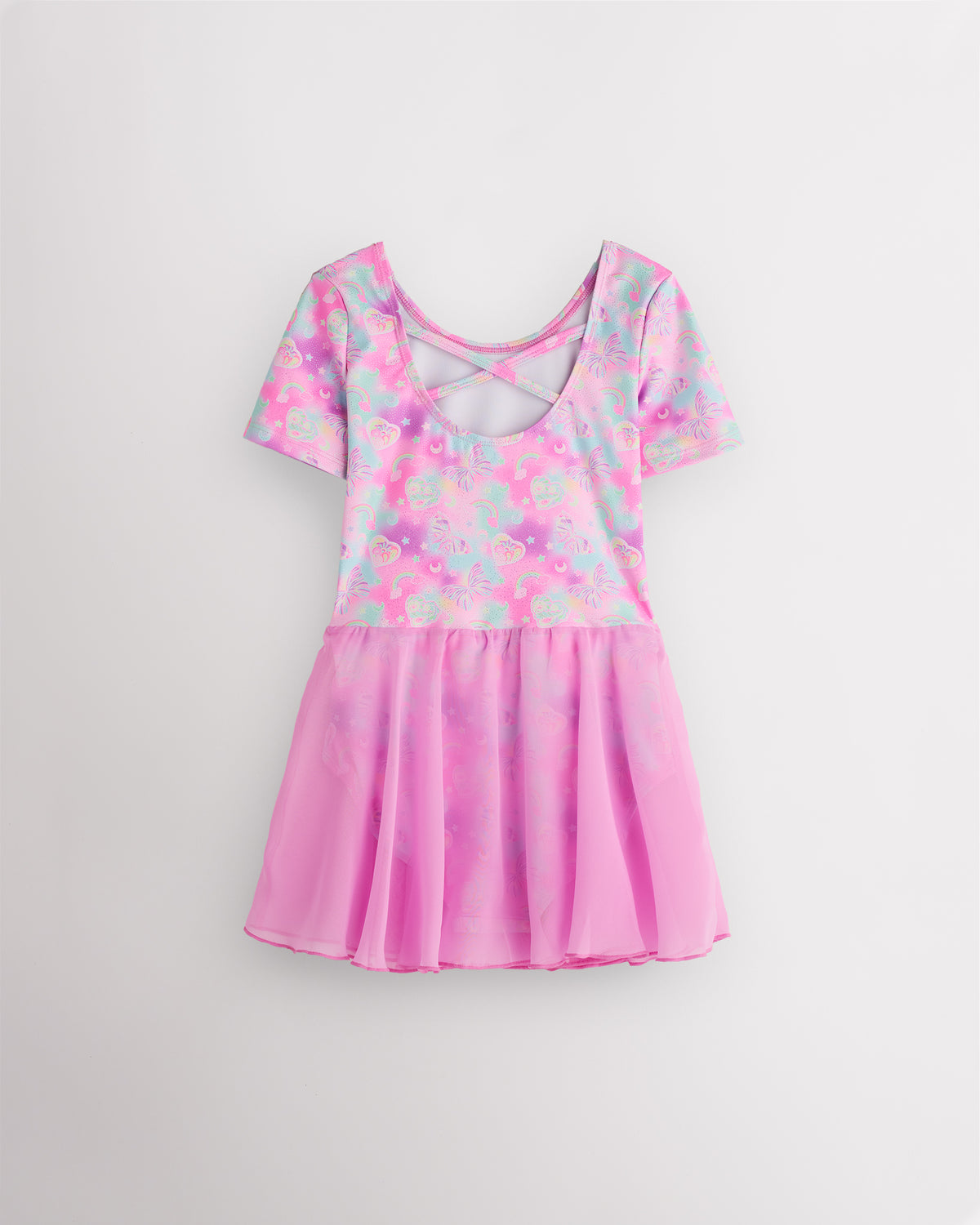
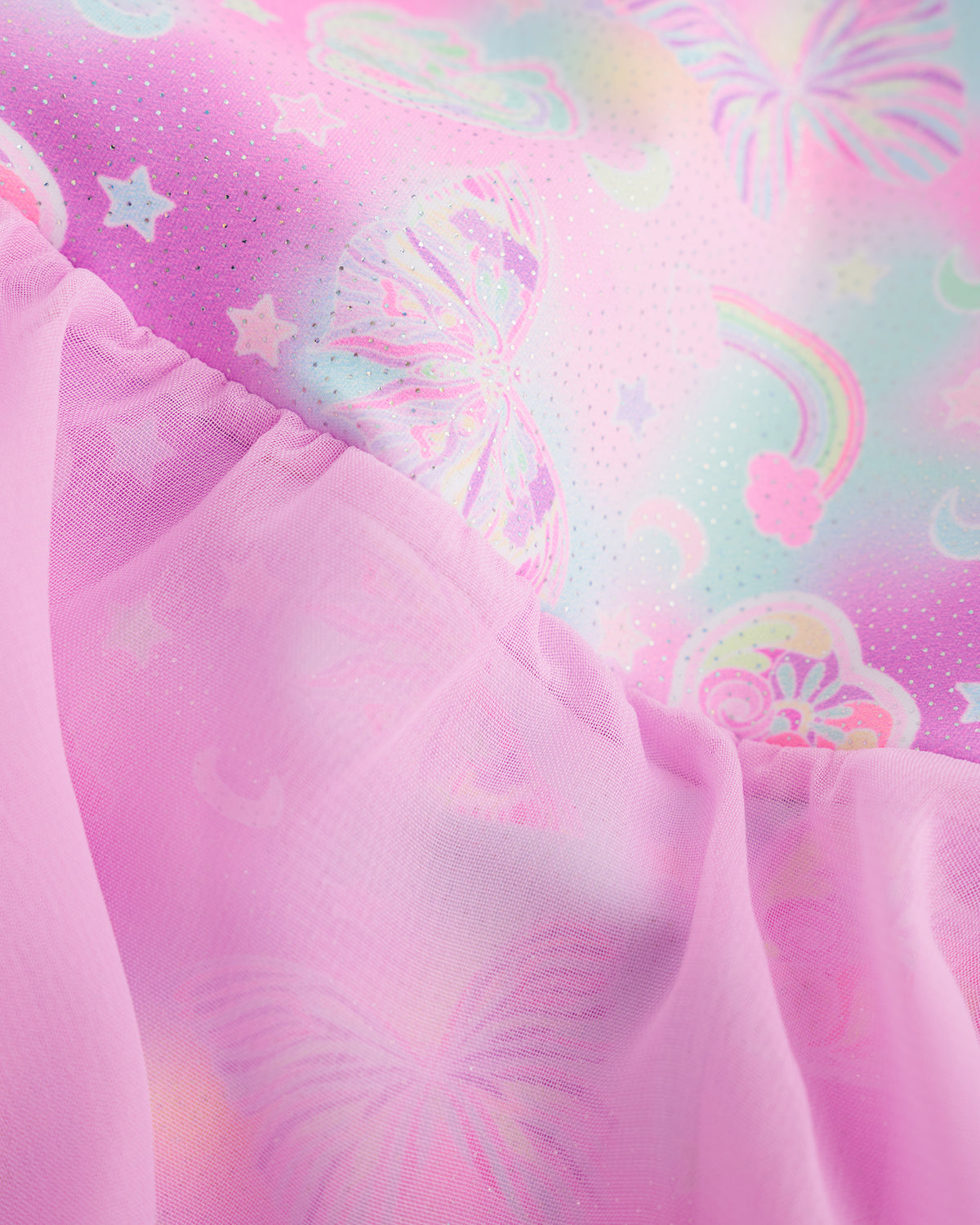
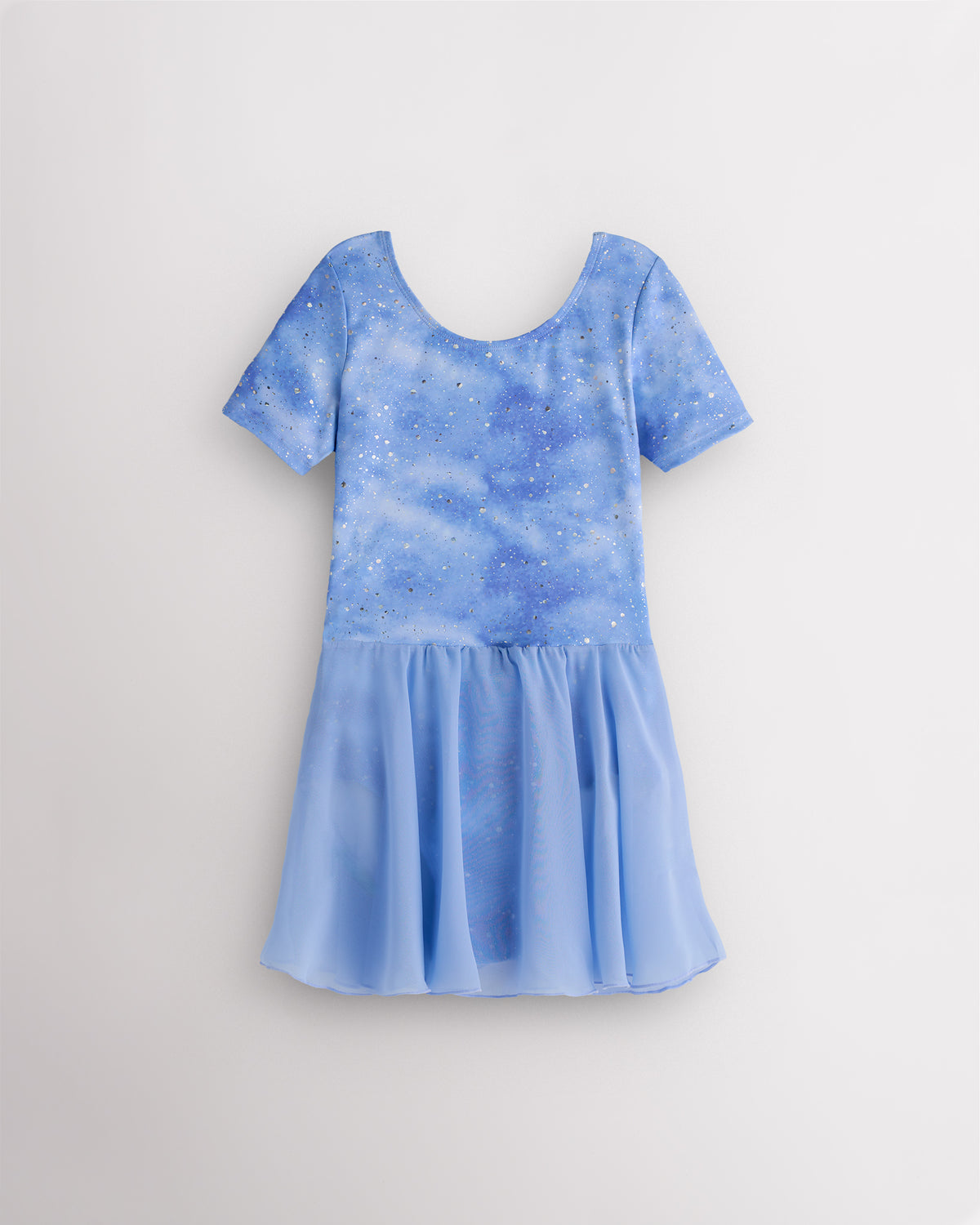
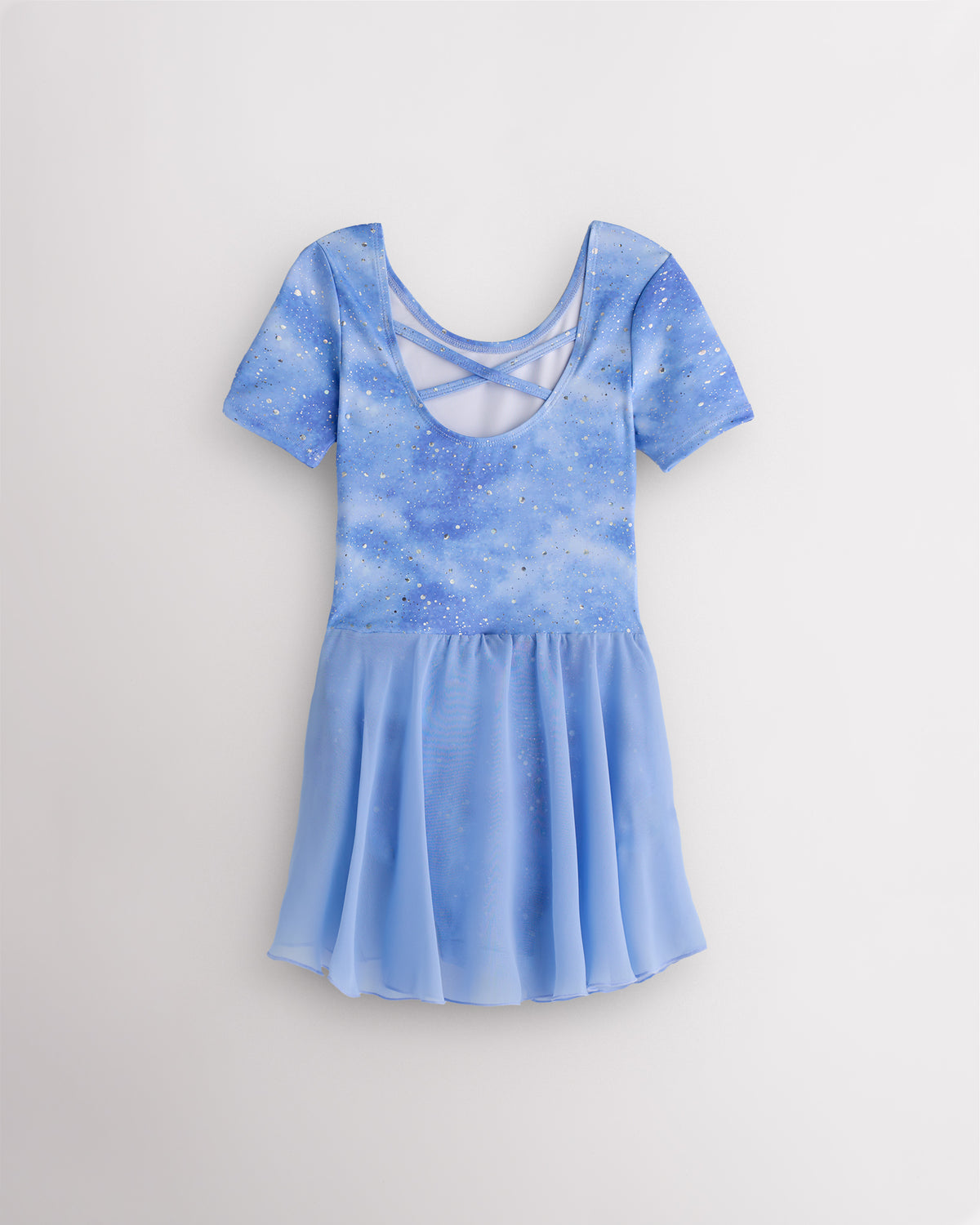
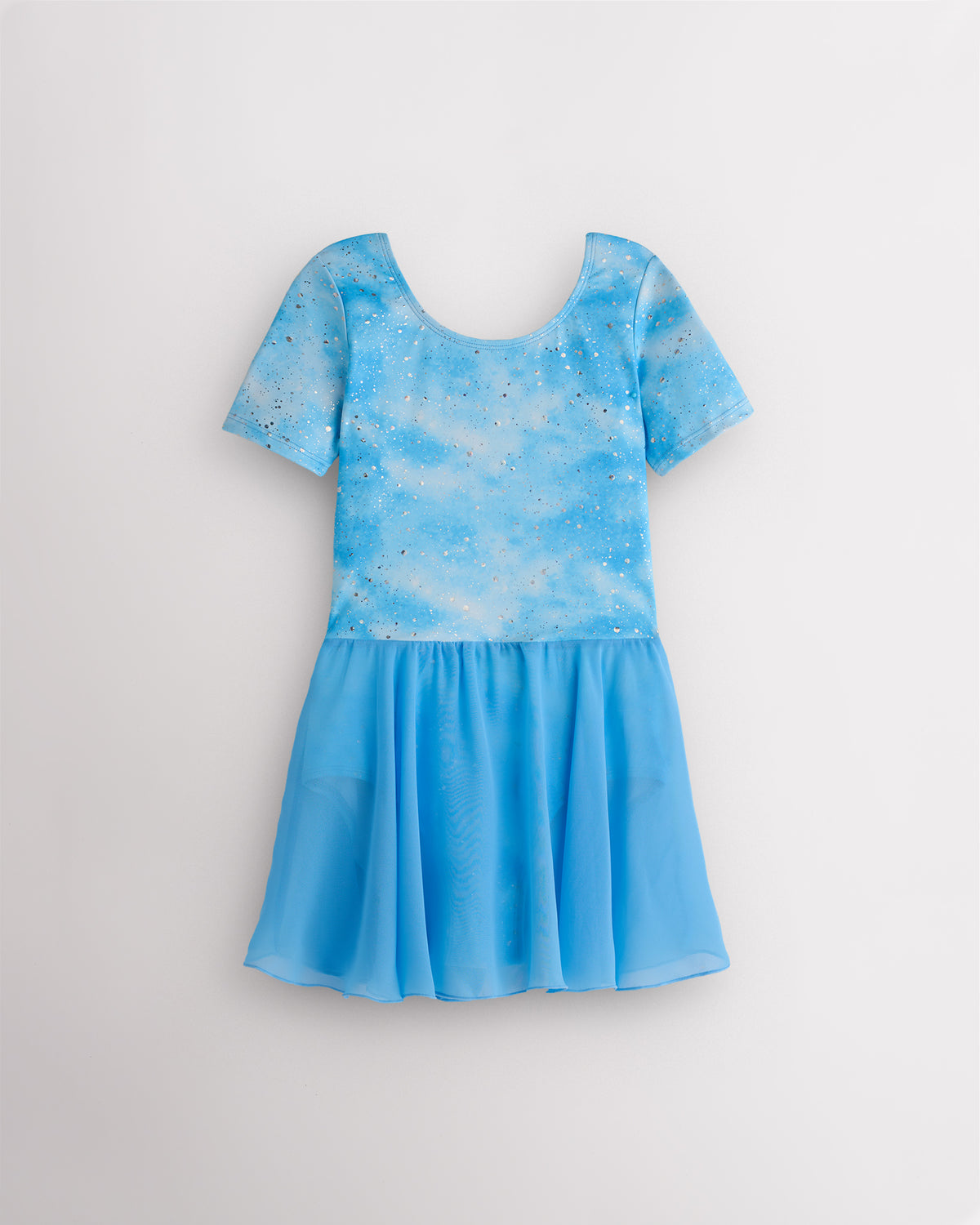
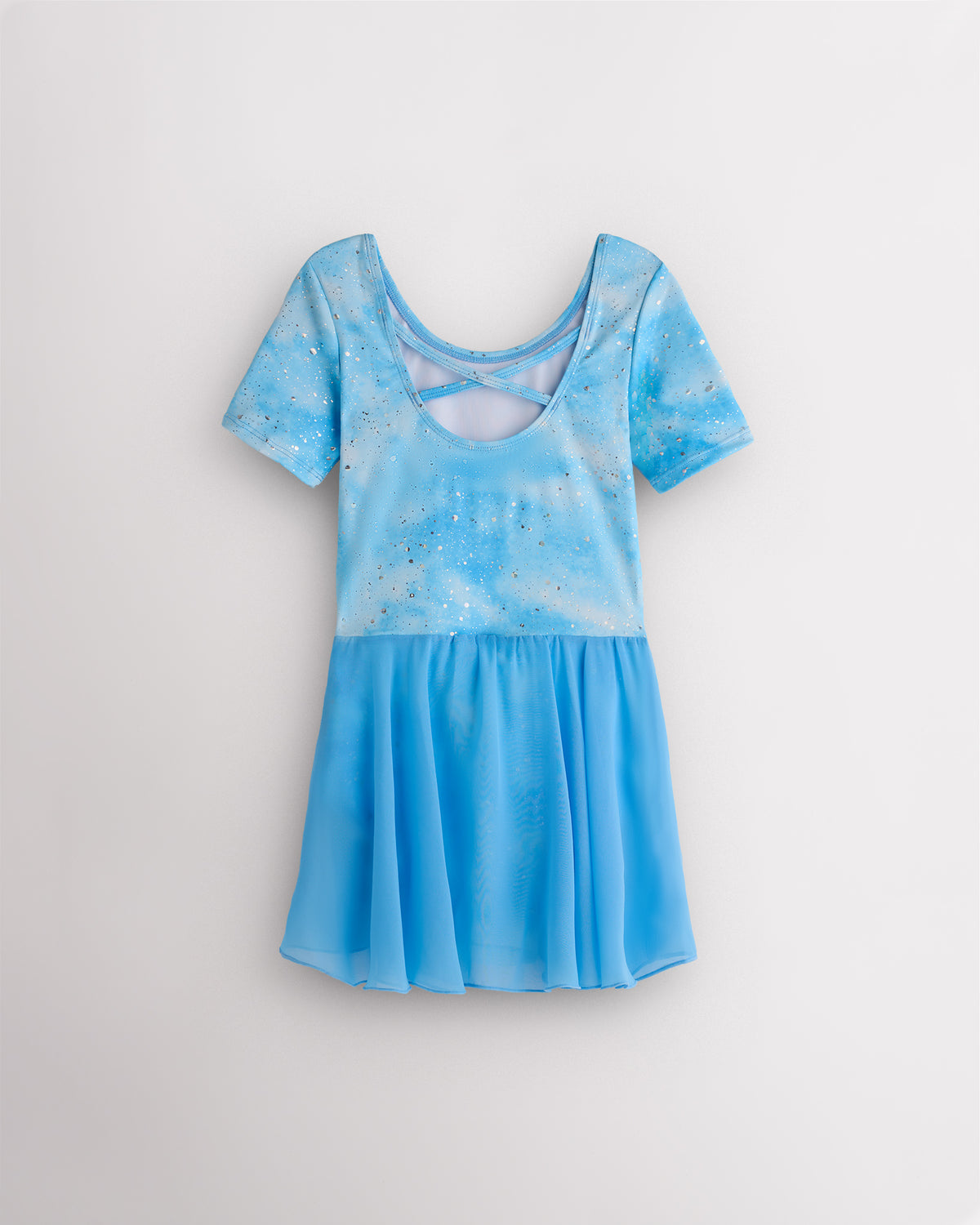
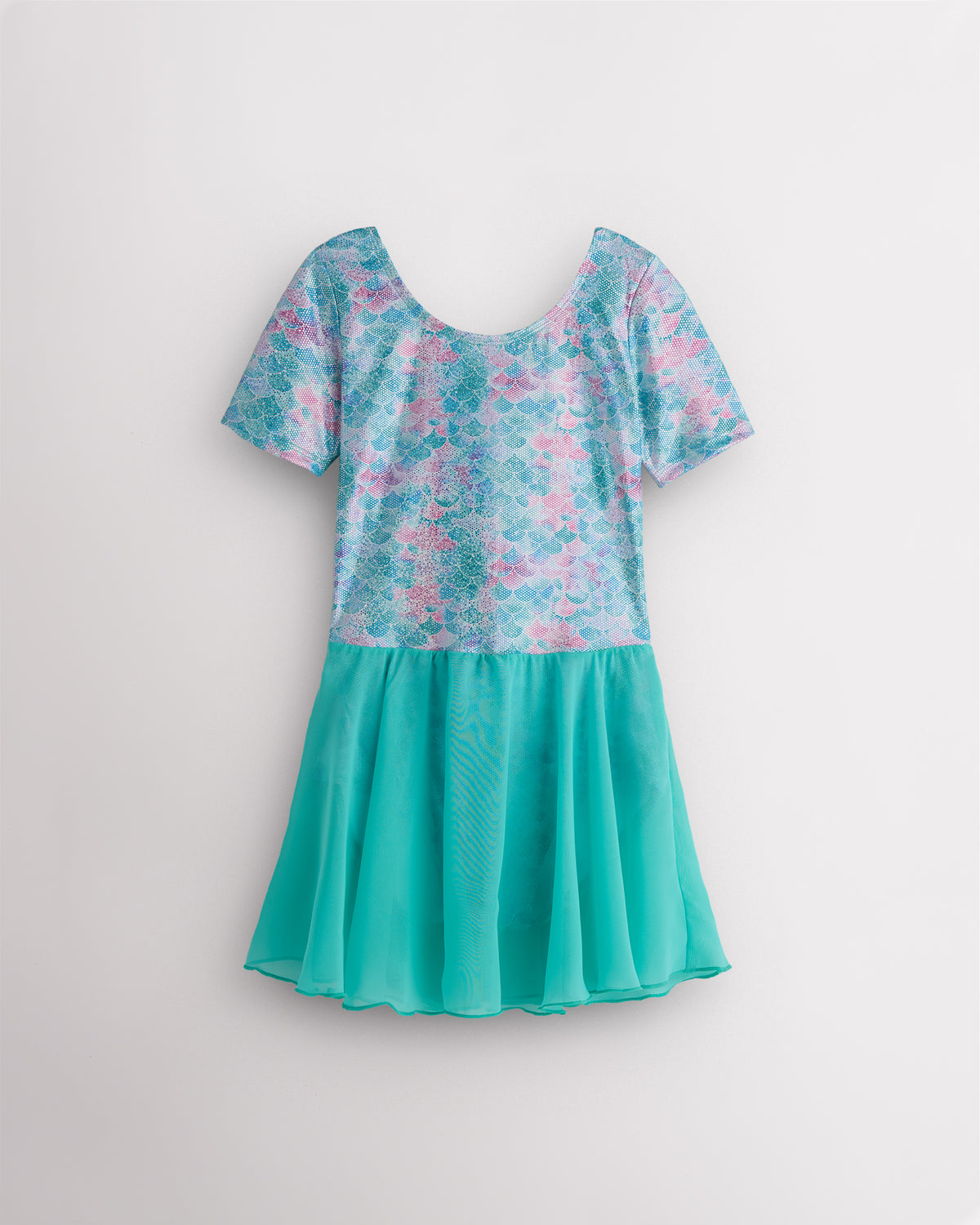
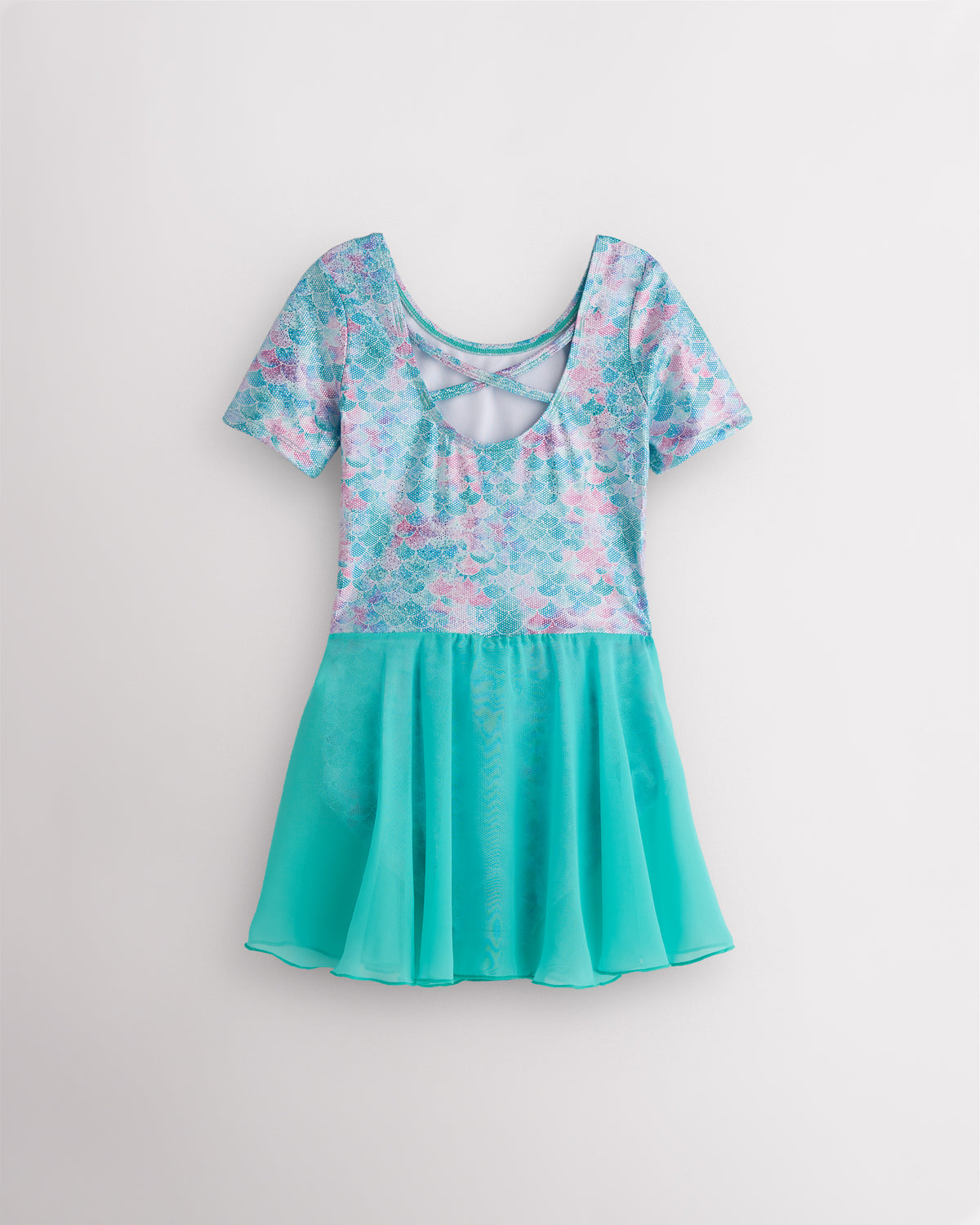
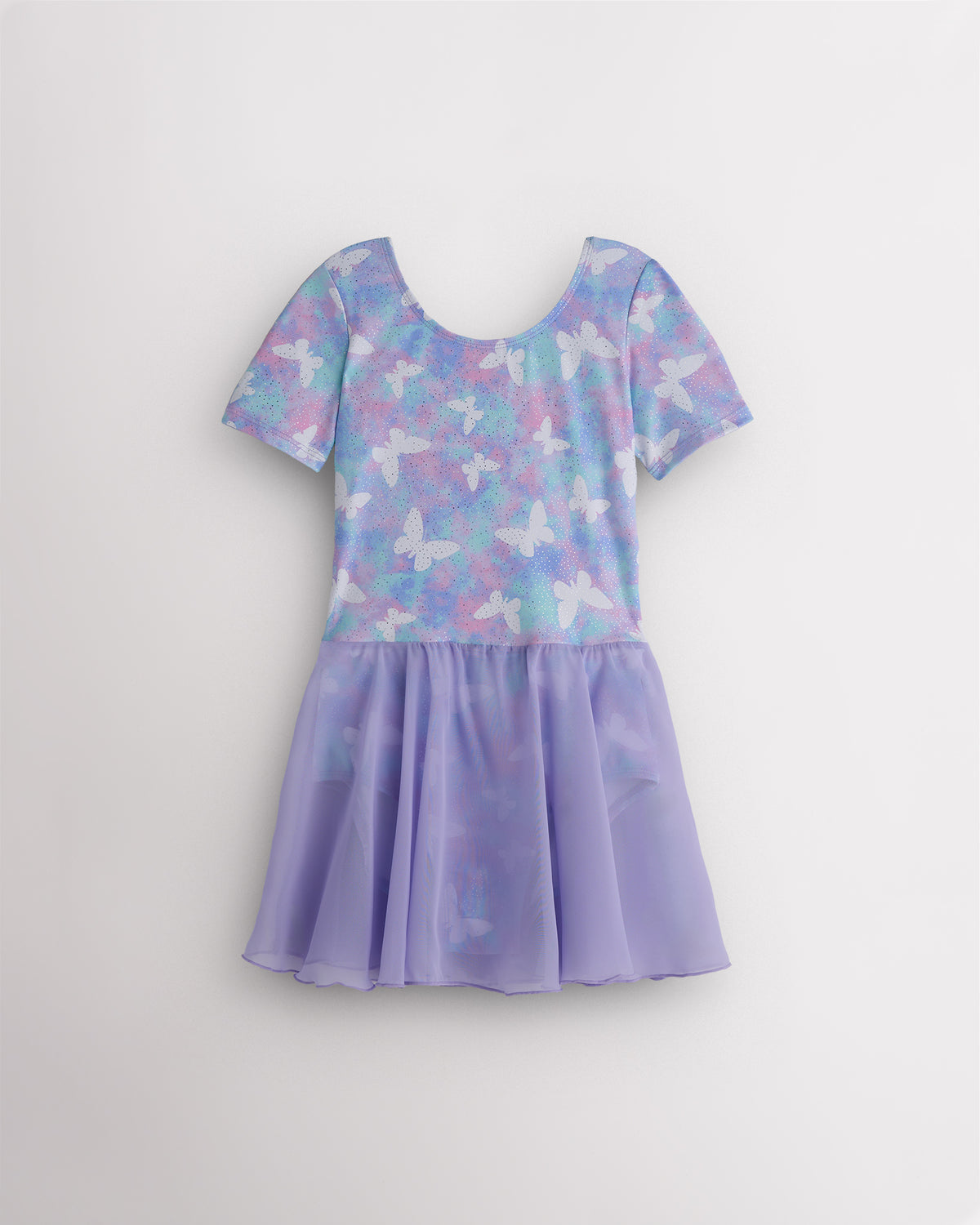
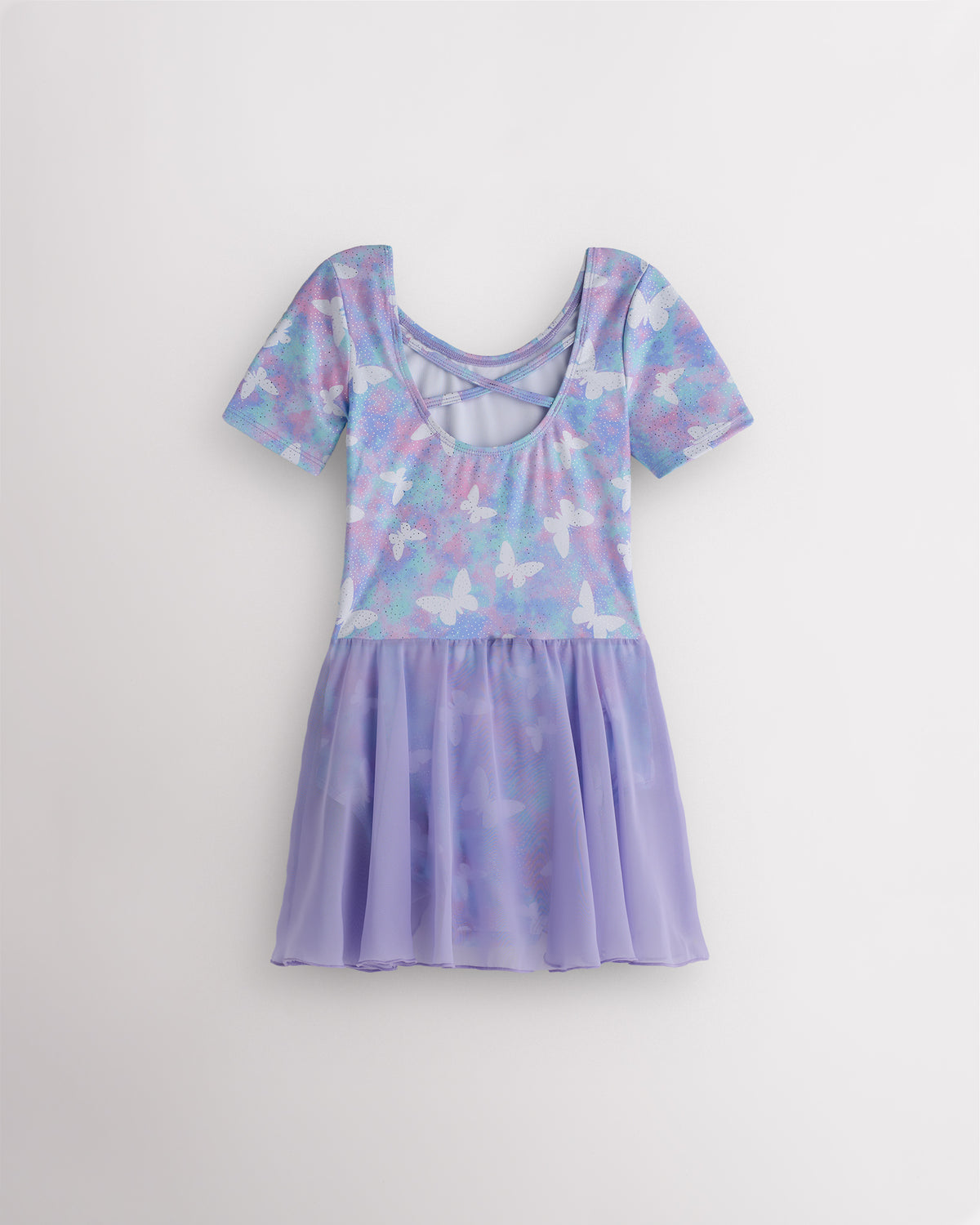
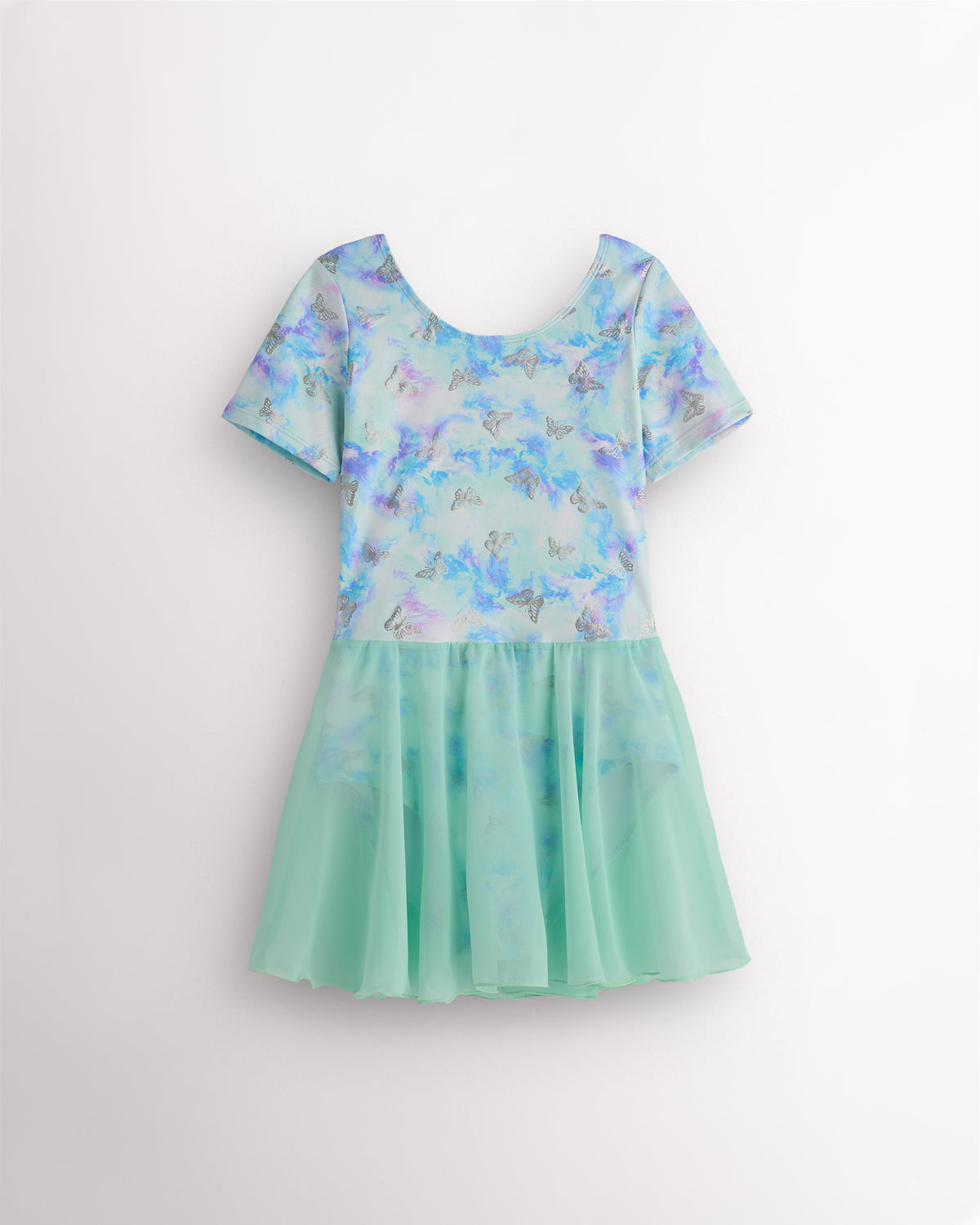
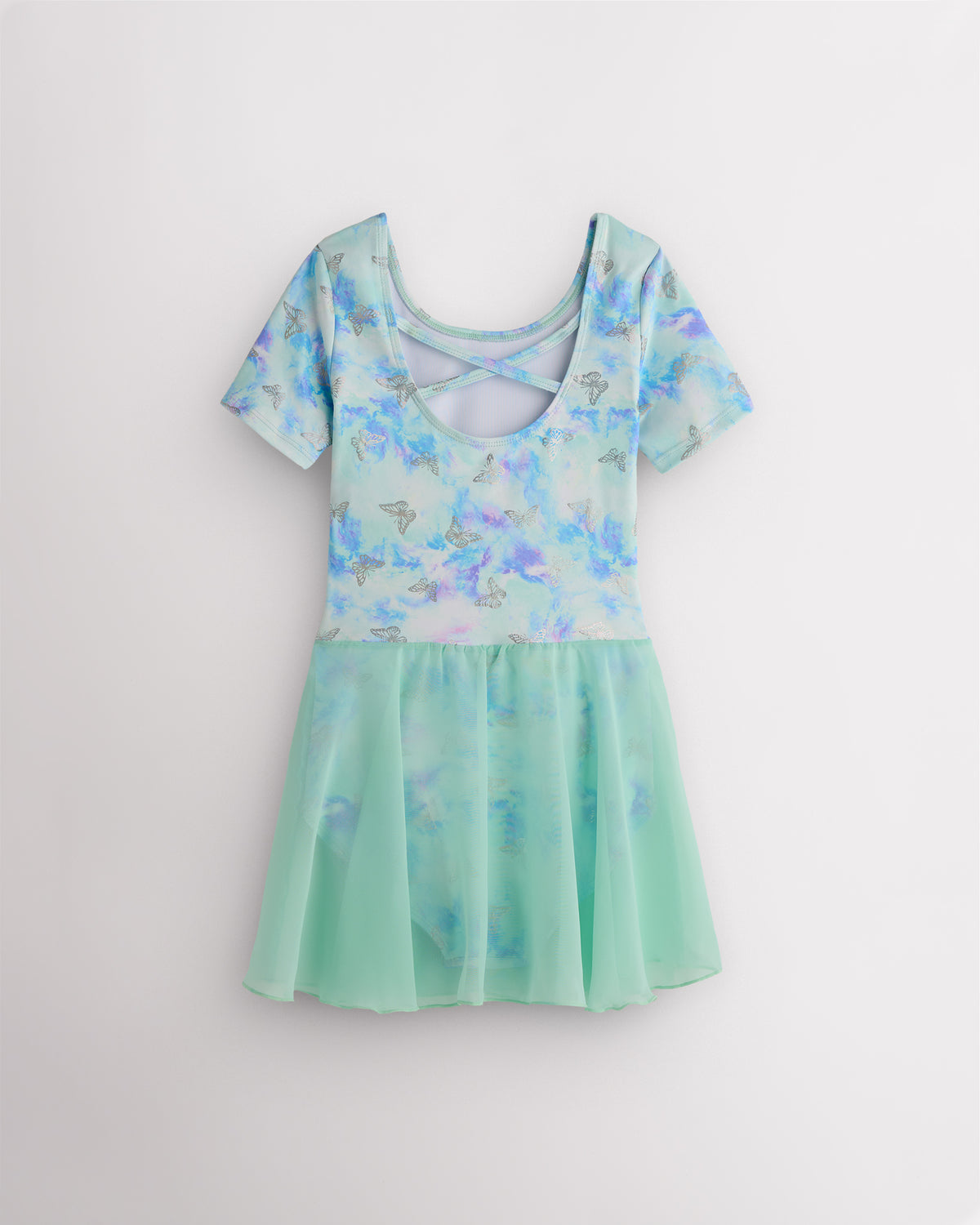
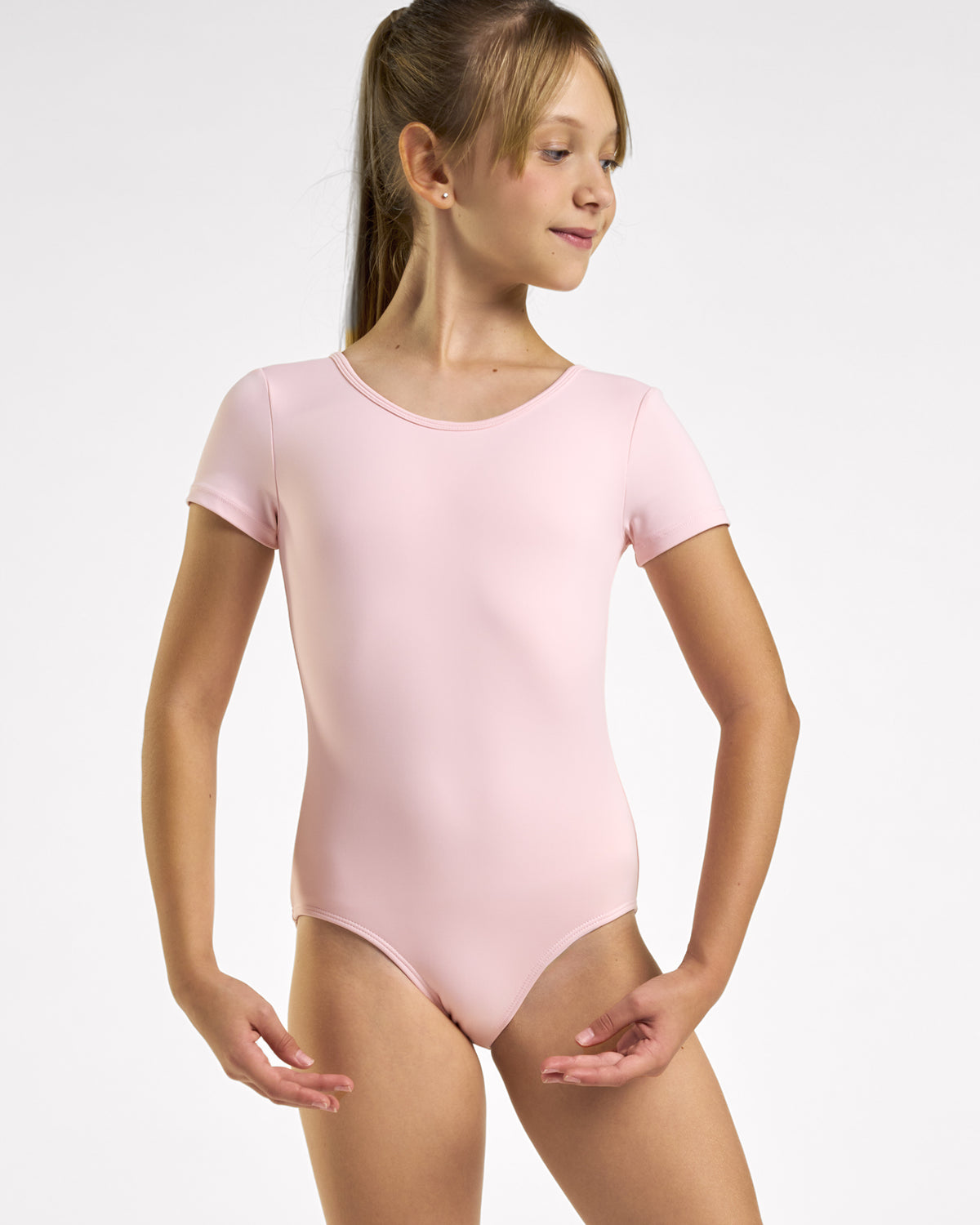
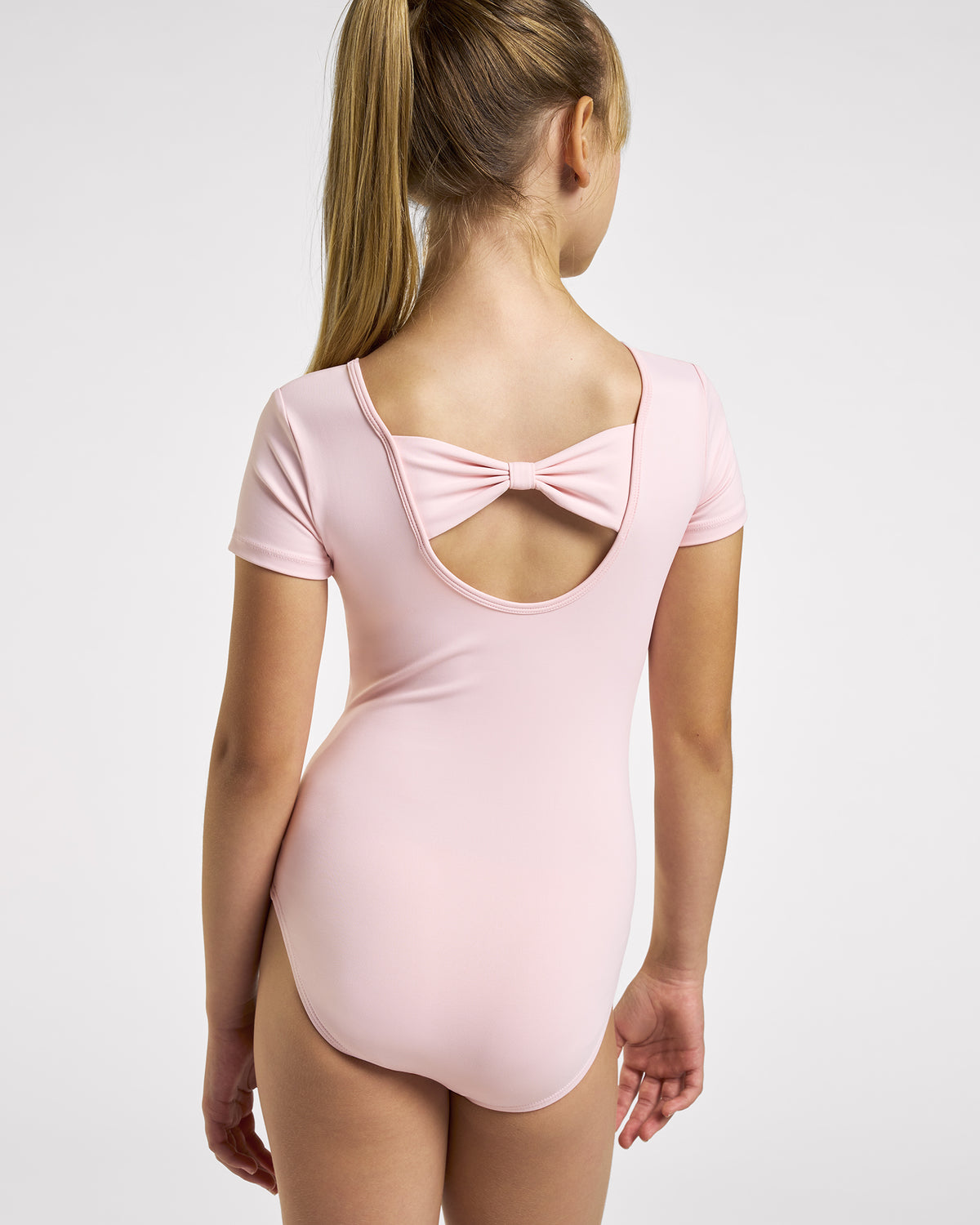
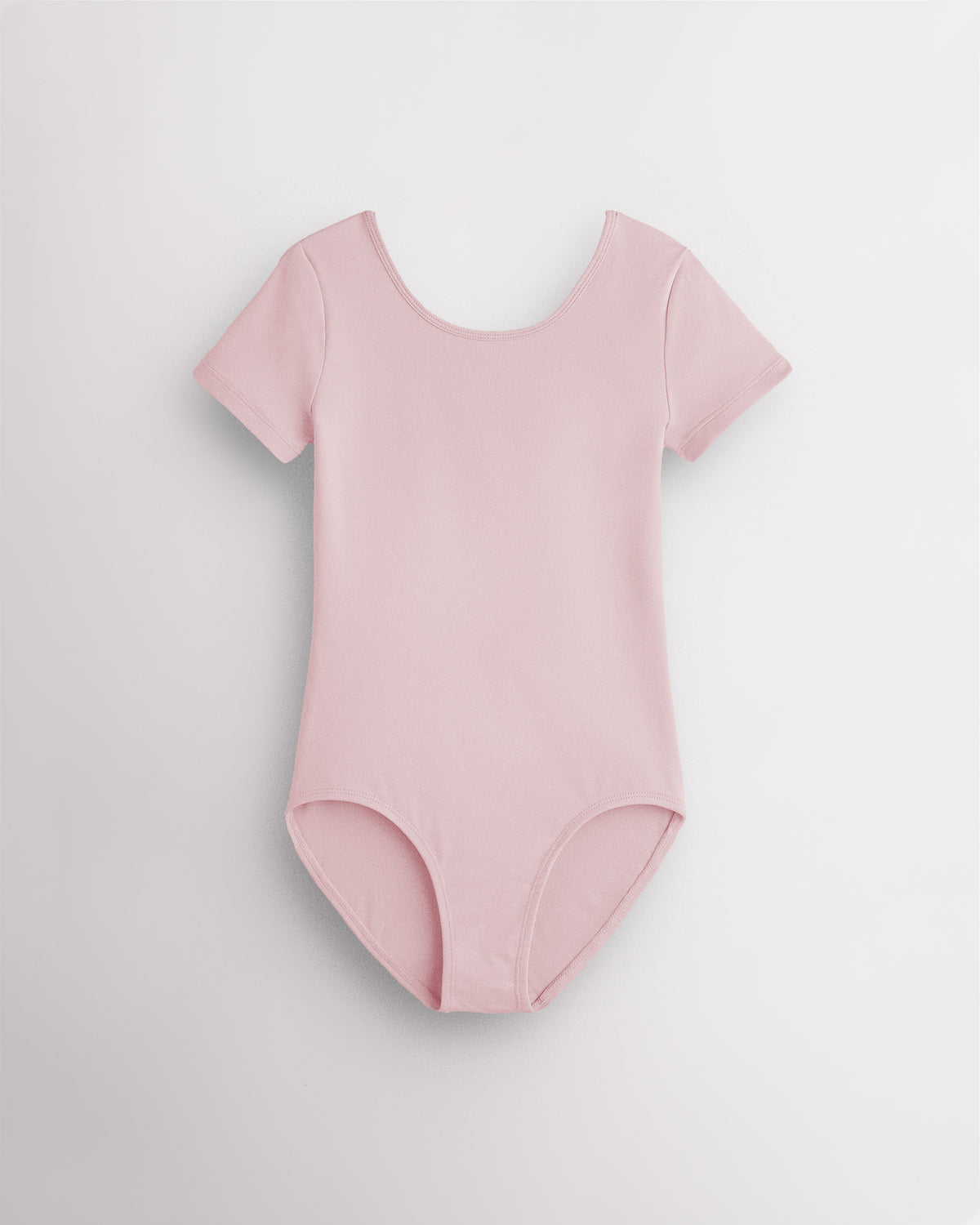
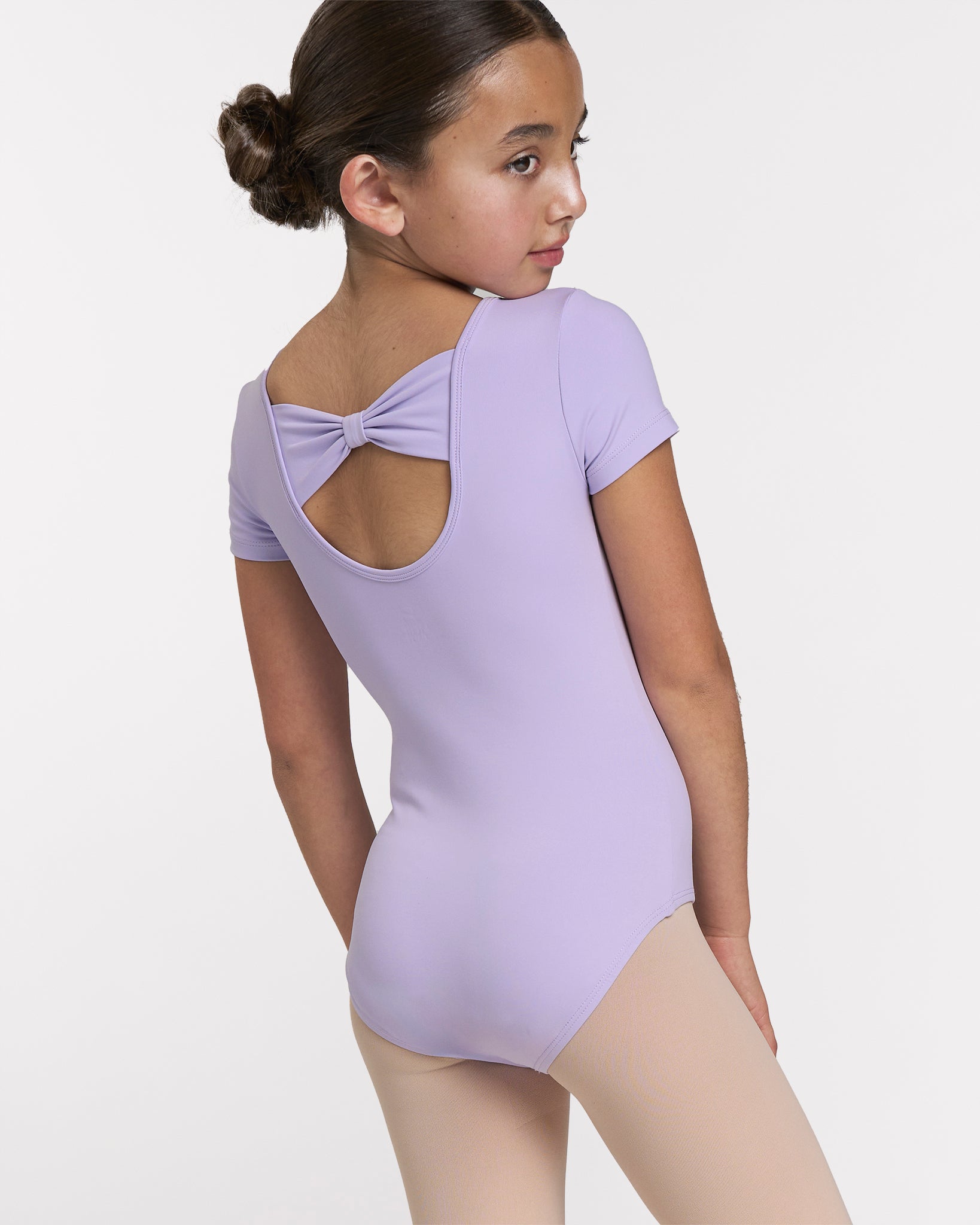
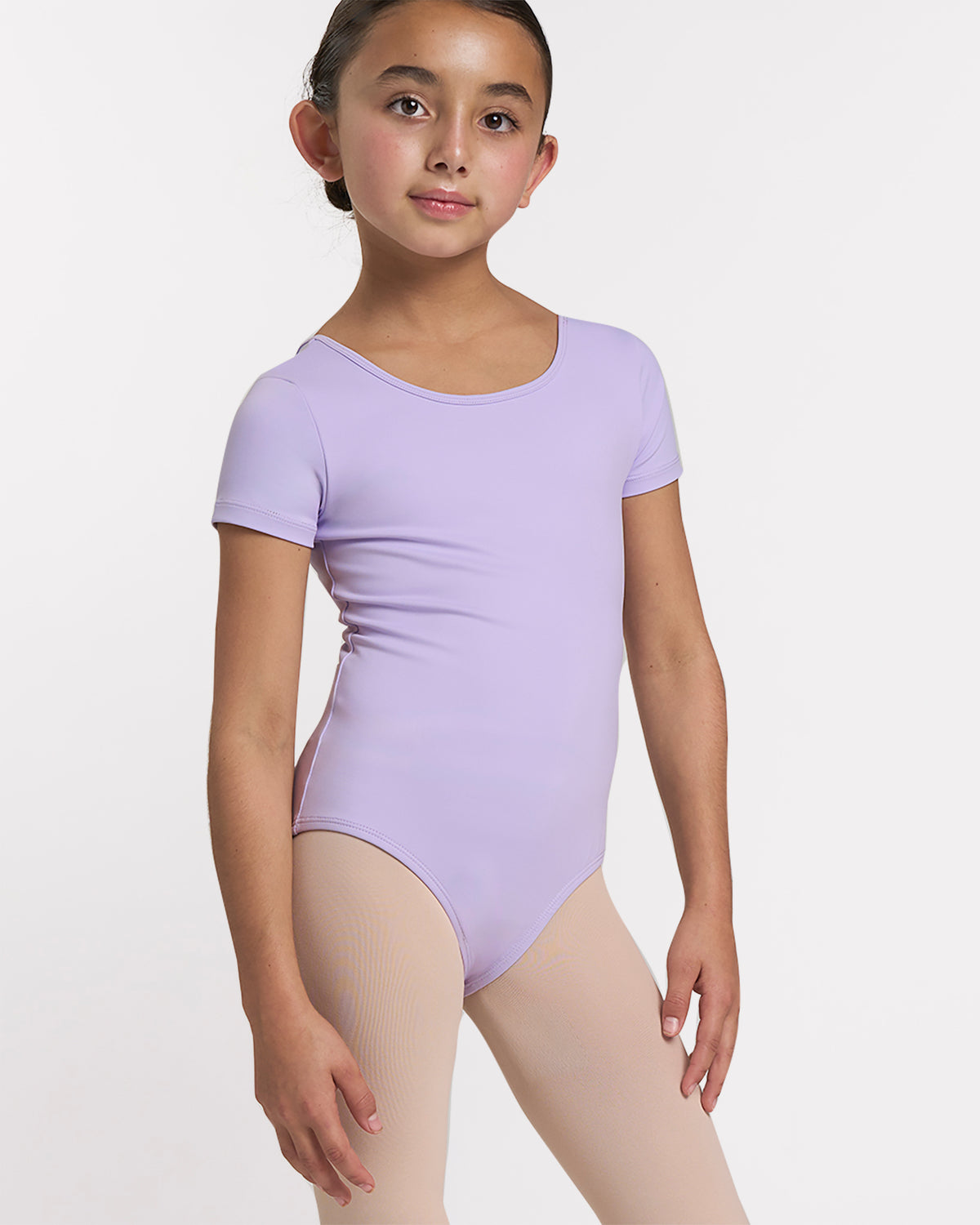
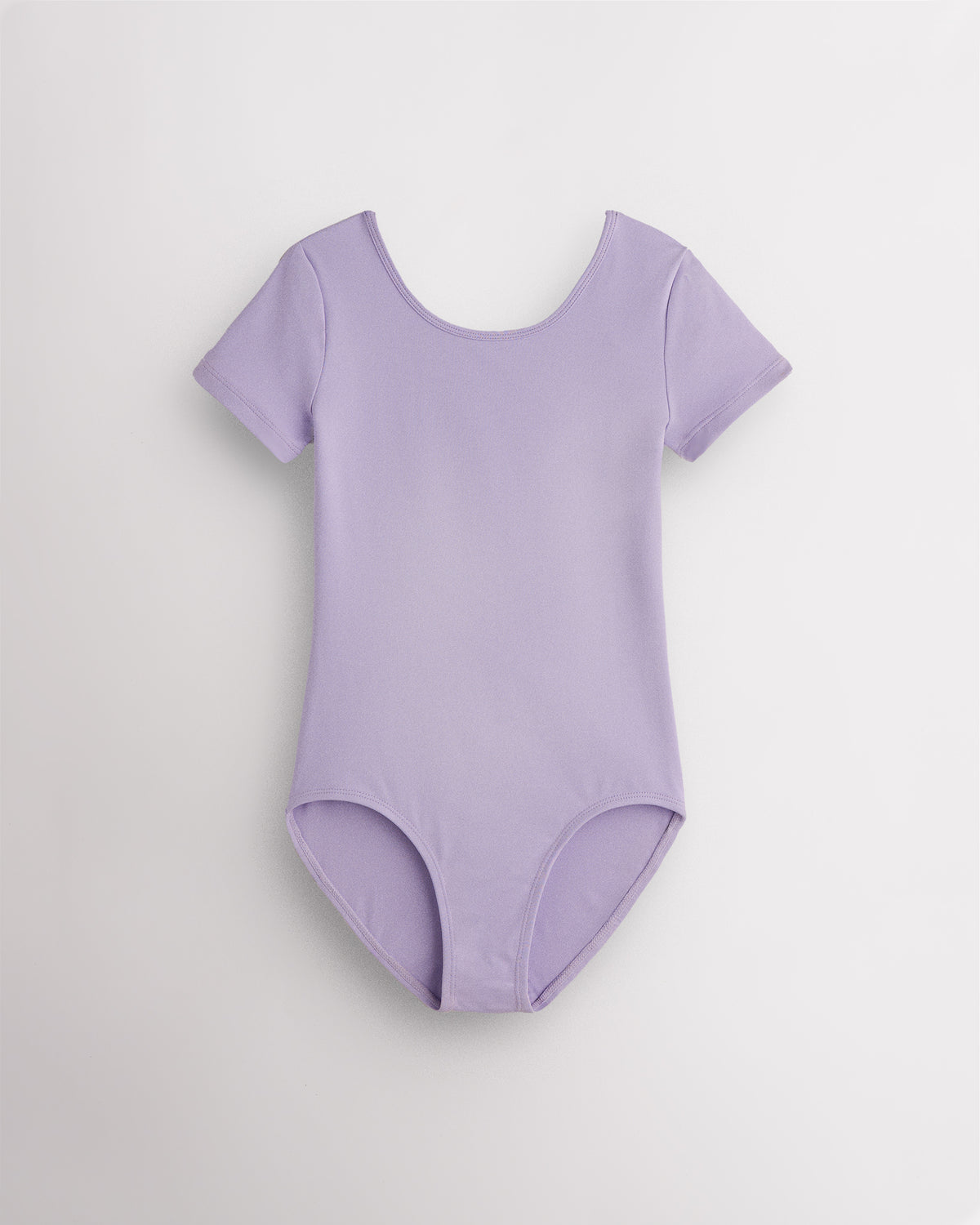
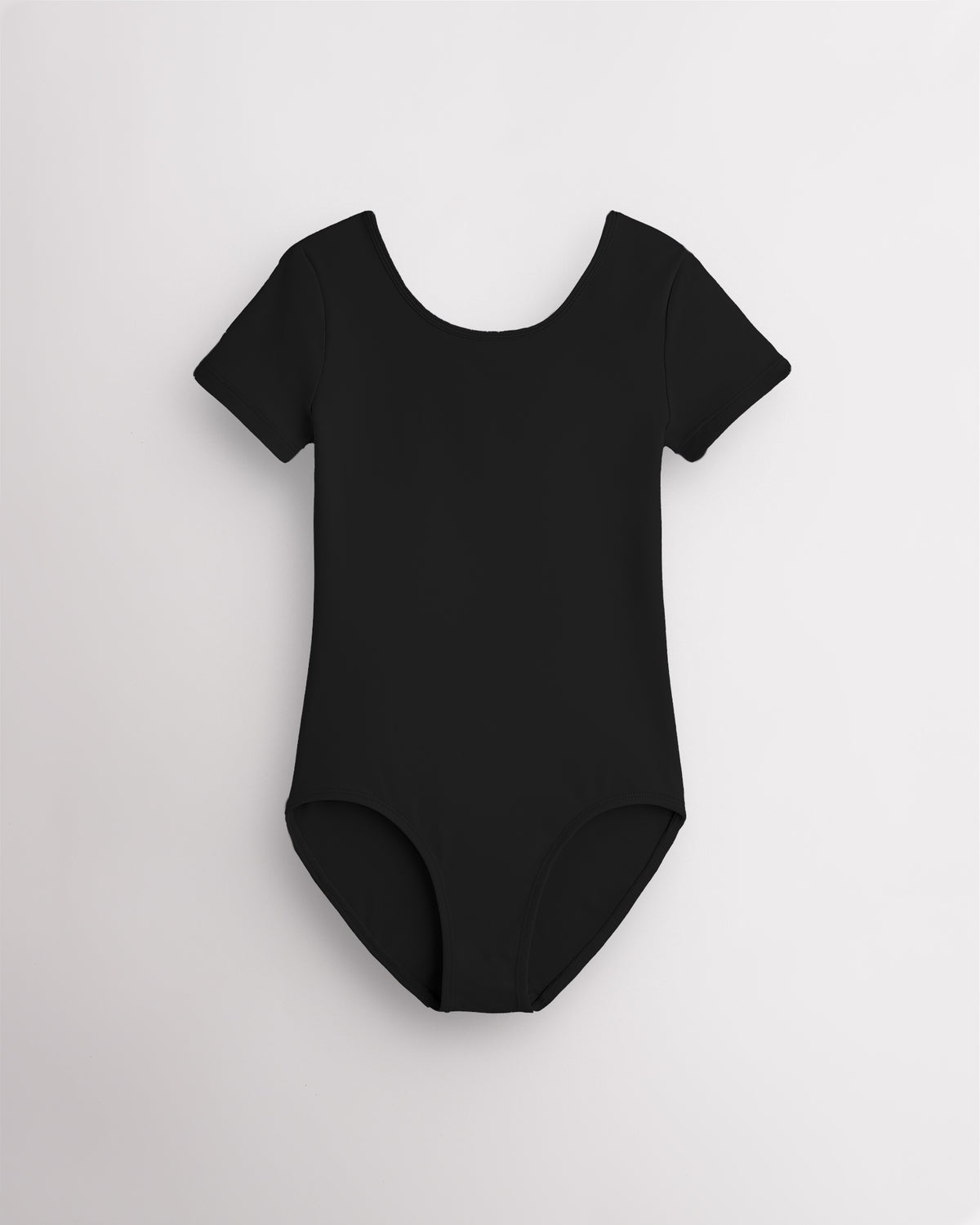
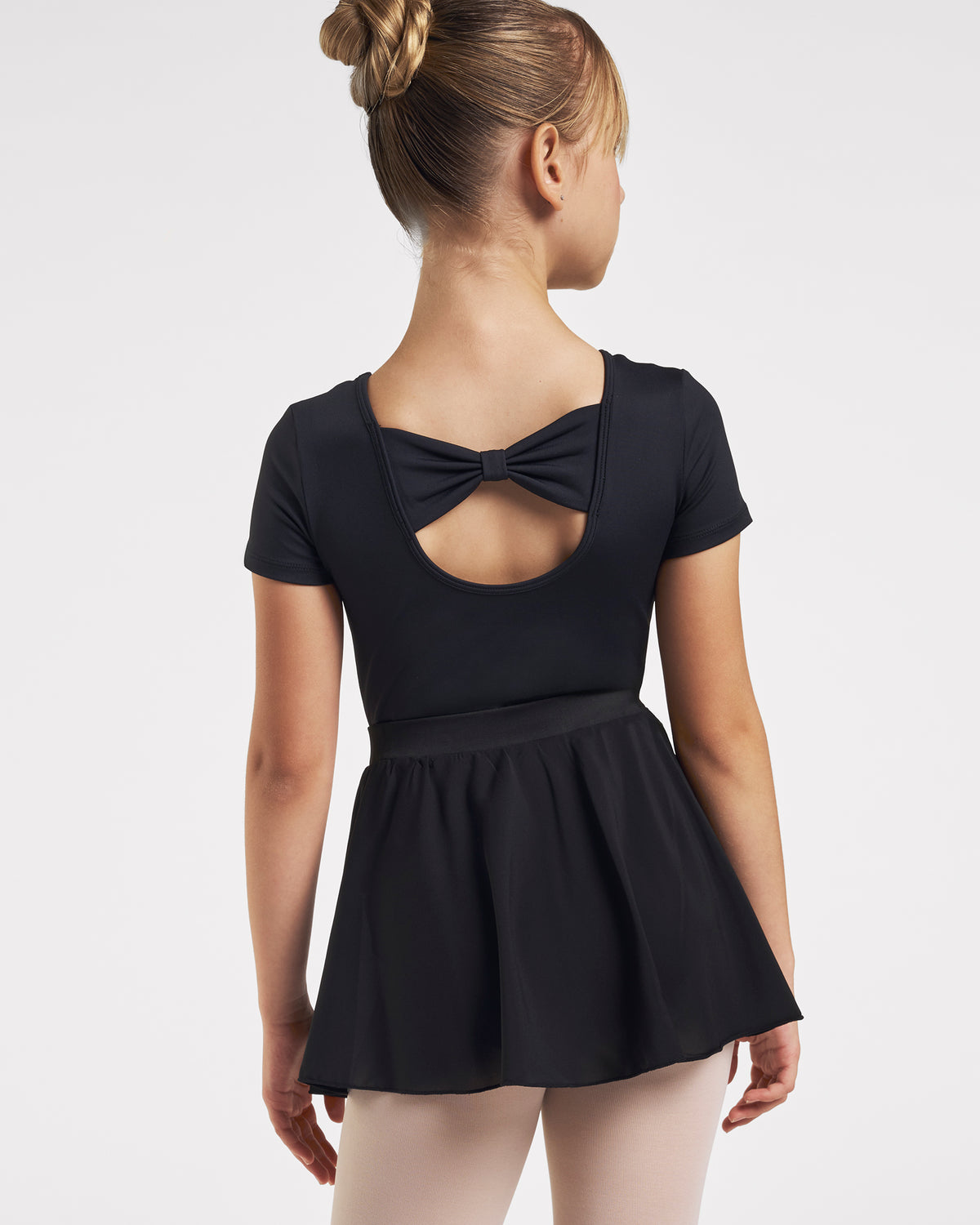
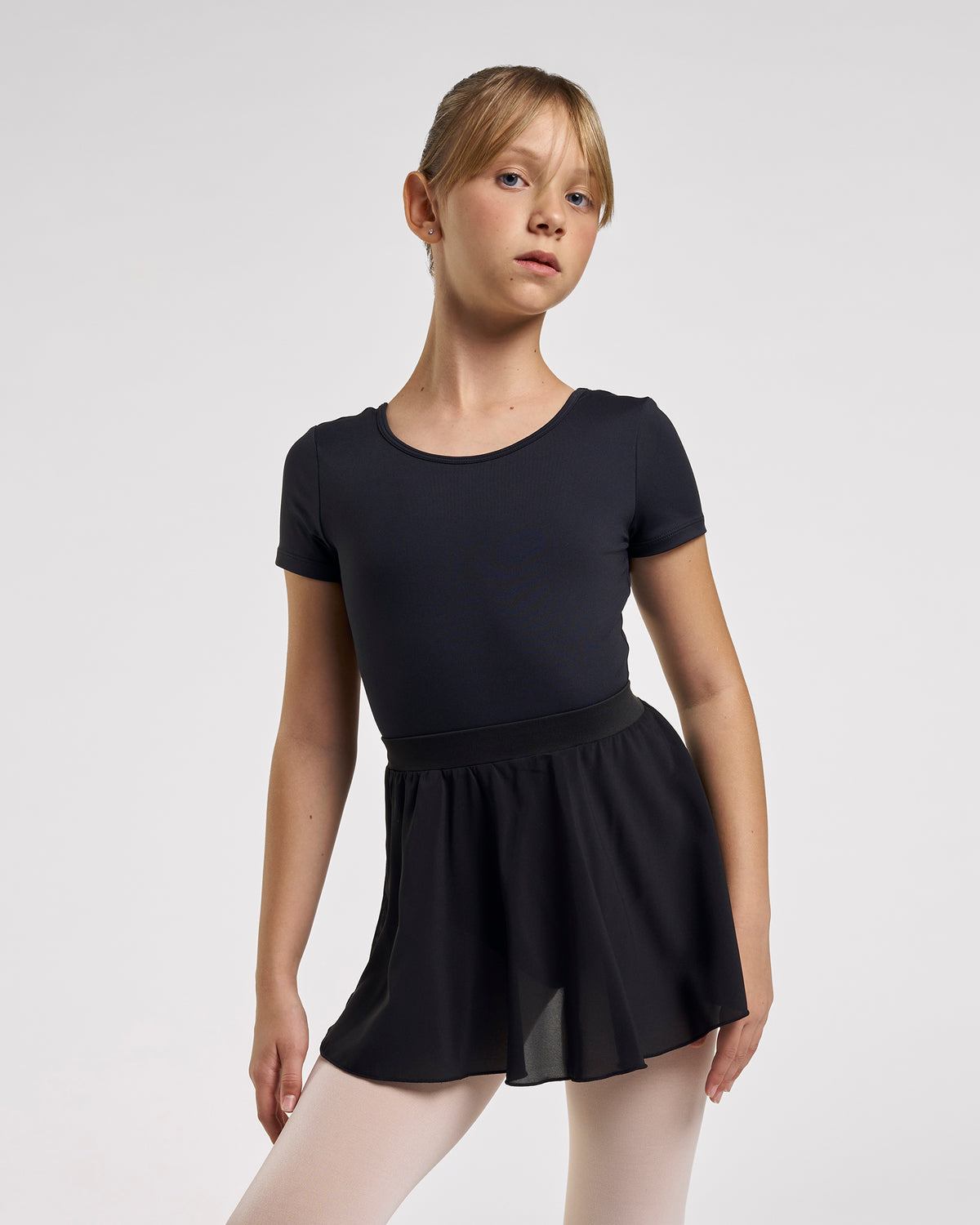
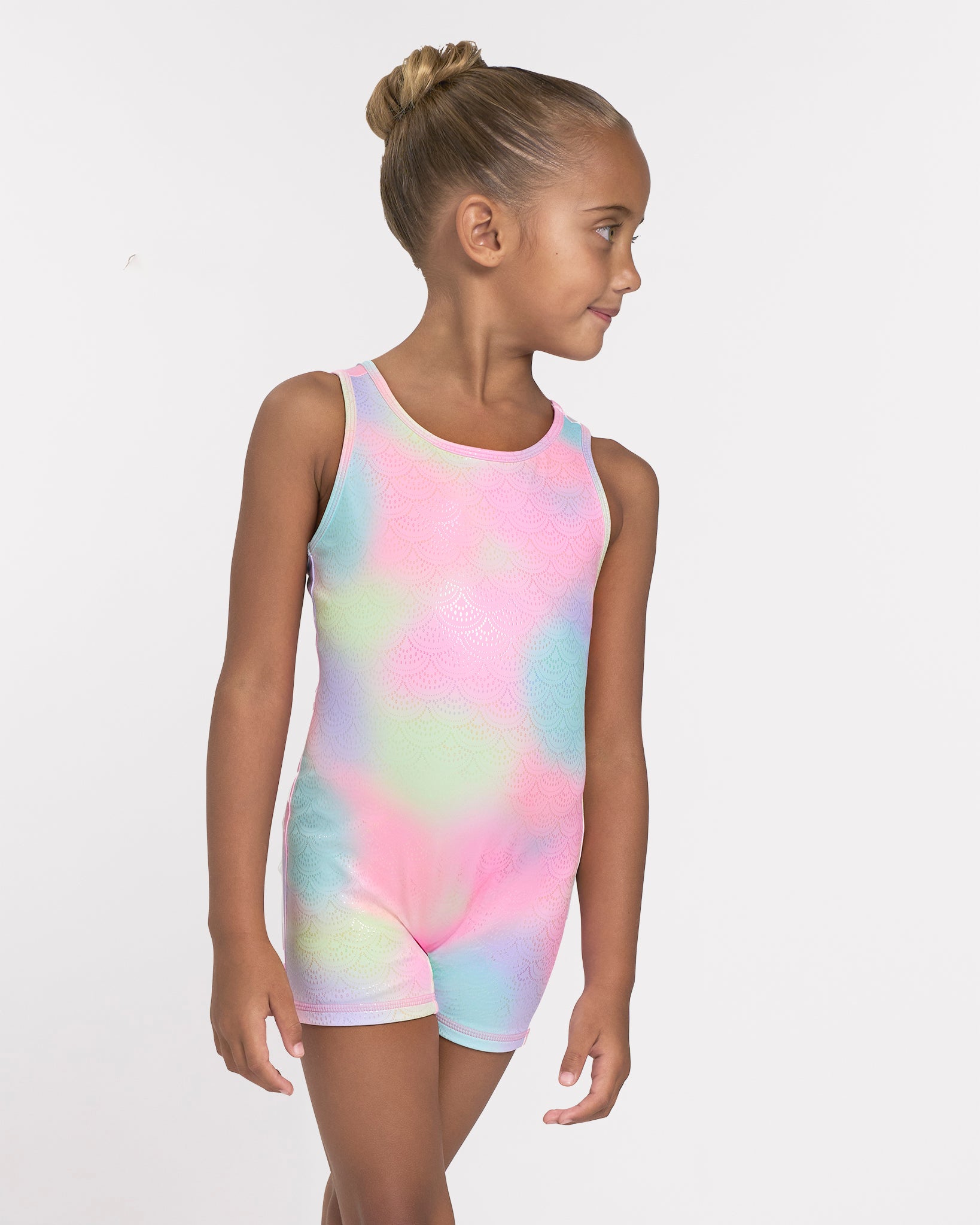
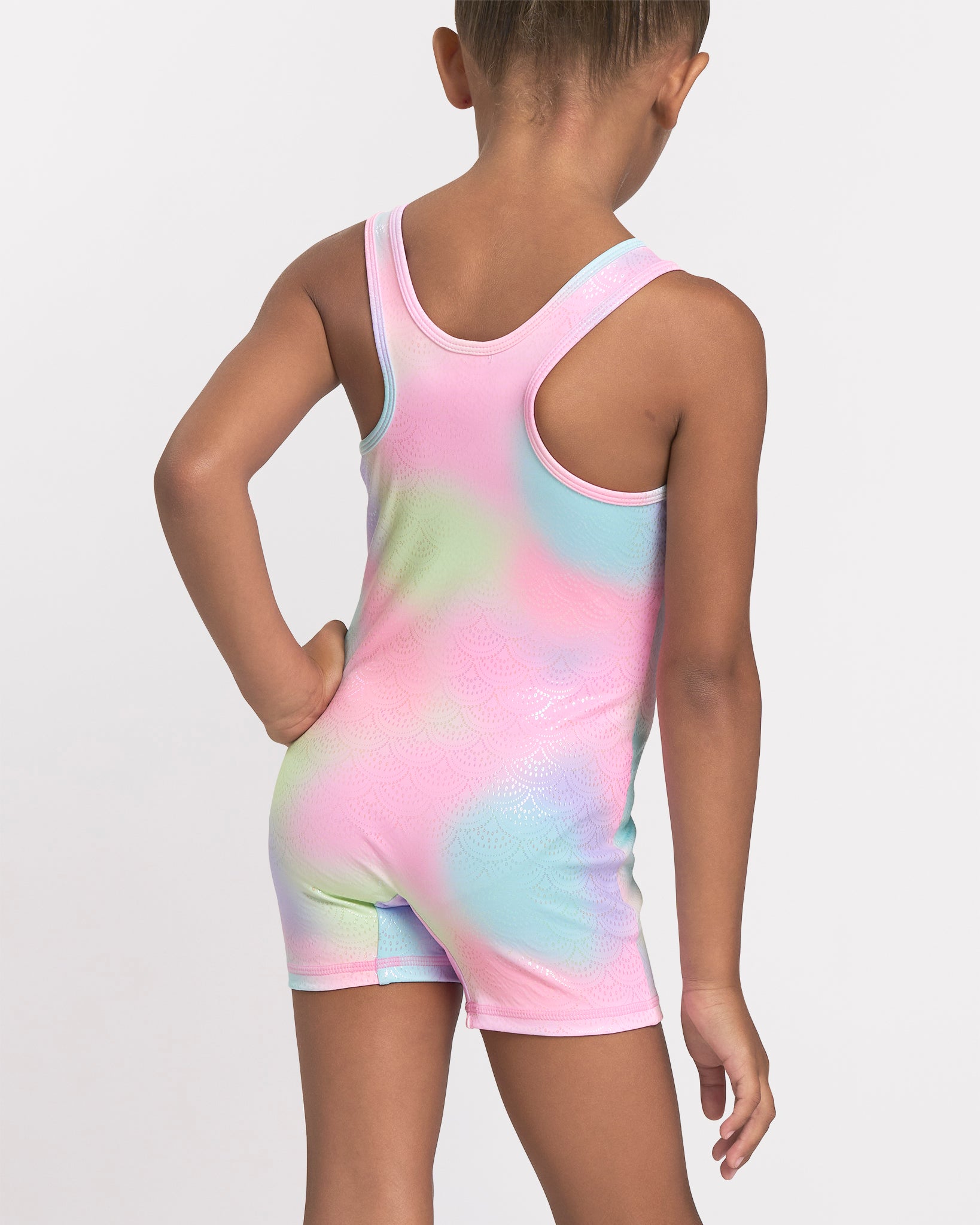
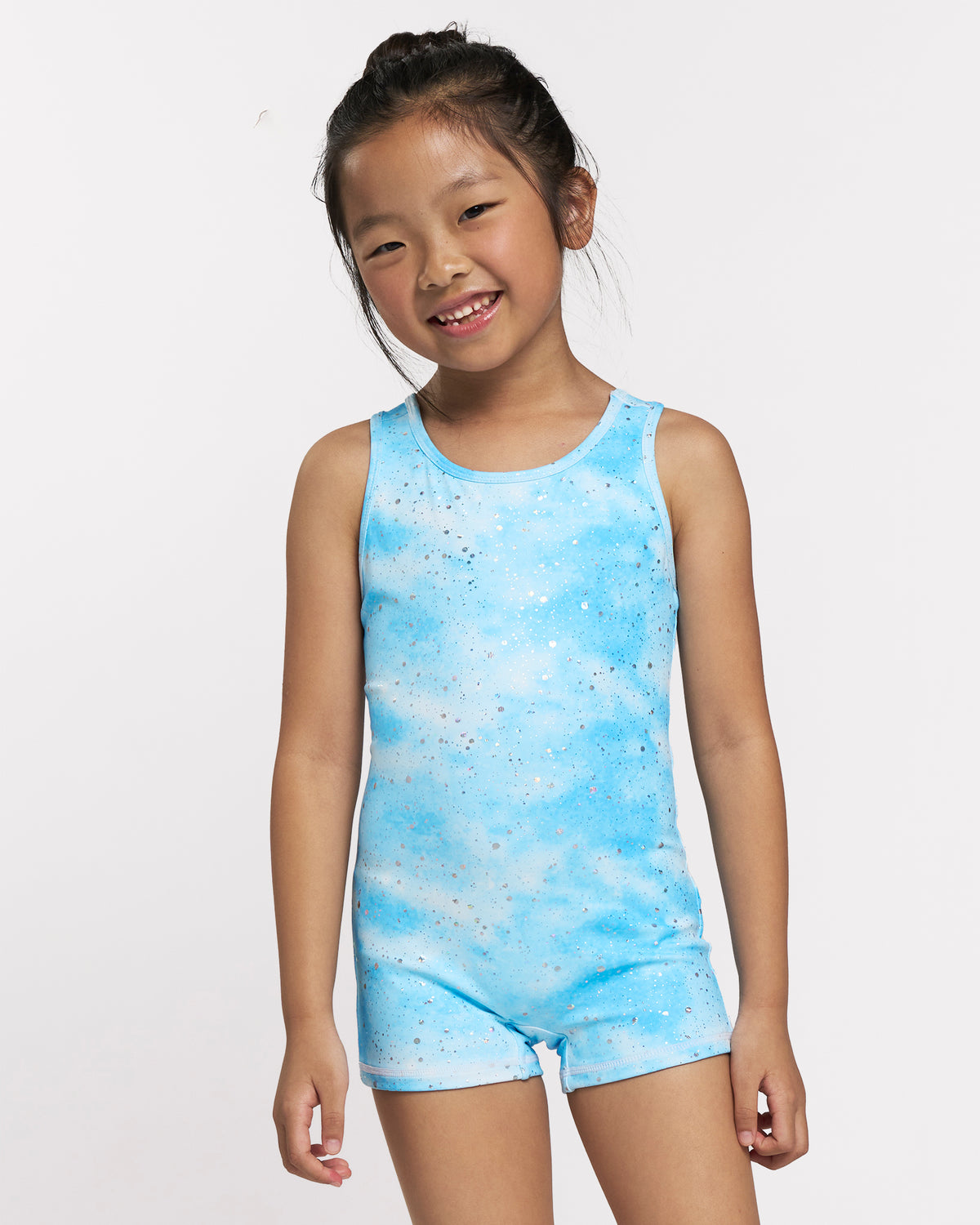
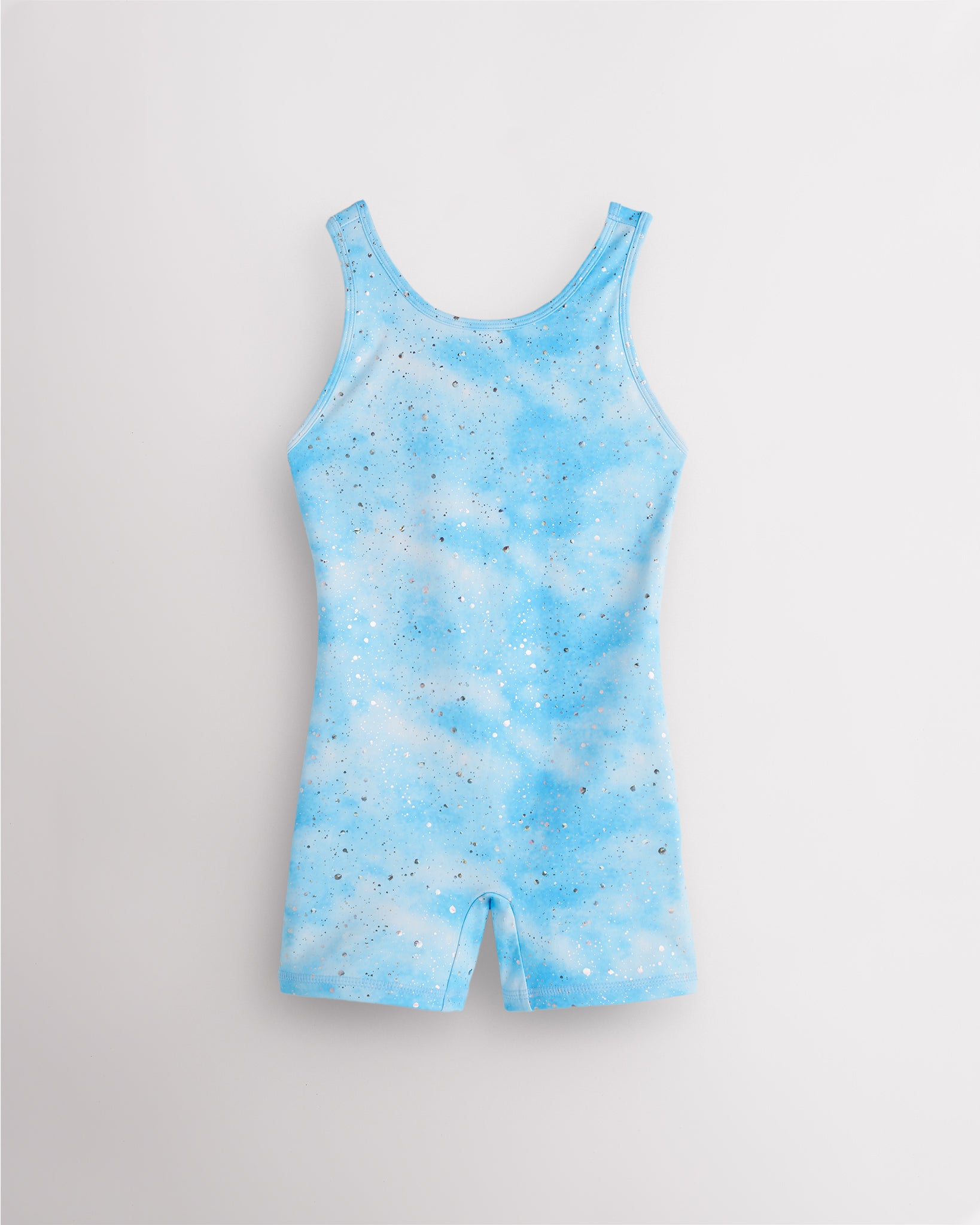
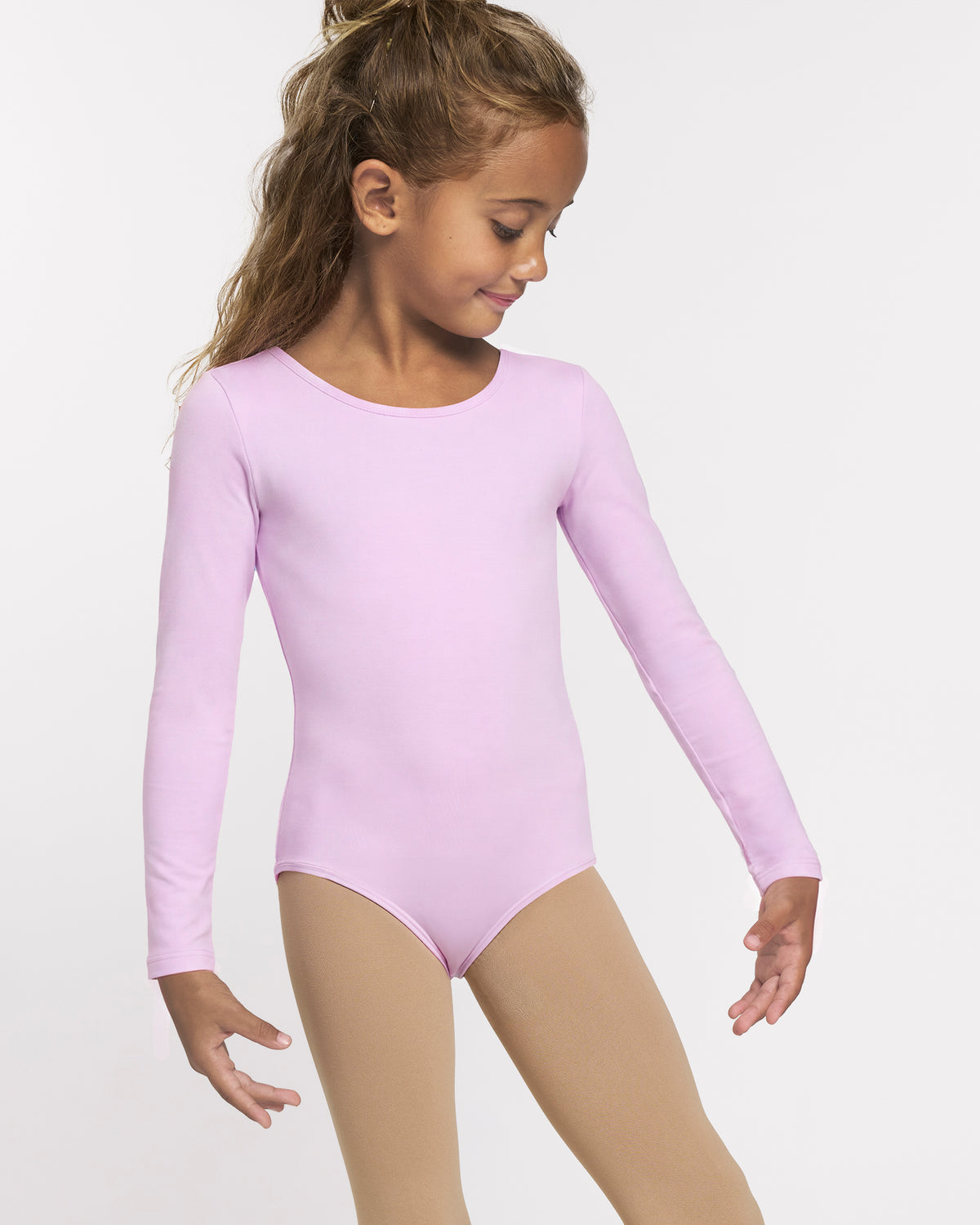
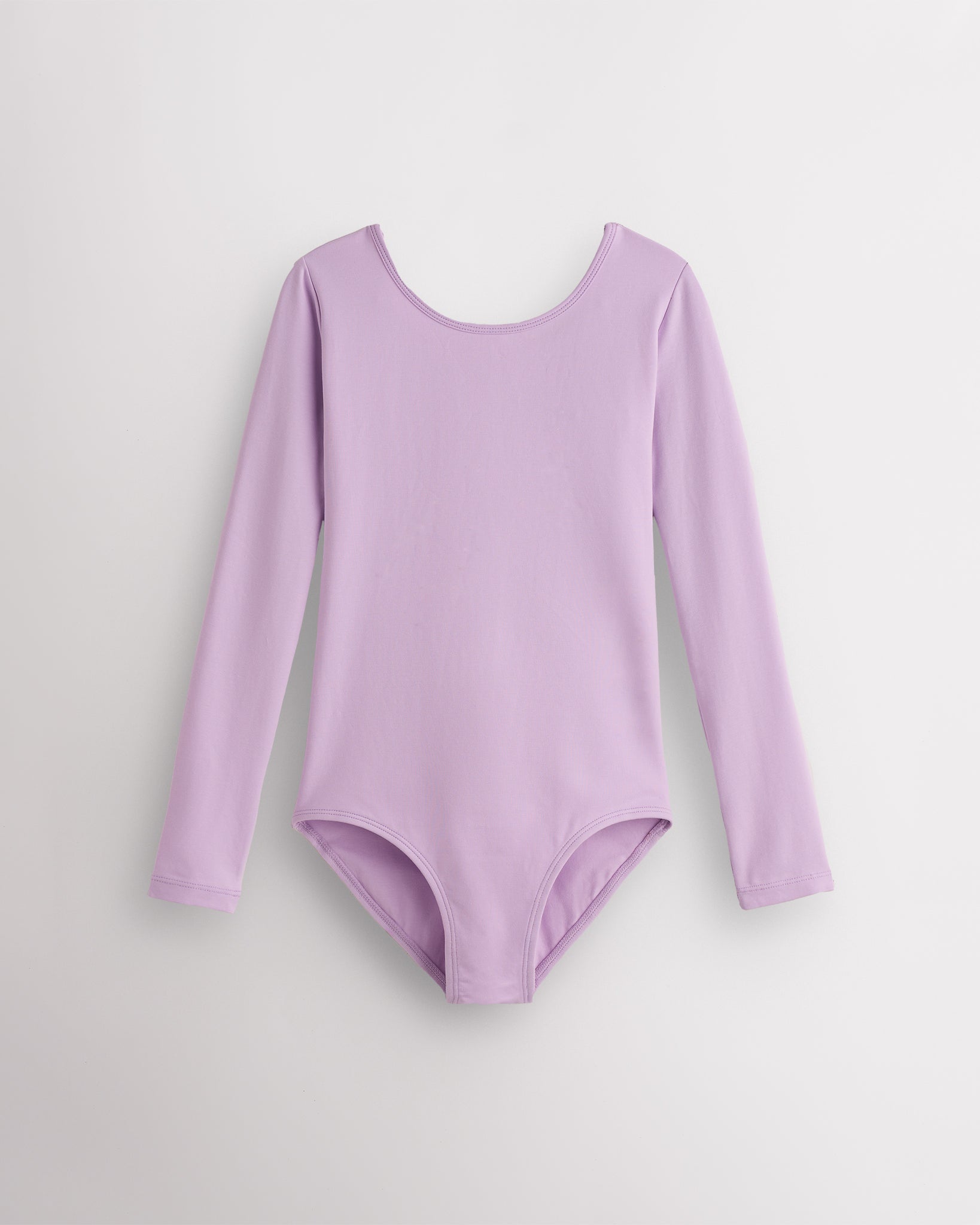
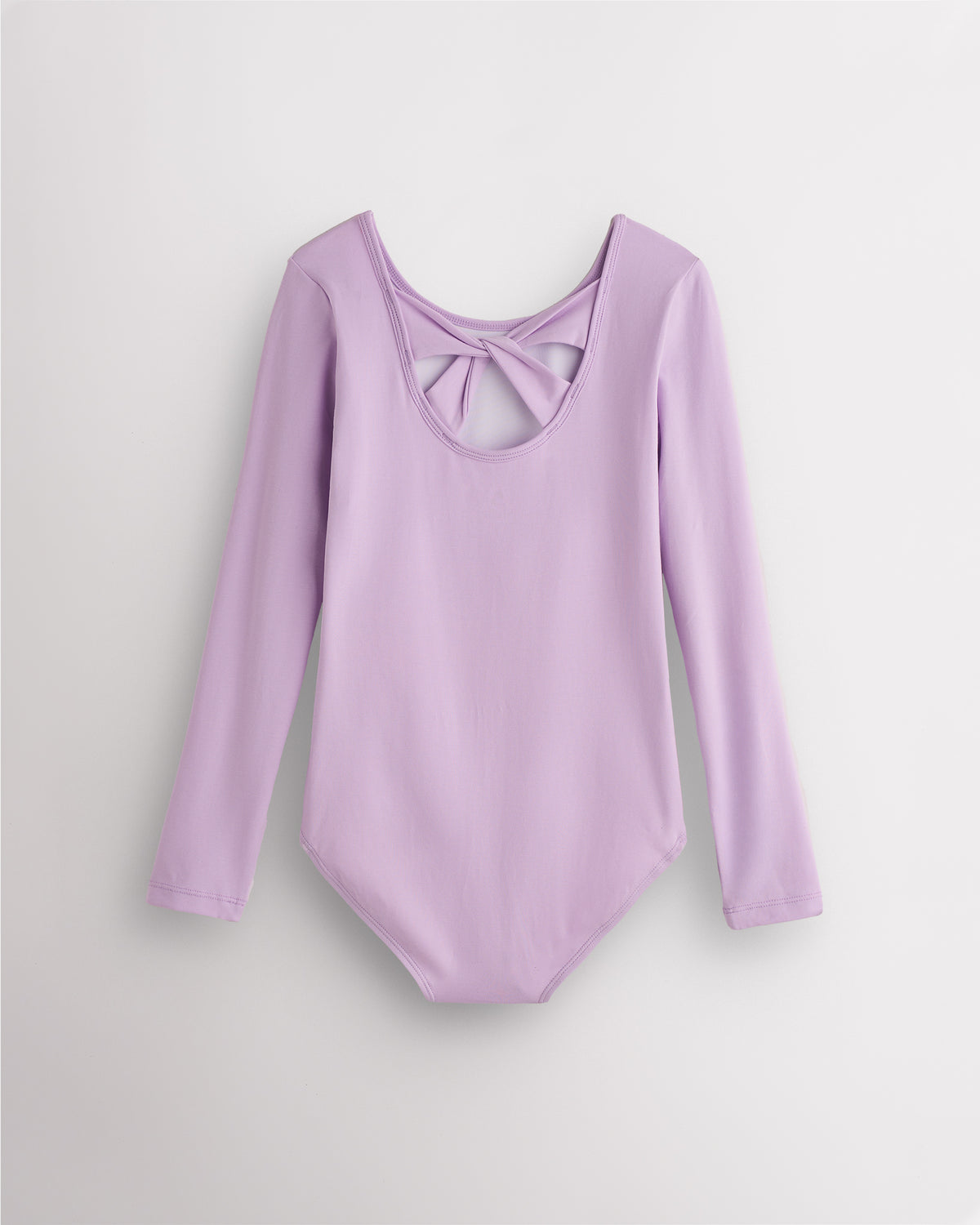
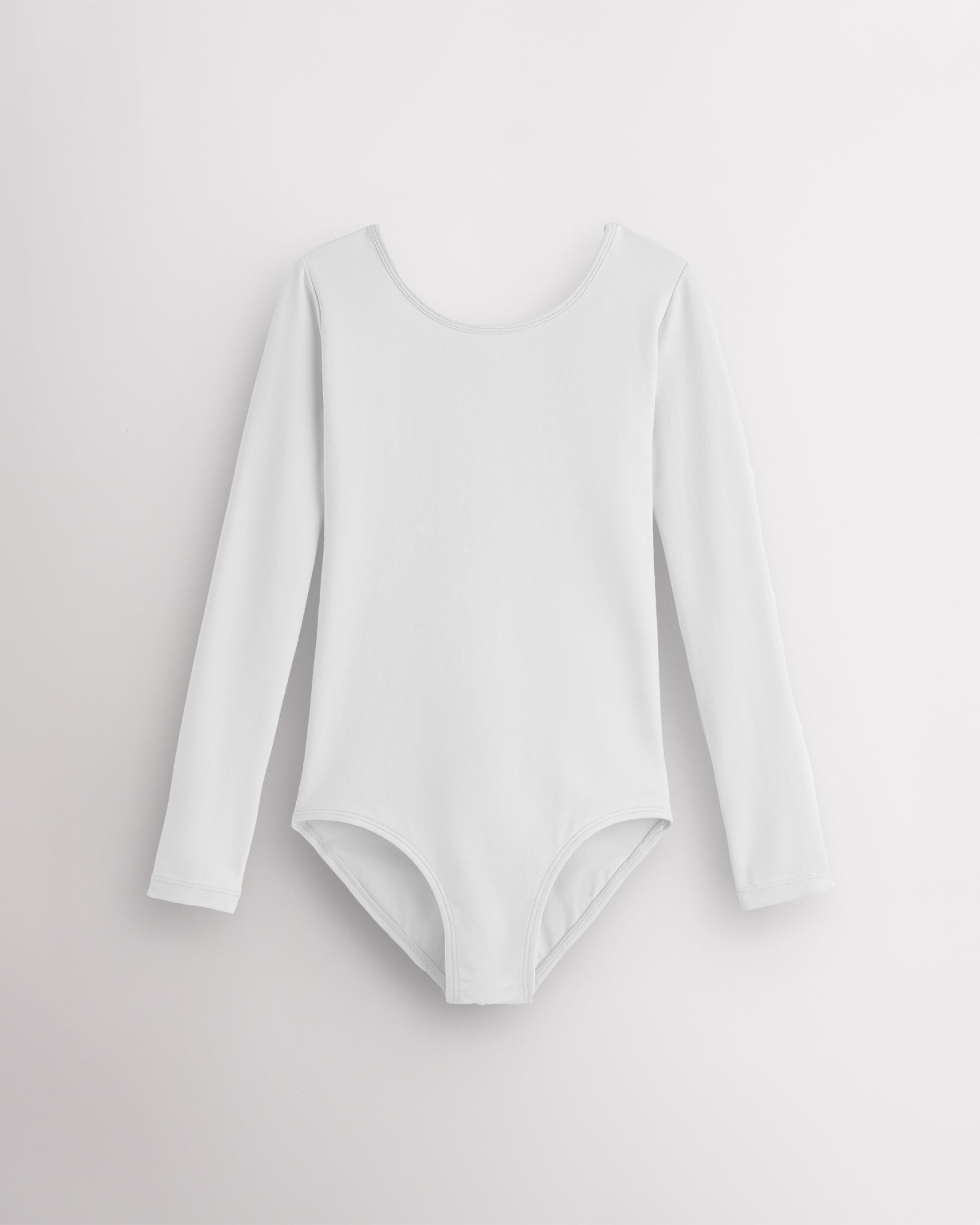
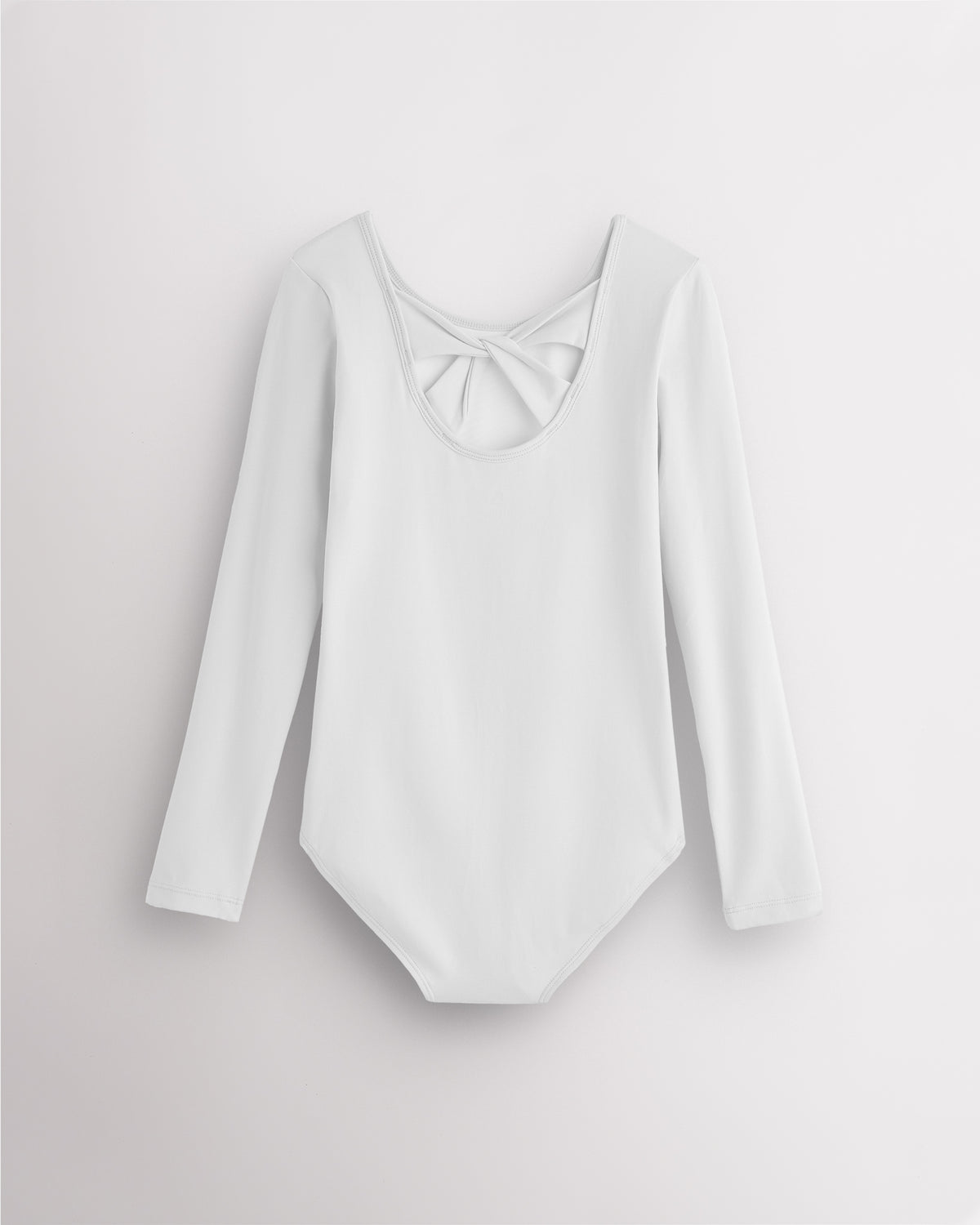
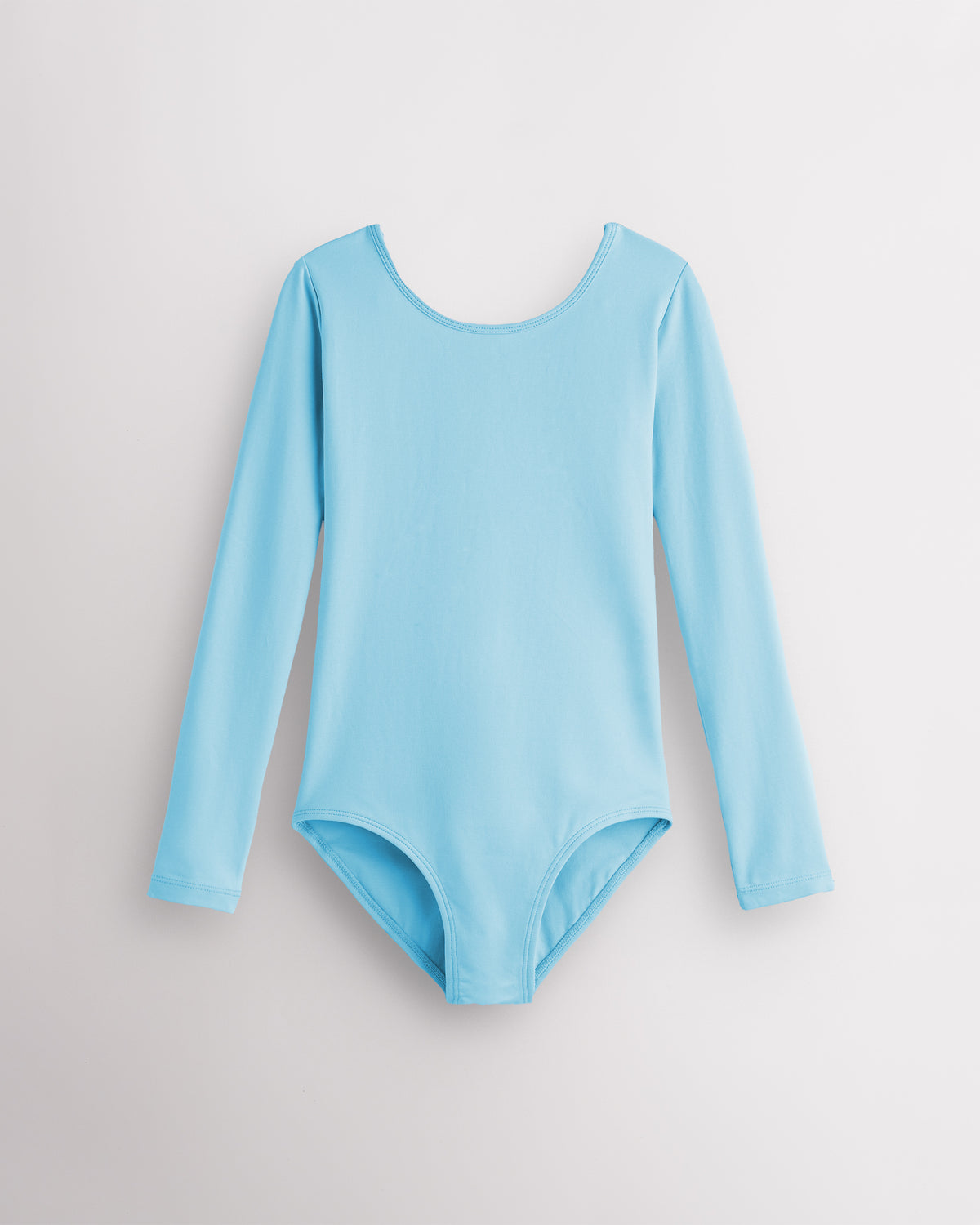
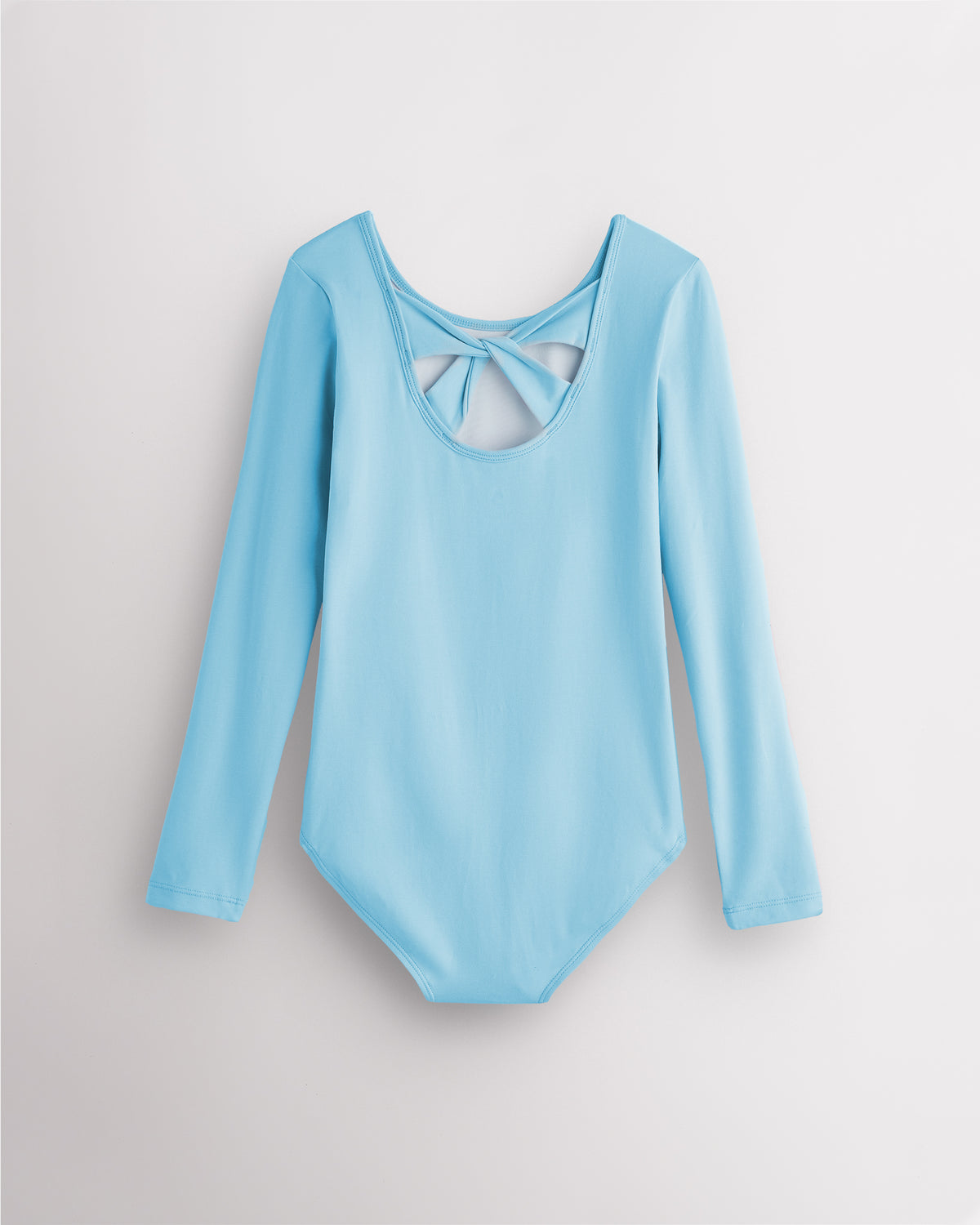
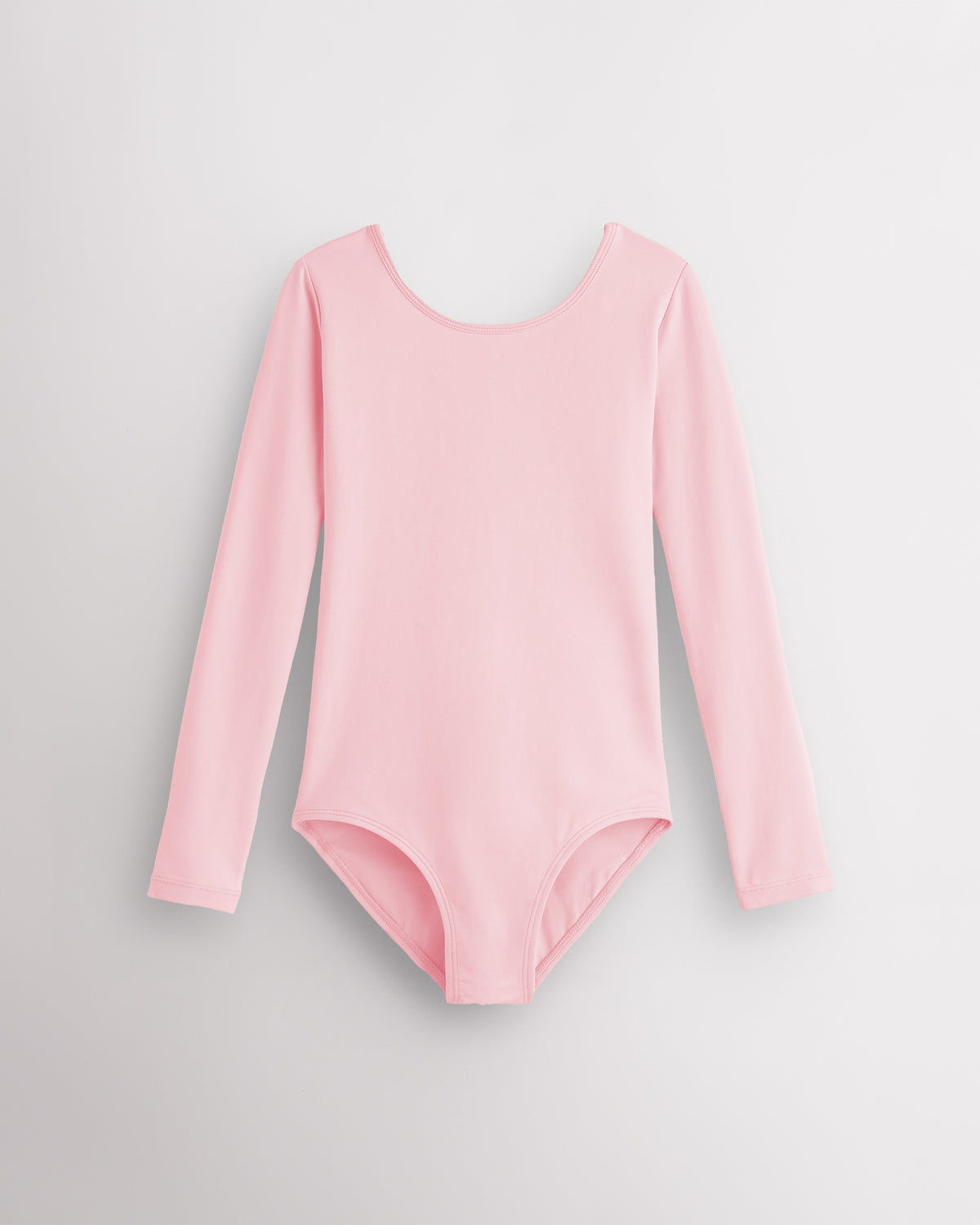
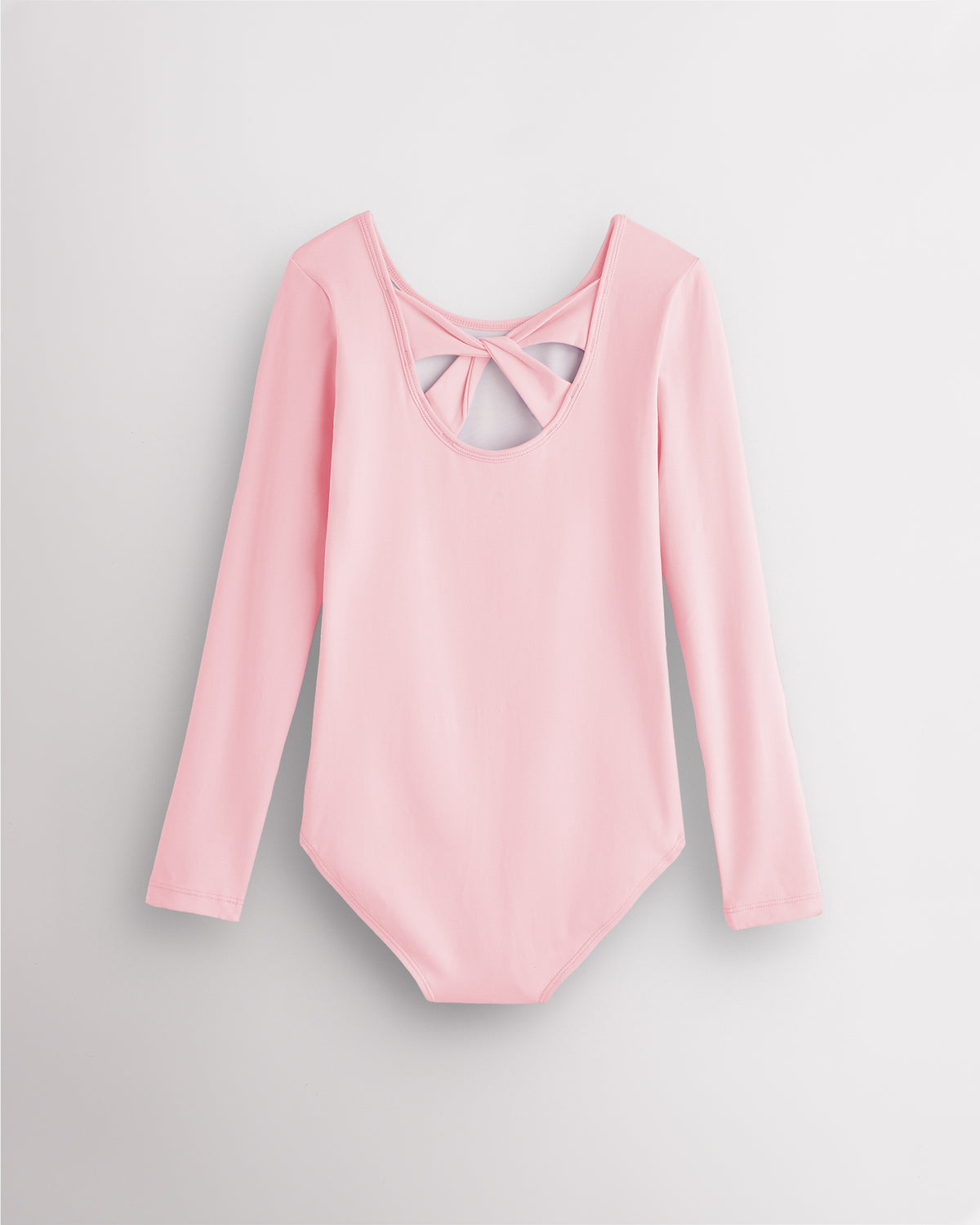
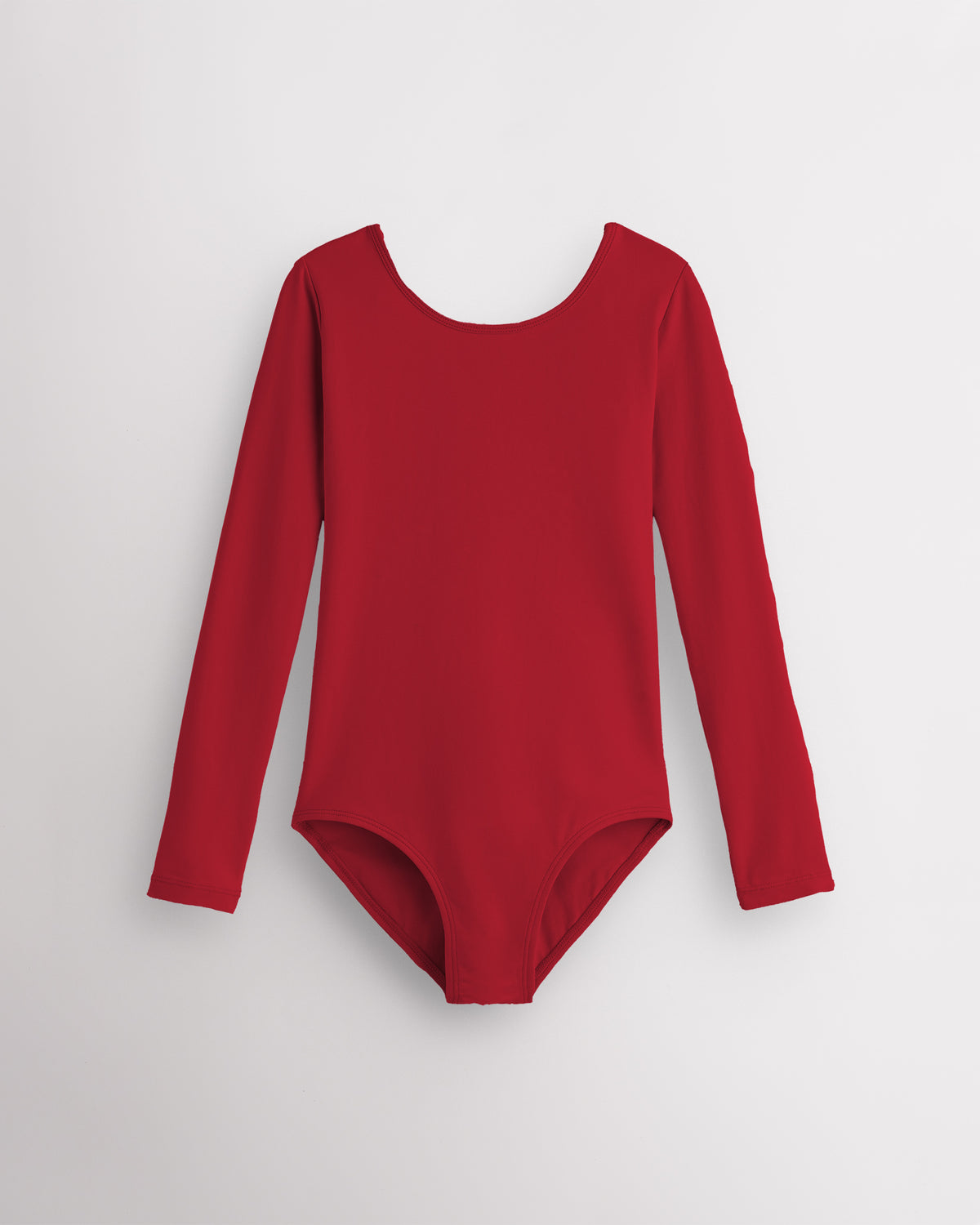
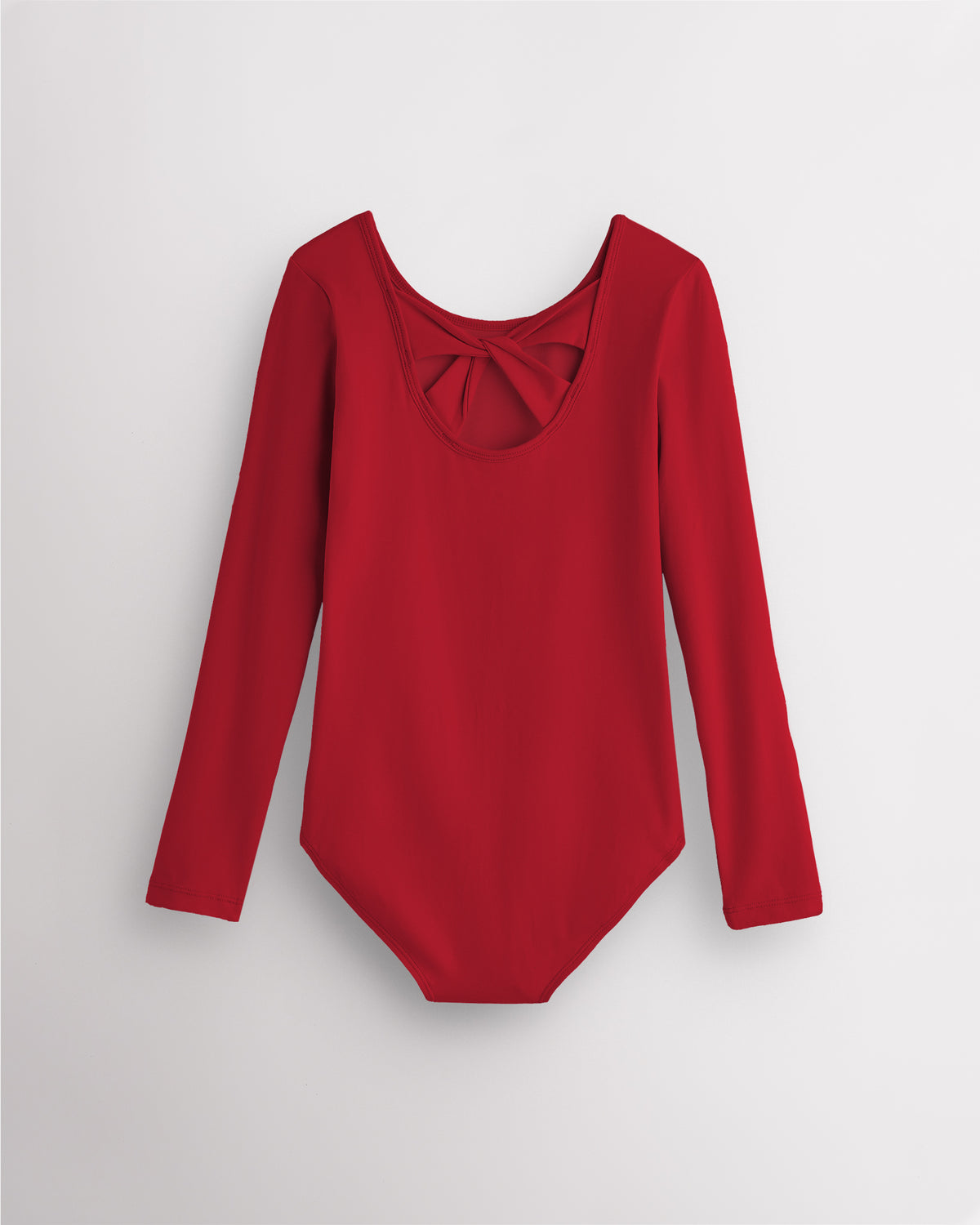
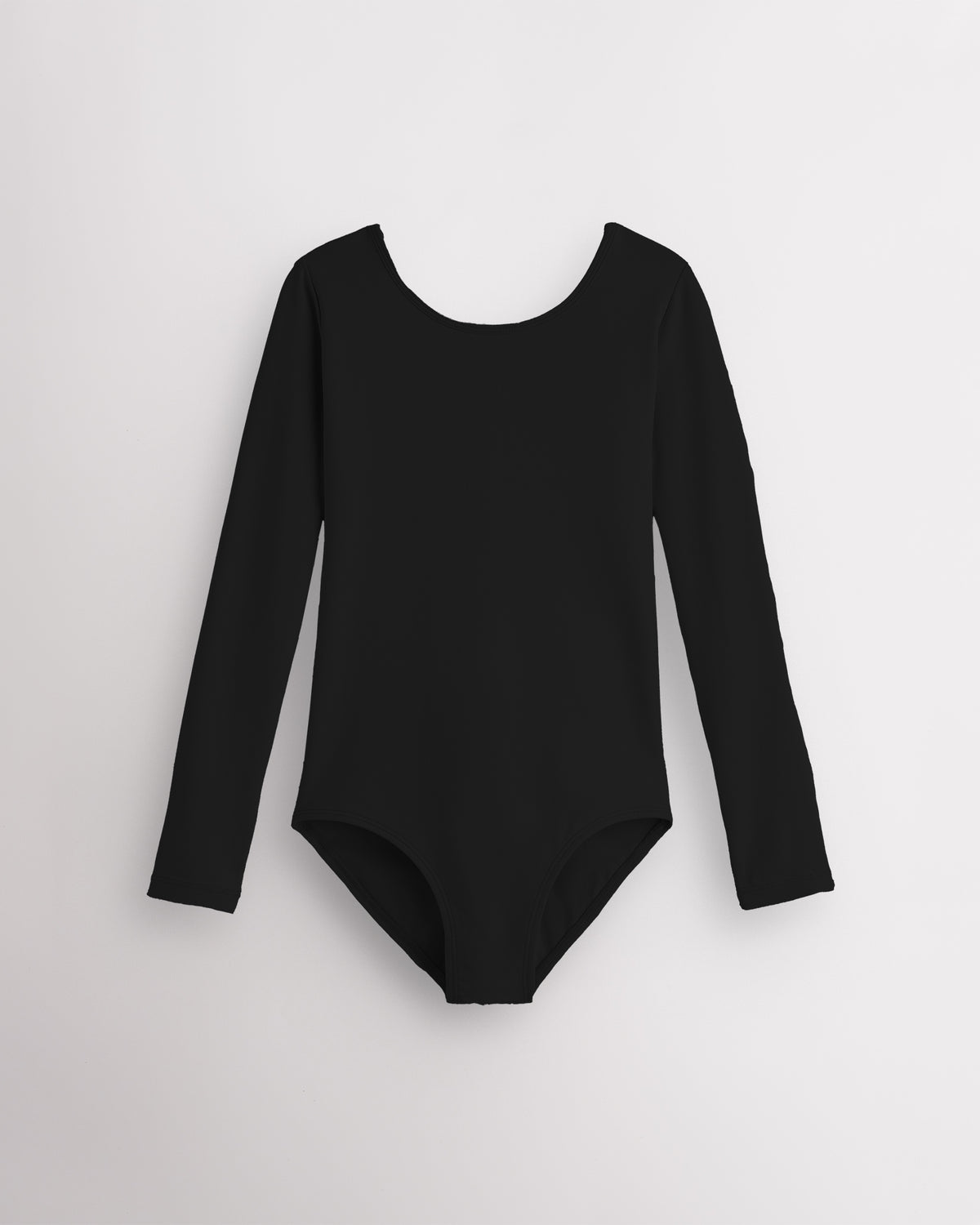
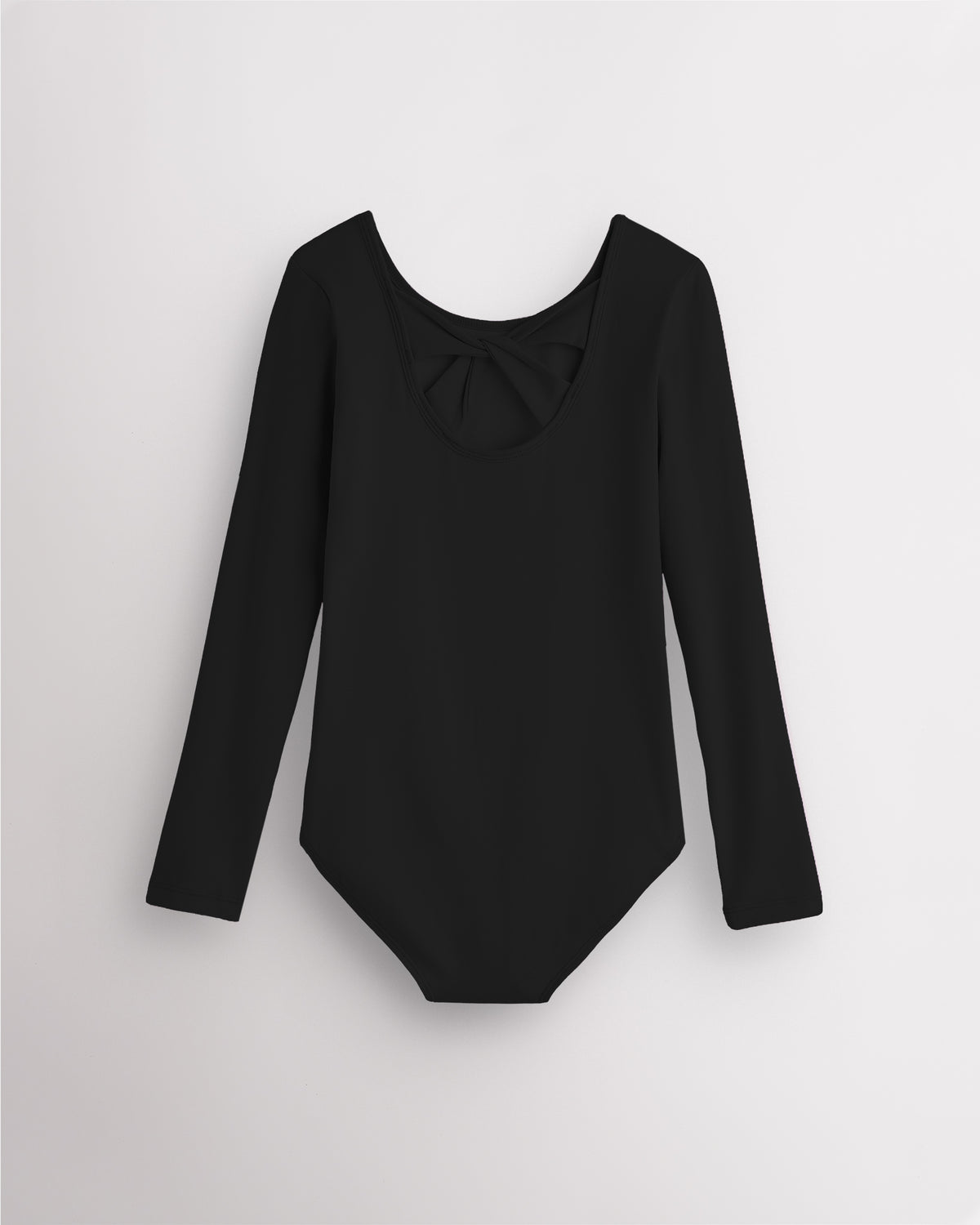
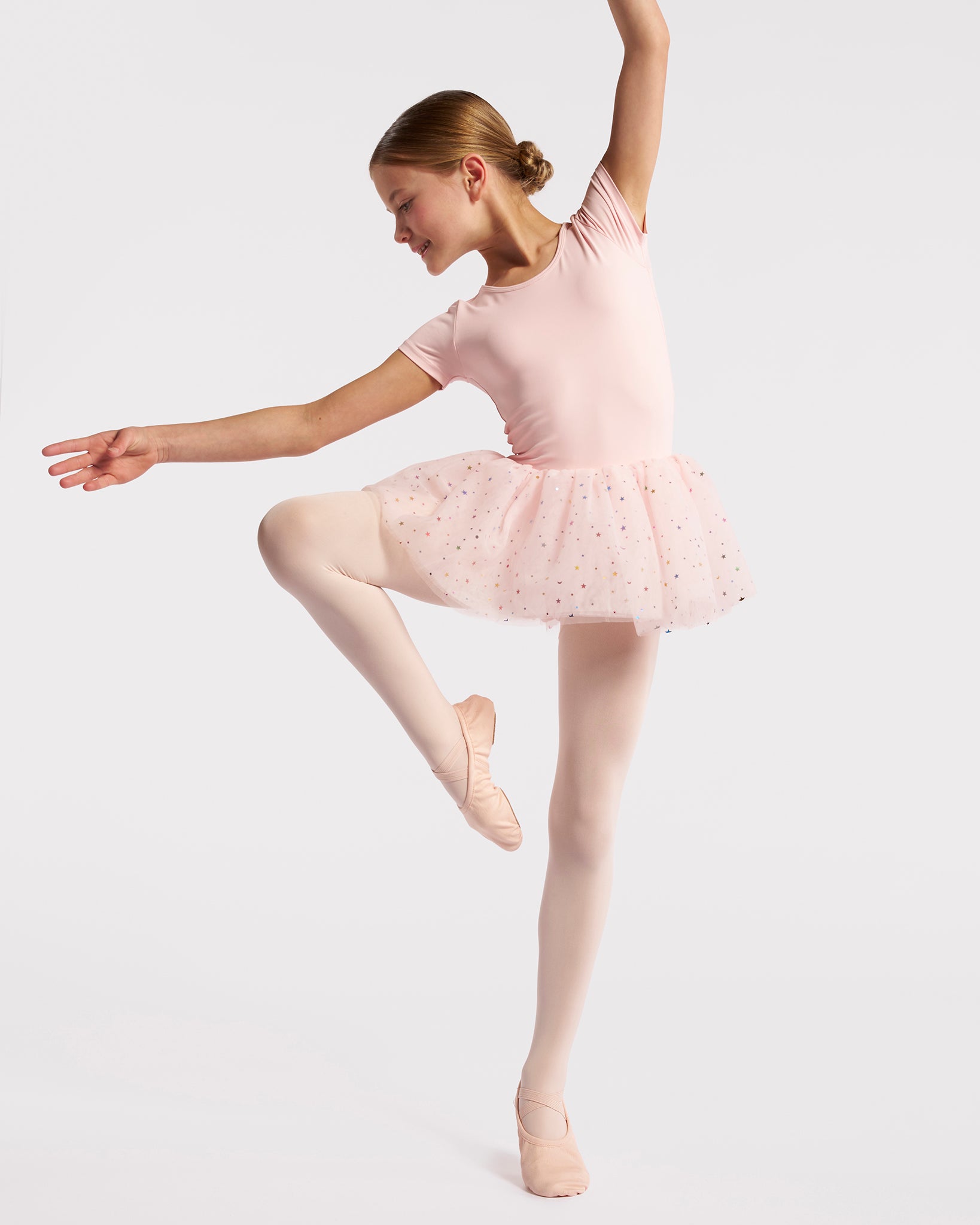
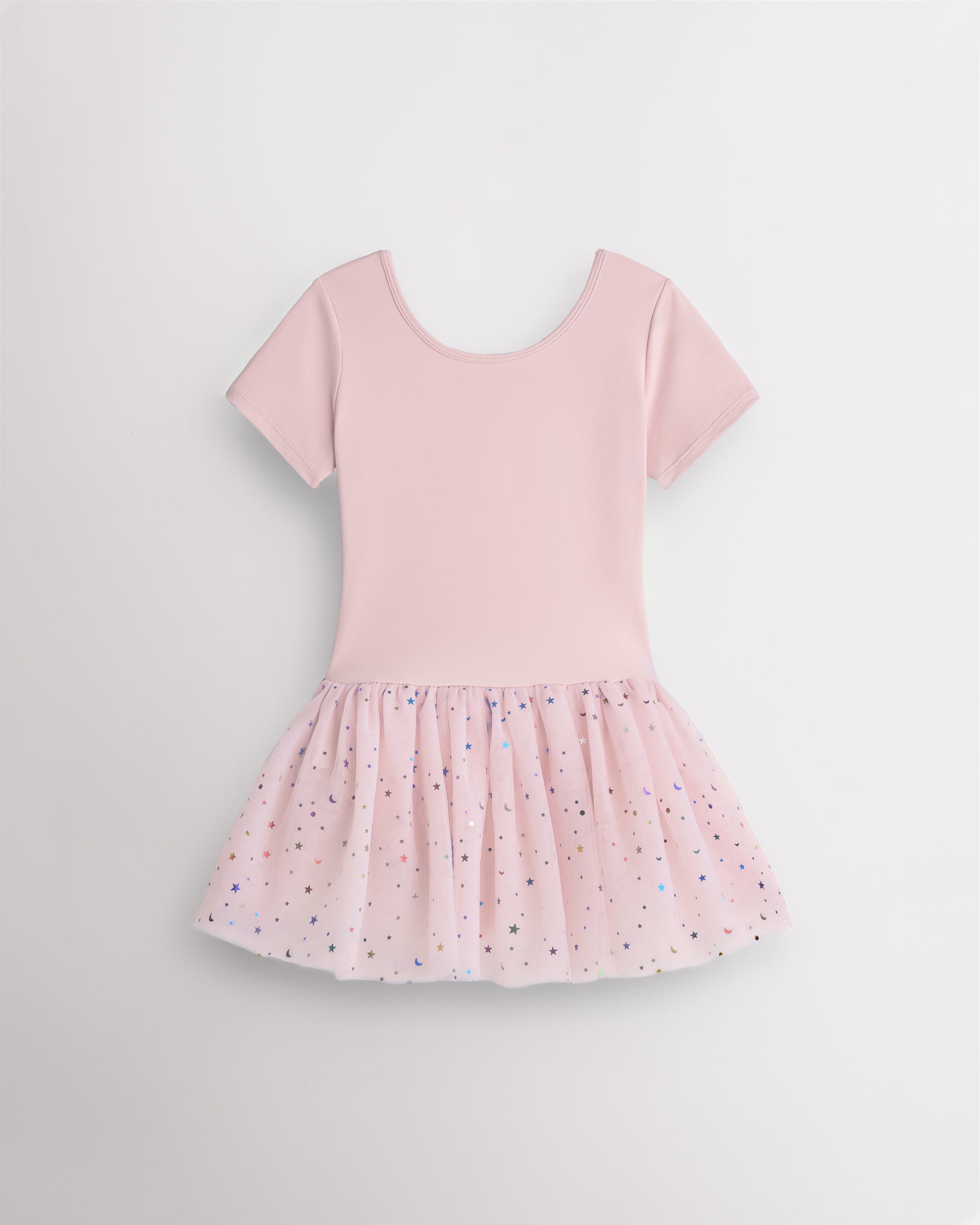
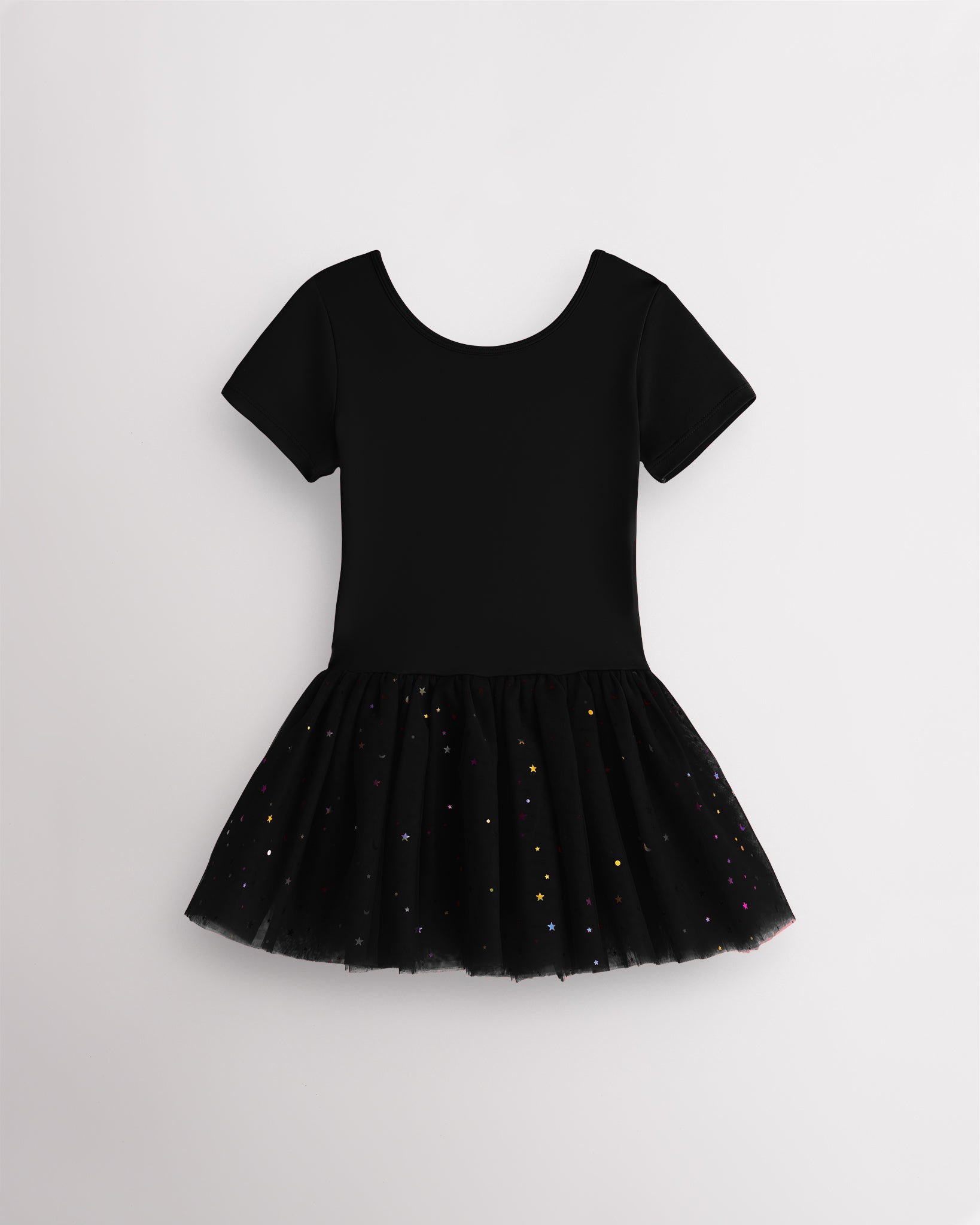
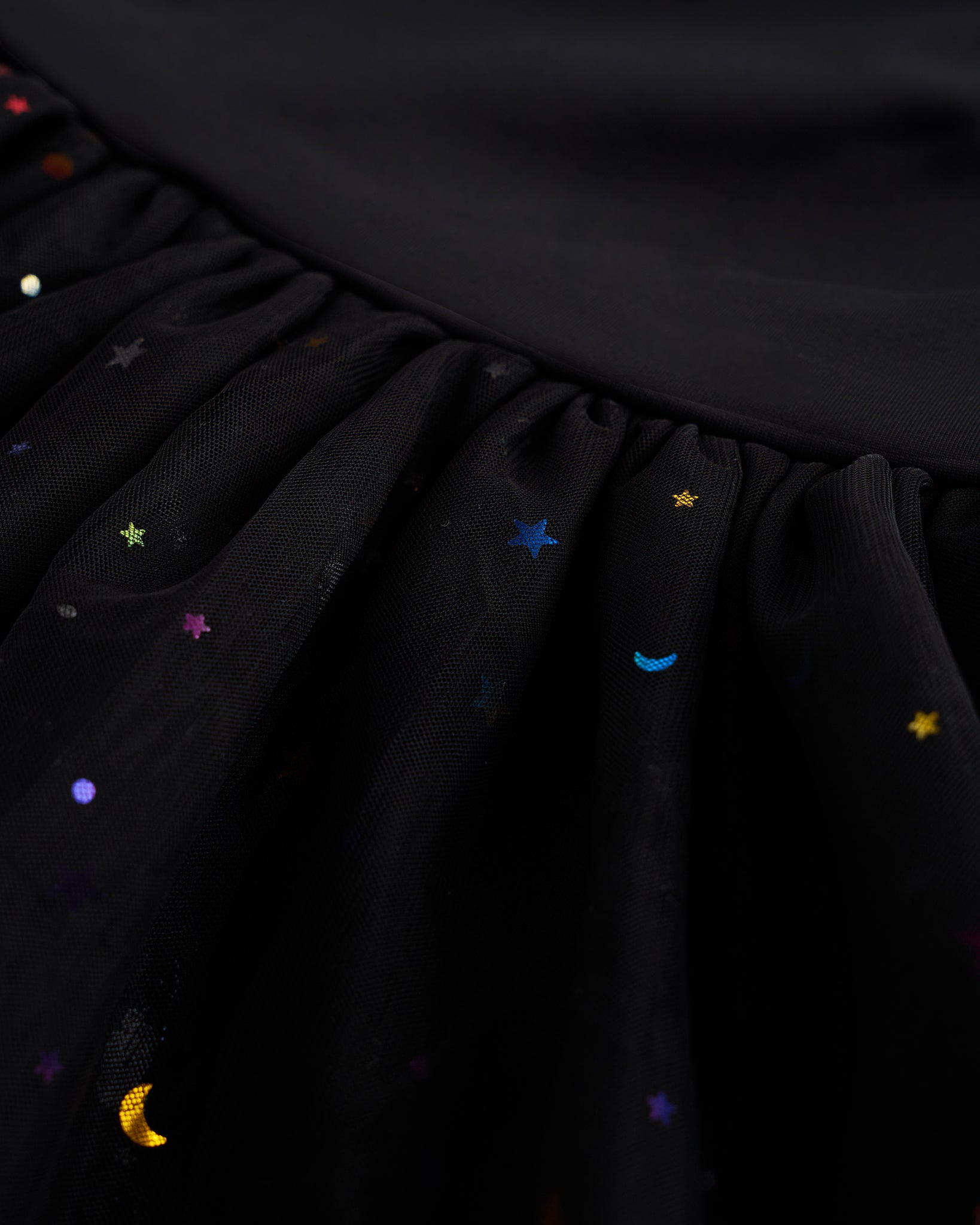
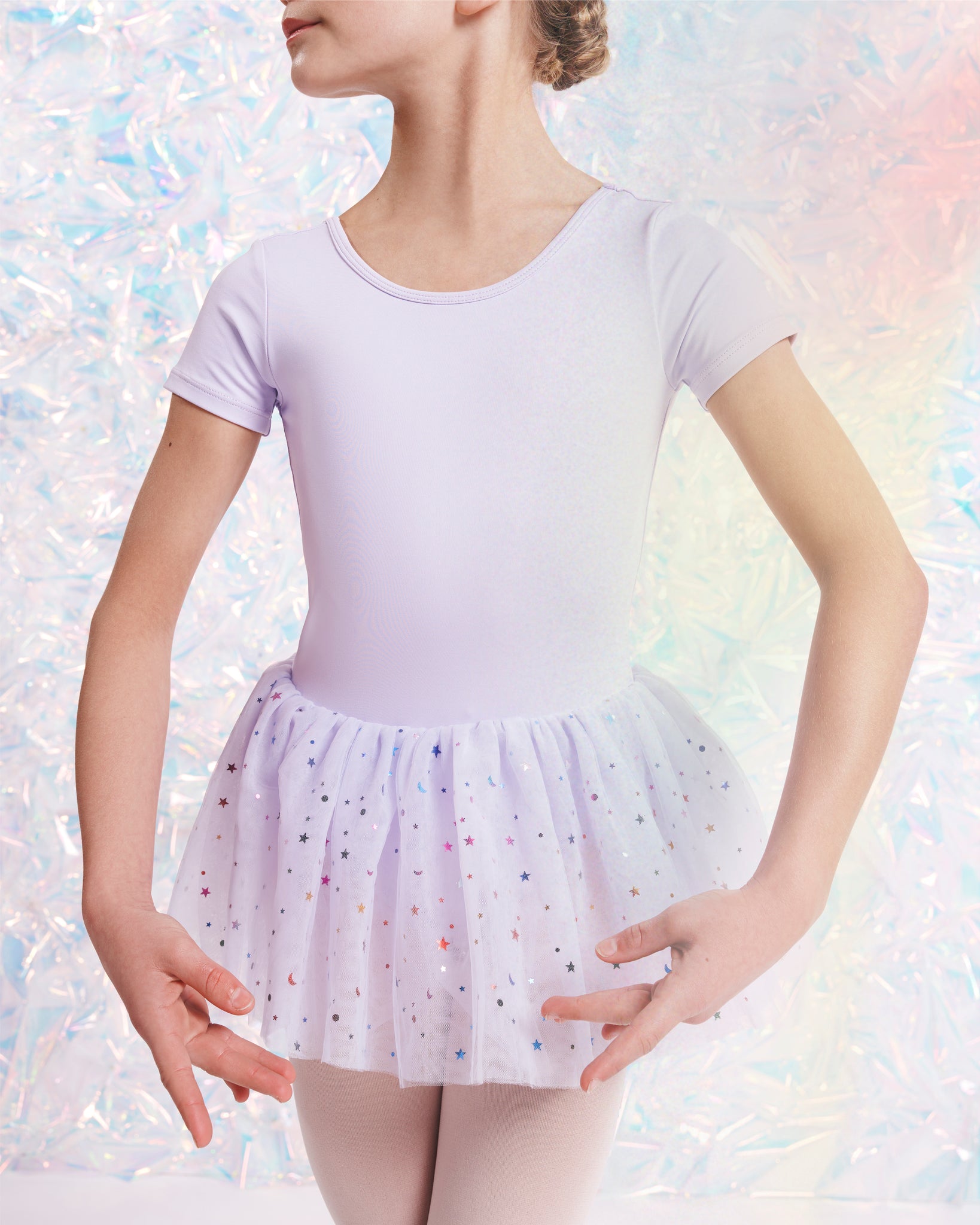
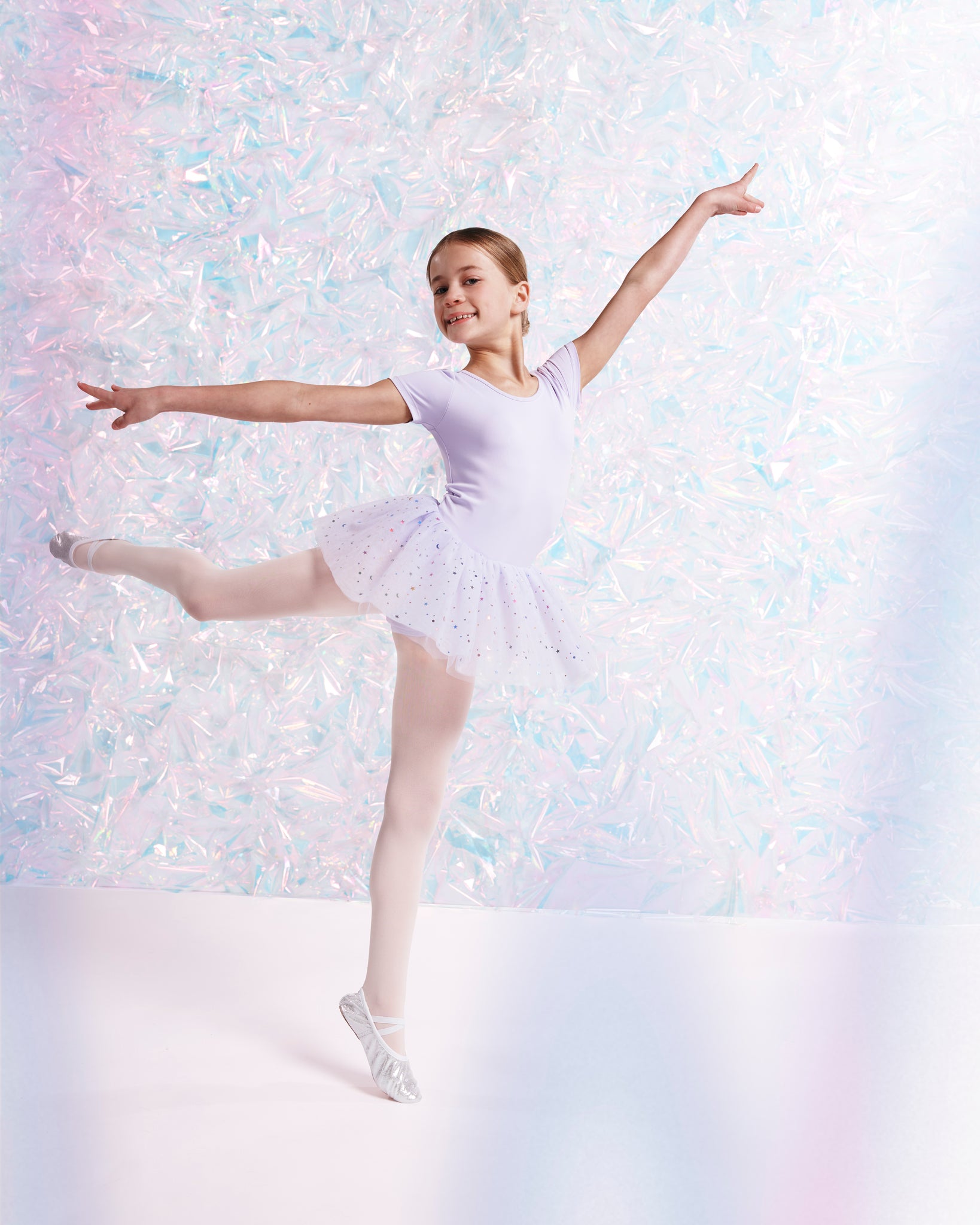
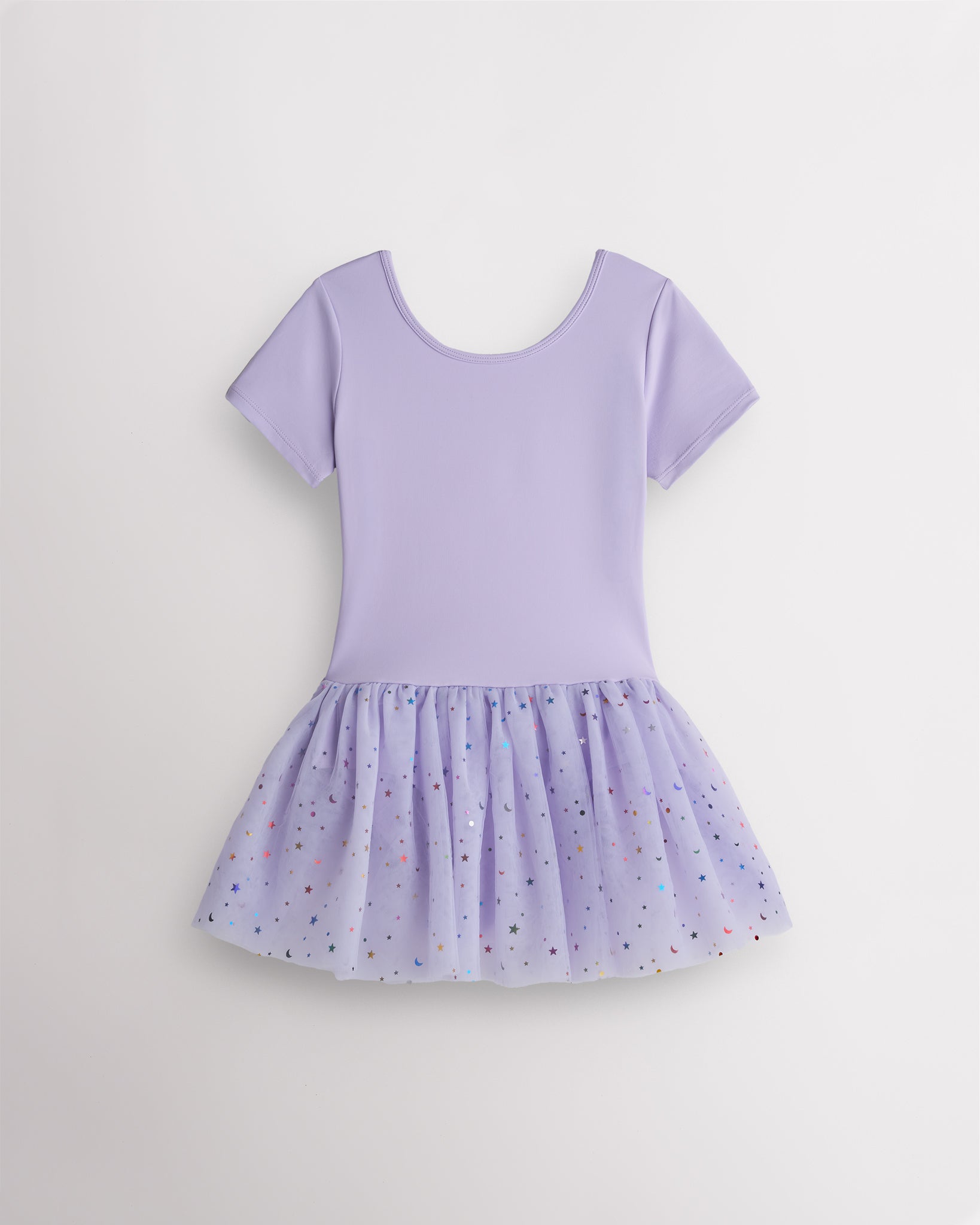
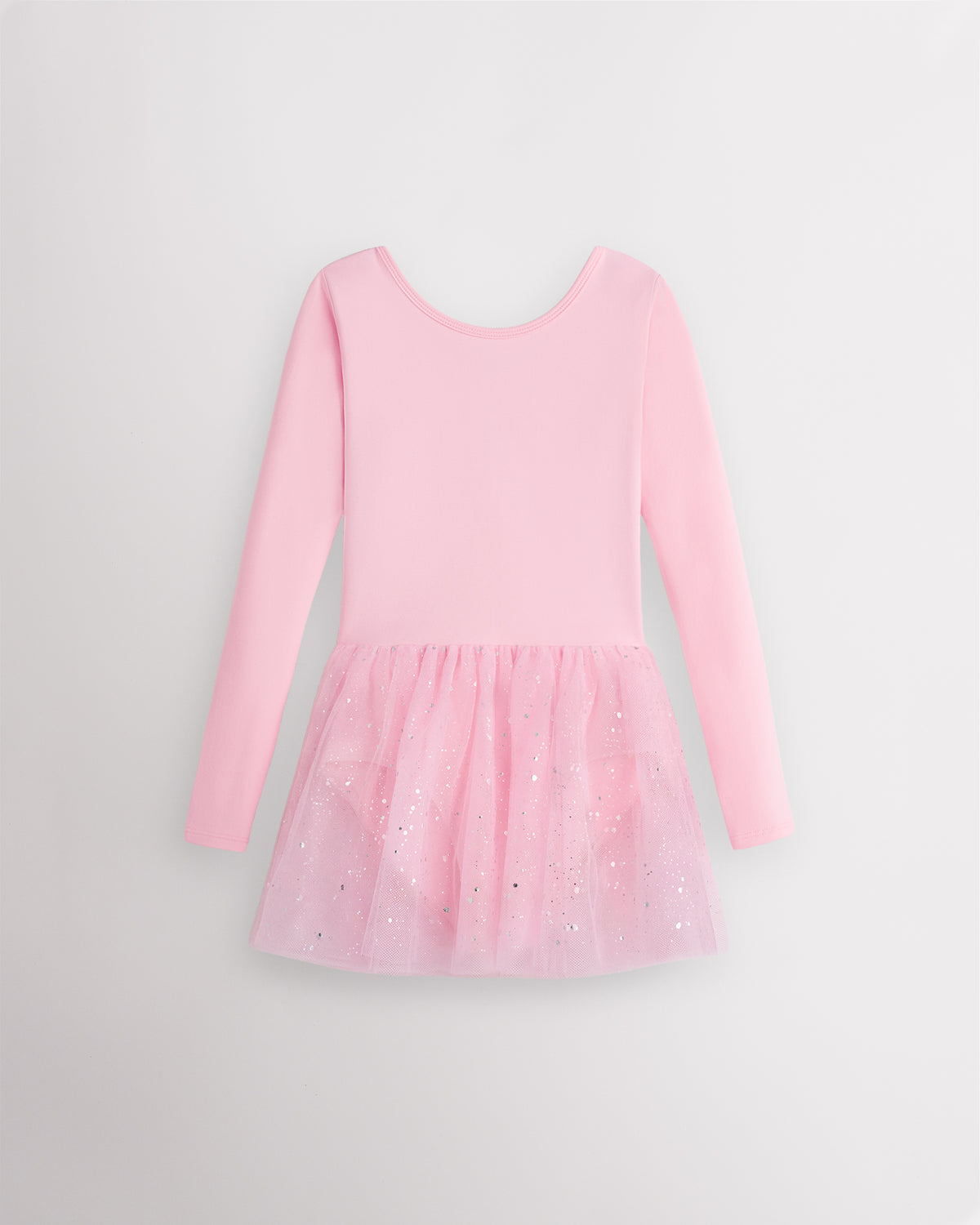
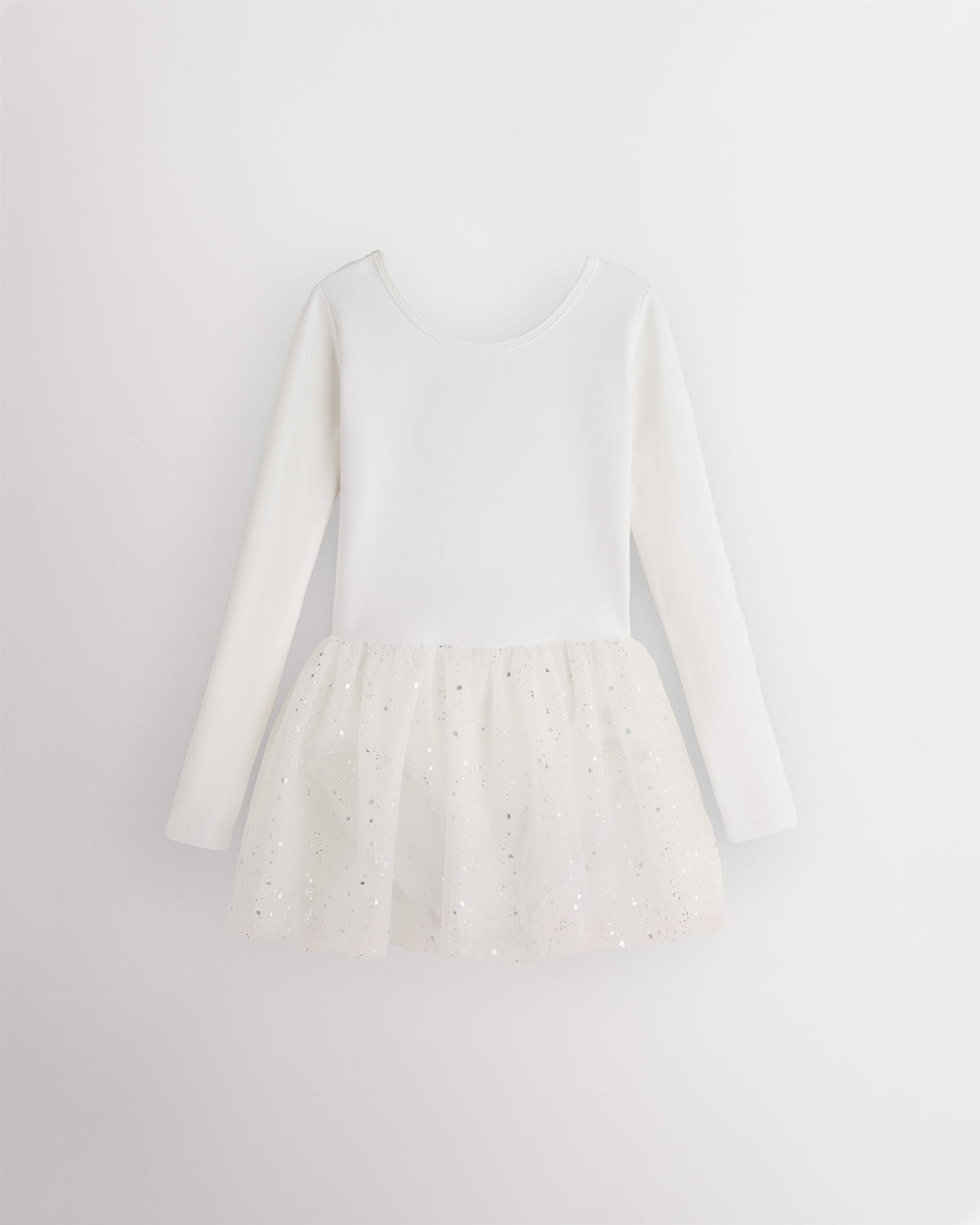
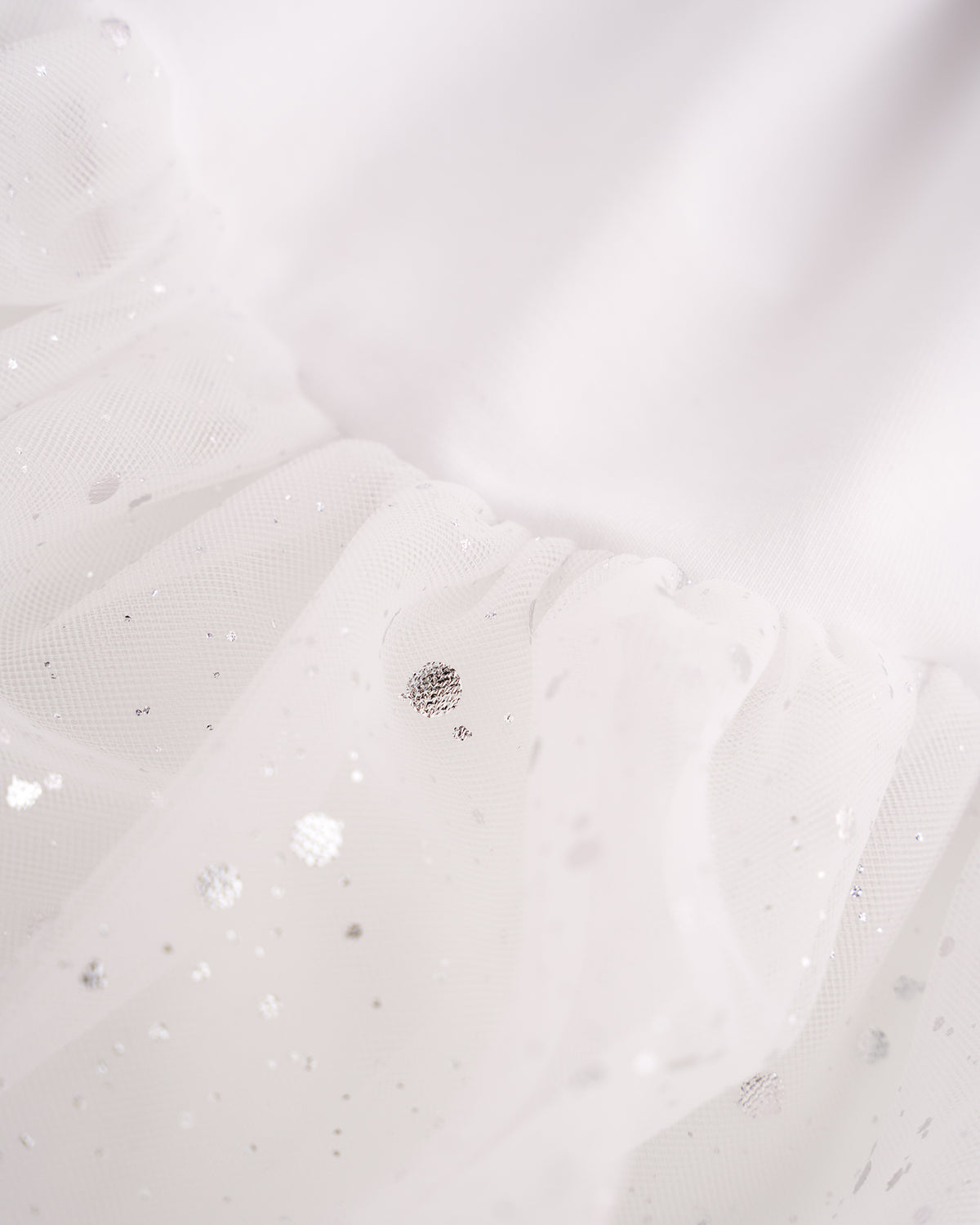
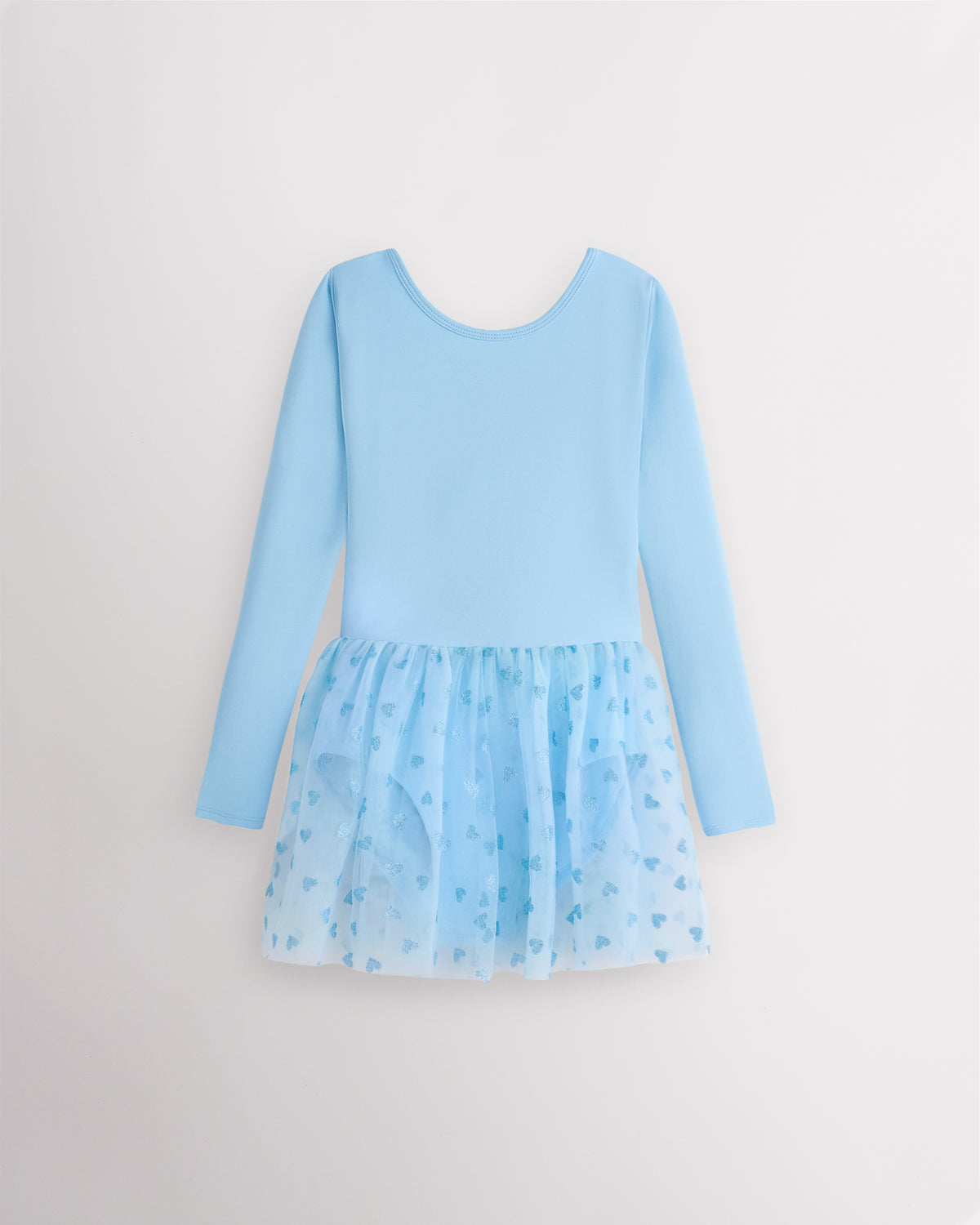
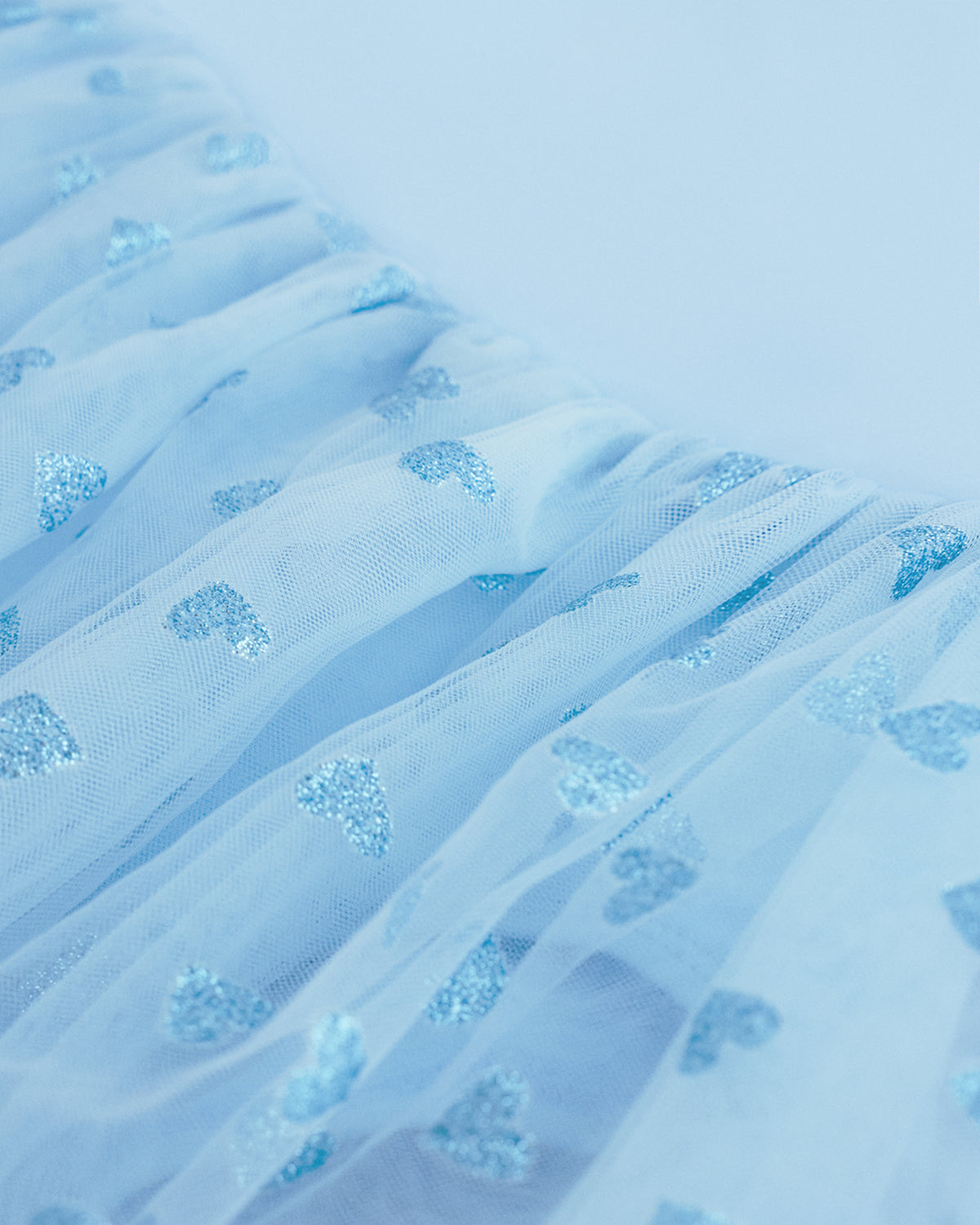
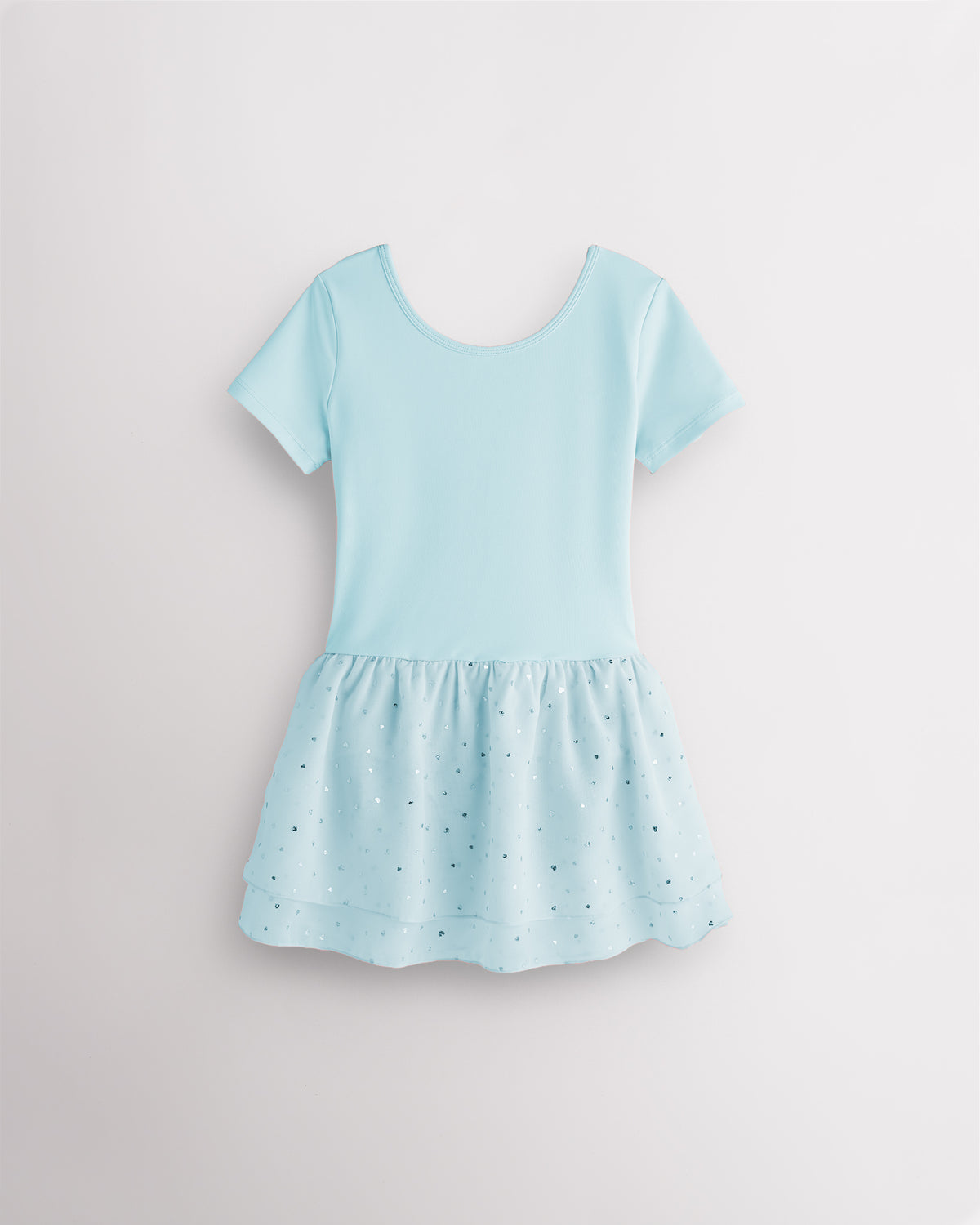
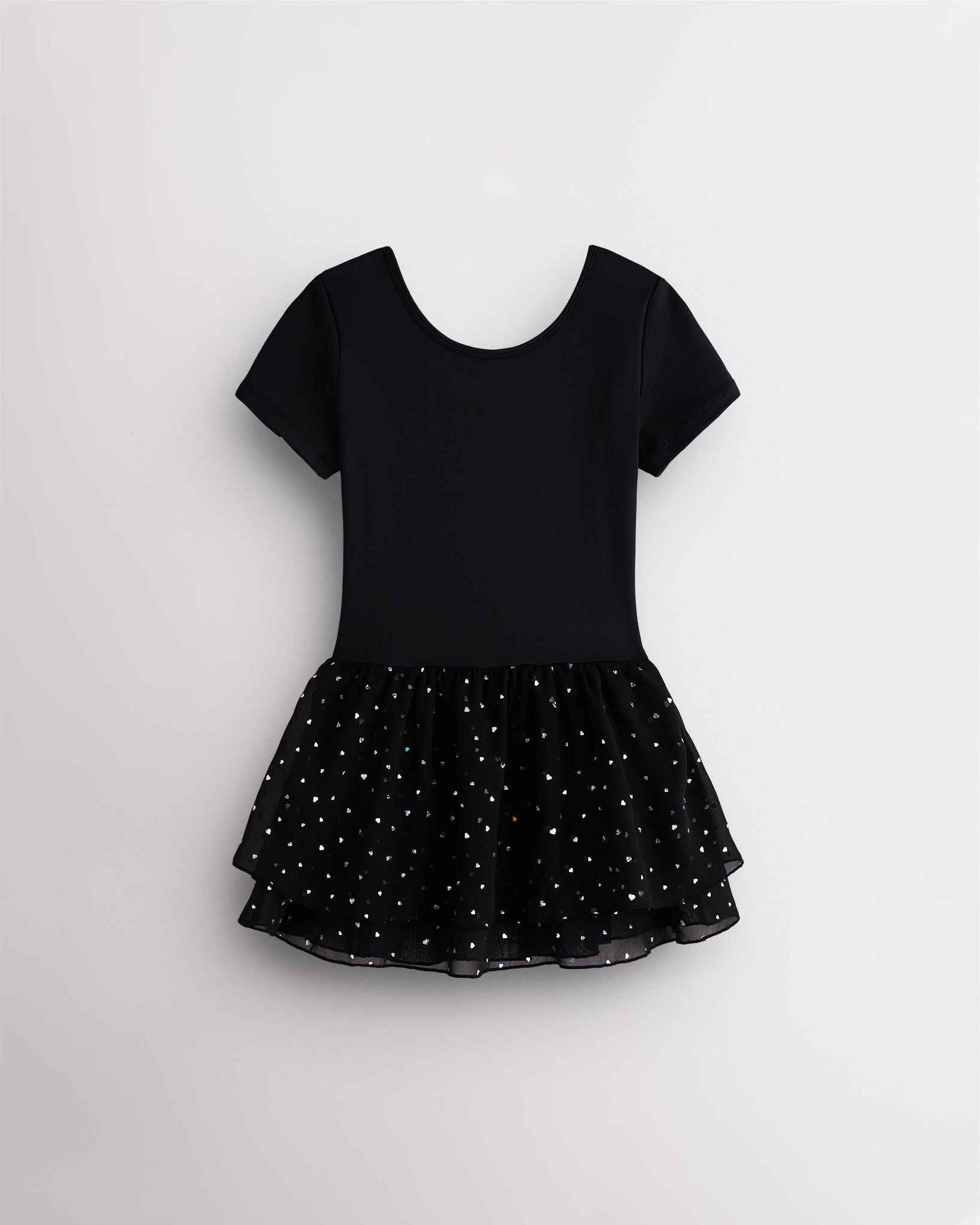
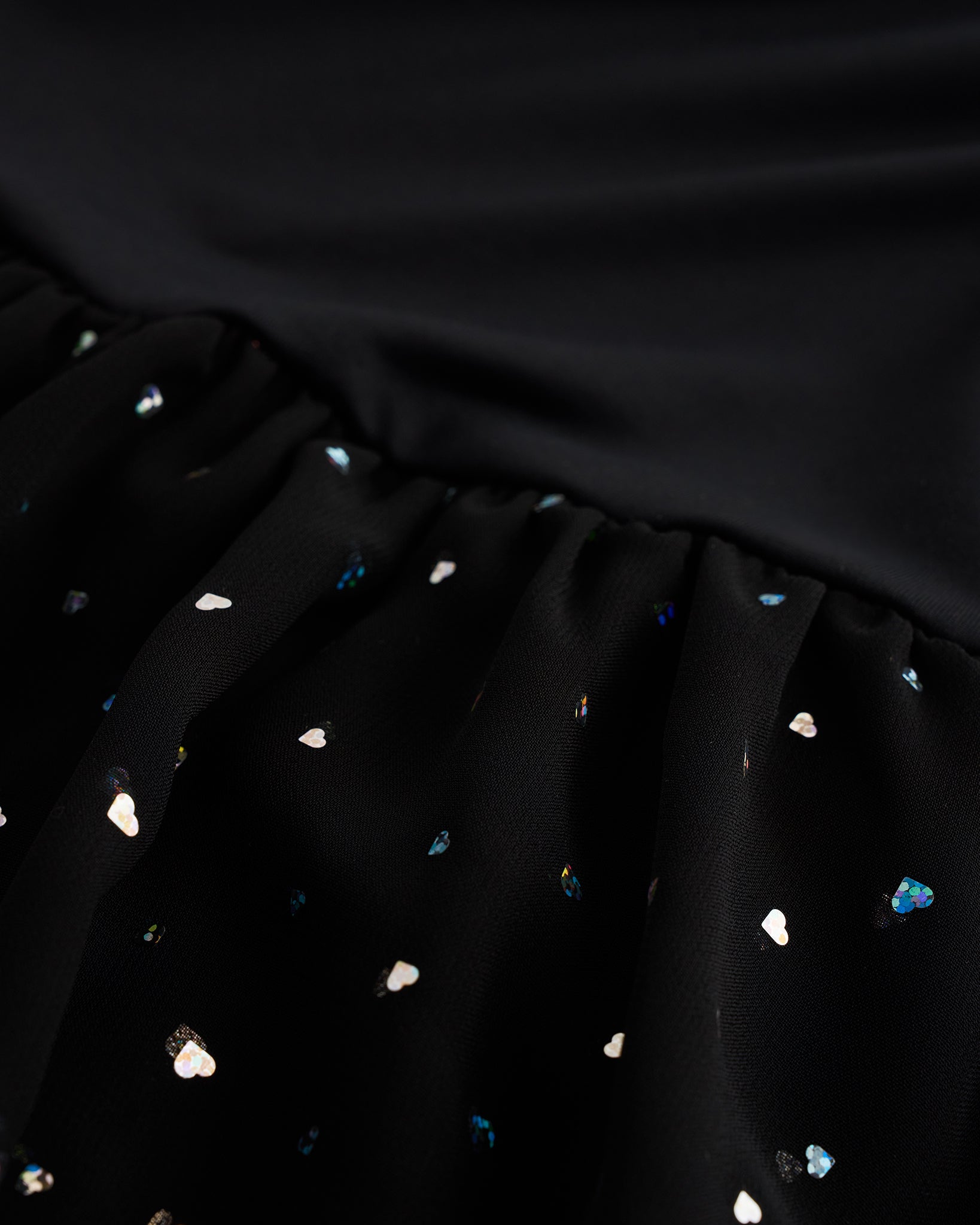
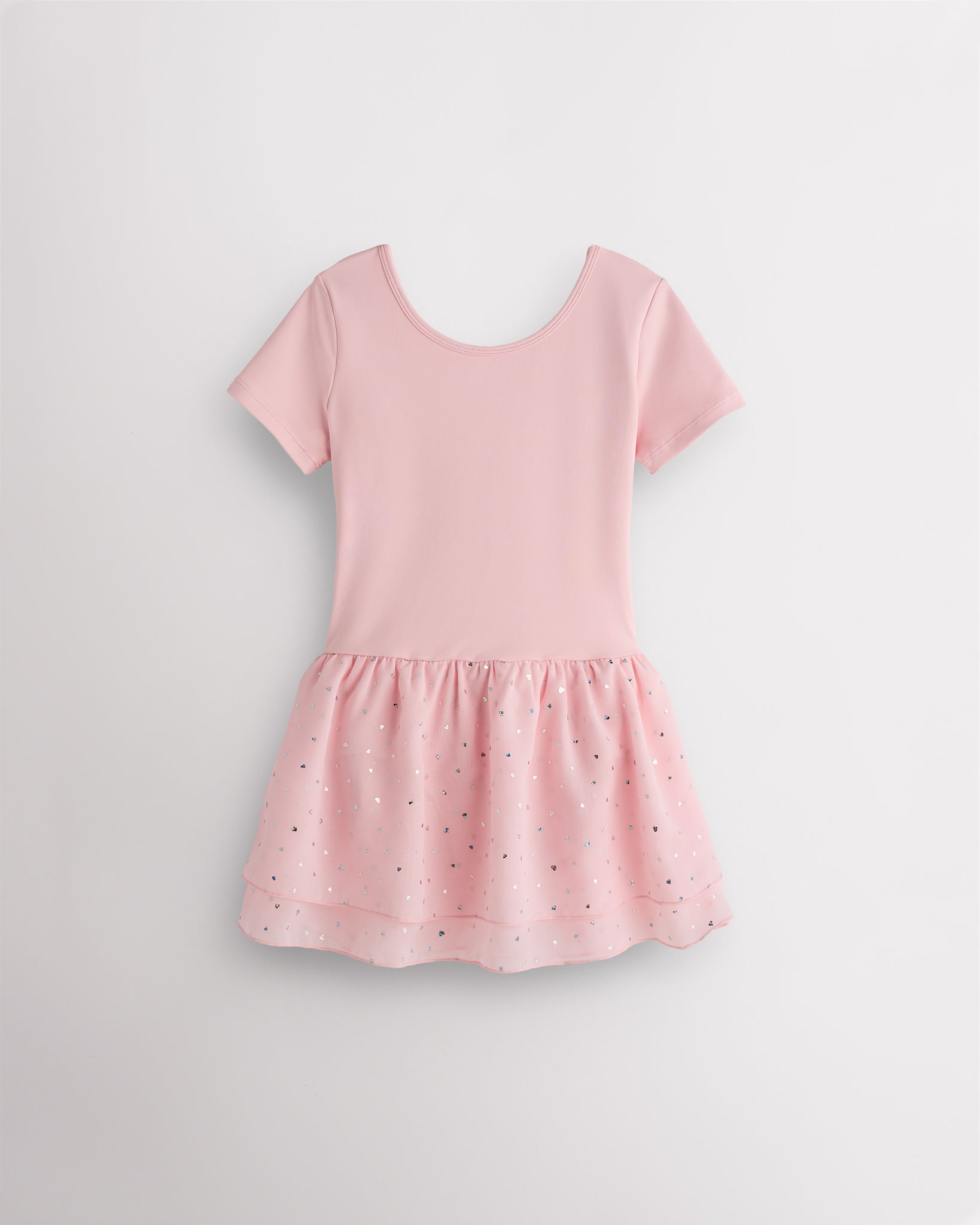
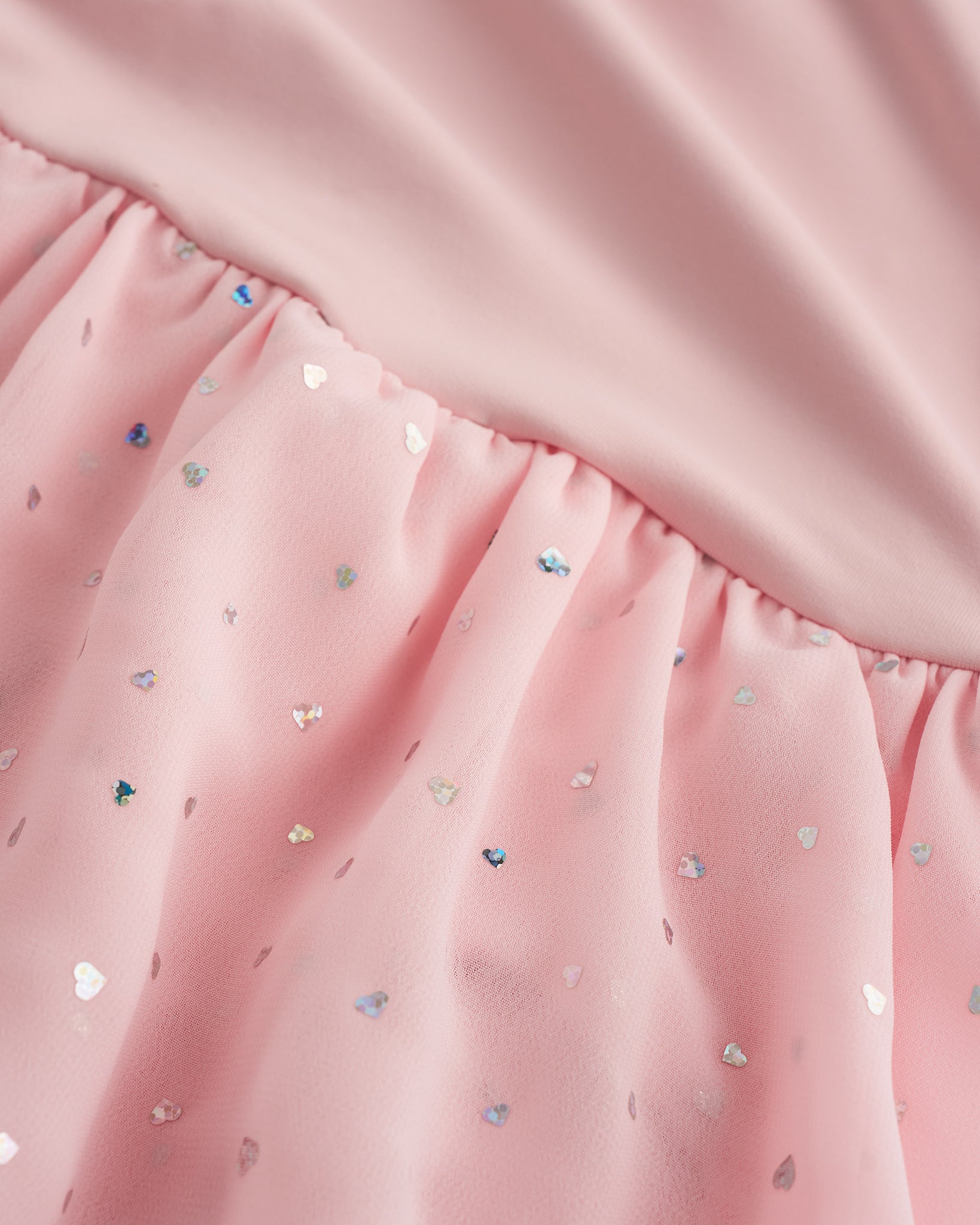
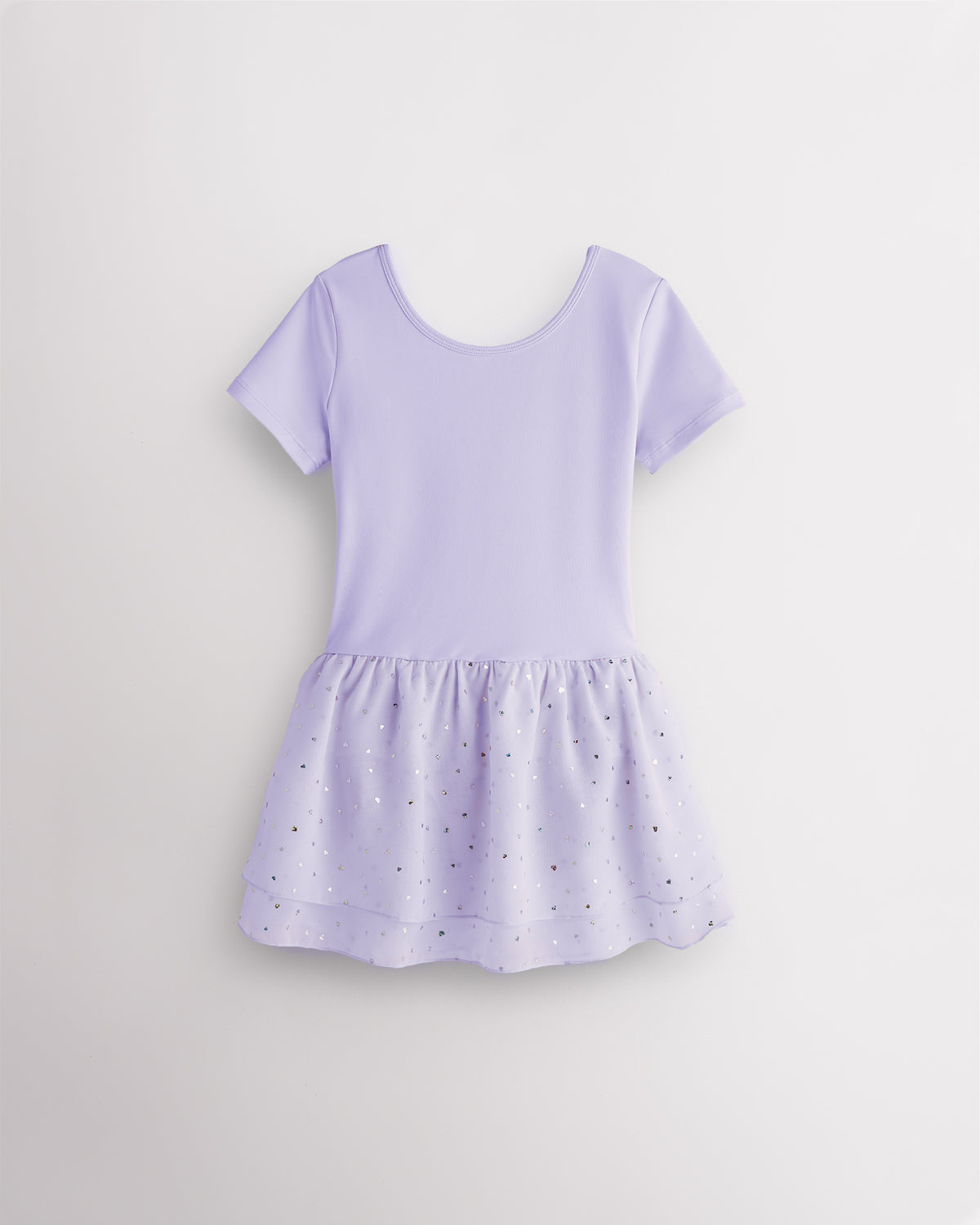
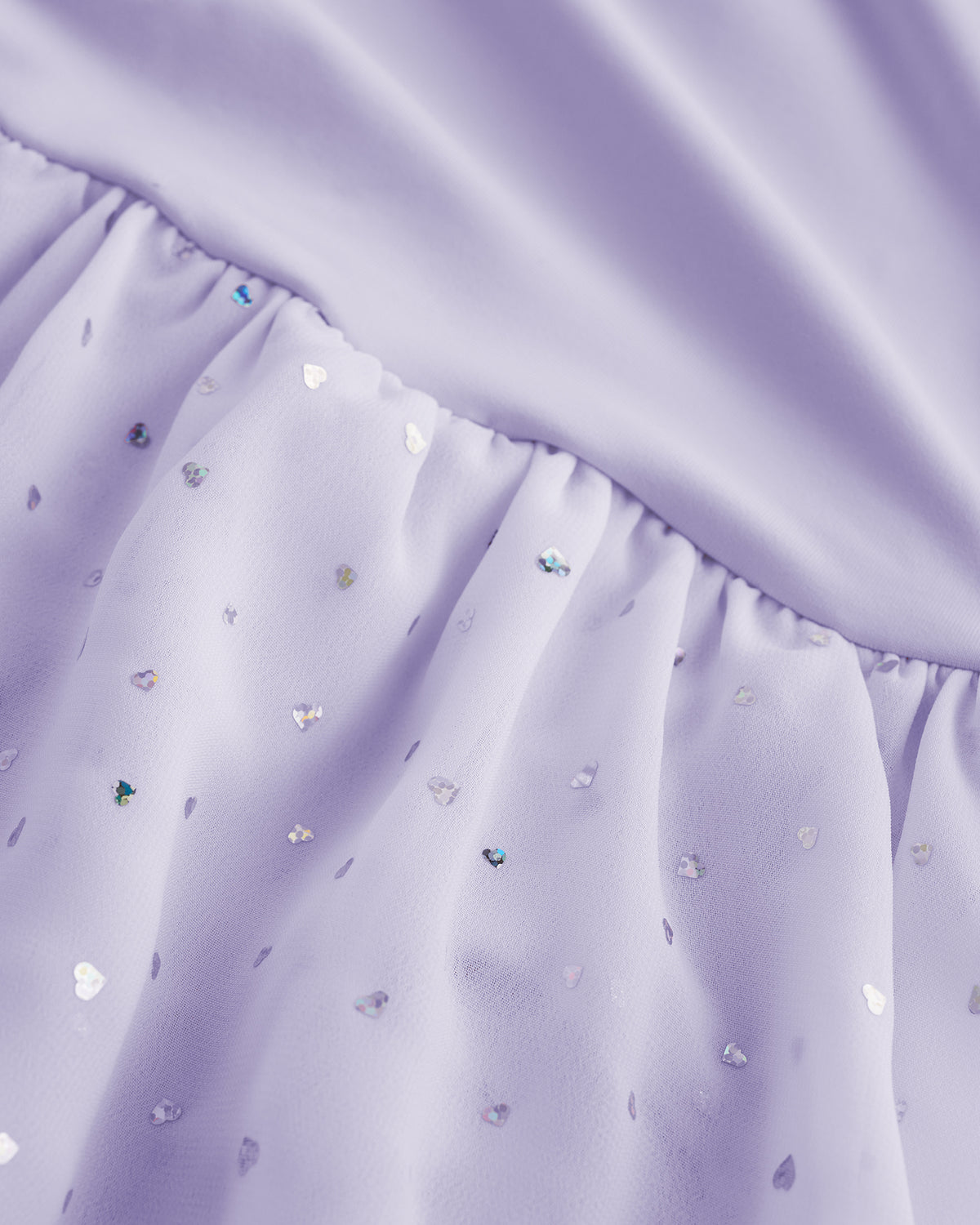
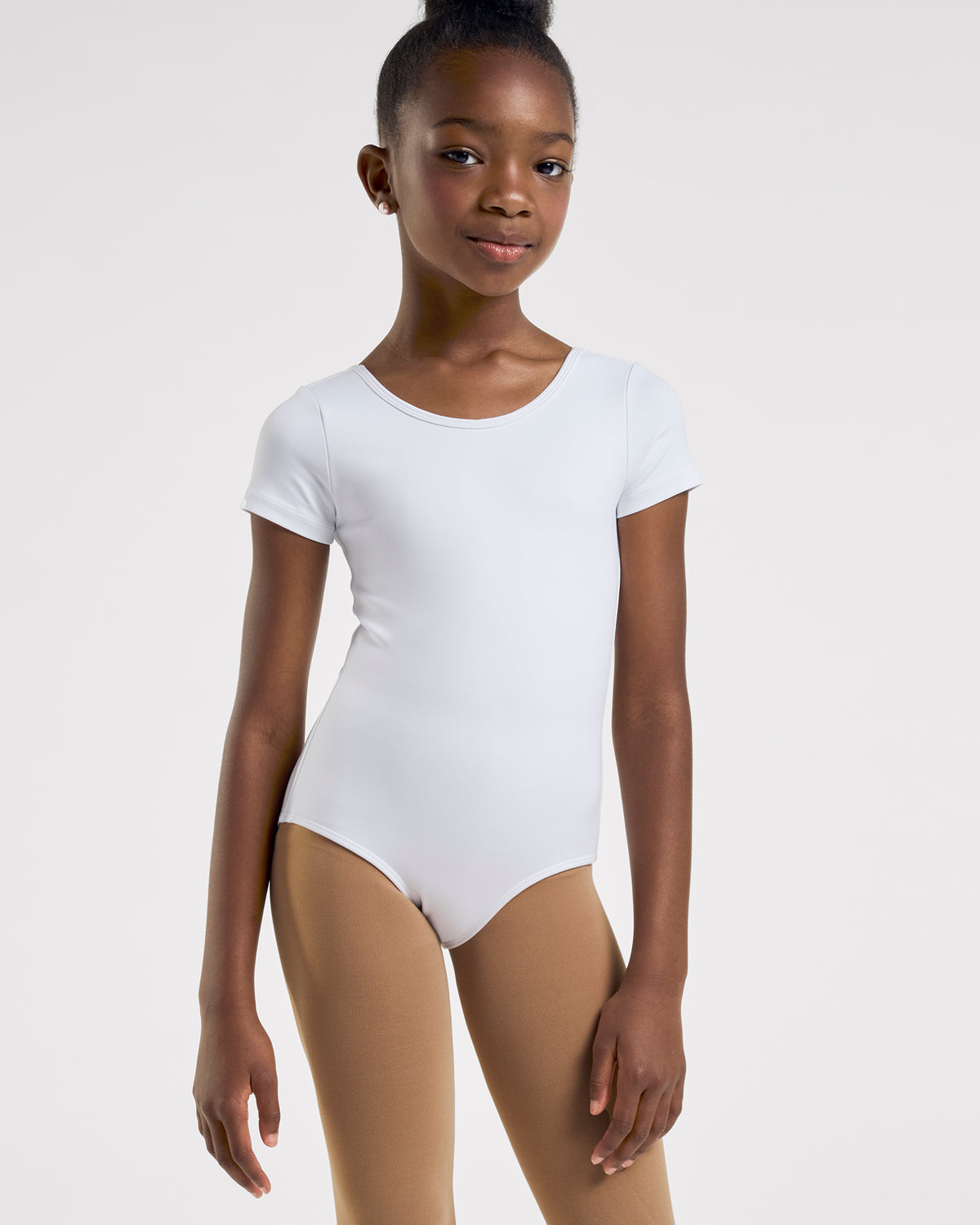
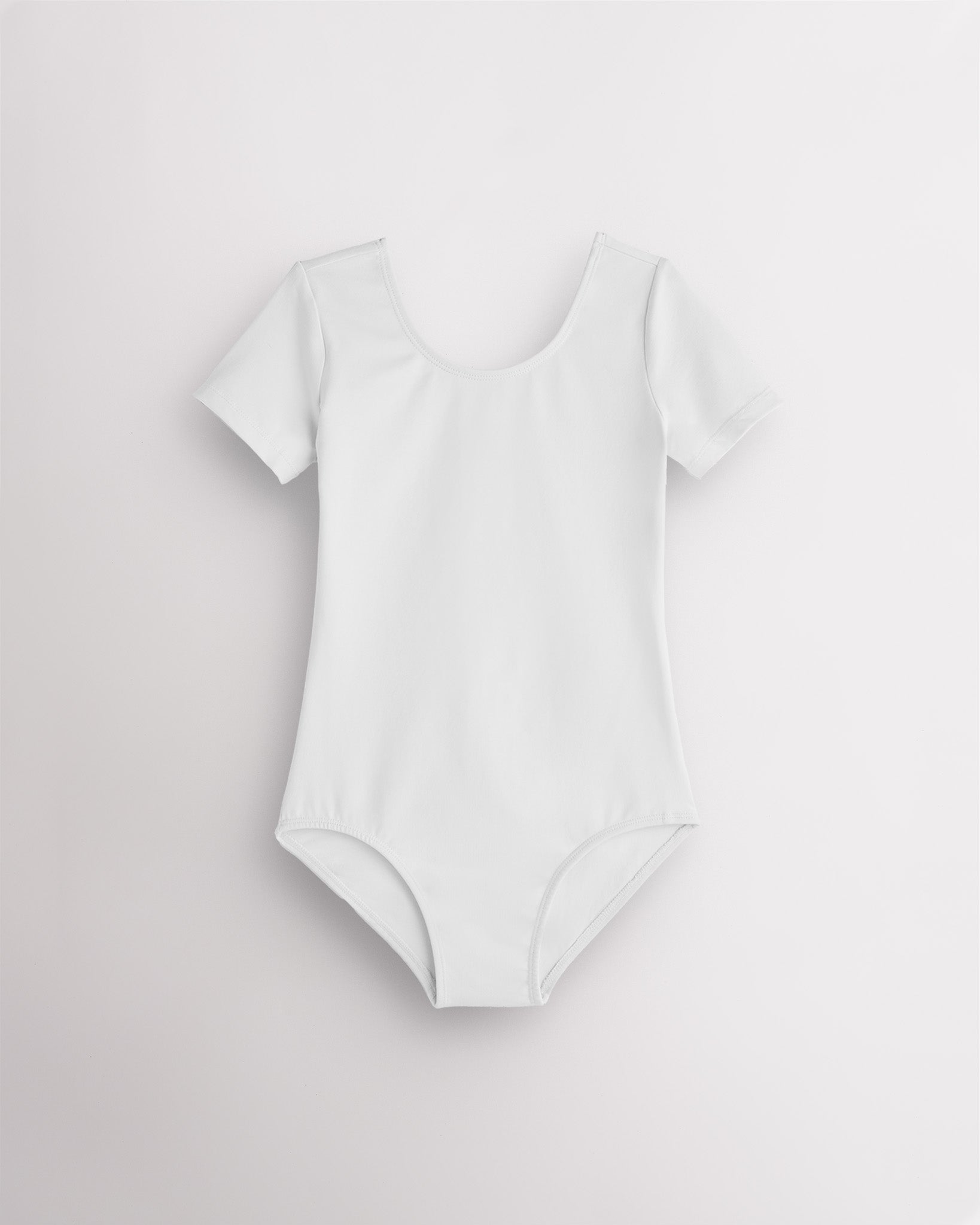
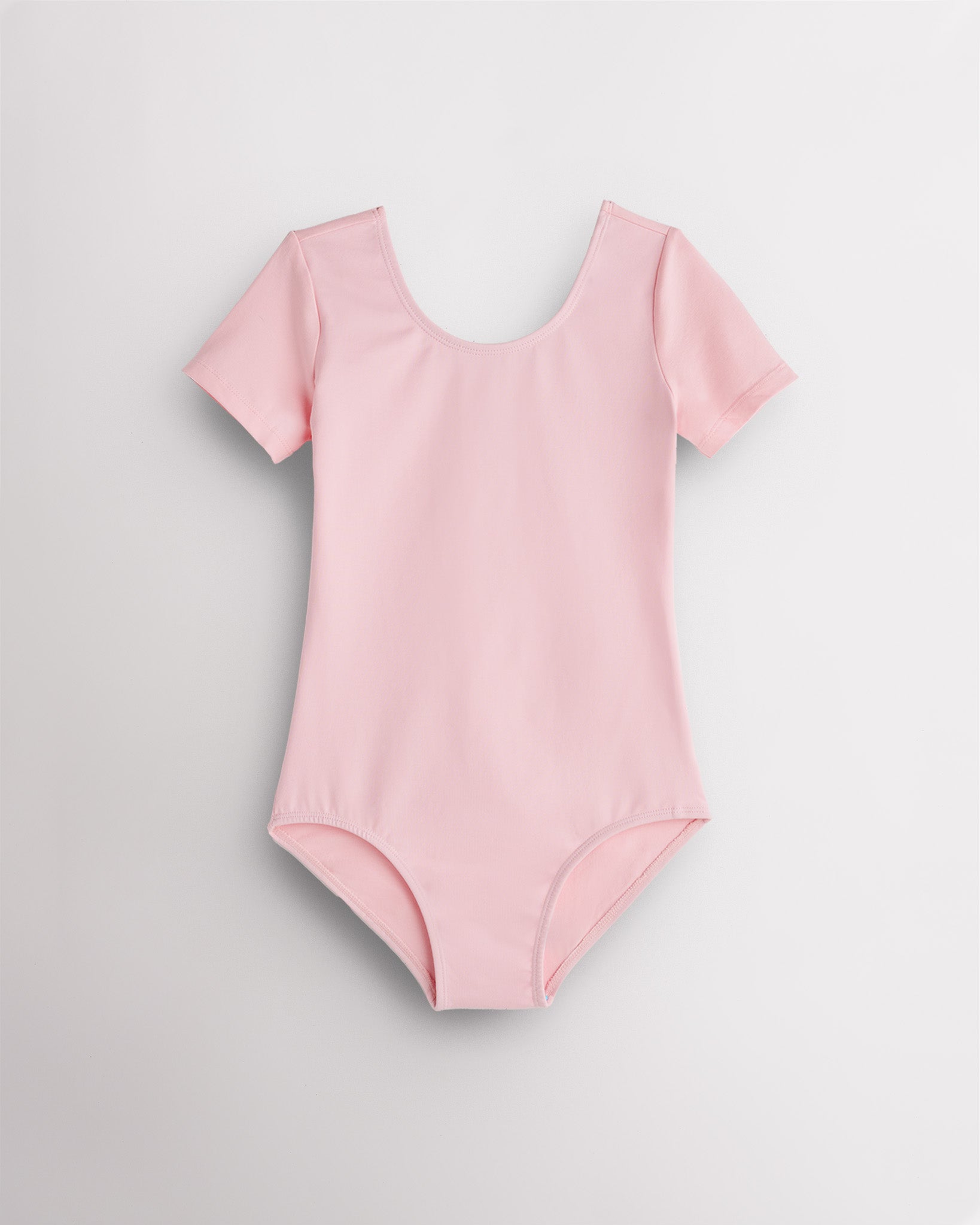
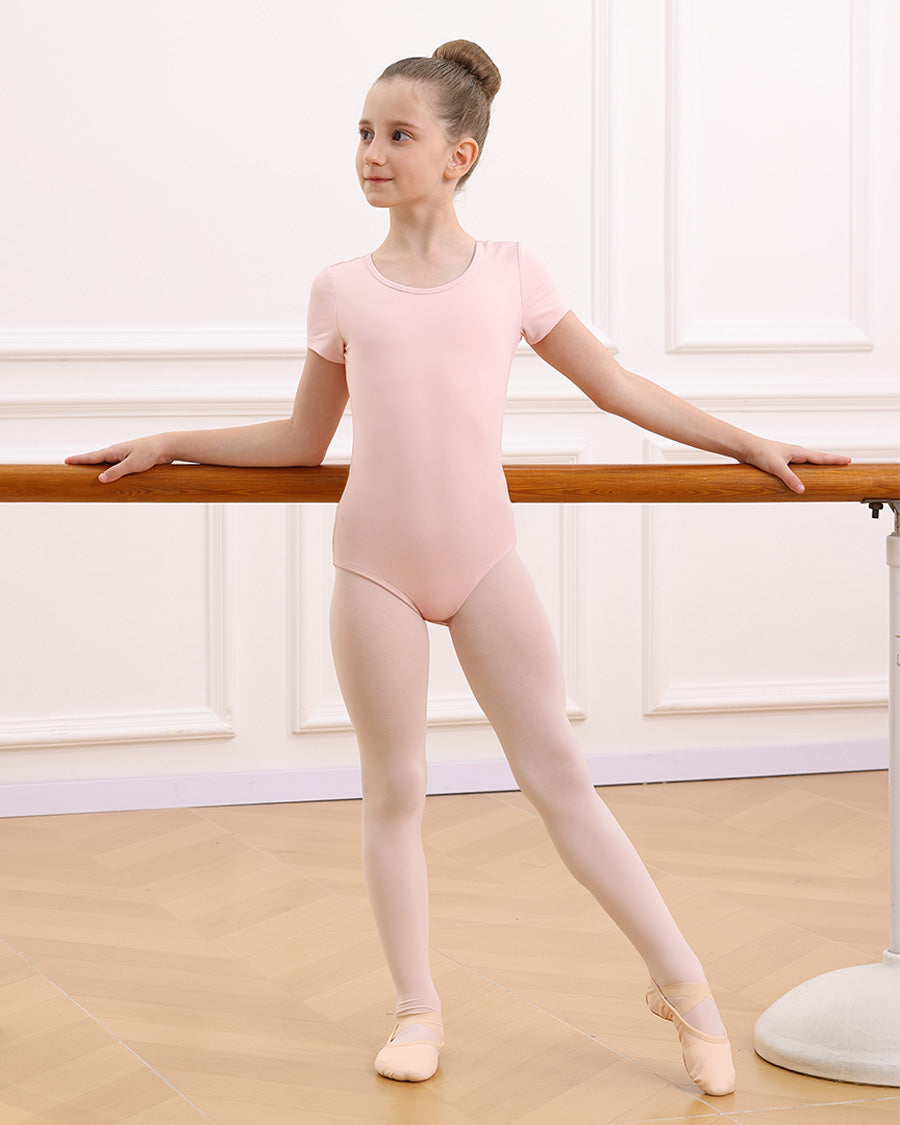
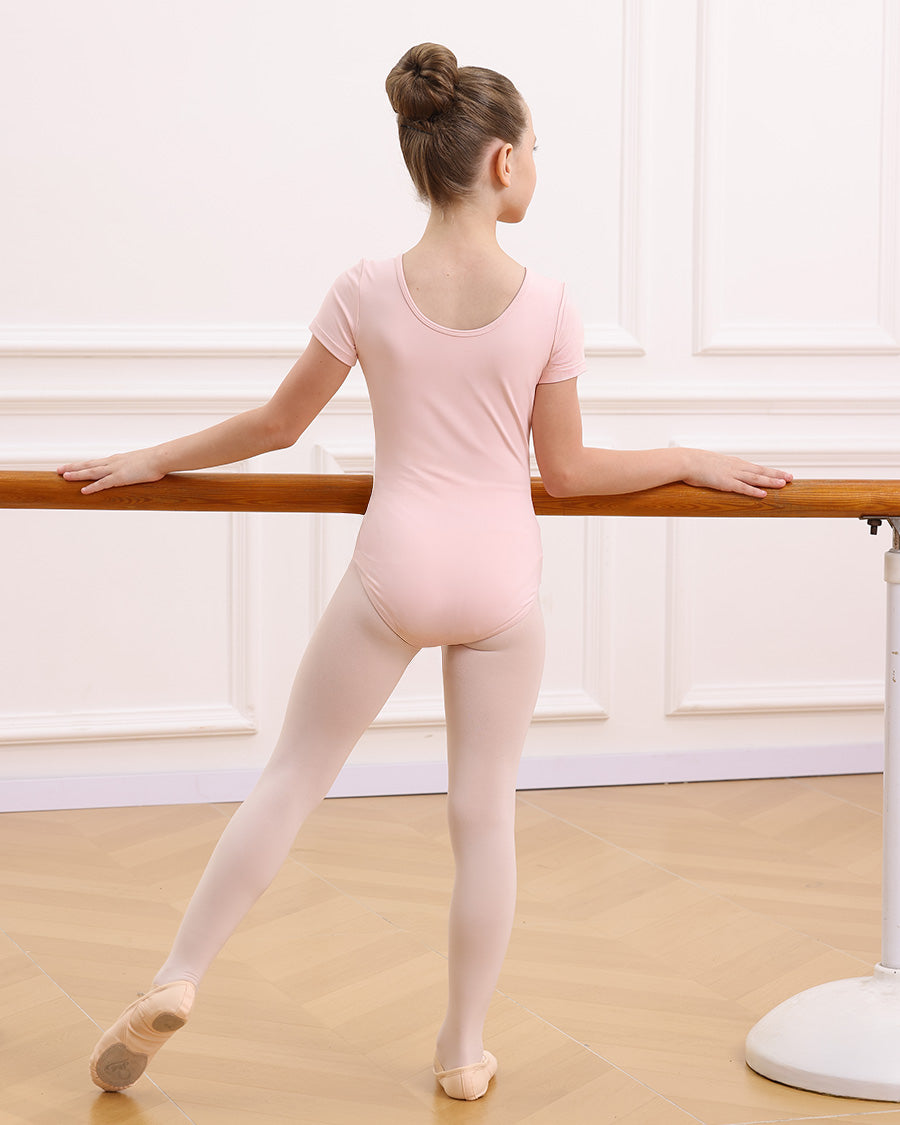
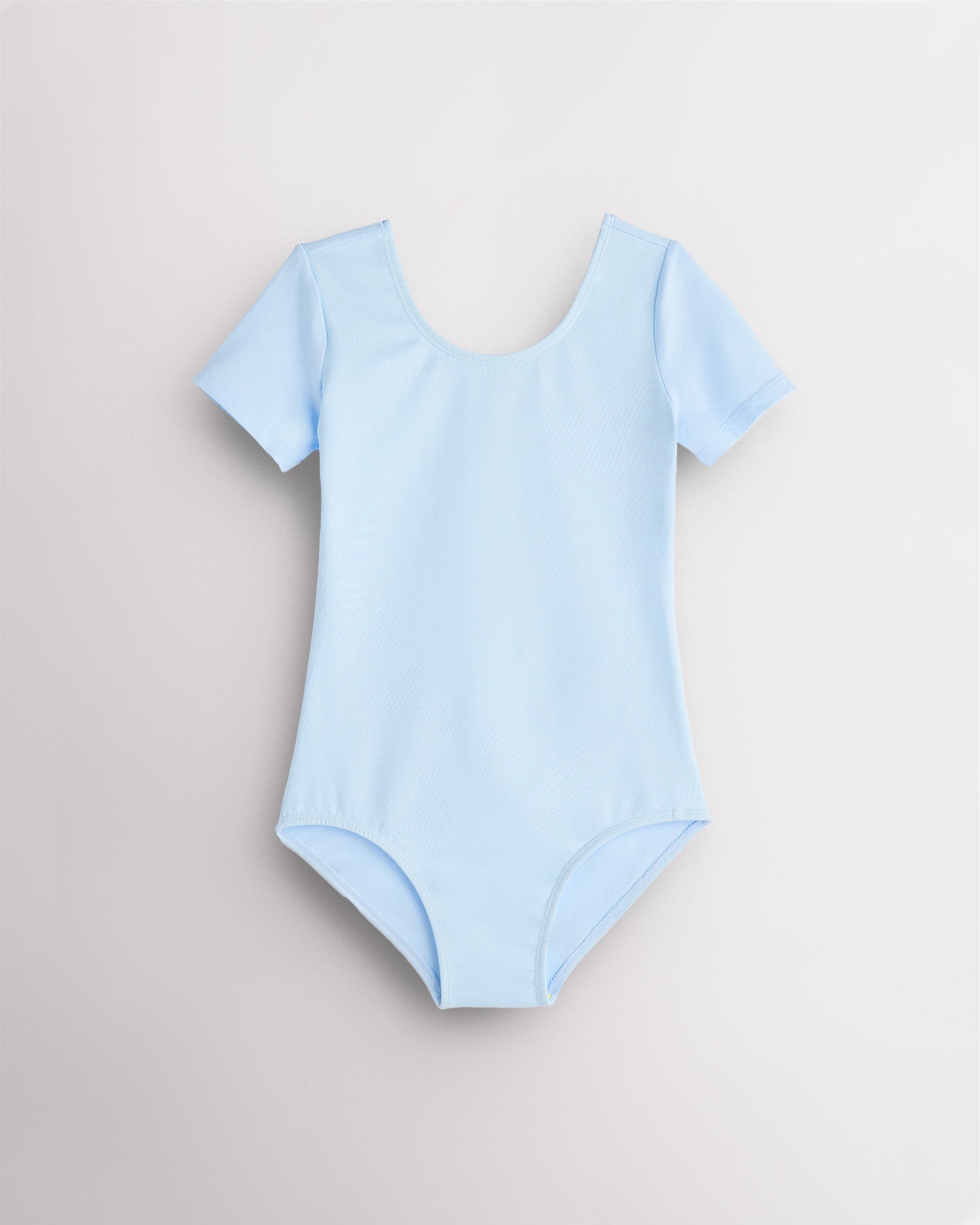
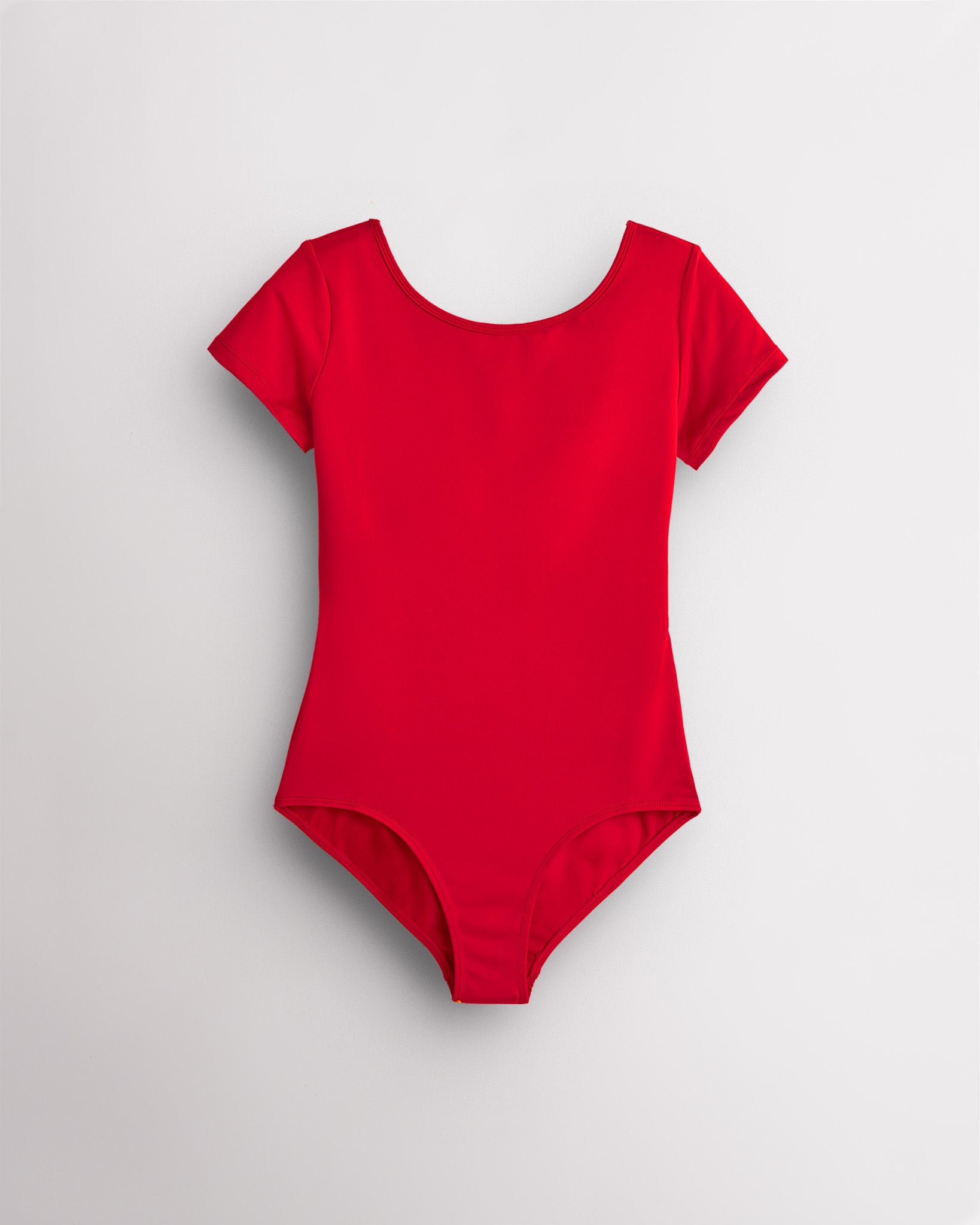
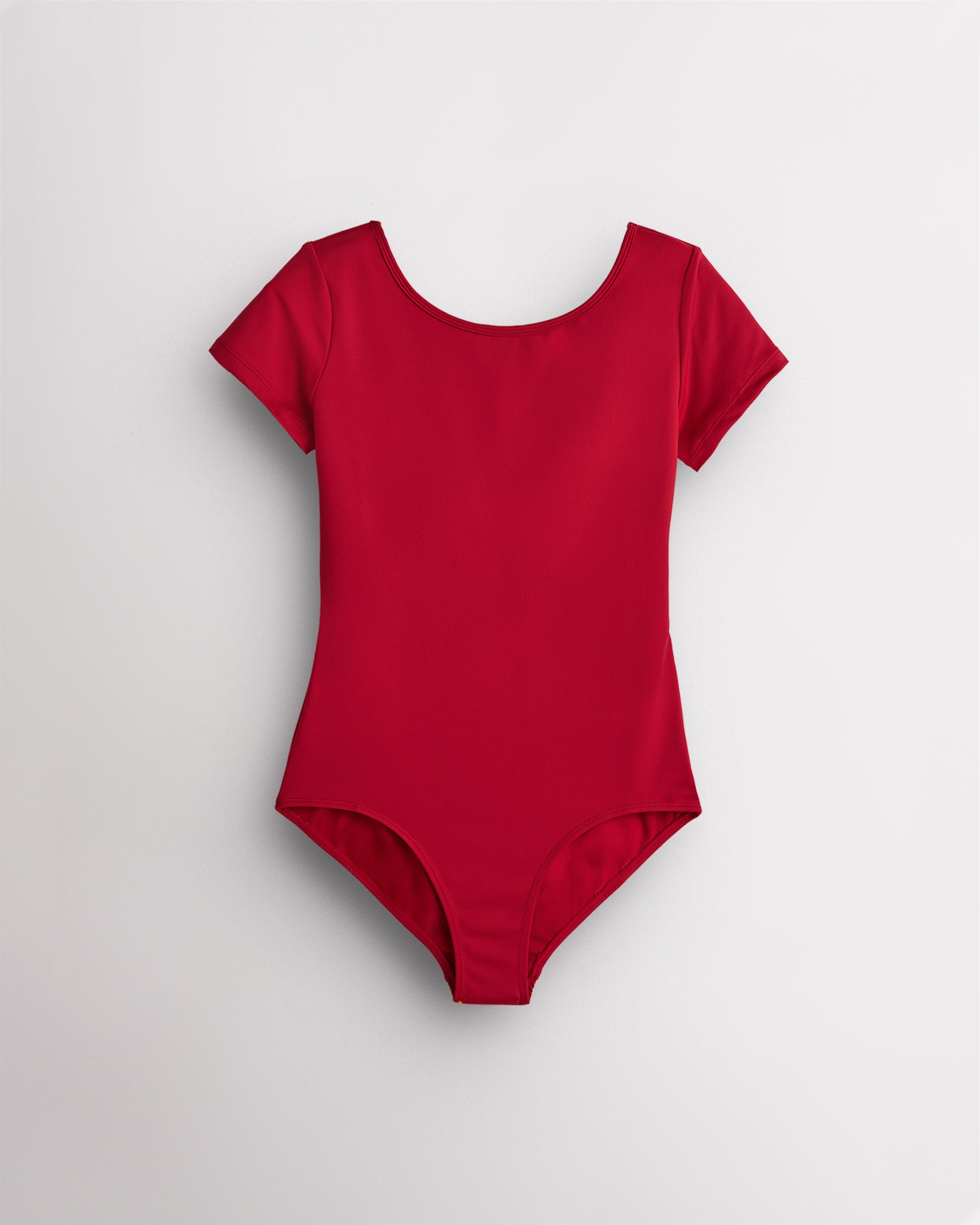
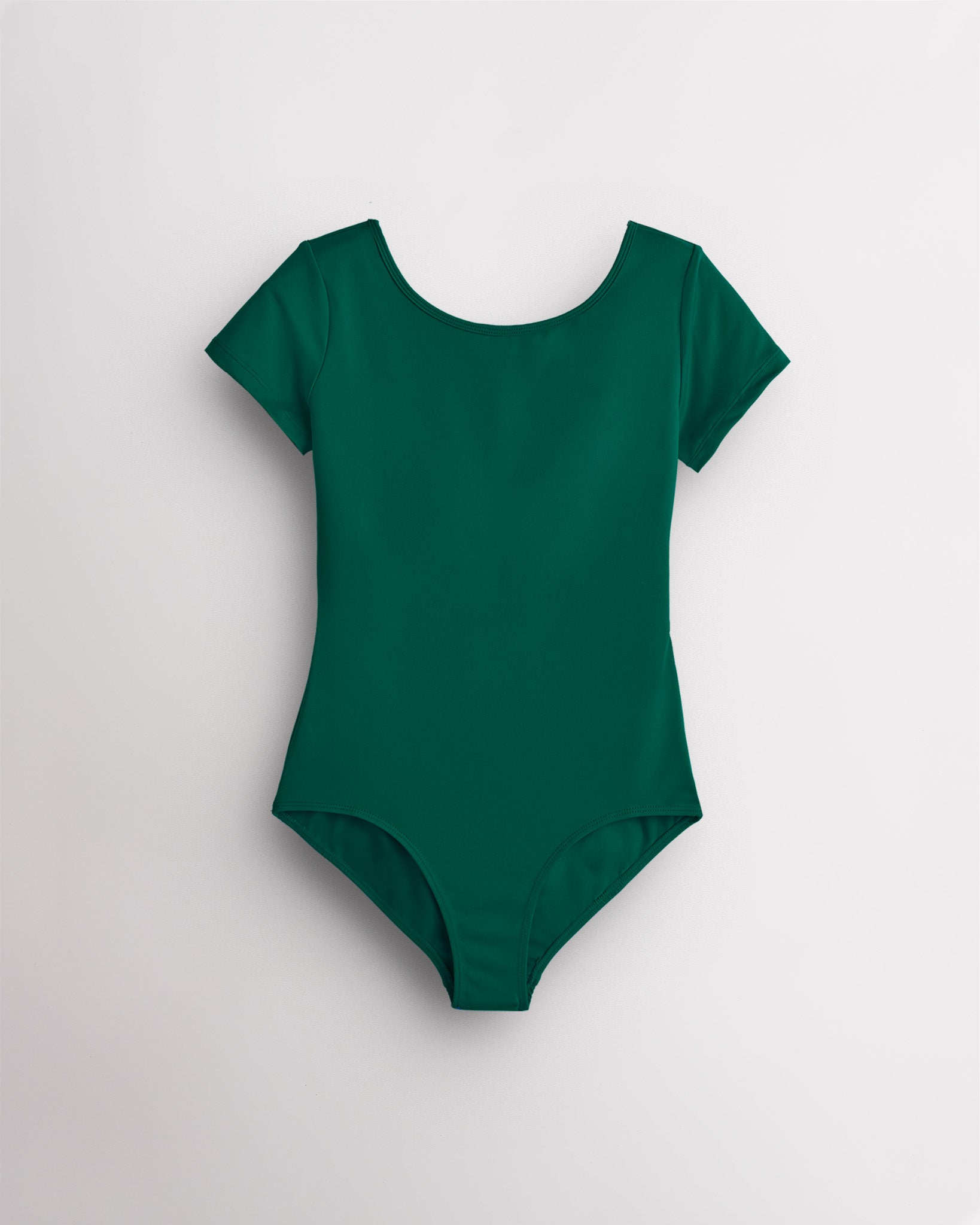
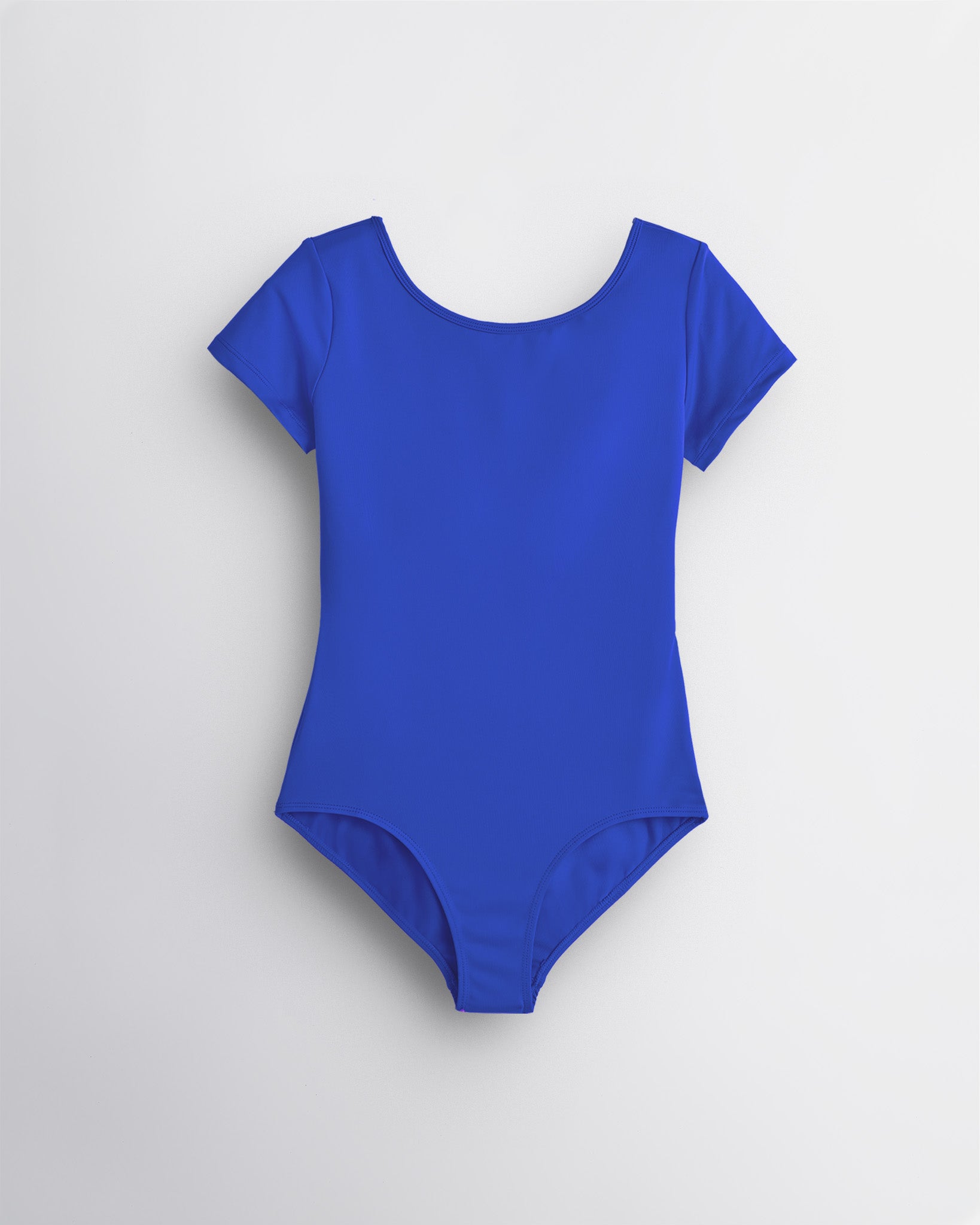
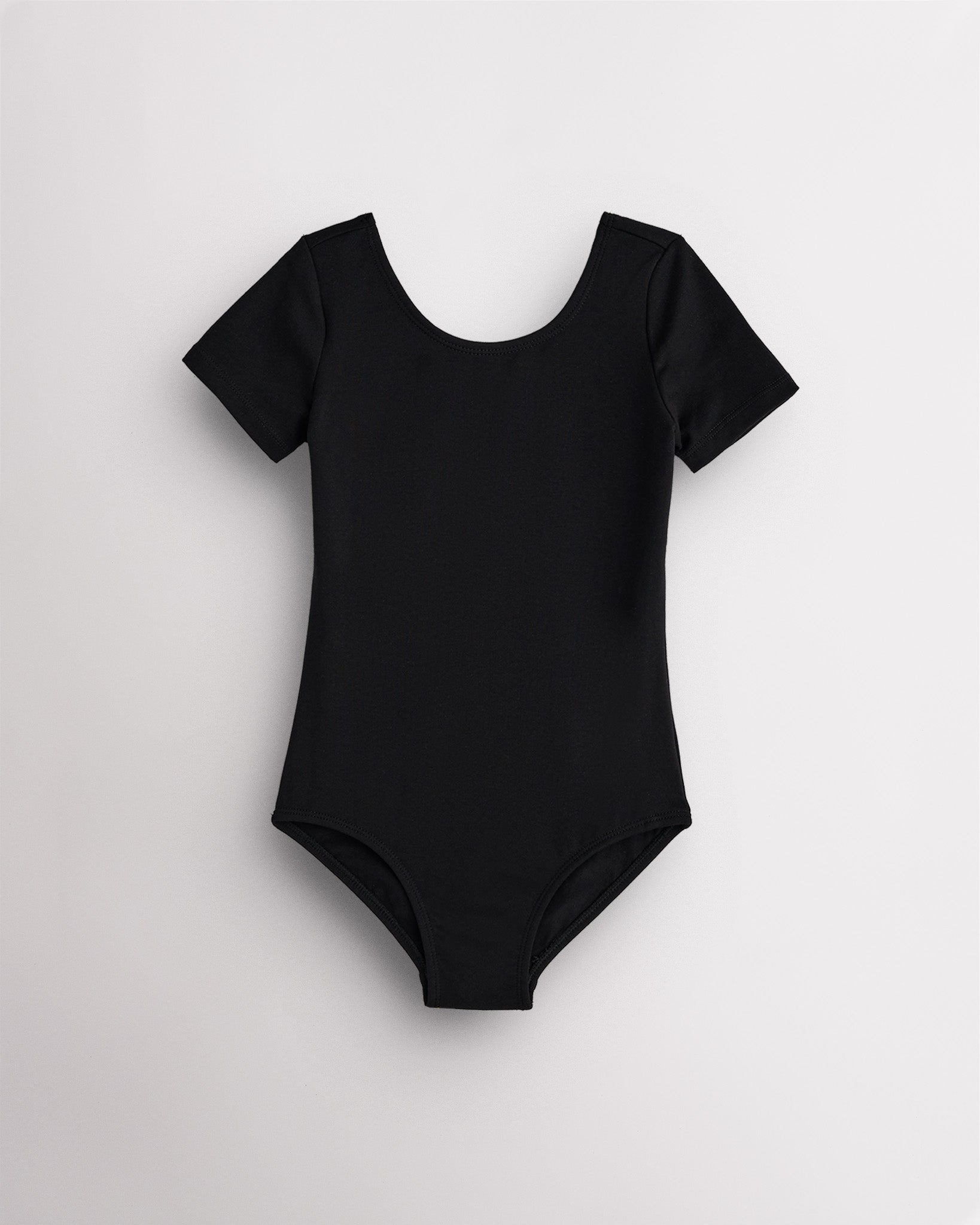
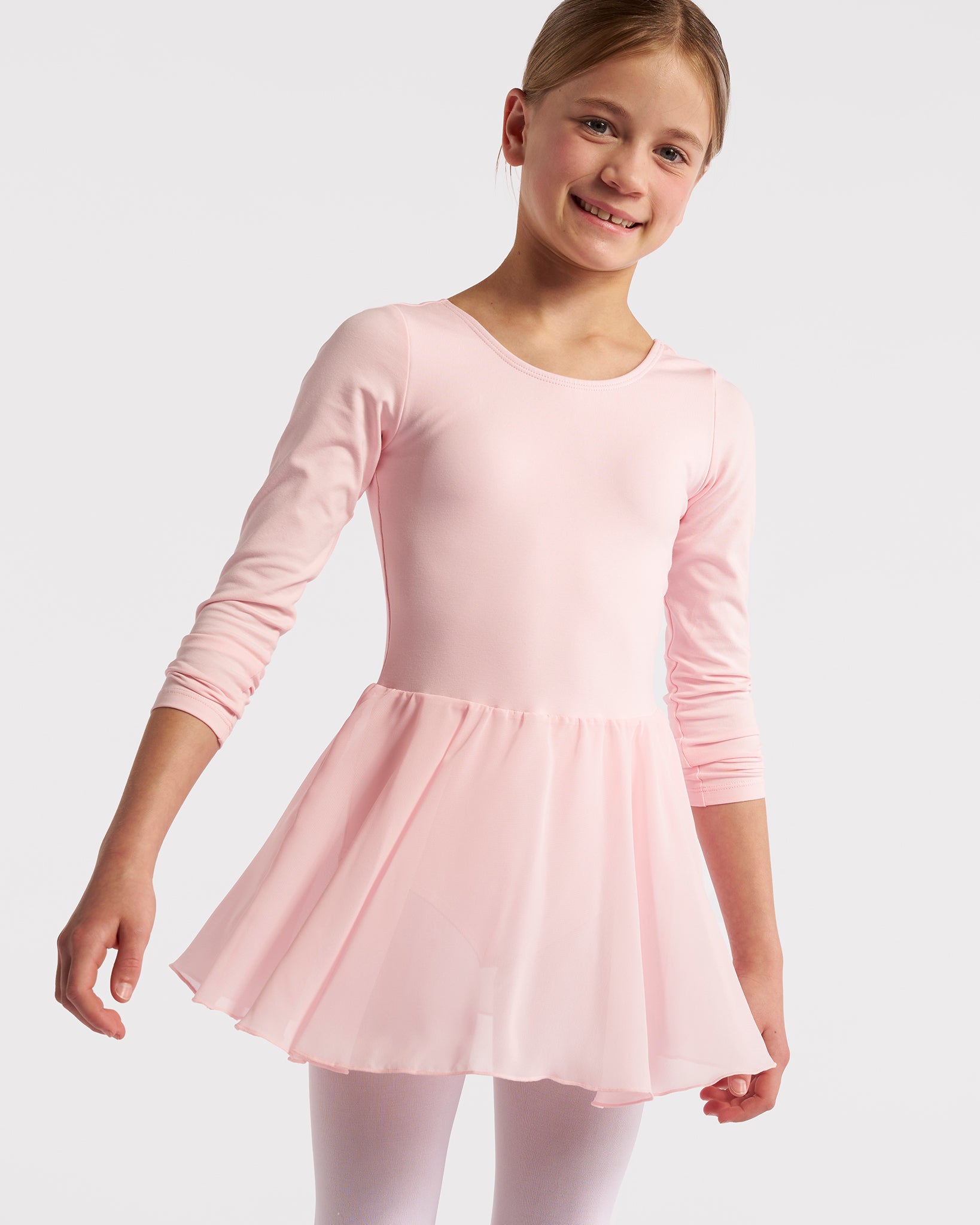
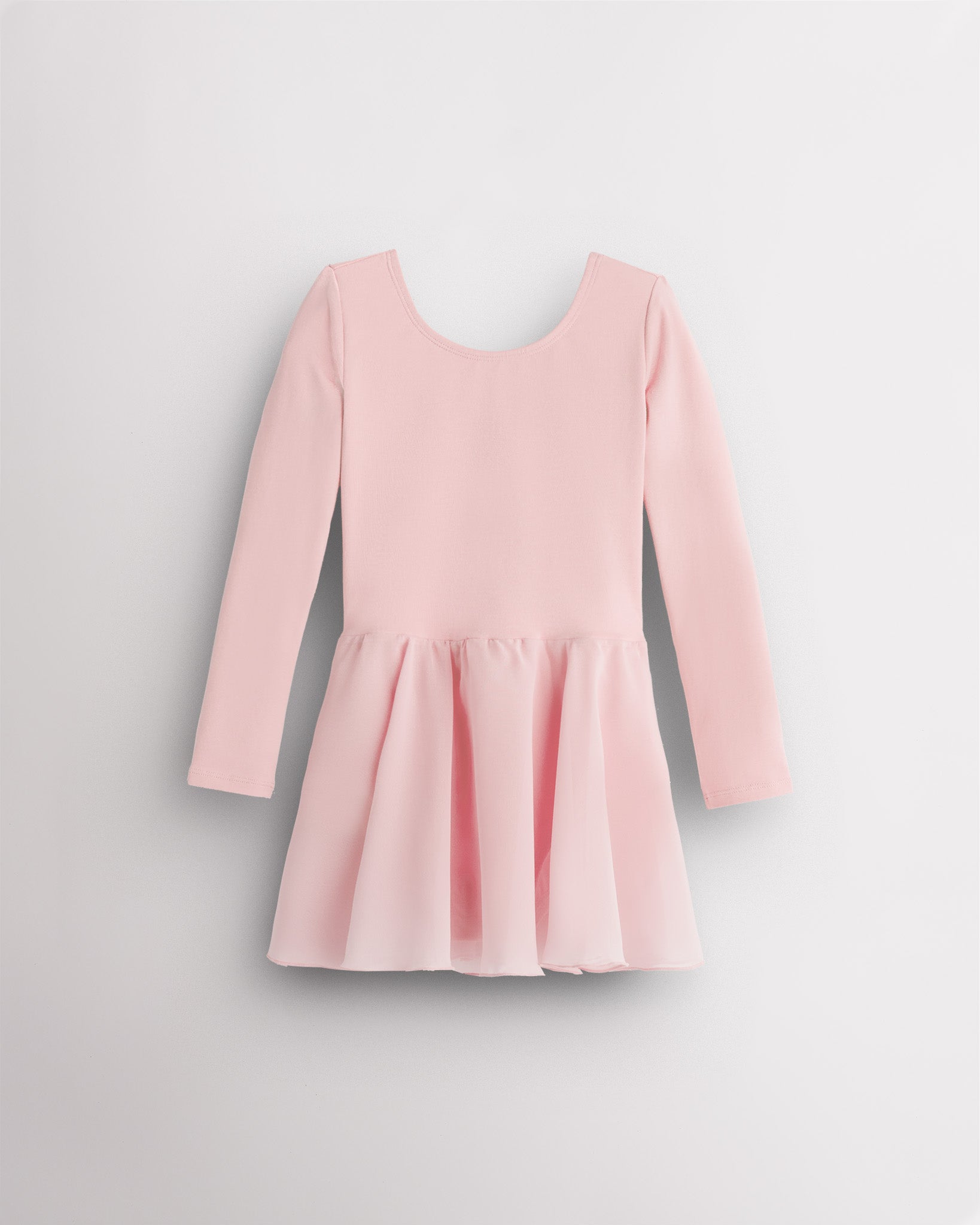
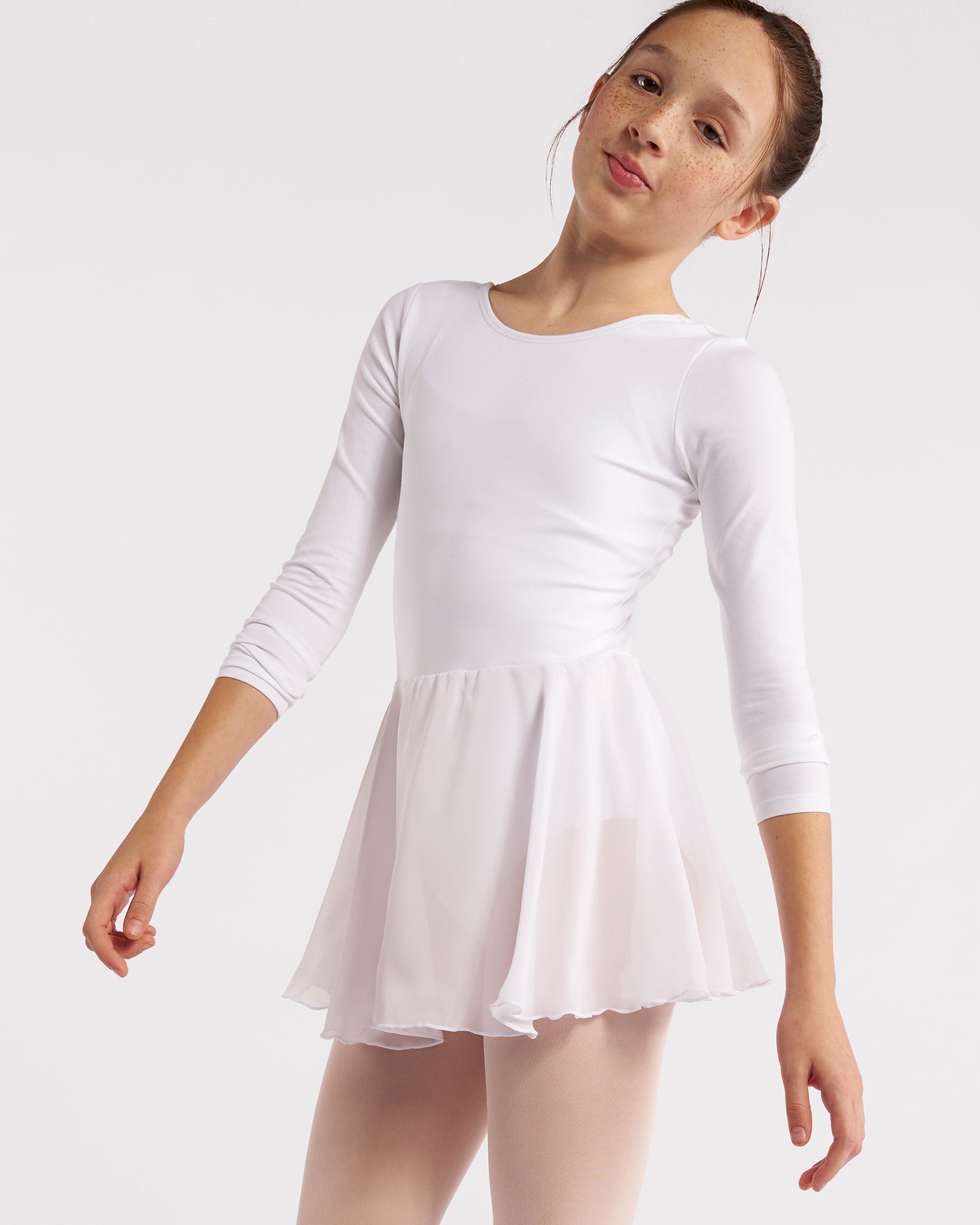
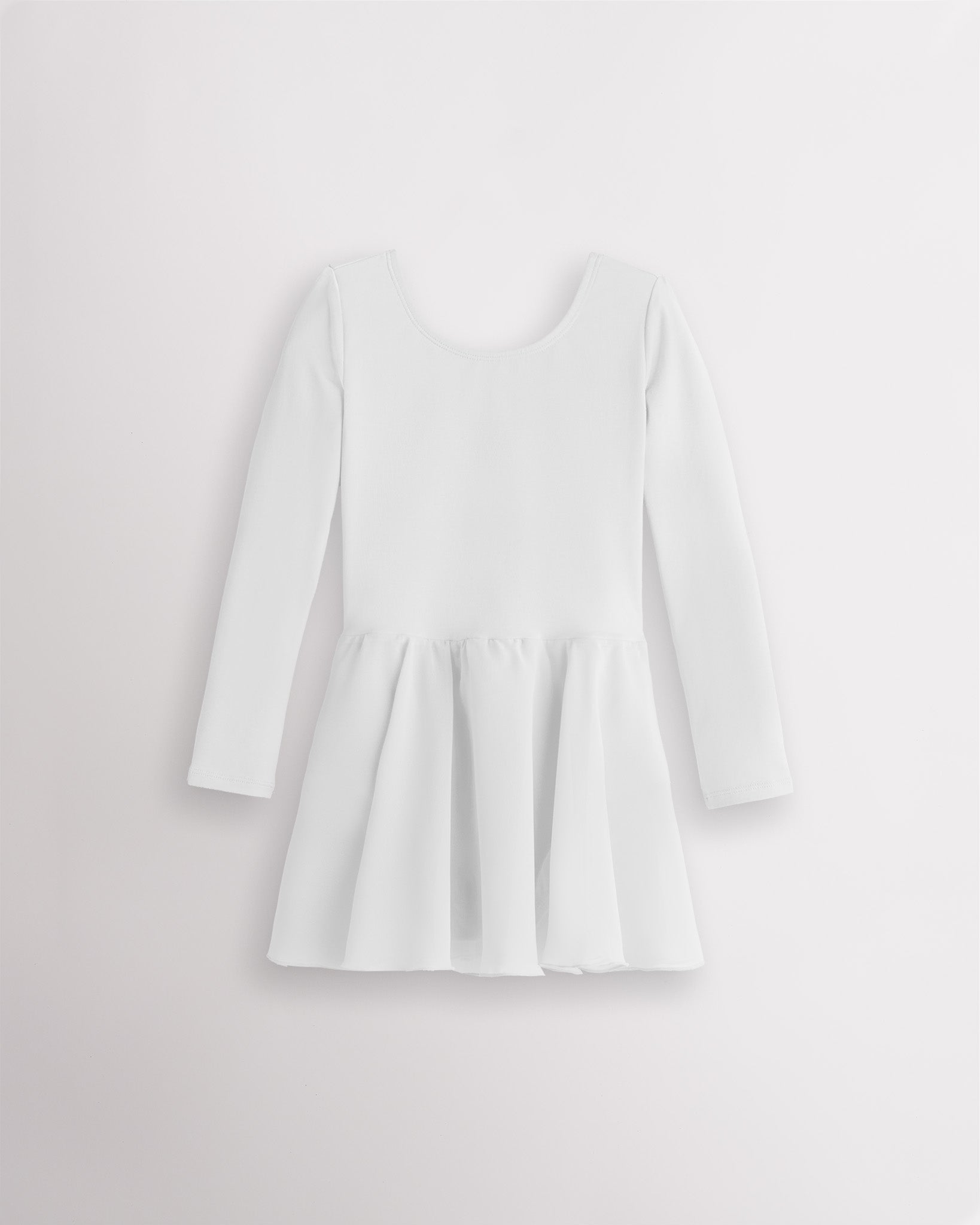
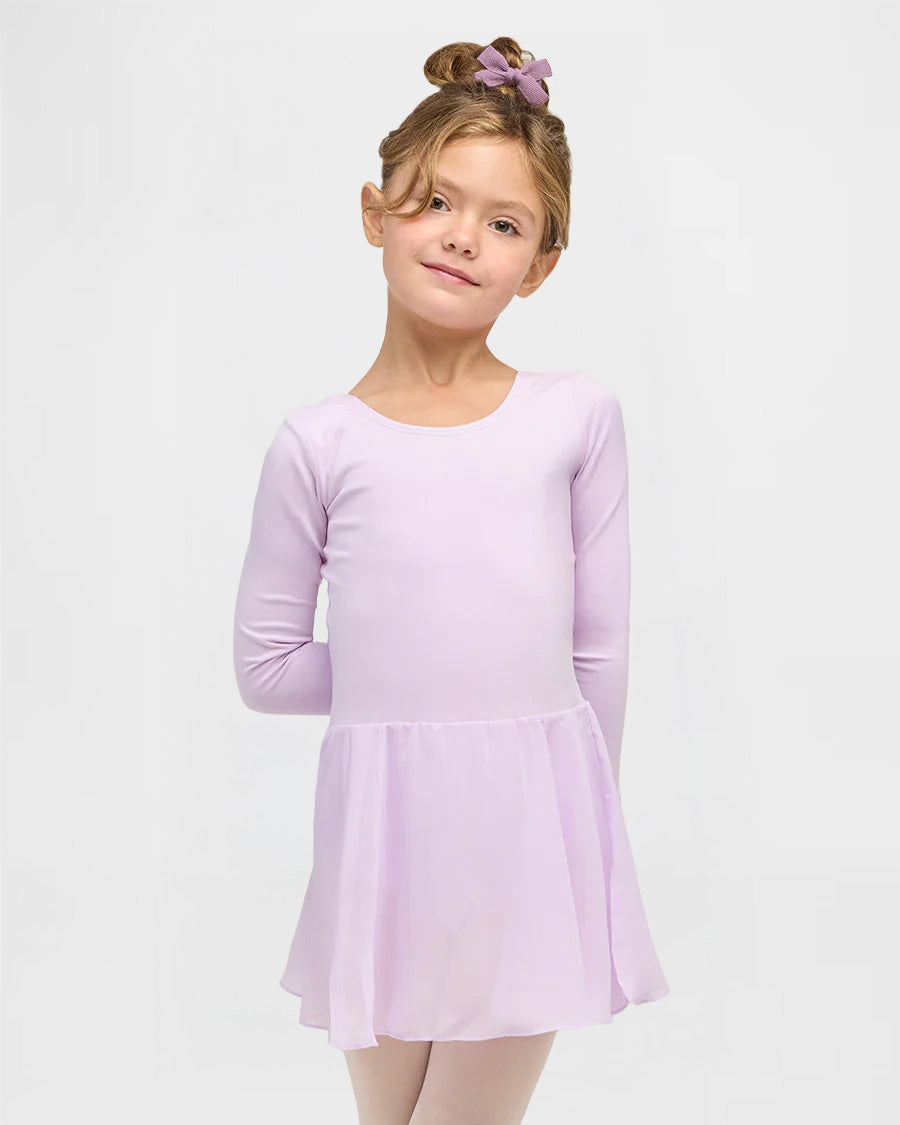
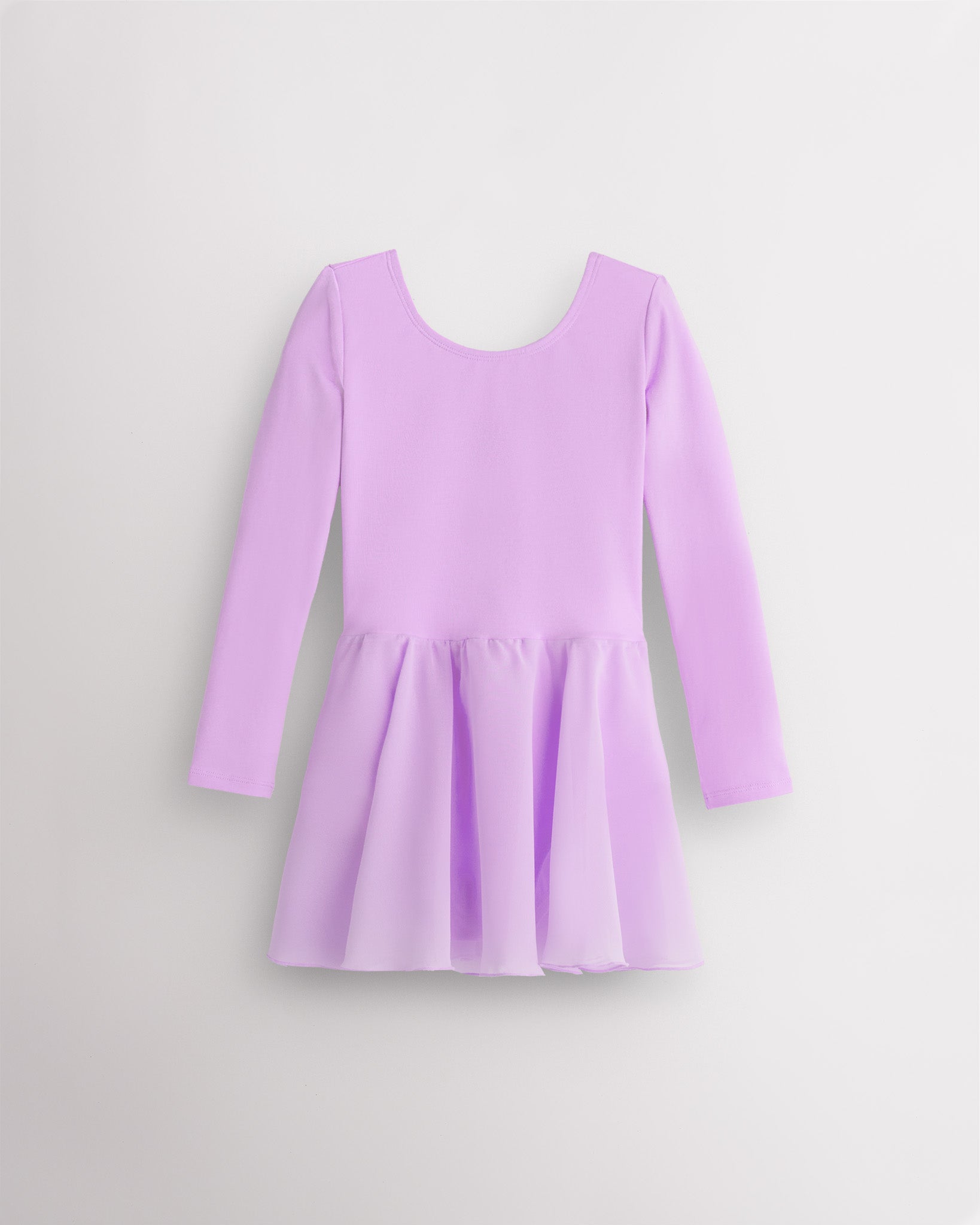
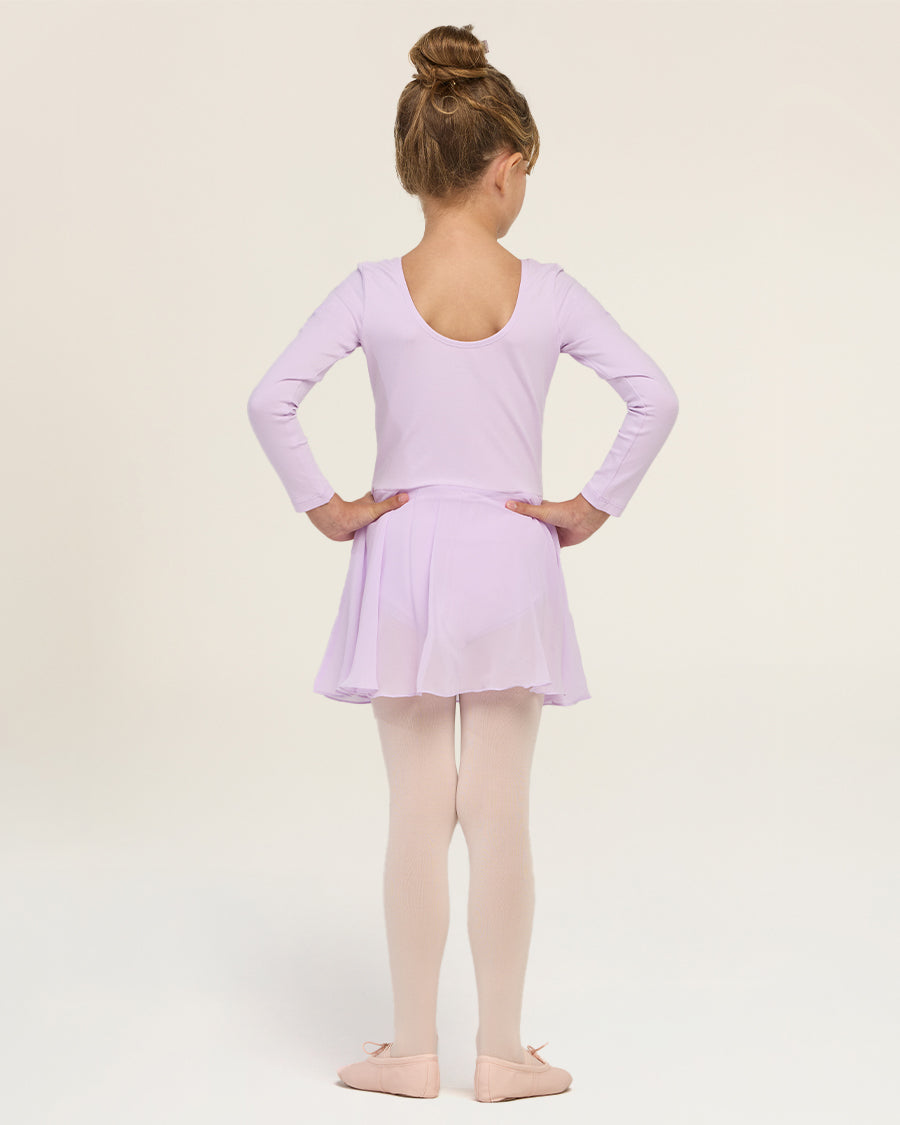
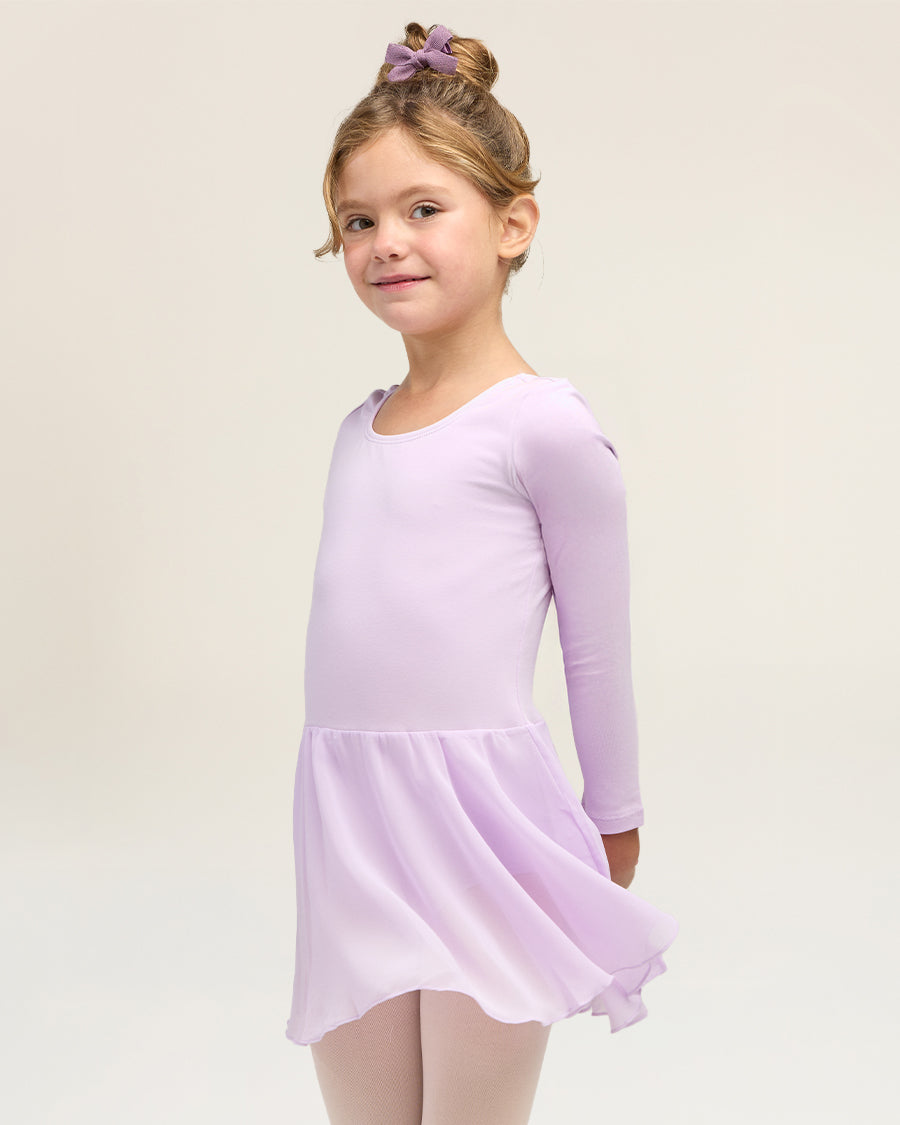
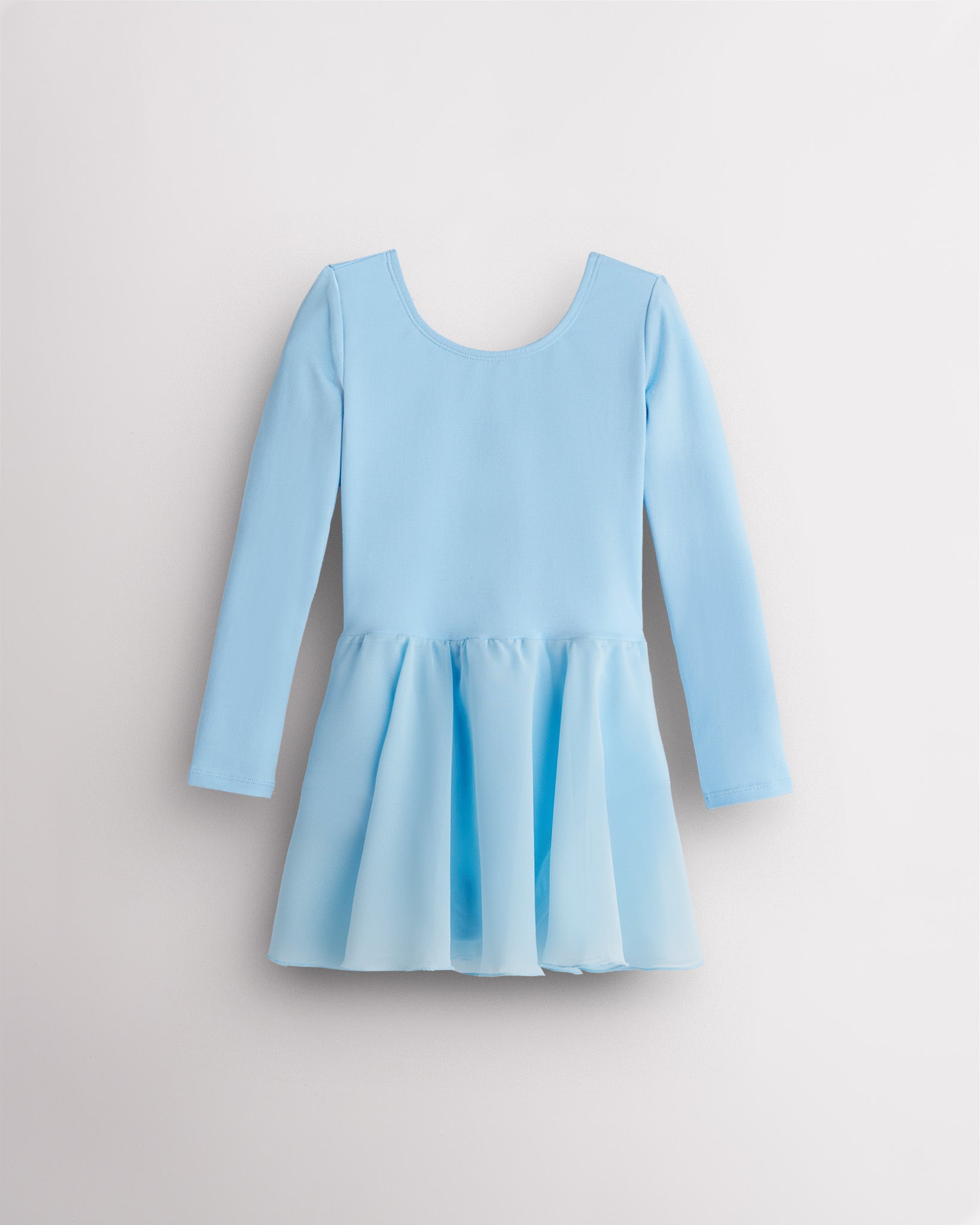
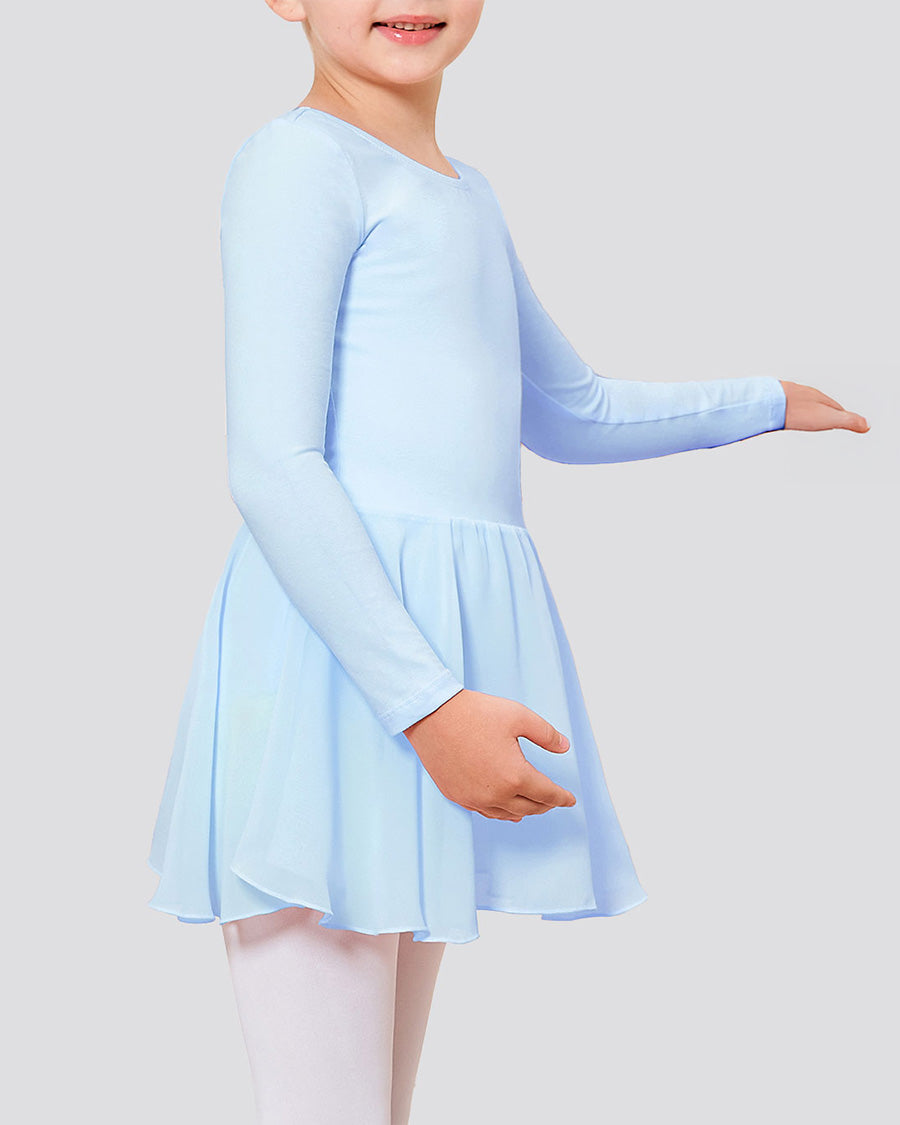
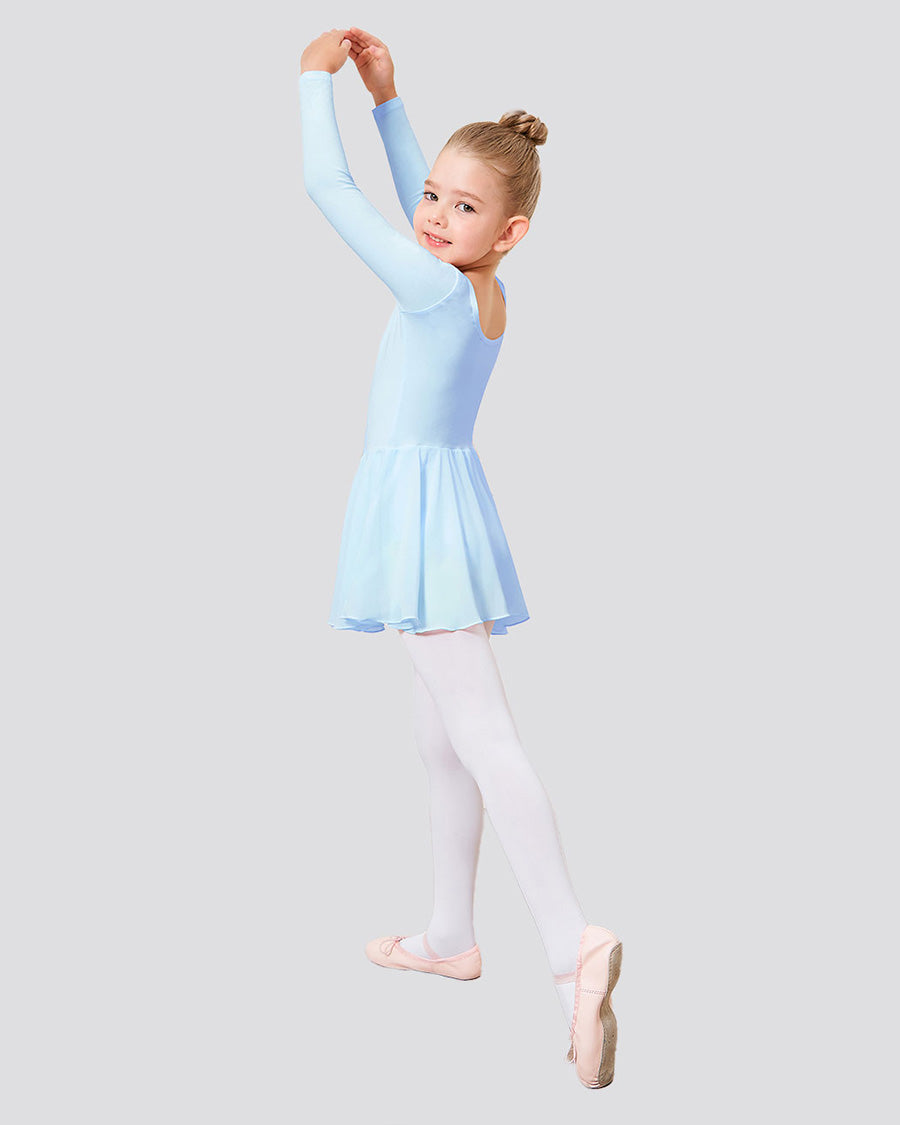
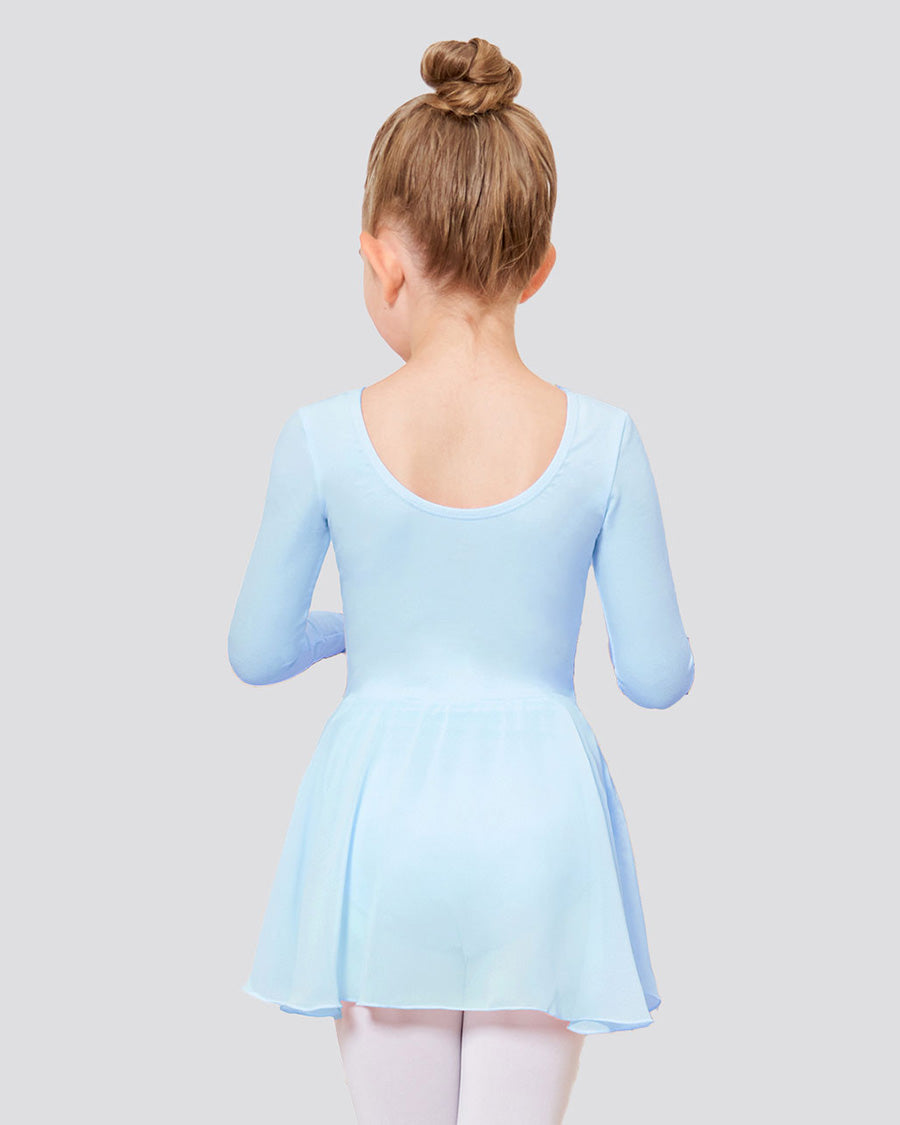
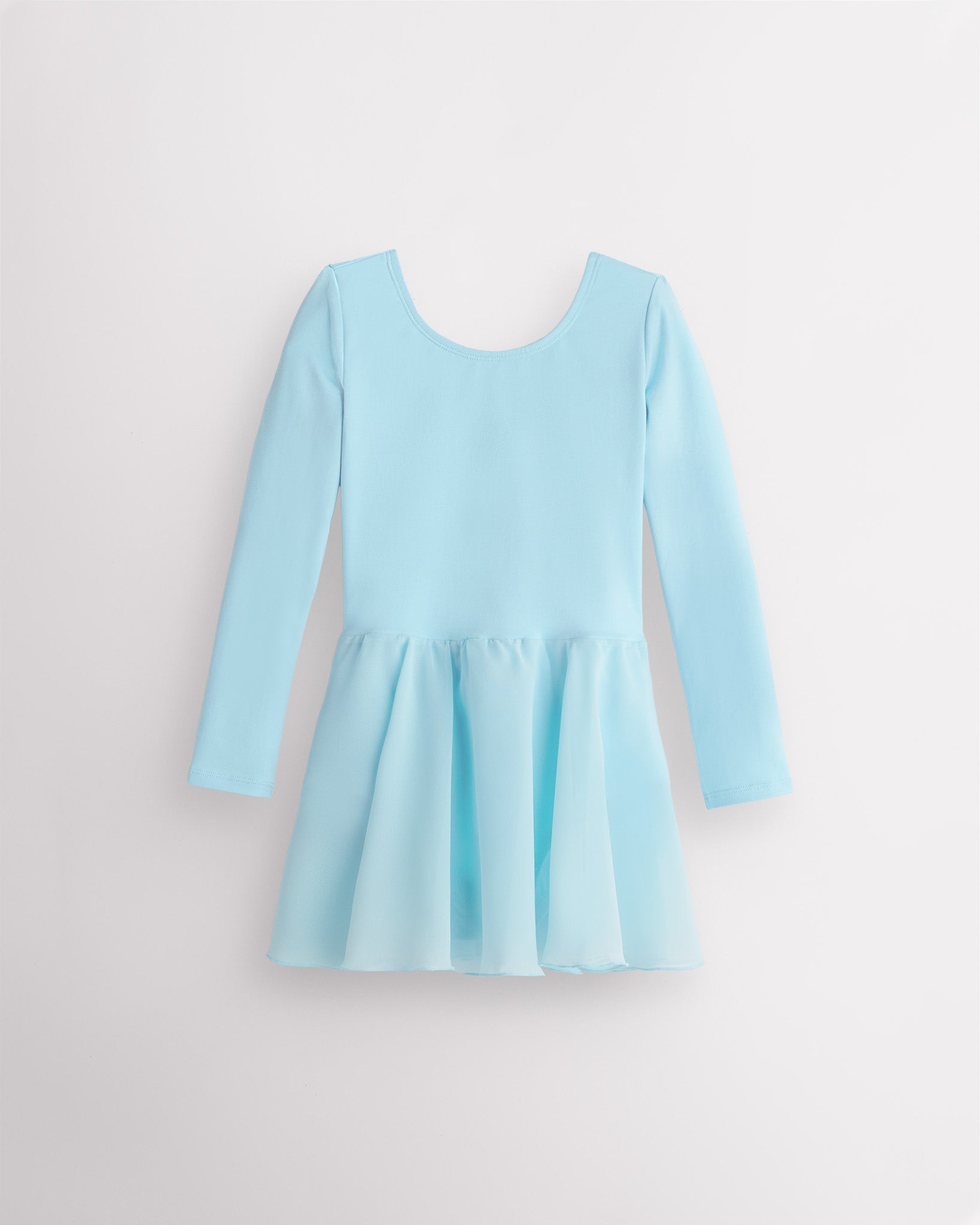
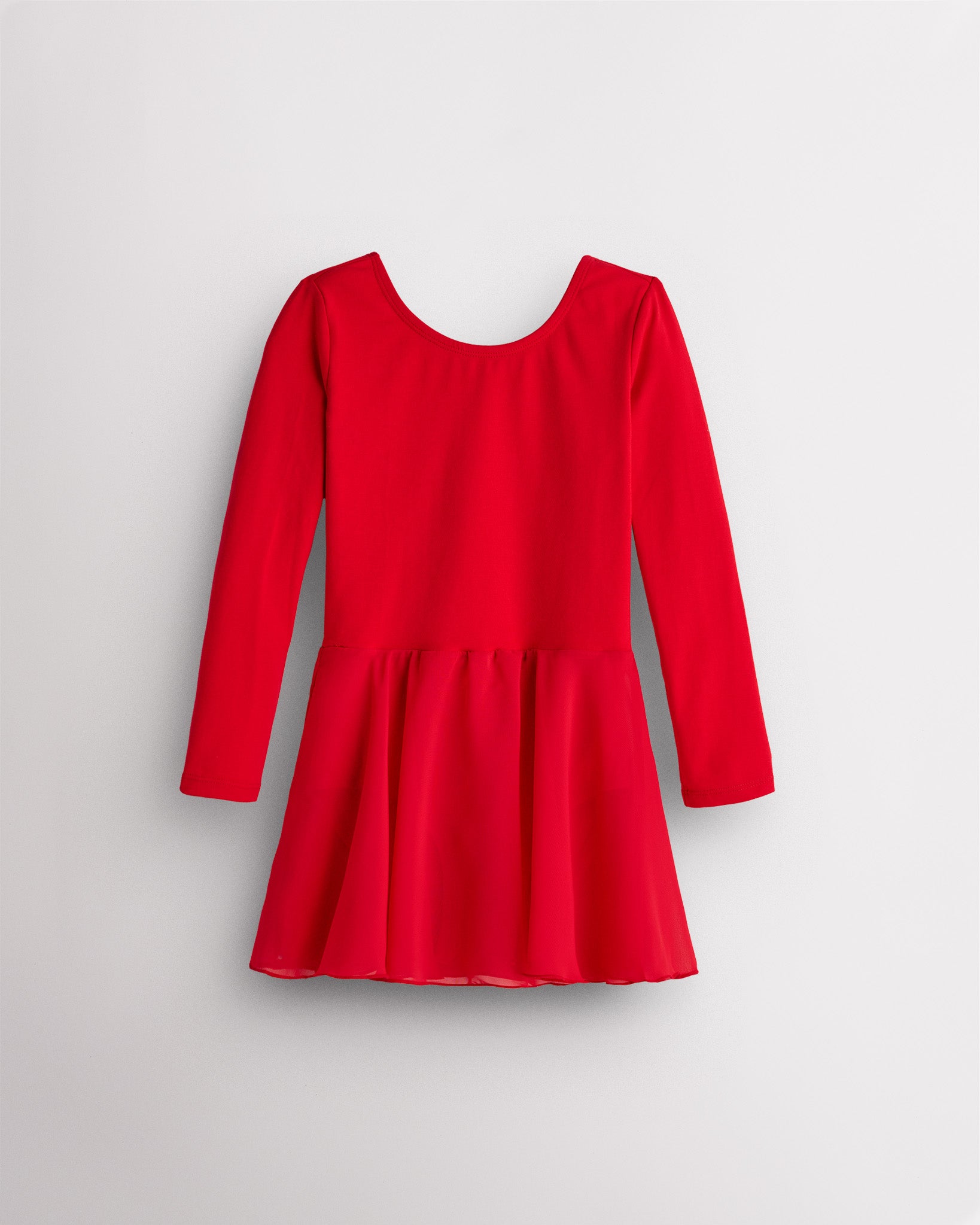
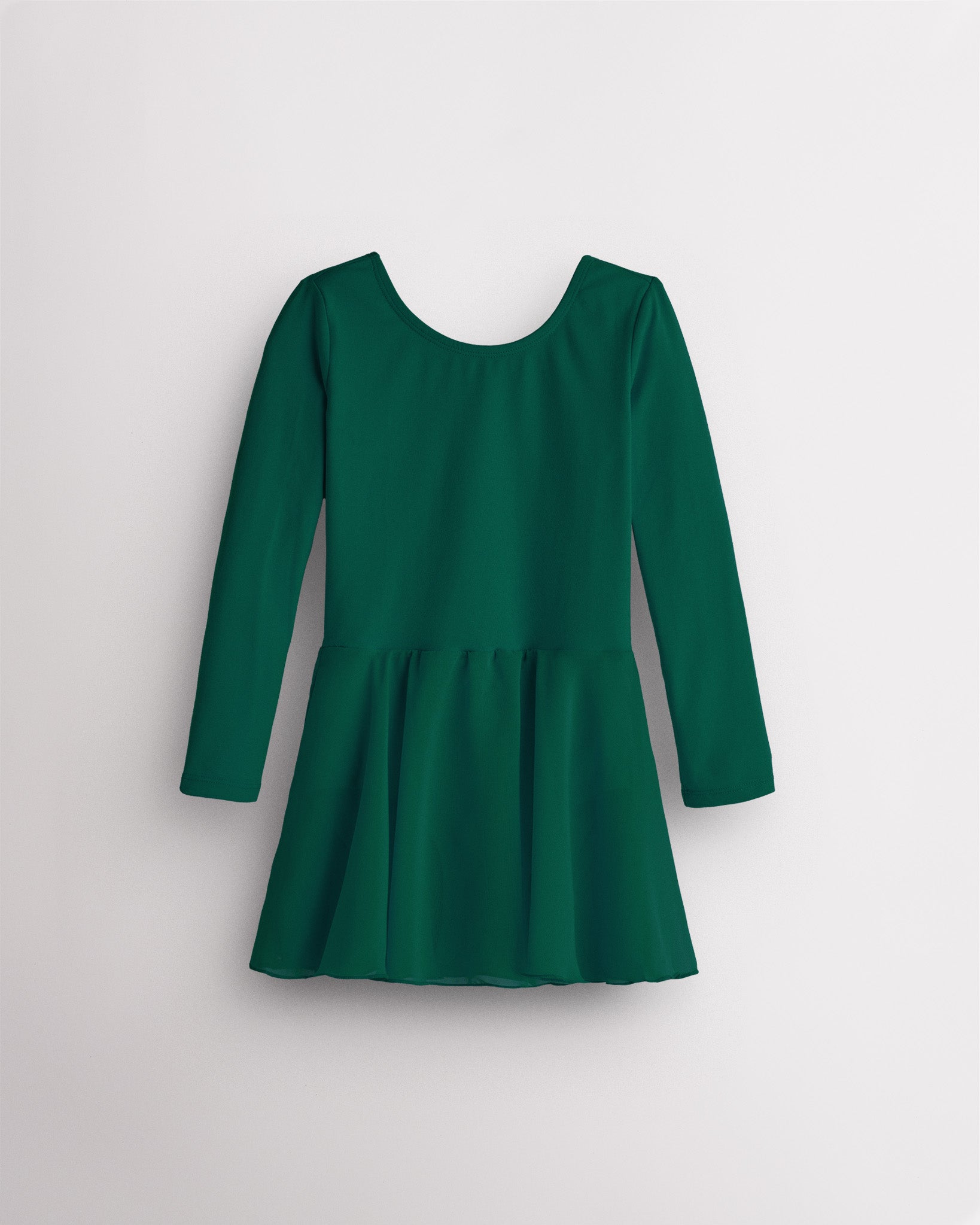
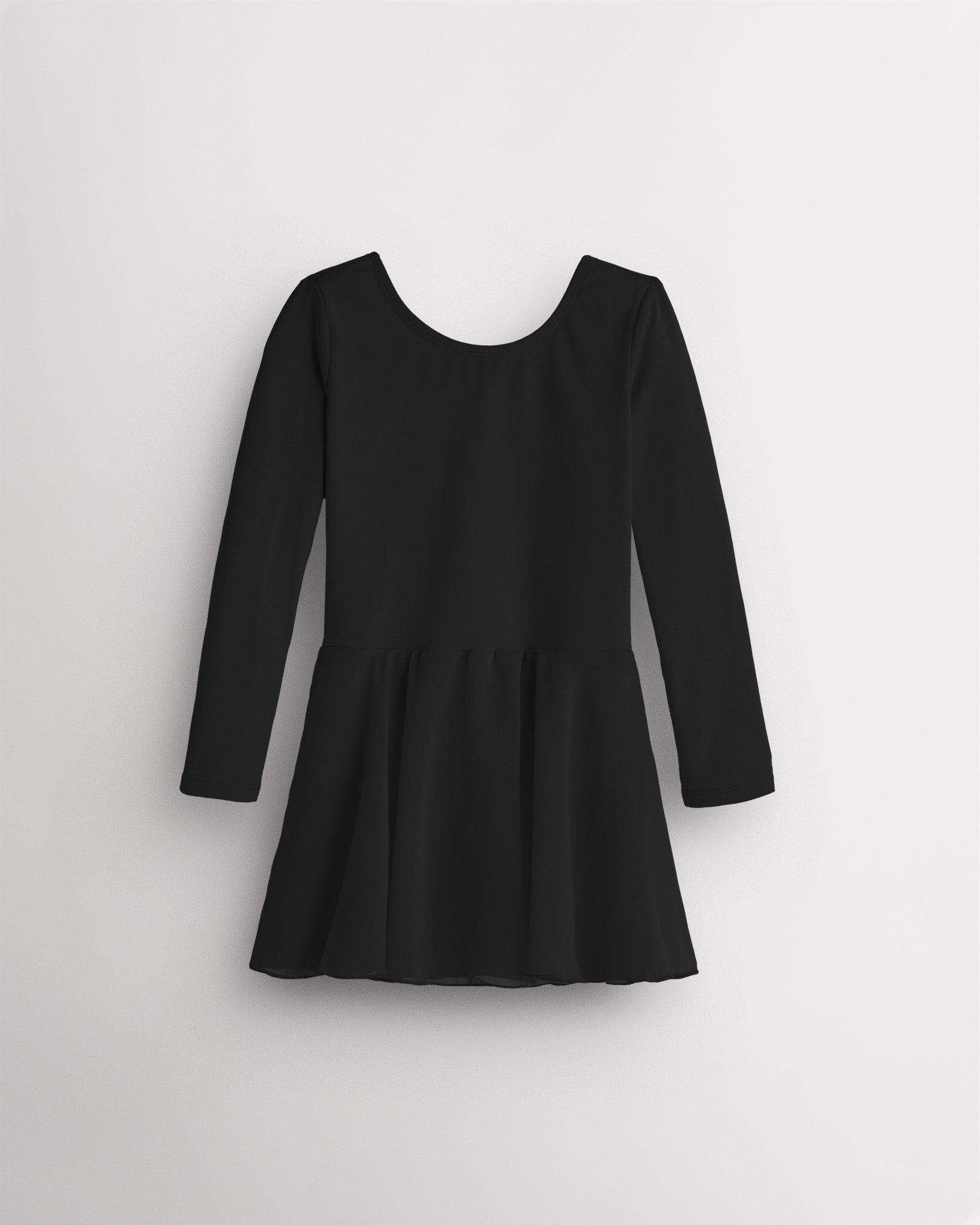
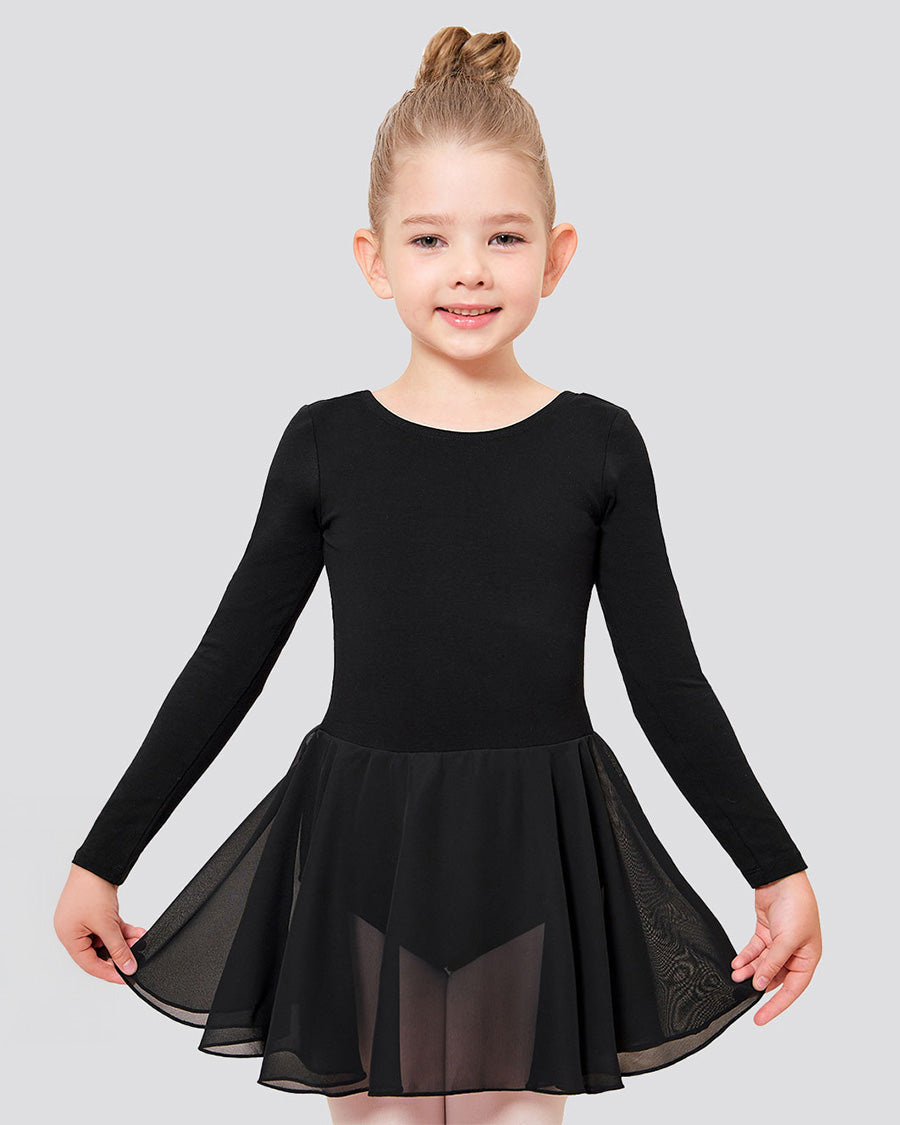
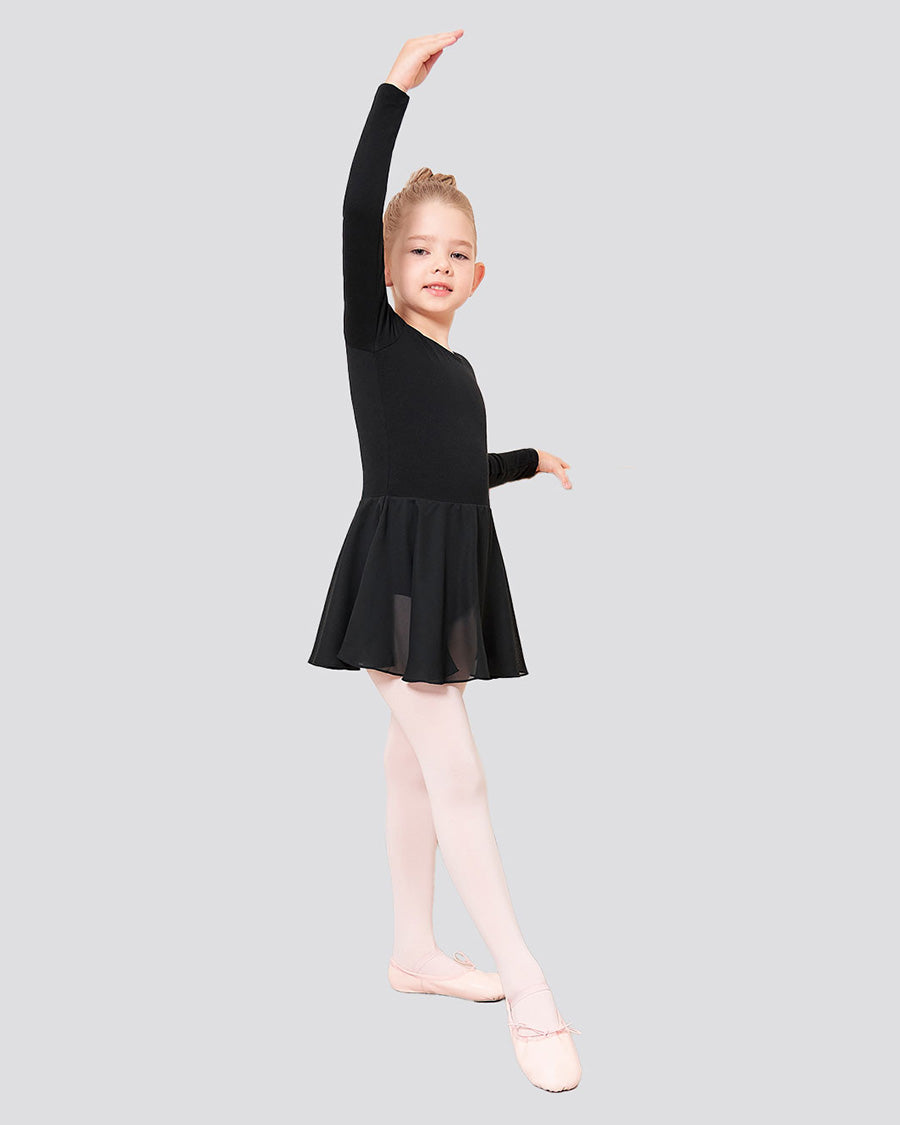
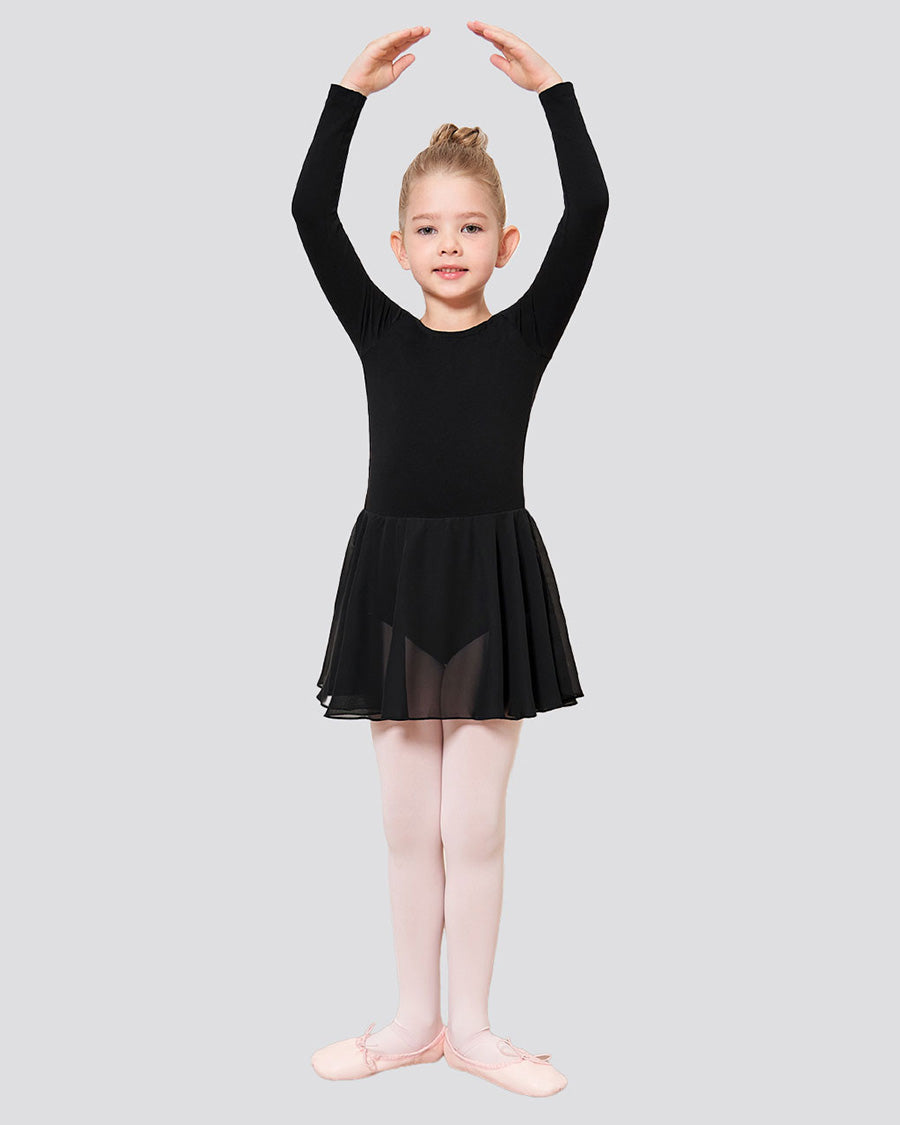
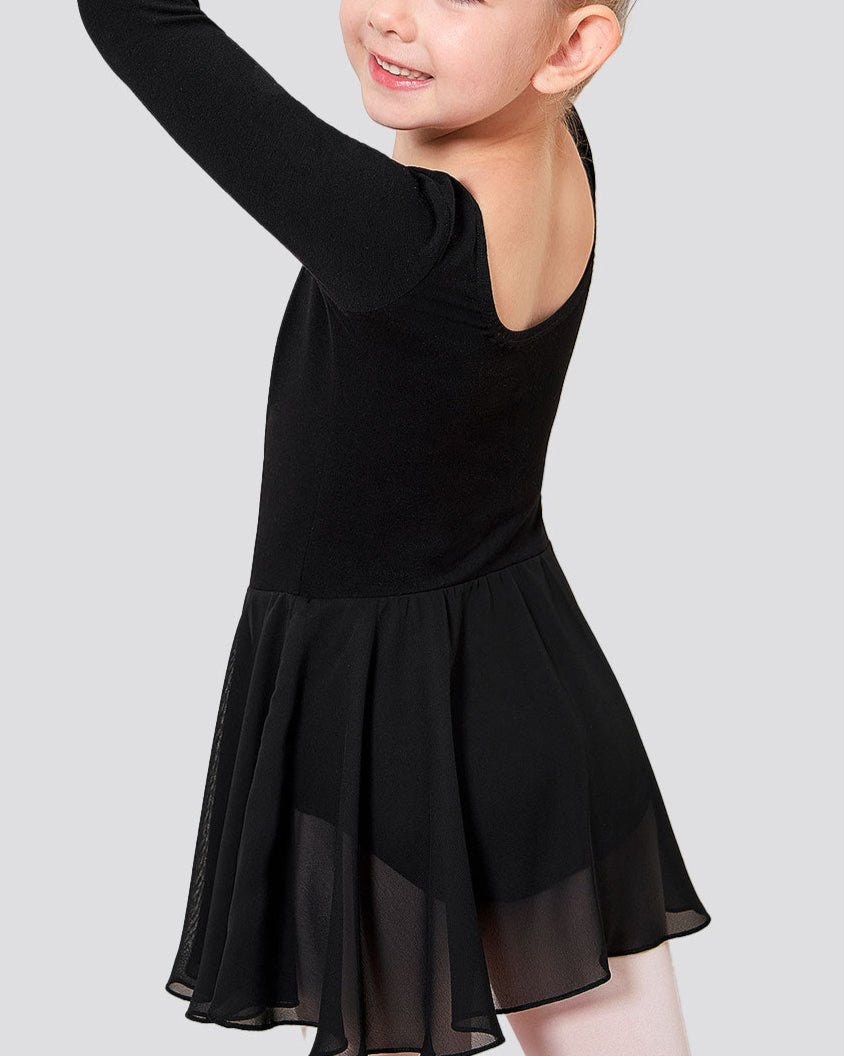
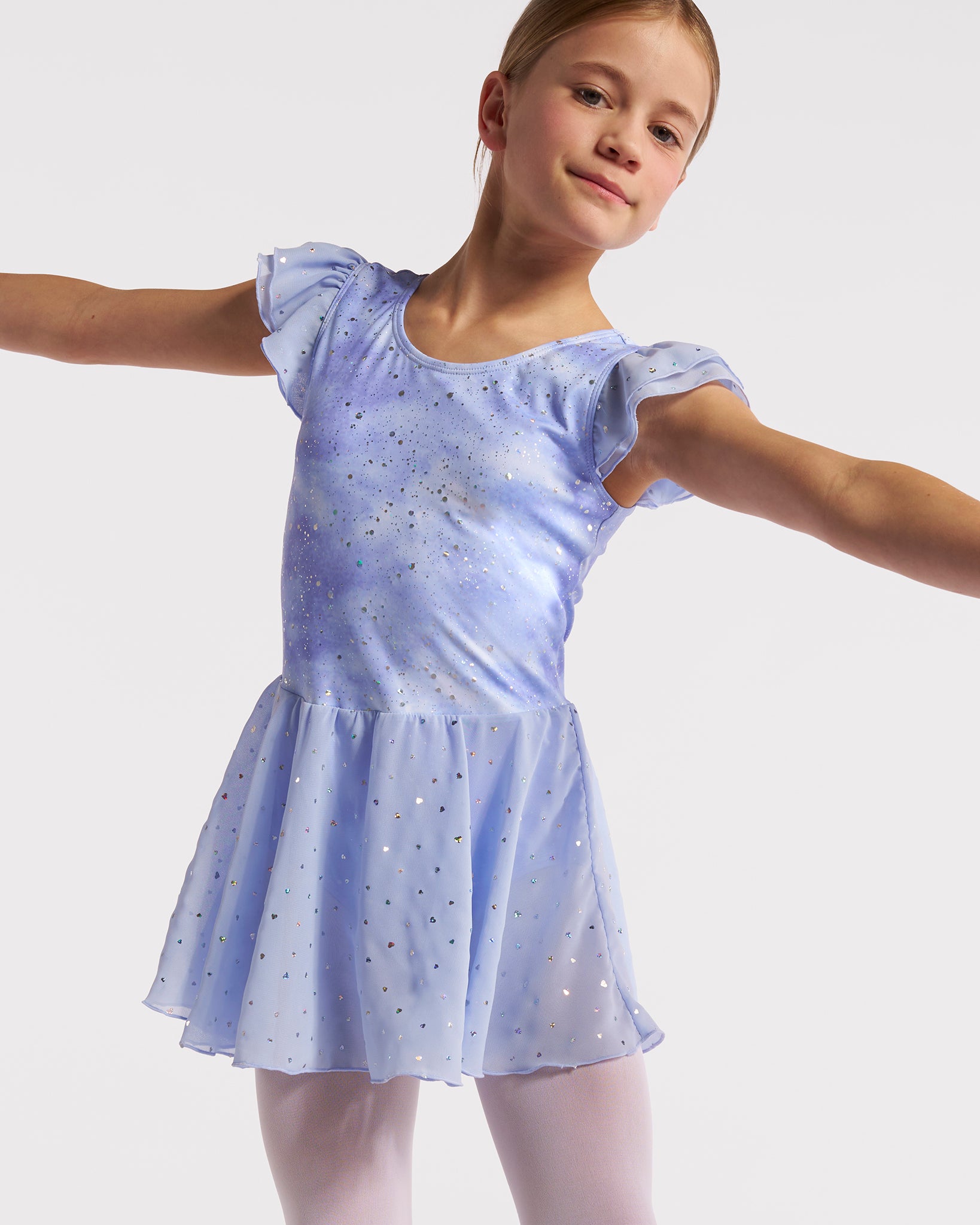
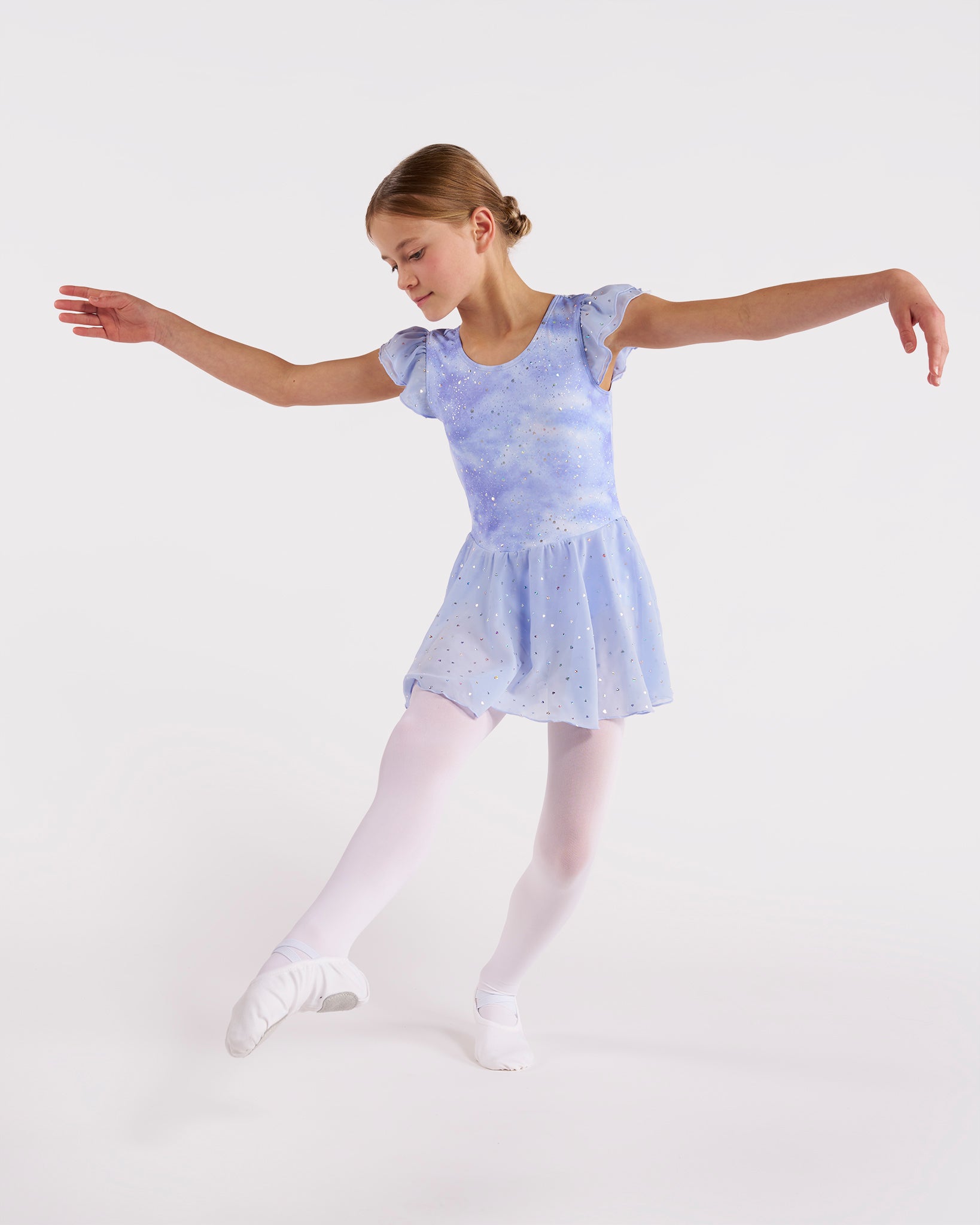
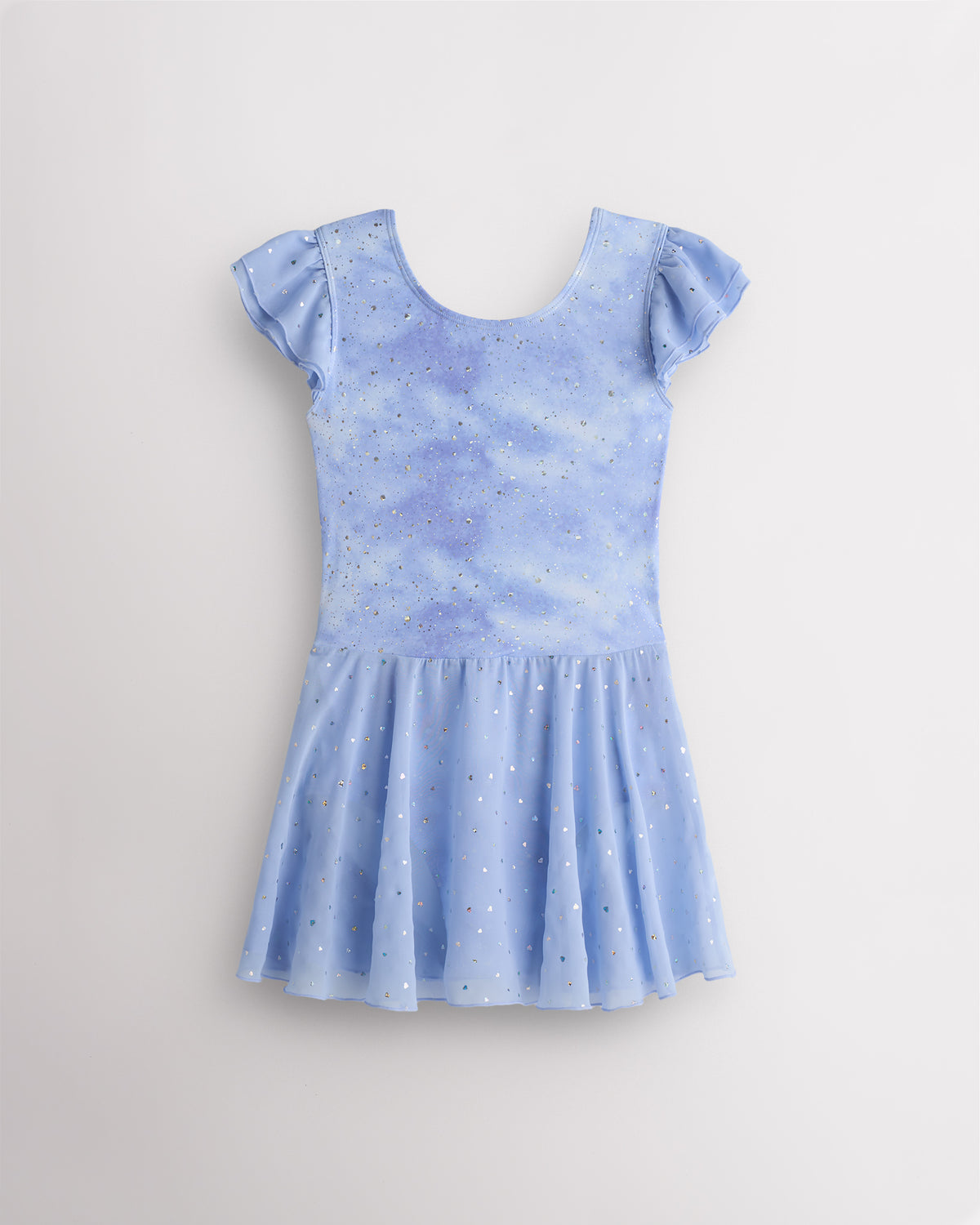
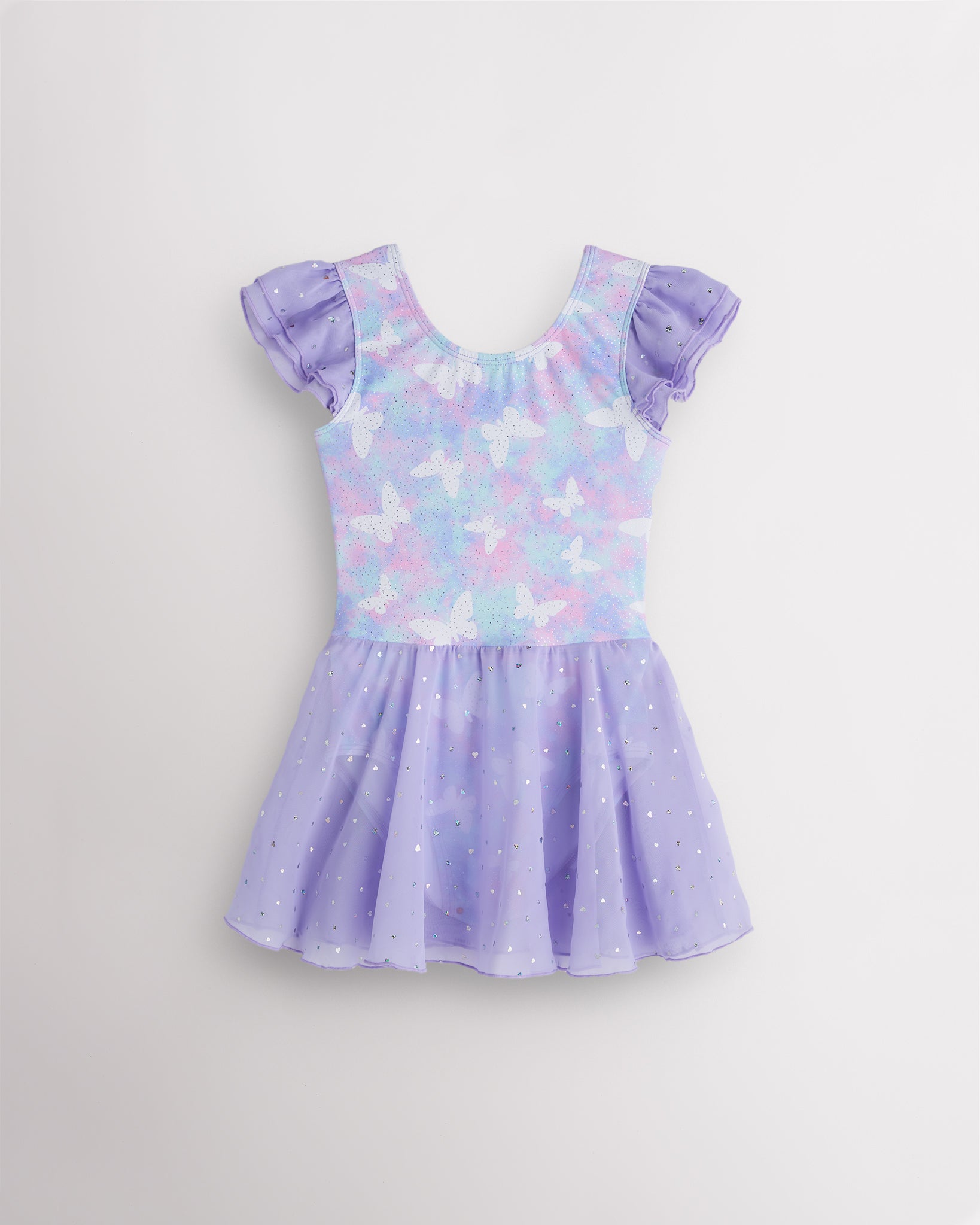
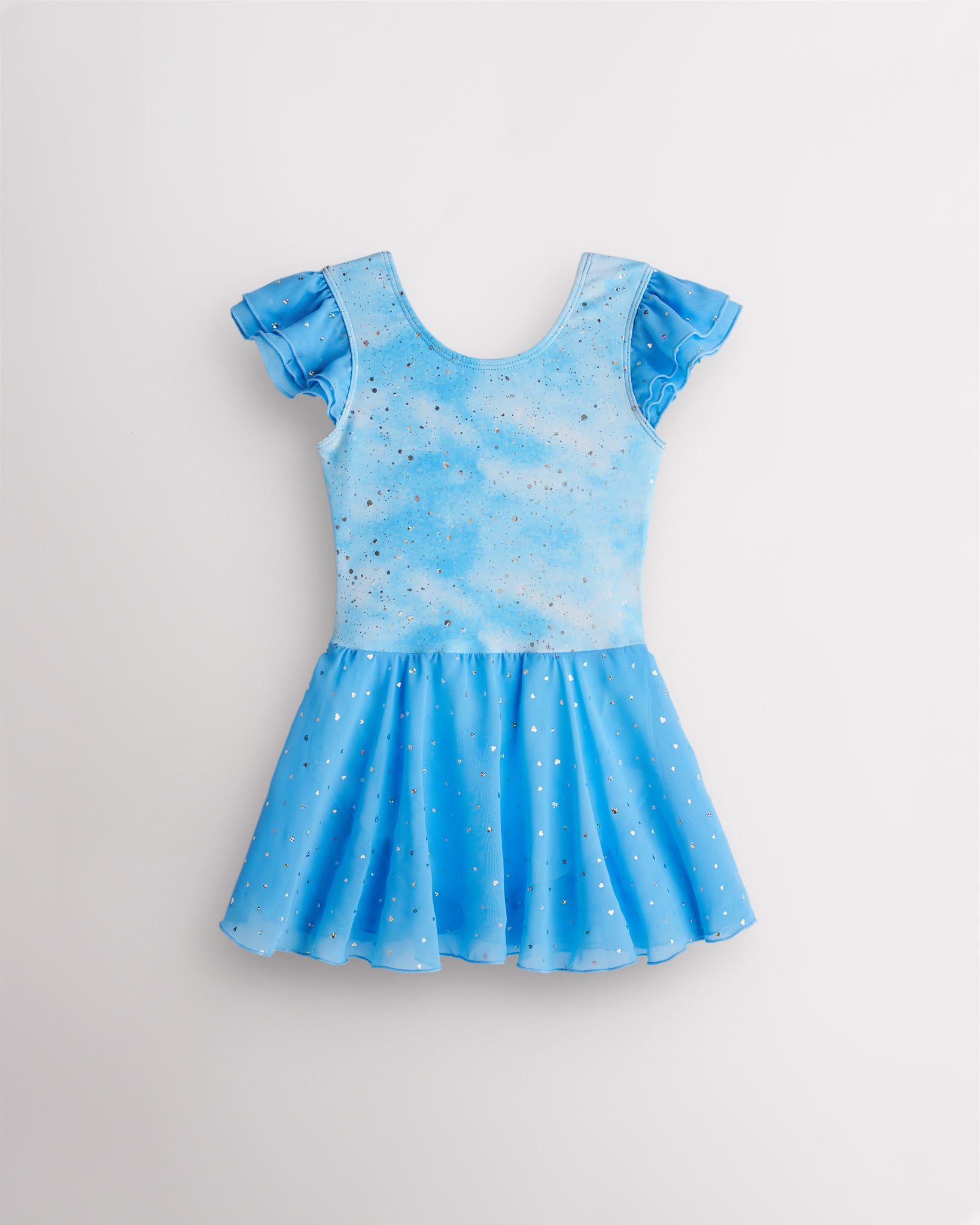
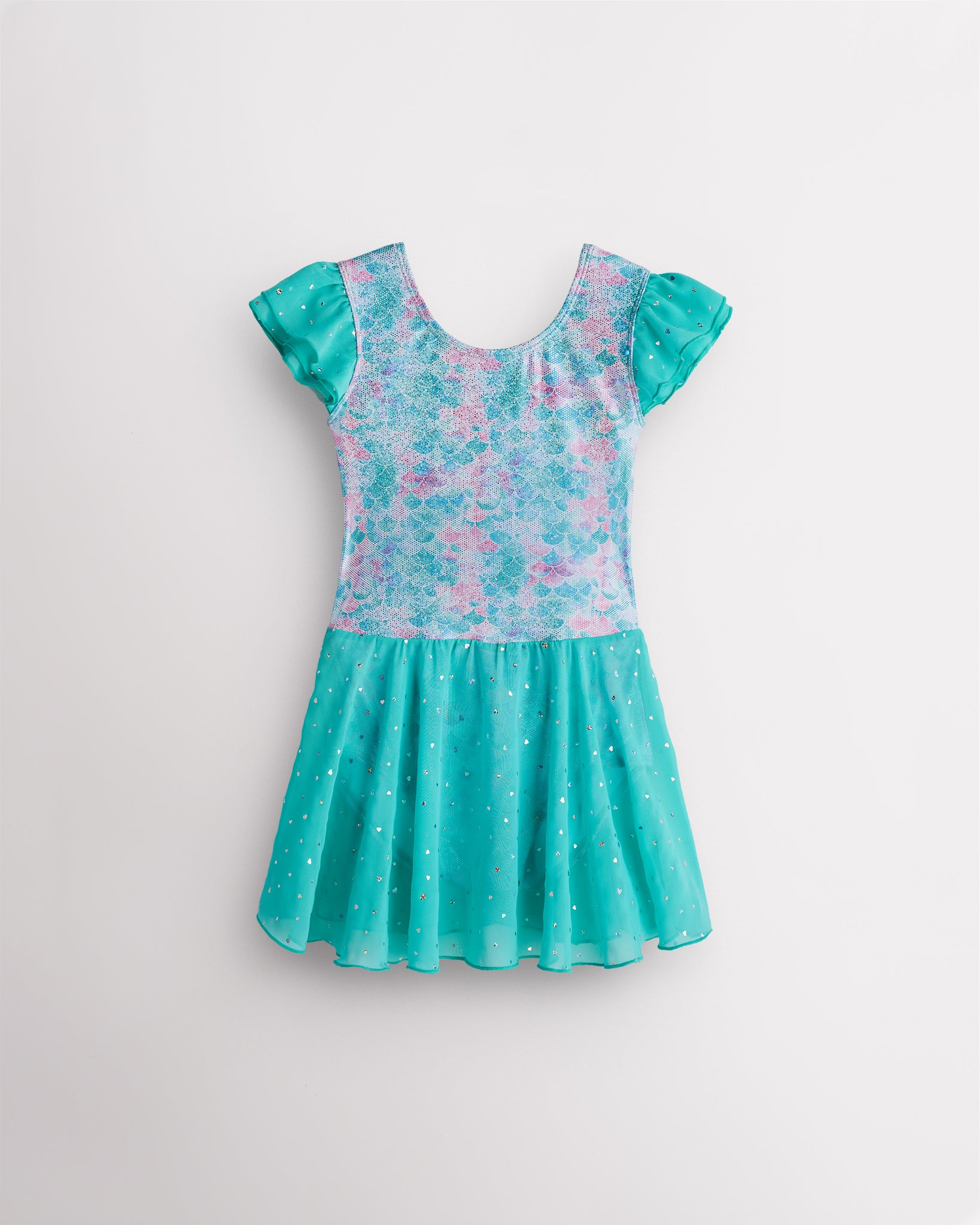
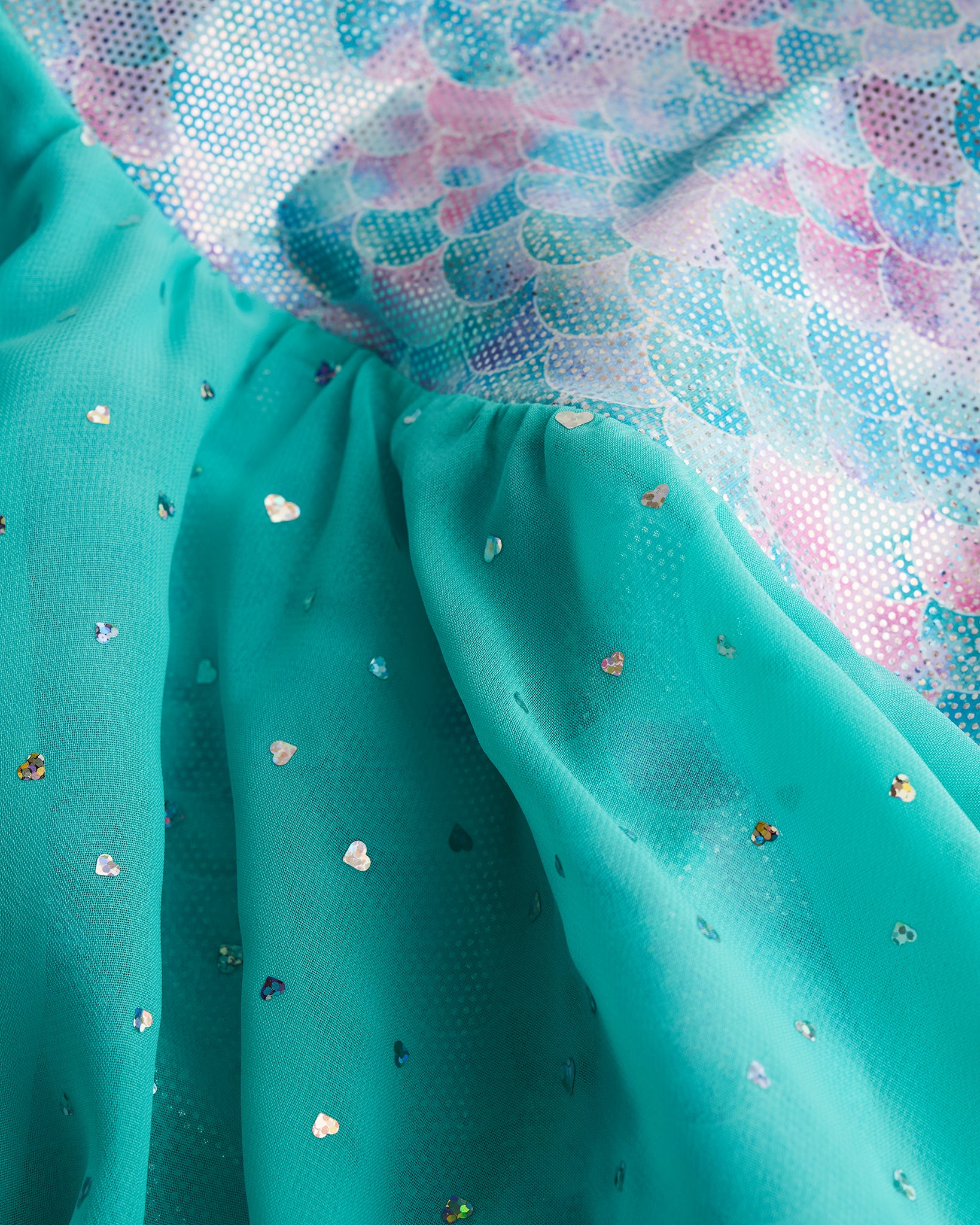
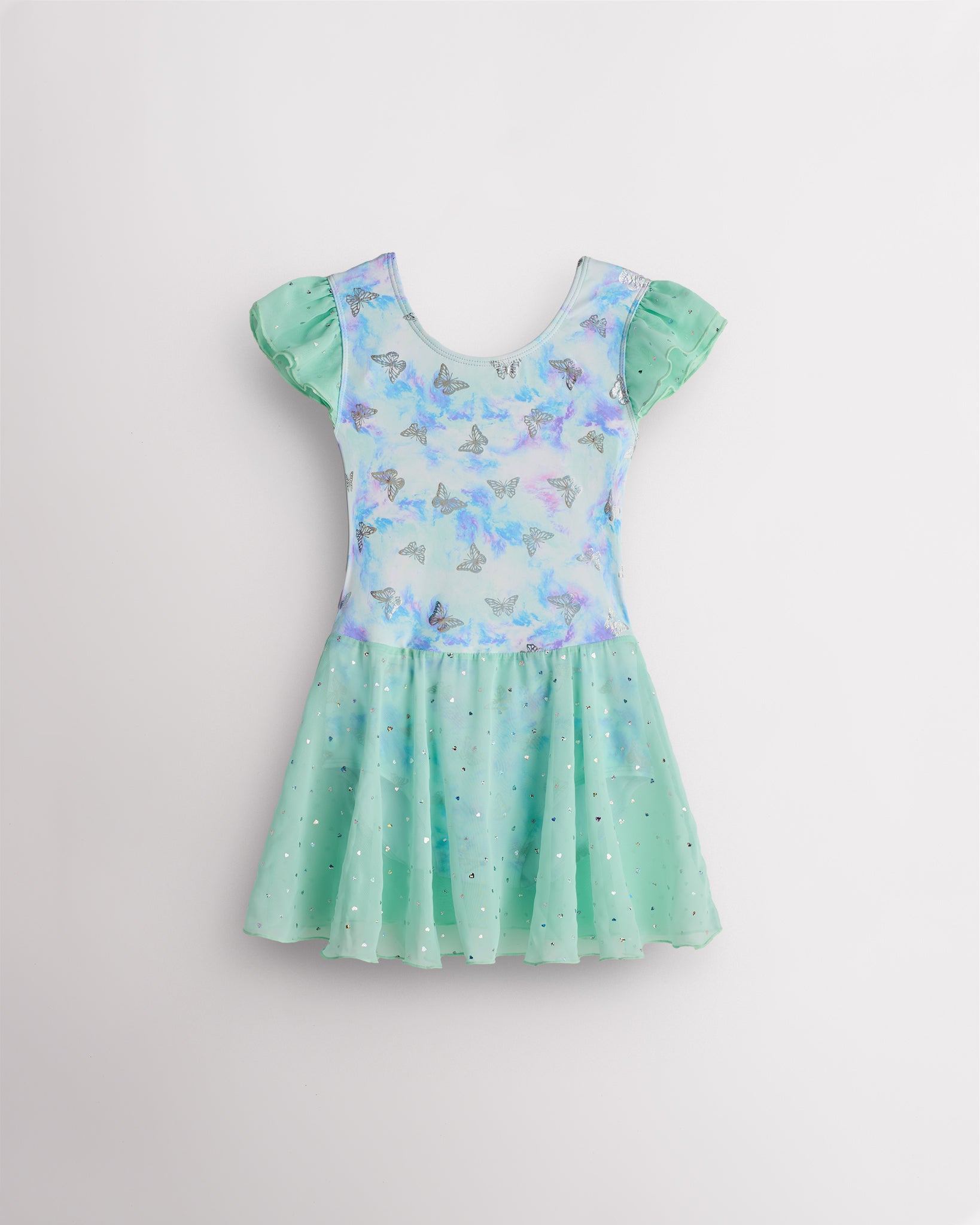
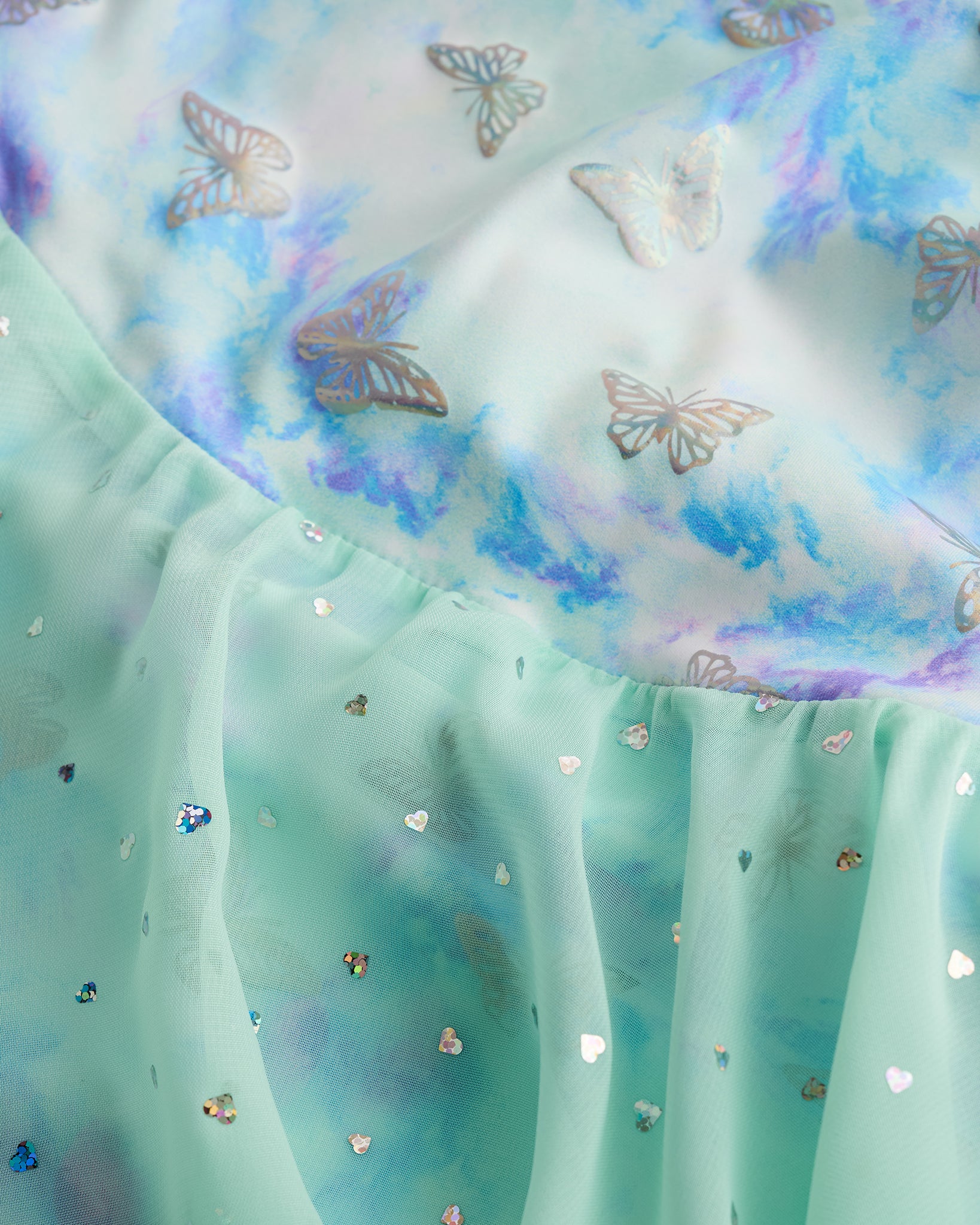
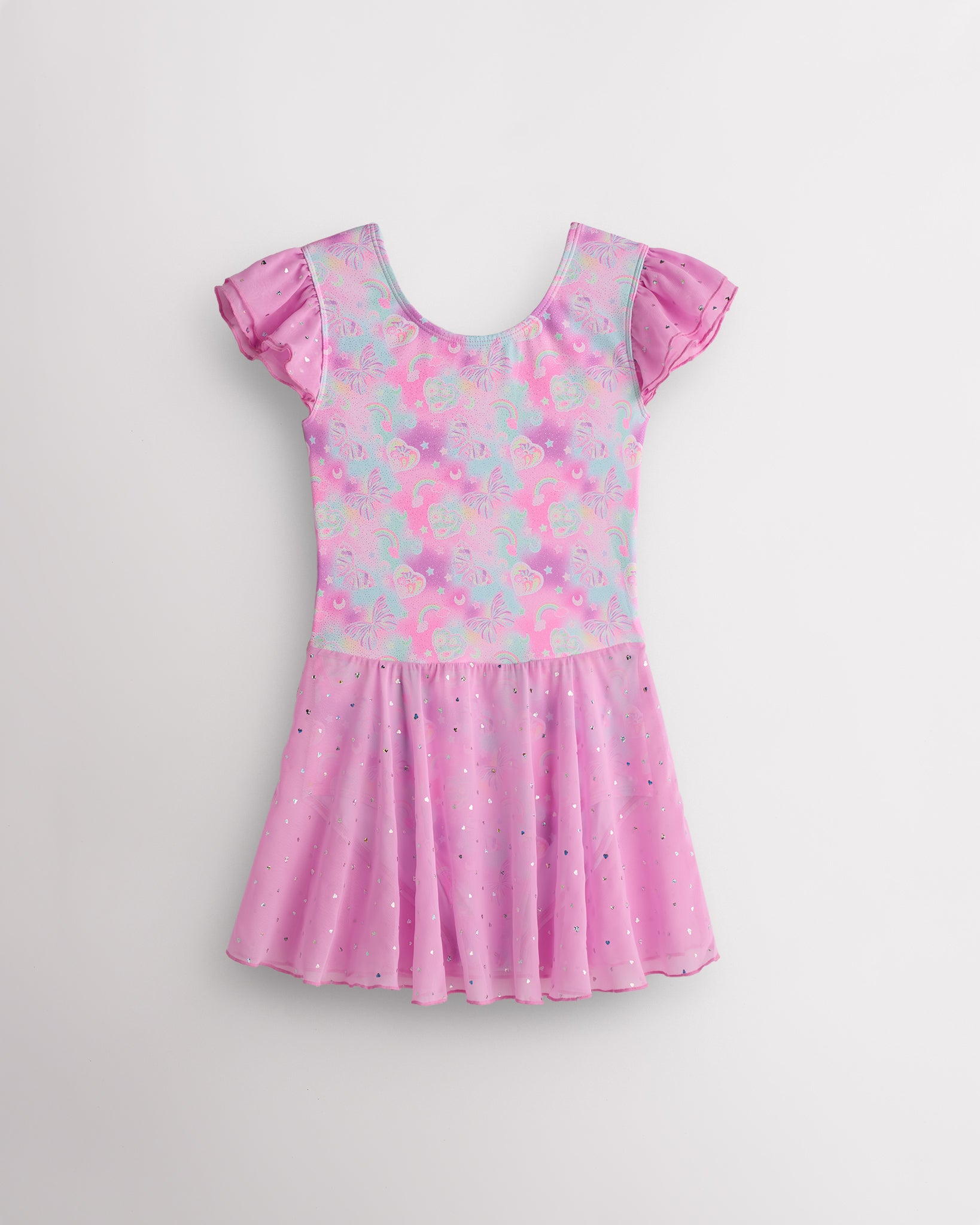
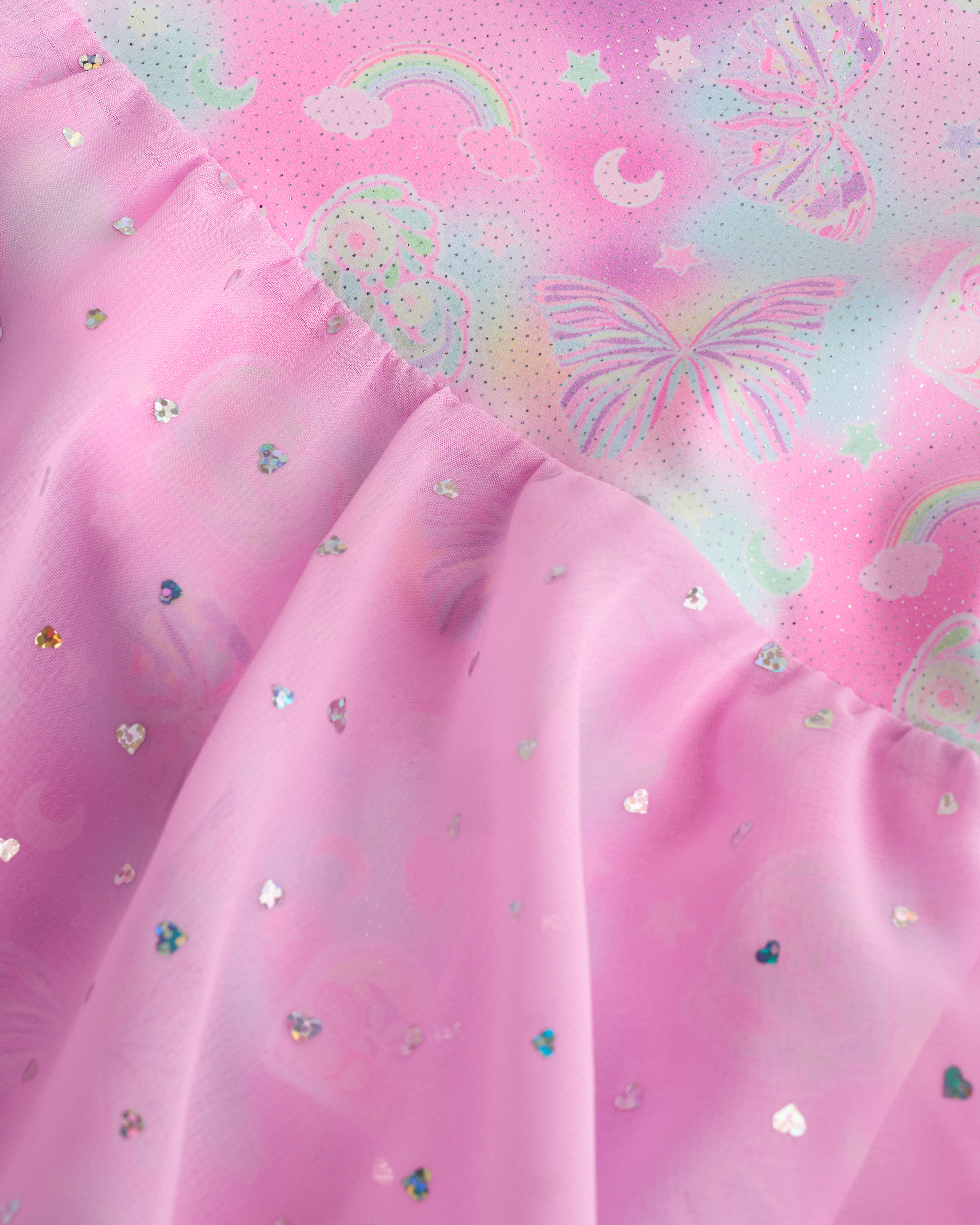
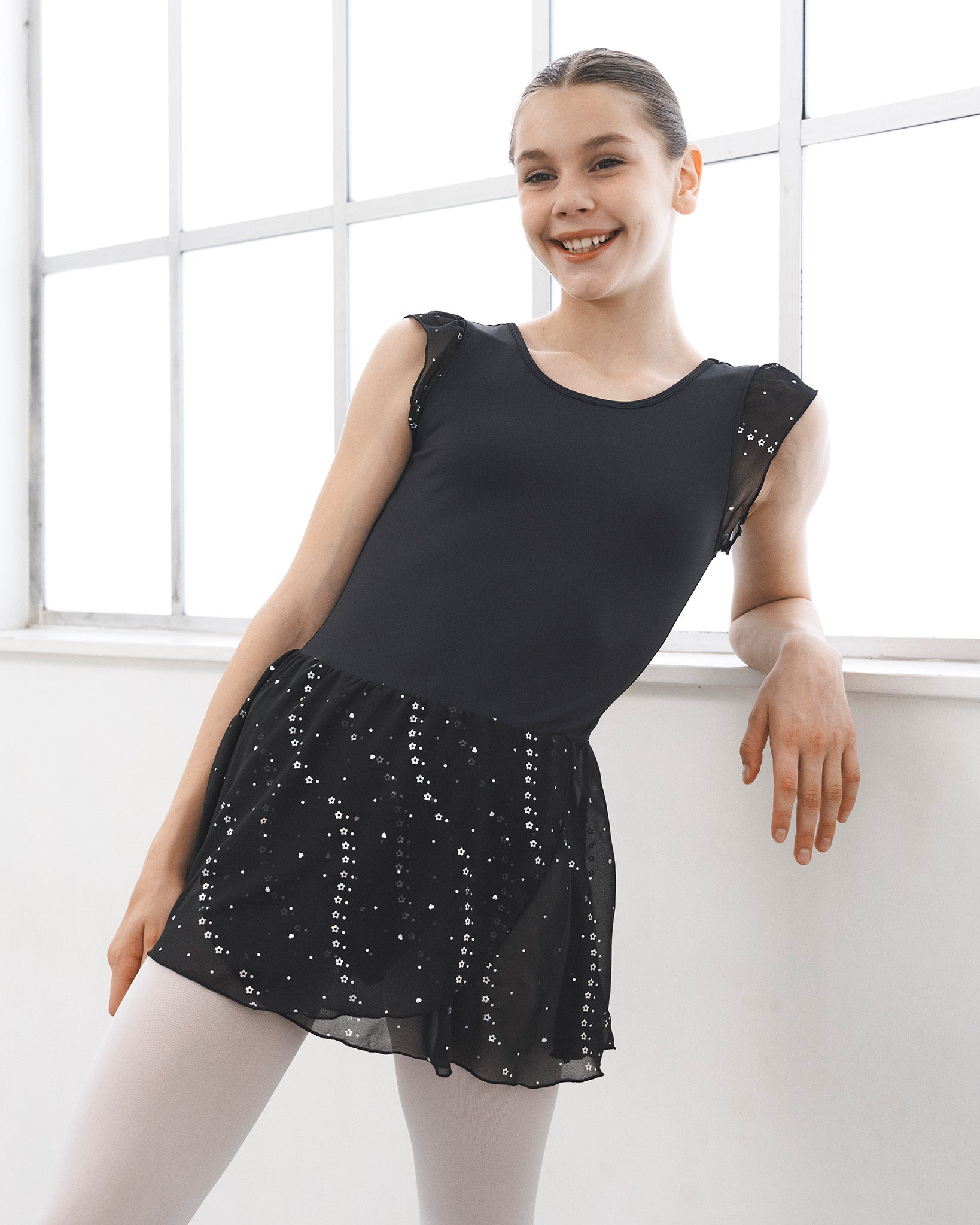
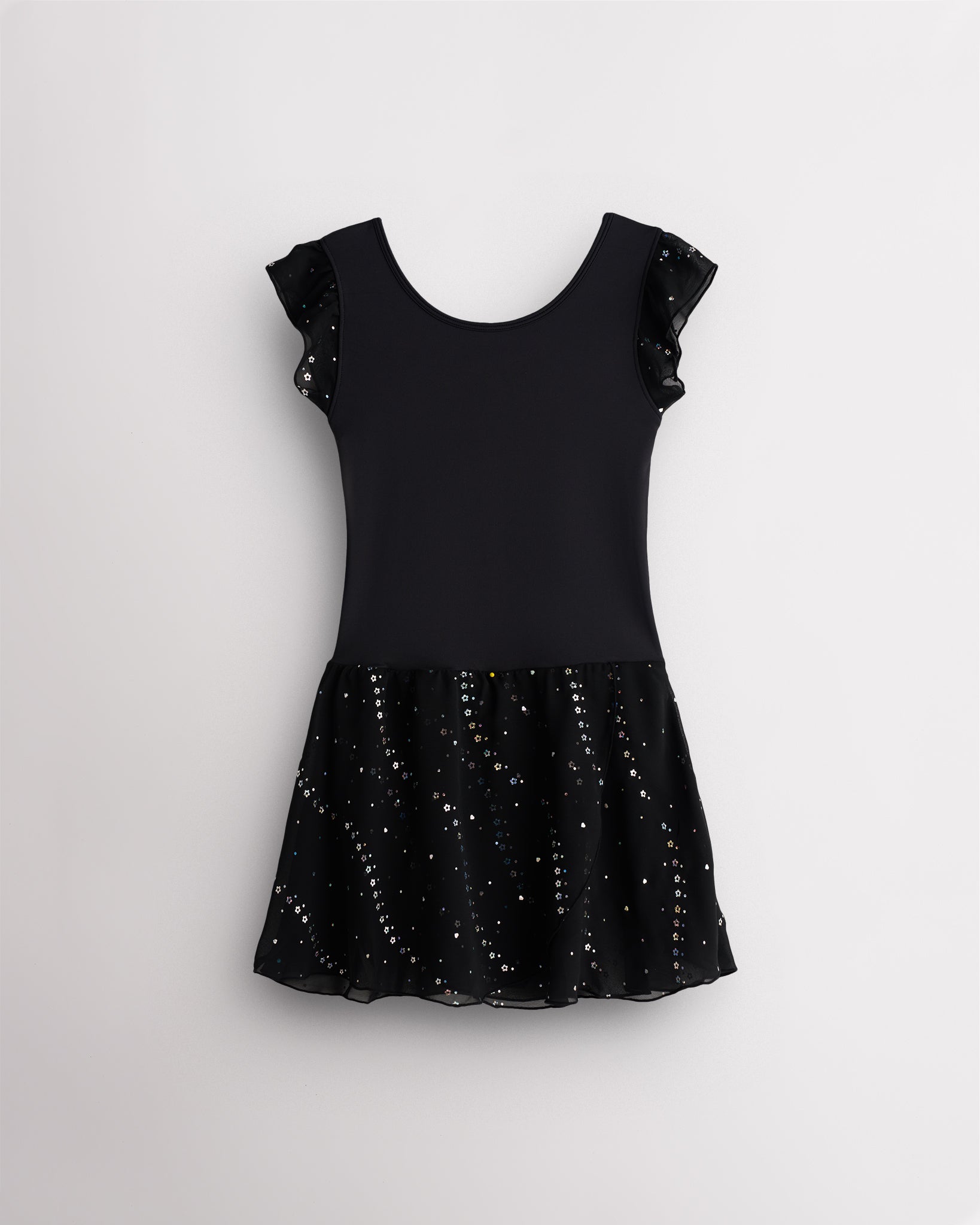
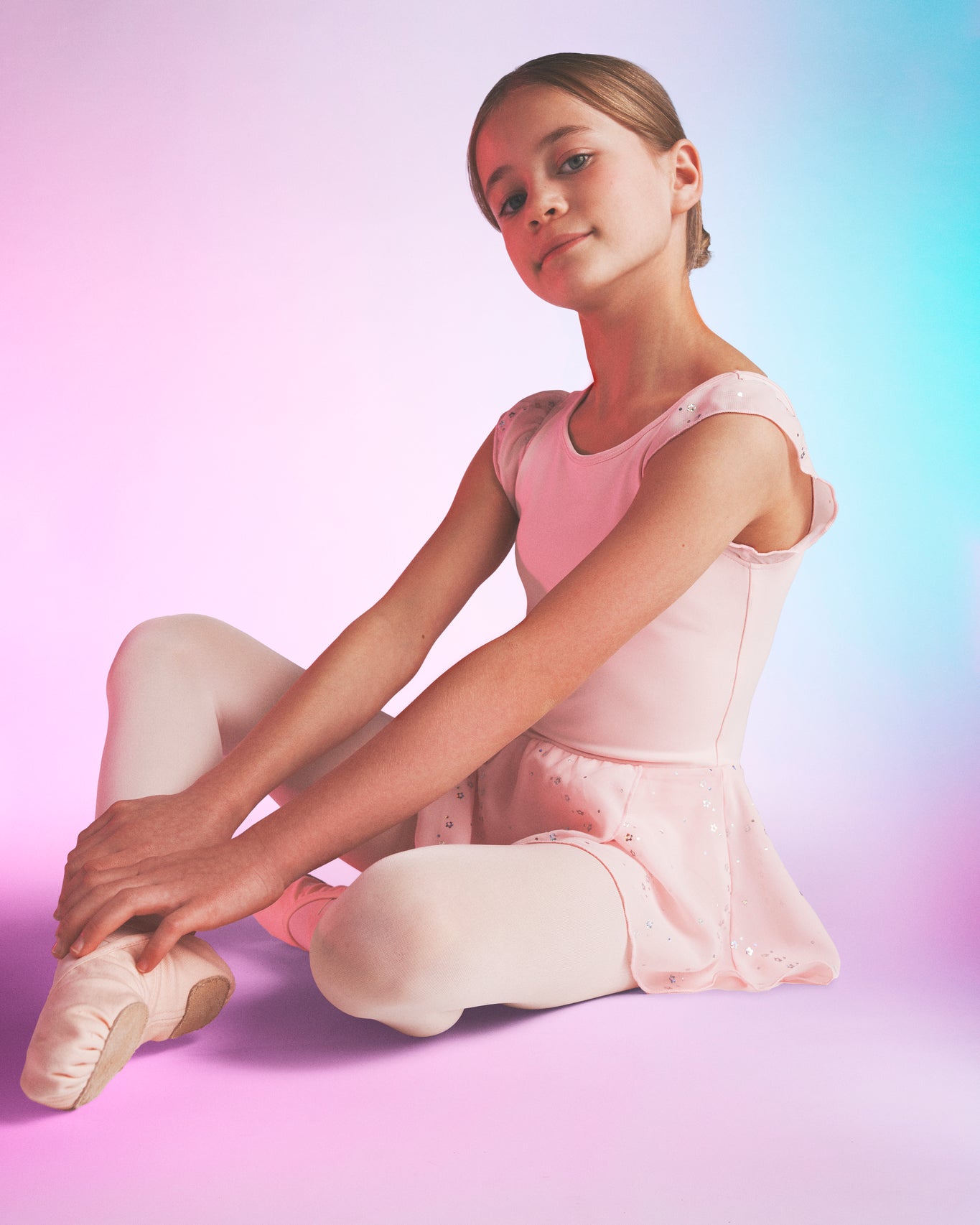
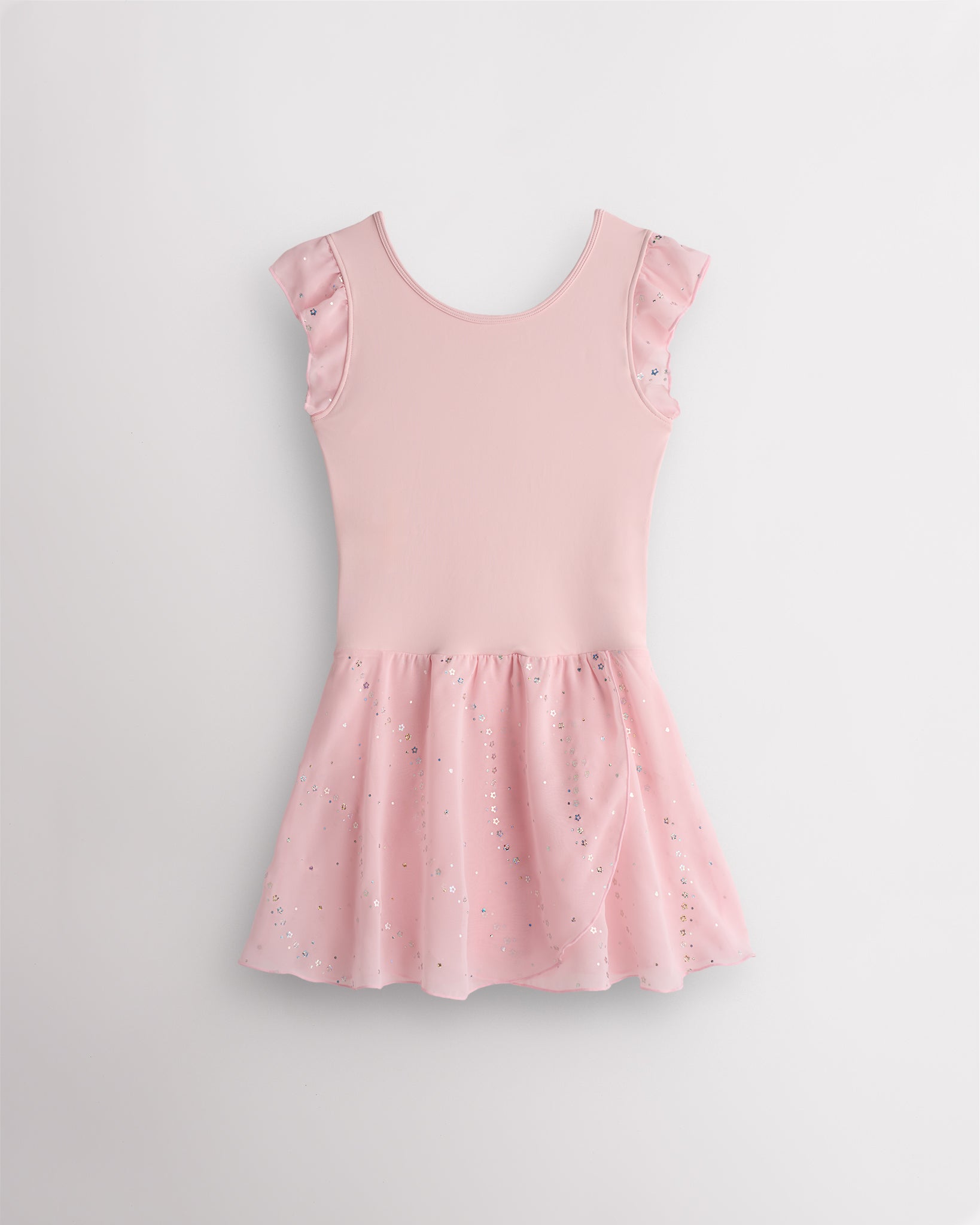
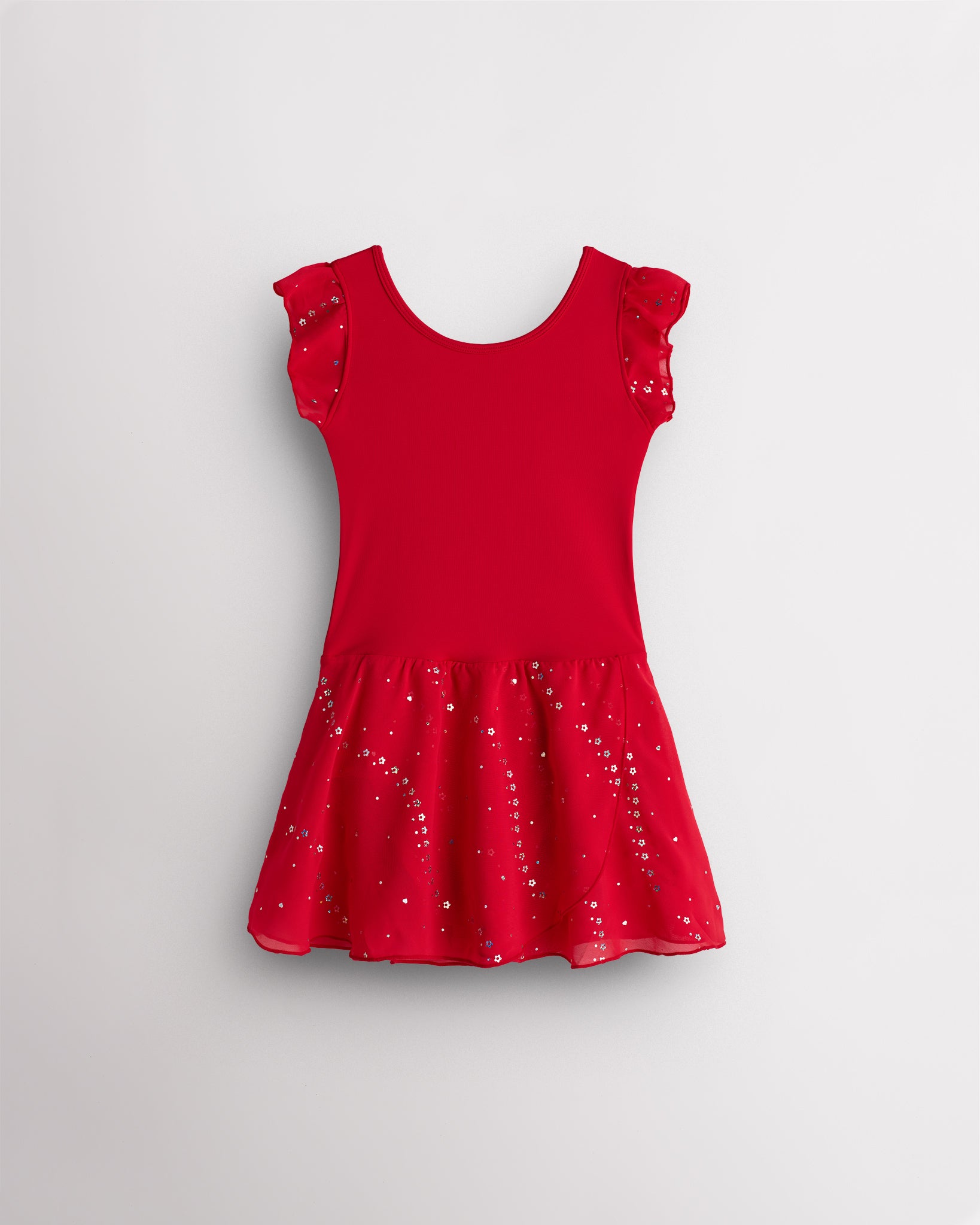
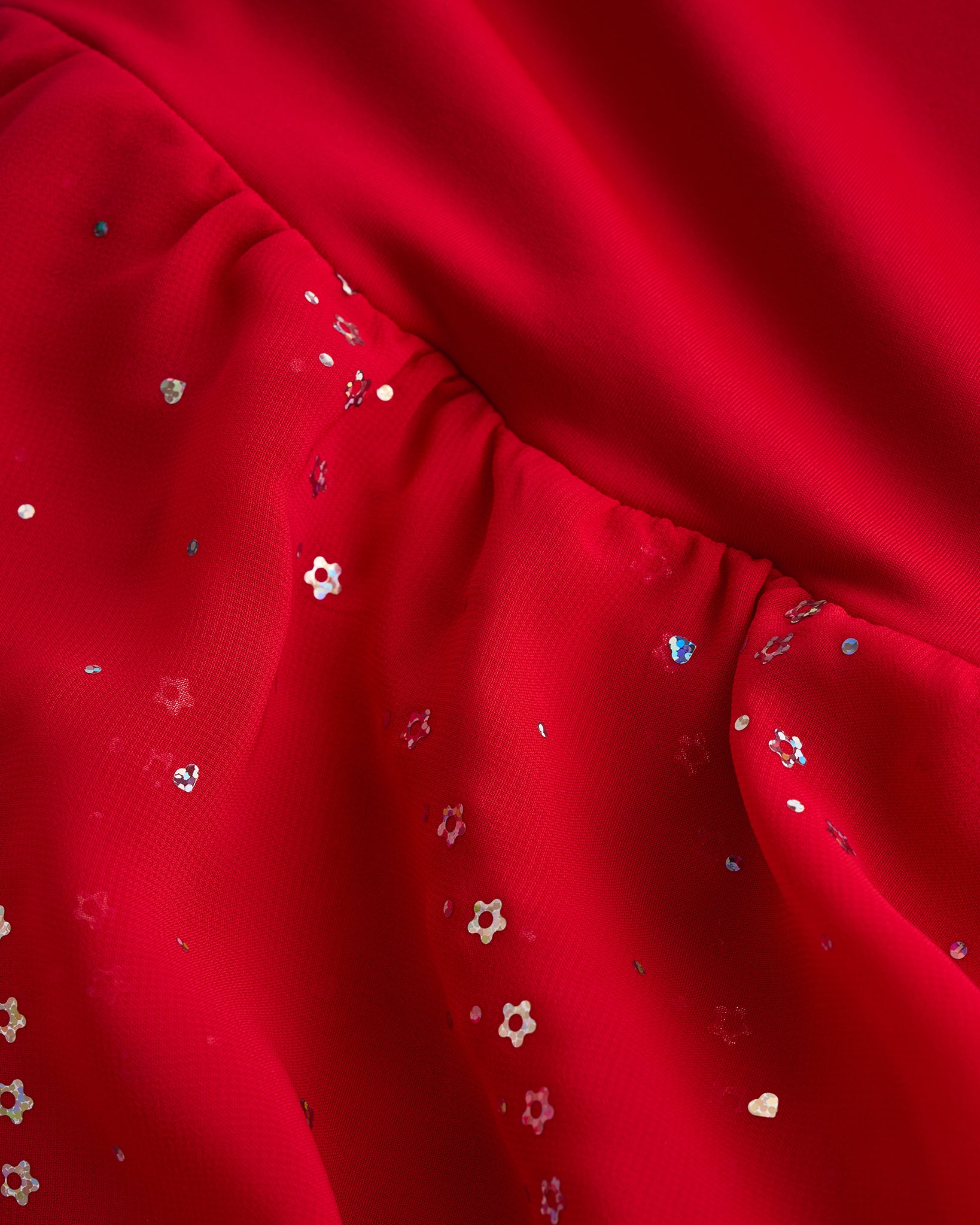
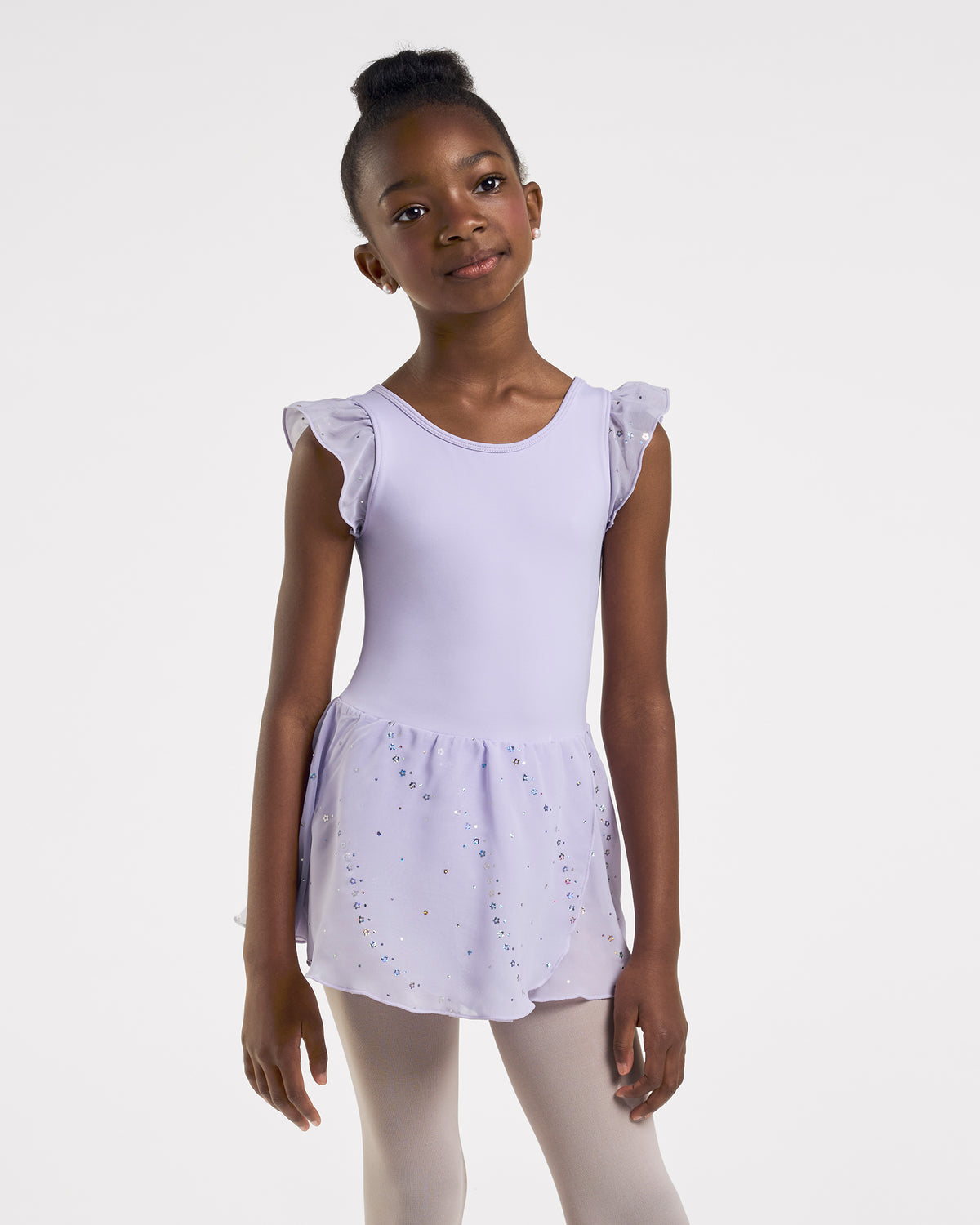
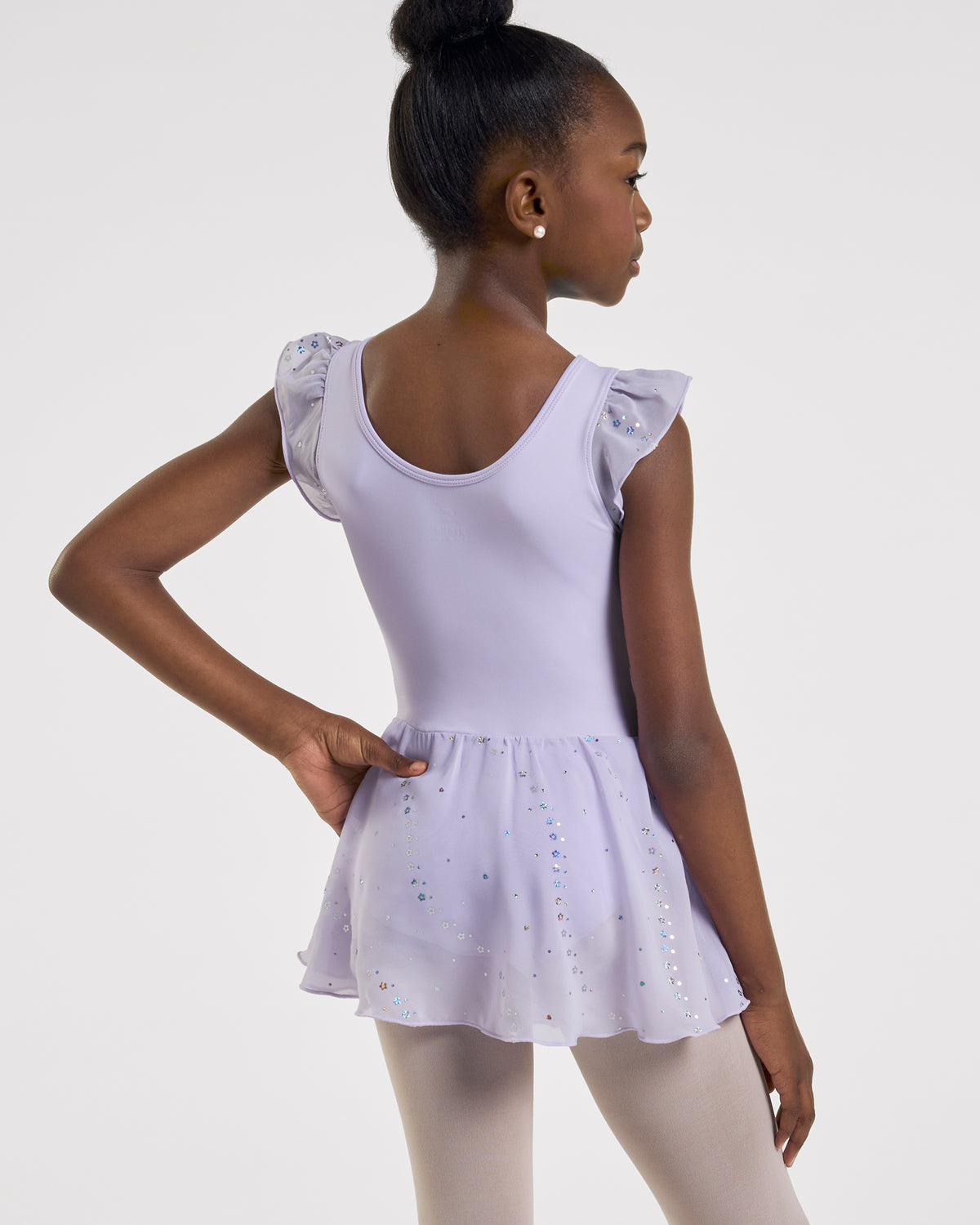
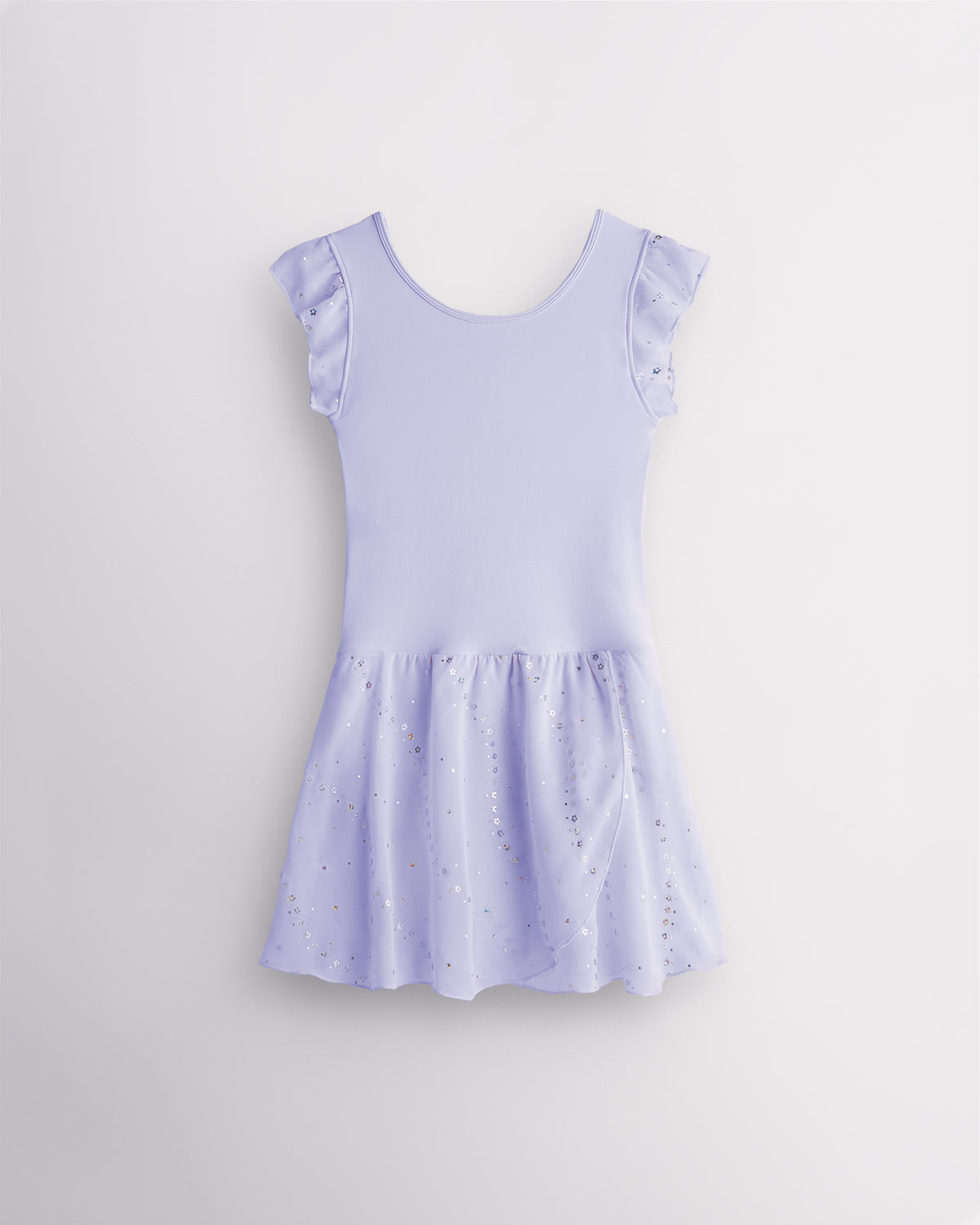
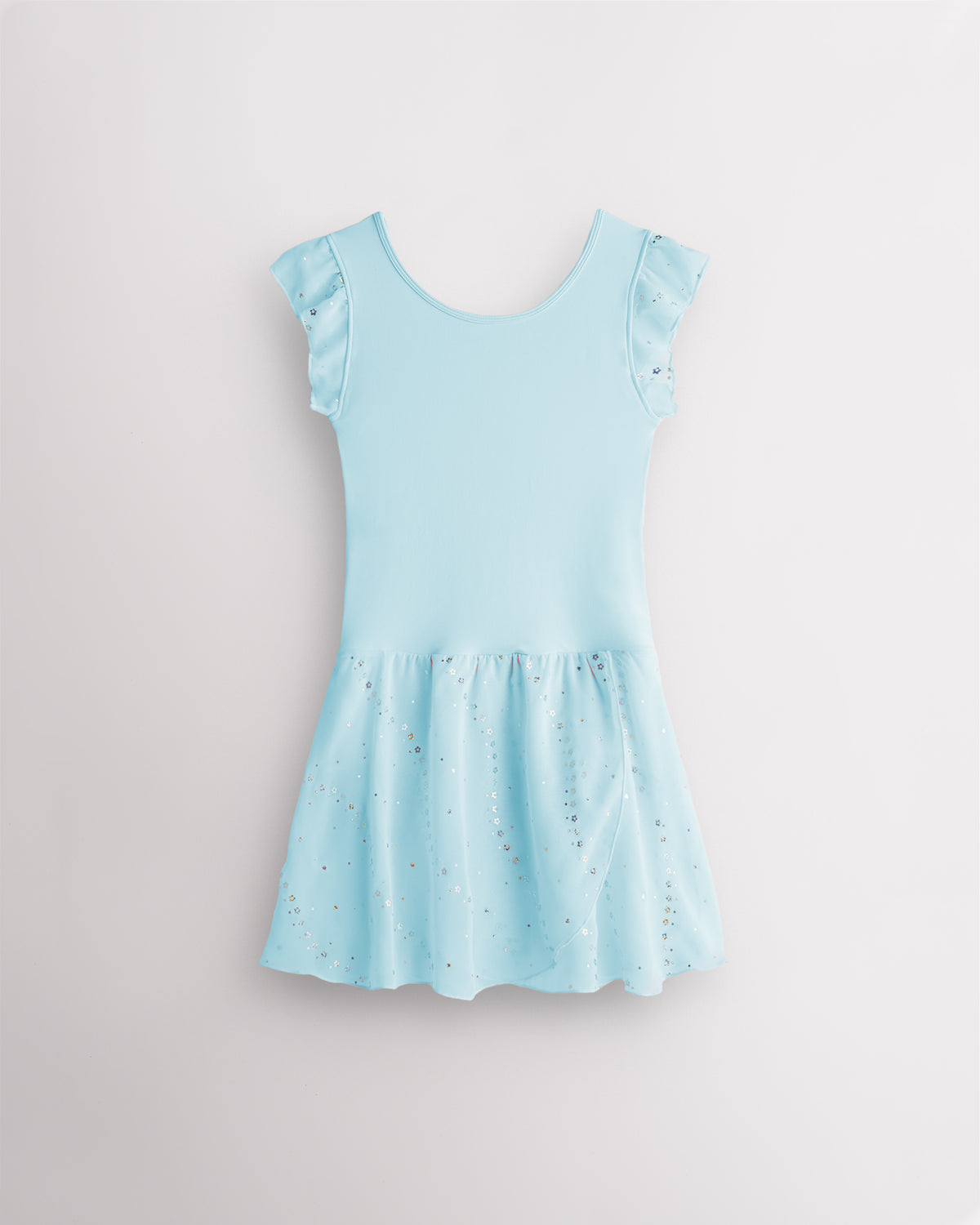
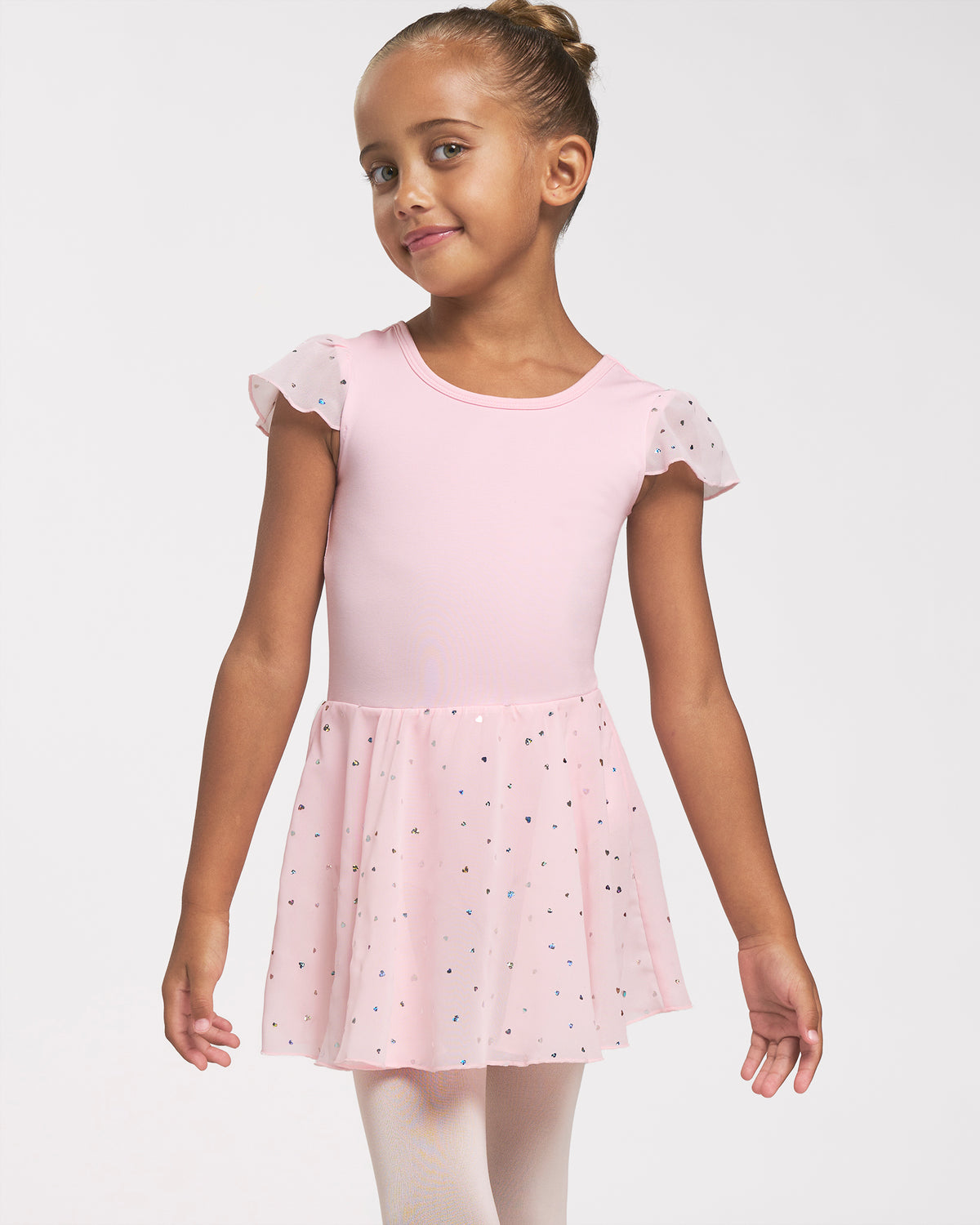
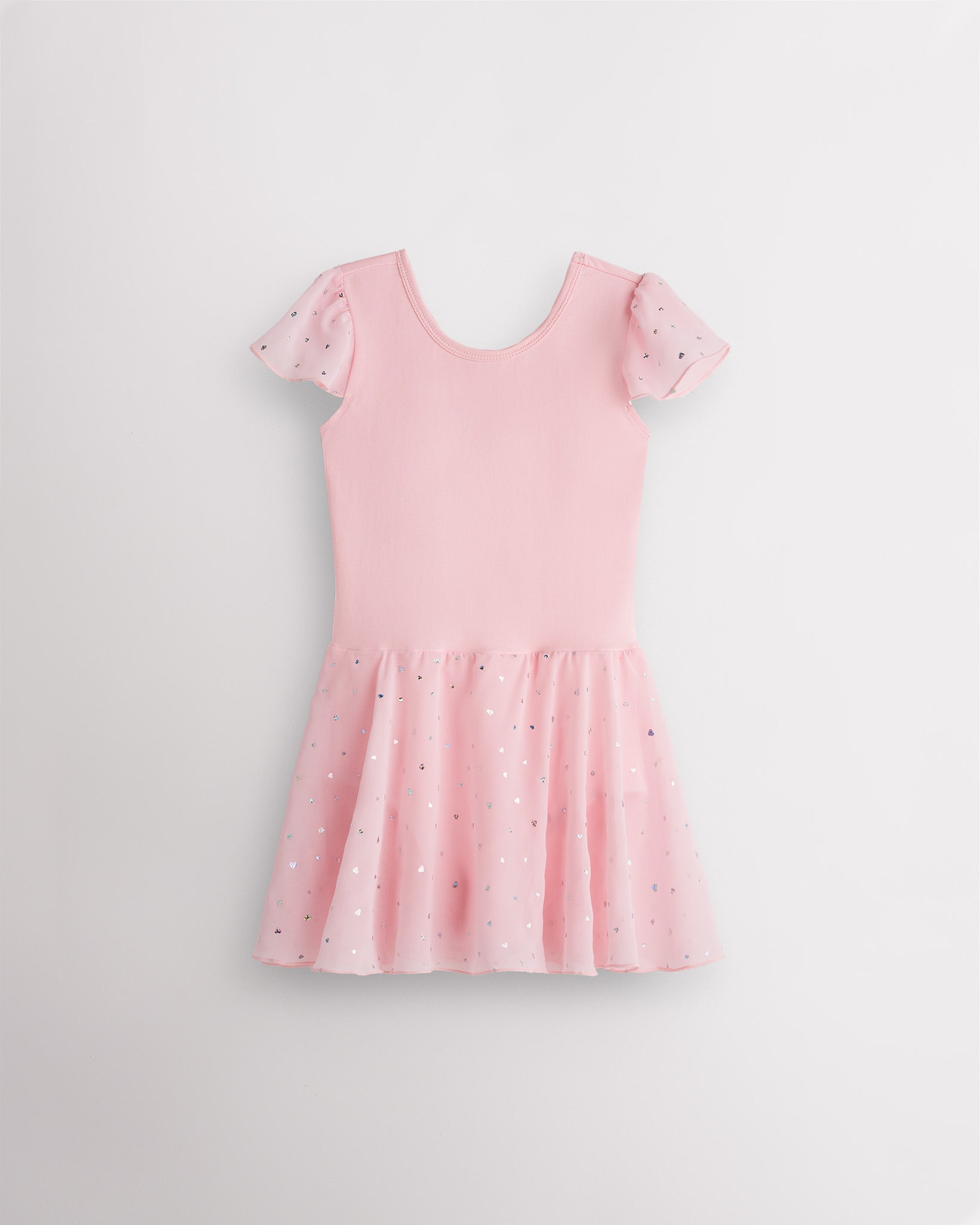
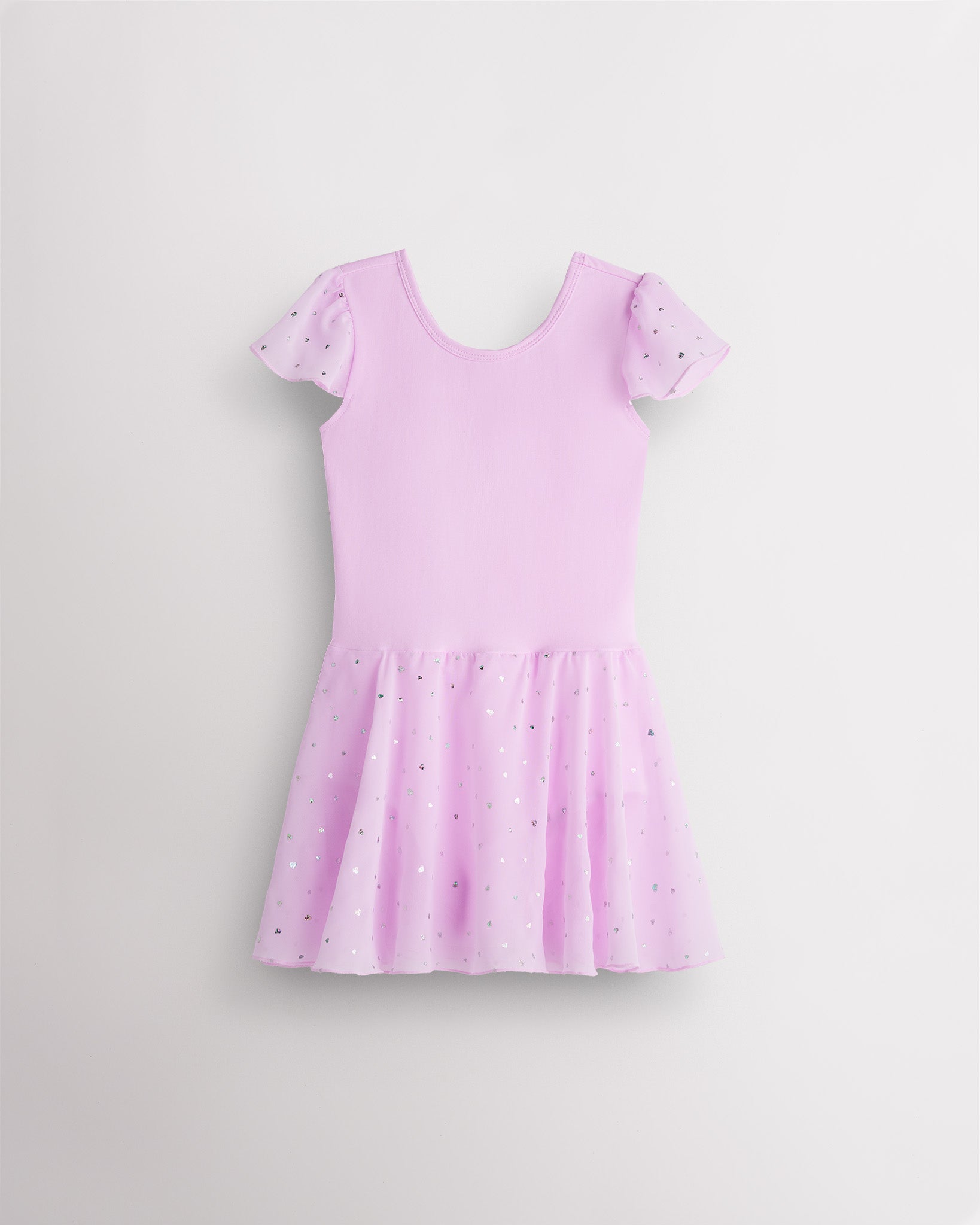
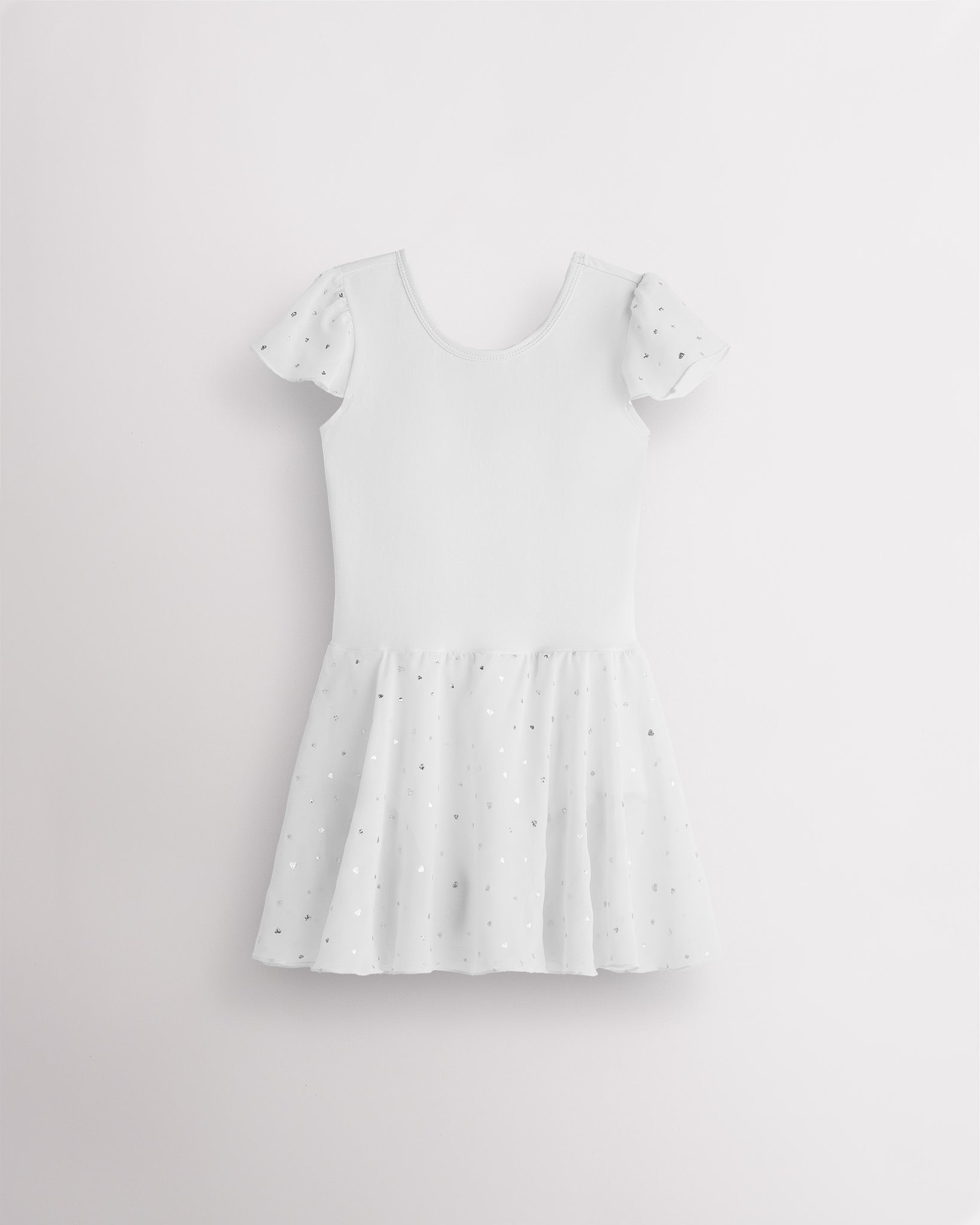
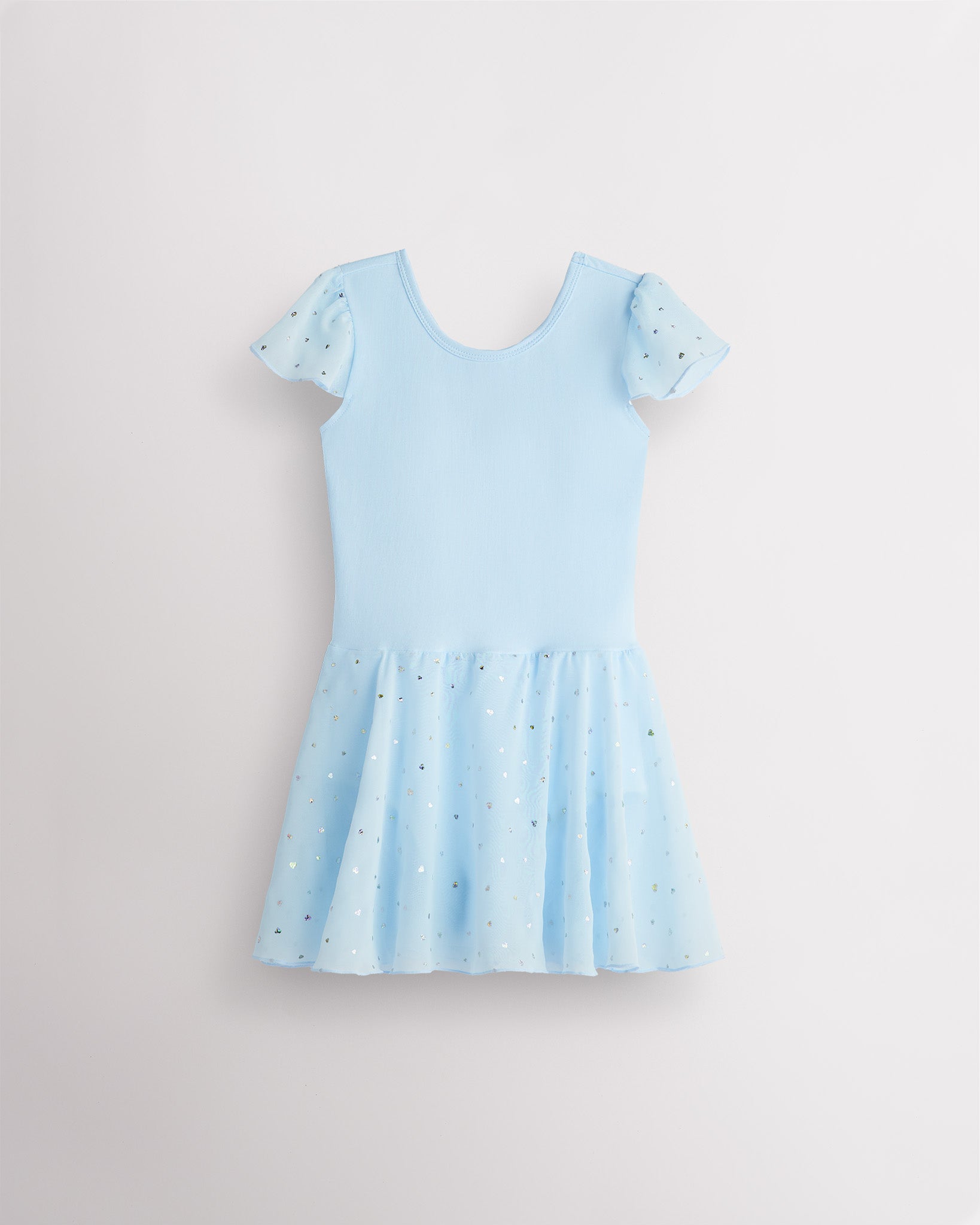
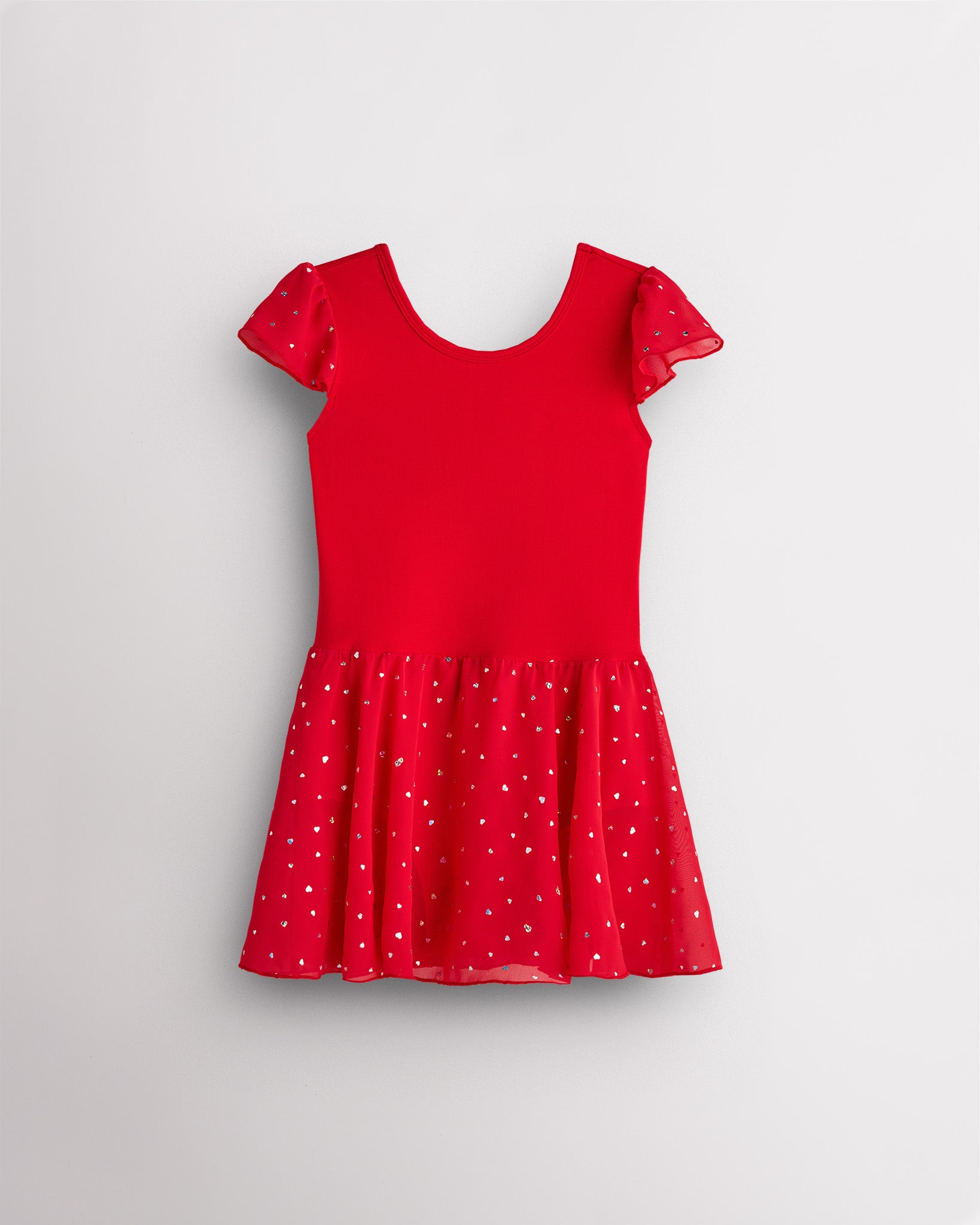
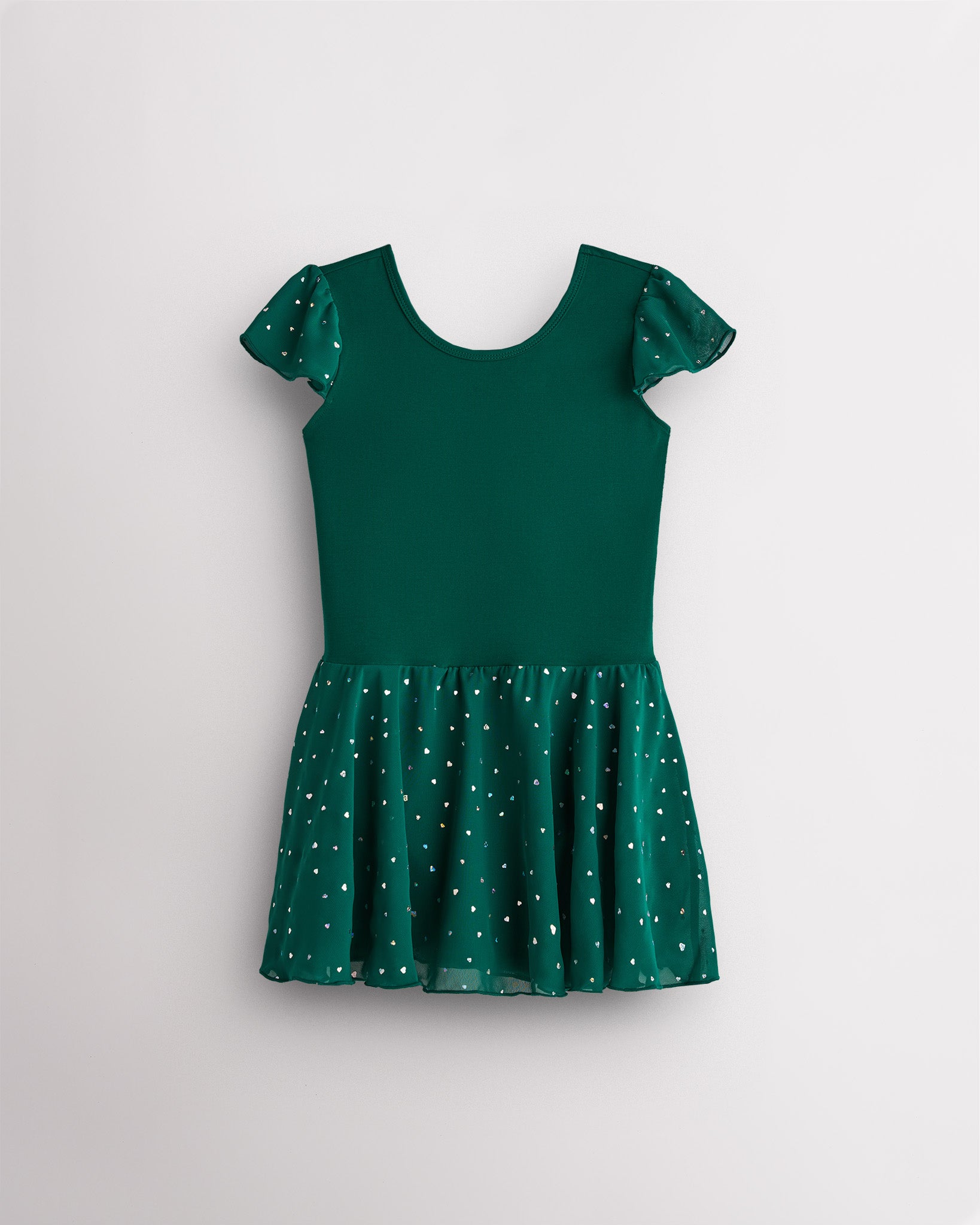
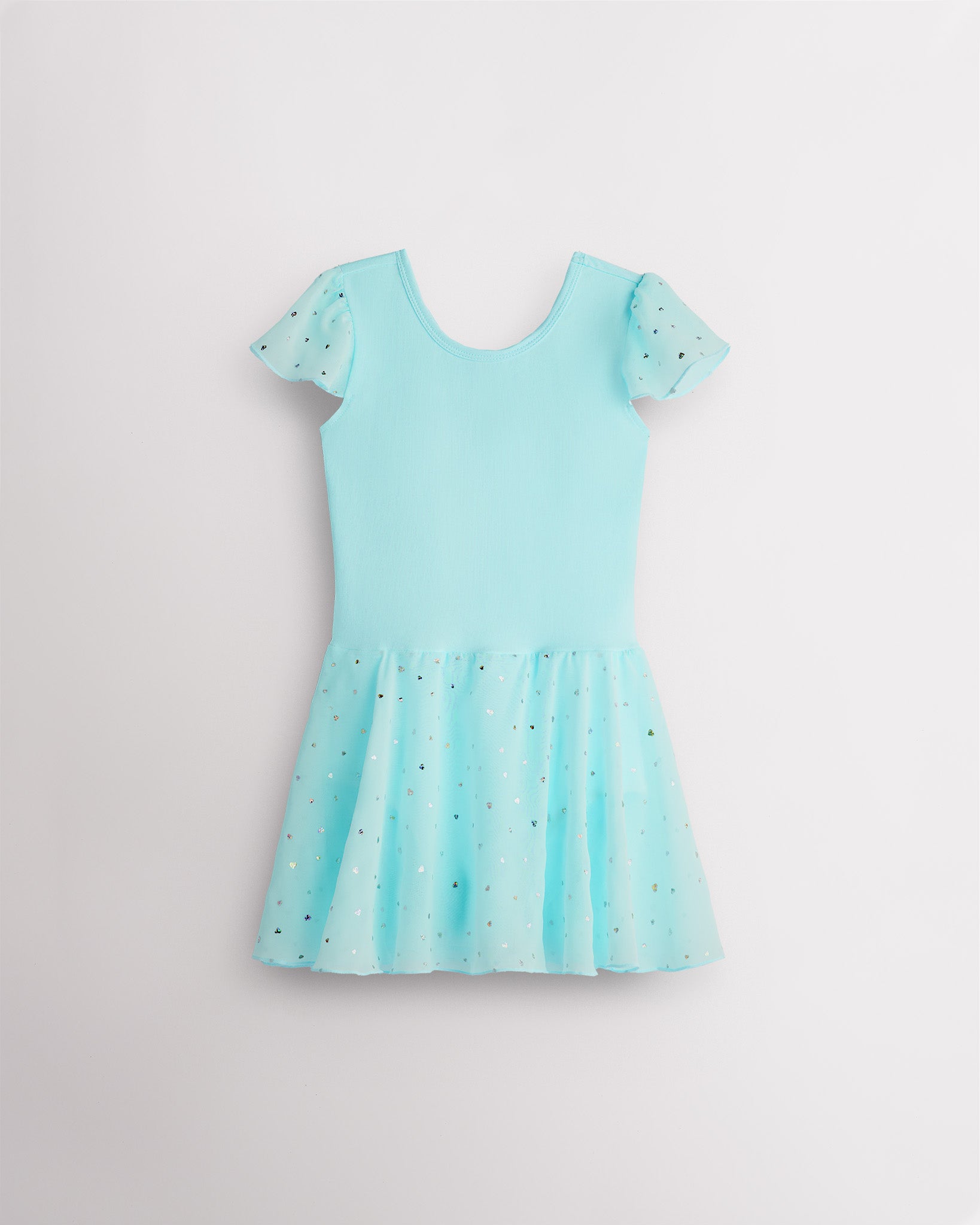
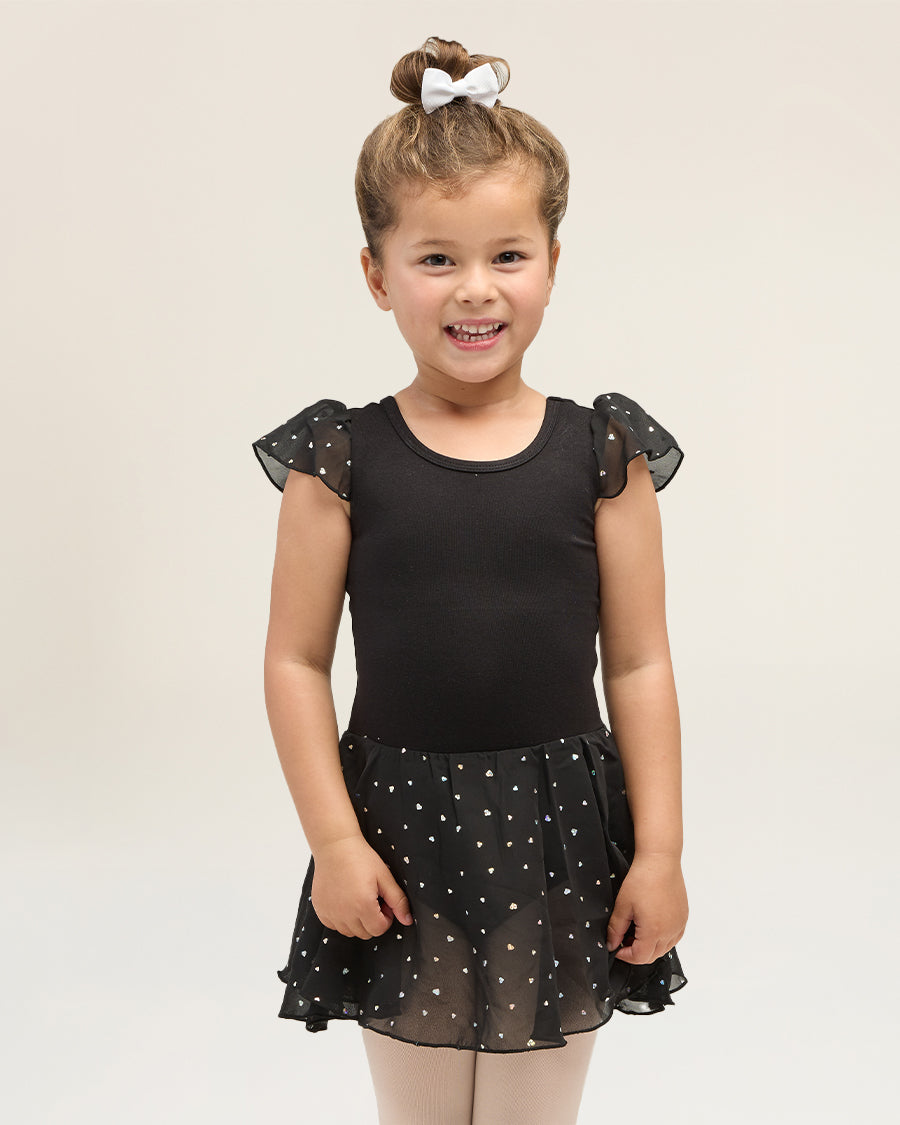
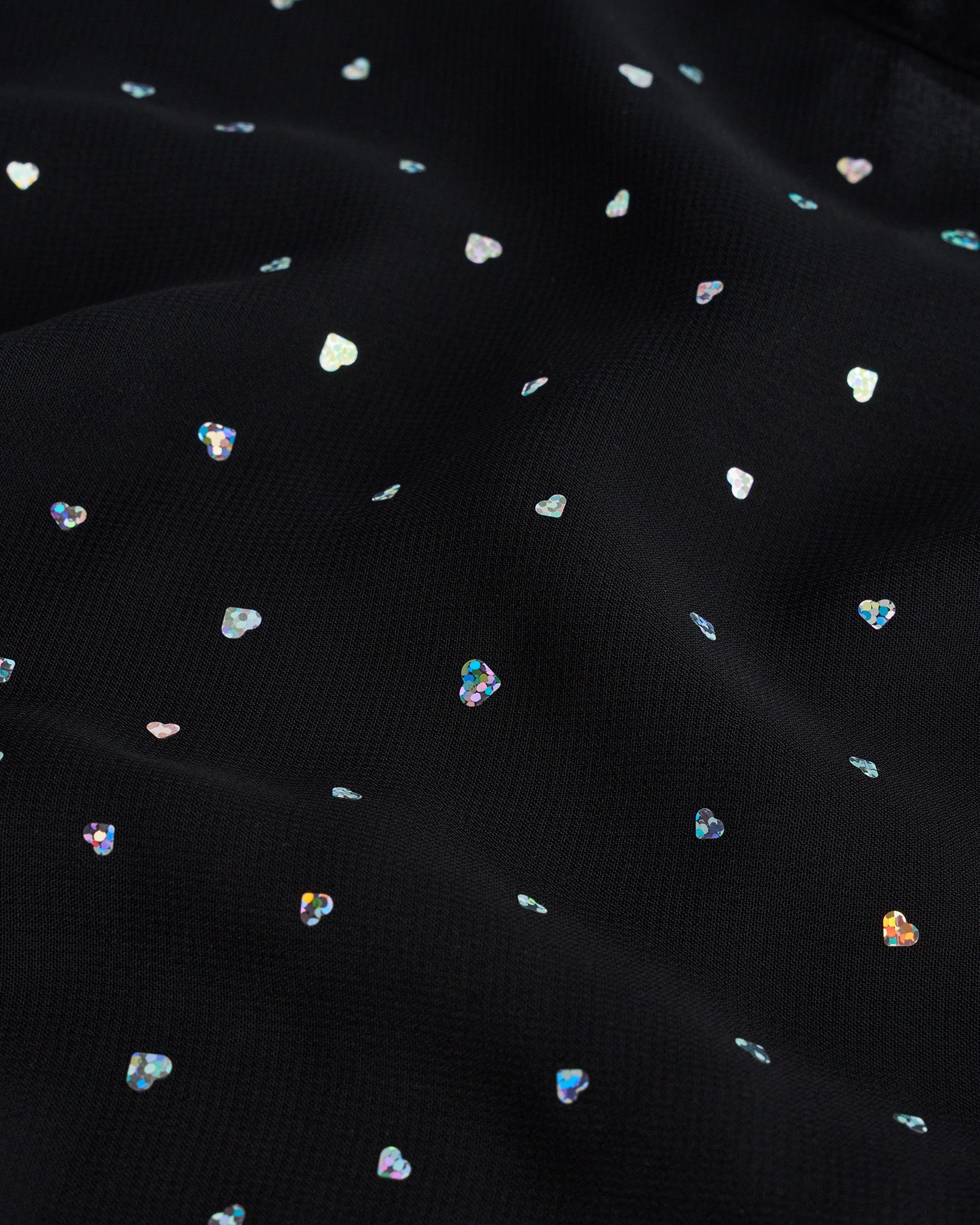
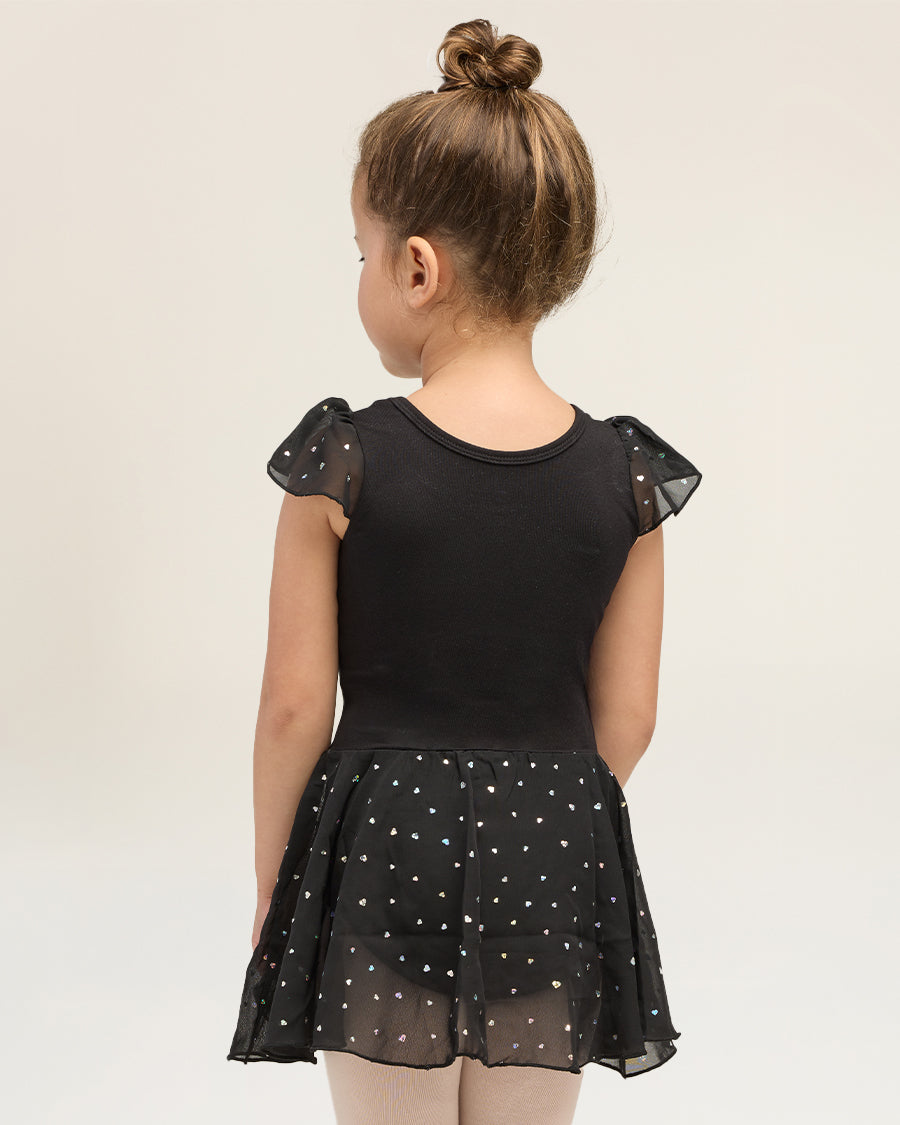
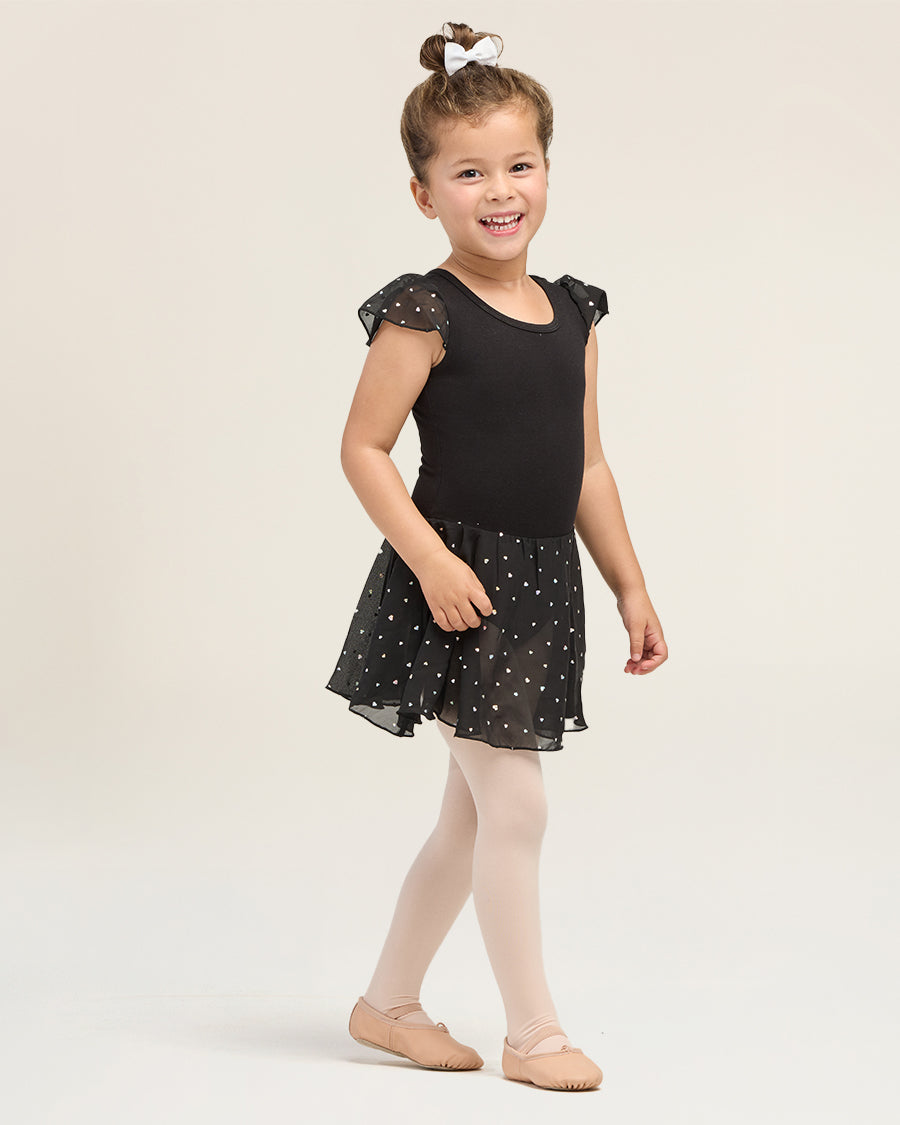
A skirted leotard, sometimes called a leotard with skirt, is exactly what it sounds like: a leotard with a skirt sewn directly into the waist, so it moves as one piece. It is convenient, and for a lot of younger dancers, having a bit of skirt to hold onto adds a small sense of security in an unfamiliar room. A plain leotard has none of that extra coverage. Her whole silhouette, from shoulder to hip, stays visible.
Neither one is better on its own. They are just built for different purposes, and the right choice usually comes down to what class she is in, not which one looks cuter on the hanger.

Why Some Teachers Ask for a Plain Leotard
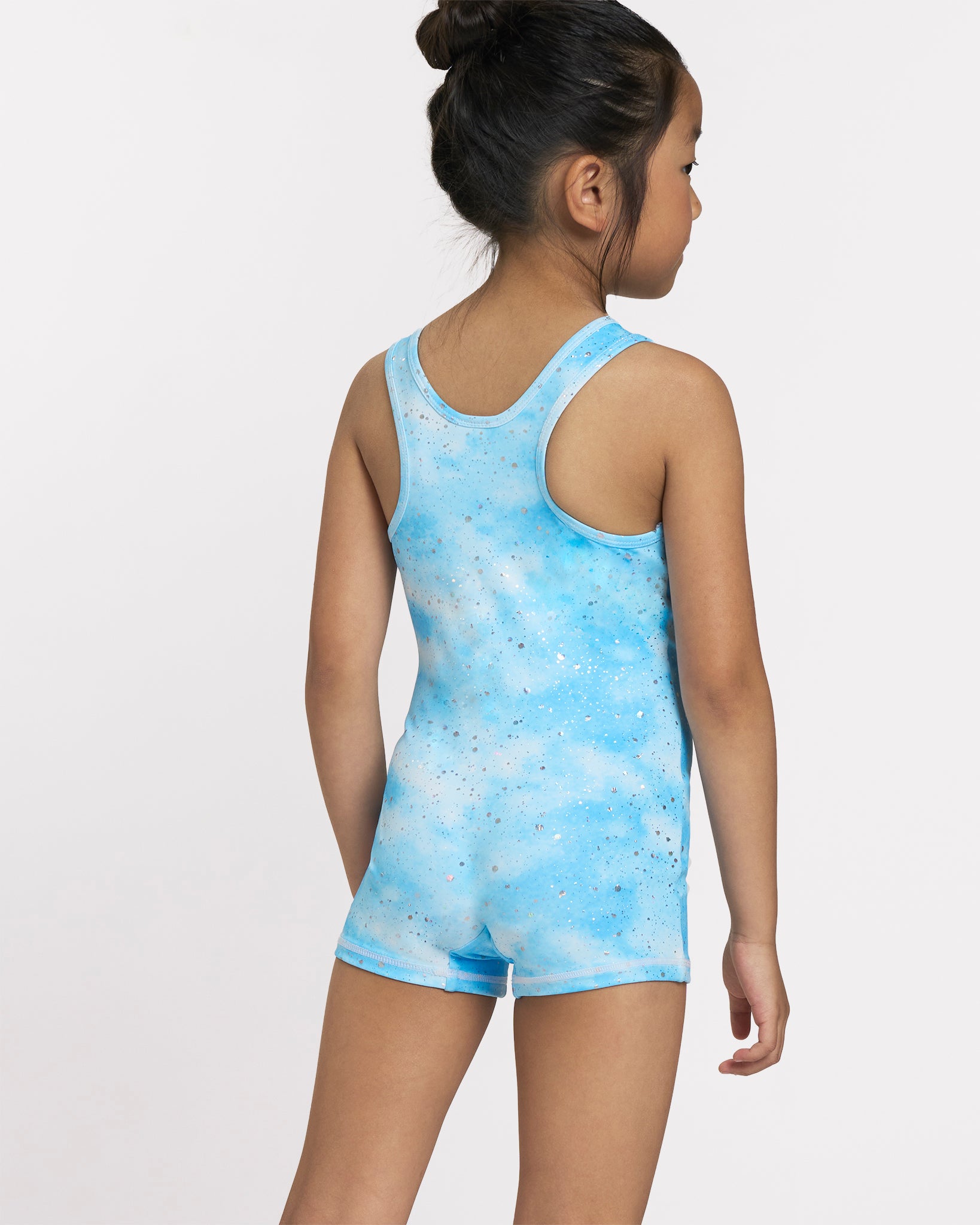
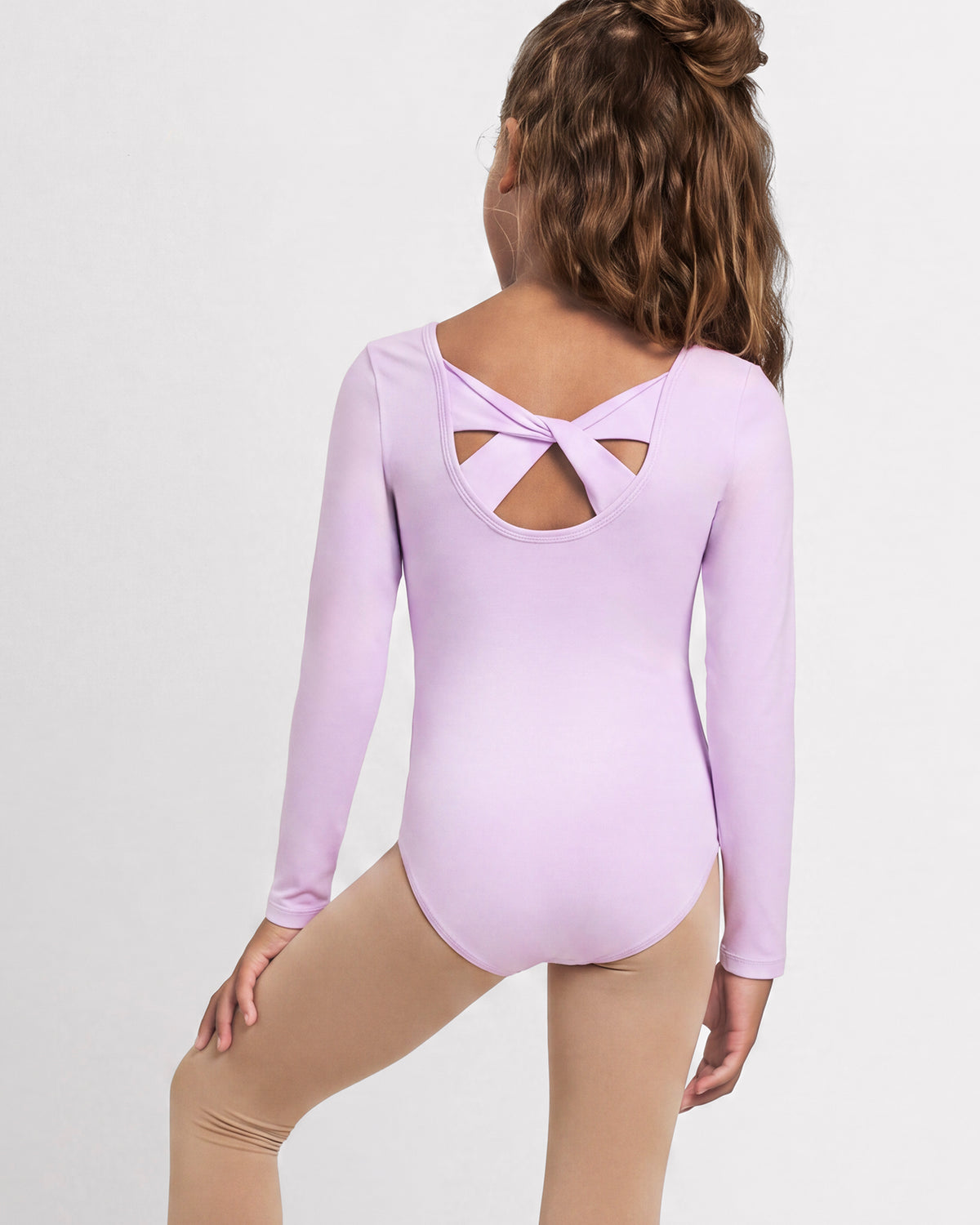
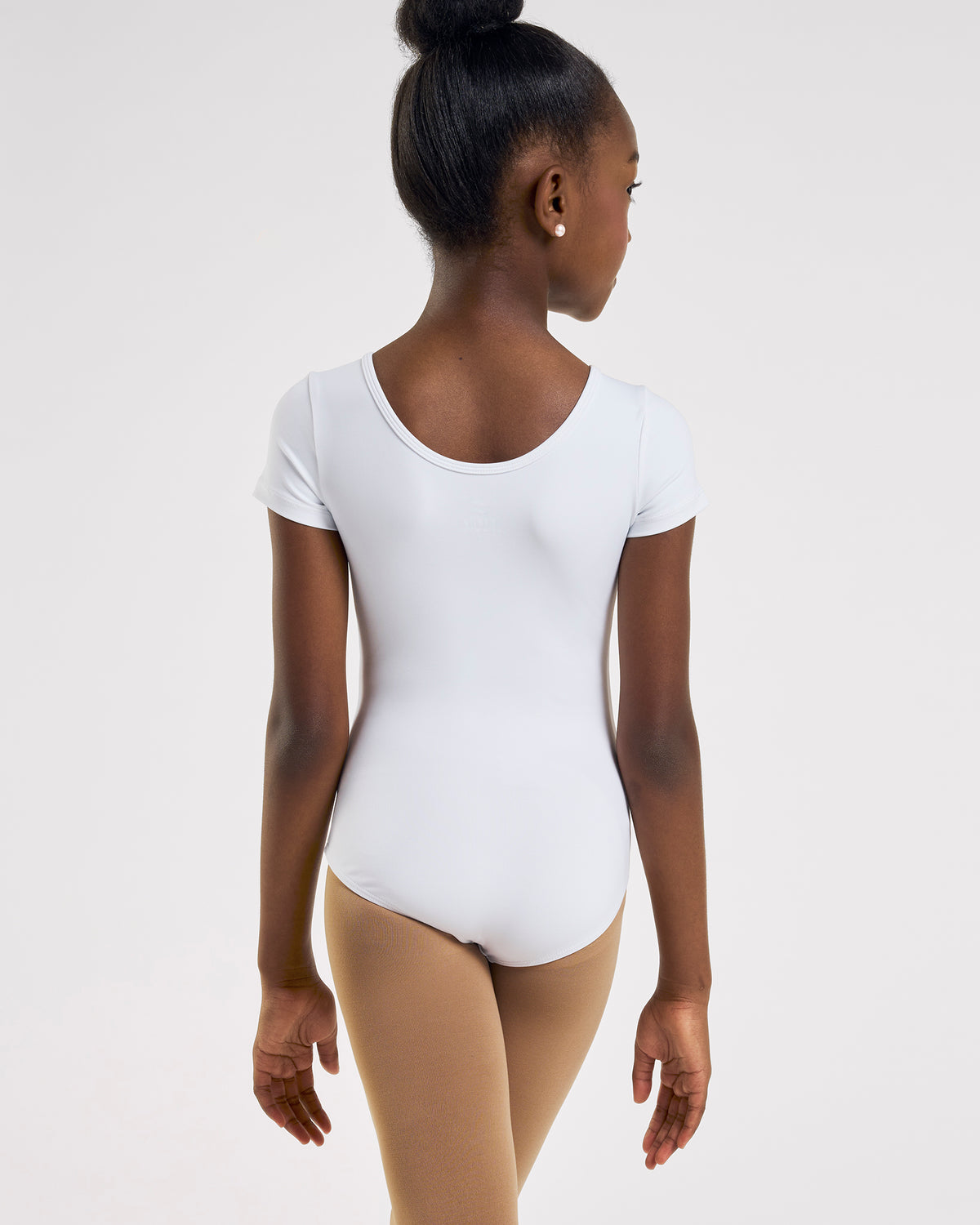
This is not about a teacher preferring one look over another. A plain leotard lets a teacher see the exact angle of the hips, the line of the legs, and how the whole body is aligned, things a skirt can hide even when it is fairly short. If a teacher cannot see those areas clearly, it becomes harder to give useful corrections. That is a big part of the reason behind the request. Kentucky Repertory Dance Theatre's own dress code puts it plainly: ballet skirts are left out of their regular class dress code specifically because they hide hip alignment and turnout, a common reason some studios give once training gets more structured.
This expectation usually shows up once training gets more structured, or once exams enter the picture. It is not always a rule from day one, and the same studio's policy for its youngest tots and beginners often allows a skirted leotard without any issue.

What Skirted Leotards Are Actually Good For
None of this makes a skirted leotard the wrong choice early on. Younger dancers genuinely tend to prefer them, and for a lot of kids, that classic ballerina leotard look is not just a phase parents have to talk them out of. For a child still getting used to wearing something so fitted, a little extra coverage can make the whole experience feel less exposed and more comfortable. In casual, beginner-friendly classes, plenty of studios are not bothered by it at all.

What Nobody Tells You About How It Actually Feels to Wear One
Here is the part most leotard guides skip. A skirt can get stepped on or caught underfoot during floor work, stretches, or sitting down, especially for younger dancers who are still working on coordination. Some kids also end up fidgeting with the skirt mid-class, tugging at it or smoothing it down, which pulls their attention away from what they are actually doing.
None of that means skip the skirt. It just means it is worth knowing what to watch for, especially the first few times she wears one to class.
Fit Still Matters More Than the Skirt
Whichever style she wears, fit comes first. A skirt cannot fix a leotard that runs too small, and a plain leotard is not automatically more comfortable just because it has less fabric. The real signs of a fit problem look the same either way: straps that keep sliding down, a waistband or skirt seam that digs in, leg openings that pinch, or a kid who cannot stop pulling at her own outfit. A stiff or overly long skirt can also get in the way just as much as a leotard that is simply the wrong size.
If she is constantly adjusting her leotard, do not assume it is the style. It is usually the fit. Our leotard sizing guide walks through how to measure her properly, for a skirted leotard or a plain one.
How to Tell What Your Studio Expects
Look at the actual wording. If the dress code says "no skirt," "uniform," or "exam attire," go plain. If it says skirts are optional, a skirted leotard can work. If nothing is listed at all, ask before buying rather than guessing. For more on reading a ballet dress code leotard requirement from the start, see our leotard buying guide.
Does the Dance Style Matter?
A little. Classical ballet tends to be strictest about wanting a clear line, which is why a skirted leotard for ballet often gets swapped for a plain one once exam prep is involved. Jazz, contemporary, and casual movement classes are usually more relaxed about a skirted leotard or a leotard with attached skirt. Either way, the studio's own preference decides it, not the style of dance in general.
Where Stelle Fits In
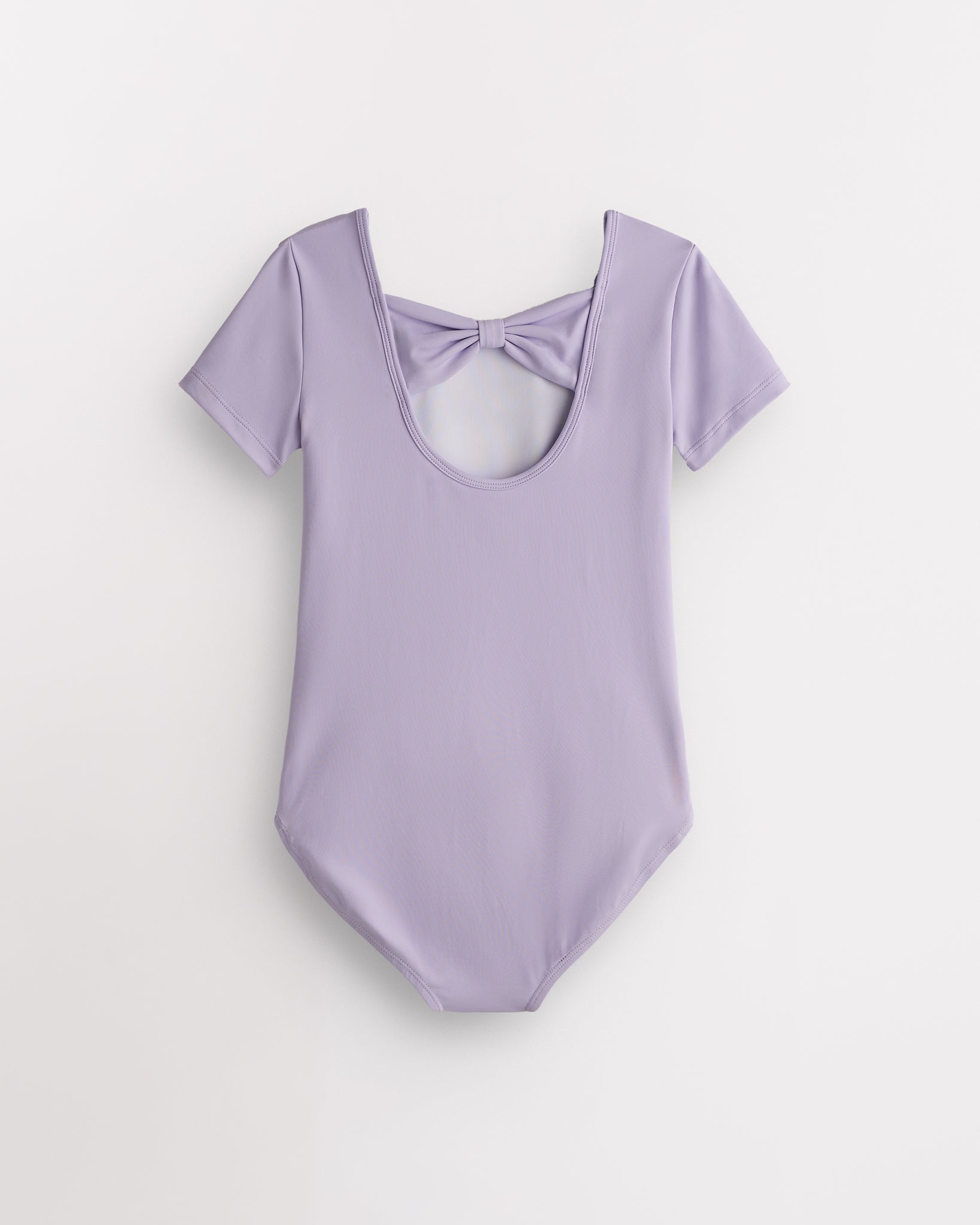
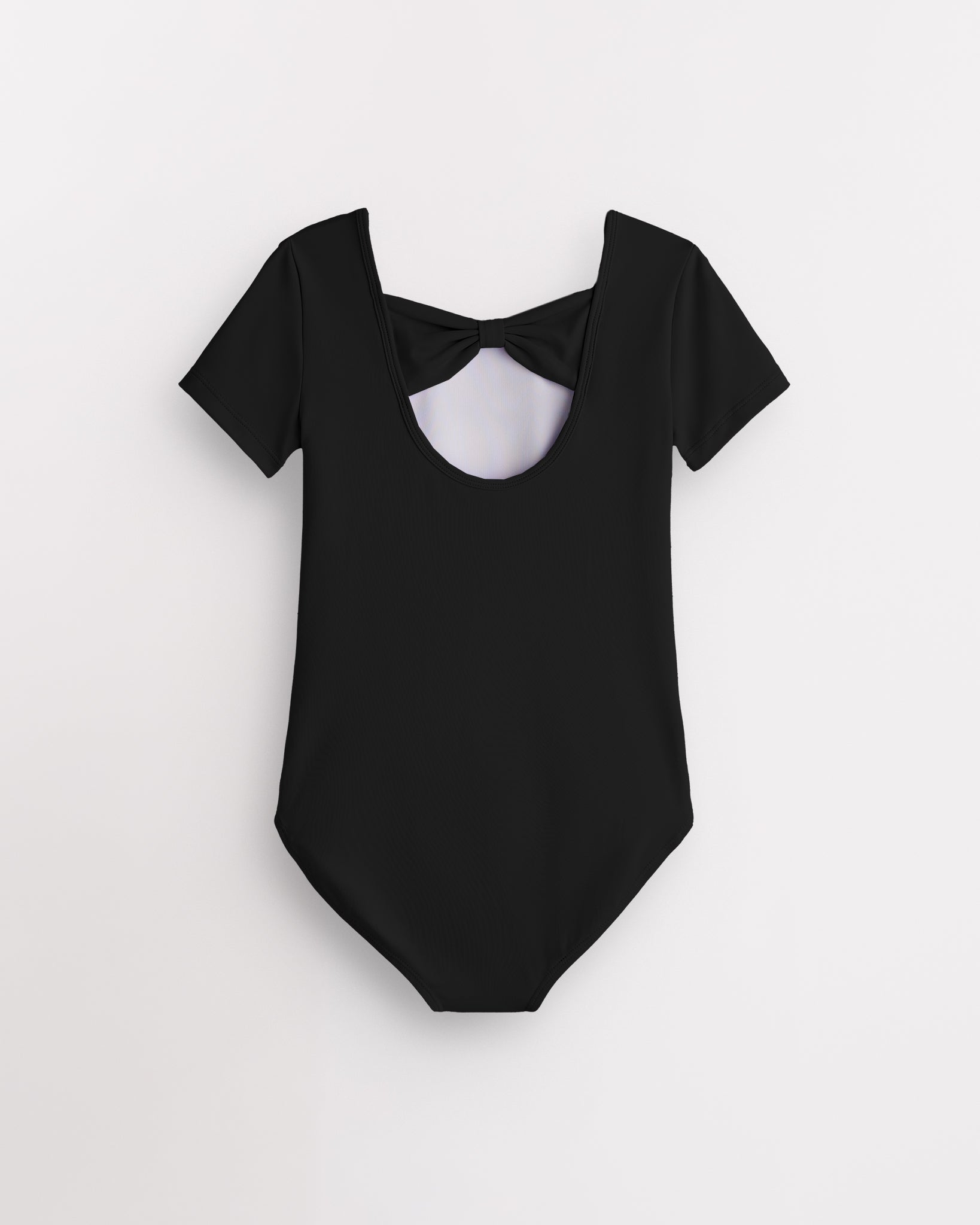
Stelle carries both skirted leotards and plain leotards for the same reason many studios eventually ask for both: they serve different stages, not different levels of quality. For younger or more relaxed classes, a soft skirted leotard can be a sweet, practical choice if the studio allows it. For more structured classes, a plain leotard may be the better fit when teachers need a cleaner view of movement. Fit and comfort come first either way. Browse both in our girls leotards and dance dresses collection.
As a mom-trusted, woman-founded brand making girls' dance essentials since 2015, we design every leotard for girls around how kids actually move in class, not just how they look on a hanger.
Frequently Asked Questions
1. Is a skirted leotard ok for beginner ballet?
In most cases, yes. Beginner and casual classes are usually relaxed about a skirted leotard, and many young dancers prefer the extra coverage. Check with the studio if you are not sure.
2. Why do ballet teachers not allow skirts?
A plain leotard lets a teacher see the dancer's hip and leg alignment clearly, which a skirt can hide. This usually becomes more important once a dancer moves into structured technique training or exam preparation, not in casual beginner classes.
3. What age do dancers stop wearing skirted leotards?
There is no fixed age. It depends more on how structured her training becomes than on a specific birthday. The studio or teacher will usually make the requirement clear when it applies.
4. Can a skirt get in the way during class?
Sometimes. A skirt can get stepped on or caught during floor work and stretches, and some kids fidget with it during class. It is not a reason to avoid one, just something worth watching for early on.
5. Tutu vs skirted leotard: is it the same thing?
No. A tutu is a costume piece meant for dress-up or performances, while a skirted leotard is designed for regular class wear. Always check with the studio before a tutu shows up as everyday practice wear.
6. Does skirted leotard fit work differently than a plain one?
Not really. The same fit rules apply to both: no gaping at the straps or neckline, no digging at the waist or legs, and no constant adjusting. The skirt is a style choice, not a fit shortcut.
Final Thoughts
There is no universally better choice between a skirted leotard and a plain one, only the one that fits her current stage of training and how she actually feels wearing it. As classes get more structured, most dancers move from one to the other naturally, often without much fuss. What matters most, no matter which style she is in, is that it fits well and lets her move without a second thought.