



How to Dance: A Beginner's Roadmap
Table of contents
Quick answer
So how do you dance if you're starting from zero? The most reliable way to learn how to dance is a simple loop: pick one style your child is genuinely curious about, choose a learning path (a local class, an online course, or guided practice at home), then practice in short, regular sessions for a month before judging progress. Dance is rhythmic movement to music for expressing an idea or emotion, or simply for the joy of moving, as Britannica defines it, which means there is no entrance exam. If your child can walk to a beat, she can start today.
This roadmap is written for parents starting from zero, whether that means signing up a preschooler, helping a shy nine-year-old find her footing, or learning alongside your kids in the living room.
Key Takeaways
-
Start with one style, not five. A single focus for the first two to three months builds momentum faster than sampling everything at once.
-
There are three workable paths: in-person classes, structured online lessons, and self-guided practice at home. Each suits a different kid, budget, and schedule.
-
Ten to fifteen minutes of practice most days beats one long weekly session for young beginners.
-
The first month is about rhythm, balance, and comfort with movement, not memorizing choreography.
-
Most early quitting comes from three fixable problems: wrong style, wrong format, or expectations set too high.
Step 1: Pick a starting style
The starting style matters more for motivation than for technique, so let your child's personality lead. A kid who loves structure and pretty lines often clicks with ballet. A kid who wants to move to the songs she already knows usually does better starting with hip hop or jazz. A kid who mostly wants to wiggle and giggle is a candidate for creative movement or a combo class that mixes styles.
Two useful signals:
-
What does your child already do when music comes on? Spinning and tiptoeing points toward ballet; bouncing and freezing in poses points toward hip hop.
-
What can you actually access? A great teacher in a second-choice style usually beats a mediocre option in the first-choice style.
You do not need to get this decision right forever. Many studios expect kids to switch or add styles after a season. If you want a fuller picture of what each genre involves before choosing, our guide to the main types of dance breaks them down by age fit and temperament.
For kids under about five, the style question mostly answers itself: early childhood classes are movement and imagination first, technique later. Boston Ballet School's children's program, for example, starts as young as 16 months with storytelling and creative movement, and only introduces formal foundational ballet steps around age five, one well-known program's benchmark rather than a universal rule. For the fuller picture on timing, see our guide on the best age to start ballet.
Step 2: Choose one of three learning paths
If you're mapping out how to learn to dance from scratch, each path can work. The question is which one fits your child, your week, and your budget right now.
|
Path |
Best for |
Typical commitment |
Planning cost range |
|---|---|---|---|
|
In-person studio class |
Kids who thrive on routine, friends, and a teacher's eye |
30 to 60 min, once or twice a week |
Roughly $15 to $25 per class, often billed monthly |
|
Structured online lessons |
Busy families, rural areas, kids who warm up slowly |
20 to 30 min sessions, flexible timing |
Free to about $30 per month for subscription platforms |
|
Self-guided at home |
Toddlers, tight budgets, or a low-pressure trial run |
10 to 15 min of play-based practice most days |
Free |
Prices, class schedules, and age ranges can change, so use these examples as a starting point and confirm details on each platform or studio before signing up.
In-person classes give you the fastest feedback loop. A live teacher corrects posture in real time, and classmates turn practice into a social event, which is often the thing that keeps a seven-year-old coming back. The trade-offs are cost and a fixed schedule. If you go this route, vetting the studio matters more than vetting the style; our checklist for choosing a dance studio covers what to look for in a trial class.
Online lessons sit in the middle. They are cheaper than studios, repeatable (your child can replay a step ten times without embarrassment), and easy to fit around school. The catch: nobody is correcting form, and younger kids usually need a parent participating rather than supervising. We compared the major platforms in our roundup of online dance classes for kids, so start there rather than trialing everything yourself.
Self-guided practice is underrated as a starting point, especially for kids under six or for families not ready to commit money. Freeze dance, follow-the-leader, and copying simple steps from a video count as real training at this age. The National Dance Education Organization's early childhood standards note that dance builds a greater range of motion, coordination, strength, and endurance than most other physical activities, and none of that requires a studio to begin.
Many families end up blending paths: a weekly class plus a few minutes of home practice is a common and effective combination.

Step 3: What to practice in the first month
The first month should build comfort and rhythm, not choreography. Here is a four-week structure that works across styles:
-
Week 1: Find the beat. Put on music and practice clapping, stepping, and bouncing in time. Two songs a day is plenty. Rhythm is the foundation nearly all styles share.
-
Week 2: Add balance and control. Practice standing on one foot, rising to tiptoes and lowering slowly, and freezing mid-movement when the music stops. These are the building blocks teachers spend the most time on with beginners.
-
Week 3: Learn two or three basic steps. A step-touch, a simple march-in-rhythm, and one style-specific move is enough. Our guide to easy dance moves has beginner-friendly options with step-by-step breakdowns, so lean on that rather than inventing a syllabus.
-
Week 4: String it together. Combine the steps into an eight-count mini routine and let your child perform it for the family. Performing, even for an audience of one parent and a dog, cements what she learned and builds the confidence loop.
Keep sessions short. Ten to fifteen minutes of focused, playful practice most days does more for a young beginner than a single marathon session on Saturday, and it ends before frustration starts.
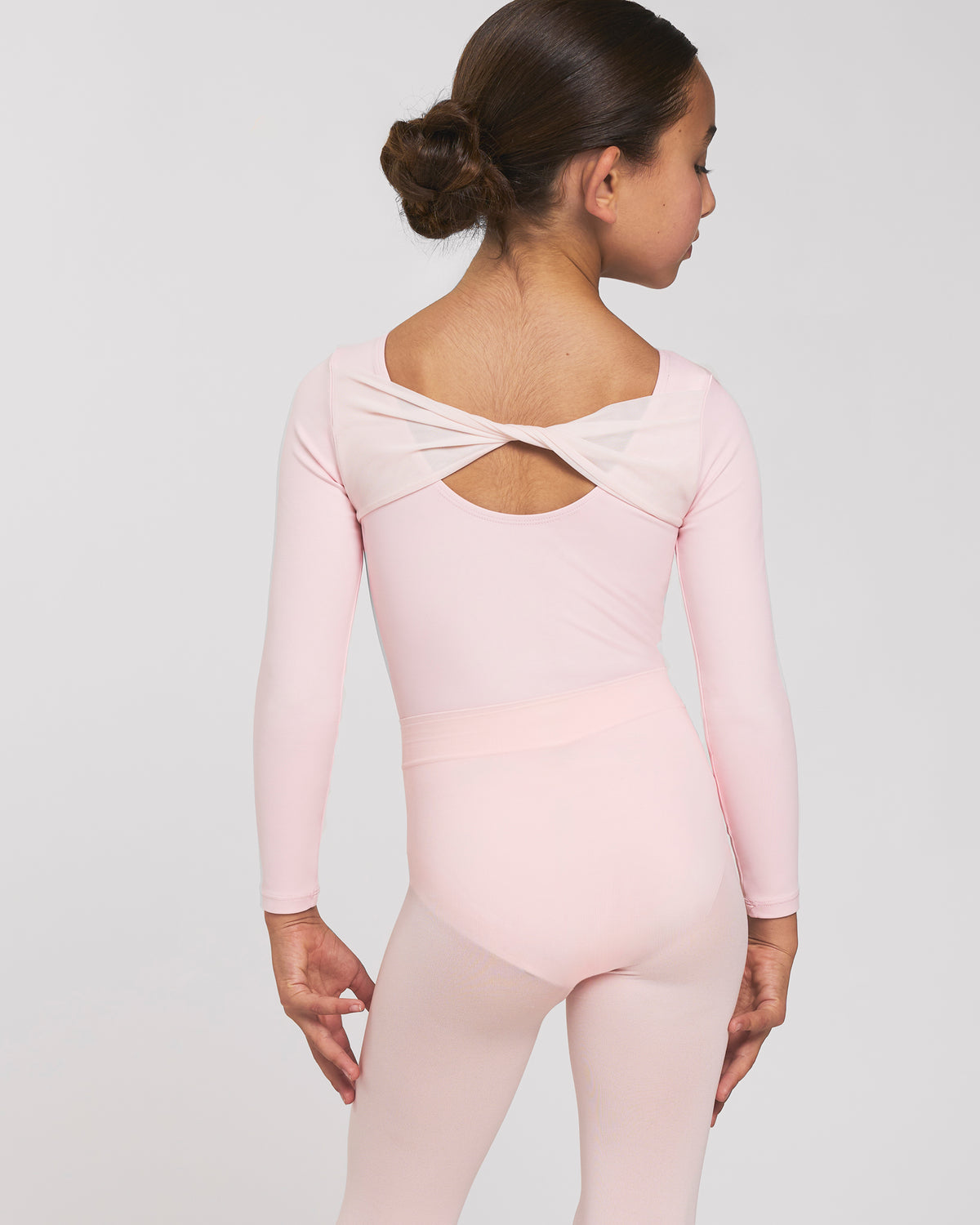
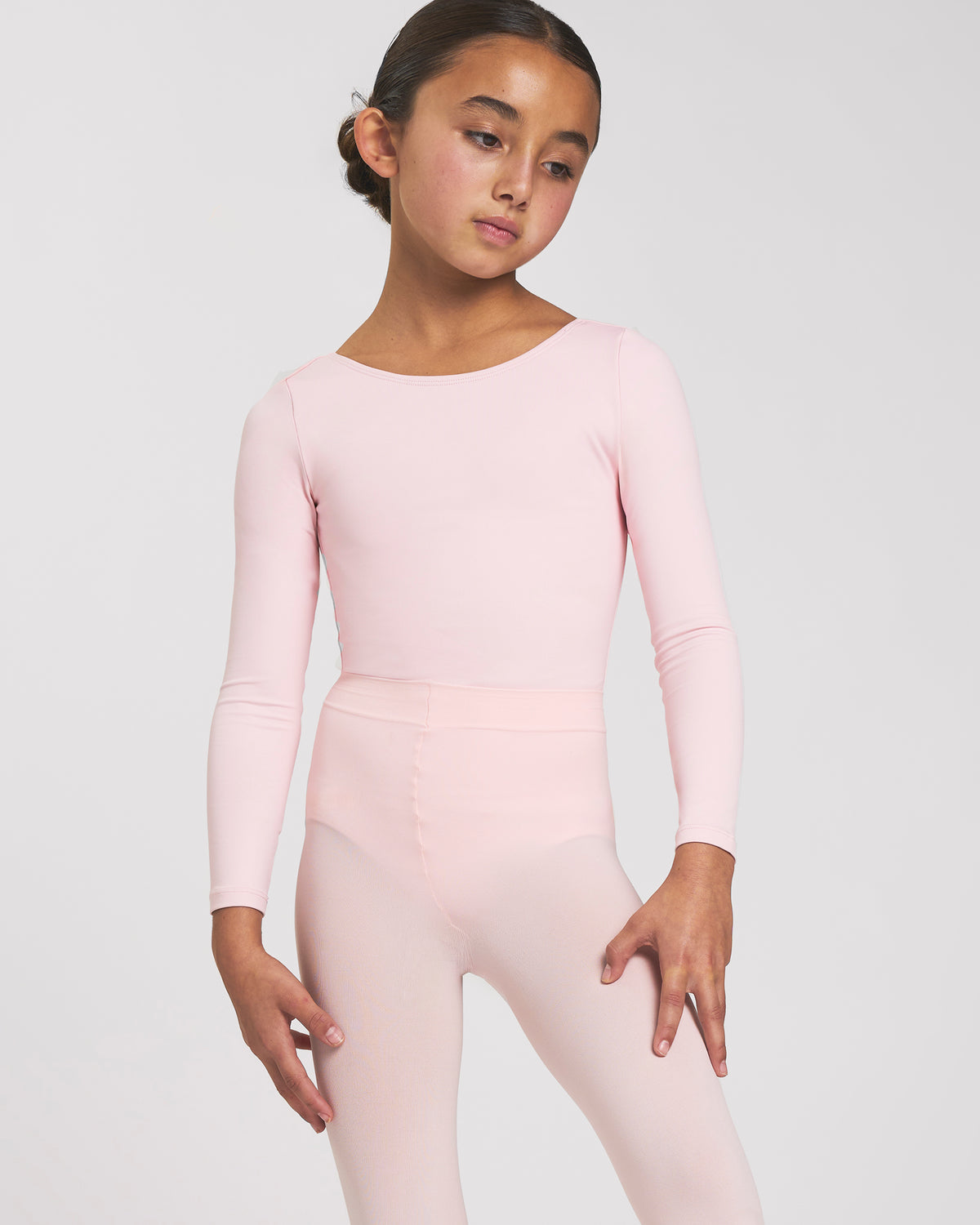
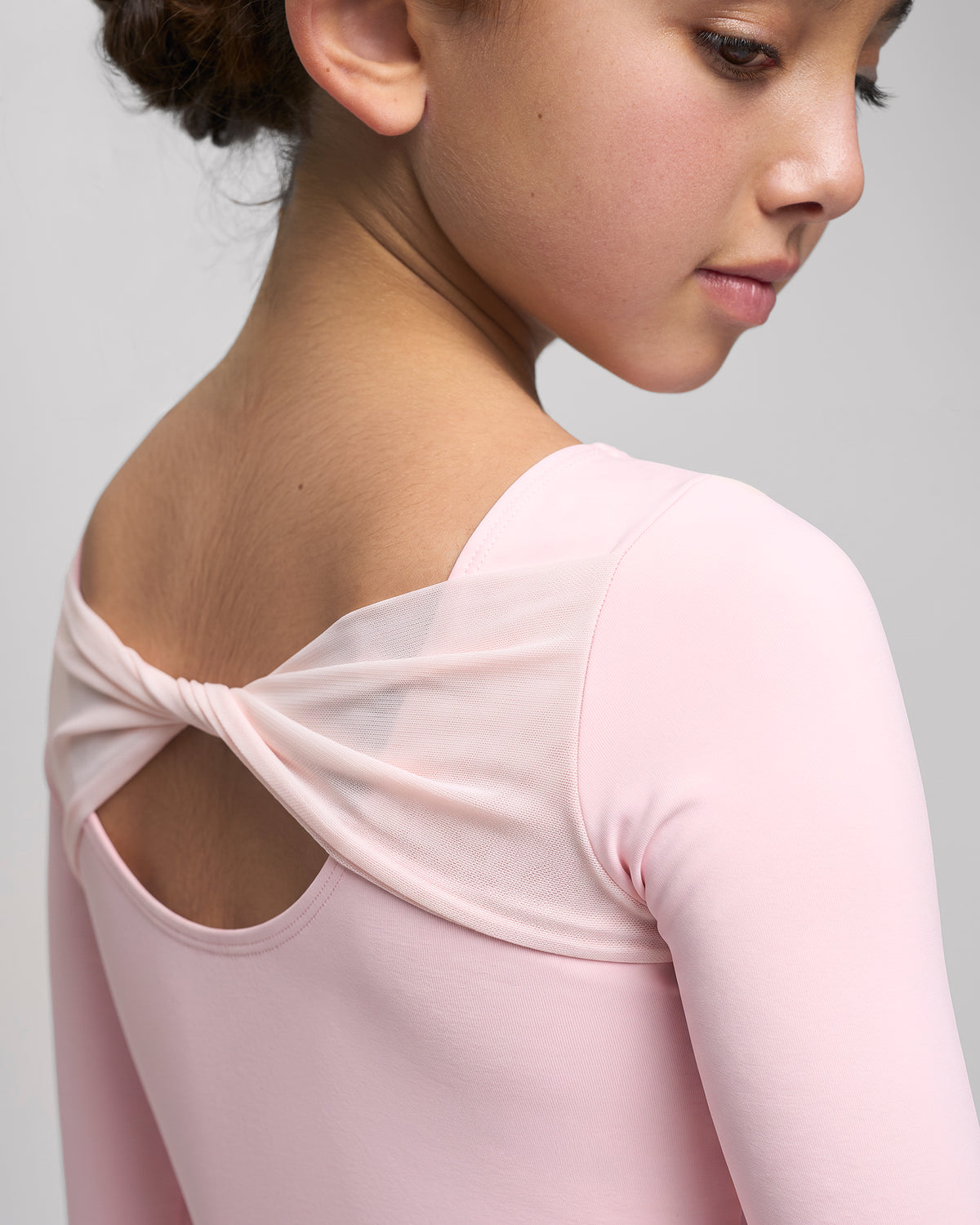
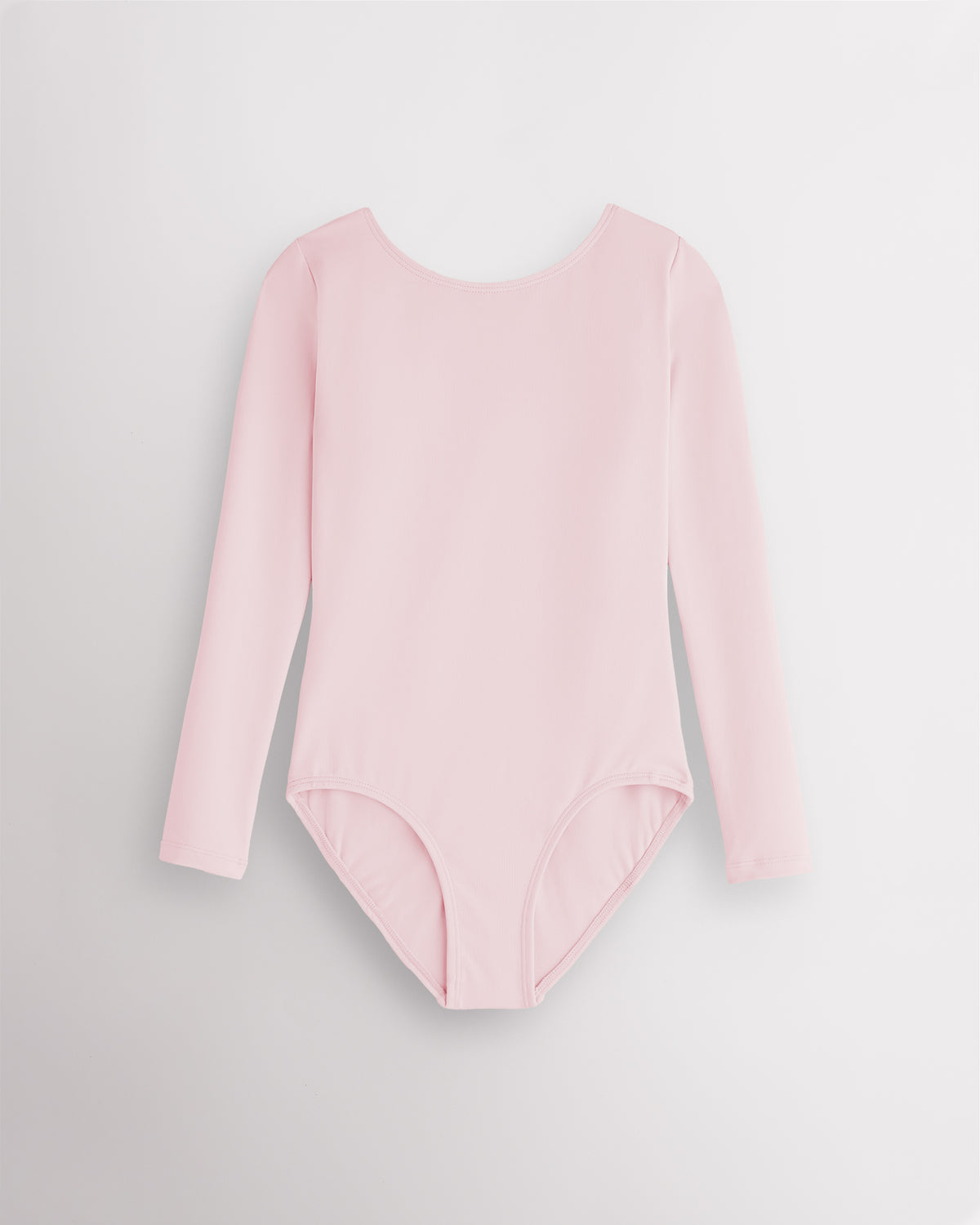
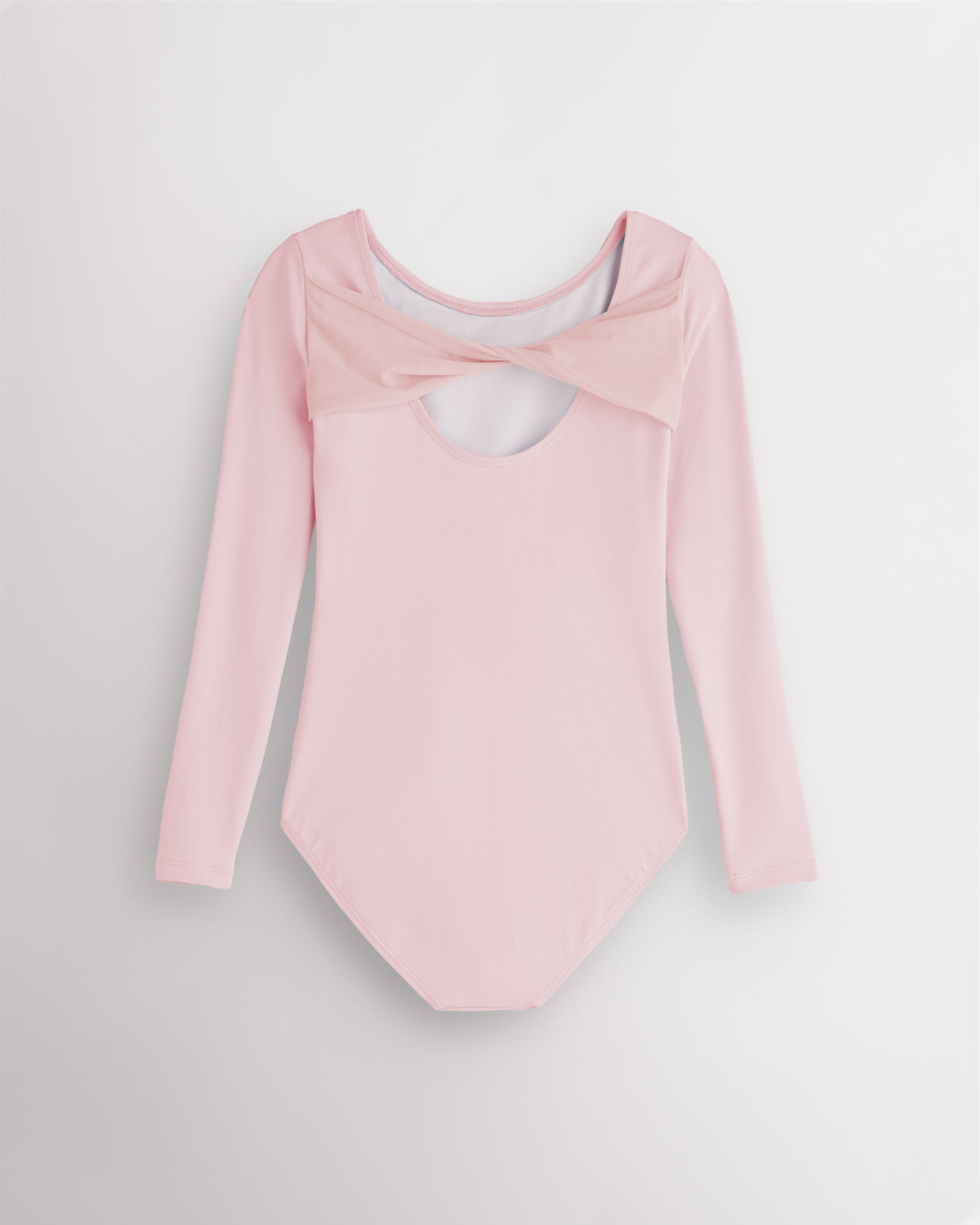
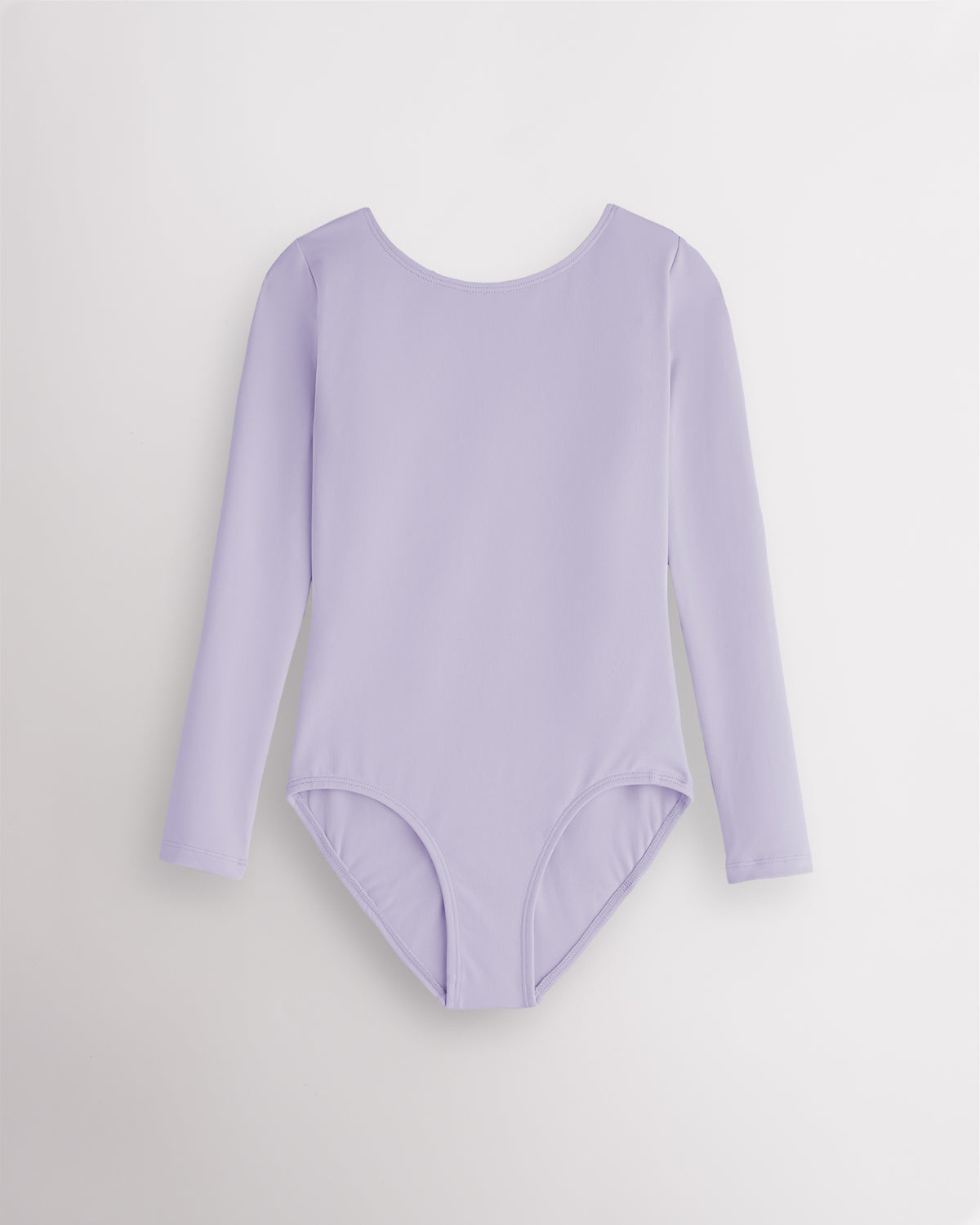
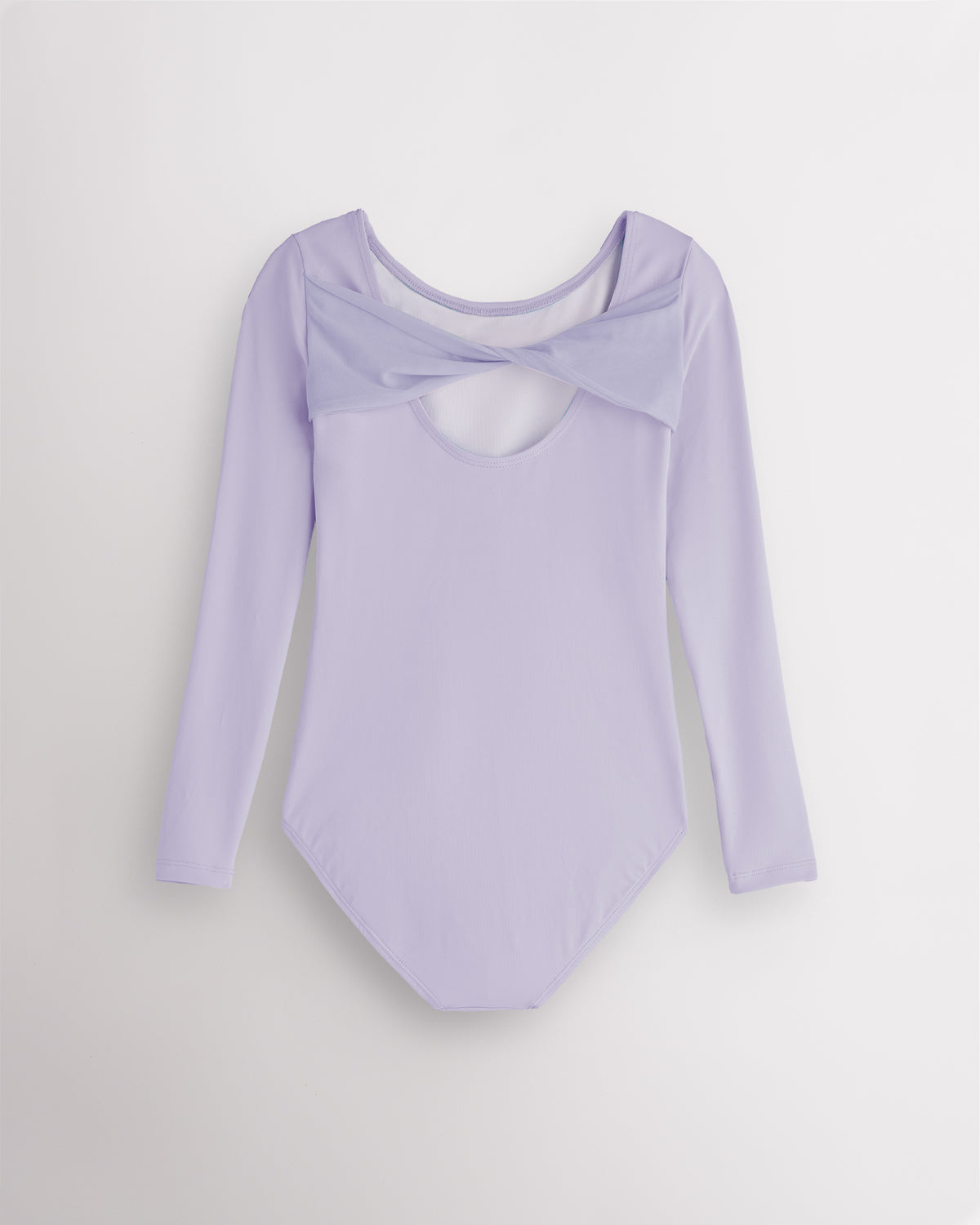
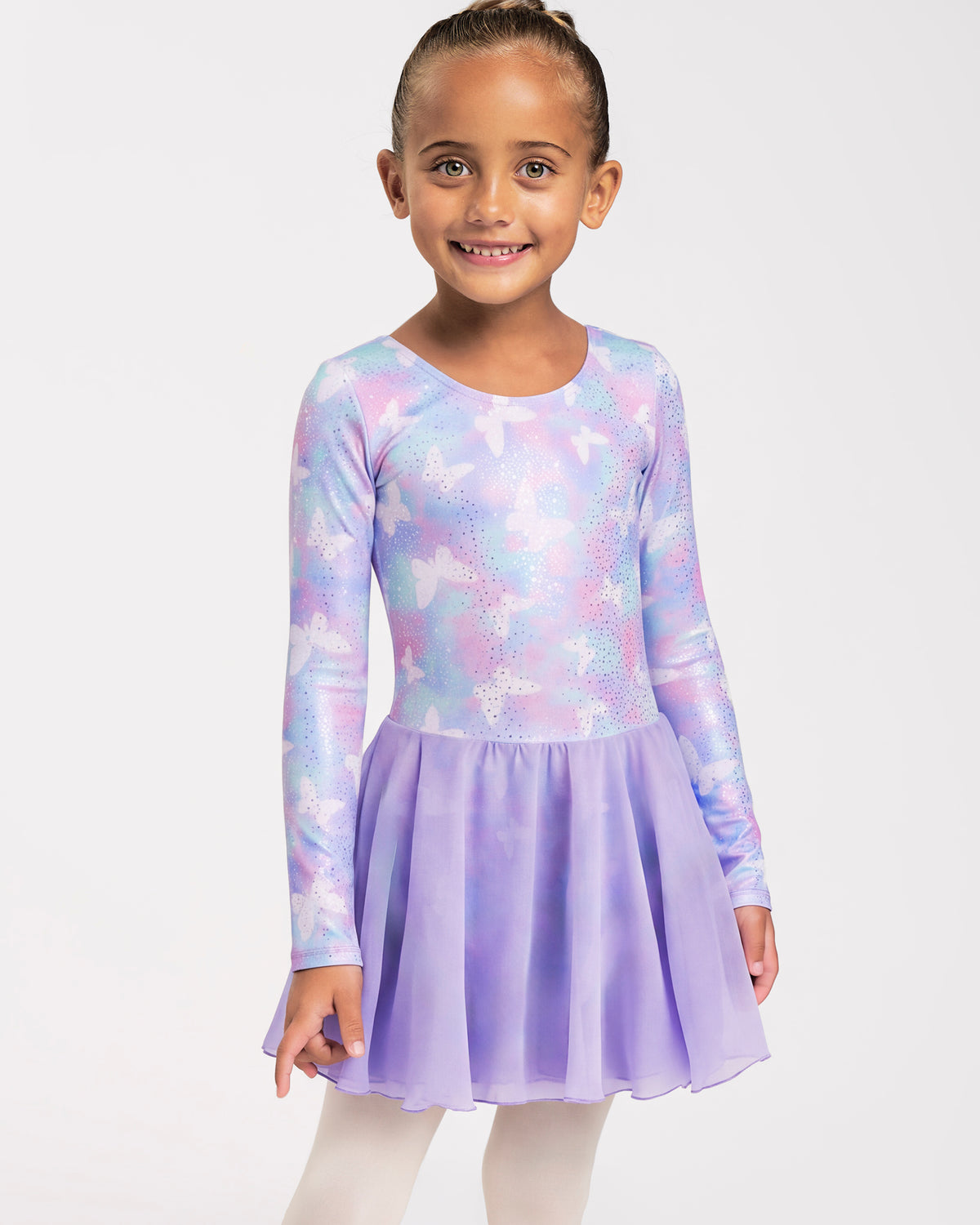
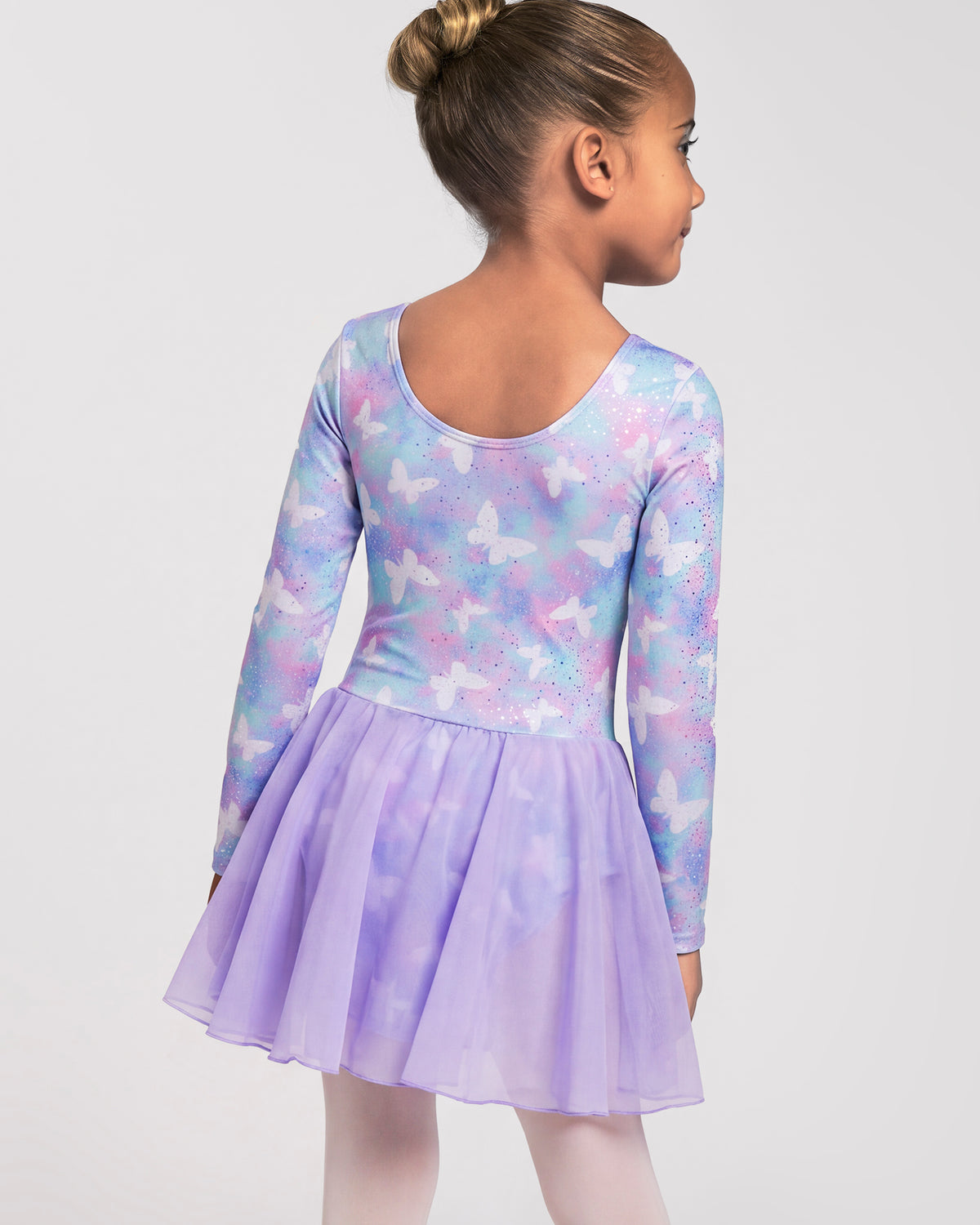
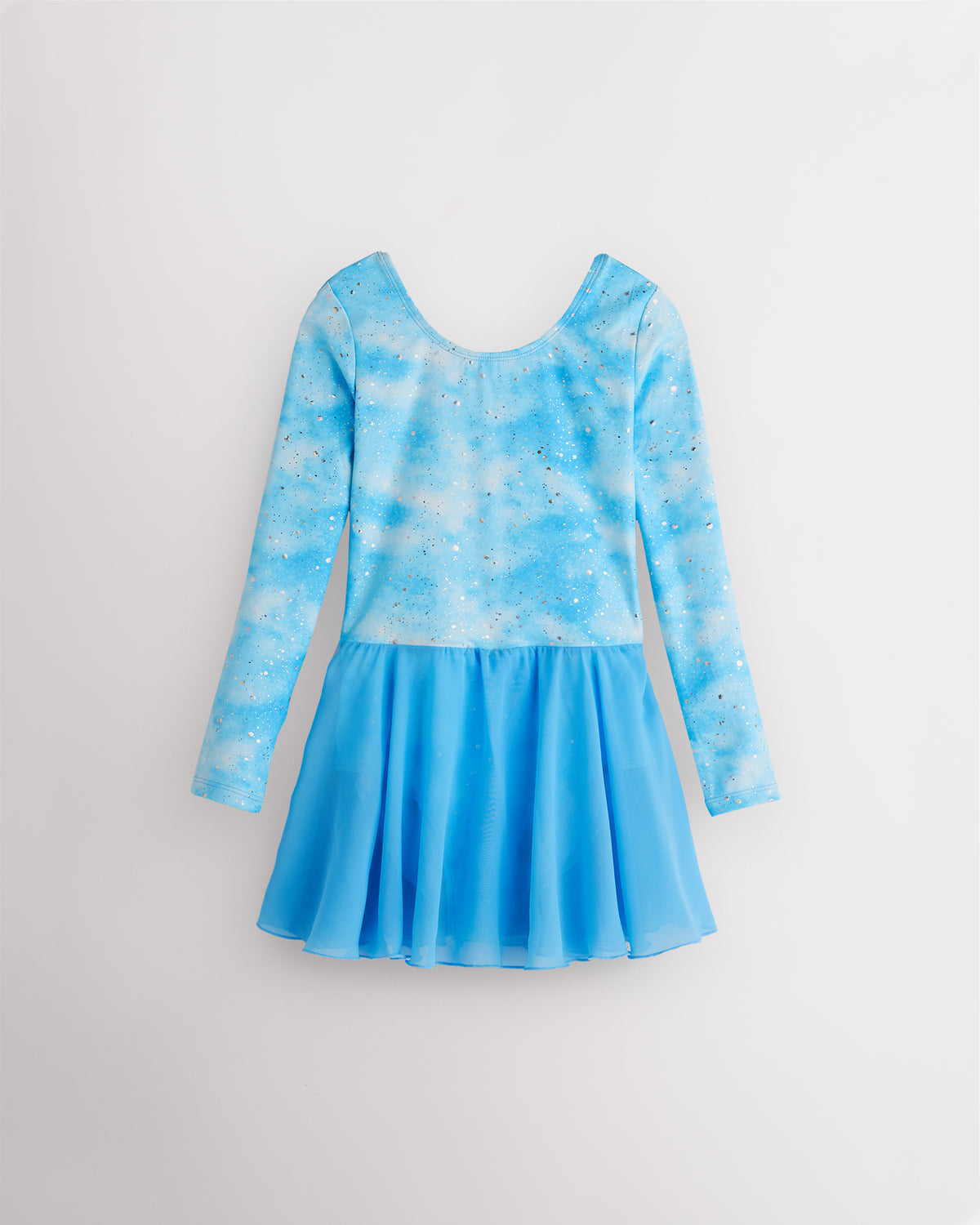
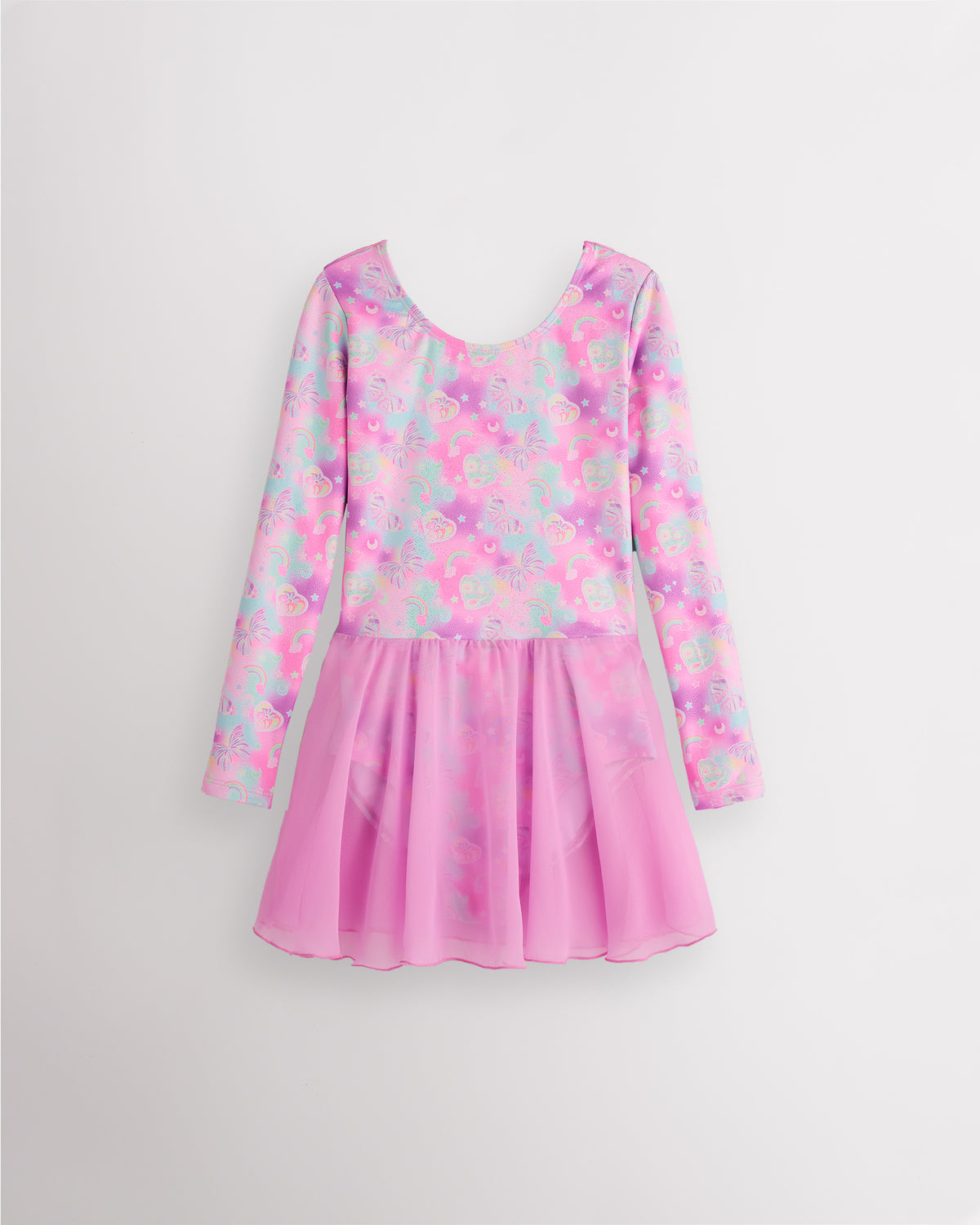
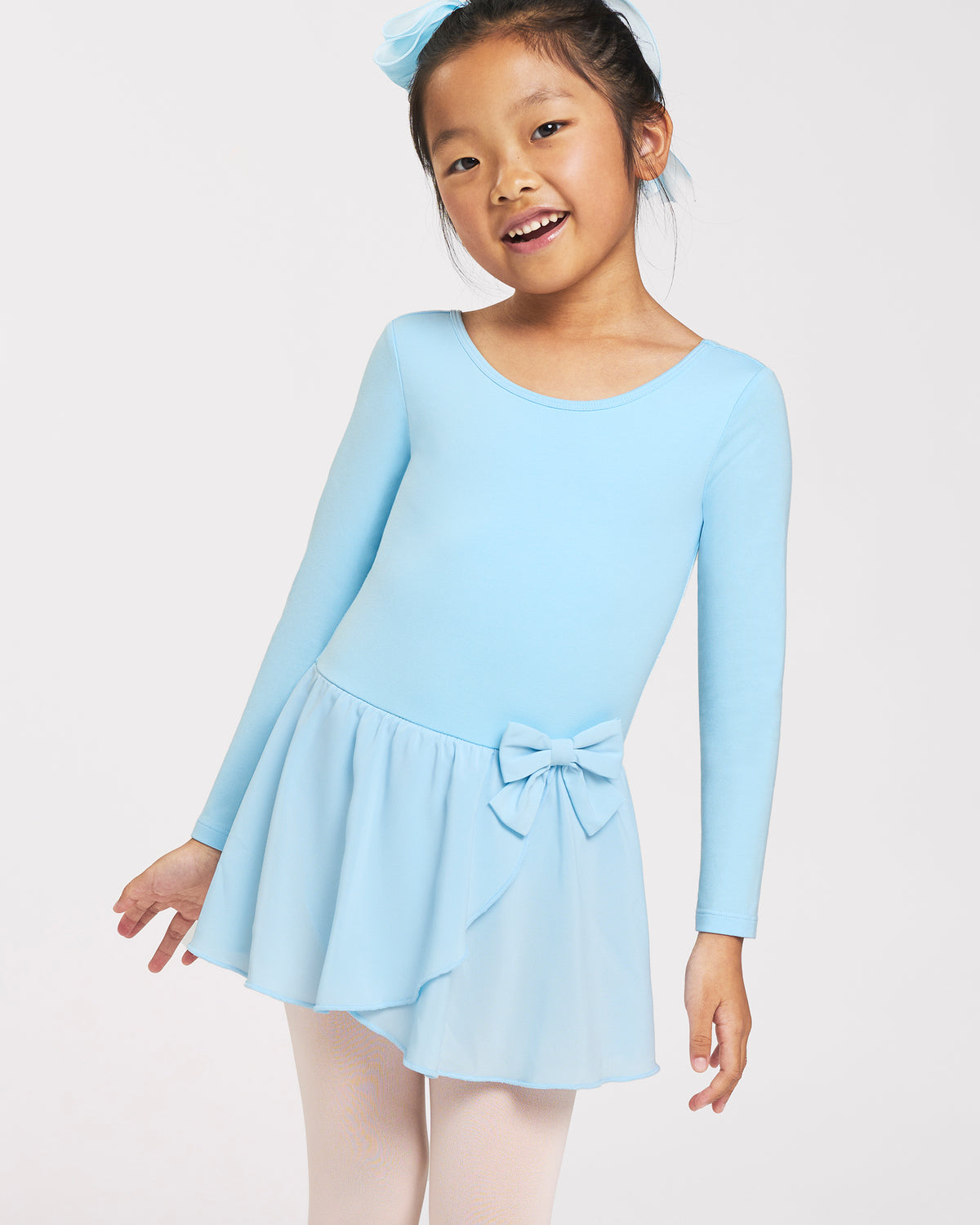
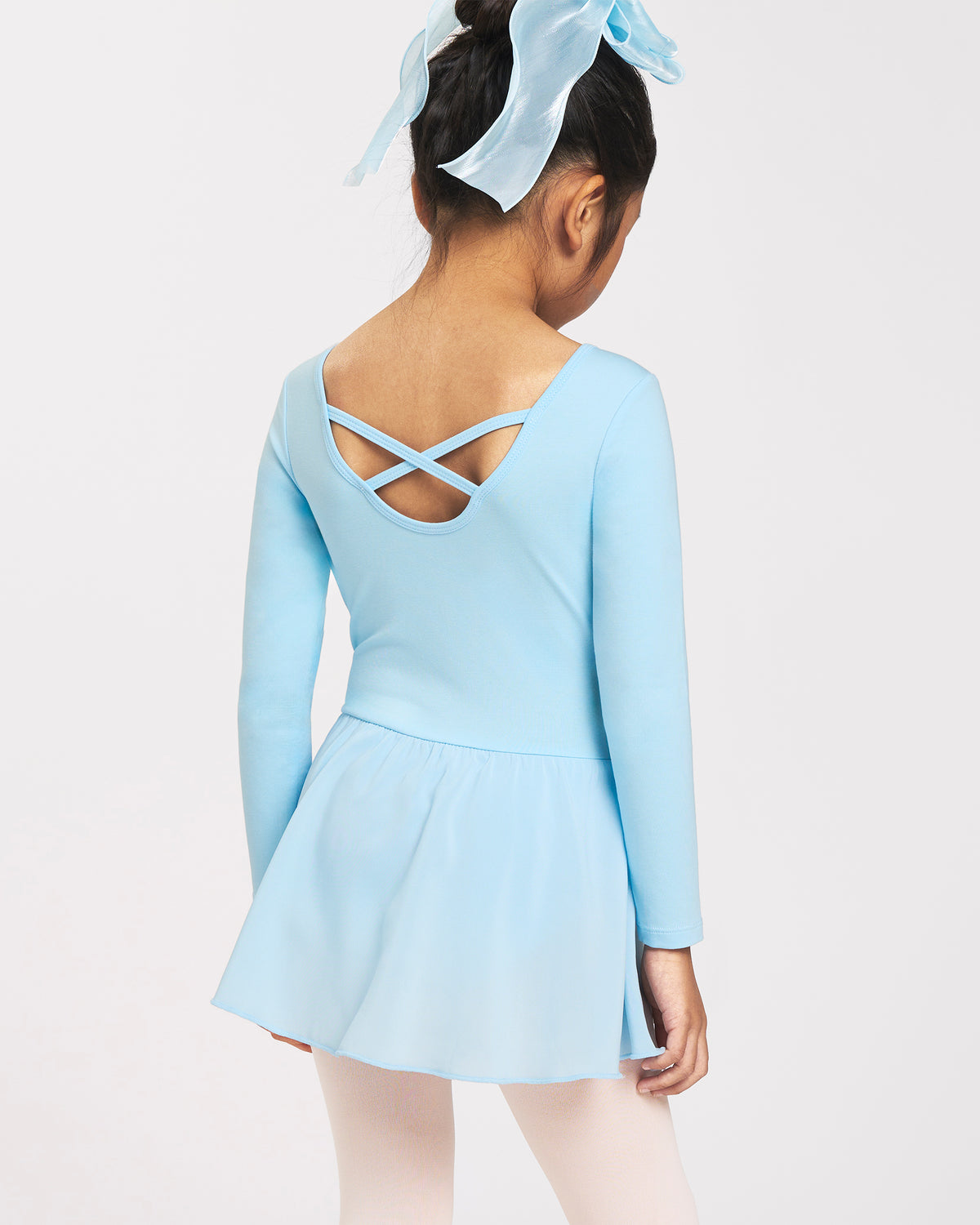
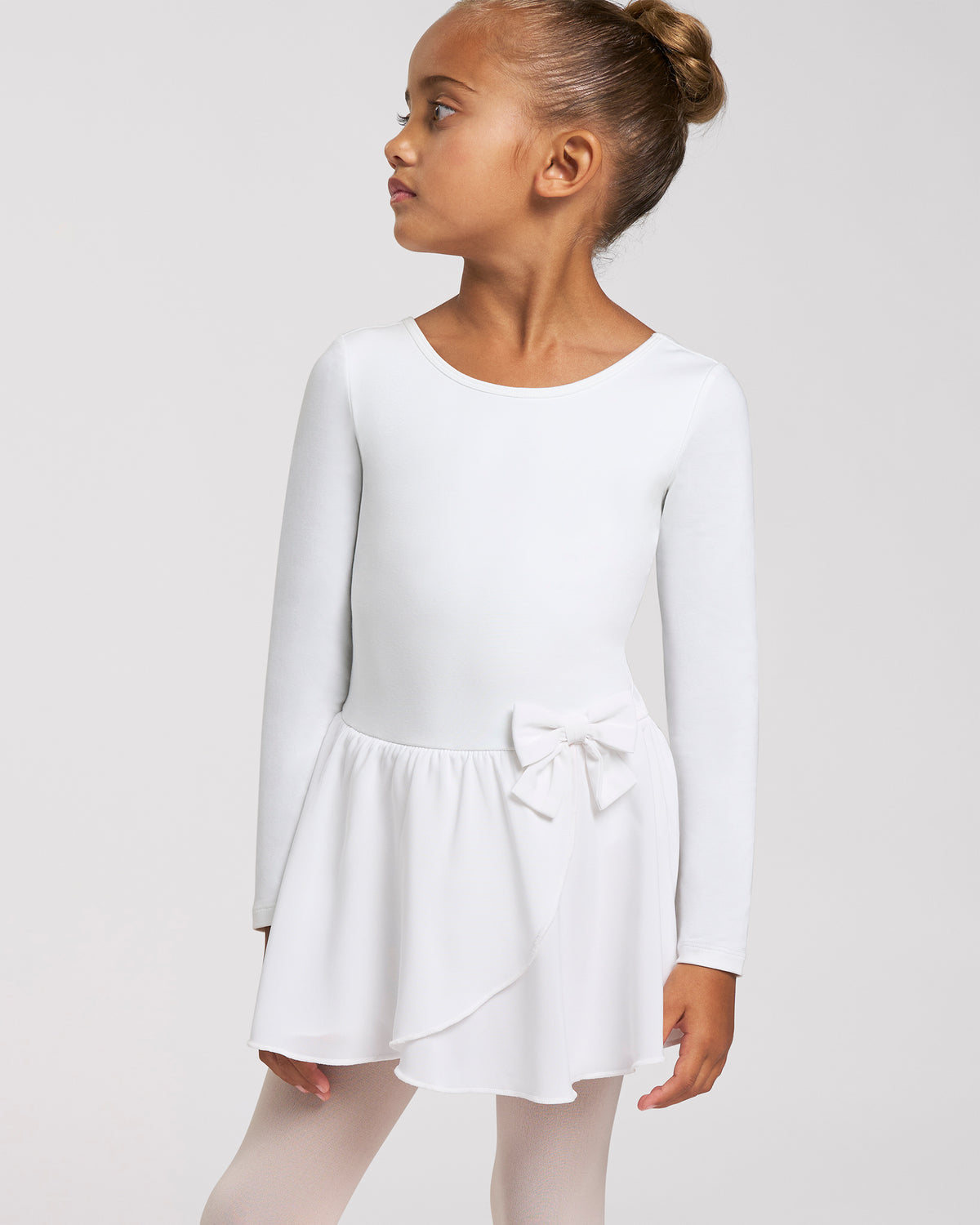
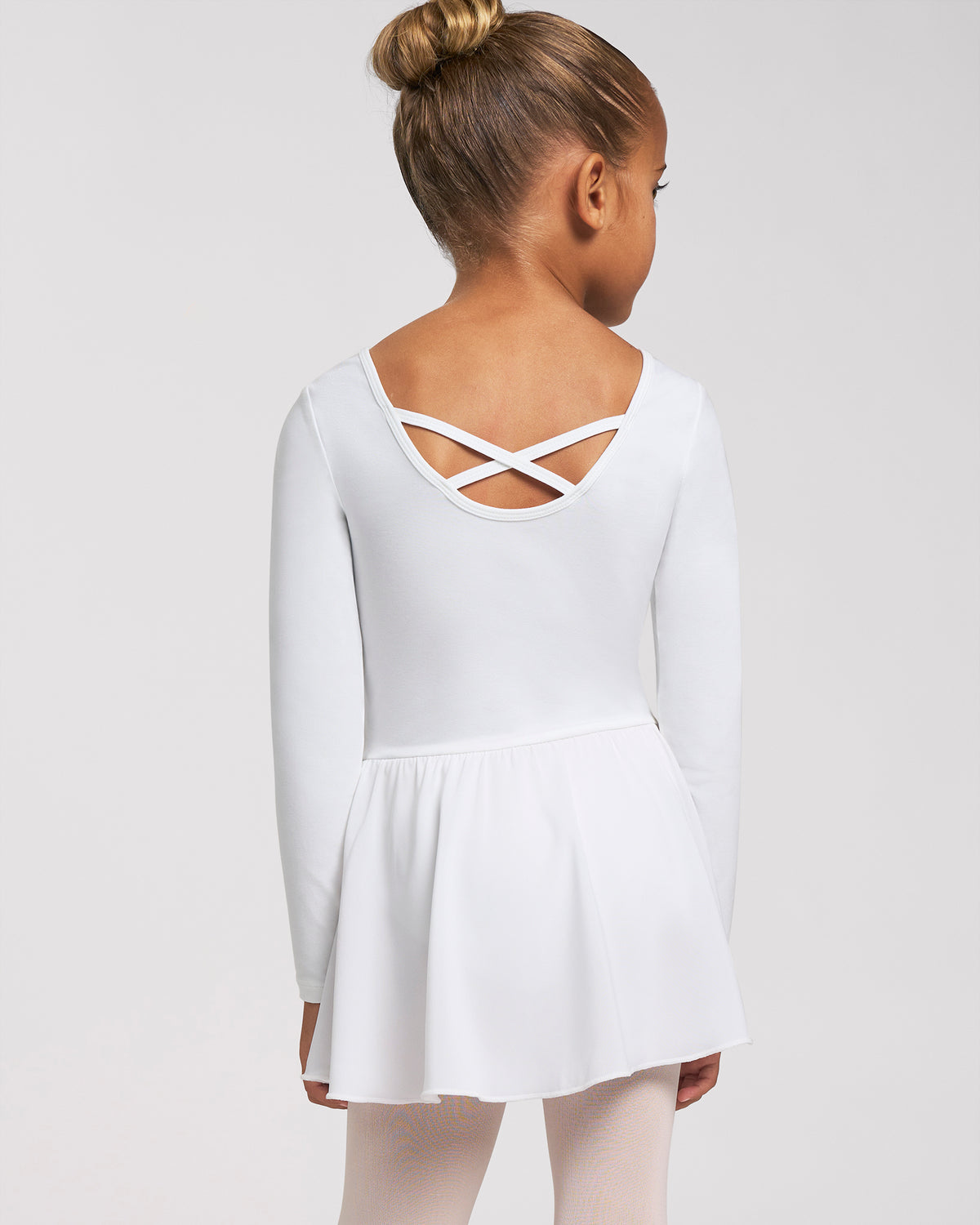
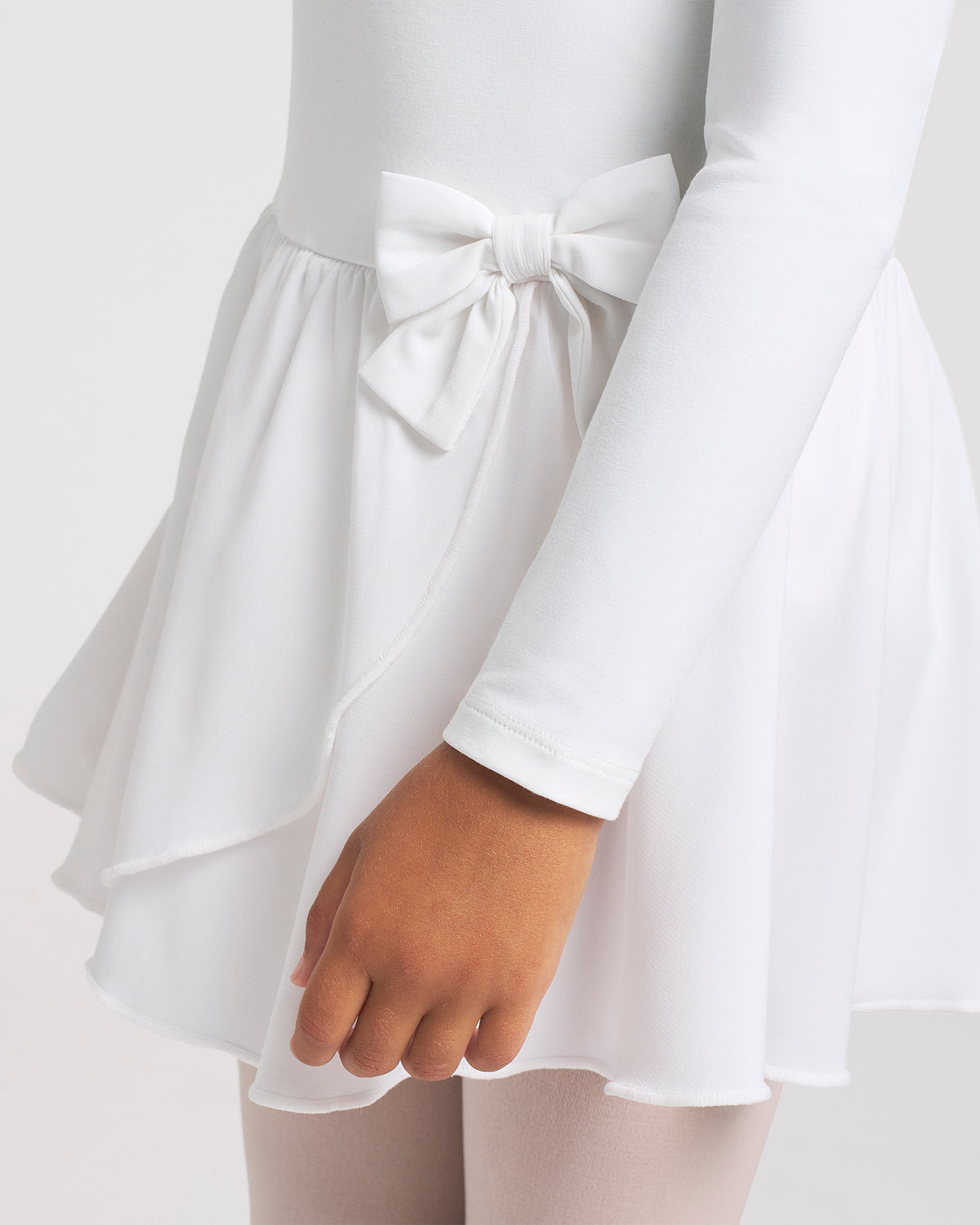
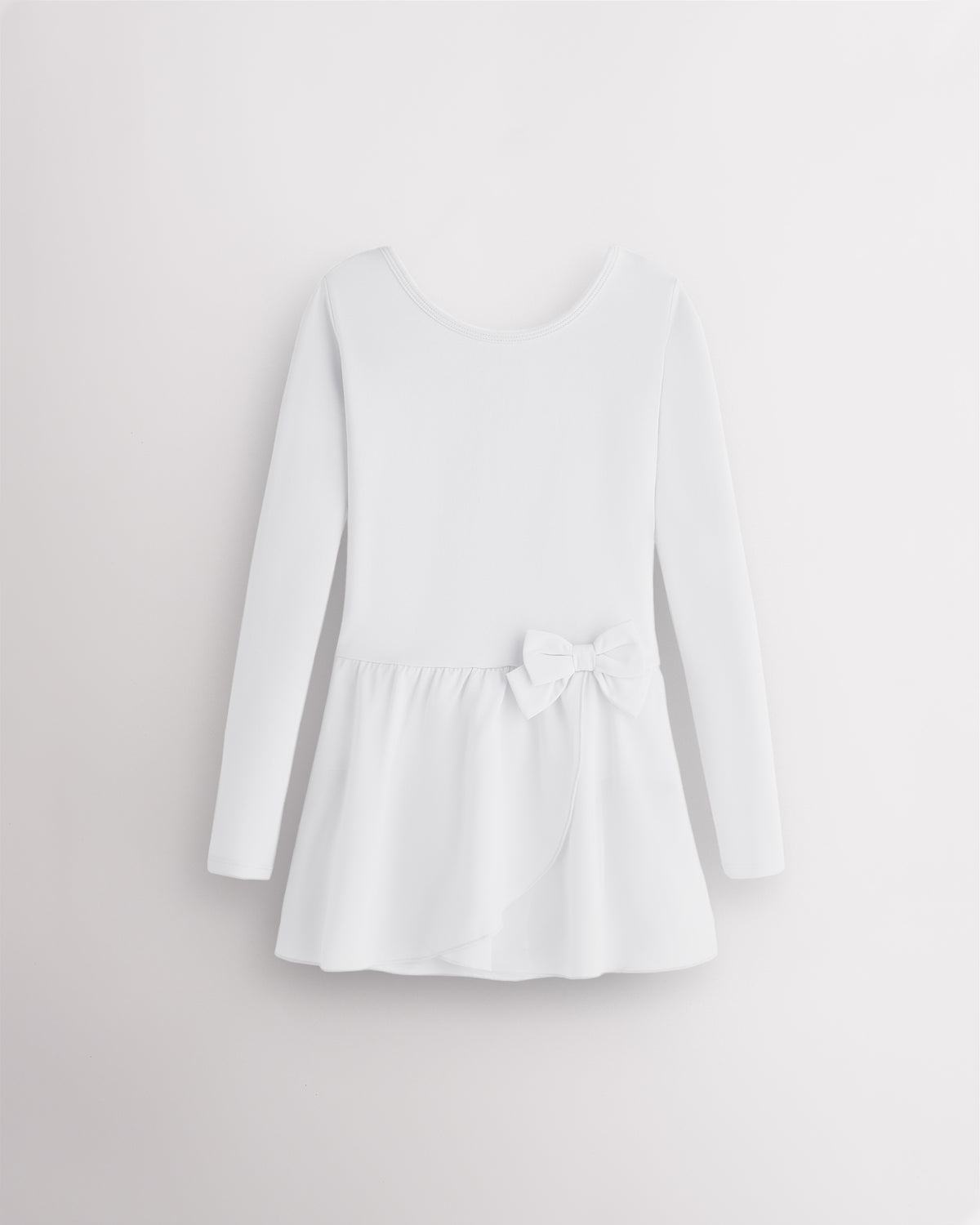
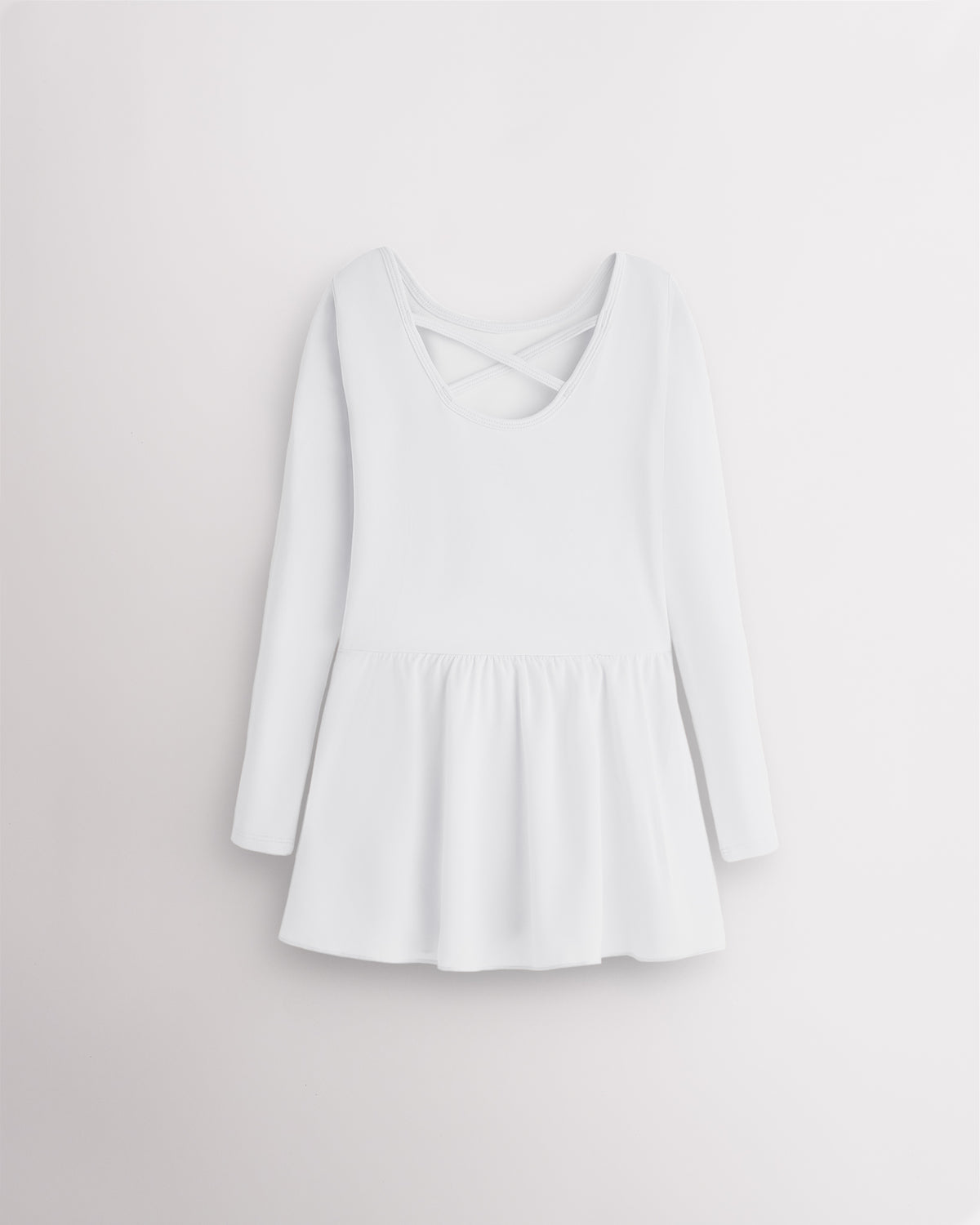
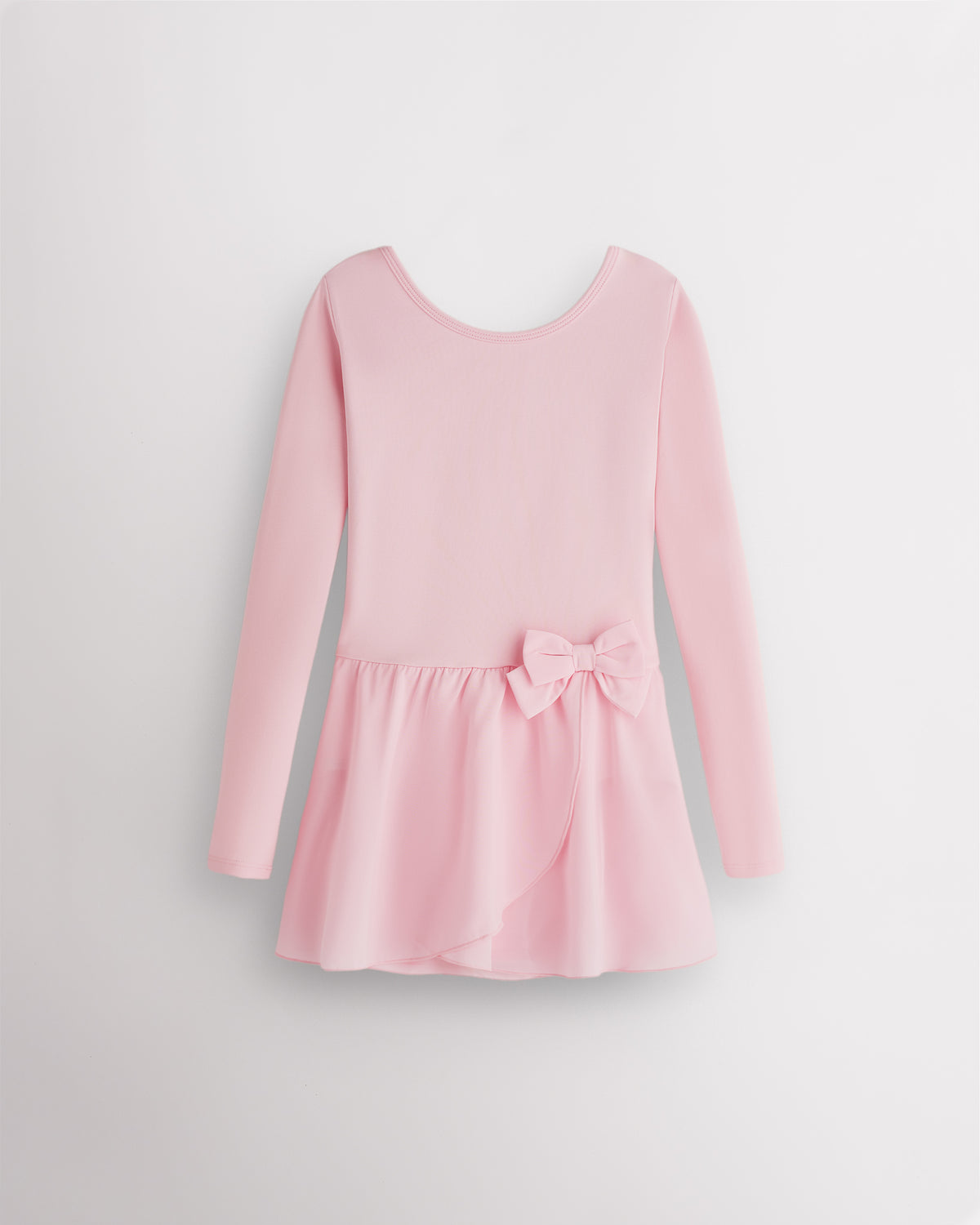
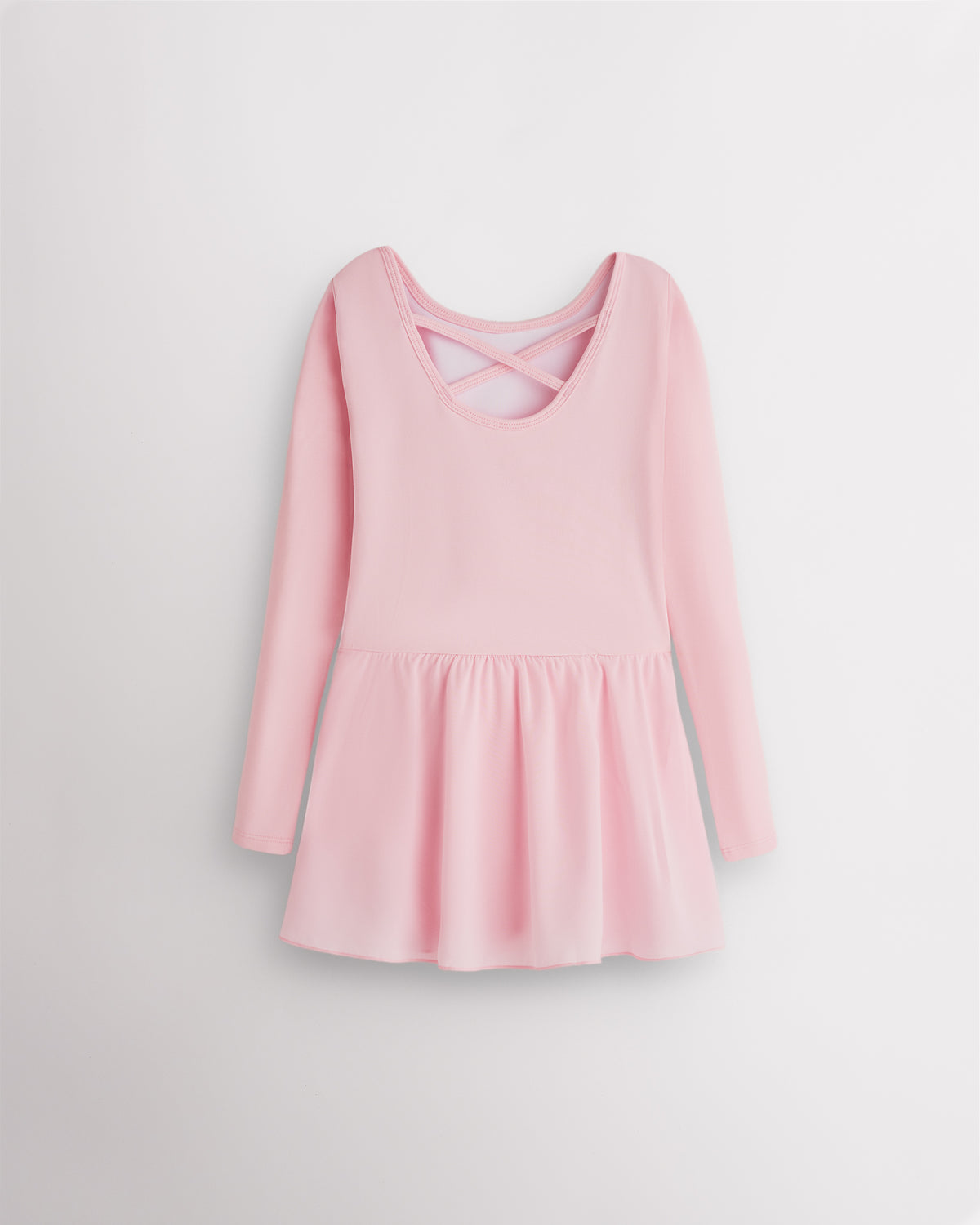
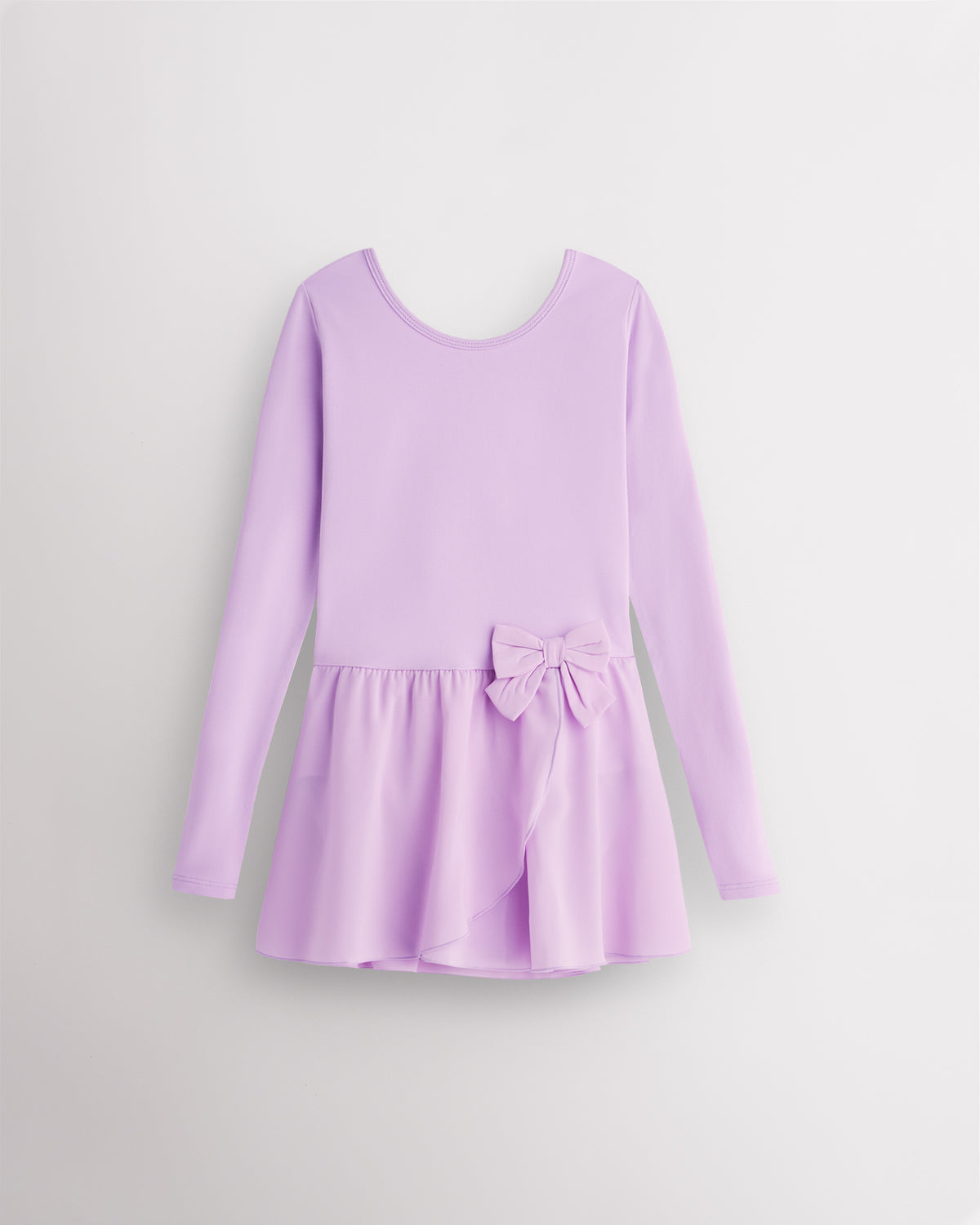
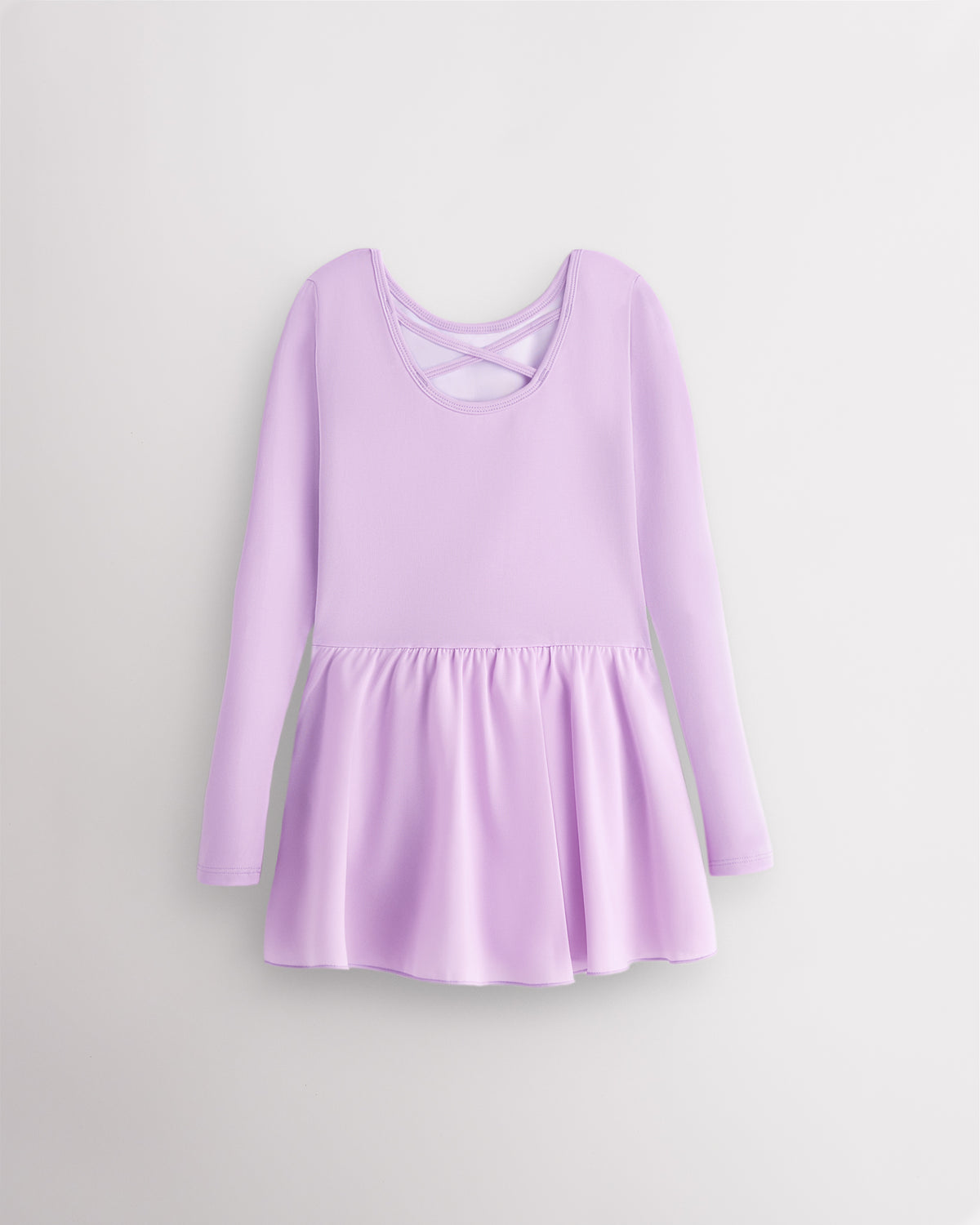
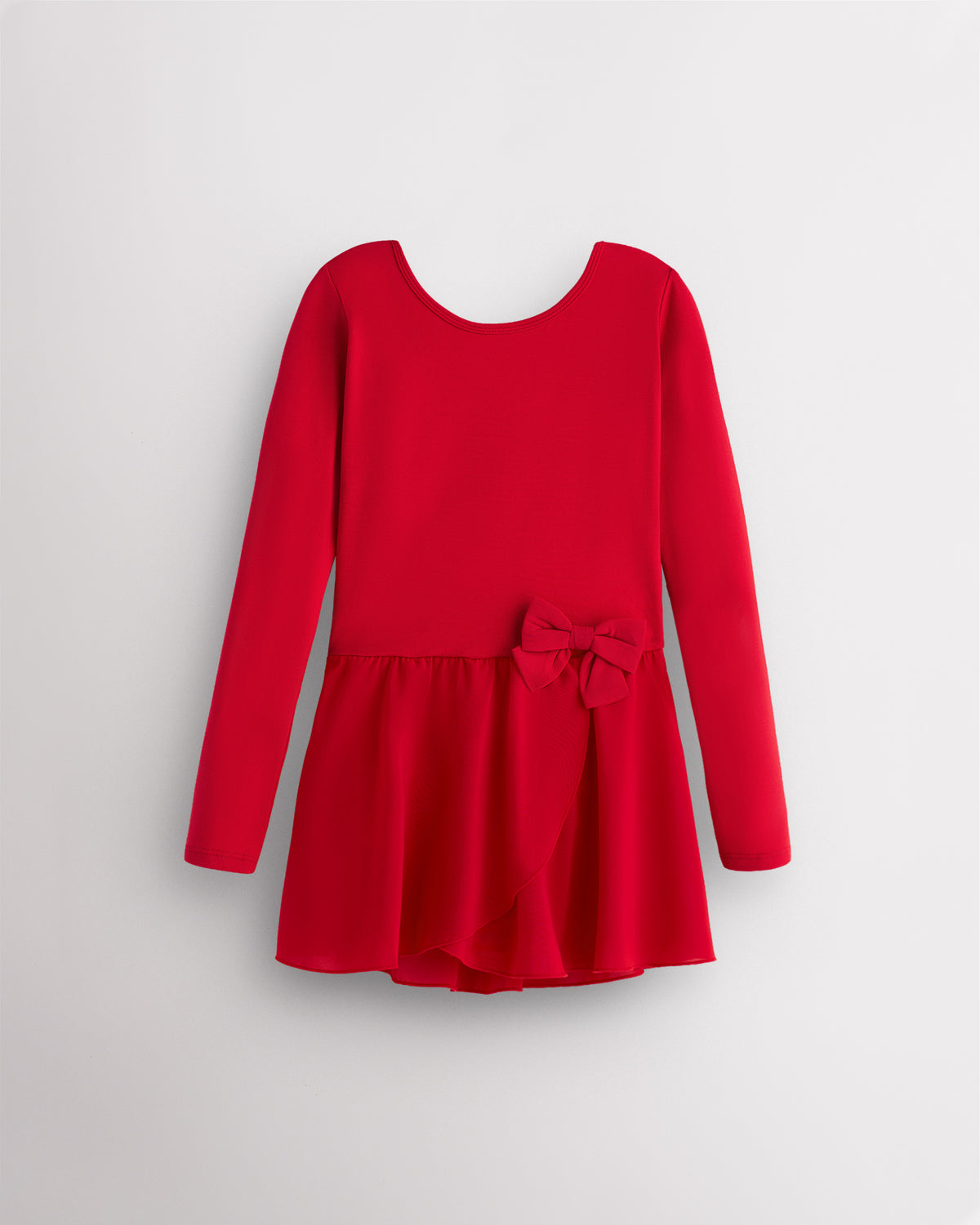
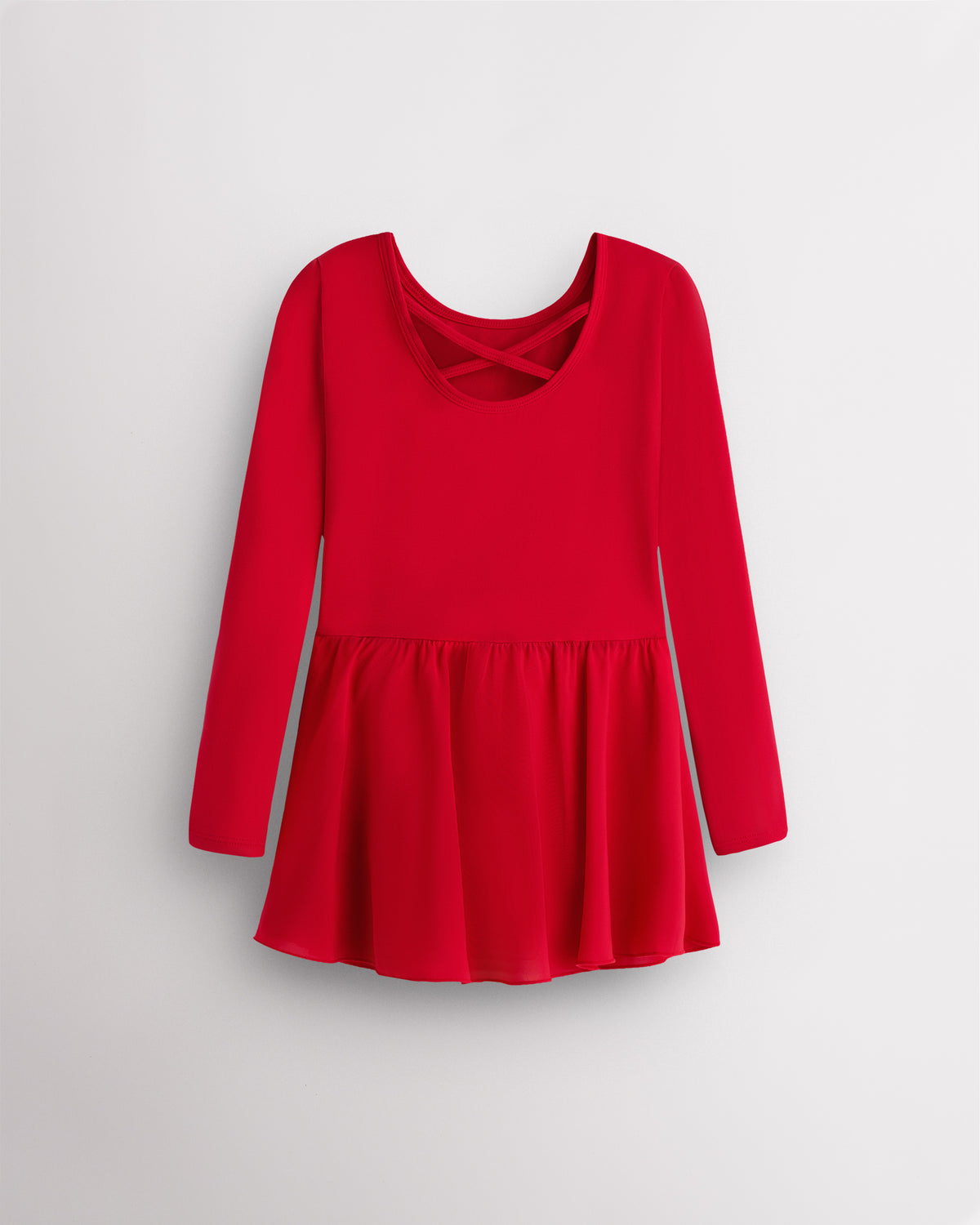
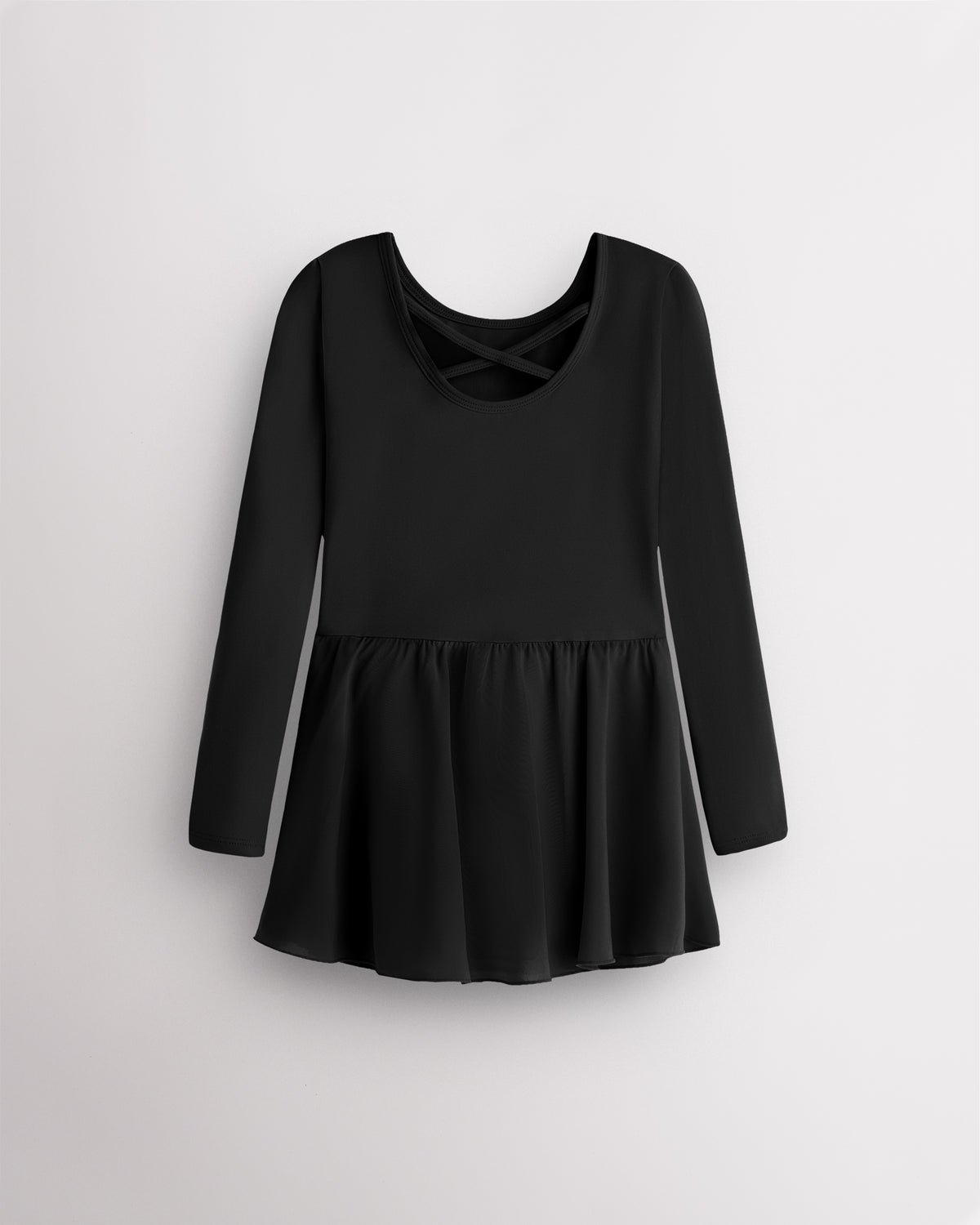
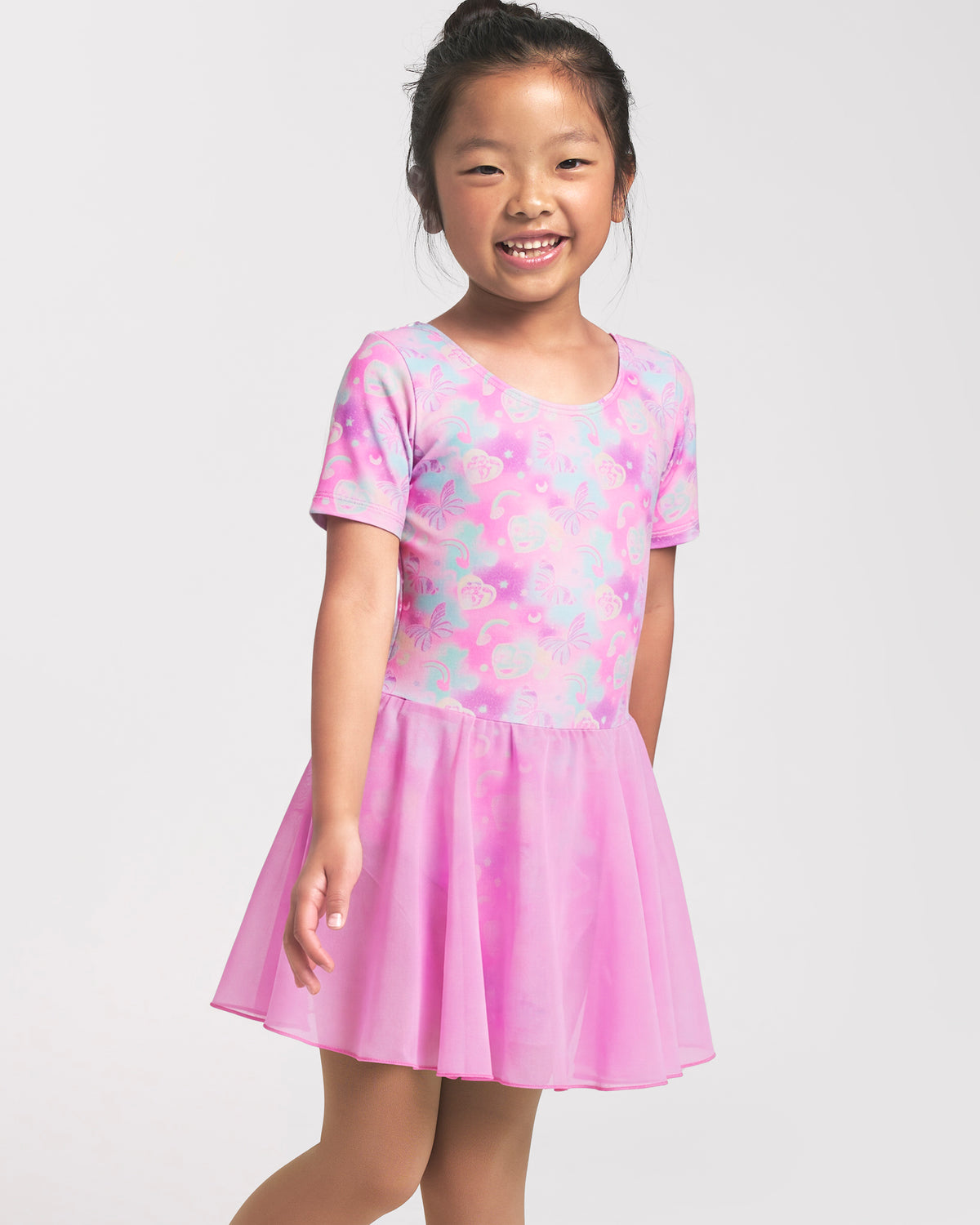
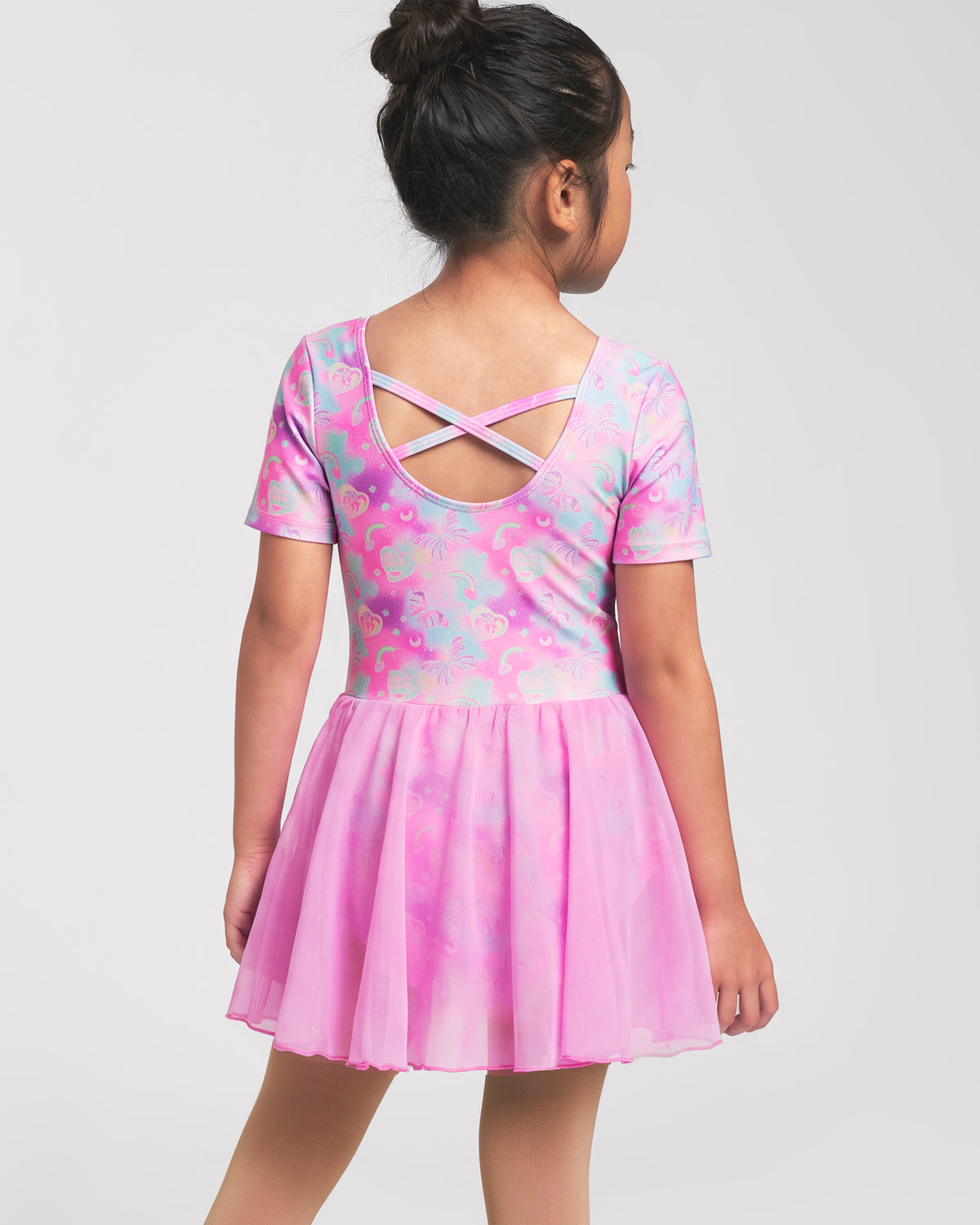
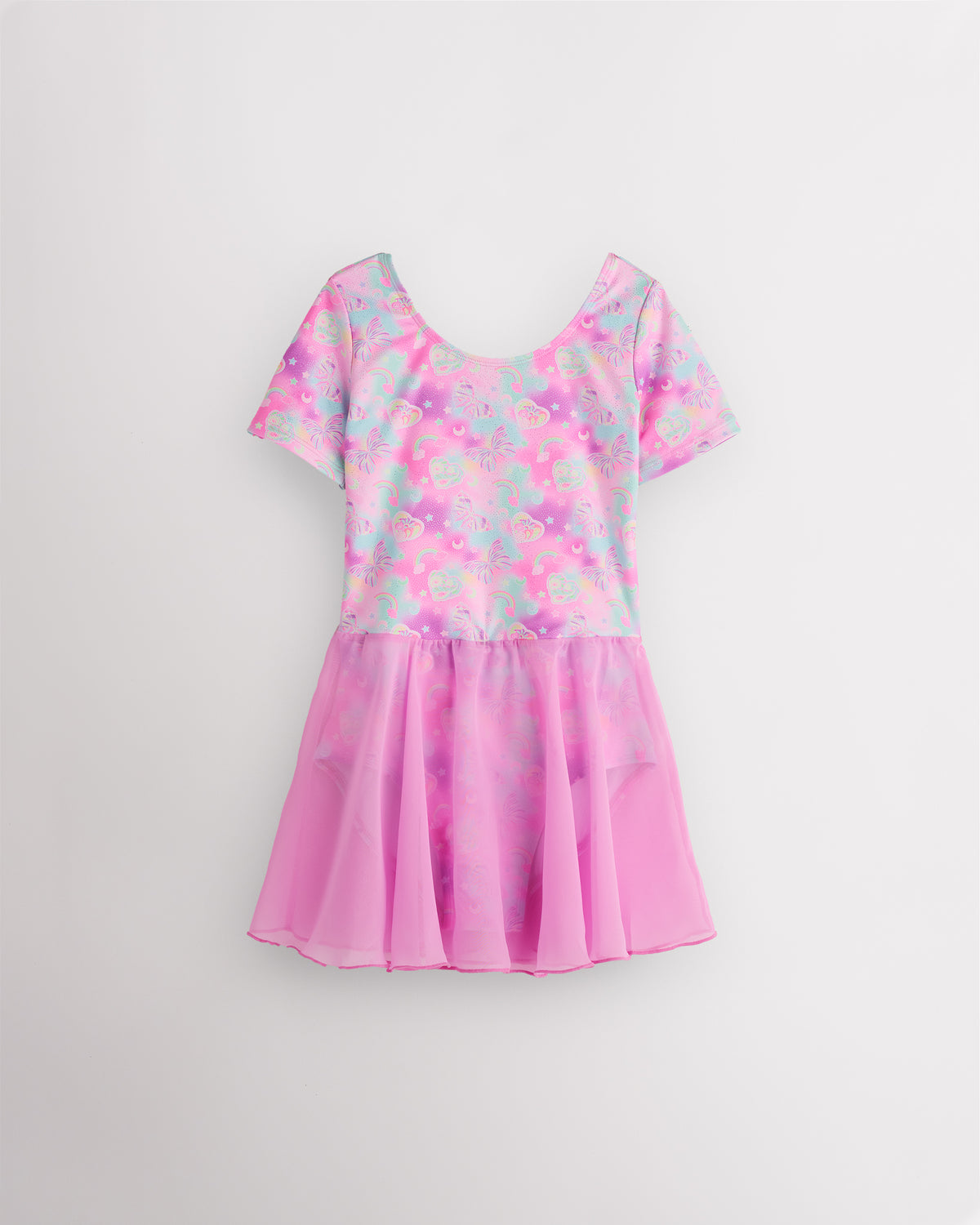
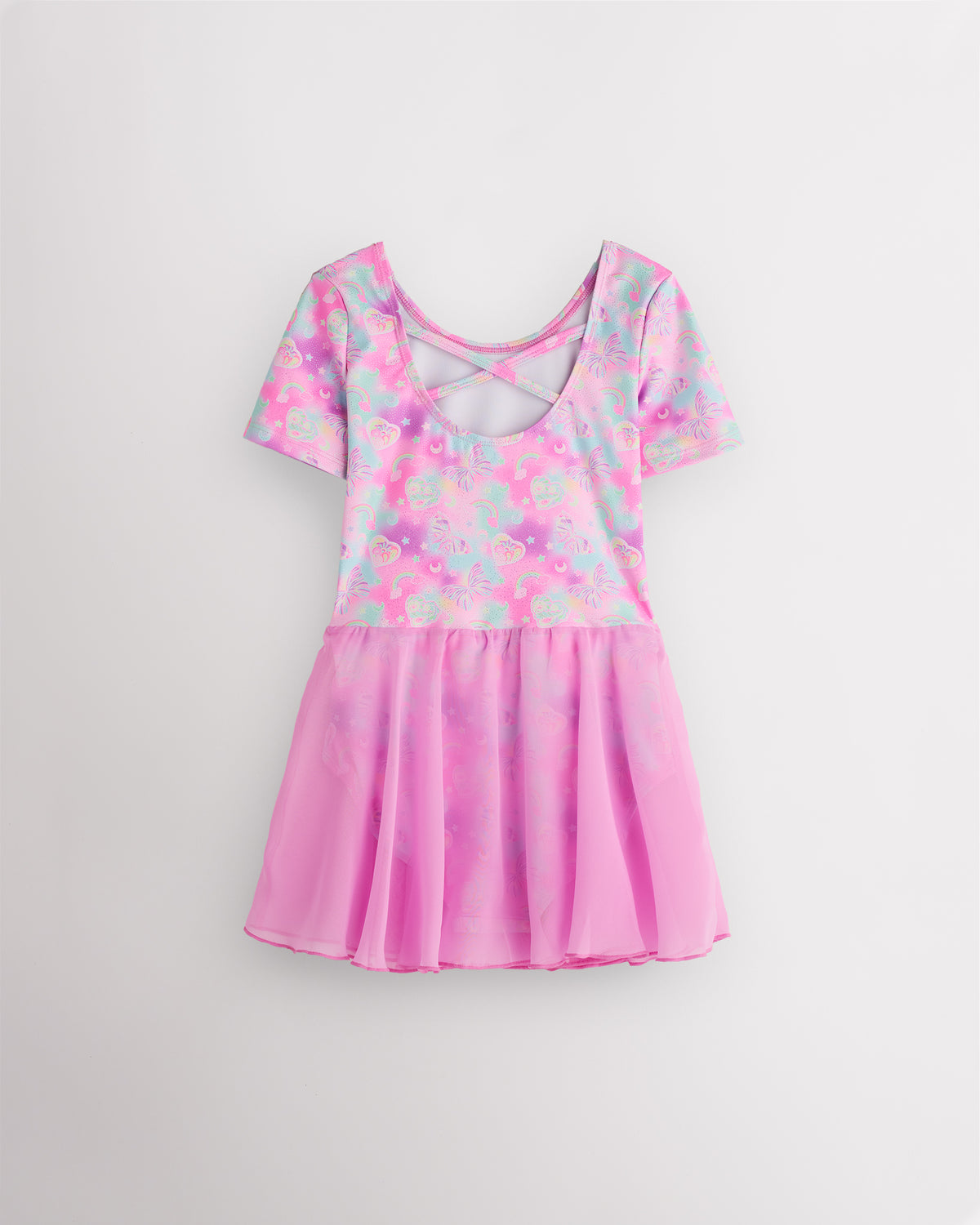
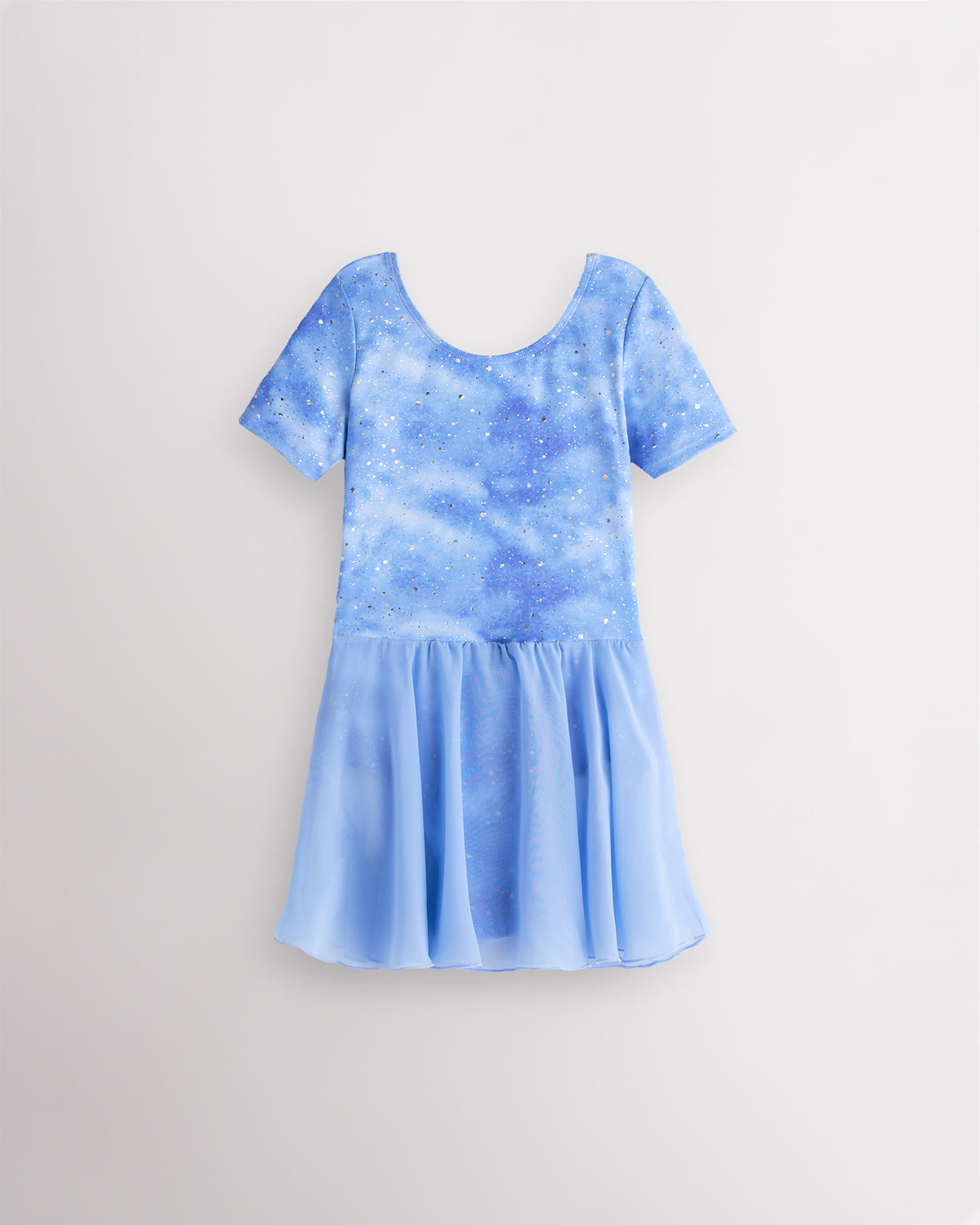
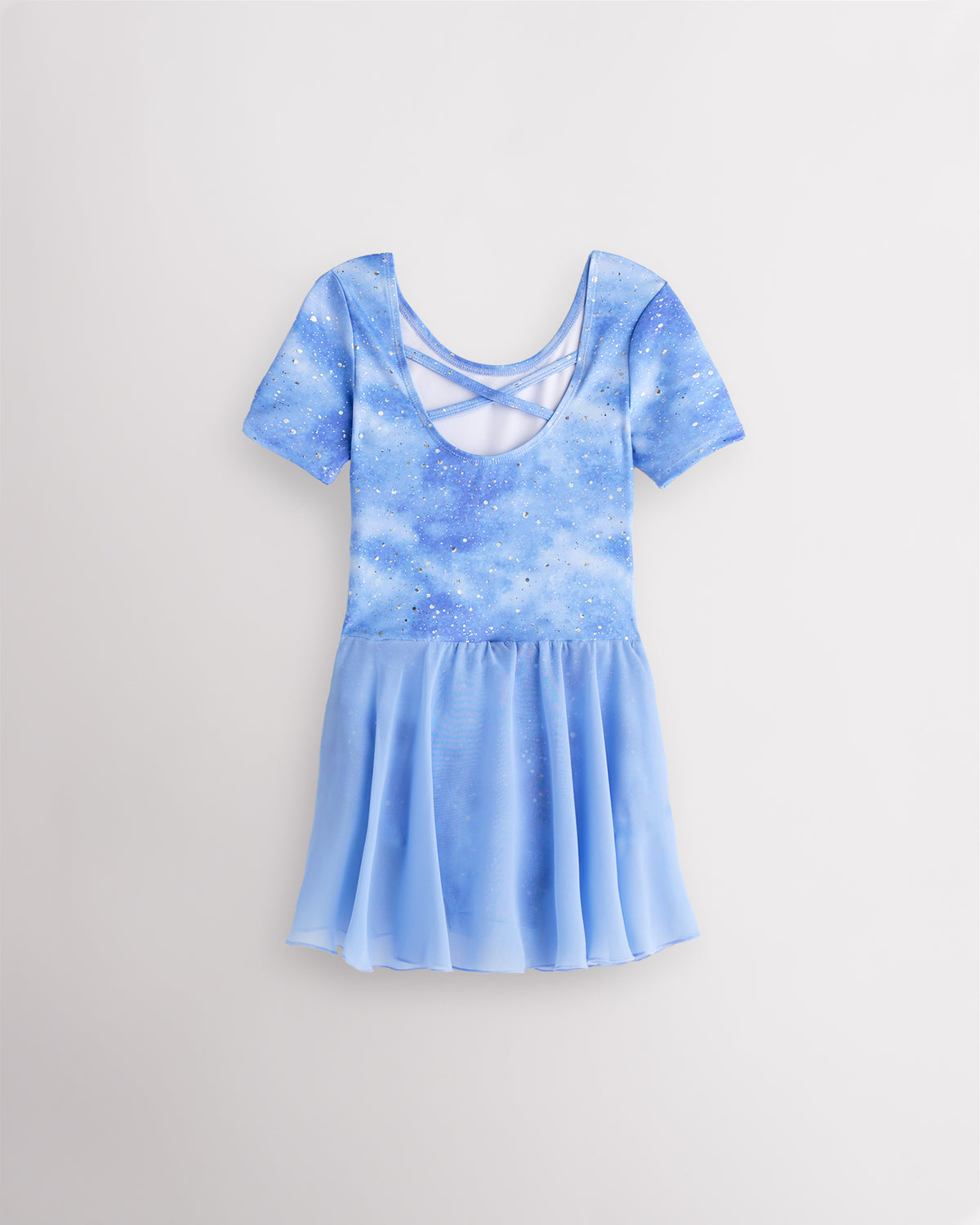
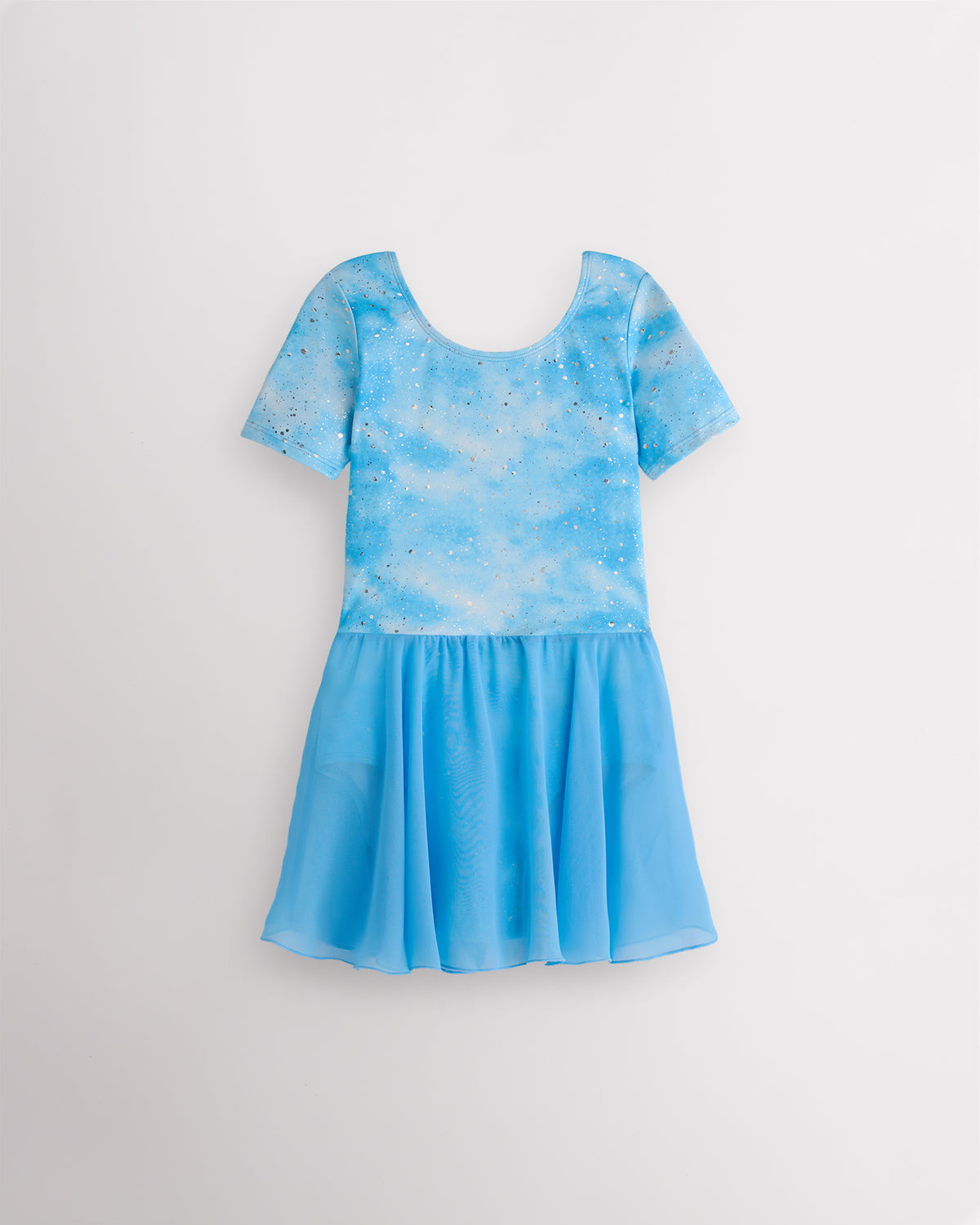
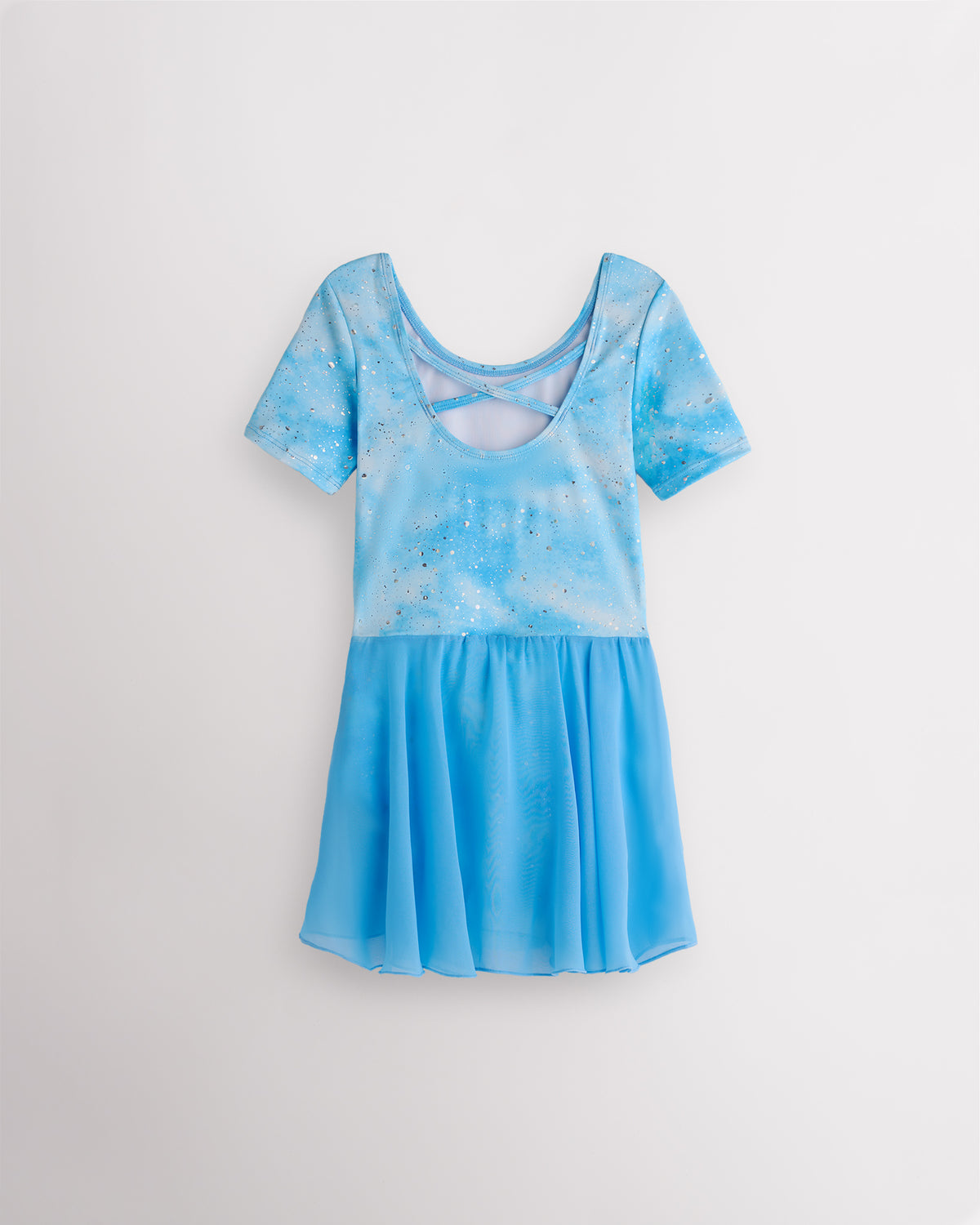
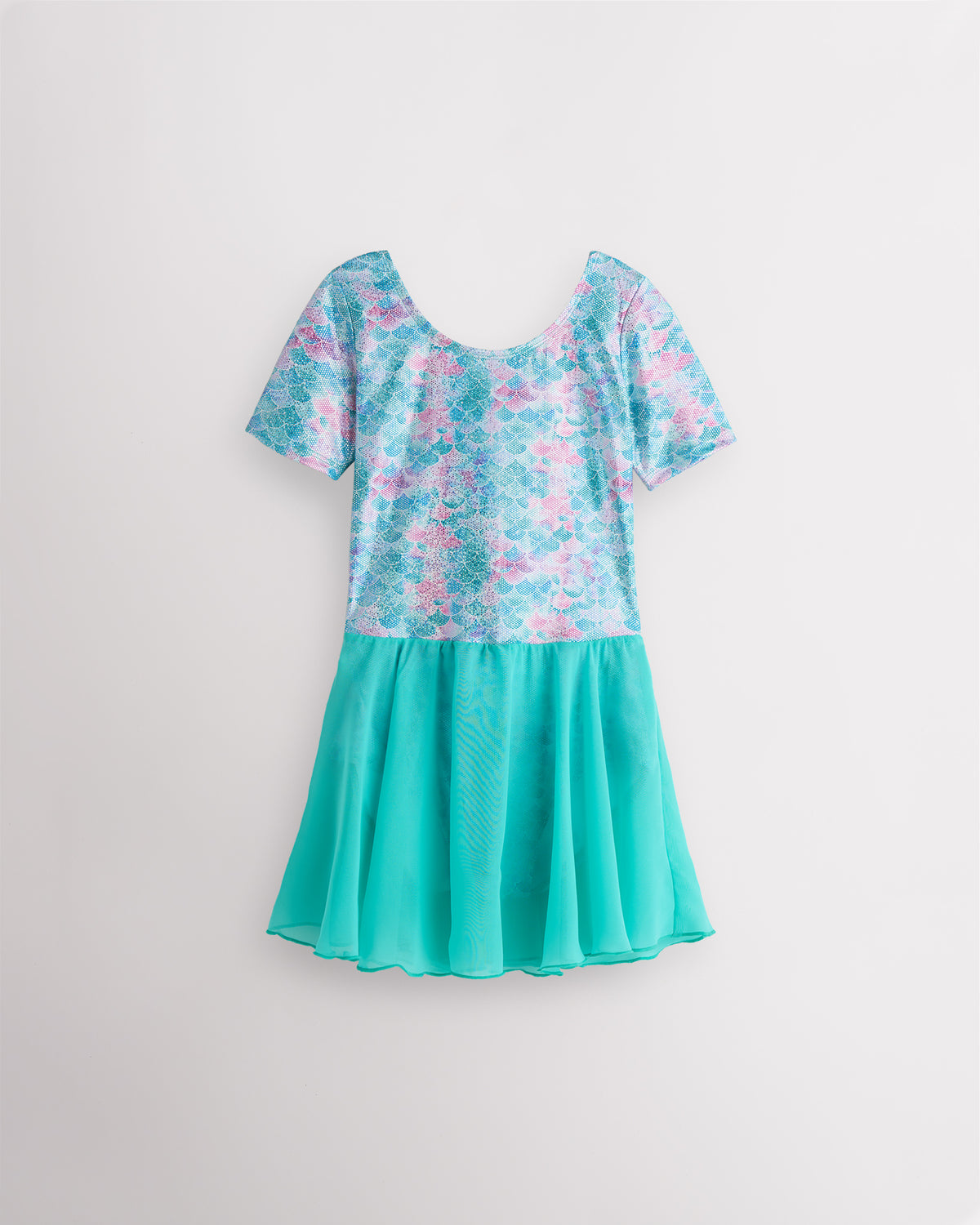
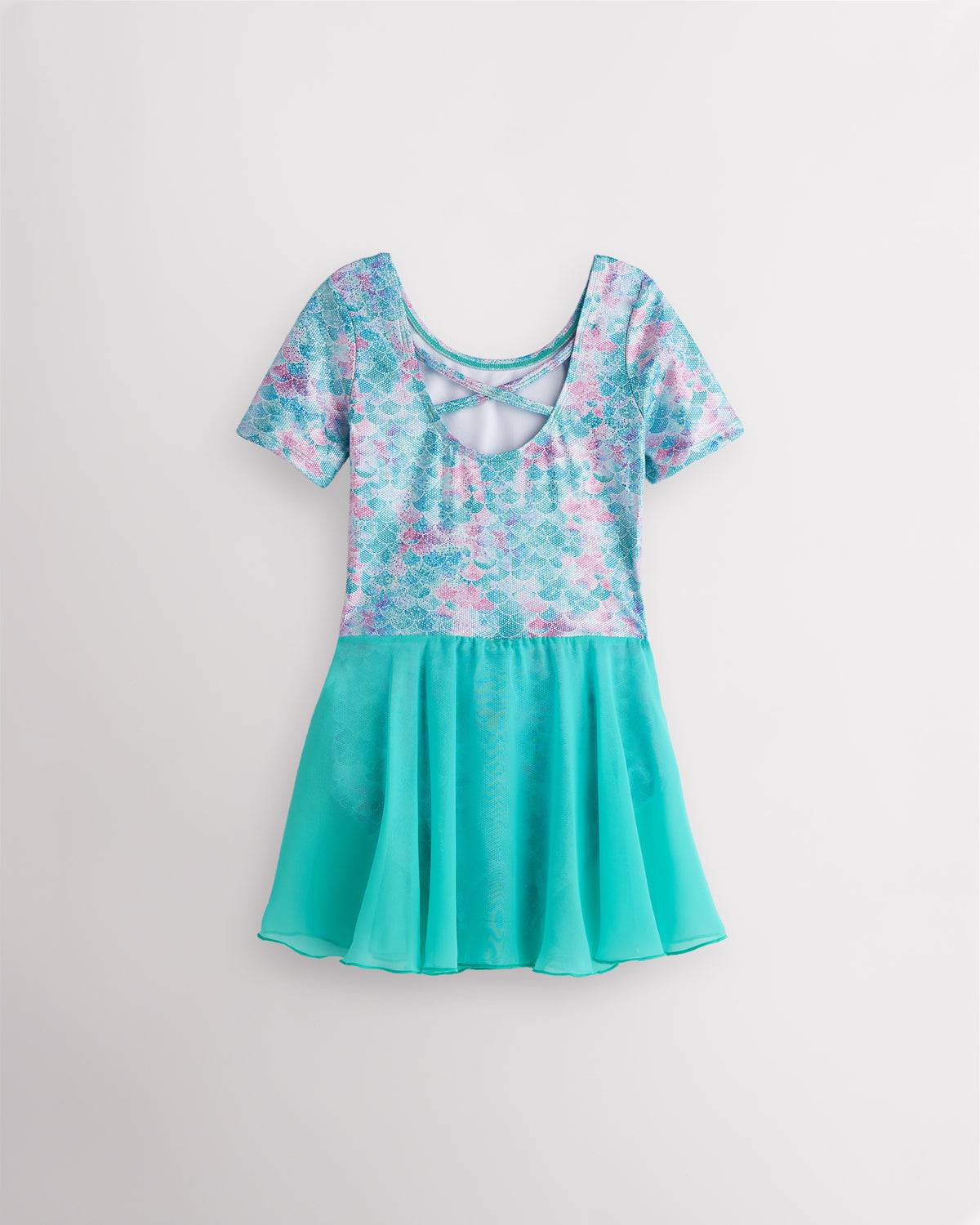
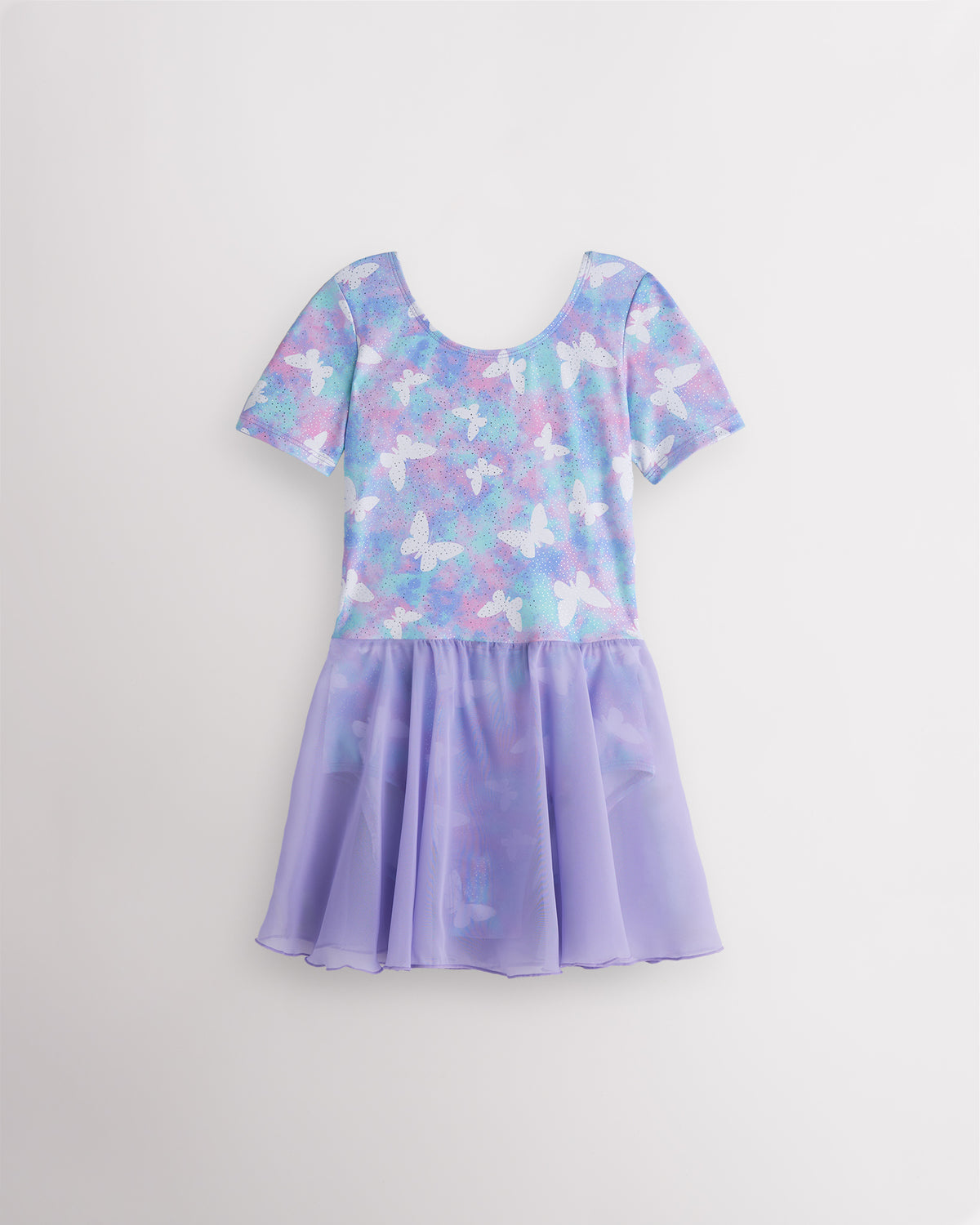
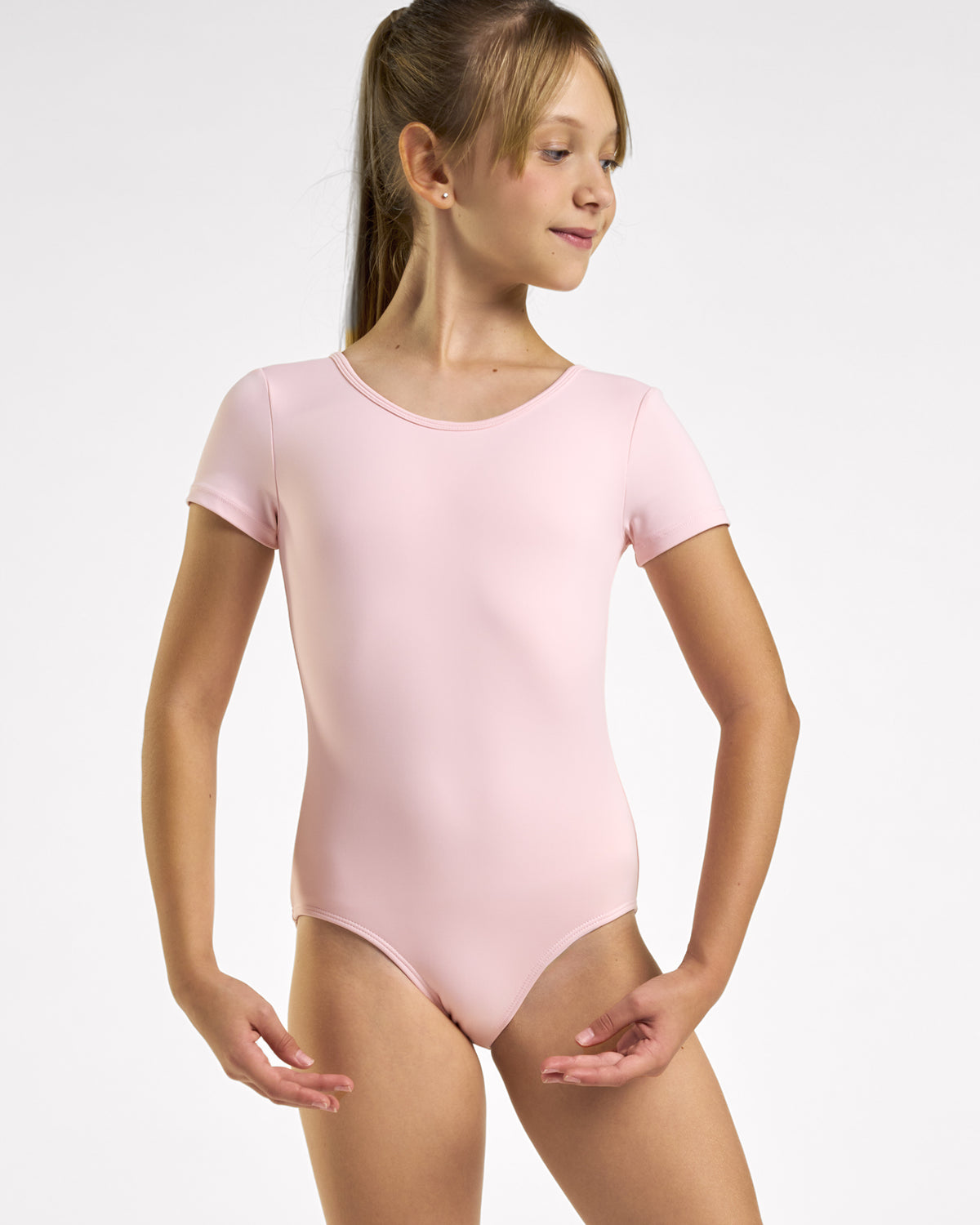
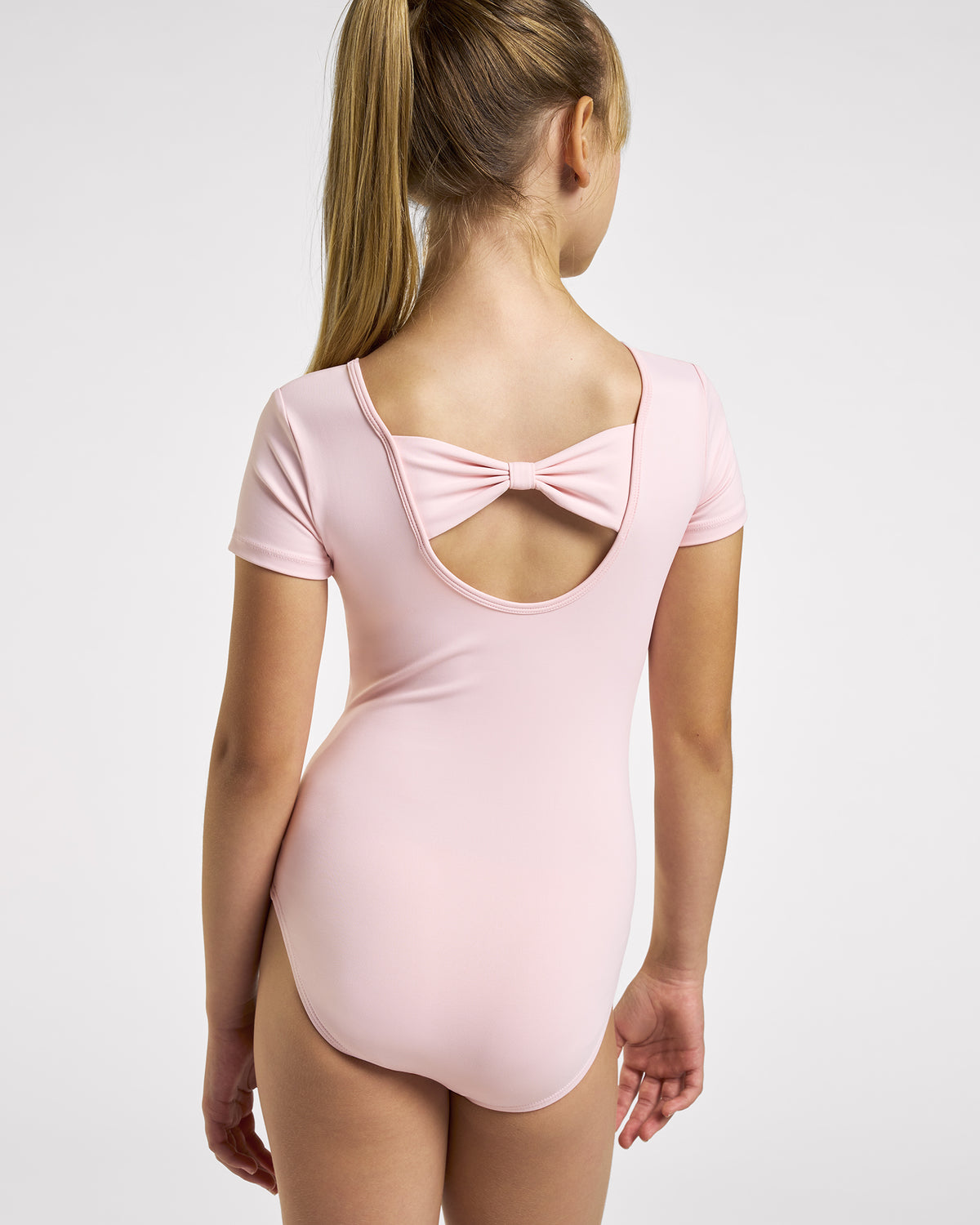
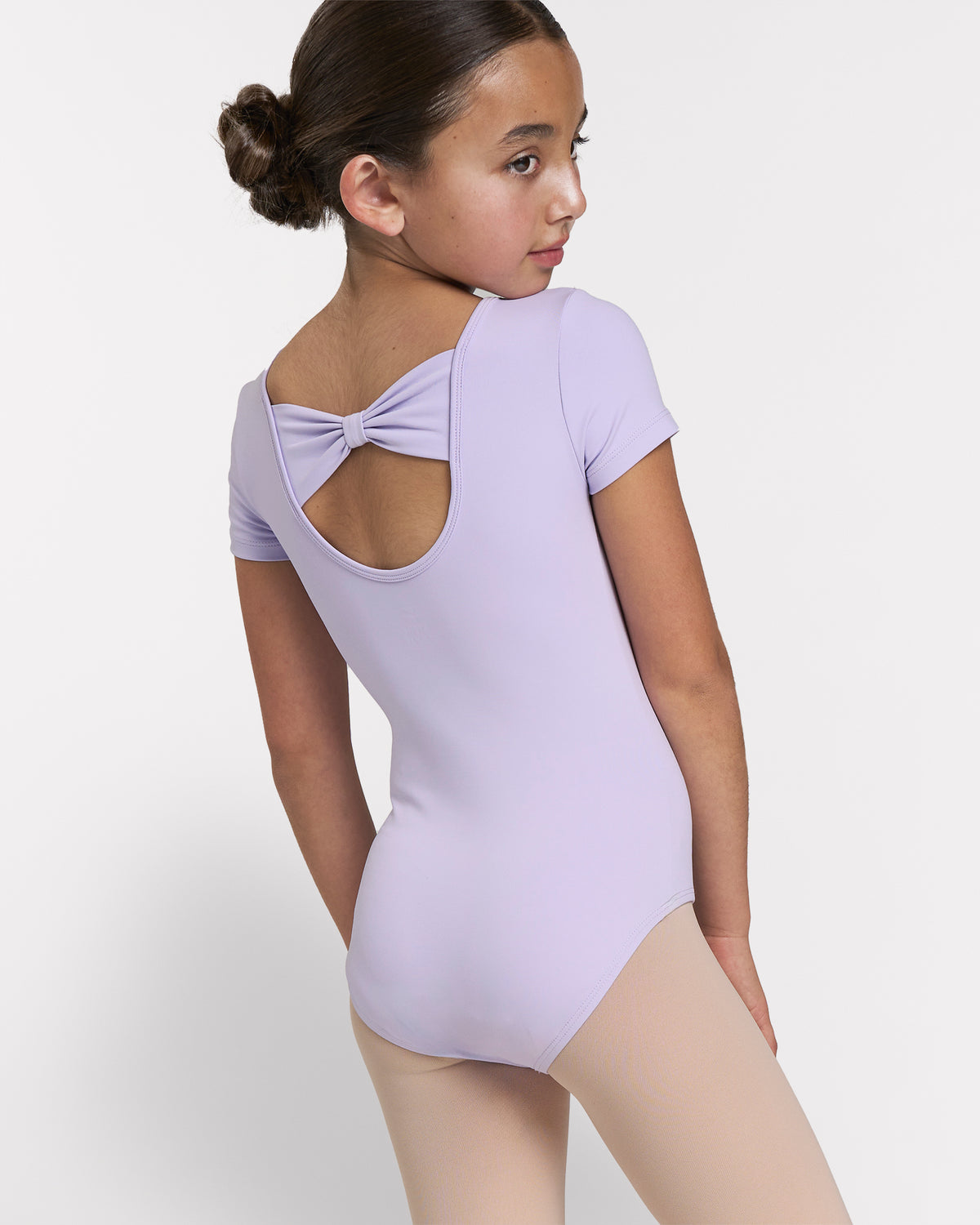
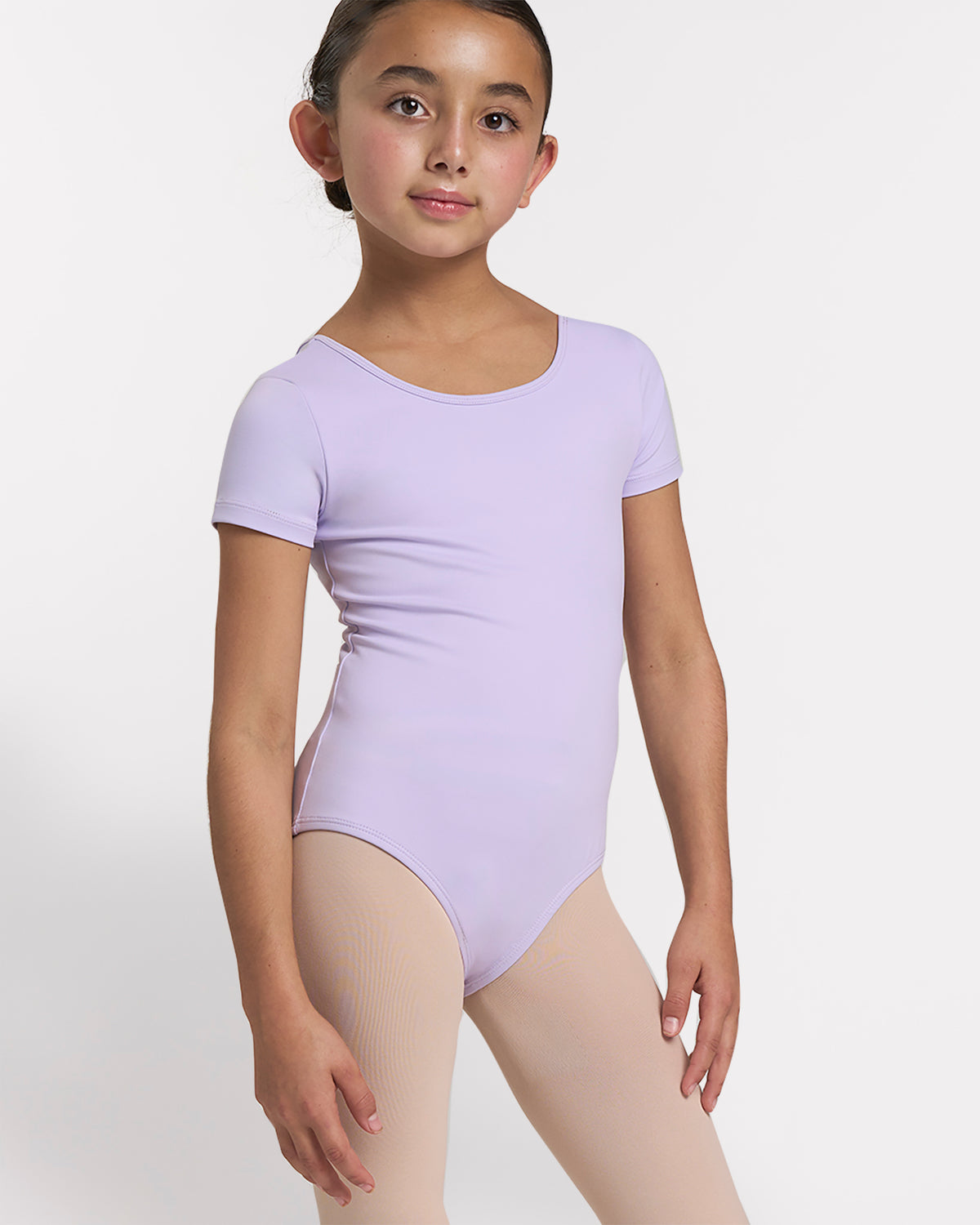
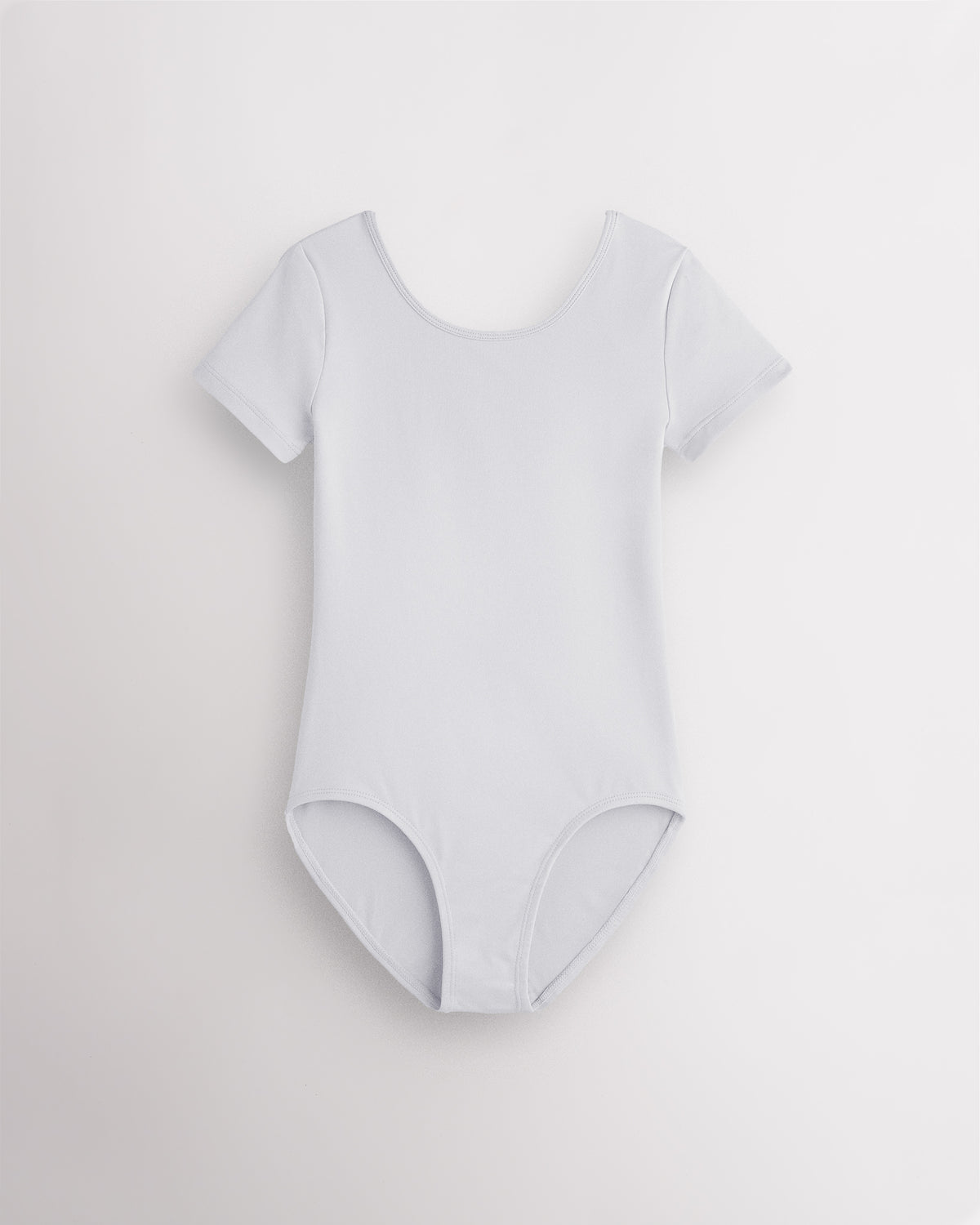
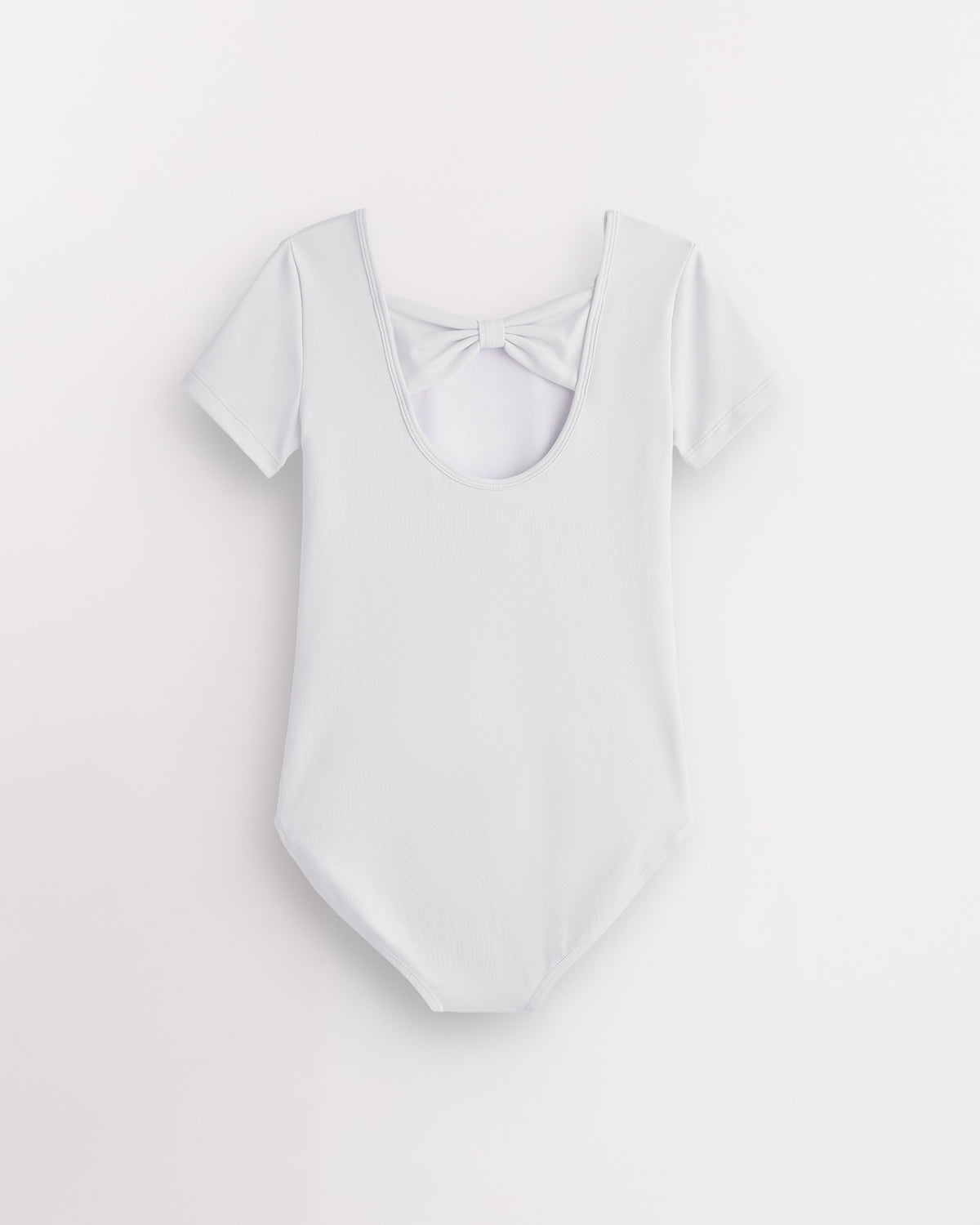
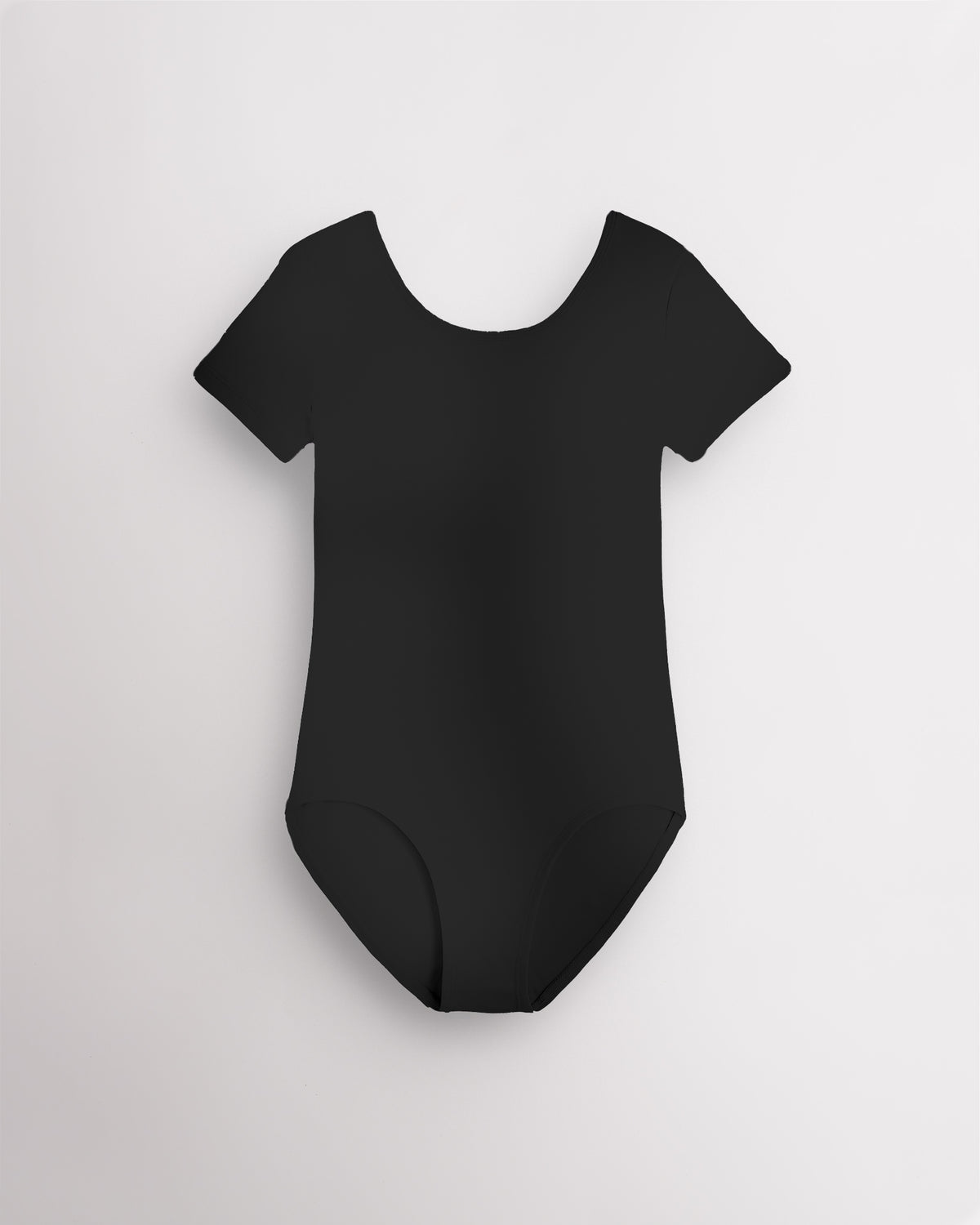
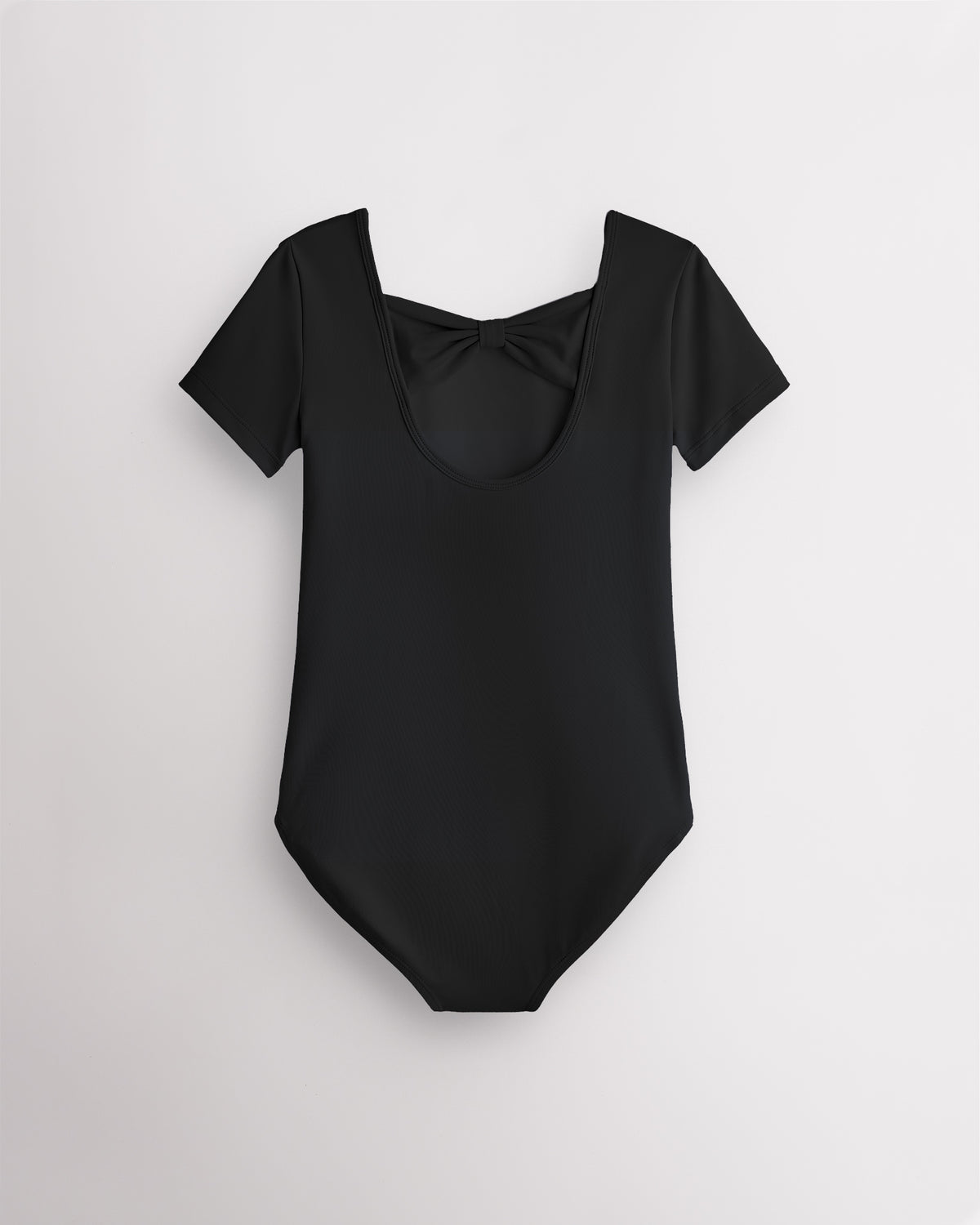
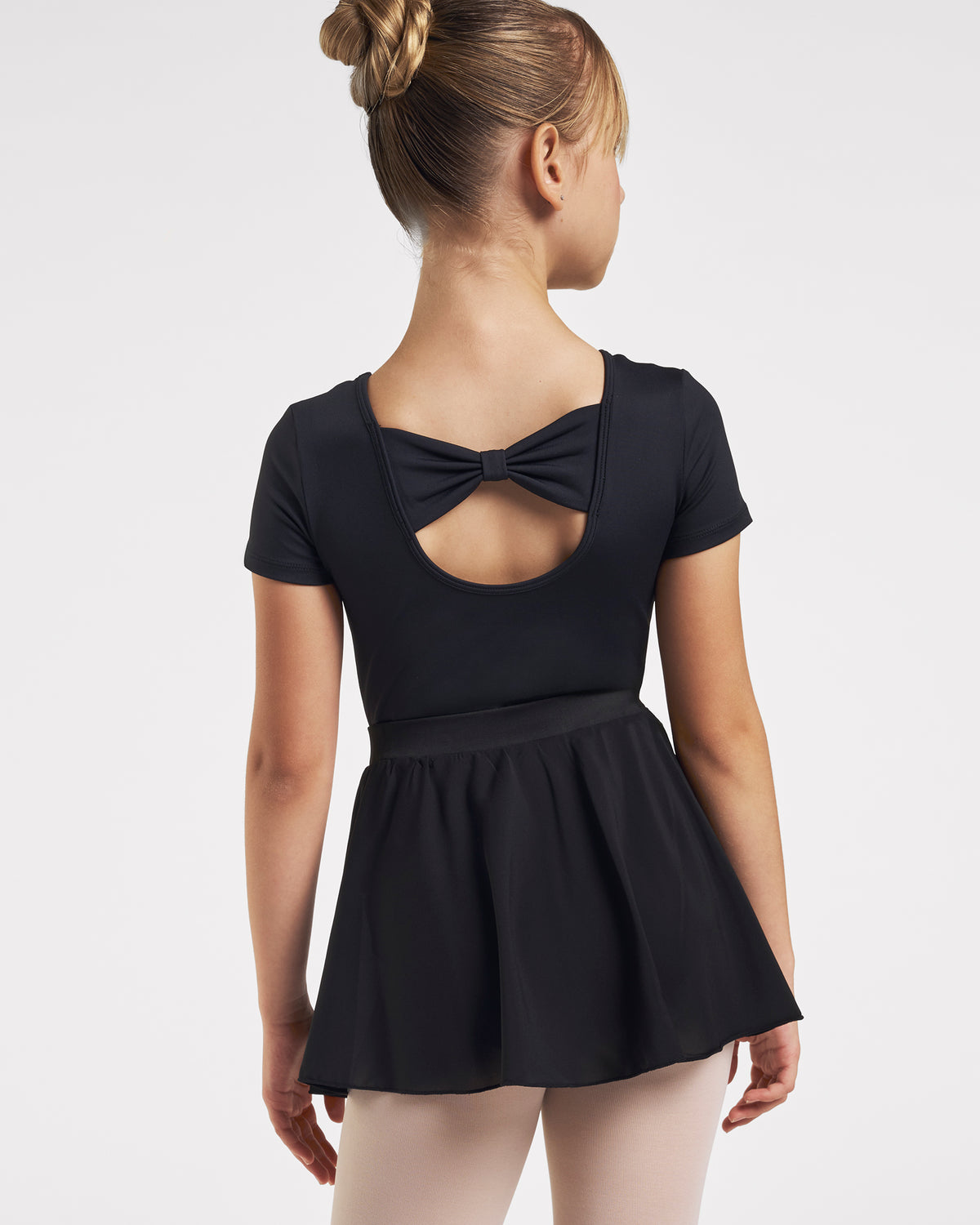
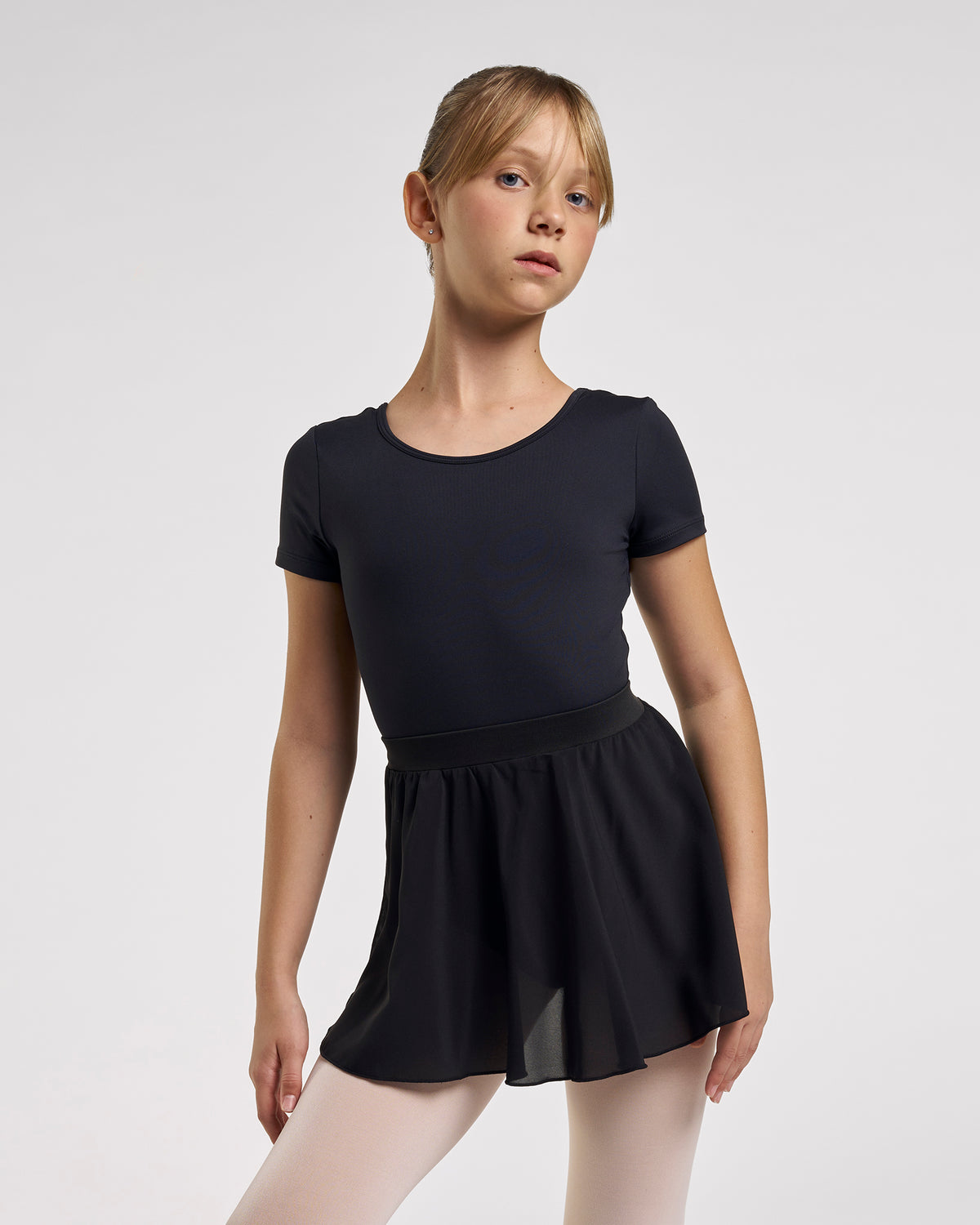
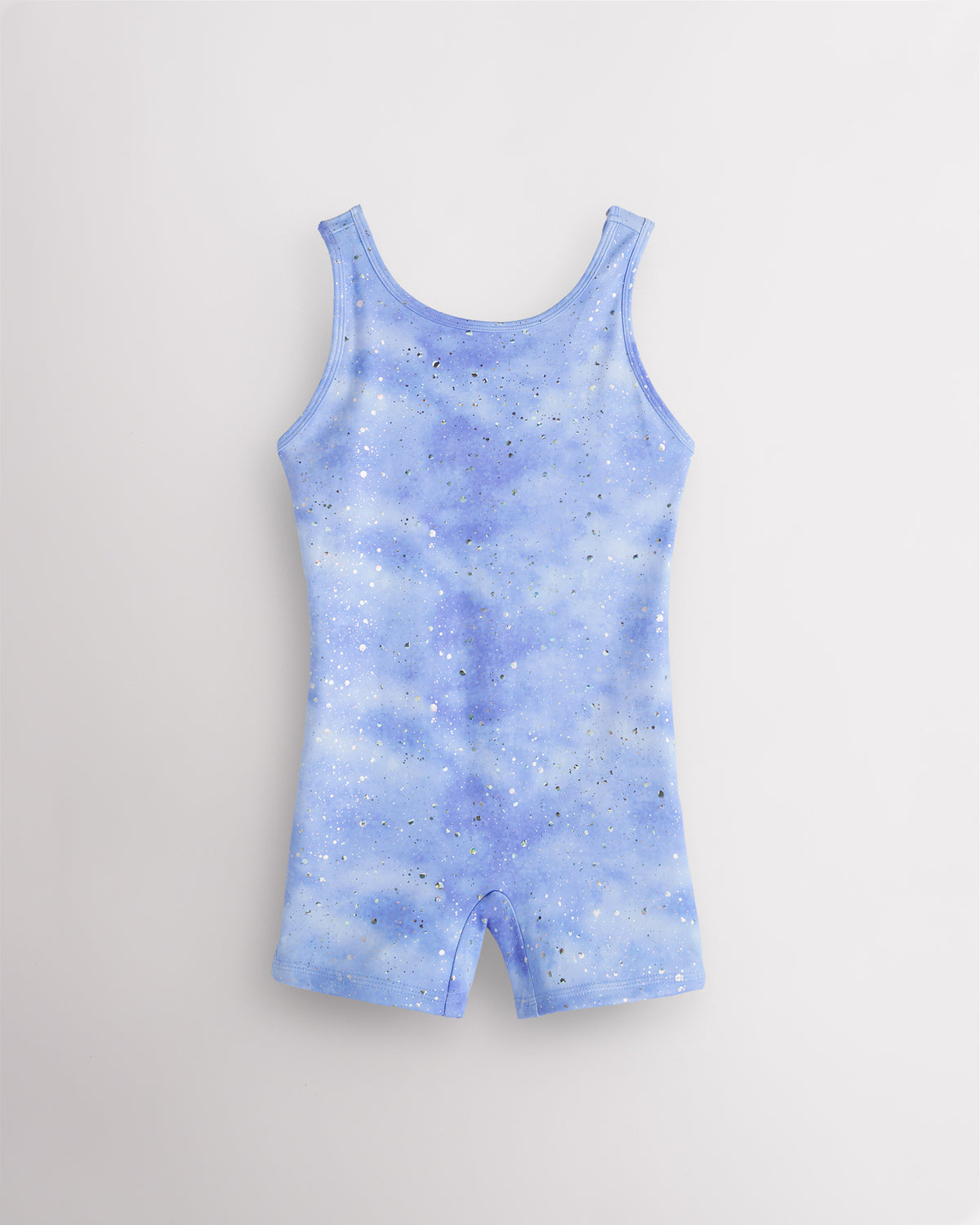
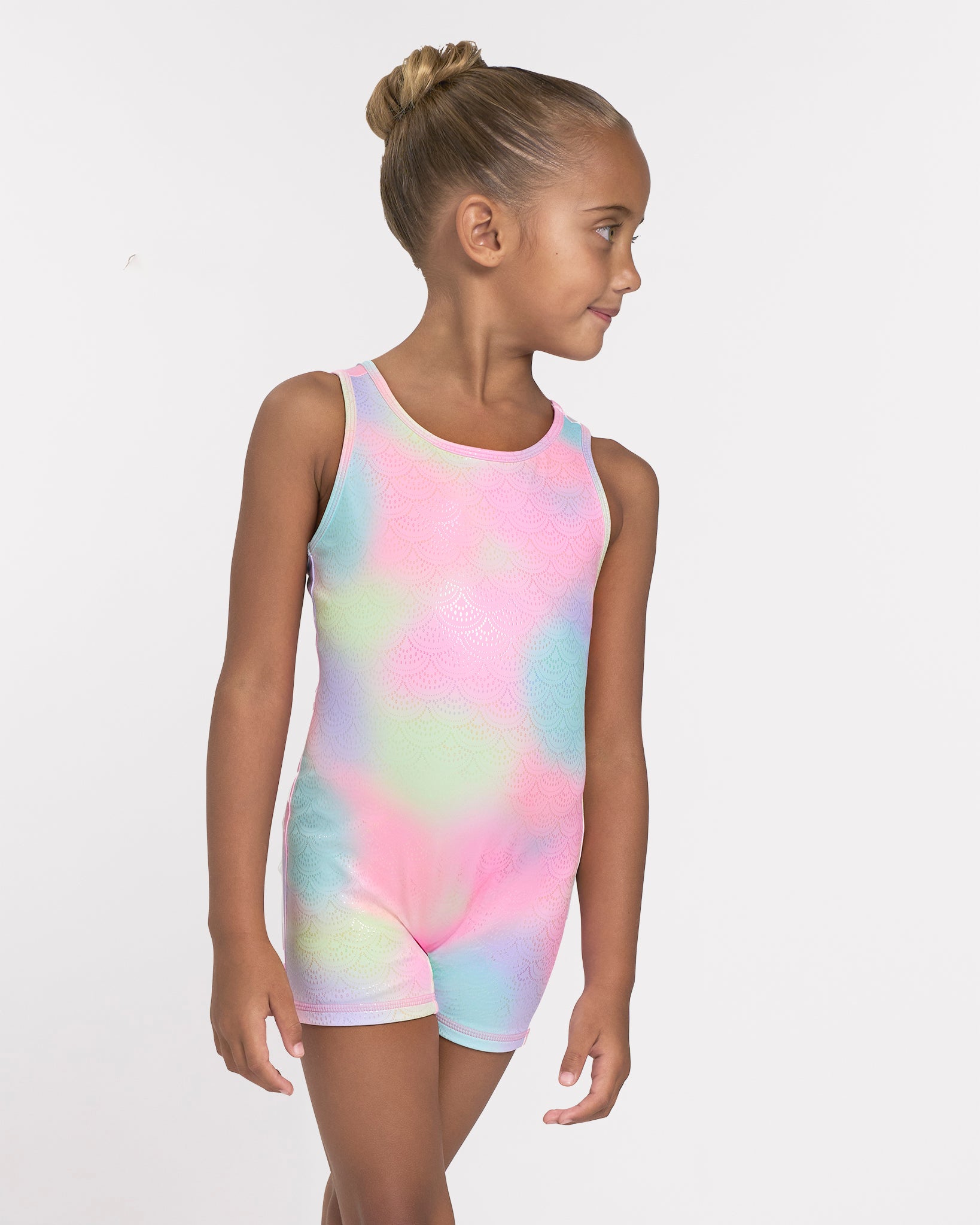
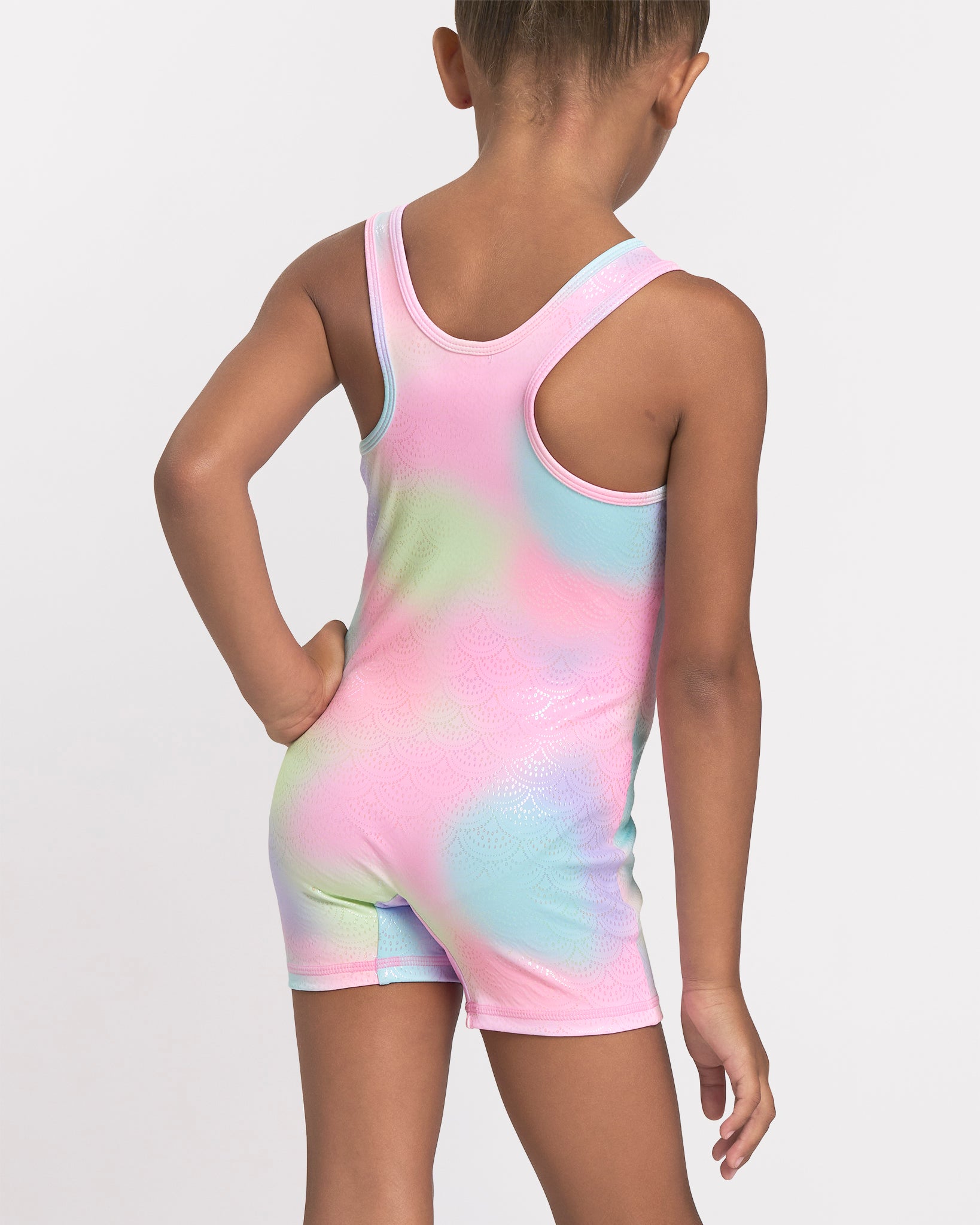
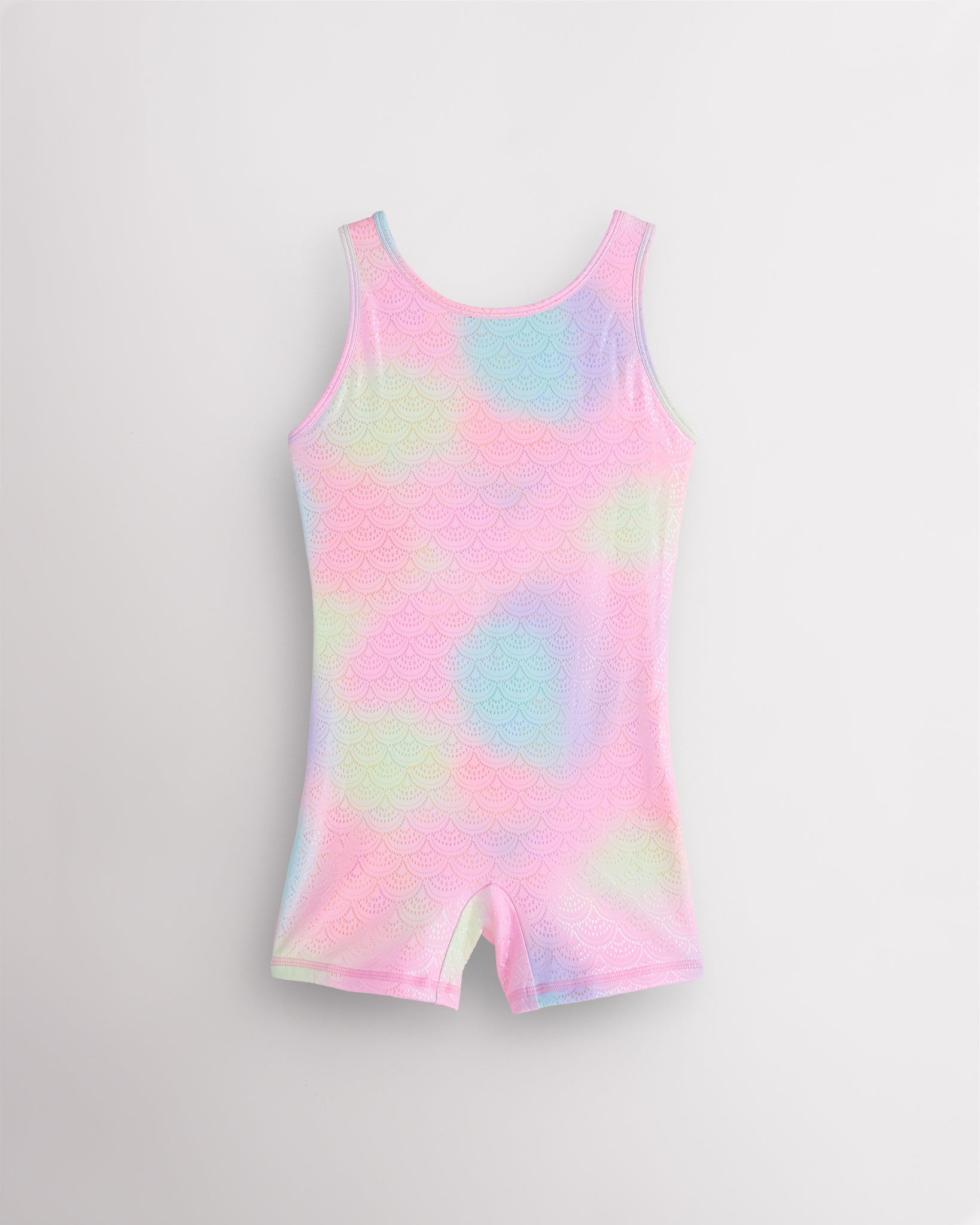
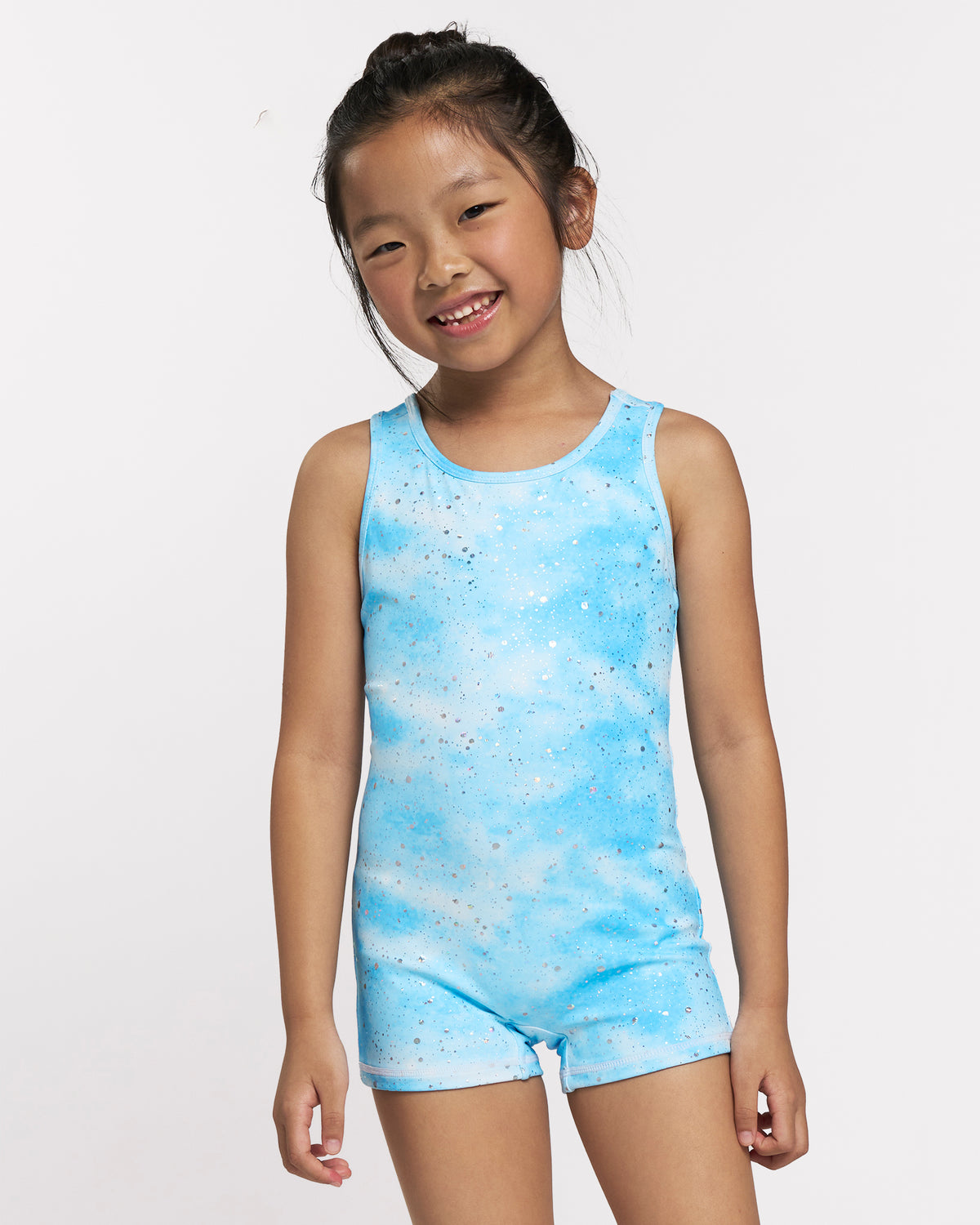
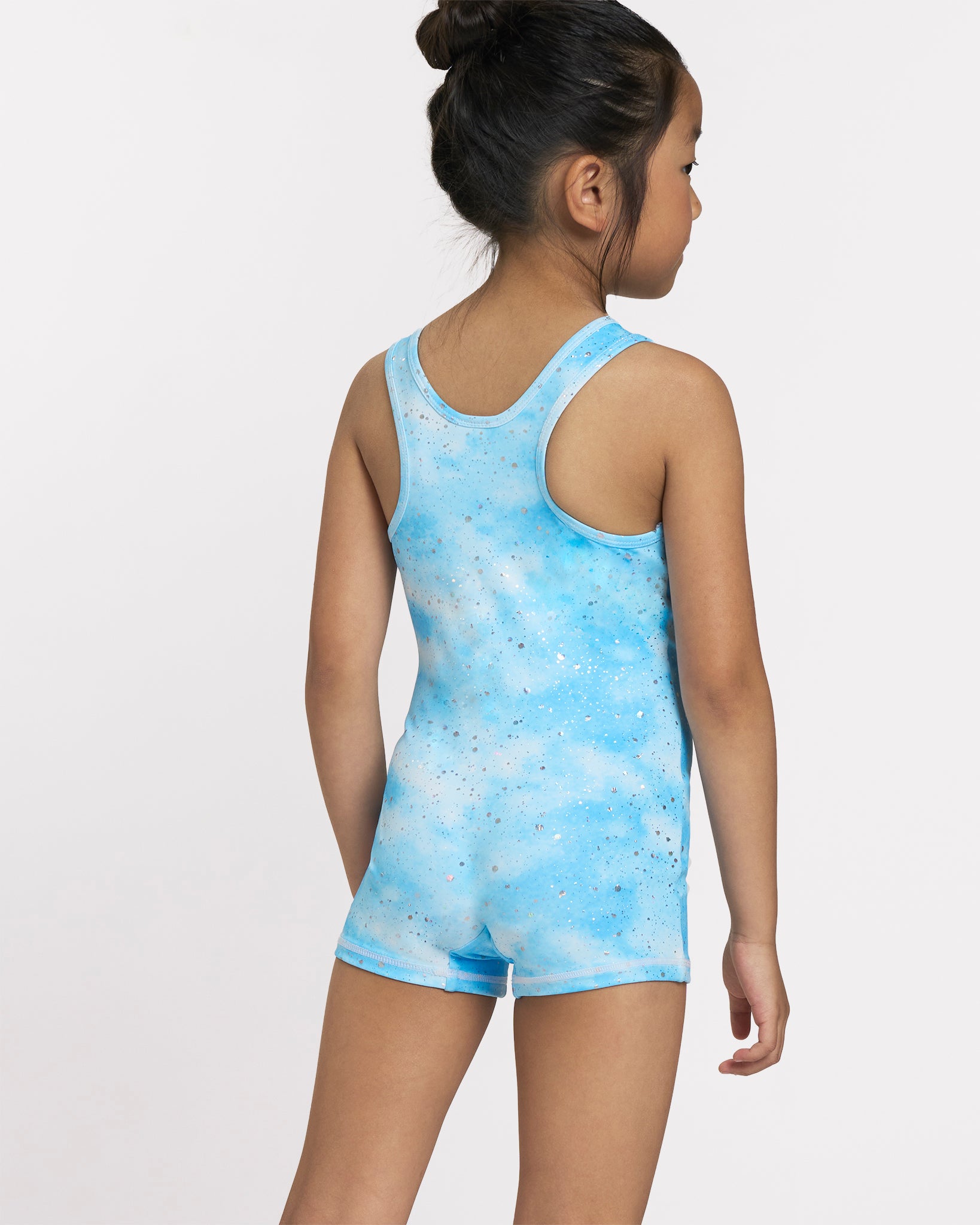
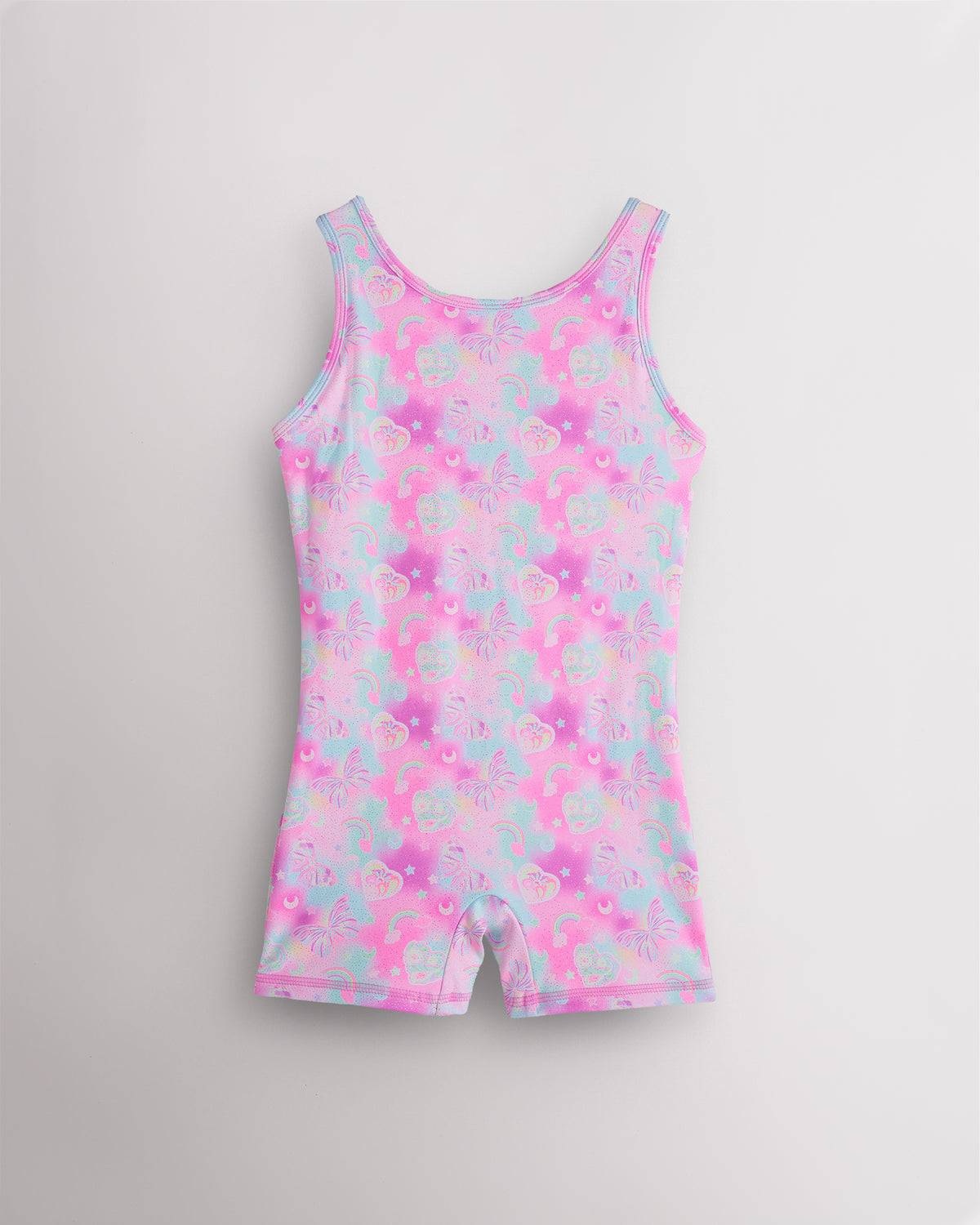
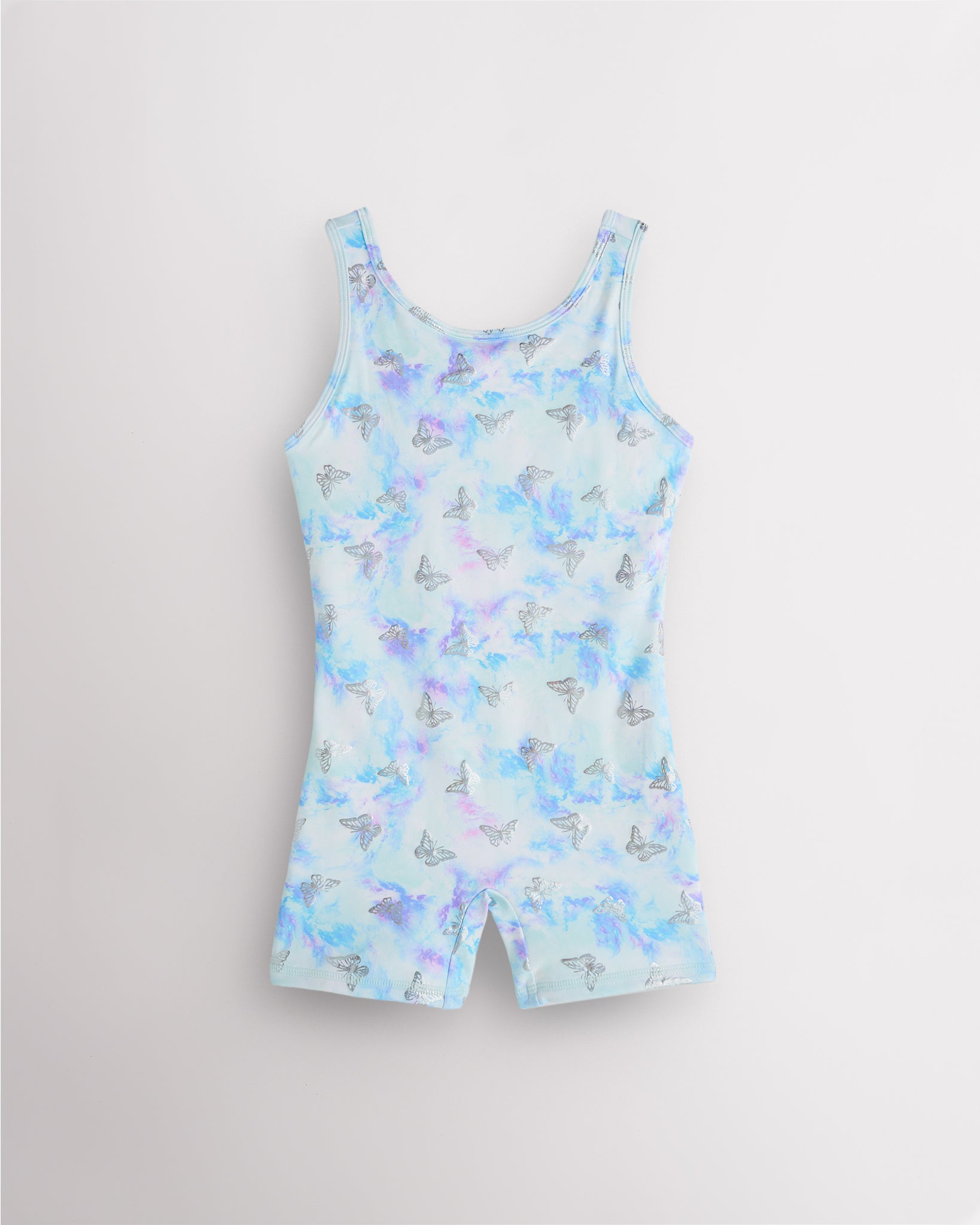
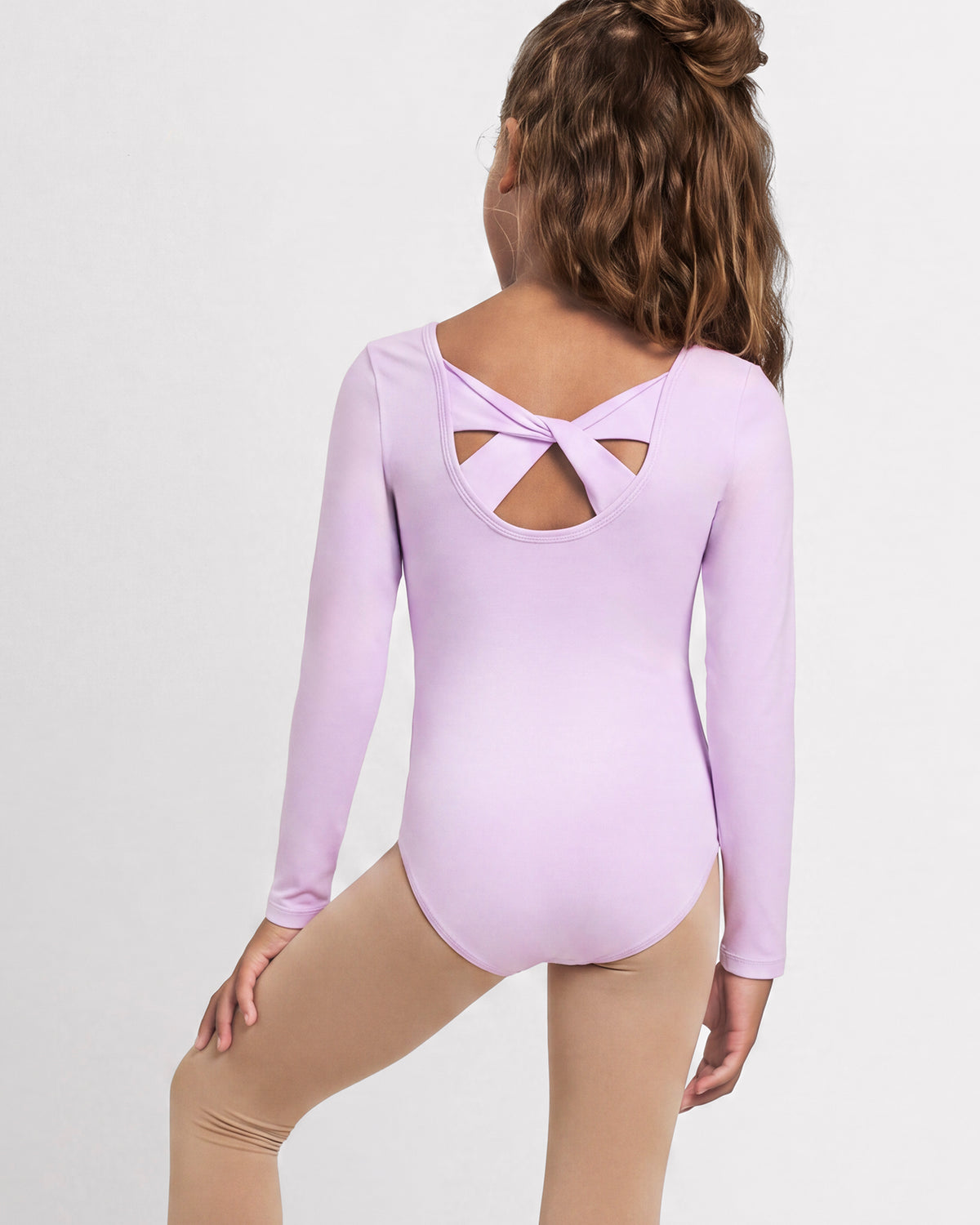
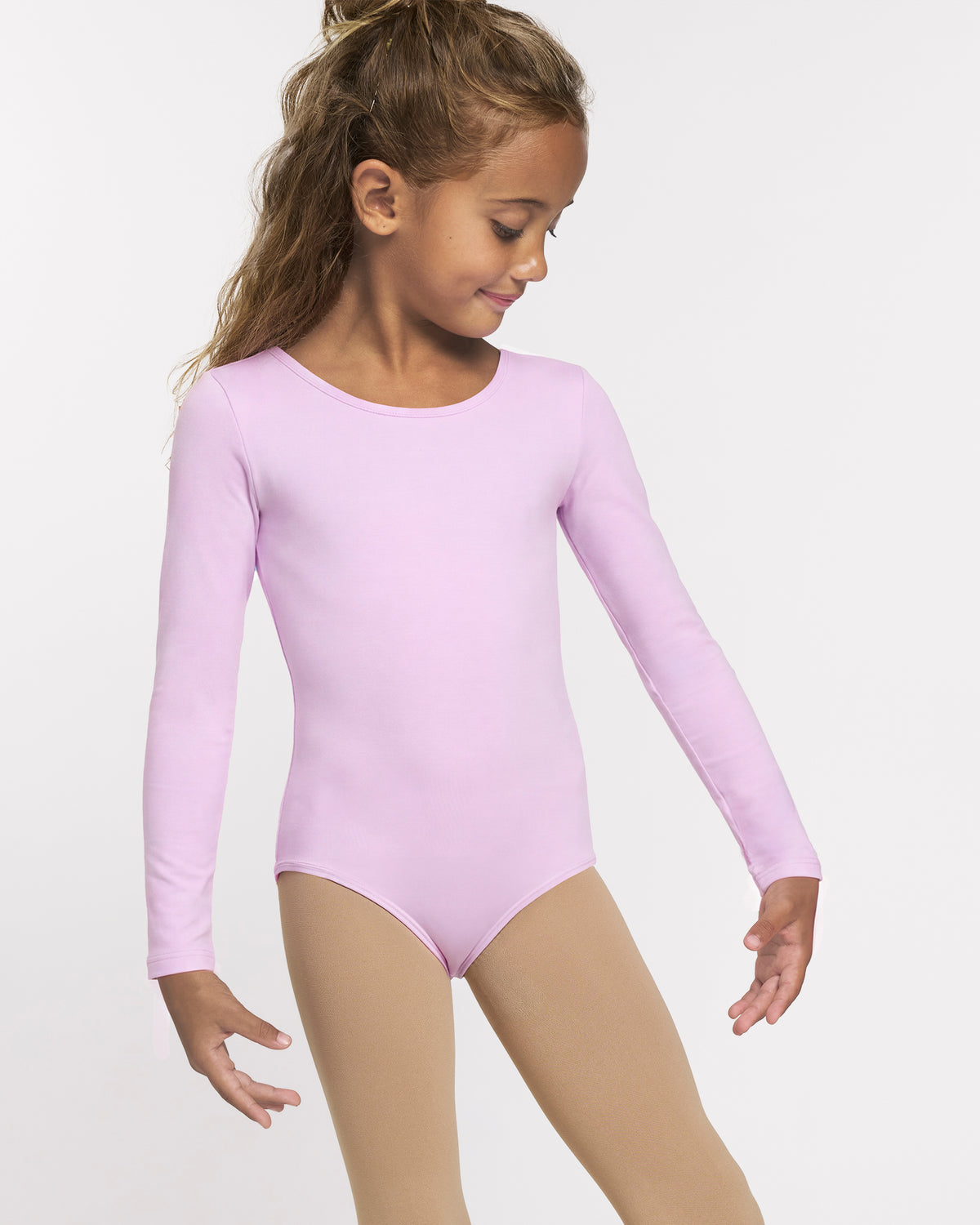
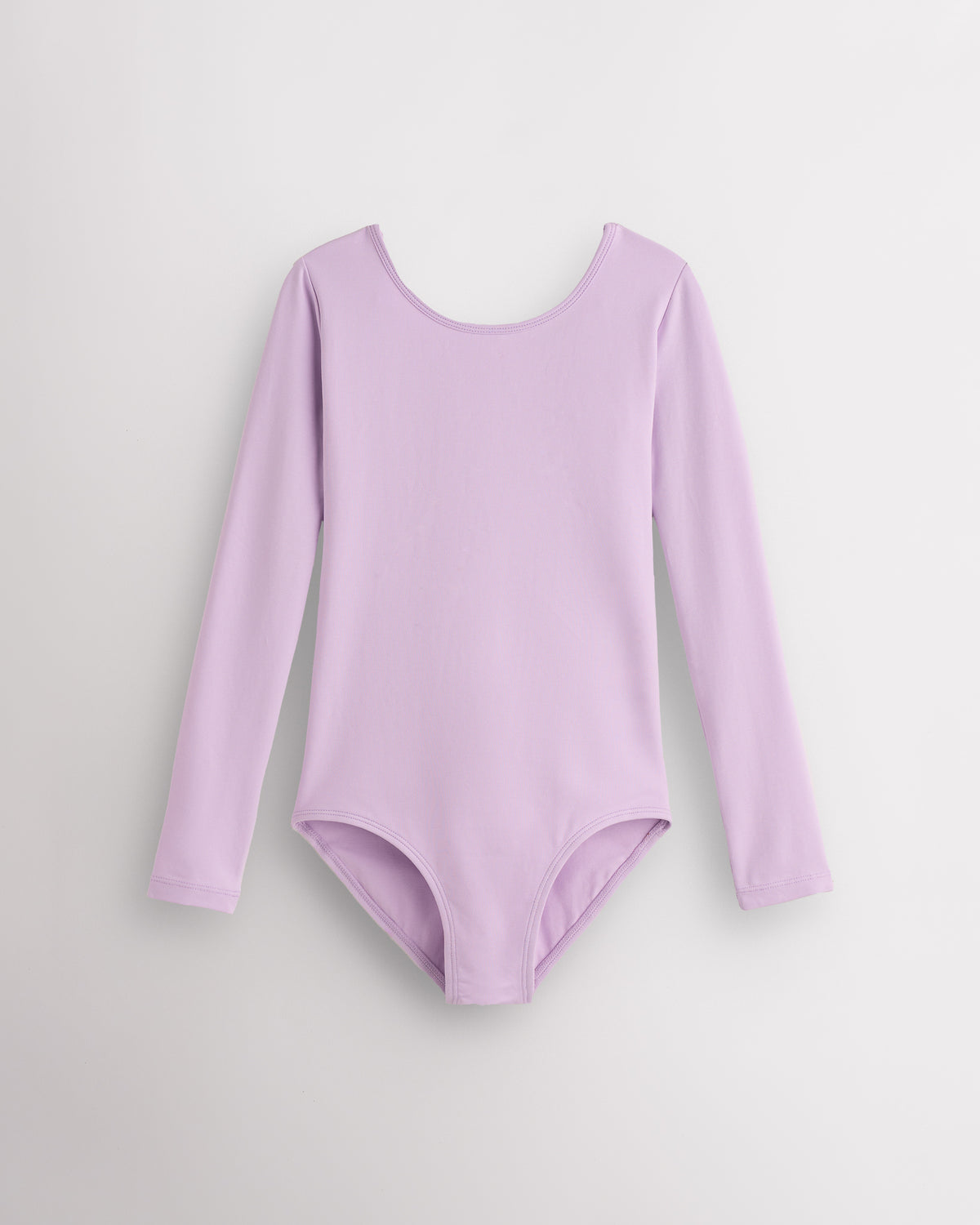
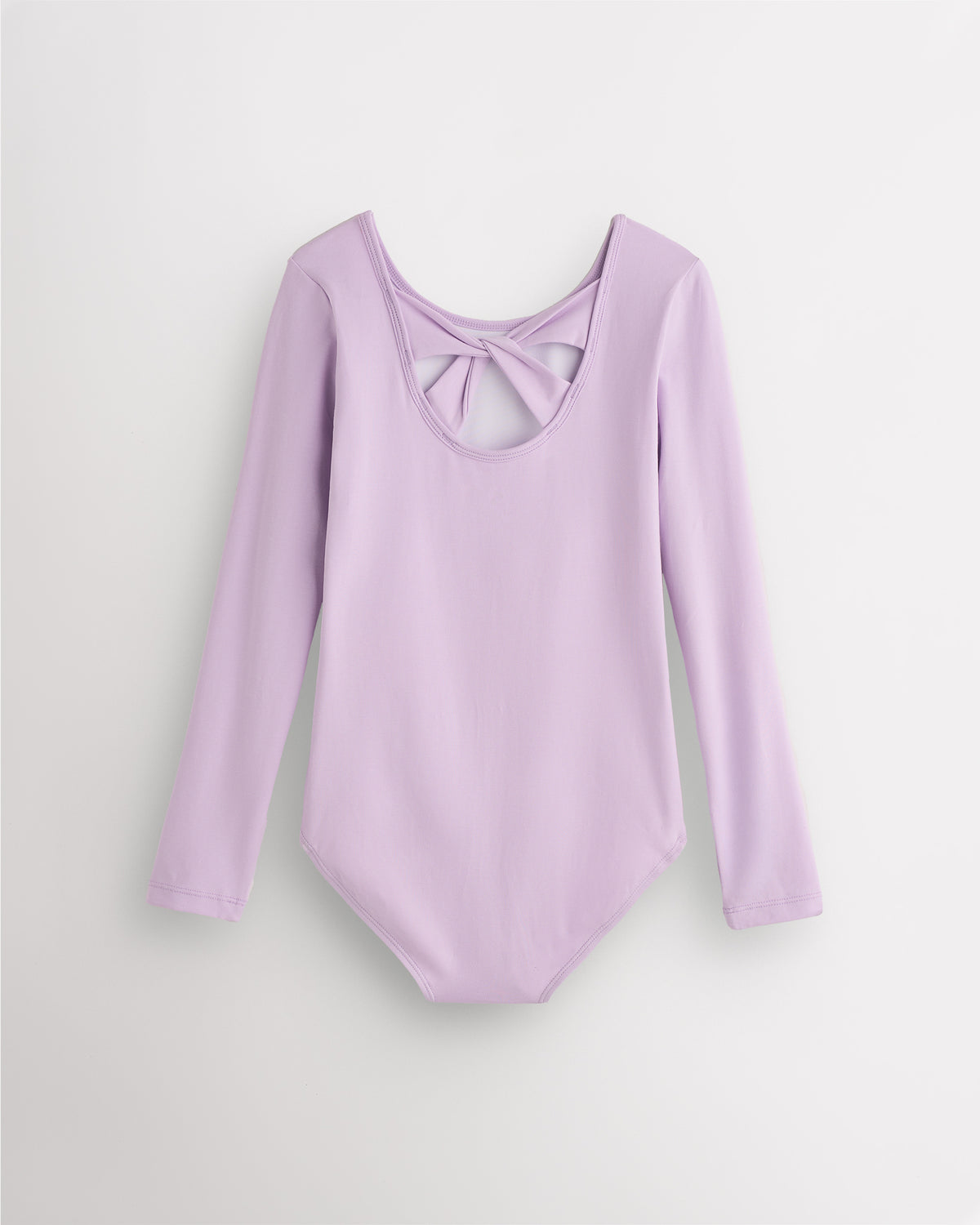
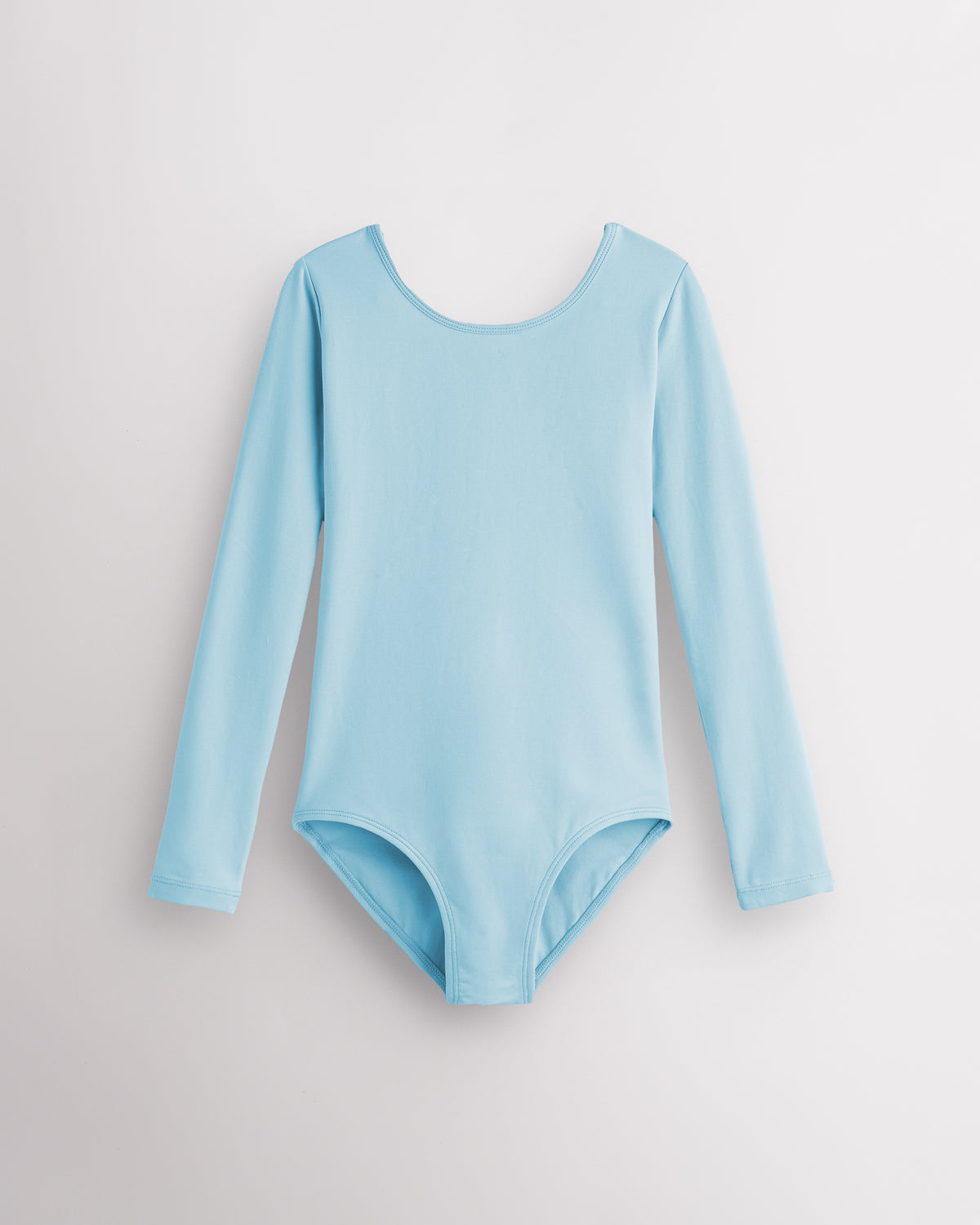
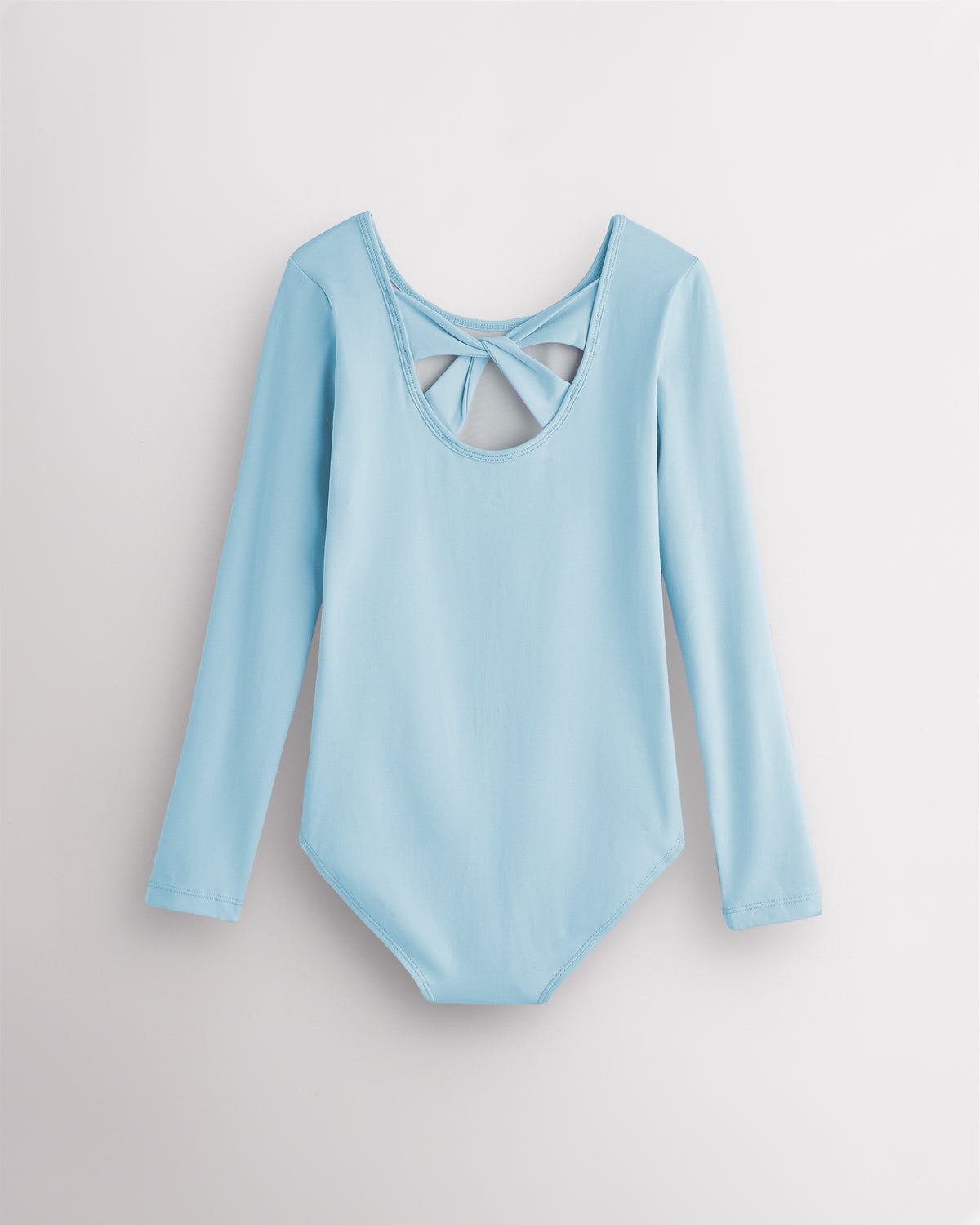
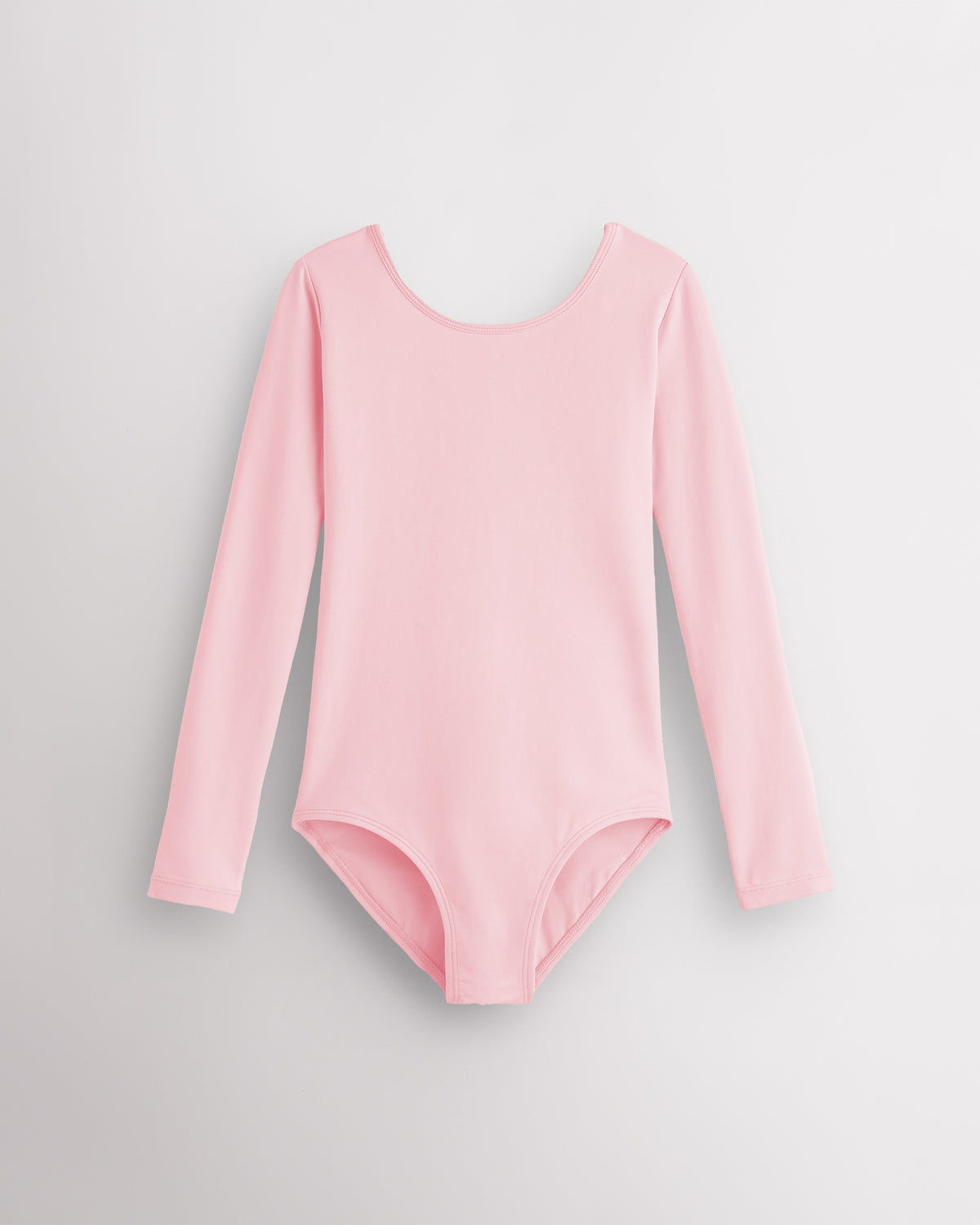
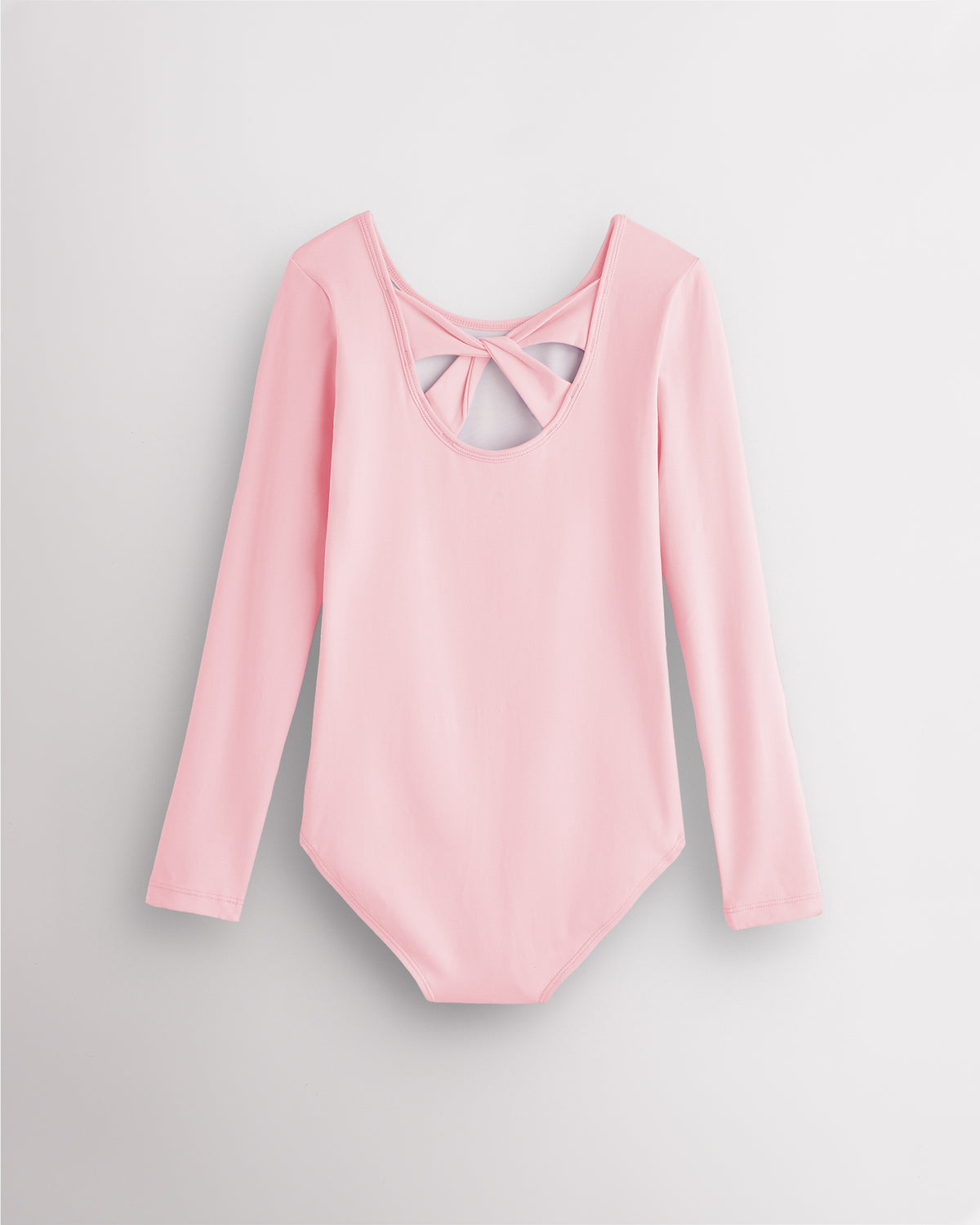
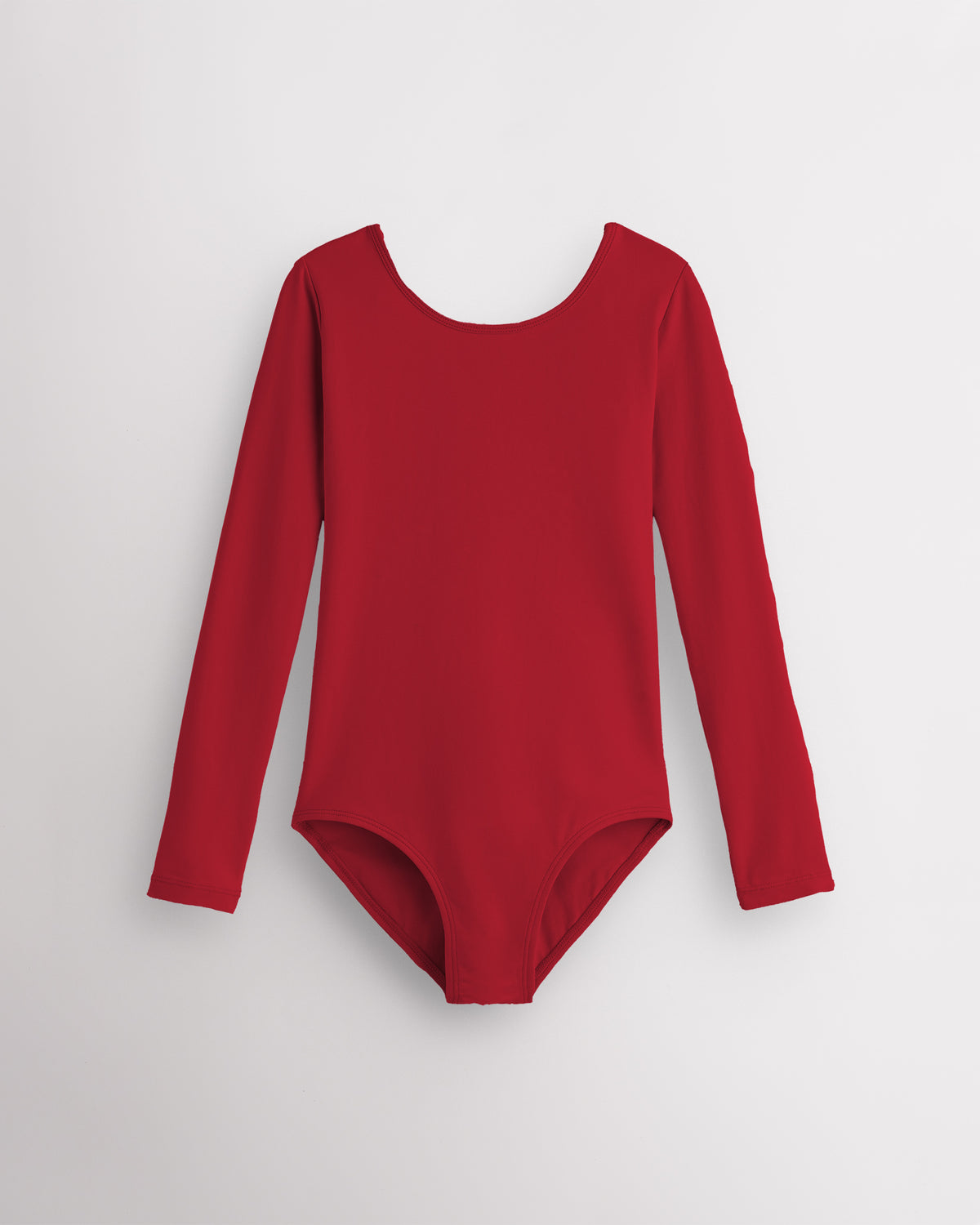
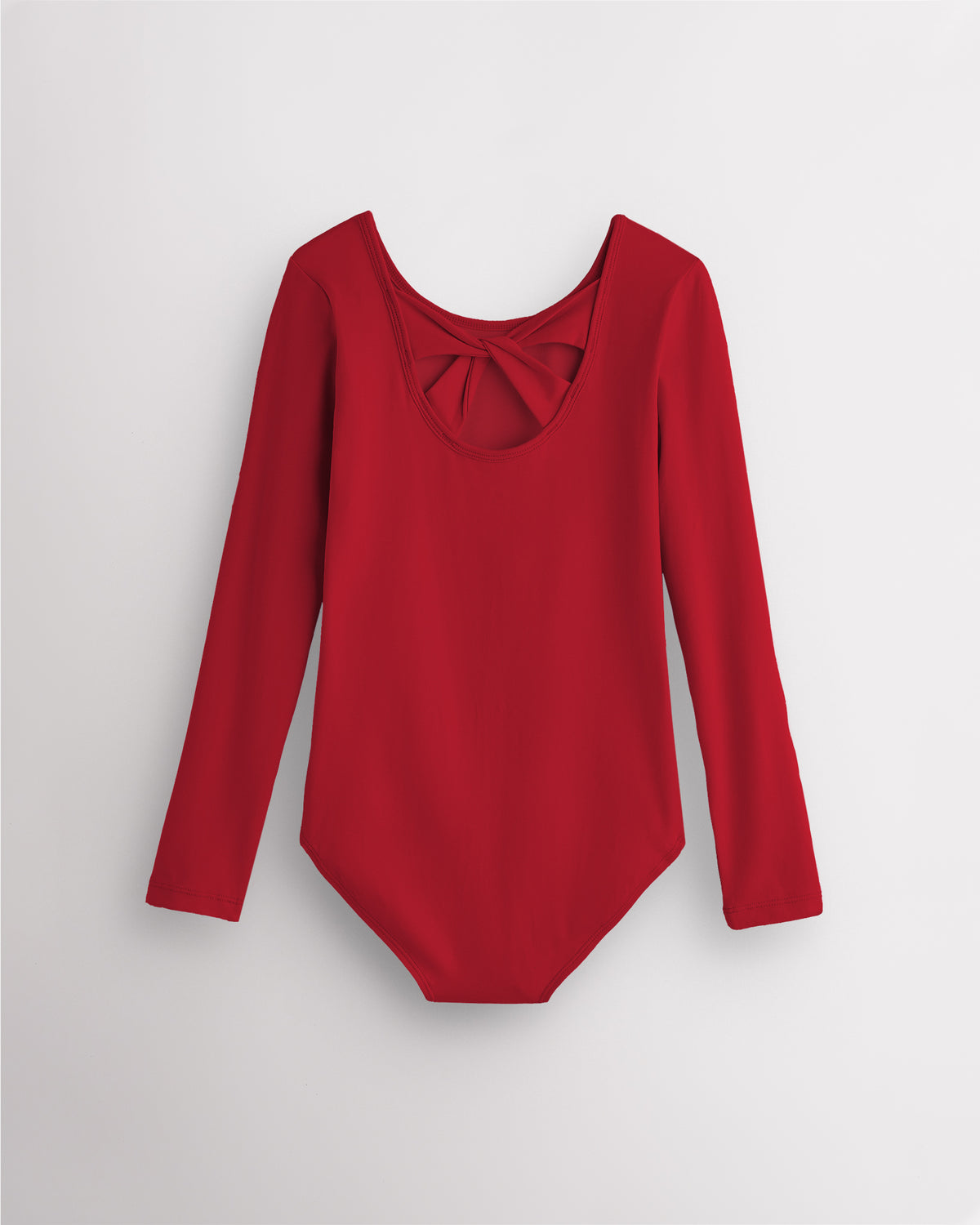
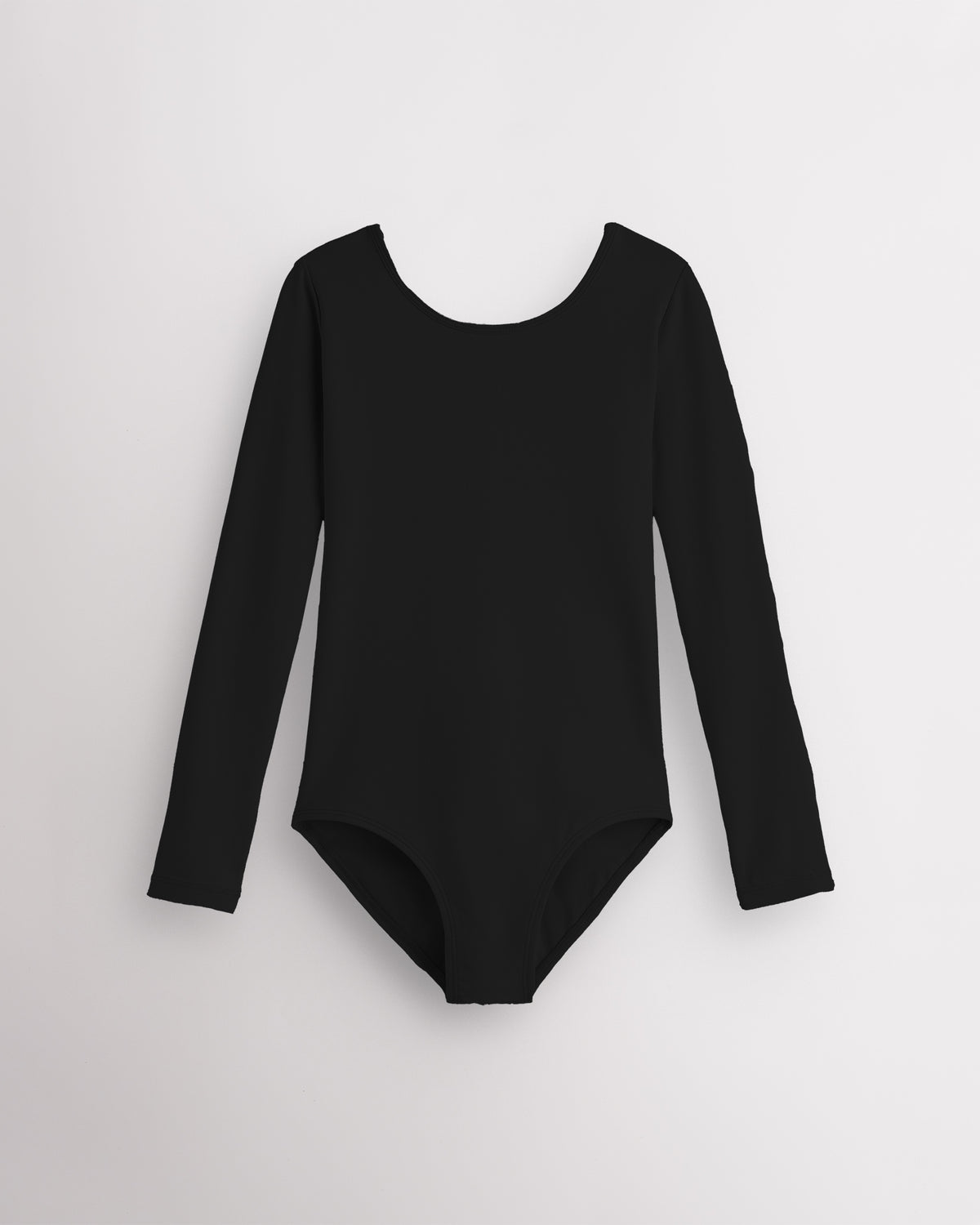
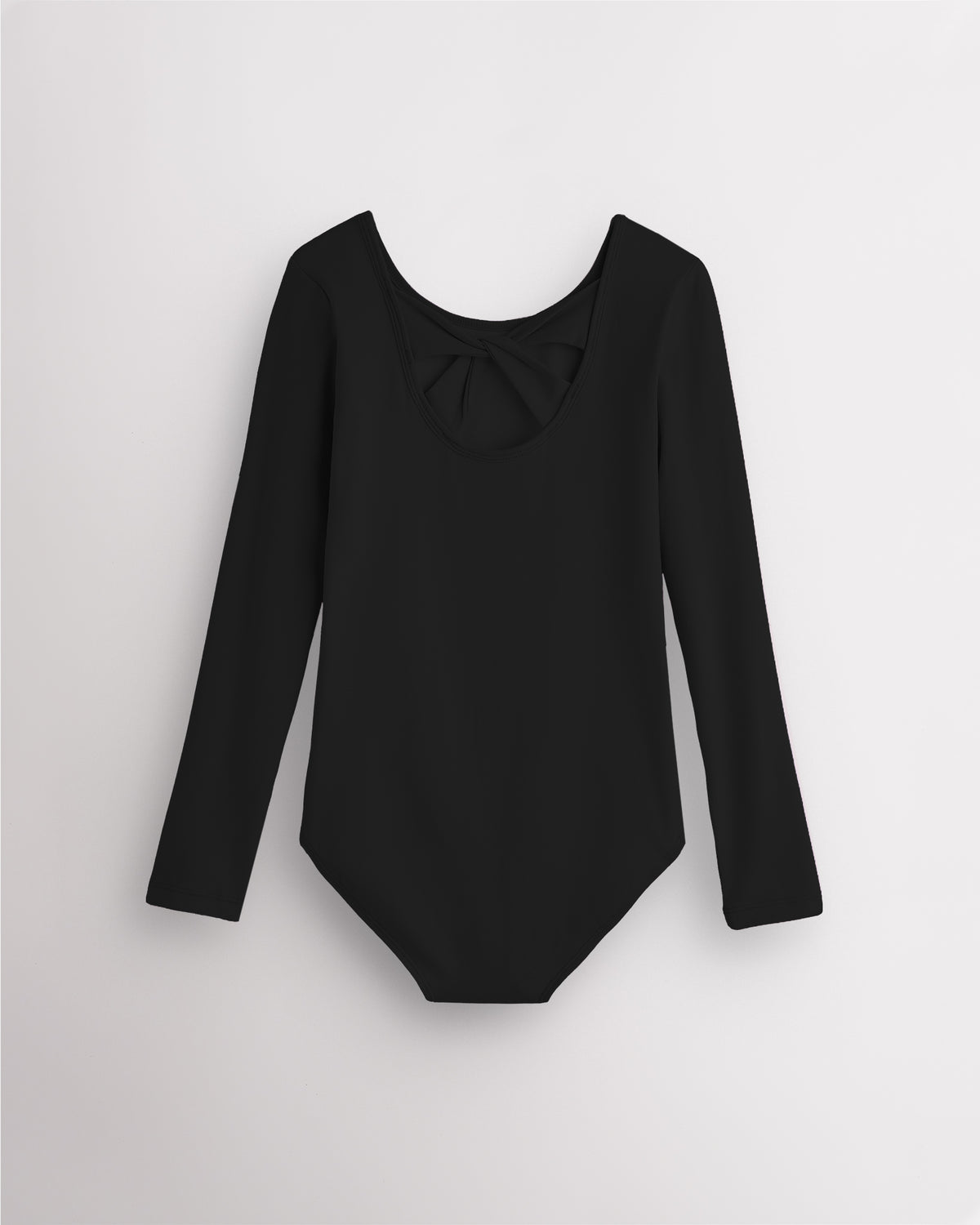
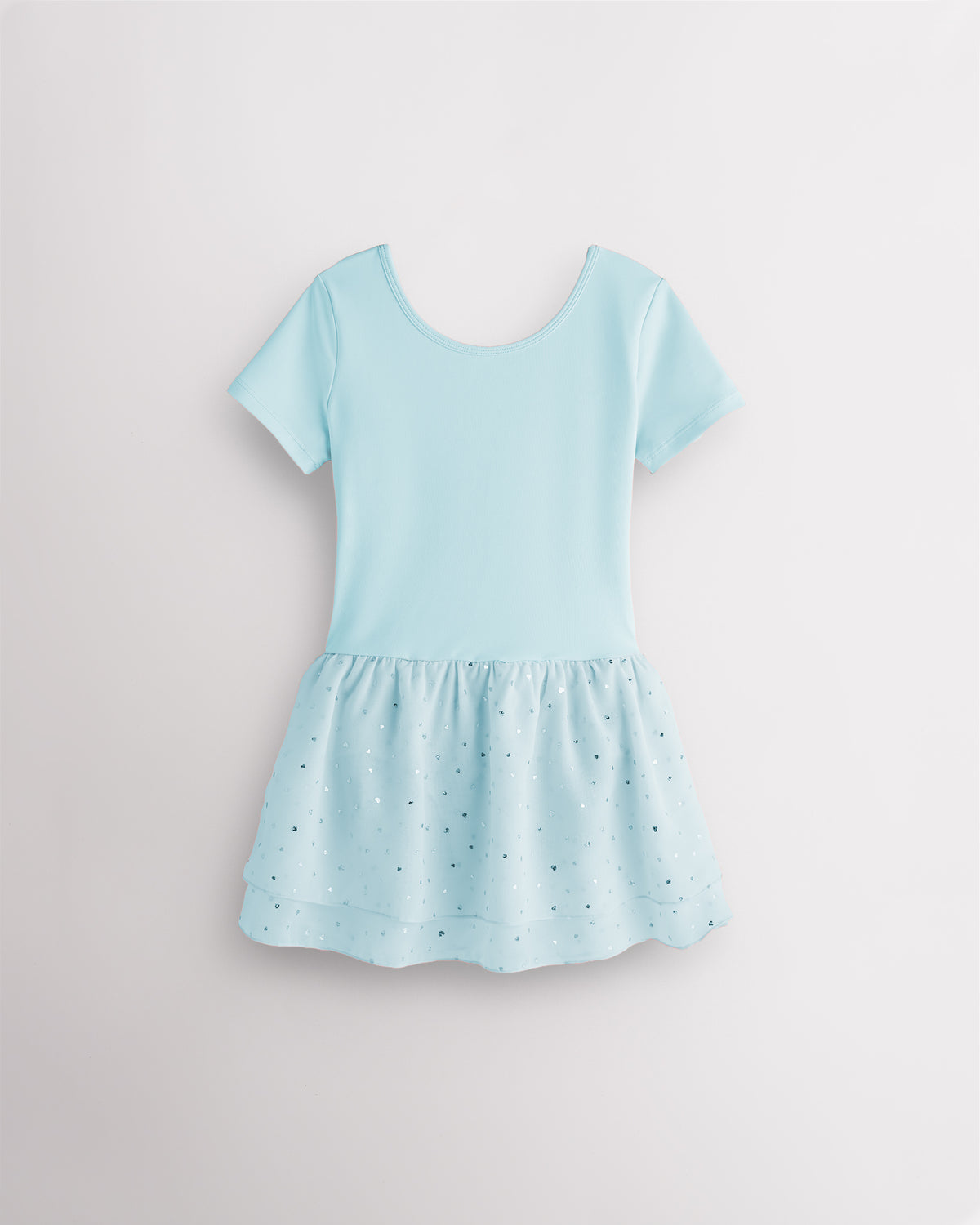
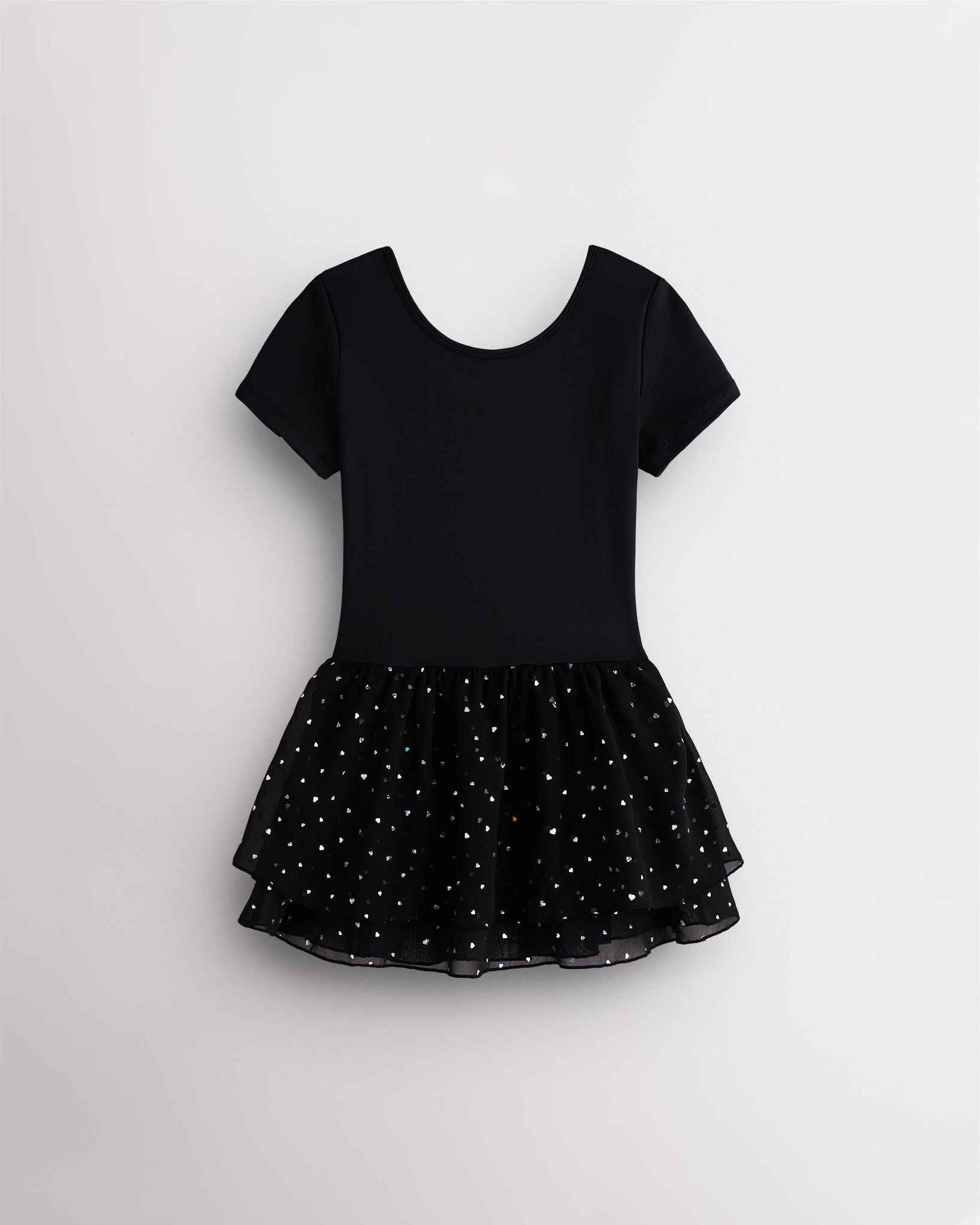
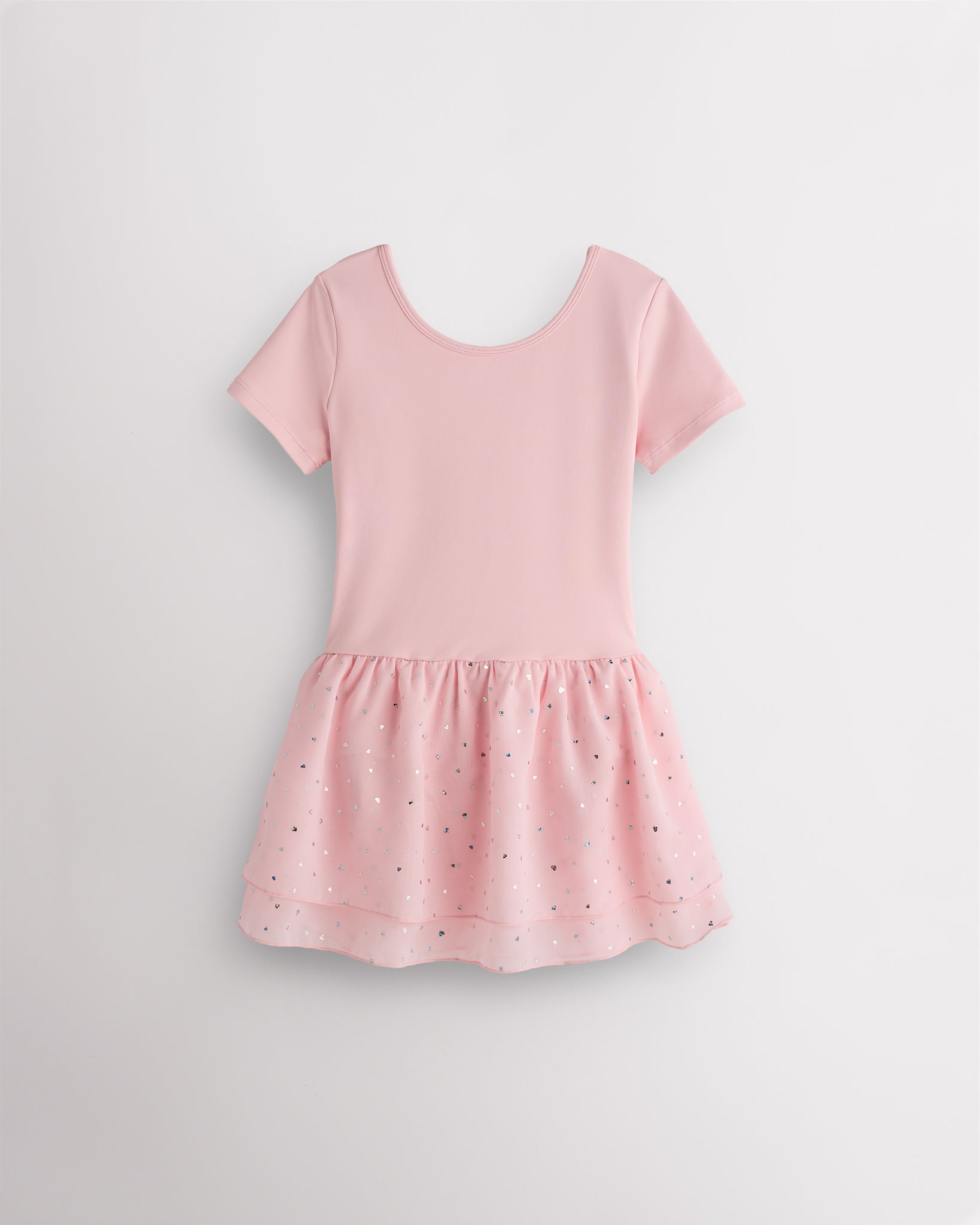
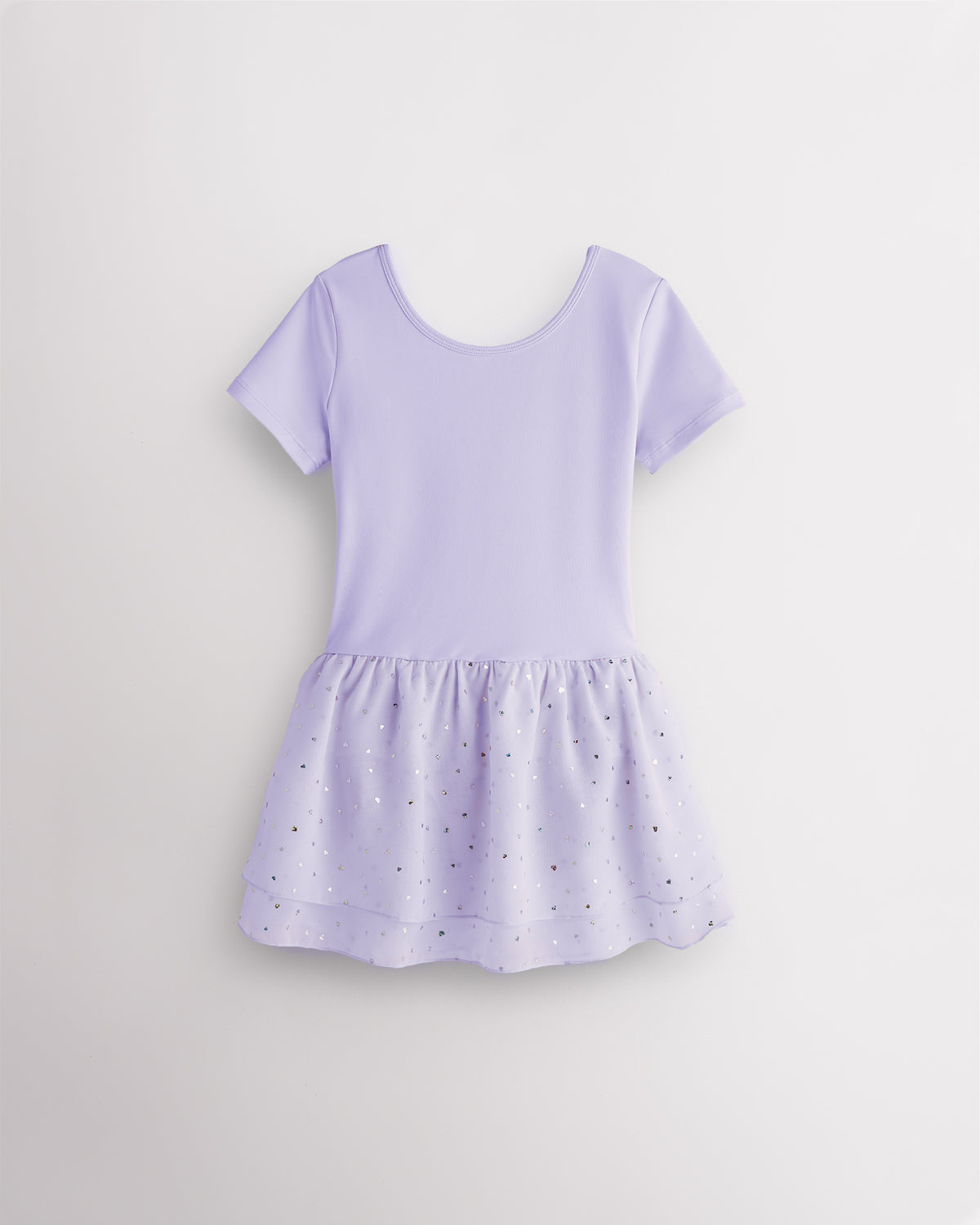
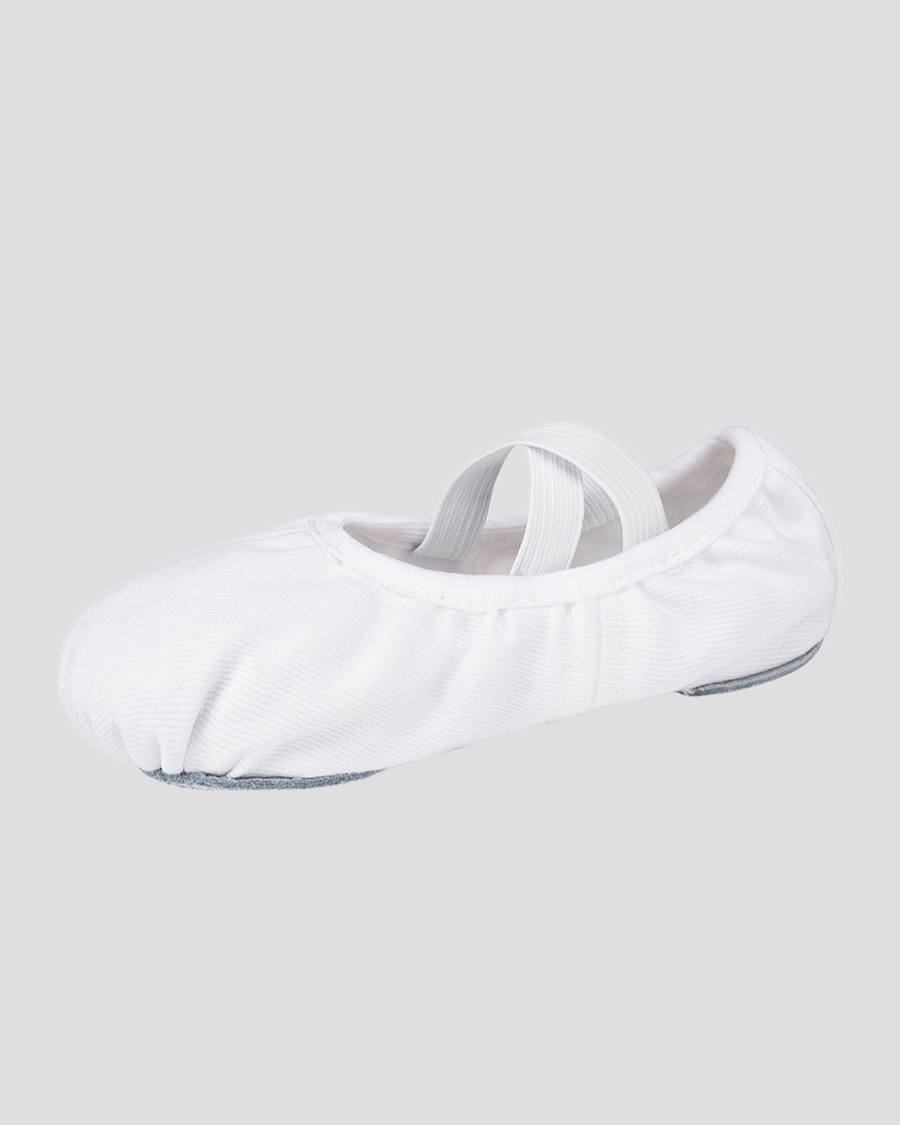
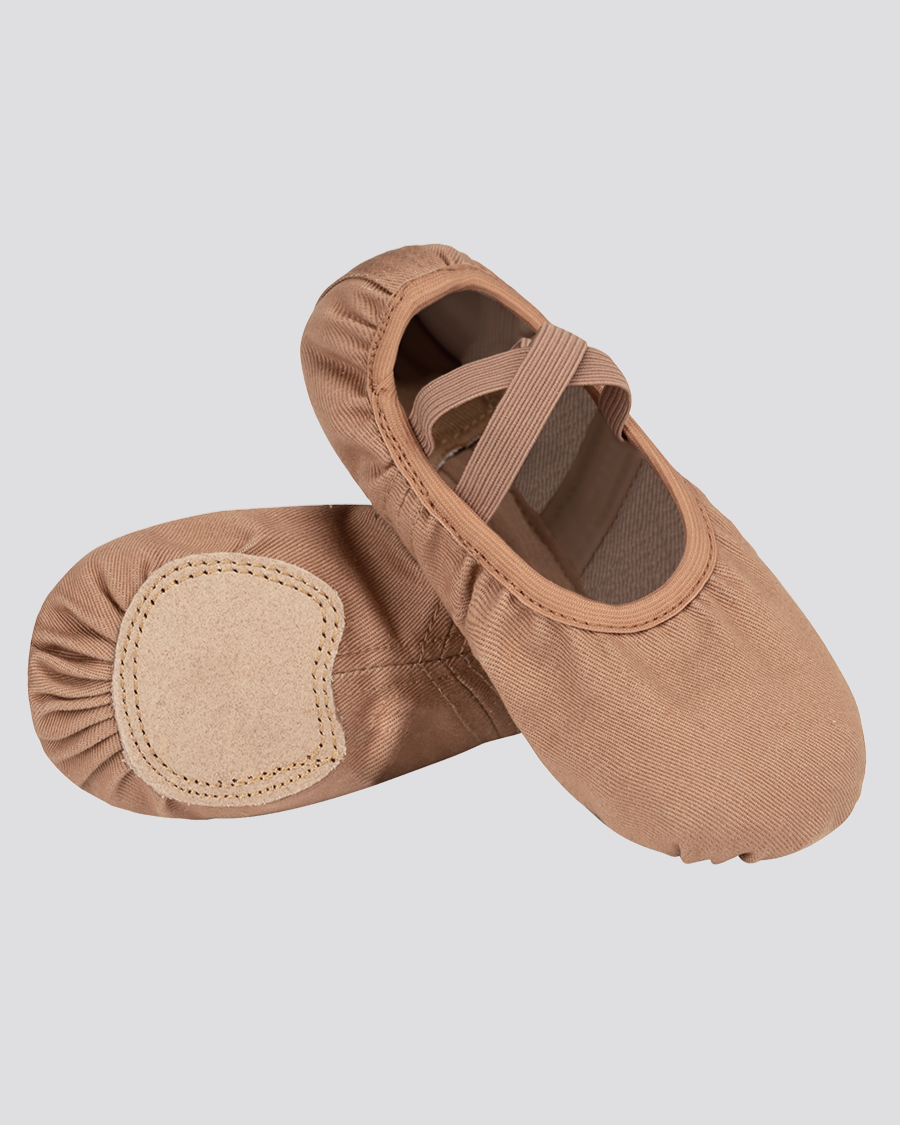
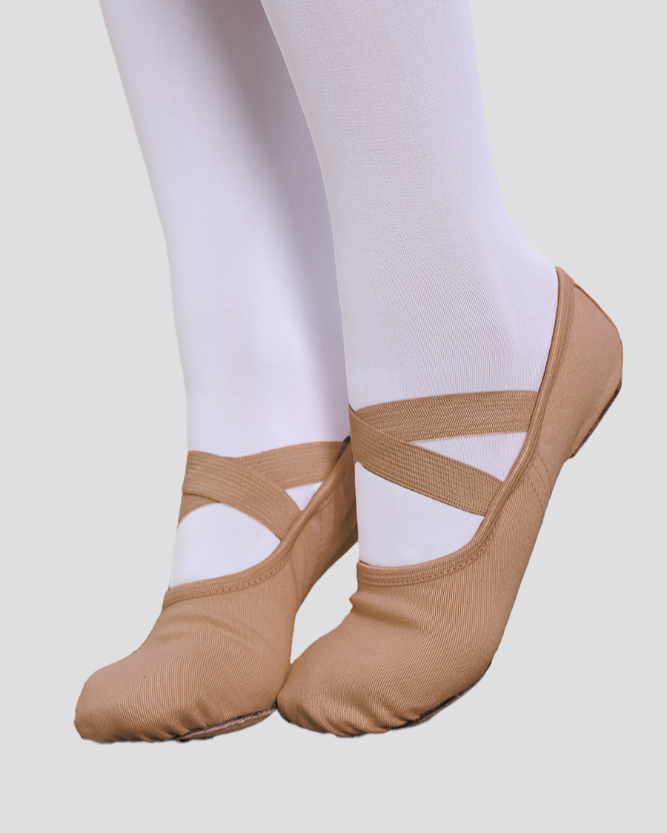
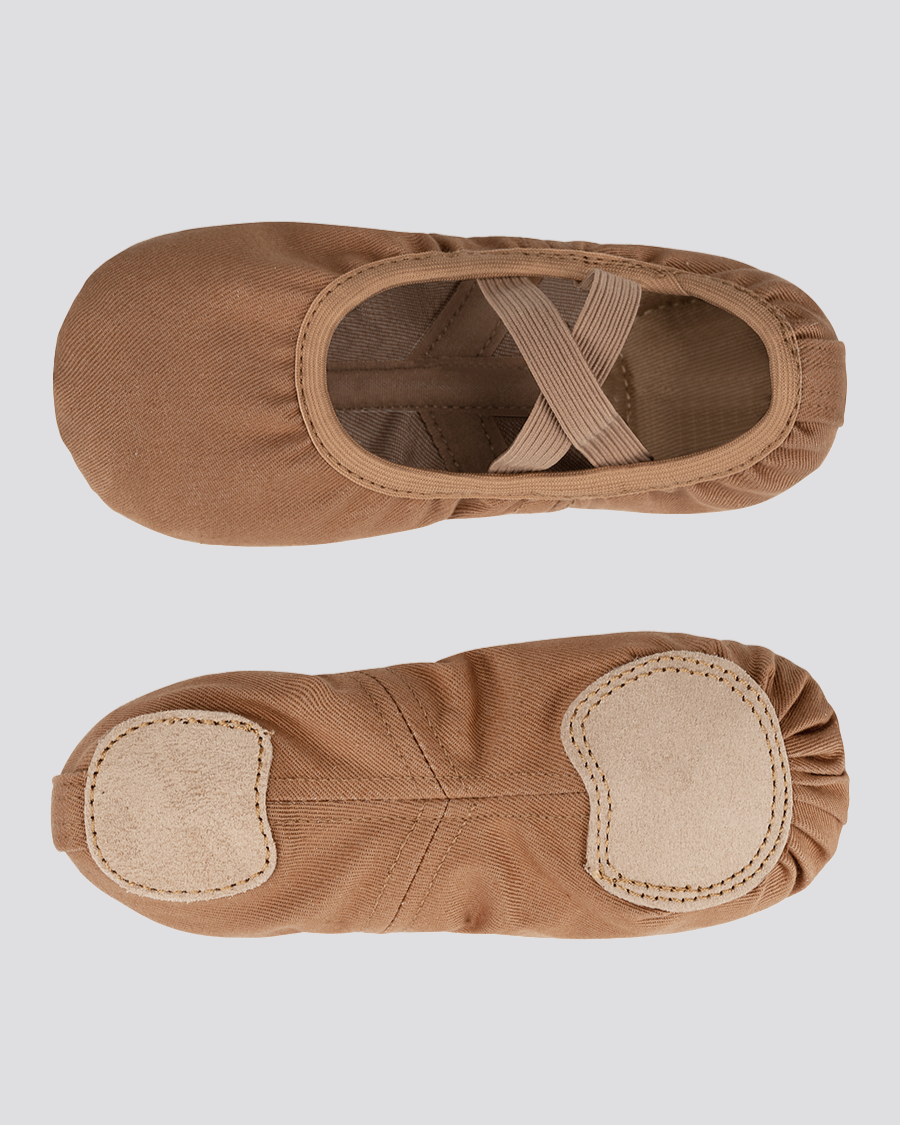
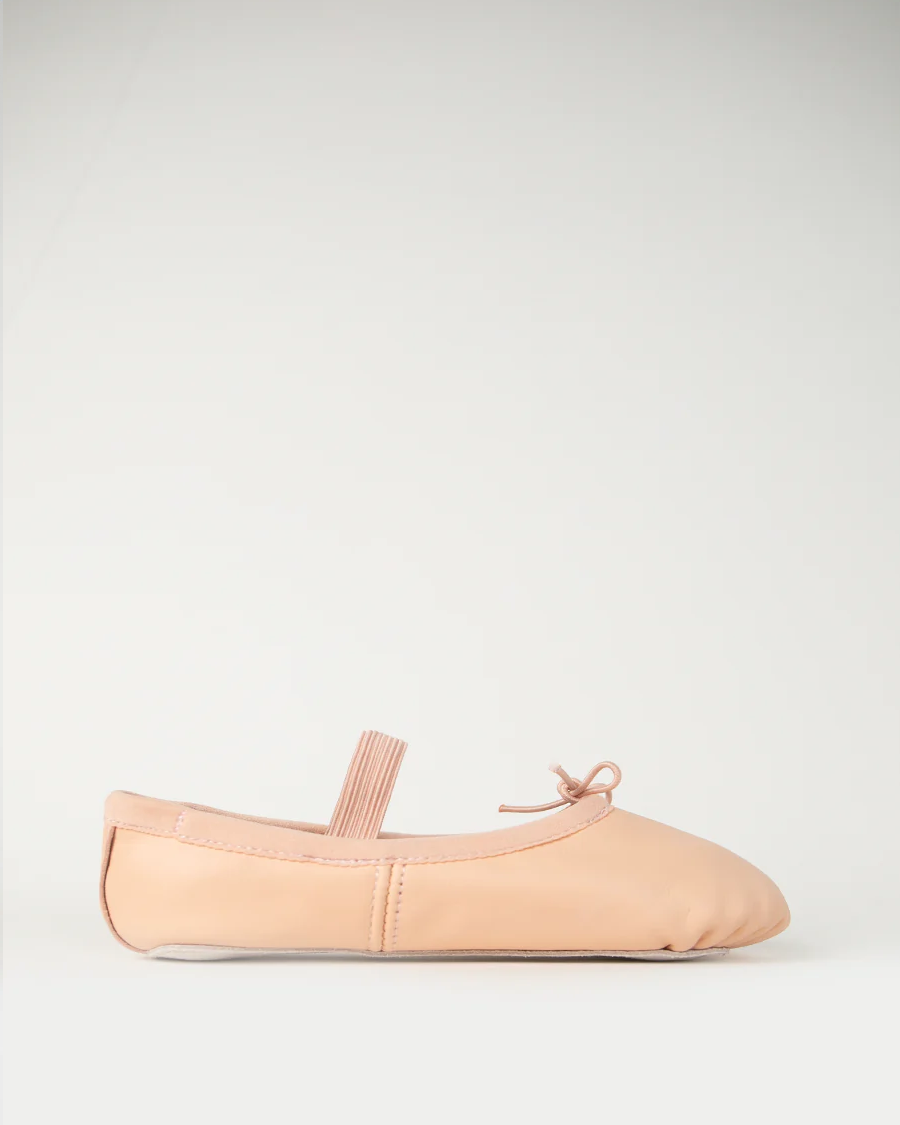
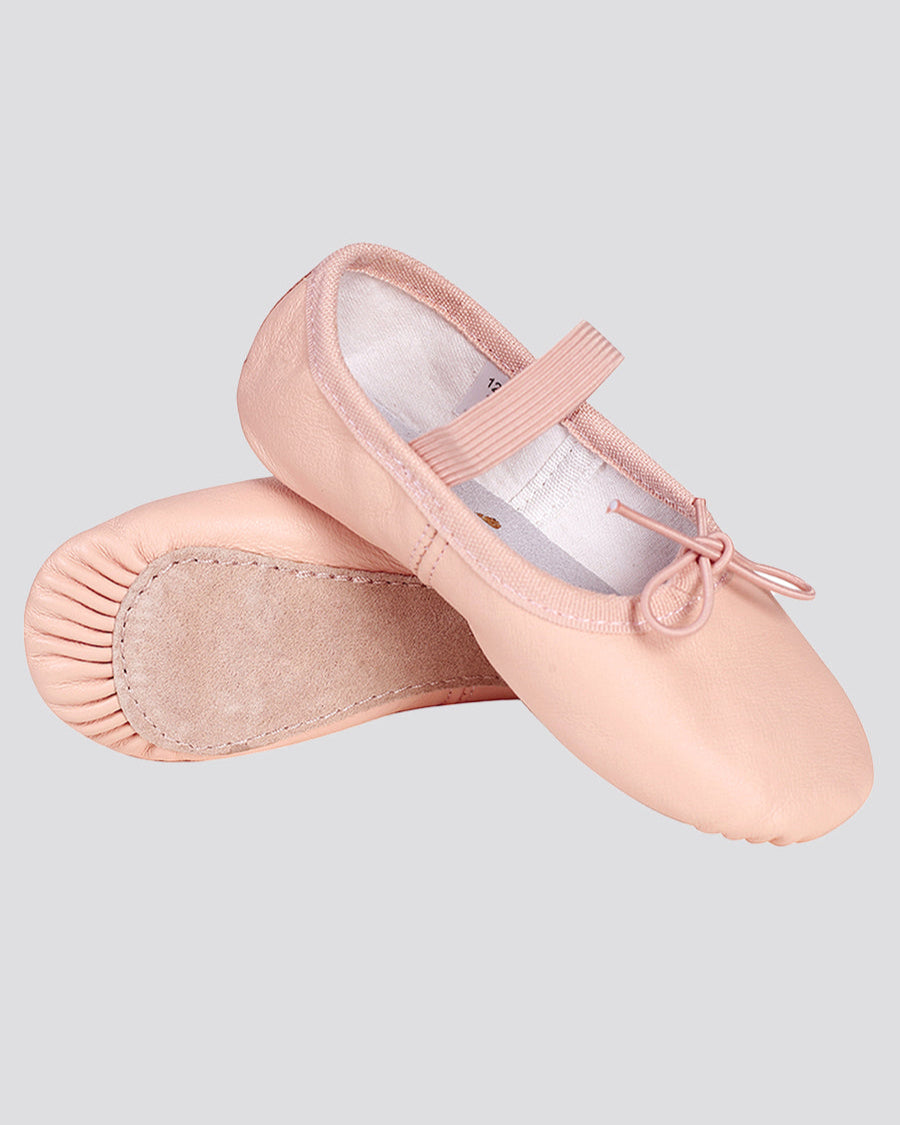
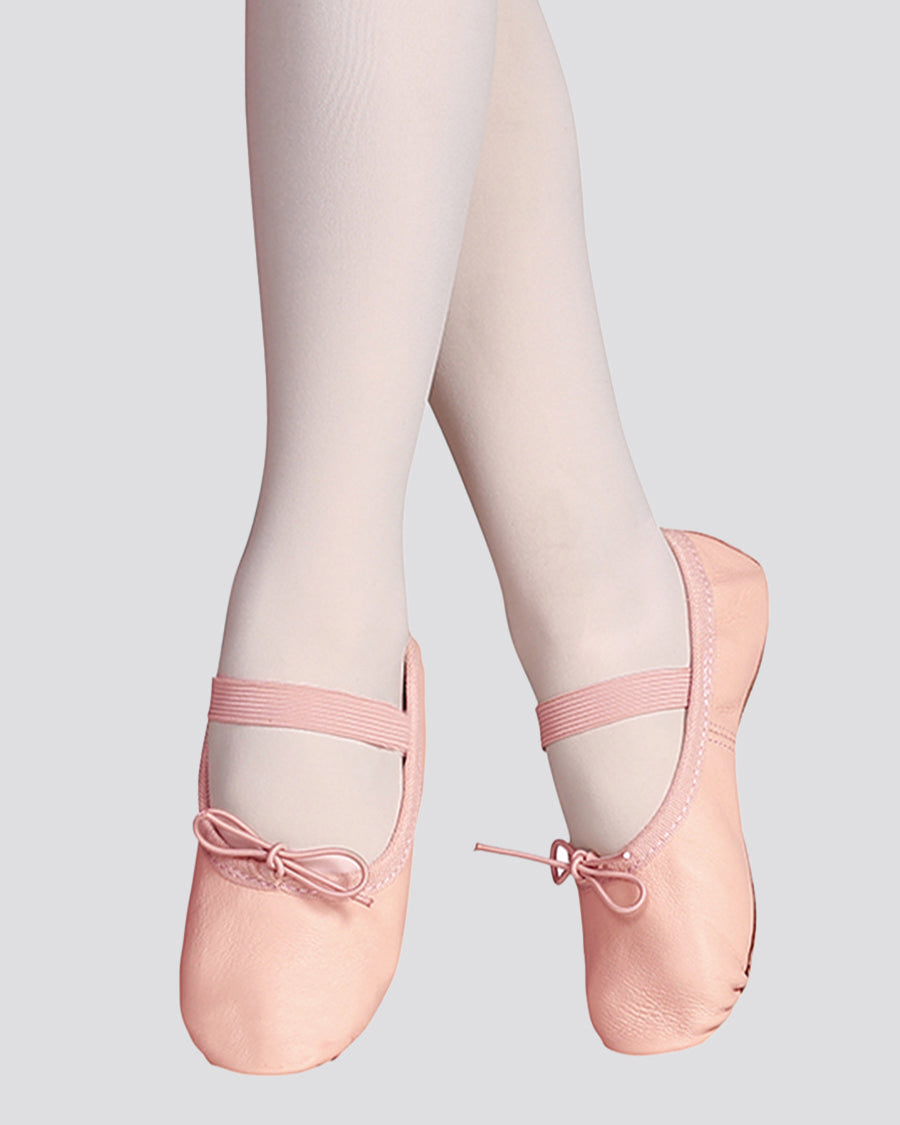
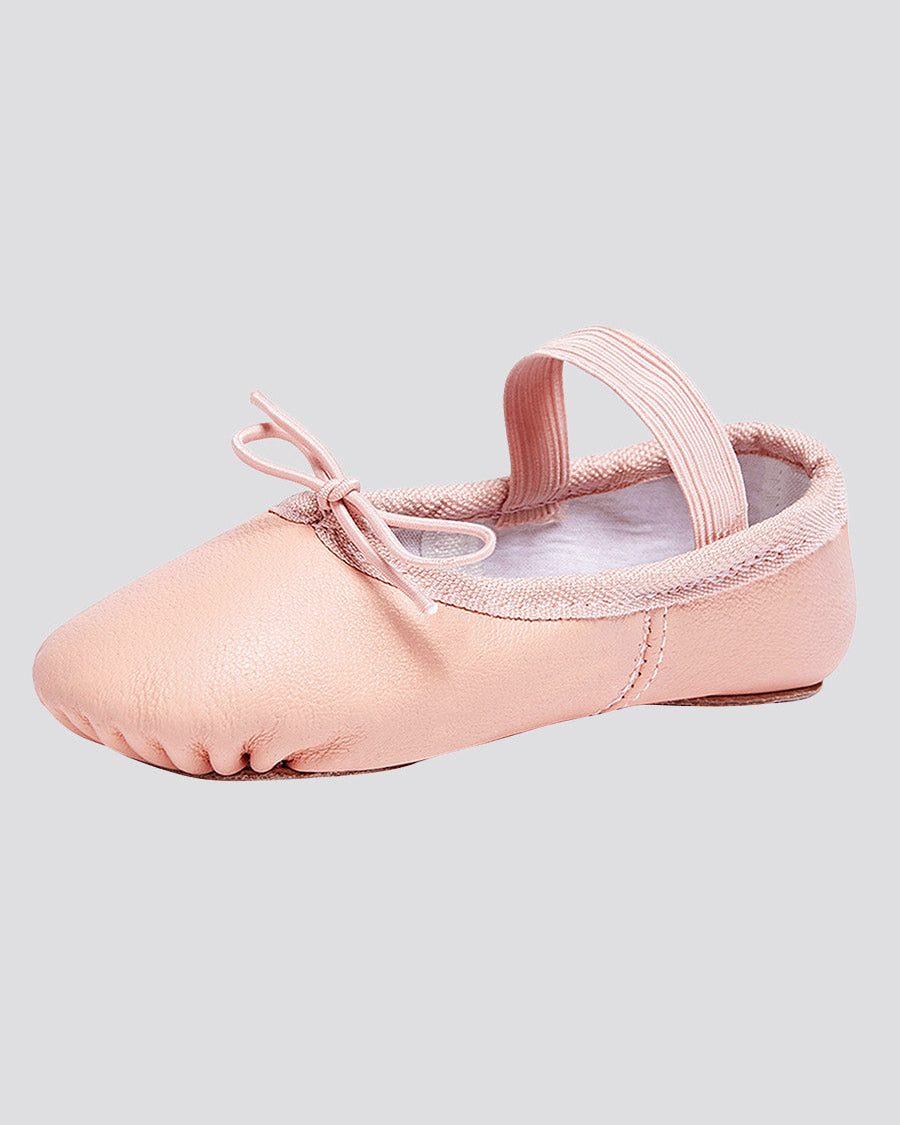
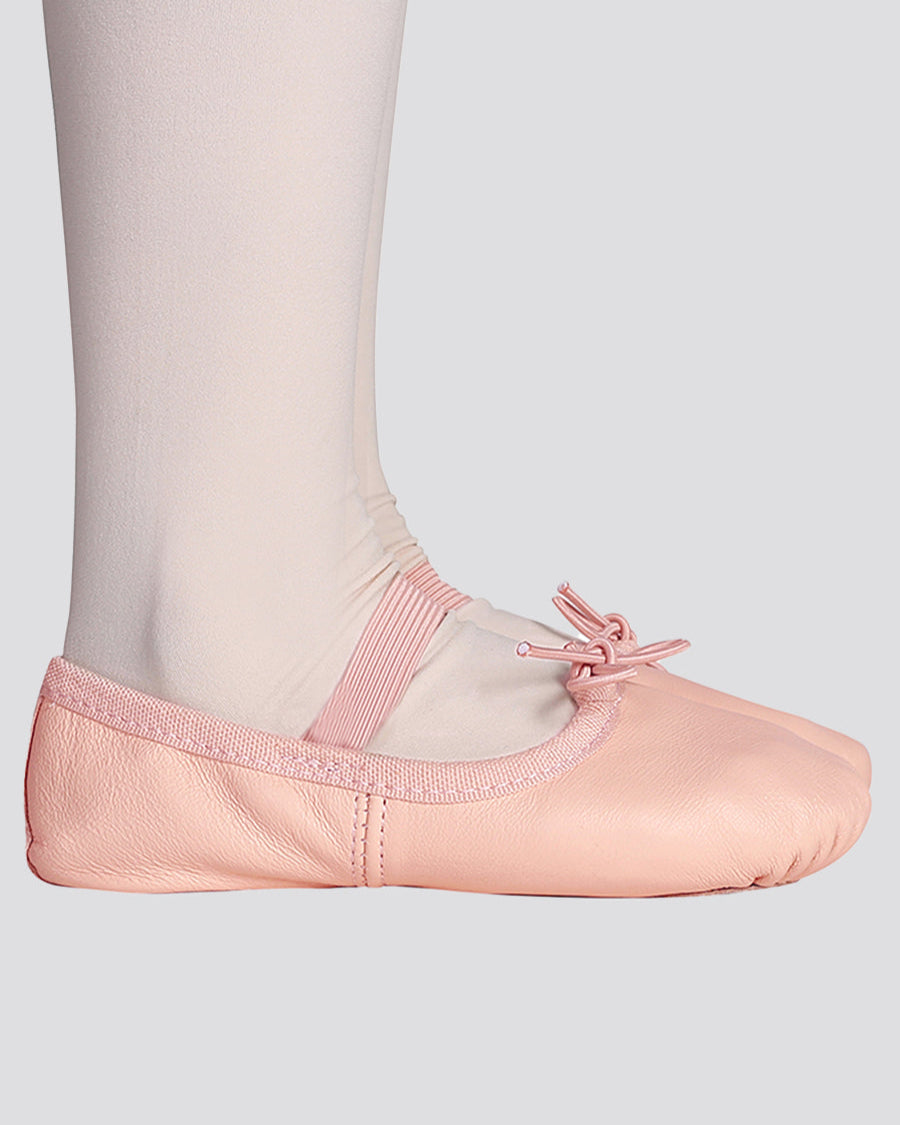
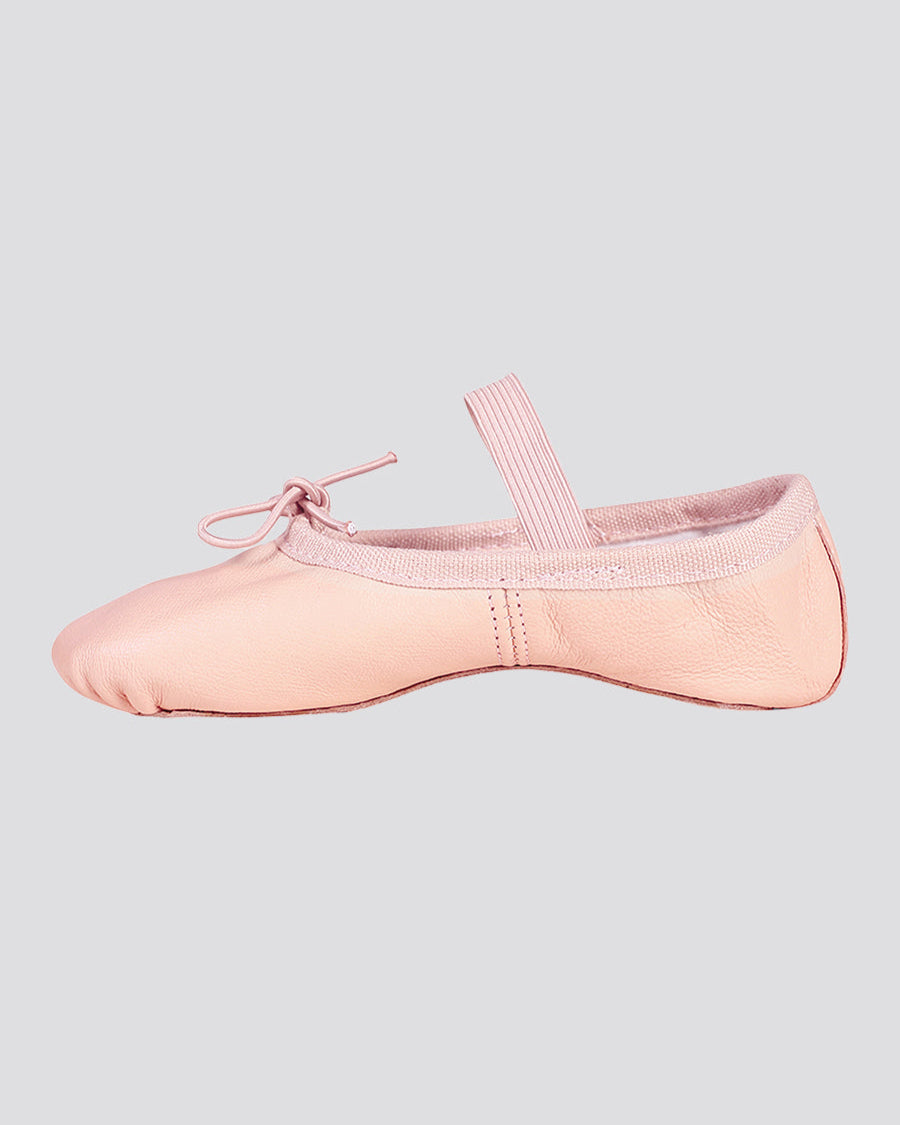
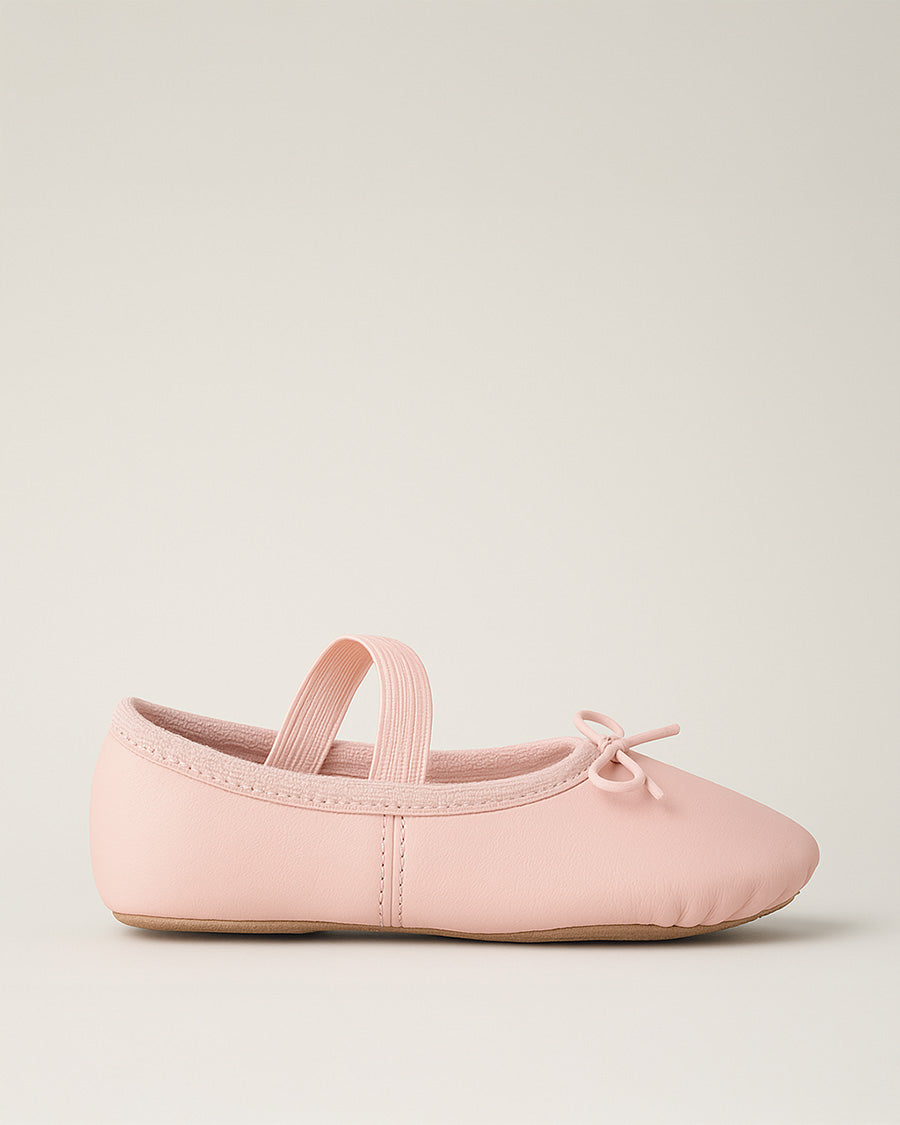
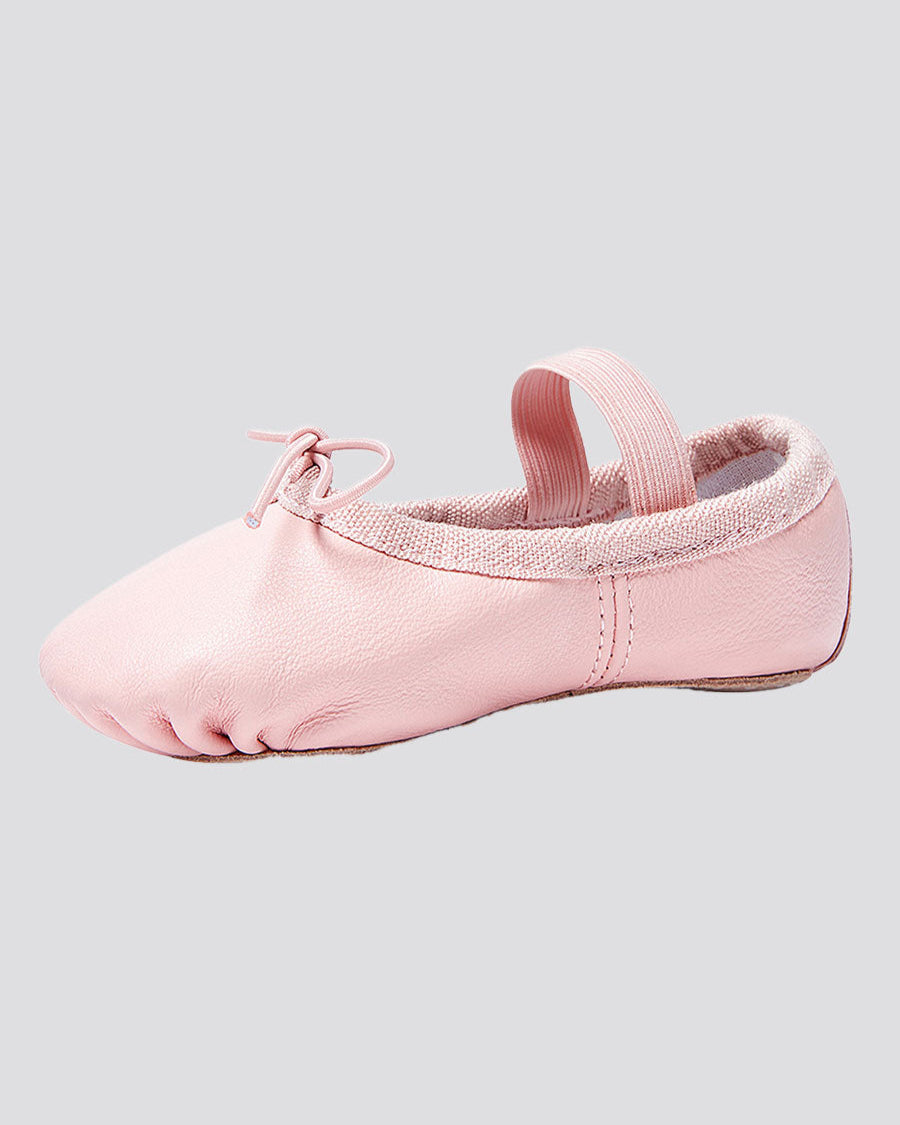
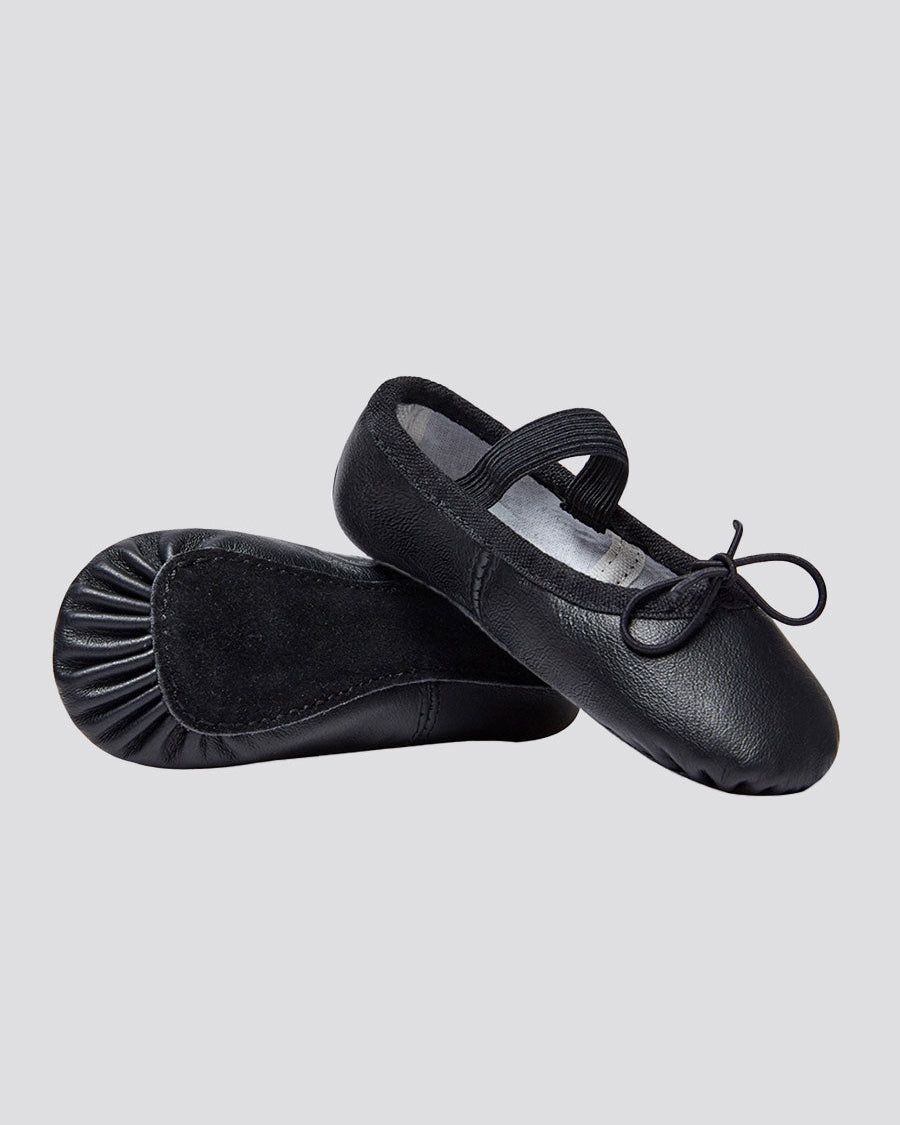
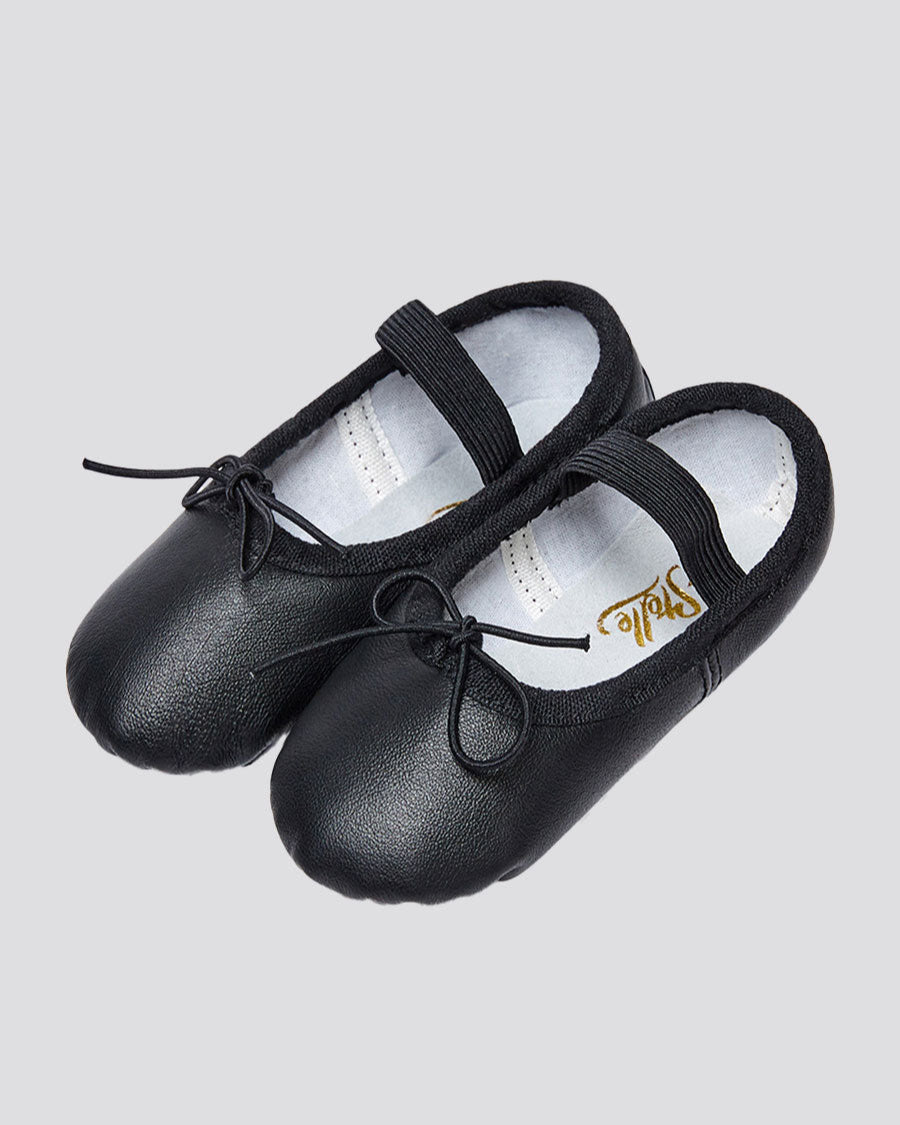
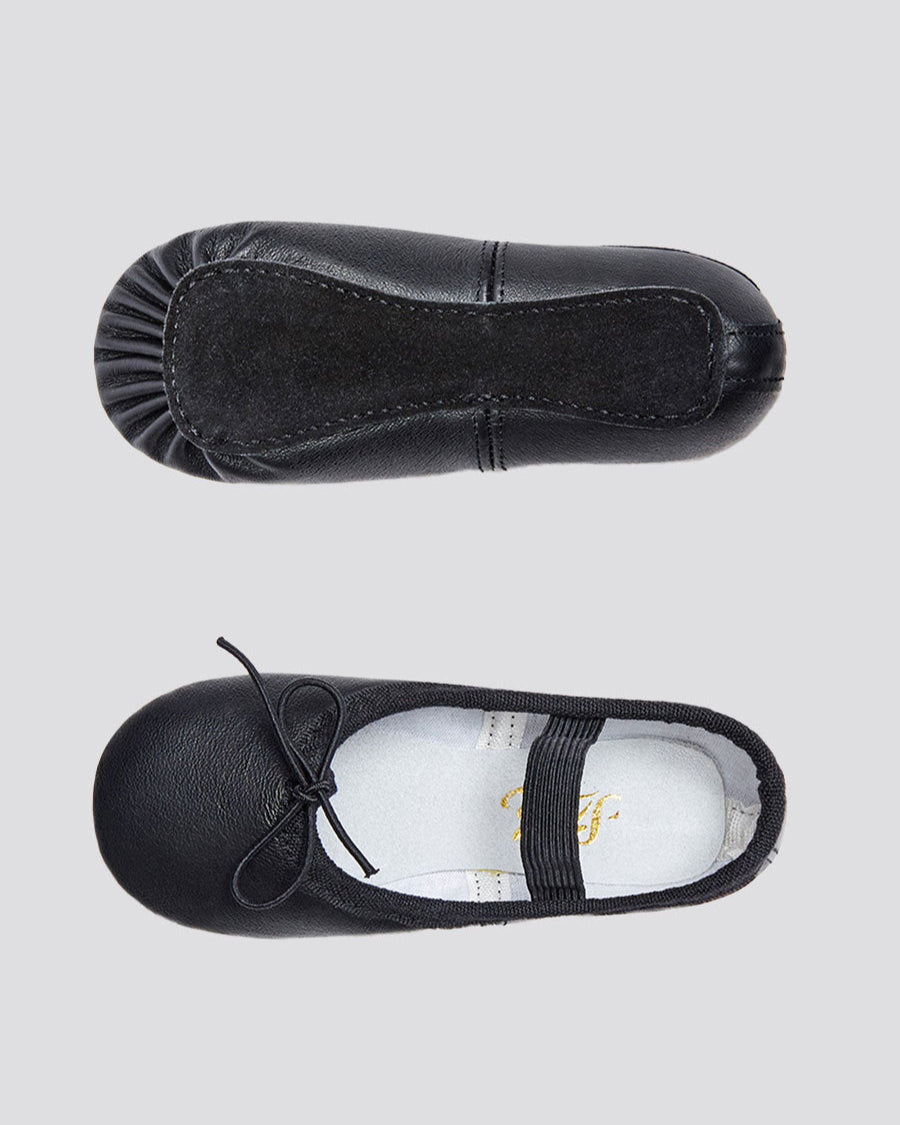
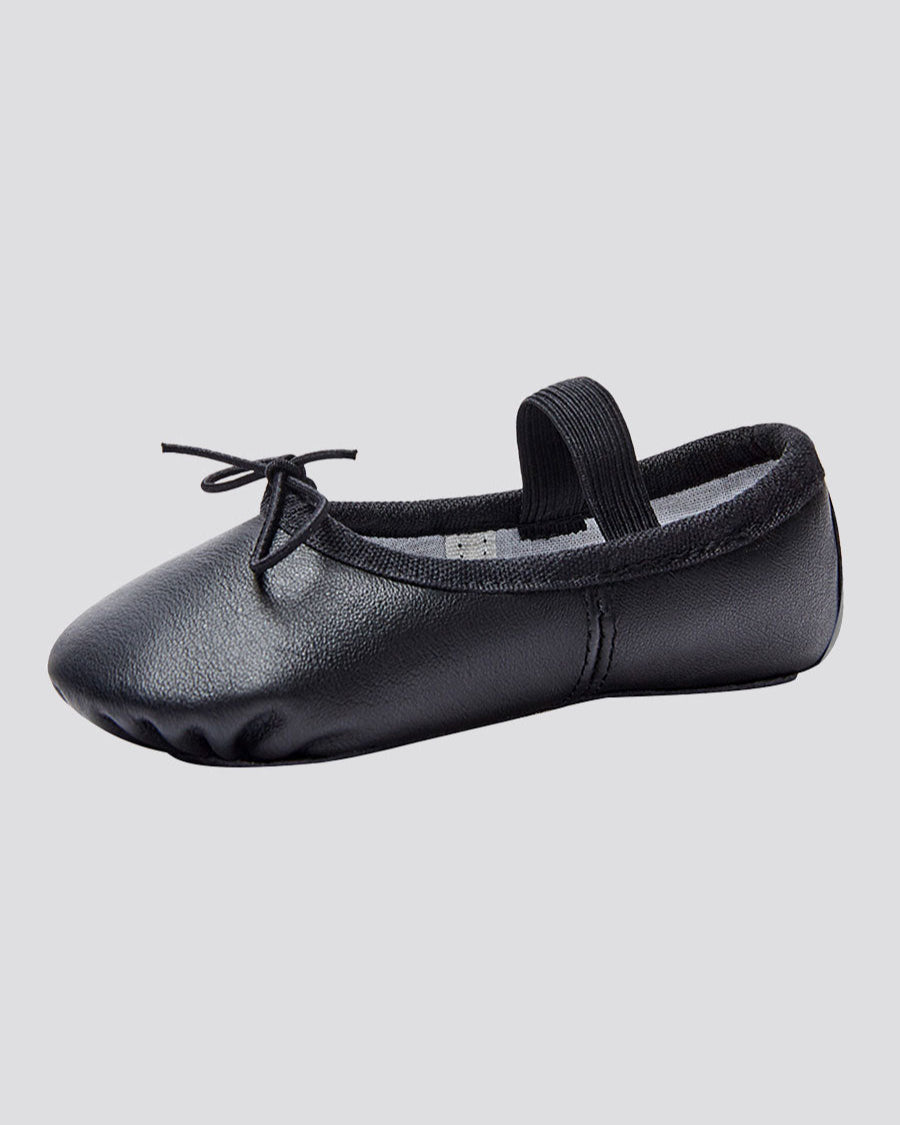
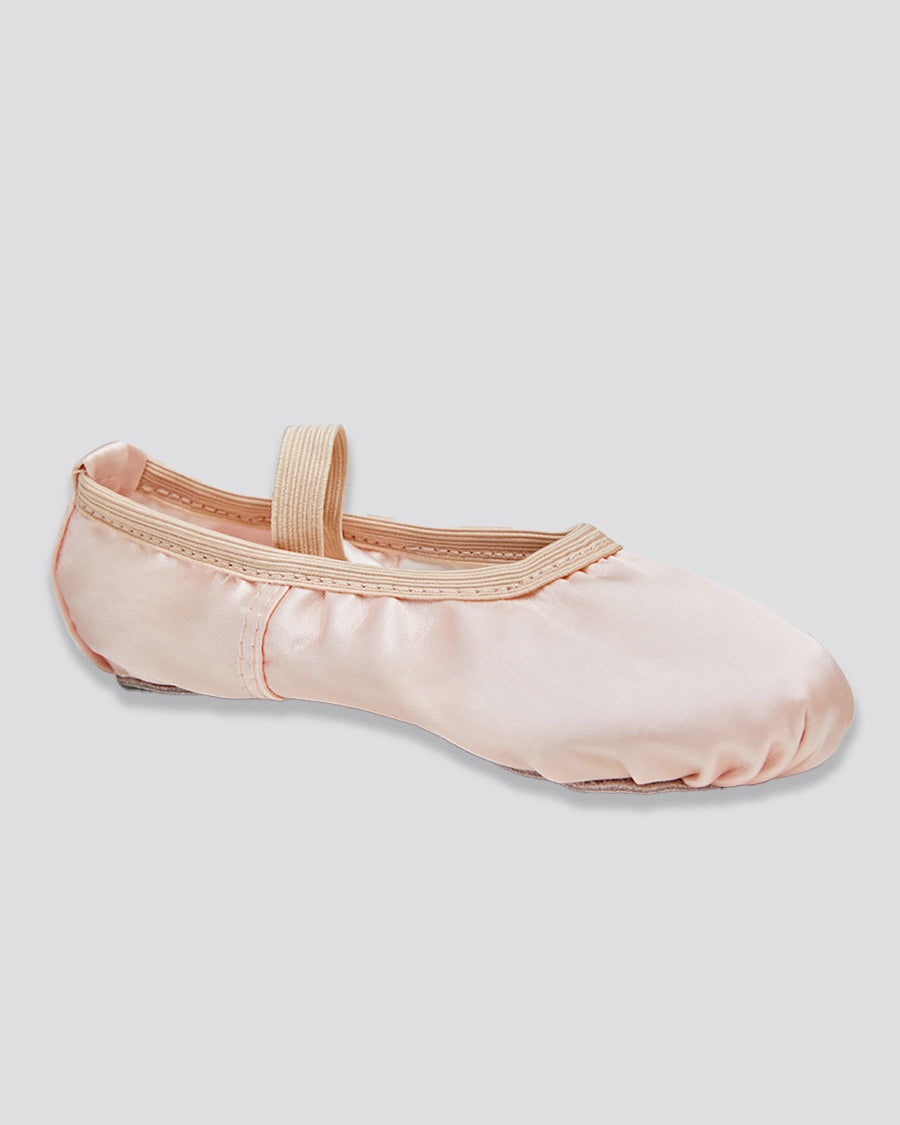
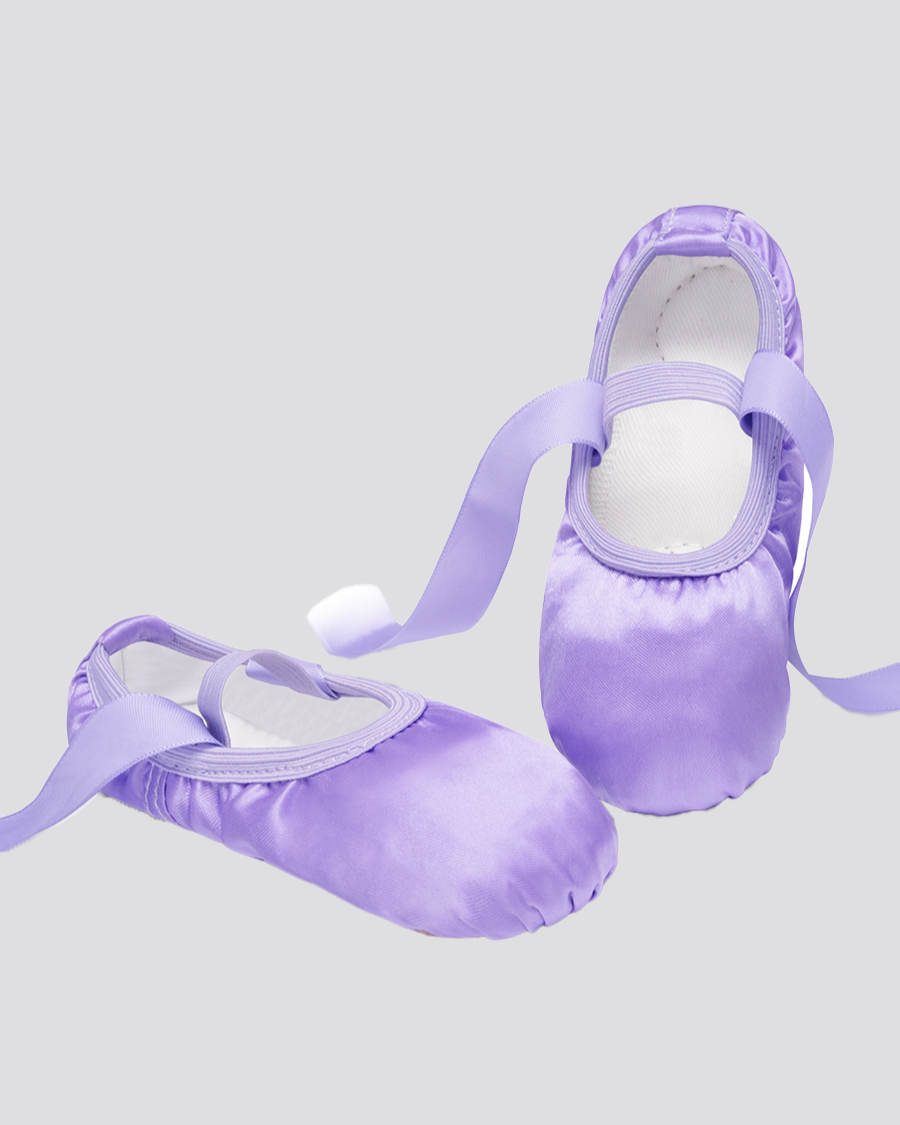
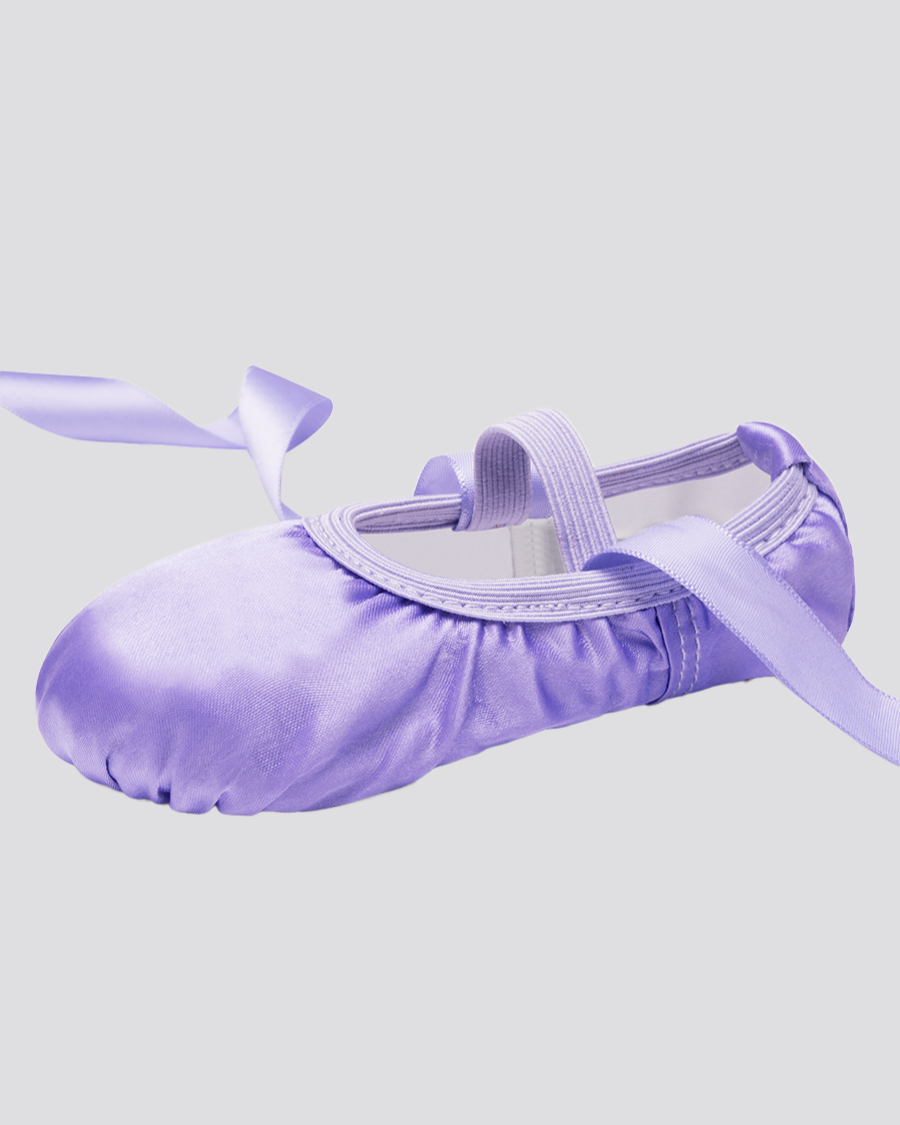
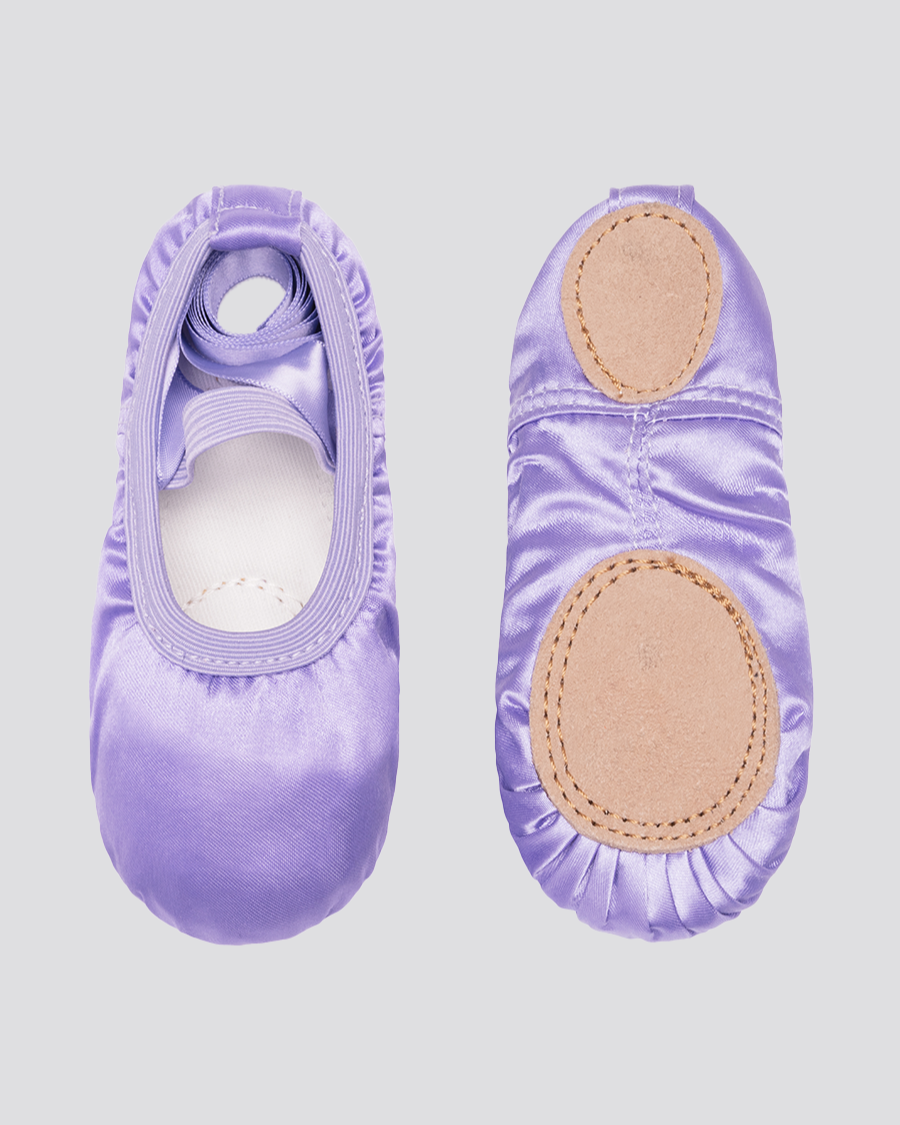
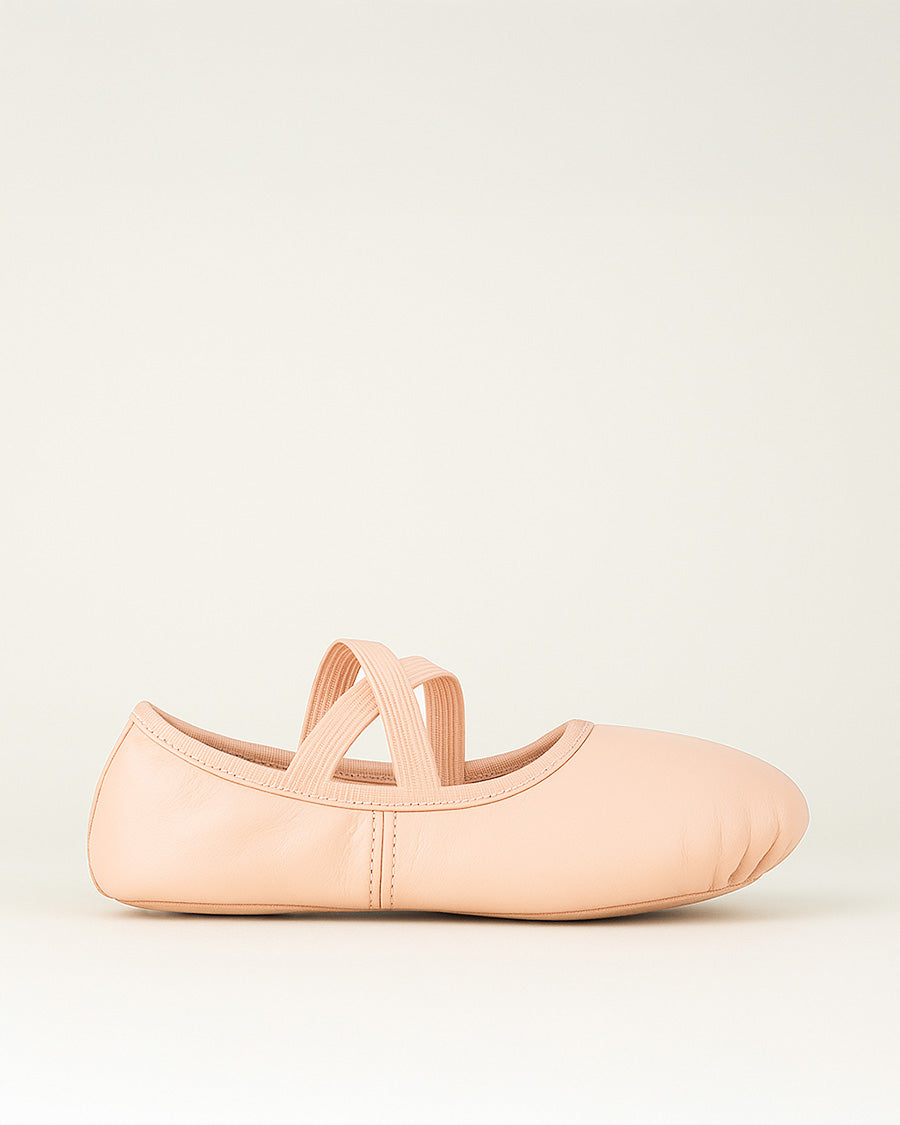
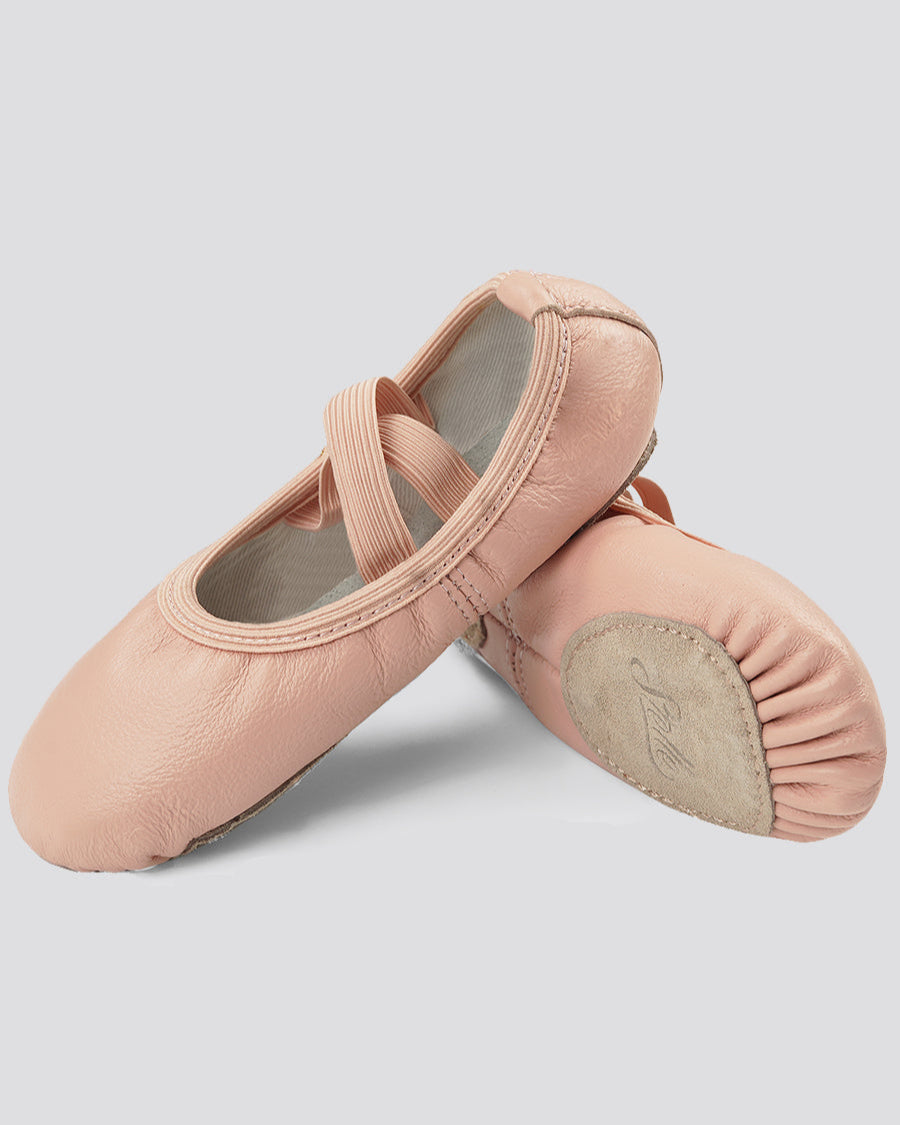
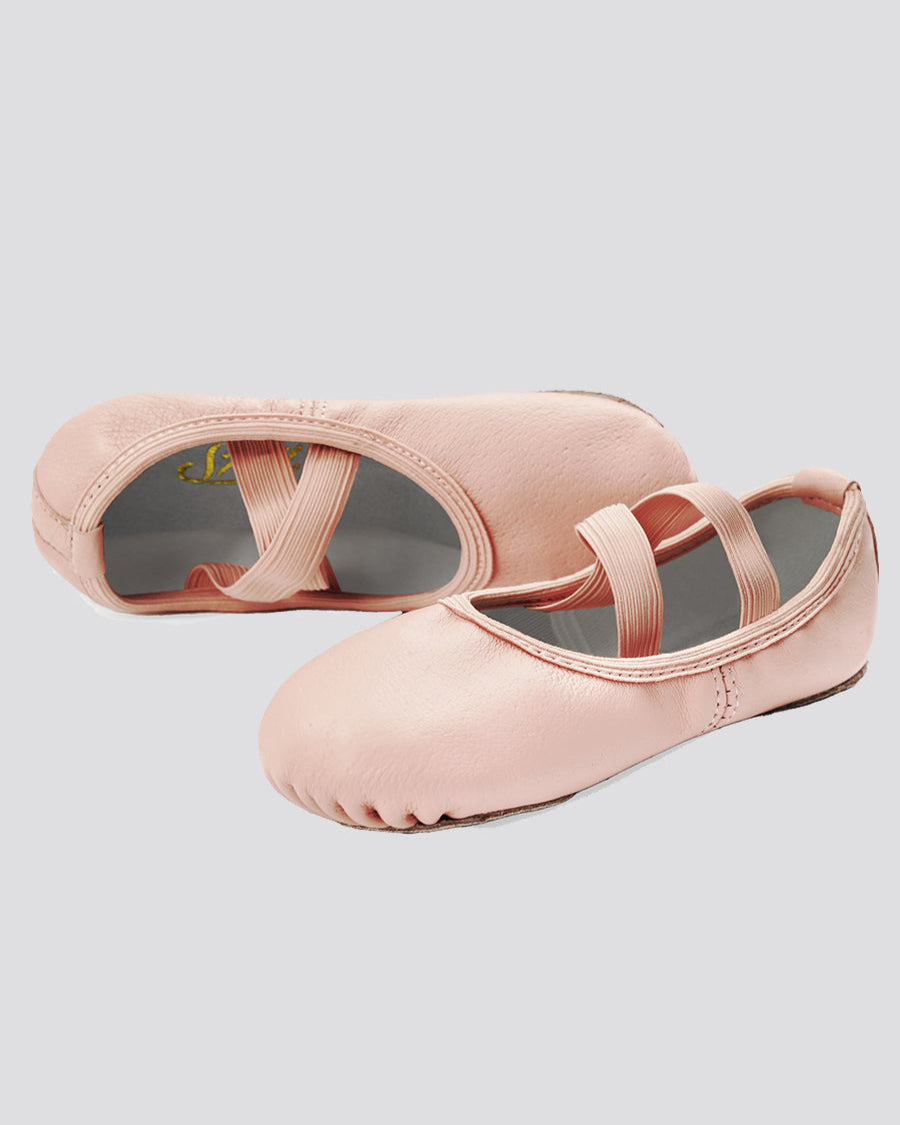
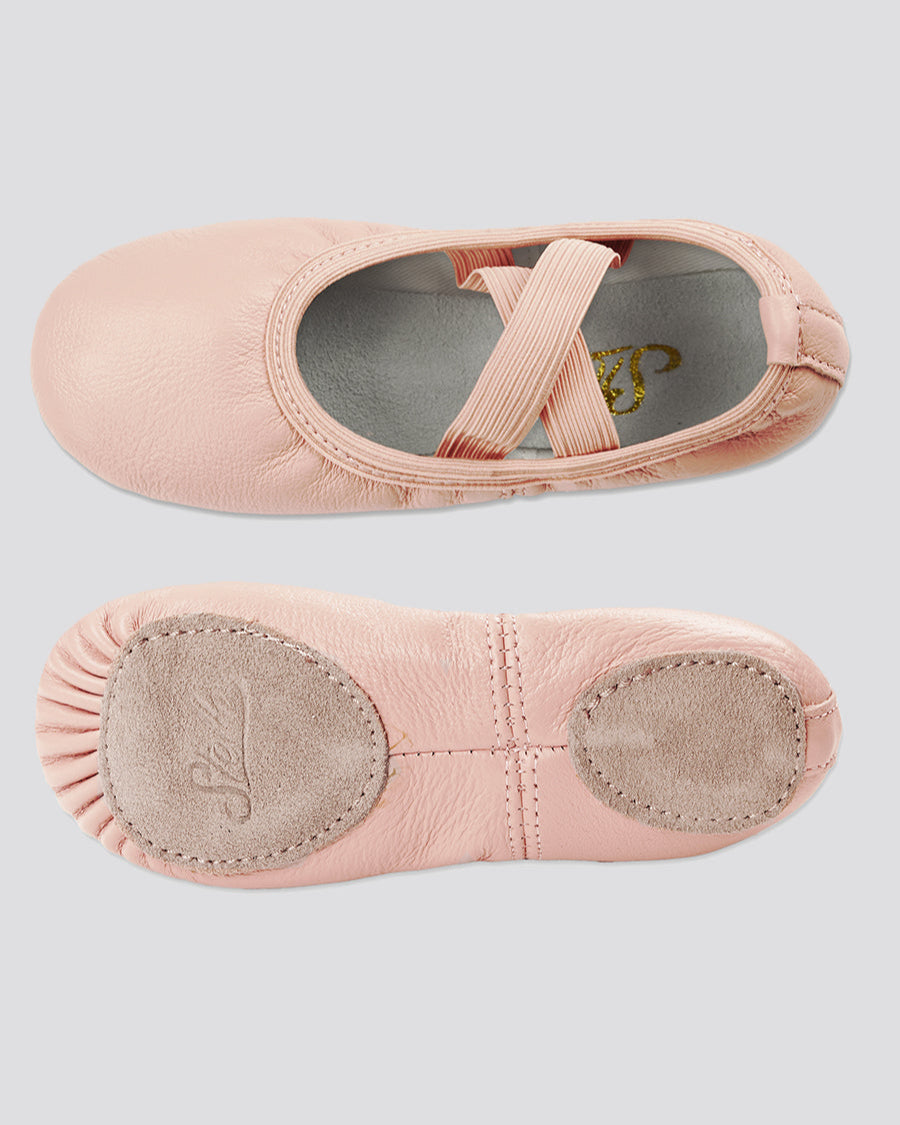
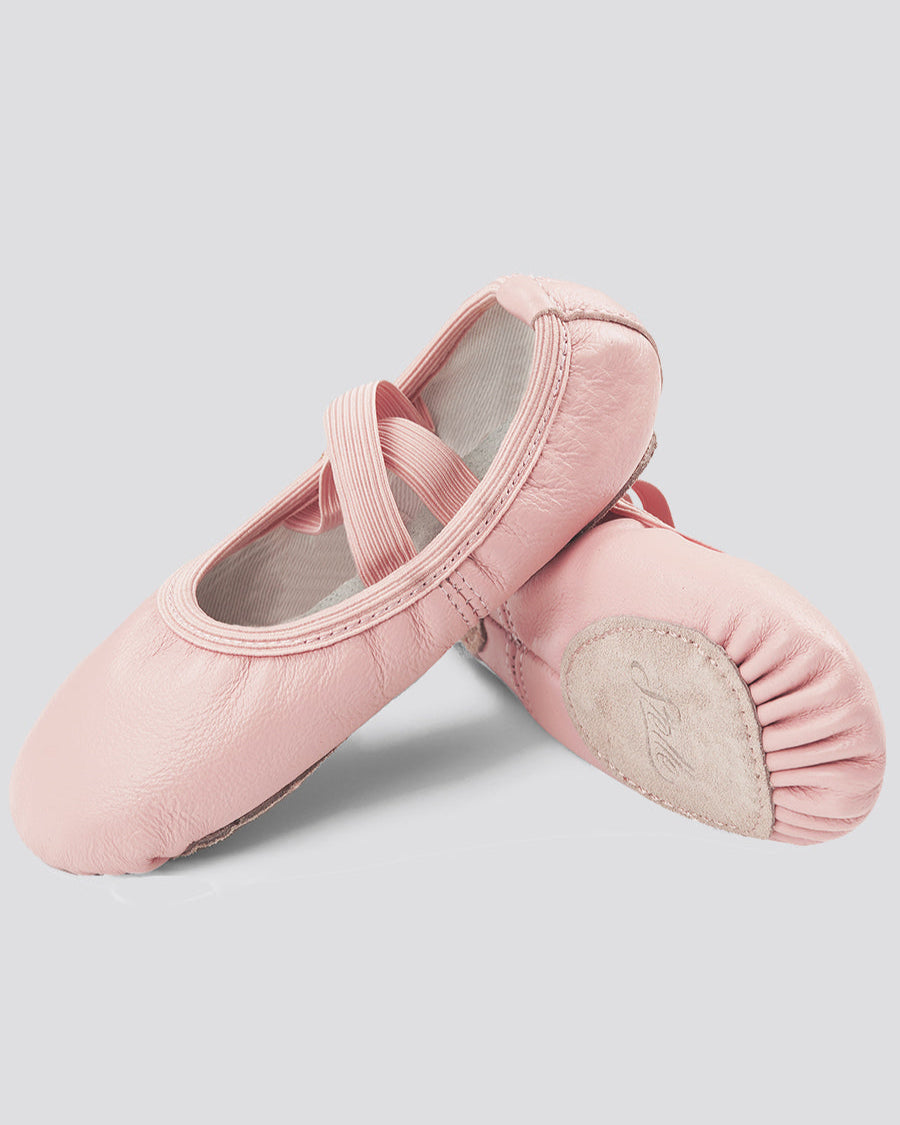
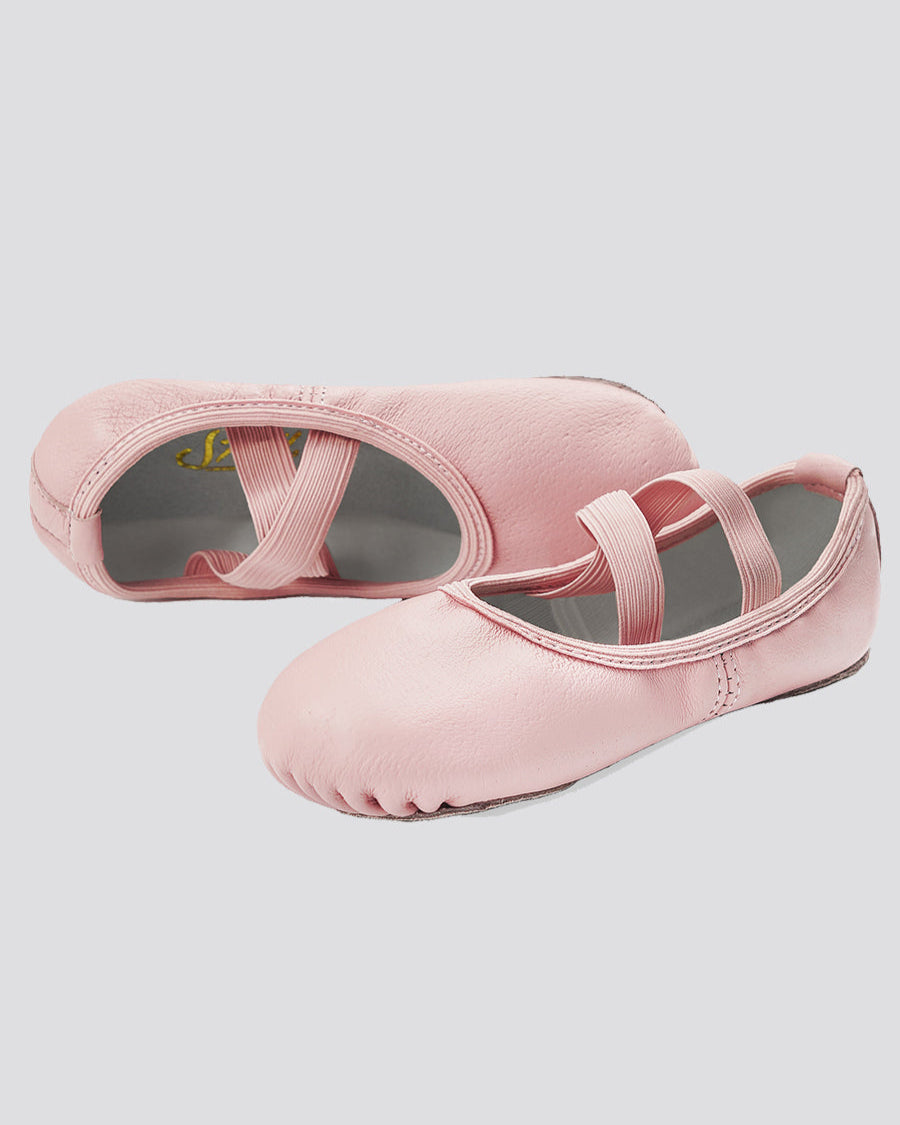
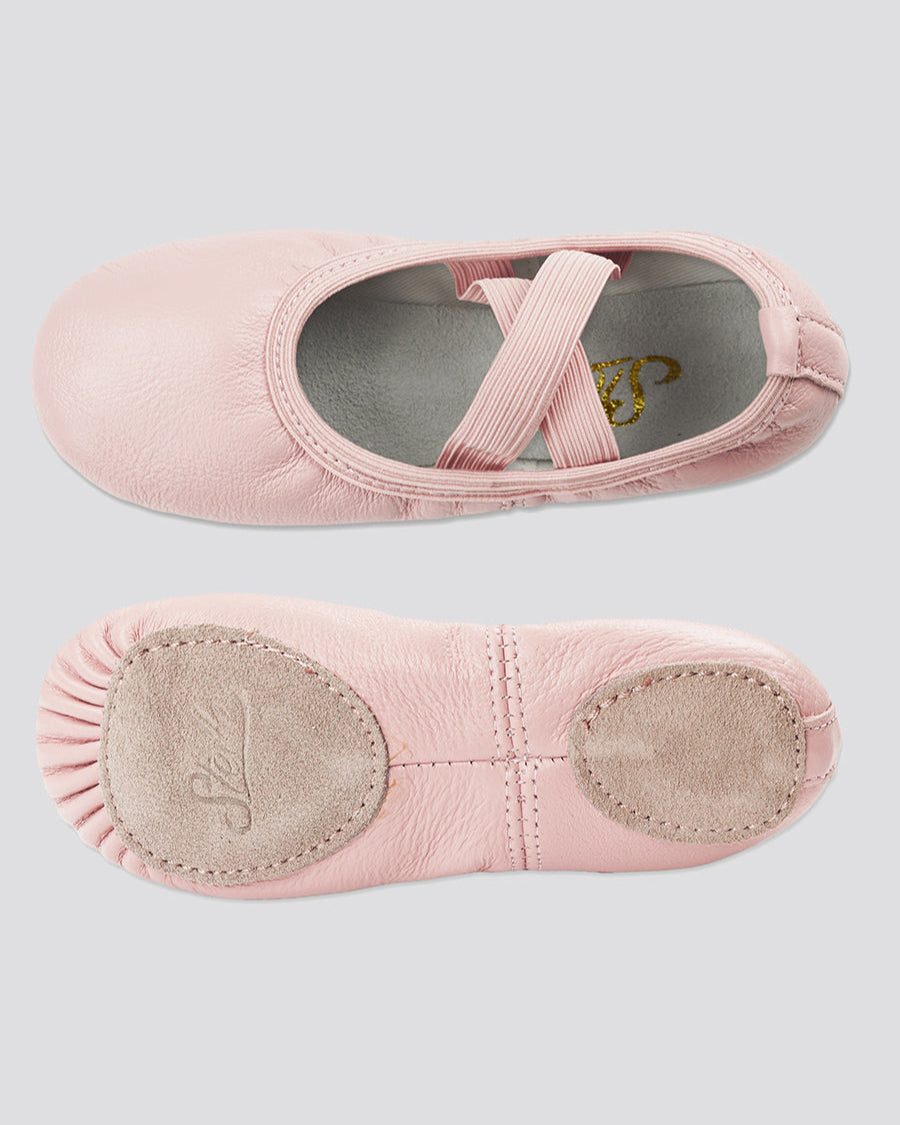
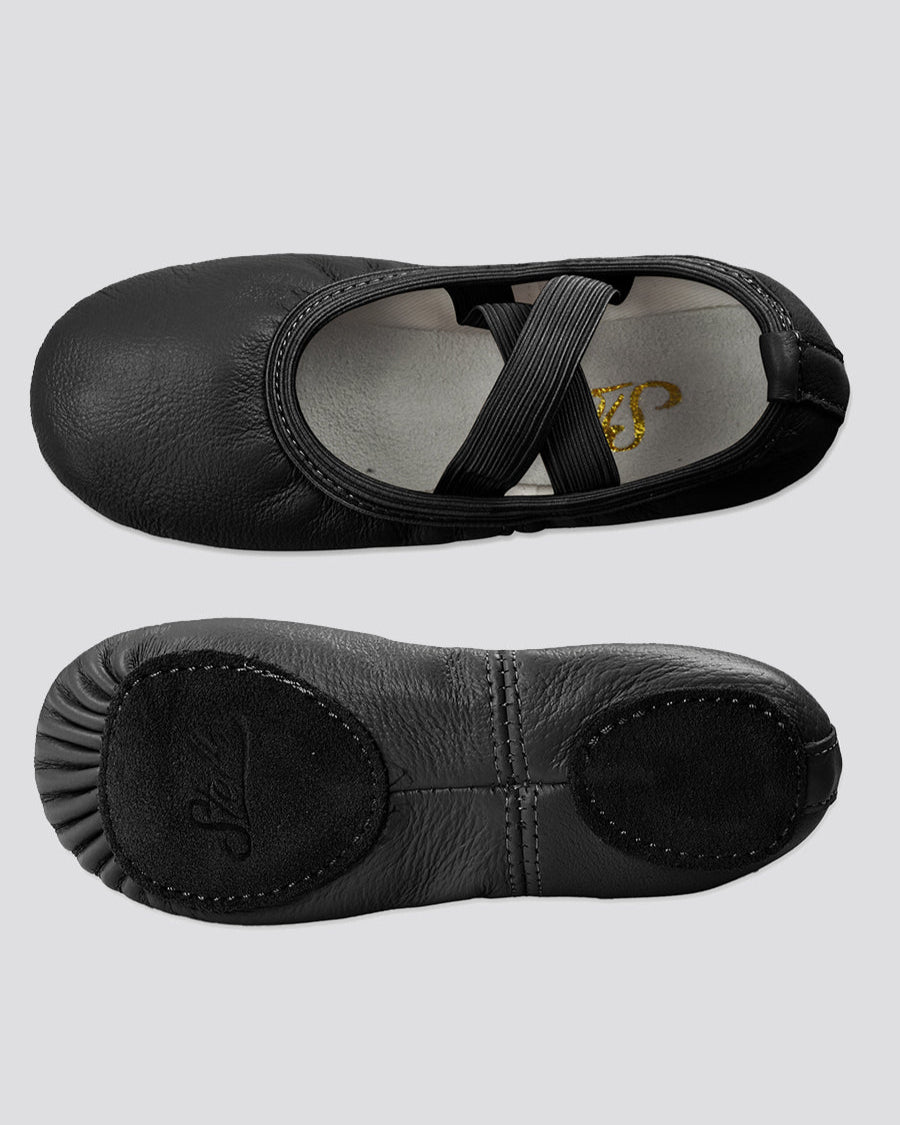
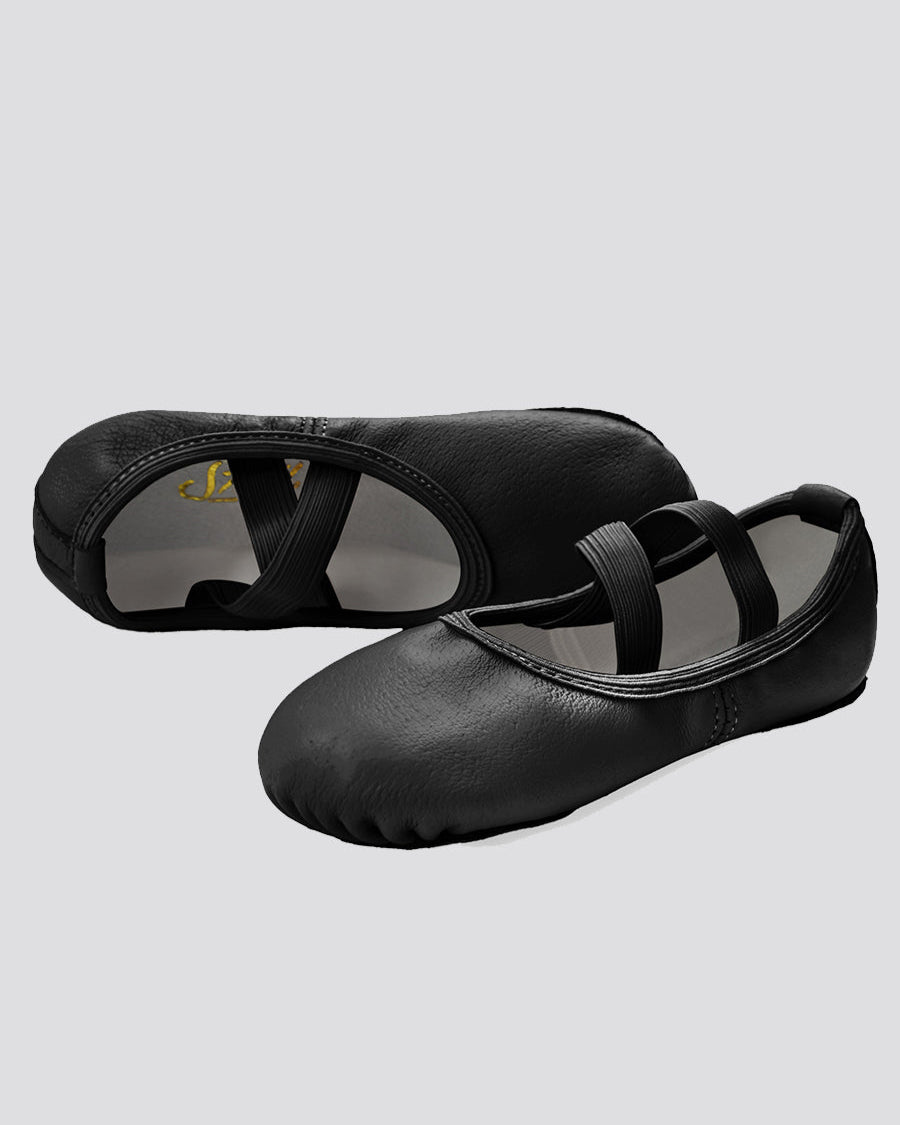
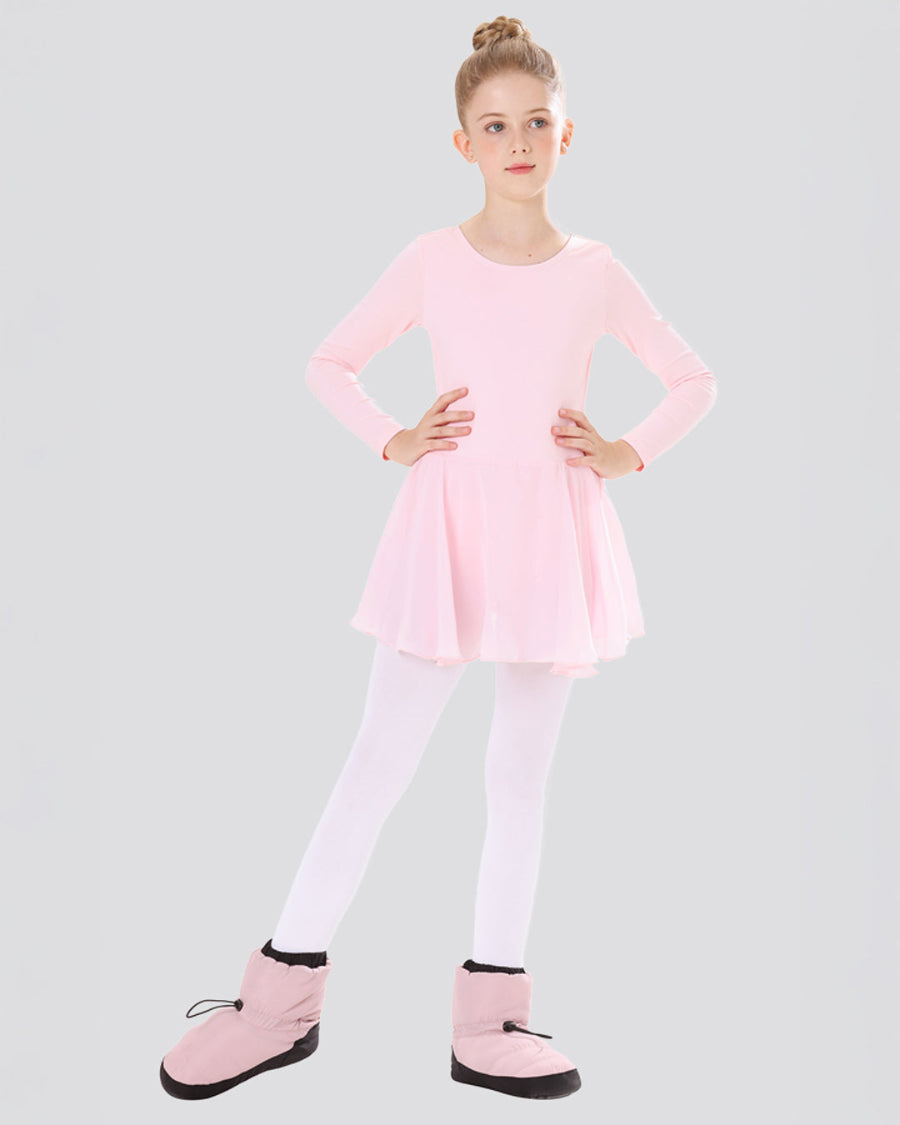
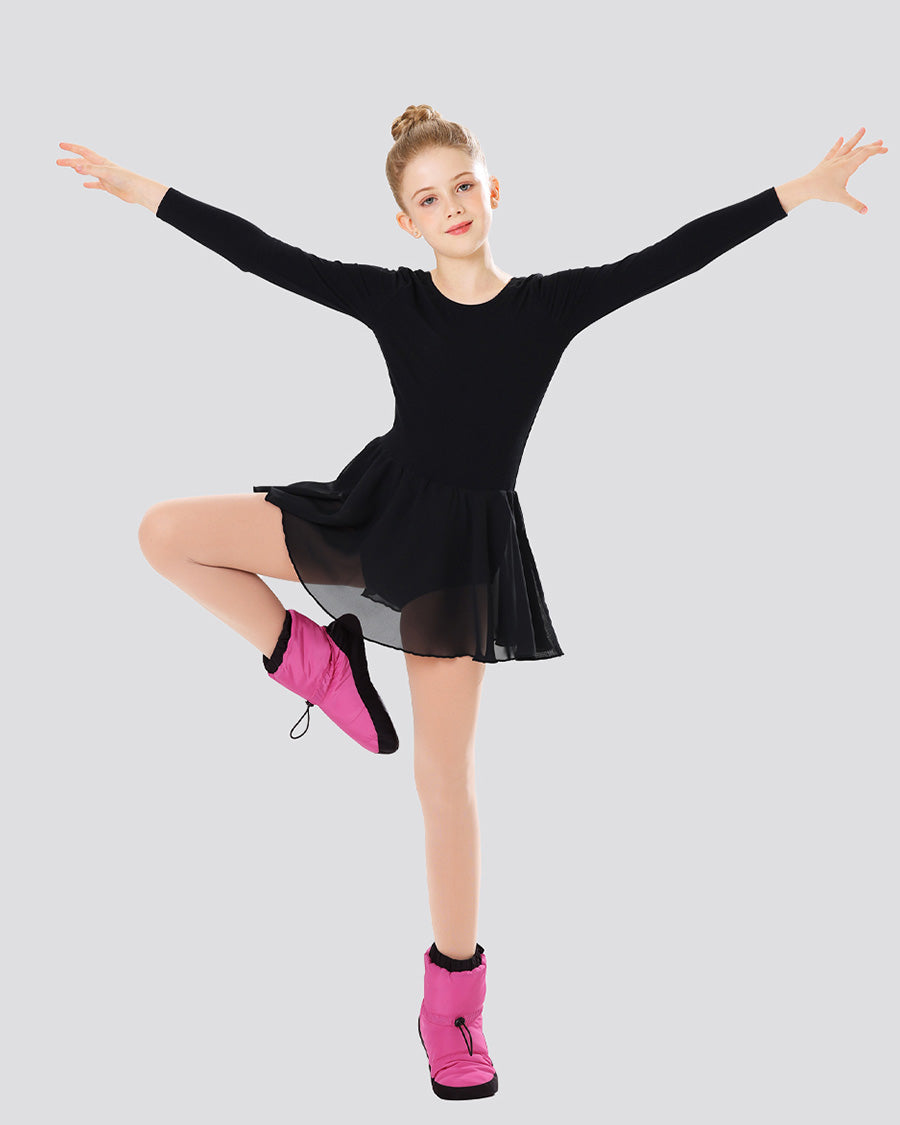
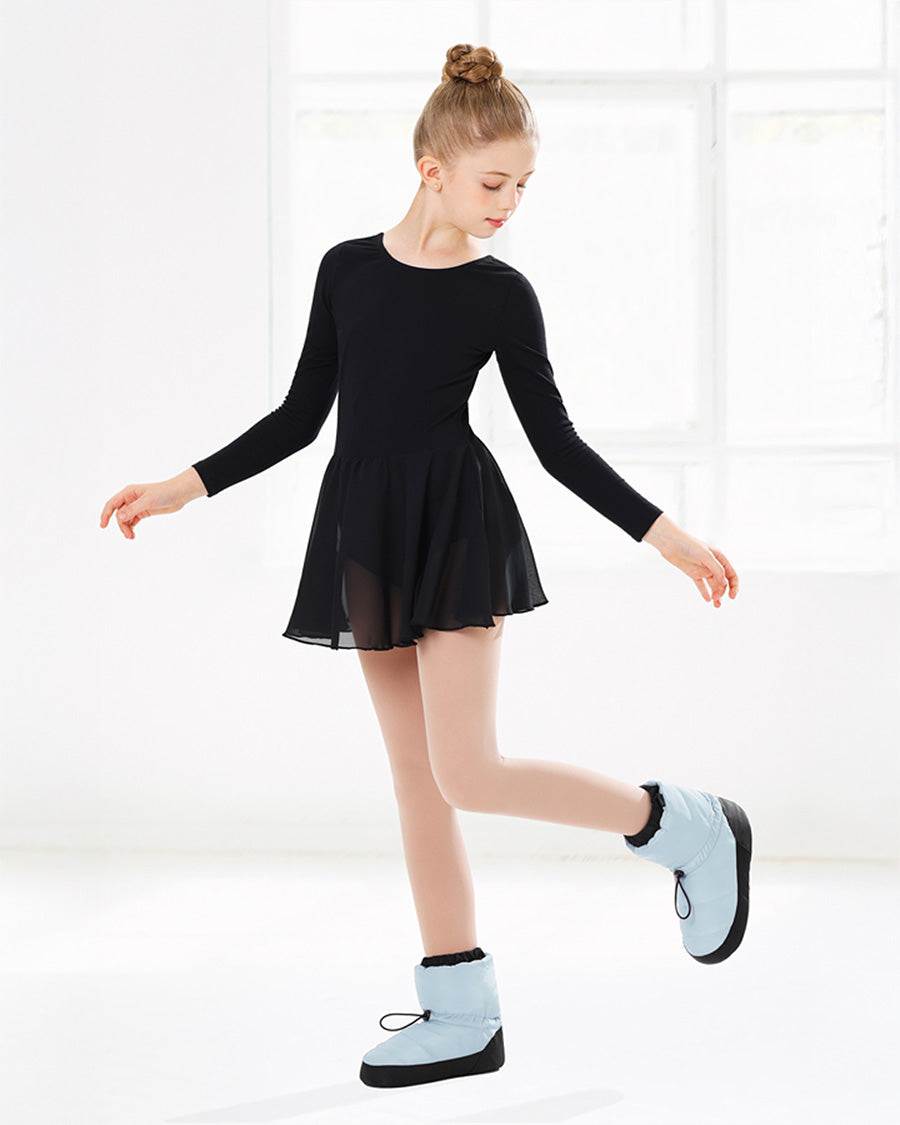
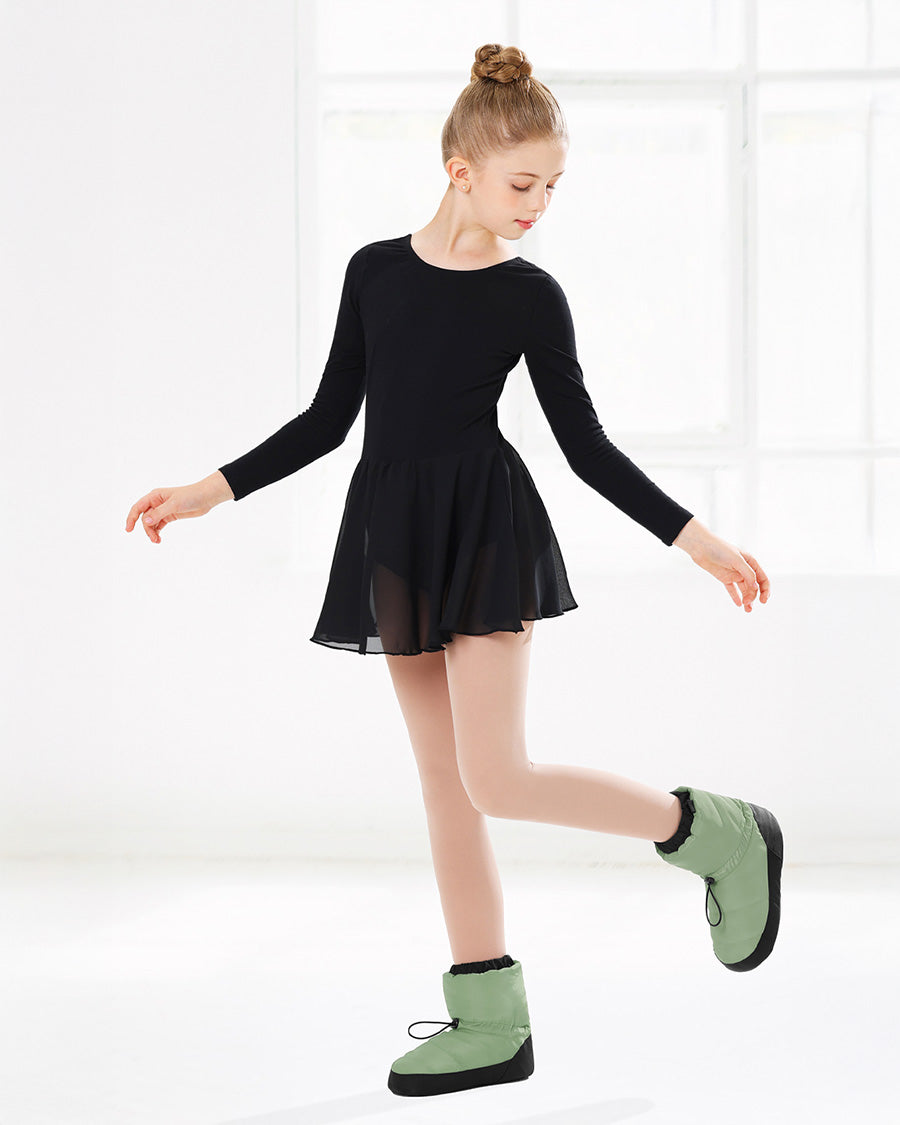
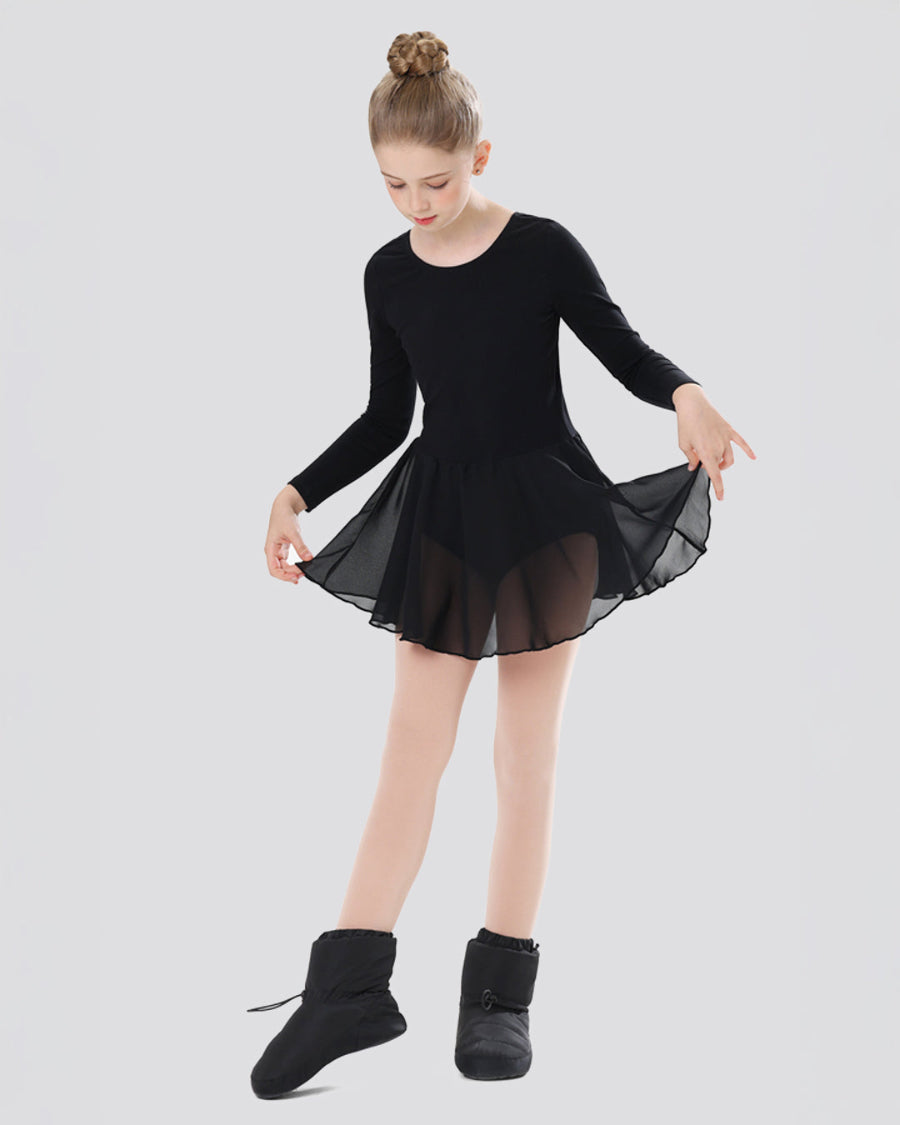
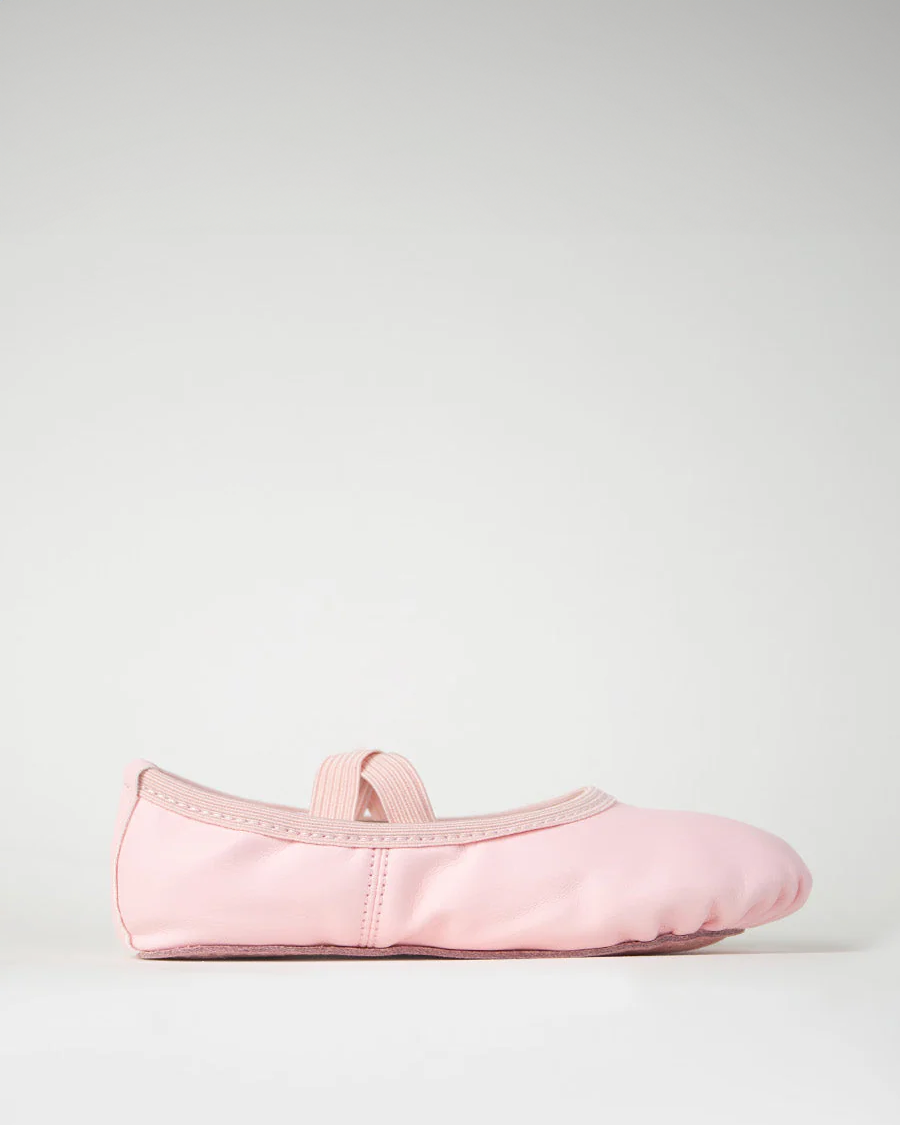
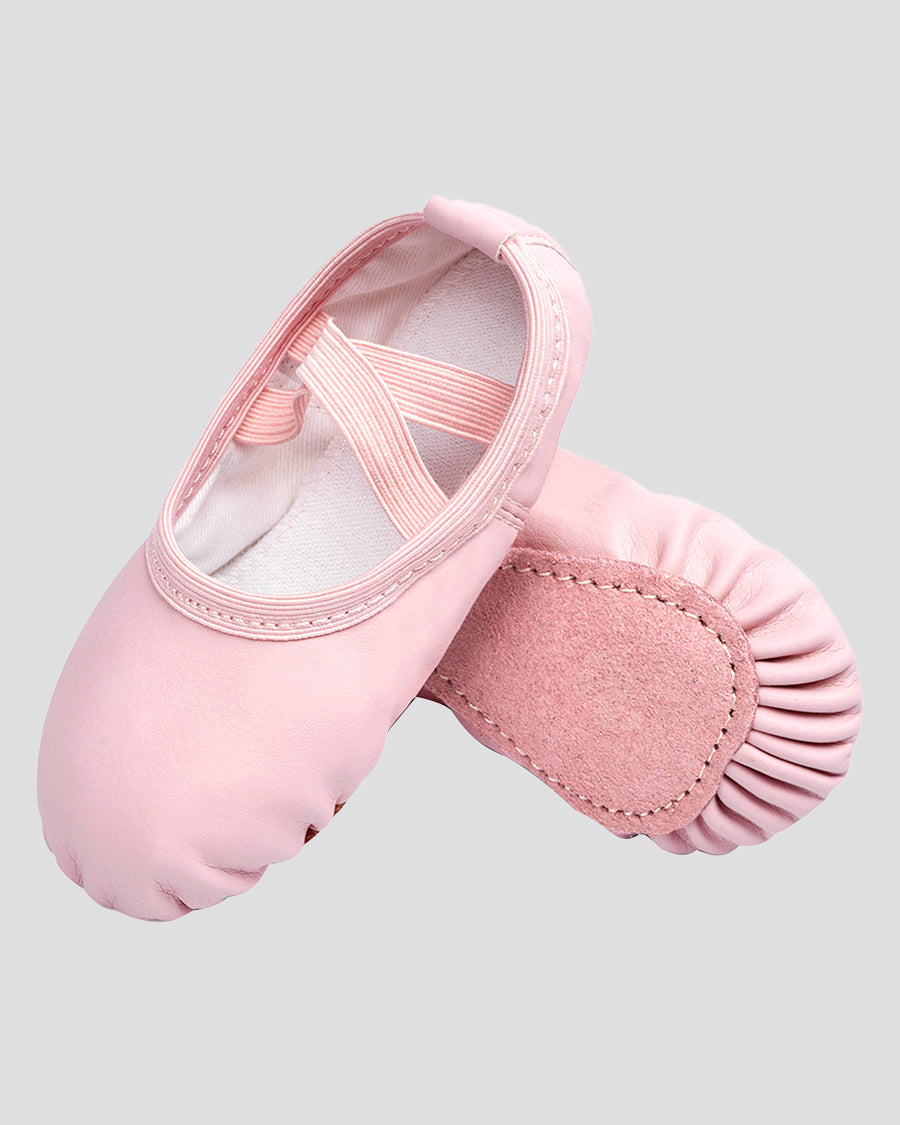
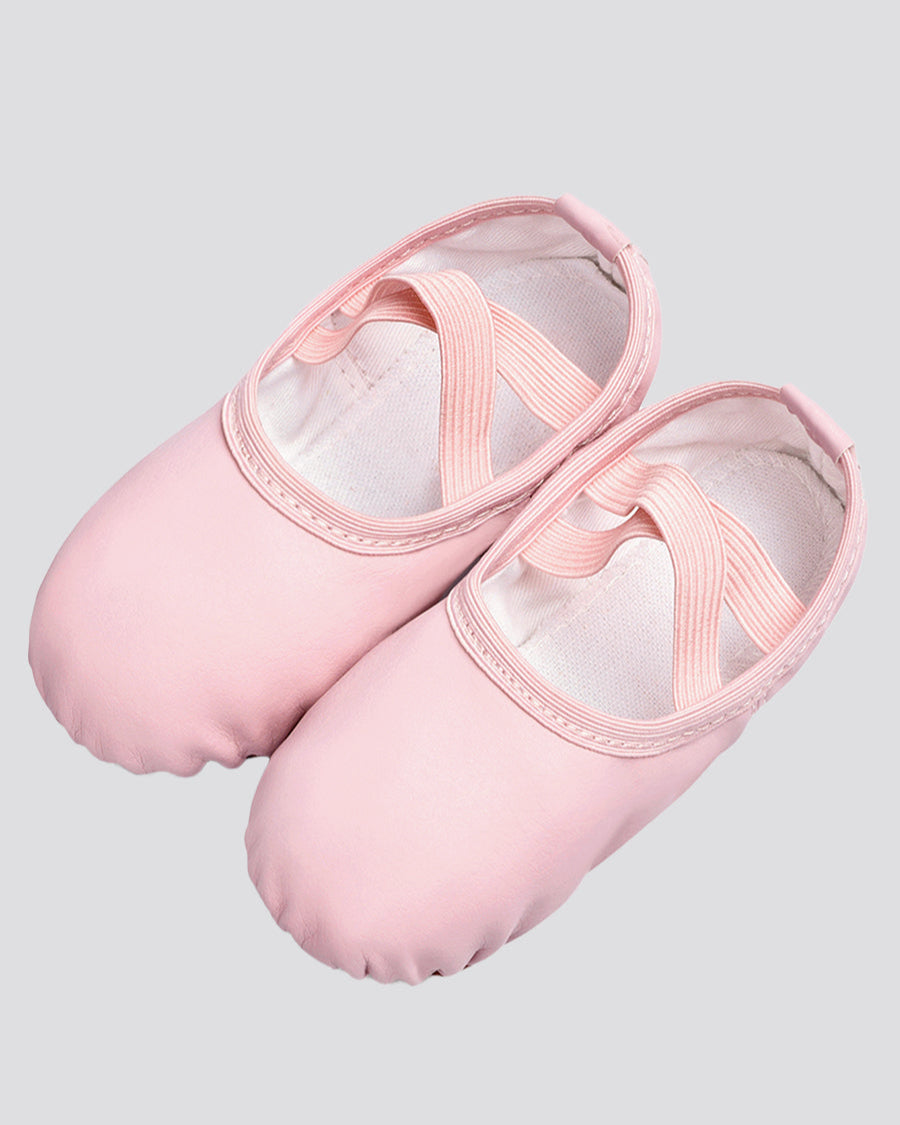
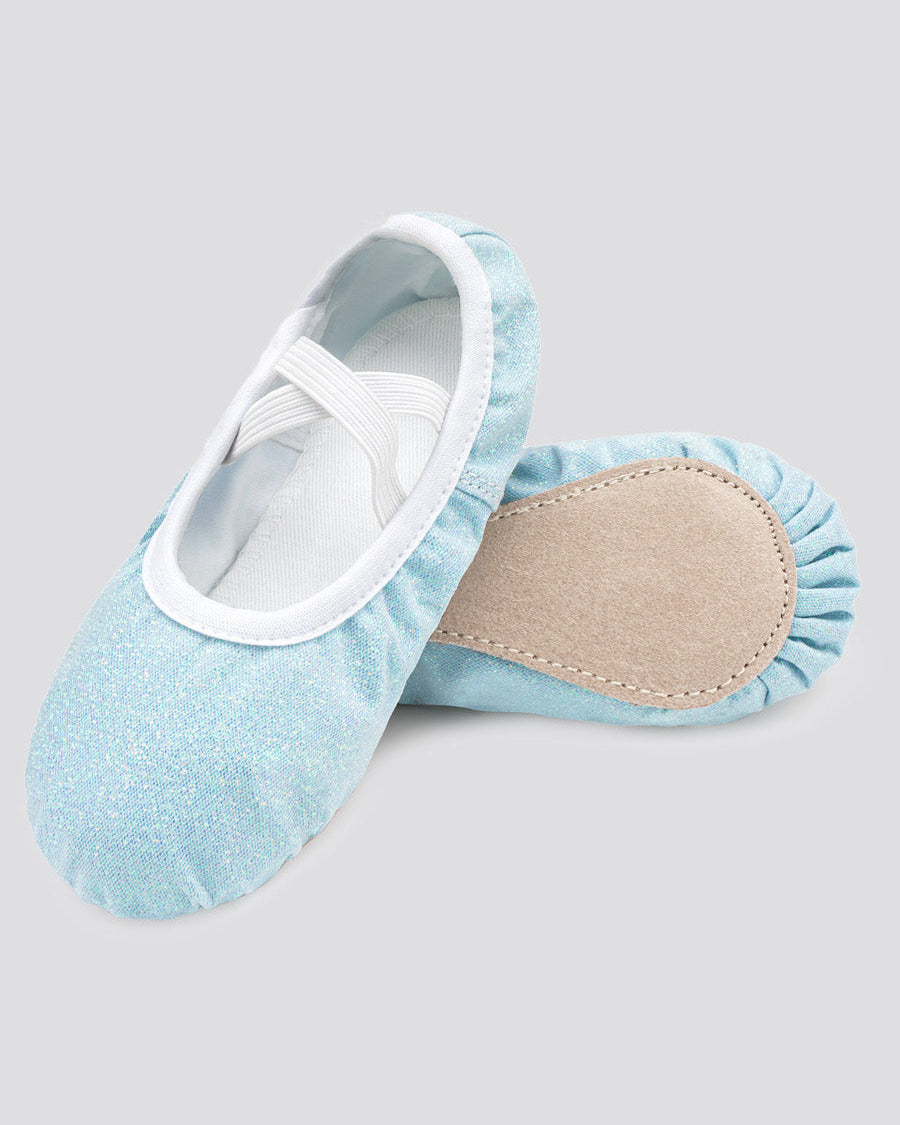
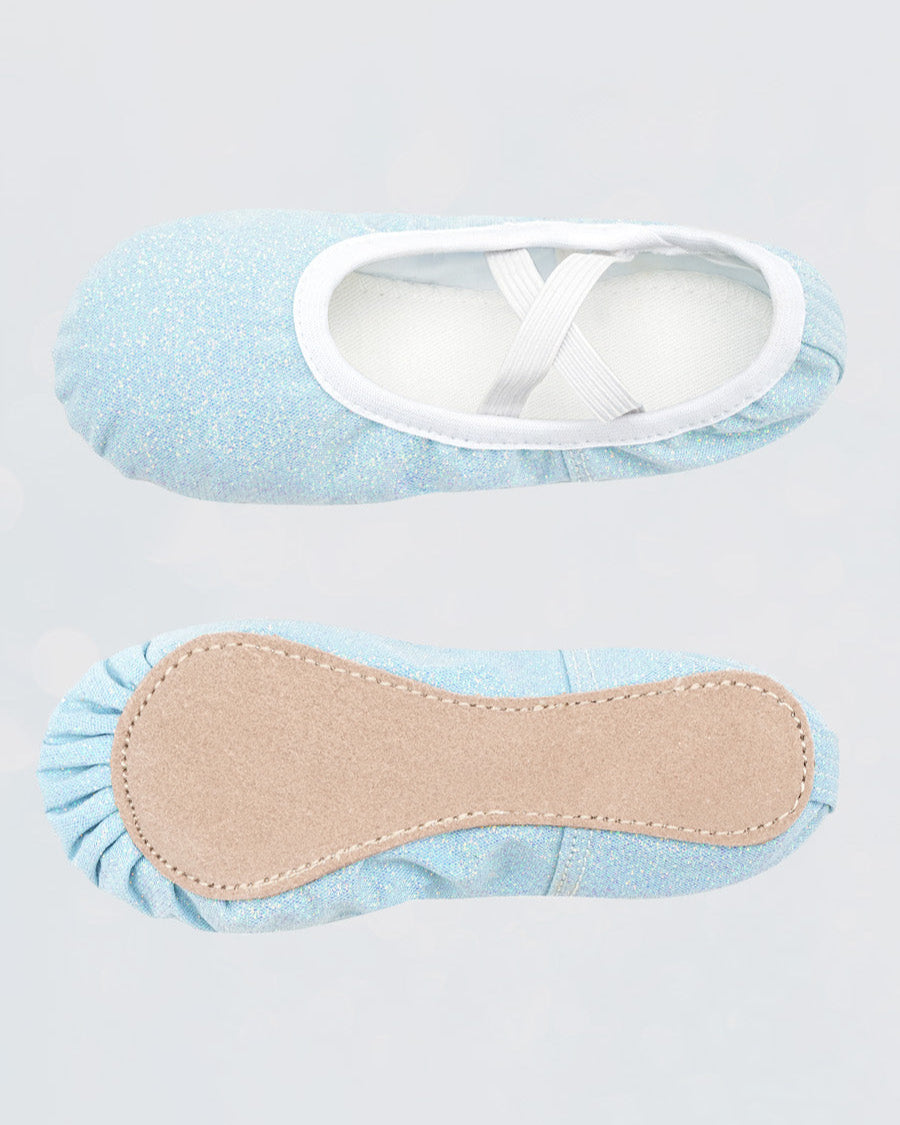
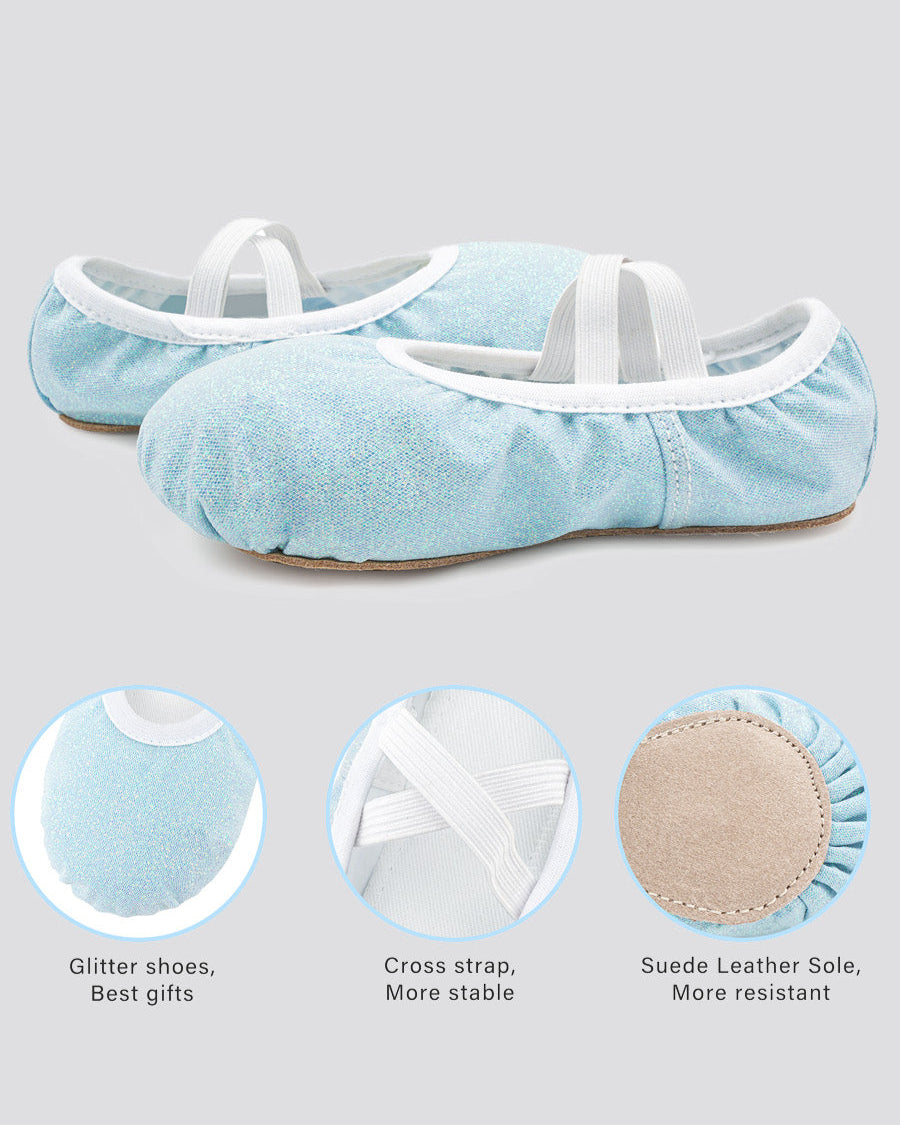
Gear can stay minimal at this stage: bare feet or clean sneakers on a non-slippery floor, and clothes that stretch and show movement, whether that is a simple leotard with tights or just a t-shirt she can move freely in. Save specialty shoes until a teacher tells you which type the class requires.
Common sticking points (and what actually helps)
"My child refuses to practice at home." Drop the word practice. Rebrand it as a dance party, put on her favorite songs, and join in yourself. Kids under ten mostly mirror the energy in the room, and a parent who dances badly but happily often does more than formal instruction at this age.
"She freezes up in class or won't leave my side." Common, and usually temporary. Ask the teacher if you can observe from a corner for the first two or three sessions, arrive early so the room fills up around her rather than her walking into a full room, and resist narrating her shyness to other adults in front of her. If four to six weeks pass with no thaw, the format may be the problem rather than the child; a smaller class or online lessons at home can rebuild confidence first.
"He learned fast for two weeks, then hit a wall." Progress in dance comes in steps, not a smooth line. When a plateau hits, switch the goal from learning new moves to polishing old ones, or let him teach you what he knows. Teaching a move is a sneaky form of review that feels like status instead of drill.
"I can't tell if she's actually improving." Film a 30-second clip of the same routine once a week. Side-by-side videos a month apart show progress that day-to-day watching hides, for you and for her.
"We picked the wrong style." Then switch. A style change after a month or two is a course correction, not a failure, and it is far cheaper than letting a bored kid conclude that dance itself is not for her.
FAQ
Can you teach yourself to dance?
Yes, up to a point. Rhythm, basic steps, and confidence can be self-taught at home with videos and consistent play-based practice, and for toddlers and preschoolers that is a developmentally sound way to start. Technique-heavy styles like ballet eventually need a trained eye, because form errors are hard to see in yourself and easier to fix early than to unlearn later.
What age should a child start dance classes?
Earlier than most parents expect for movement classes, later for formal technique. Step 1 above walks through the Boston Ballet benchmark for when formal training typically starts. Most local studios, by comparison, open a beginner ballet or combo class to kids around ages six to seven, though creative movement classes often start as early as two or three. Age ranges vary by studio, so treat these figures as a rough guide and confirm with the schools near you.
How long does it take to learn to dance?
In our experience talking with studio teachers, most beginners look and feel noticeably more coordinated after a few weeks of regular practice, and can perform a simple routine within a couple of months. Comfort comes quickly; polish takes years and does not need to be the goal. A useful benchmark for kids is one season (a school year) in a single style before deciding whether to continue, switch, or add another.
What is the easiest dance style for beginners?
For young kids, creative movement or a combo class is the gentlest entry because there is no technique to fail at. For school-age beginners, hip hop and jazz tend to feel easiest because they use familiar music and forgiving movement, while ballet asks for more patience up front but builds posture and control that transfer to other styles.
How often should a beginner practice?
Short and frequent wins: ten to fifteen minutes most days, or roughly three to five sessions a week, is a realistic target for kids. One weekly class with nothing in between still produces progress, just slower, because young dancers forget quickly between long gaps. Stop each session while it is still fun.
About the Stelle Team
Stelle is a mom-trusted dancewear & athleisure brand best known for girls’ ballet and dance essentials since 2015. Every article is created and reviewed by the team behind the products, drawing on what we hear from dance teachers, studio owners, and dance parents every day. Learn more about Stelle.