





Time Steps in Tap Dance: A Parent's Guide to Tap's Classic 8 Counts
Table of contents
Quick answer
Time steps in tap dance are short rhythmic phrases, traditionally built in an eight-bar structure, with a pattern repeated three times and followed by a “break.” Vaudeville dancers tapped them out to set the tempo for the band, and the time step is still one of the first big milestones for a young tap student.
Key Takeaways
-
A time step has a simple skeleton, the same short pattern three times, then a break (A-A-A-B); it began as a way to show the band the tempo.
-
Kids learn the pieces first: shuffle, hop, flap, step, and ball change later snap together into the phrase.
-
Single, double, and triple time steps share one skeleton; the names track how busy one slot gets.
-
Home practice is low-tech: a smooth hard surface, a slow count, and sounds said out loud.
What Is a Time Step in Tap Dance?
A time step is tap's signature repeating phrase, a bundle of sounds steady enough to set a metronome by. Tap pro Tristan Bruns, writing for Dance Advantage, defines it as a combination performed the same way three times with something different, the break, at the end: A-A-A-B. Each repeated chunk traditionally runs two bars, so the full pattern fills about eight bars of music.
The name is literal: a vaudeville dancer tapped the phrase alone on stage, the band read the tempo from it, and the break served as their lead-in. The step runs deep in tap history: the Library of Congress notes that "King" Rastus Brown's Buck Dancer's Lament consisted of six bars of the time step plus a two-bar improvised stop-time break. The American Tap Dance Foundation calls time steps "foundational units of traditional and contemporary tap choreography". In plain terms, tap dance time steps are a shared language, and once your child owns one, whole routines start making sense.

The Building Blocks Kids Learn First
Before a full tap time step comes up, teachers spend months drilling the small sounds inside it.
-
Shuffle: two brushed sounds, out and back, from one swinging foot.
-
Hop: a small jump landing on the takeoff foot.
-
Flap: a brush forward plus a step, two traveling sounds.
-
Step: a weight change onto the ball of the foot.
-
Stomp: a flat whole-foot strike with no weight change.
-
Ball change: two fast weight shifts, the glue in half of tap's steps.
Most programs drill these for a year or so before assembling them. If tap is brand new at your house, our overview of what tap dance is covers the roots and what a first class looks like.

How to Do a Time Step in Tap, Counted Out
Here is the classic single, usually taught first. Dance Spirit breaks it into five moves, traditionally starting on count 8, and passes along the old mnemonic "thanks for the buggy ride," six syllables for six sounds:
-
Stomp the working foot flat on count 8, no weight on it.
-
Hop on the supporting foot on count 1.
-
Step the working foot down beside it on the "and."
-
Flap with the other foot: brush forward and step.
-
Step onto the first foot to finish, then start over on the other side.
Run the phrase three times, alternating sides, then swap in a two-count break. Studios count and start it slightly differently; your child's teacher is the tiebreaker, and the skeleton stays the same.
Double and Triple Time Steps
This is the single time step tap dance teachers treat as the trunk of the tree; the double and triple are branches. Per Dance Spirit, the double swaps one step in the phrase for a flap, adding a sound, and the triple swaps in a shuffle for one more. By the time triple time step tap dancers are drilling combinations, the goal is evenness, not flash. Your child may also meet the military time step, a squared-off variation many tap teachers use; searching military time step tap on YouTube pulls up clear demos.
Other Names of Tap Steps You'll Hear
Tap step names get colorful, and the names of tap steps can vary by studio. These come up most for beginners:
|
Step |
What it is |
When kids usually meet it |
|---|---|---|
|
Buffalo |
Step, shuffle, step, with the free foot crossing in front |
First or second year |
|
Maxie ford |
A step-shuffle-leap combo finished with a toe tap |
Second year onward |
|
Cincinnati |
A rolling back-footed phrase |
Later beginner levels |
|
Shim sham |
A full traditional routine built from simple steps |
Recitals, tap jams |
The buffalo tap step travels sideways and feels like skipping, so kids tend to love it. Teacher Rod Howell's Tap Dance Dictionary counts the buffalo tap dance step as "1 and-a 2": step, shuffle, step, with the free foot crossing in front. The maxie ford tap step follows a similar shape, adding a leap and a toe punctuation at the end.
The shim sham is heritage more than a step. Created in 1927 by Leonard Reed and Willie Bryant, the routine still gets danced in groups at National Tap Dance Day events every May 25. For a broader cheat sheet across styles, our guide to dance moves and their names decodes the rest of the vocabulary.
Practicing Time Steps at Home
A little time step tap dancing at home most days beats one weekend marathon, and the setup is simple.
-
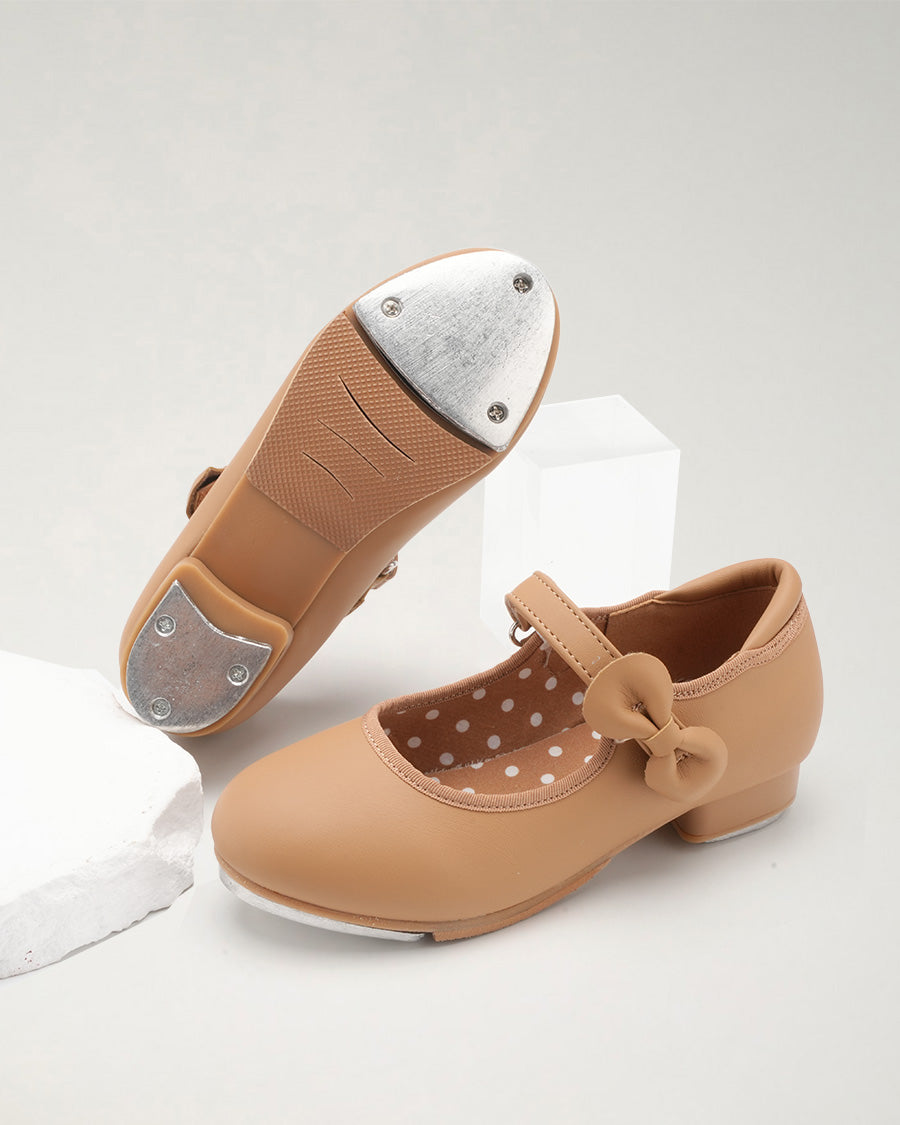
Give the sound a safe floor. A small plywood board or tap mat on a smooth hard surface protects the floor and the taps. Skip bare concrete, which is joint-jarring, and socks-only sliding on wood.
-
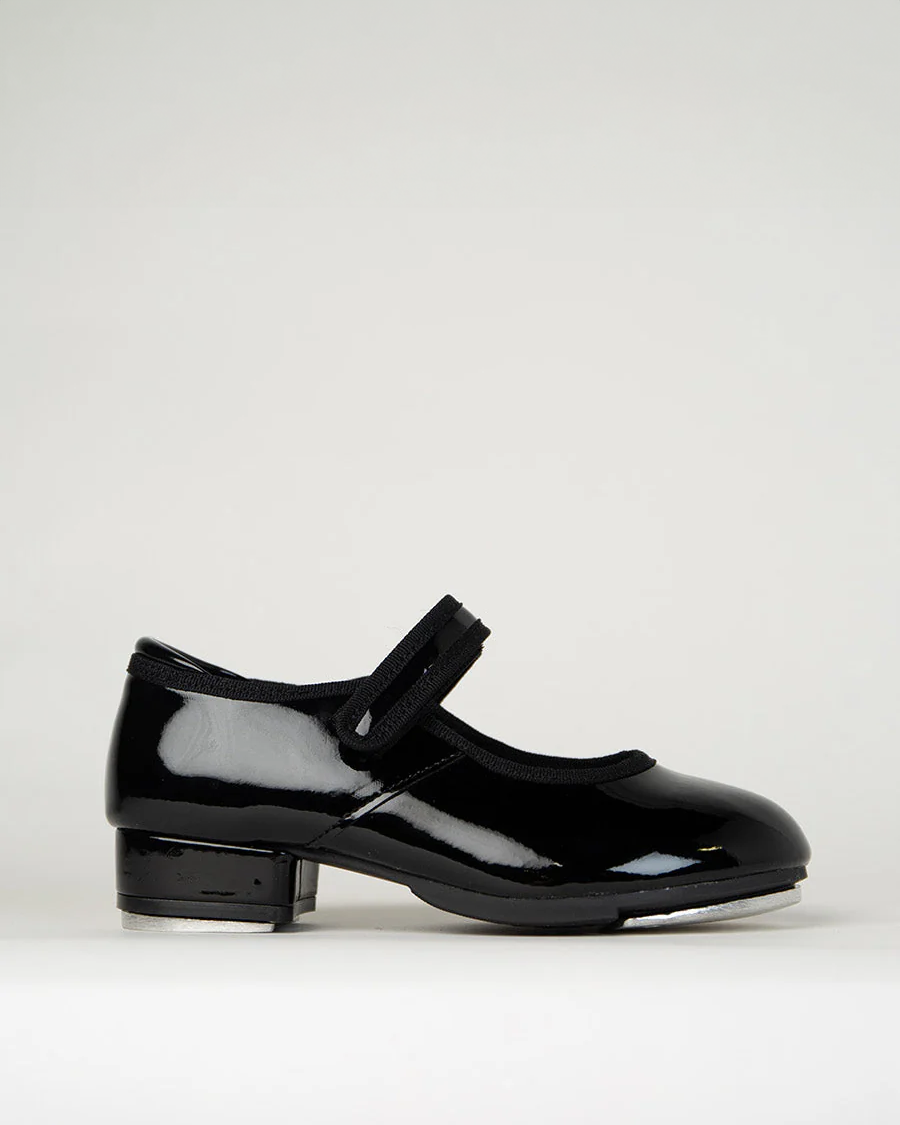
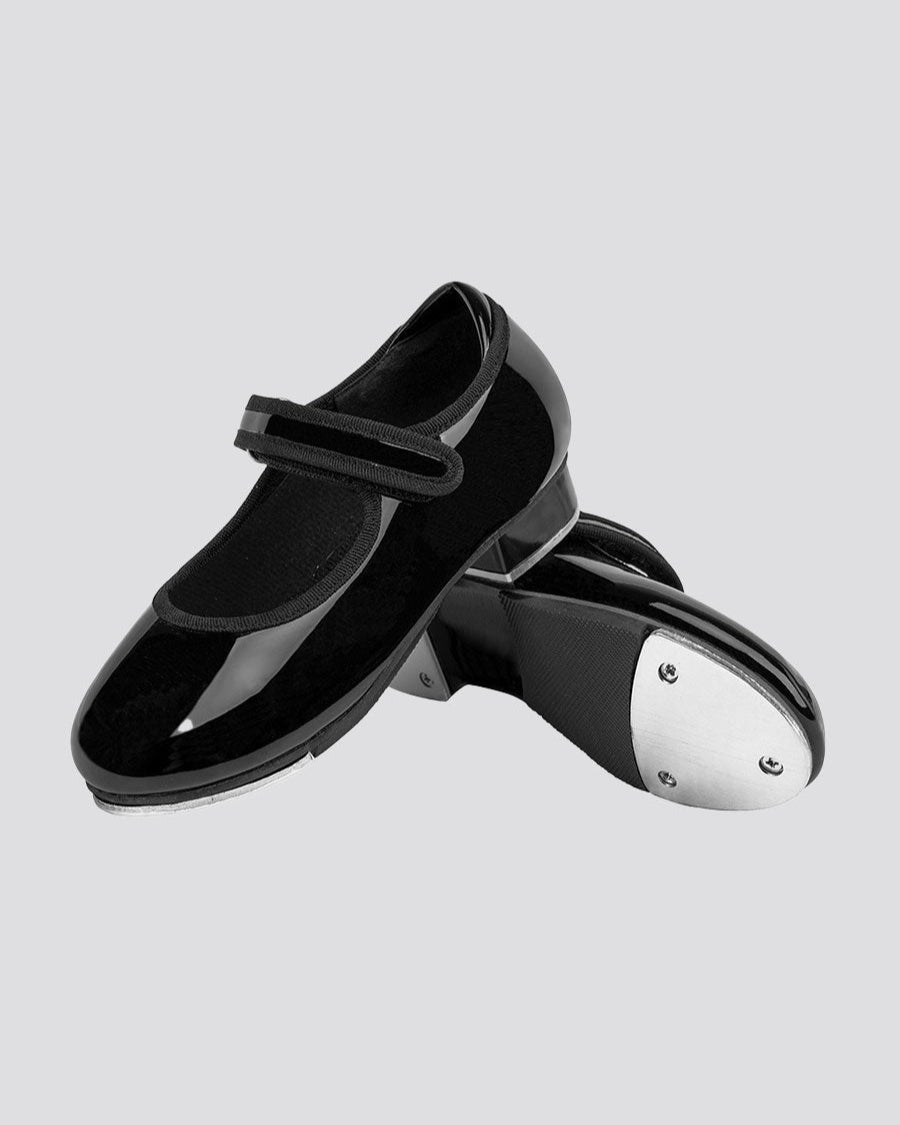
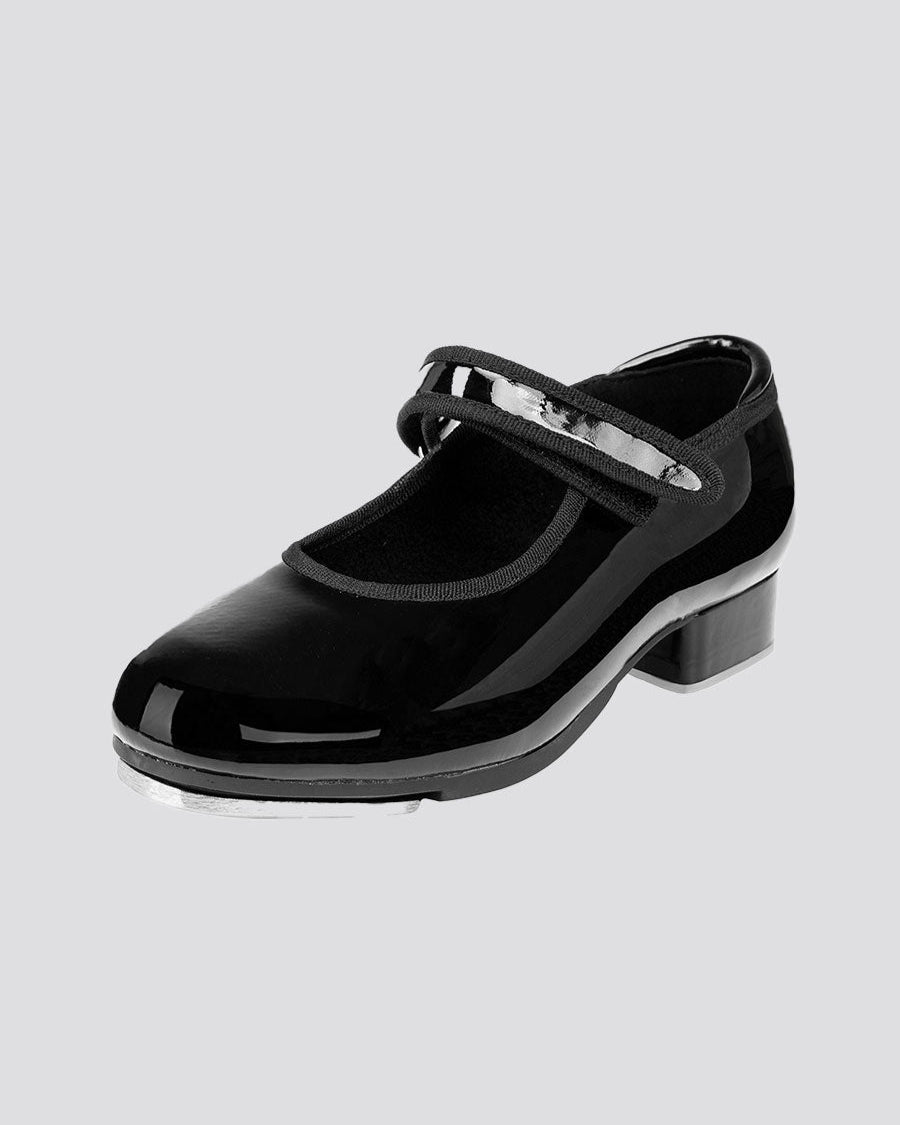
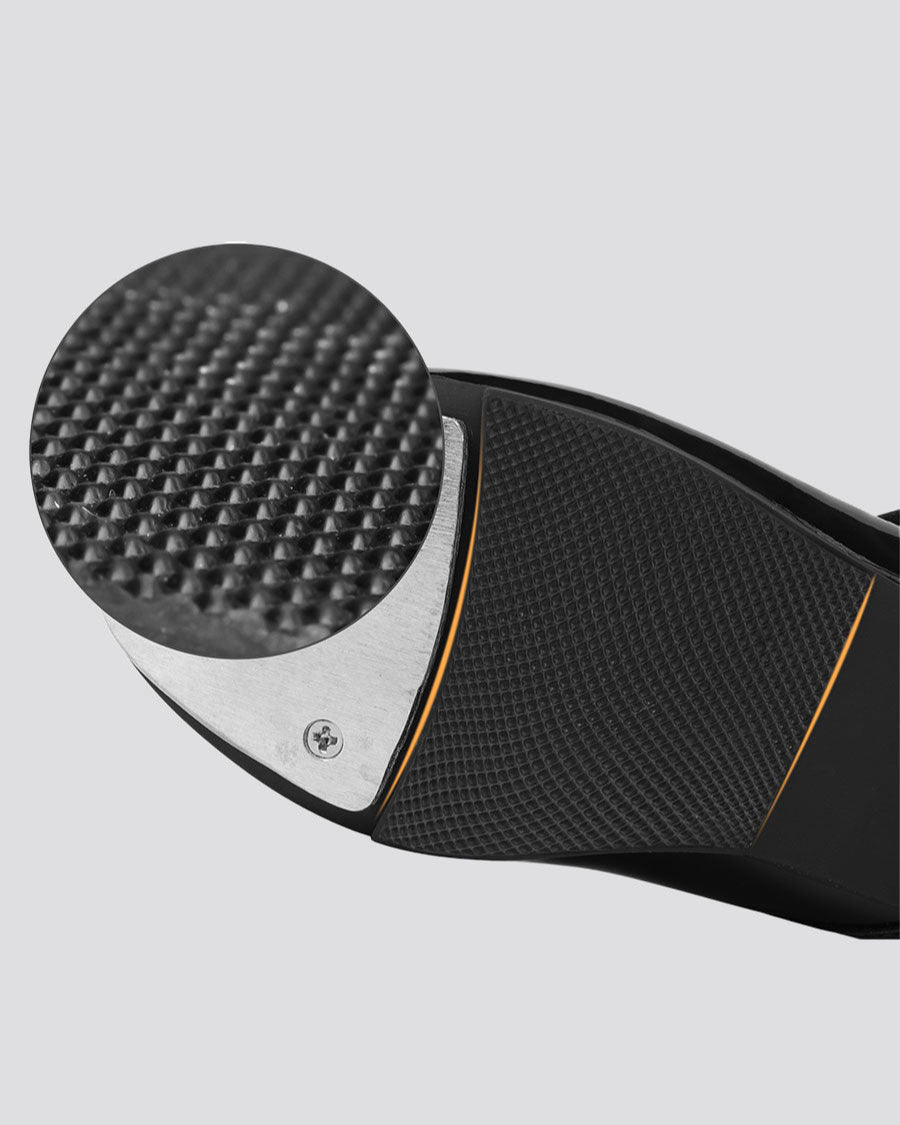
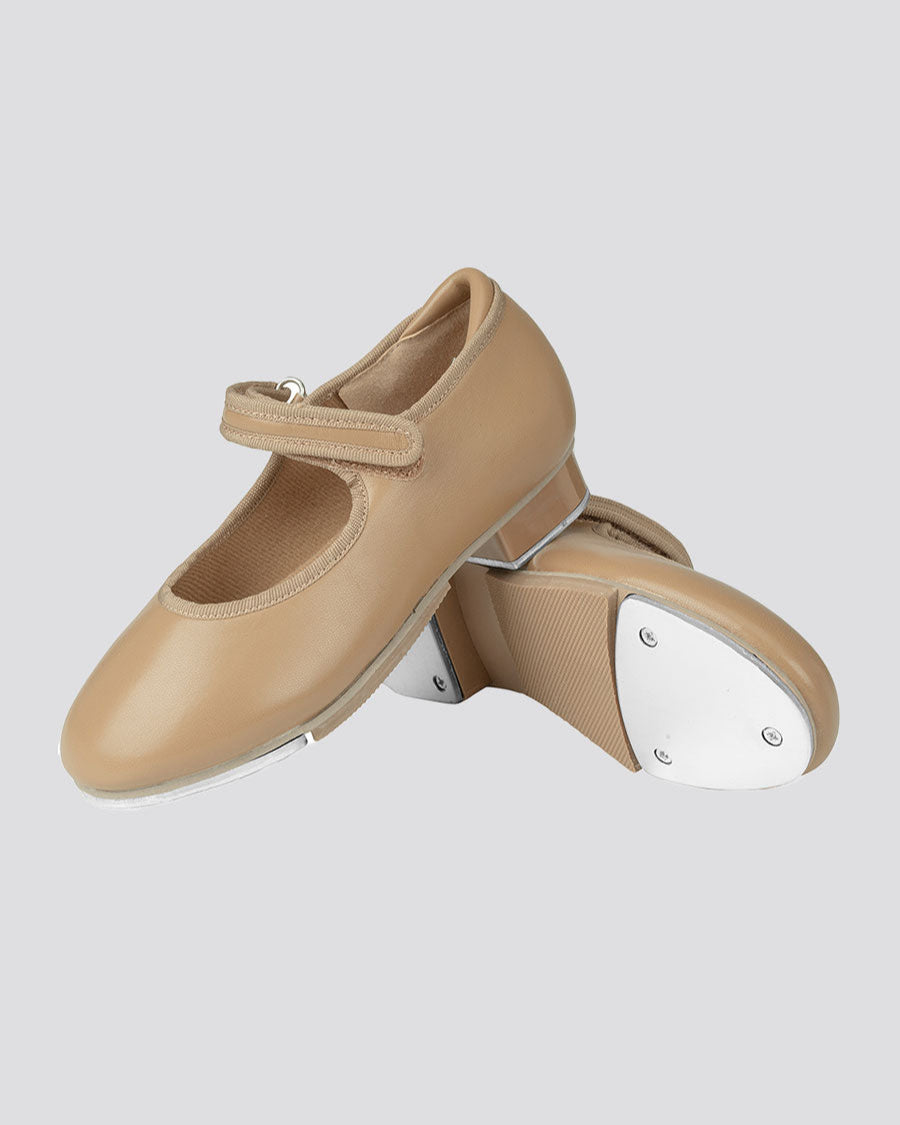
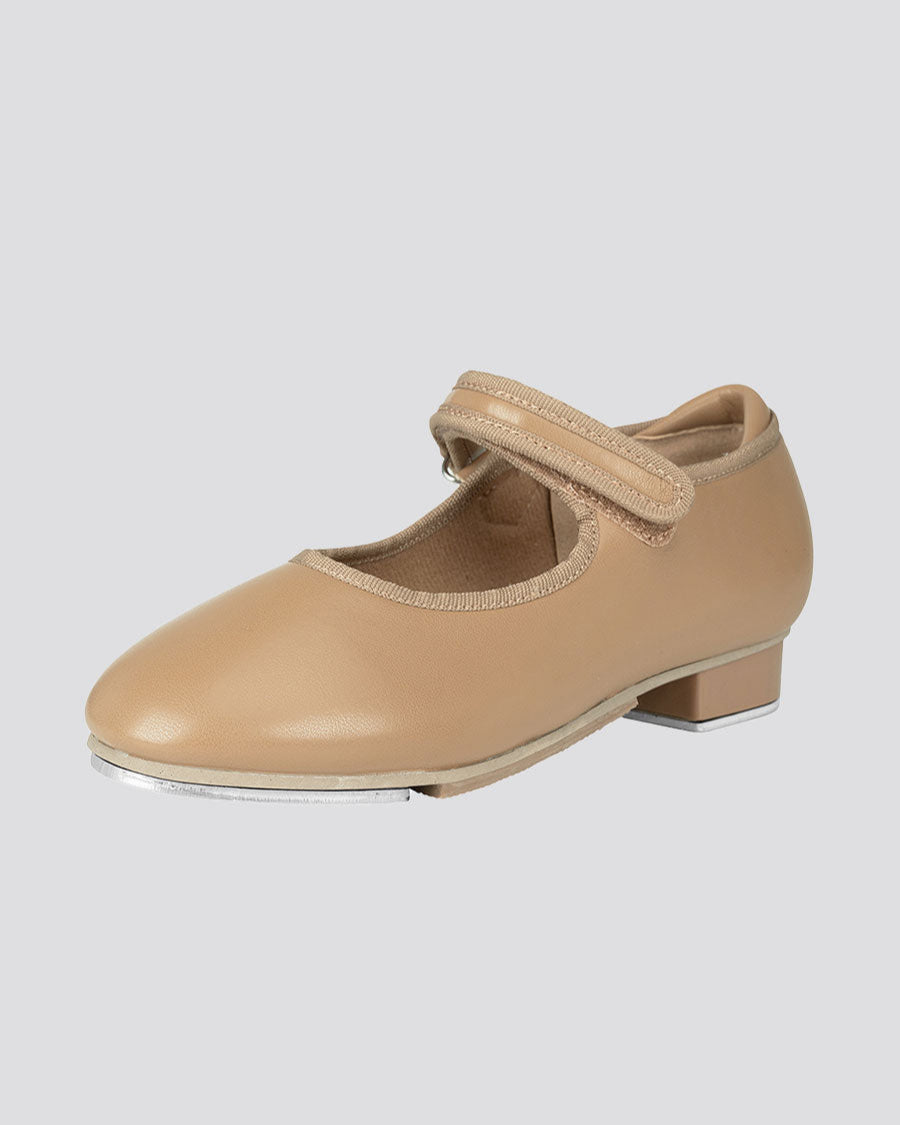
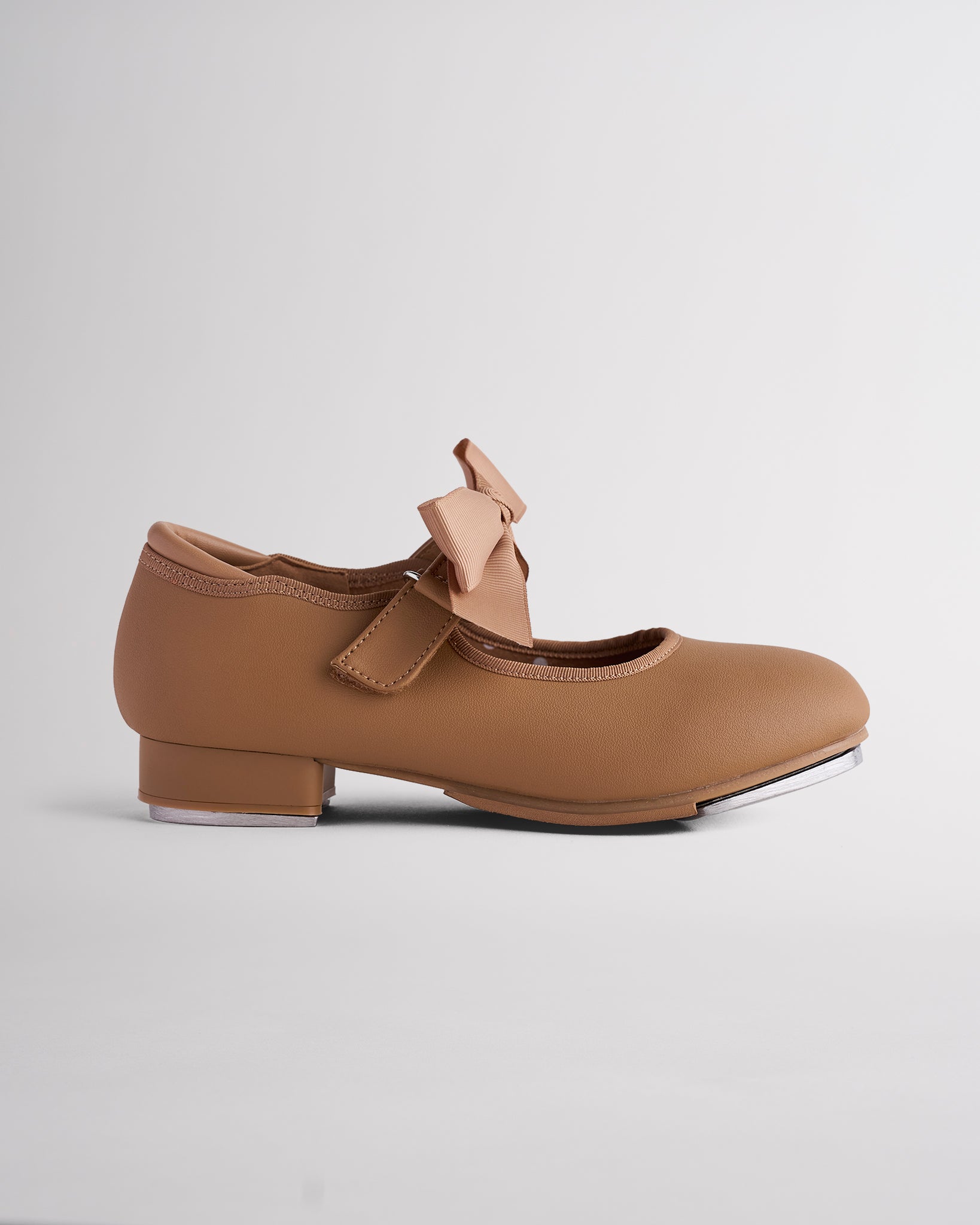
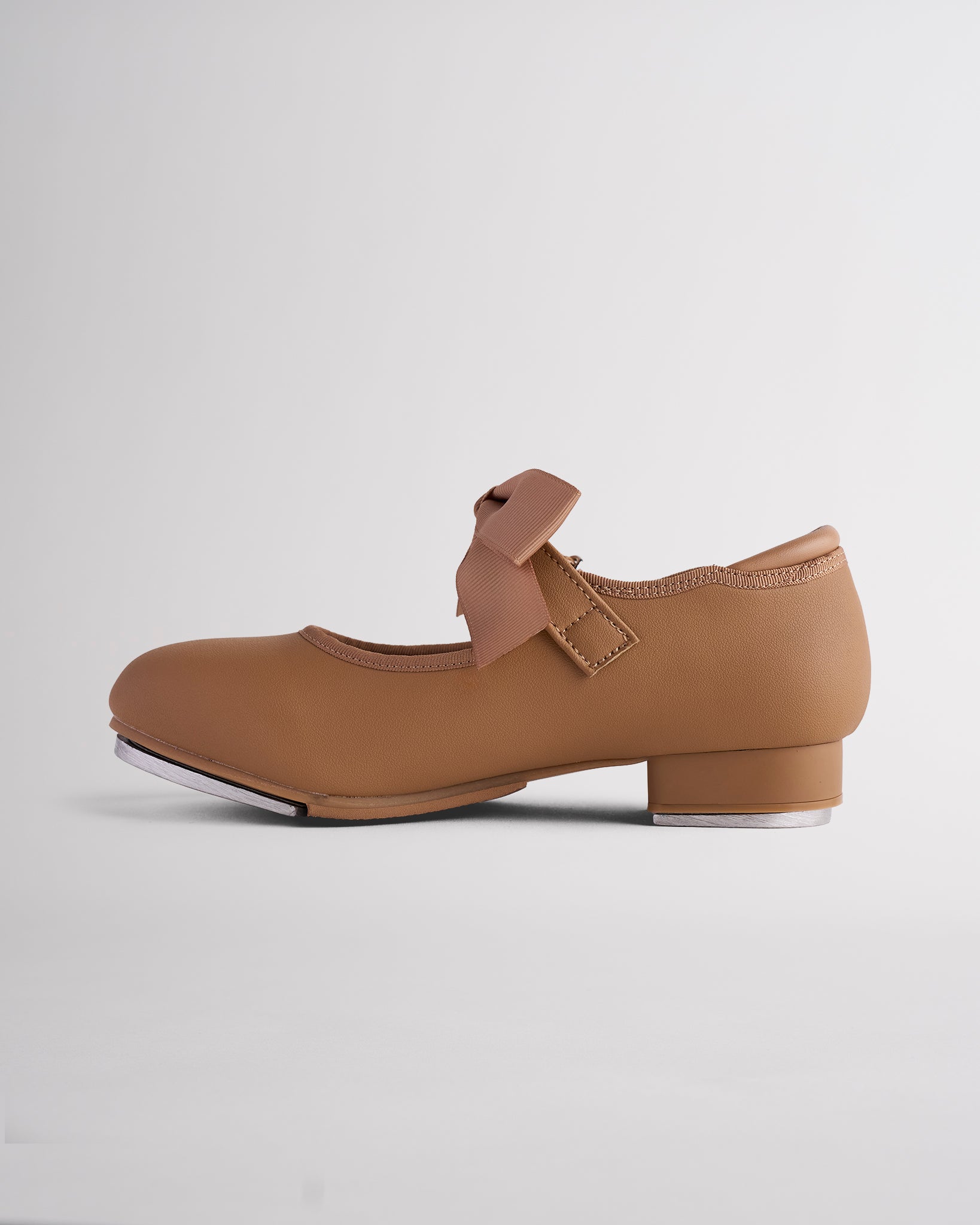
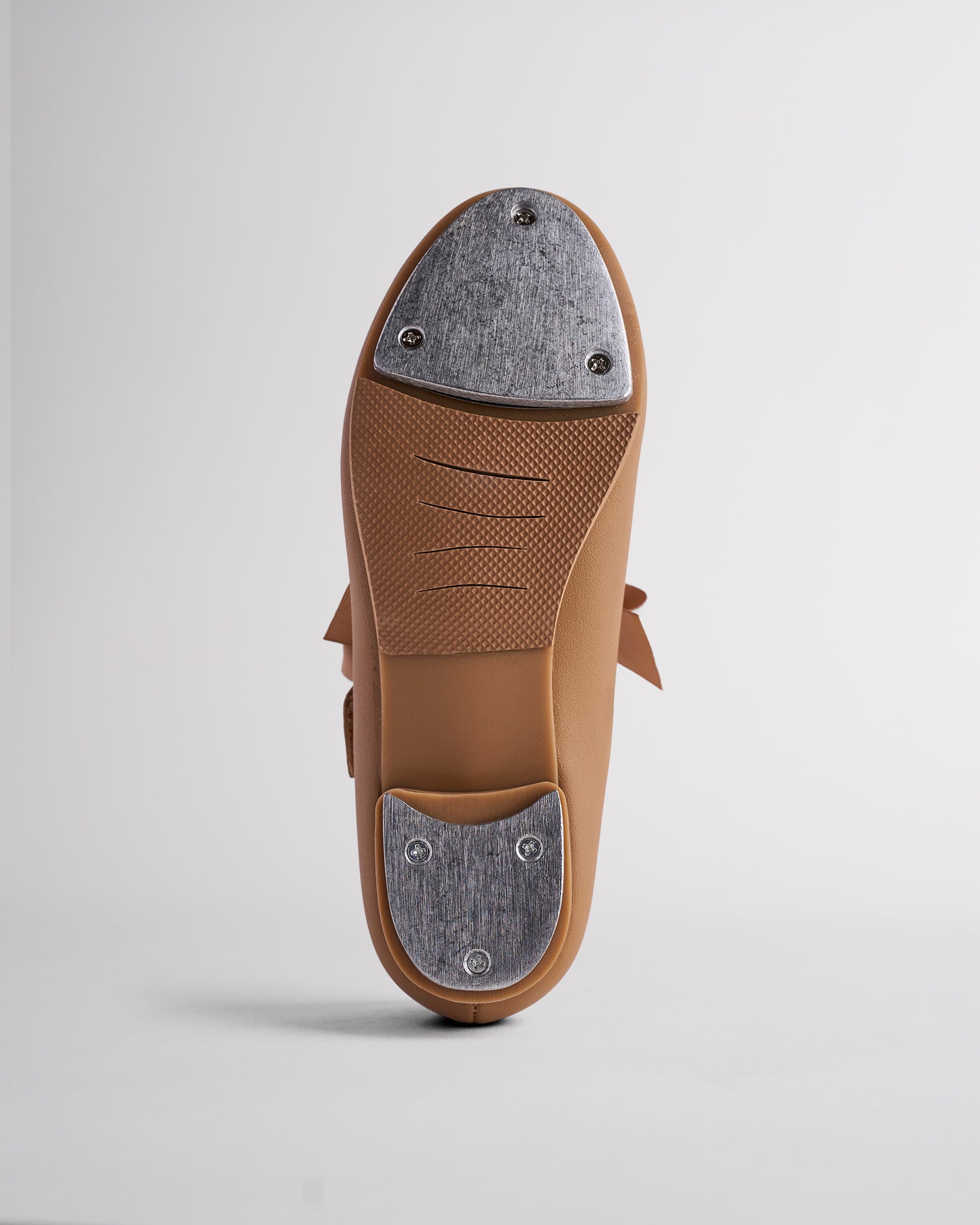
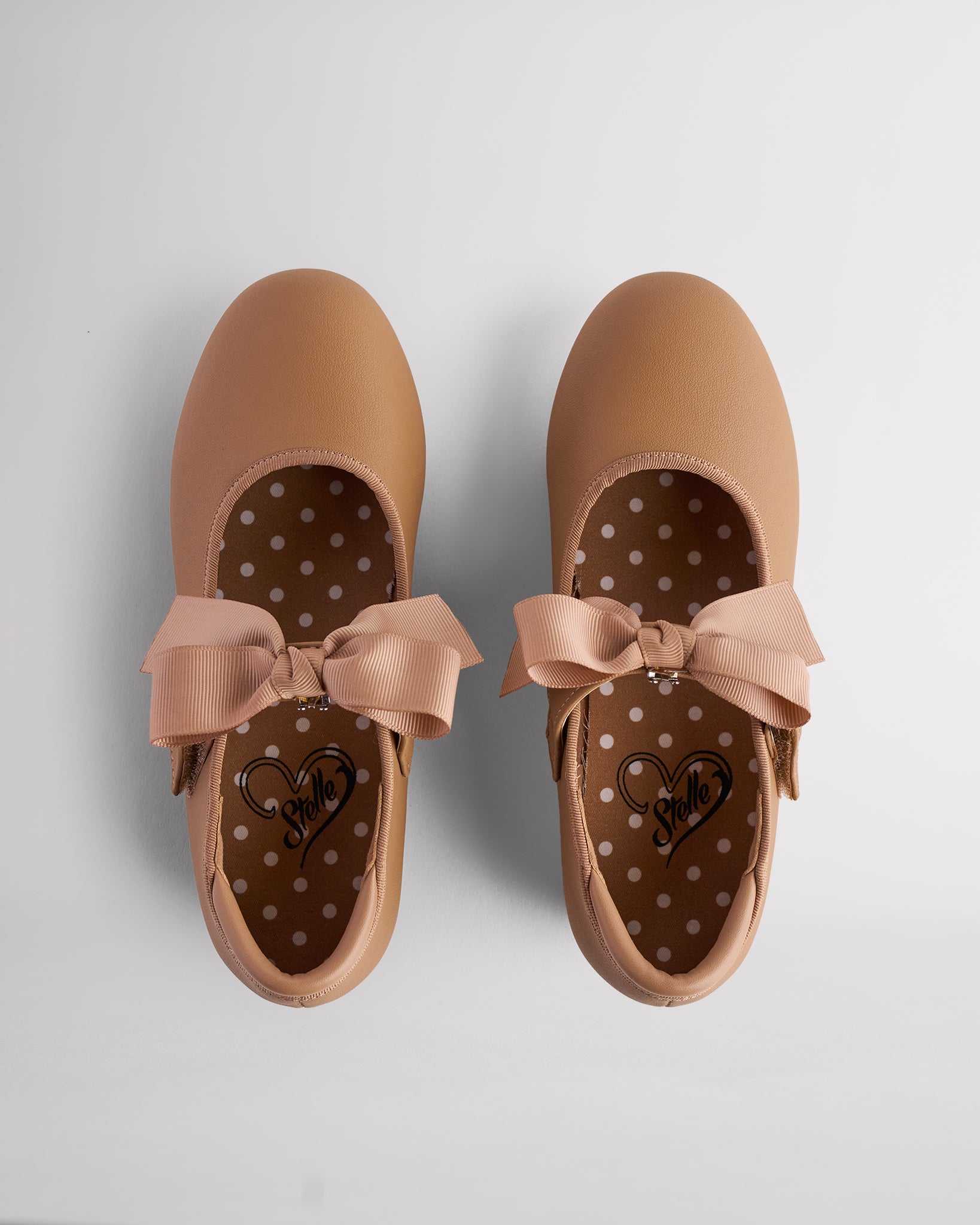
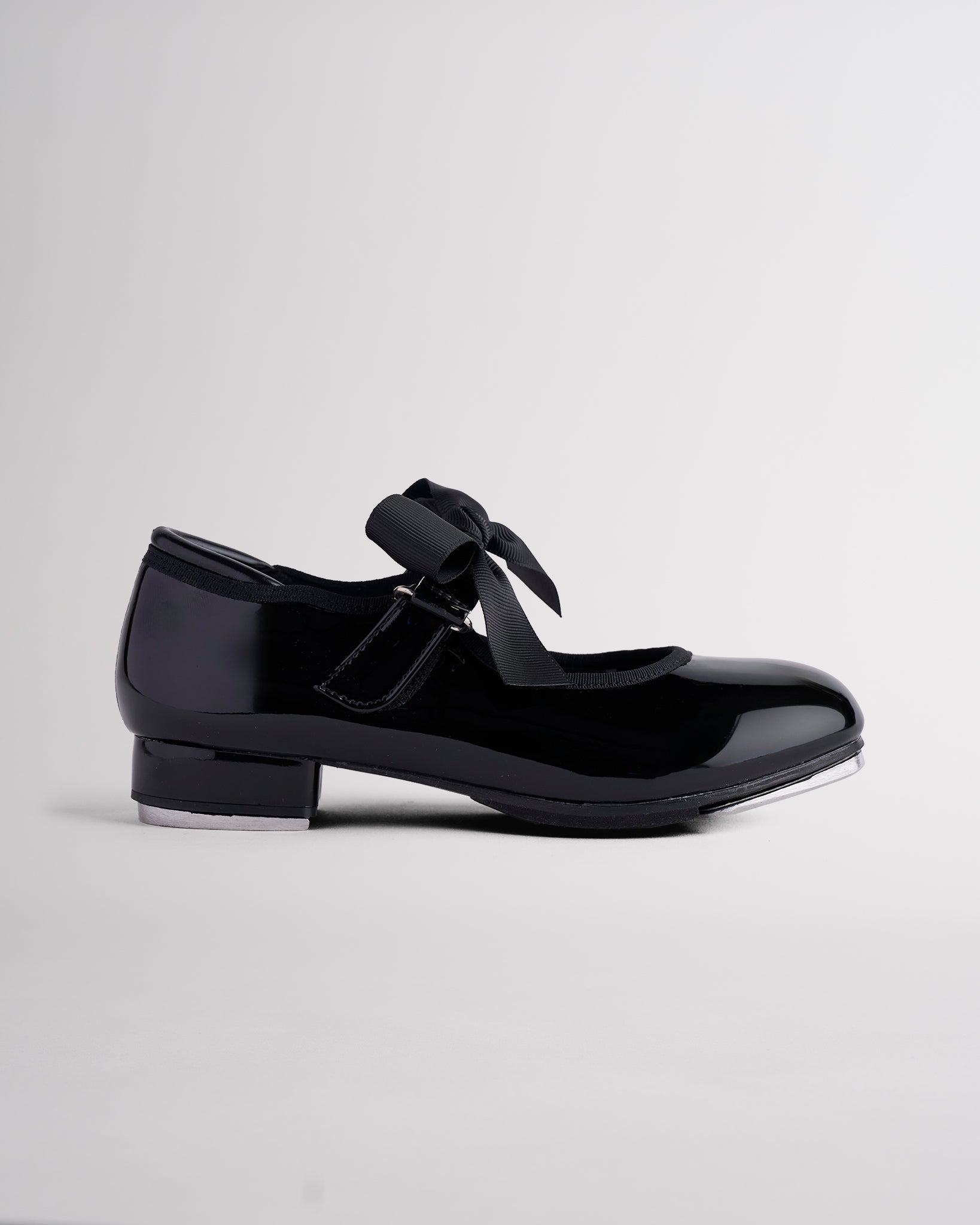
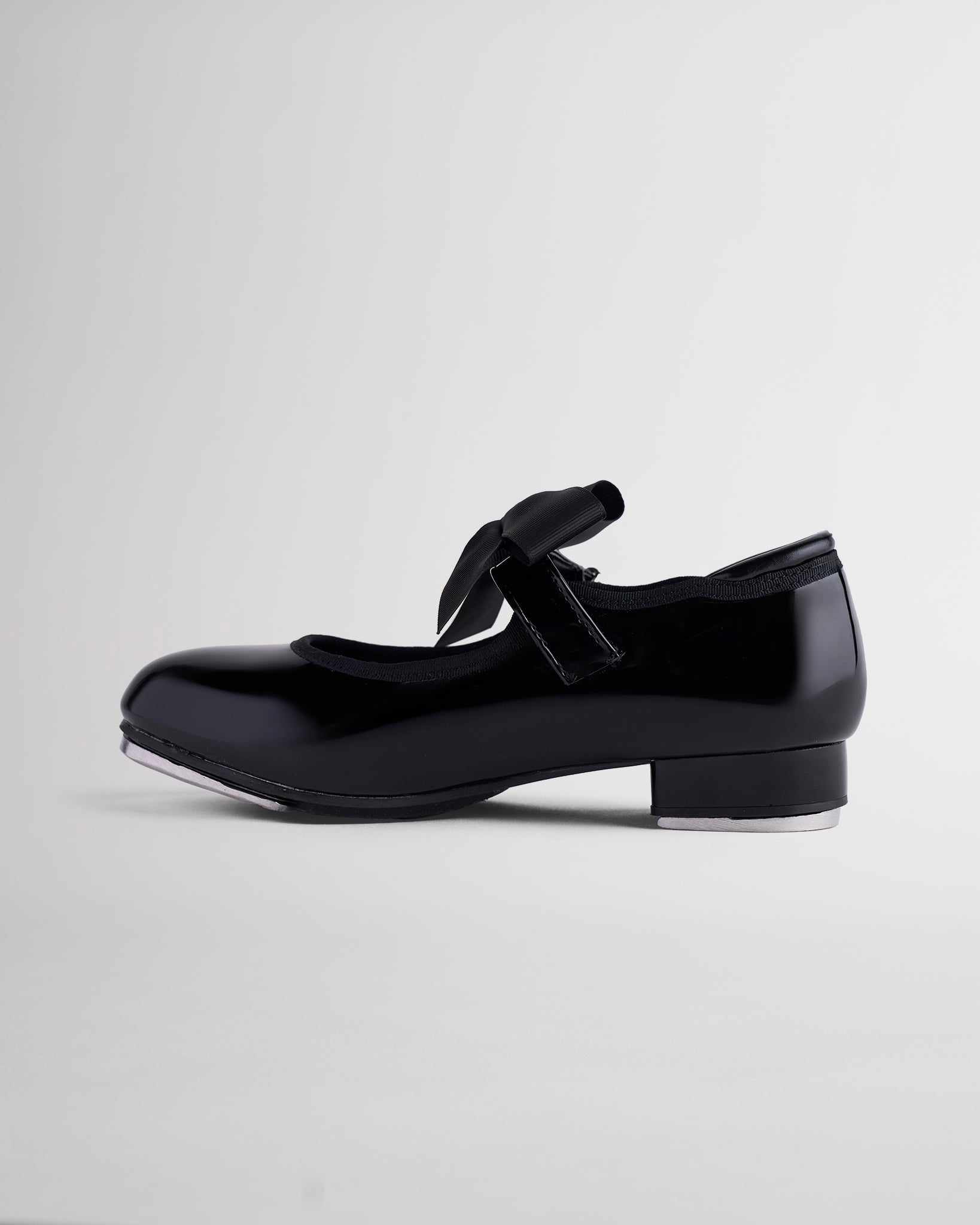
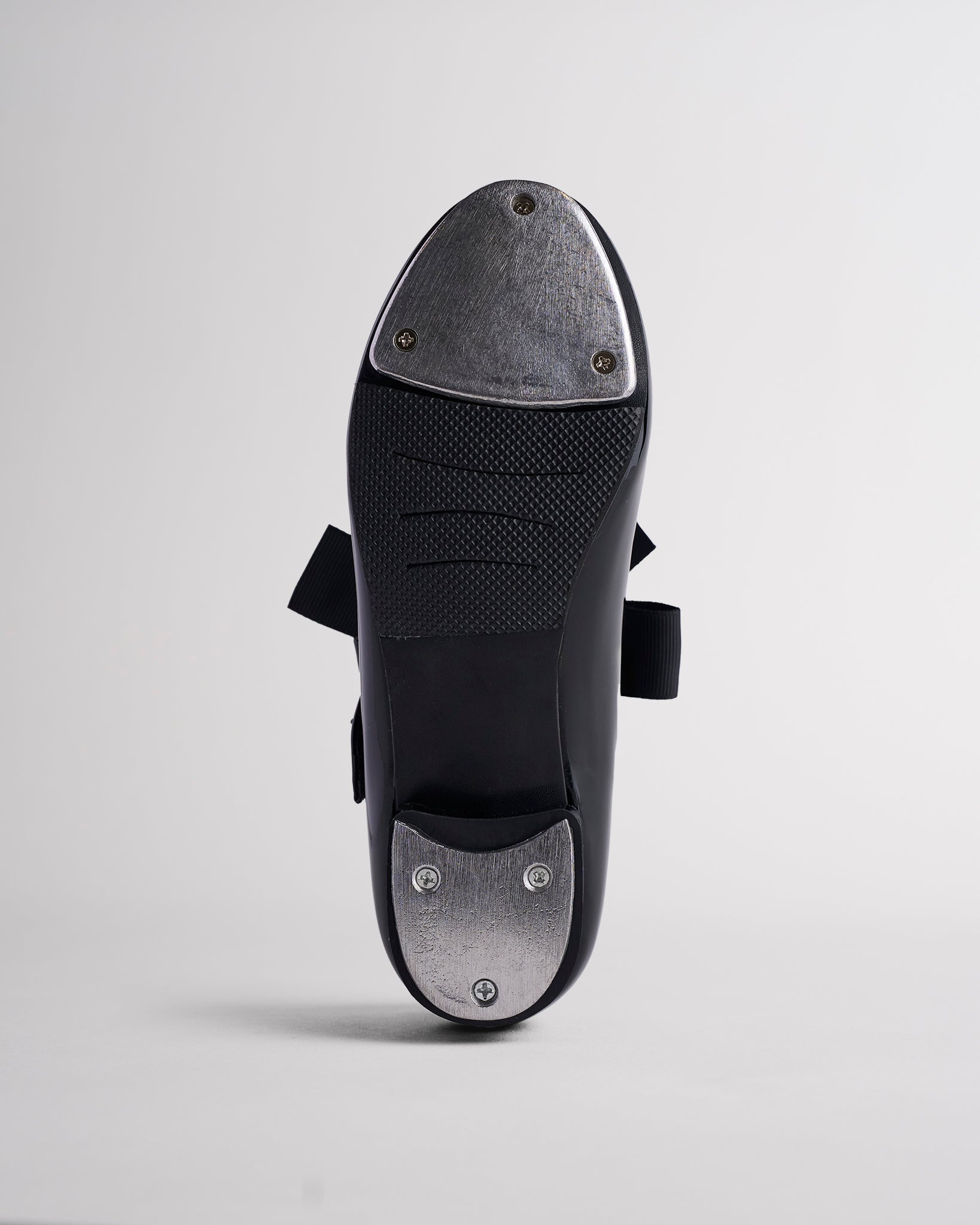
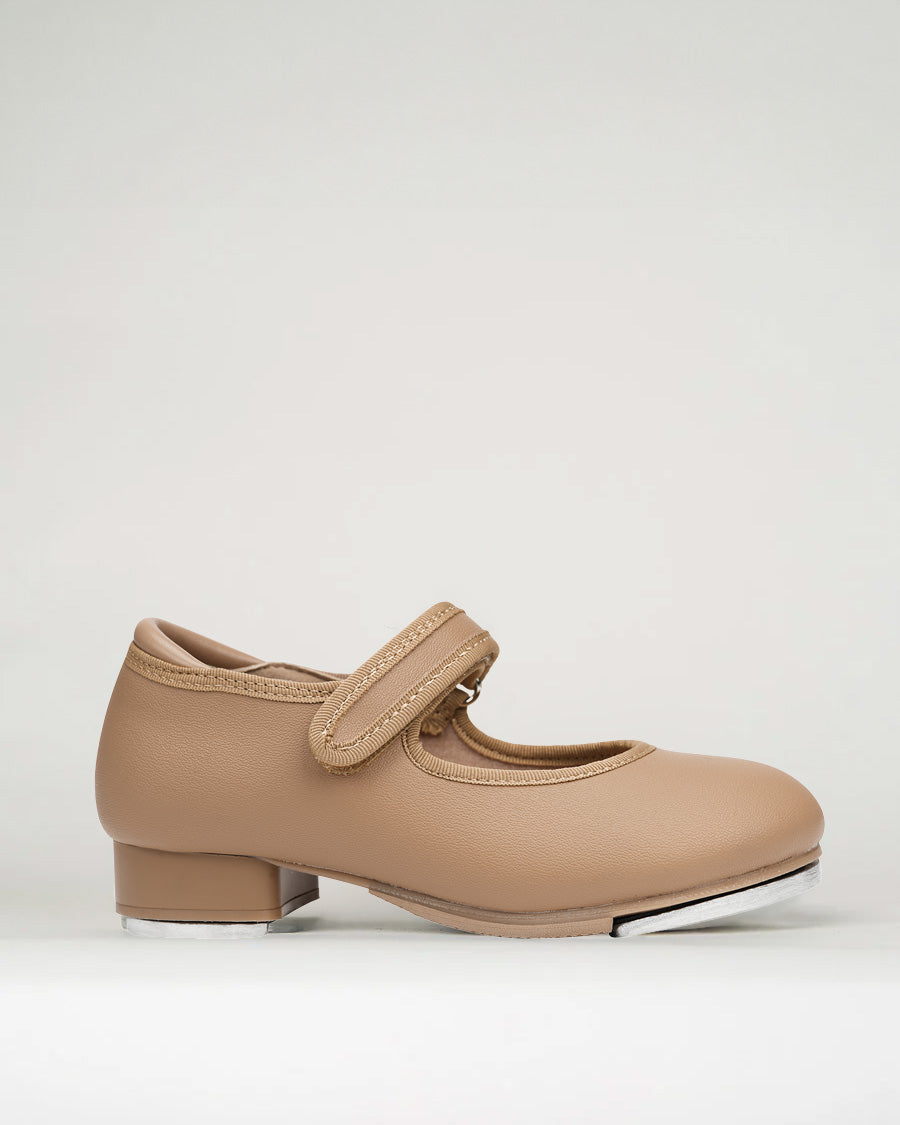
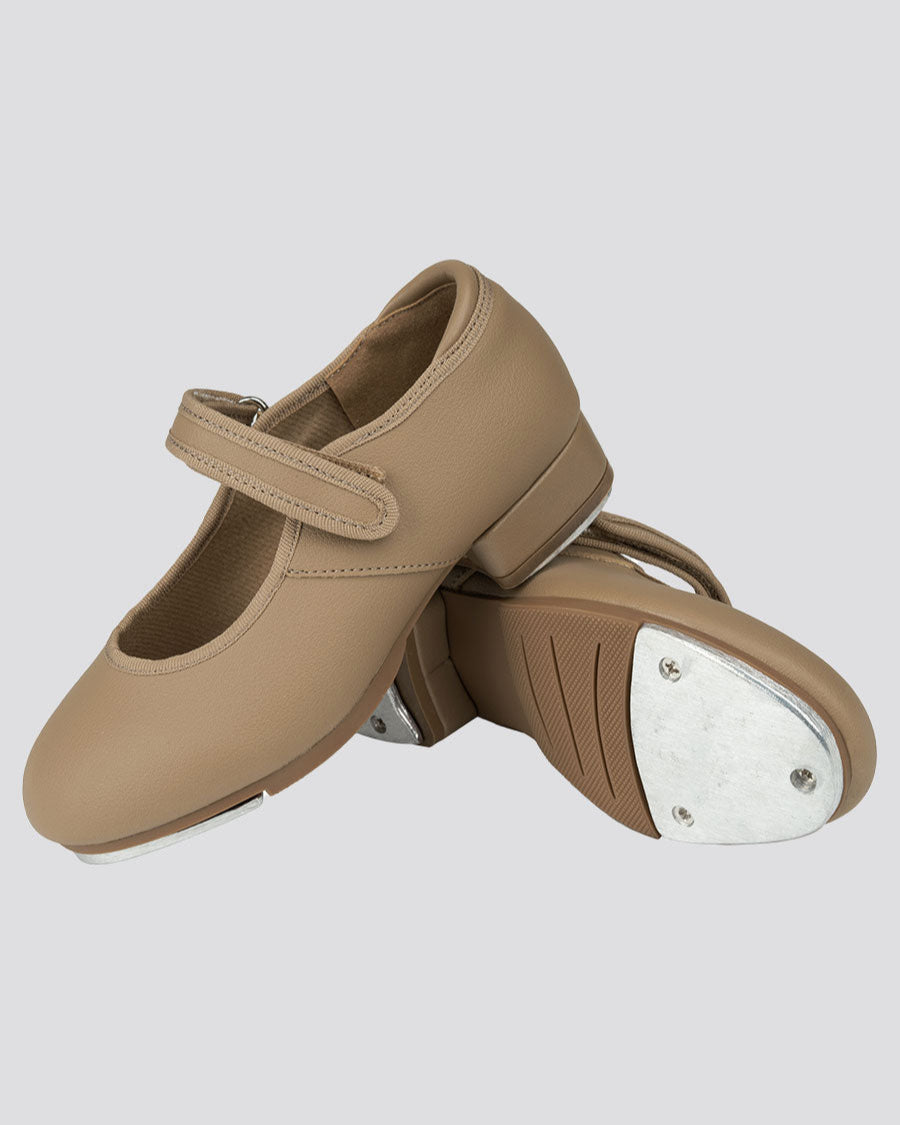
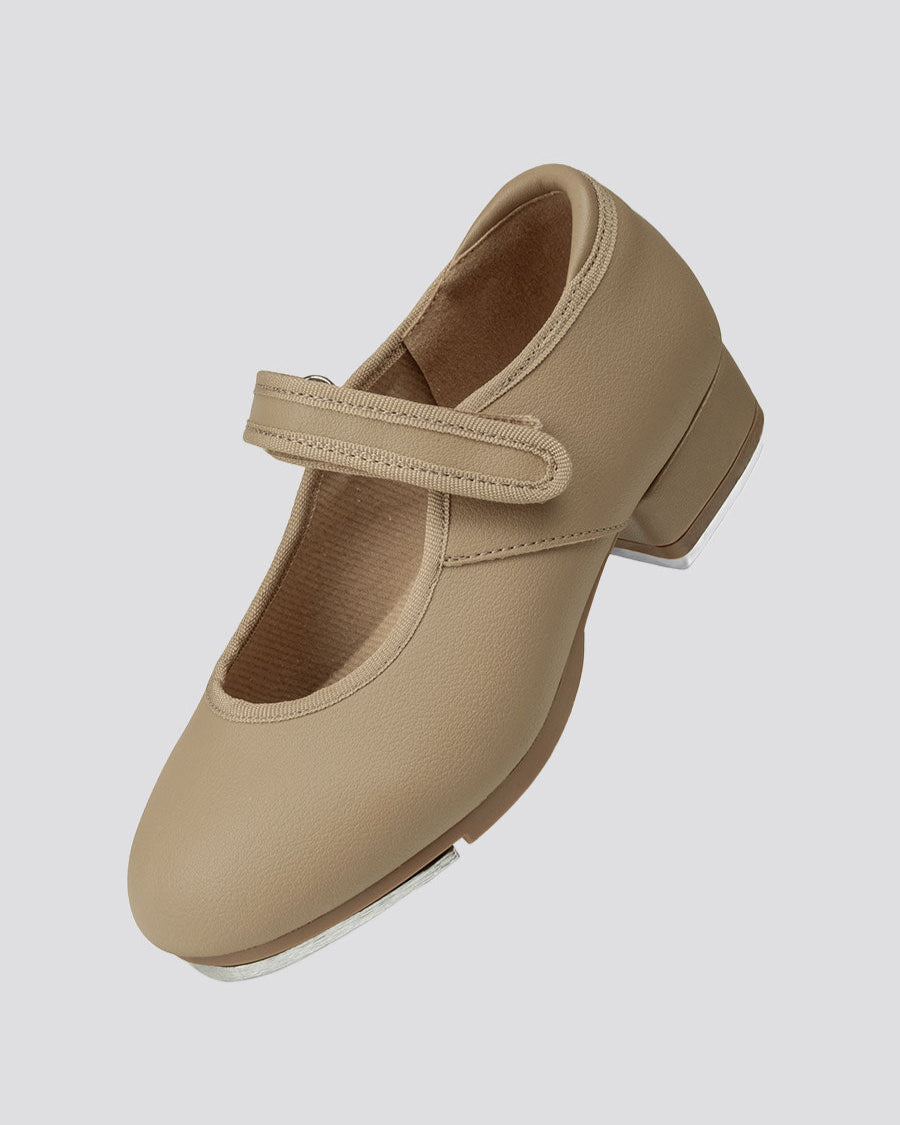
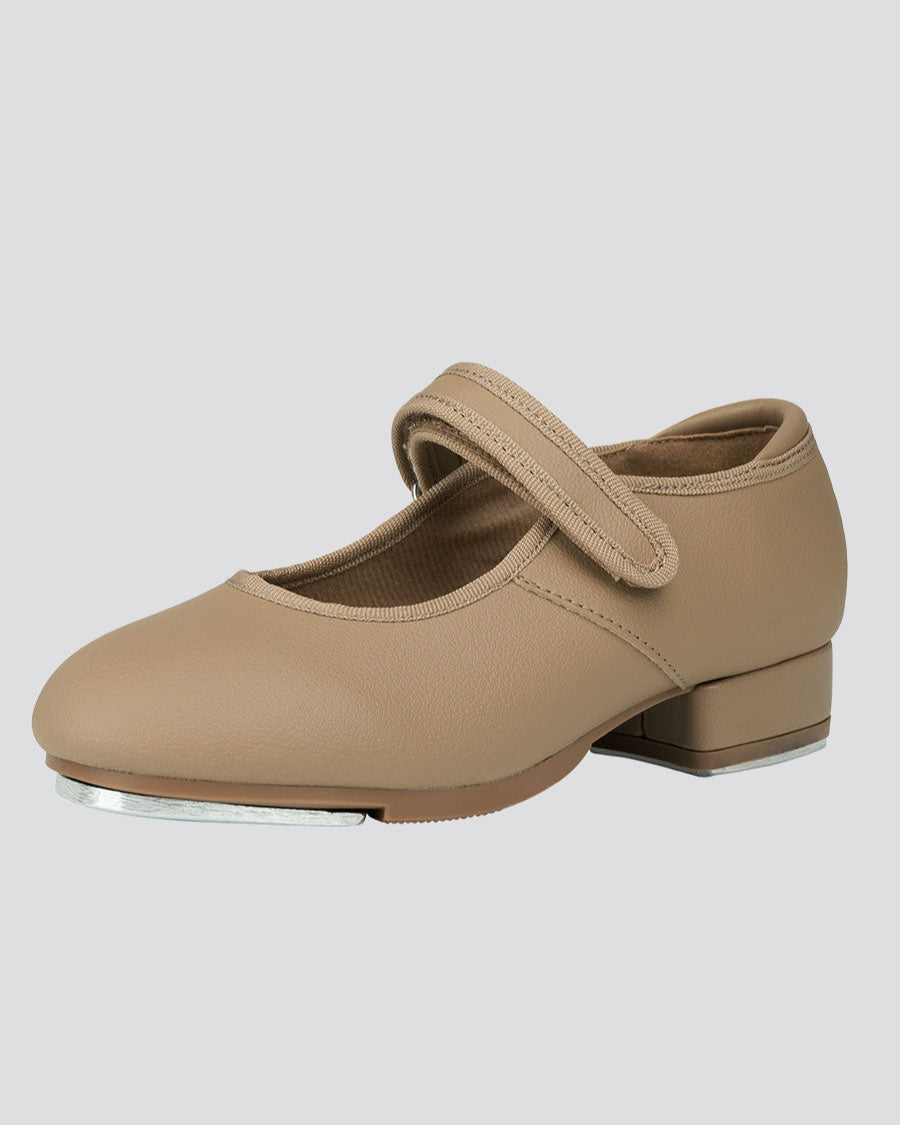
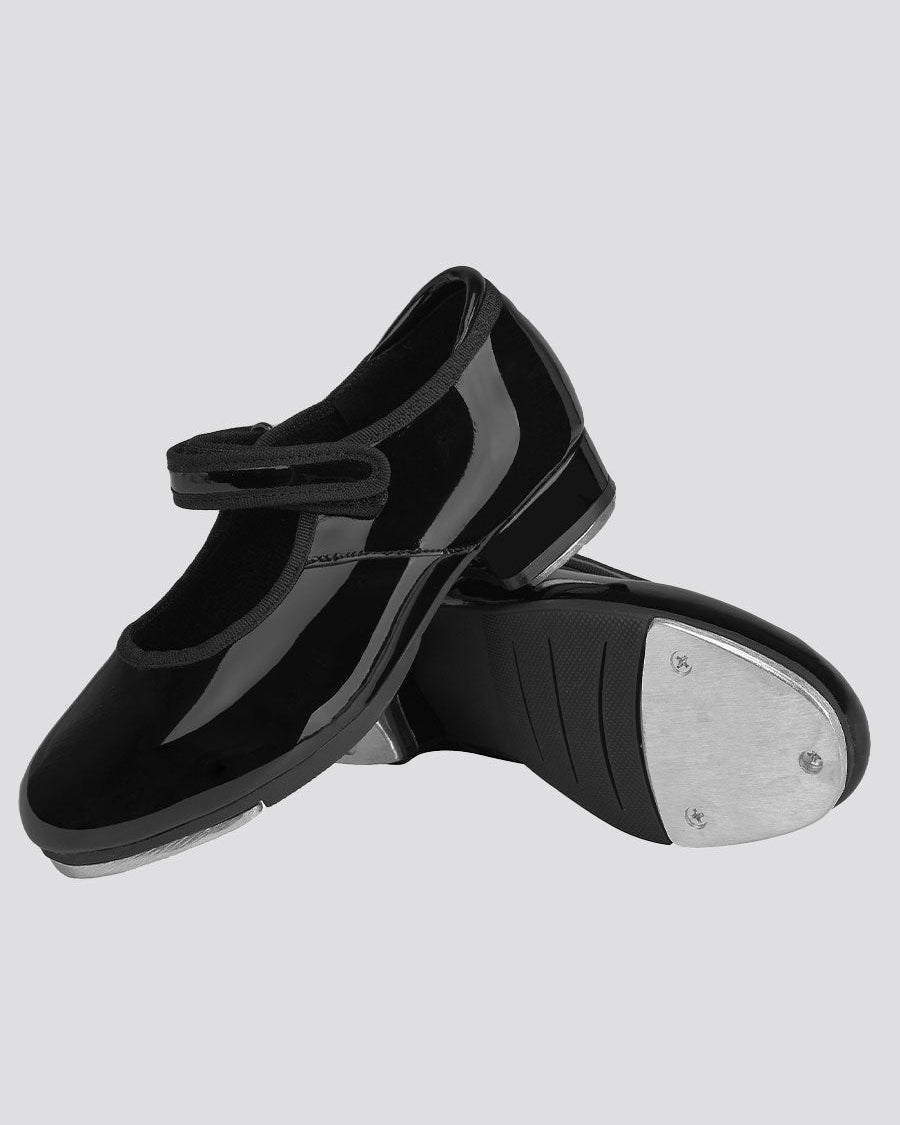
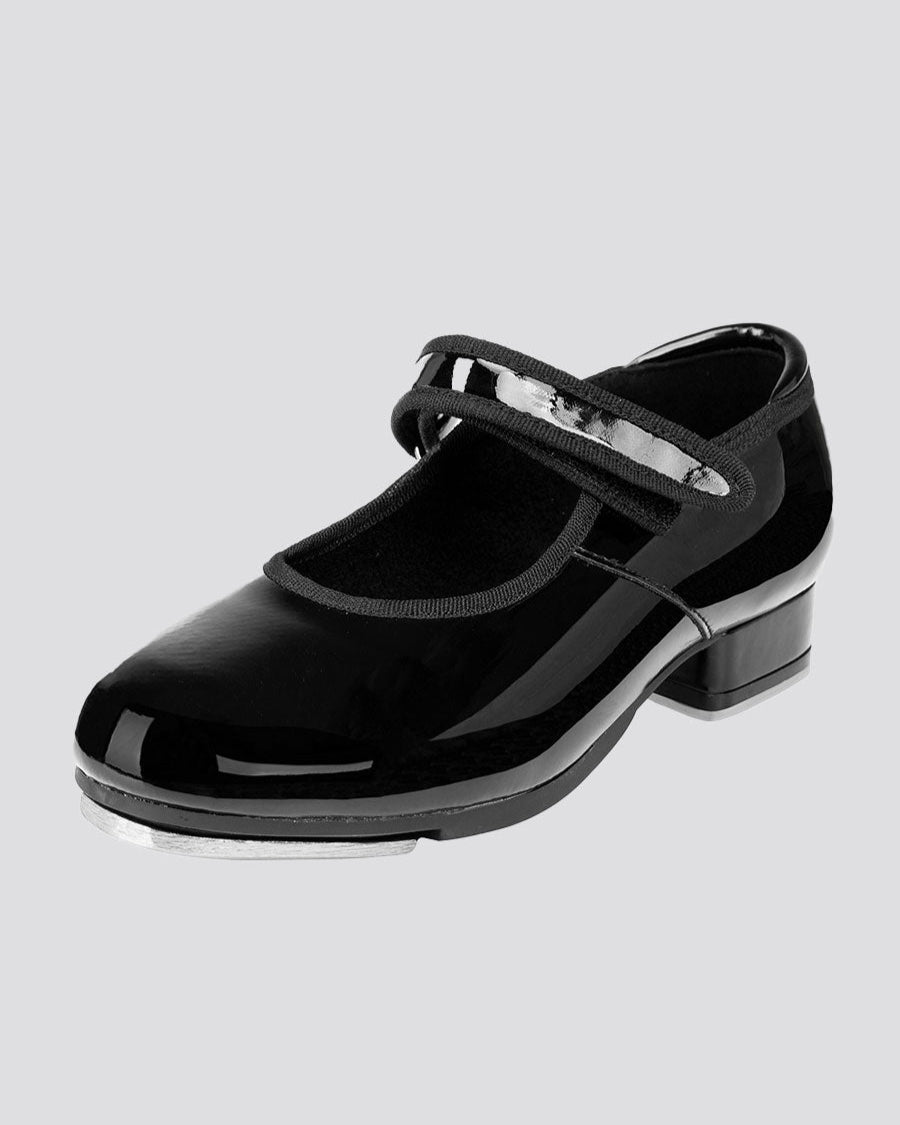
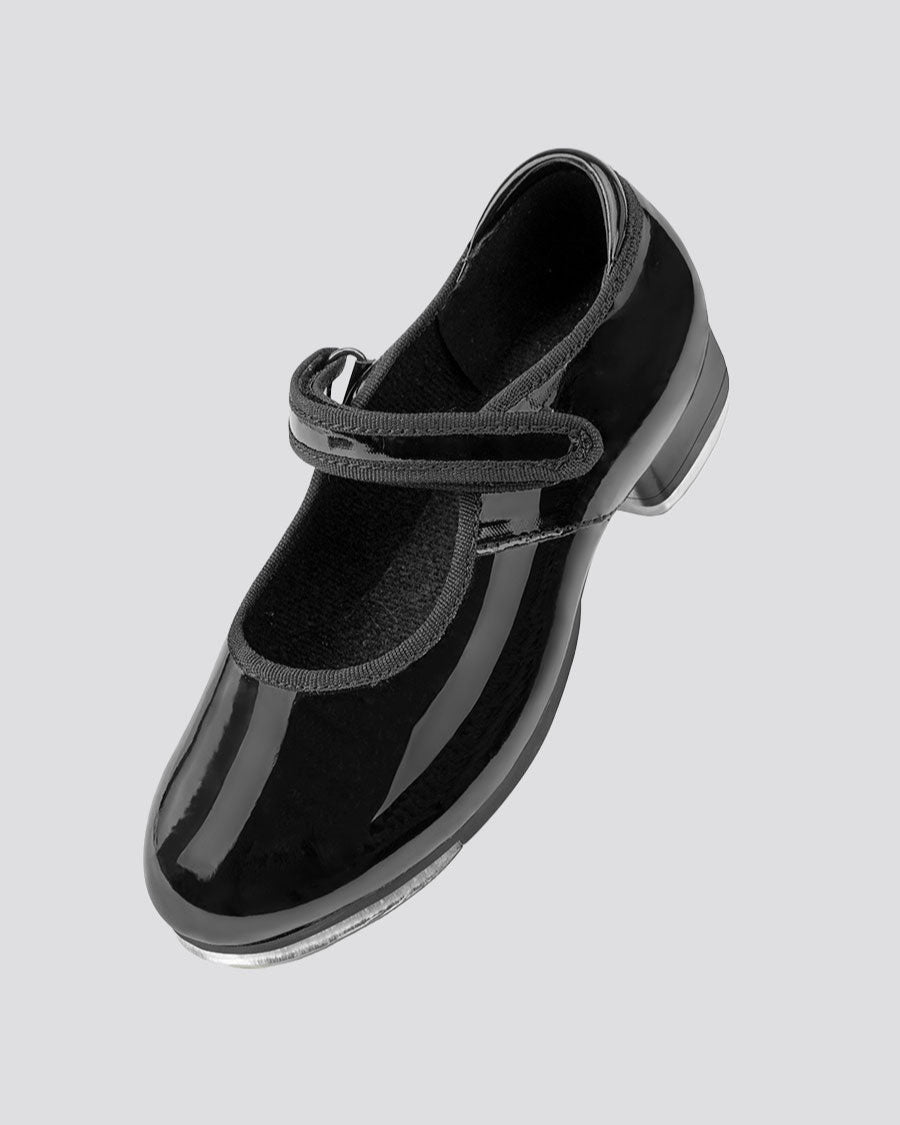
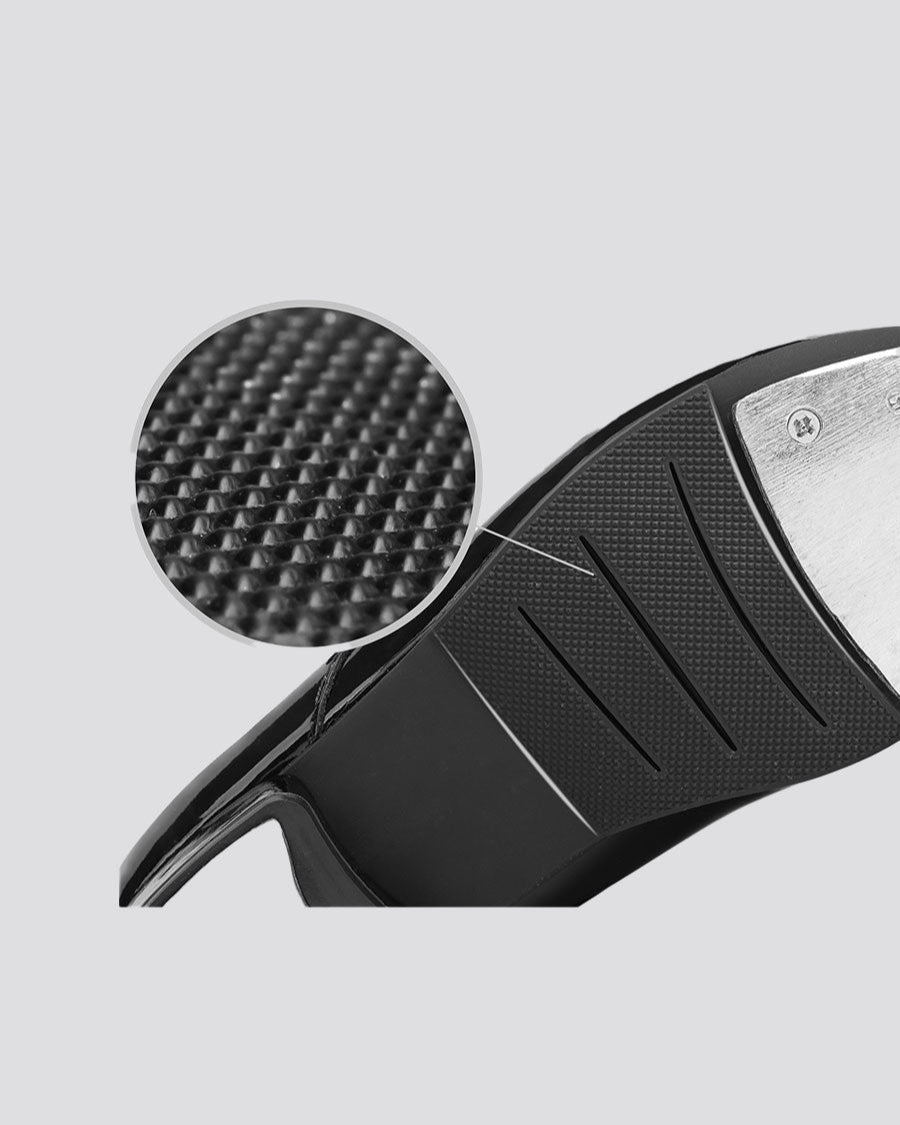
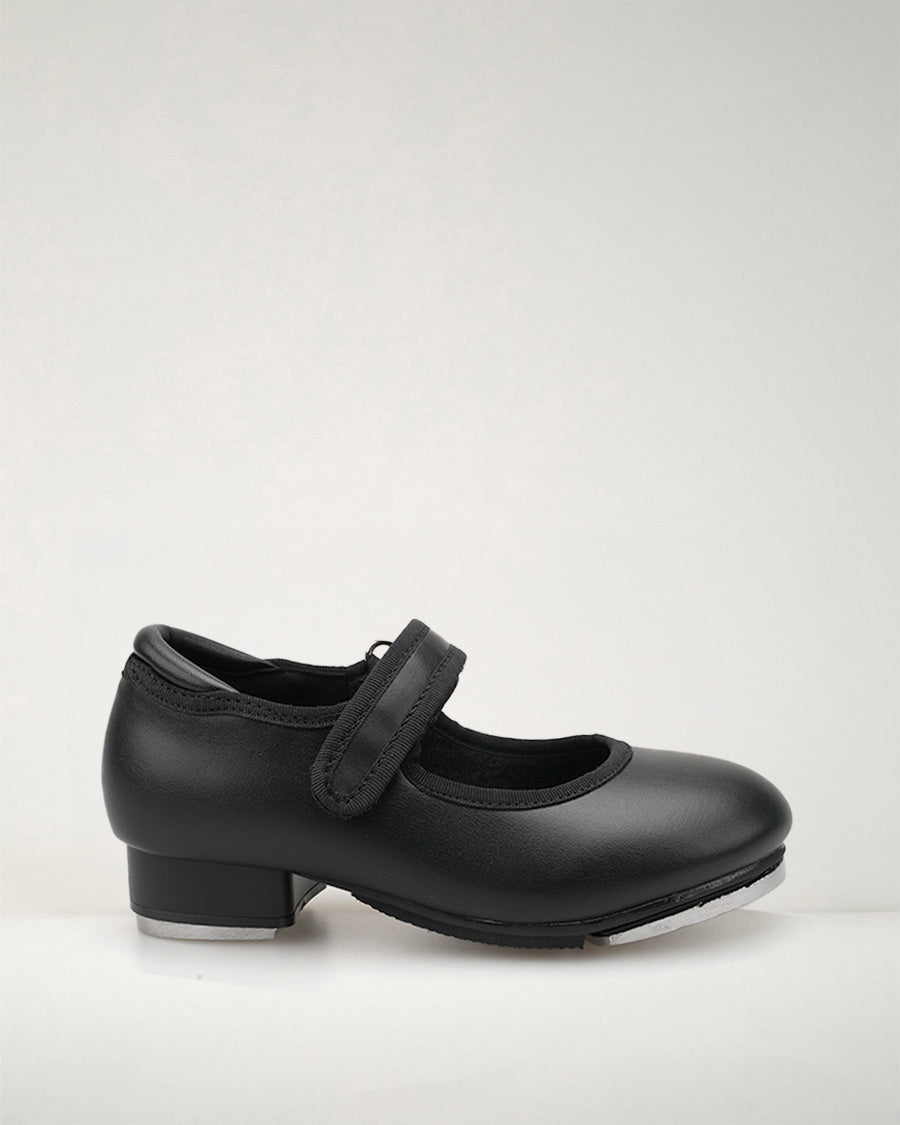
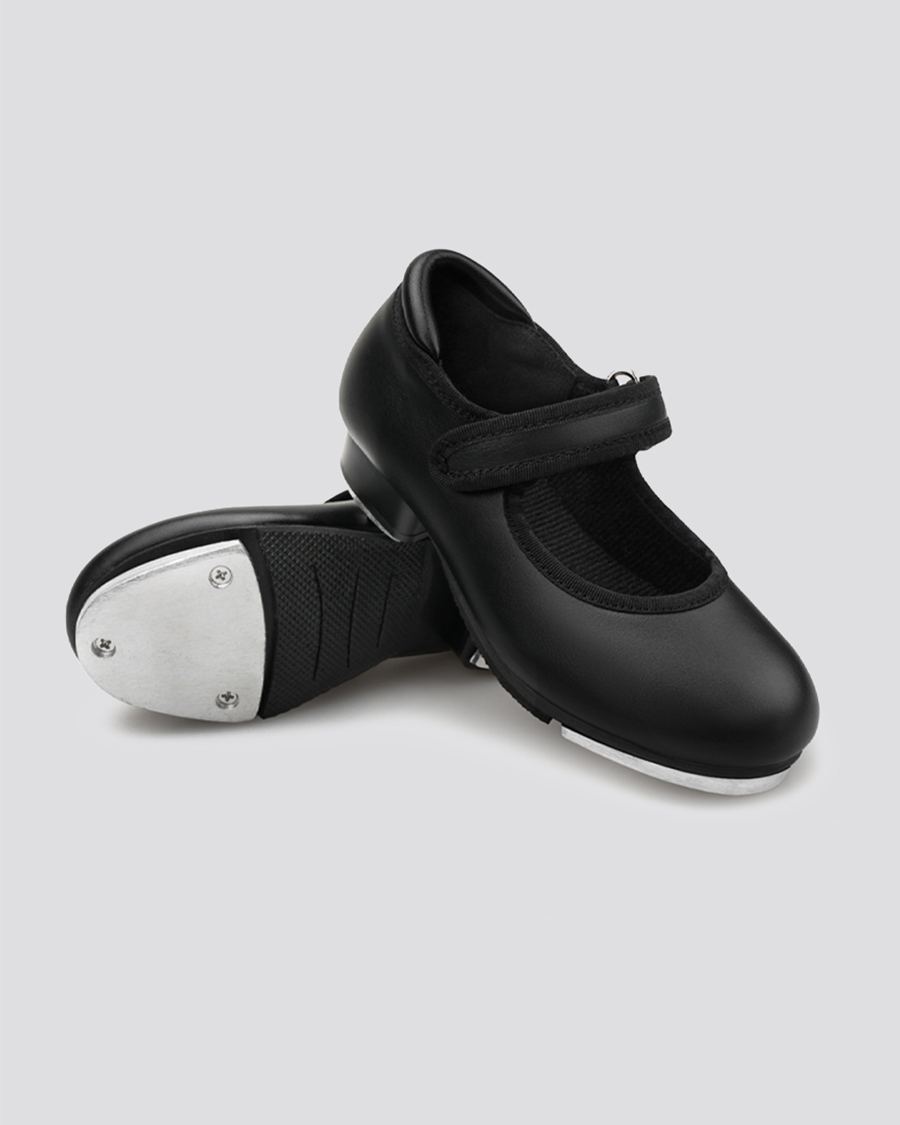
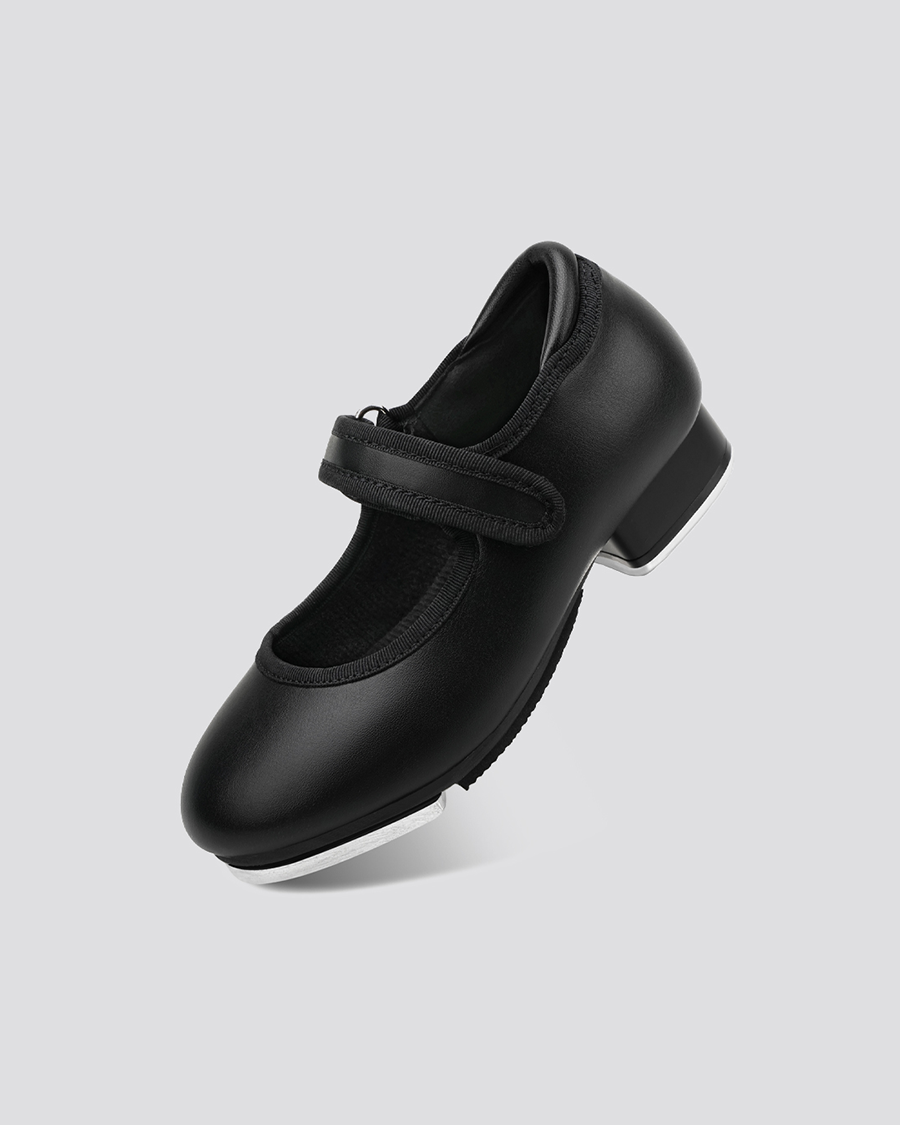
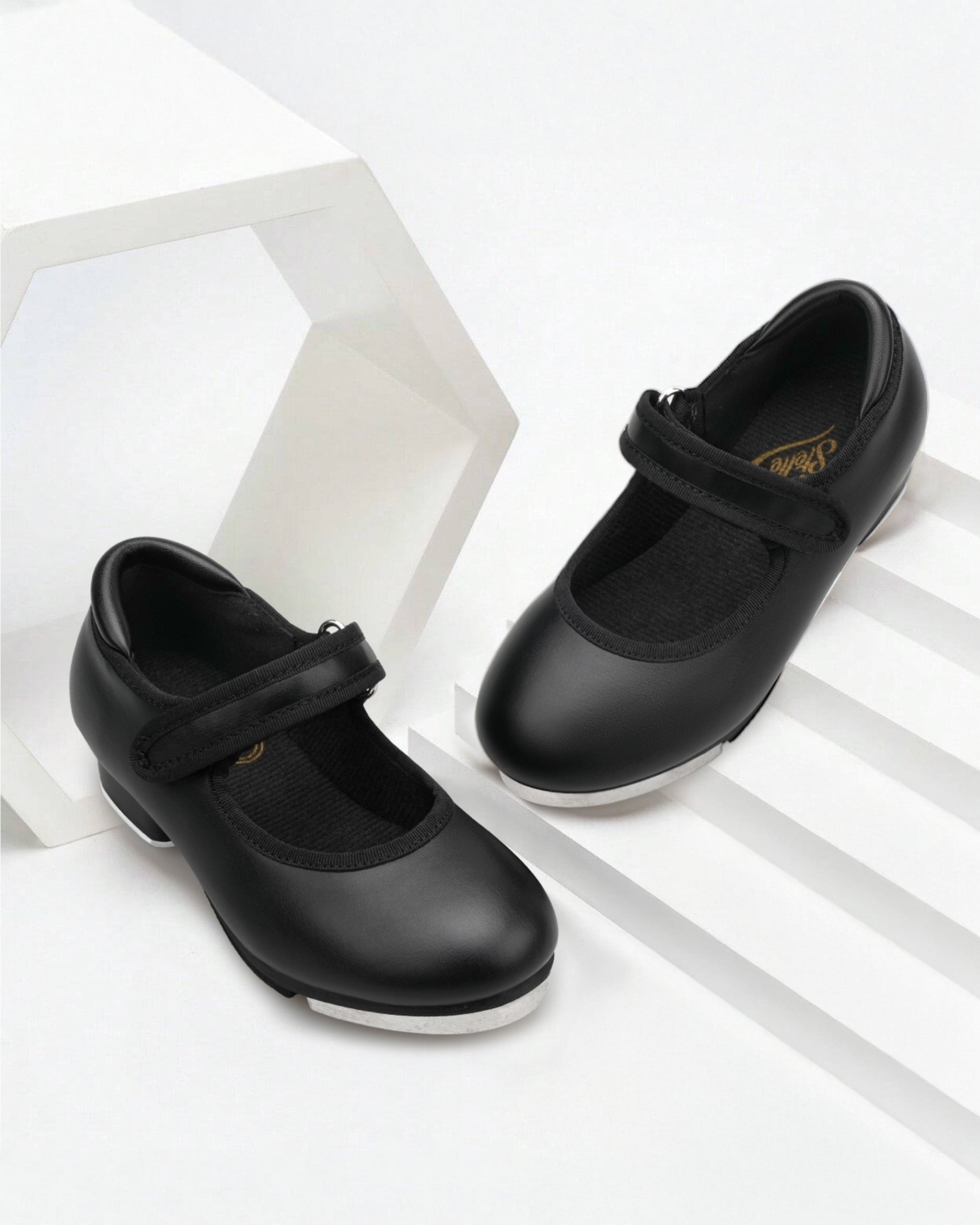
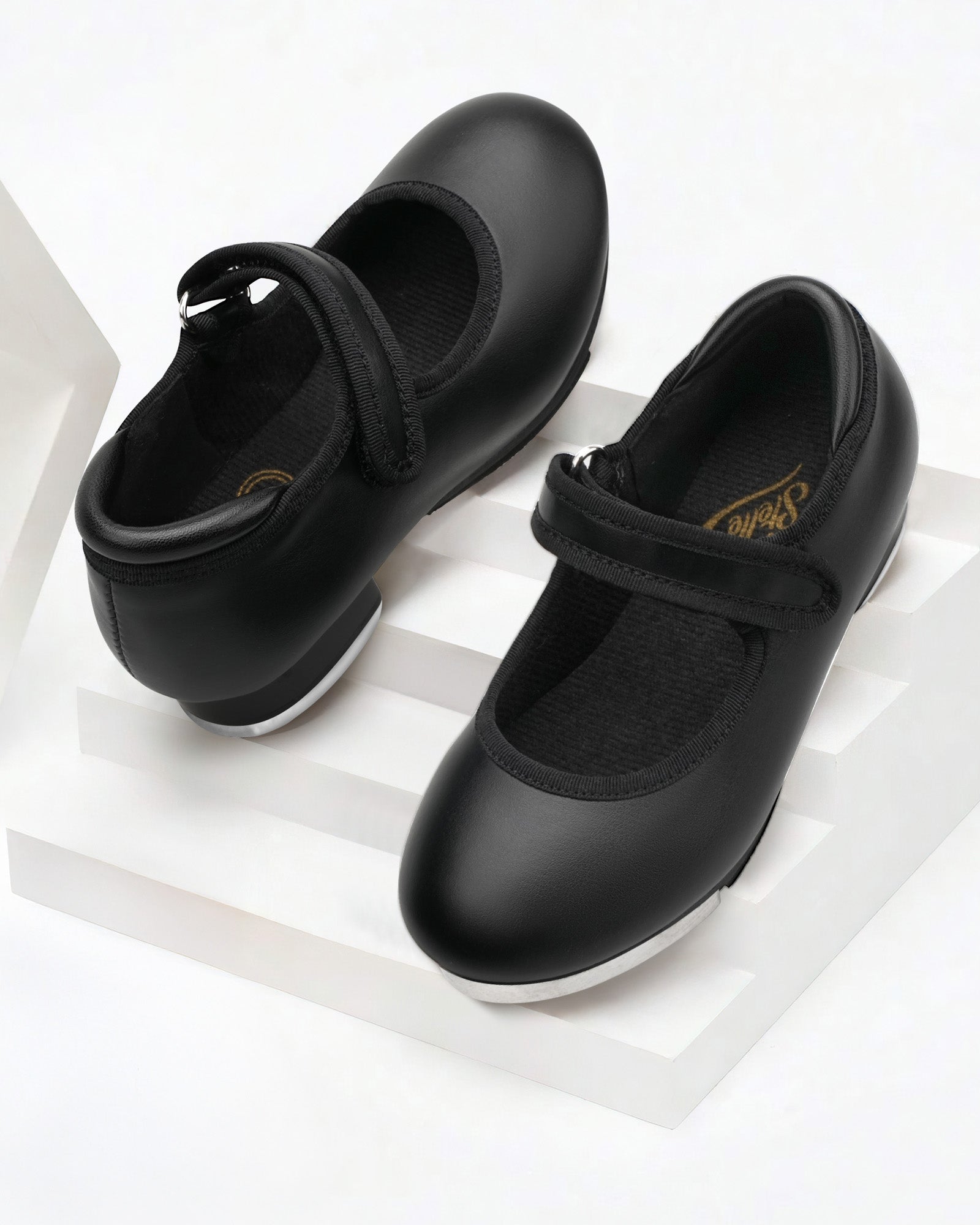
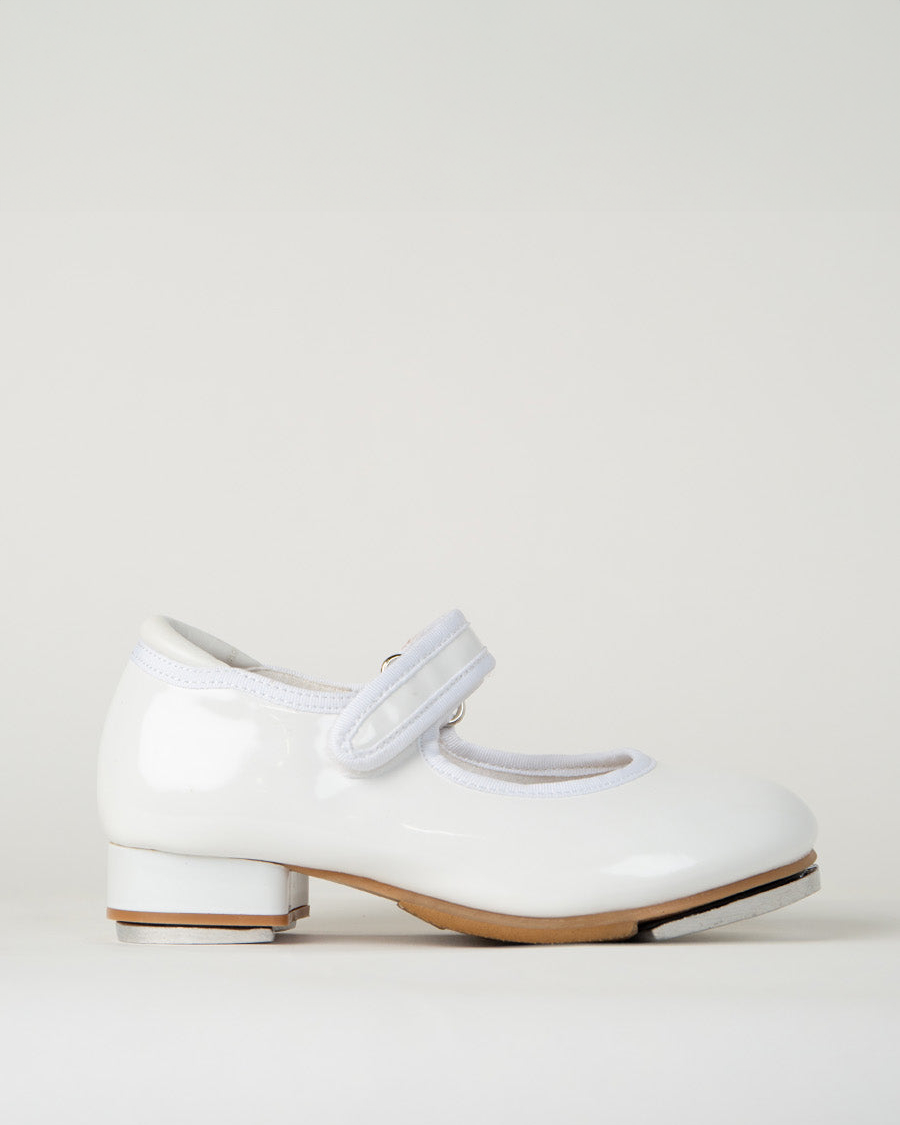
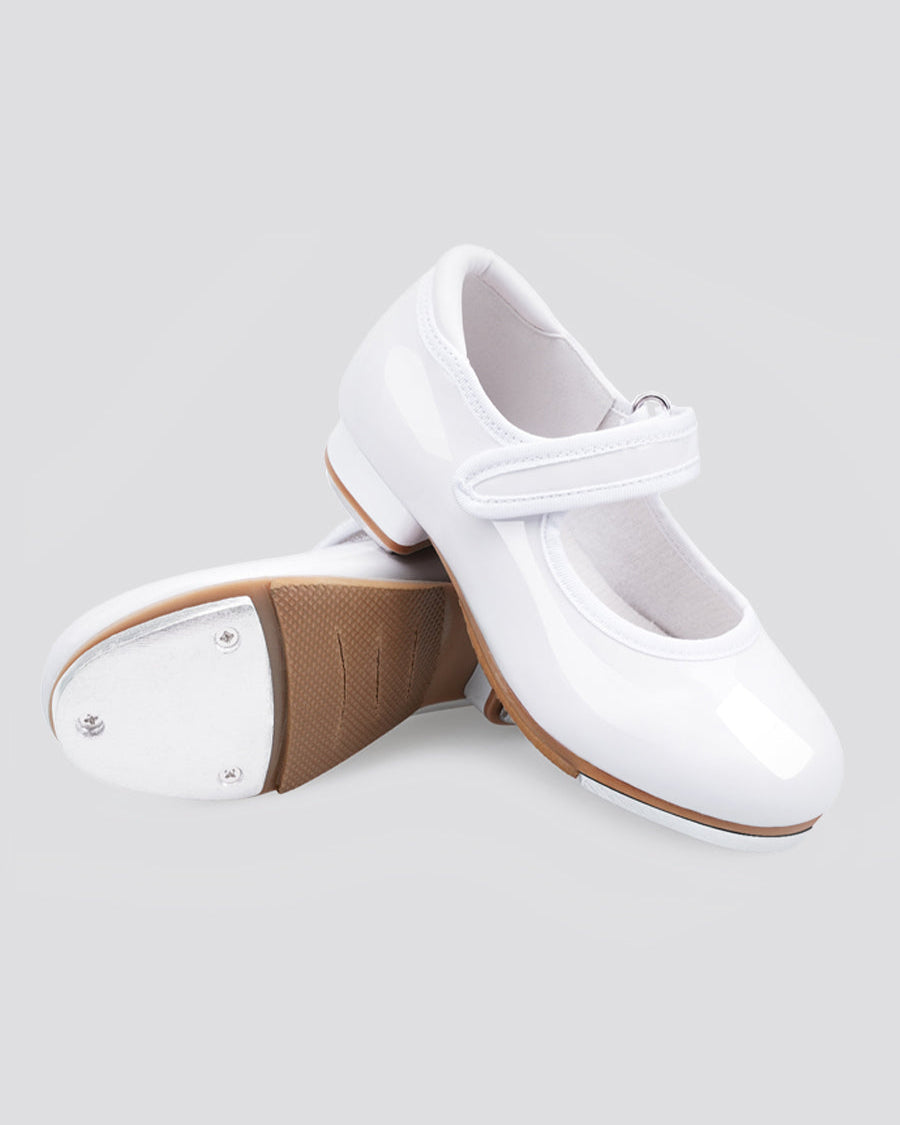
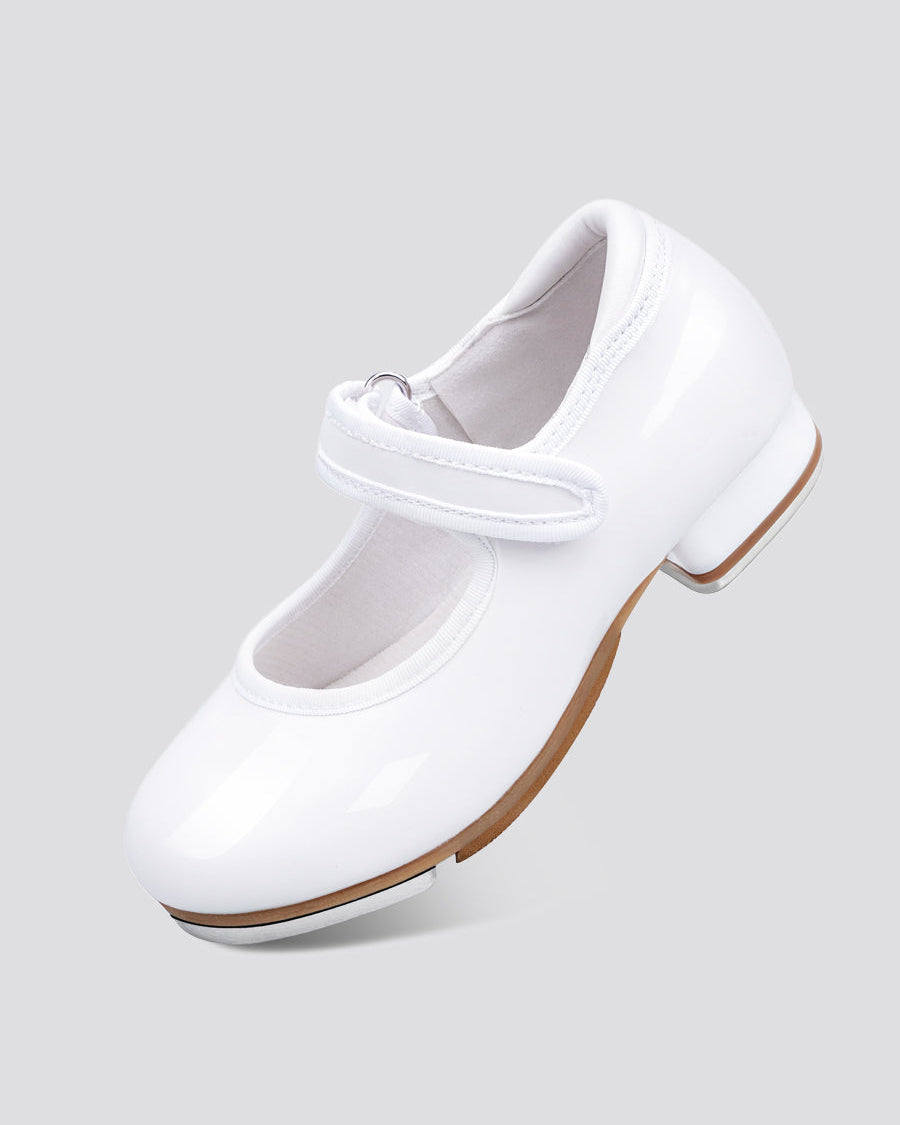
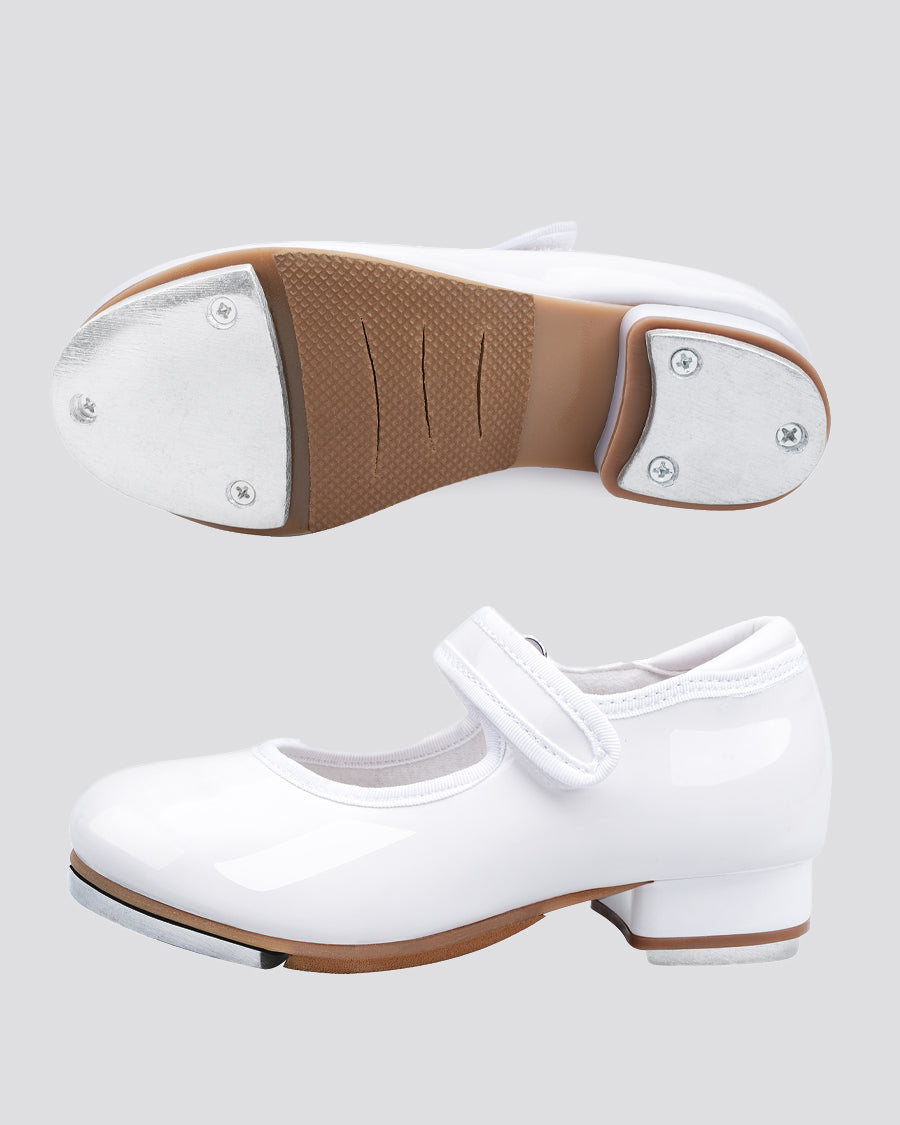
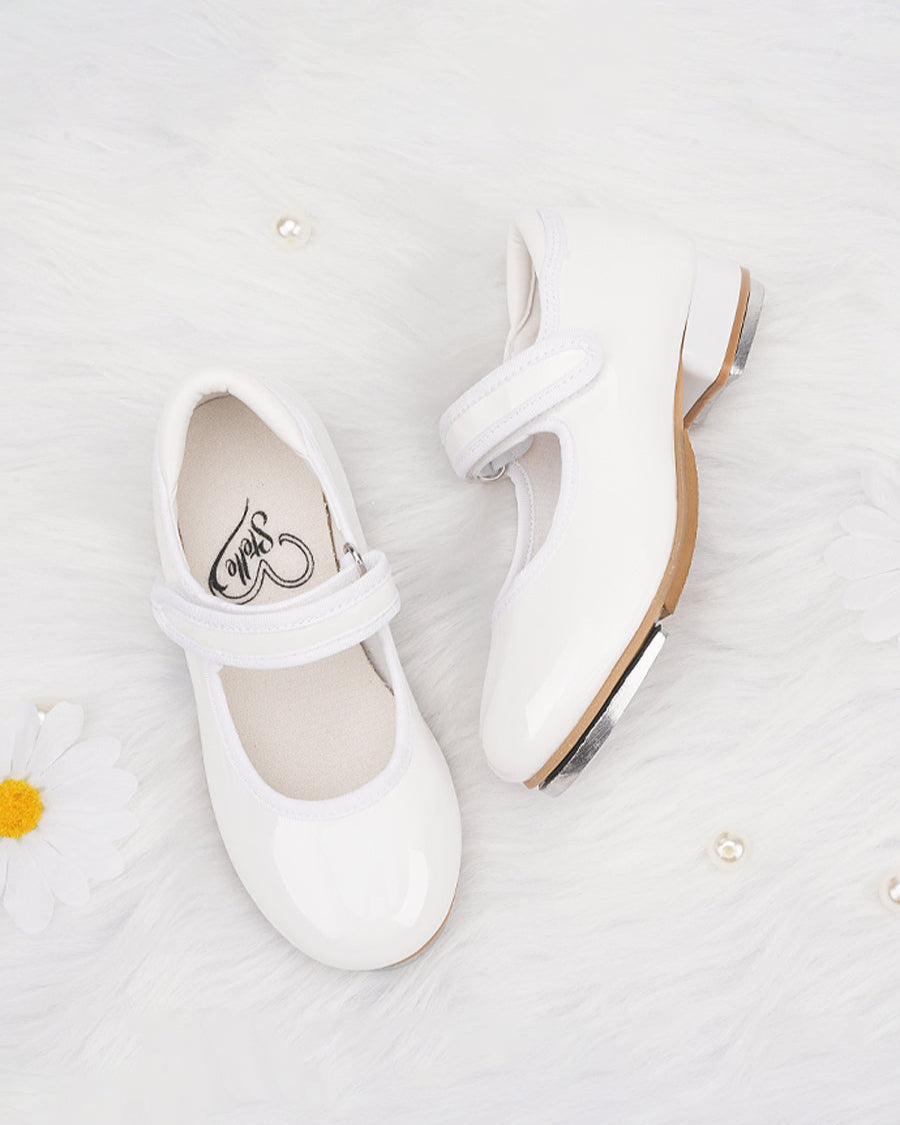
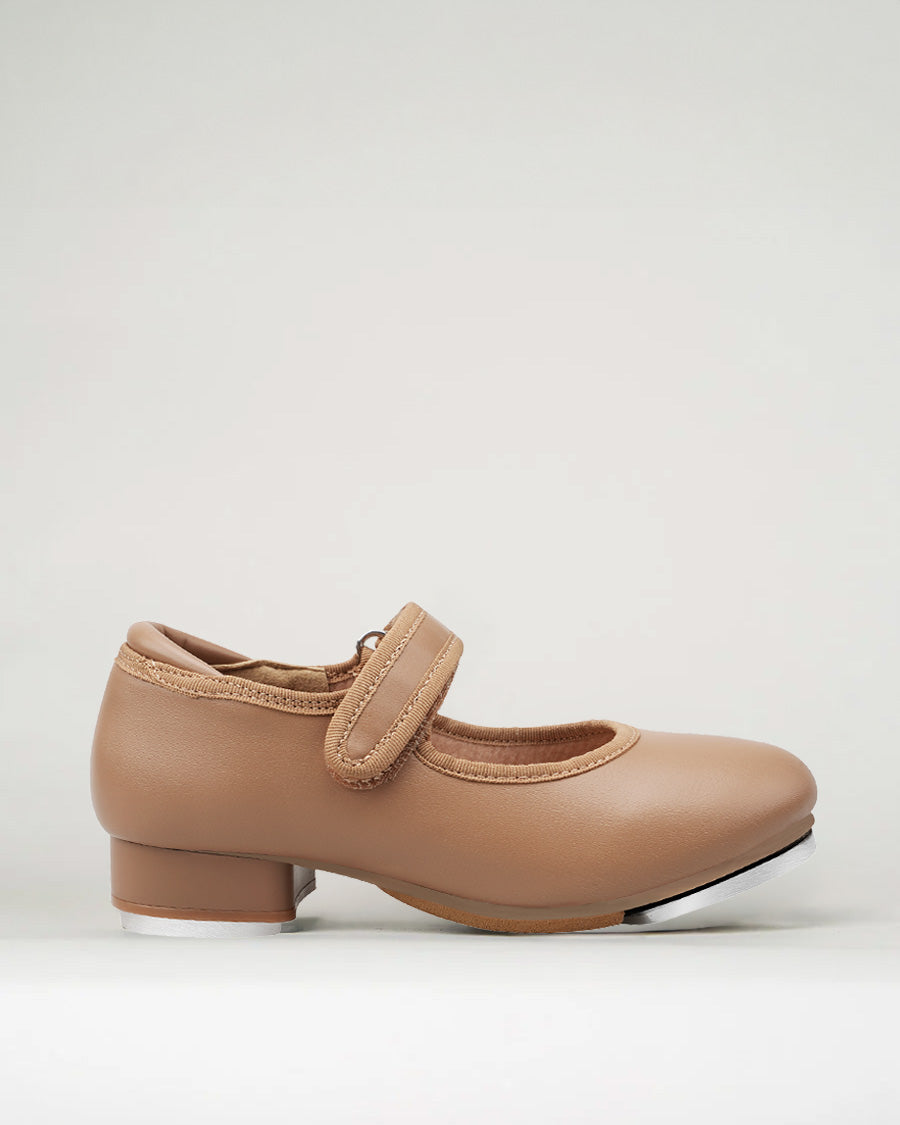
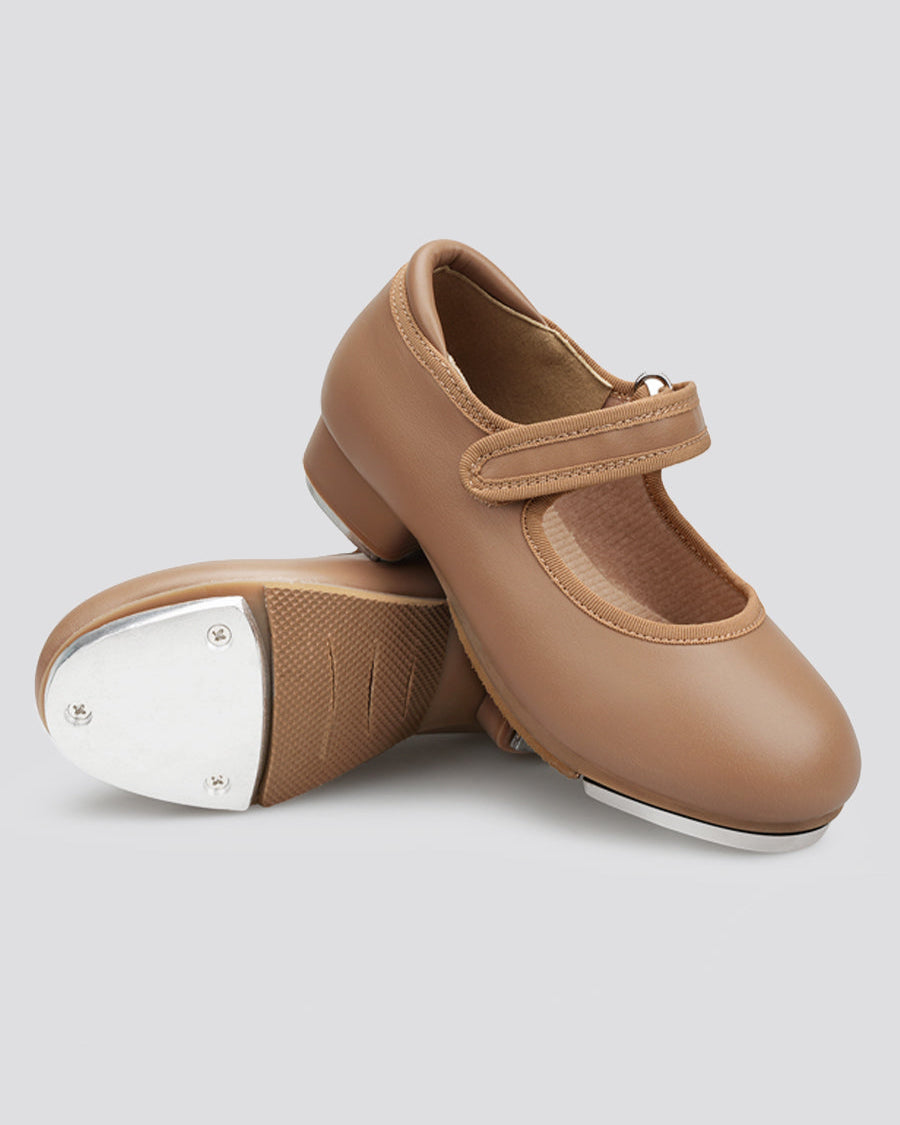
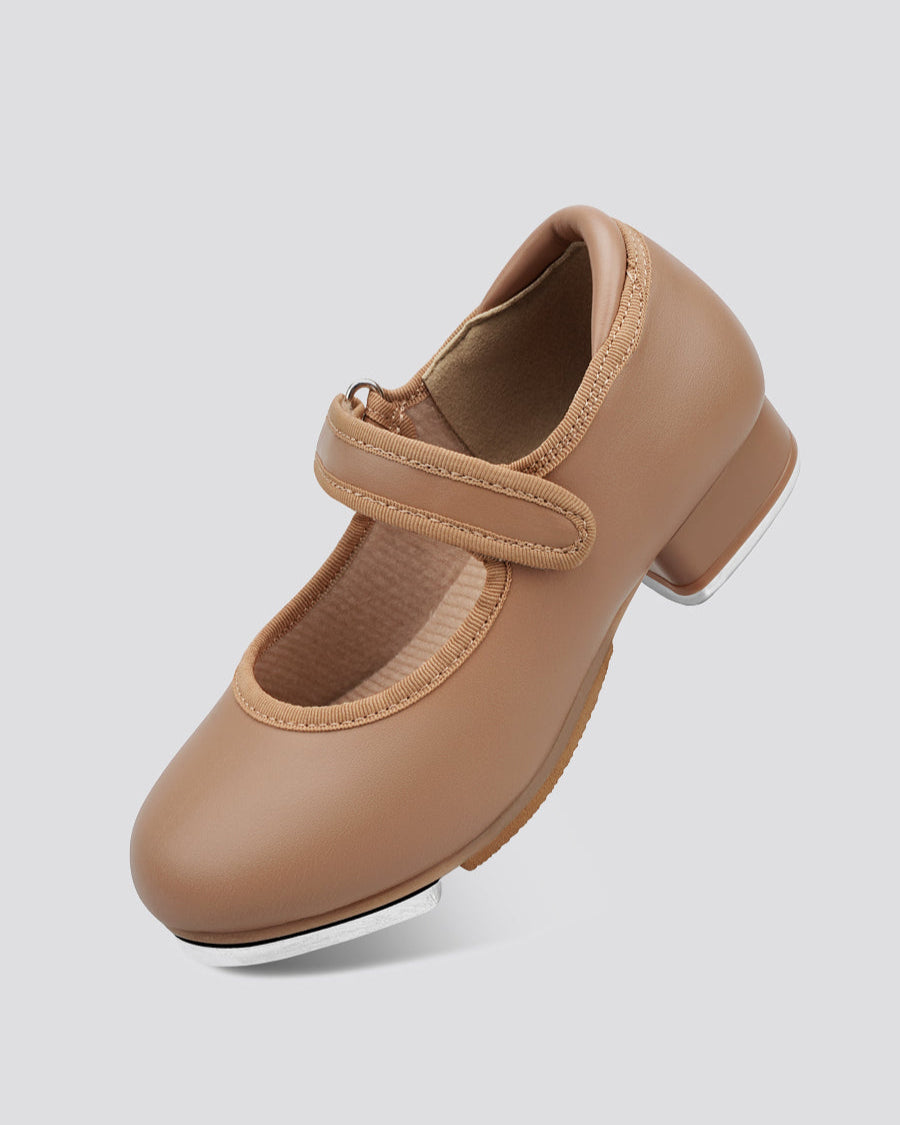
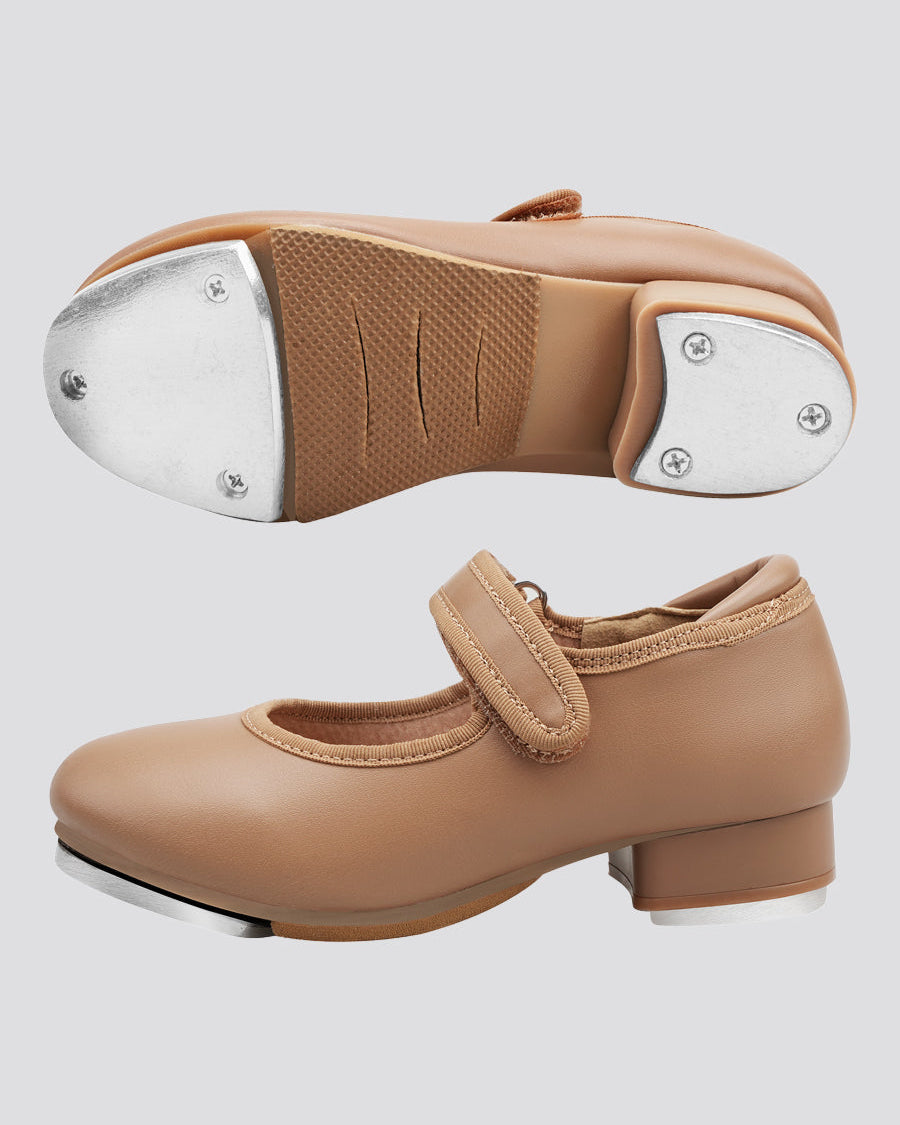
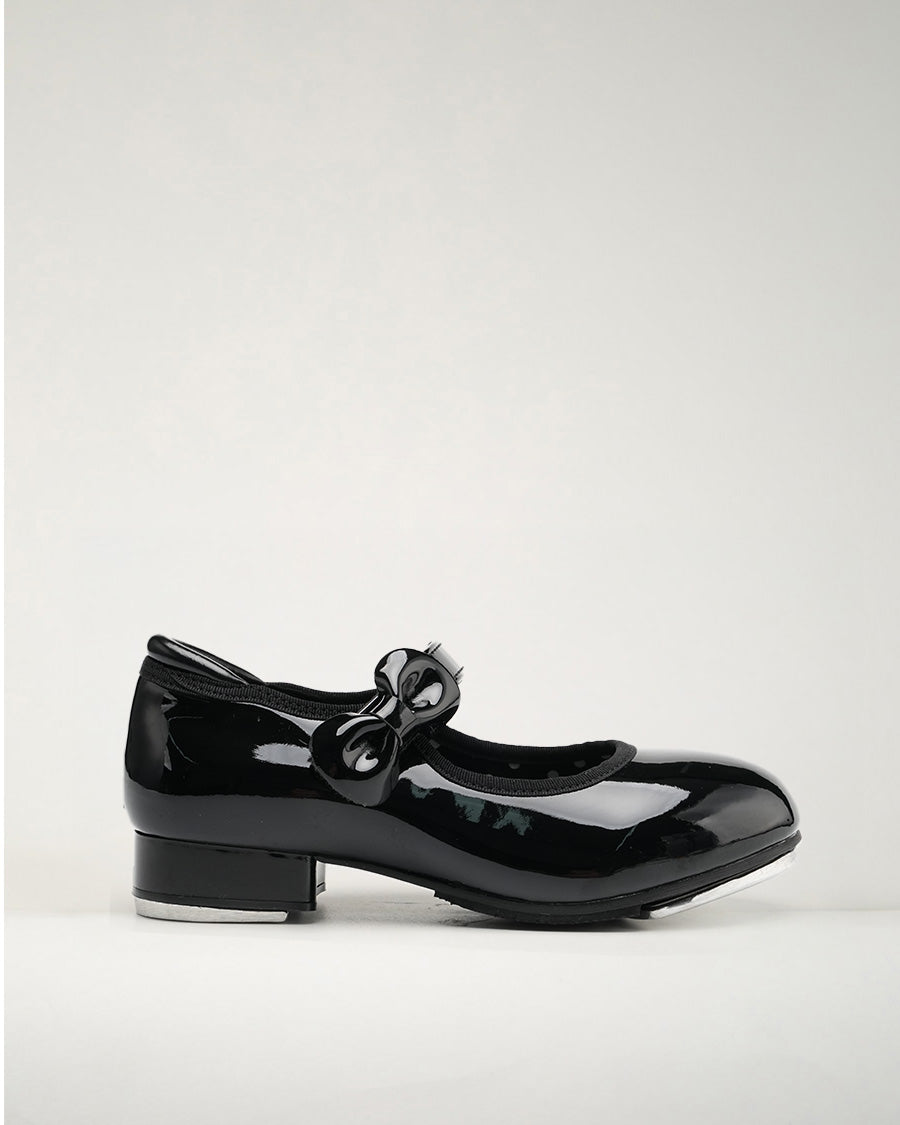
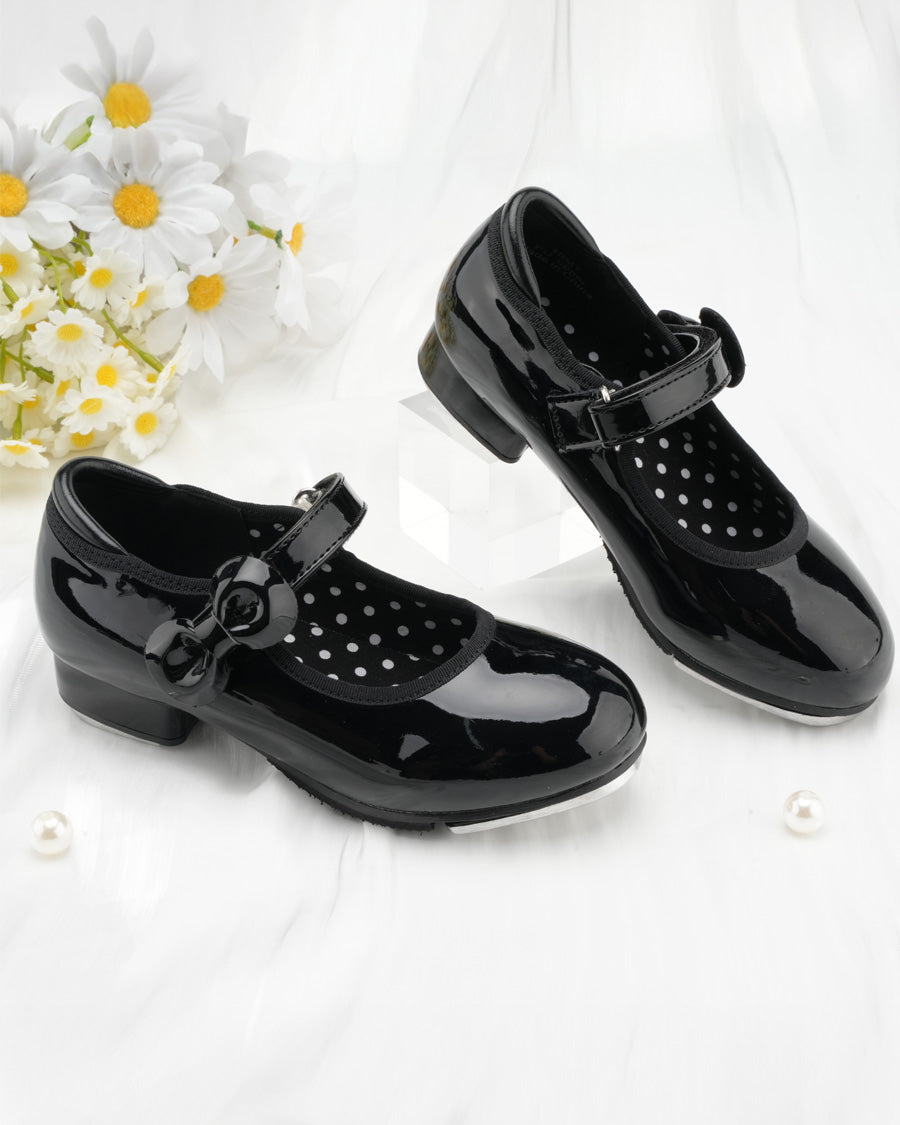
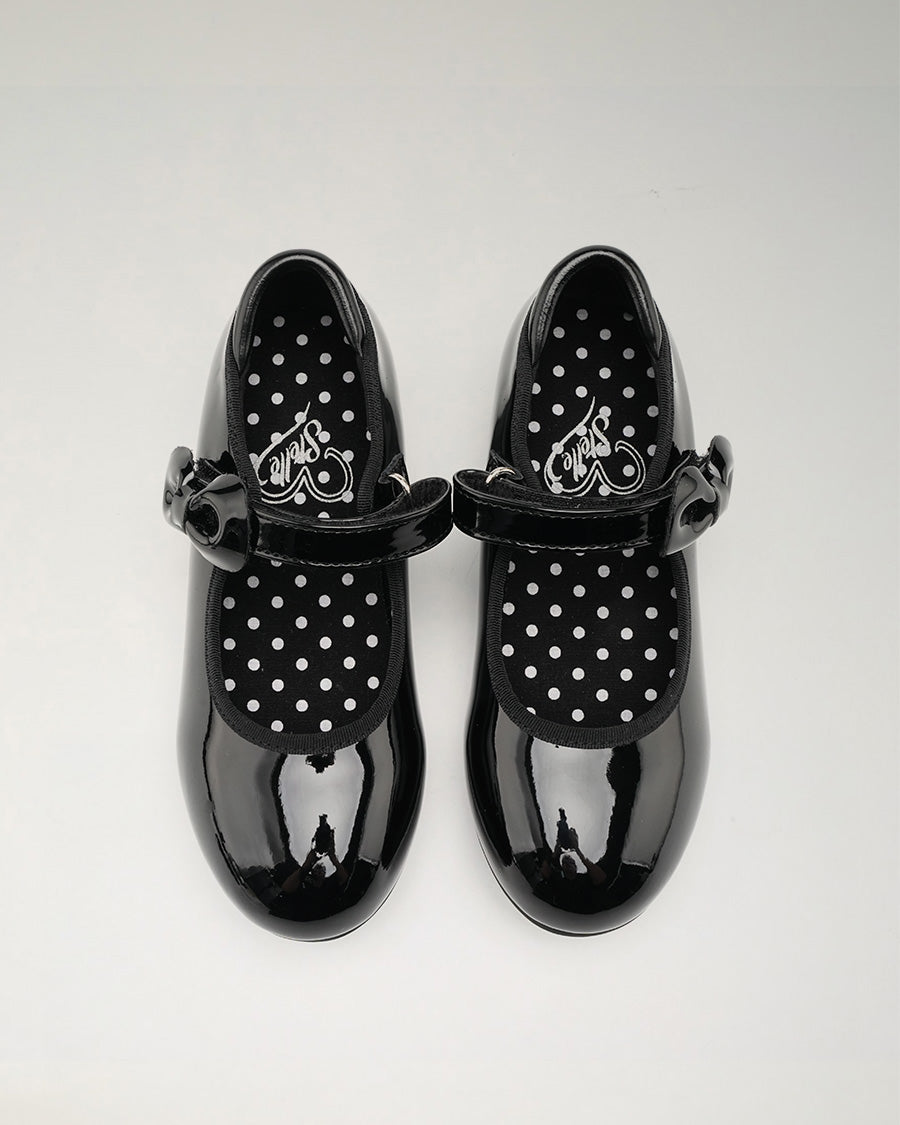
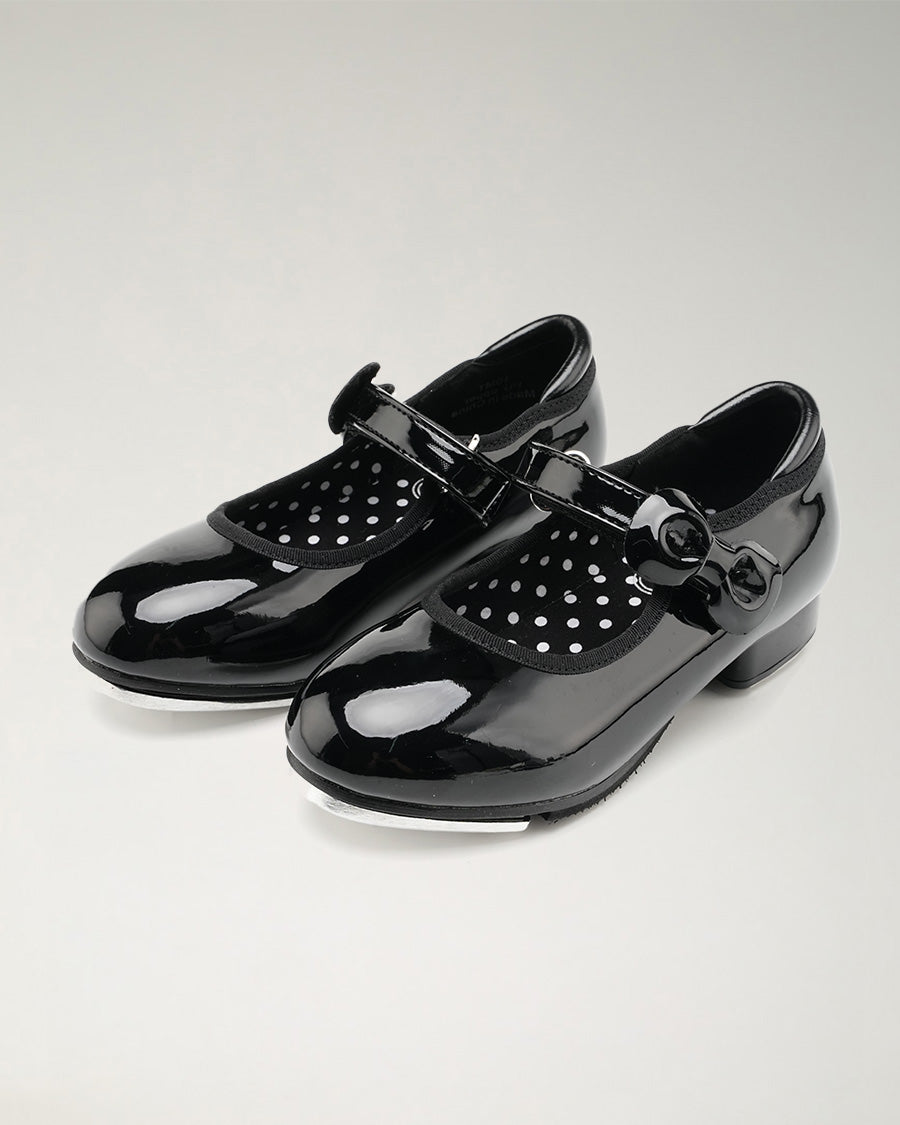
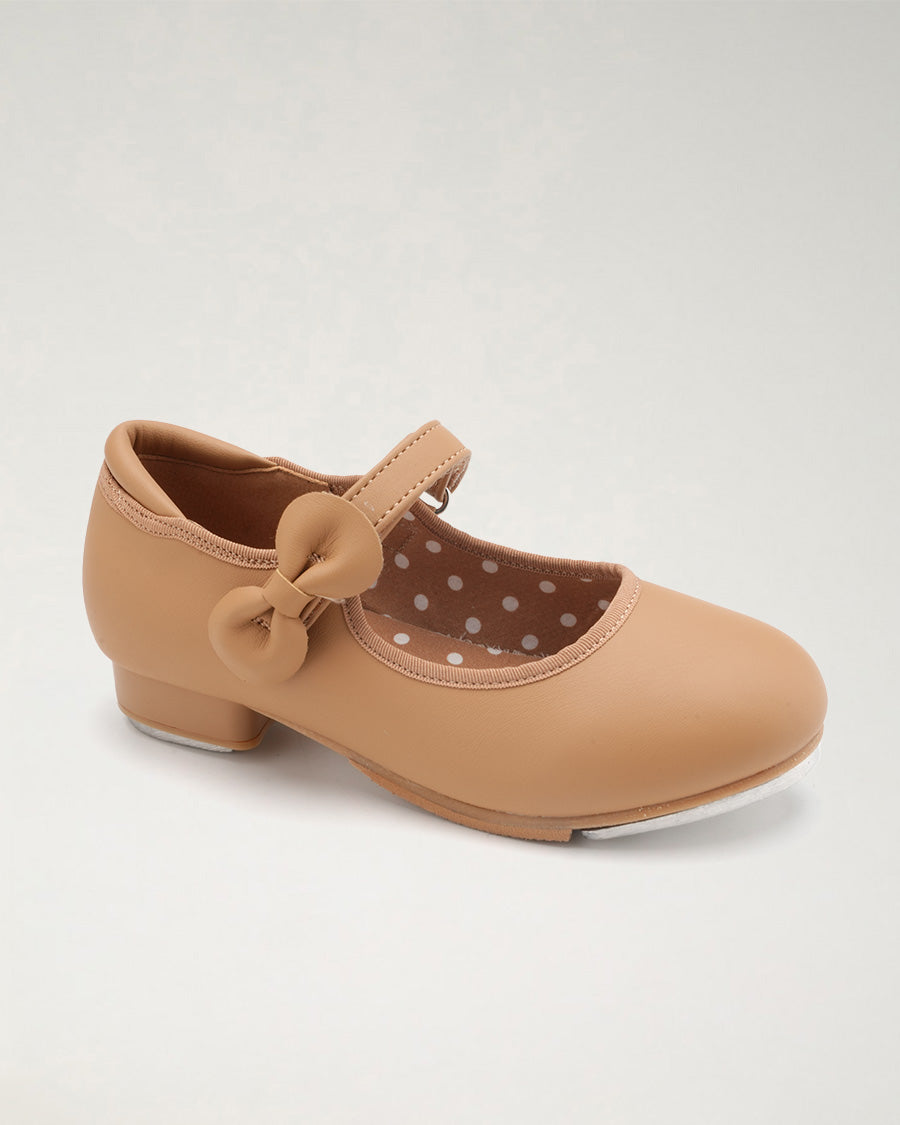
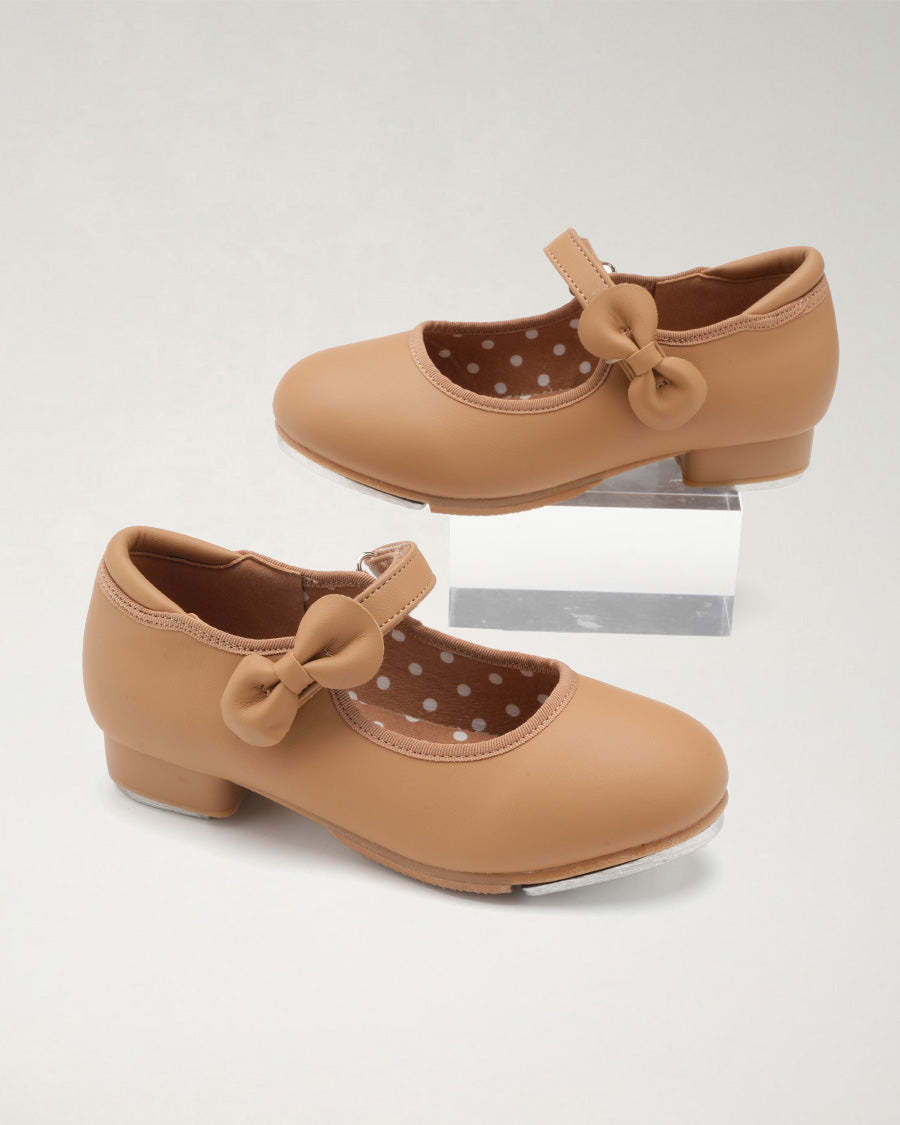
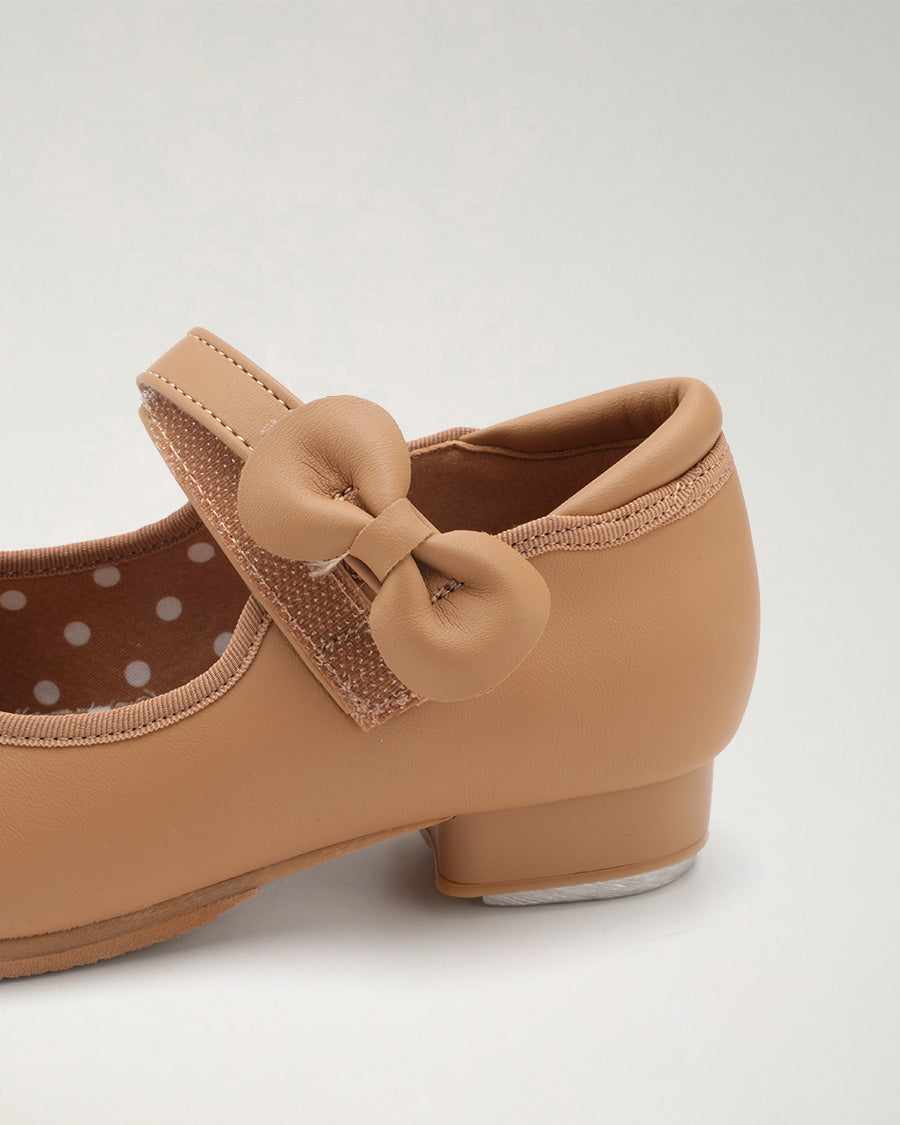
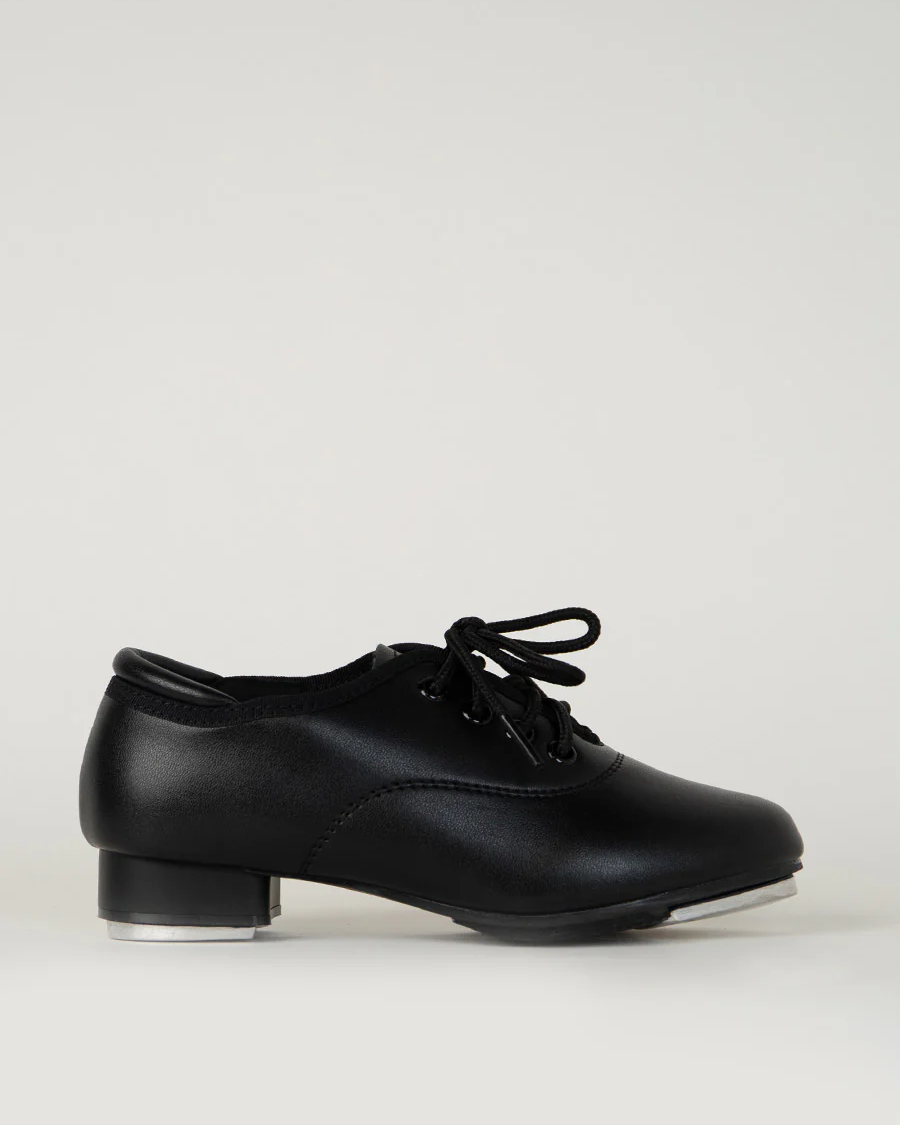
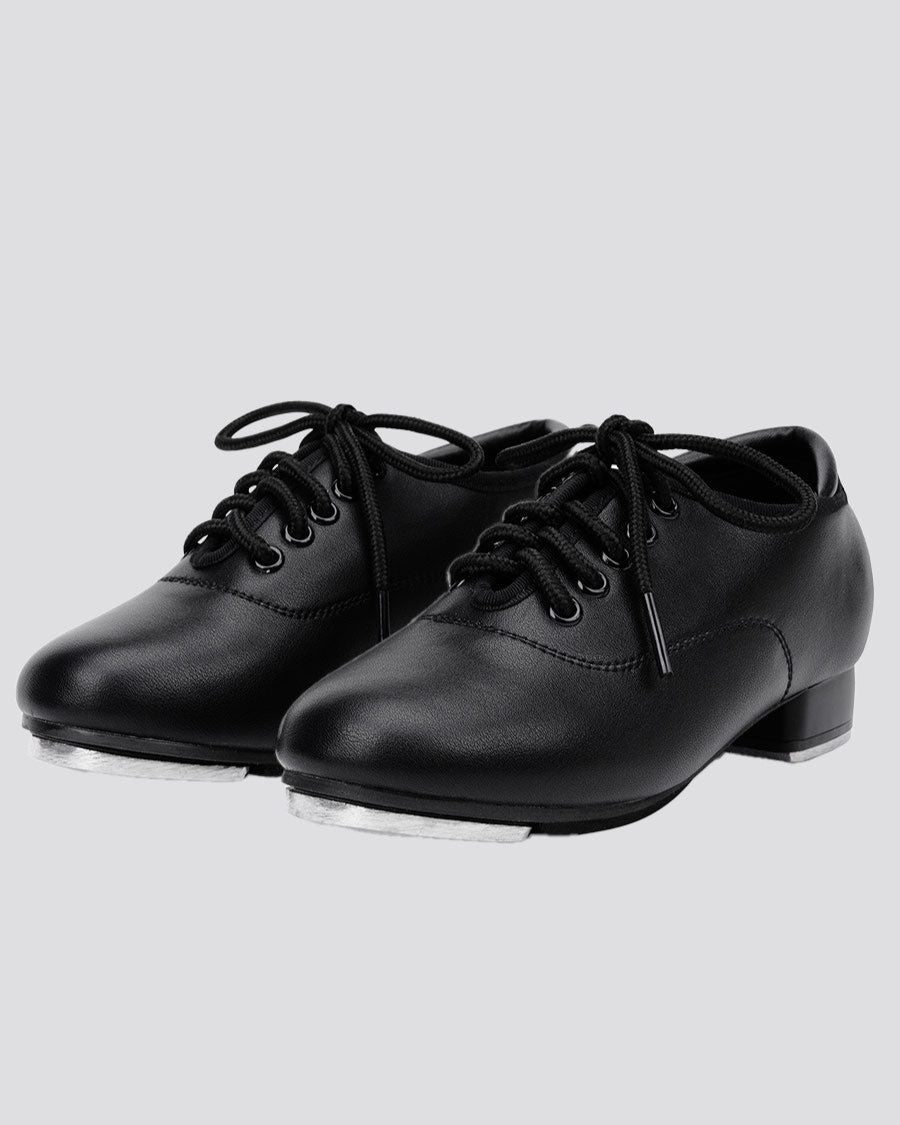
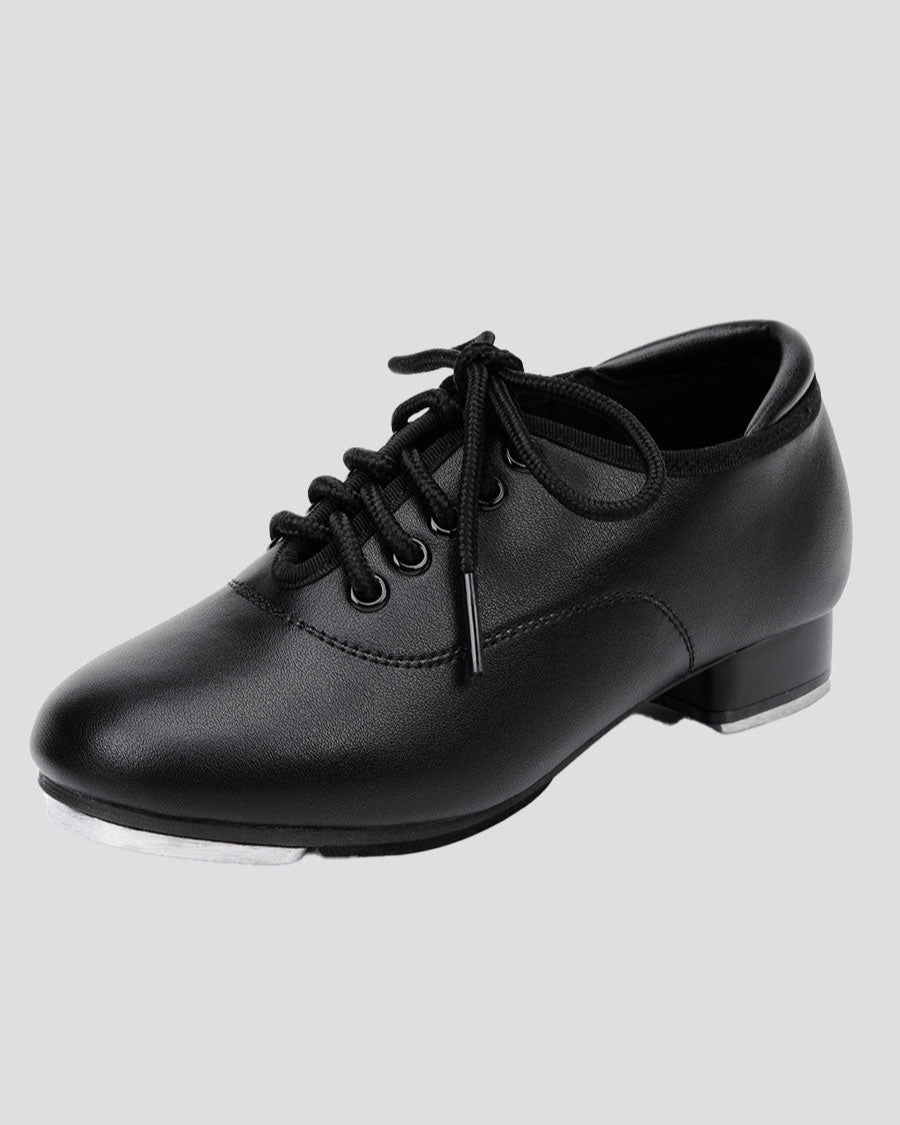
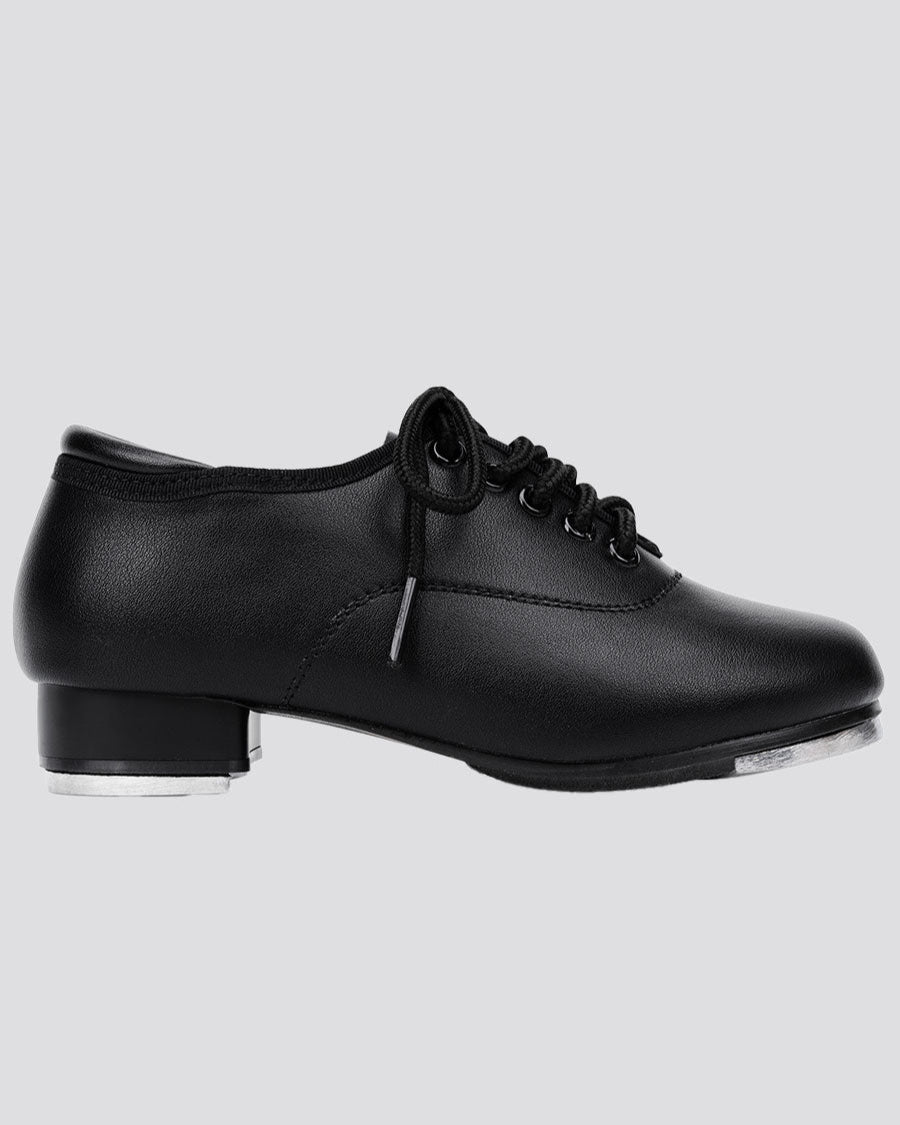
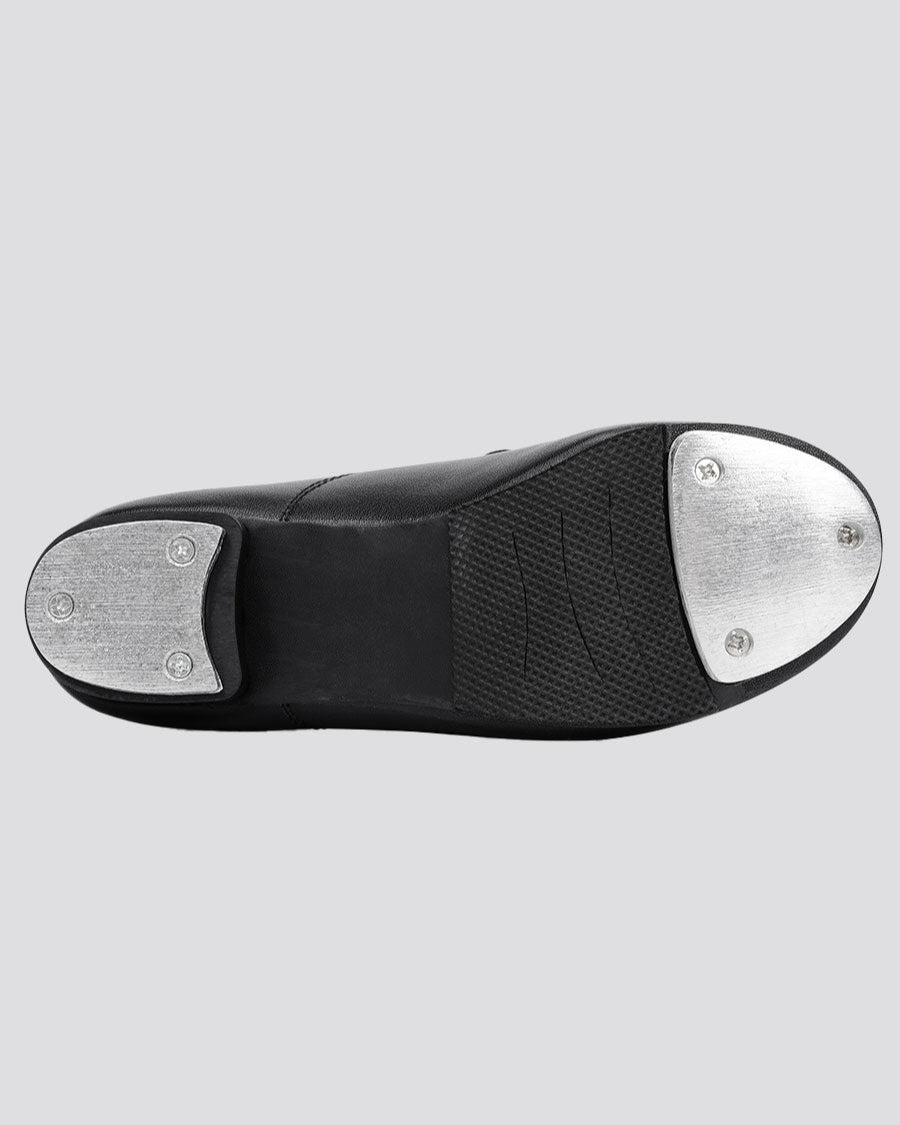
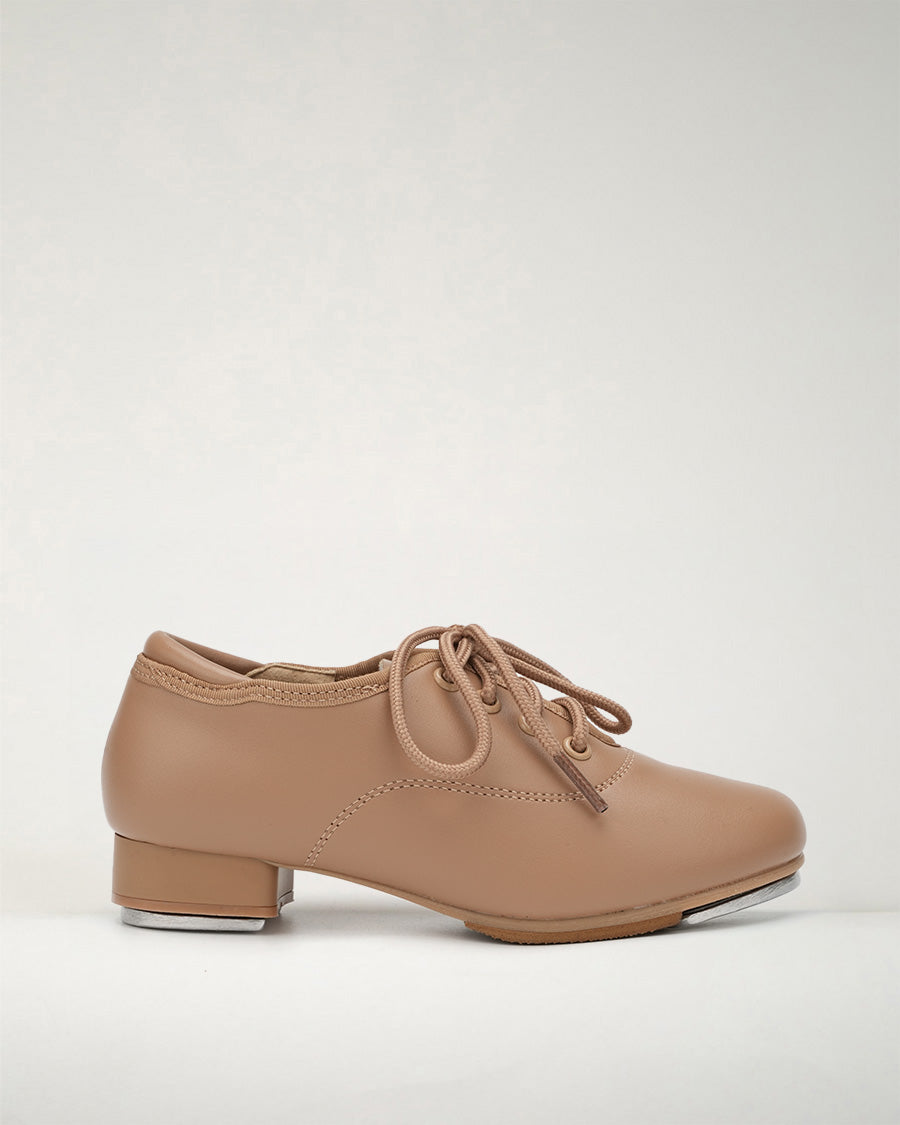
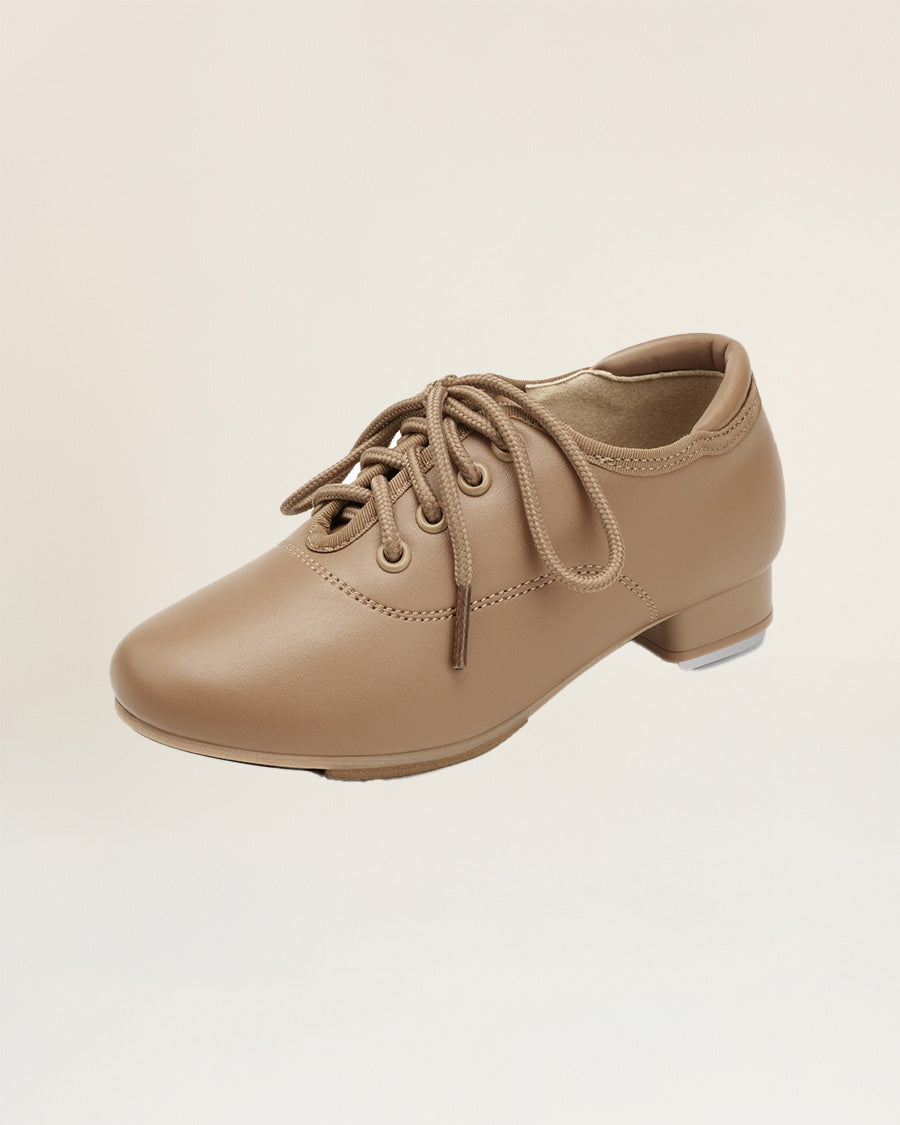
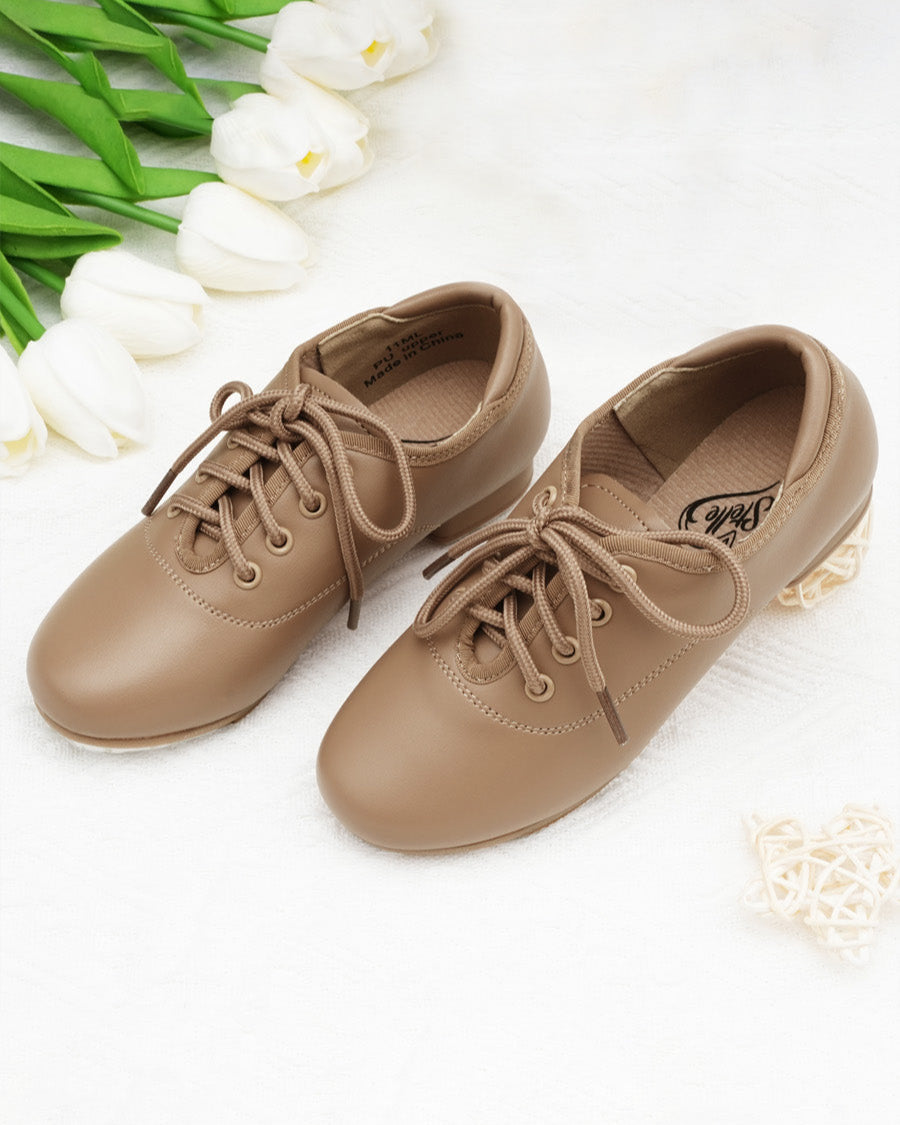
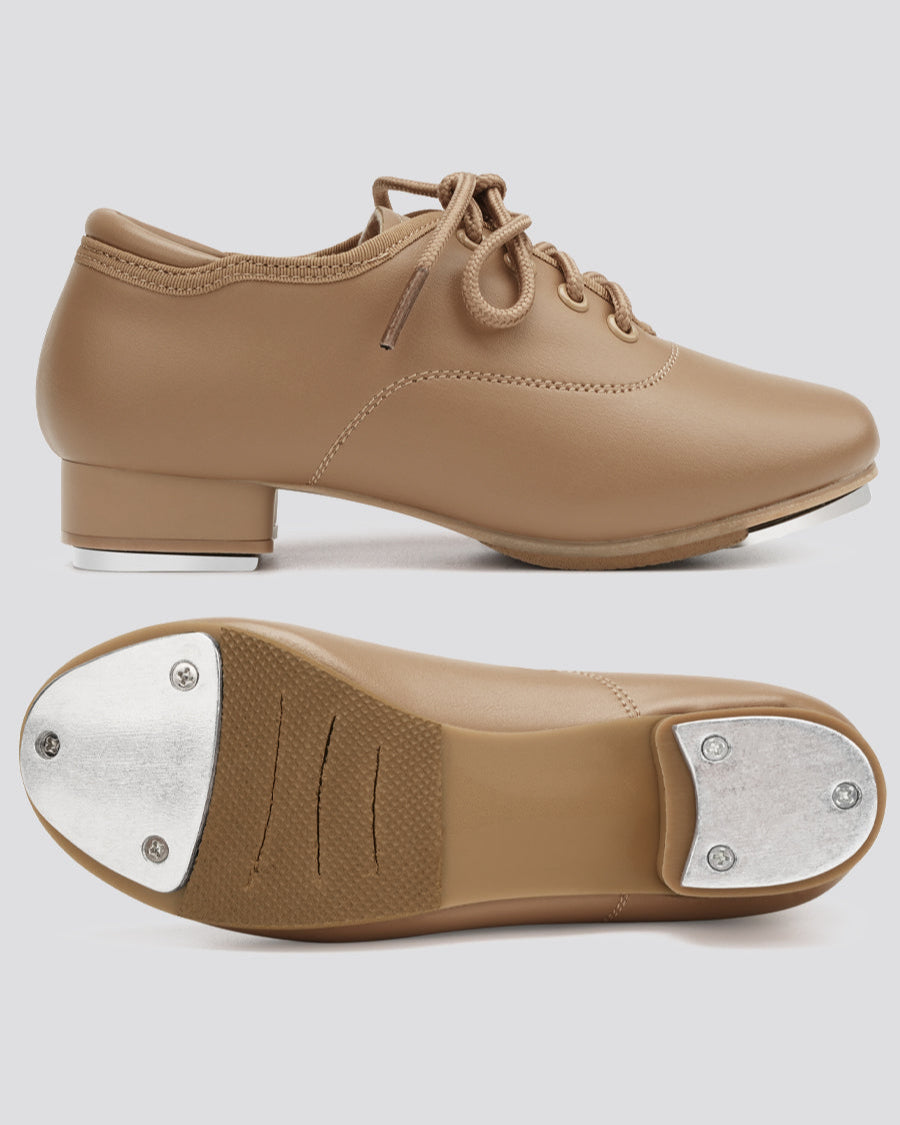
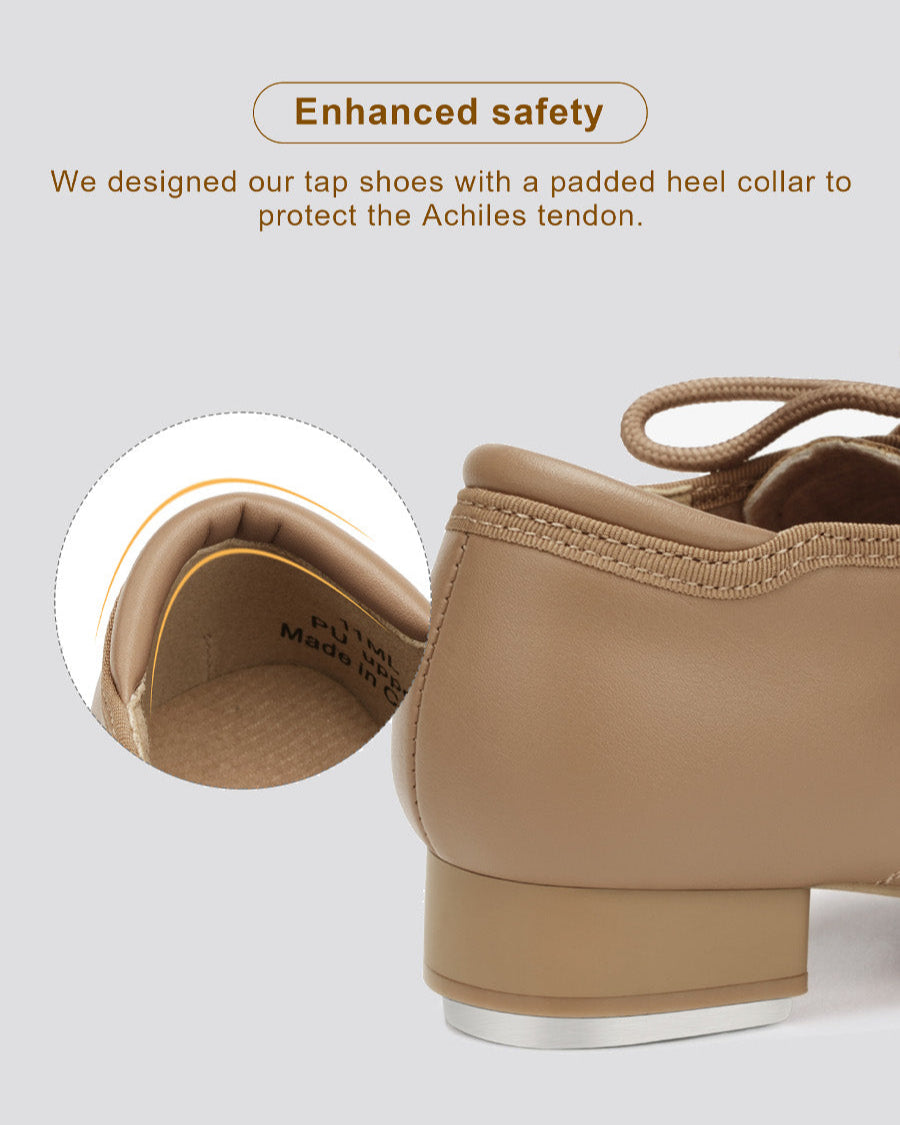
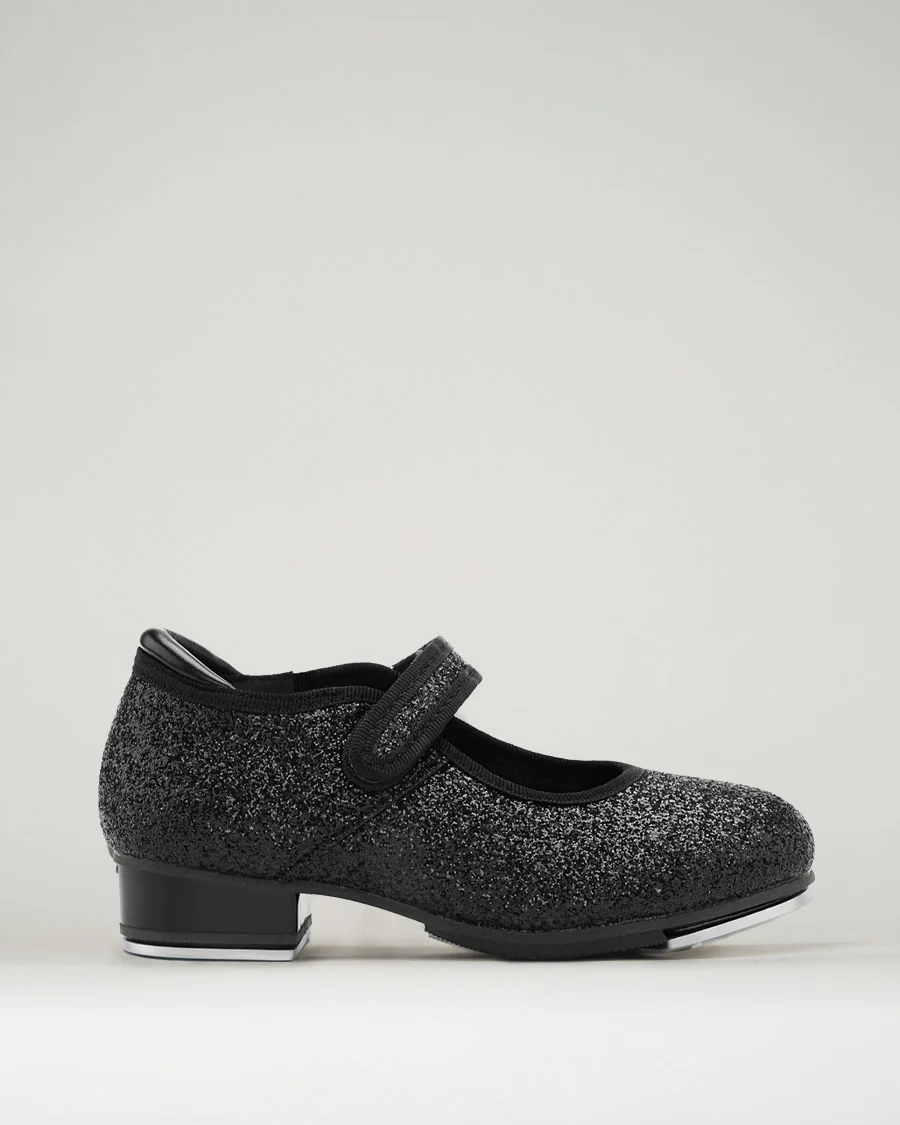
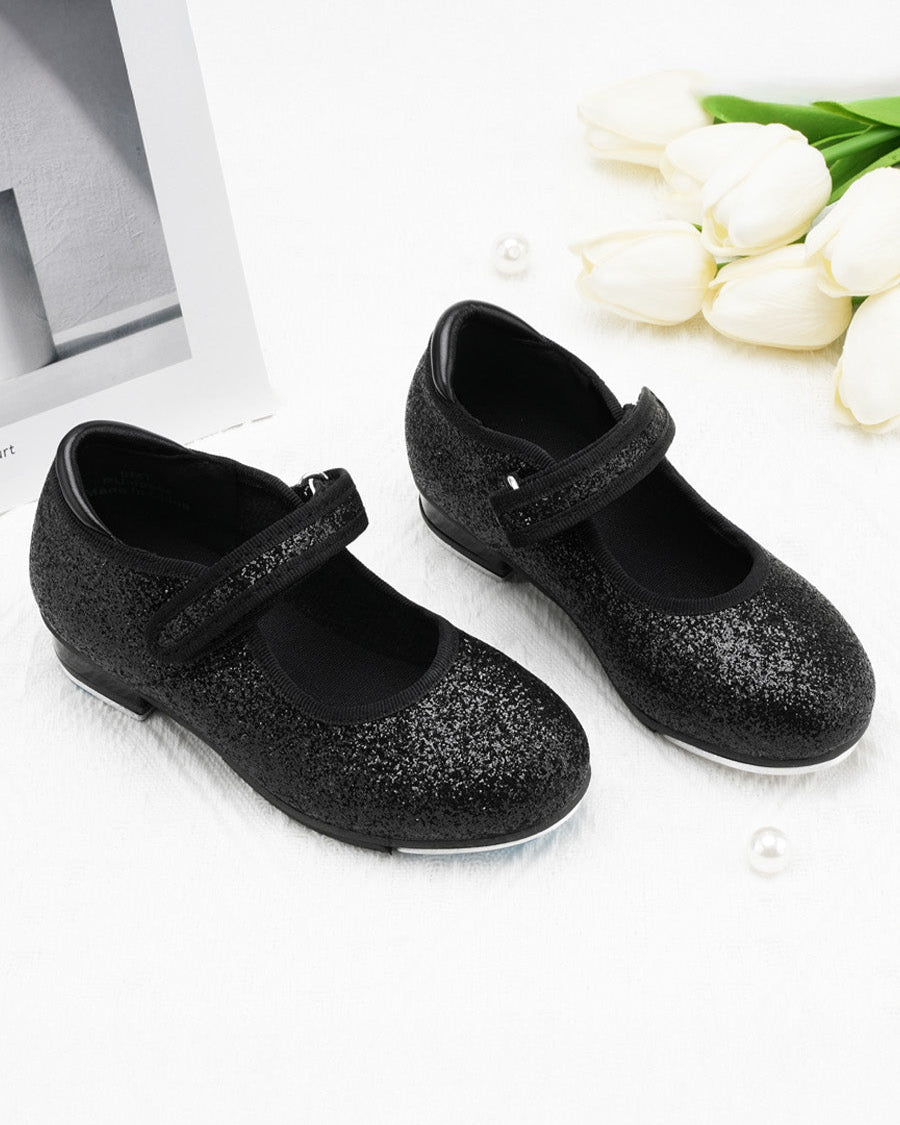
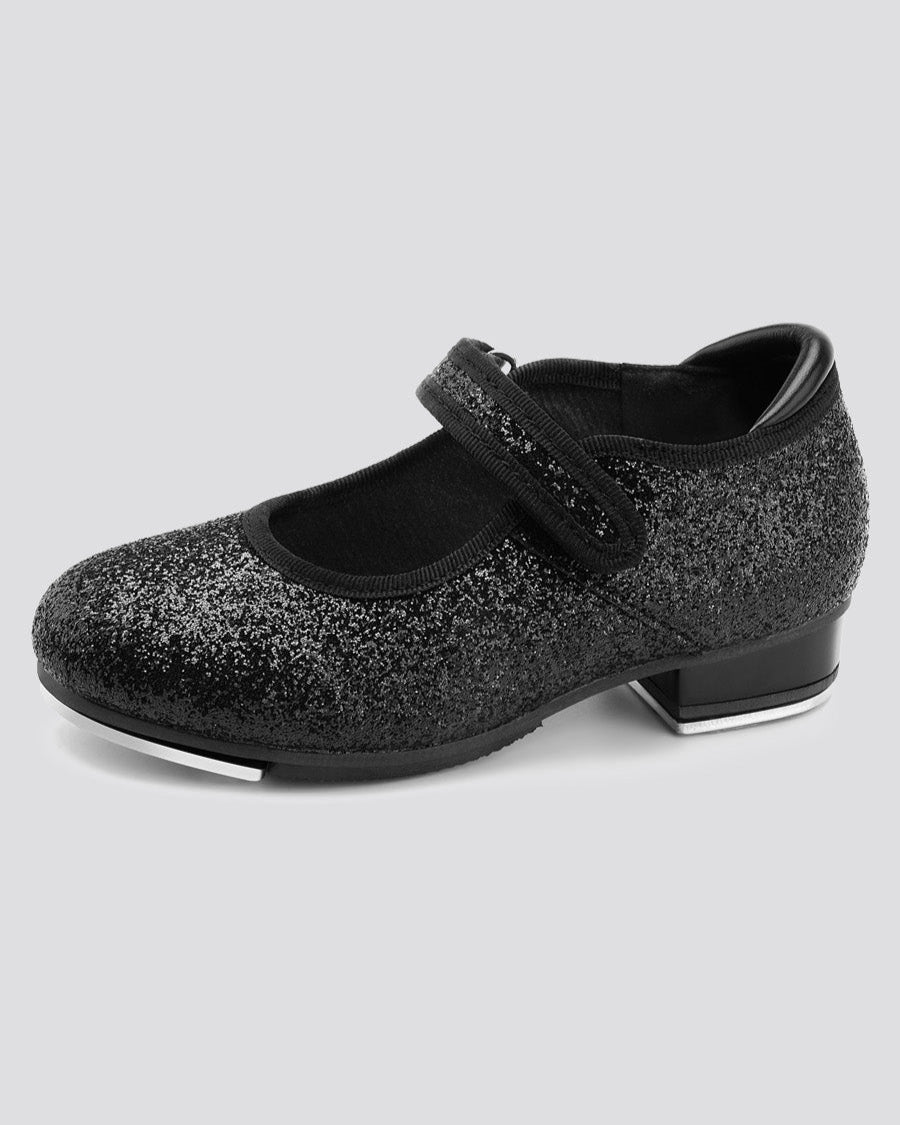
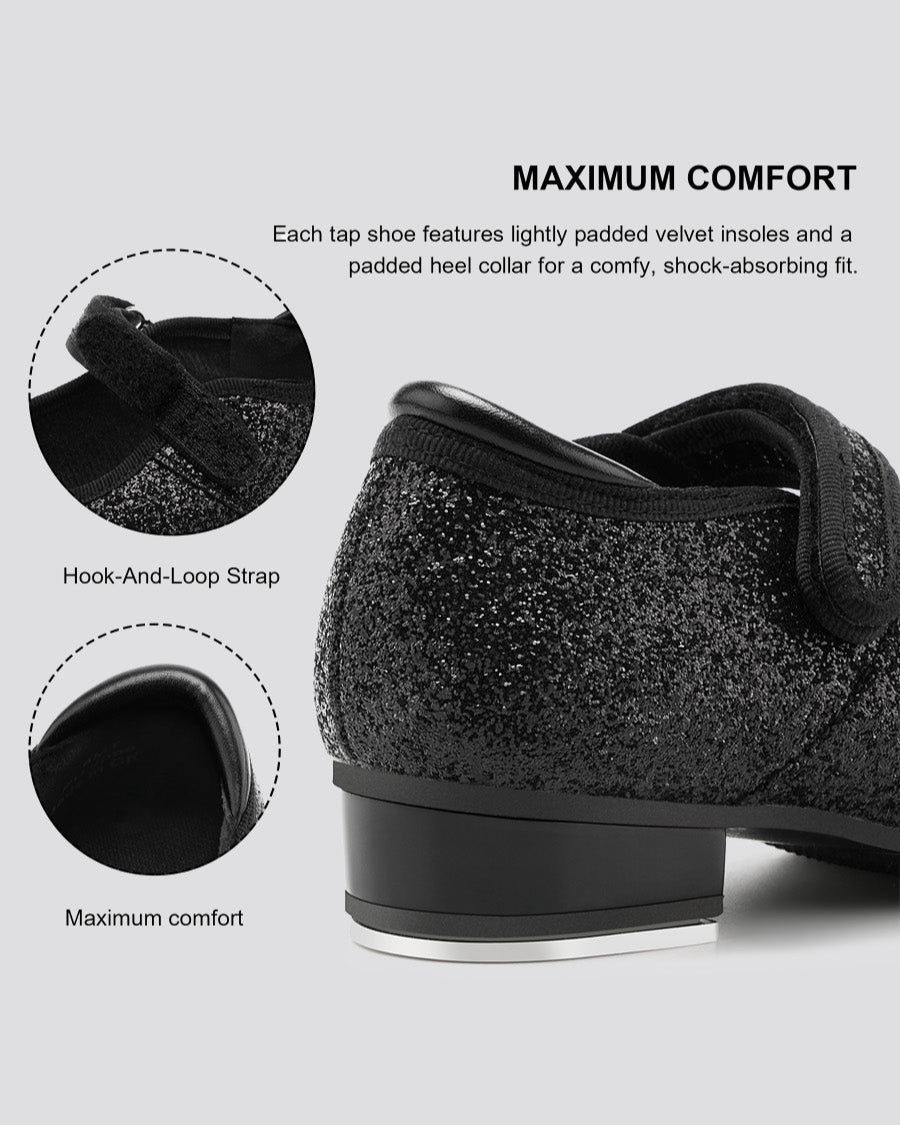
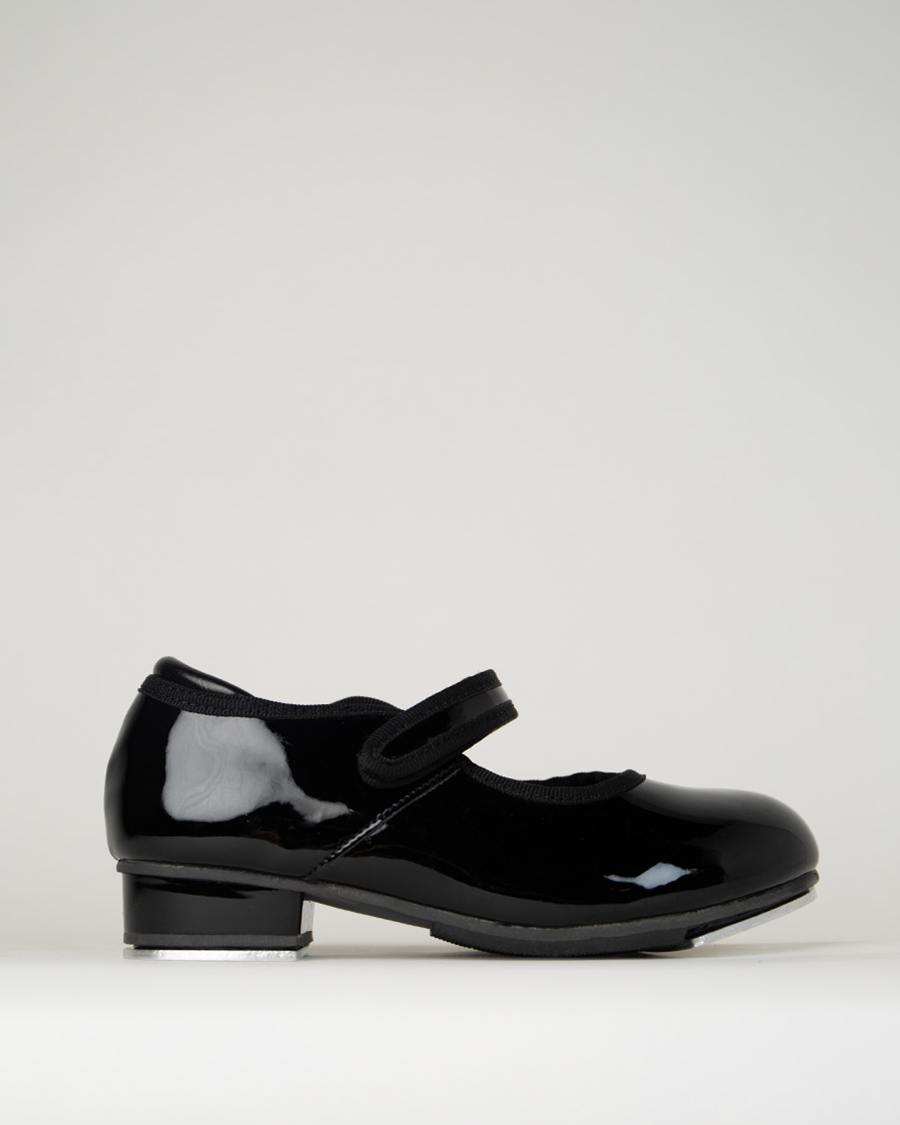
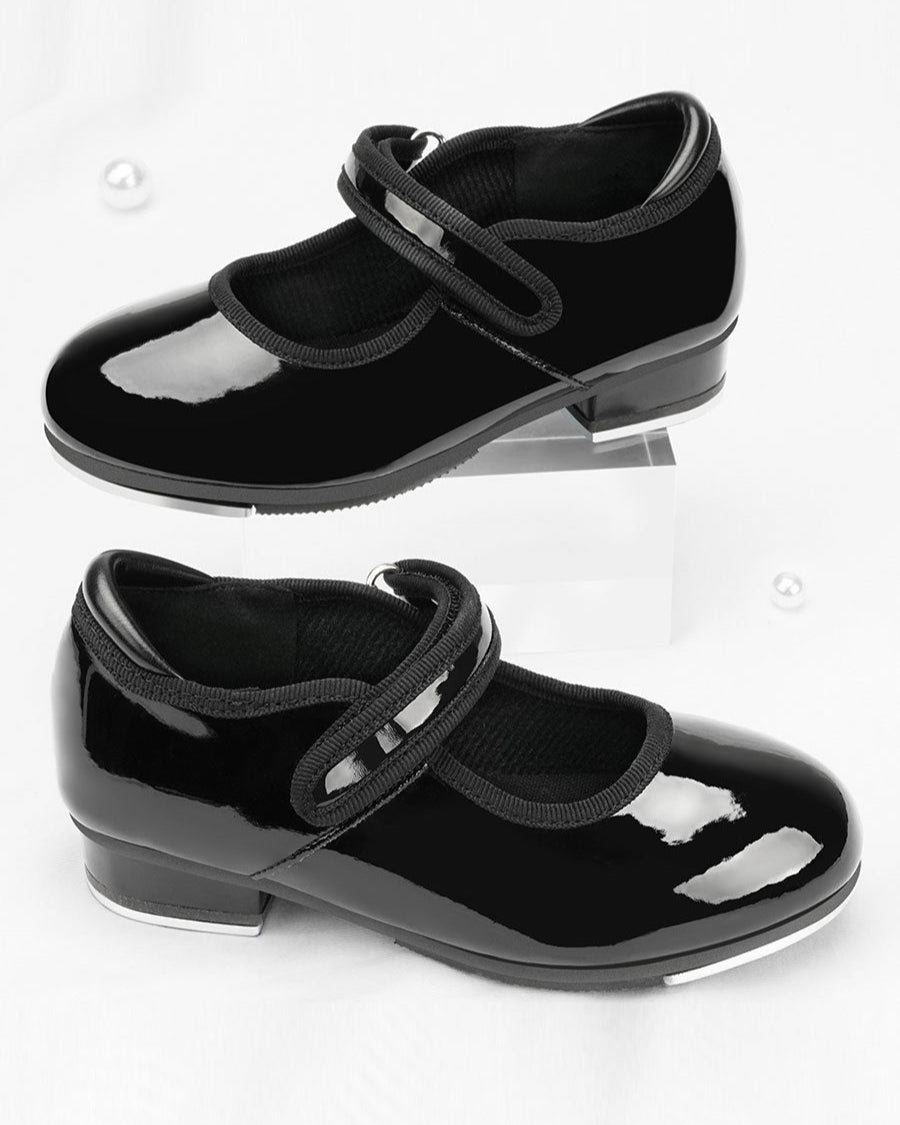
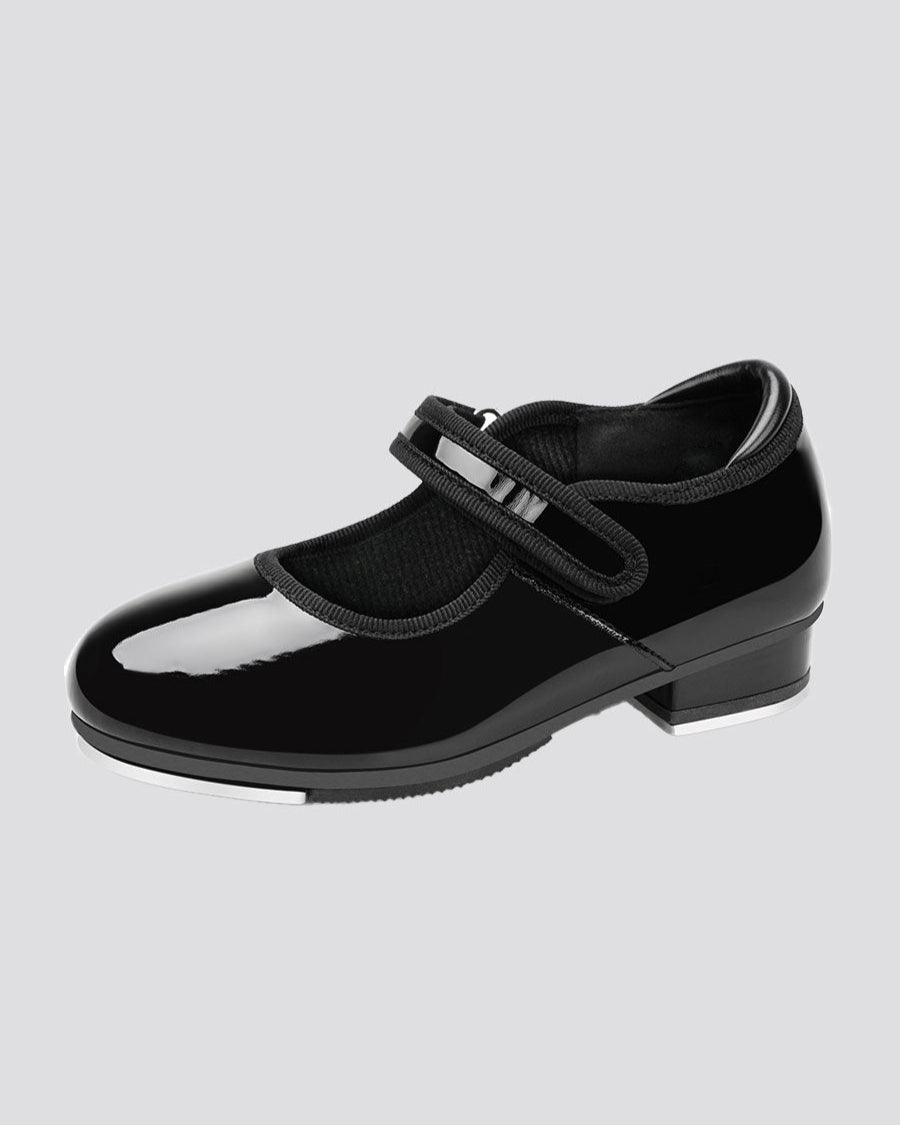
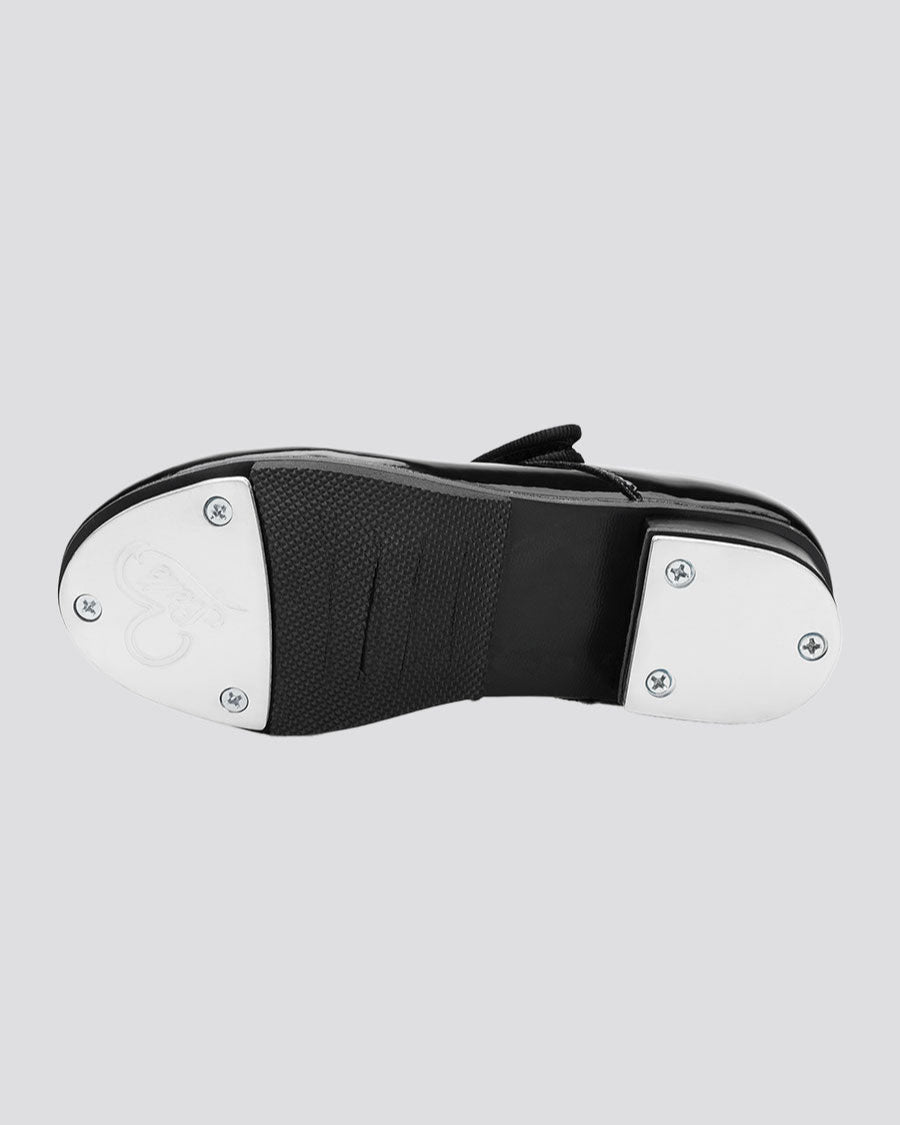
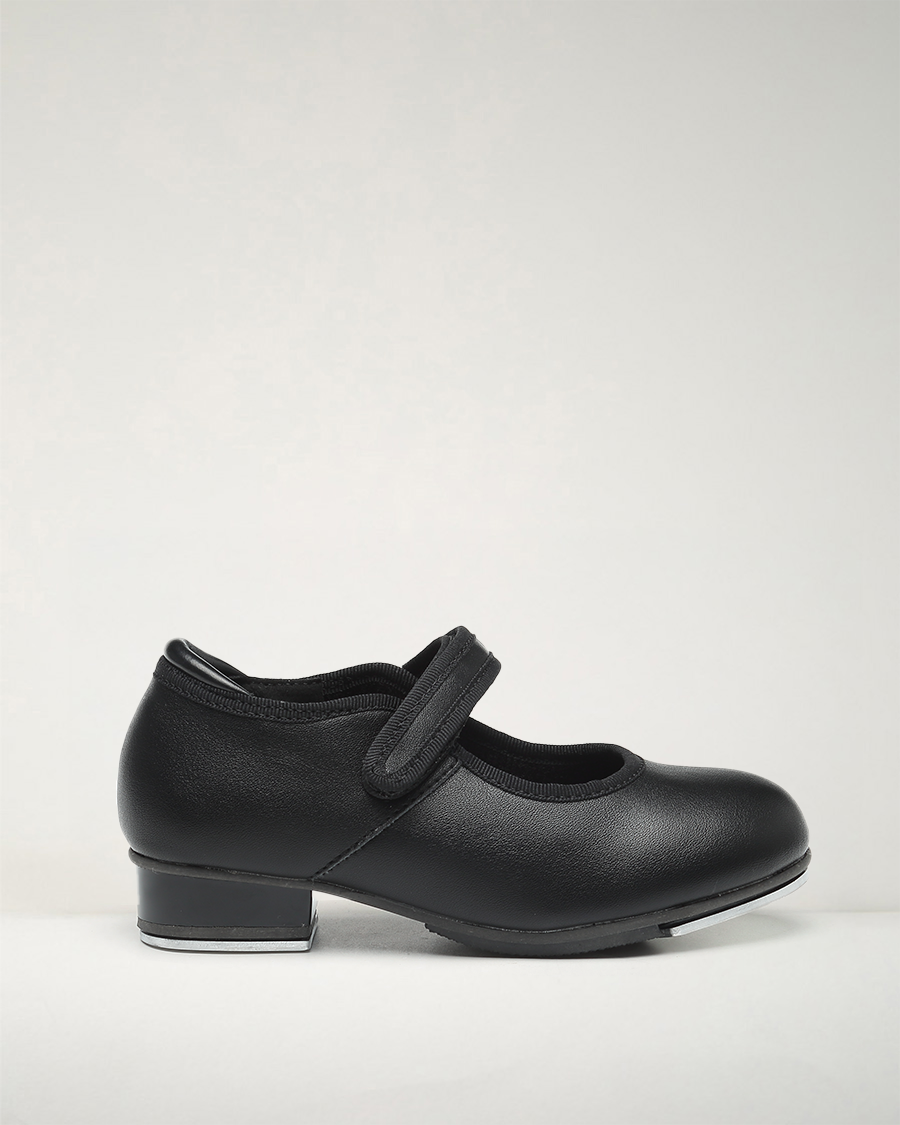
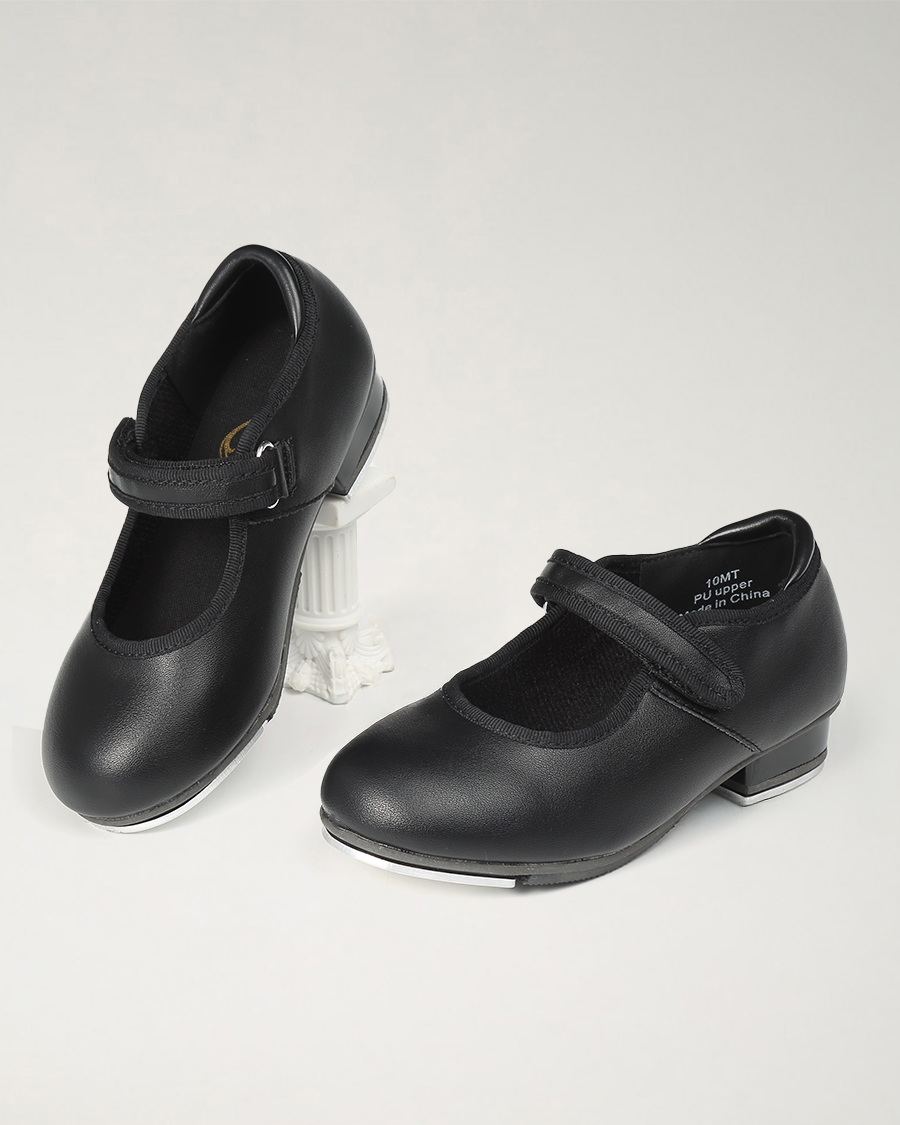
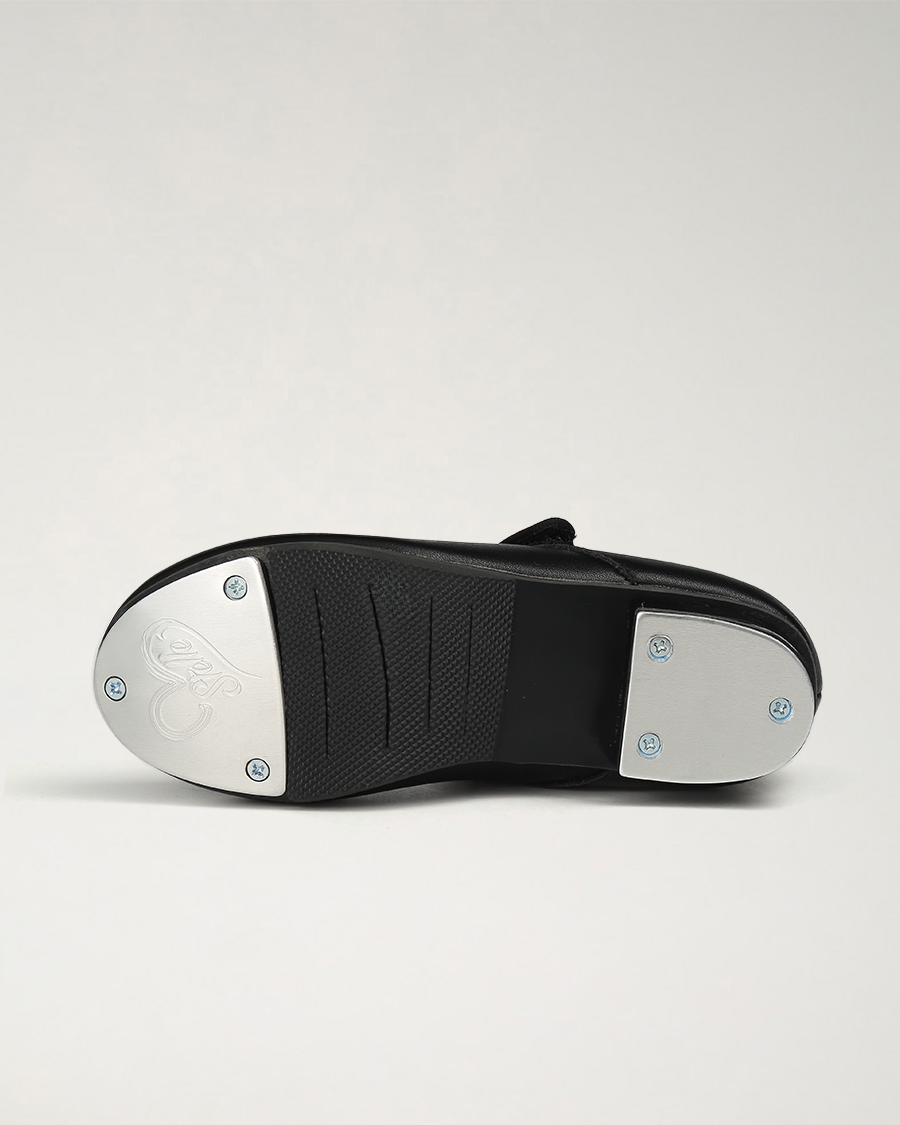
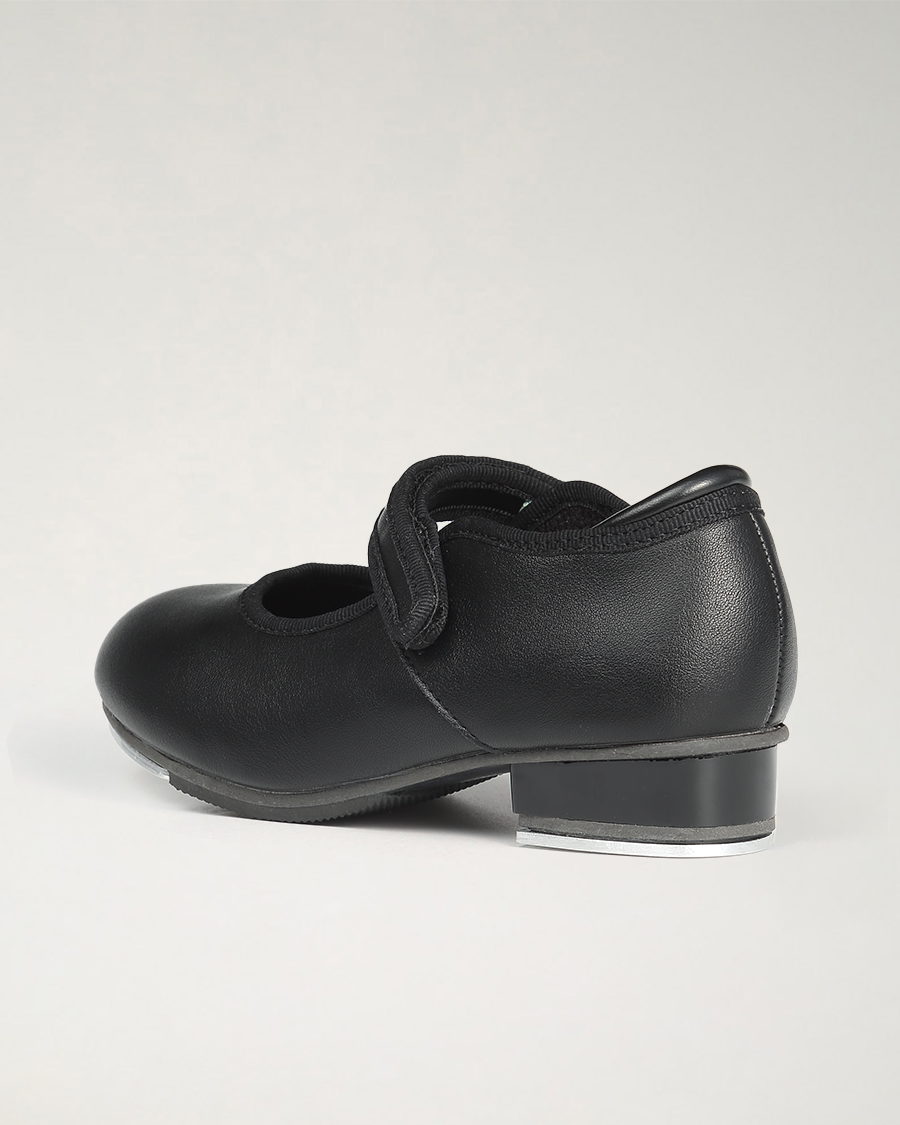
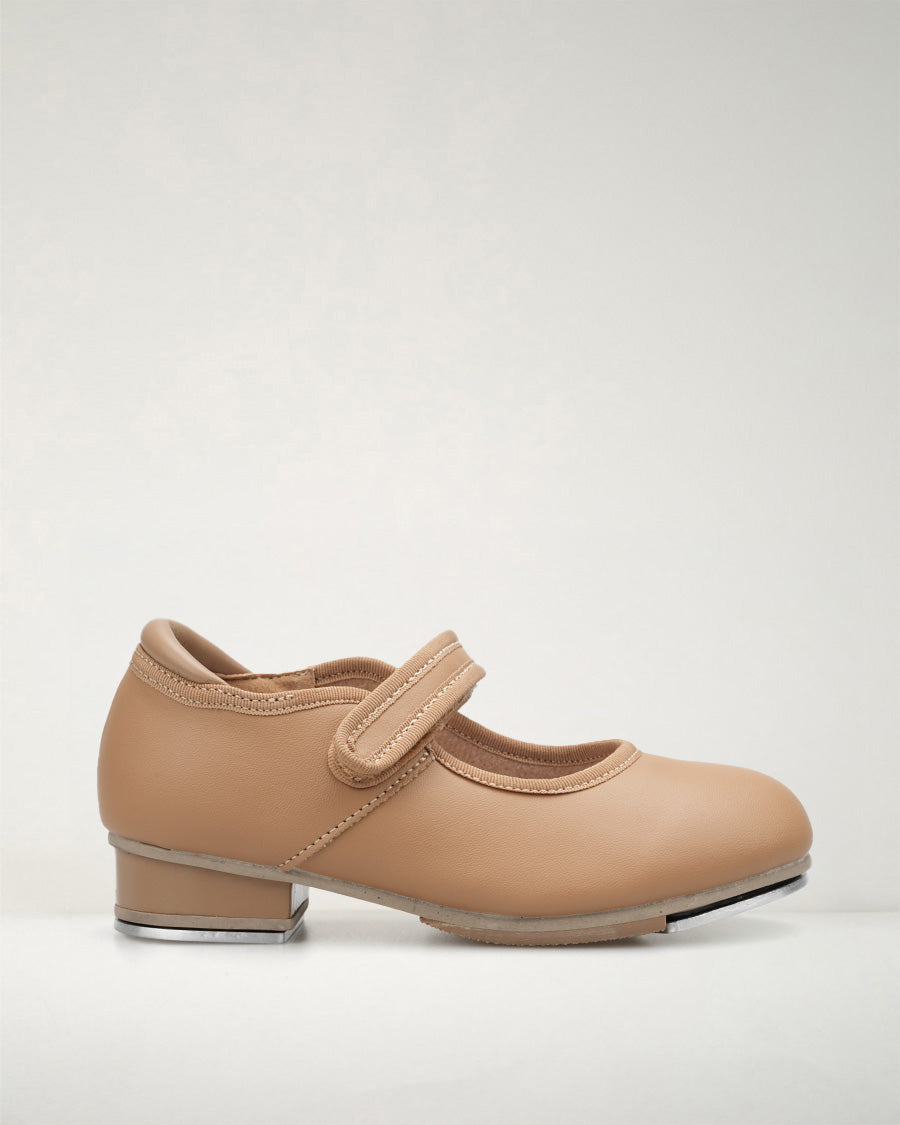
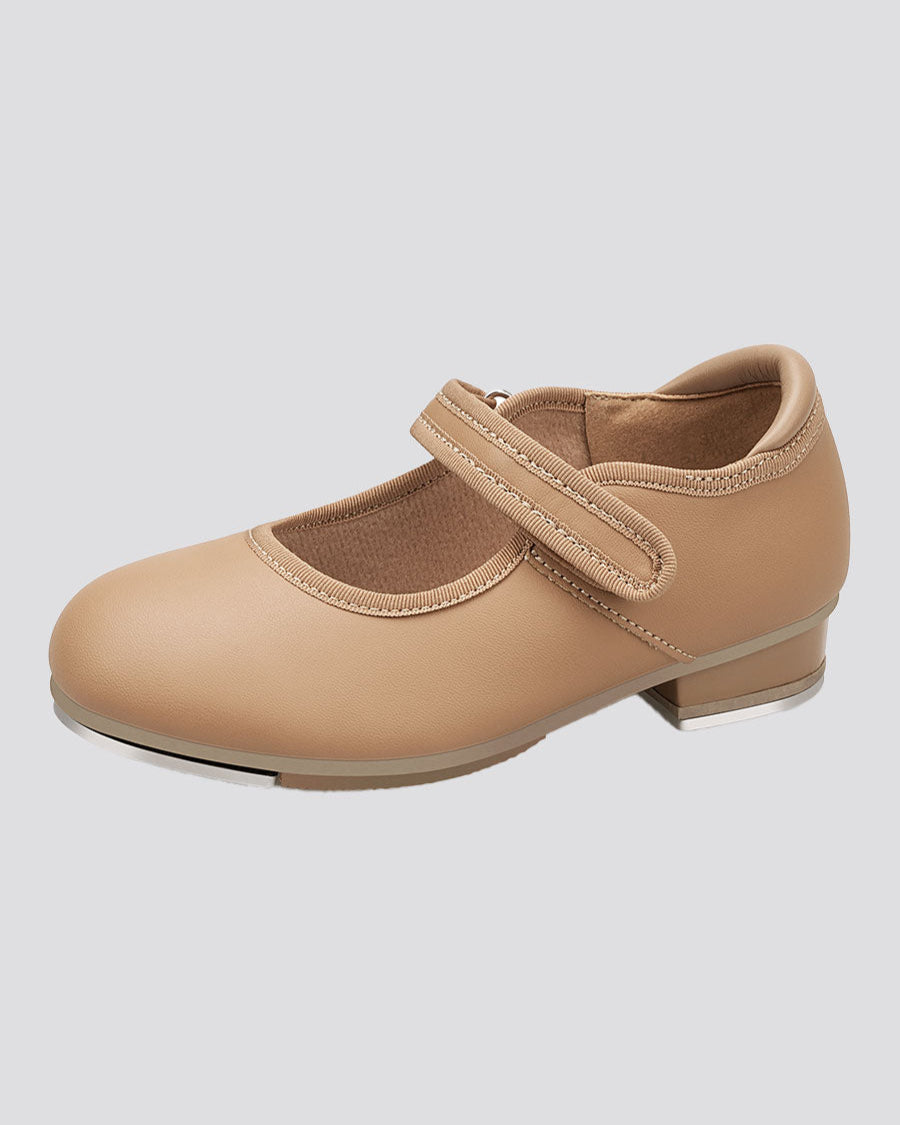
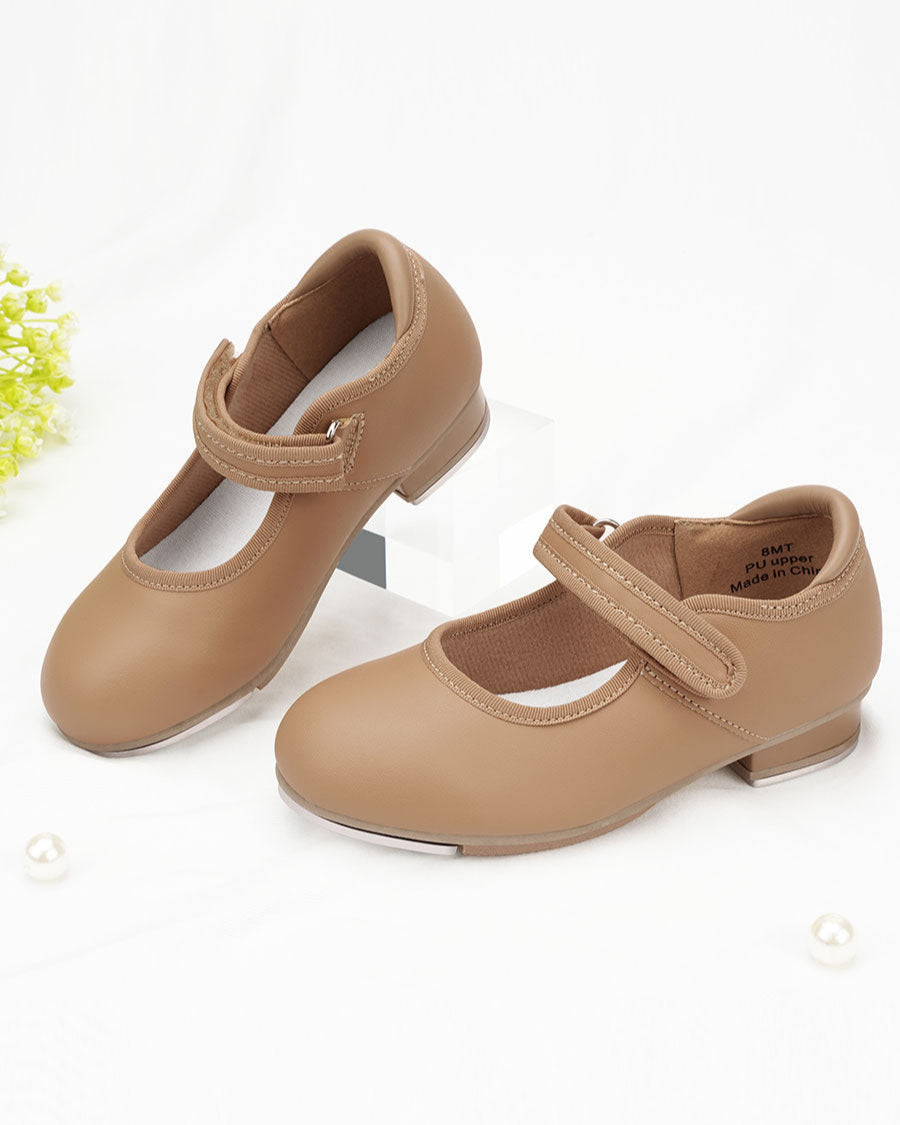
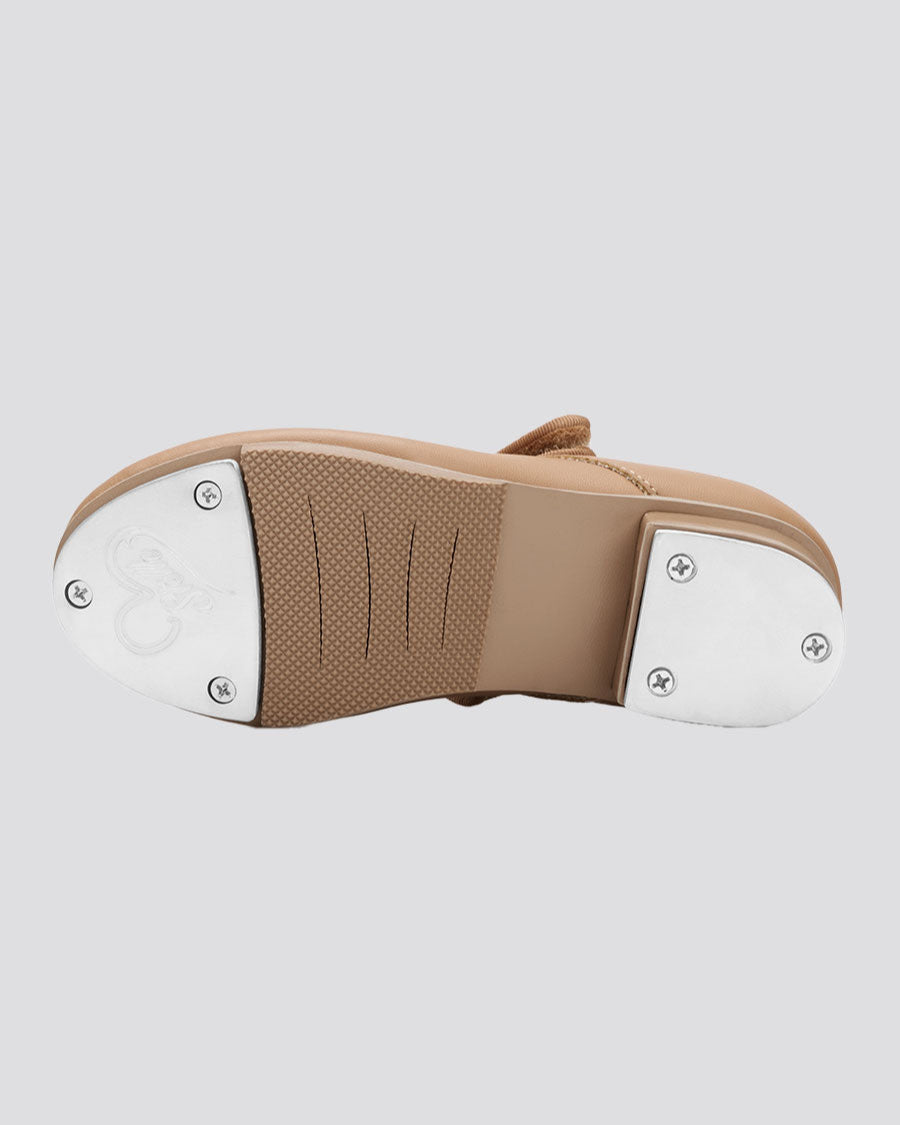
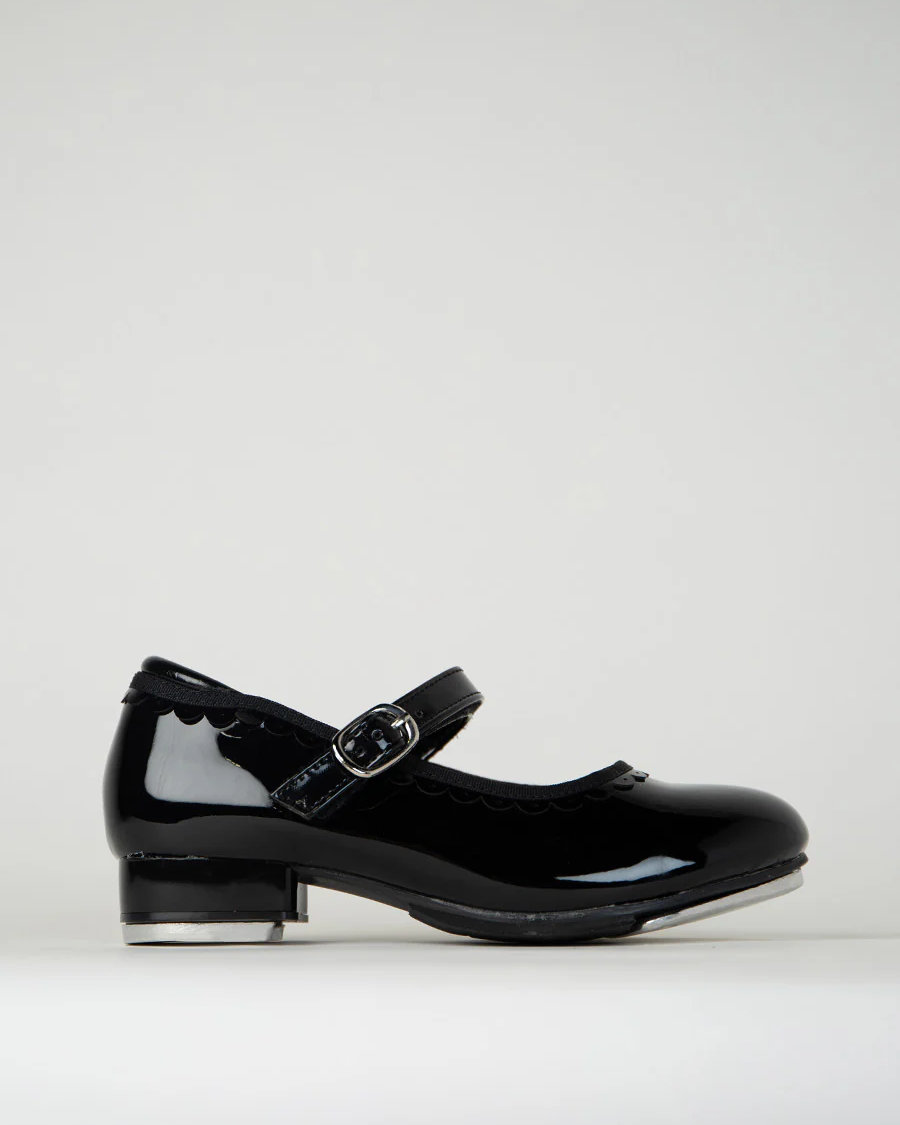
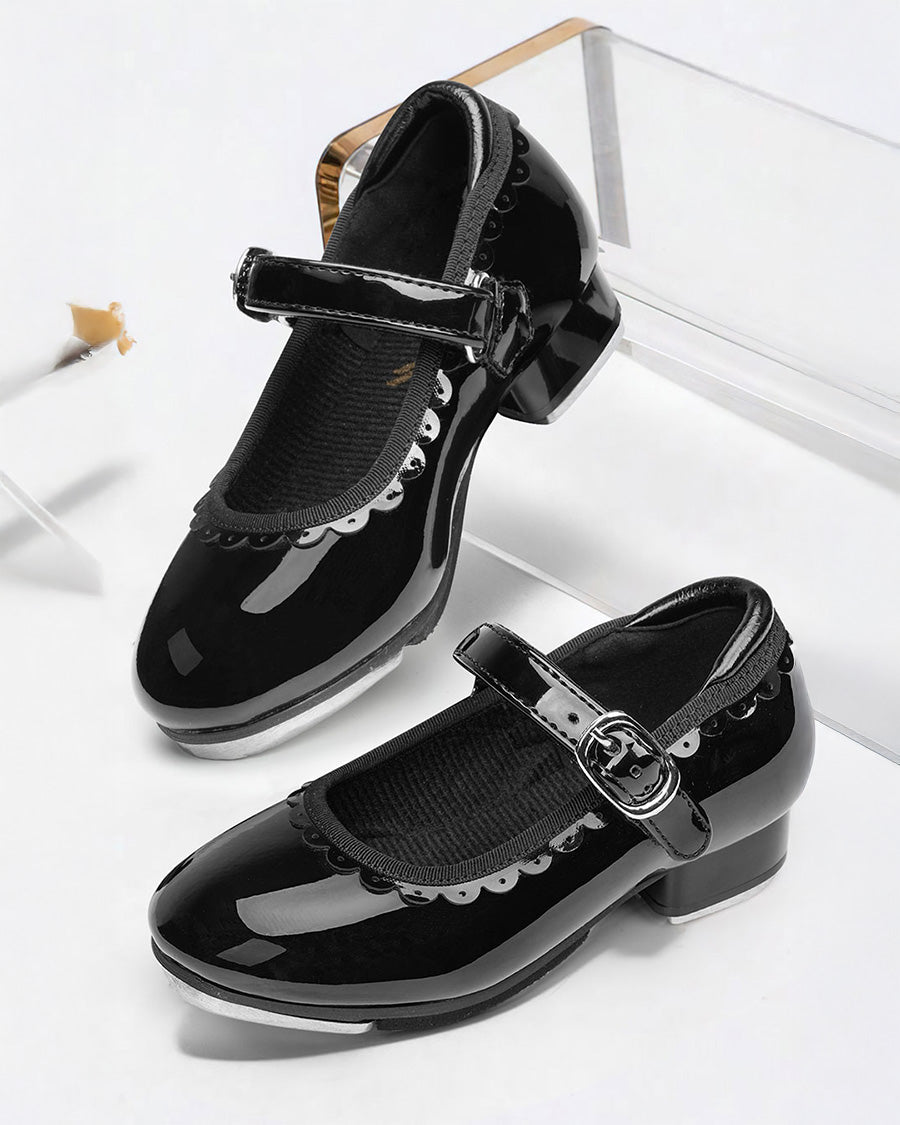
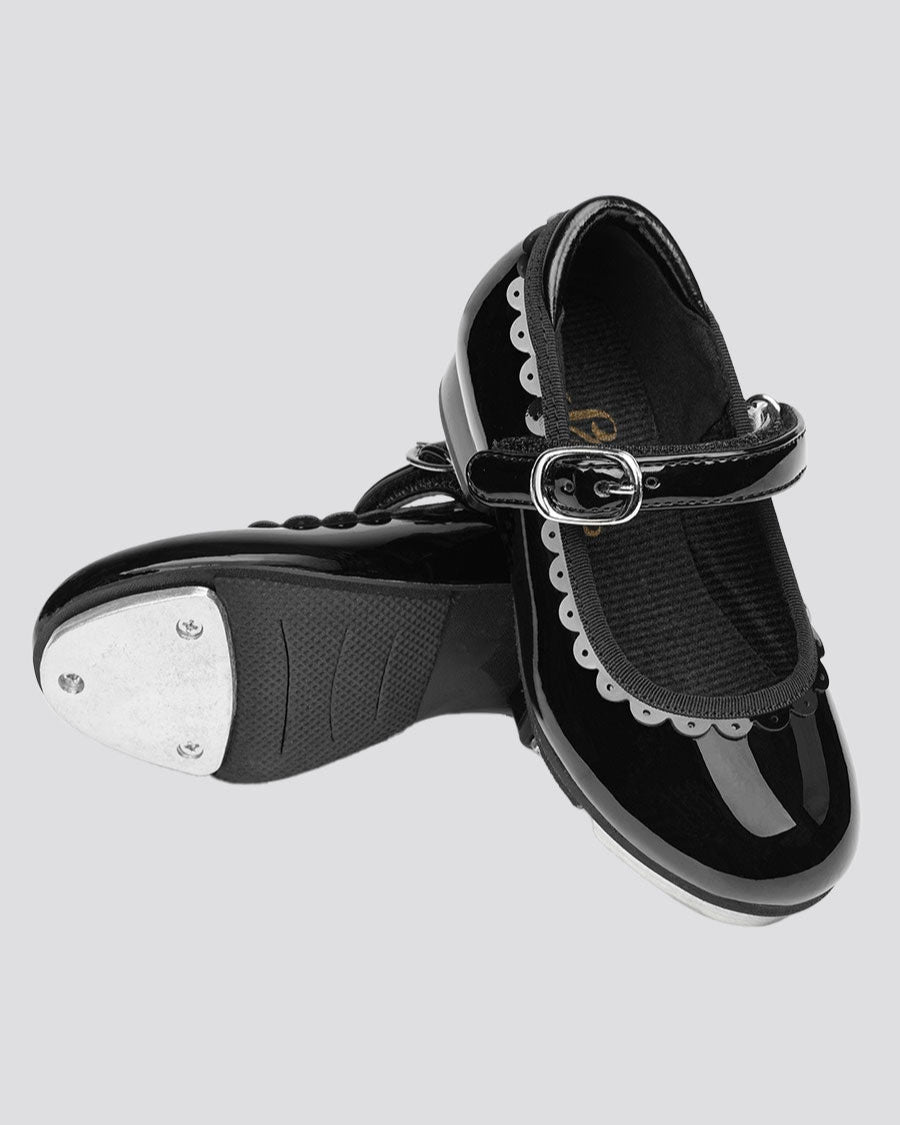
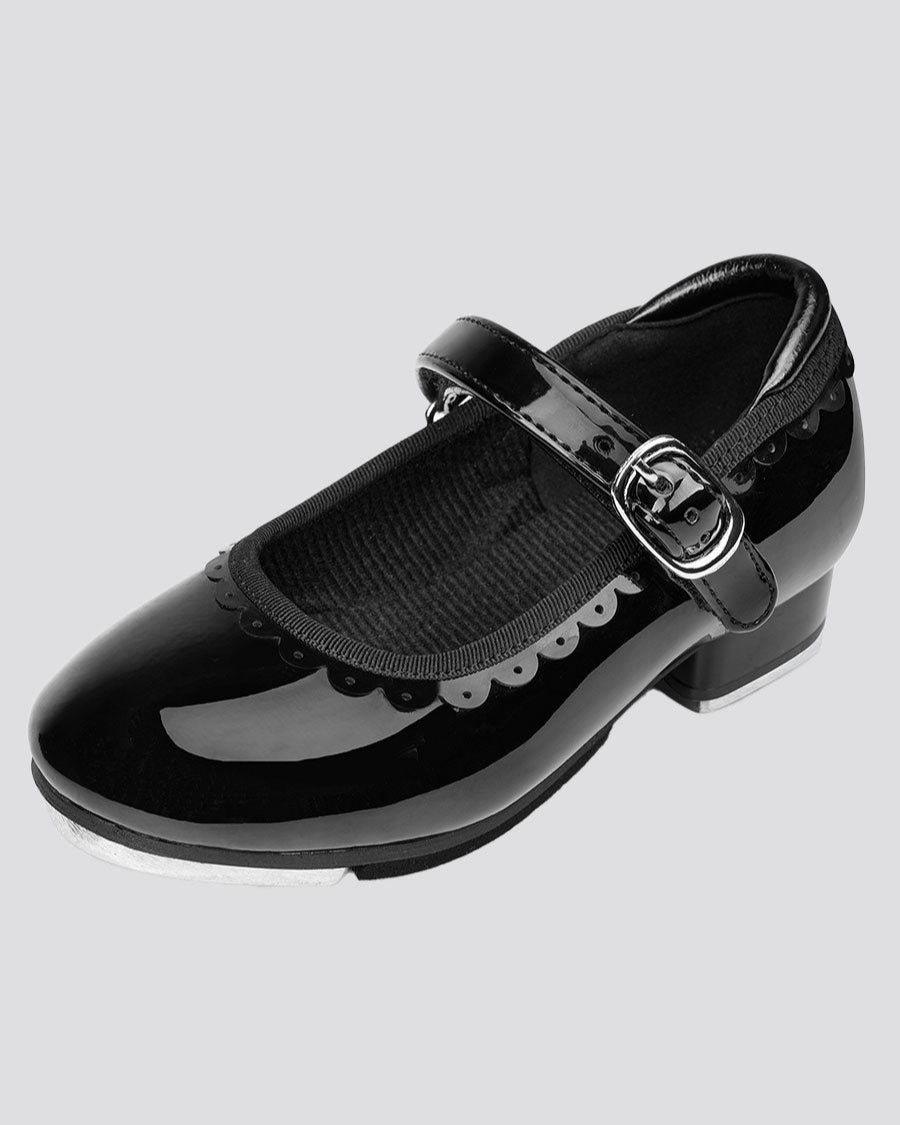
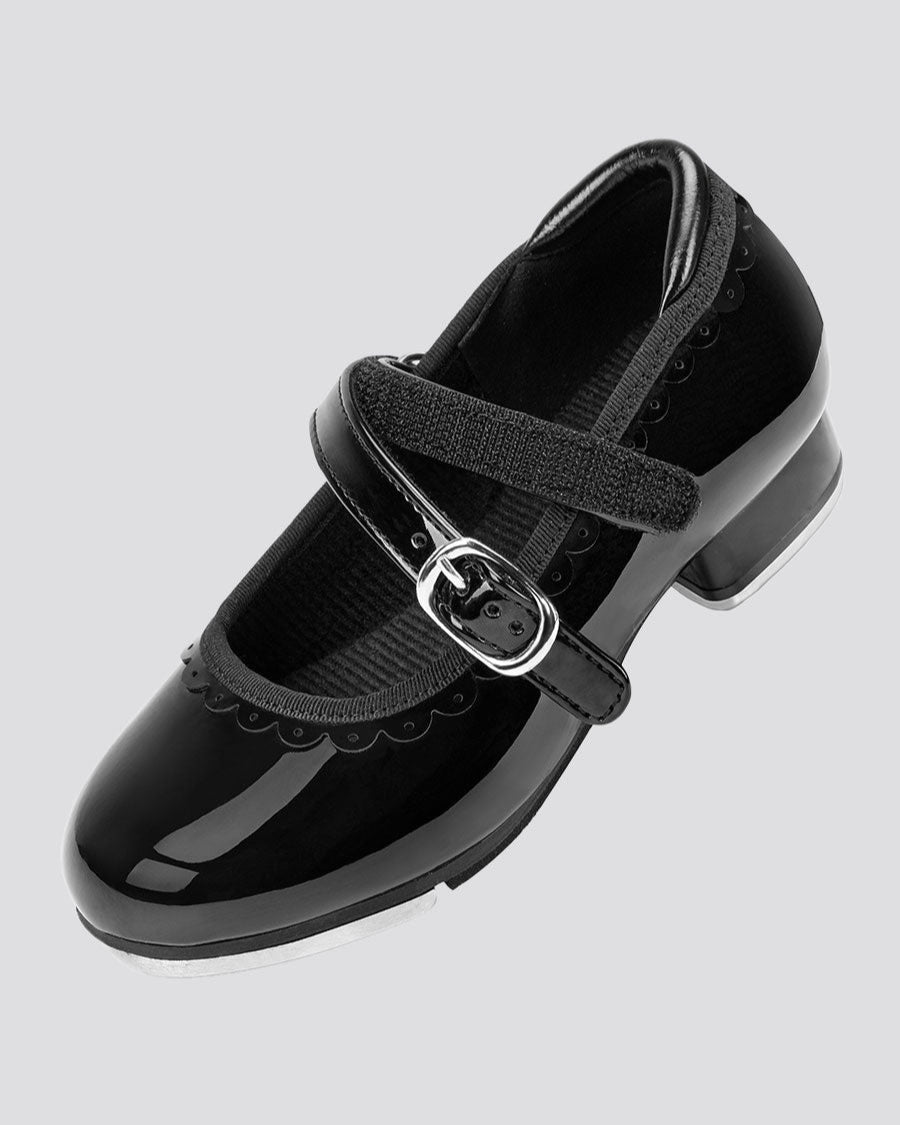
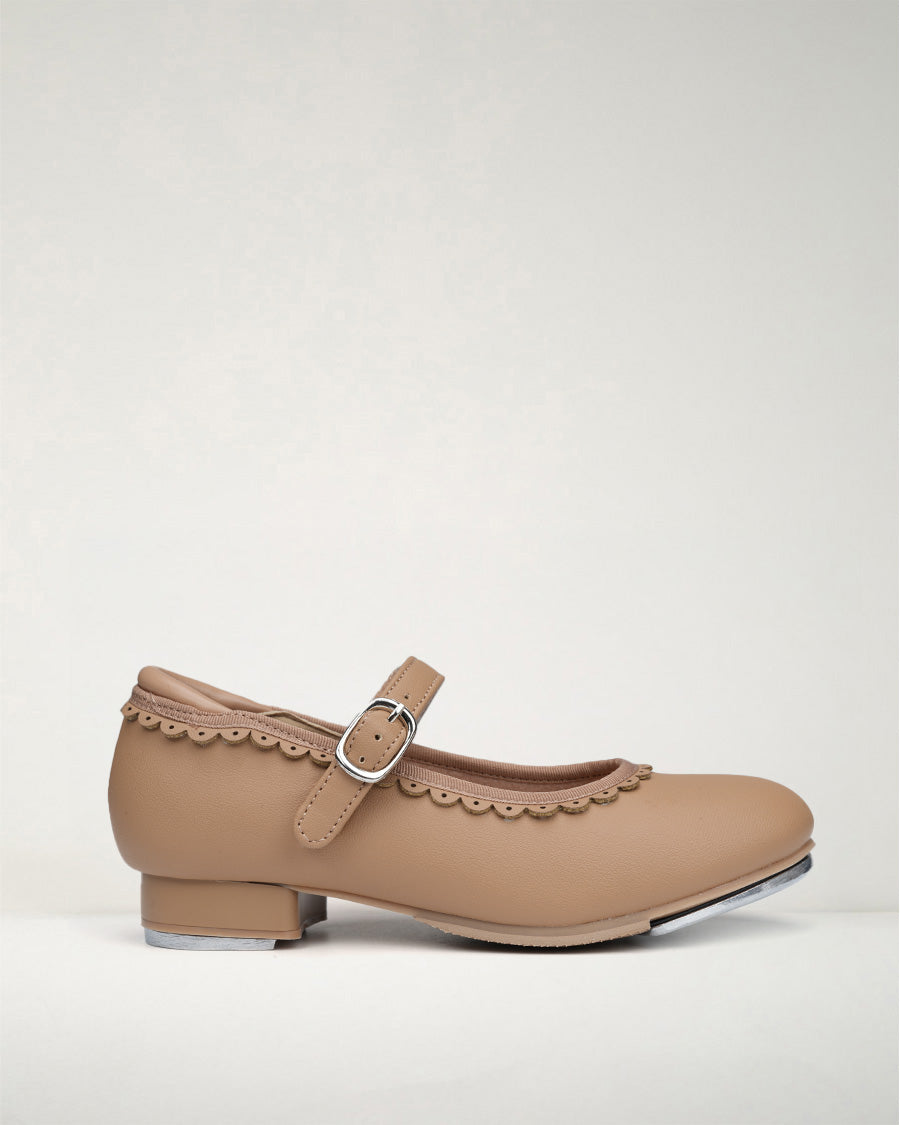
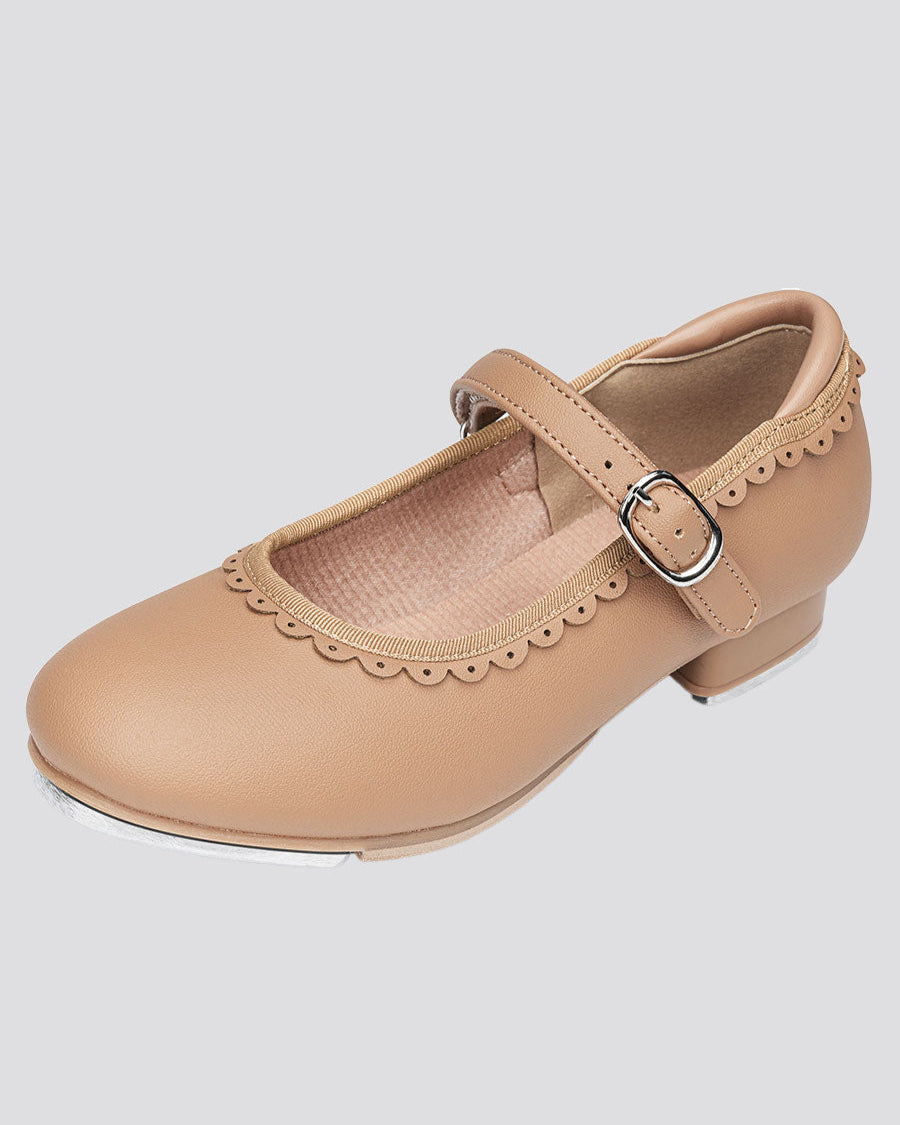
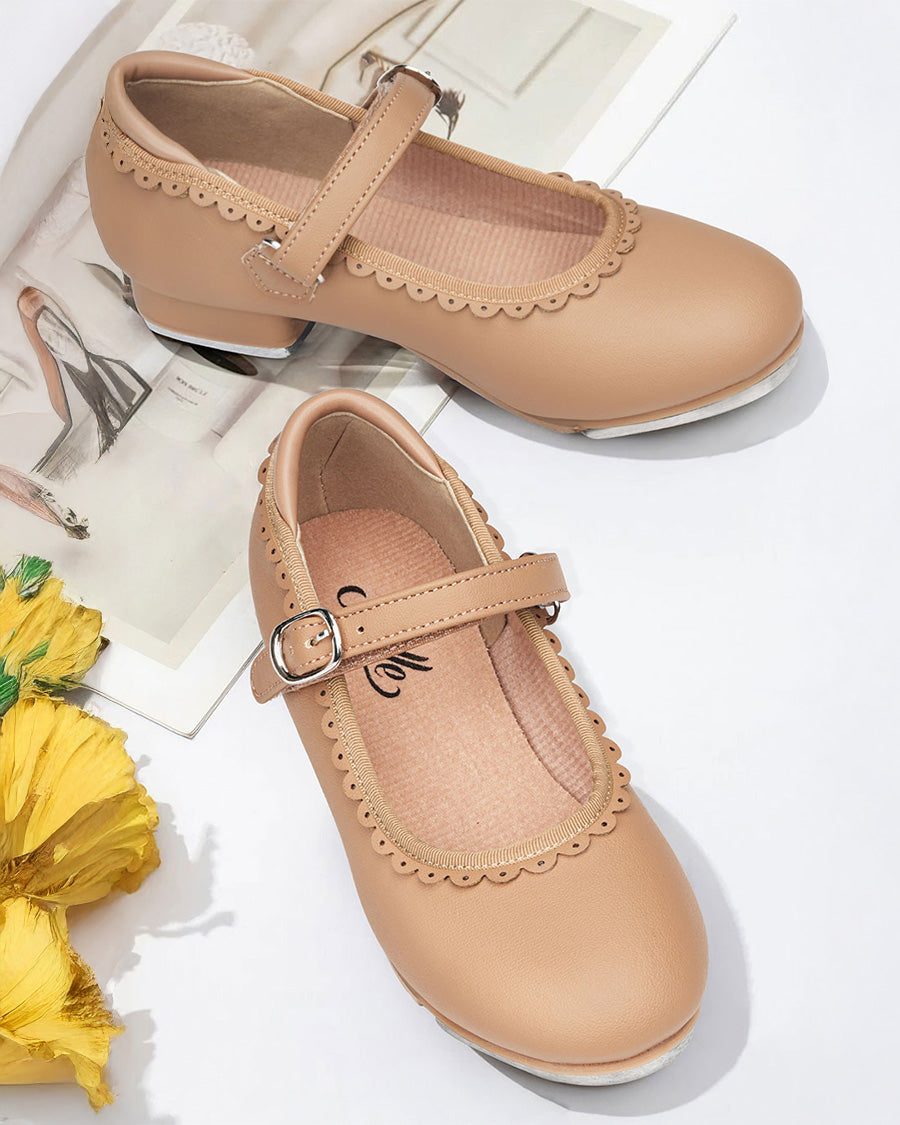
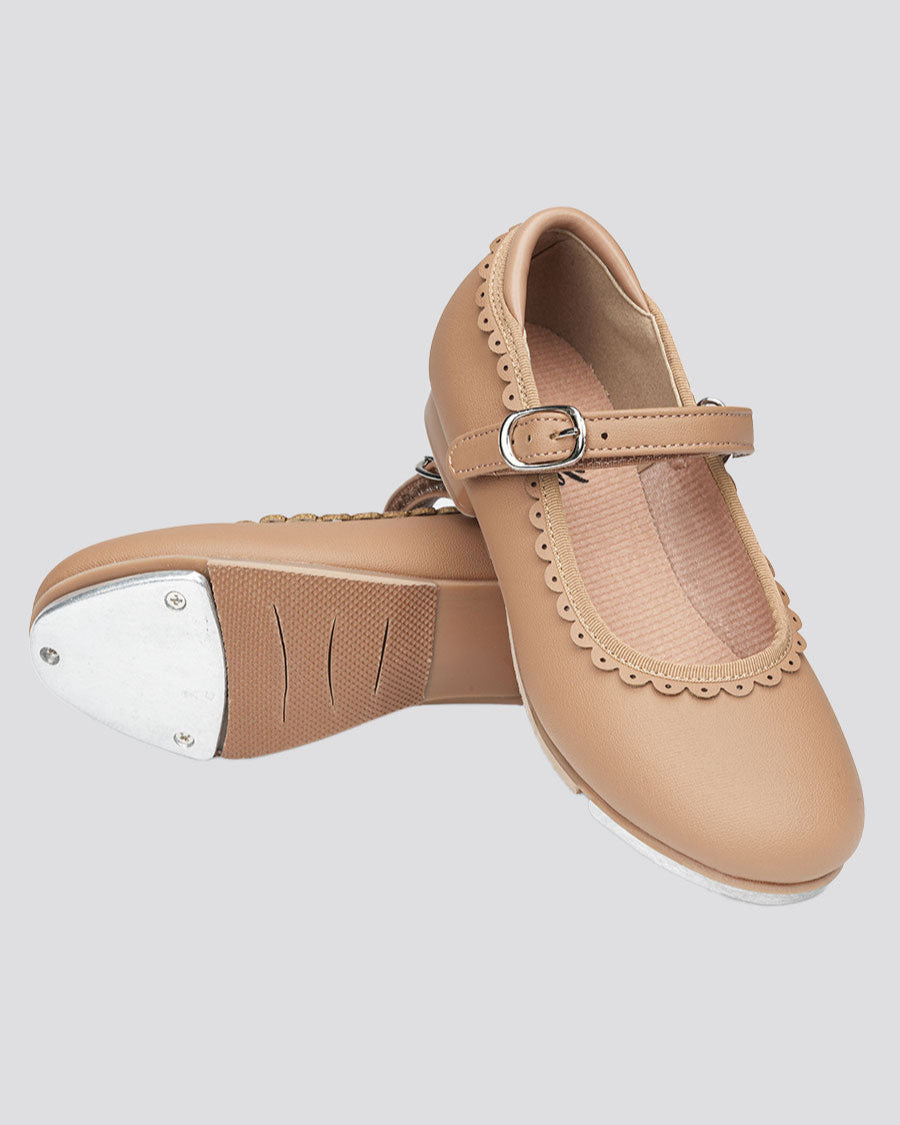
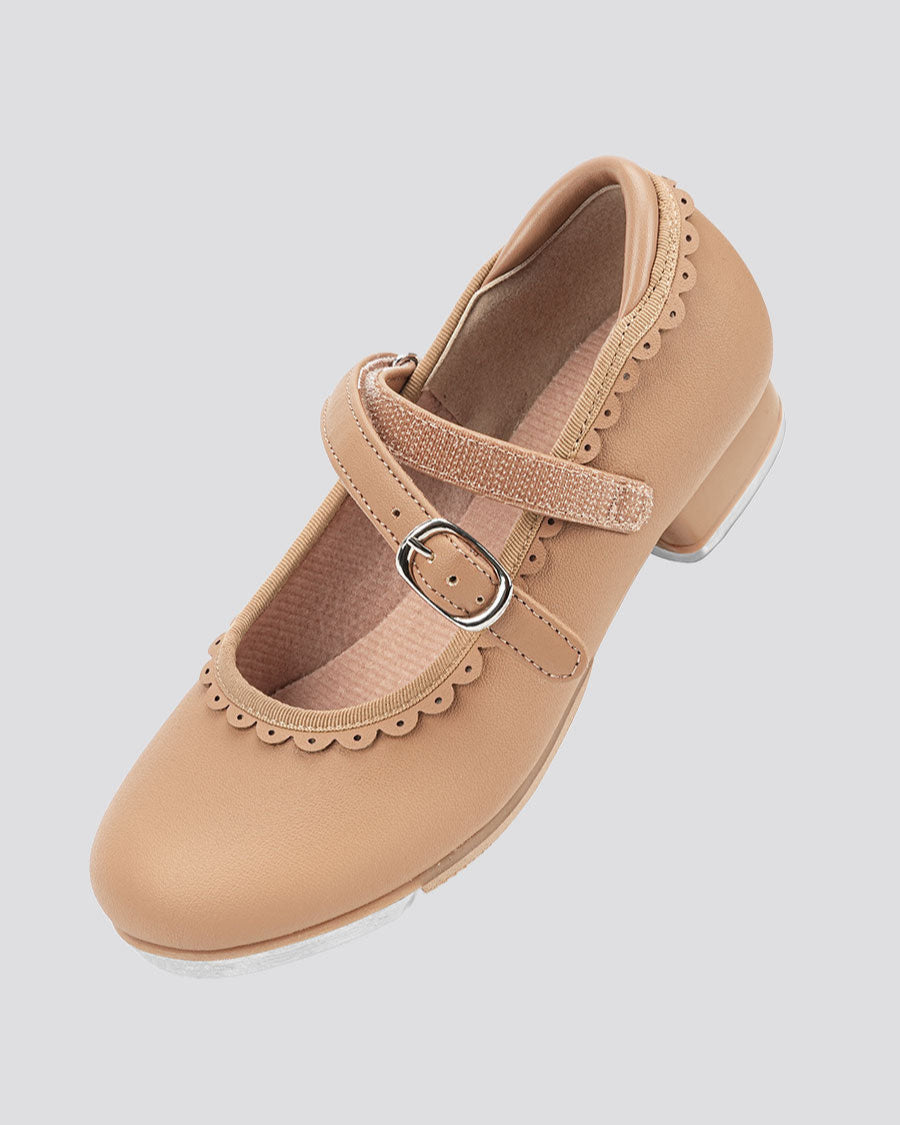
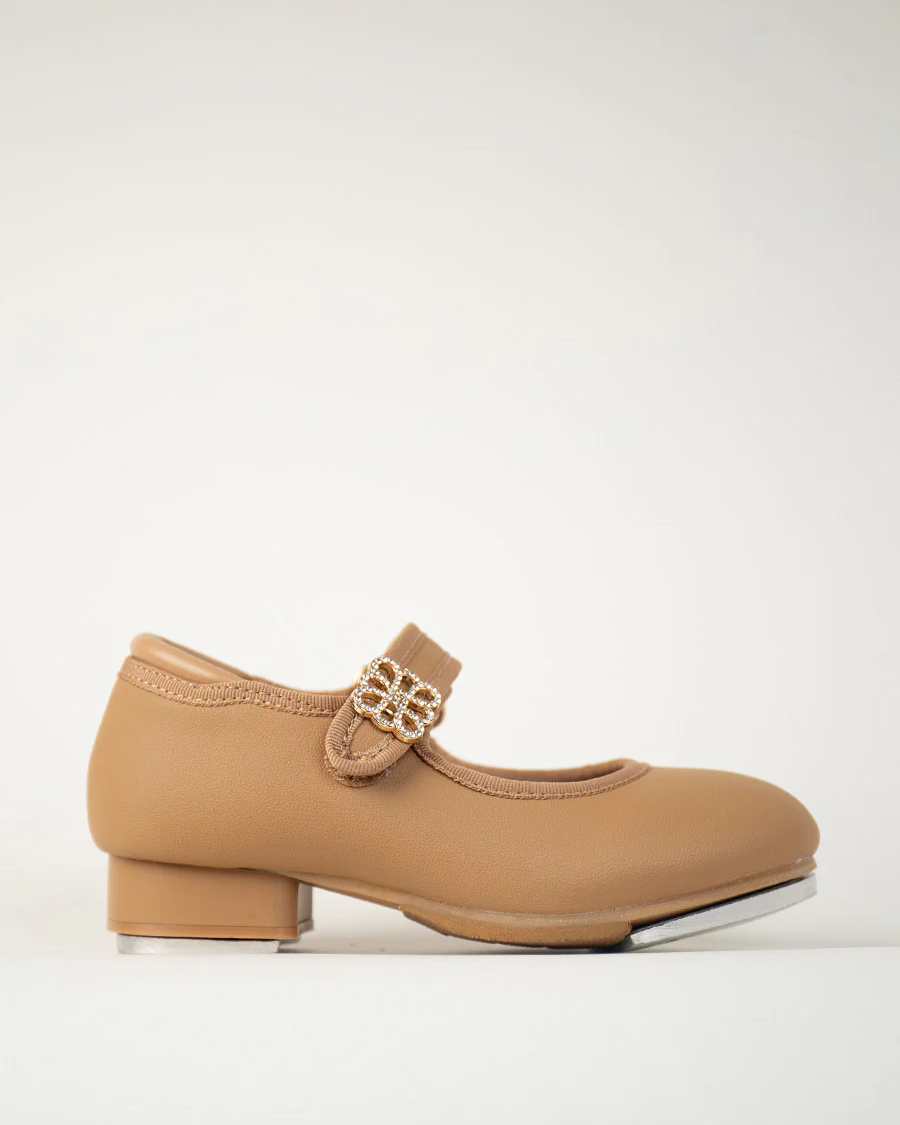
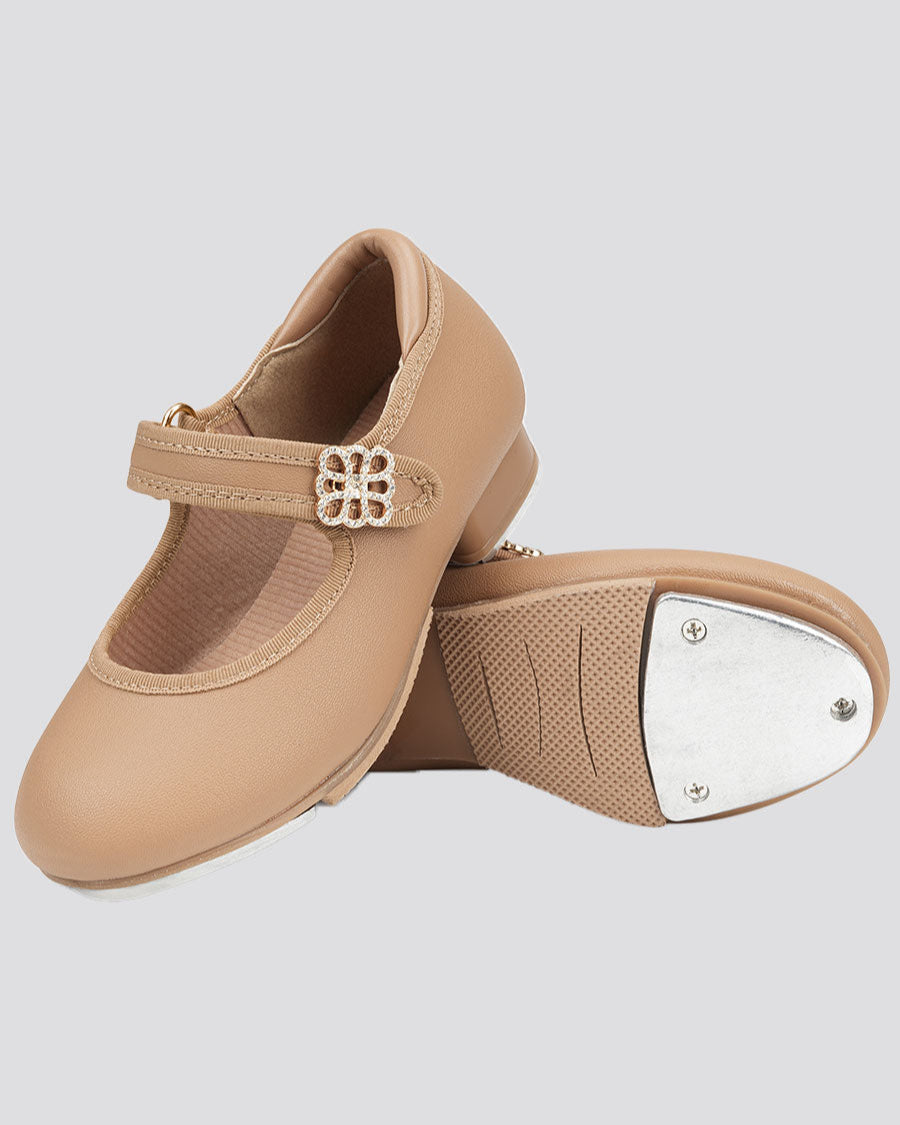
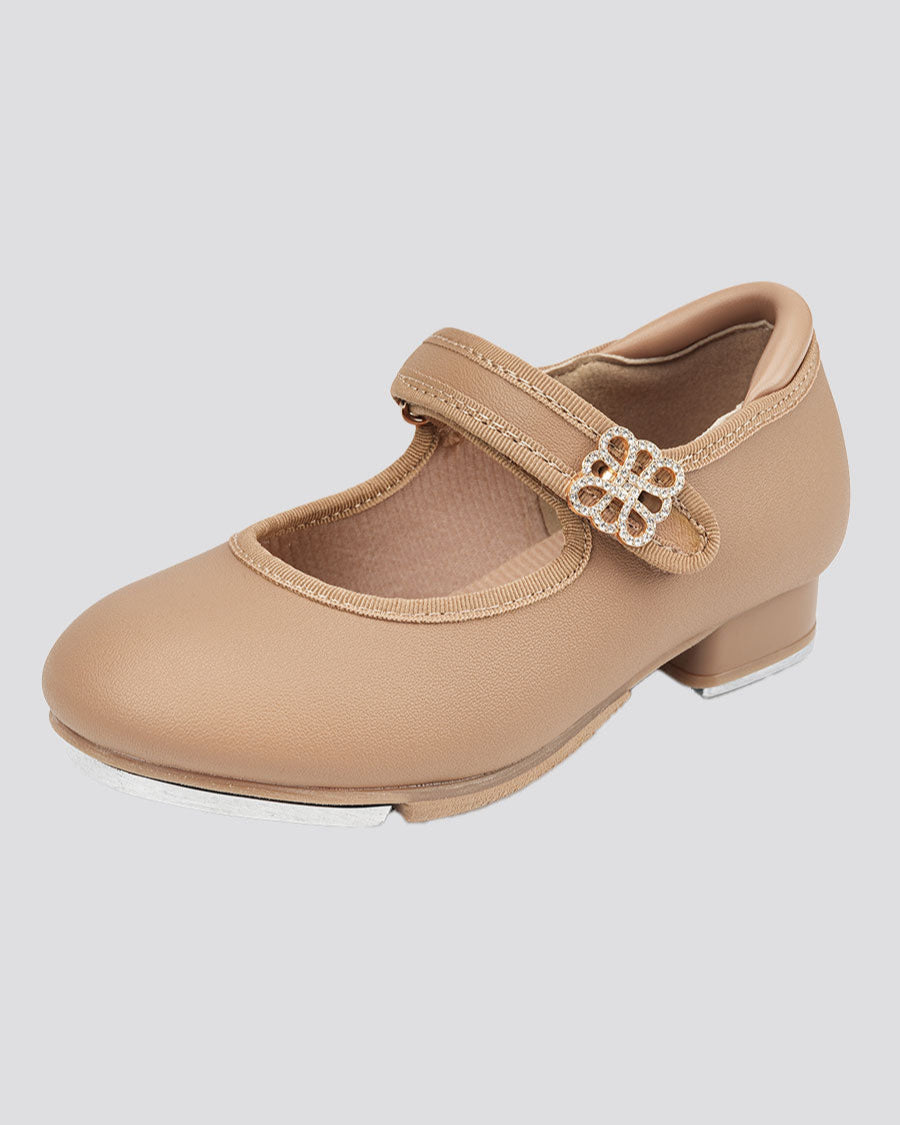
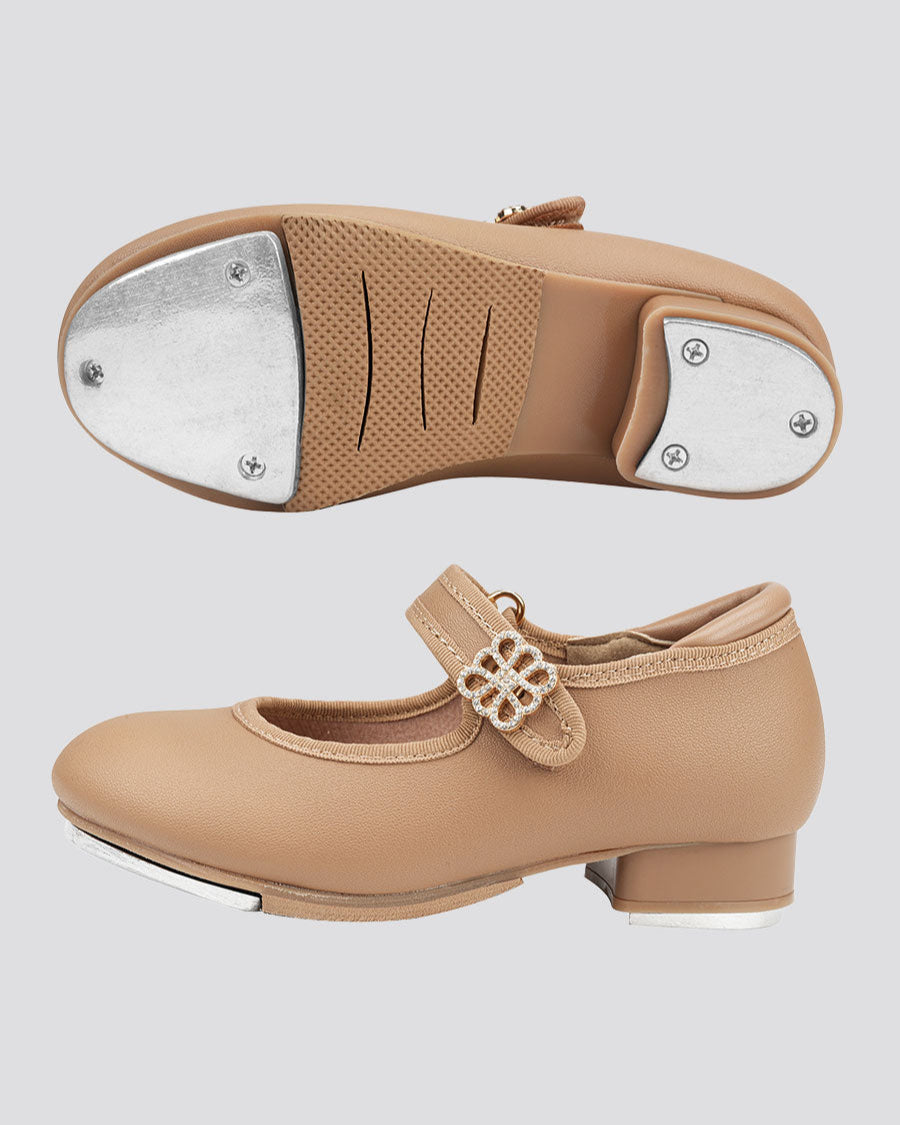
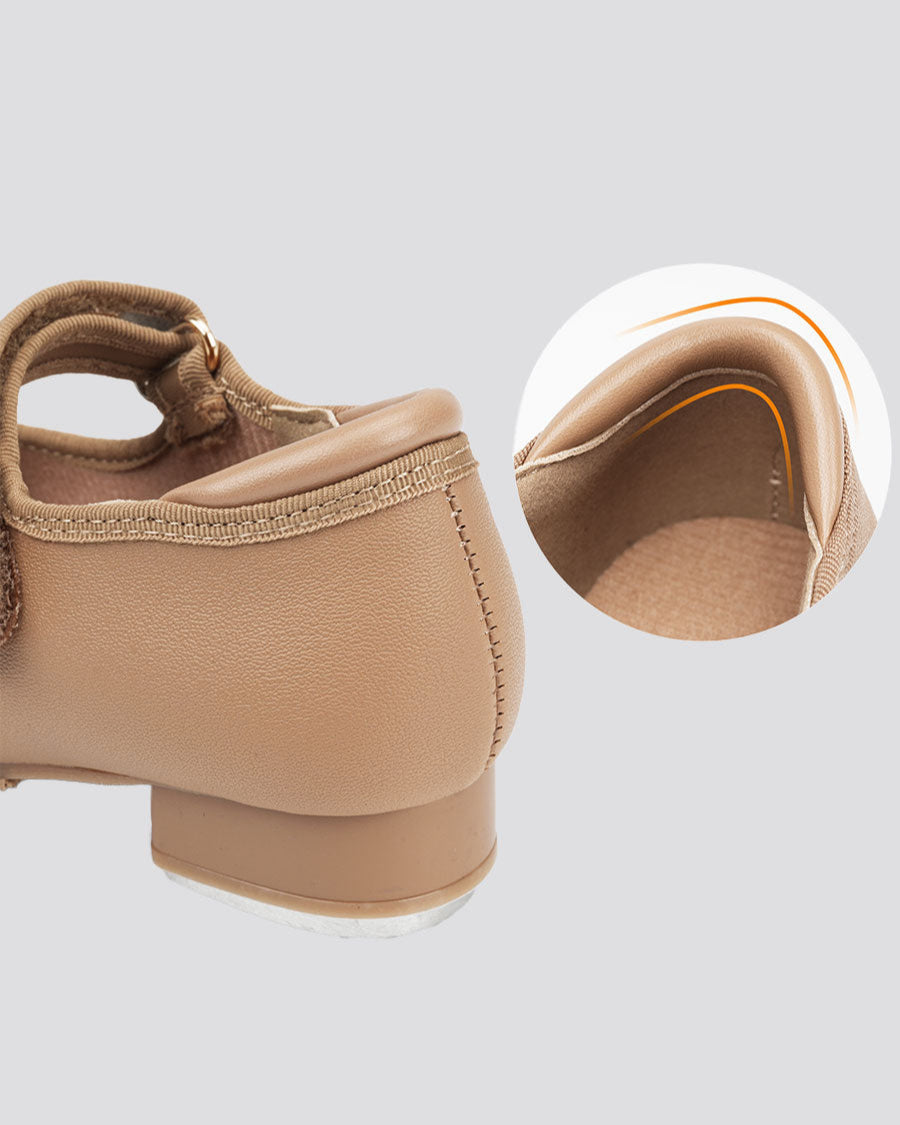
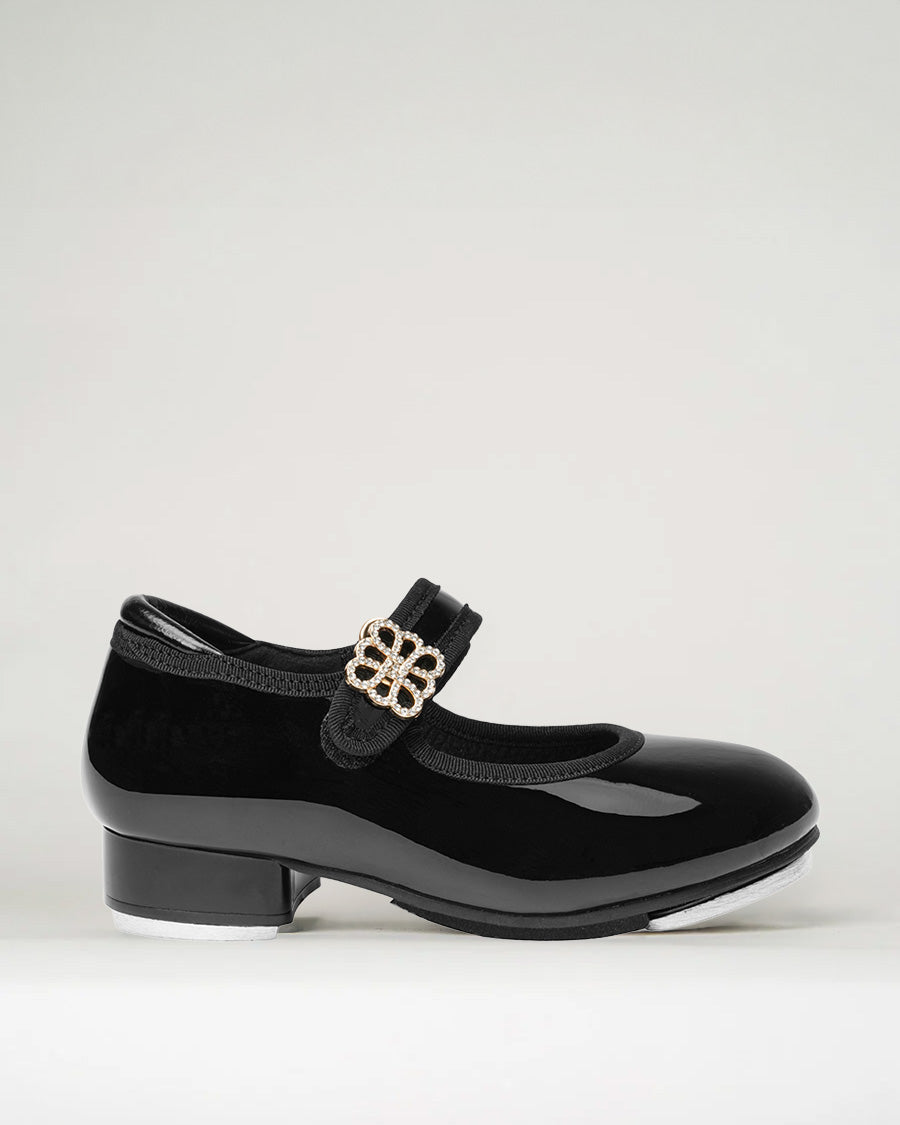
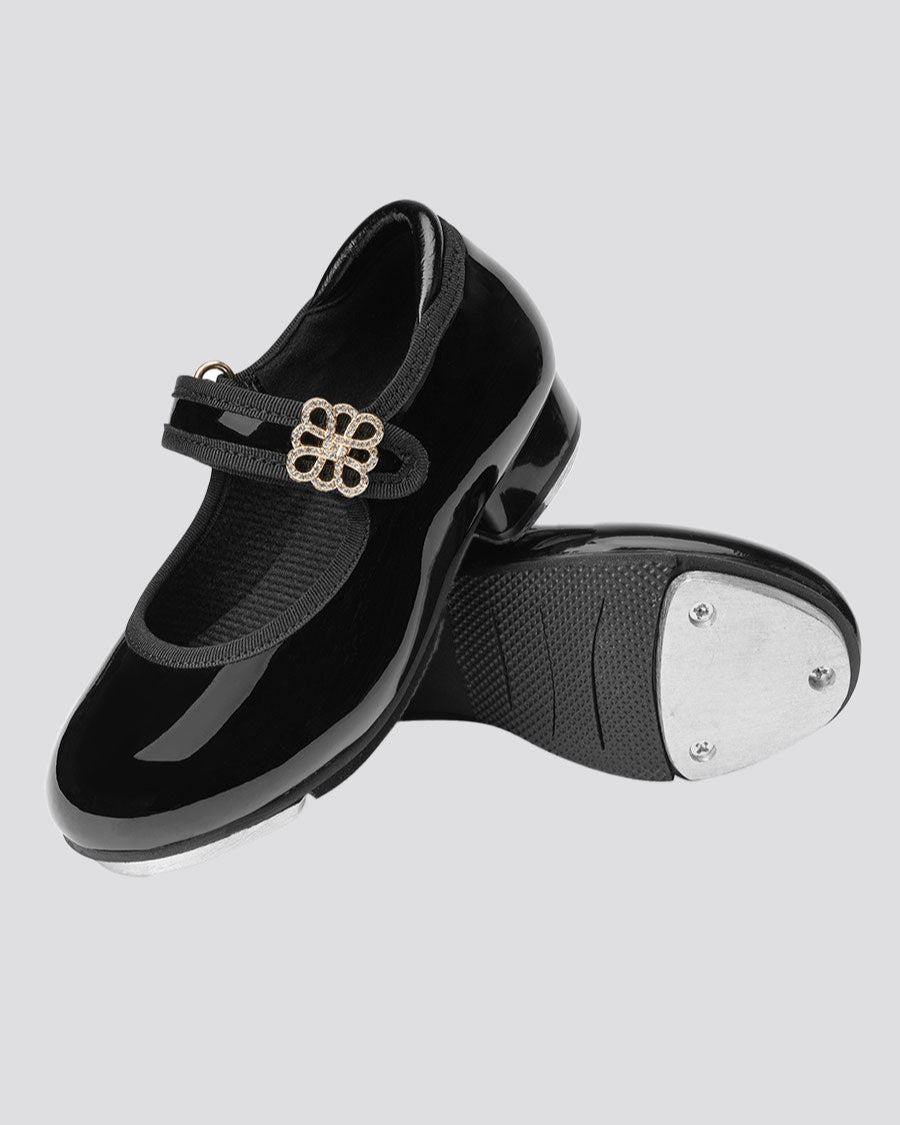
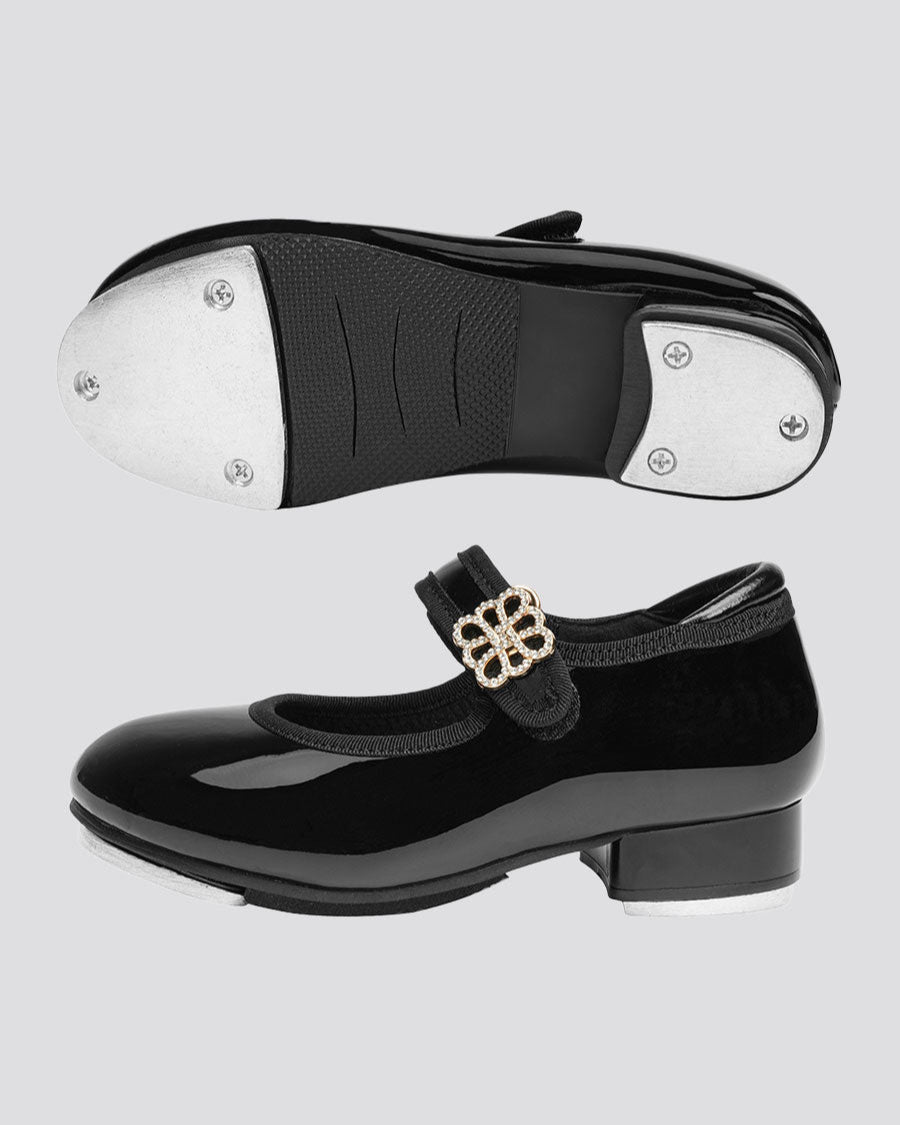
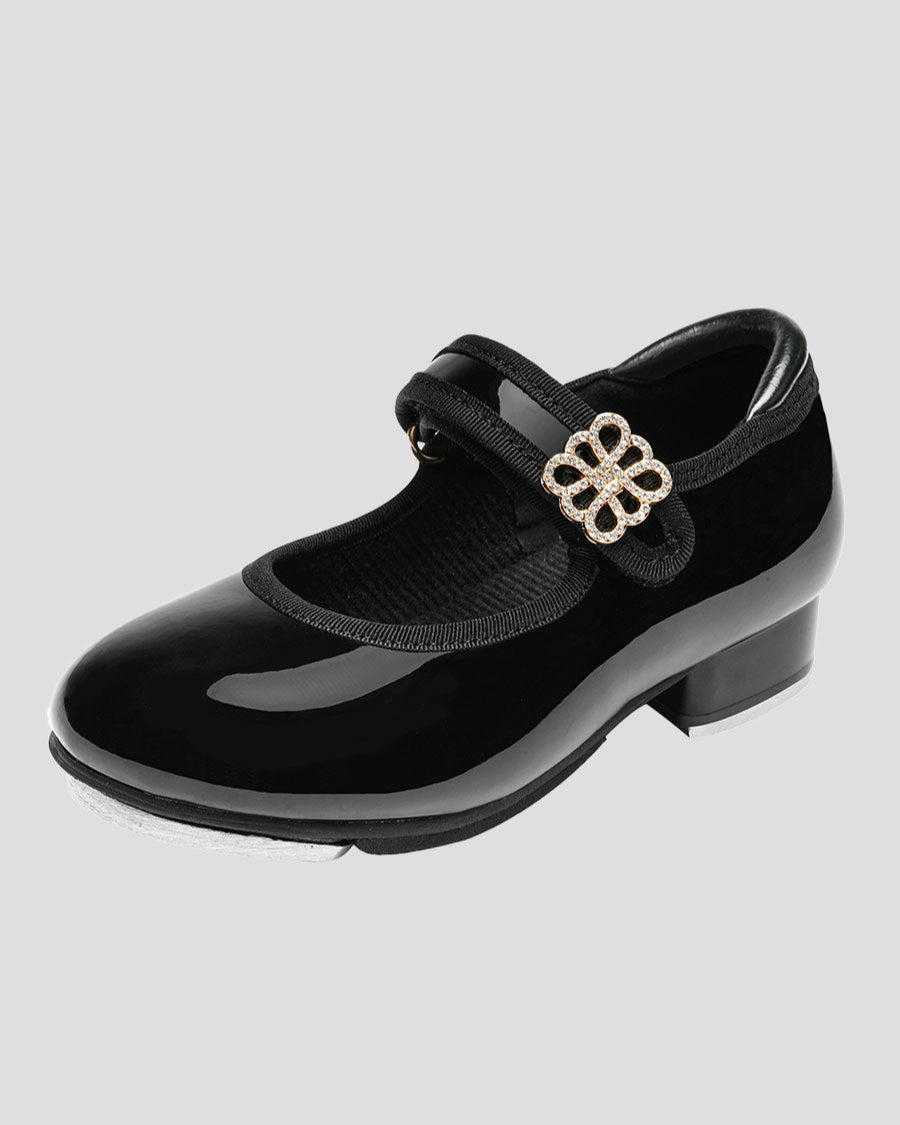
Check the shoes. Taps screwed on snug, laces tied flat. If current shoes pinch or slip, well-fitted kids' tap shoes make clean sounds easier to produce.
-
Slow the tempo down. Clean and slow beats fast and mushy; a metronome app around 60 to 80 beats per minute is plenty.
-
Count out loud. Saying "stomp, hop, step, flap, step" while moving wires rhythm and feet together.
-
Keep a cheat sheet. Tape a short list of tap steps and counts to a mirror so practice does not stall.
Five to ten focused minutes counts as a win. For more material between classes, our roundup of easy dance moves to learn at home mixes in styles beyond tap.

Time Step FAQ
What is the difference between single, double, and triple time steps?
Count the sounds in one slot of the phrase by ear. In the single that slot is one clean sound, in the double a flap makes it two, and in the triple a shuffle stretches it to three, per Dance Spirit. The skeleton and the tempo stay put.
Why is it called a time step?
It literally kept time, setting the band's tempo before a routine began. The pit bands are gone, but the step lives on as tap's shared warm-up and common ground at jams.
What age do kids learn a tap time step?
Many studios introduce a simple single after the first year of tap, commonly around ages 6 to 8, once shuffles and flaps are steady. Programs sequence this differently, so confirm details with your studio.
Do you need tap shoes to practice time steps at home?
No for rhythm work; kids can mark counts in sneakers. For the actual sounds, a hard-soled shoe on a practice board works, with real tap shoes the cleanest option.
What is the shim sham shimmy tap dance routine?
A short traditional routine created in 1927 by Leonard Reed and Willie Bryant, built from beginner-friendly steps and danced in groups at jams and Tap Dance Day gatherings. Teachers use it to hand kids a piece of tap history they can perform.
About the Stelle Team
Stelle is a mom-trusted dancewear & athleisure brand best known for girls’ ballet and dance essentials since 2015. Every article is created and reviewed by the team behind the products, drawing on what we hear from dance teachers, studio owners, and dance parents every day. Learn more about Stelle.