




















How to Improve Flexibility for Dancing: A Safe Guide for Adult Beginners
Table of contents
Written by the Stelle Editorial team.
If you have just started dancing as an adult, walking into class can feel intimidating. You look around and everyone seems to fold forward effortlessly or float a leg up by their ear, while you are working hard just to keep your knees straight. Honestly, a lot of adult beginners want to bolt for the door in that first class, so if that is you, you are in very good company. Take a breath. You are not behind, and dance flexibility is something you build over time, not something you were supposed to show up with.
Quick answer: Yes, you can improve flexibility for dancing as an adult, even if you feel tight today. The key is to warm up first, stretch gently and consistently (a little a few times a week beats one long painful session), and aim for a stretch sensation rather than pain. Most people see real change over weeks and months, not days, and you do not need to chase the splits to be a dancer.
This is a complete, beginner-friendly guide to safe stretching: what to know before you start, how to stretch without hurting yourself, a set of stretches grouped by body area, two simple routines you can follow, the common mistakes to avoid, and what to wear so nothing gets in your way.
Before You Start: What Adult Beginners Should Know
A few mindset shifts make the whole journey easier (and safer), and they apply to flexibility exercises for beginners of any kind. If no one has told you these yet, consider this the friend-who-dances version.
You don't need to be flexible to start
This is the big one. You do not have to be able to do the splits, or even touch your toes, to begin dancing. Flexibility is something class itself helps you build, and your starting range does not have to define your progress. Many dancers began exactly where you are now.
Age is usually not the main barrier
It is easy to assume you have "missed the window," but tightness usually has far more to do with lifestyle than birthdays. Years of sitting at a desk do more to stiffen muscles than age alone, and an adult body is still very capable of change with consistent, gentle work. You are not too late.
Flexibility is a marathon, not a sprint
Real flexibility gains come from your muscles and connective tissue slowly adapting, which takes weeks and months, not days. Just as importantly, the goal is not an extreme split for a photo; it is controlled, usable range of motion you can actually dance in. Chasing depth you cannot control can increase the risk of injury and slow your progress.
Safety first
Before starting any new physical routine, it is worth checking in with a doctor or a qualified professional, especially if you have old injuries, joint issues, or any health concerns. Dance can be demanding on the body, so a quick green light up front protects the fun later. And if something hurts in a sharp or pinching way, that is a signal to stop, not to push.
How to Stretch Safely
Knowing how to stretch matters as much as which stretches you do. These four habits keep flexibility training safe and effective.
Always warm up first
Avoid deep stretching on cold muscles. A few minutes of light movement (marching in place, gentle arm and leg swings, or a short walk) raises your body temperature and makes muscles more pliable and far less prone to strain. If you like a fuller warm-up, our Yoga for Beginners guide pairs well with this routine.
Dynamic before, static after
There are two kinds of stretching, and timing matters. Most stretching exercises for dancers fall into one of these two camps. Dynamic stretching (controlled, moving stretches like leg swings) is best before you dance, because it warms the body and wakes up the joints. Static stretching (holding a position) is best after class or in a dedicated session, when muscles are warm and ready to lengthen. As the Cleveland Clinic explains, dynamic stretching suits the warm-up while static stretching works well as part of the cooldown, so doing long static holds on cold muscles before activity can actually work against you.
Feel a stretch, not pain
This is the line that protects you. A good stretch feels like a gentle pull; it should never be sharp, pinching, or genuinely painful. If you feel pain, ease off. Pushing into pain does not speed up flexibility; it usually just leads to injury and setbacks.
Breathe and ease in
Hold your breath and your muscles tense up, which is the opposite of what you want. Breathe slowly and let each exhale help you settle a little deeper. For static stretches, hold each position around 20 to 60 seconds, and ease in gradually rather than bouncing or forcing.
The Stretches, Grouped by Body Area
Here are some of the best stretches for dancers, organized by the areas dance asks the most of. They work well once you are warm. Move gently, keep both sides even, and stop short of pain.
Not sure where to begin? Use this quick guide to match where you feel tight with a good starting point:
|
If you feel tight in... |
Start with... |
Avoid... |
|
Hips |
90/90, butterfly |
Forcing the frog stretch |
|
Hamstrings |
Standing hamstring stretch |
Rounding hard to touch your toes |
|
Back |
Cat-Cow, spinal twist |
Deep backbends while cold |
|
Shoulders / neck |
Shoulder squeeze, gentle neck stretch |
Pulling the head down |
Hips & glutes
Open, mobile hips are central to turnout, turns, and clean lines, so this is where many adult beginners feel the tightest.
-
Piriformis stretch: The piriformis is a small muscle deep in the buttock that helps rotate the hip, and it is often tight from sitting. Sit with both legs extended, cross your left leg over your right, place your left foot flat on the floor, and gently press your bent knee across your body until you feel a stretch deep in the glute. Hold, then switch sides.
-
90/90 stretch: Great for both hips at once. Sit with your right knee bent at 90 degrees in front of you and your left knee bent 90 degrees out to the side, both feet flexed. Keep your spine tall and ease forward over the front shin. It is normal for one side to feel much tighter than the other.
-
Frog stretch: On all fours, slide your knees wider than your shoulders with toes turned out, then ease your hips back toward your heels until you feel a stretch through the inner thighs. Move slowly and stay well short of any groin discomfort. If the frog stretch feels too intense, use the butterfly or 90/90 first and come back to it later.
-
Butterfly stretch: Sit tall with the soles of your feet together and knees dropping out to the sides. Hold your feet, engage your core, and gently fold forward. Let gravity do the work rather than forcing your knees down.

Legs & hamstrings
Long, supple hamstrings make higher extensions and deeper pliés easier, and they help protect your lower back.
-
Standing hamstring stretch: Stand tall, feet hip-width, knees slightly soft. Exhale and fold forward from the hips, letting your head and neck relax toward the floor. Keep your knees soft and stop higher if your lower back rounds hard, rather than forcing your hands to the floor. Hold, then roll up slowly through the spine.
-
Side bend (kneeling): Kneel, extend one leg out to the side with the foot flat, reach the opposite arm overhead, and gently bend toward the extended leg. Keep your hips facing forward to feel it through the inner thigh and side body. Switch sides.

Back & spine
A mobile spine supports nearly every dance movement, from port de bras to backbends.
-
Cat-Cow: A gentle way to wake up the spine. On all fours, exhale and round your back toward the ceiling (cat), then inhale and let your belly drop as you lift your chest and tailbone (cow). Move slowly with your breath for several rounds.
-
Lunge with spinal twist: Step your left foot forward into a lunge with your right leg back, place your right hand on the floor, and reach your left arm toward the ceiling, twisting open through the upper back. This opens the hip flexors and improves mid-back mobility used in turns. Switch sides.
-
Shoulder squeeze: Sit or stand tall, clasp your hands behind your lower back, straighten your arms, and gently squeeze your shoulder blades together to release the upper back and counter rounded posture. Hold a few seconds and repeat.

Arms, shoulders & neck
Dancers need upper-body mobility for graceful arm lines, and the neck deserves care.
-
Triceps stretch: Reach one arm overhead, bend the elbow so your hand drops toward your upper back, and use the opposite hand to gently guide the elbow a little further. Stop at a comfortable stretch.
-
Gentle neck stretch: Sit or stand tall and slowly tilt one ear toward that shoulder, letting the weight of your head create a soft stretch along the side of the neck. Do not pull or press down on your head; let gravity do the work. Hold briefly and switch sides.

Two Simple Routines You Can Follow
A list of stretches only helps if it turns into a habit. For most adult beginners, consistency beats intensity: aim for about 15 to 20 minutes, 3 to 5 times a week, and build rest days in so your muscles can recover and adapt. Here are two short routines to anchor that.
Pre-class dynamic warm-up (5 to 10 minutes)
Do this before you dance, while moving and controlled, to warm up and prepare your joints. These dance warm up stretches are about gentle motion, not deep holds:
-
March in place or do a short brisk walk for 2 to 3 minutes.
-
Leg swings: hold a wall or barre, swing one leg forward and back with control, 10 to 15 per side, then side to side.
-
Gentle lunges: step forward into a shallow lunge and back, alternating sides, 8 to 10 reps.
-
Arm circles and gentle torso twists to loosen the upper body.
-
A few slow Cat-Cow rounds to wake up the spine.
Post-class or at-home static routine (15 to 20 minutes)
Do this after class or as a dedicated session, when you are warm. These beginner dance stretches you can do at home work as simple dance stretches for beginners, holding each around 20 to 60 seconds, breathing slowly, both sides even:
-
Standing hamstring stretch
-
Piriformis stretch (both sides)
-
90/90 stretch (both sides)
-
Butterfly stretch
-
Frog stretch
-
Lunge with spinal twist (both sides)
-
Side bend (both sides)
-
Shoulder squeeze and gentle neck stretch to finish
Over a few weeks of doing this consistently, you will likely notice you can ease a little deeper, with less tension. Those small wins are the whole point.
Common Mistakes to Avoid
Many flexibility setbacks come from a handful of common stretching mistakes. Steer clear of these and you will progress faster and more safely:
-
Skipping the warm-up. Stretching deeply before you are warm can increase your risk of strain.
-
Pushing into pain. A stretch should pull, not hurt. Pain is a stop signal, not a sign it is working.
-
Chasing the splits. Extreme range you cannot control is more about ego than dancing. Aim for usable, stable range instead.
-
Only stretching one side. Always work both sides evenly to avoid imbalances.
-
Holding your breath. Tension blocks the stretch. Breathe and relax into it.
-
Inventing your own routine. Especially early on, follow what your teacher shows you rather than copying advanced stretches you see online; it is the safest way to avoid injury.
-
Expecting overnight results. Skipping rest days or forcing daily progress backfires. Consistency over weeks beats intensity in one session.
What to Wear for Stretching and Class
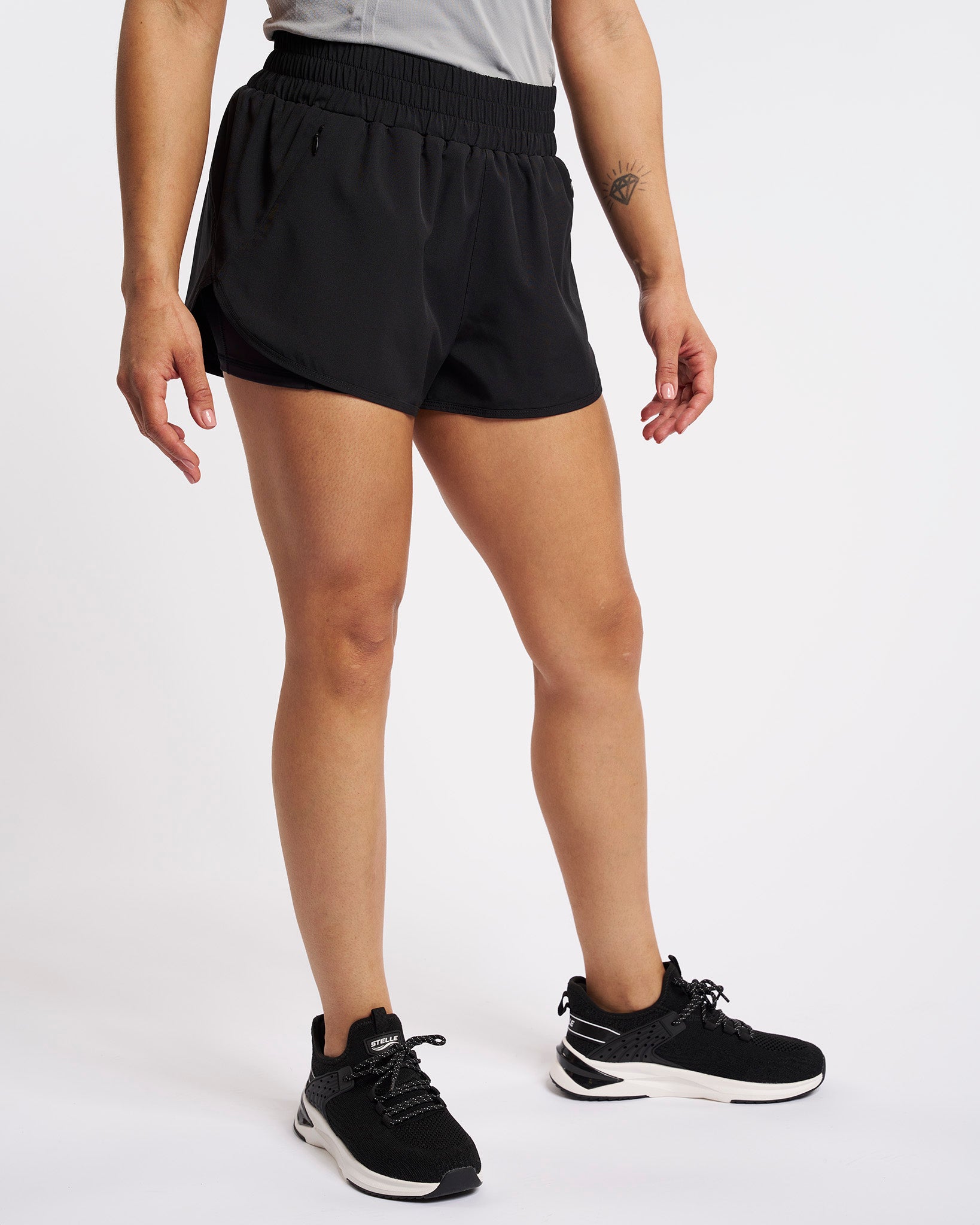
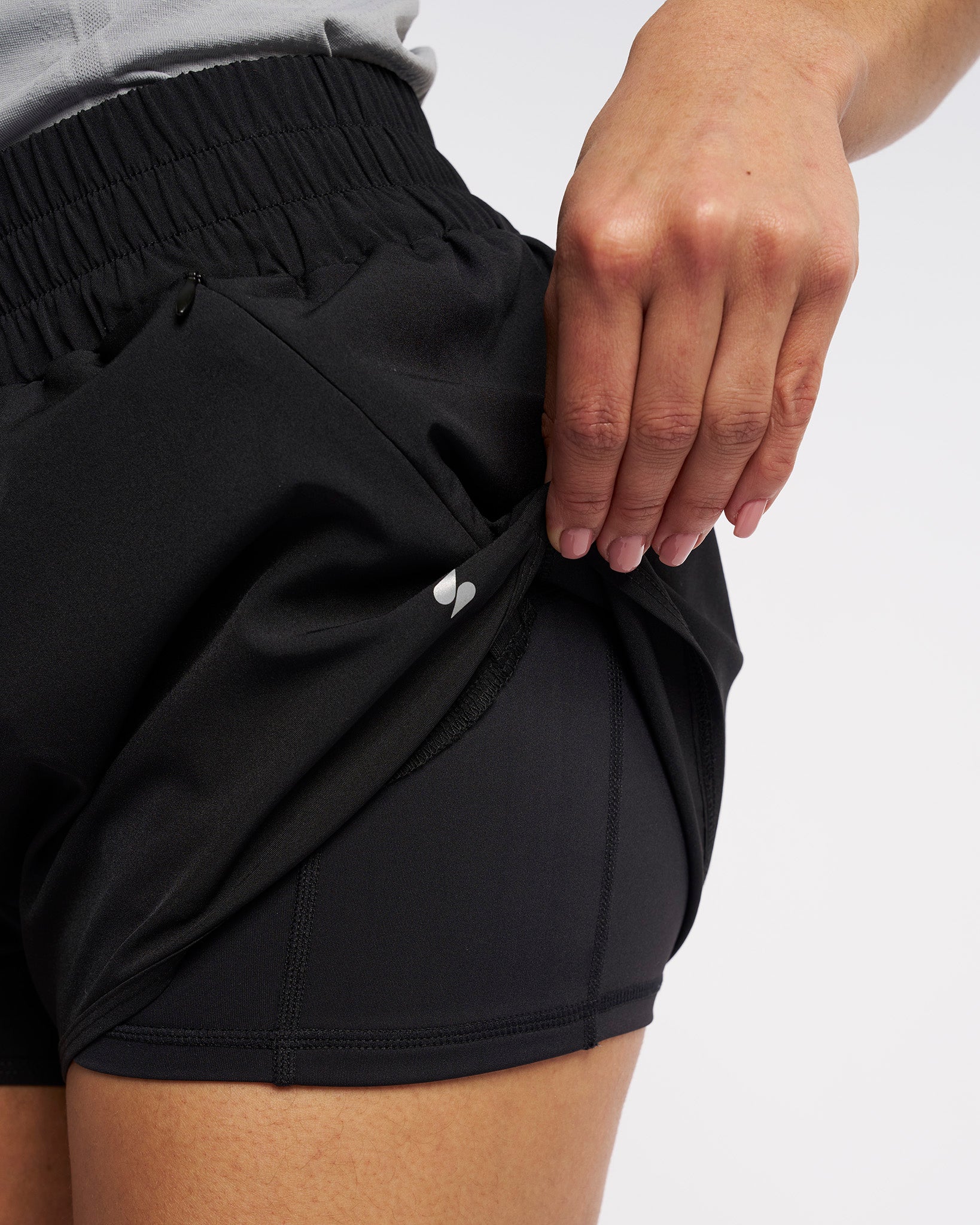
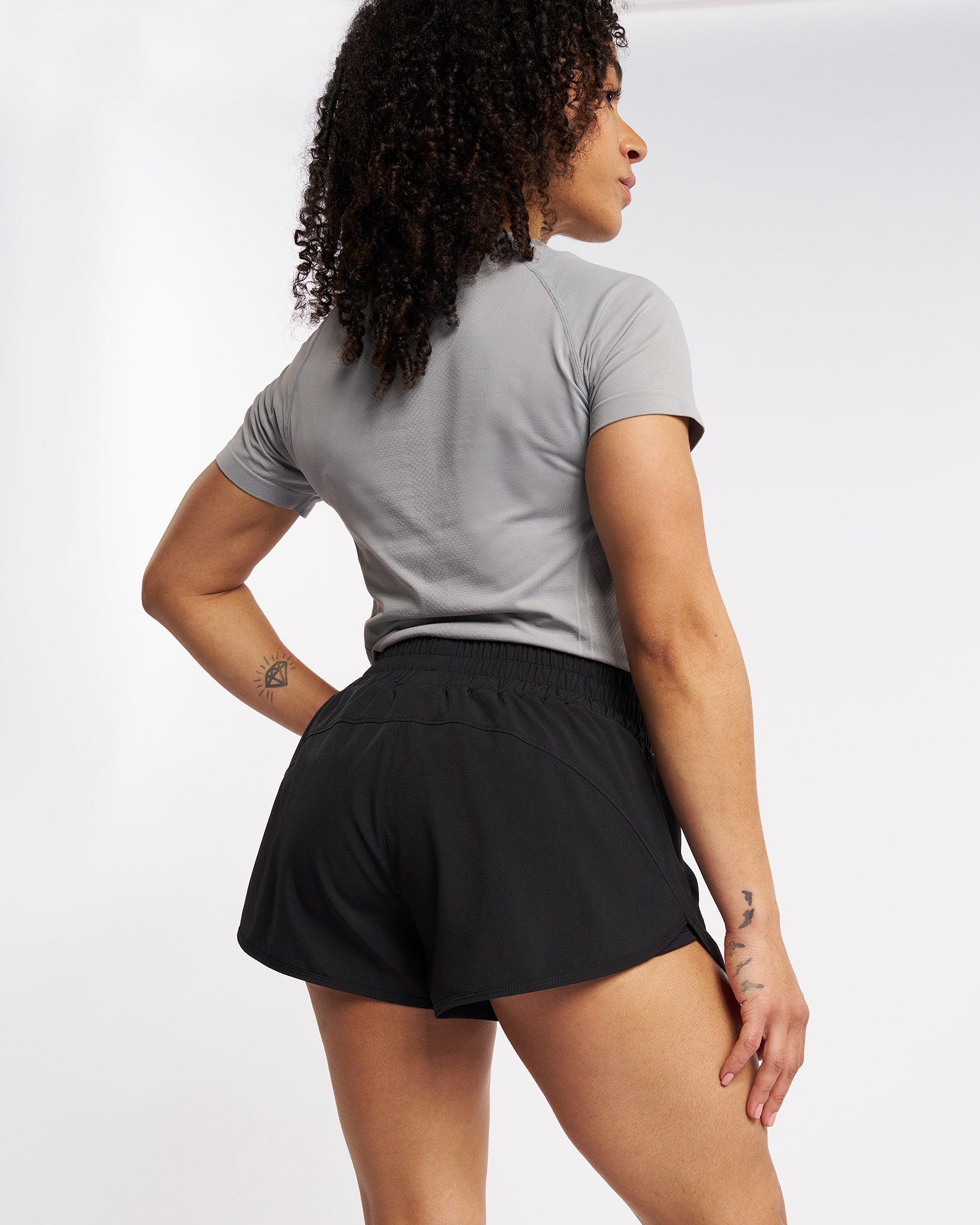
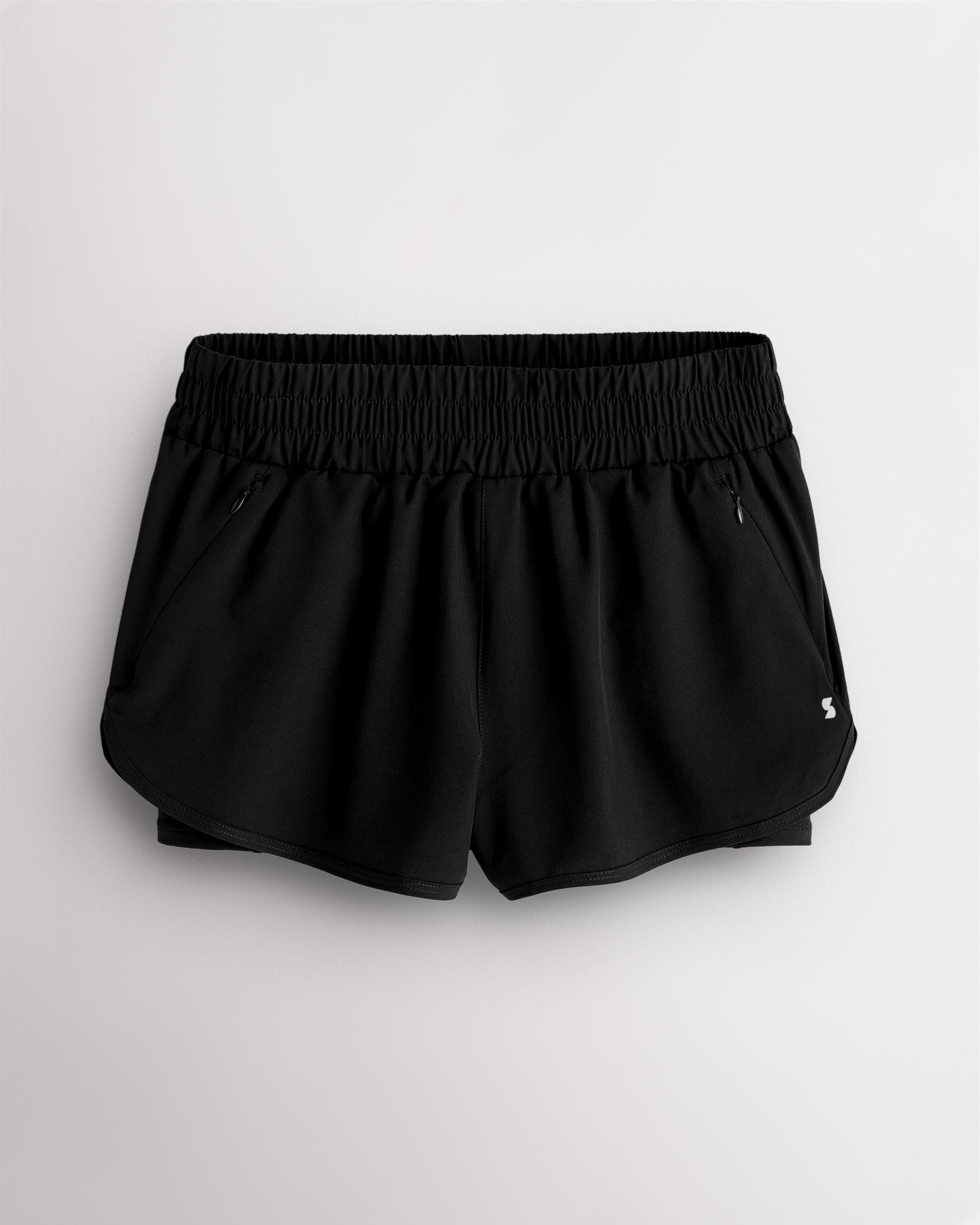
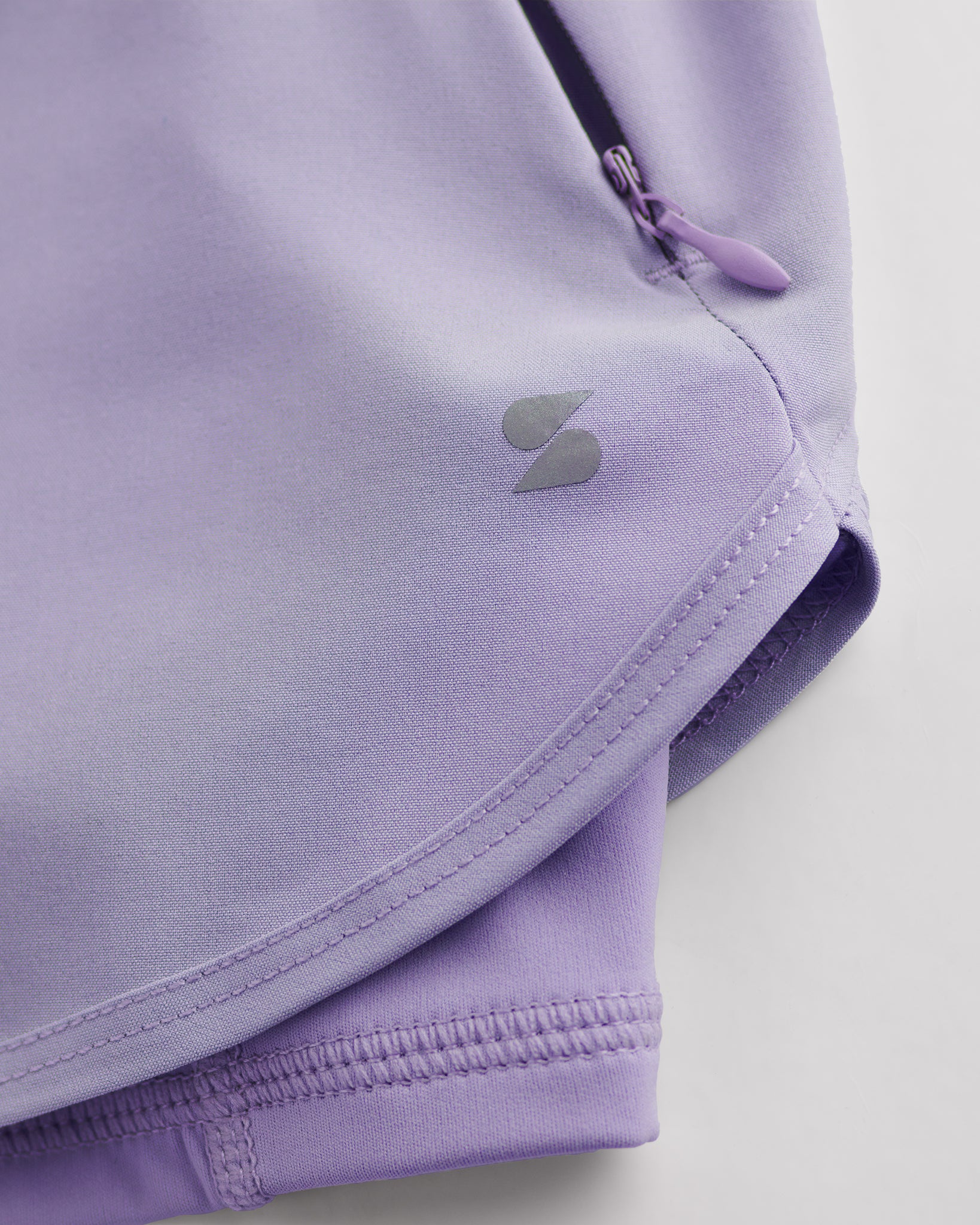
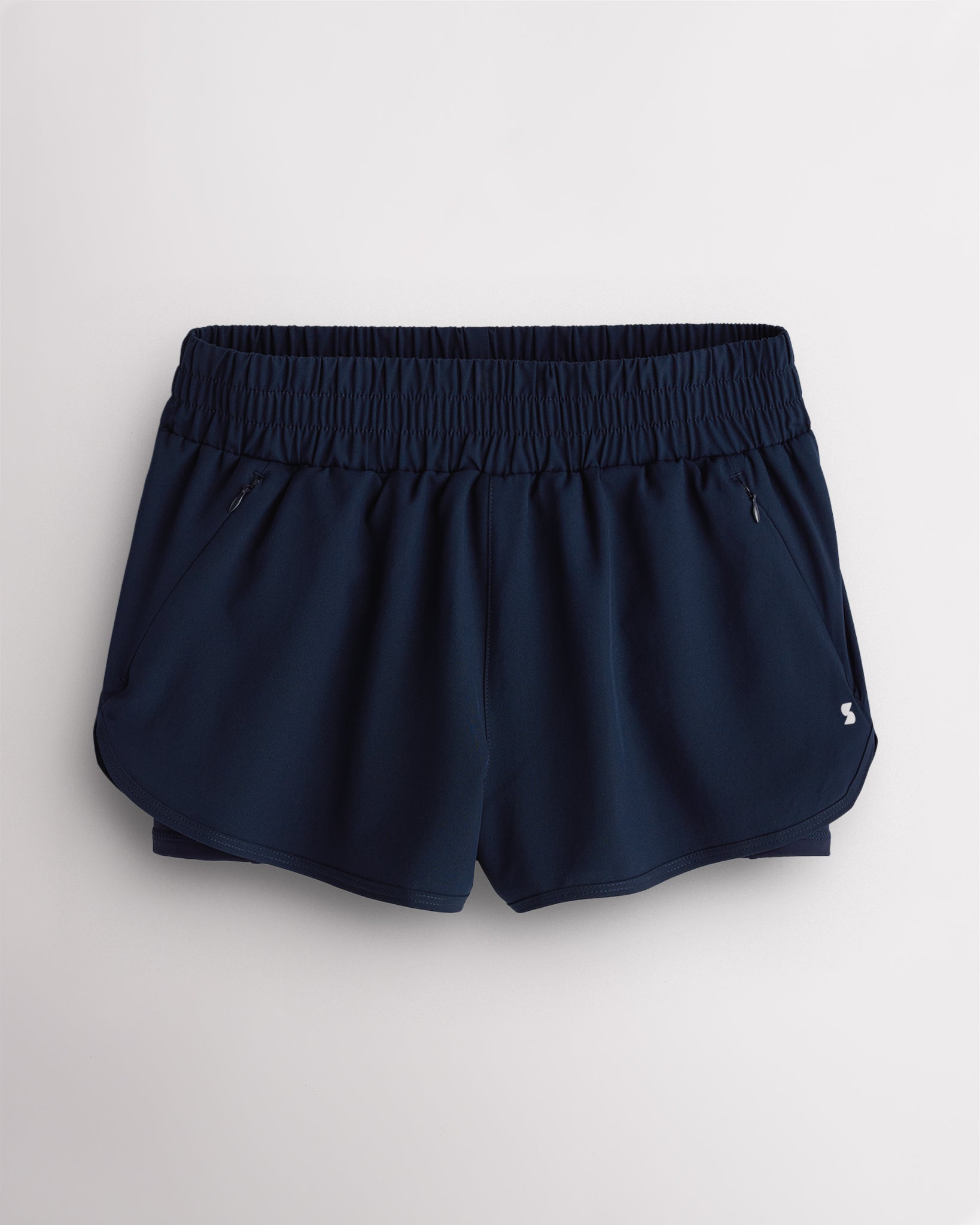
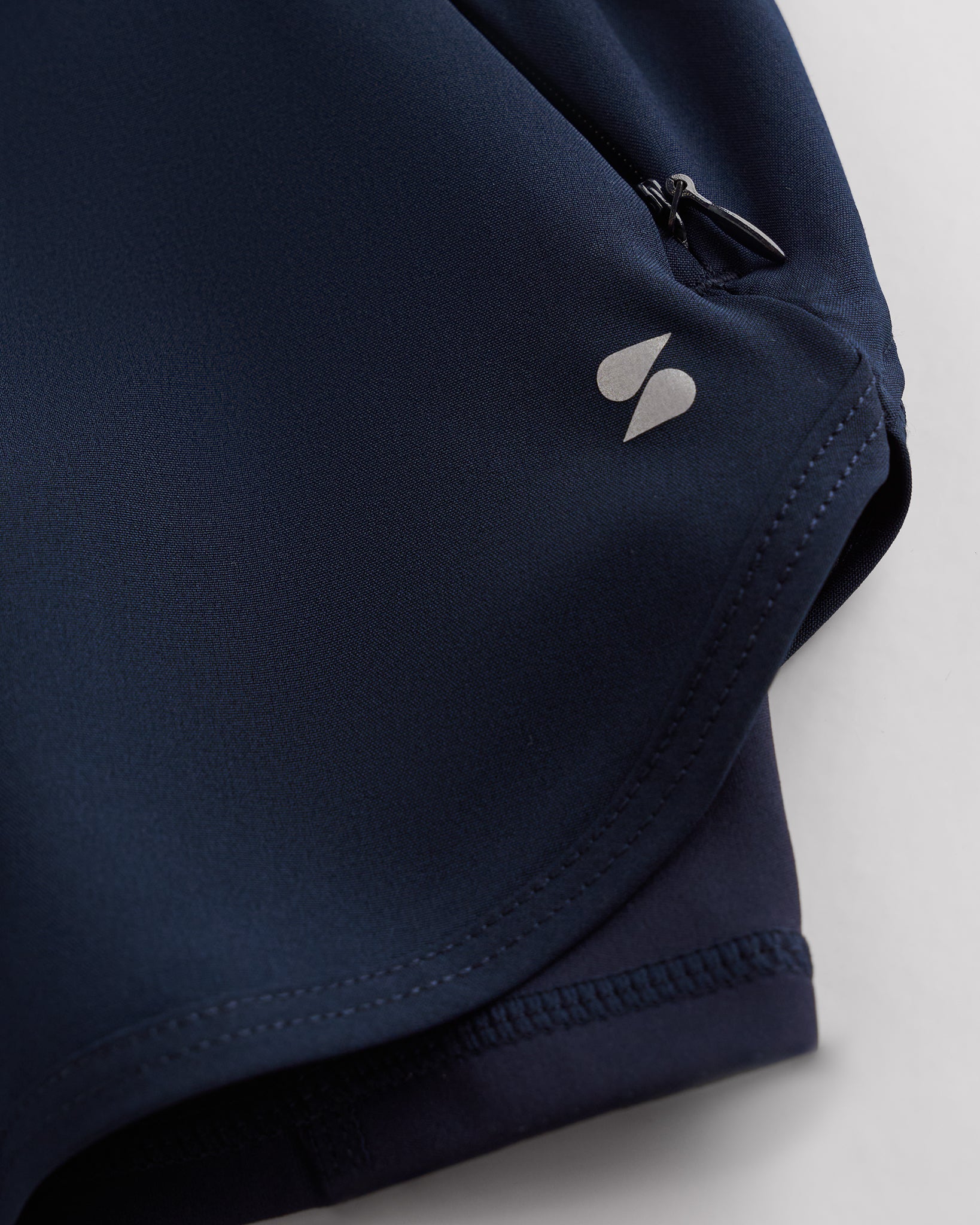
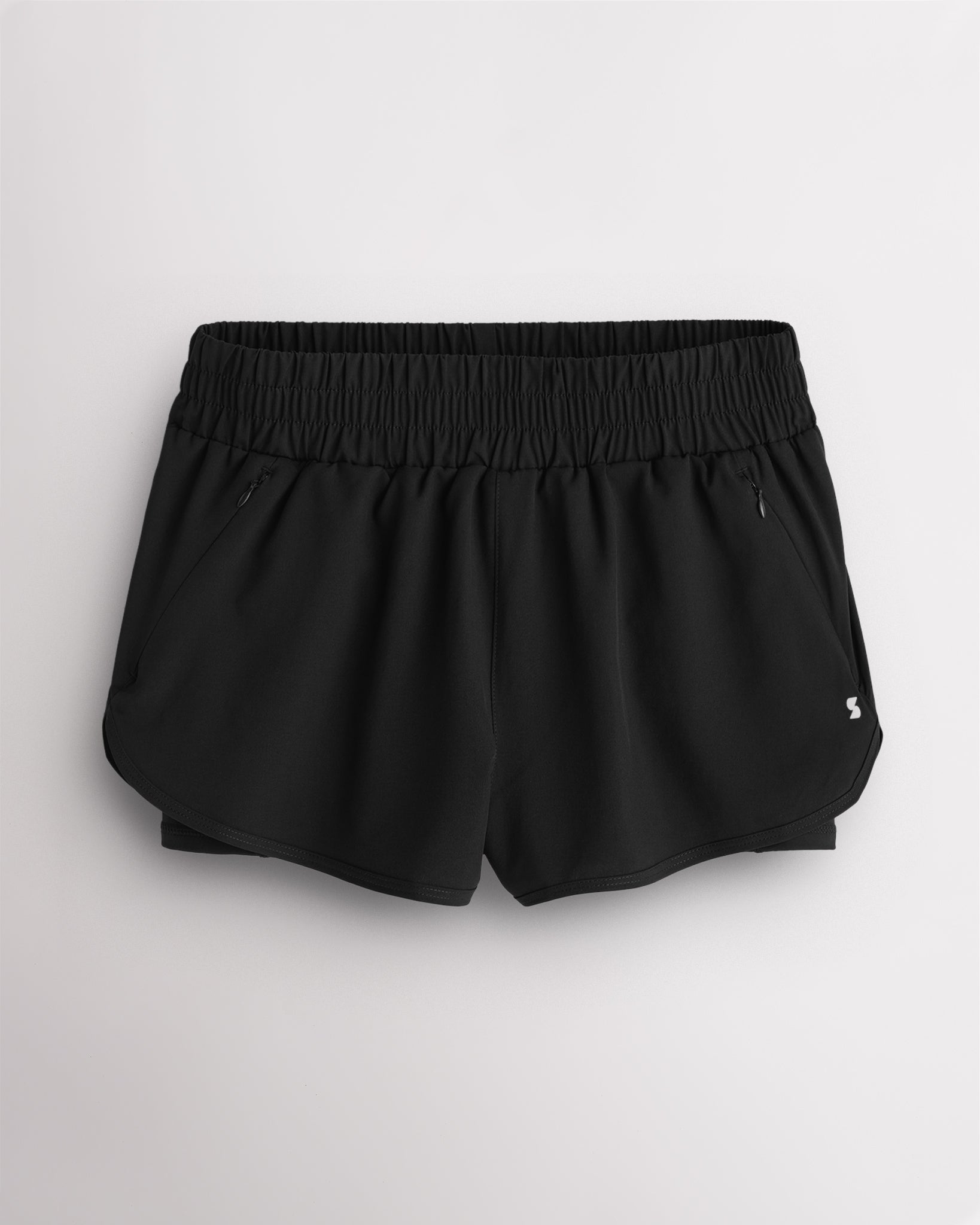
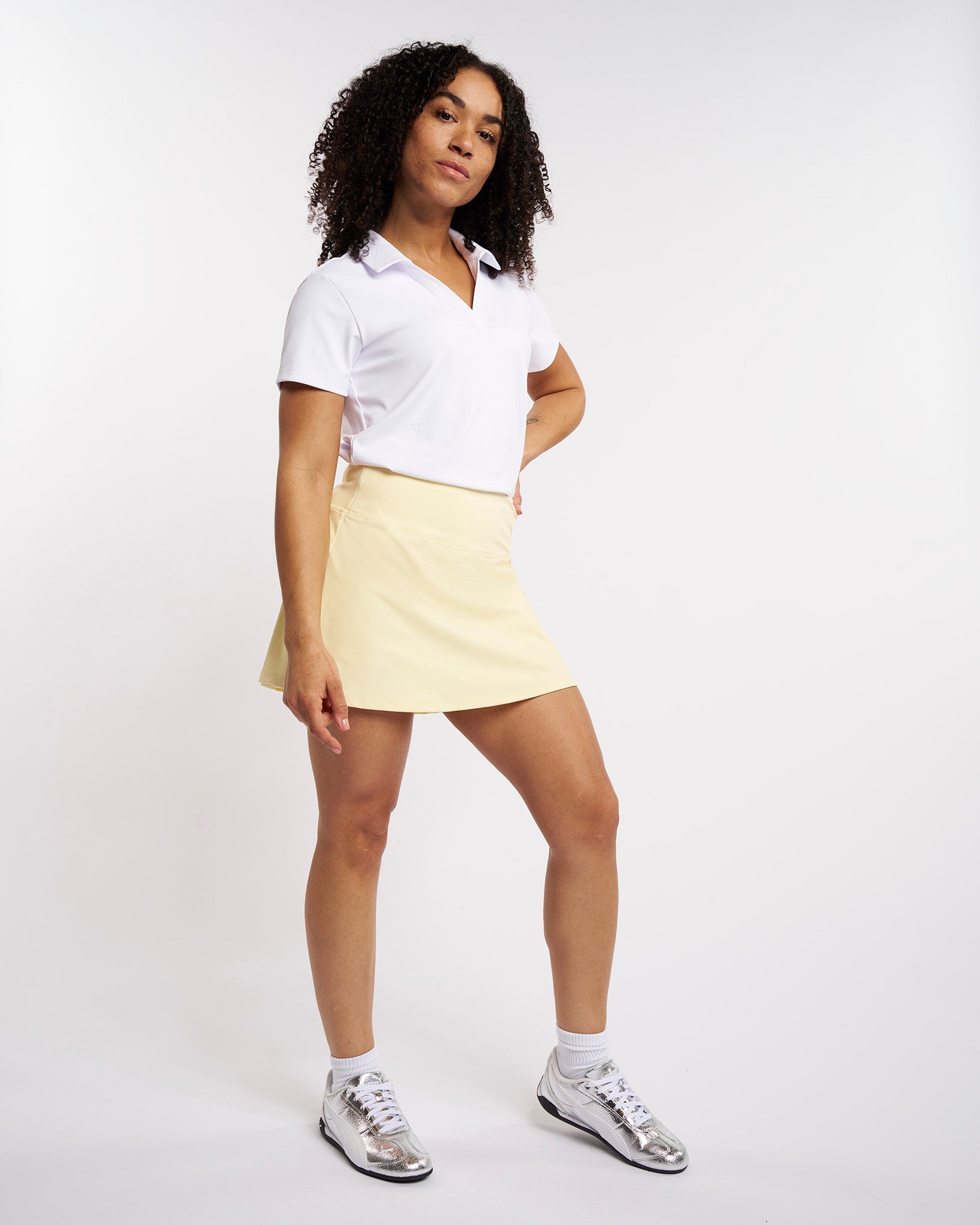
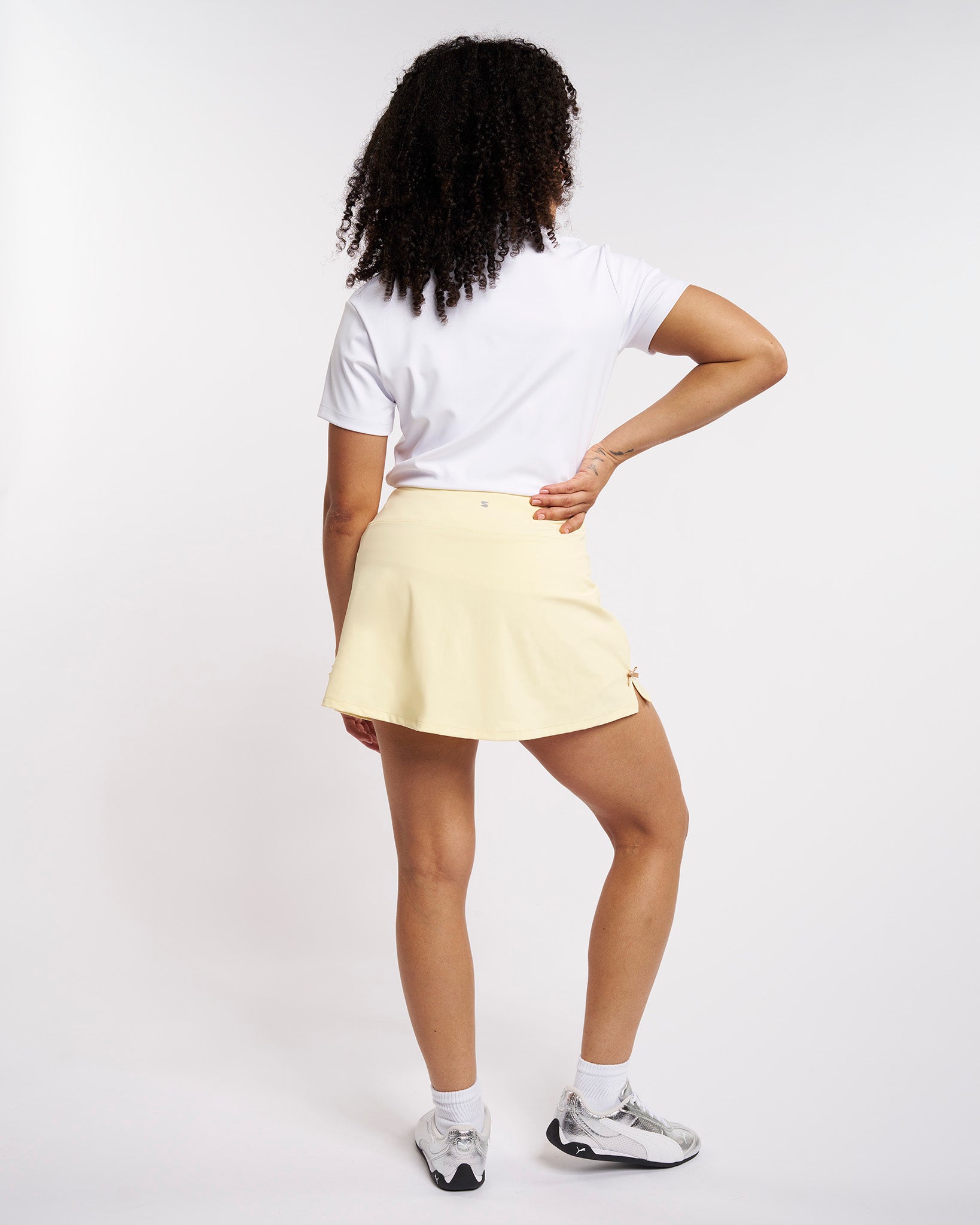
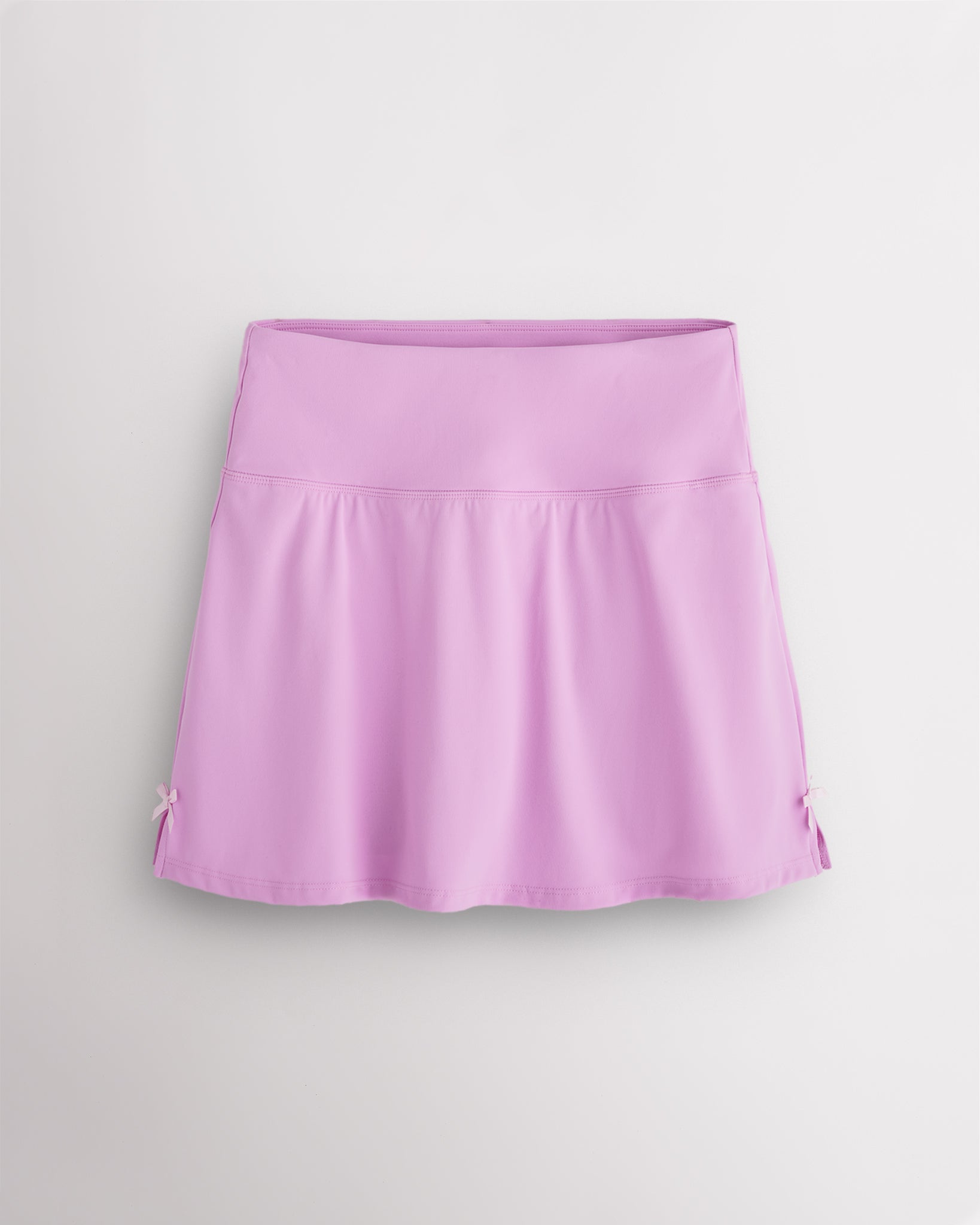
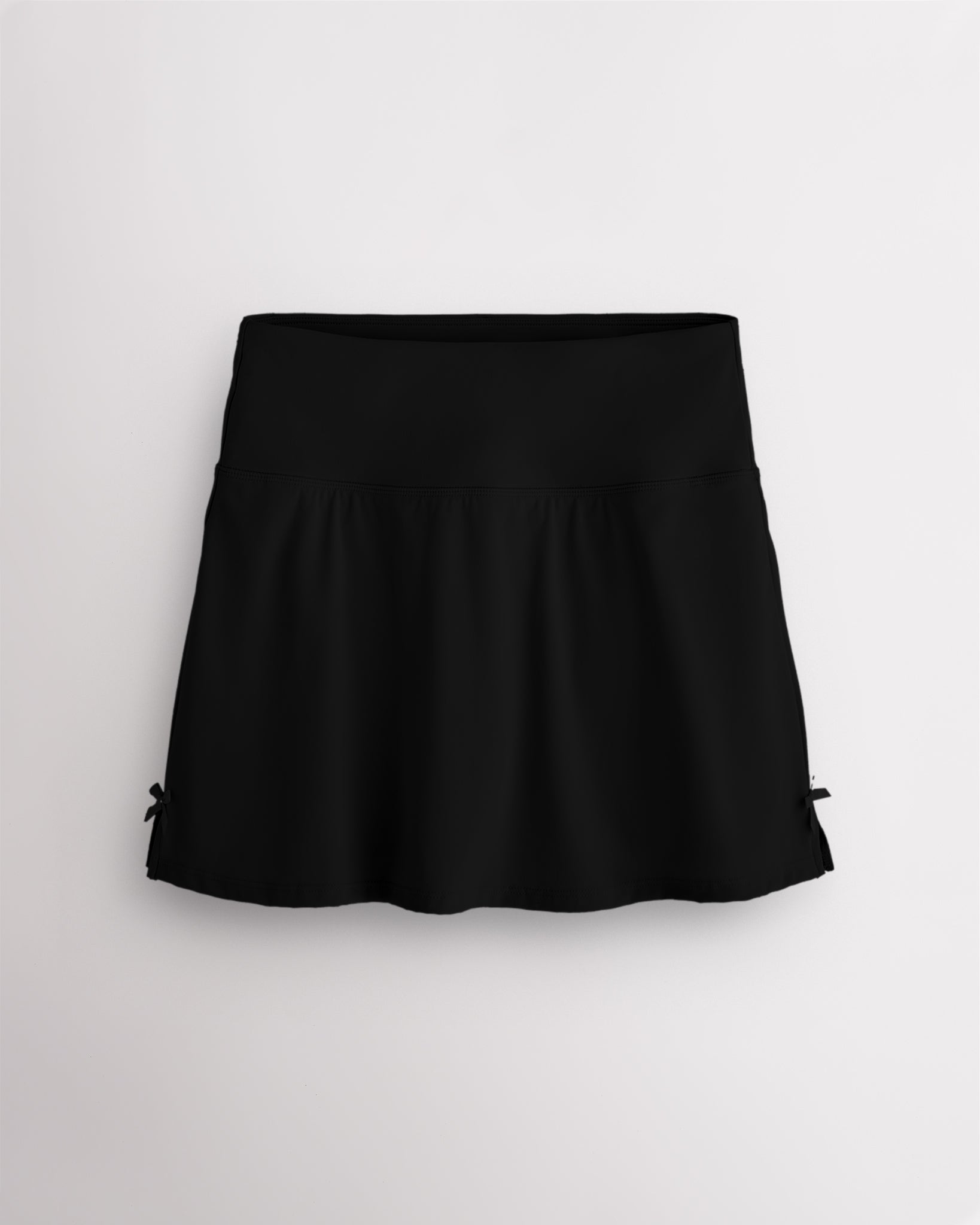
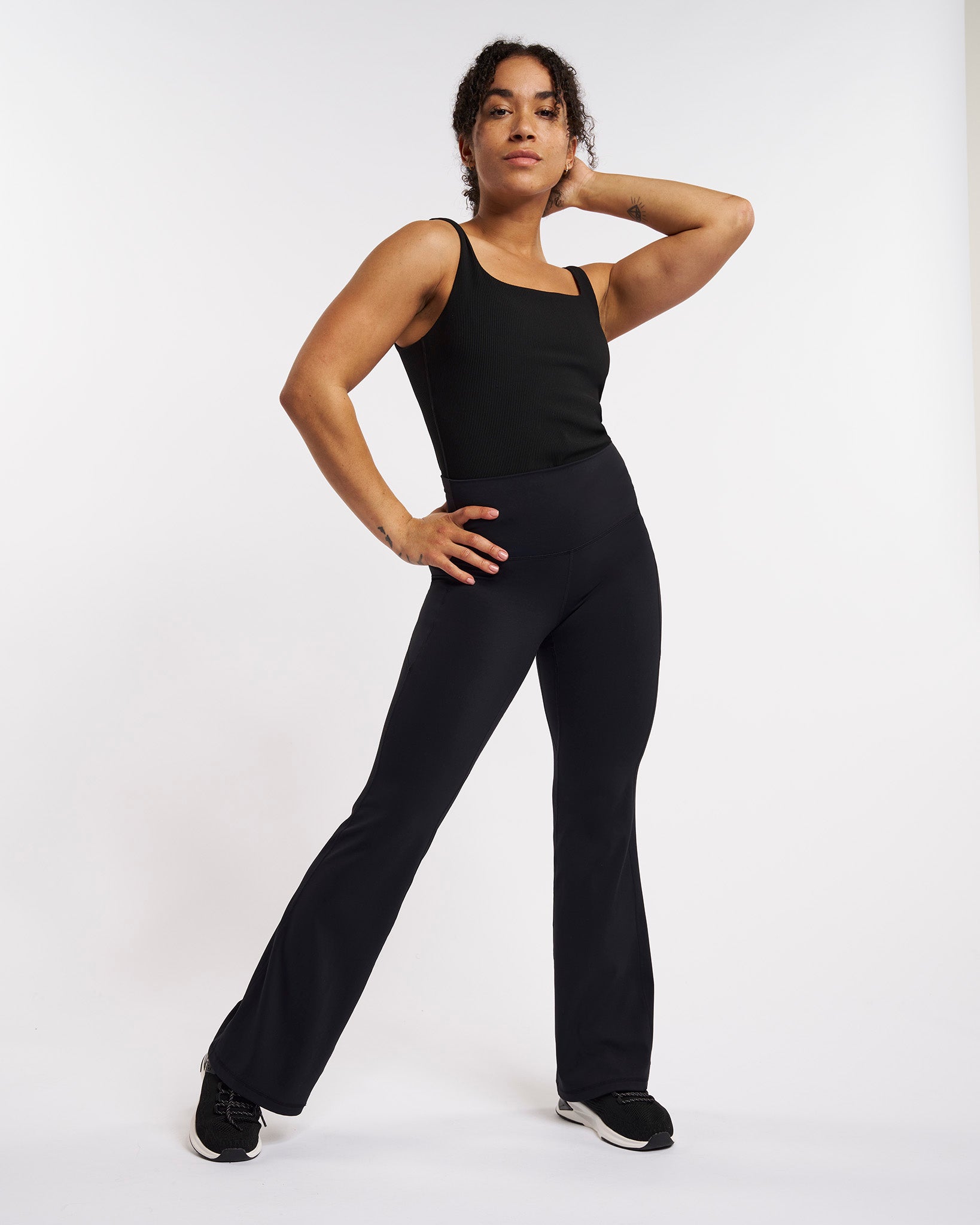
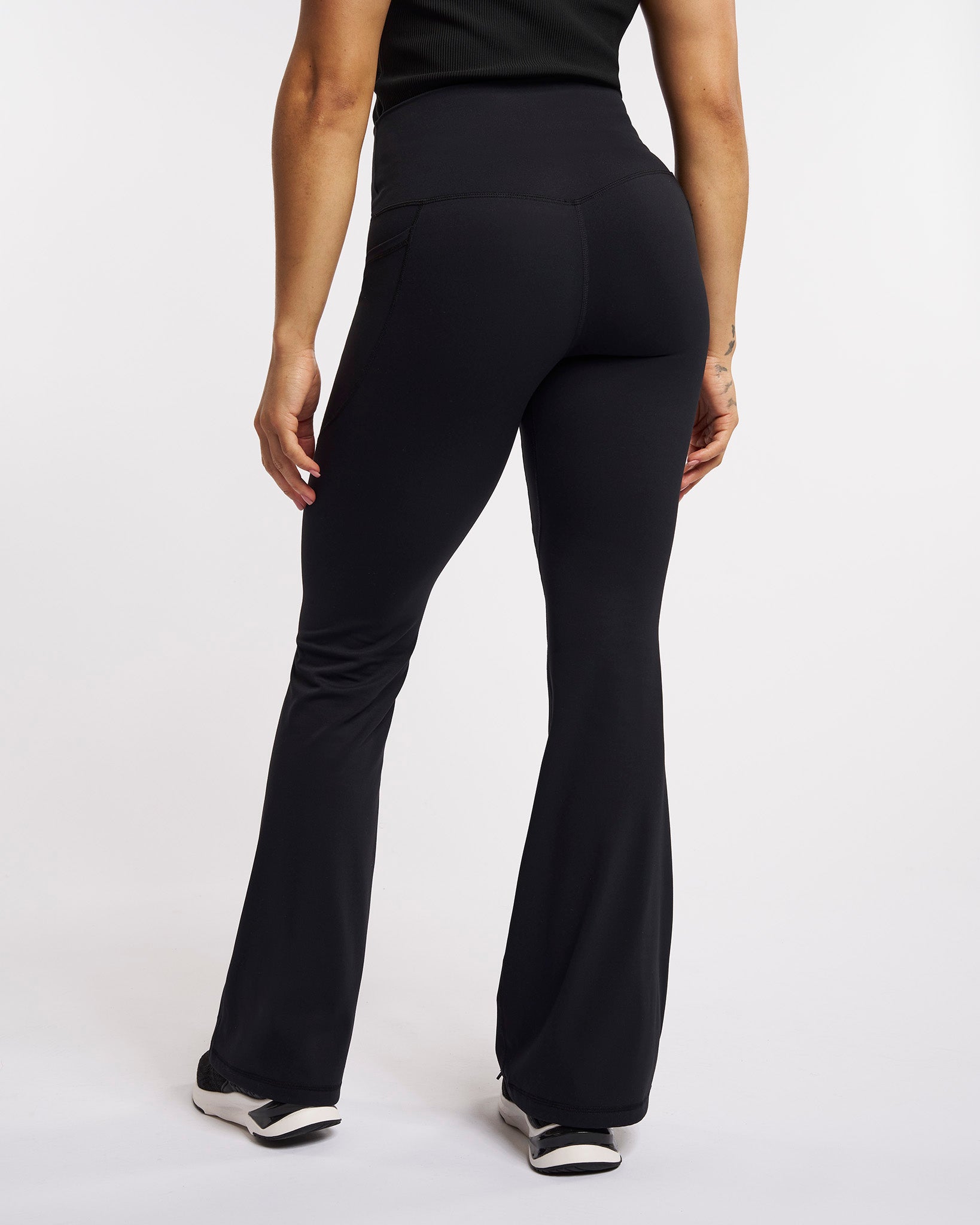
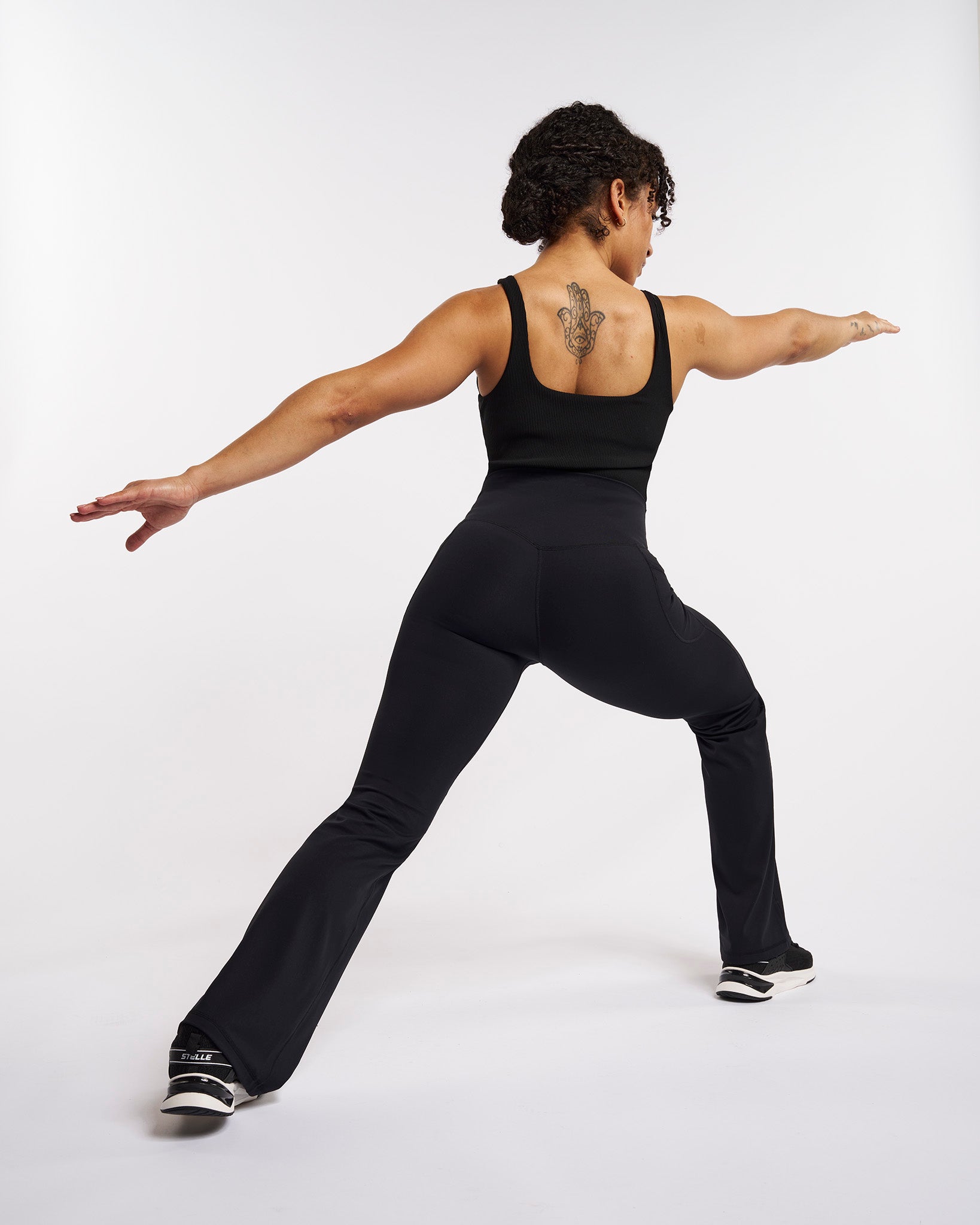
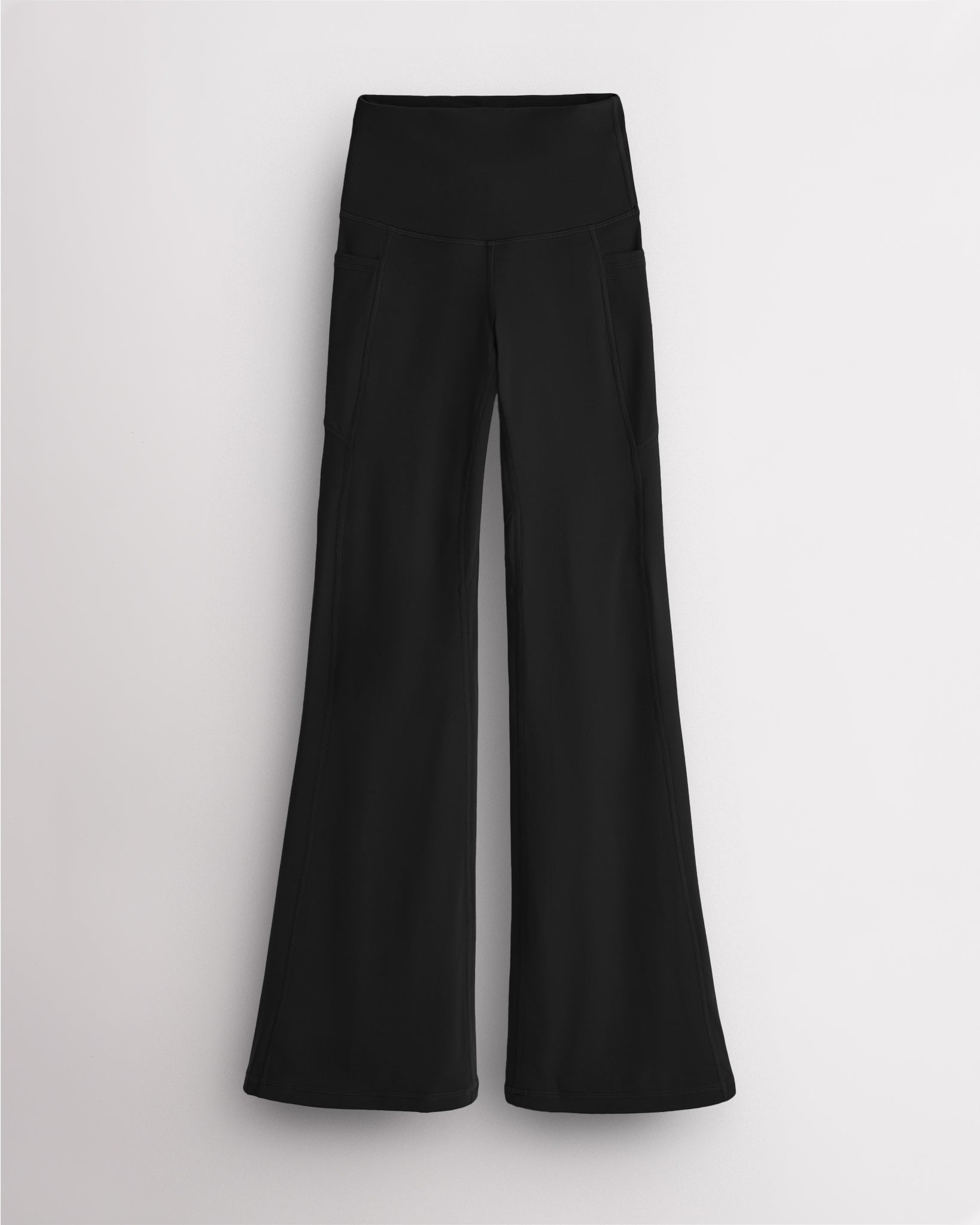
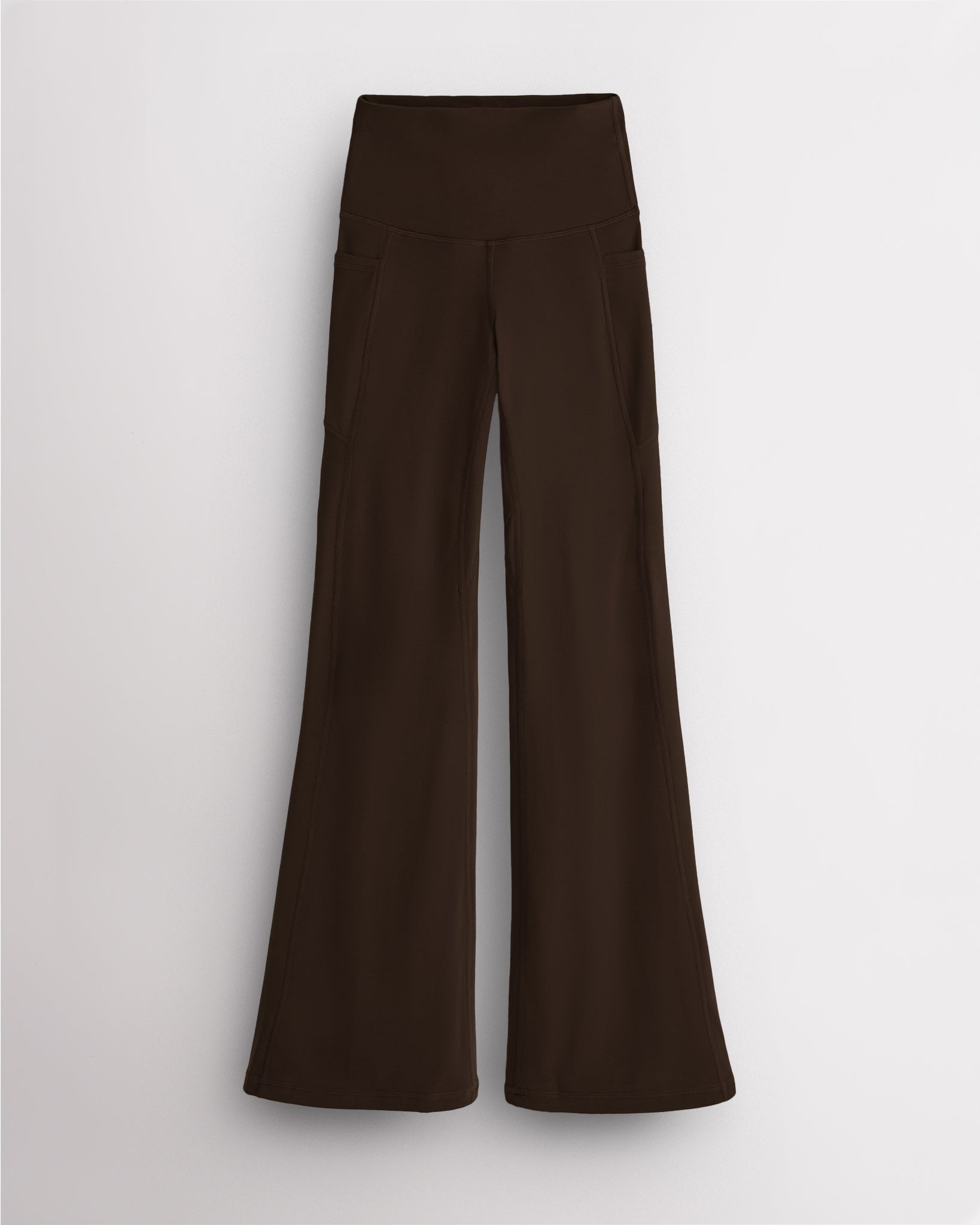
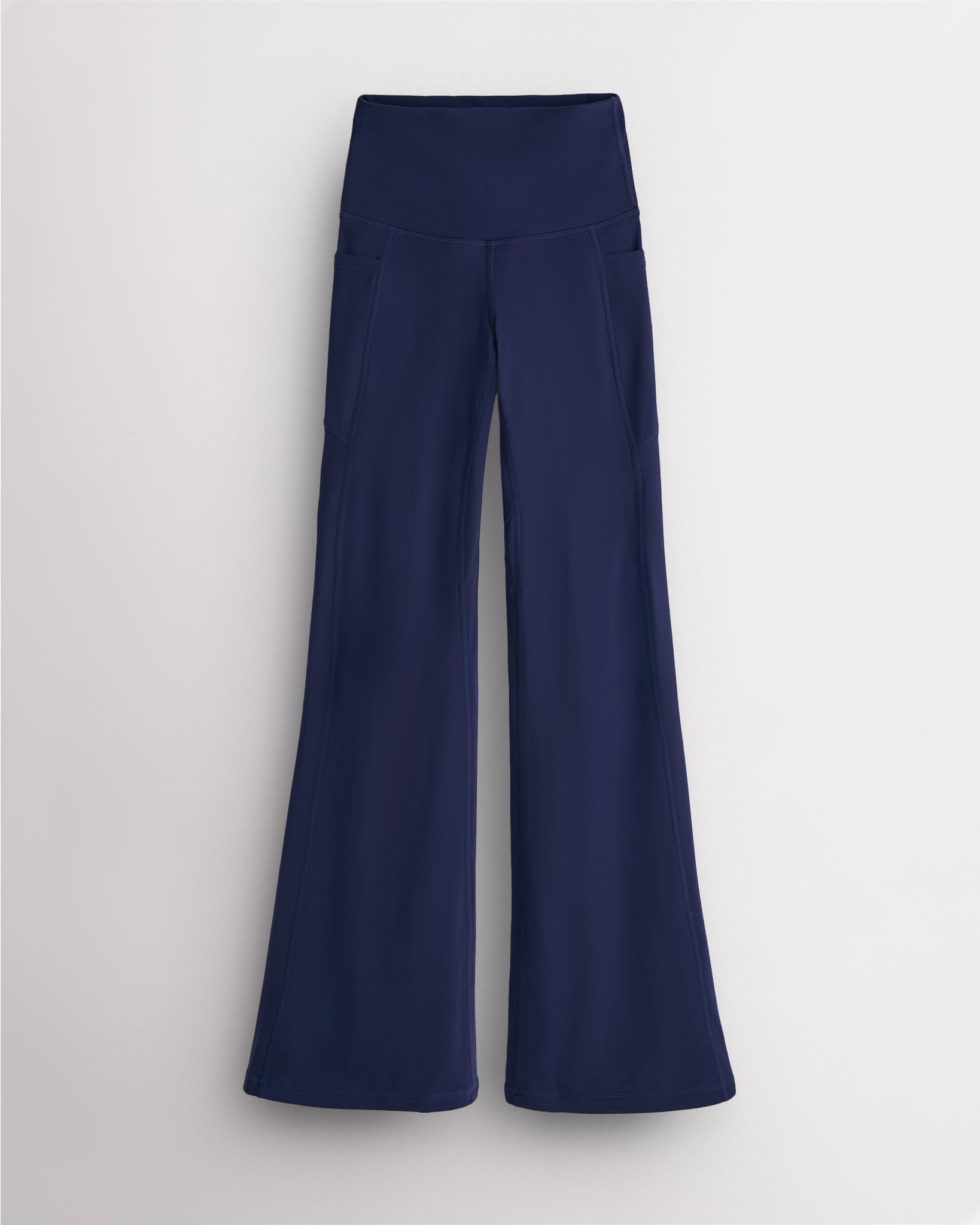
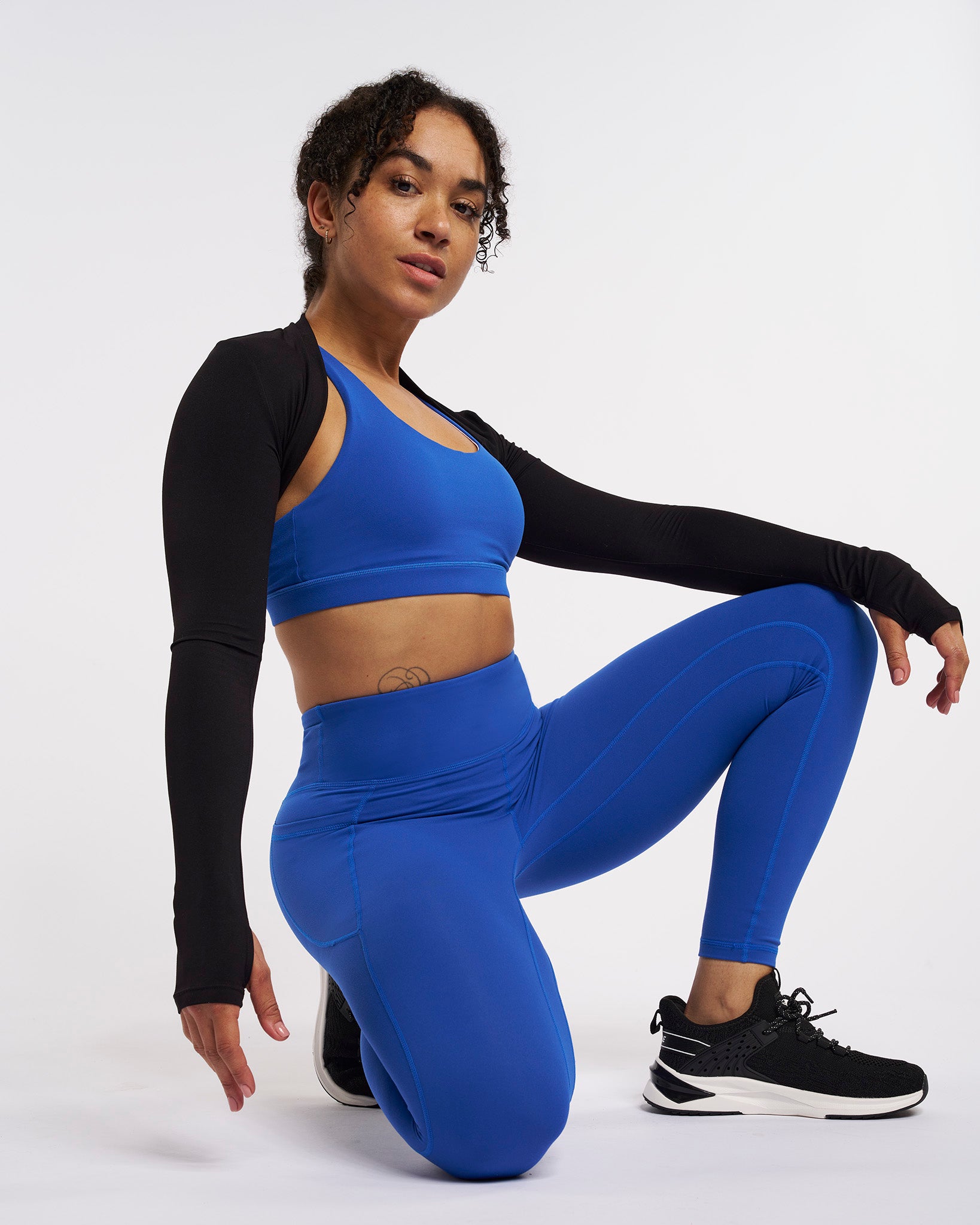
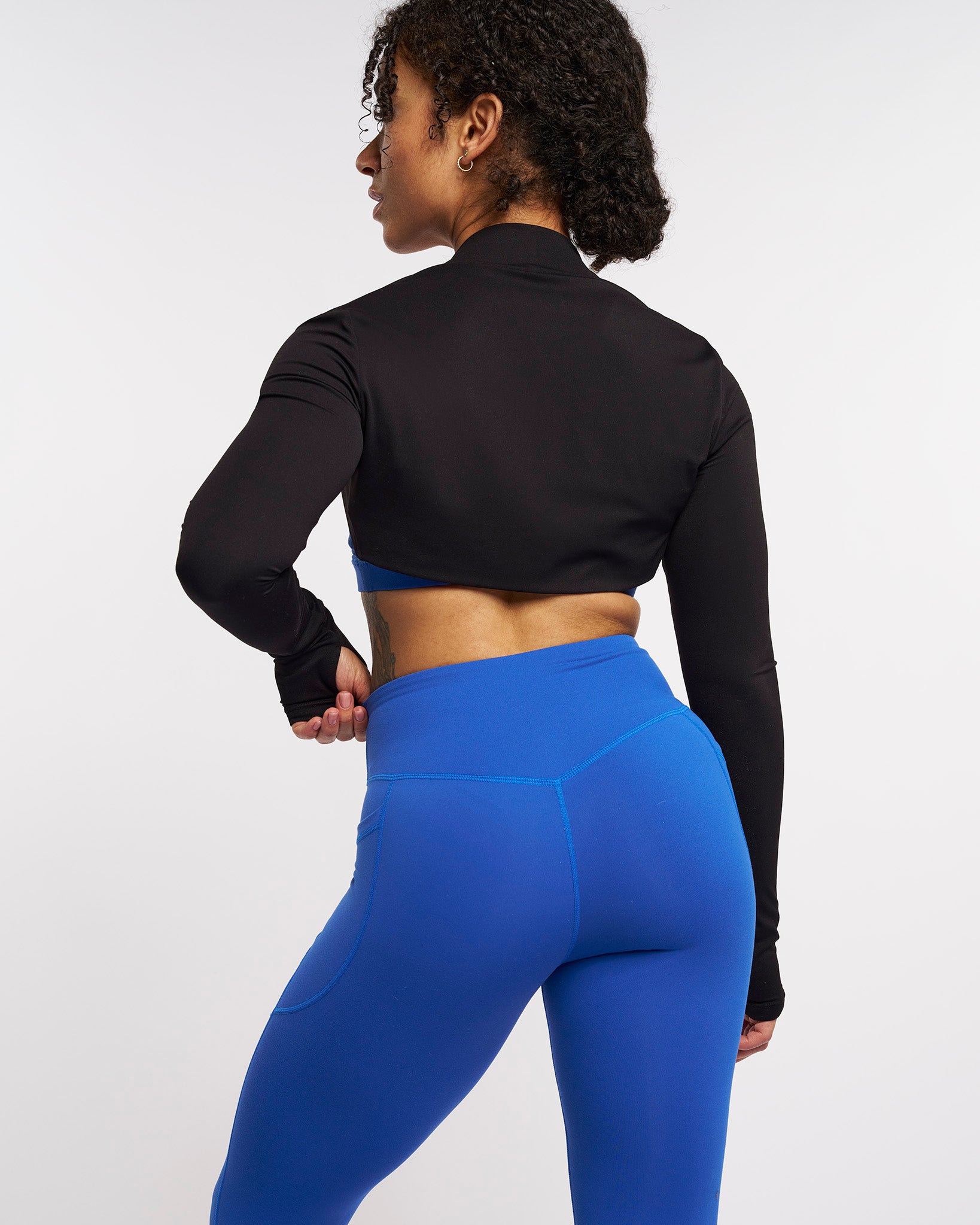
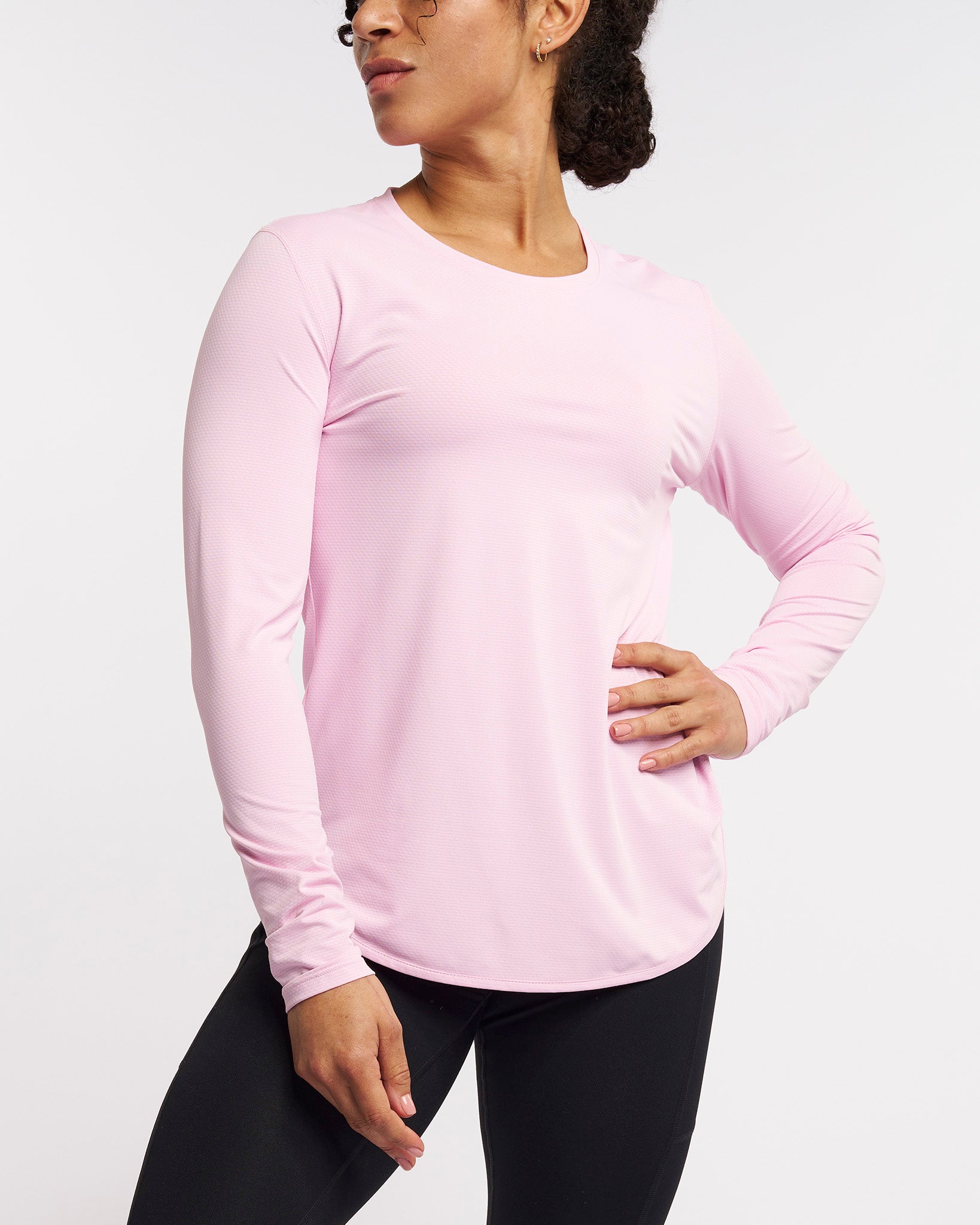
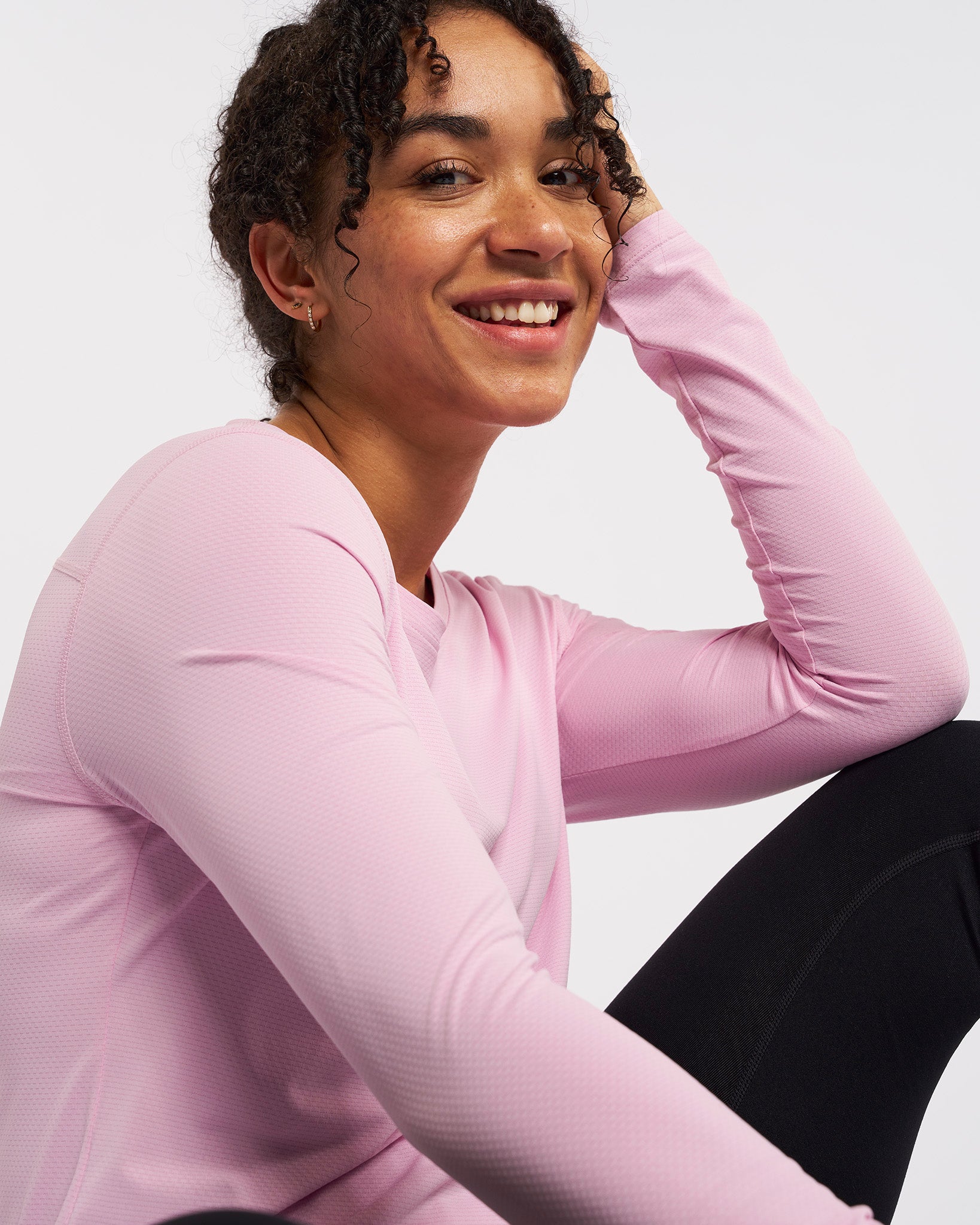
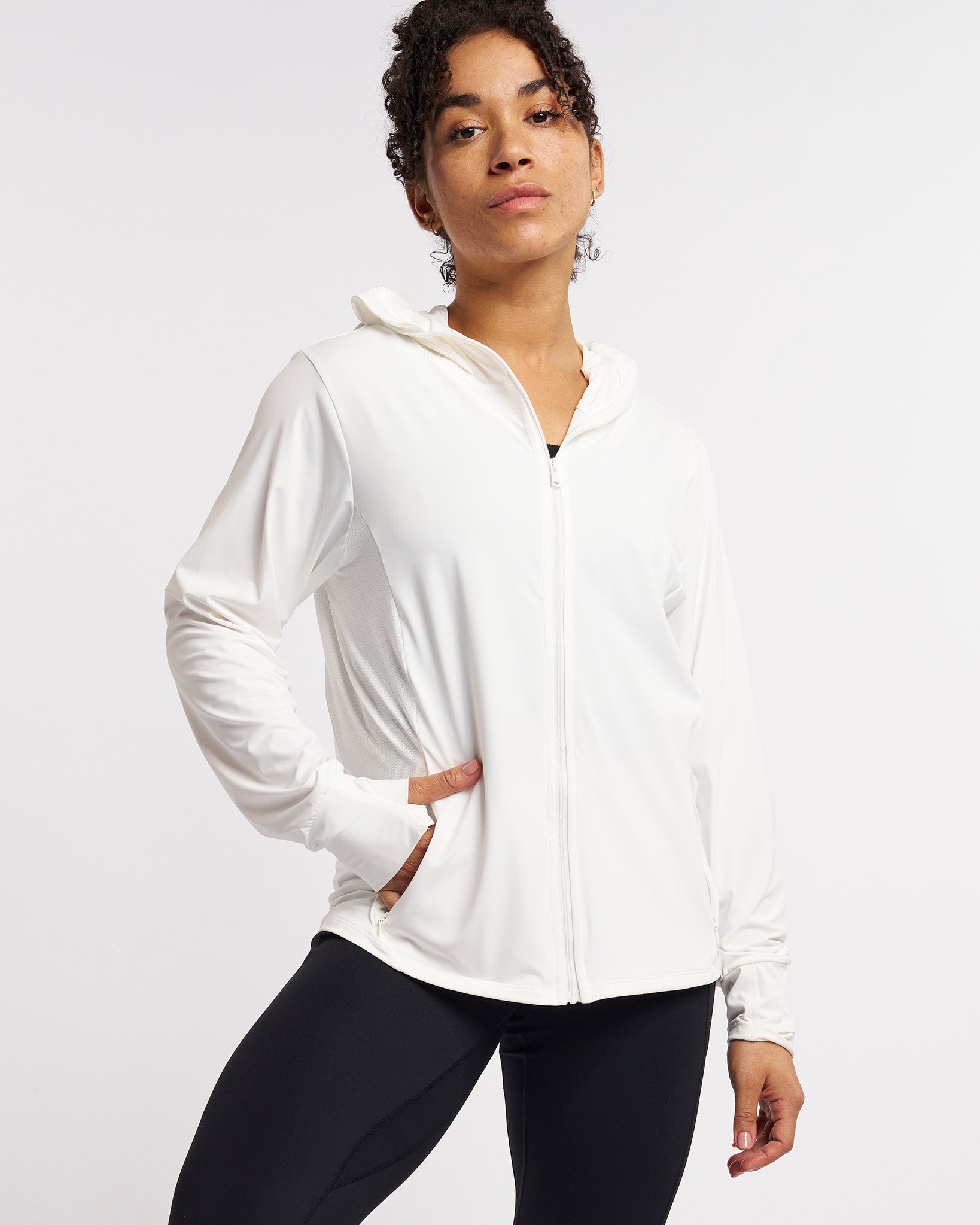
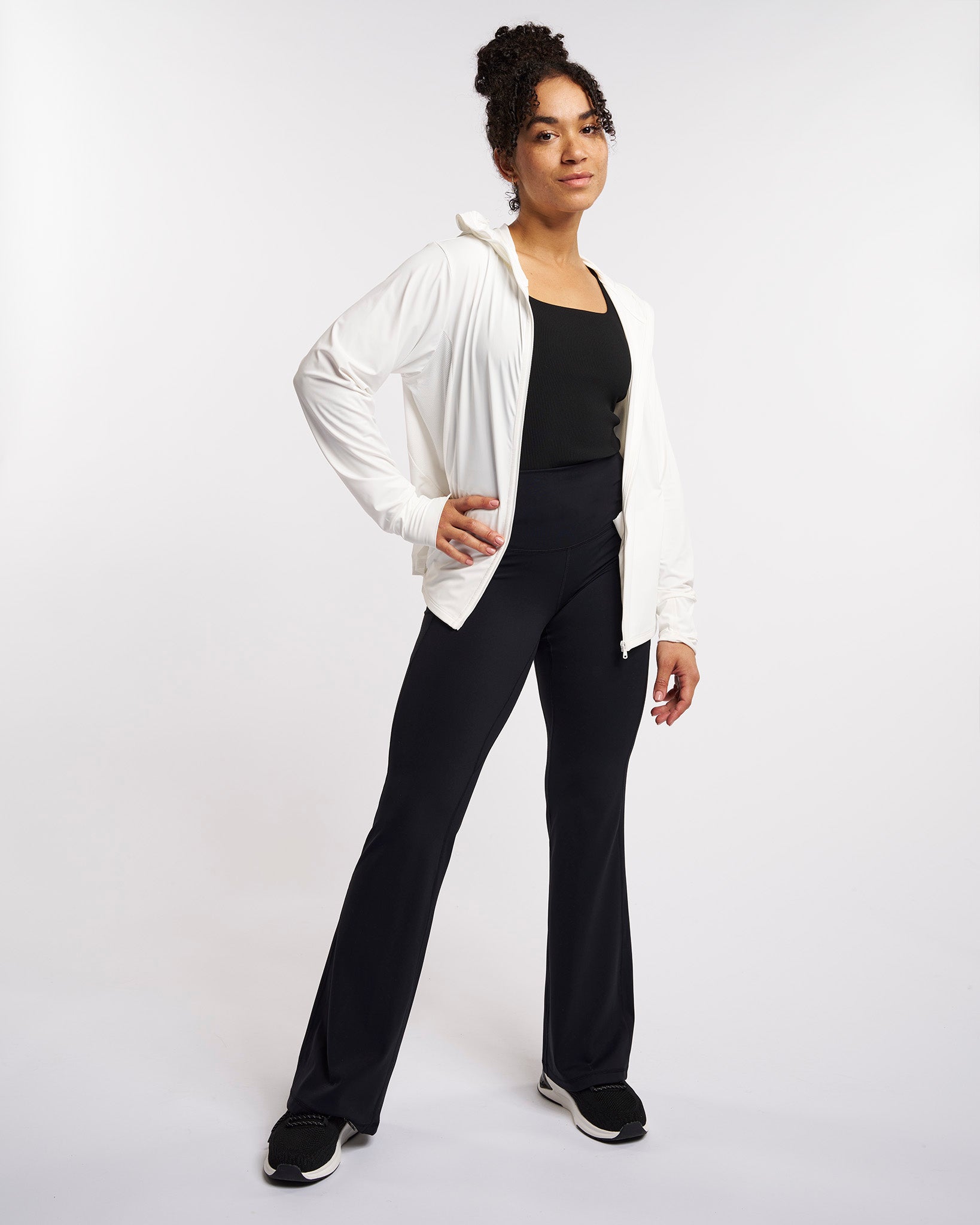
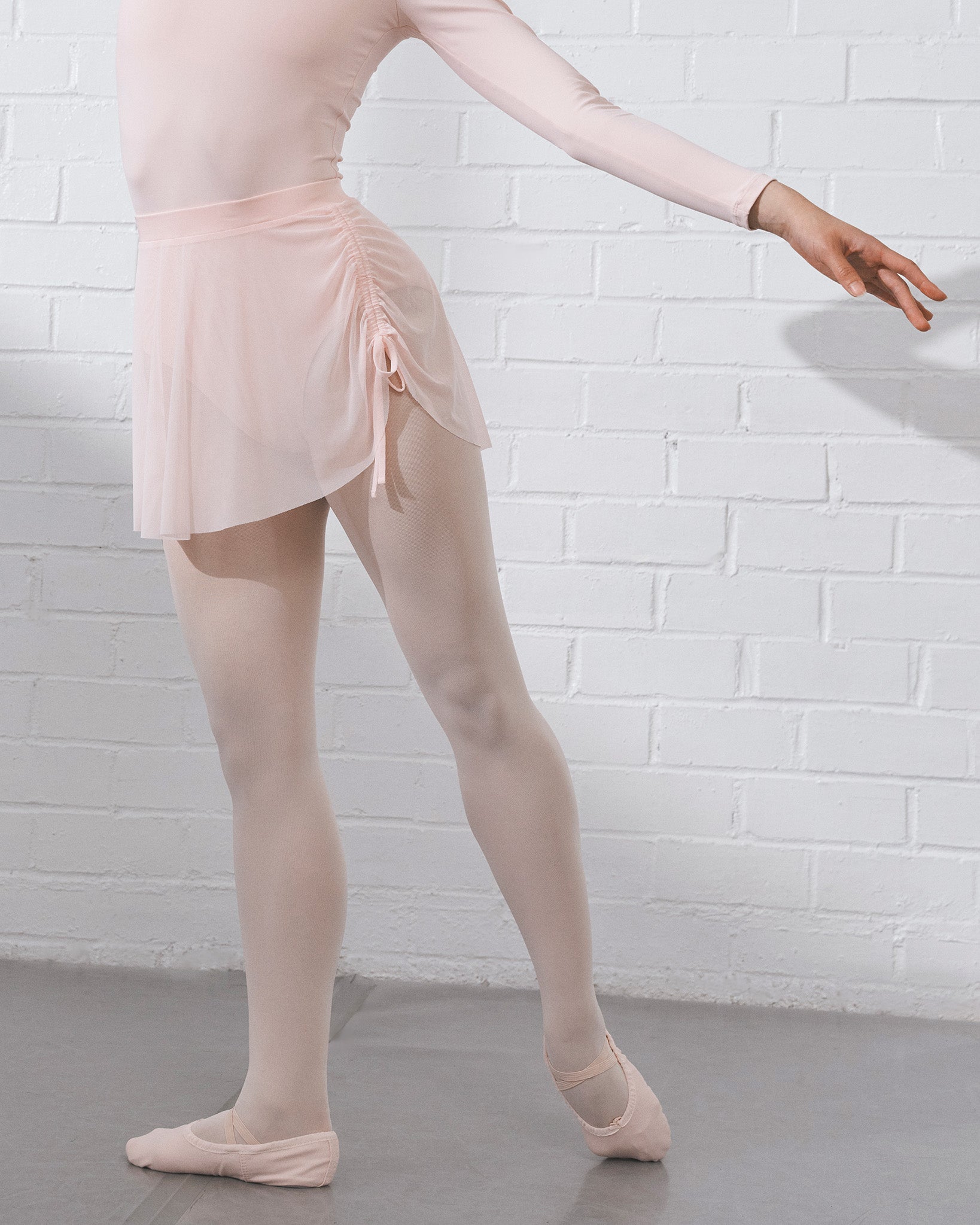
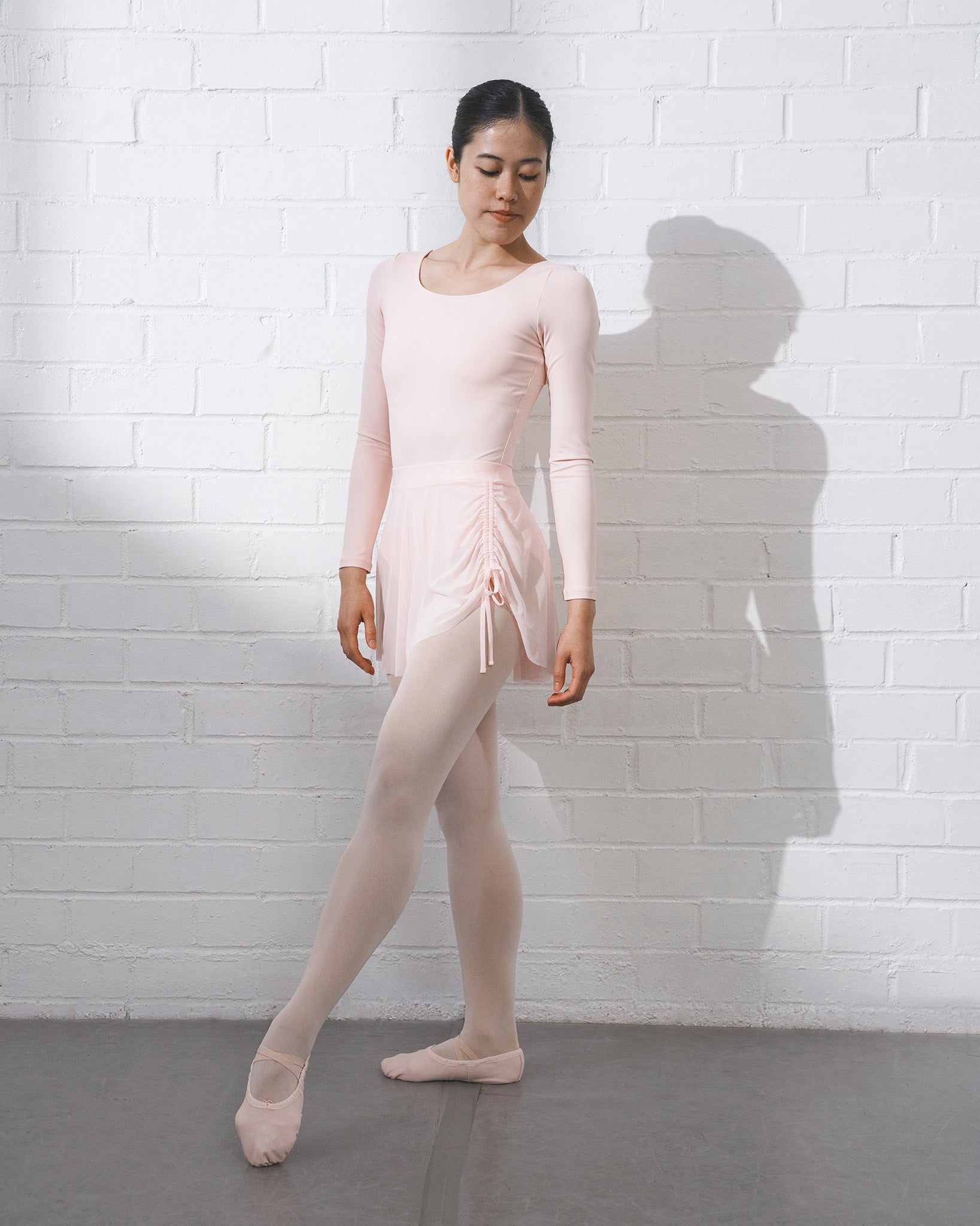
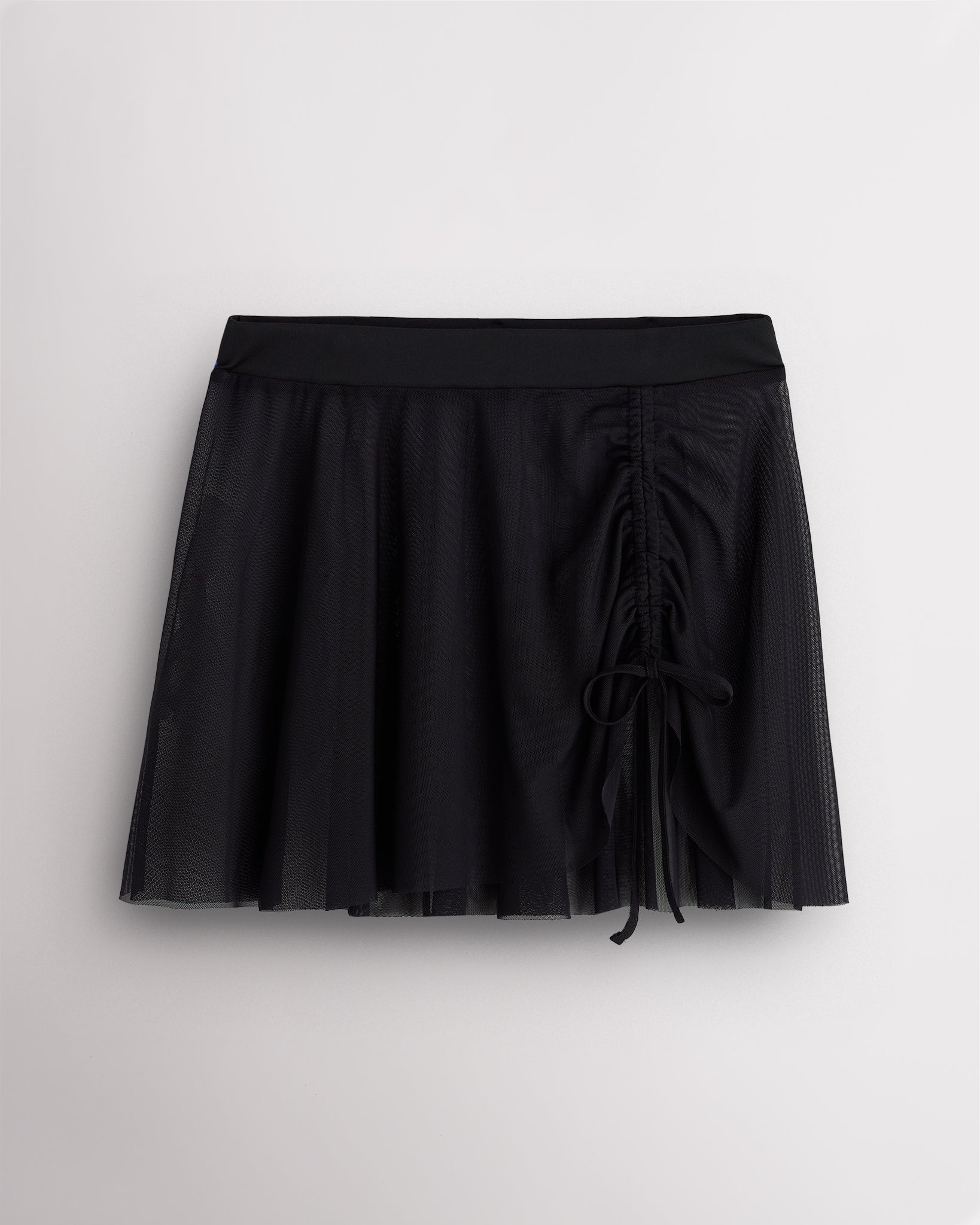
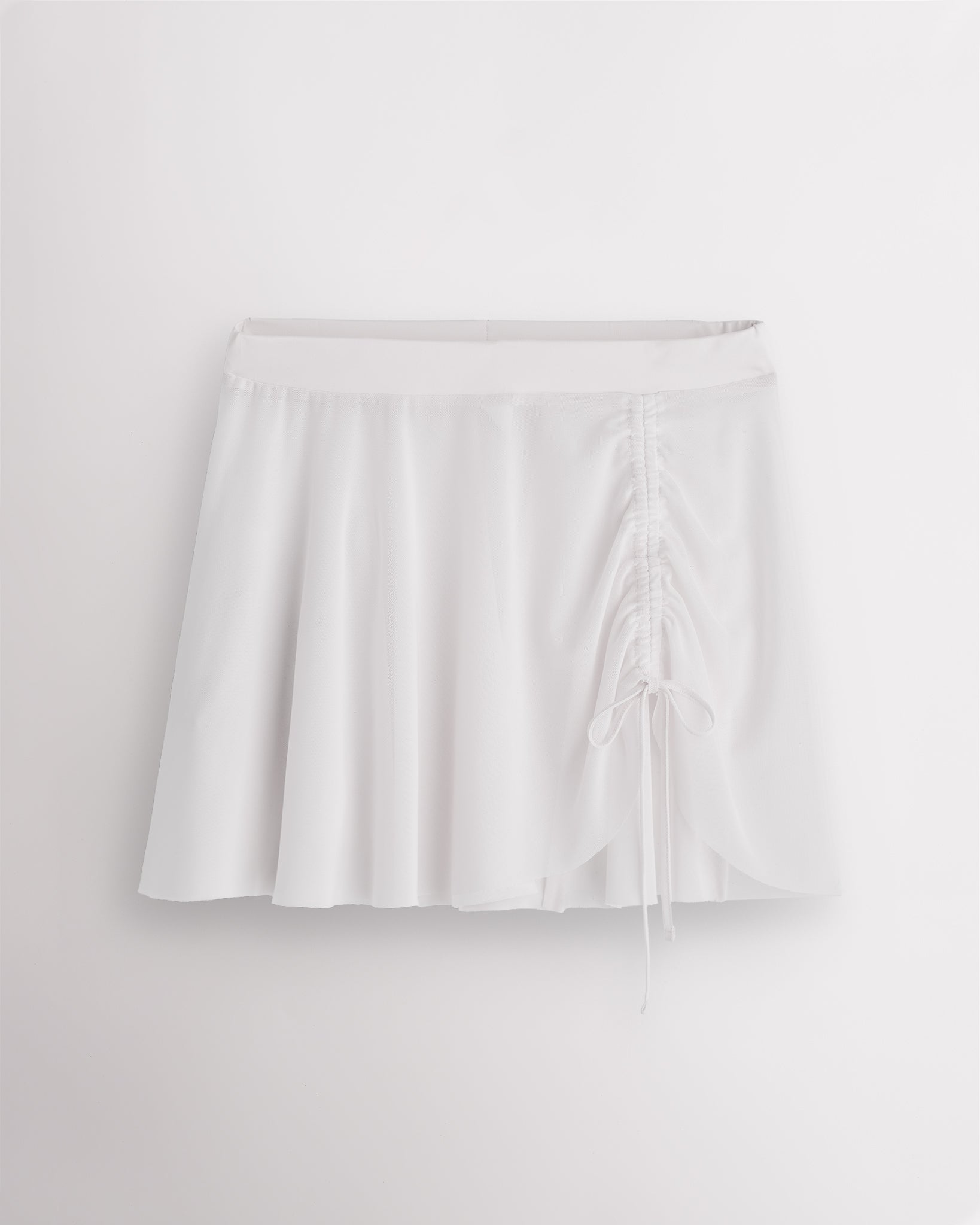
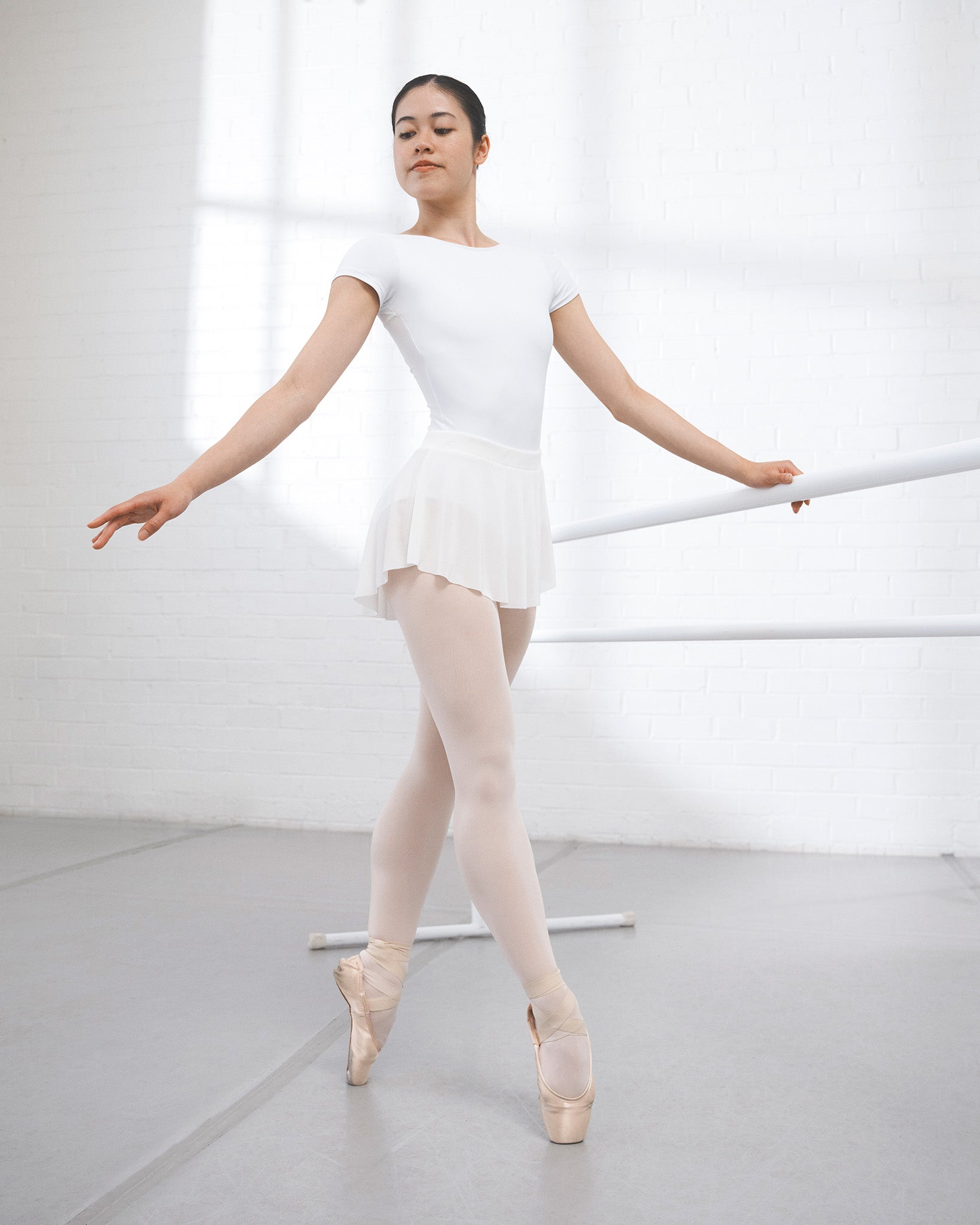
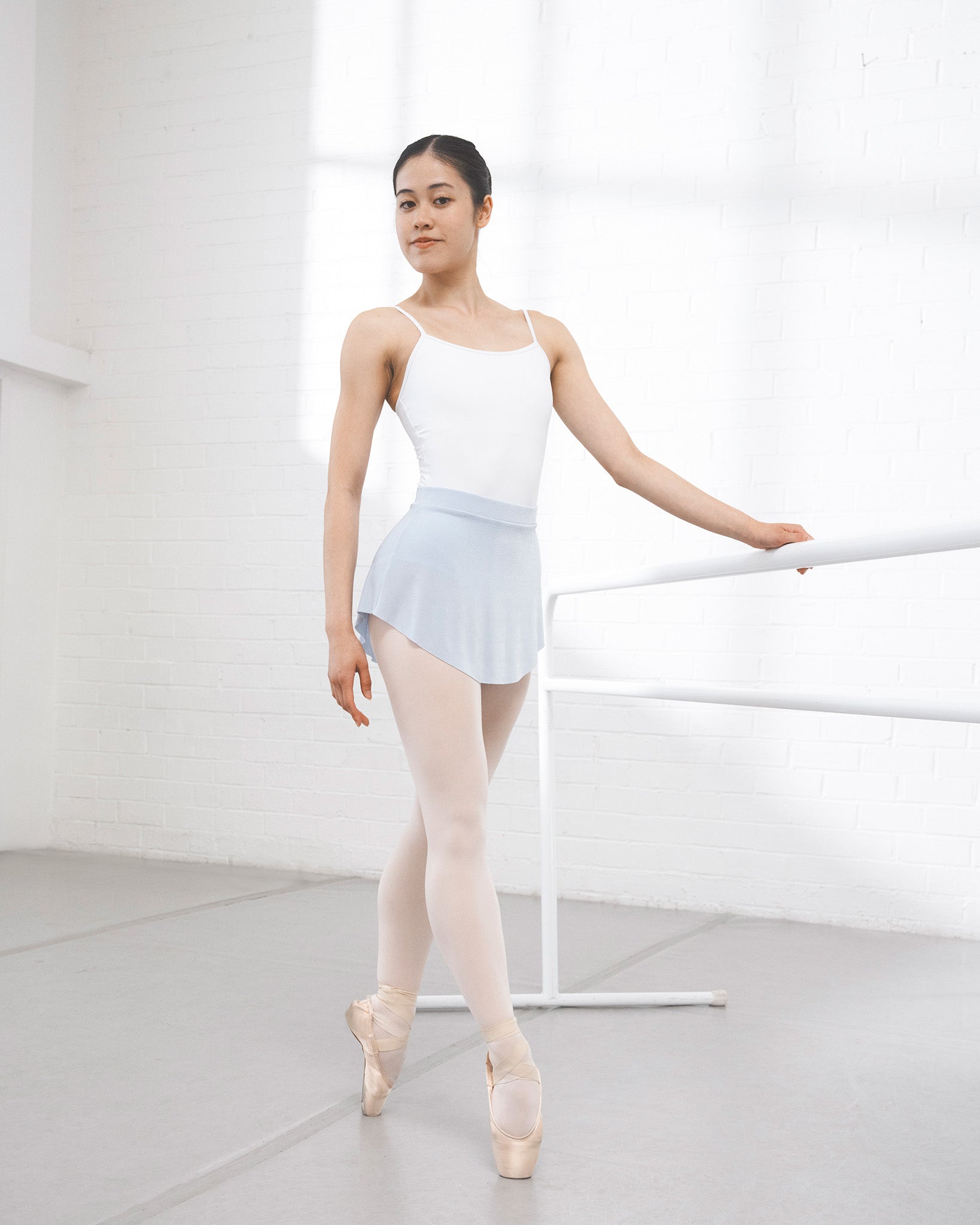
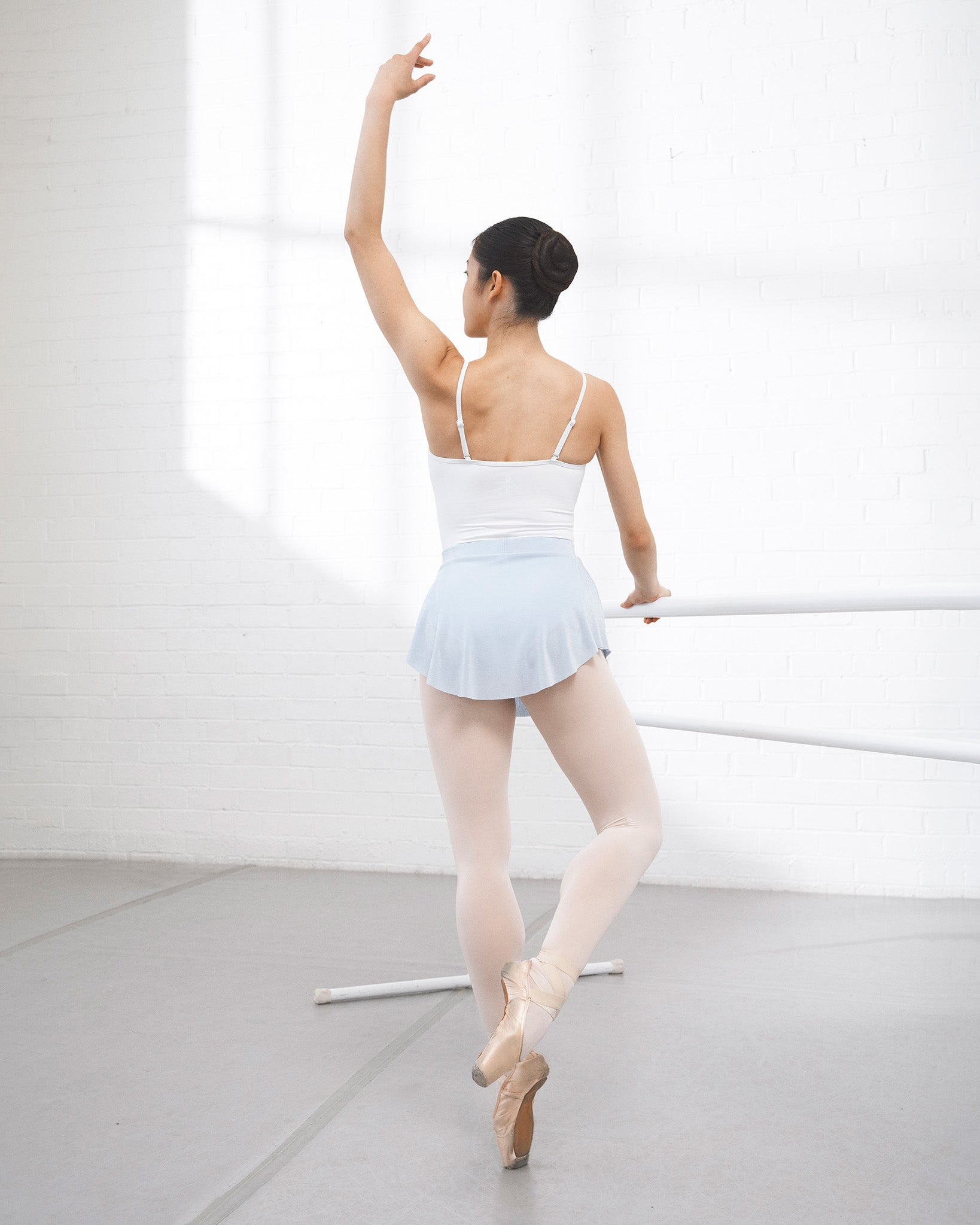
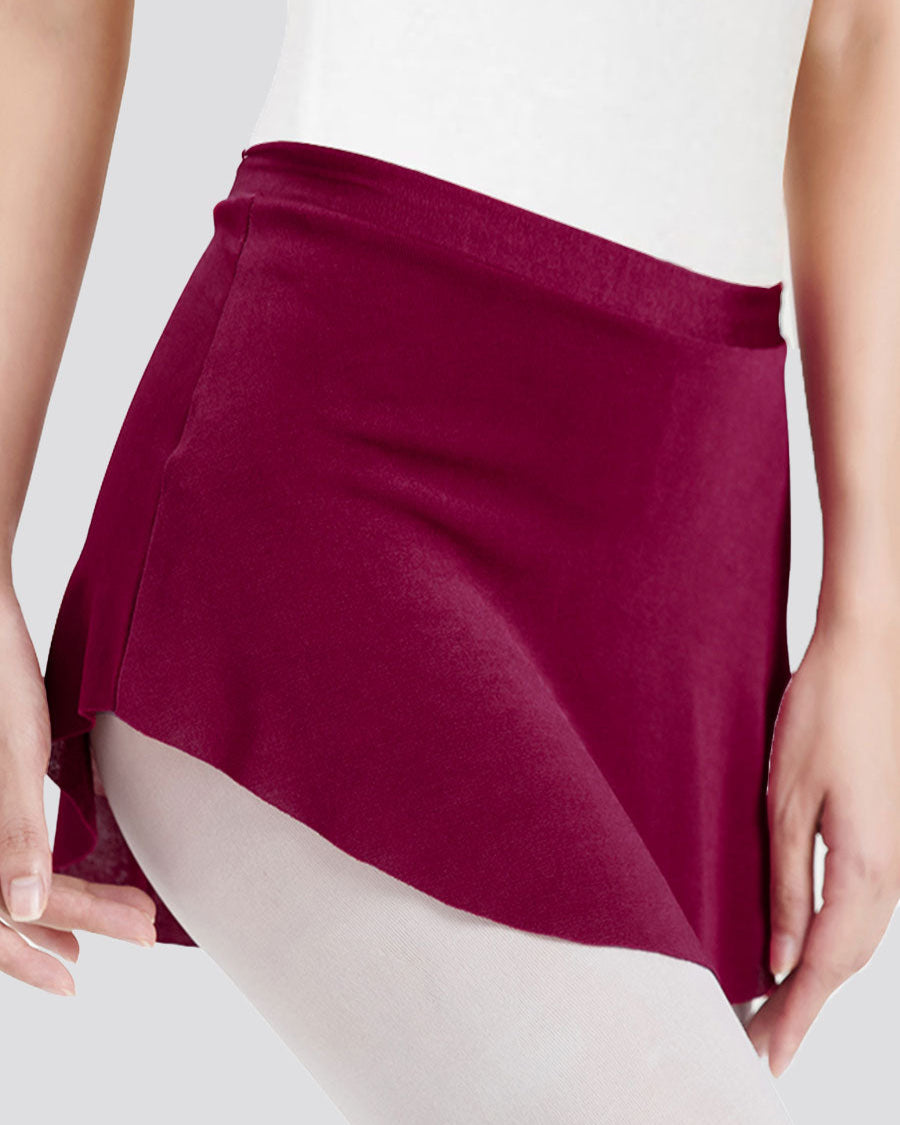
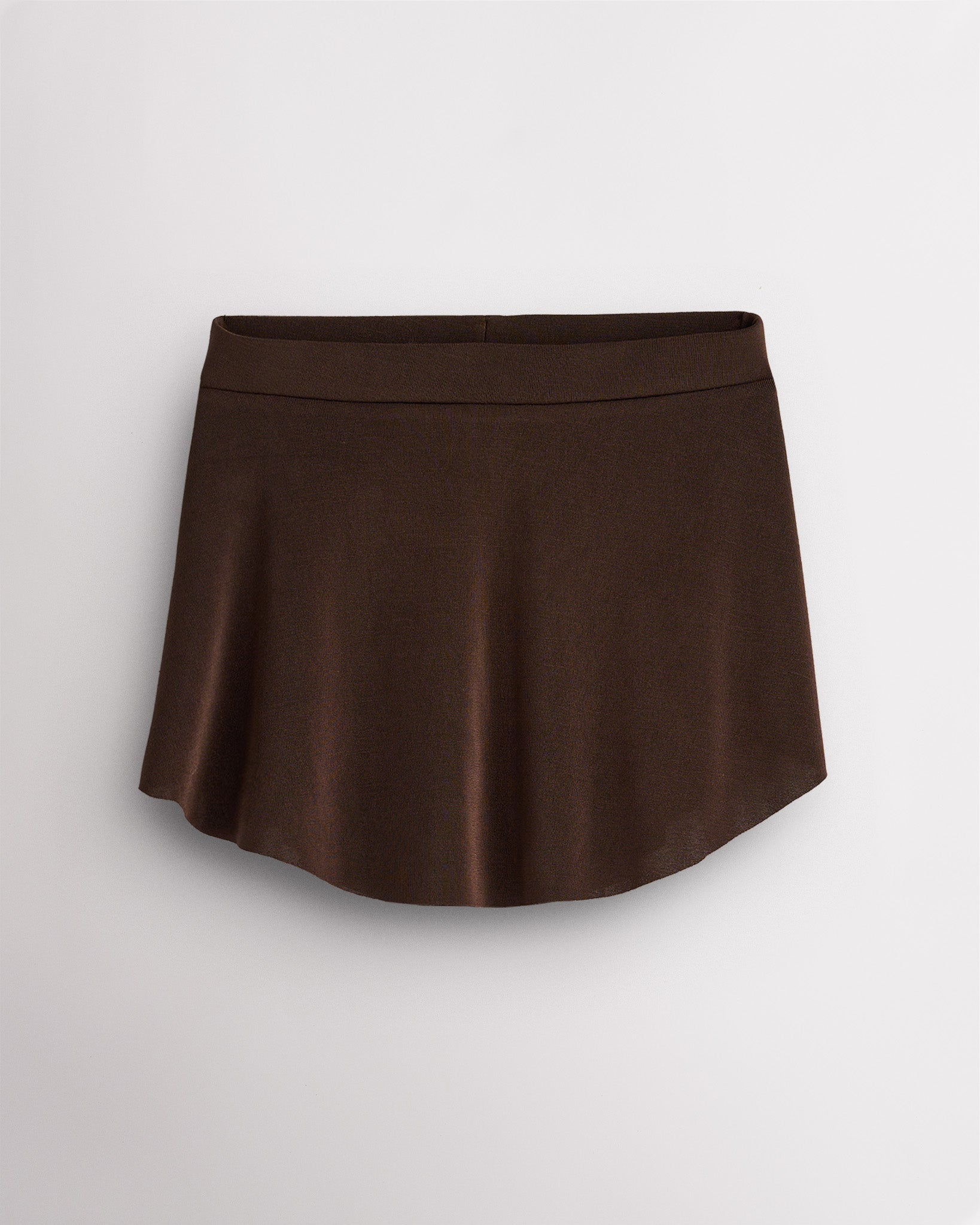
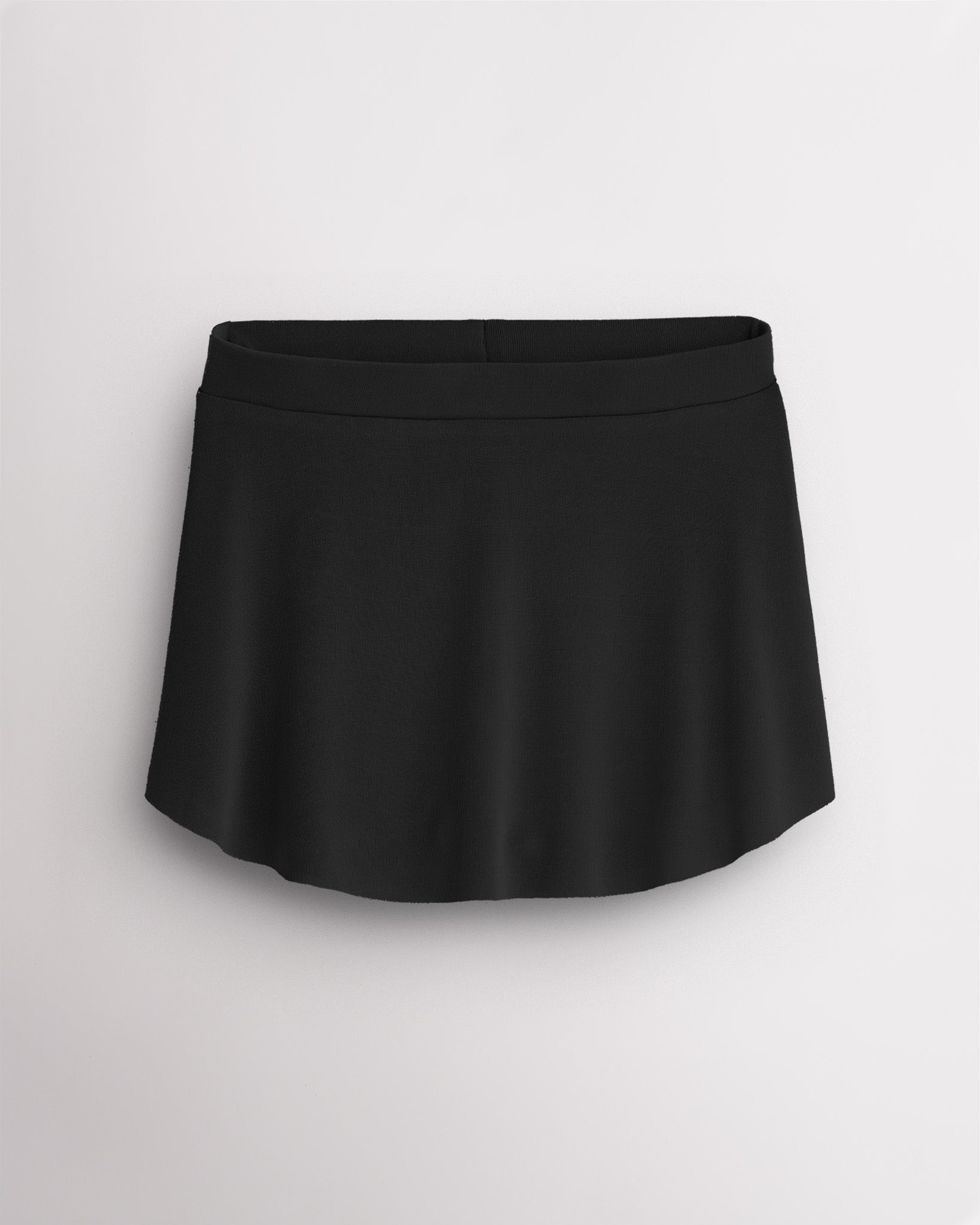
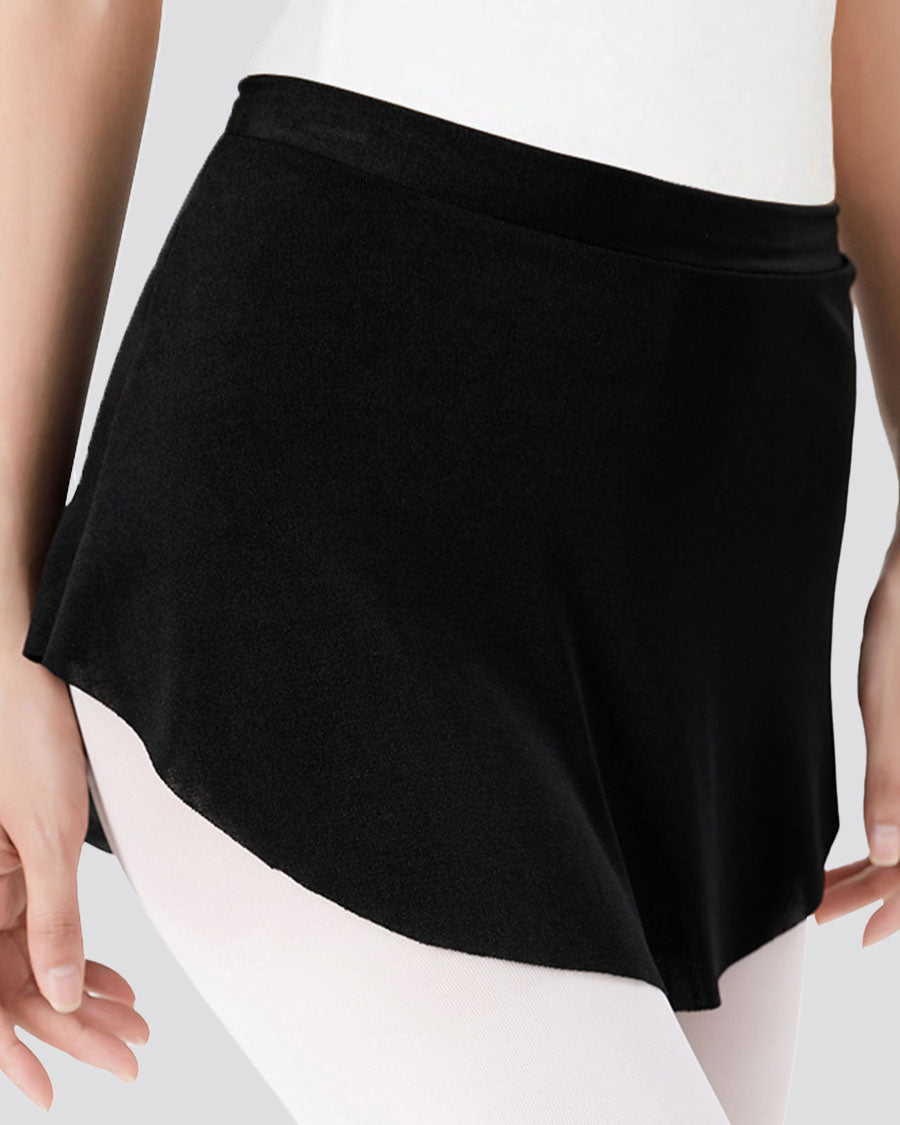
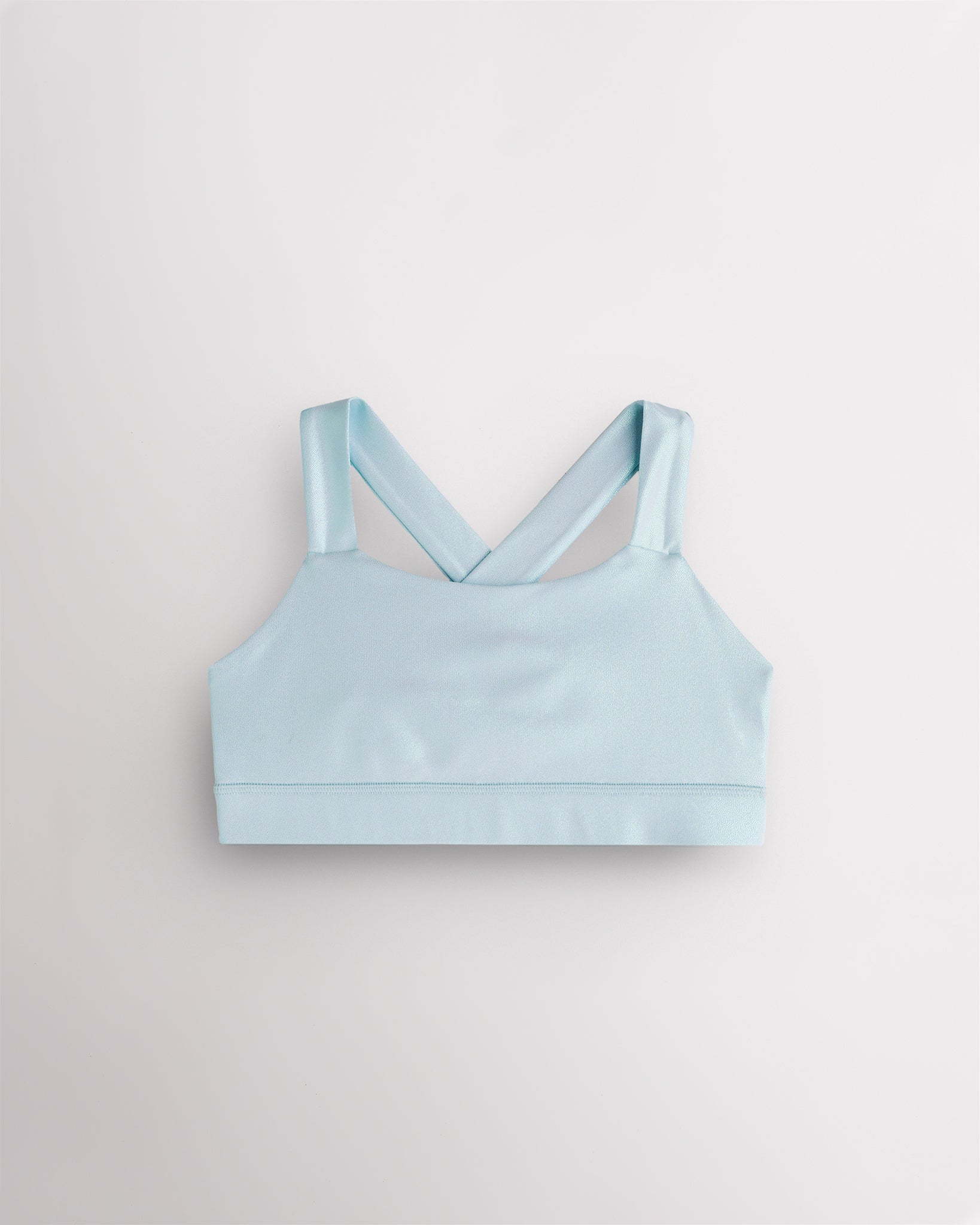
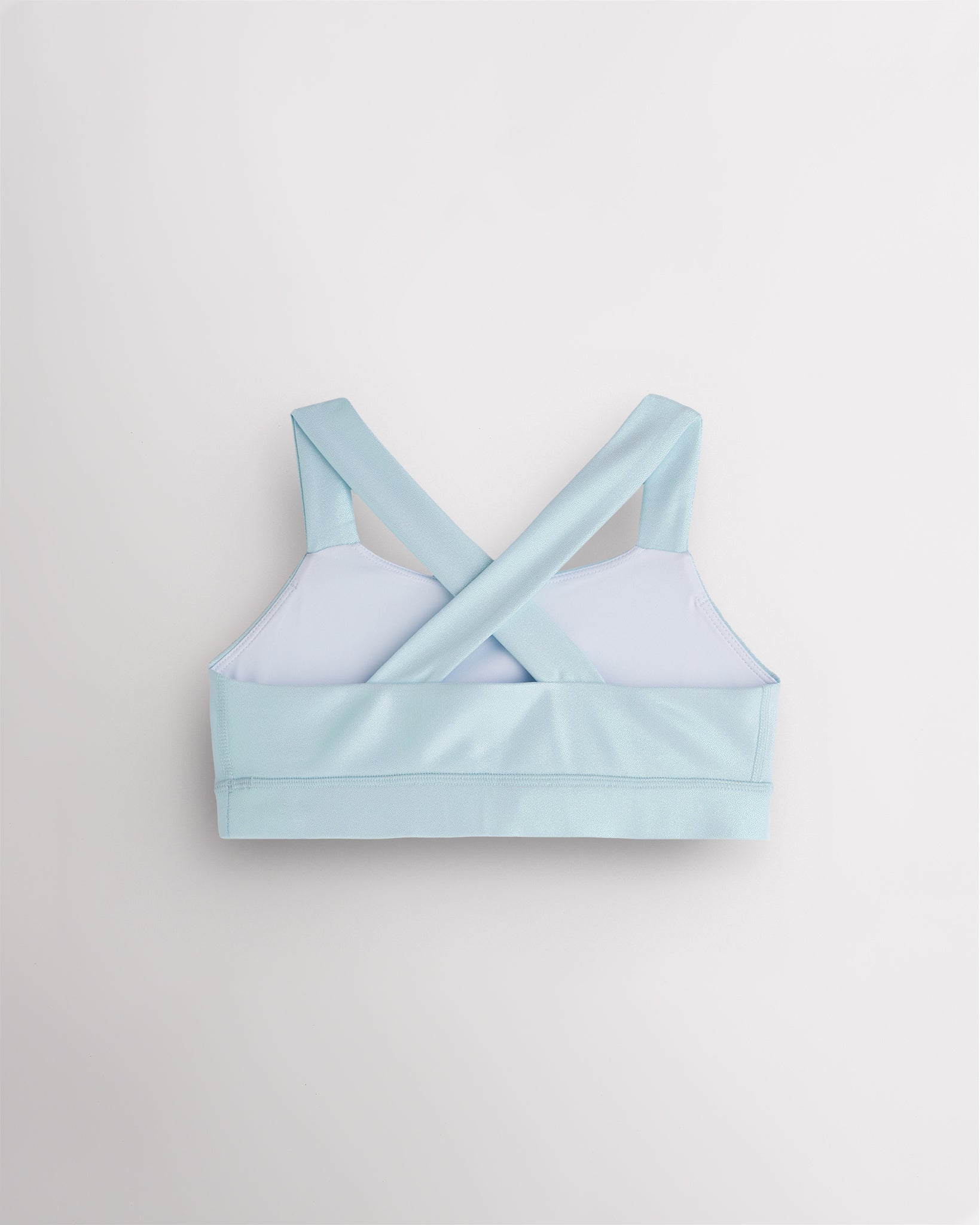
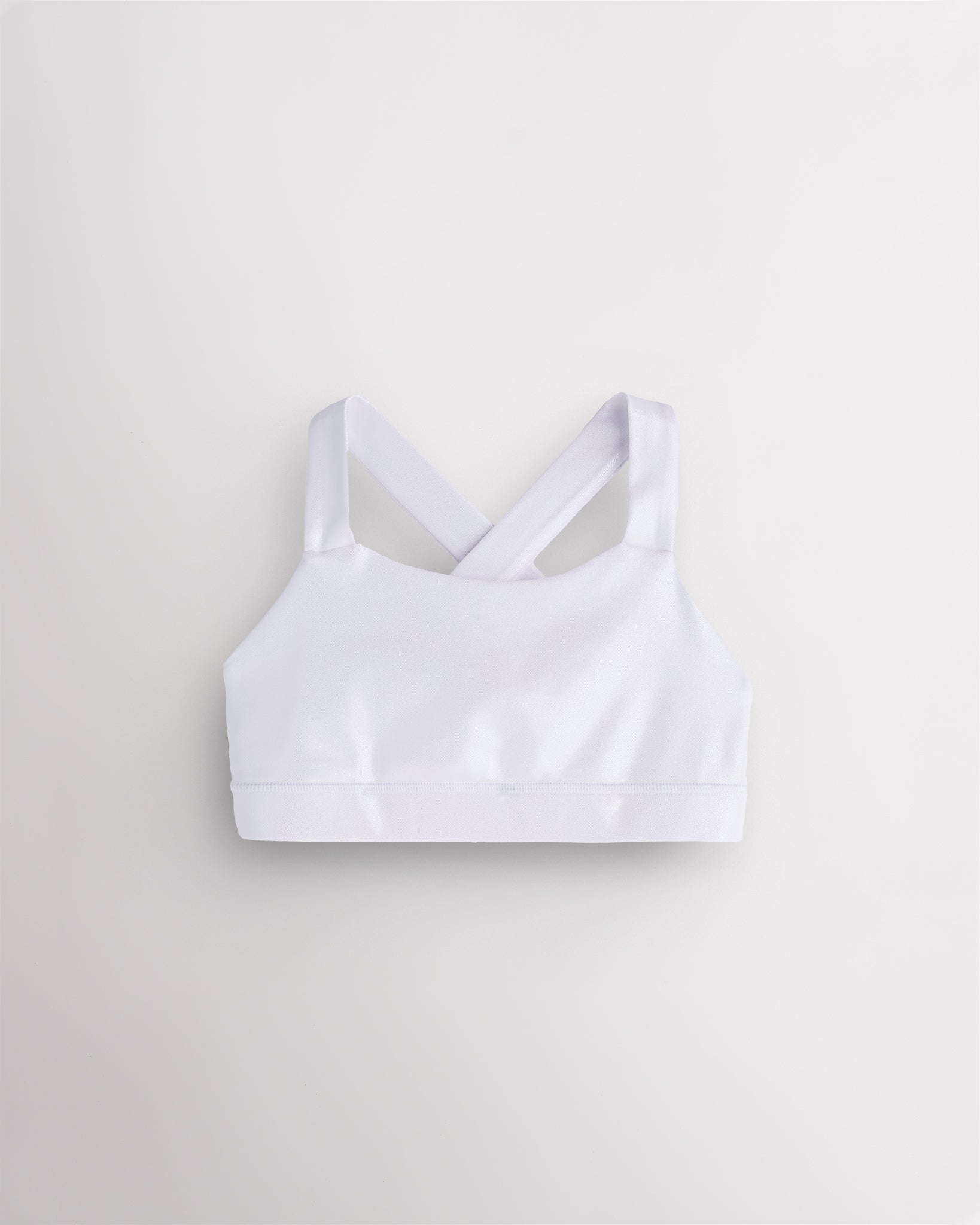
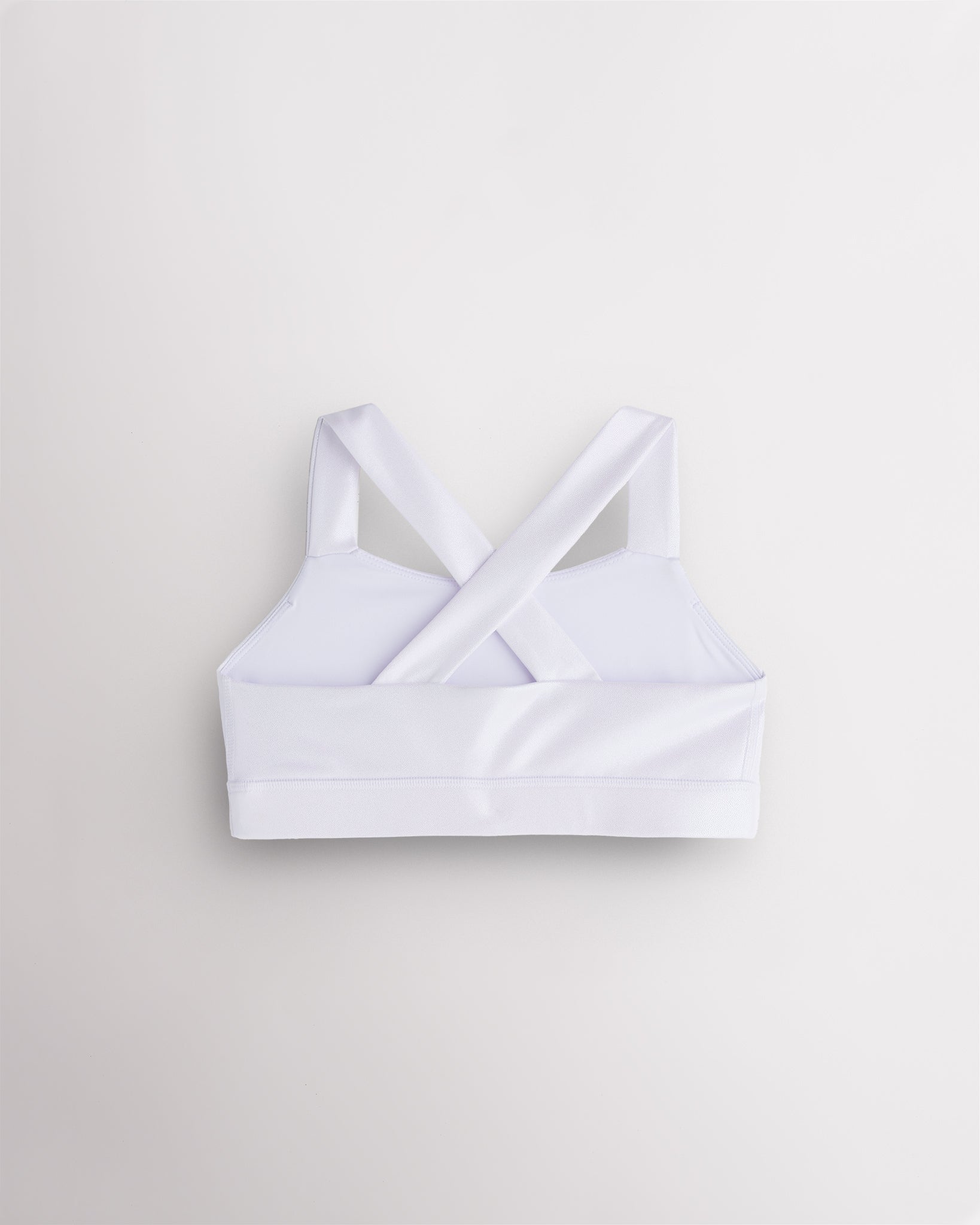
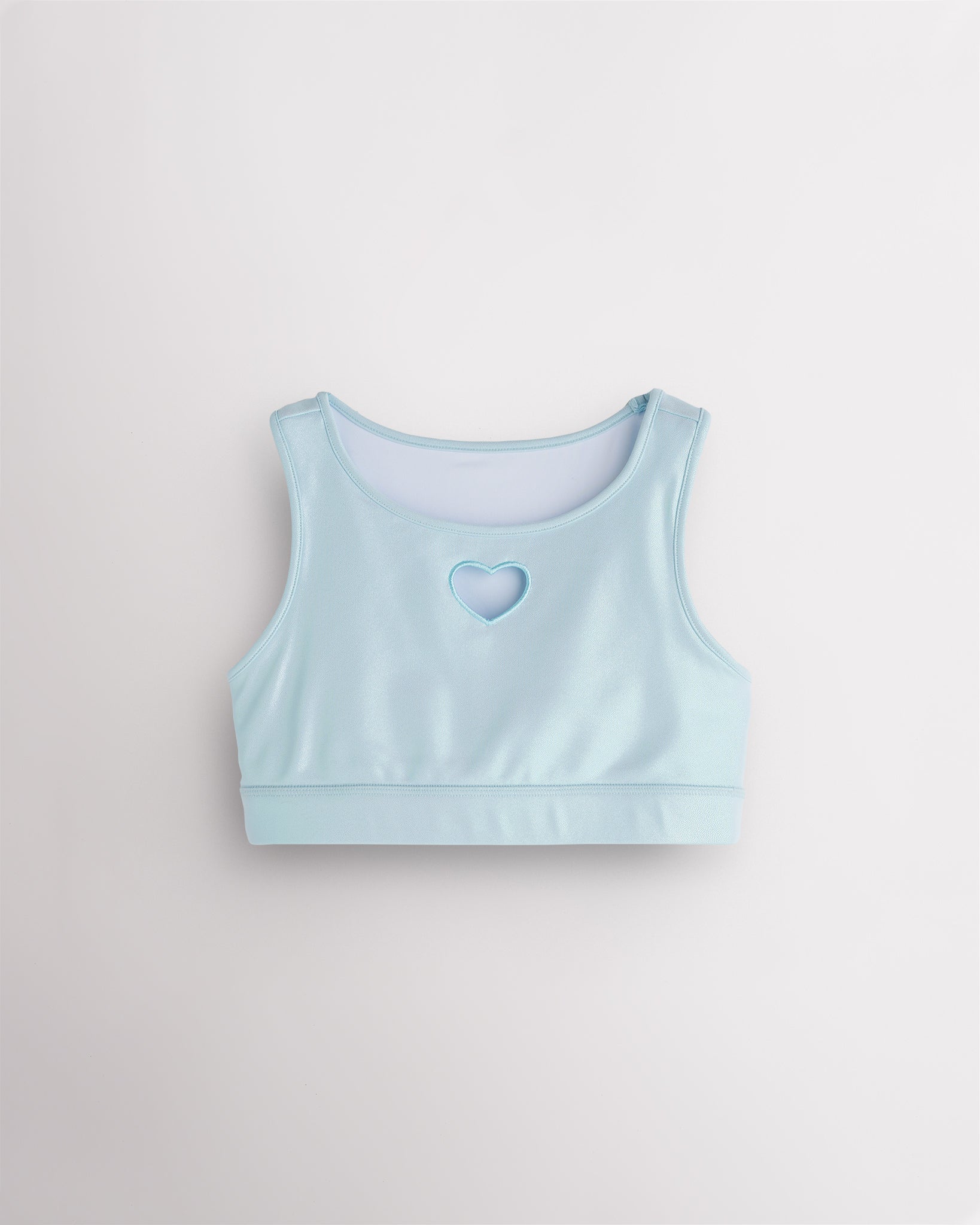
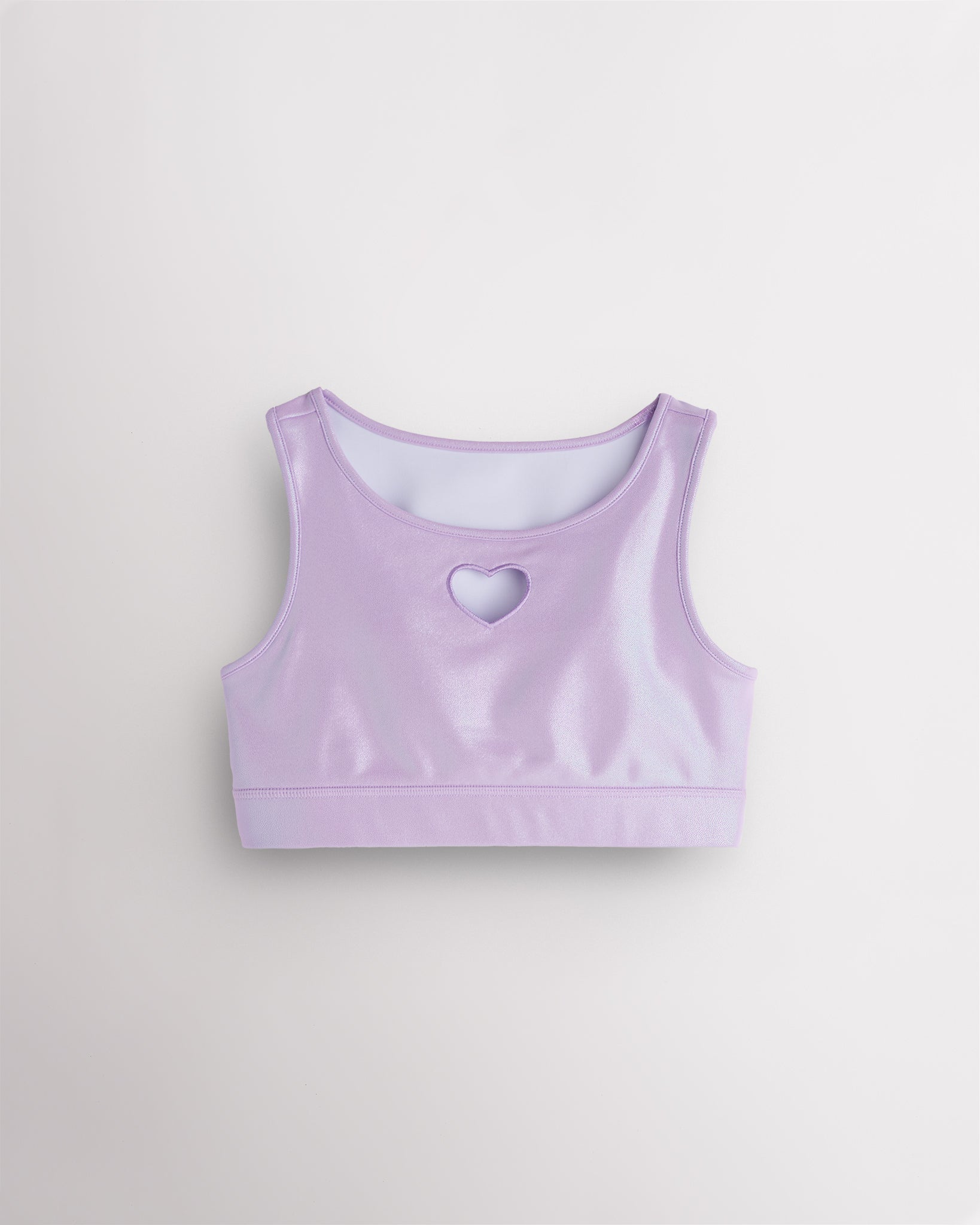
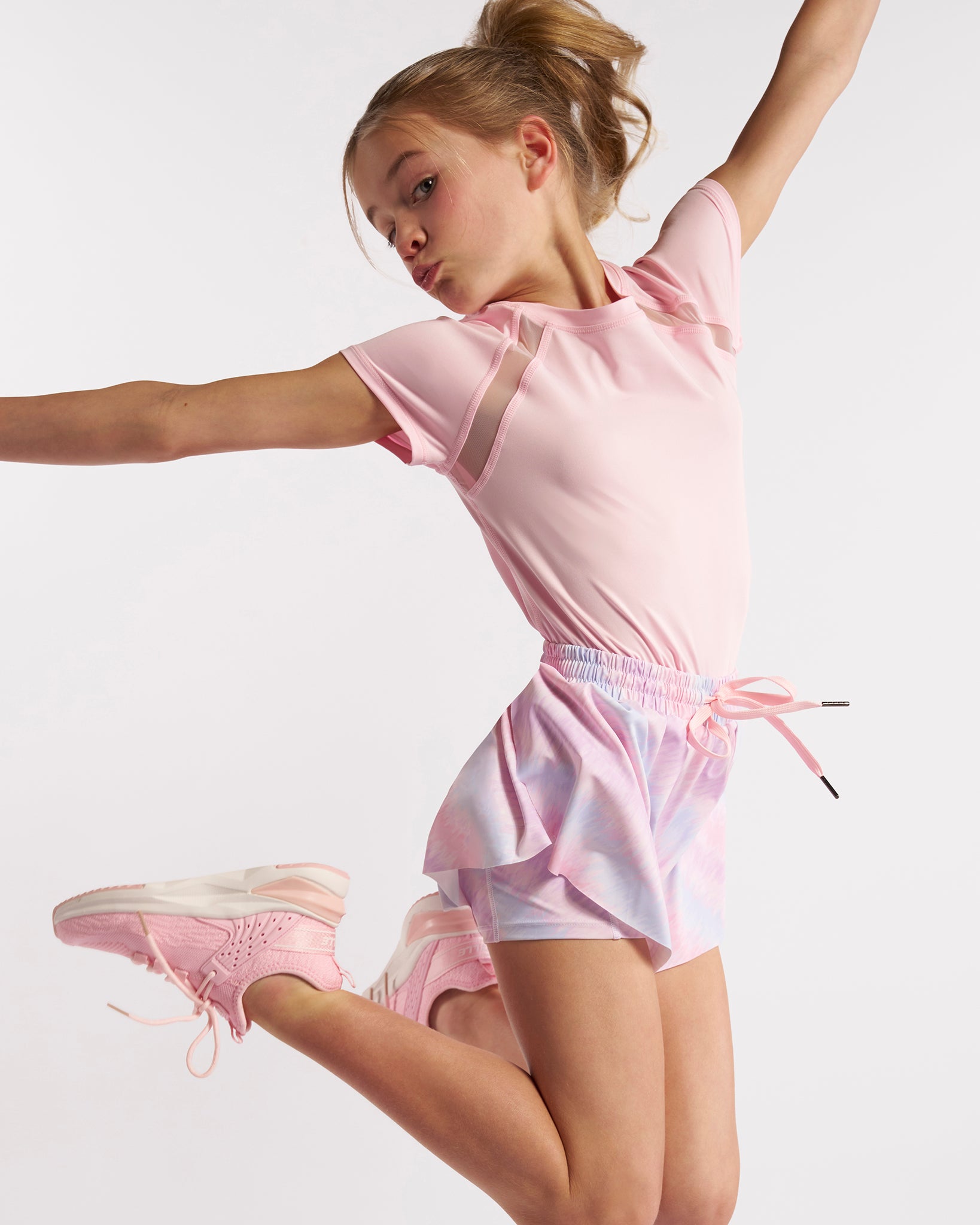
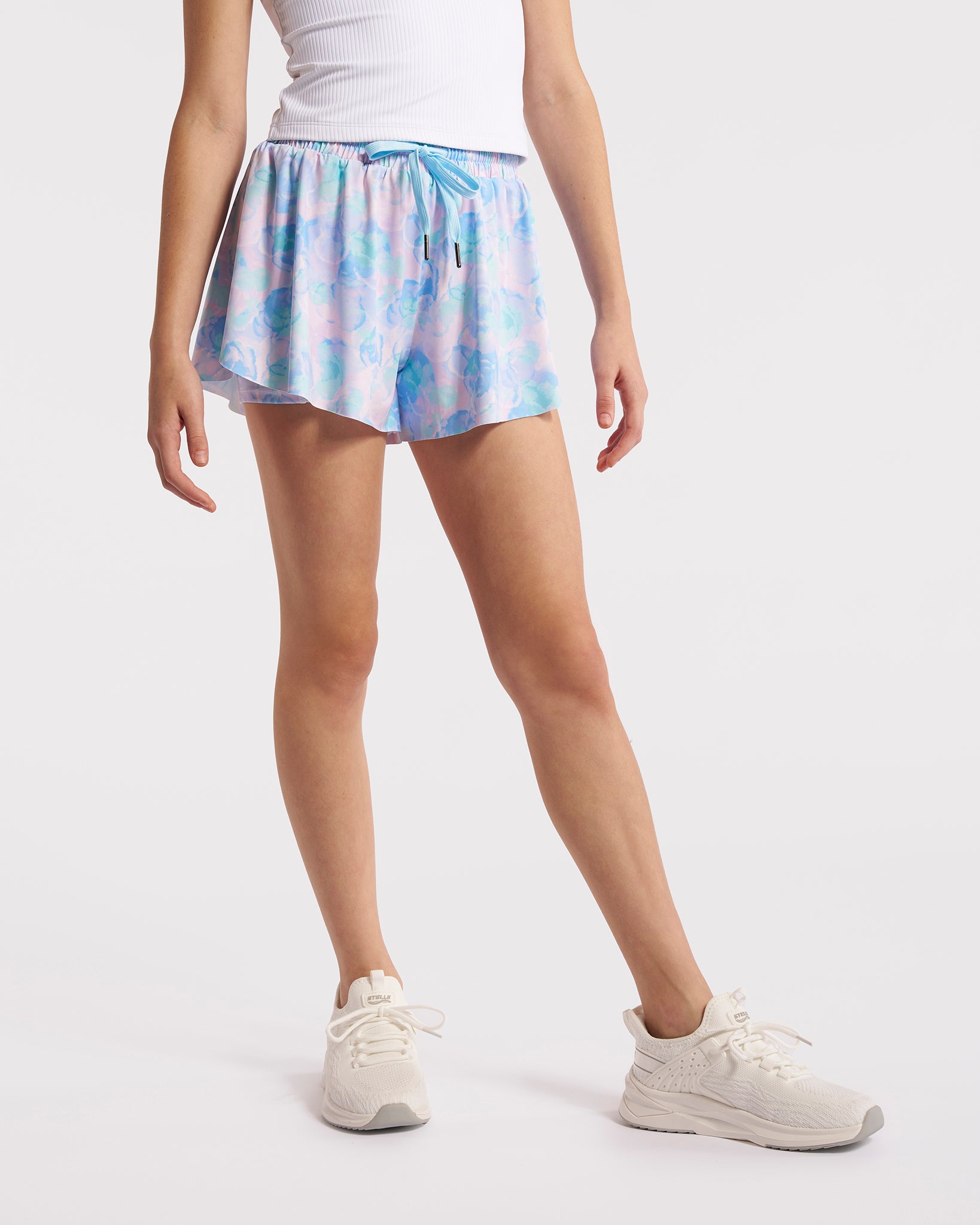
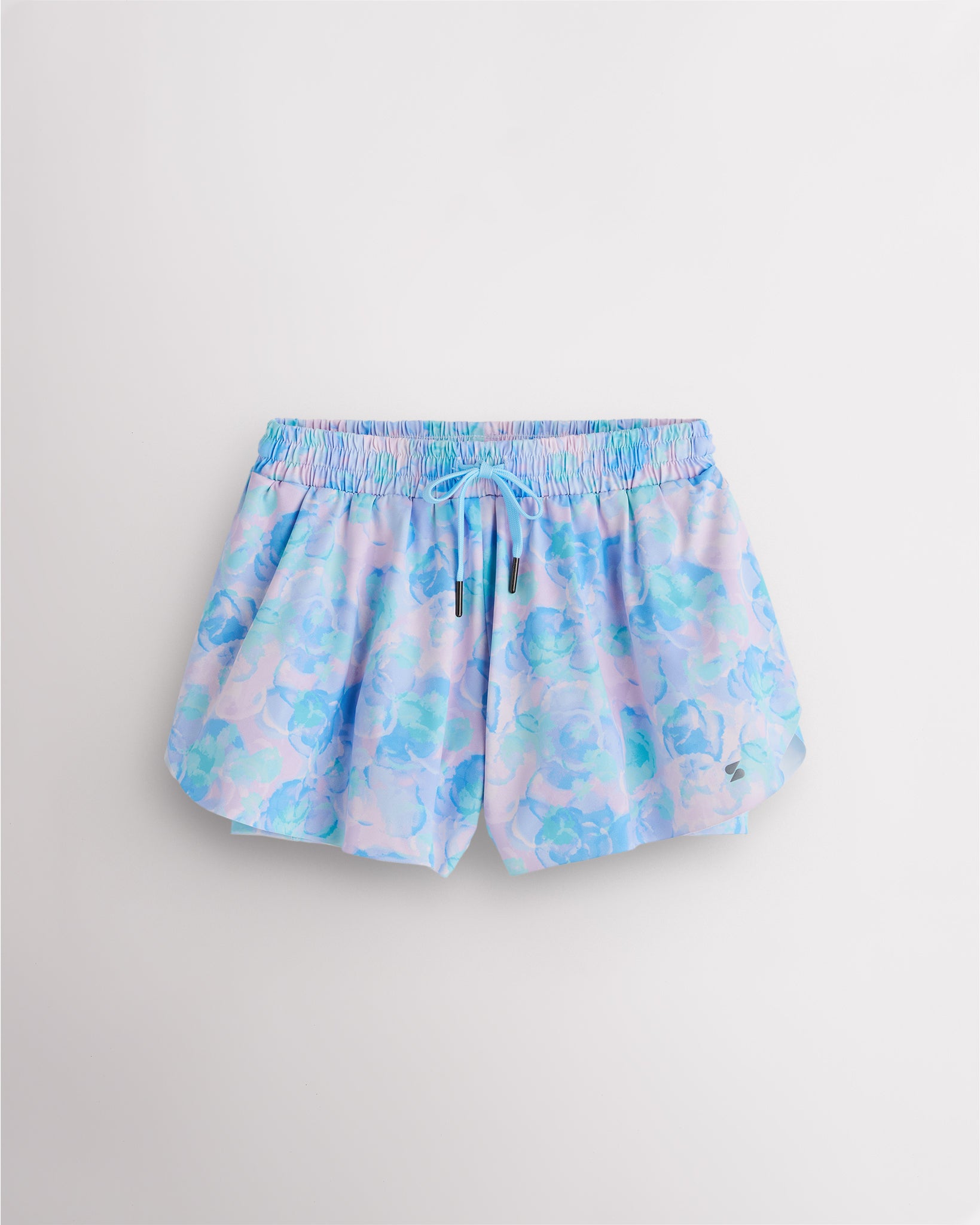
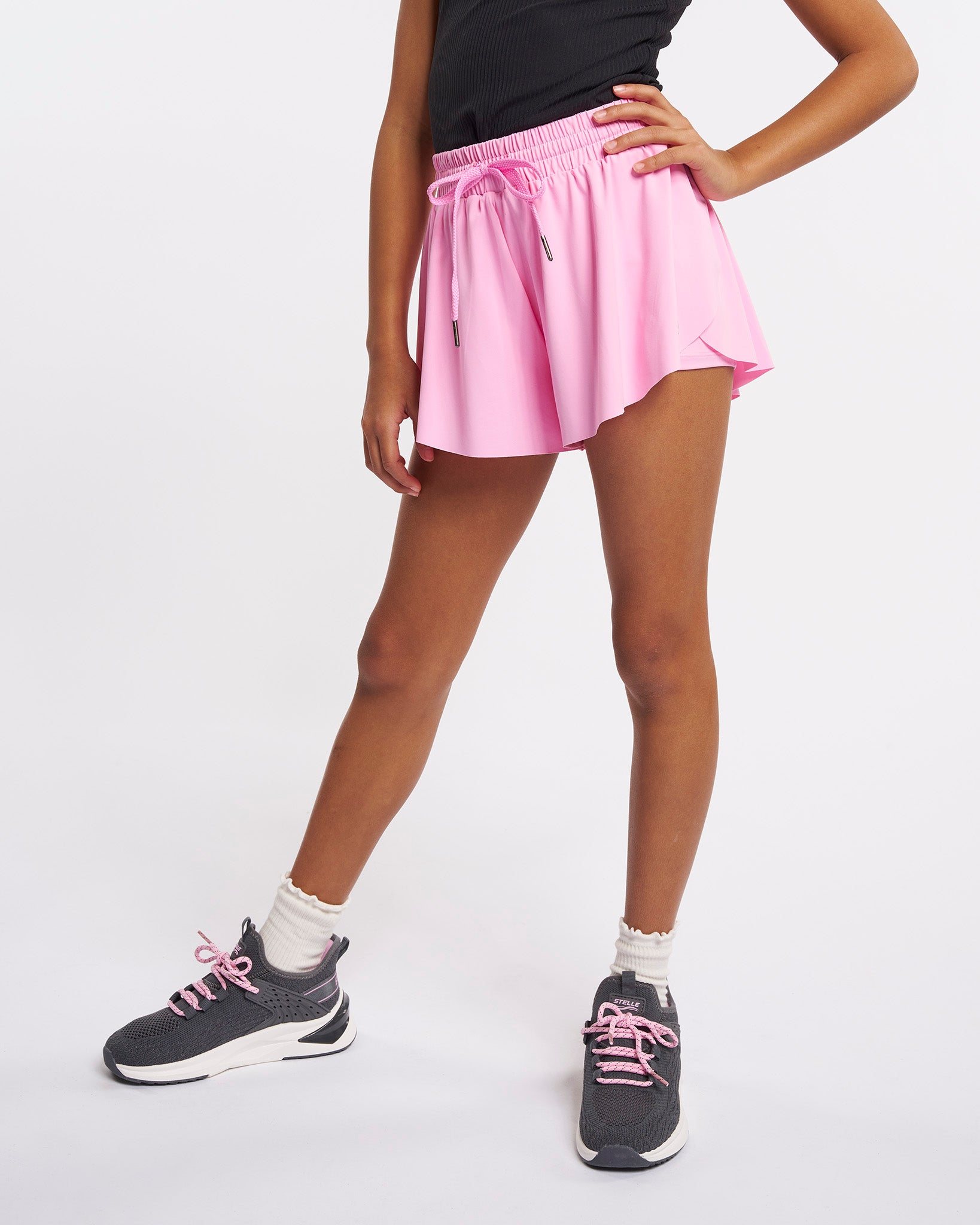
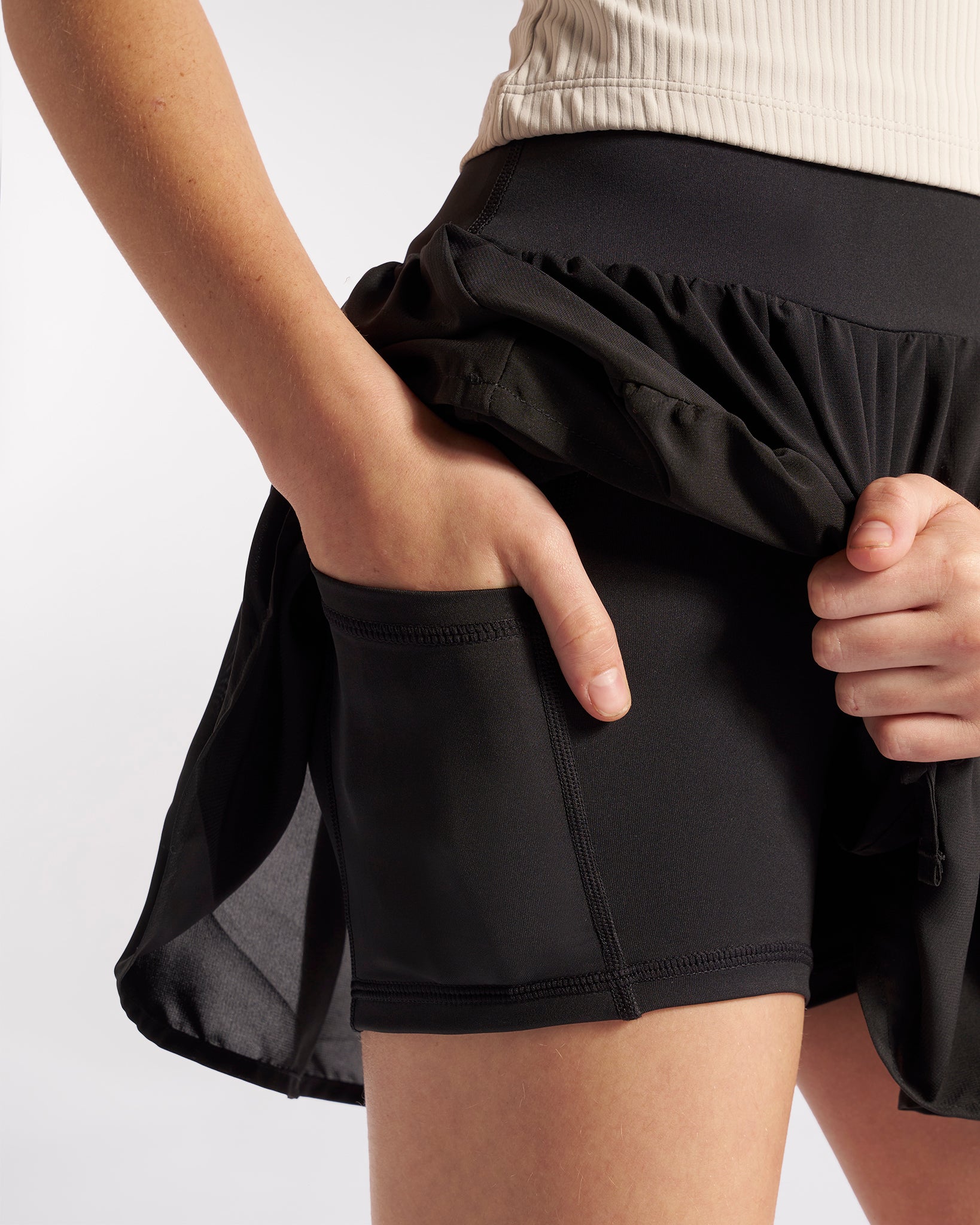
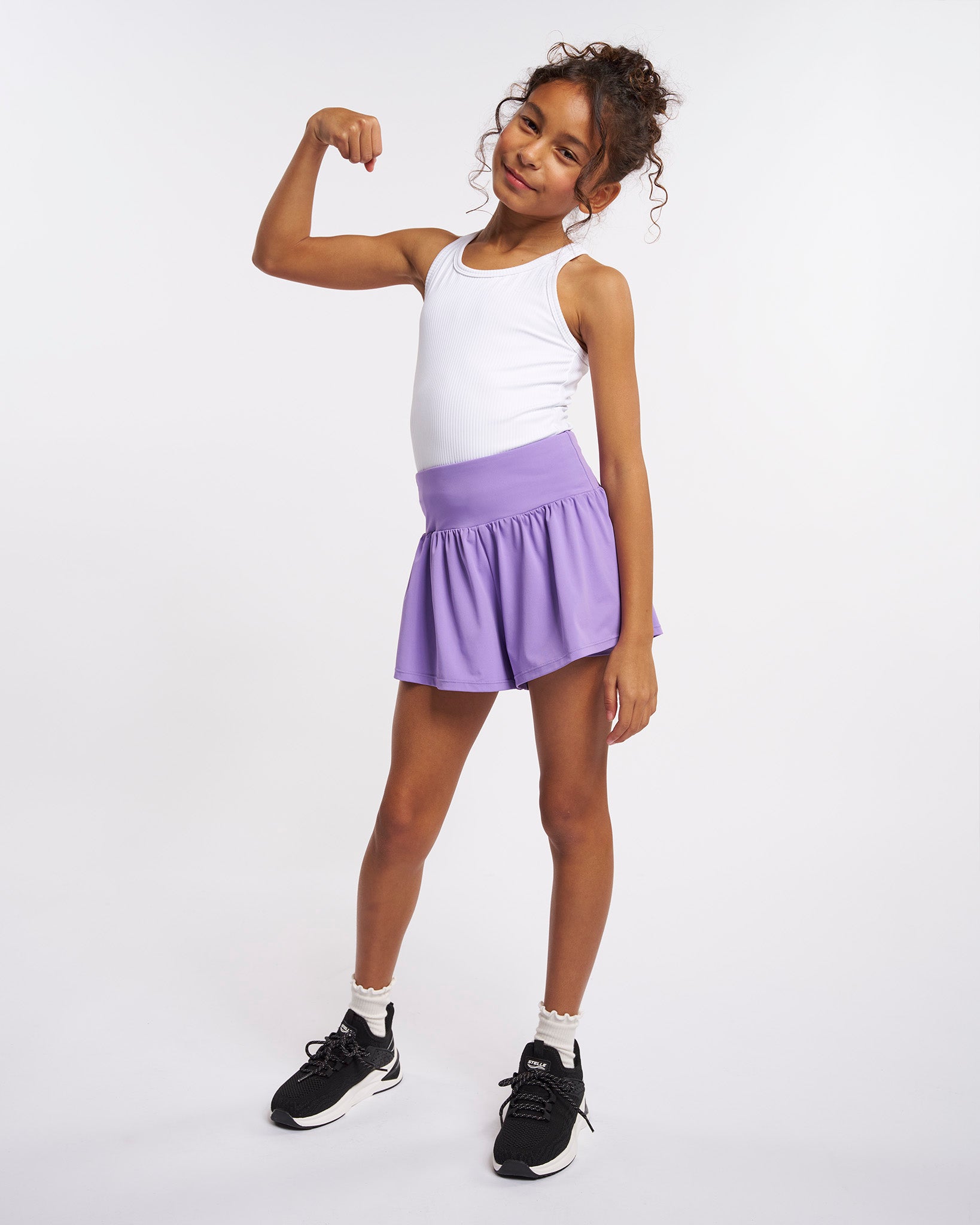
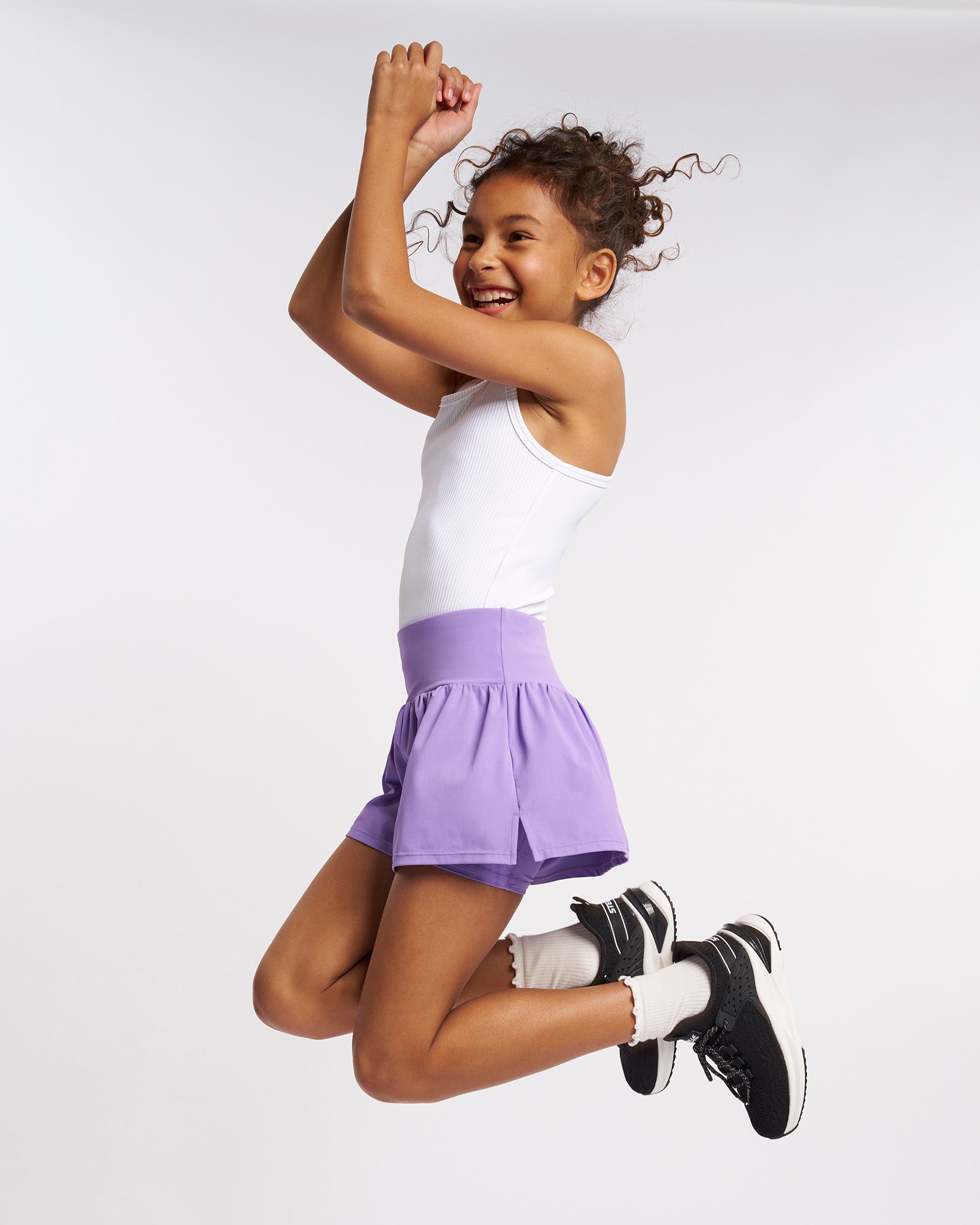
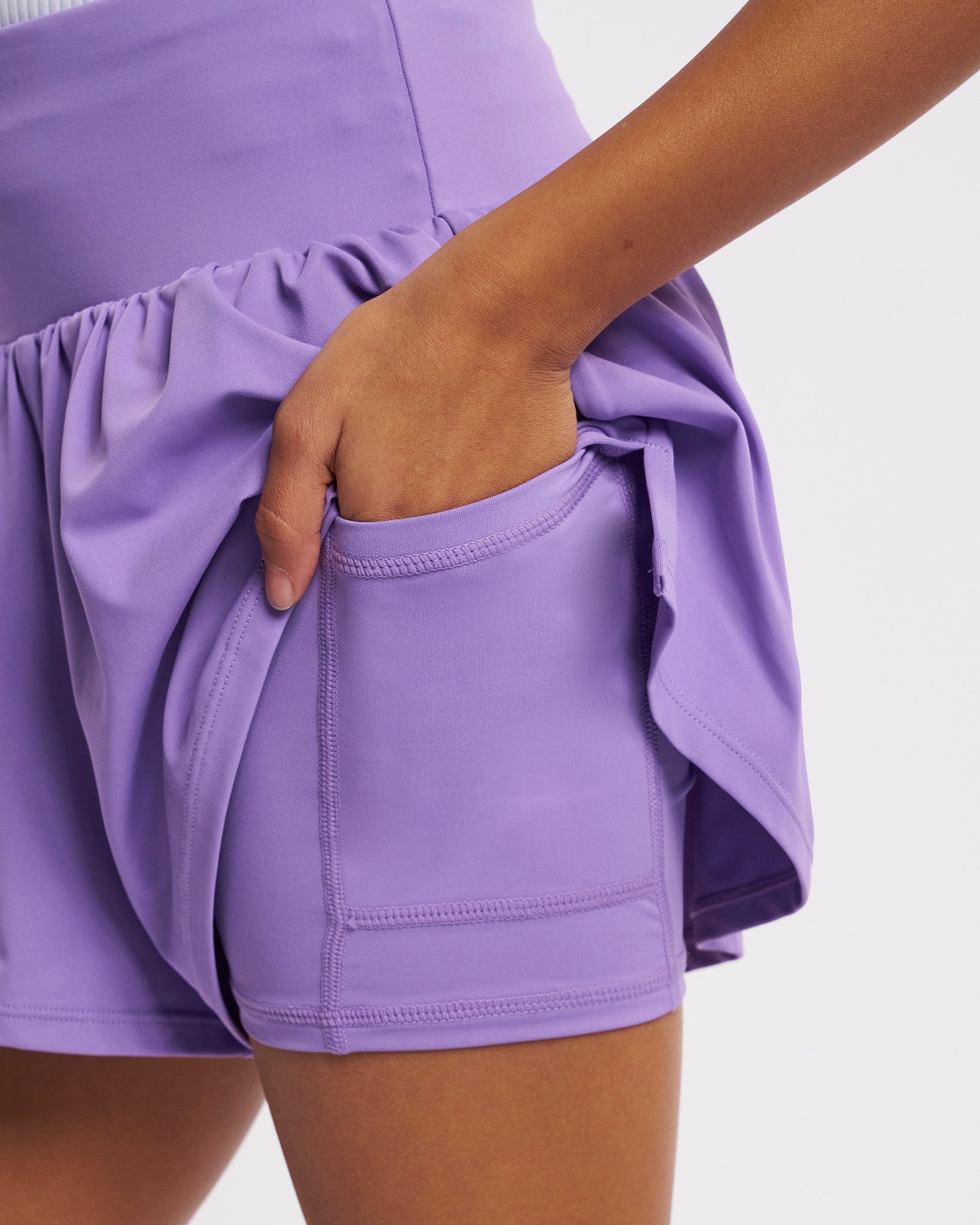
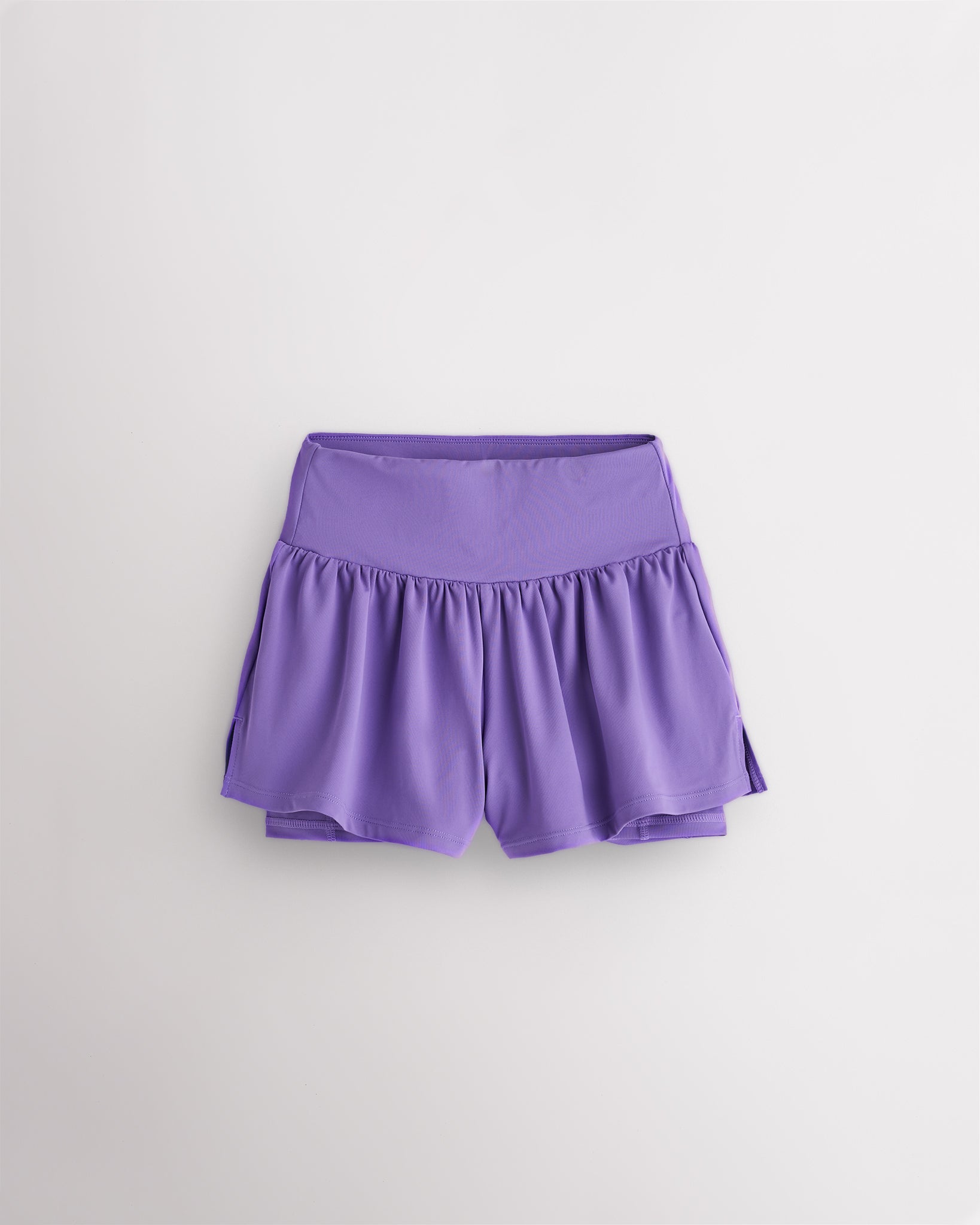
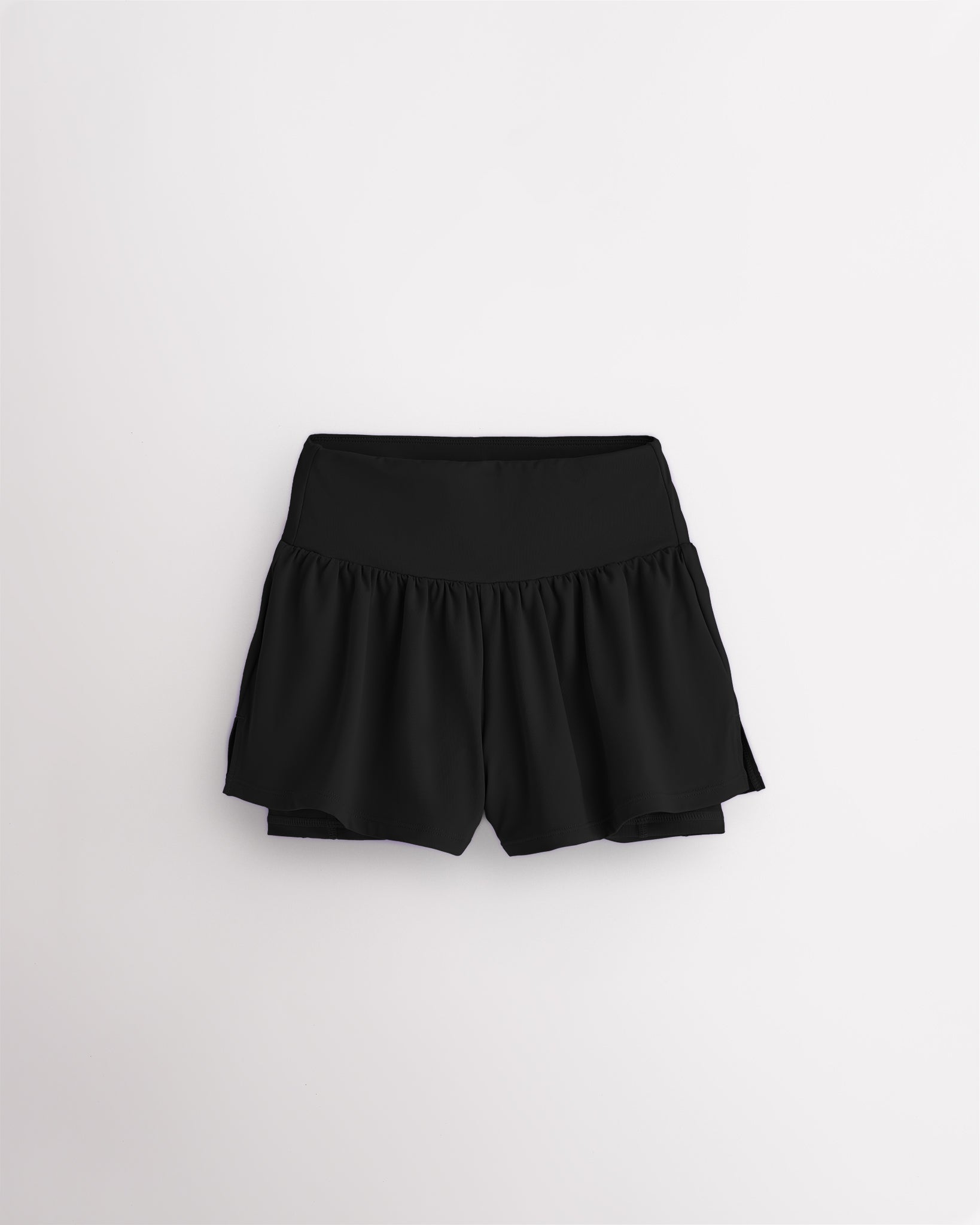
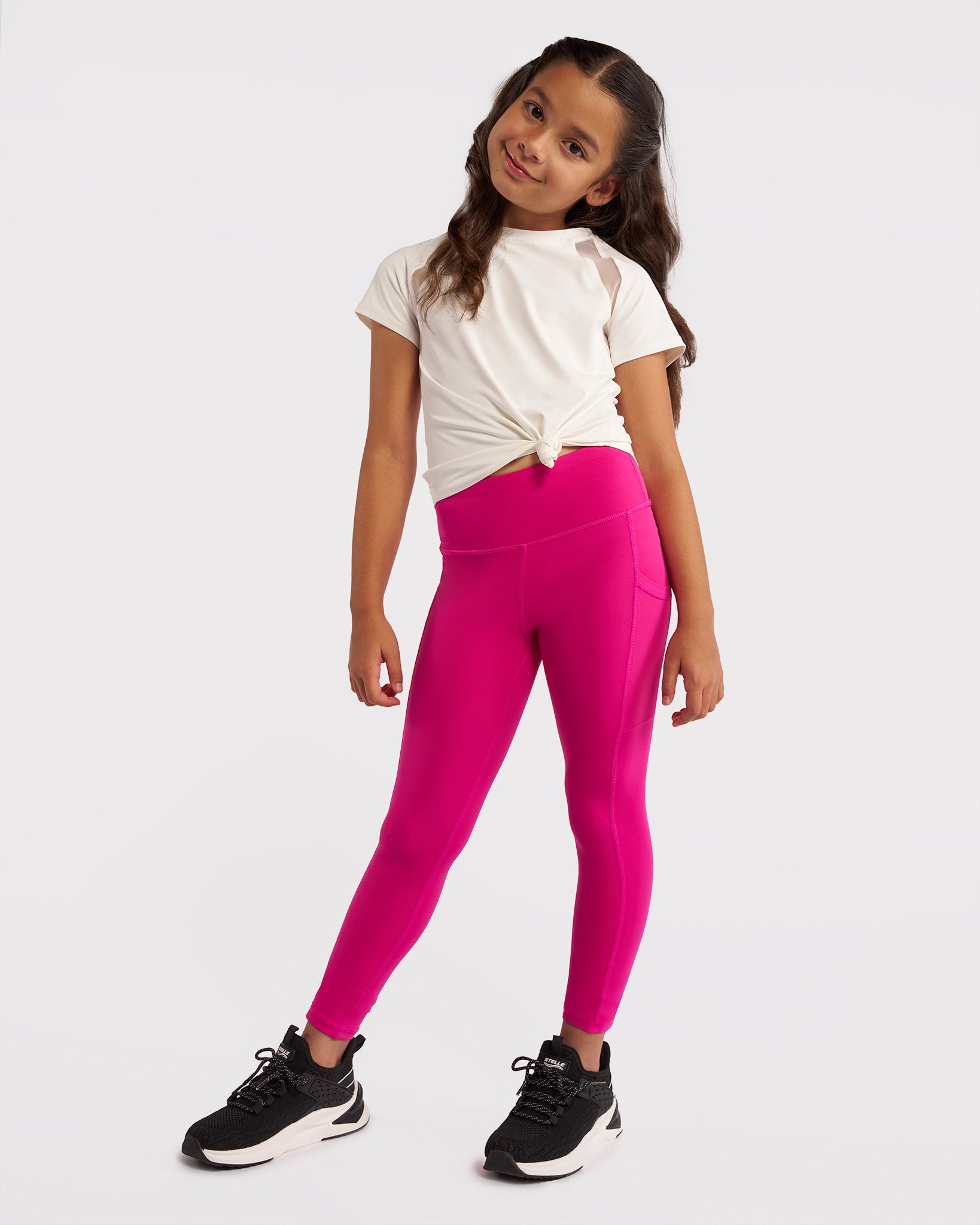
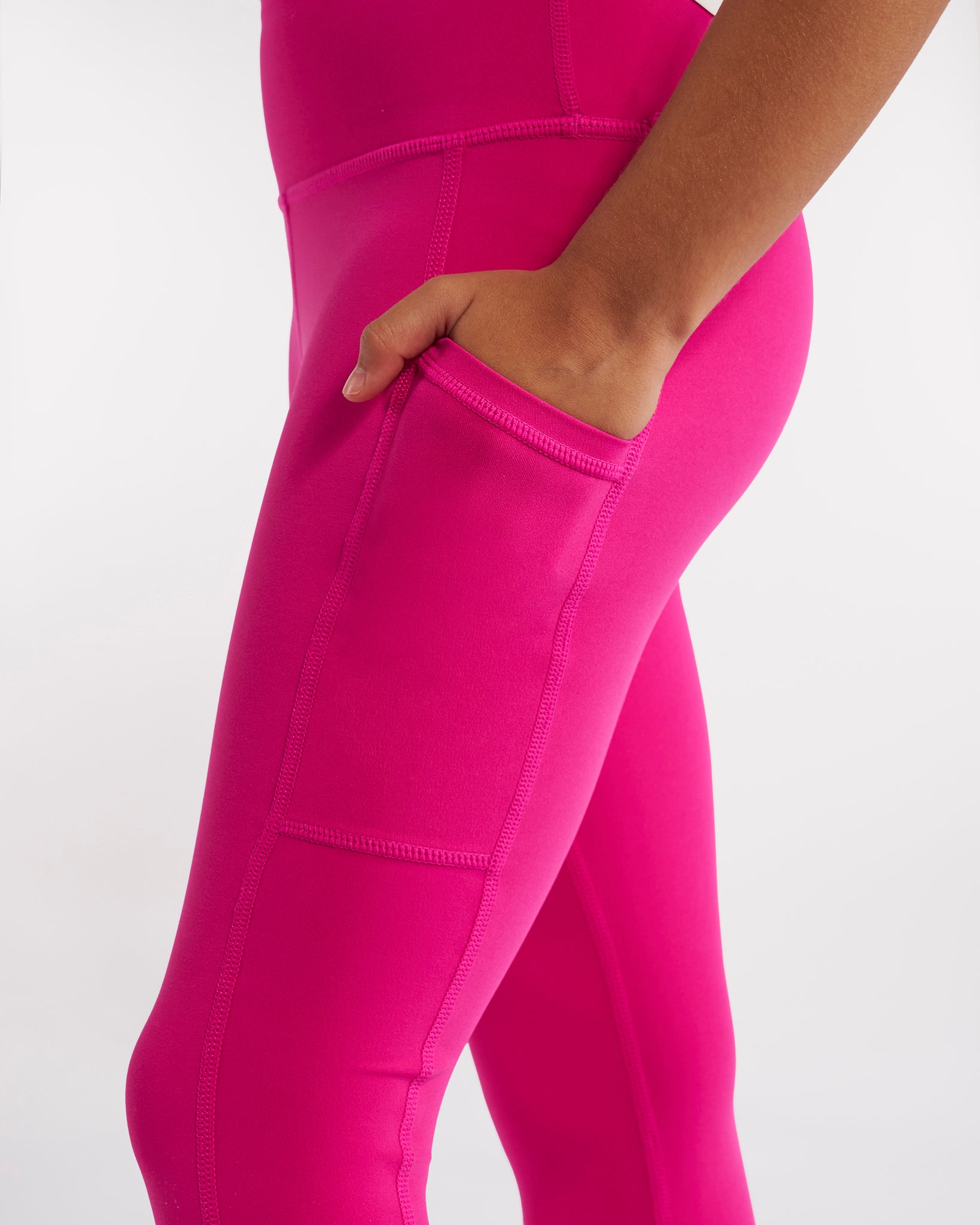
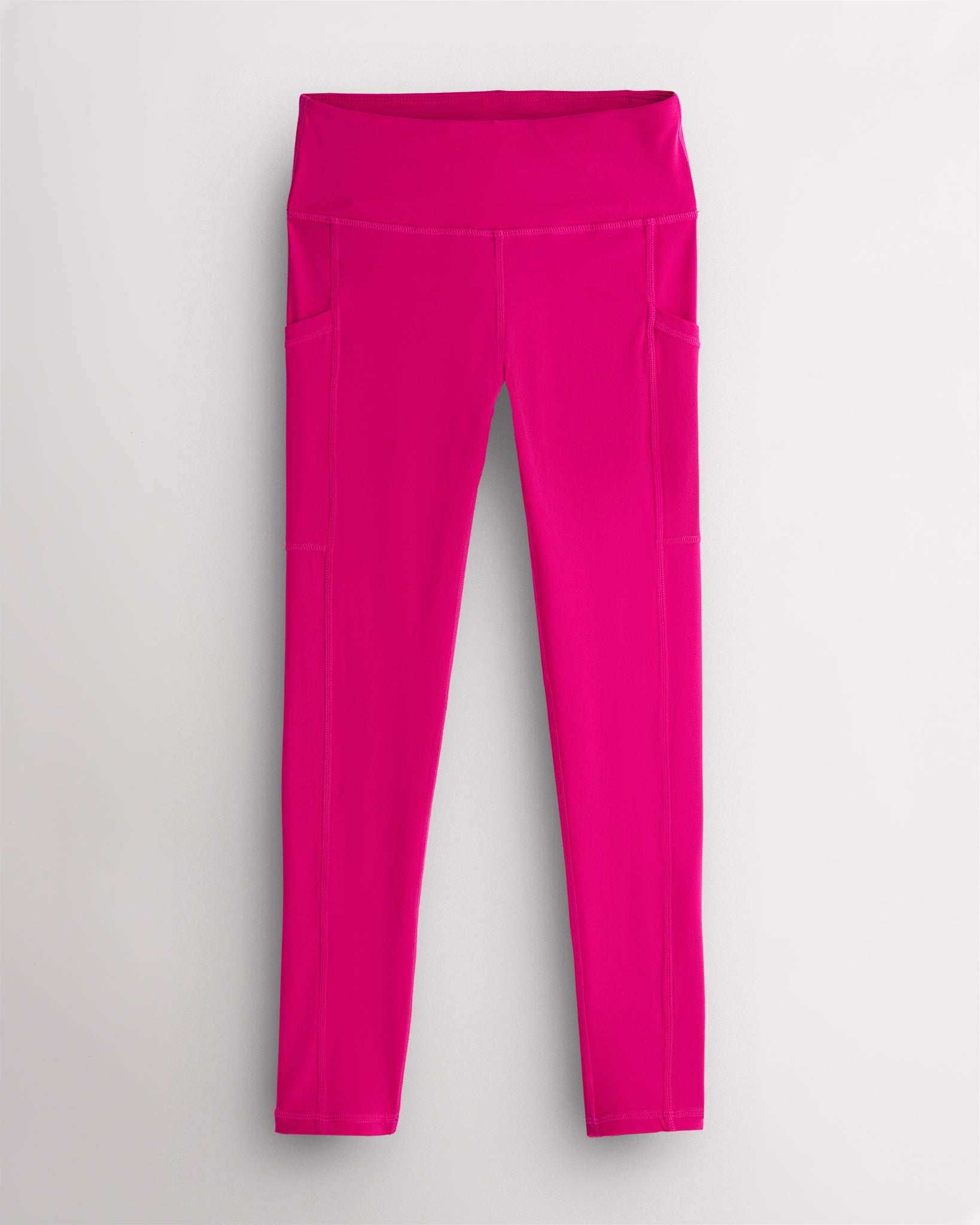
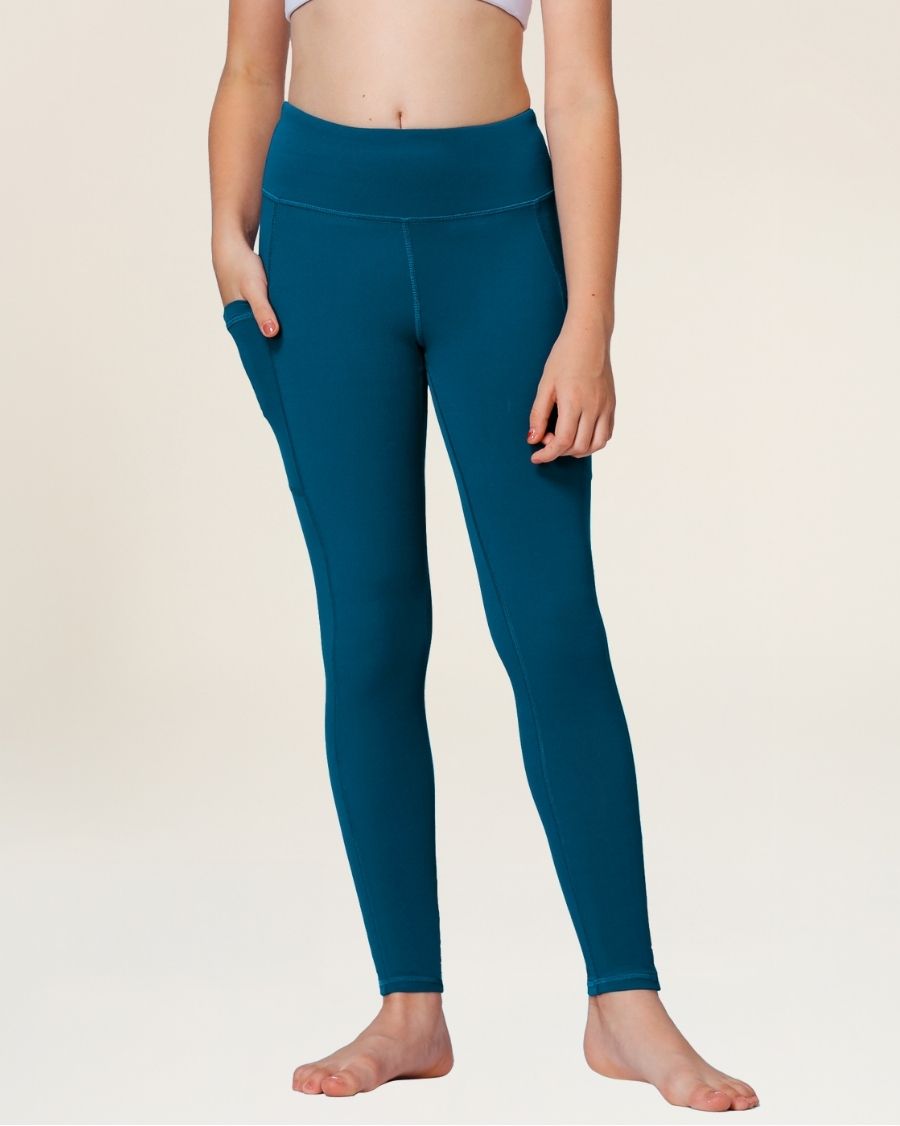
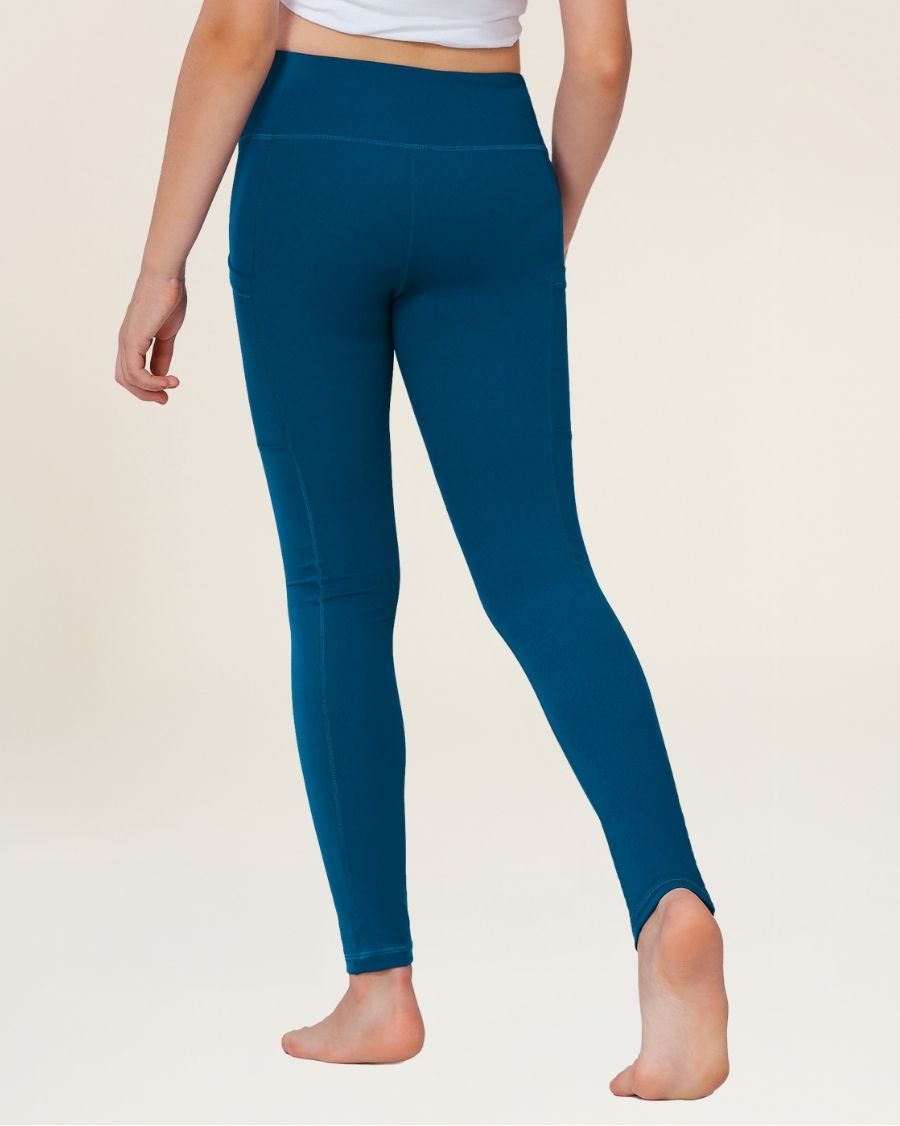
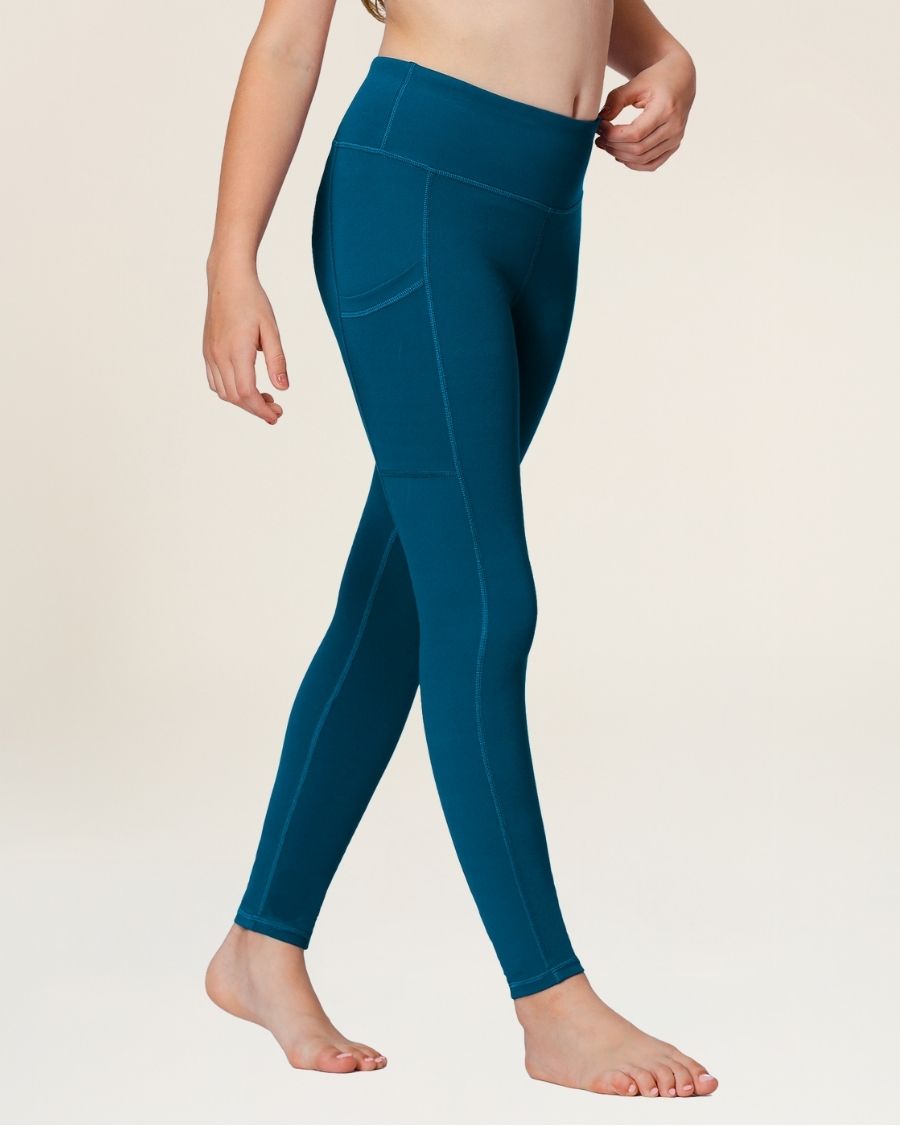
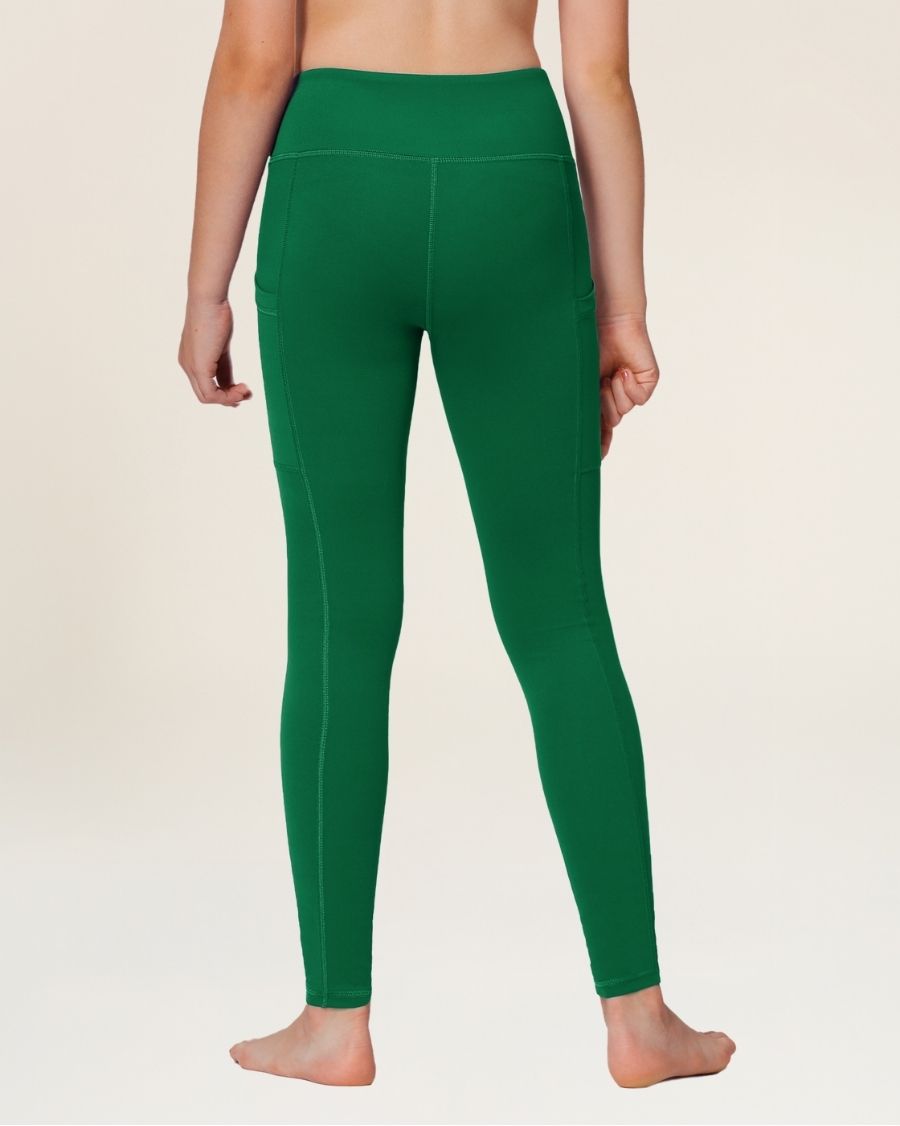
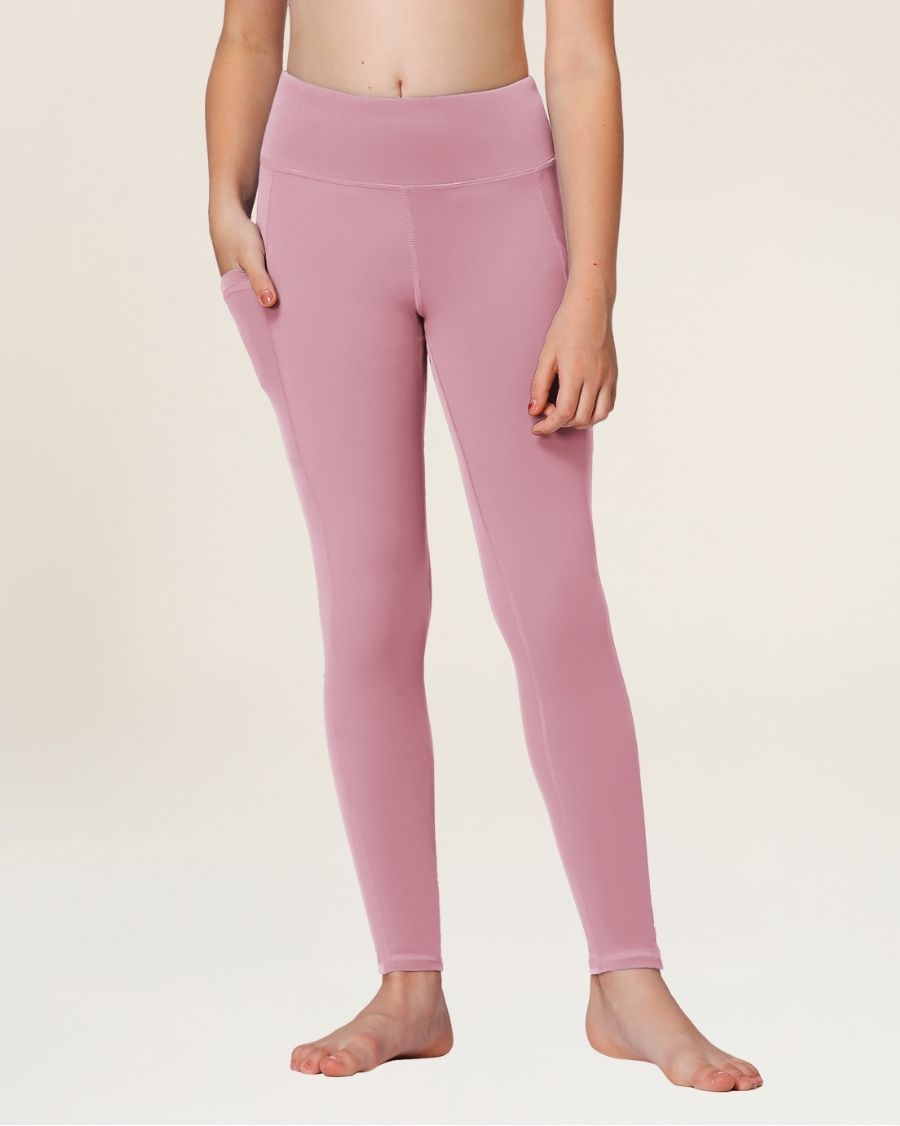
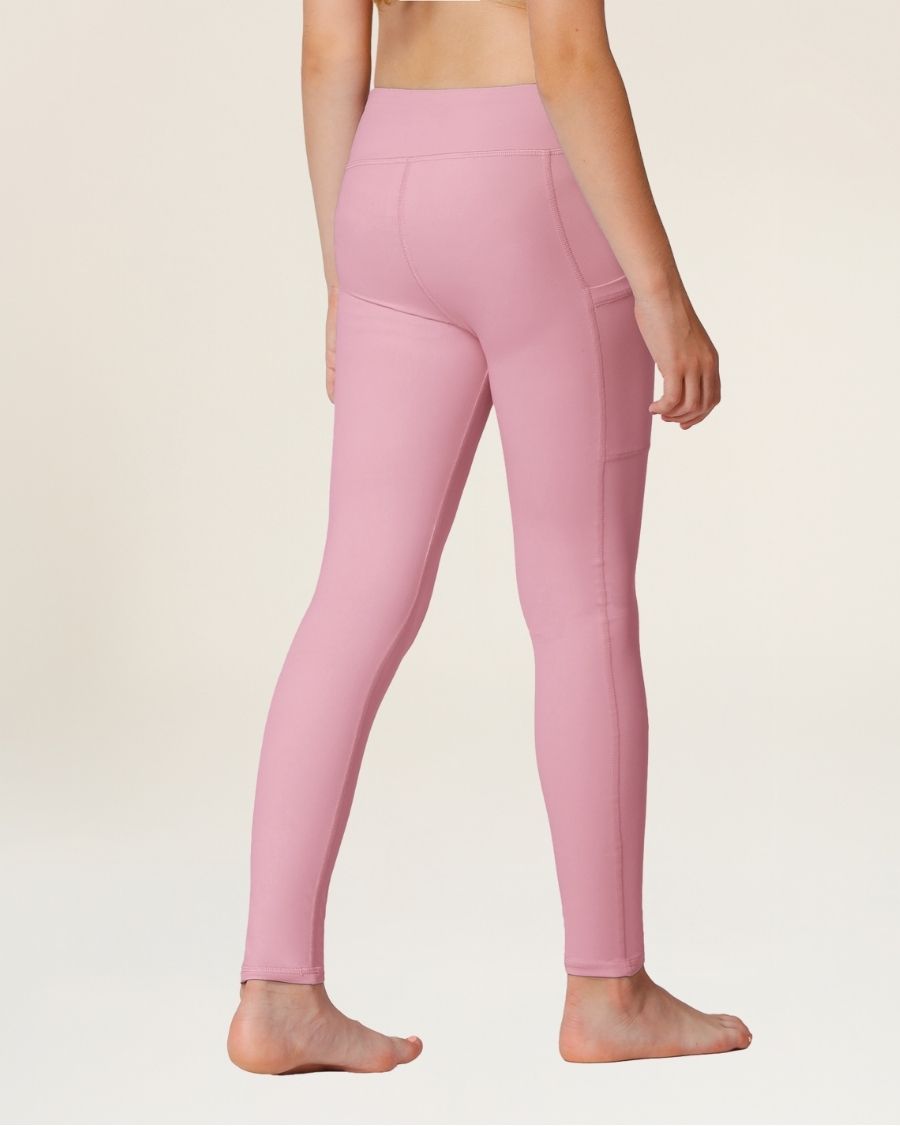
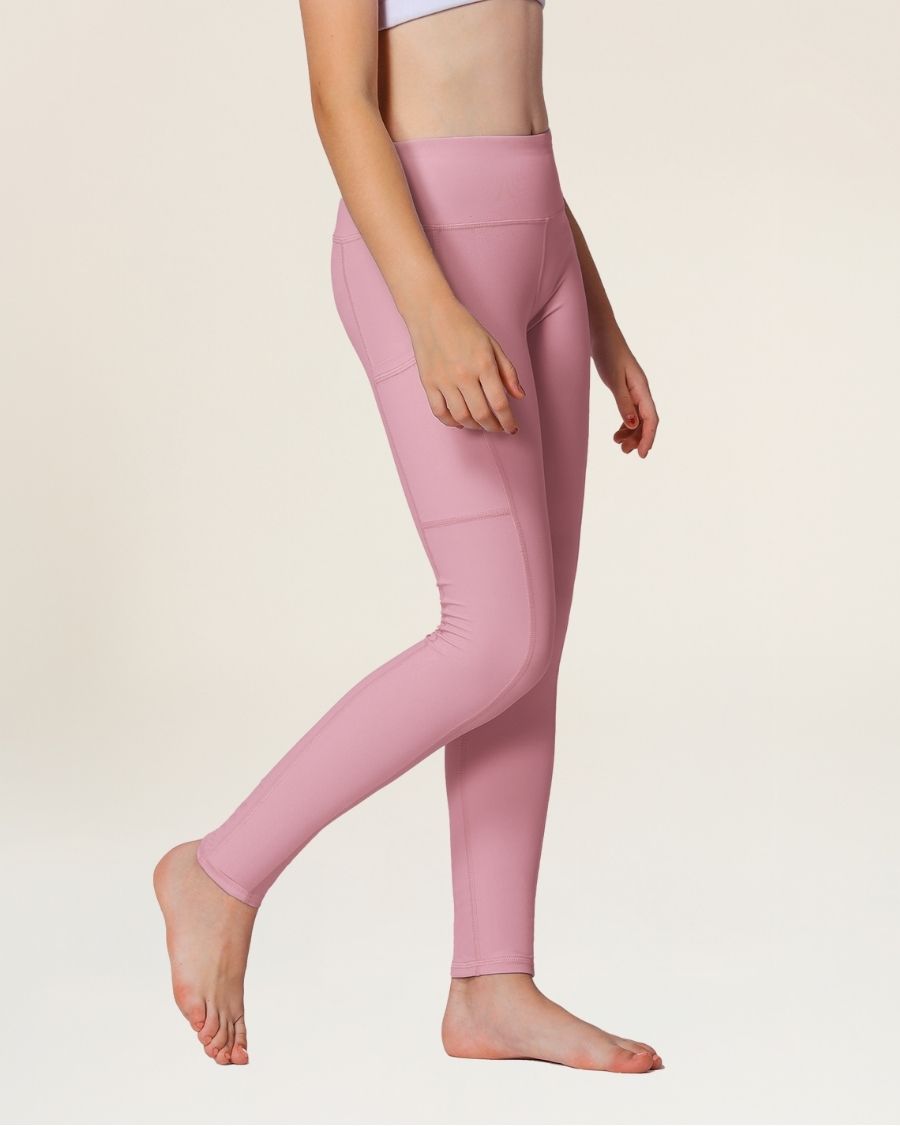
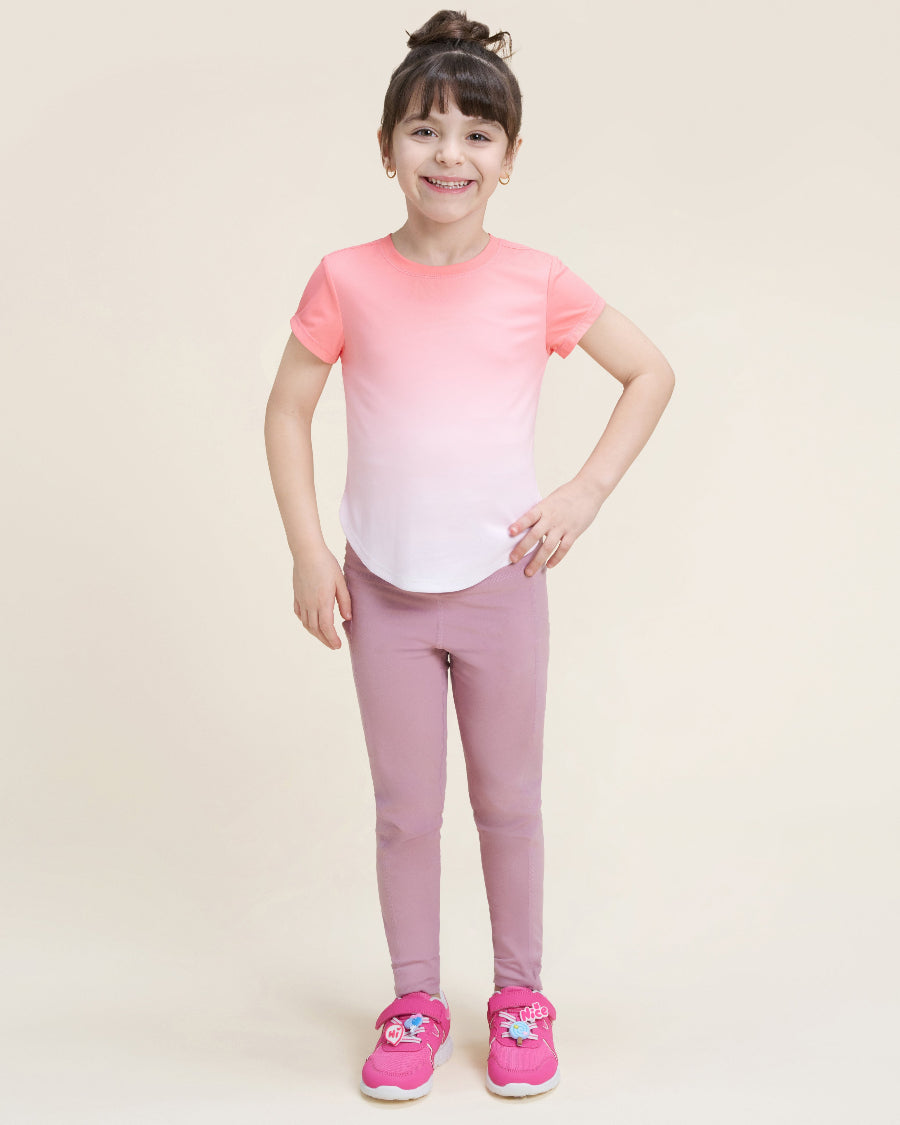
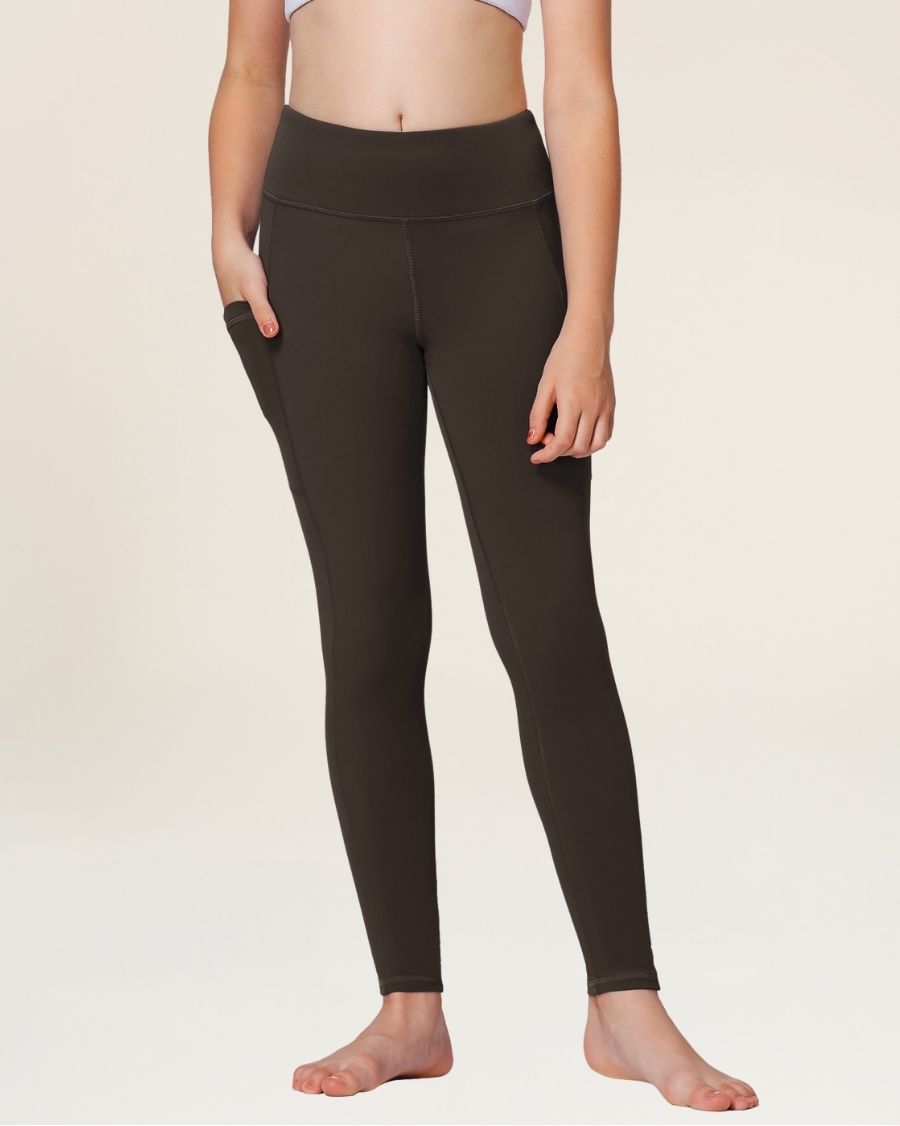
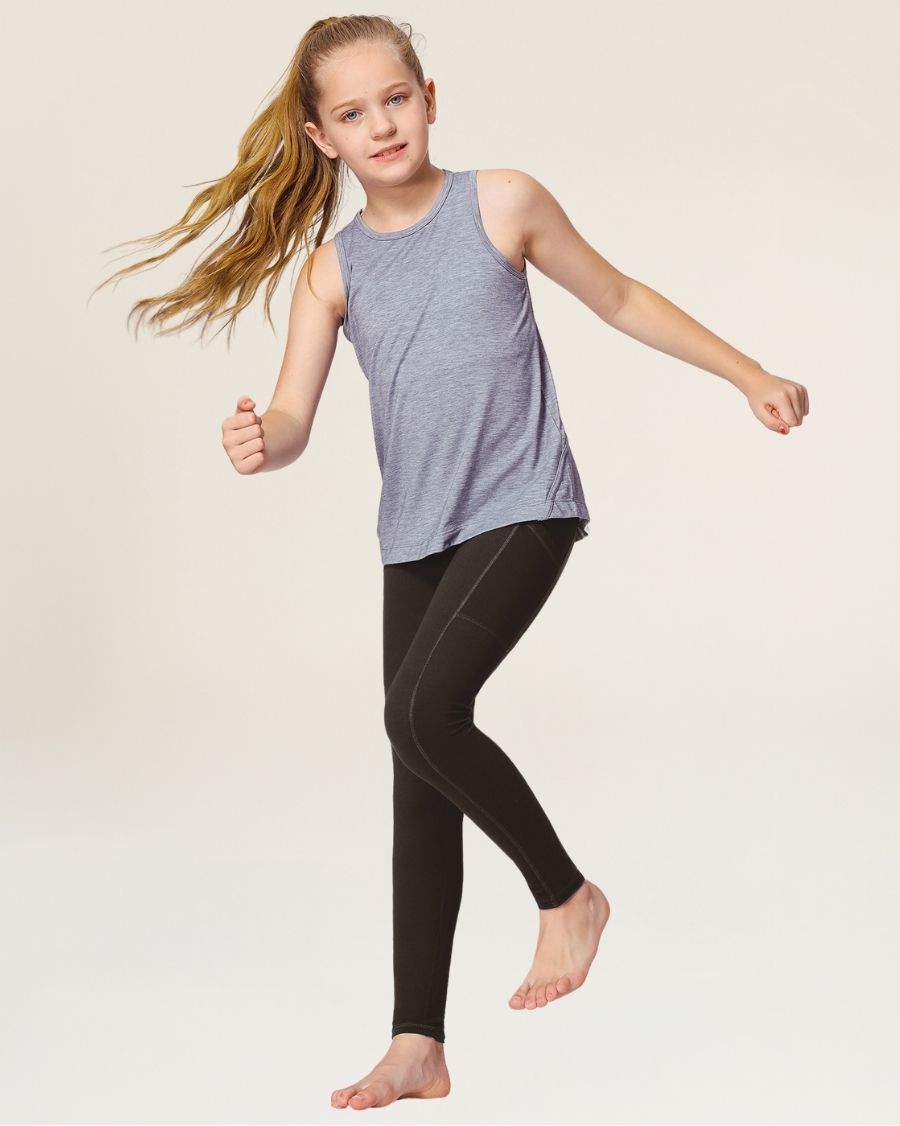
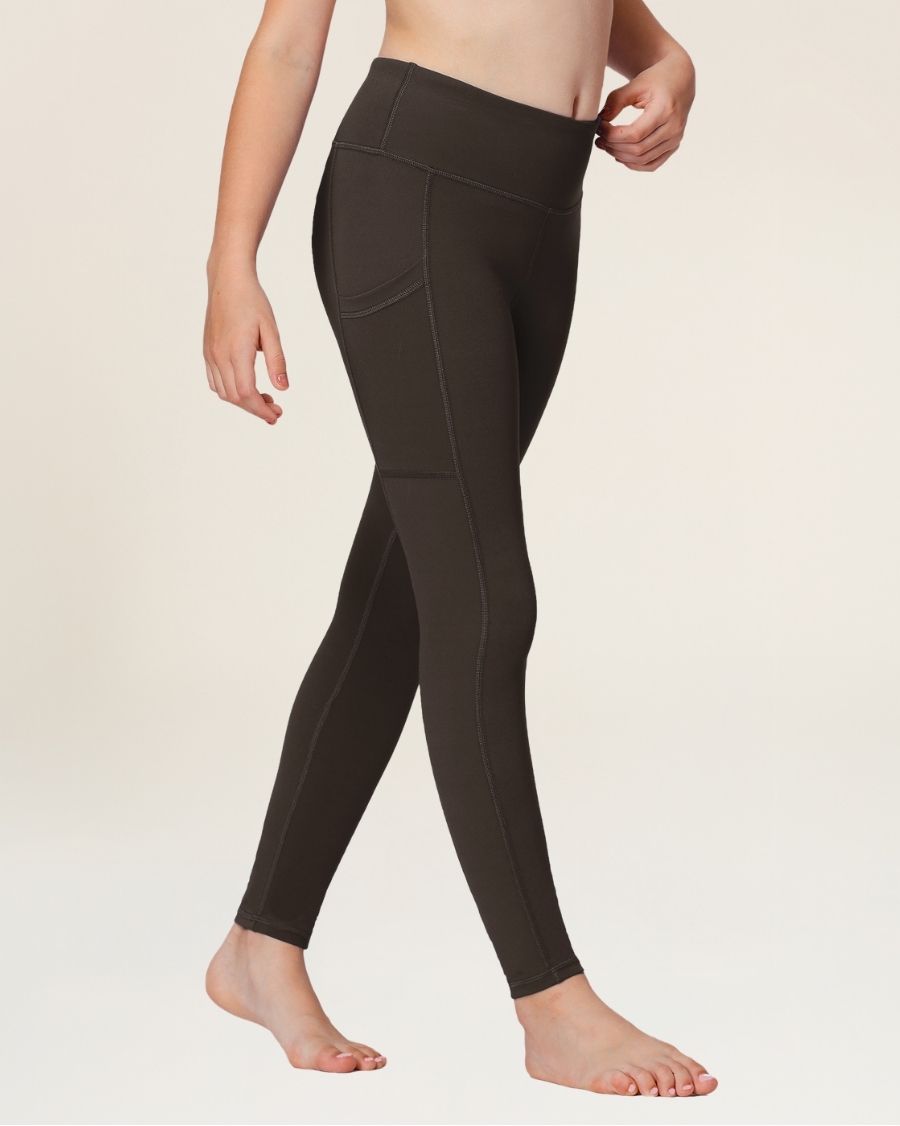
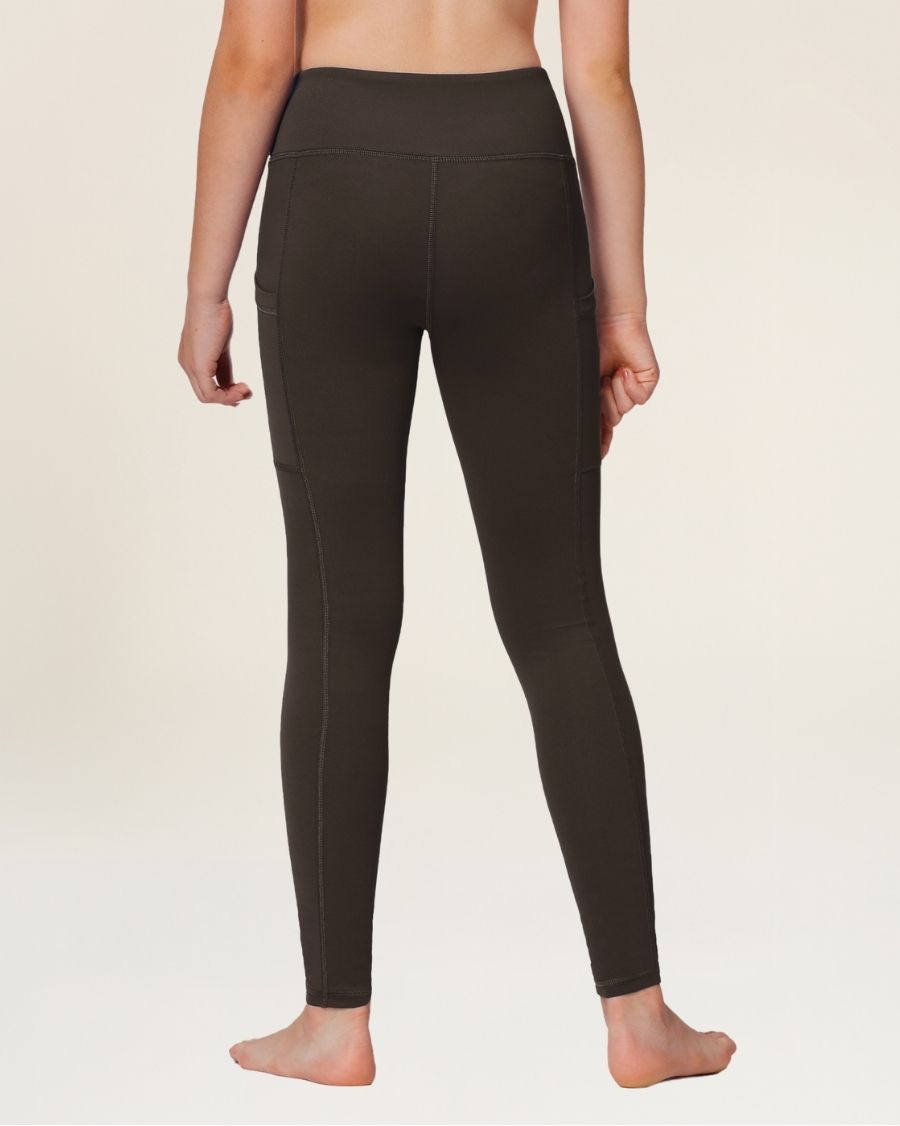
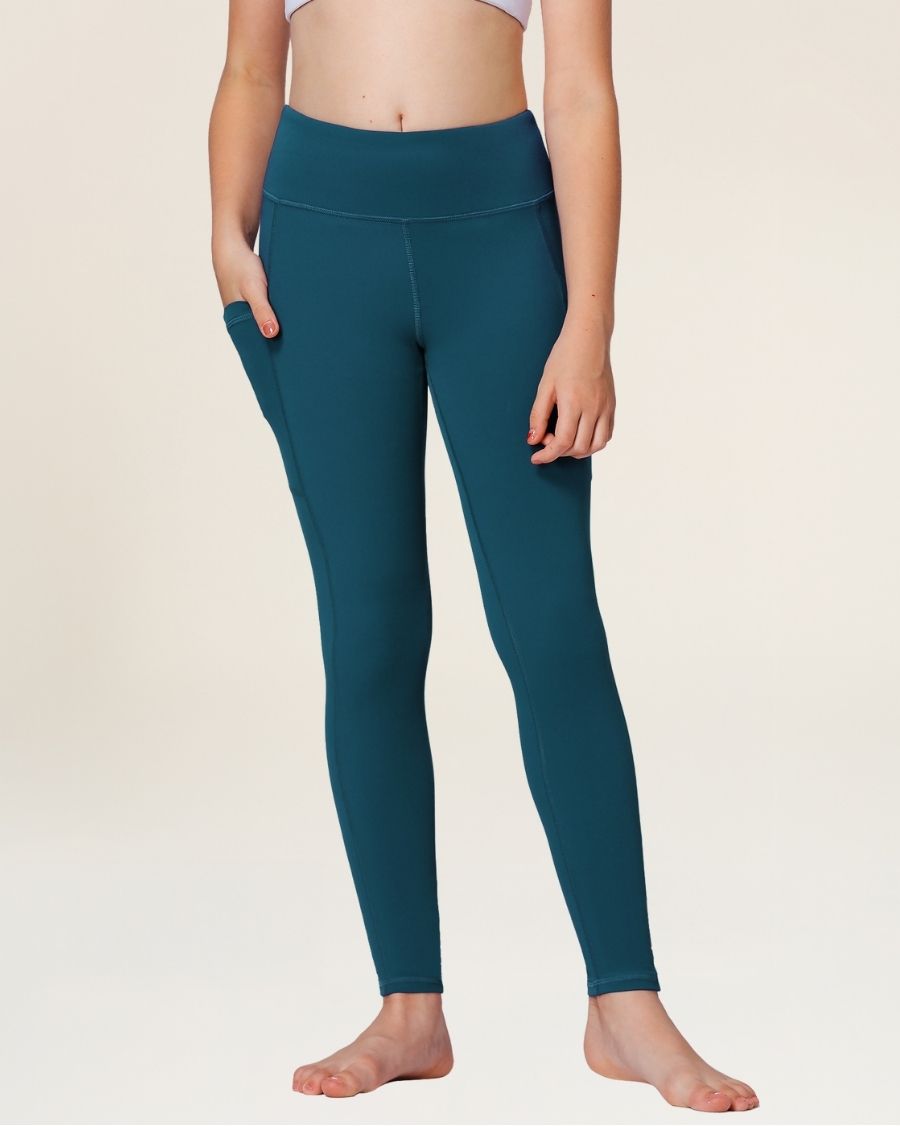
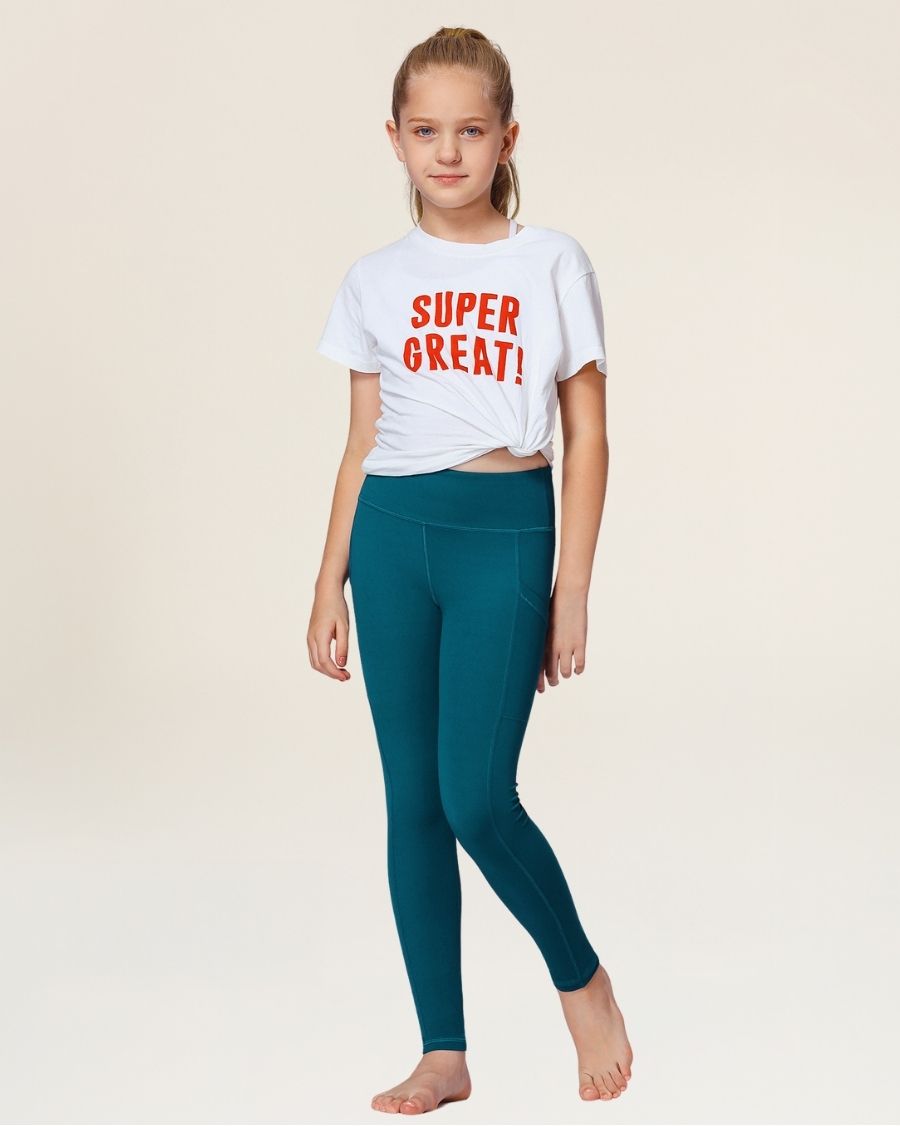
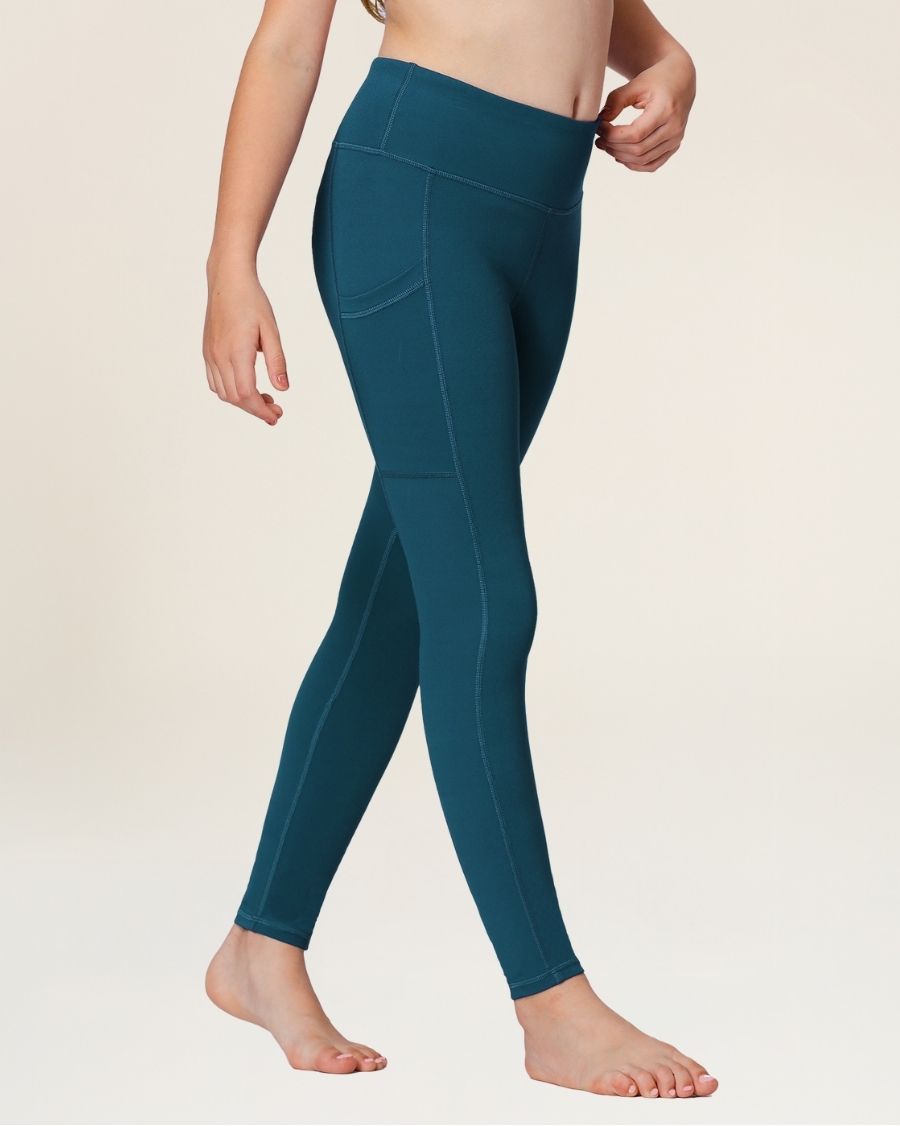
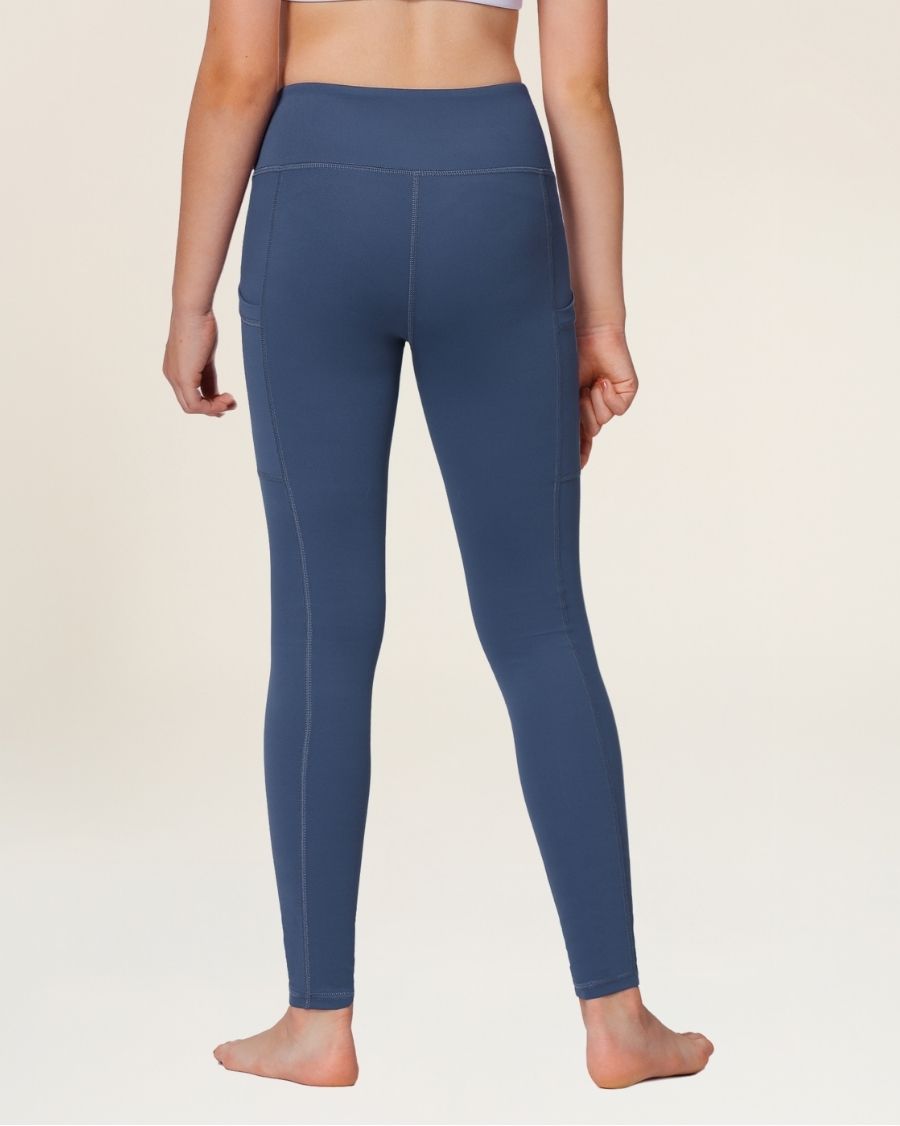
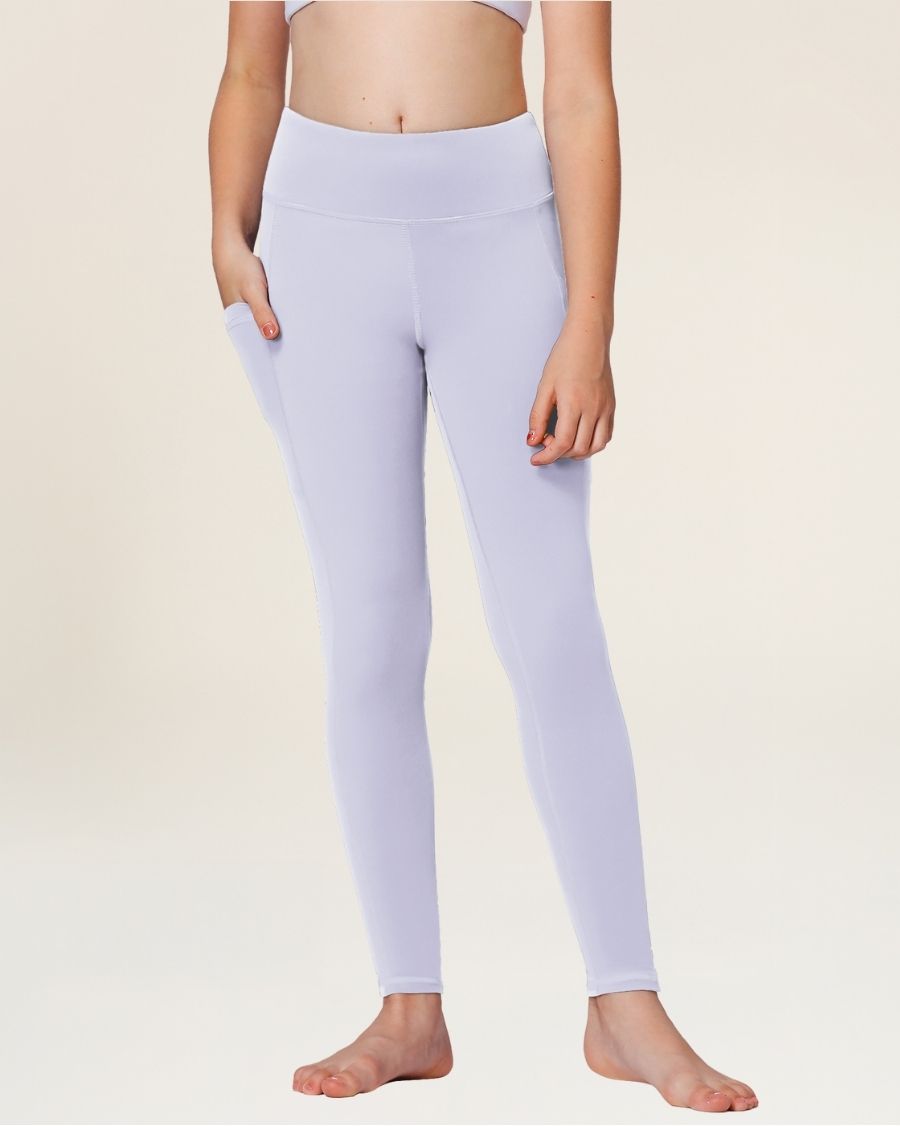
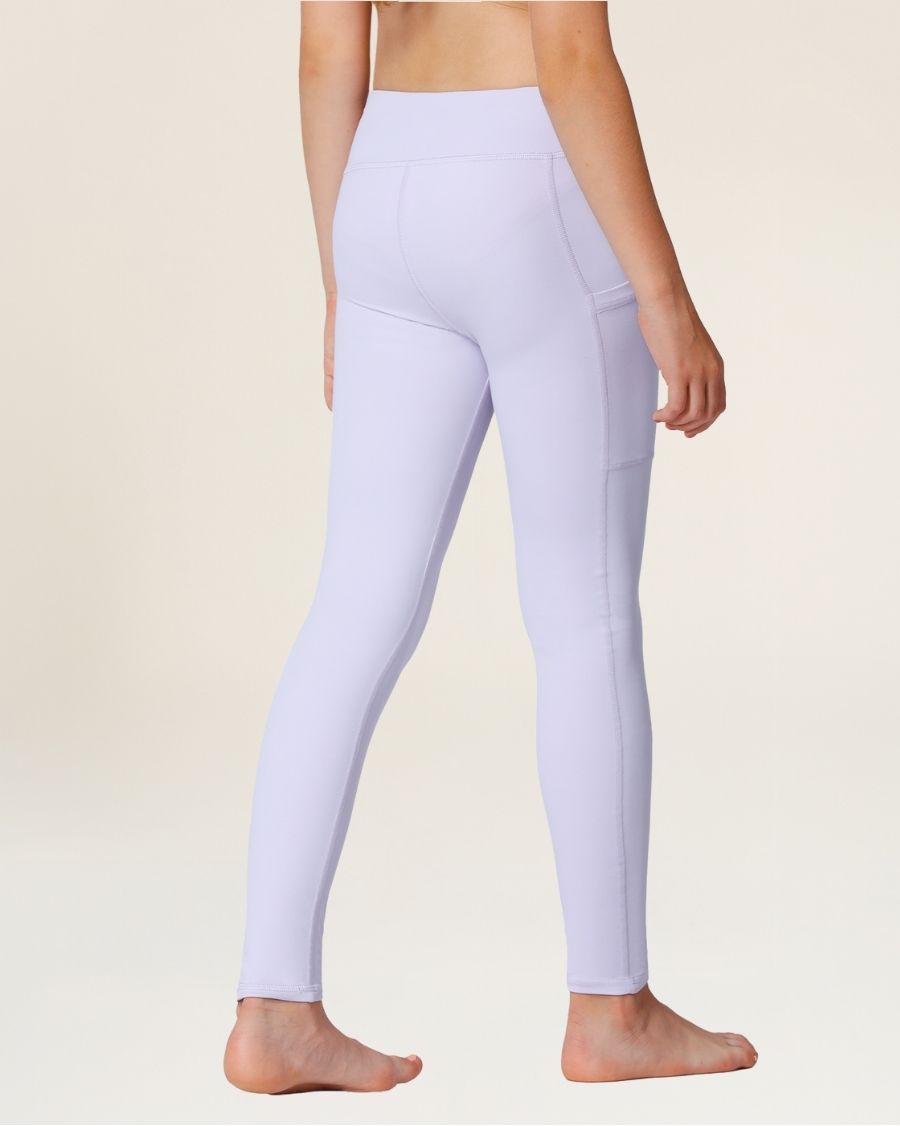
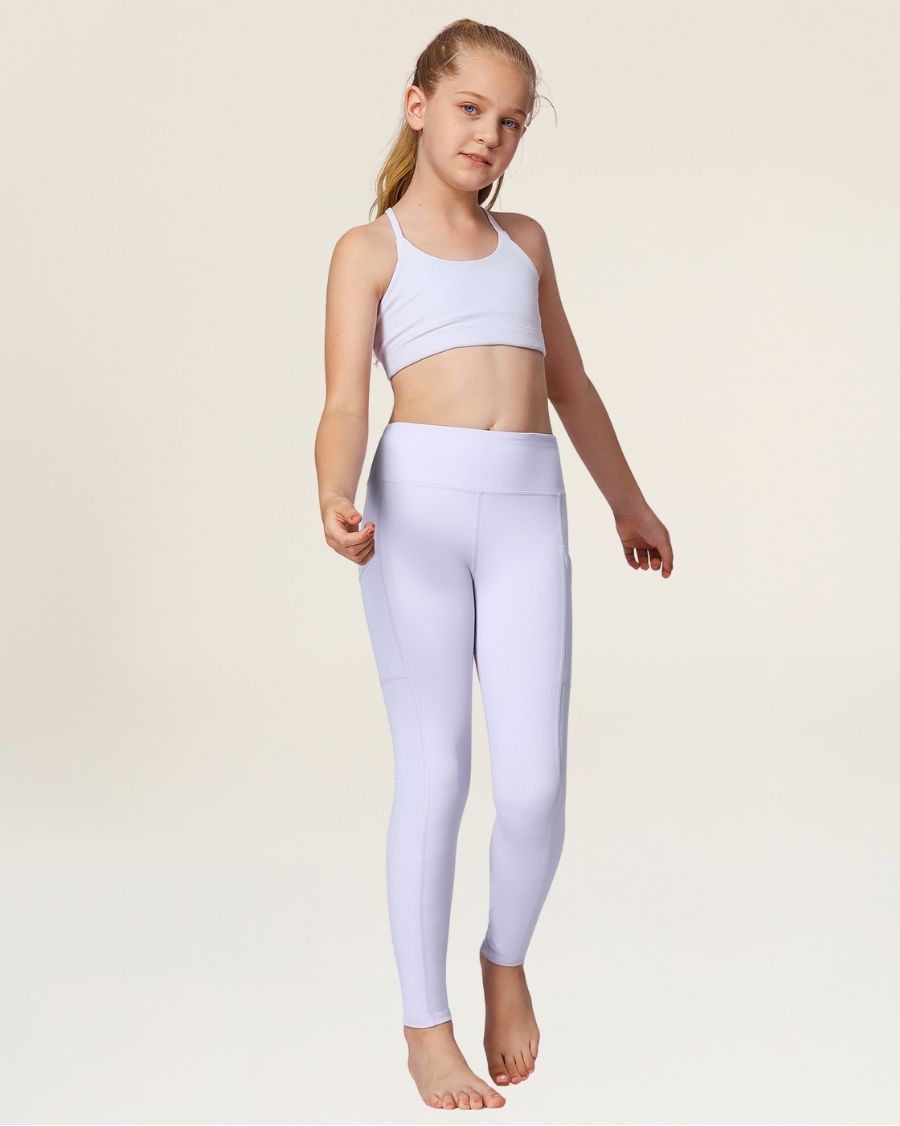
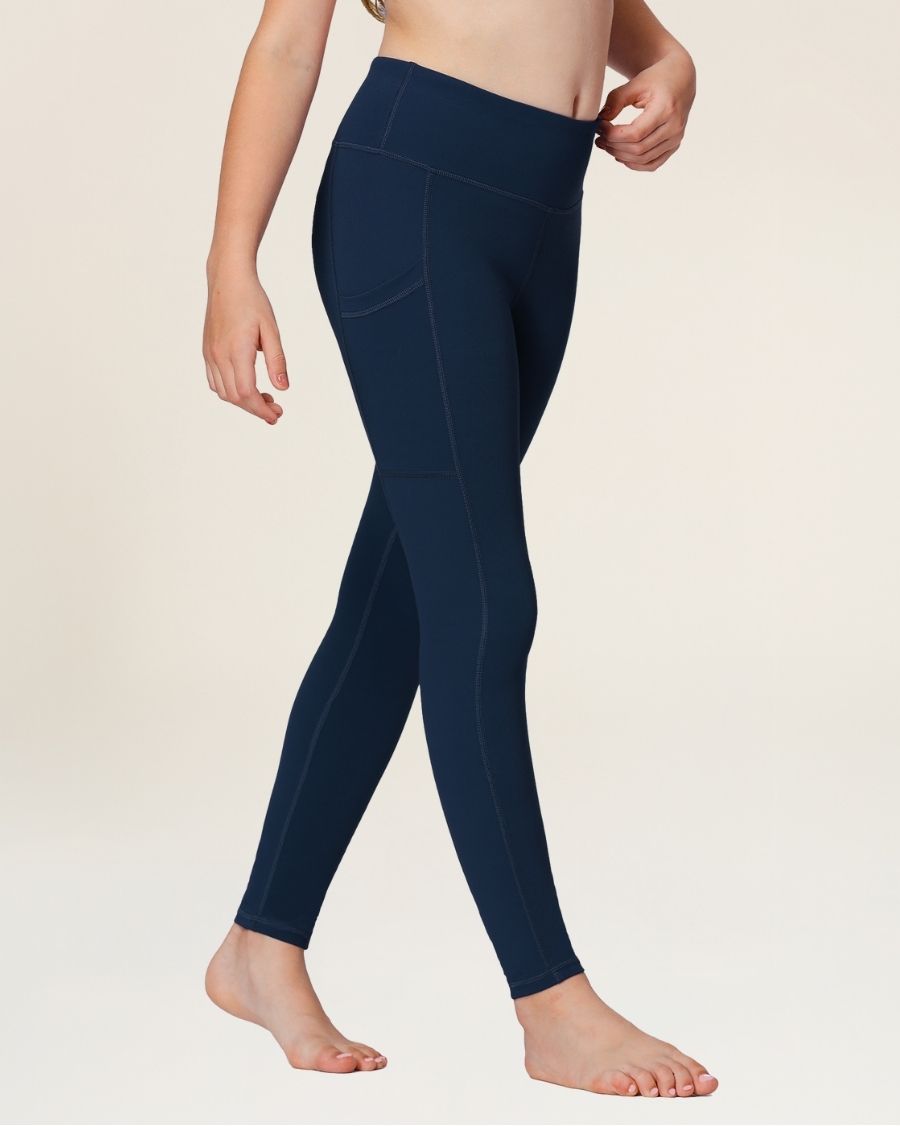
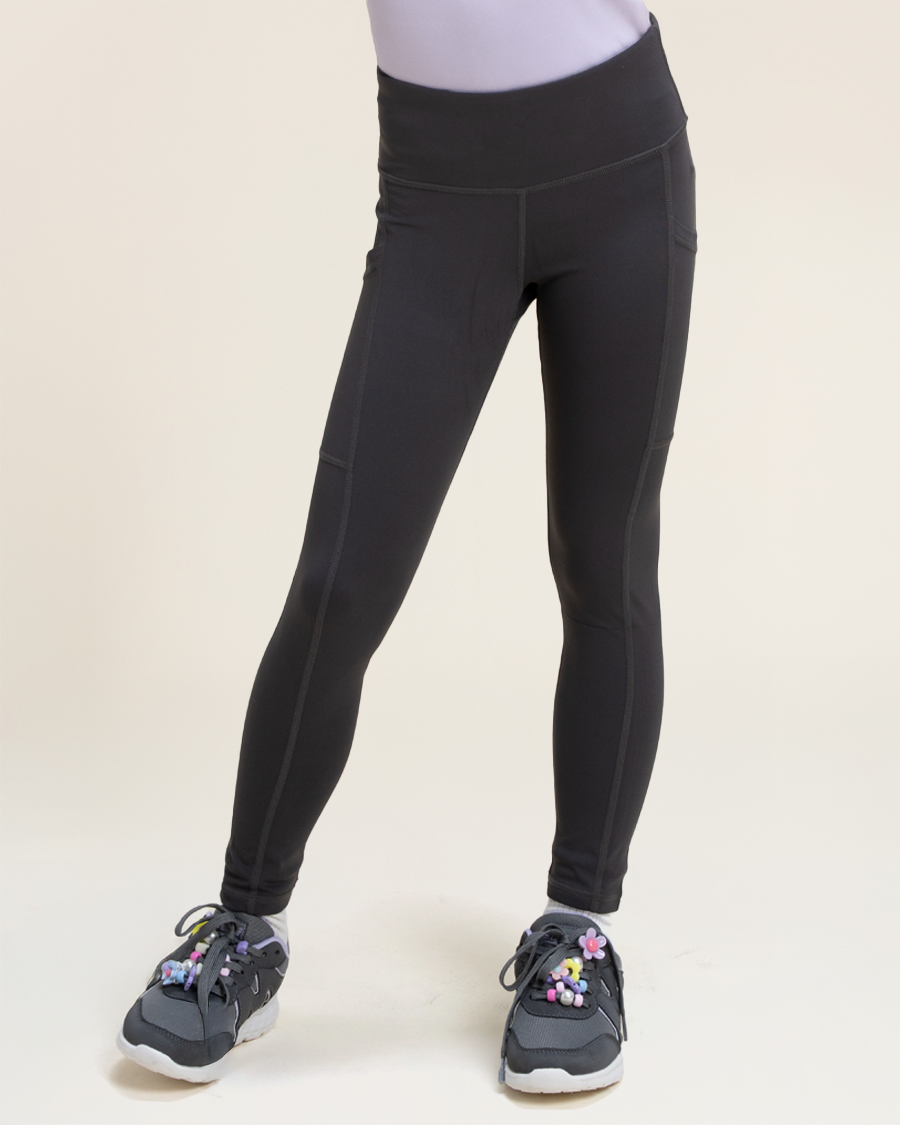
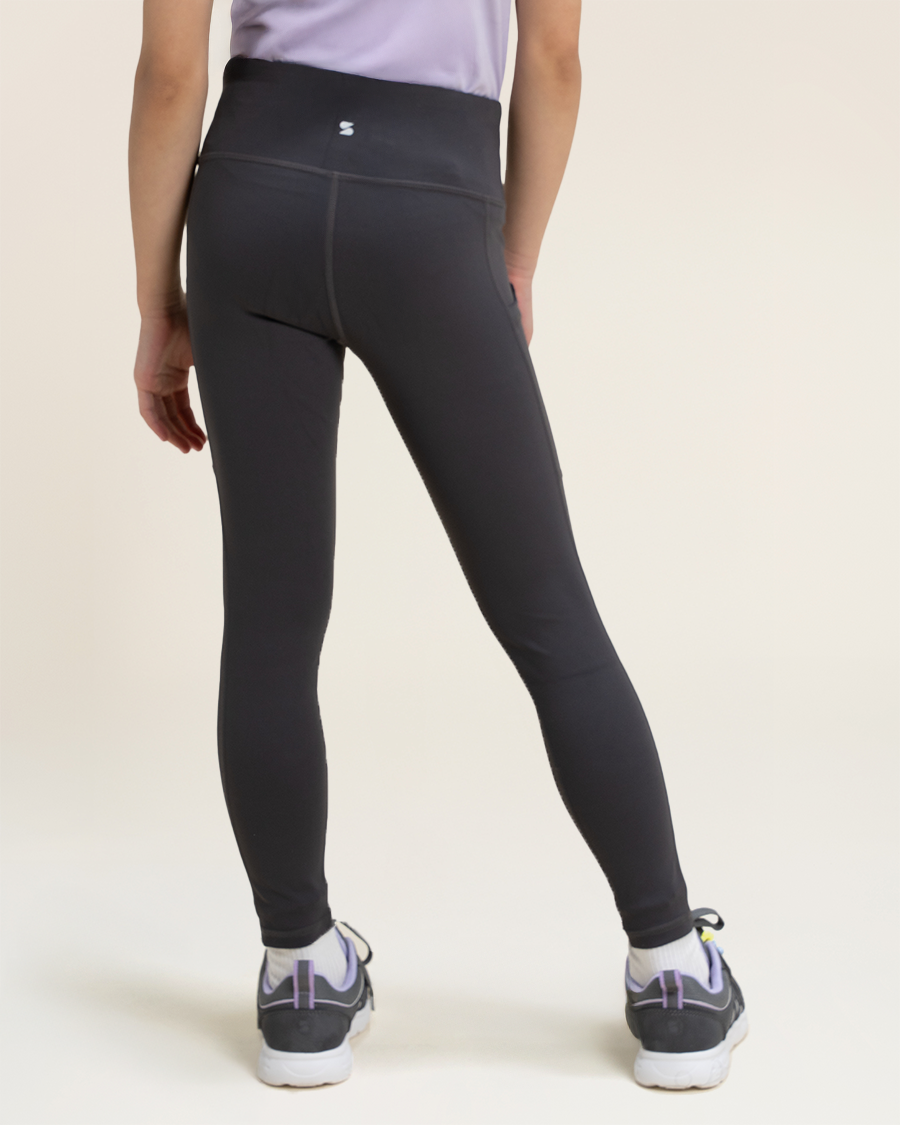
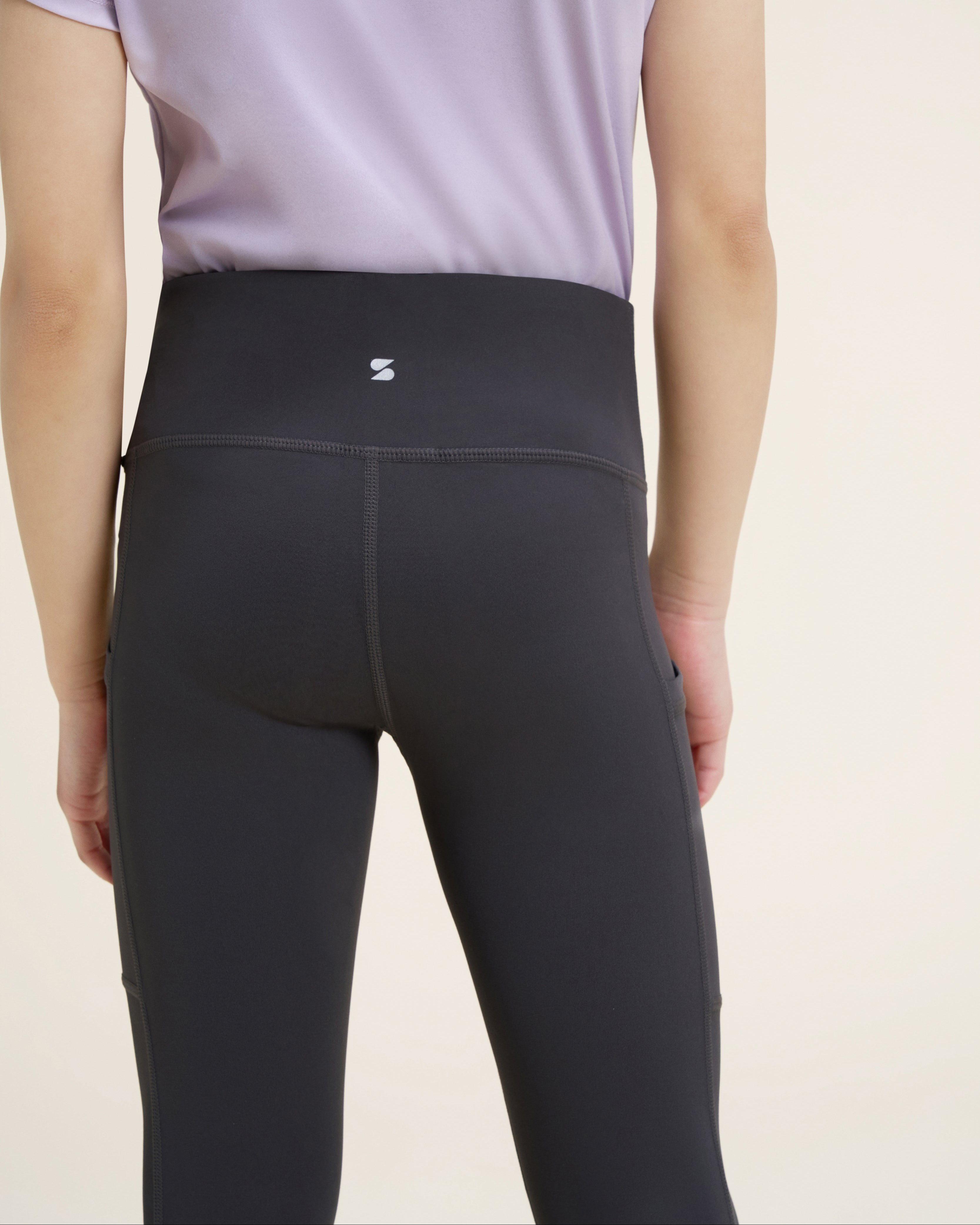
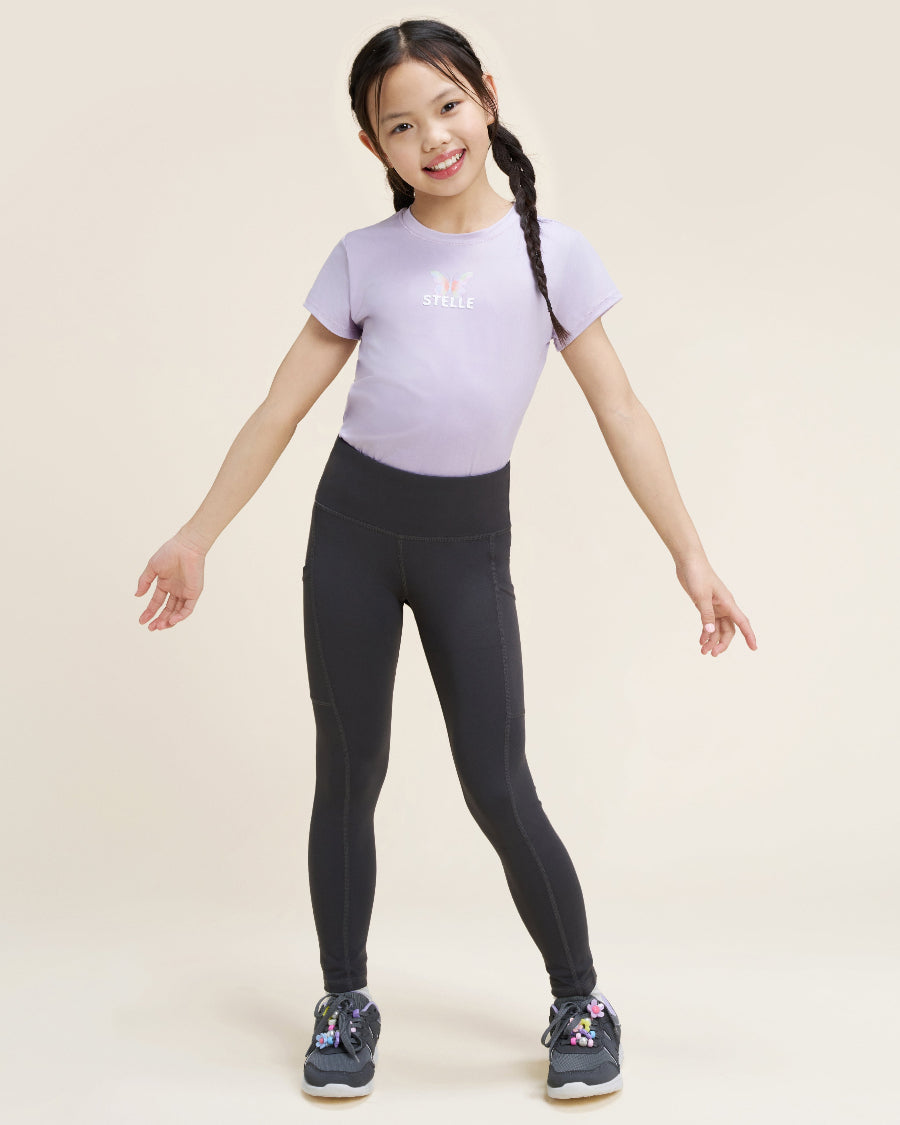
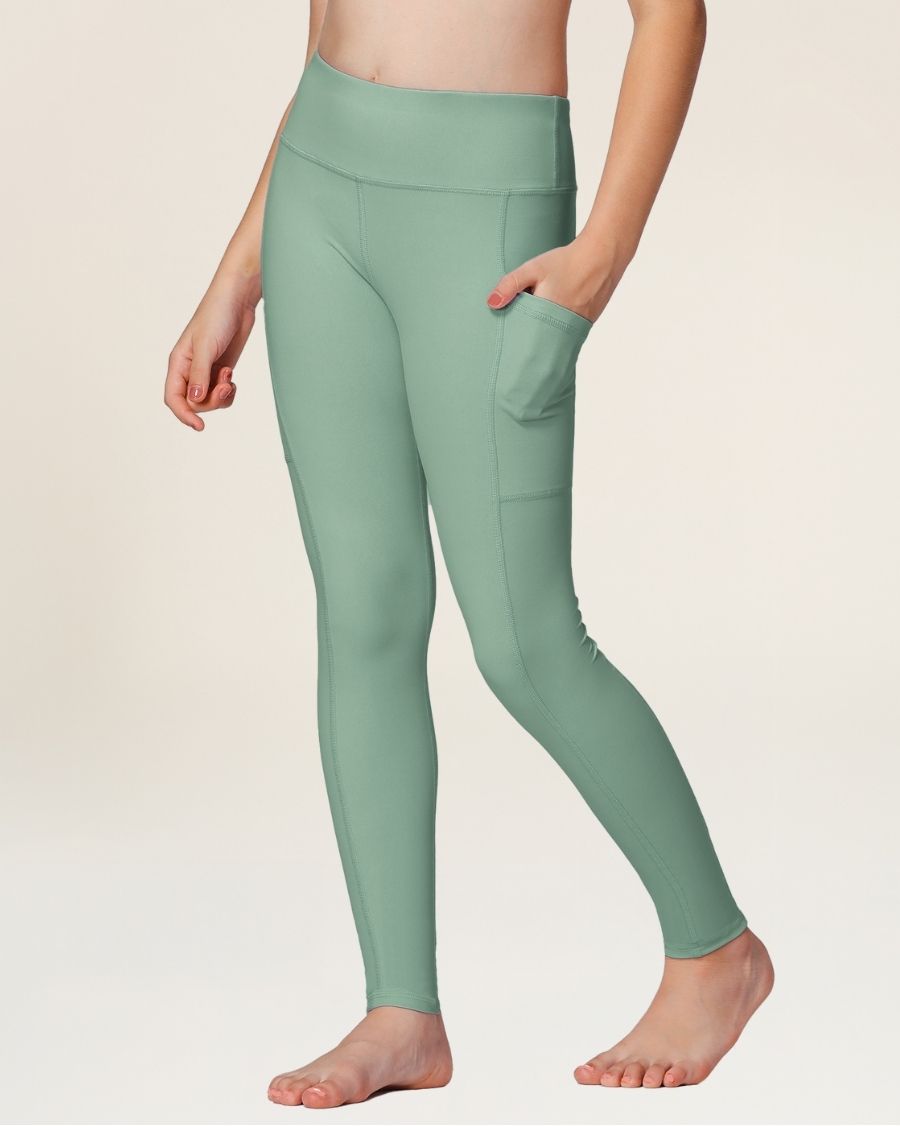
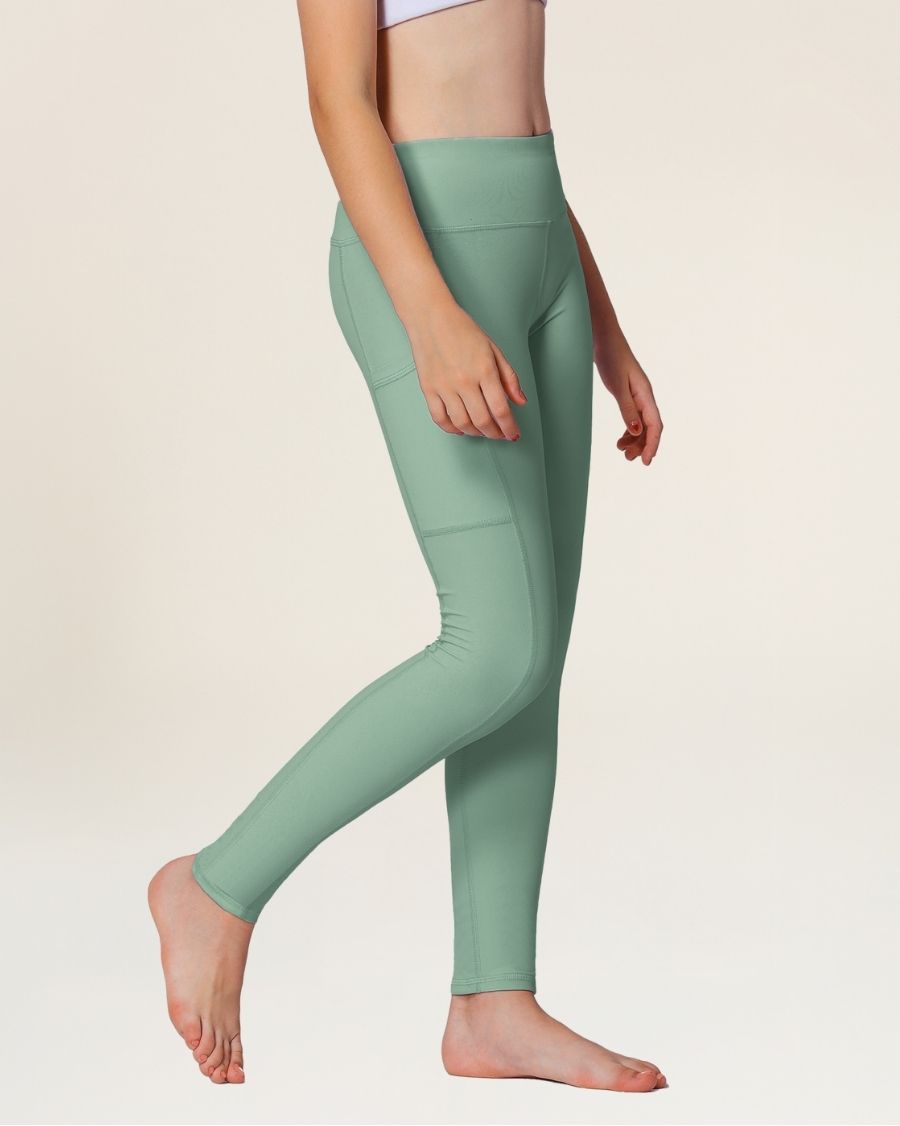
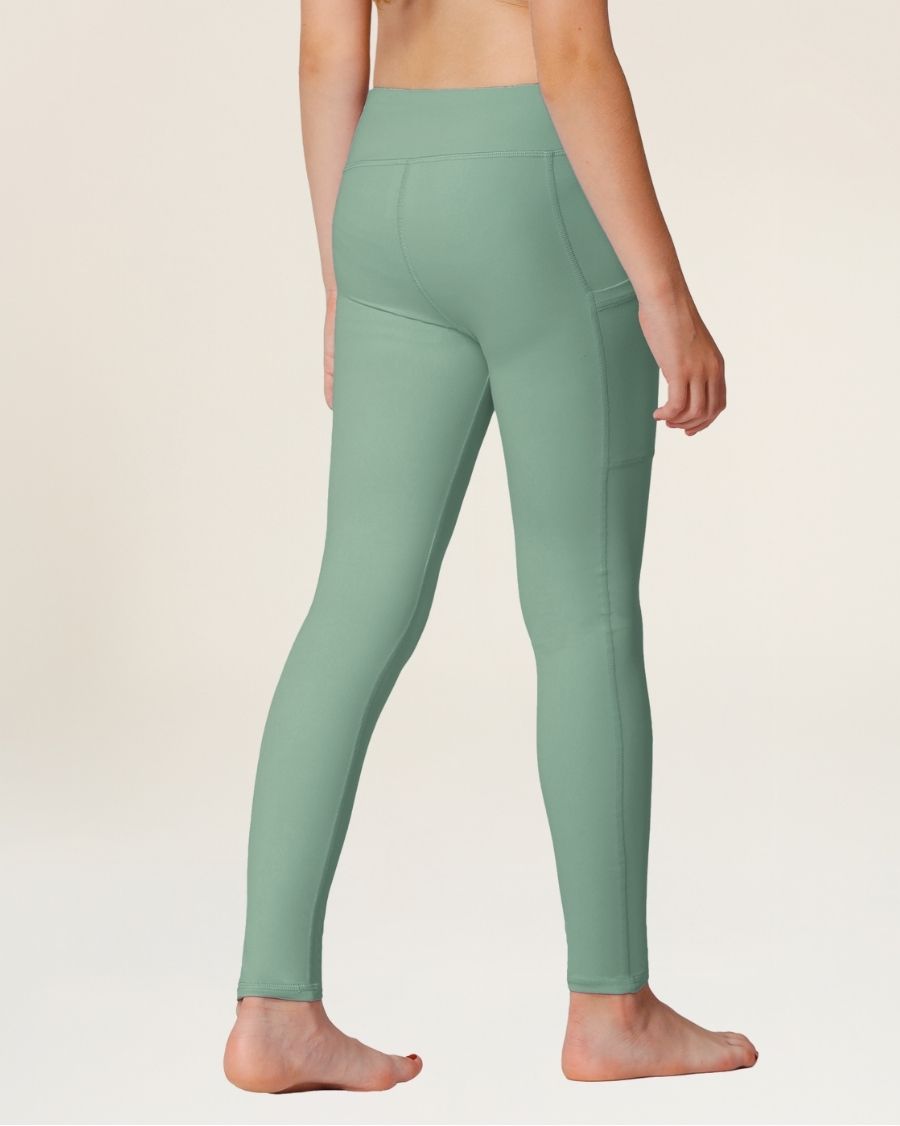
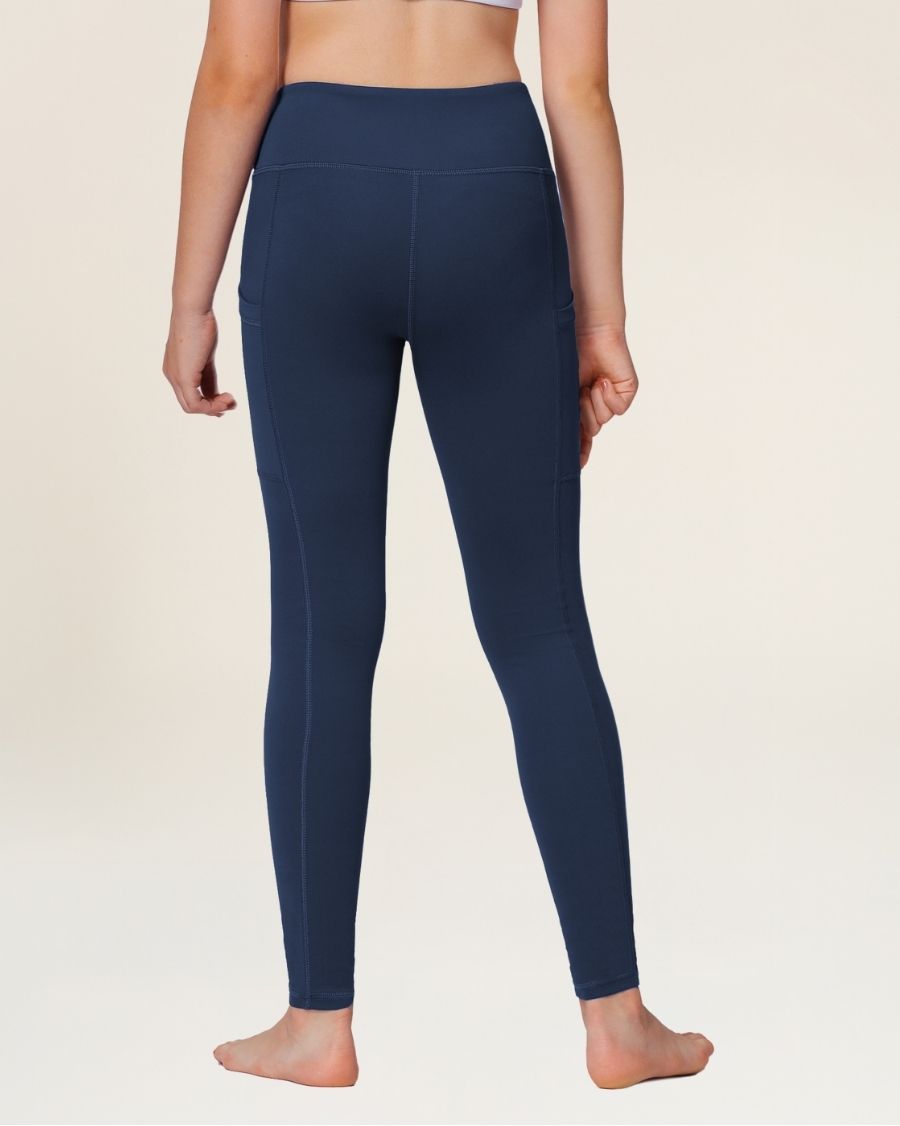
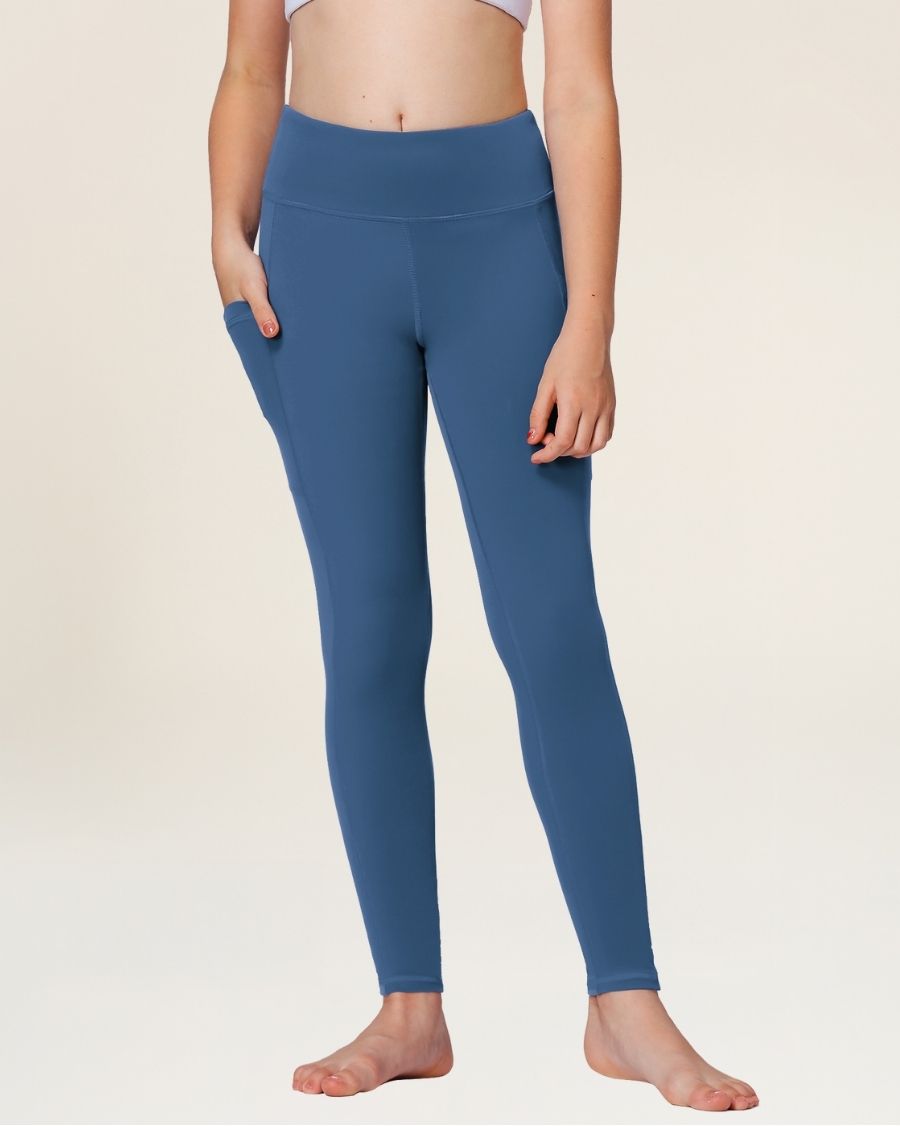
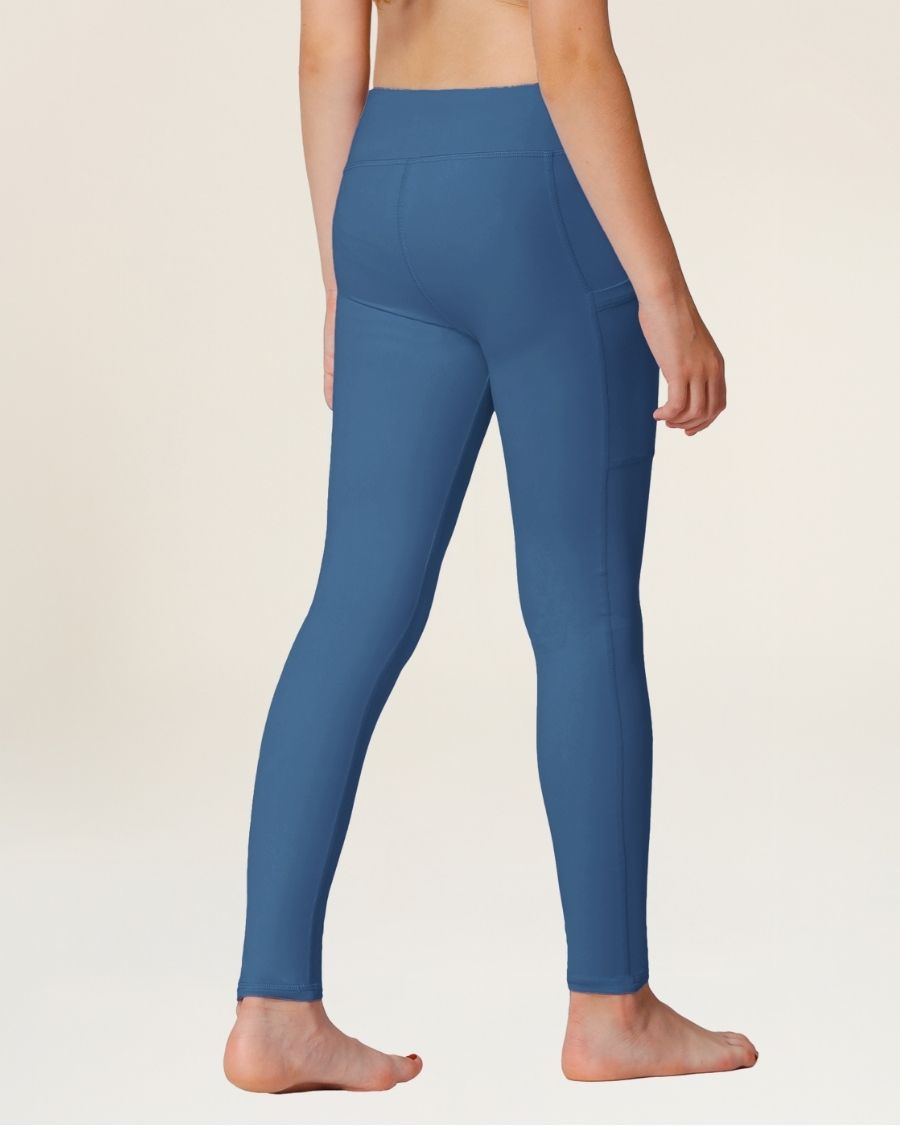
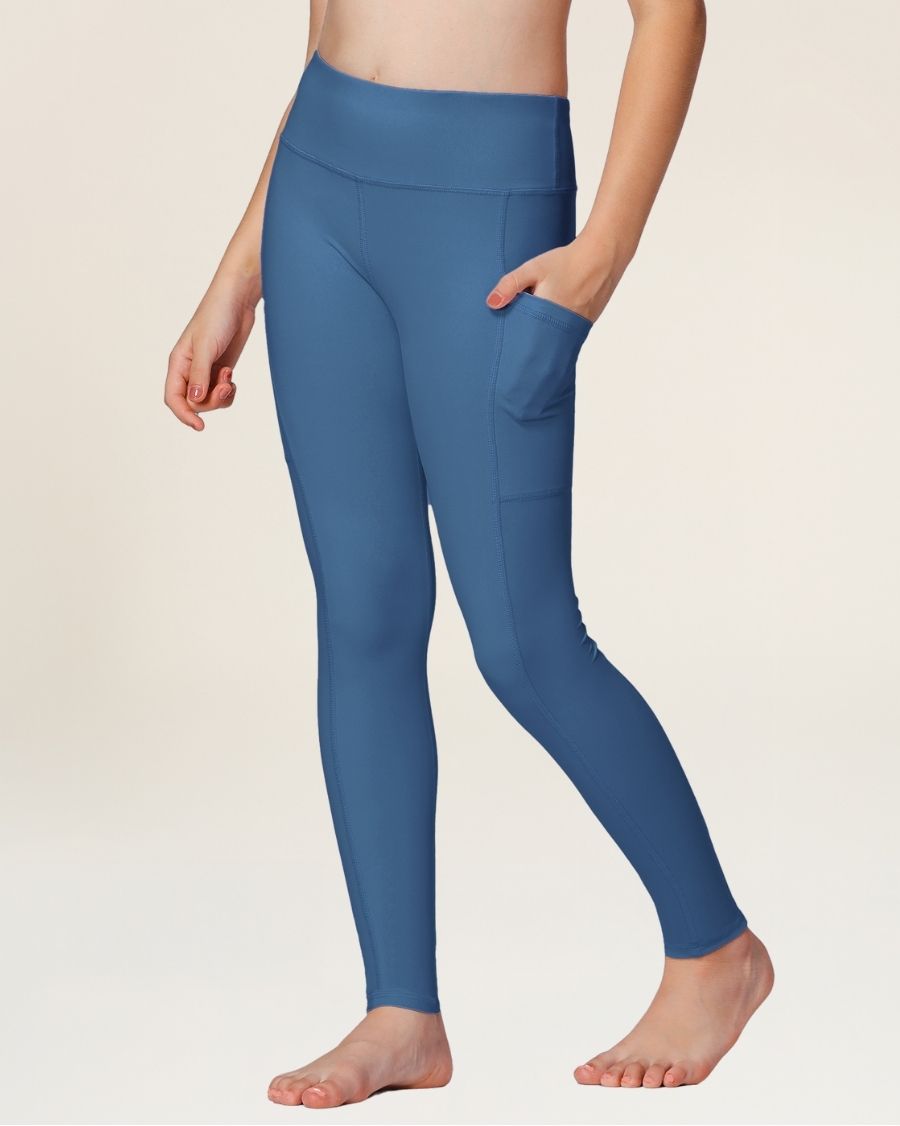
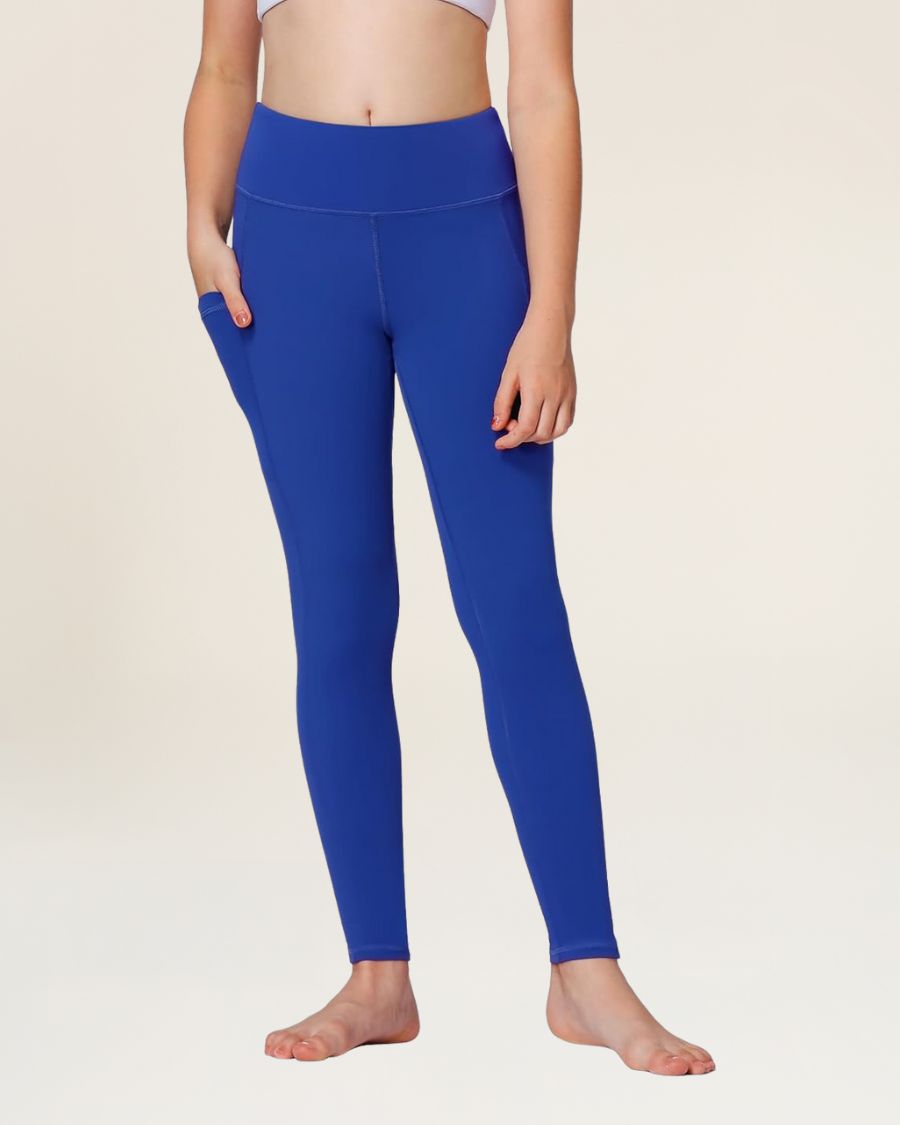
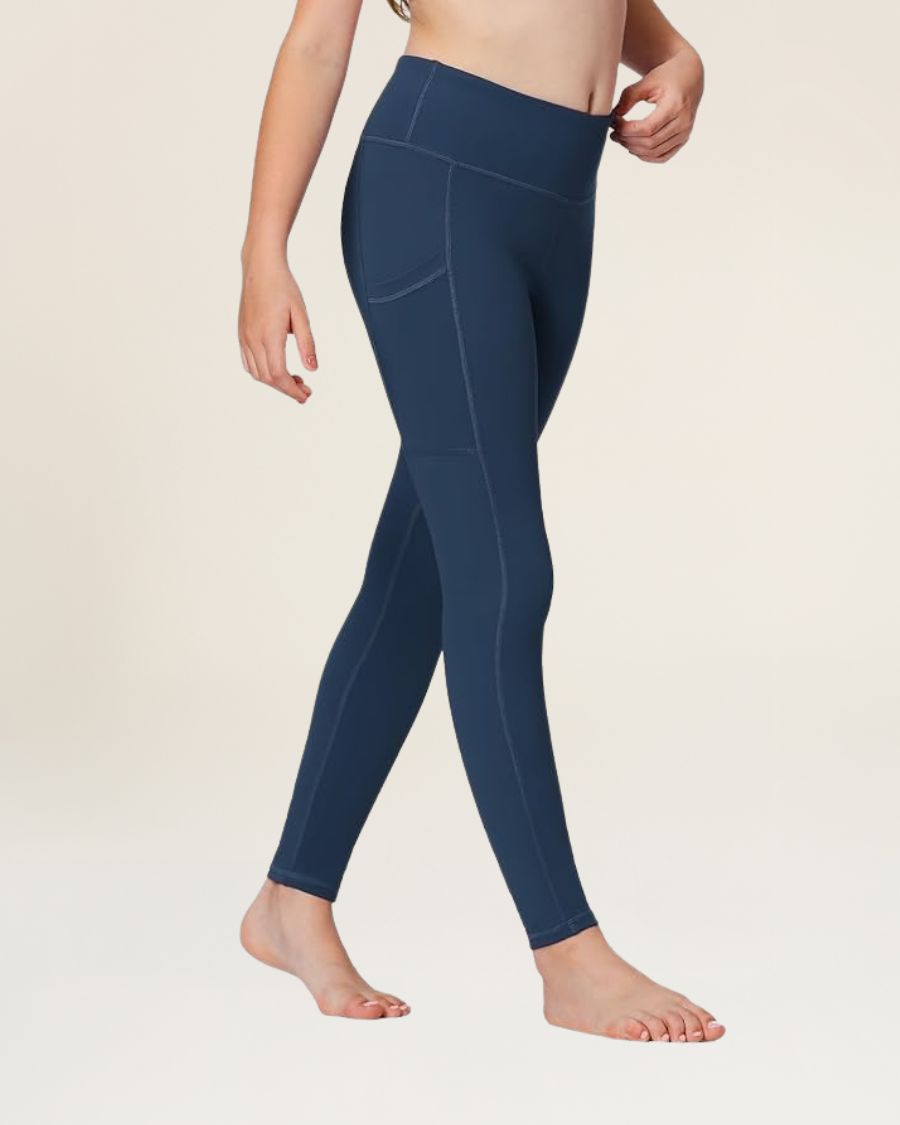
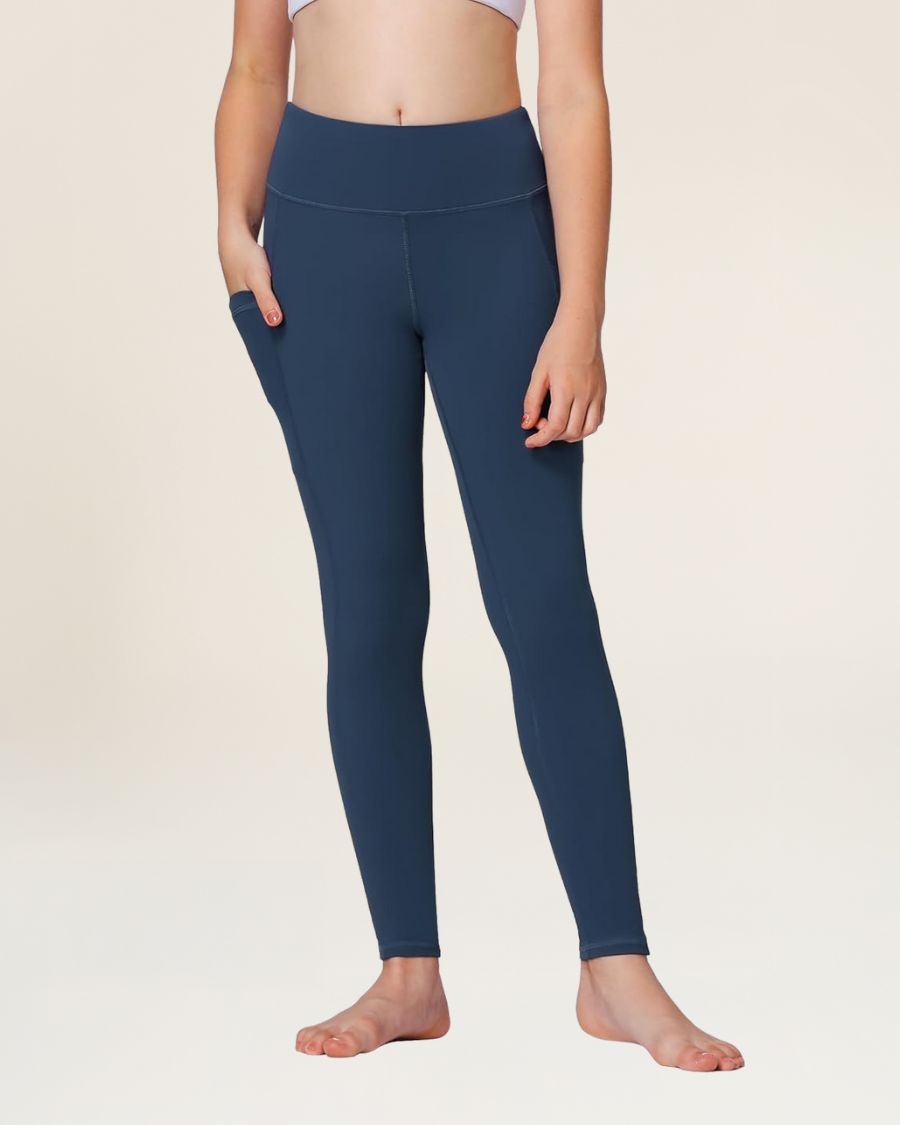
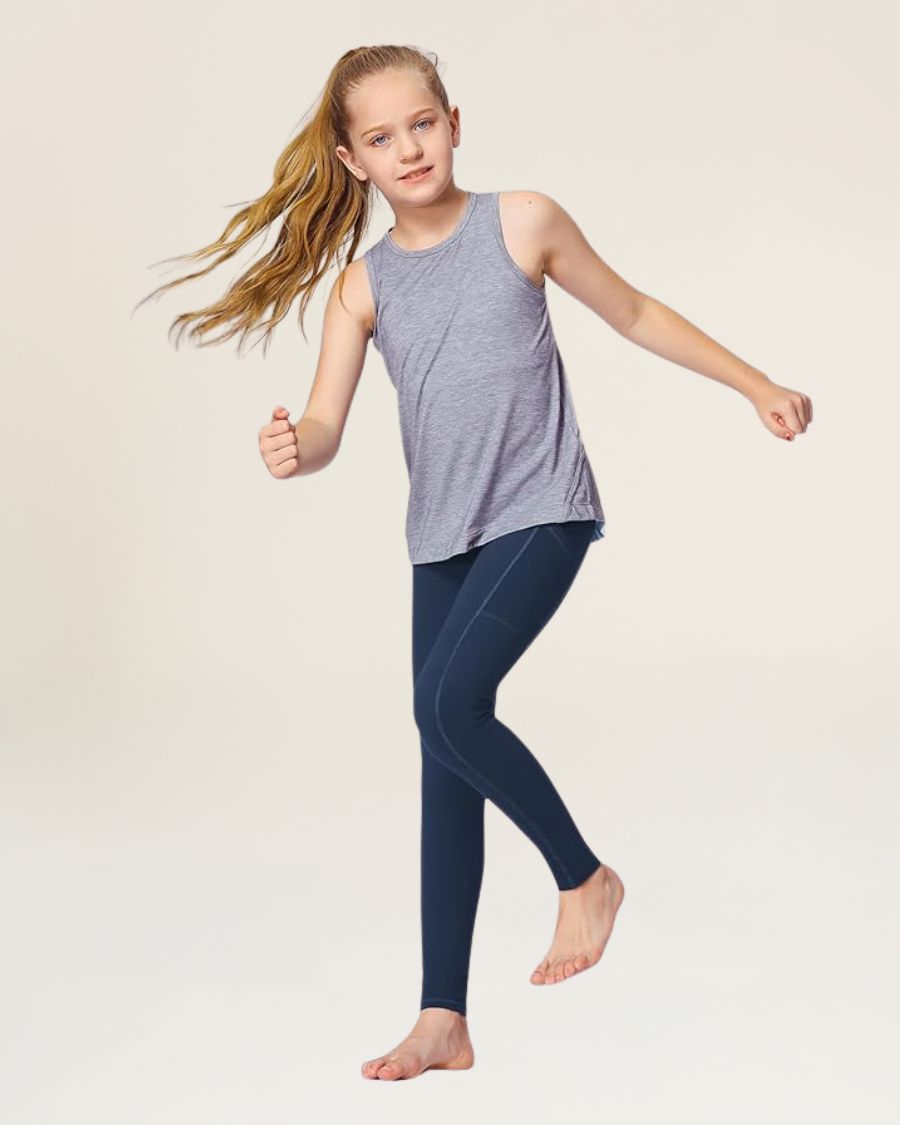
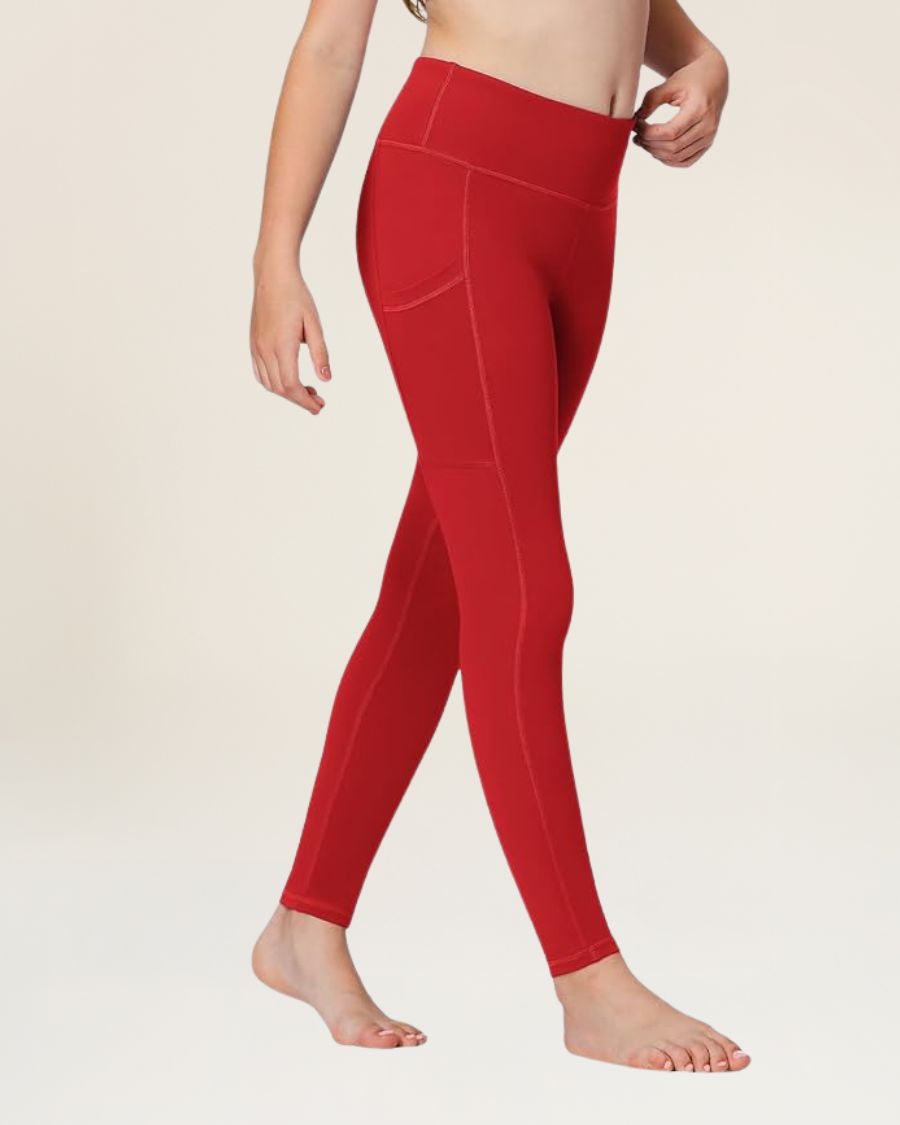
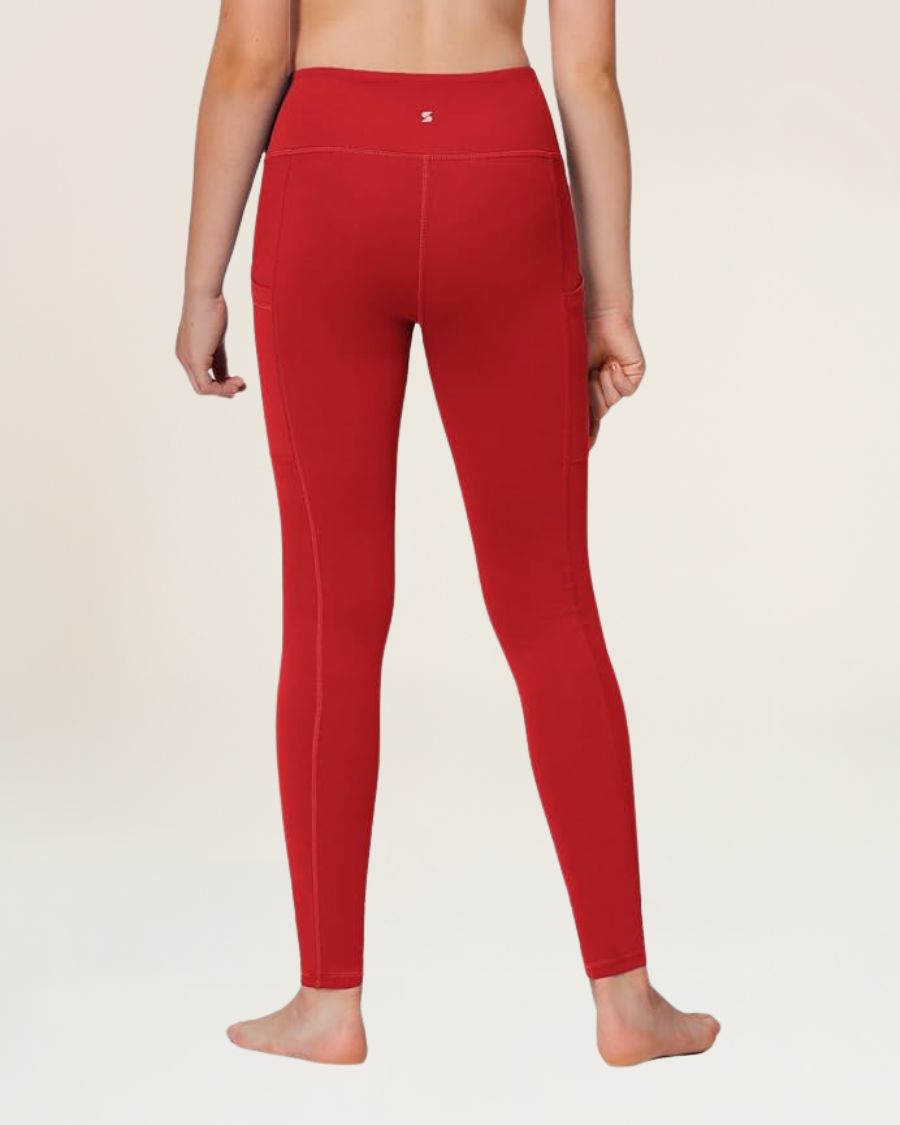
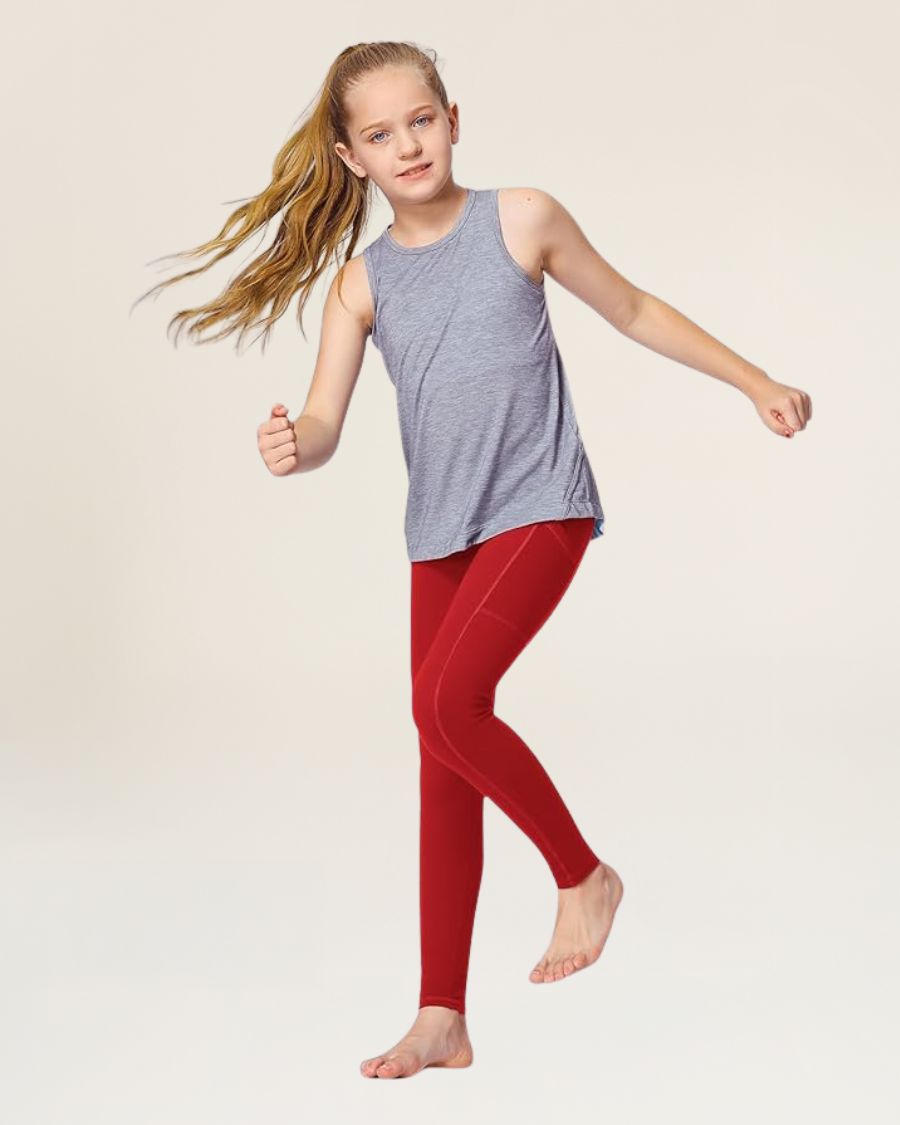
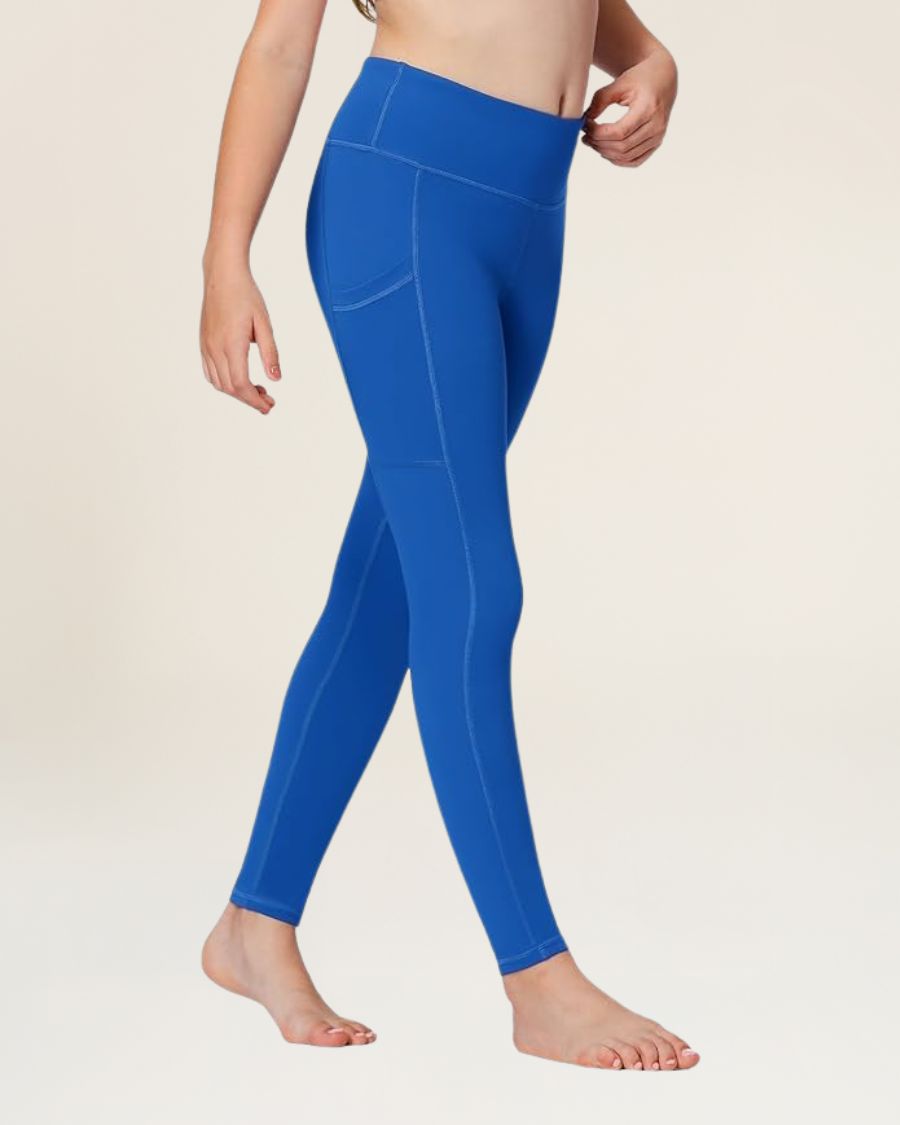
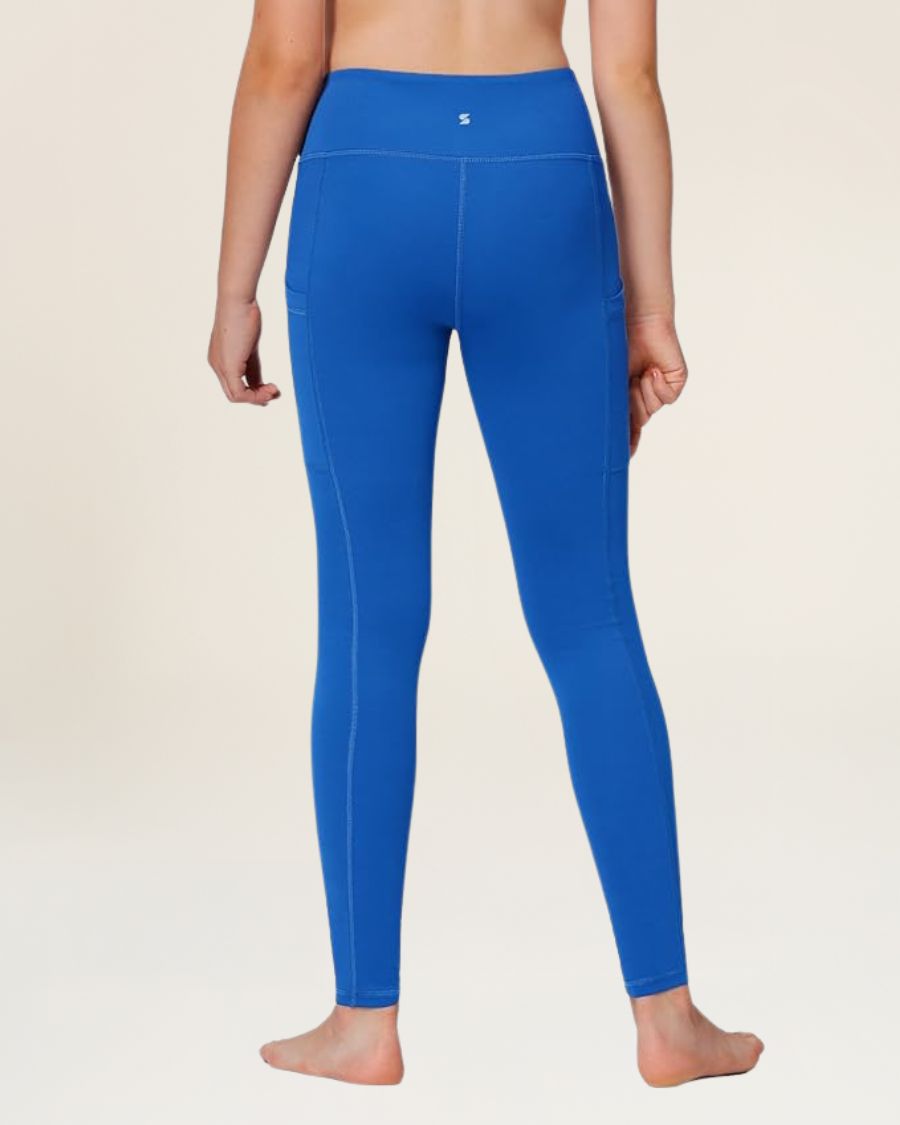
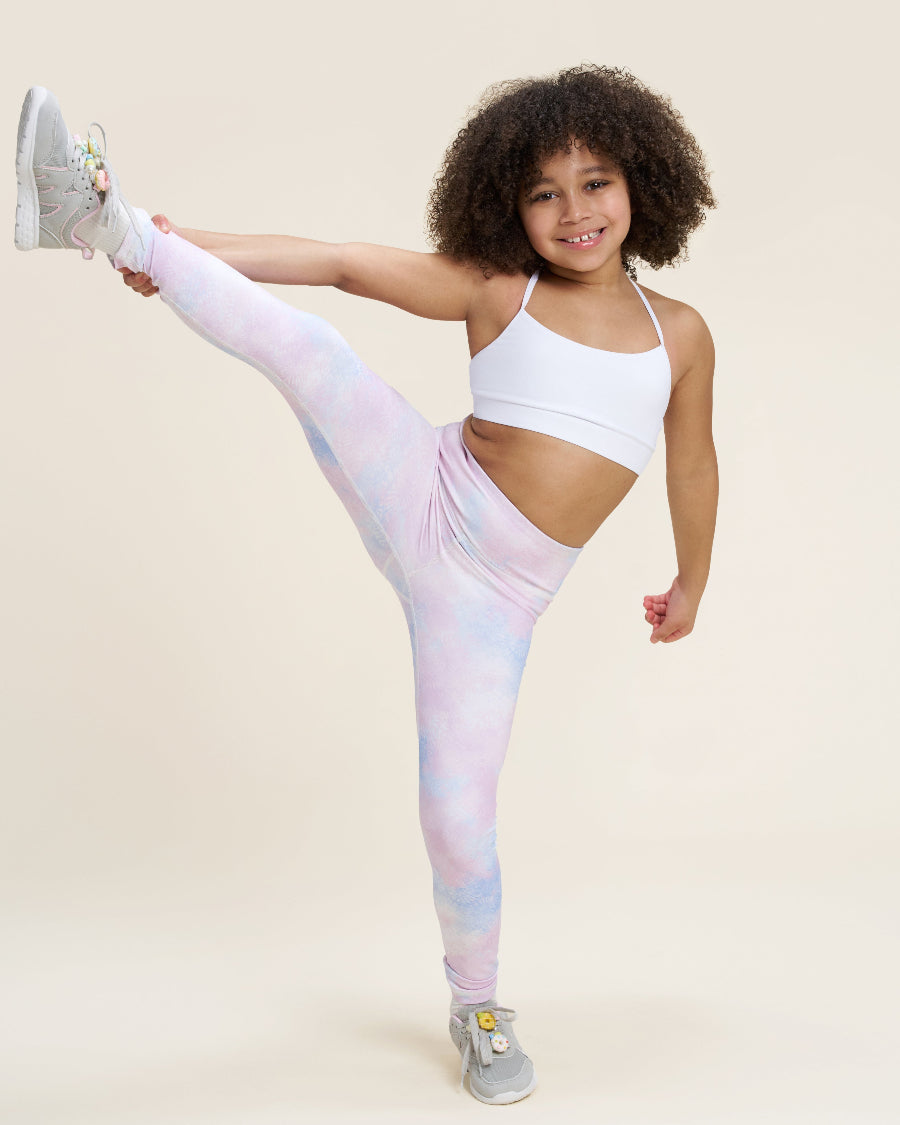
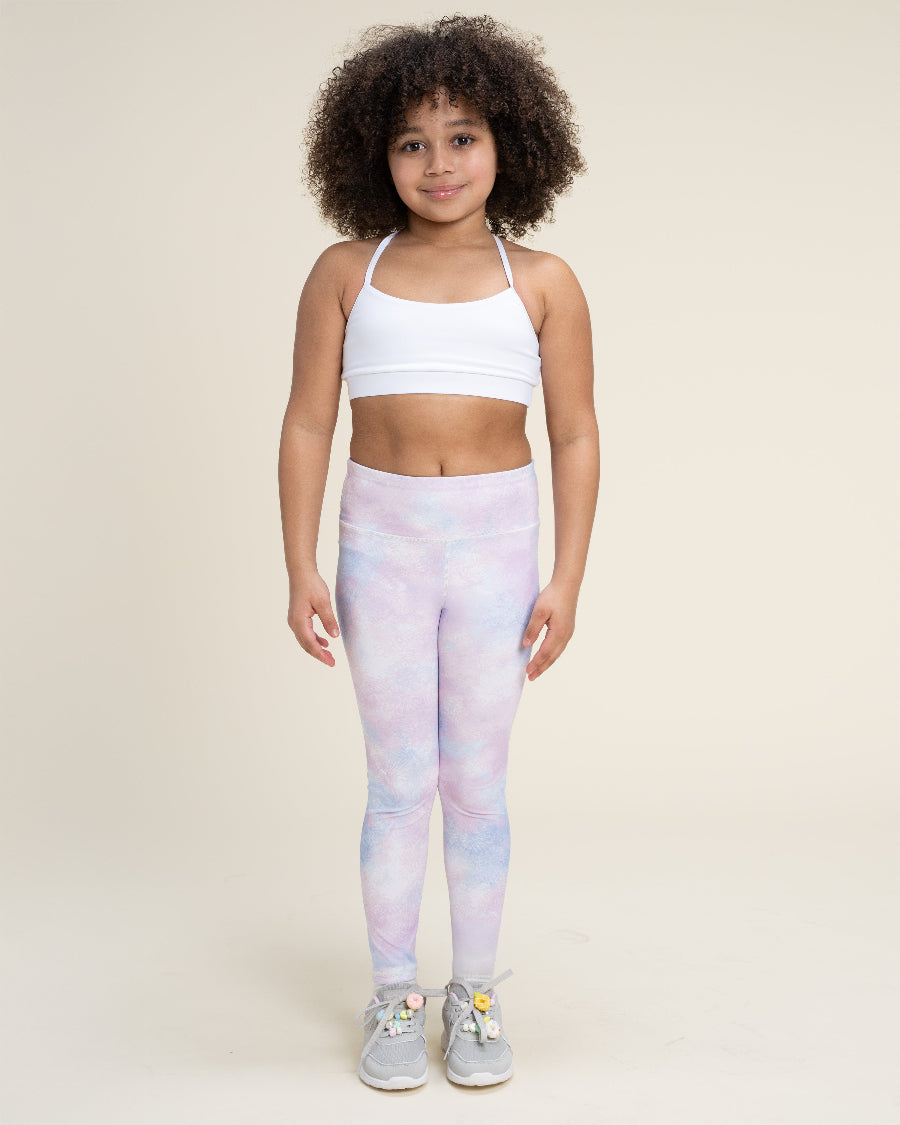
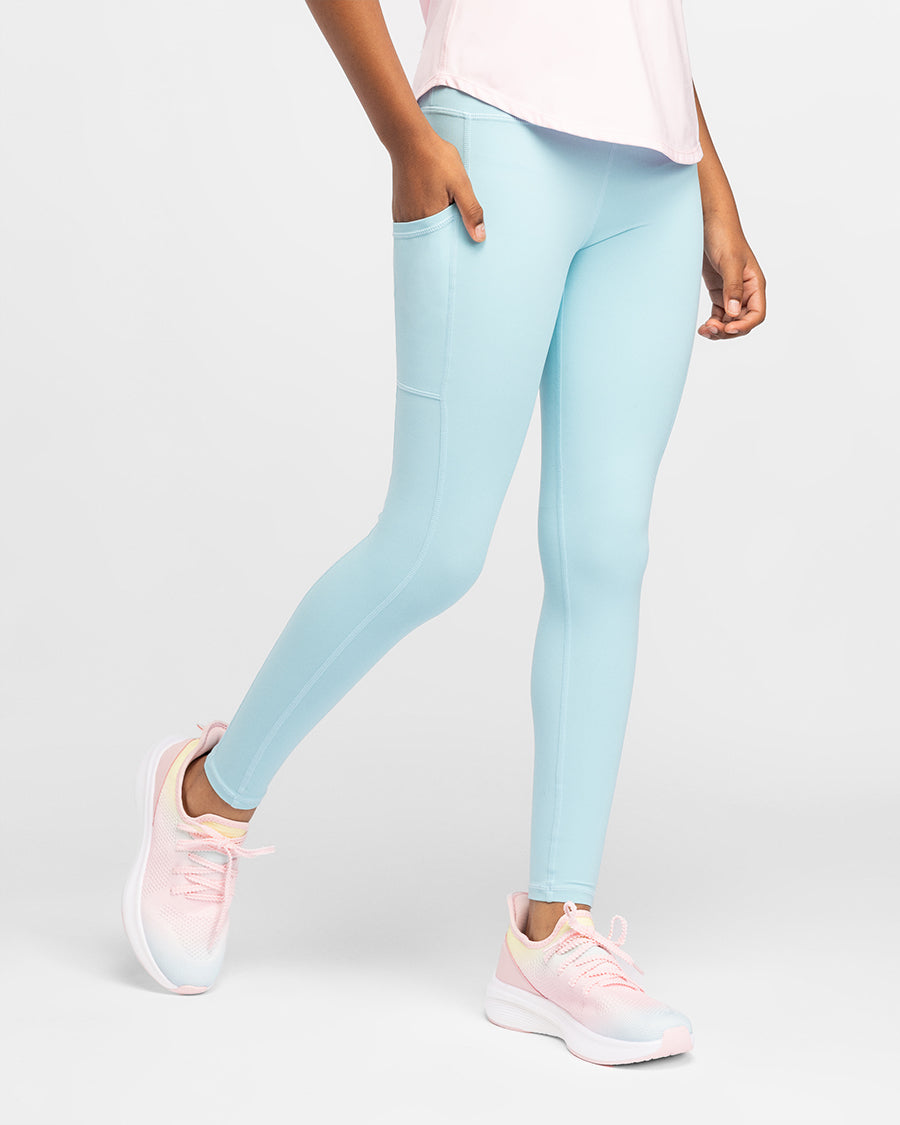
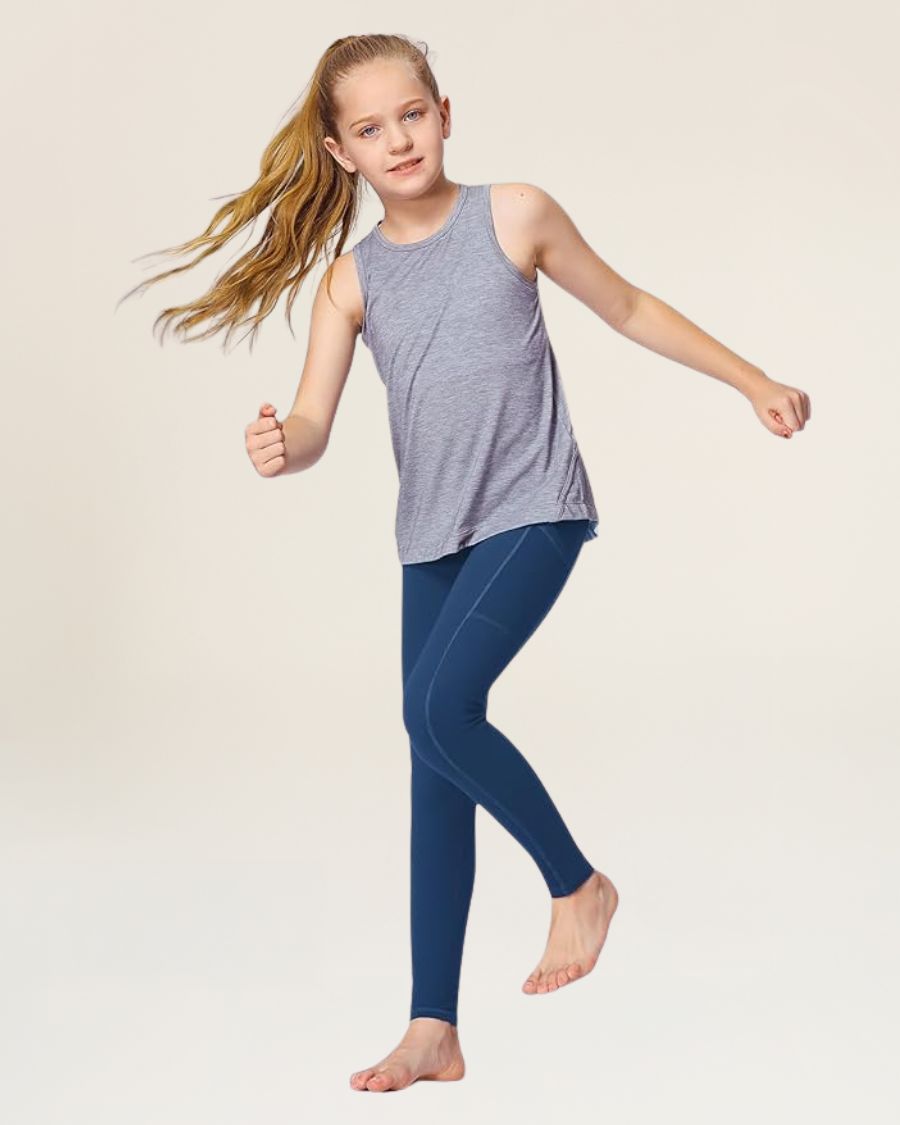
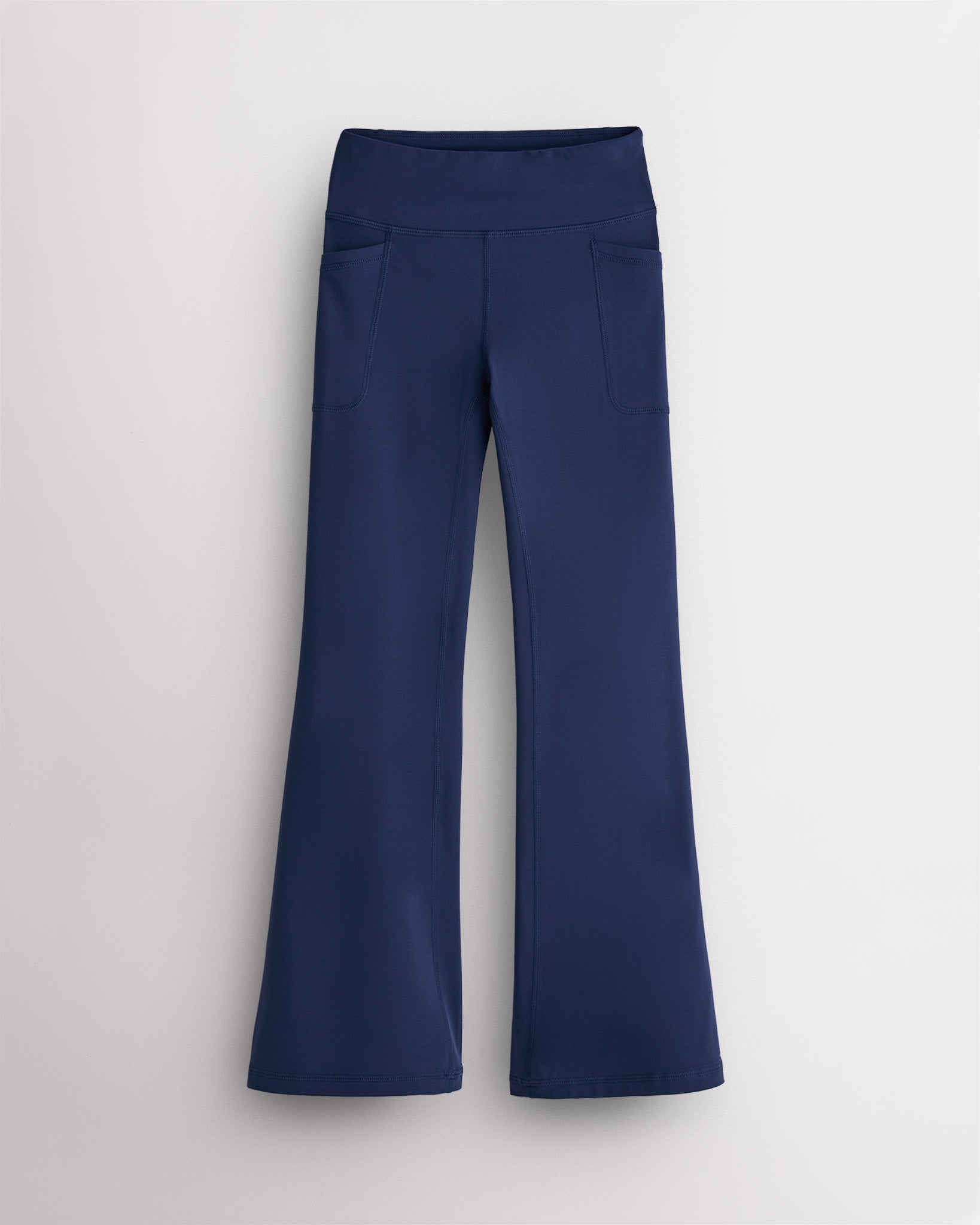
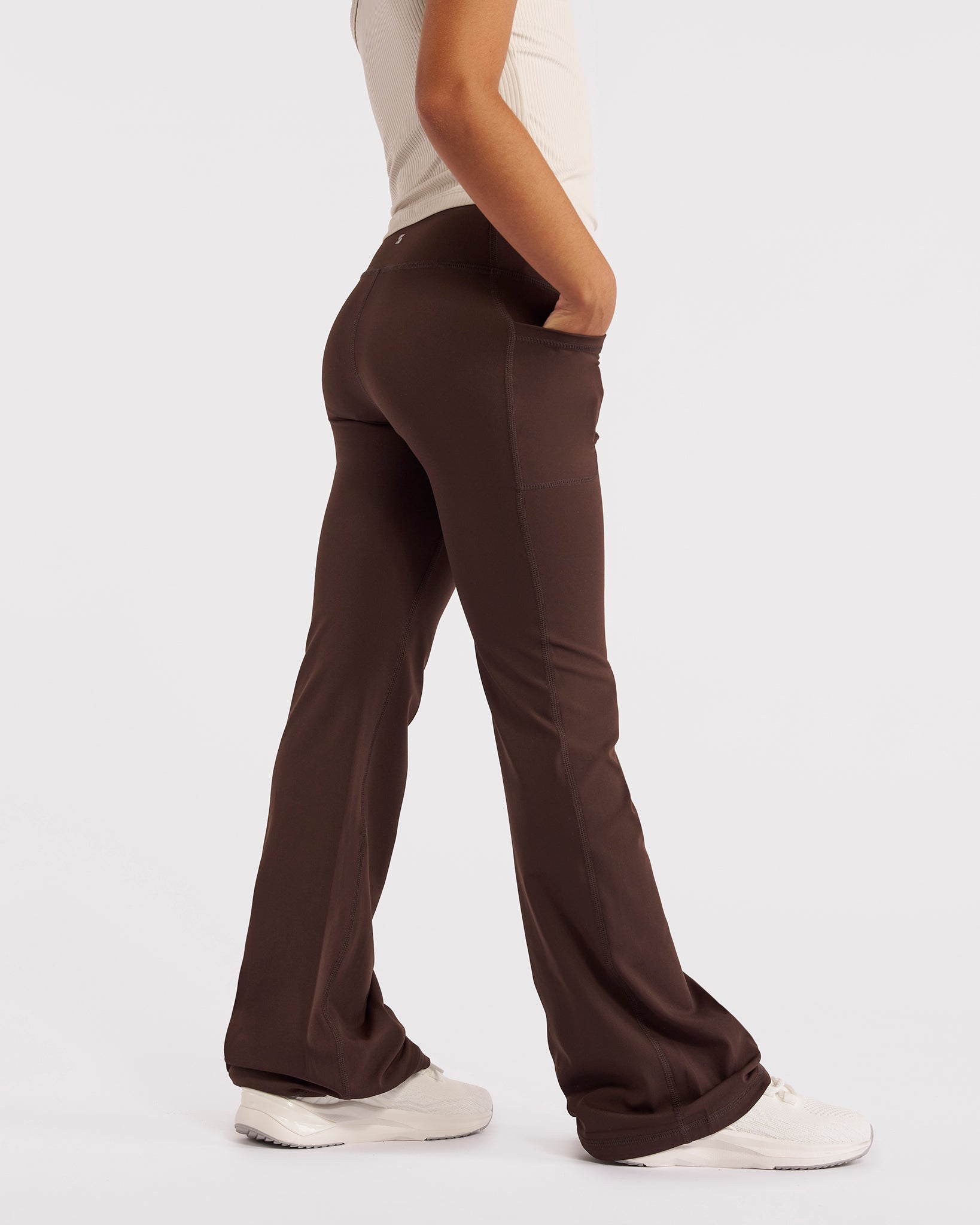
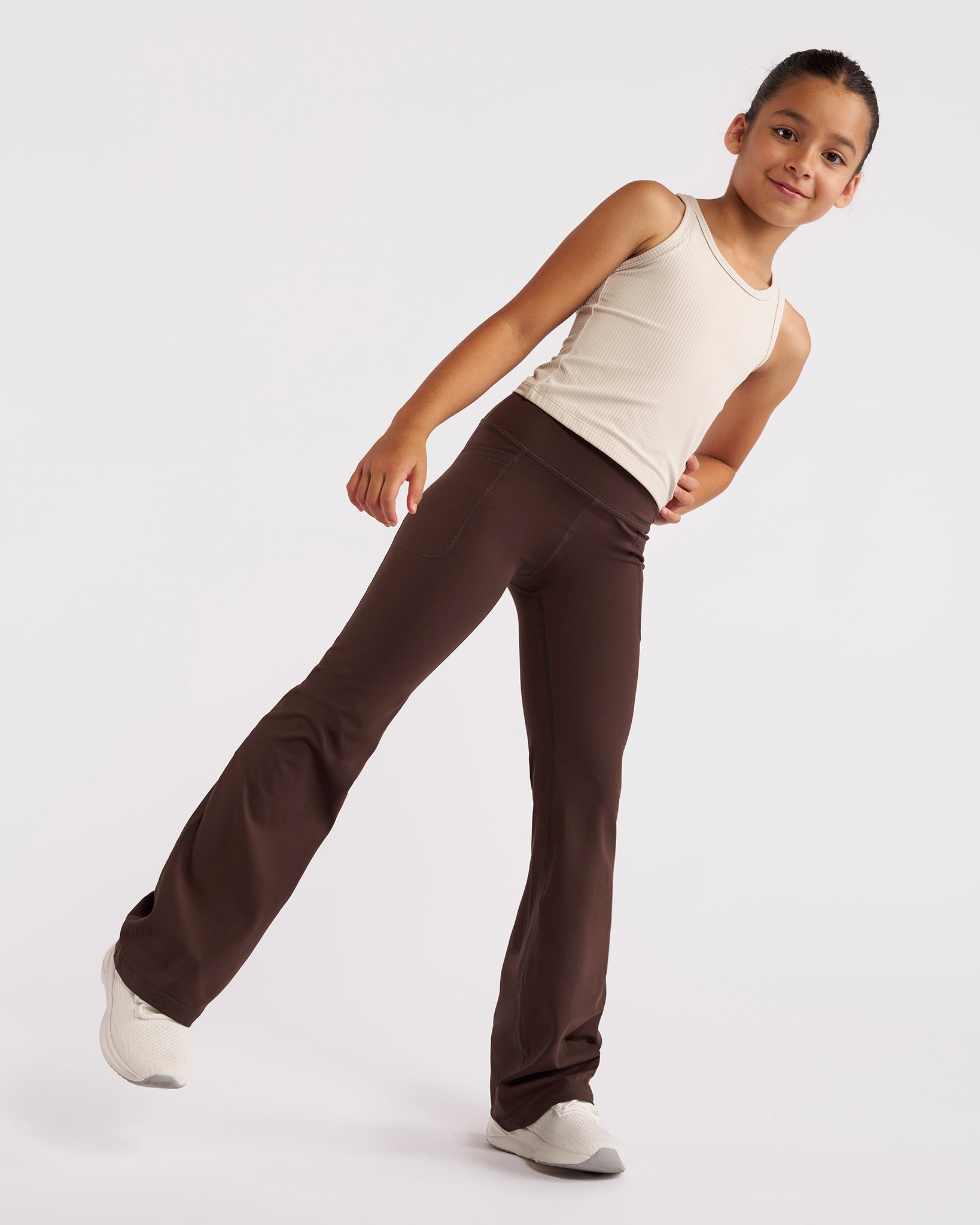
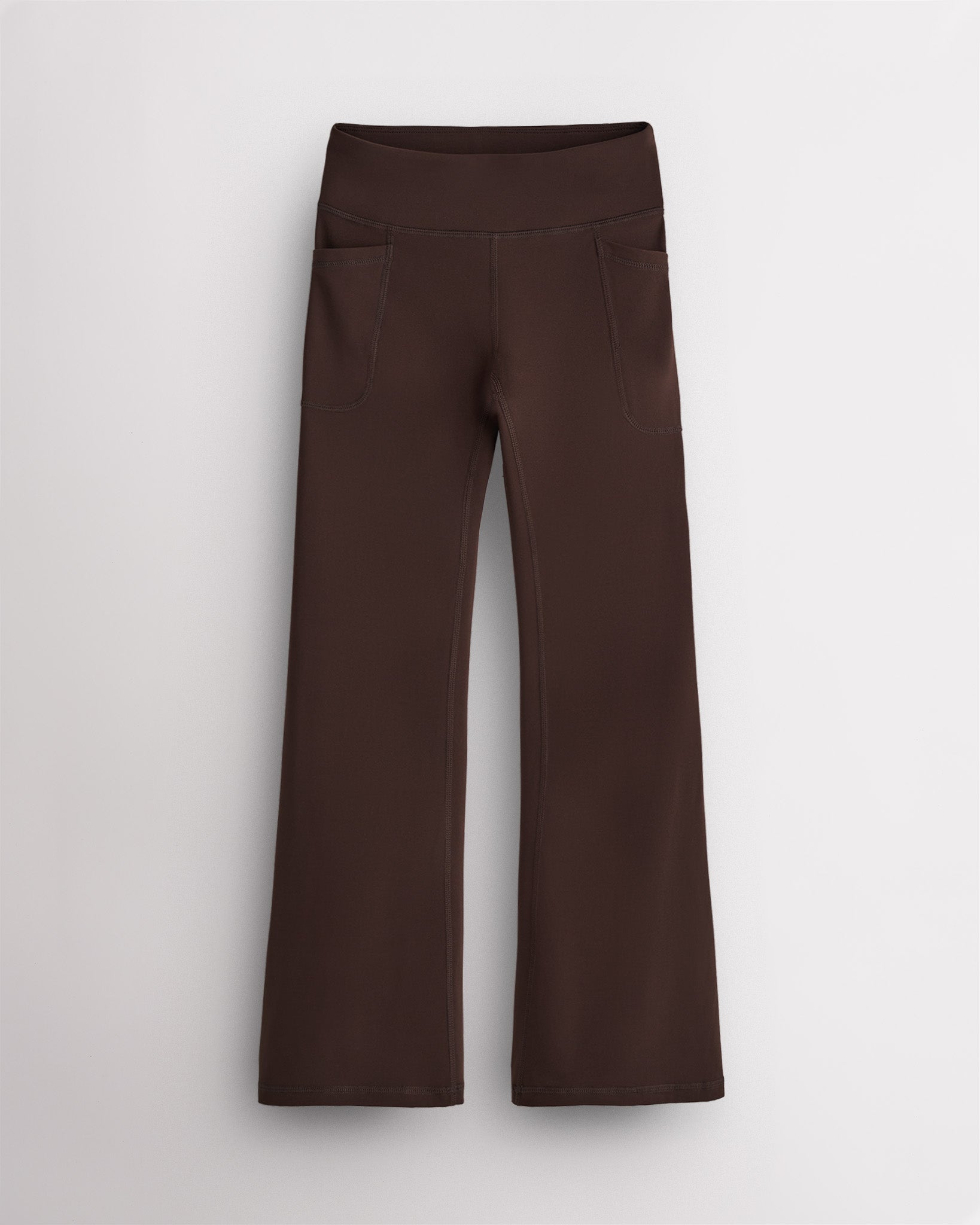
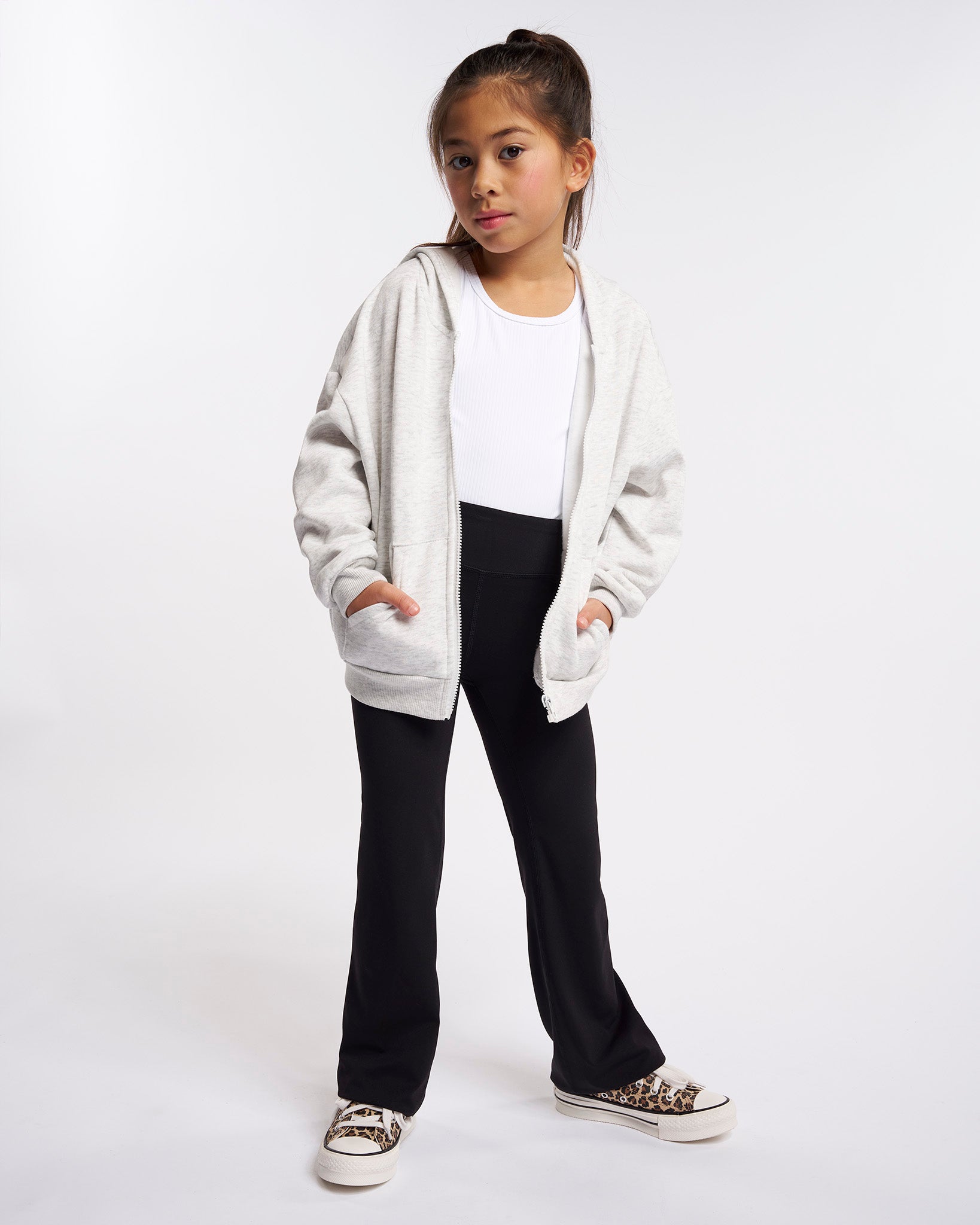
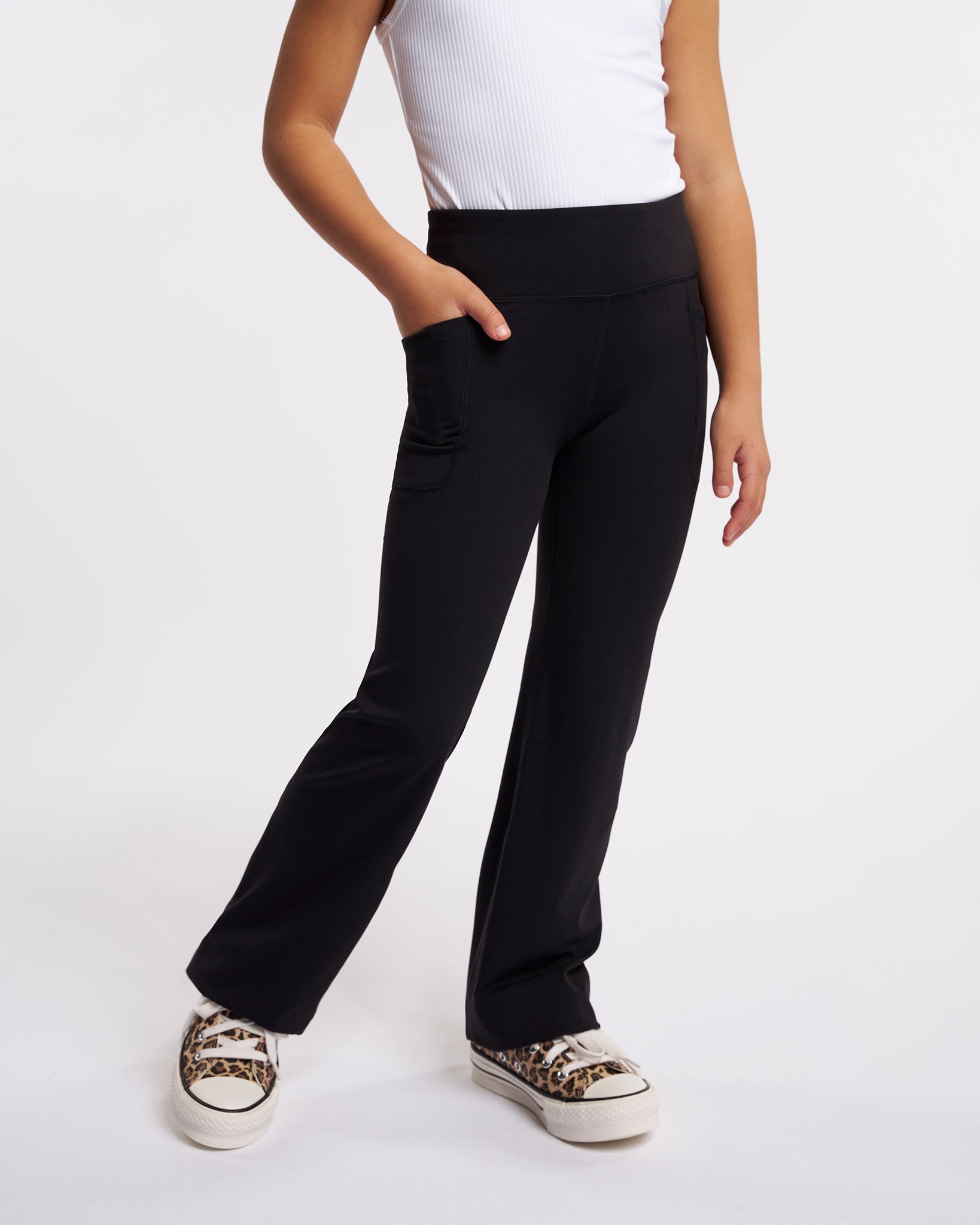
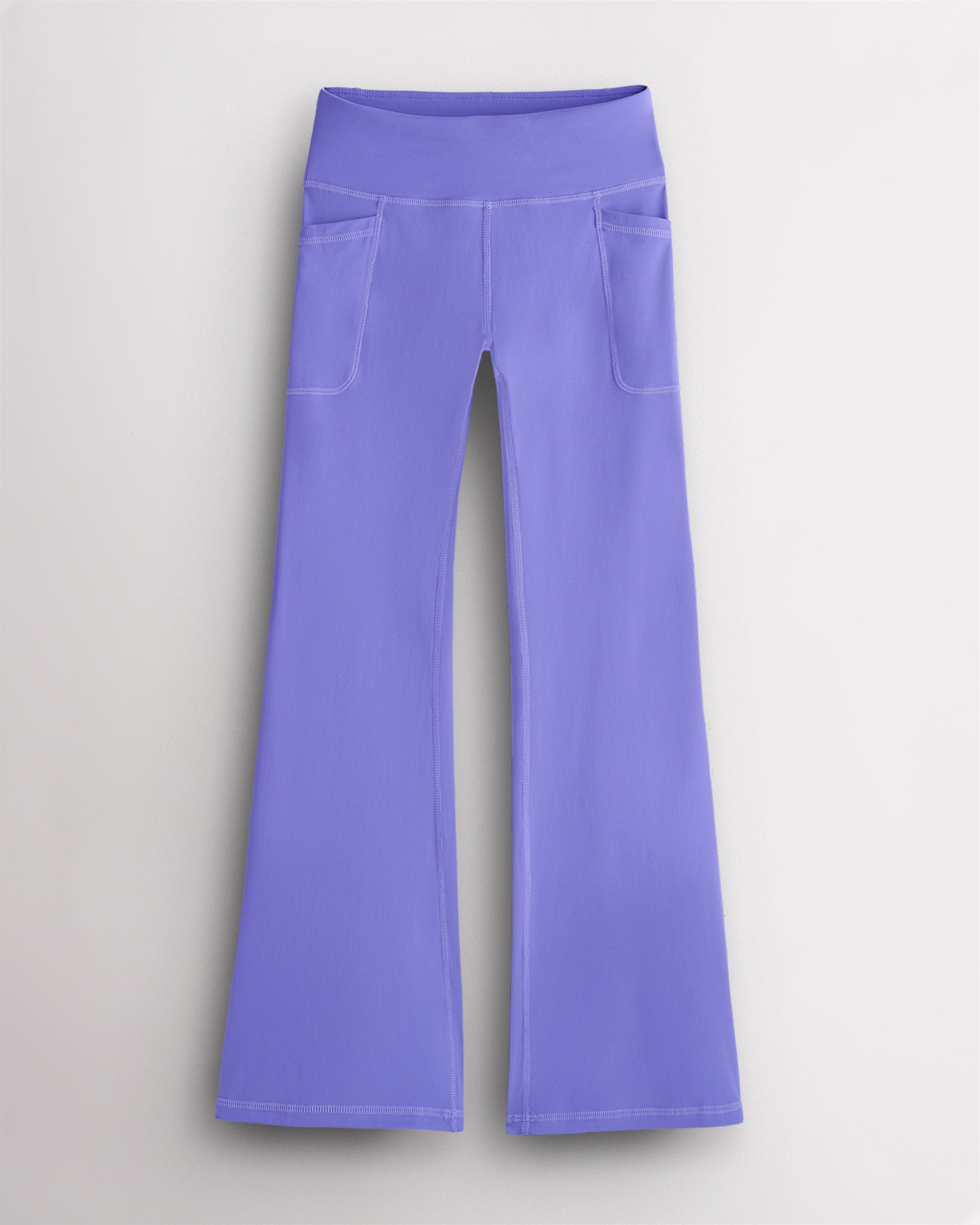
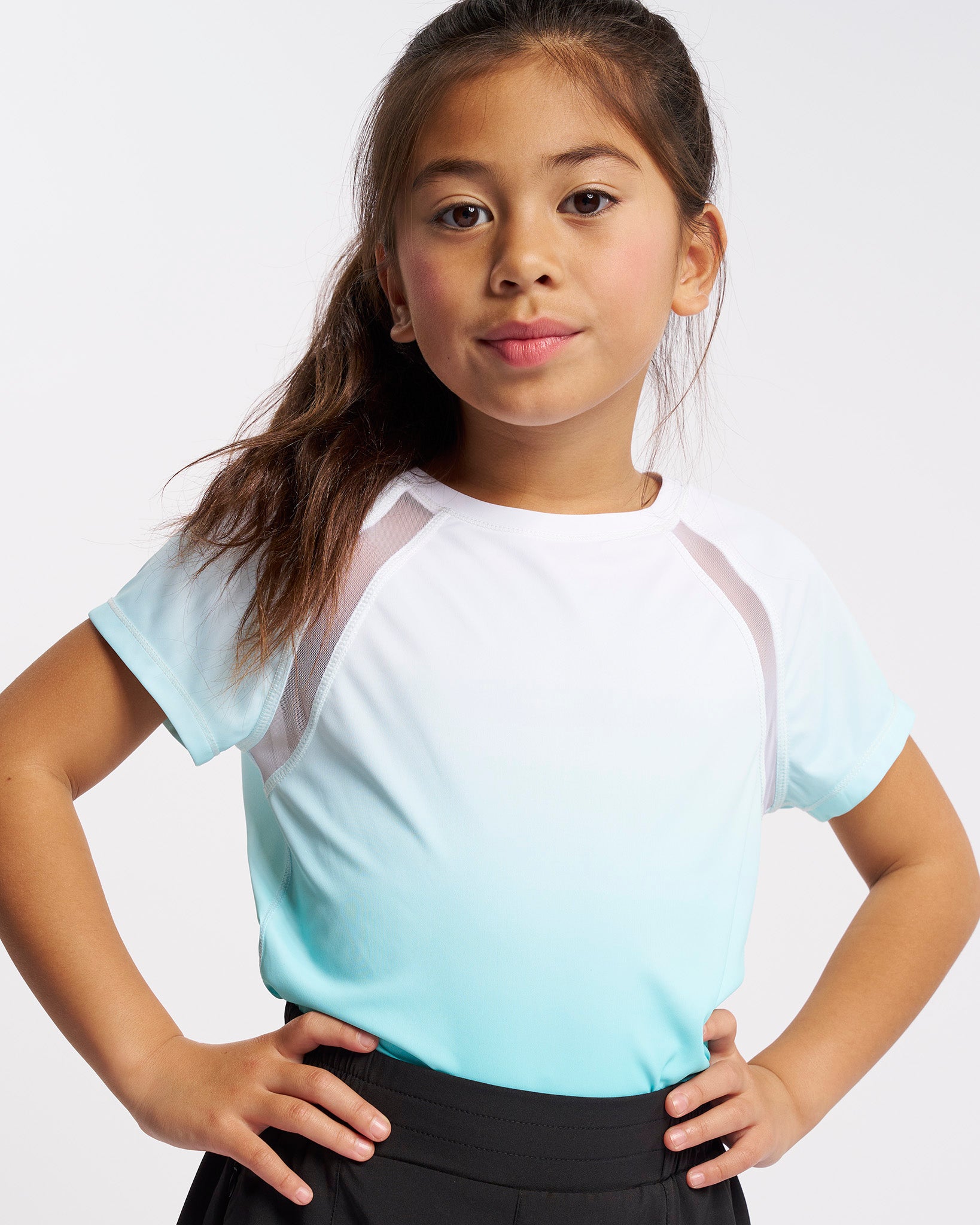
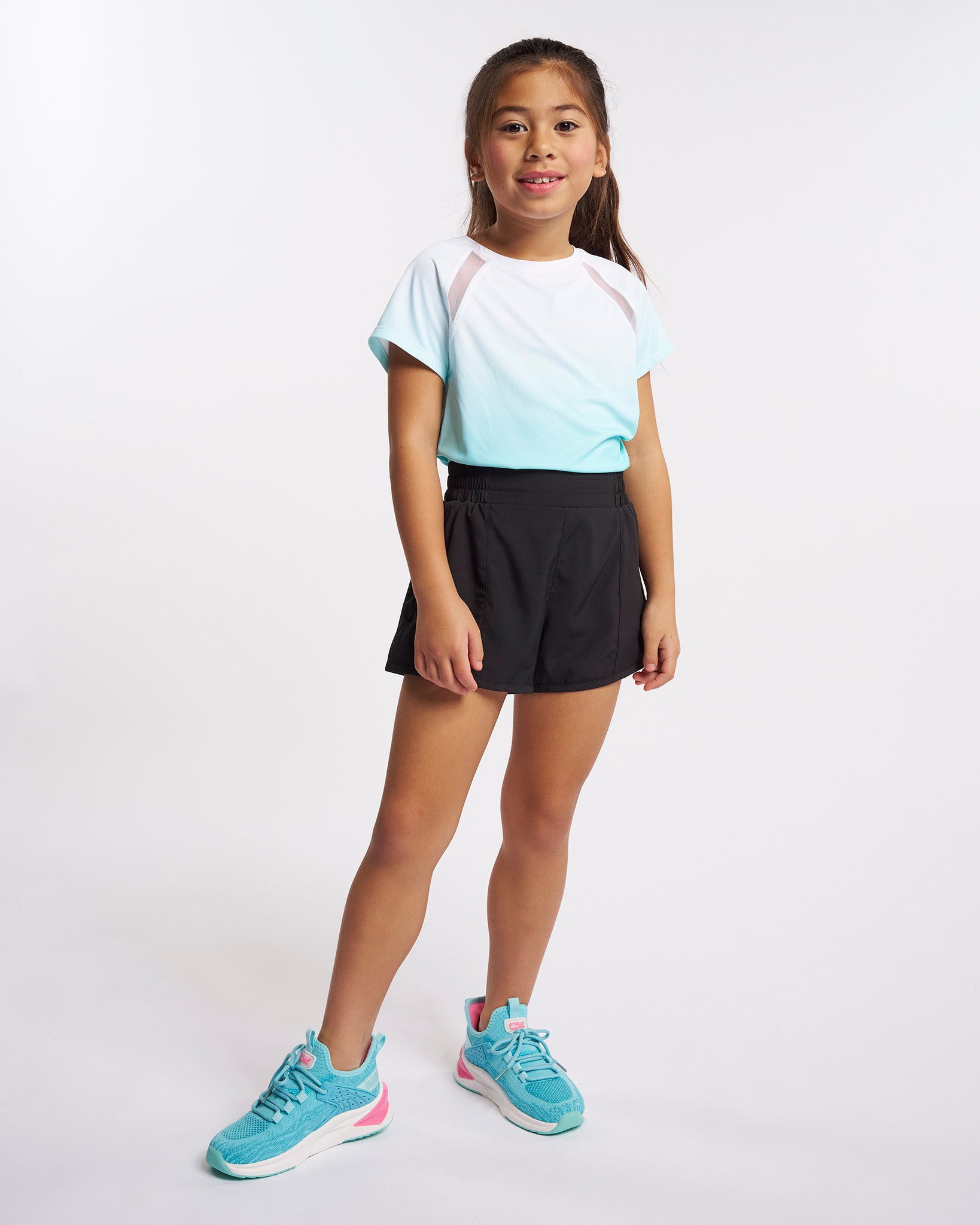
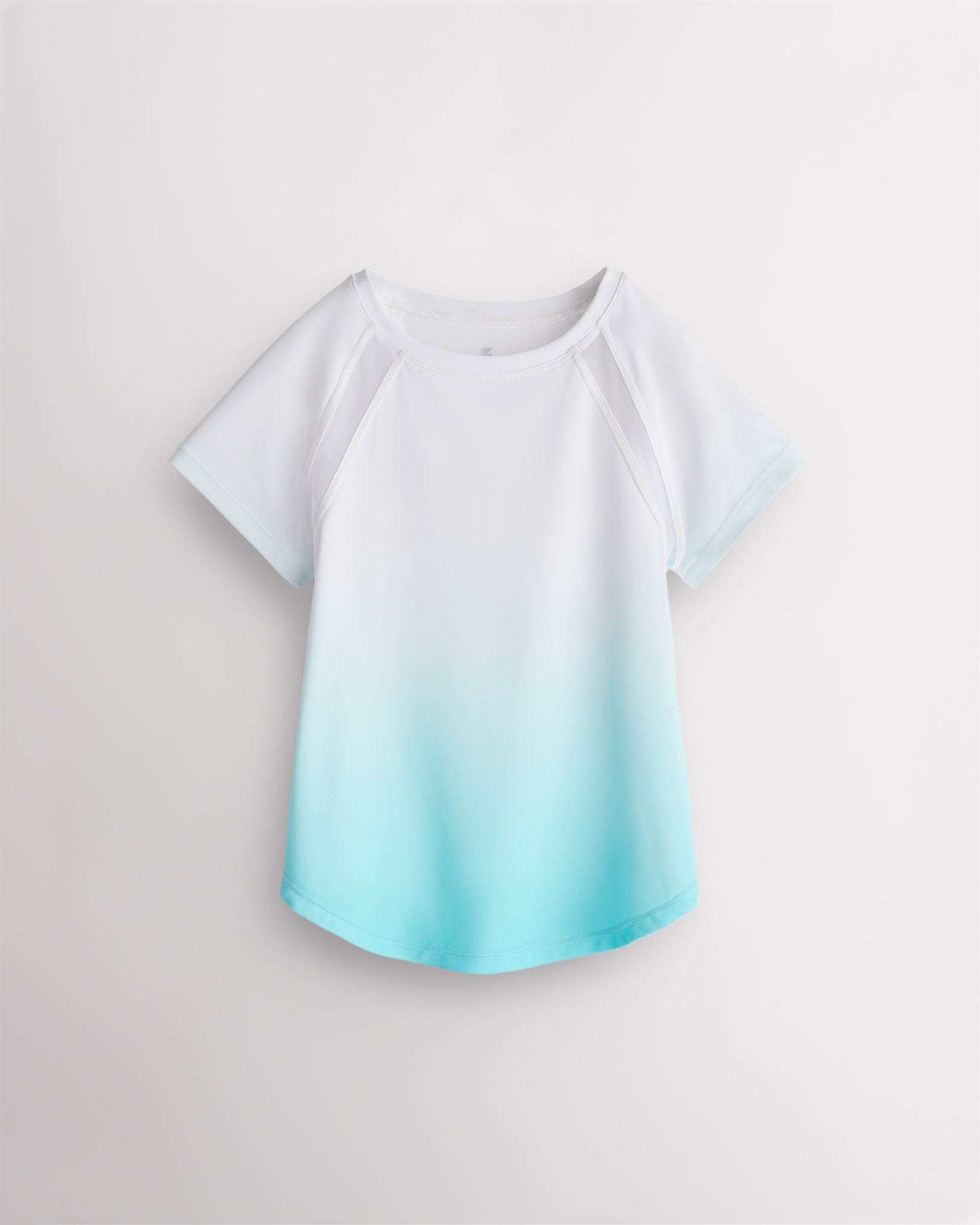
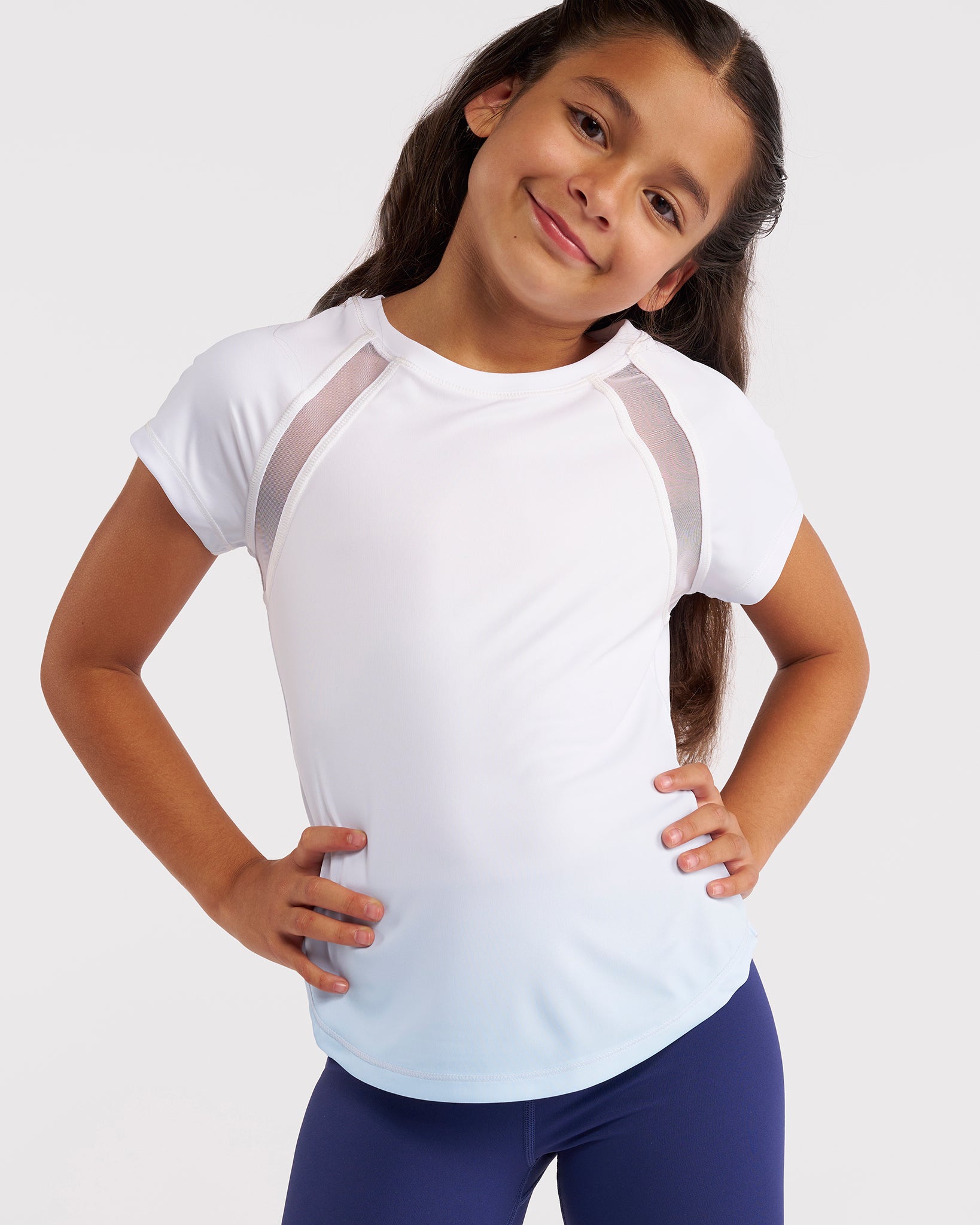
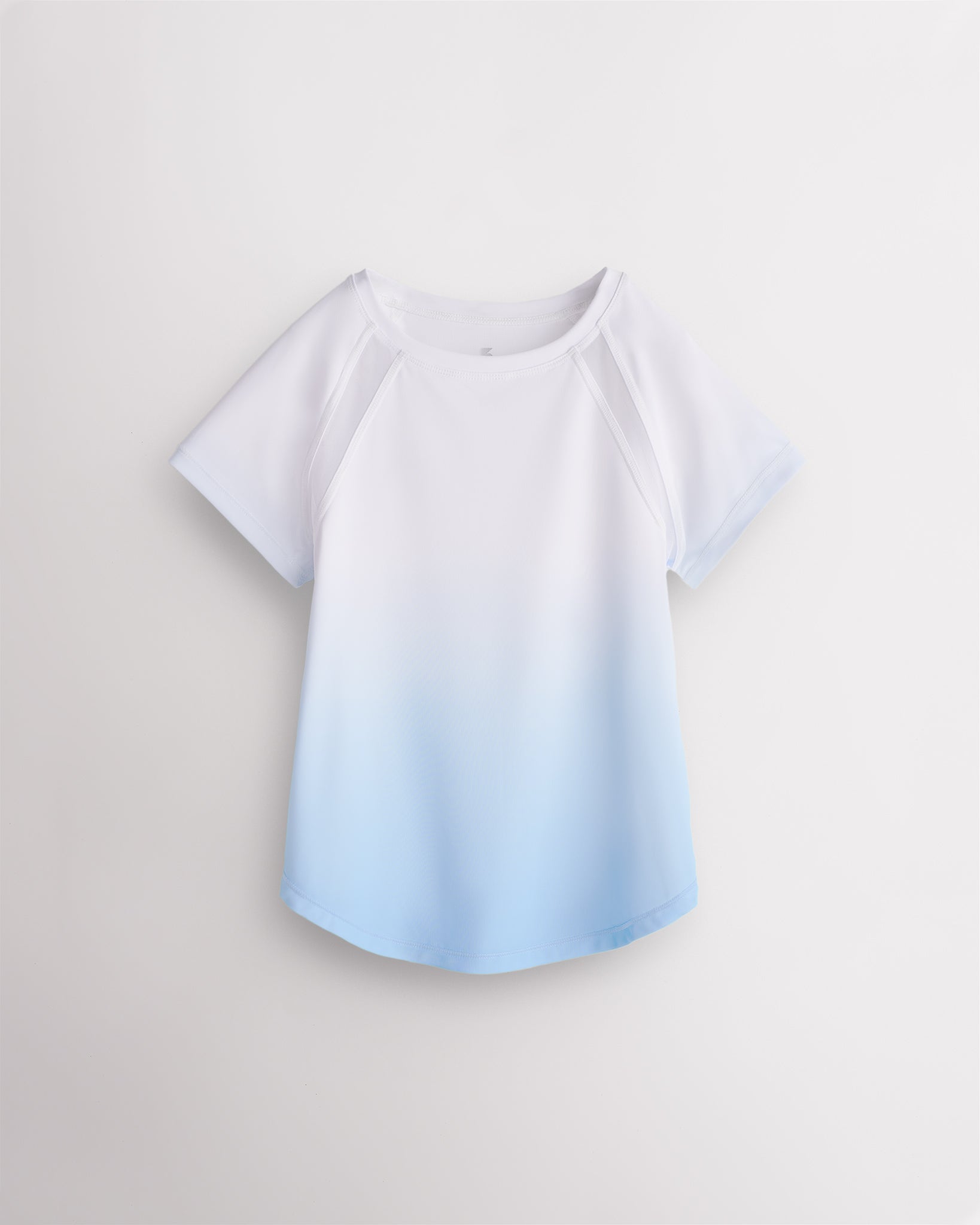
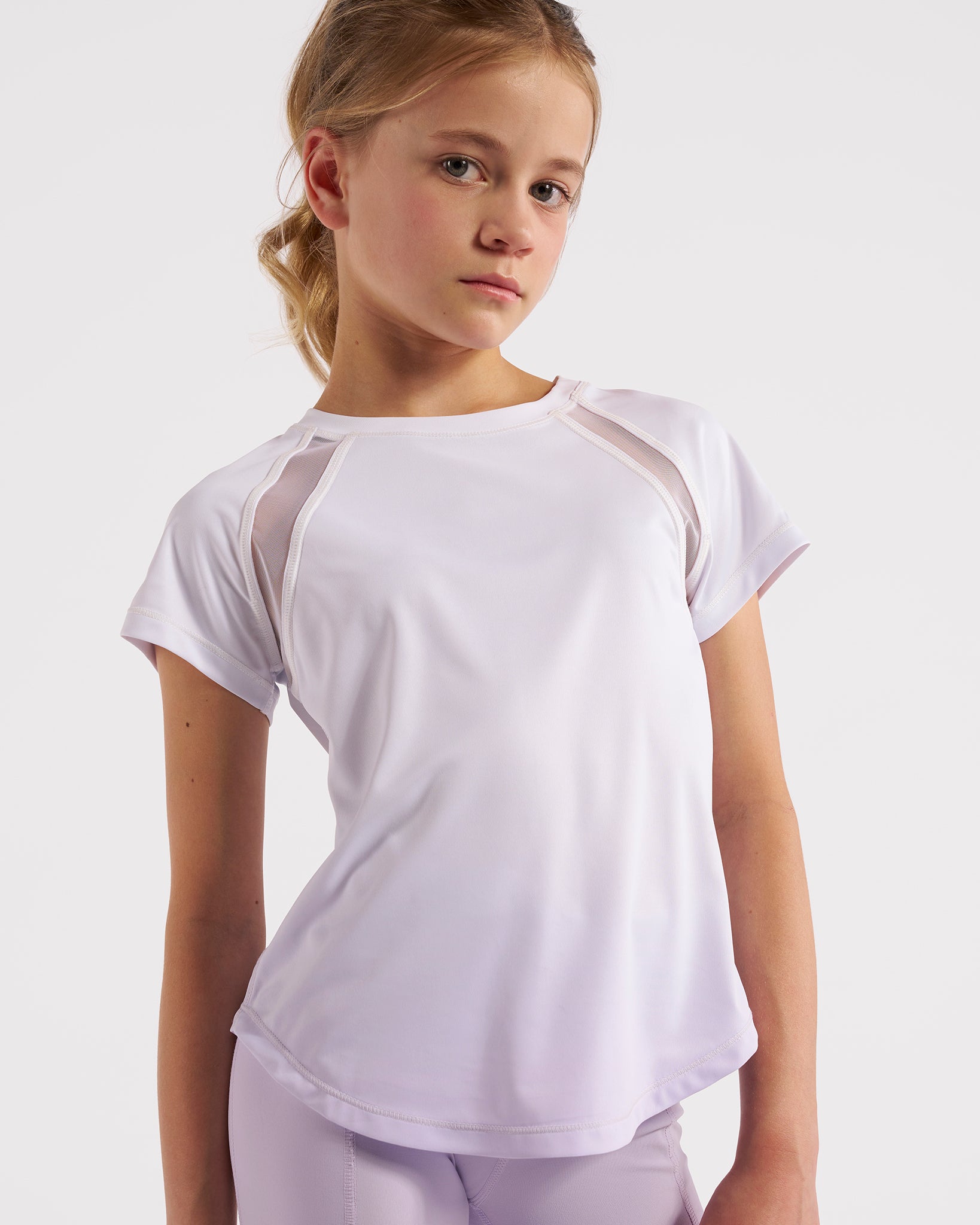
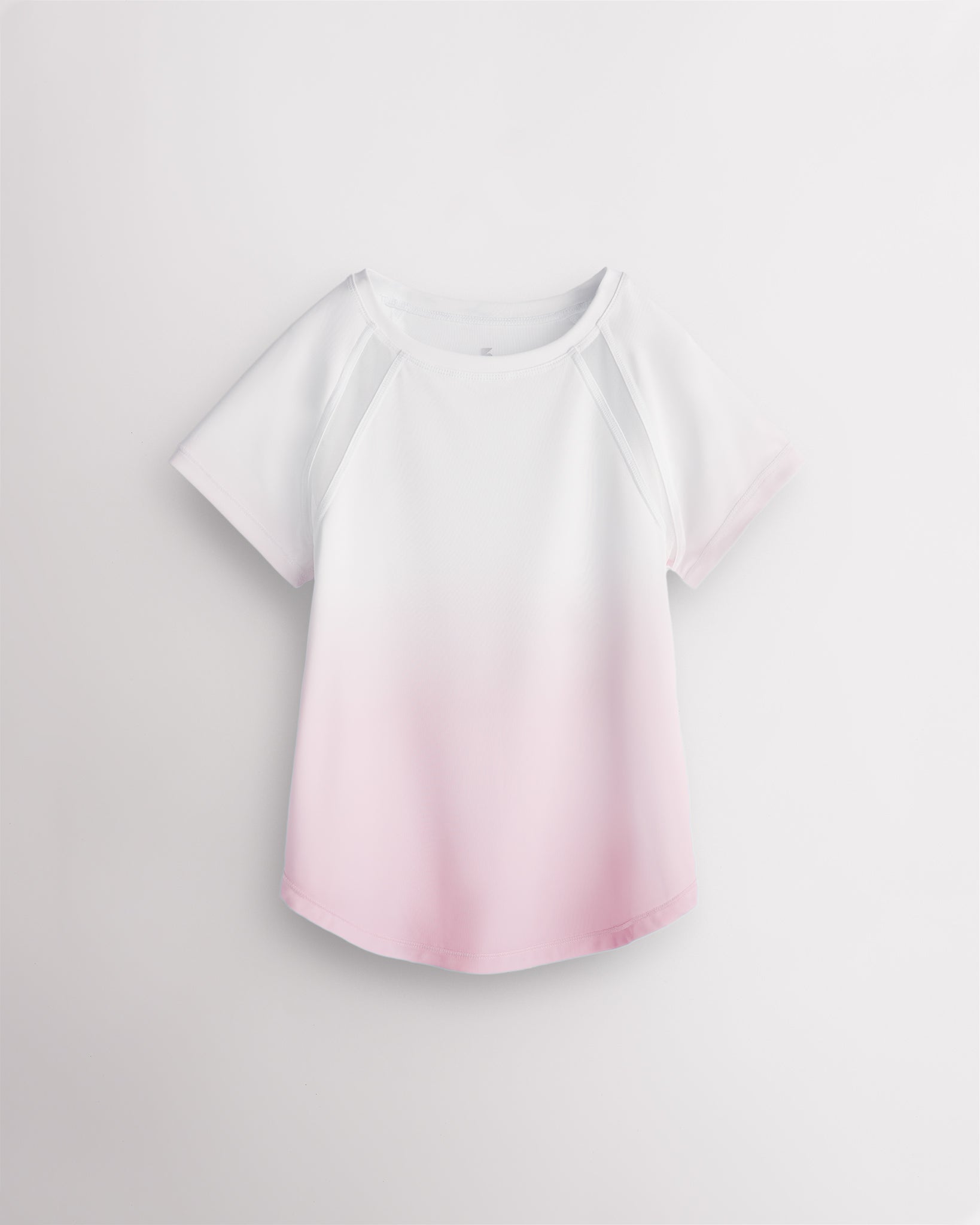
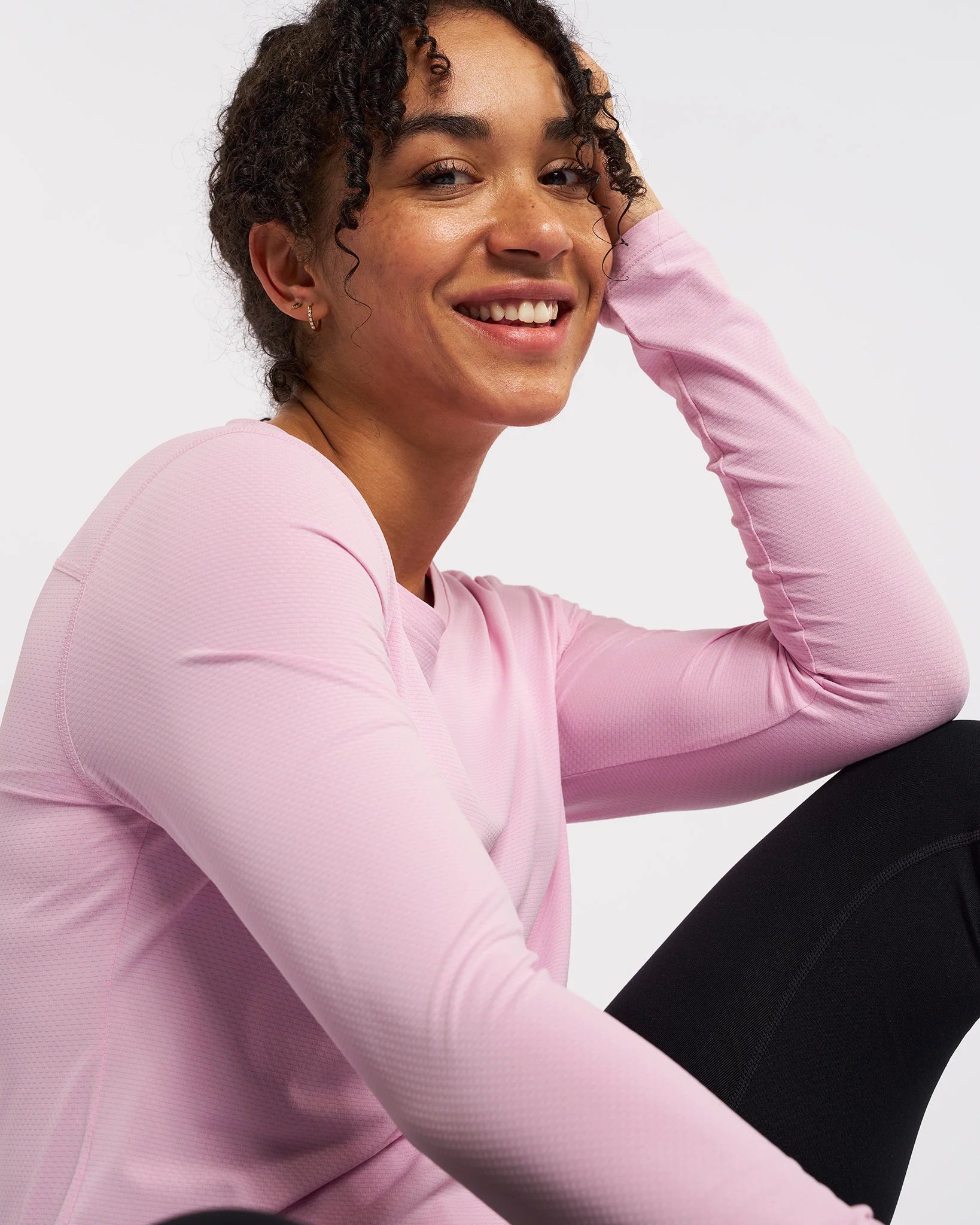
What you wear quietly affects how safely and freely you can move. The goal is simple: clothing that lets you move fully, stays comfortable, and is fitted enough that you (and your teacher) can see your lines and check your alignment. Soft, stretchy leggings and a fitted but breathable top let you fold, lunge, and reach without anything riding up or restricting you.
If you want pieces made for exactly this kind of movement, our activewear and dancewear for women is designed to move with you through class and stretching alike. Stelle is a woman-founded brand that has made dance and movement essentials since 2015.
Frequently Asked Questions
1. How long does it take to get flexible for dancing?
There is no fixed timeline, since it depends on your starting point, age, and consistency, but most people see gradual change over weeks and months rather than days. Stretching a few times a week, every week, matters far more than the occasional long session.
2. Can you start dancing as an adult if you're not flexible?
Yes. Flexibility is not a requirement to begin; it is something dancing helps you build. Your starting range does not limit how much you can improve, so there is no need to wait until you feel "ready" or flexible enough.
3. How often should an adult beginner stretch?
Aim for about 15 to 20 minutes, 3 to 5 times a week, with rest days included. Frequent shorter sessions tend to produce better, safer results than rare long ones, so it is fine to keep each one short as long as you keep showing up.
4. Should I stretch before or after dance class?
Both, but differently. Do gentle dynamic (moving) stretches before class to warm up, and save static (held) stretches for after class or a separate session when your muscles are warm.
5. What should I wear to stretch or dance as a beginner?
Comfortable, stretchy clothing you can move freely in, such as soft leggings and a fitted, breathable top, plus appropriate shoes for your style. Fitted pieces also make it easier to see and correct your alignment.