




Best Workout Routines for Teen Girls: Workouts for Teens That Stick
Table of contents
- Key Takeaways
- How to Choose the Right Workout for Your Teen
- Is Strength Training Safe for Teens?
- 1. Strength and Endurance Builders
- 2. Flexibility and Mindfulness
- 3. Fun and Everyday Activities
- A Sample Workout Schedule for Teenagers
- What If She Hates Working Out?
- What to Wear
- FAQ
- What is the best workout for teenage girls at home?
- What's a good workout for a complete beginner?
- How long should a teenage girl exercise, and how many days a week?
- Is it safe for a 13 or 14 year old to start working out?
- Which workout is best for boosting confidence?
- What should a teen girl wear to work out?
- About the Stelle Team
The best workouts for teens are the ones a teen will actually repeat: a mix of strength work (bodyweight training, Pilates, martial arts), cardio she enjoys (running, dance, swimming, cycling), and everyday movement like hiking or pickup games. The CDC recommends that kids ages 6 to 17 get 60 minutes or more of moderate-to-vigorous activity each day, with muscle-strengthening activity on at least 3 days a week. Build the teenage fitness plan around her interests, not a rigid program she will quit by week two.
Key Takeaways
-
Aim for 60 minutes of movement every day, with muscle-strengthening activity on at least 3 days a week.
-
Strength training is safe for most healthy teens when it is supervised and form comes before weight. The "stunts your growth" worry is a long-standing gym myth.
-
Match the workout to her goal: calm and focus point toward yoga or swimming, strength and energy point toward bodyweight training or HIIT, and social motivation points toward team sports or dance.
-
Beginners tend to do better starting with 2 to 3 short sessions a week and building up, rather than jumping into a daily routine.
-
Talk about strength, energy, mood, and sleep.
-
A written weekly schedule helps a routine stick, and a sample week is below.
How to Choose the Right Workout for Your Teen
Start with her goal and her experience level, because the right workouts for teens depend on both. A teen who wants to feel calmer needs a different plan than one training for soccer tryouts, and a complete beginner needs a gentler on-ramp than a three-sport athlete.
|
Her goal |
Experience level |
Good starting points |
|---|---|---|
|
Less stress, calmer mind |
Beginner |
Yoga, swimming, walking or easy running |
|
More strength and energy |
Beginner |
Bodyweight training, dance cardio, jump rope |
|
More strength and energy |
More experienced |
HIIT, martial arts, strength-focused bodyweight work |
|
Fun and friends |
Any level |
Team sports, dance cardio, hiking |
|
Just moving more at home |
Beginner |
Bodyweight exercises, yoga, dance cardio, jump rope |
One more filter before you pick: if she has asthma, joint issues, or any other health concern, run the plan past her doctor first.
Is Strength Training Safe for Teens?
Yes, for most healthy teens. The American Academy of Pediatrics says strength training is not harmful to growth plates when done in supervised settings using low weight and high repetitions, and notes that significant injuries are rare in well-supervised programs. That makes strength exercises for teens a sensible choice when sessions are supervised and technique comes before load. The idea that lifting stunts growth is a long-standing gym myth, and it sticks around partly because heavy, unsupervised lifting does carry real risk.
A few guardrails keep it safe:
-
Learn every movement with no weight first, until form is solid.
-
Use lighter weights and higher repetitions rather than heavy singles. The AAP advises against 1-rep-max attempts before skeletal maturity.
-
Train with supervision from a qualified coach or trainer, or a PE teacher with strength training experience.
-
Bodyweight counts. Squats, push-ups, lunges, and planks build real strength with no equipment and almost no technique risk.
Squats, lunges, and jump rope also count toward the muscle- and bone-strengthening days in the guideline above, and the teen years are a good time to start that habit.

1. Strength and Endurance Builders
These are the core strength exercises for teens and the cardio that pairs with them. Pick one or two, not all five.
HIIT (High-Intensity Interval Training)
Short bursts of hard effort followed by rest: think 30 seconds of squat jumps, 30 seconds of rest, repeated for 10 to 15 minutes. It is efficient and leaves time for homework, which teens appreciate. HIIT works best after a few weeks of base fitness, so it suits girls who already move regularly. Start with 2 to 3 sessions a week, and keep the "high intensity" honest but not heroic.
Bodyweight Training
A good starting point for most teens. Bodyweight exercises for teenagers need no gym and no gear: squats, lunges, push-ups (knees down is fine), glute bridges, and planks cover the whole body. A beginner circuit might be 2 to 3 sets of 10 to 15 reps each of squats, lunges (per leg), and glute bridges, plus a few push-ups and a 20-second plank, done 2 to 3 times a week. Add repetitions before adding difficulty.
Running
Walk/run intervals are the kindest entry: jog 1 minute, walk 2, repeat for 20 to 30 minutes, about 3 times a week. Supportive shoes matter more than pace. Many teens who "hate running" actually hate being told to run a mile cold; intervals fix that.
Pilates
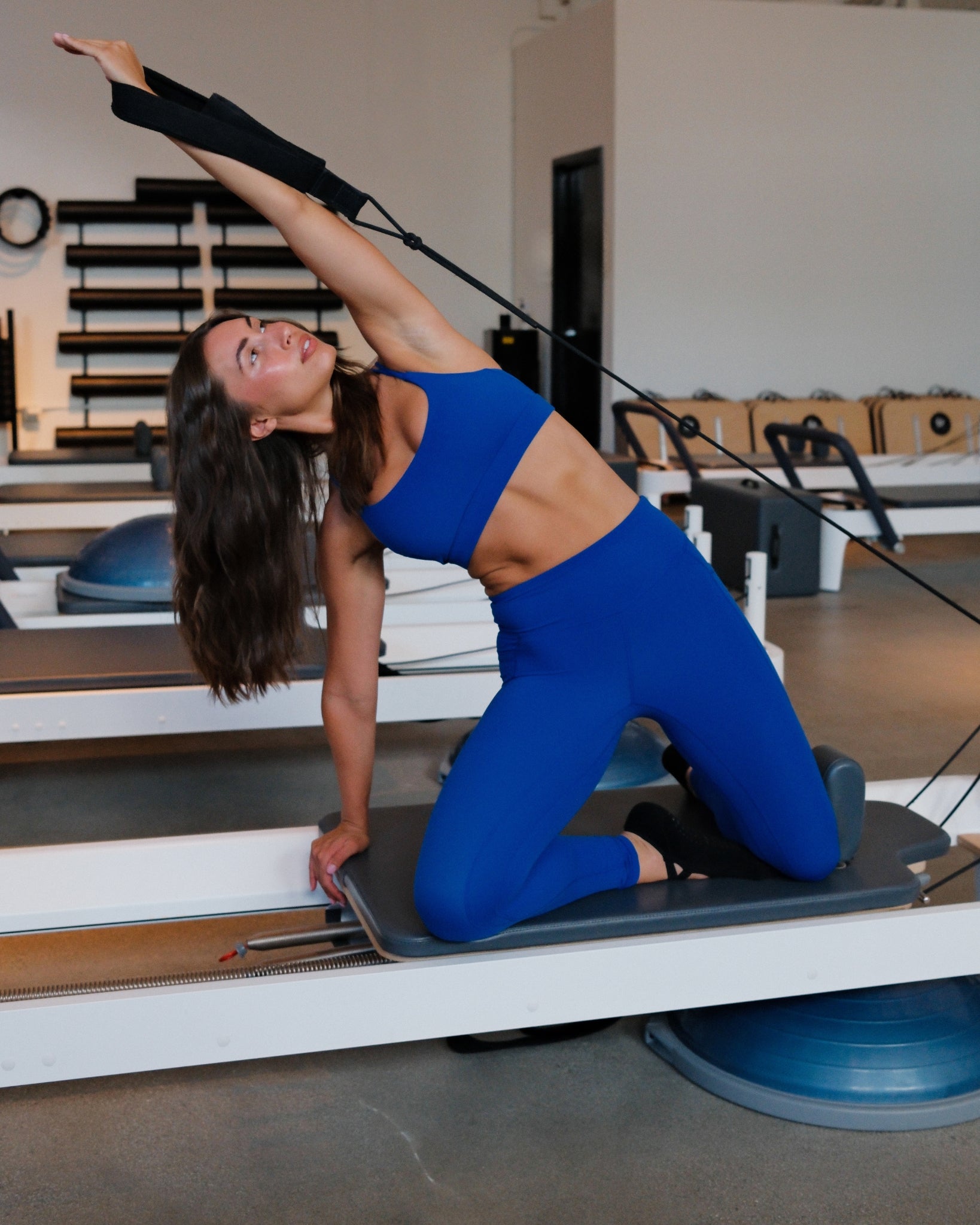
Beginner mat Pilates builds core strength and body control with low impact. A 20-minute session 2 to 3 times a week is plenty to start. Three classic beginner moves to look for in any video or class: the hundred (a breathing and core endurance exercise done lying on the back), the roll-up (a slow, controlled sit-up that works the whole core), and the single-leg stretch (a core move that adds coordination). Dancers often like Pilates because the control carries over to class.
Martial Arts
Karate, taekwondo, judo, or kickboxing classes build strength, discipline, and a kind of quiet confidence that is hard to get elsewhere. Look for a beginner class with a qualified instructor, usually 2 to 3 sessions a week. The belt system gives goal-oriented teens a built-in progression ladder.
2. Flexibility and Mindfulness
Movement that calms the nervous system while it strengthens the body. Yoga anchors this group, and swimming and dance cardio sit here too because they are cardio with a calm, low-pressure feel. For teens dealing with school stress, this category often matters most.
Yoga
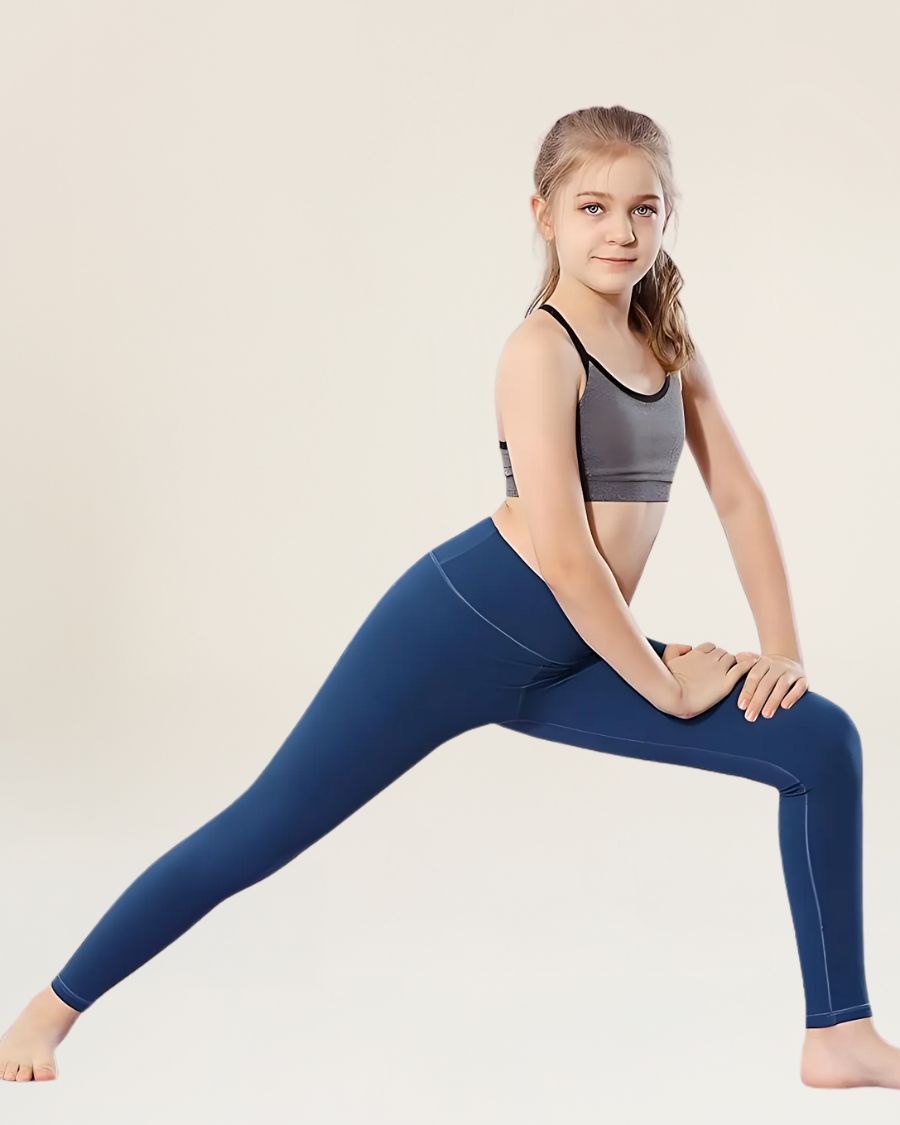
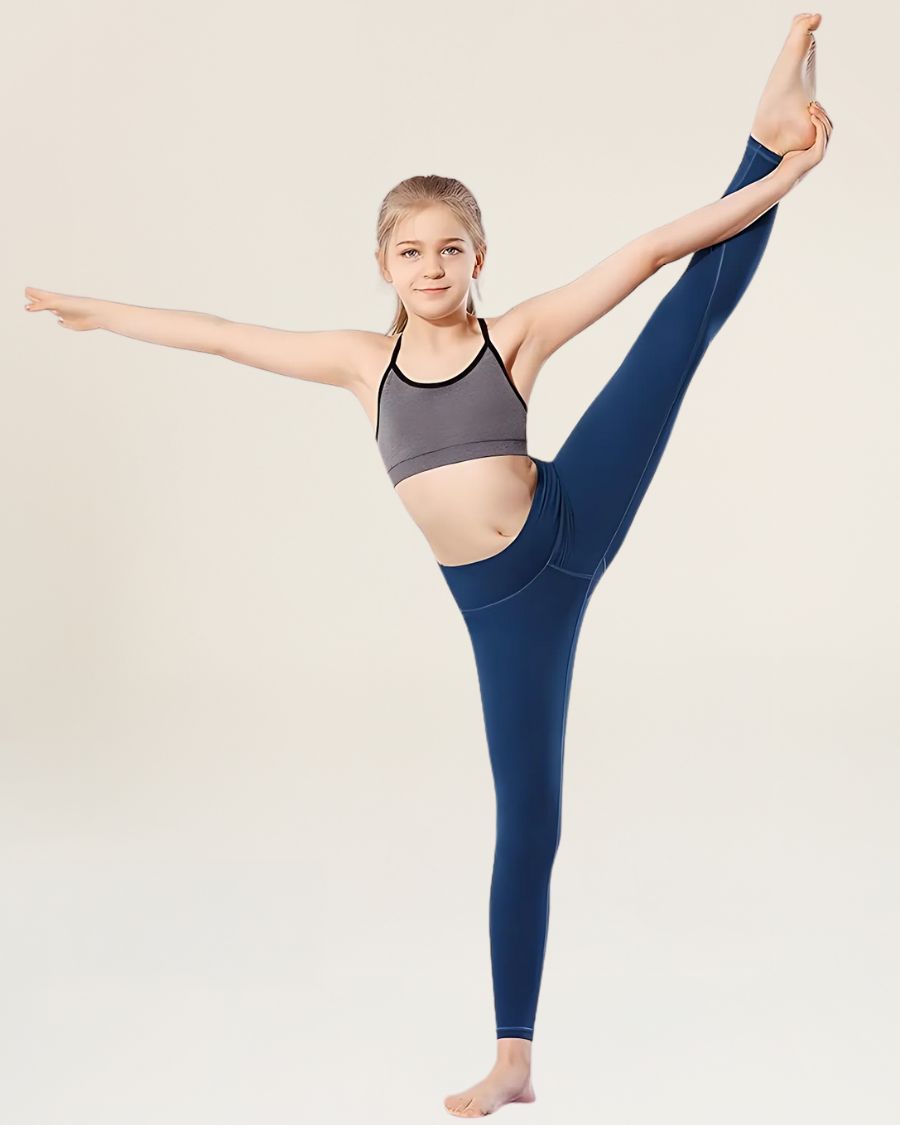
A 20-minute beginner flow, 3 to 4 times a week, focused on breathing and alignment rather than acrobatics. Three poses that anchor almost every beginner sequence: downward dog (a full-body stretch that builds shoulder strength), warrior II (a strong standing pose that works the legs), and tree pose (a balance pose that trains focus). Free beginner videos make this easy to try at home before committing to a studio. If she dances and wants to go deeper on stretching, this dance flexibility guide for adult beginners covers warming up and stretching without pain.
Swimming
A full-body workout that is easy on joints. 20 to 30 minutes, 2 to 3 times a week, is a solid rhythm once basic breathing technique is down, and a beginner water aerobics class is a gentle way in. Swimming suits teens who overheat easily or prefer a quieter alternative to a gym.
Dance Cardio
Pick music she likes, follow a 30-minute video, done. 2 to 4 sessions a week feels like fun rather than exercise, which is exactly the point. Styles range from hip-hop to Latin to K-pop choreography. Families with younger kids can make it a group thing: these at-home dance workouts for kids scale down for little siblings.
3. Fun and Everyday Activities
Not everything needs a mat or a program. These count toward the daily 60 minutes just as much.
Hiking
Start with a 1 to 3 mile trail once a week. Hiking sneaks in cardio and leg strength while feeling like an outing, and it is one of the easiest activities to do as a family without anyone calling it exercise.
Cycling
20 to 30 minute rides, 2 to 3 times a week, helmet non-negotiable. Cycling doubles as transportation, so it fits into a day without needing its own workout slot.
Sports (Team or Solo)
School teams, community leagues, and pickup games all work. Volleyball, soccer, and basketball bring the social pull of a team; track, tennis, and swimming suit teens who prefer individual goals. Even two practices a week plus a game covers a big chunk of her weekly activity, and the built-in schedule mostly removes the "will she or won't she" question.
Jump Rope
About 10 minutes total, 3 times a week, in intervals of 1 to 2 minutes of skipping with a 30-second break, on a forgiving surface like grass or a mat. Cheap, portable, and surprisingly intense. It builds coordination and is the kind of impact activity that supports bone strength.
A Sample Workout Schedule for Teenagers
Two one-week plans, side by side. The at-home plan needs almost no equipment; the active plan suits a teen who likes being outdoors or already plays a sport. Swap days freely. Beginners can pick any 2 or 3 active days and swap HIIT for the bodyweight circuit.
|
Day |
At-home plan |
Active / outdoor plan |
|---|---|---|
|
Monday |
HIIT, 15 minutes |
Run (walk/run intervals), 25 minutes |
|
Tuesday |
Beginner yoga flow, 20 minutes |
Strength-focused bodyweight training |
|
Wednesday |
Rest or an easy walk |
Cycling, 30 minutes |
|
Thursday |
Bodyweight circuit (squats, lunges, push-ups, planks) |
Bodyweight circuit, 15 minutes |
|
Friday |
Dance cardio, 30 minutes |
Team sport practice or a pickup game |
|
Saturday |
Jump rope intervals plus stretching |
Hiking, 1 to 3 mile trail |
|
Sunday |
Rest |
Rest |
A teen workout plan like this gets her most of the way to the daily 60-minute goal without feeling like a training camp, with walking, PE, and play covering the rest. Each plan puts strength or bone-building work on 3 days (bodyweight, HIIT, jump rope, or sport practice), and Sunday is a full rest day in both, with lighter days mixed in to protect recovery and mood. If a week goes sideways, three sessions still beat zero. Treat the schedule as a default, not a report card.
What If She Hates Working Out?
Plenty of teens do, usually because exercise got framed as a chore or a punishment somewhere along the way. A few things that genuinely help:
-
Lead with interest, not fitness. A climbing gym, a dance video in her favorite genre, or roller skating all count. Start where the curiosity already is.
-
Make it social. A standing walk with a friend or a parent-daughter yoga video turns exercise into time together.
-
Keep it short and pressure-free. Ten minutes counts. Momentum builds from sessions that felt easy to say yes to.
-
Let her own it. When she picks the what, when, and how, it stops feeling like an assignment. Handing over control is part of the plan.
-
Keep the framing on strength, energy, mood, and sleep. Talk about feeling stronger, thinking clearer, and sleeping better. Movement is about what her body can do.
What to Wear
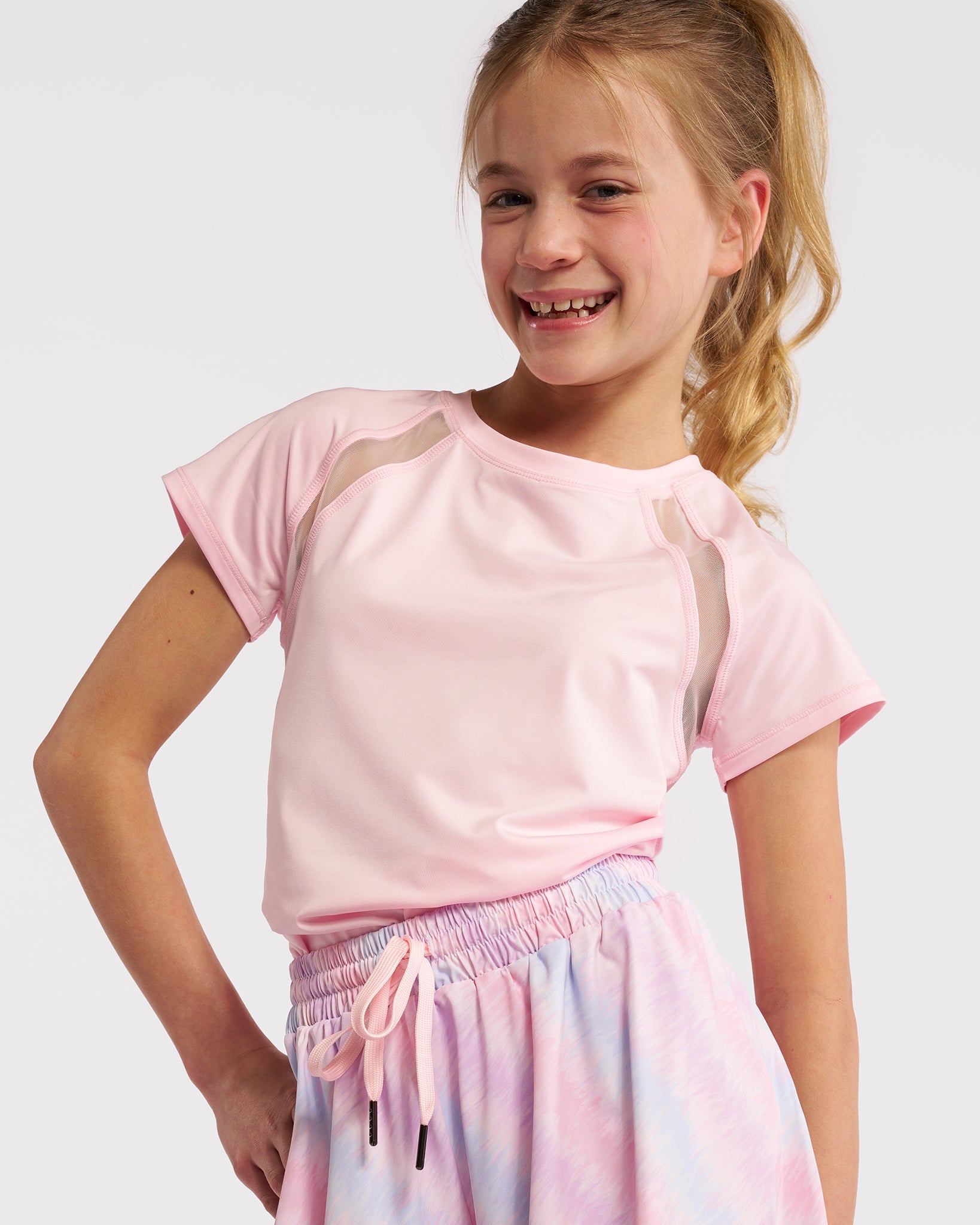
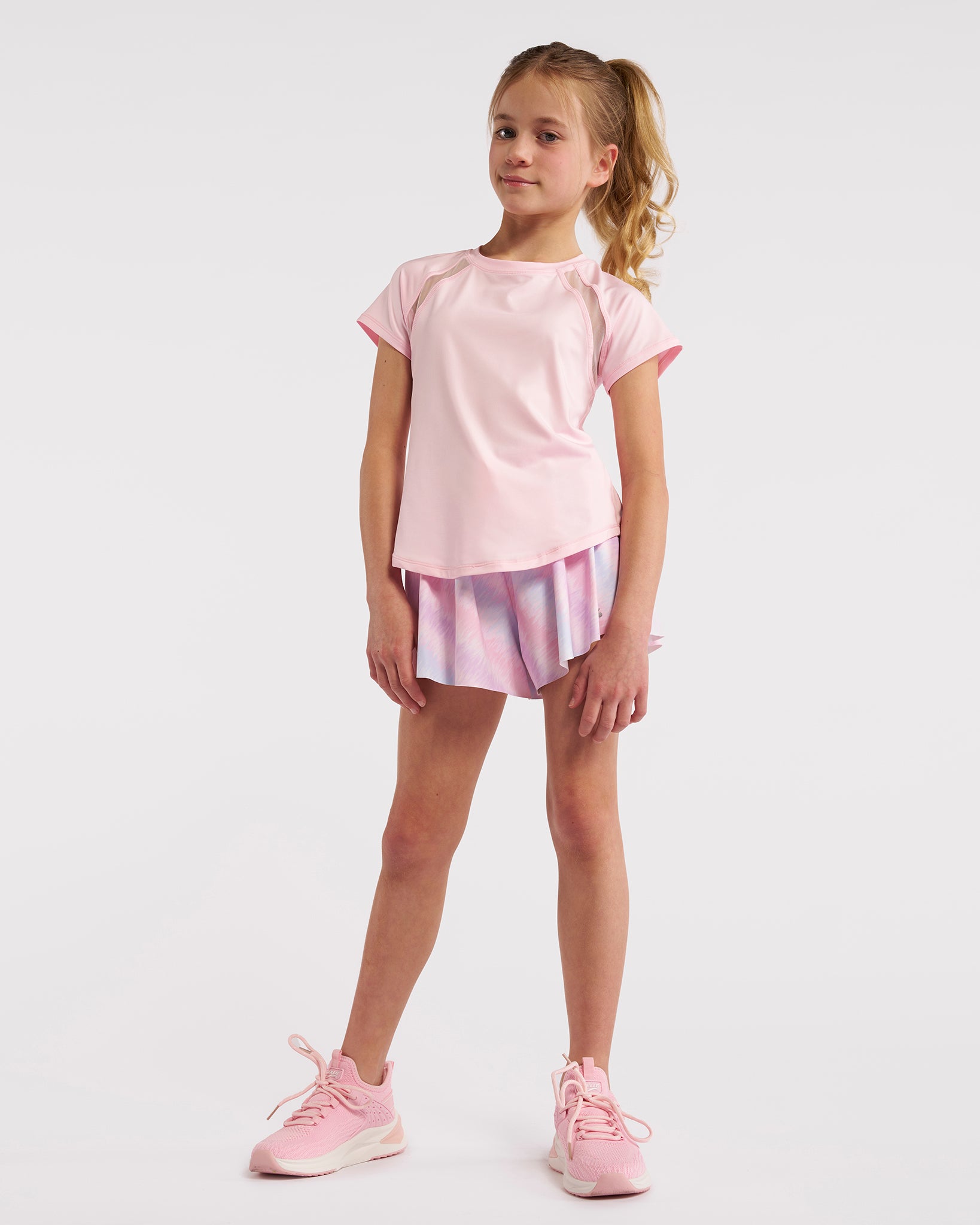
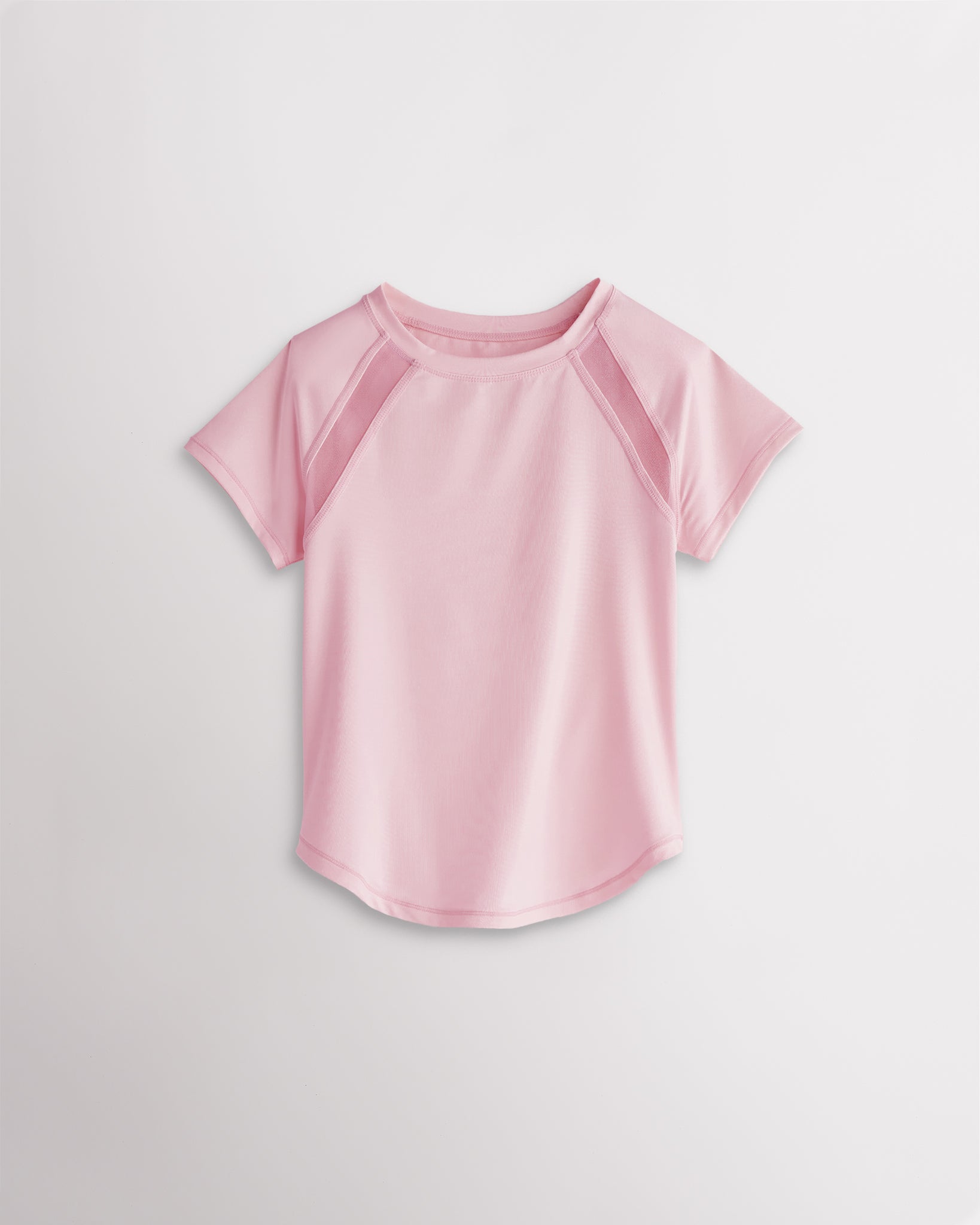
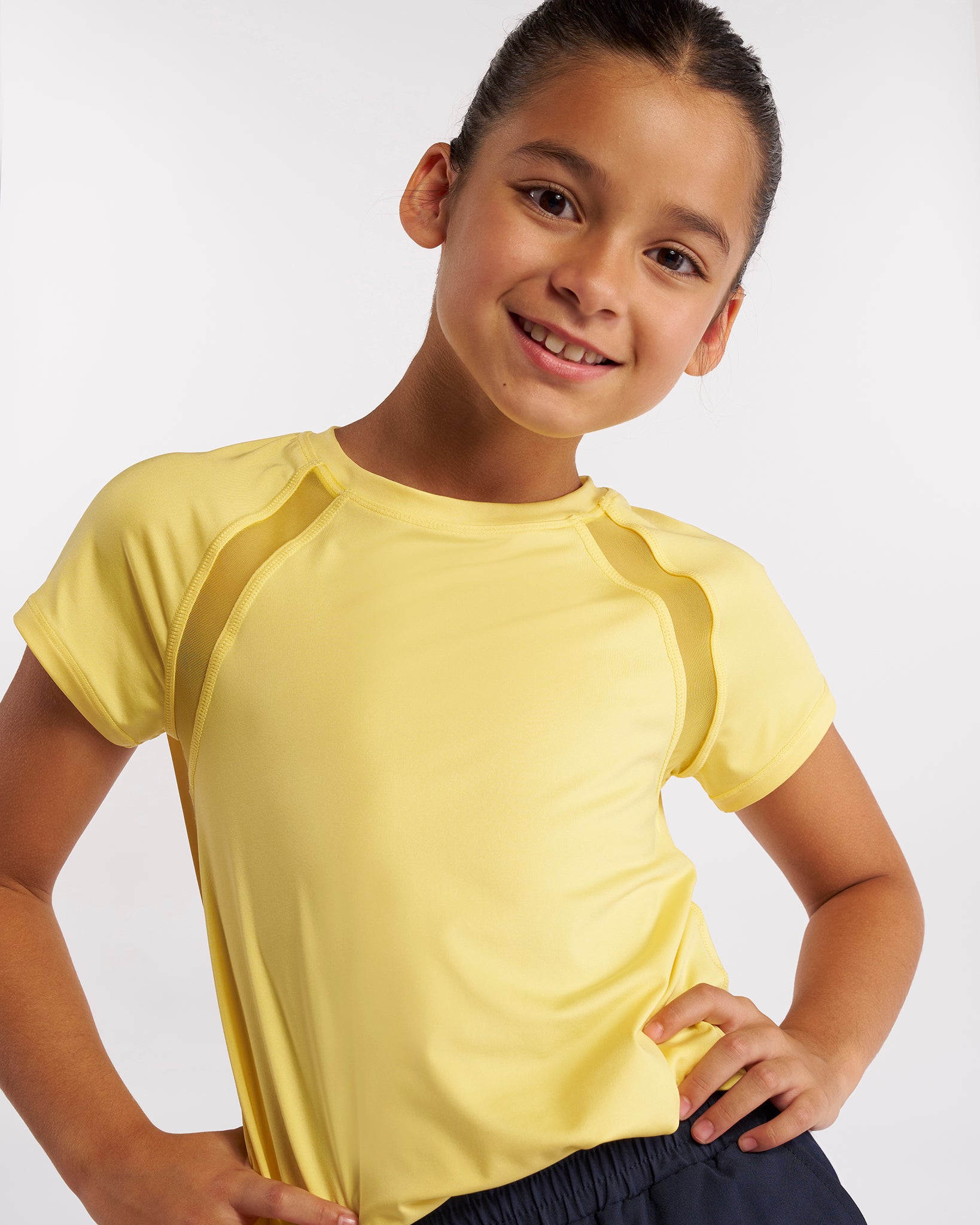
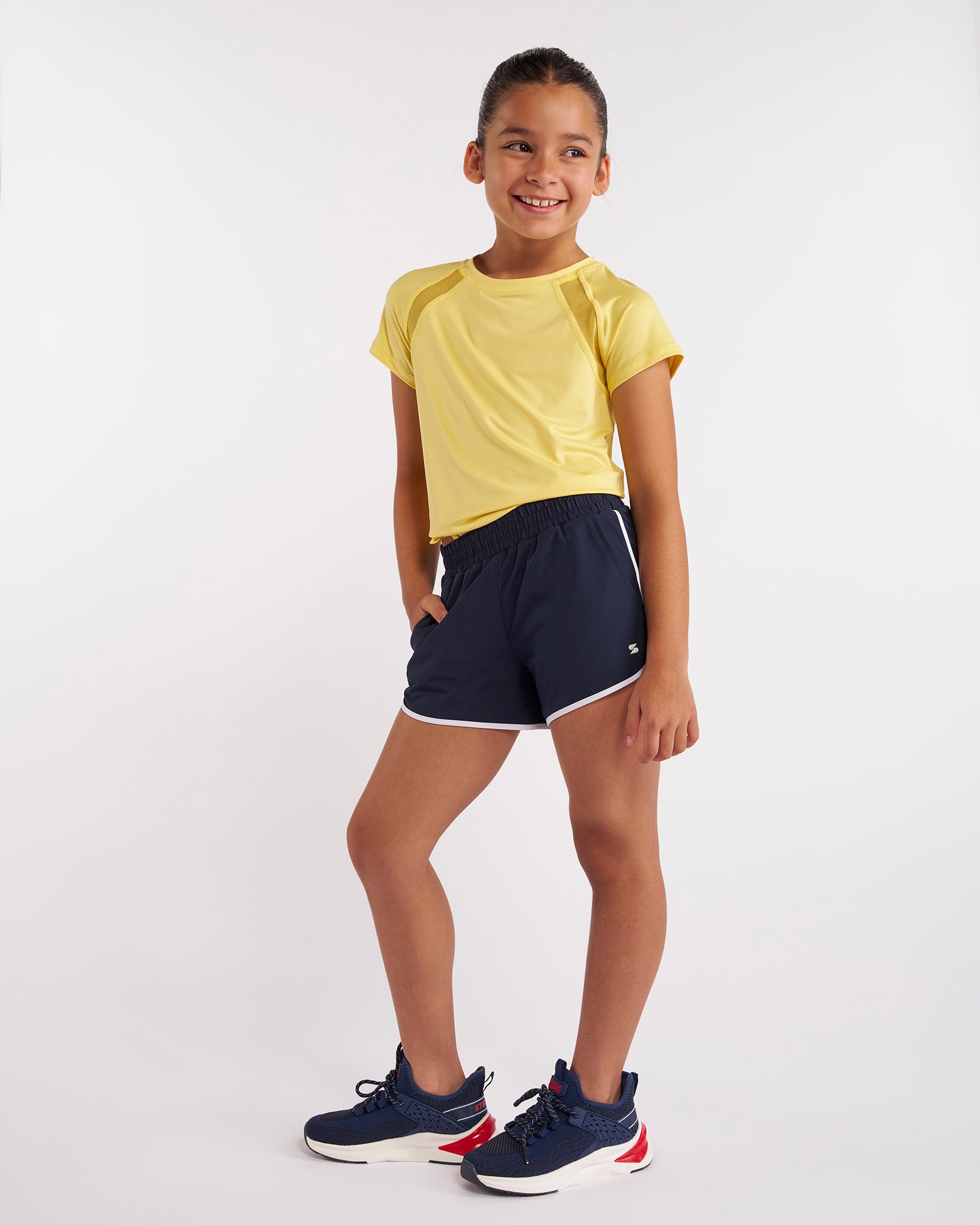
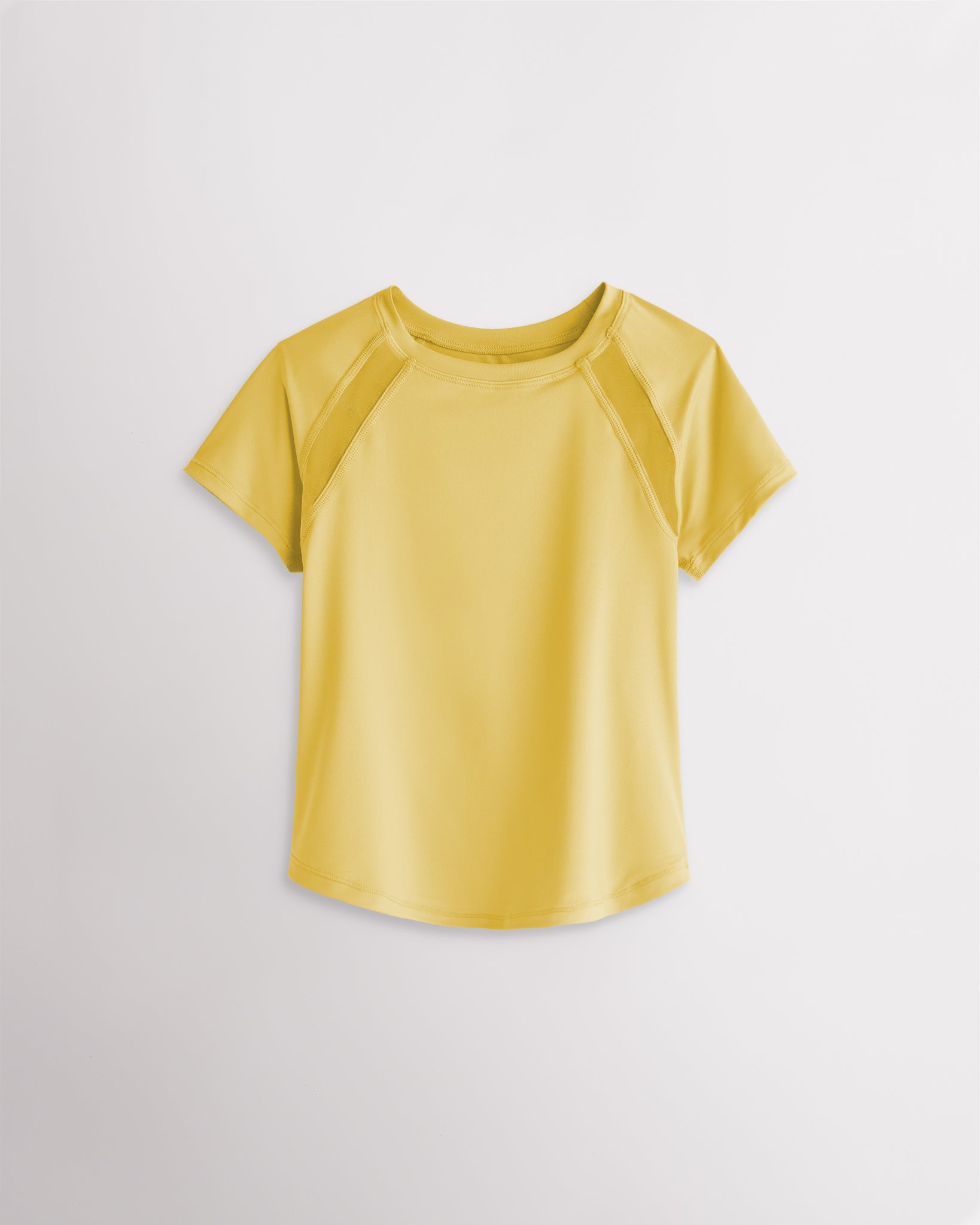
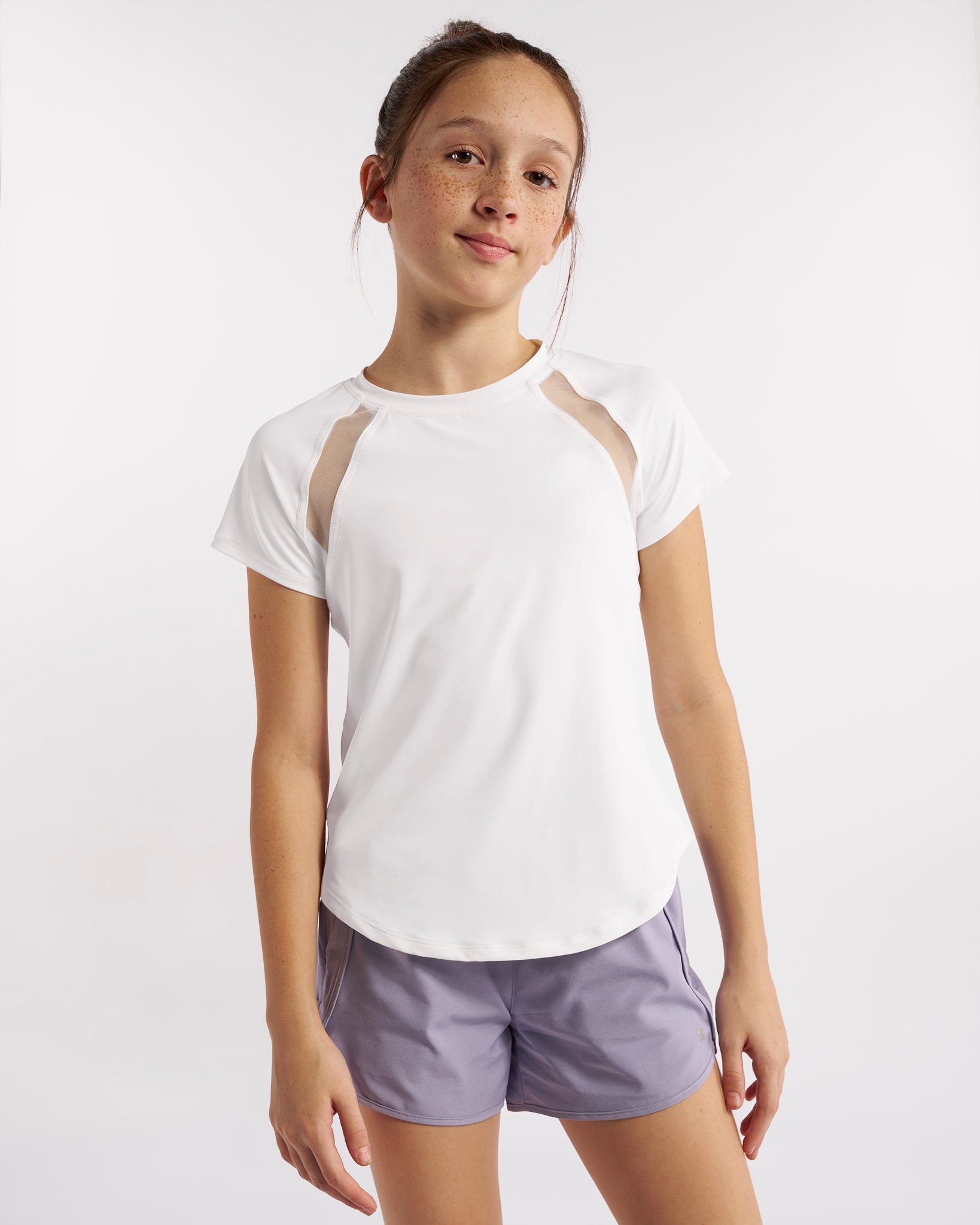
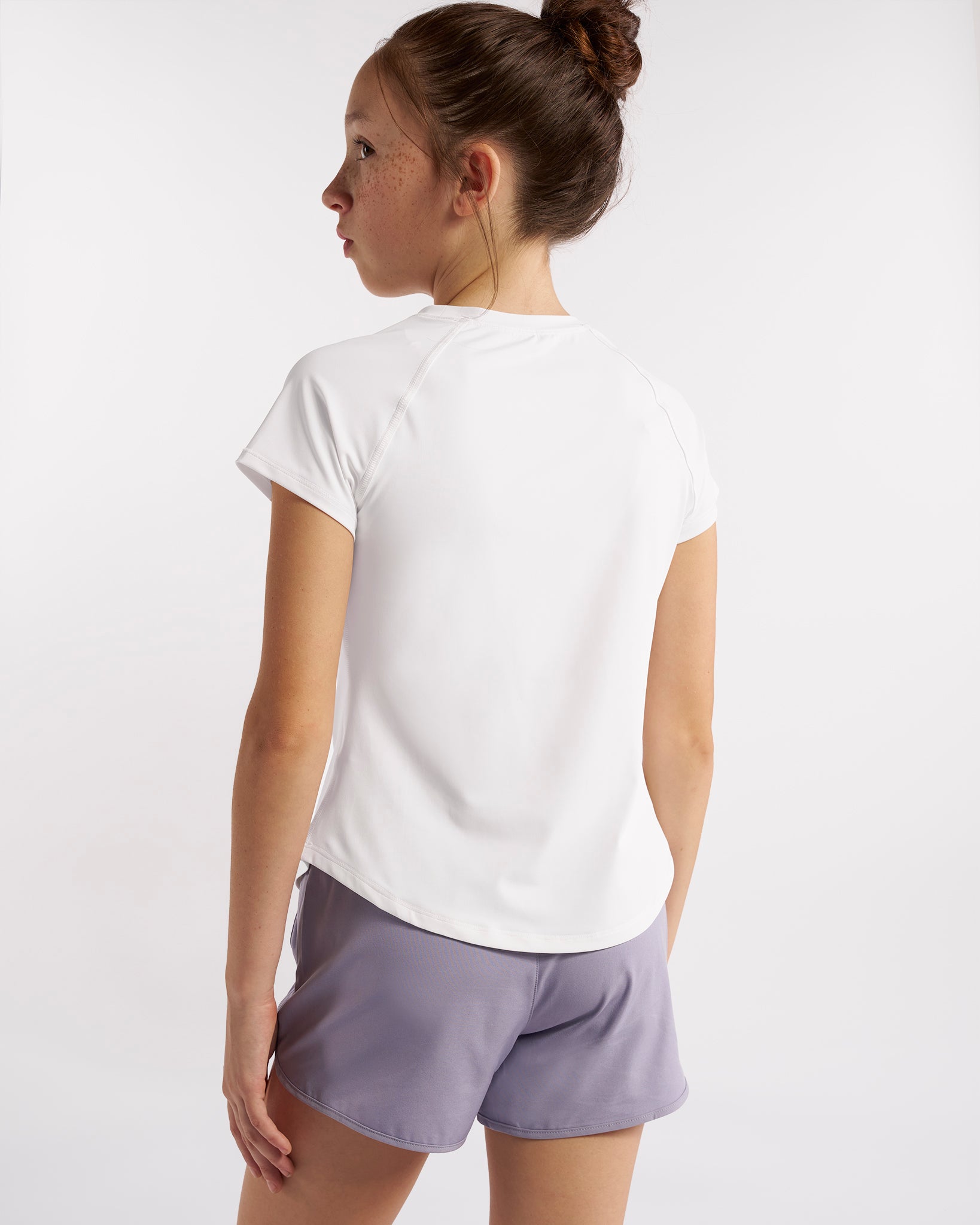
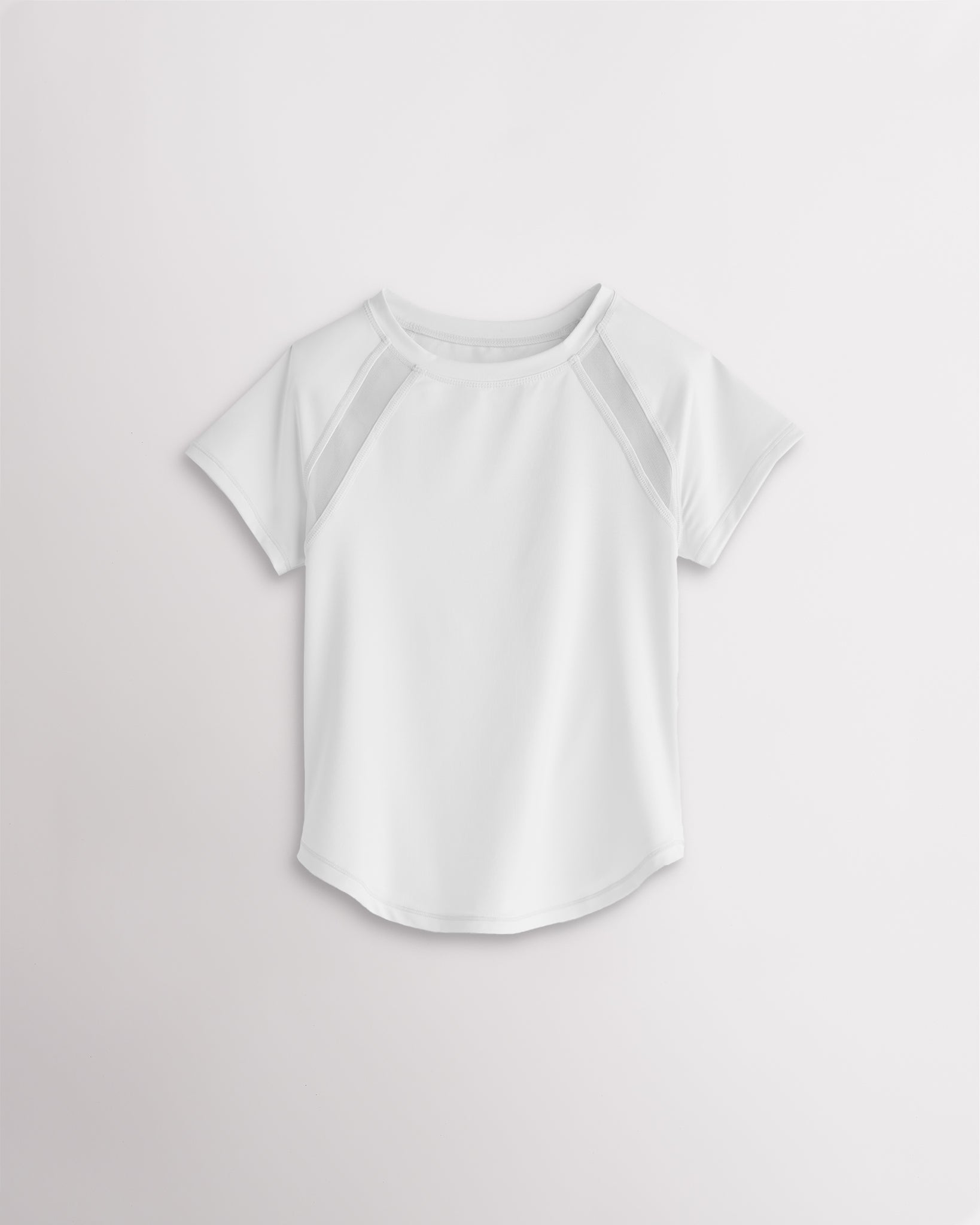
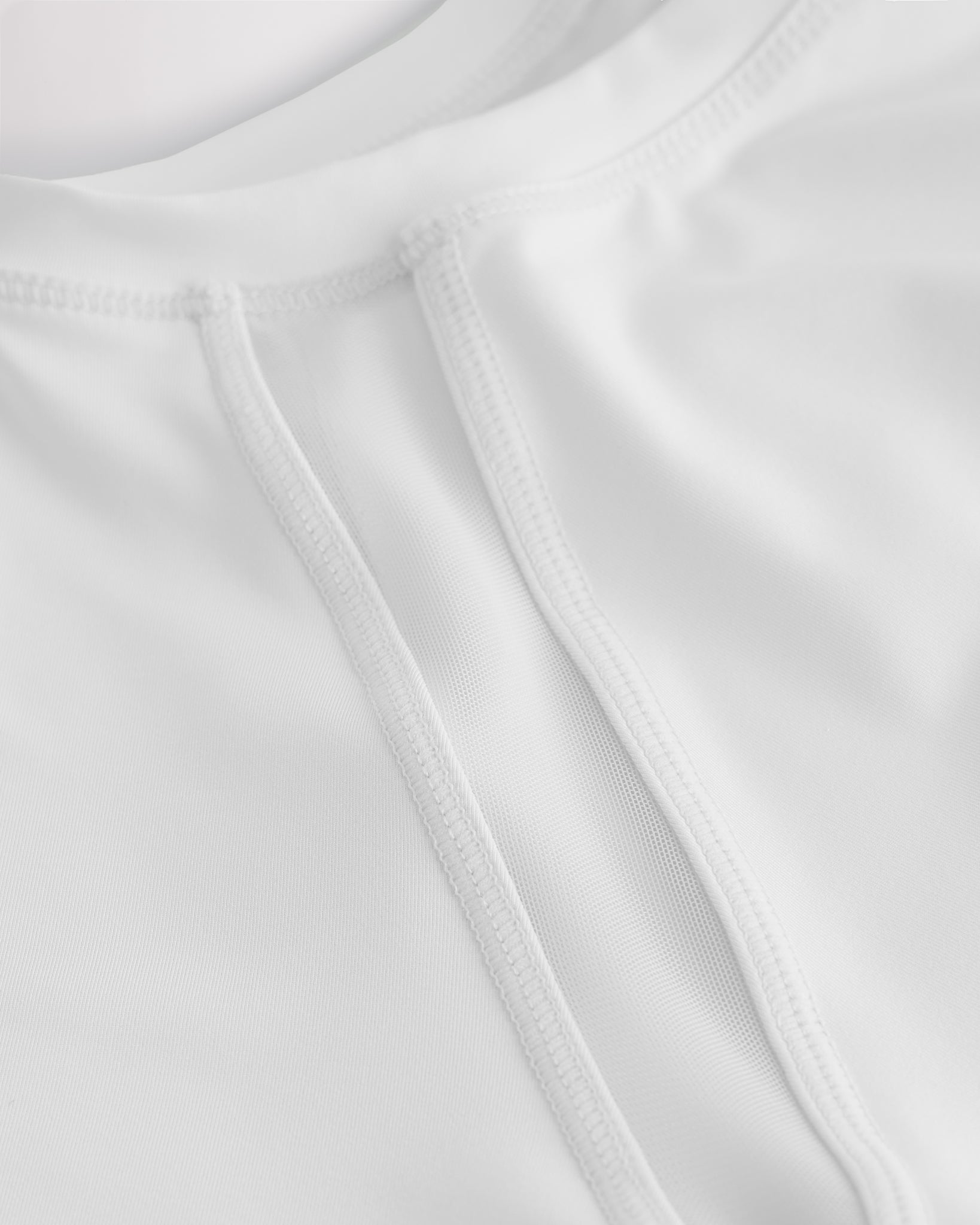
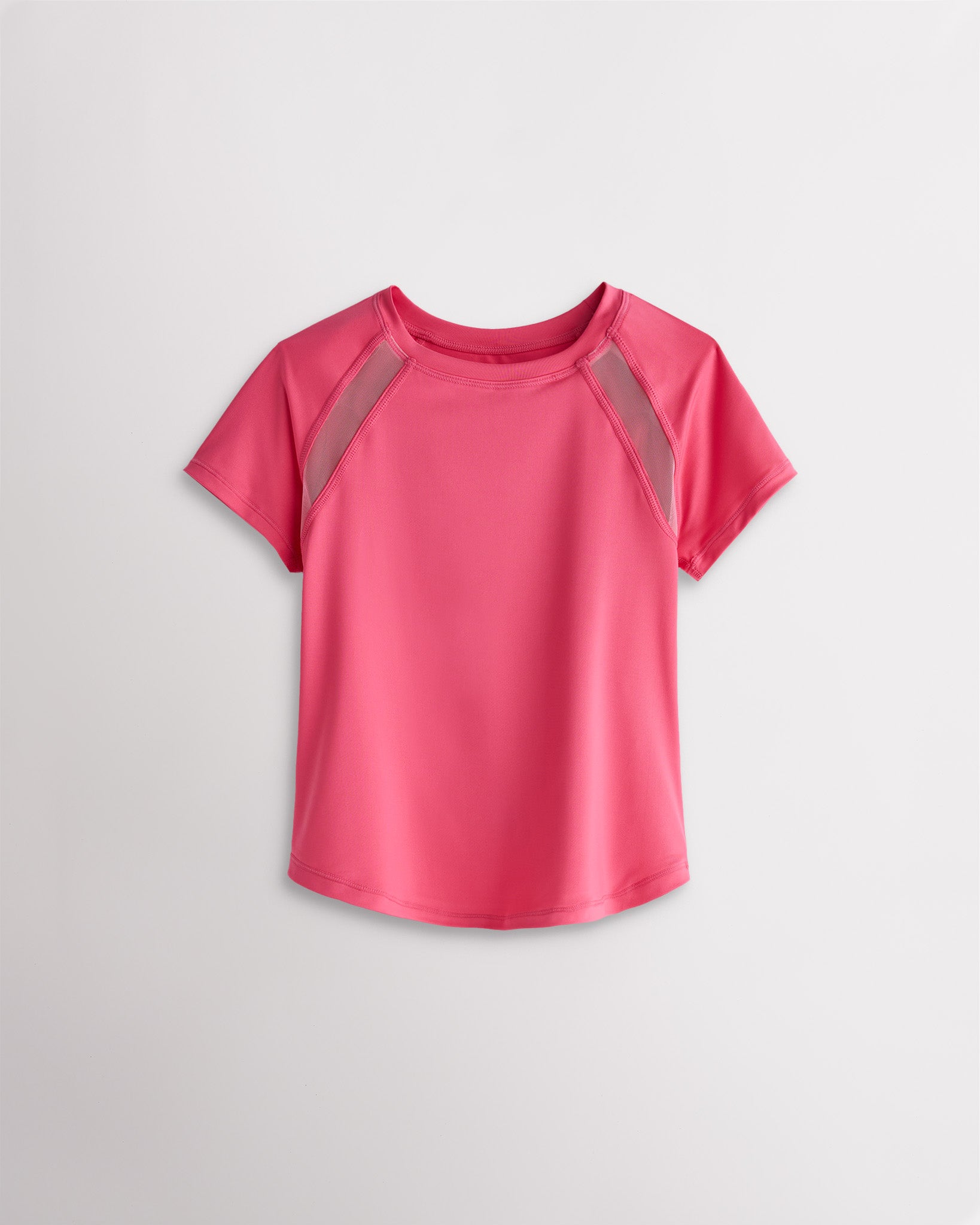
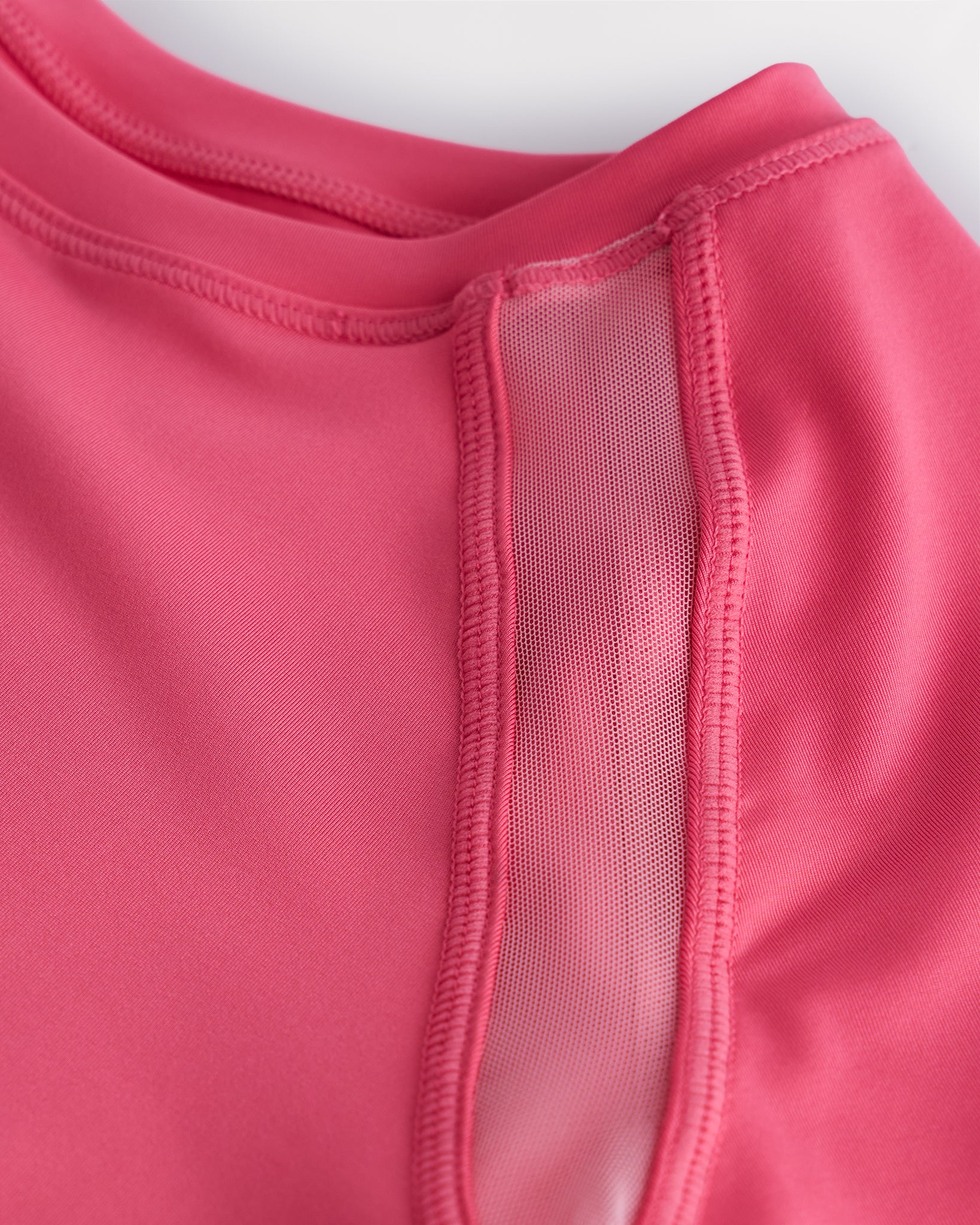
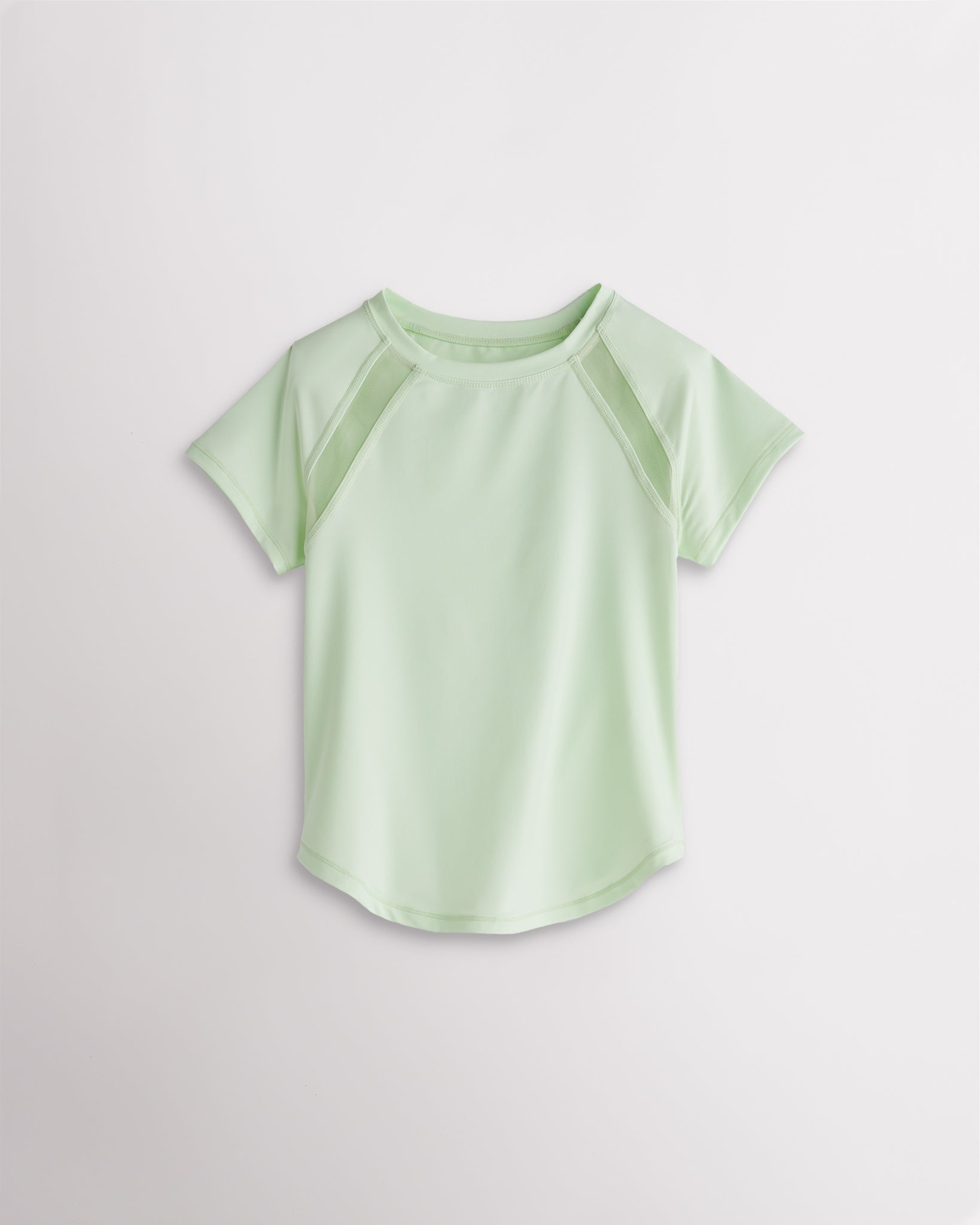
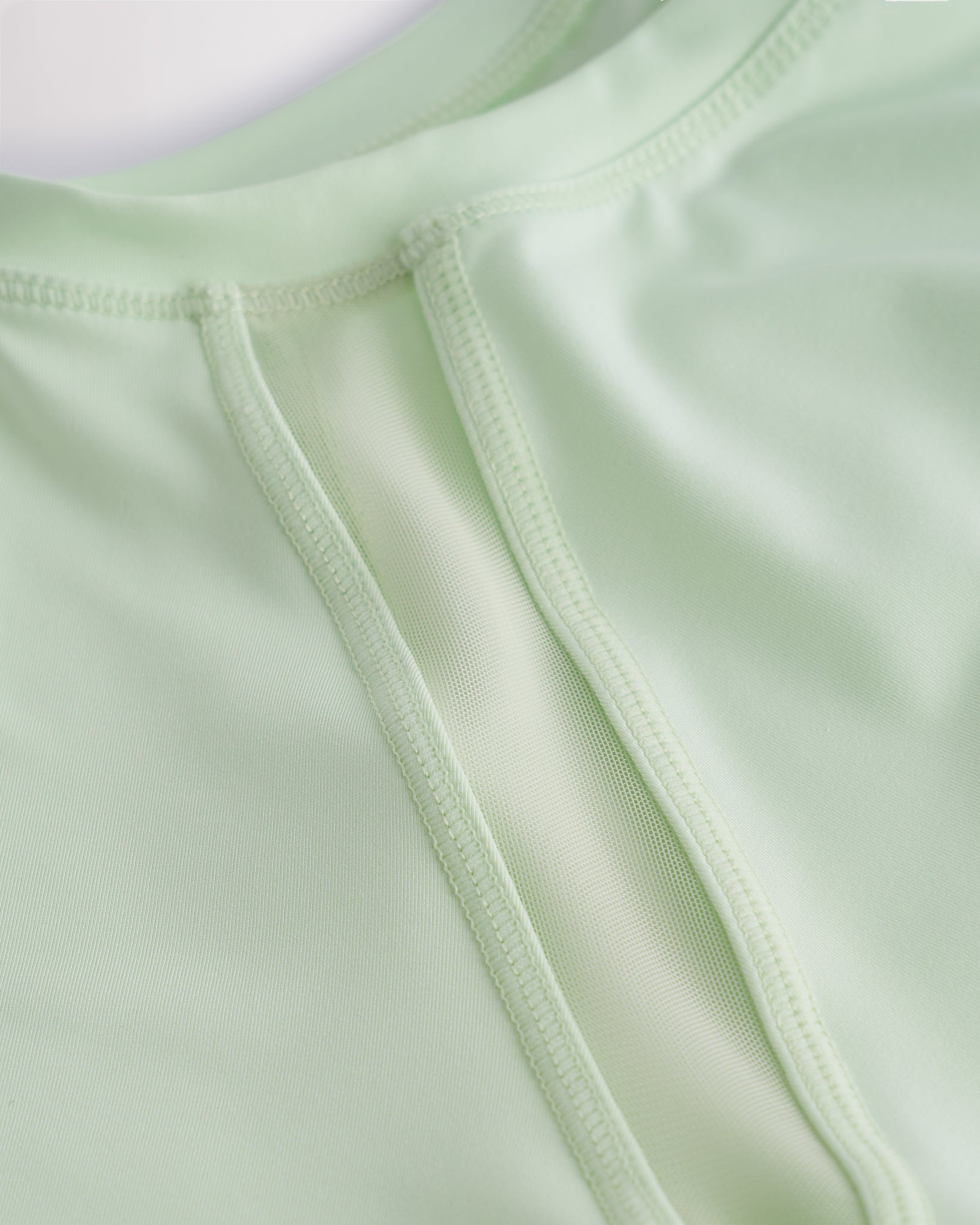
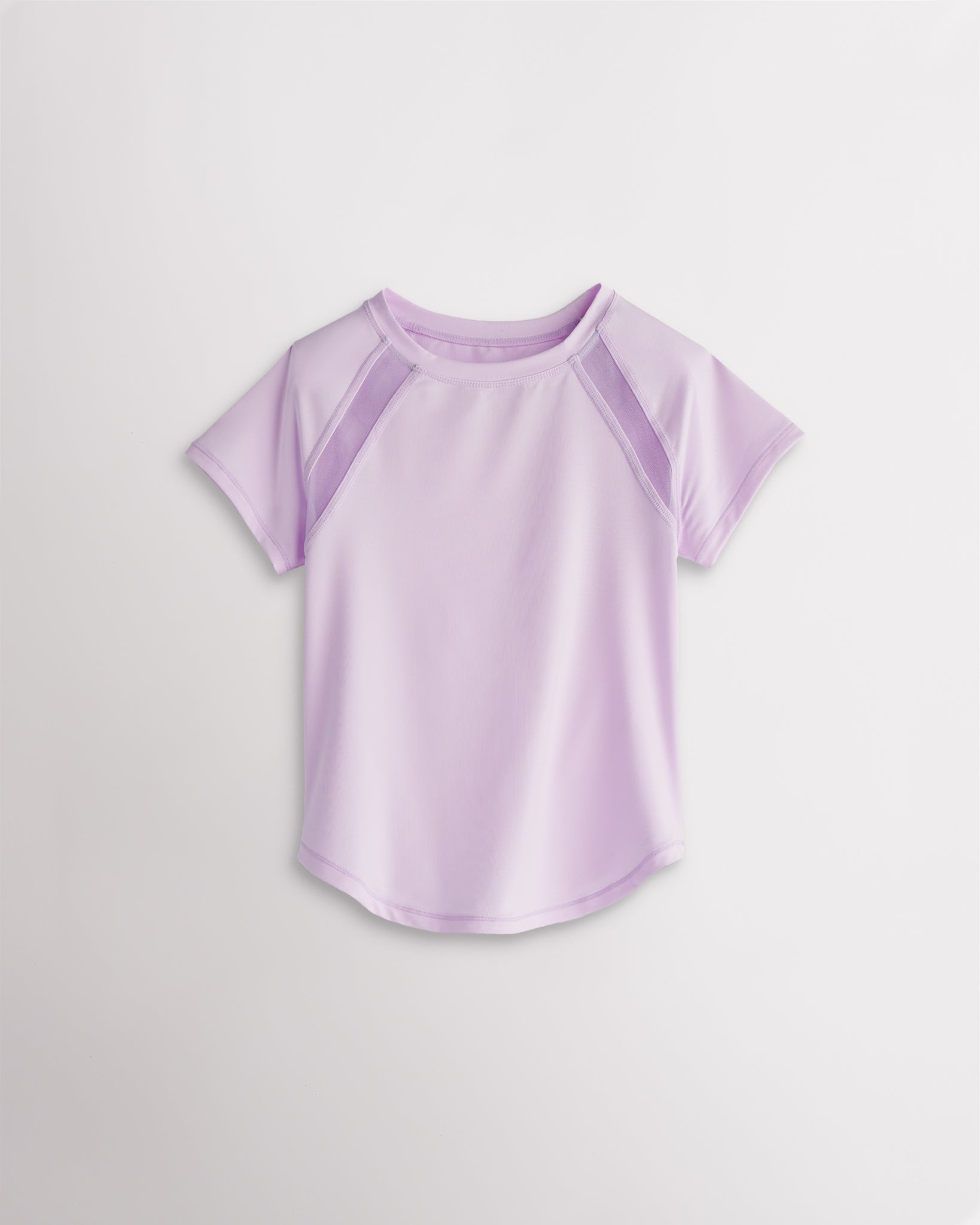
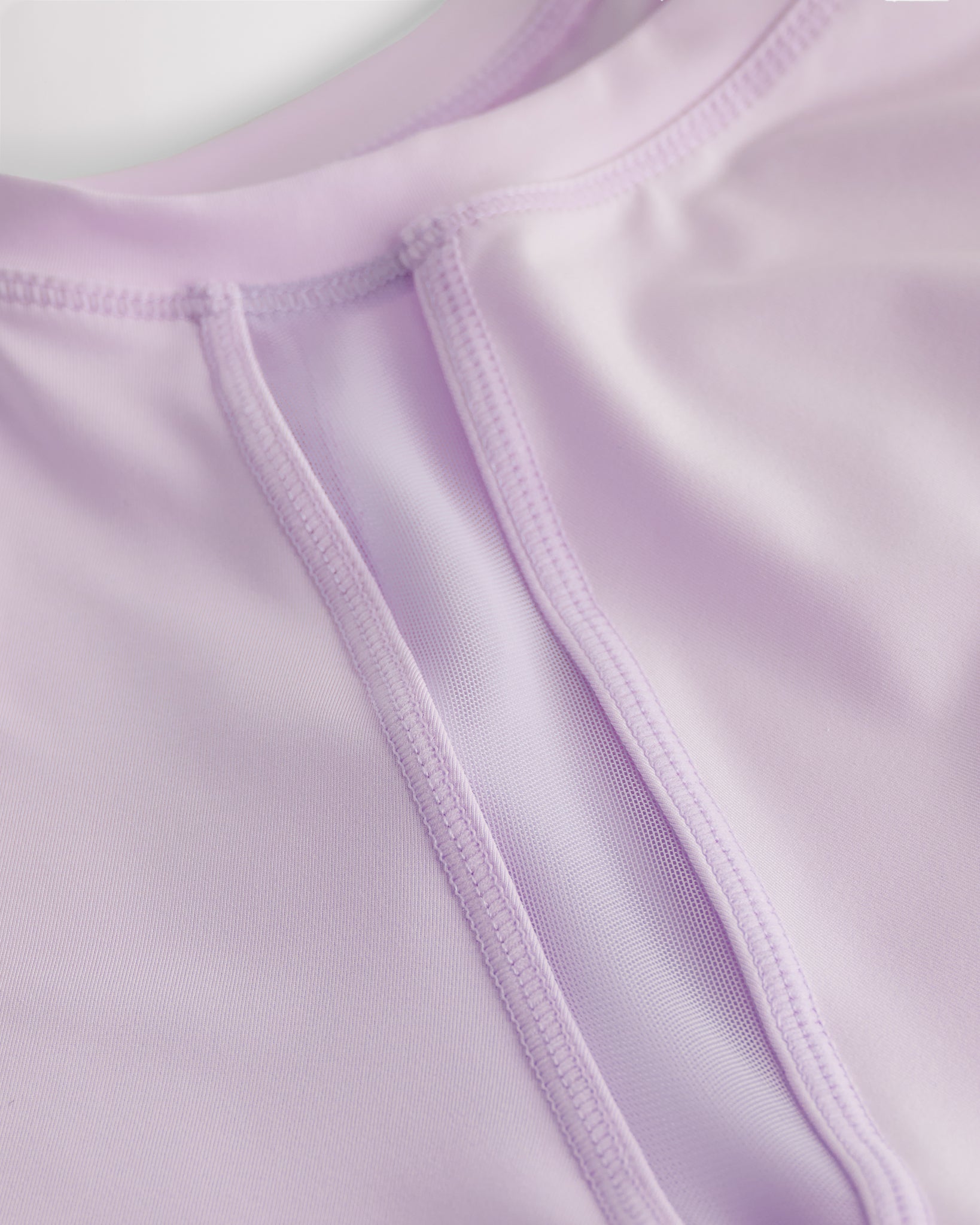
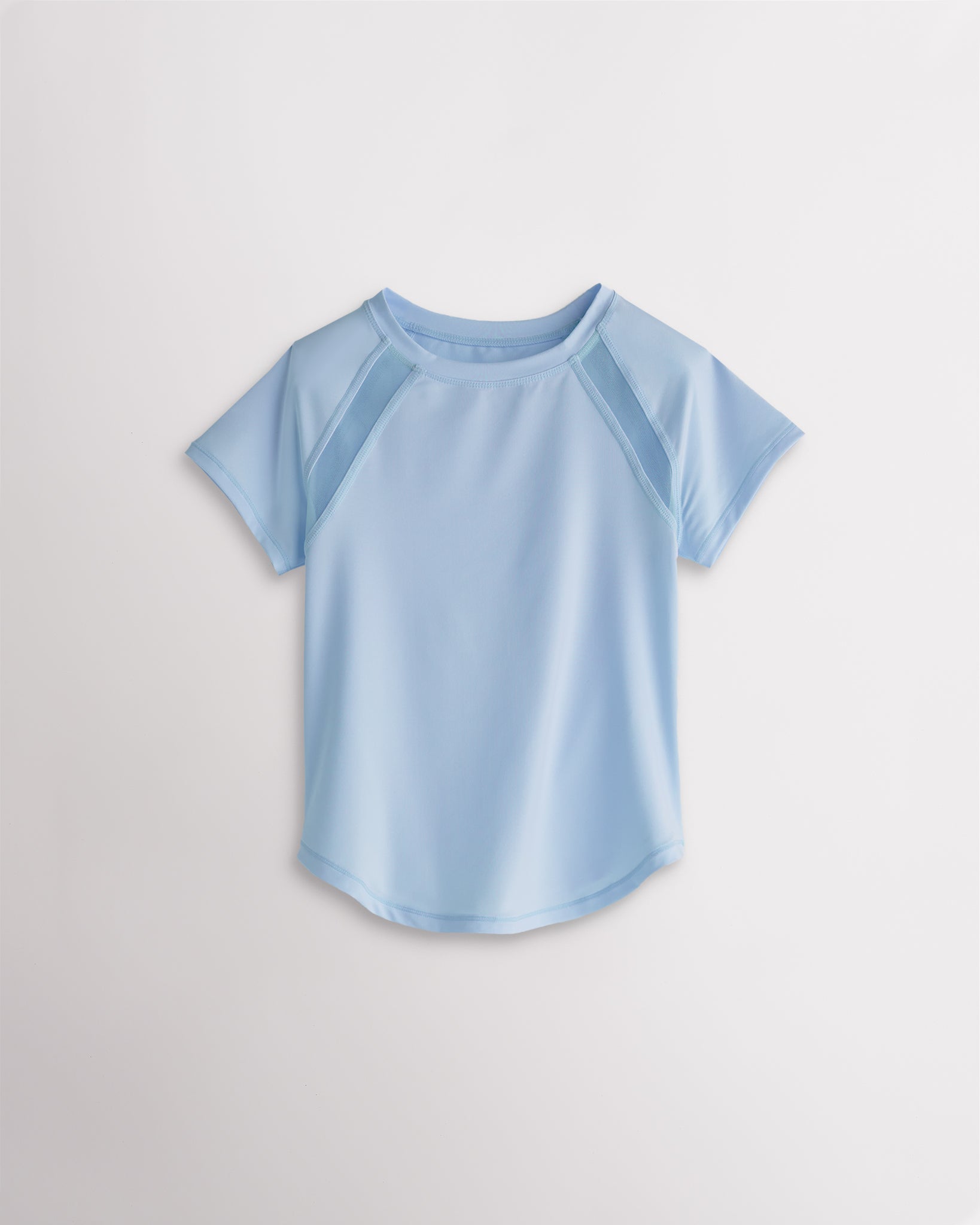
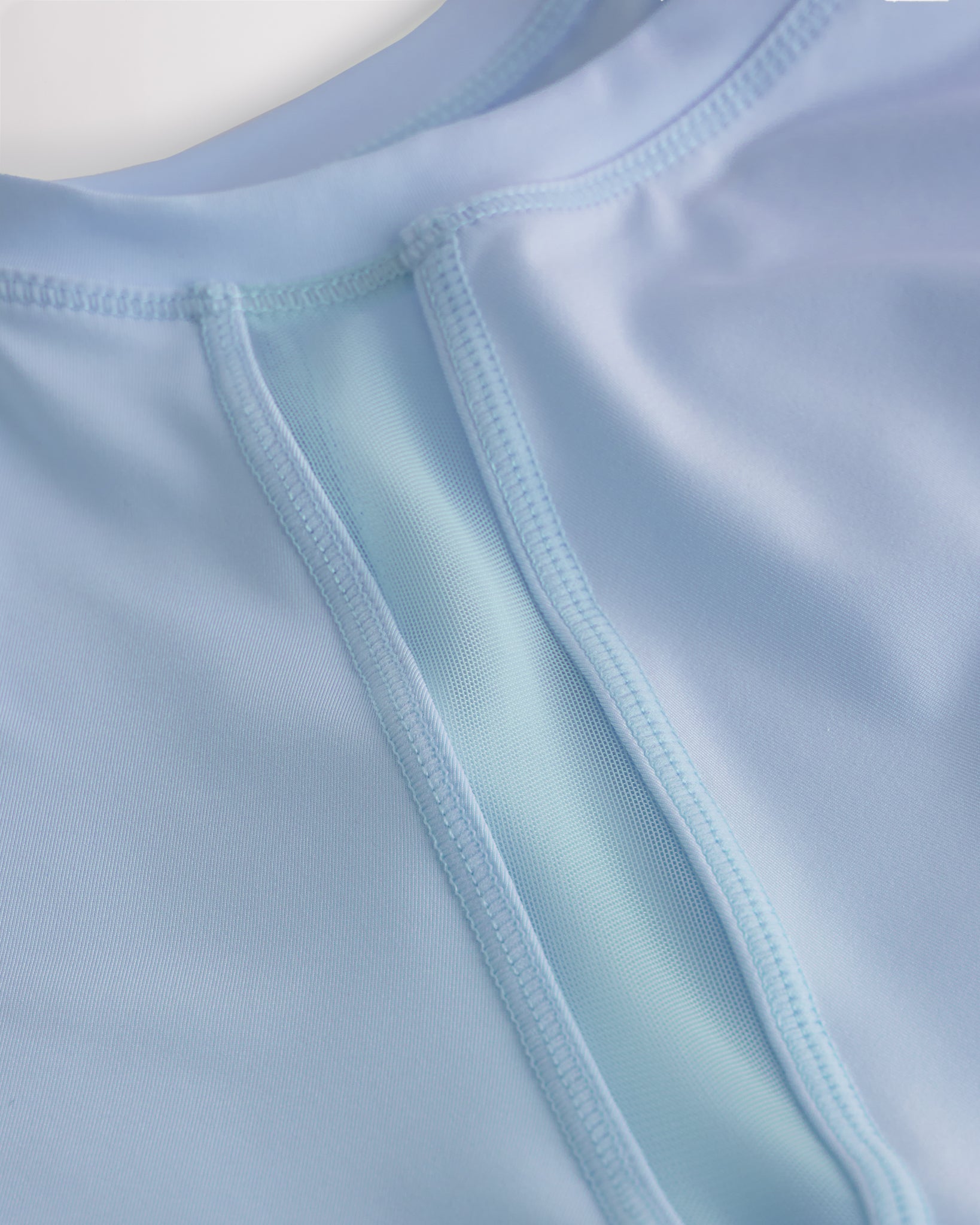
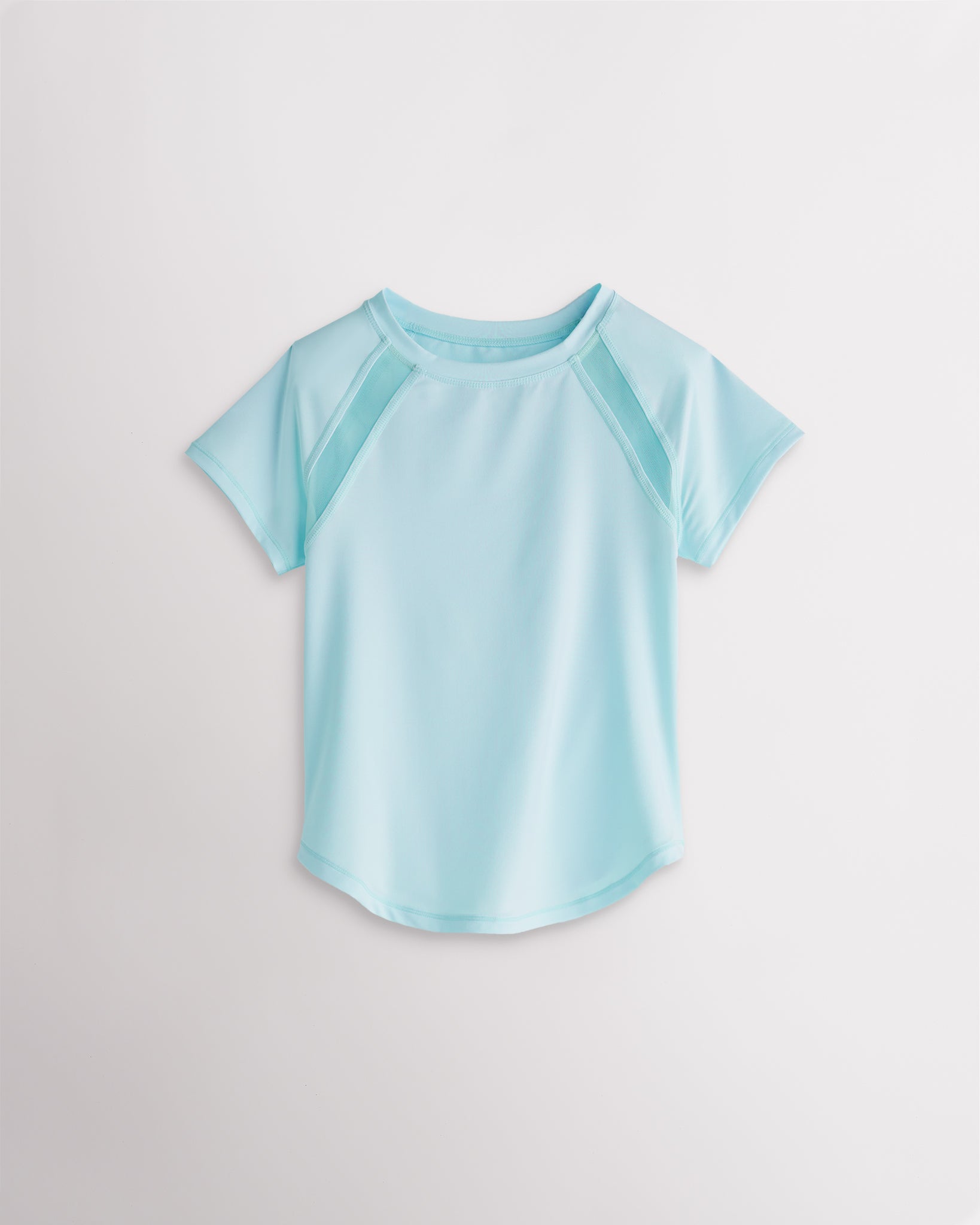
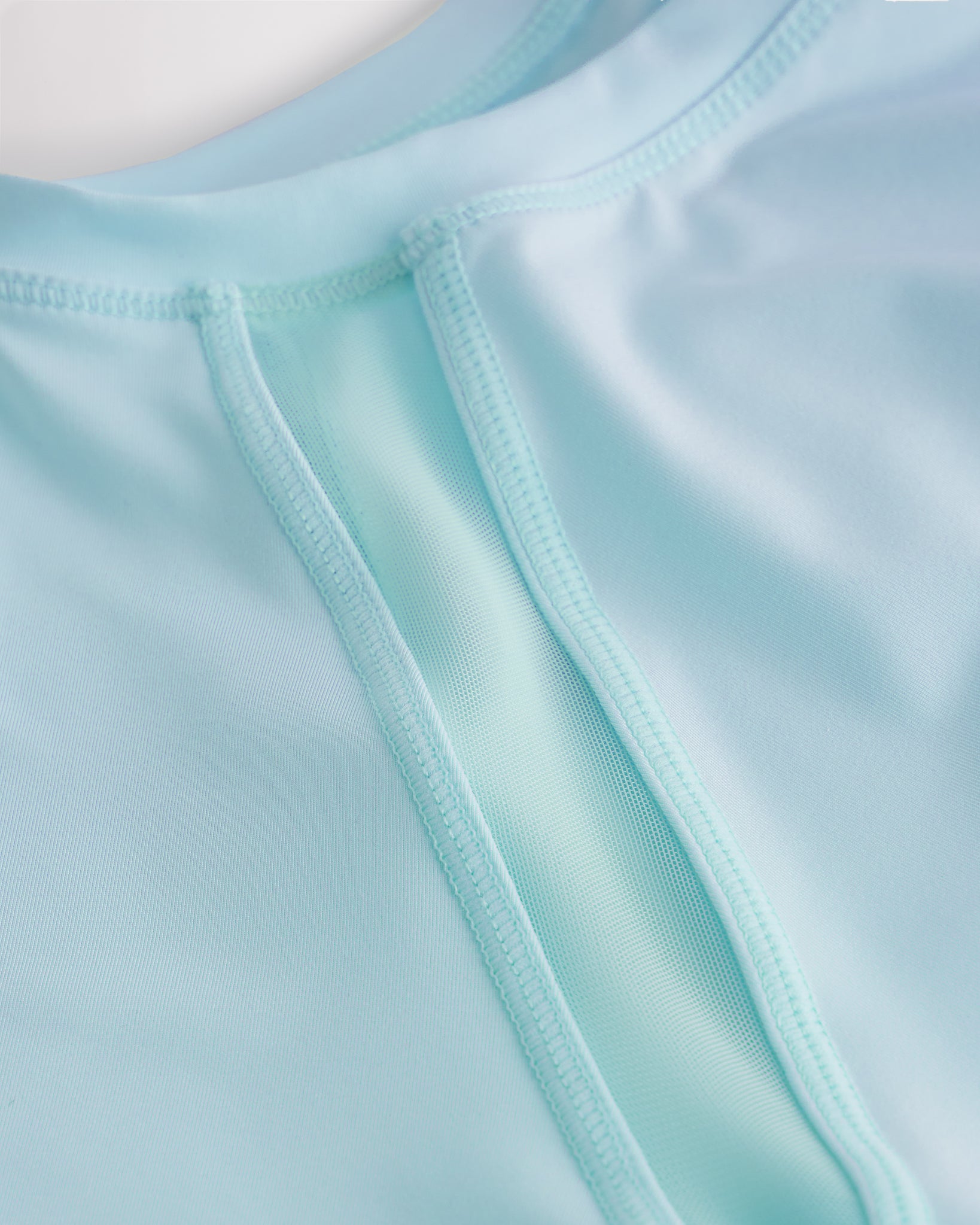
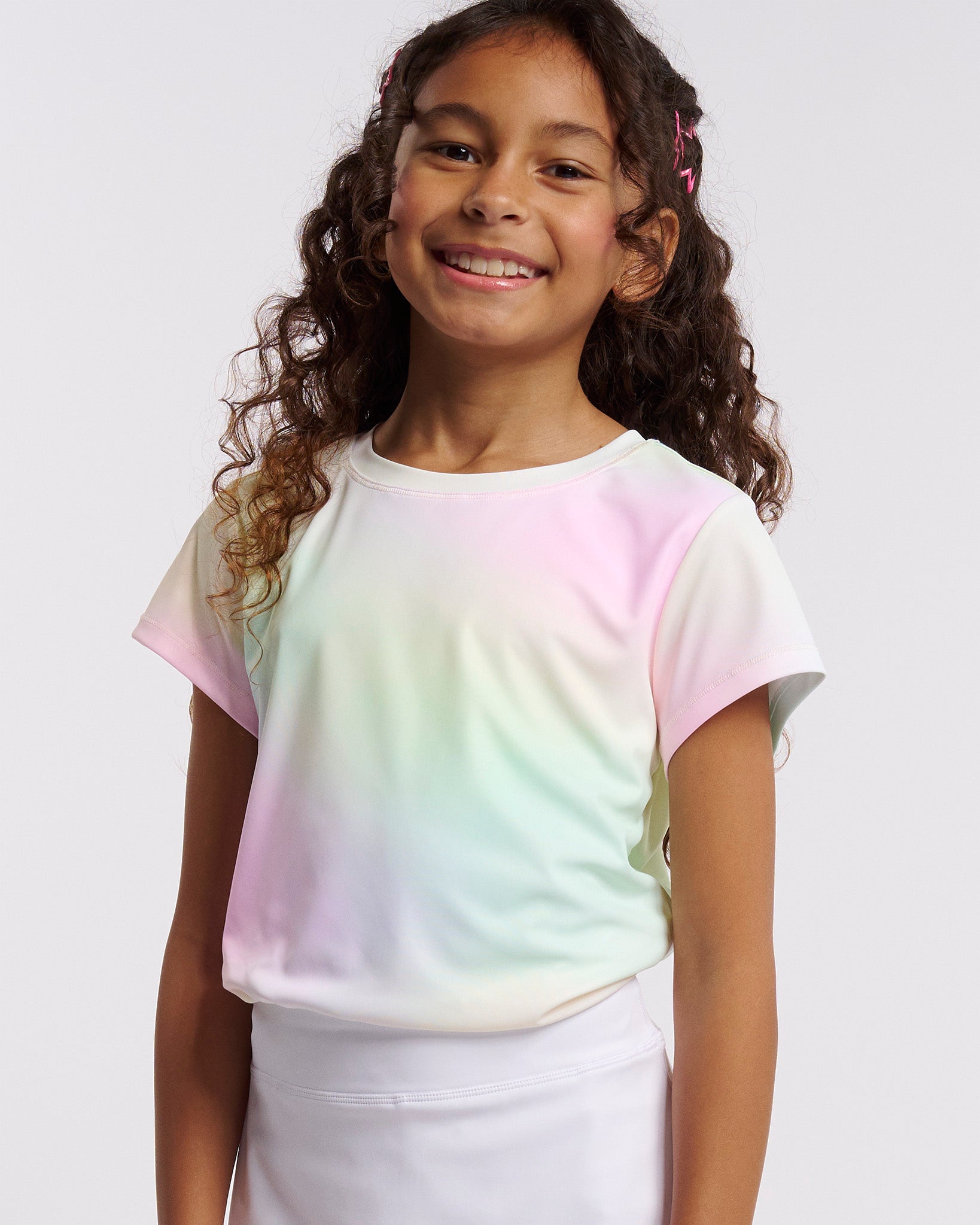
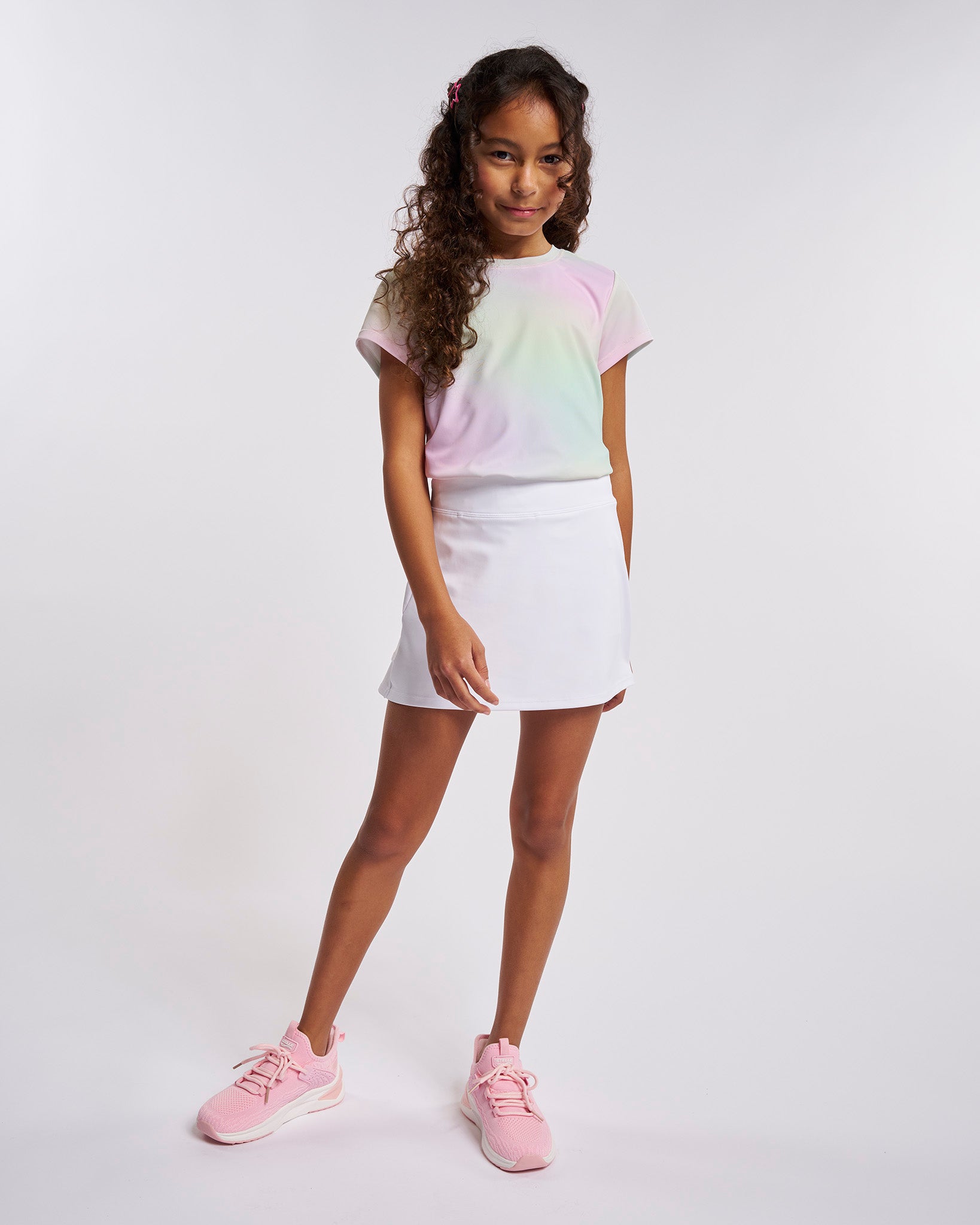
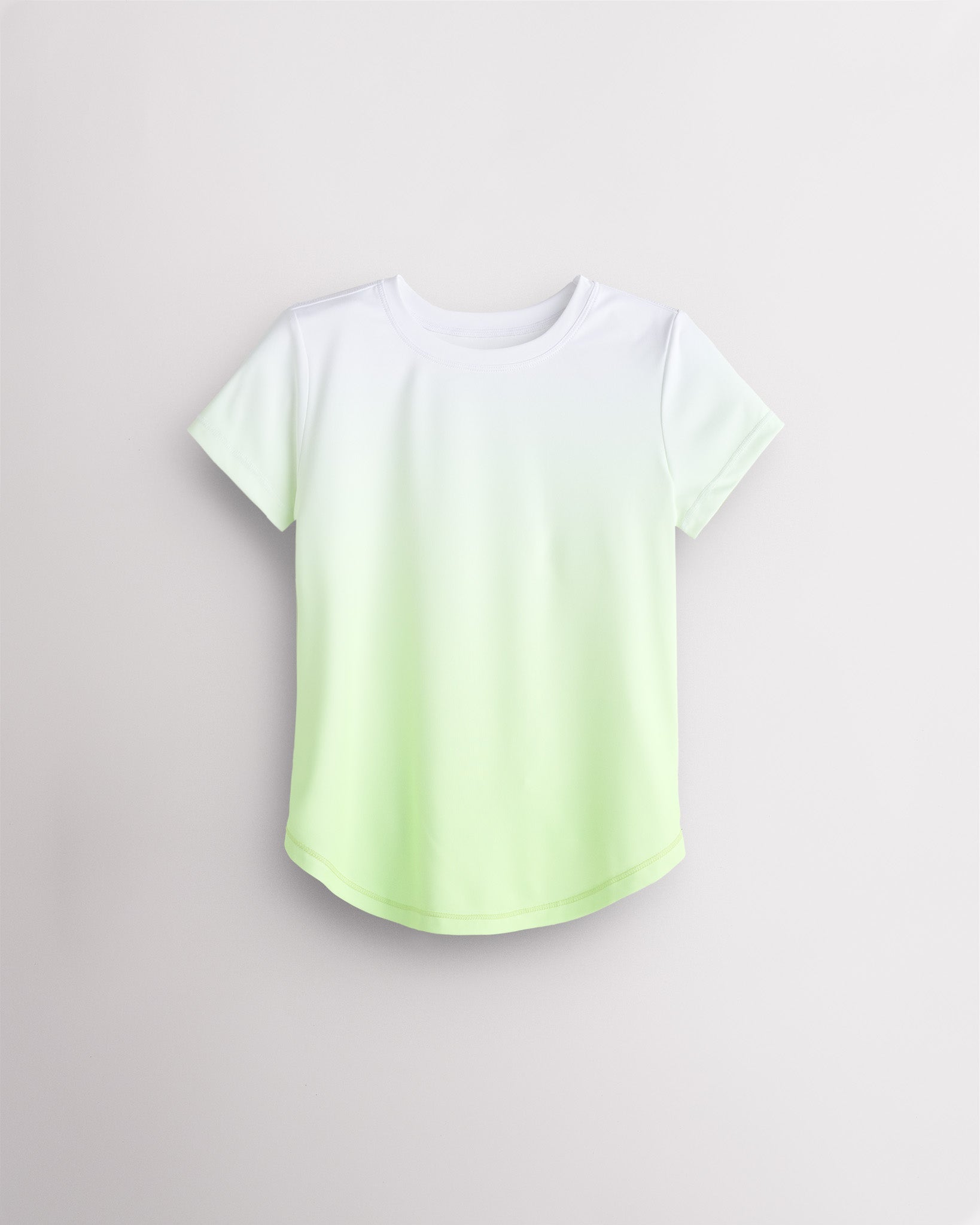
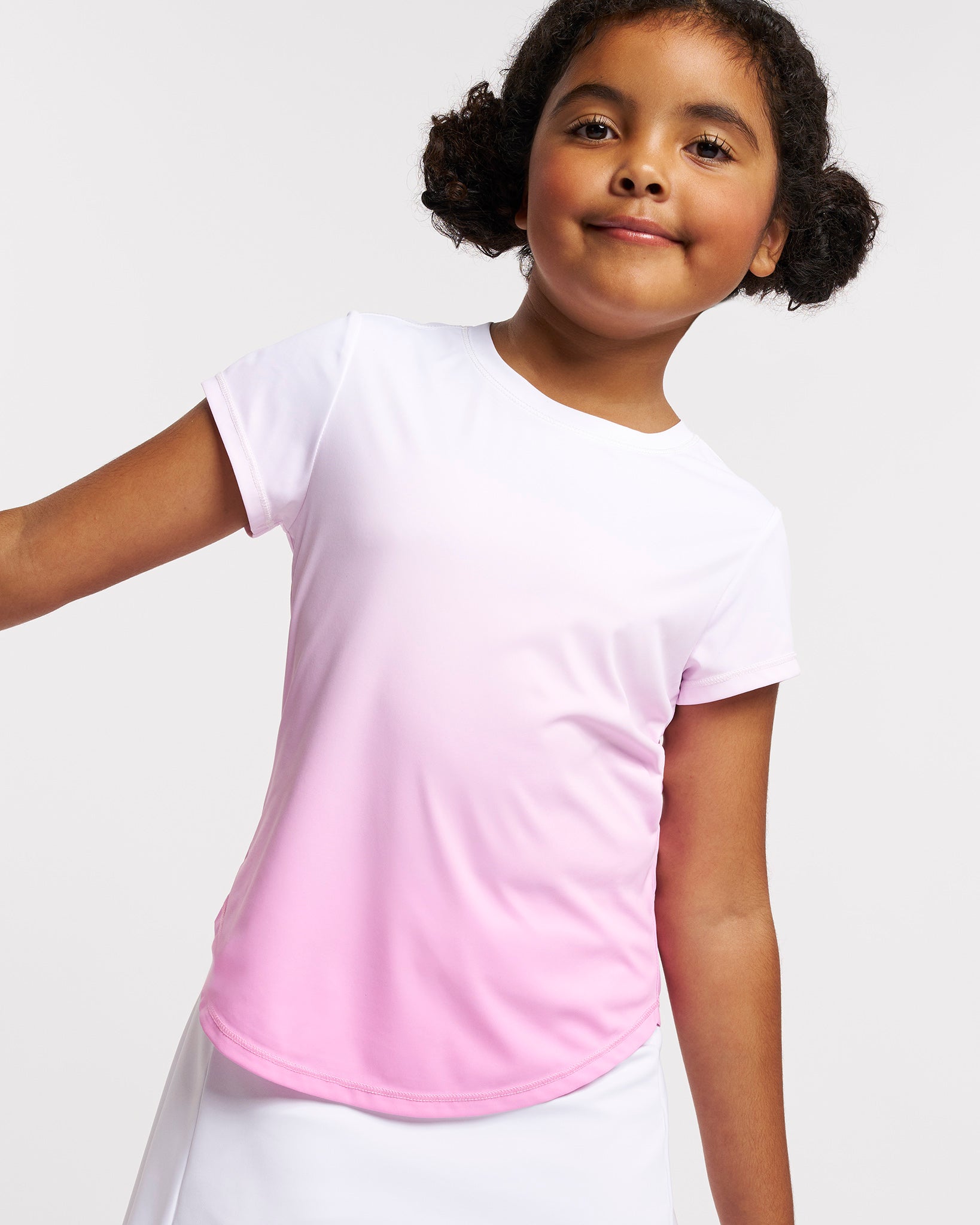
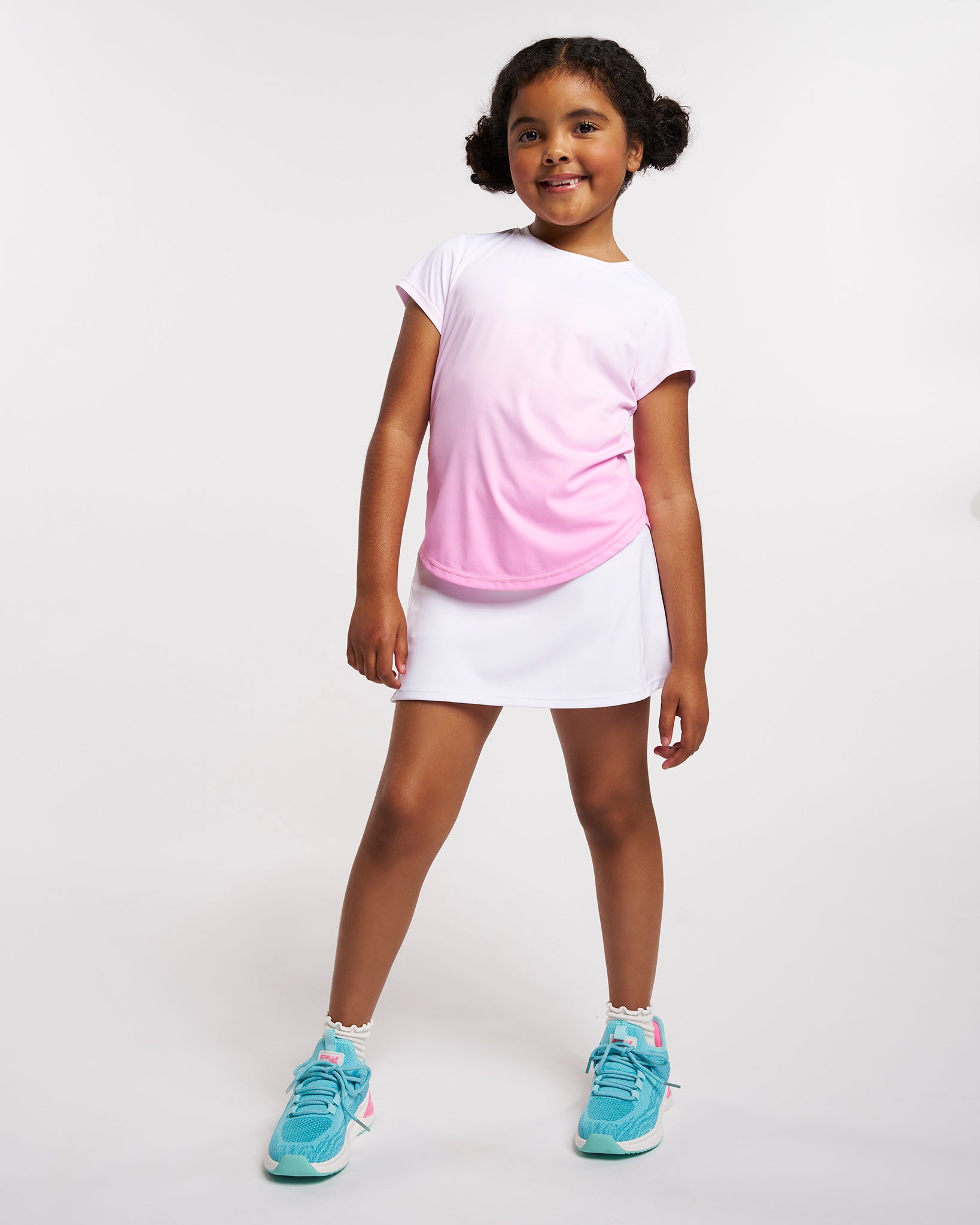
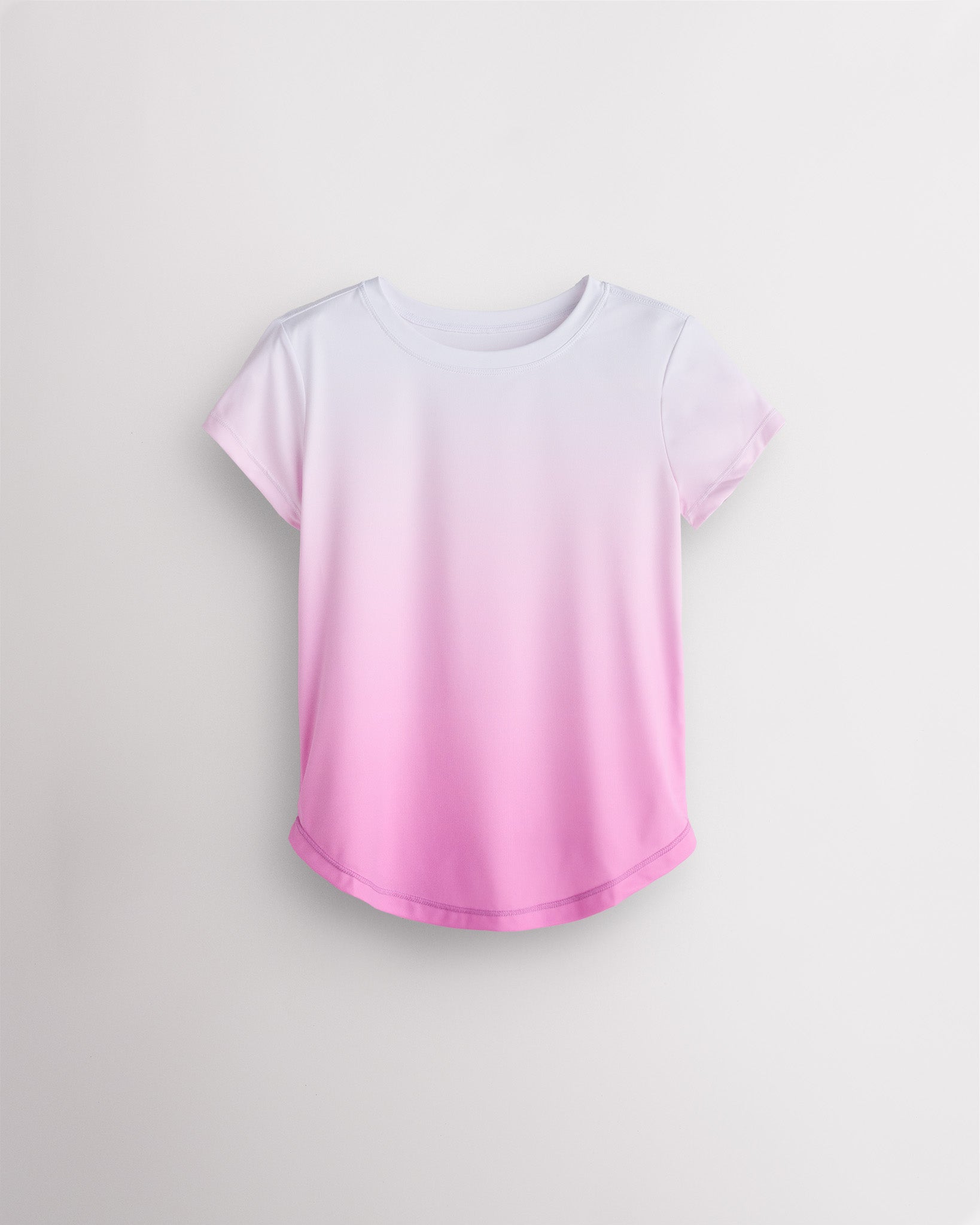
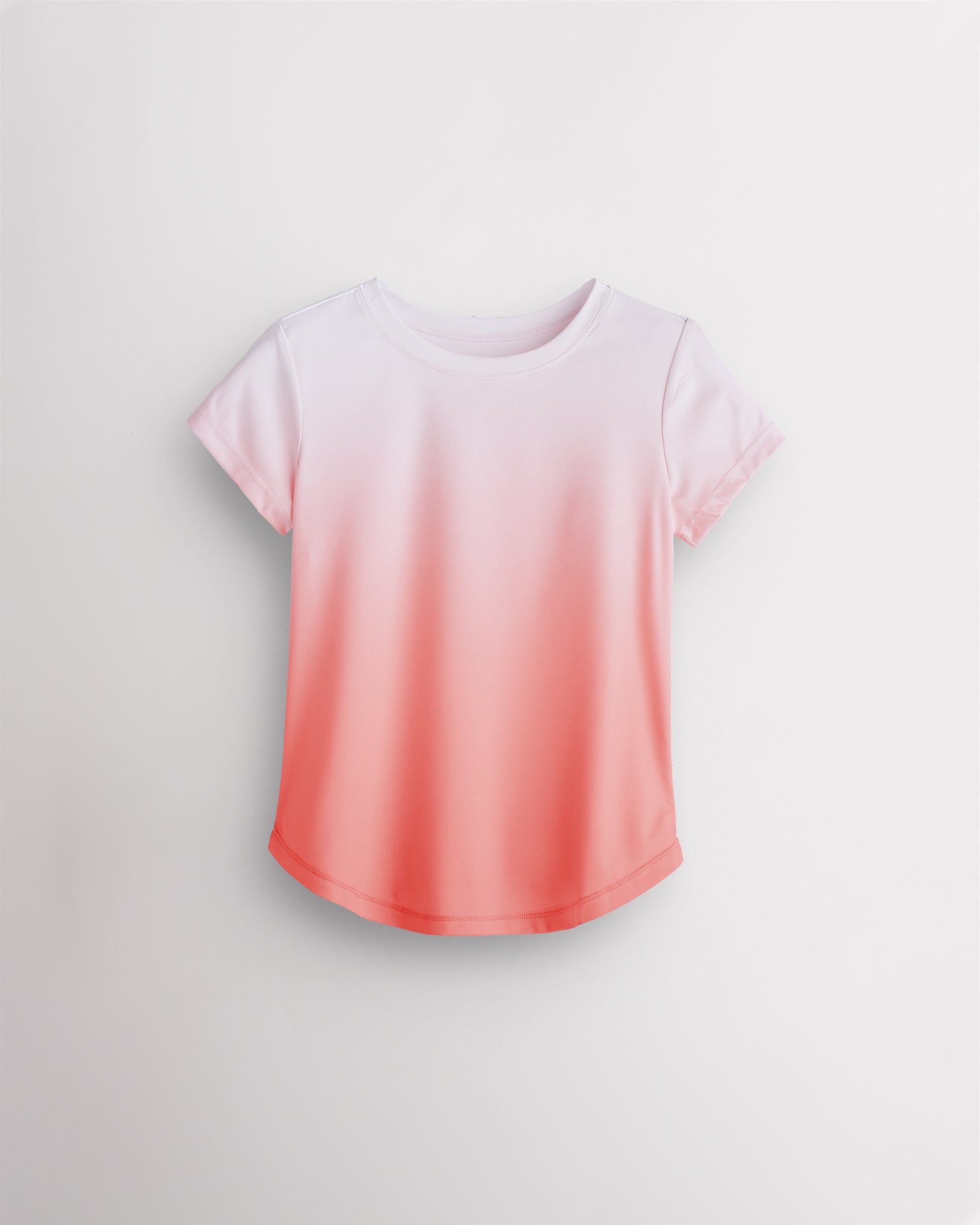
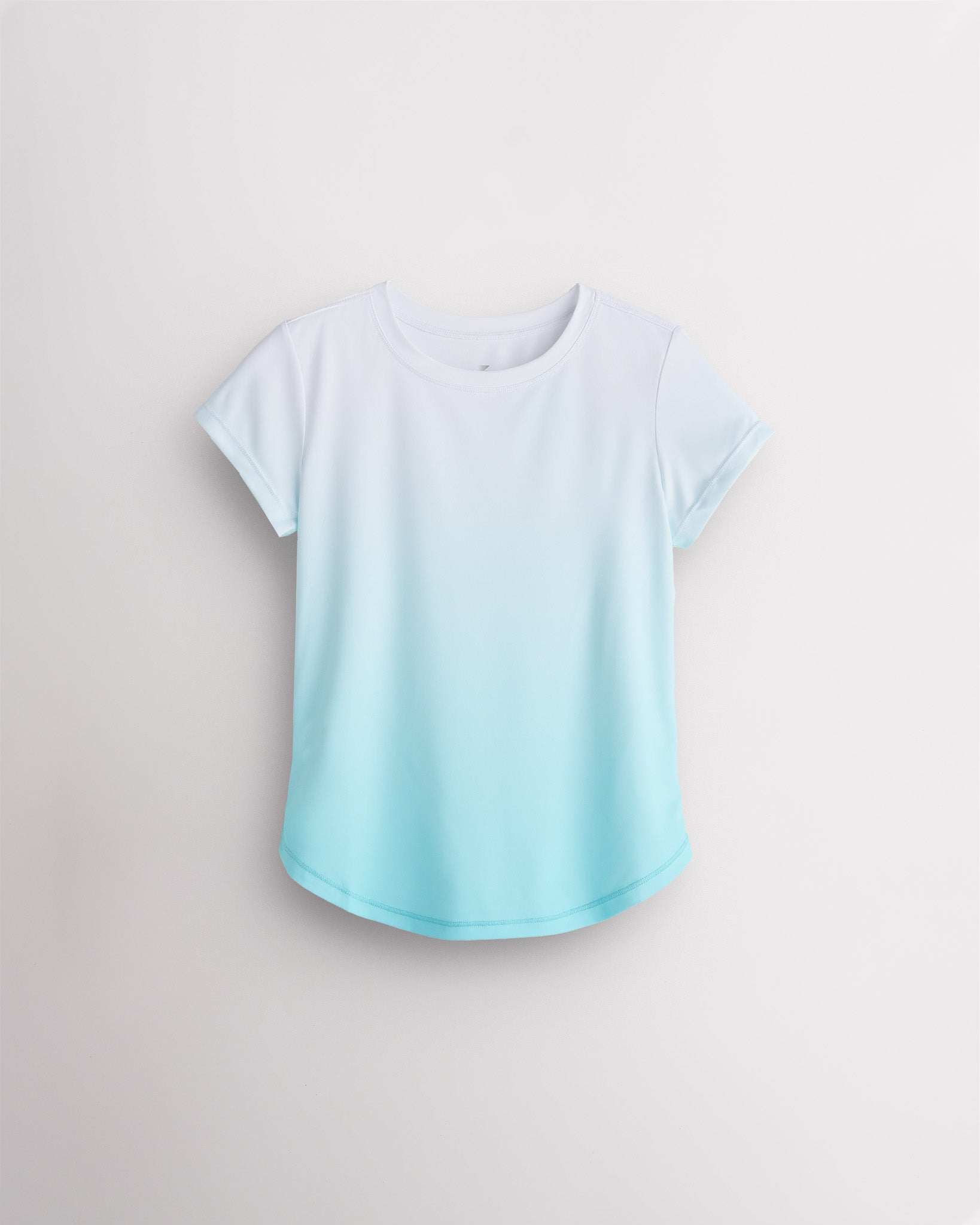
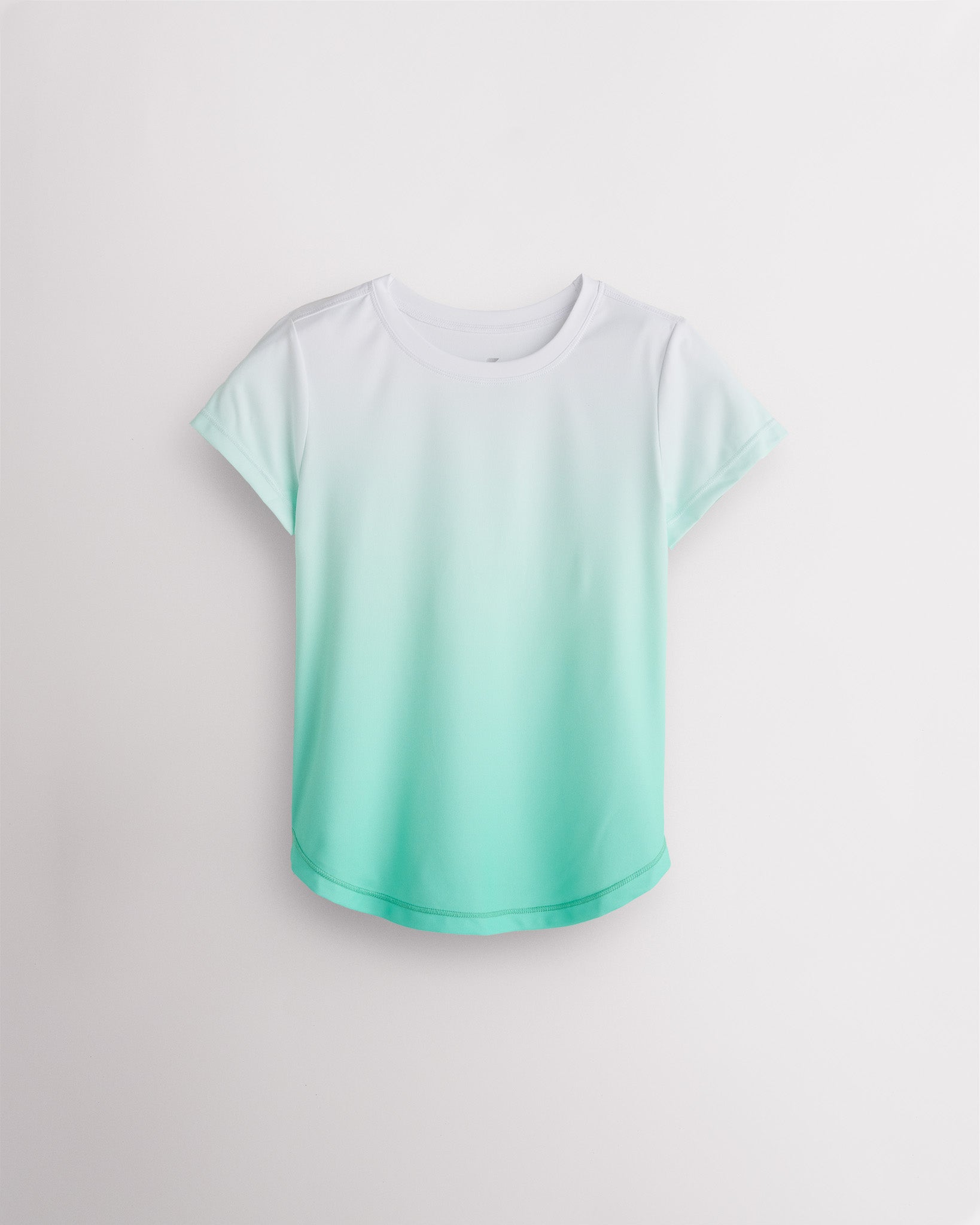
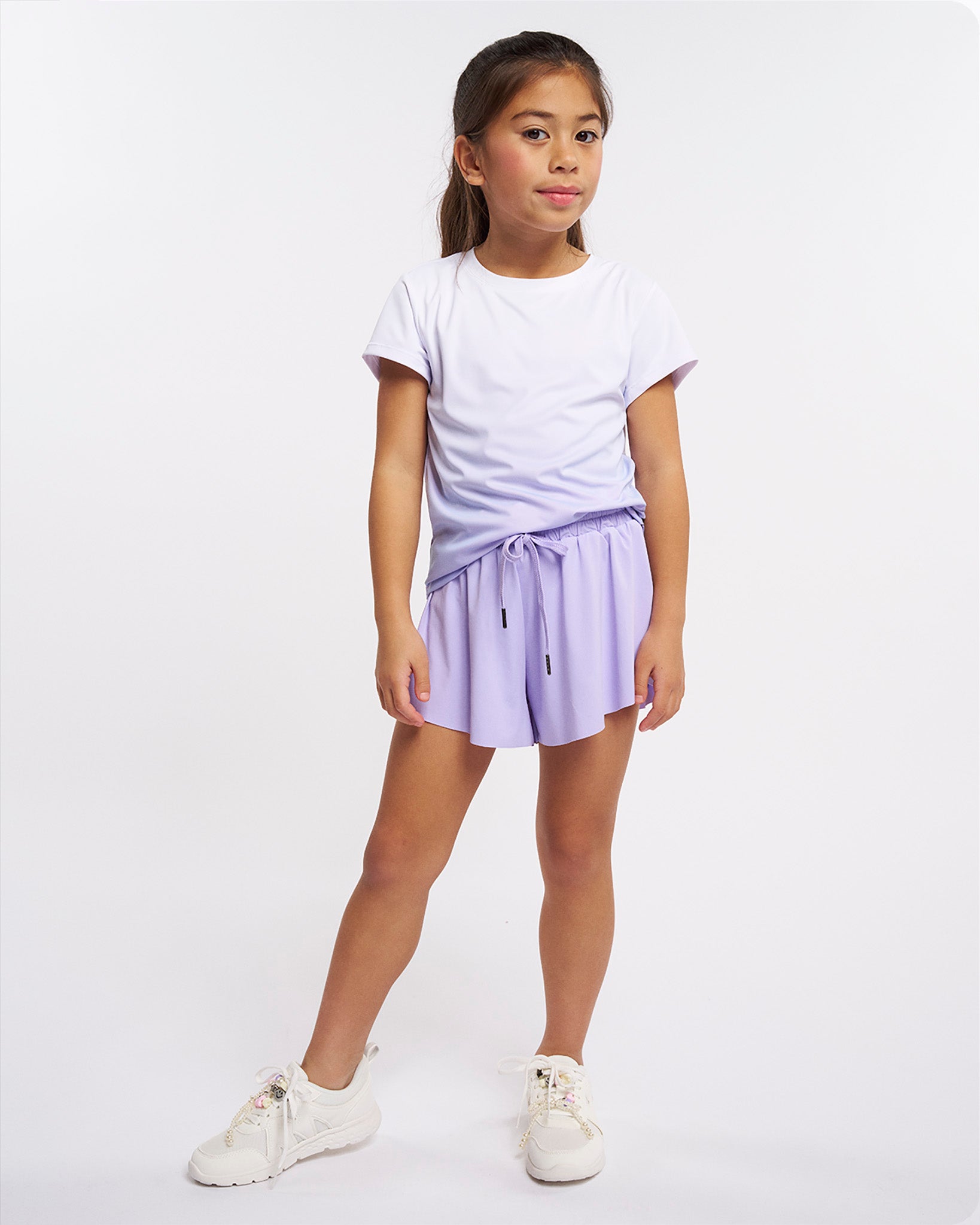
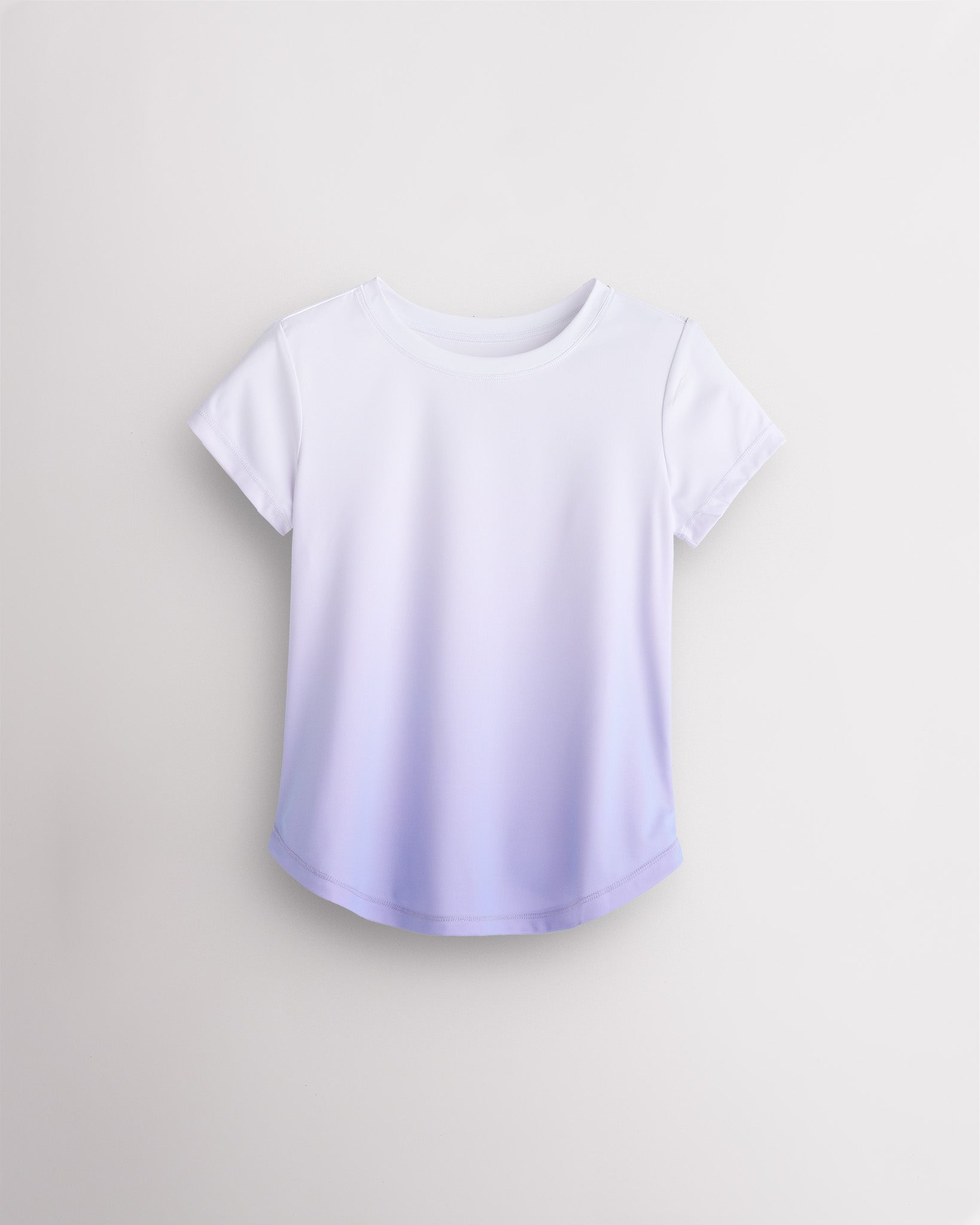
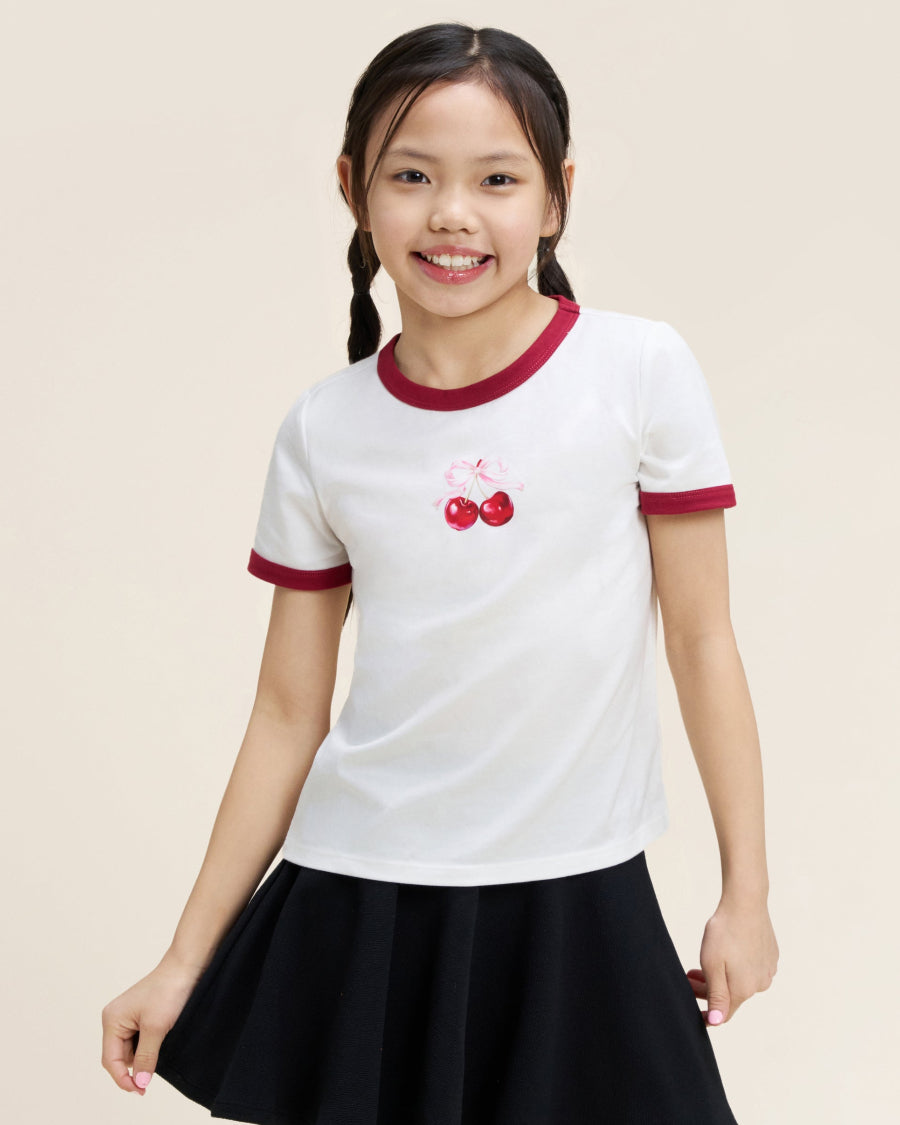
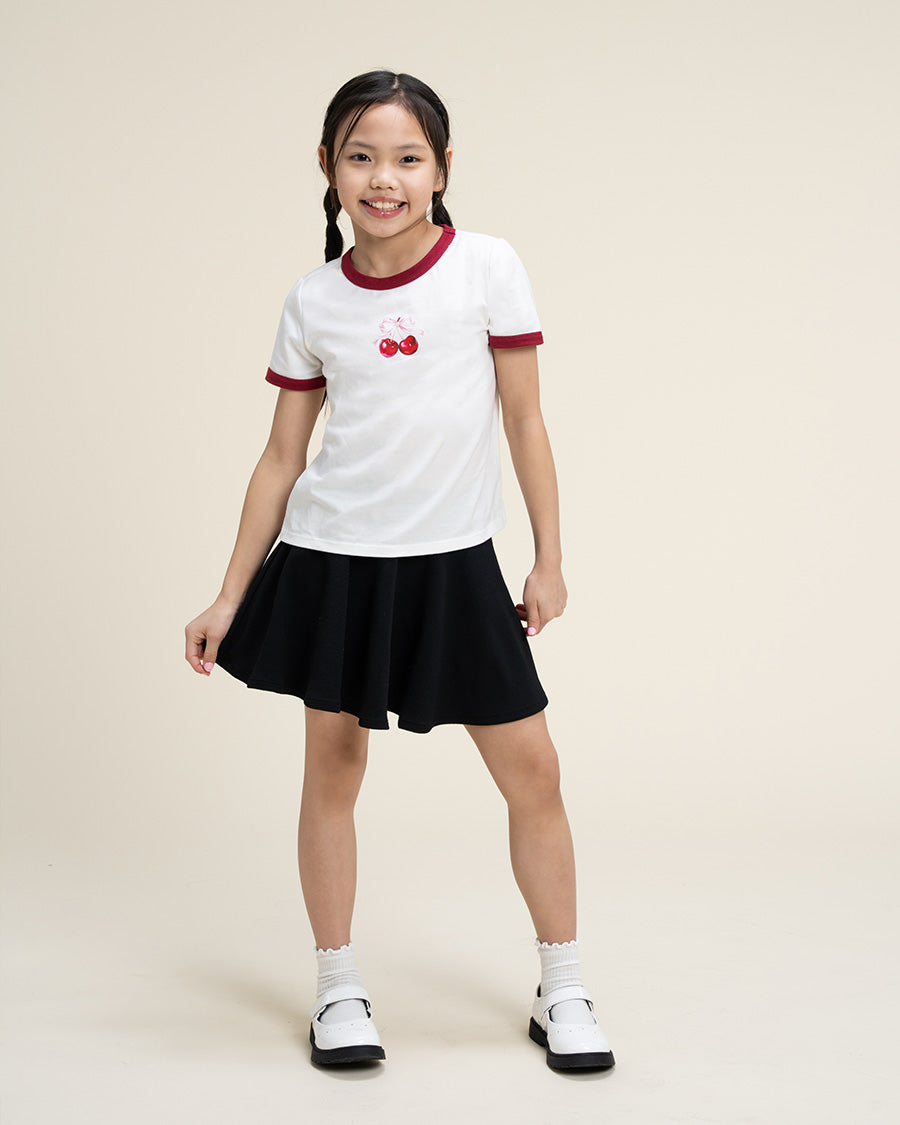
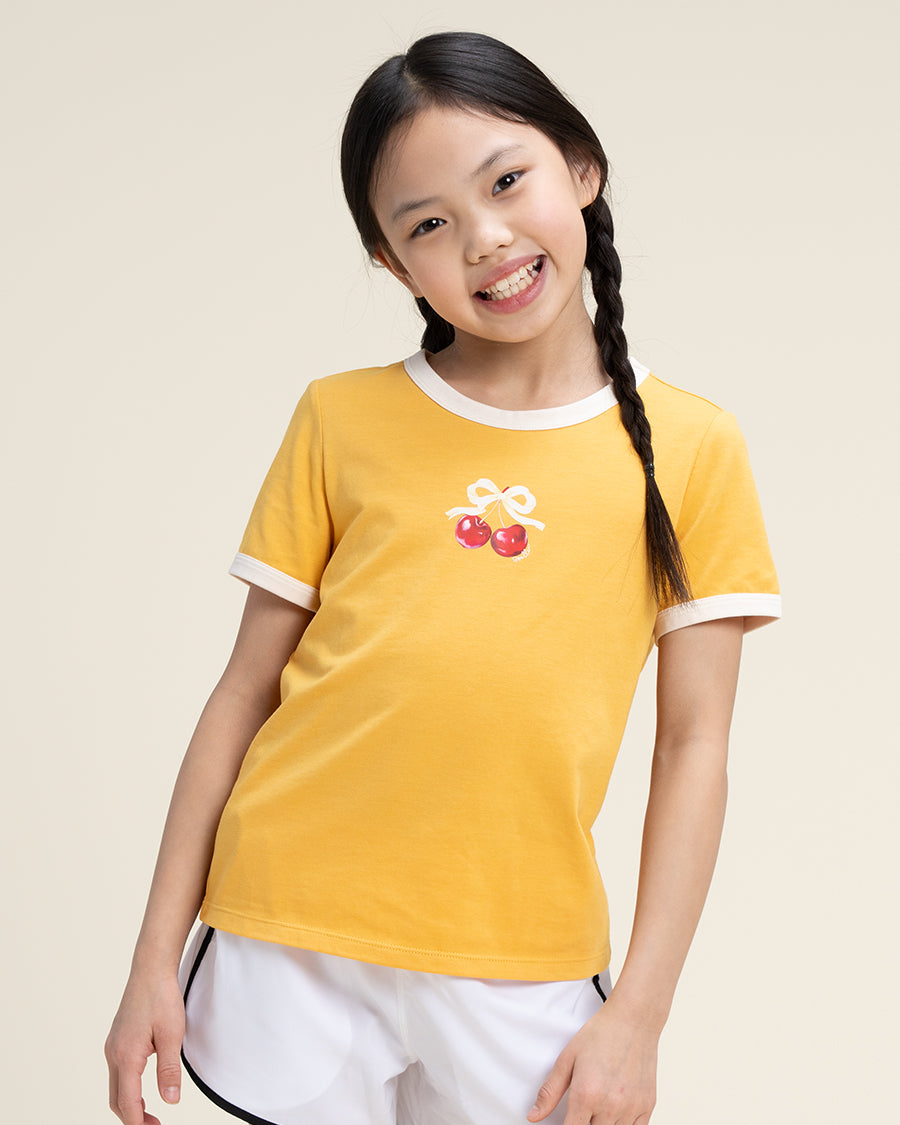
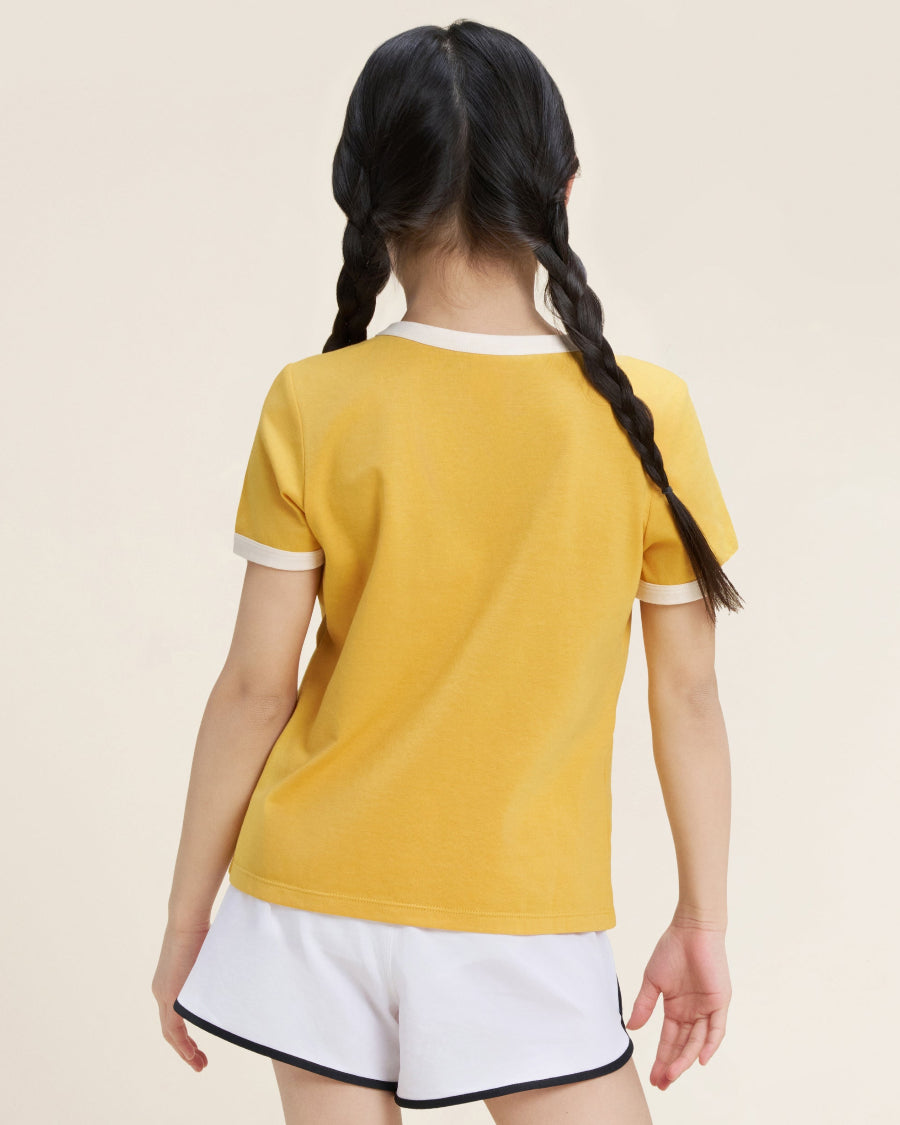
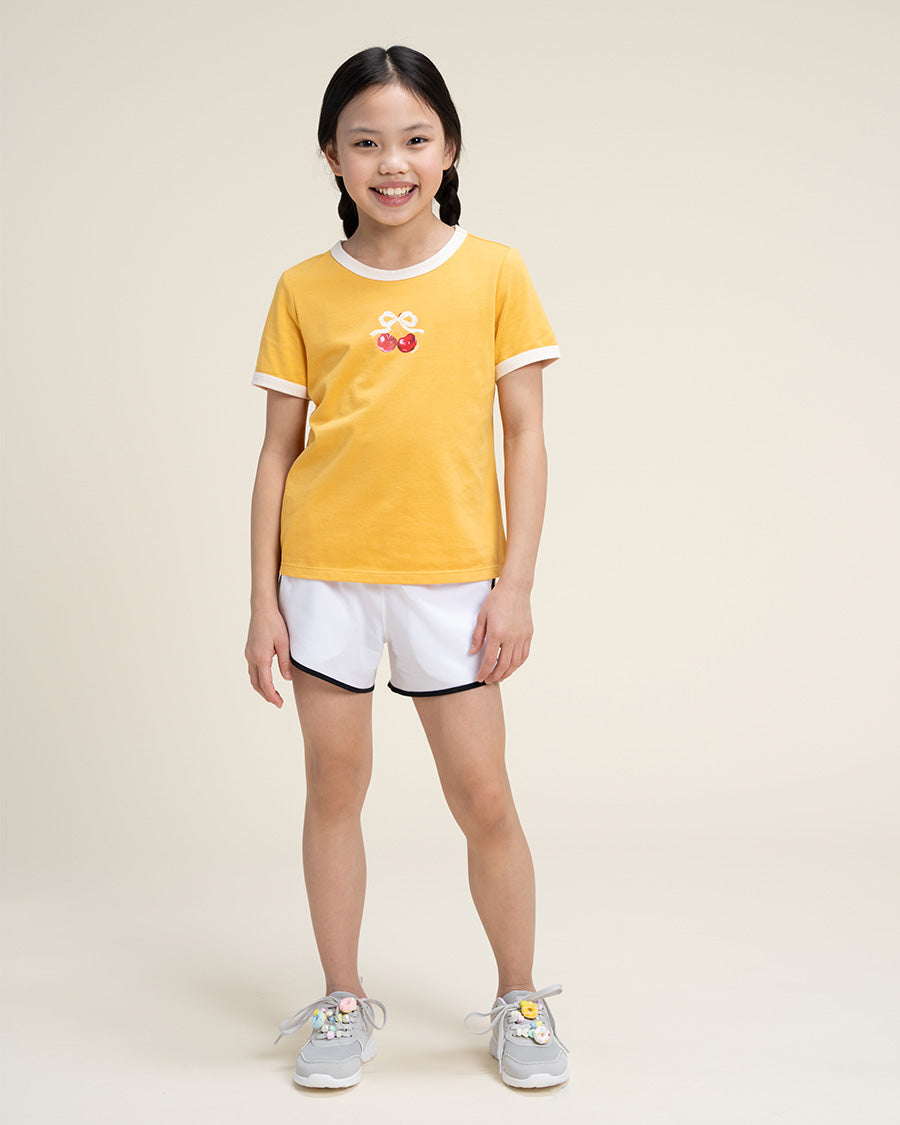
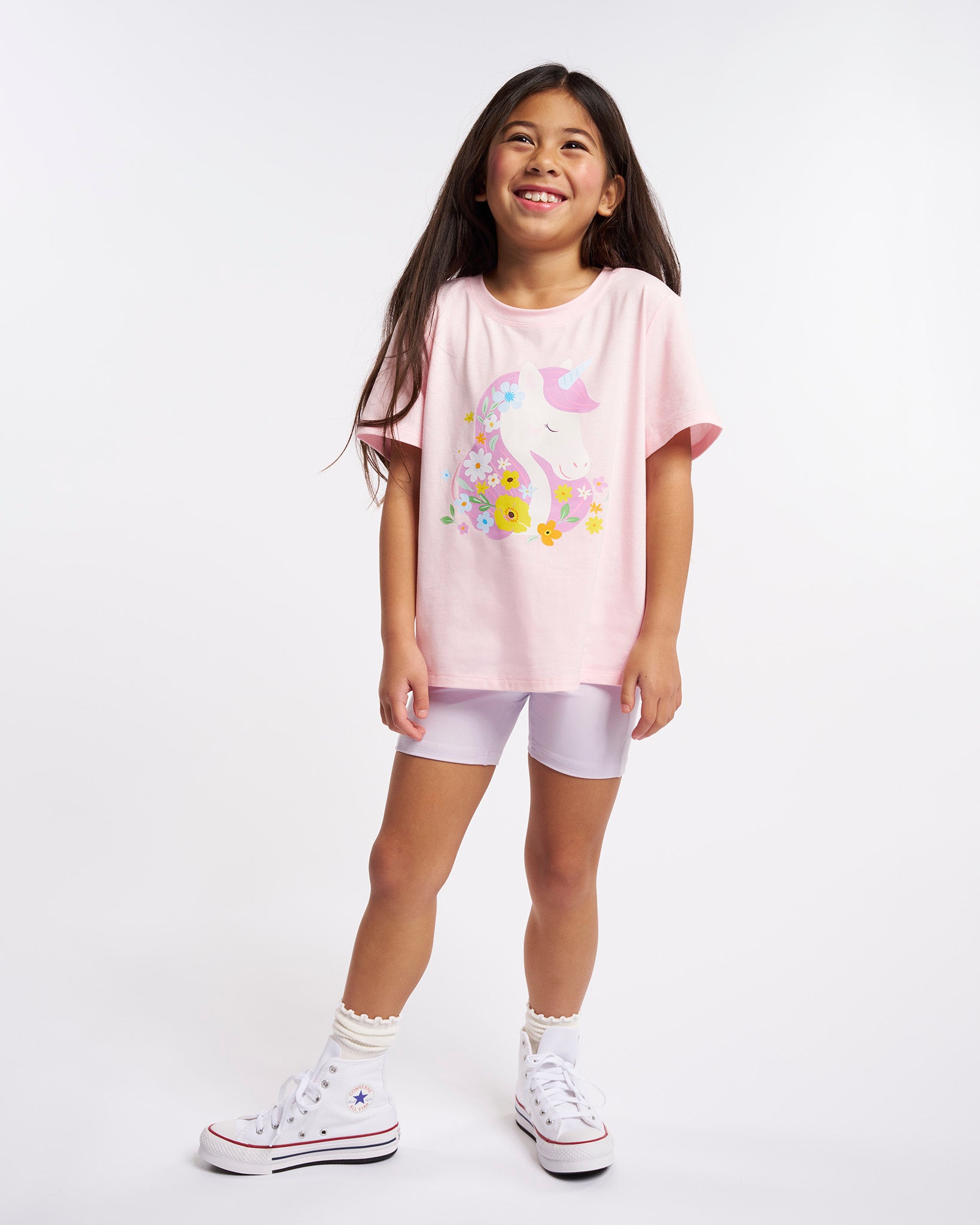
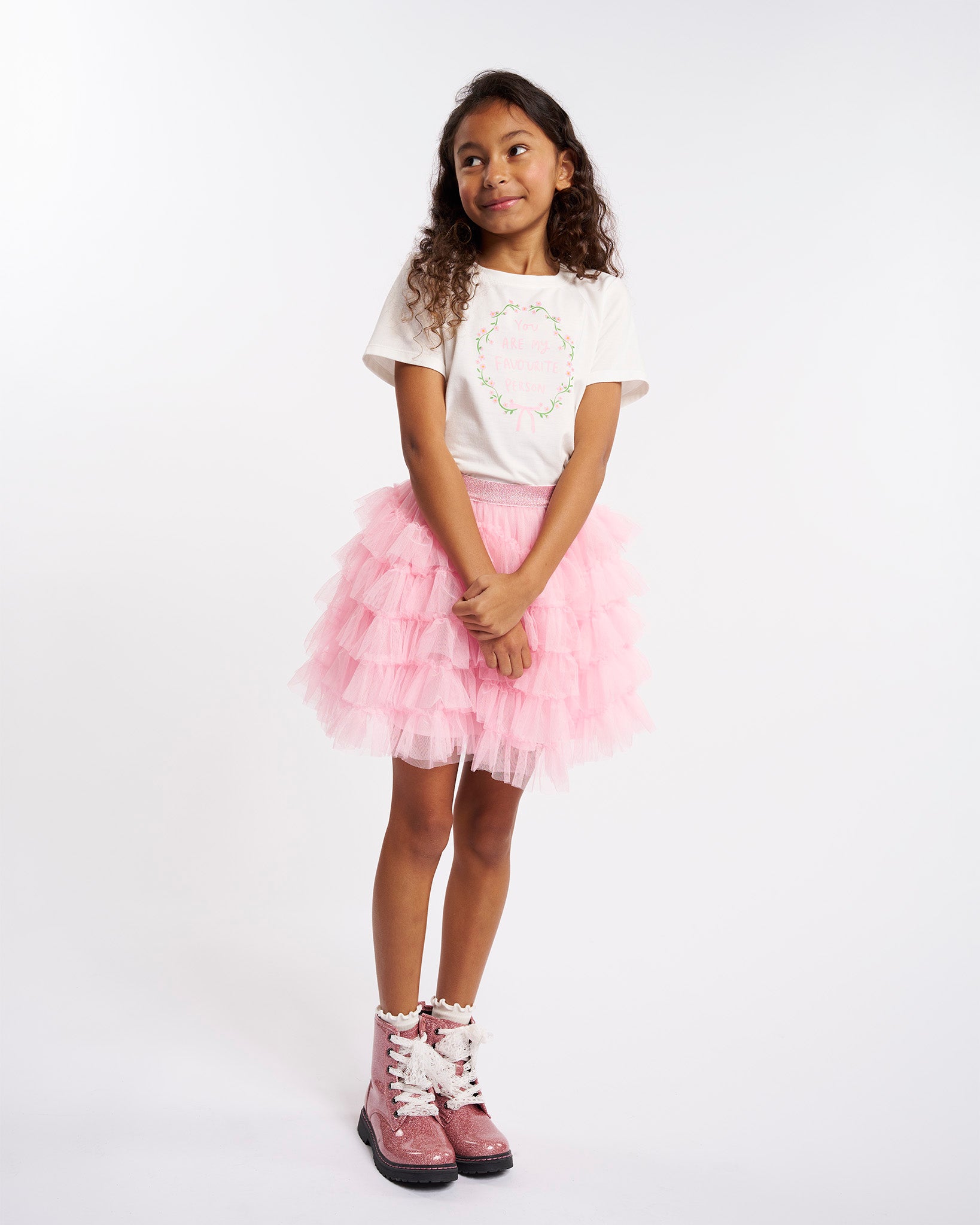
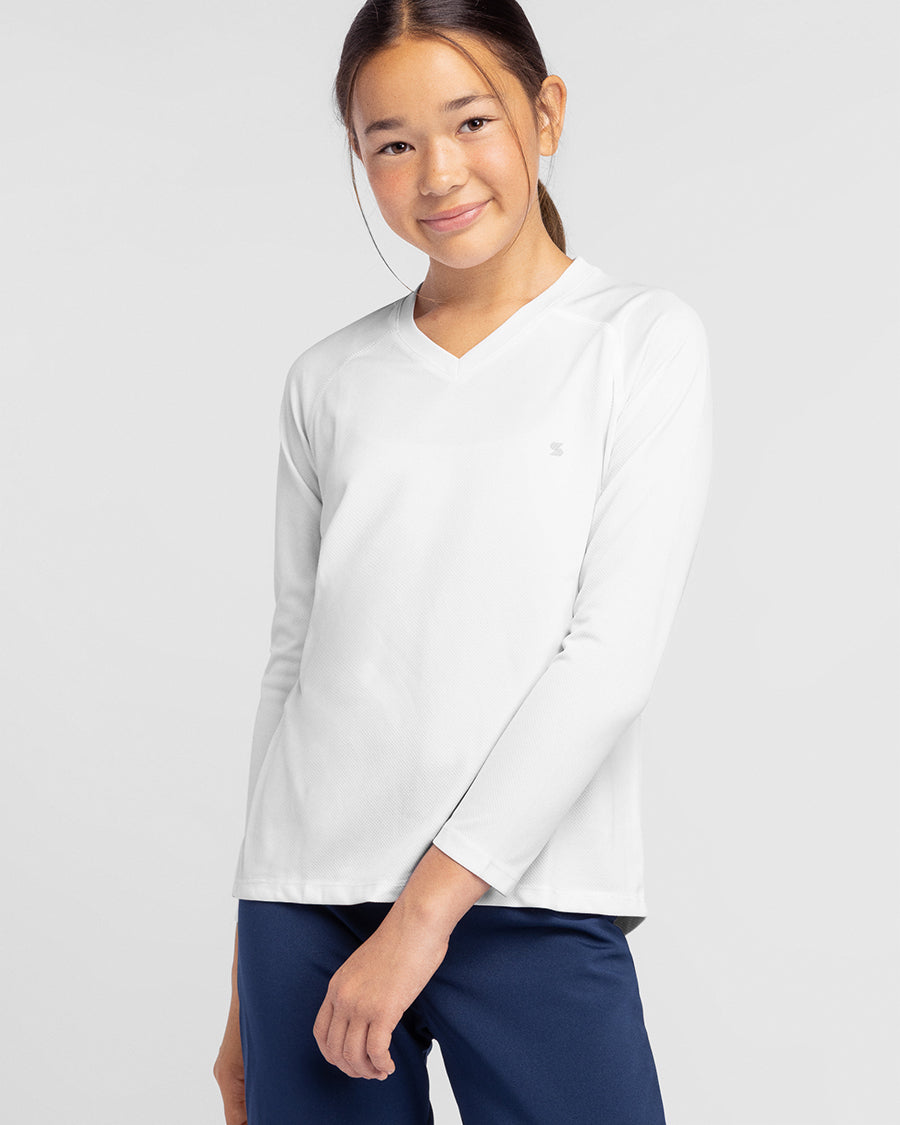
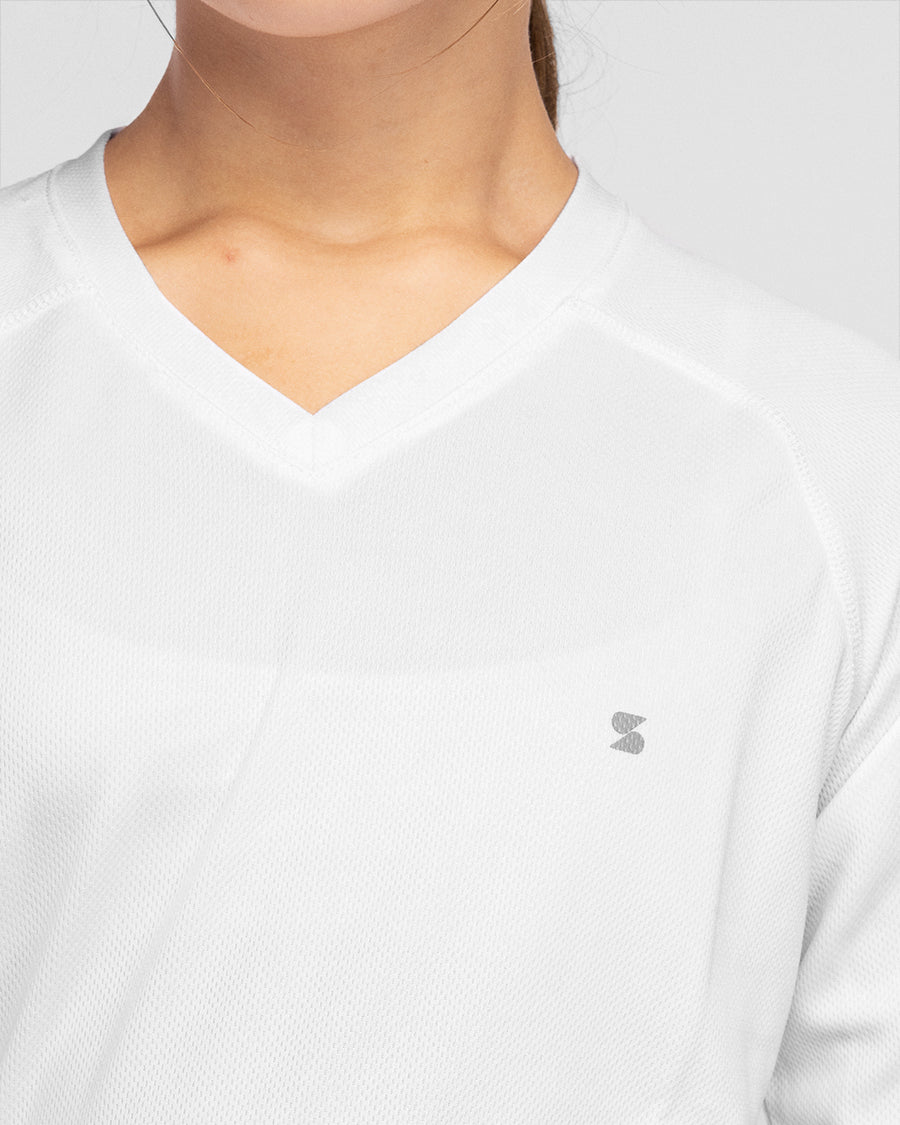
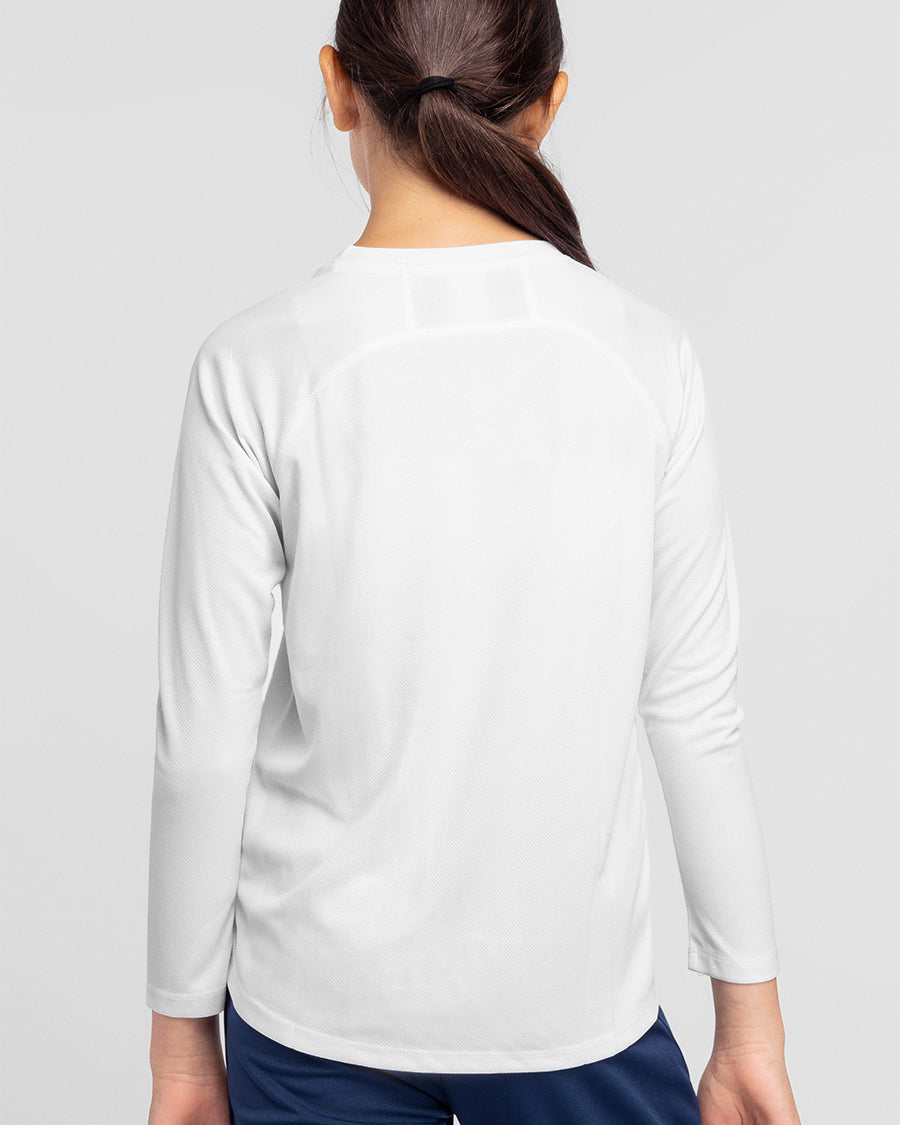
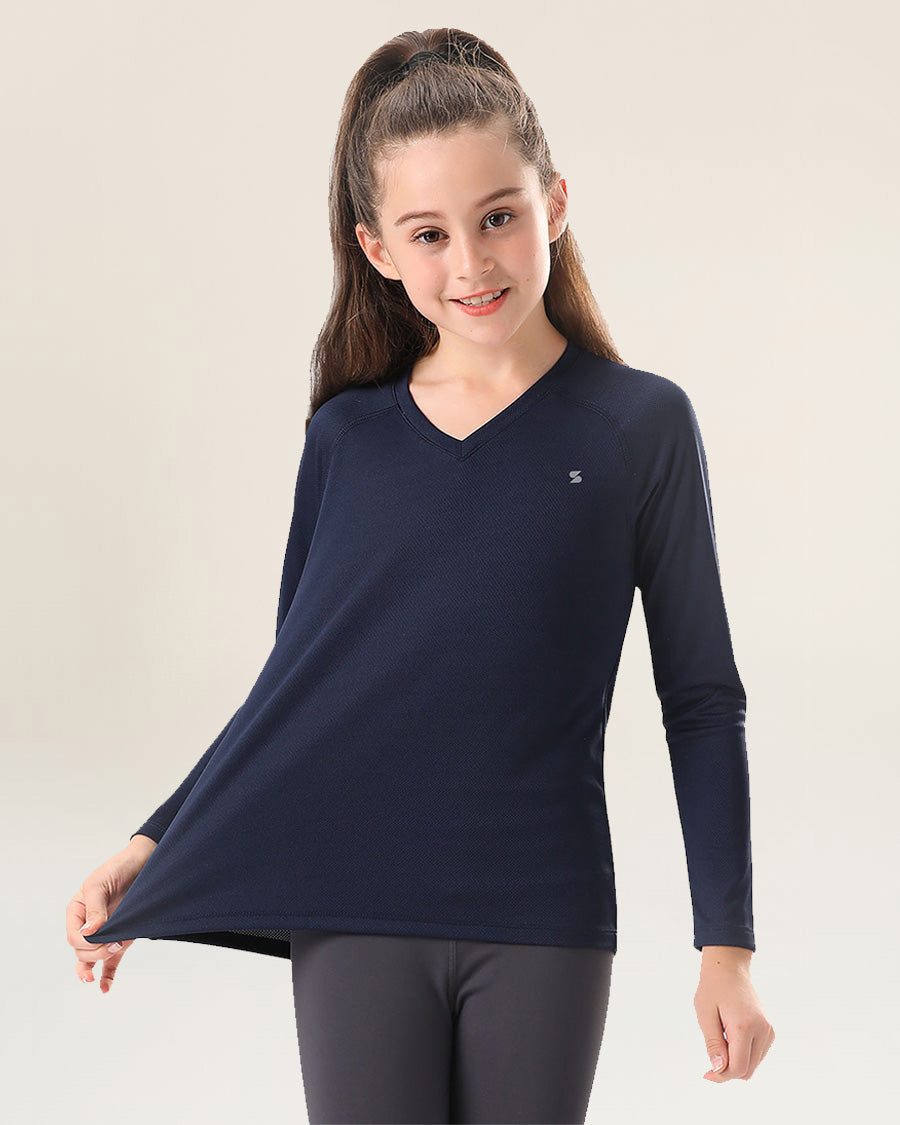
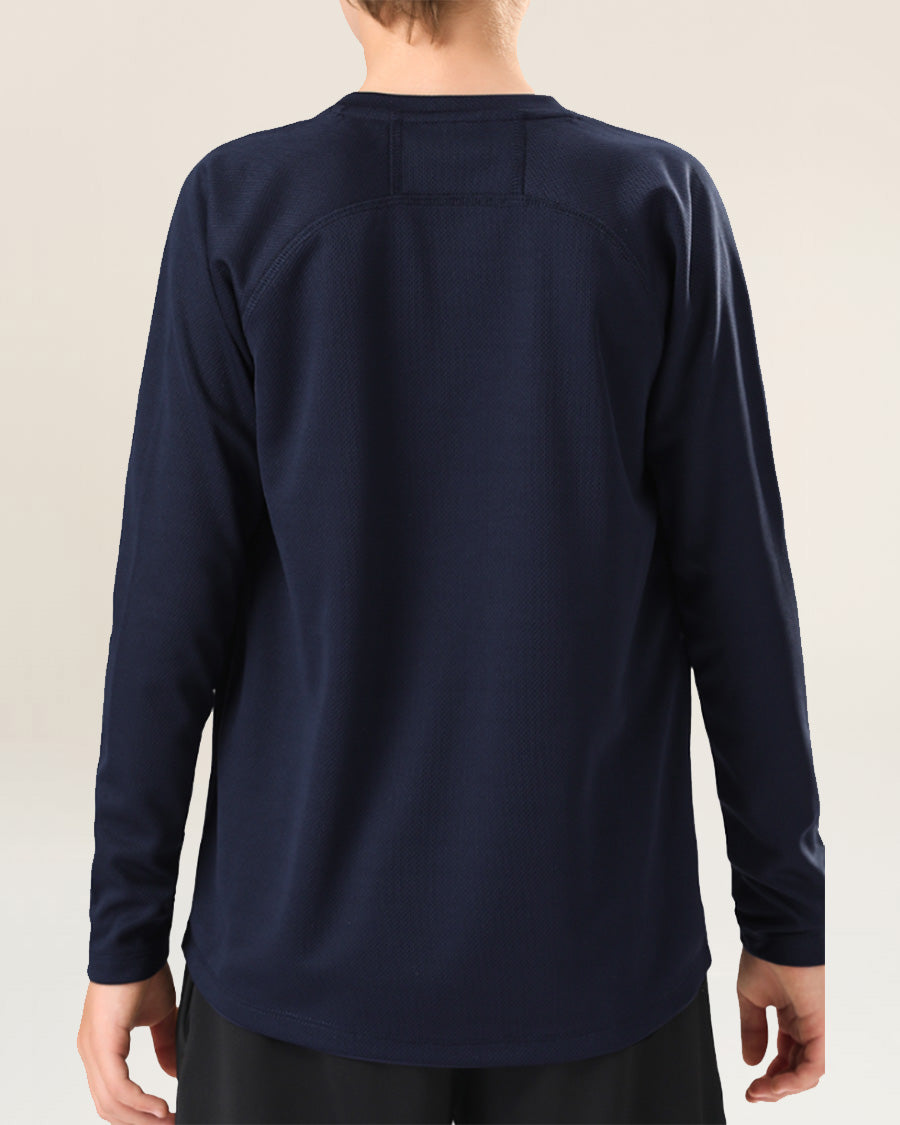
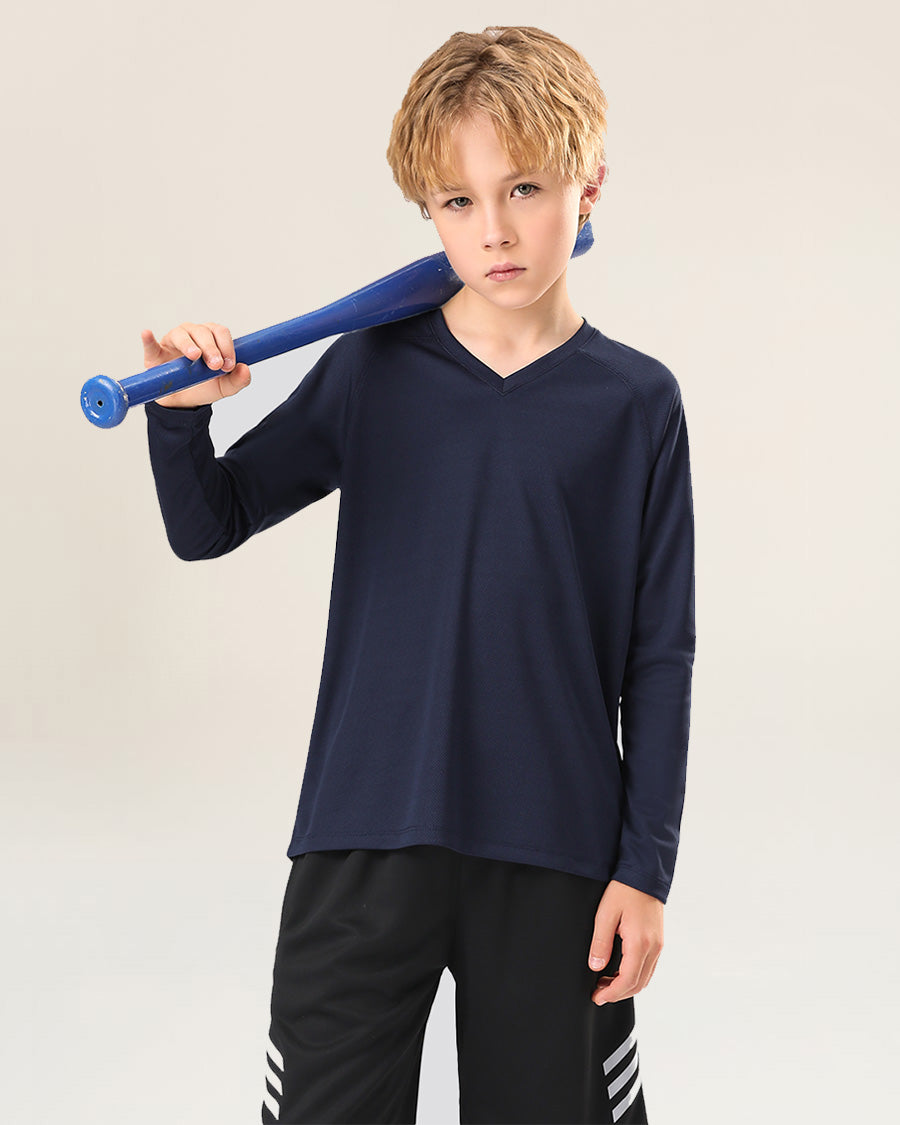
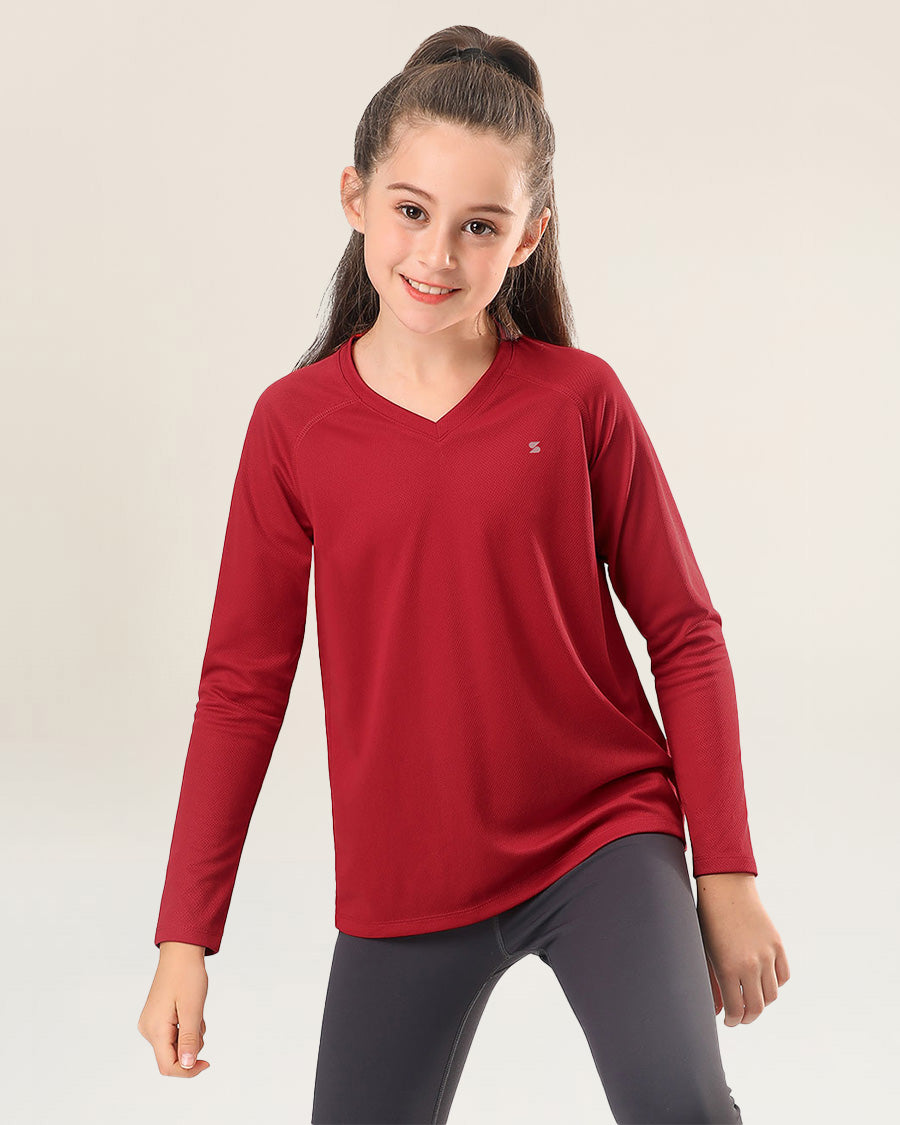
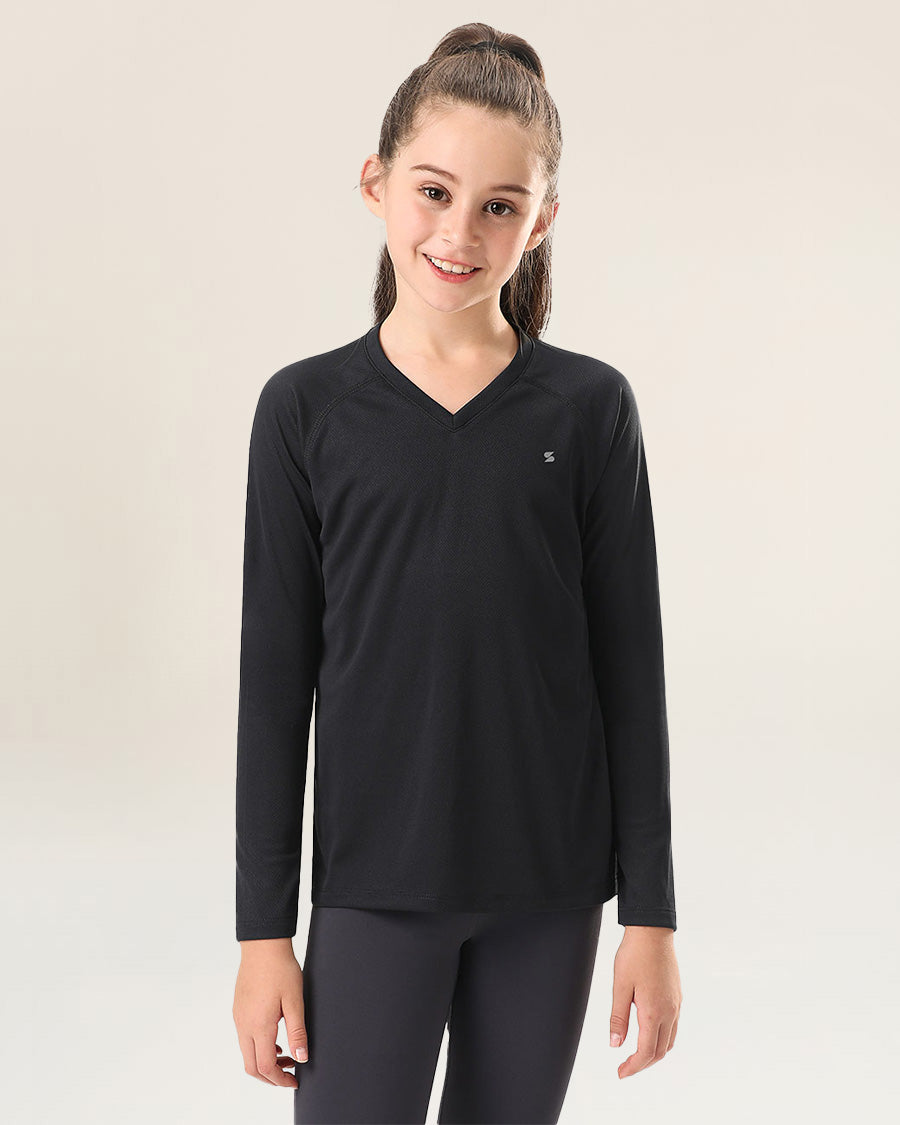
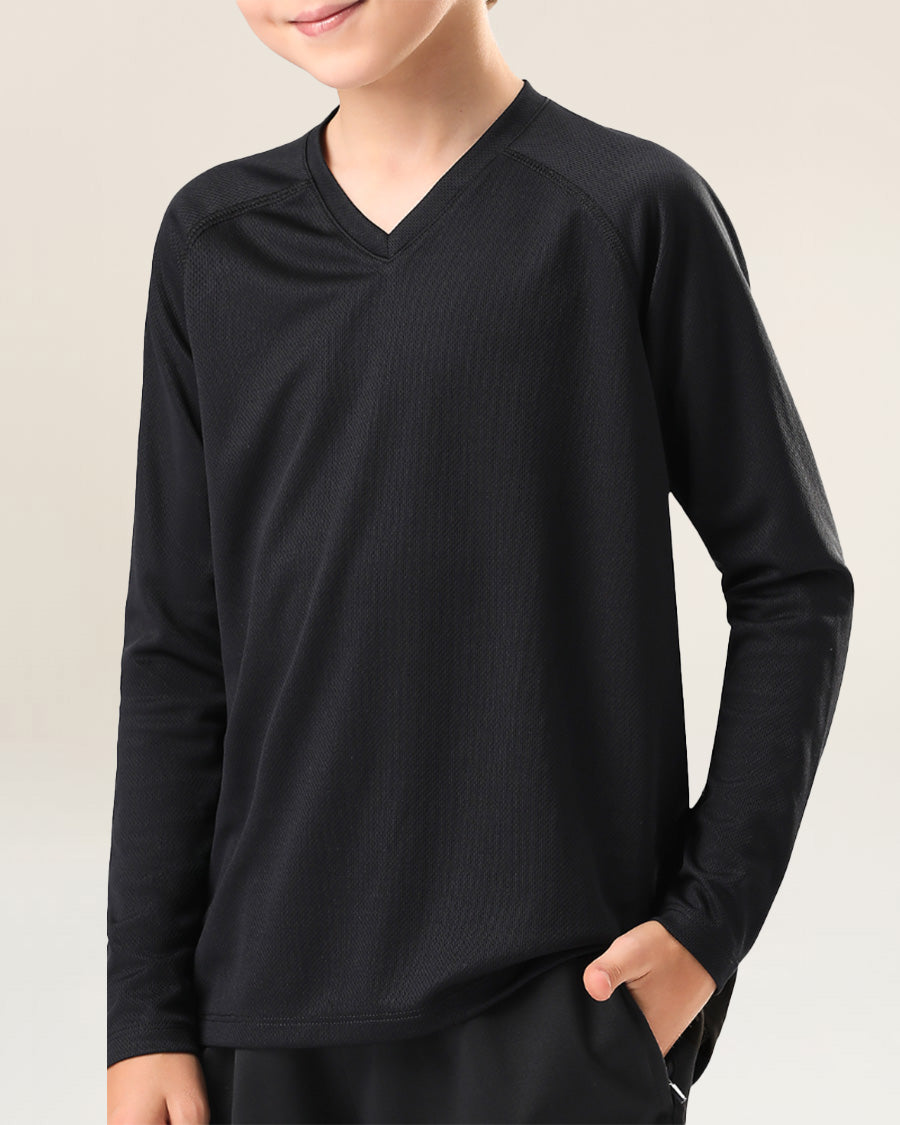
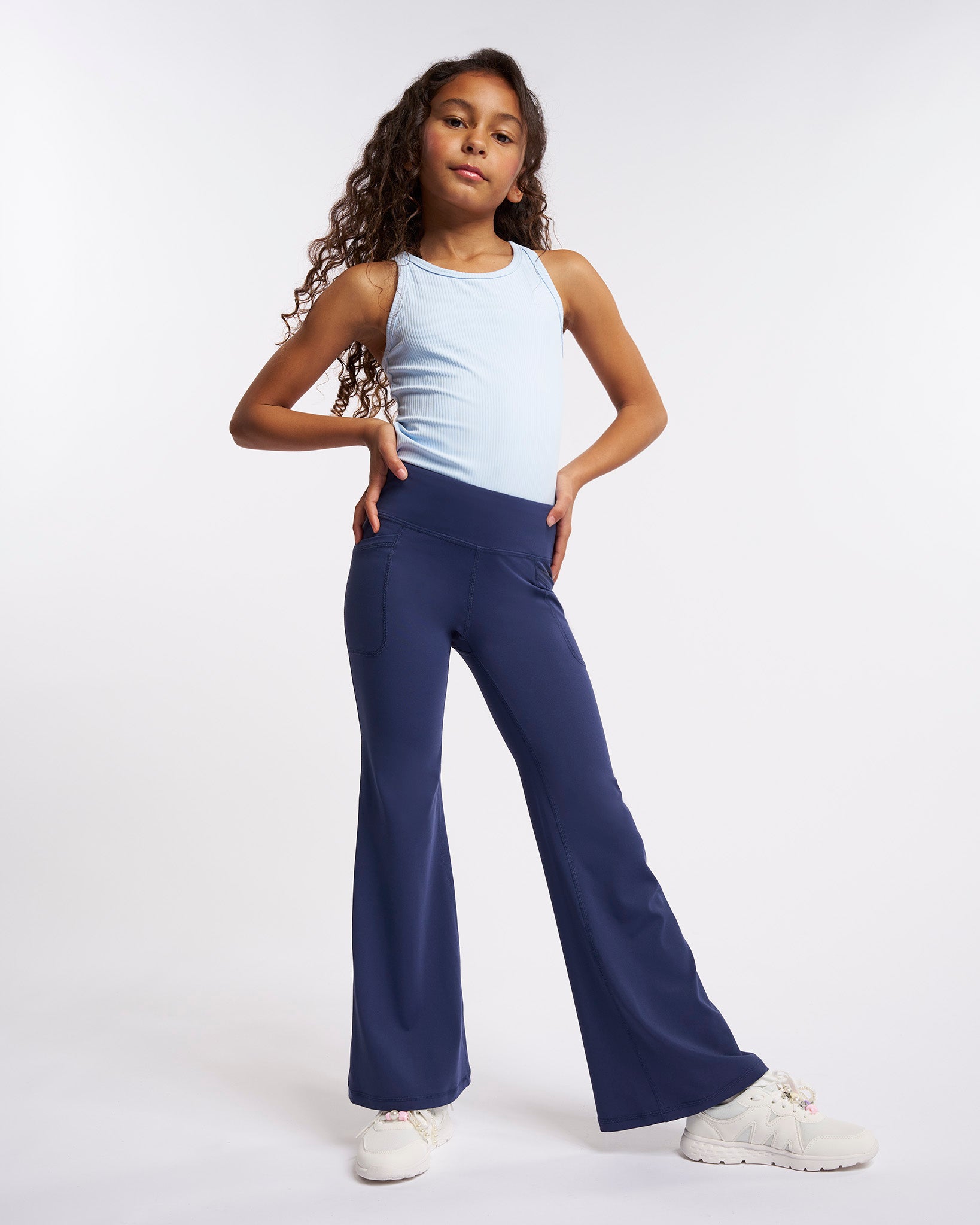
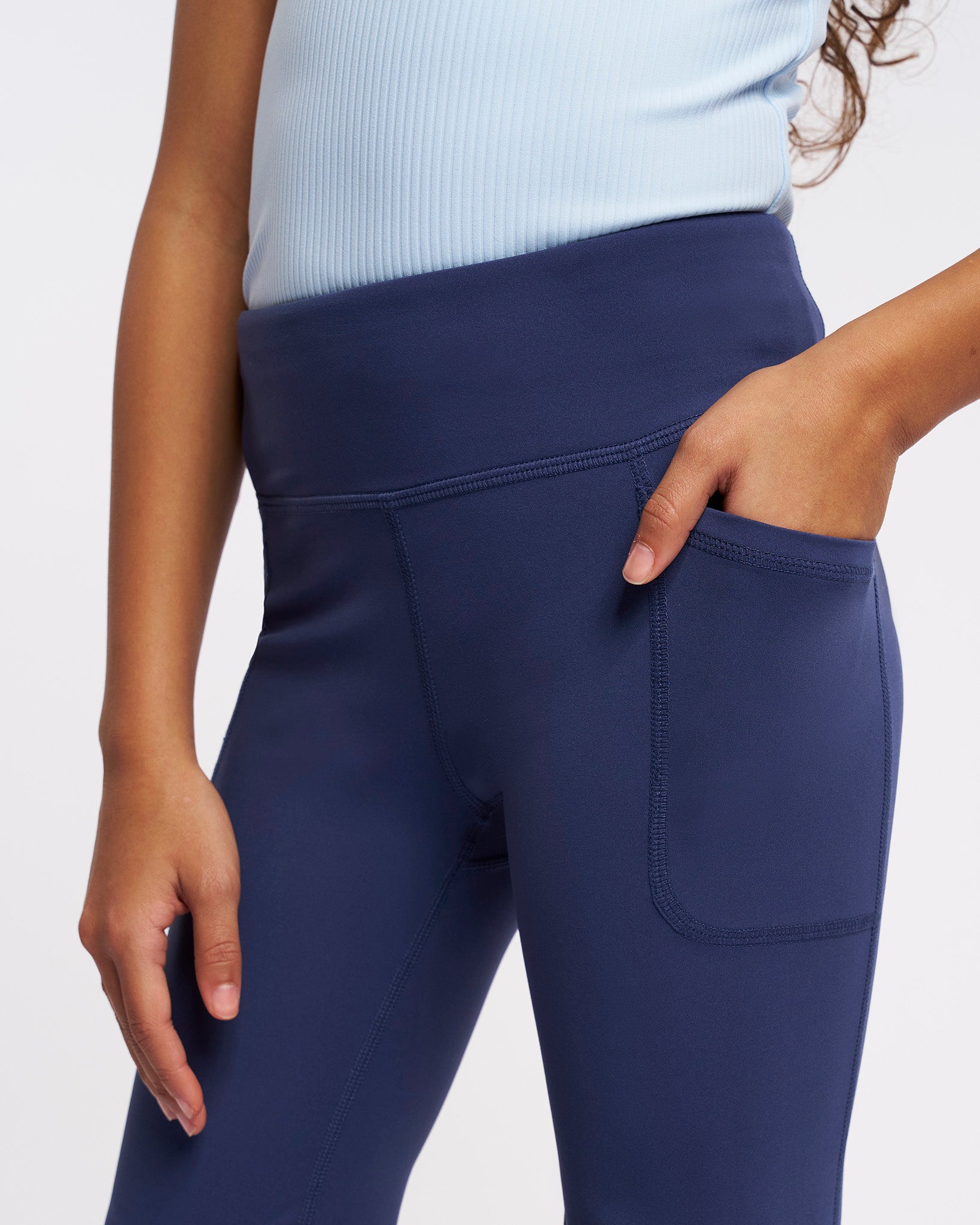
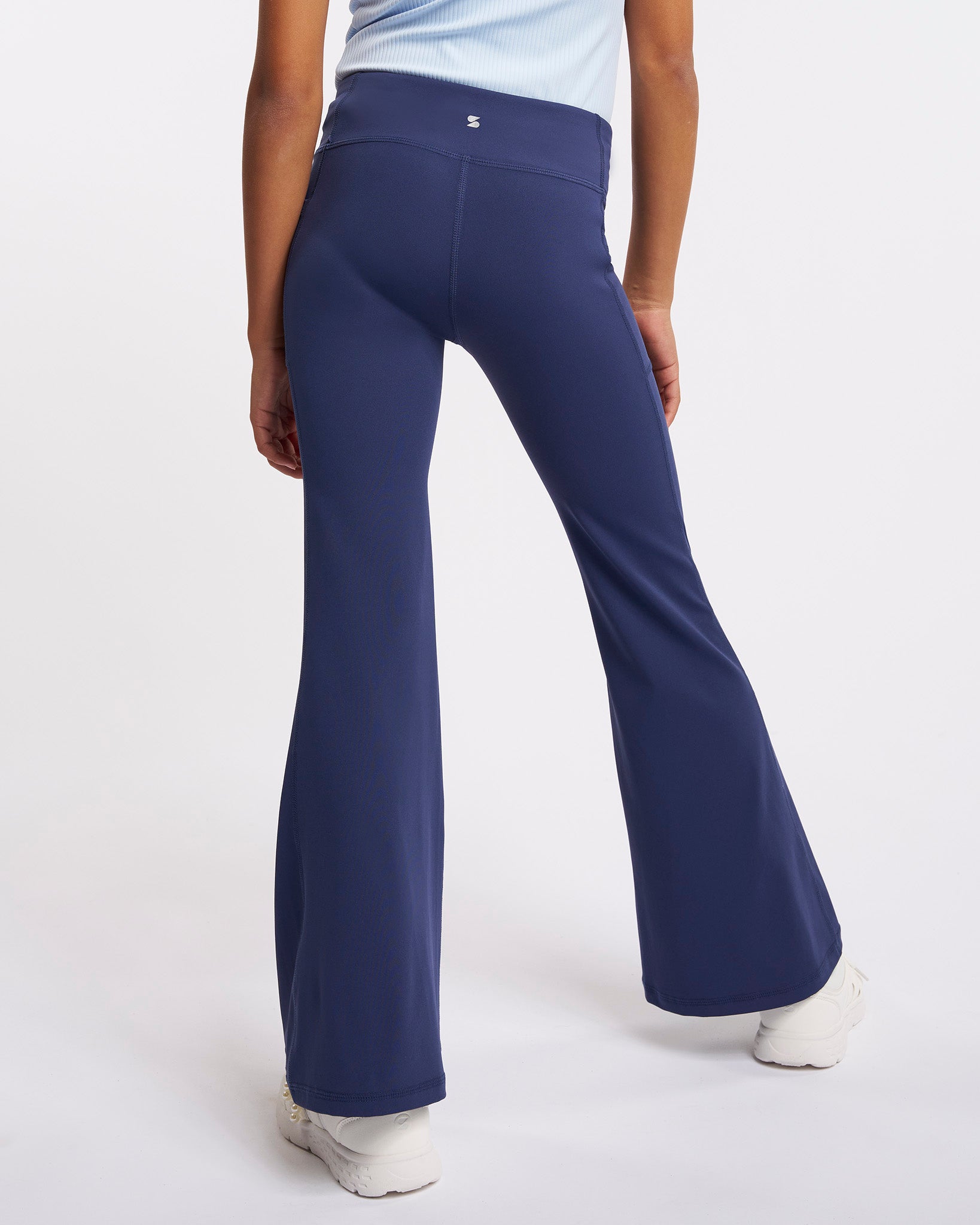
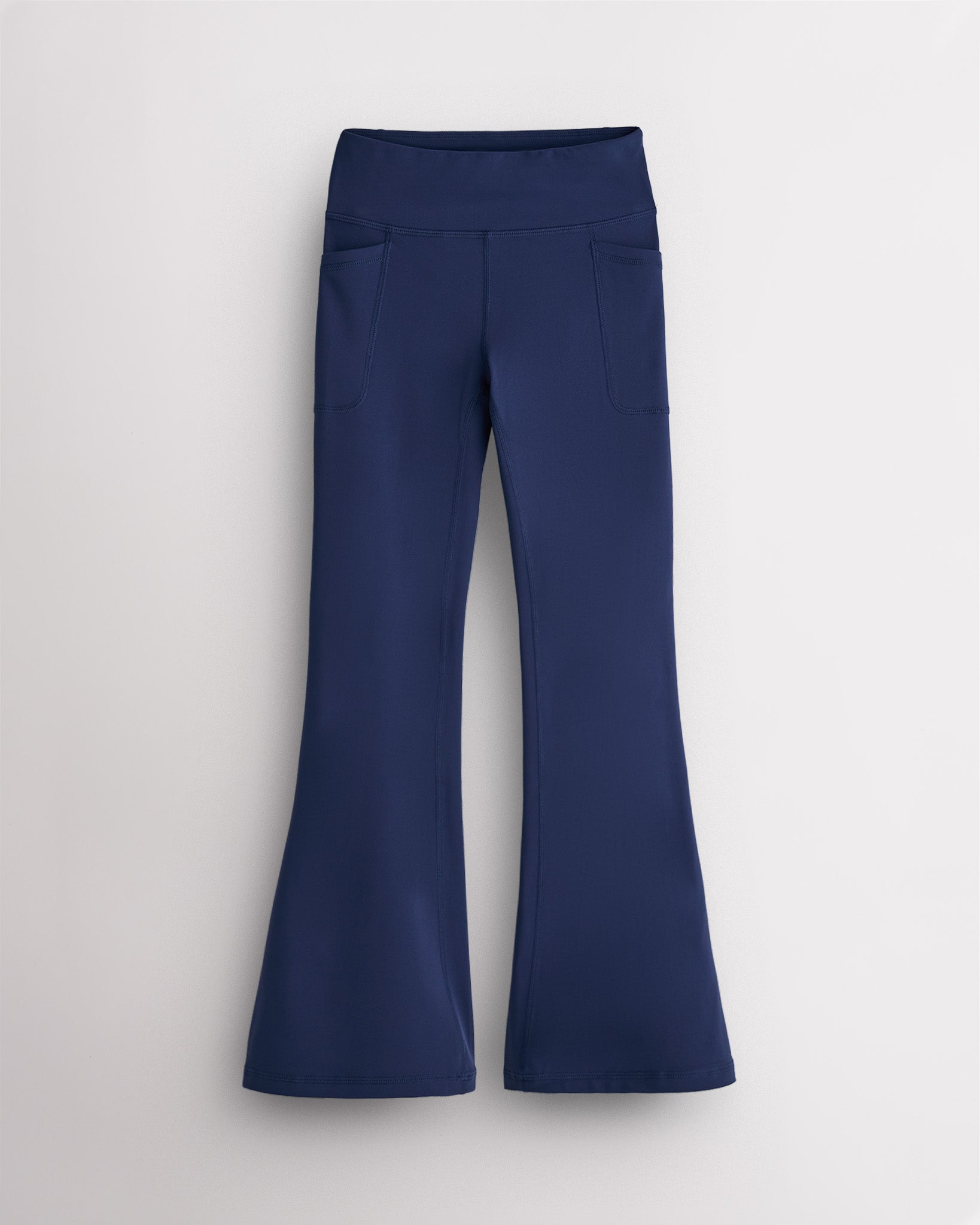
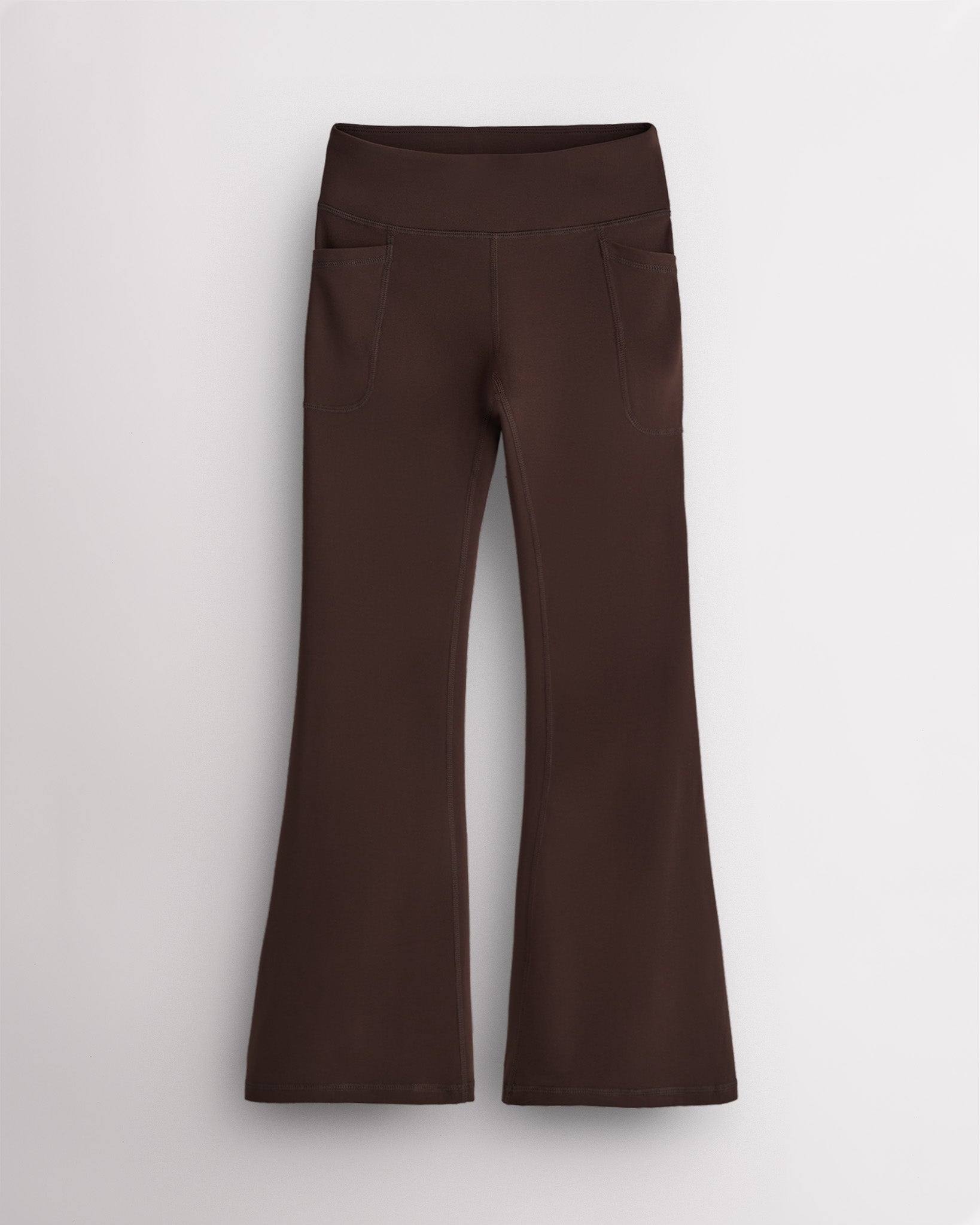
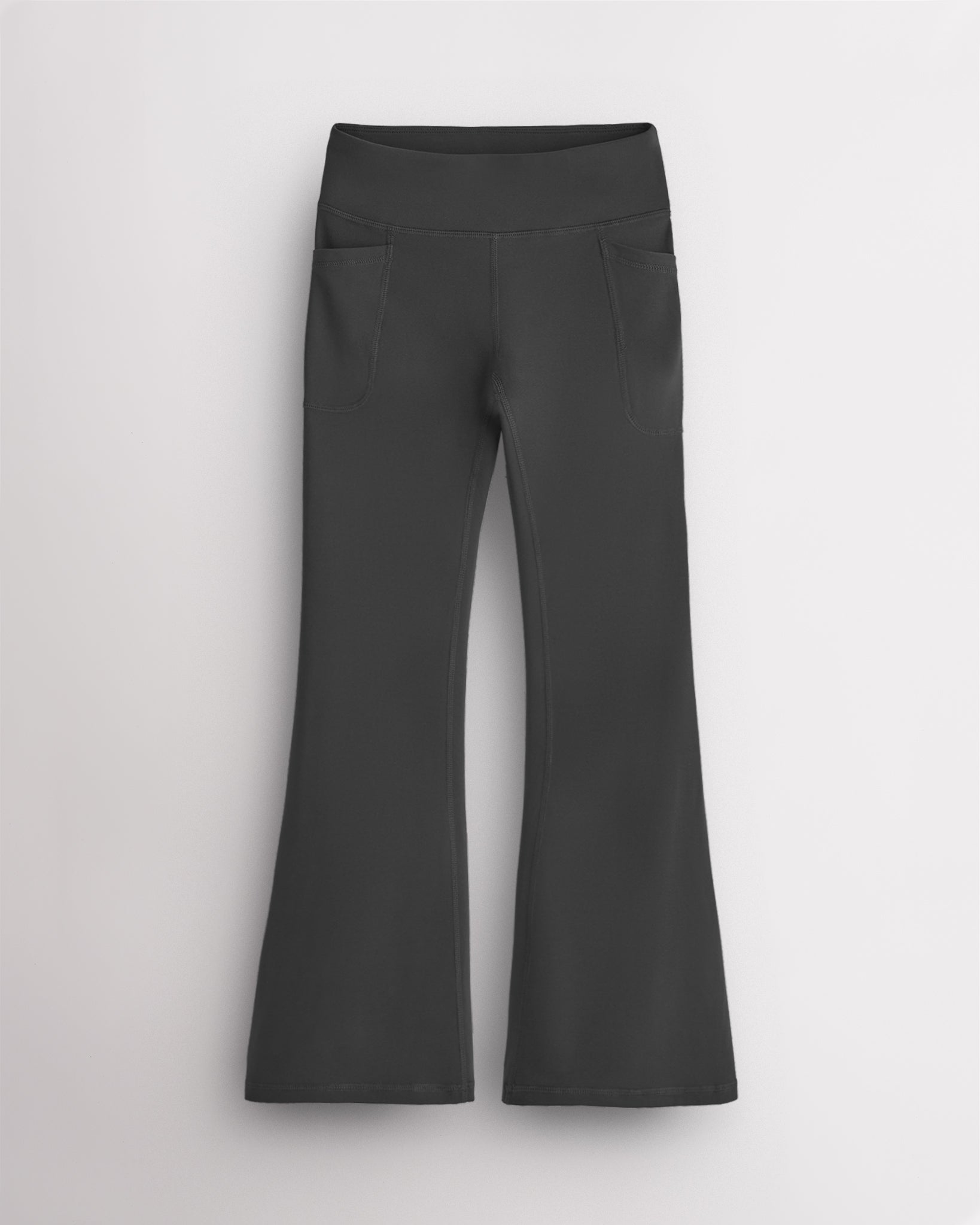
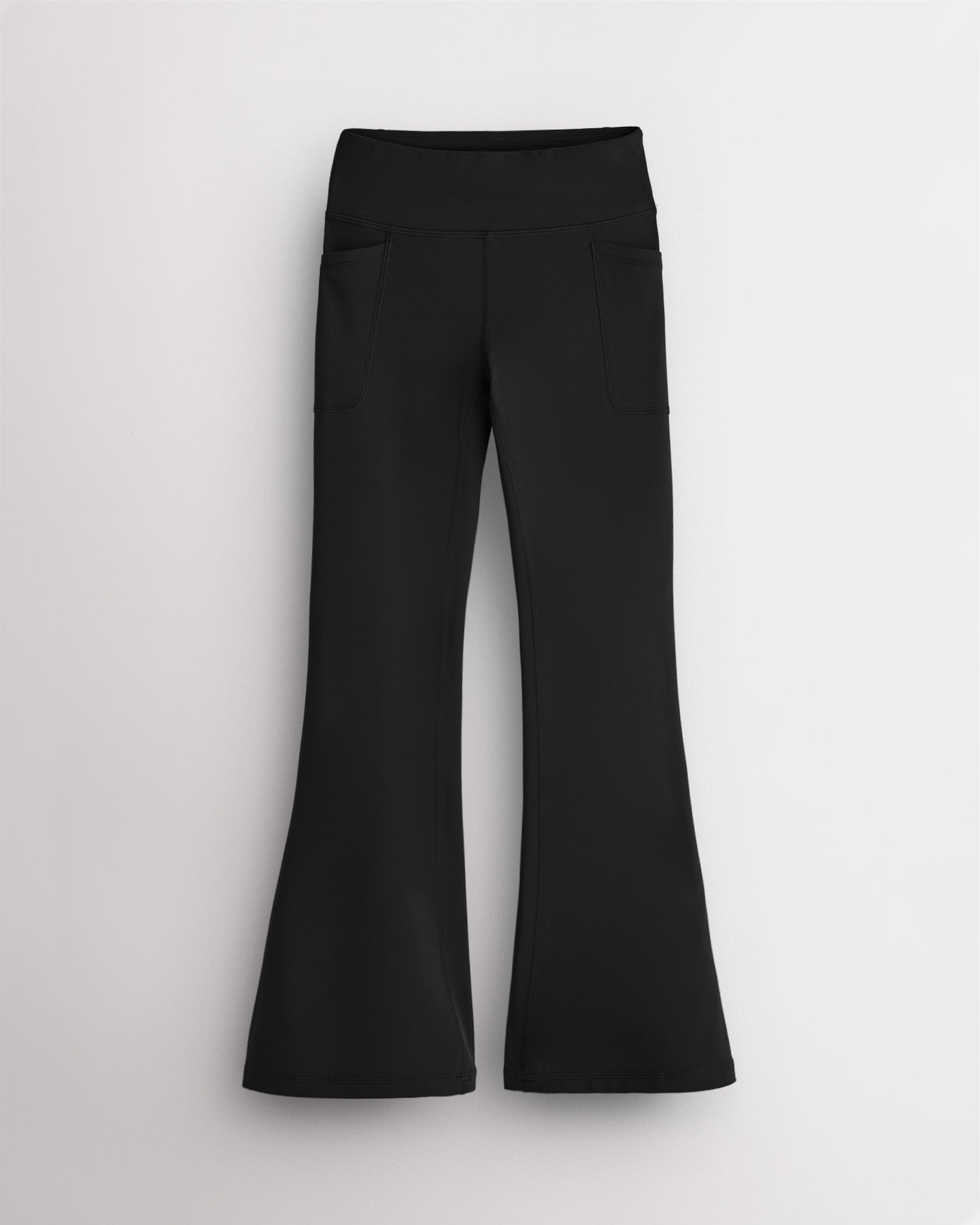
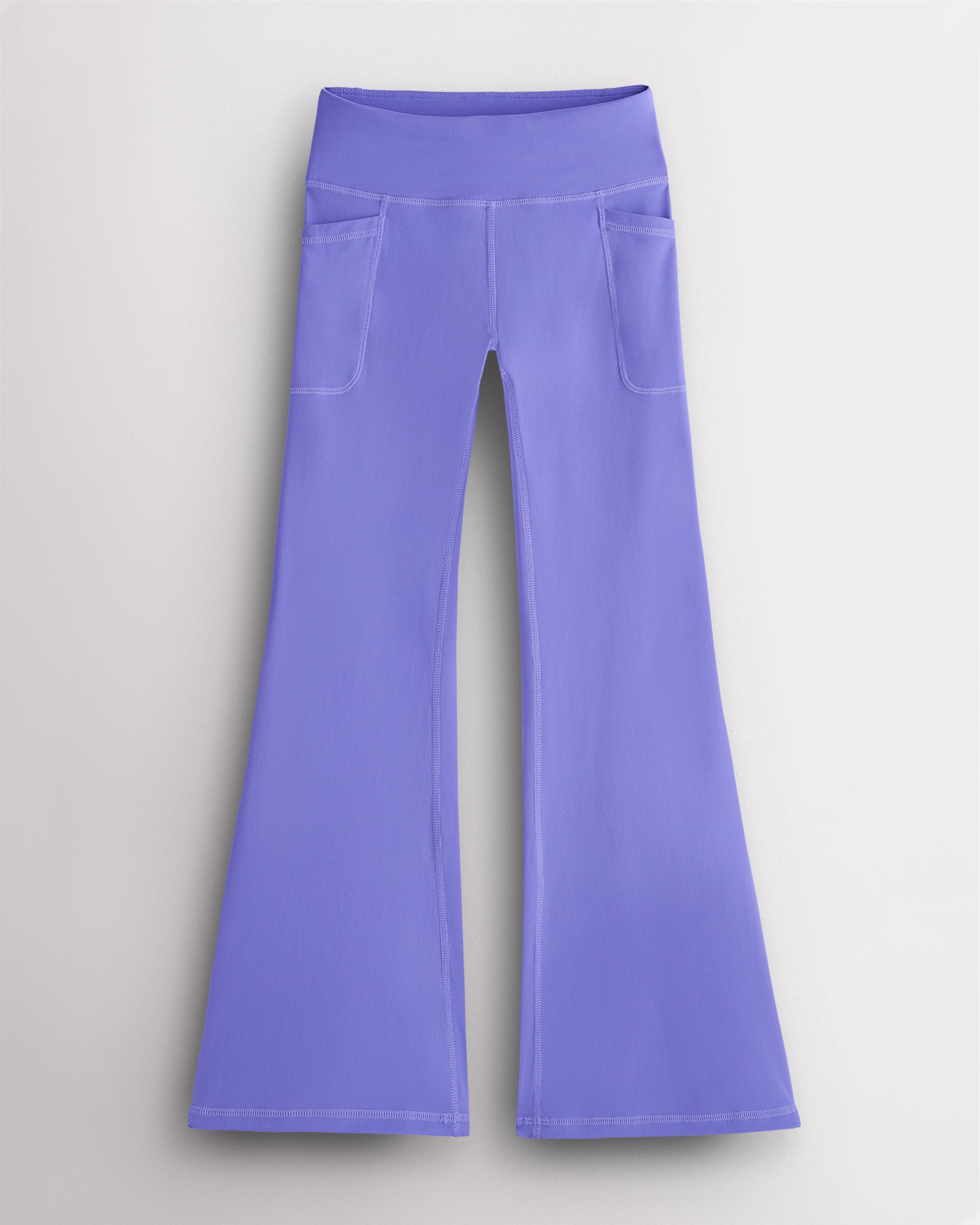
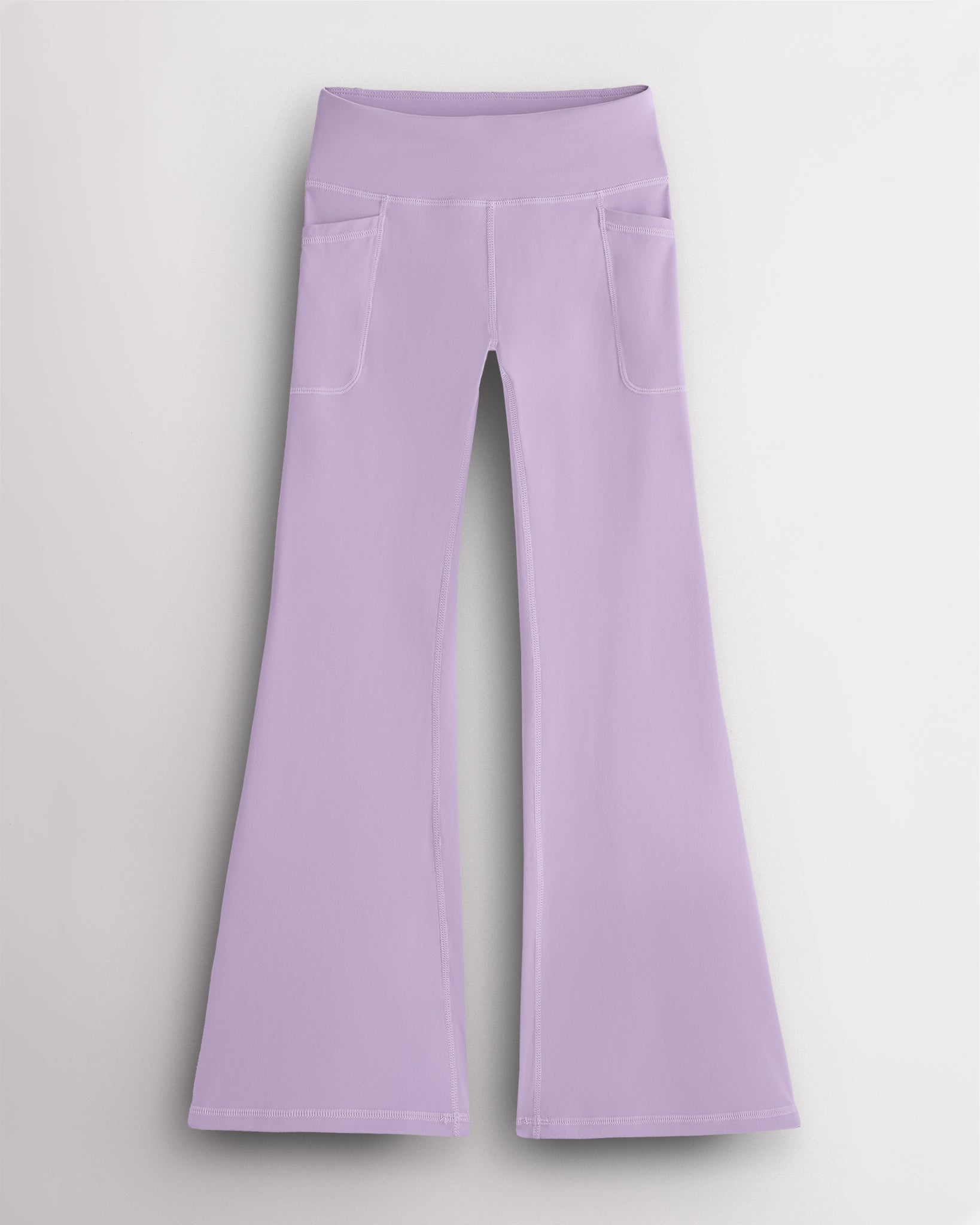
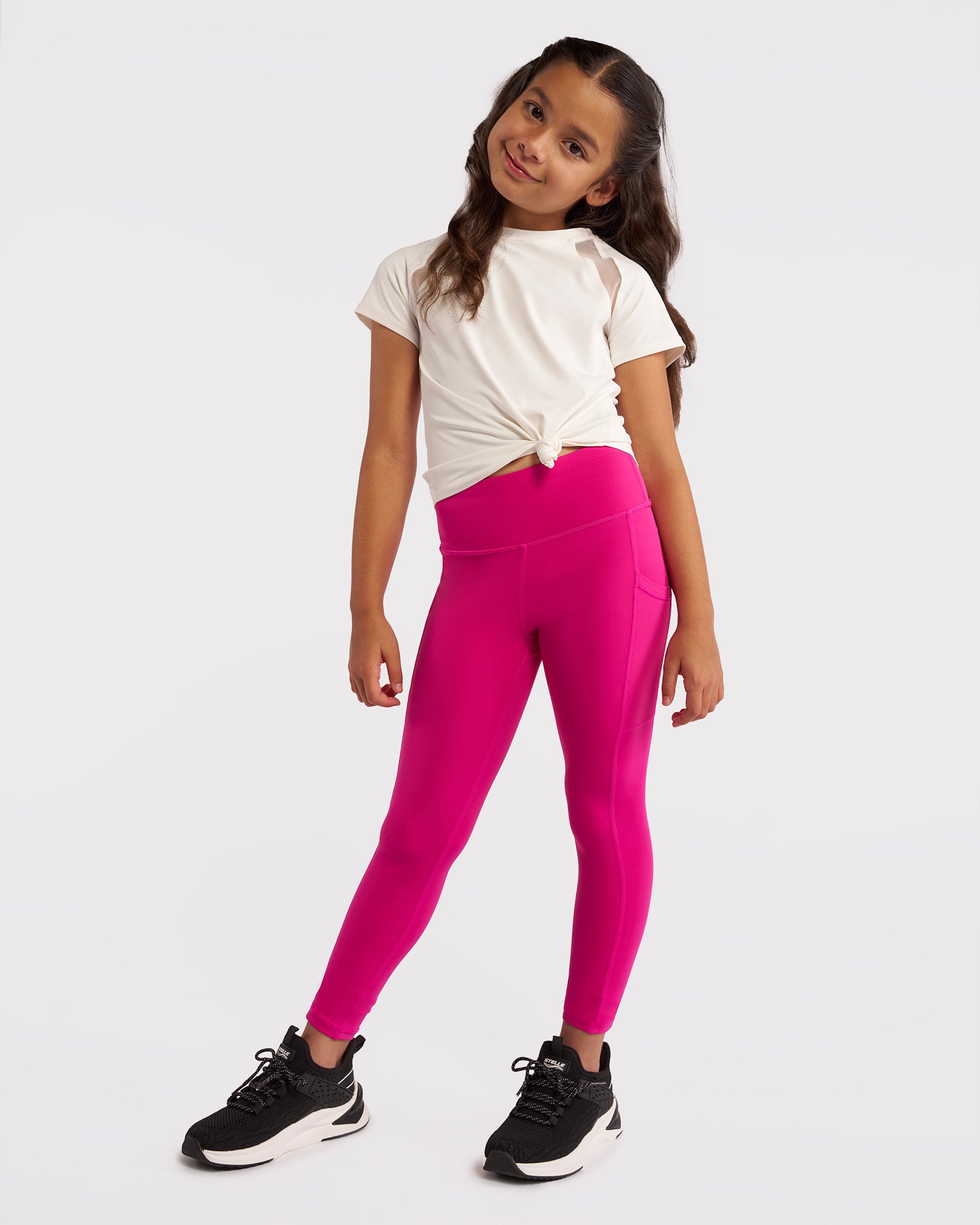
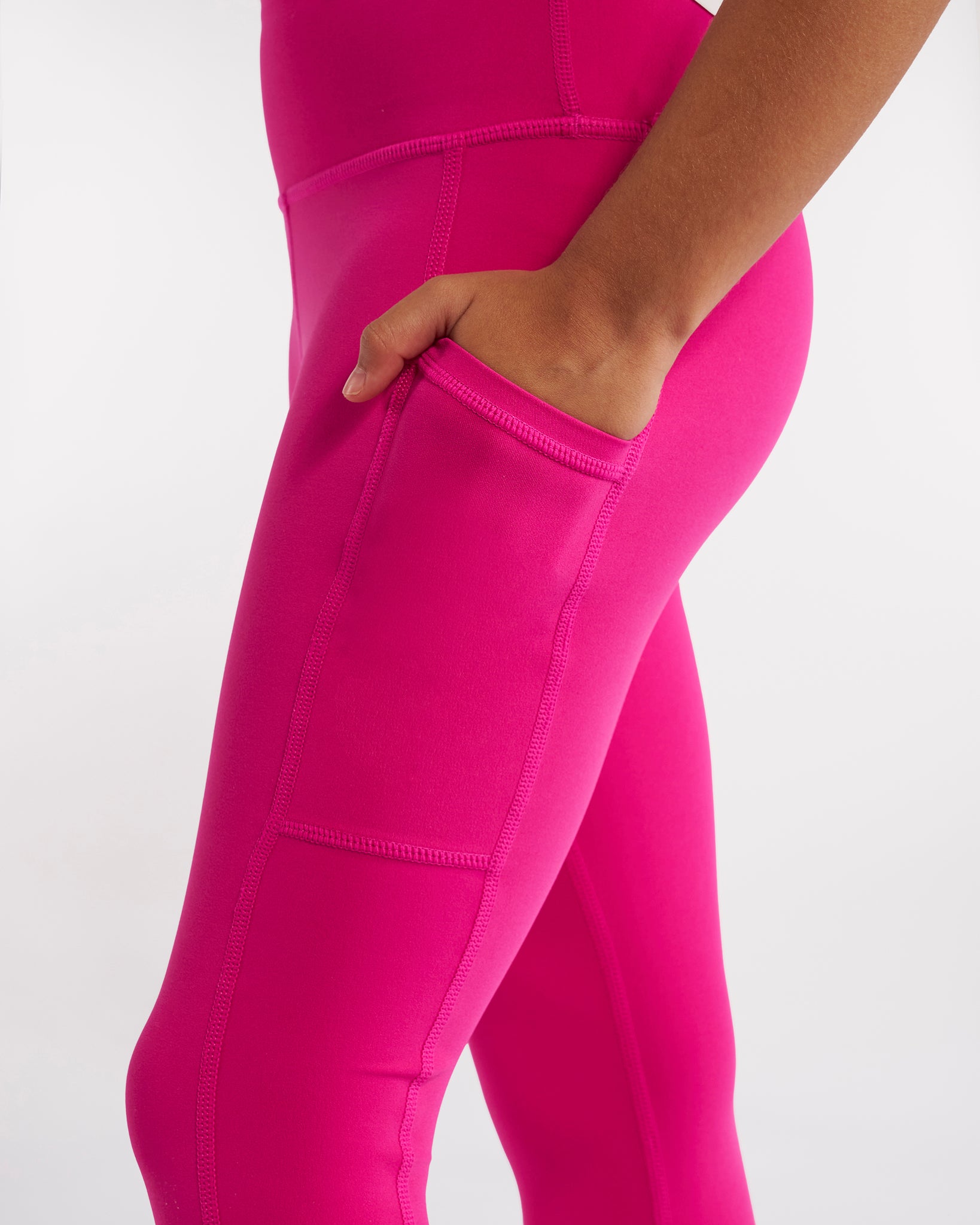
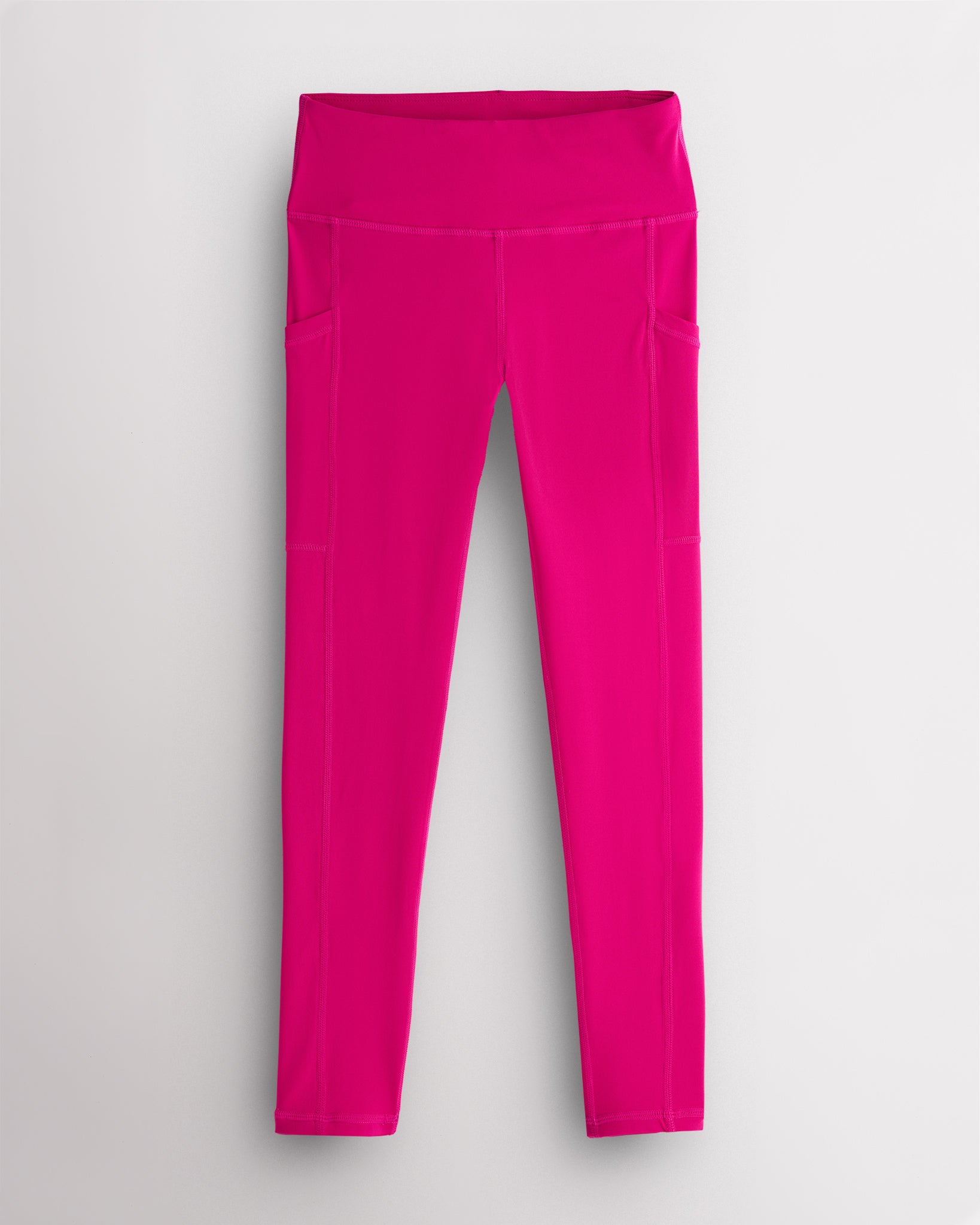
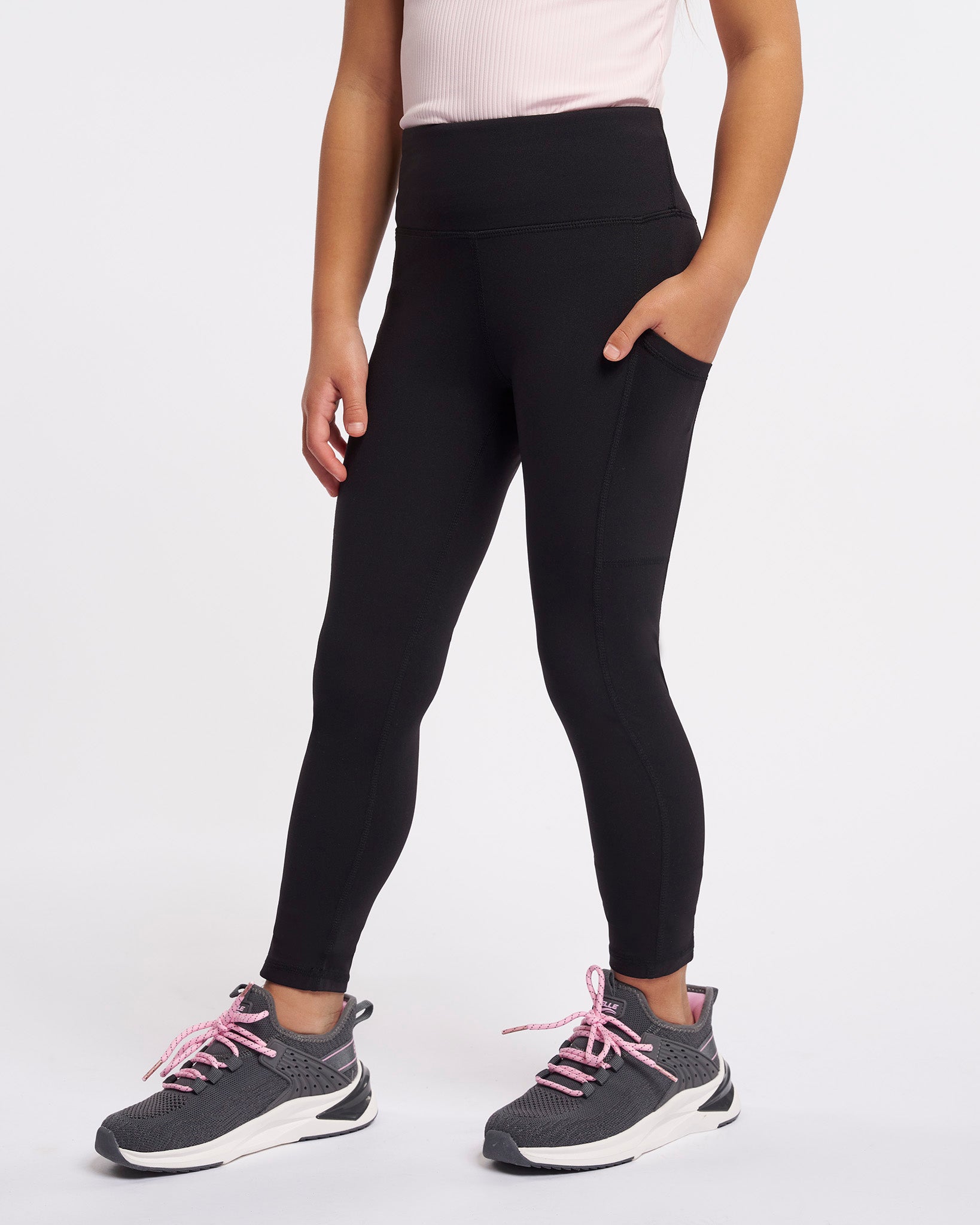
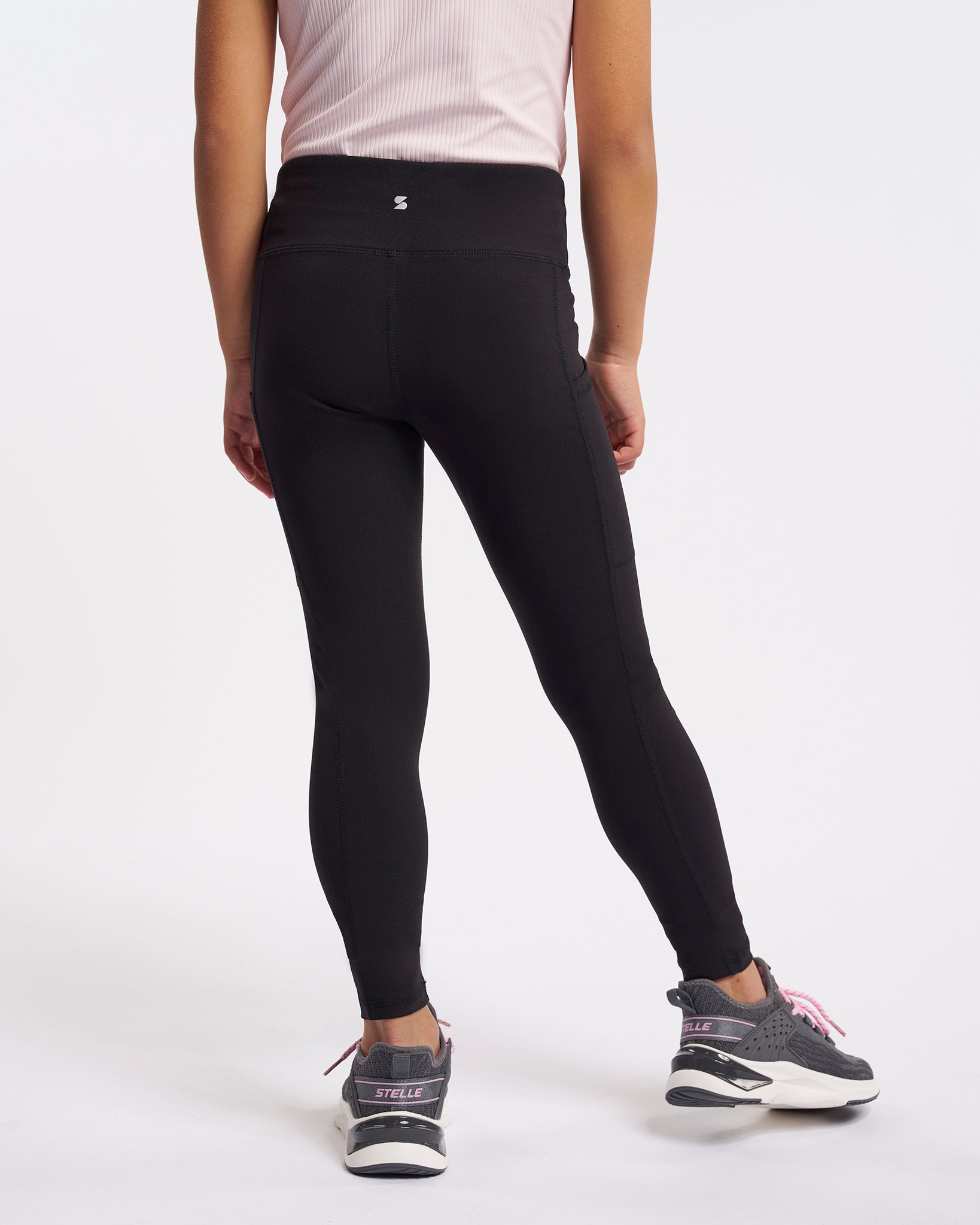
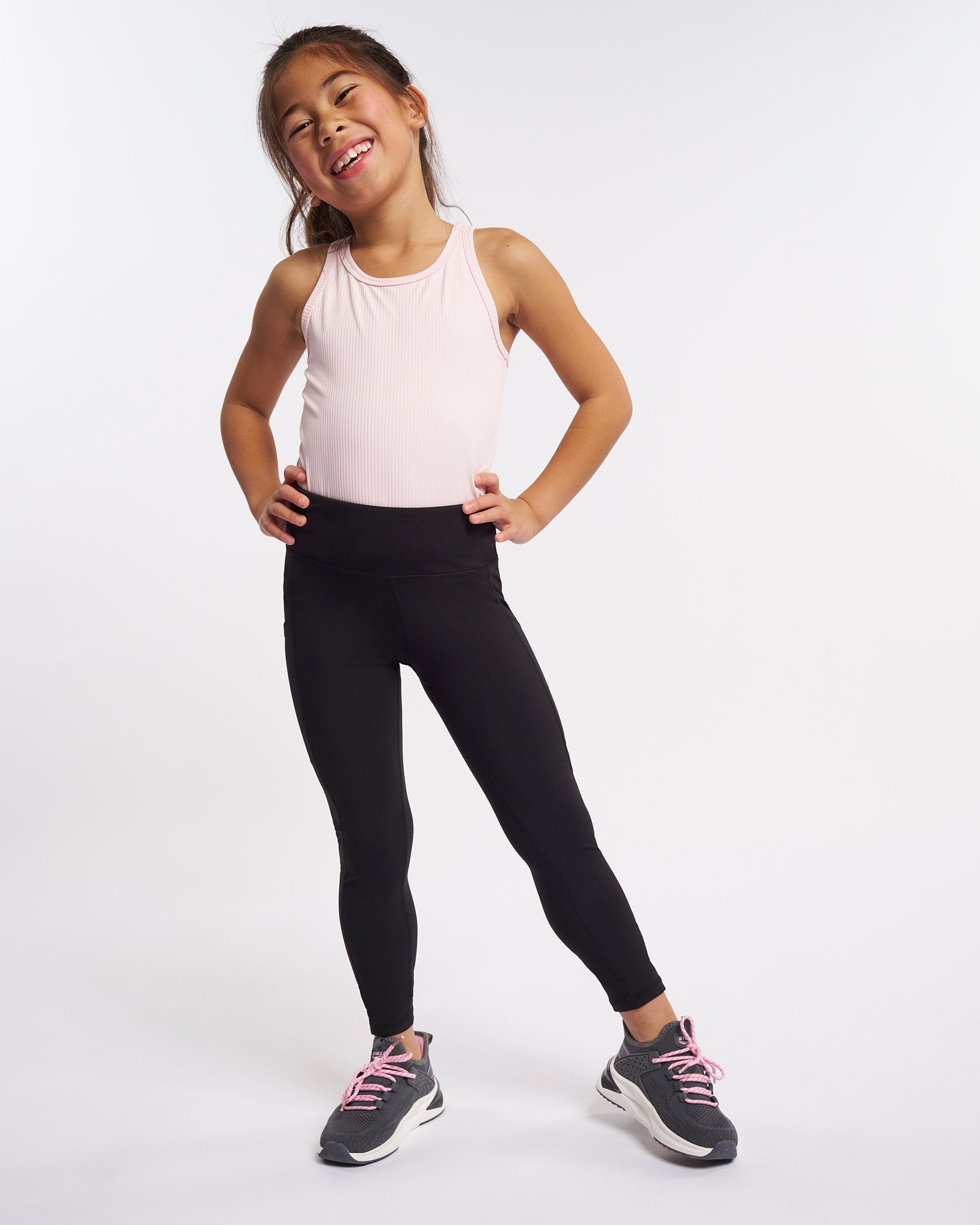
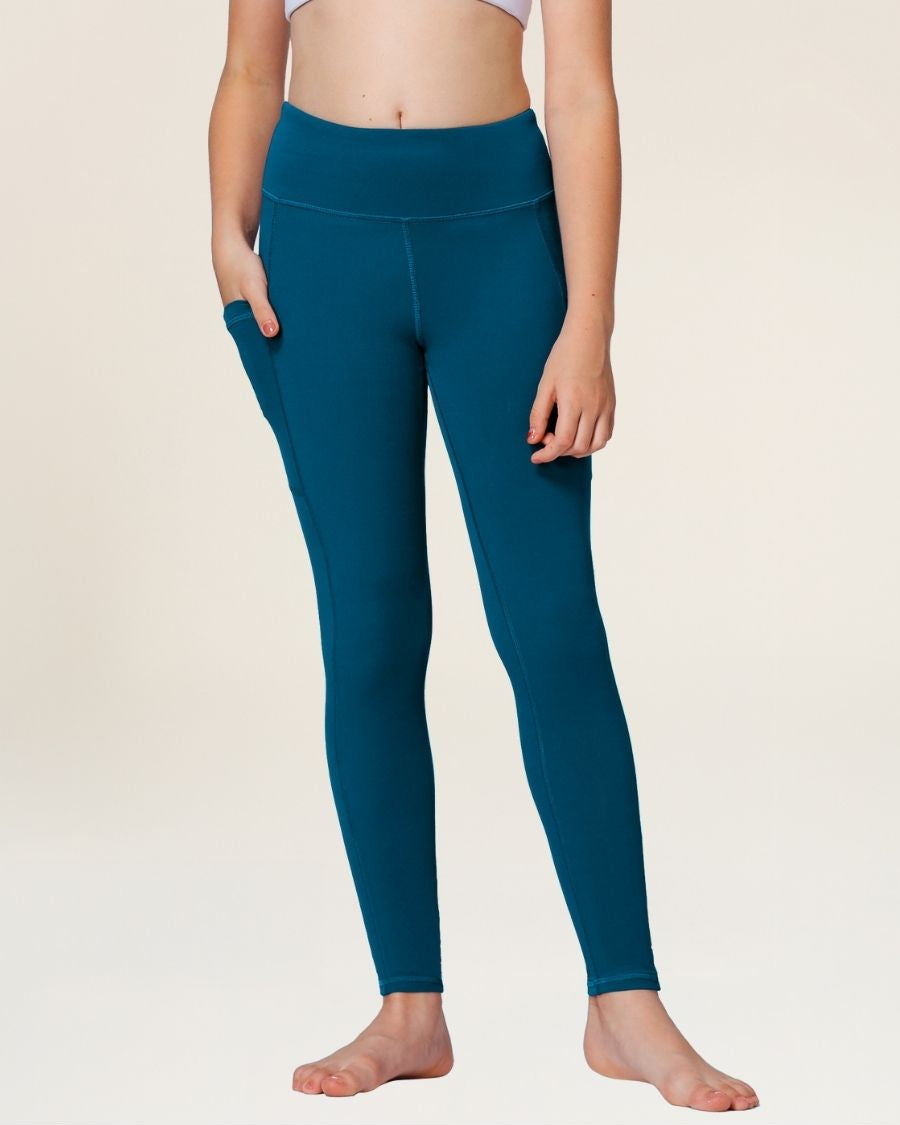
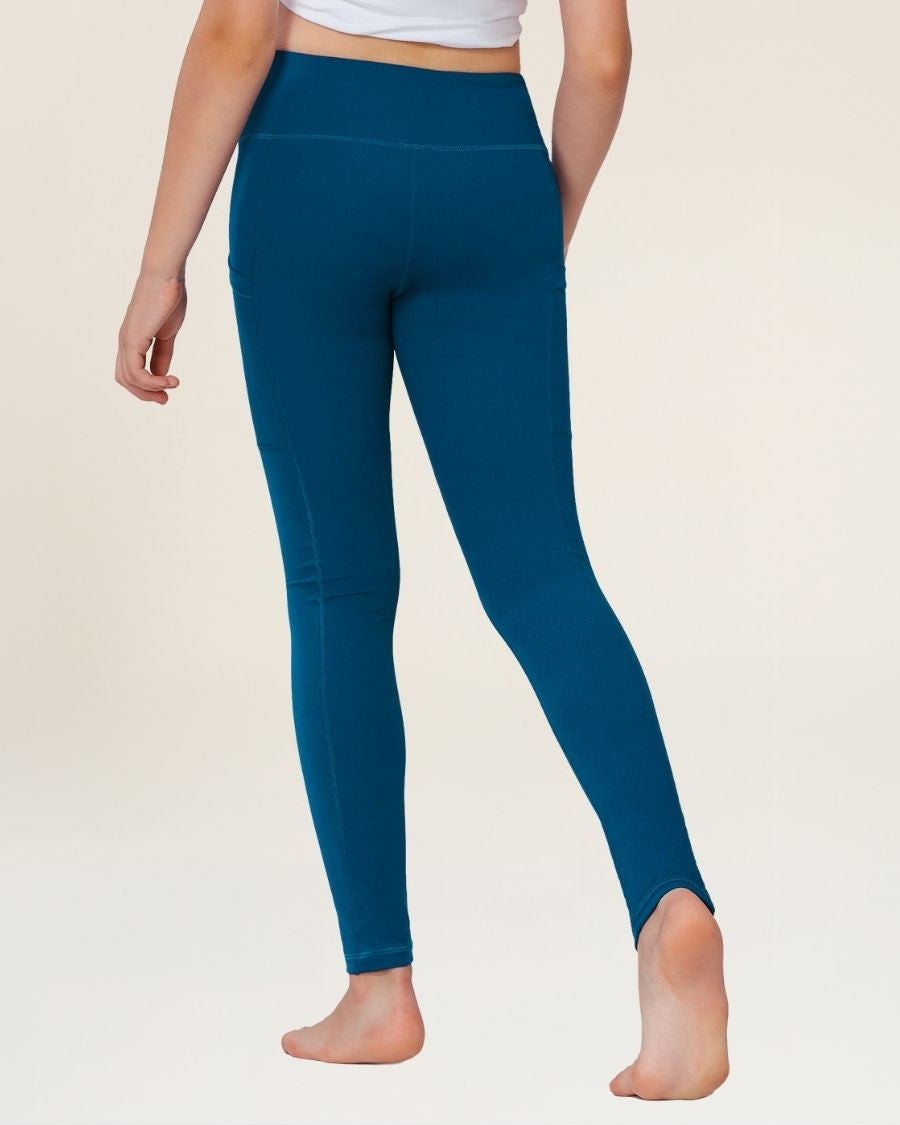
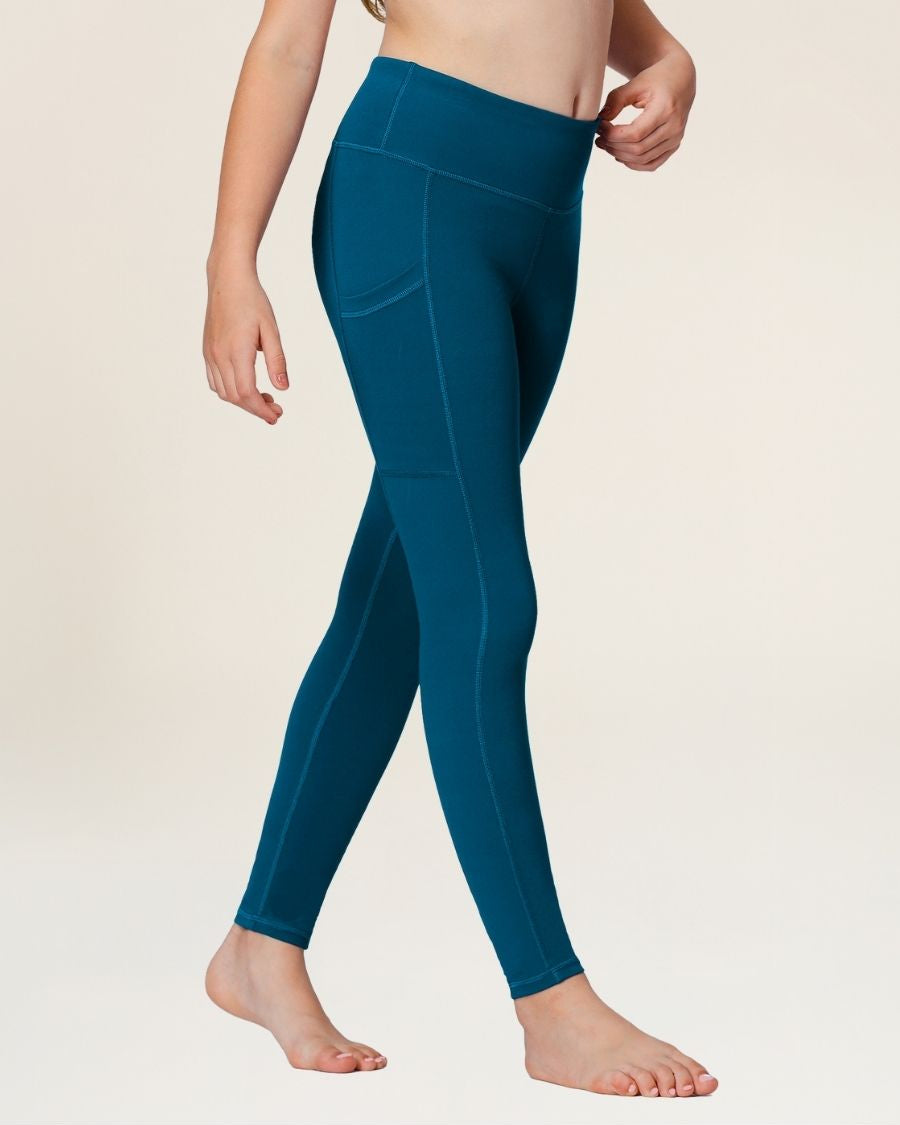
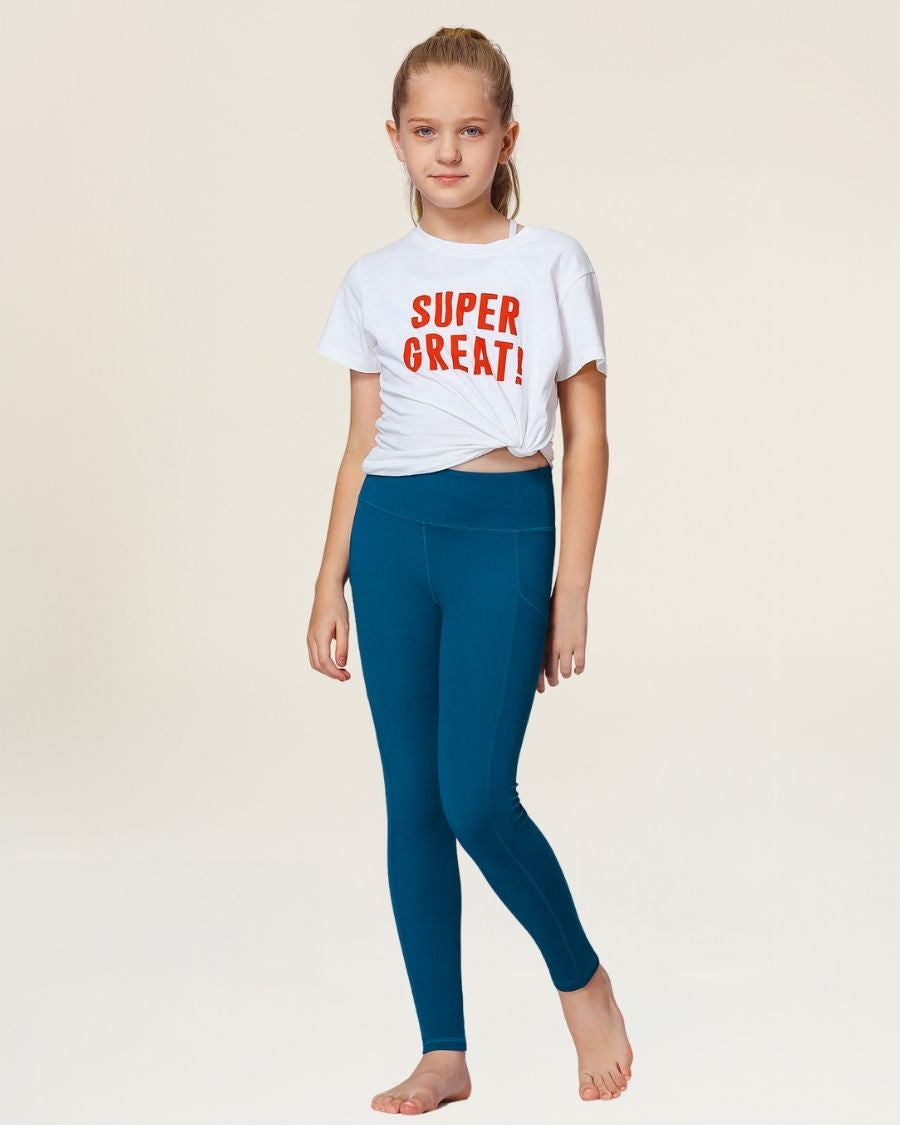
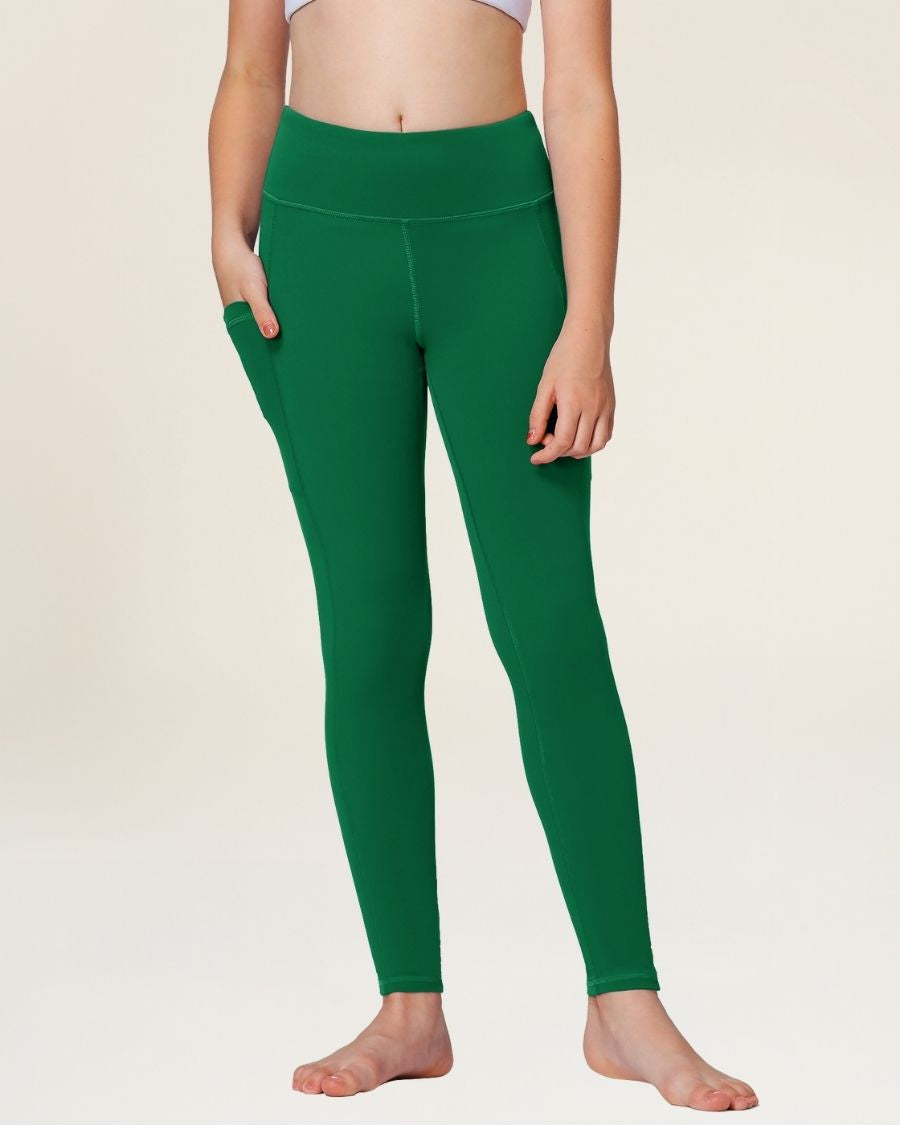
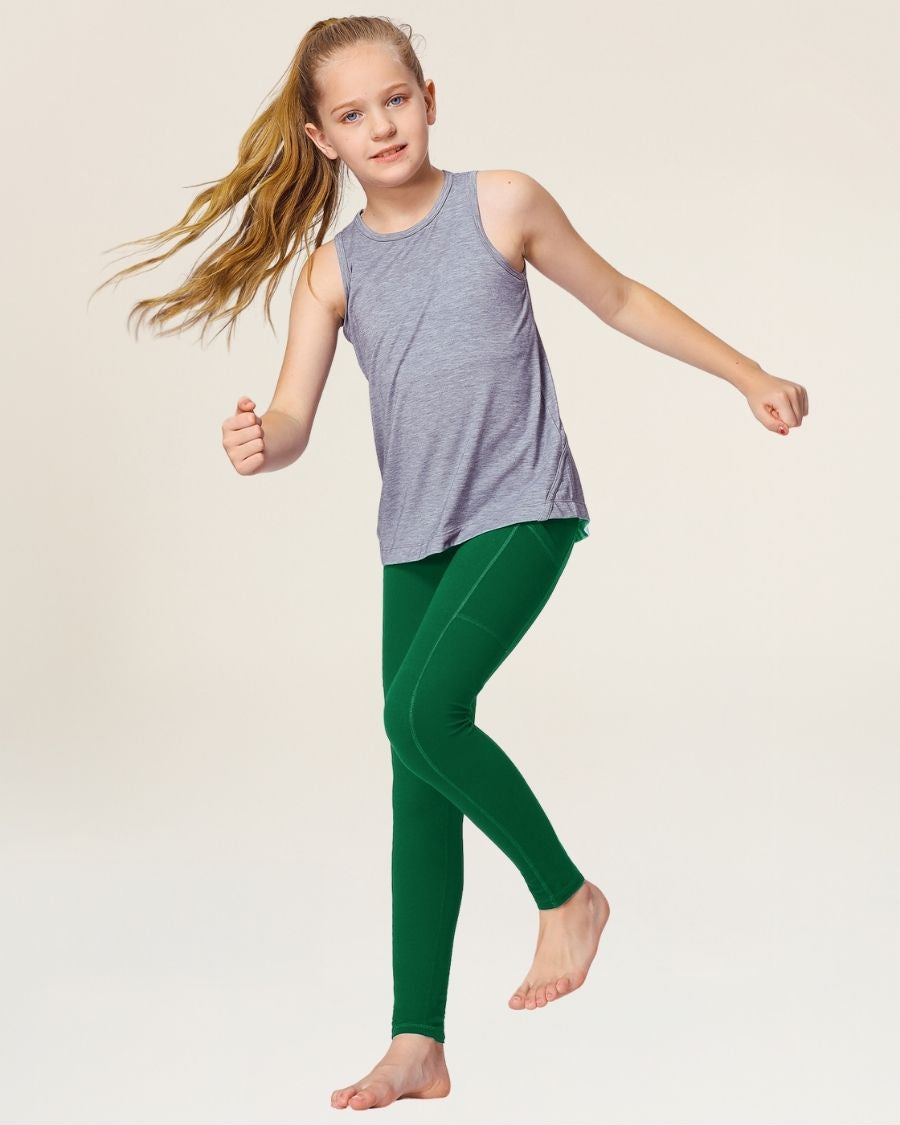
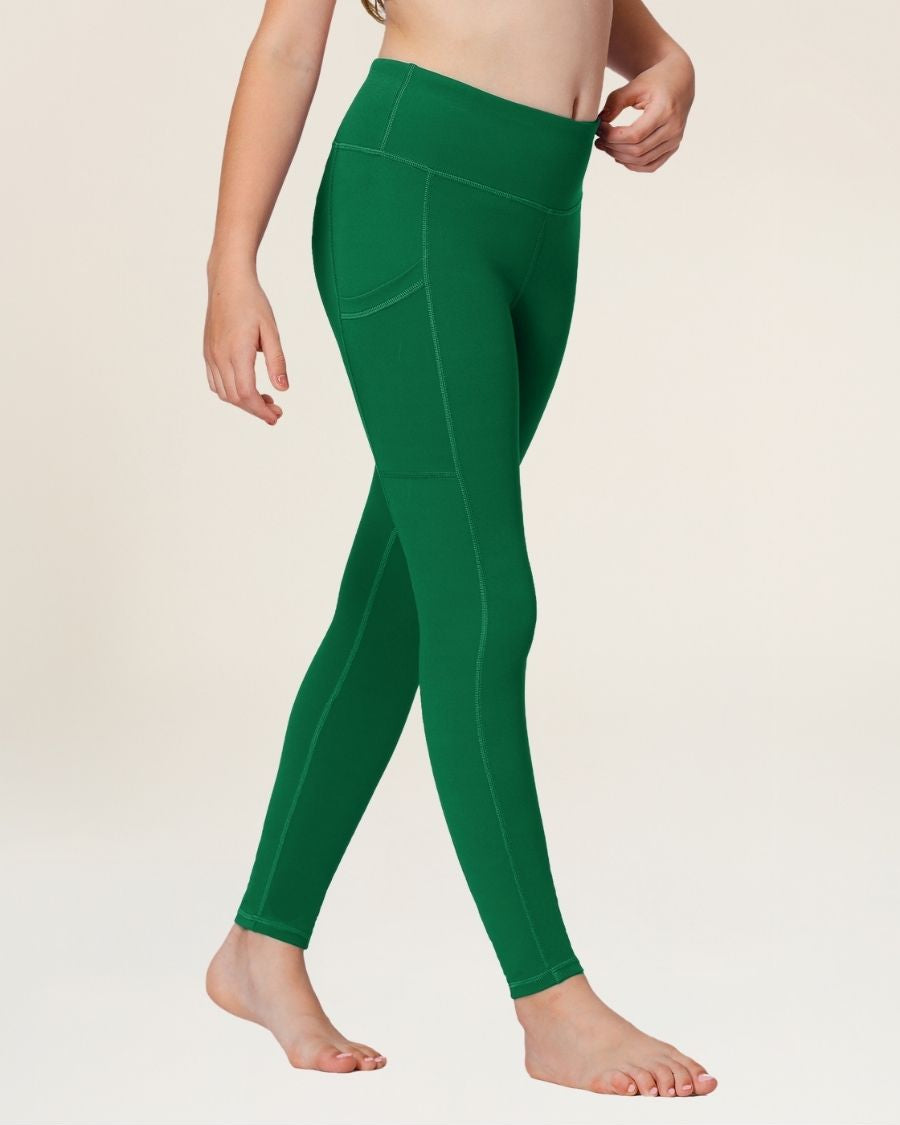
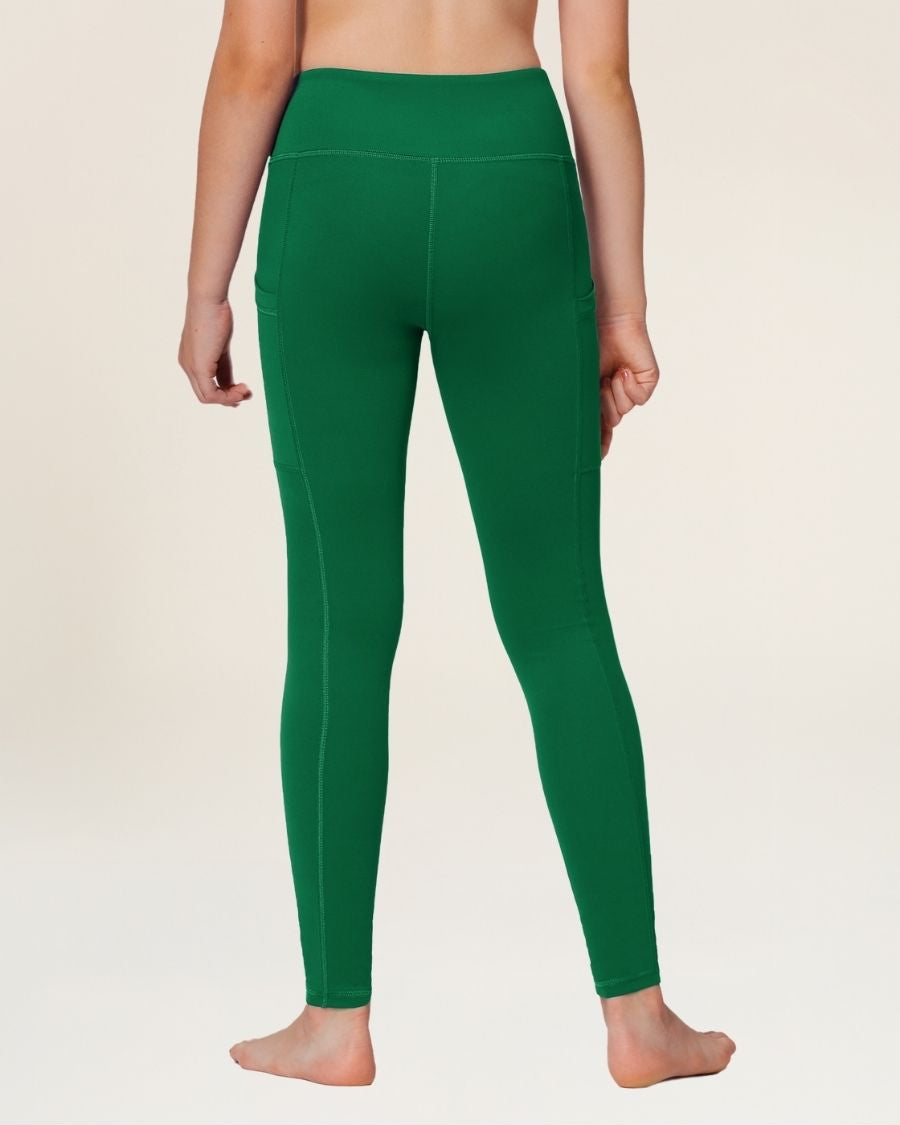
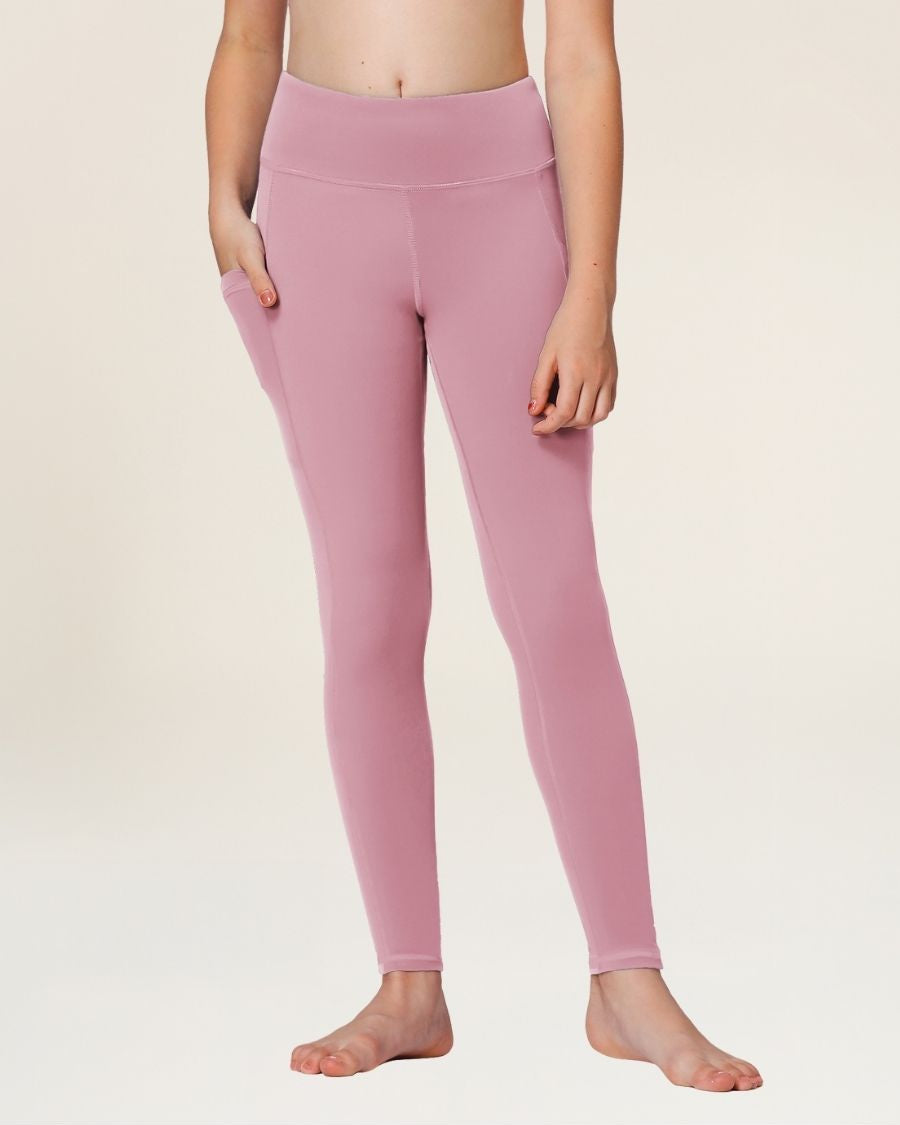
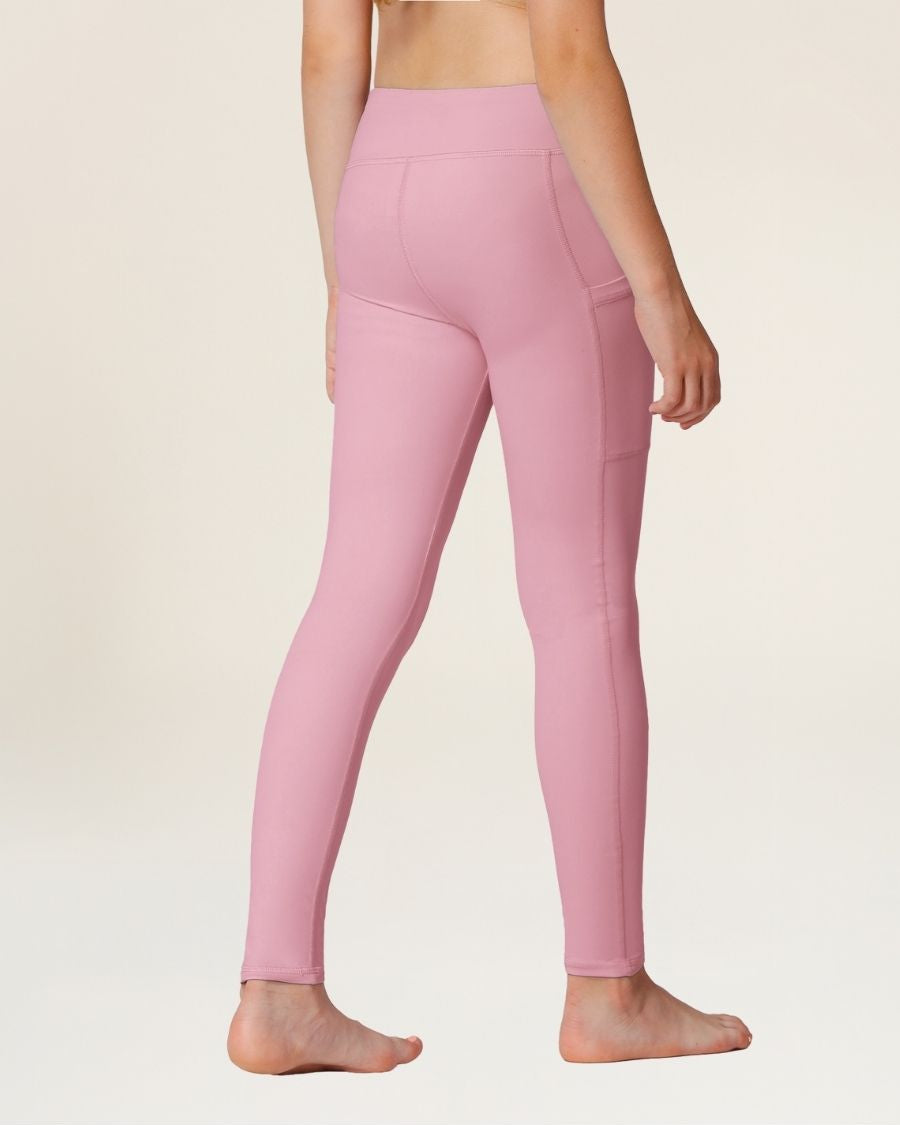
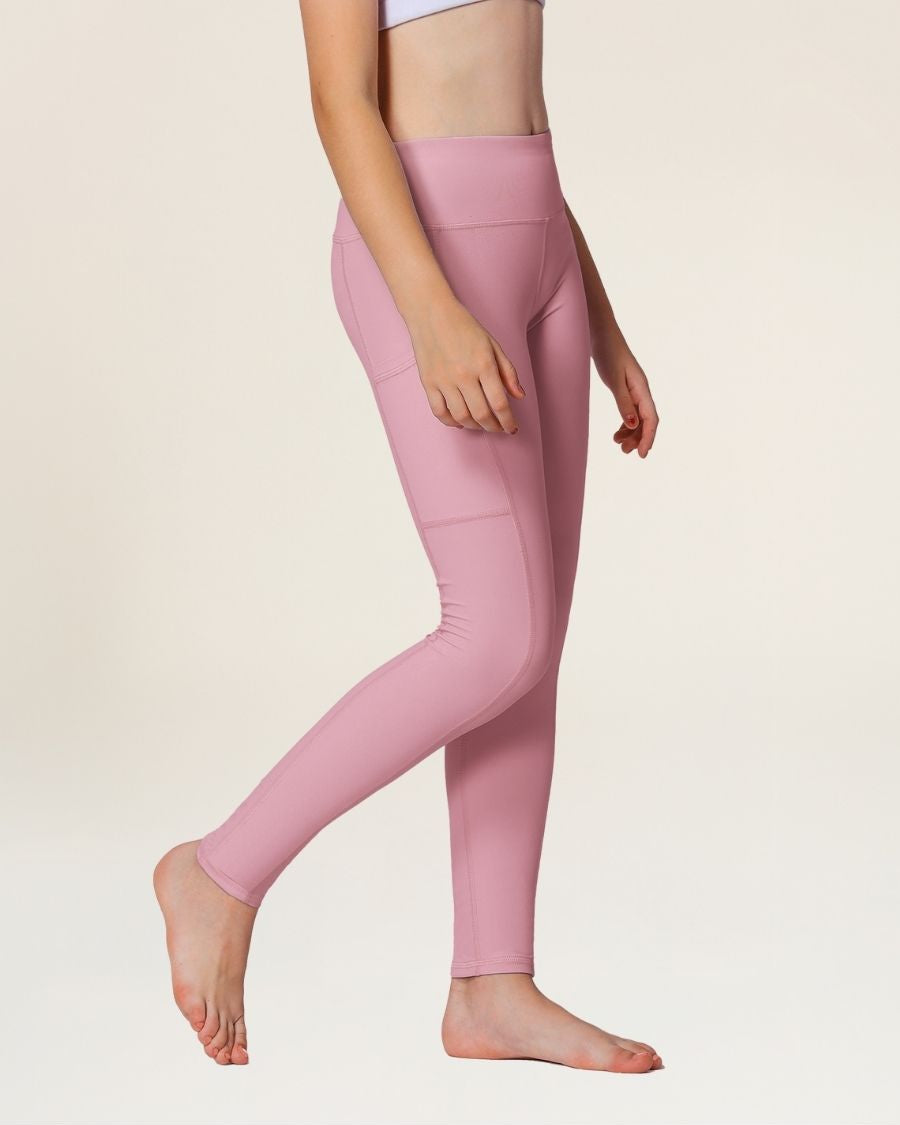
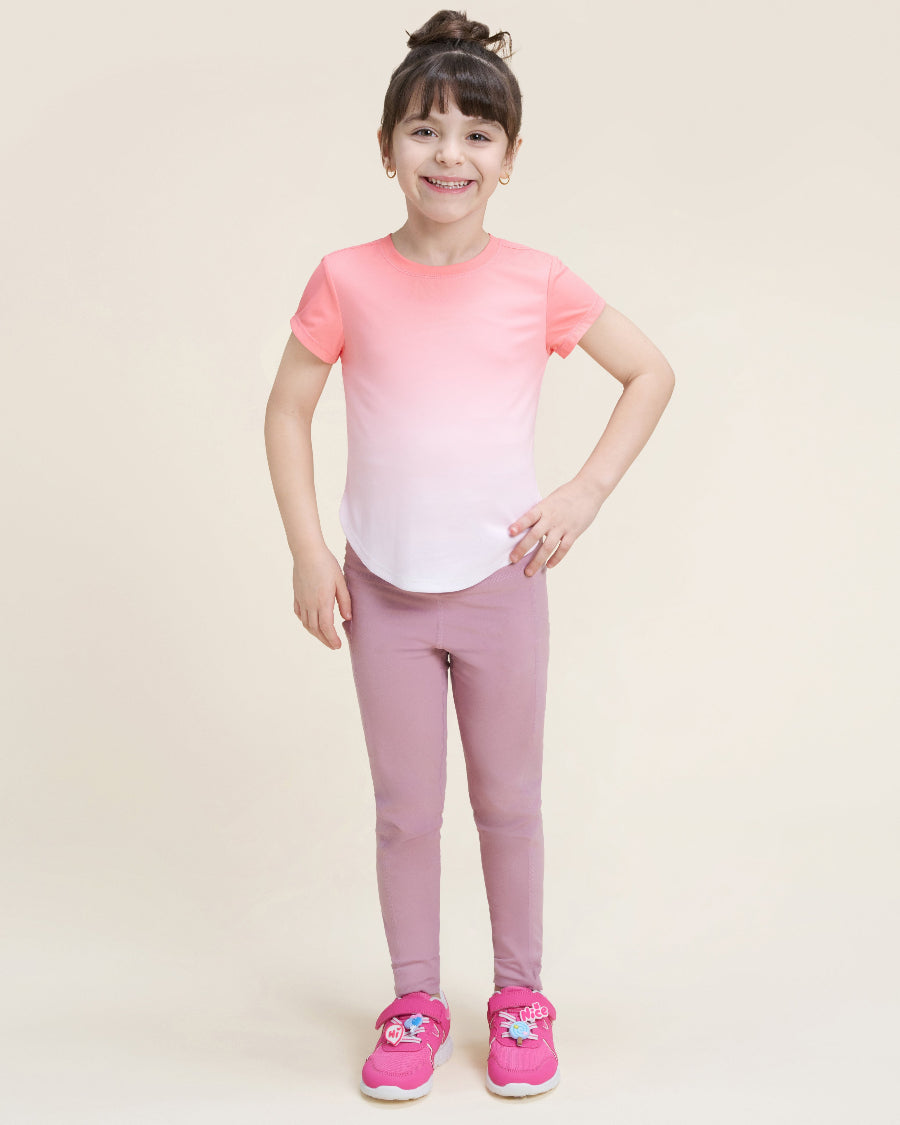
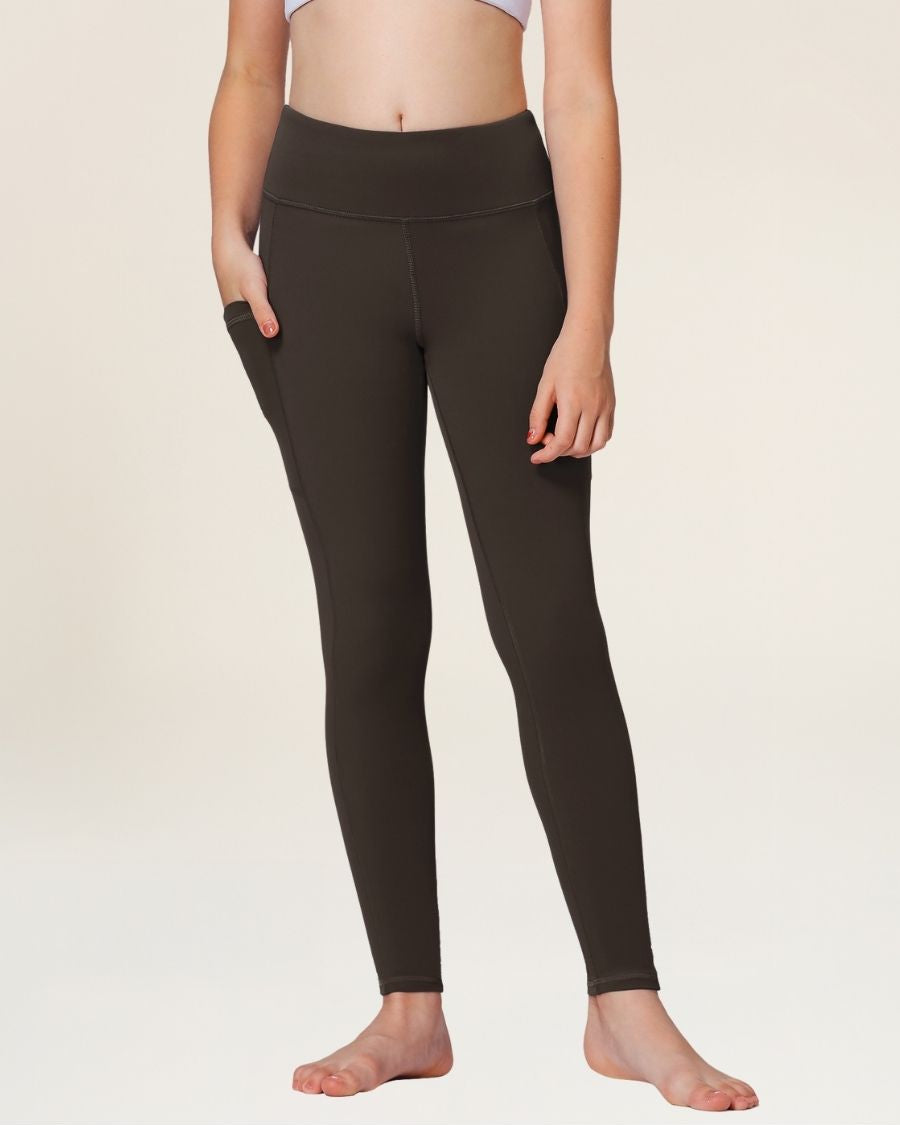
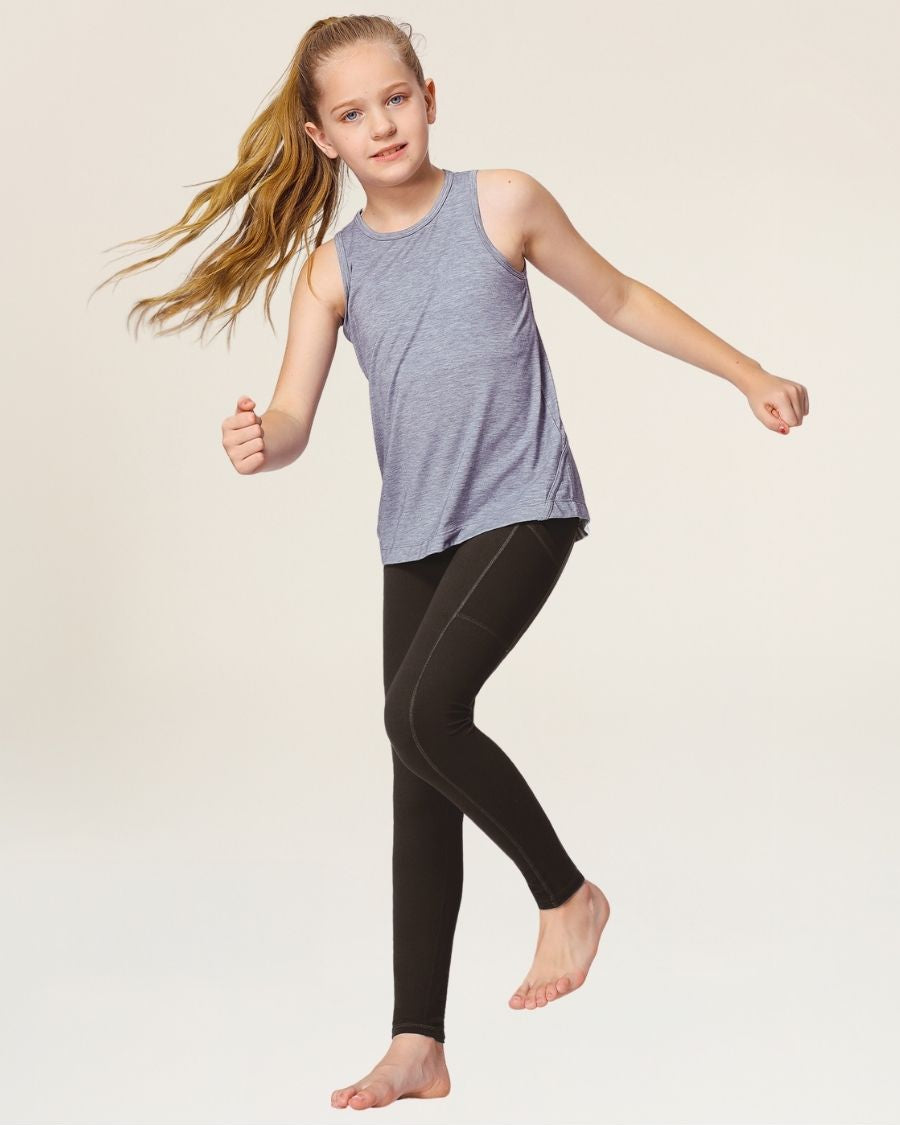
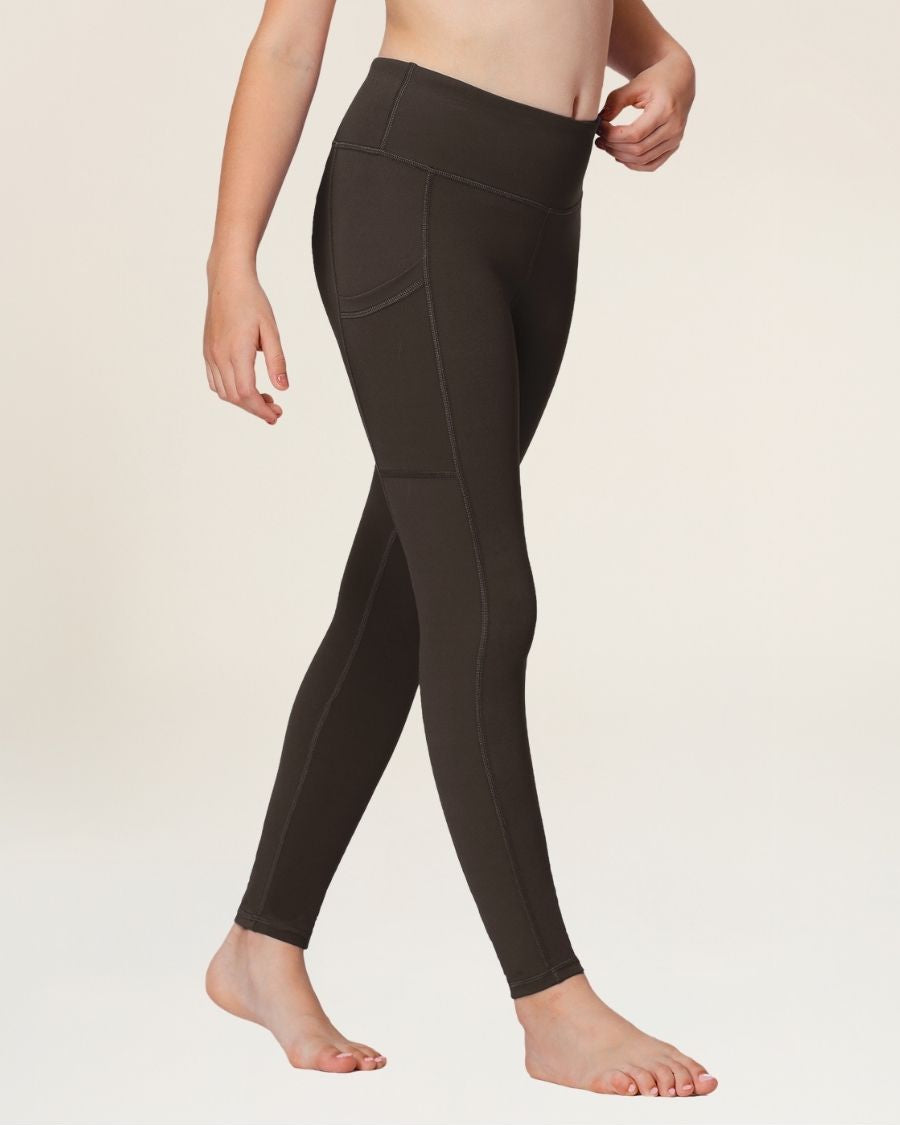
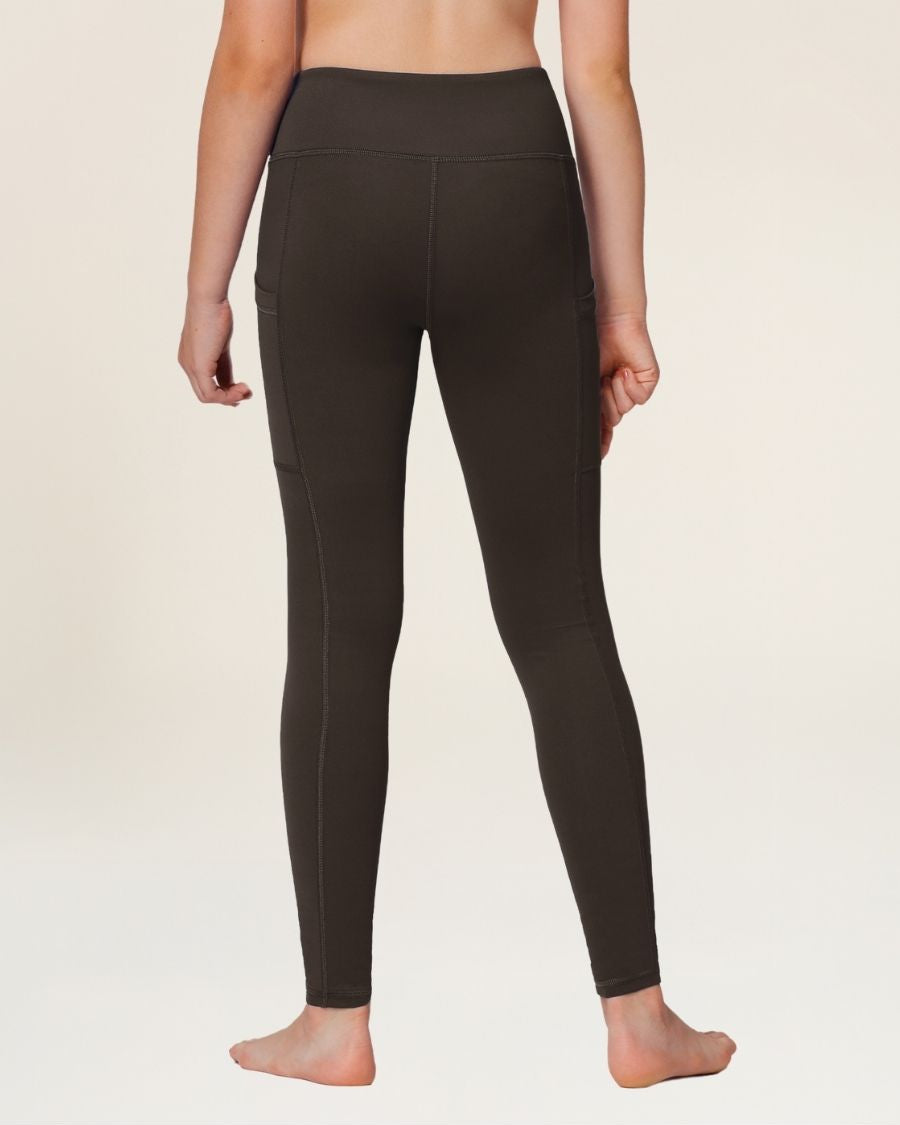
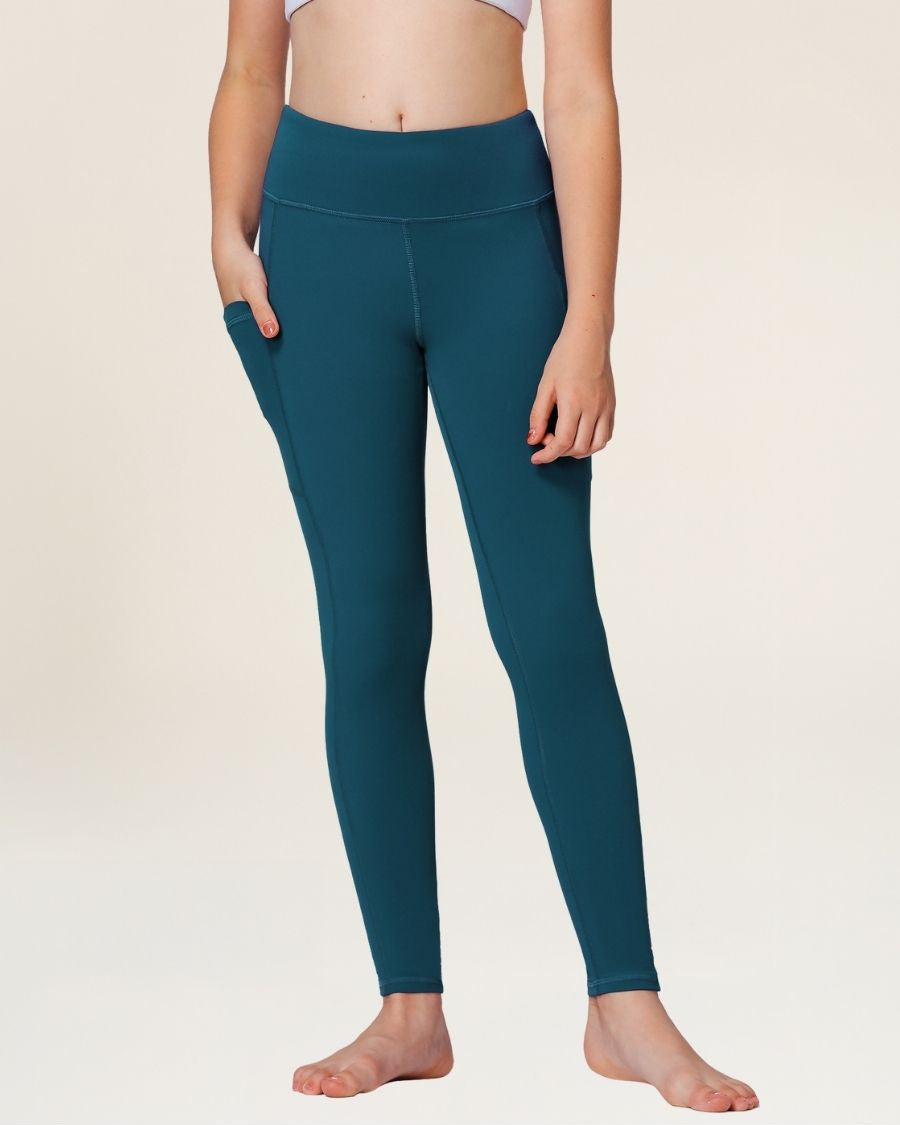
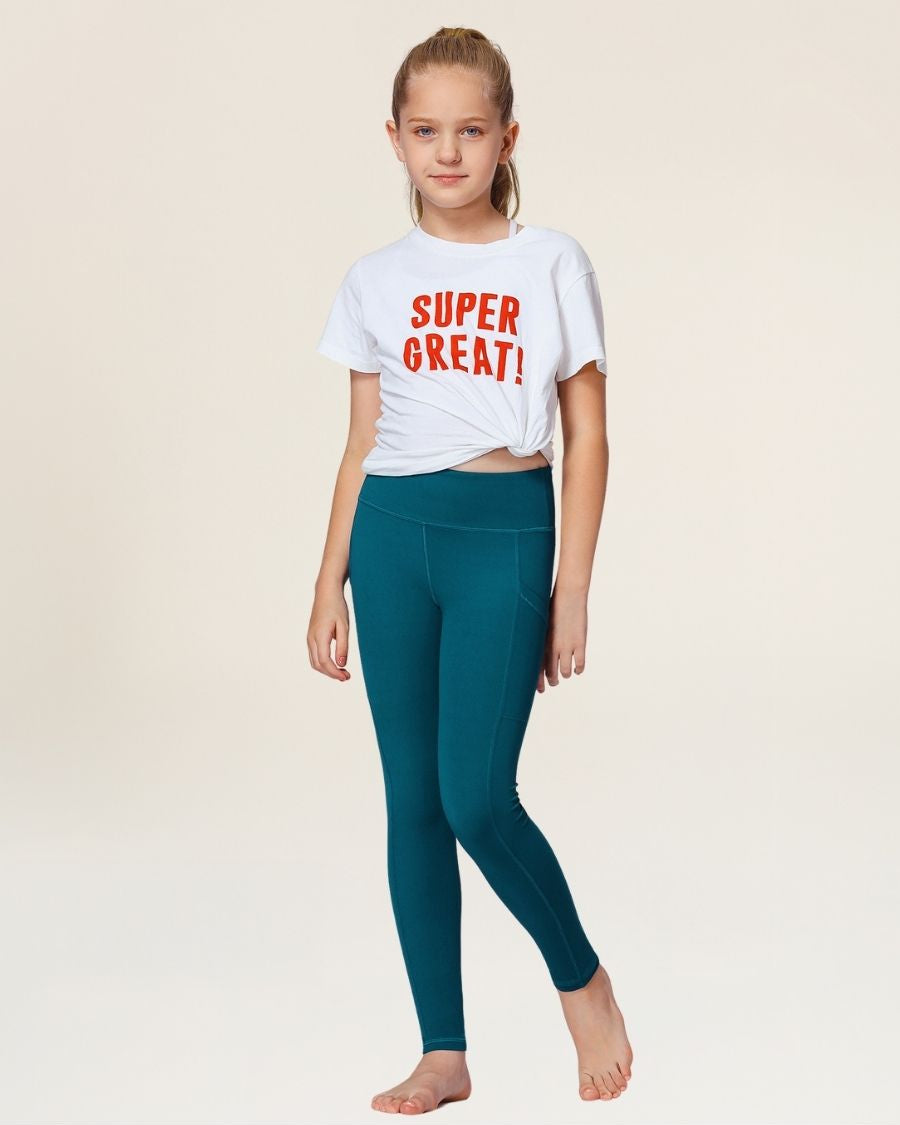
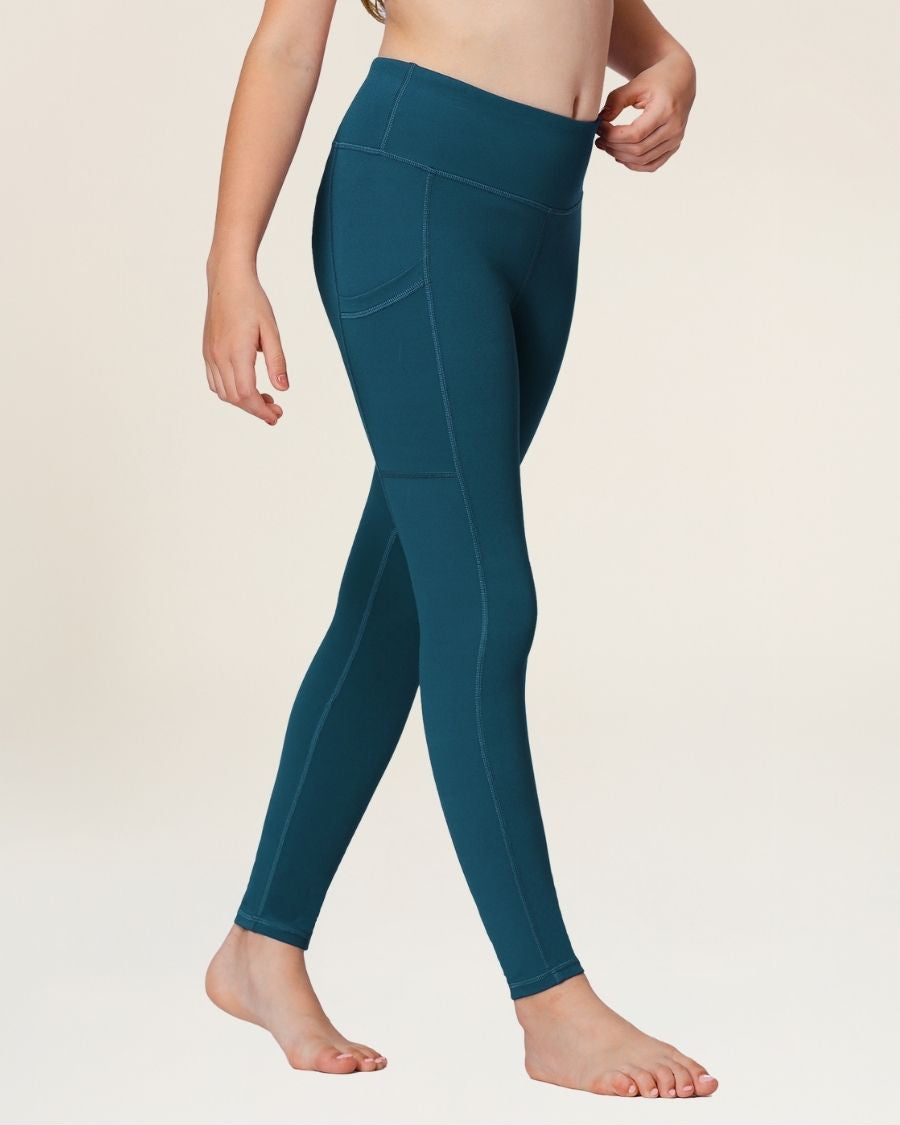
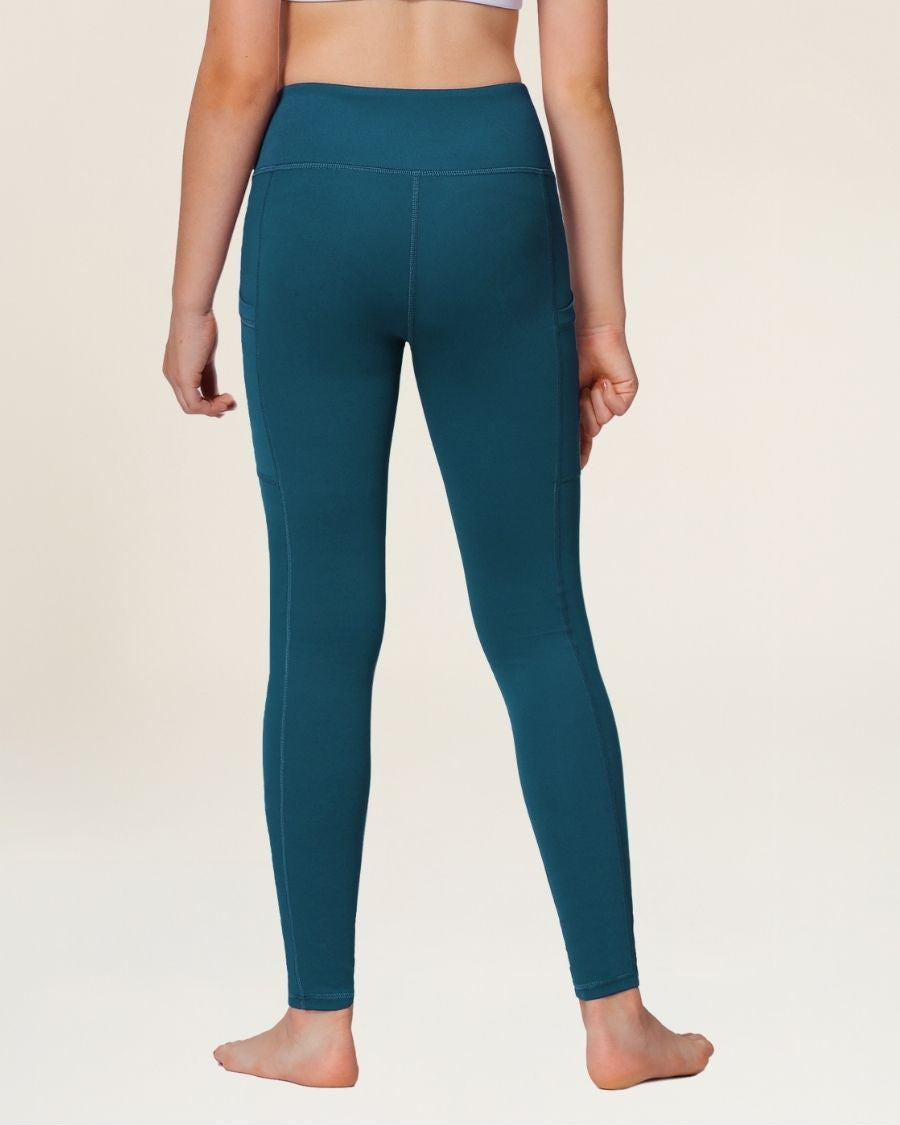
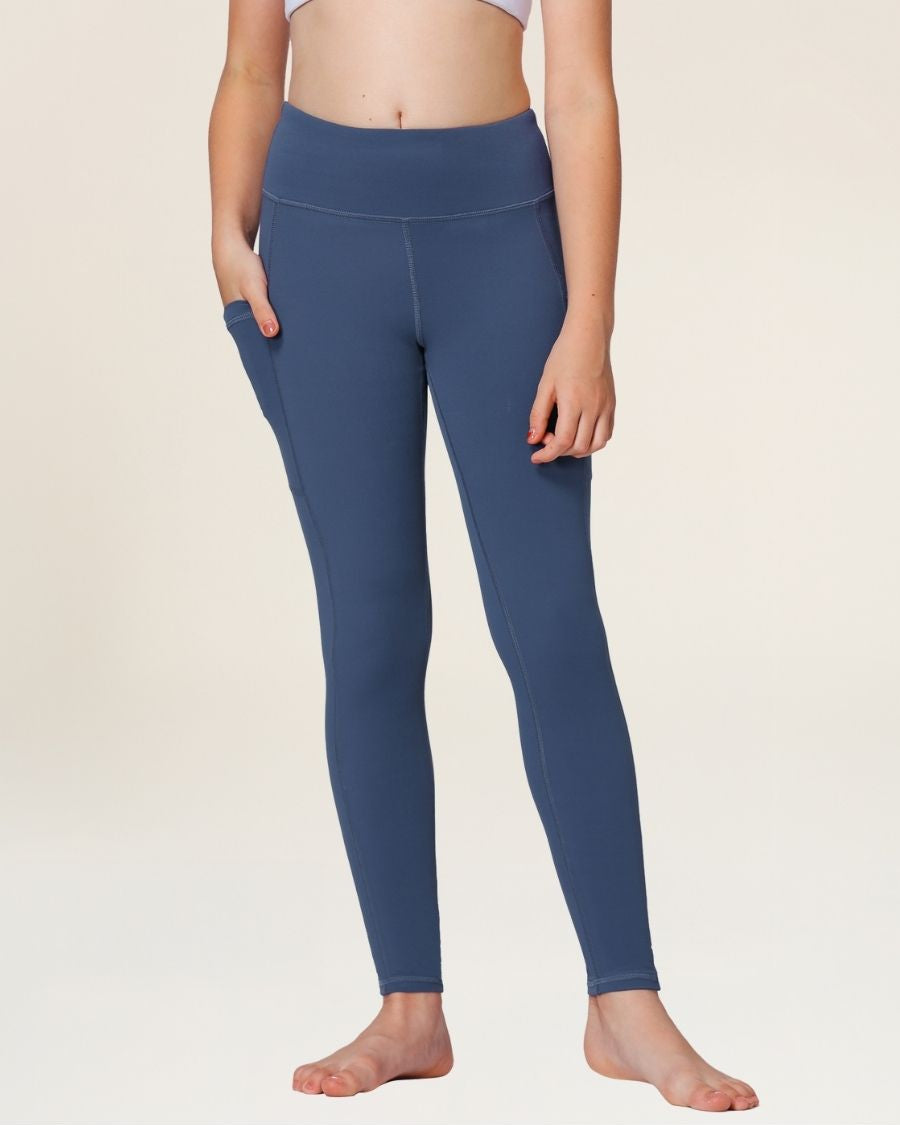
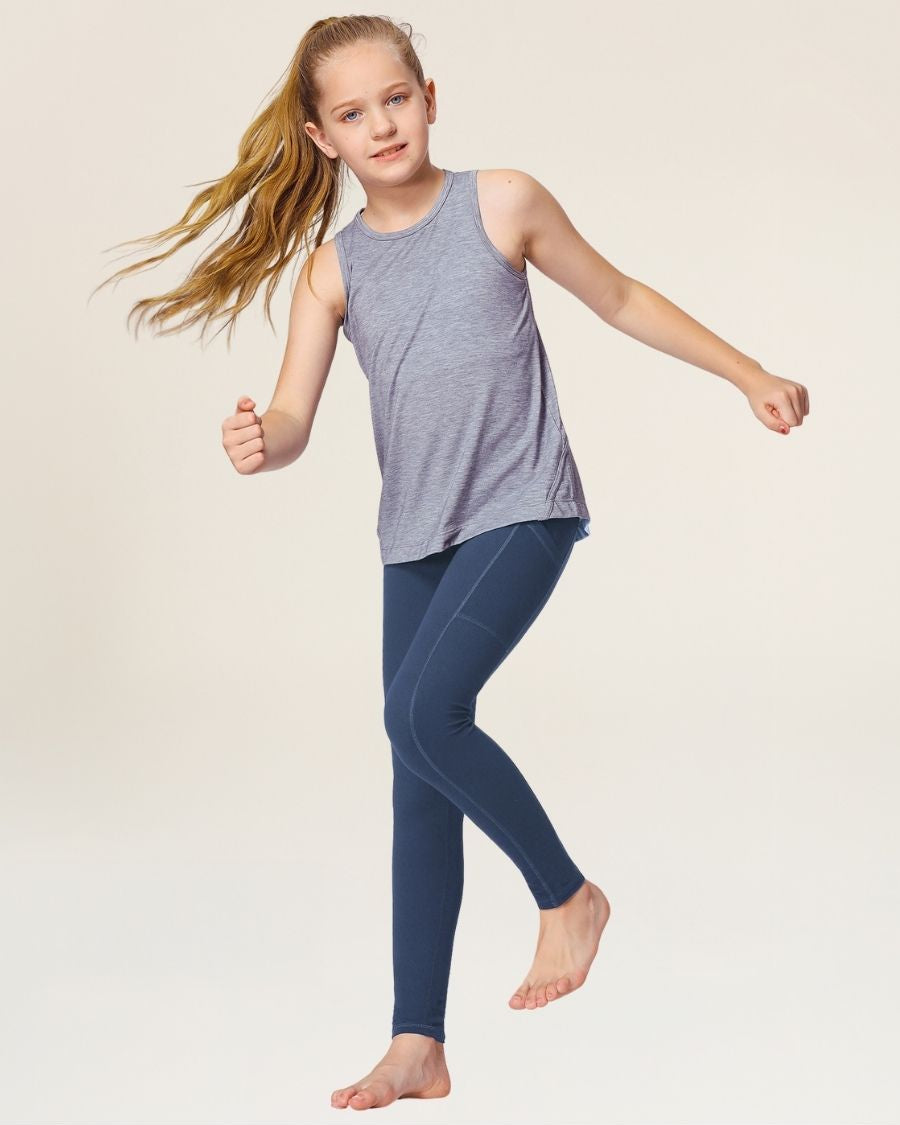
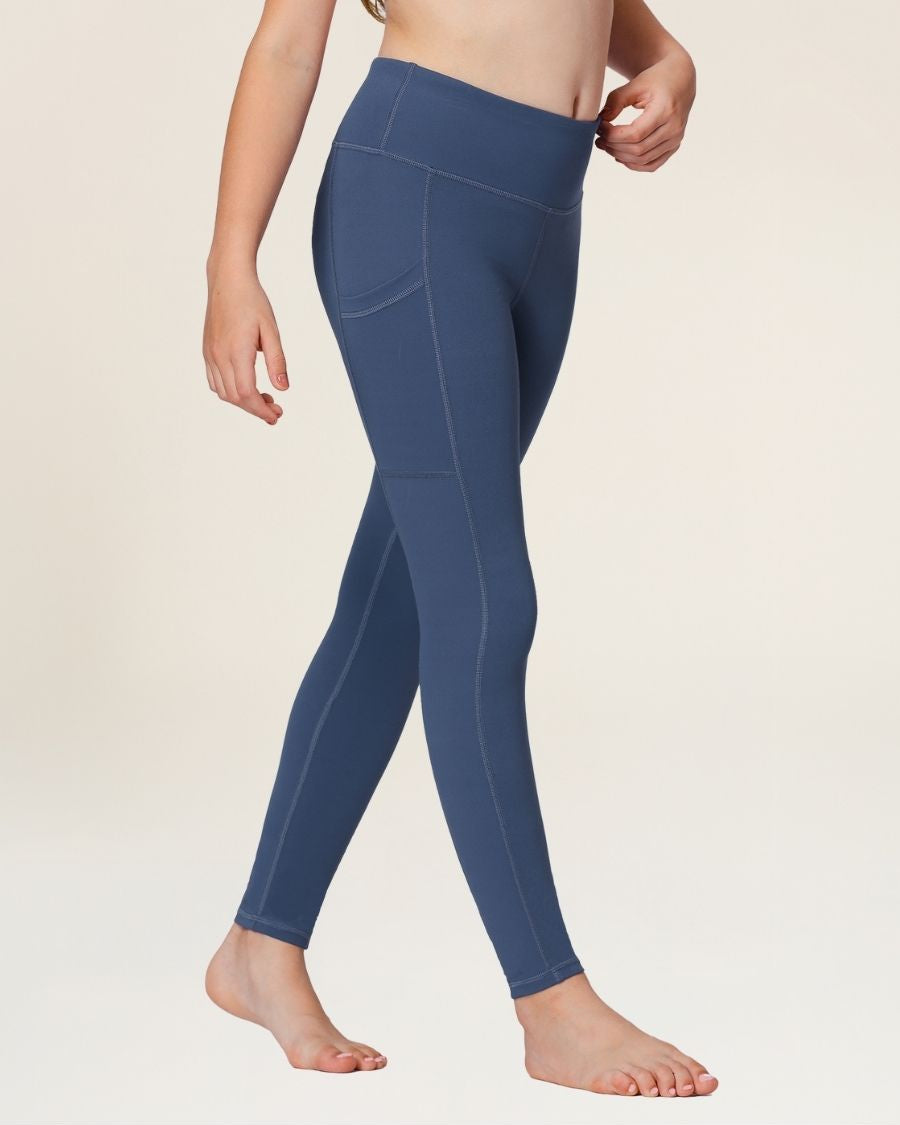
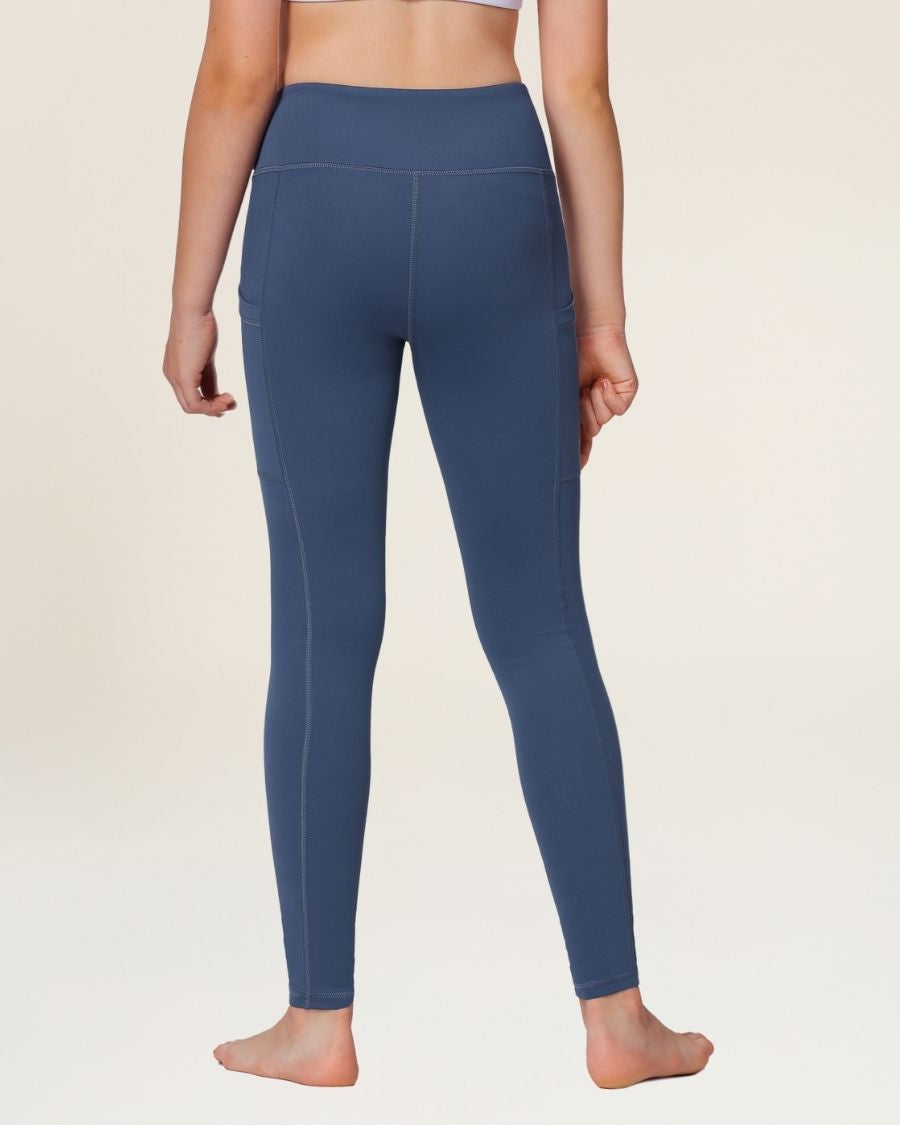
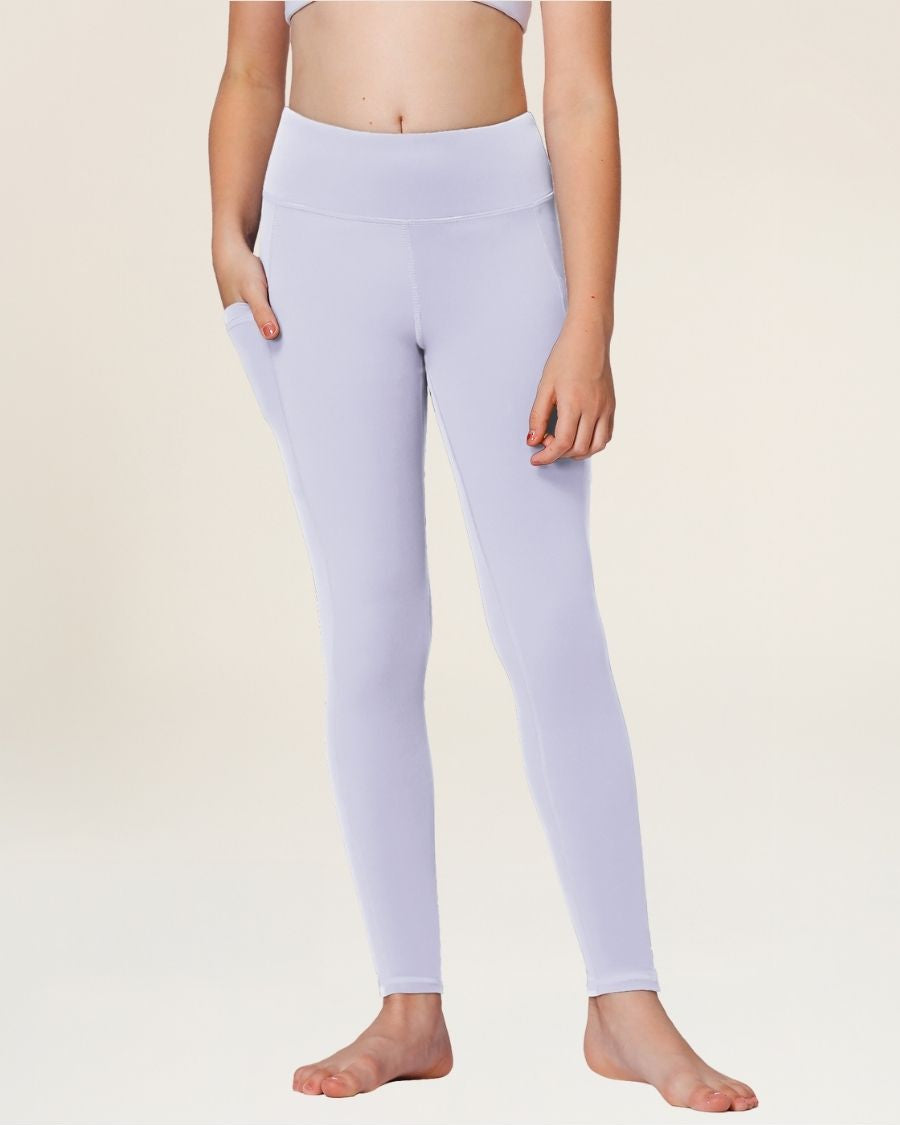
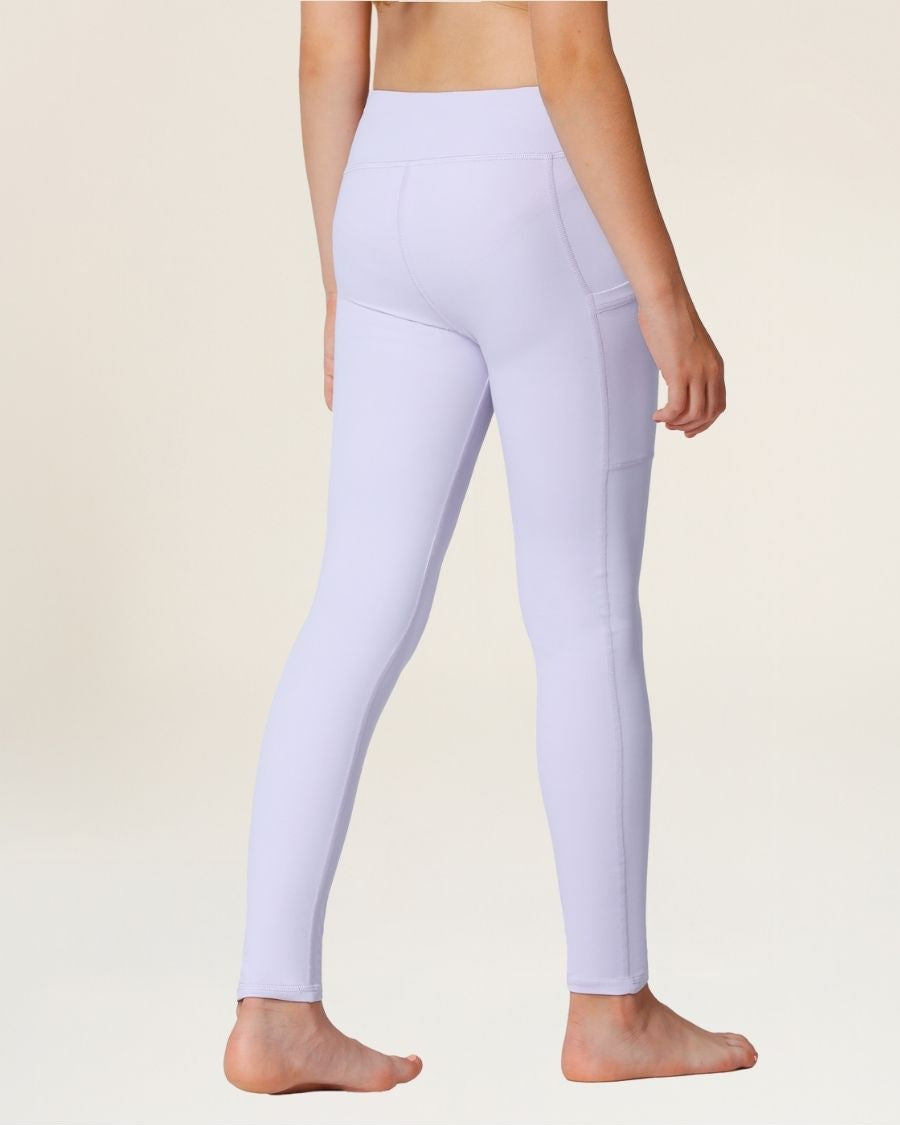
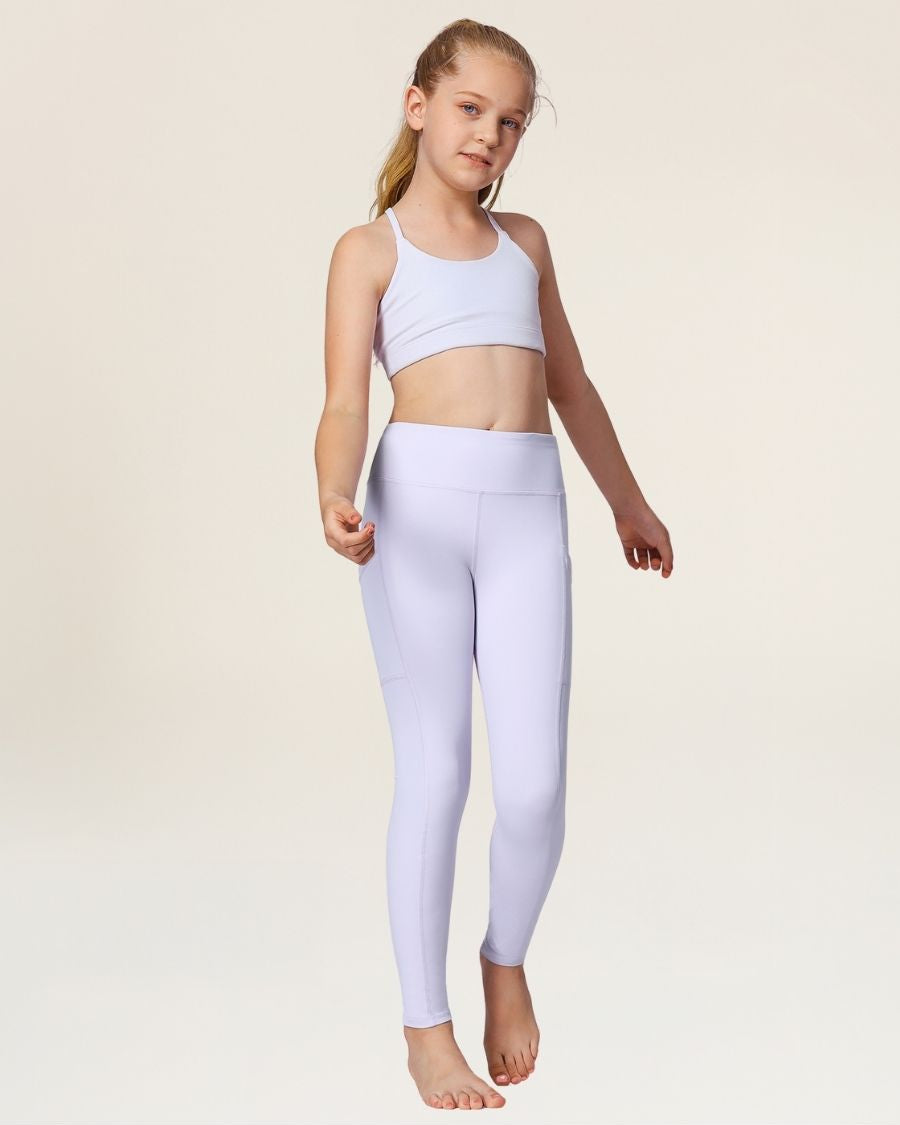
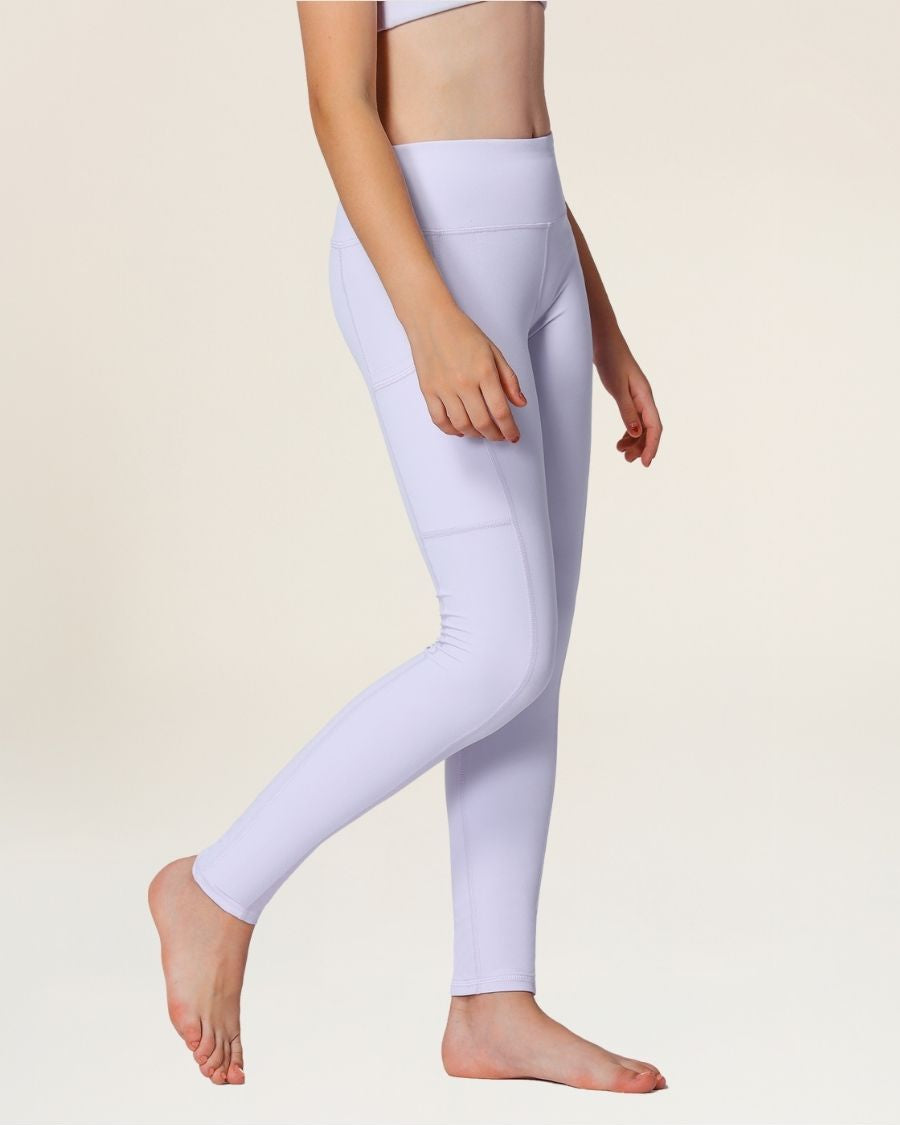
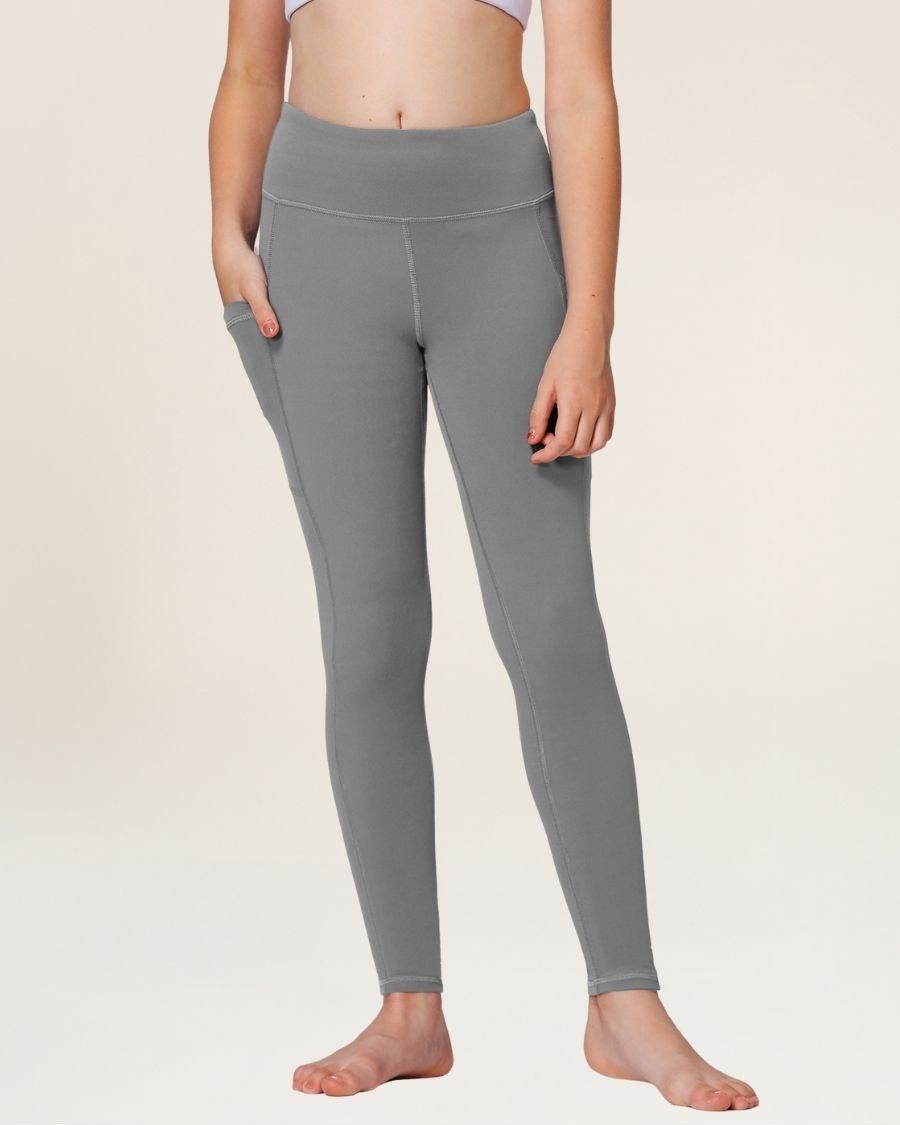
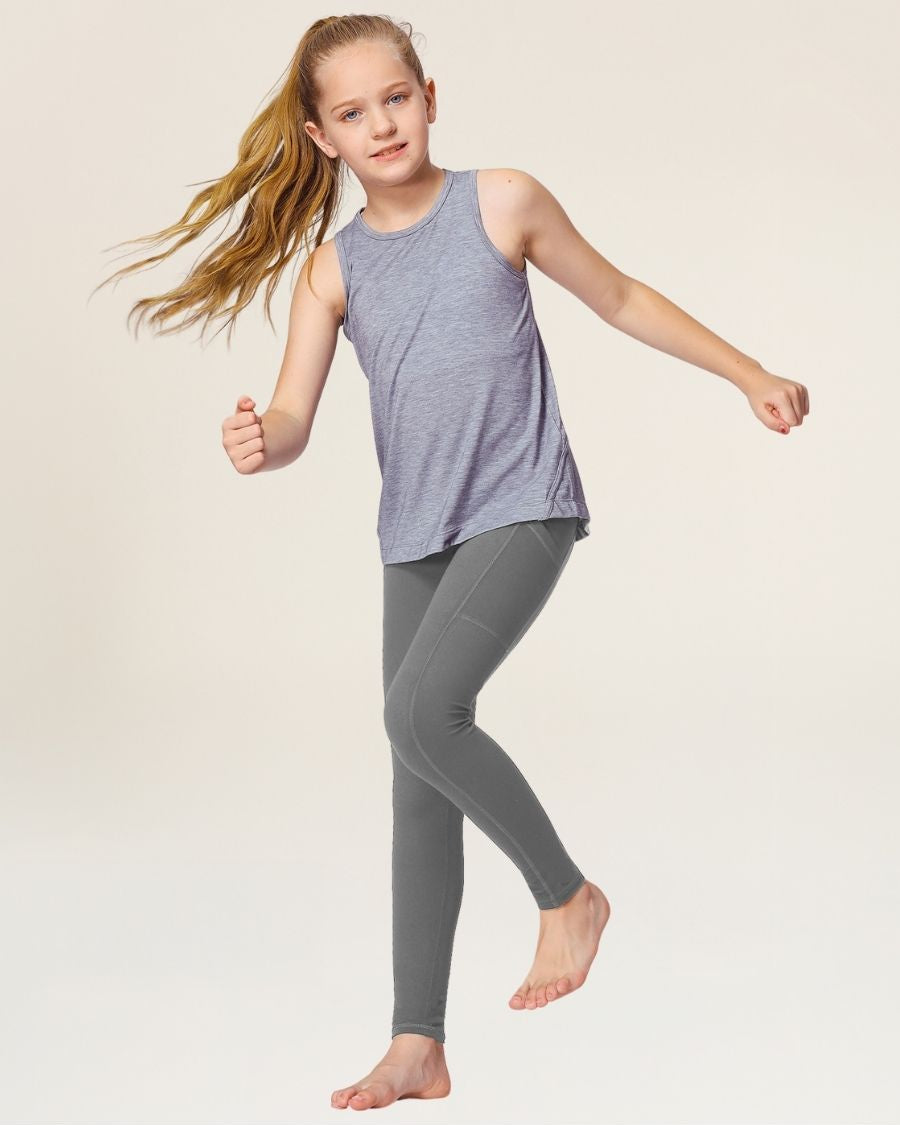
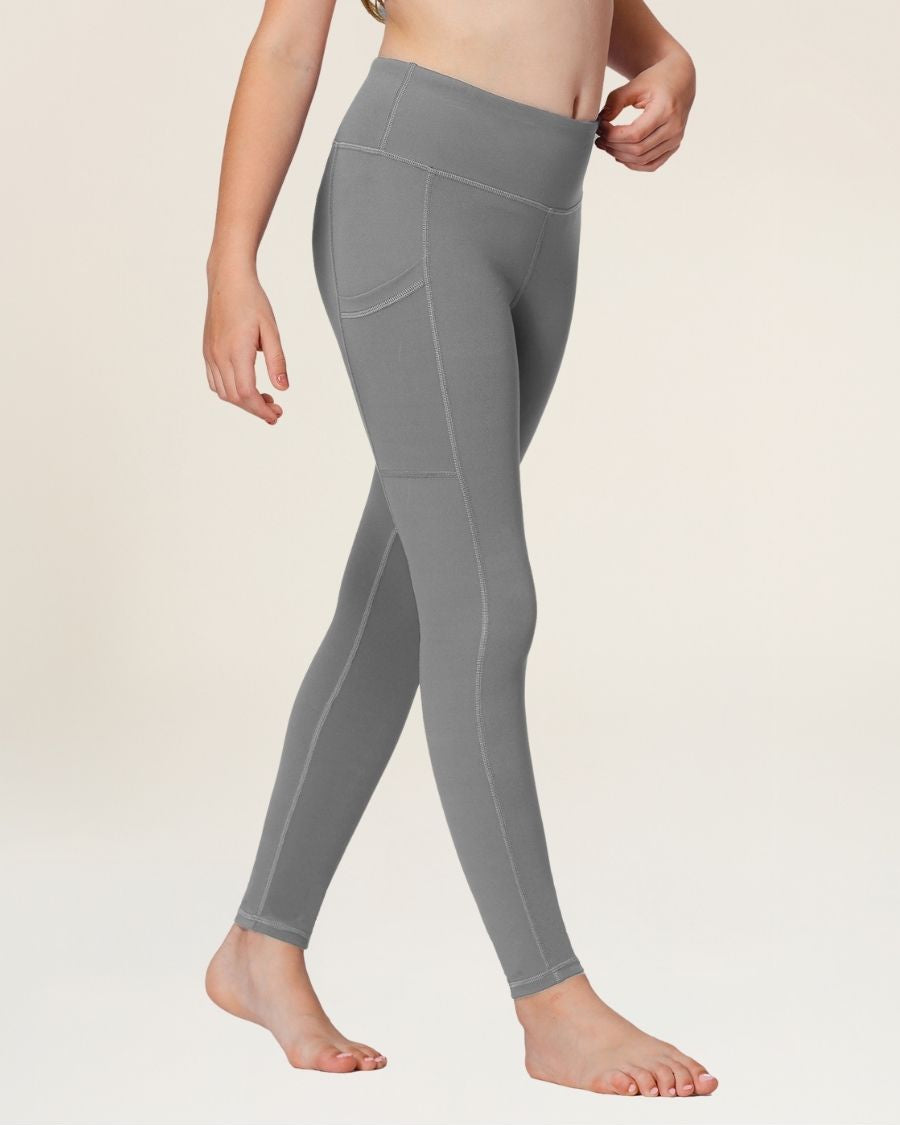
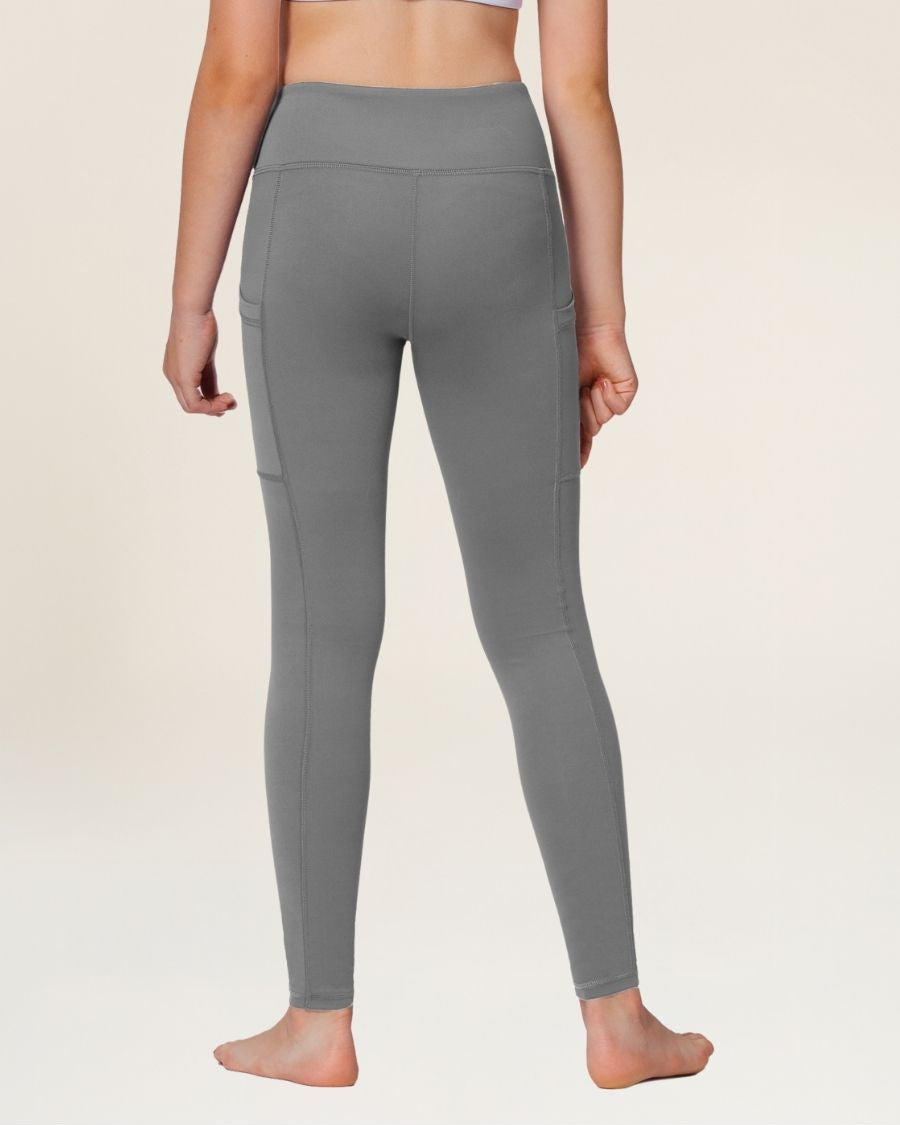
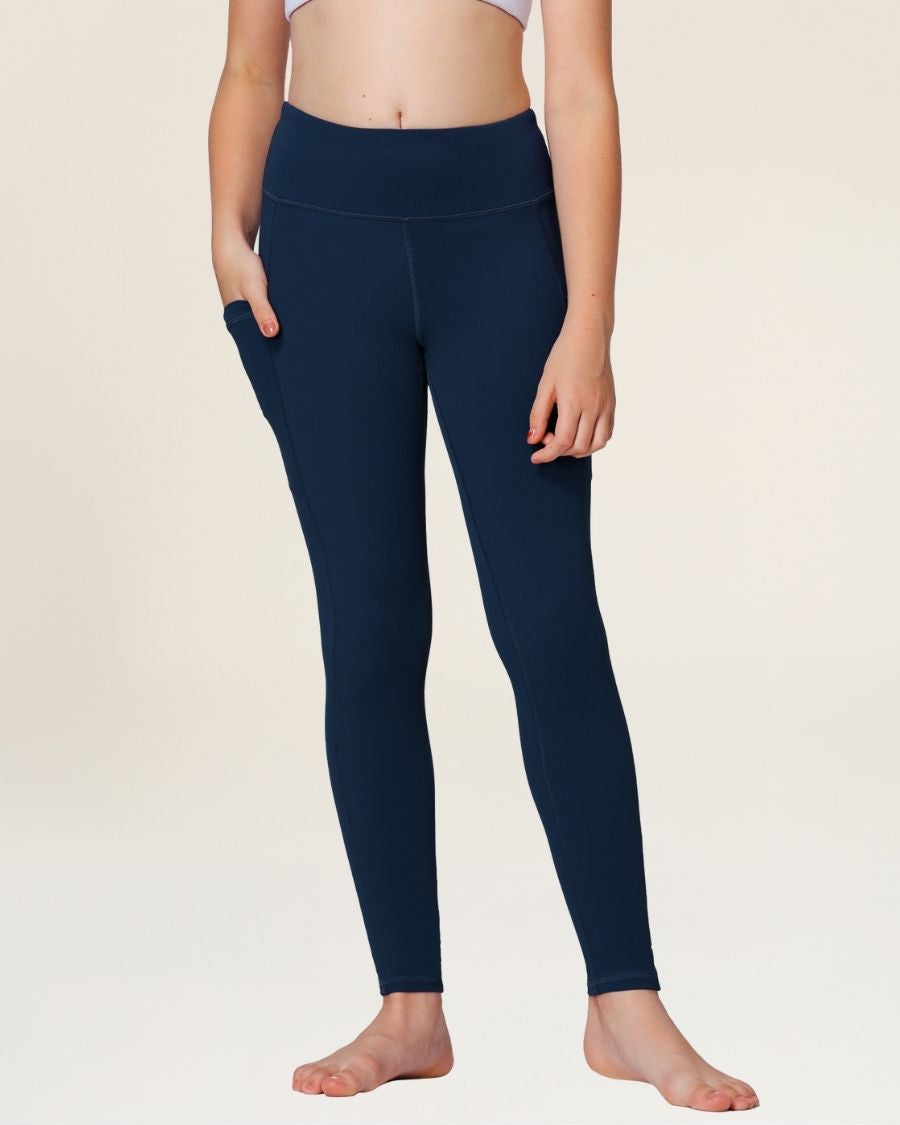
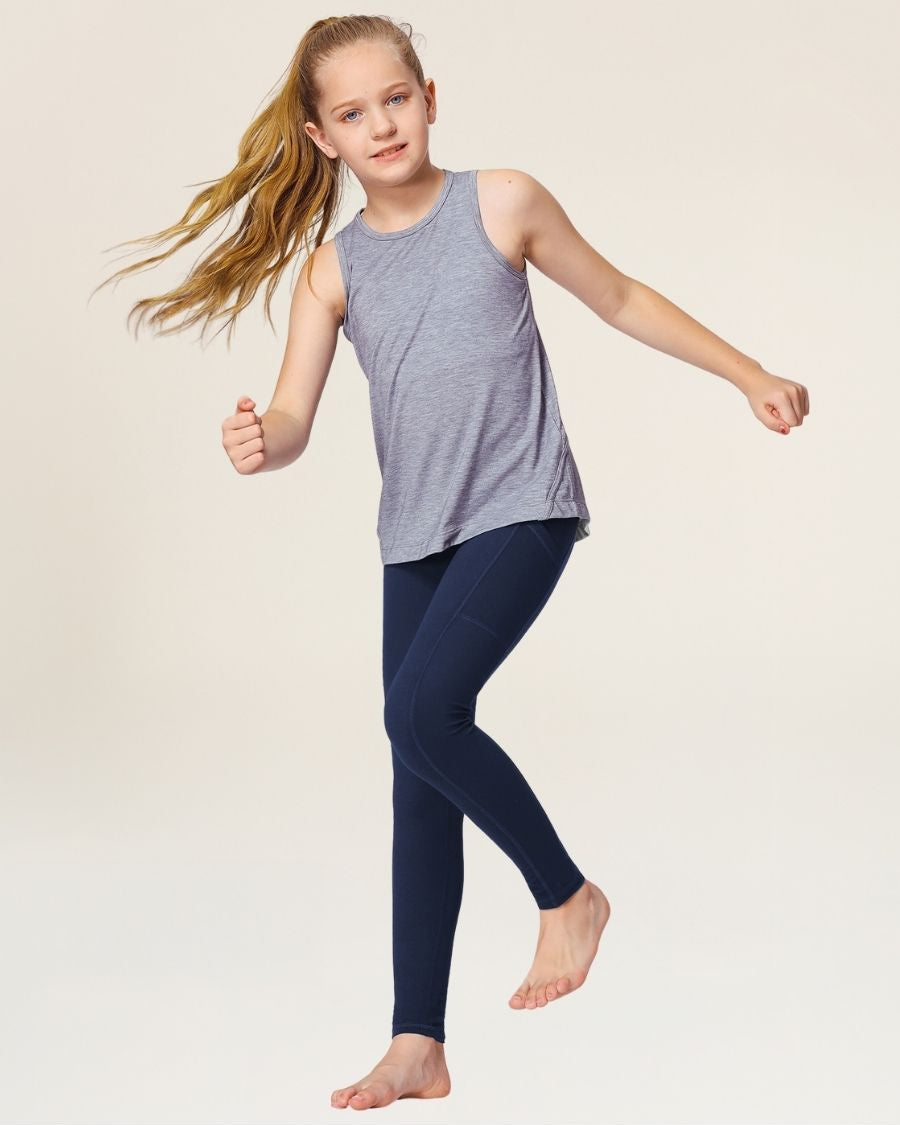
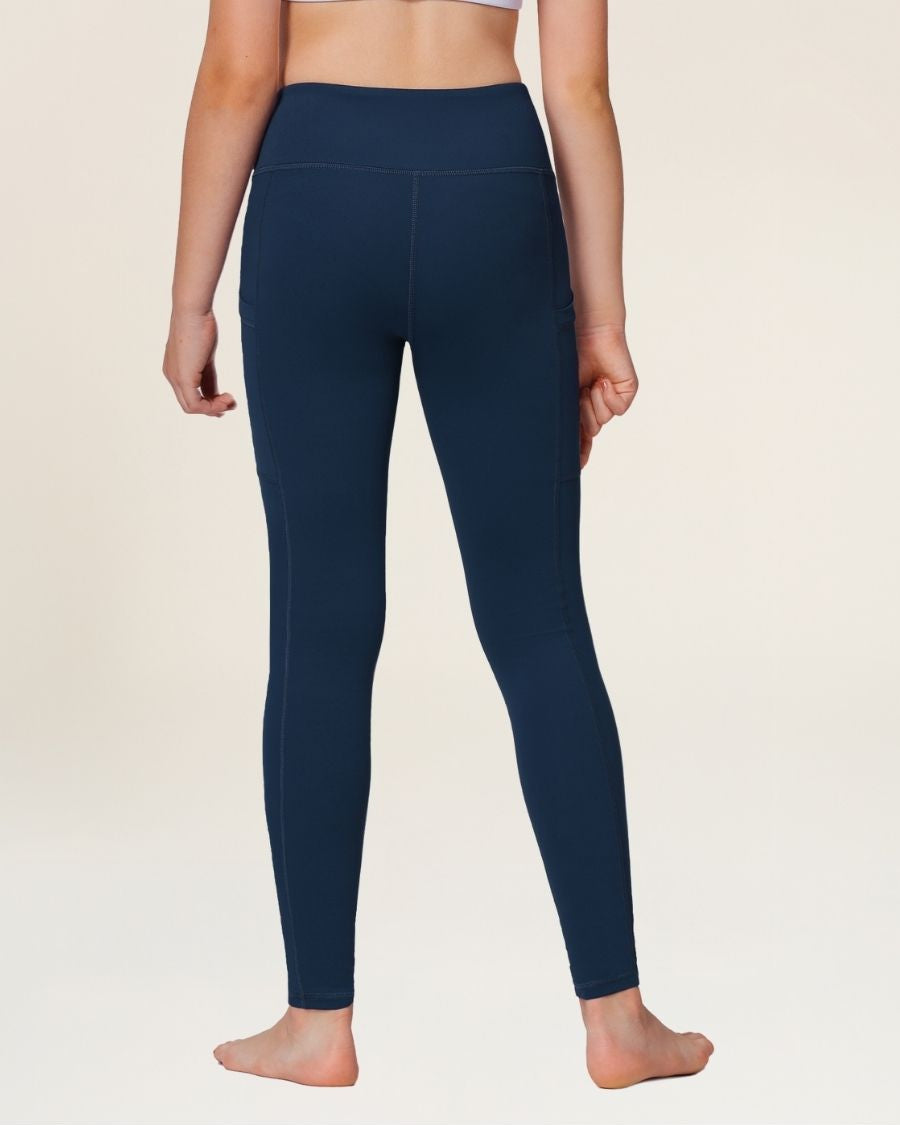
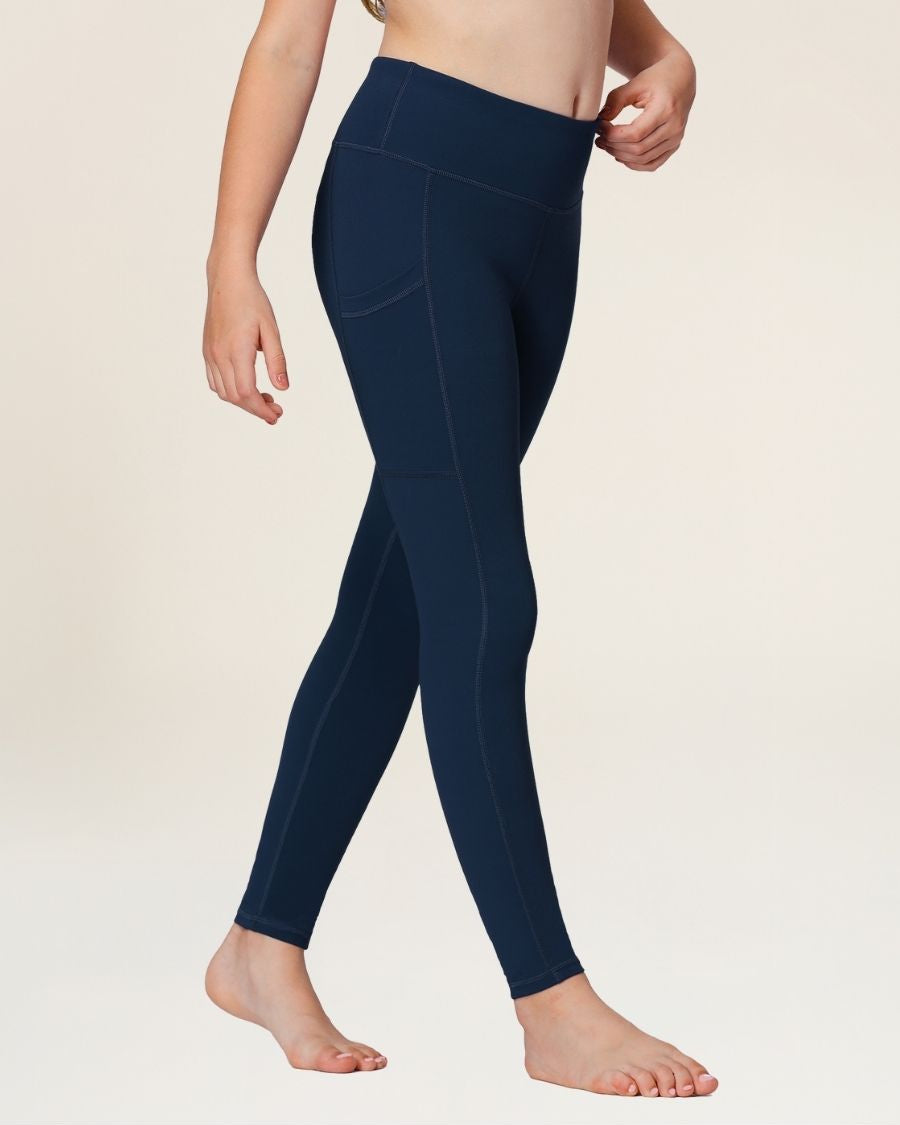
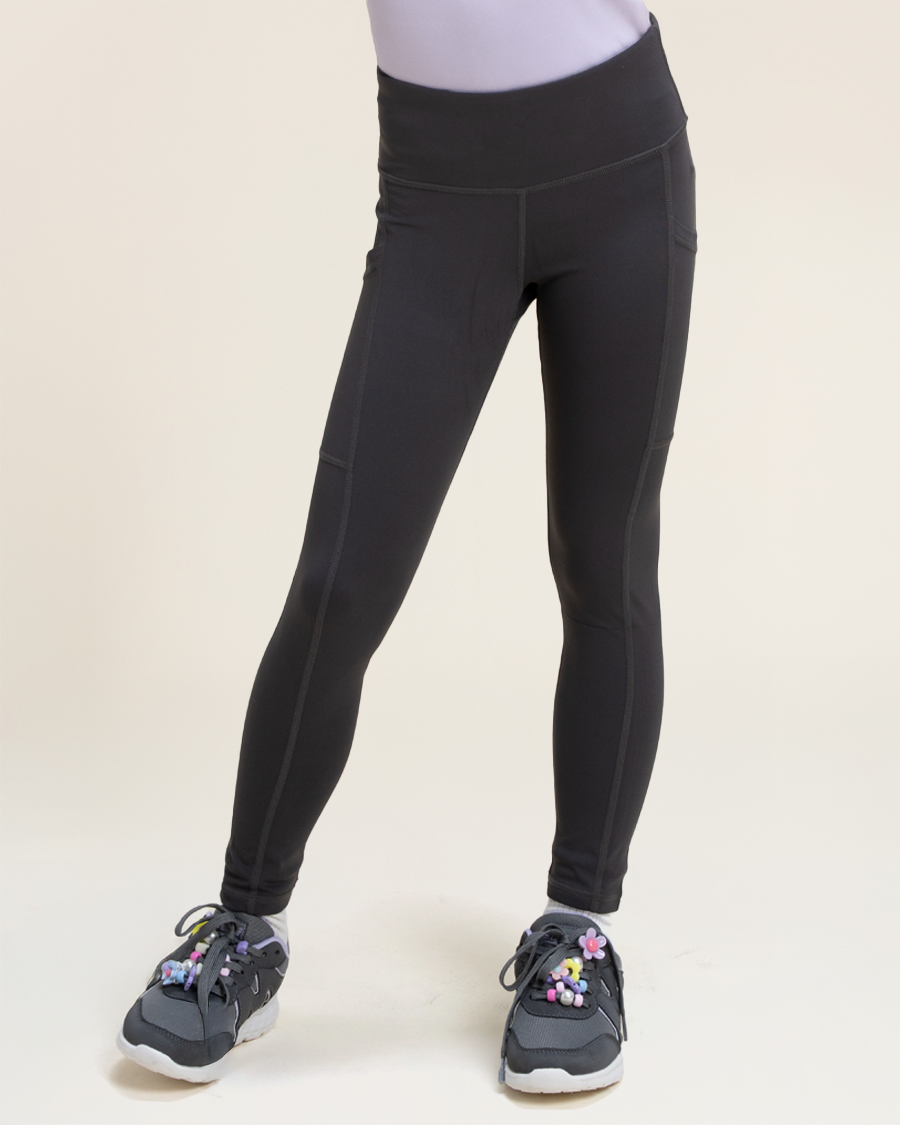
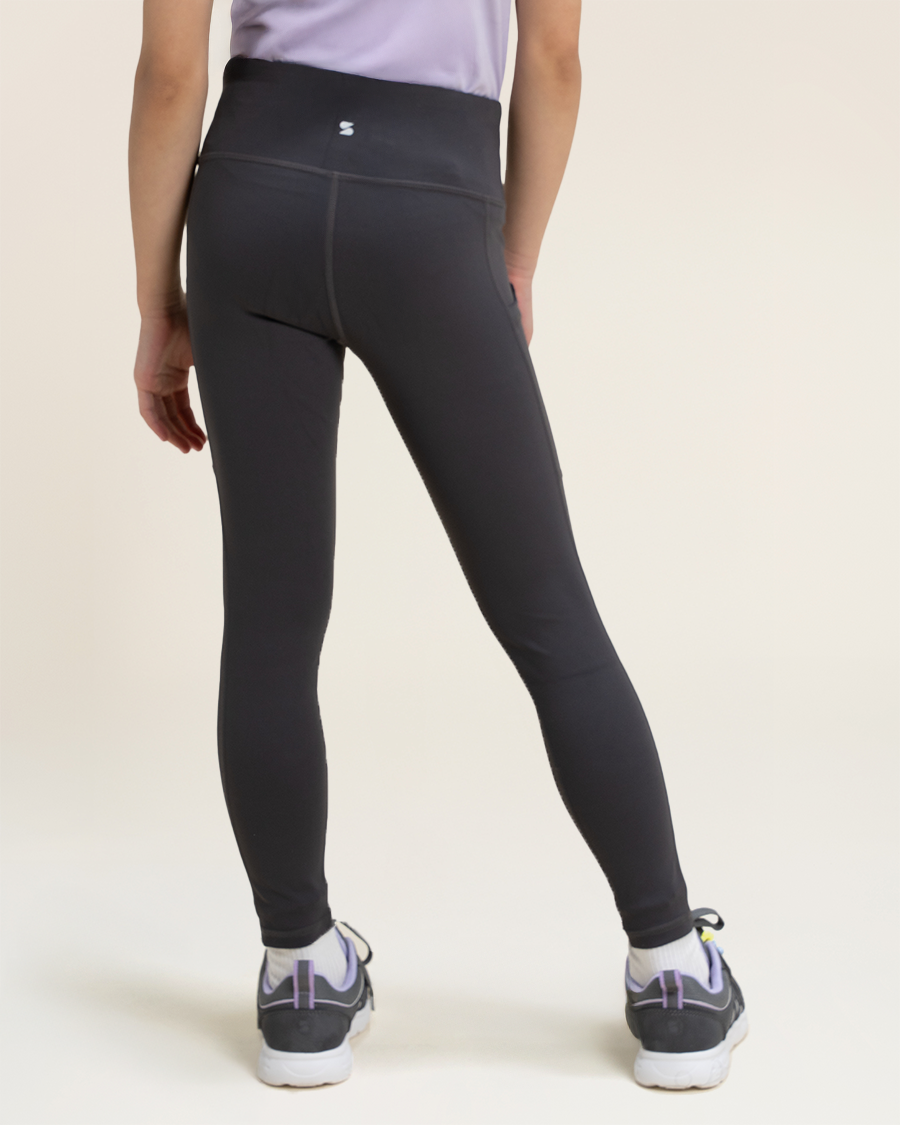
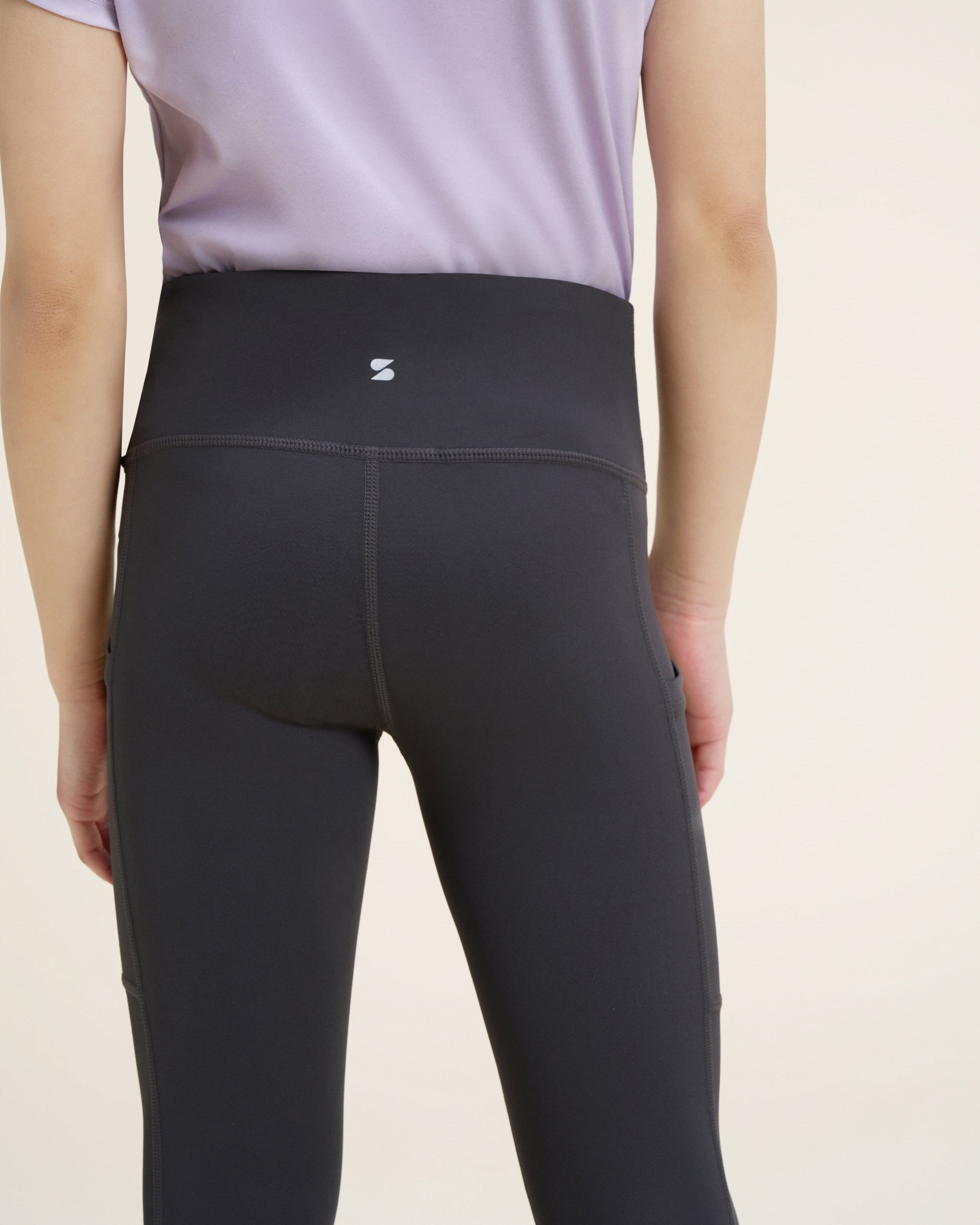
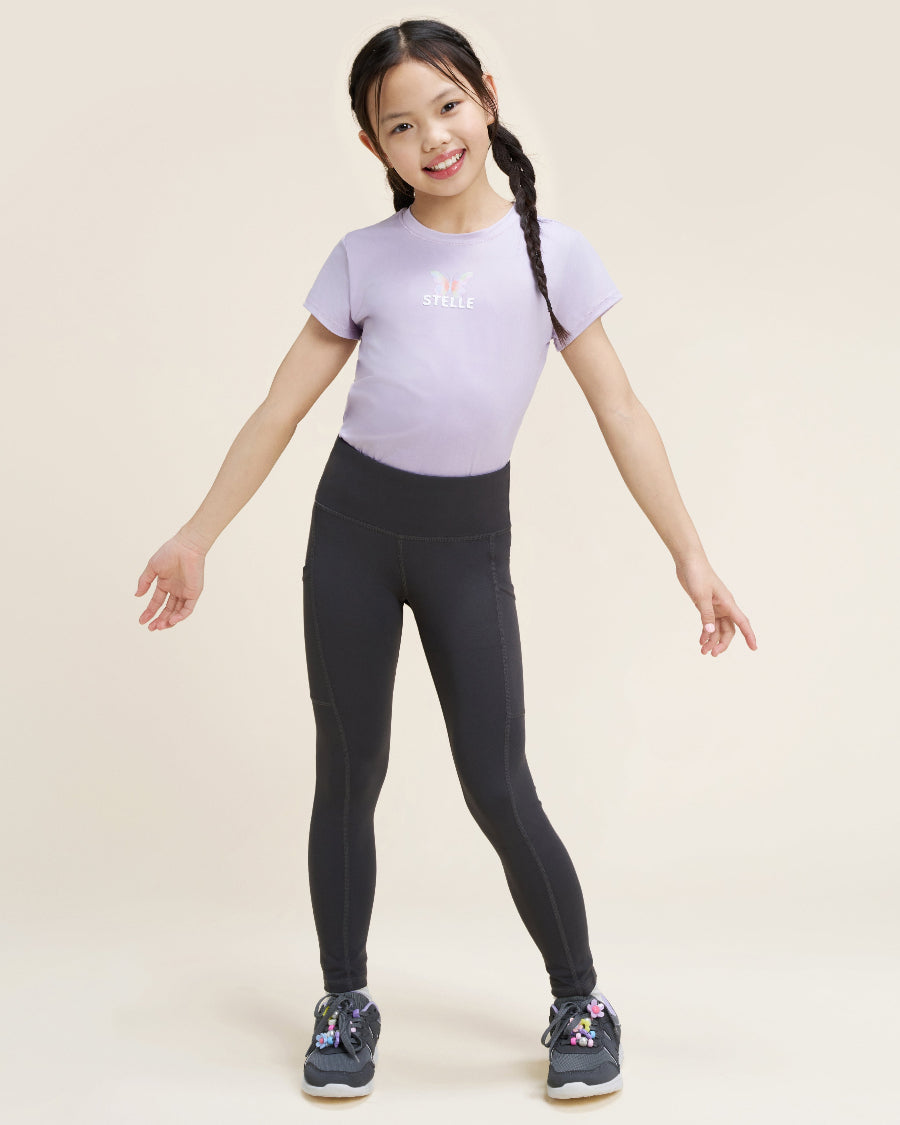
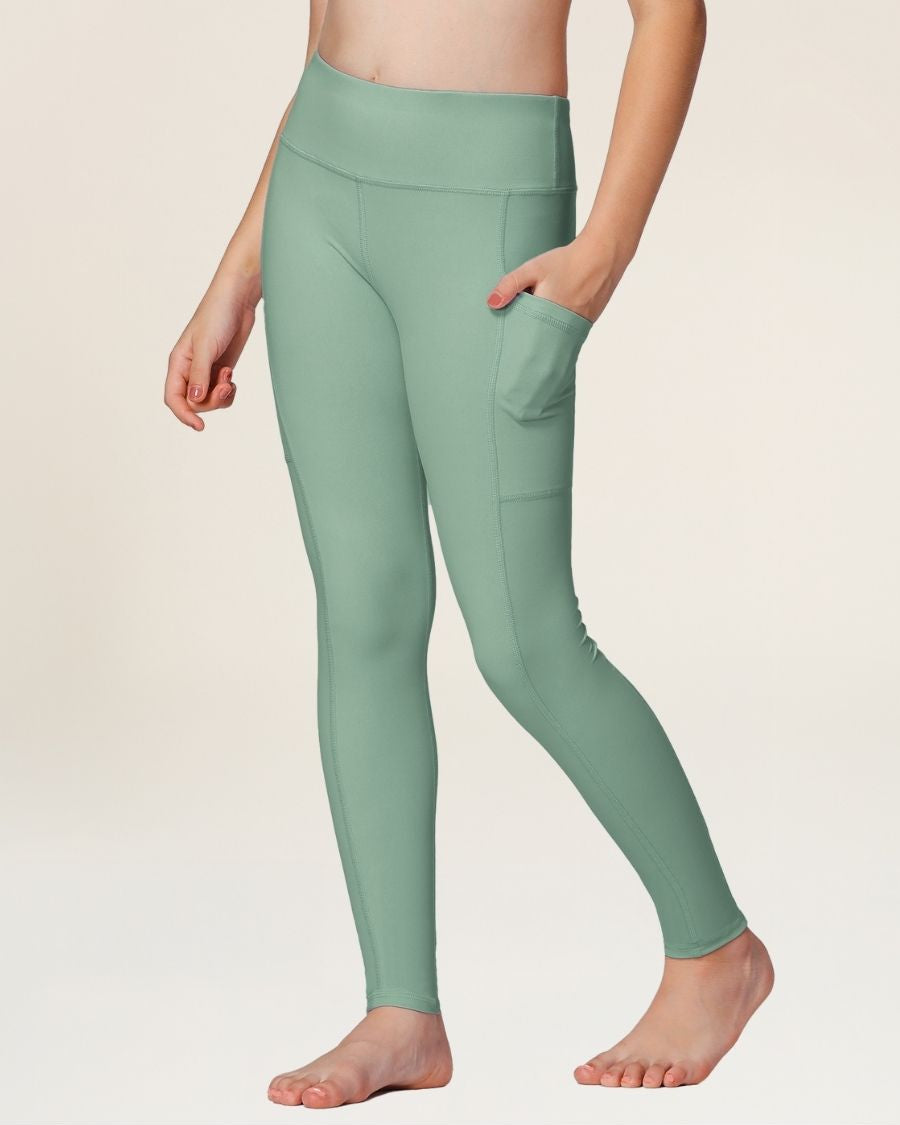
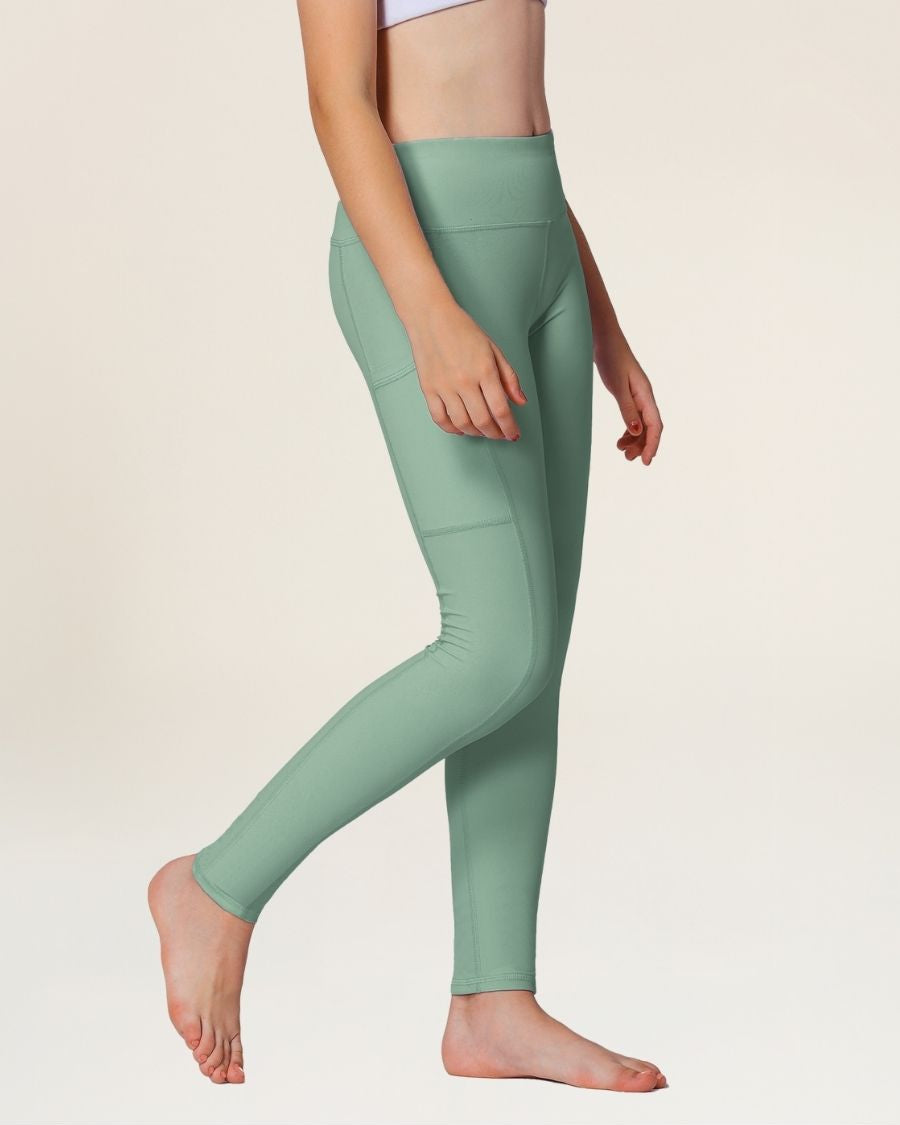
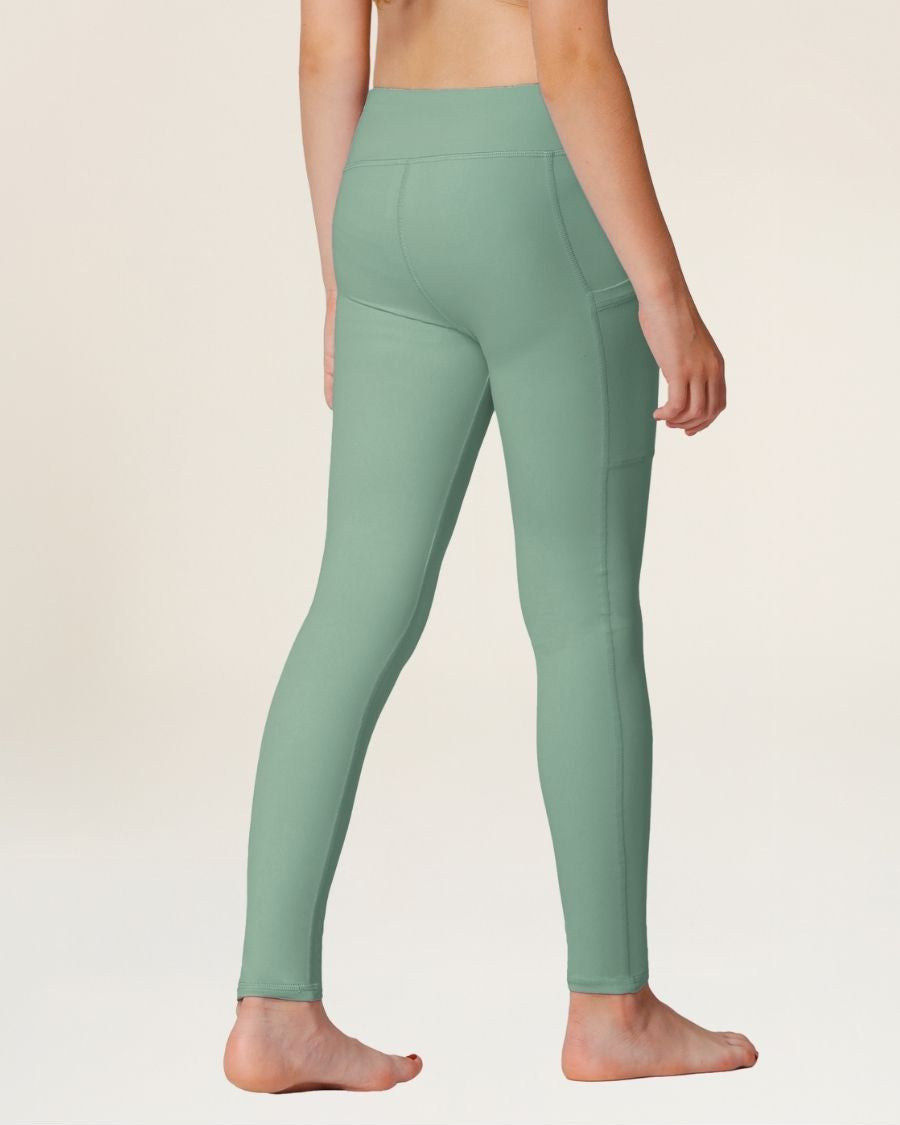
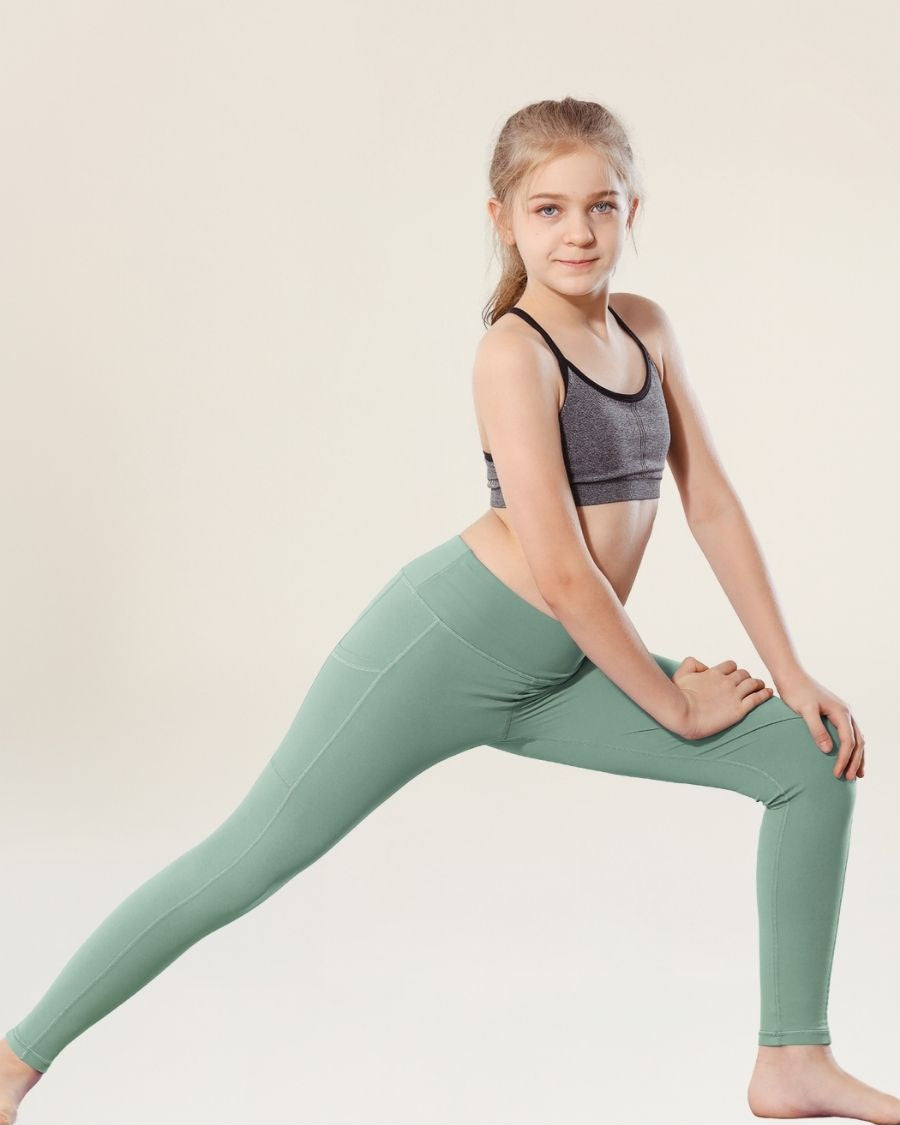
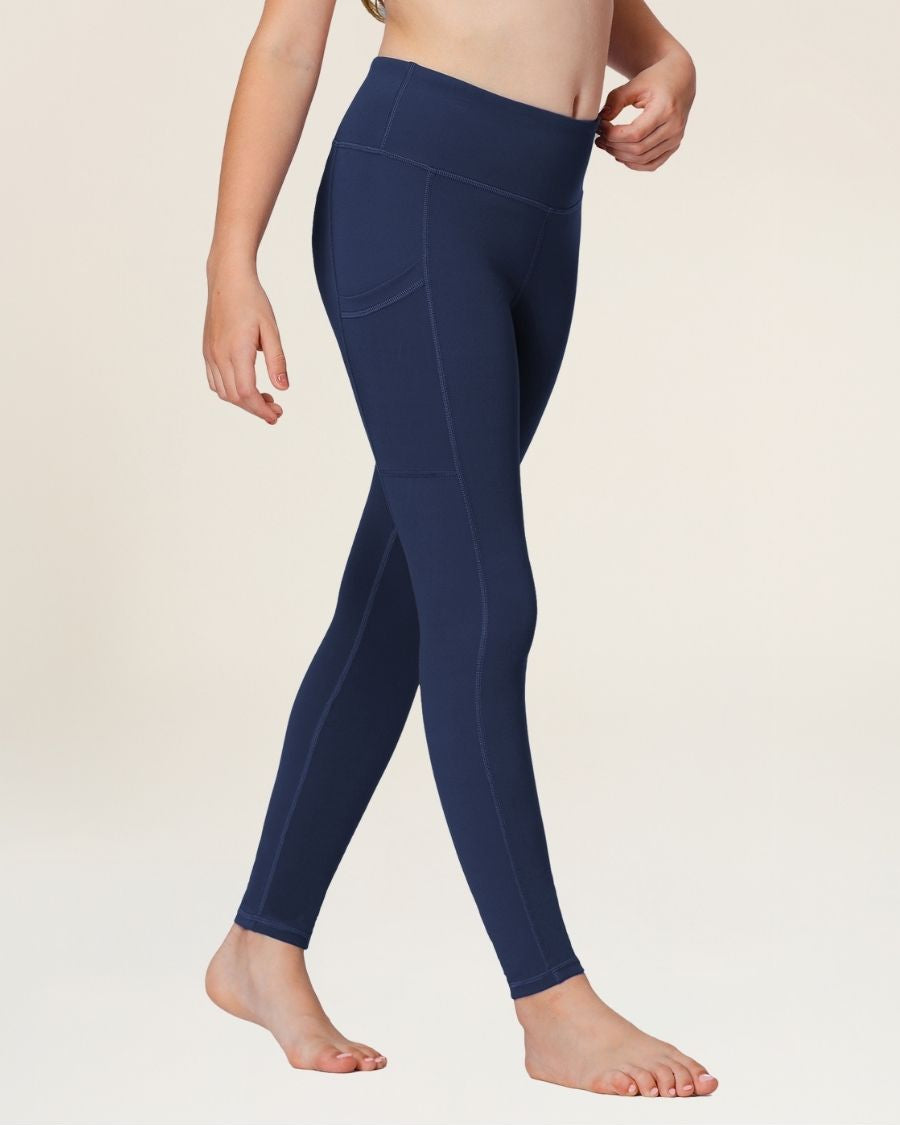
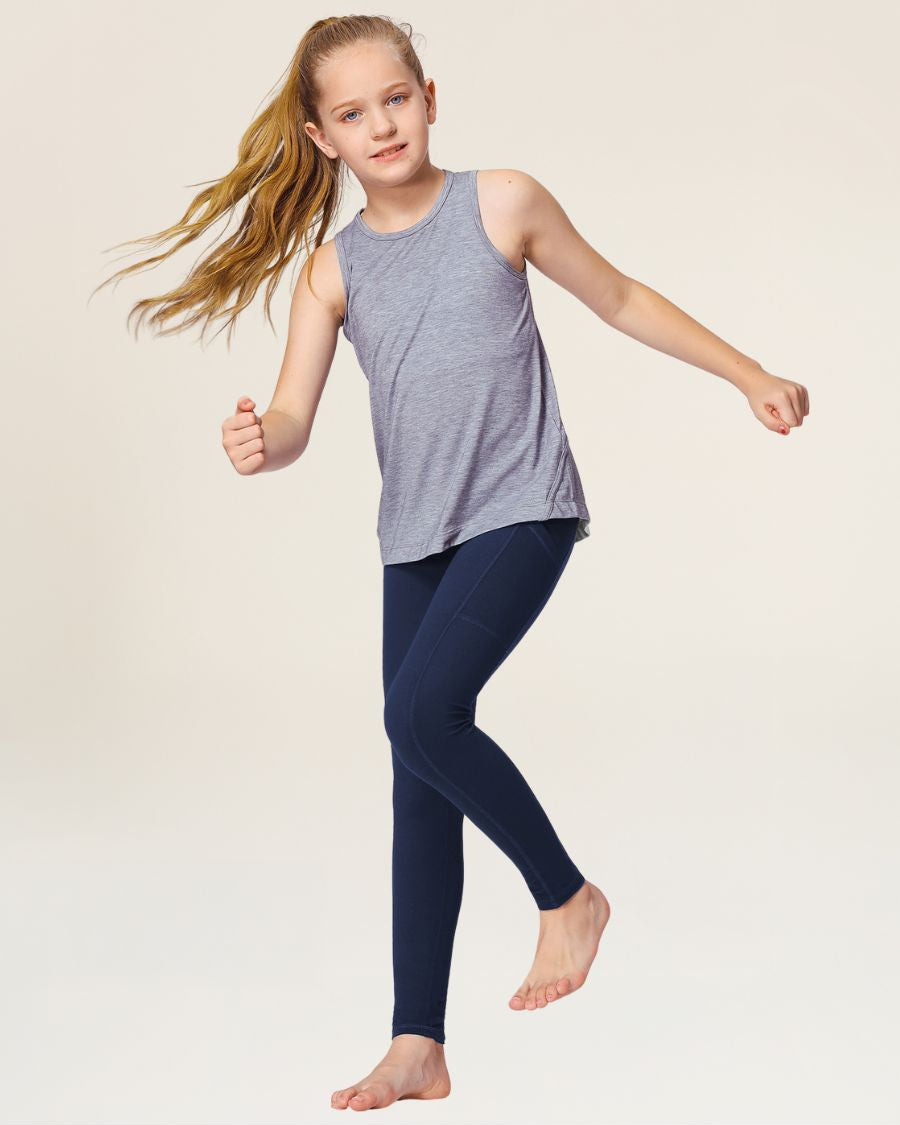
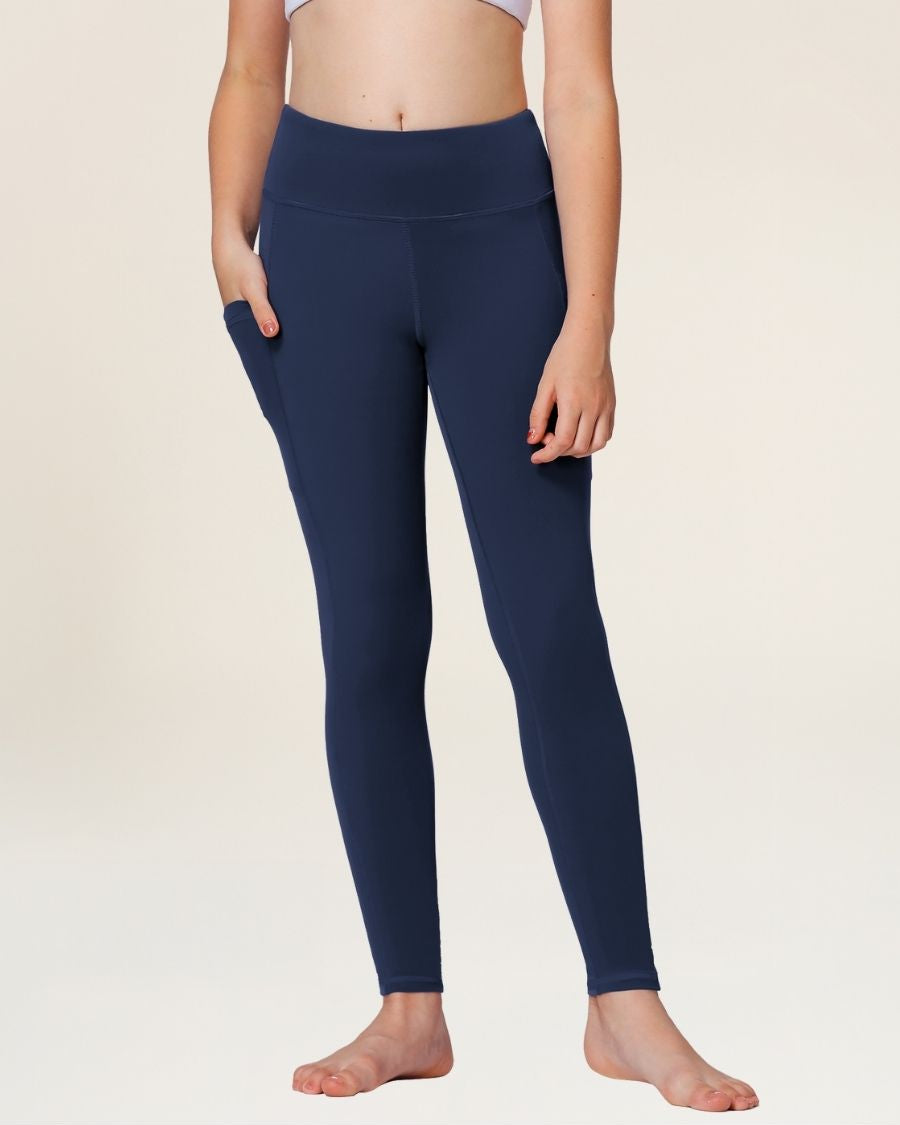
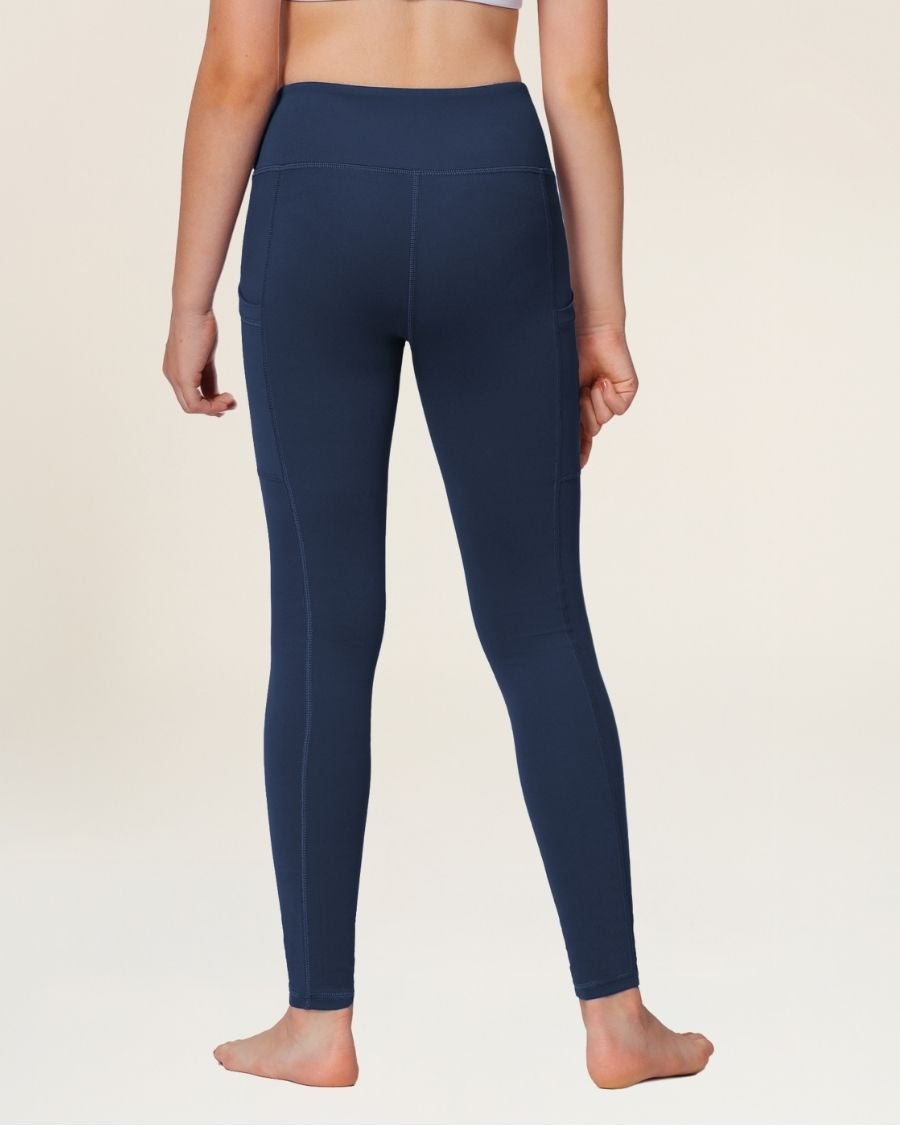
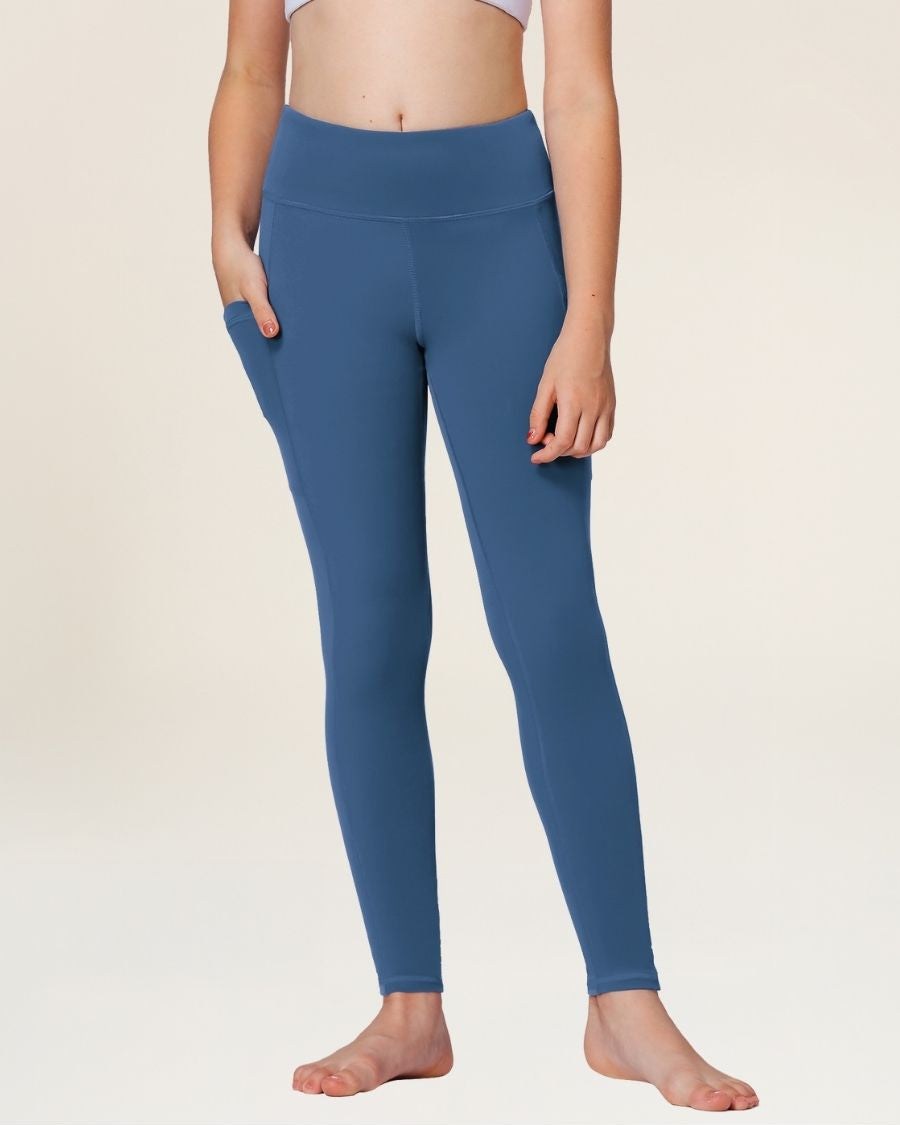
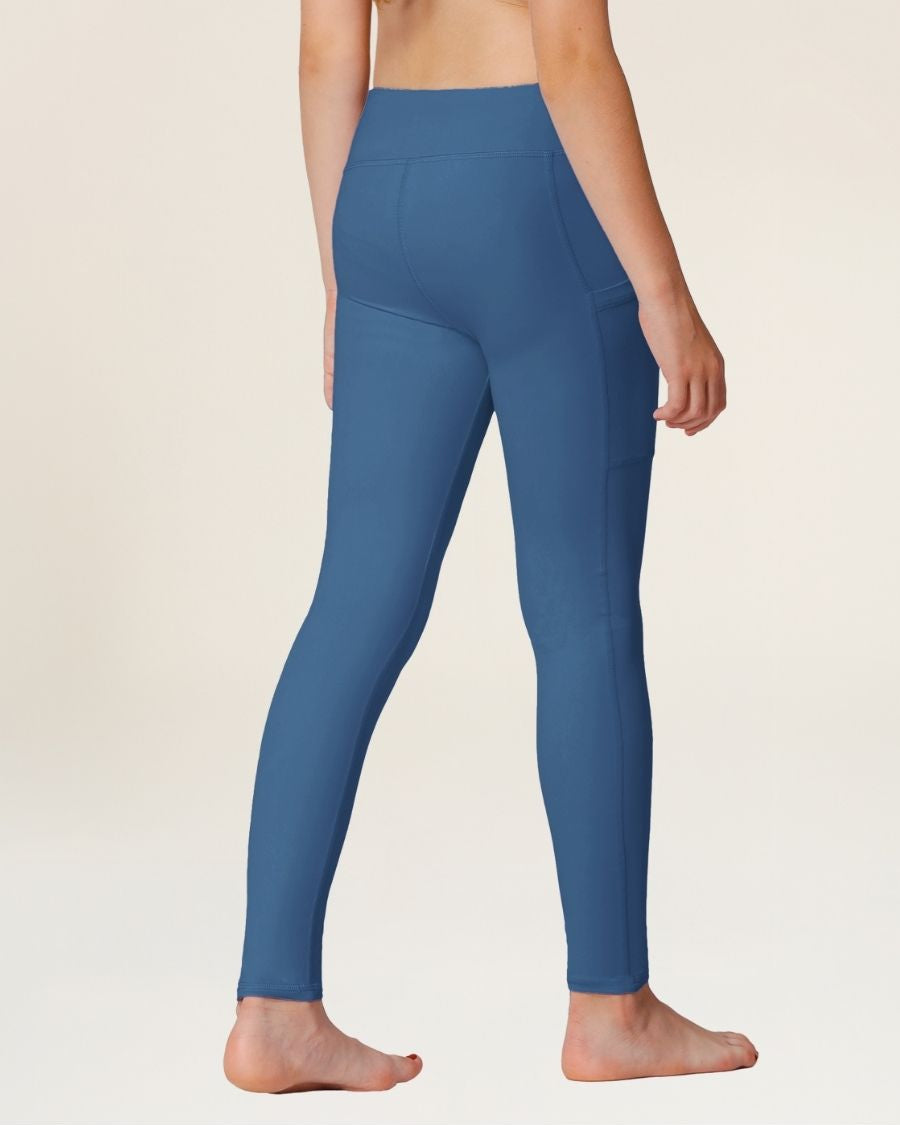
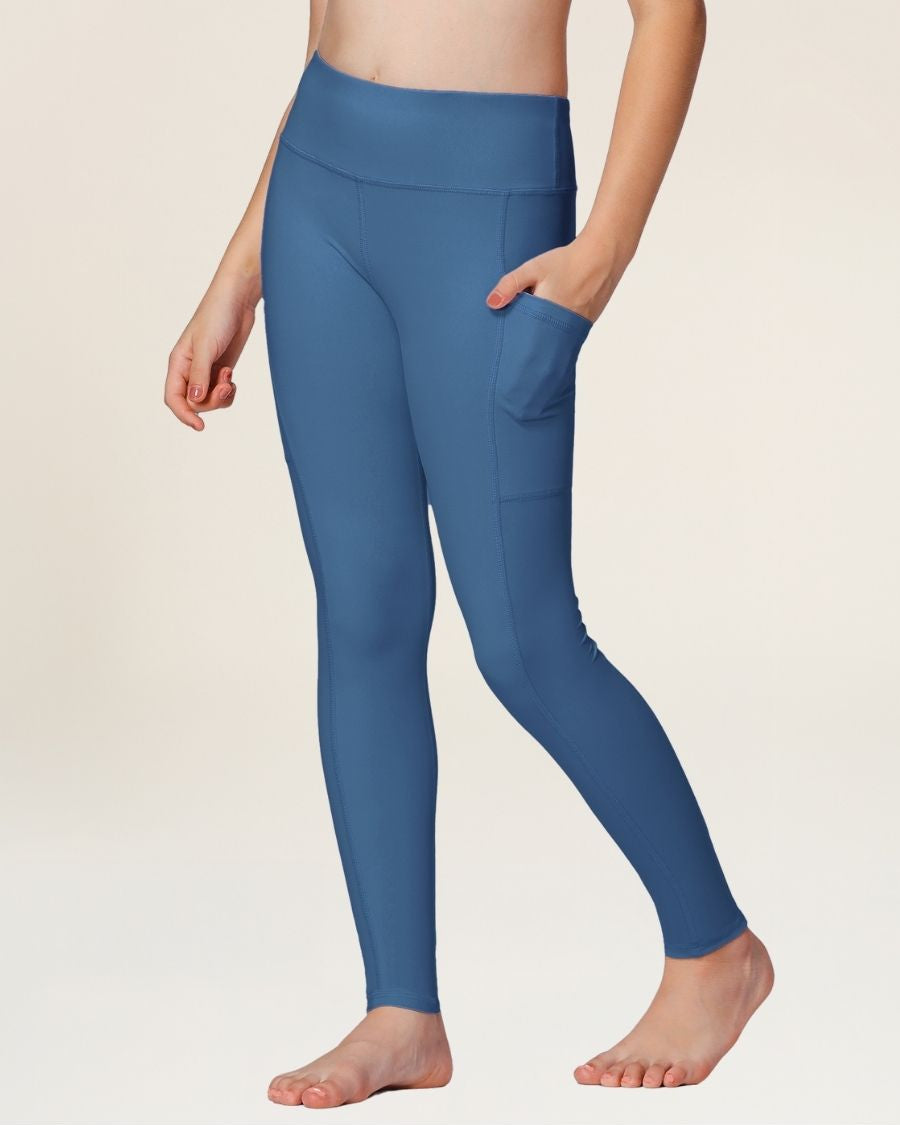
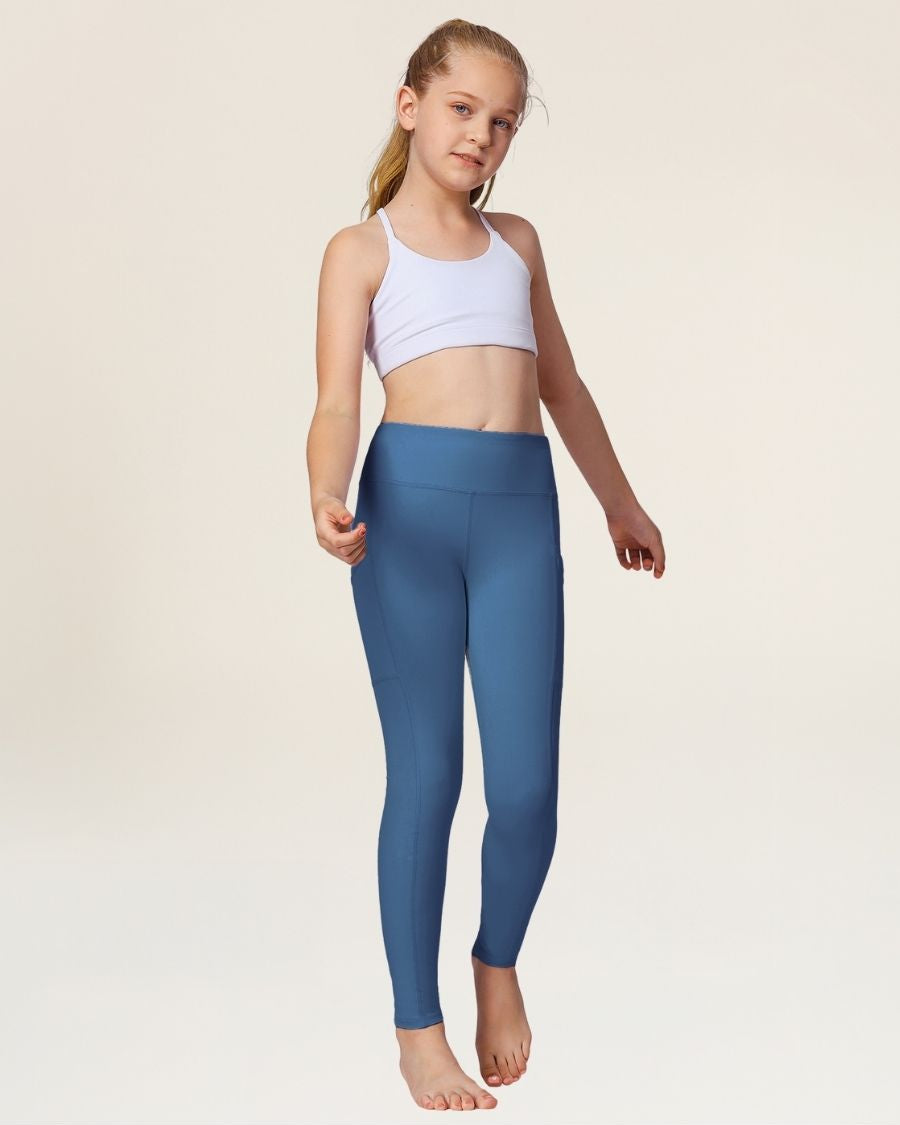
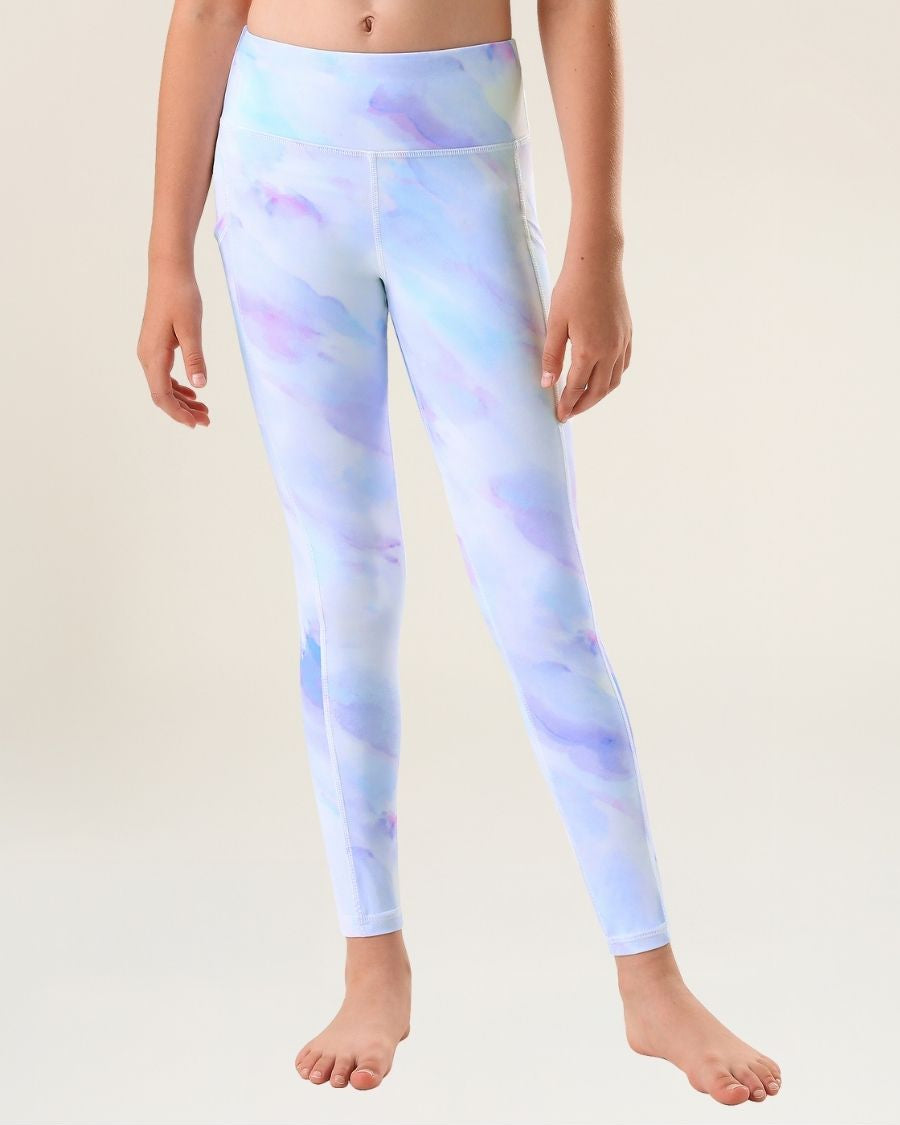
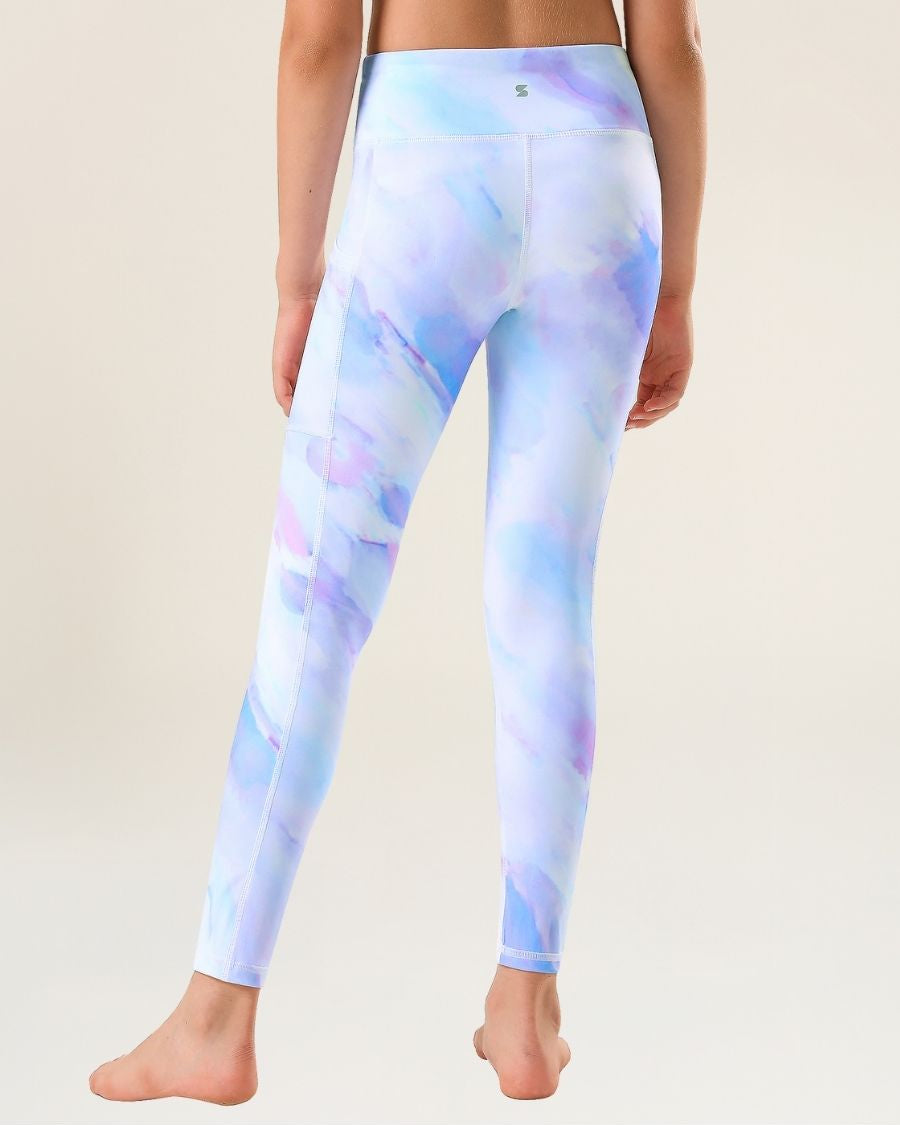
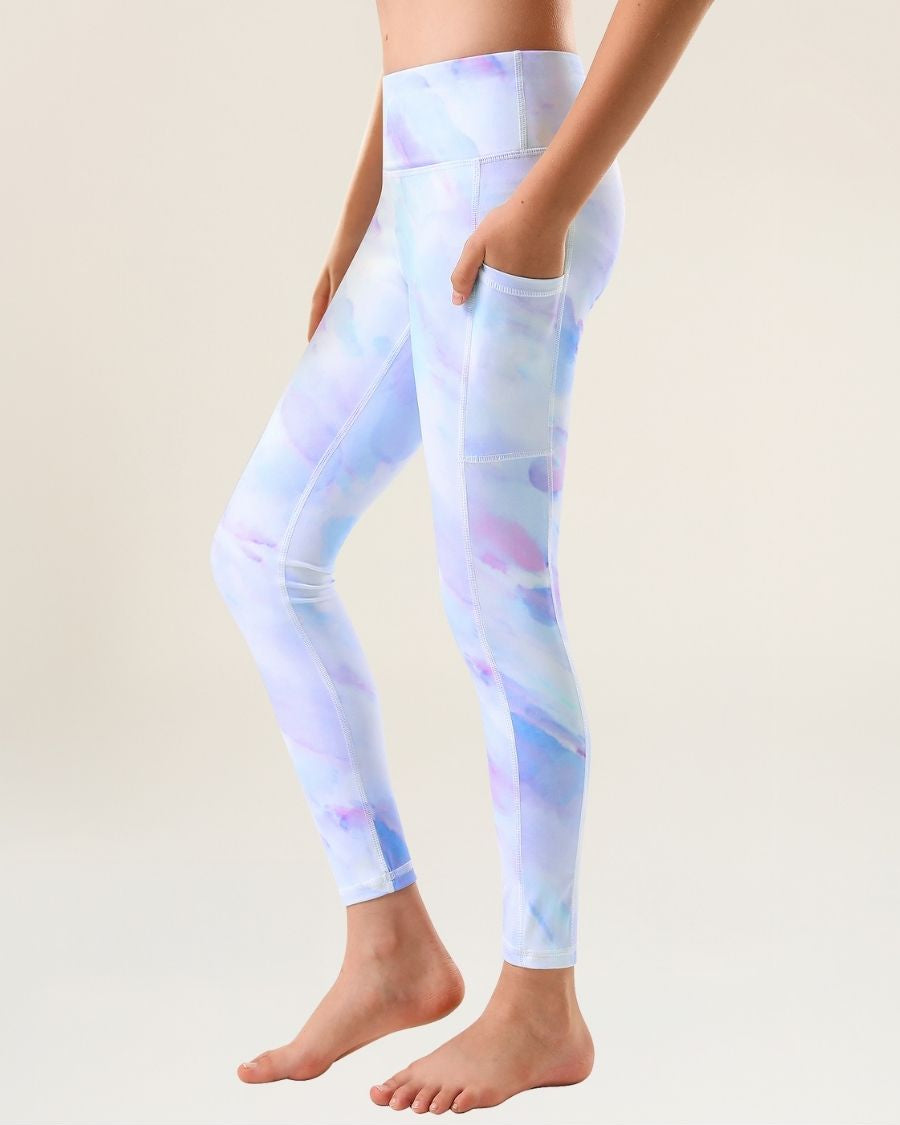
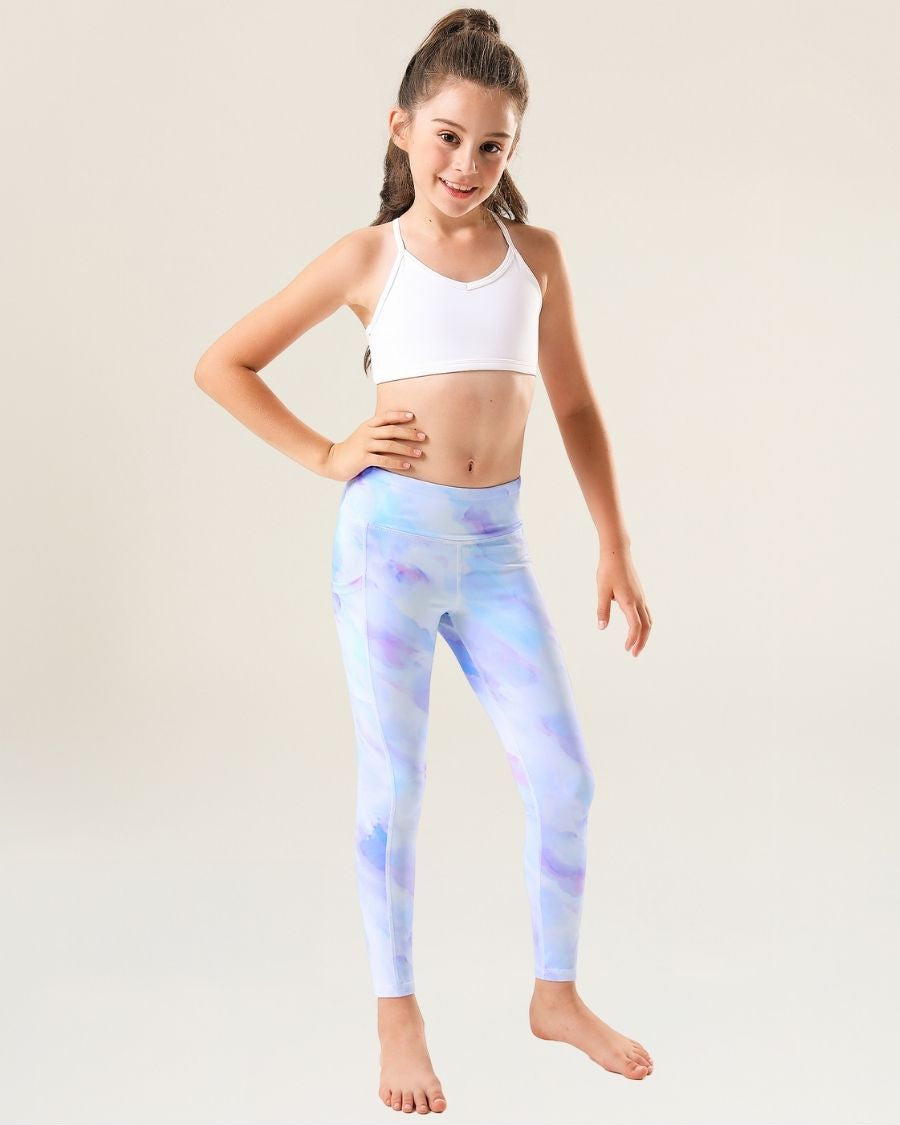
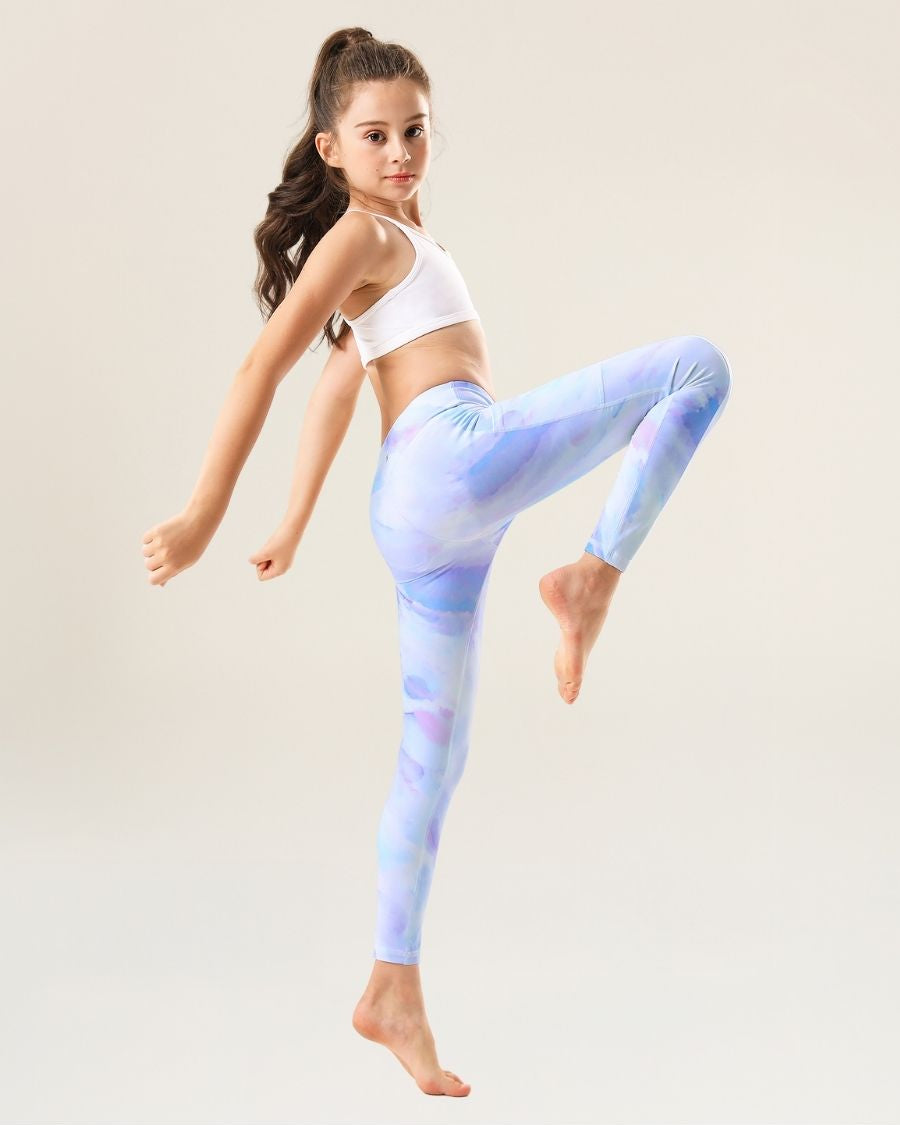
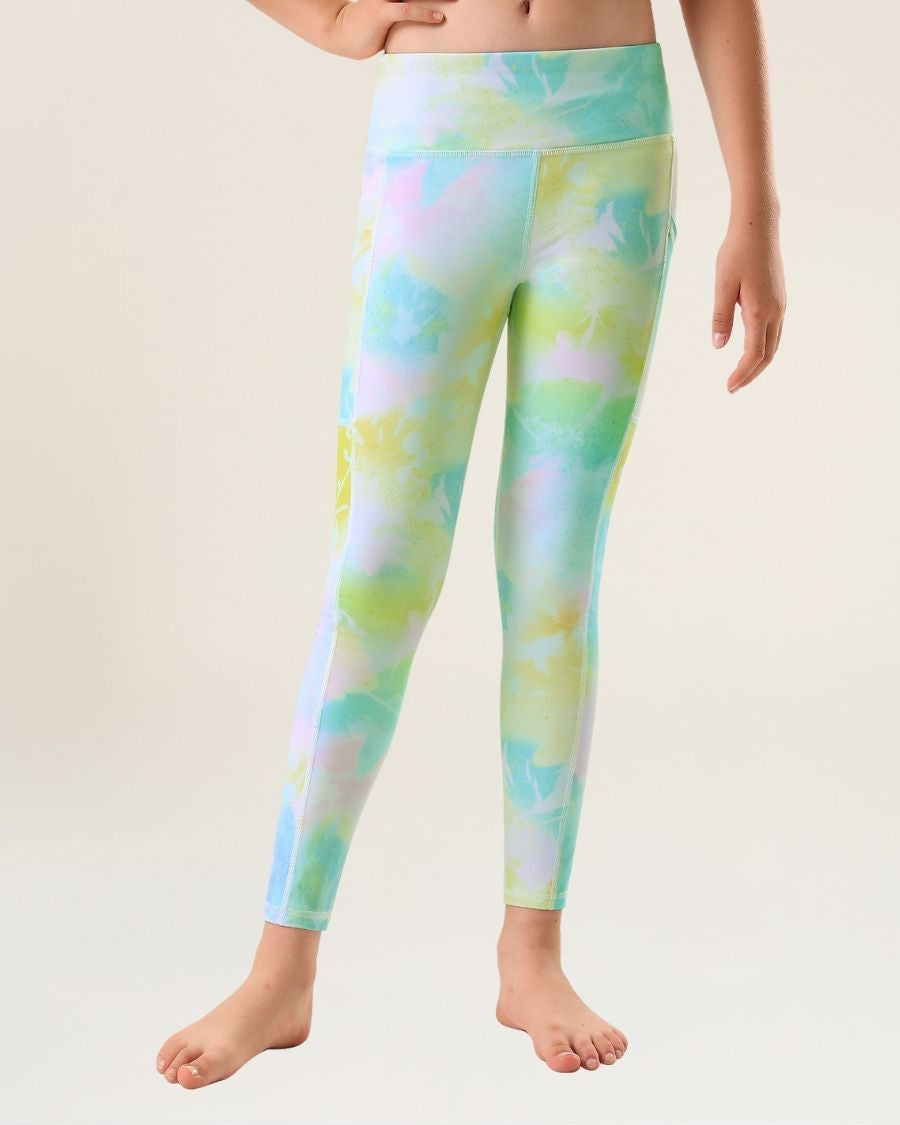
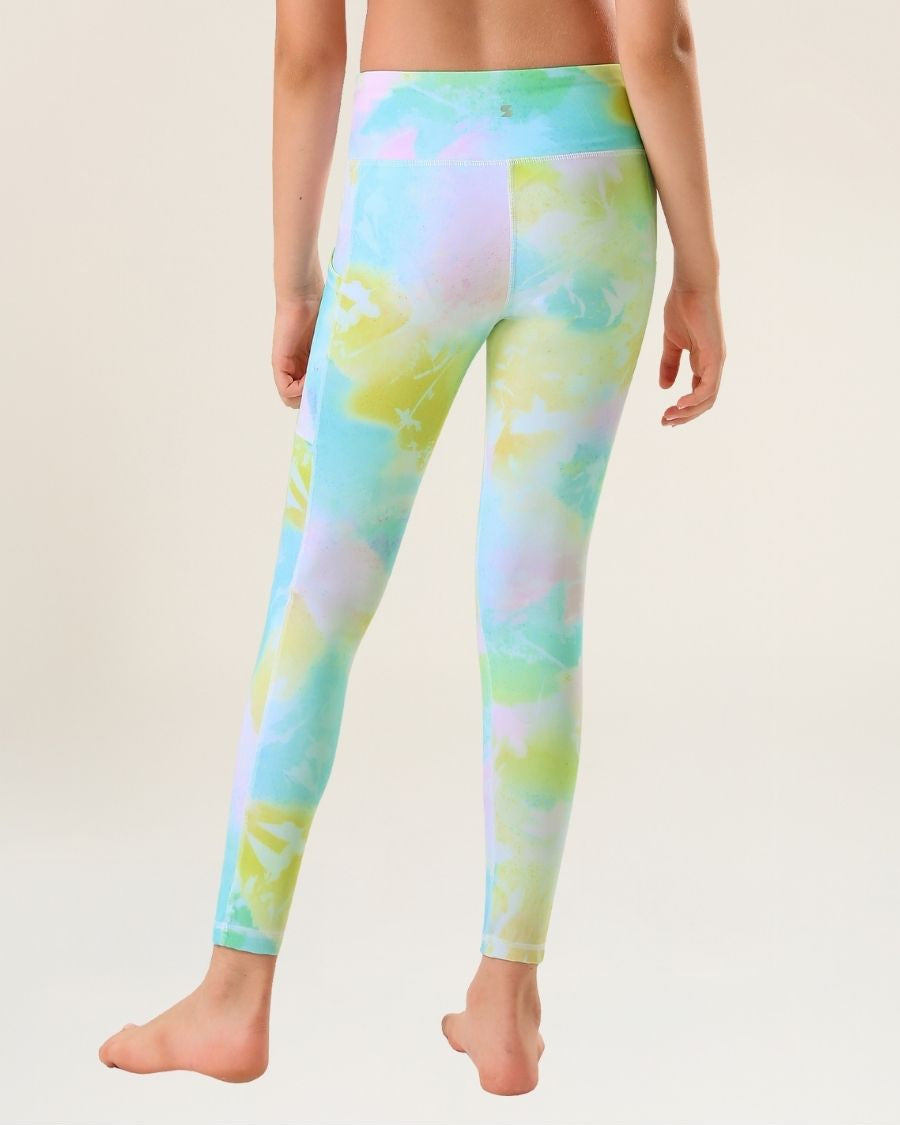
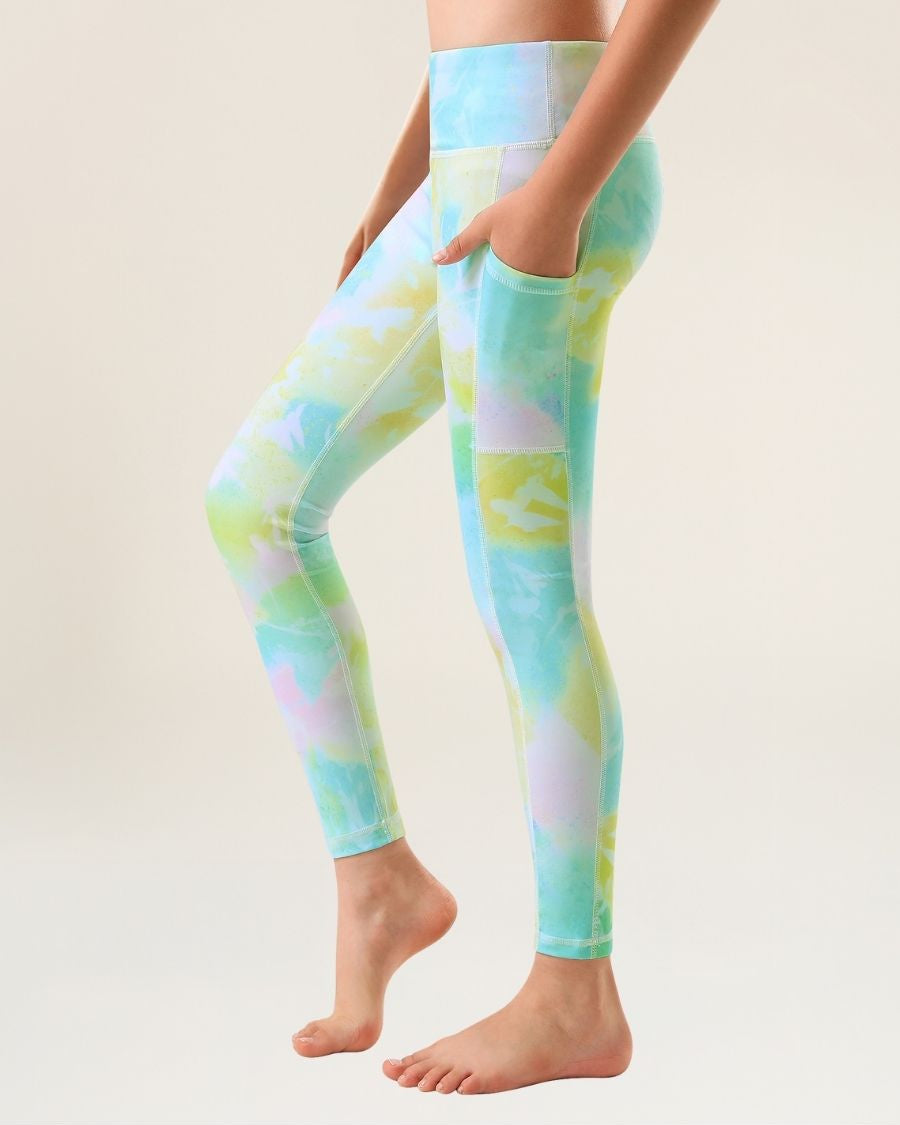
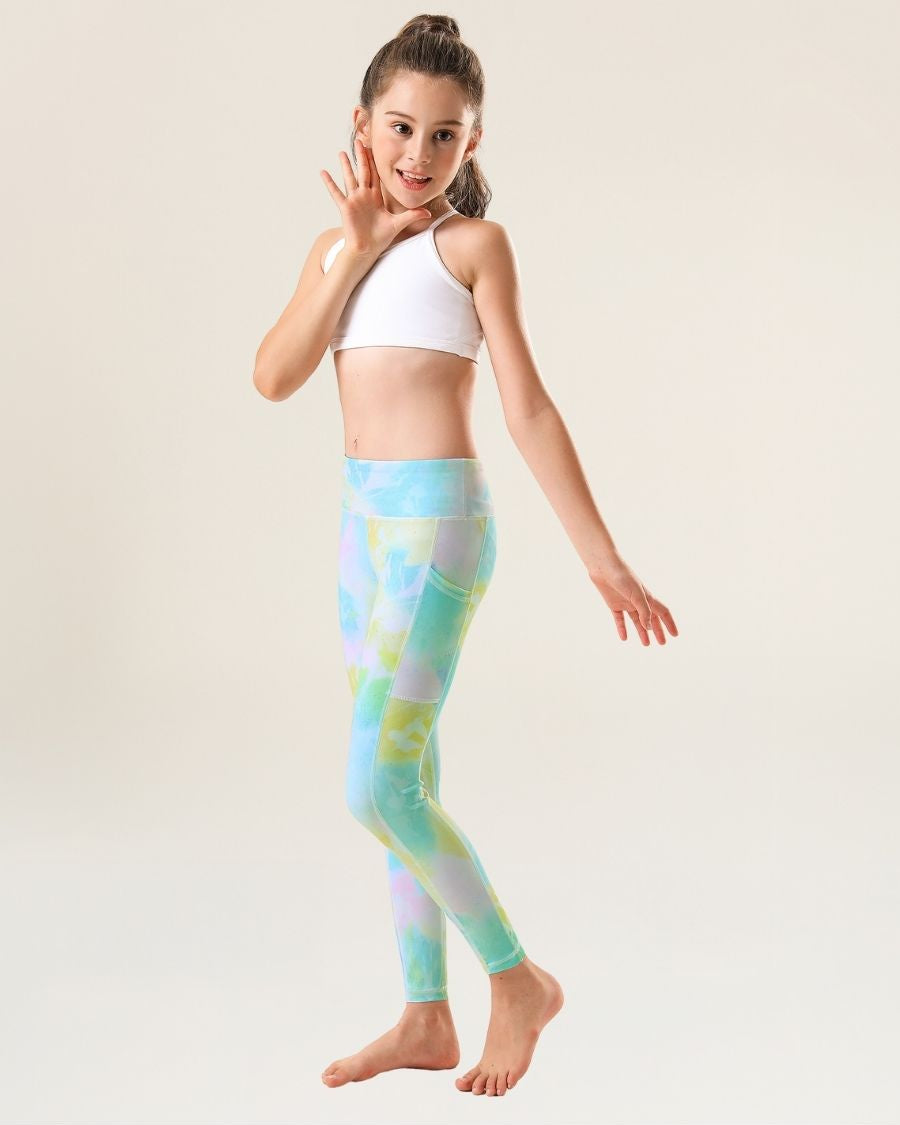
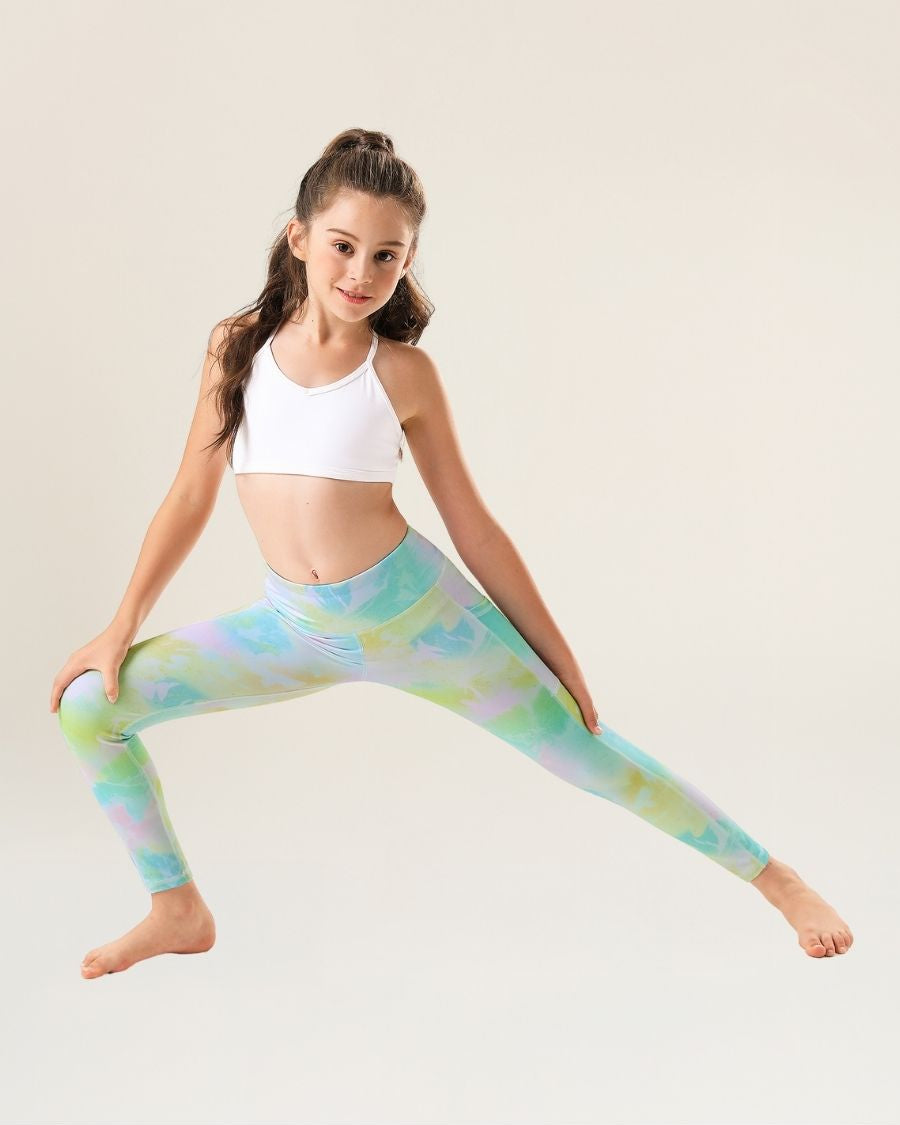
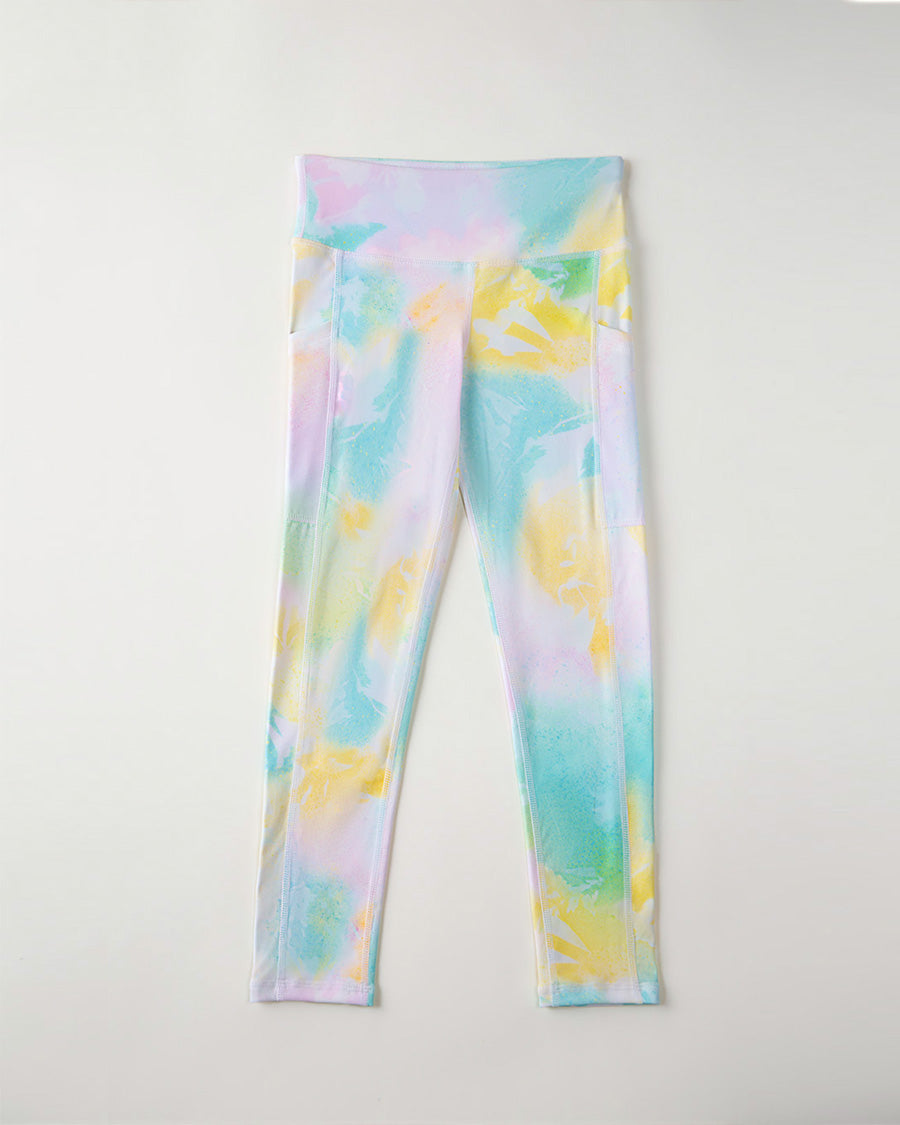
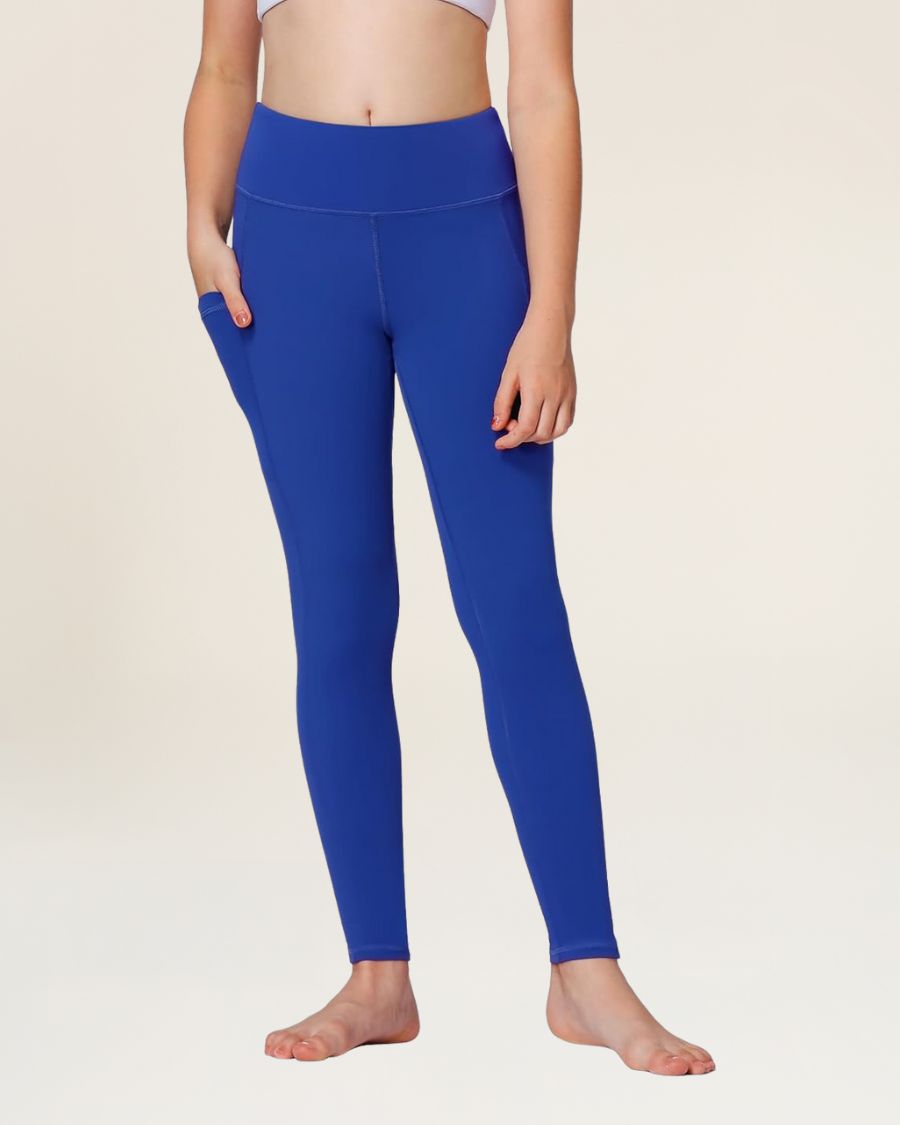
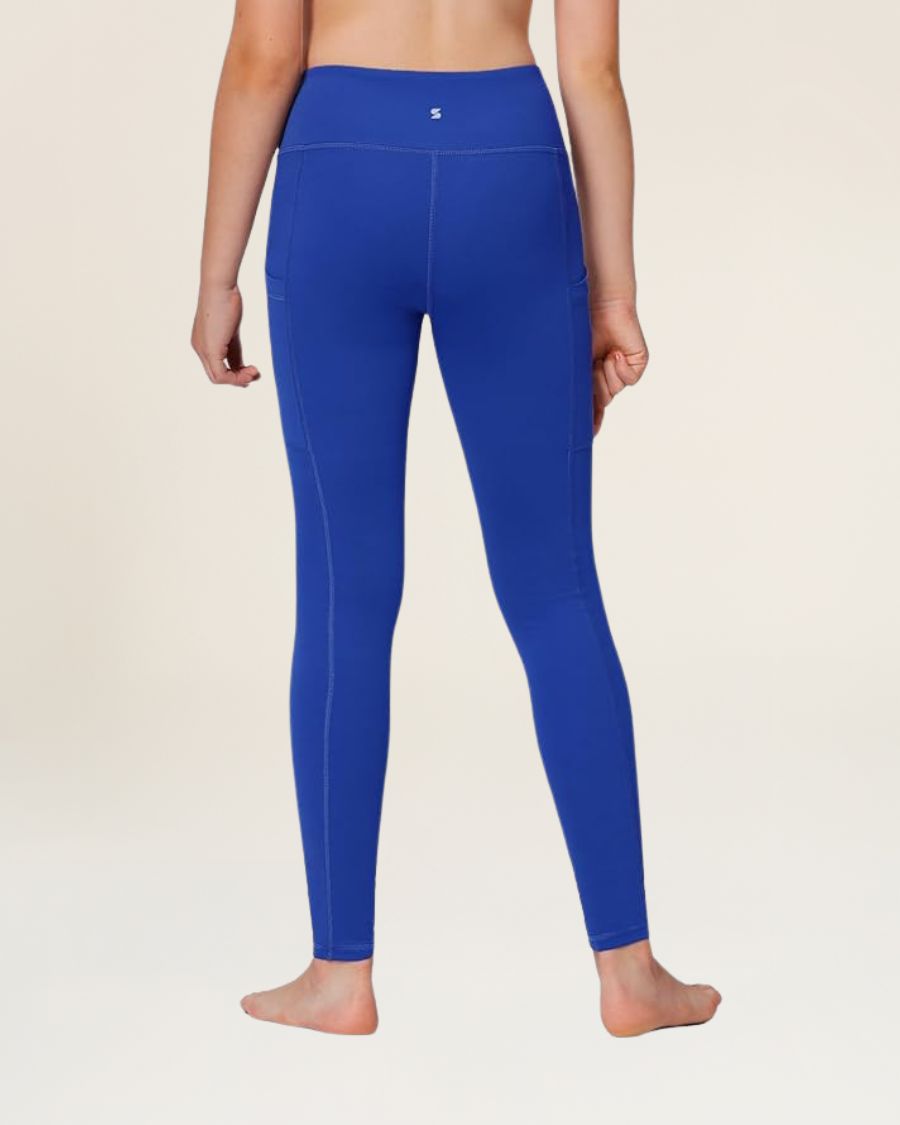
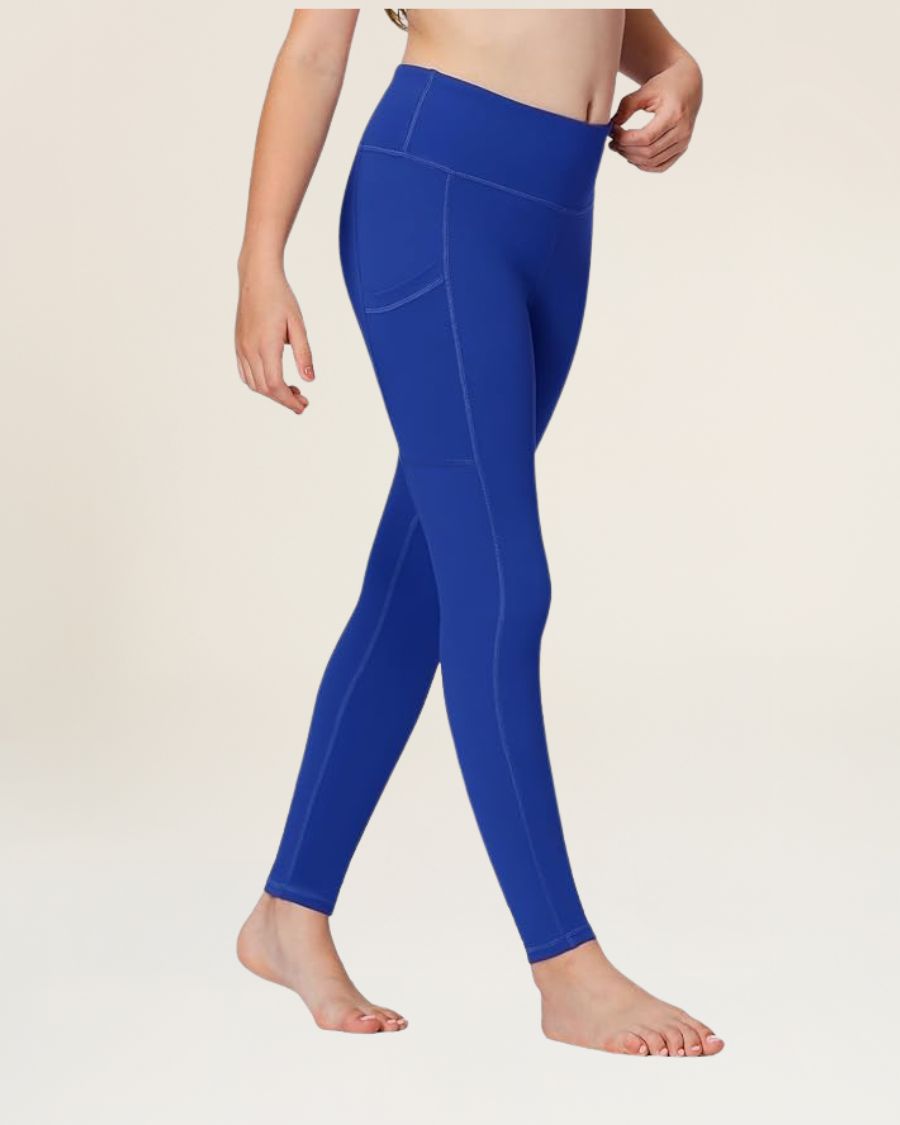
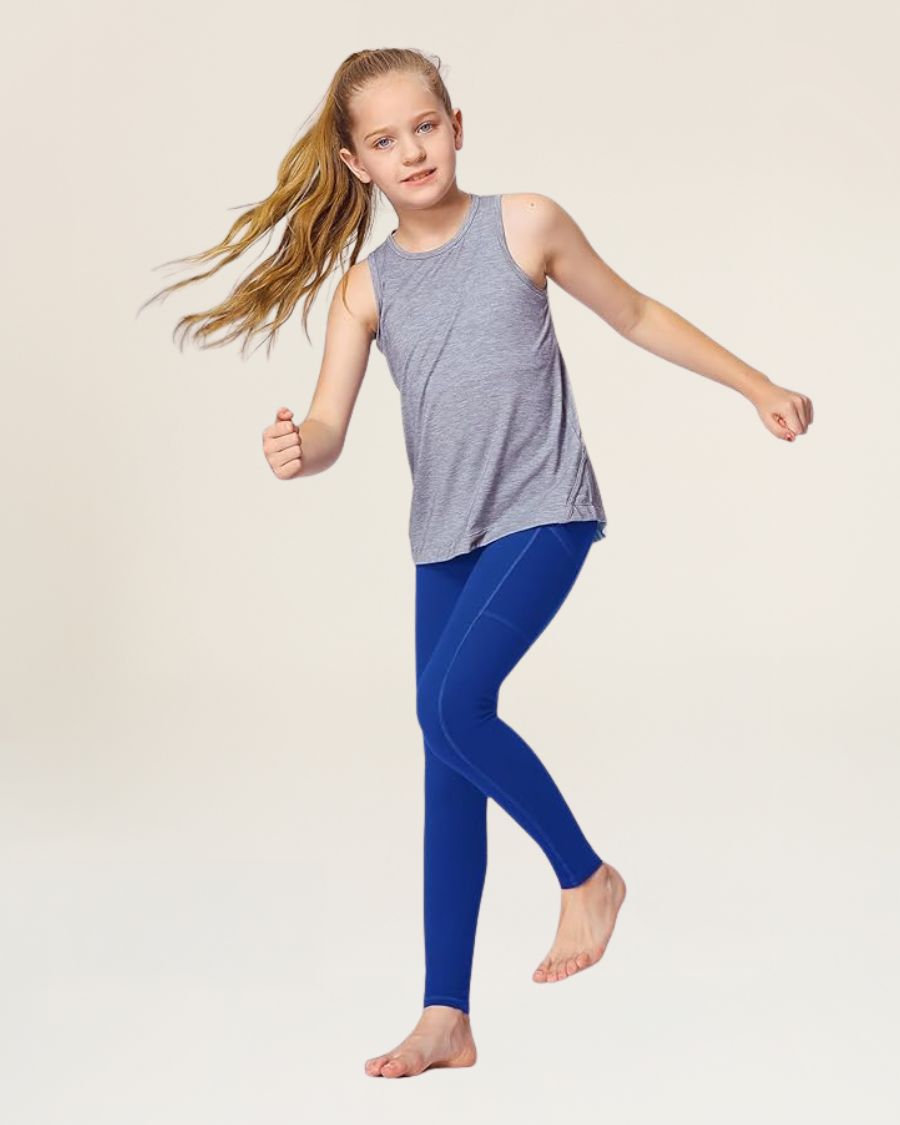
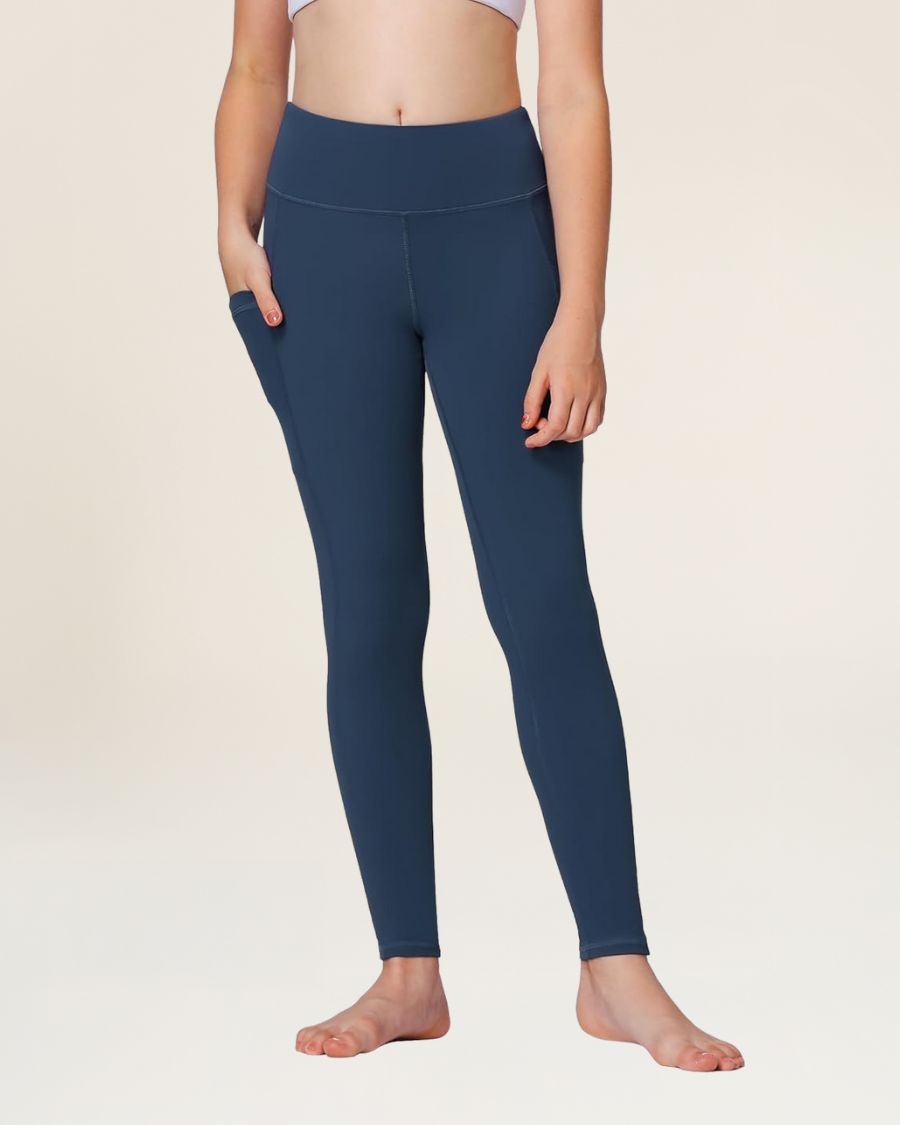
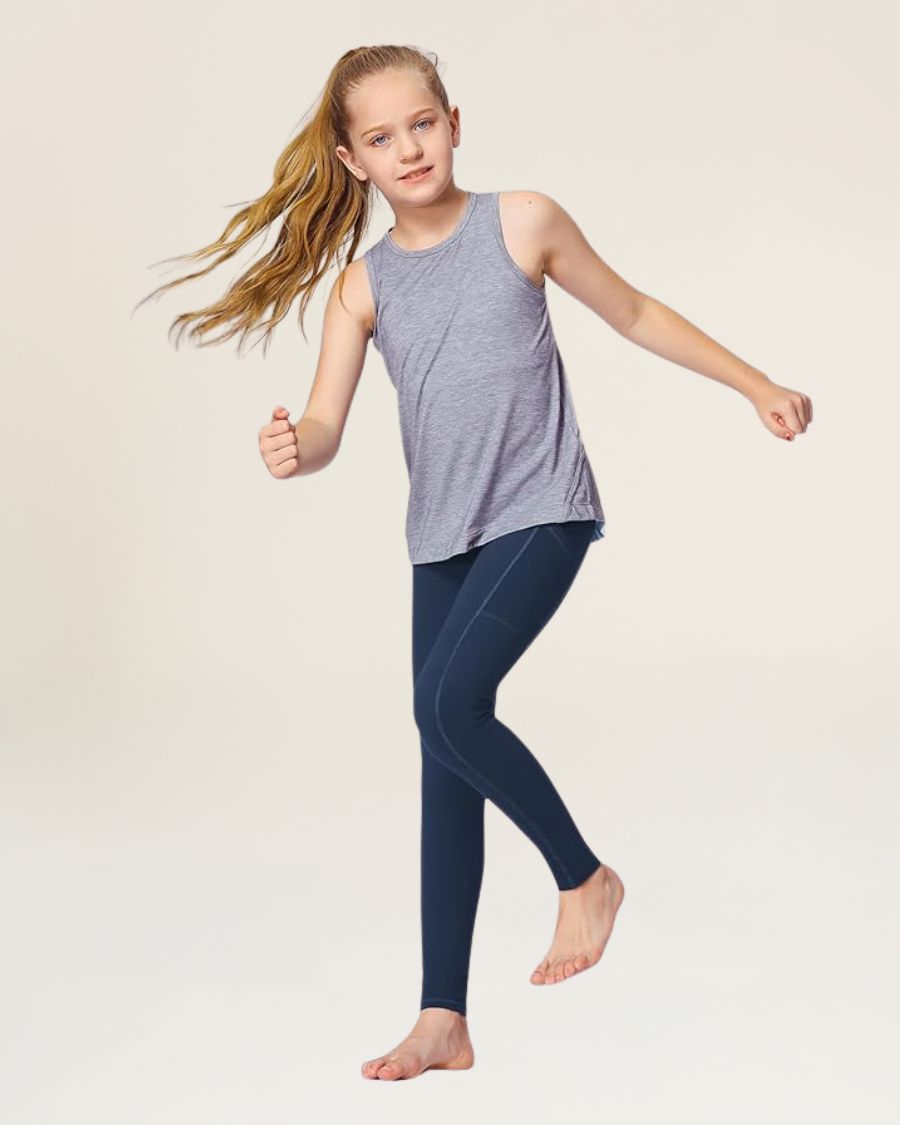
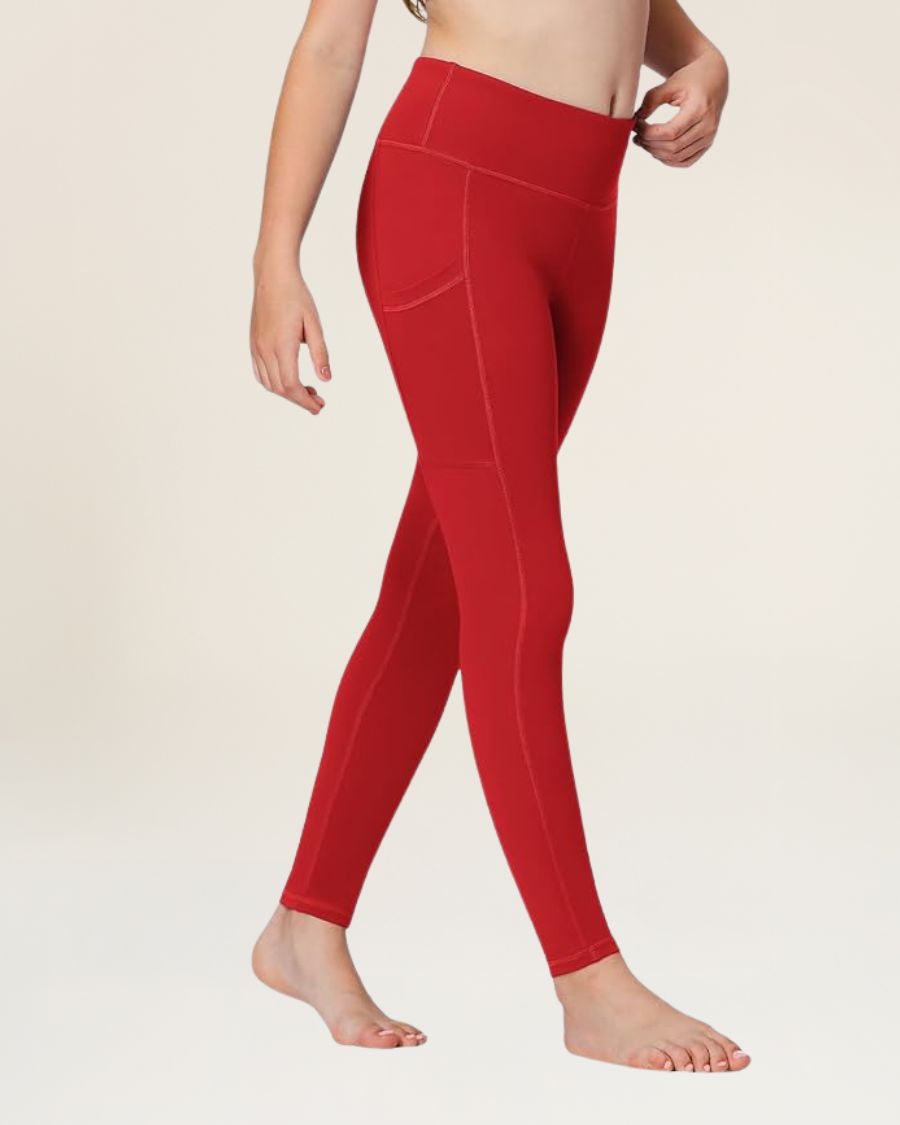
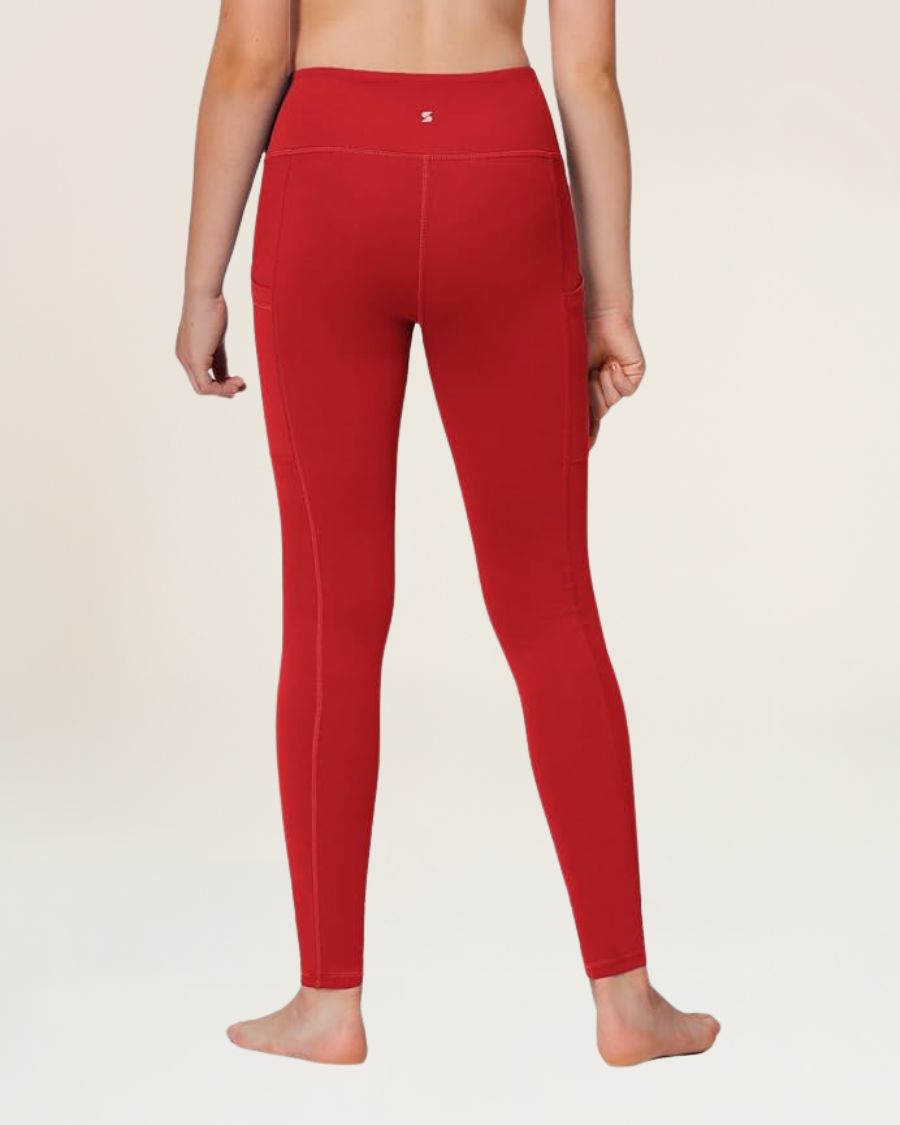
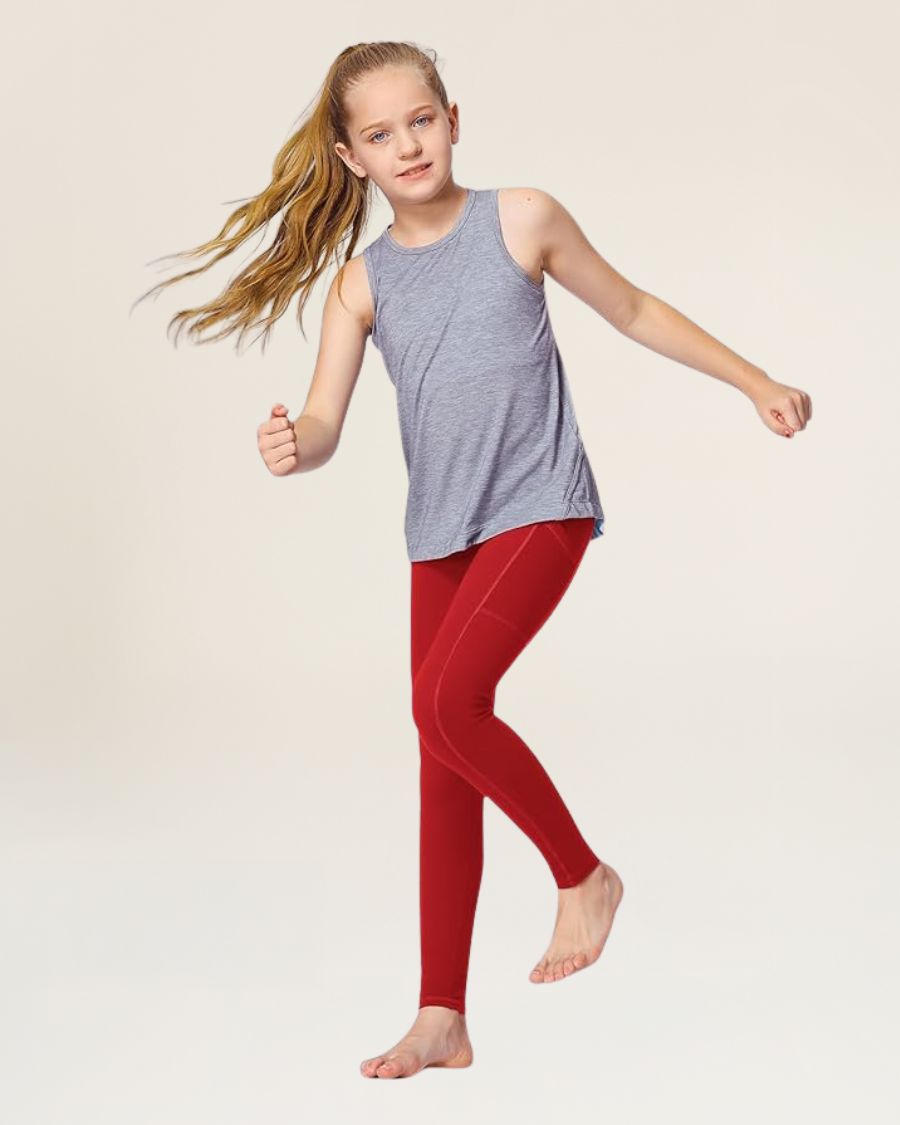
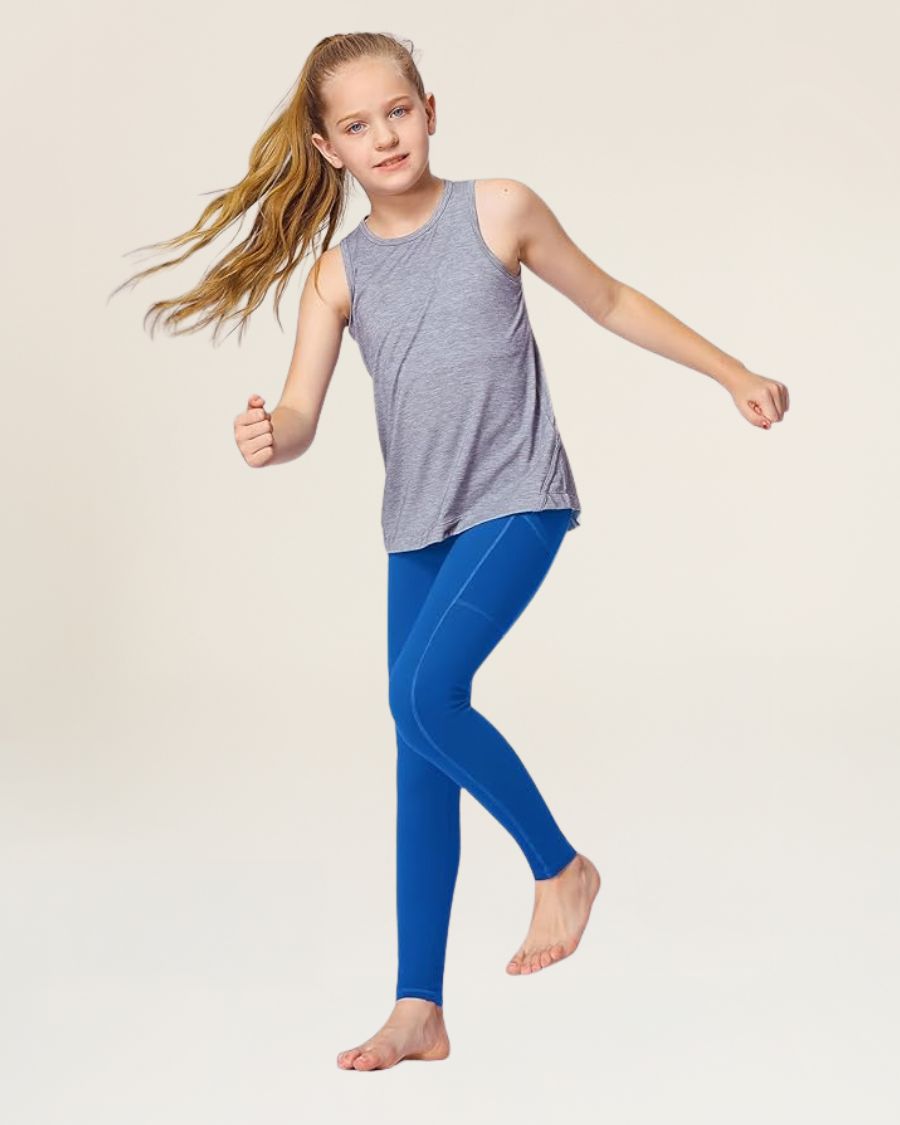
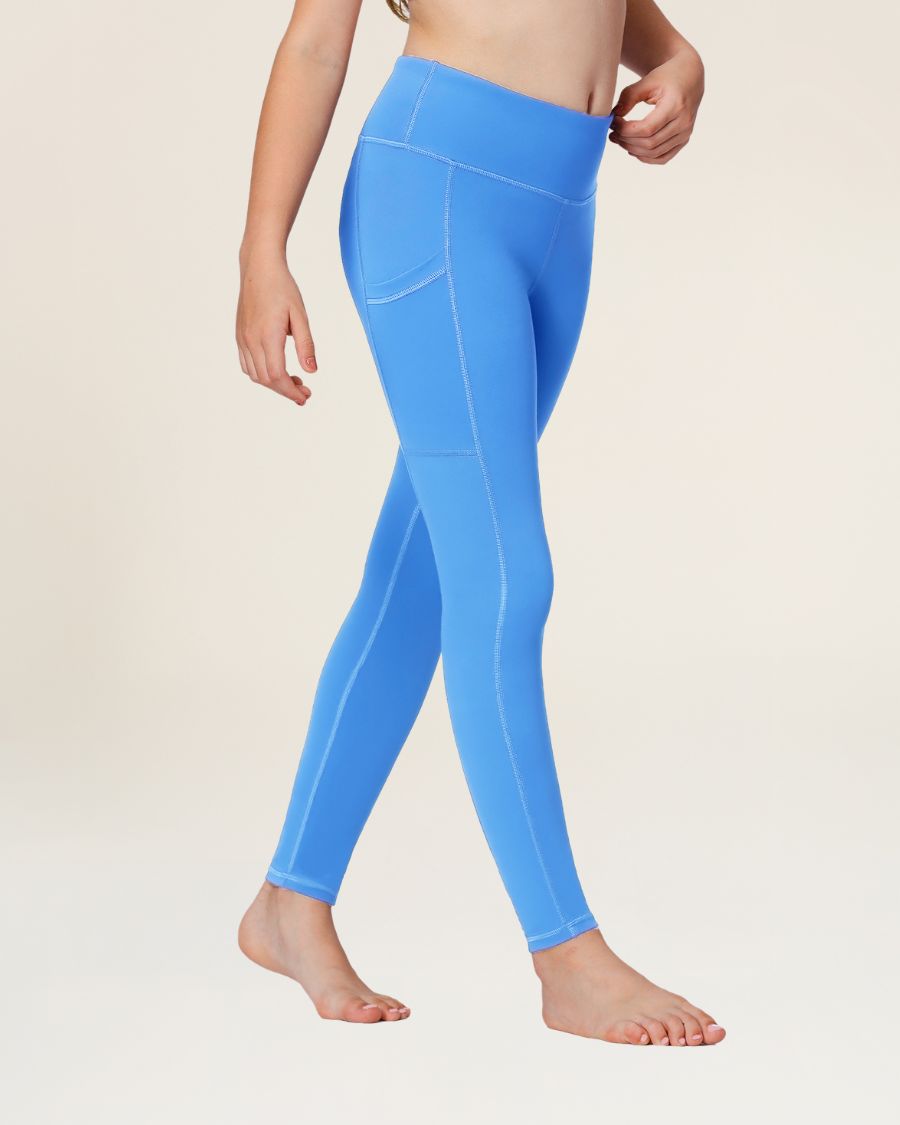
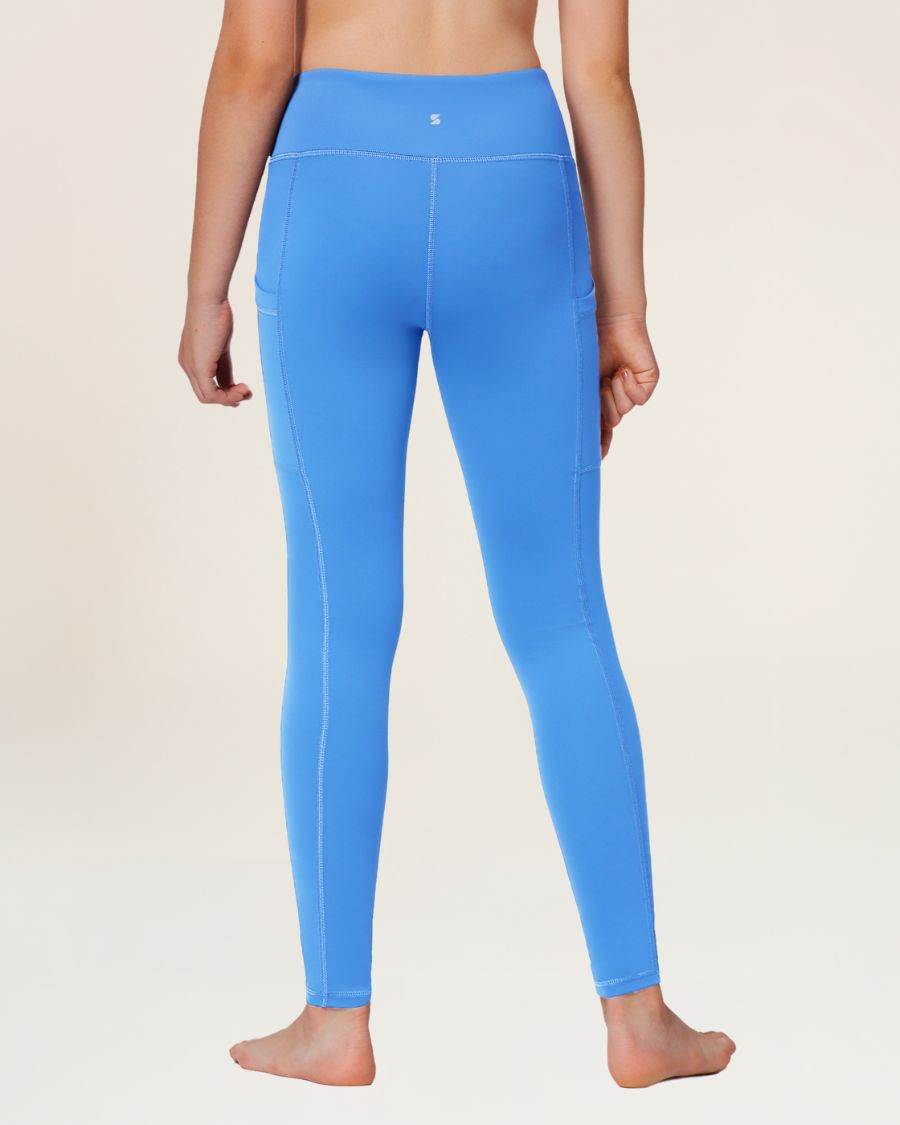
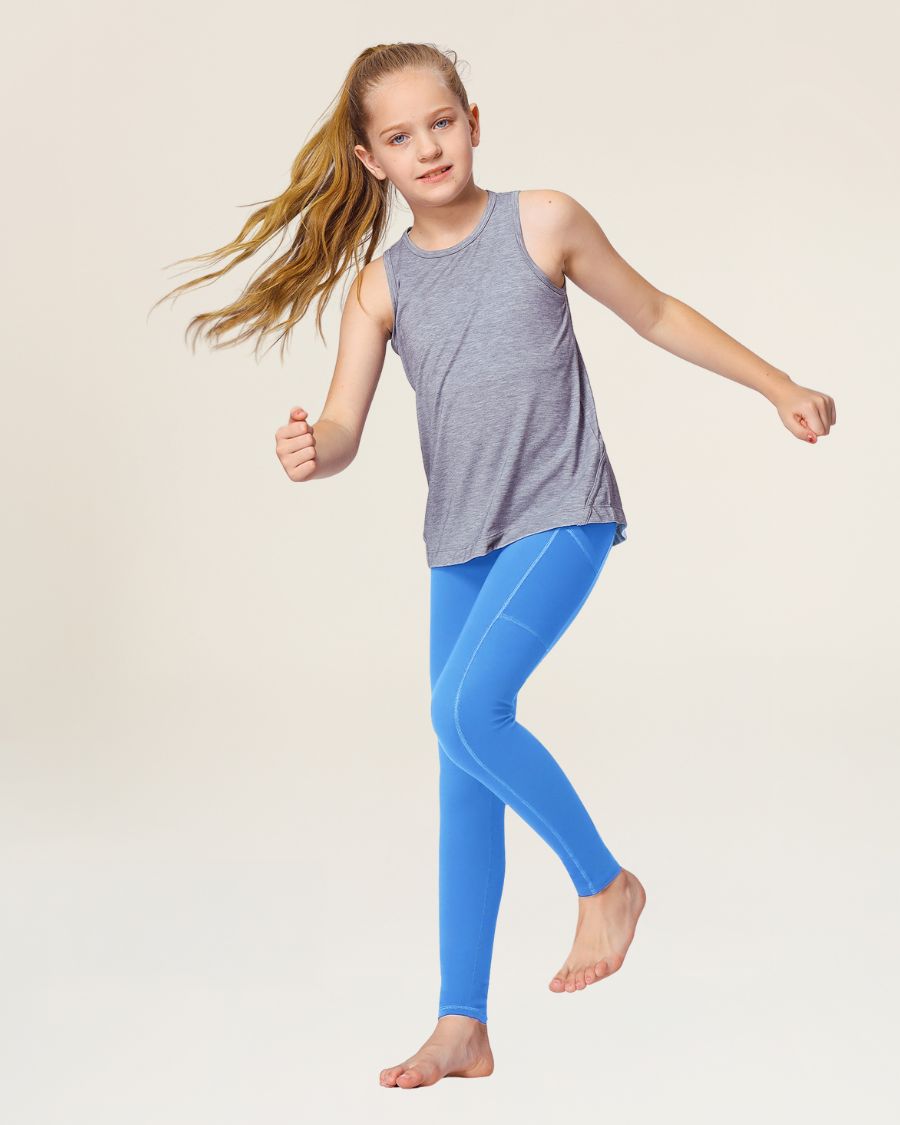
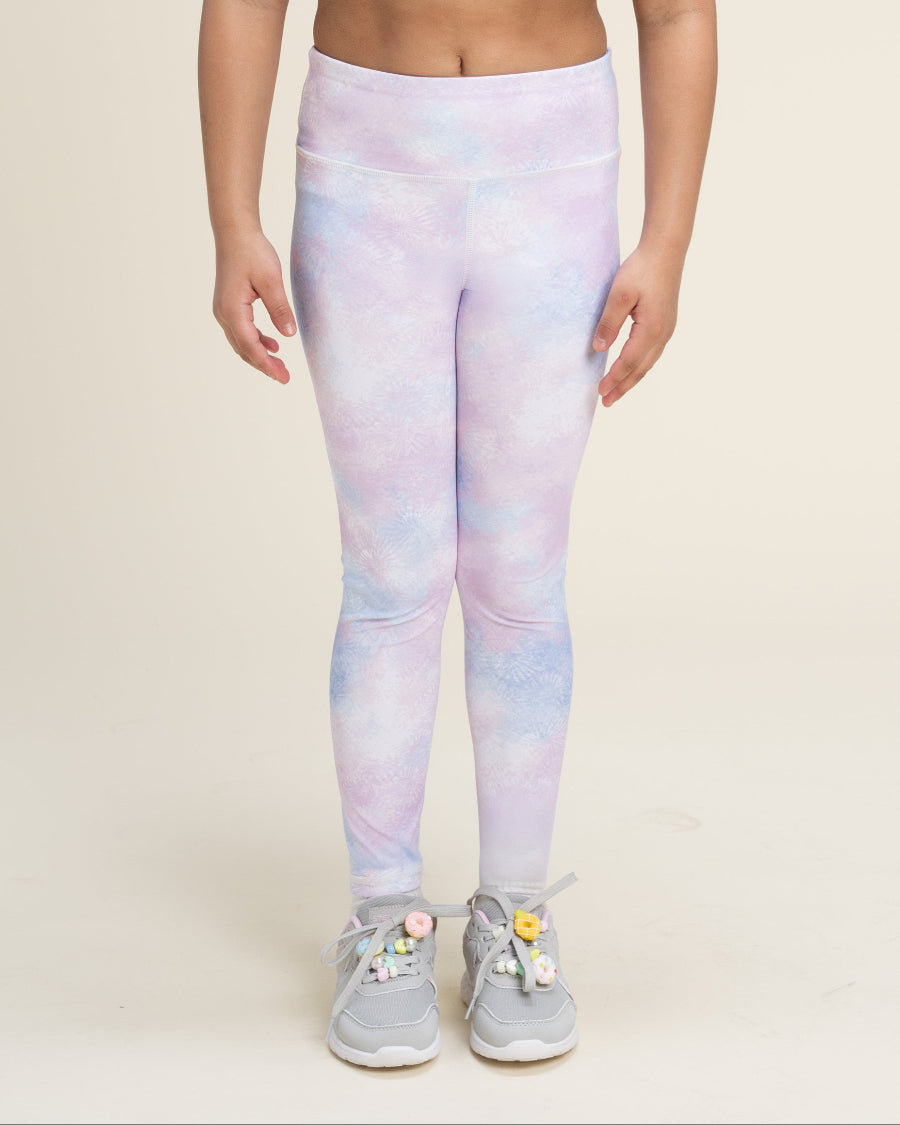
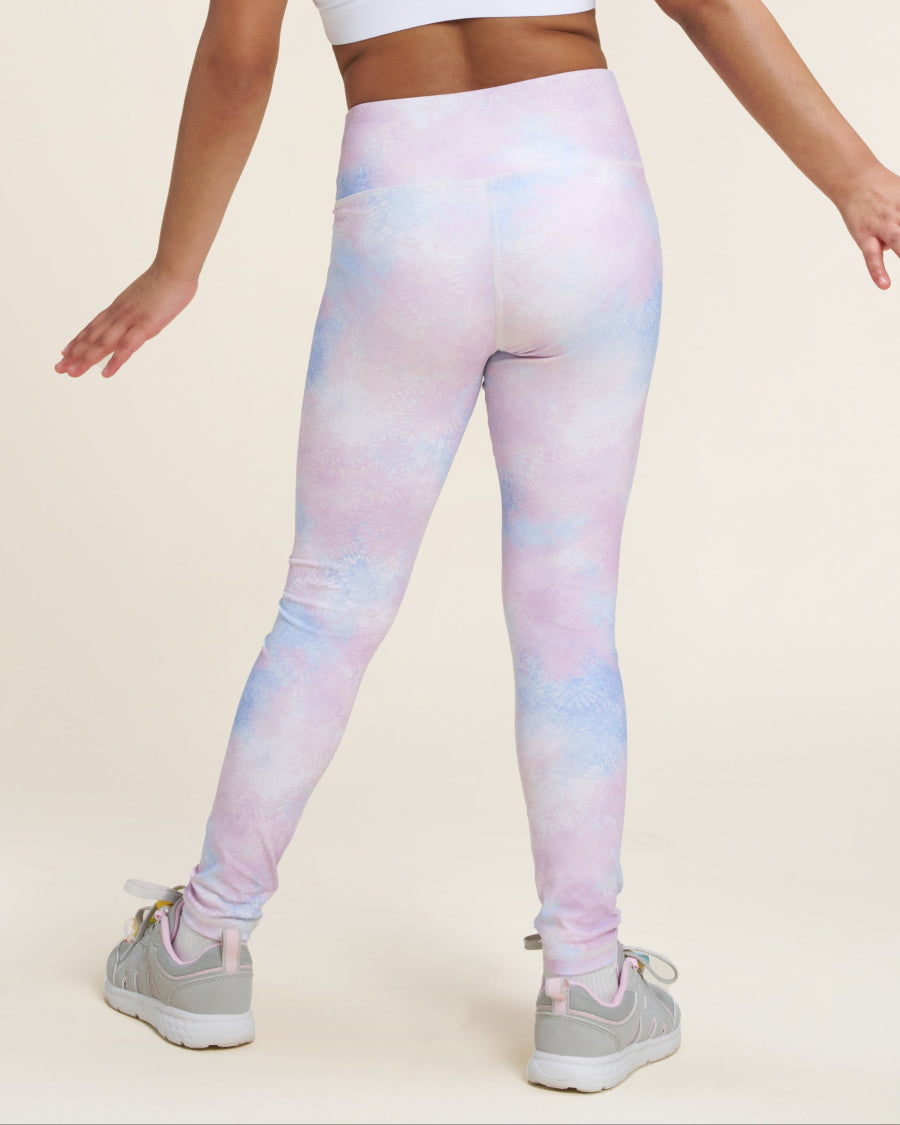
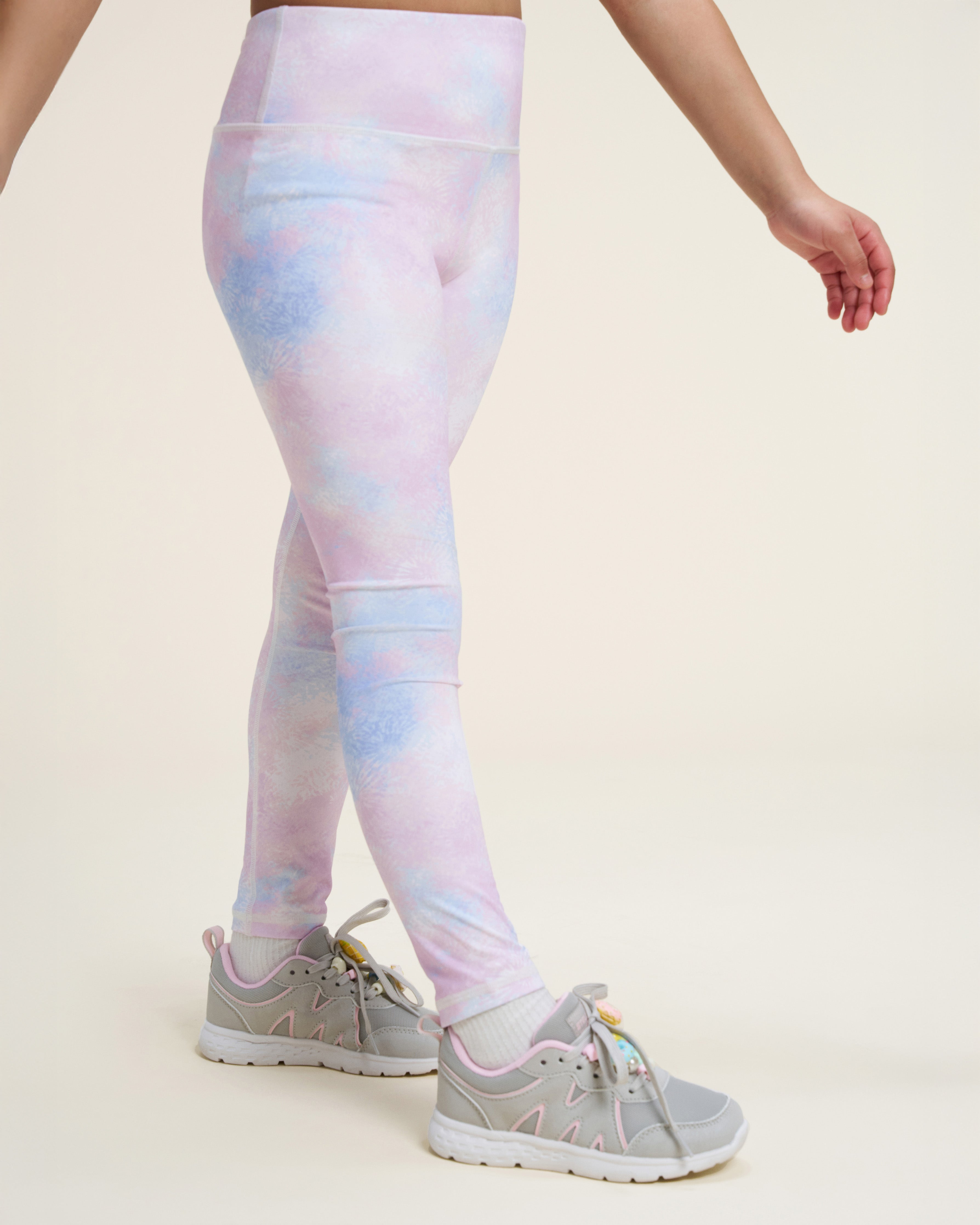
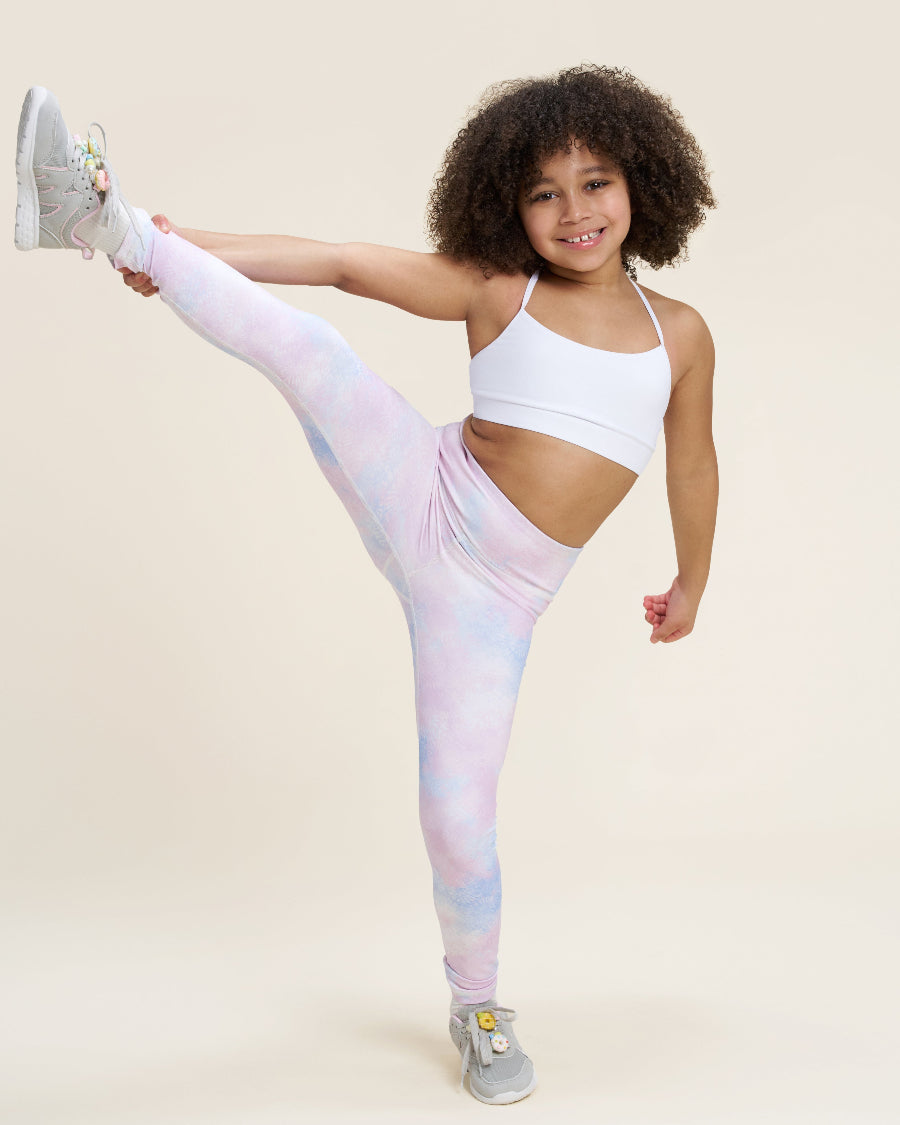
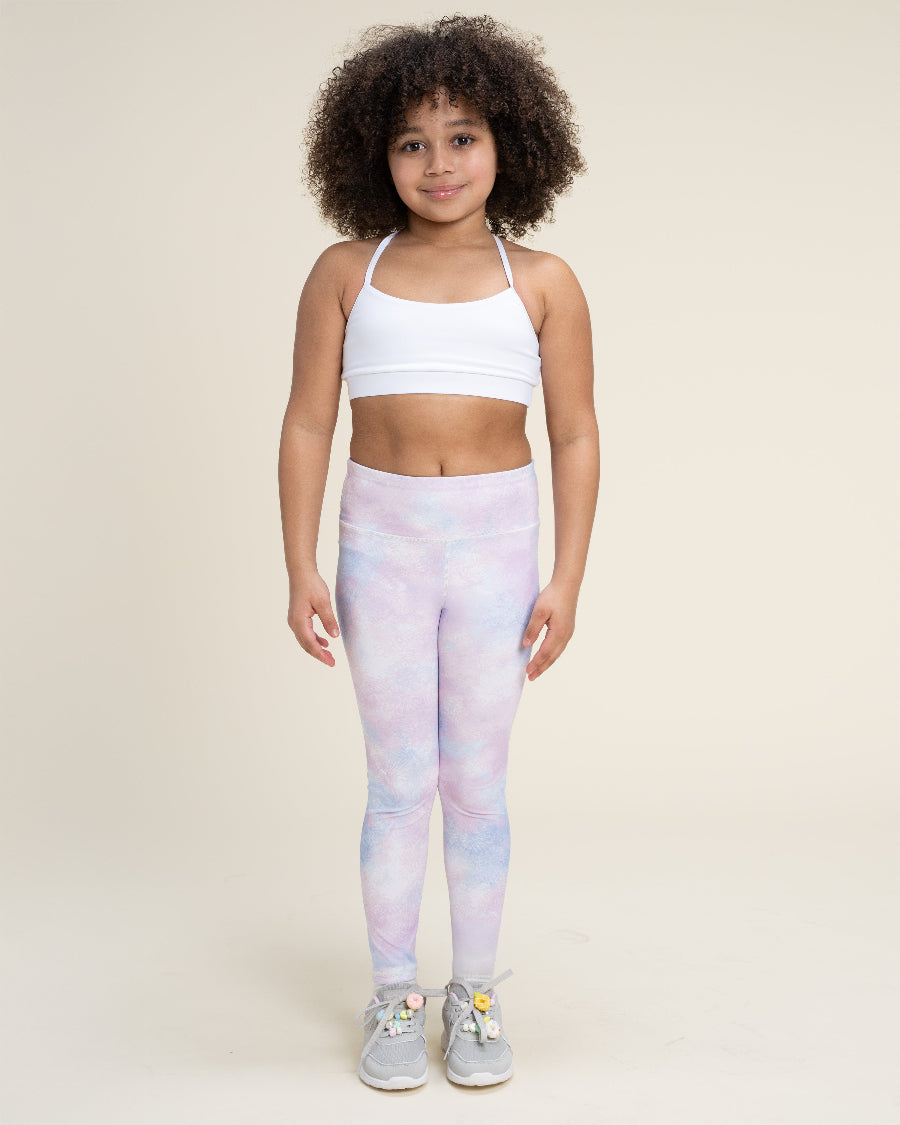
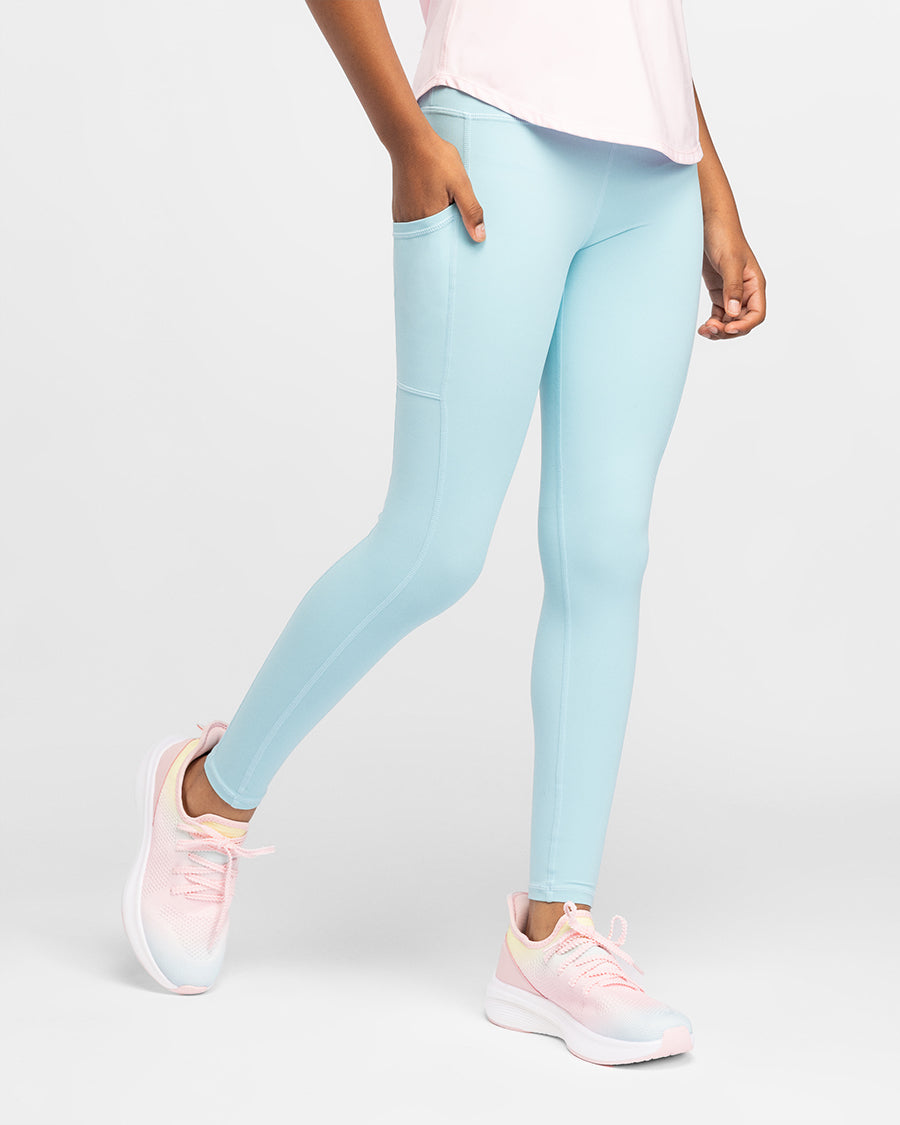
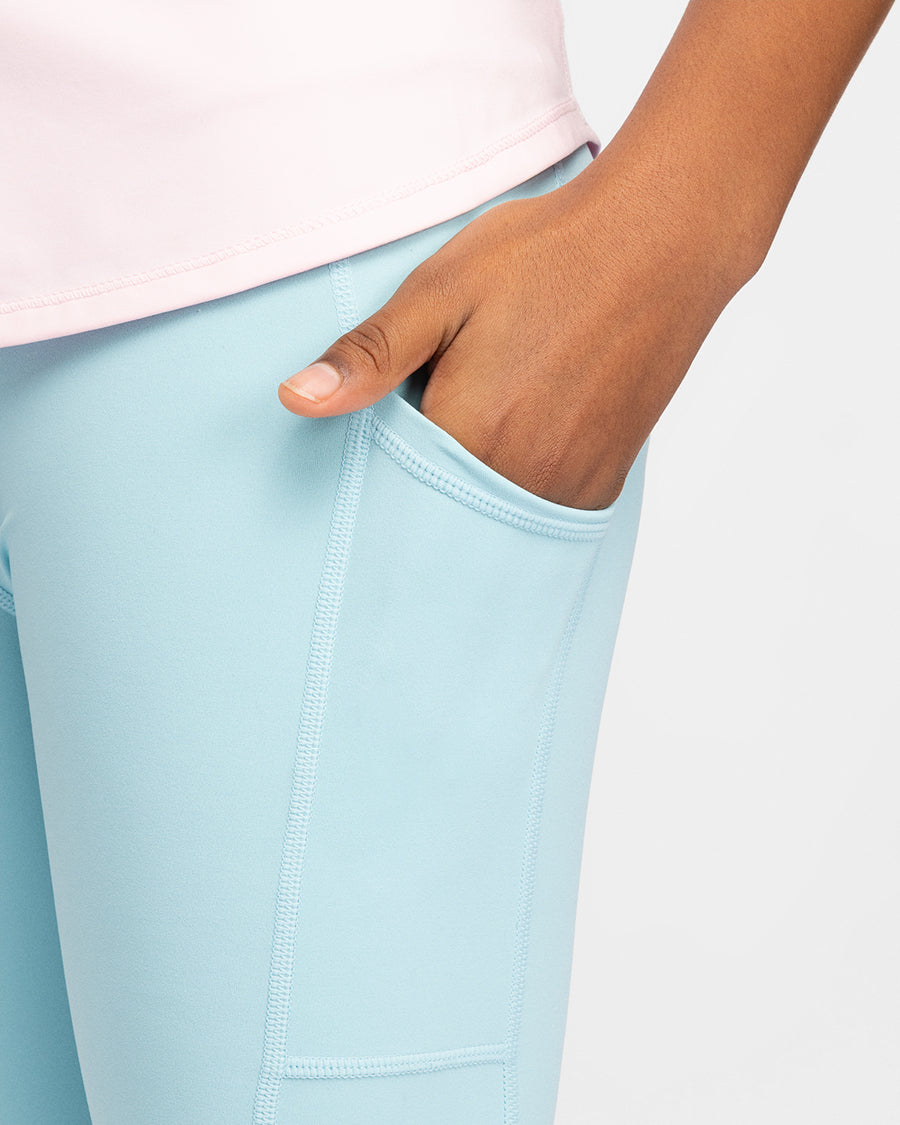
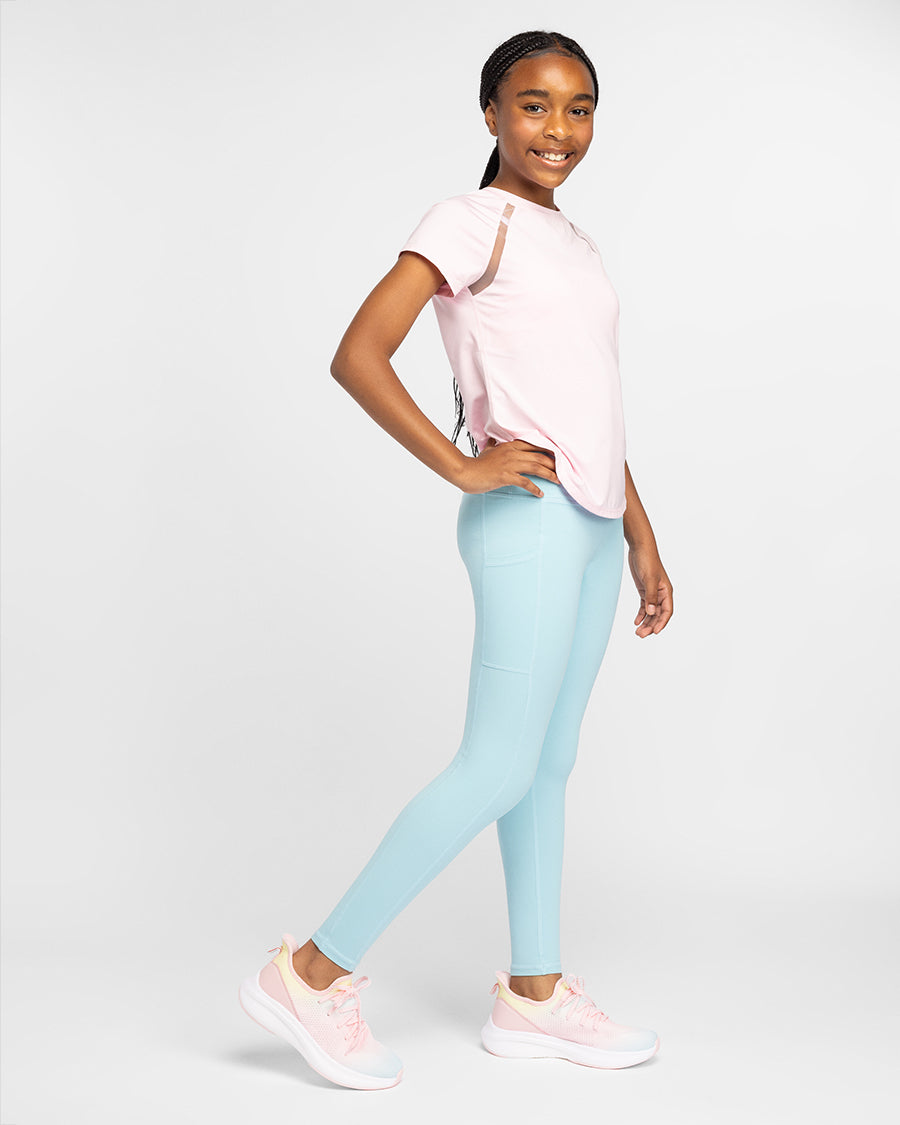
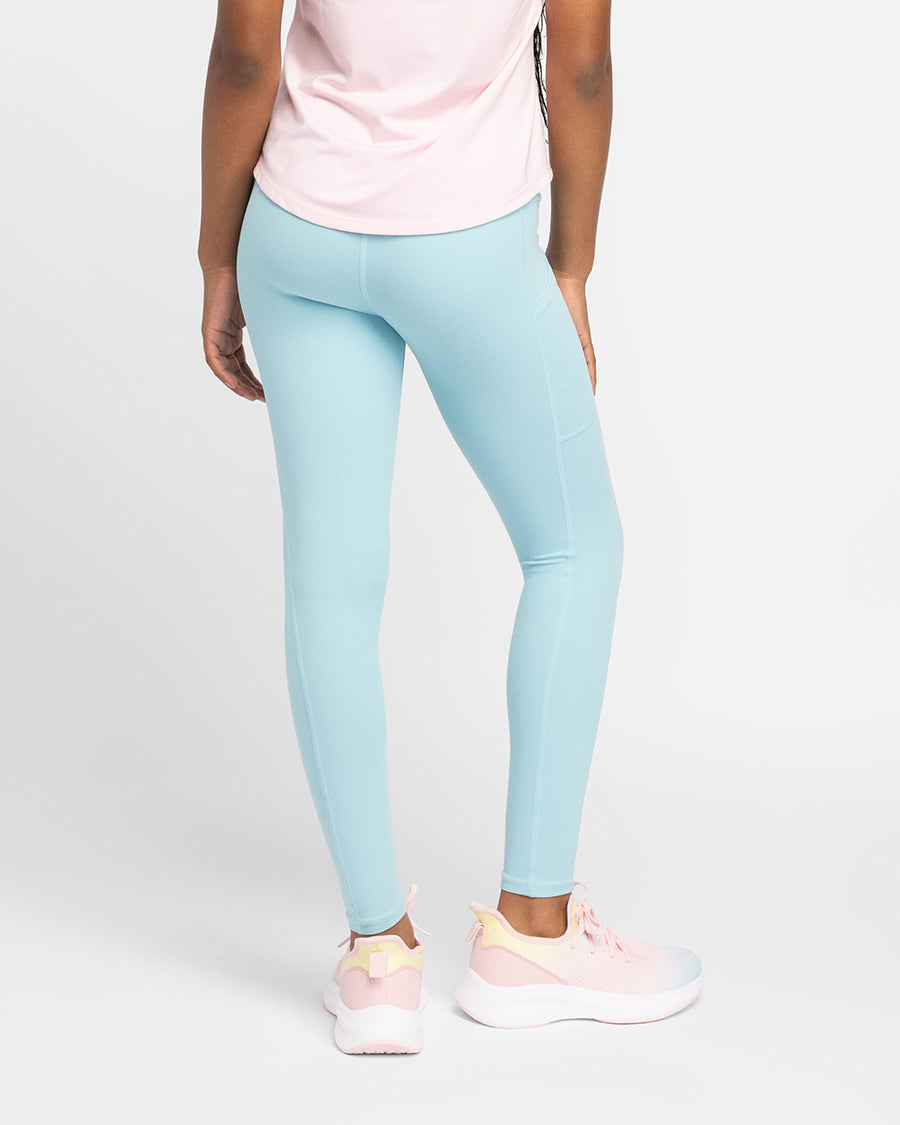
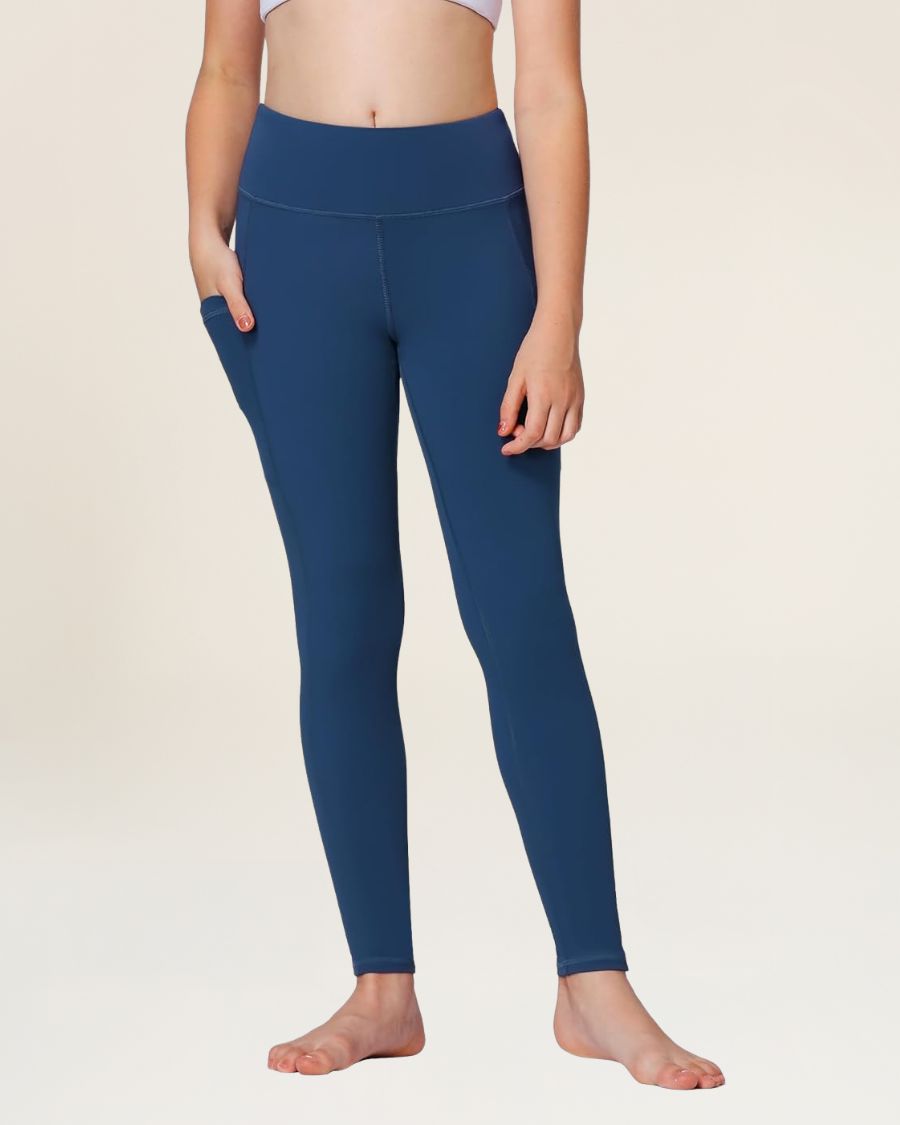
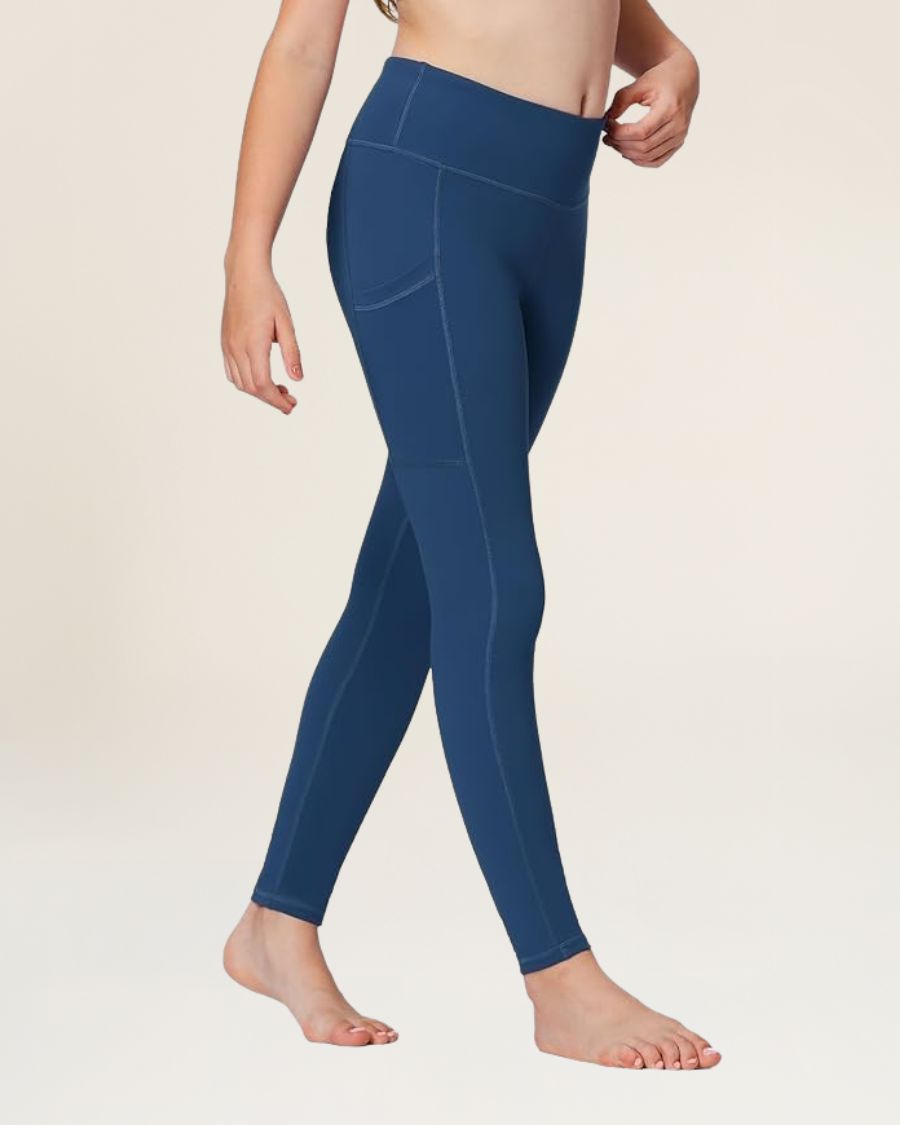
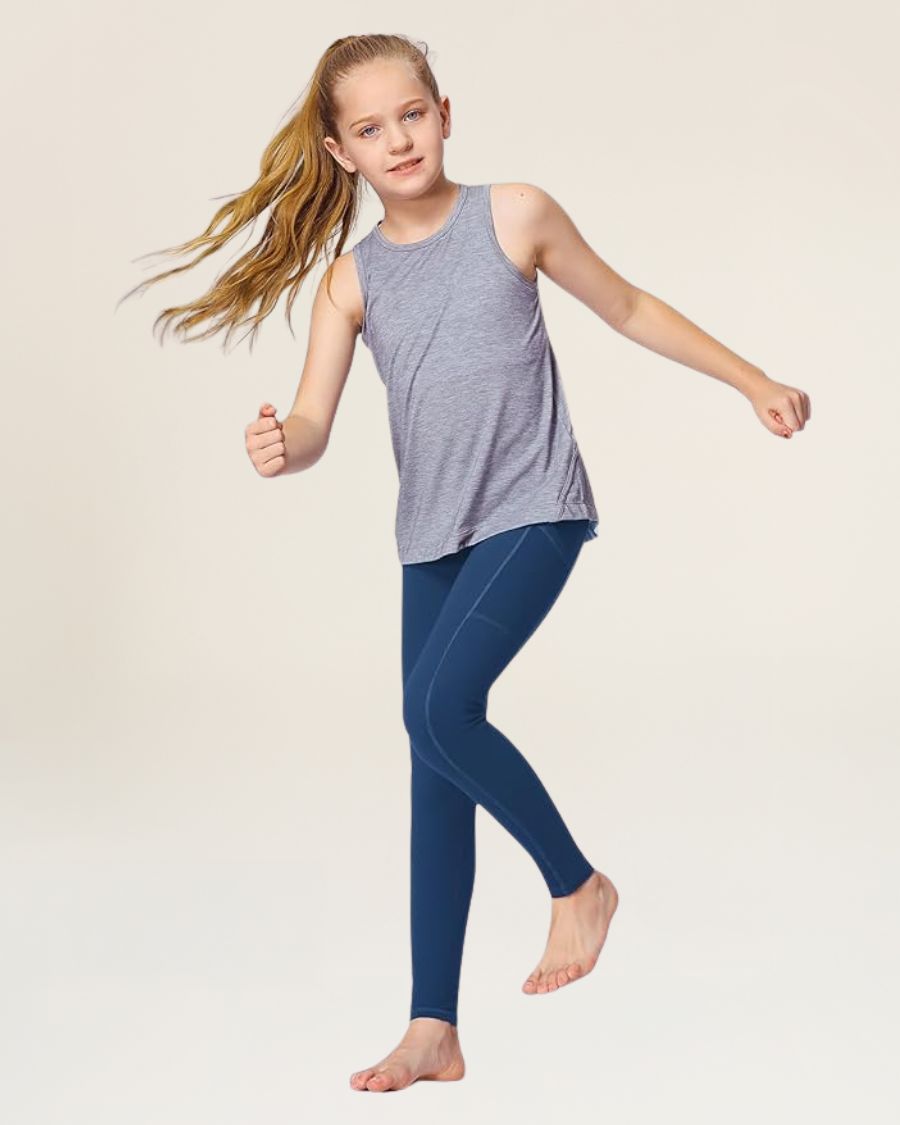
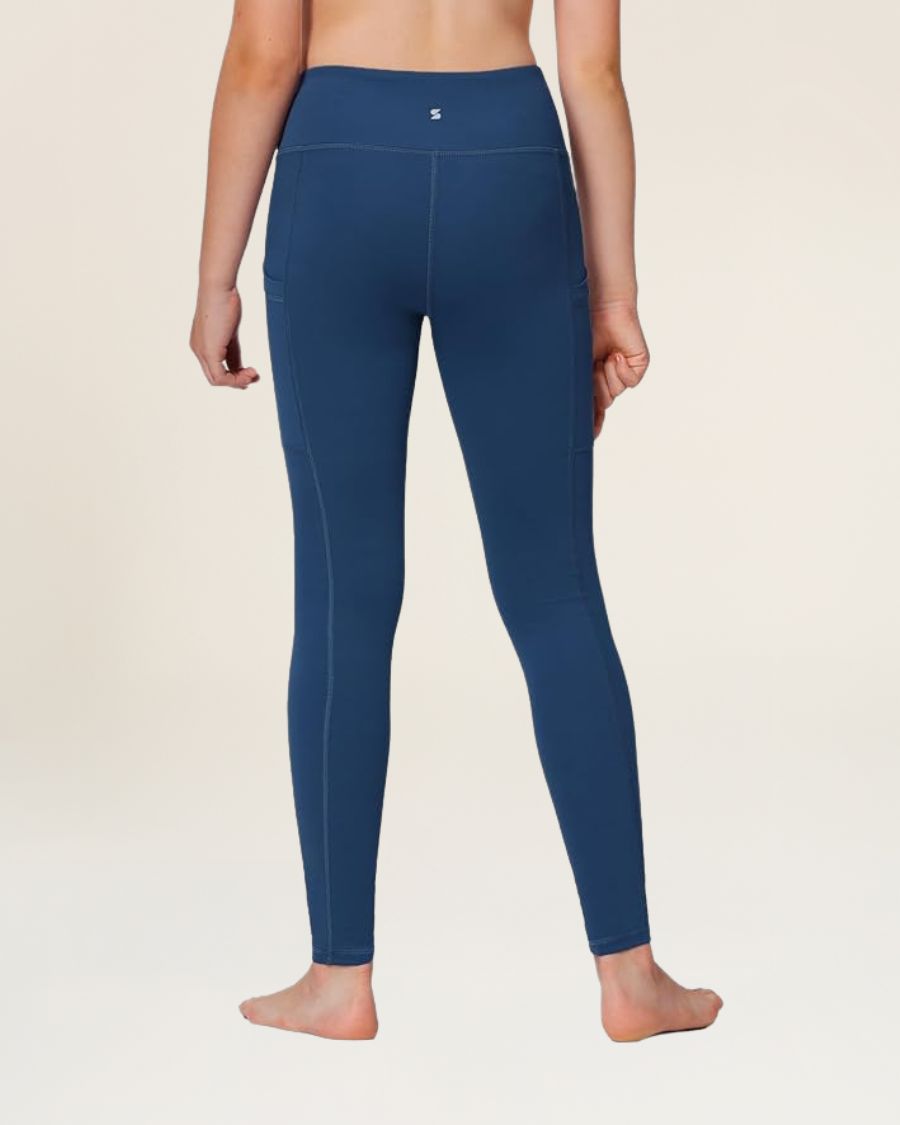
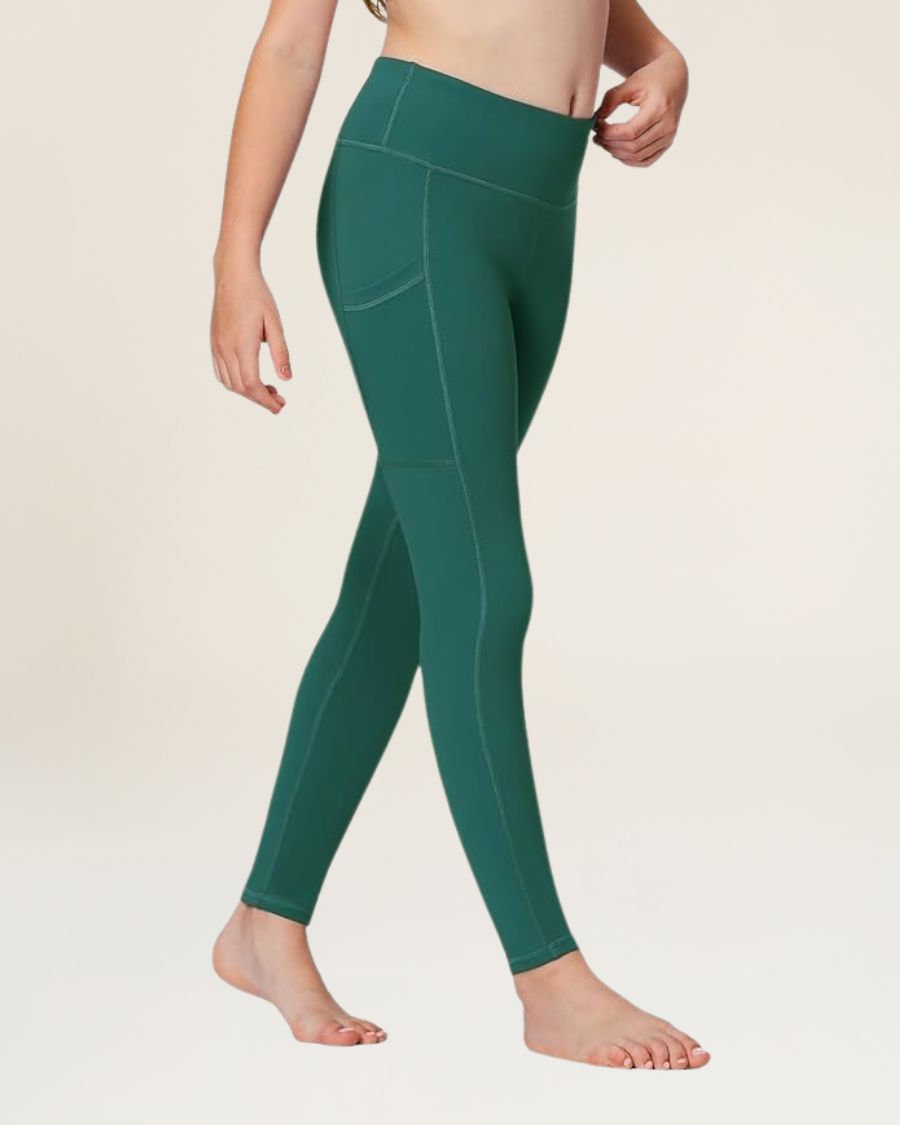
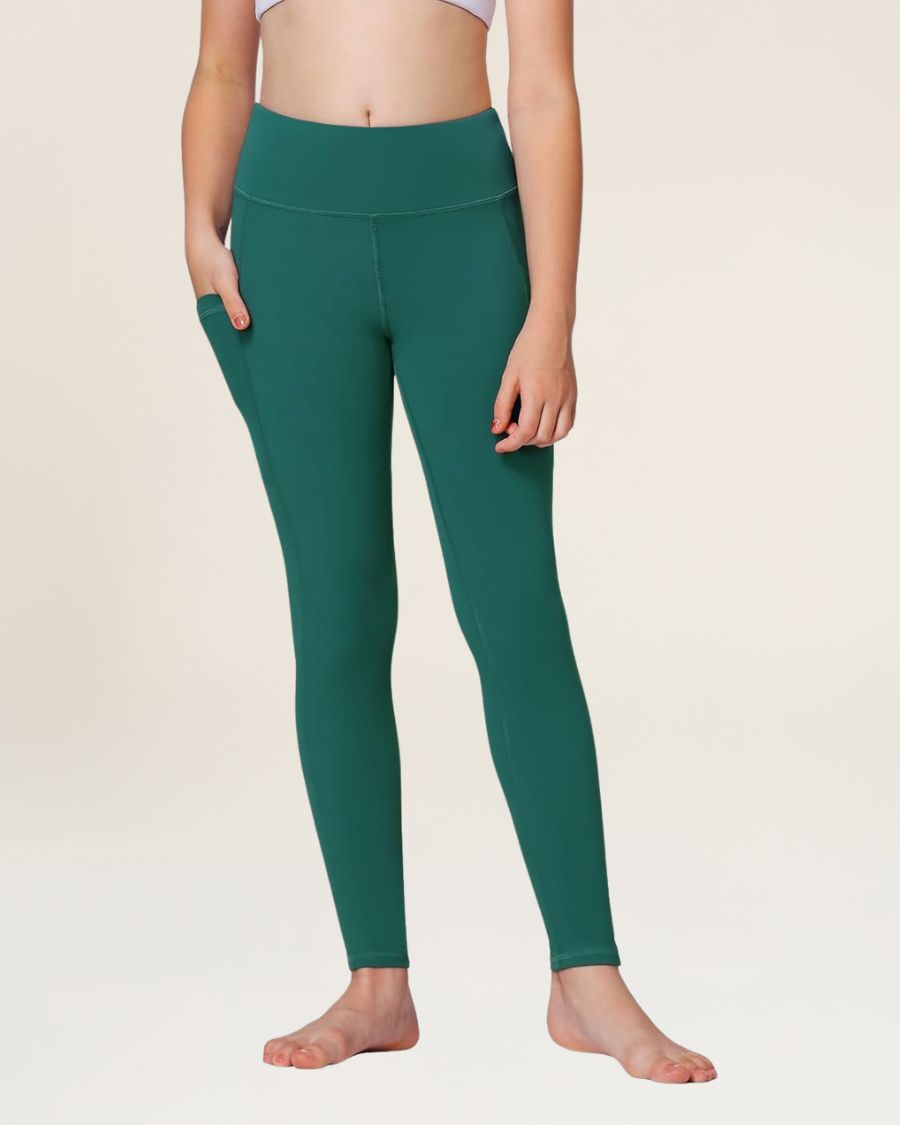
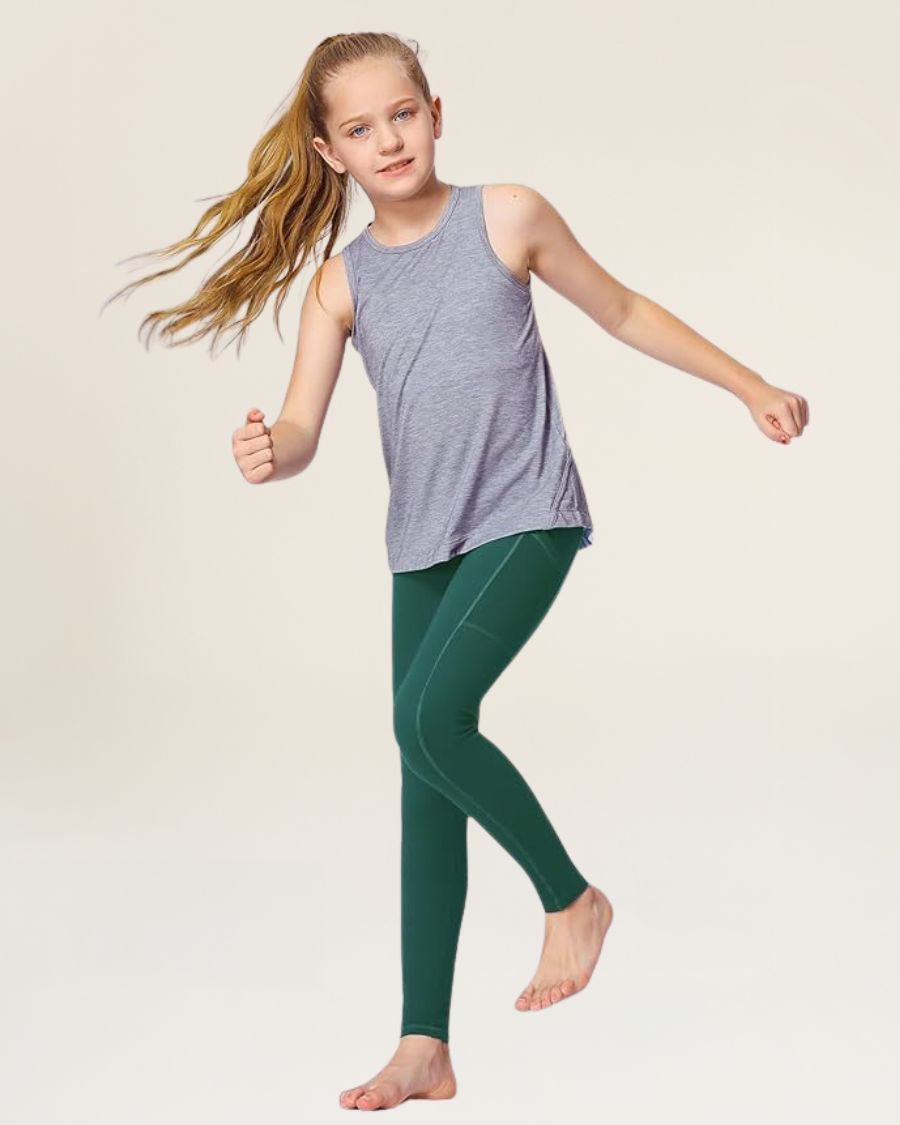
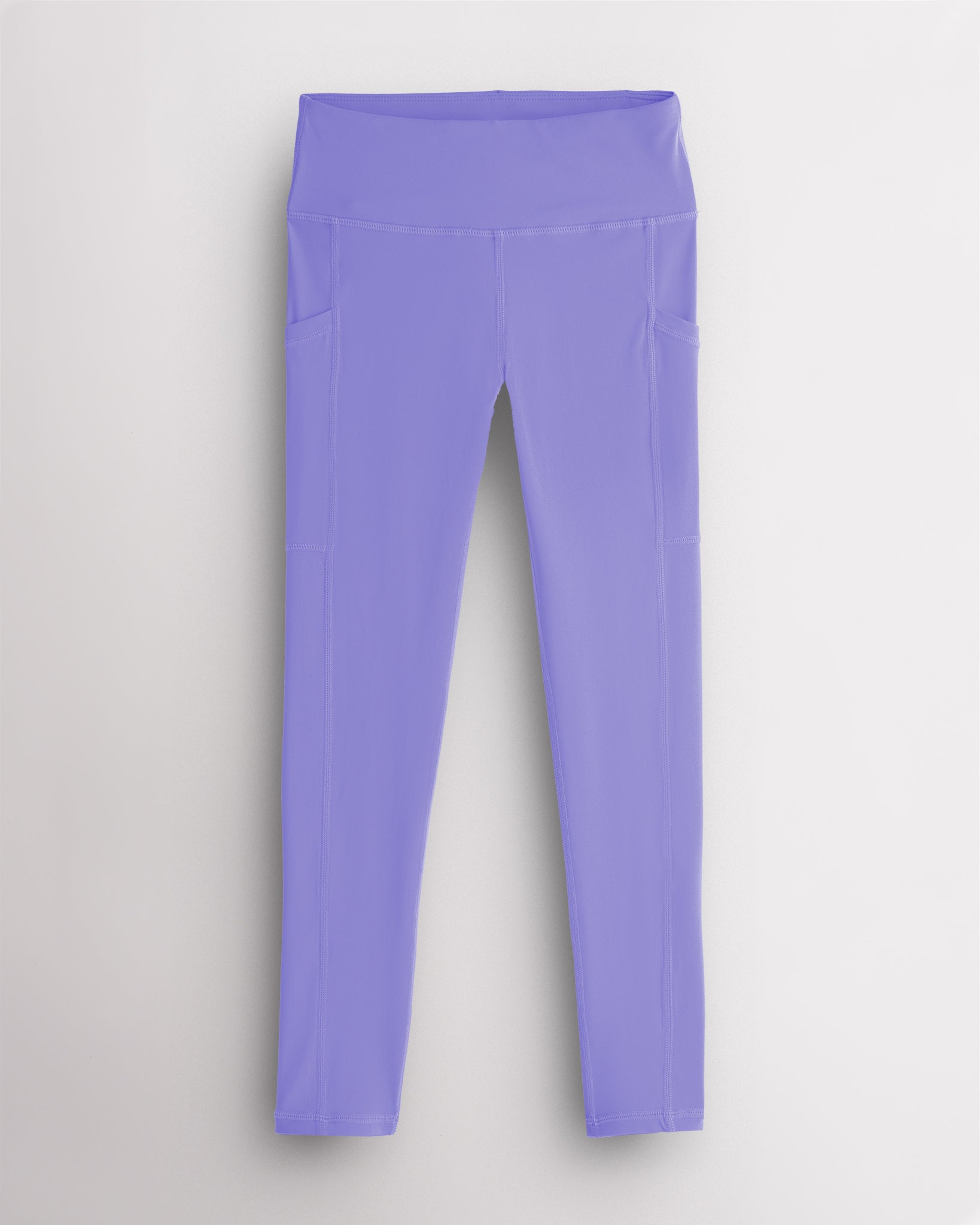
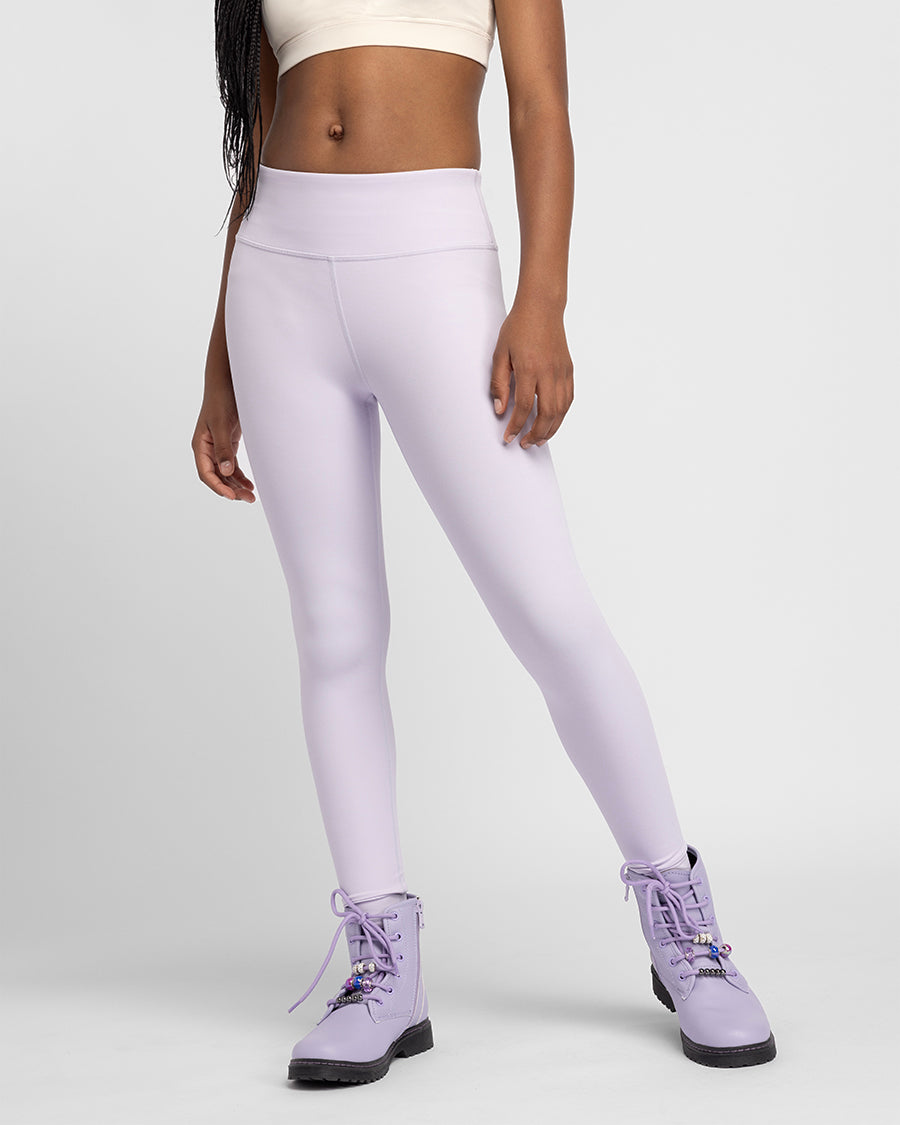
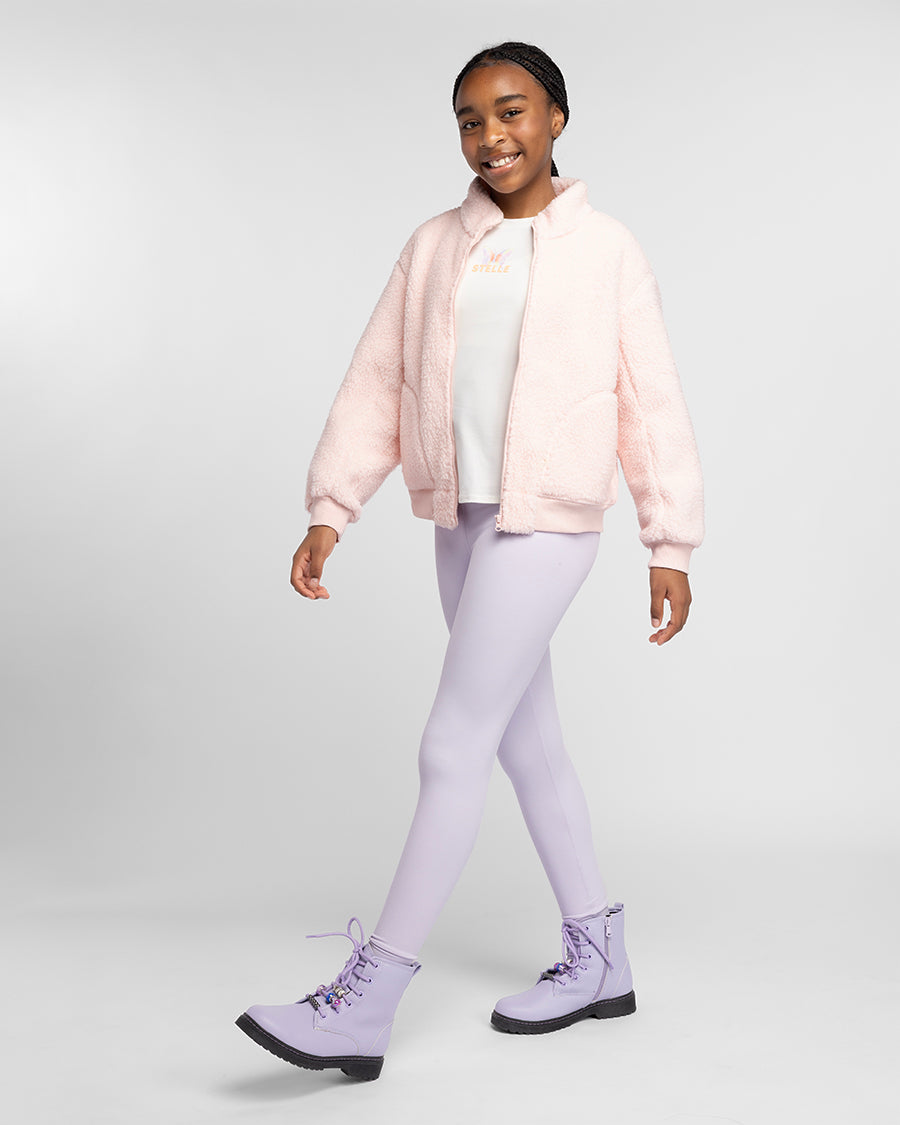
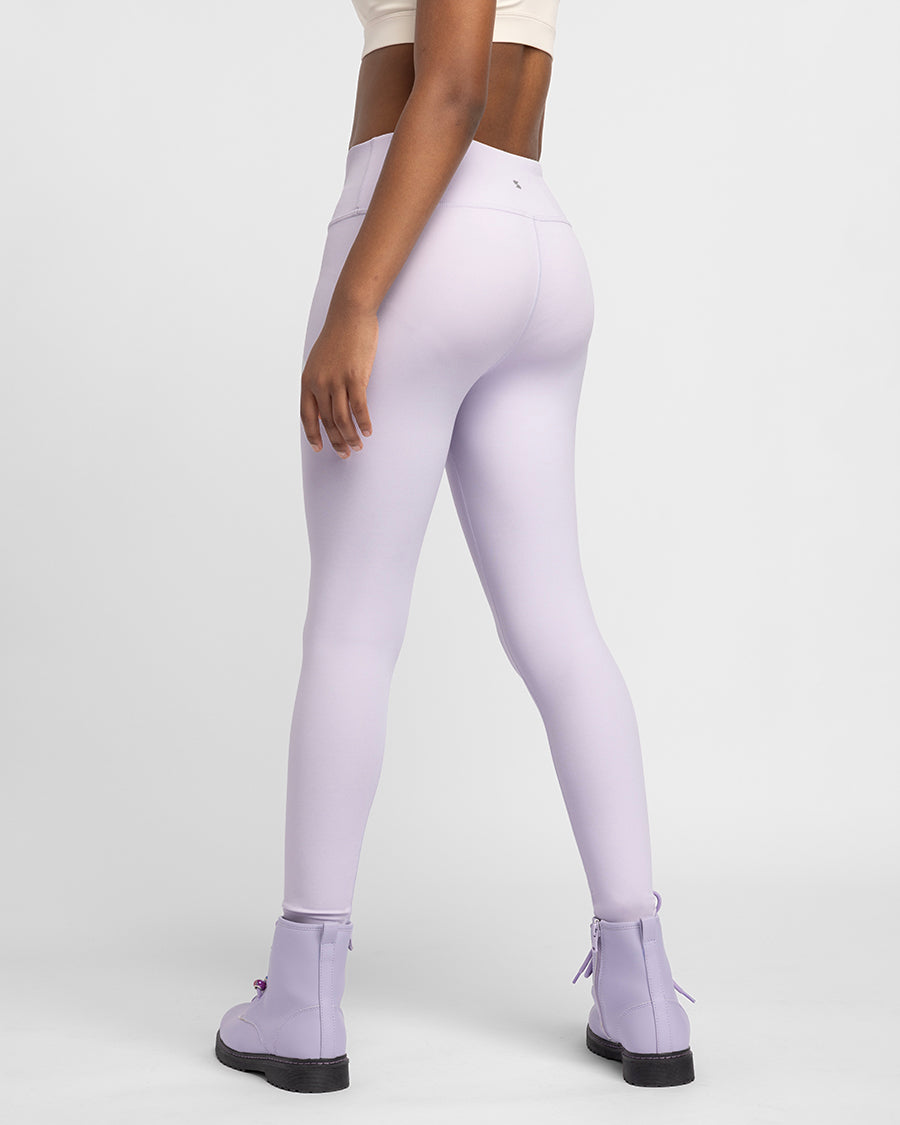
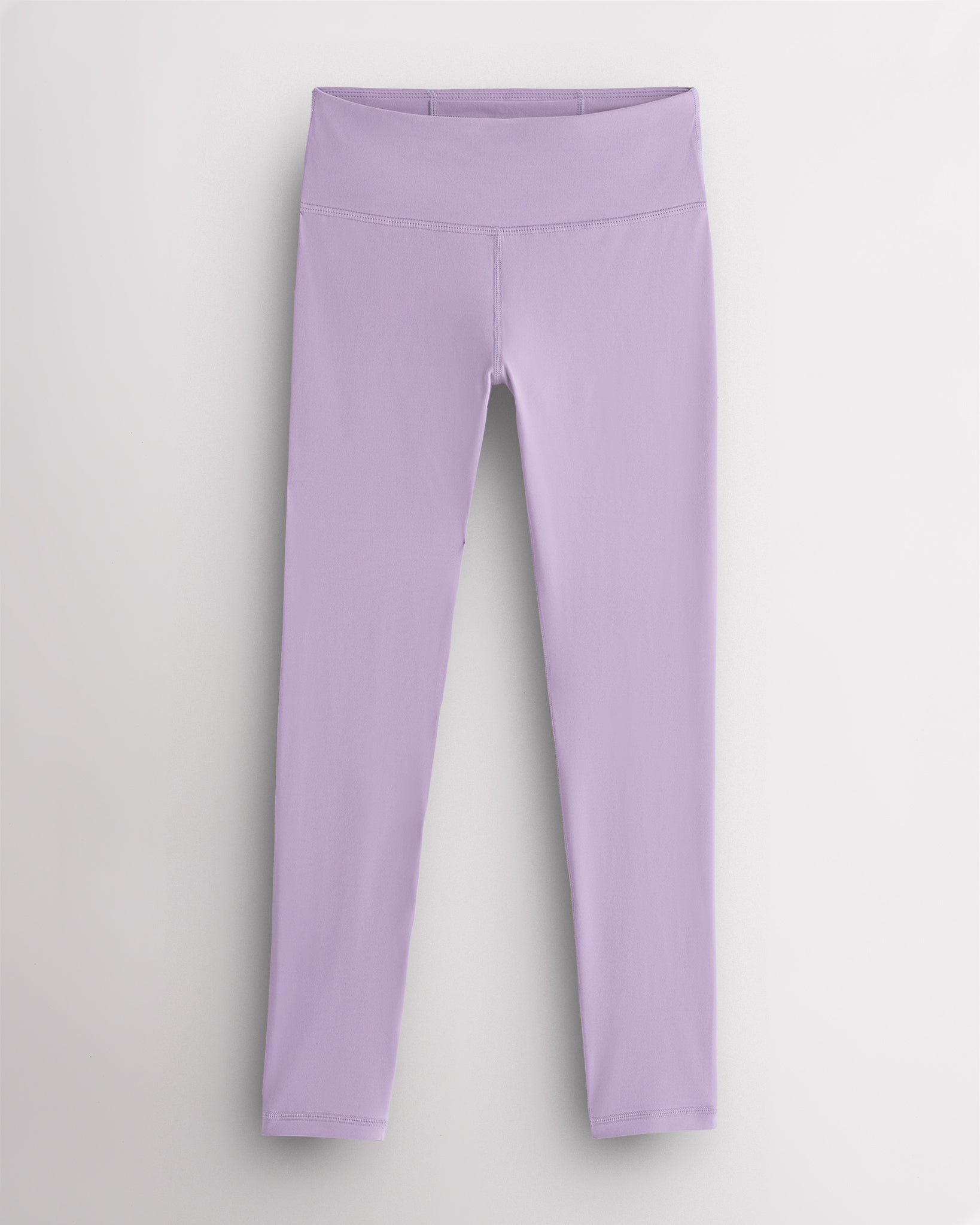
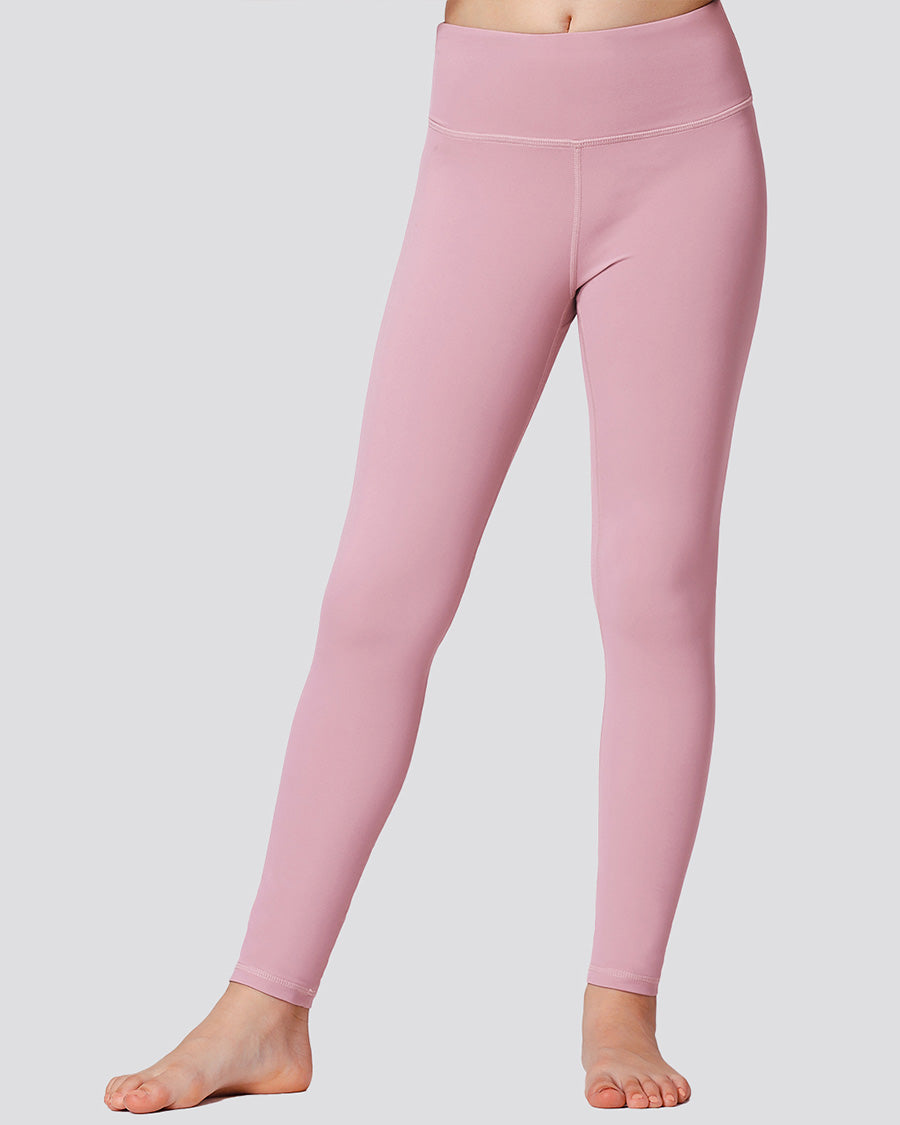
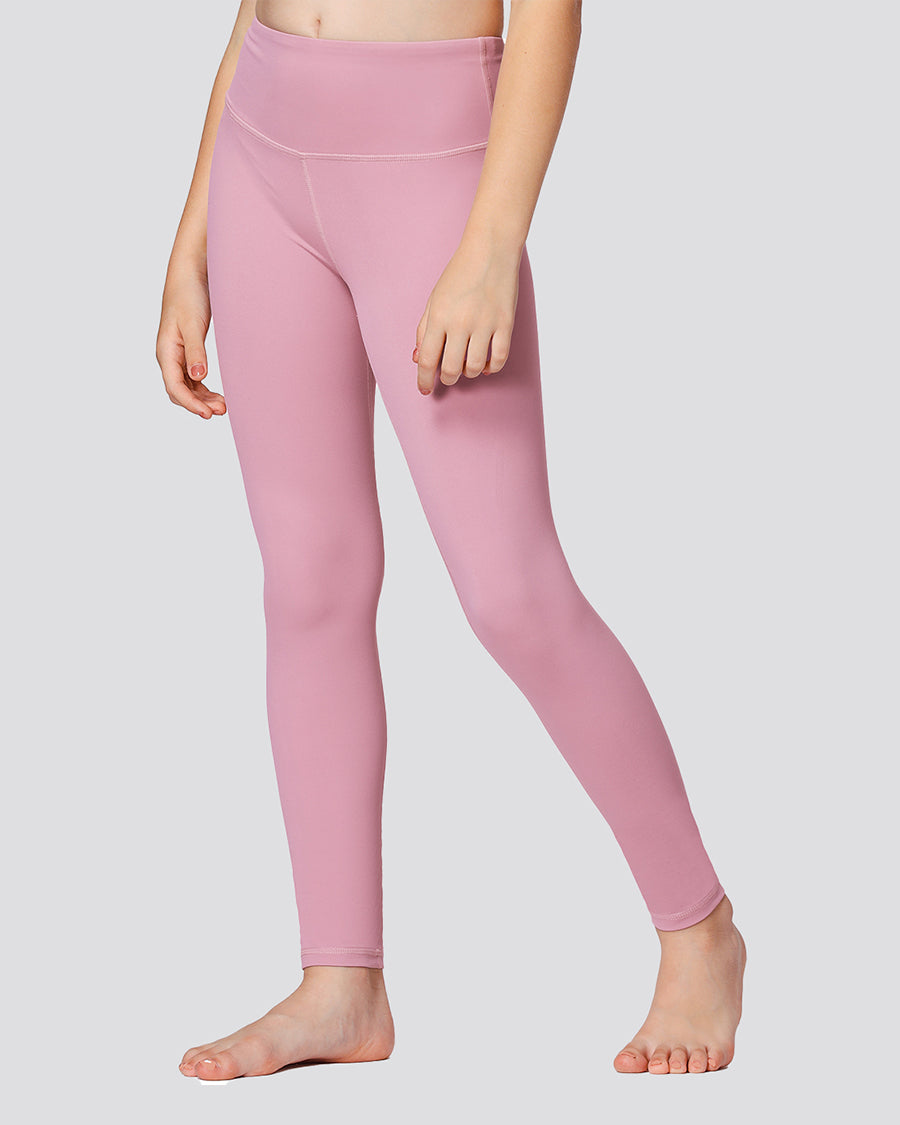
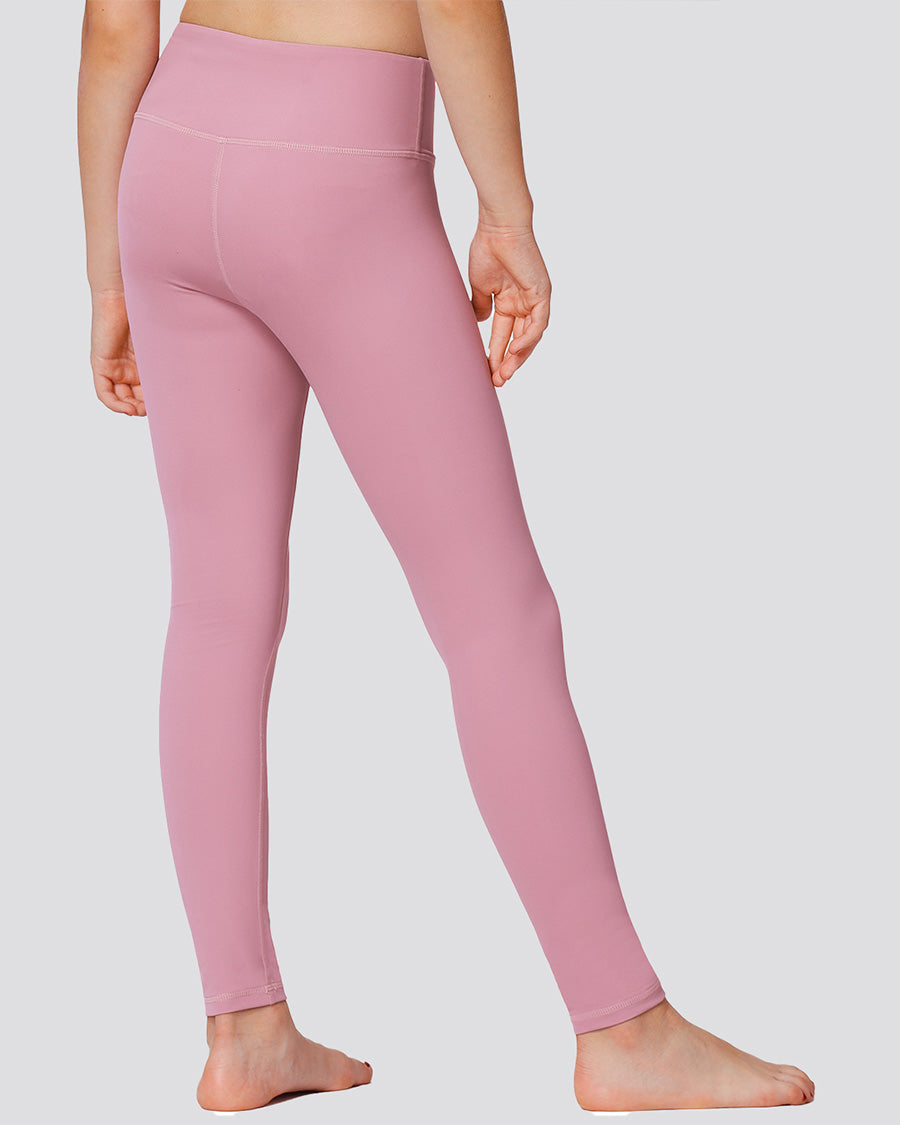
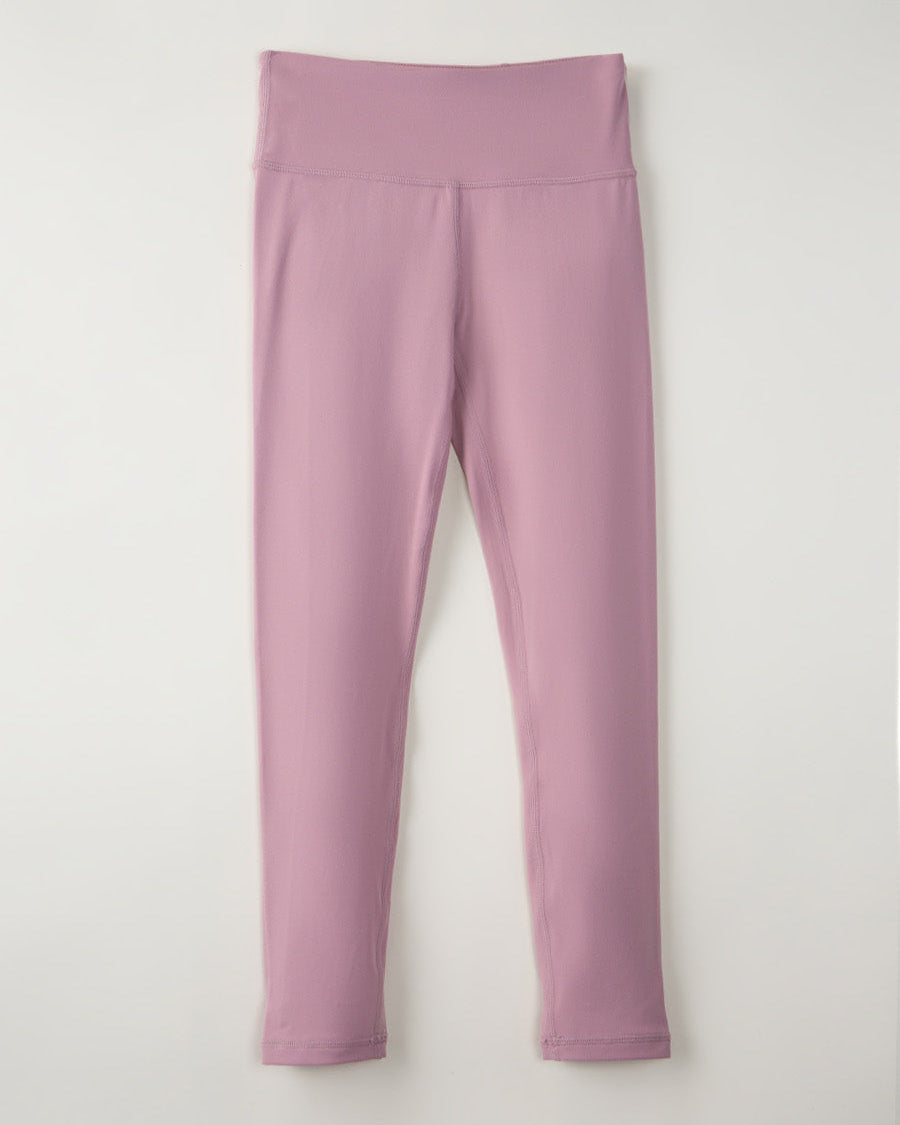
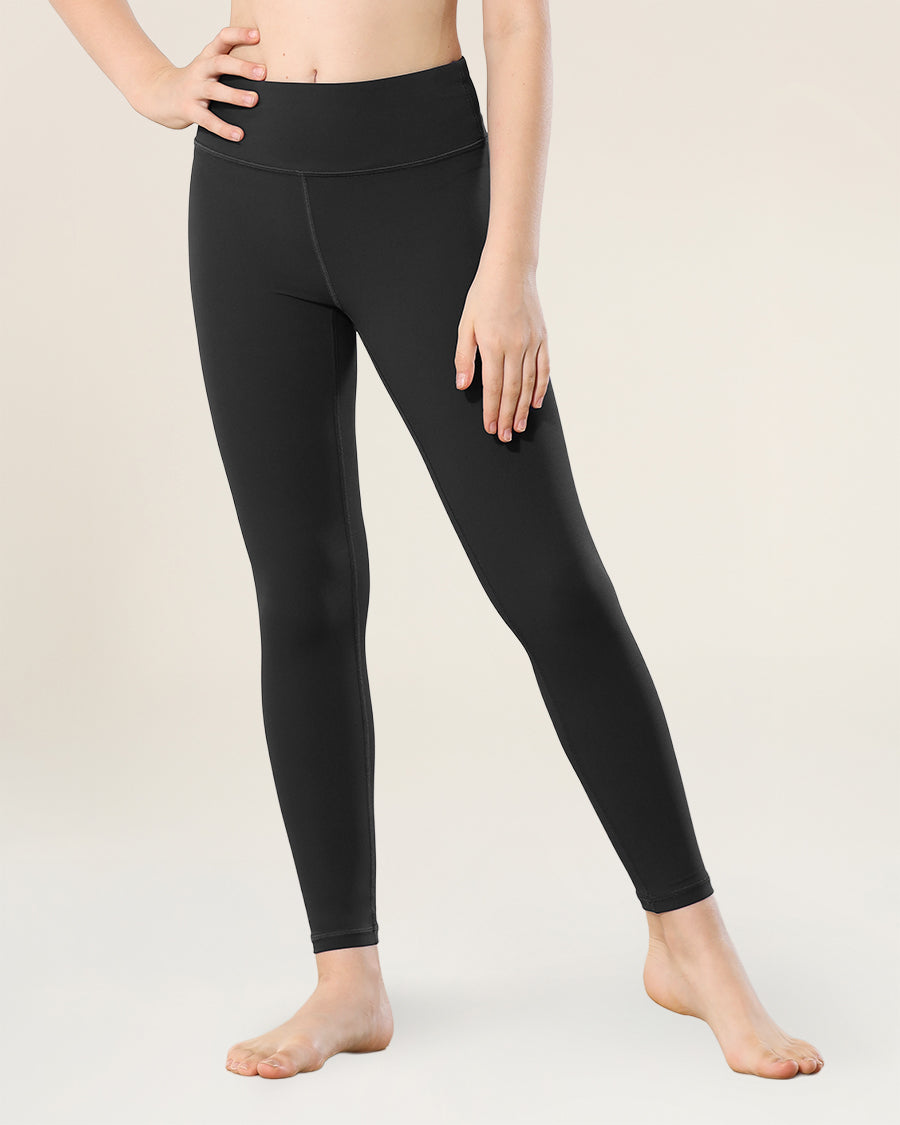
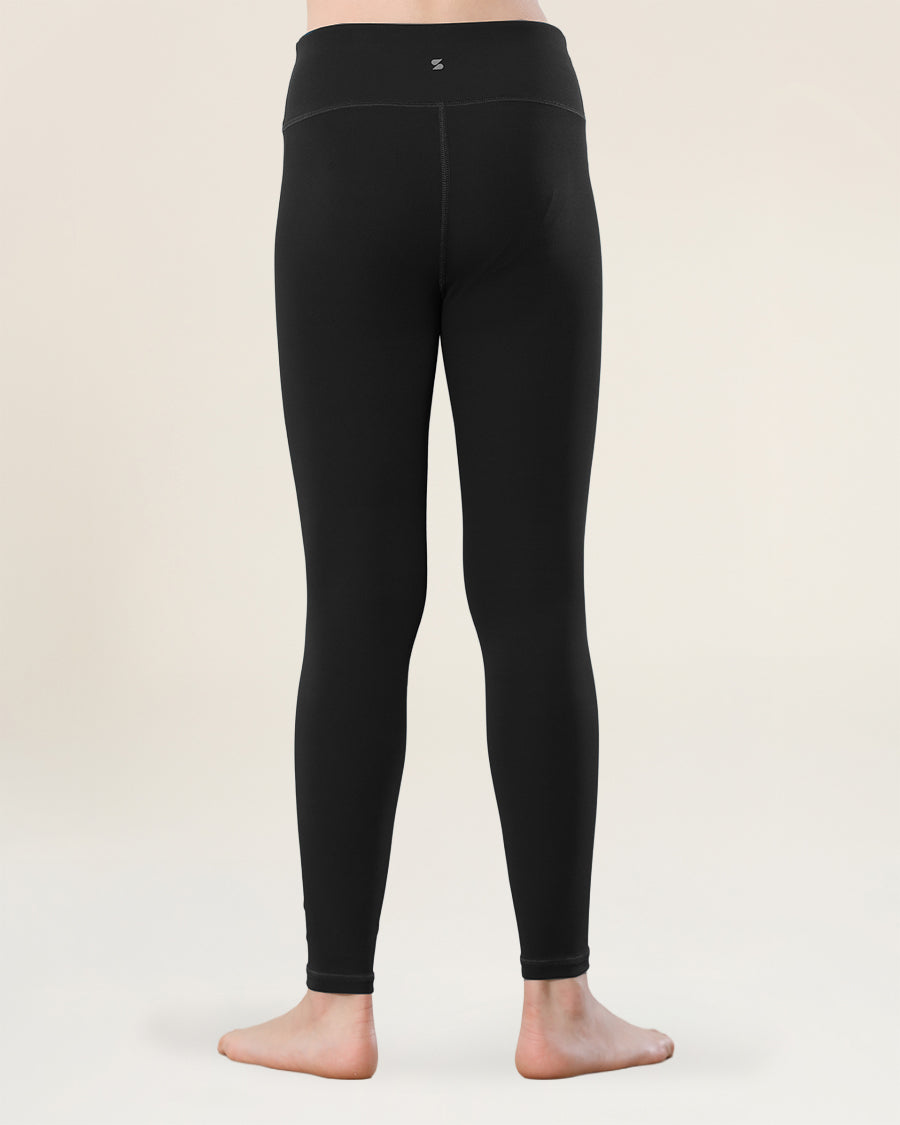
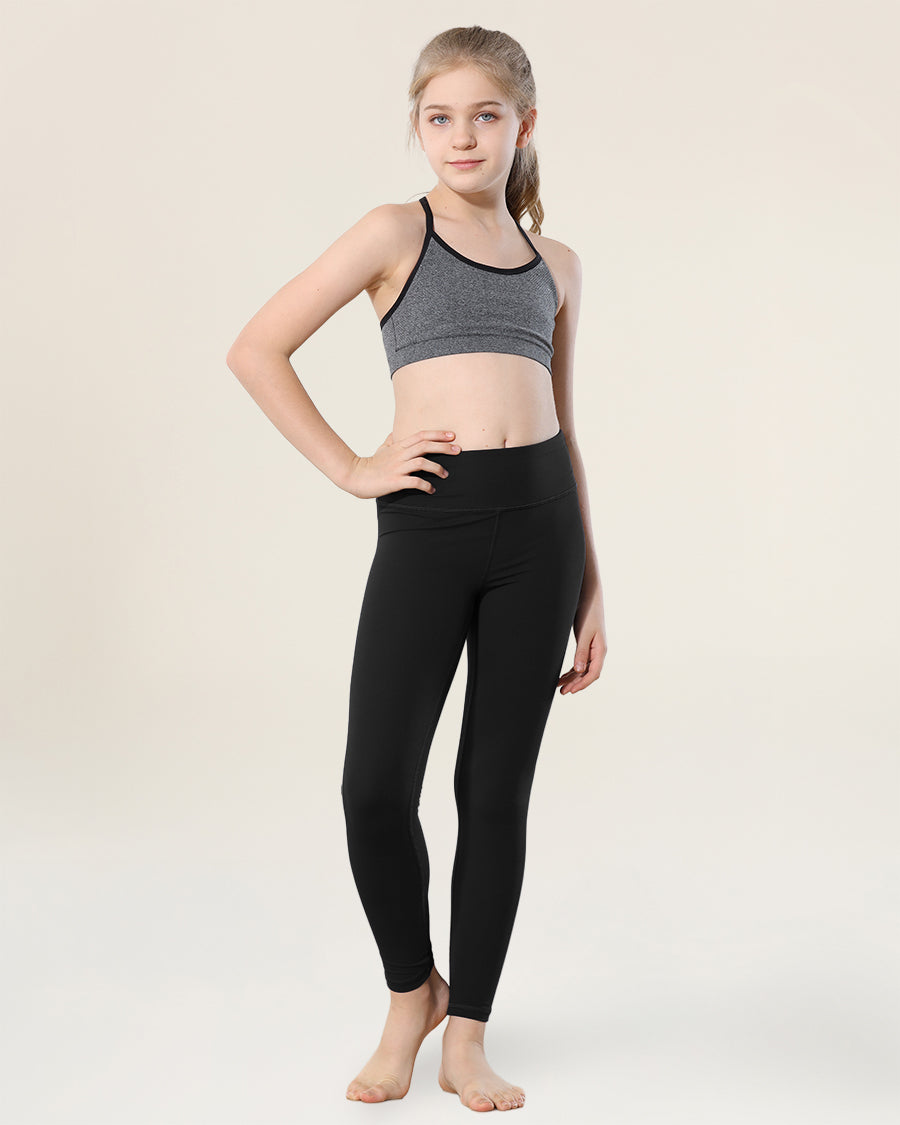
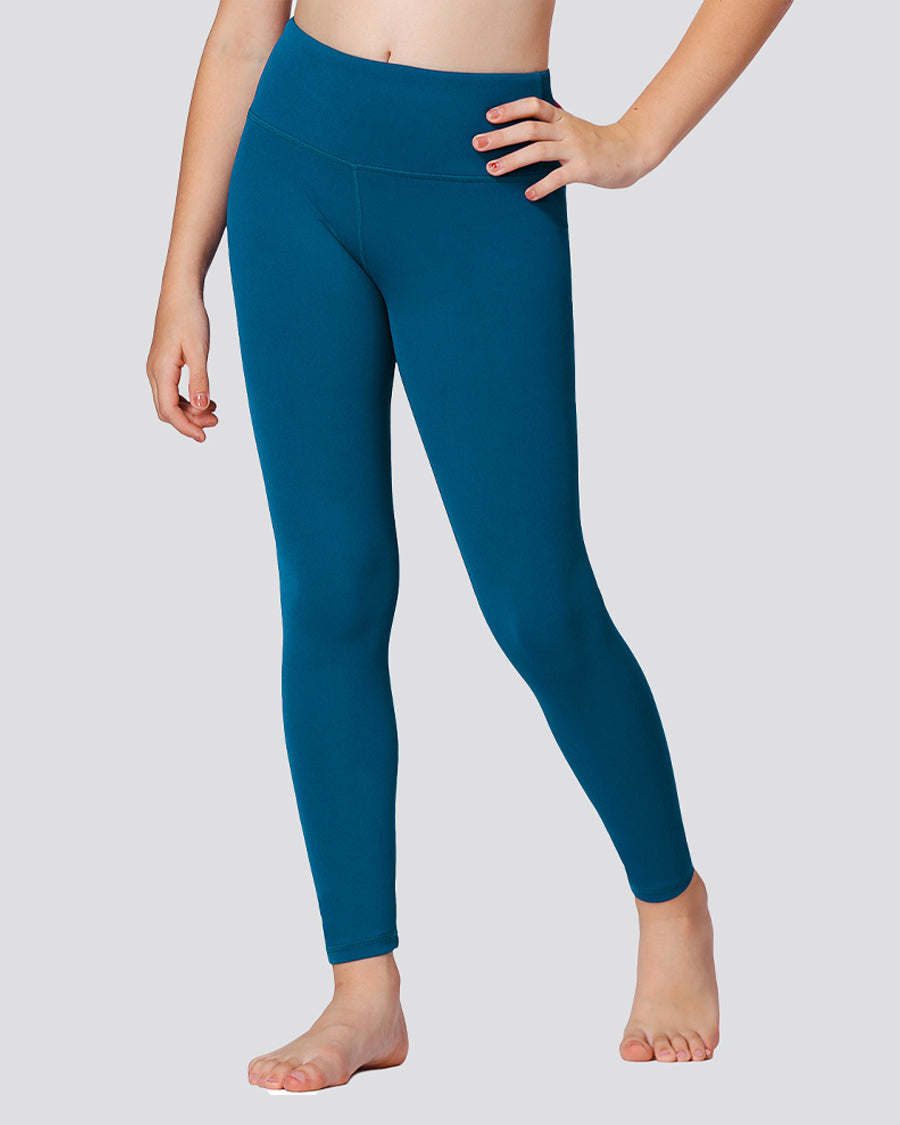
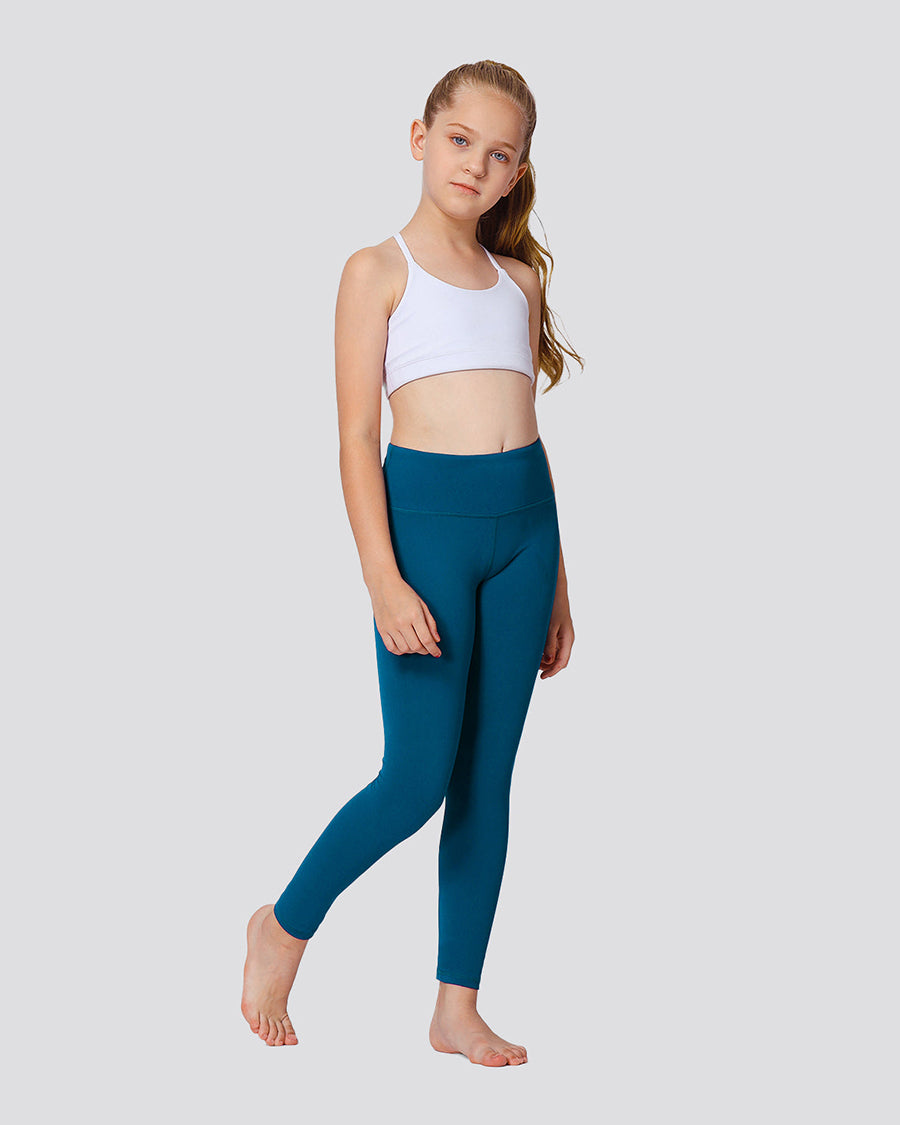
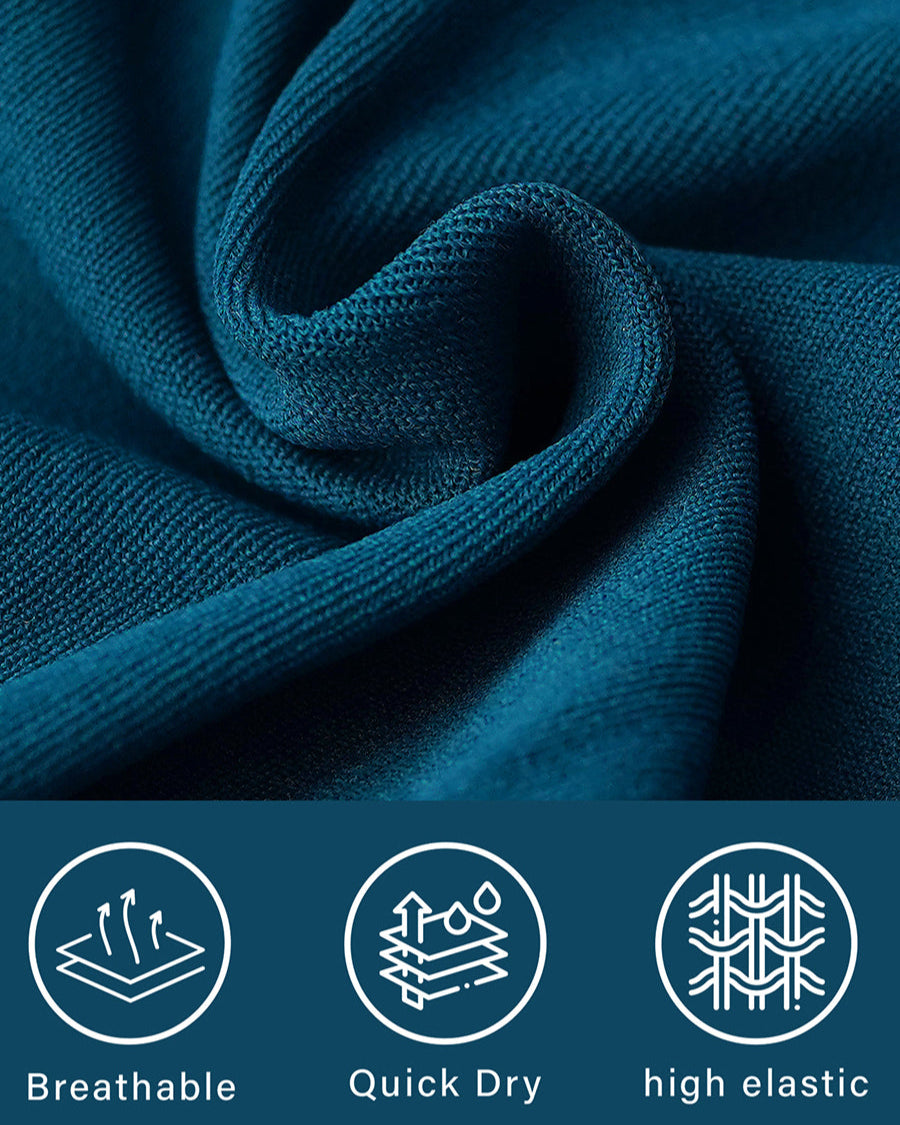
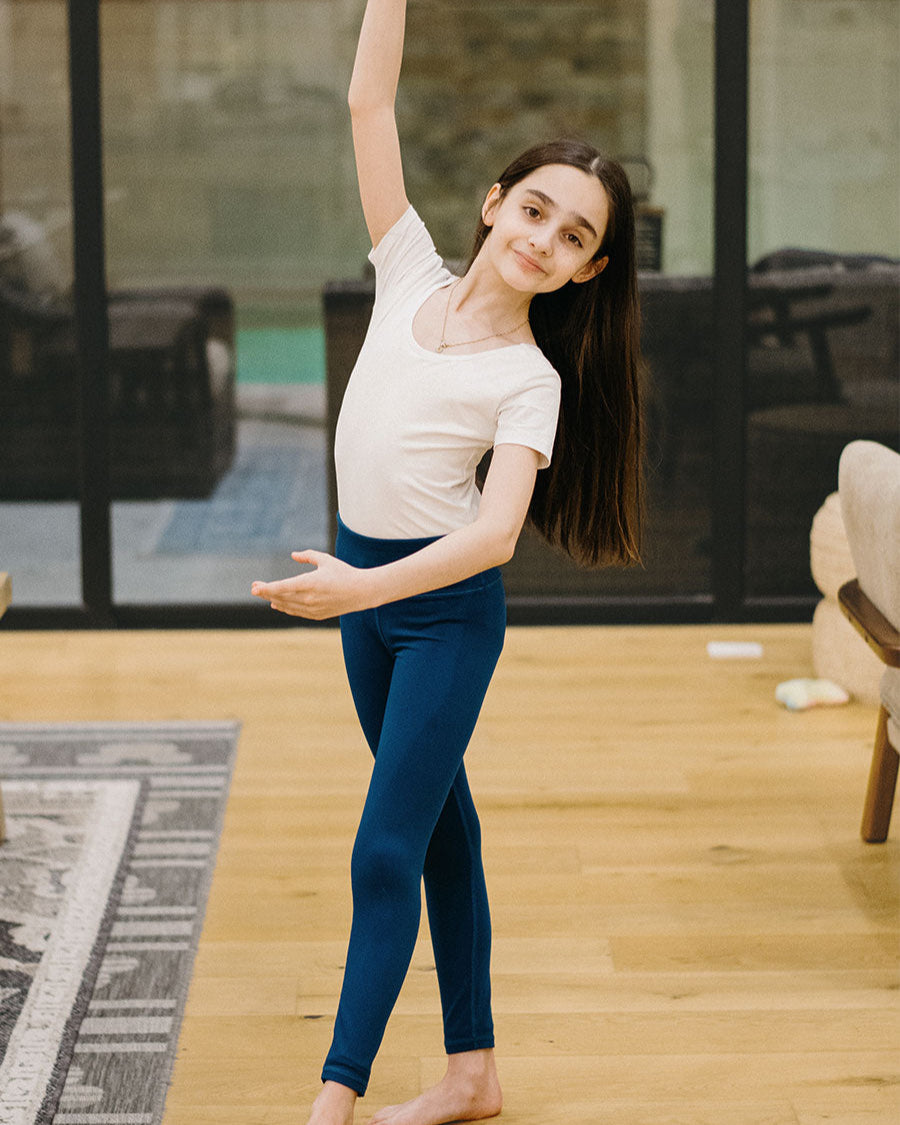
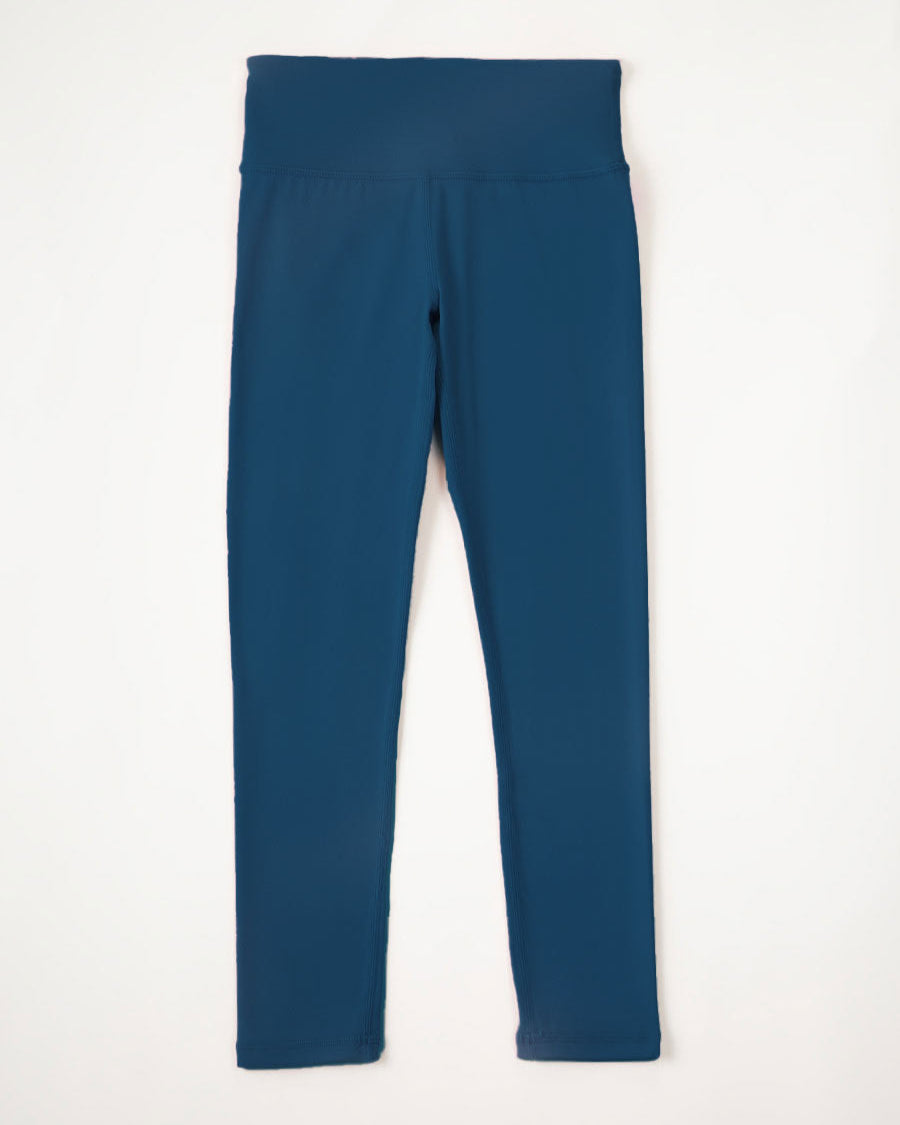
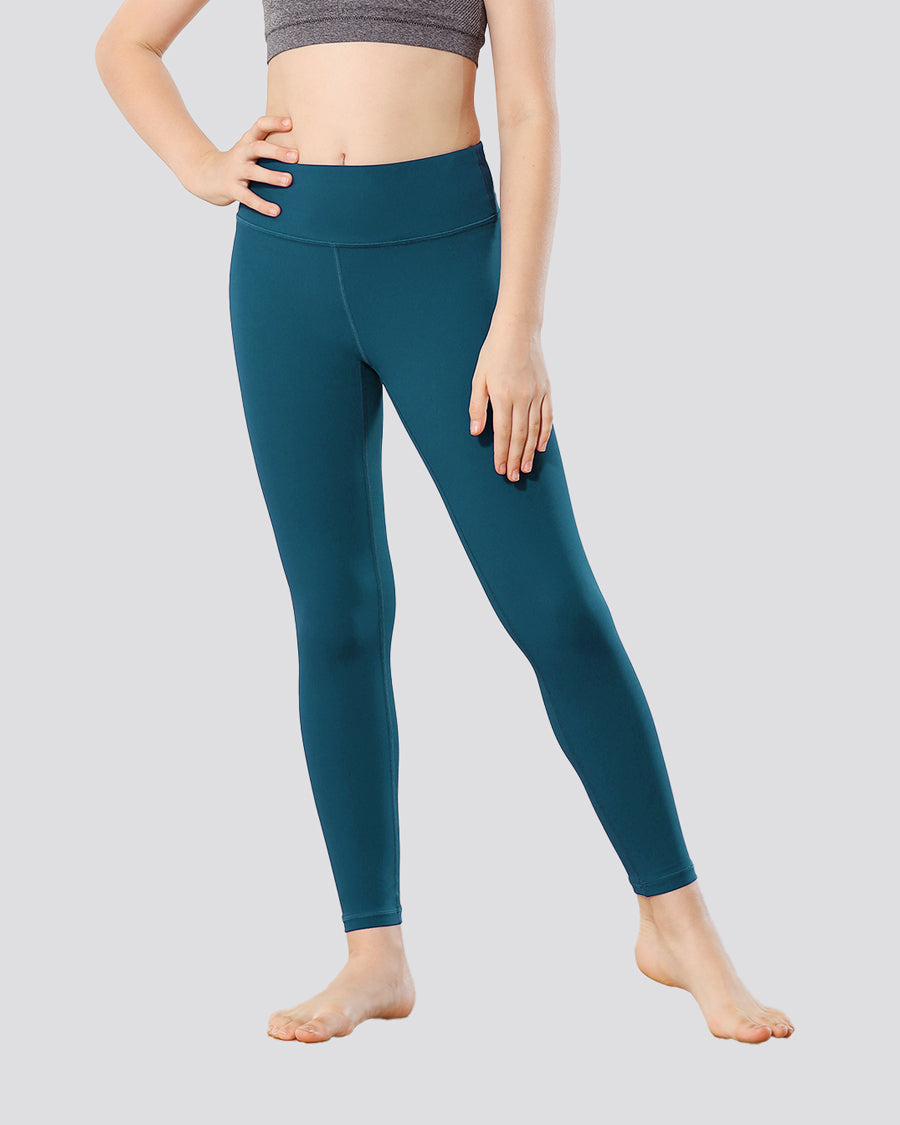
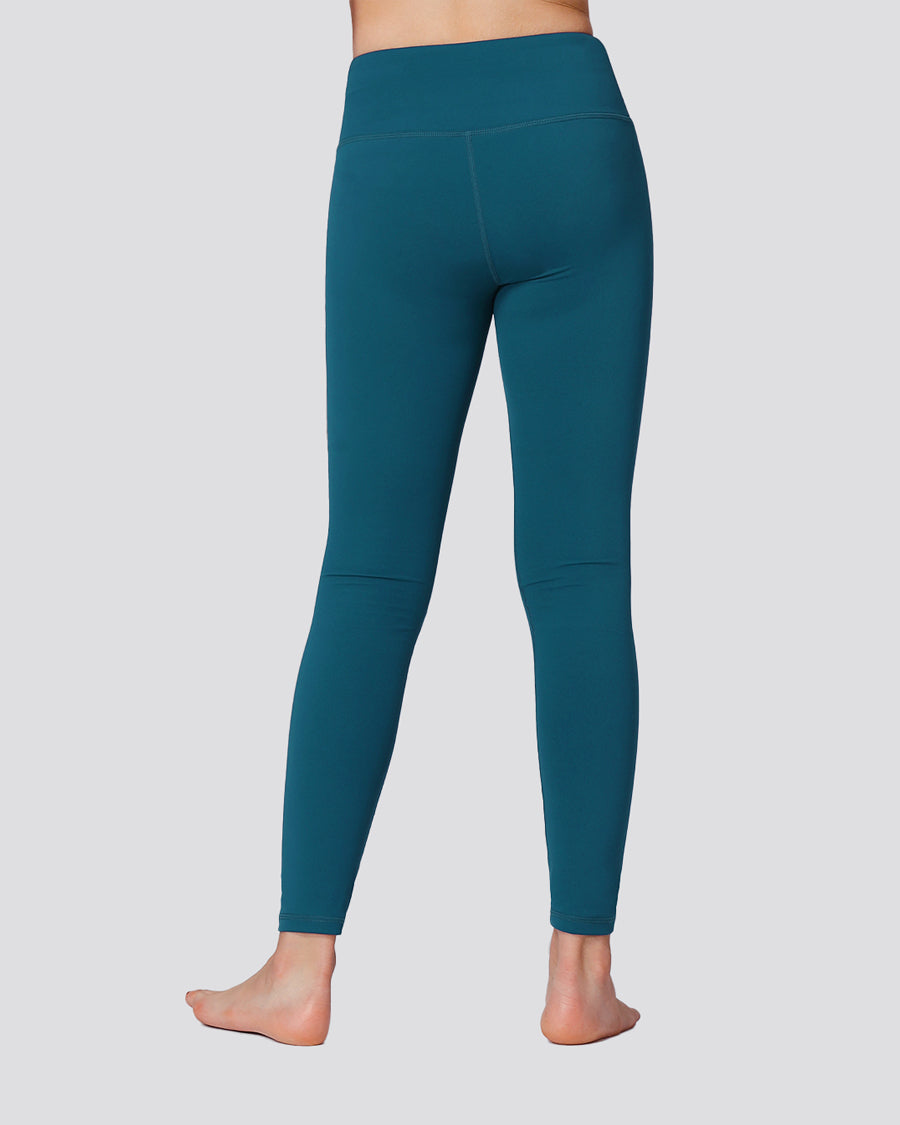
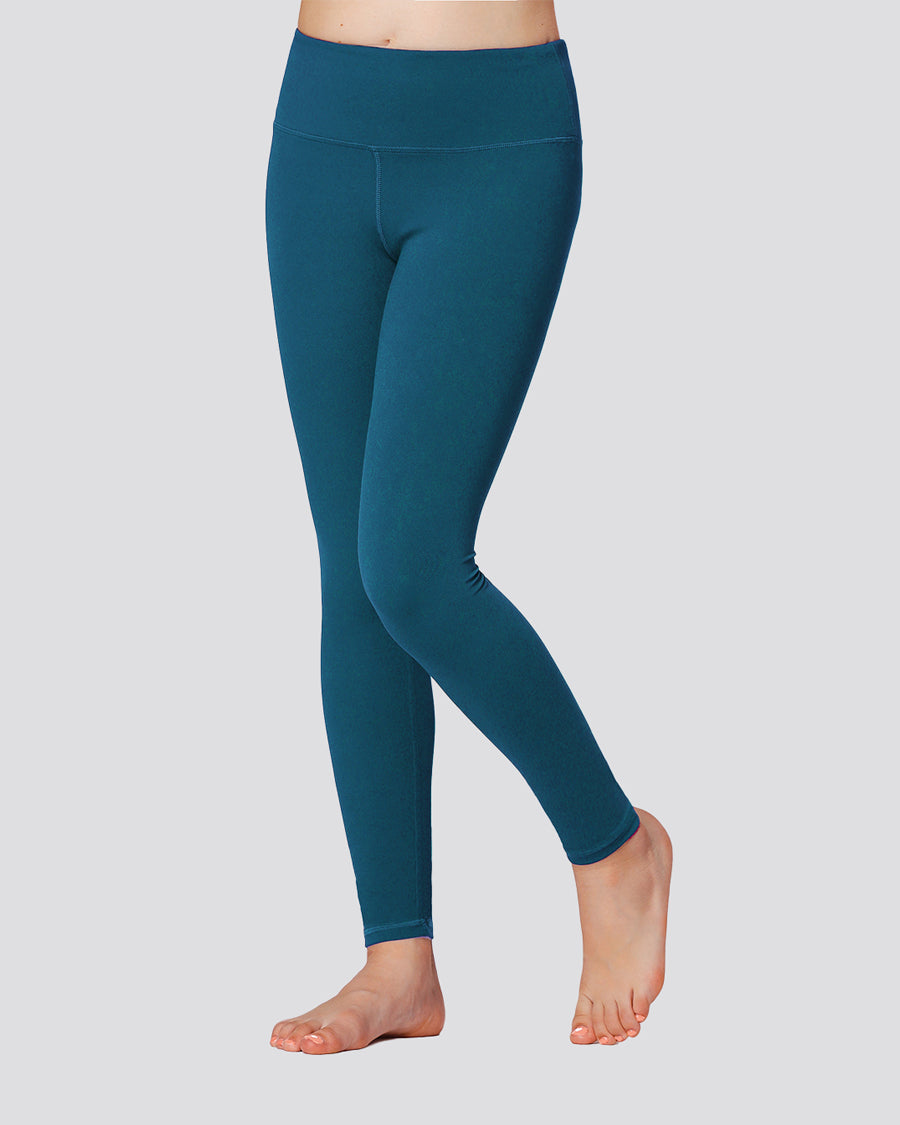
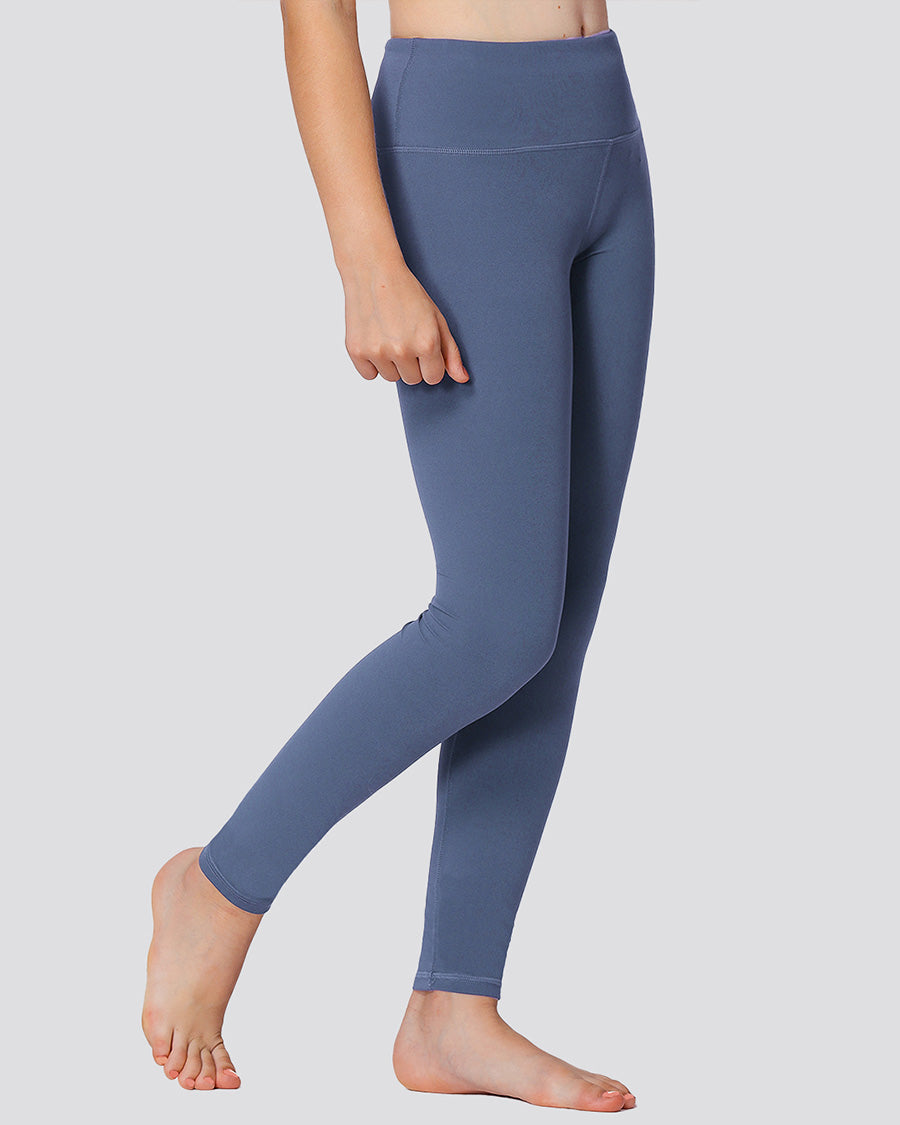
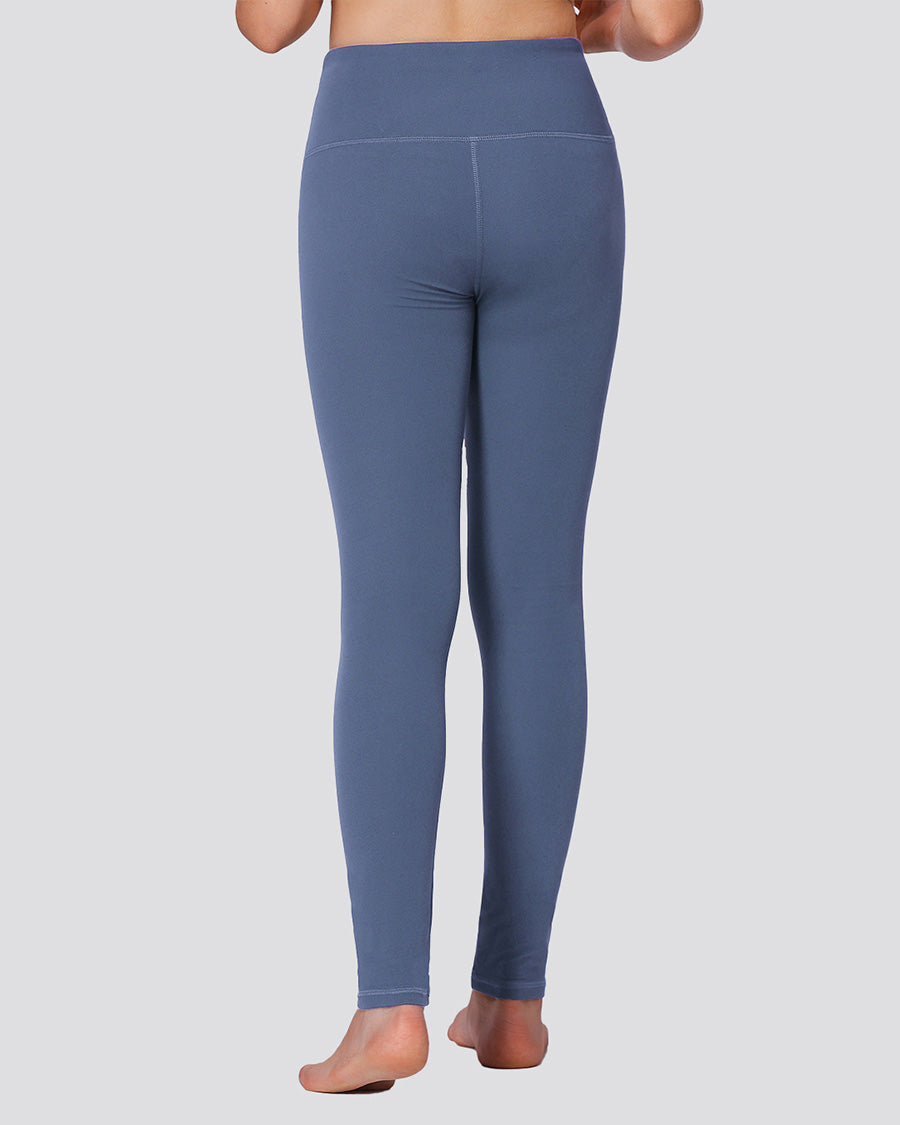
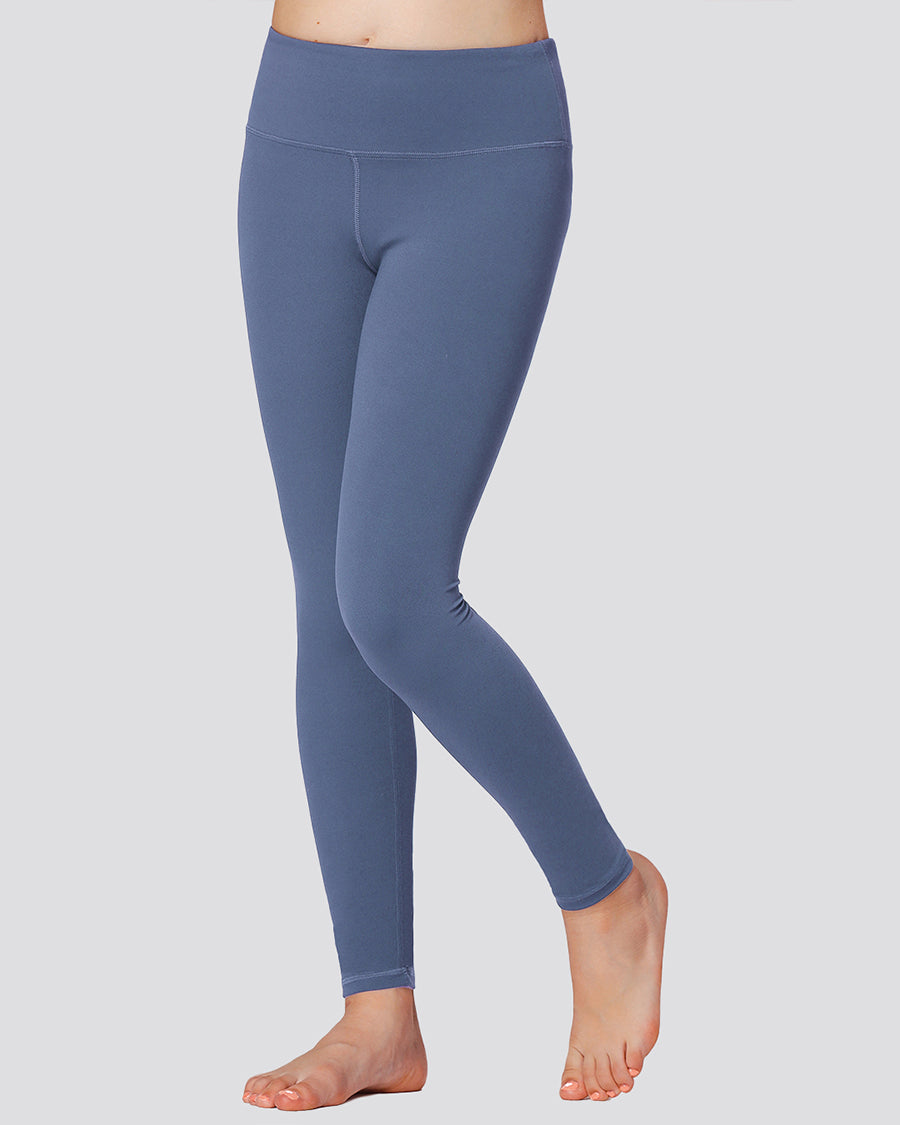
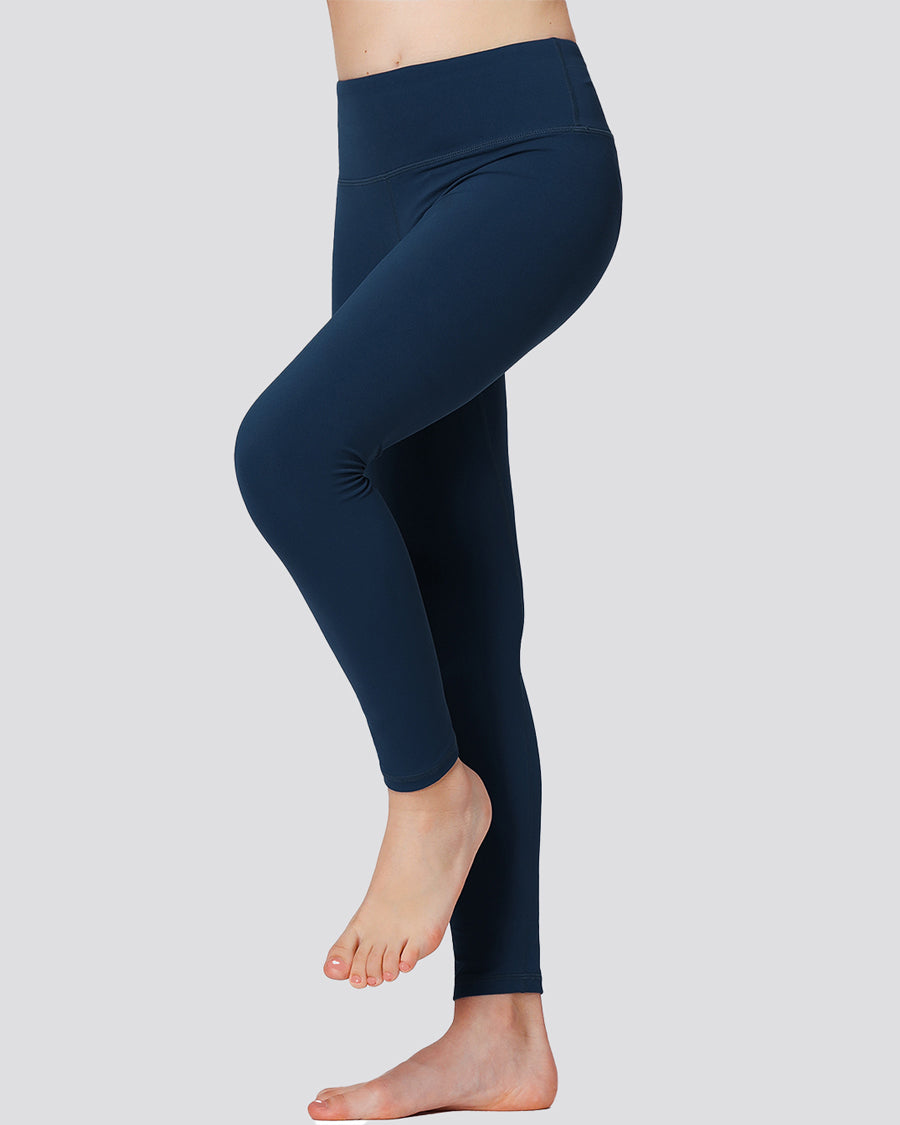
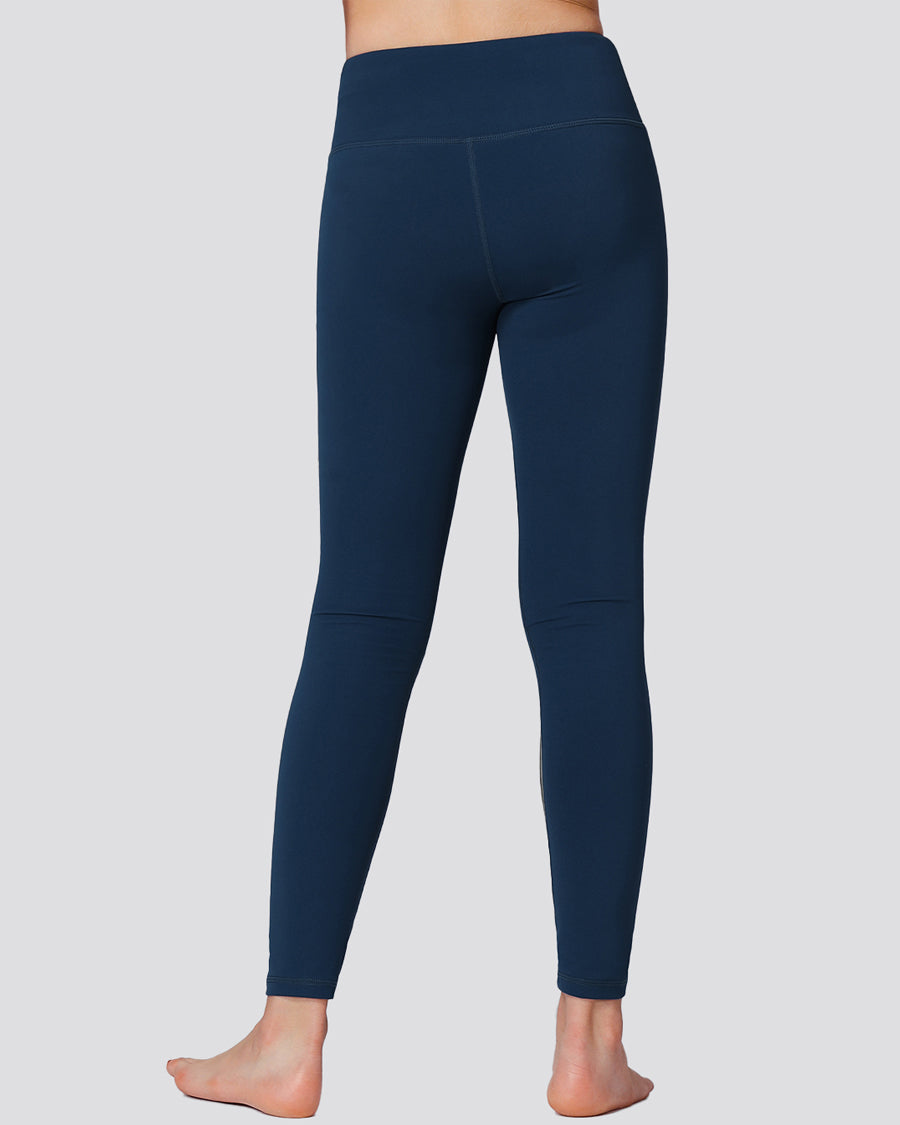
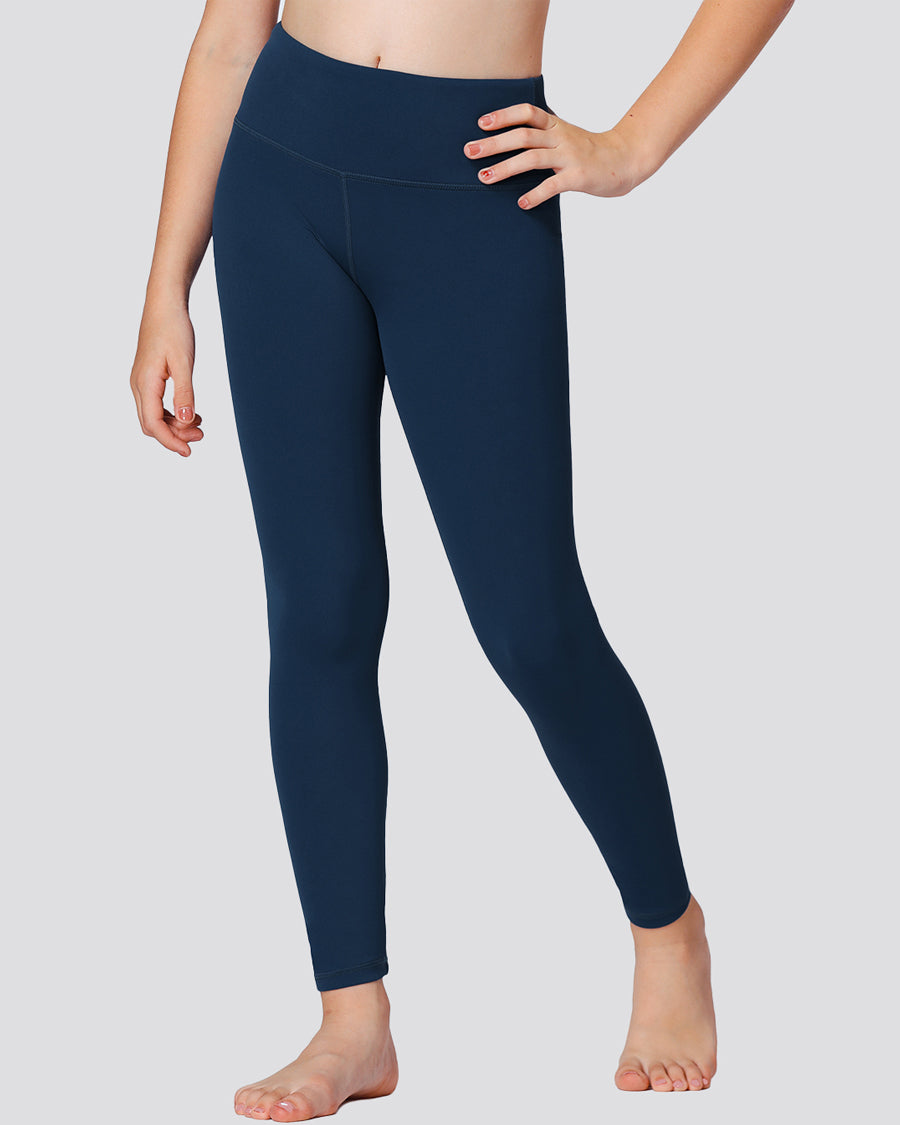
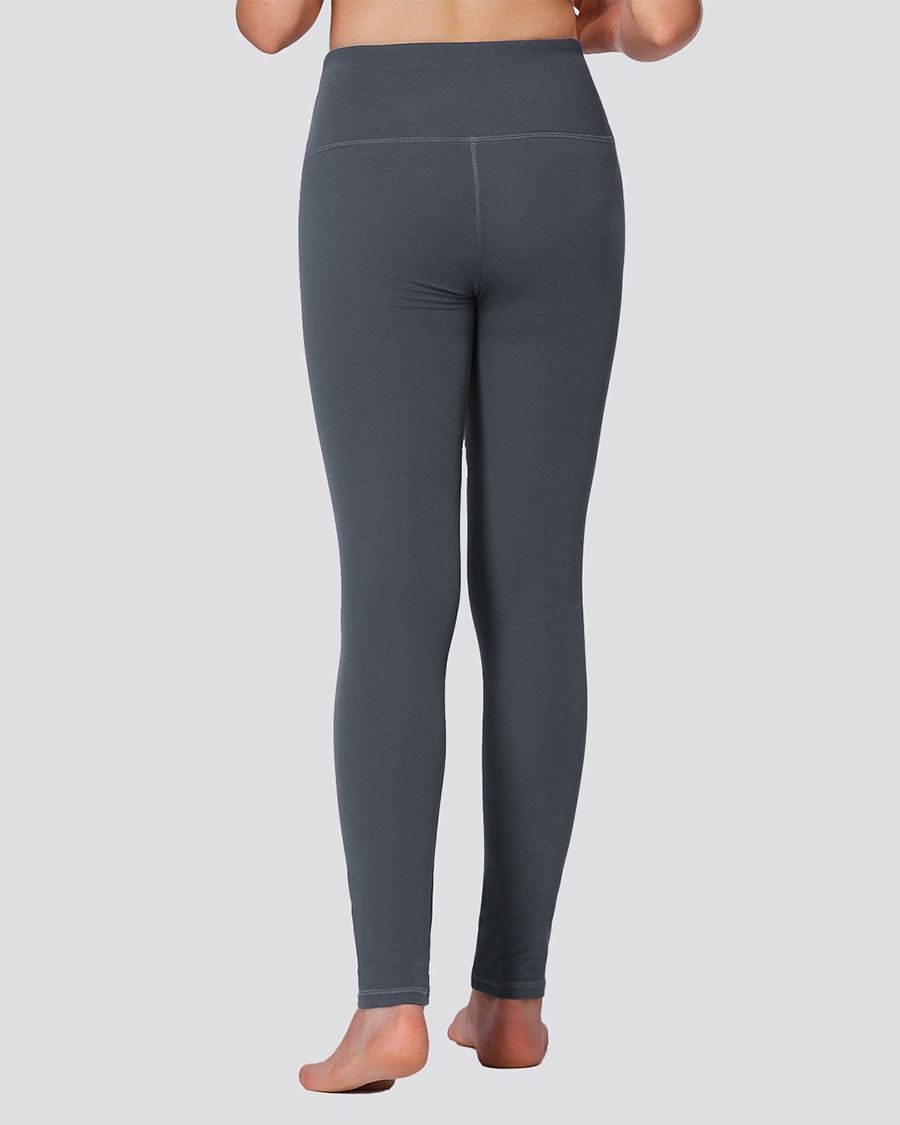
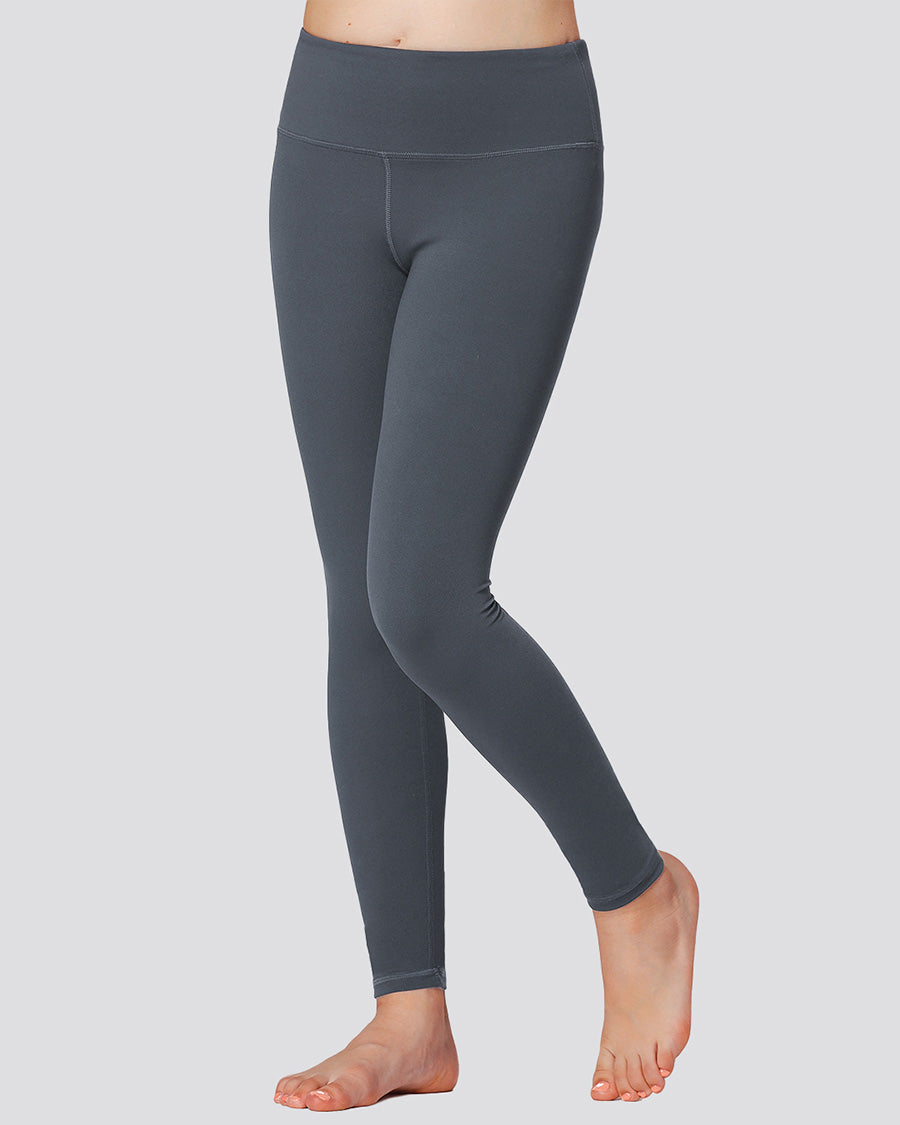
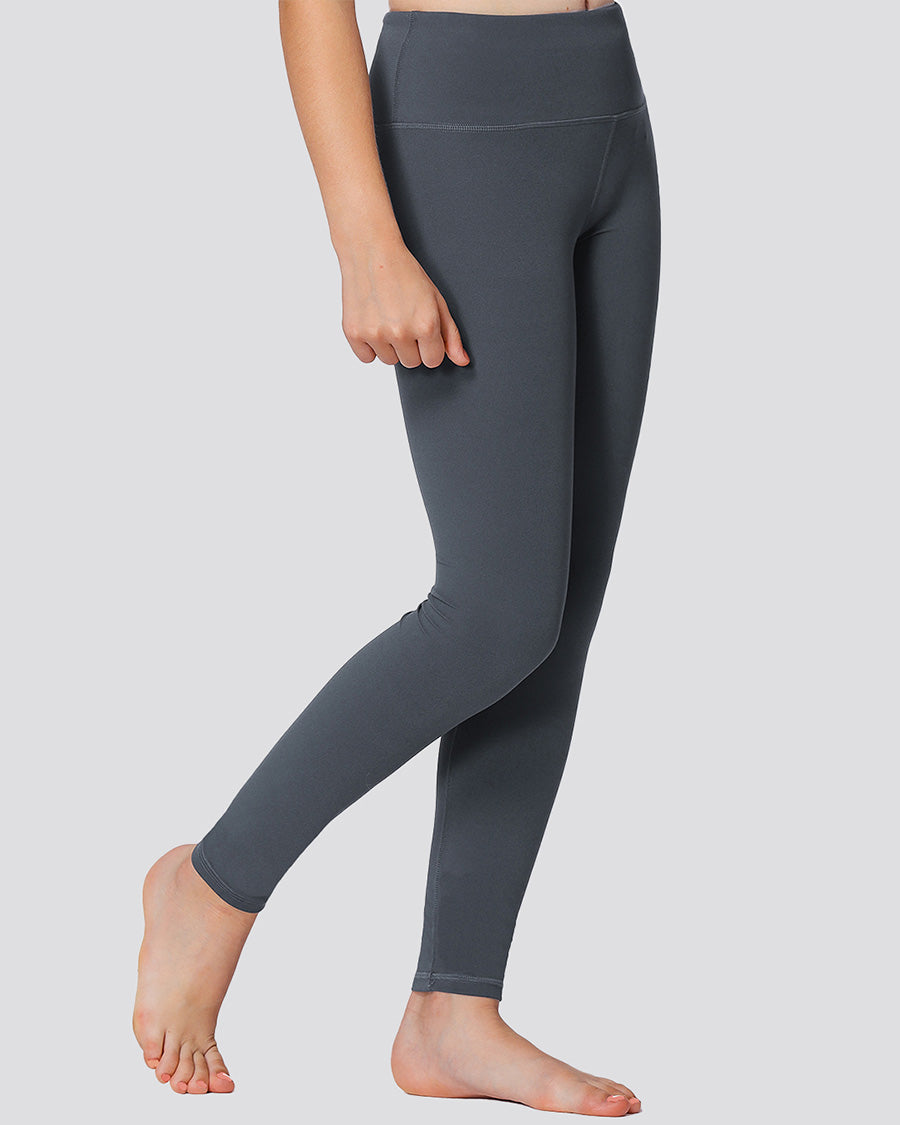
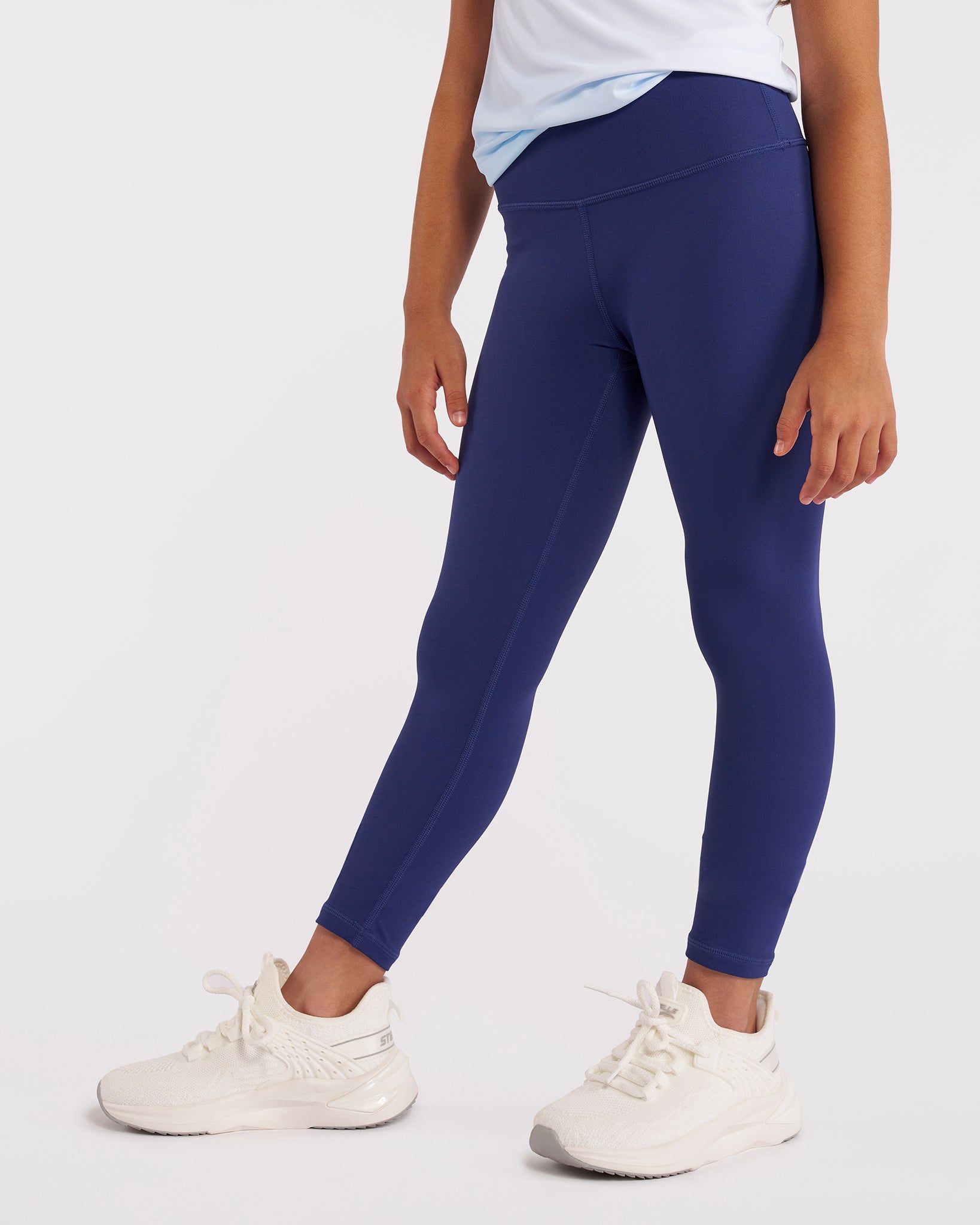
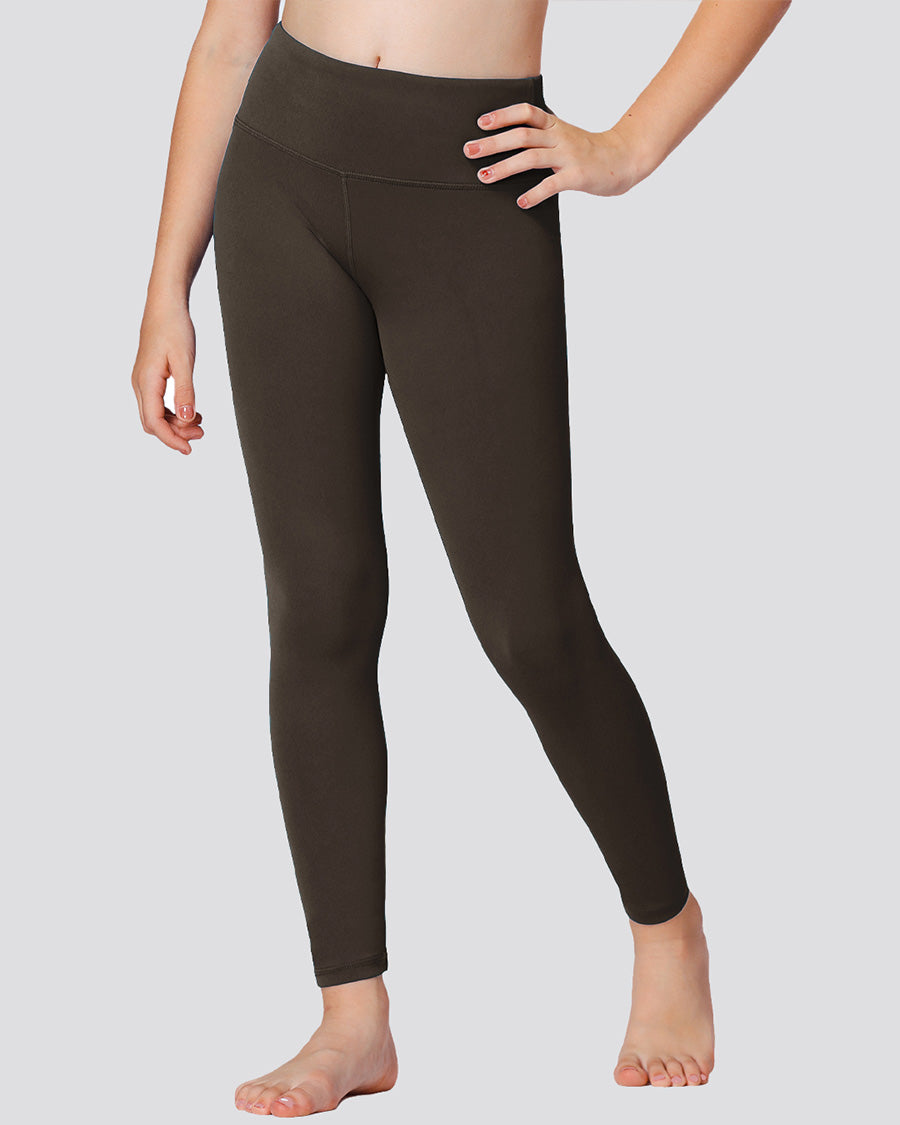
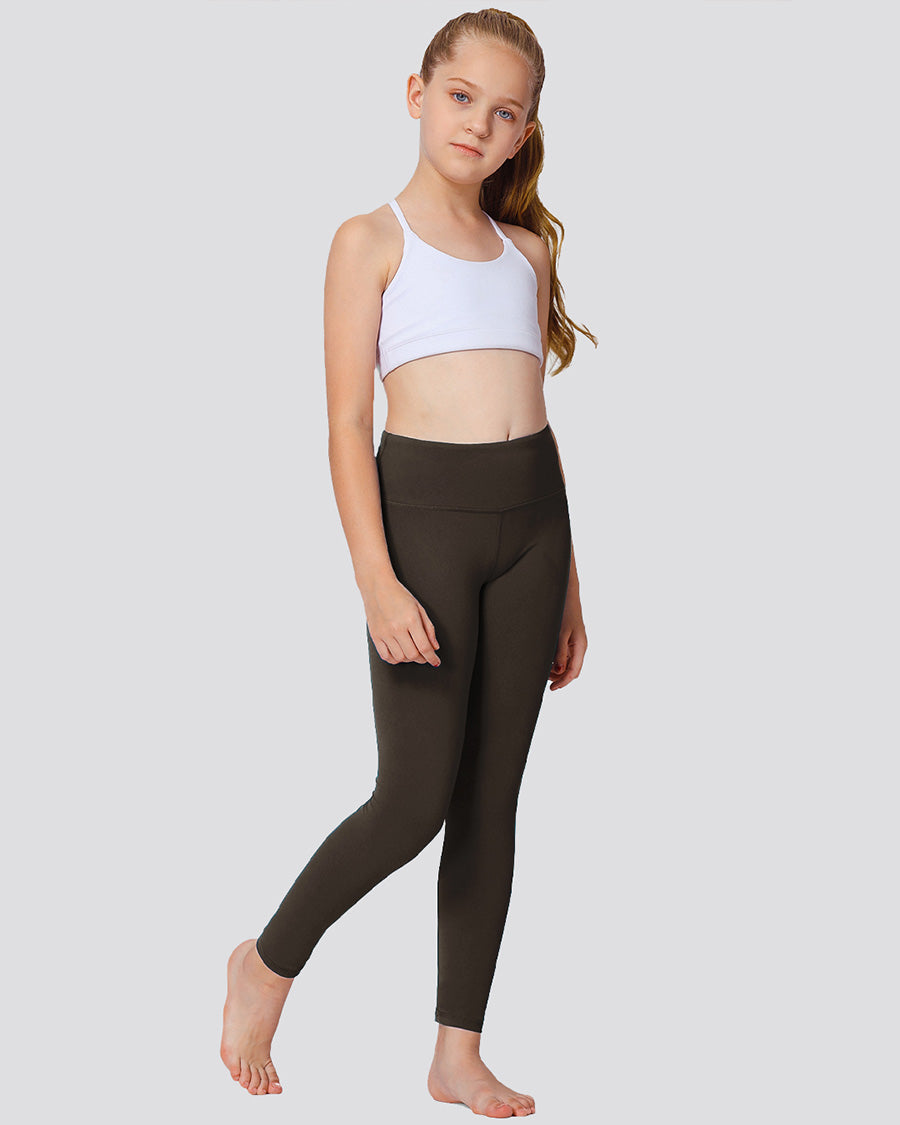
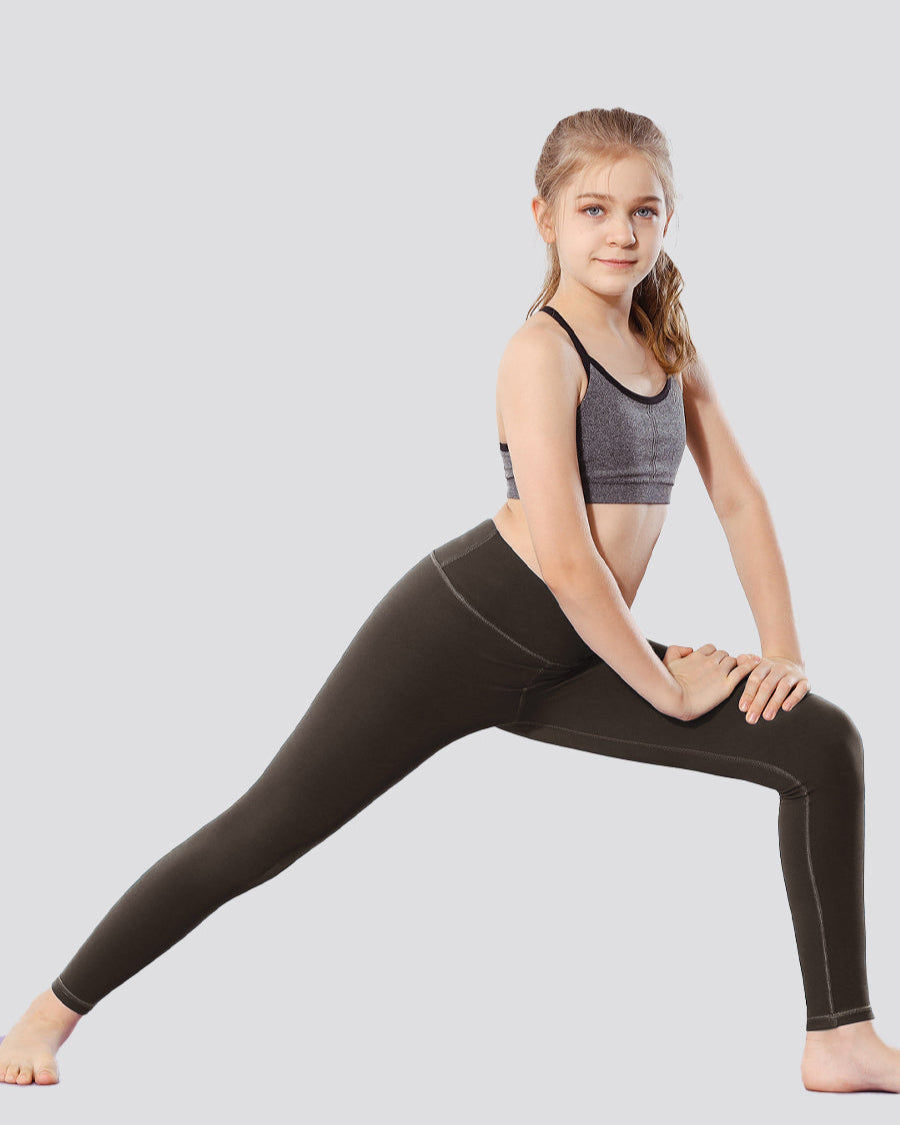
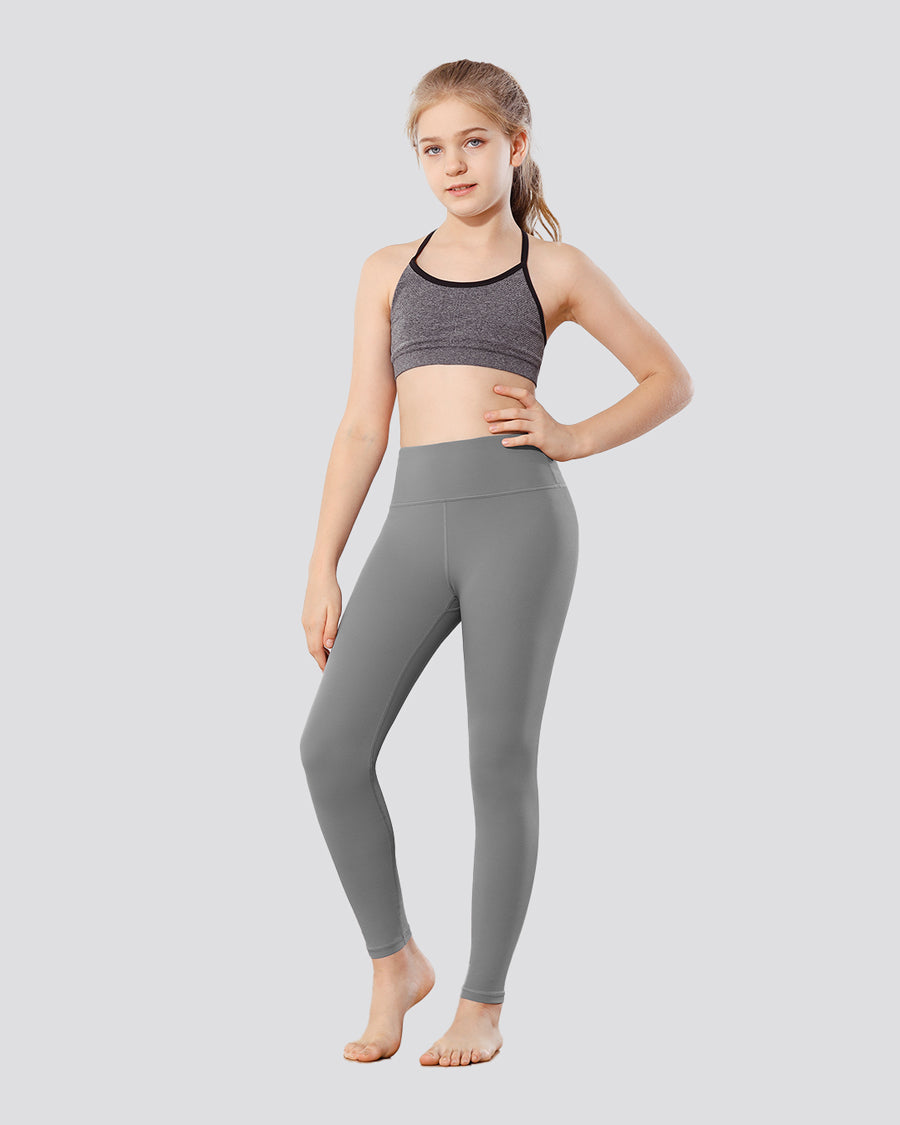
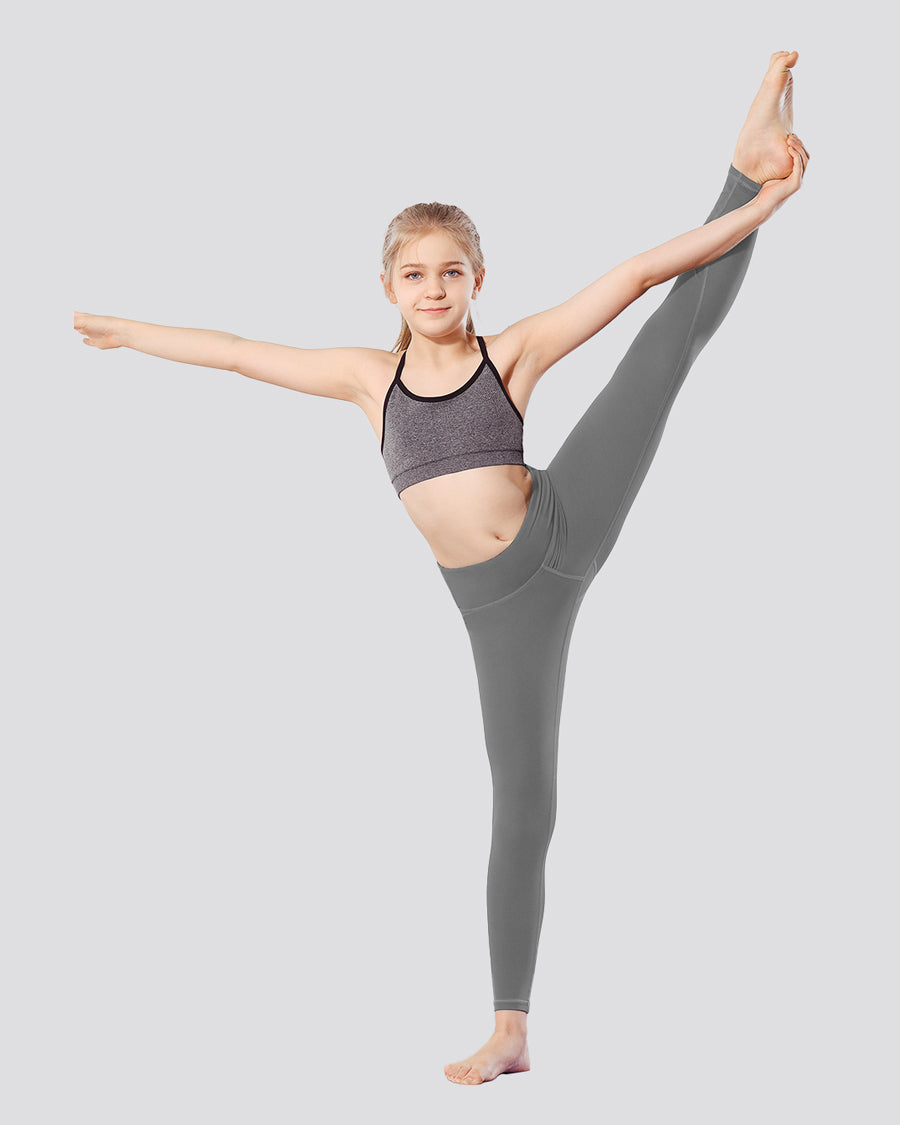
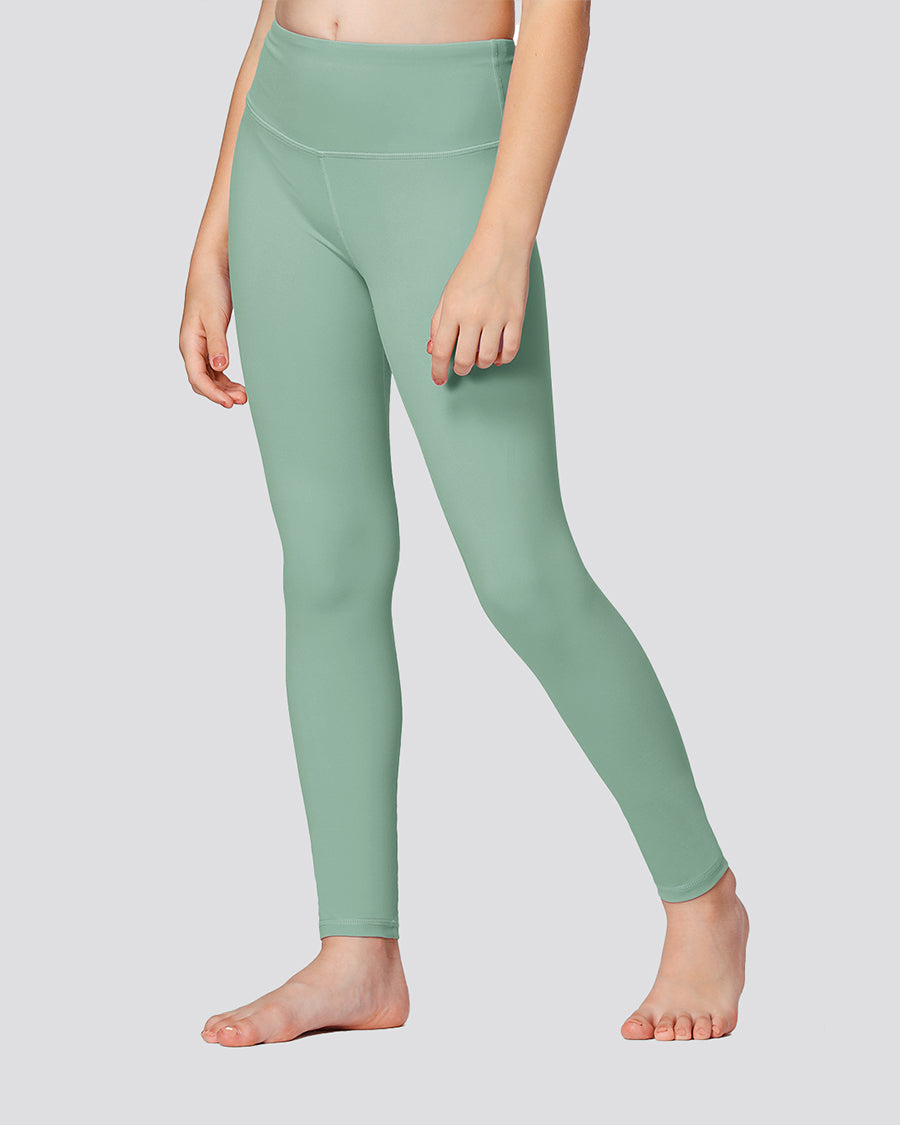
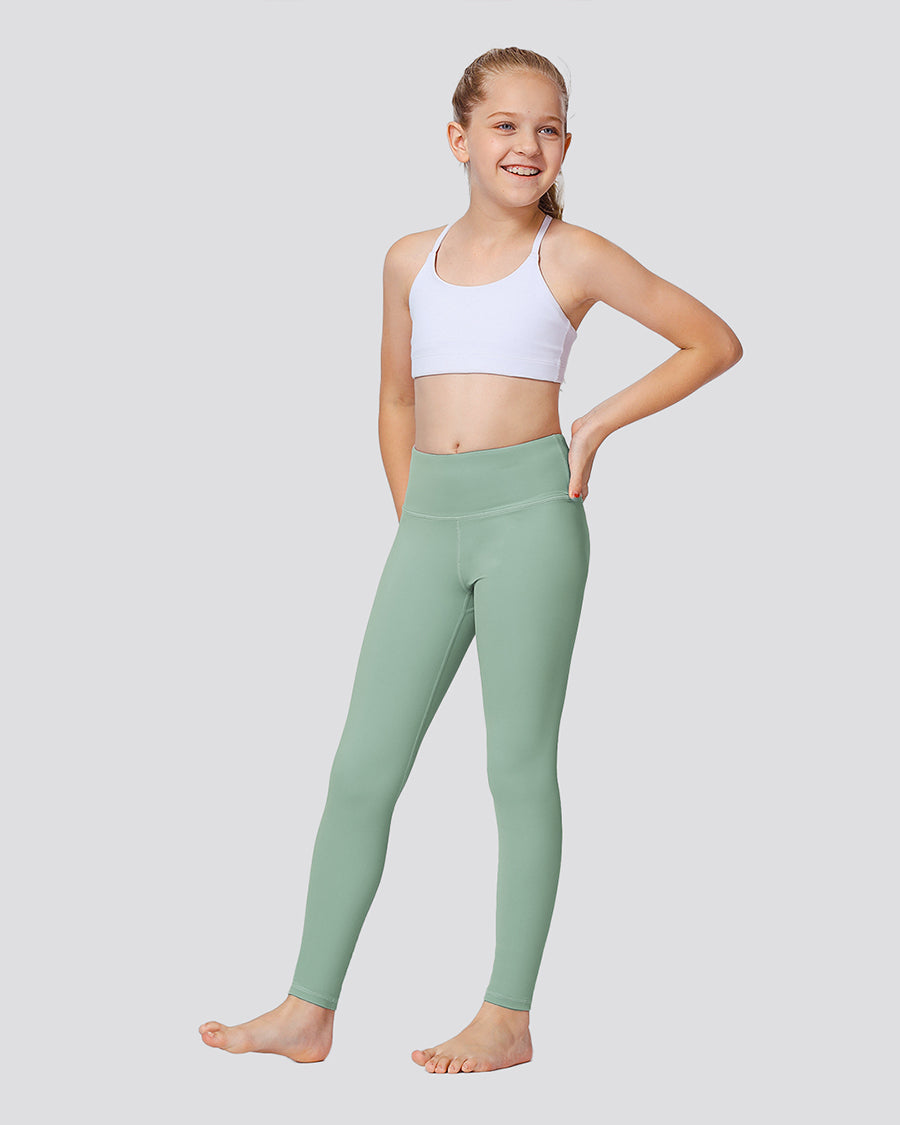
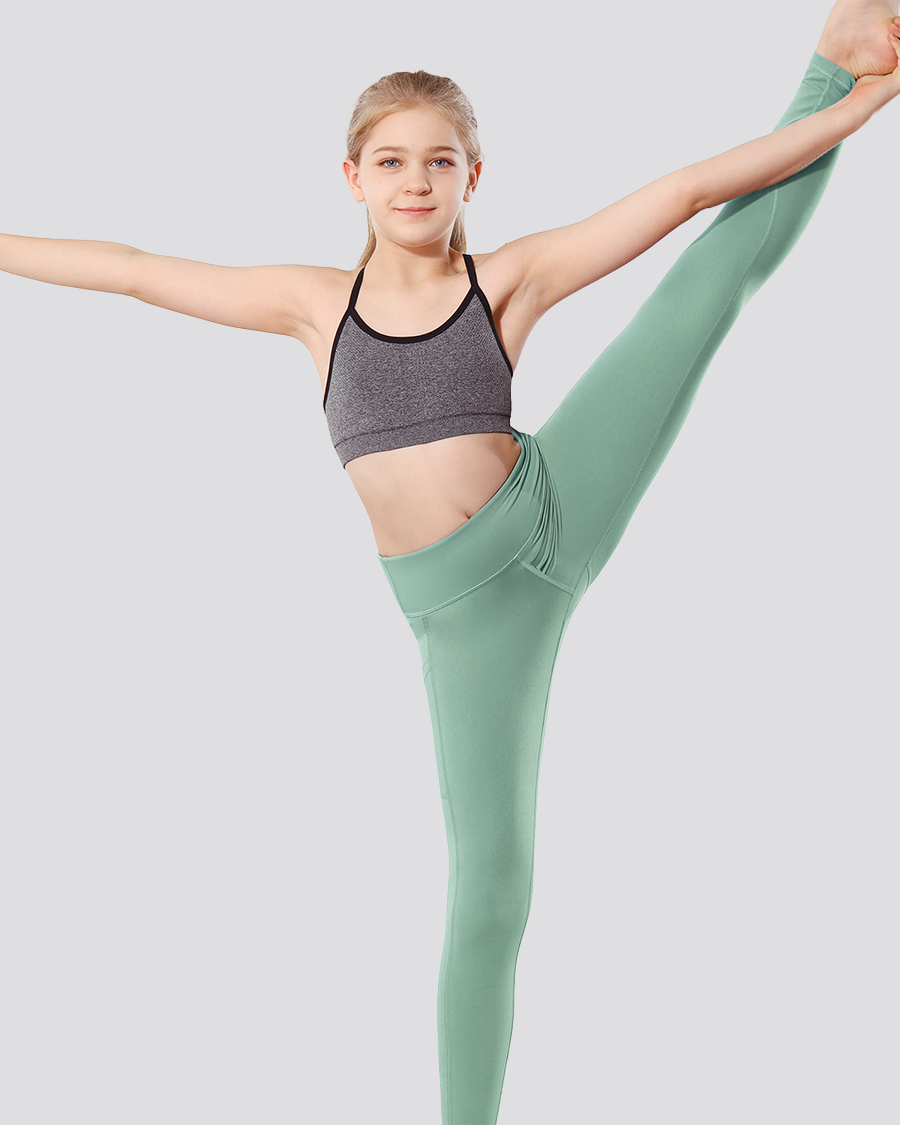
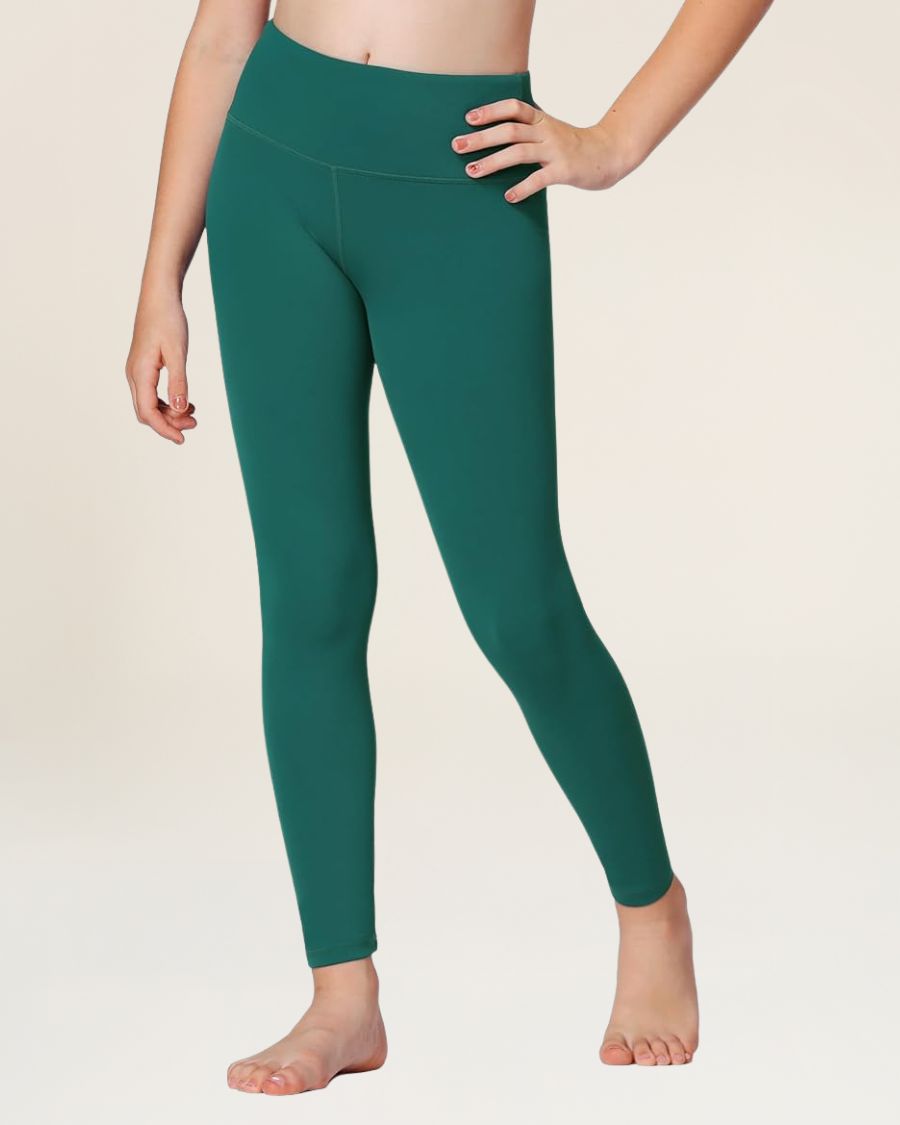
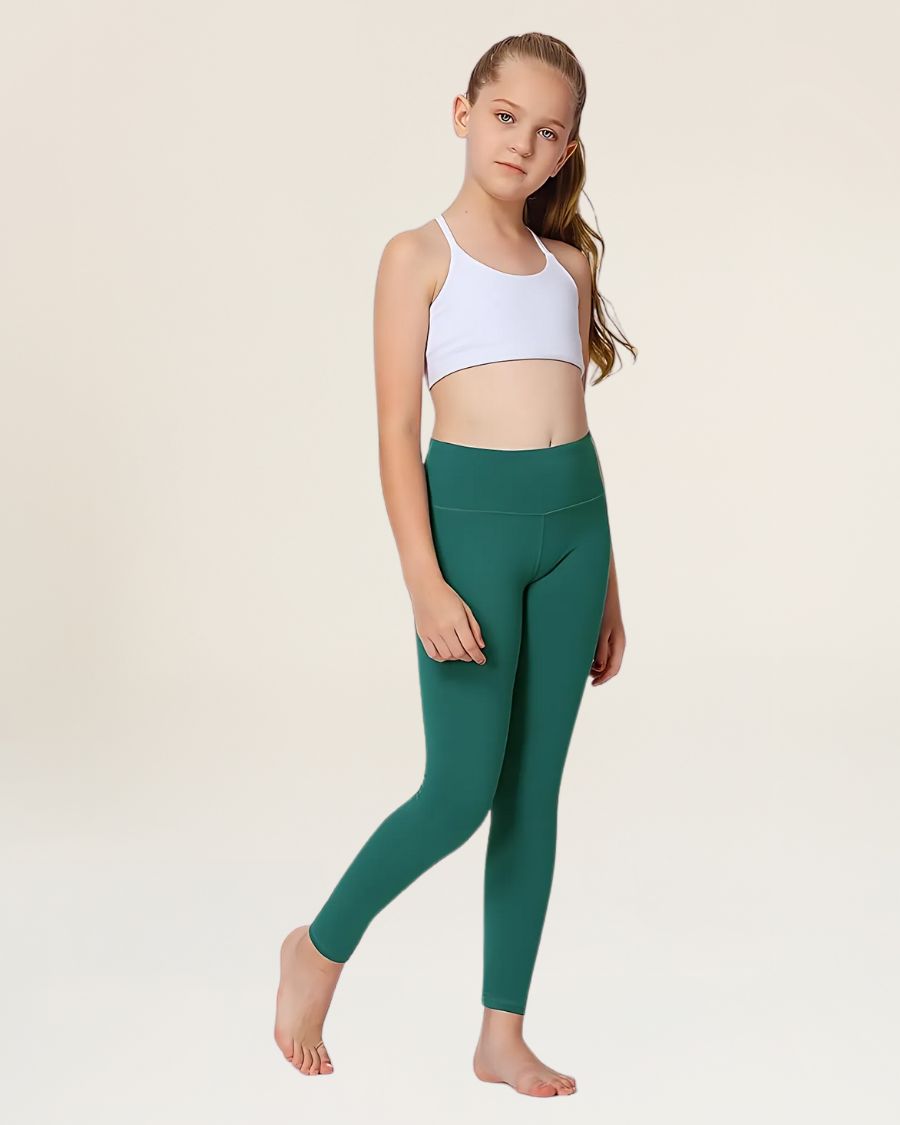
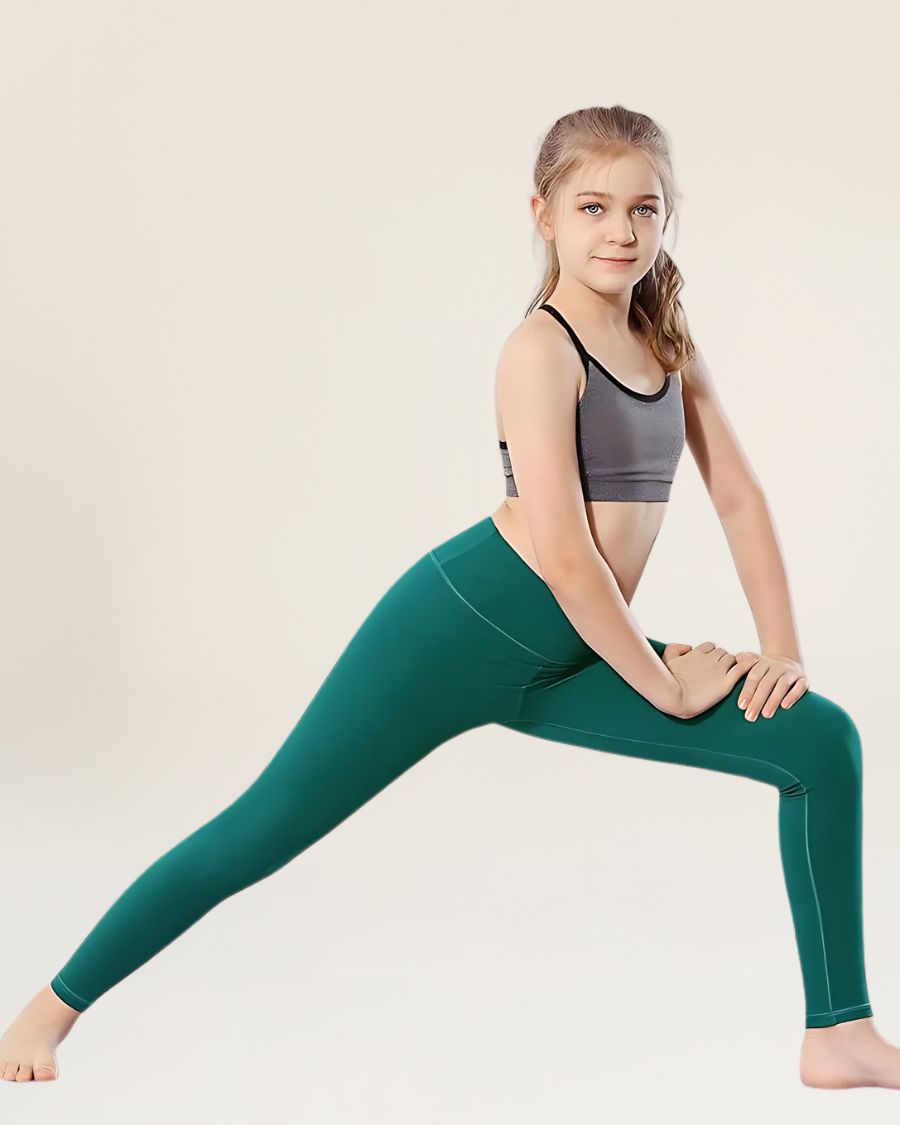
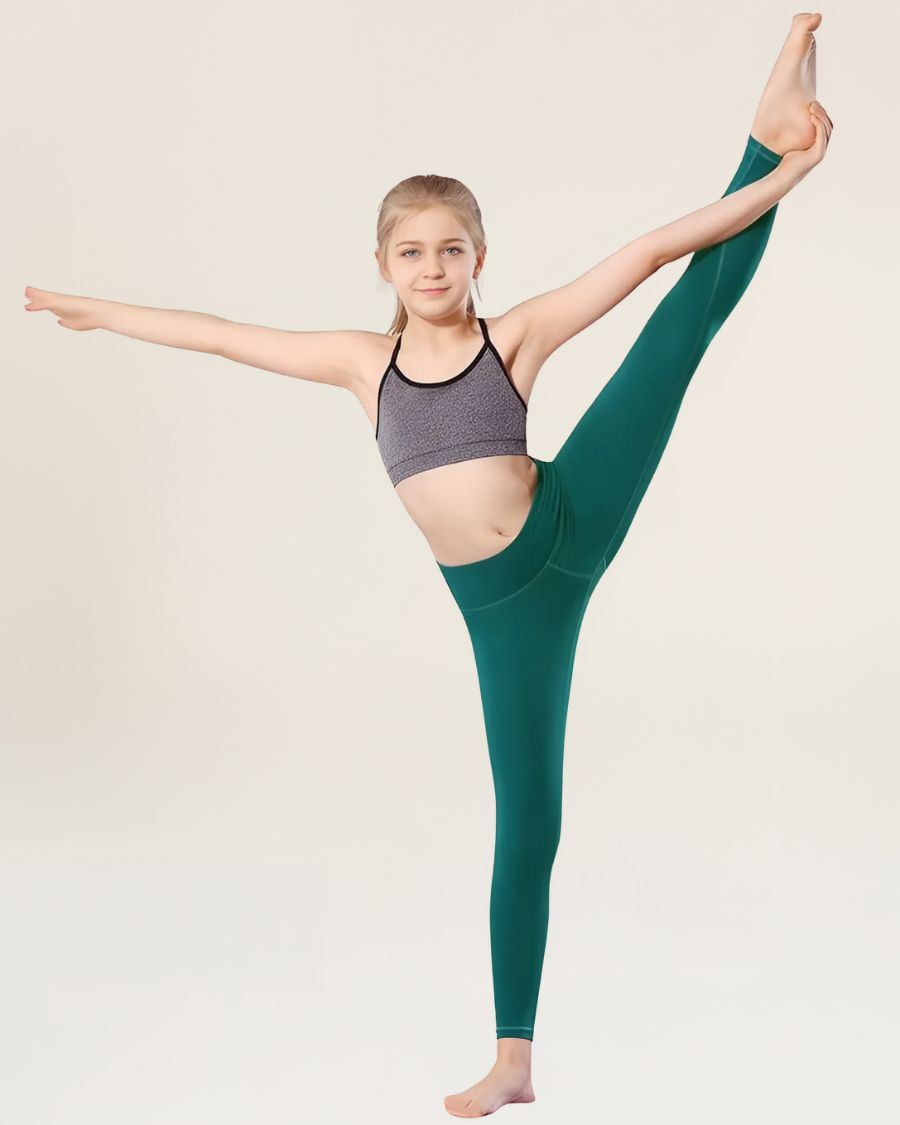
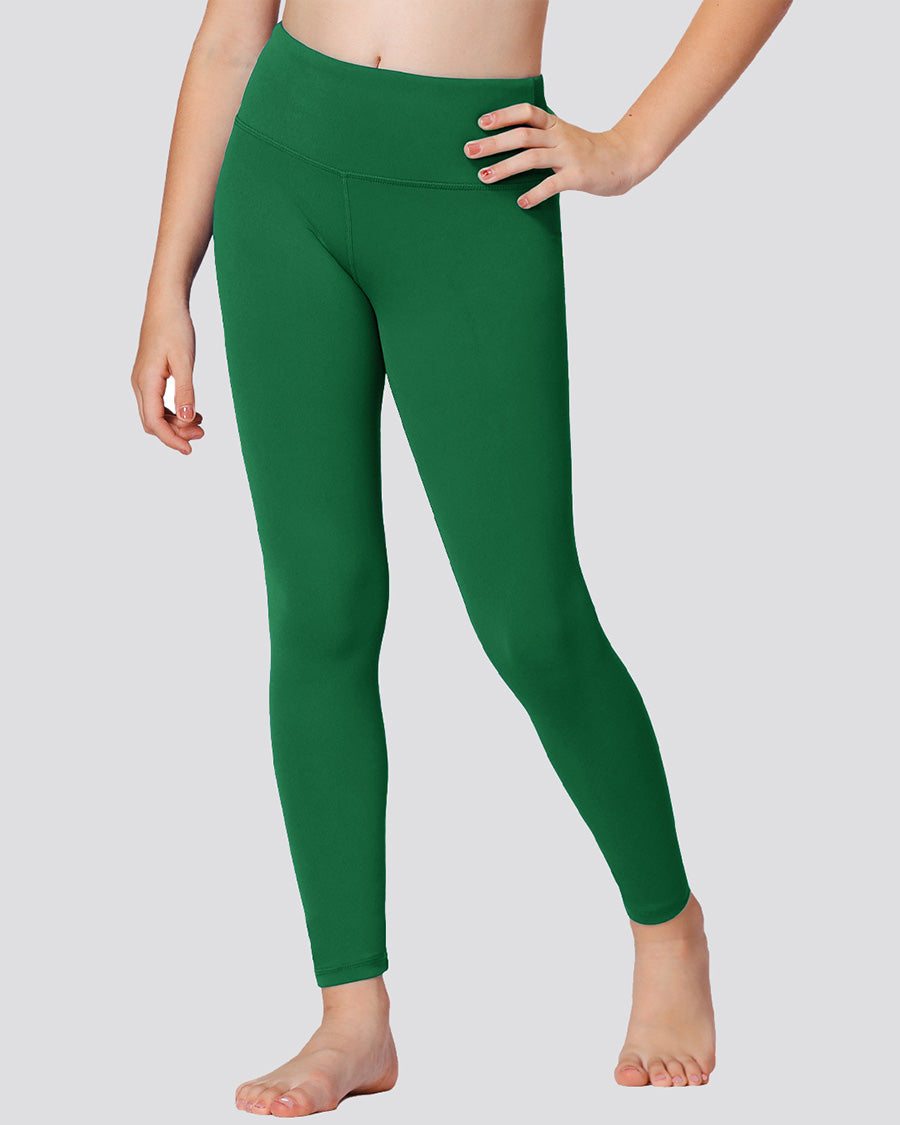
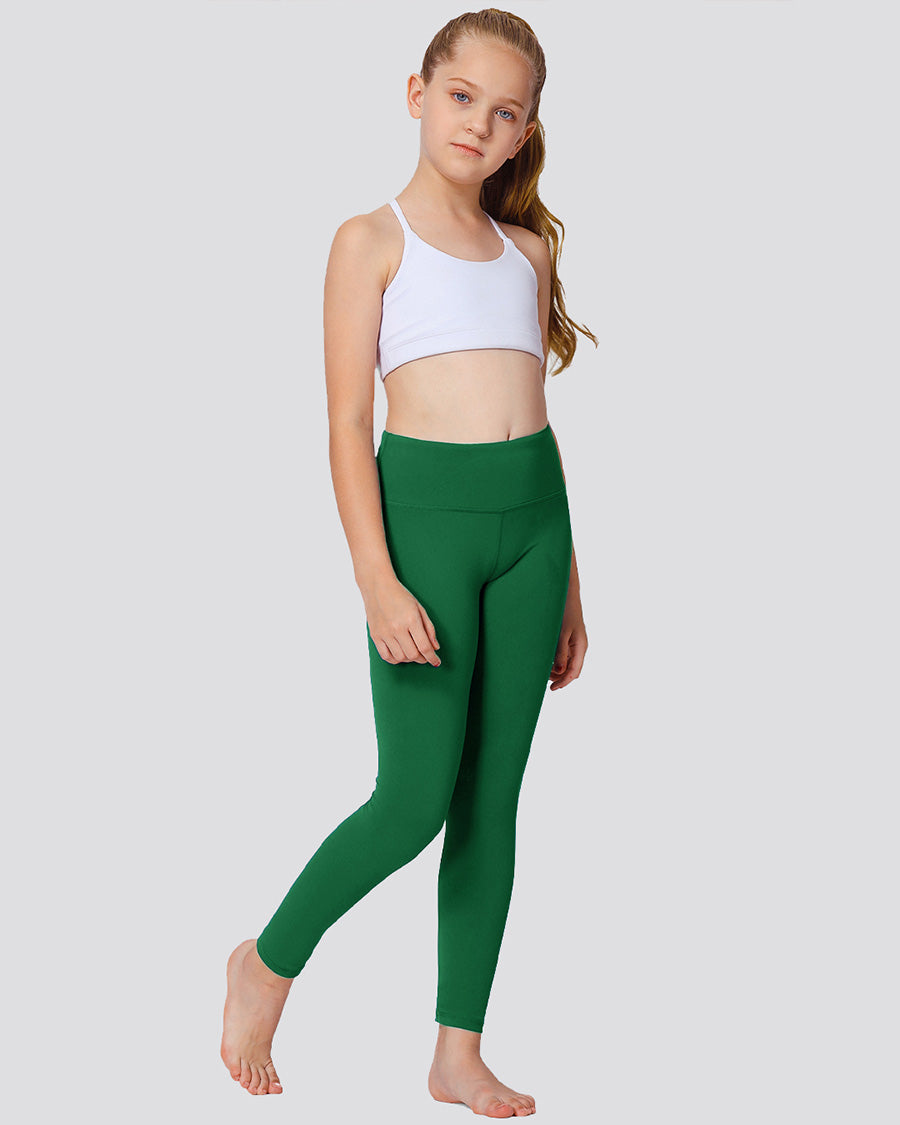
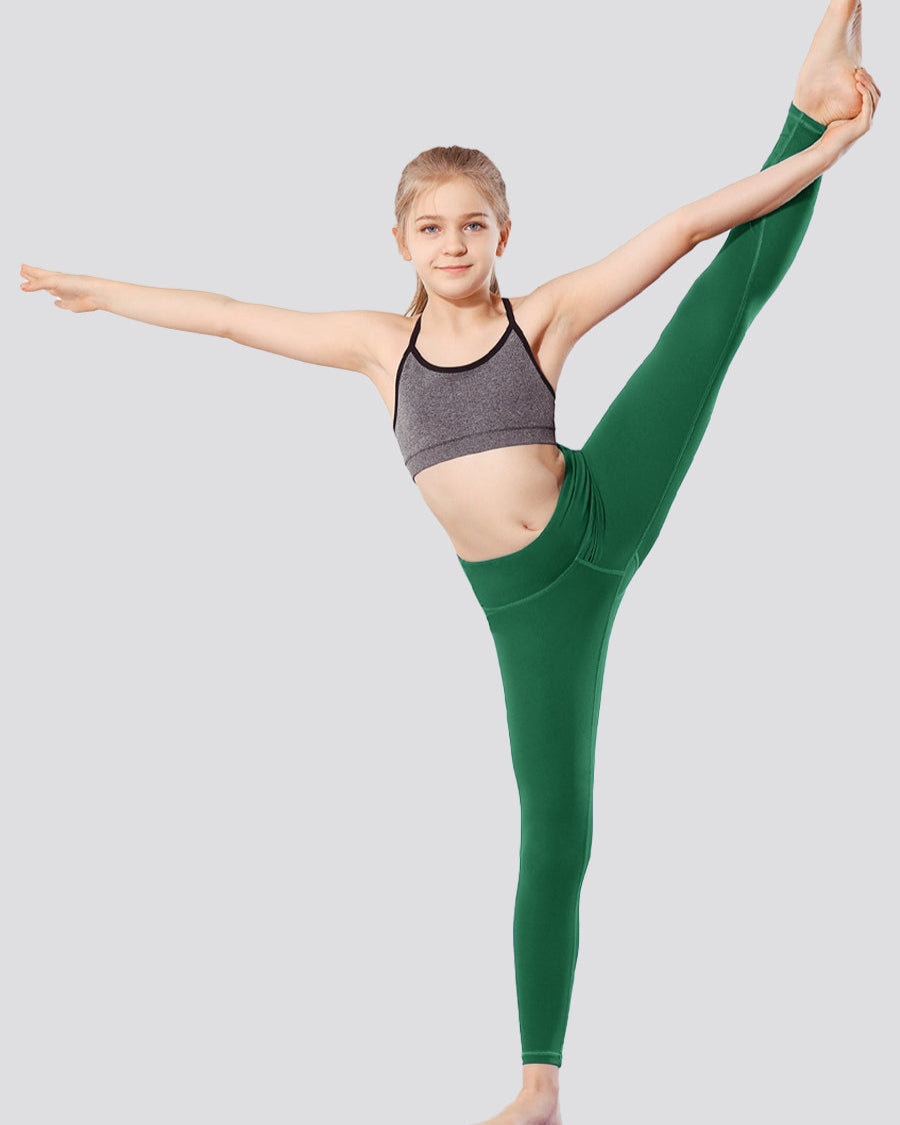
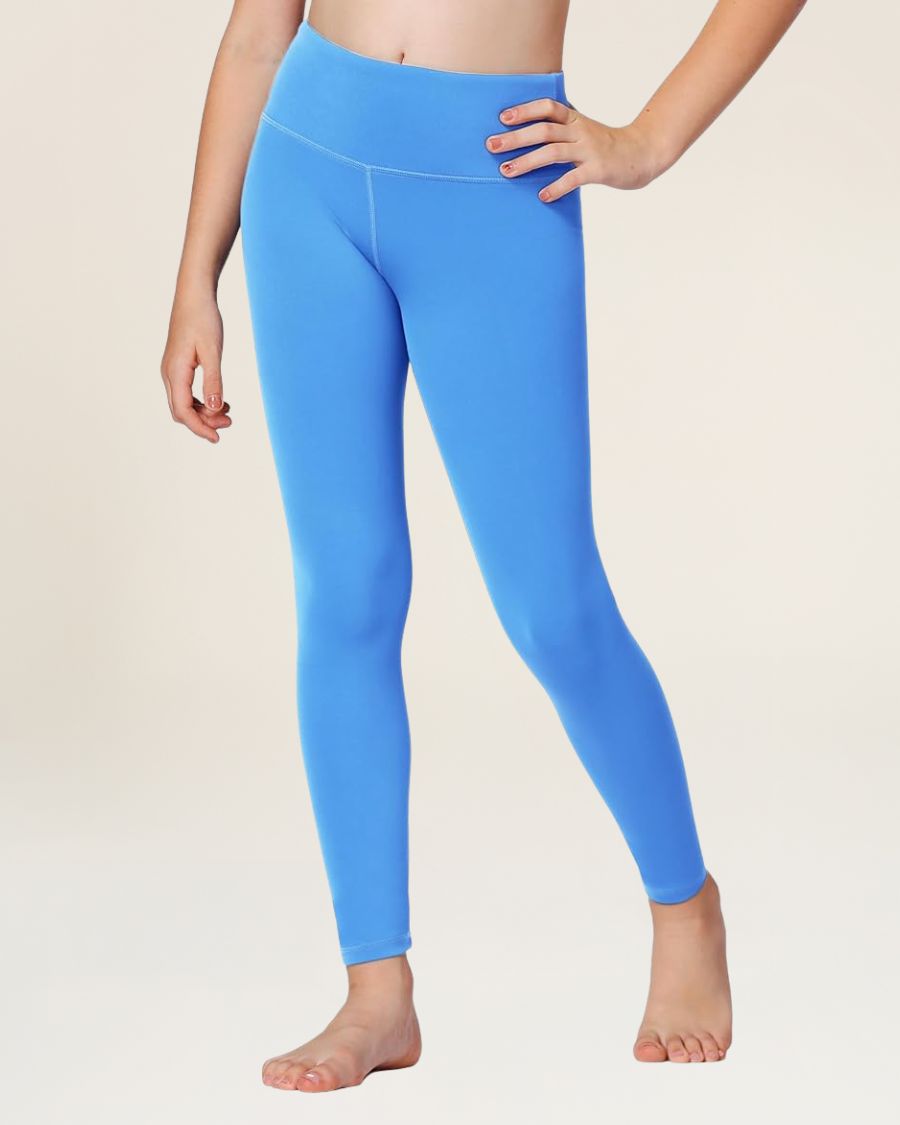
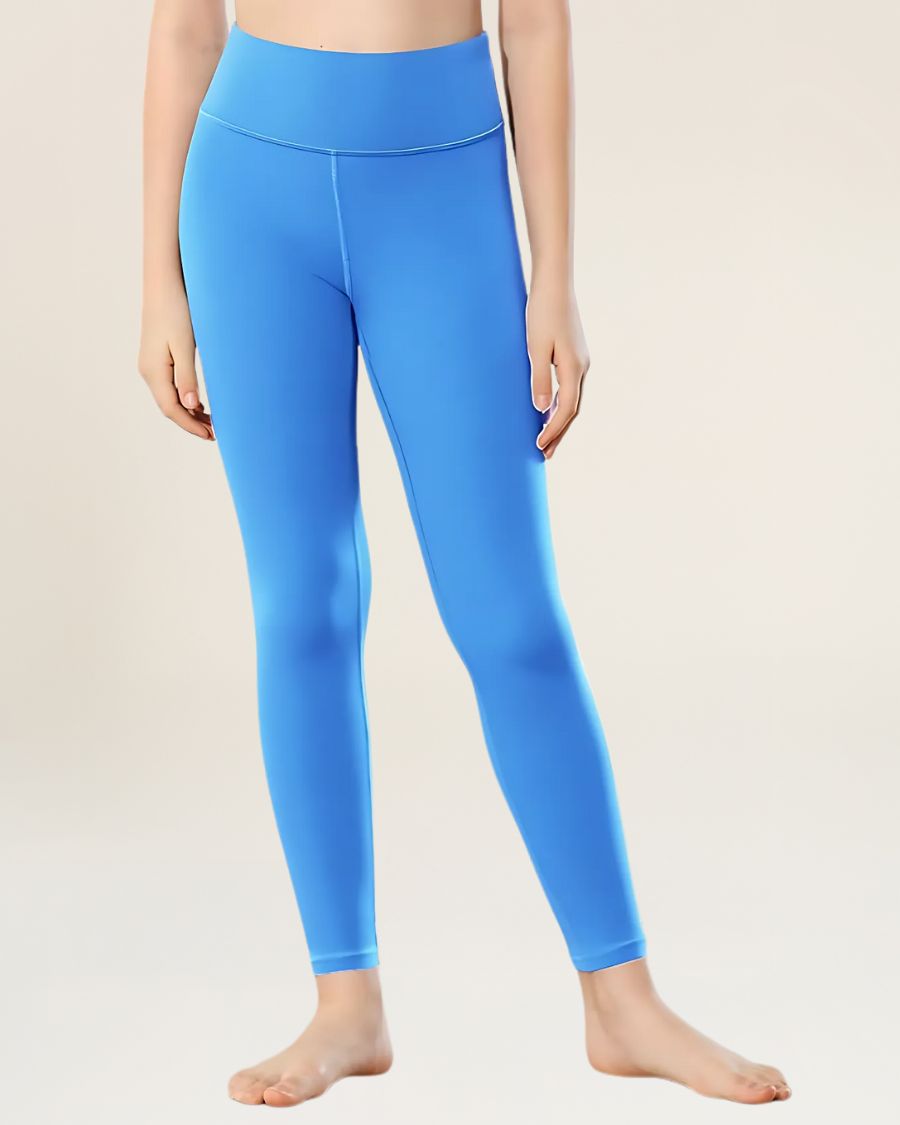
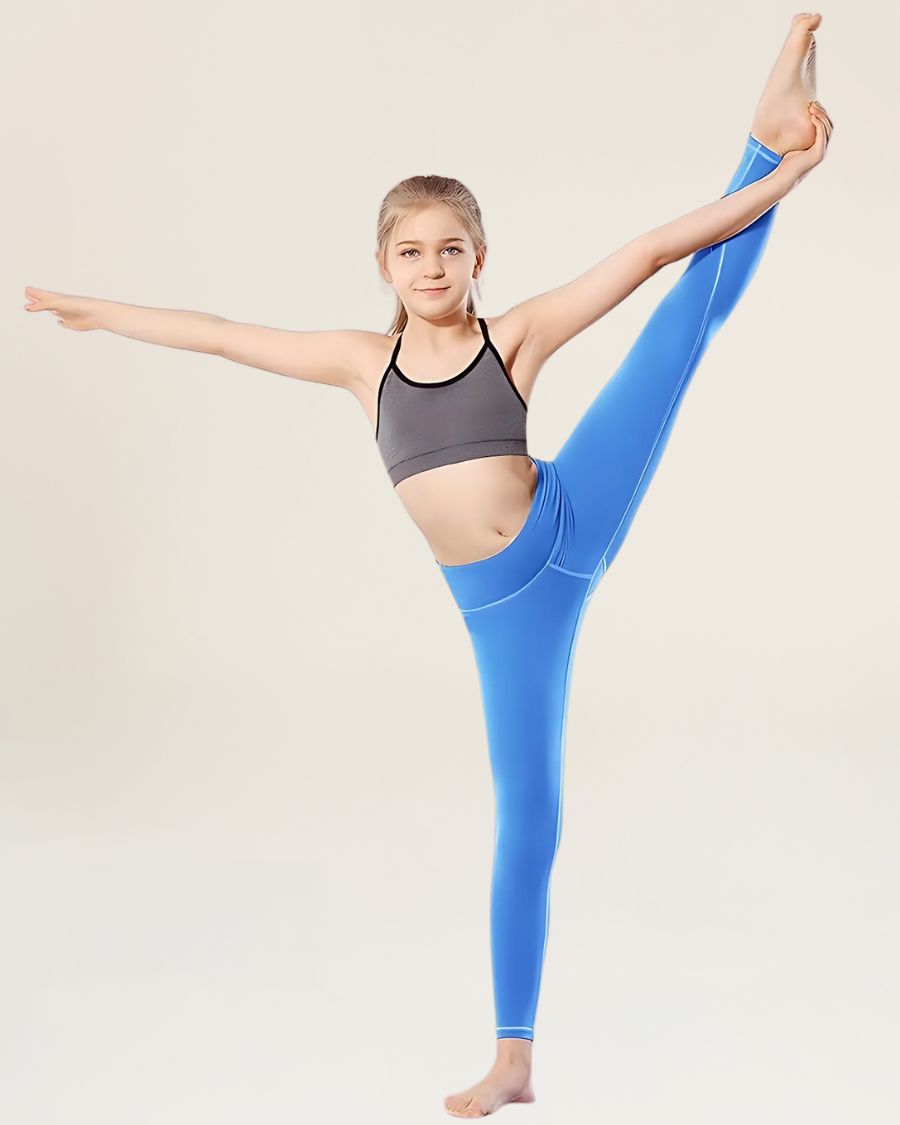
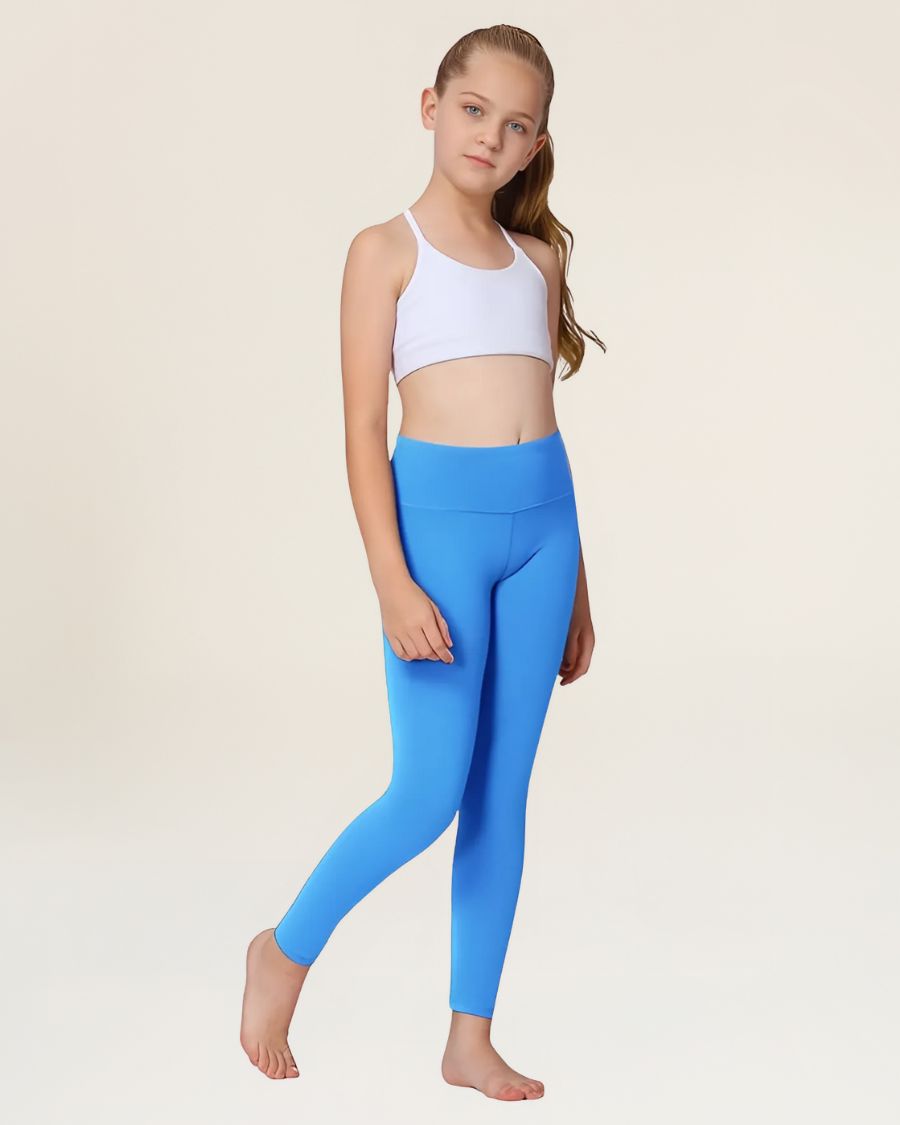
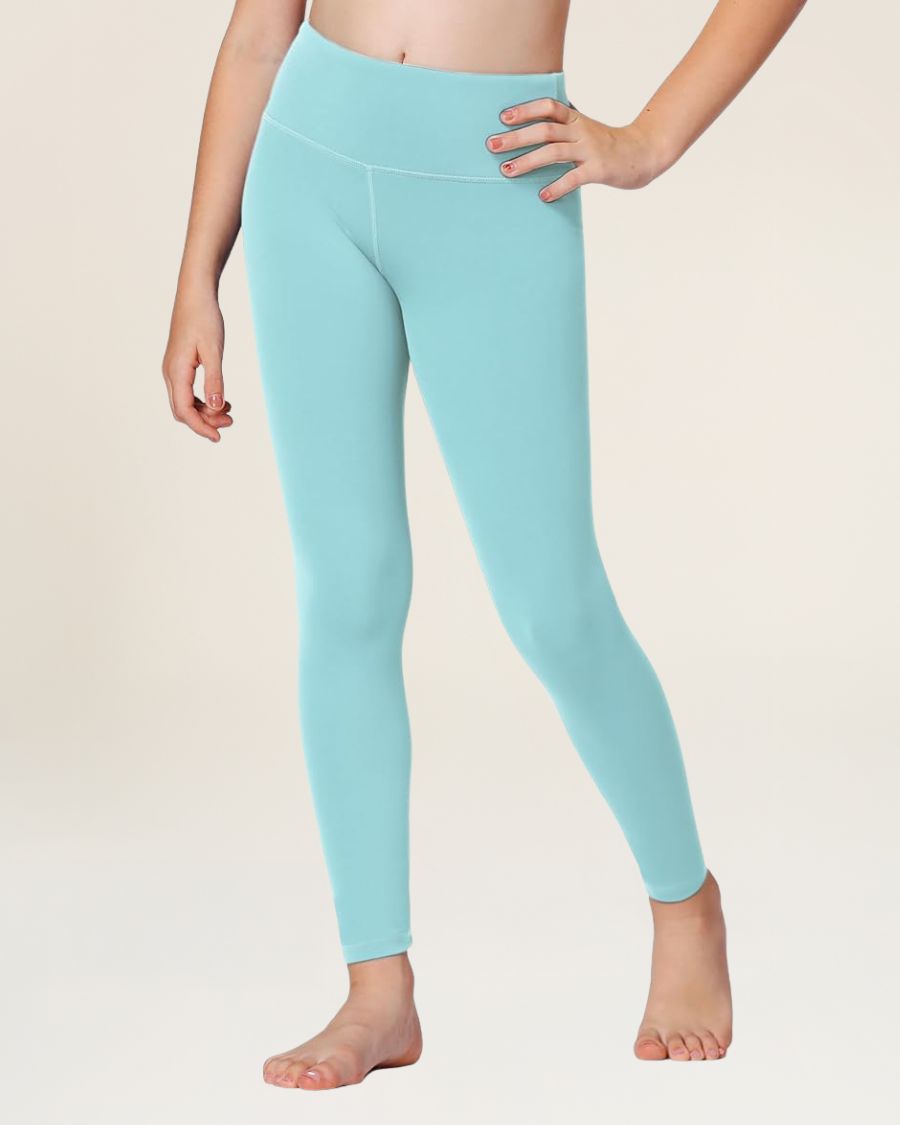
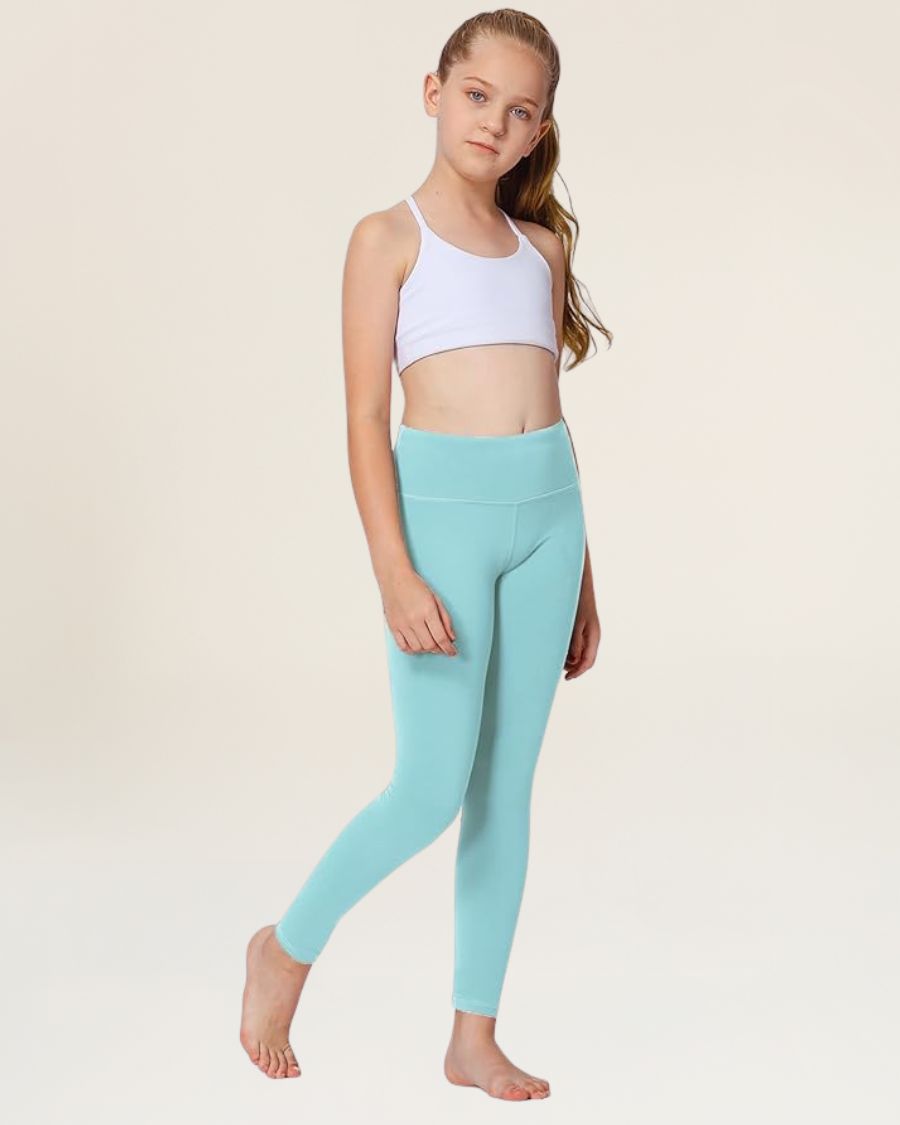
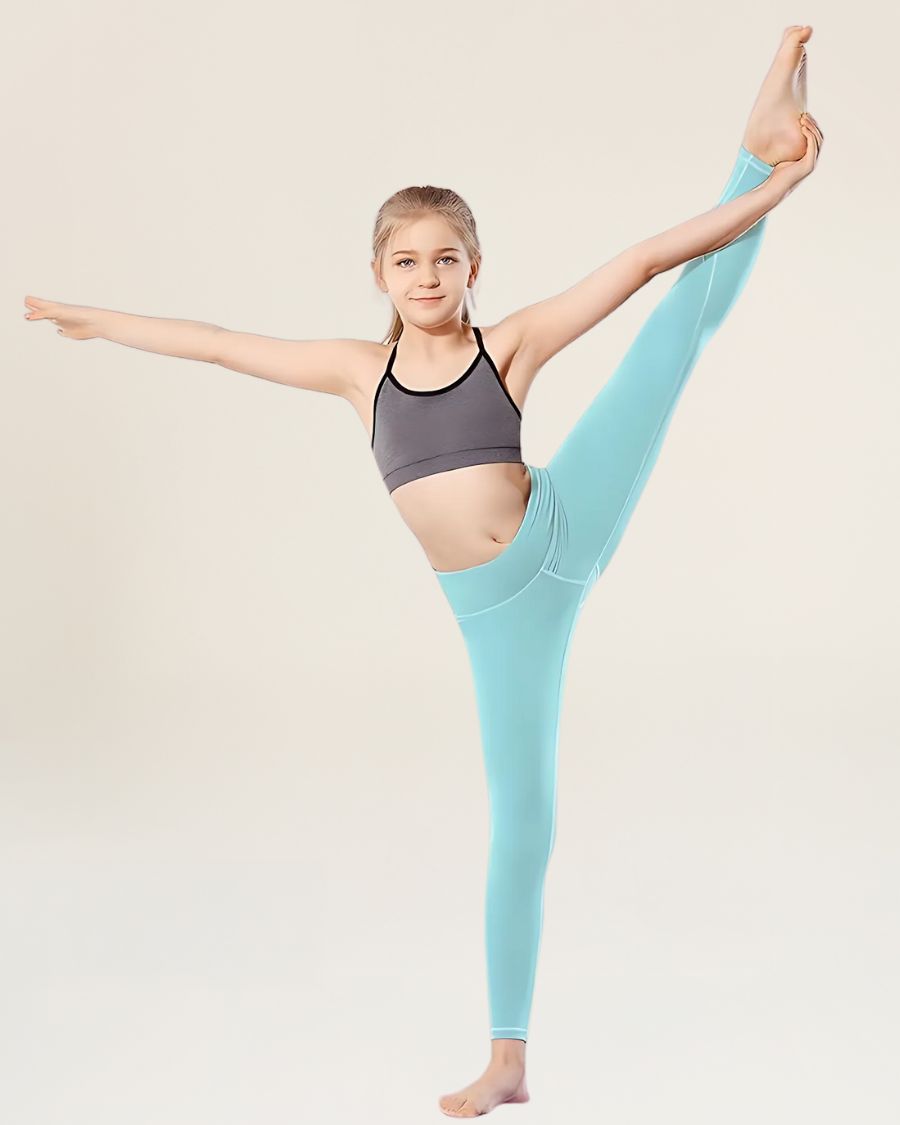
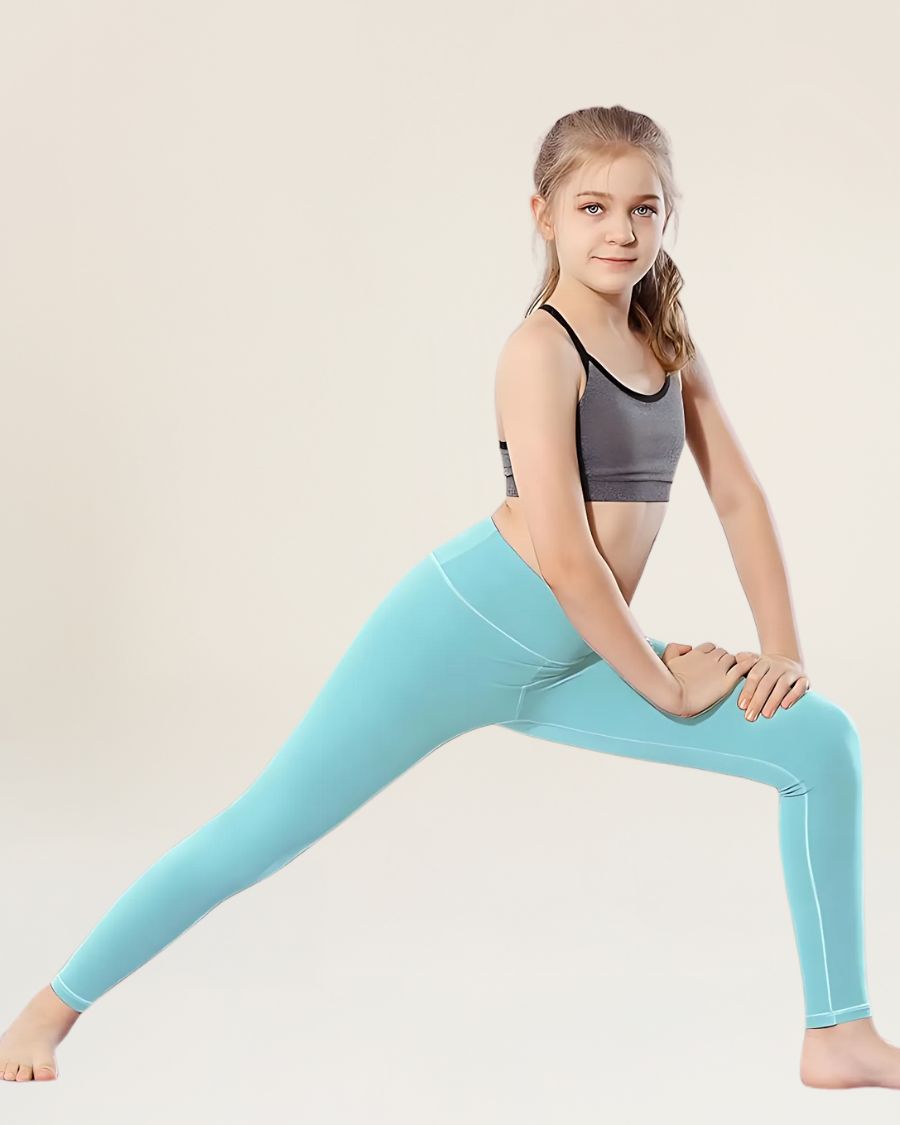
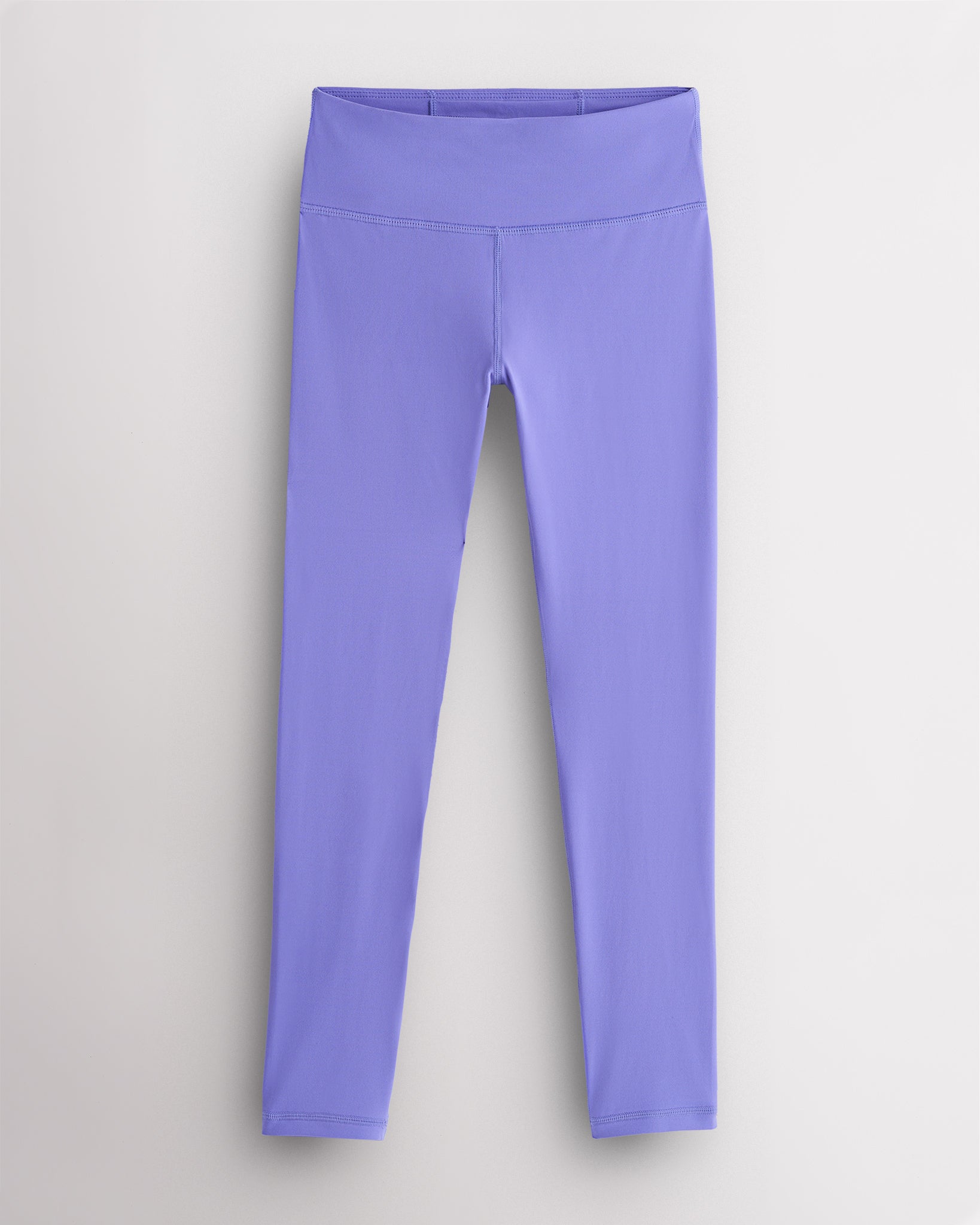
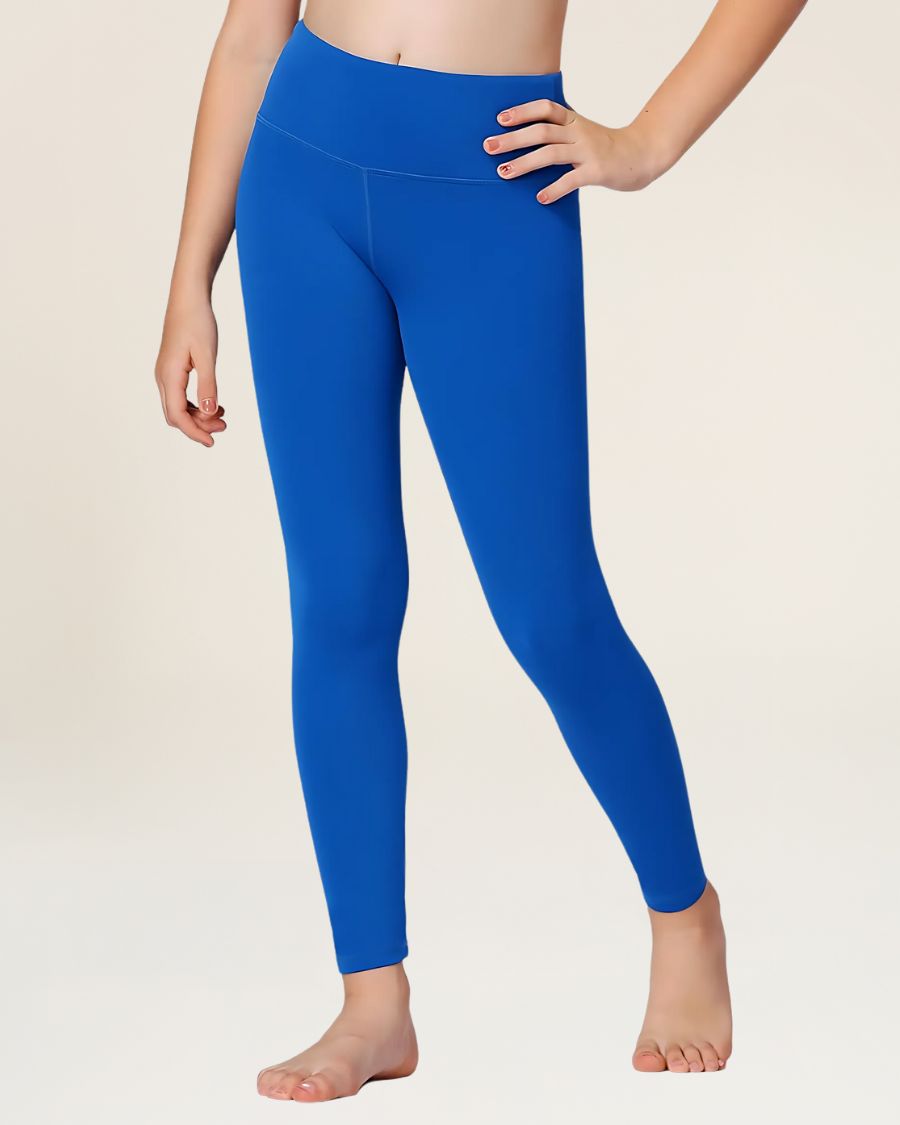
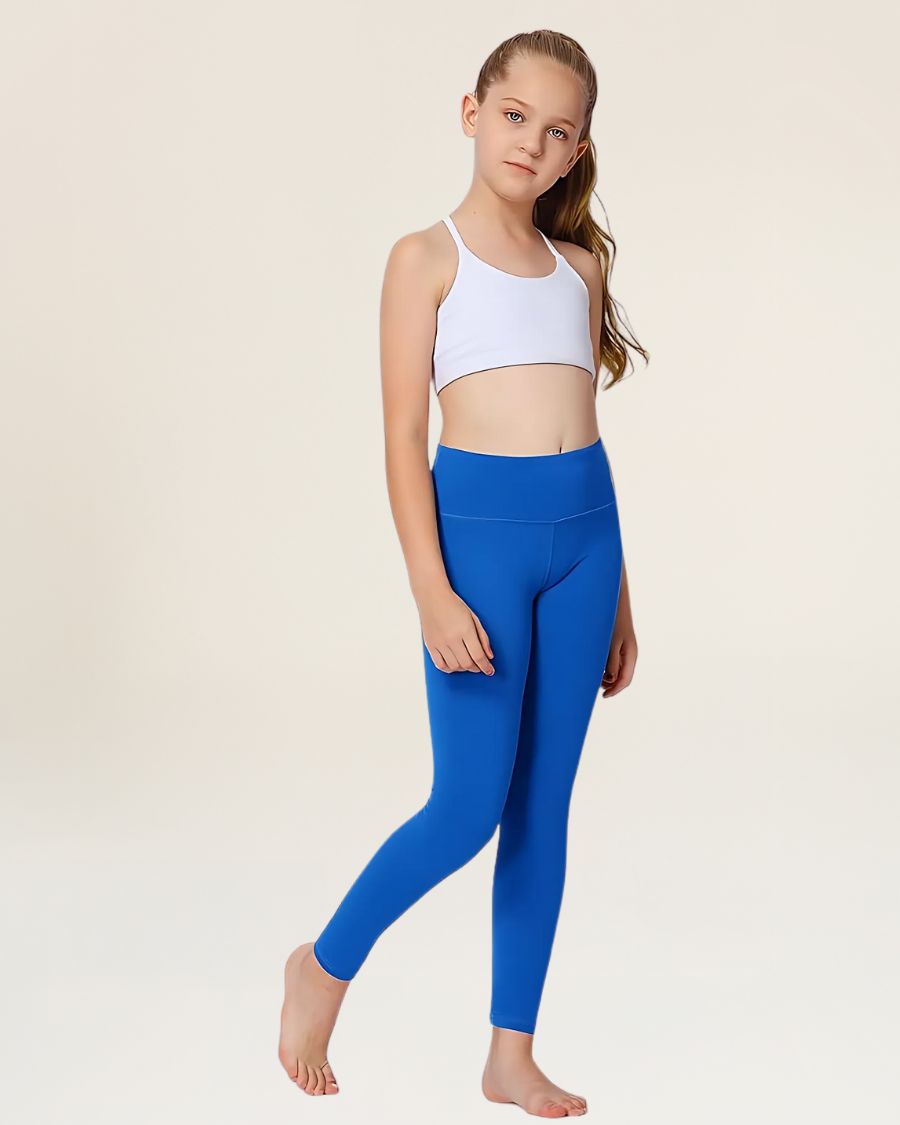
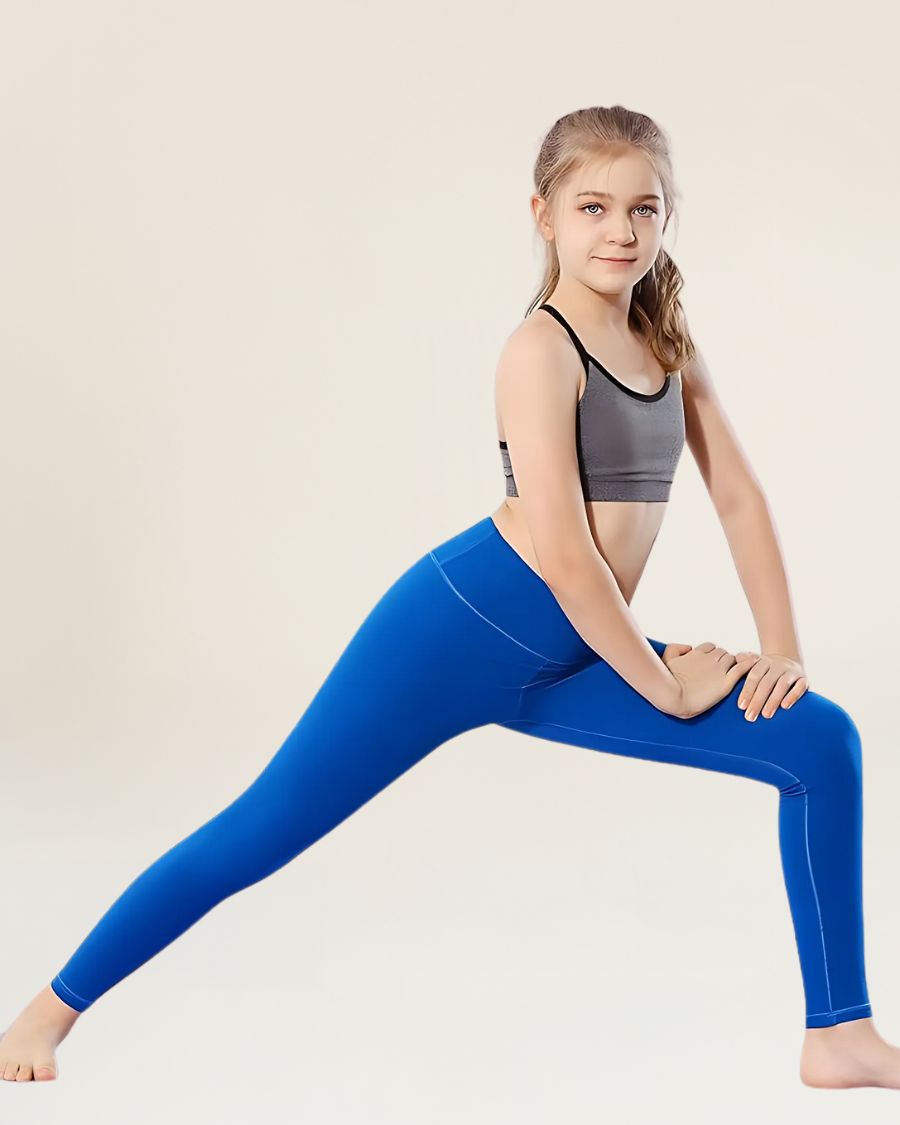
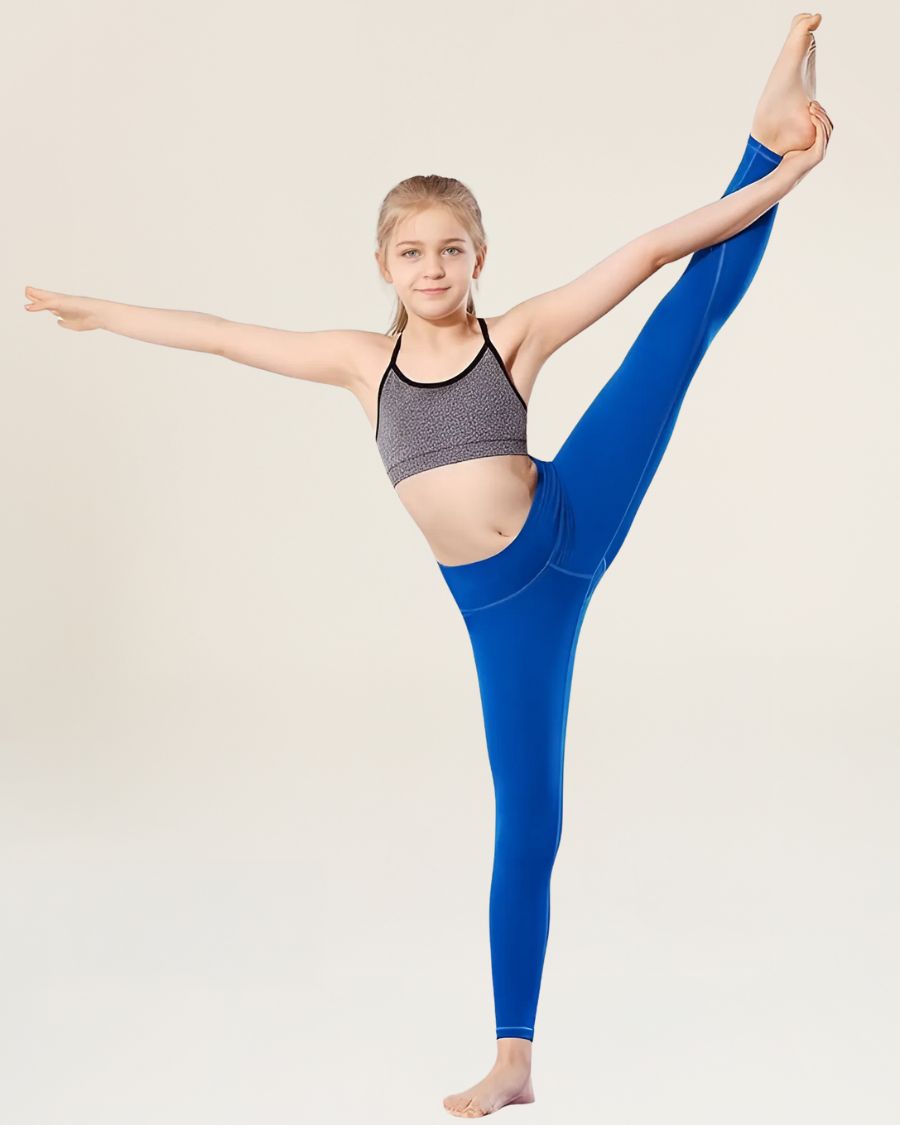
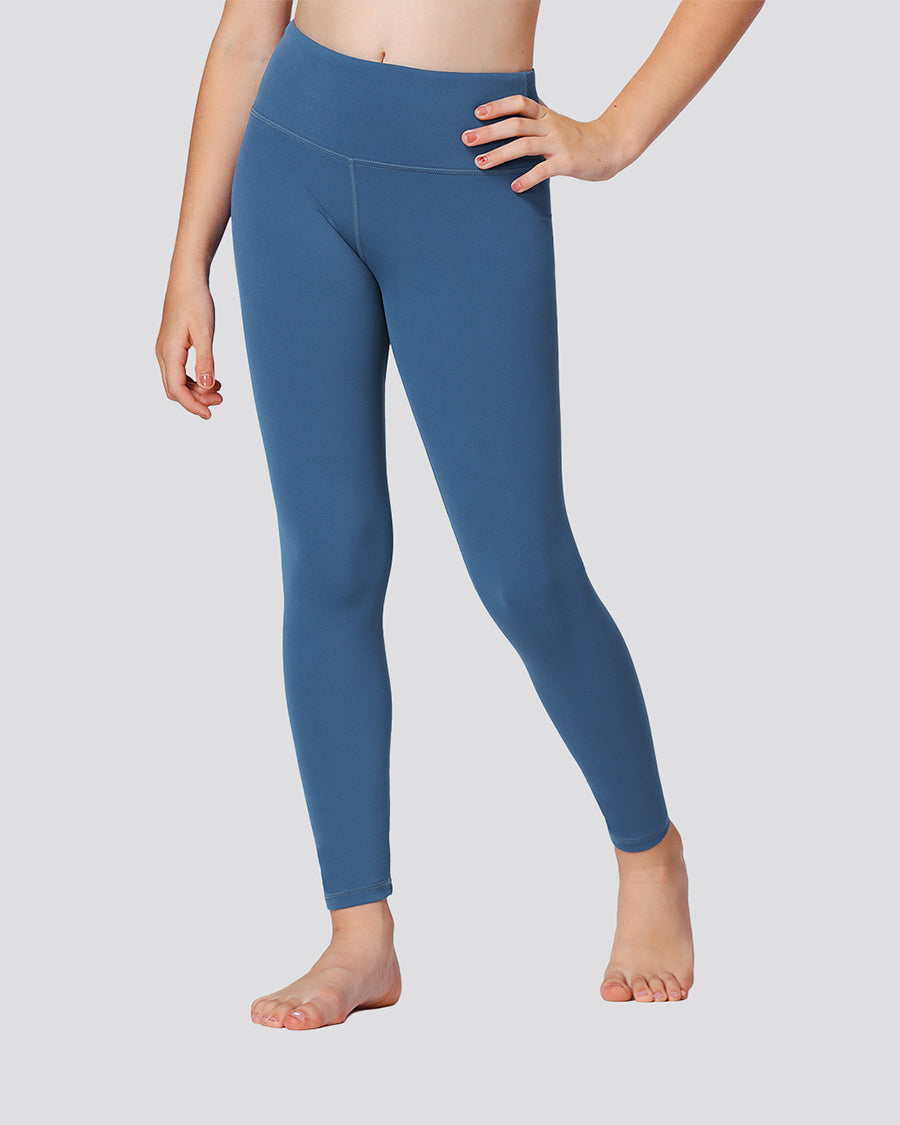
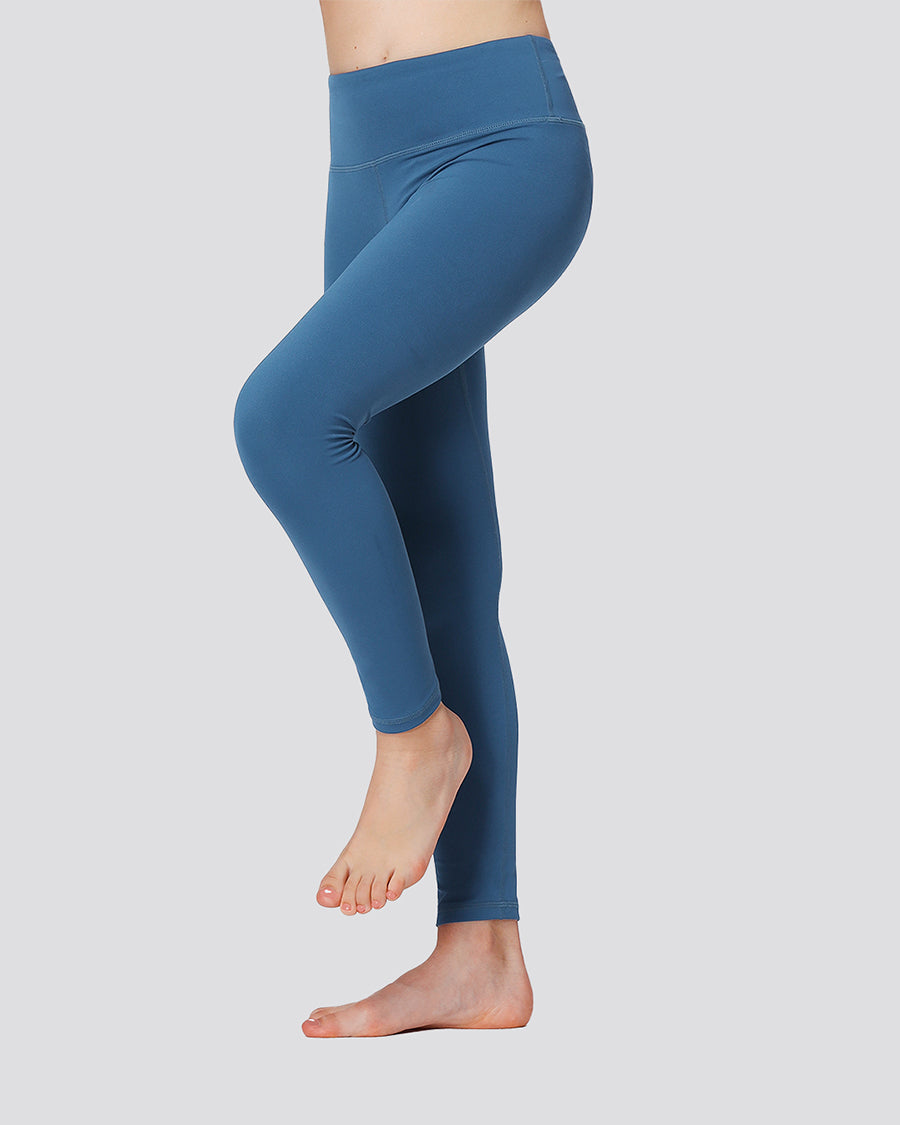
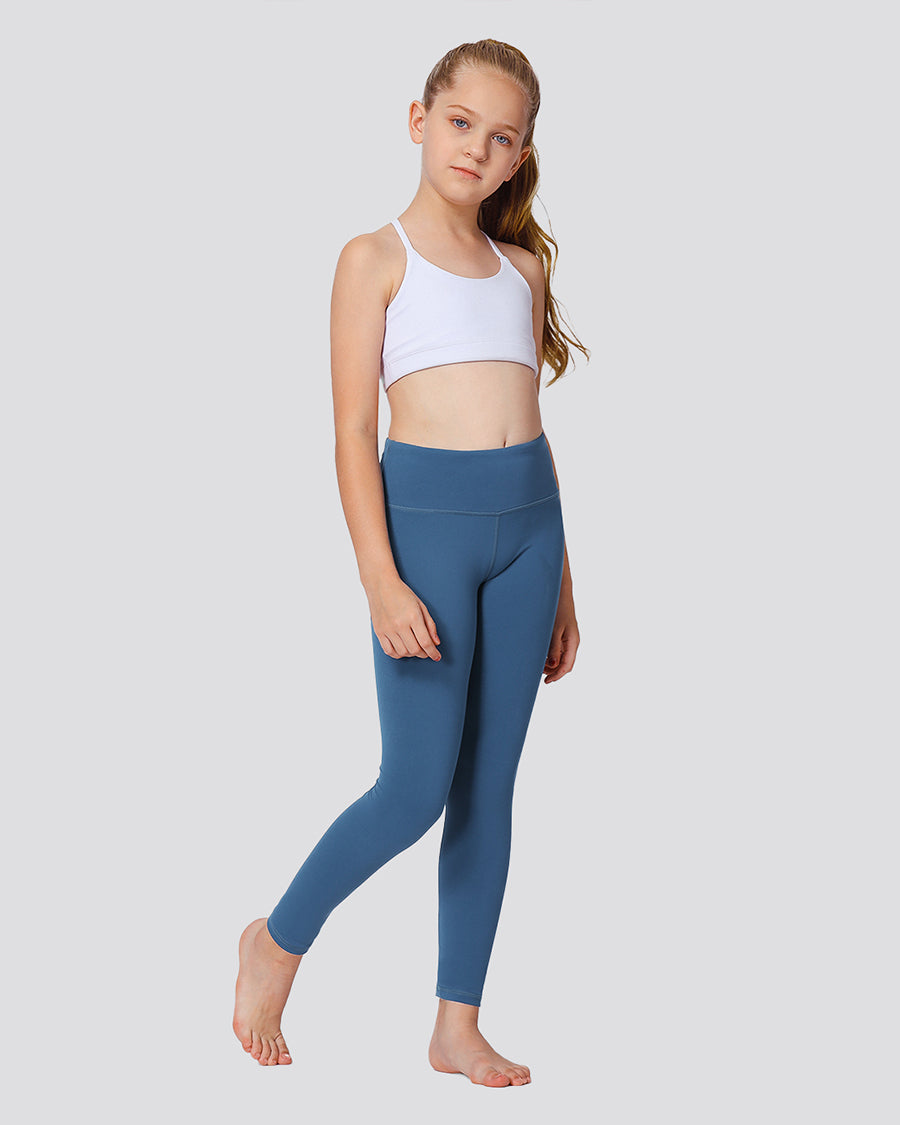
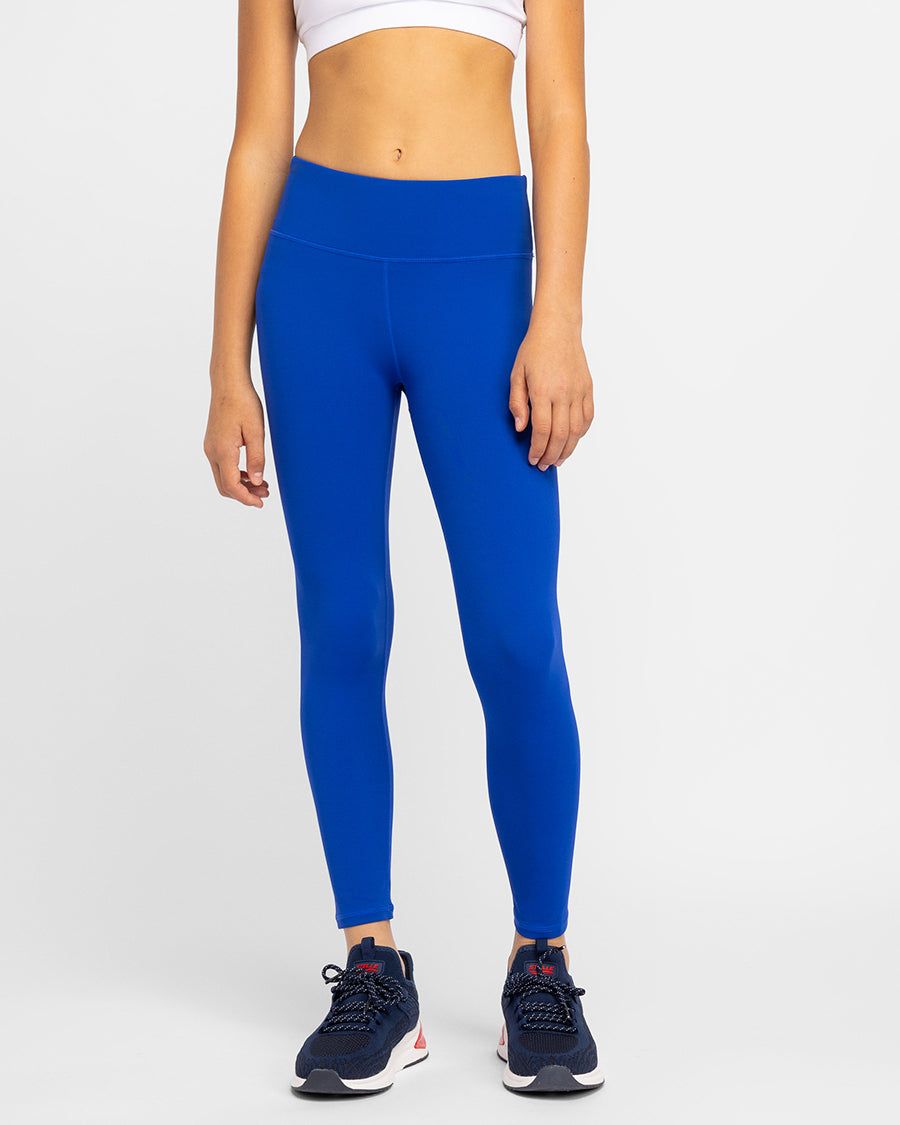
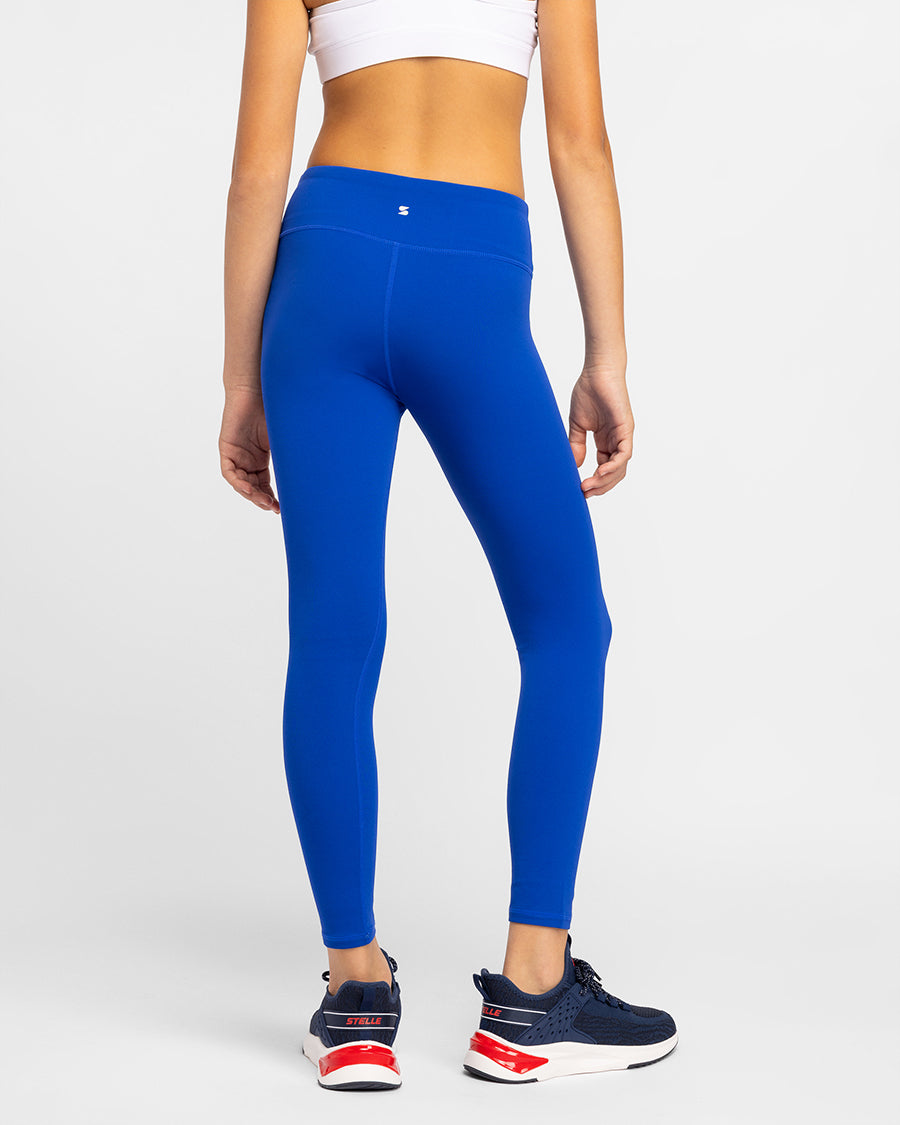
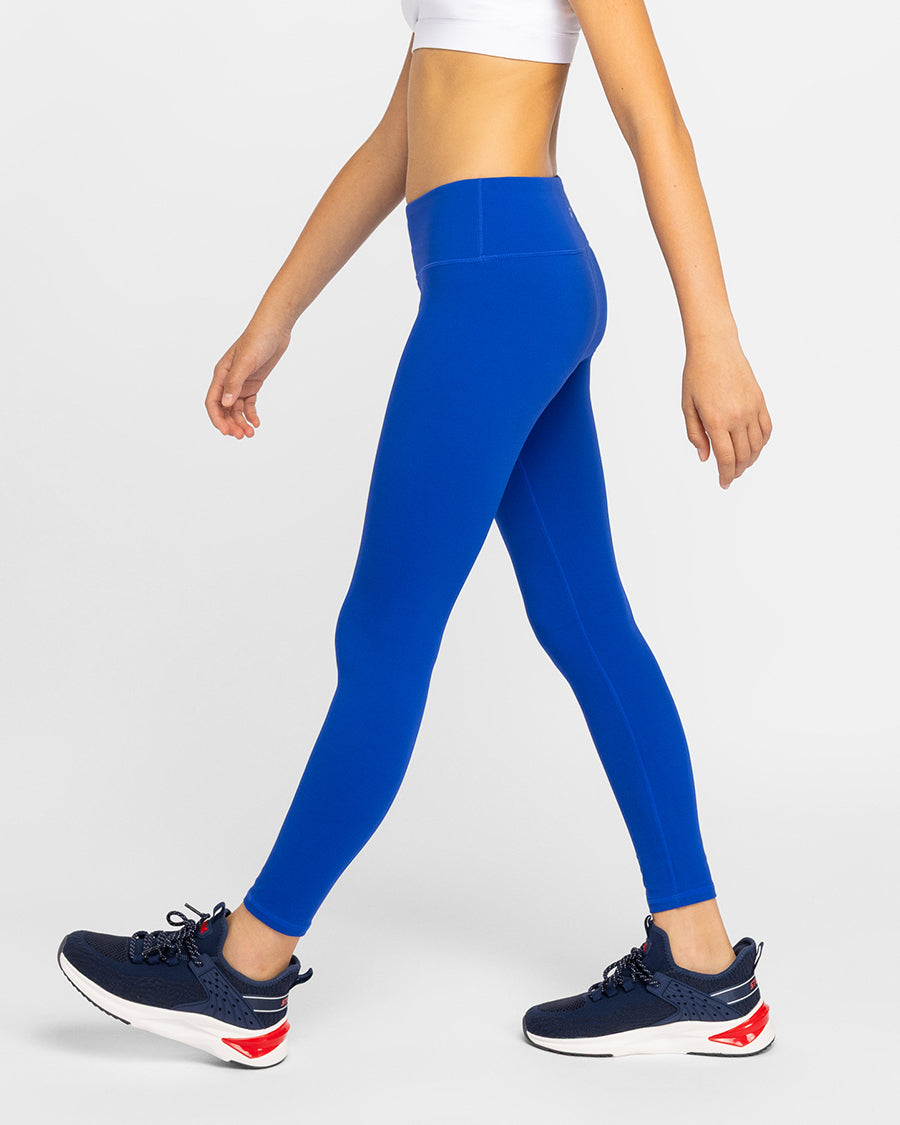
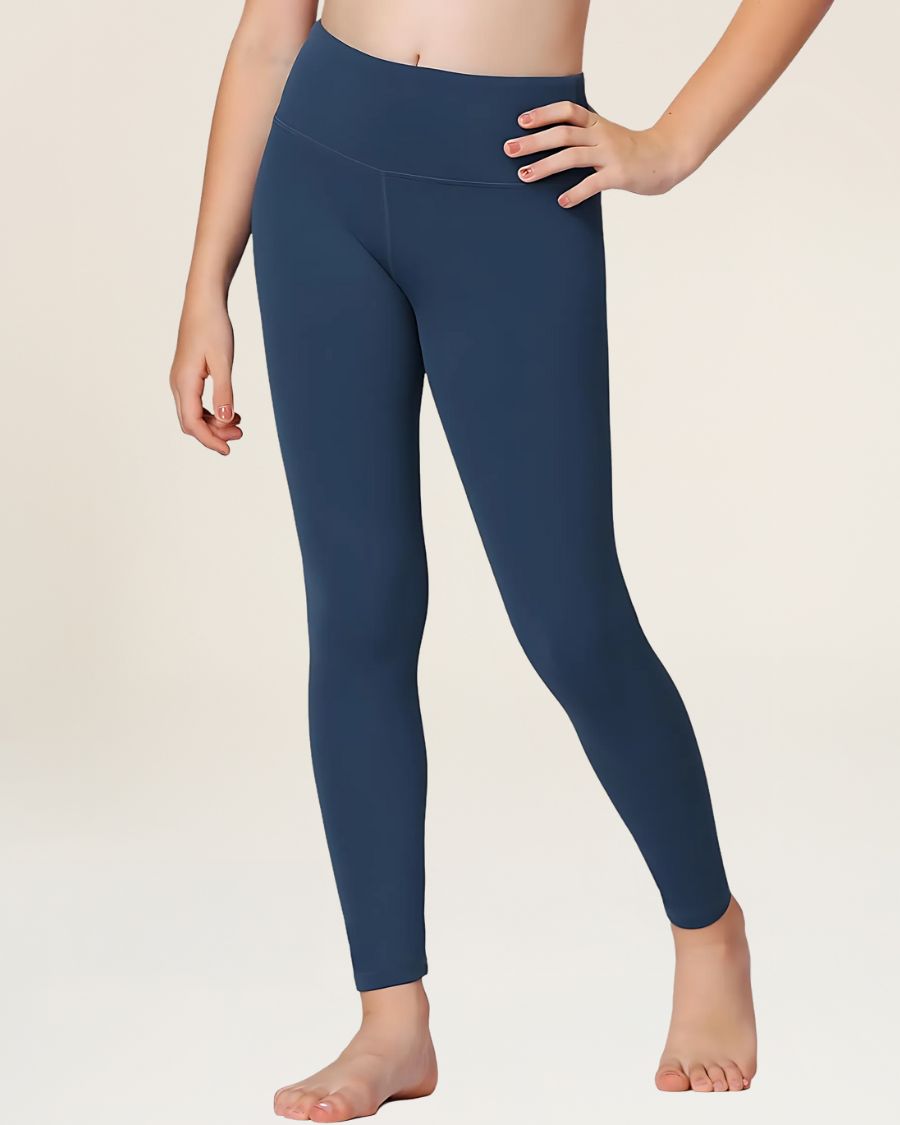
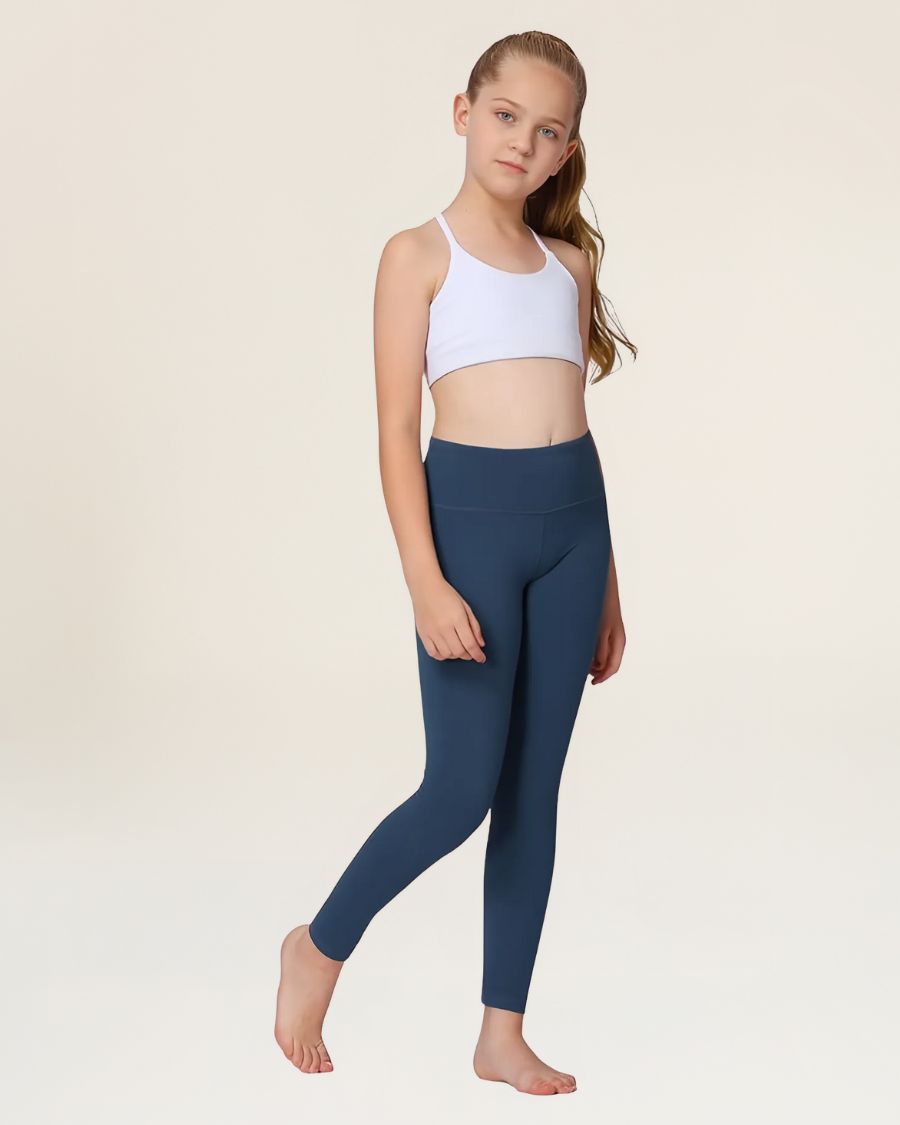
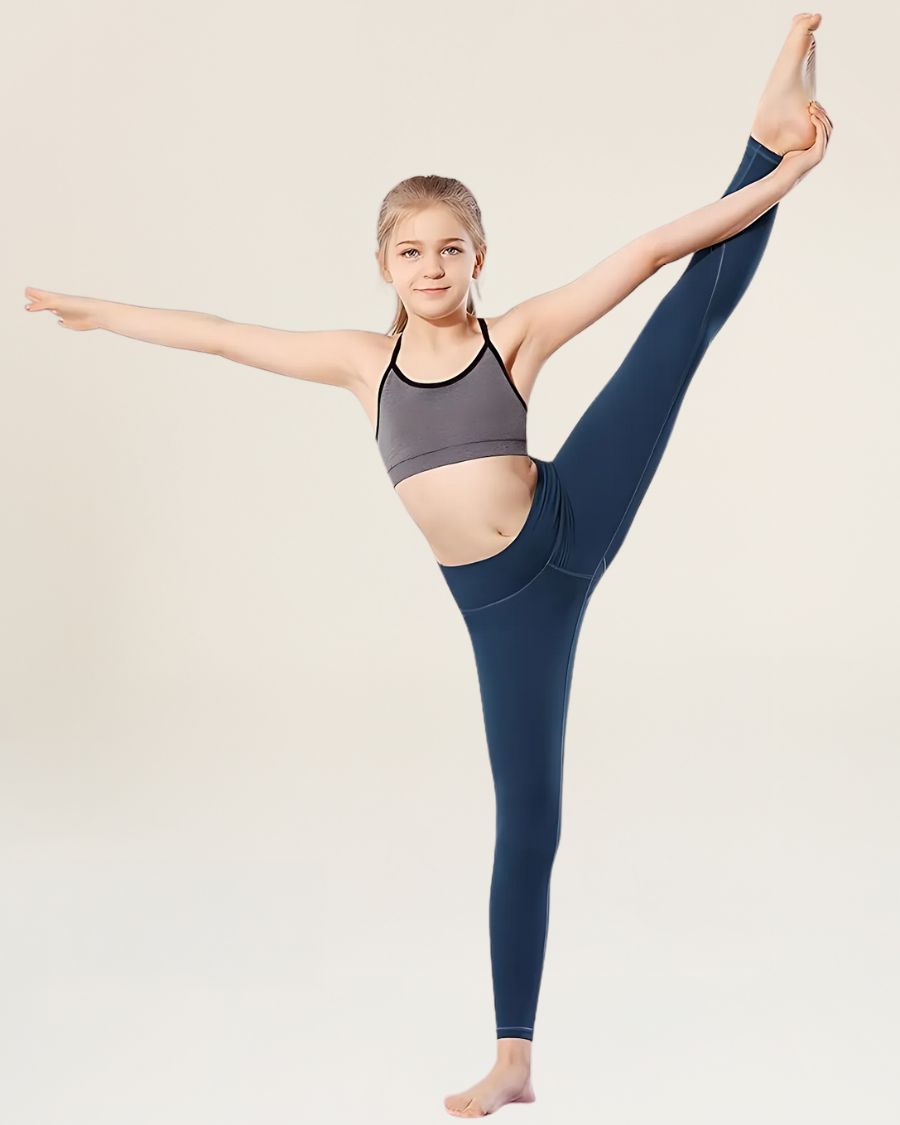
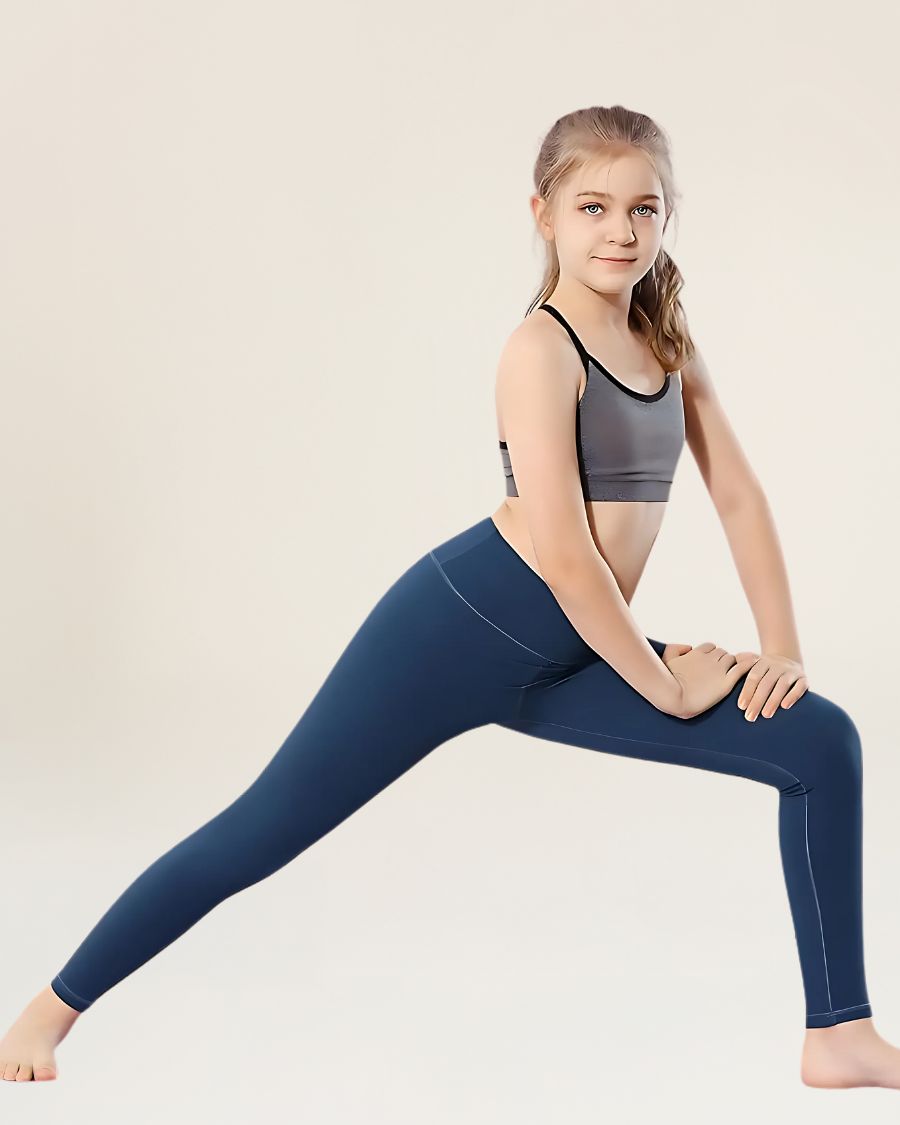
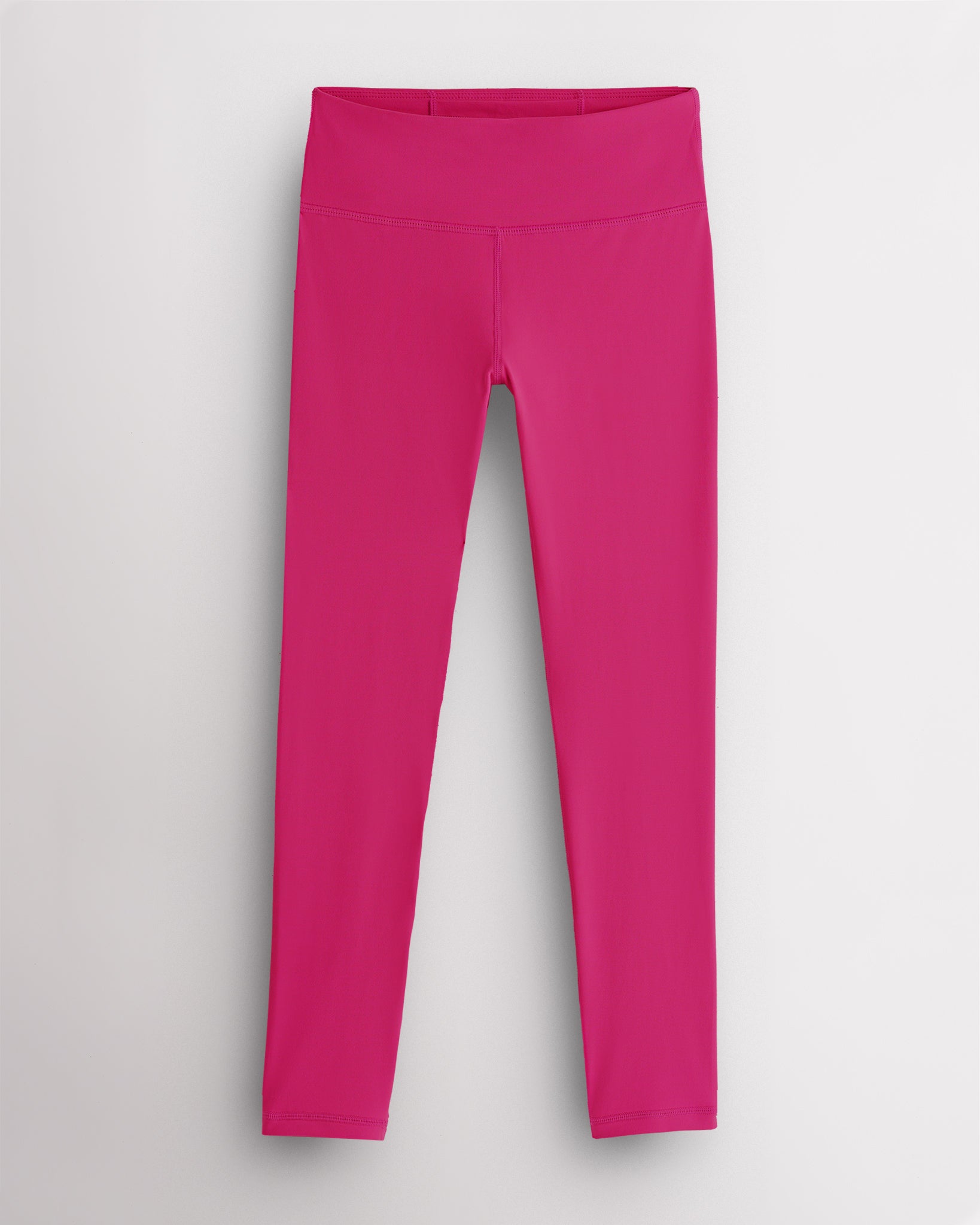
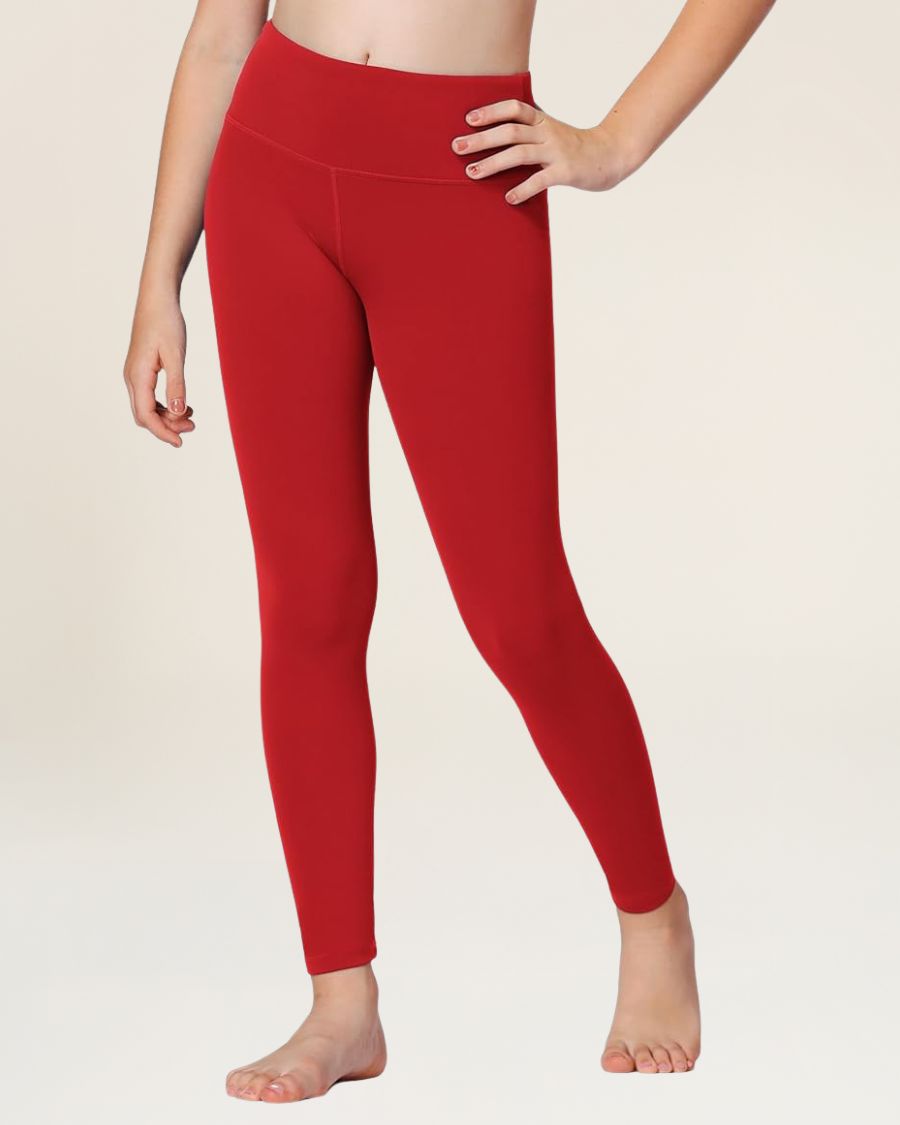
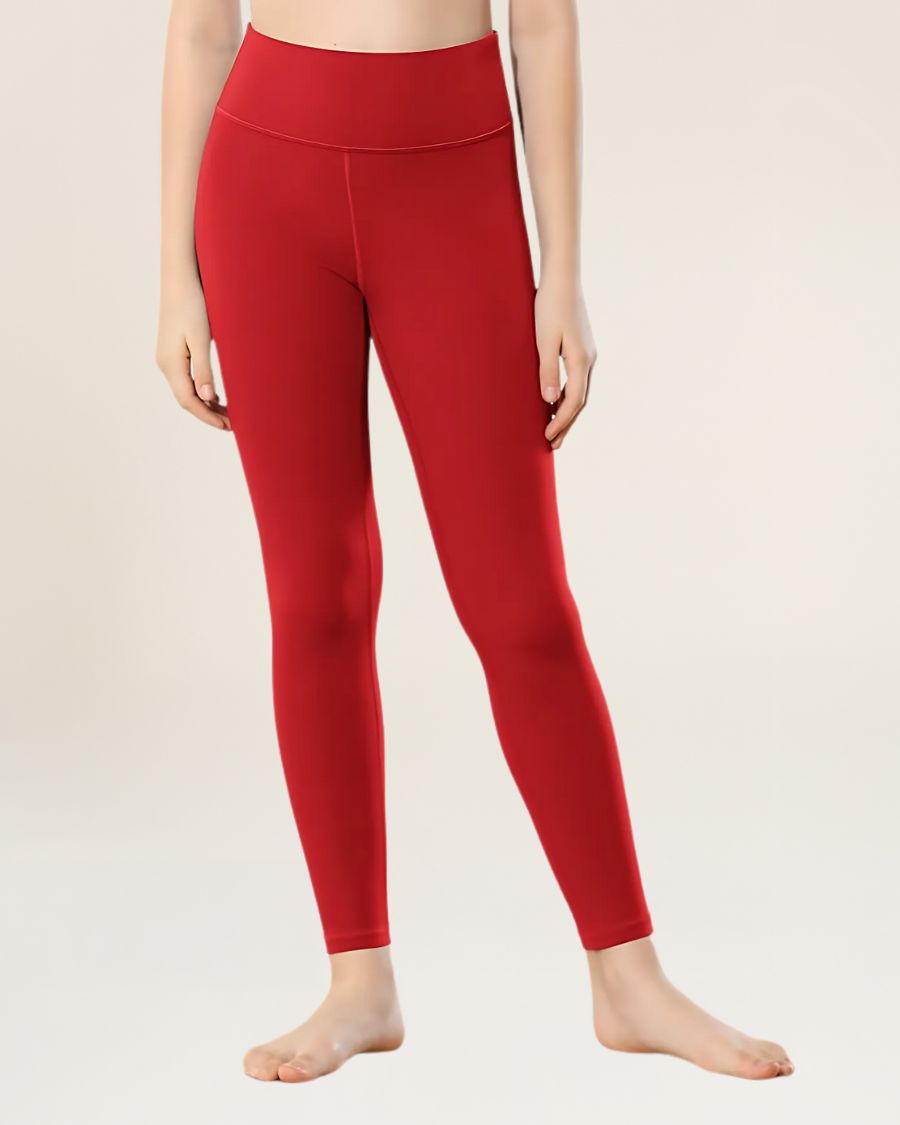
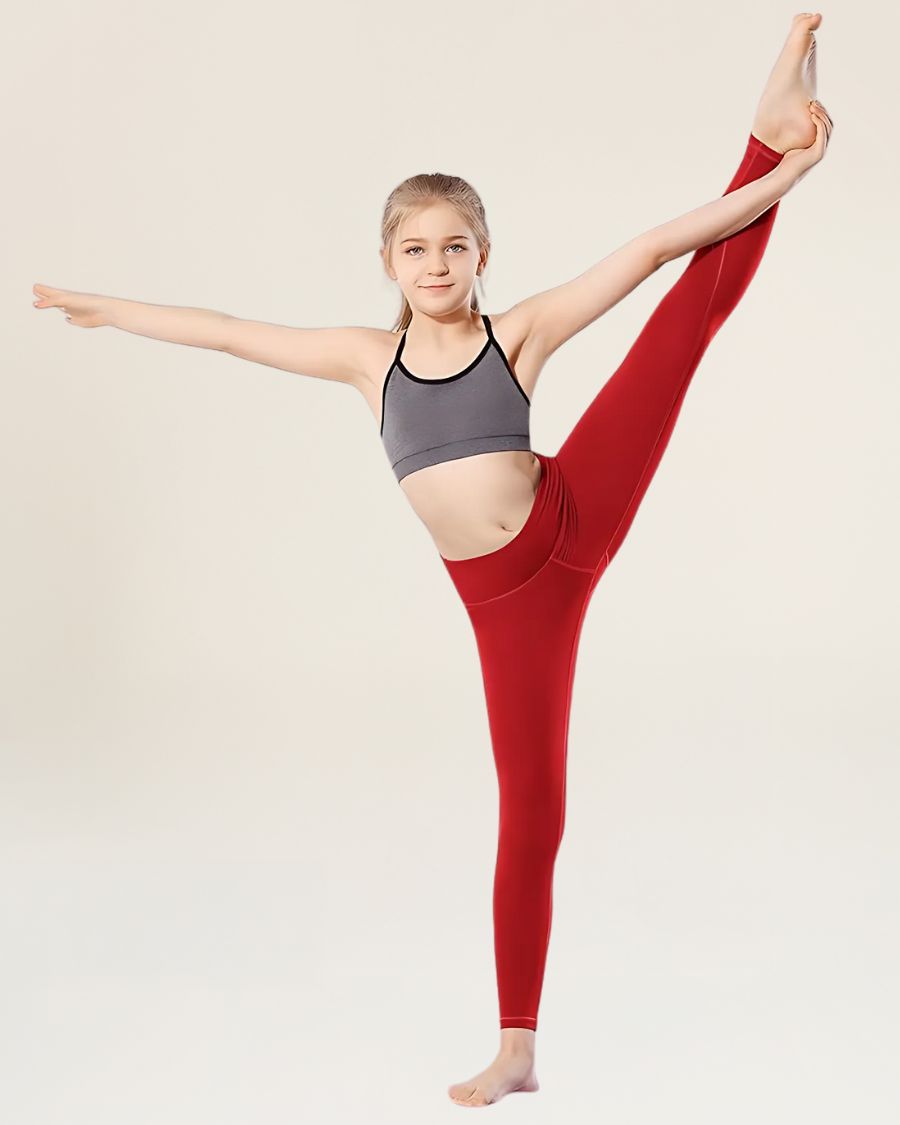
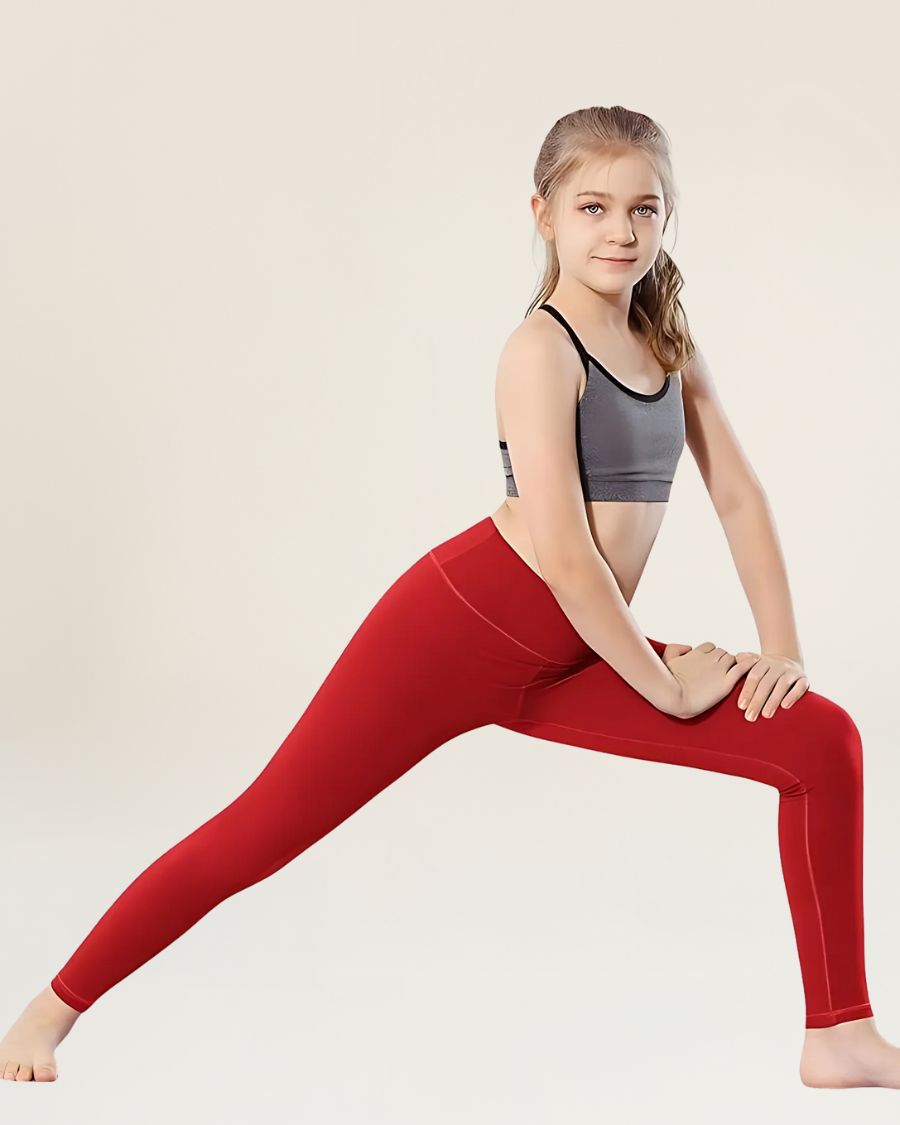
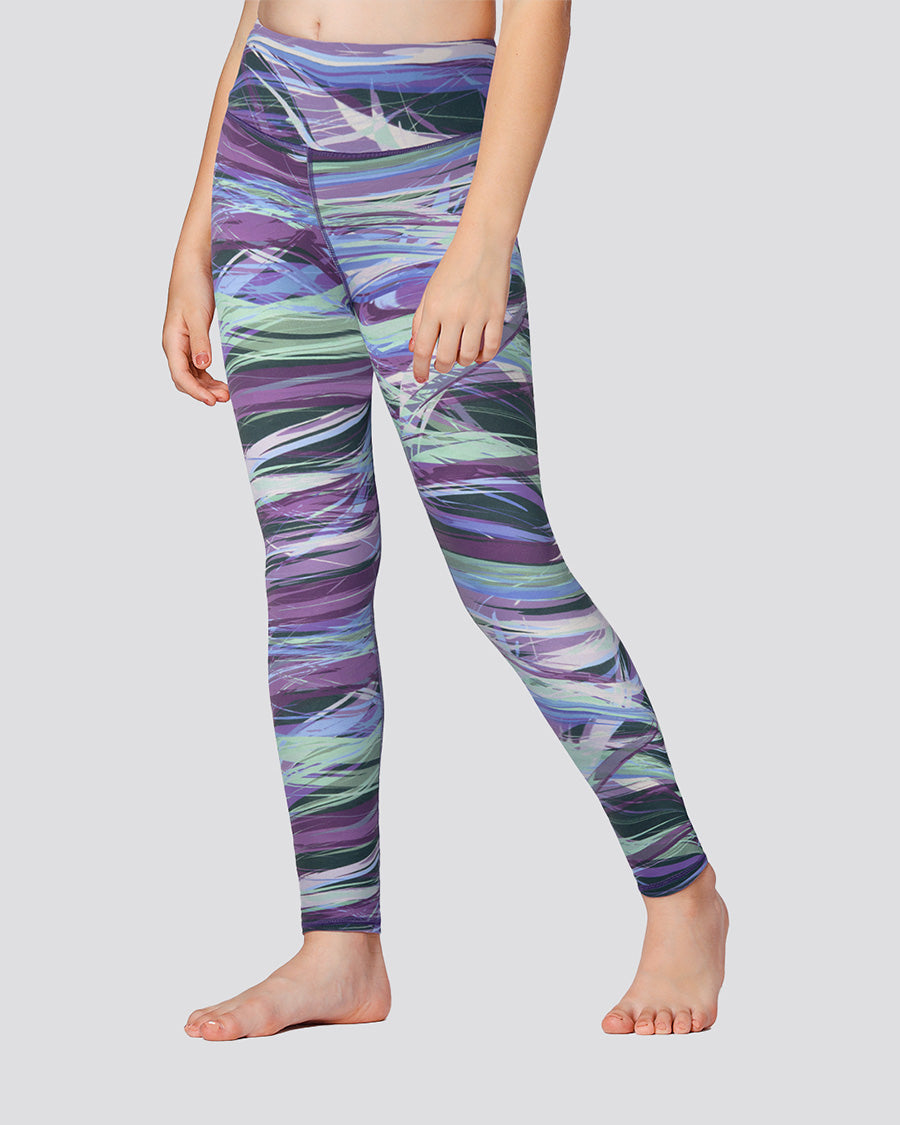
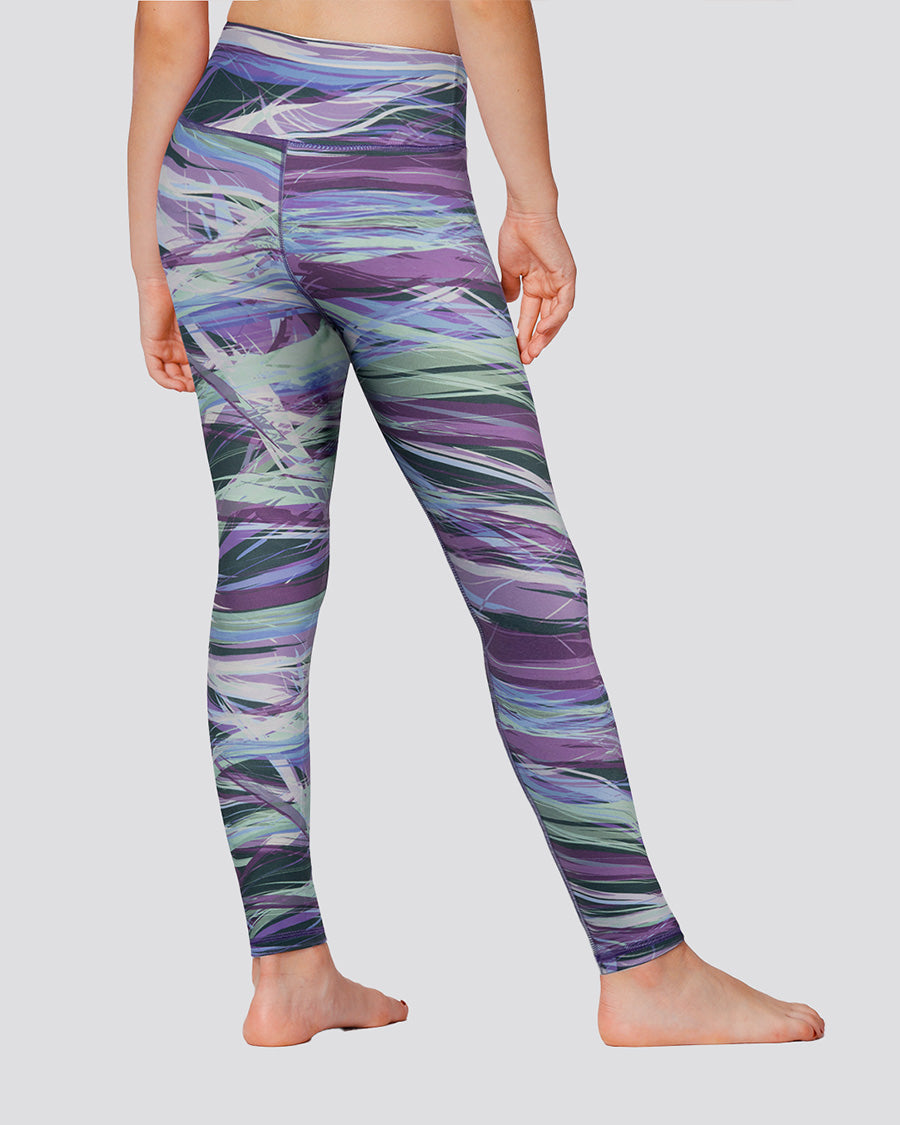
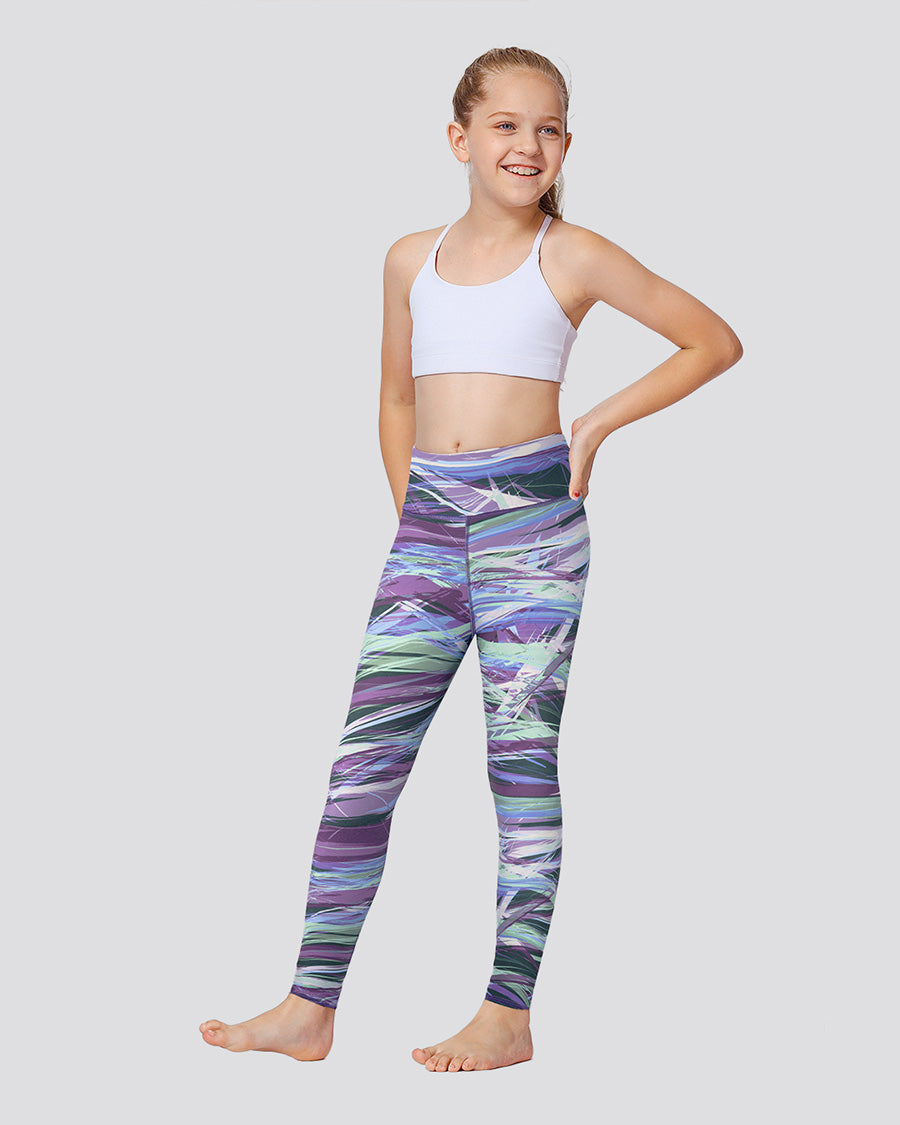
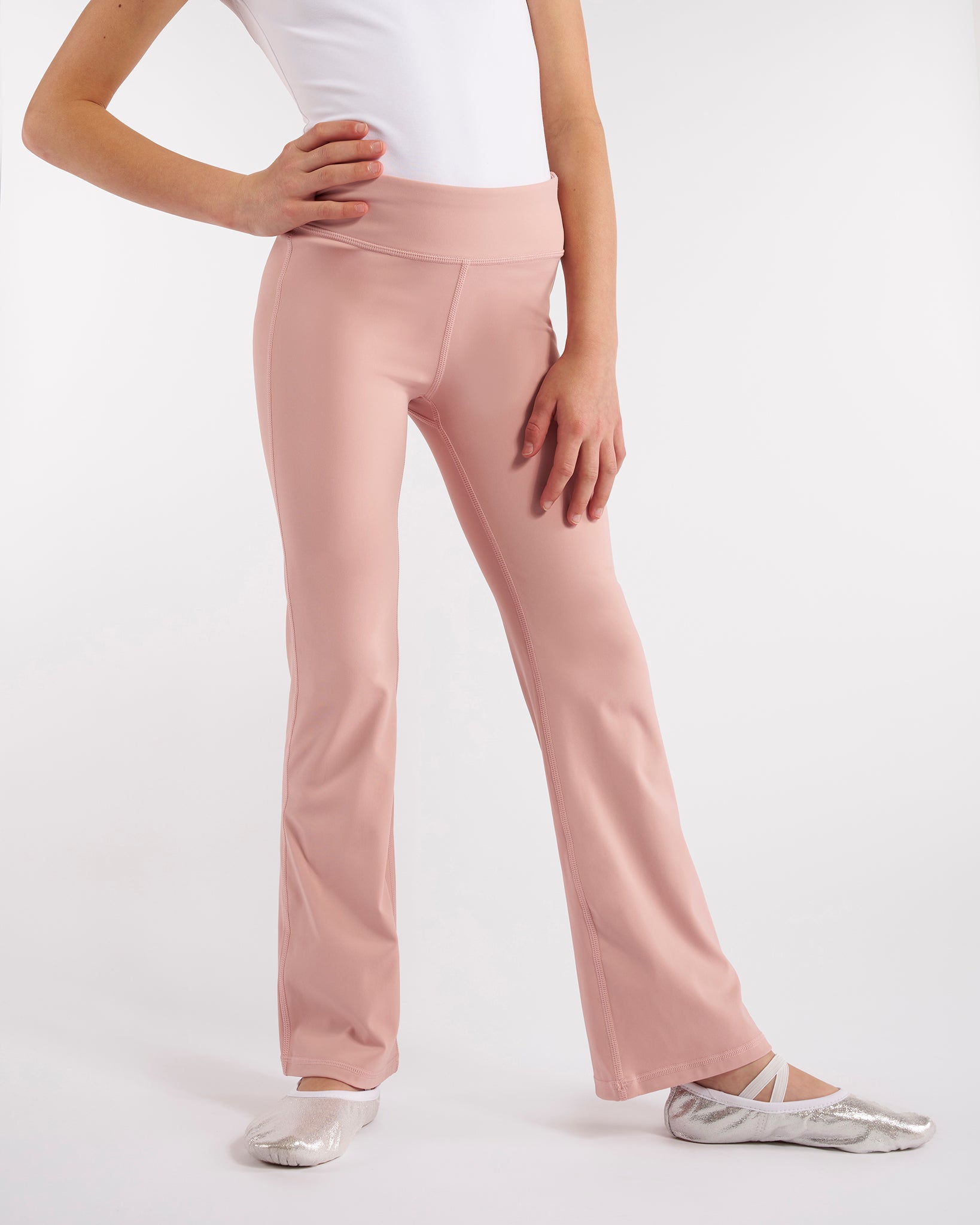
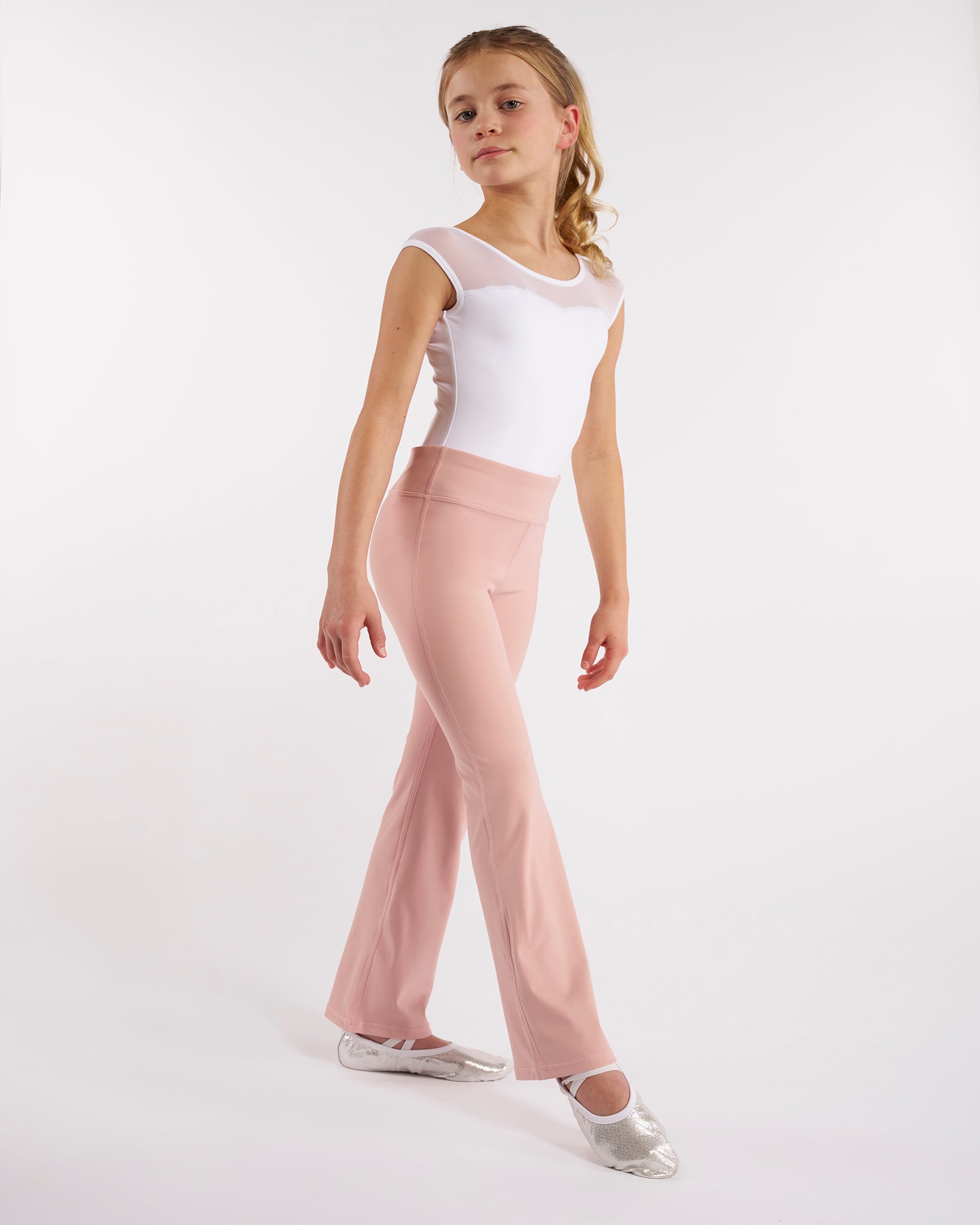
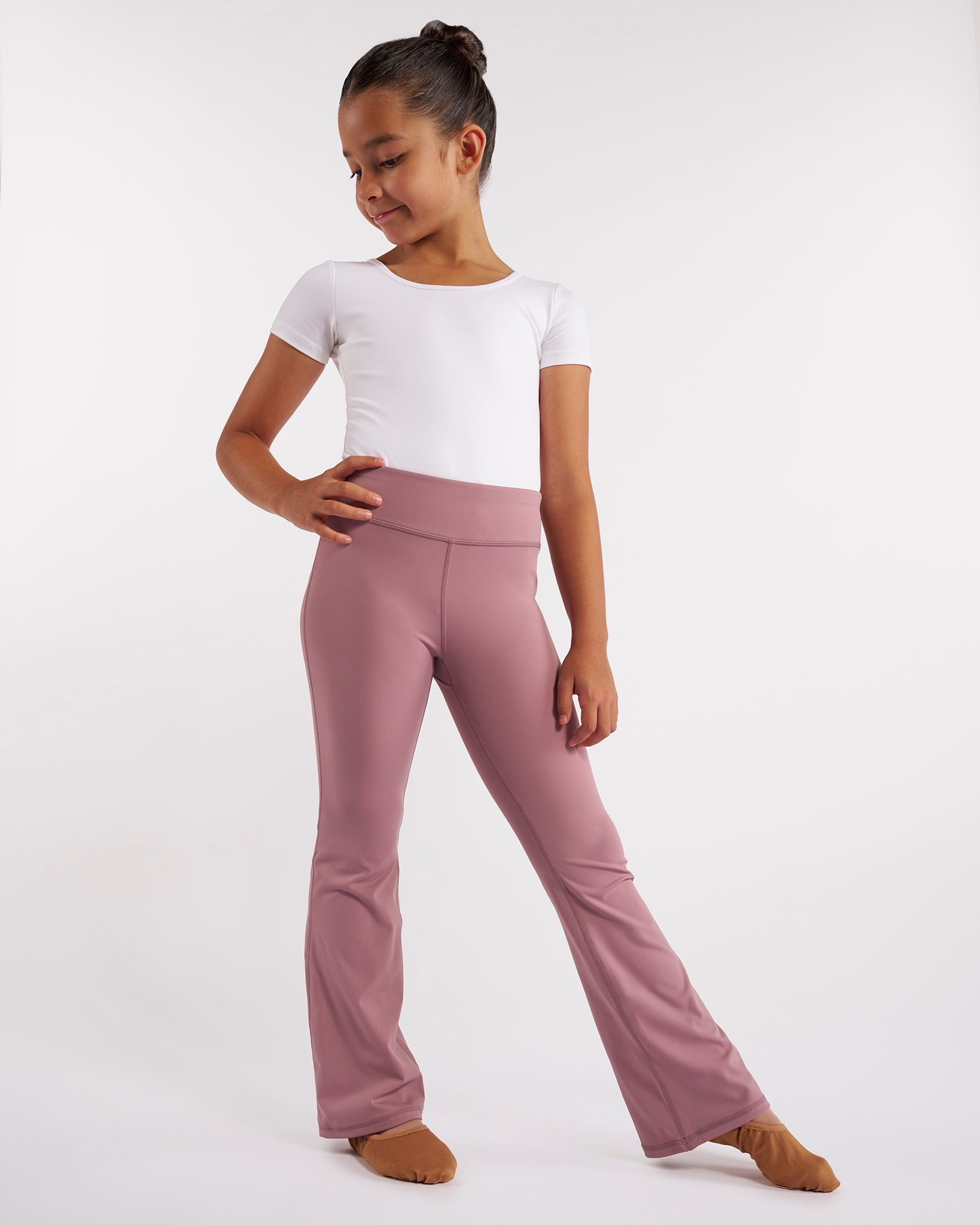
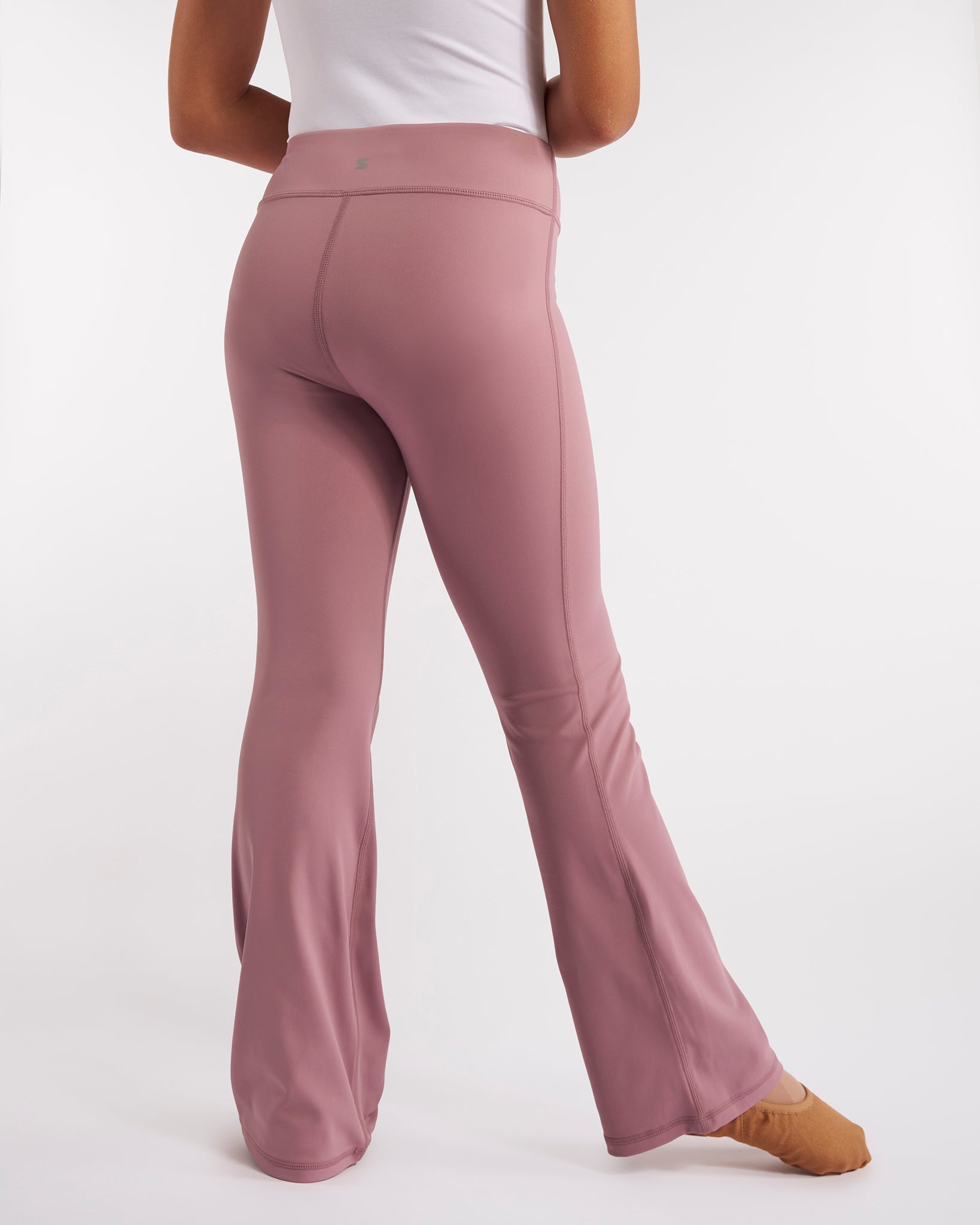
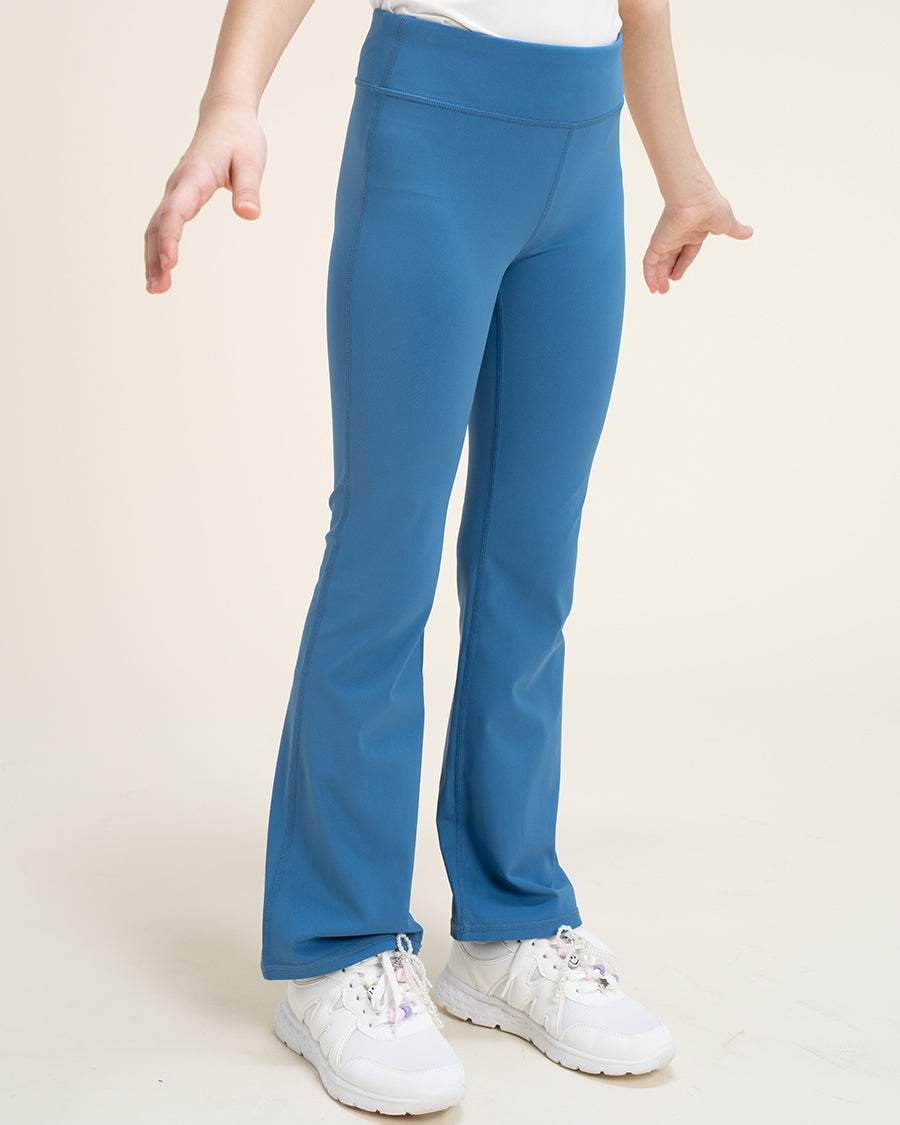
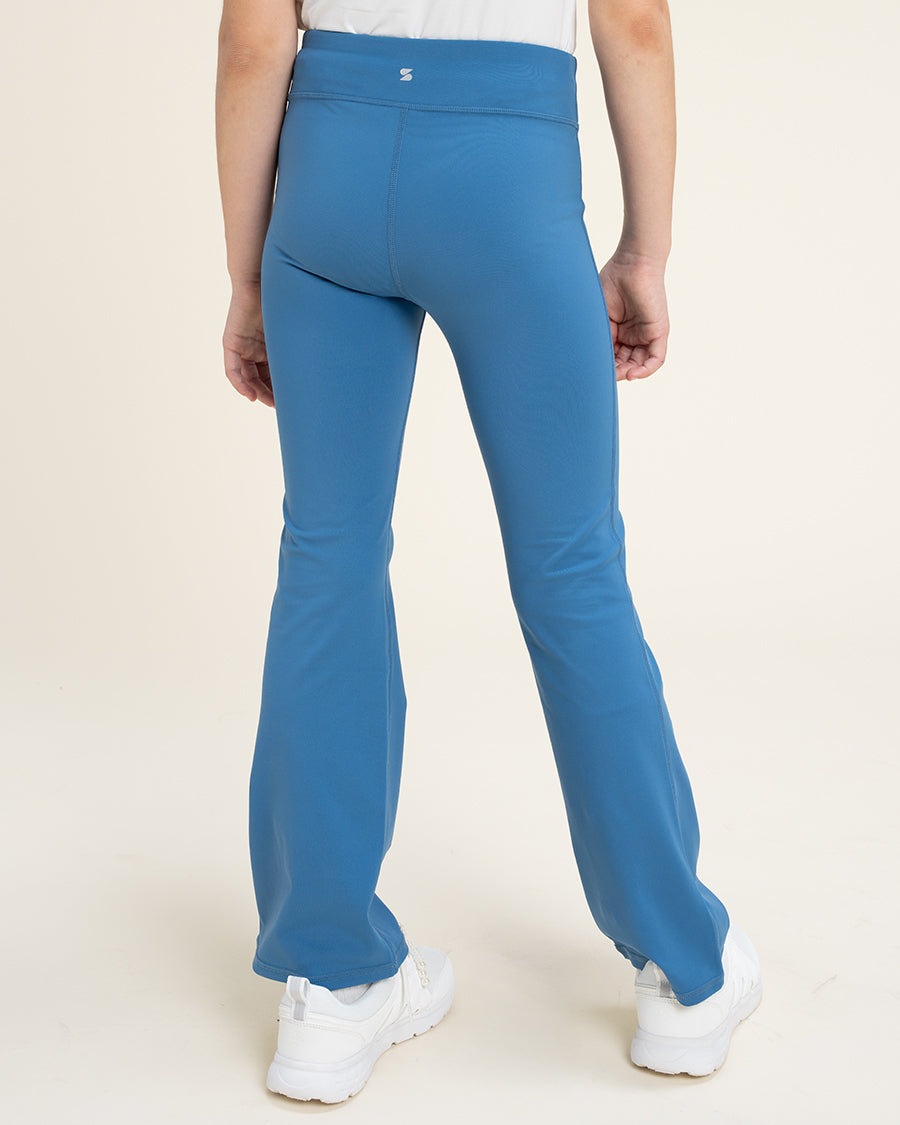
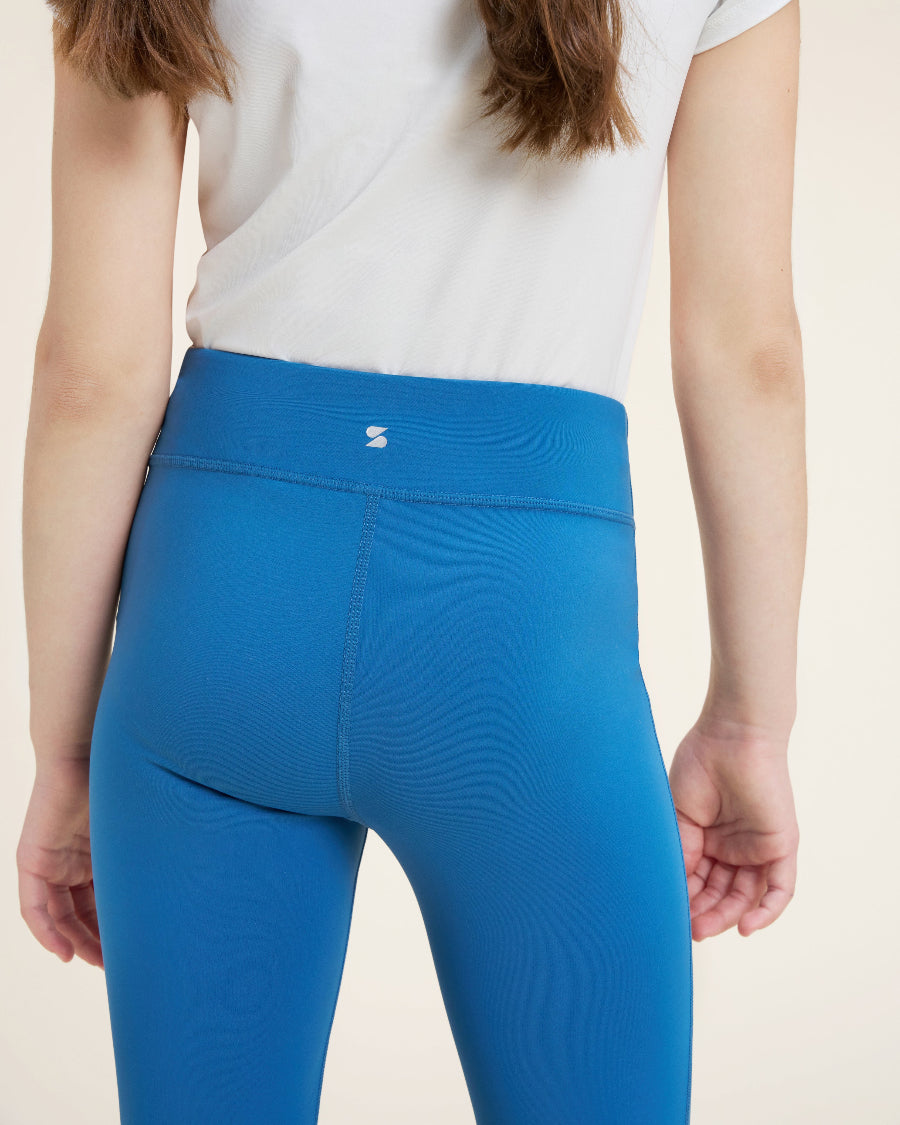
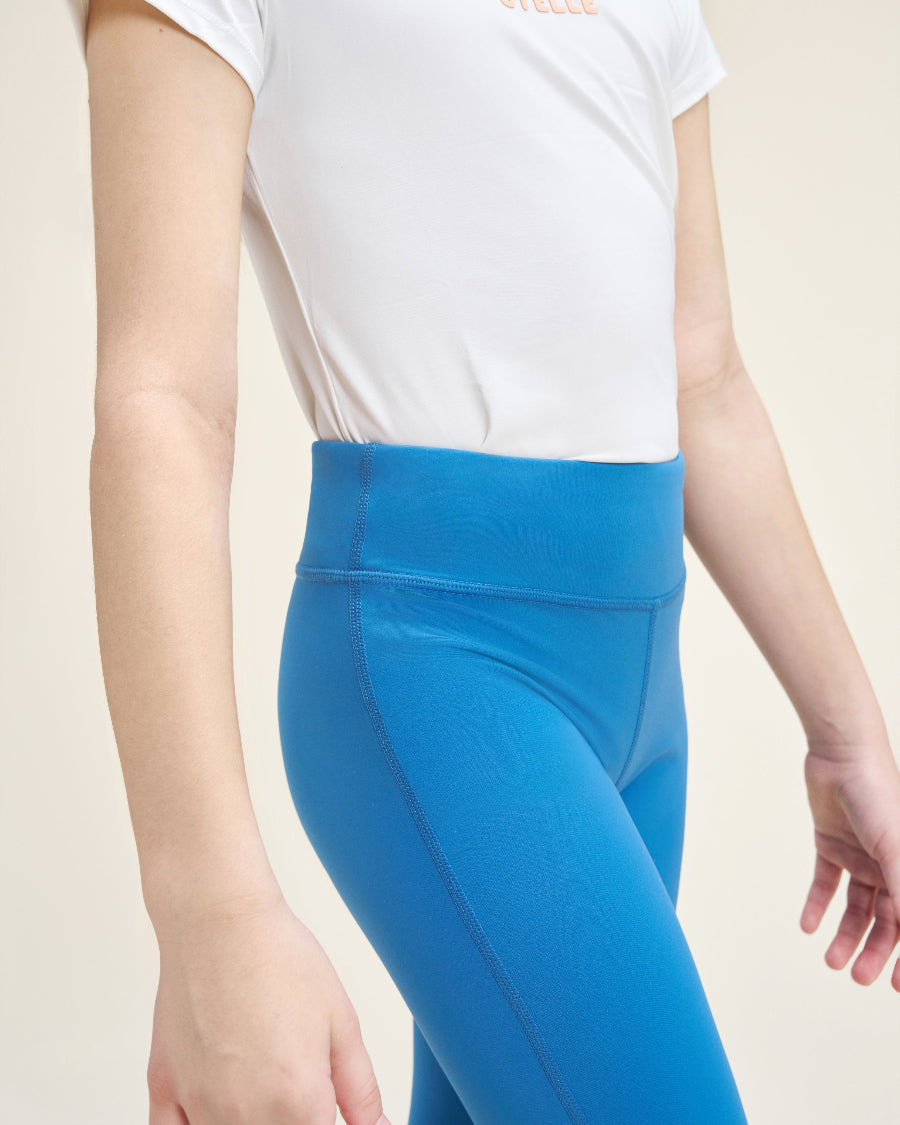
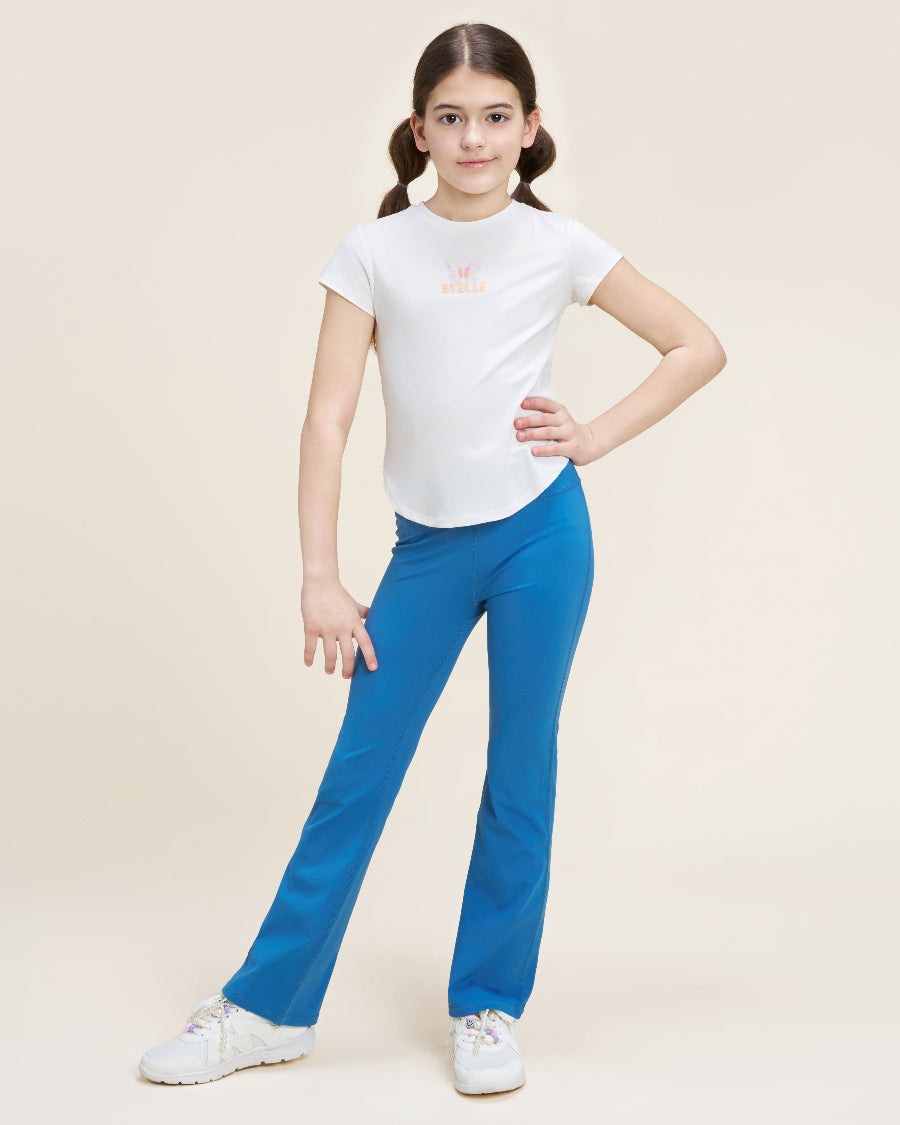
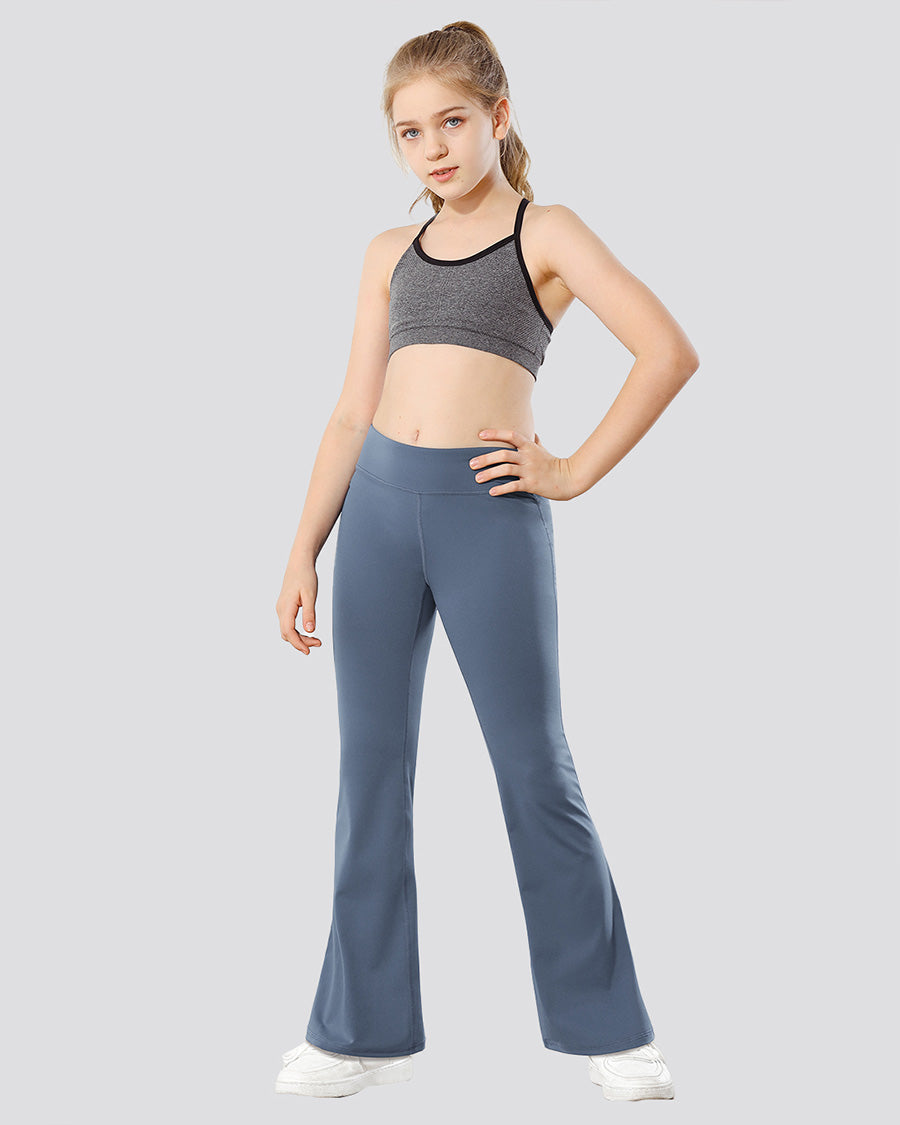
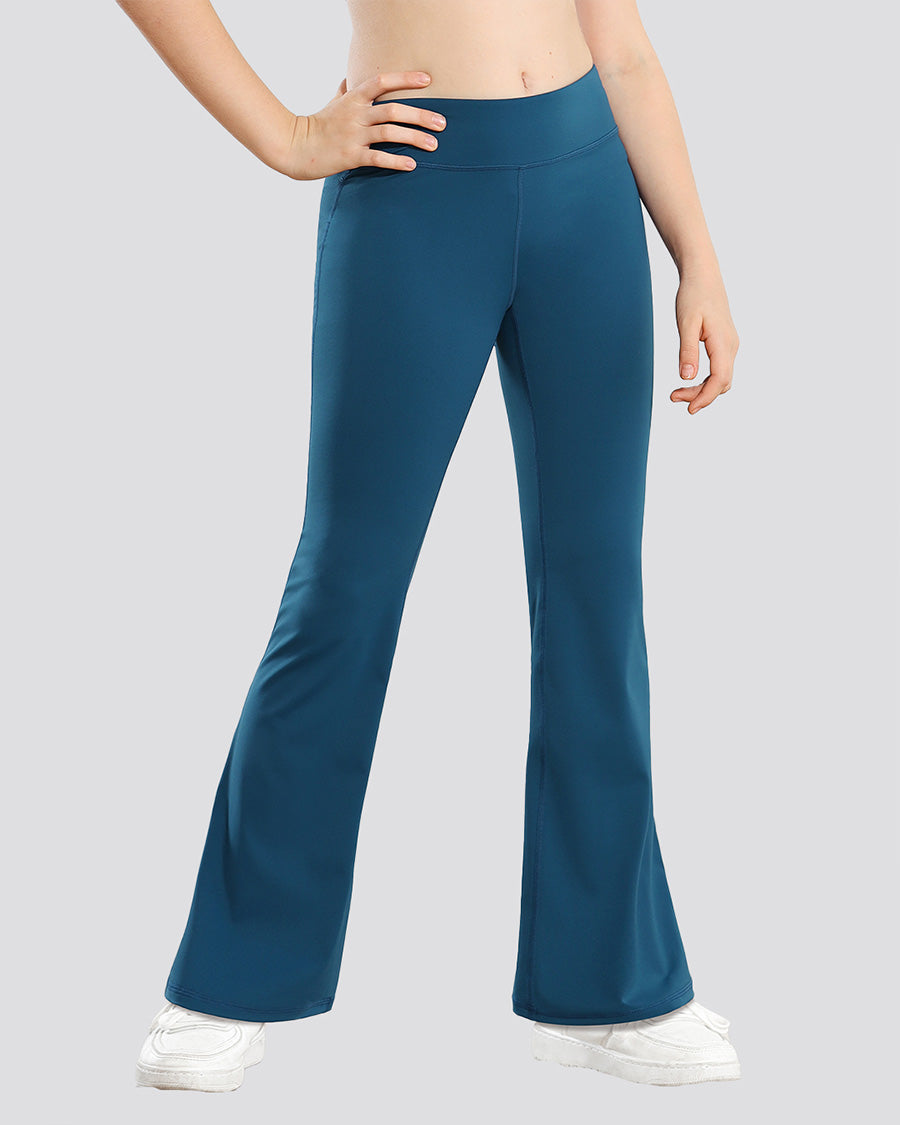
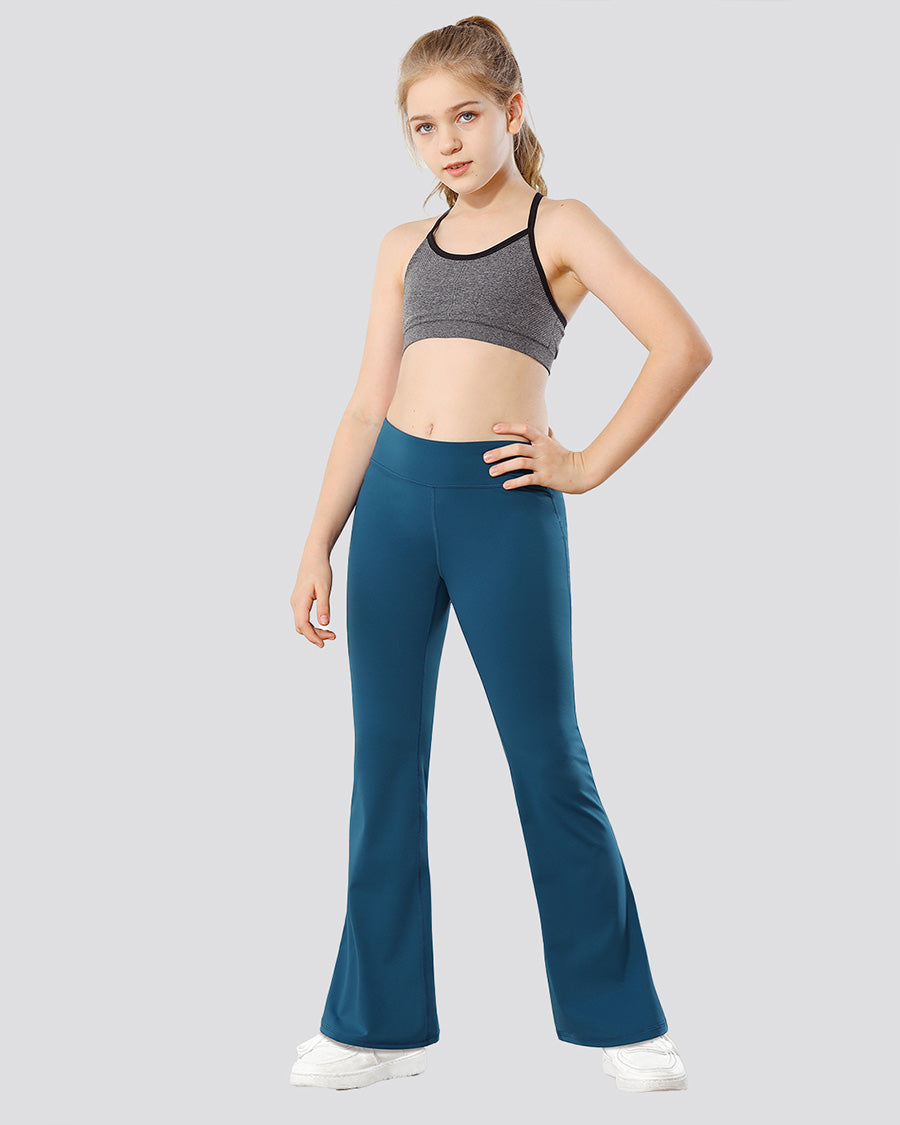
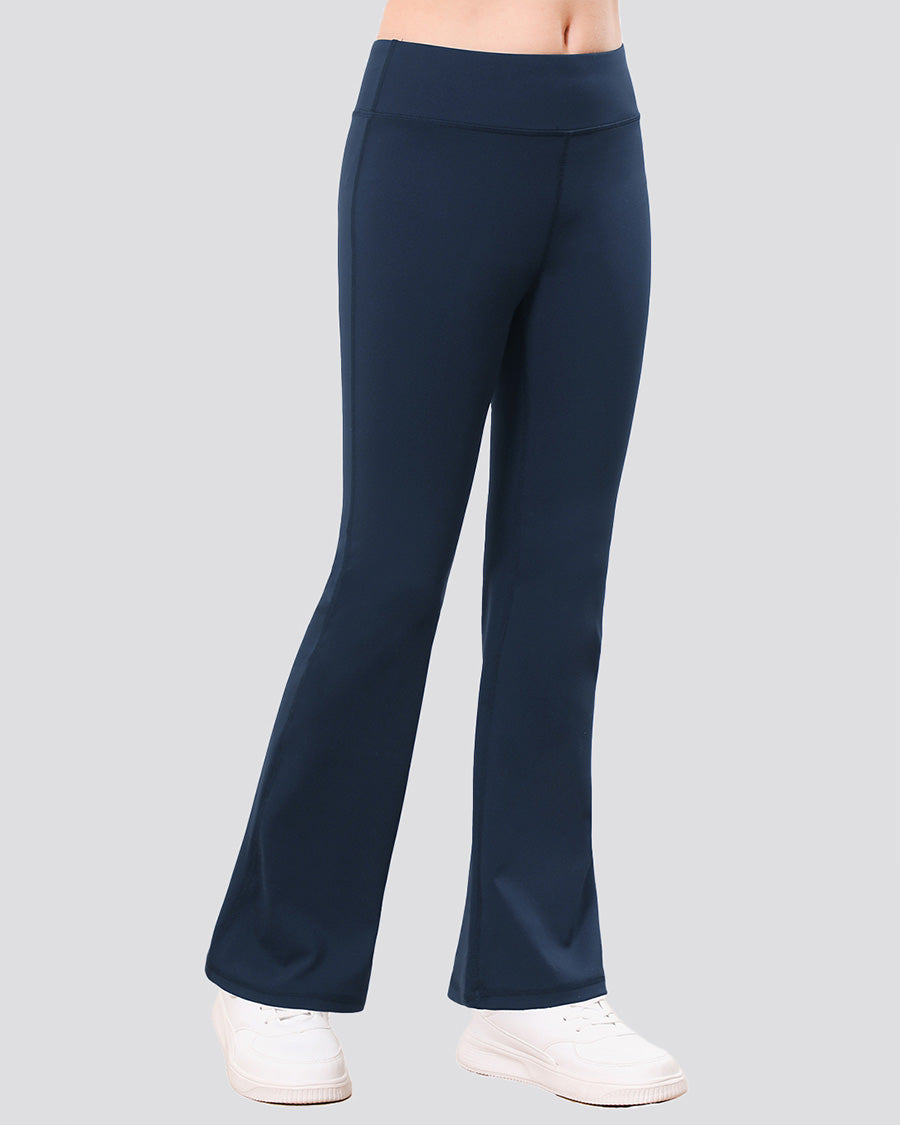
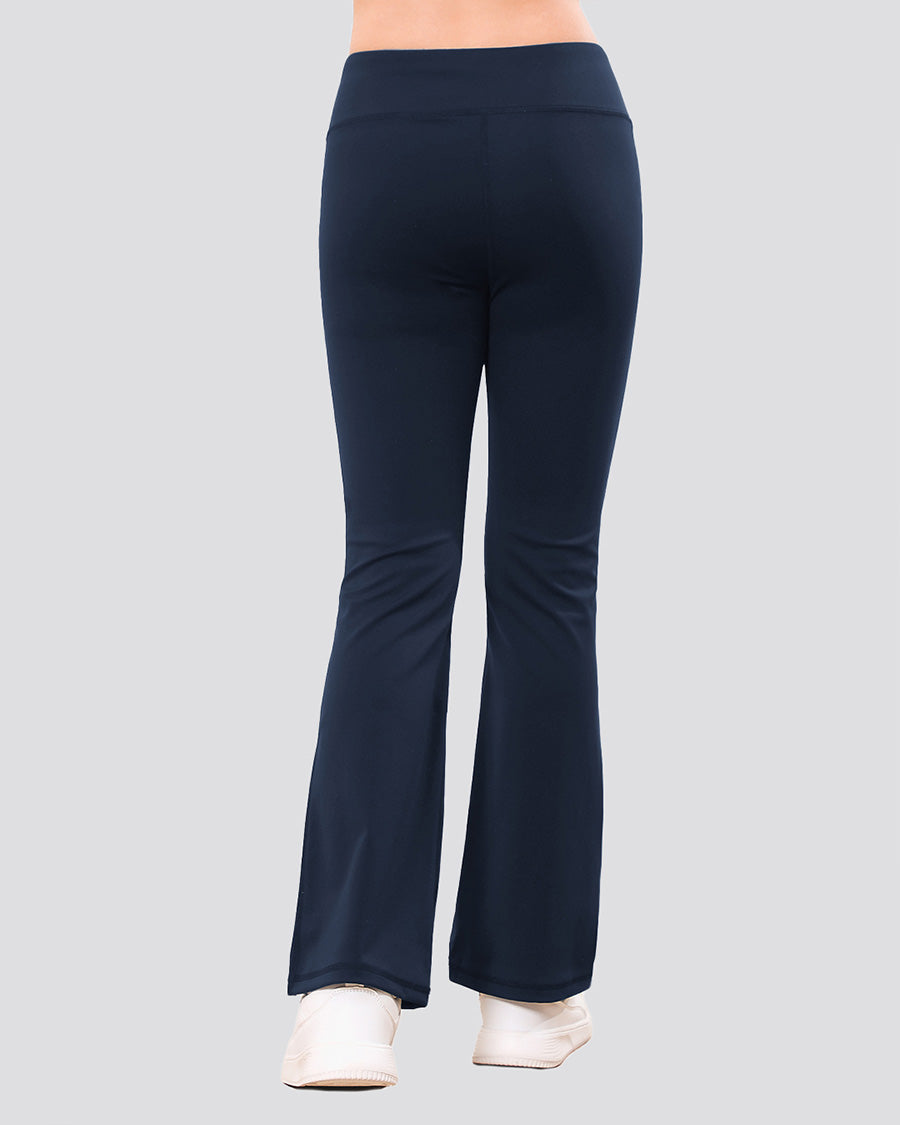
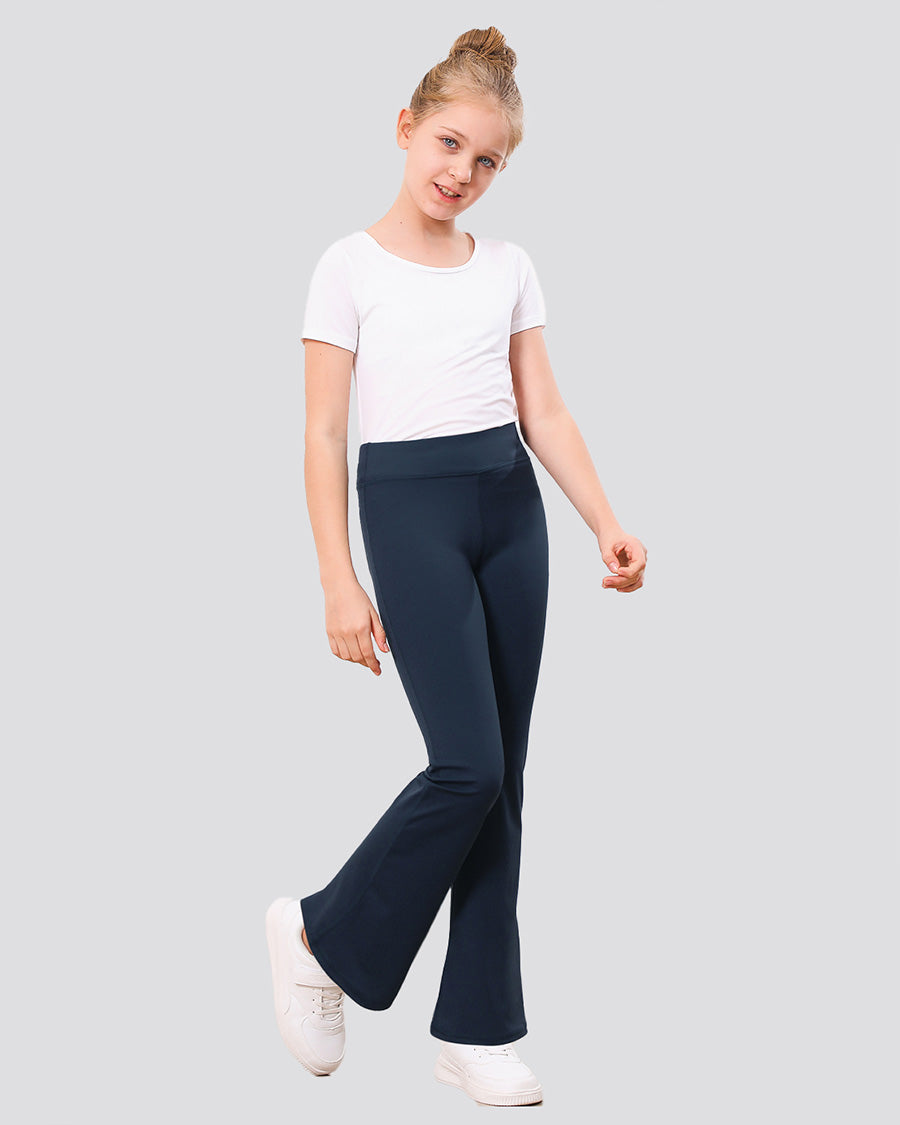
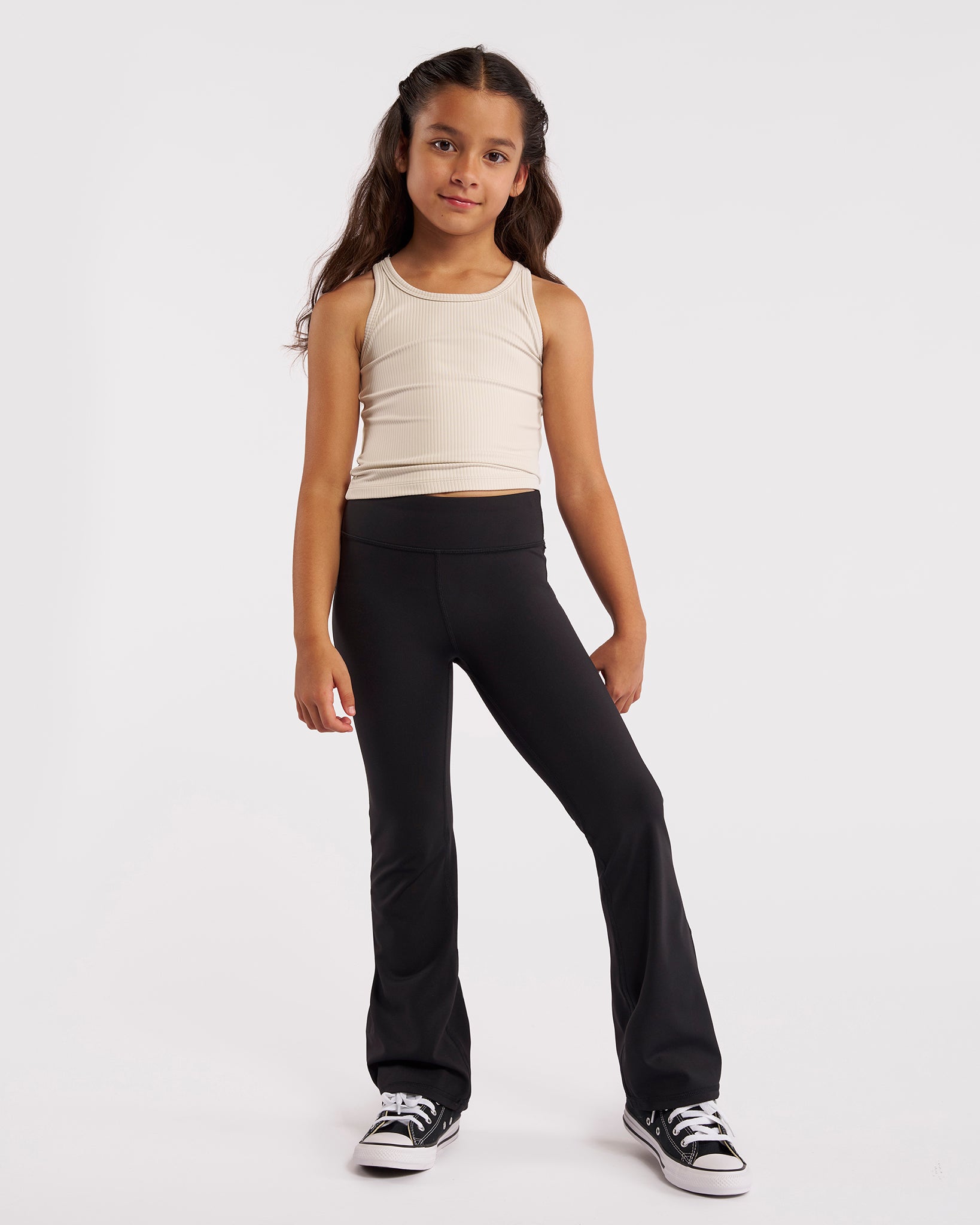
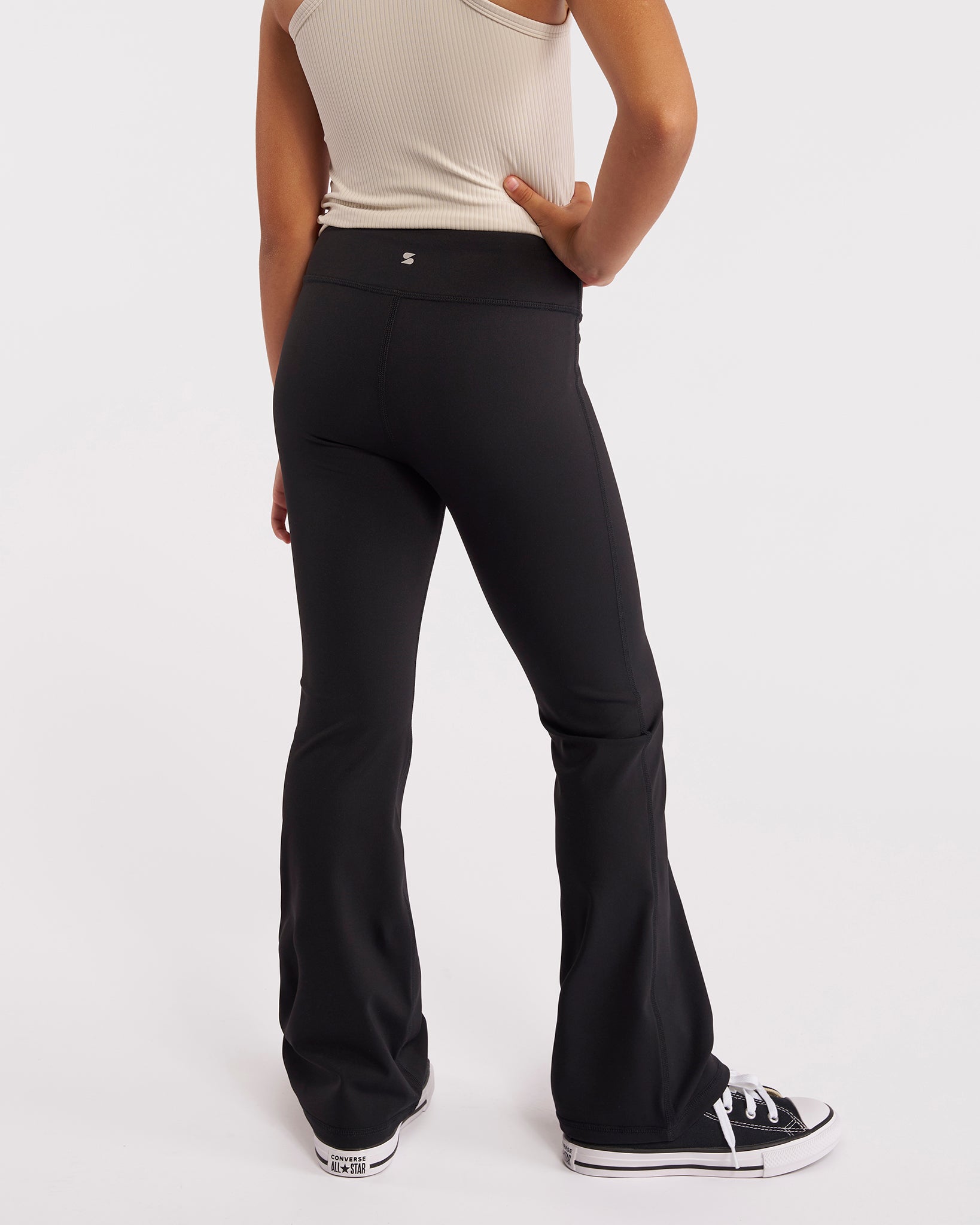
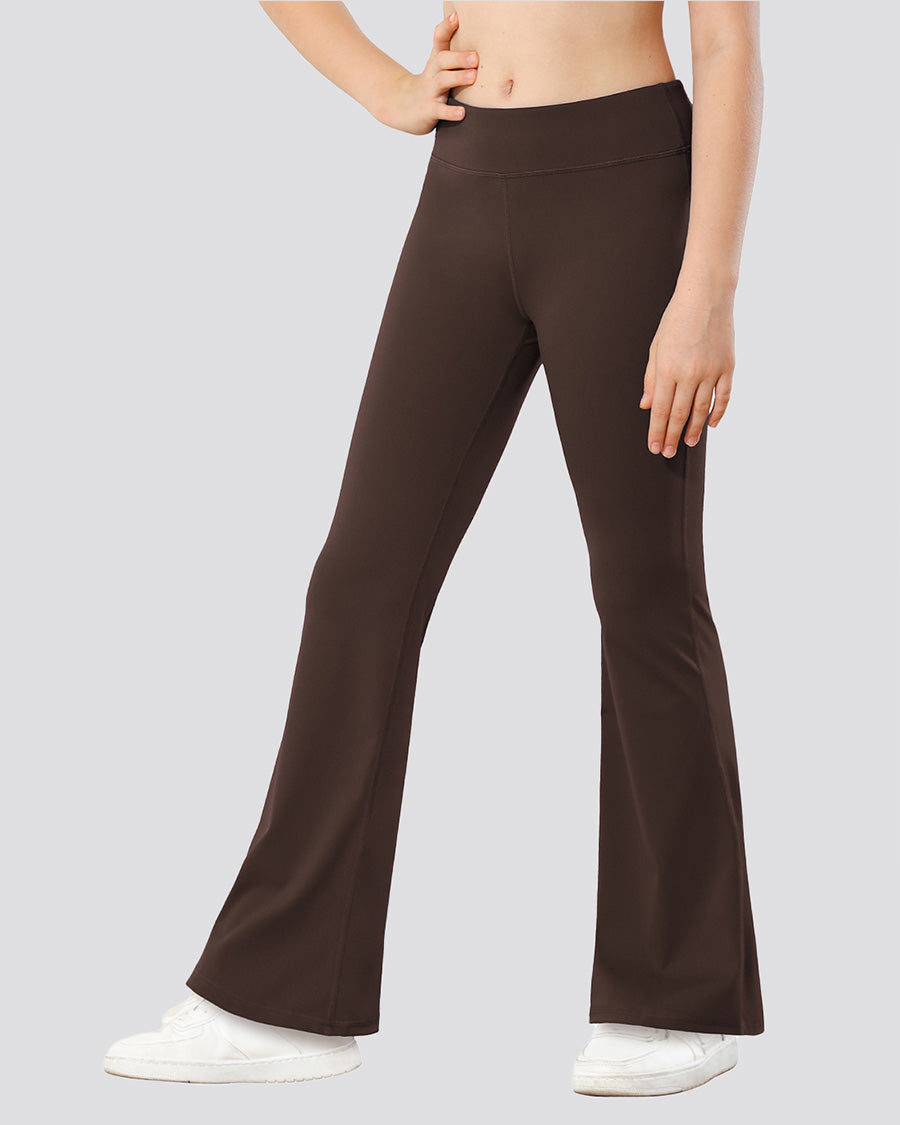
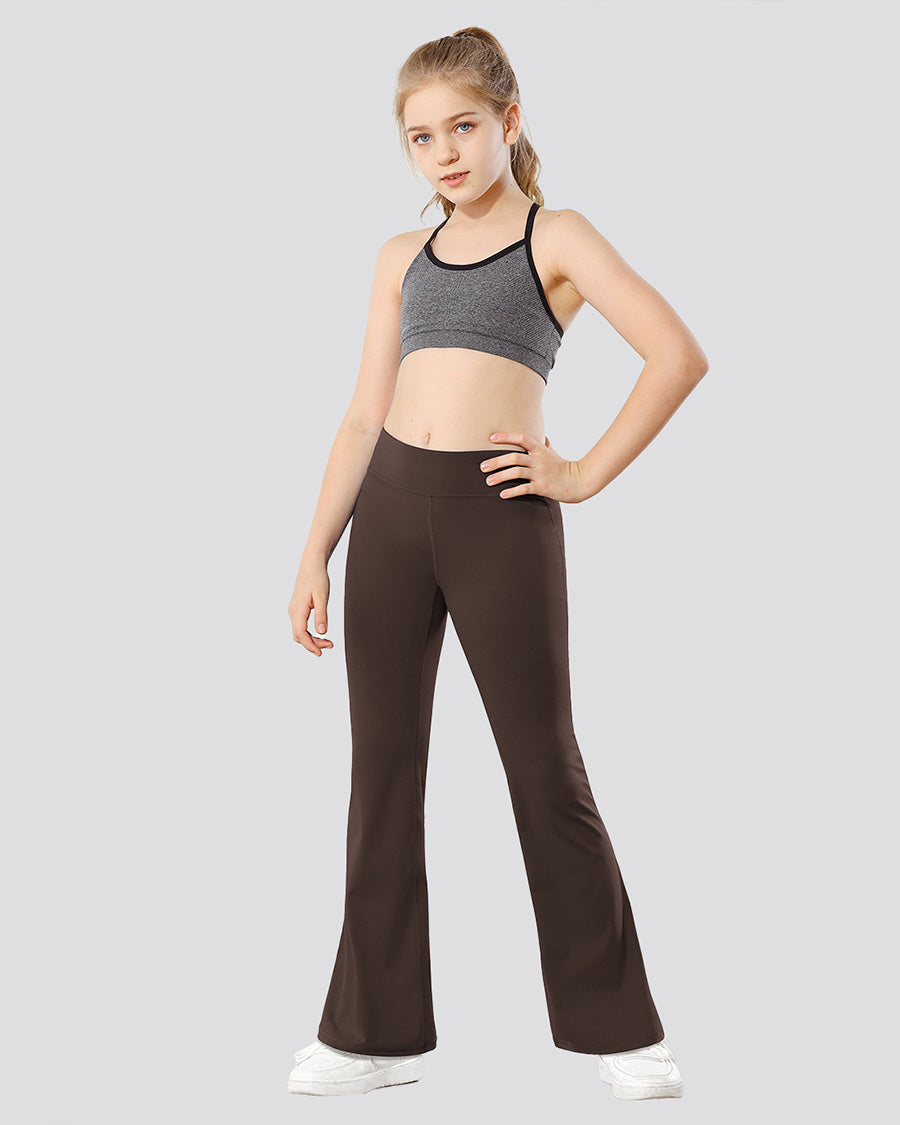
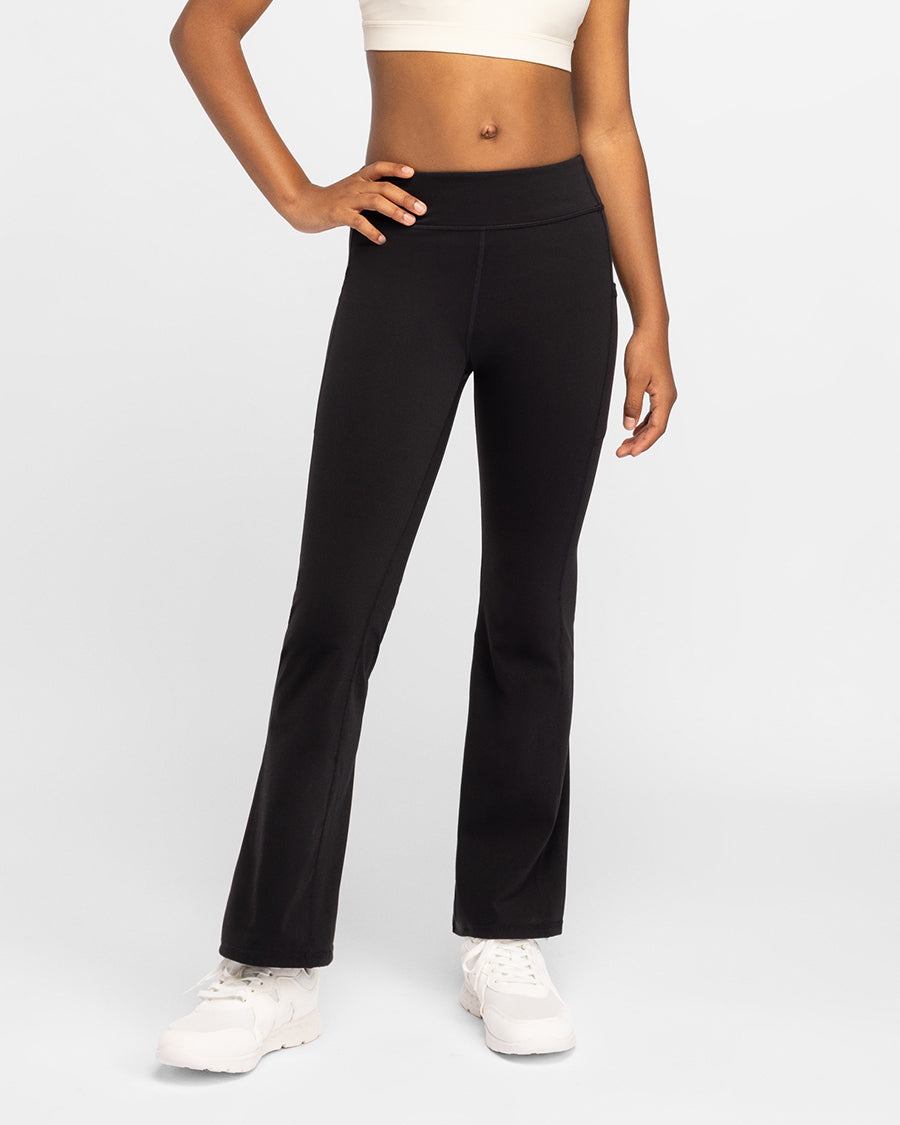
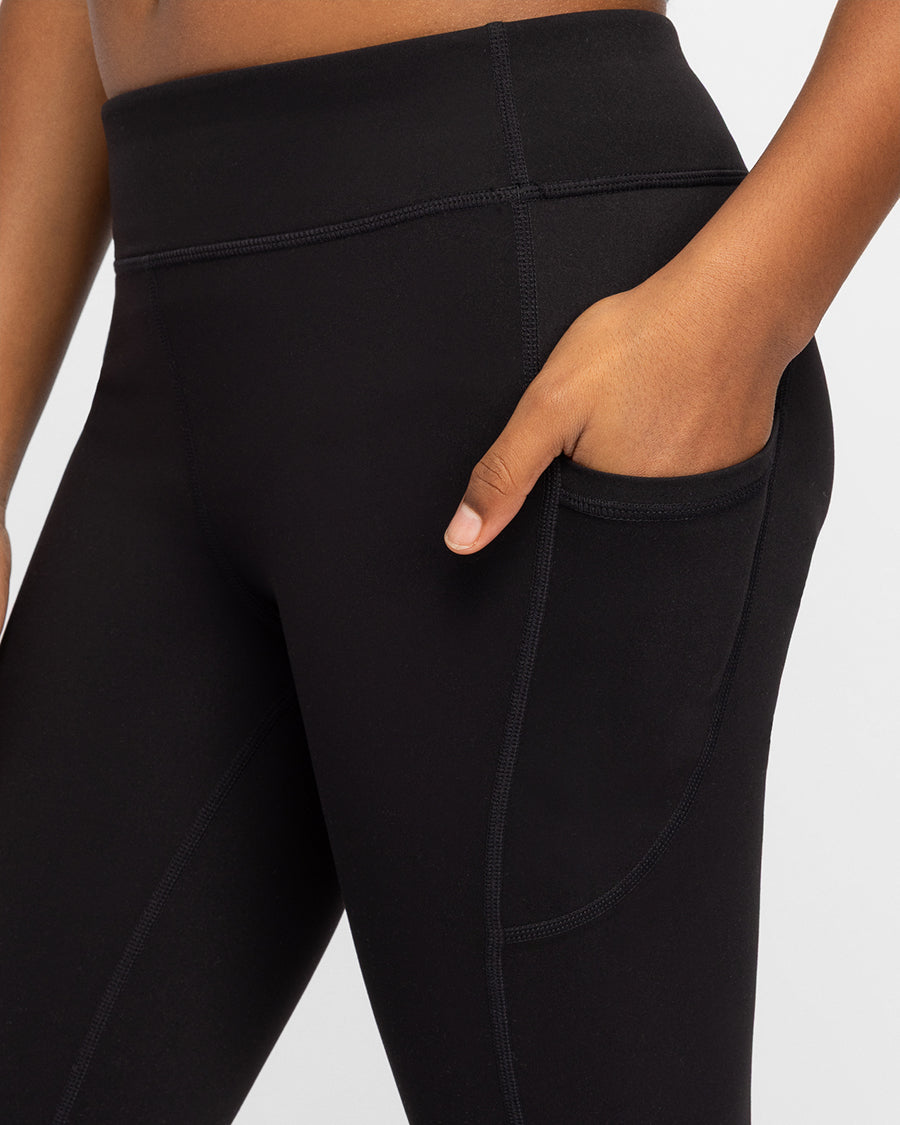
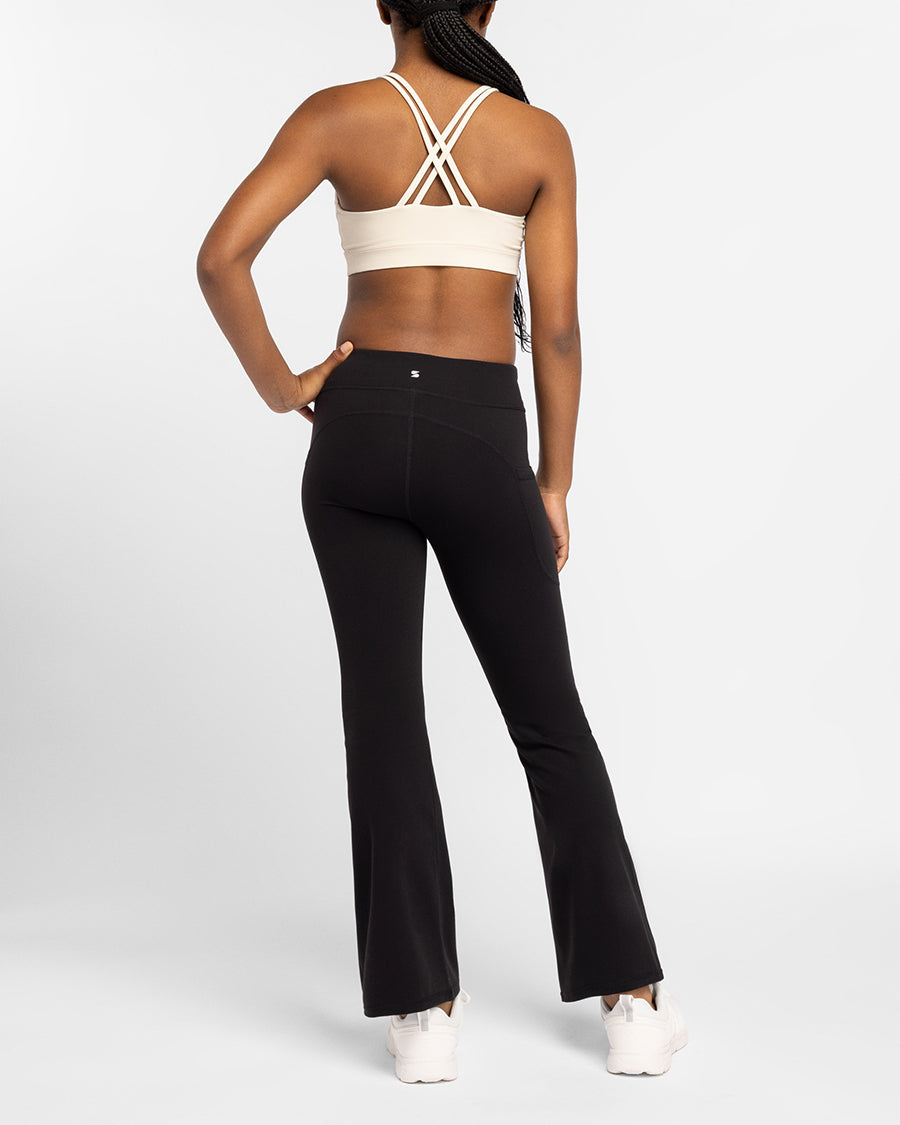
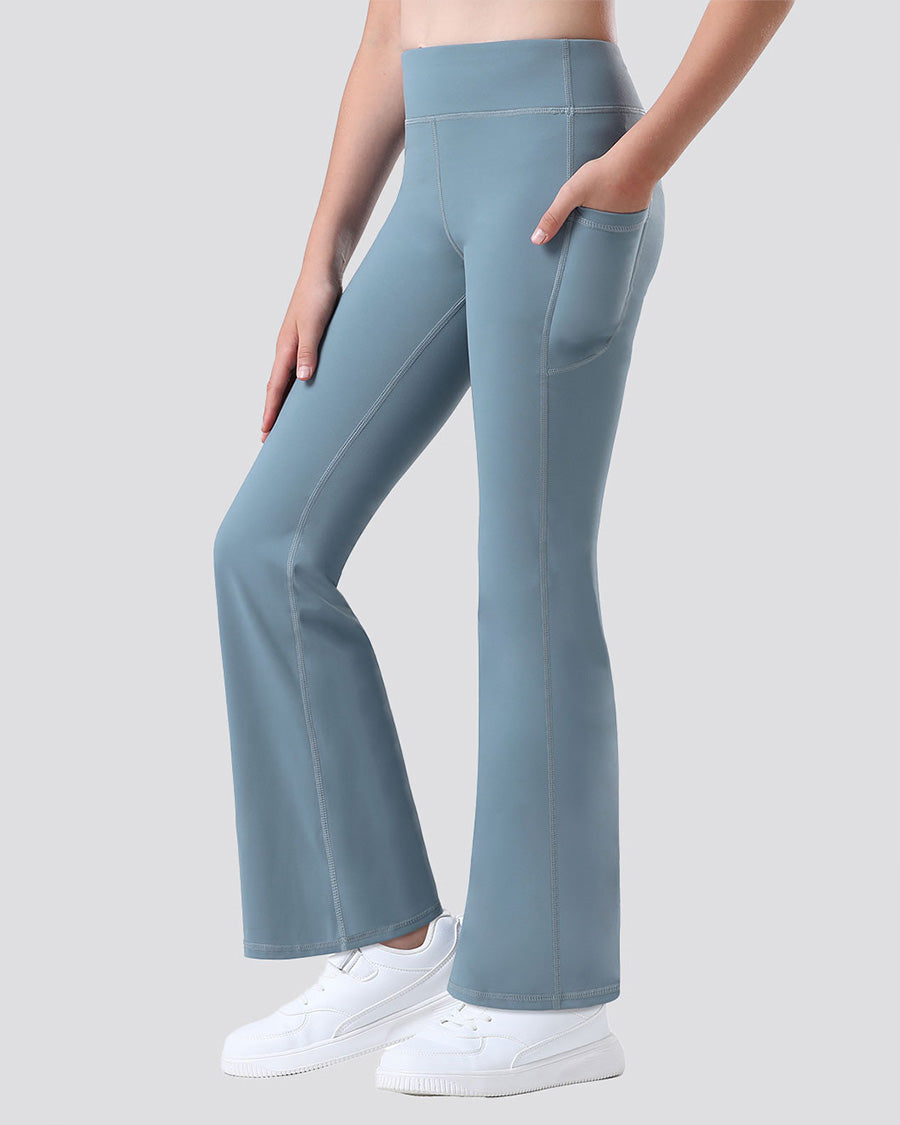
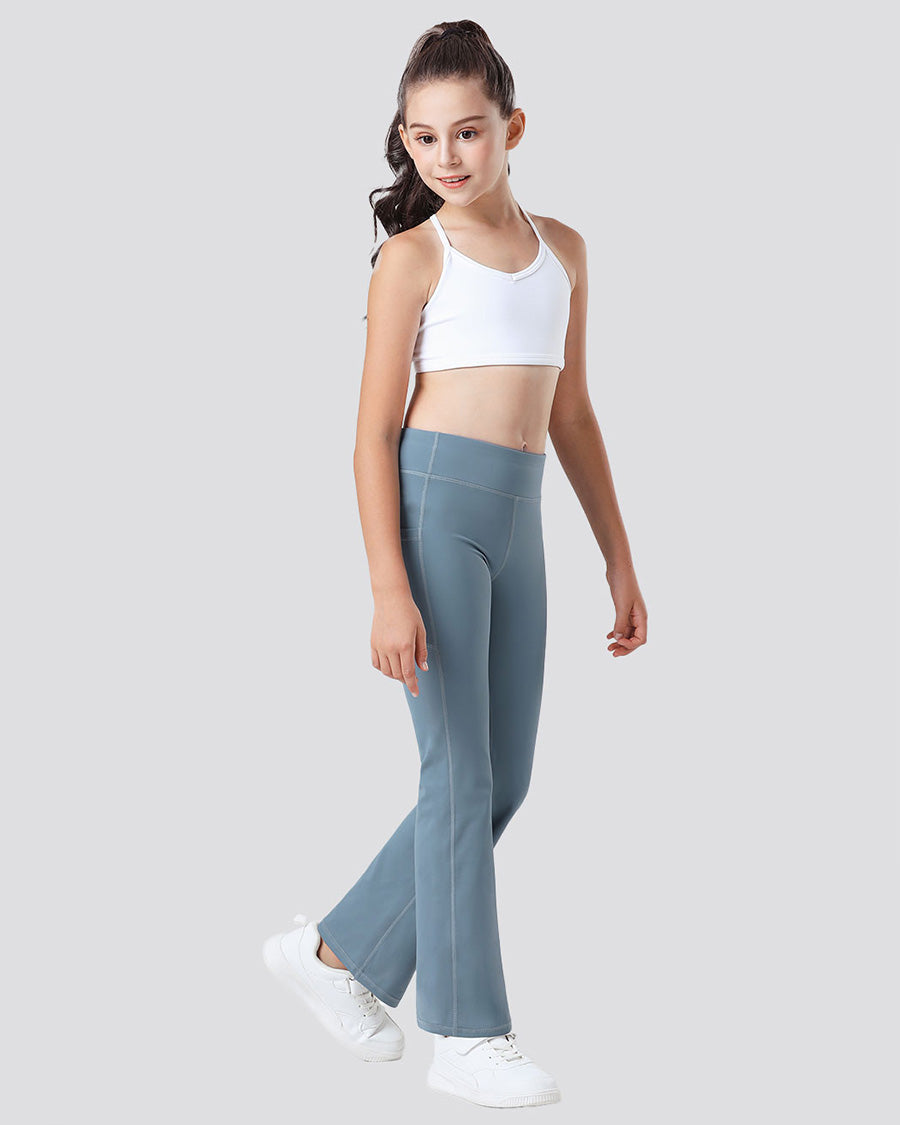
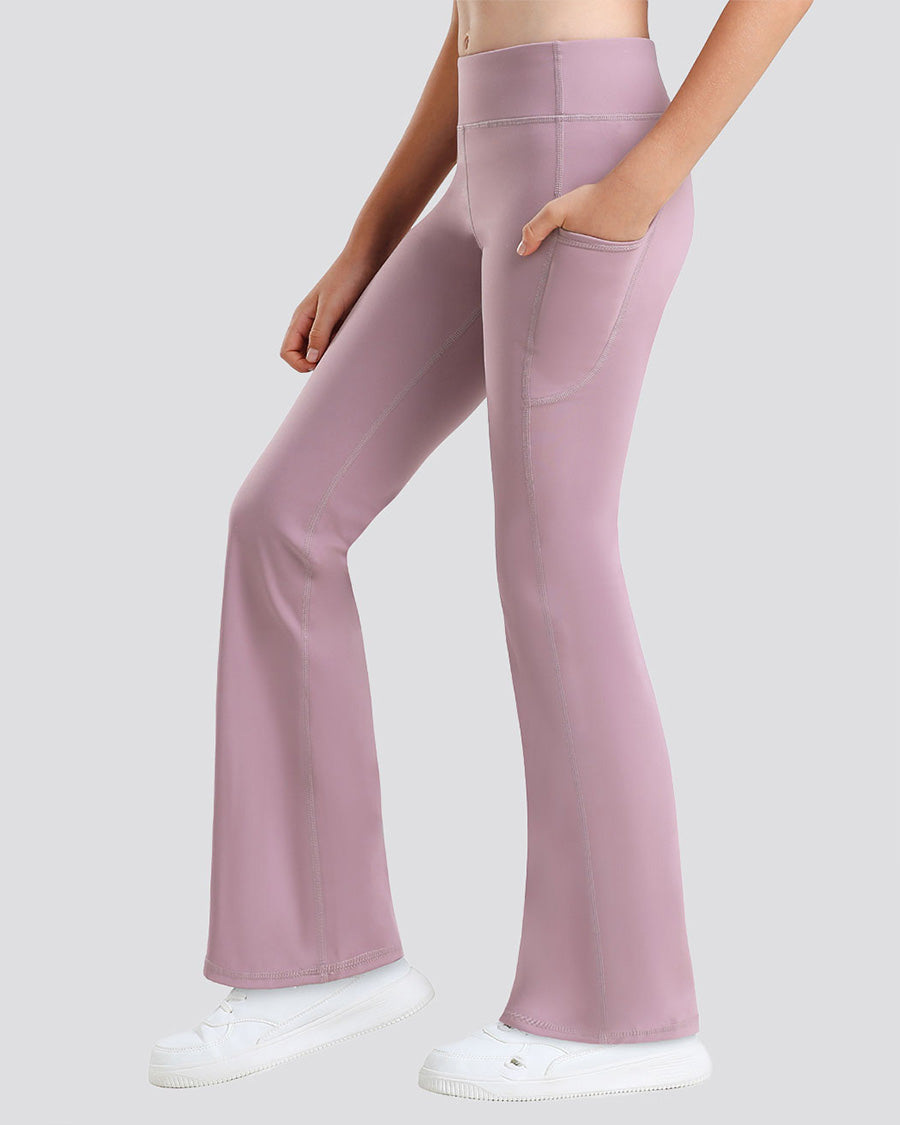
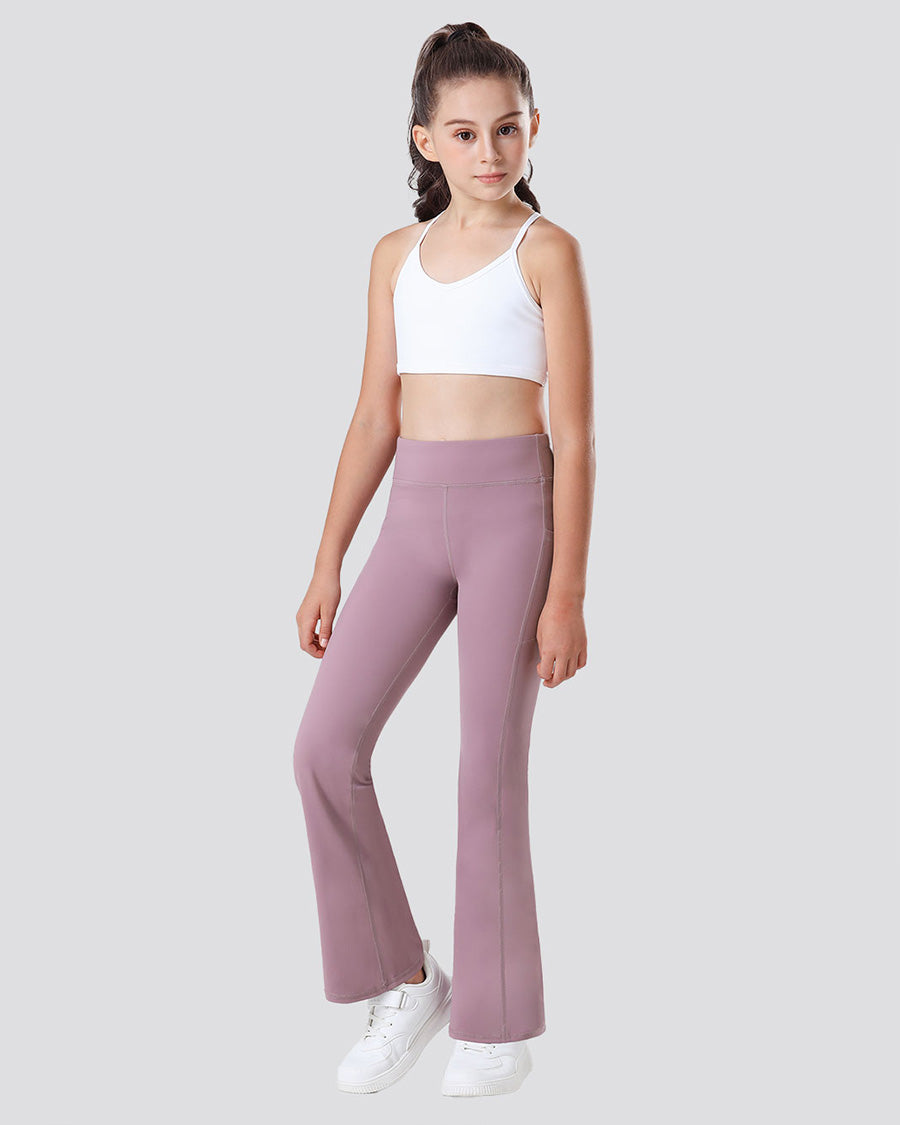
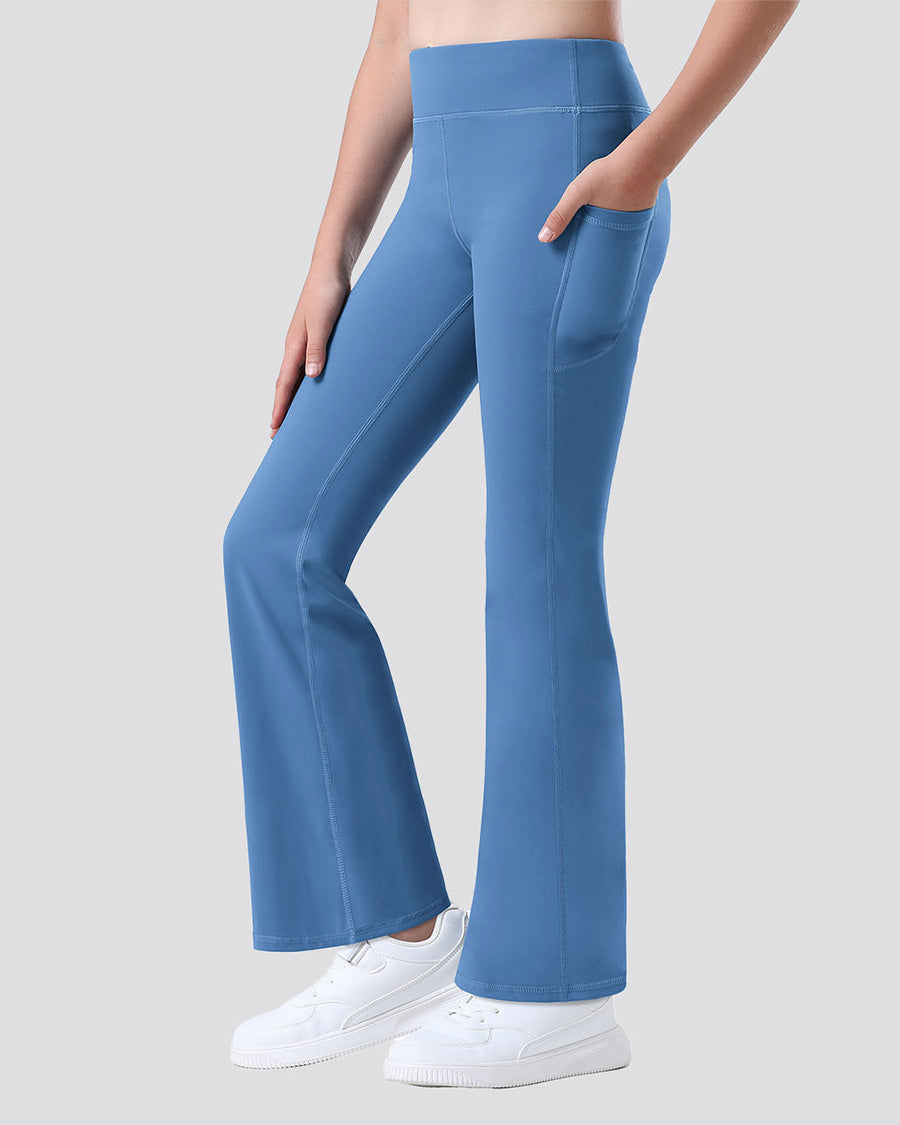
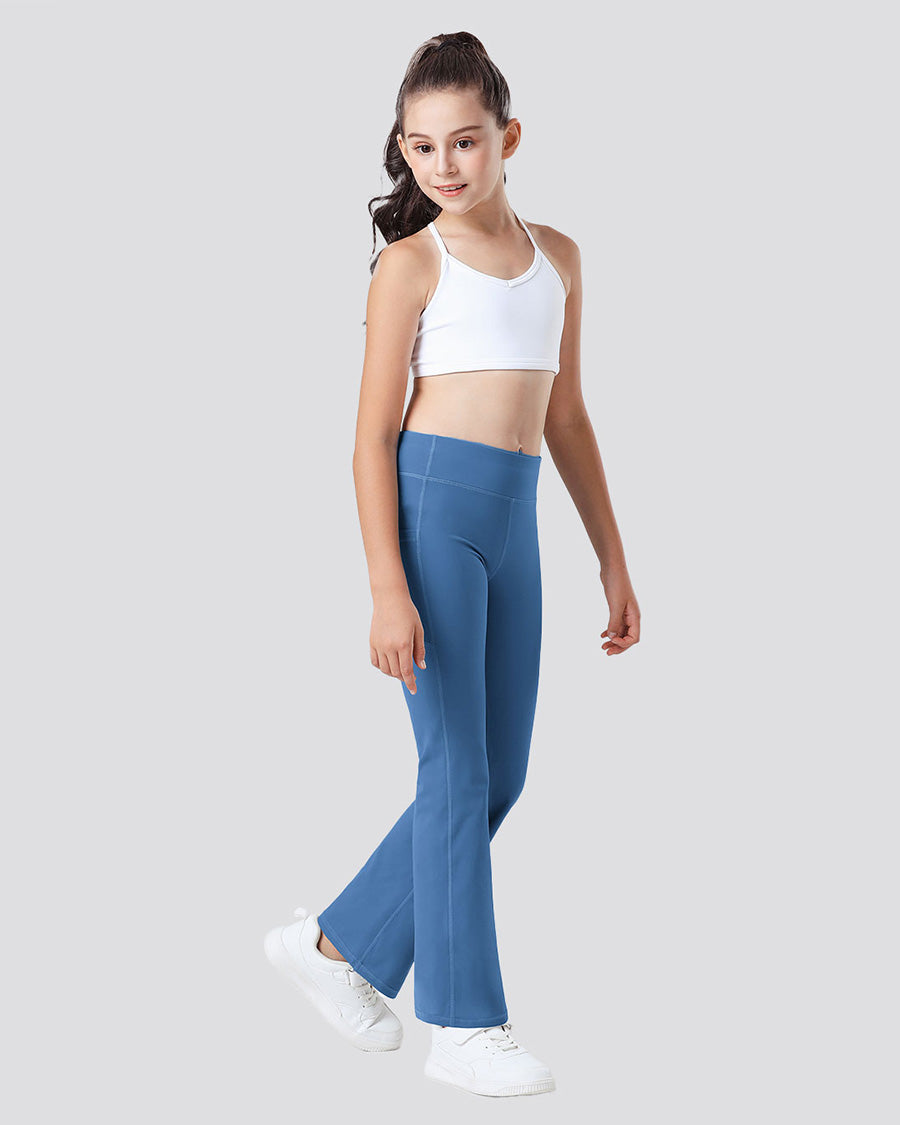
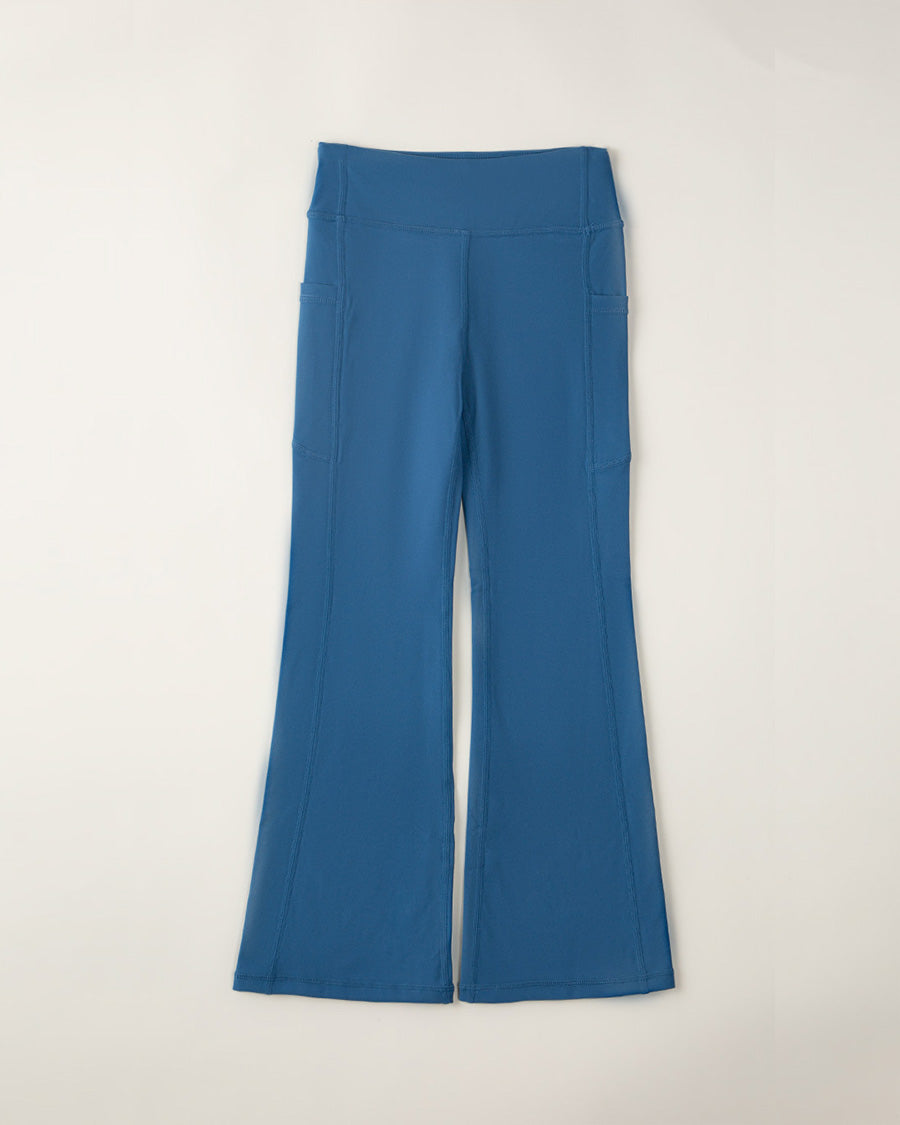
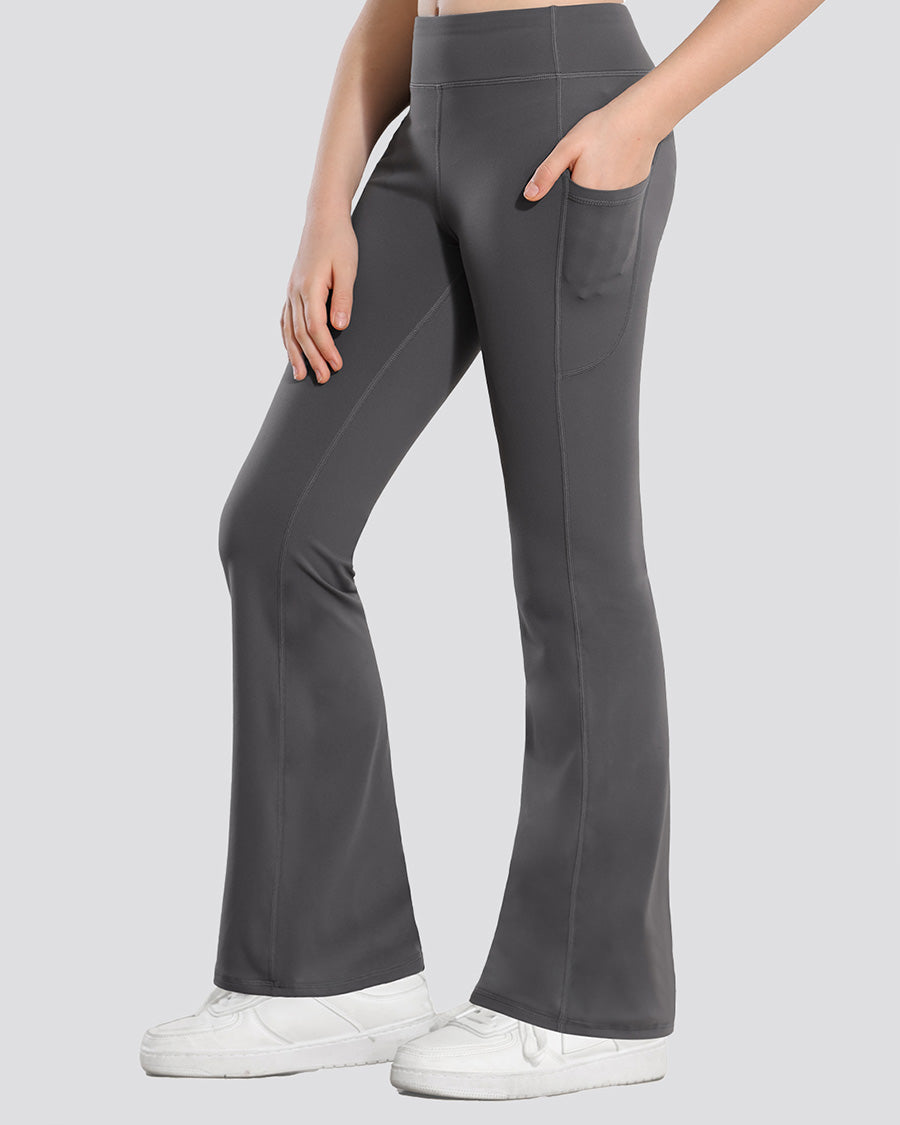
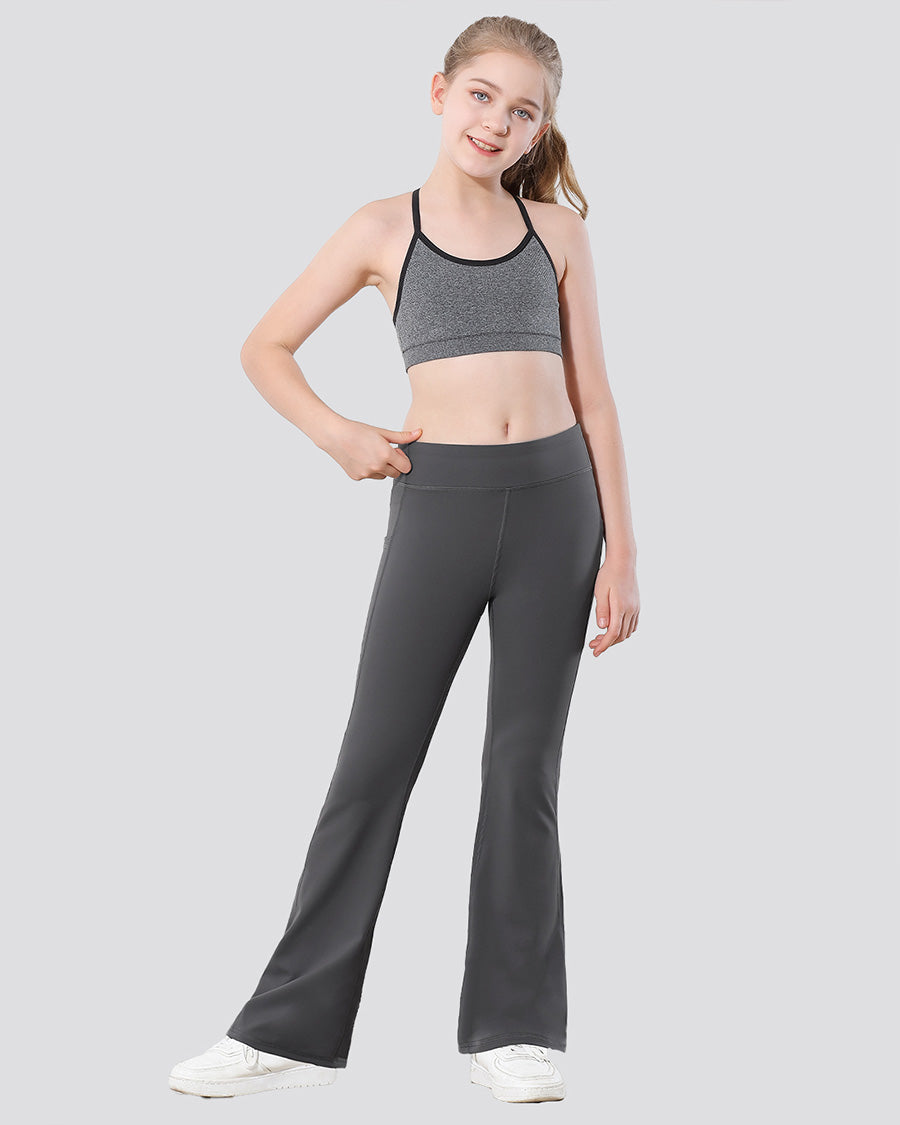
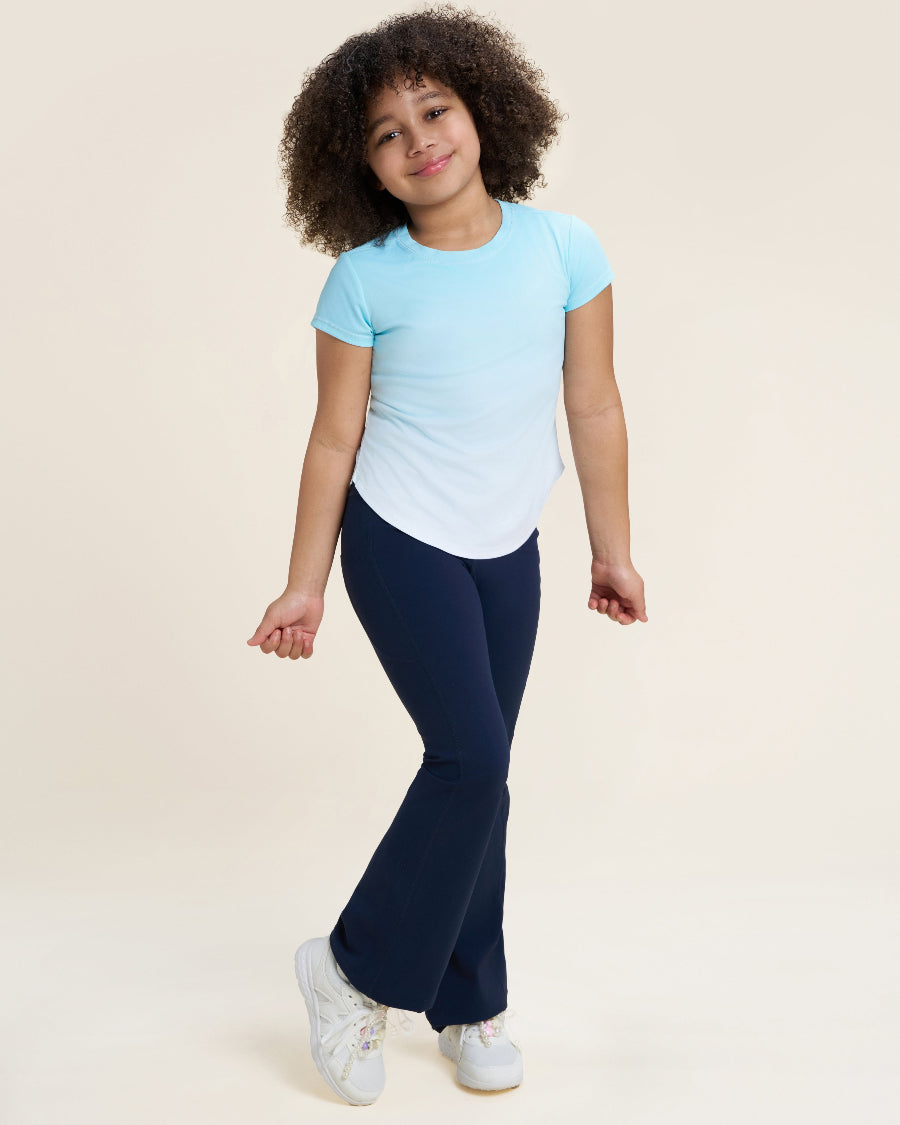
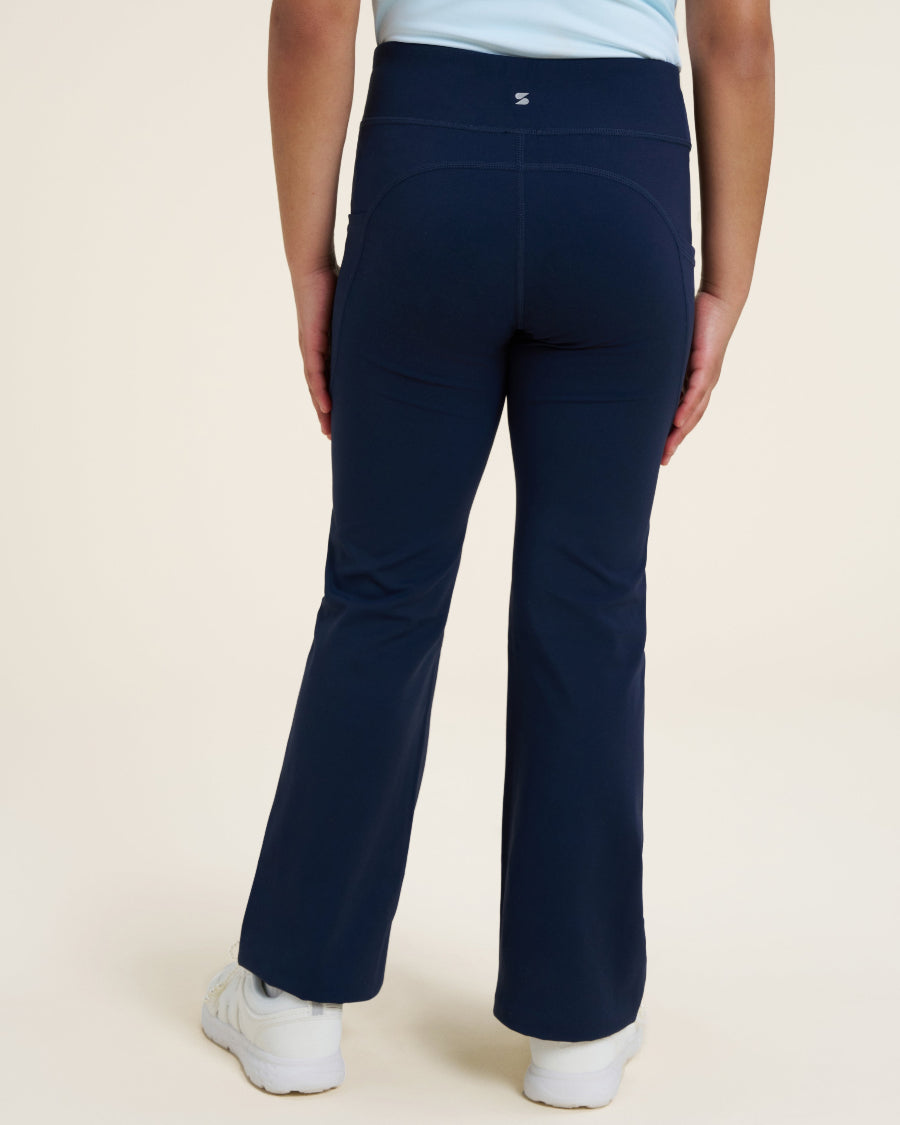
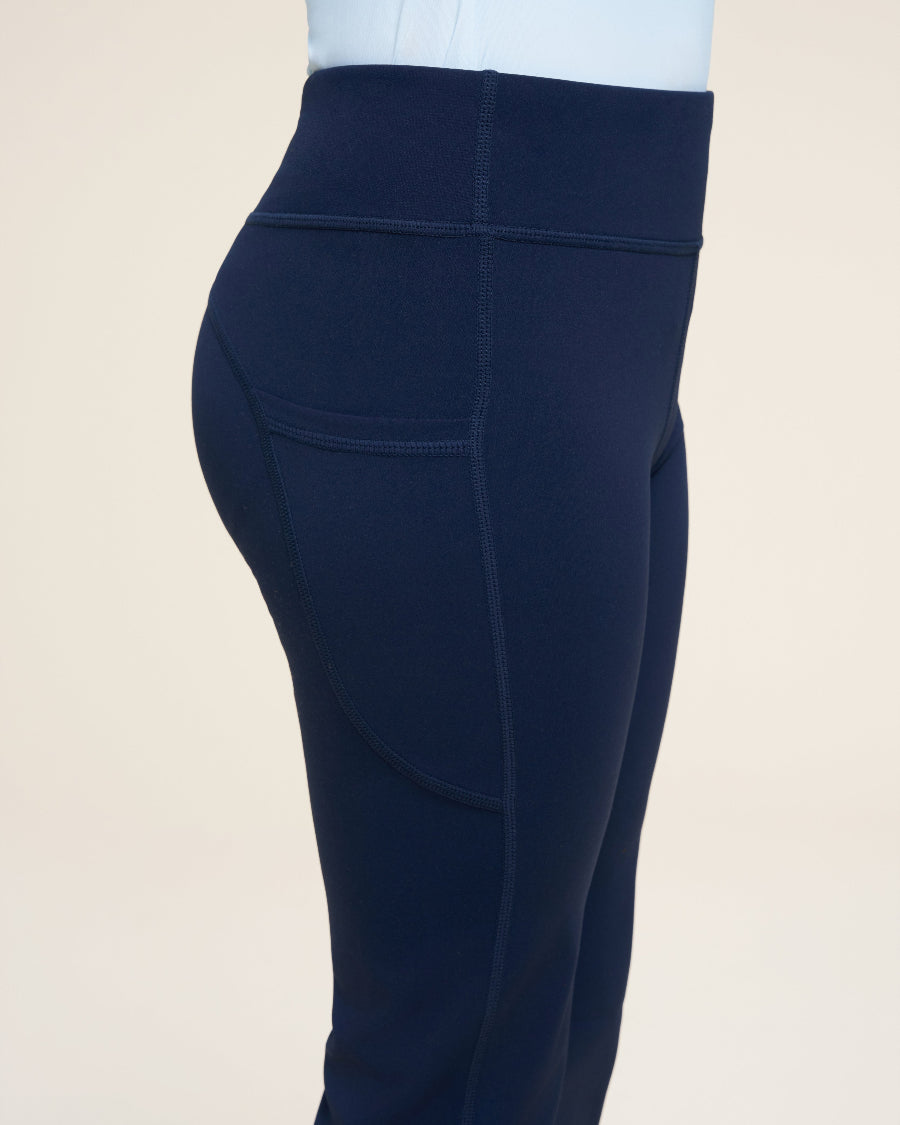
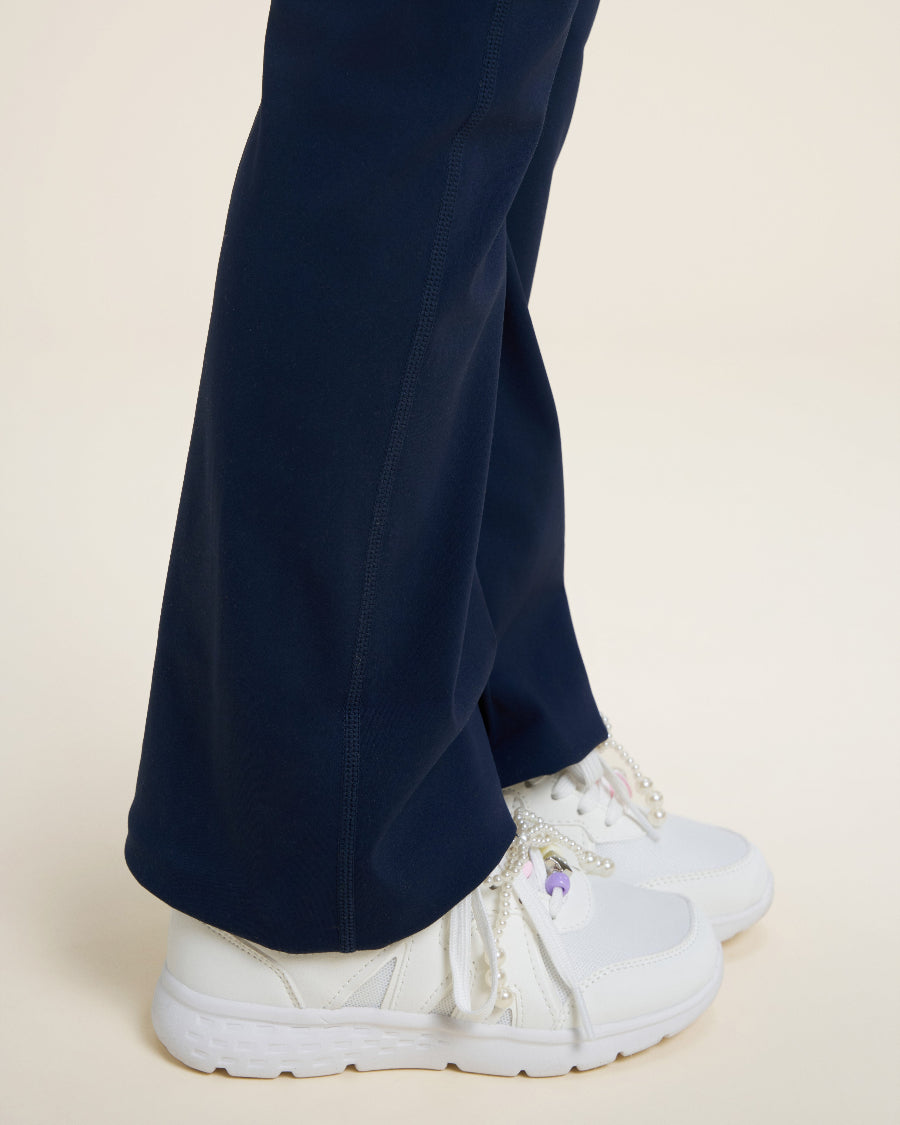
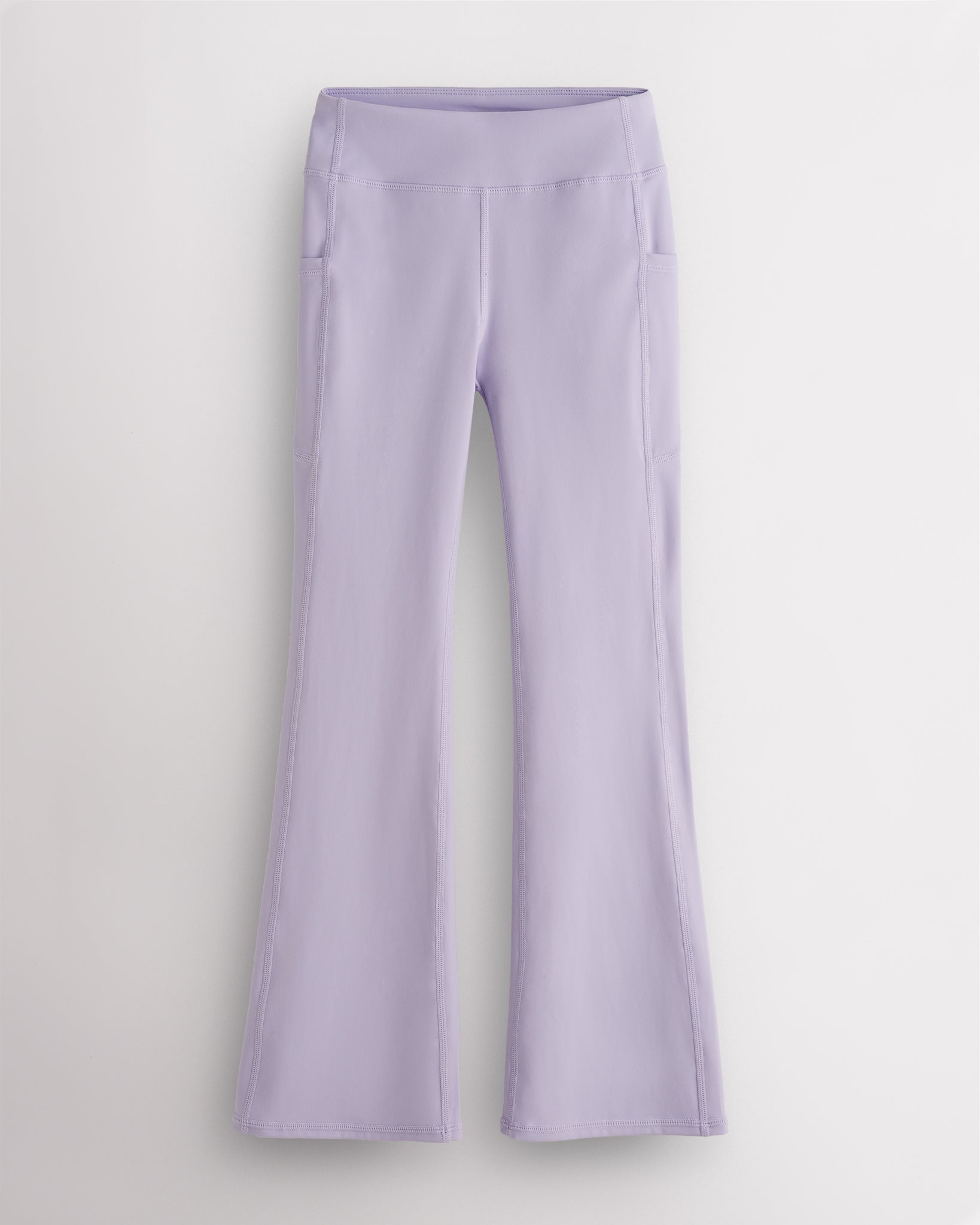
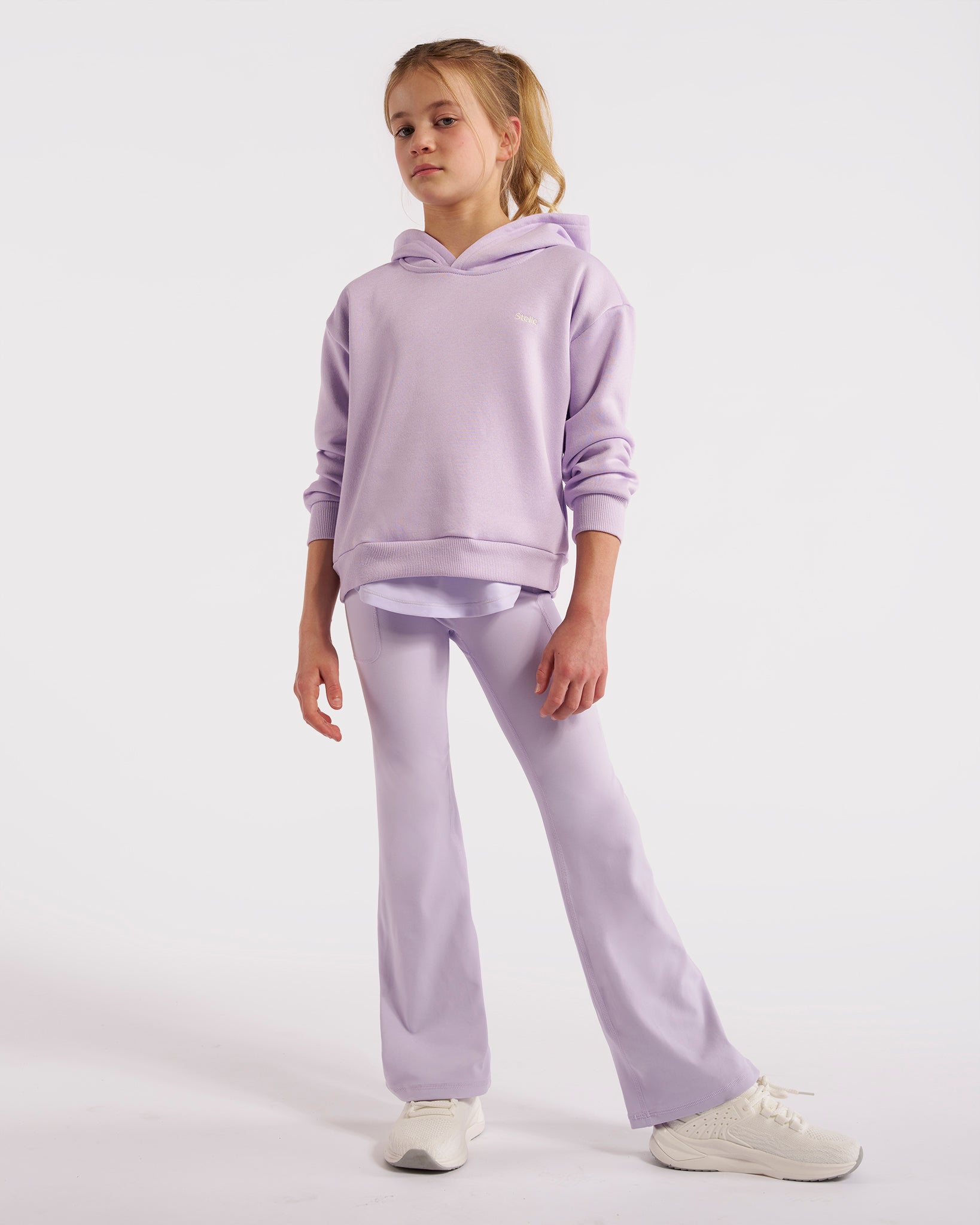
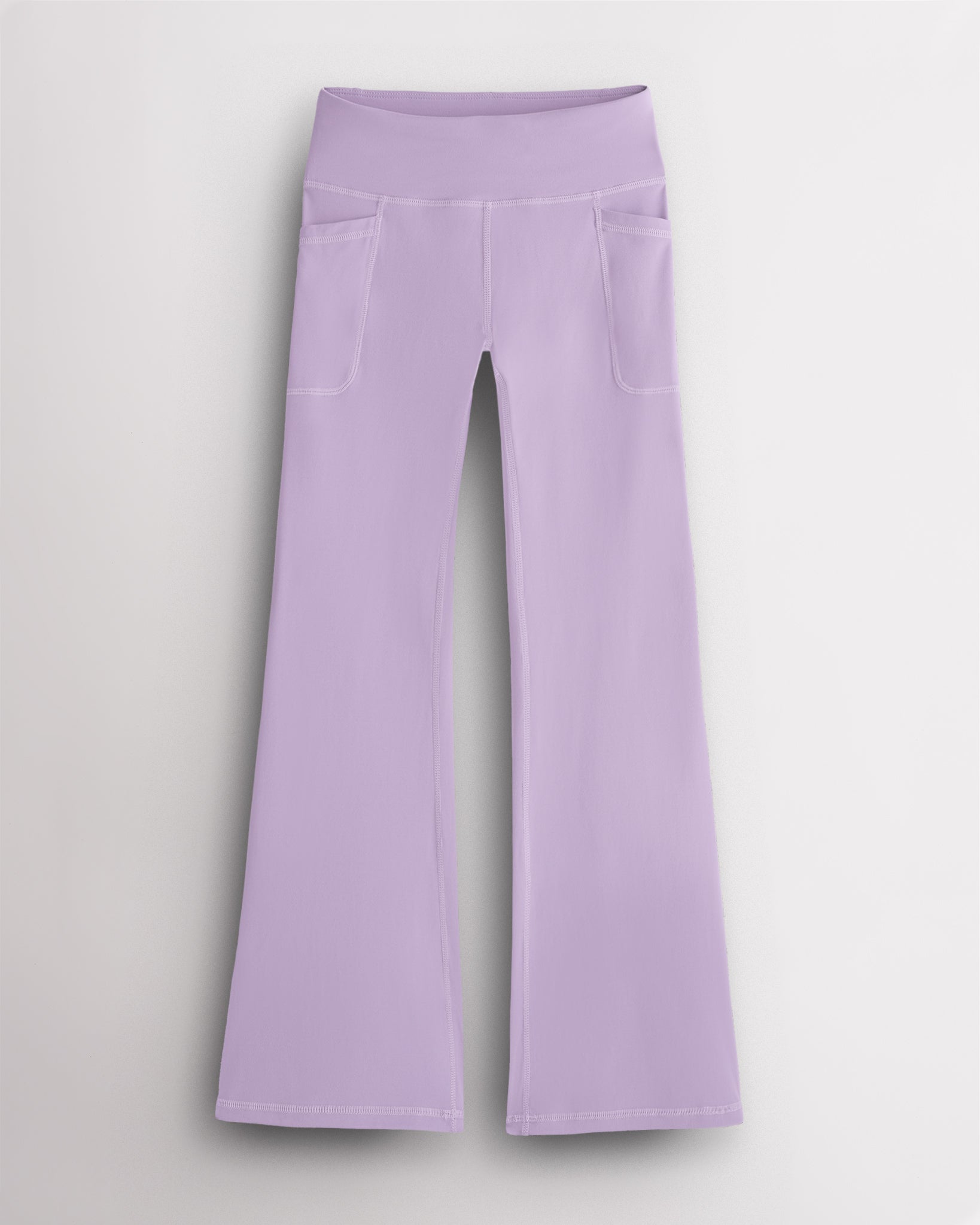
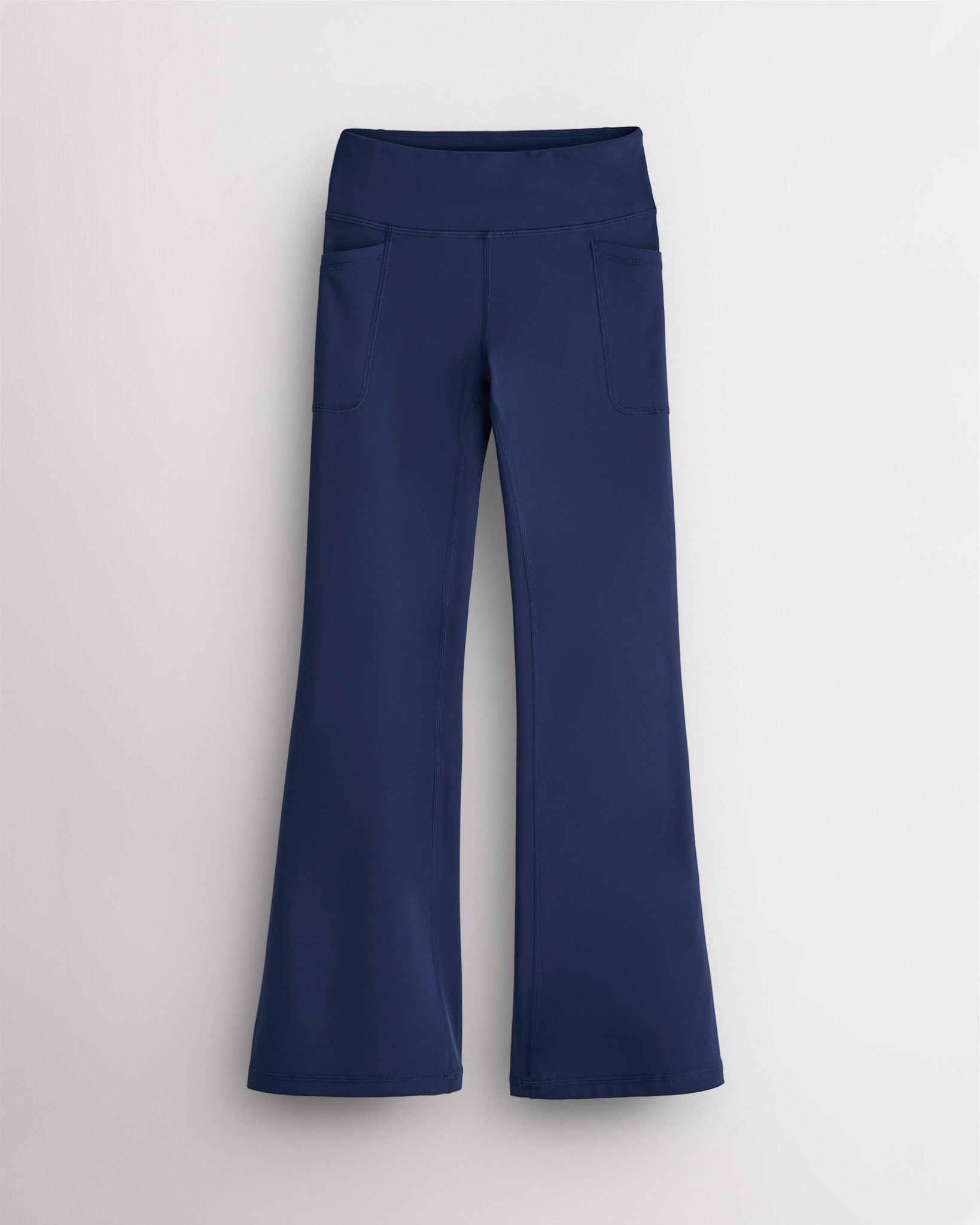
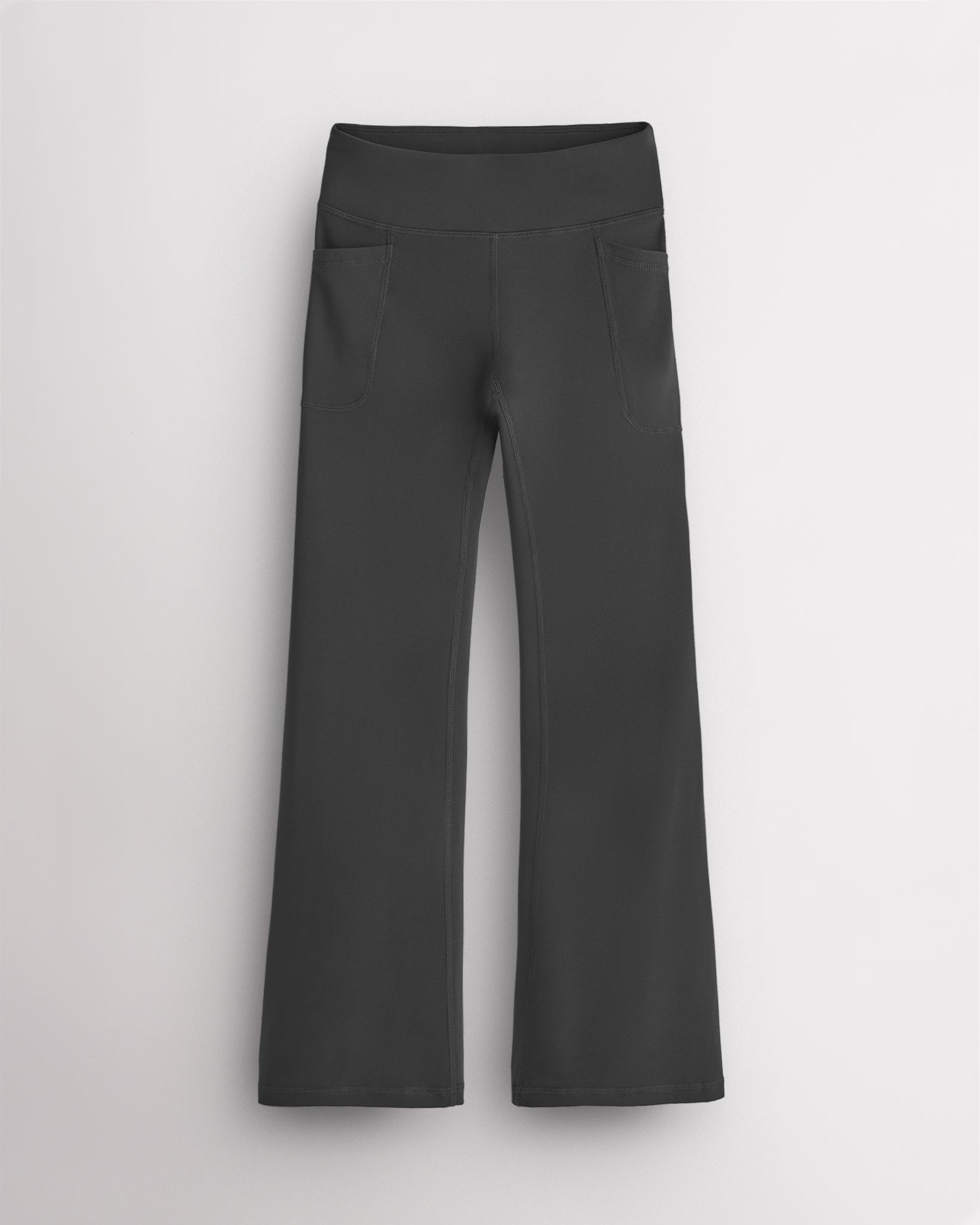
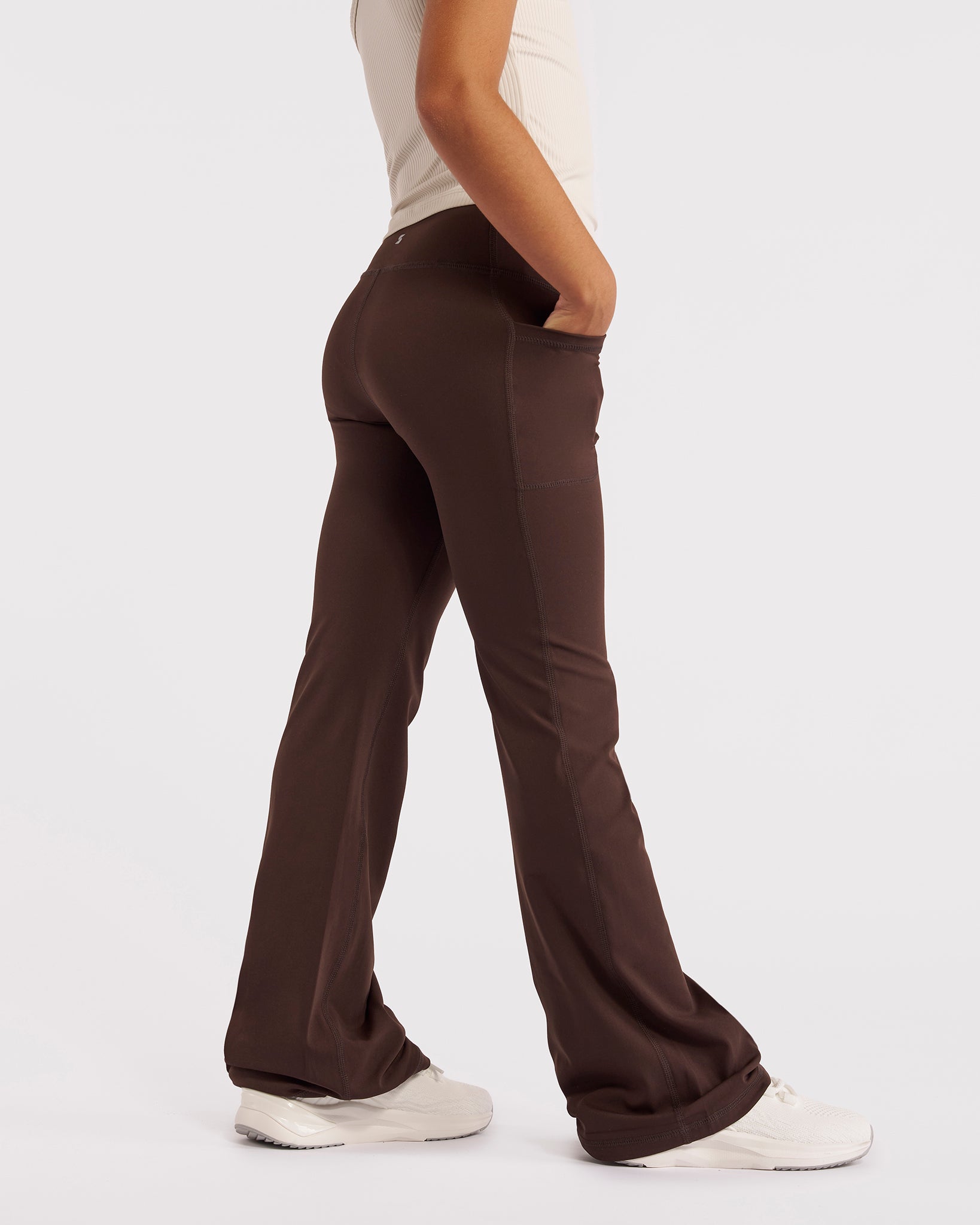
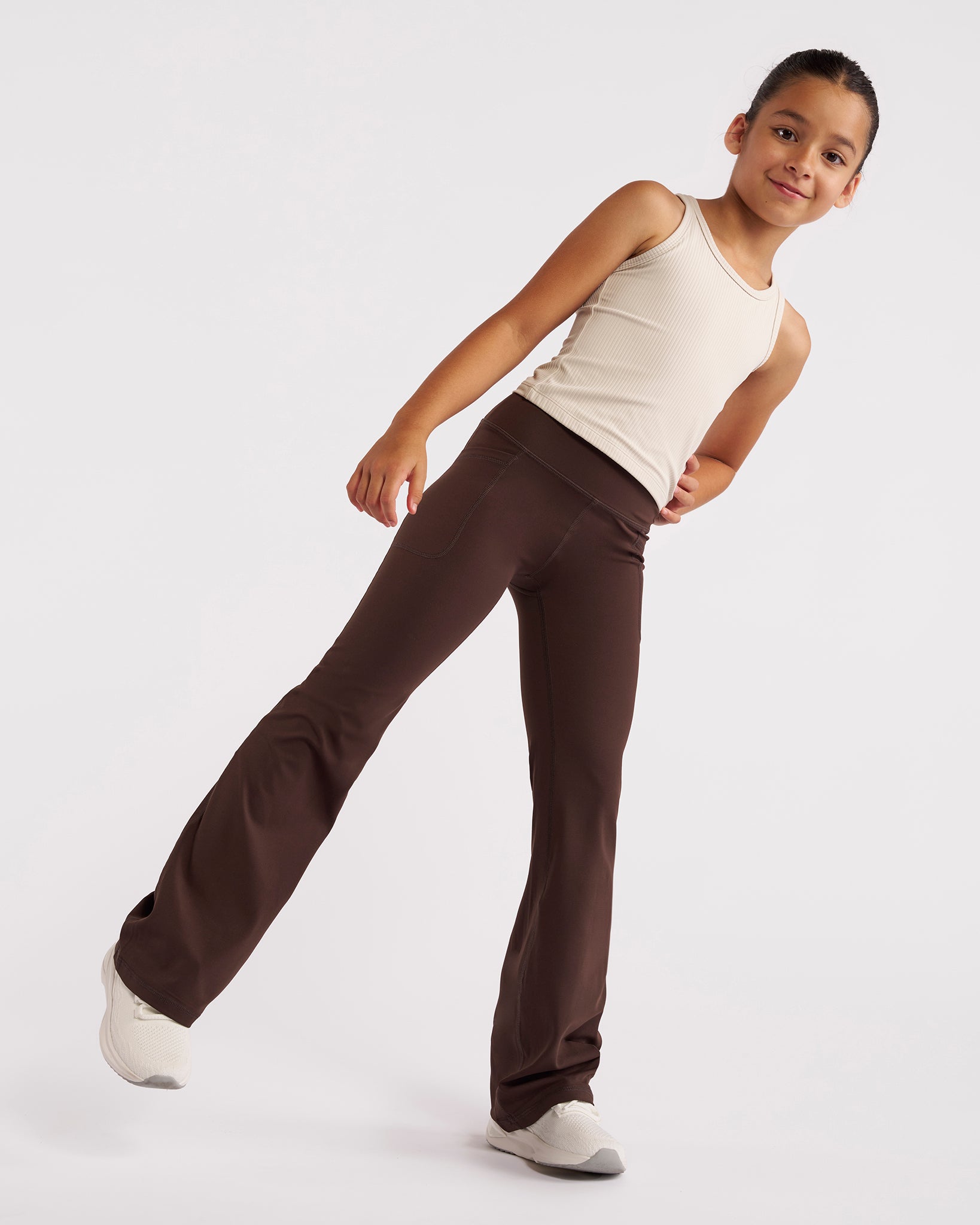
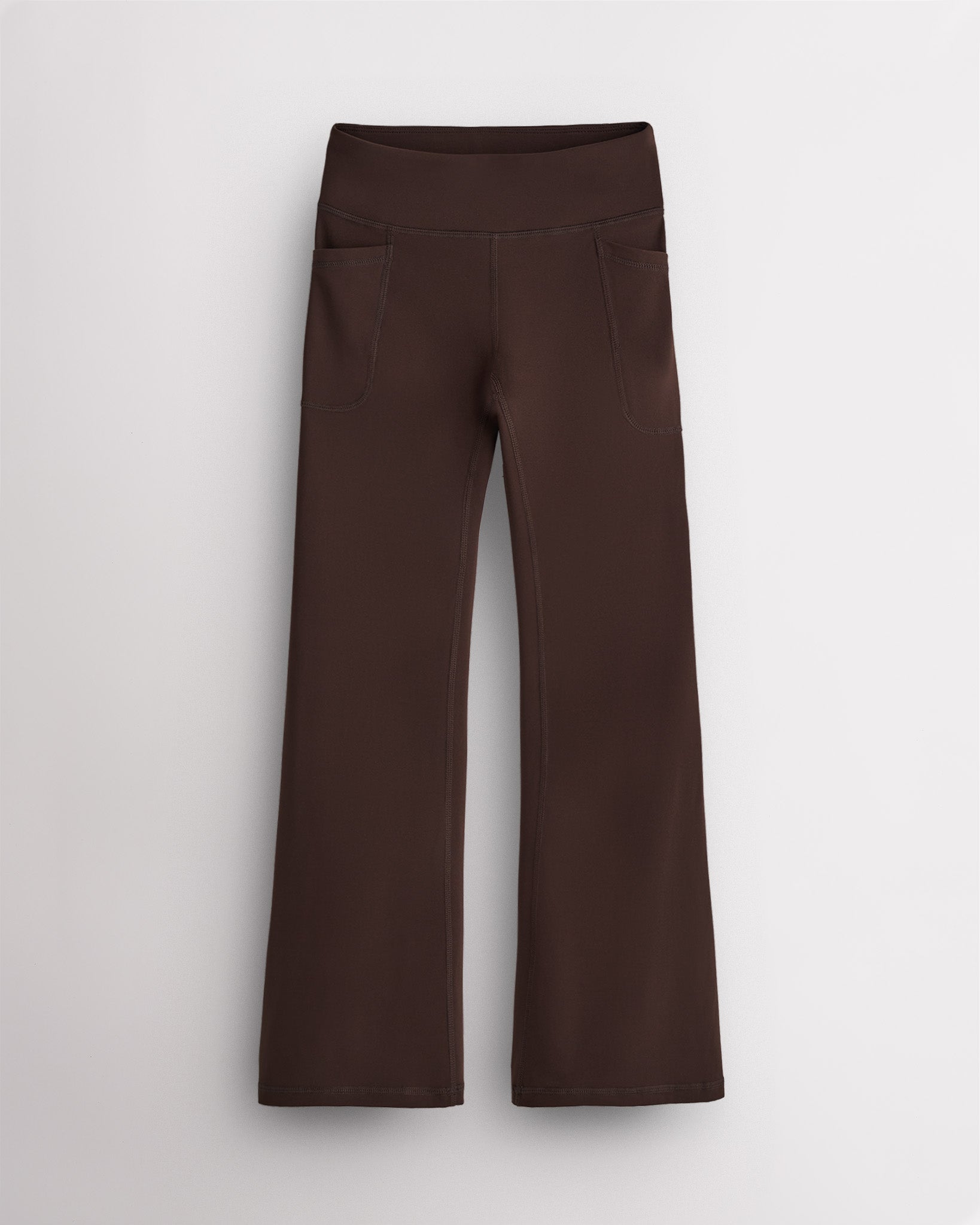
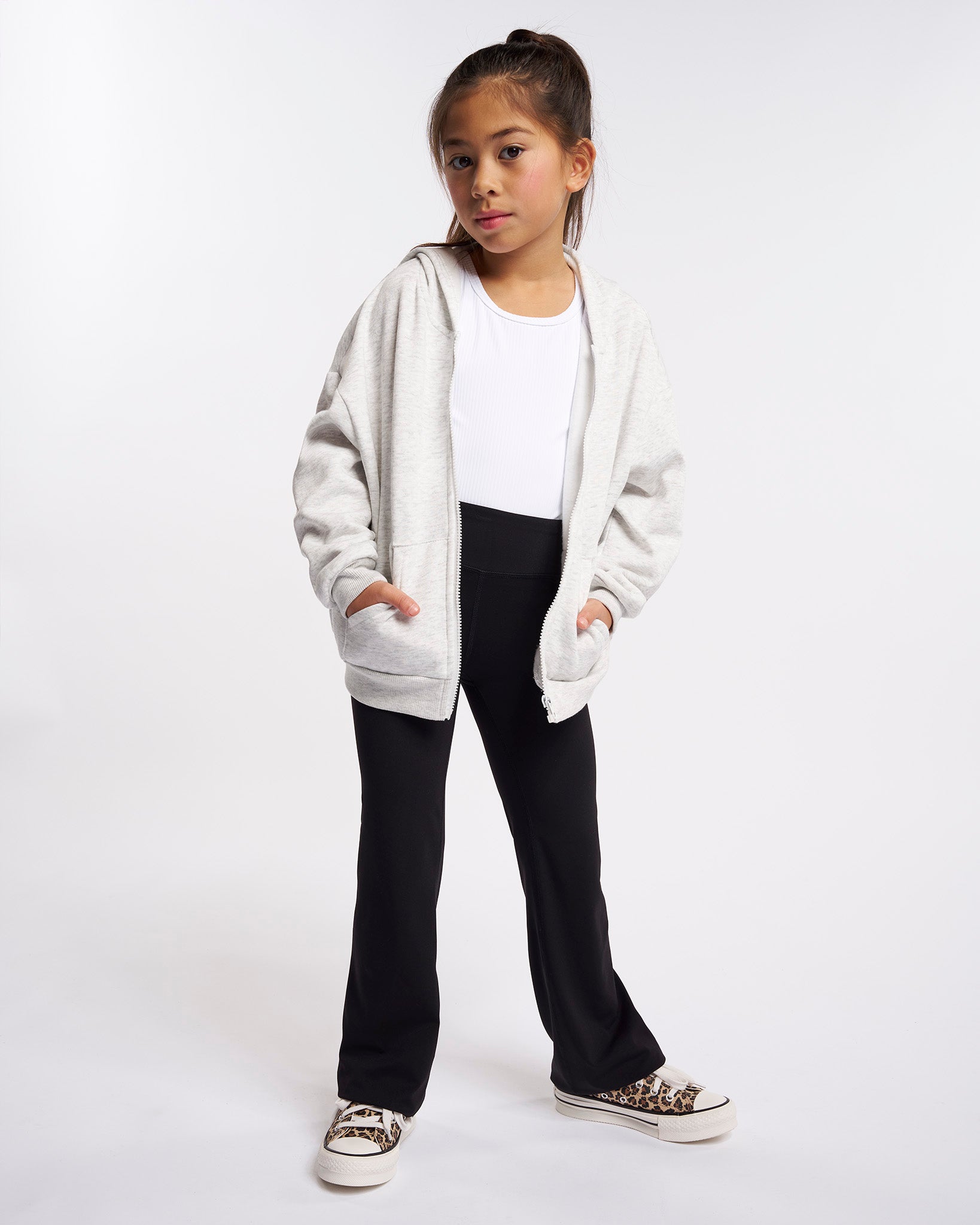
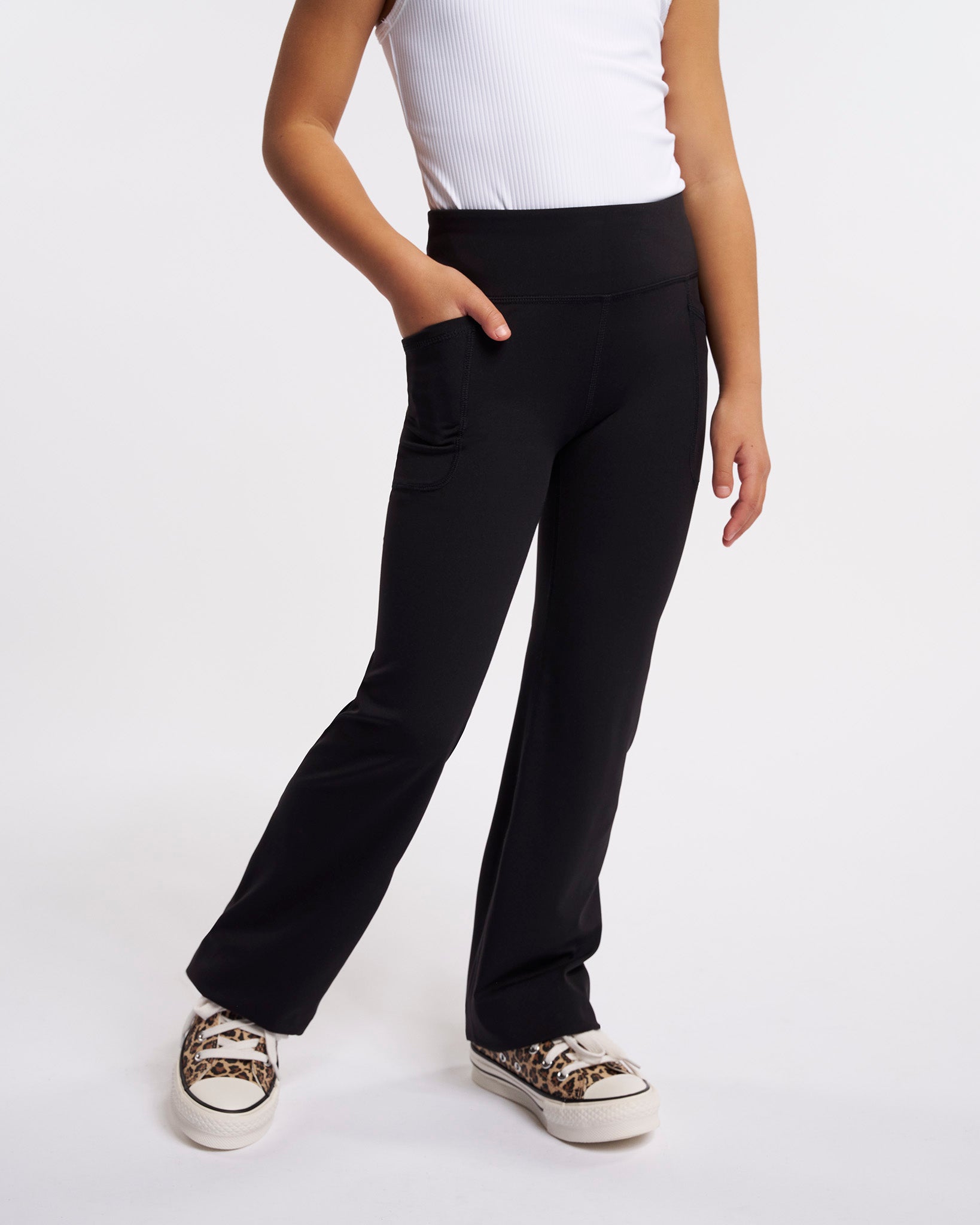
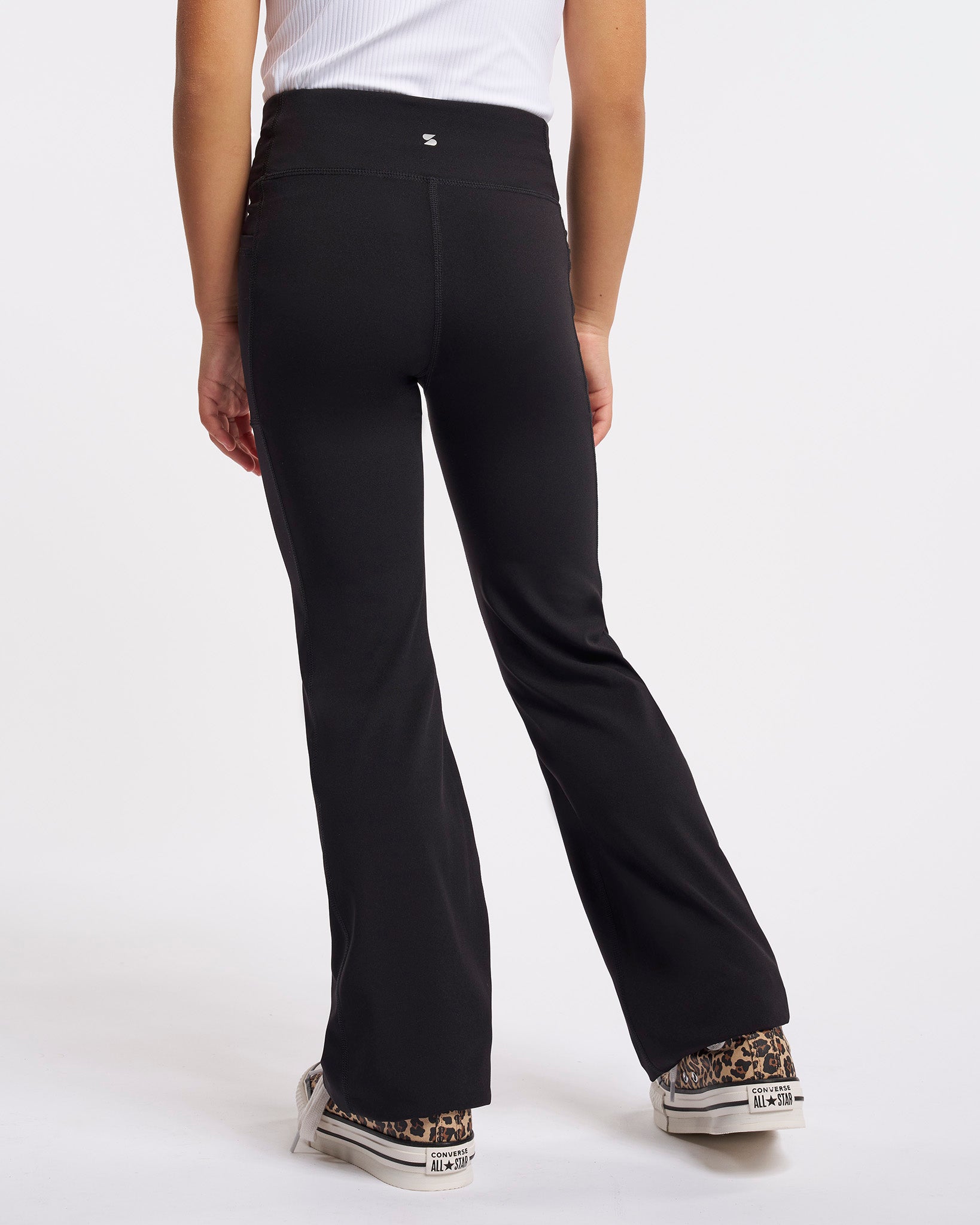
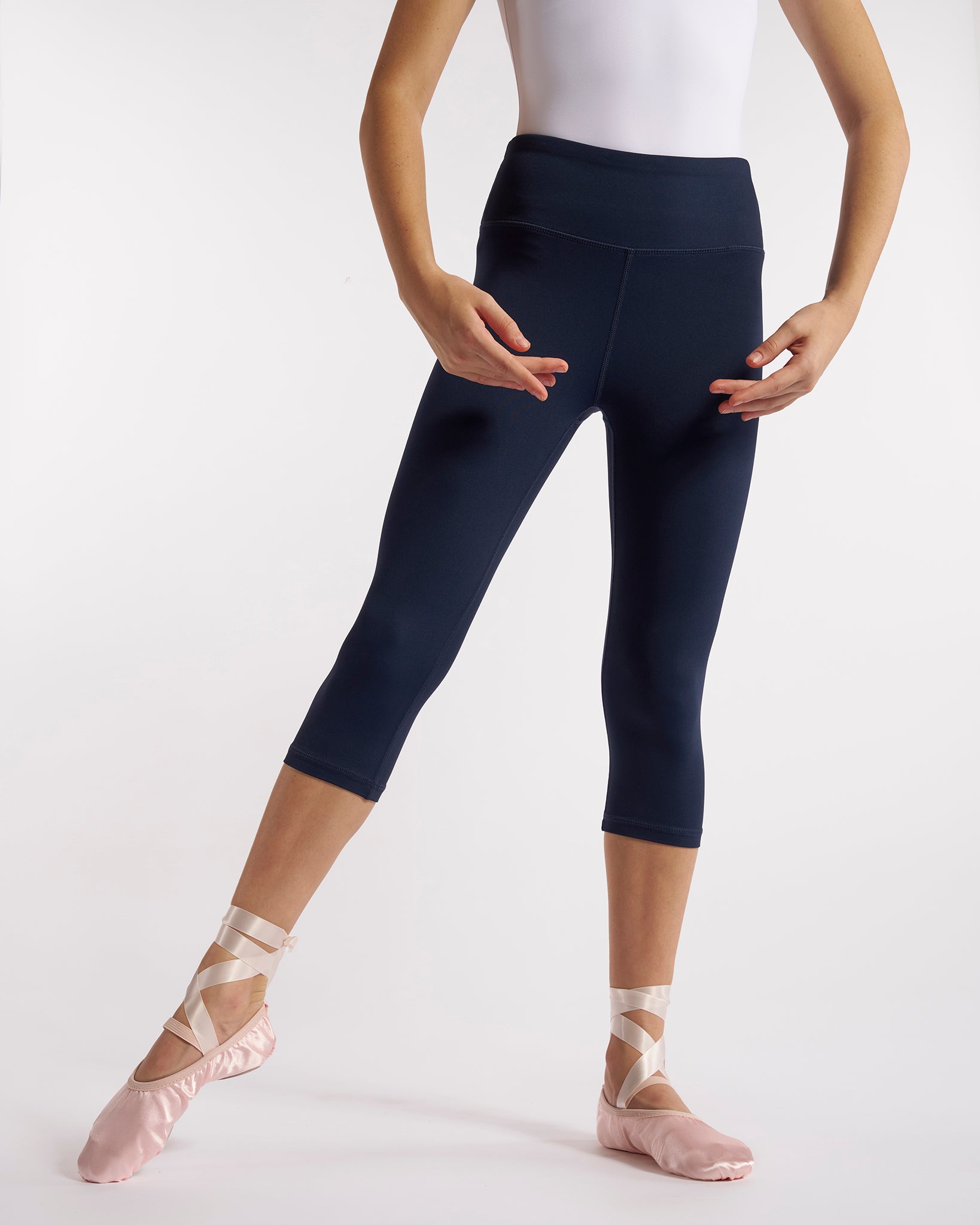
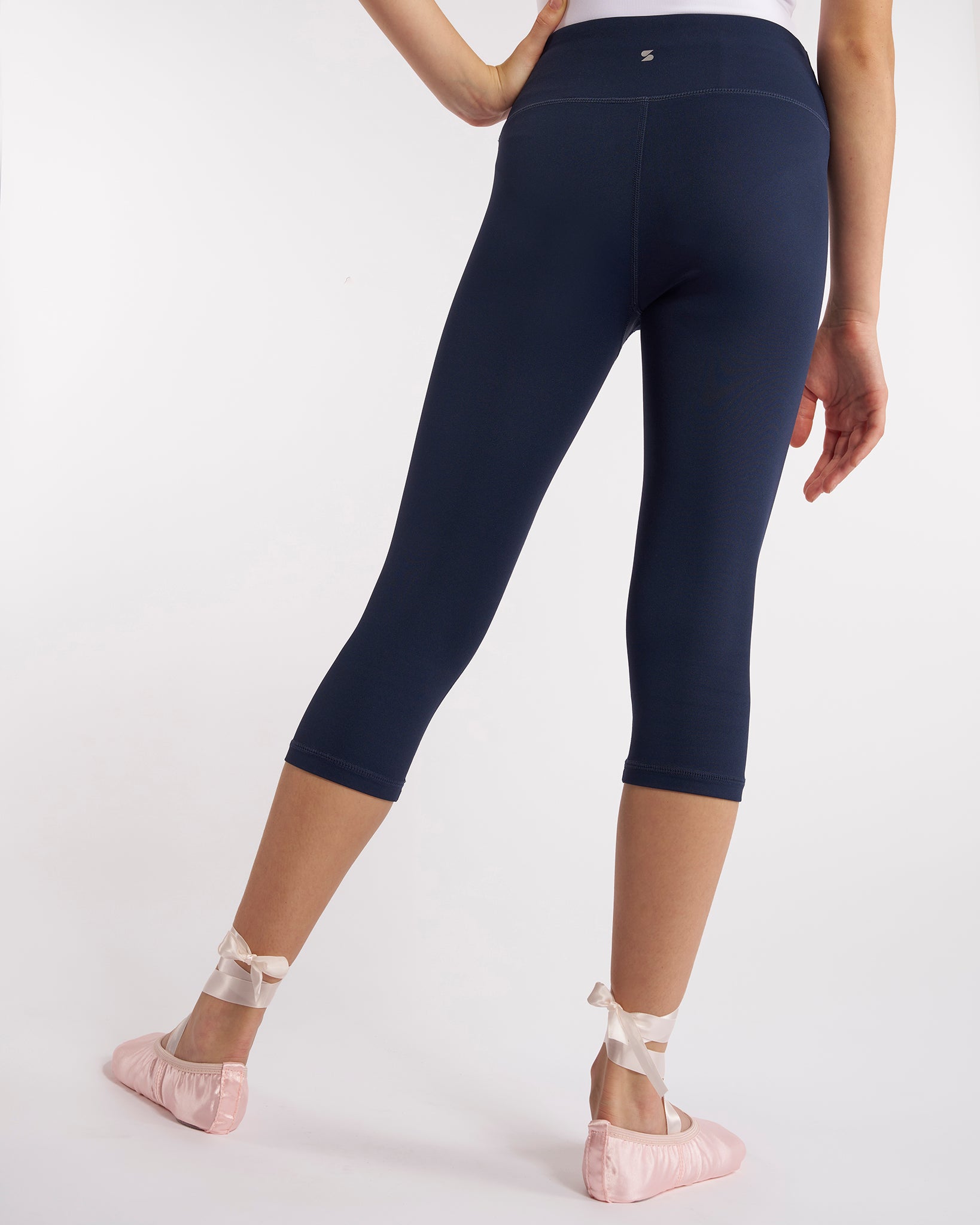
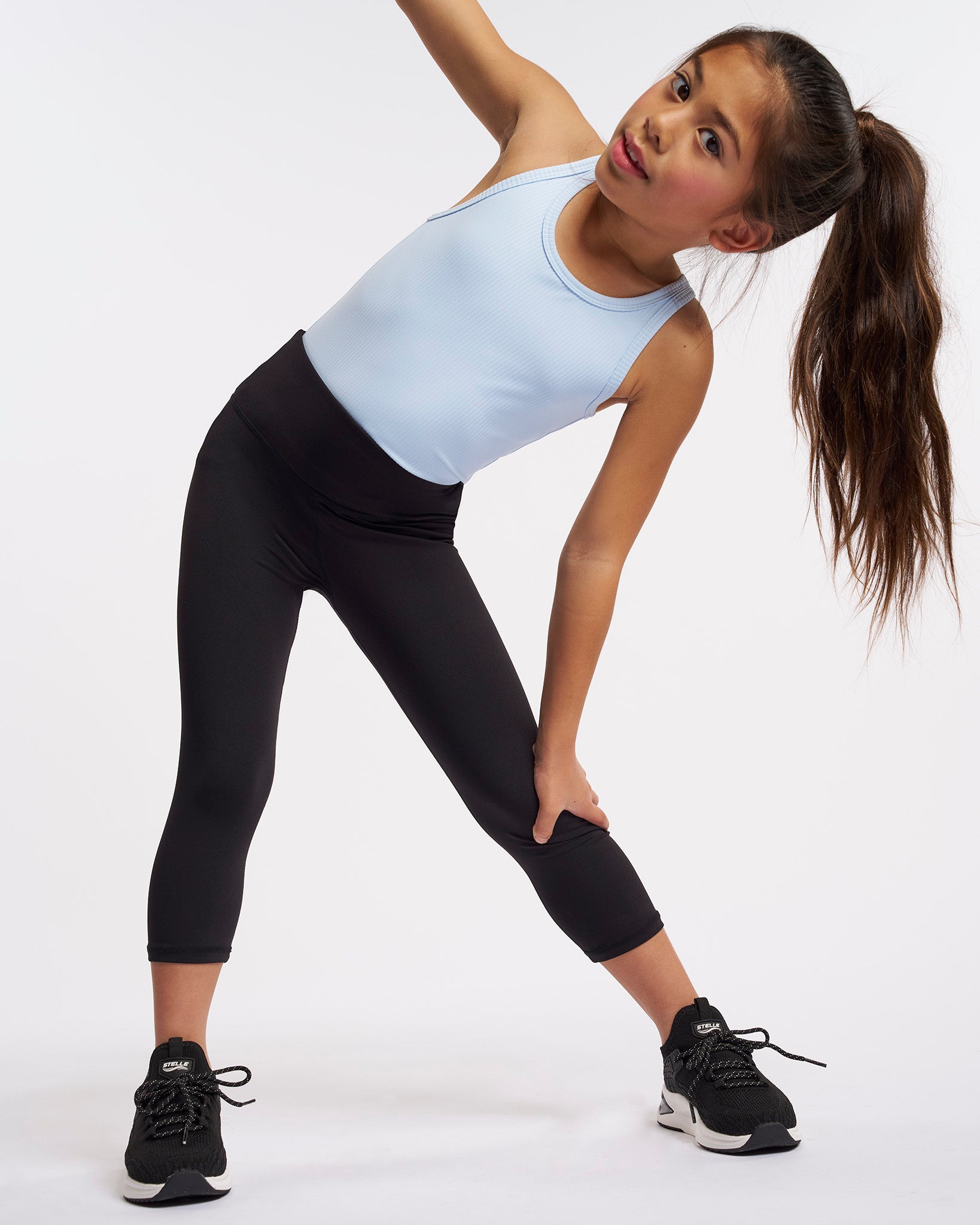
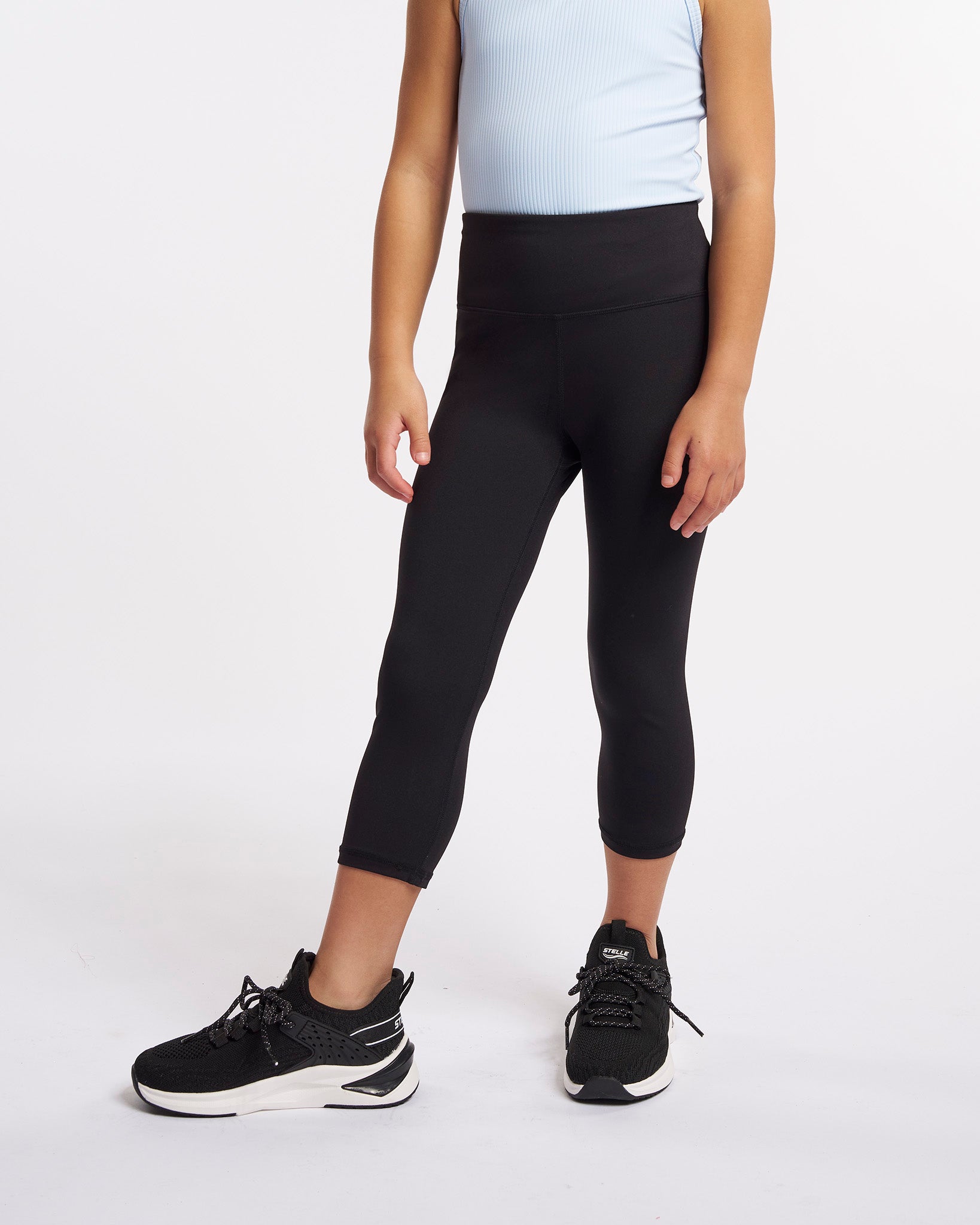
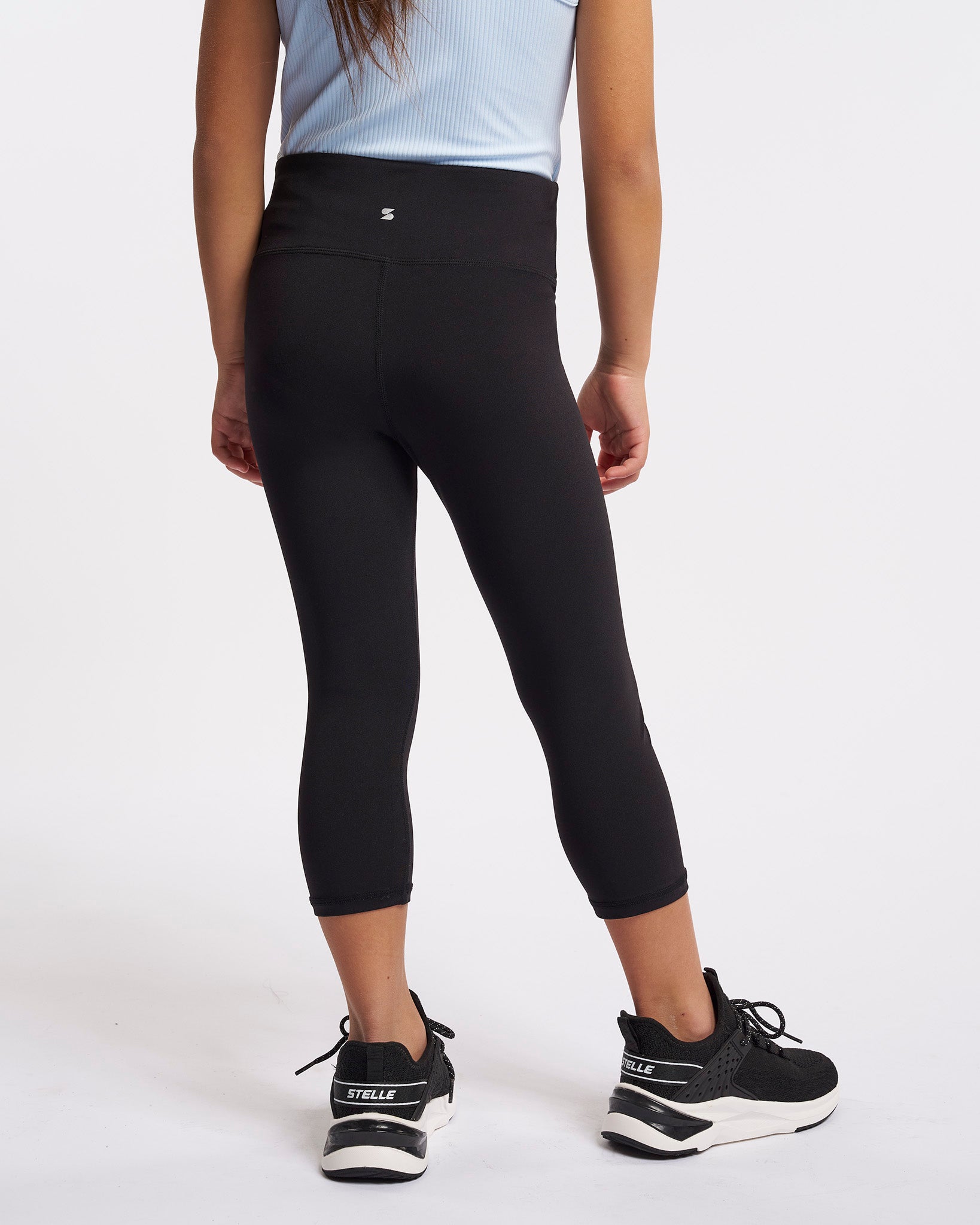
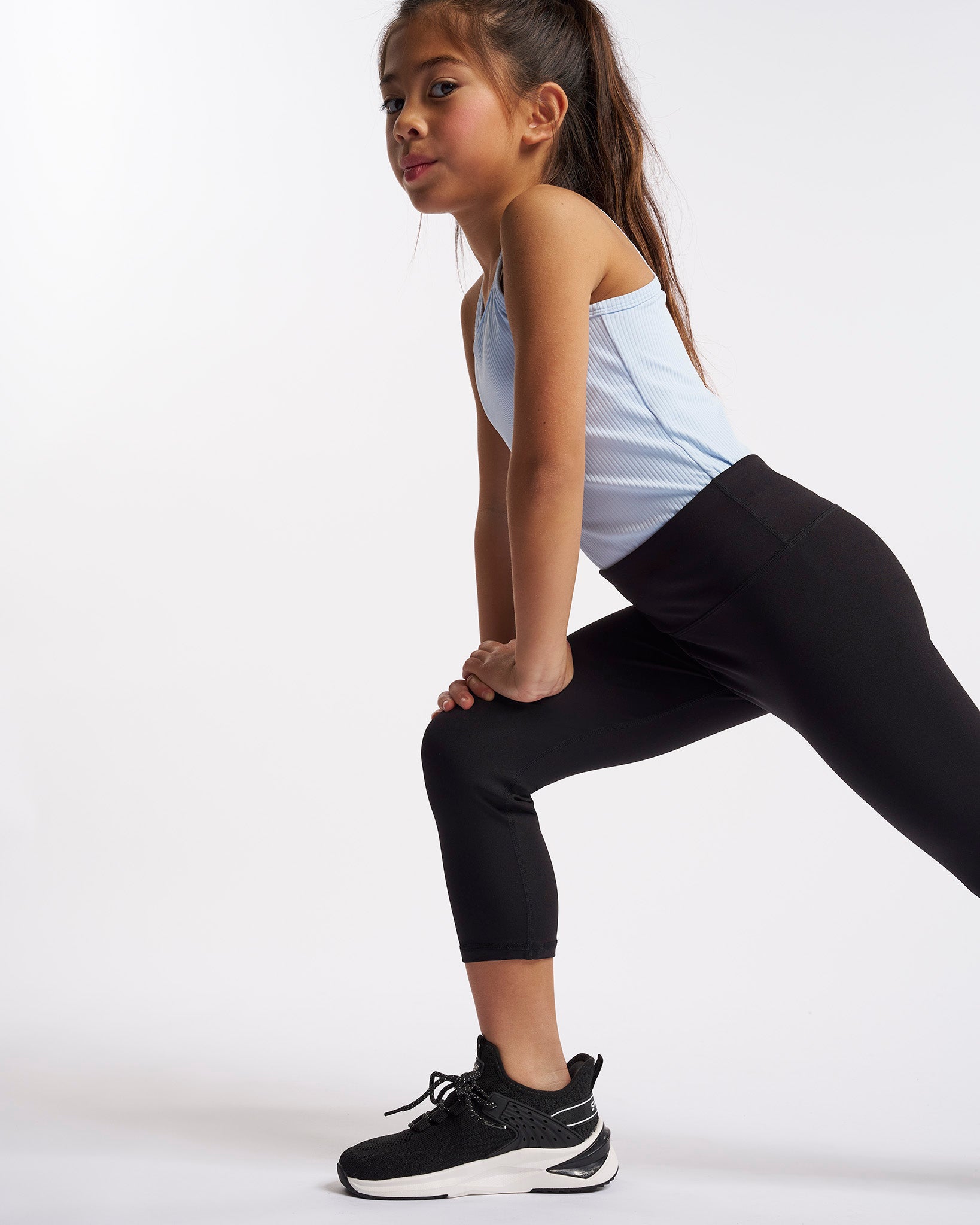
Comfort removes one more excuse, which is the entire job of workout clothes at this age. Look for breathable, stretchy fabrics that move with her: fitted enough not to snag on a bike or a jump rope, loose enough to feel easy. For most of the activities above, leggings that move with her, a soft tee or tank, and supportive shoes matched to the activity (running shoes for running, flat soles for strength work) cover everything. Whatever she wears, the test is simple: if she forgets about her clothes mid-workout, they are right.
FAQ
What is the best workout for teenage girls at home?
A workout routine for teens at home works best built from bodyweight exercises (squats, lunges, push-ups, planks), dance cardio videos, jump rope, and beginner yoga. None of these need equipment beyond a mat and maybe a rope. HIIT is a strong at-home option too, but it suits girls who already have a few weeks of base fitness. The at-home column in the weekly schedule above strings these into a full teenager workout program.
What's a good workout for a complete beginner?
Start with 2 to 3 short sessions a week: a simple bodyweight circuit, a beginner yoga video, walk/run intervals, or a dance cardio video. Keep each session at 15 to 25 minutes for the first couple of weeks, then add a day or a few minutes. Beginners who start small tend to stick with it longer than those who start with a punishing daily plan.
How long should a teenage girl exercise, and how many days a week?
The CDC recommends 60 minutes or more of moderate-to-vigorous activity every day for ages 6 to 17, including muscle-strengthening activity on at least 3 days a week. That hour does not need to happen in one block: a bike ride to school, PE class, and an evening dance video all add up. On busy weeks, some movement still beats none.
Is it safe for a 13 or 14 year old to start working out?
Yes, for most healthy teens, and 13 and 14 are good ages to build the habit. The safety section above covers the growth-plate and supervision guidance, so workouts for 13 year olds and workouts for 14 year olds can both start with bodyweight training, yoga, running intervals, swimming, or team sports. Check with her doctor first if she has asthma, joint issues, or another health condition.
Which workout is best for boosting confidence?
Strength-based activities are a strong pick for confidence, because progress is easy to see: more push-ups this month than last month is proof she can feel. Bodyweight training and martial arts are good fits, with martial arts adding structure and belt milestones. Team sports help too, through competence plus belonging.
What should a teen girl wear to work out?
Breathable, stretchy clothing that fits close enough not to catch on equipment, plus supportive shoes matched to the activity. For yoga and Pilates, fitted leggings and a comfortable top let an instructor see her alignment.
About the Stelle Team
Stelle is a mom-trusted dancewear & athleisure brand best known for girls’ ballet and dance essentials since 2015. Every article is created and reviewed by the team behind the products, drawing on what we hear from dance teachers, studio owners, and dance parents every day. Learn more about Stelle.