





Stage Fright in Kids: Tips on How to Overcome Performance Anxiety
Table of contents
We all remember what it was like to be little—standing in front of a crowd (or even just a few people), feeling self-conscious and too nervous to speak. It’s a completely normal experience, but it’s also an uncomfortable one, especially when you're about to step out on stage for a performance.
The good news is that if your child is experiencing stage fright, there are a few gentle ways you can help ease their nerves, support them through stage fear, and even help them start to enjoy being in the spotlight. Today, we’re sharing a few things that have helped us (and other parents) support our kids through stage fright and learn how to overcome stage fright in a way that feels comfortable for them—whether it’s for a dance recital, a class presentation, or any other moment that puts them at the center of attention.
What Is Stage Fright? & Why Kids Experience It
Stage fright, also known as performance anxiety, is a fundamental part of the human experience. As social creatures, we have evolved to rely on acceptance to form life-saving bonds with one another. That said, we have also developed a natural fear of not being accepted in our communities and “falling through the cracks” instead.
Like most fears, performance anxiety can feel bigger than it really is. Our brains have a way of amplifying those worries and making them seem more overwhelming than they are. Teaching your child how to overcome stage fright can reduce their stress and make the next time they step out in front of a crowd feel a little easier.
How to Help Your Child Overcome Stage Fear
Tip 1: Normalize their feelings
If your child suddenly gets clingy, goes quiet, or says they don’t want to go out on stage altogether, it may be their nerves getting the best of them. If this is something you’ve experienced, you’re definitely not alone.
We find that reassuring our little ones that their feelings are completely normal and that even adults feel that way sometimes can help reduce stage fear. It reminds them that the butterflies in their stomach don’t mean there is danger; rather, it means they care about something.
One mom in our parent community shared that her daughter has been in dance for over a year but still feels too nervous to go on stage, and they've chosen to respect her pace rather than push too hard. Every child's journey is different, and that's perfectly okay.

Tip 2: Practice in a “safe audience.”
Many parents notice their child is perfectly confident at home, but the moment a real audience is involved, the nerves kick in. It can help to have your child rehearse their performance in front of a small, “safe audience” first. By performing for you, siblings, or even grandparents, they can gradually build confidence in a low-pressure setting while working through performance anxiety.
We’ve also heard from parents who’ve tried practicing at home again and again, even when it doesn’t seem to “click” right away. Sometimes it’s less about instant results and more about giving kids repeated, low-pressure opportunities to feel comfortable.

Tip 3: Build confidence through routine
Those last-minute nerves often show up when everything feels new or unpredictable. One way to help beat them and learn how to overcome performance anxiety is to build a consistent routine. Whether it’s practicing at the same time each day or going through a pre-performance ritual, consistency helps reduce uncertainty and anxiety.
Another parent mentioned that when her child feels overwhelmed, they focus on something familiar, like going through the same steps or routine they’ve practiced many times, which can help ground them in the moment.

Tip 4: Focus on effort, not perfection
It’s easy for kids to start worrying about getting everything “just right,” especially when they know people are watching. You can ease the pressure of stage fear during a dance recital or any performance by refocusing from “getting everything right” to simply “having fun” and “being brave.” Remind them that showing up is more important than being perfect, and always better than not trying at all.
One dance mom in our community shared that her daughter focuses on her steps and enjoys her role rather than worrying about the audience. She mentioned that this small shift in mindset has helped her work through those nerves in her own way.

Tip 5: Choose comfortable dancewear
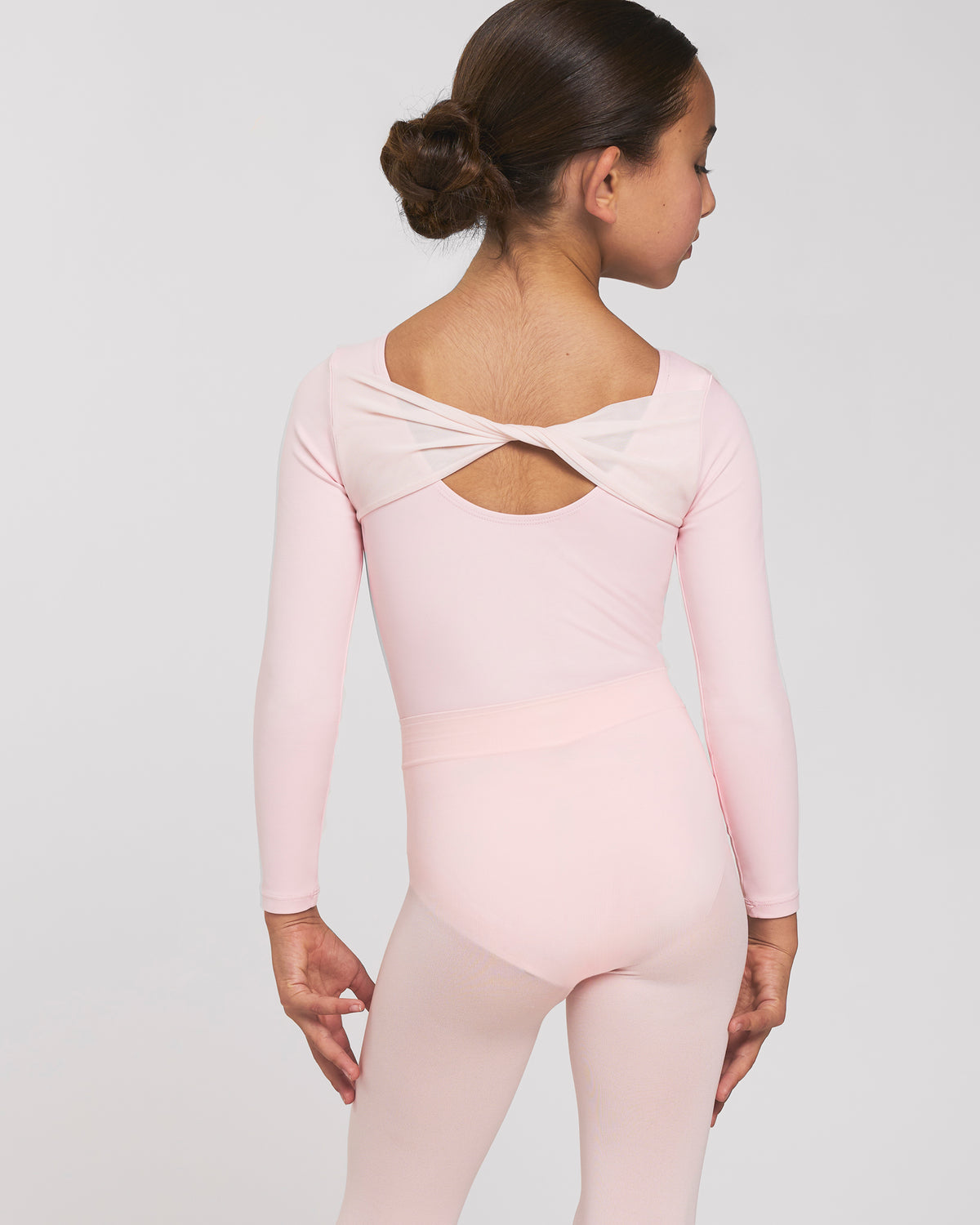
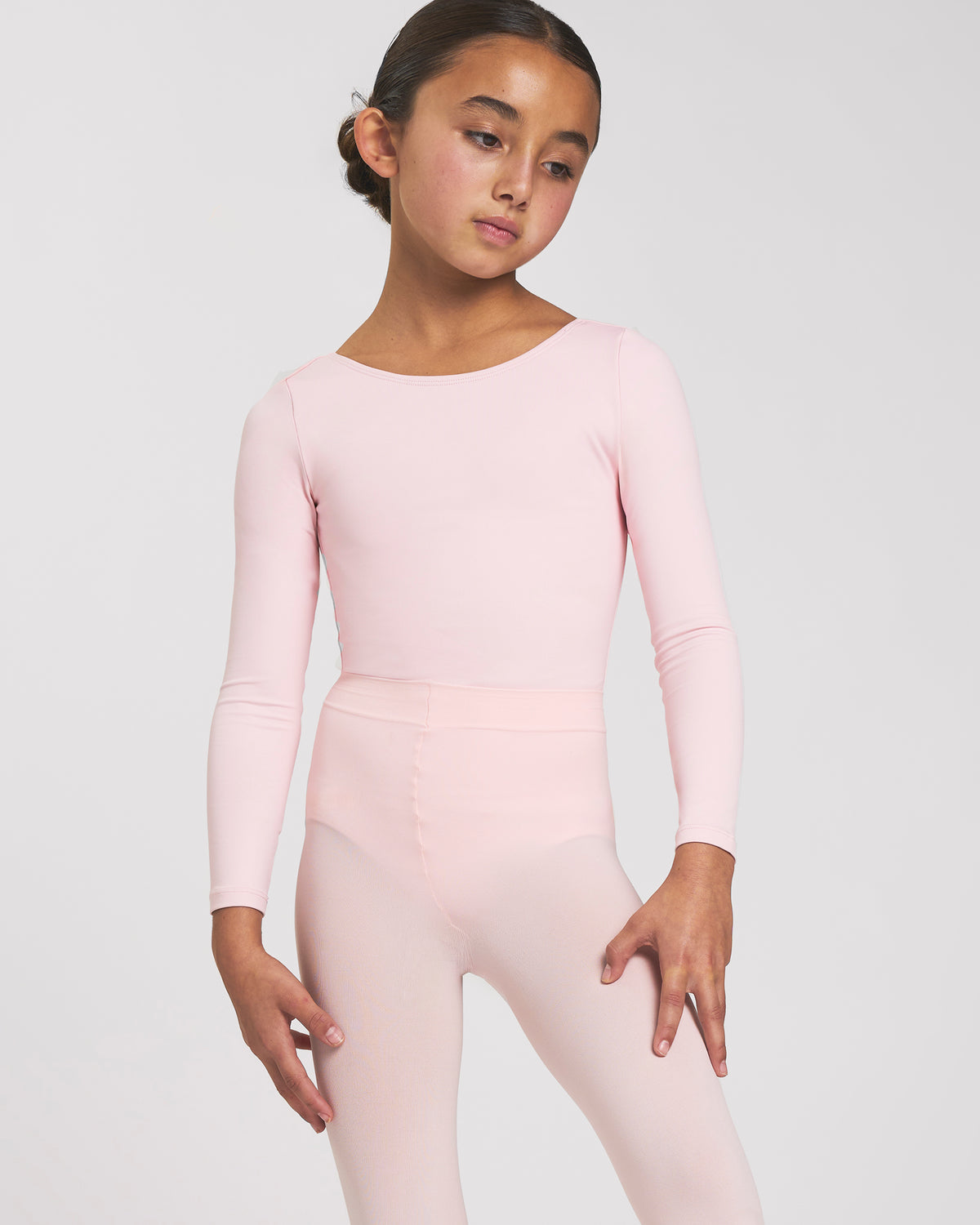
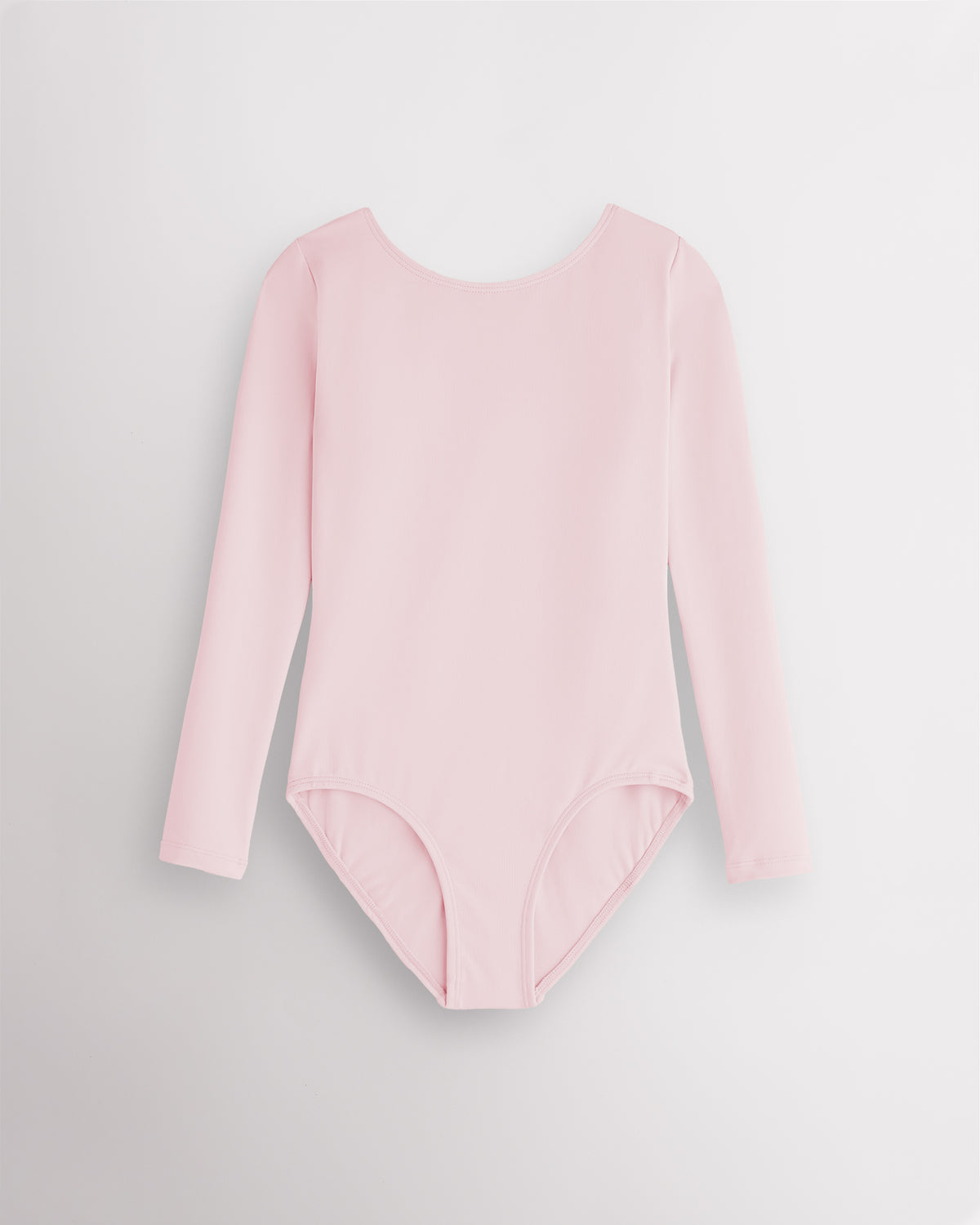
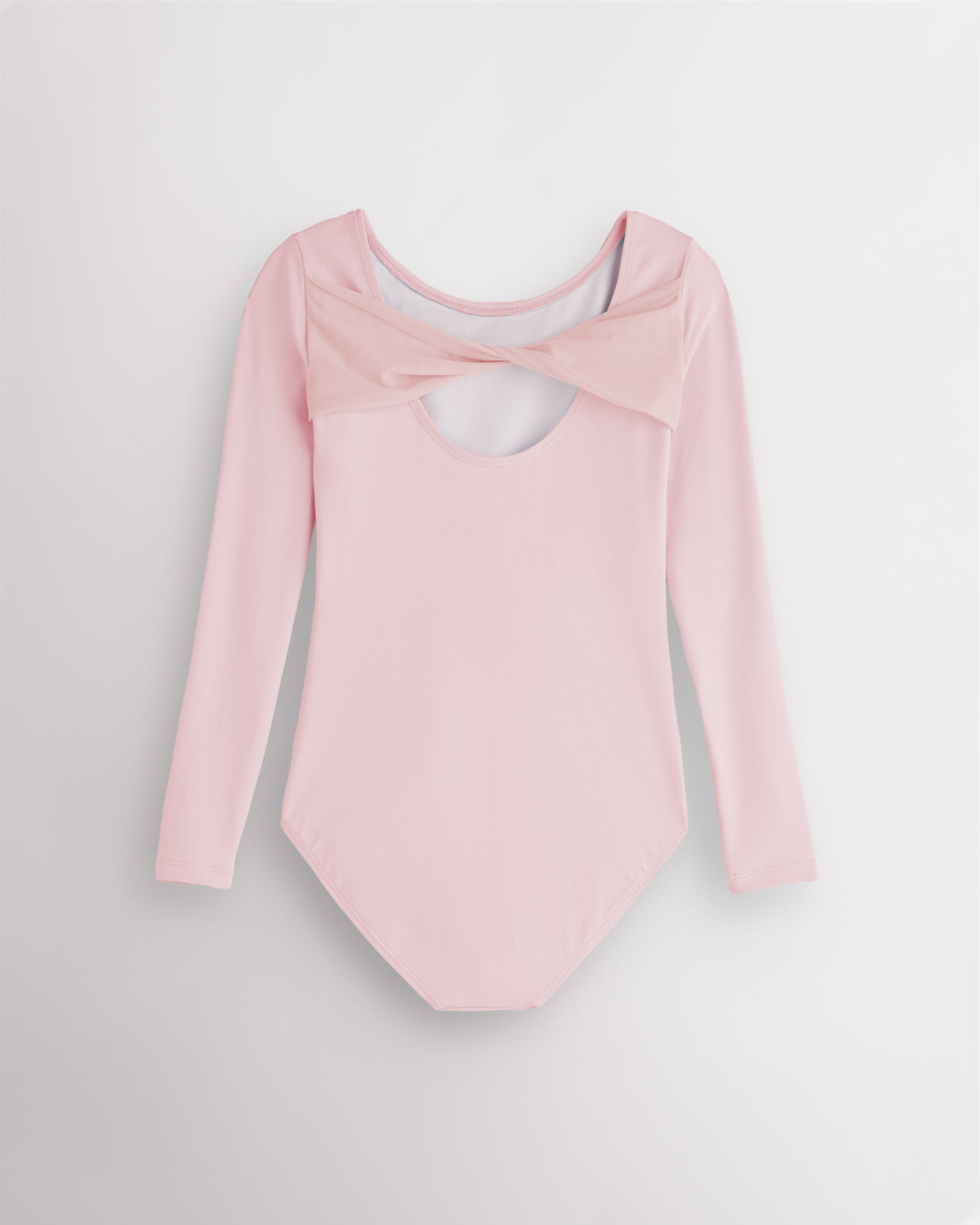
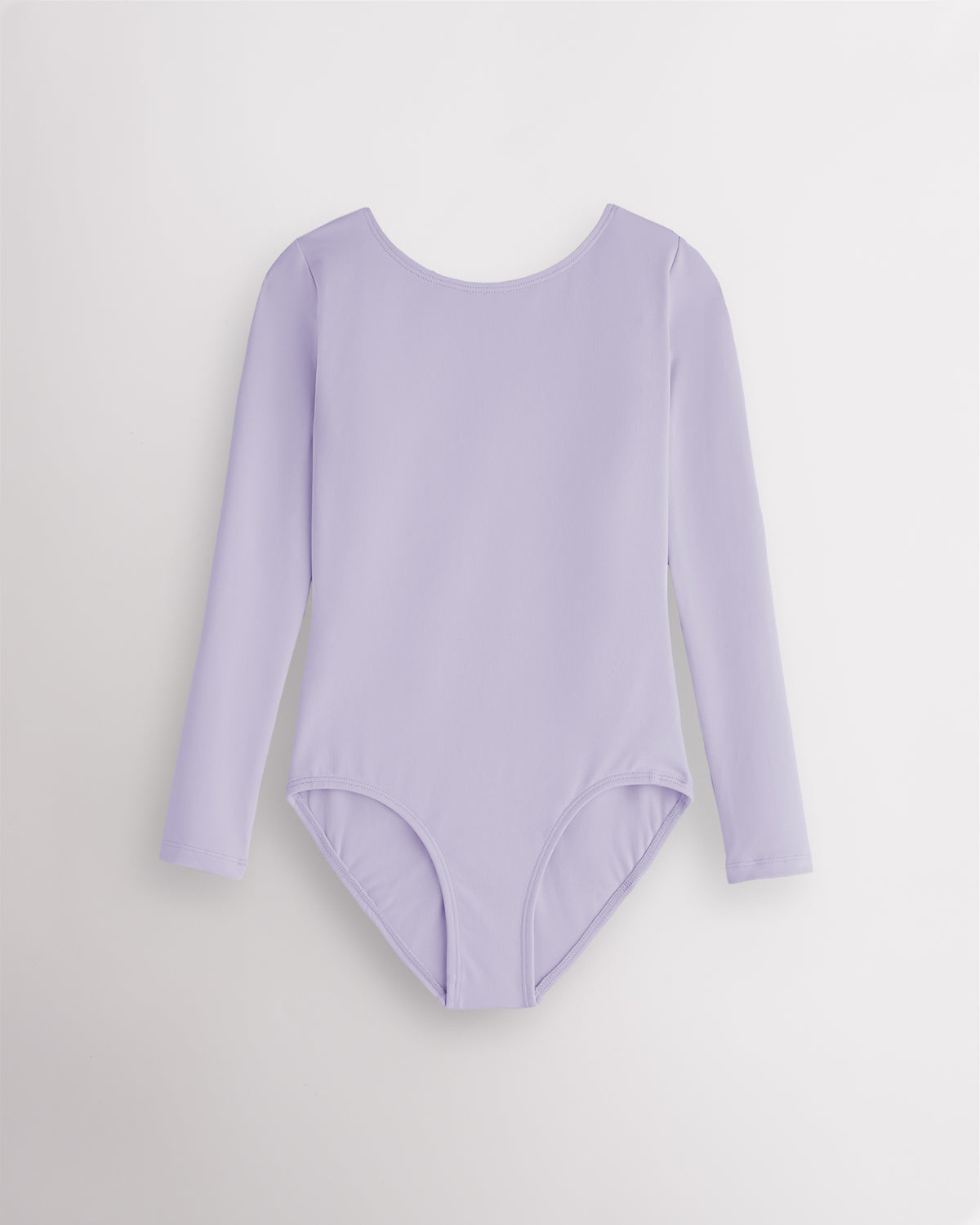
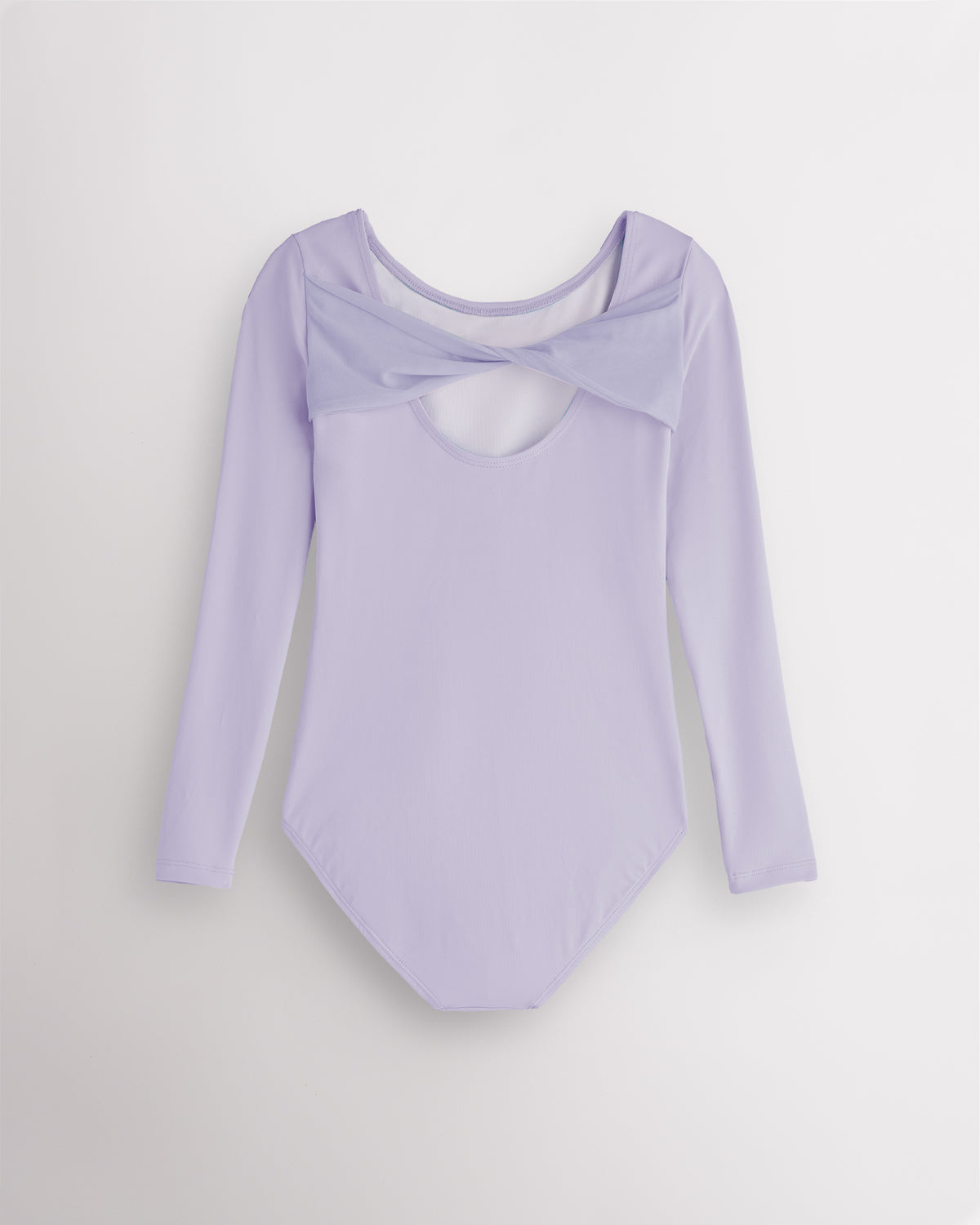
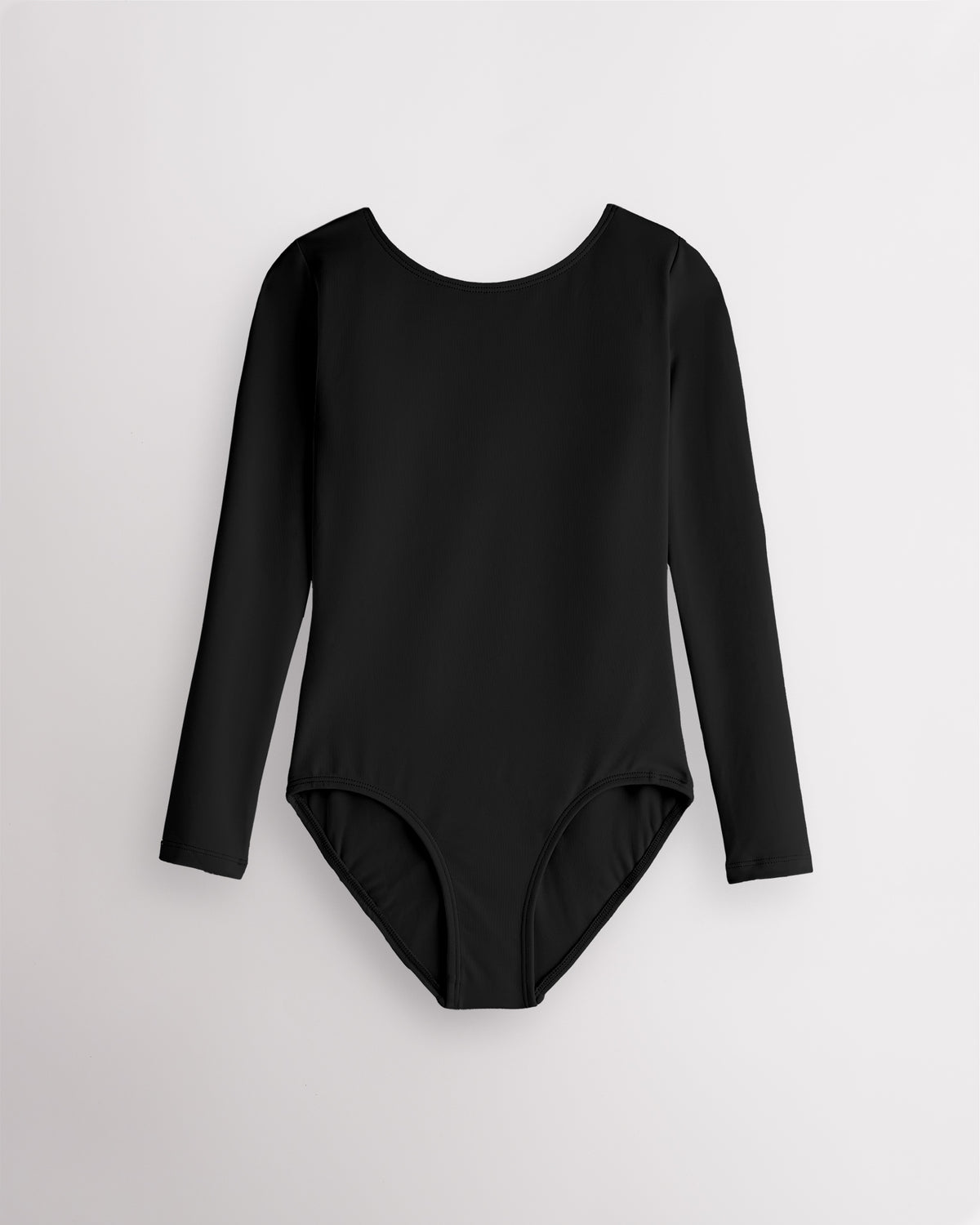
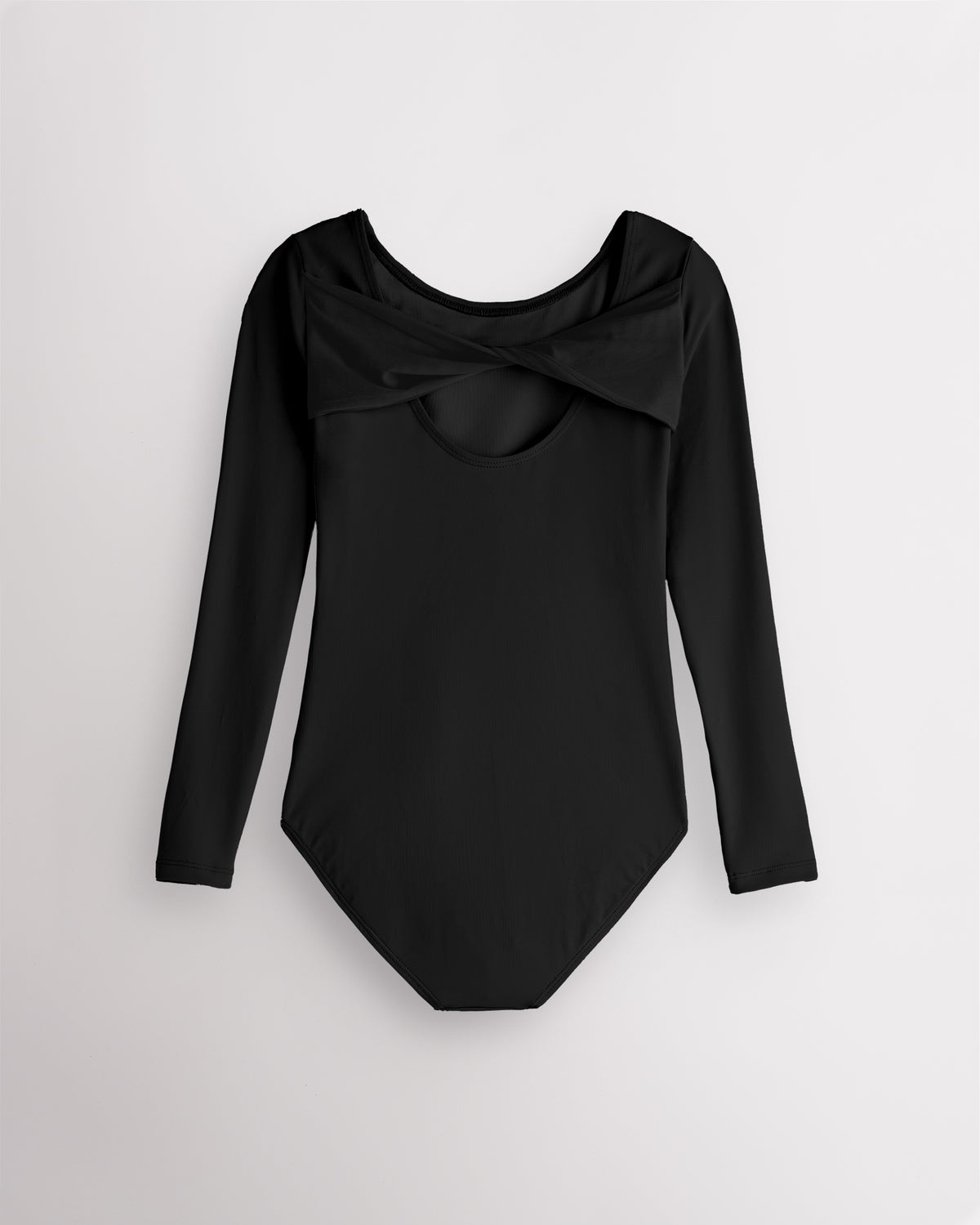
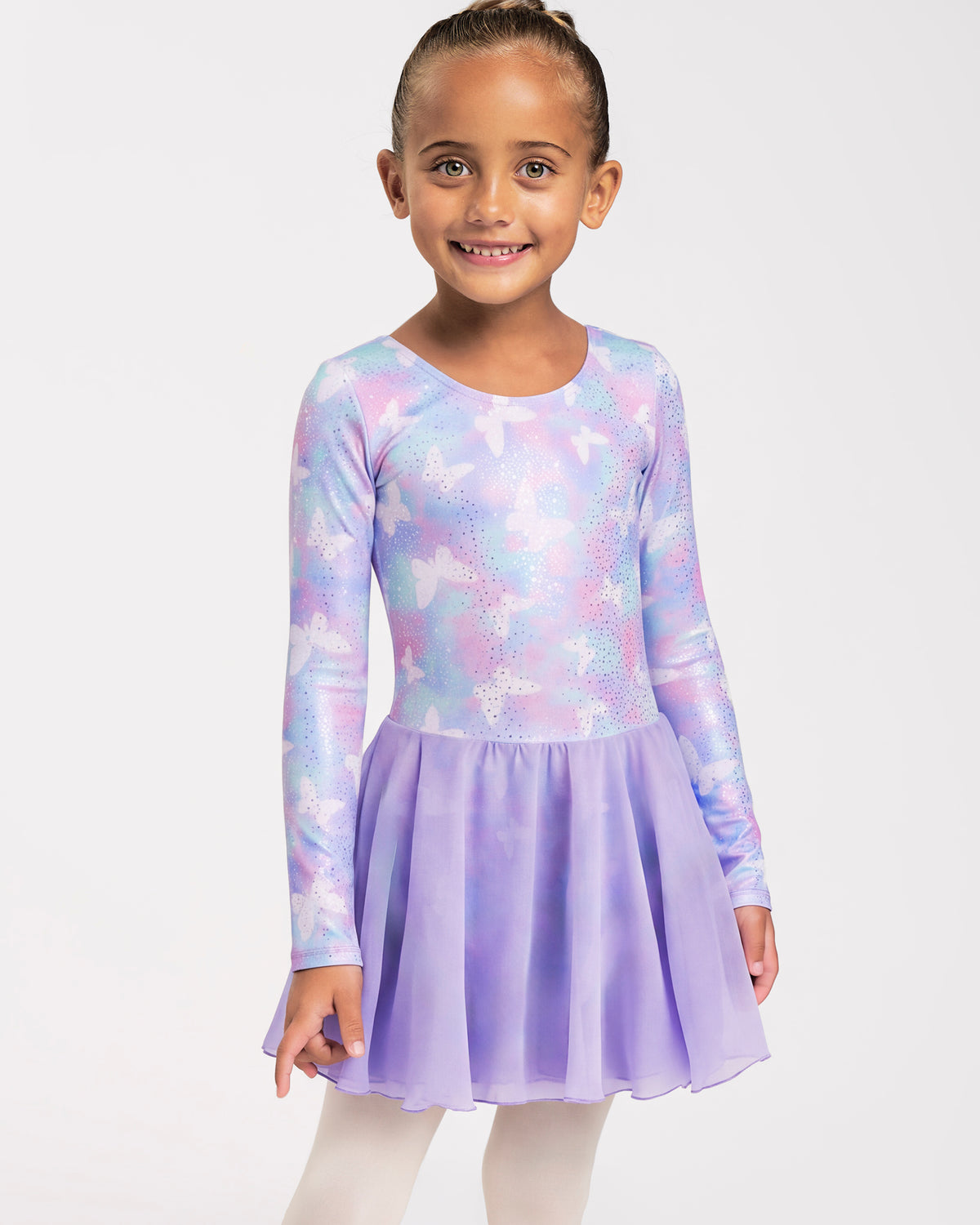
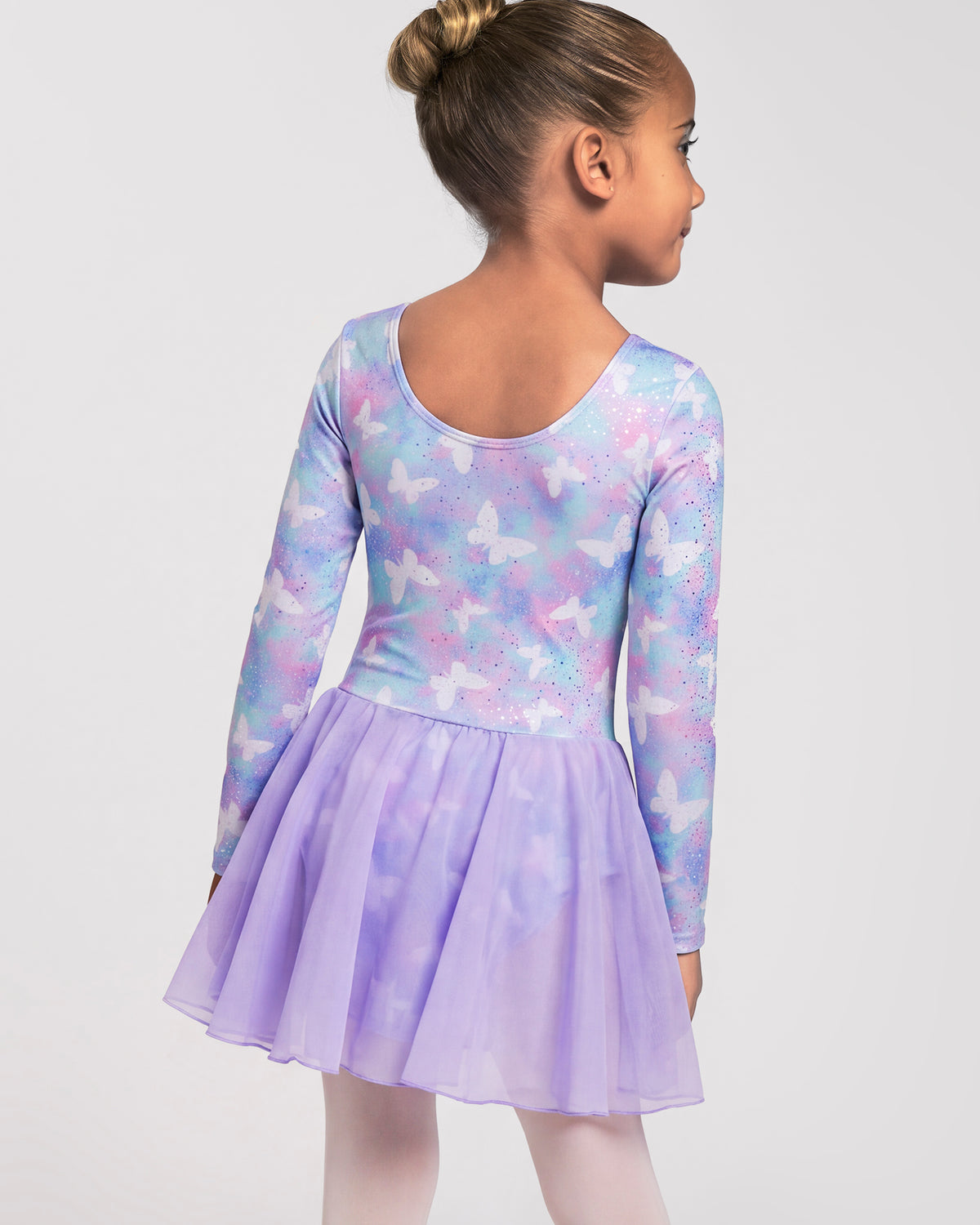
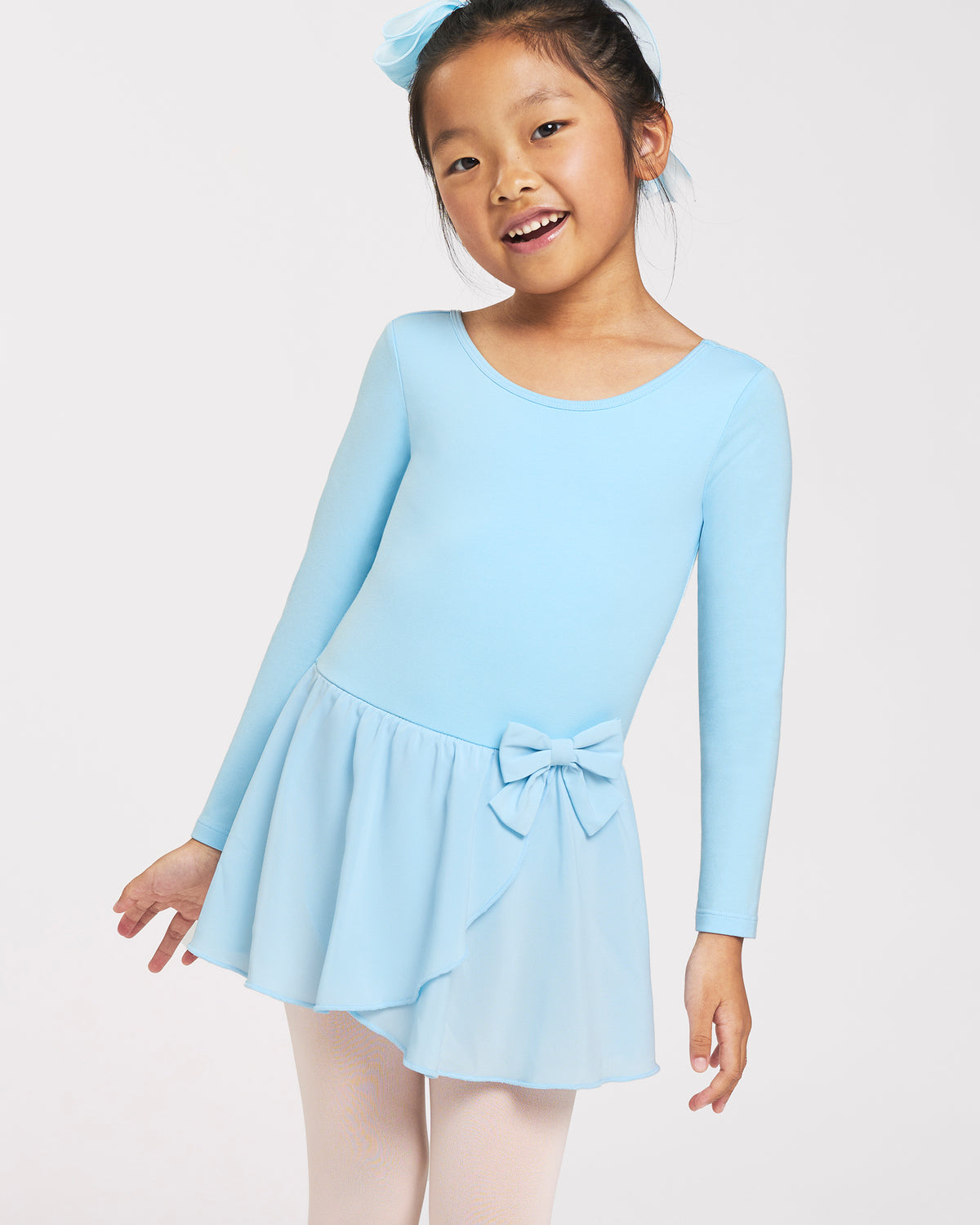
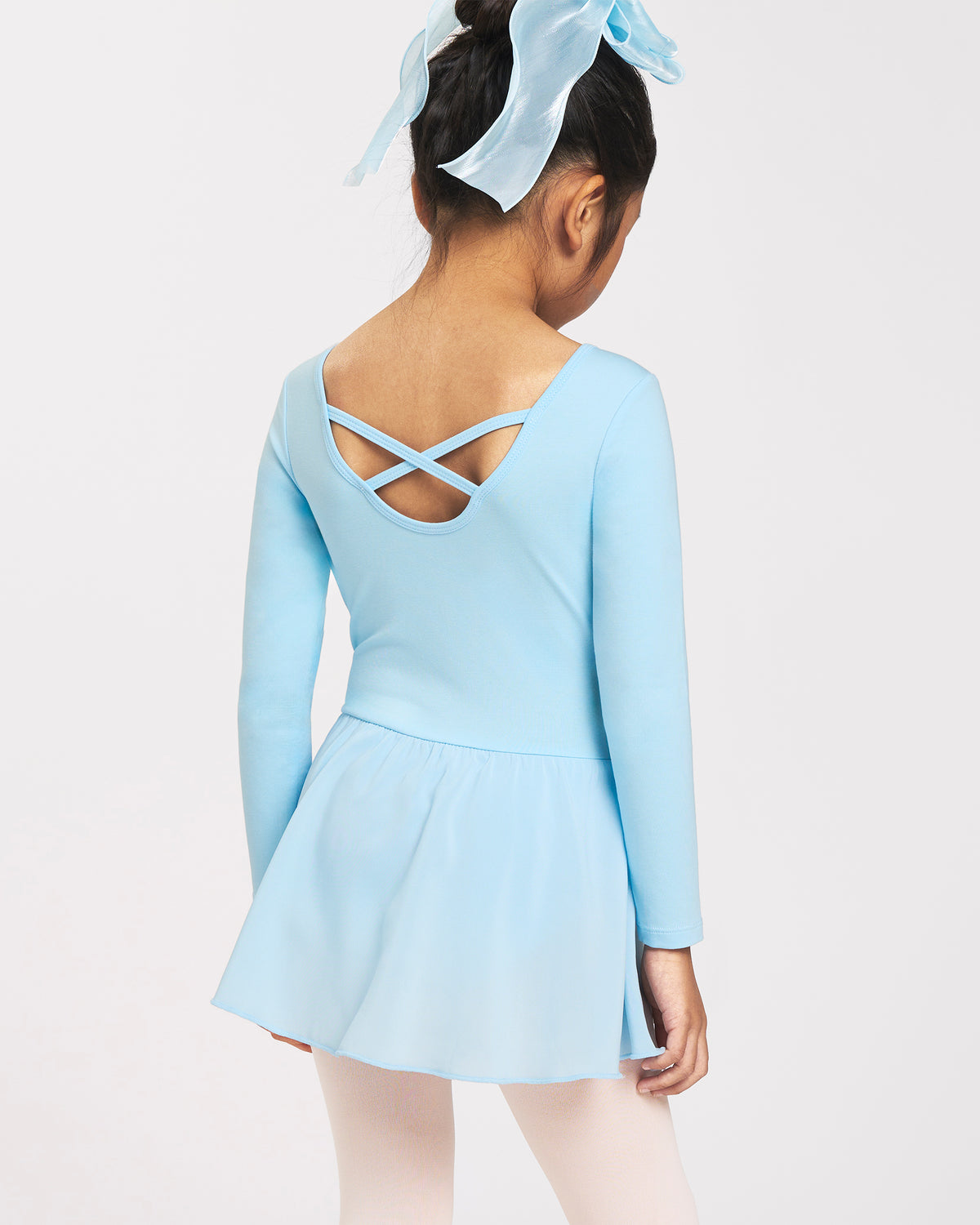
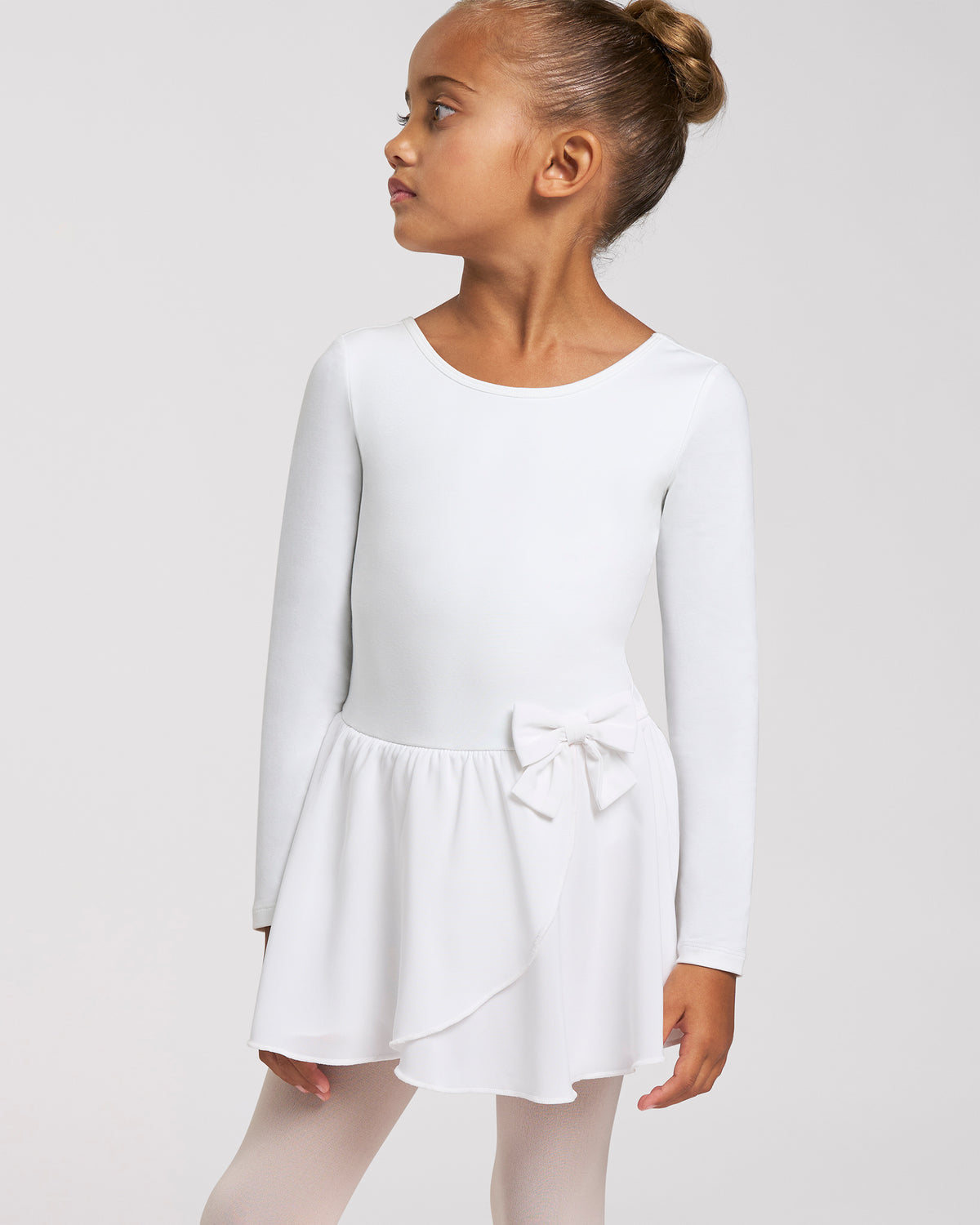
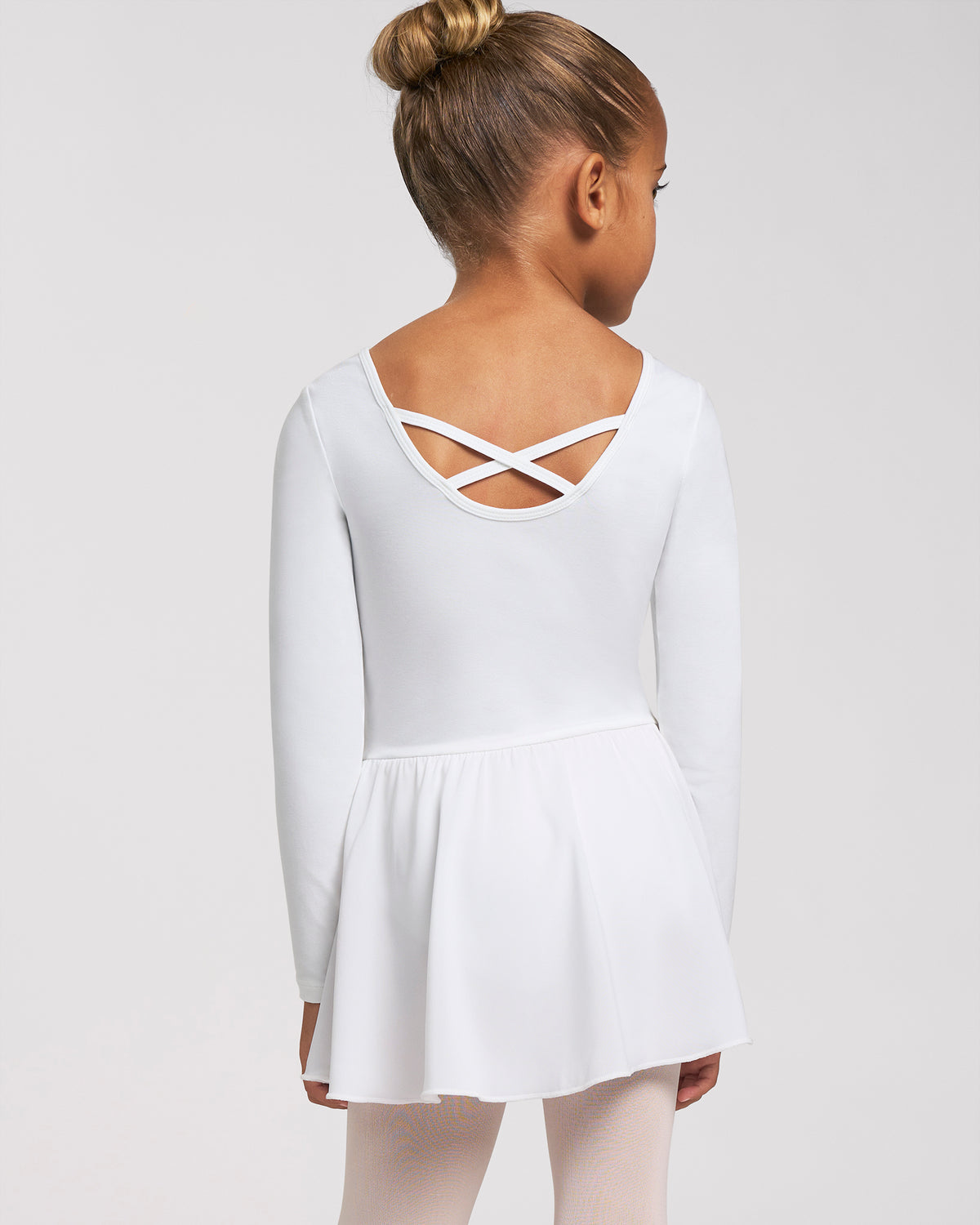
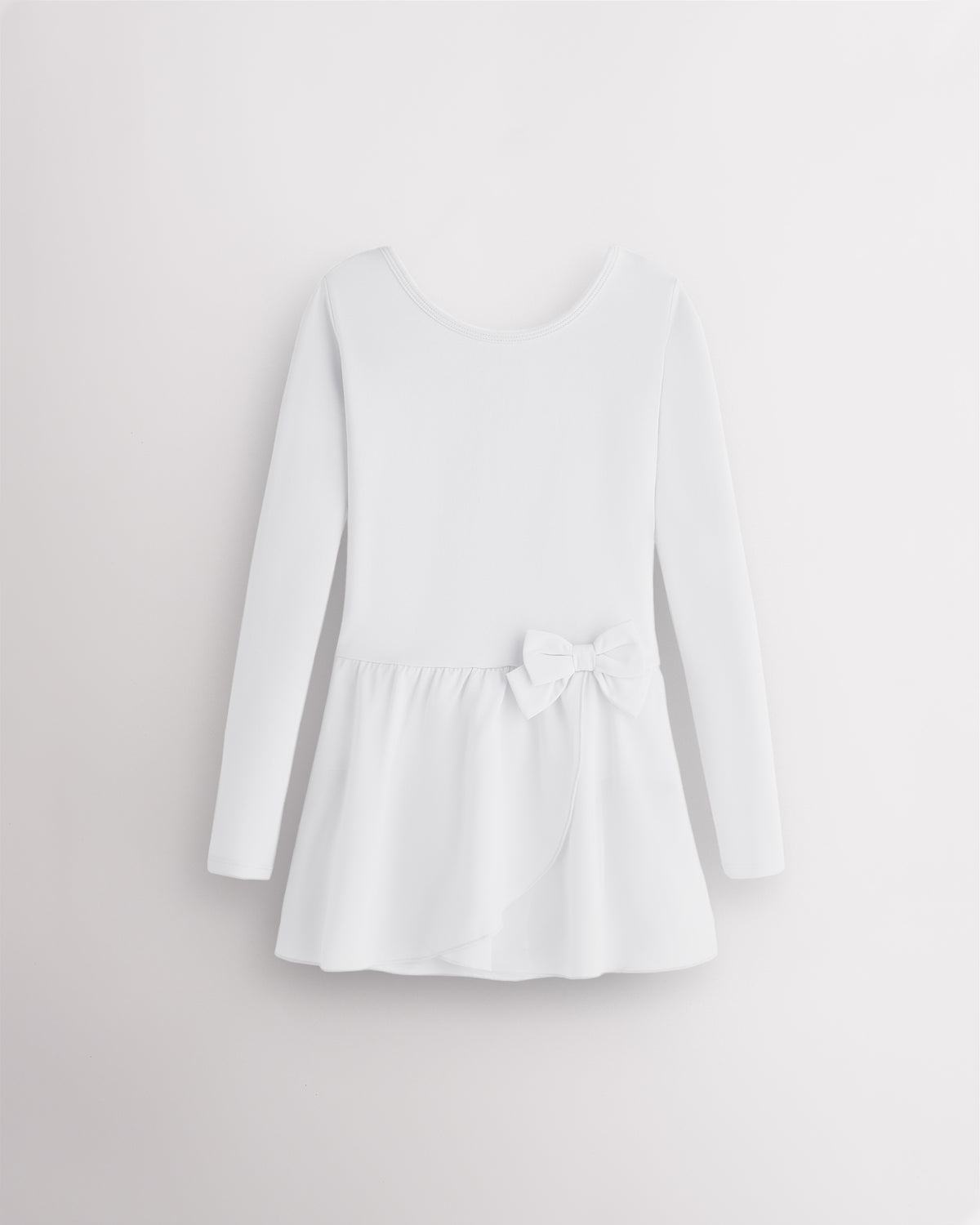
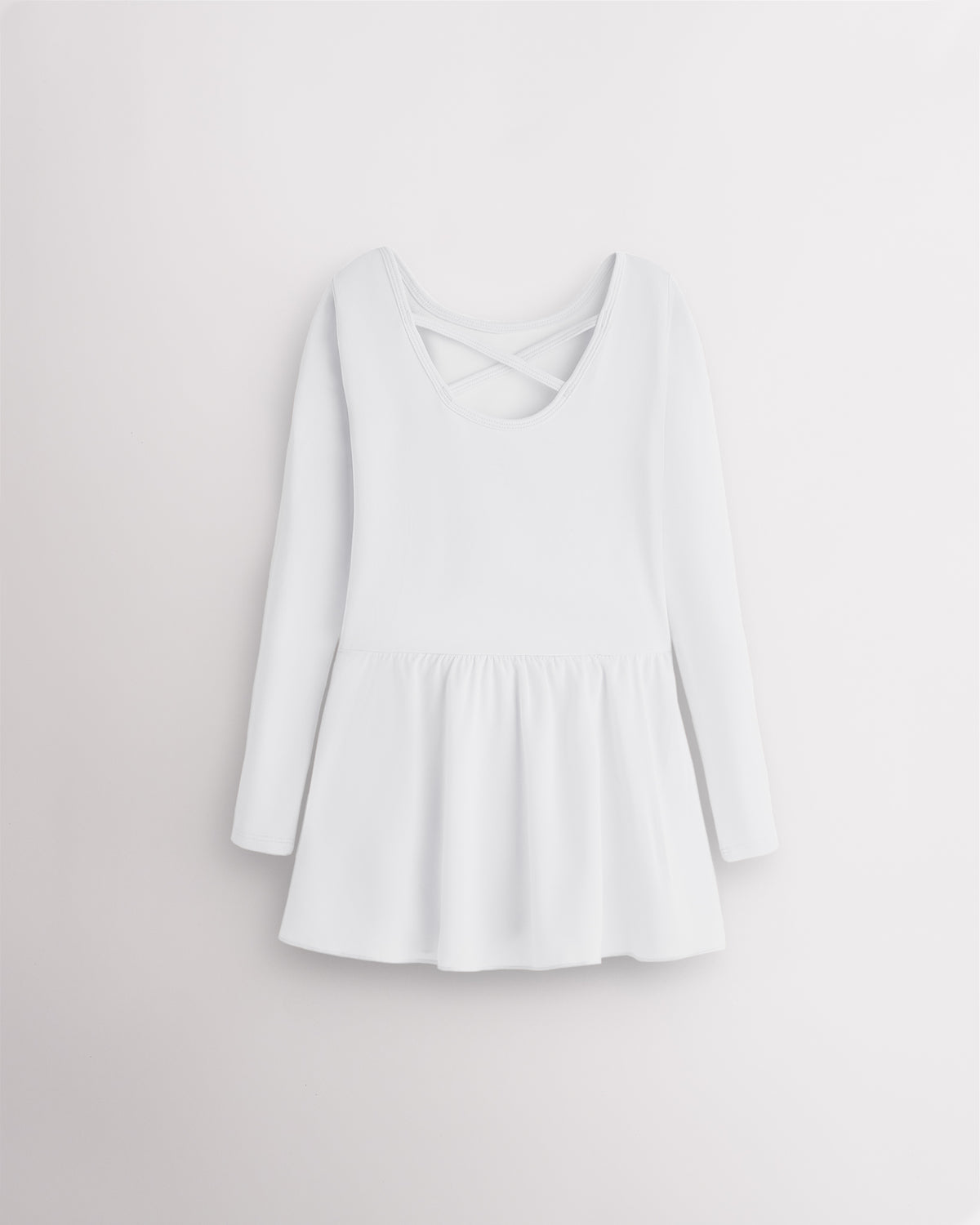
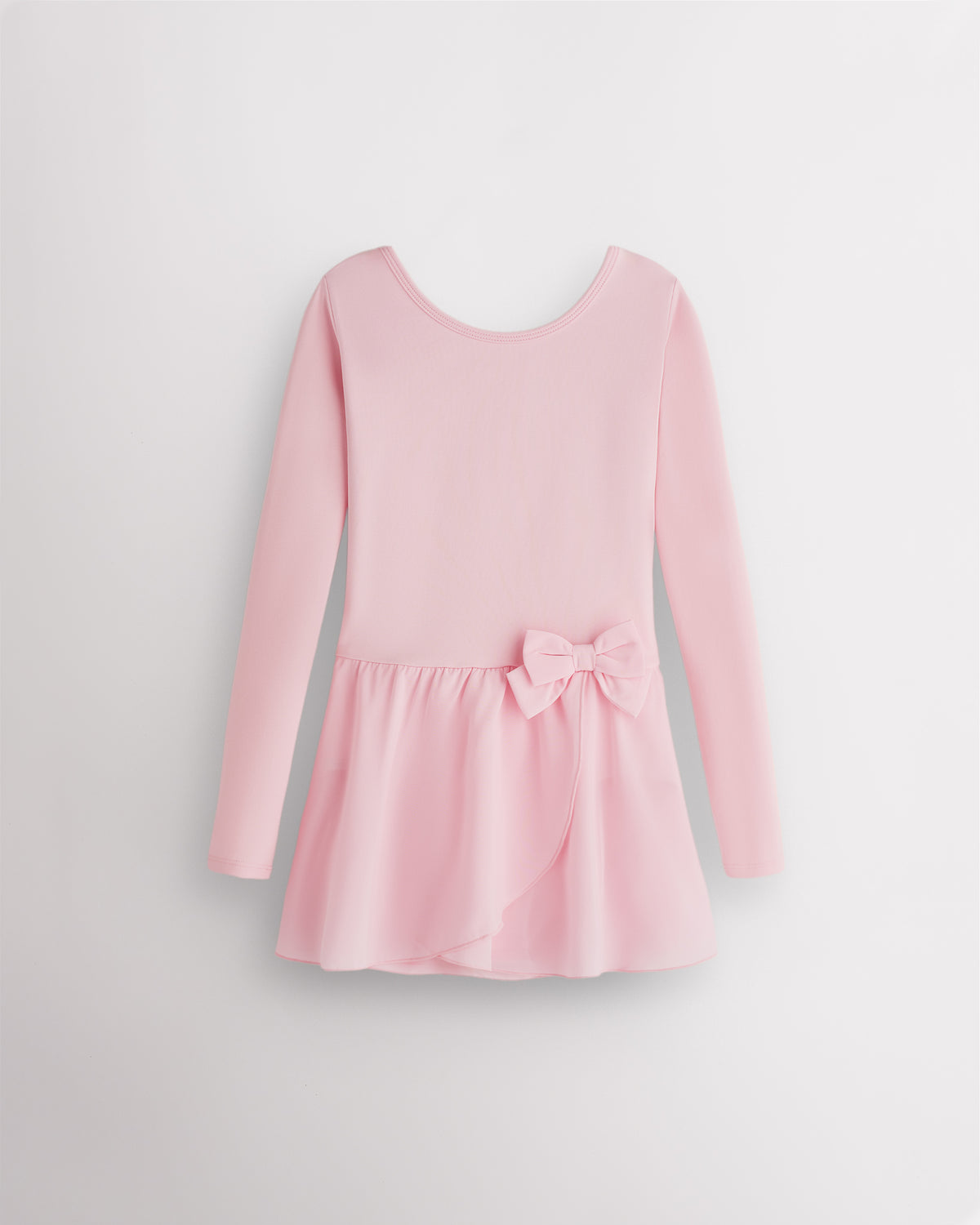
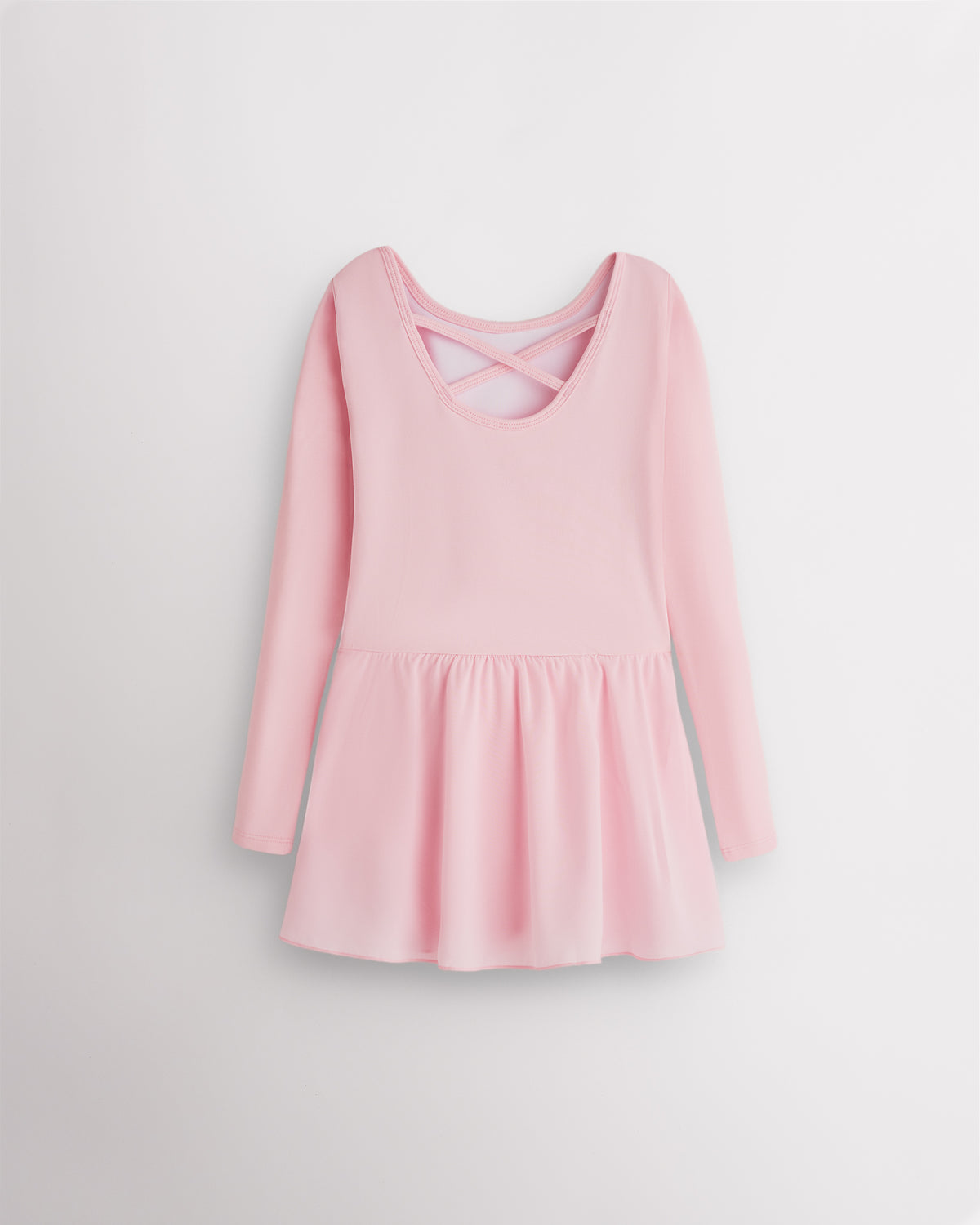
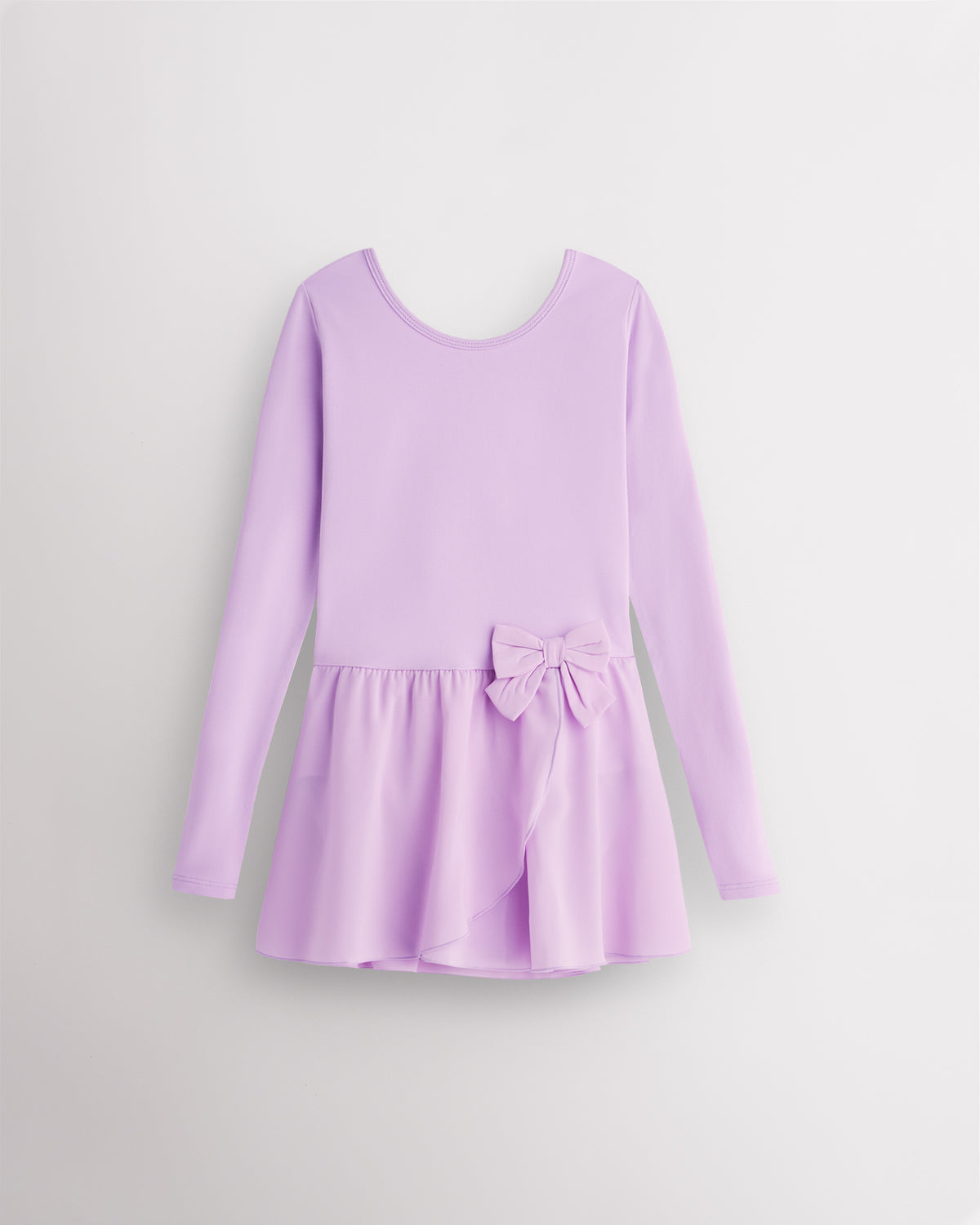
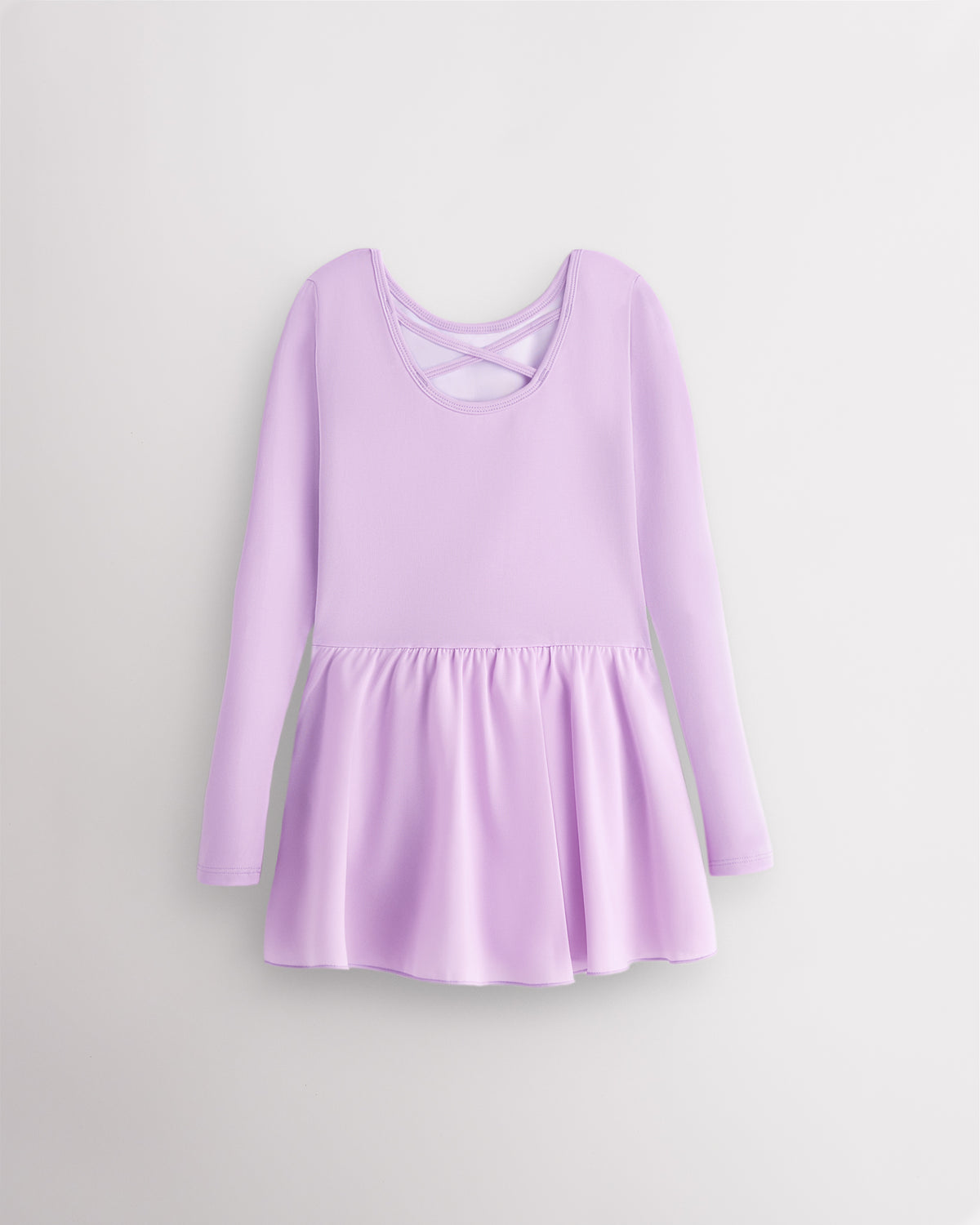
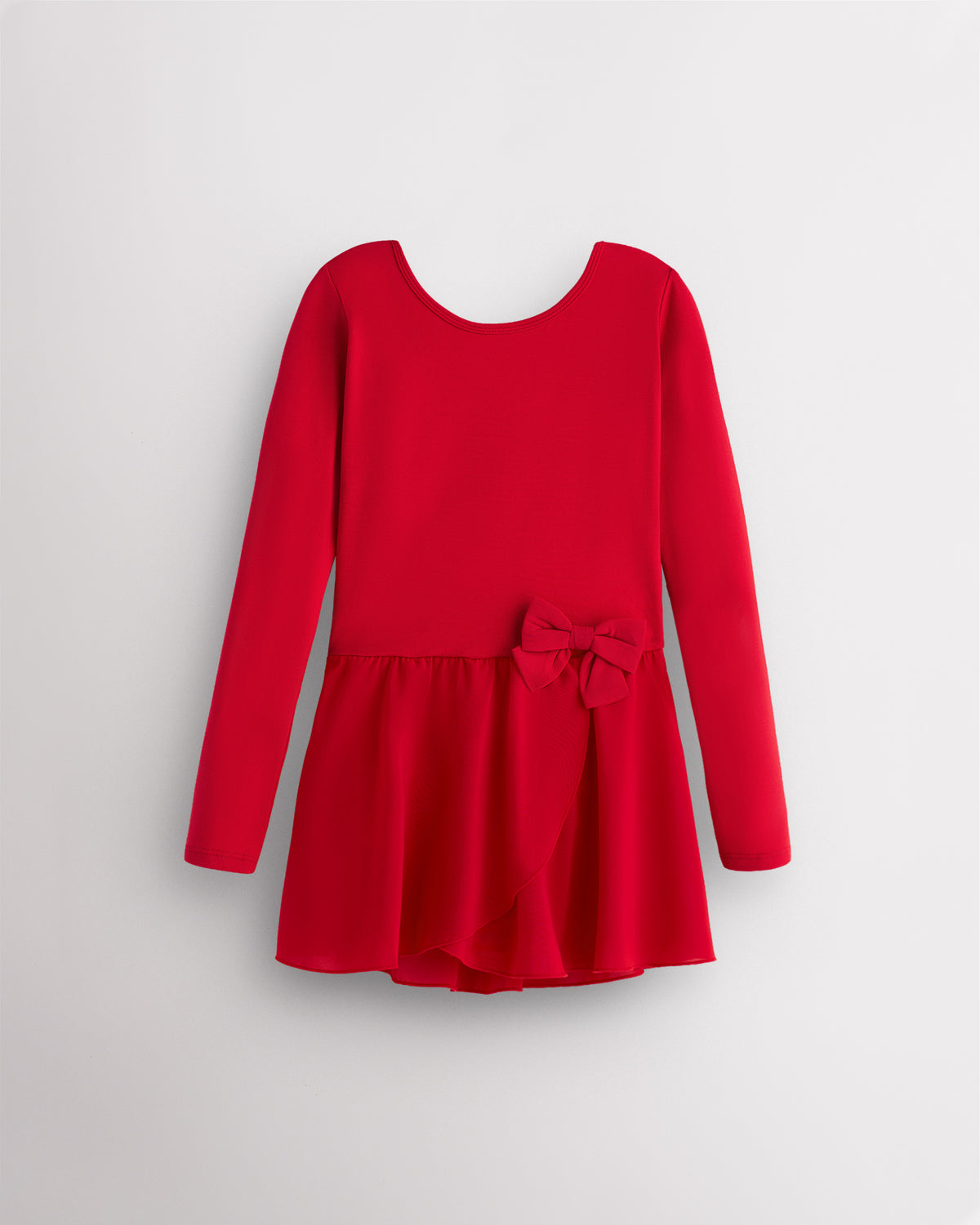
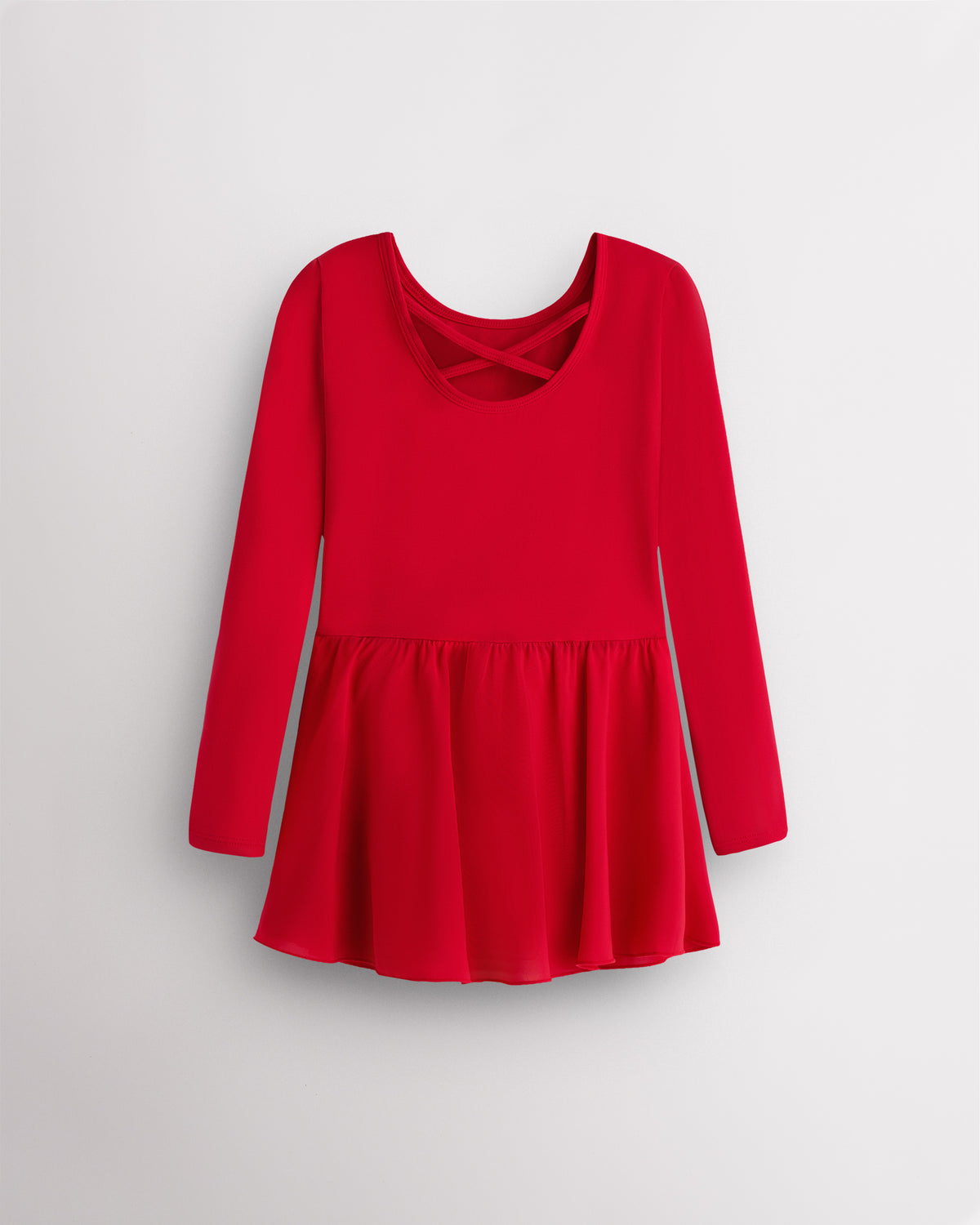
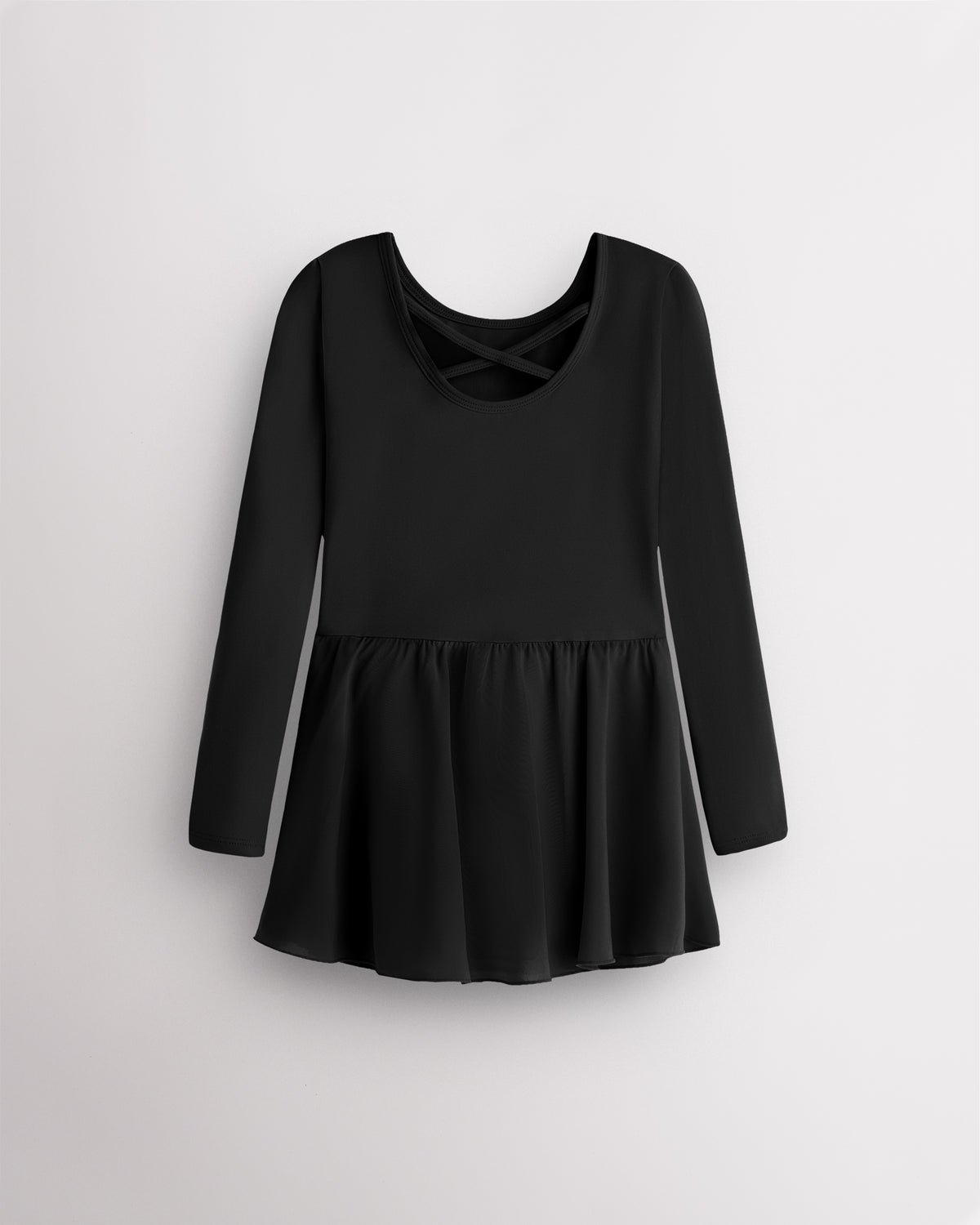
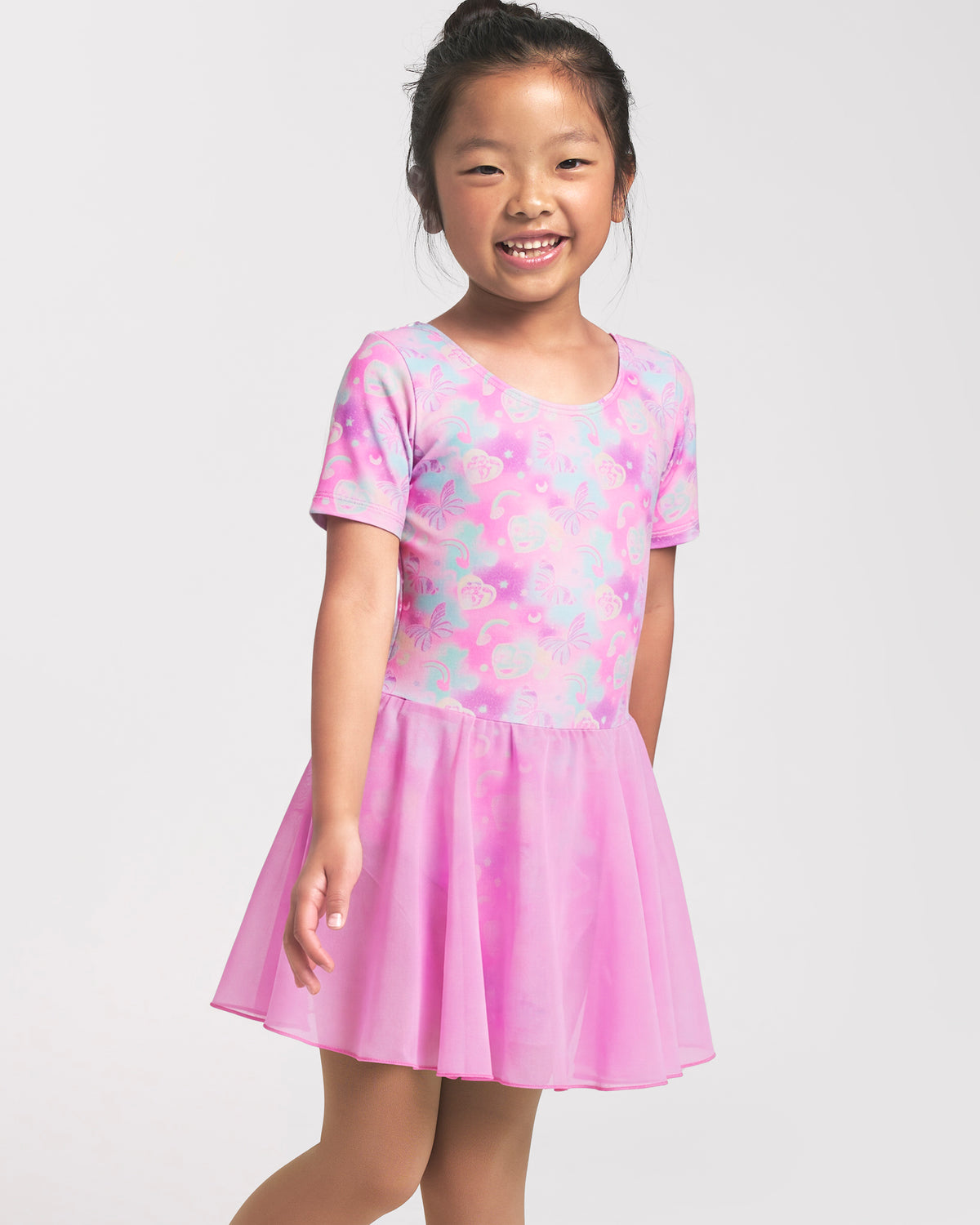
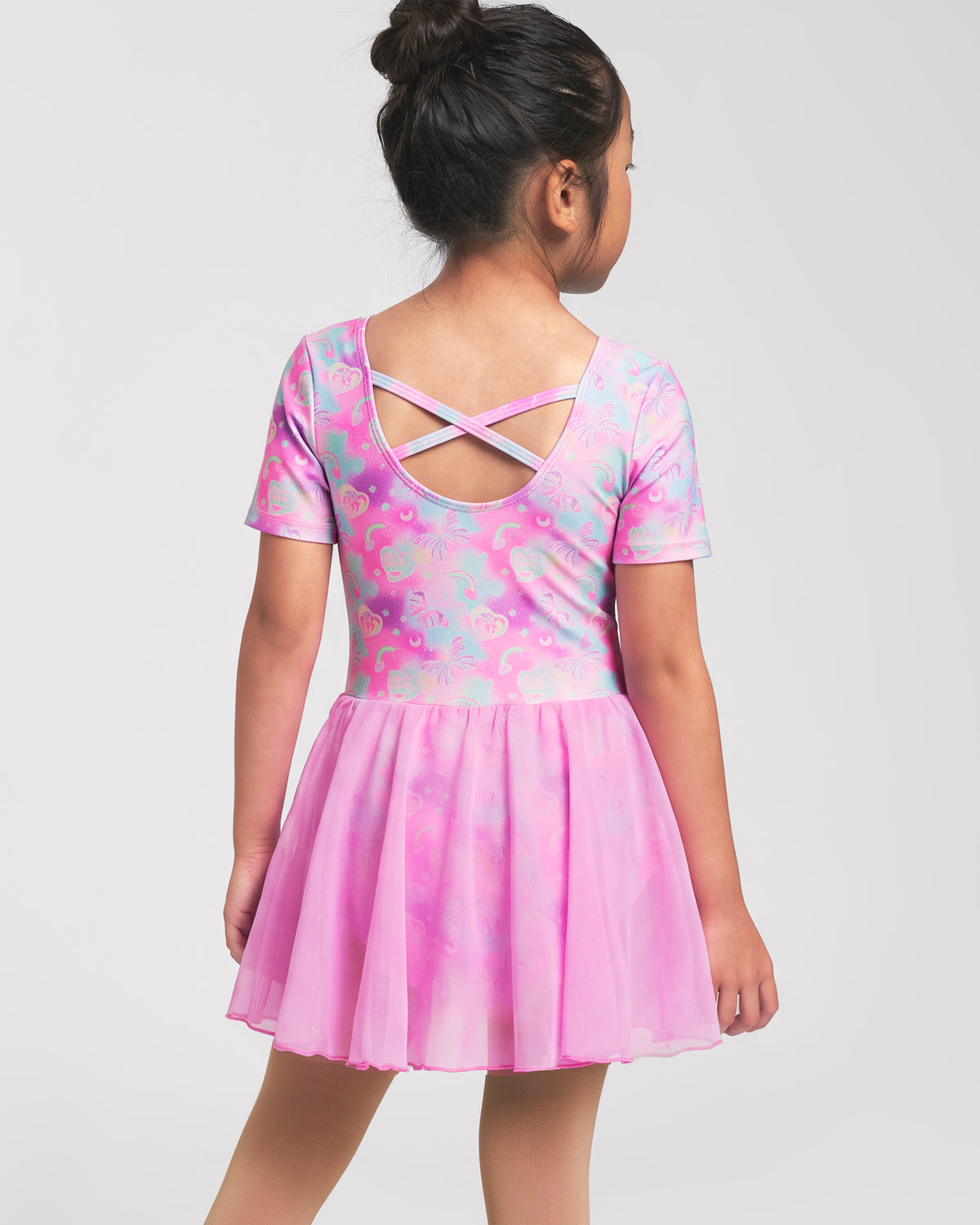
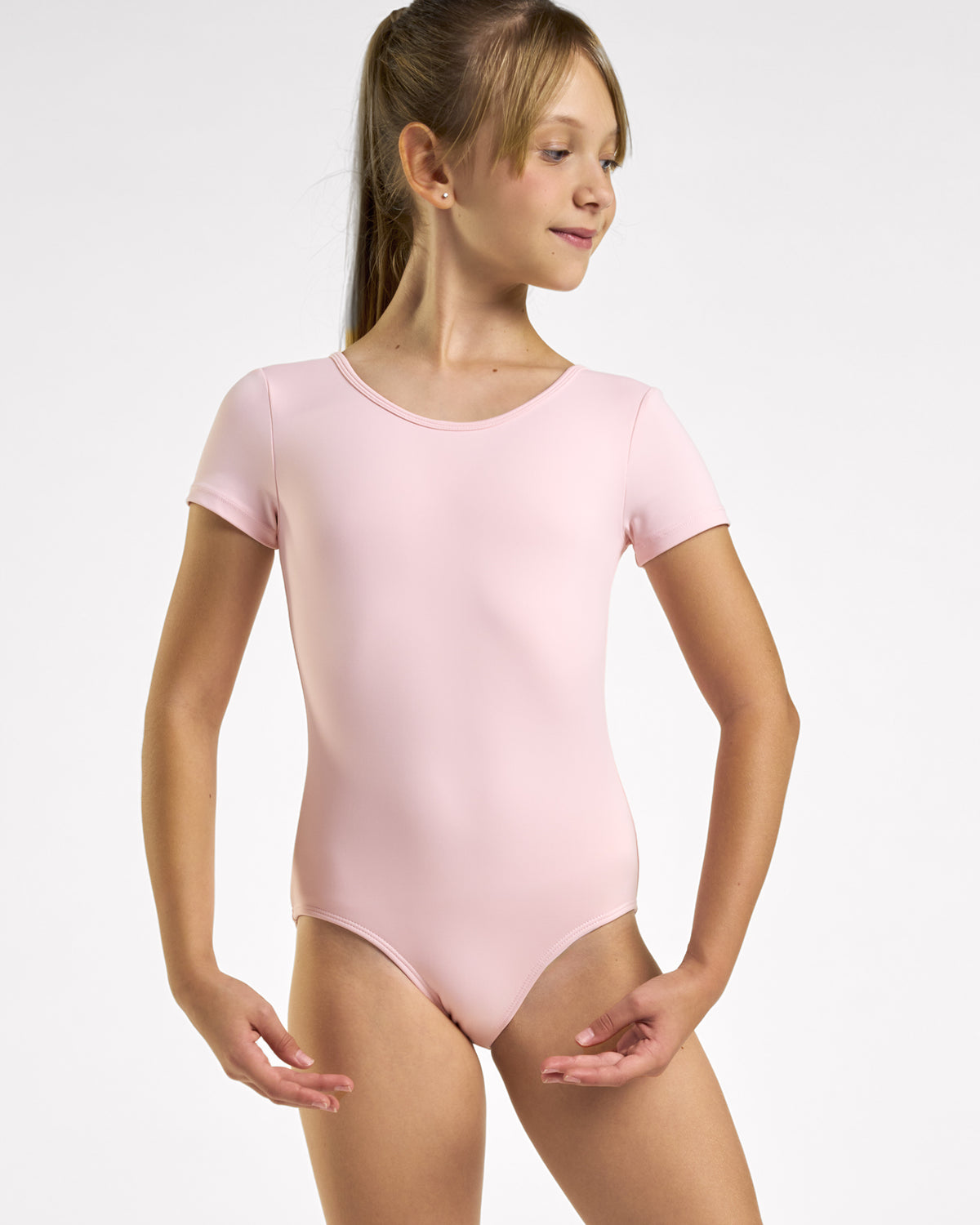
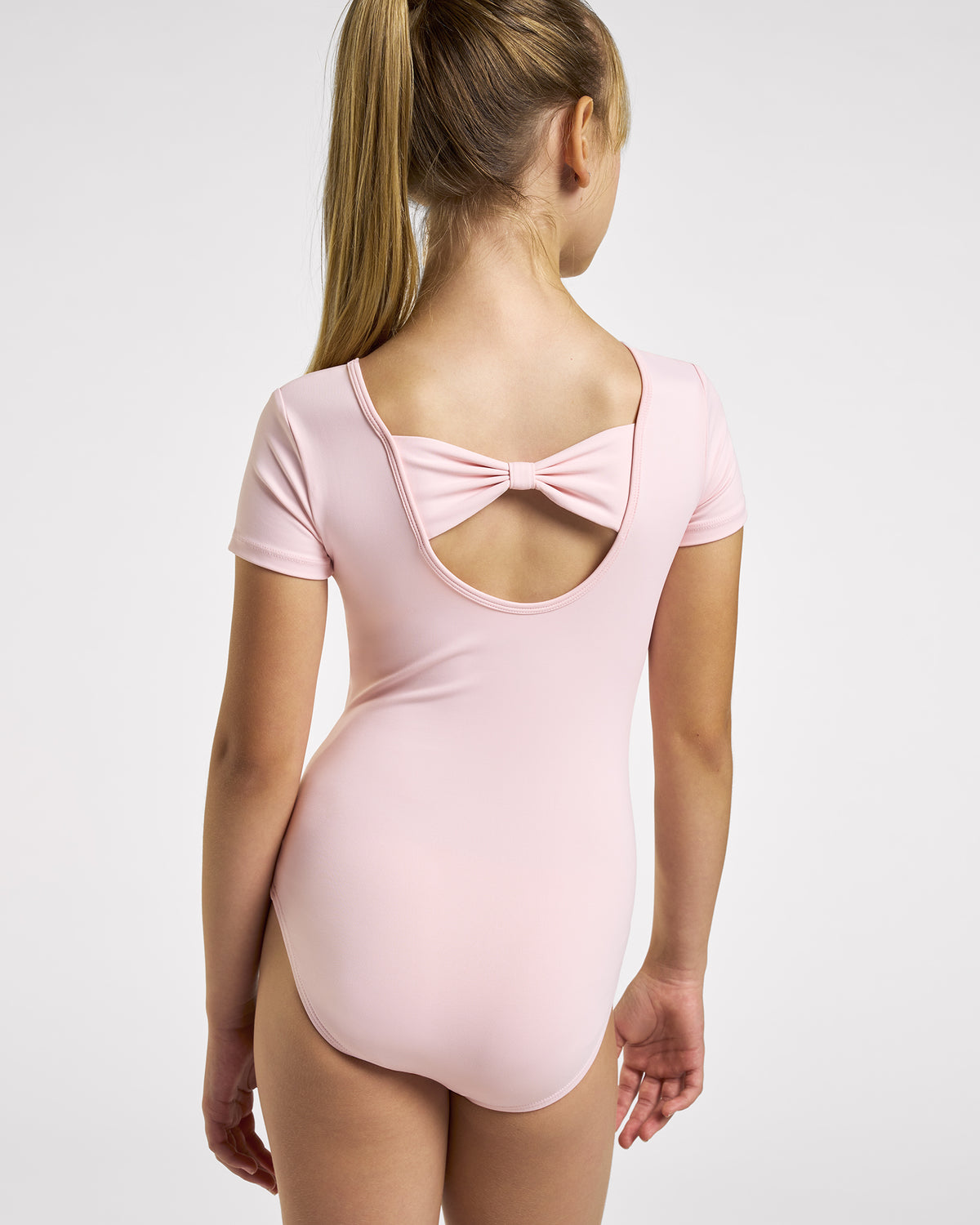
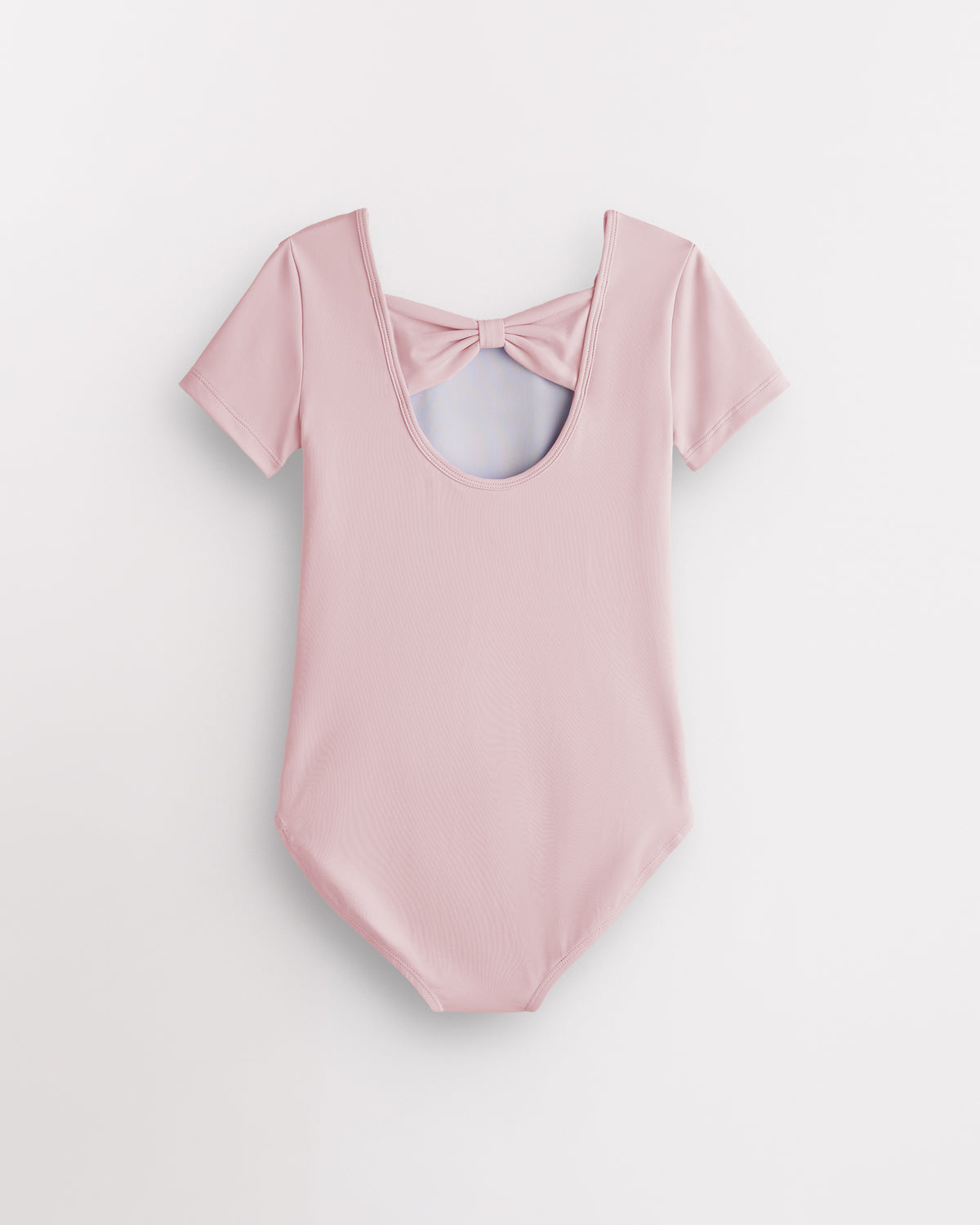
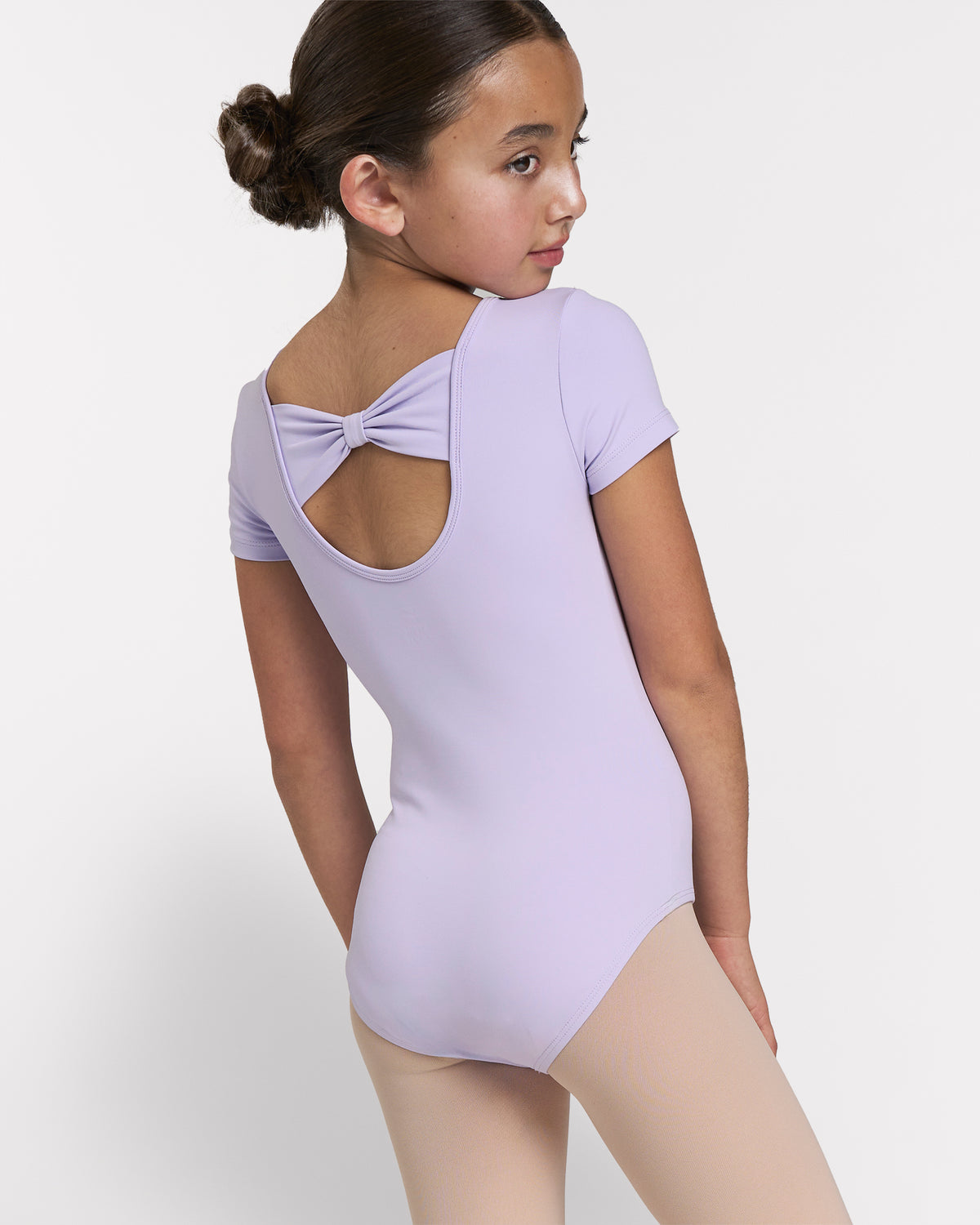
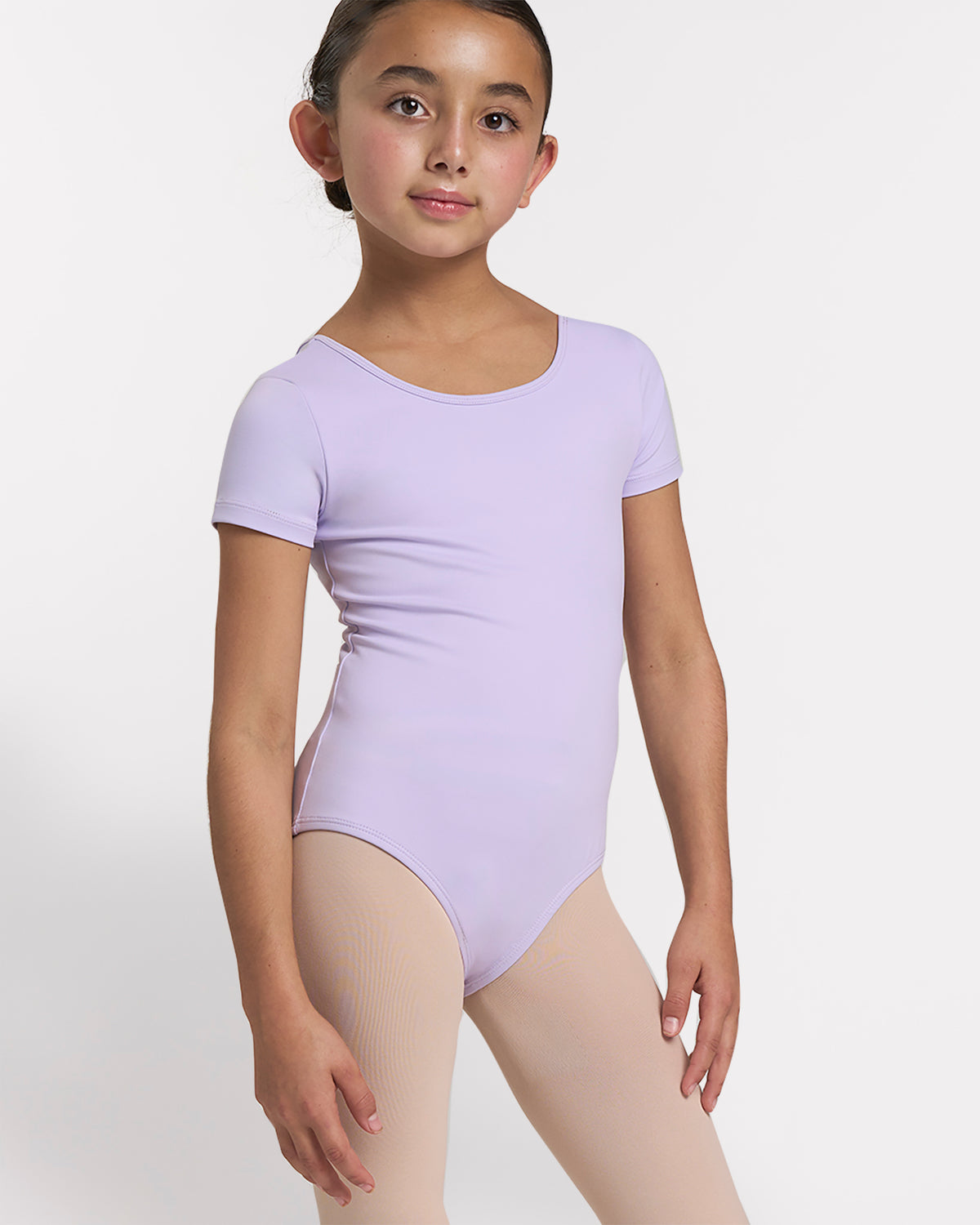
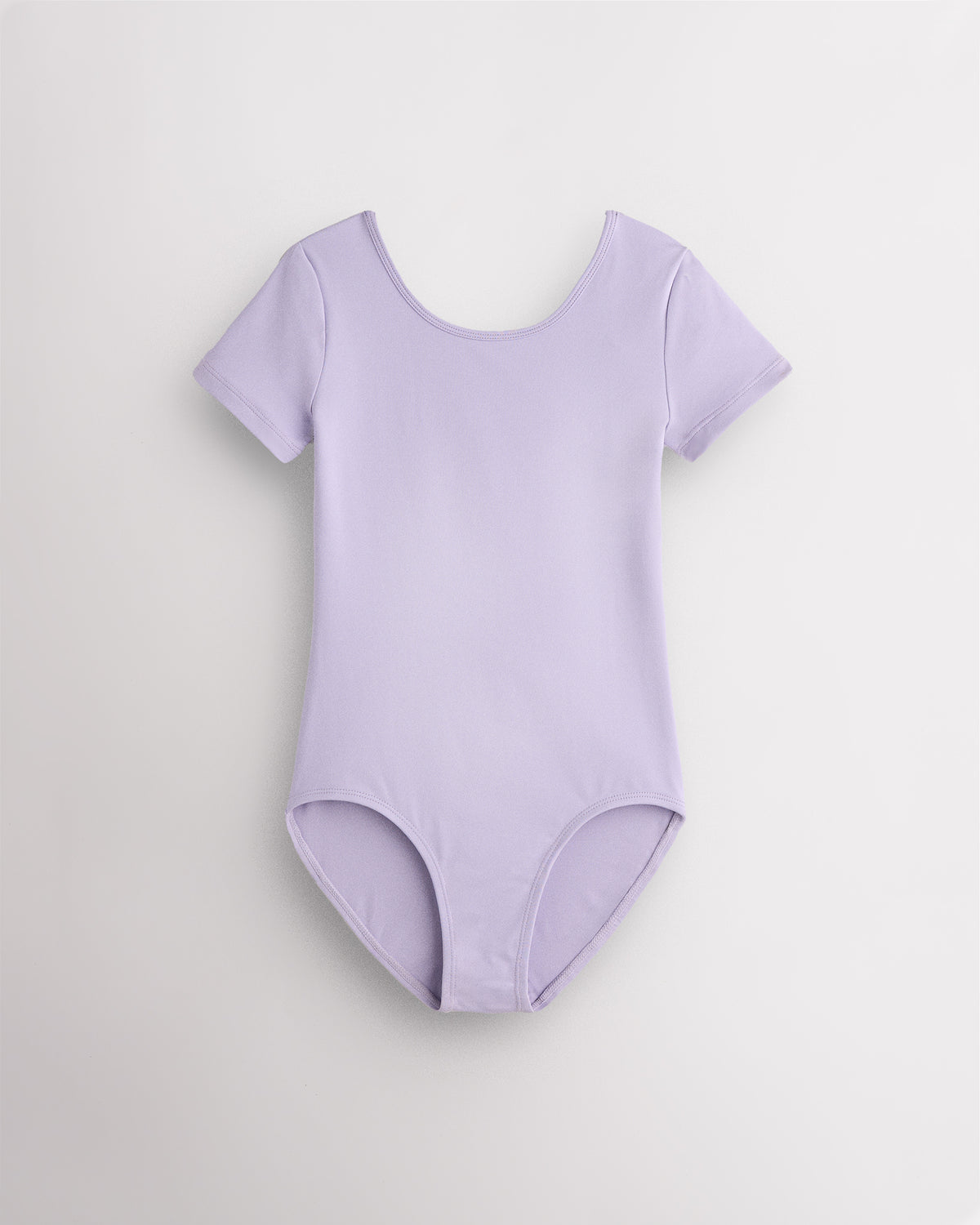
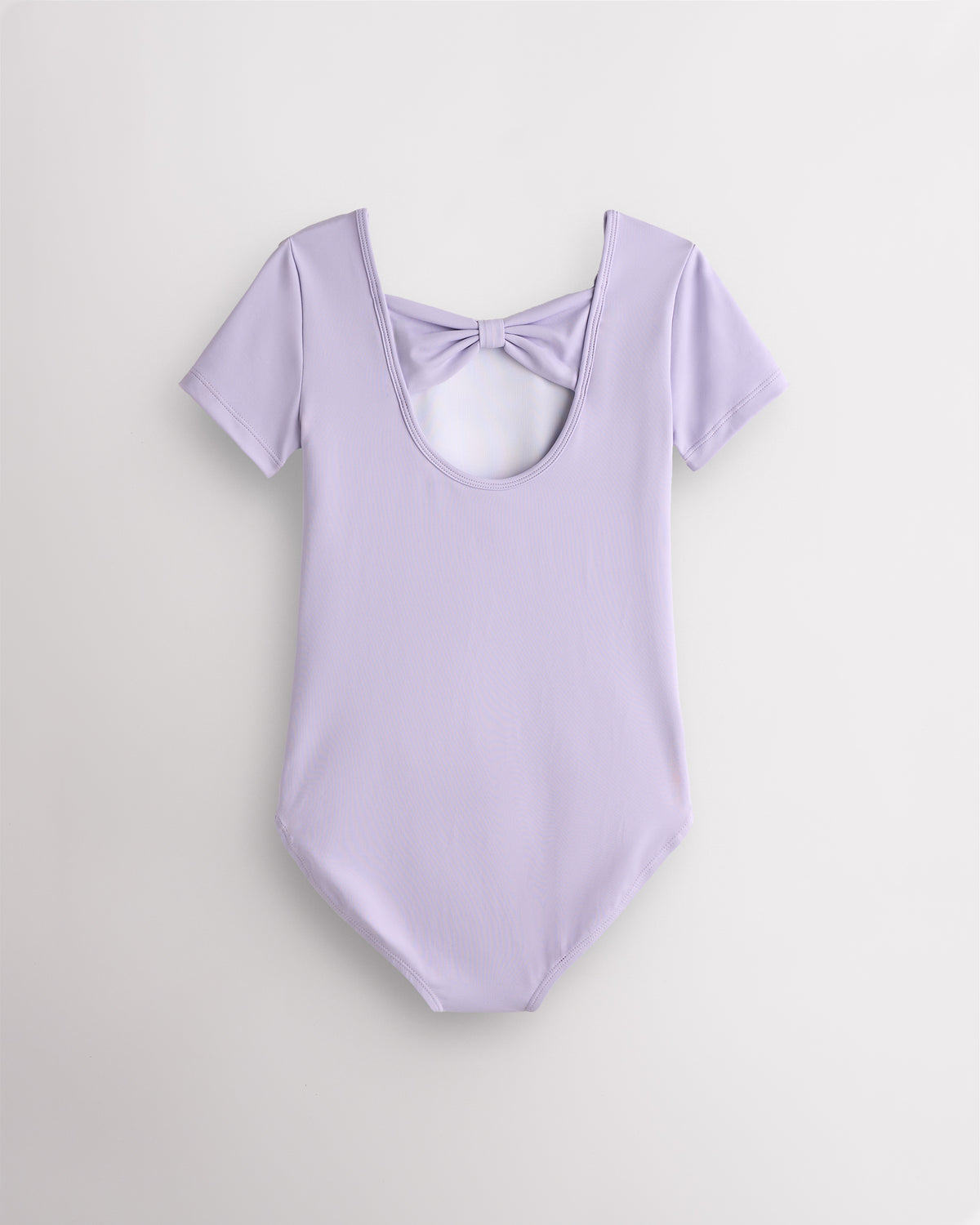
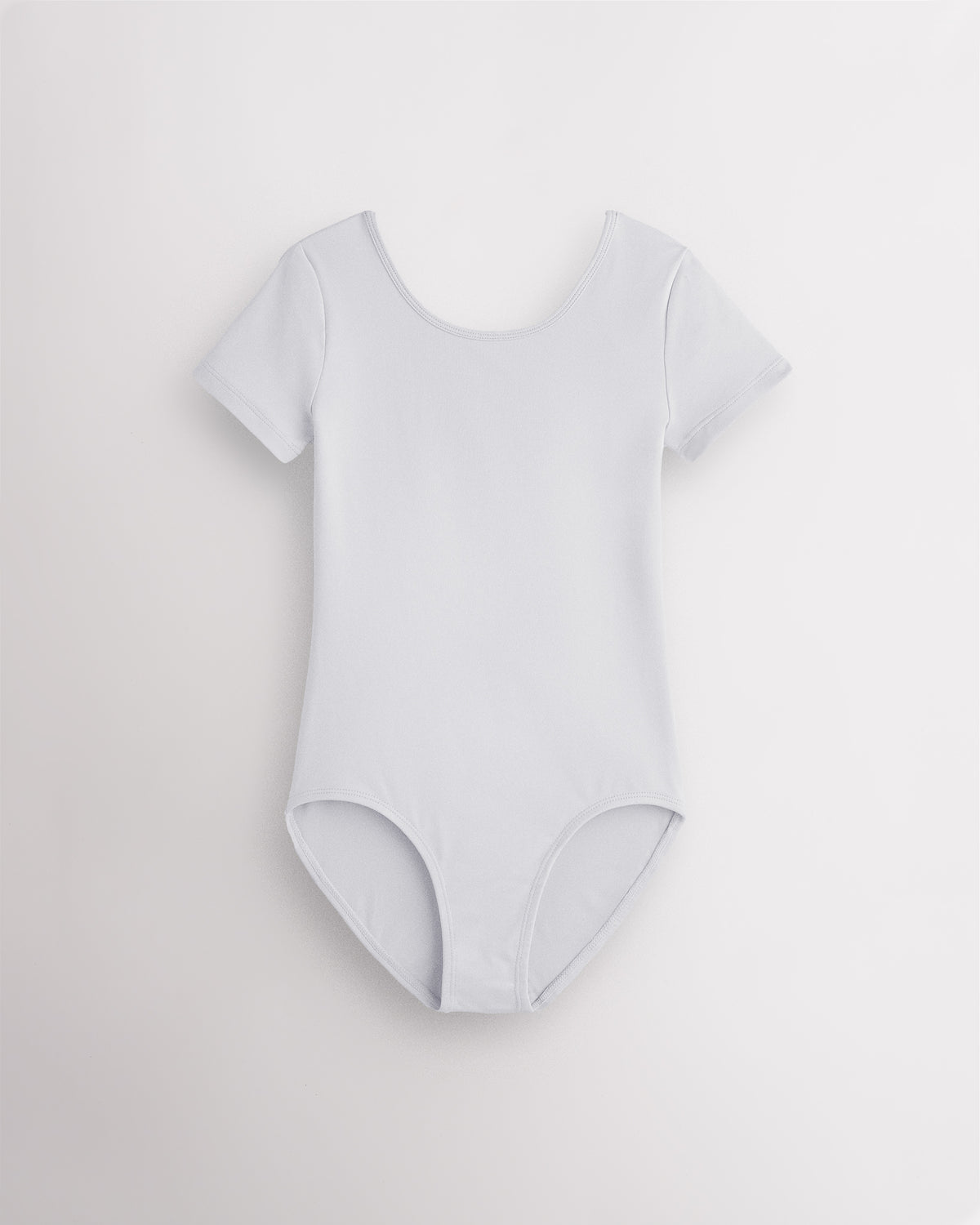
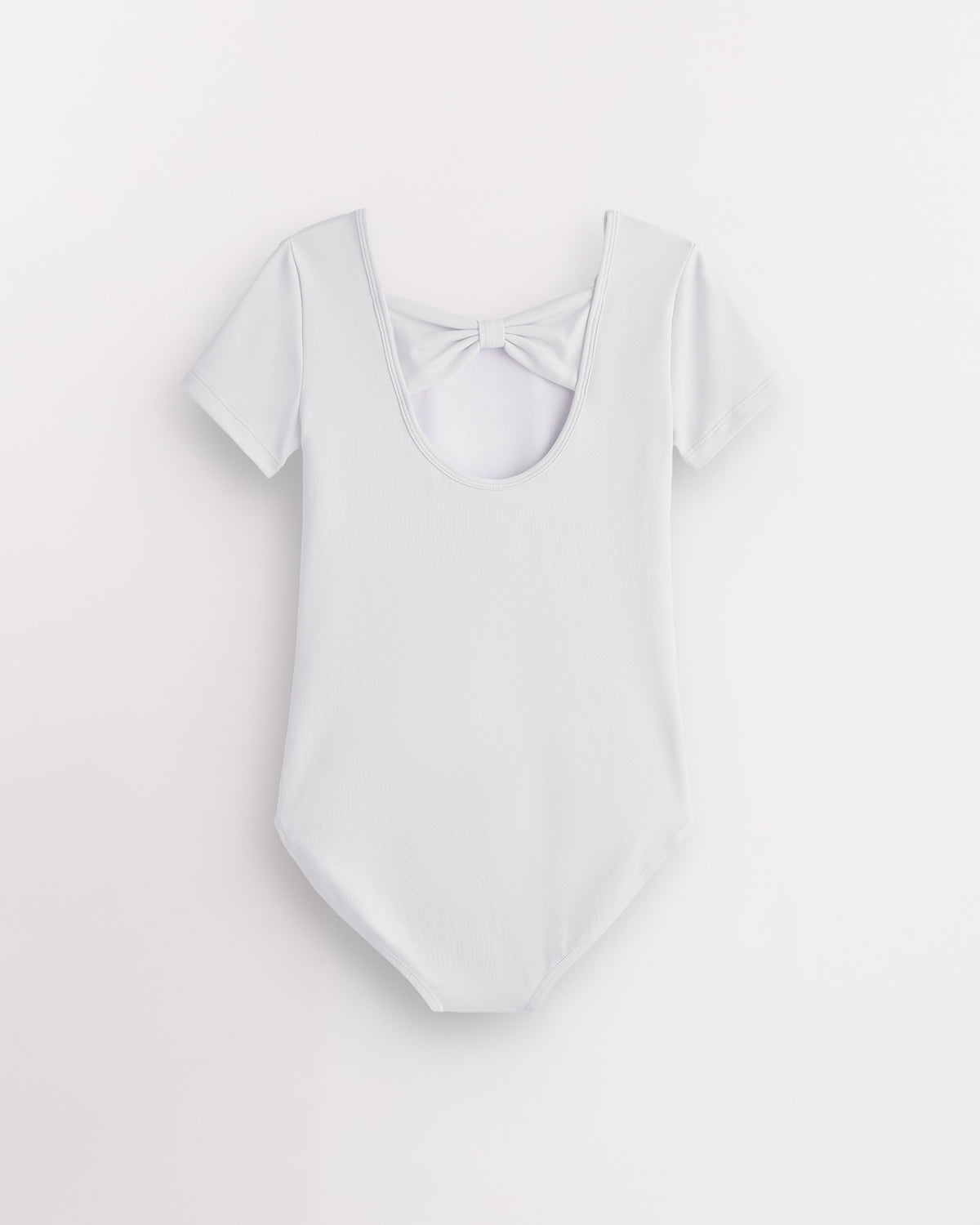
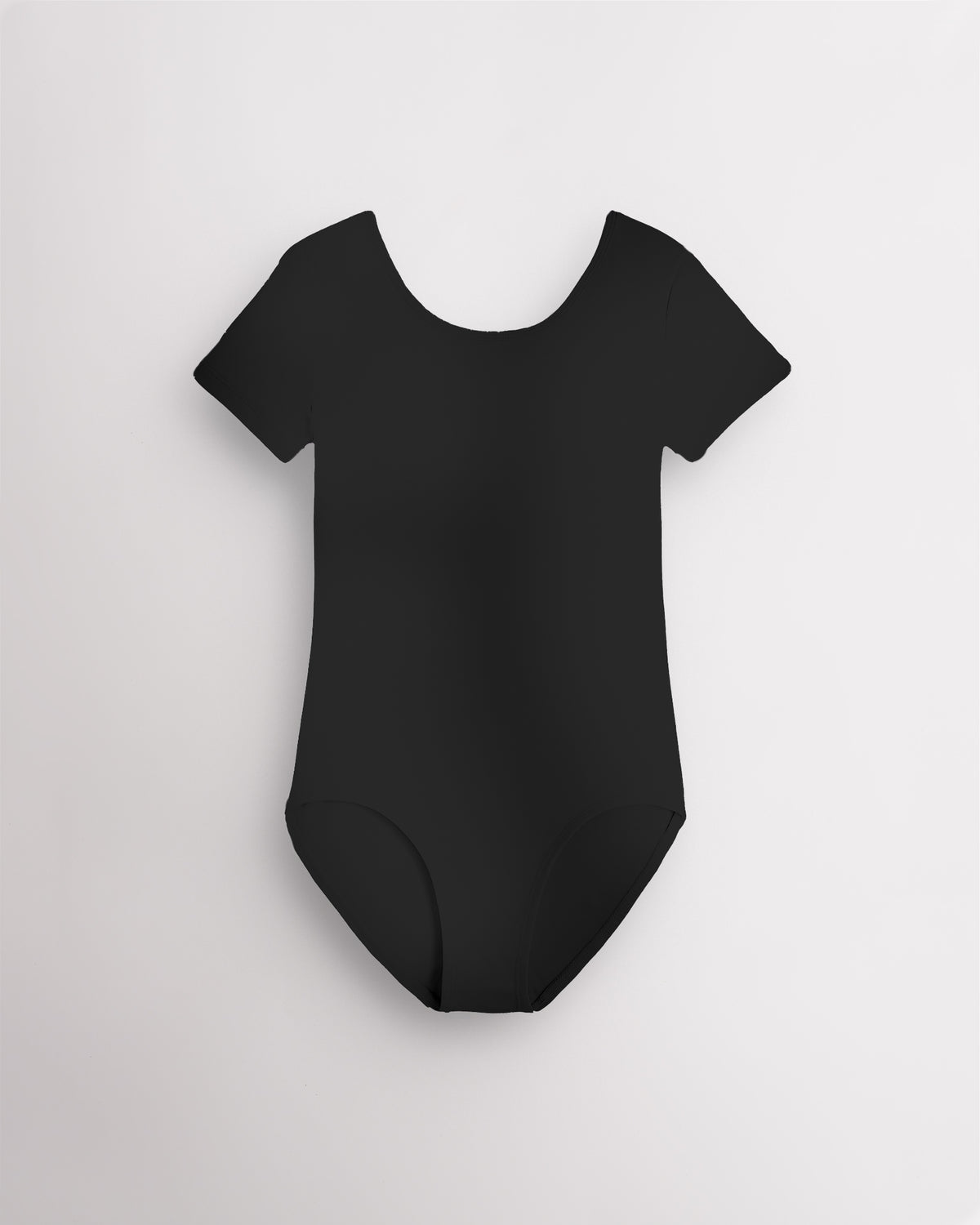
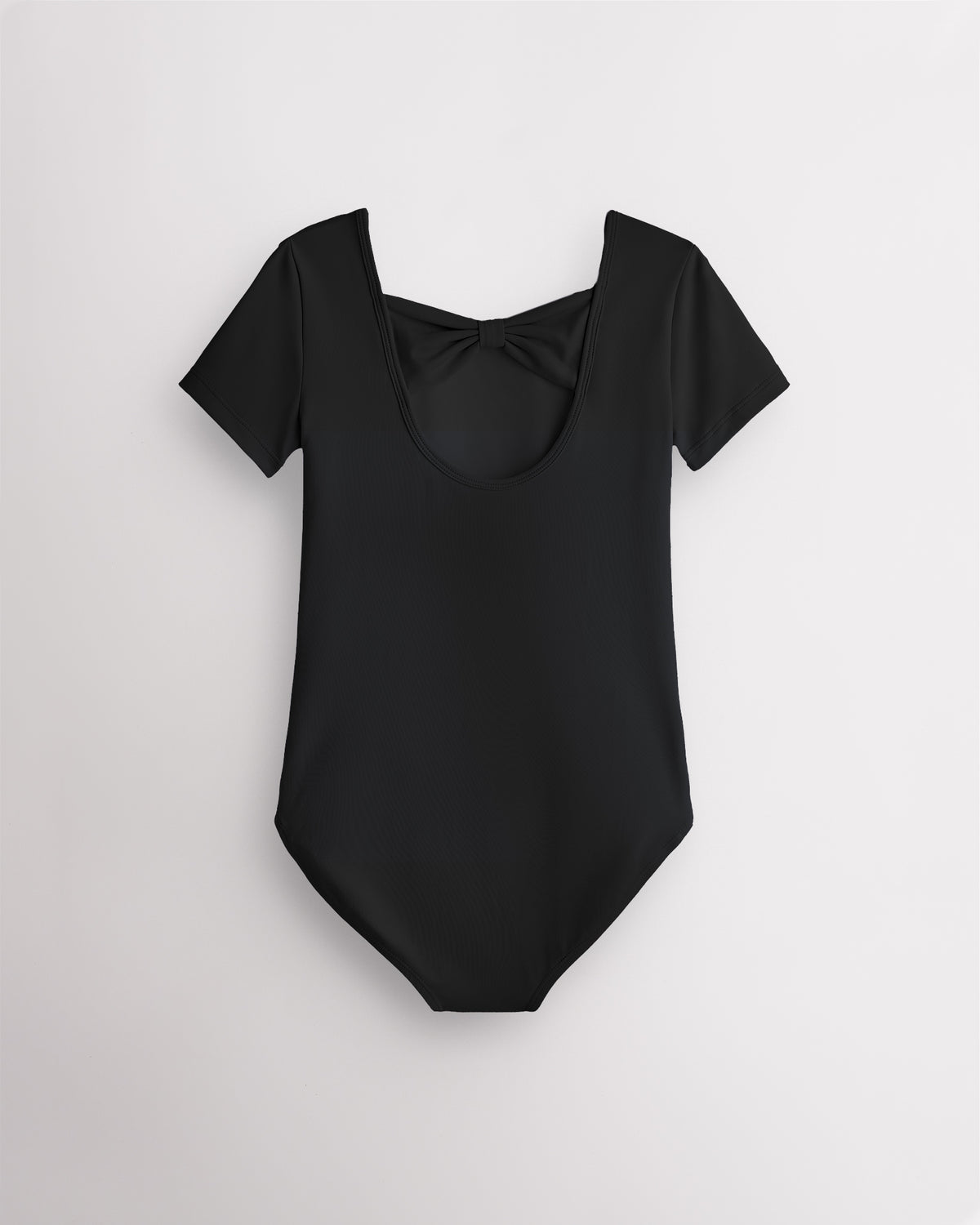
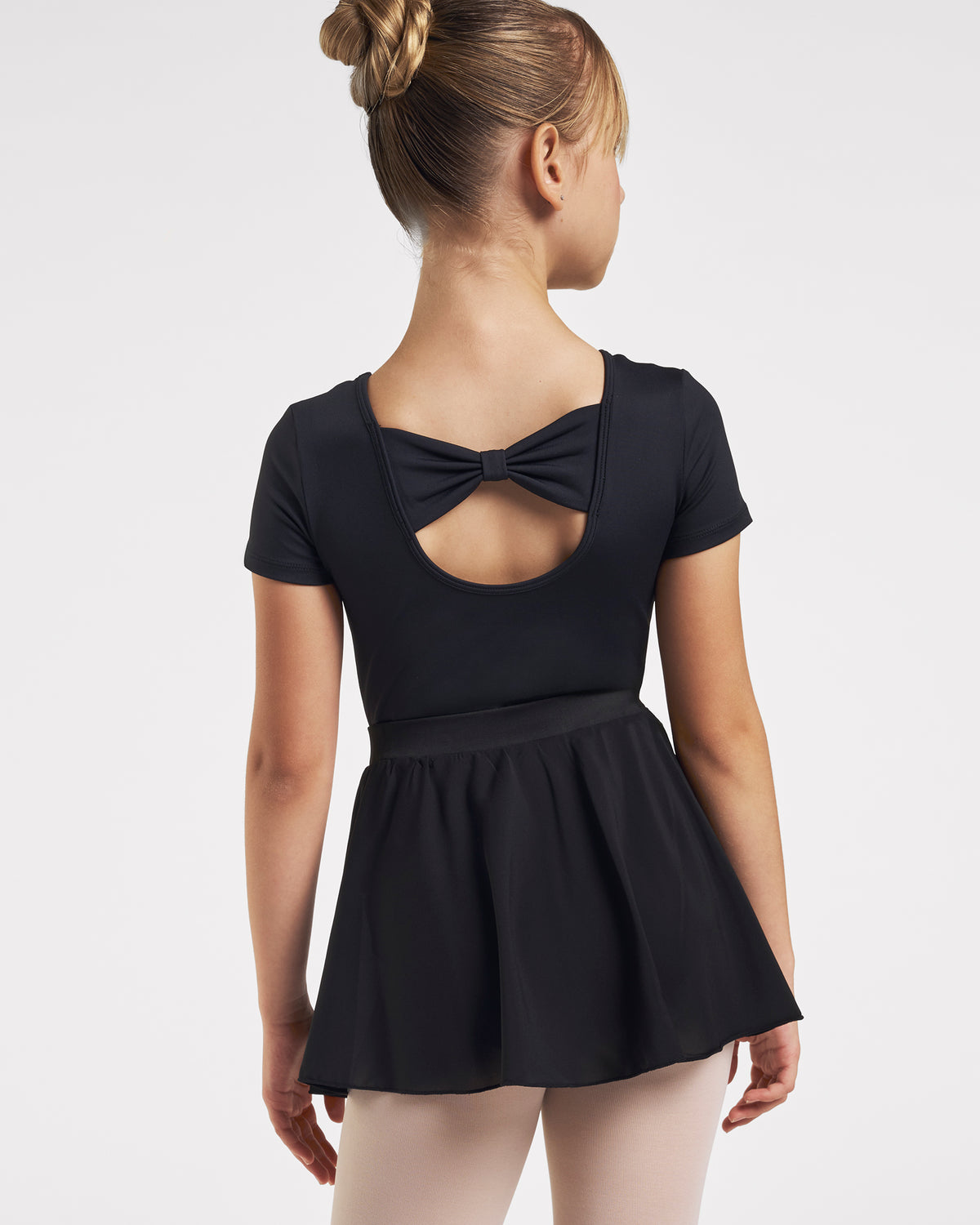
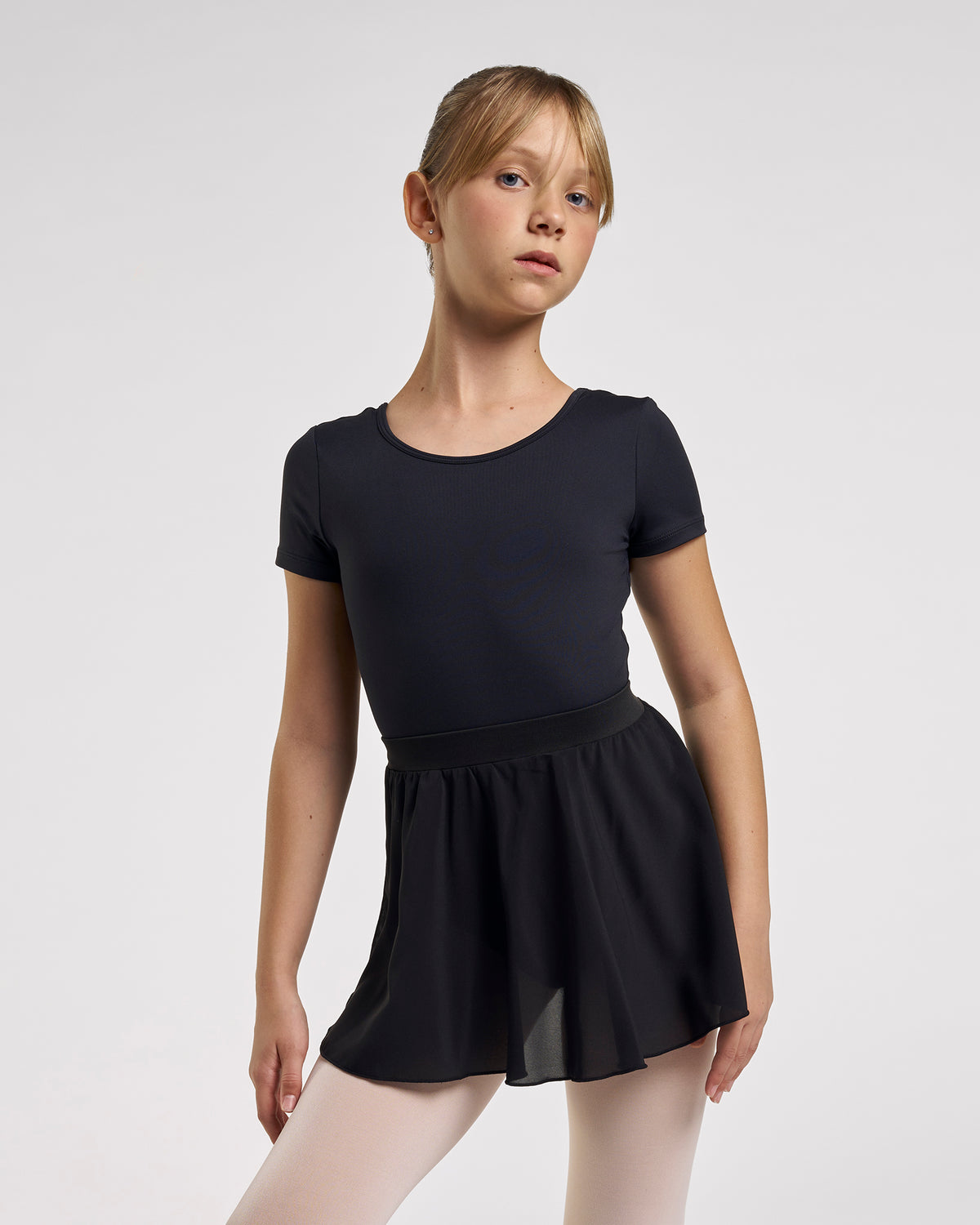
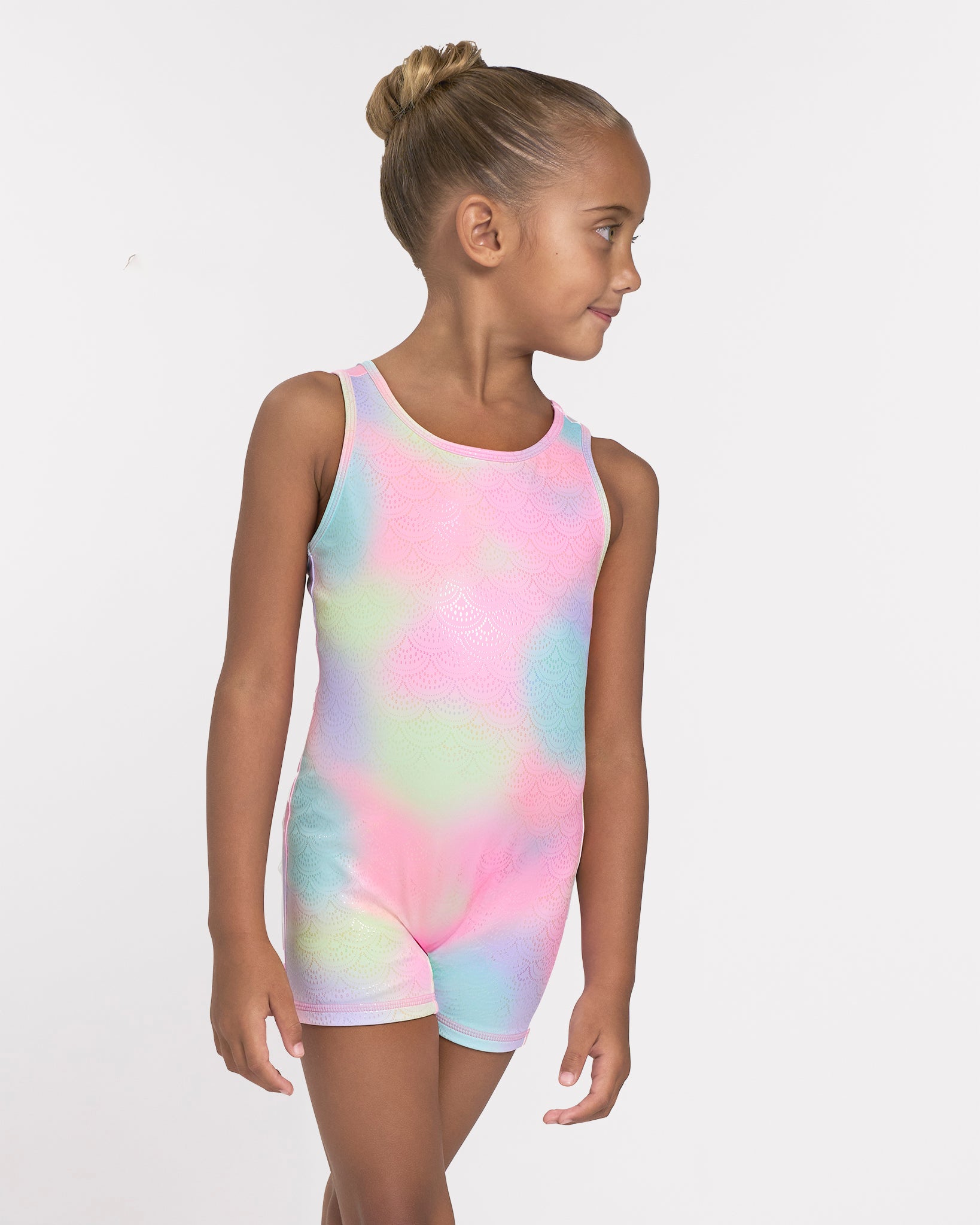
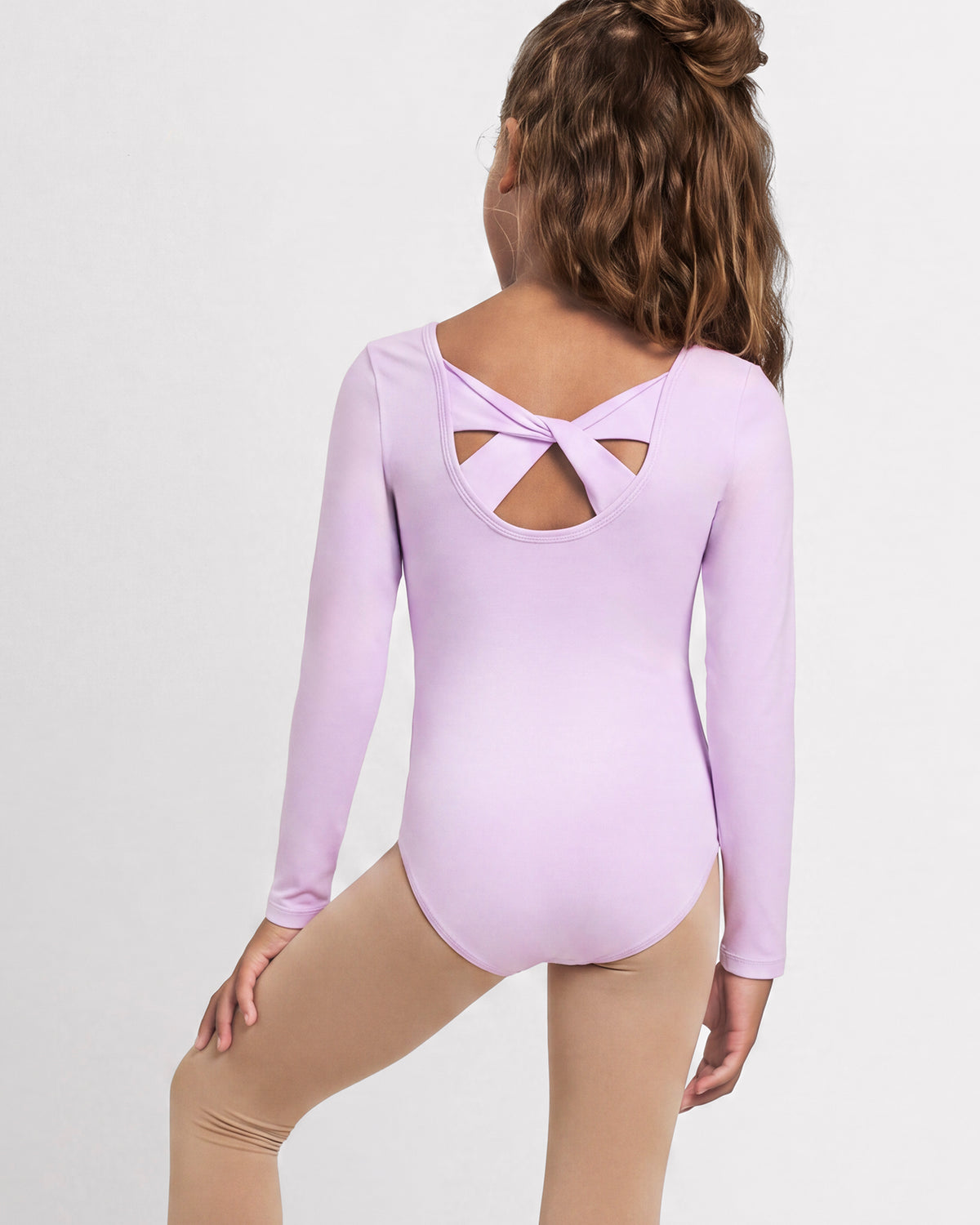
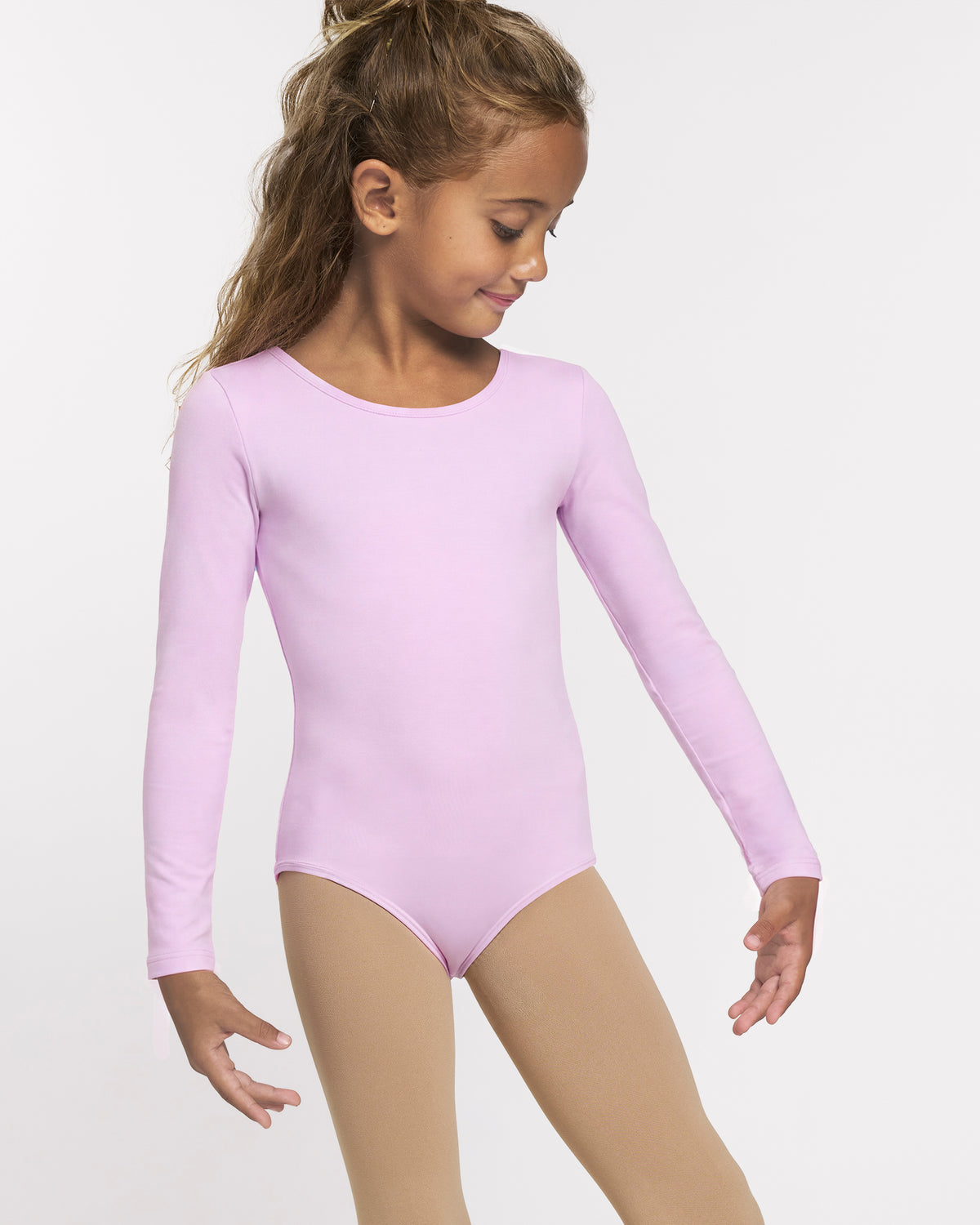
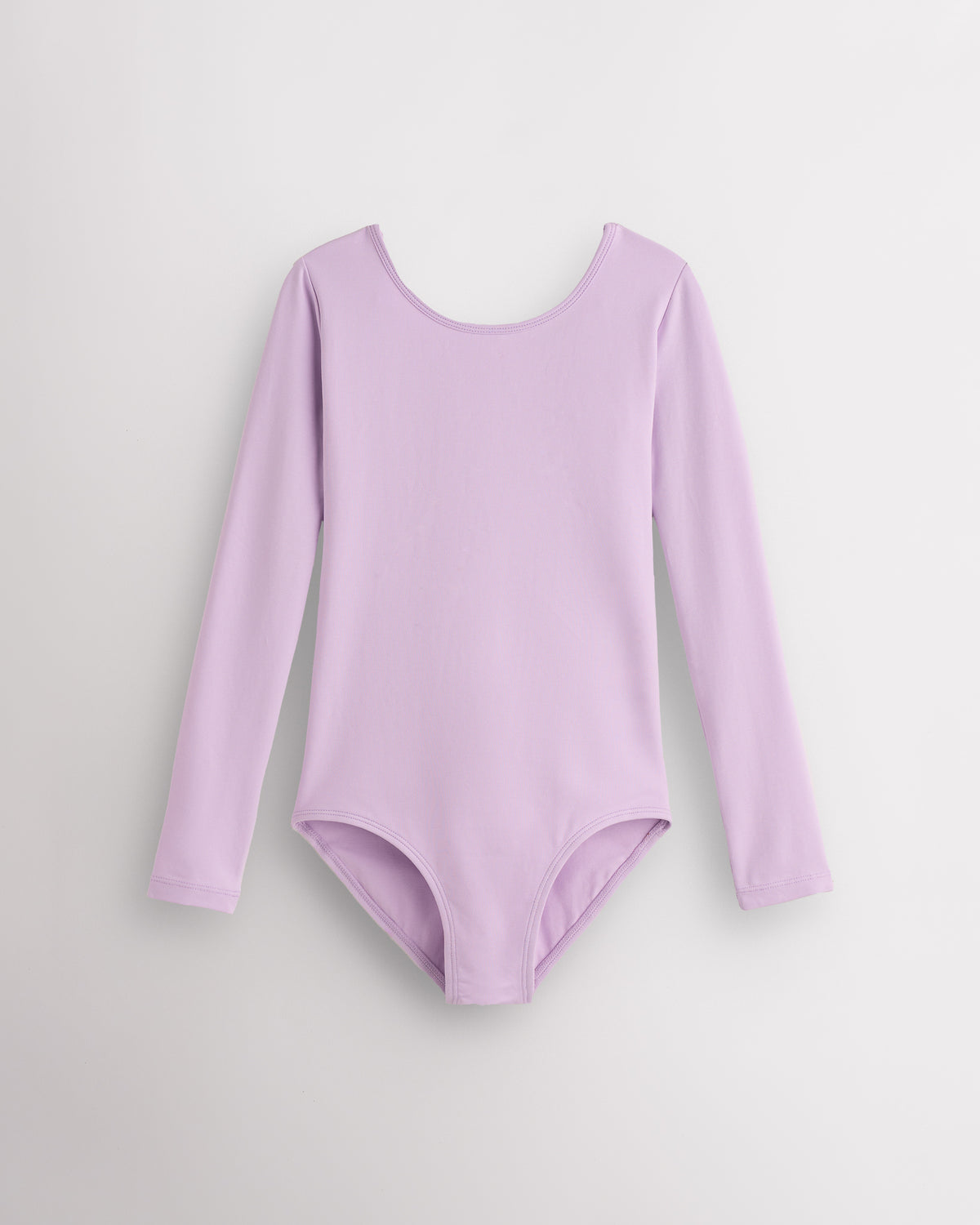
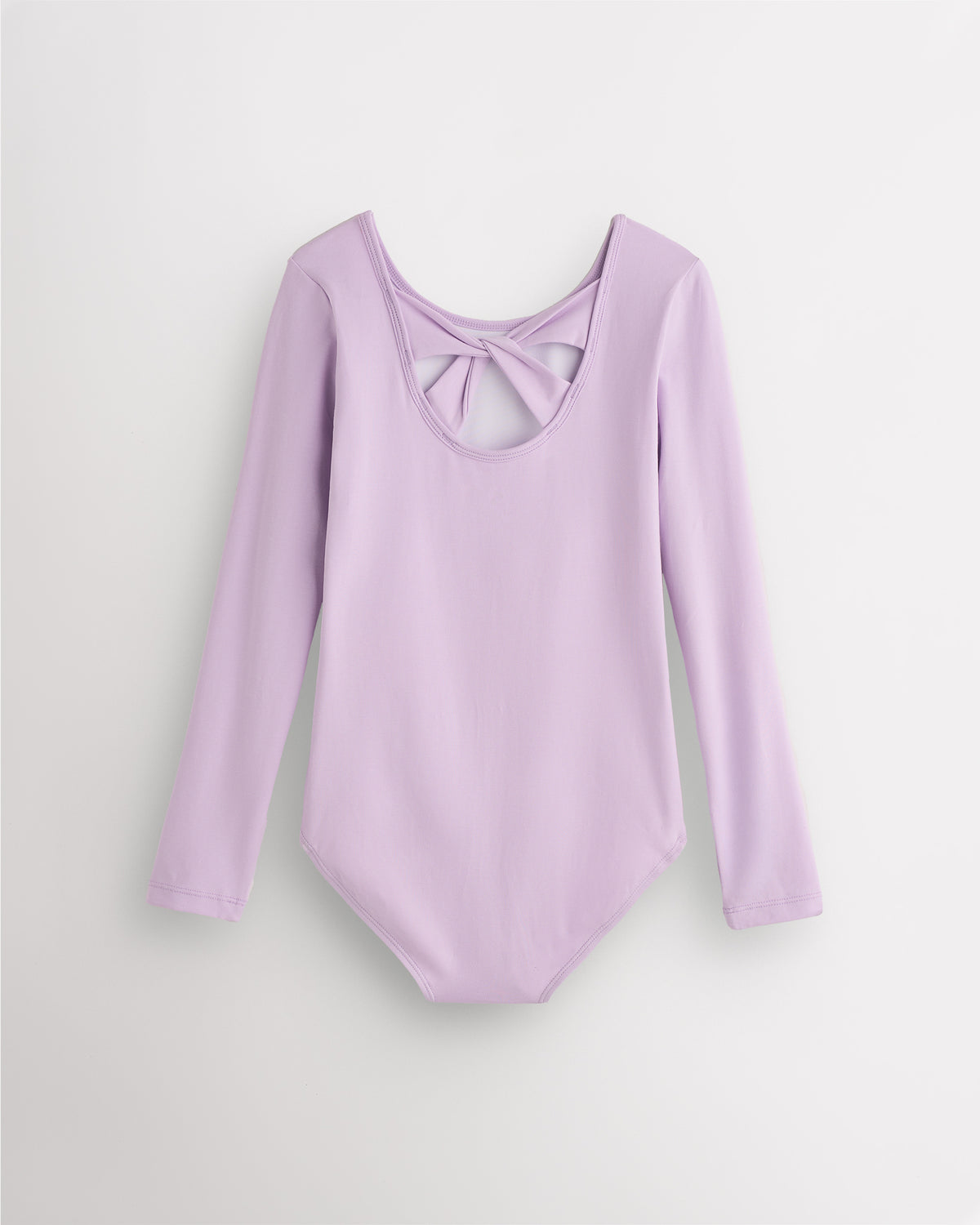
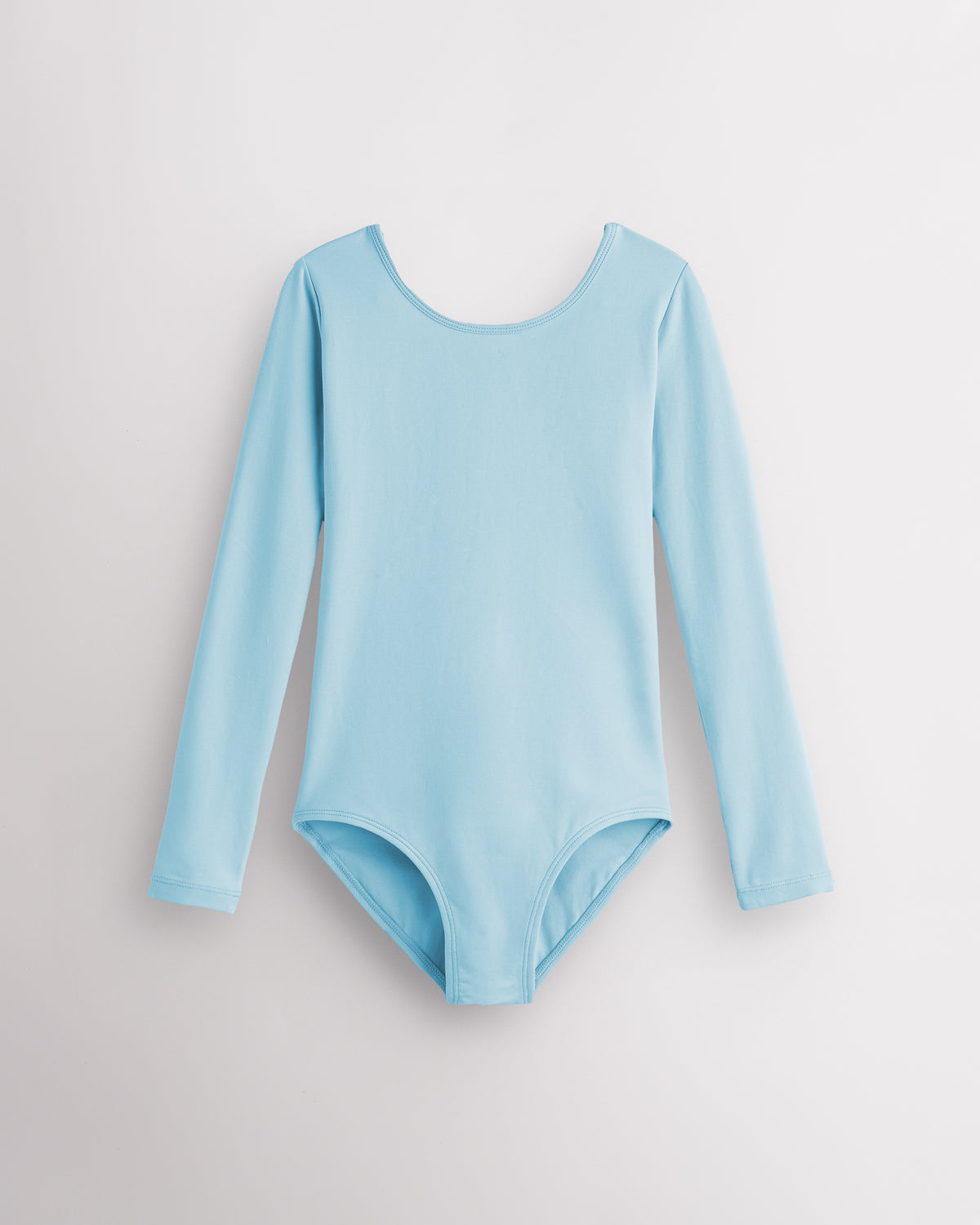
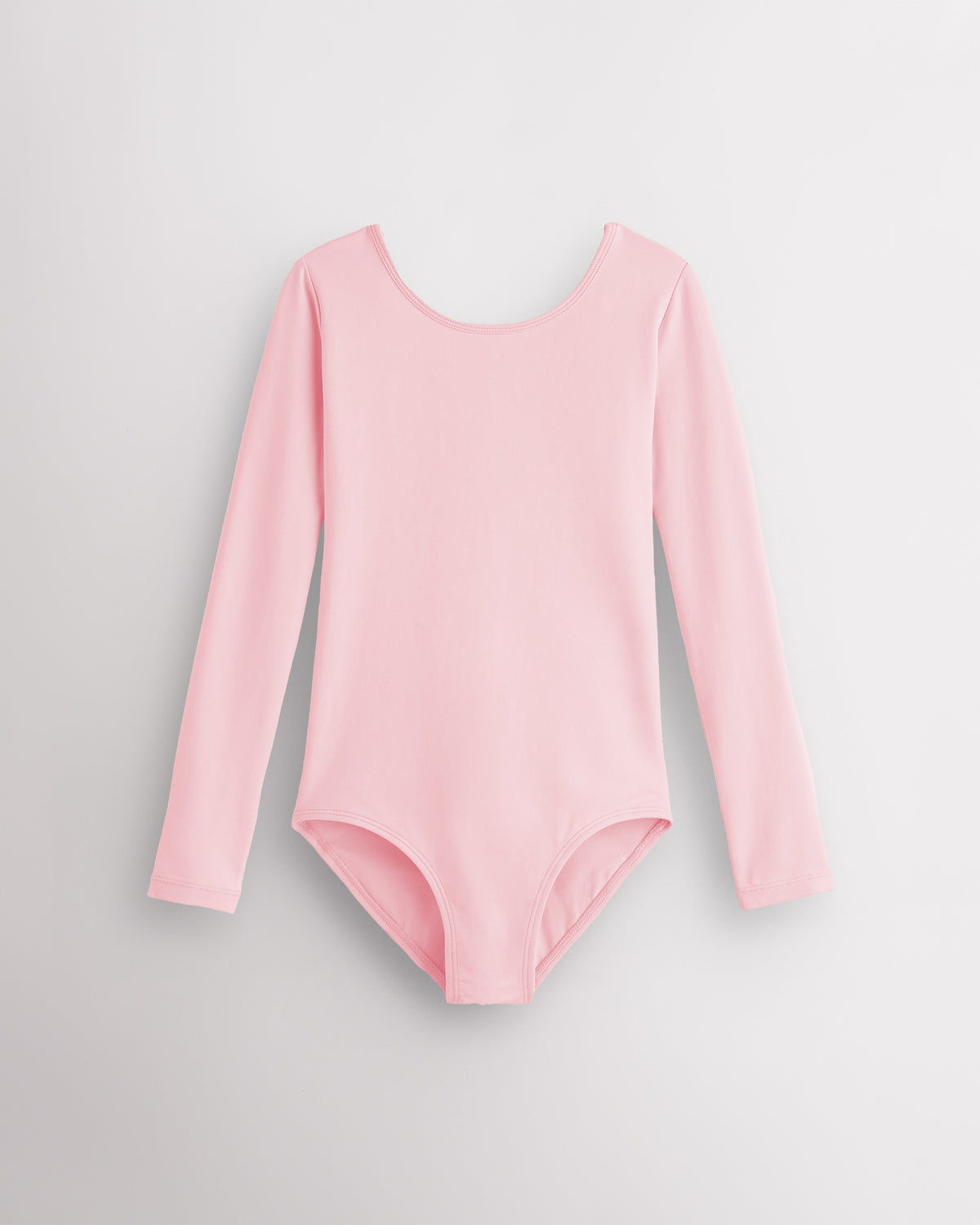
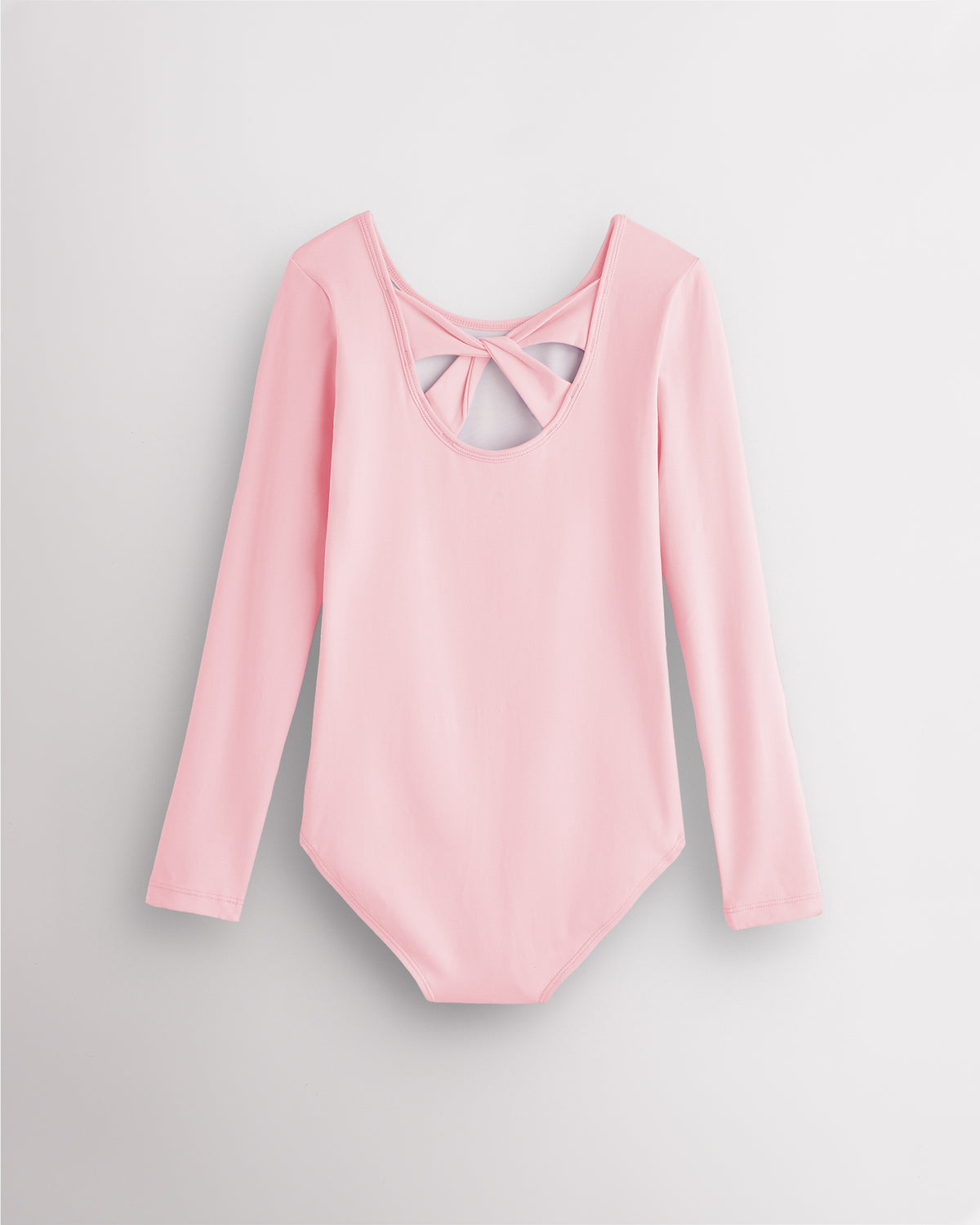
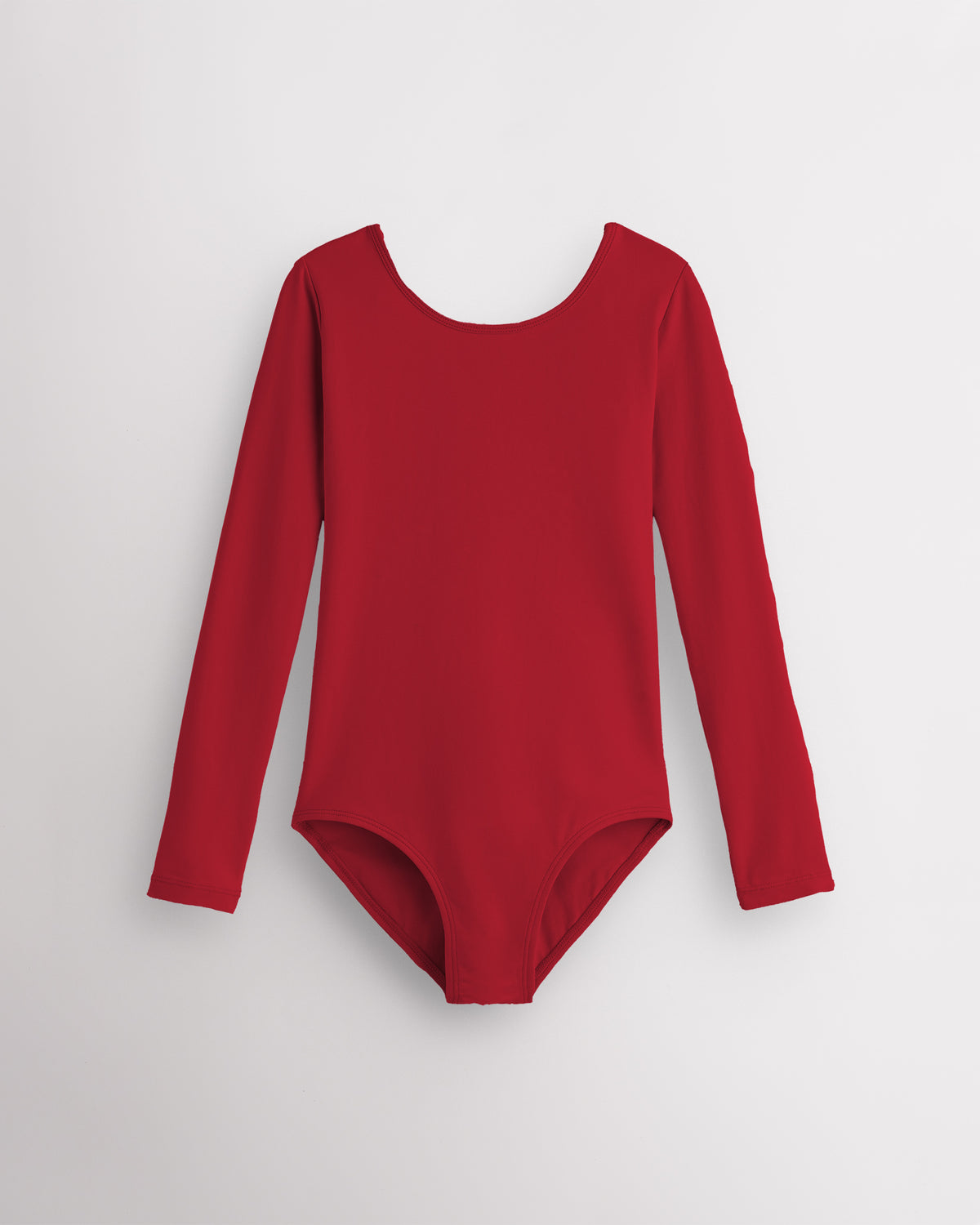
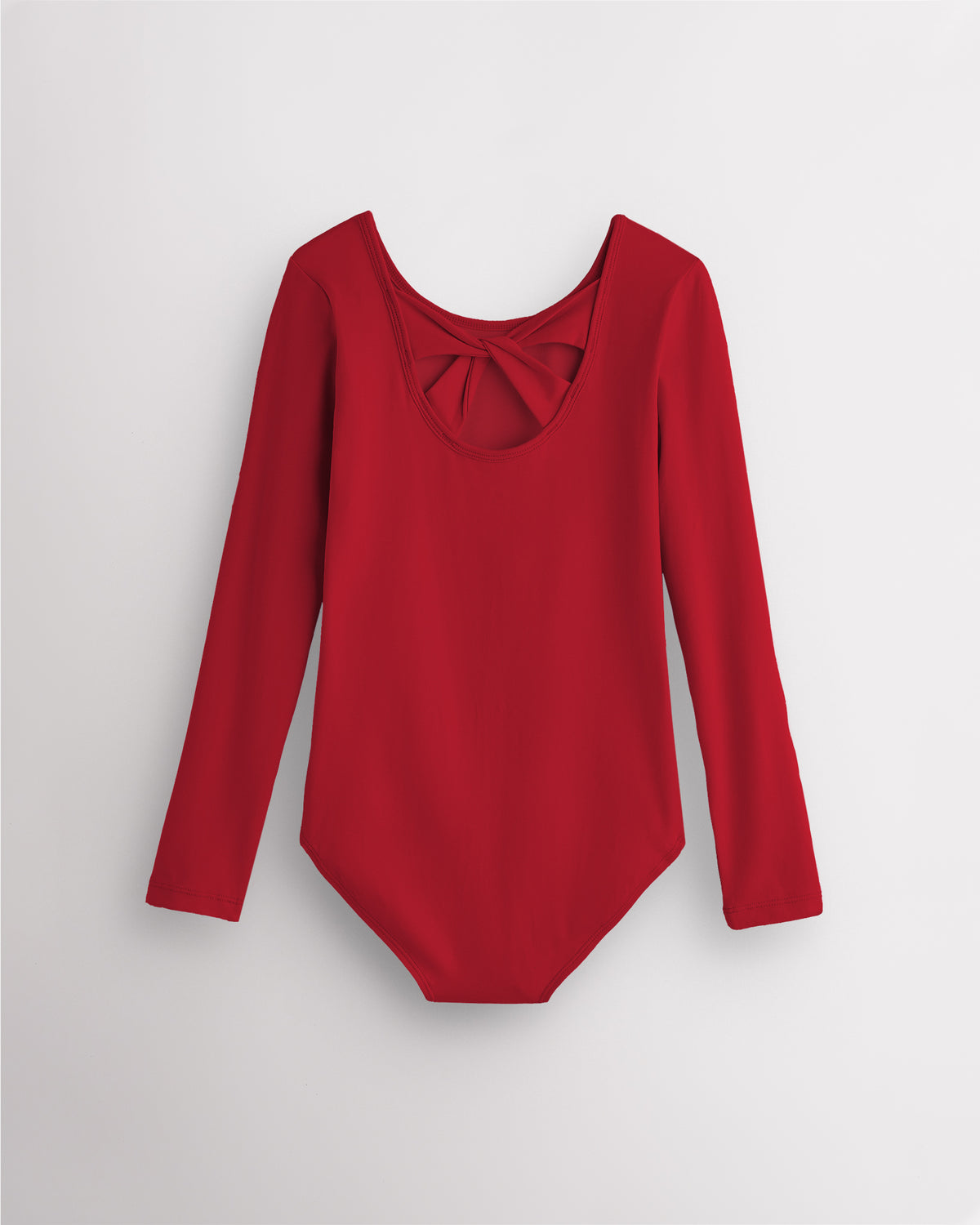
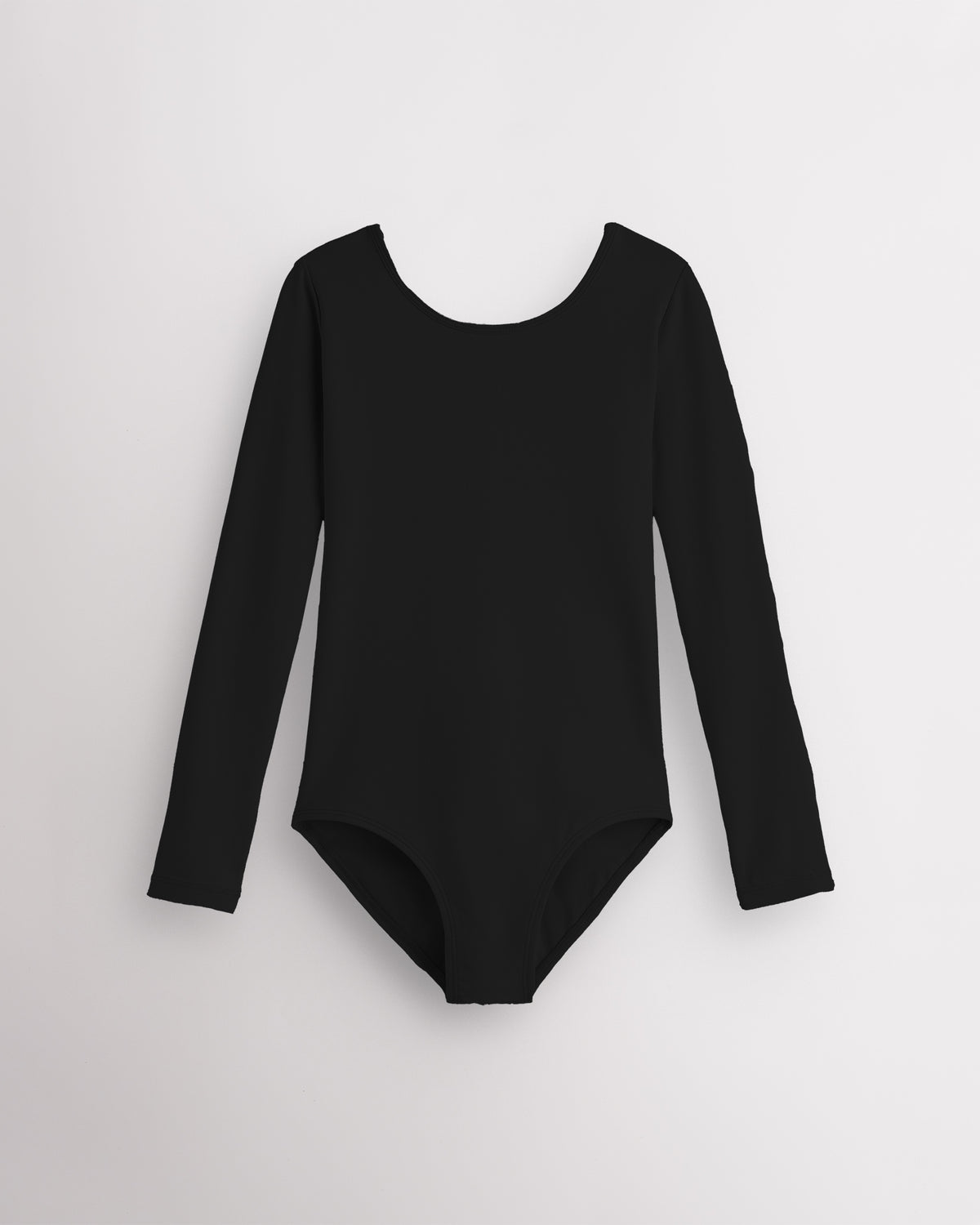
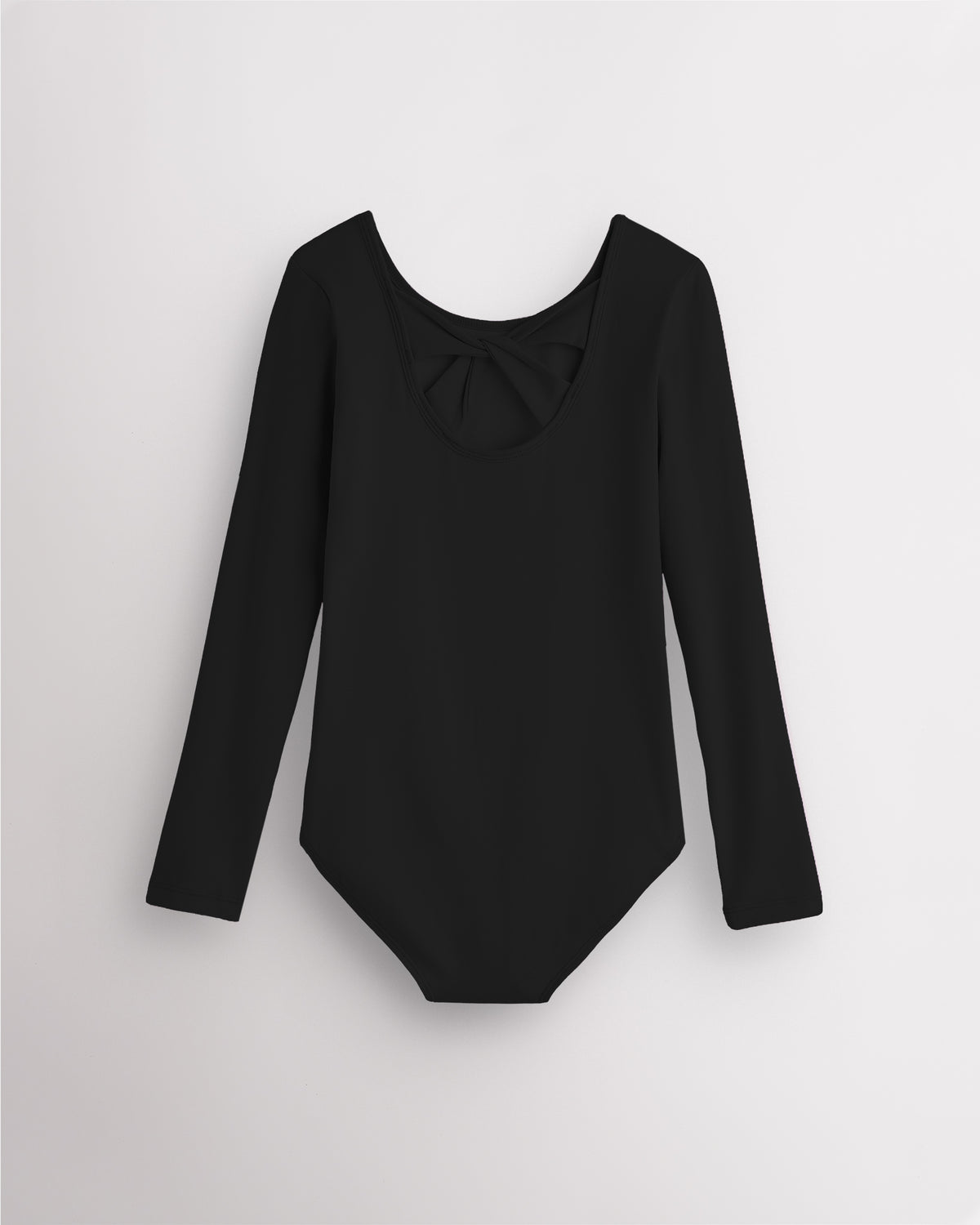
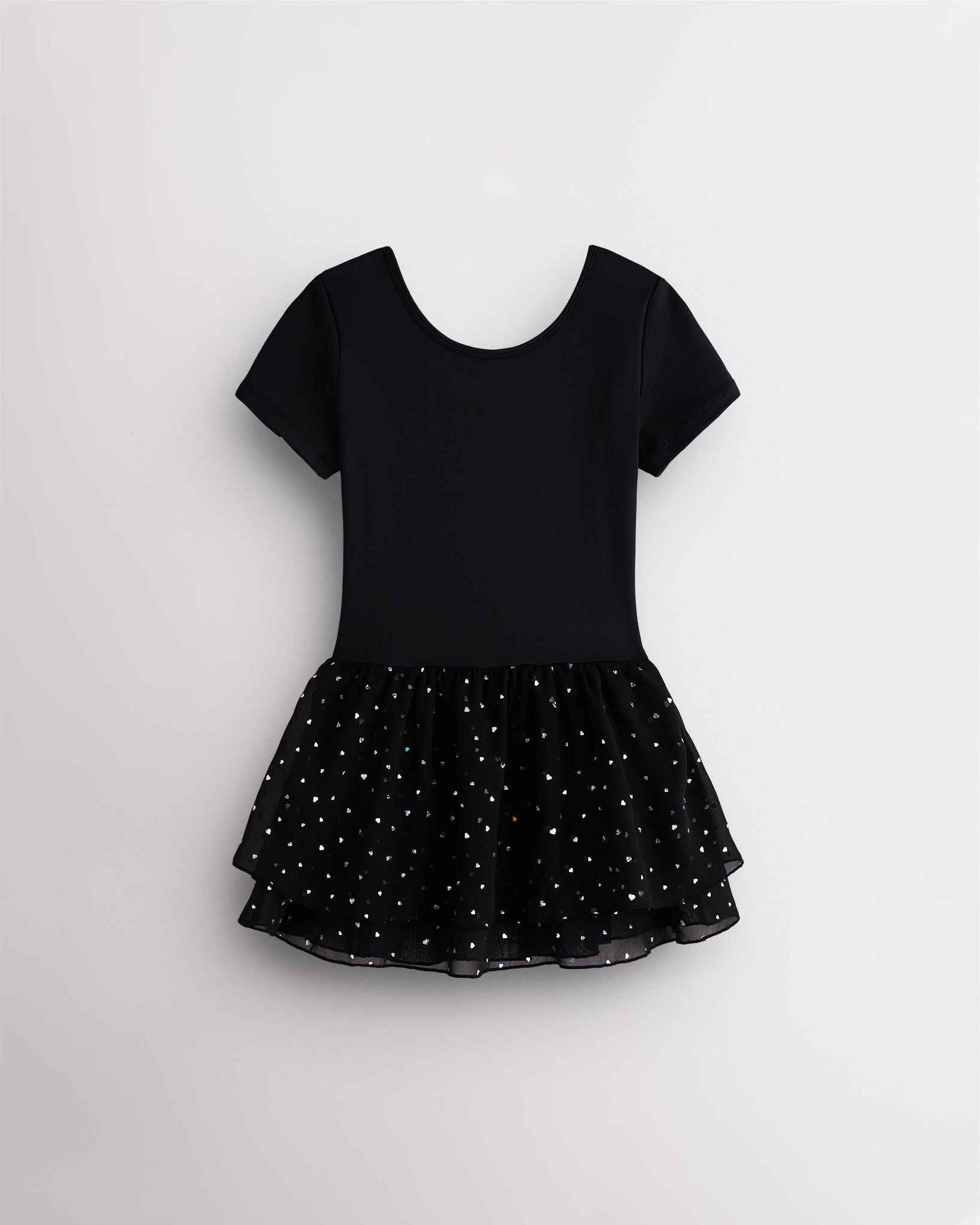
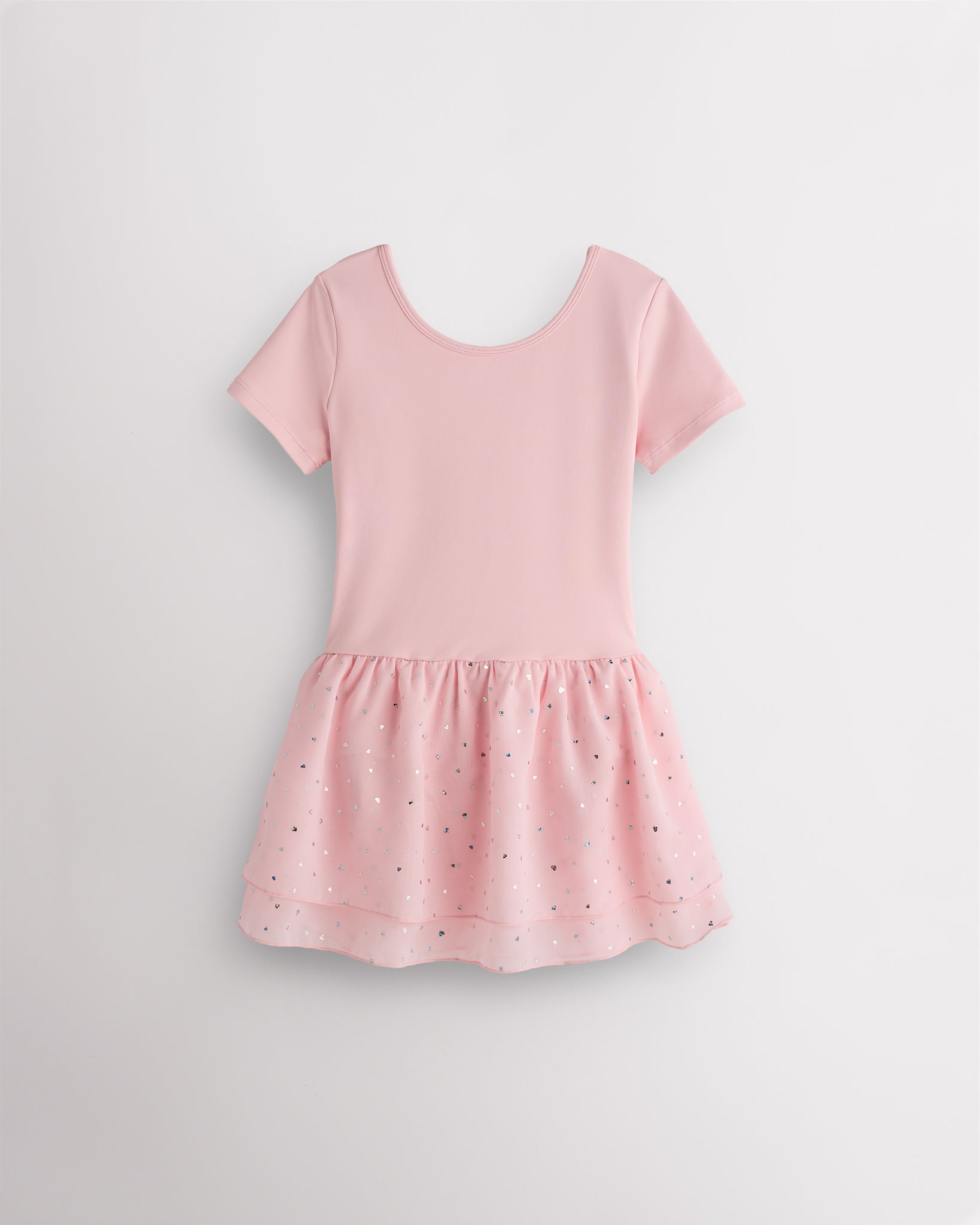
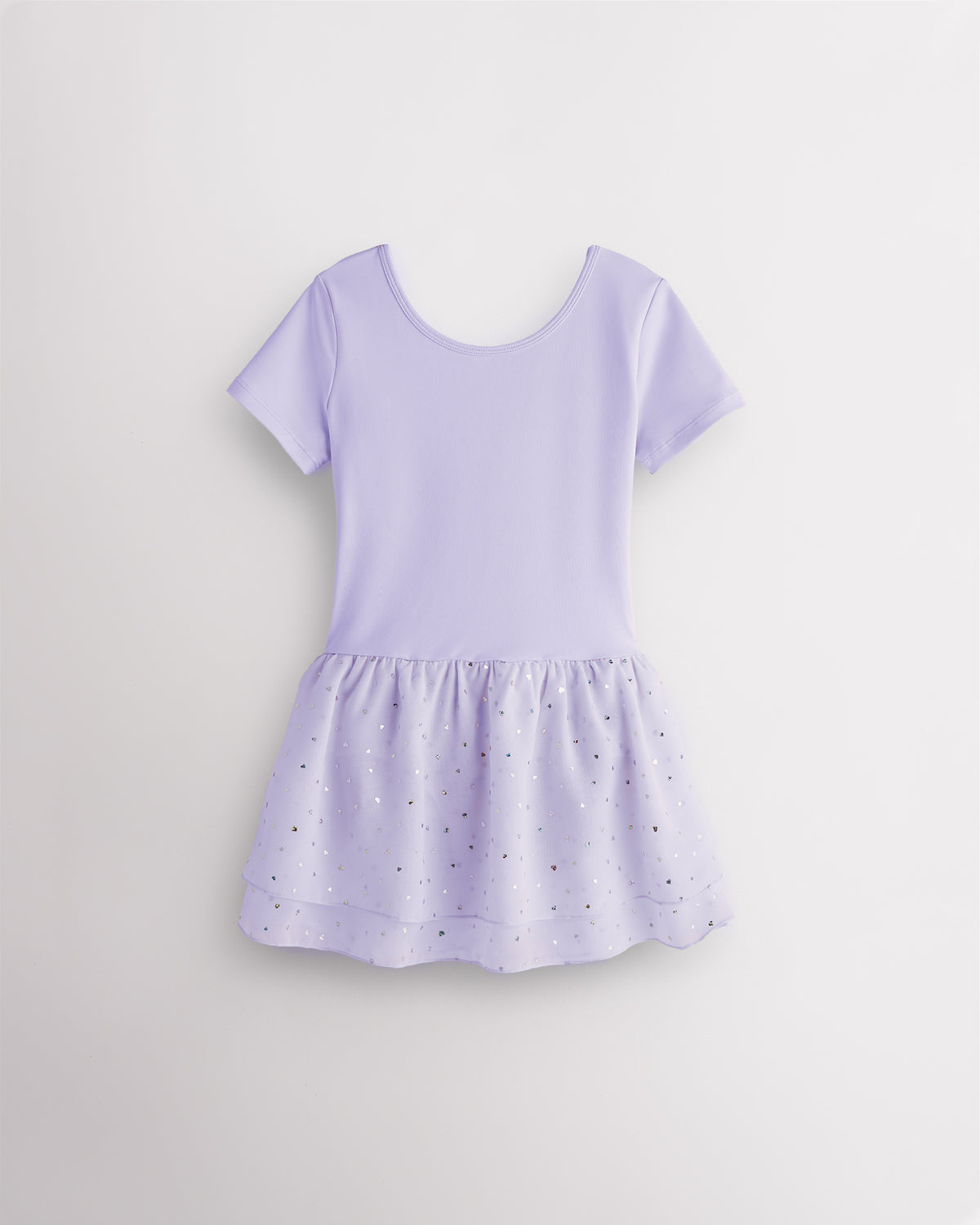
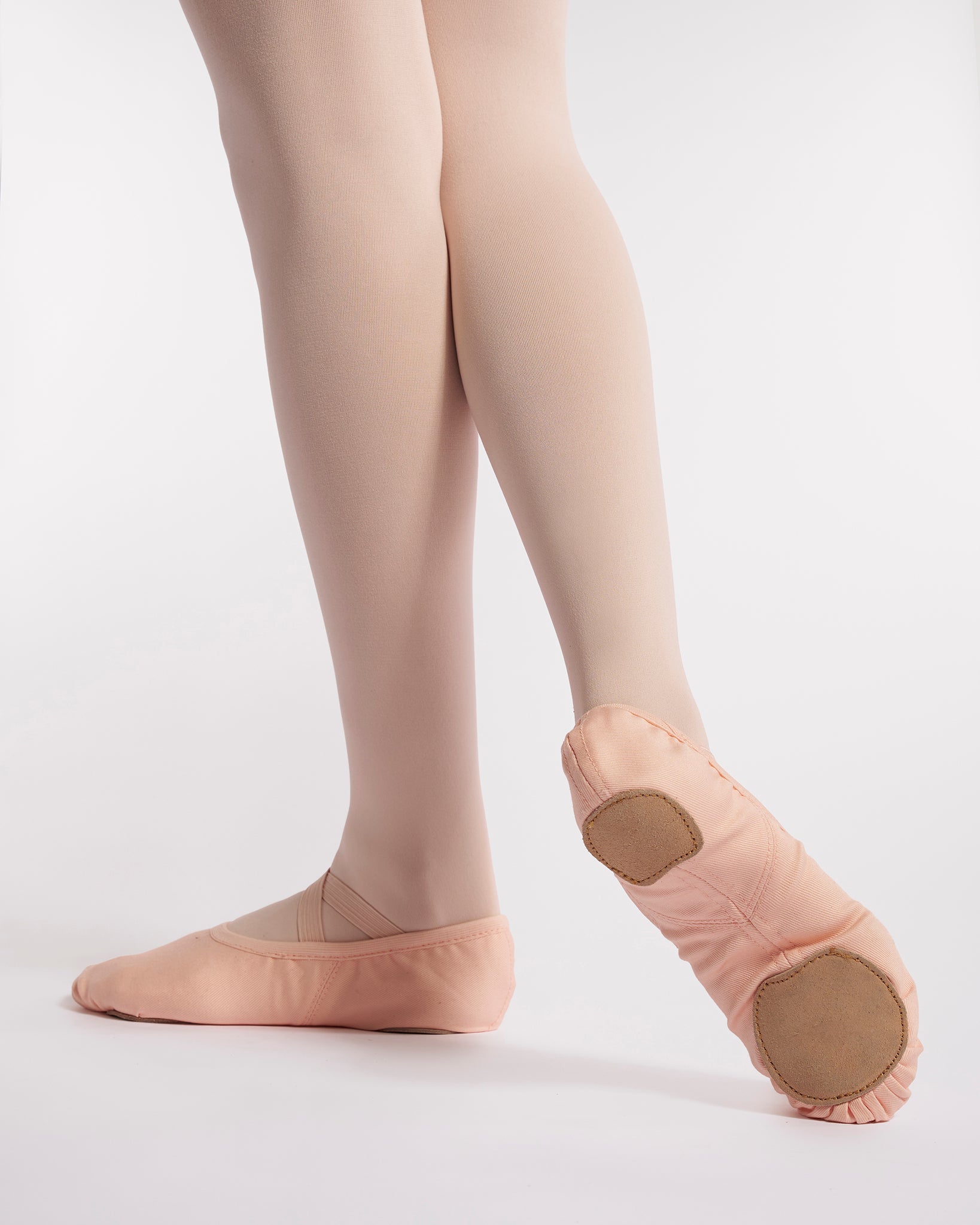
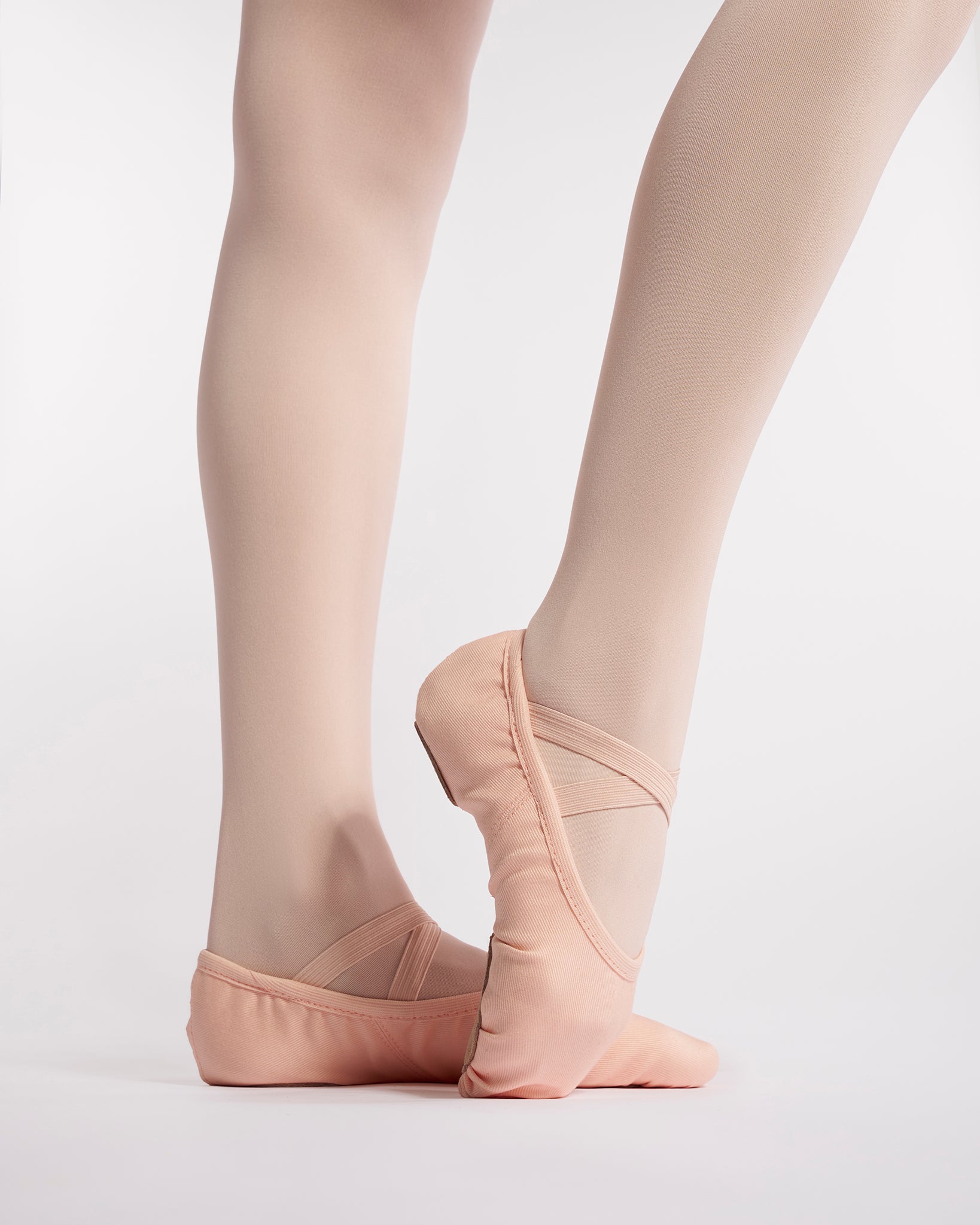
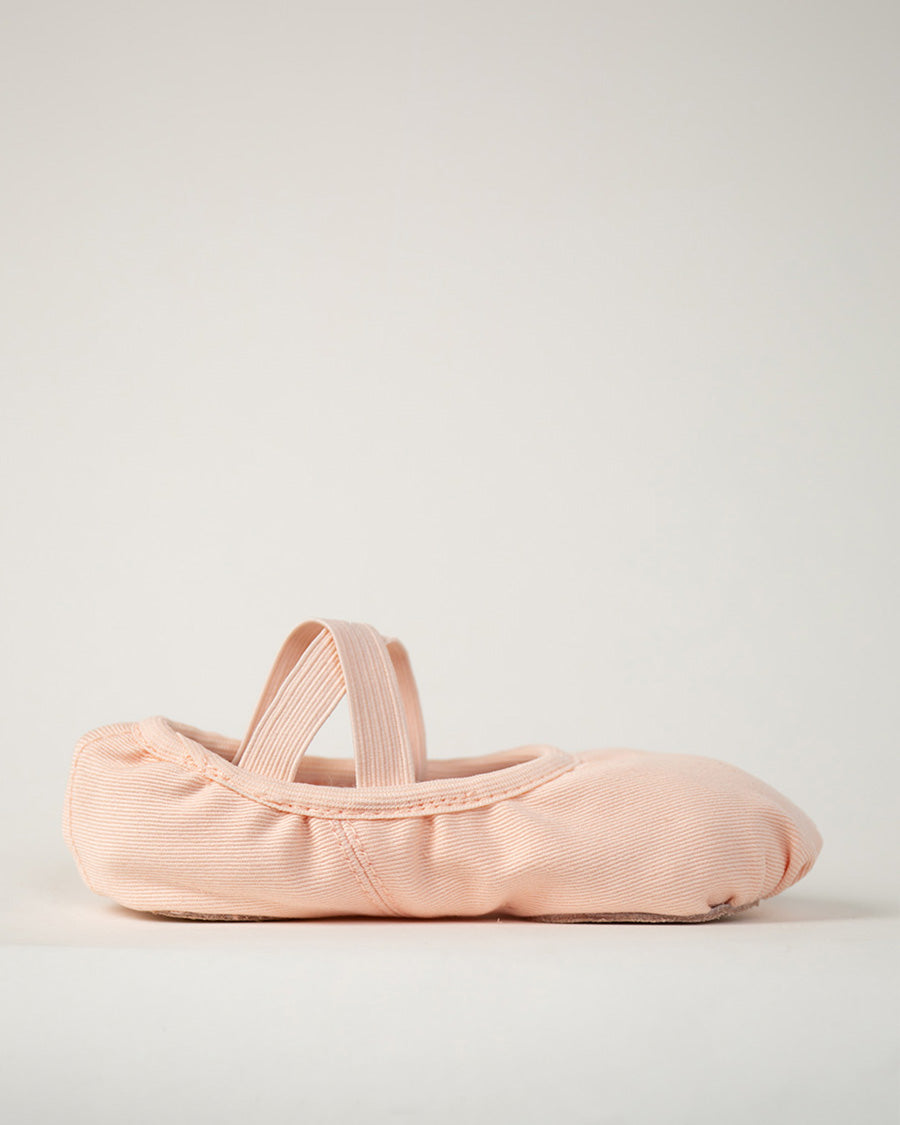
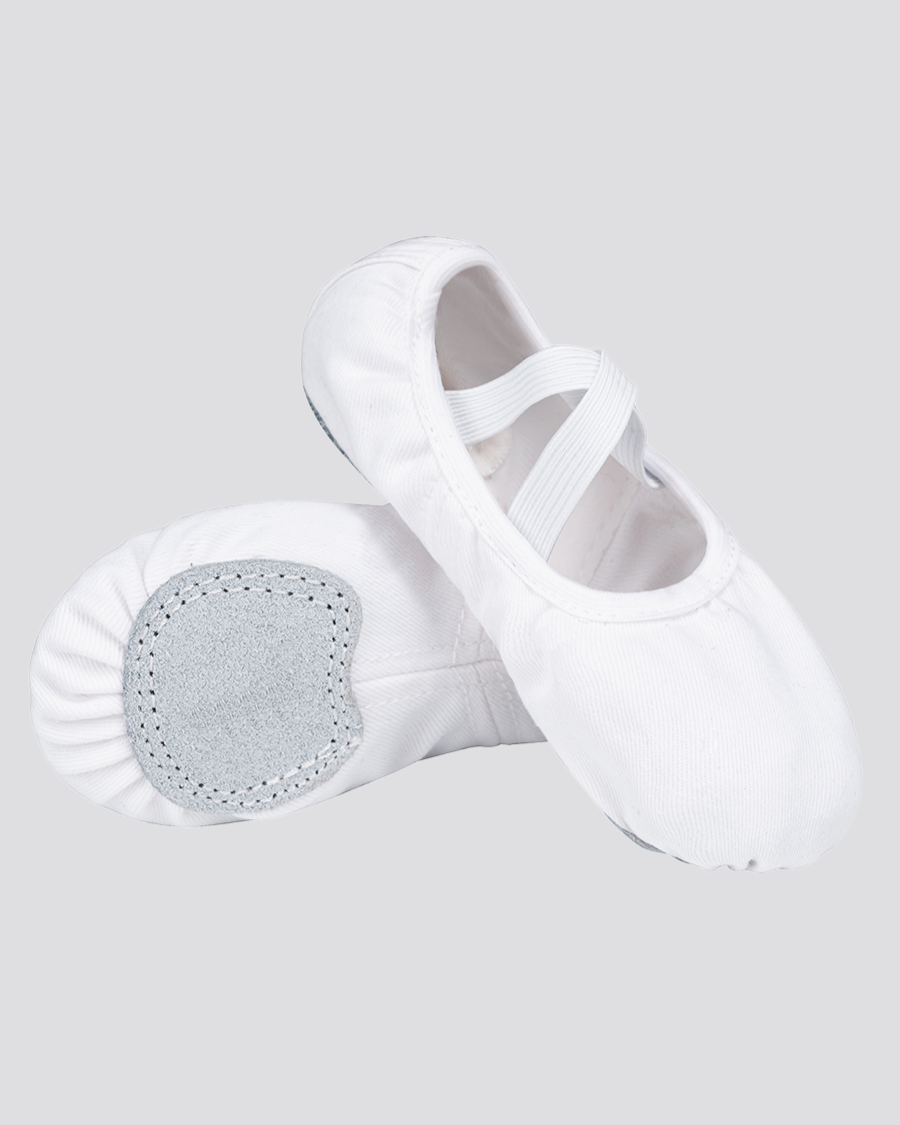
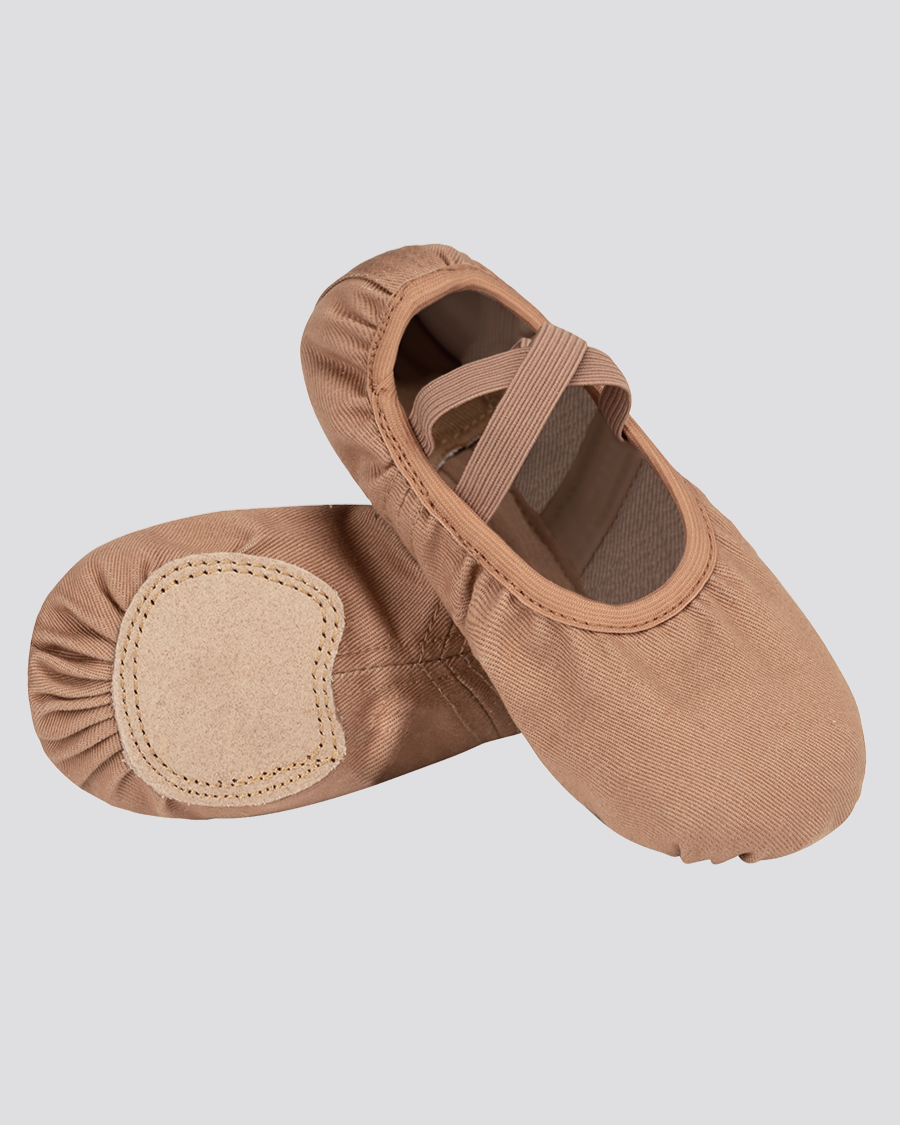
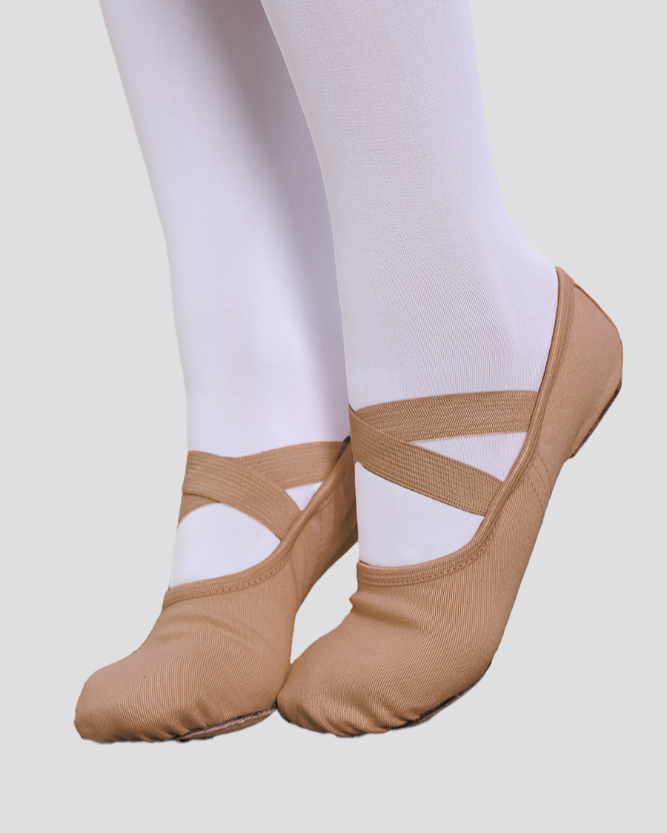
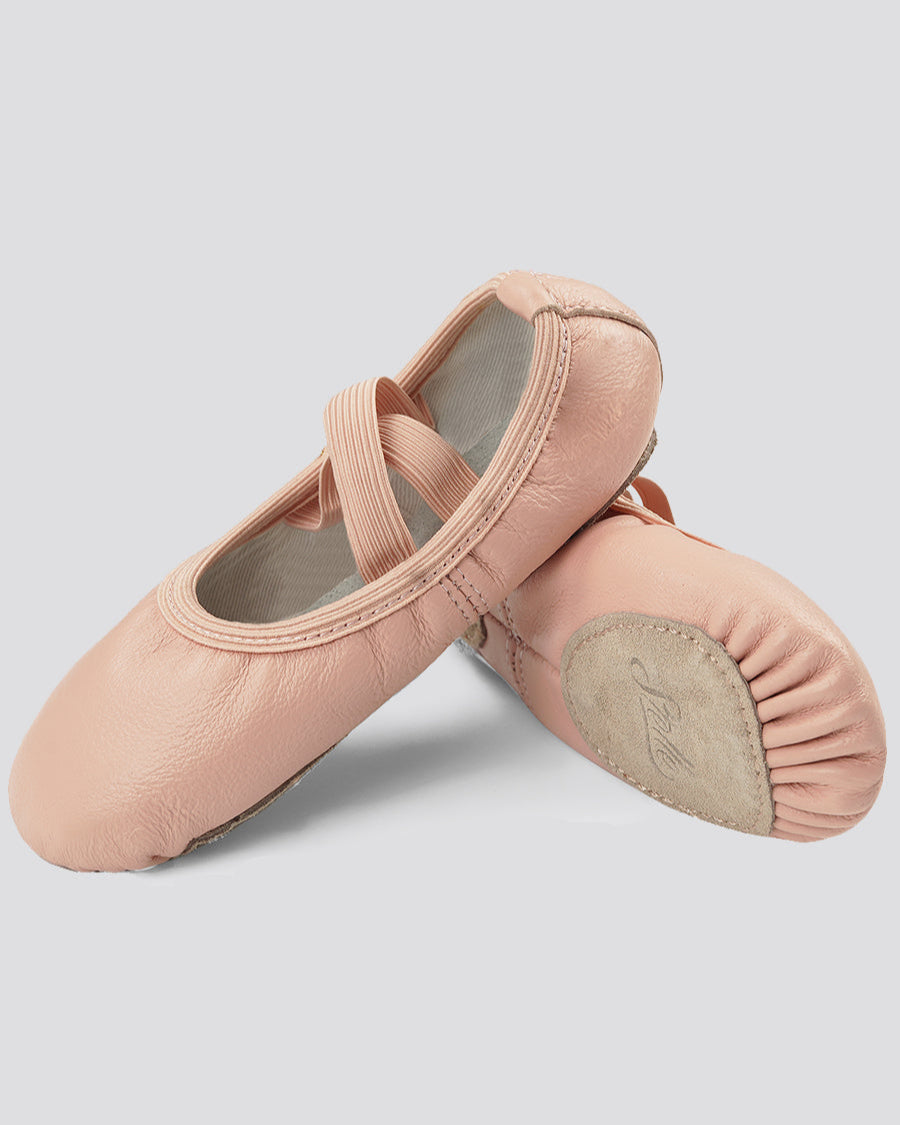
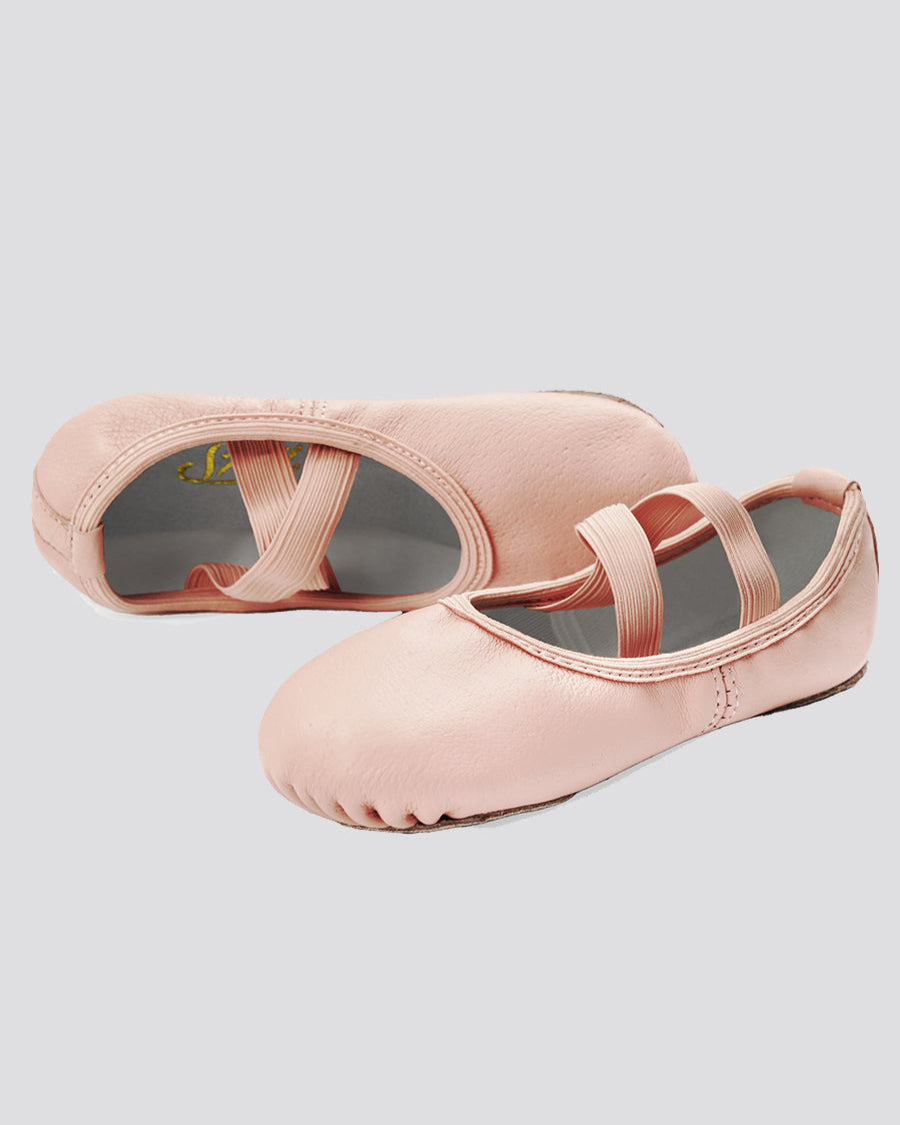
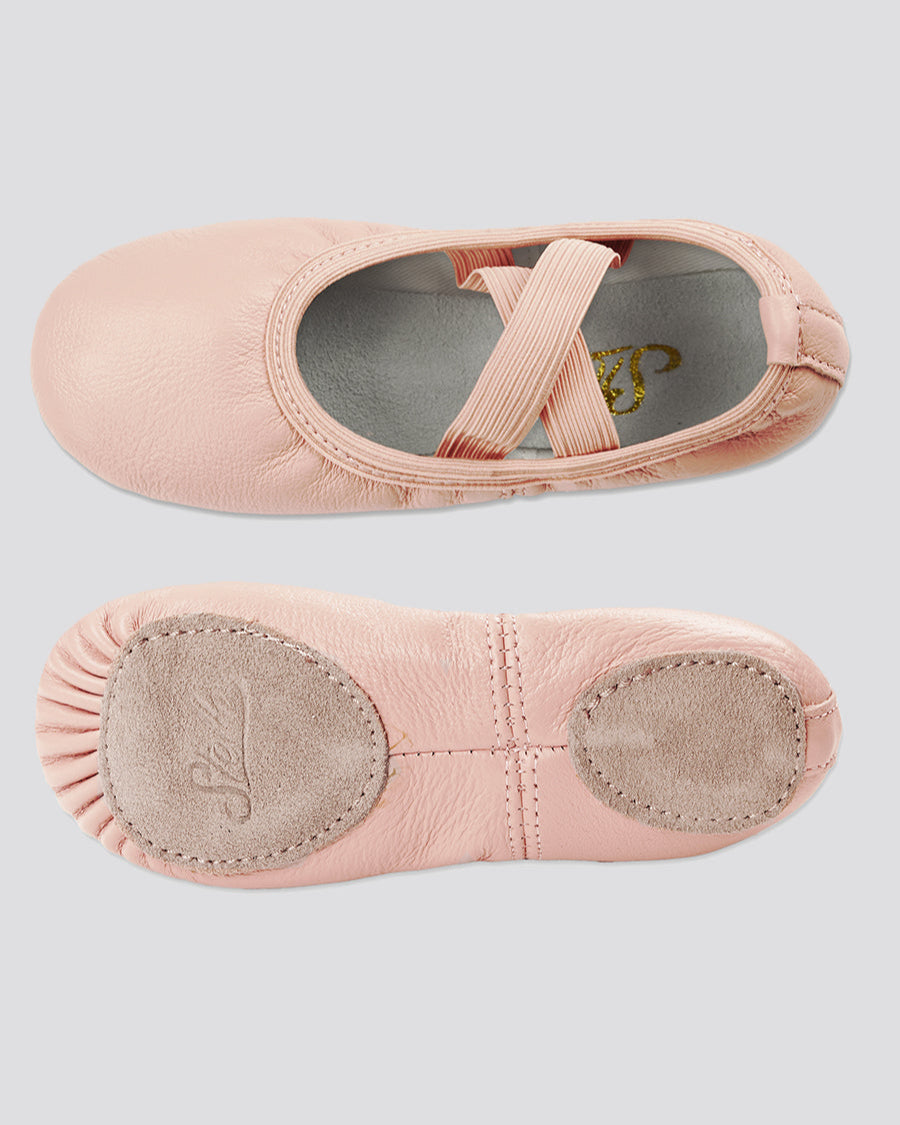
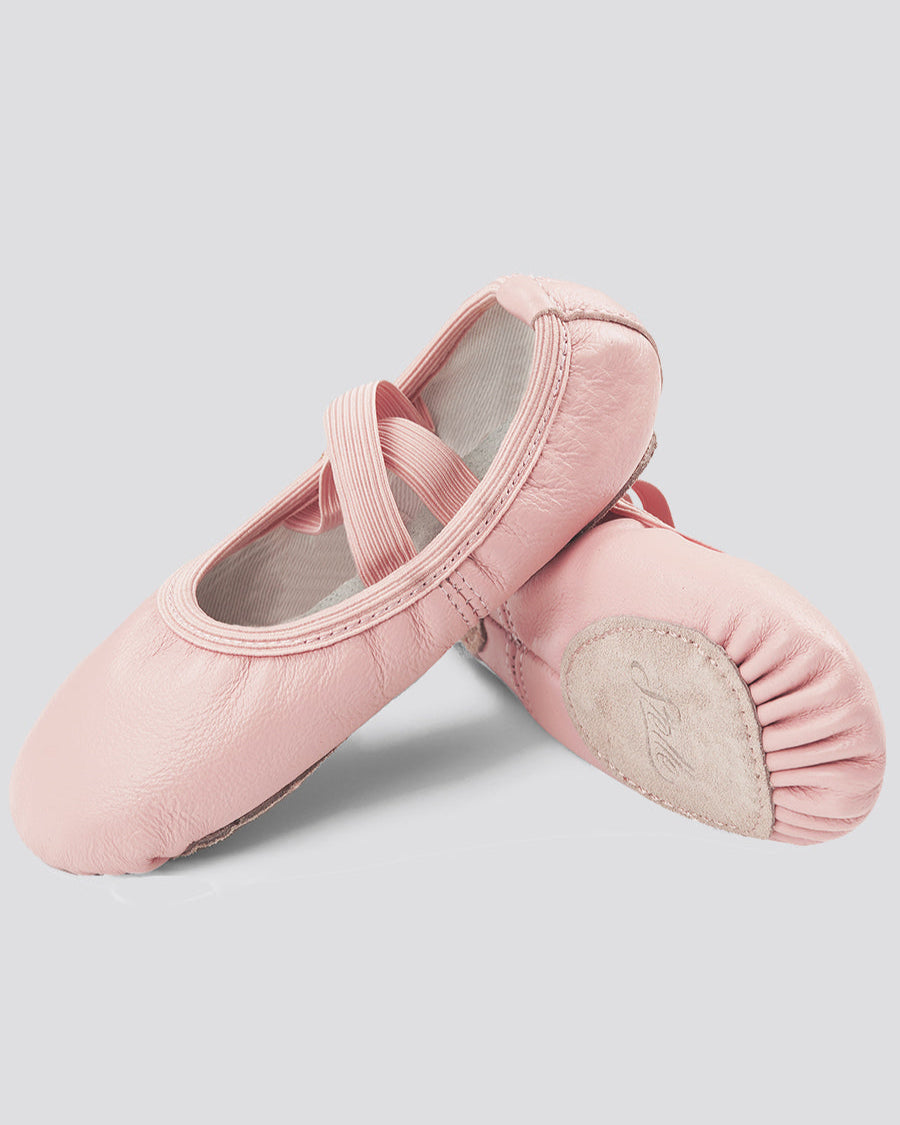
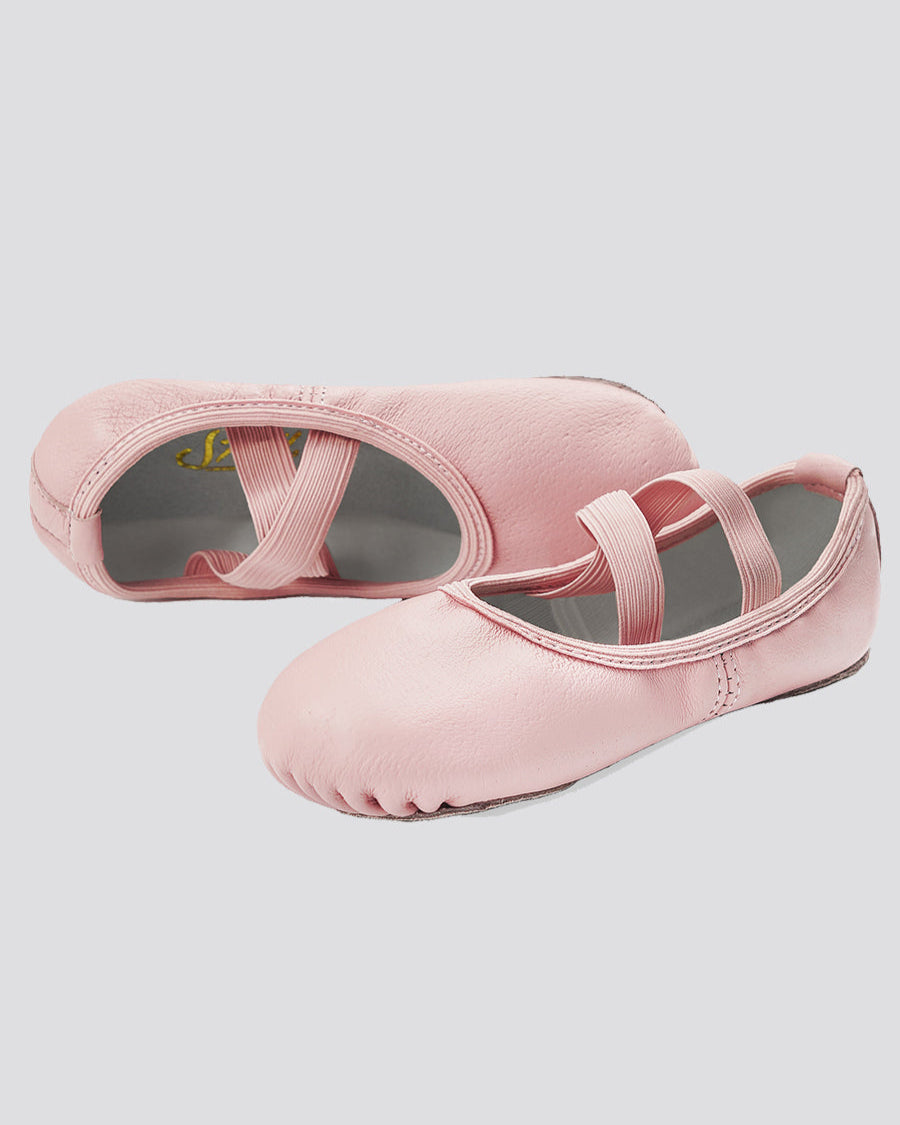
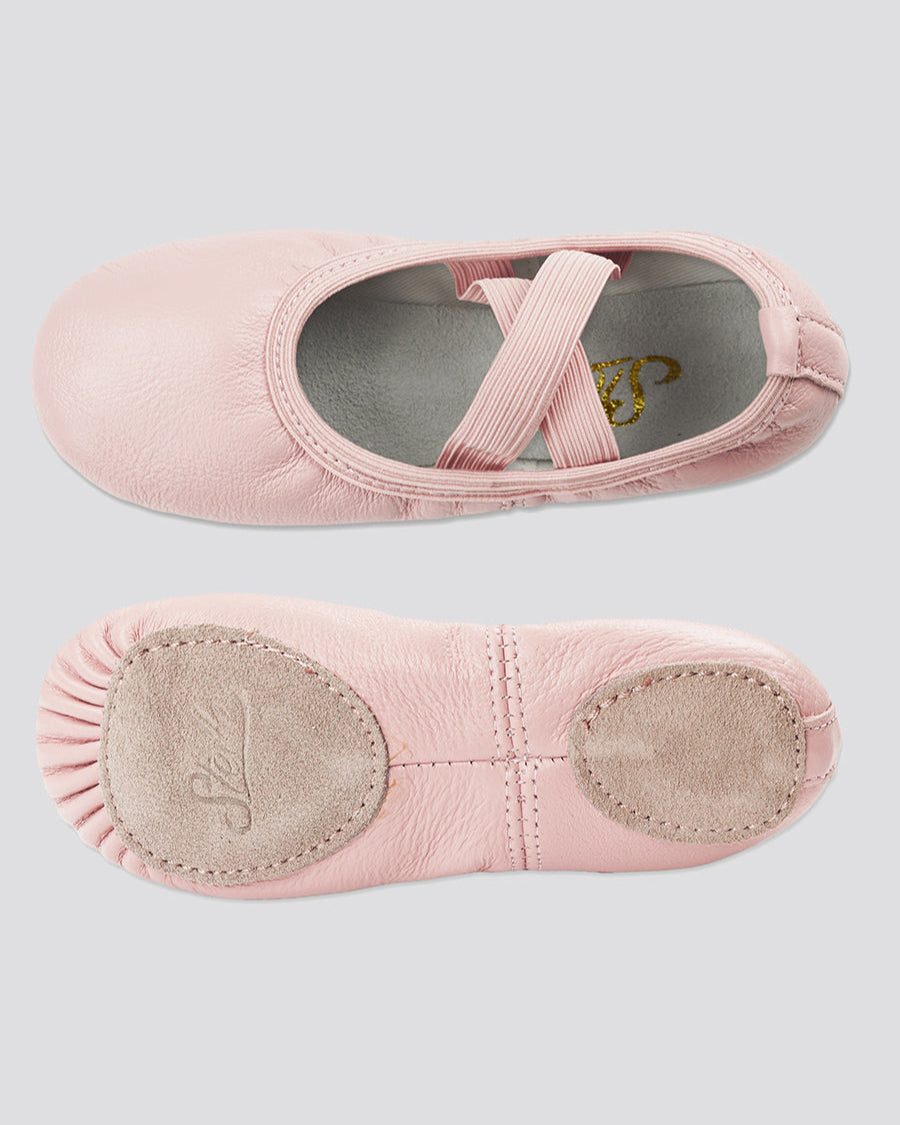
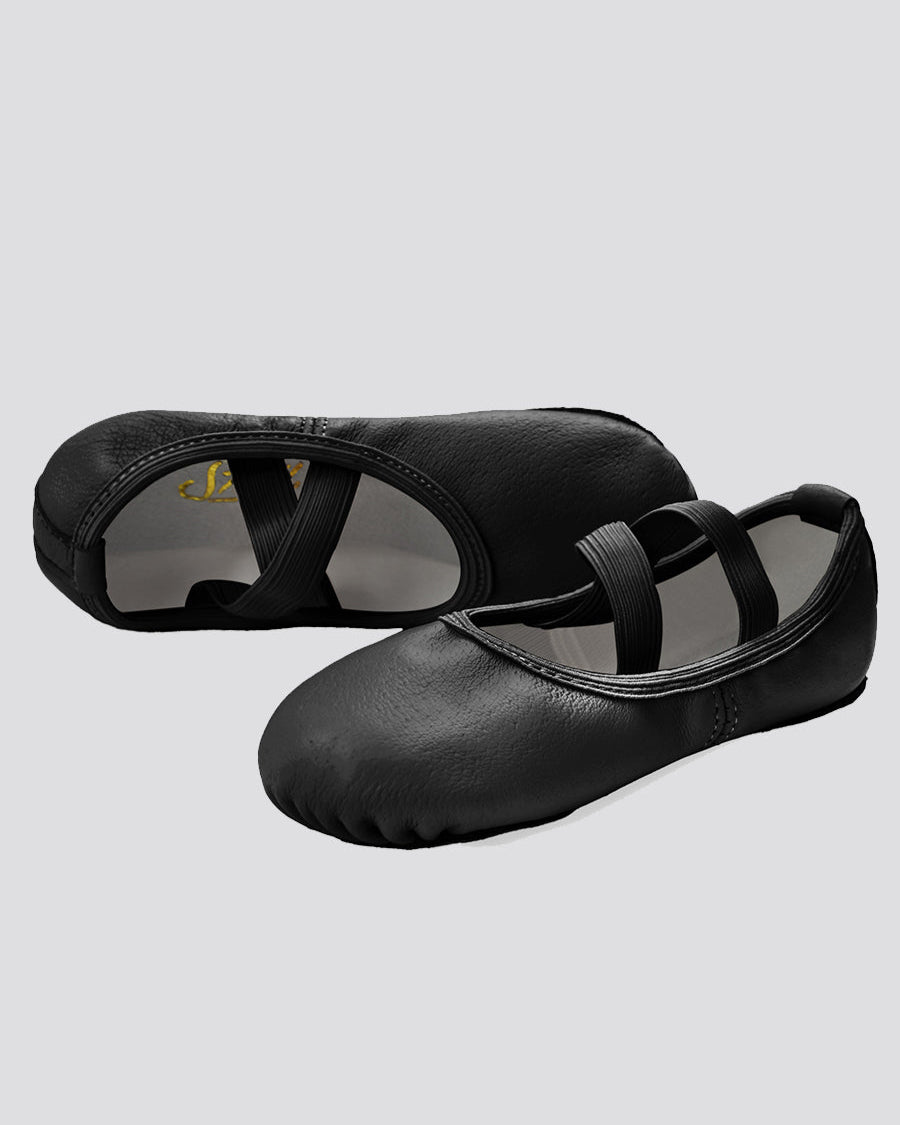
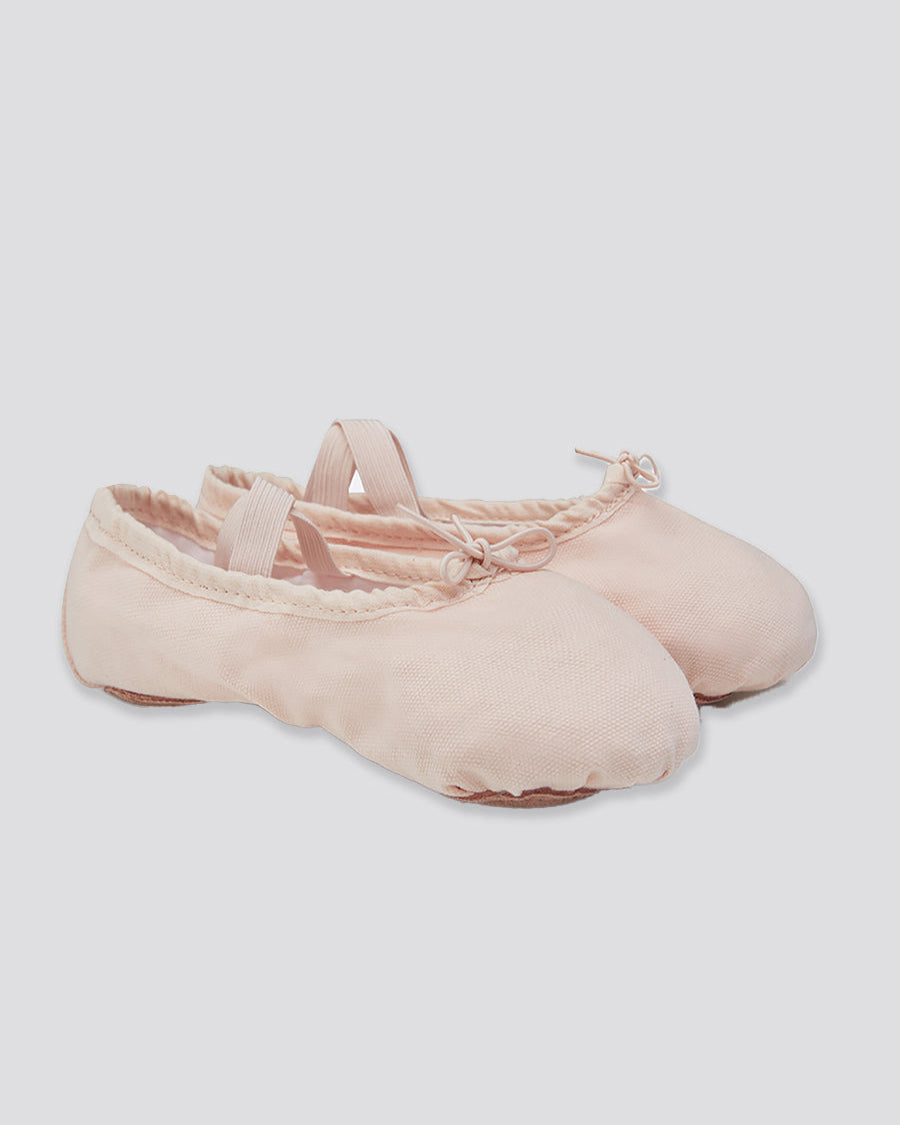
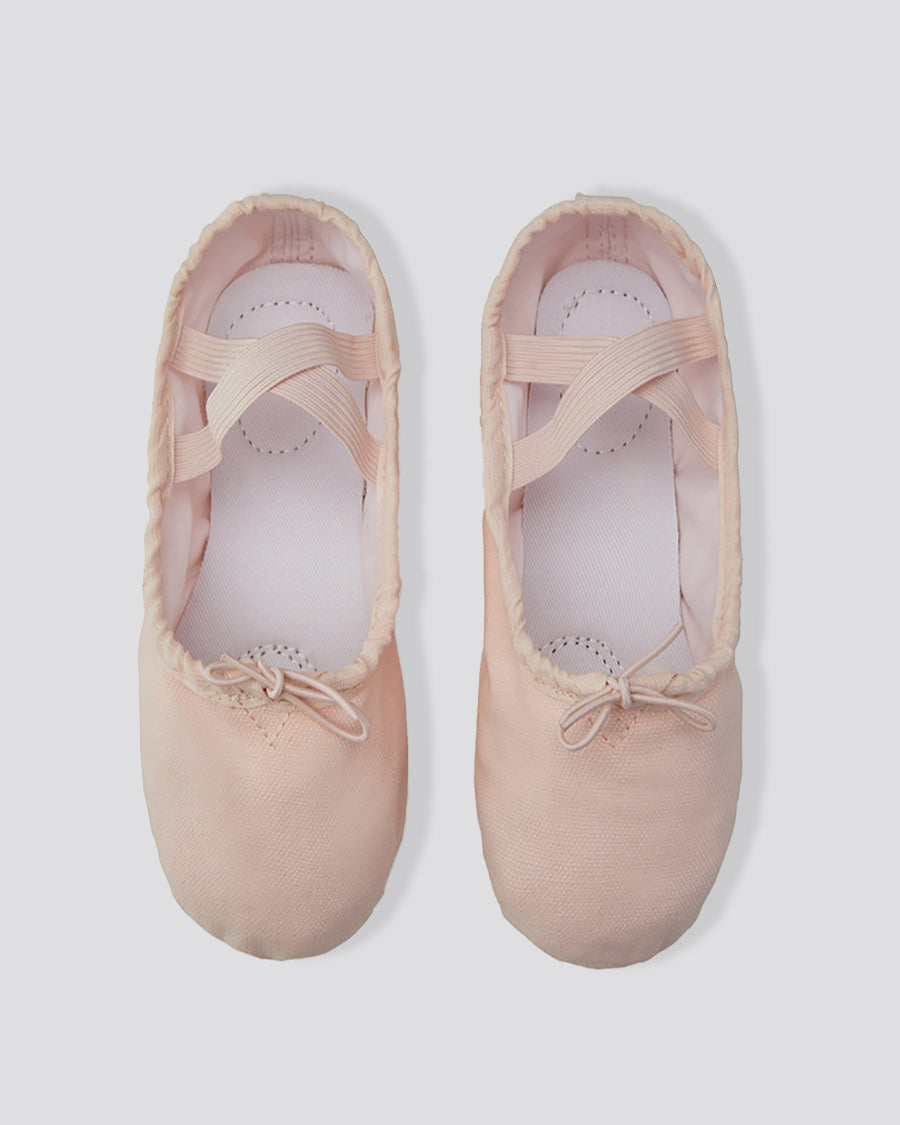
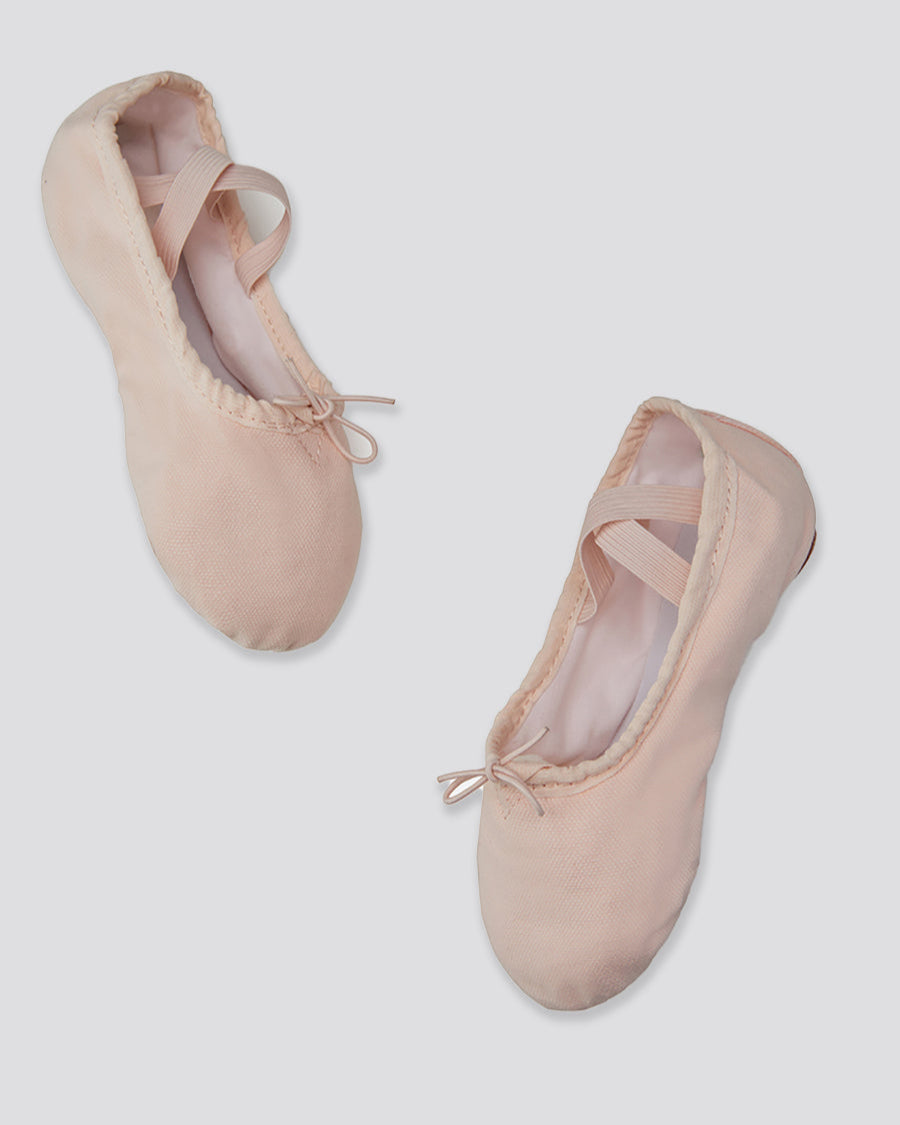
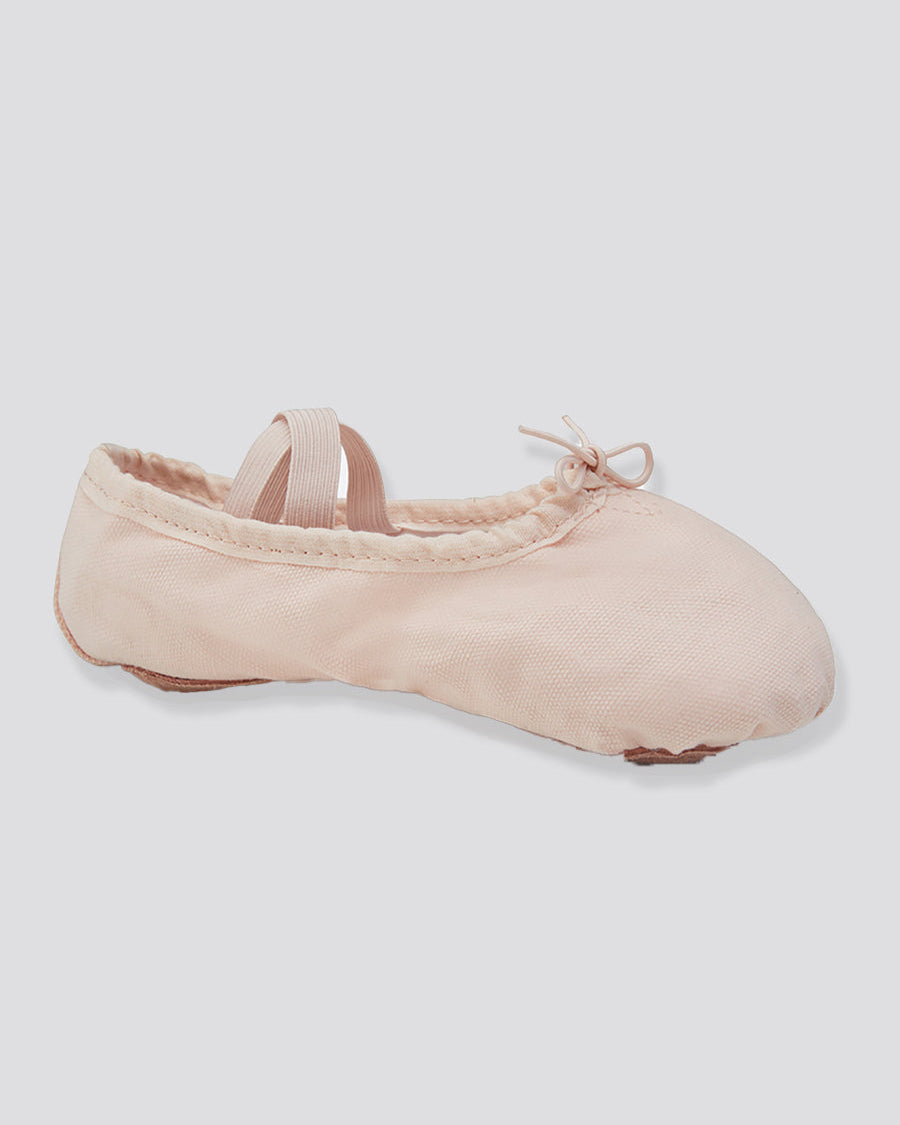
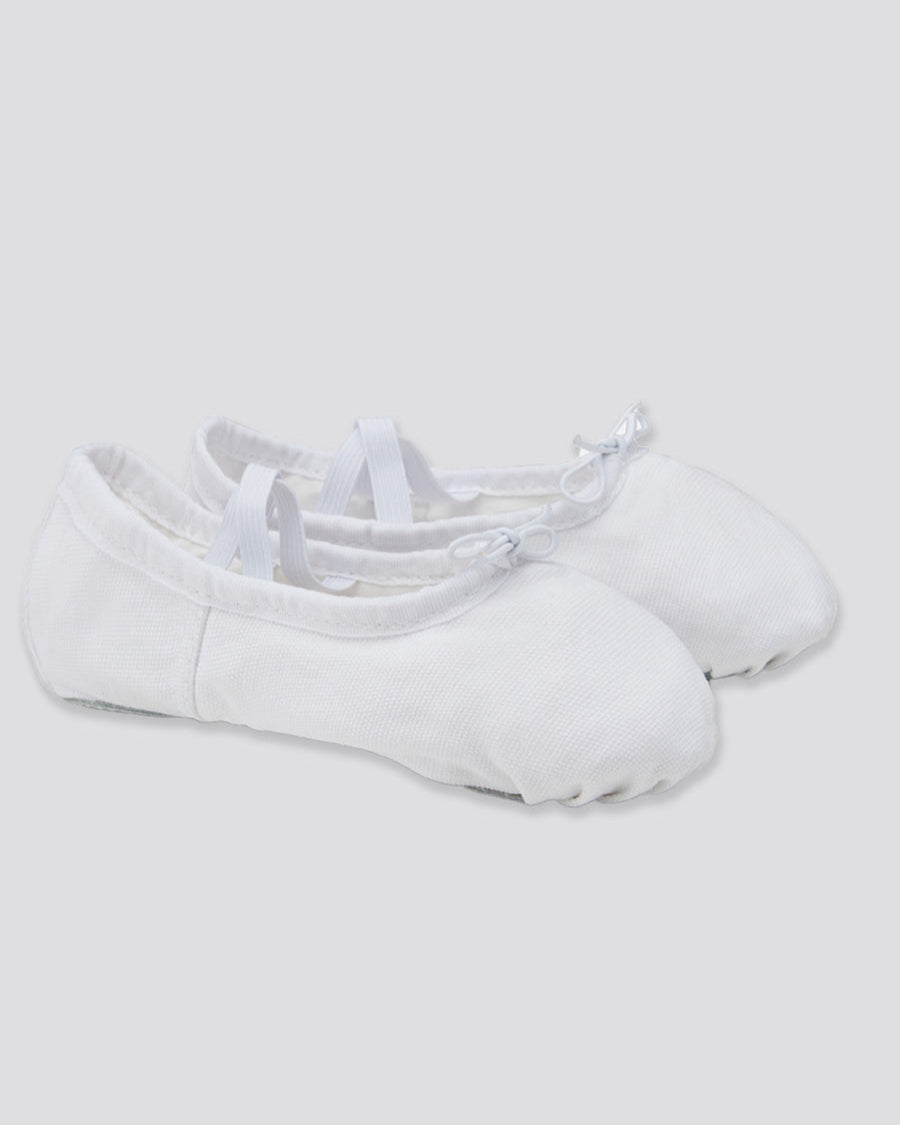
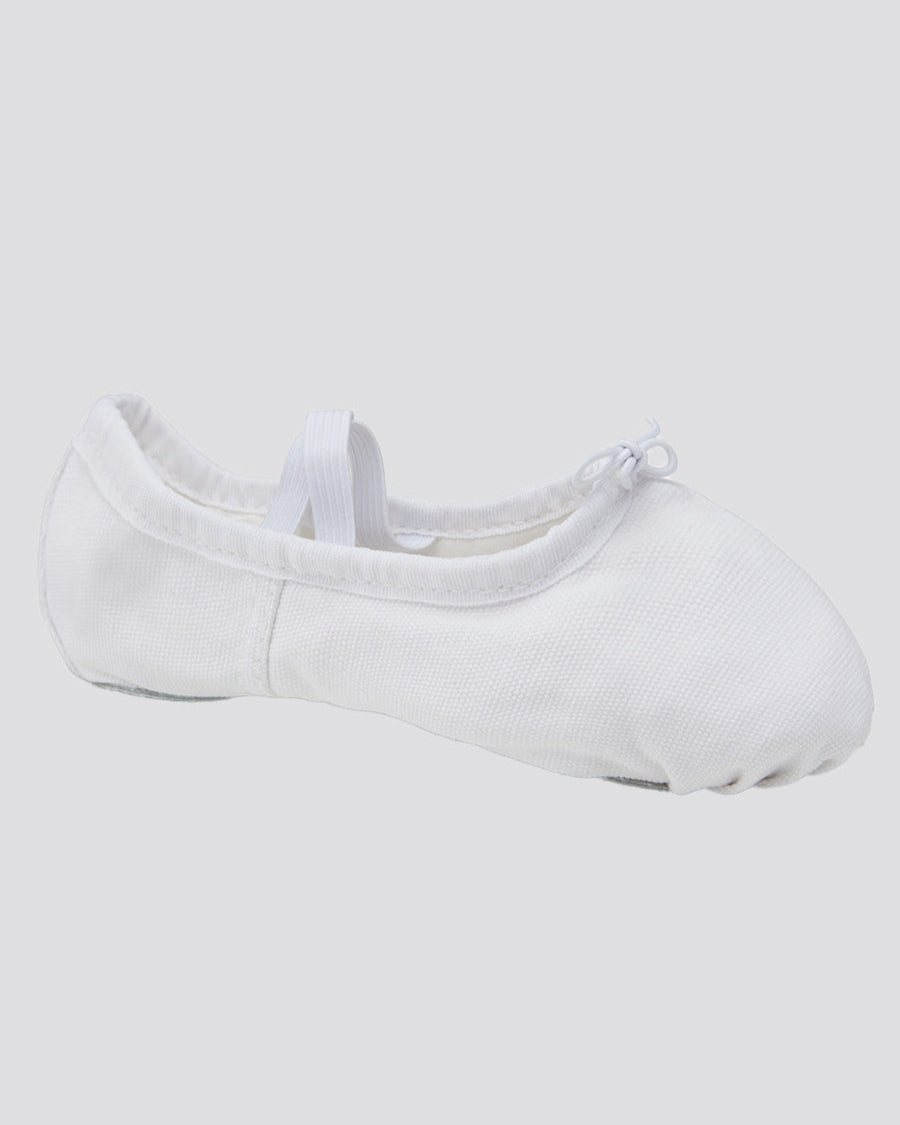
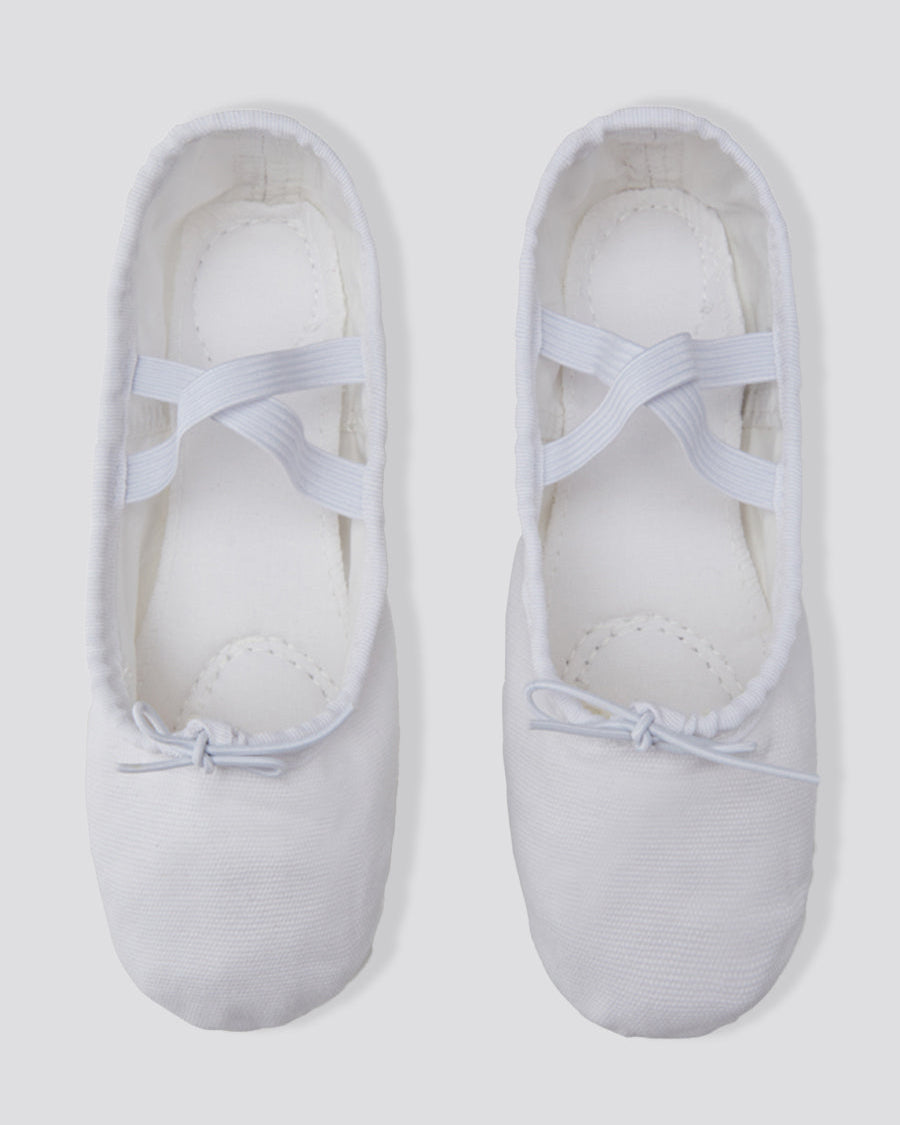
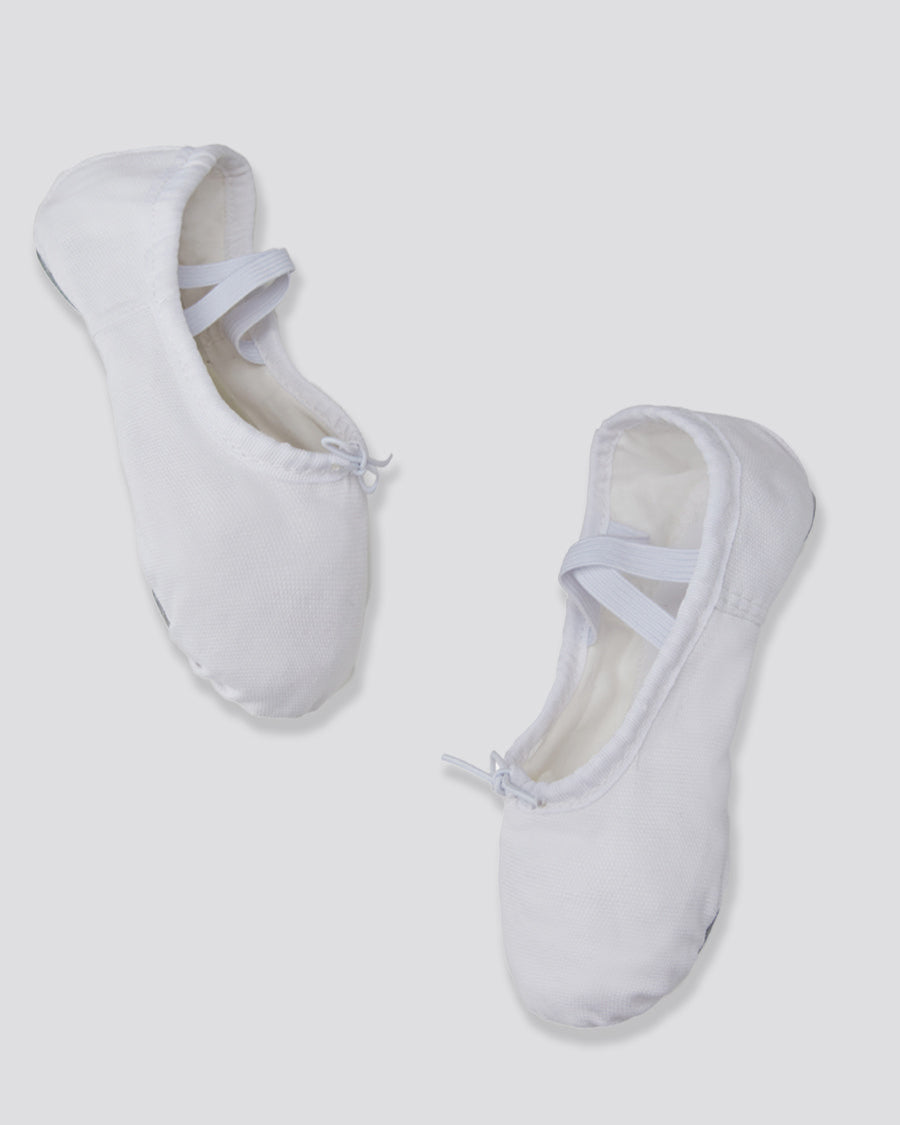
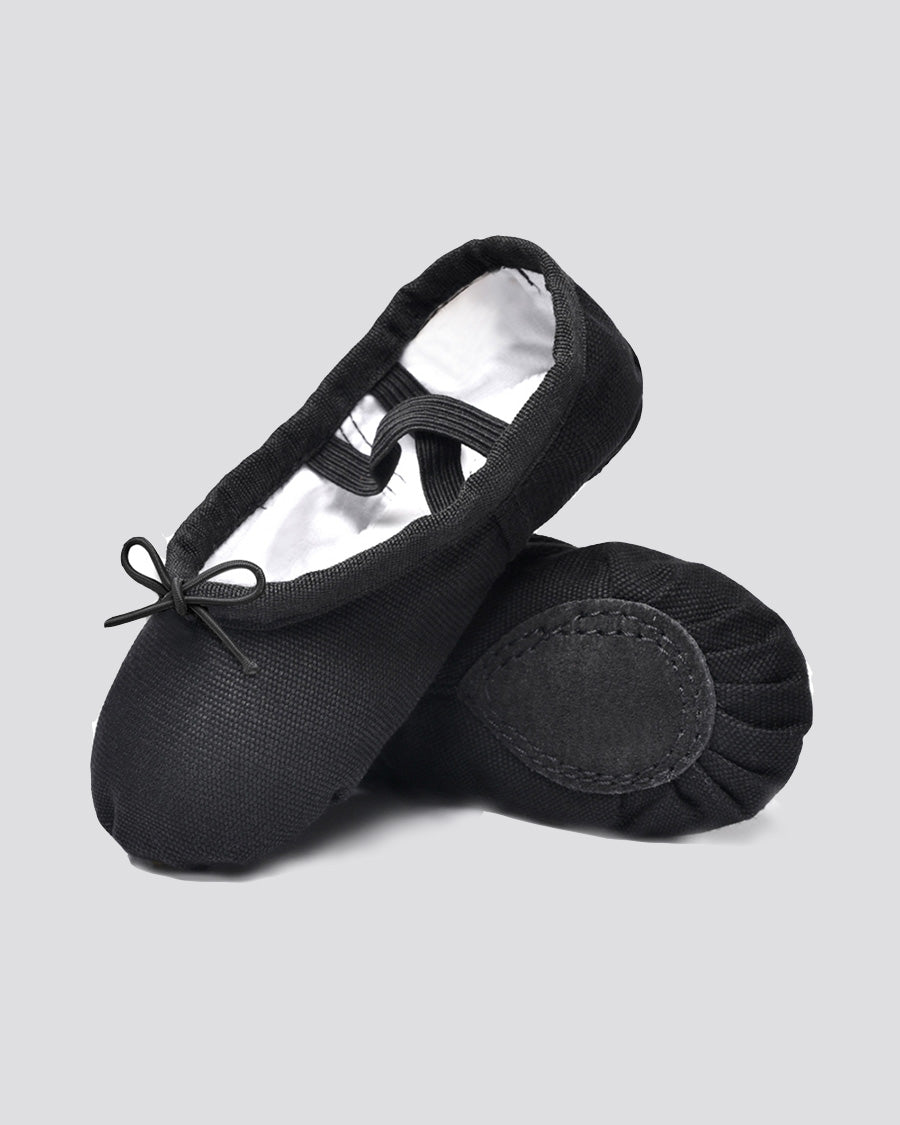
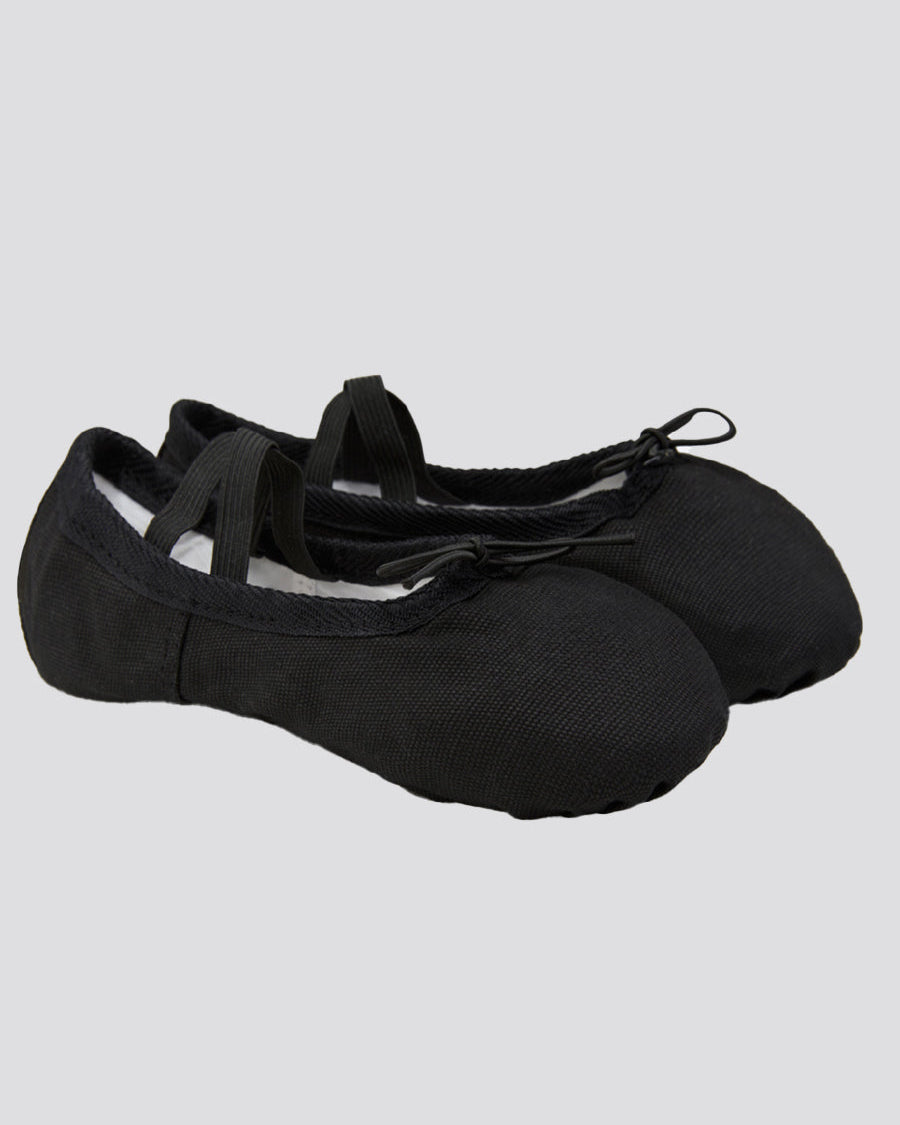
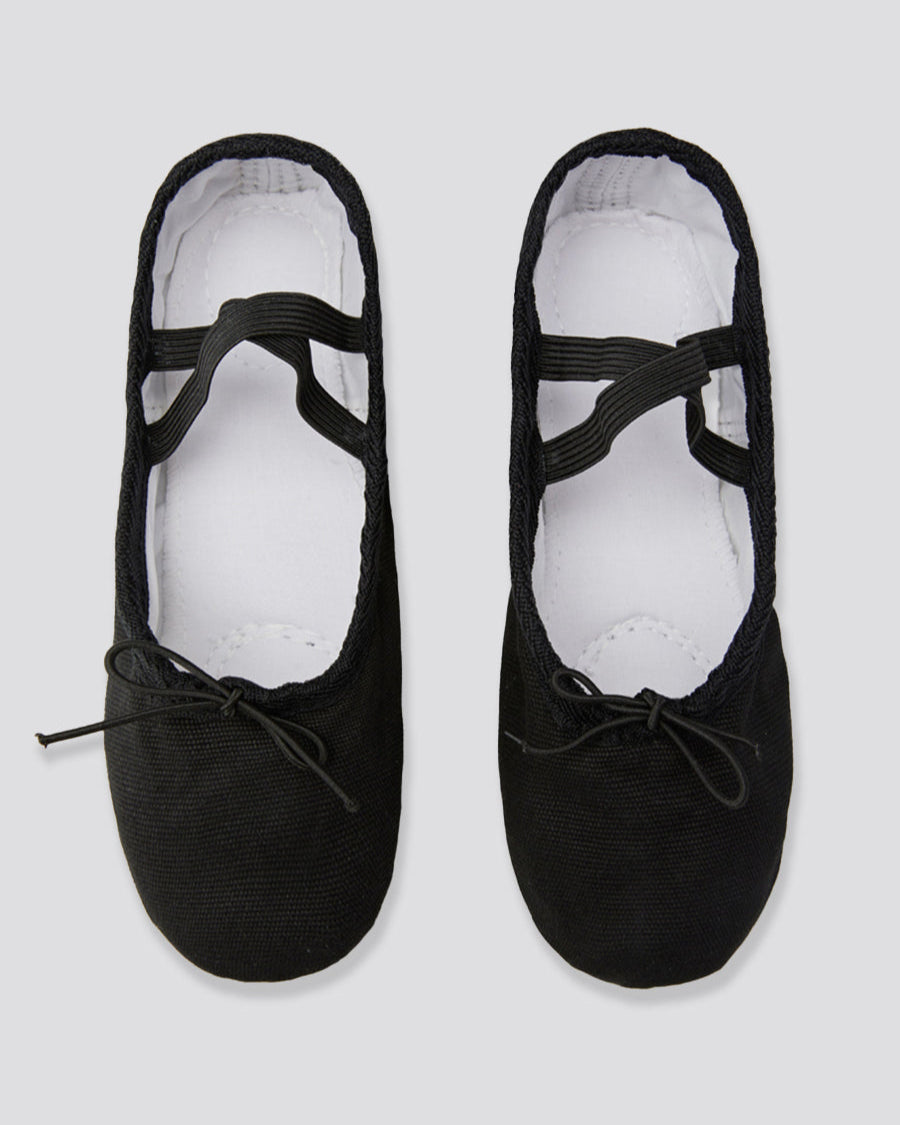
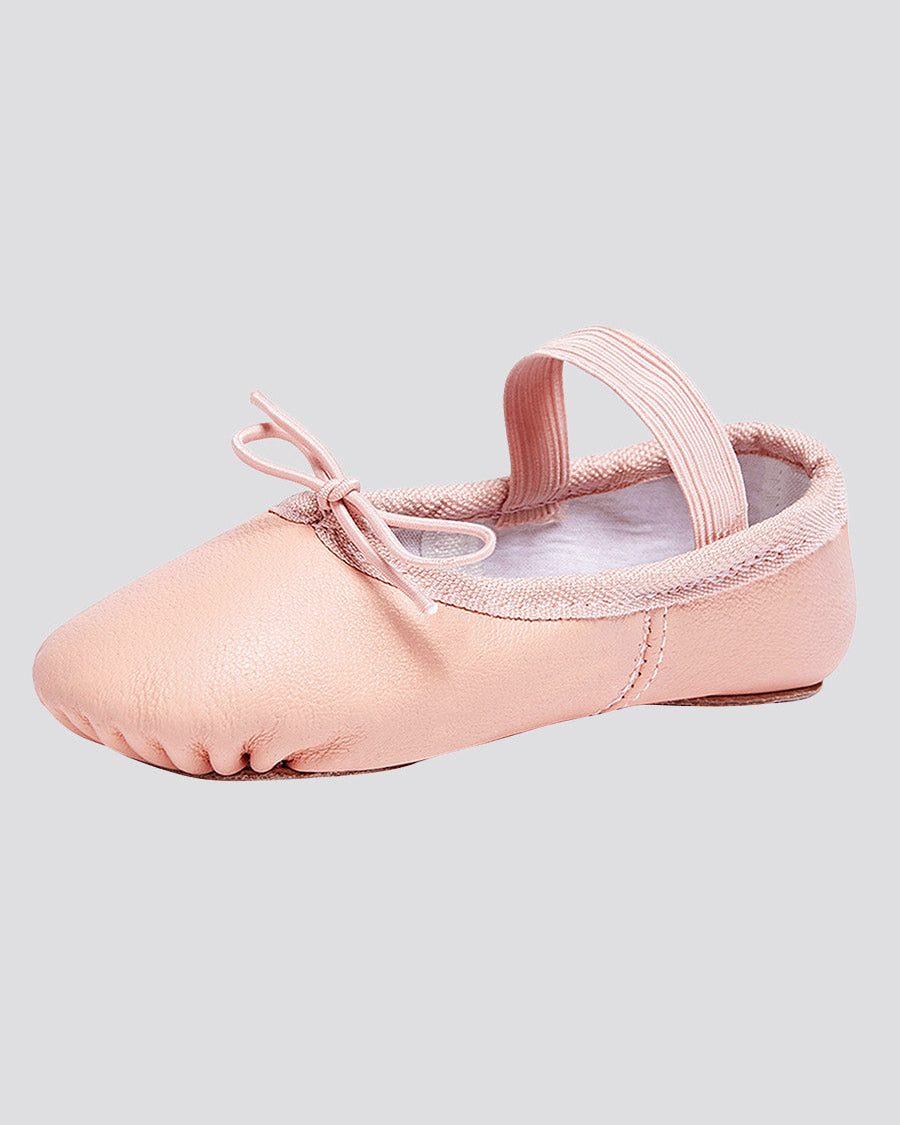
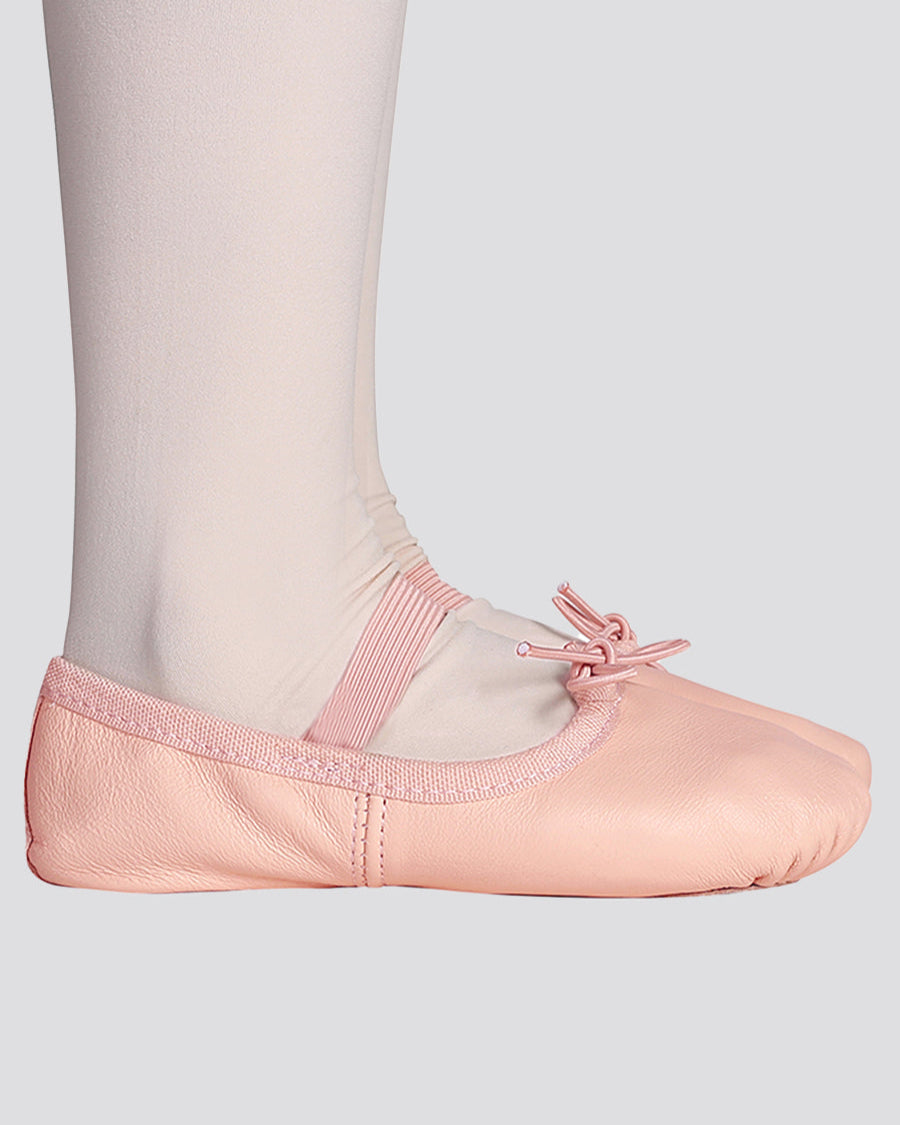
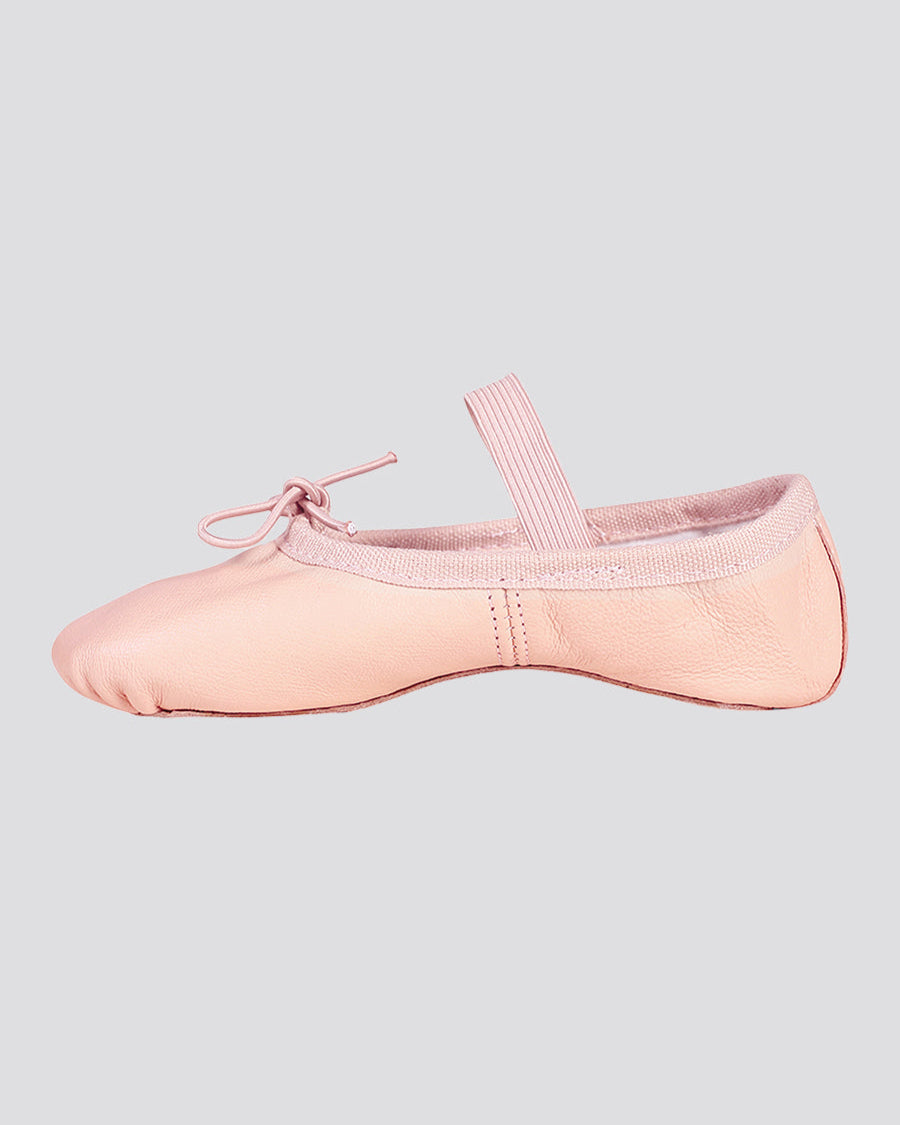
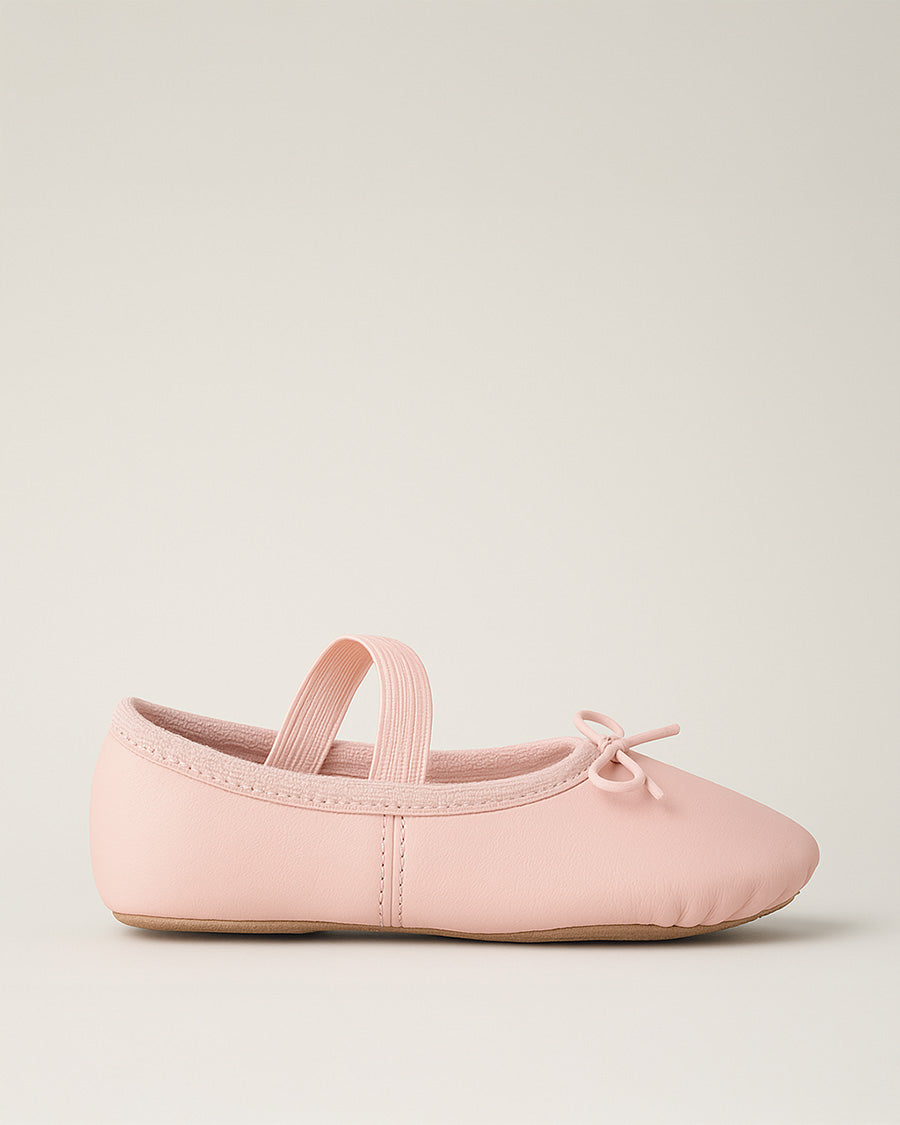
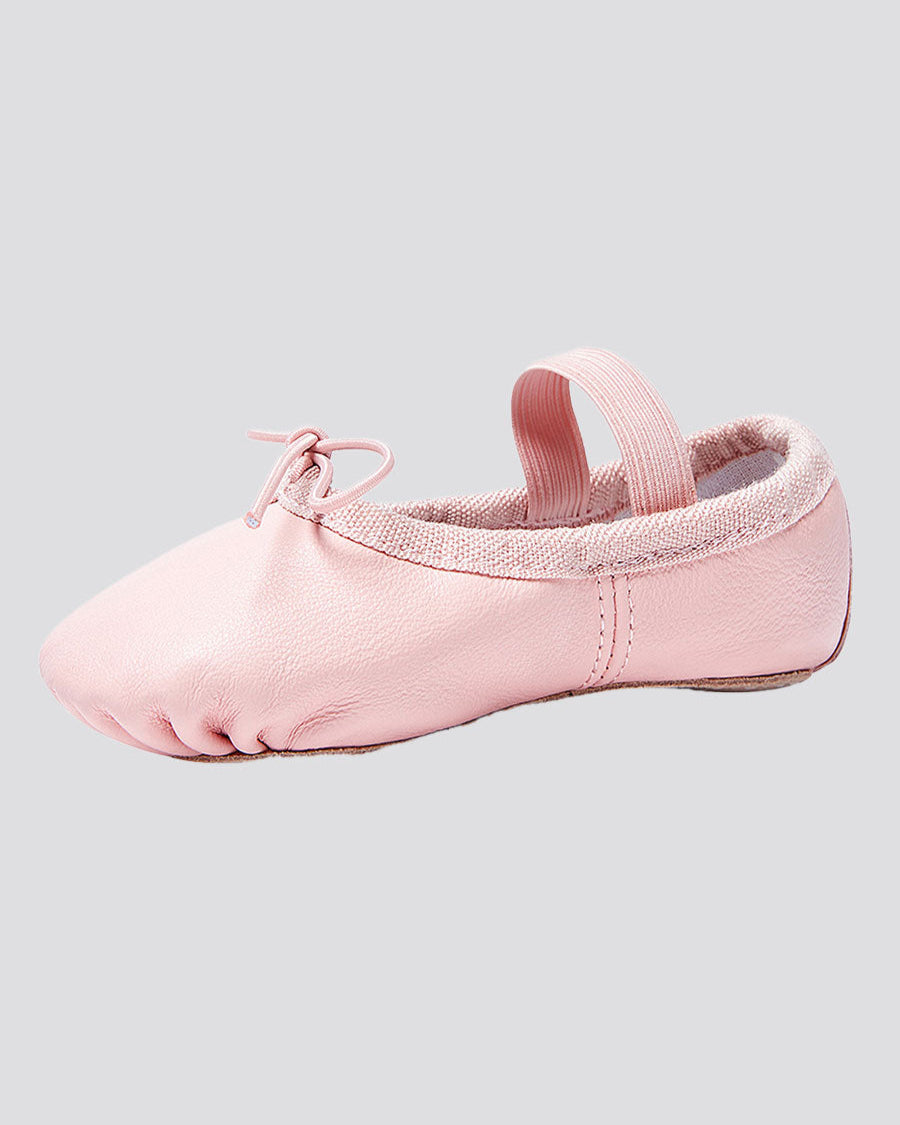
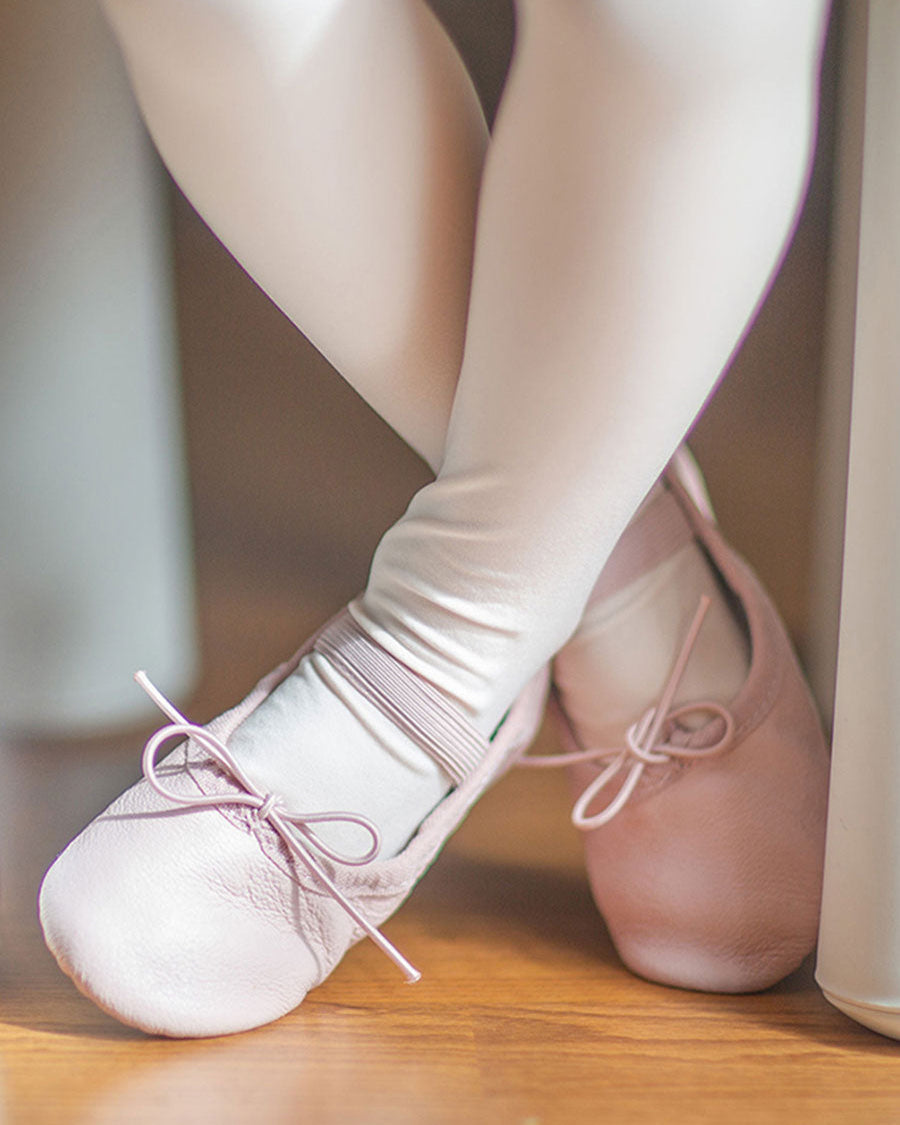
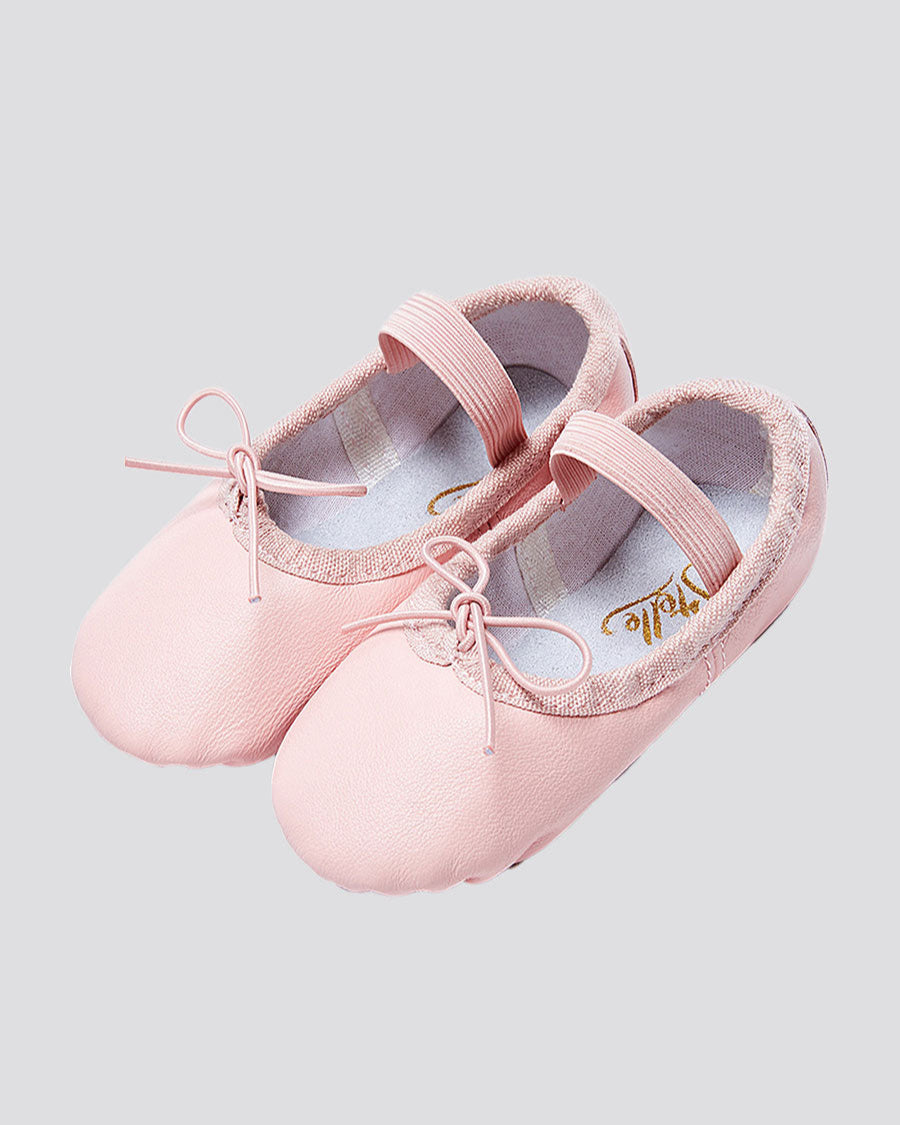
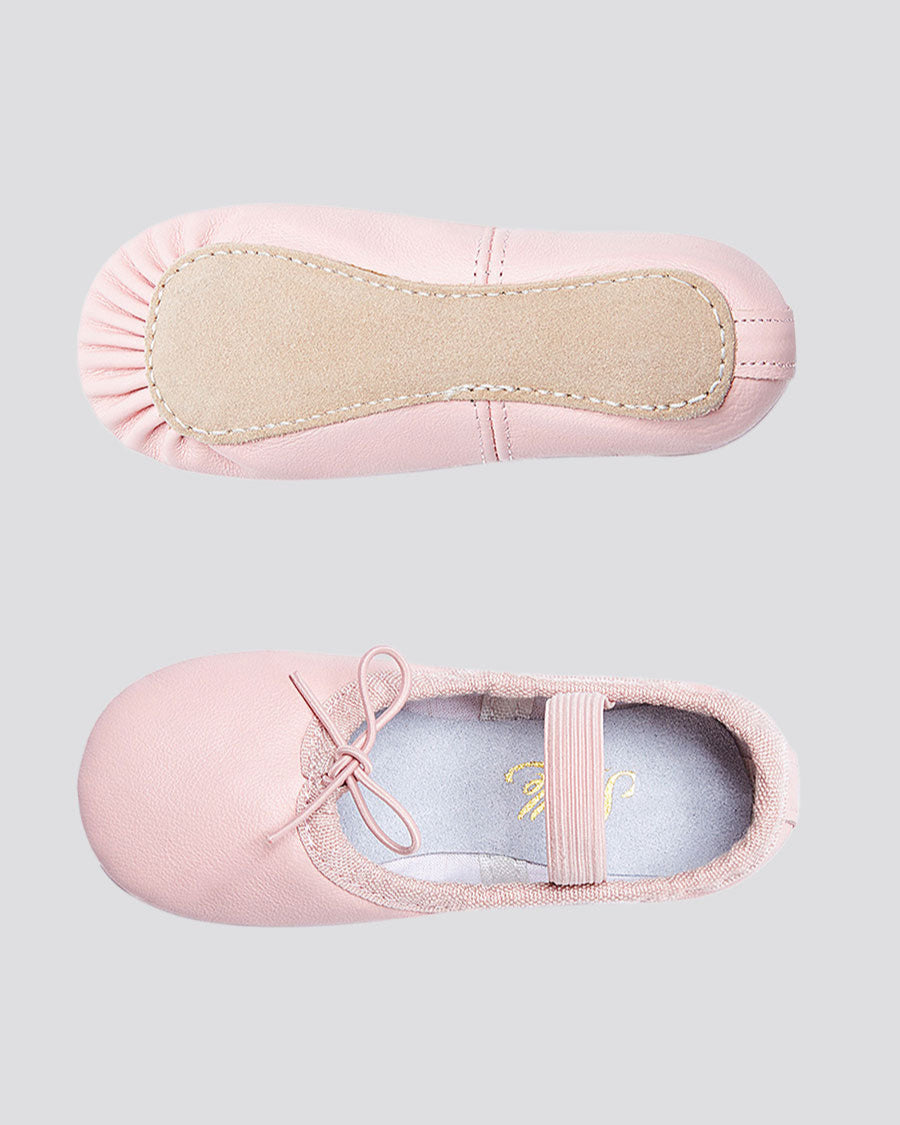
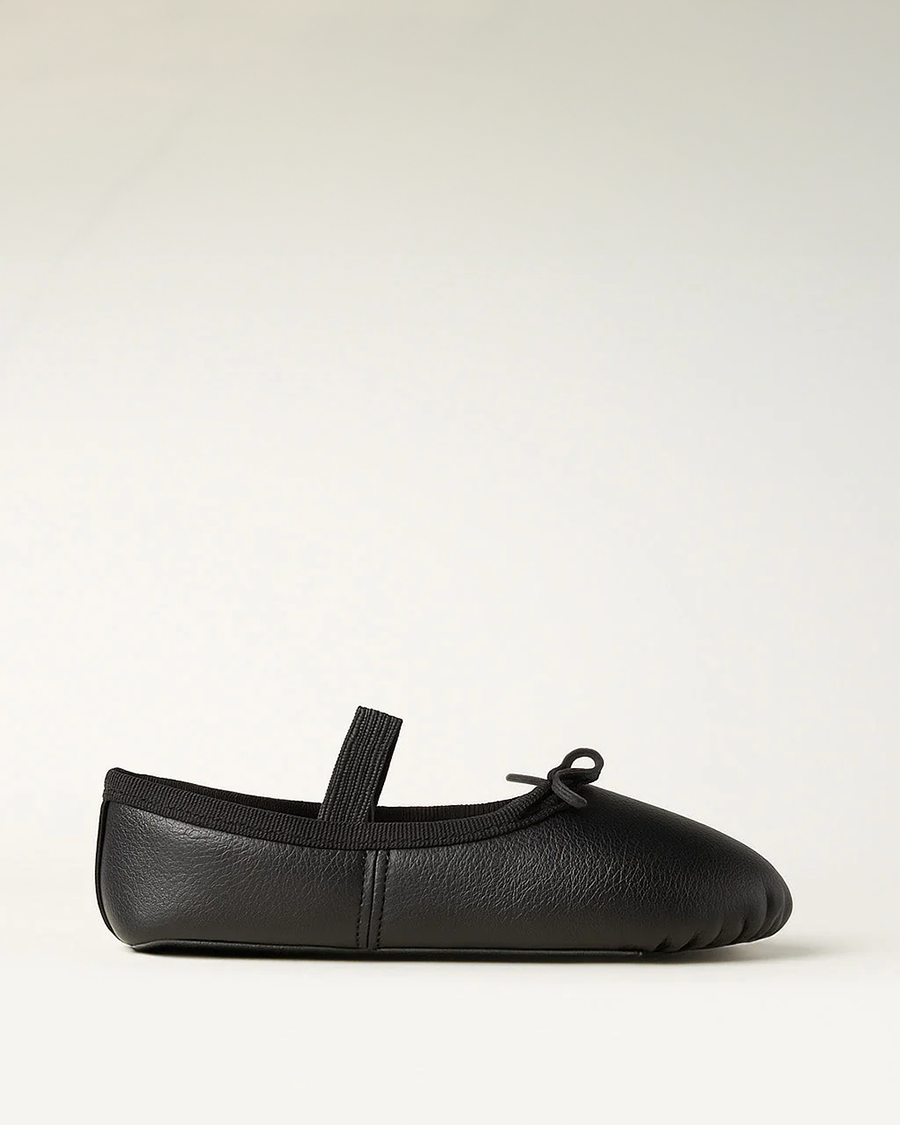
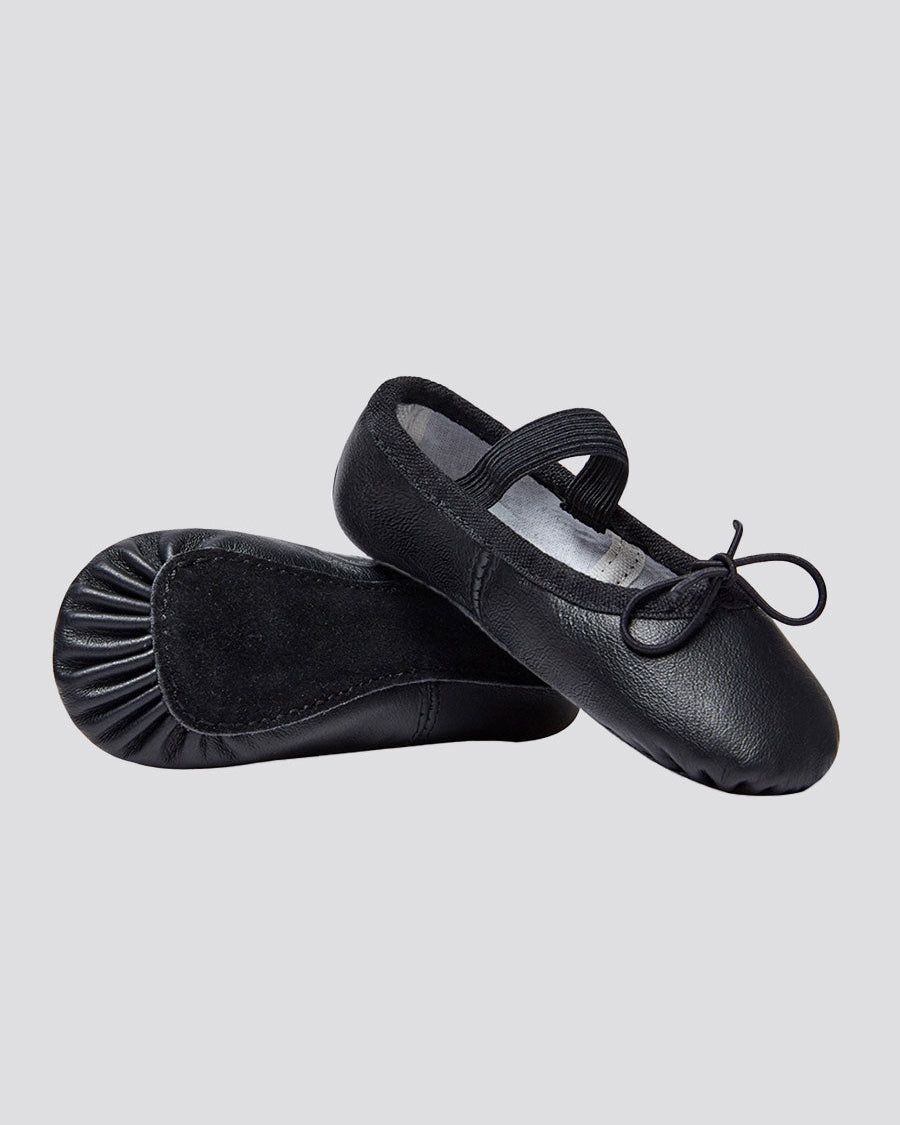
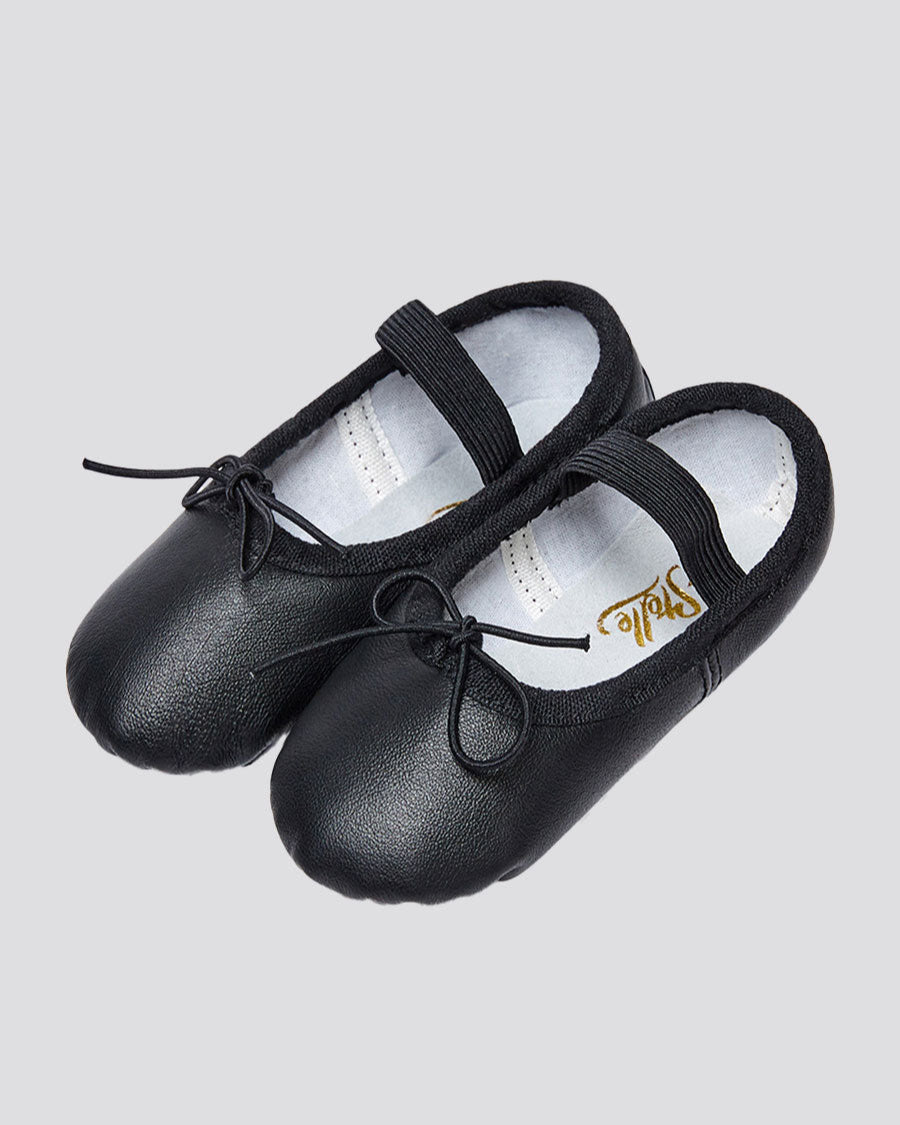
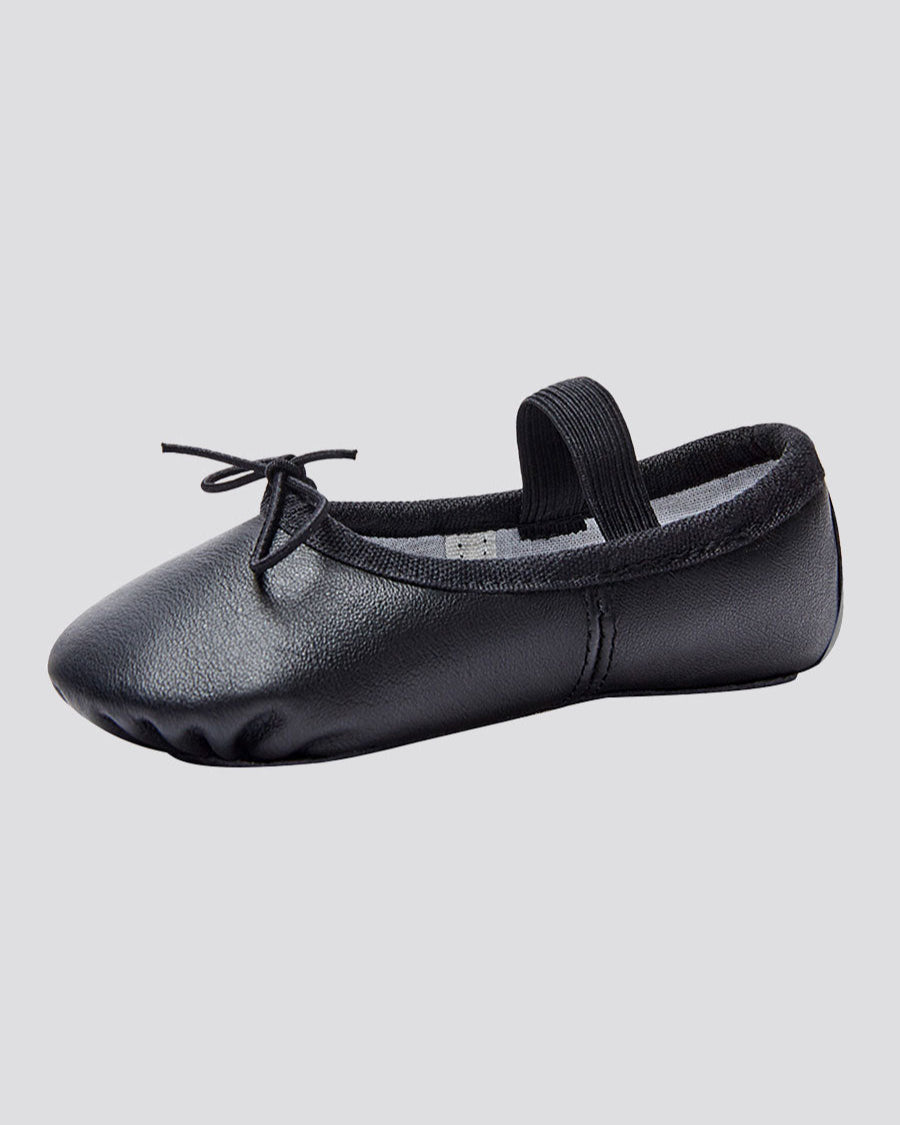
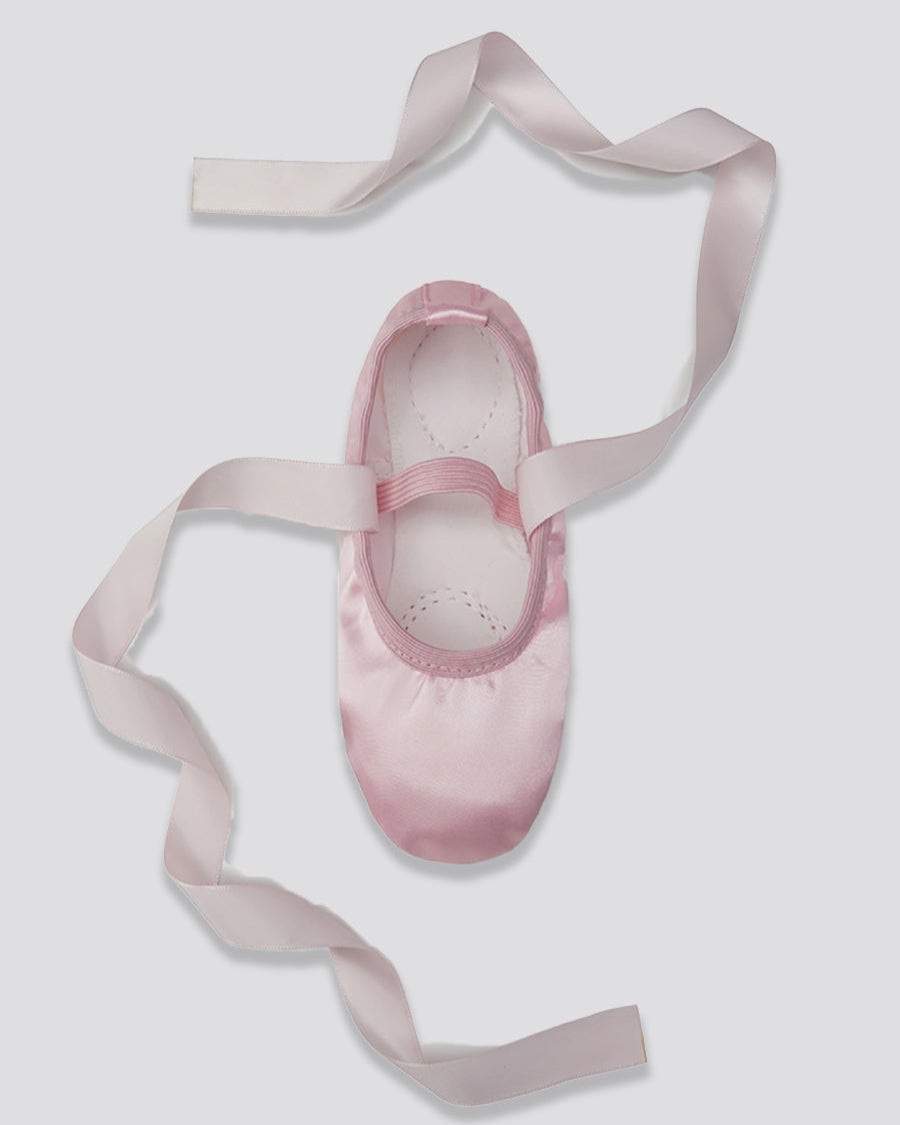
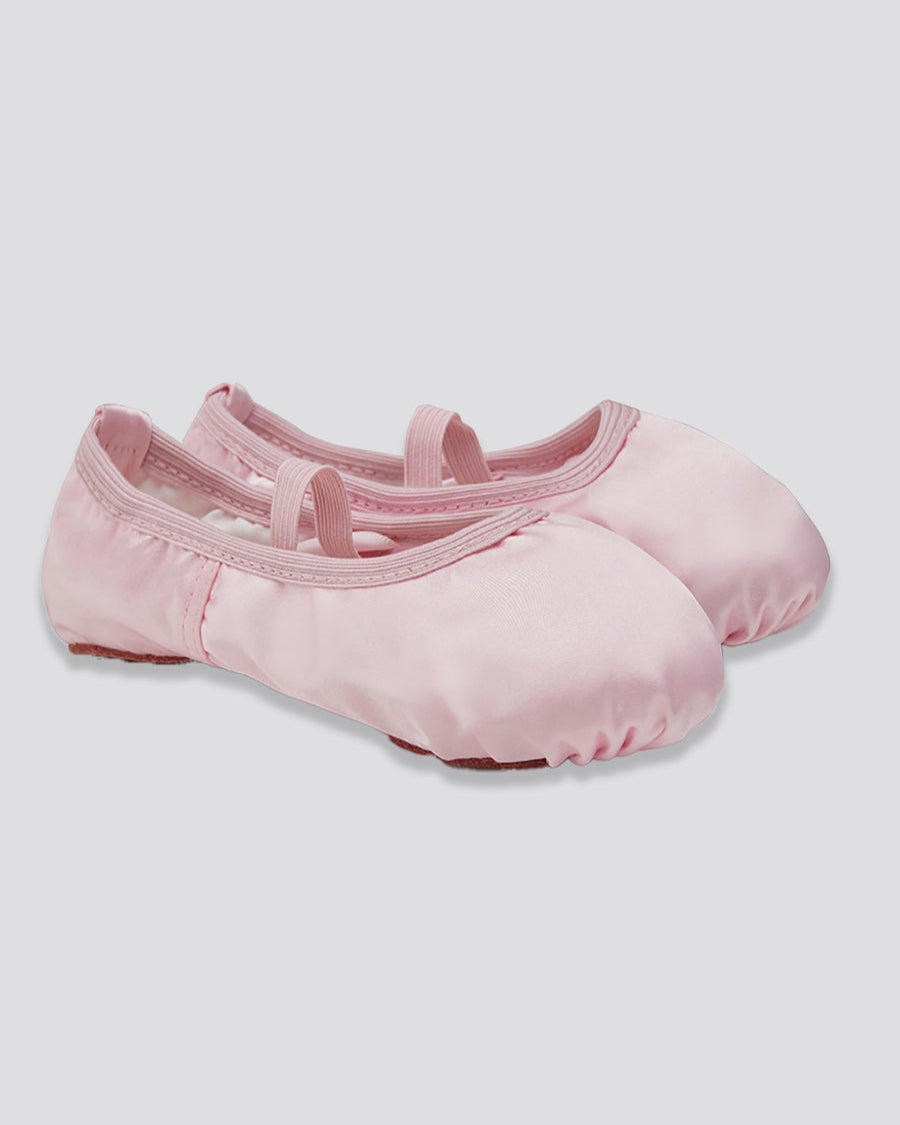
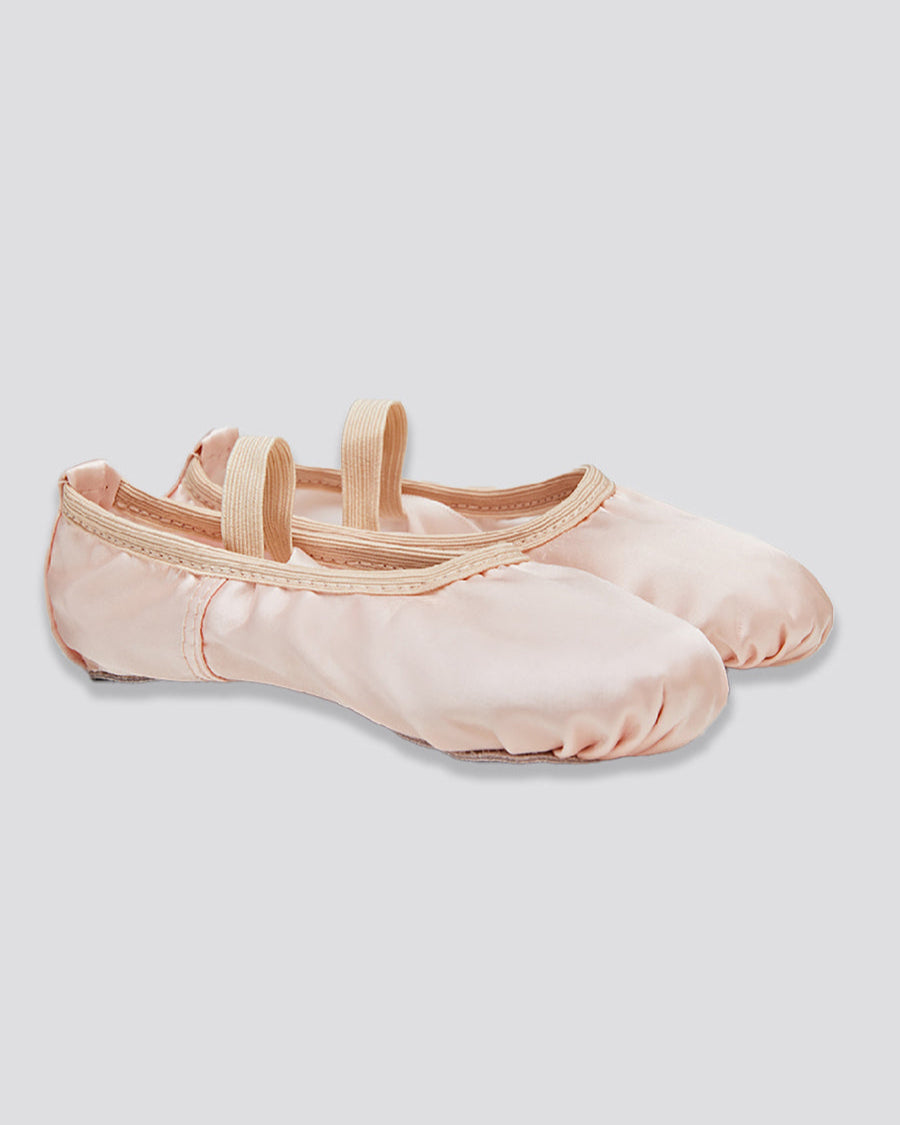
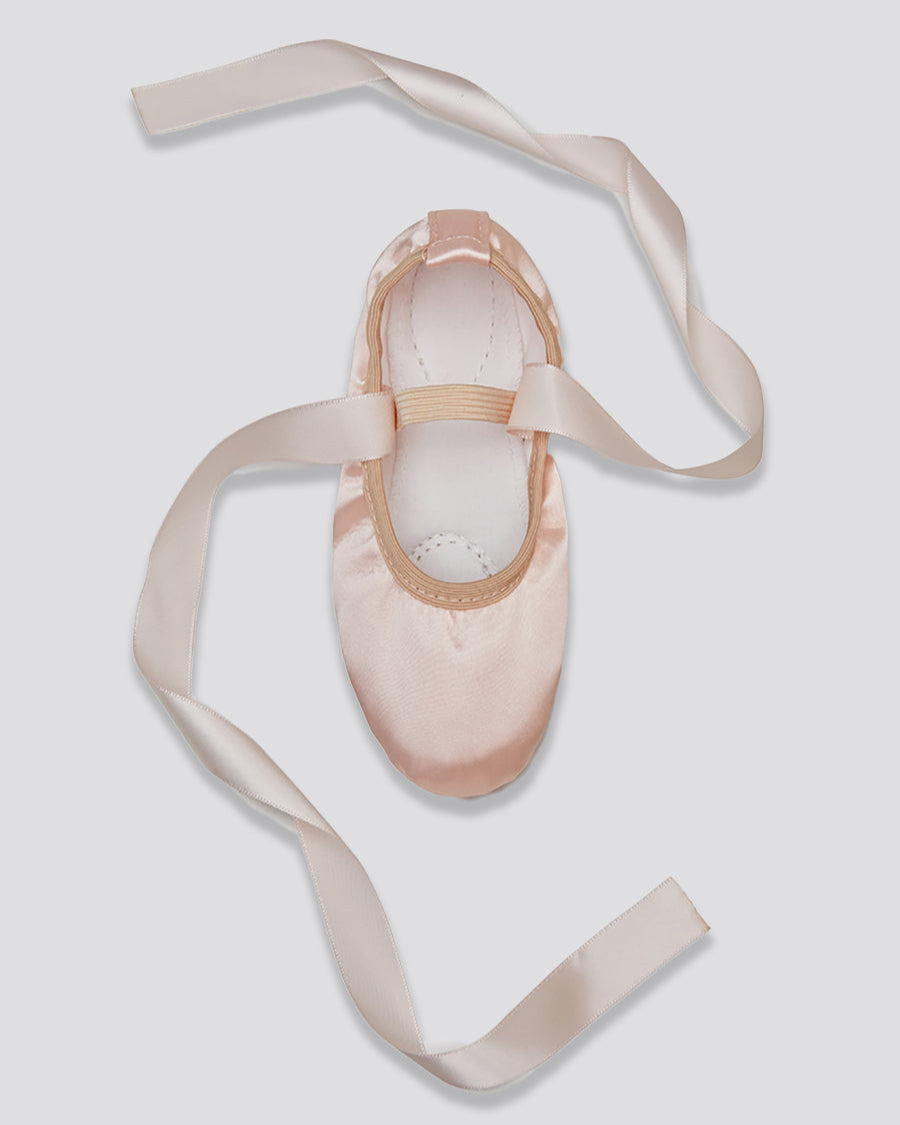
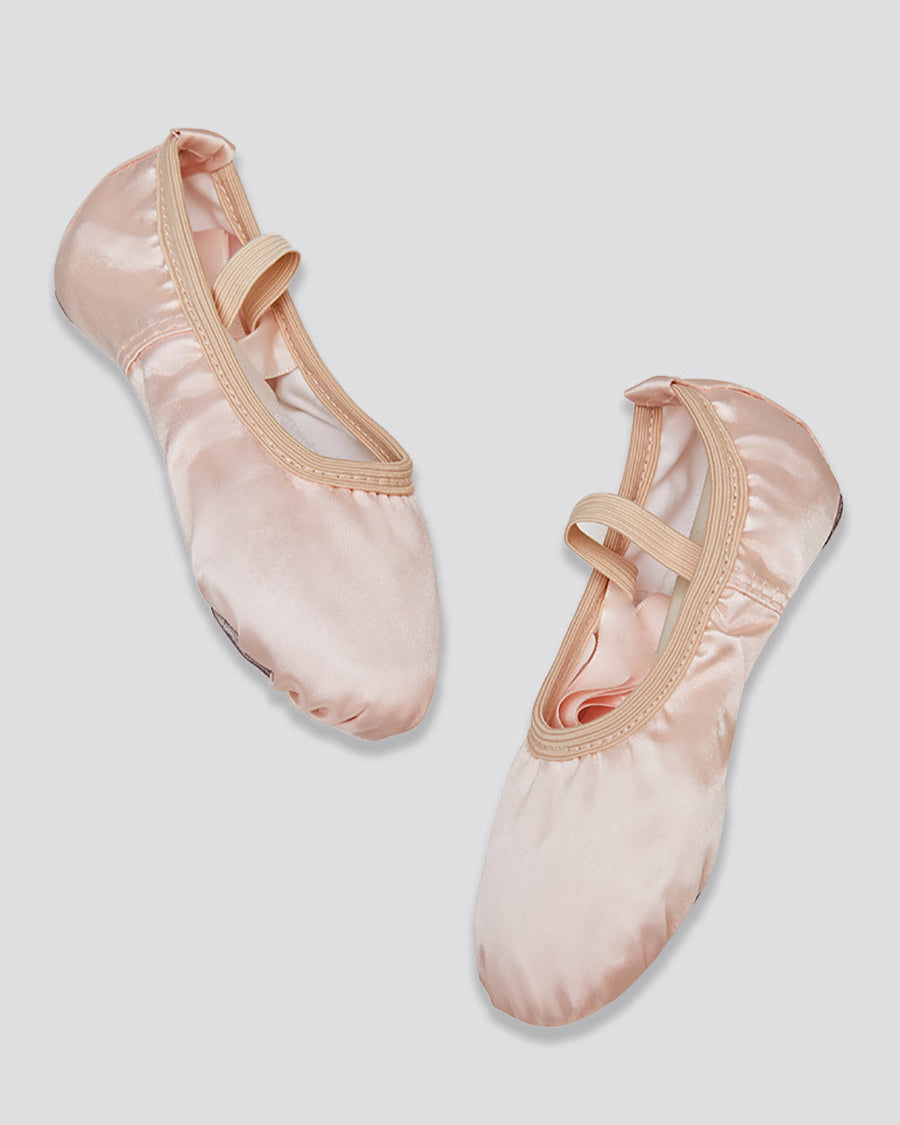
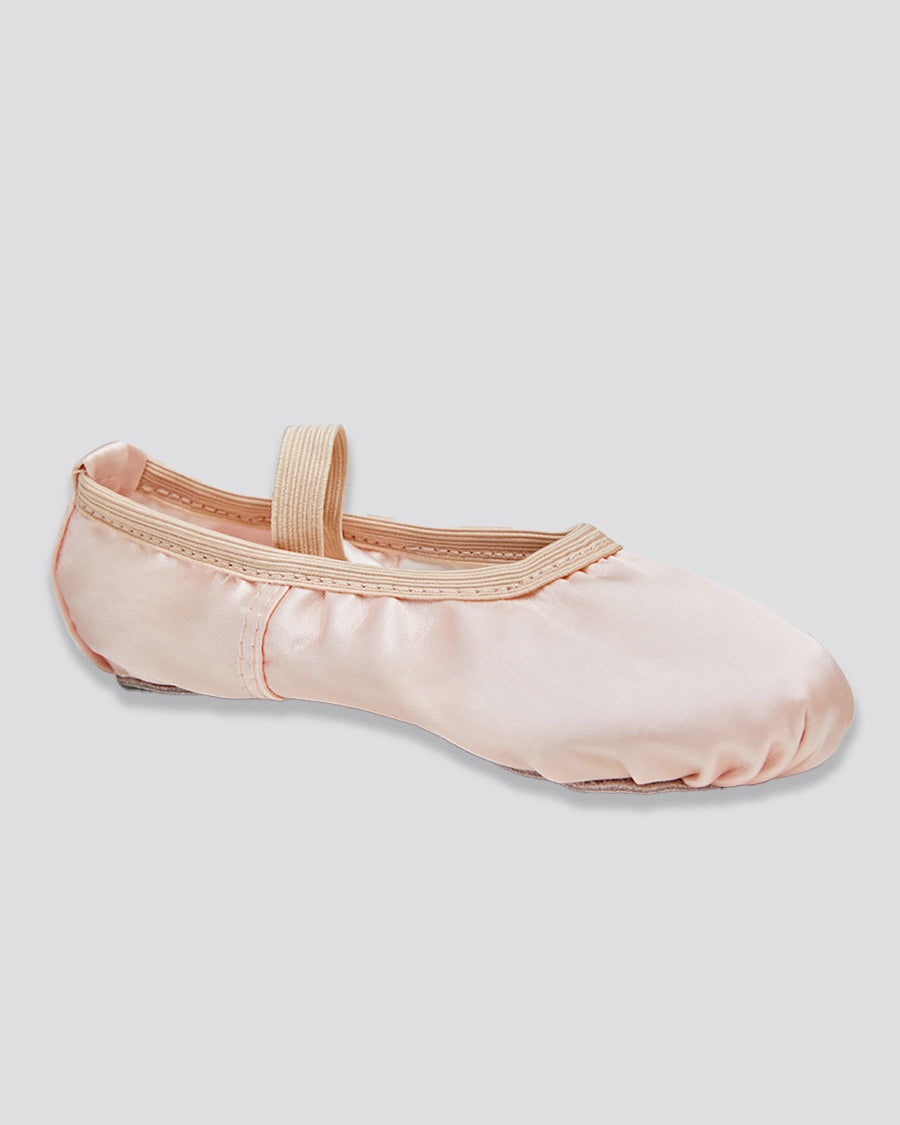
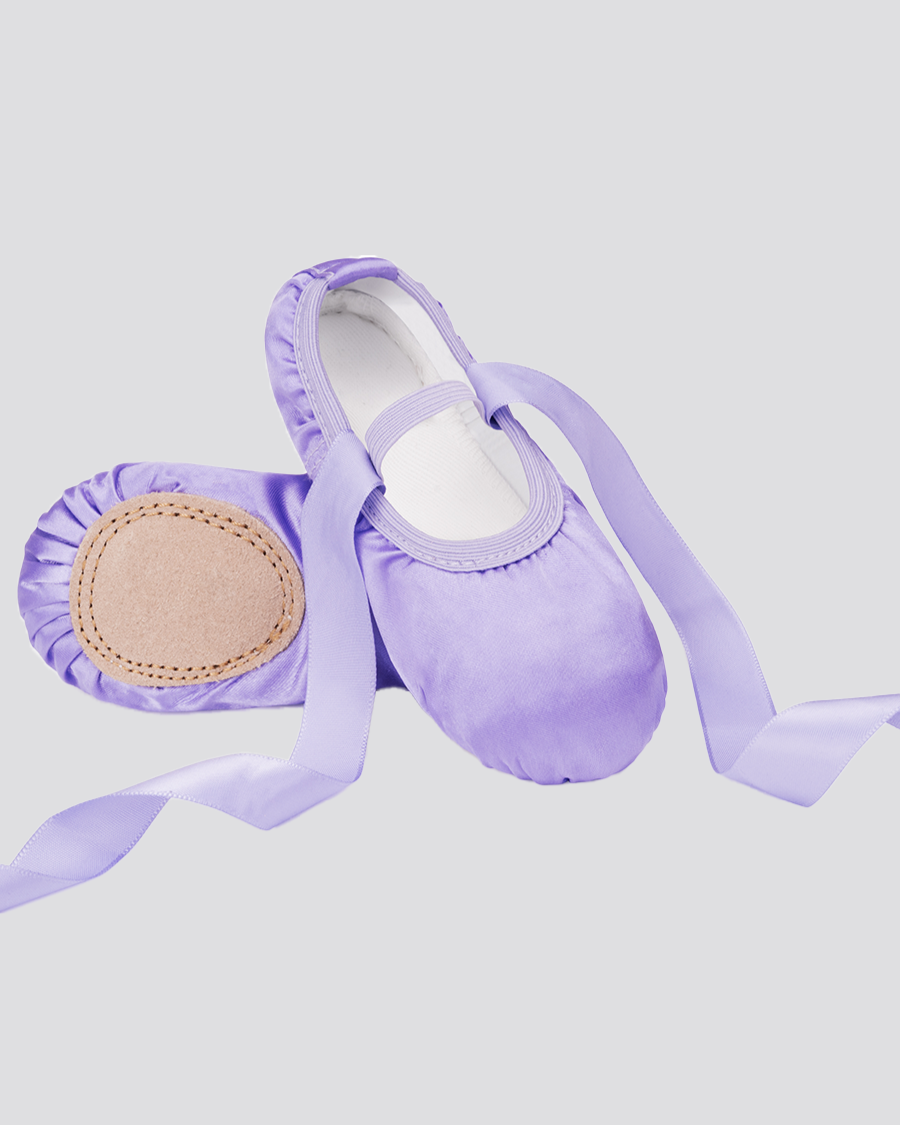
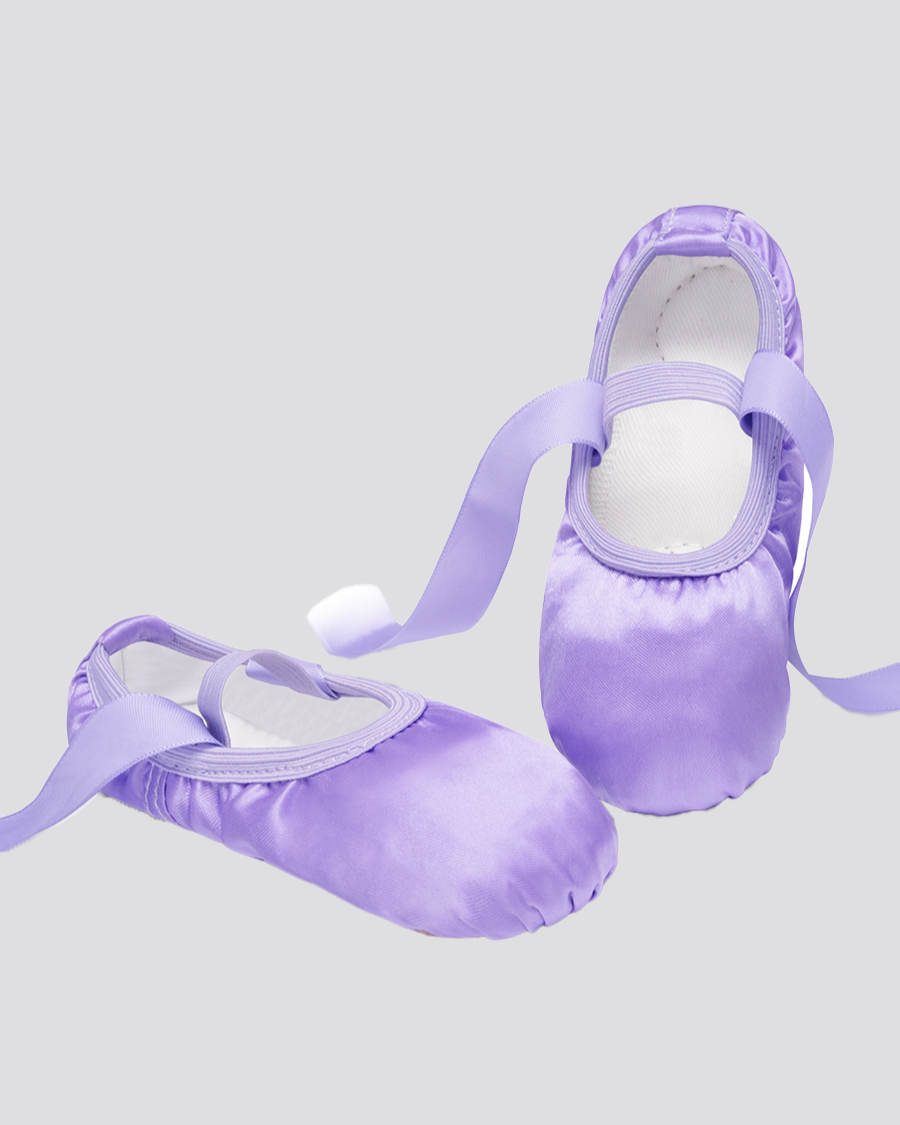
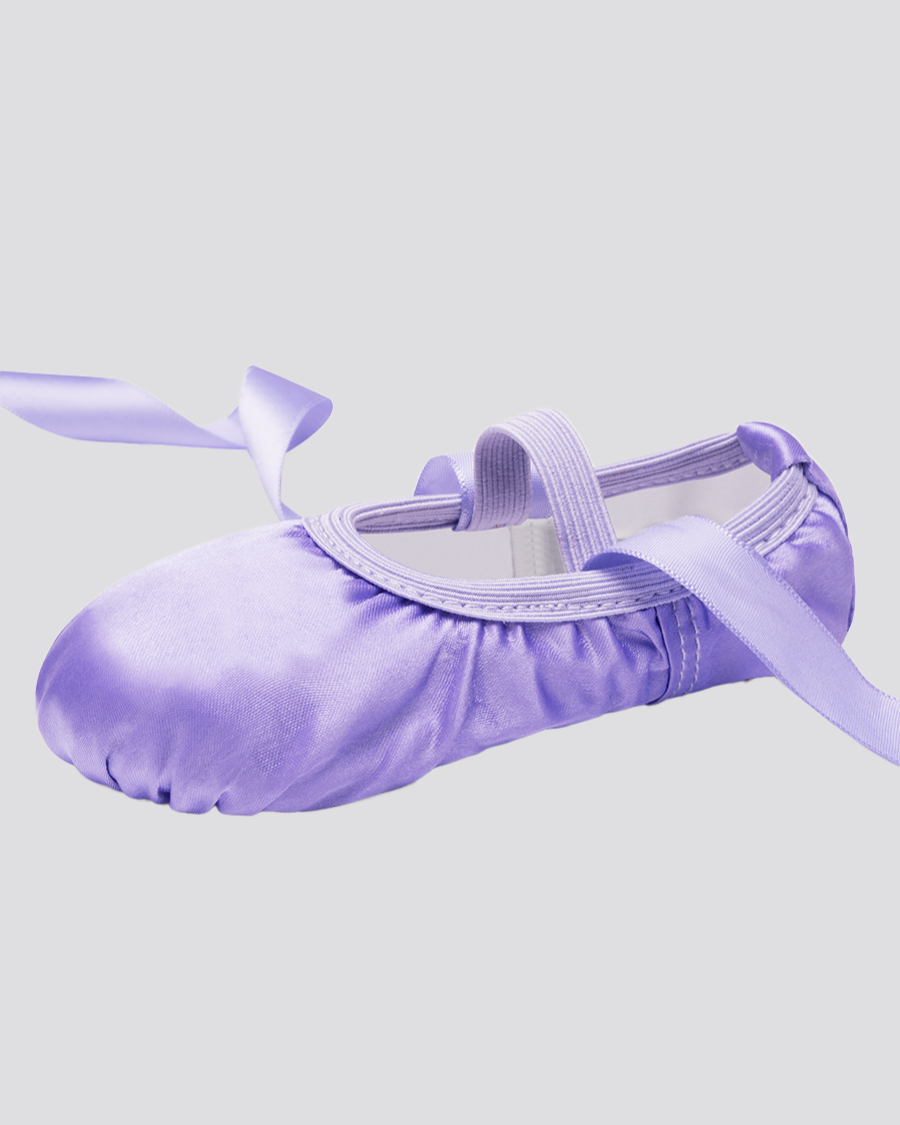
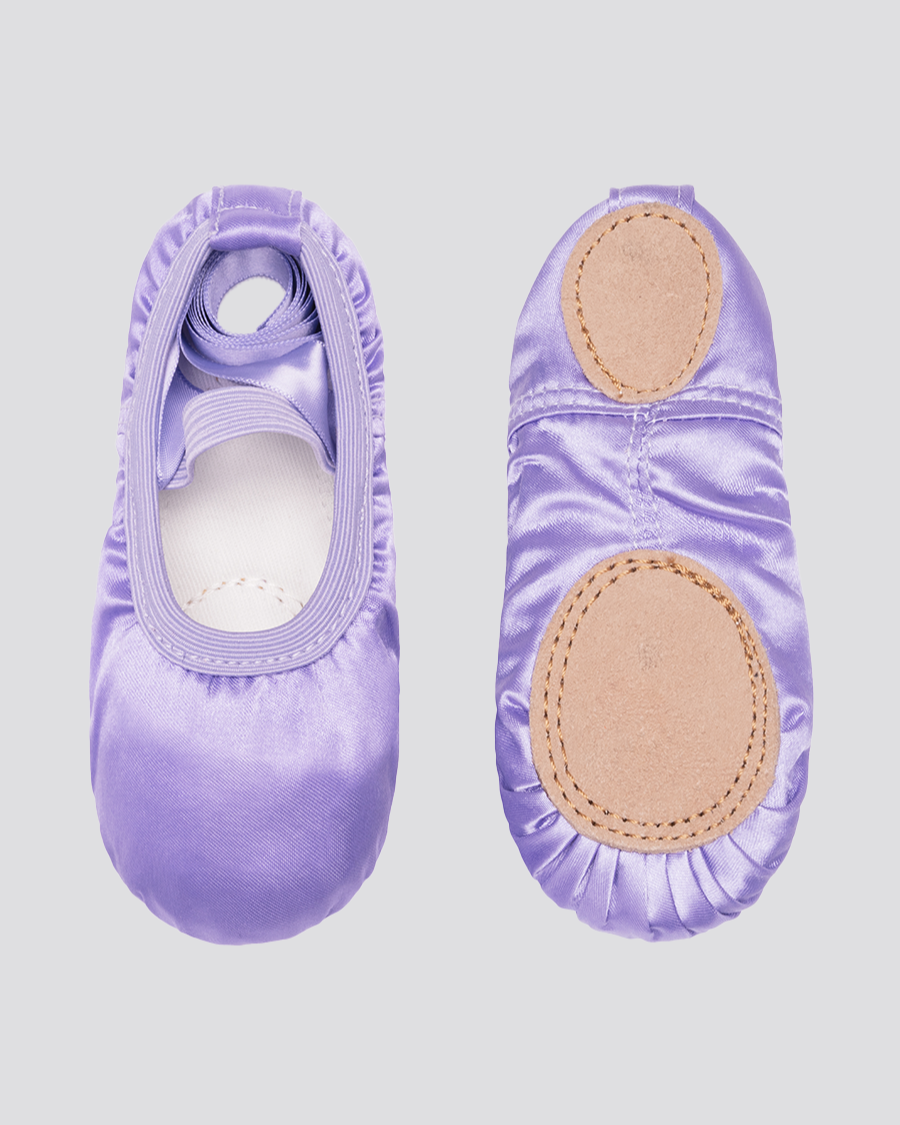
What your child wears during their dance recital can make more of a difference in their confidence than you might realize. Dressing your little performer in comfortable, well-fitted kids dancewear that they feel good in can make all the difference. When kids aren't distracted by uncomfortable clothing, they can focus on what matters most — enjoying the moment and letting their personality shine on stage.

Tip 6: Keep the experience positive
After the performance, kids often look to us to understand how they should feel about it. One meaningful way to support your child and teach them how to overcome performance anxiety is to keep the experience positive. No matter how the performance goes, celebrate it.
For example, one parent mentioned they keep things light and fun. They focus on skipping critiques and simply encouraging their child to enjoy the moment. Initiatives such as a hug, kind words, or a small treat can reinforce that stepping out there was an achievement in itself.

How to Overcome Stage Fright: What Not to Do
Sometimes, even with the best intentions, the way we respond can unintentionally make our kids feel more nervous. As parents, it’s easy to fall into a few common habits when we just want to help, but learning how to overcome performance anxiety starts with small shifts in how we support them.
Don’t pressure them
We all know that putting pressure on a child can quickly make them lose interest altogether. That’s why it’s helpful not to place too much emphasis on the performance itself. We find that a better way to support our little dancers is to remind them that they don’t have to be perfect; they just need to put themselves out there and focus on having fun.
Don’t compare with other kids
Every child is different, and comparing them to others can chip away at their confidence, often making stage fear even worse. Instead of pointing out those who seem to take the stage with ease, skip the comparisons and focus on where your child is thriving.
Don’t dismiss their feelings
Try not to make statements that dismiss a child’s feelings. Saying things like “it’s not a big deal” may seem reassuring at first, but it can actually lead to your little one feeling misunderstood or isolated. Many parents find it helps to acknowledge what they’re feeling and gently remind them that it’s completely okay to be nervous.
Confidence Grows One Step at a Time
Every confident performer starts a bit nervous. Stage fright and performance anxiety are completely normal, especially for children still learning how to navigate new experiences.
With patience, encouragement, and the right support, your child can learn how to overcome stage fright and build lasting confidence. Over time, those nervous moments will start to feel smaller and may even turn into excitement. Remember, confidence won’t happen overnight, but with consistent support and effort, you can help your little one thrive in the spotlight.
Want to help your child feel even more confident on stage? Read What Parents Should Prepare Backstage for a Dance Recital from Stelle.