



Jazz vs Ballet for Kids: Real Differences
Table of contents
Quick answer
Ballet is a formal, codified technique built on turnout, posture, and precision, while jazz is a rhythm-driven American style built on groundedness, isolations, and personality. For the jazz vs ballet decision, most kids can start with either one: ballet suits children who like structure and quiet focus, jazz suits kids who want upbeat music and faster-moving classes, and plenty of young dancers end up taking both.
Key takeaways
-
Ballet technique was codified in European courts in the 1600s; jazz dance grew out of Black American social dance alongside jazz music.
-
Ballet works in turned-out positions with a lifted, vertical posture. Jazz works mostly in parallel, with a lower center of gravity and bent-knee, grounded movement.
-
The famous pirouette difference: ballet turns are prepared and executed turned out, while jazz turns usually happen in parallel position.
-
Ballet classes tend to be quieter and more repetitive; jazz classes are louder, faster, and choreography-heavy.
-
Ballet and jazz sharpen different things: ballet builds alignment and control, jazz builds musicality and performance ease, and training in one measurably helps the other, with ballet's technique carrying into jazz a bit more directly.
-
Neither style is the wrong choice for a beginner. Match the class to your child's temperament, then stay flexible.
Where each style comes from
The two styles have almost opposite family trees, and that history explains most of what you'll see in class.
Ballet is the older, more formal system. It grew out of European court dance, and its five basic positions were codified by ballet master Pierre Beauchamp around 1680. Britannica defines ballet as theatrical dance built on a formal academic technique, the danse d'ecole, which is a fancy way of saying every step has a fixed name, shape, and correct execution. A plié in Paris is a plié in Phoenix. Our guide to basic ballet moves walks through those named steps one at a time.
Jazz dance is American and much younger. It emerged from Black American social dance and spread alongside jazz music itself, exploding in popularity during the swing era of the 1930s and 40s. Jazz scholar Melanie George, writing for Jacob's Pillow, describes its core elements as groundedness, bent limbs, isolations, syncopation, and improvisation, rooted in West African movement traditions filtered through American culture. Where ballet reaches up and out, jazz sinks into the floor and plays with the beat.
If your child is still deciding between styles more broadly, our guide to types of dances walks through the full menu.
Jazz vs ballet at a glance
|
Ballet |
Jazz |
|
|---|---|---|
|
Roots |
European courts, 1600s |
Black American social dance, early 20th century |
|
Leg positions |
Turned out from the hips |
Mostly parallel |
|
Posture |
Tall, lifted, vertical |
Grounded, lower center of gravity, articulated torso |
|
Music |
Classical, usually piano in class |
Pop, Broadway, funk, current hits |
|
Class feel |
Quiet, structured, repetitive |
Upbeat, fast-moving, choreography-based |
|
Typical attire |
Leotard, tights, ballet shoes |
Fitted top or leotard, leggings or jazz pants, jazz shoes |
|
Turns |
Pirouettes from turned-out positions |
Pirouettes from parallel fourth |
|
What it builds |
Alignment, discipline, flexibility, technique base |
Rhythm, performance confidence, versatility |
What class actually feels like
This is the difference kids notice first, long before anyone mentions turnout.
Once you get past the difference between jazz and ballet on paper, the class experience is where it really shows. A children's ballet class follows a predictable arc: barre exercises, center work, traveling steps across the floor. The same exercises repeat week after week because repetition is how the technique gets into the body. Music is usually classical piano. Teachers correct posture constantly, and the room stays fairly quiet. Some kids find that calming and satisfying; others find it slow. Our guide to your child's first ballet class covers the full rundown by age.
A kids' jazz class flips the energy. After a warm-up and some technique drills, most of the hour goes to learning choreography, often to music your child already knows from the radio. There's more traveling, more jumping, and usually more noise. Kids who fidget through ballet often light up in jazz because the payoff is immediate: by the end of class, they can perform a piece of a real routine.
Class formats, age cutoffs, and dress codes vary a lot from studio to studio, so use these descriptions as a starting point and confirm details with your local studio before signing up.

The technique split: turnout, posture, and pirouettes
The single biggest technical difference is rotation. Ballet is built on turnout, the external rotation of the thighs from the hips, as Ballet Arizona explains in its breakdown of the five positions. Nearly everything in ballet happens in those turned-out positions. Jazz keeps the legs mostly parallel, hips facing front, knees soft.
Posture splits the same way. Ballet asks for a long, lifted spine and a quiet upper body. Jazz uses what George calls an inclined and articulated torso: the ribs, shoulders, and hips move independently in isolations, often on different beats at once.
How jazz and ballet pirouettes differ
Parents searching for the jazz and ballet pirouettes difference usually want to know why their child's turn looks different in each class. The short version: a pirouette is a turn in place on one leg, and both styles share that core. The difference is the position. As choreographer Ray Leeper told Dance Spirit, "in jazz we're working in a parallel position," with the preparation taken in fourth-position parallel rather than ballet's turned-out fourth or fifth. Once the turn starts, he notes, the execution is almost exactly the same.
That's also why teachers push ballet on jazz kids. As featured in the same Dance Spirit article, Nan Giordano of Giordano Jazz Dance Chicago puts it plainly: good pirouettes come from the technique built in classical ballet class.

What kids wear for each
Dress codes do real work in dance class: fitted clothing lets the teacher see alignment and correct it early.
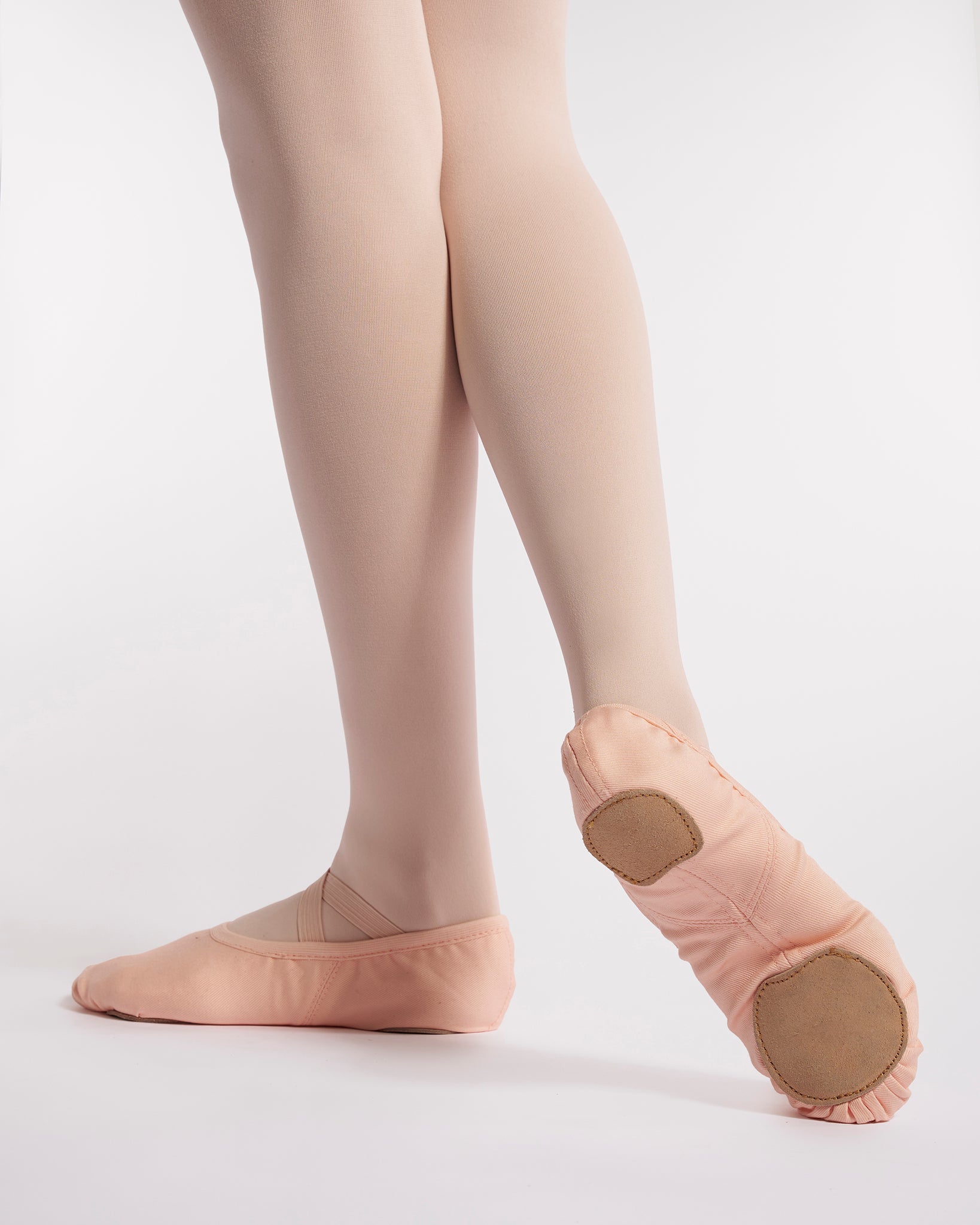
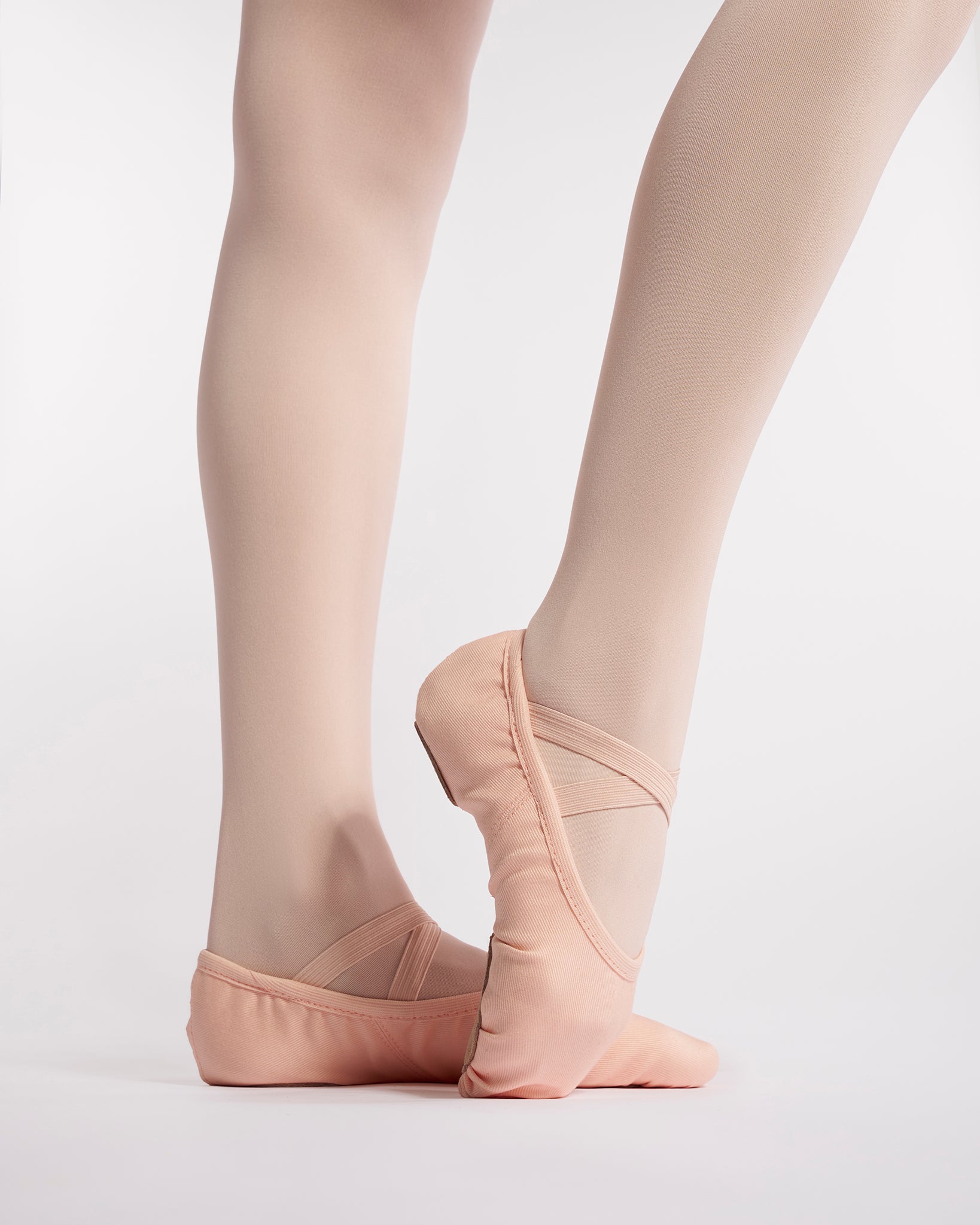
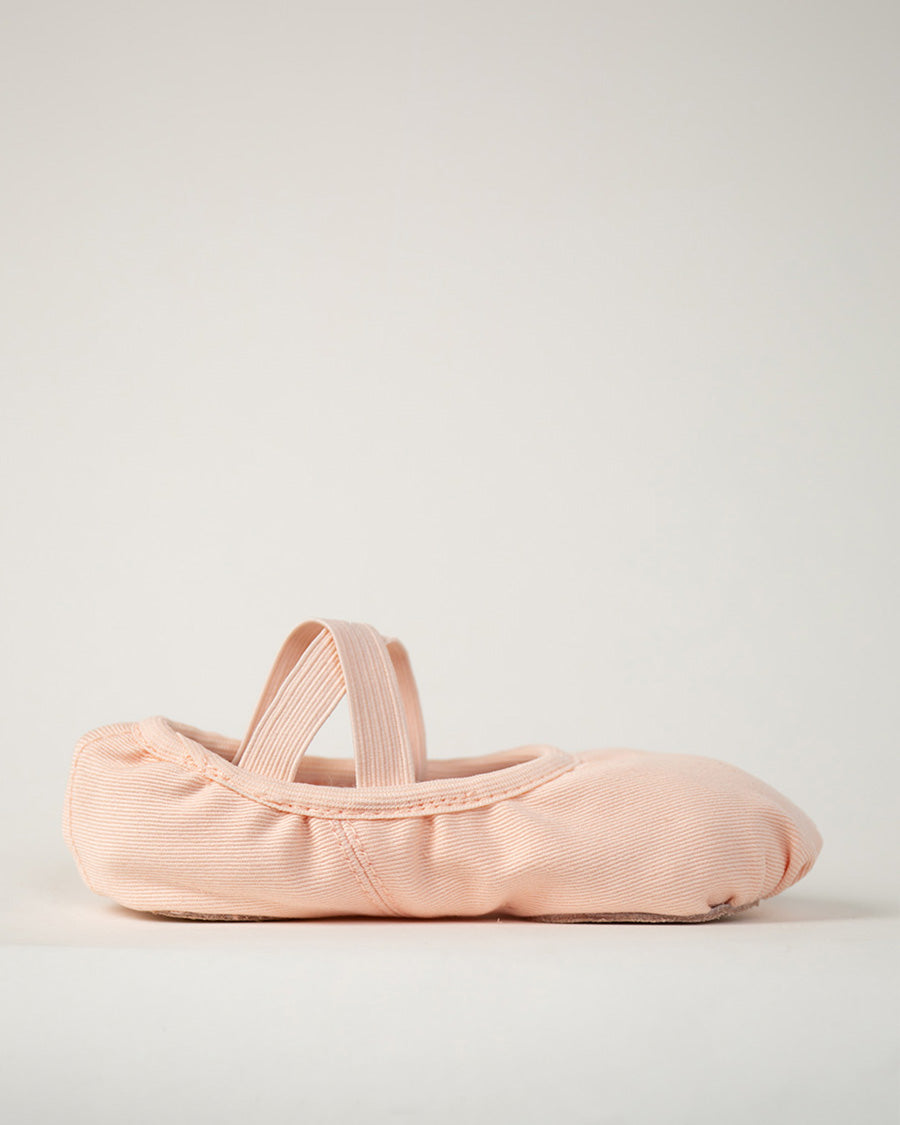
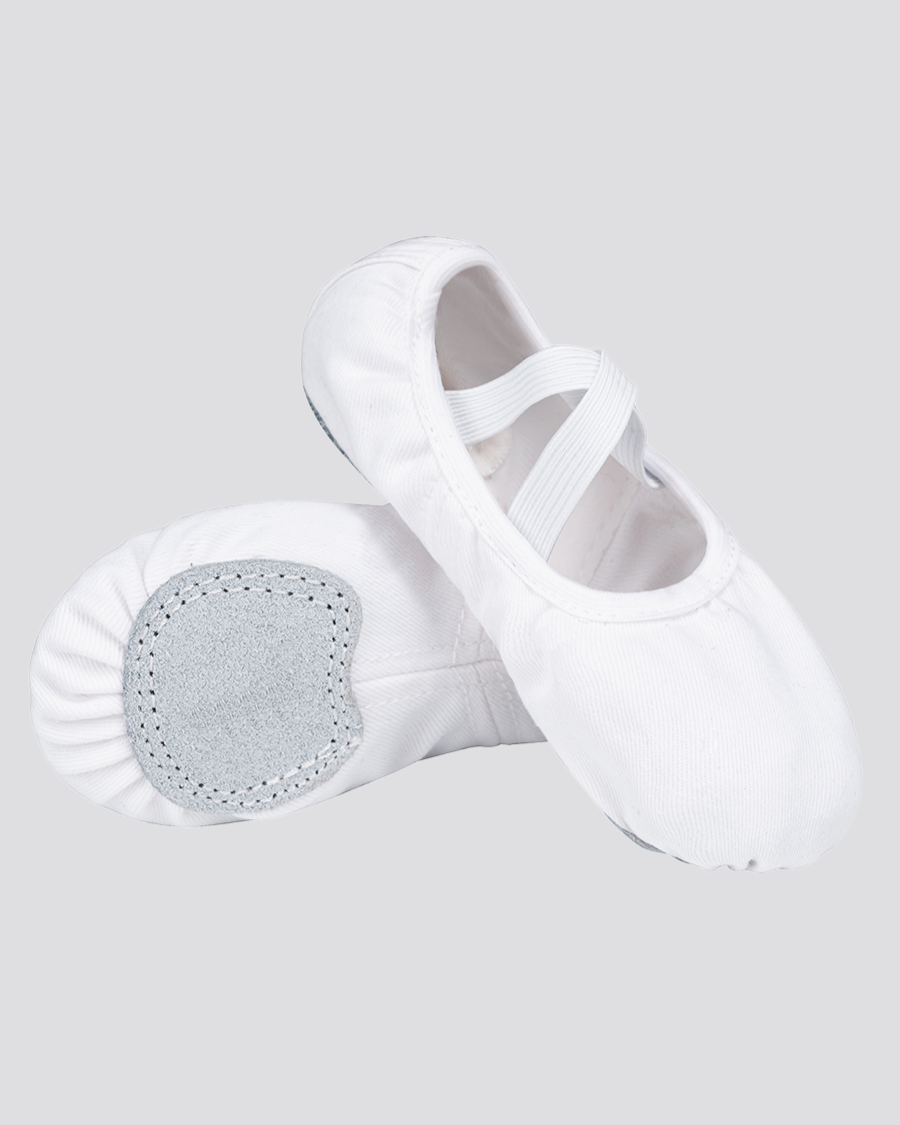
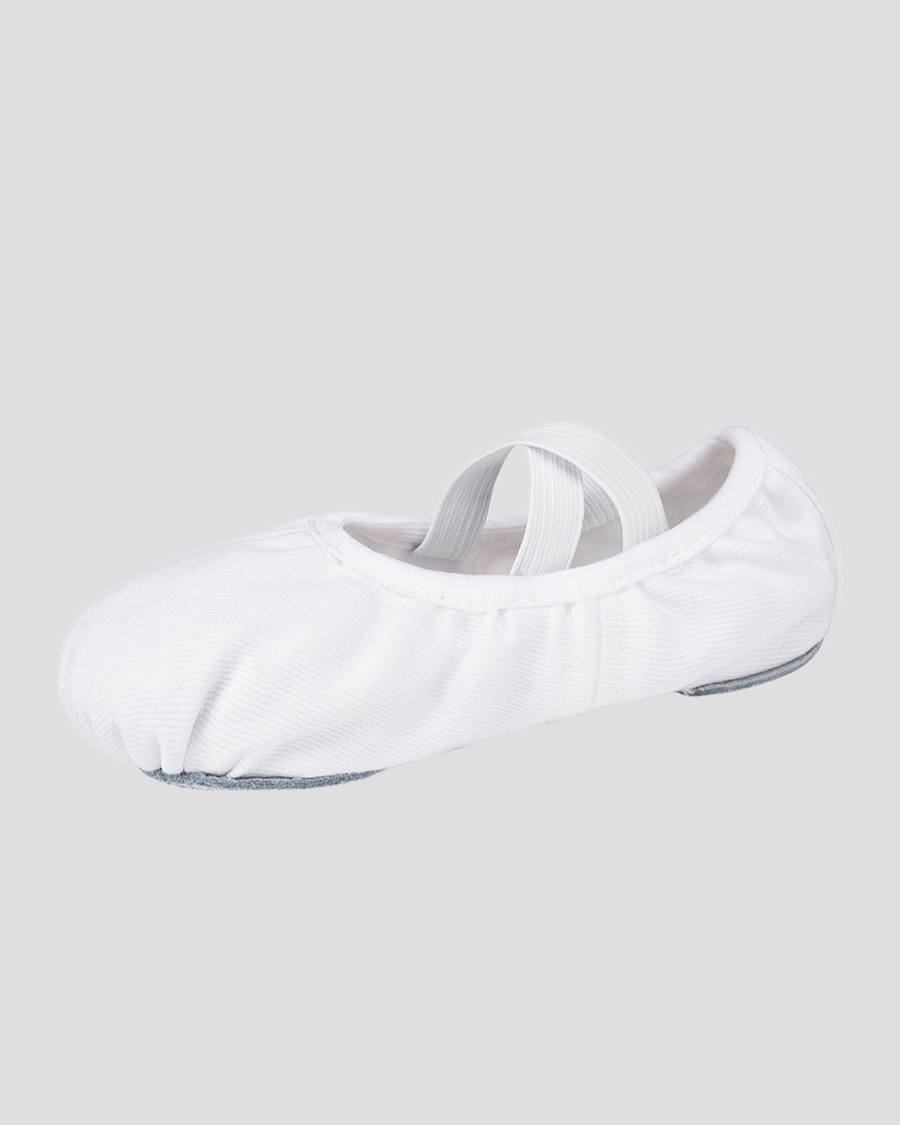
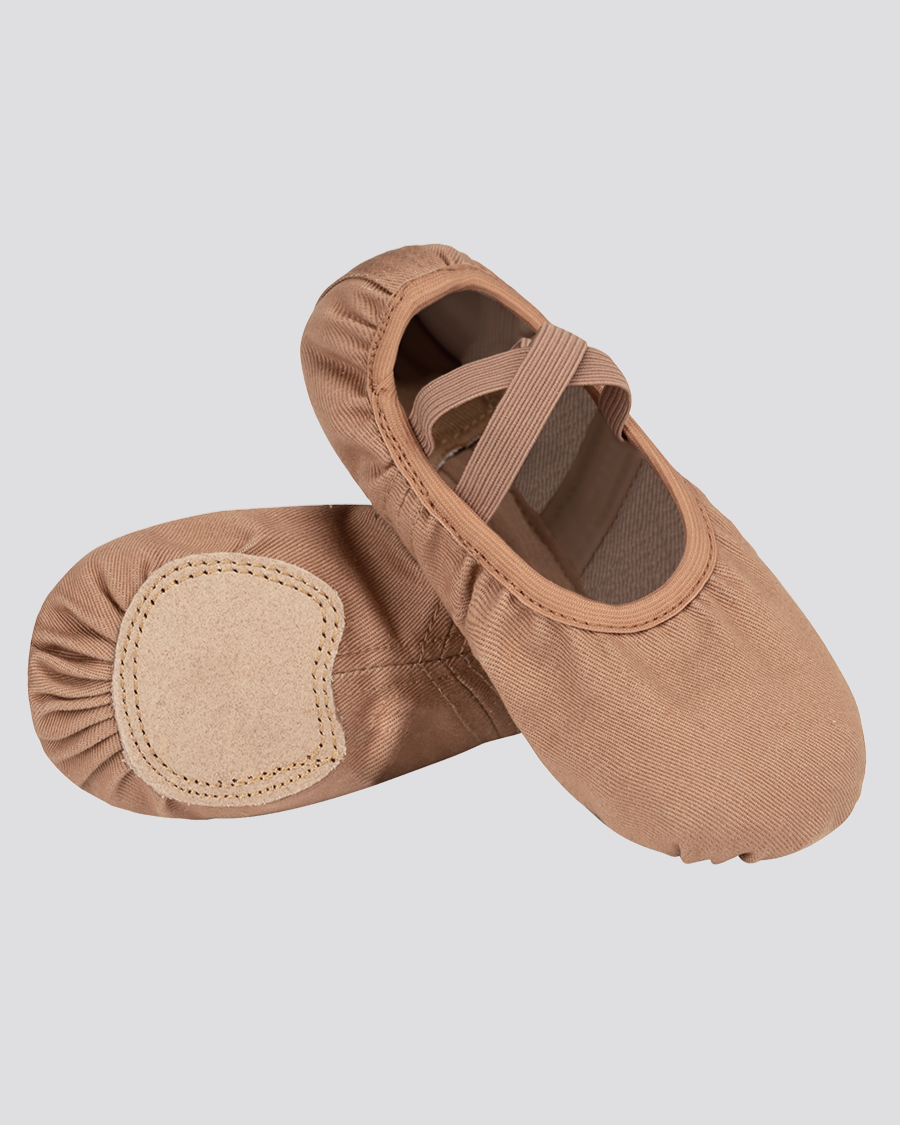
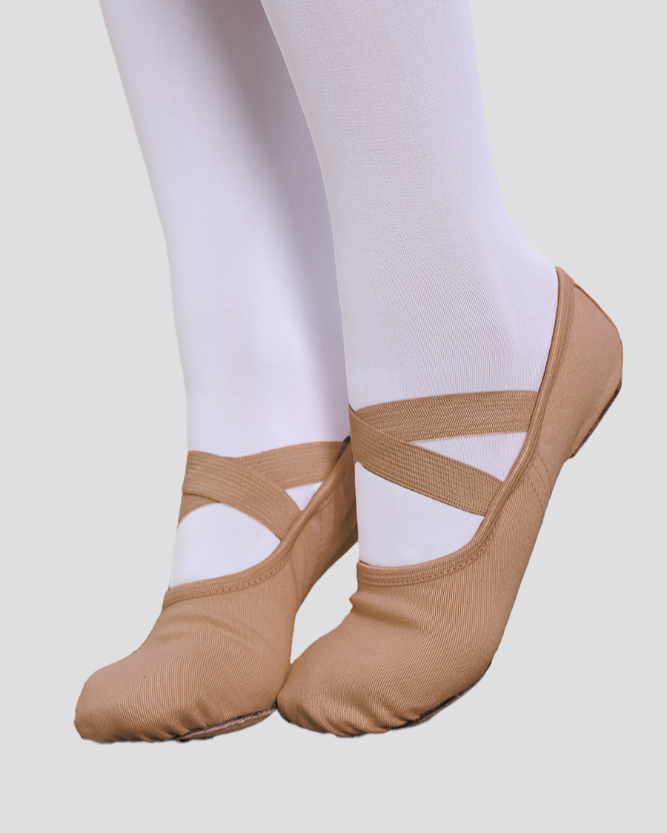
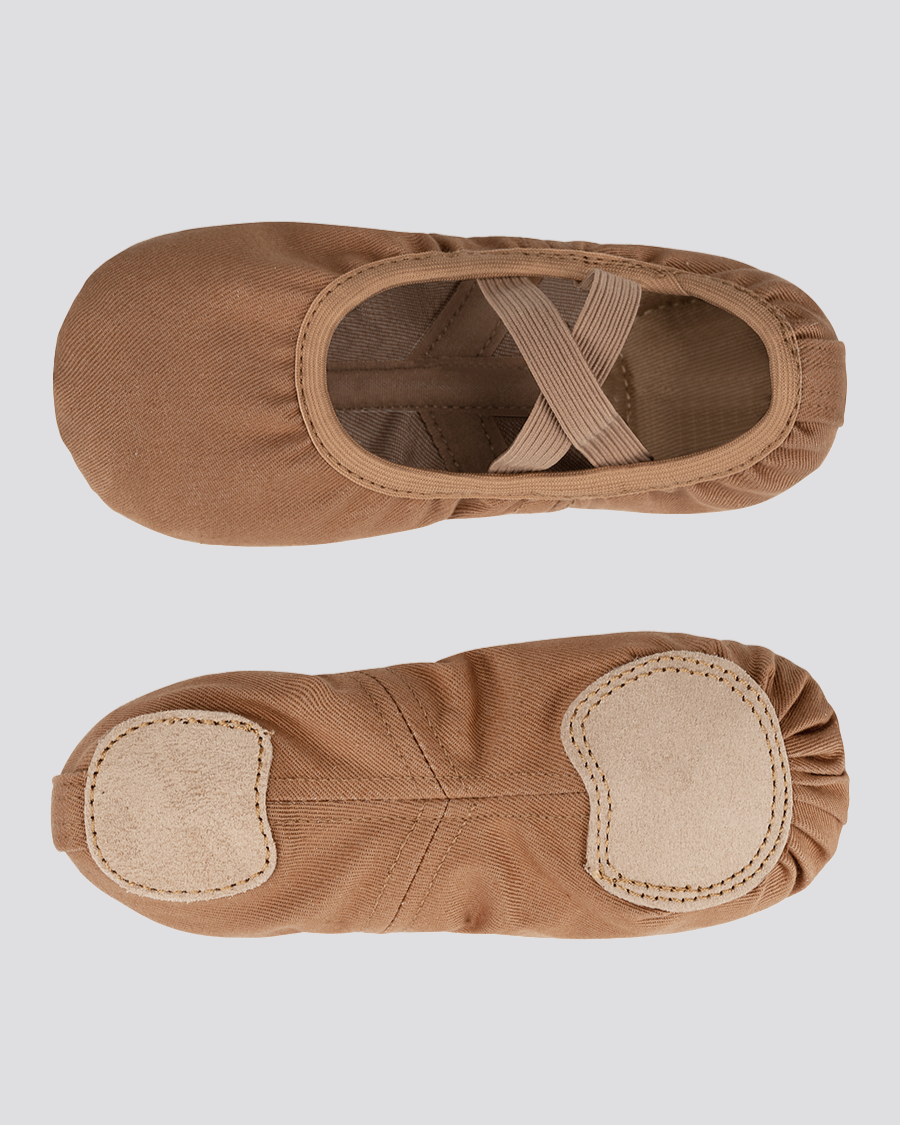
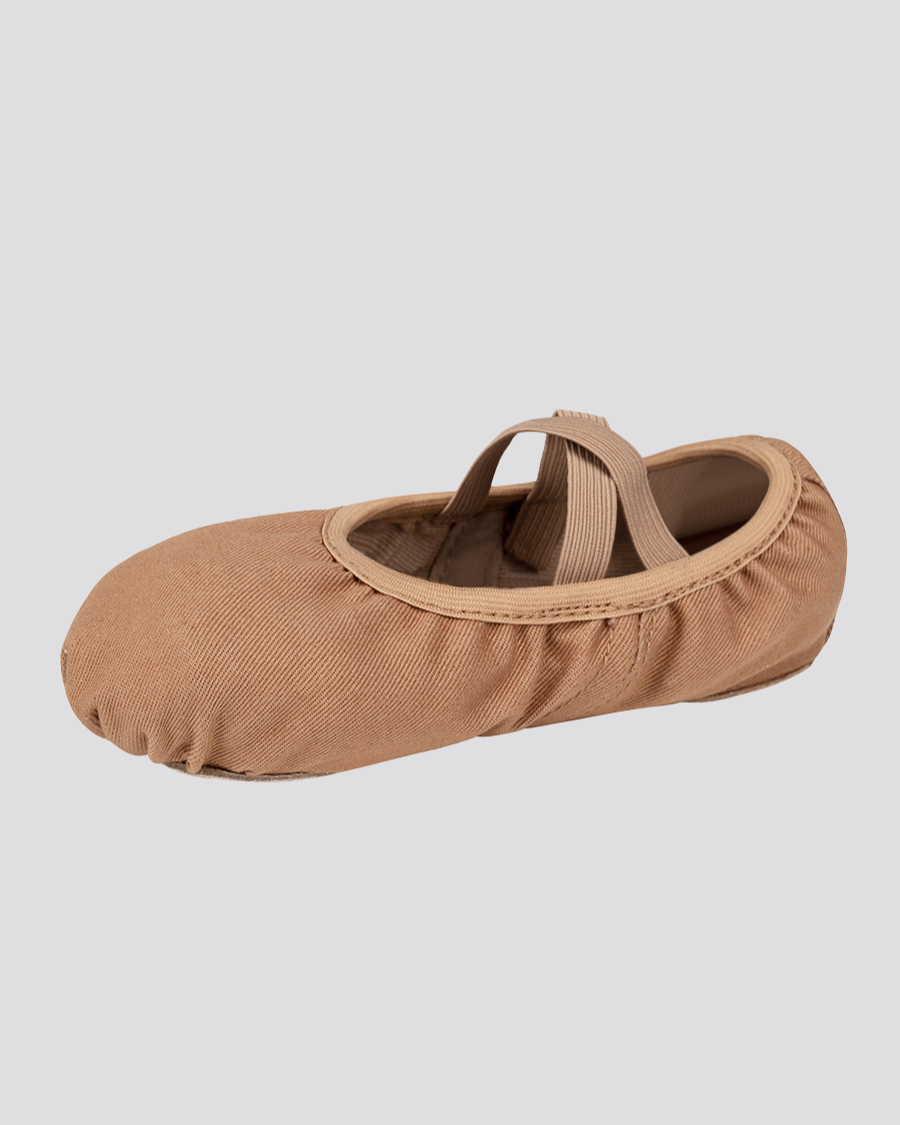
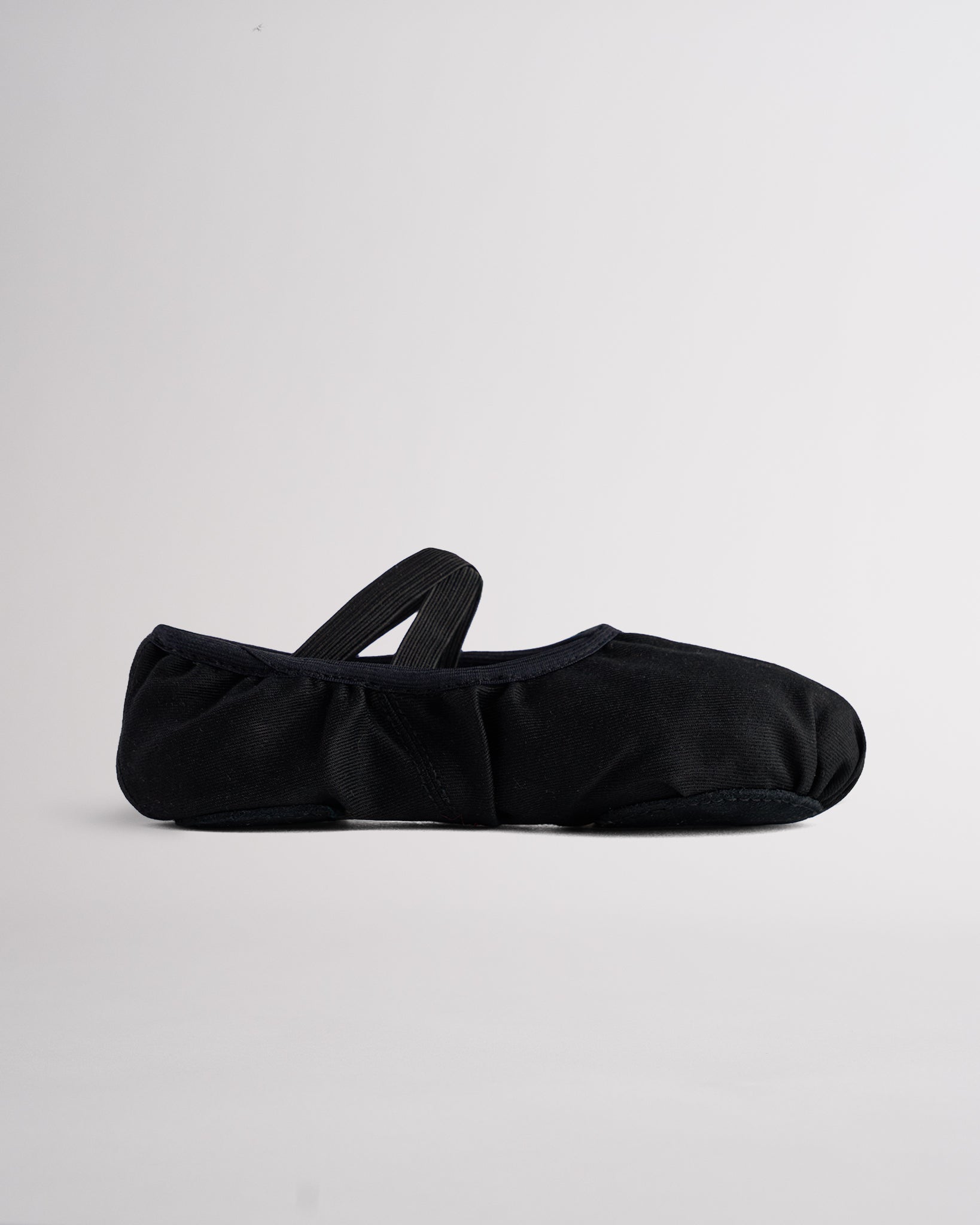
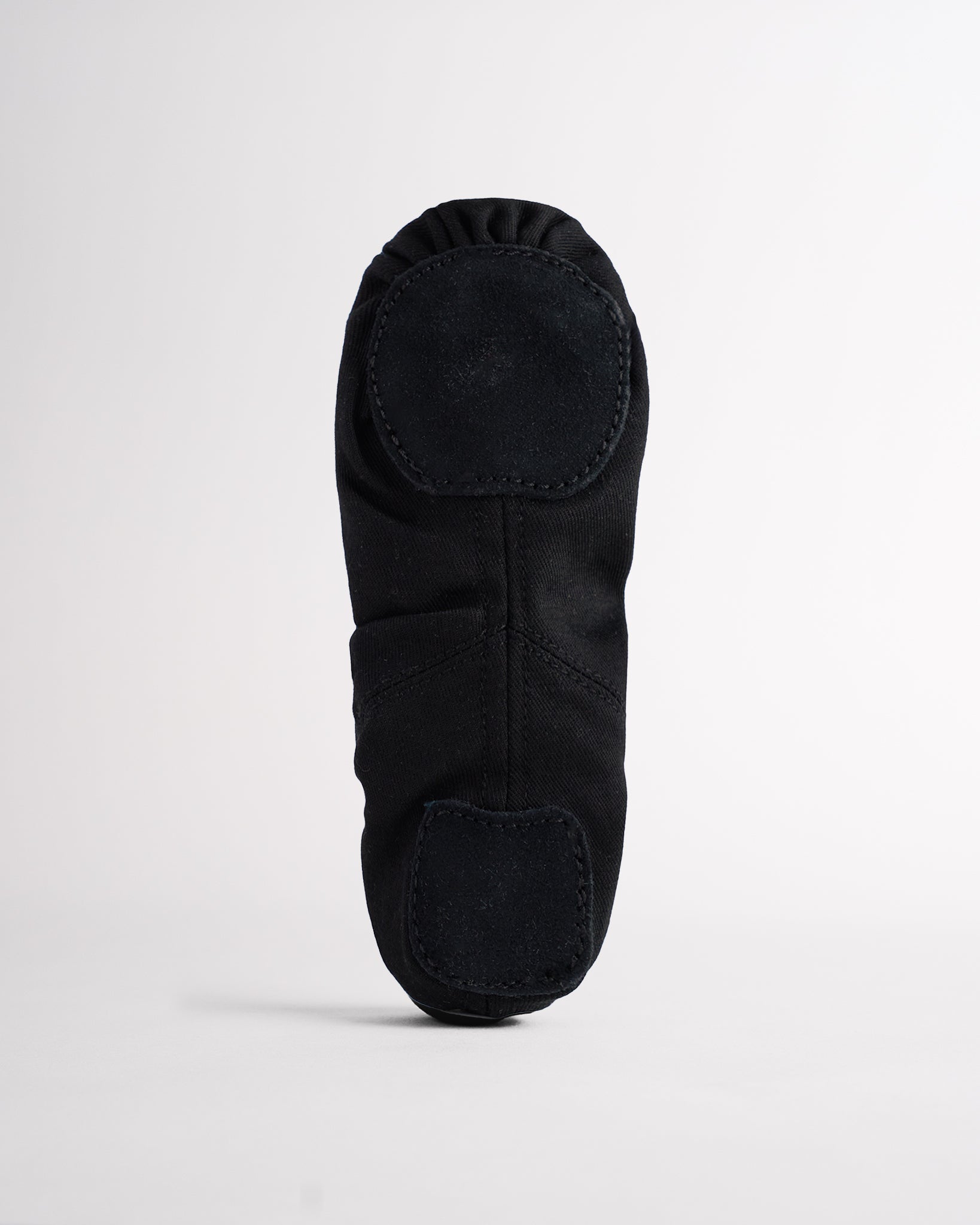
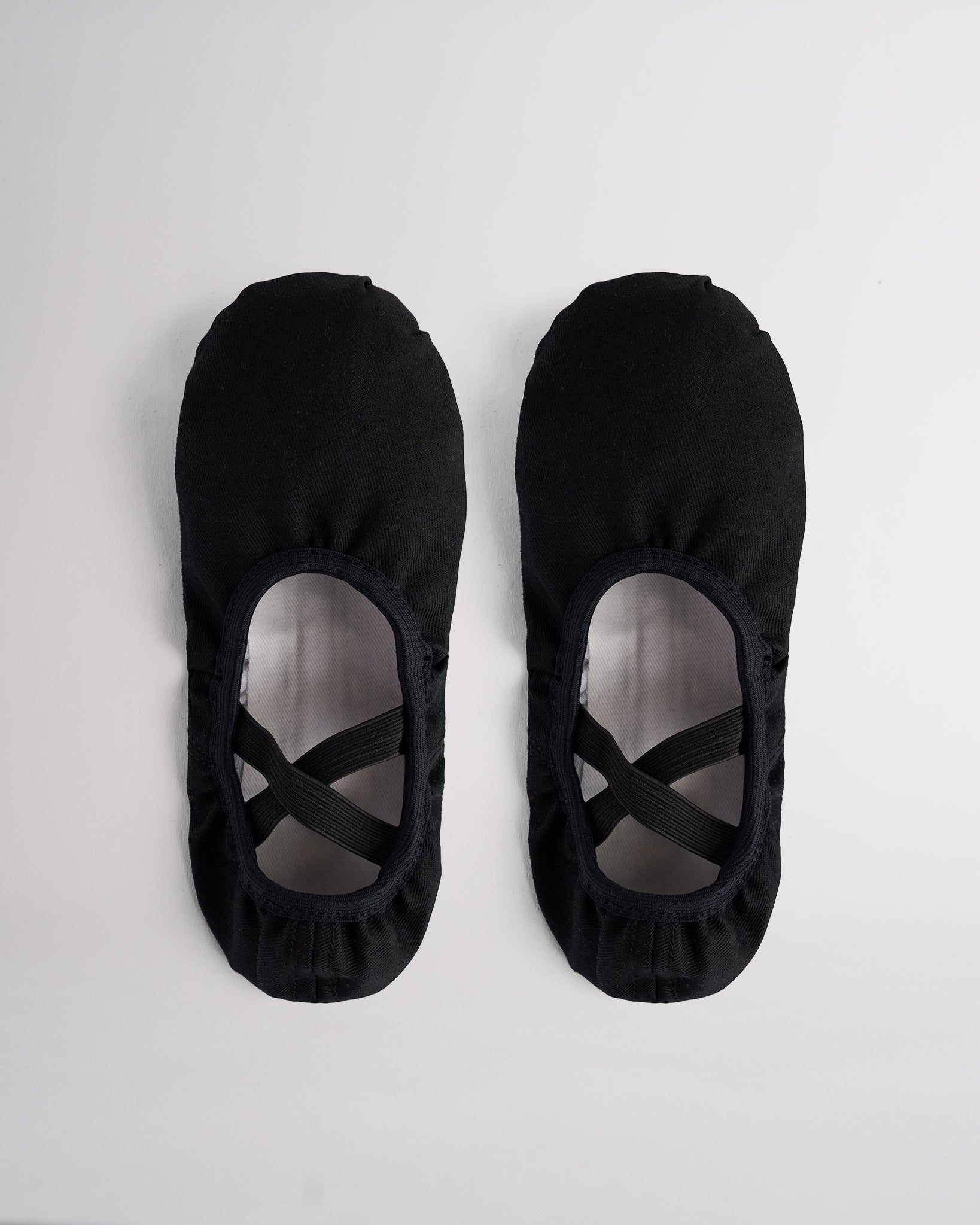
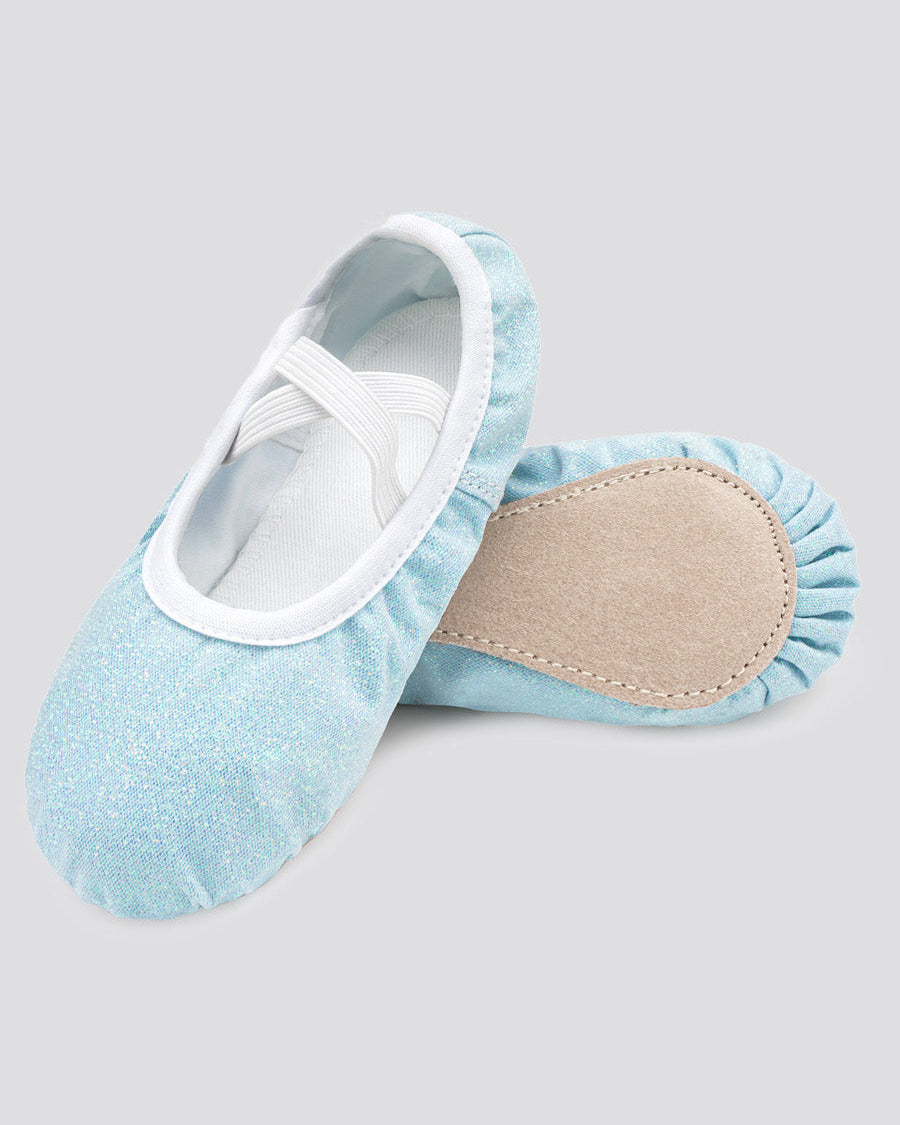
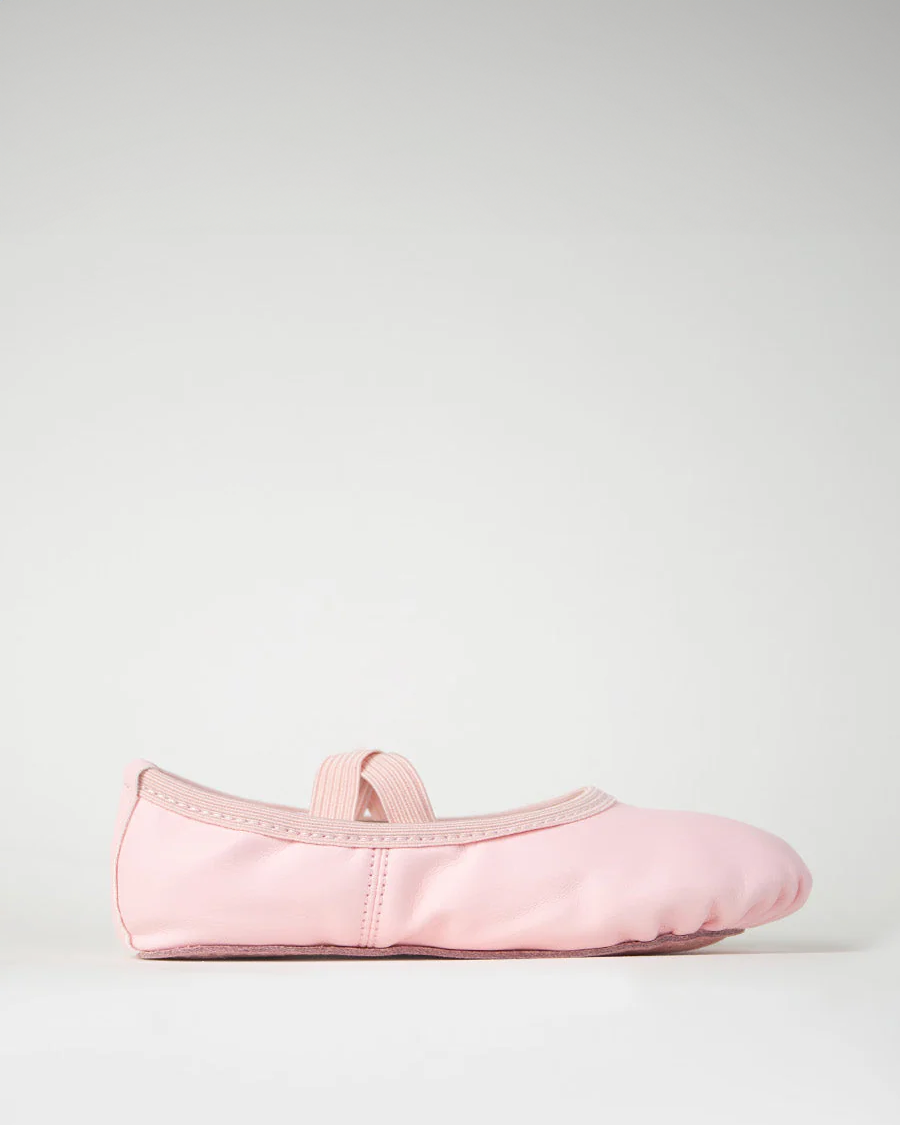
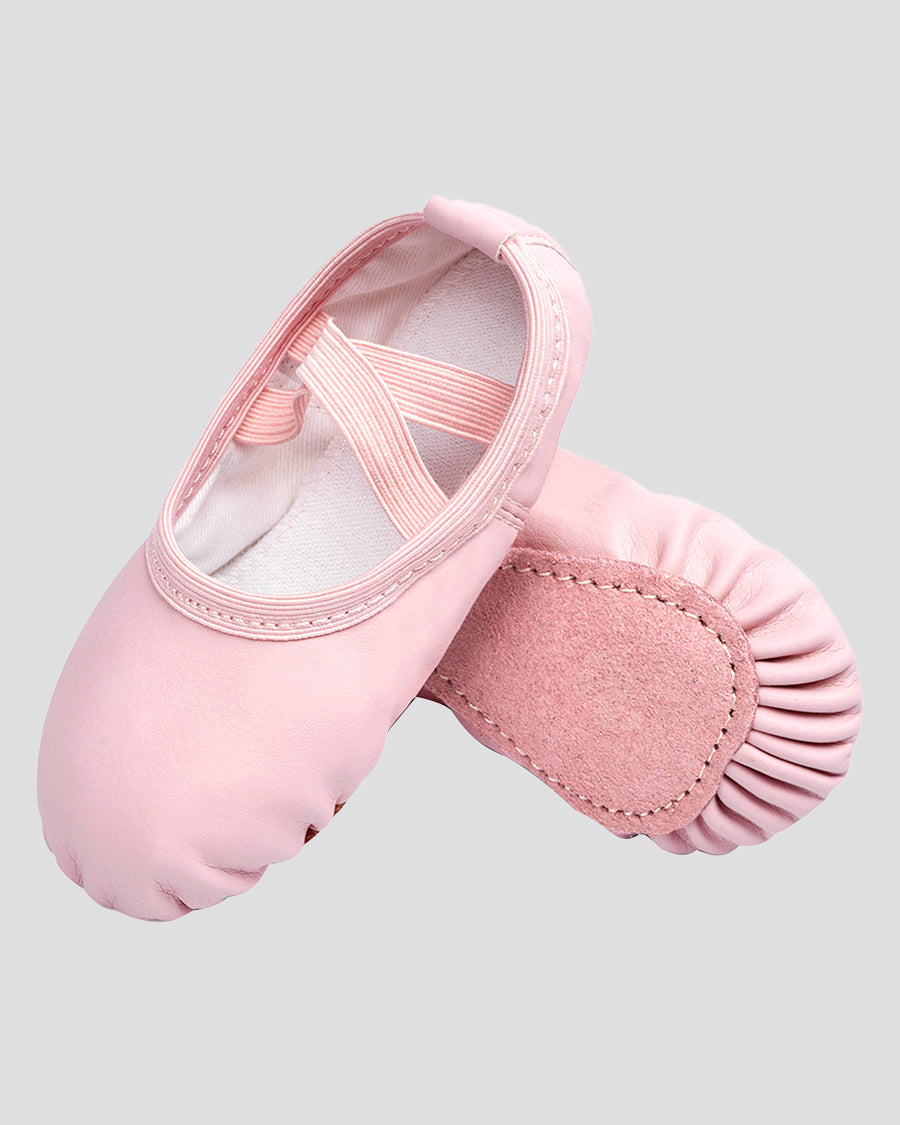
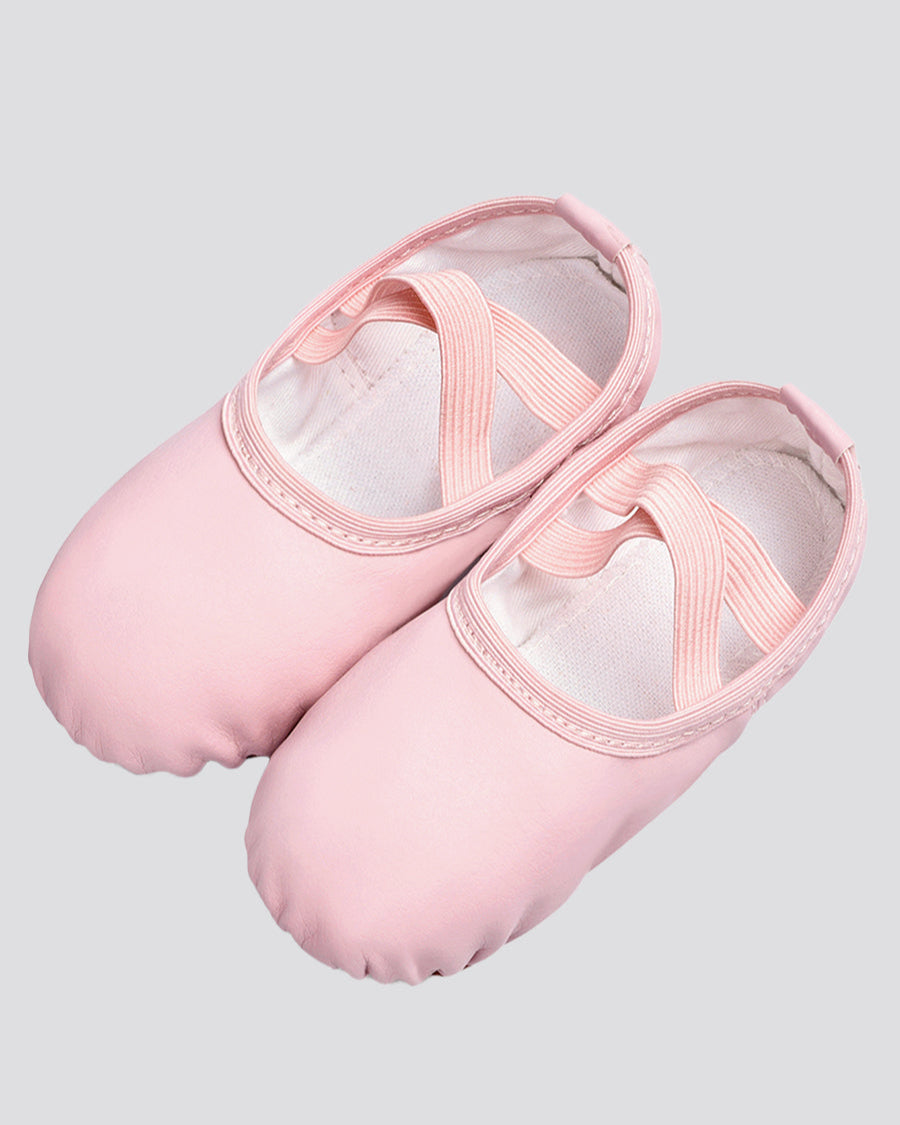
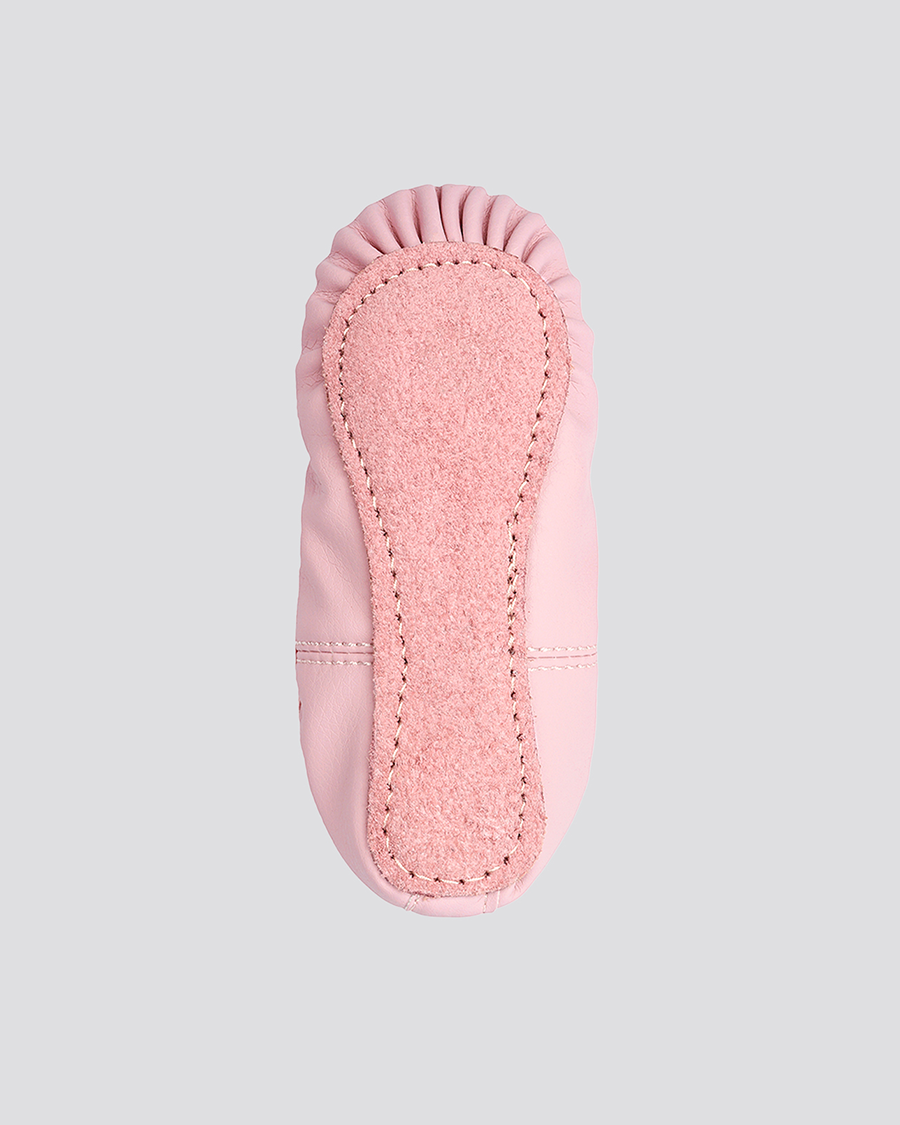
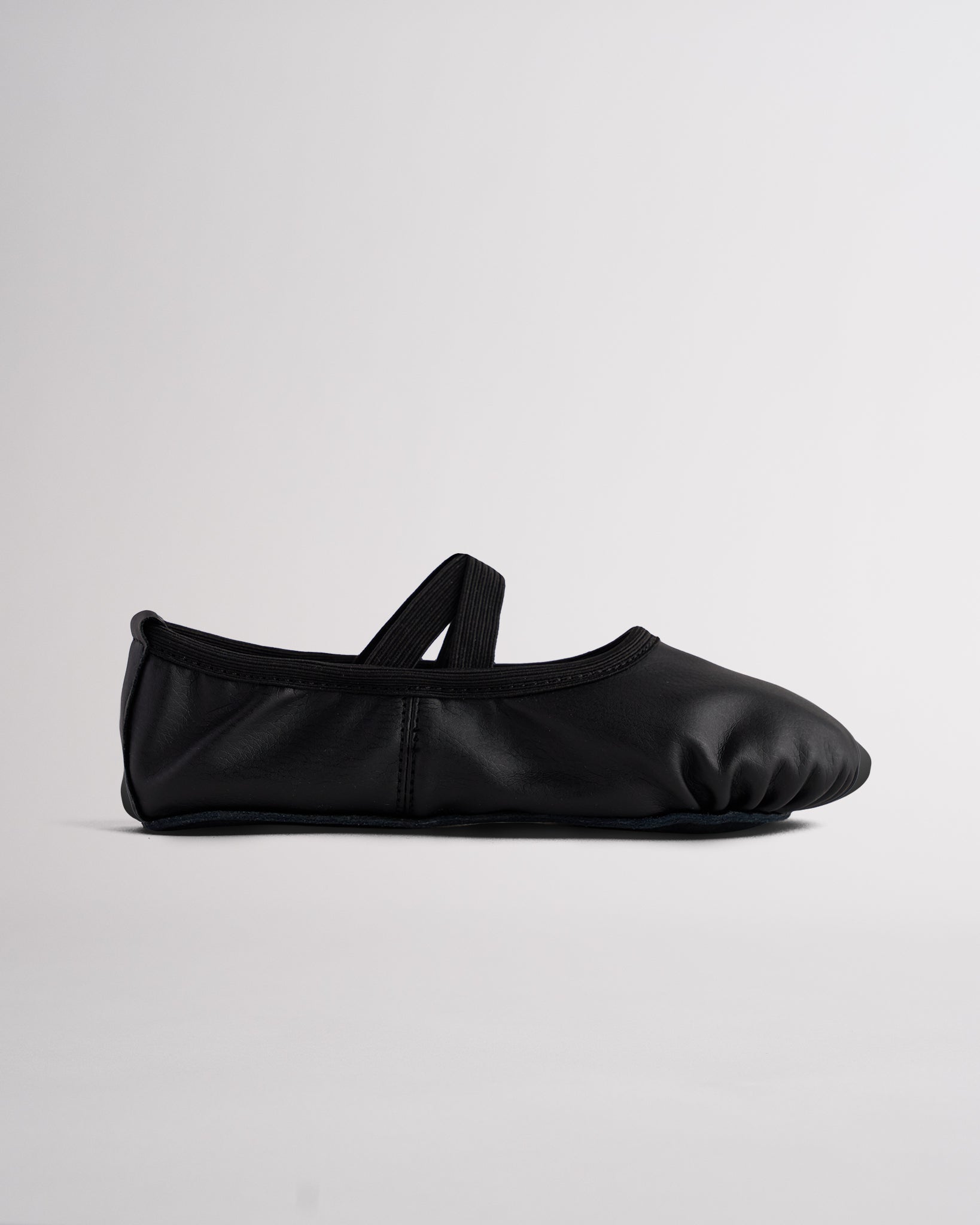
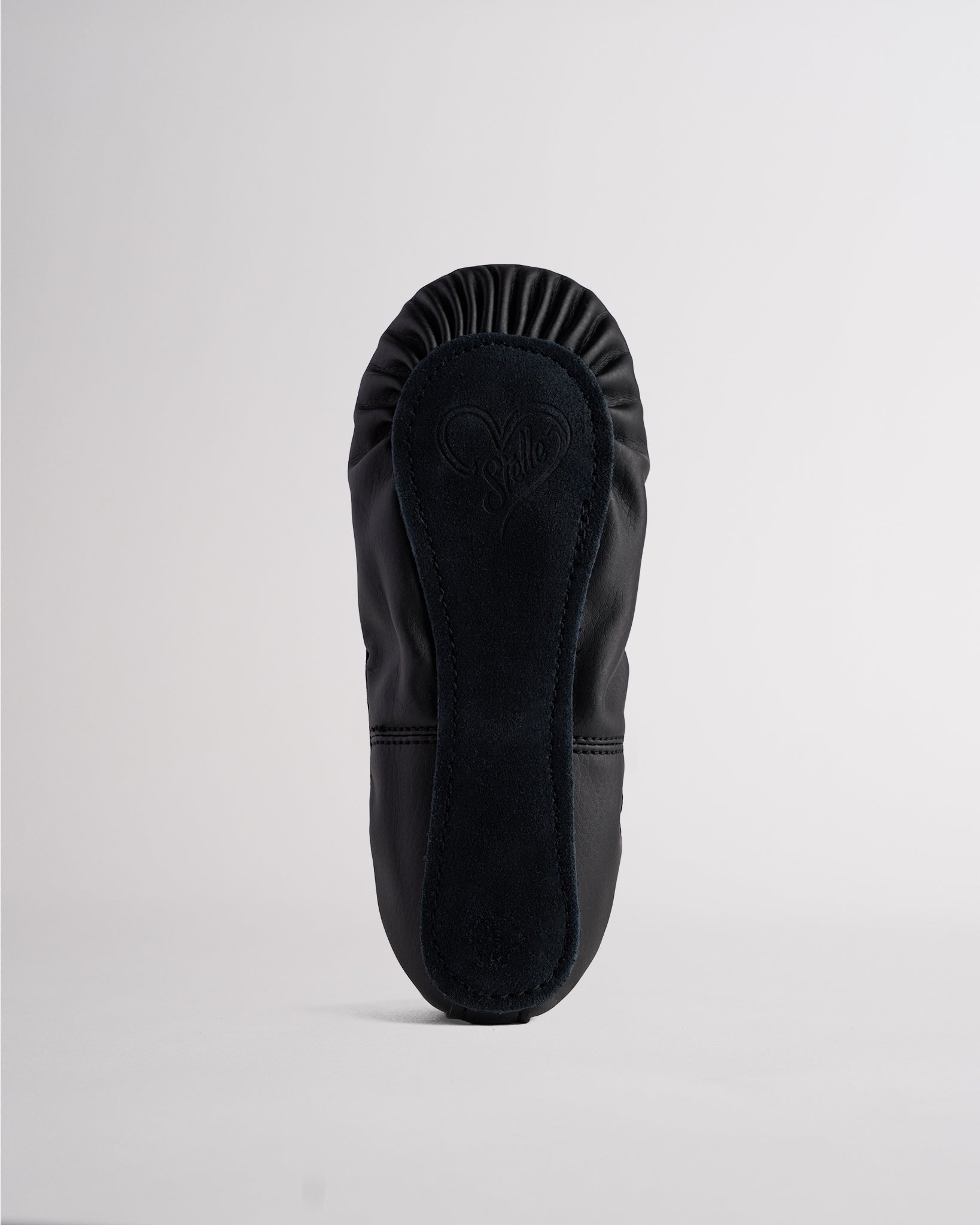
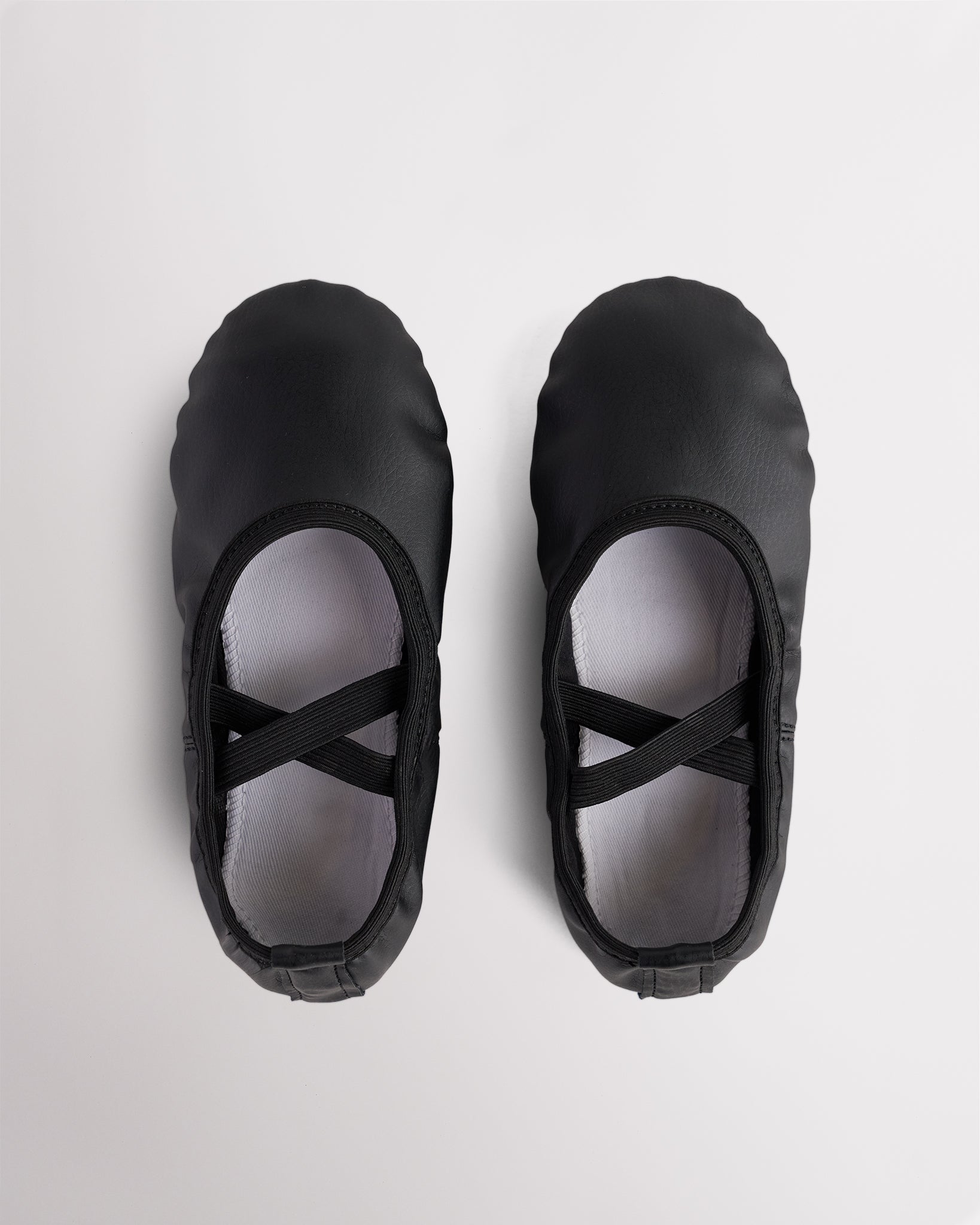
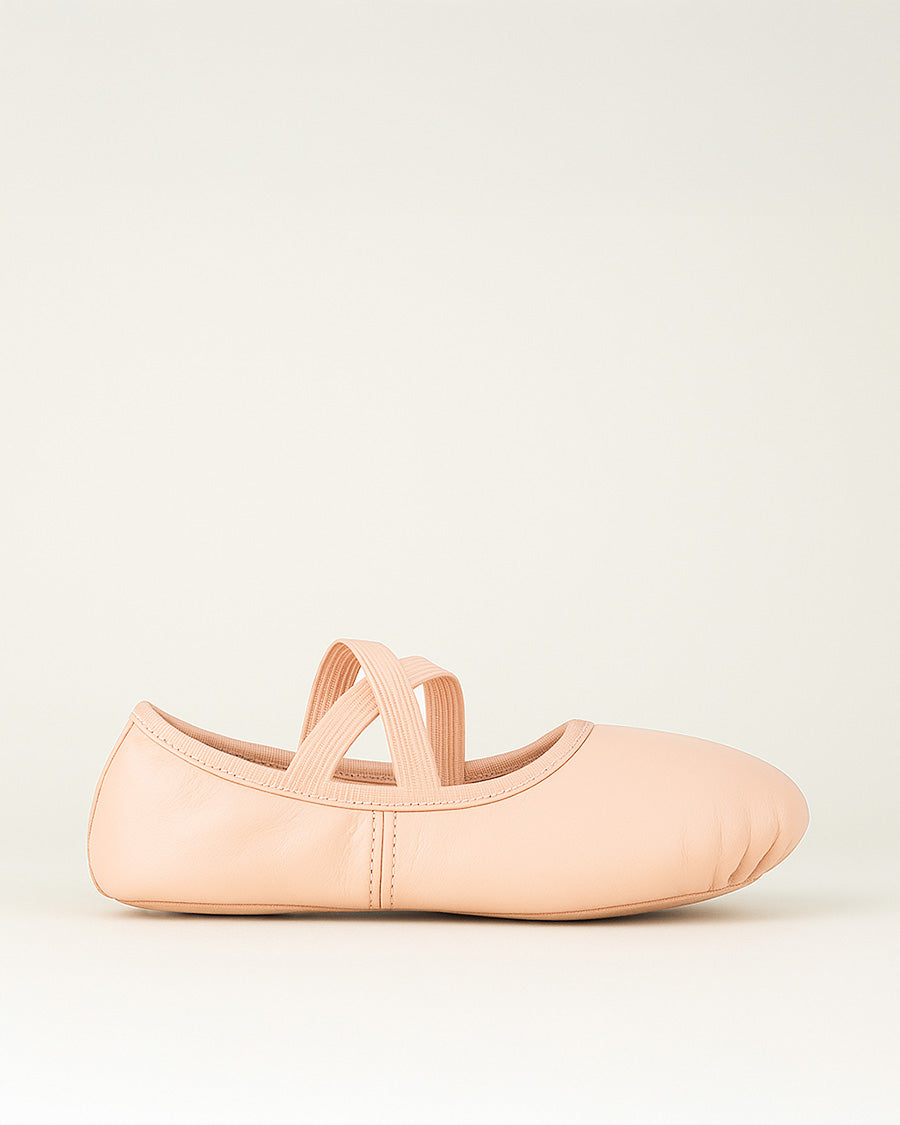
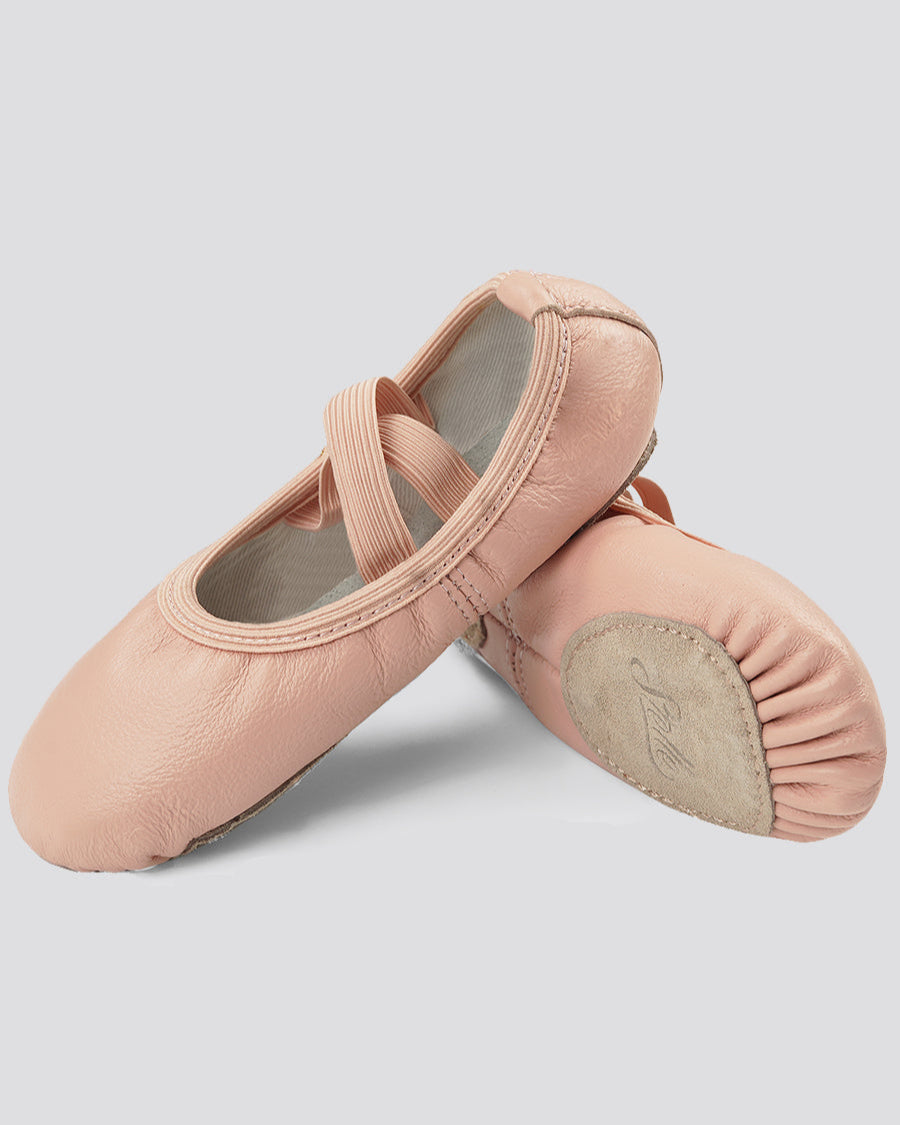
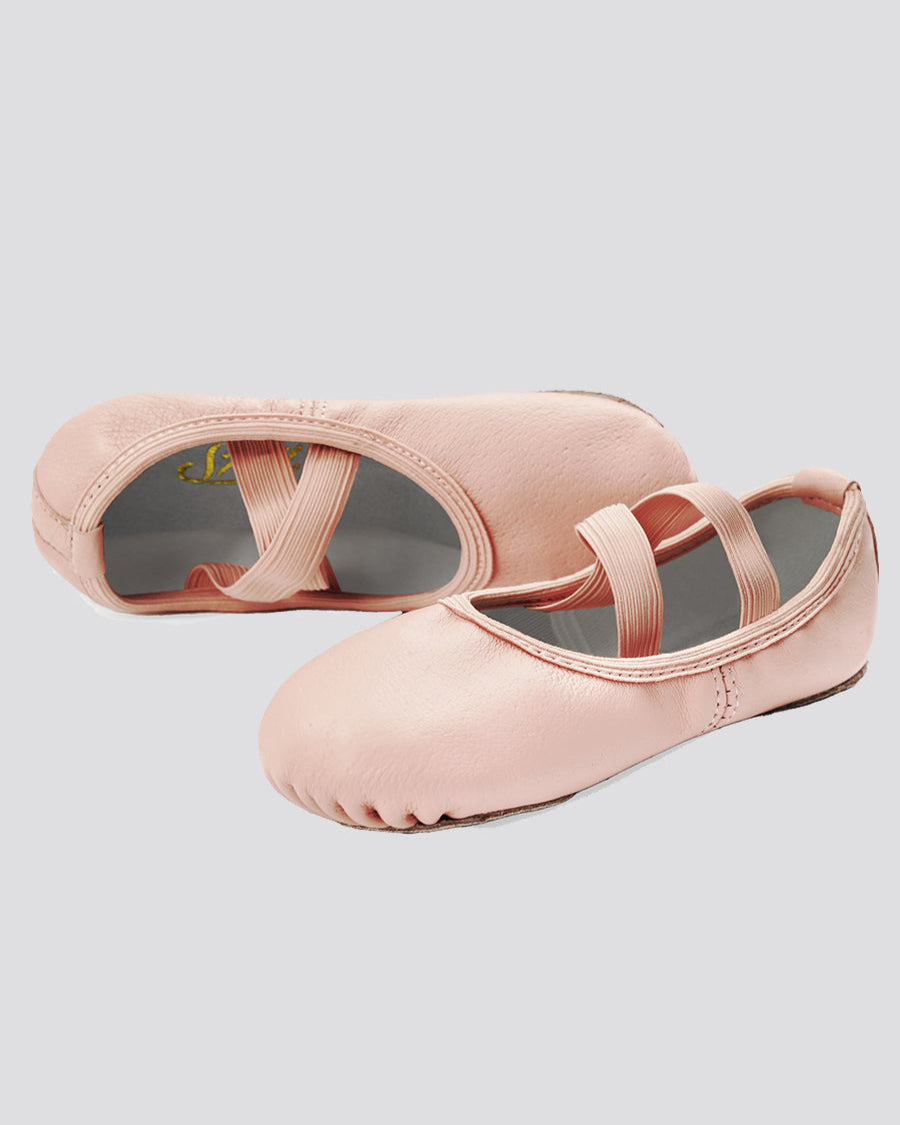
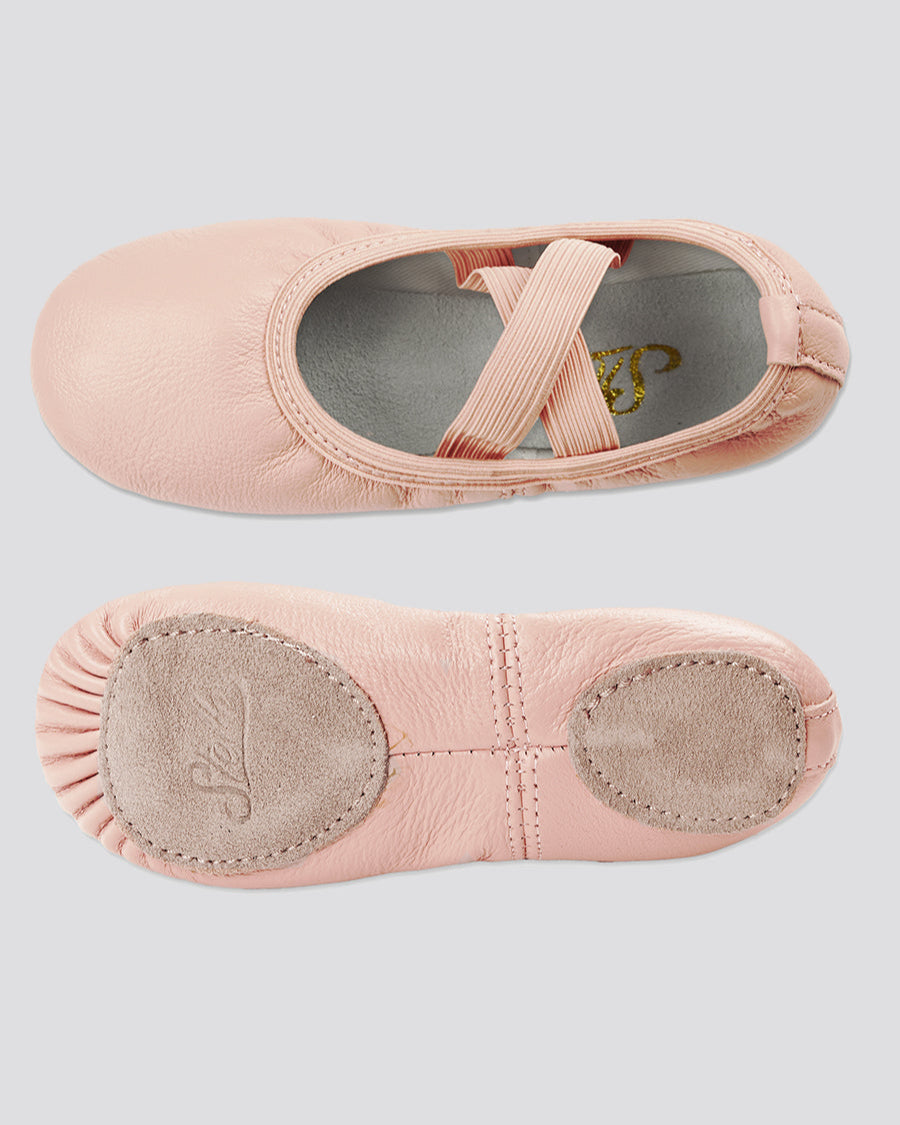
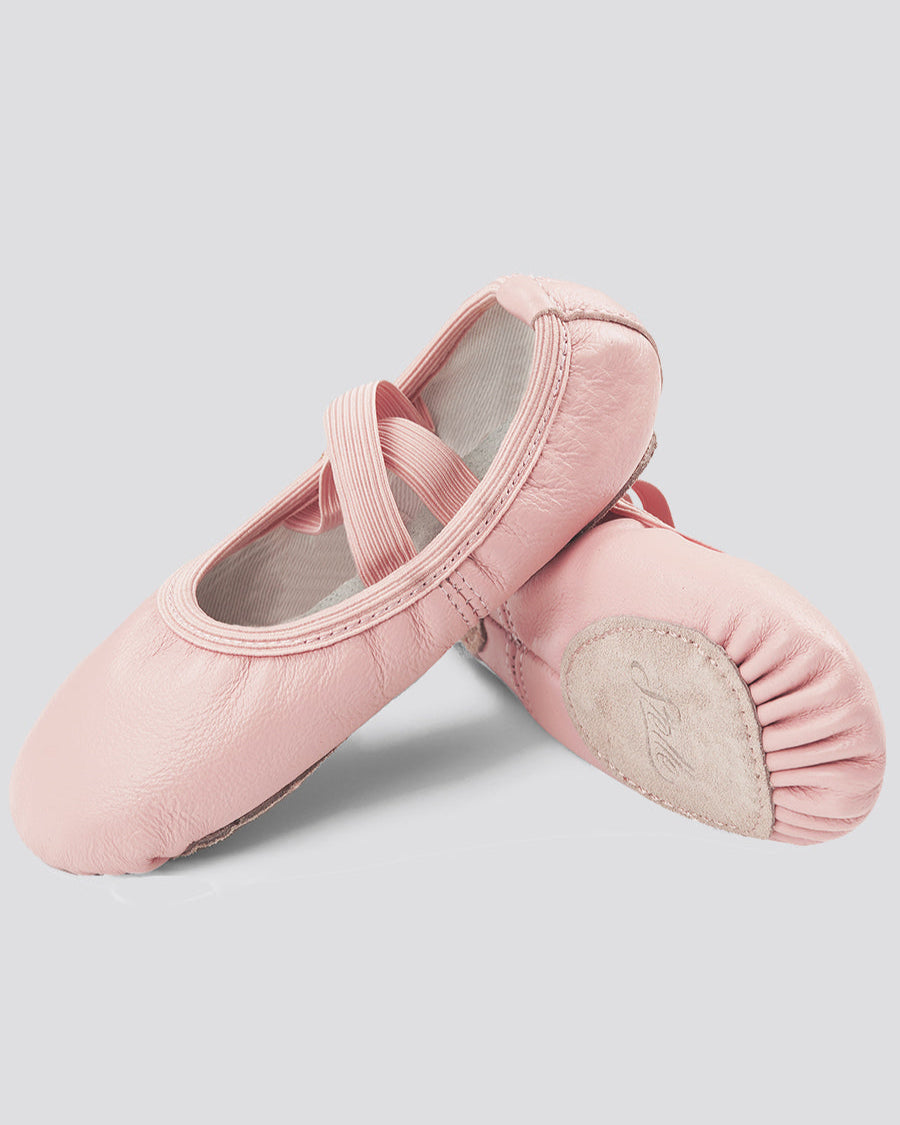
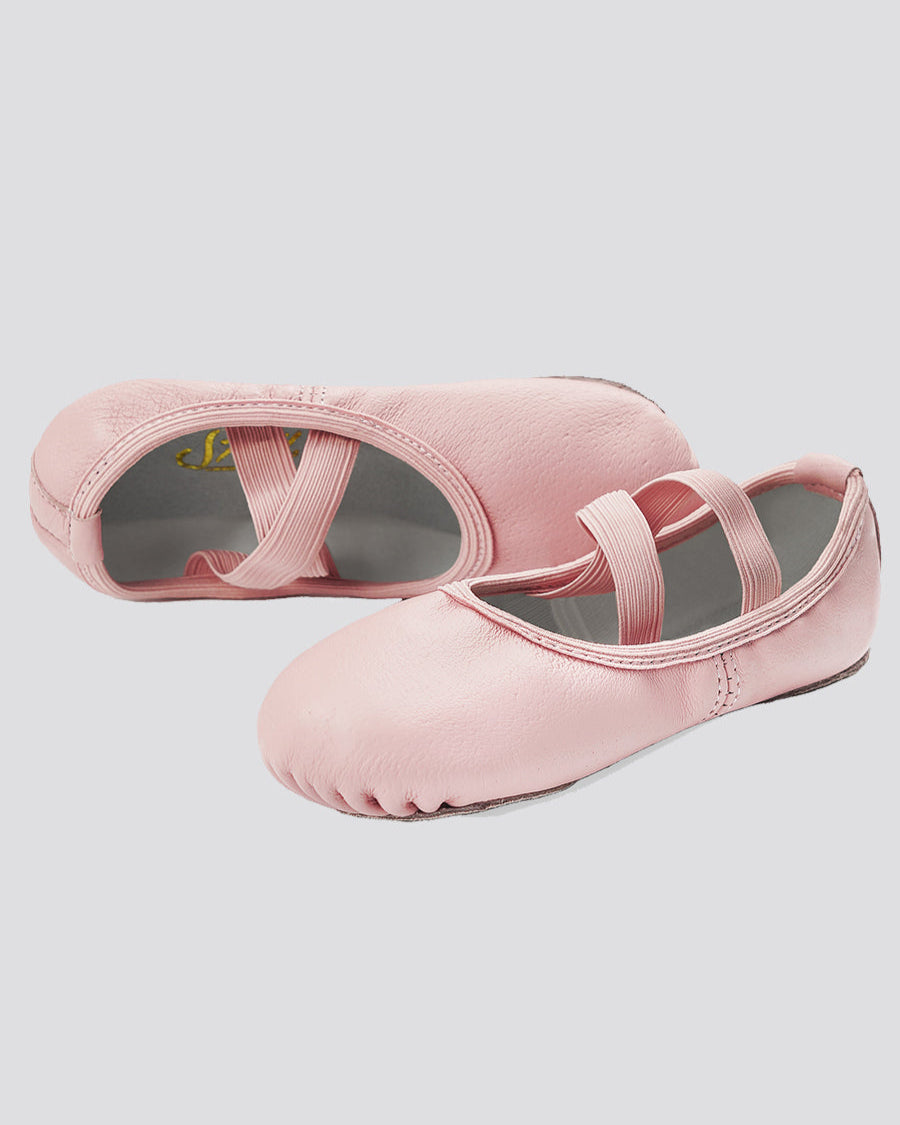
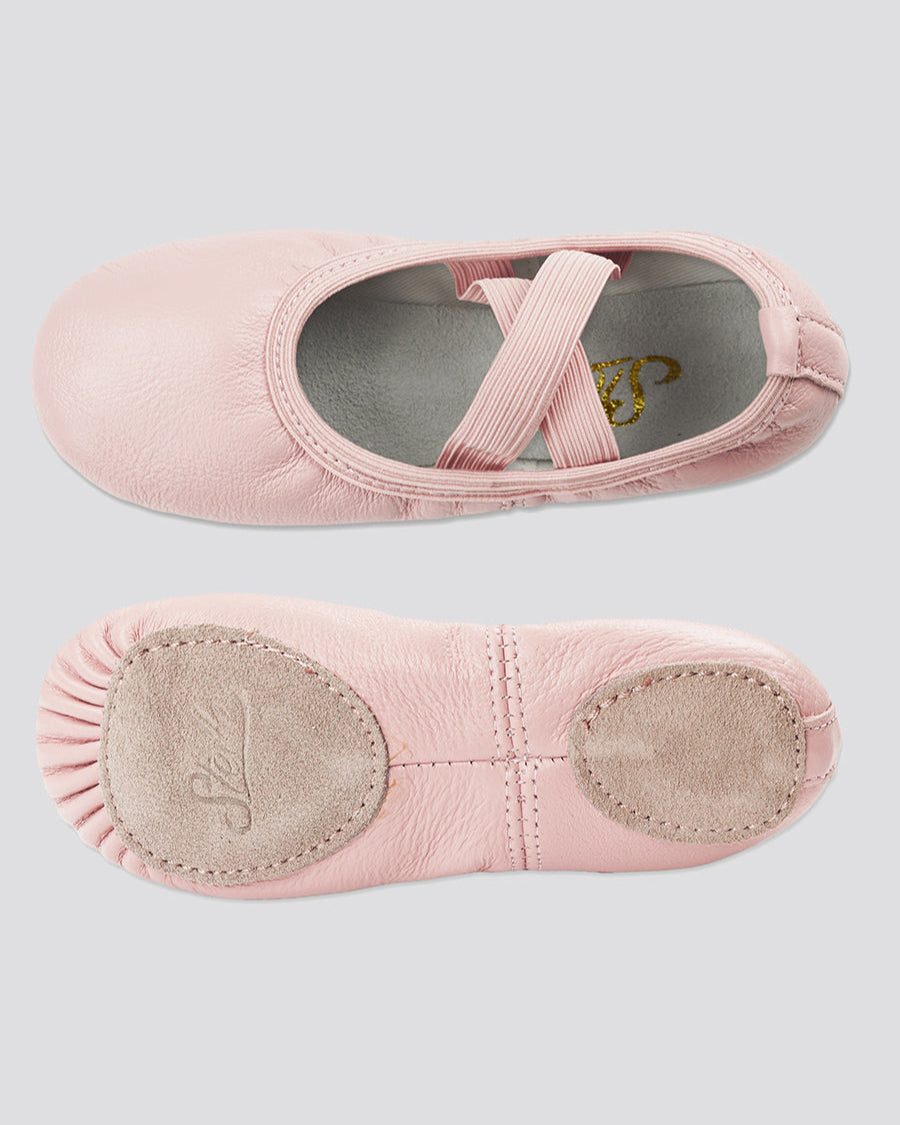
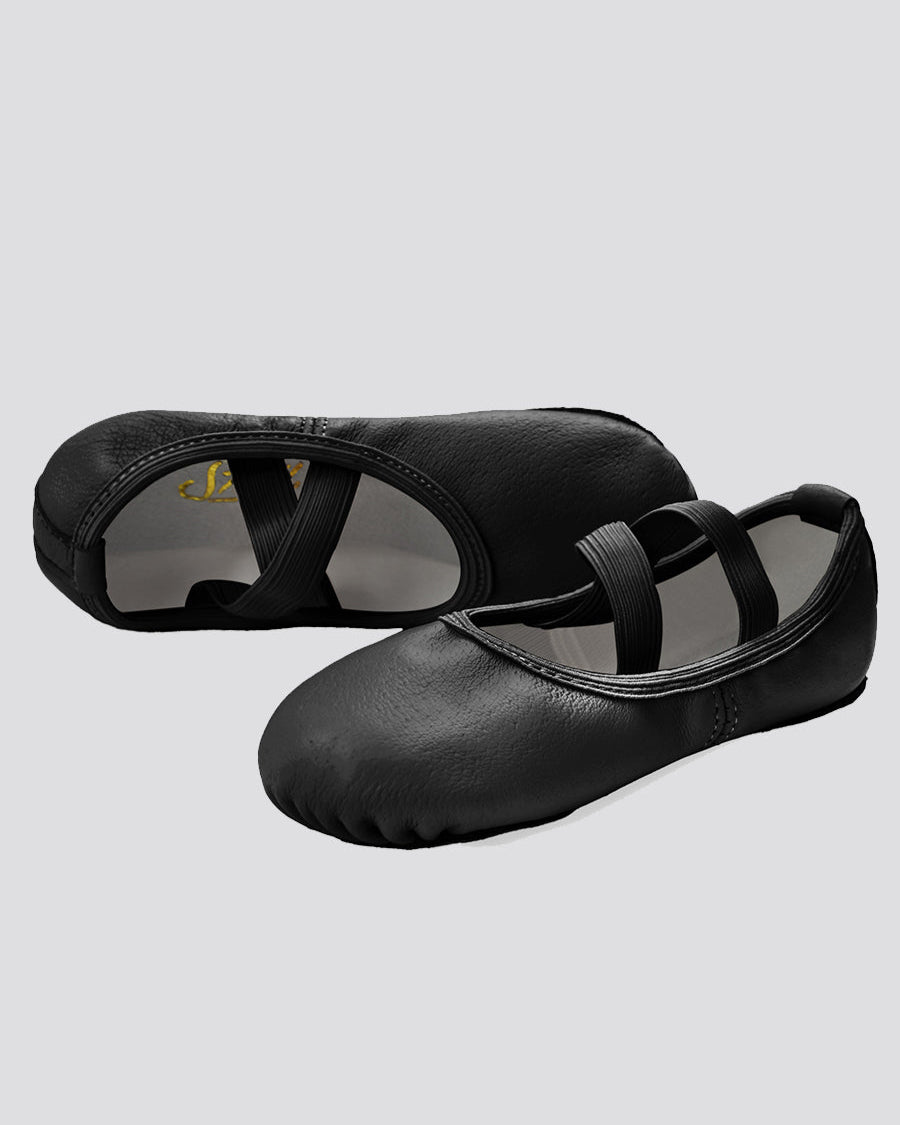
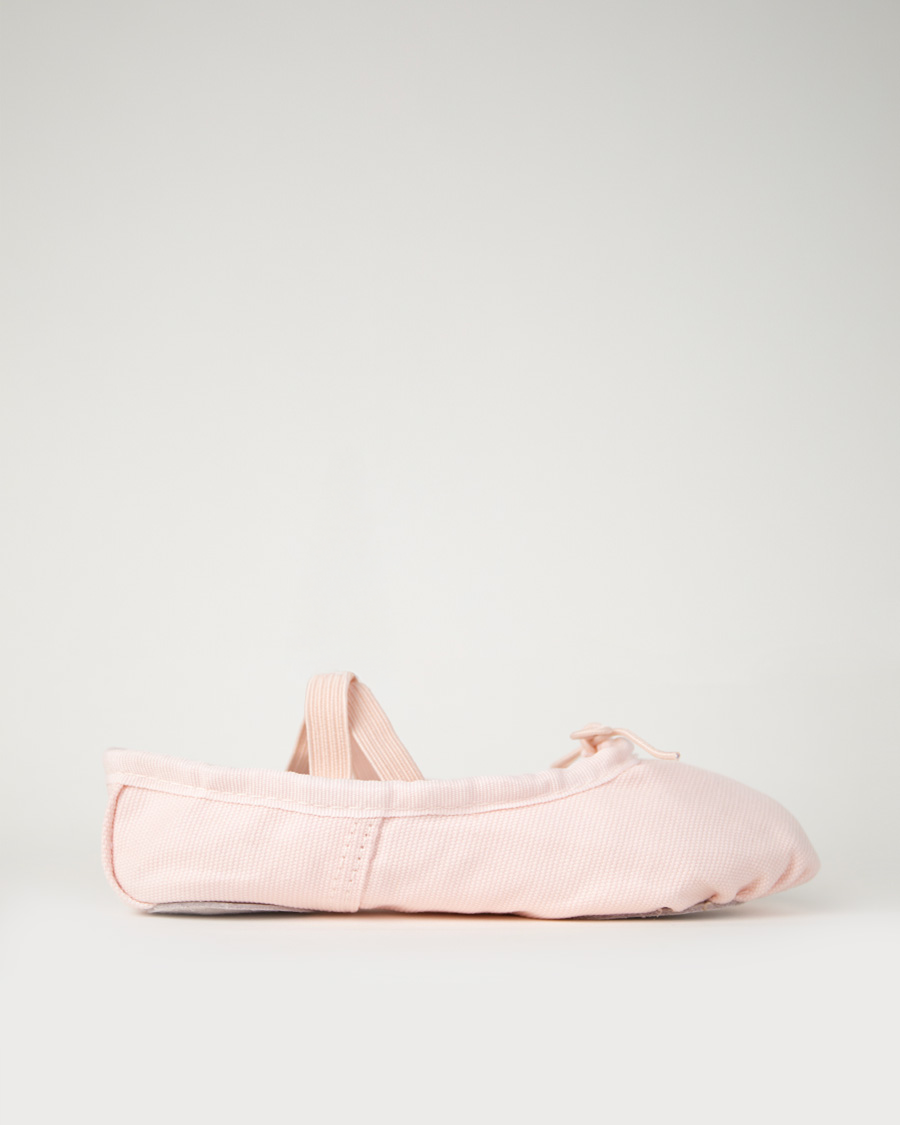
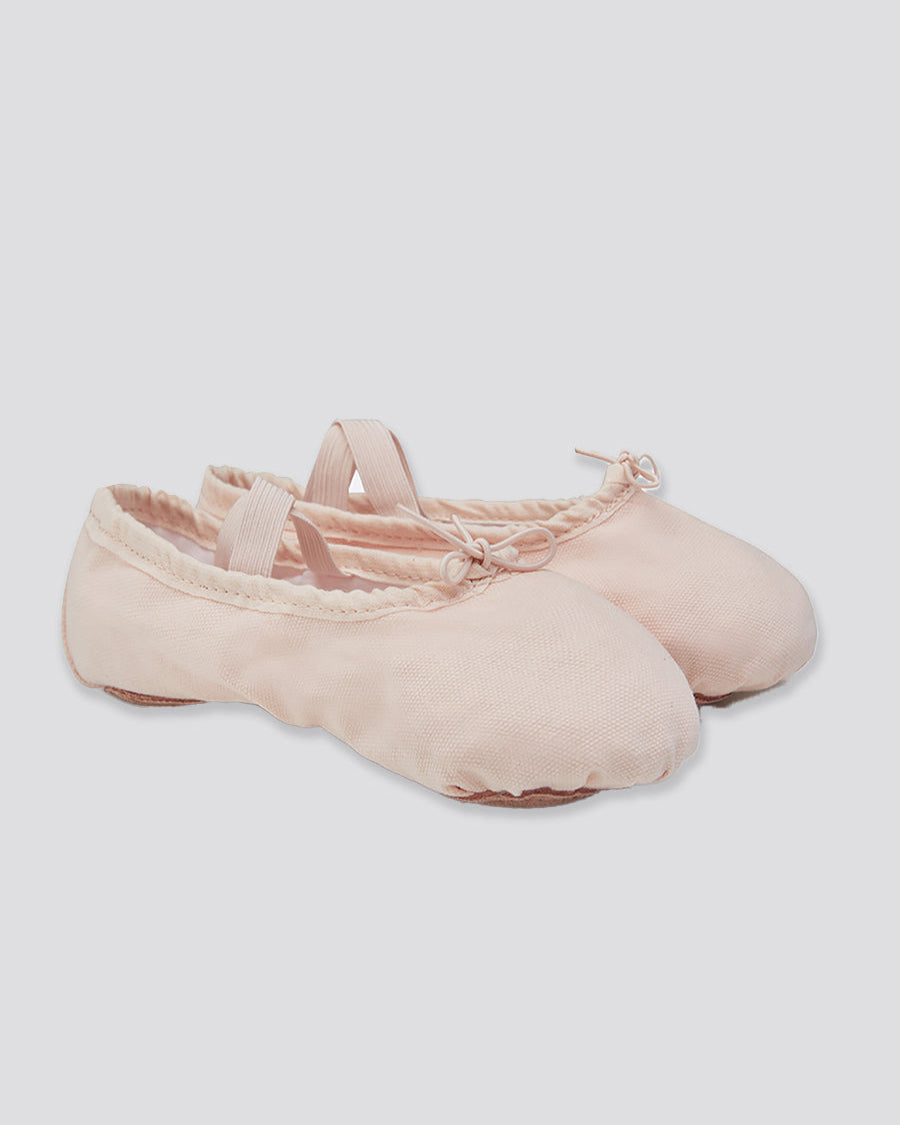
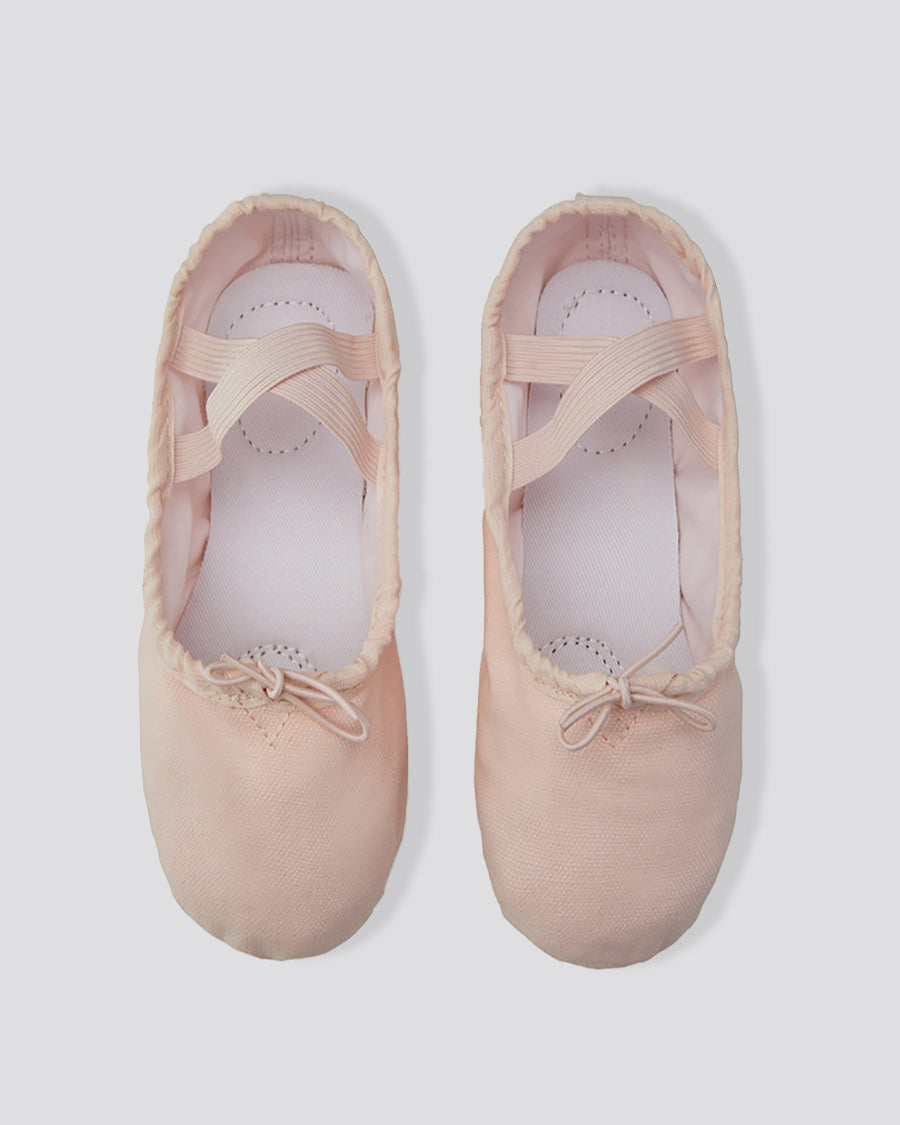
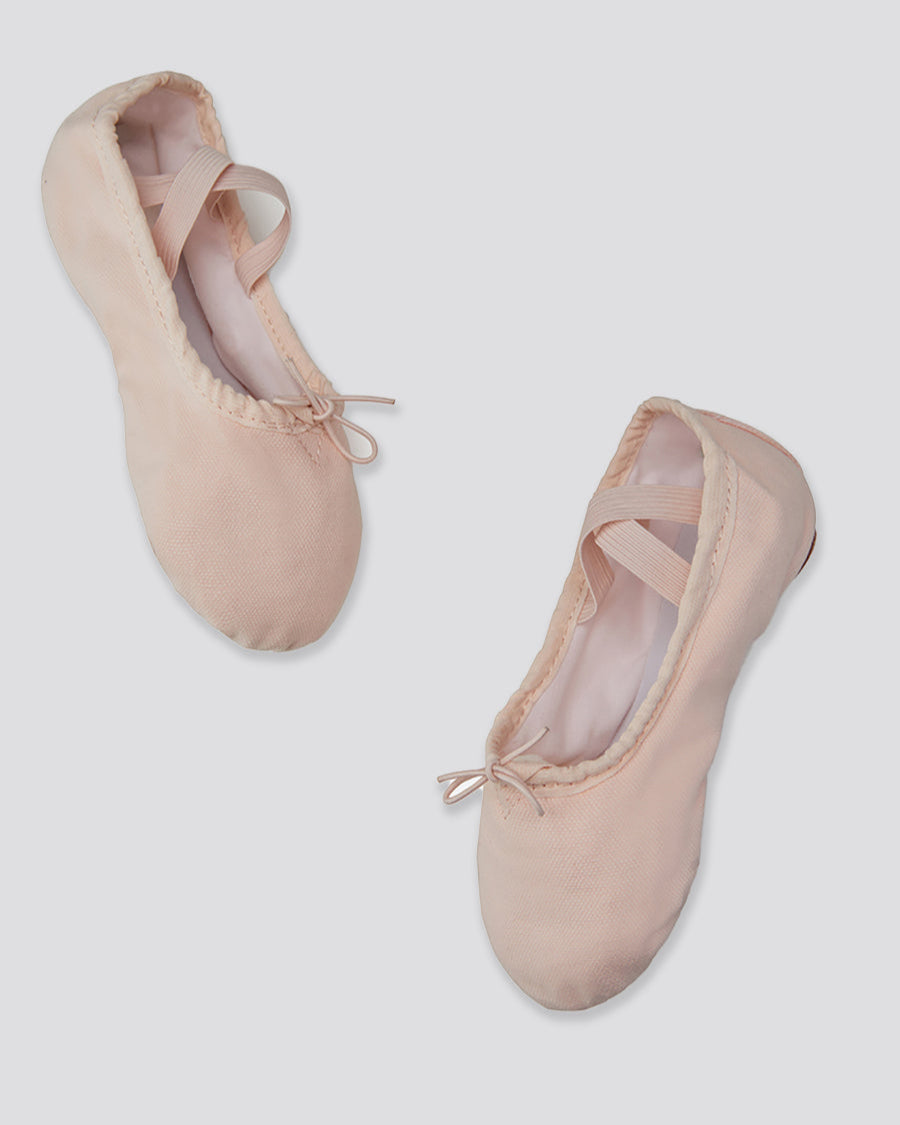
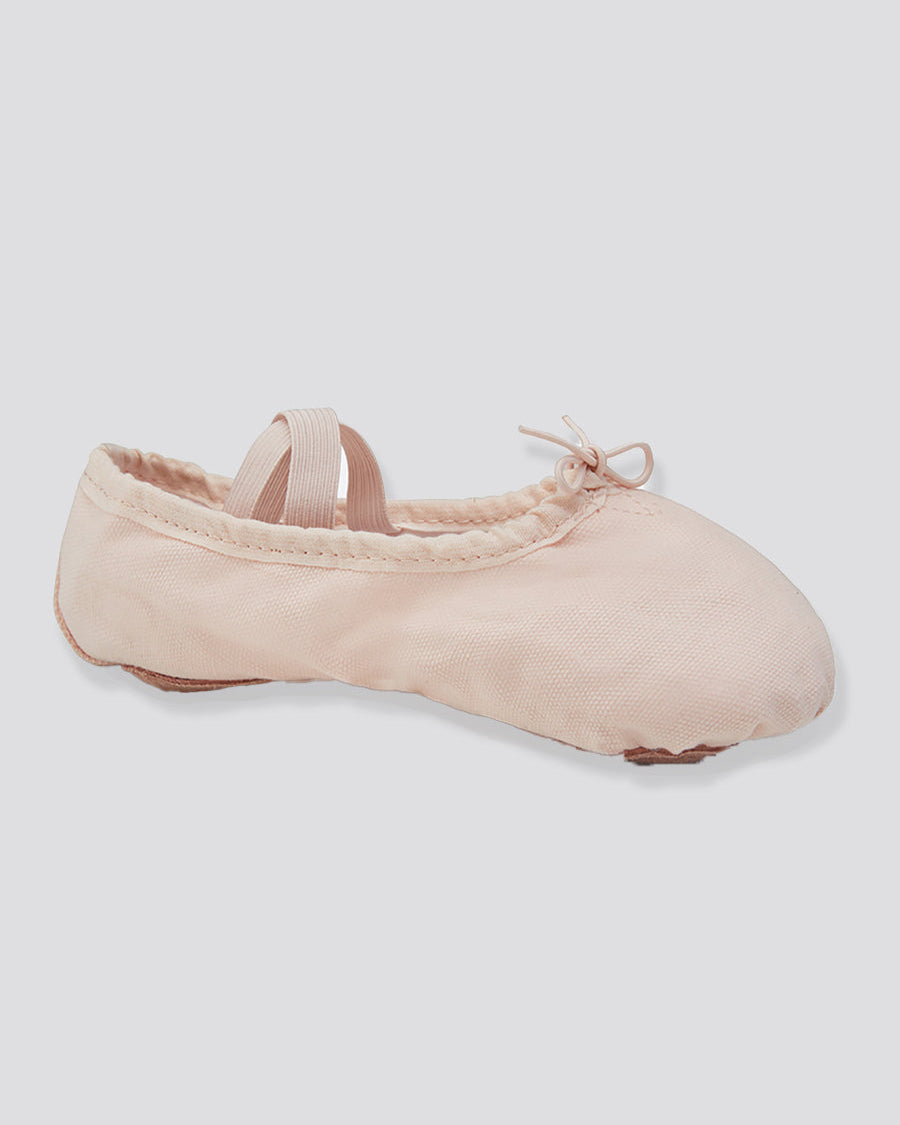
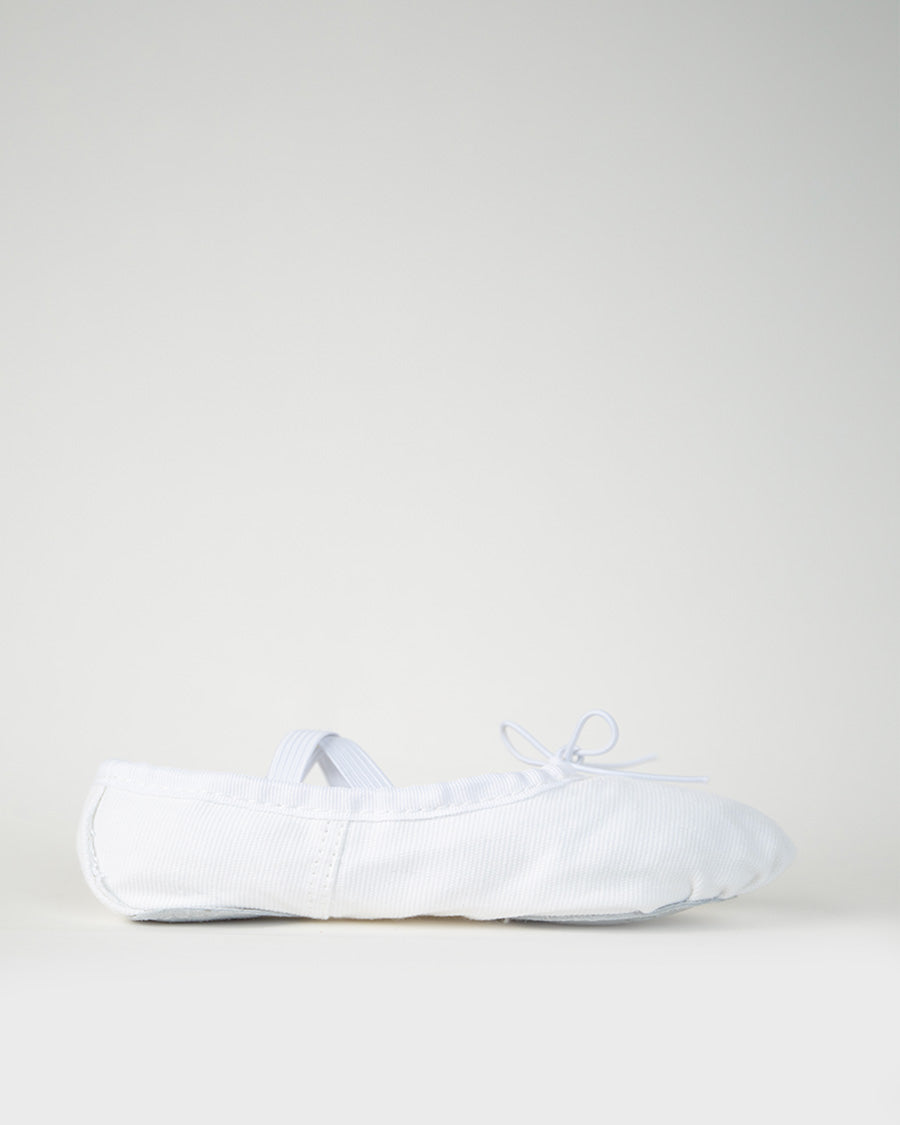
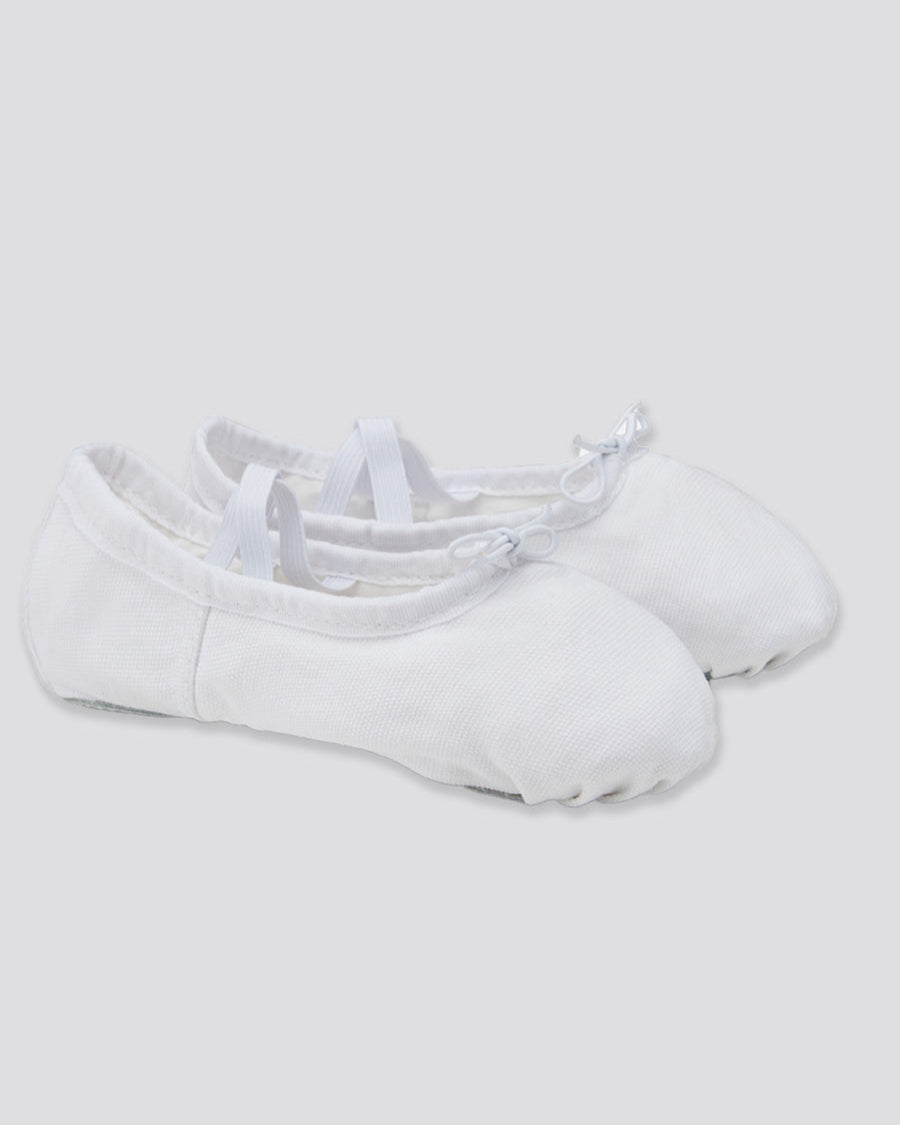
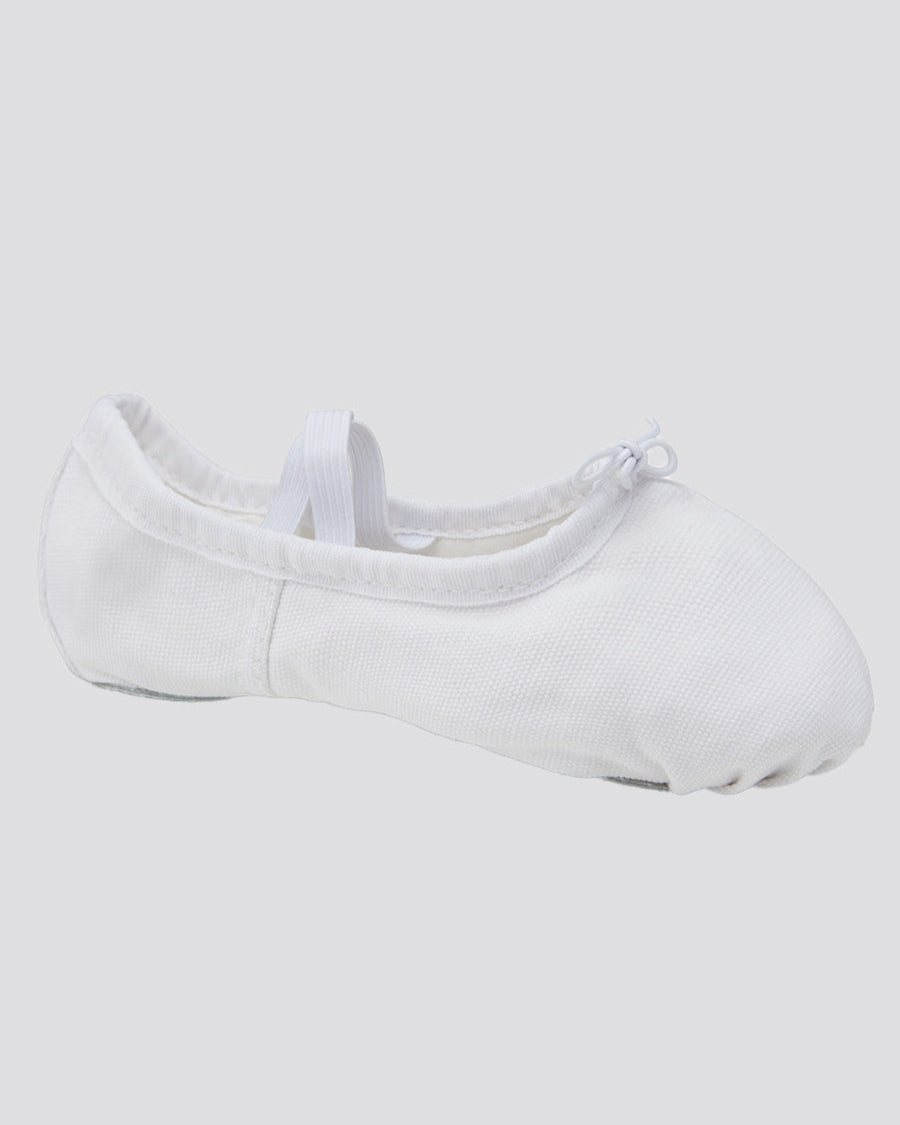
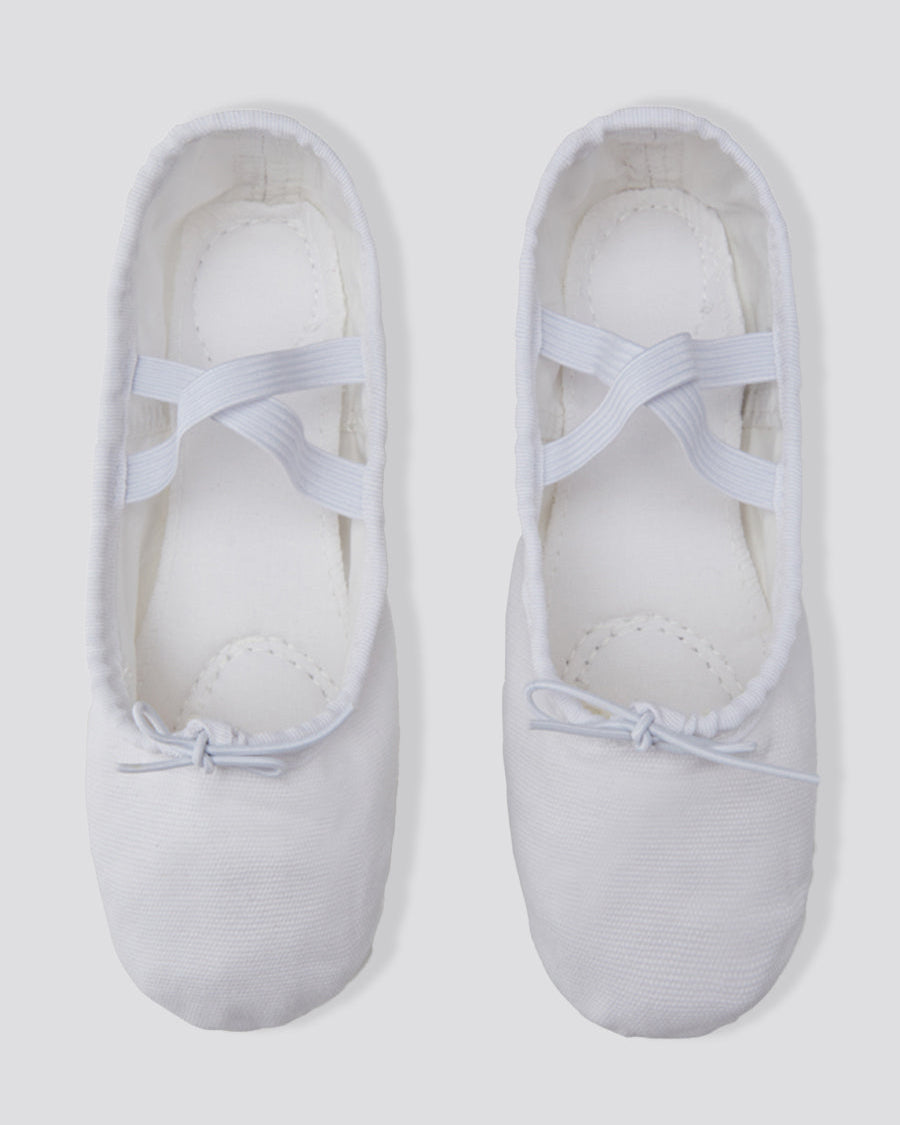
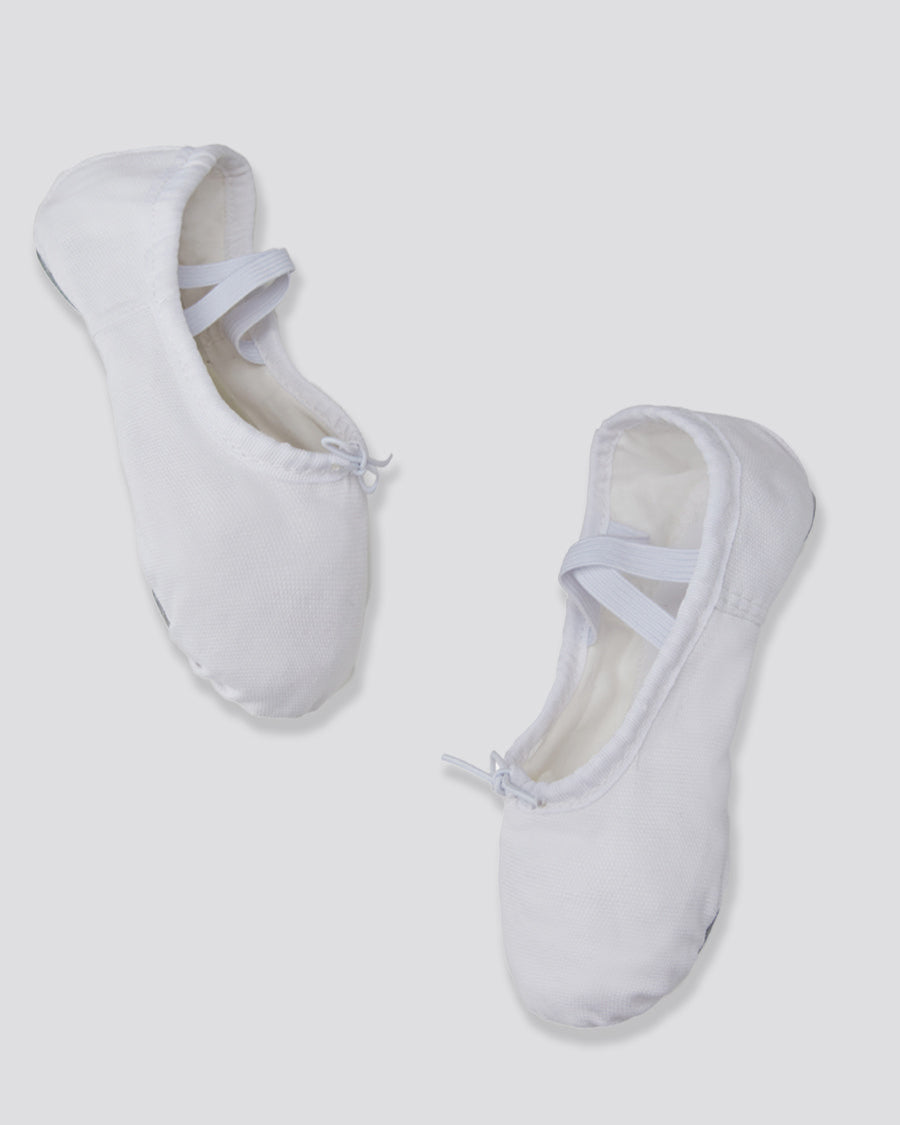
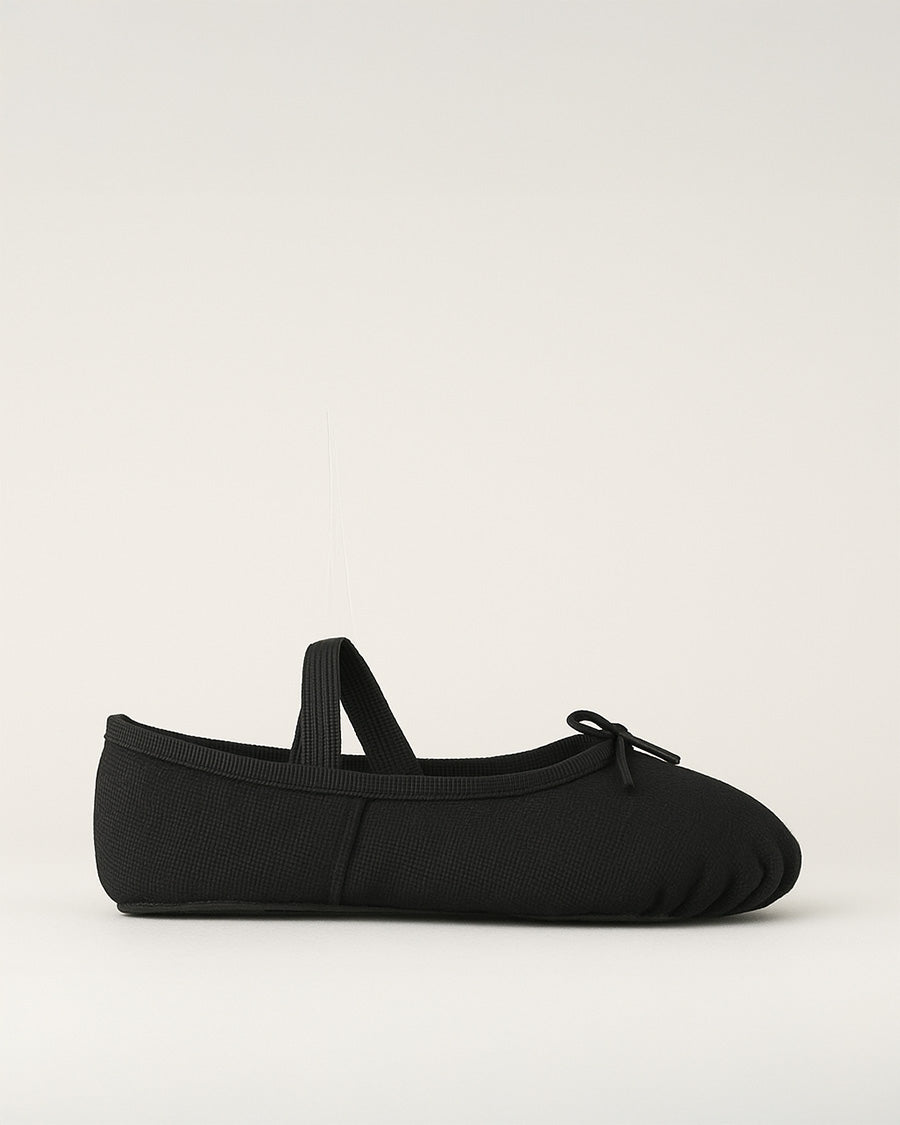
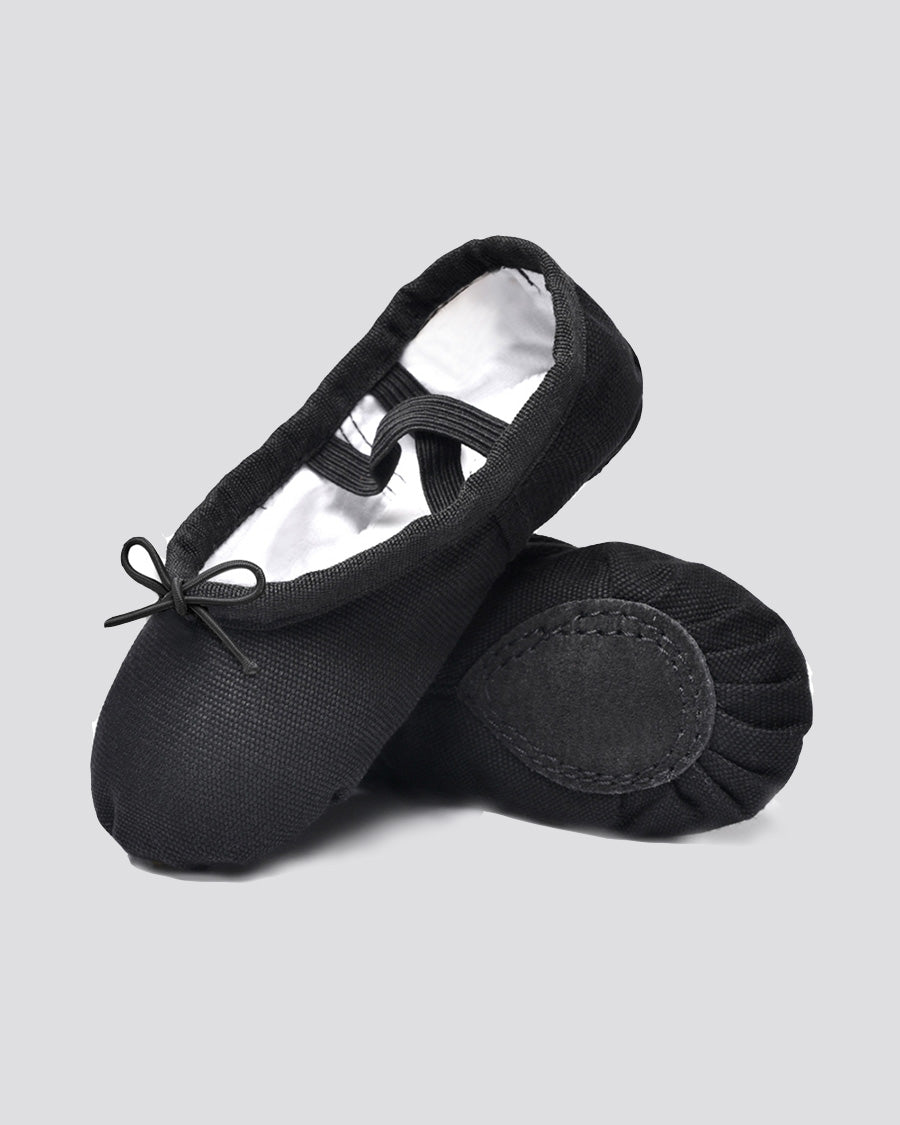
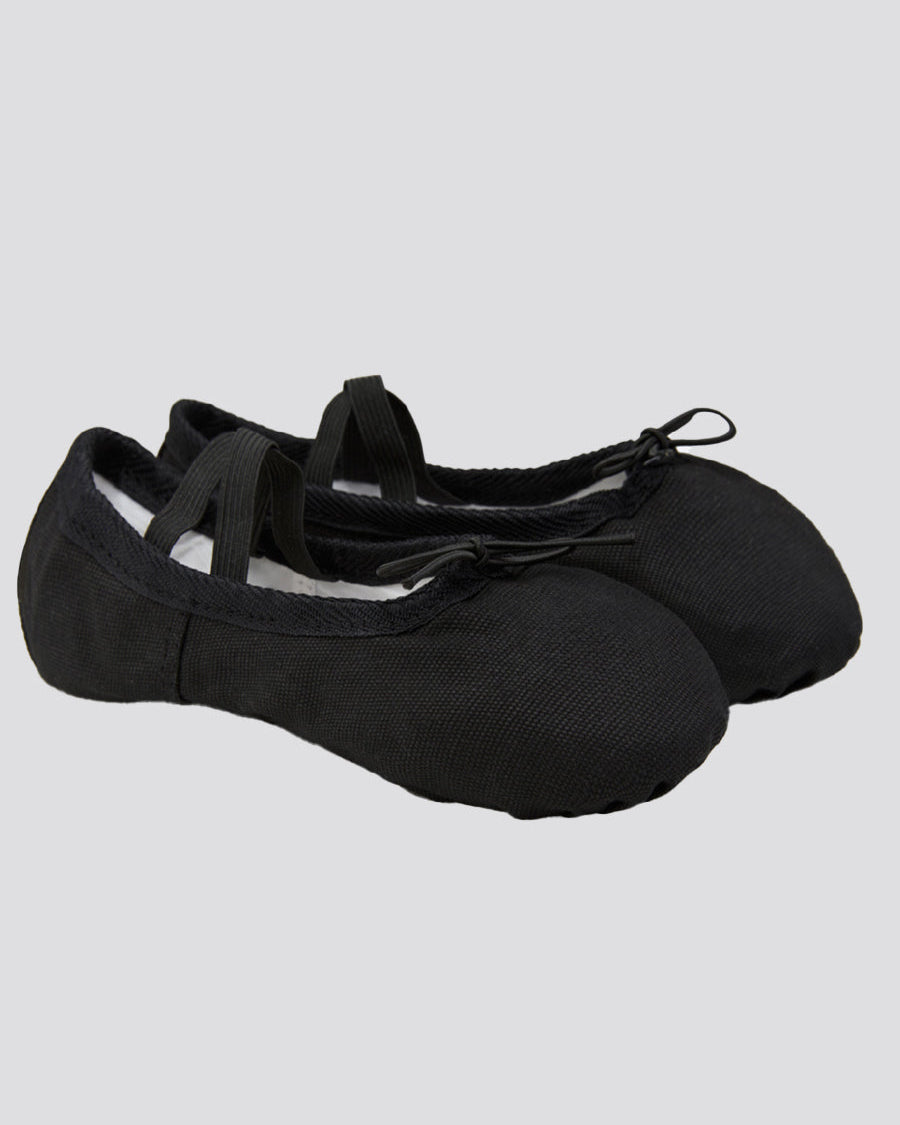
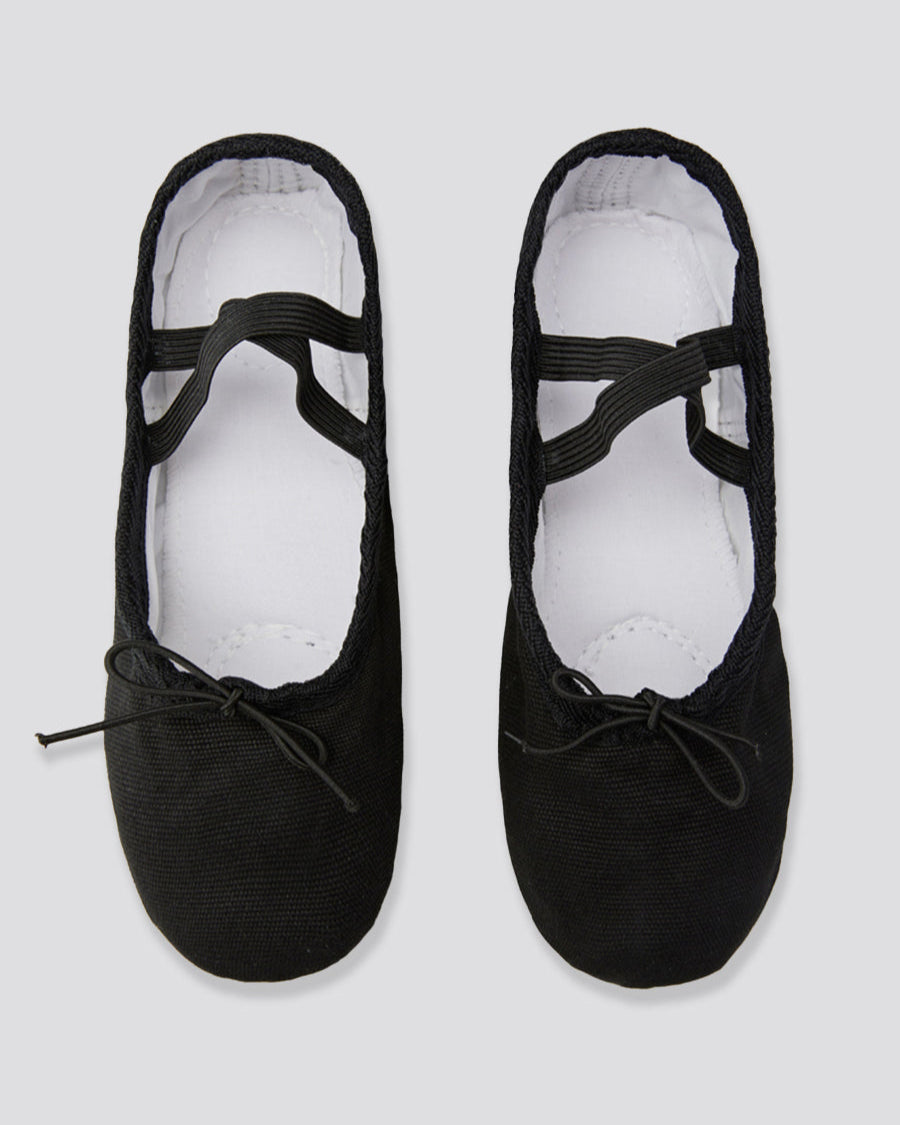
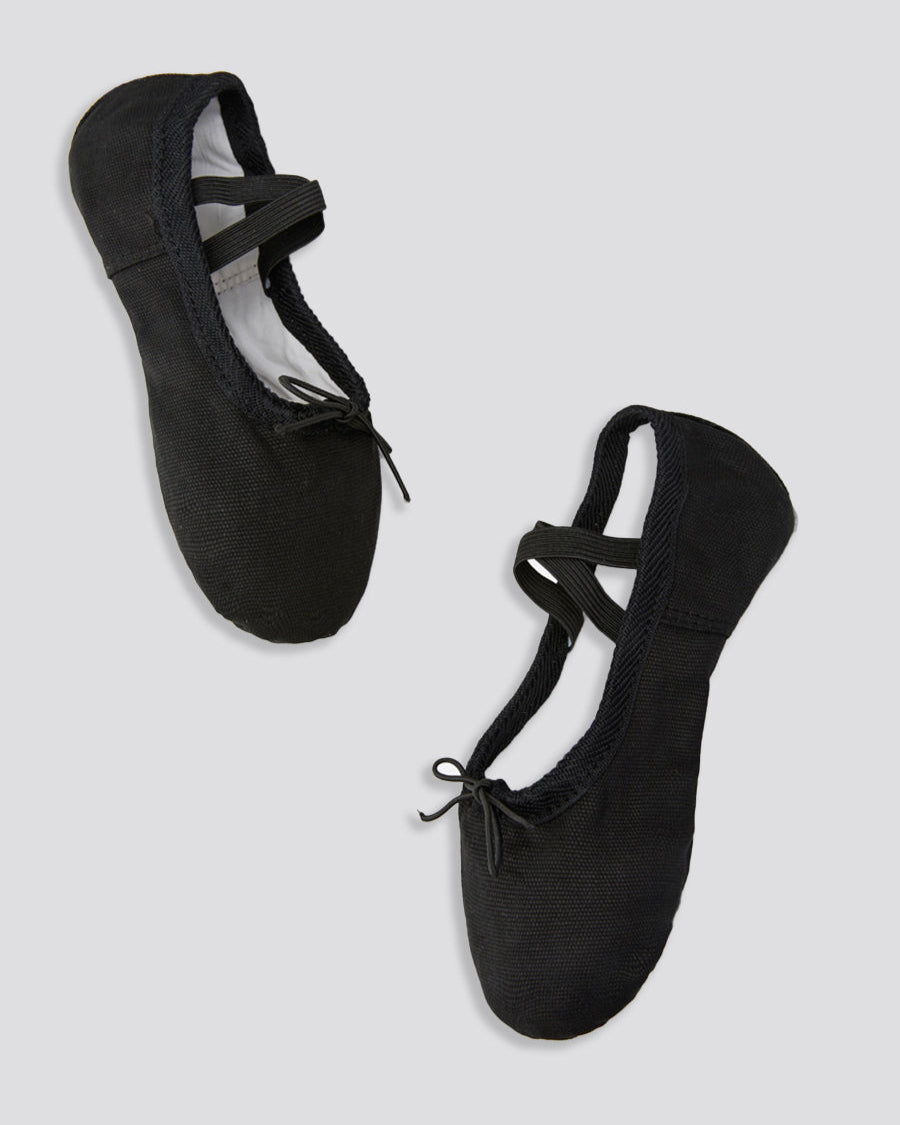
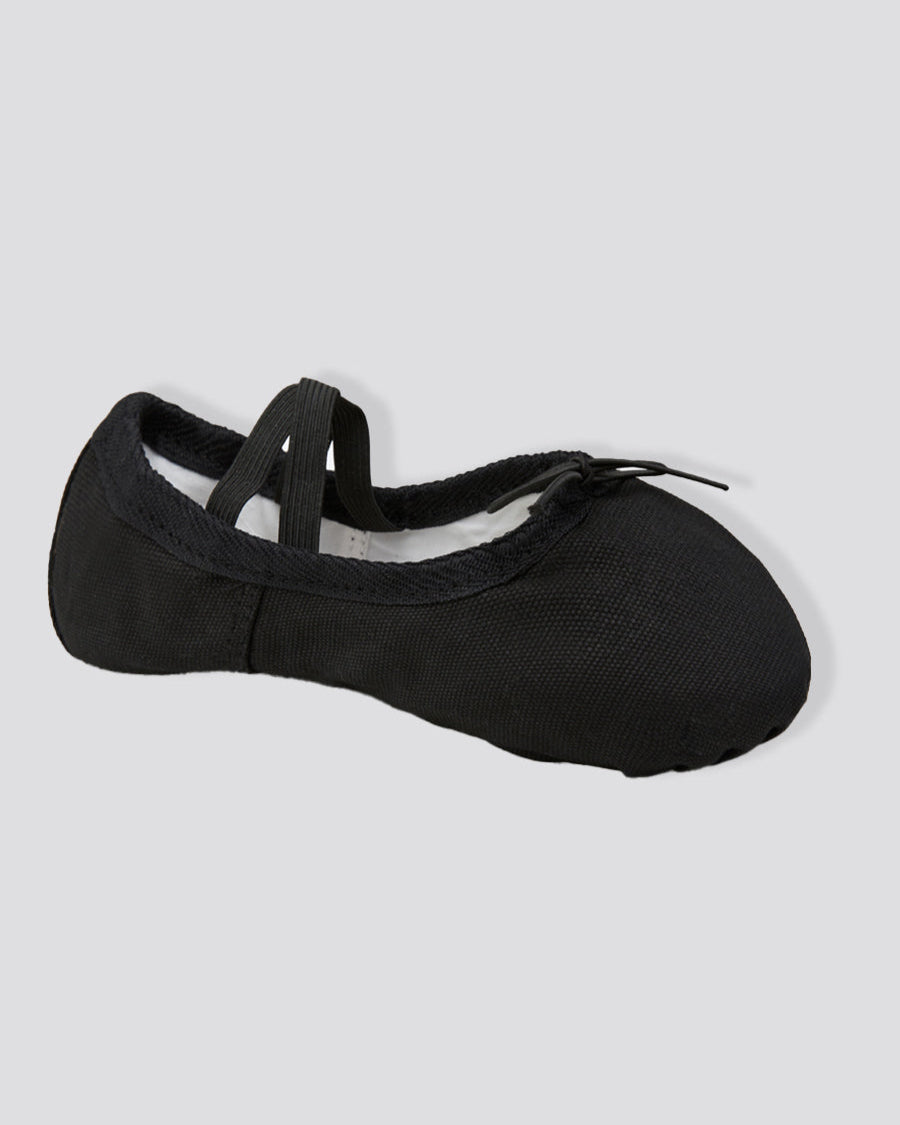
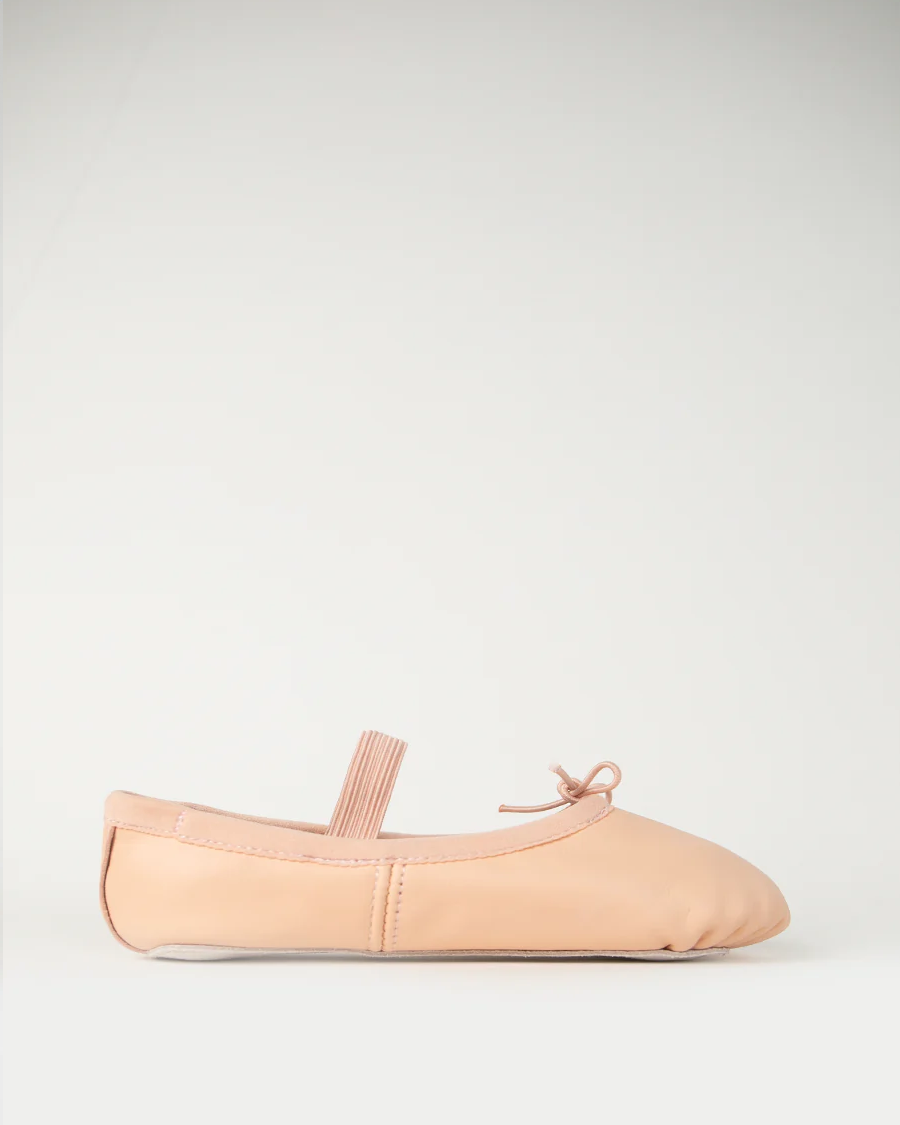
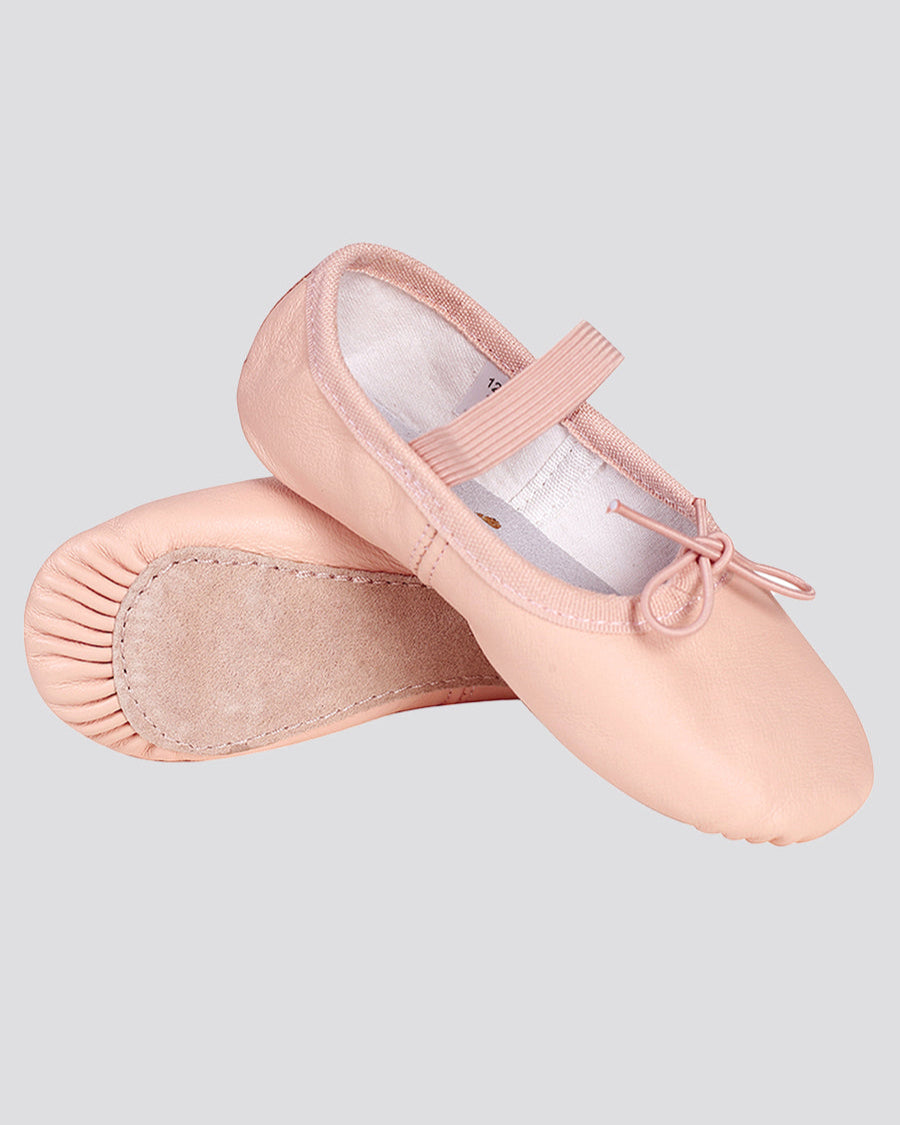
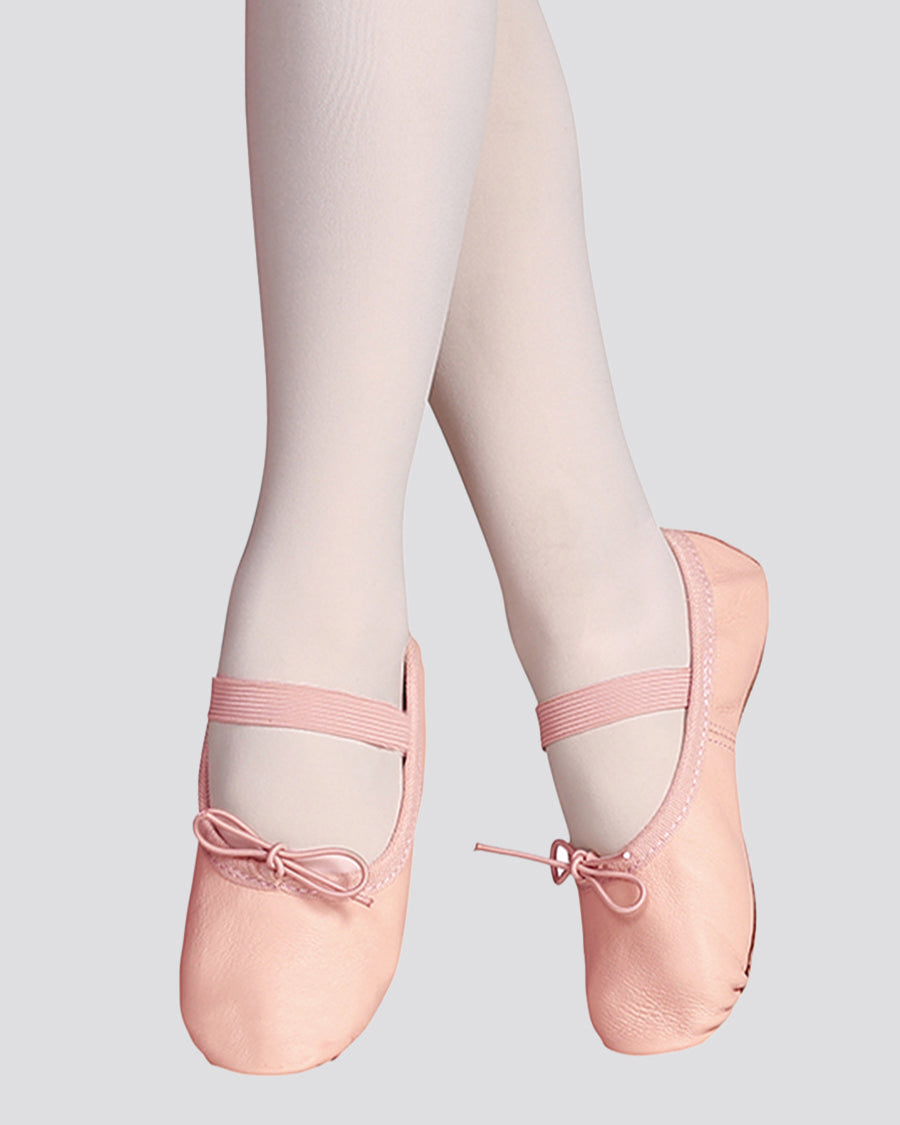
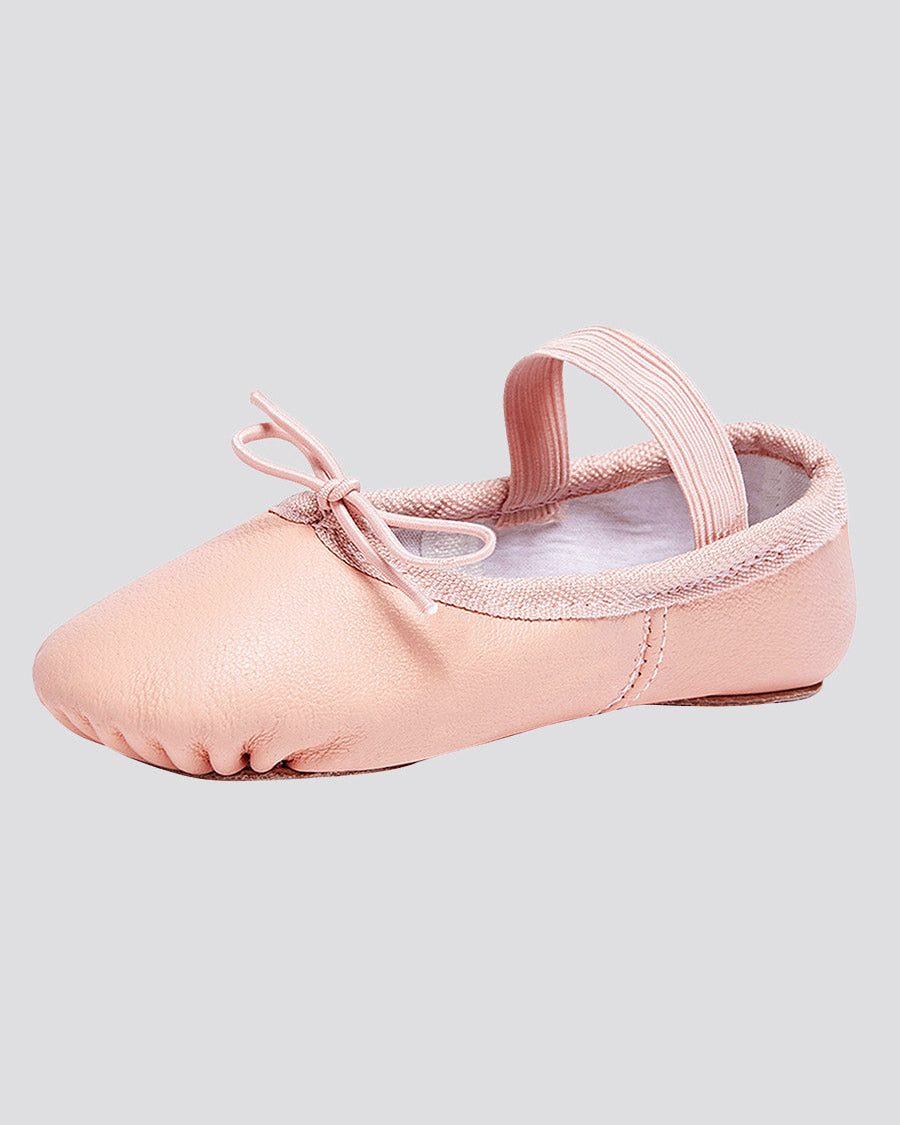
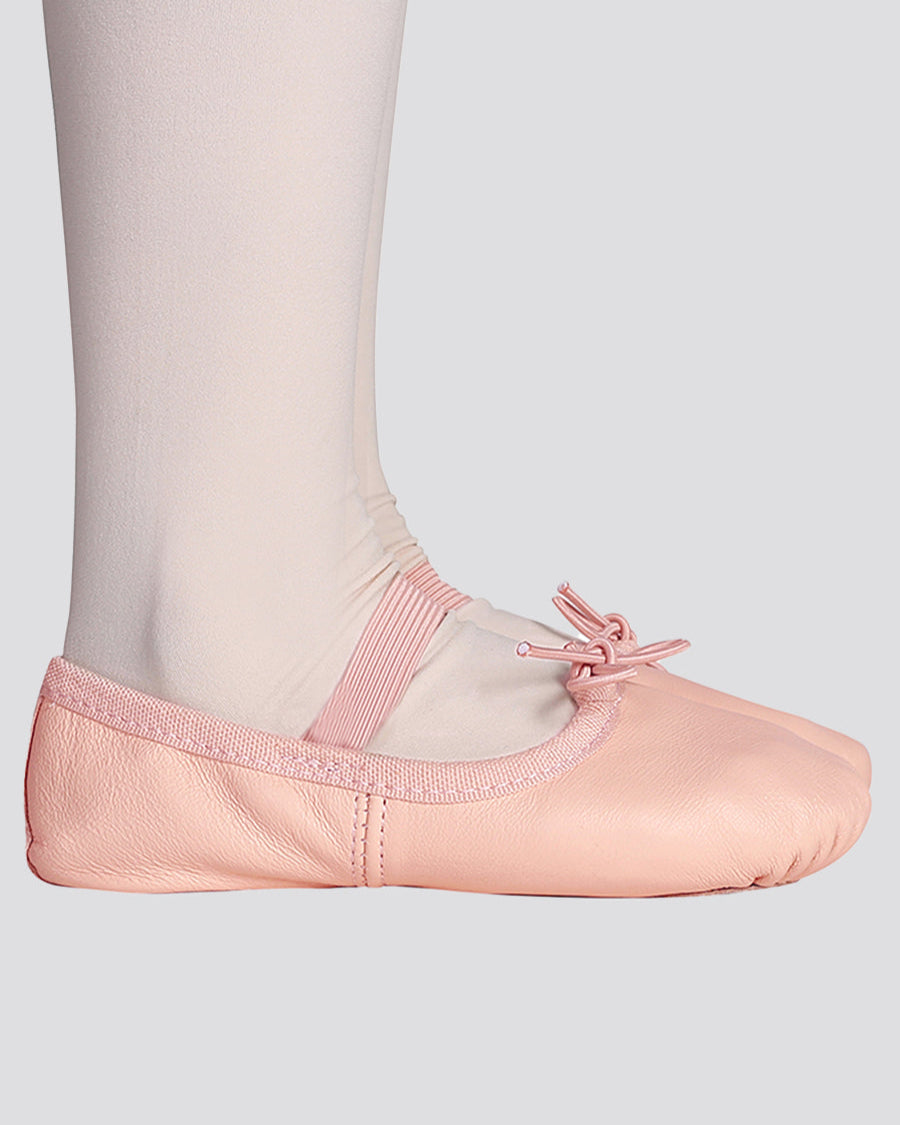
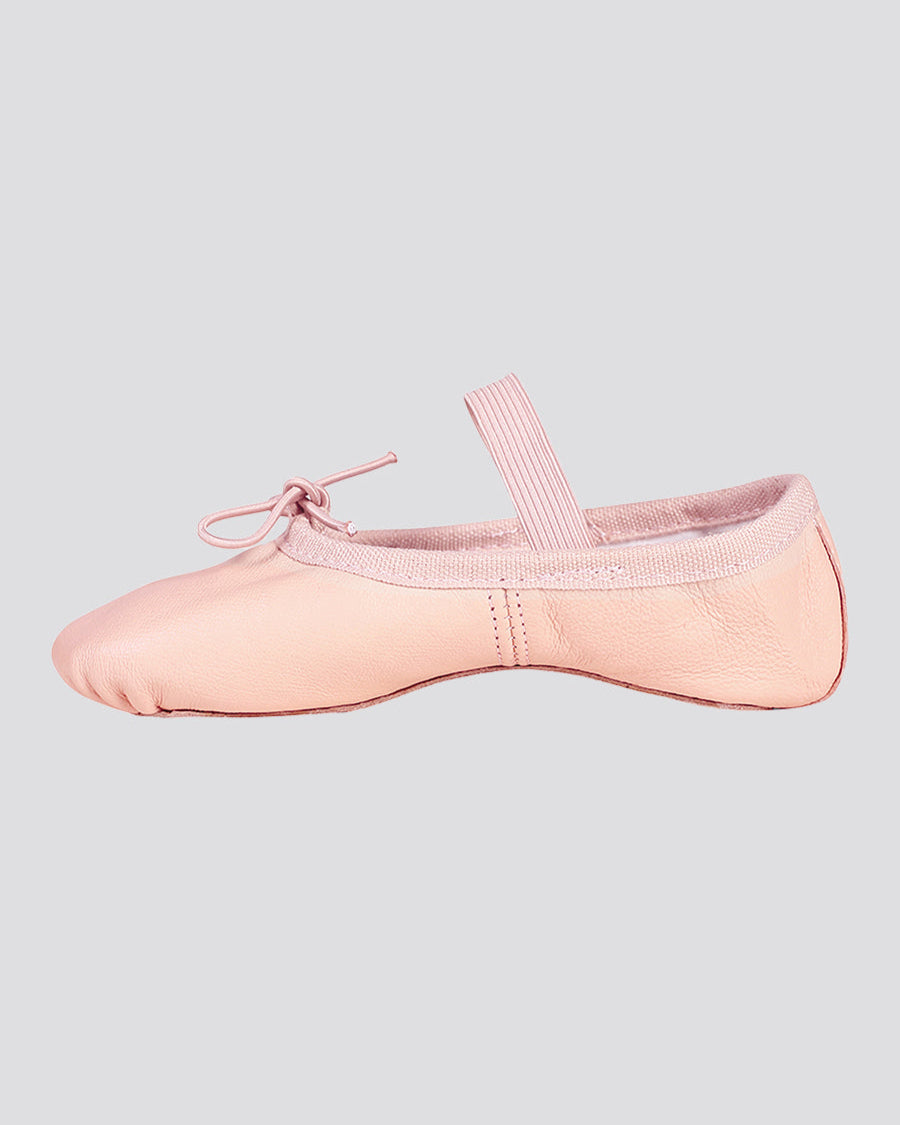
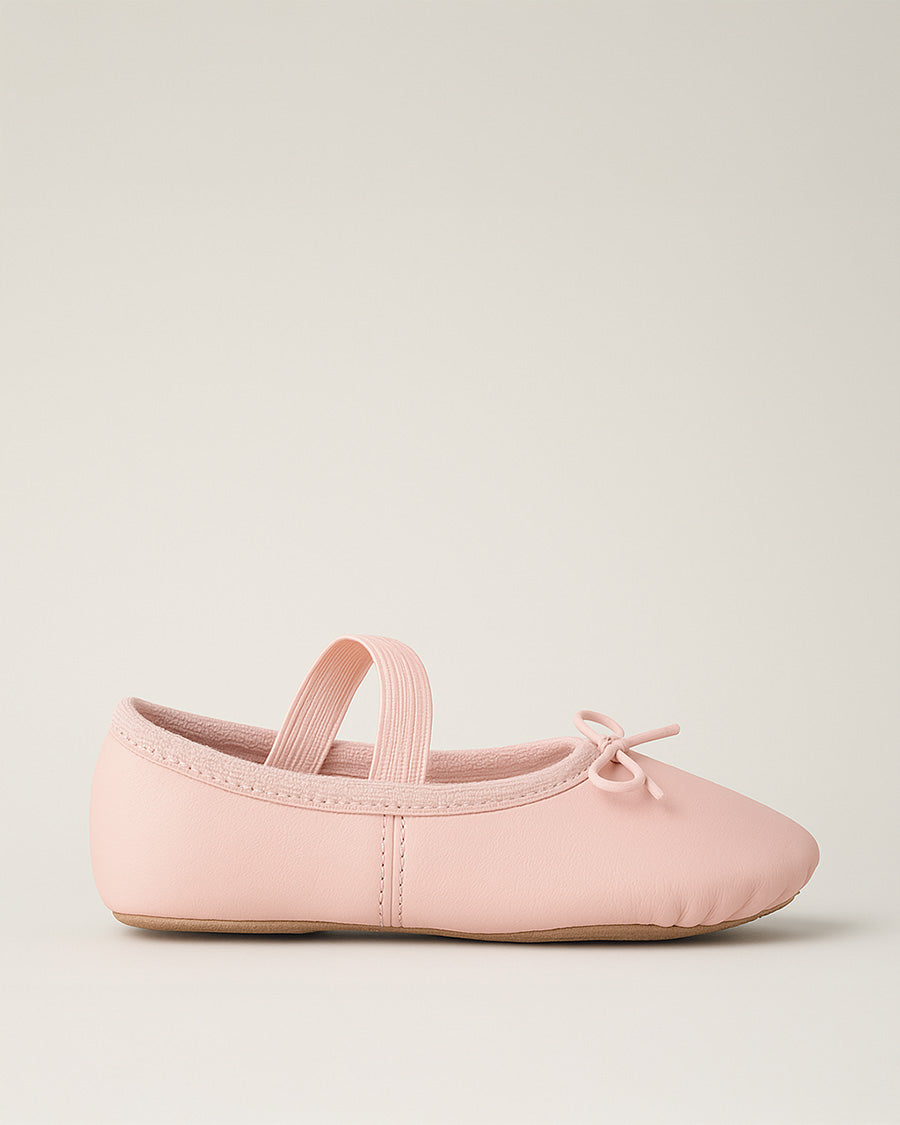
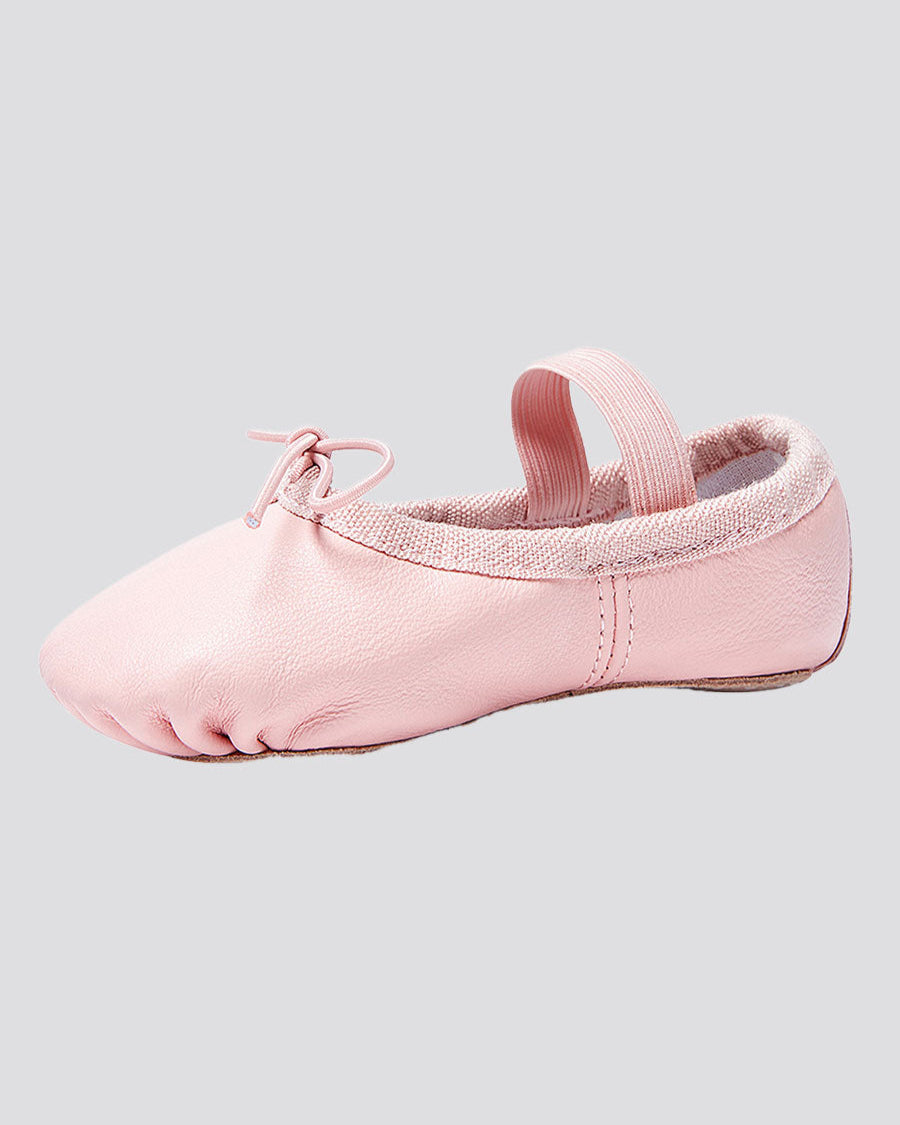
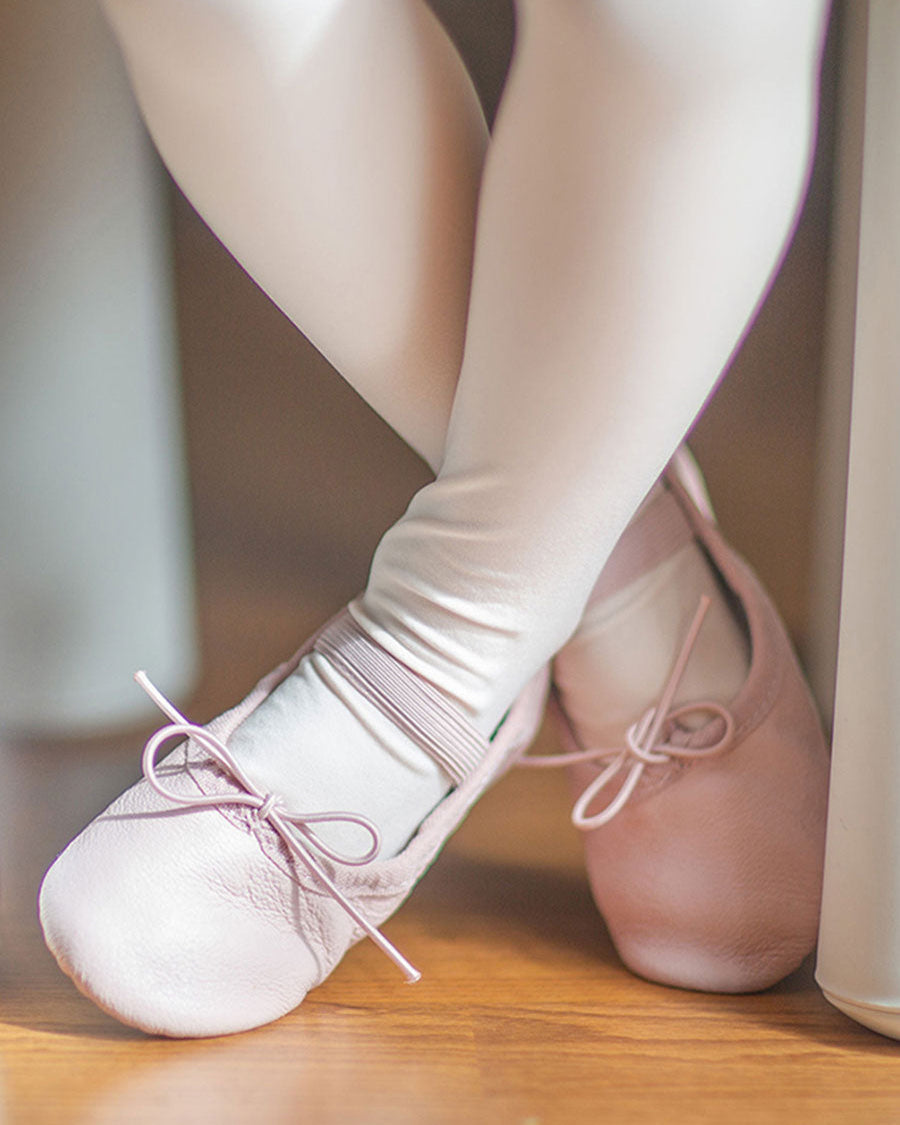
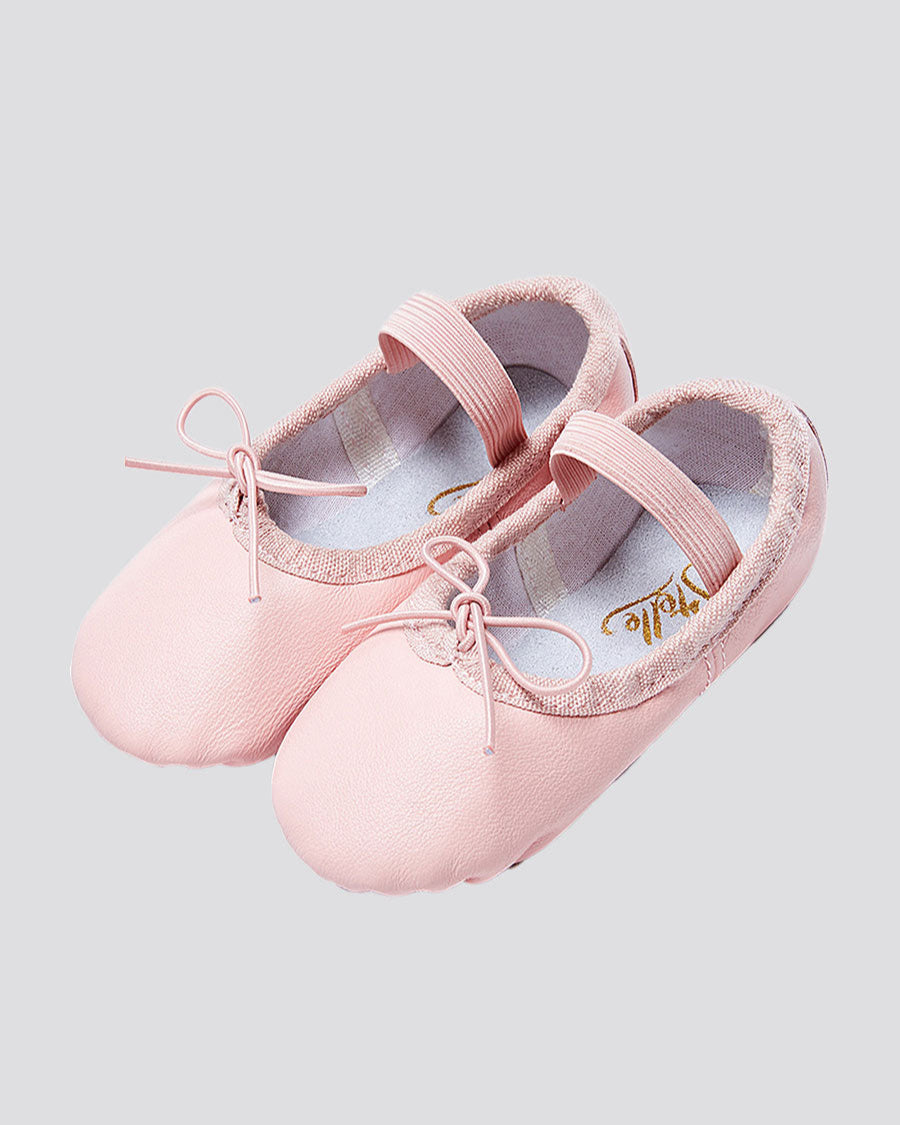
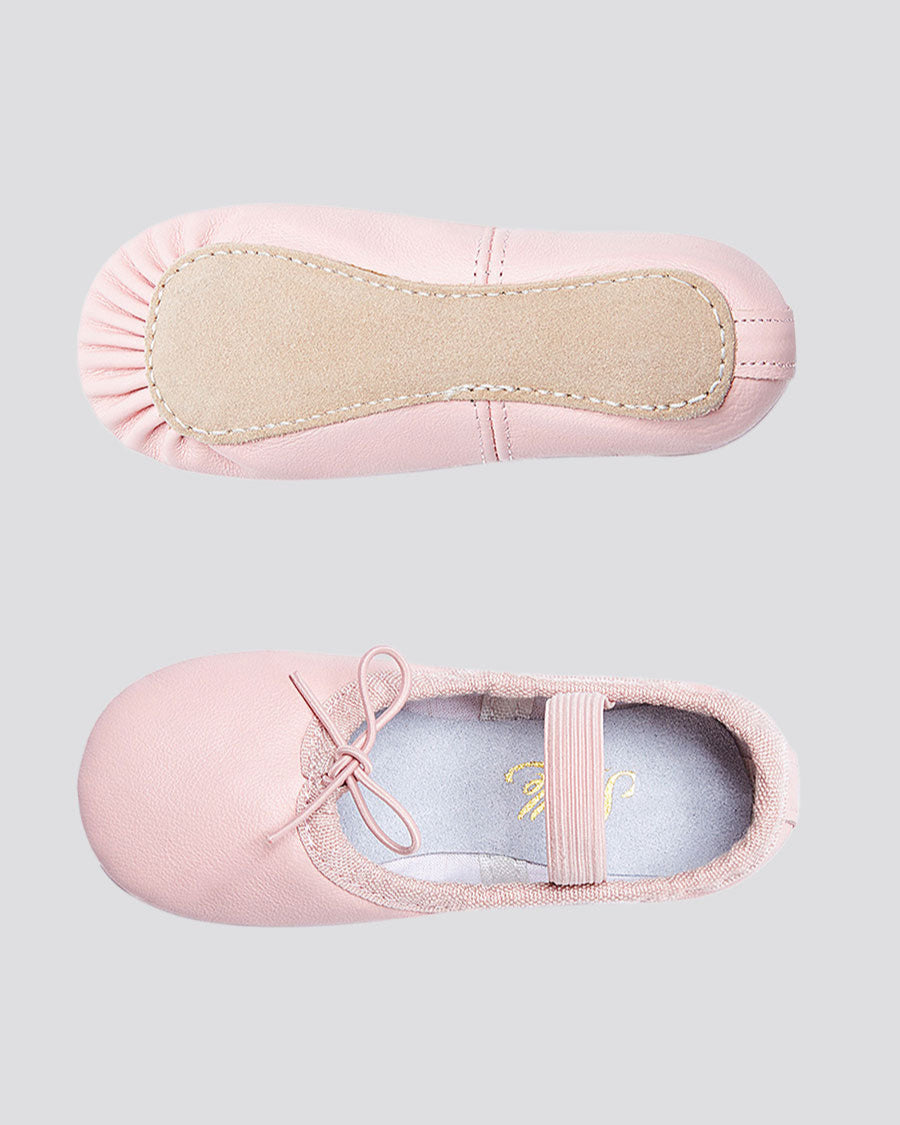
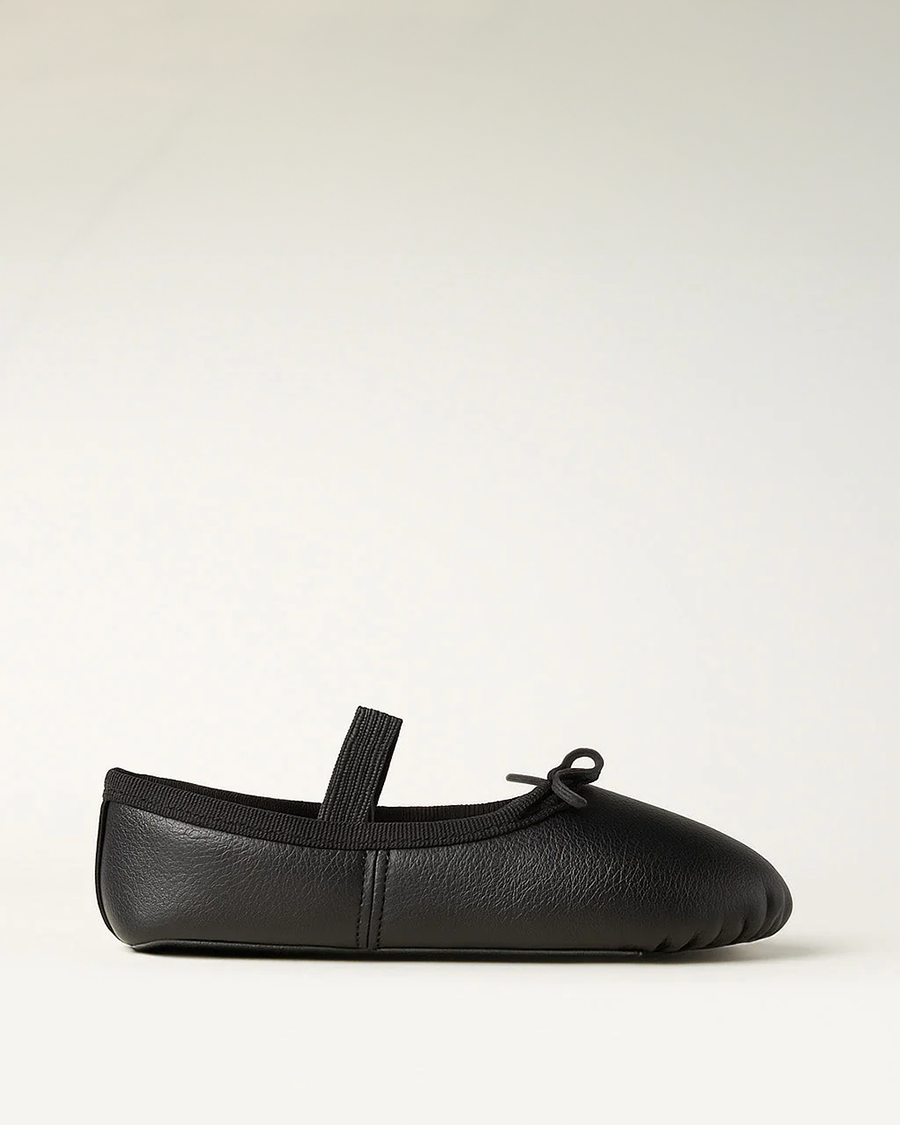
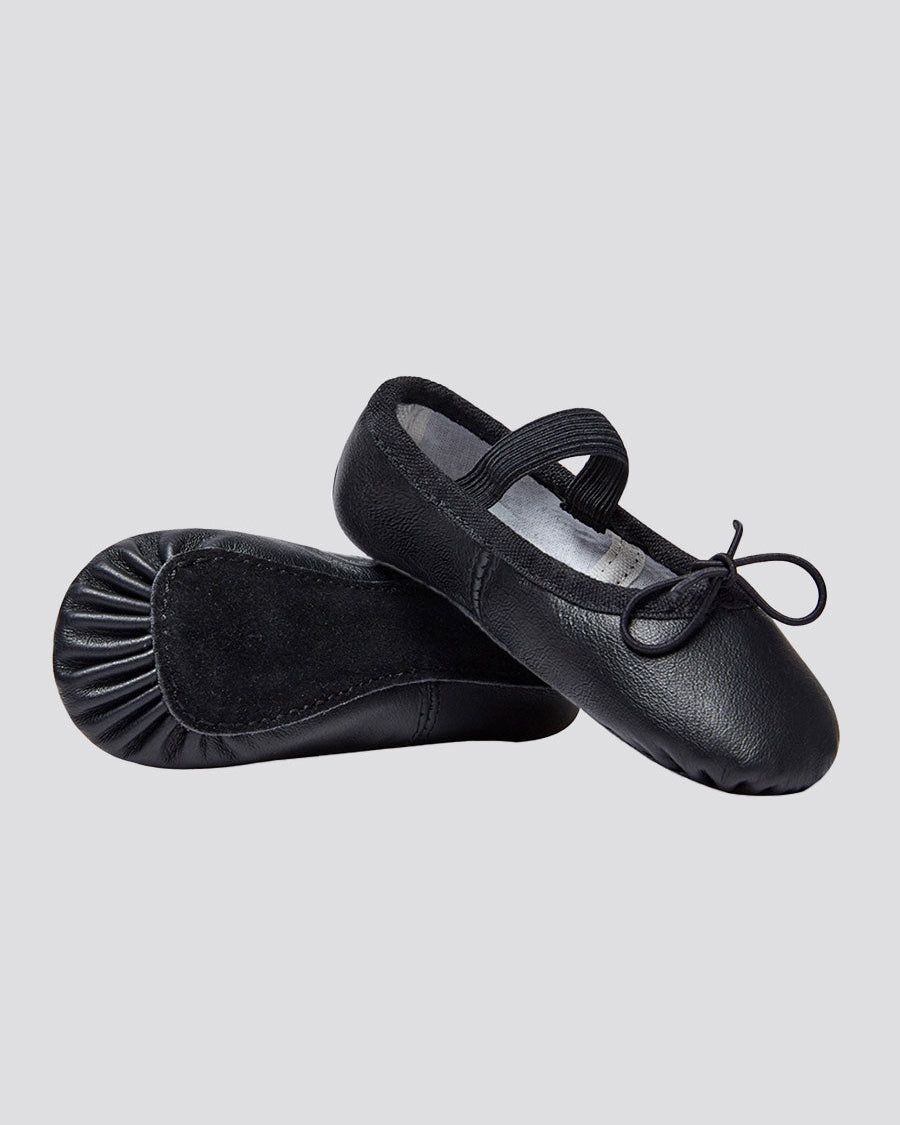
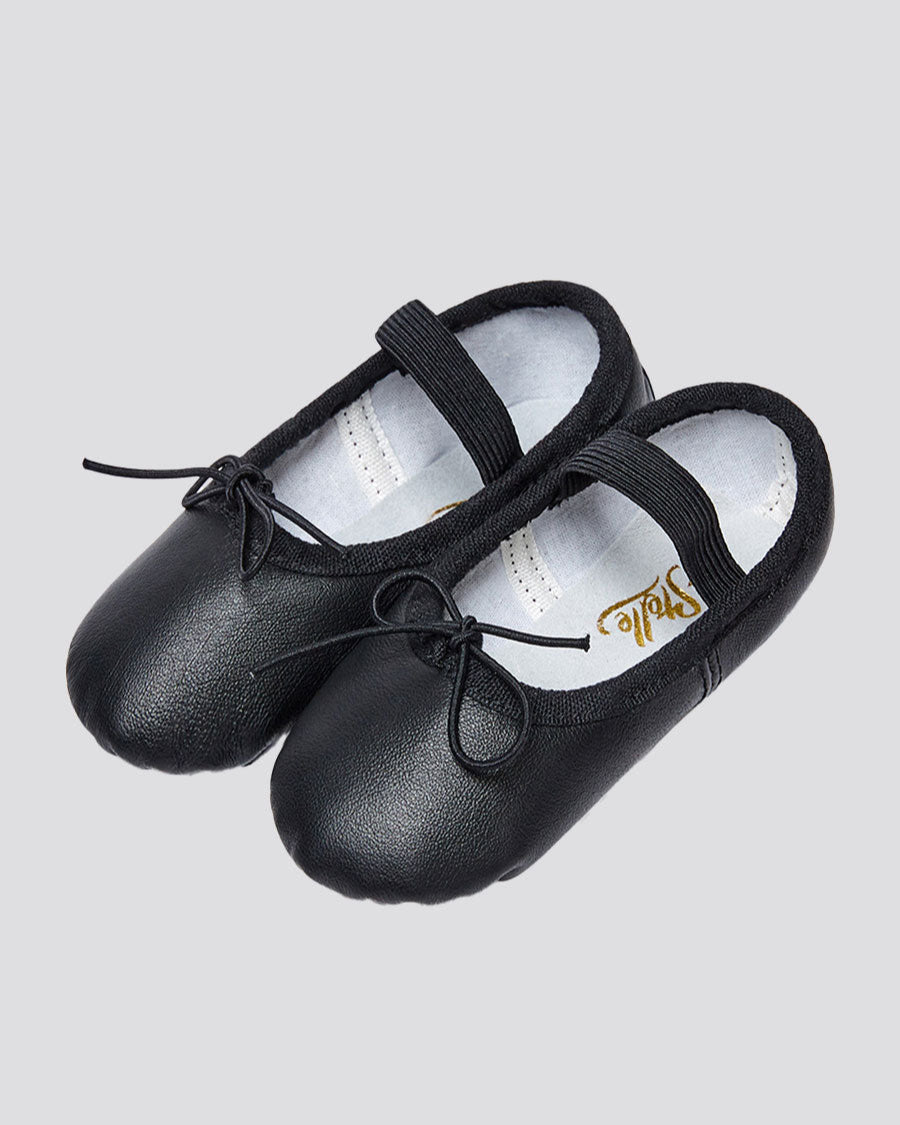
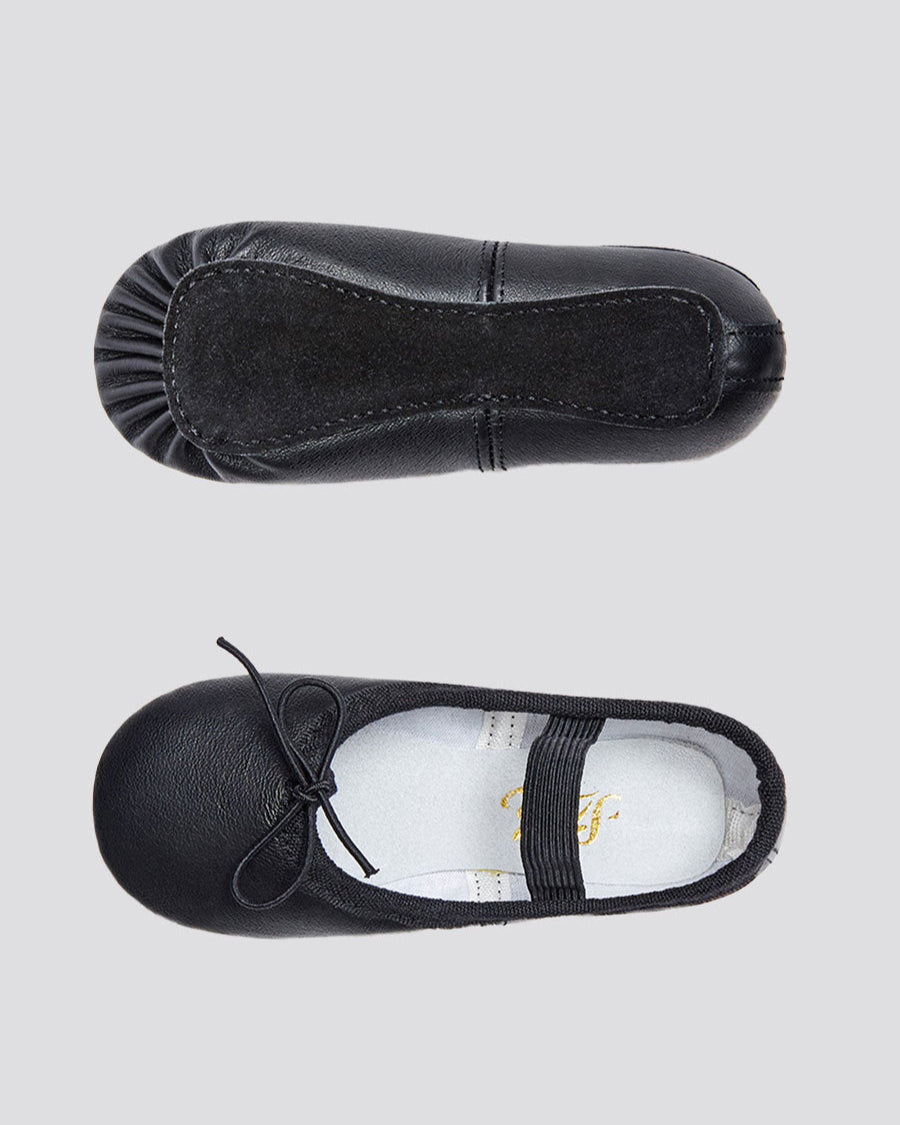
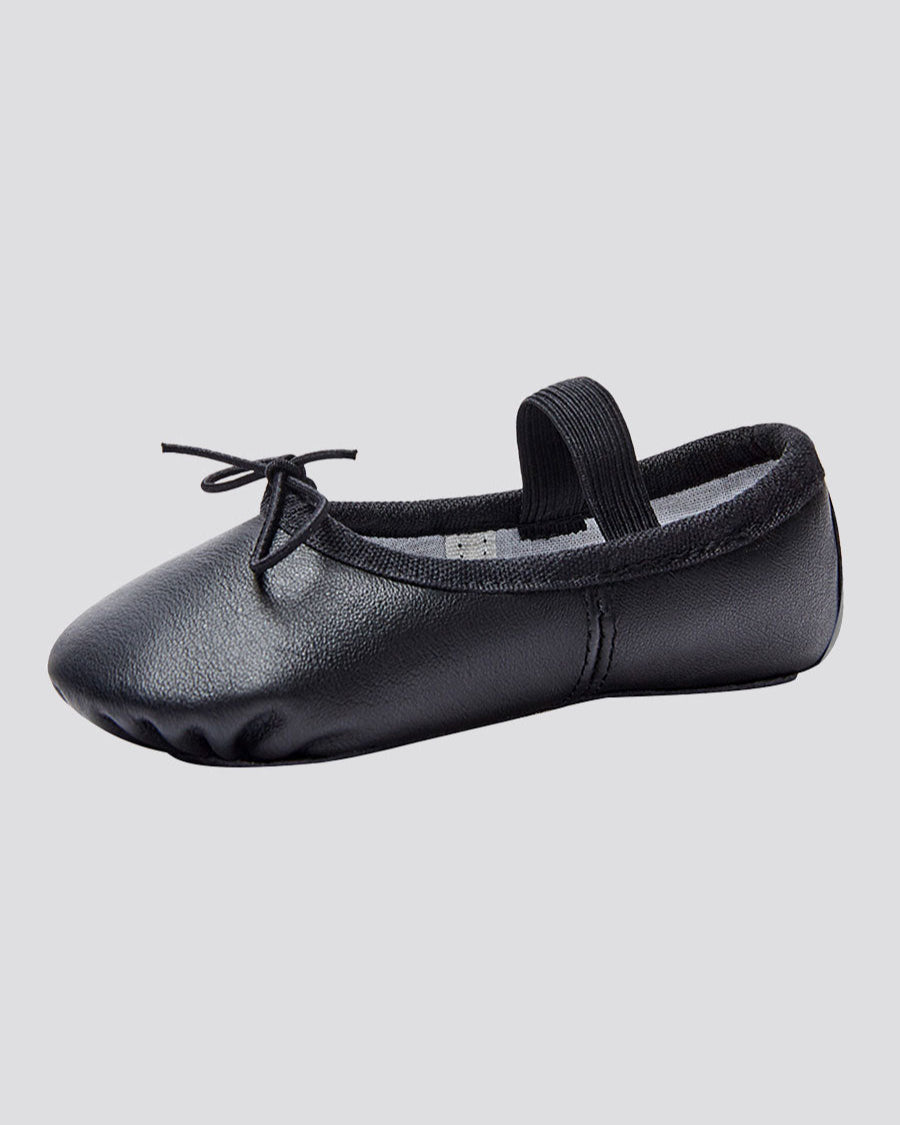
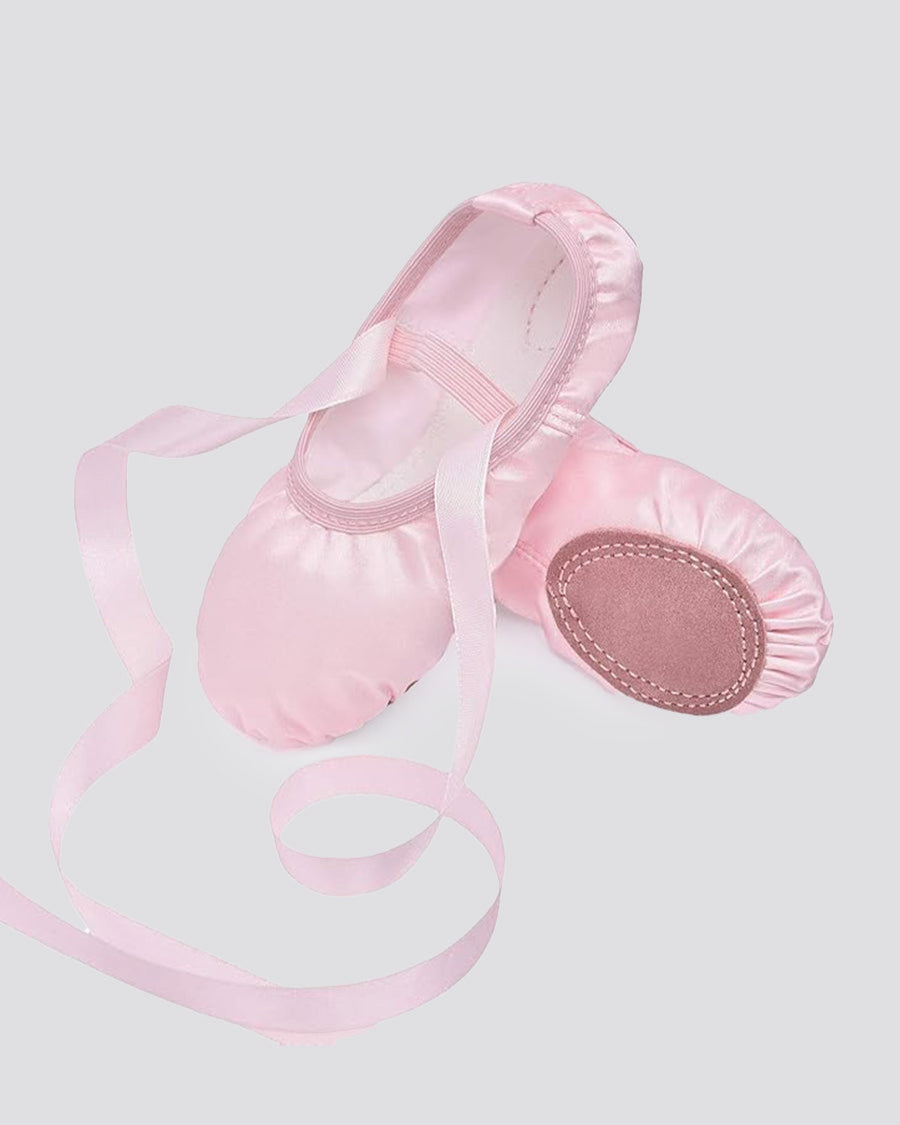
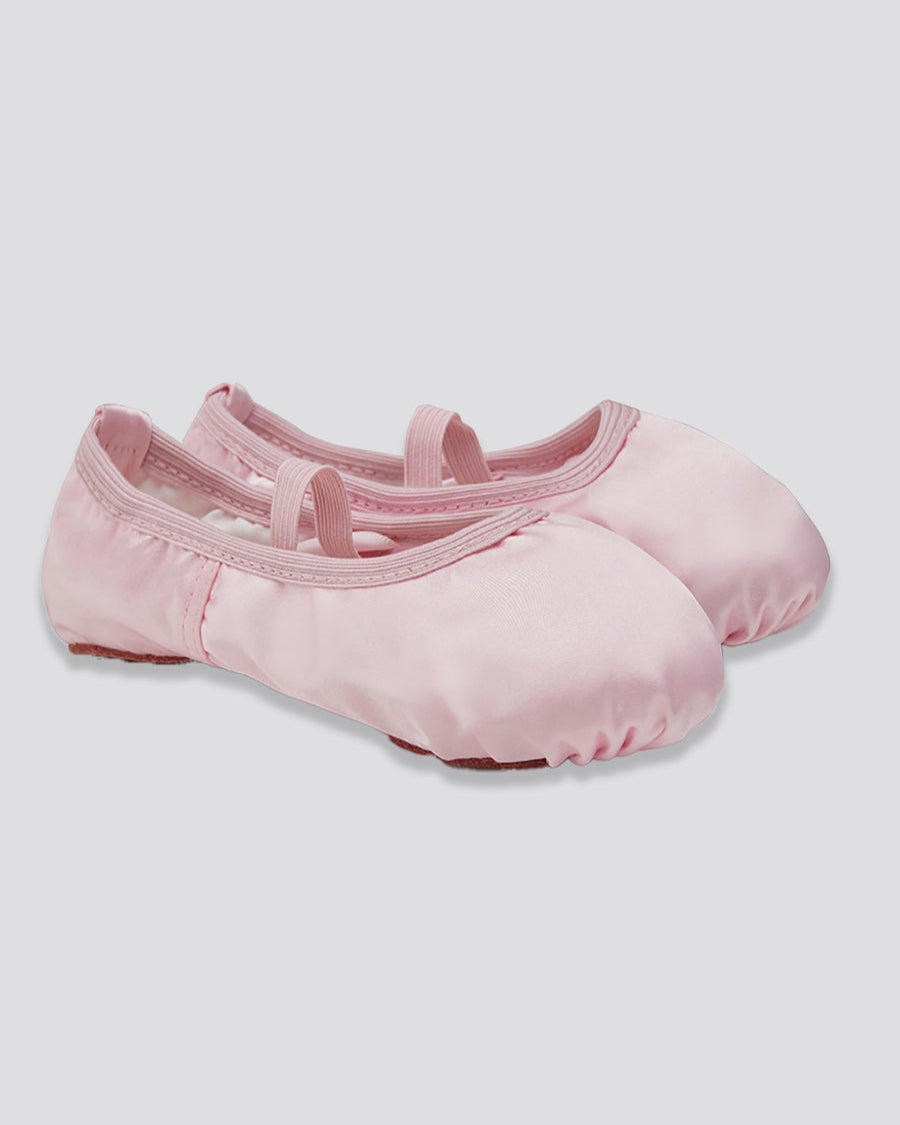
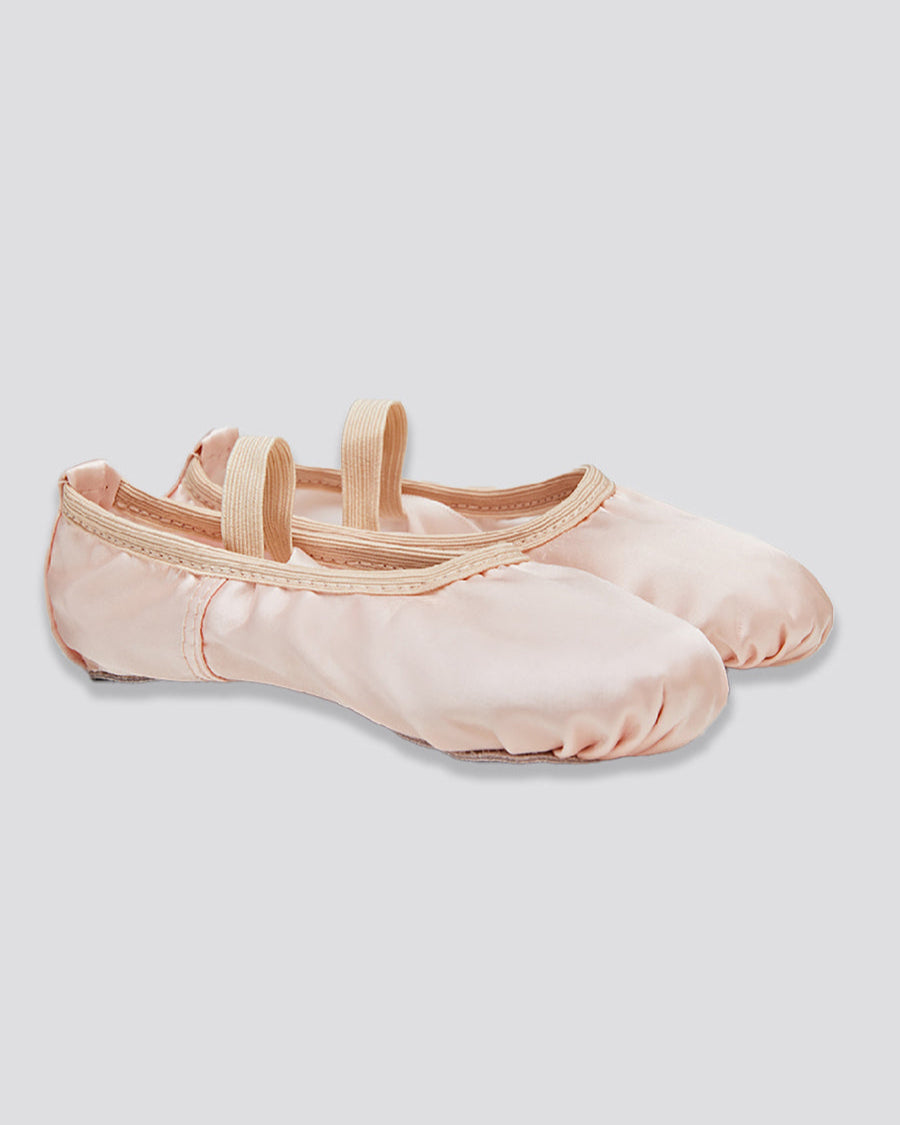
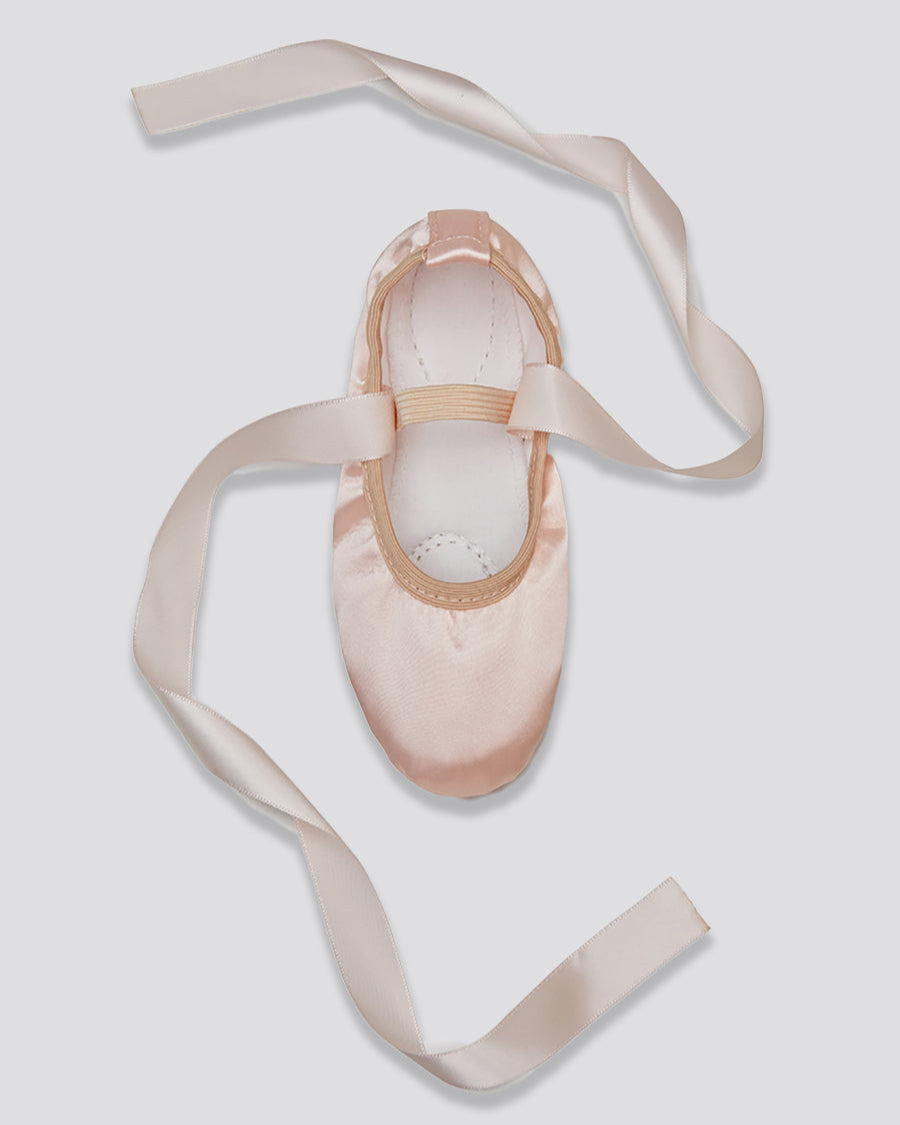
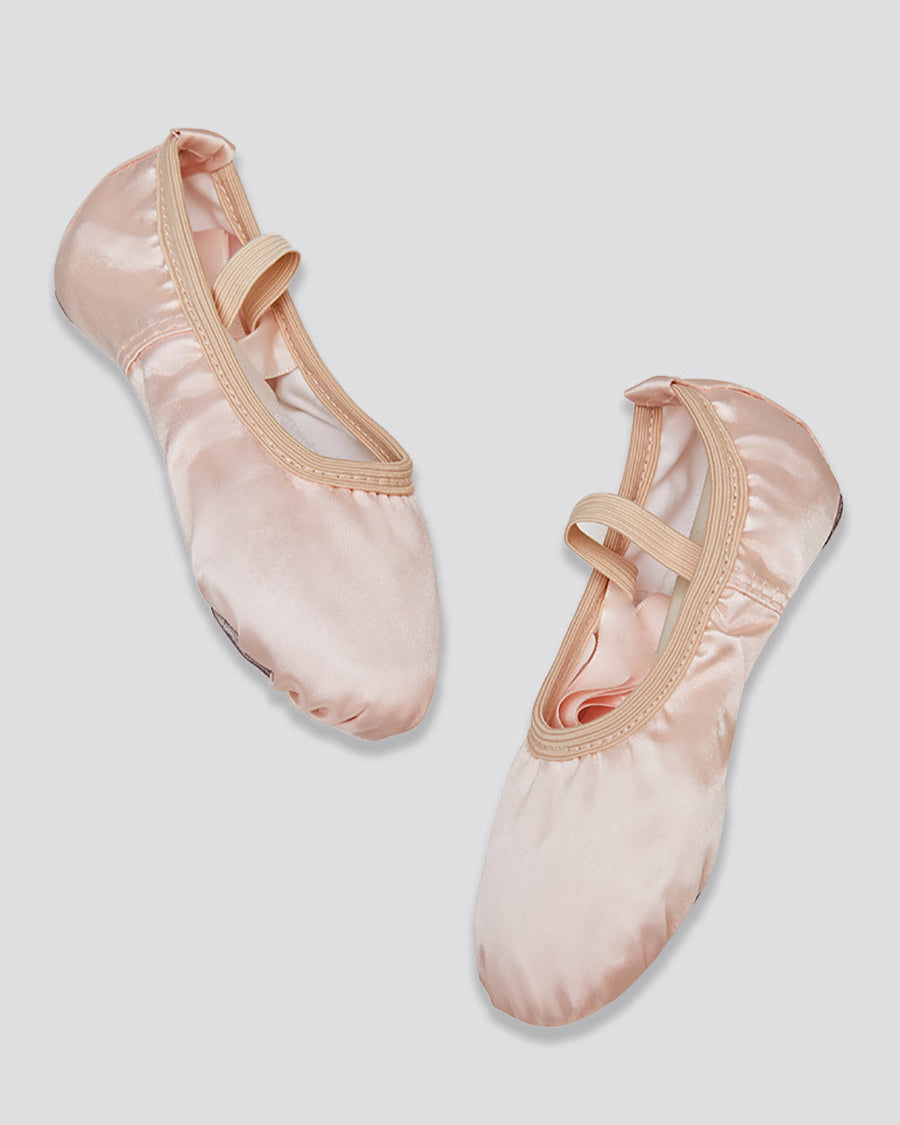
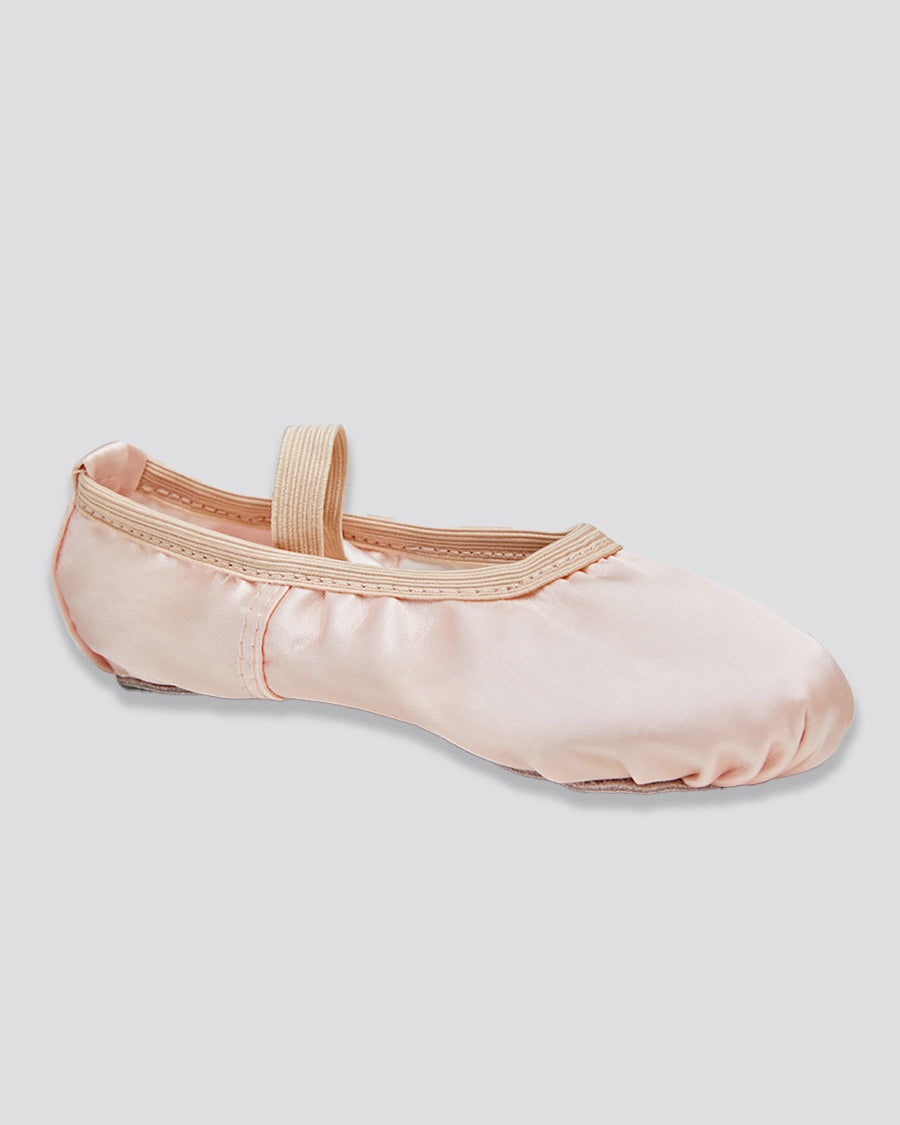
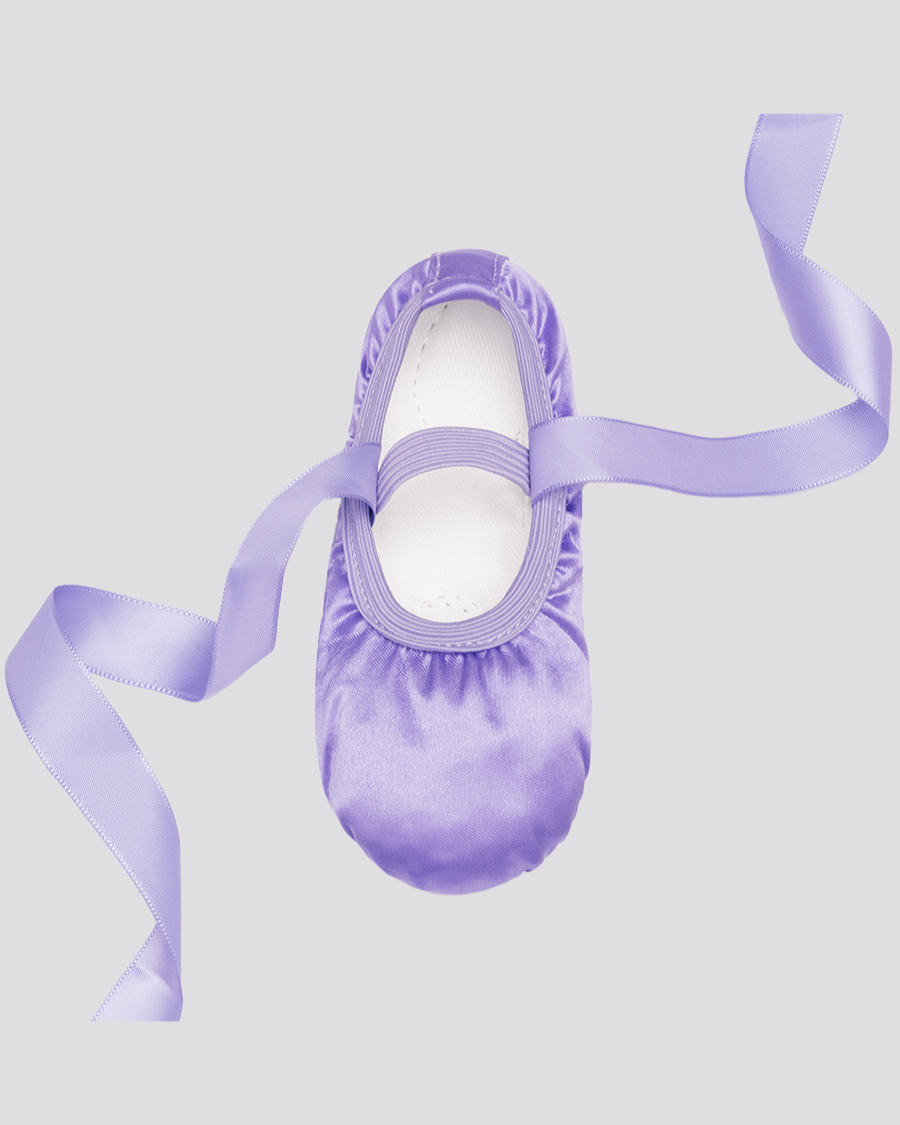
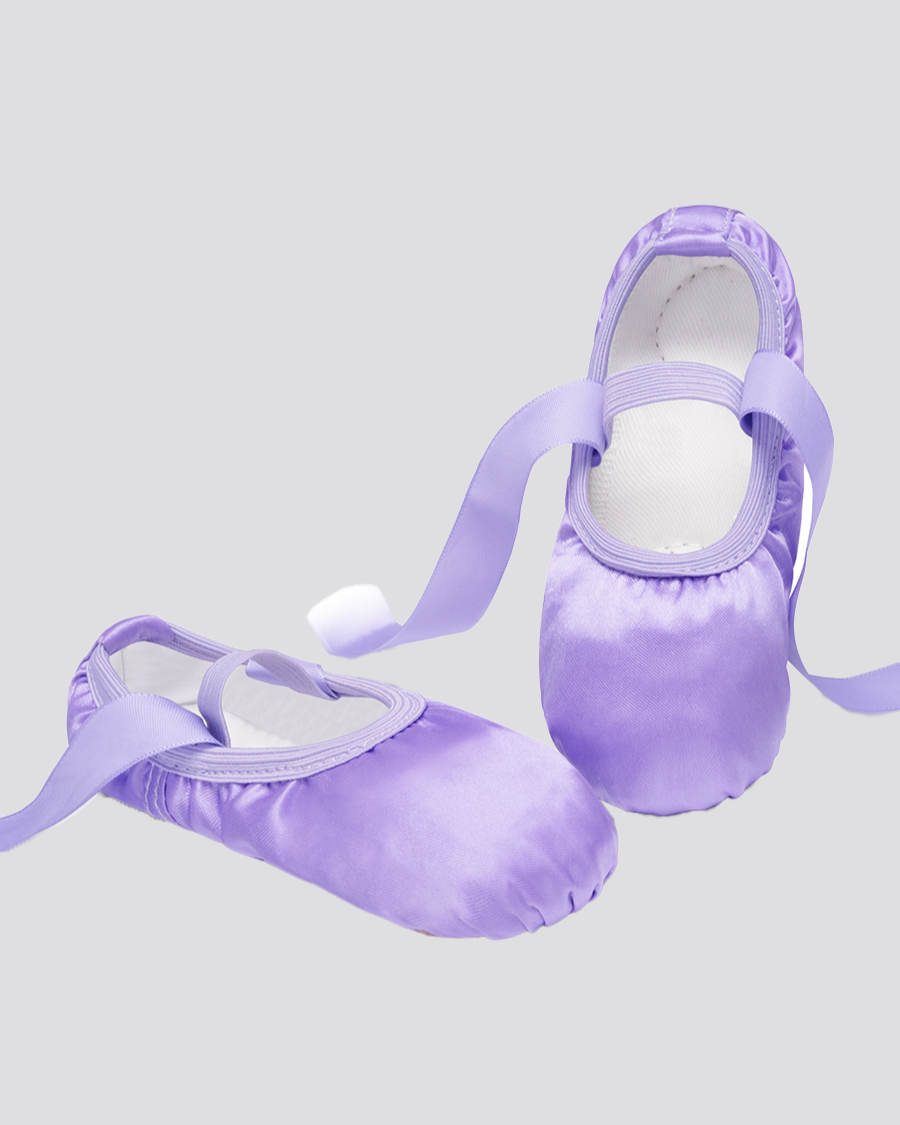
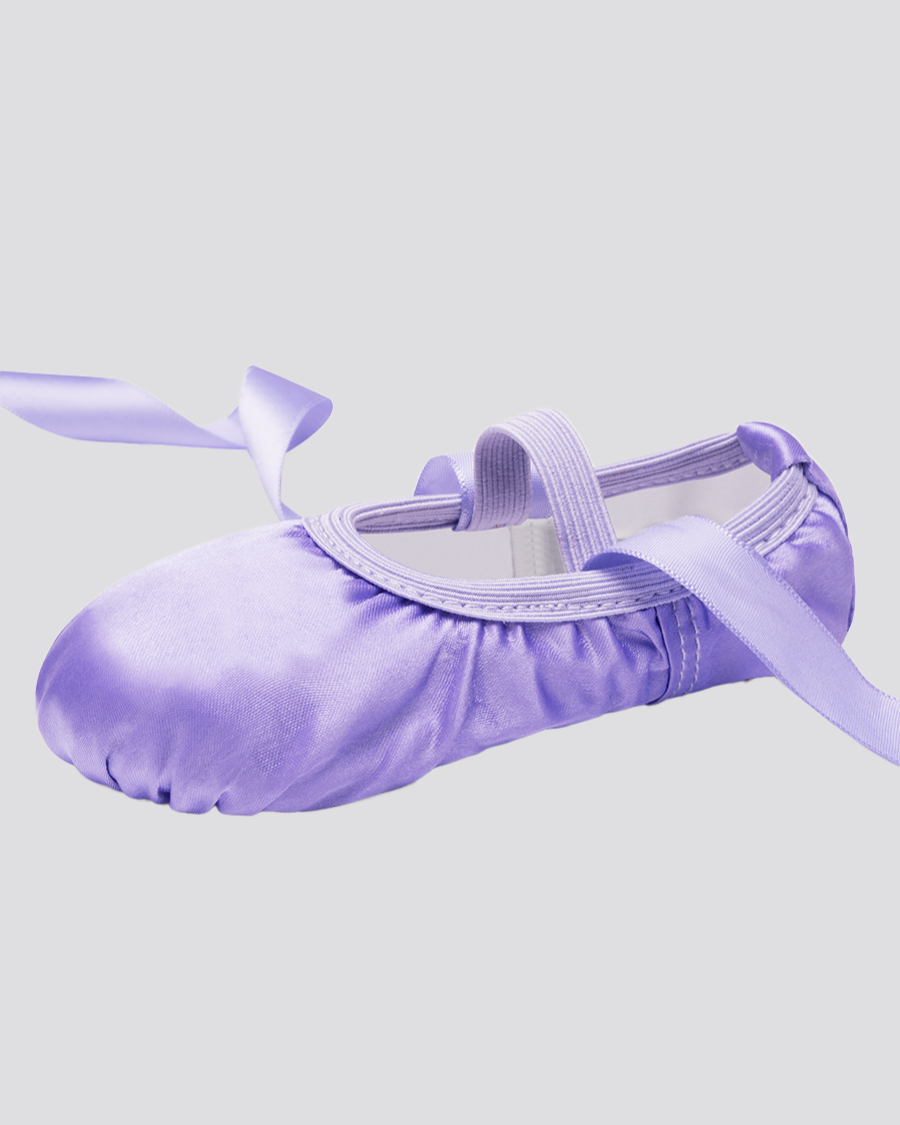
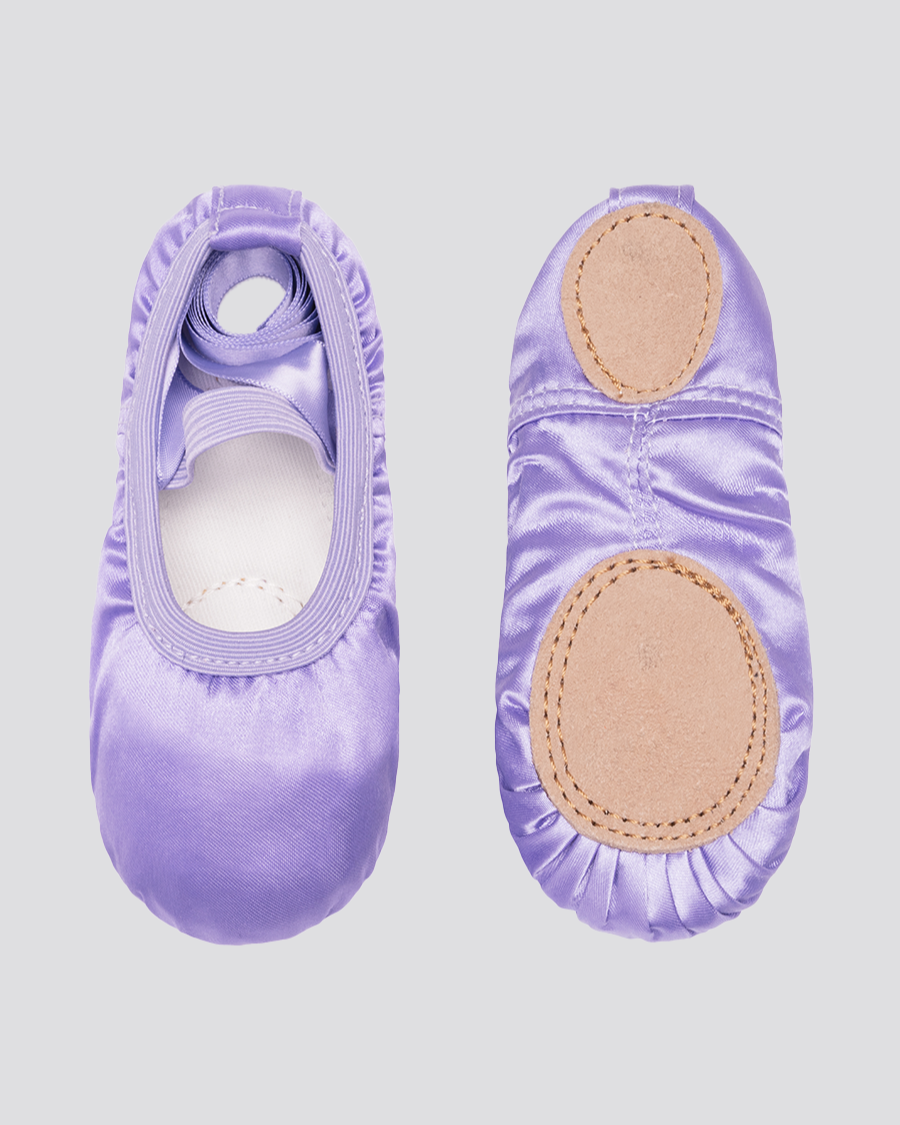
For ballet, the standard is a leotard, footed or convertible tights, and leather or canvas ballet shoes, with hair secured off the face. A basic girls' leotard with dance tights and ballet shoes covers the dress code at most studios; some assign a specific color per level, so check before you buy.
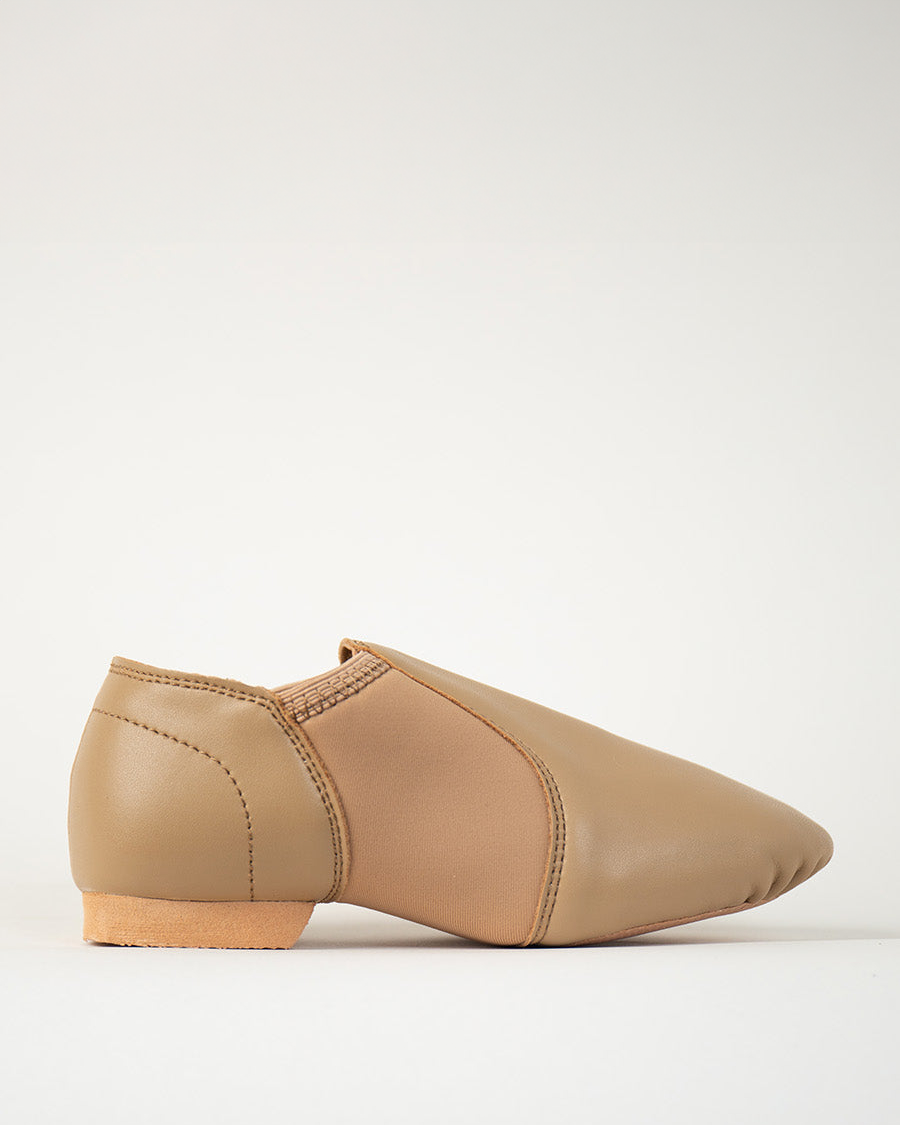
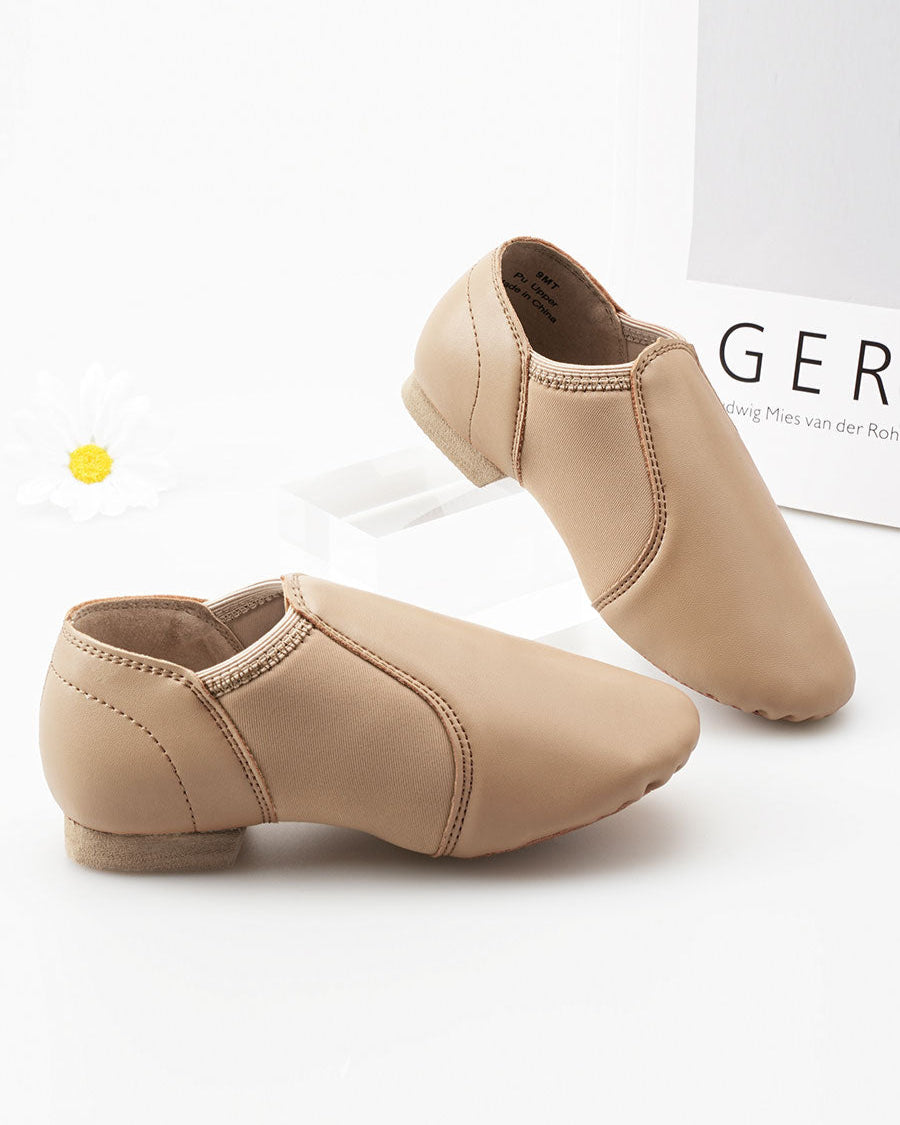
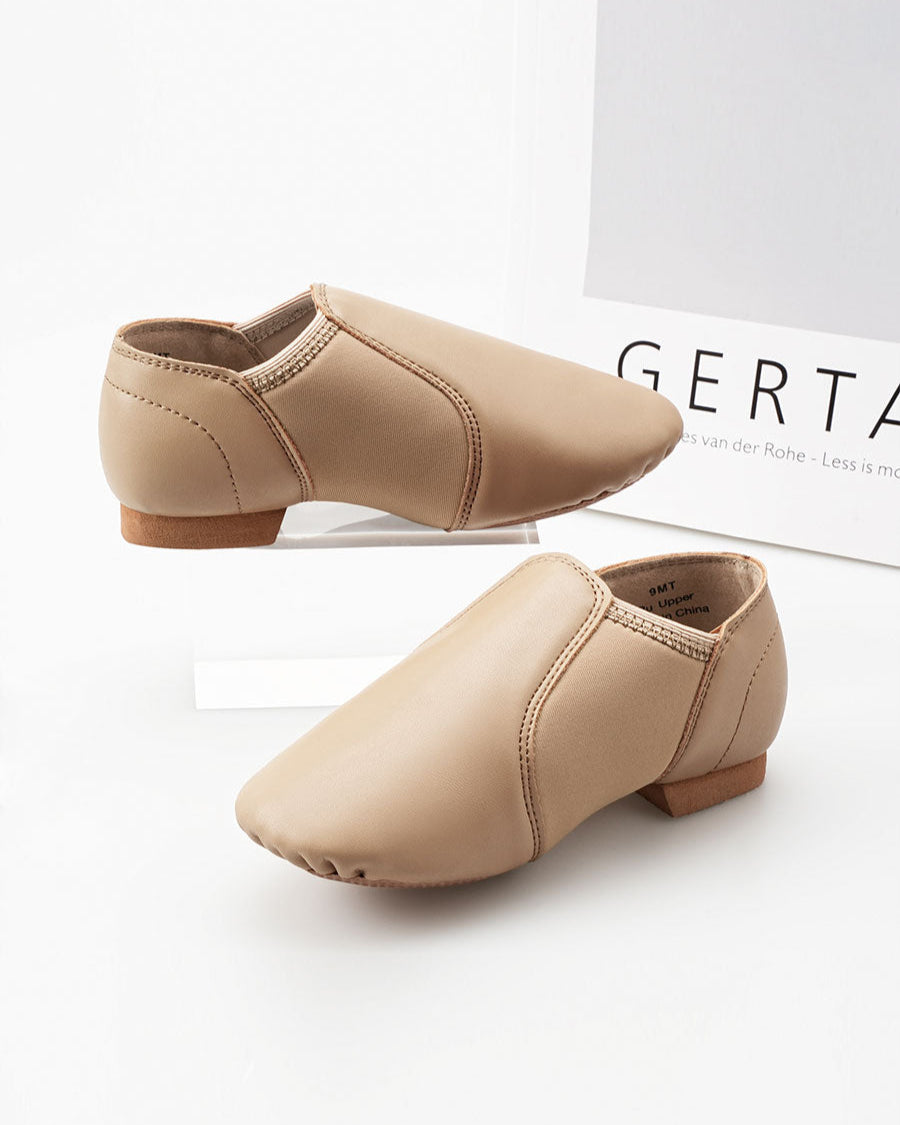
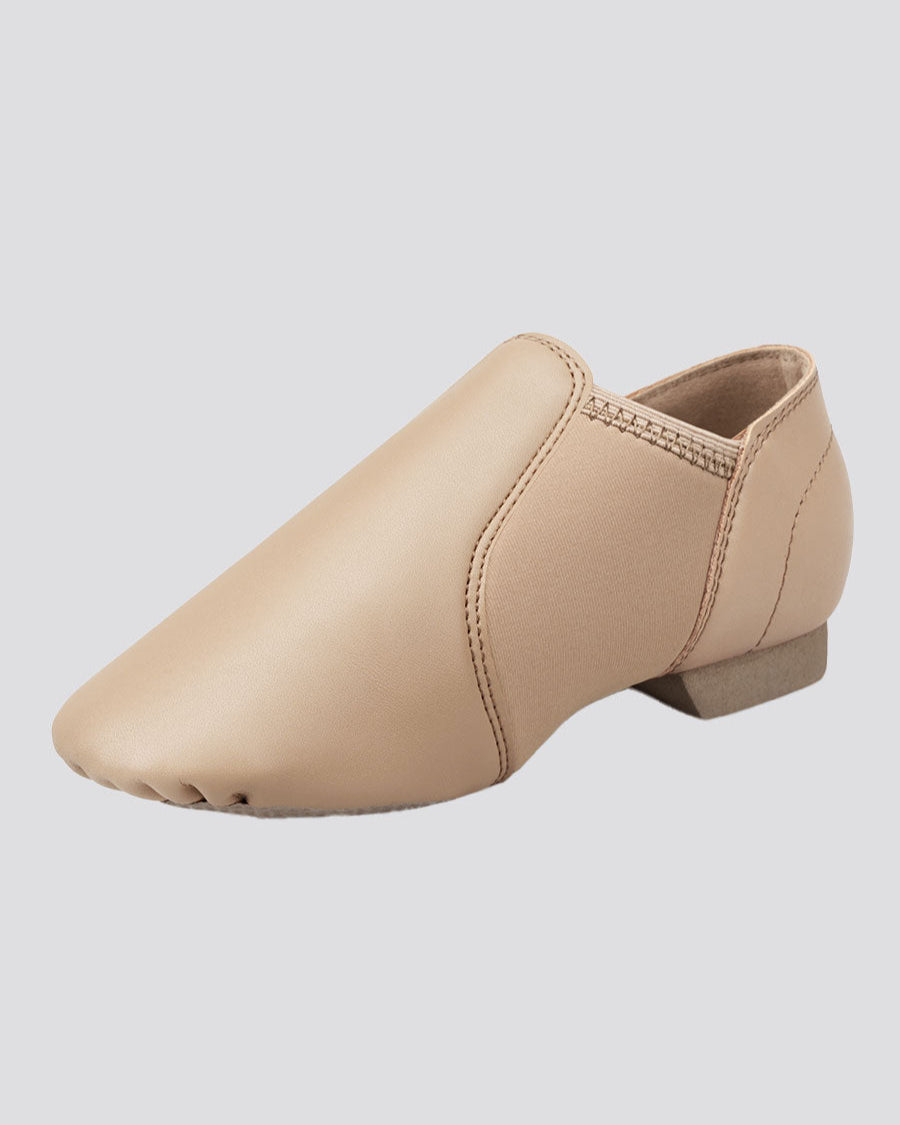
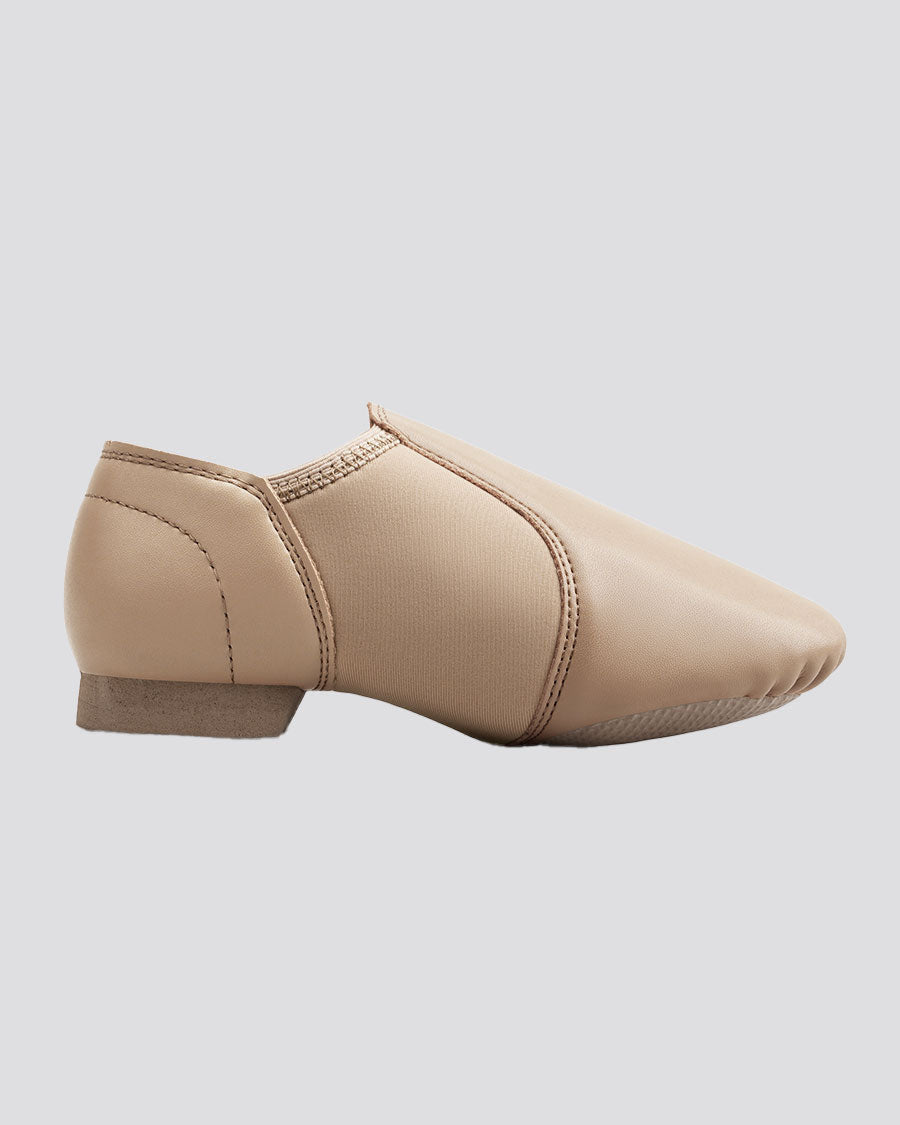
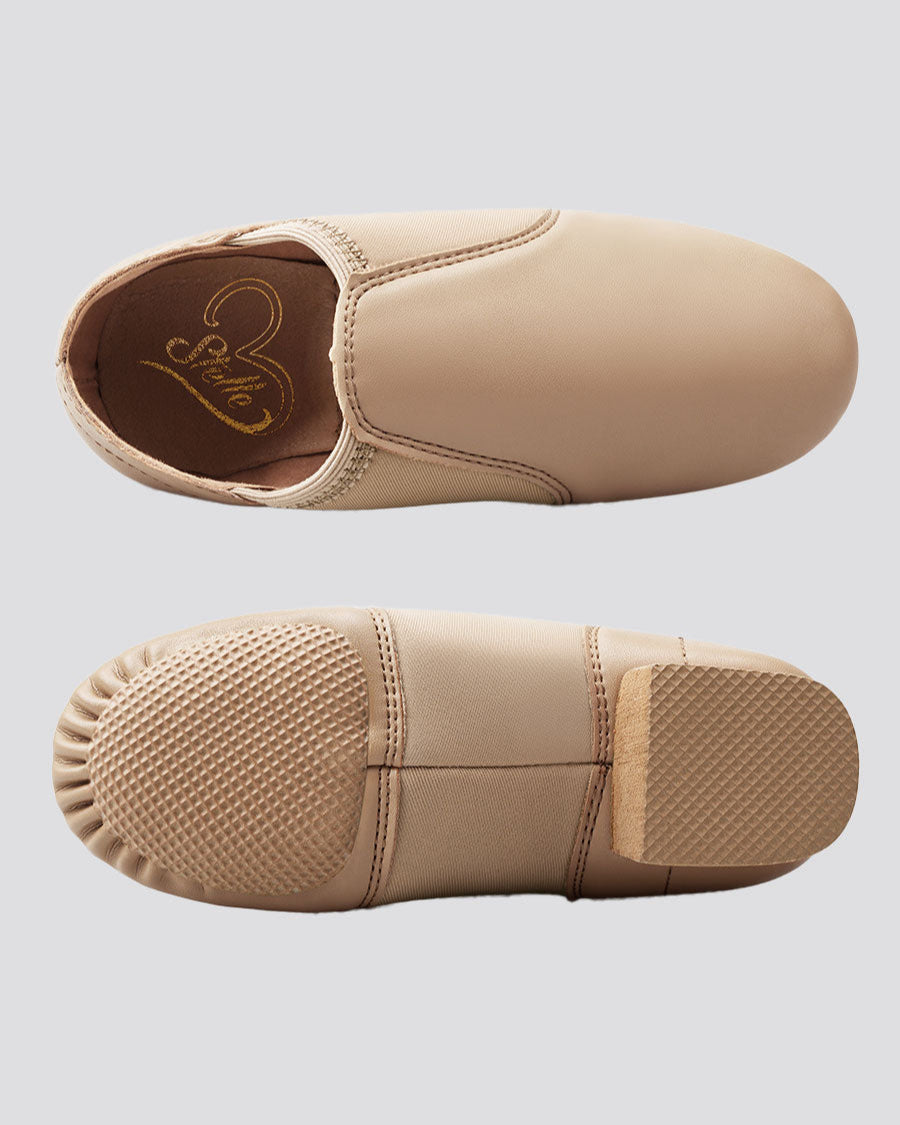
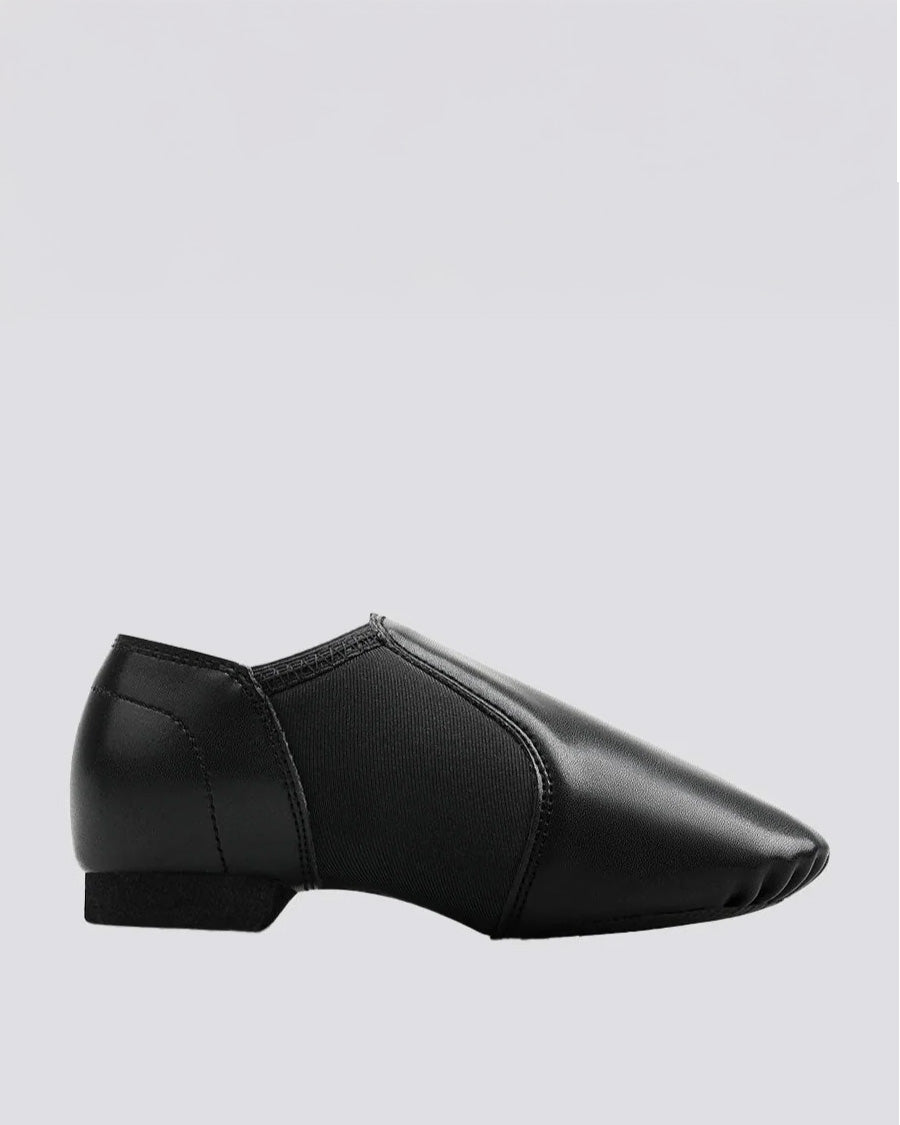
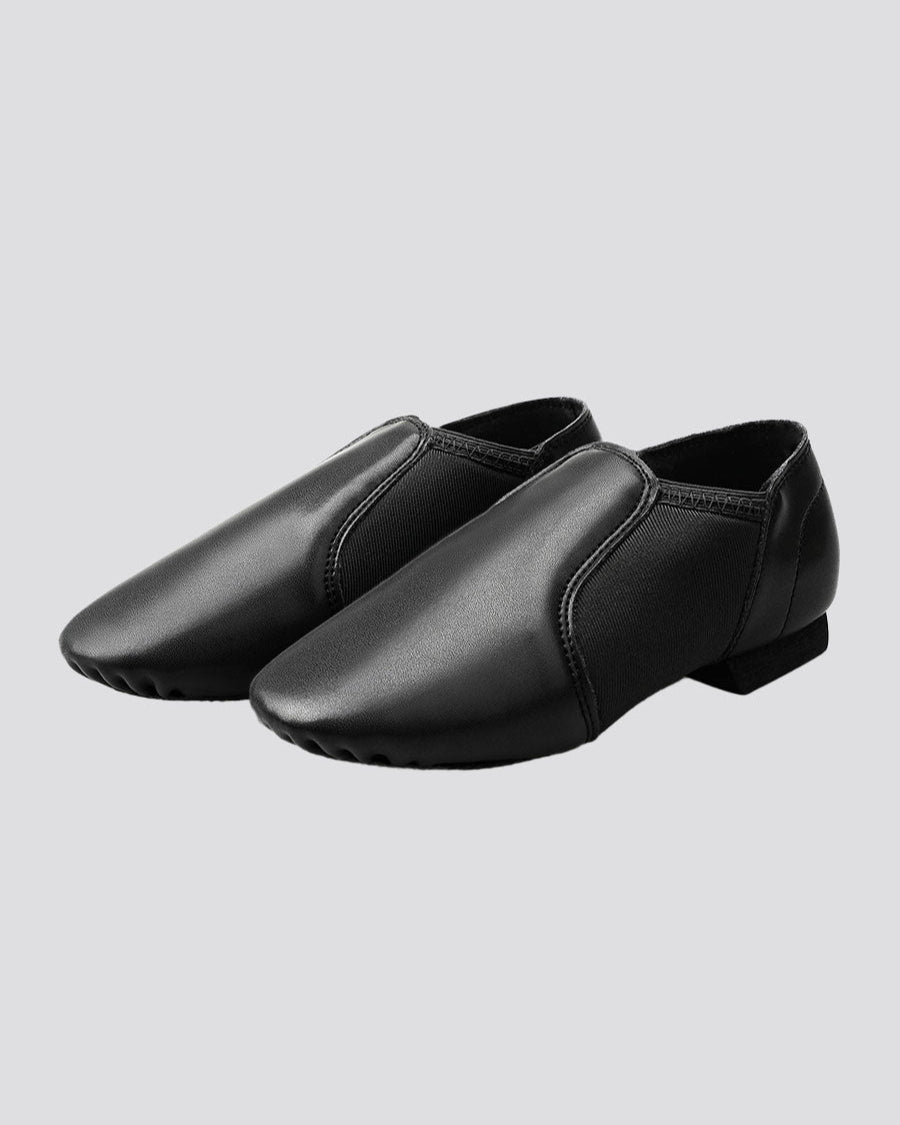
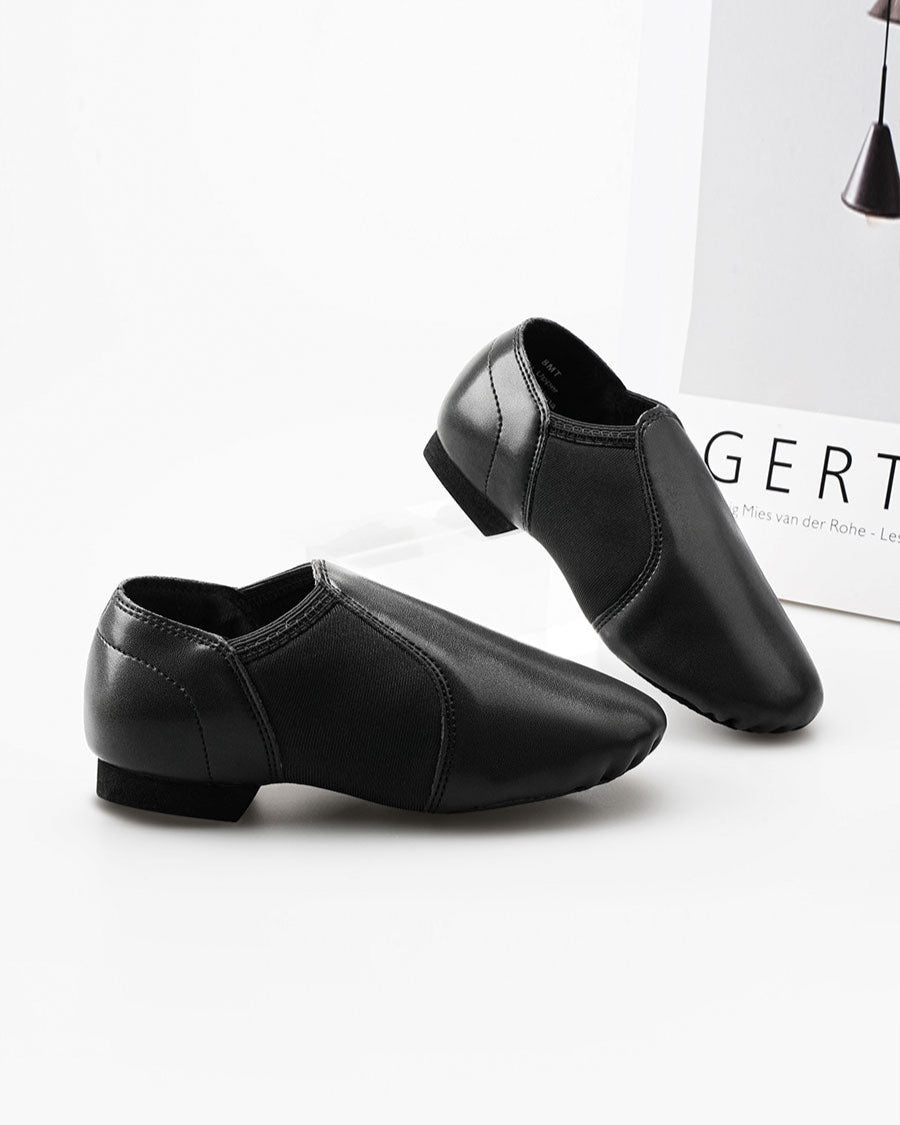
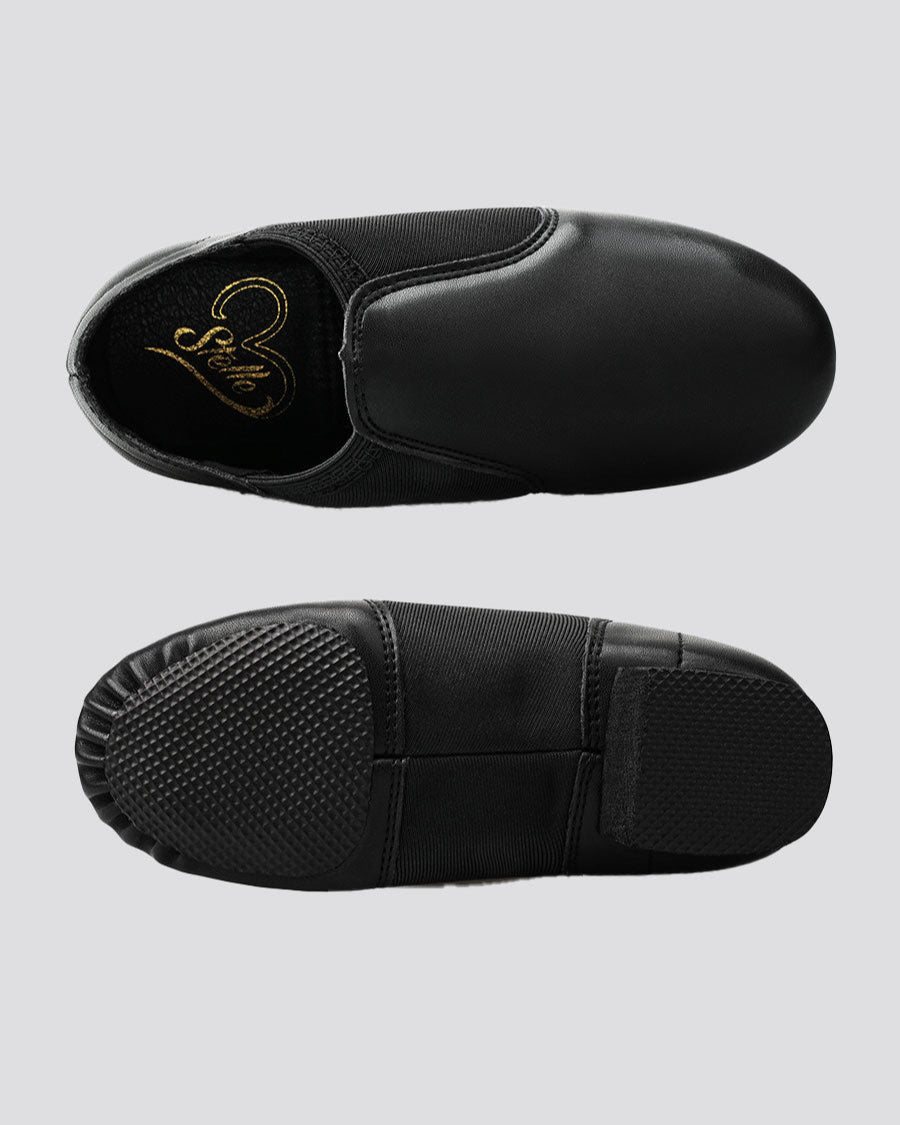
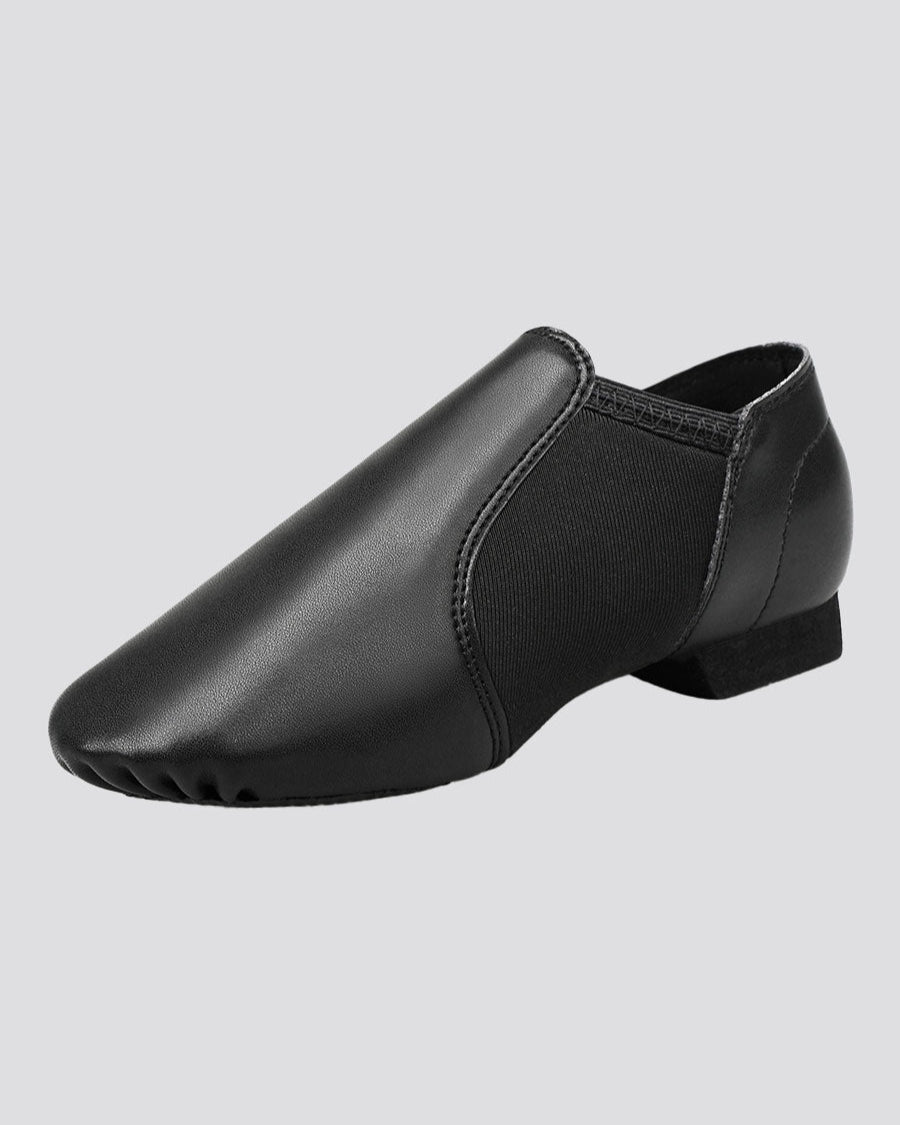
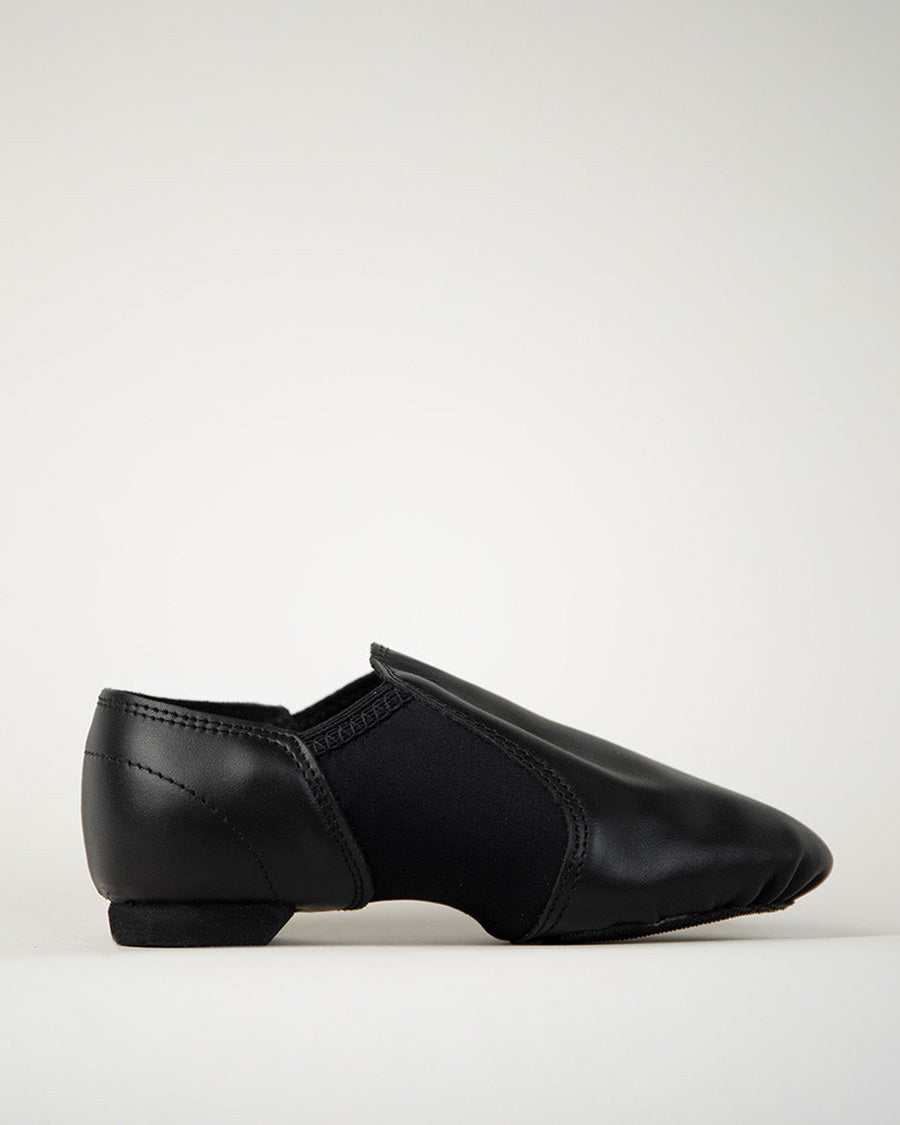
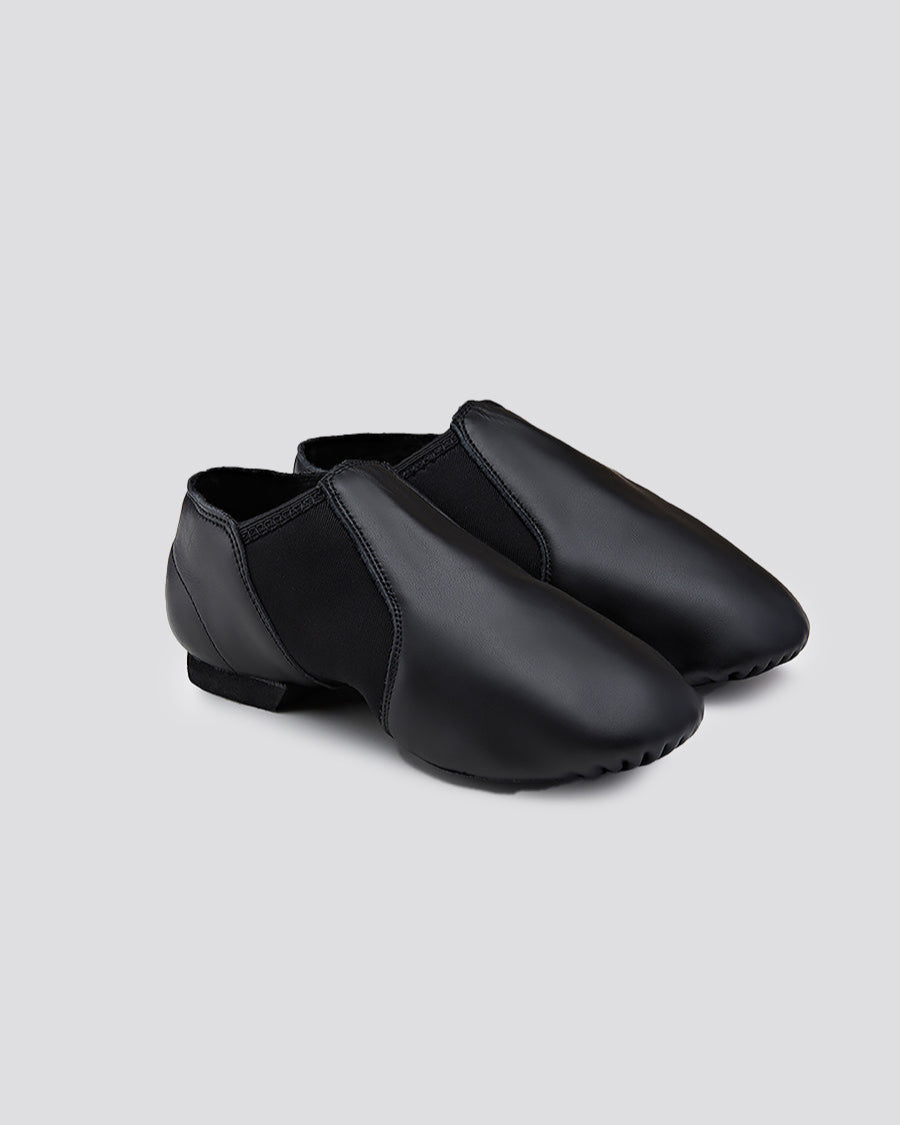
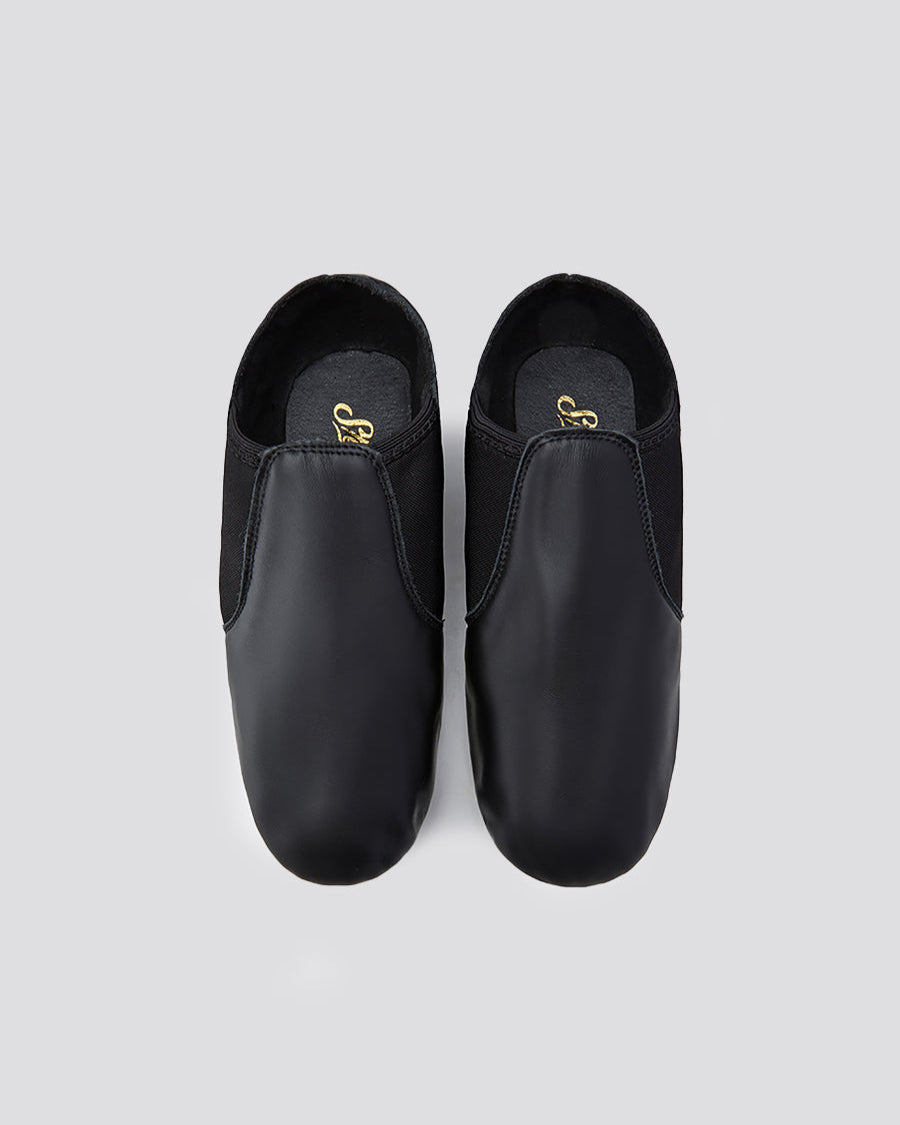
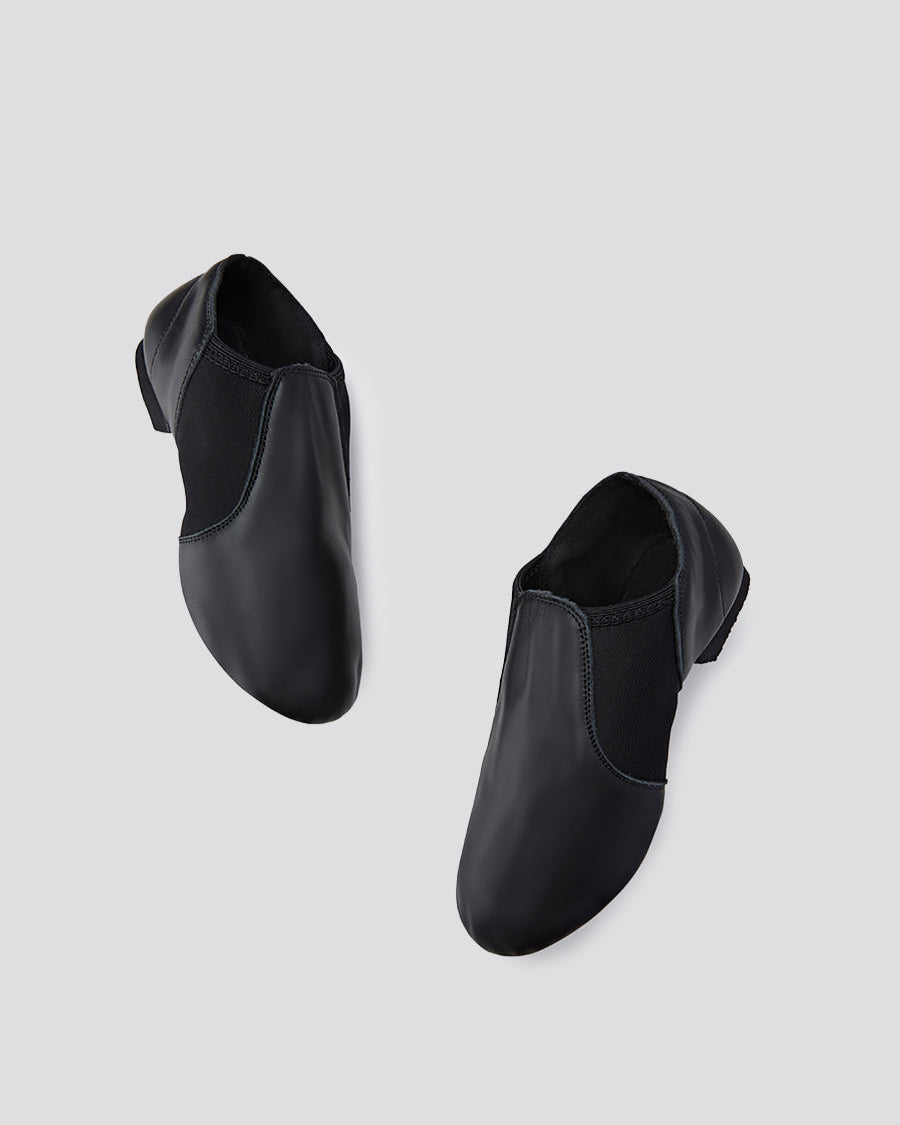
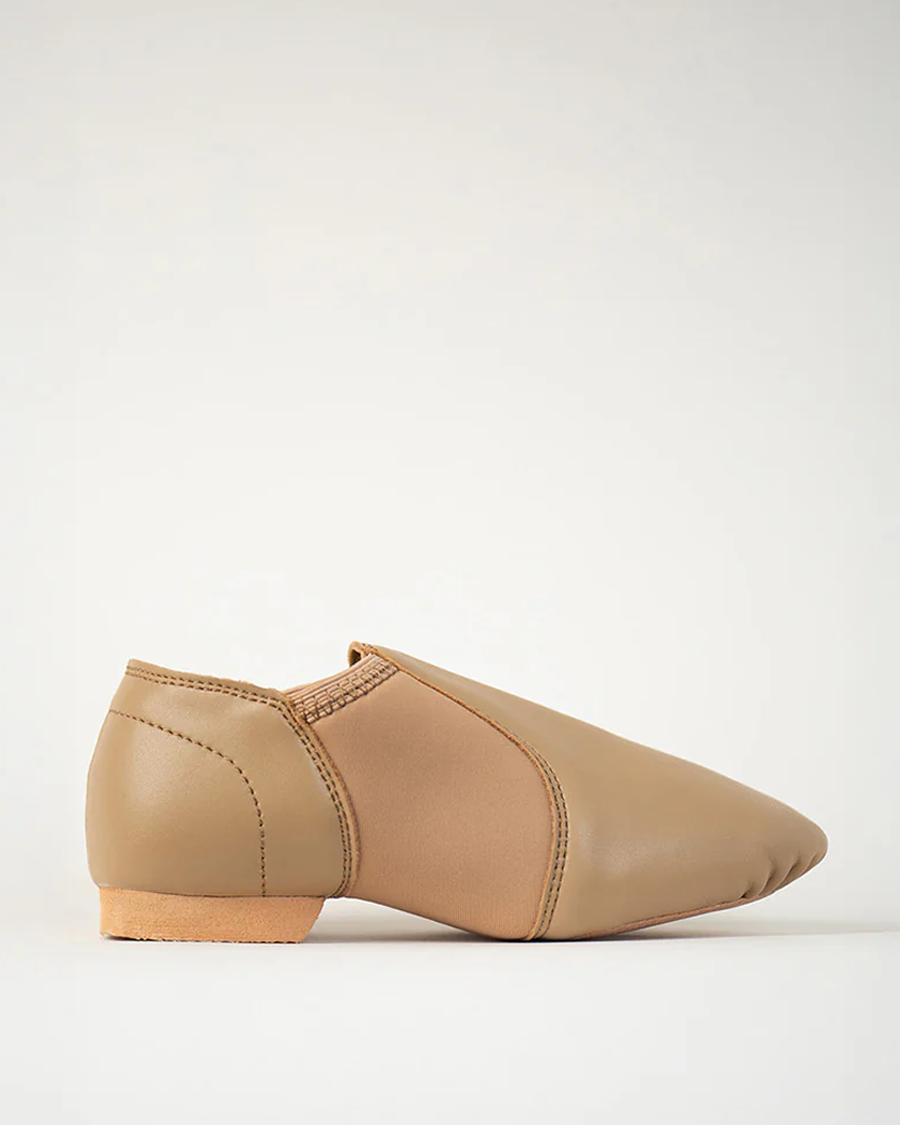
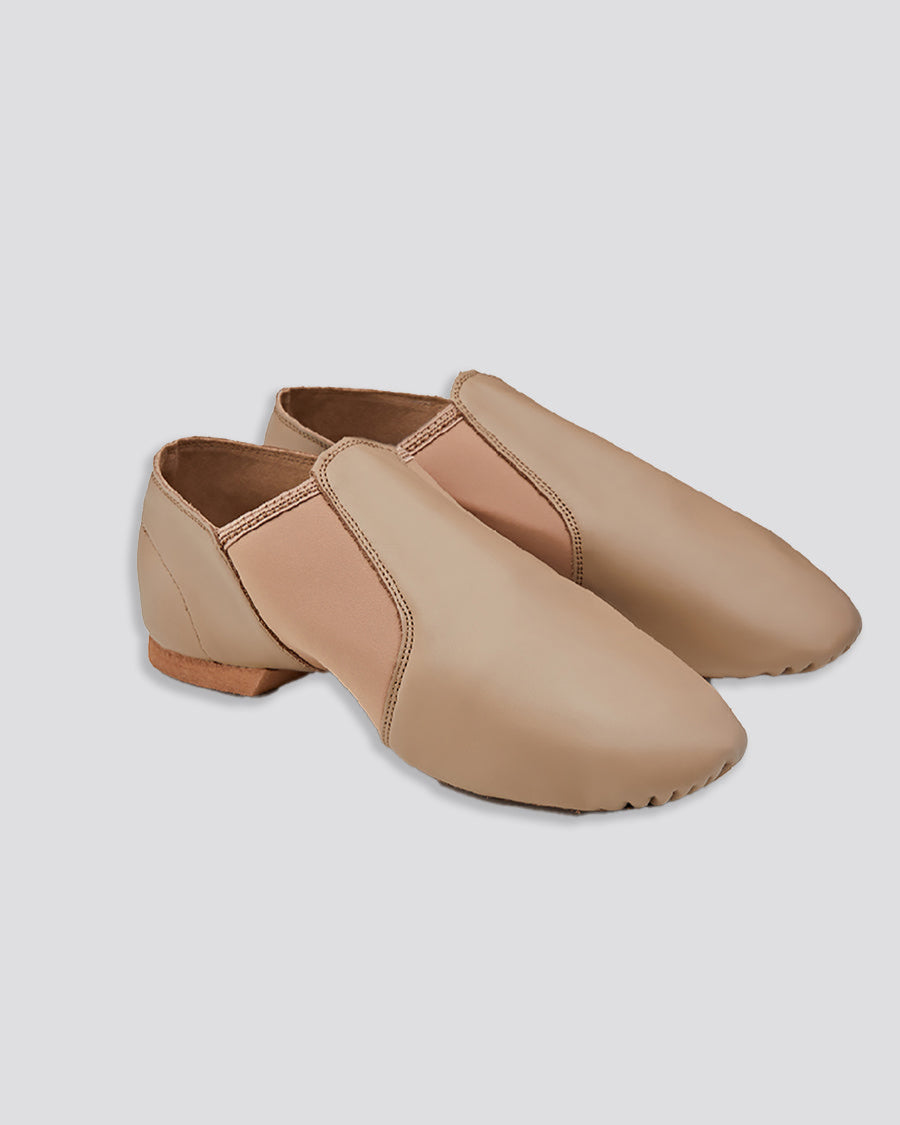
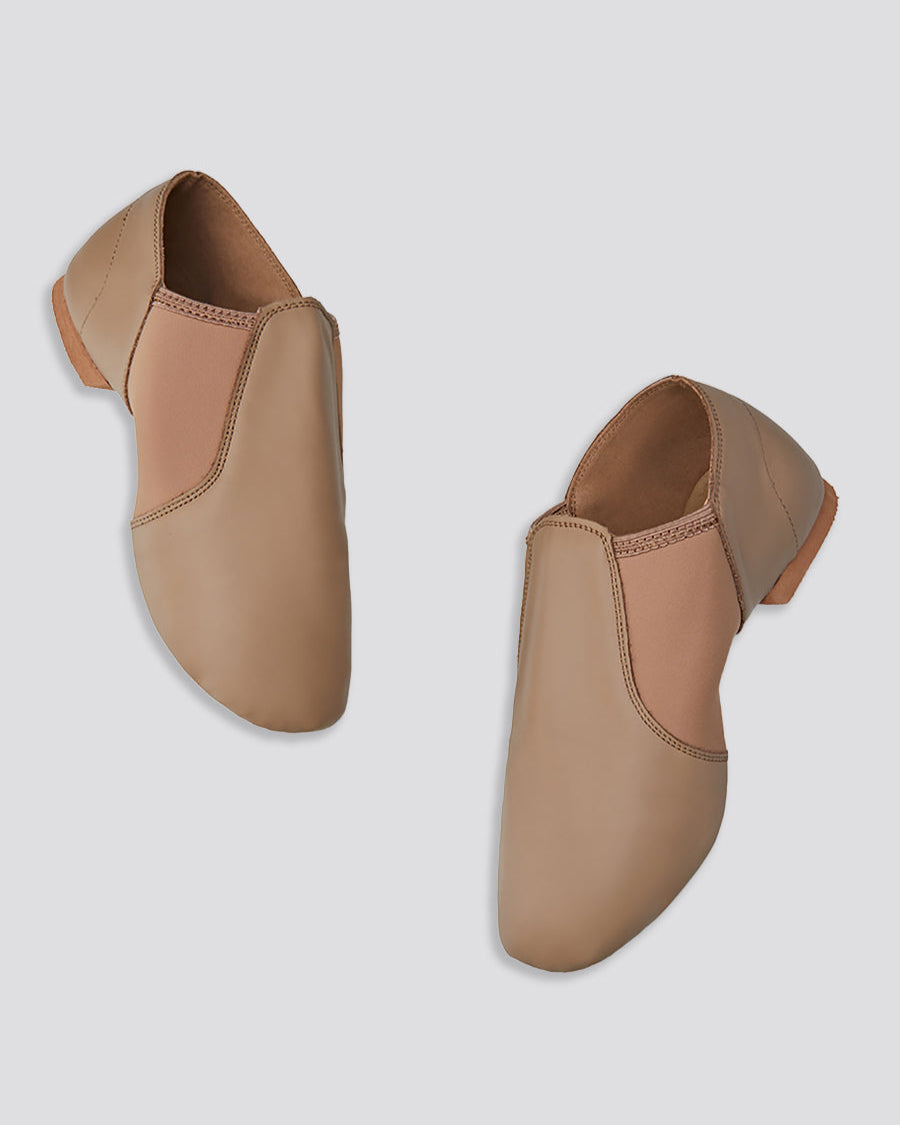
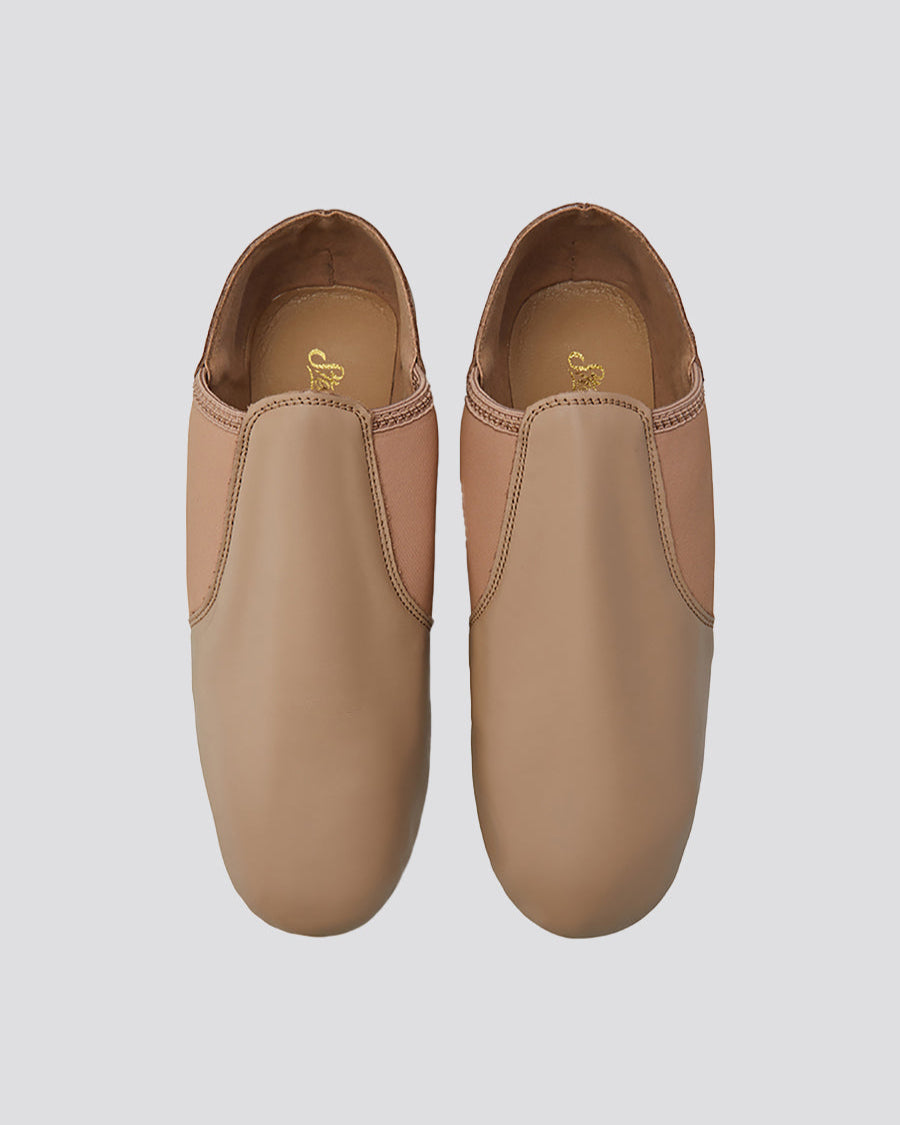
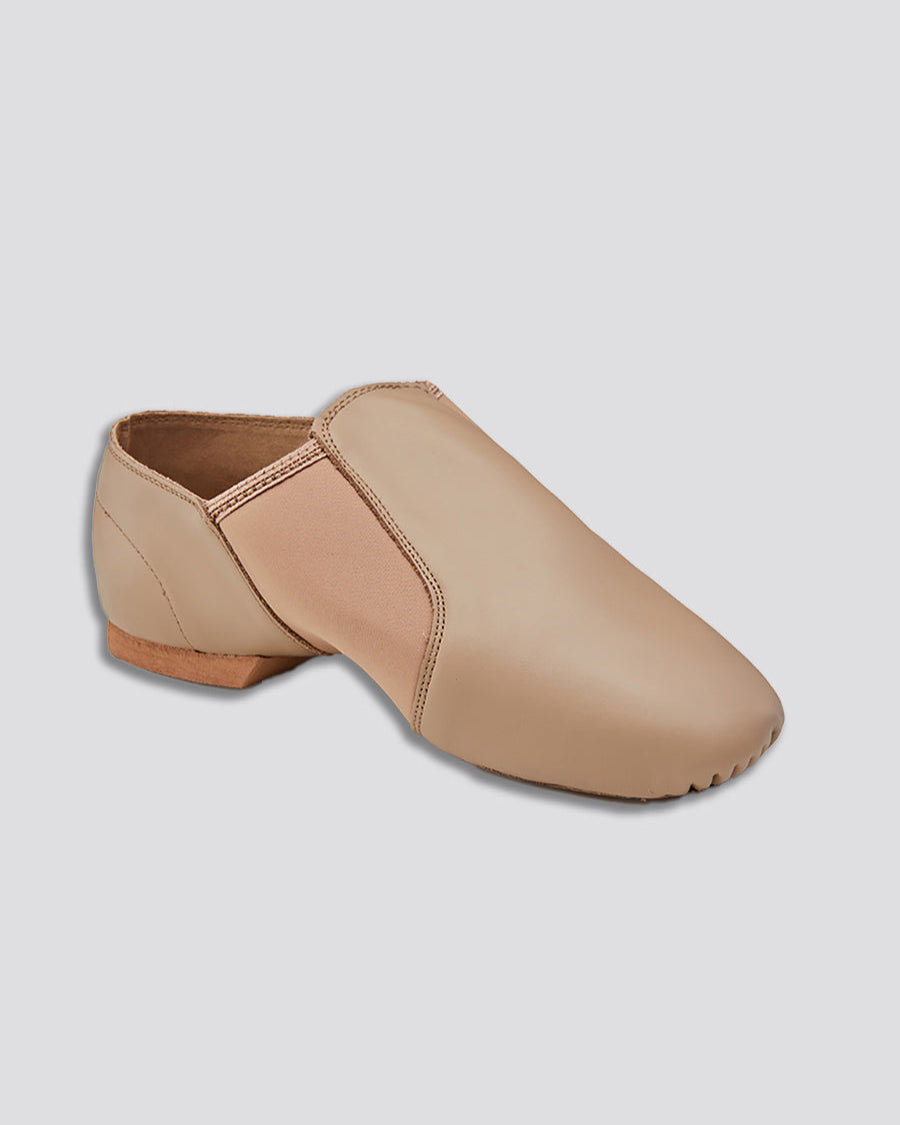
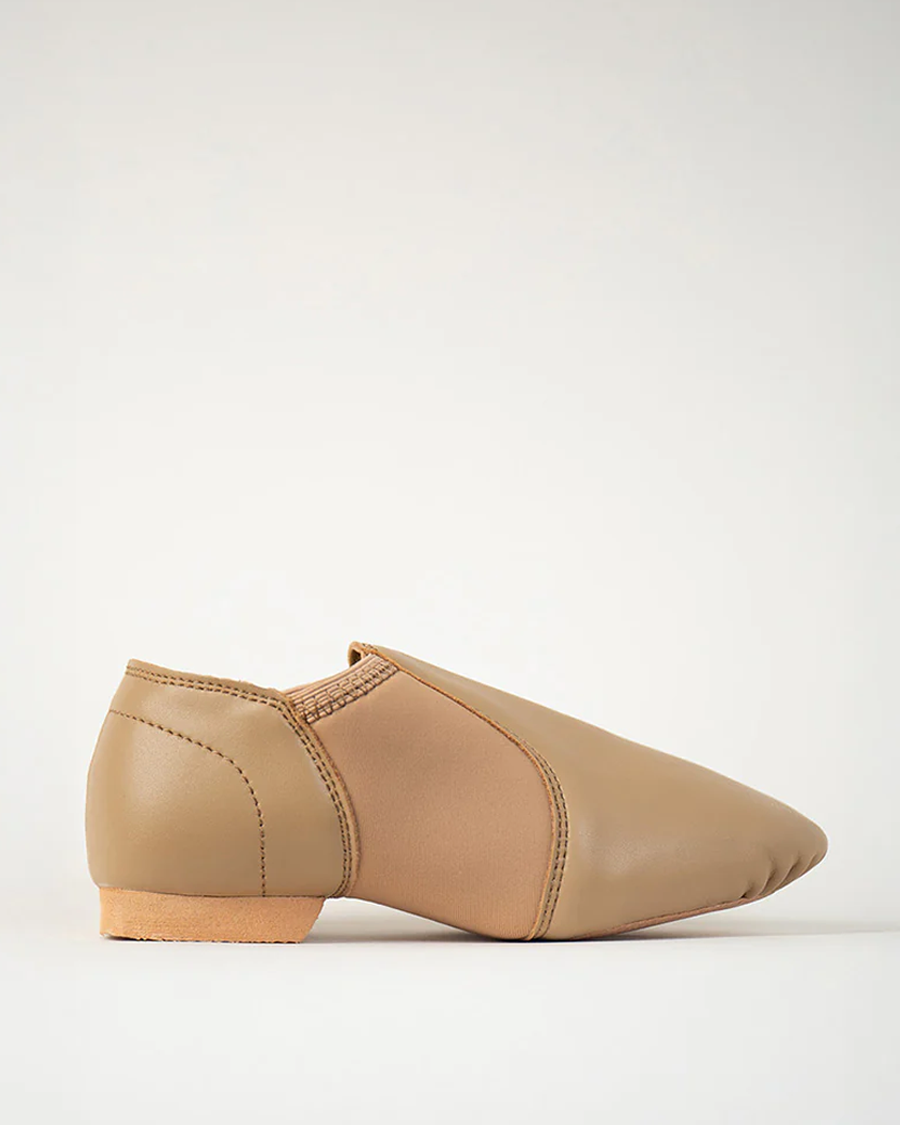
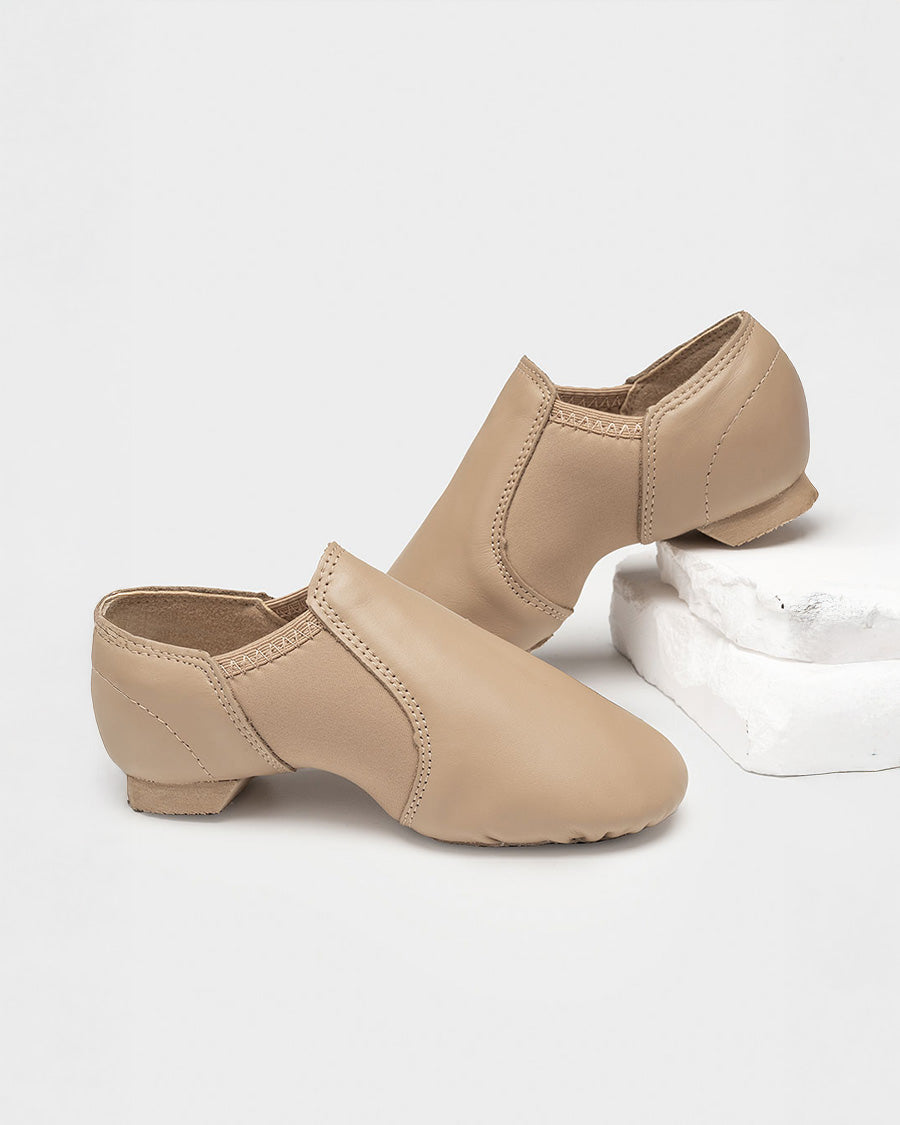
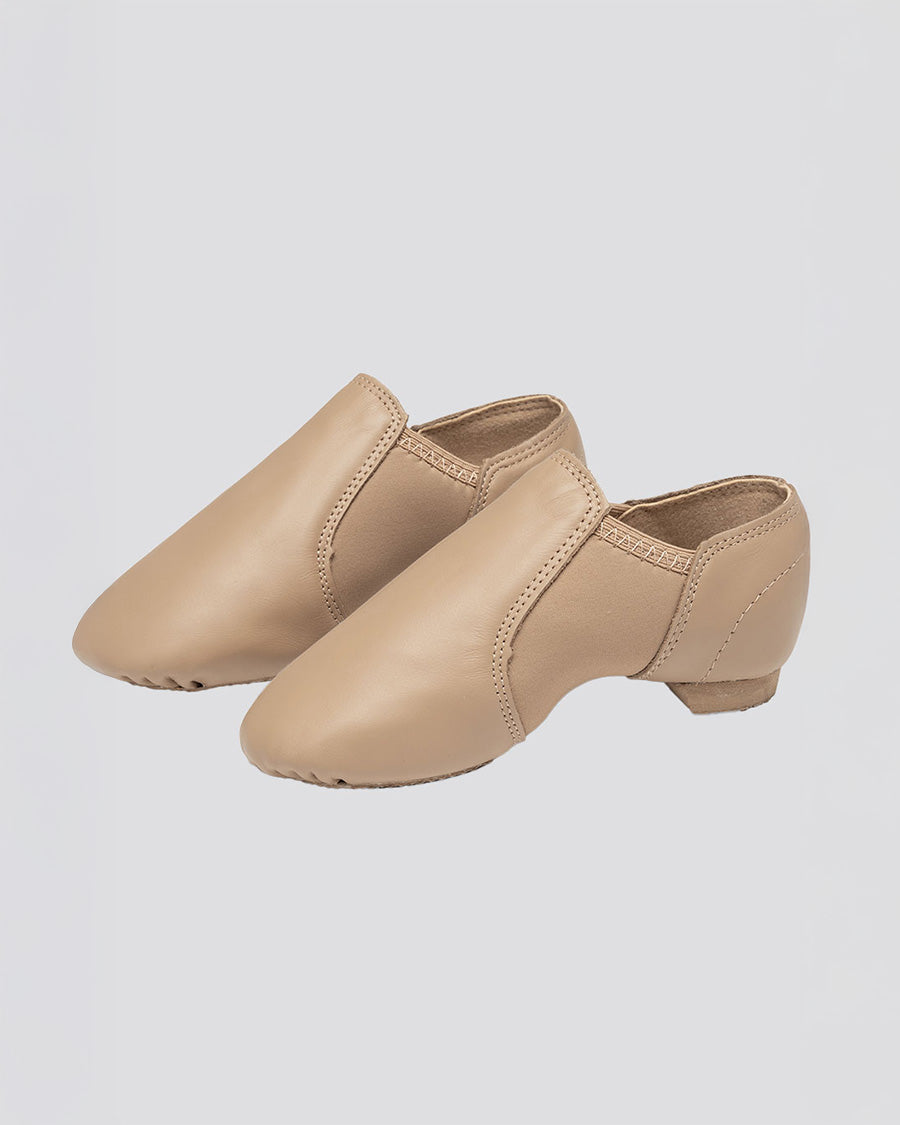
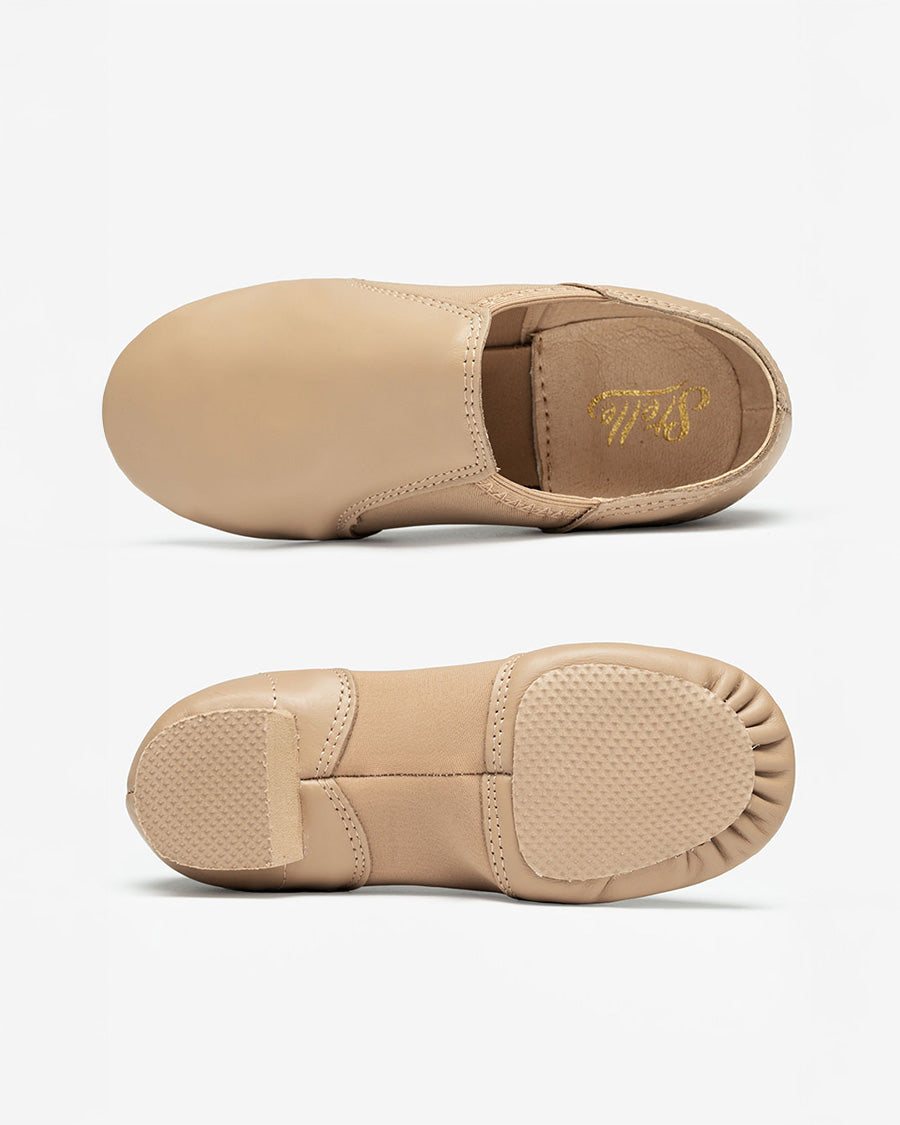
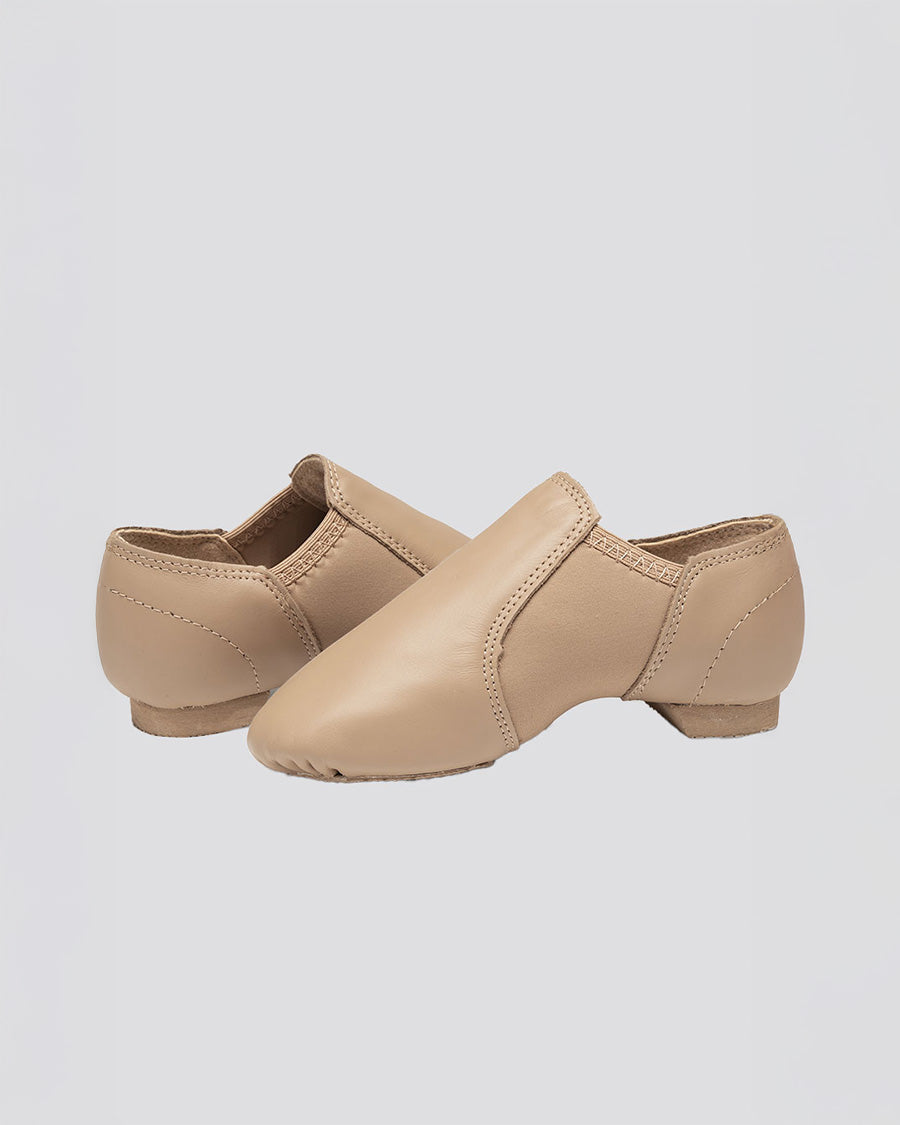
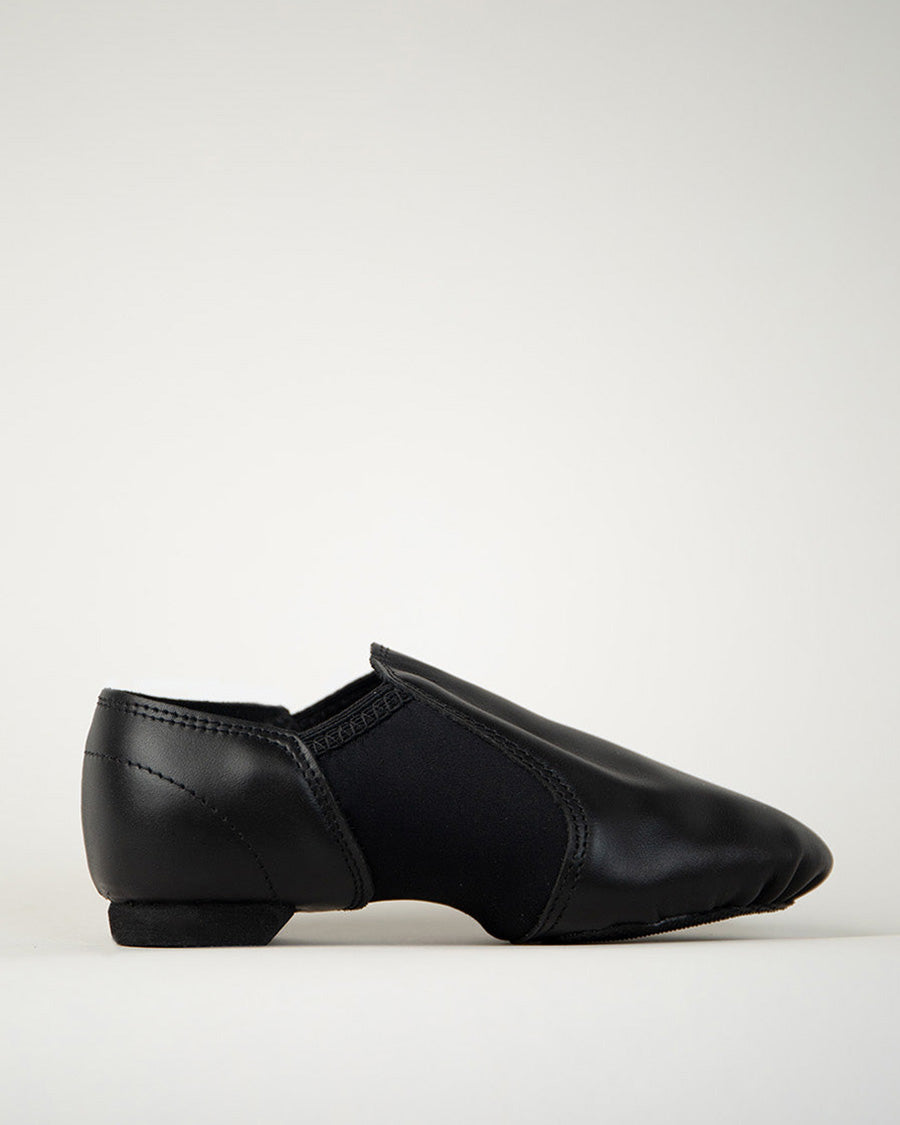
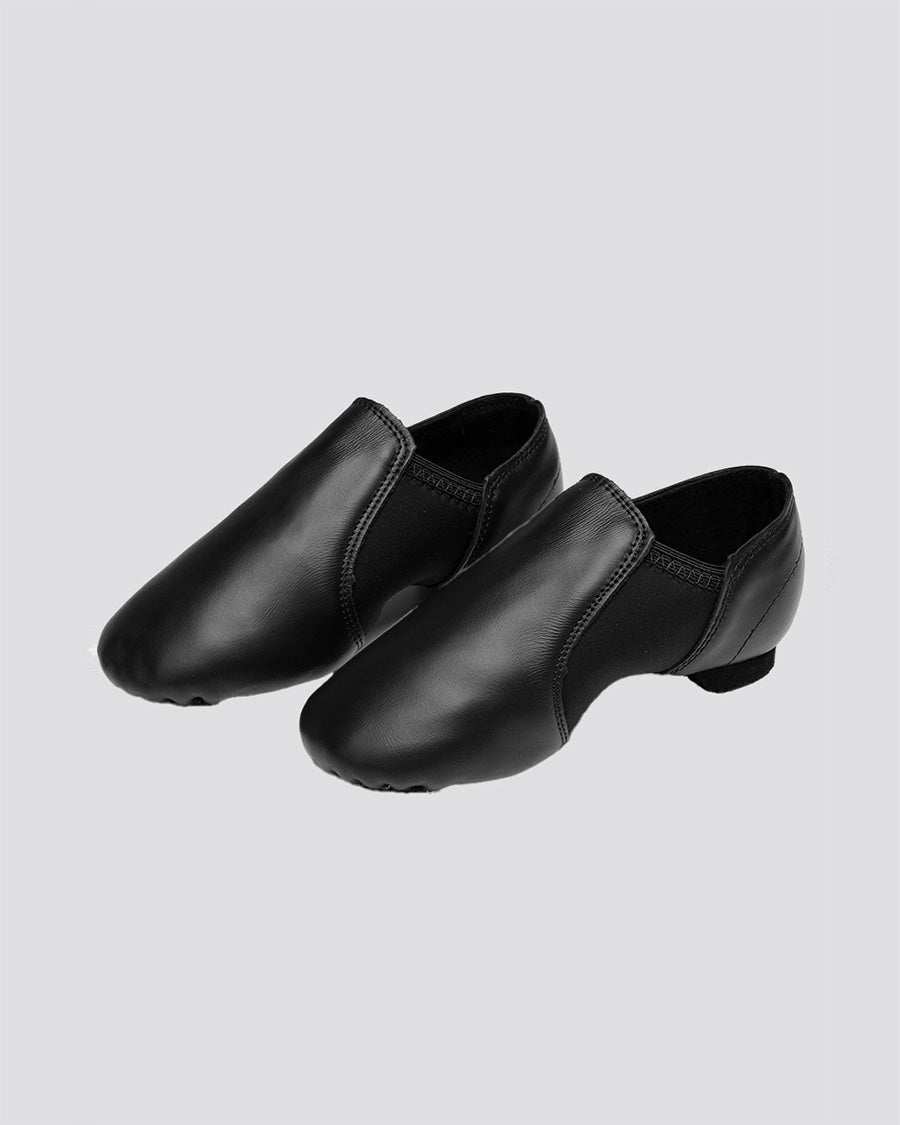
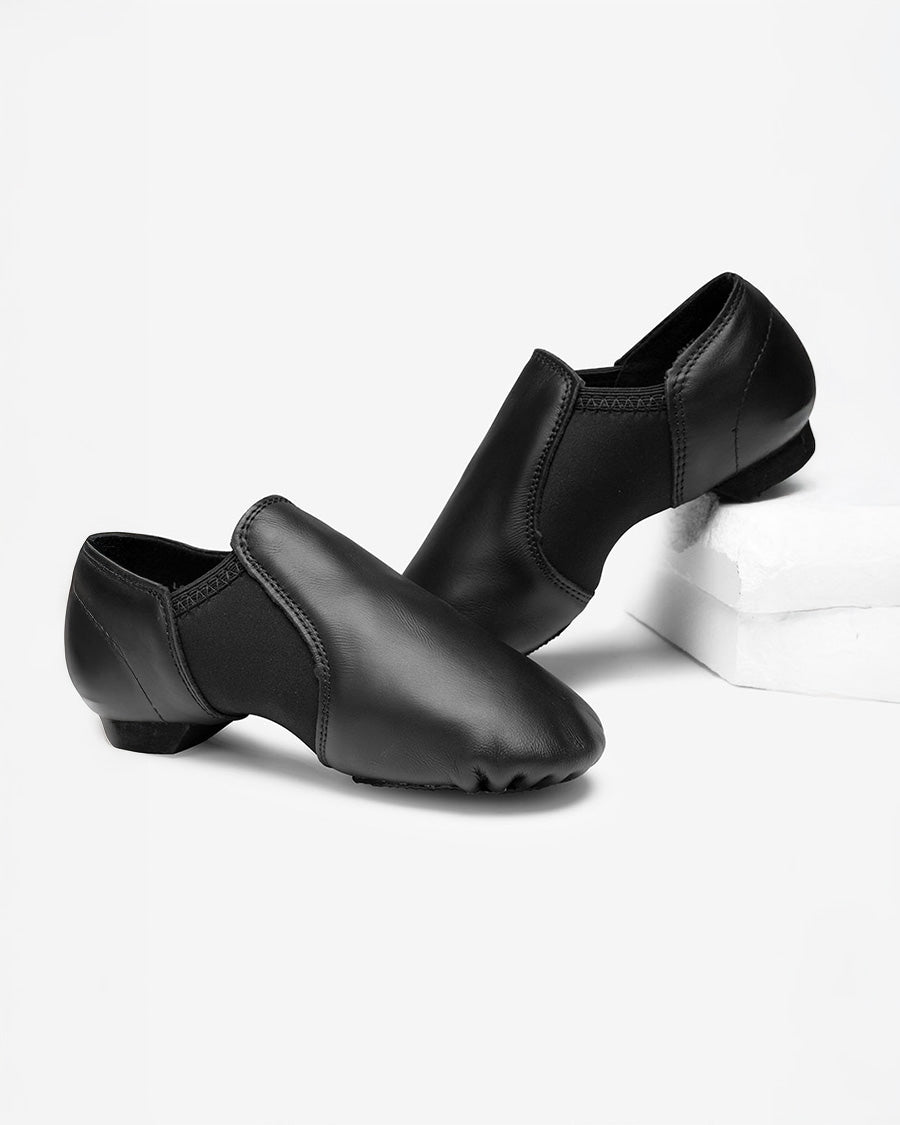
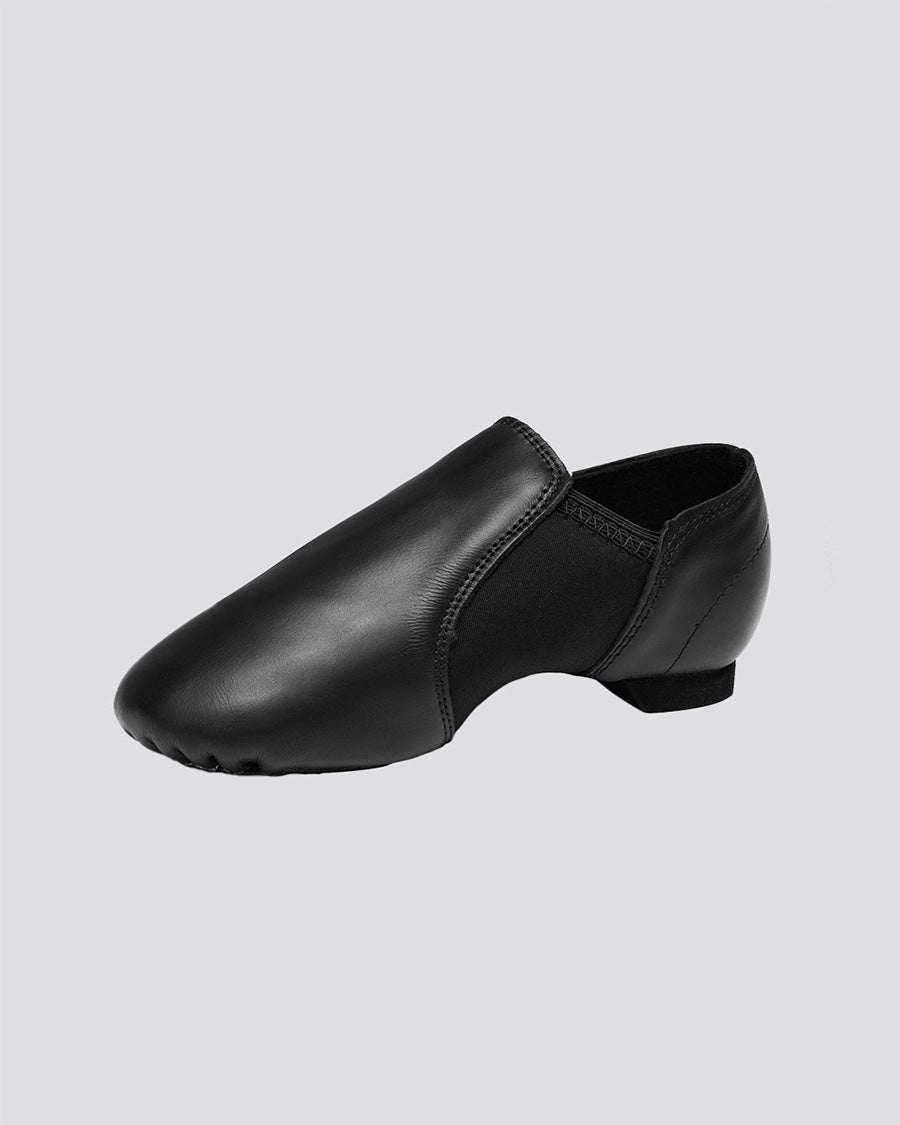
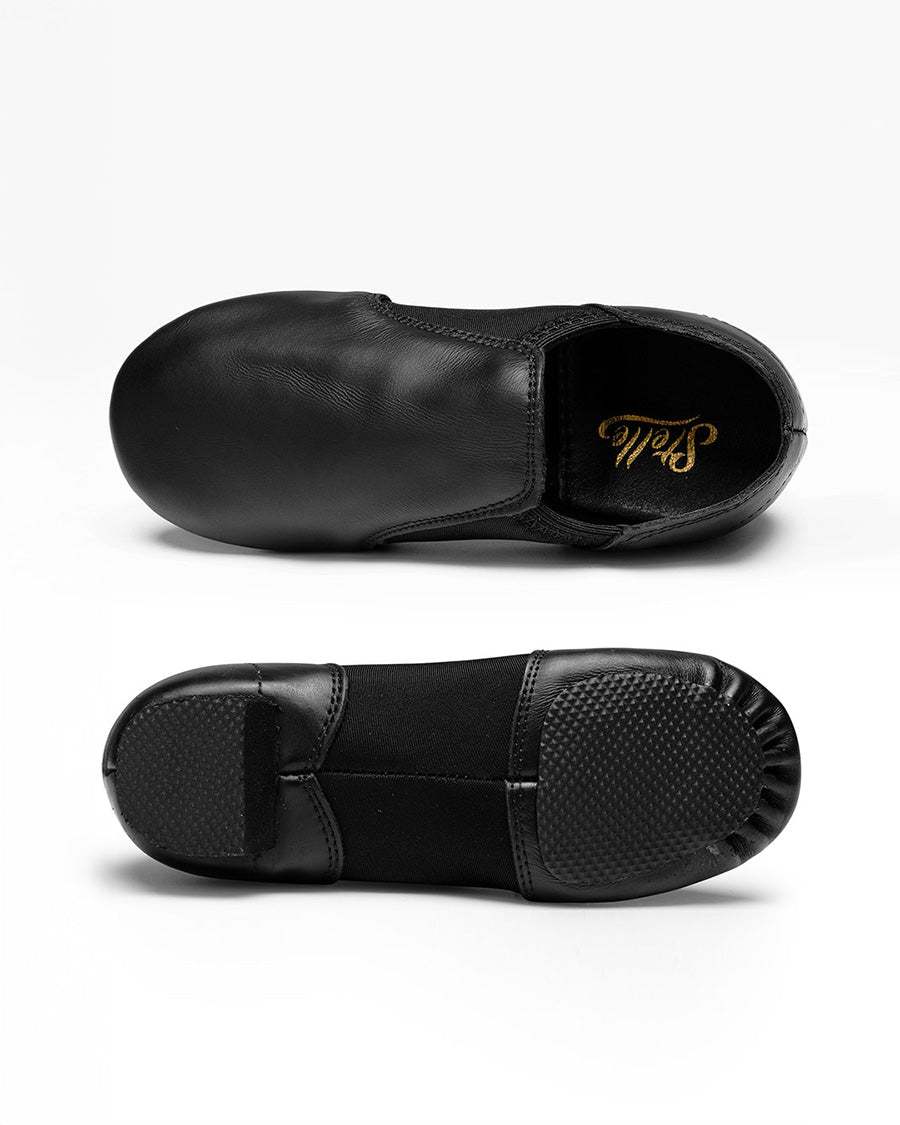
For jazz, requirements are looser. Most studios ask for a fitted top or leotard with leggings or jazz pants, plus slip-on jazz shoes with a flexible rubber sole. The same leotard your child wears to ballet usually works fine underneath, which keeps costs down if they take both. For chilly studios, a pair of warm-ups layers over either outfit.
Physical demands and personality fit
Both styles are genuinely athletic, but they load the body differently. Ballet emphasizes sustained control: slow développés, held balances, deep flexibility through the hips and hamstrings. Jazz emphasizes power and dynamics: sharp accents, bigger jumps, quick level changes. Kids who crave precision often thrive on ballet's slow burn; kids who need to move big and loud often click with jazz. If you're weighing dance against other activities entirely, our gymnastics vs dance comparison tackles that fork in the road.
Decision matrix: ballet or jazz for your child?
|
If your child... |
Start with |
Why |
|---|---|---|
|
Loves structure, routine, and quiet focus |
Ballet |
The predictable class format rewards patience and precision |
|
Has energy to burn and loves pop music |
Jazz |
Fast pacing and familiar songs keep engagement high |
|
Dreams of serious dance training long term |
Ballet |
It builds the technique base nearly every other style borrows |
|
Is shy but loves performing at home |
Jazz |
Choreography-based classes build stage confidence quickly |
|
Tried ballet and got bored |
Jazz |
Same fundamentals, faster payoff; ballet can come back later |
|
Can't decide and the schedule allows |
Both |
A combo class or one of each gives the fullest picture |
Can kids do both? (Usually the answer)
Here's the part that takes the pressure off: this rarely stays an either-or decision. Many studios offer combo classes for younger kids that mix ballet and jazz (often with tap too, though tap is outside this guide's scope) in one session, and most serious jazz dancers take ballet as cross-training because the balance, alignment, and turnout control transfer directly. The reverse transfer is smaller, but jazz gives ballet kids musicality and performance ease that pure technique classes sometimes miss. If jazz wins the first round, our beginner's guide to jazz dance is a good next read.
FAQ
Should my child learn ballet before jazz?
It helps but it isn't required. Ballet and jazz reinforce each other: ballet sharpens the alignment and turn technique jazz classes lean on, while jazz builds the musicality and performance instincts that make ballet more expressive, and starting with ballet does give jazz a bit of a head start. That said, plenty of kids start in jazz, fall in love with dance there, and add ballet later. Starting in the style your child is excited about beats the theoretically ideal order.
Which is harder for kids, ballet or jazz?
At the beginner level they're comparably demanding in different ways. Ballet is harder on patience and precision; jazz is harder on coordination and stamina. Each style also builds skills the other draws on, musicality and performance from jazz, control and alignment from ballet, with ballet's technique tending to carry over into jazz a bit more readily.
Can my child wear ballet shoes to jazz class?
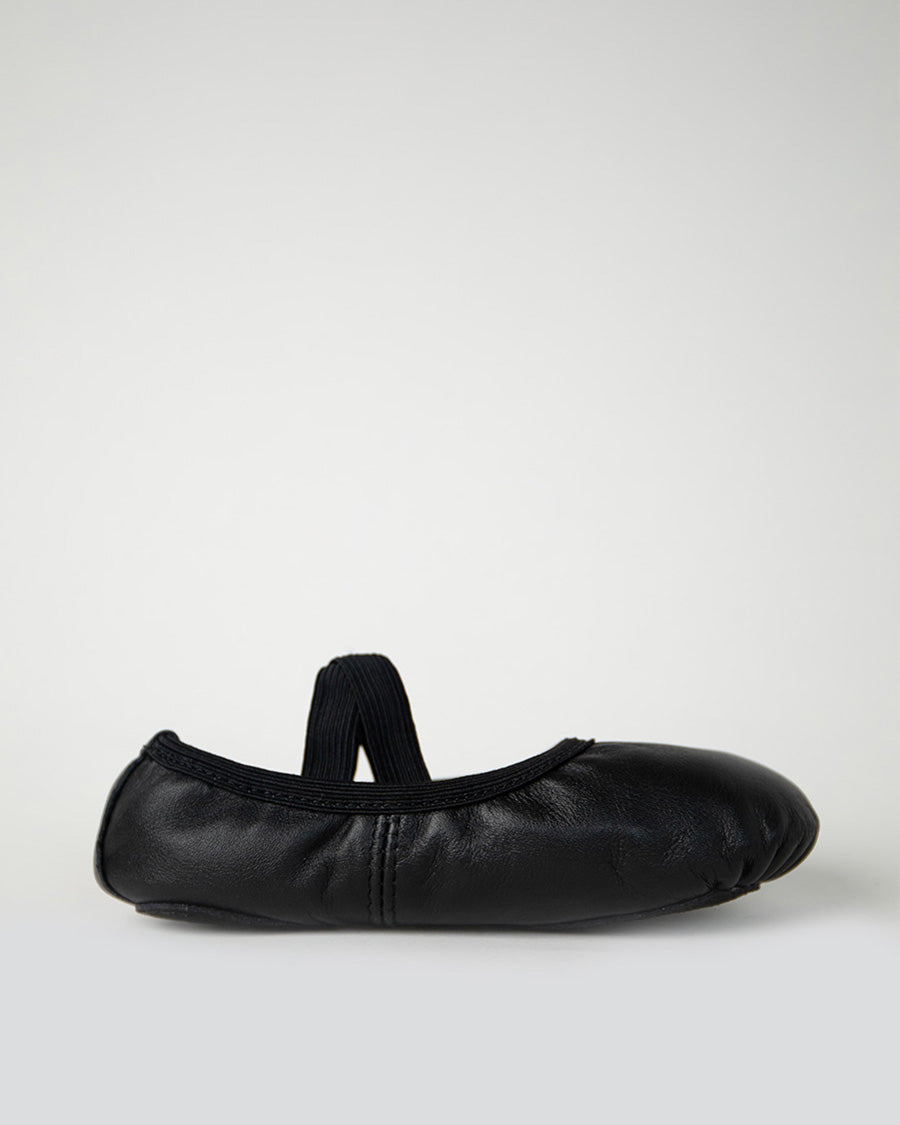
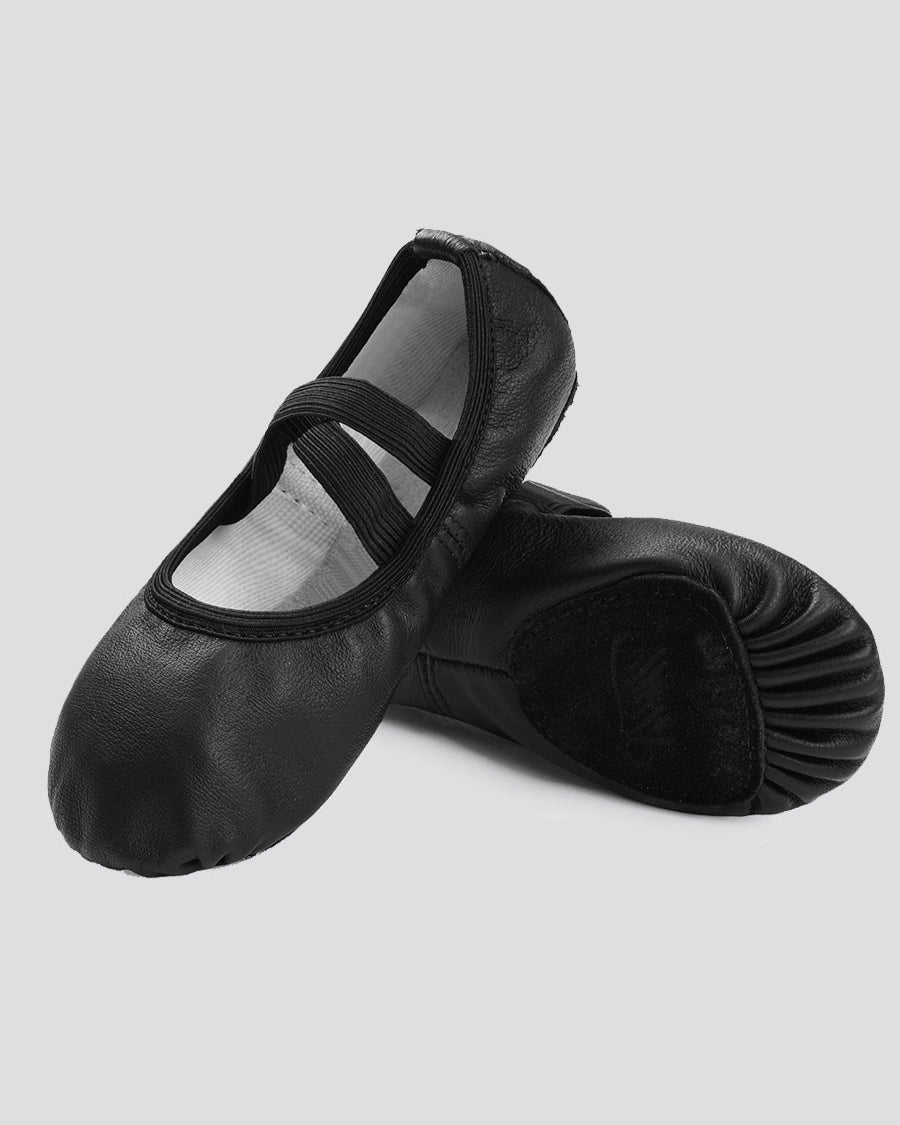
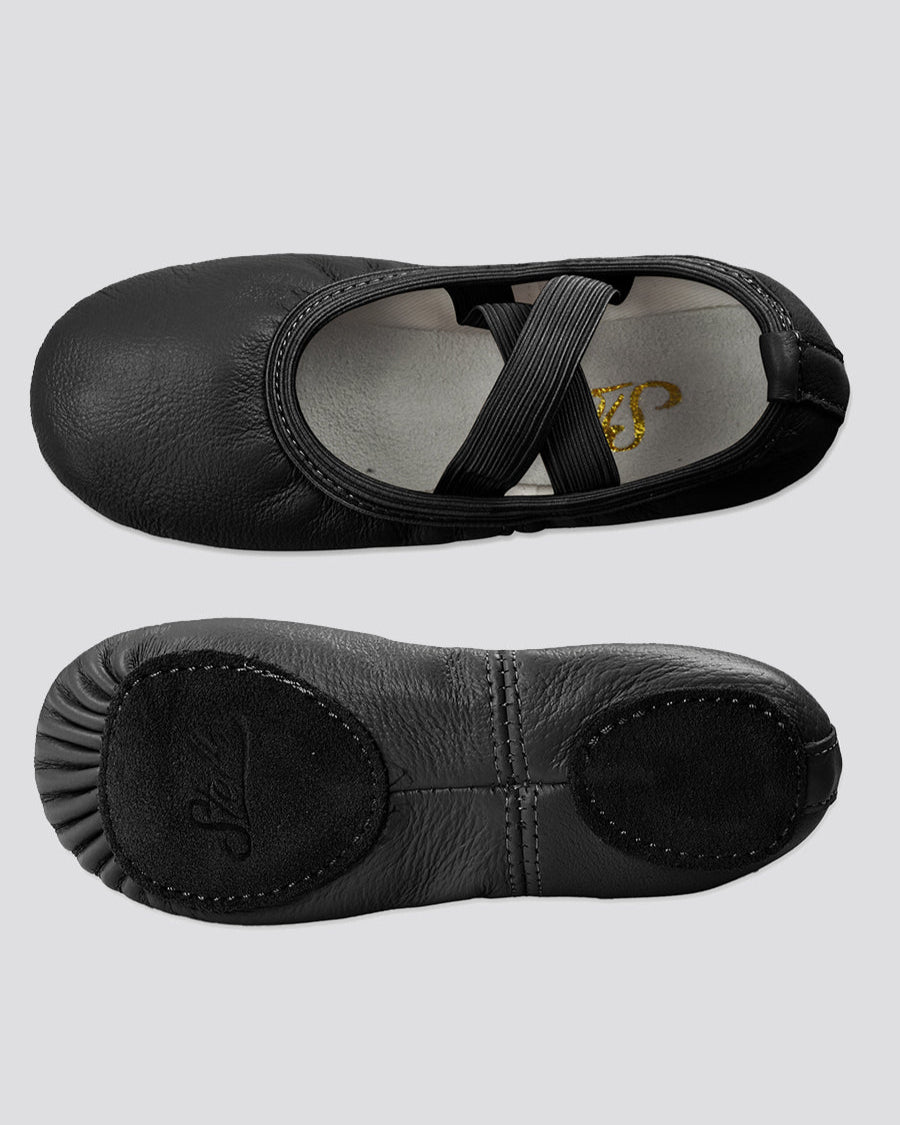
Sometimes, but ask the teacher first. Some studios let young beginners wear ballet slippers in jazz class, while others want jazz shoes for their sturdier rubber sole and slight heel, which suit grounded, parallel movement. Many combo classes for preschoolers run entirely in ballet shoes to keep things simple.
What age can kids start jazz dance?
Many studios fold jazz into combo classes for preschoolers, with standalone jazz classes commonly opening up around ages 5 to 7, once kids can retain short choreography. Age ranges and class offerings change from studio to studio and season to season, so confirm with your local studio before enrolling.
Can my child switch from ballet to jazz later, or the other way?
Yes, and the switch is smoother than most parents expect. Ballet-trained kids usually pick up jazz quickly since the technique transfers; jazz kids moving into ballet need some time to adjust to turnout and slower pacing, but their musicality and performance habits come with them. Skills stack across styles far more than they conflict.
About the Stelle Team
Stelle is a mom-trusted dancewear & athleisure brand best known for girls’ ballet and dance essentials since 2015. Every article is created and reviewed by the team behind the products, drawing on what we hear from dance teachers, studio owners, and dance parents every day. Learn more about Stelle.