





Sickled Feet Dance Guide: What They Are and How Young Dancers Work on Them
Table of contents
- Quick answer
- Key Takeaways
- What Is a Sickled Foot in Dance?
- Pointed Feet vs Sickled Feet vs Winged Feet
- Why Dance Teachers Correct Sickling
- Why Young Dancers Sickle
- How to Fix Sickled Feet Over Time: 5 Home Habits That Help
- When to Ask the Teacher (and When to Get It Checked)
- FAQ
-
- About the Stelle Team
Quick answer
Sickled feet in dance describe a pointed foot that curls inward, so the toes angle toward the other leg and the ankle bows out instead of holding a straight line. Teachers correct it because it breaks the leg line and loads the weaker outside of the ankle, raising the chance of sprains and tendon irritation. Most young dancers improve it with alignment cues, mirror checks, and light resistance-band strengthening.
Key Takeaways
-
A sickled foot curves inward when pointed, a winged foot angles slightly outward, and a well pointed foot continues the line of the shin.
-
The correction is partly looks, mostly safety: the outside-ankle ligaments are weaker than the inside ones, and a sickled foot loads them.
-
Foot and ankle injuries are common in dancers, which makes good alignment and ankle strength especially important.
-
Weak ankle stabilizers, limited mobility, motor-control habits, or previous ankle instability can all contribute to sickling. Alignment practice, slow relevés and tendus, and appropriate strengthening may help many dancers improve it over time.
-
A sickled foot in ballet is a technique fault, not a diagnosis. Pain, swelling, or an ankle that keeps rolling is a reason to see the teacher and a medical professional, not to stretch harder.
What Is a Sickled Foot in Dance?
Maybe the teacher called out "stop sickling" mid-plié, or your daughter came home asking why her foot keeps getting corrected. Here is the short version. A well pointed foot continues the line of the shin. A sickled foot breaks that line: the ankle rolls toward its outer edge, the heel drops back, and the toes curl in toward the other leg, tracing a curve like a sickle blade. Podiatrists such as the Louetta Foot & Ankle team call the underlying position supination, the ankle tipping onto its outside border.
You may also hear it called a sickle foot. Same fault, different name, and sickled feet in dancing styles beyond ballet, like jazz and lyrical, draw the same correction.
Pointed Feet vs Sickled Feet vs Winged Feet
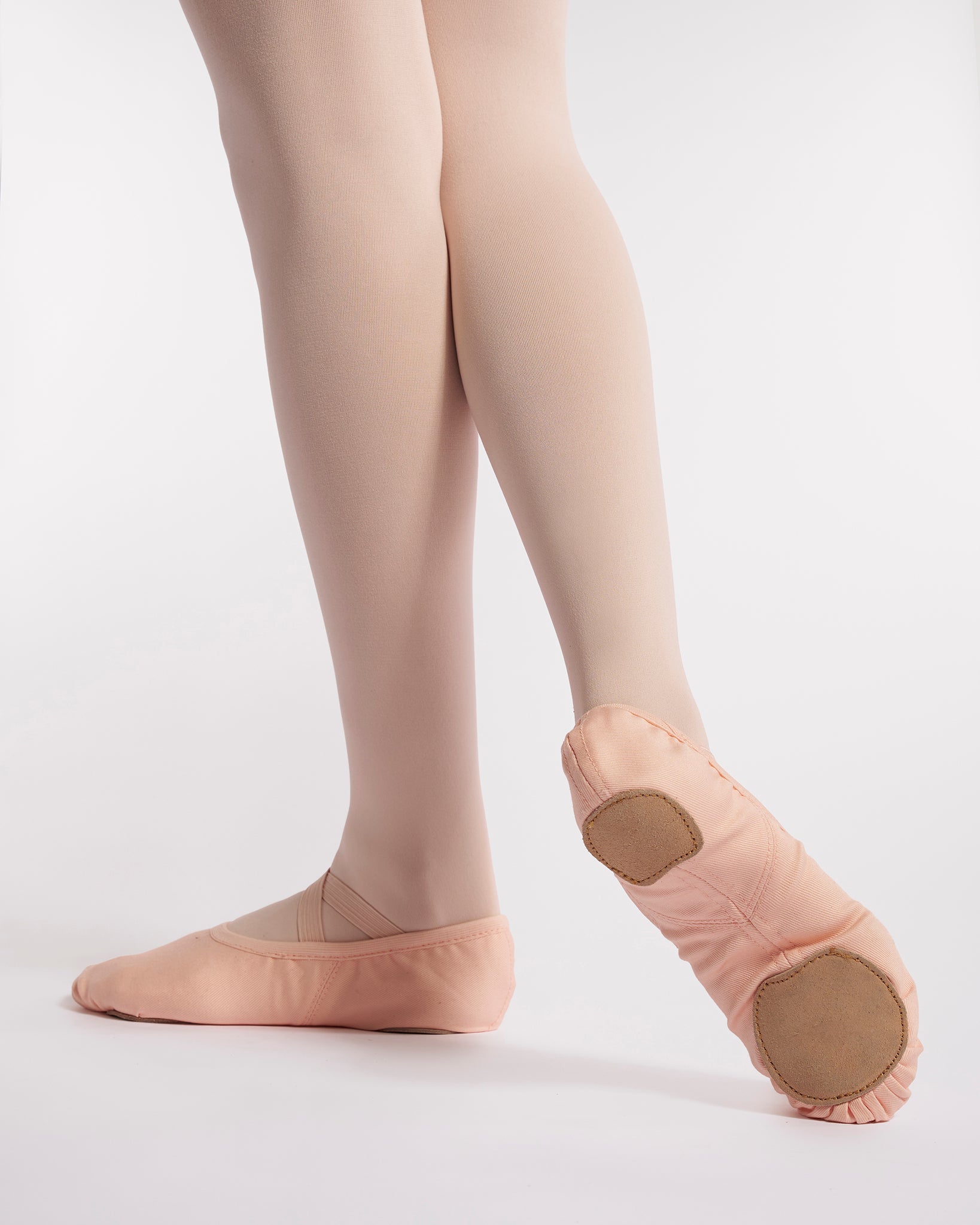
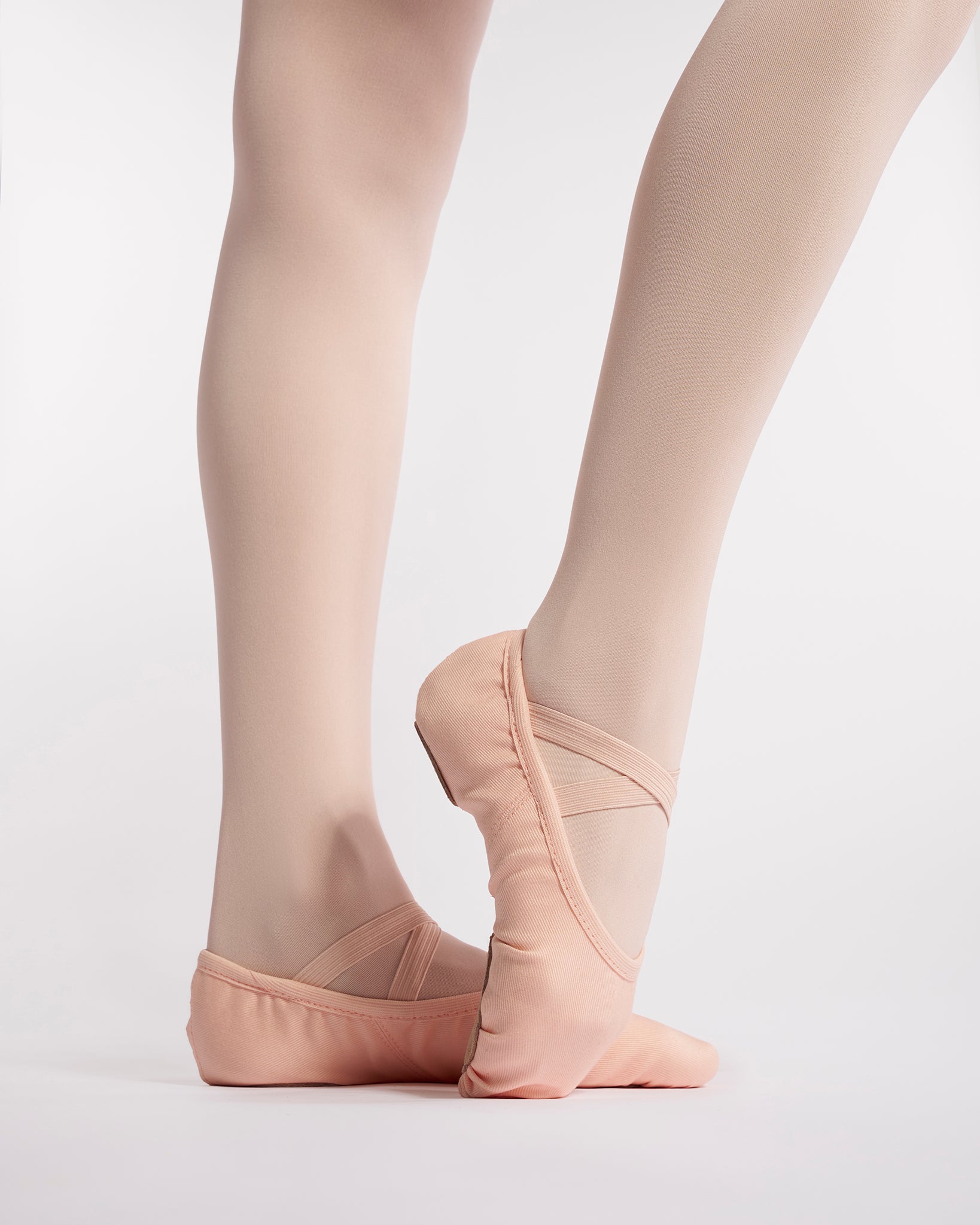
The sickled foot vs pointed feet difference is easiest to see from the side: a correct point keeps one unbroken line from knee to toes, while a sickle bends it inward at the ankle. Dance Magazine keeps the definitions simple: sickling turns the toes inward, winging turns them outward.
|
Foot position |
What the ankle does |
How it reads |
How teachers treat it |
|---|---|---|---|
|
Properly pointed |
Continues the line of the shin |
One long, unbroken leg line |
The goal at all levels |
|
Sickled |
Rolls toward the outer edge, toes curl inward |
Line breaks at the ankle |
Corrected, for line and safety |
|
Winged |
Angles slightly outward from the ankle |
An upswept finish to the line |
Allowed by some teachers in older, stronger dancers |
A slight wing can flatter an arabesque, so it gets debated; sickling gets no such pass. As Kansas City Ballet School instructor Rose Taylor puts it in Dance Spirit, "A sickled foot immediately breaks and shortens that line."

Why Dance Teachers Correct Sickling
Ballet is built on long lines from hip to toe; a sickle chops the line off at the ankle, and examiners and judges mark it down.
The safety reason matters more. The inside of the ankle is anchored by a broad, strong ligament; the outside relies on three smaller ones that foot and ankle surgeon Dr. Justin Lewis calls more prone to damage in Dance Magazine. A sickled foot tips weight onto that weaker side, so the risk shows up when a dancer rises, balances, or lands on one. Orthopedic surgeon Dr. Jason Bariteau notes for Emory Healthcare that habitual sickling can gradually stretch and weaken the peroneal tendons on the outer ankle. A sickle does not lead straight to injury, but it stacks the odds badly. Our guide to protecting young dancers' feet goes deeper on the injury side.
Why Young Dancers Sickle
Sickling in ballet class is rarely carelessness. Physiotherapist Robin Holland of The Dance Physio points to three usual causes: weak outer-ankle stabilizers, limited ankle mobility the dancer compensates for by curling the foot to fake a deeper point, and habit that motor control has not caught up with. Kids chasing a prettier arch are prone to the second, one reason we urge caution in our ballet foot stretcher guide. Everyday habits count too: IADMS notes that hours of sitting with feet sickled under a chair quietly train the same imbalance.
How to Fix Sickled Feet Over Time: 5 Home Habits That Help
Most sickled foot dance corrections follow one recipe: feel the correct line, check it visually, then strengthen until it becomes the default, usually starting with slow tendus at the barre. Keep bands light and stop if anything hurts.
-
Step 1: Learn what the correct line feels like. Holland's cue is a straight line from the inside of the ankle through the forefoot. Emory's team adds a proprioception drill: point with eyes closed, then open them and check.
-
Step 2: Mark it and mirror-check it. Allegro Dance Boutique suggests a dot on the front of the ankle and one at the base of the second toe; the line between them should stay vertical as she points.
-
Step 3: Theraband work. Sitting with legs straight, loop a light resistance band around the forefoot and practice slow pointing and flexing while keeping the ankle aligned with the leg. If a dance teacher or dance physical therapist has shown your child how to use the band safely, controlled winging and sickling may also be used as strengthening drills. Do not add resisted sickling on your own if your child has pain, ankle instability, or a history of repeated sprains.
-
Step 4: Slow relevés and tendus. Holland builds dancers toward three sets of 20 single-leg demi-plié and relevé reps with the ankle tracking straight. Tendus from first position work too; our simple ballet positions guide has a refresher.
-
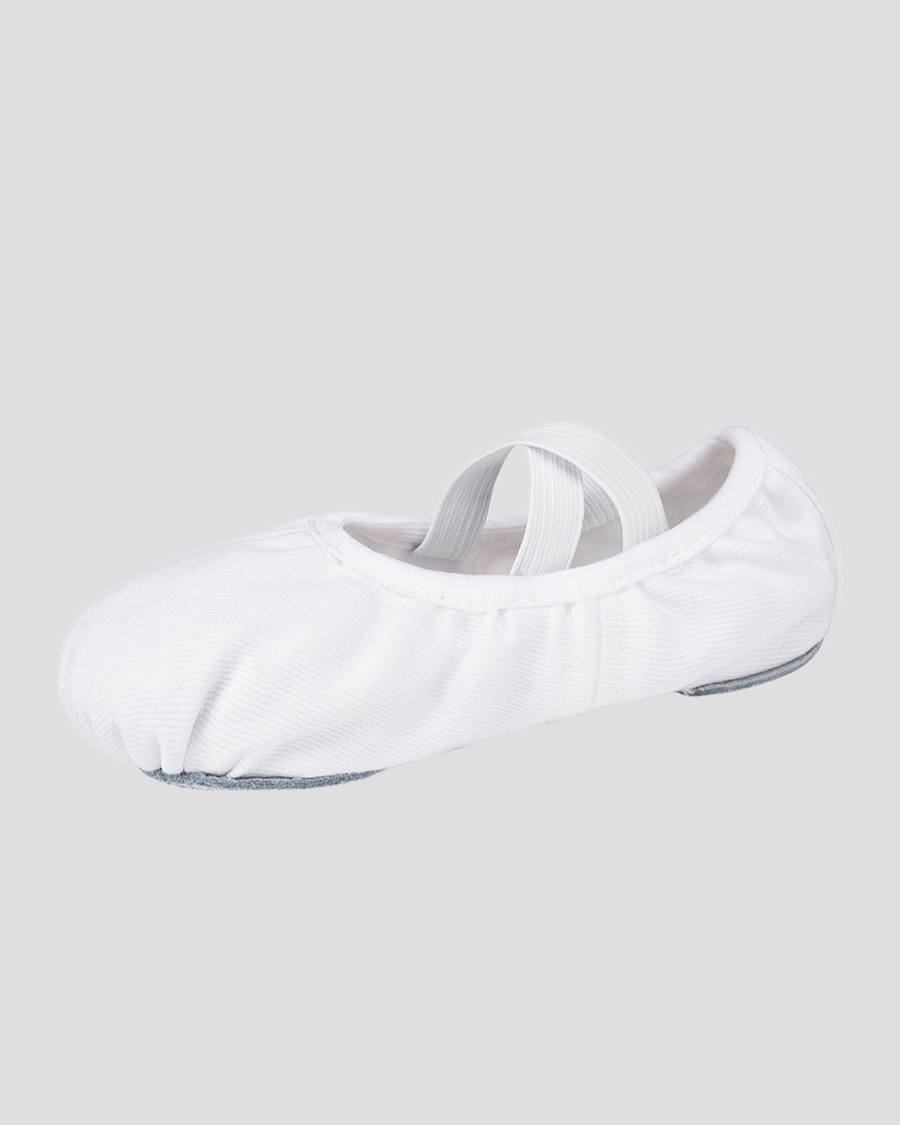
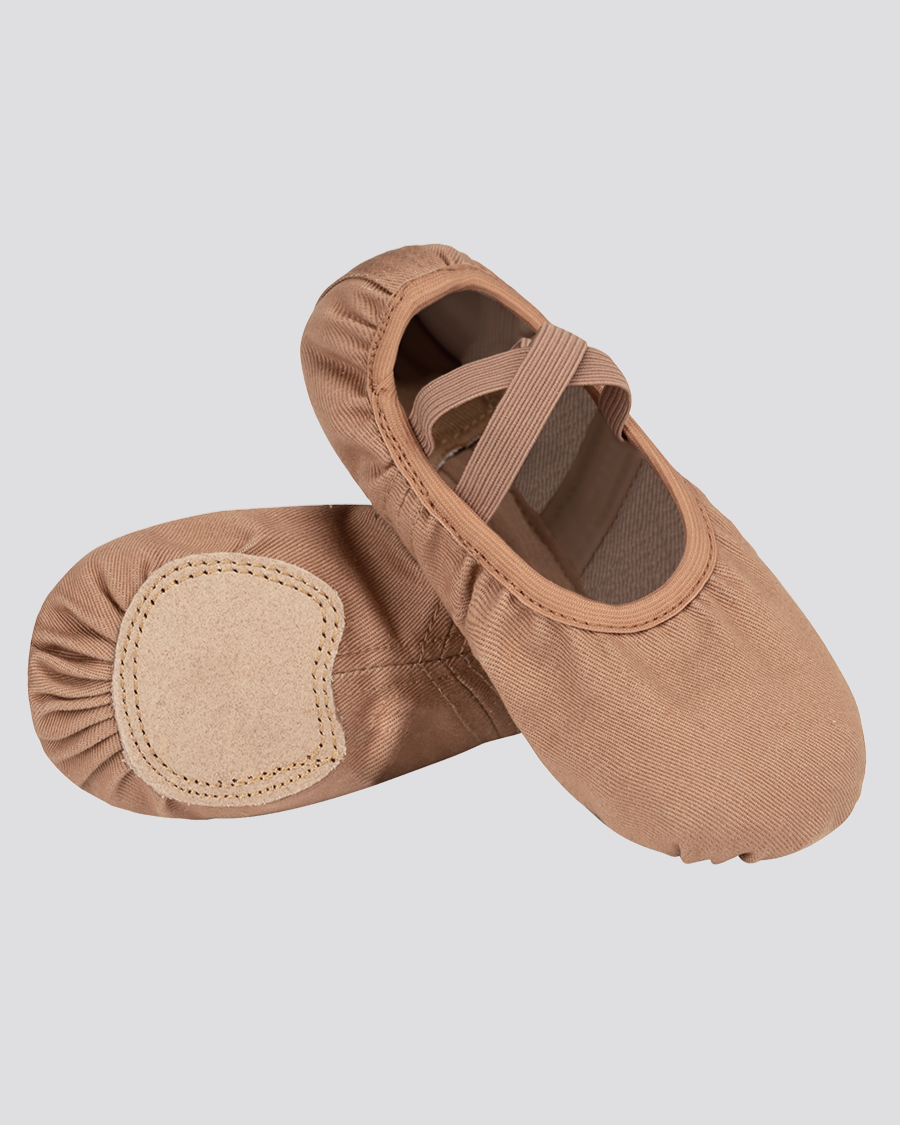
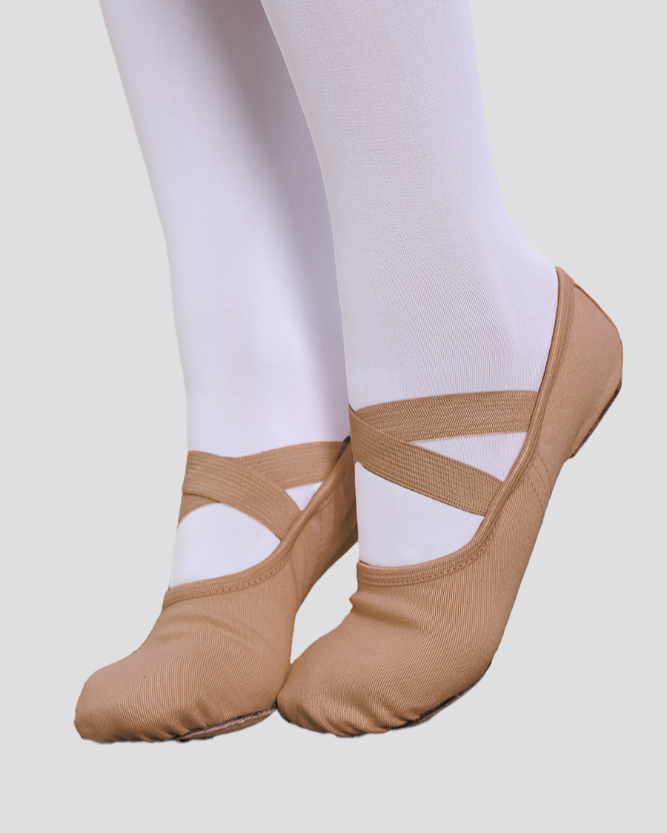
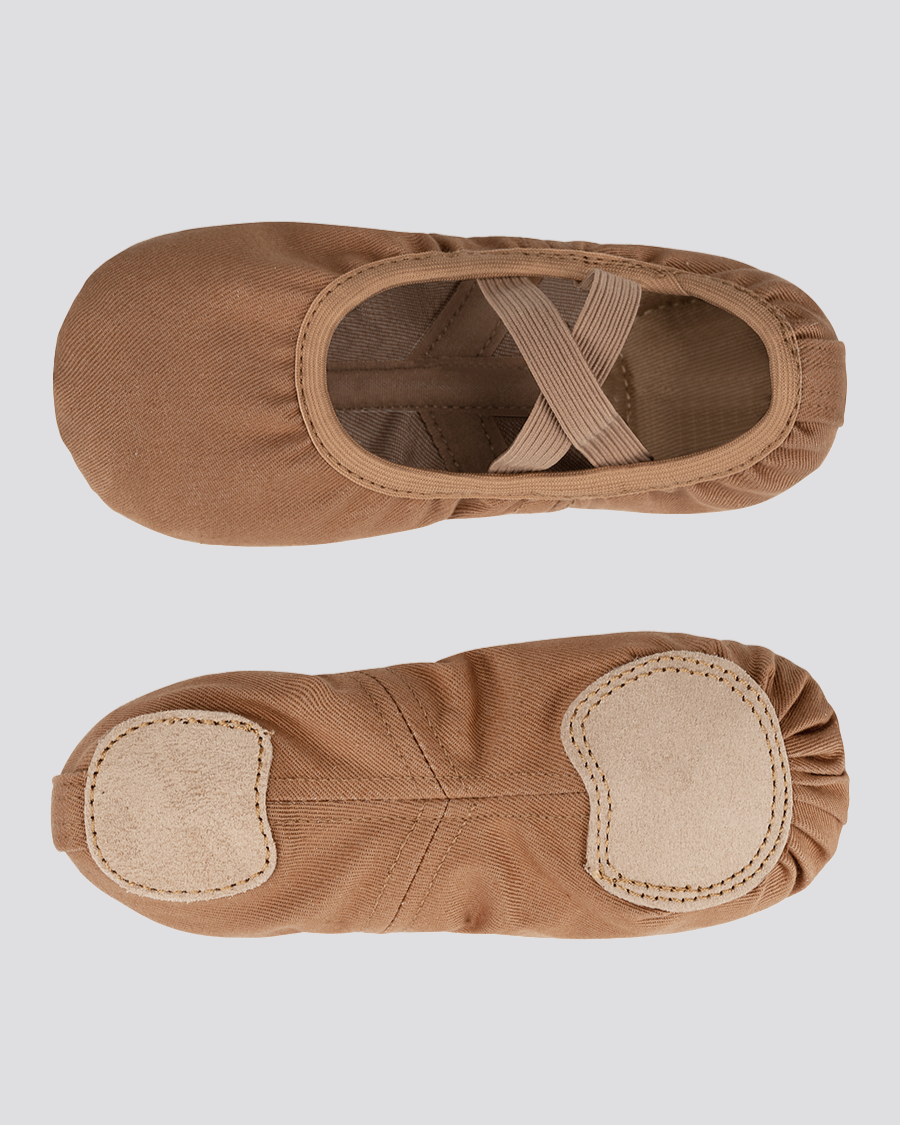
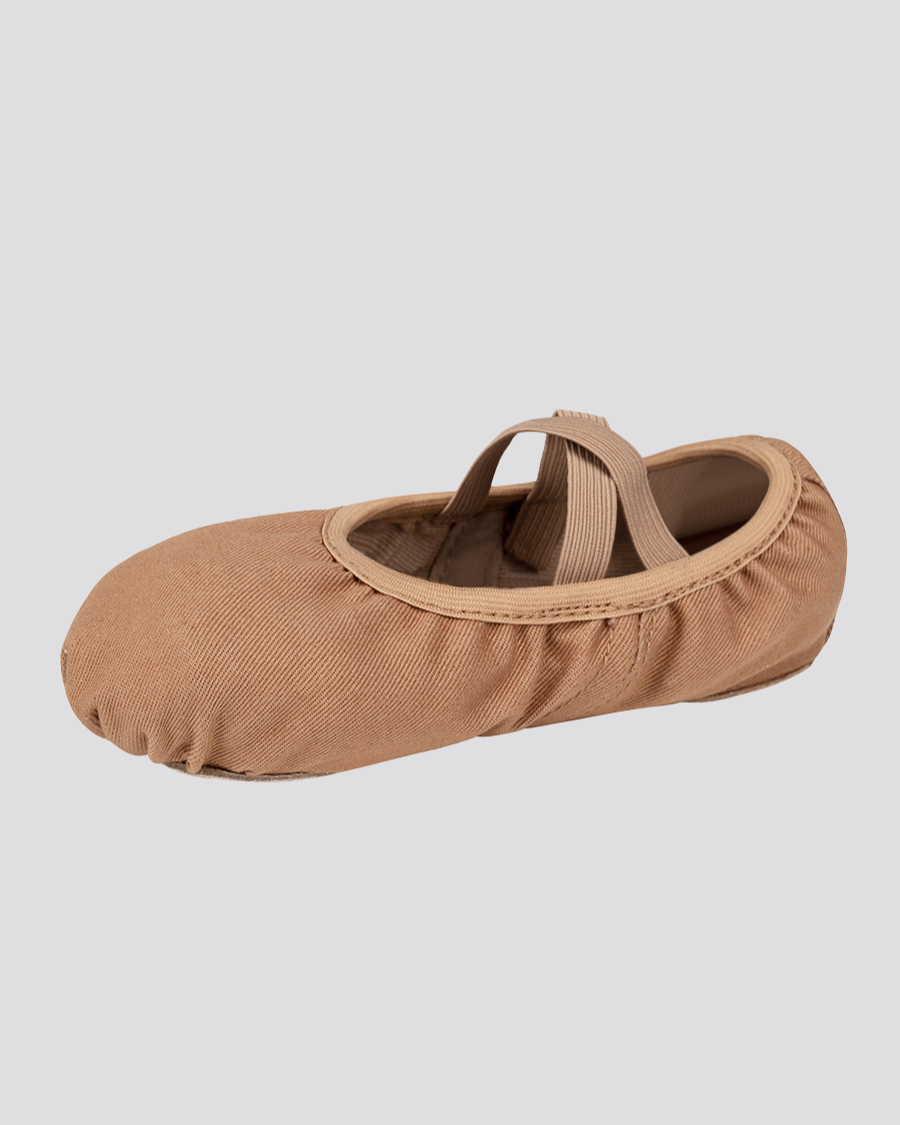
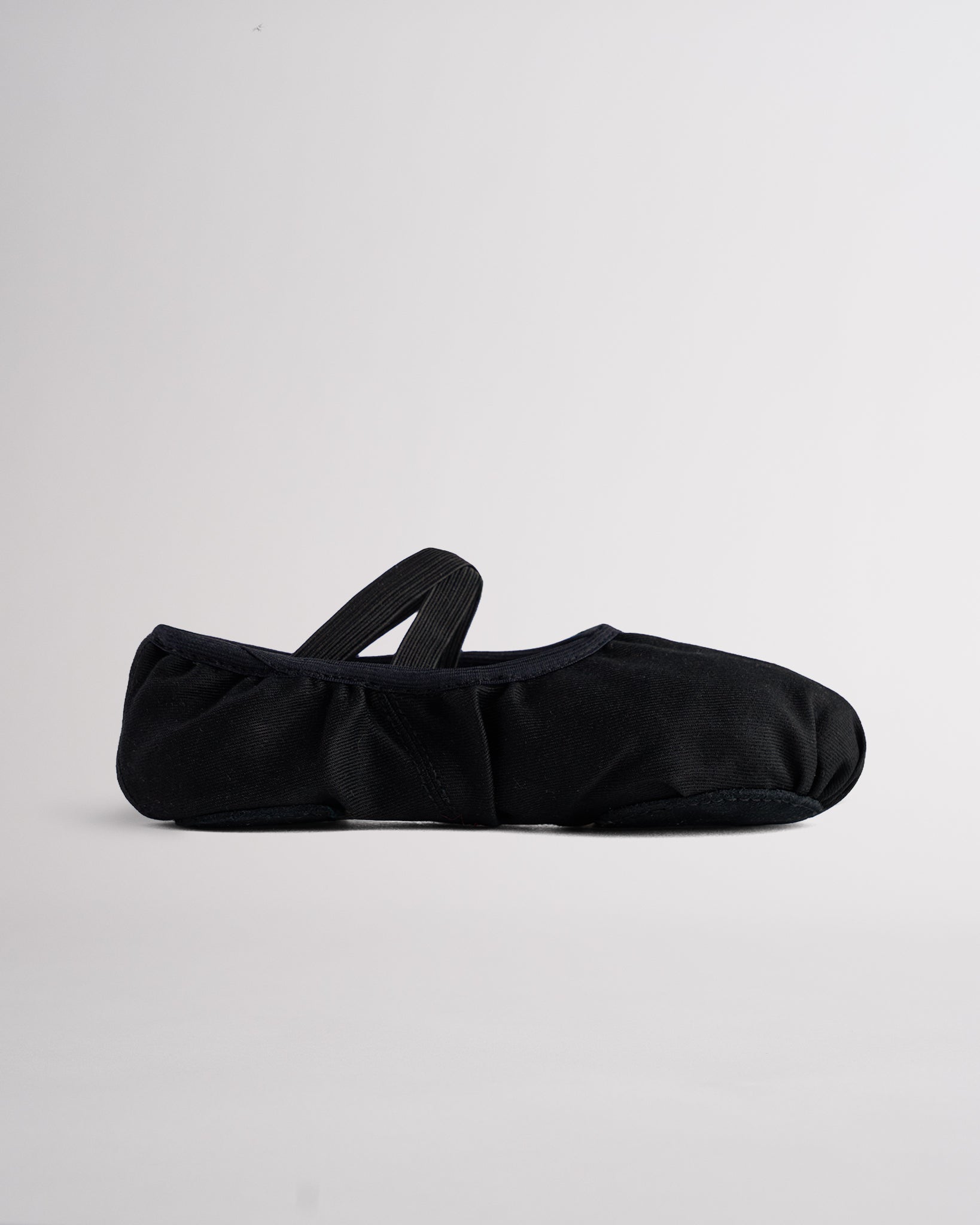
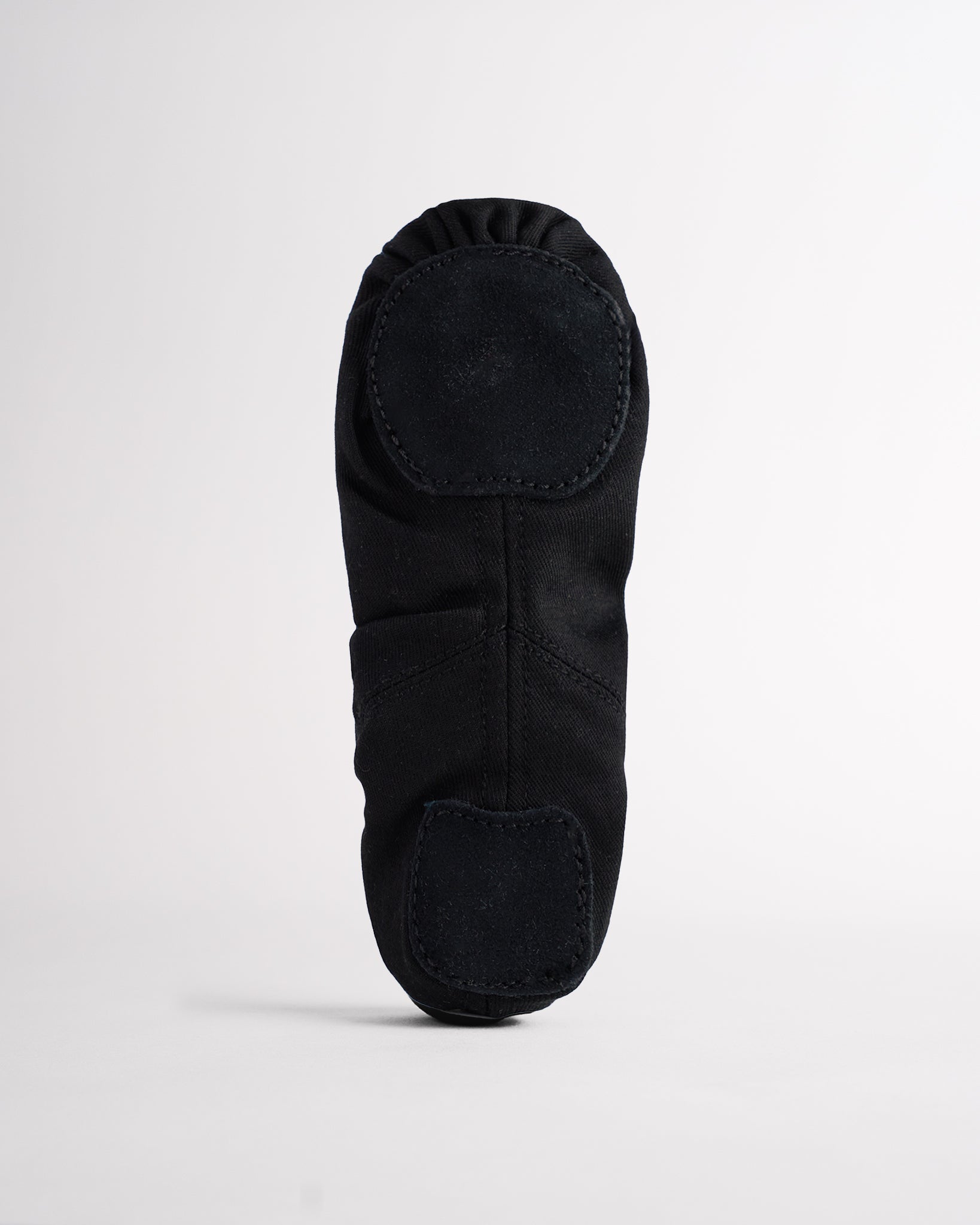
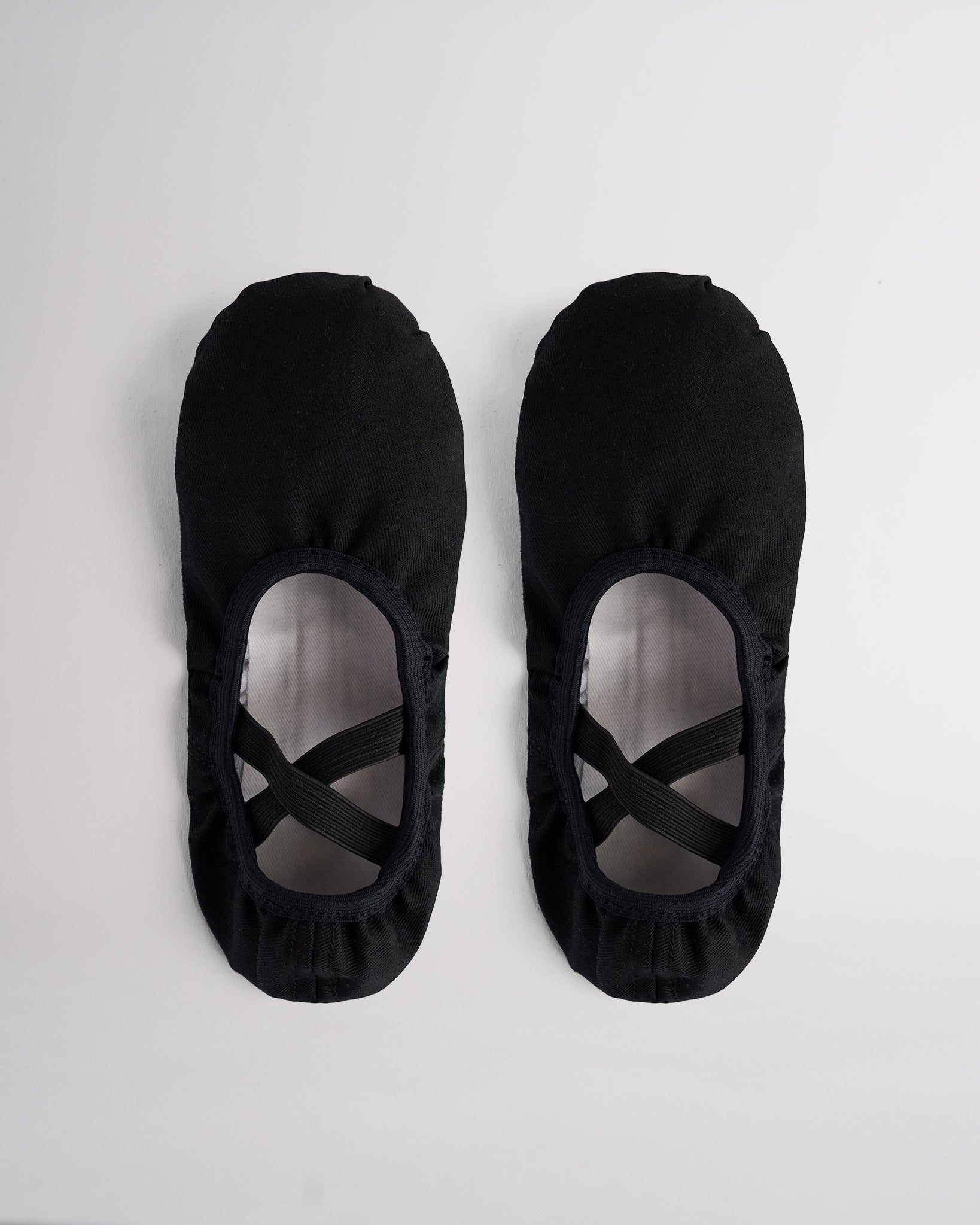
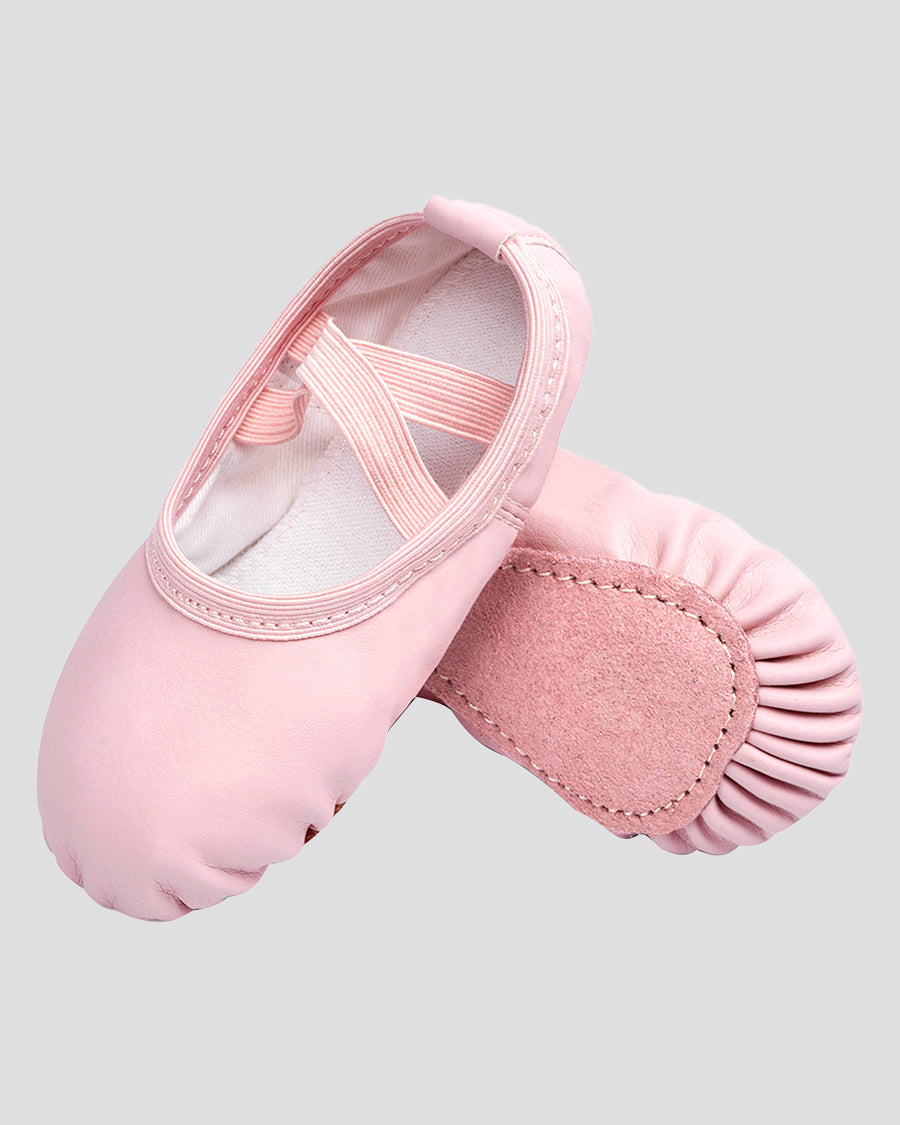
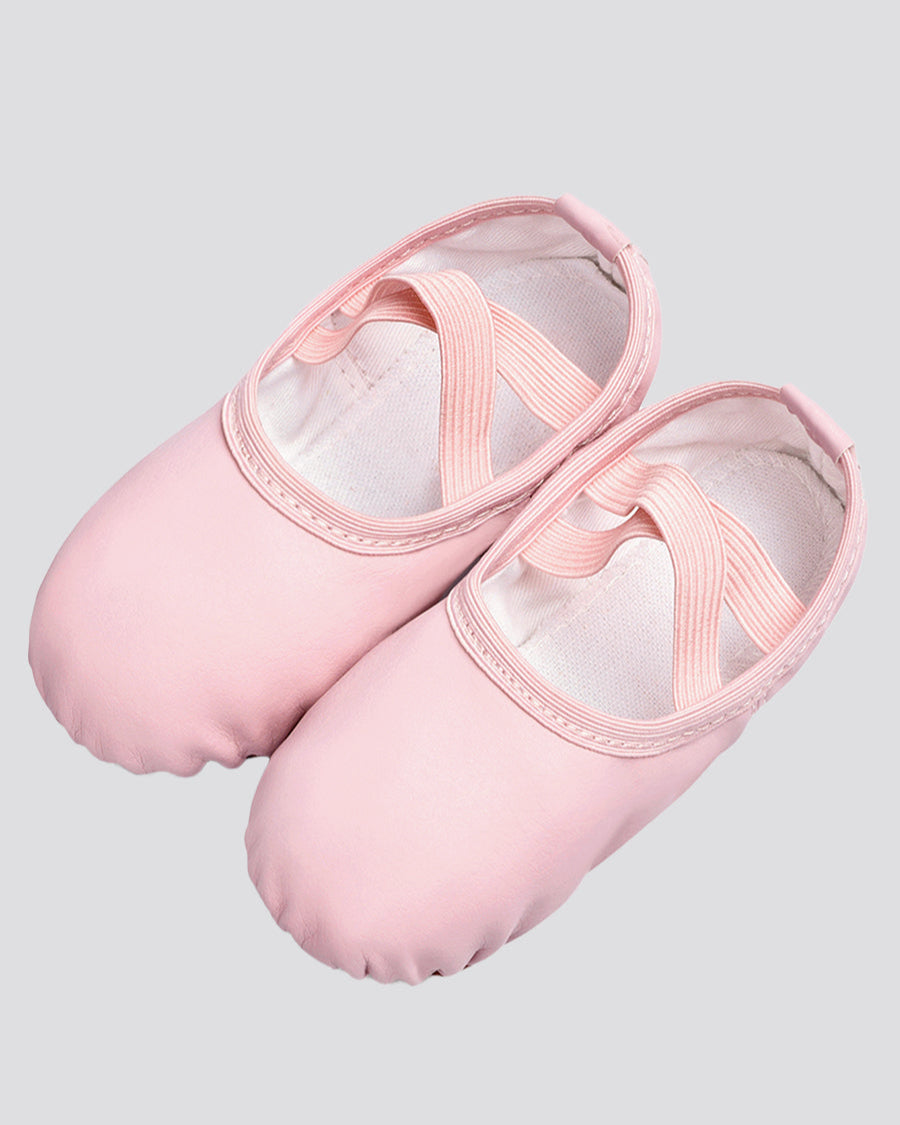
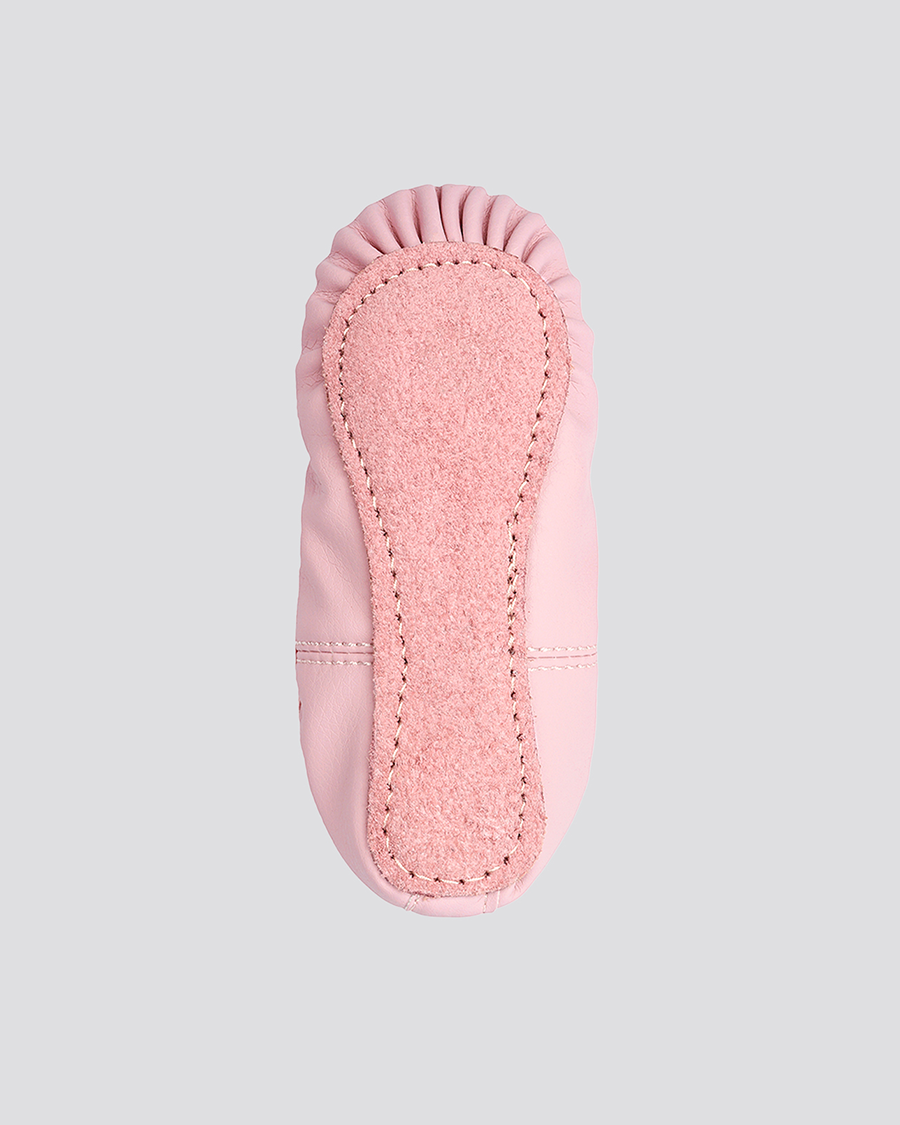
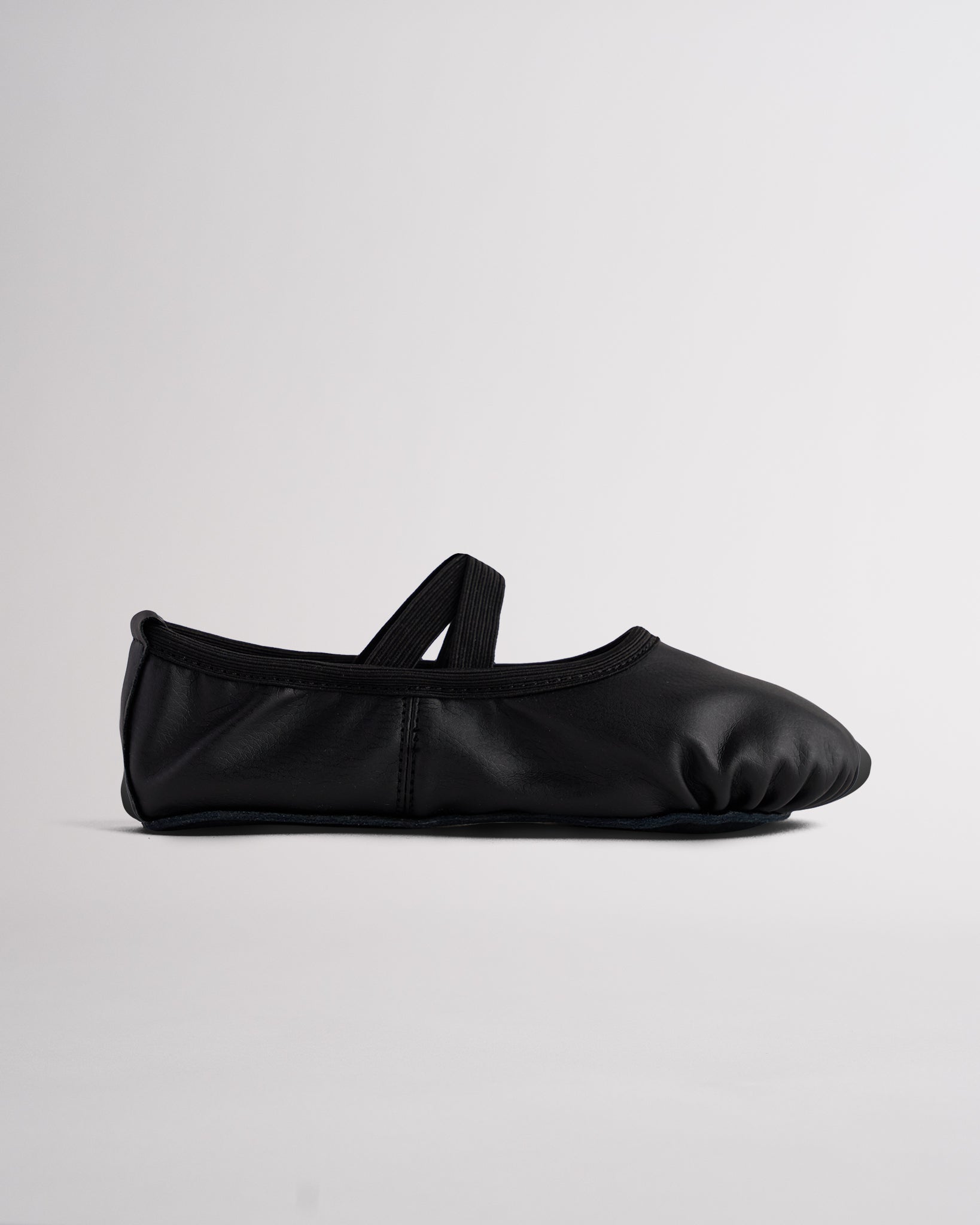
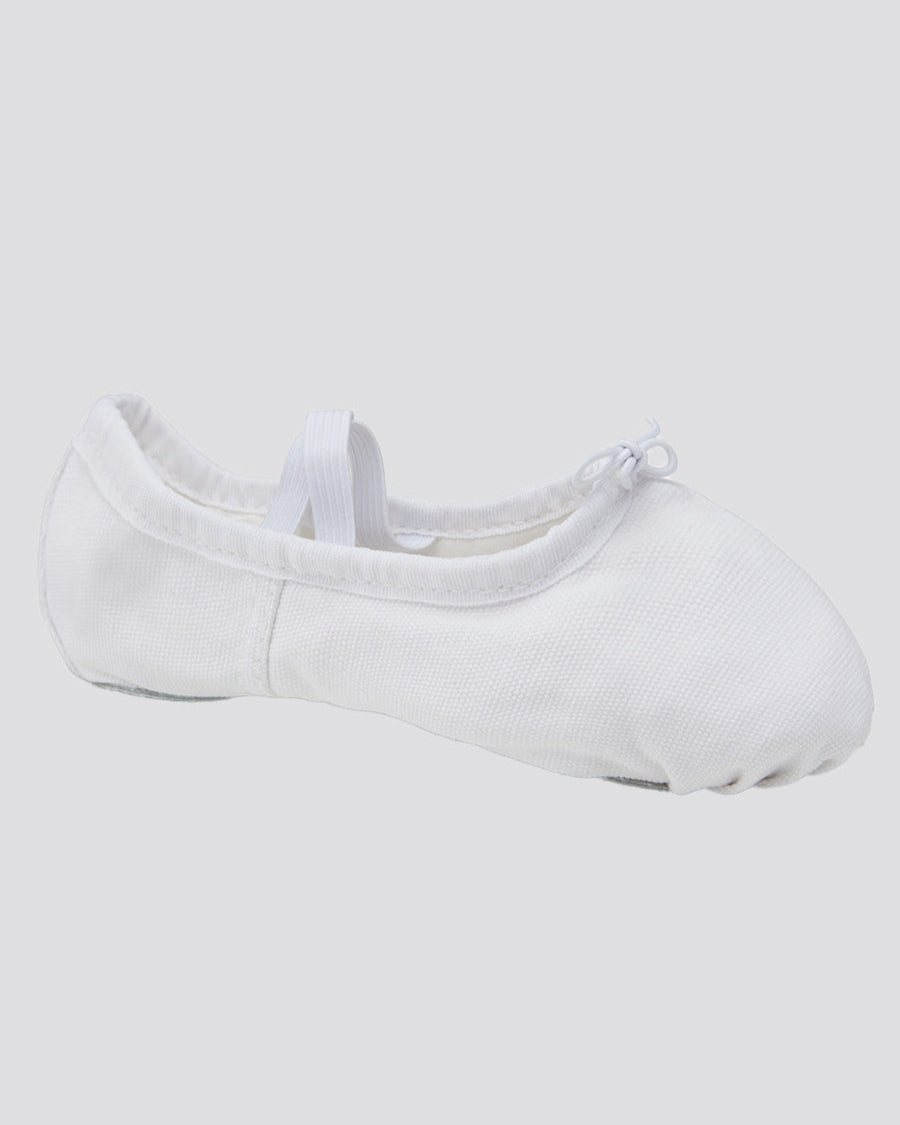
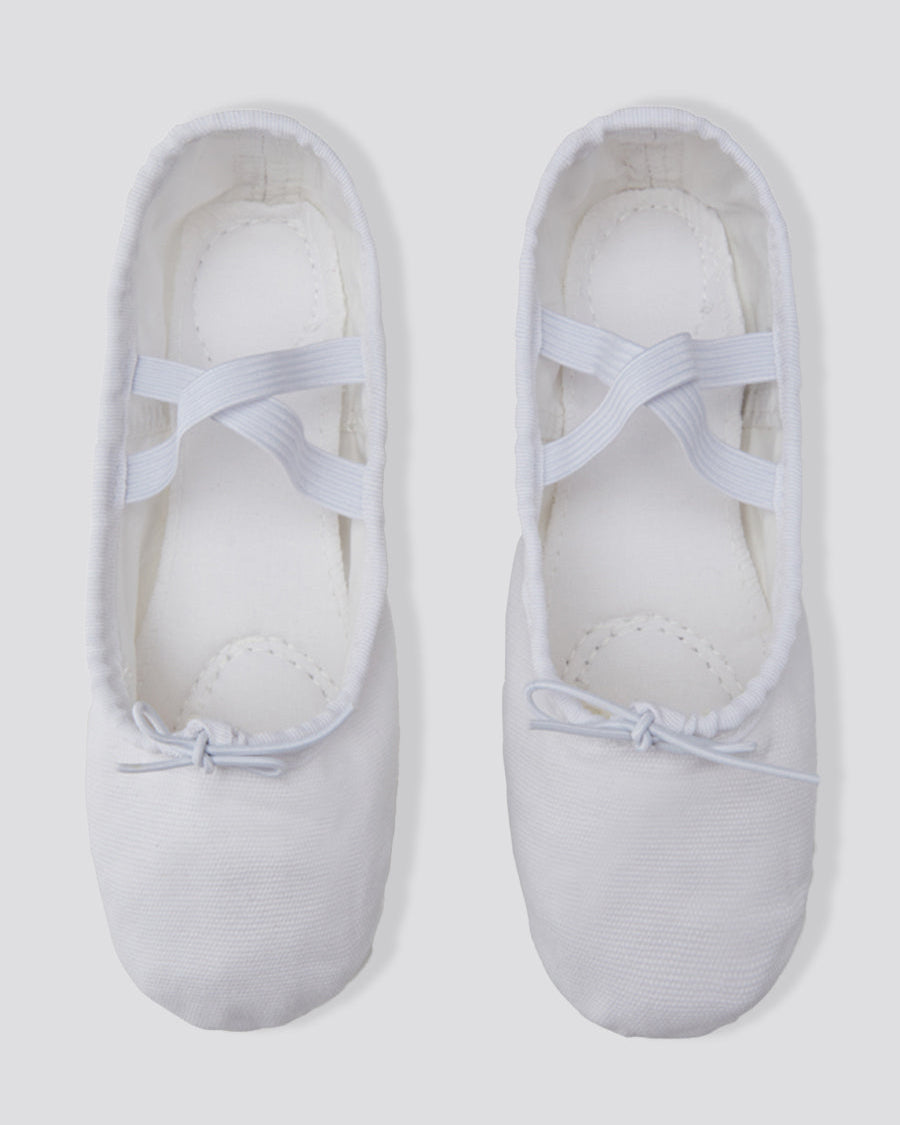
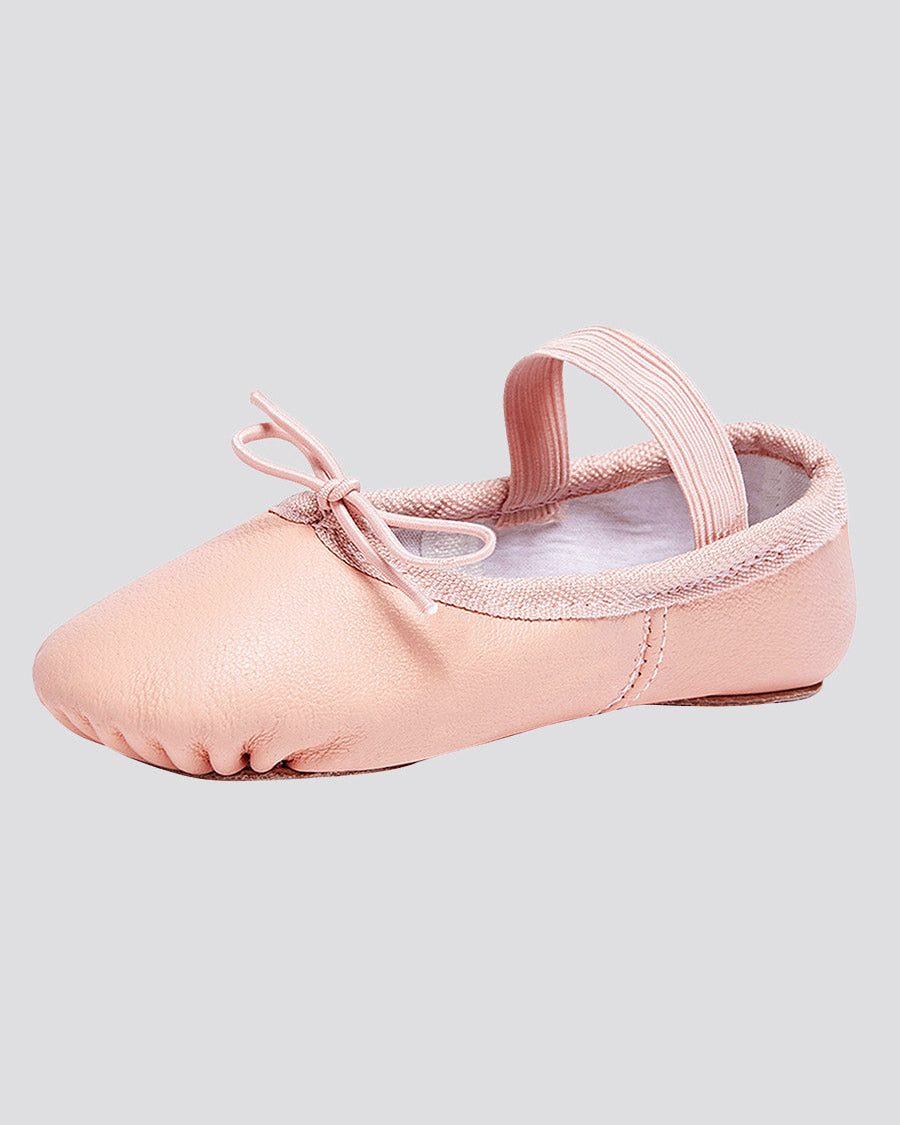
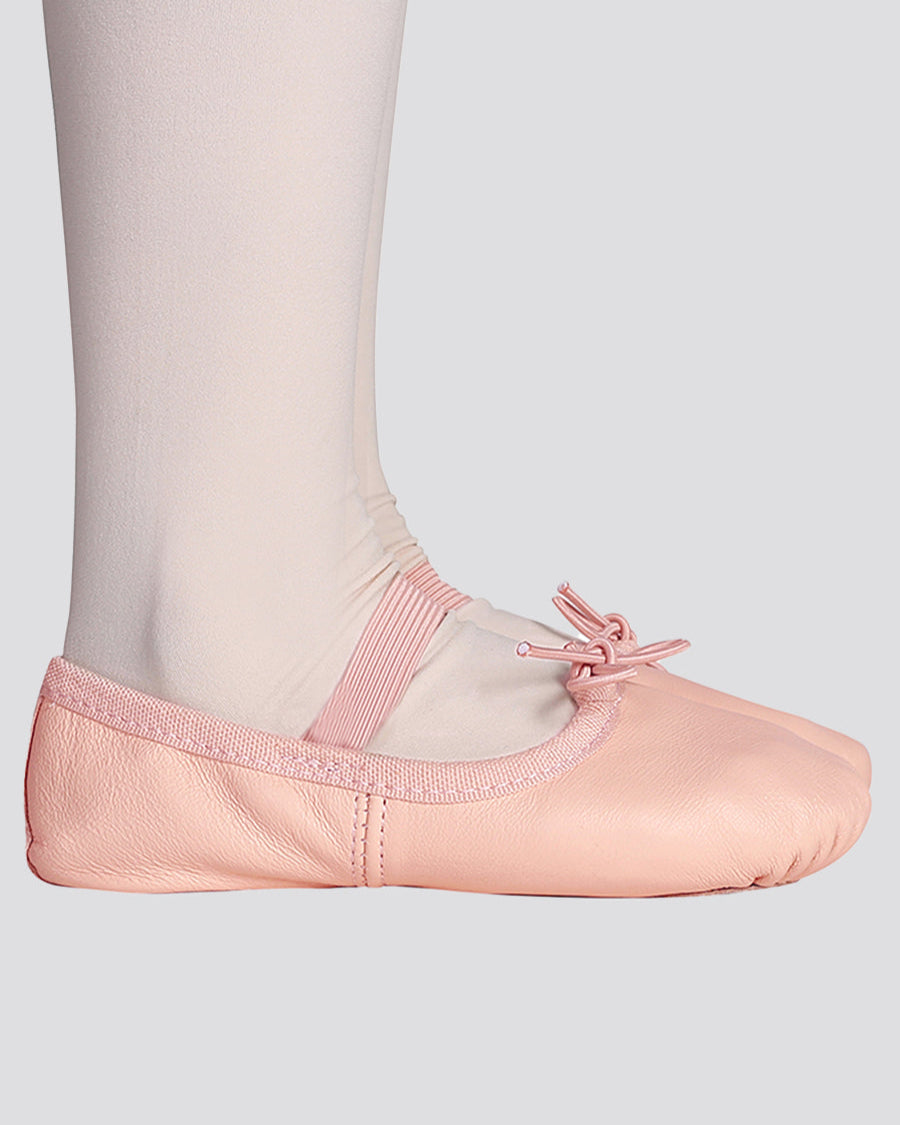
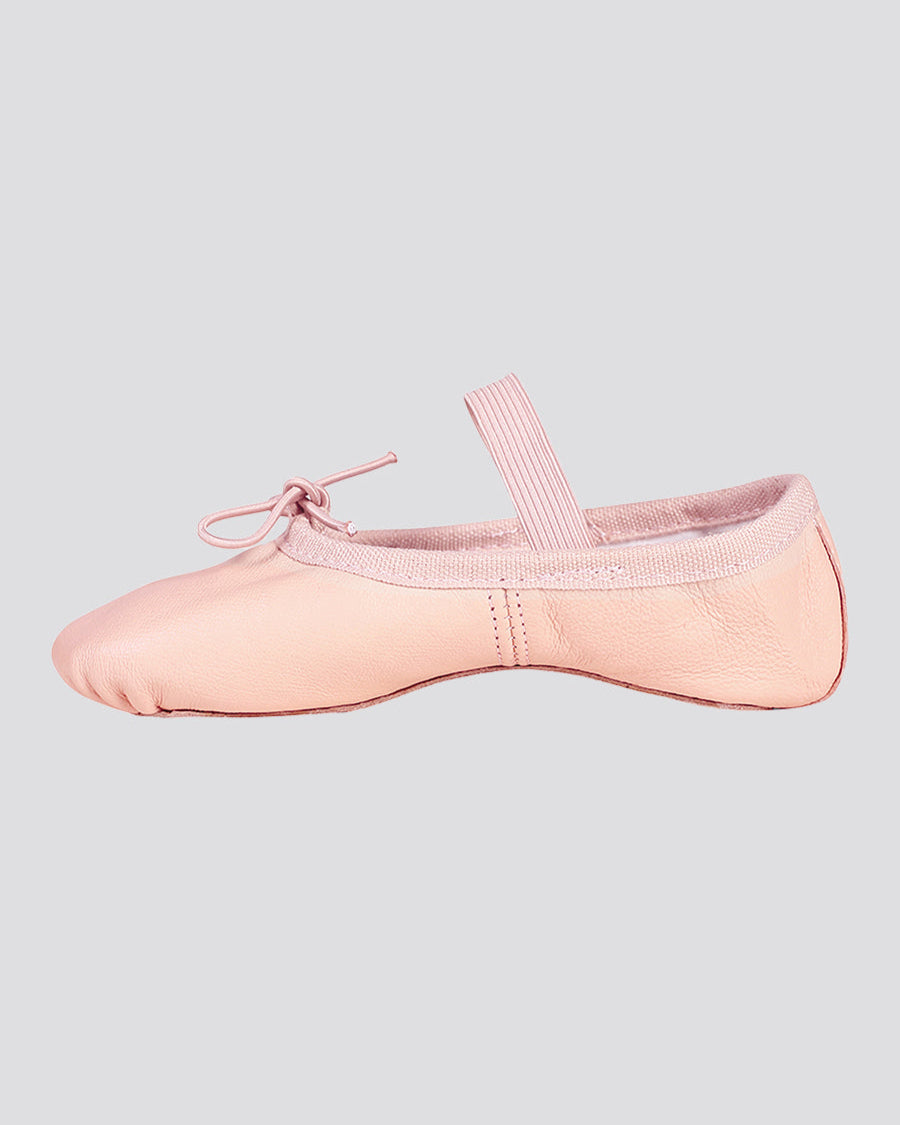
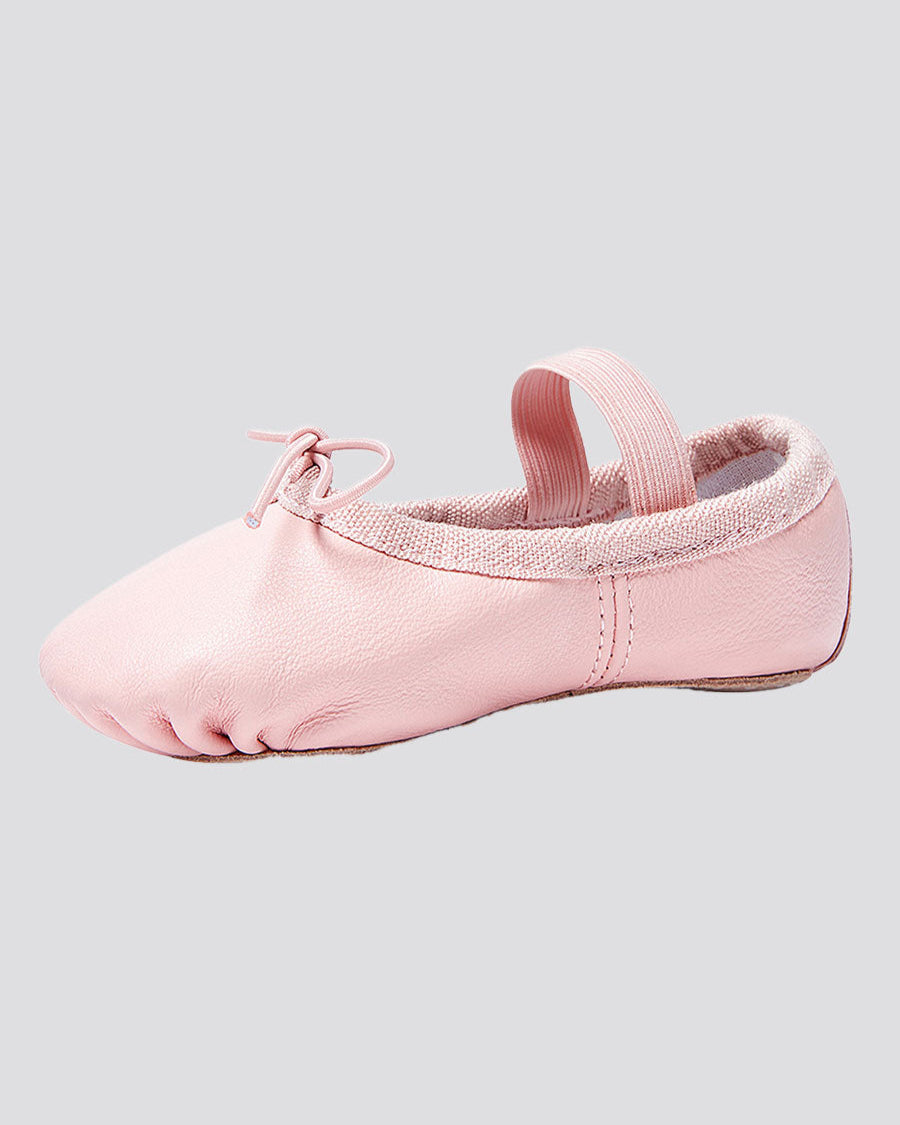
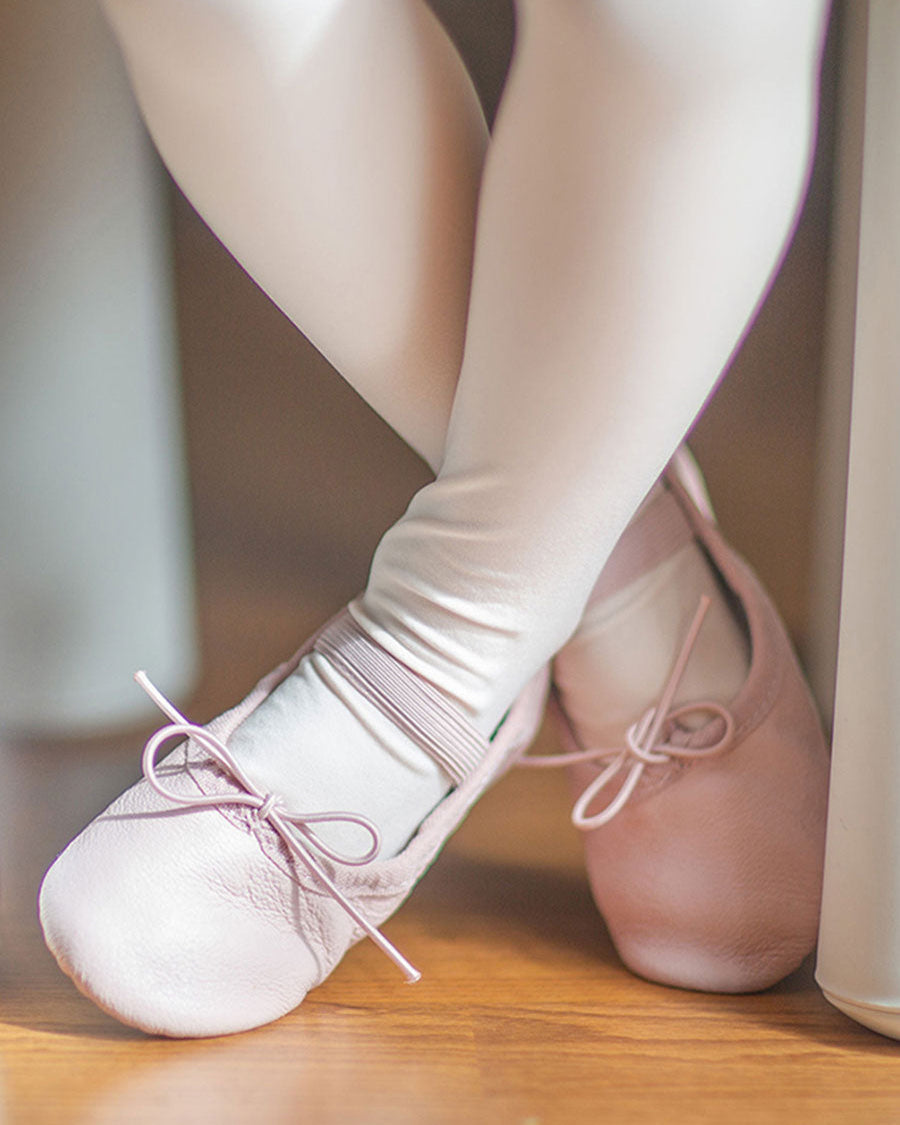
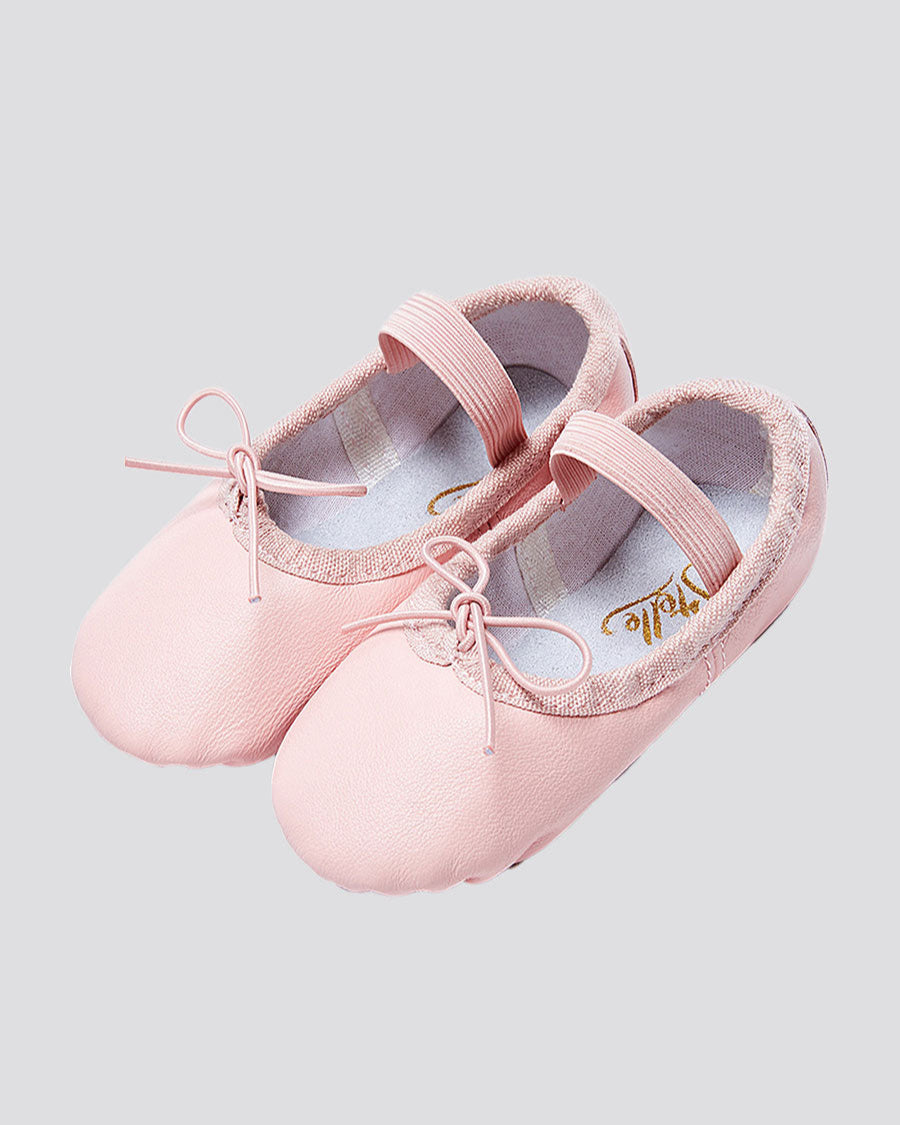
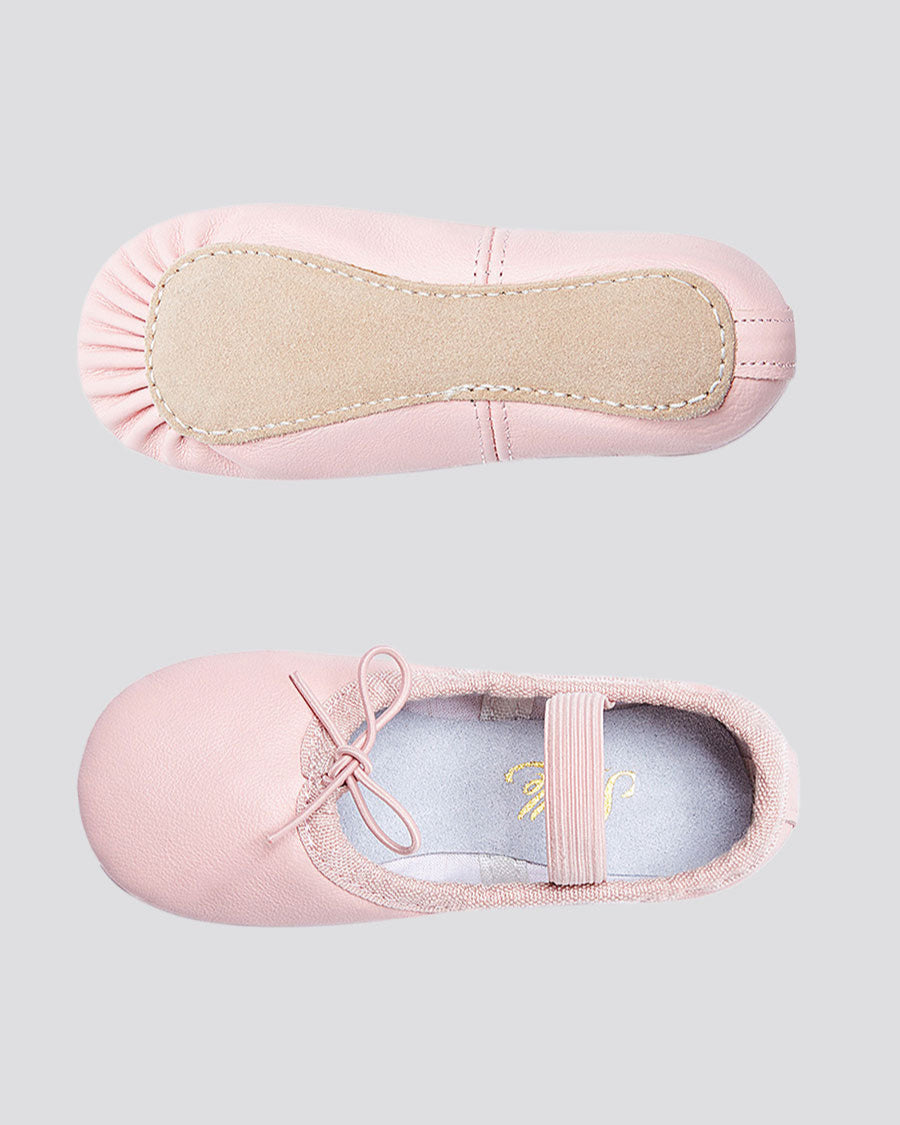
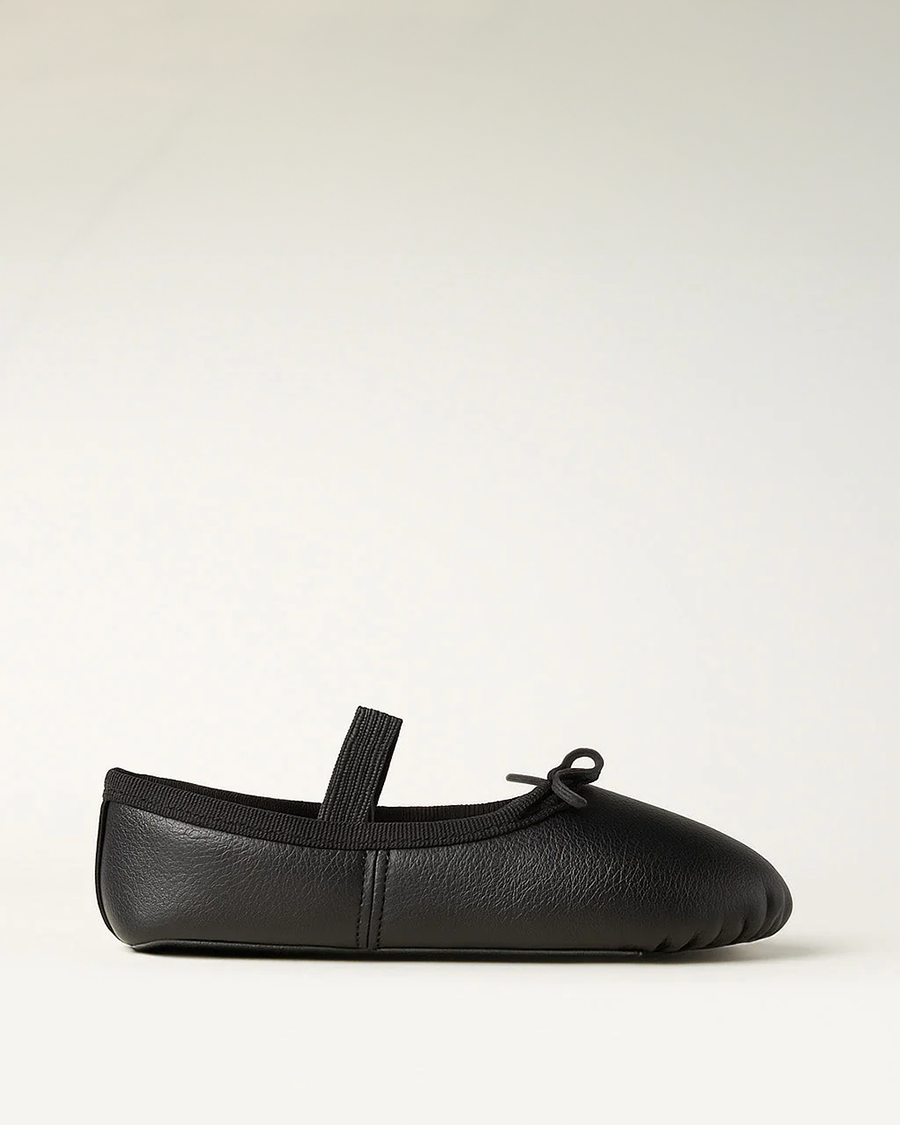
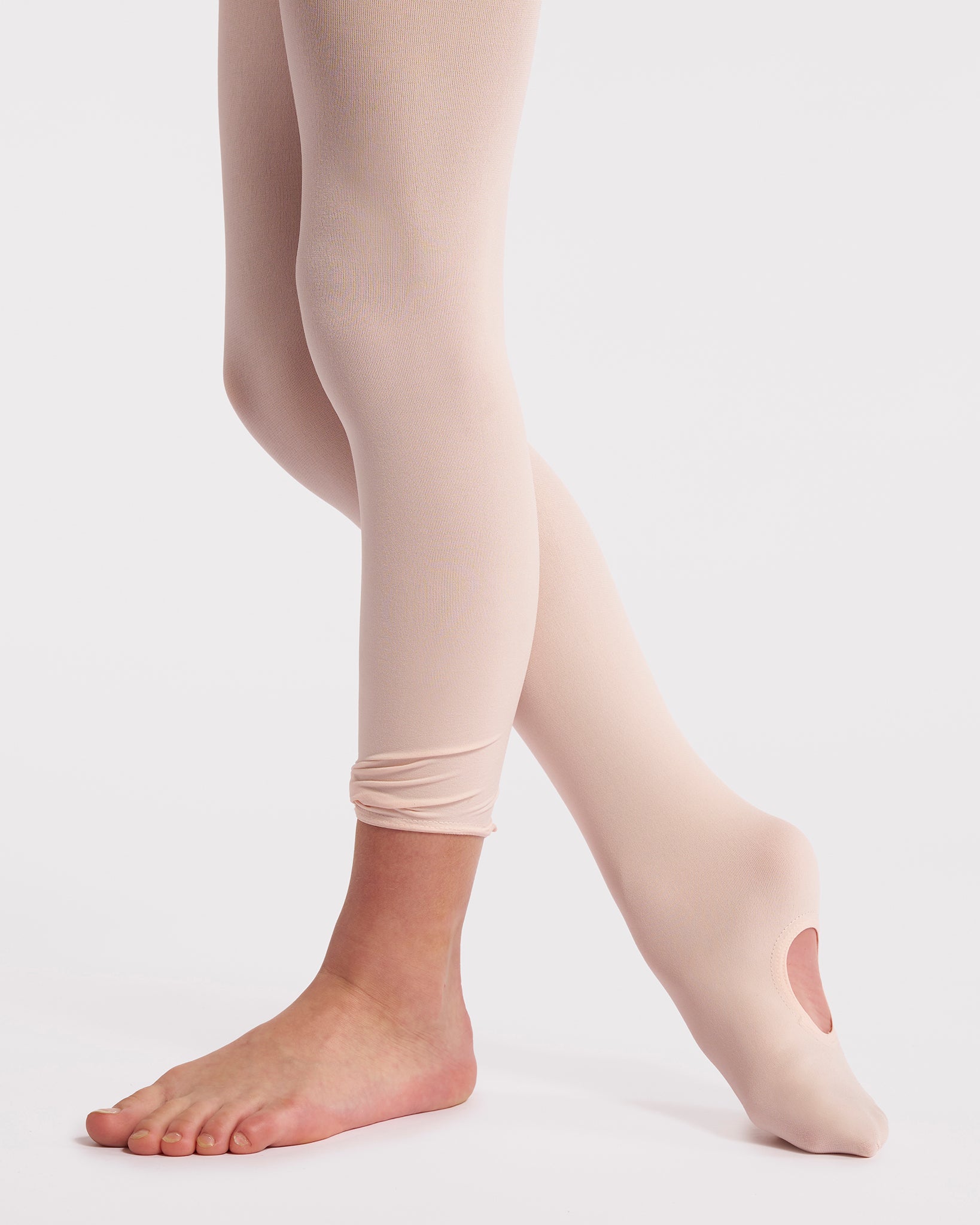
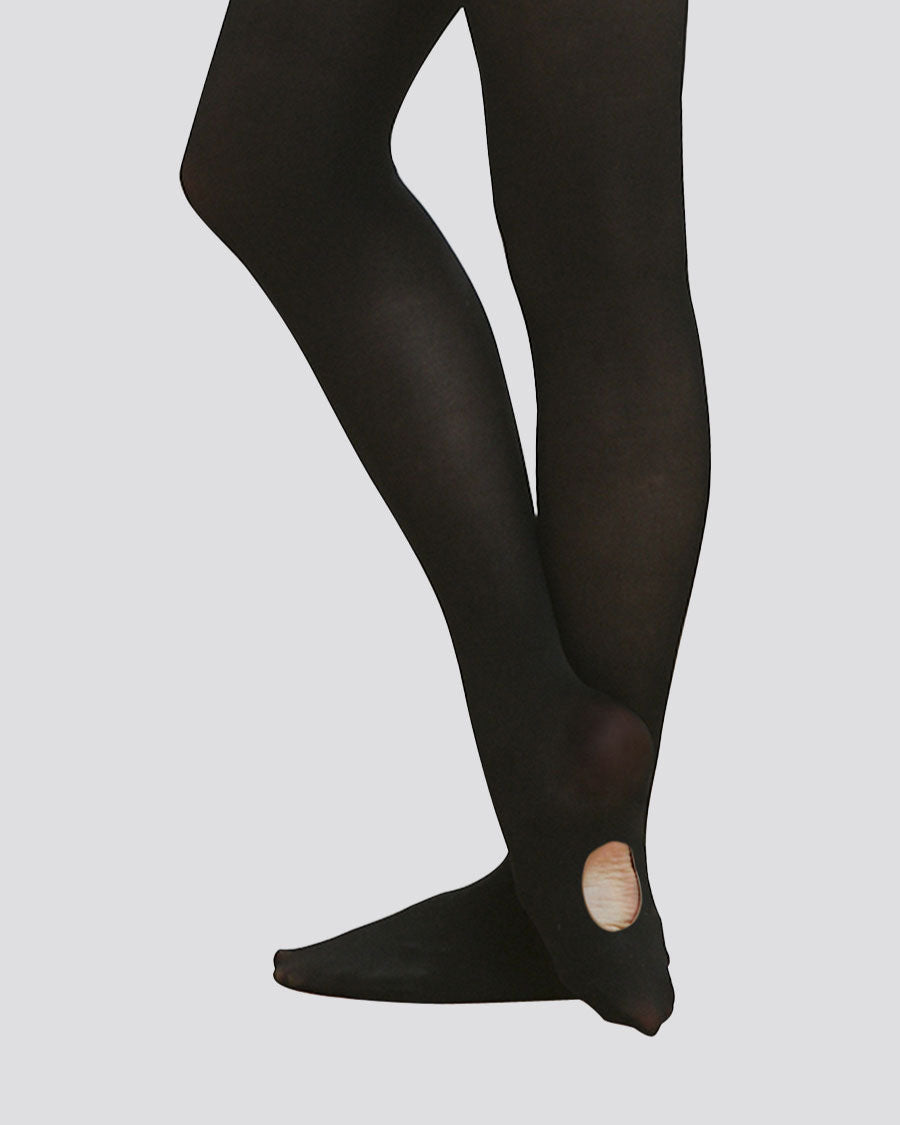
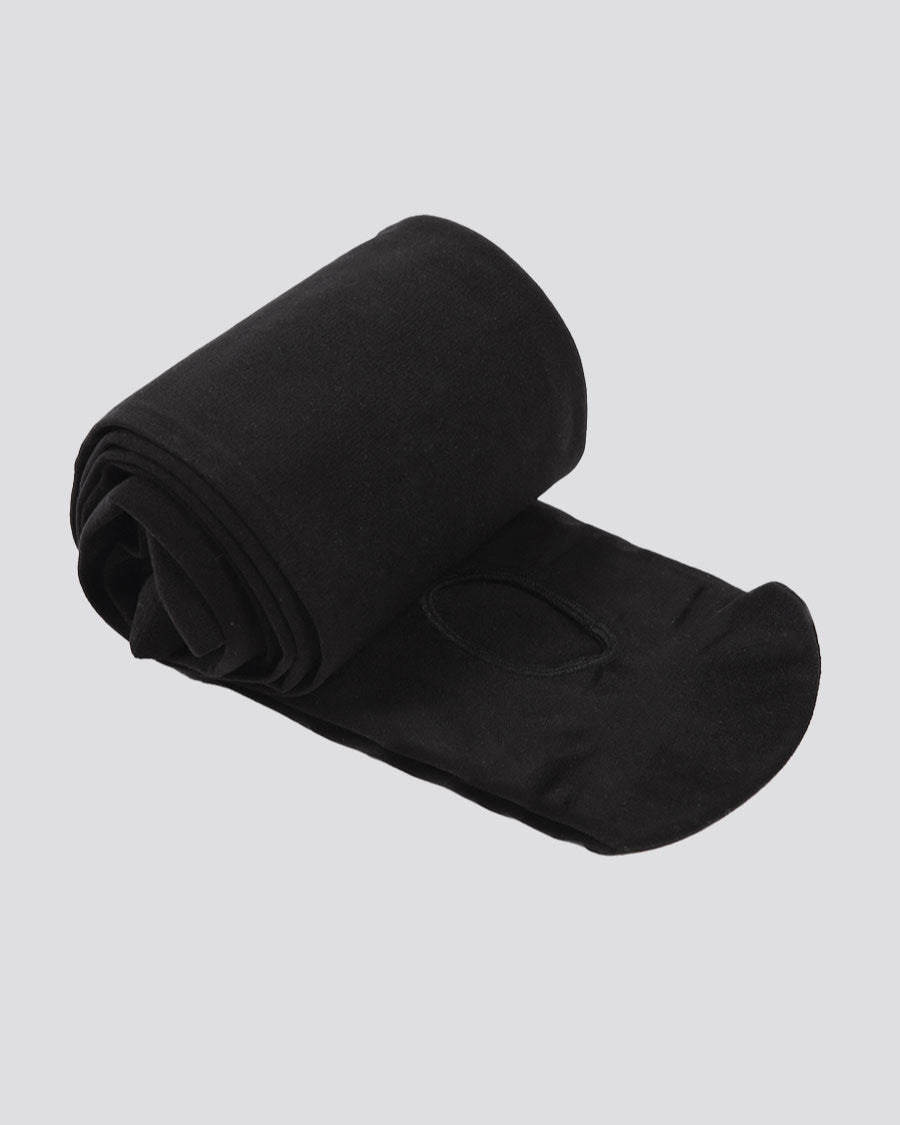
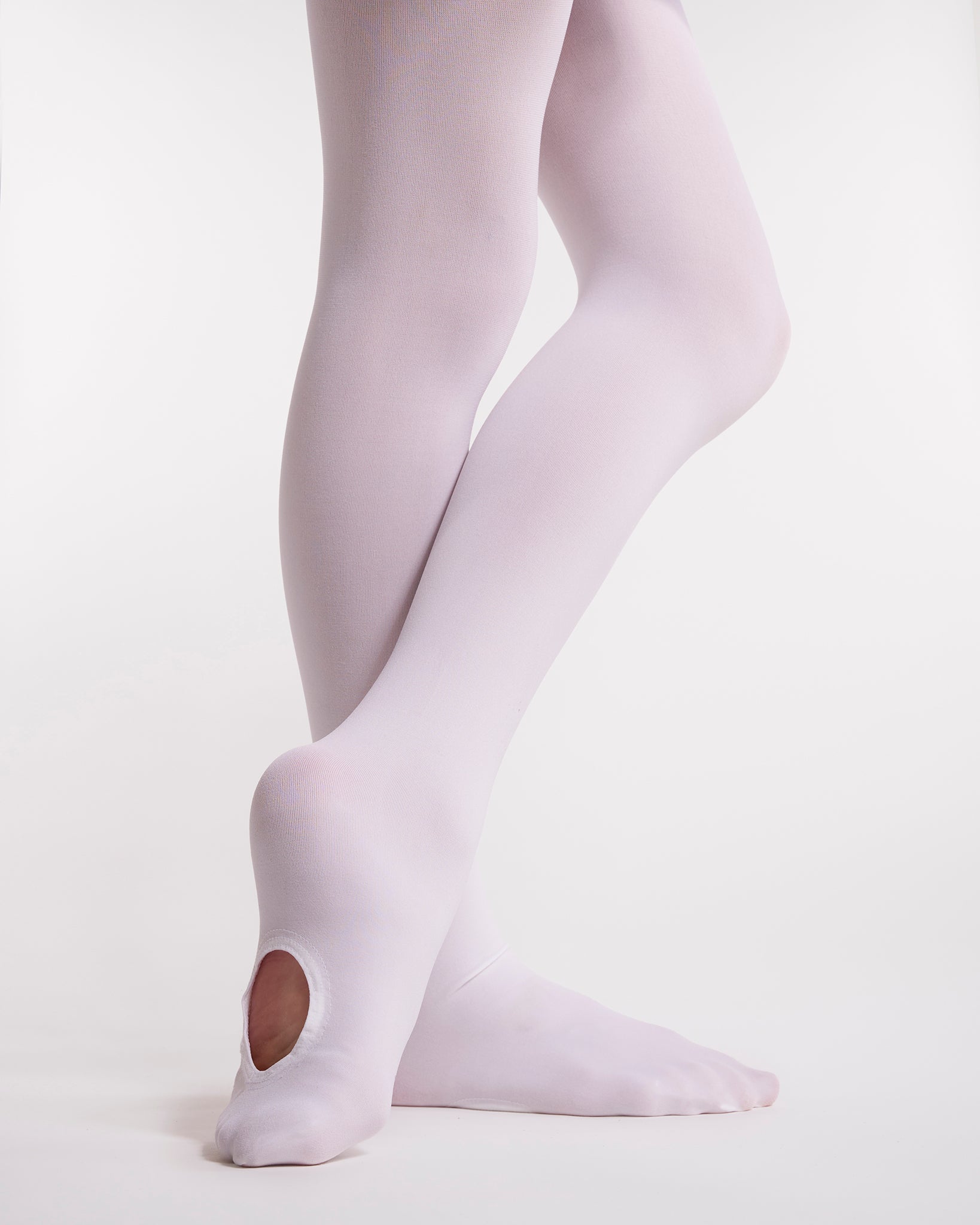
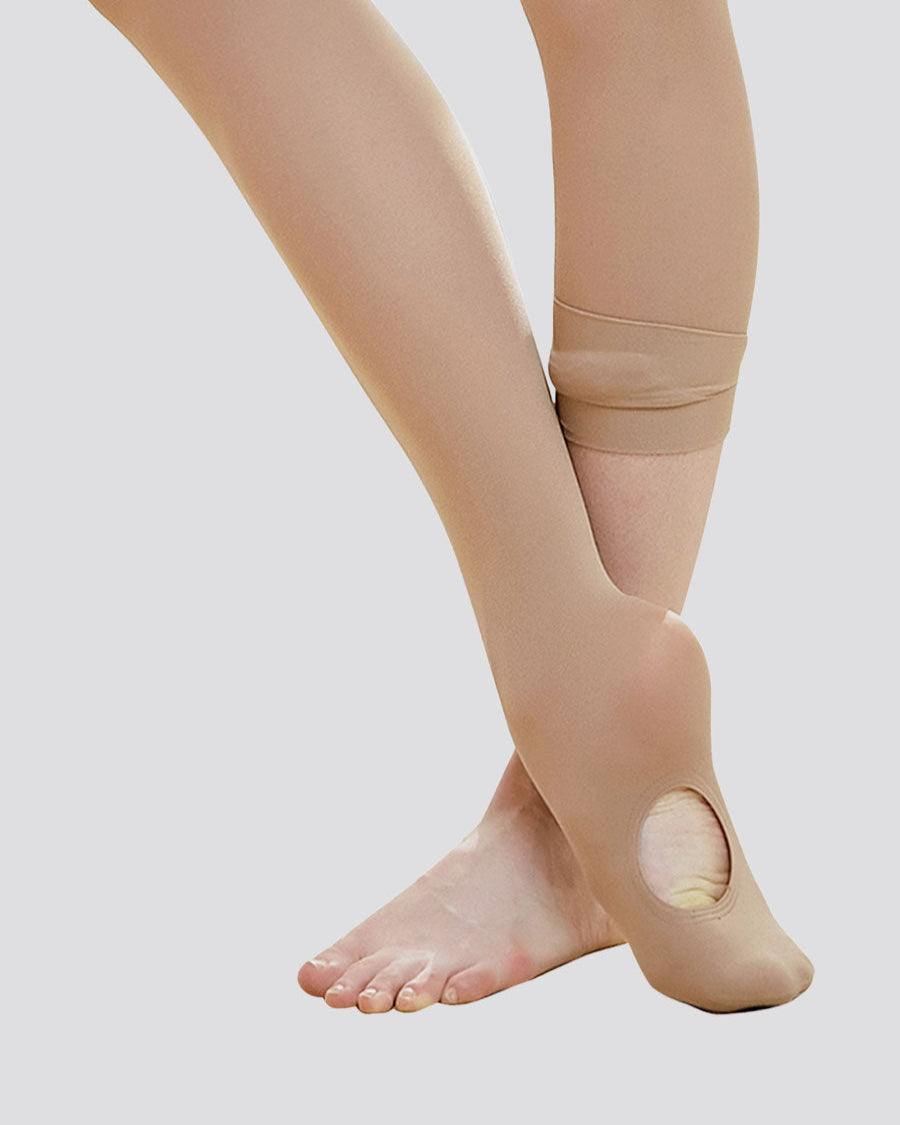
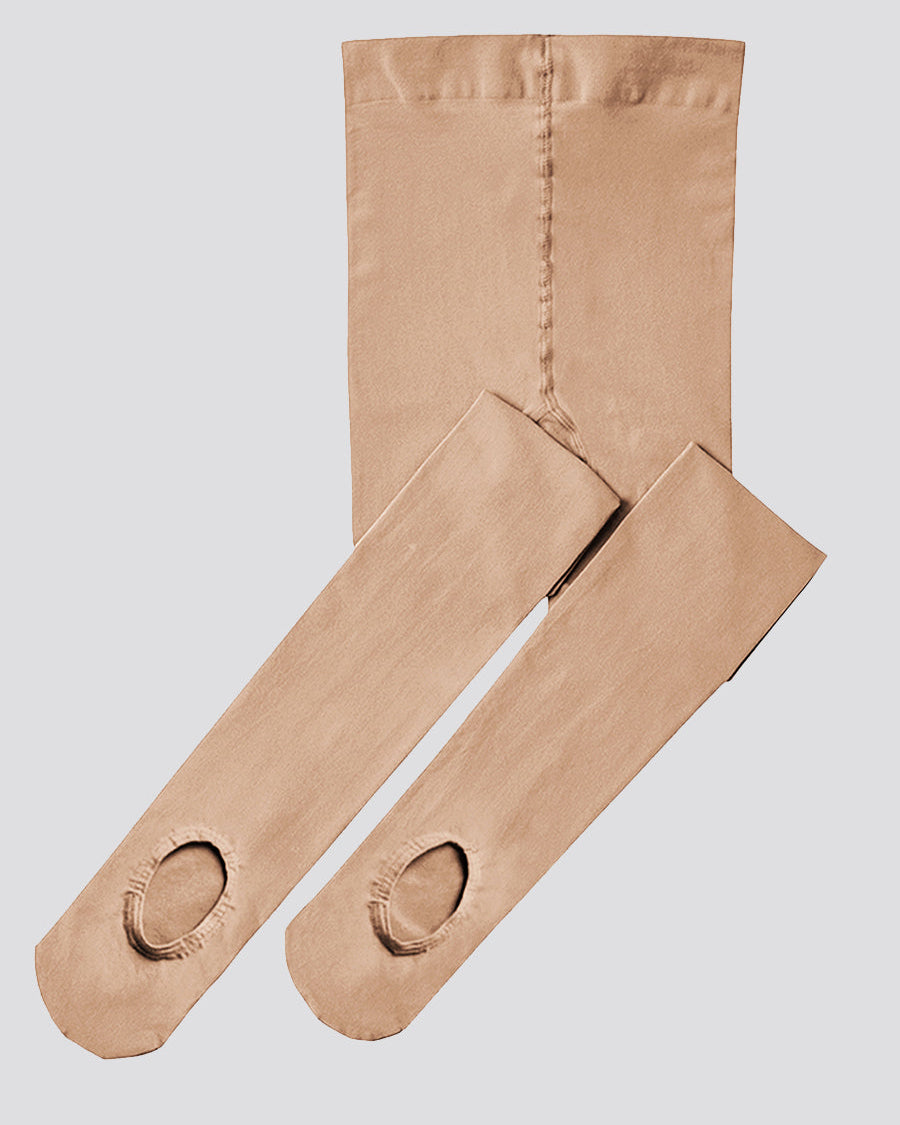
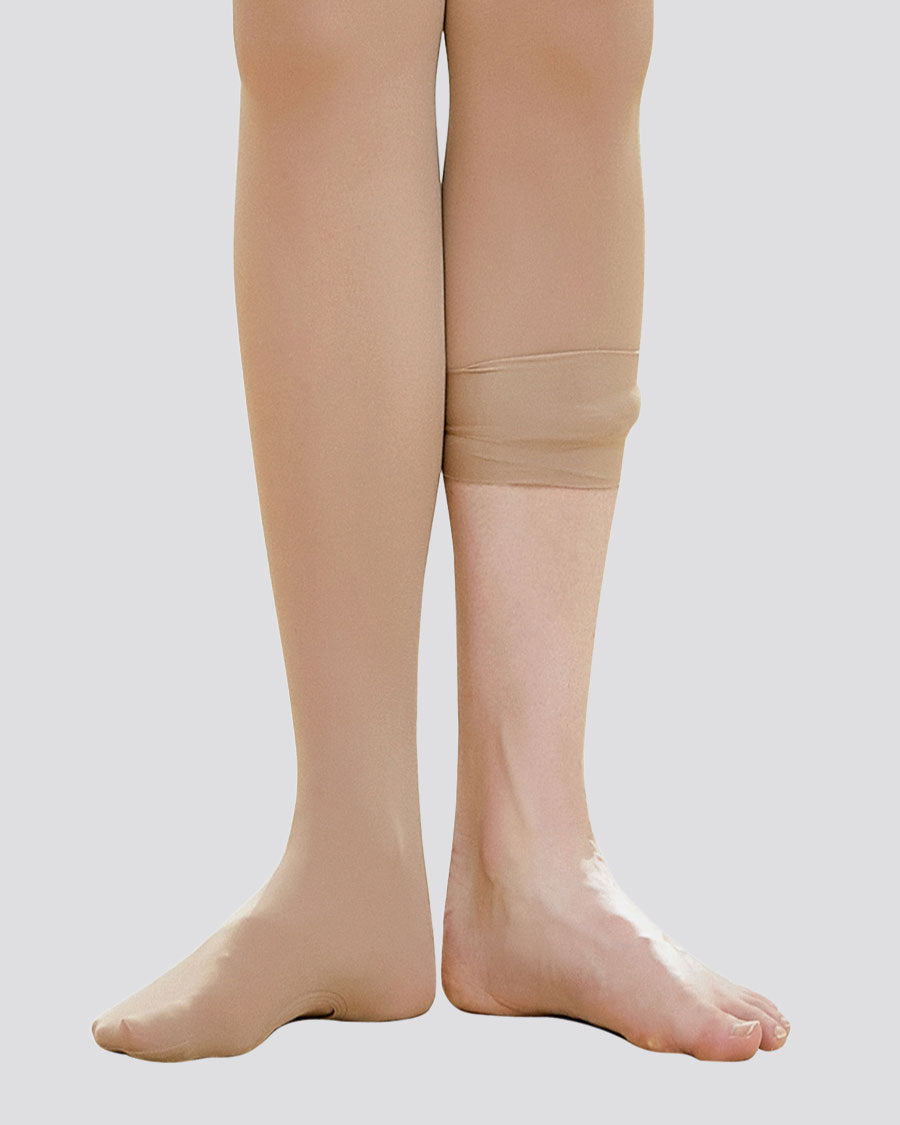
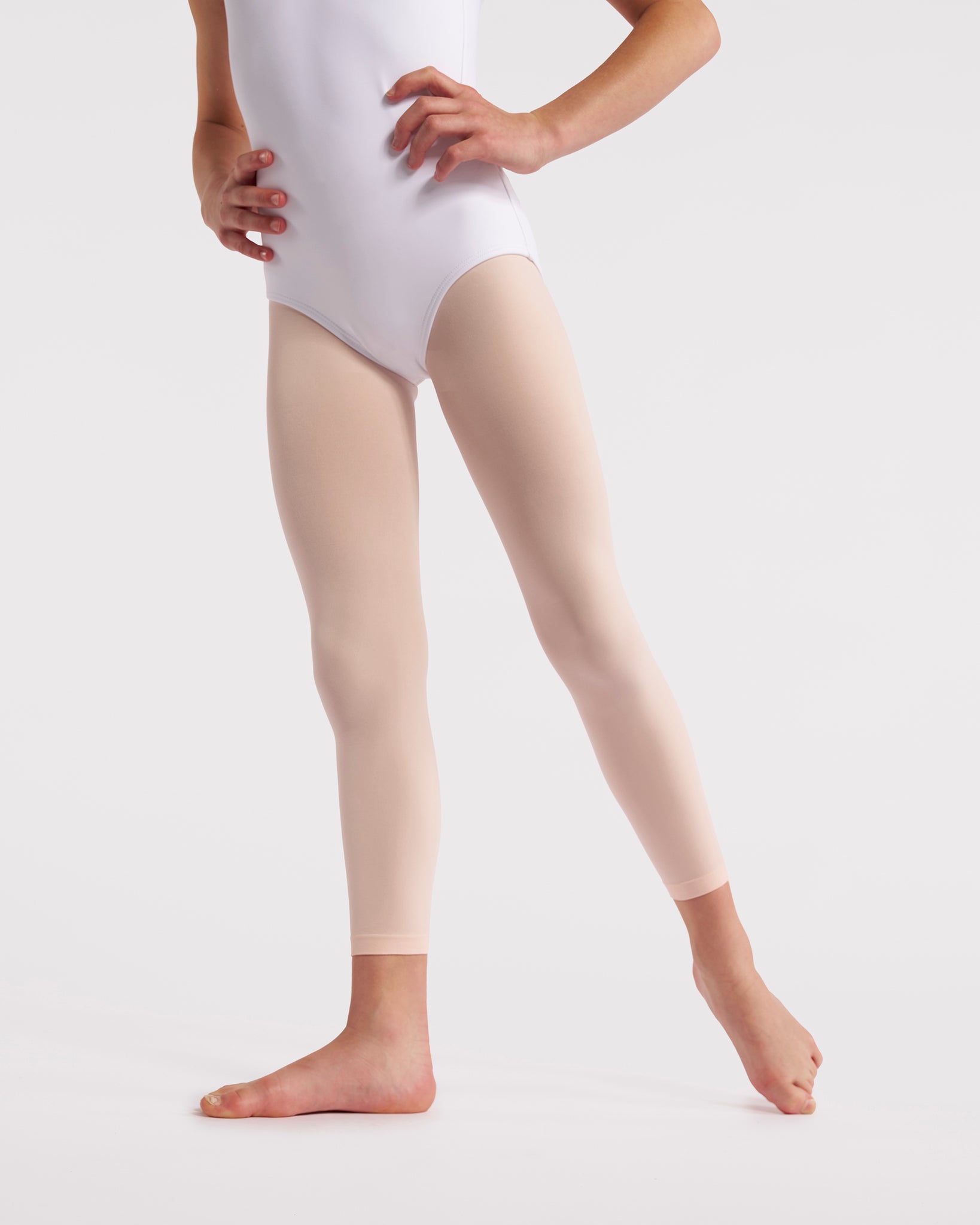
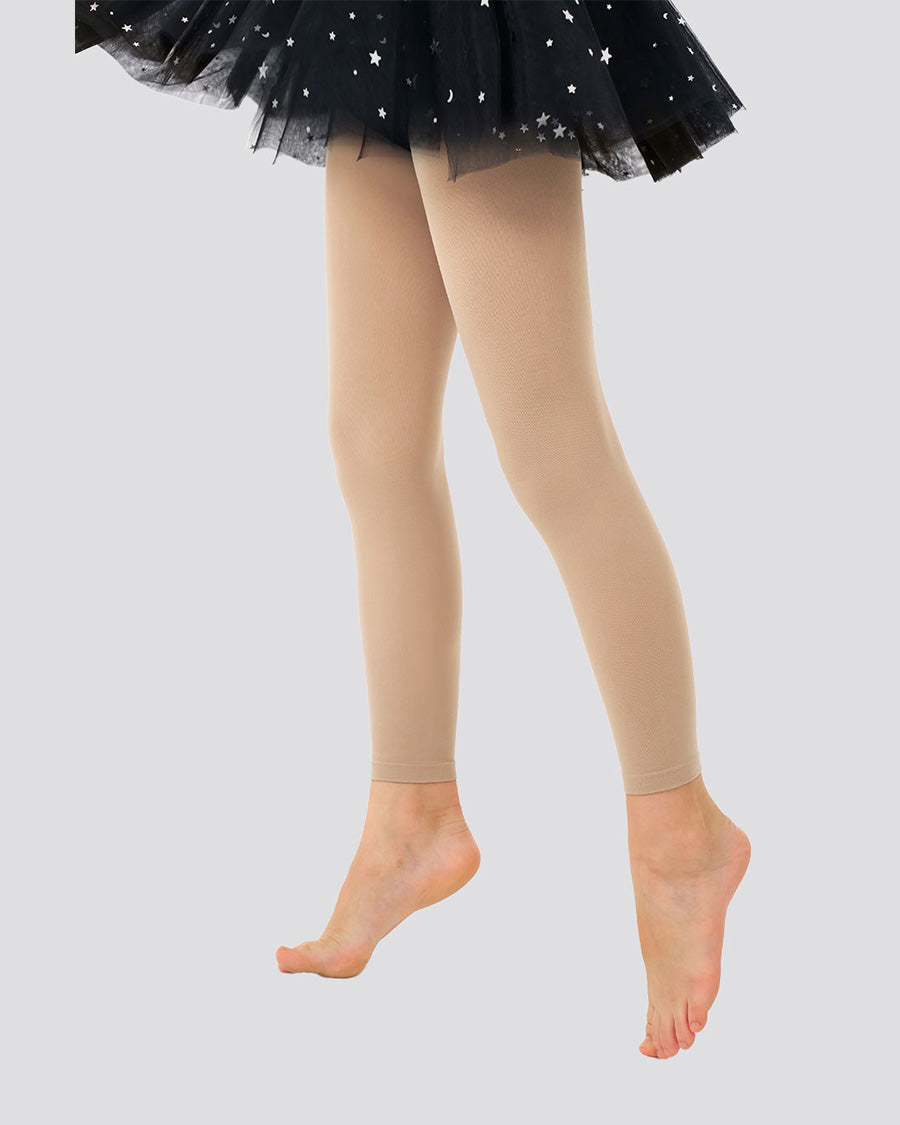
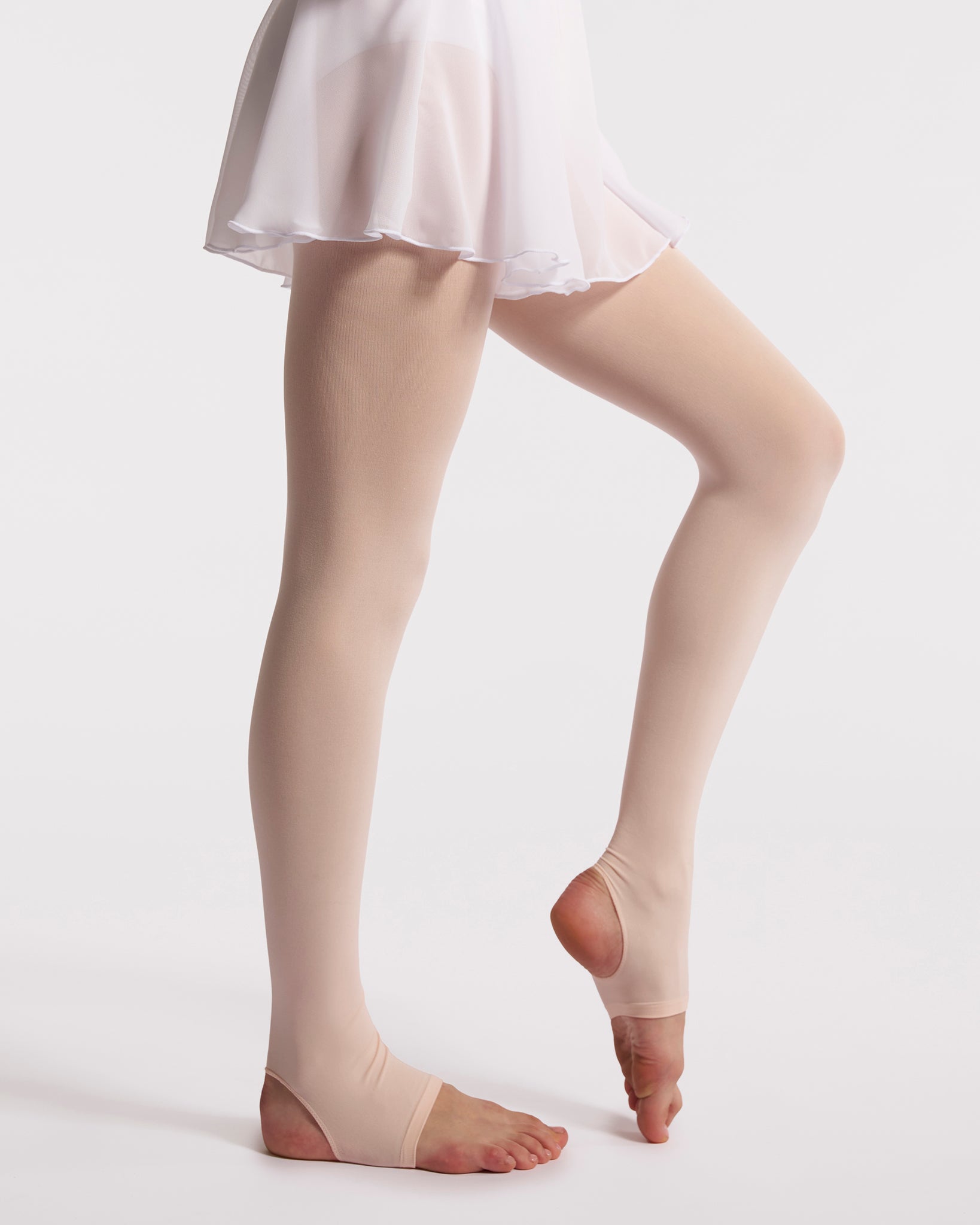
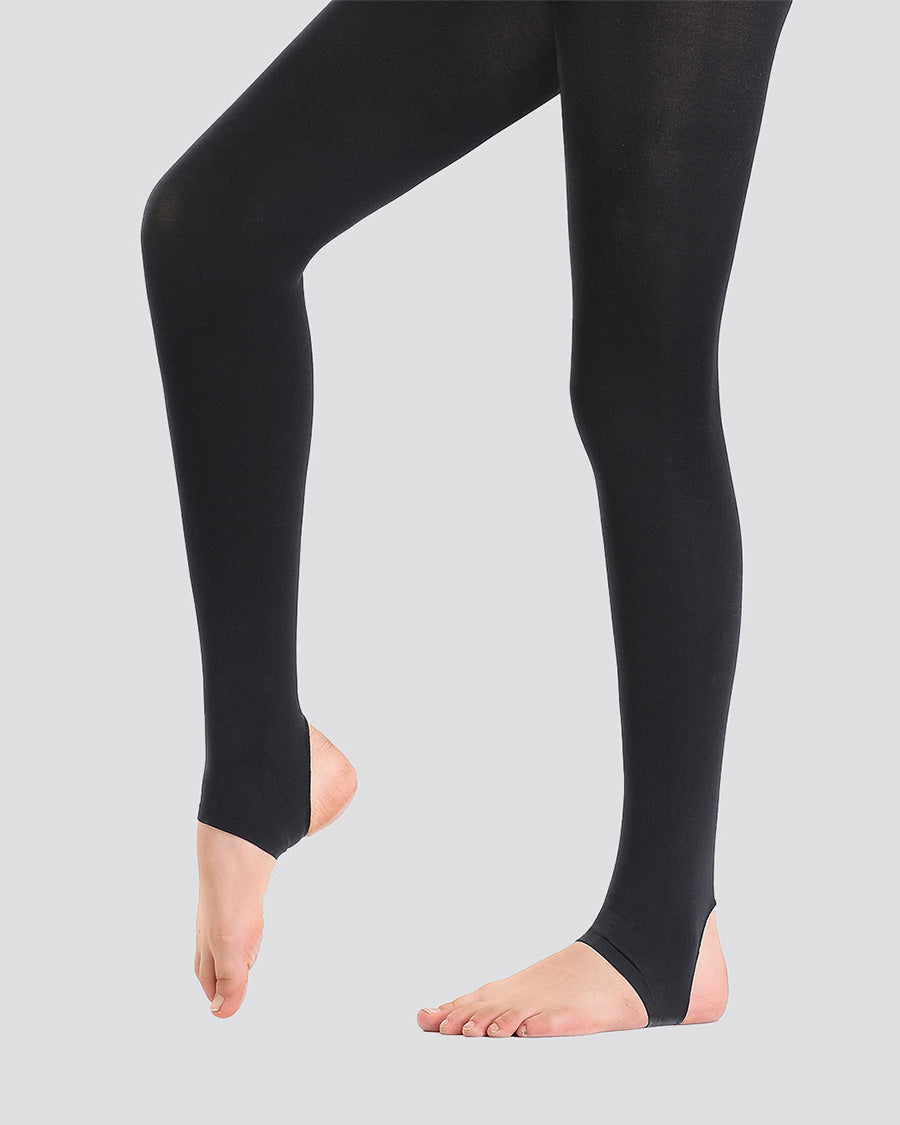
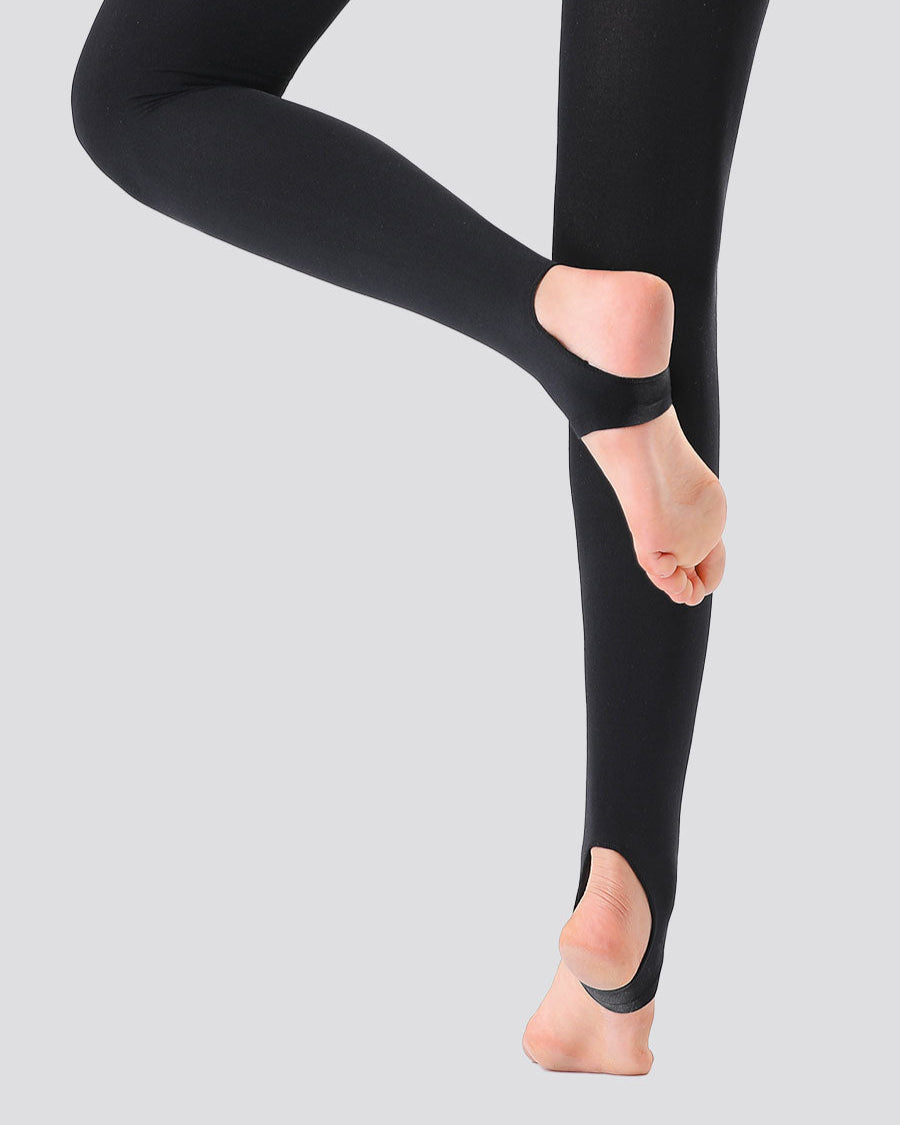
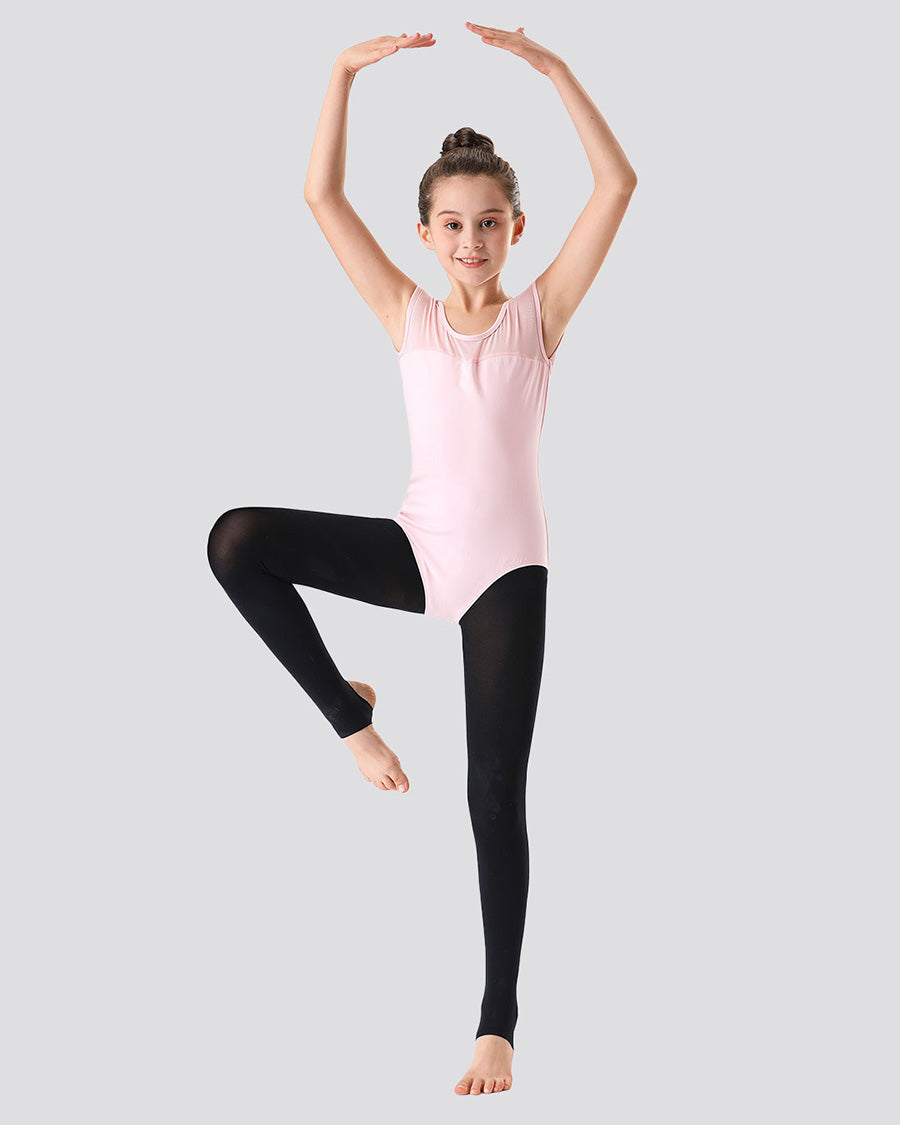
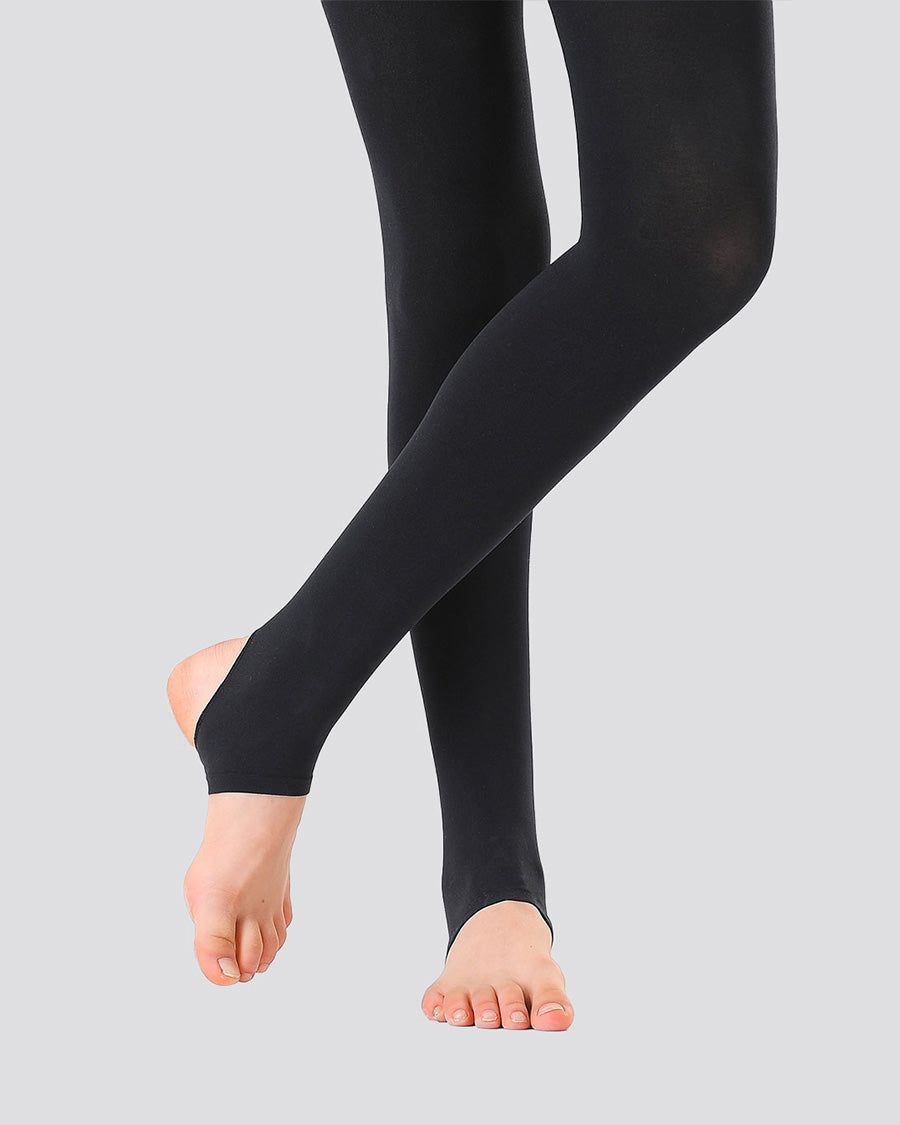
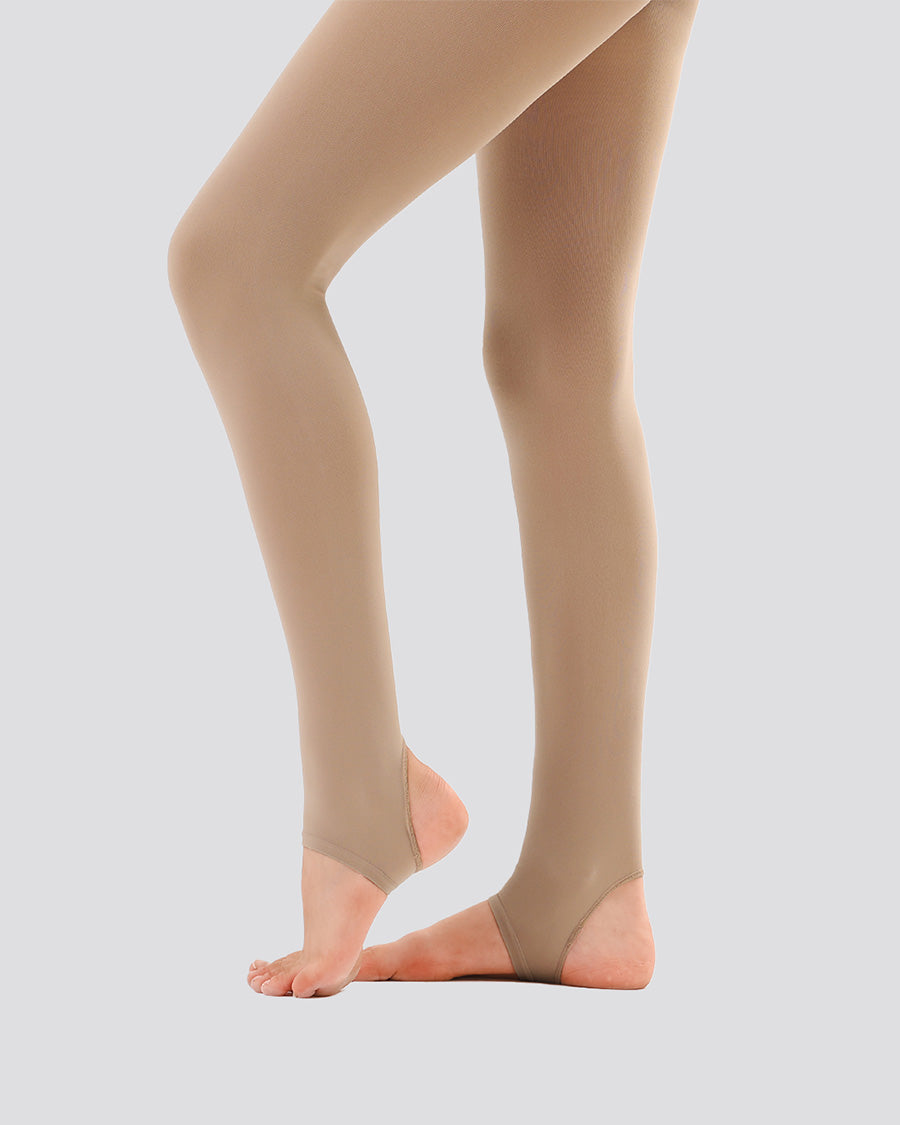
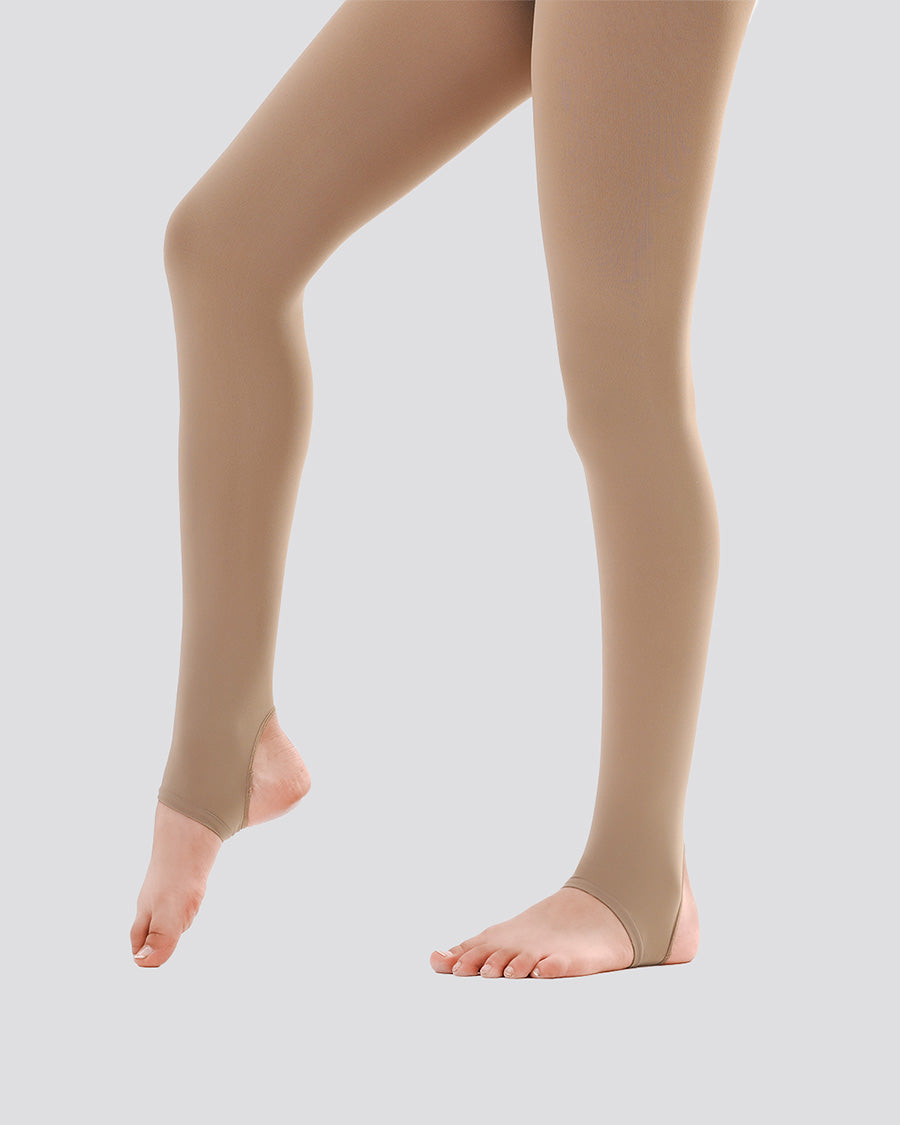
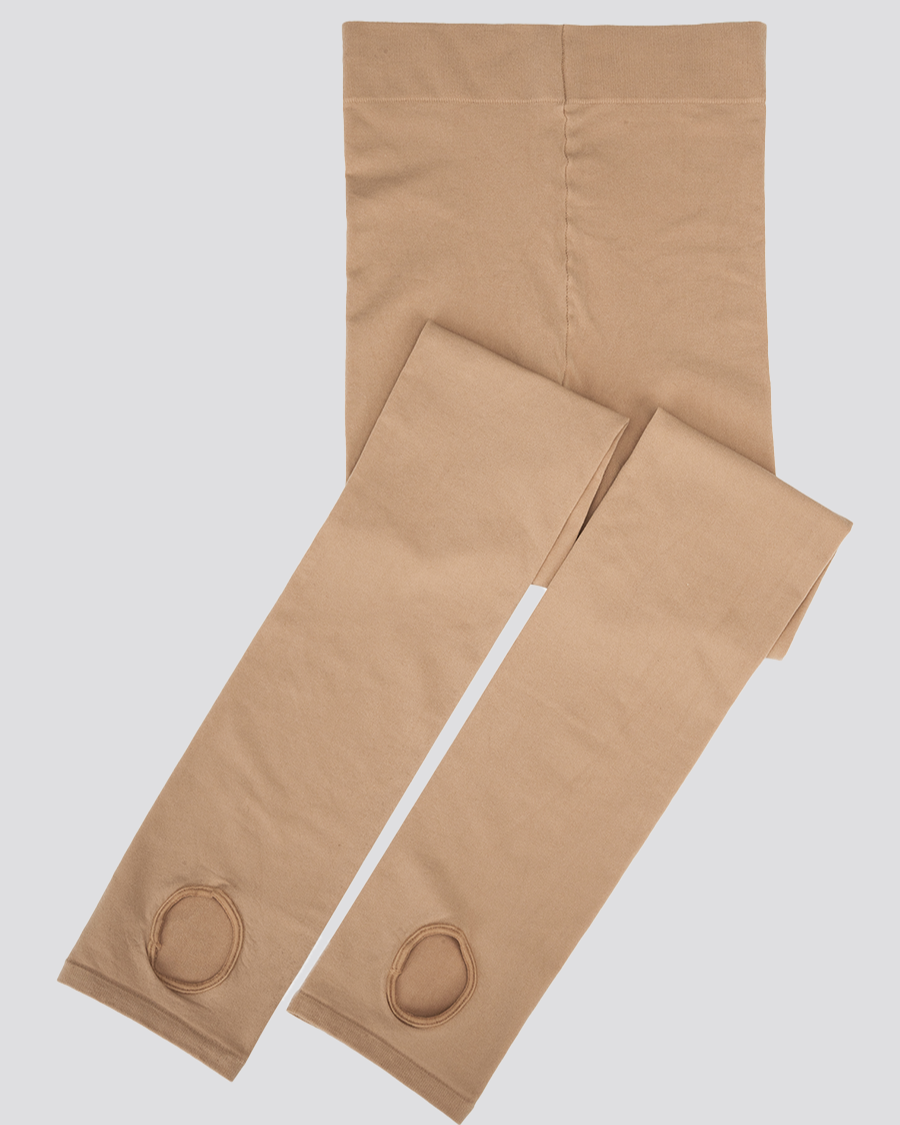
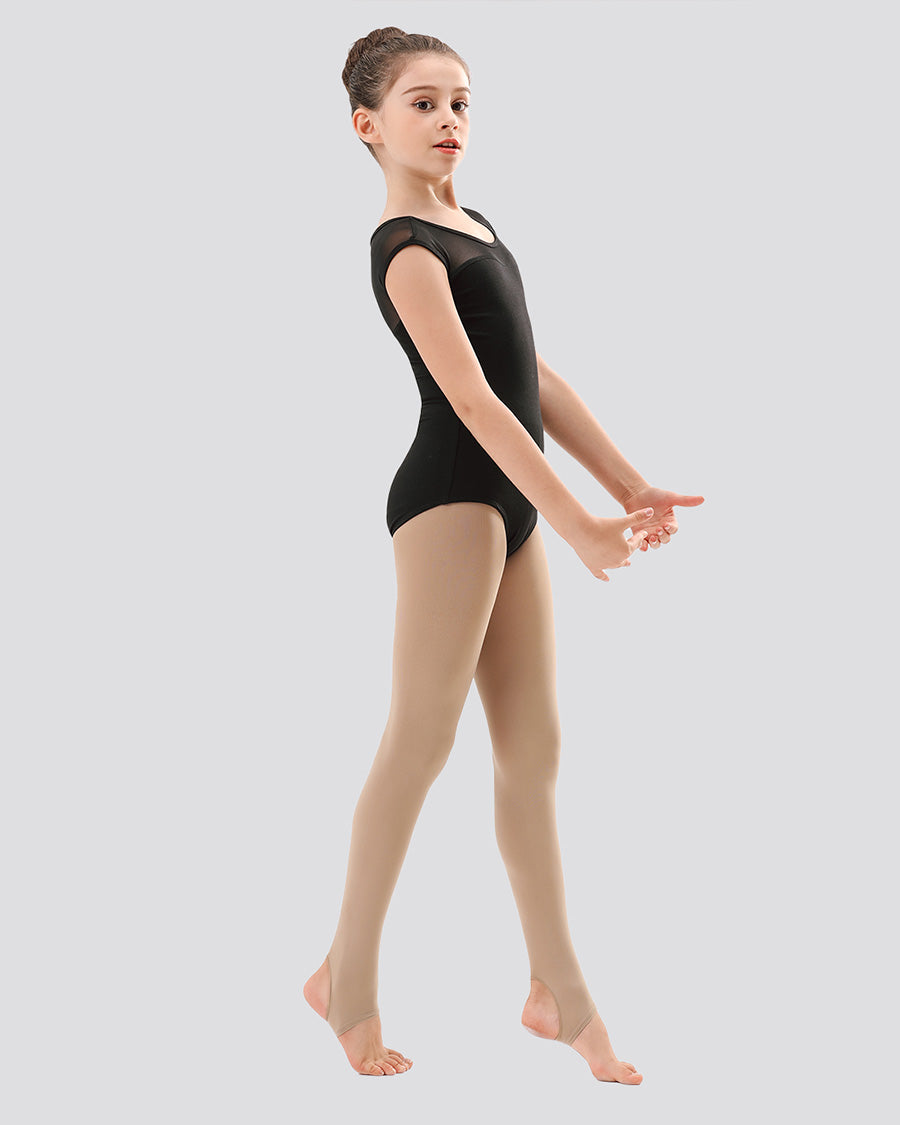
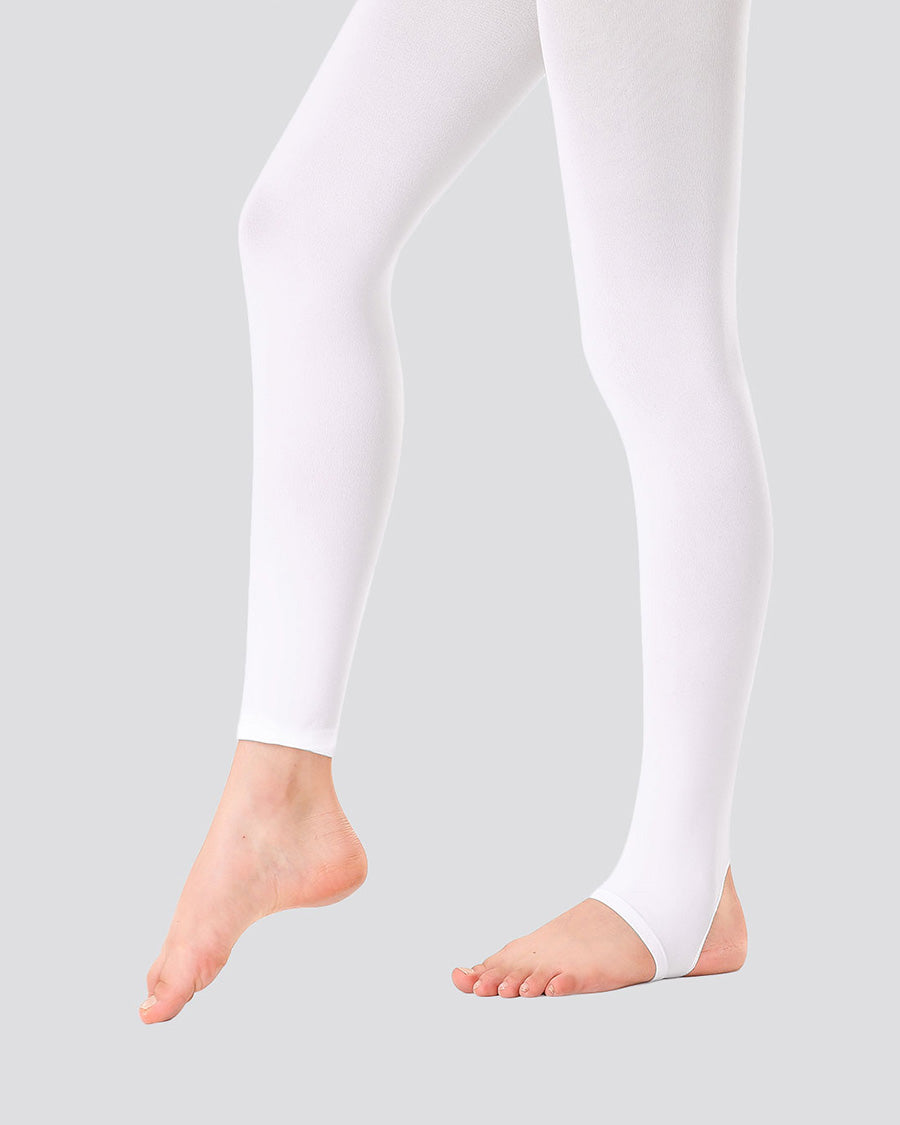
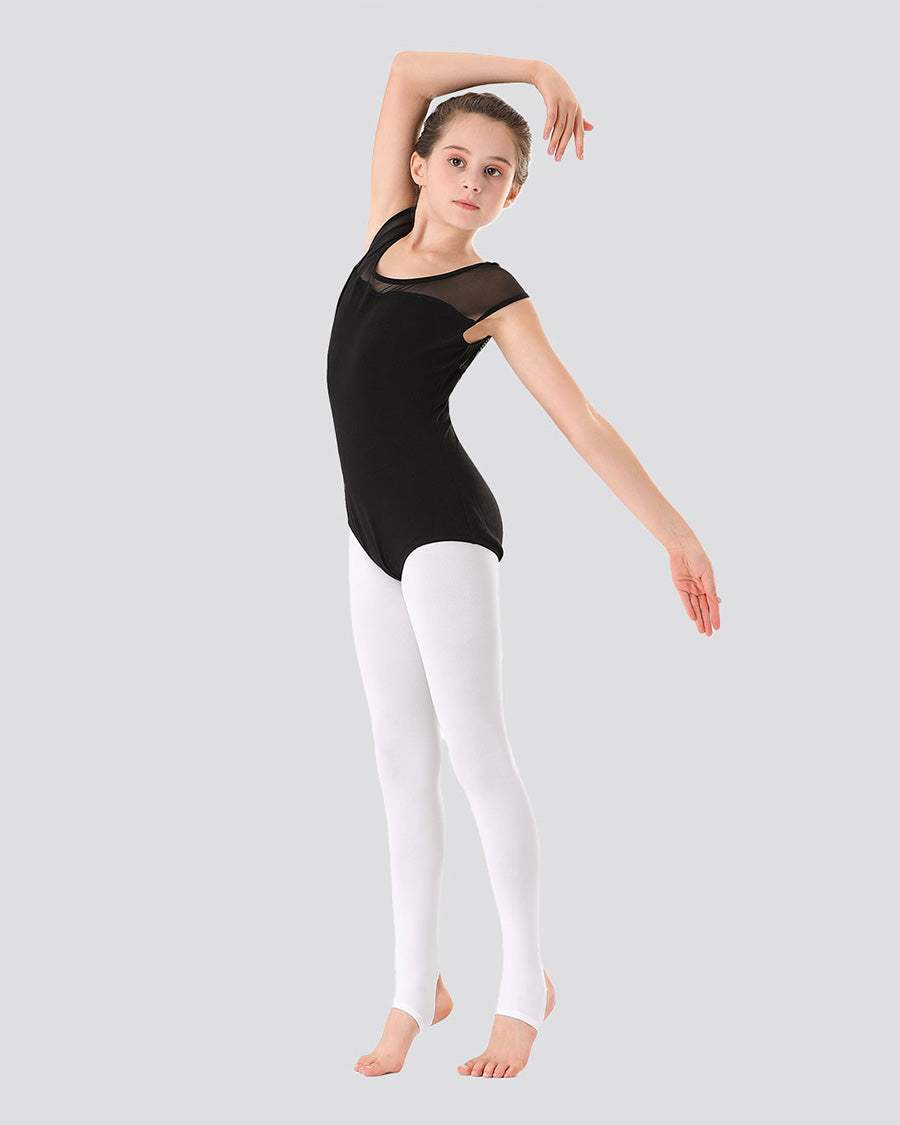
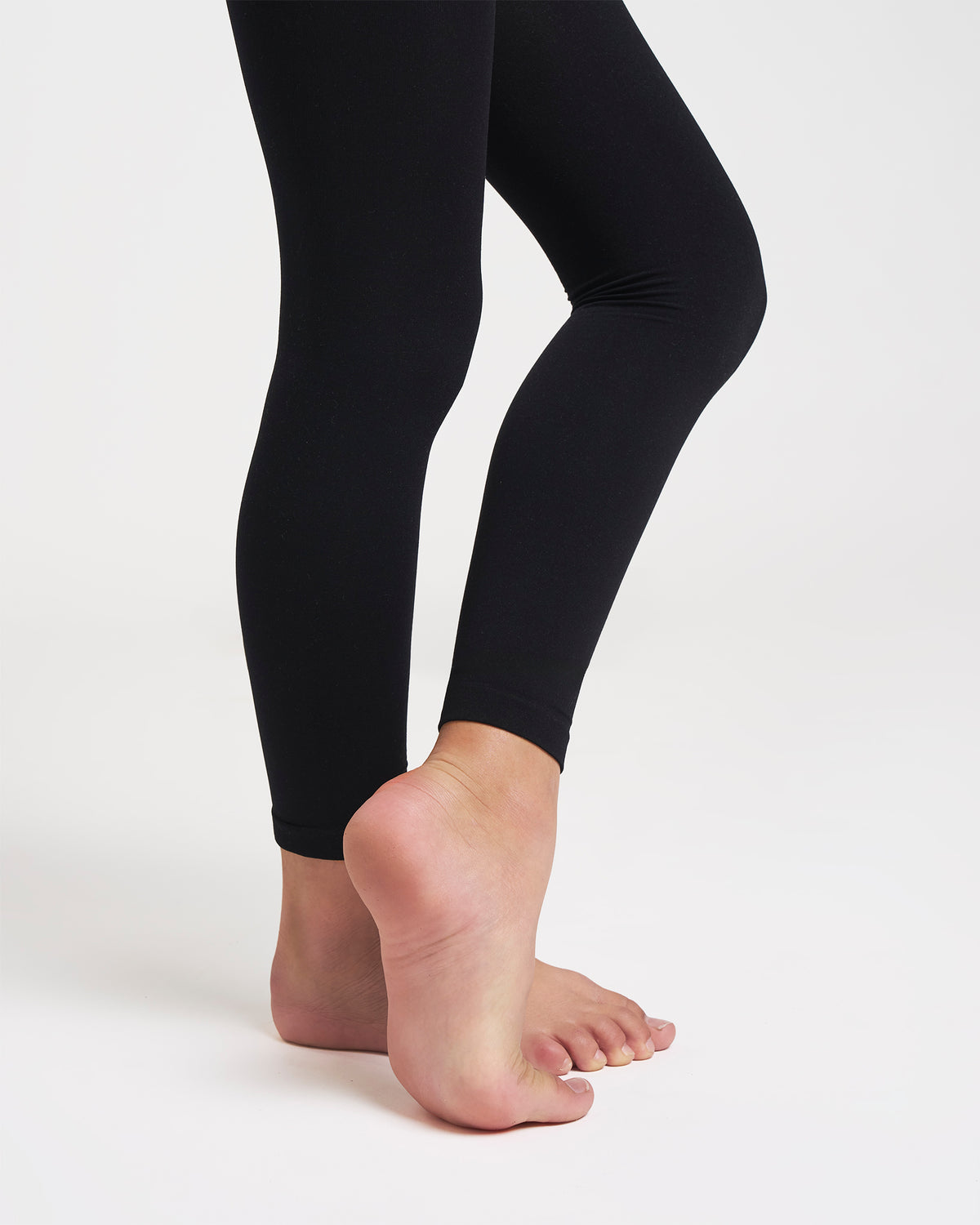
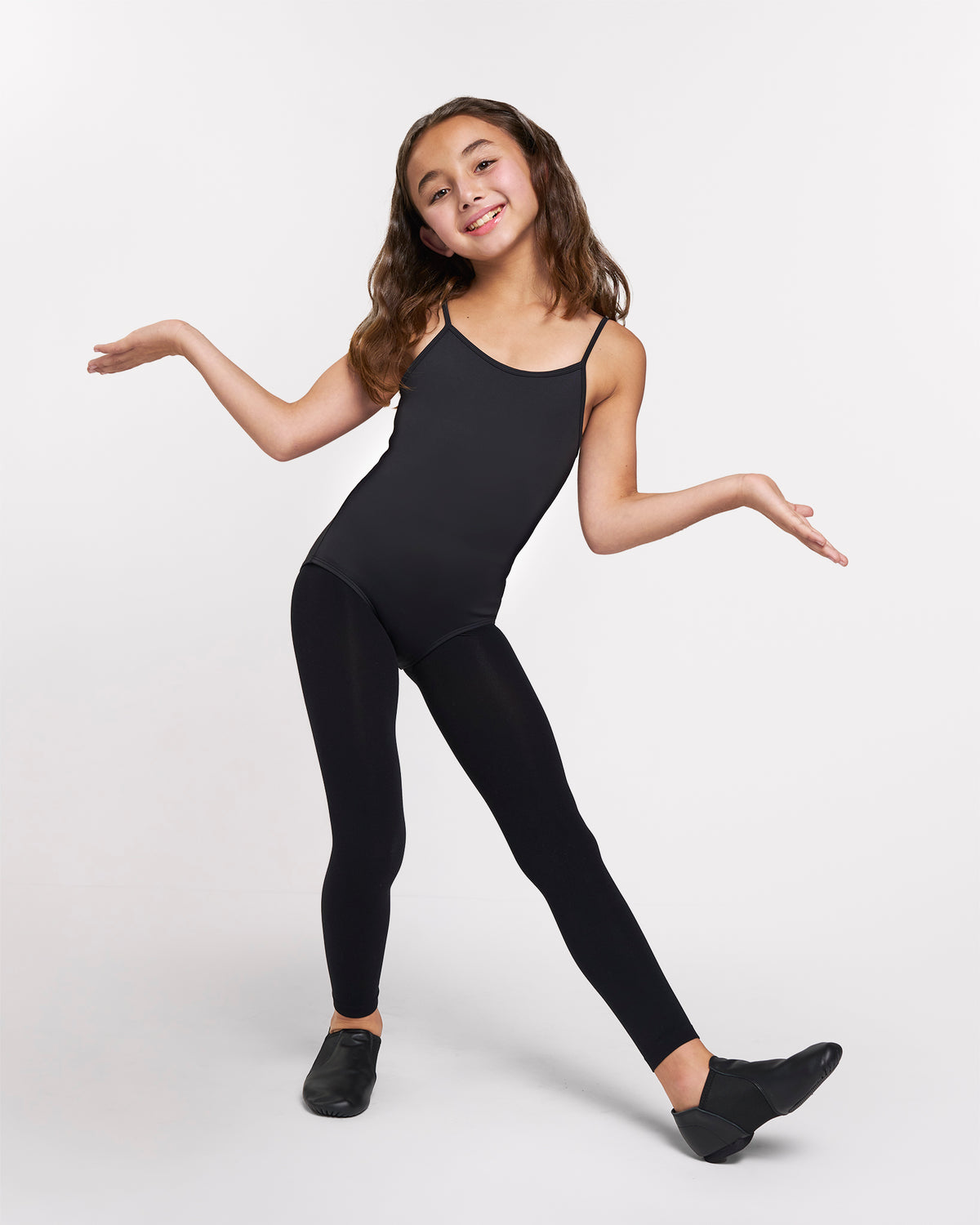
Step 5: Clean up the everyday stuff. Watch how she sits, and check her gear. A too-long shoe lets the foot slide and hide the ankle line; snug, well fitted ballet shoes help her feel where her weight sits, and footed or convertible dance tights keep the ankle visible.
Allegro's teachers suggest short sessions five or more days a week; expect visible change over a couple of months, because this is habit retraining, not a quick fix.

When to Ask the Teacher (and When to Get It Checked)
If you spot sickling in photos or home practice, mention it at pickup: "I noticed her foot curving in when she points. What cue do you use in class?" Teachers expect this conversation and know the correction takes years of gentle reminders, so a nine year old who still sickles when tired is normal, not behind.
Bring in a medical professional, ideally one who knows dance, if there is pain, swelling, an ankle that gives way, or a sickle on one side only. Emory's Dr. Bariteau notes that a physical therapist who works with dancers can spot contributing factors a parent or teacher might miss. General strengthening suits most kids; it is not a treatment plan for an ankle that already hurts.
FAQ
What does sickled feet mean in dance?
In class terms, it is the correction for a foot that curls inward when pointed. The easy way to spot it from the studio doorway: watch a pointed foot from behind and look for toes drifting toward the other leg while the heel drops back, so the foot reads as a curve instead of a straight continuation of the shin.
What is a sickled foot in dancing styles other than ballet?
The same shape, judged by the same standard. Jazz, lyrical, contemporary, and competition dance all value a long pointed line, so teachers there correct sickling too.
Can sickled feet be fixed?
Usually yes: for most kids it is a habit plus a strength gap, not a fixed anatomical trait. Consistent cues and light strengthening over a few months typically straighten the line. A dancer who works hard and still sickles deserves a look from a dance-medicine professional.
Are sickled feet ever on purpose?
Occasionally. Some contemporary choreographers use sickled shapes deliberately, and professionals perform them safely by building the strength to control the position, as Dance Magazine notes. Students master the straight line first.
Is sickling a bigger deal on pointe?
Yes. On pointe or high demi-pointe, full body weight balances over the ankle, so a sickled position strains the outer ligaments far more than the same shape in the air. That is one reason teachers want sickling largely corrected before pointe work begins.
About the Stelle Team
Stelle is a mom-trusted dancewear & athleisure brand best known for girls’ ballet and dance essentials since 2015. Every article is created and reviewed by the team behind the products, drawing on what we hear from dance teachers, studio owners, and dance parents every day. Learn more about Stelle.