



What Is a Leotard? History, Types & Name Origin
Table of contents
Quick answer
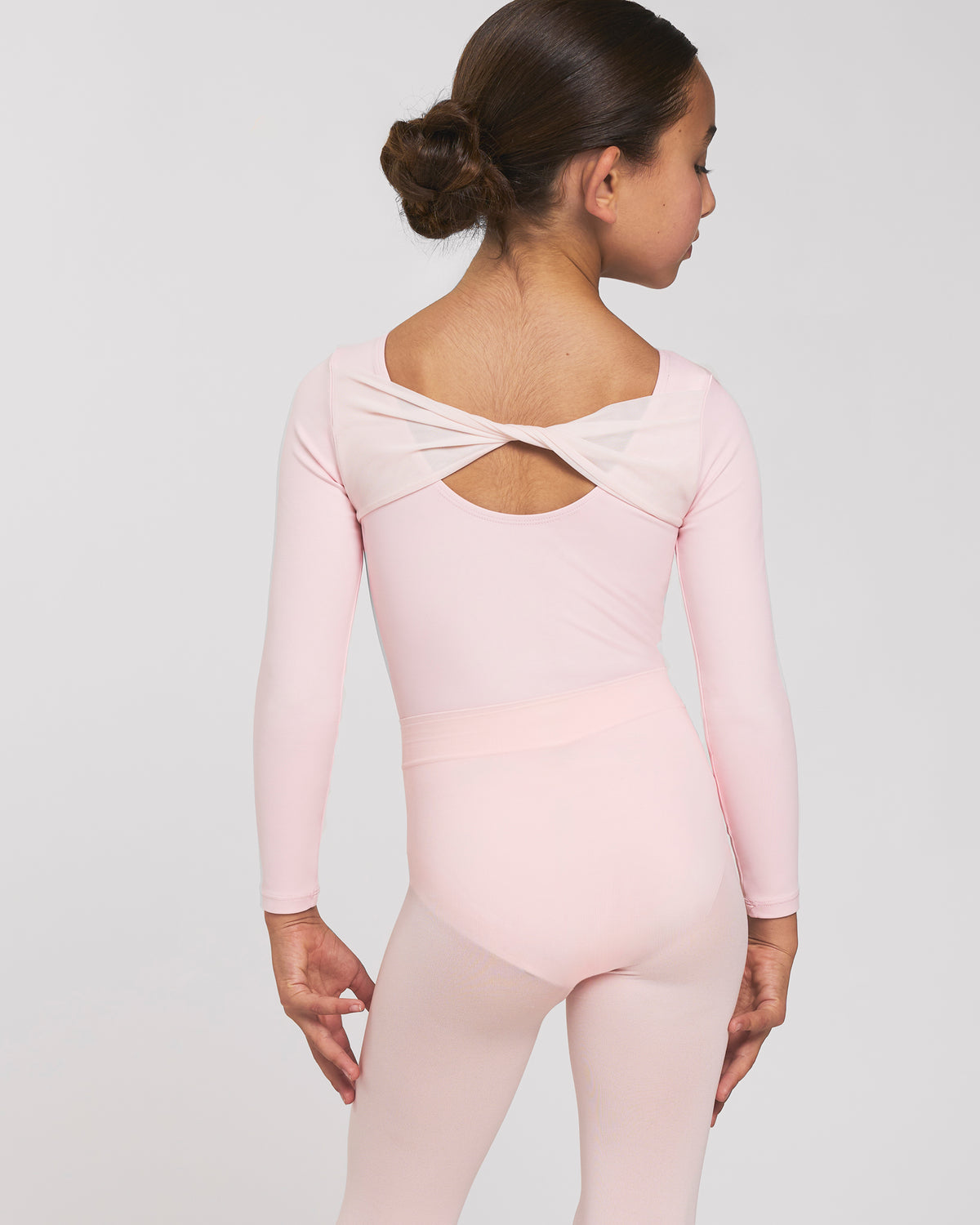
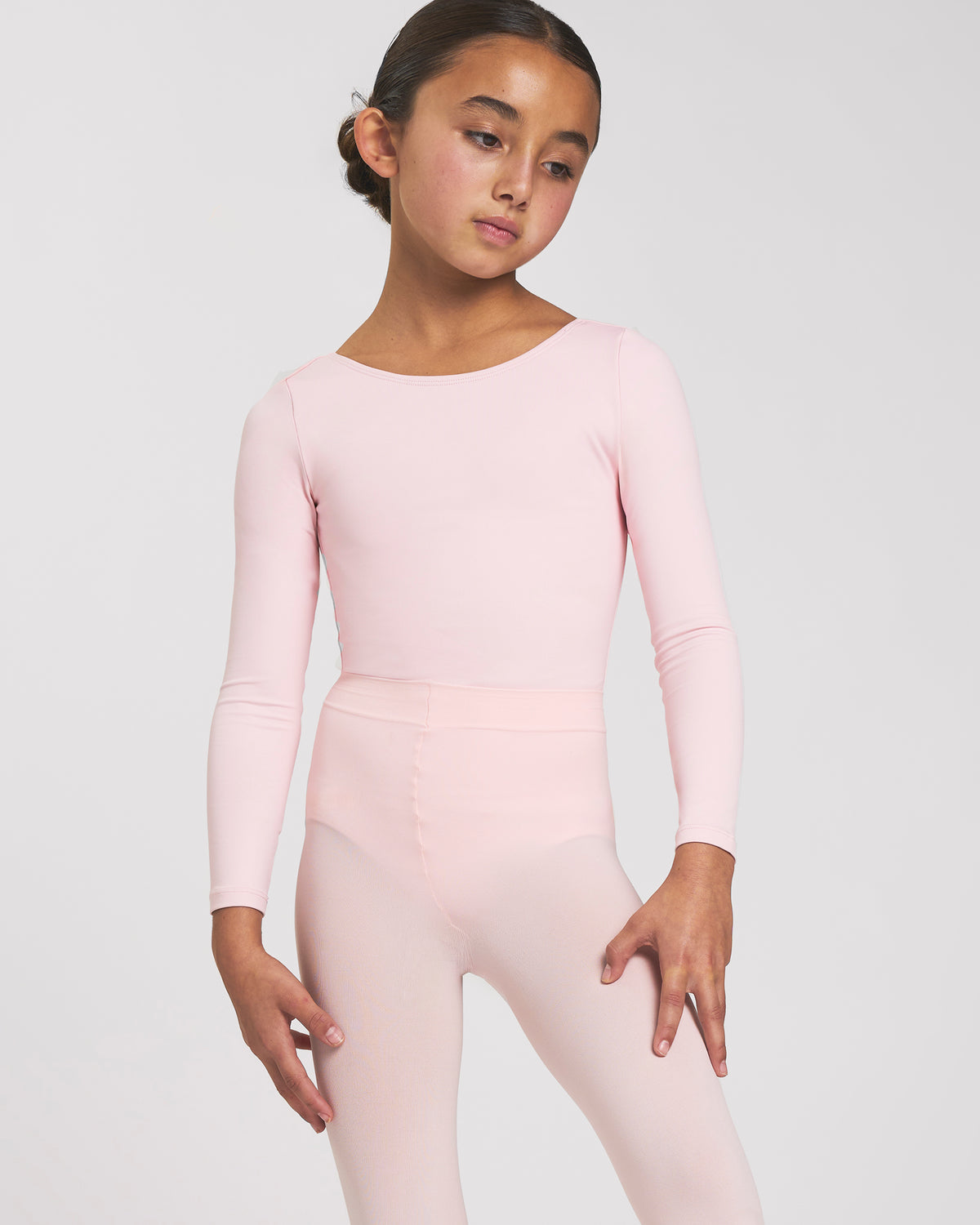
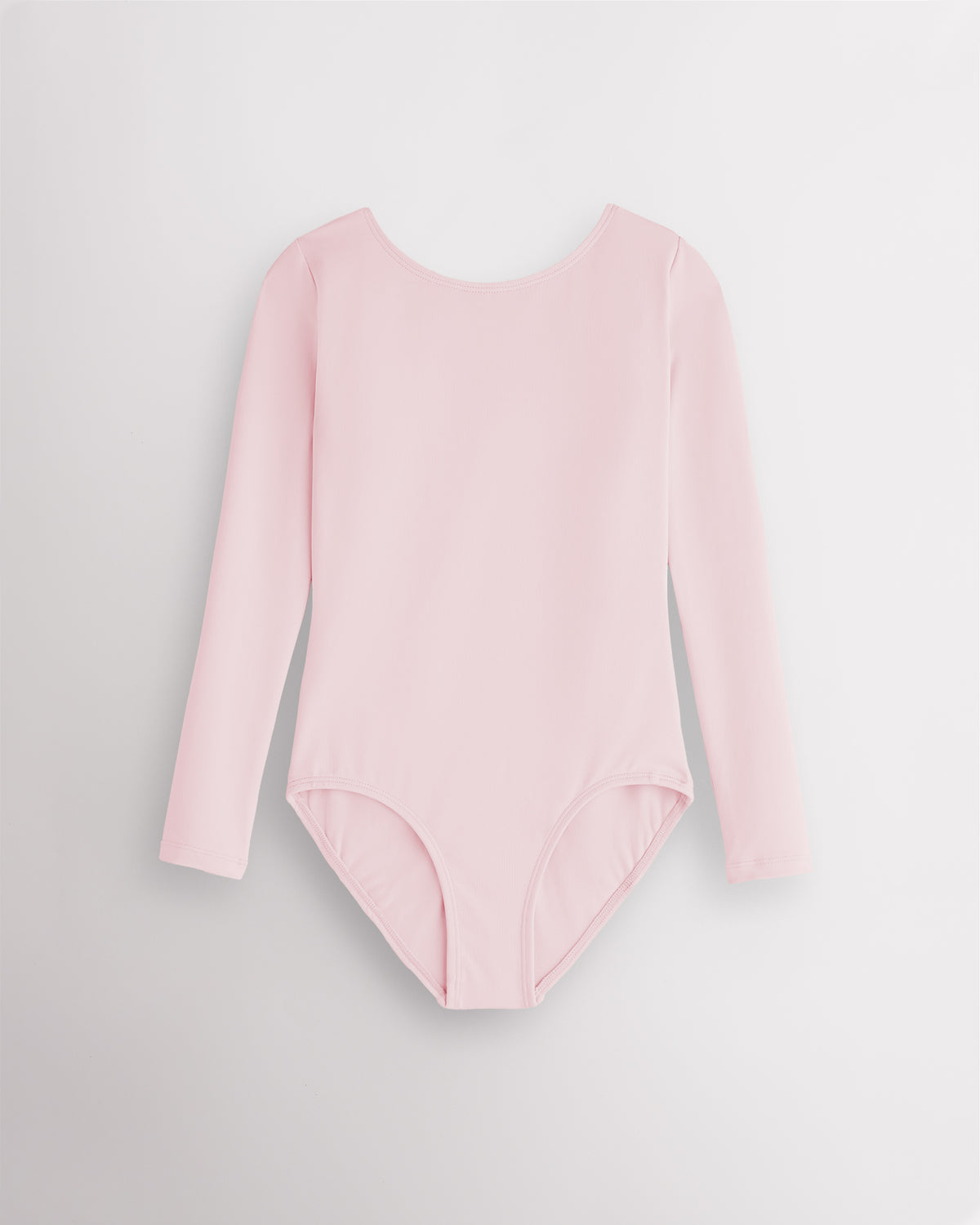
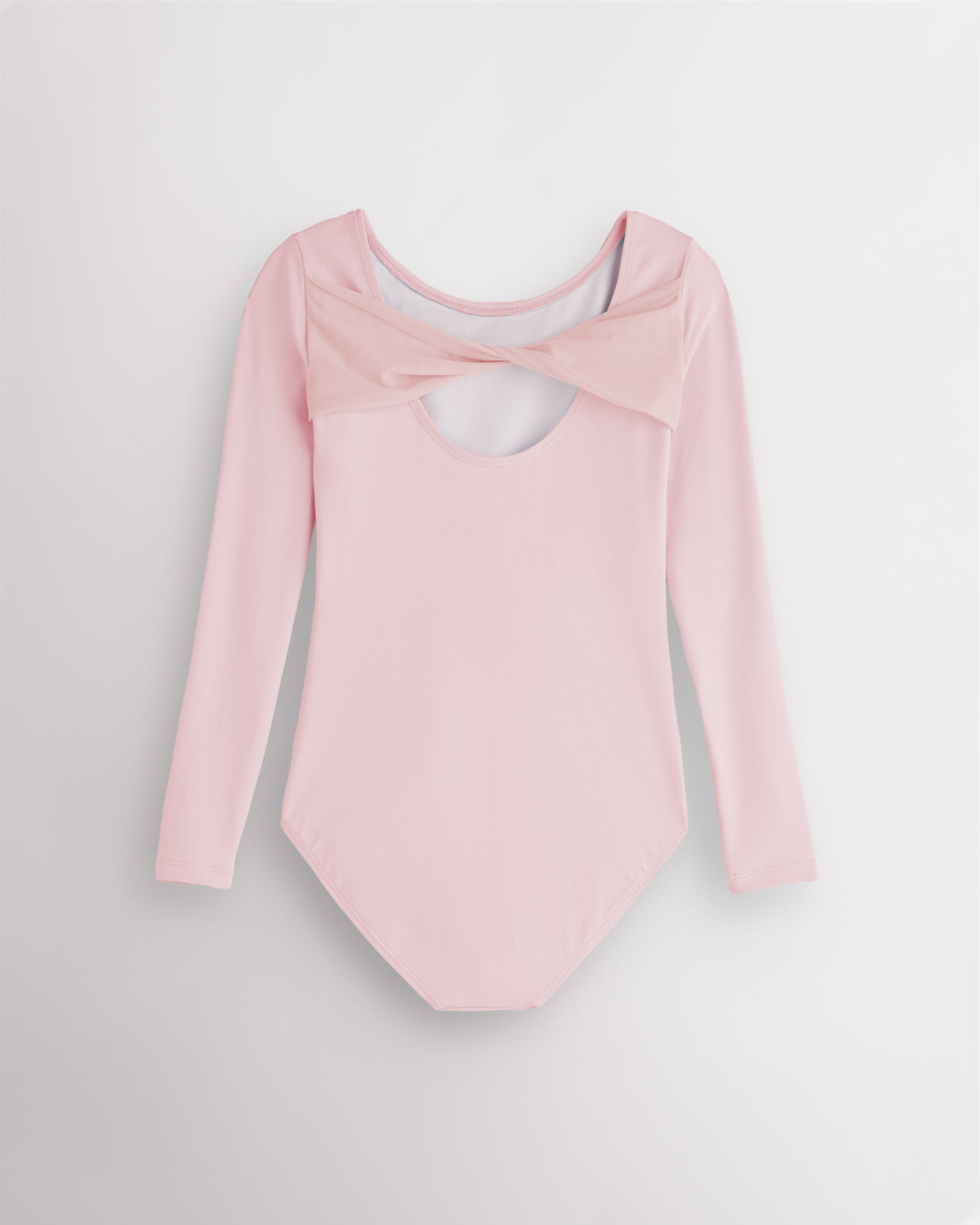
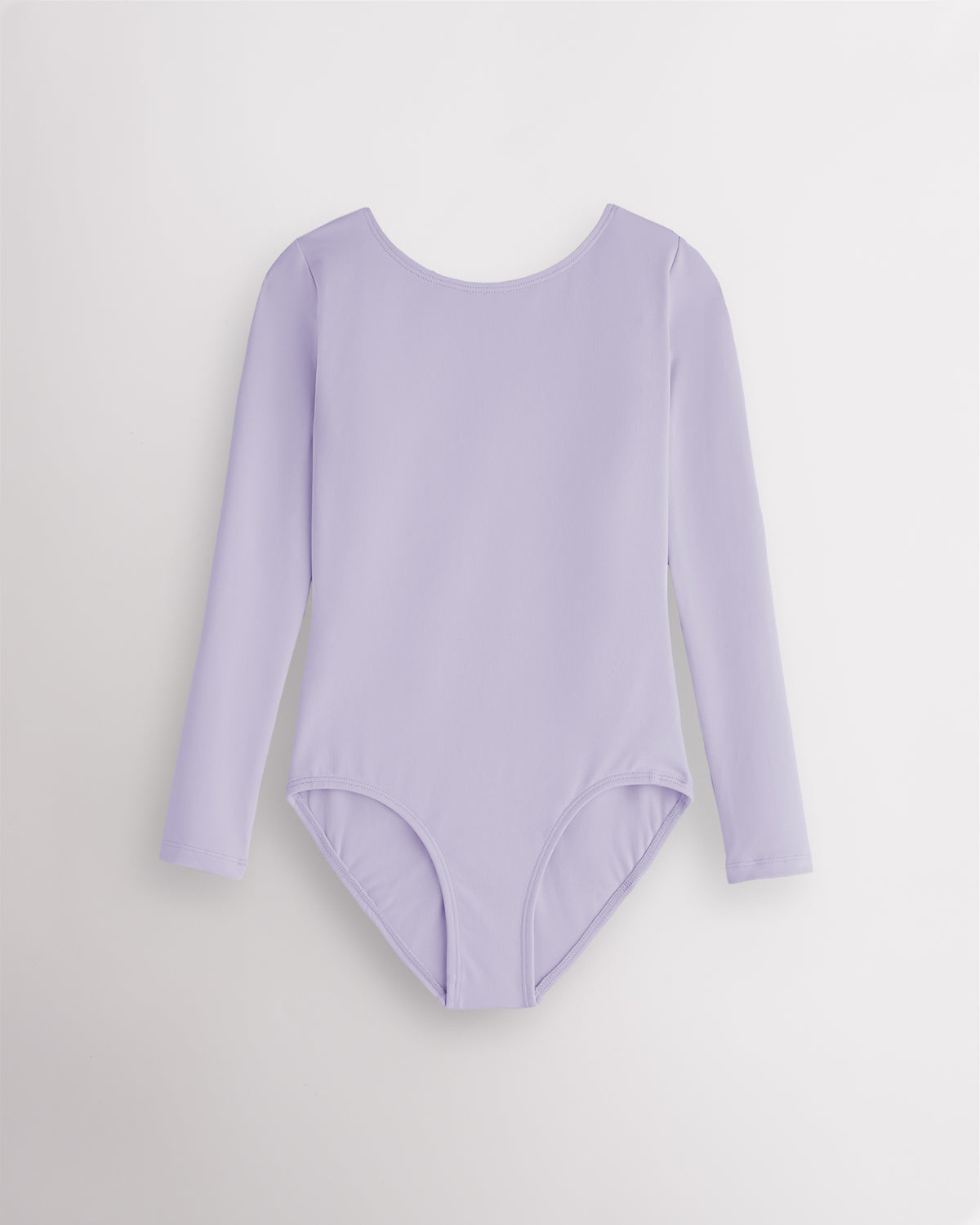
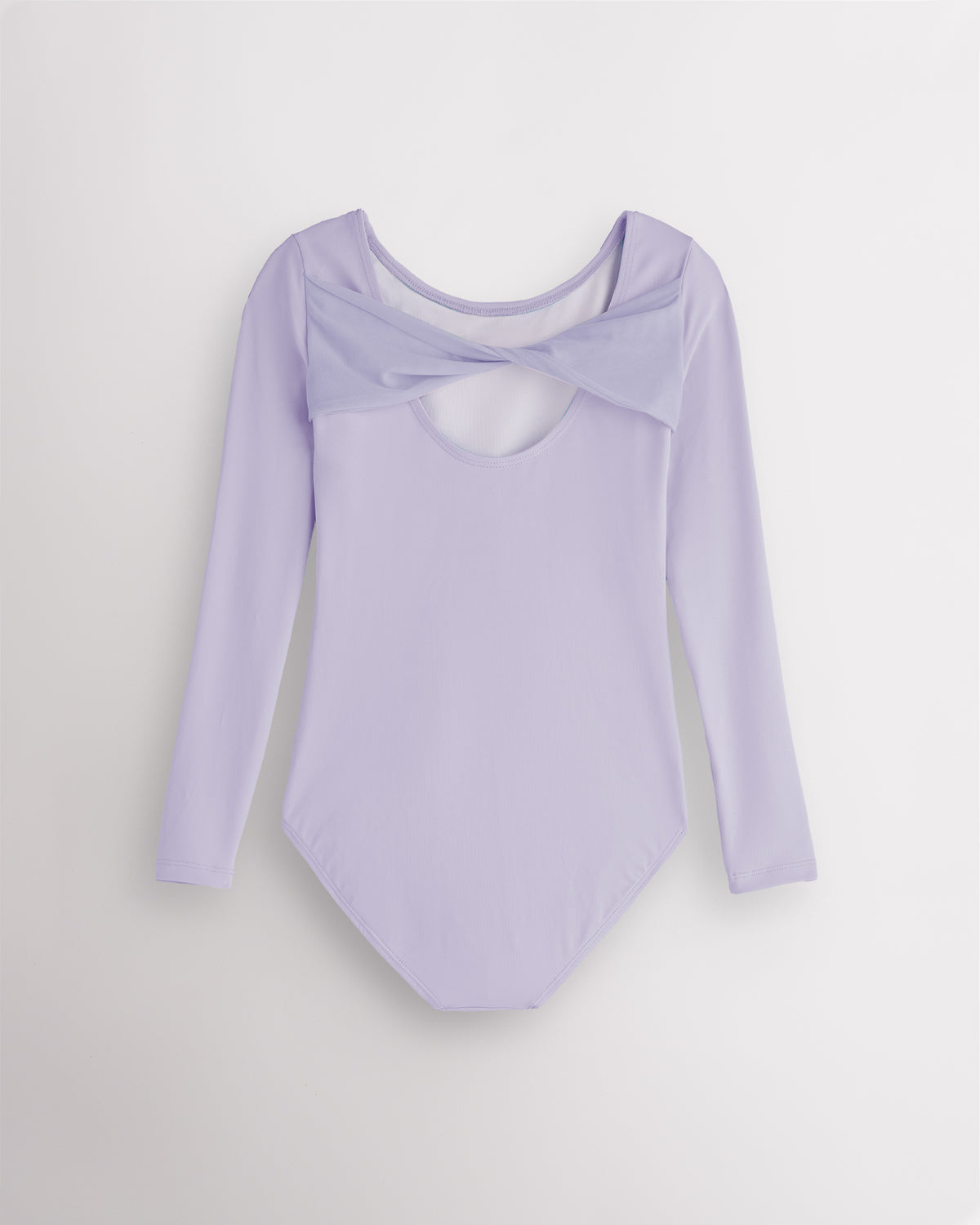
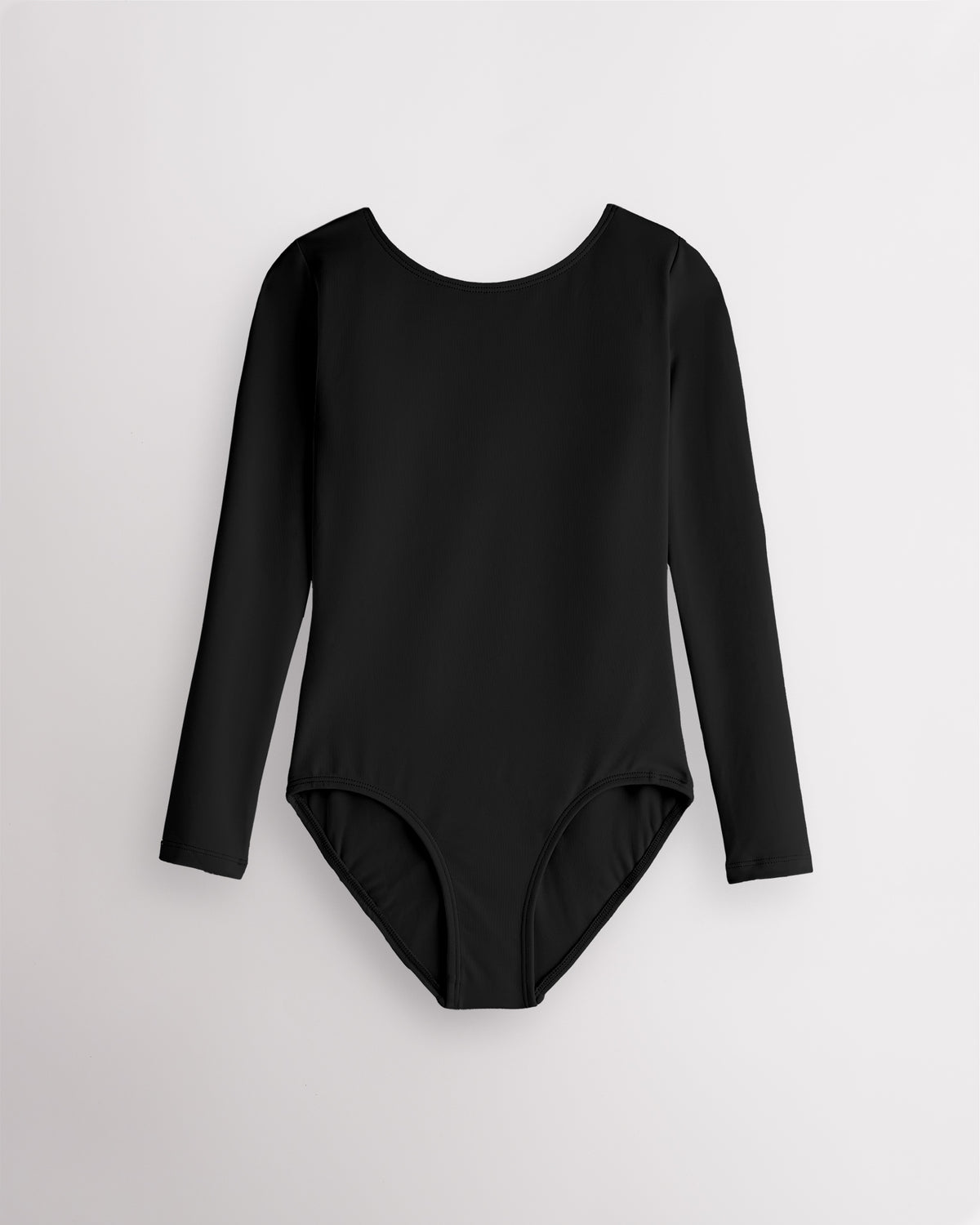
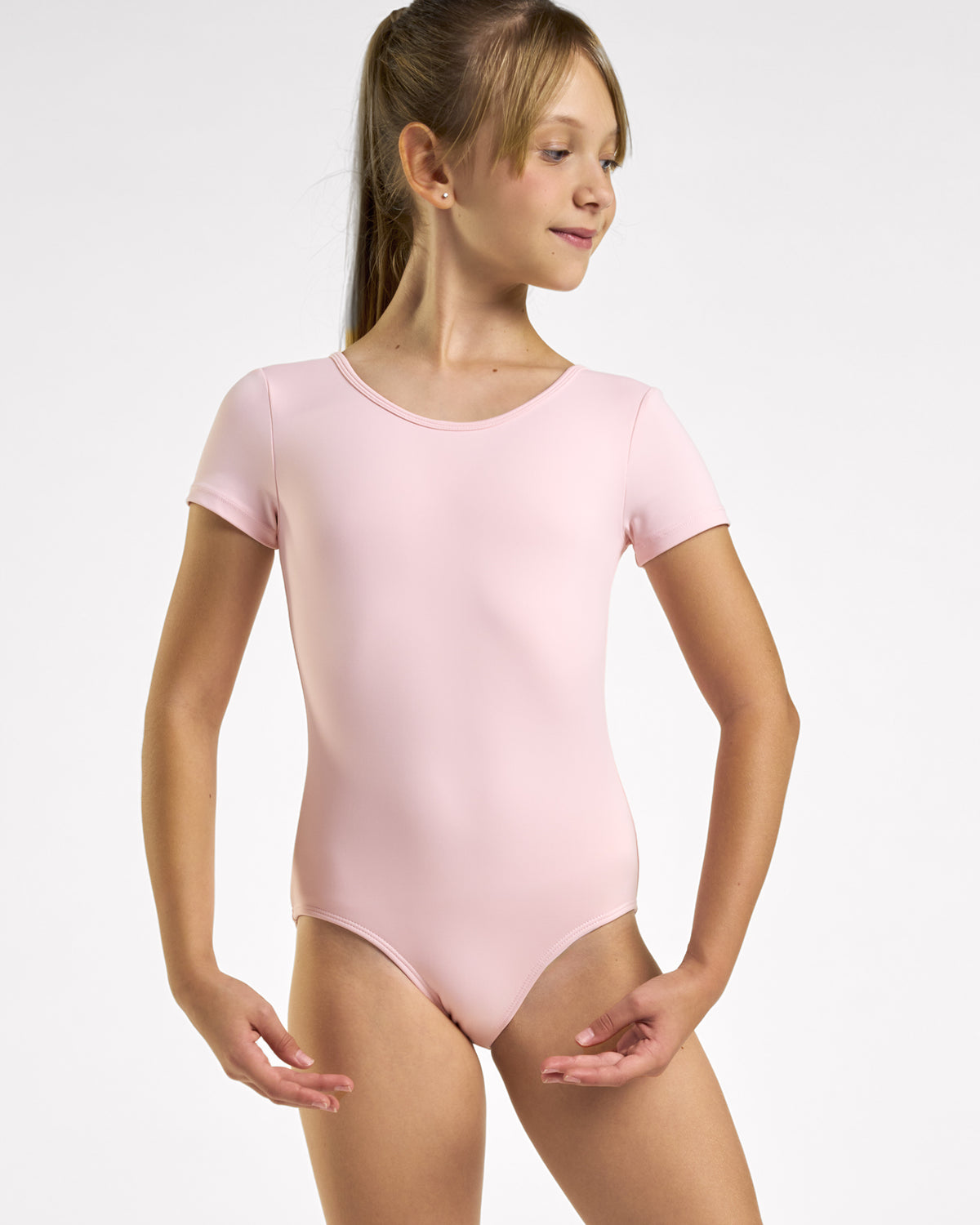
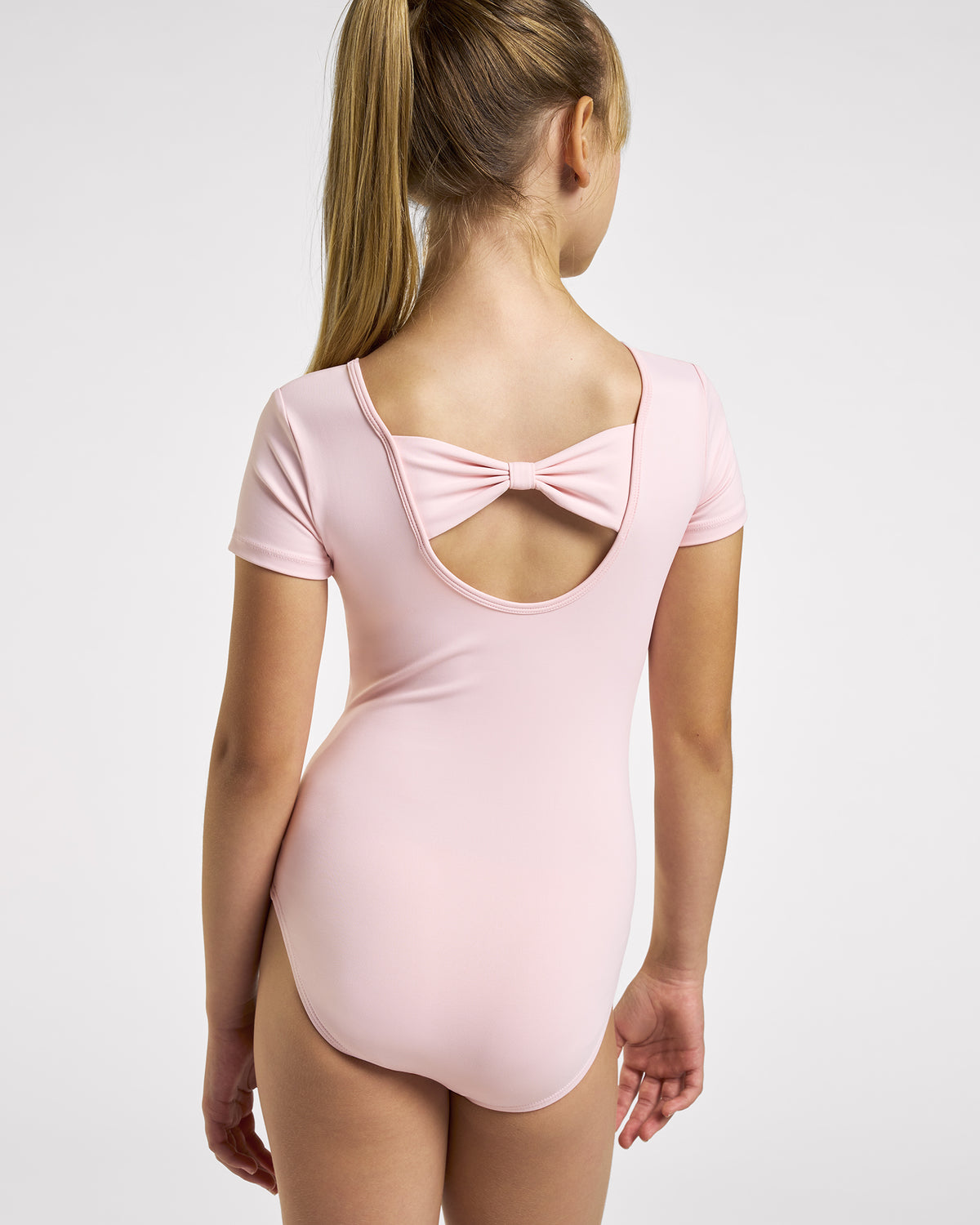
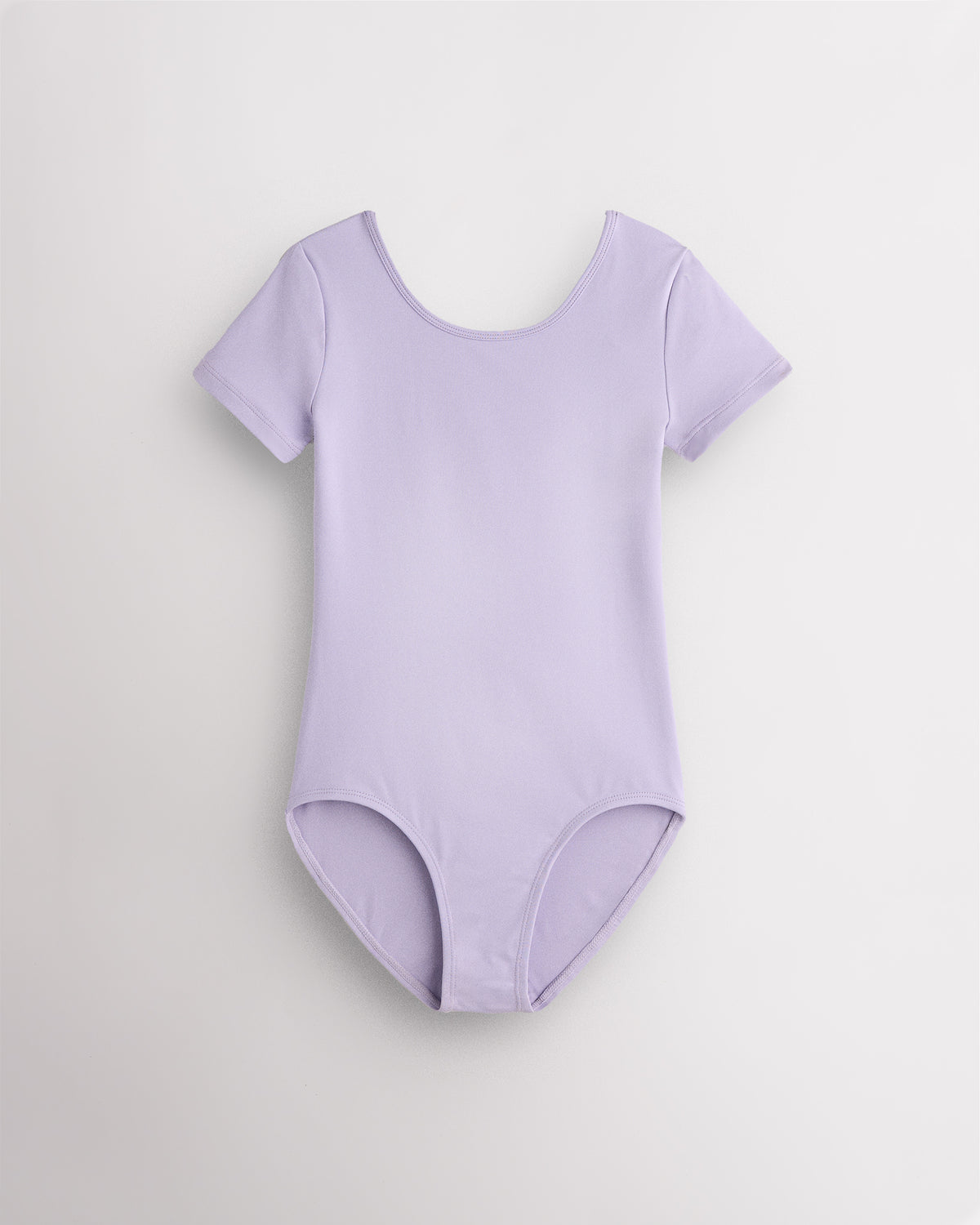
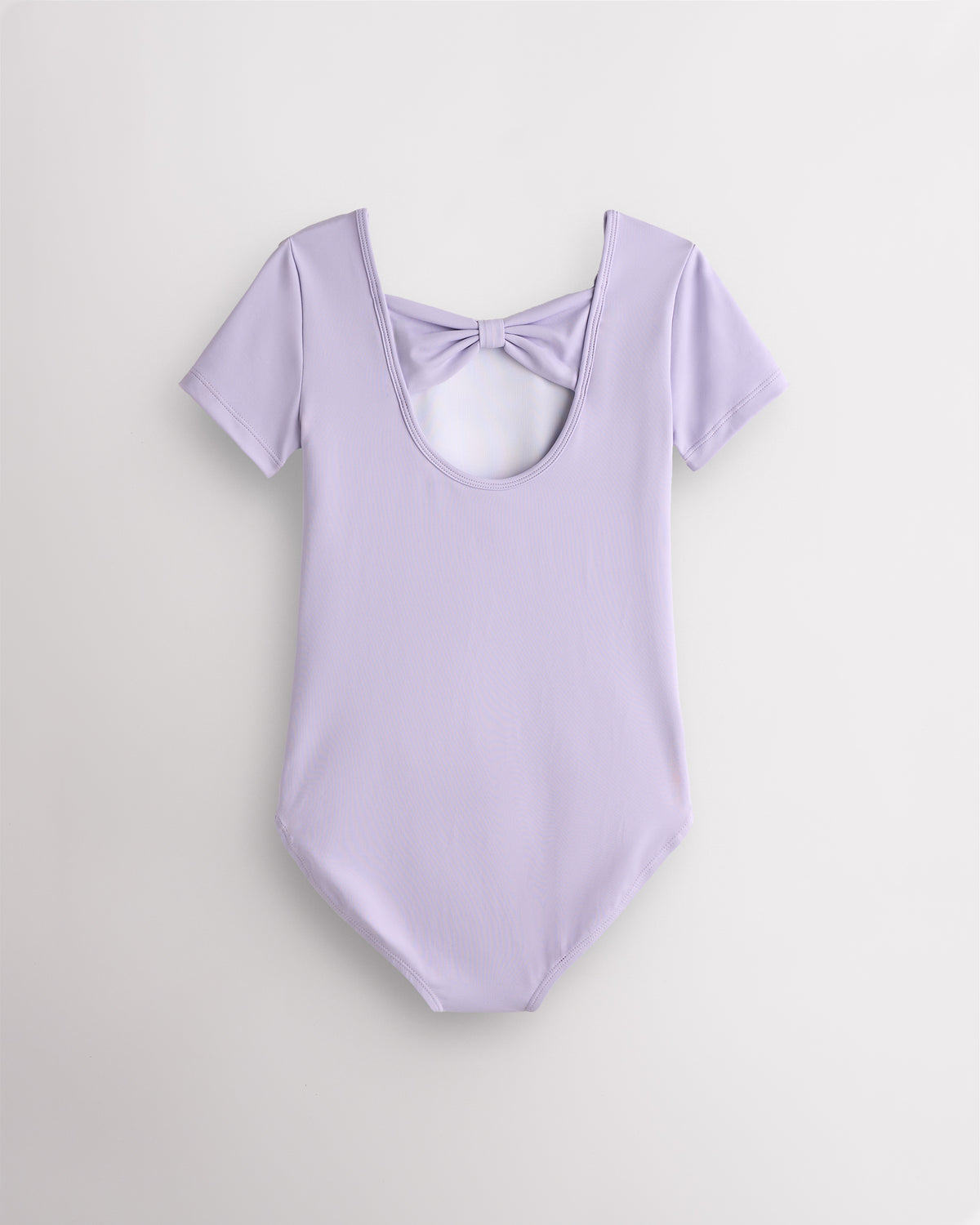
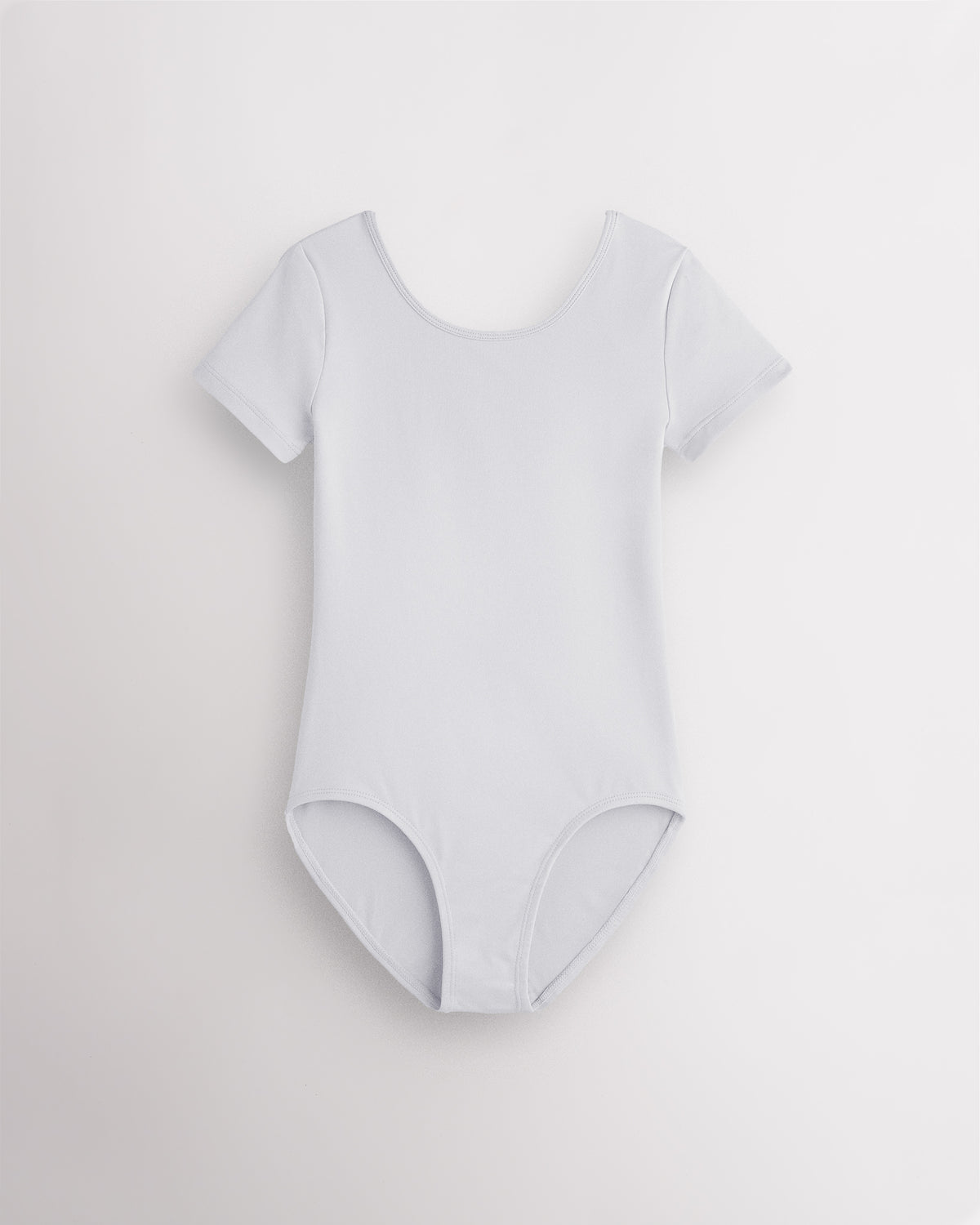
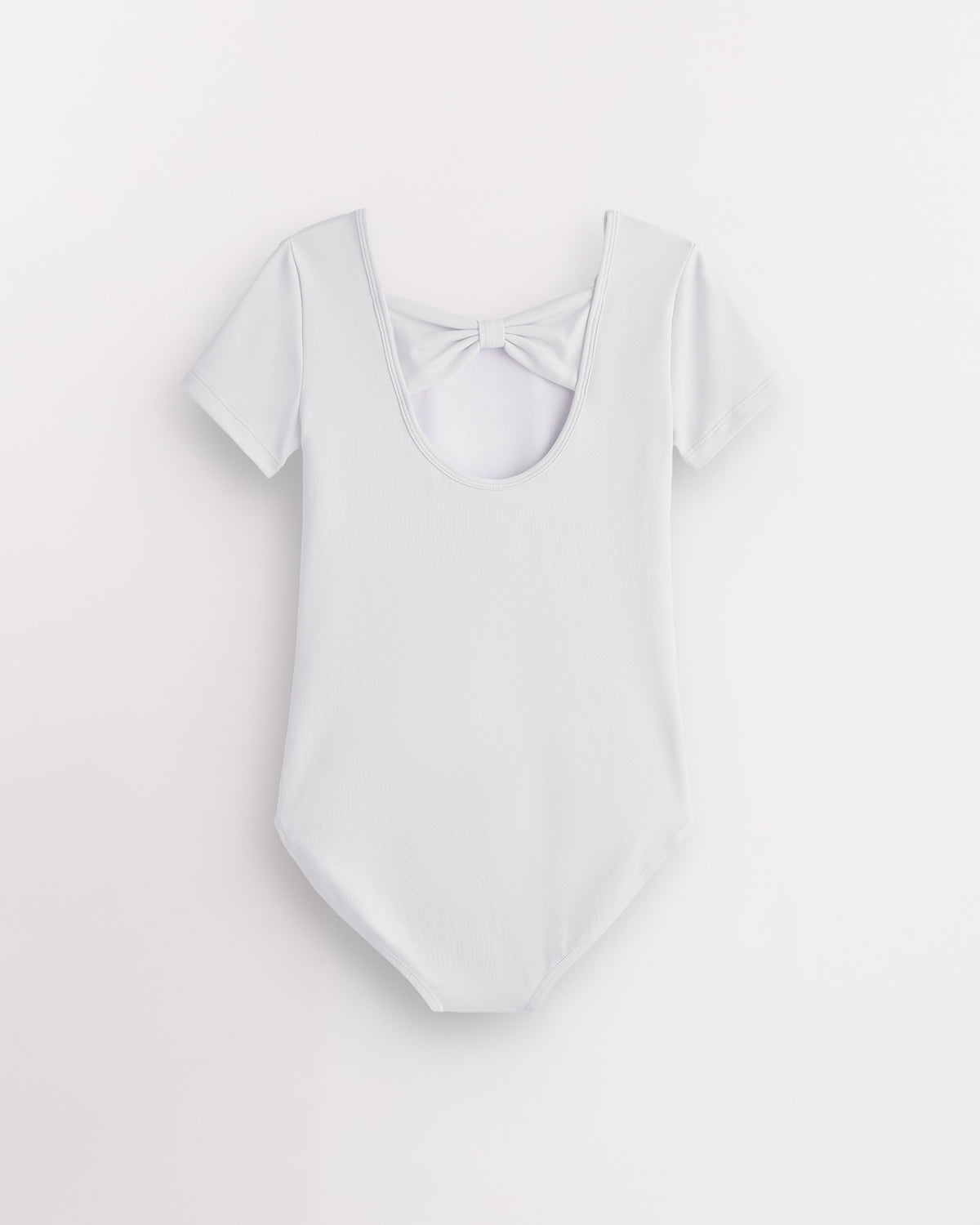
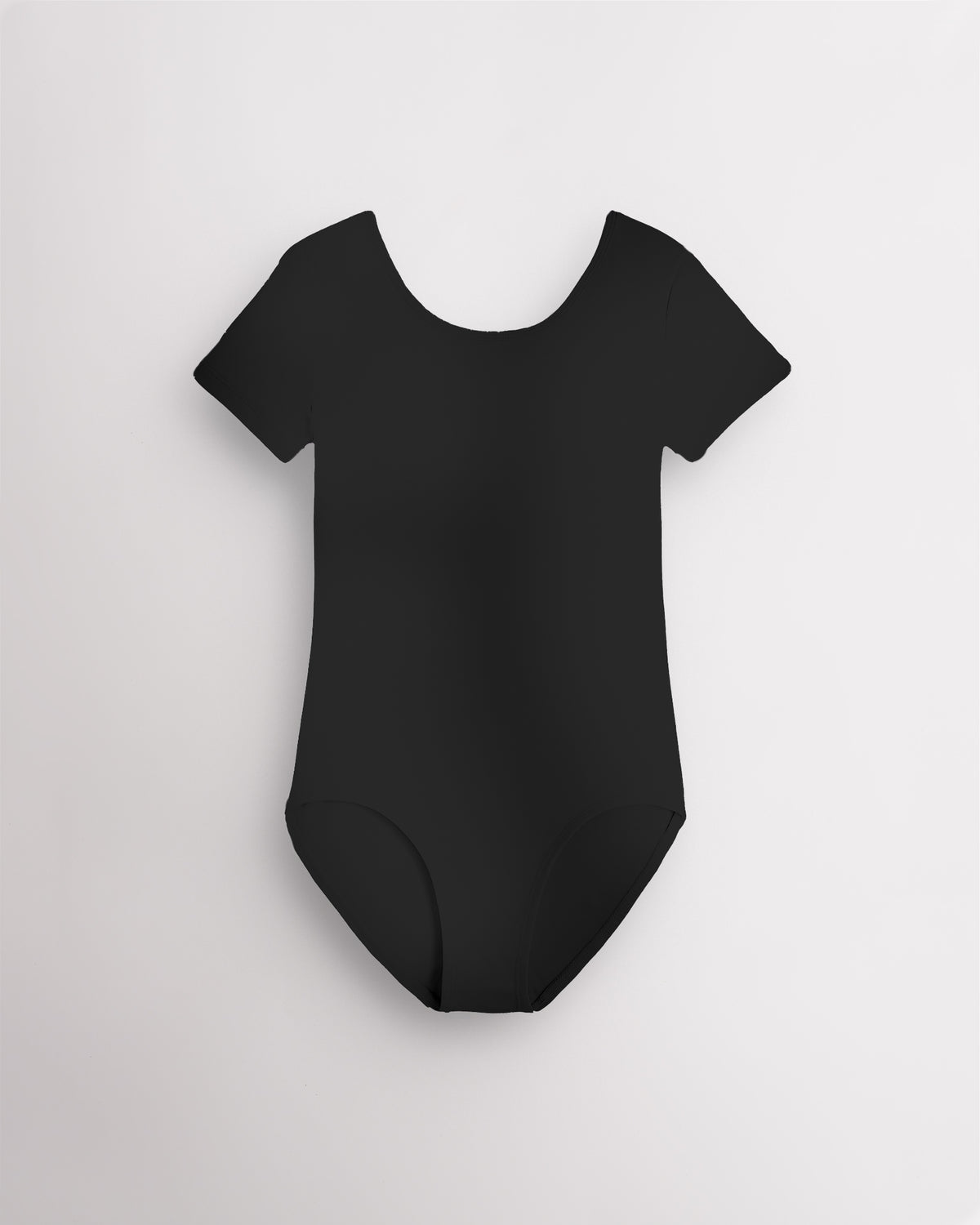
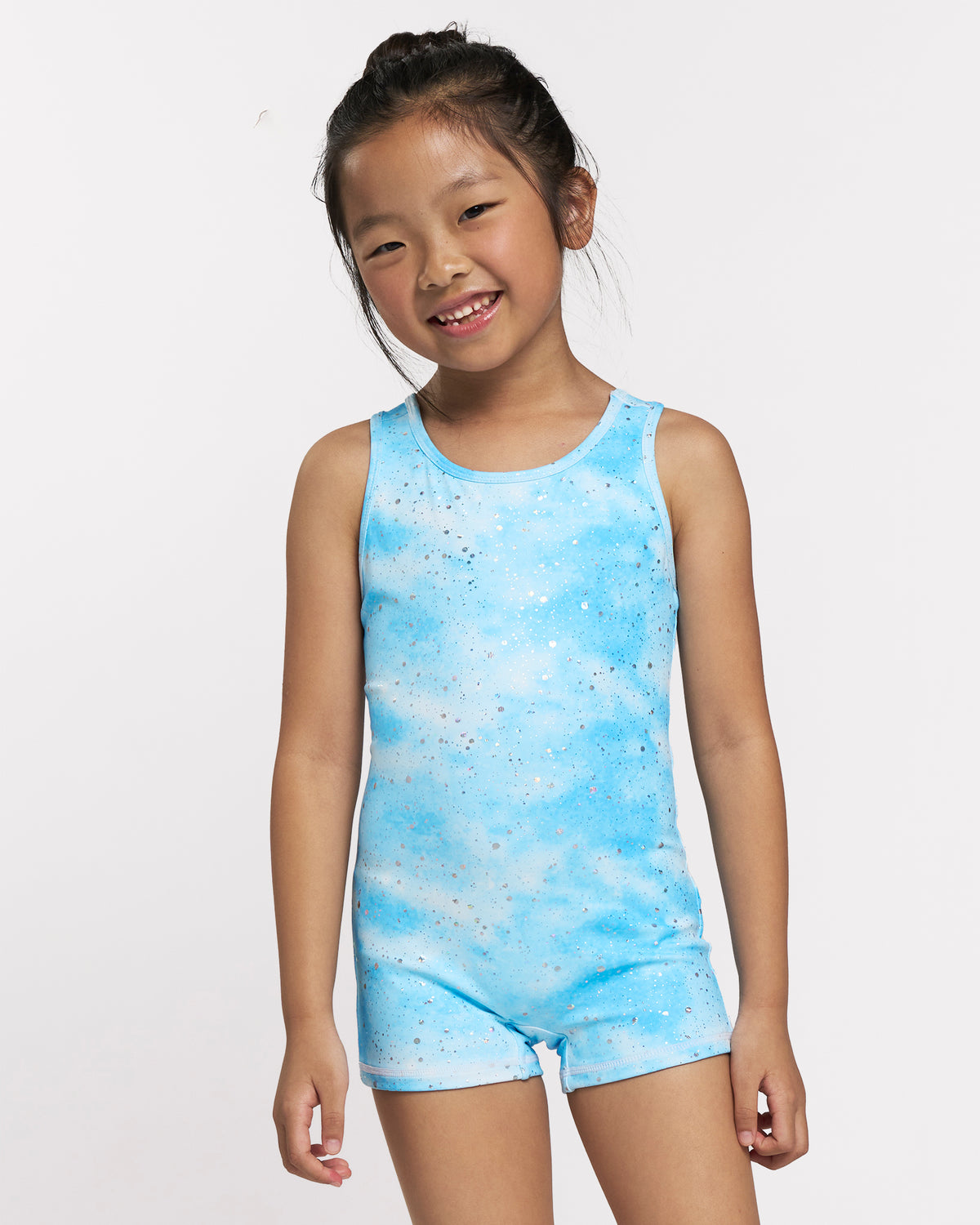
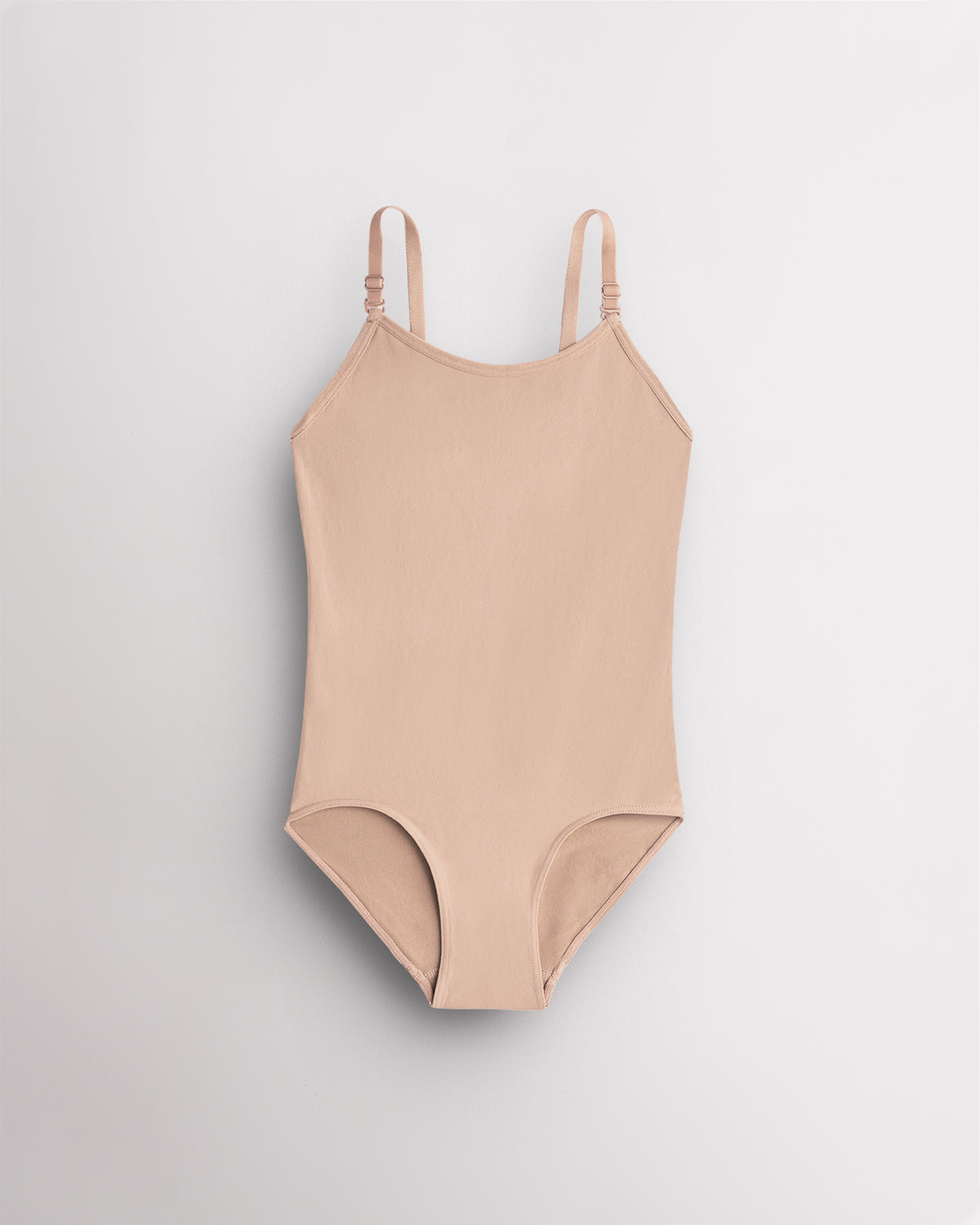
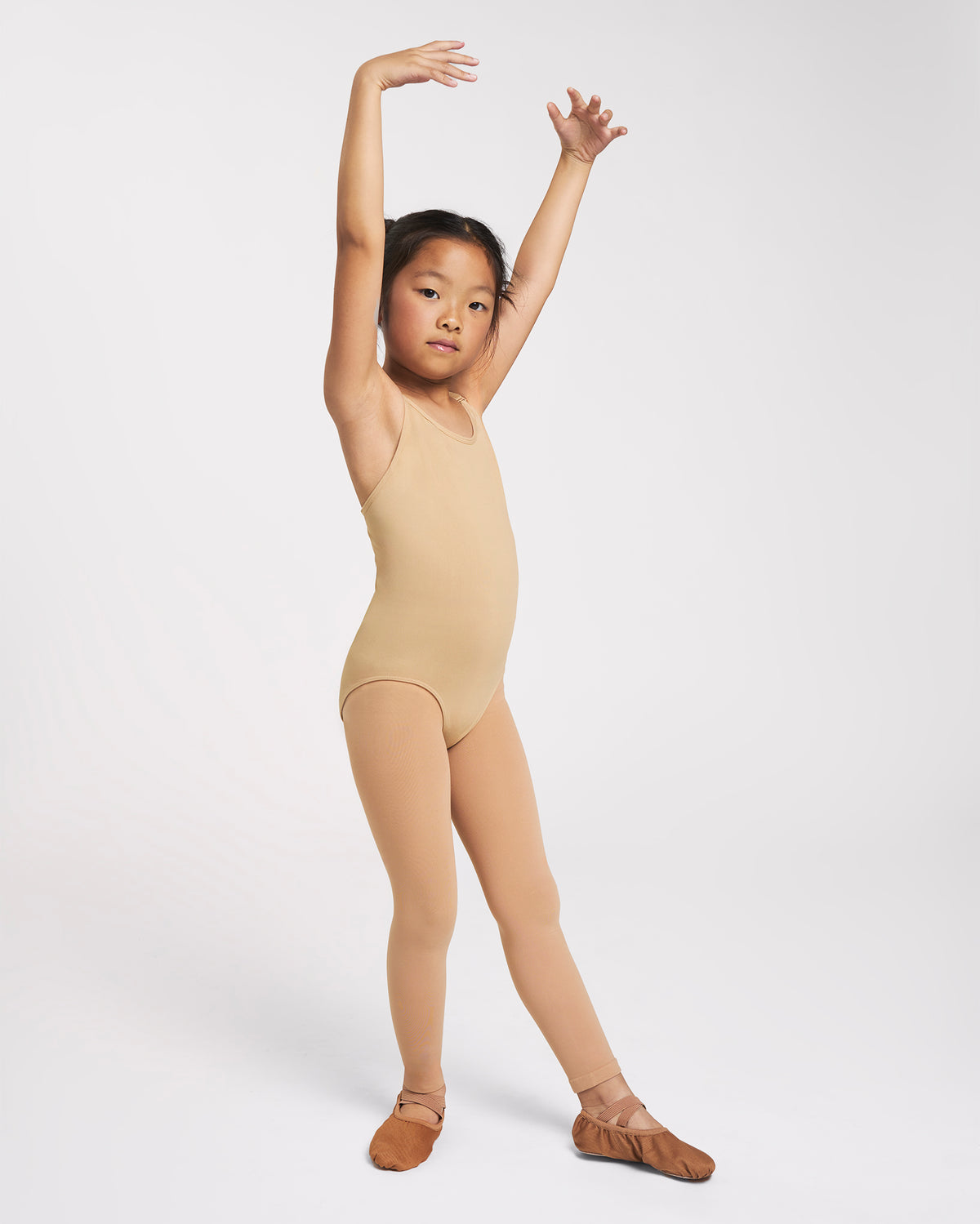
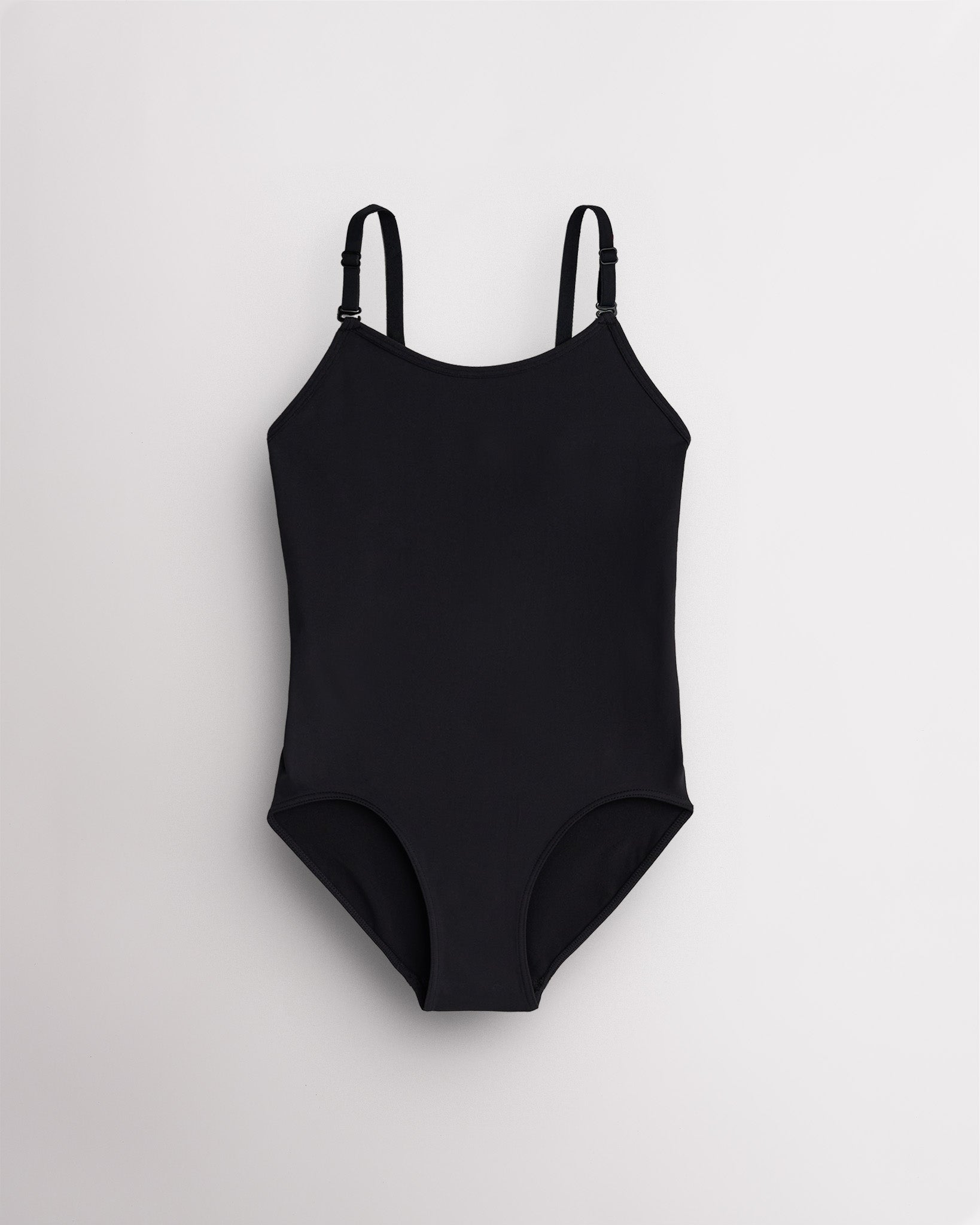
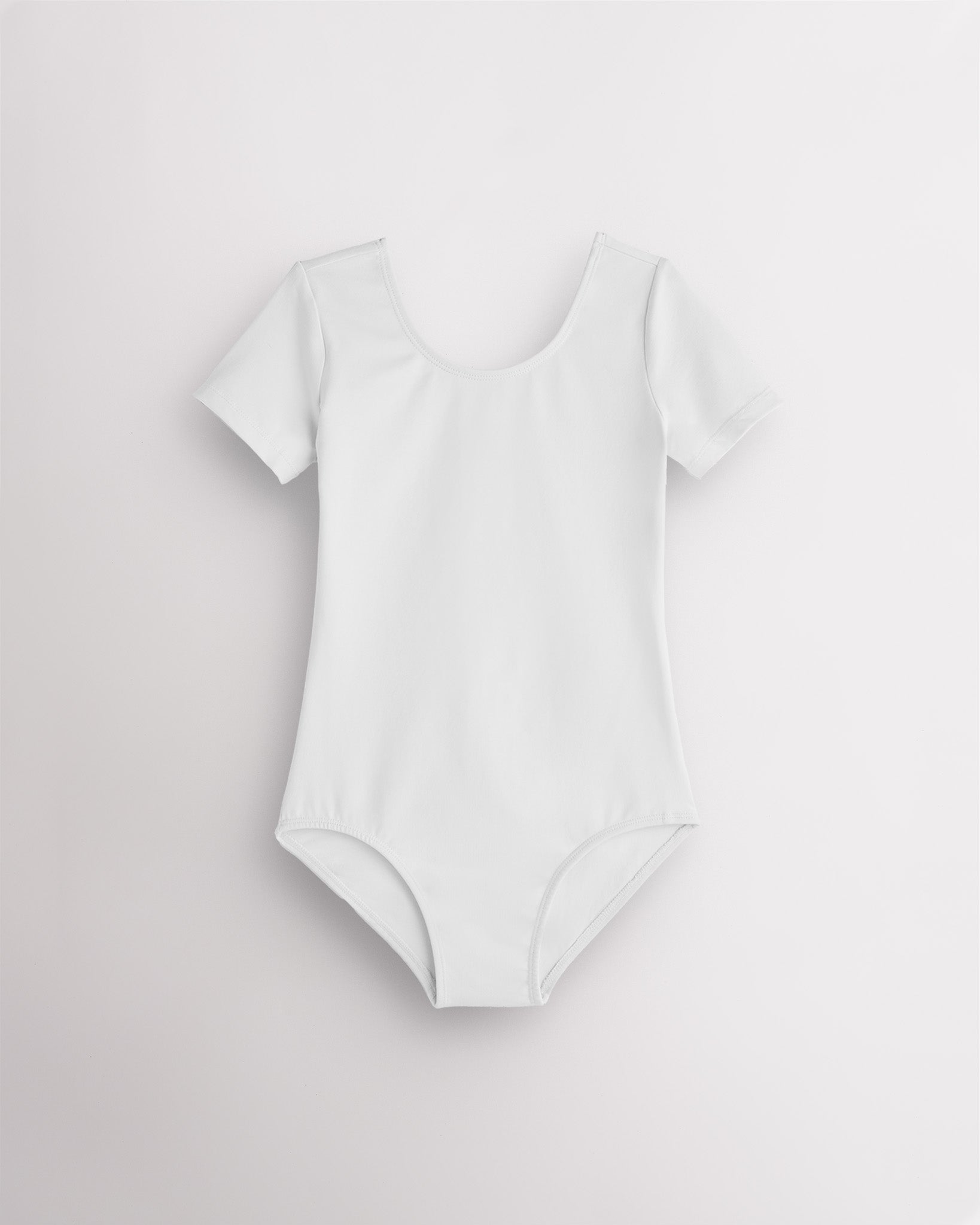
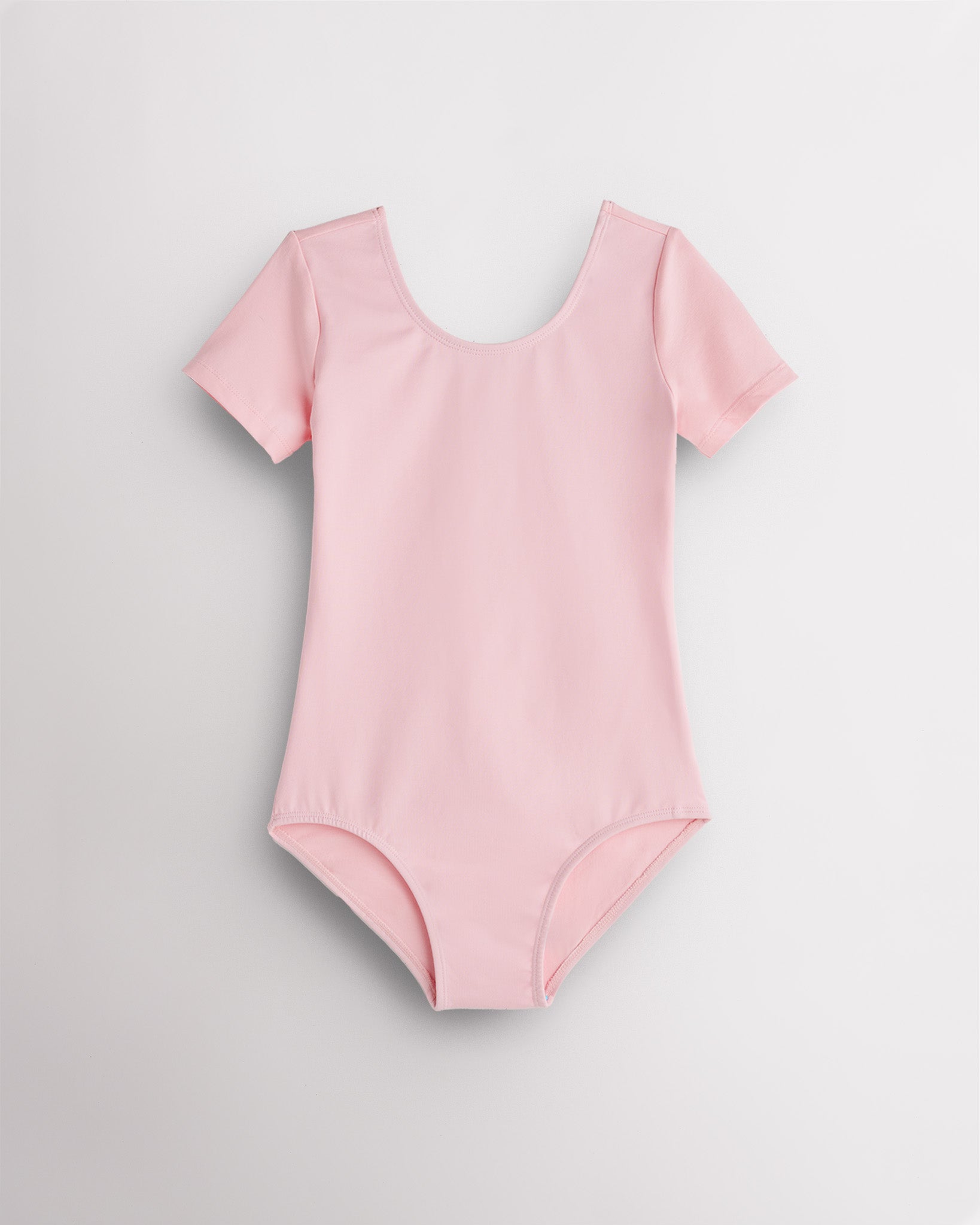
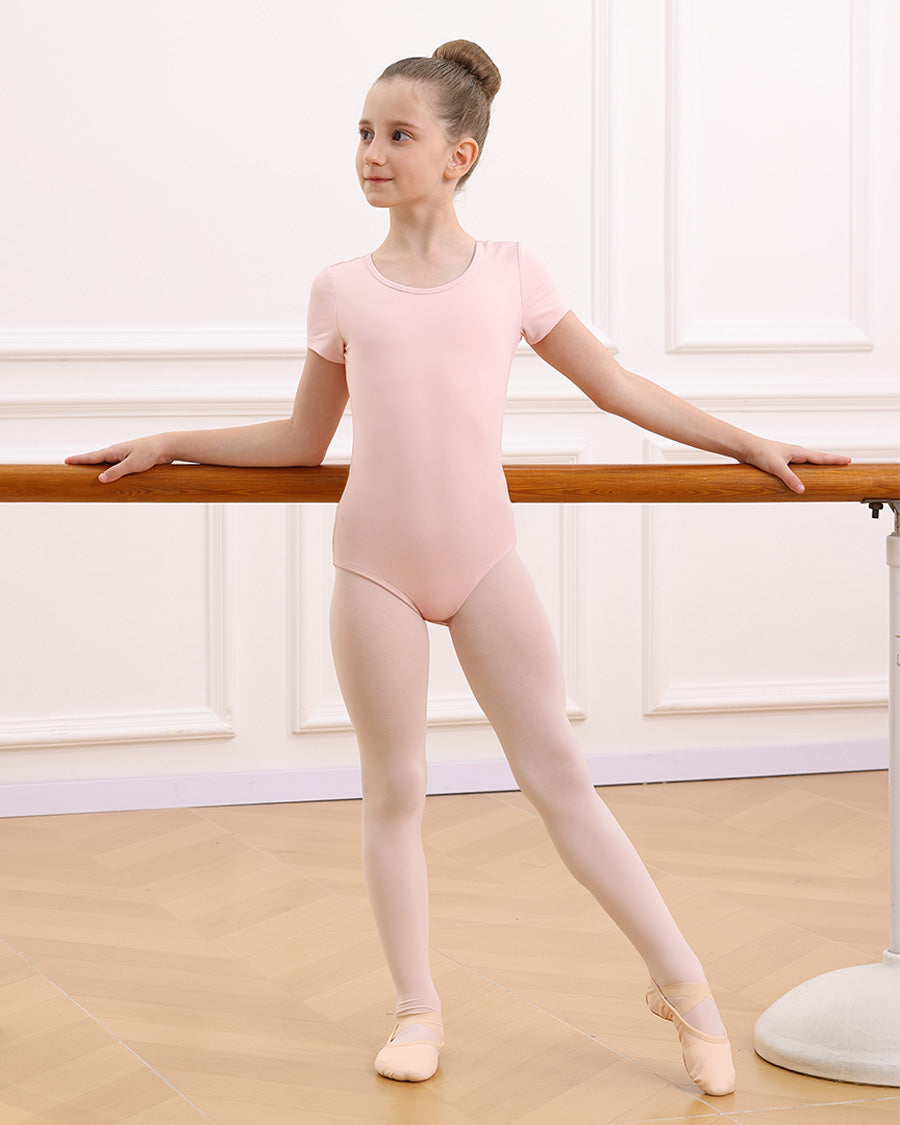
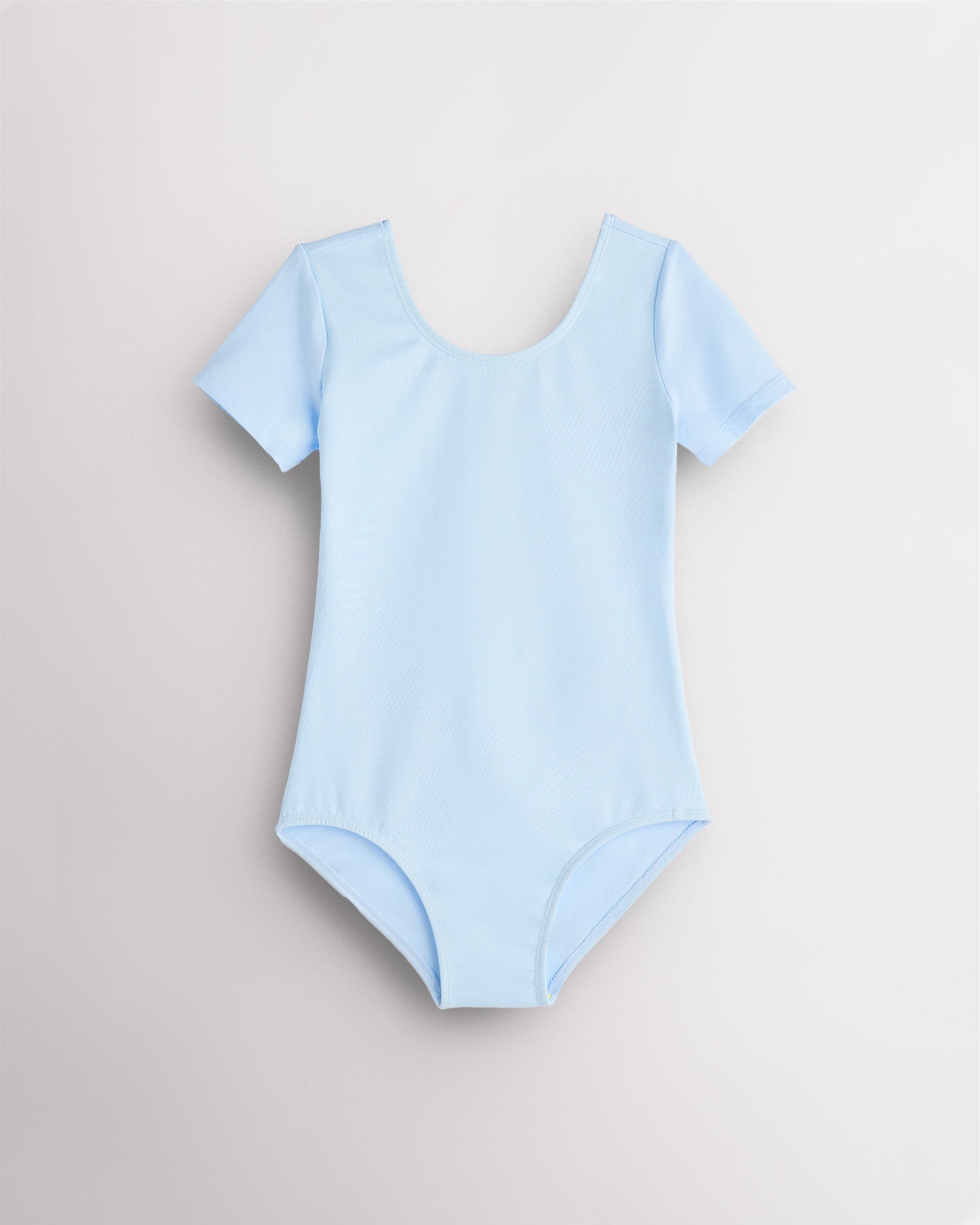
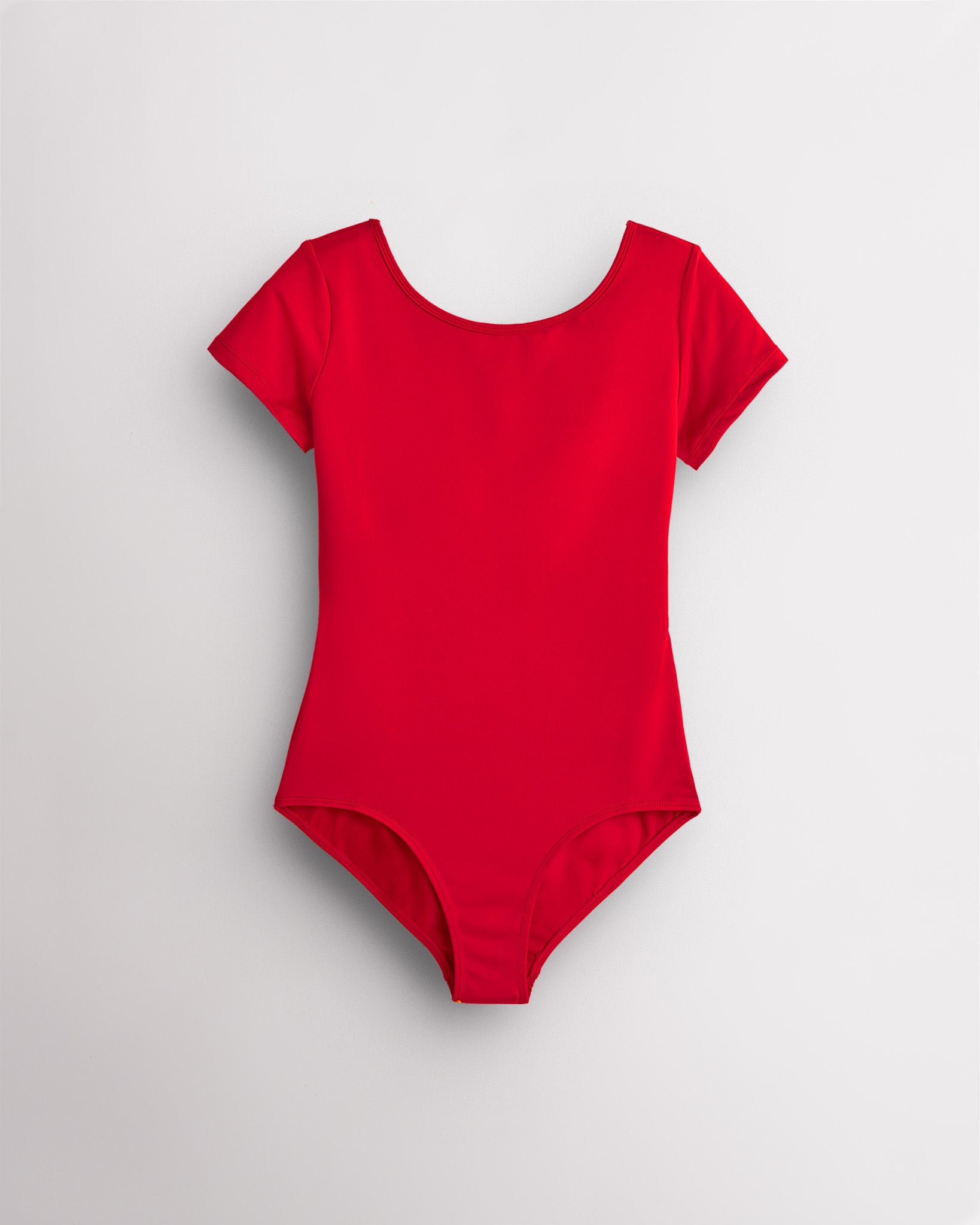
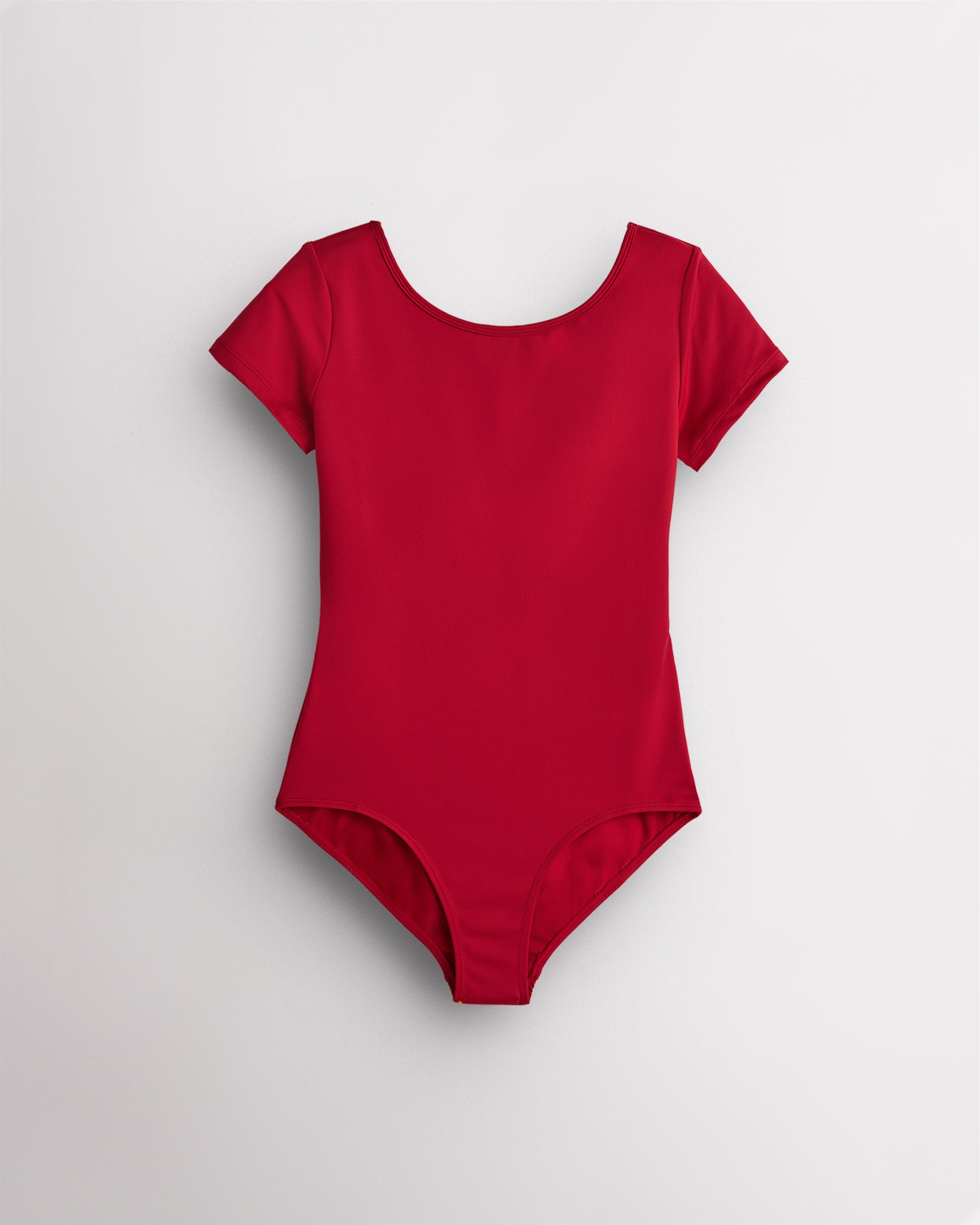
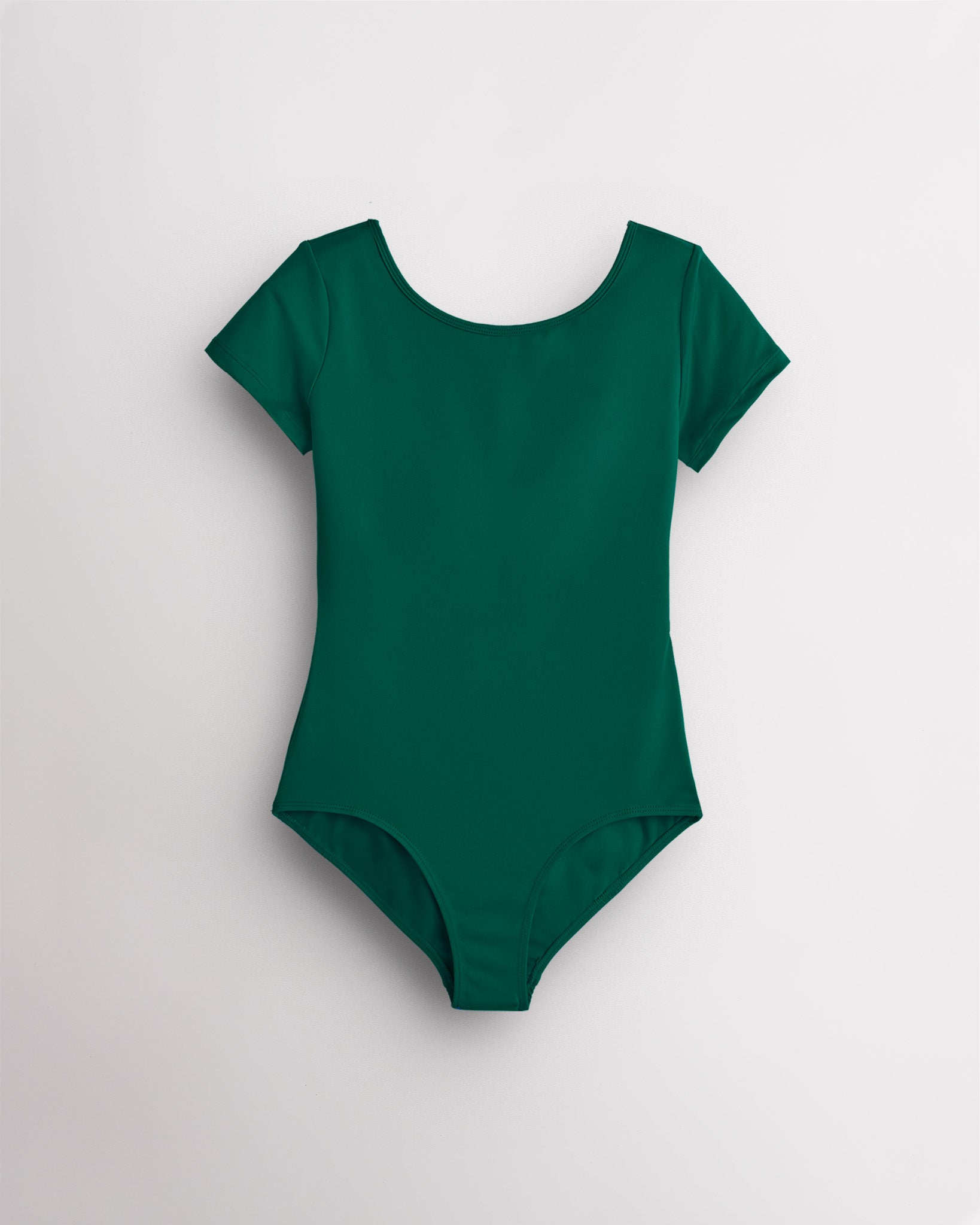
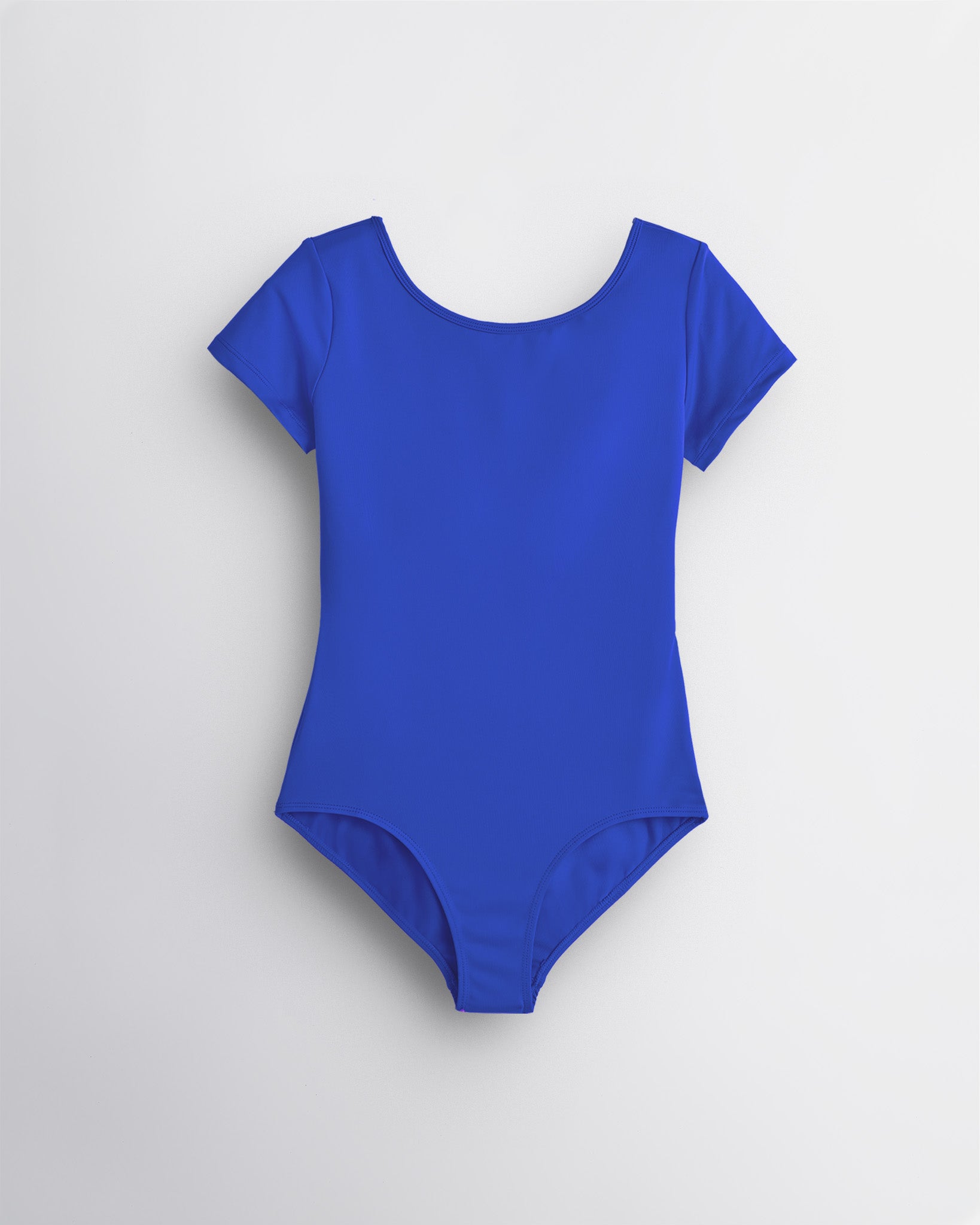
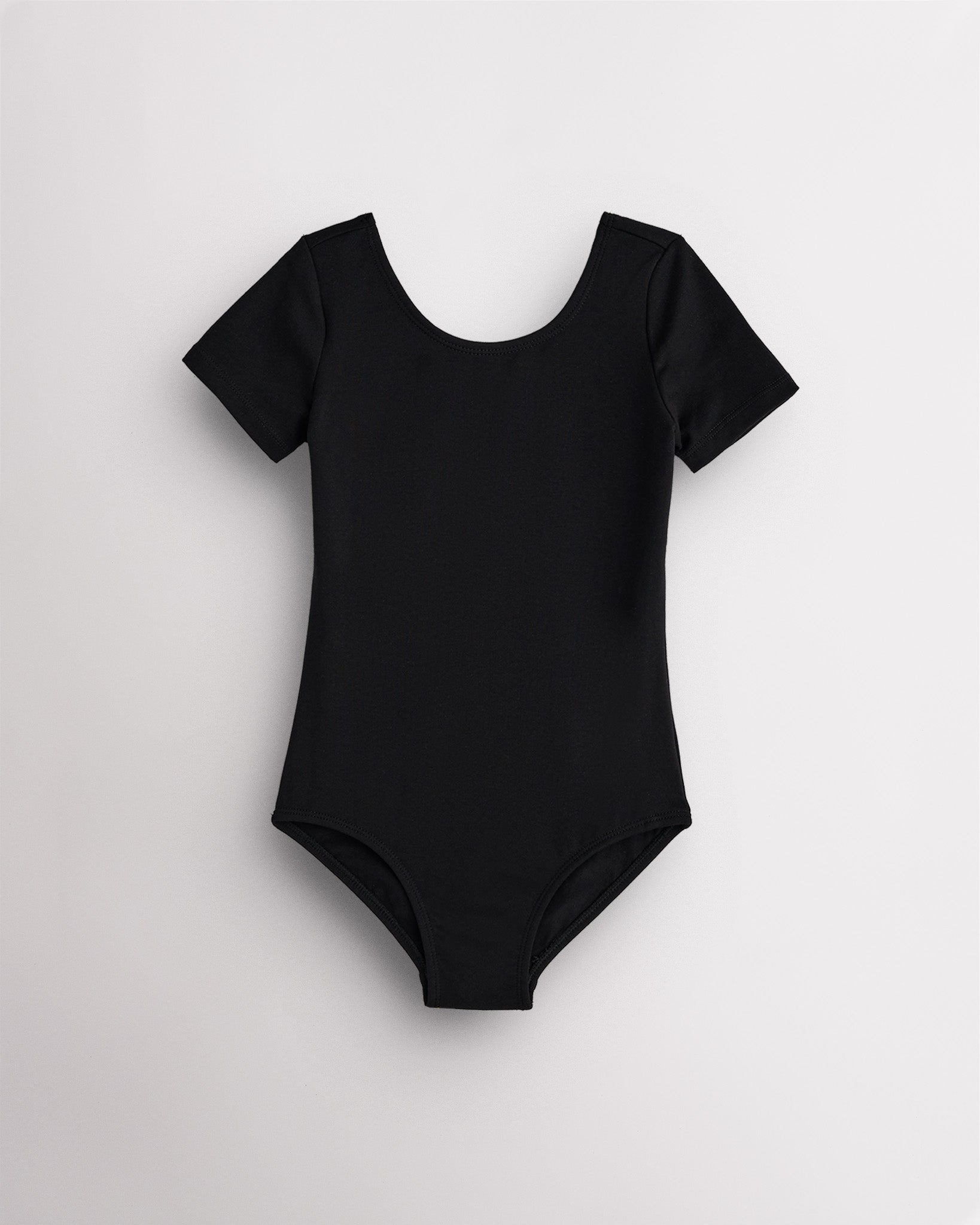
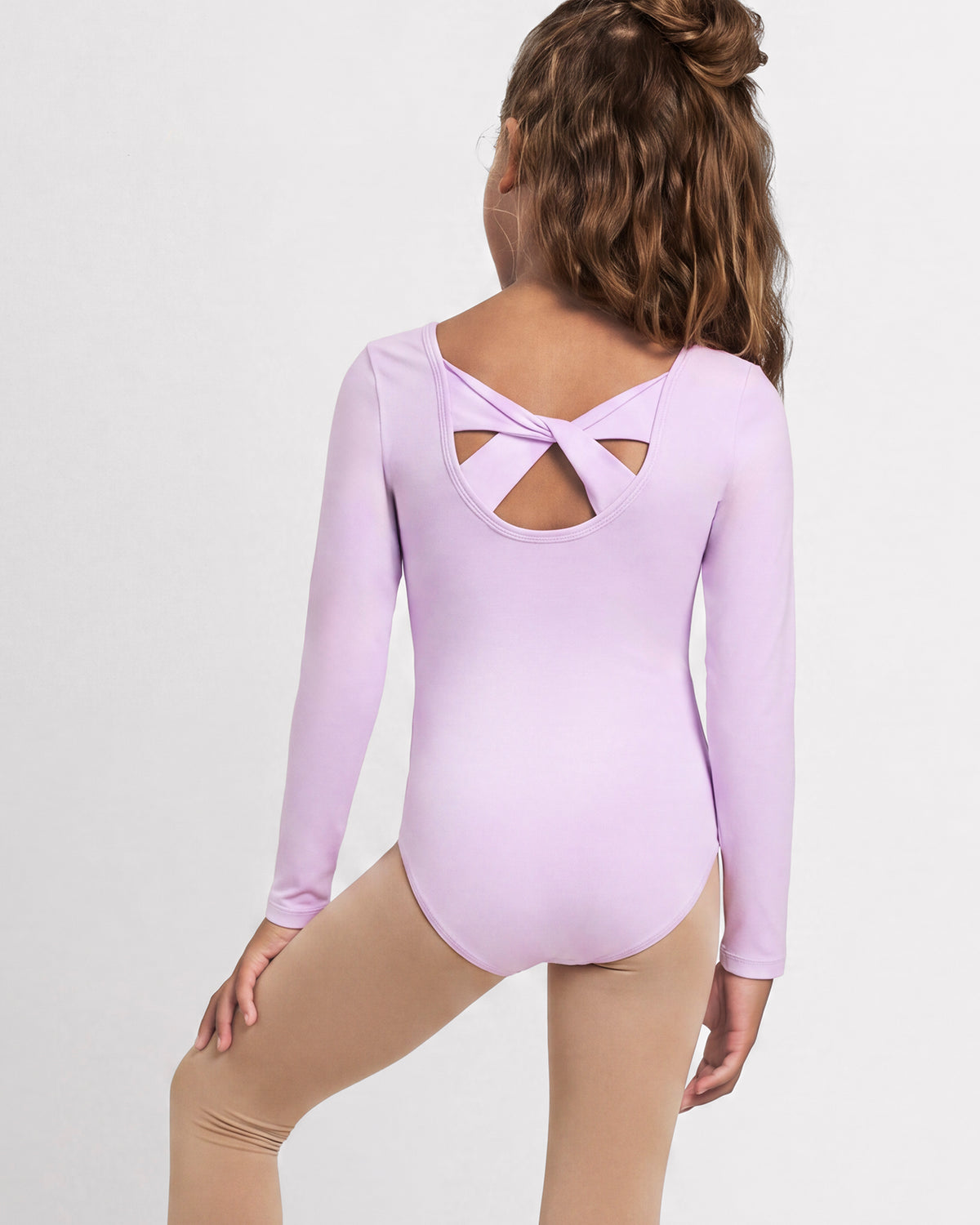
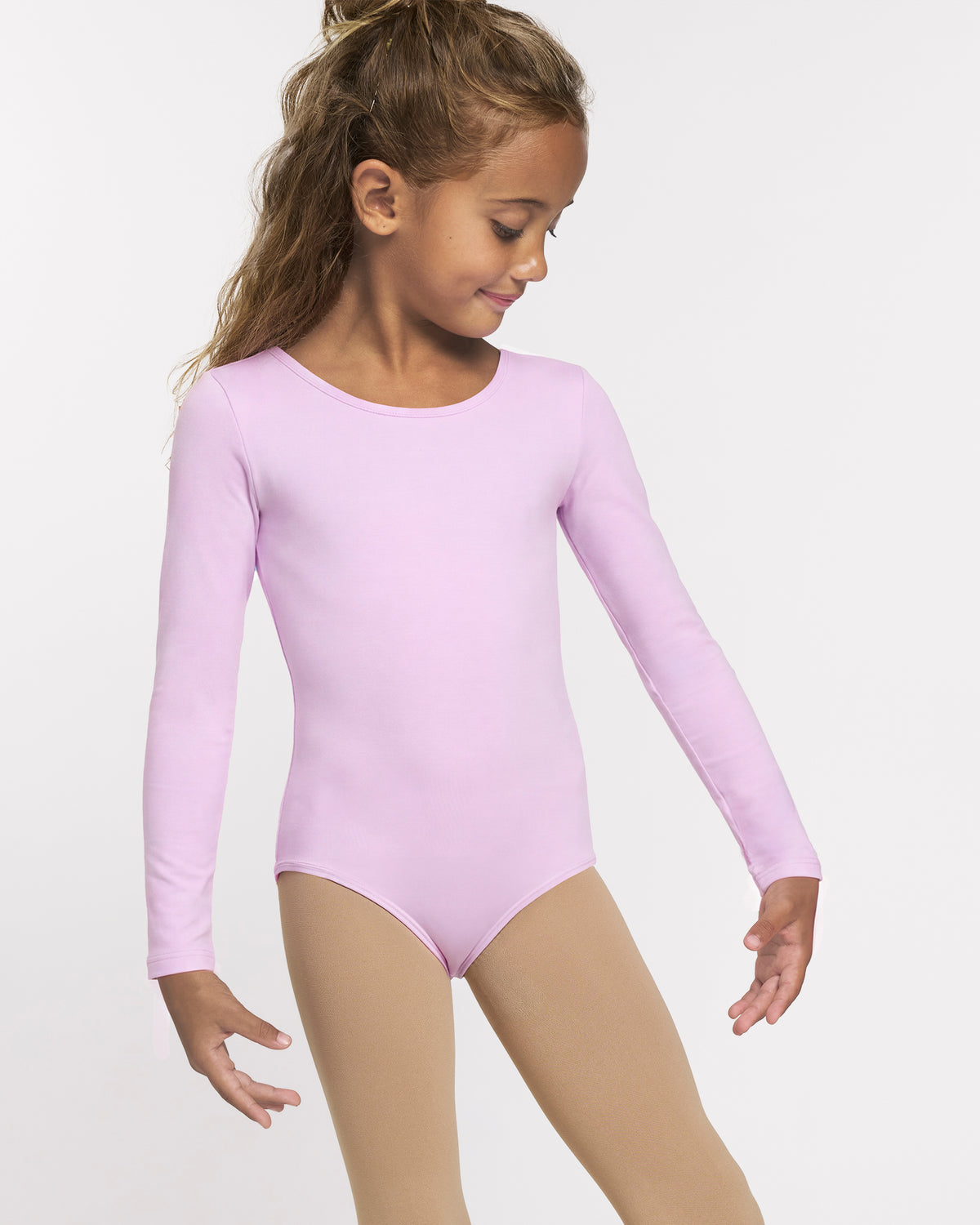
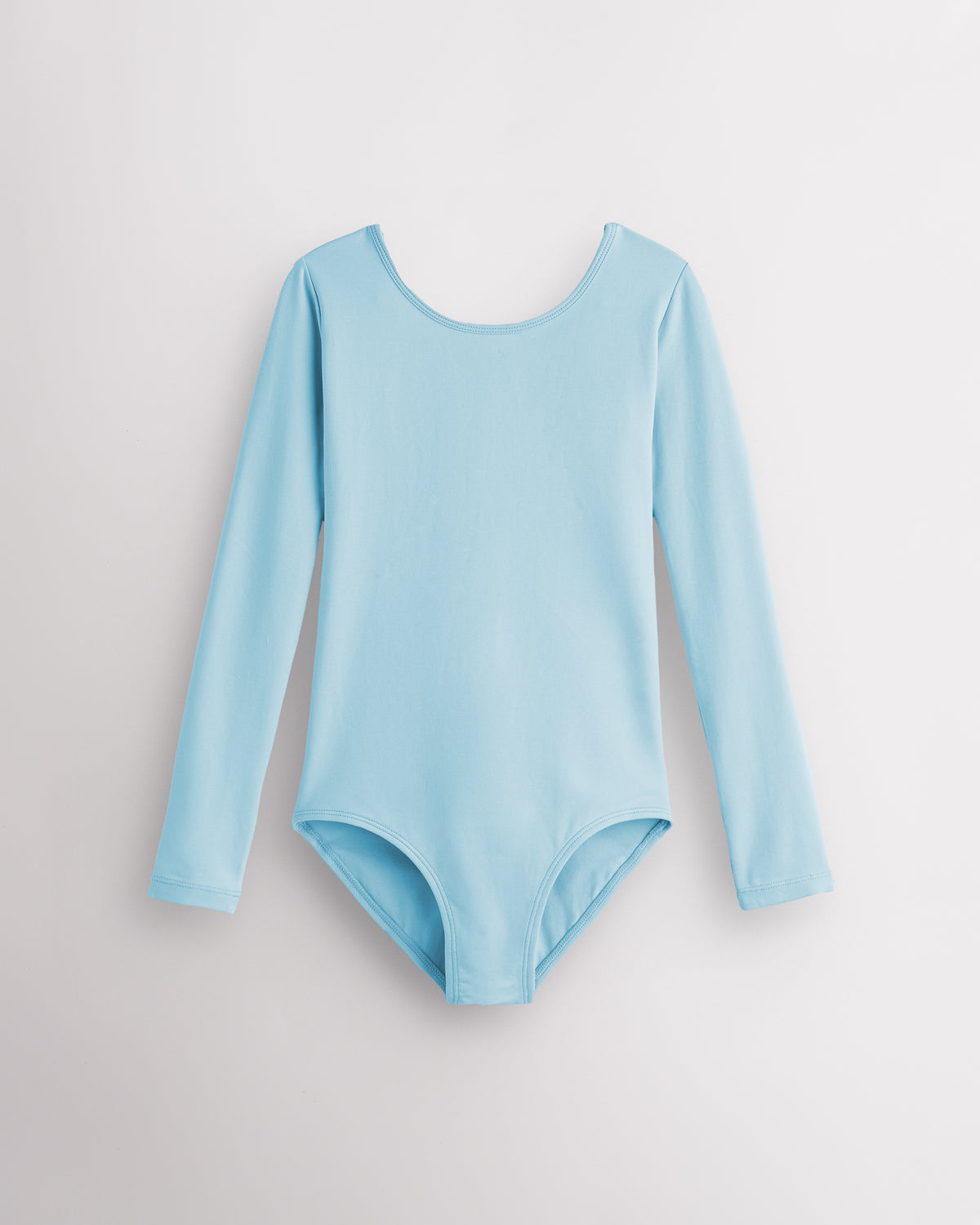
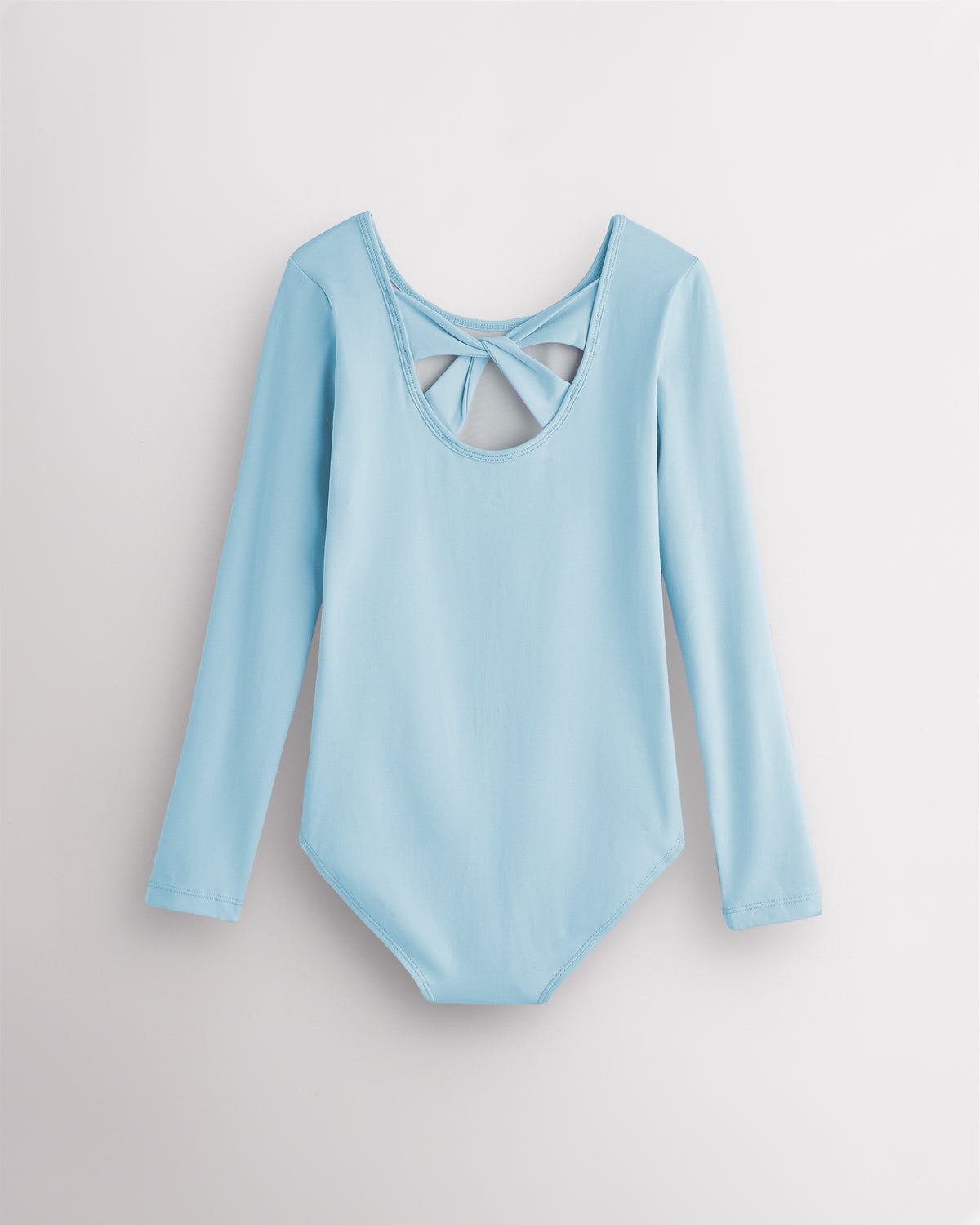
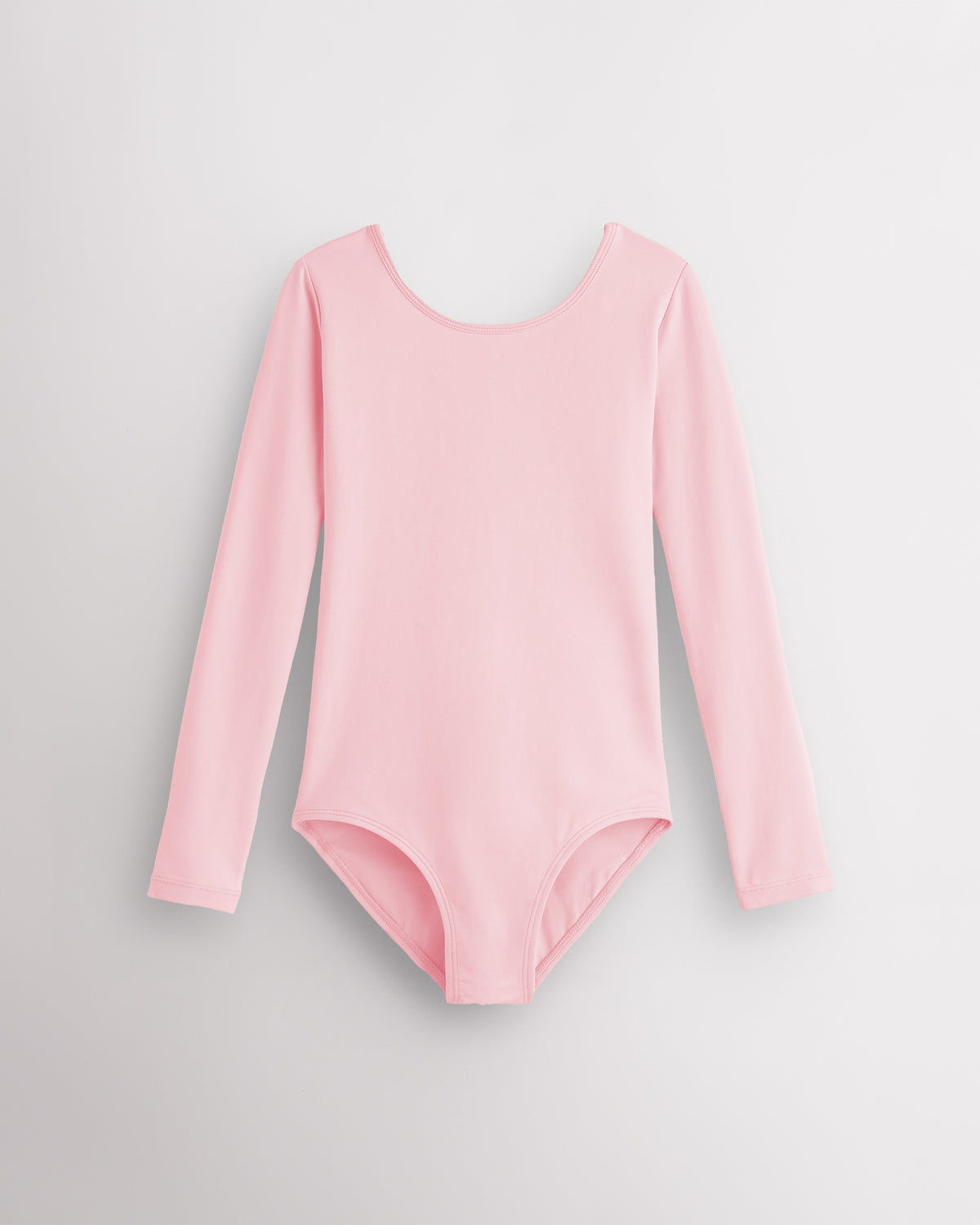
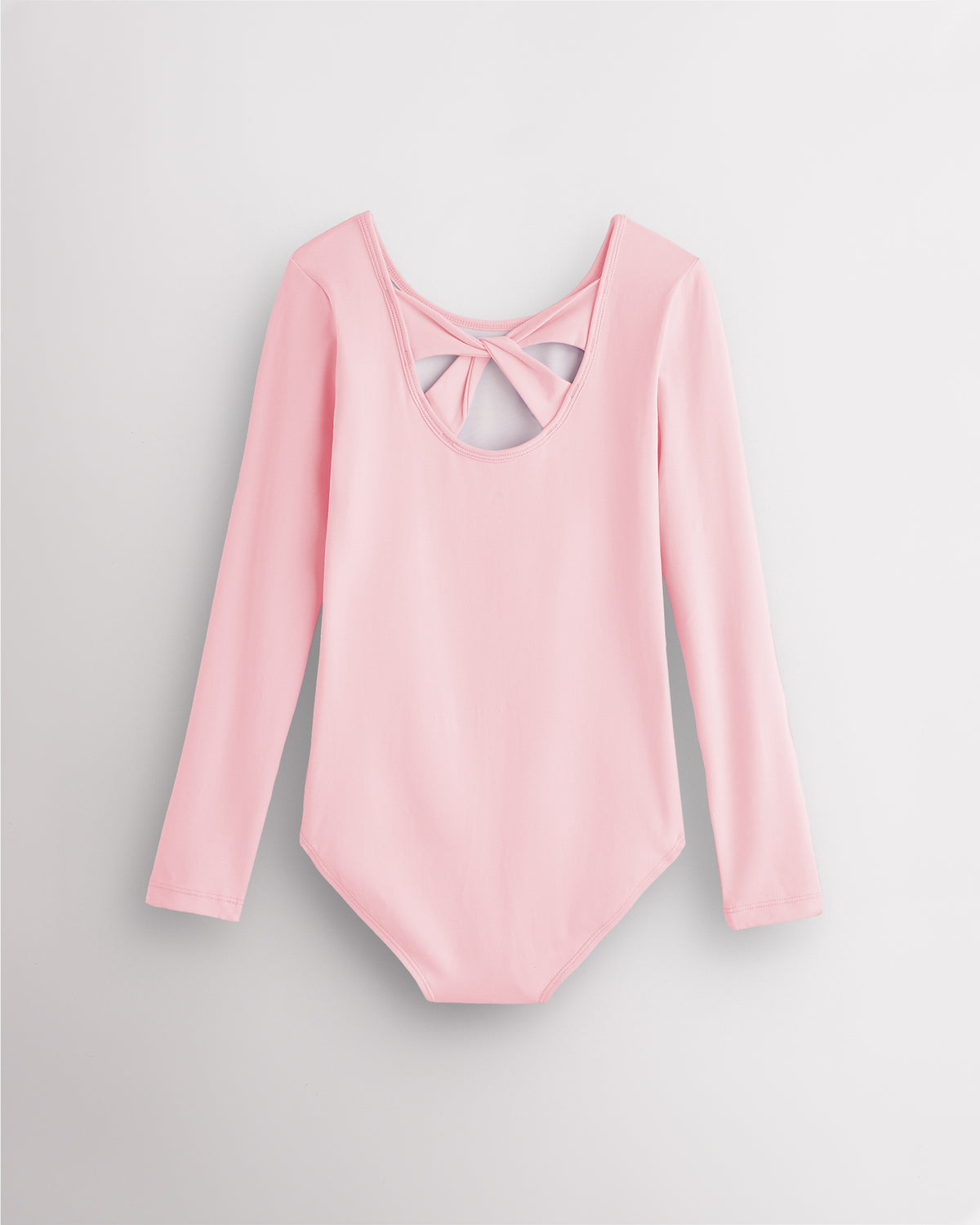
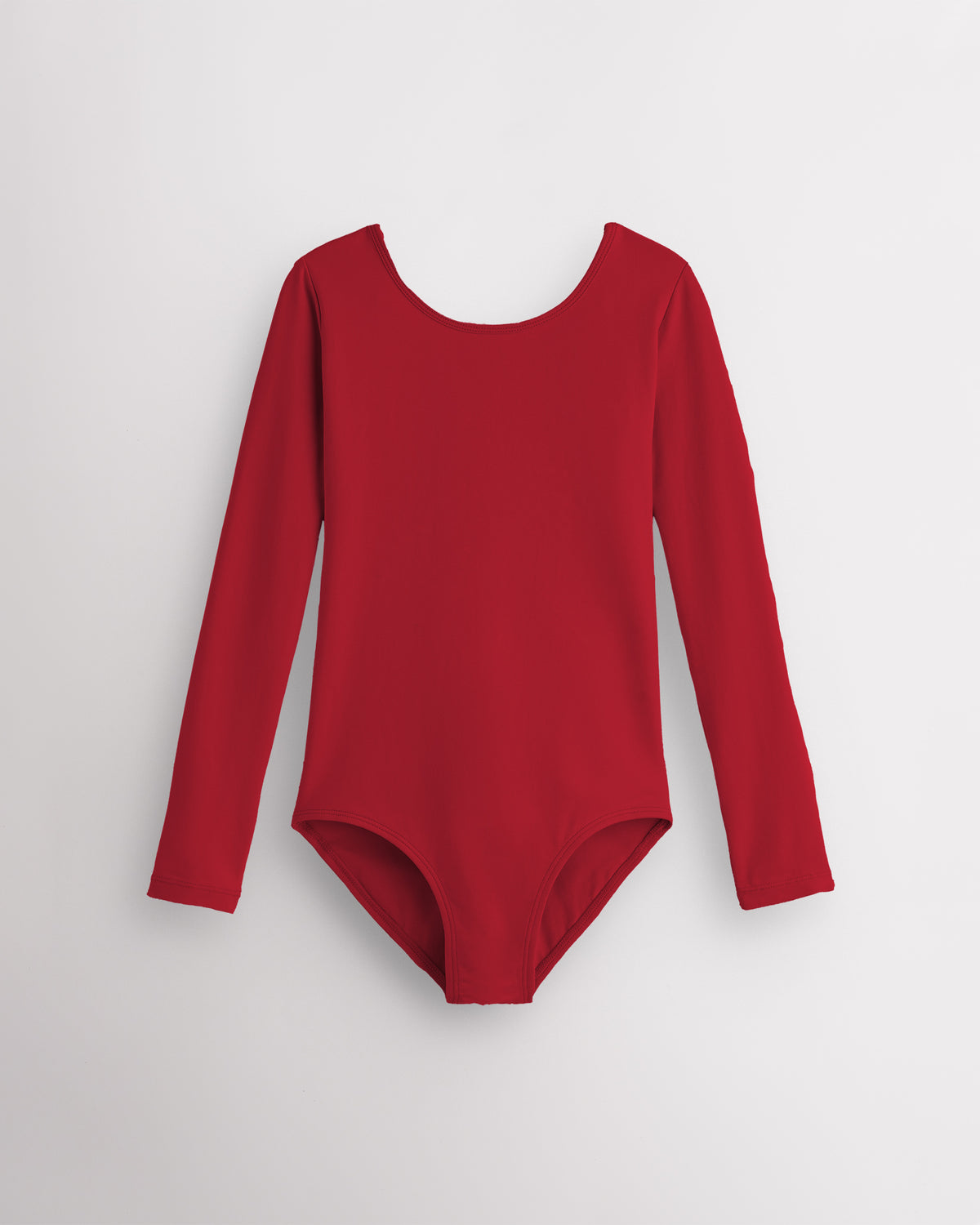
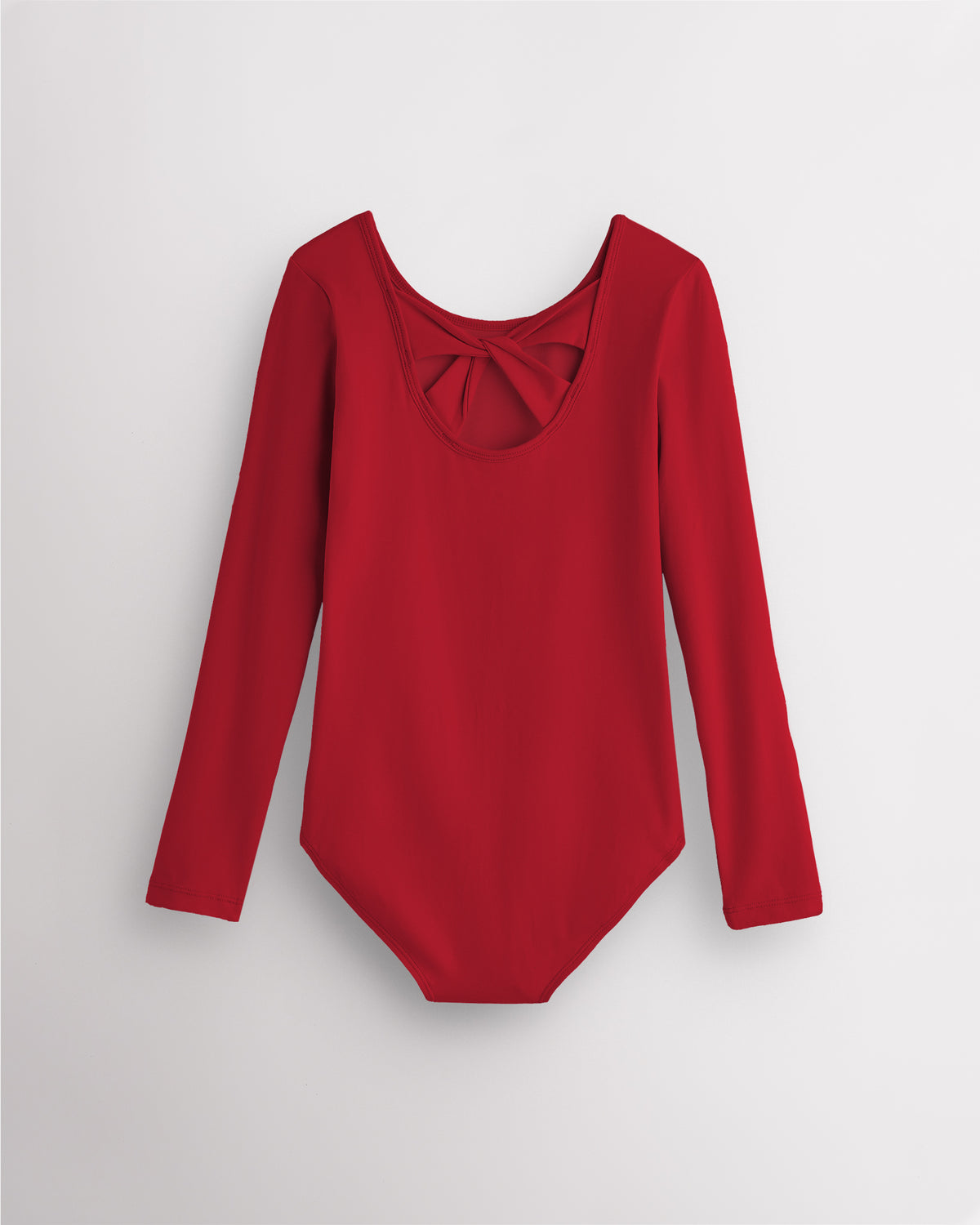
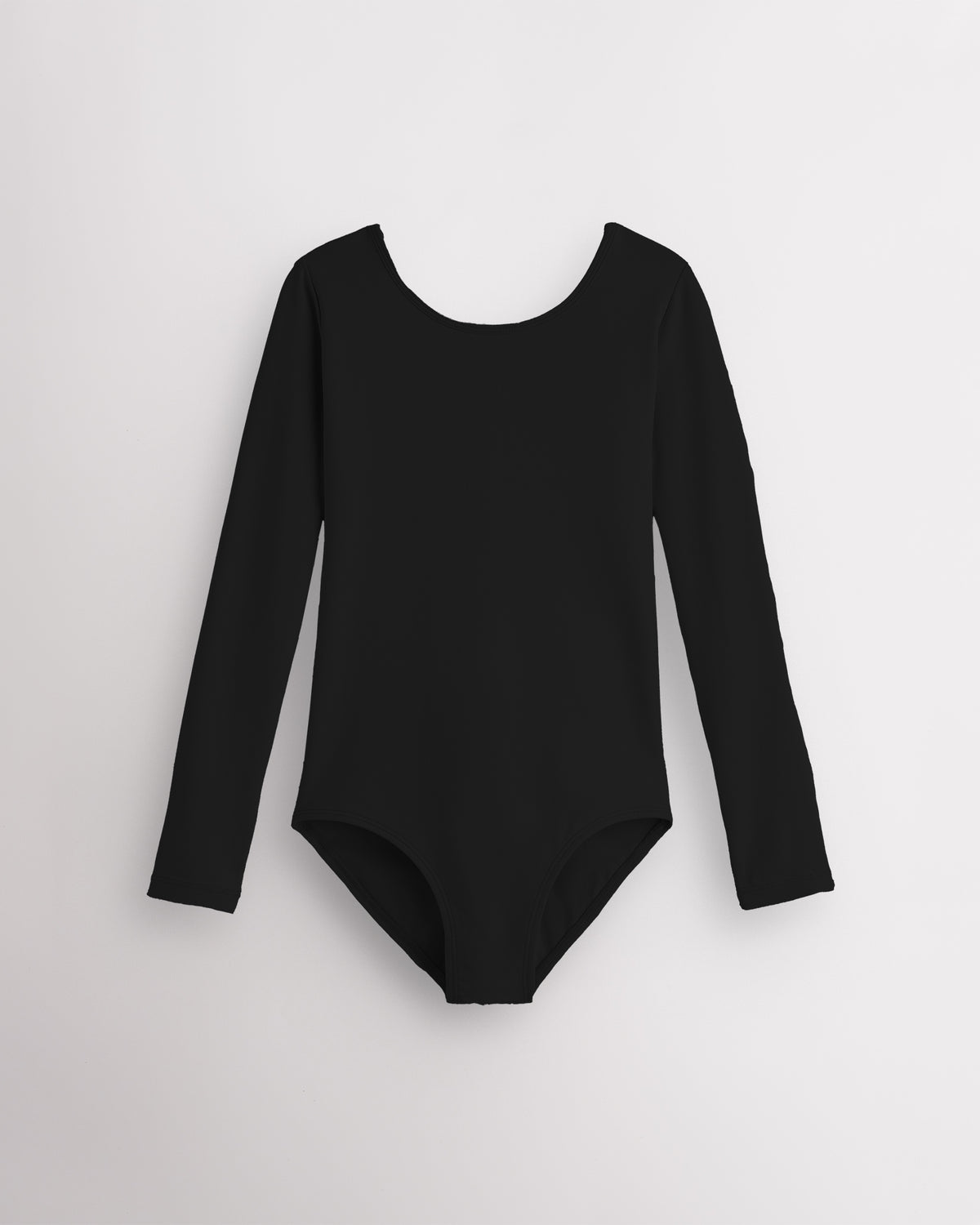
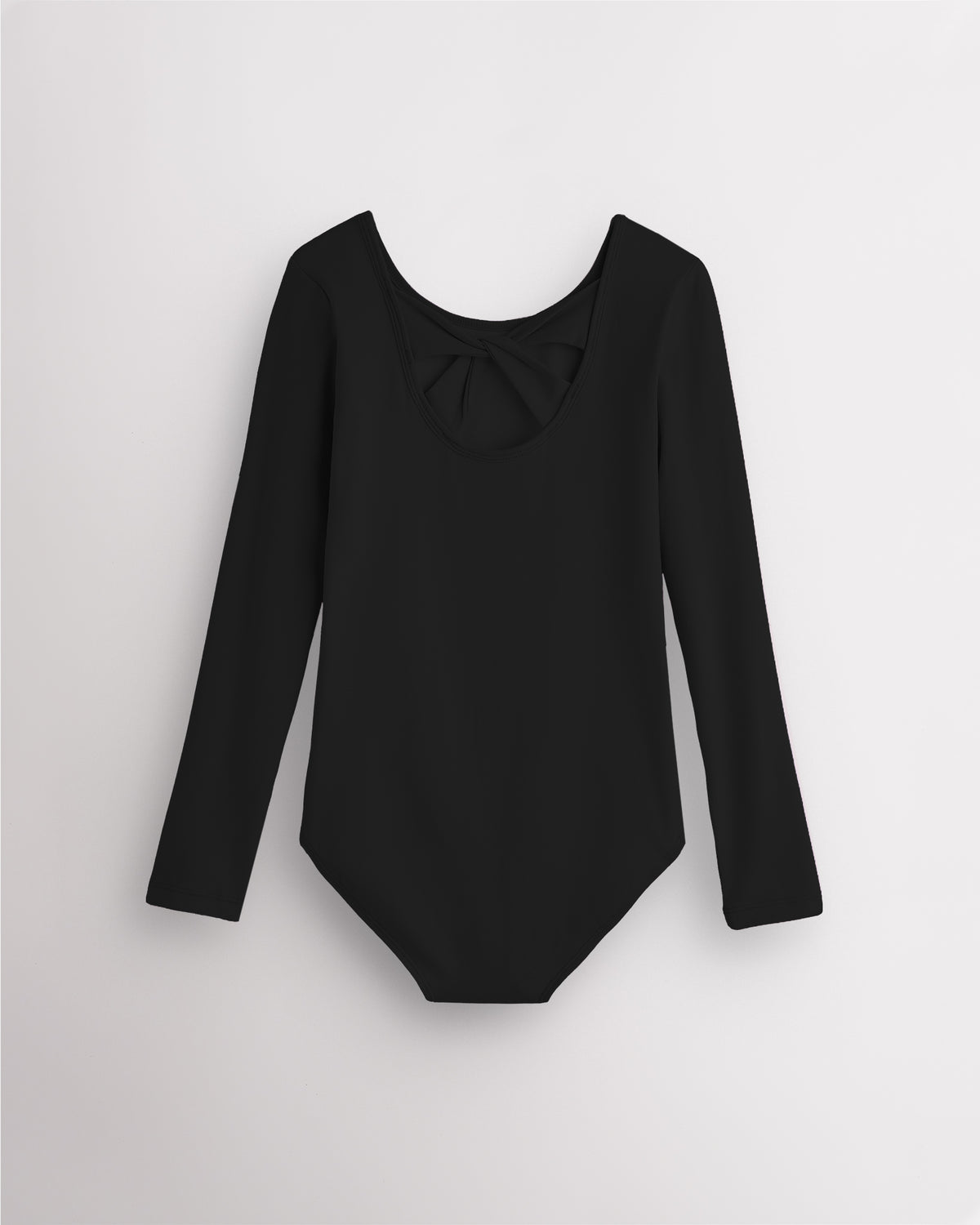
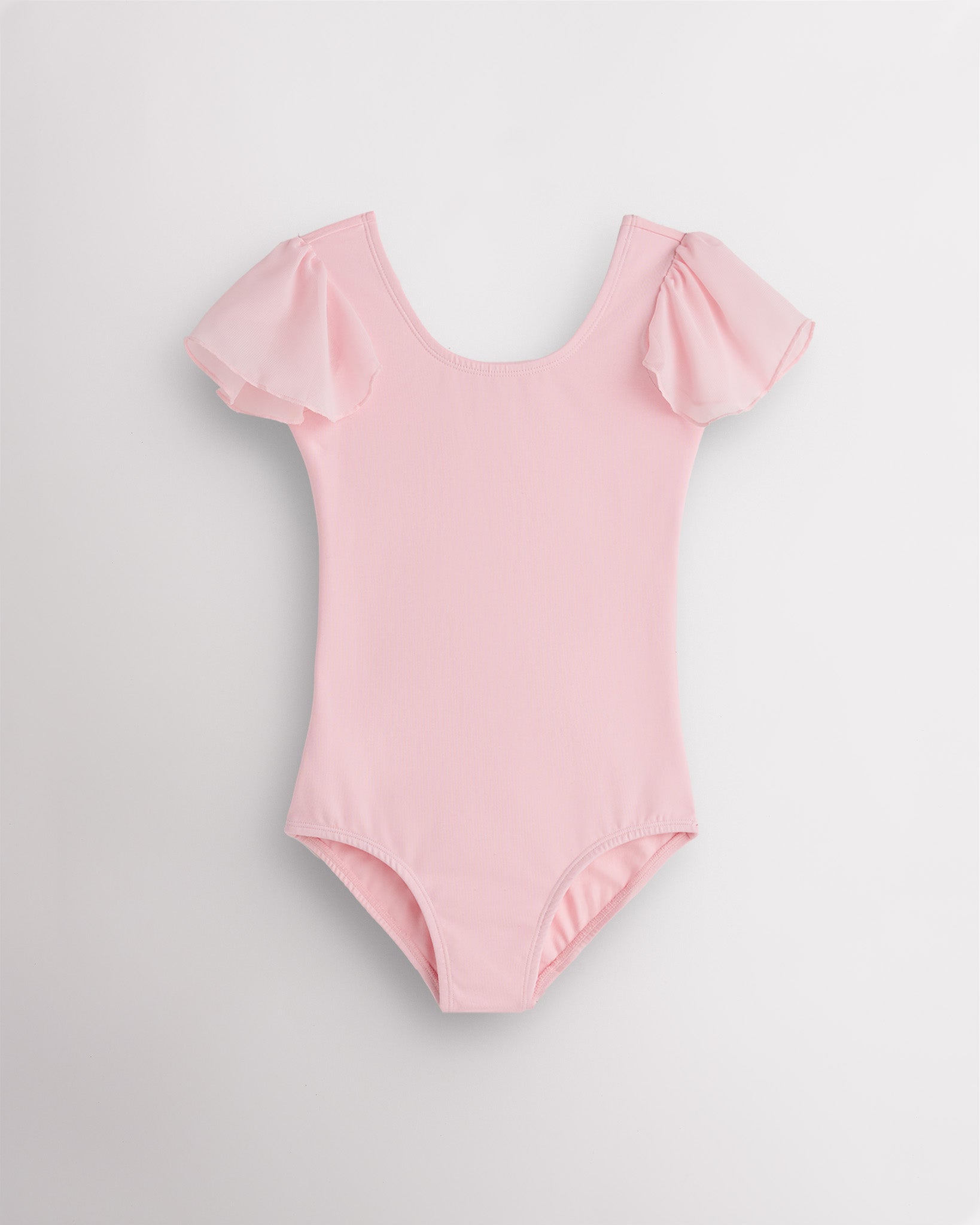
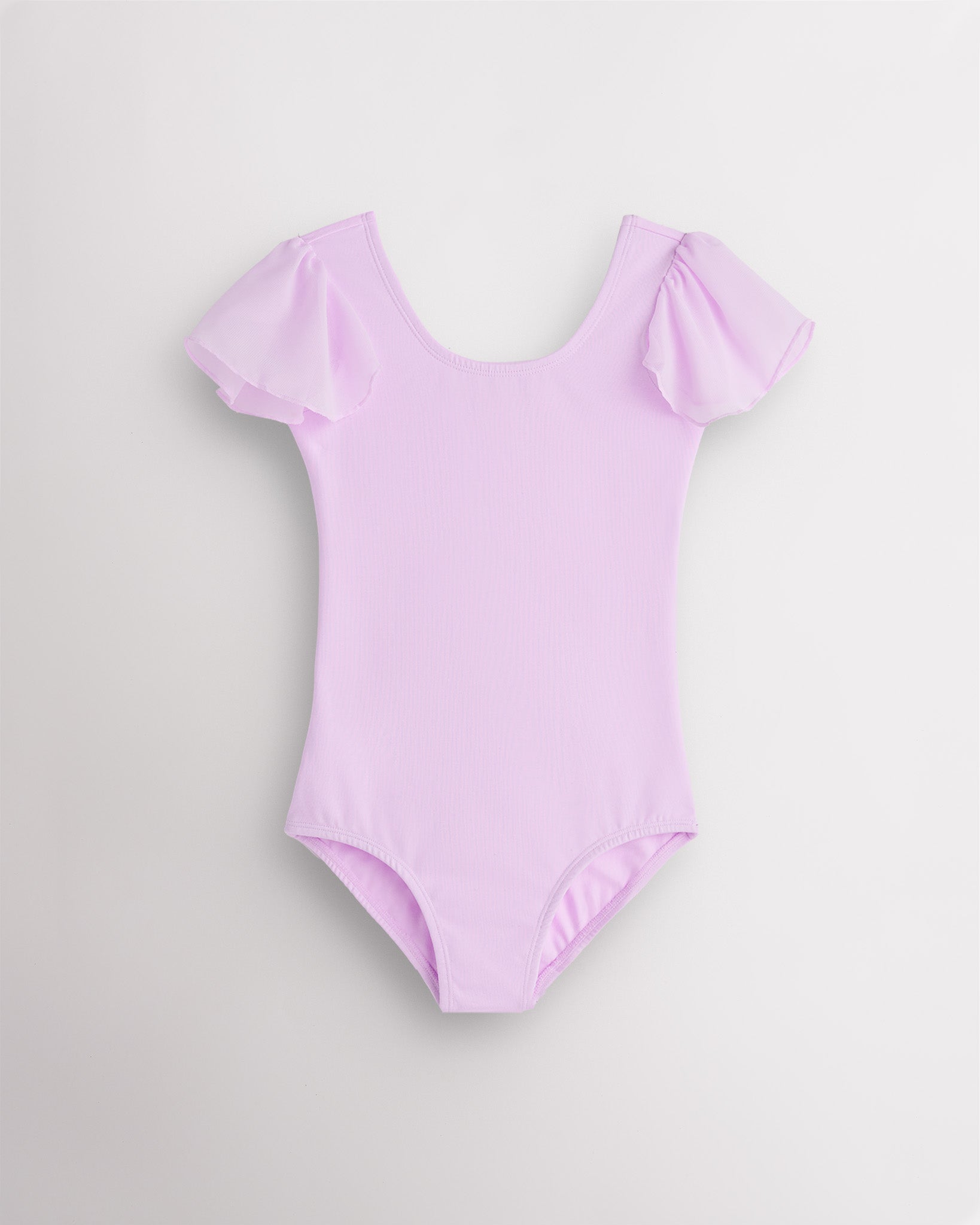
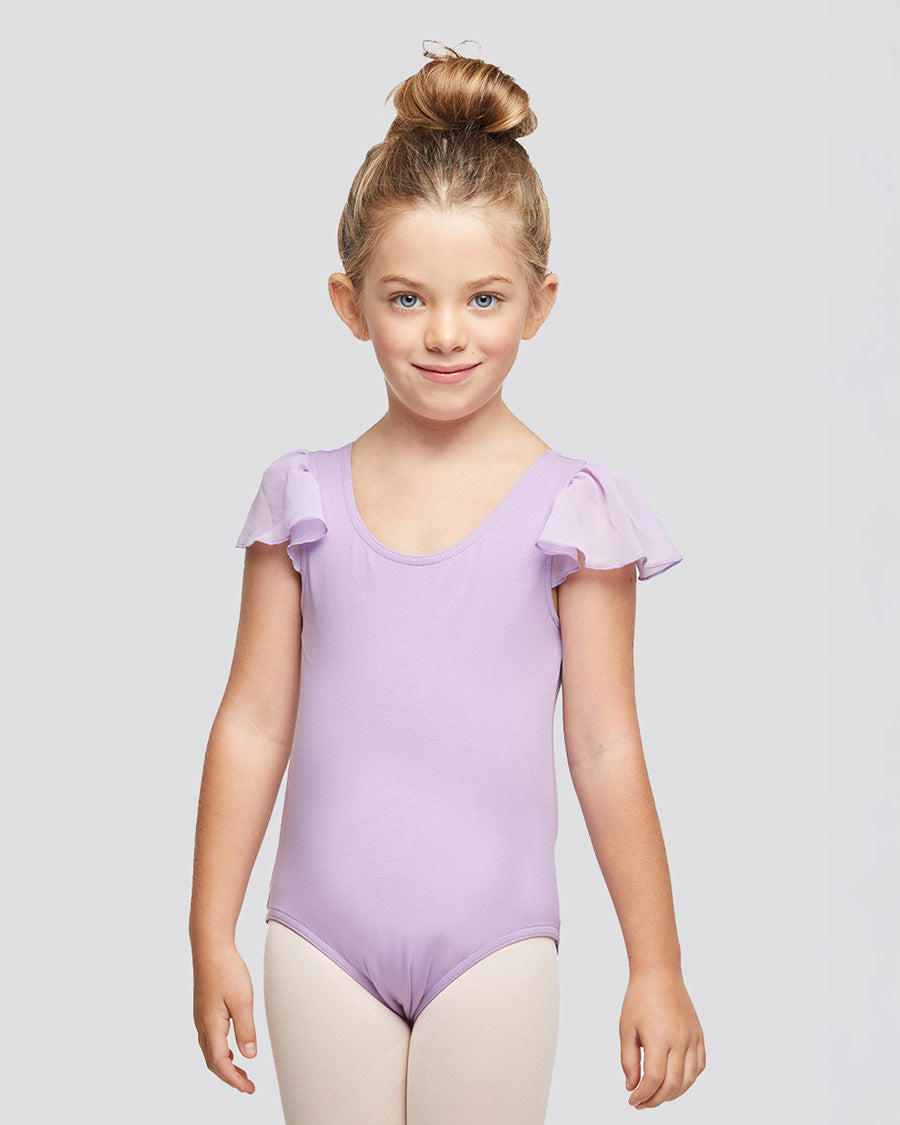
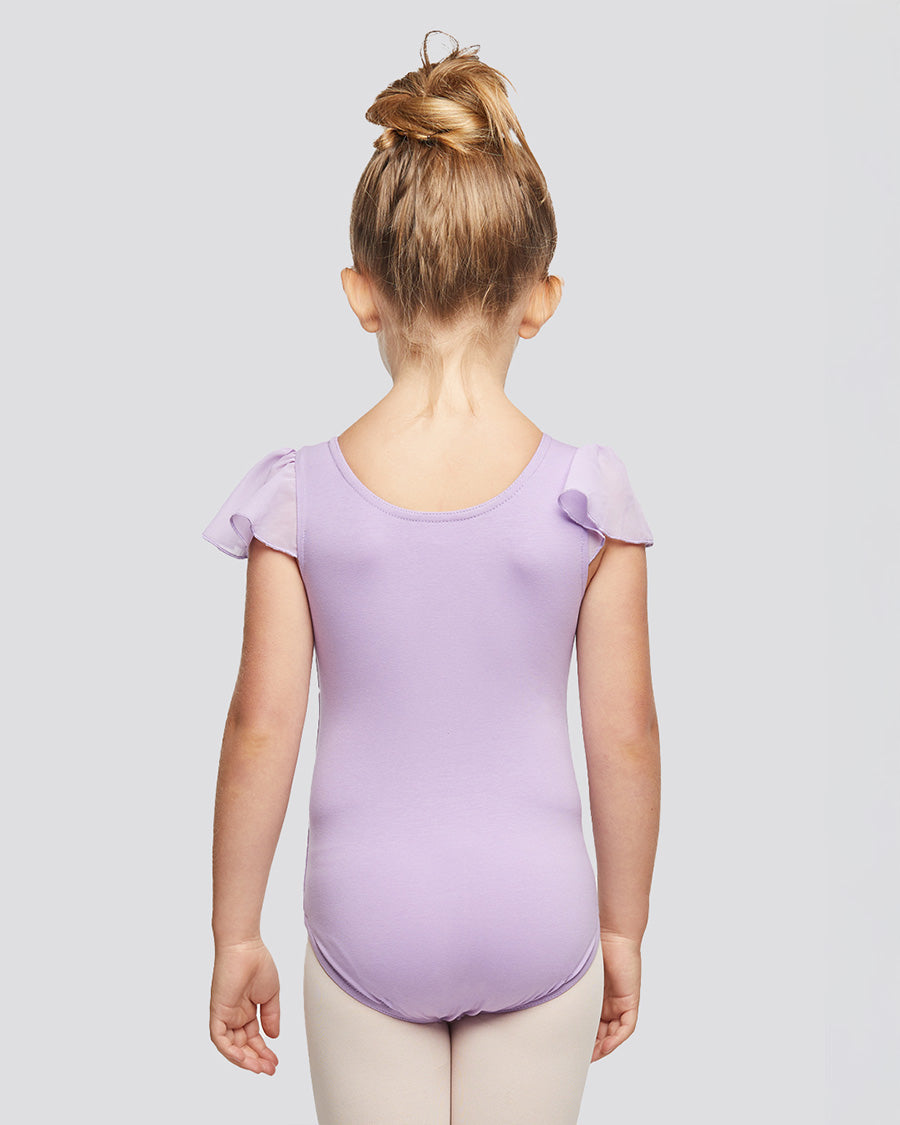
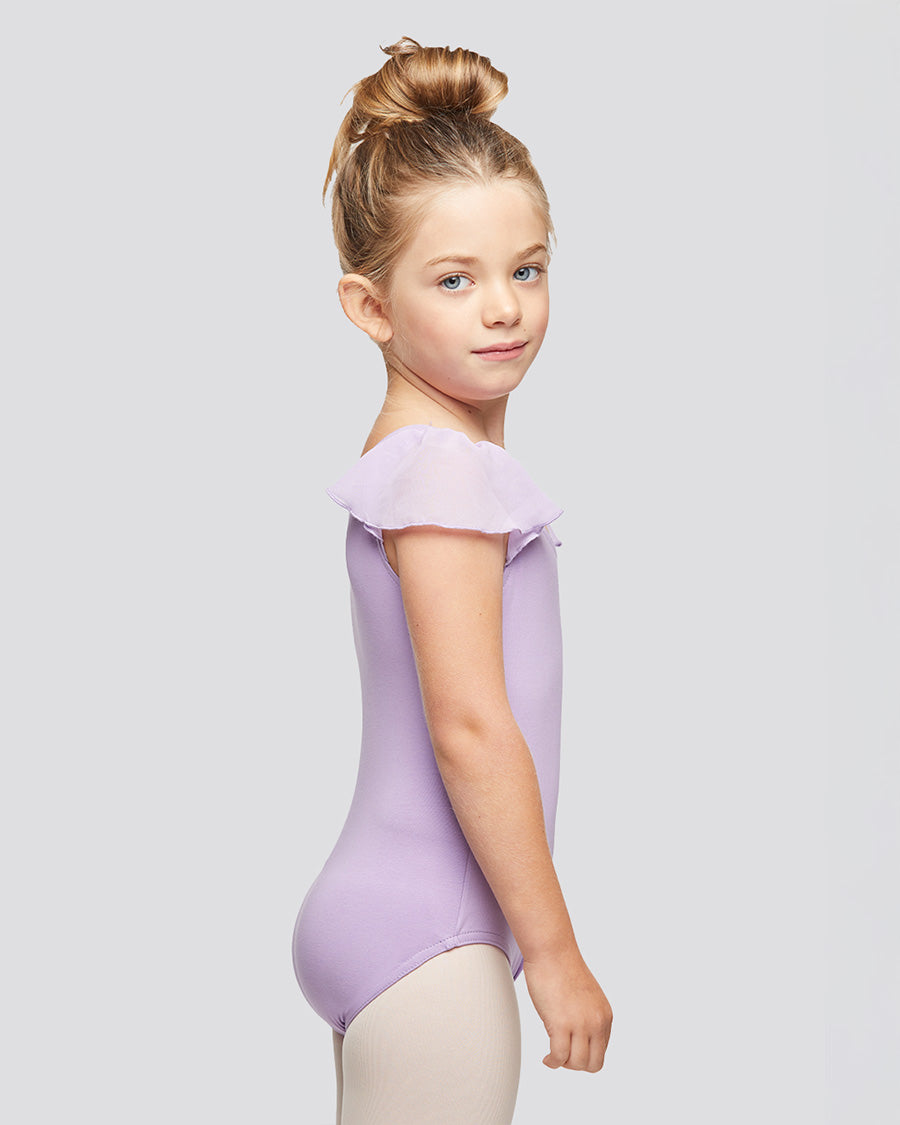
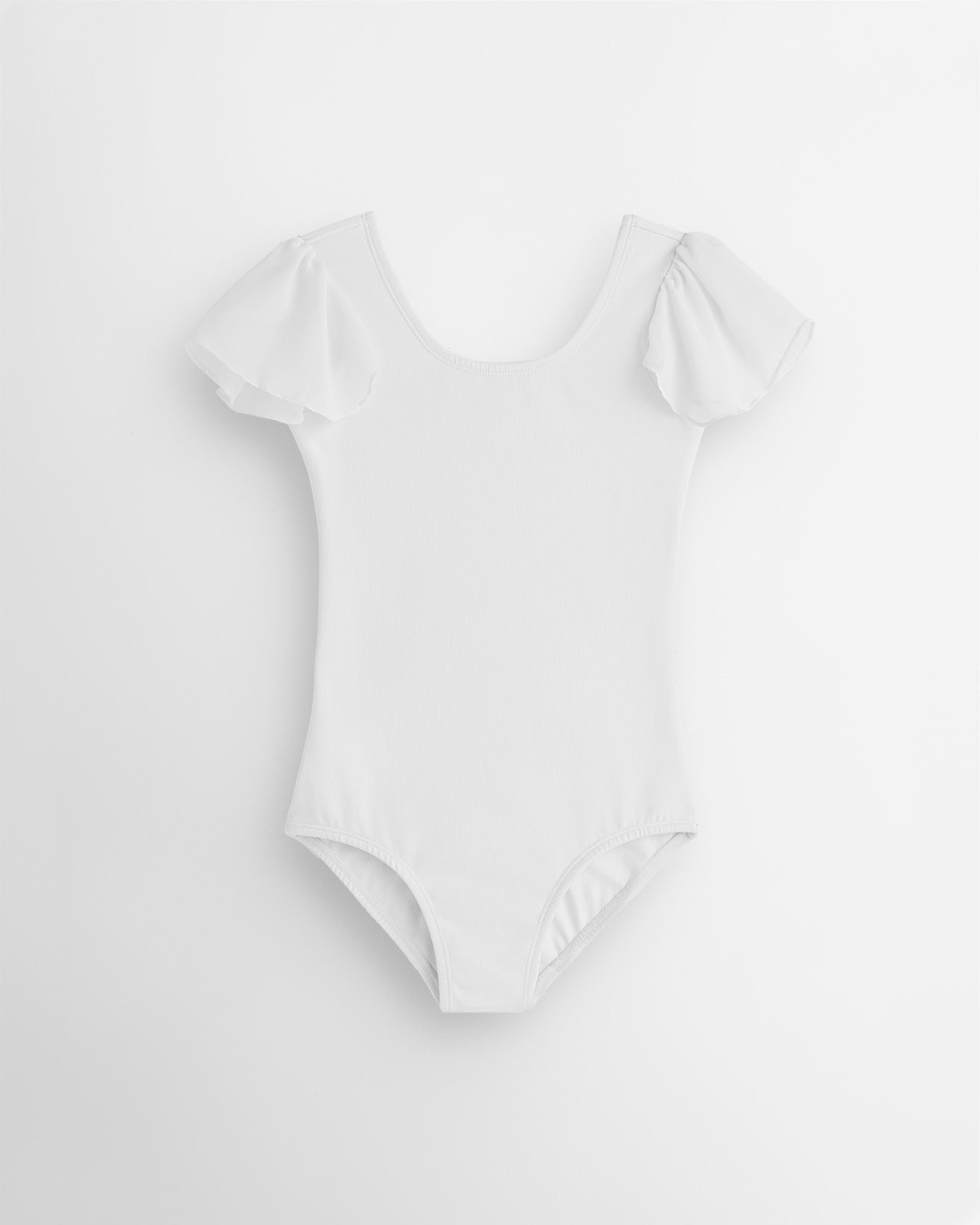
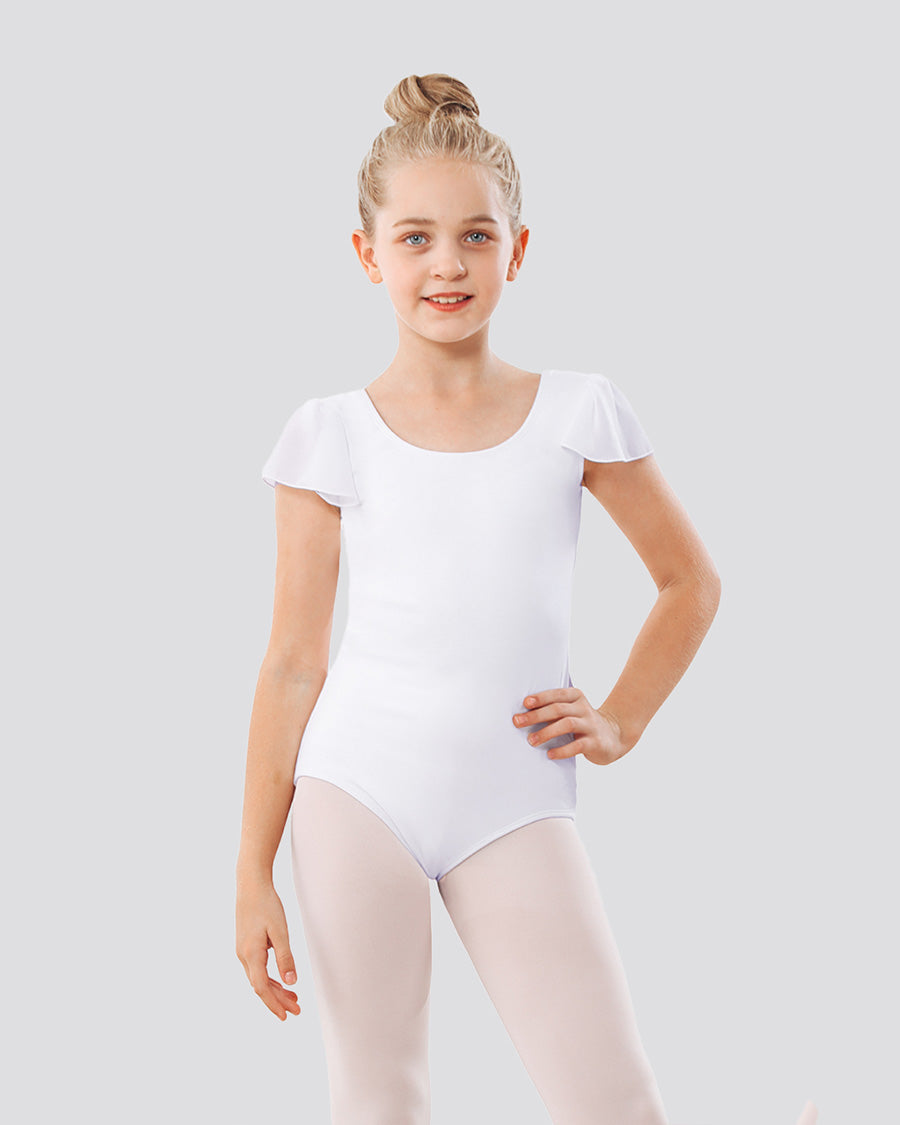
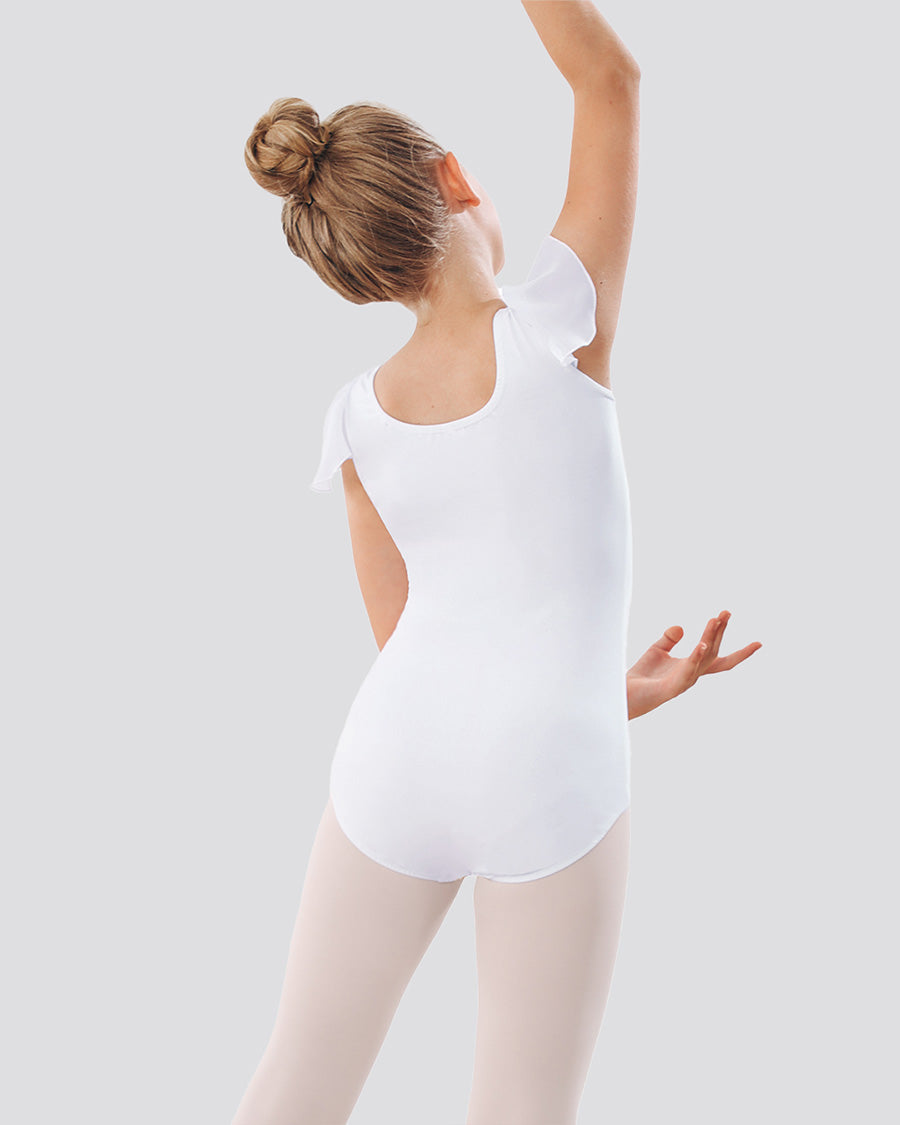
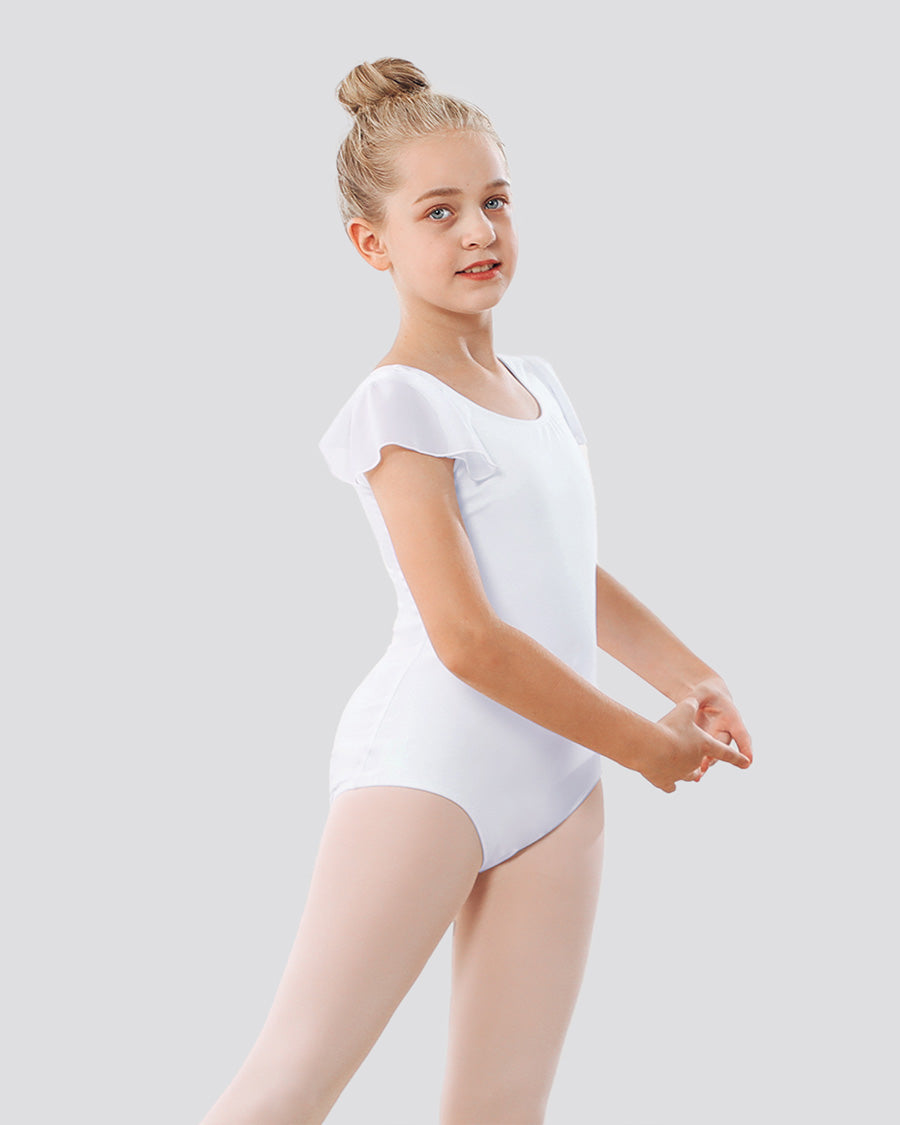
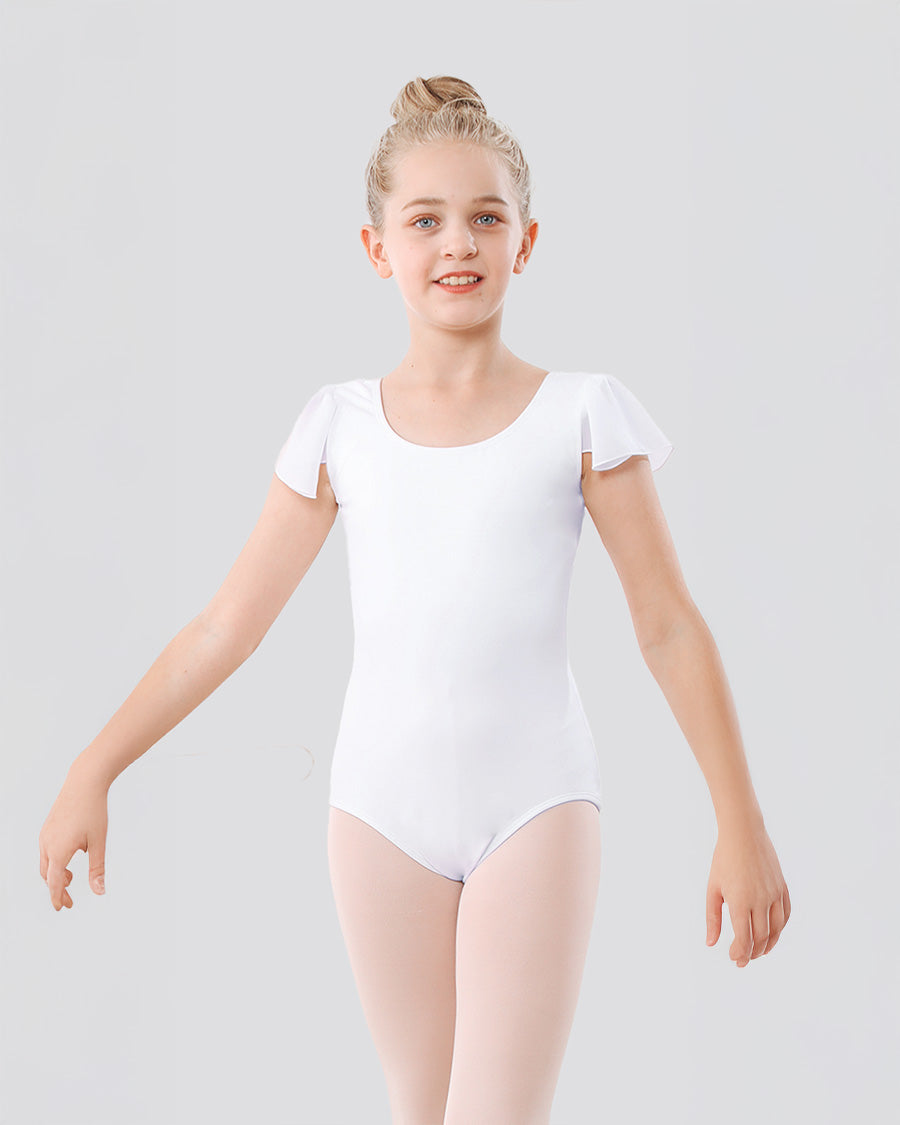
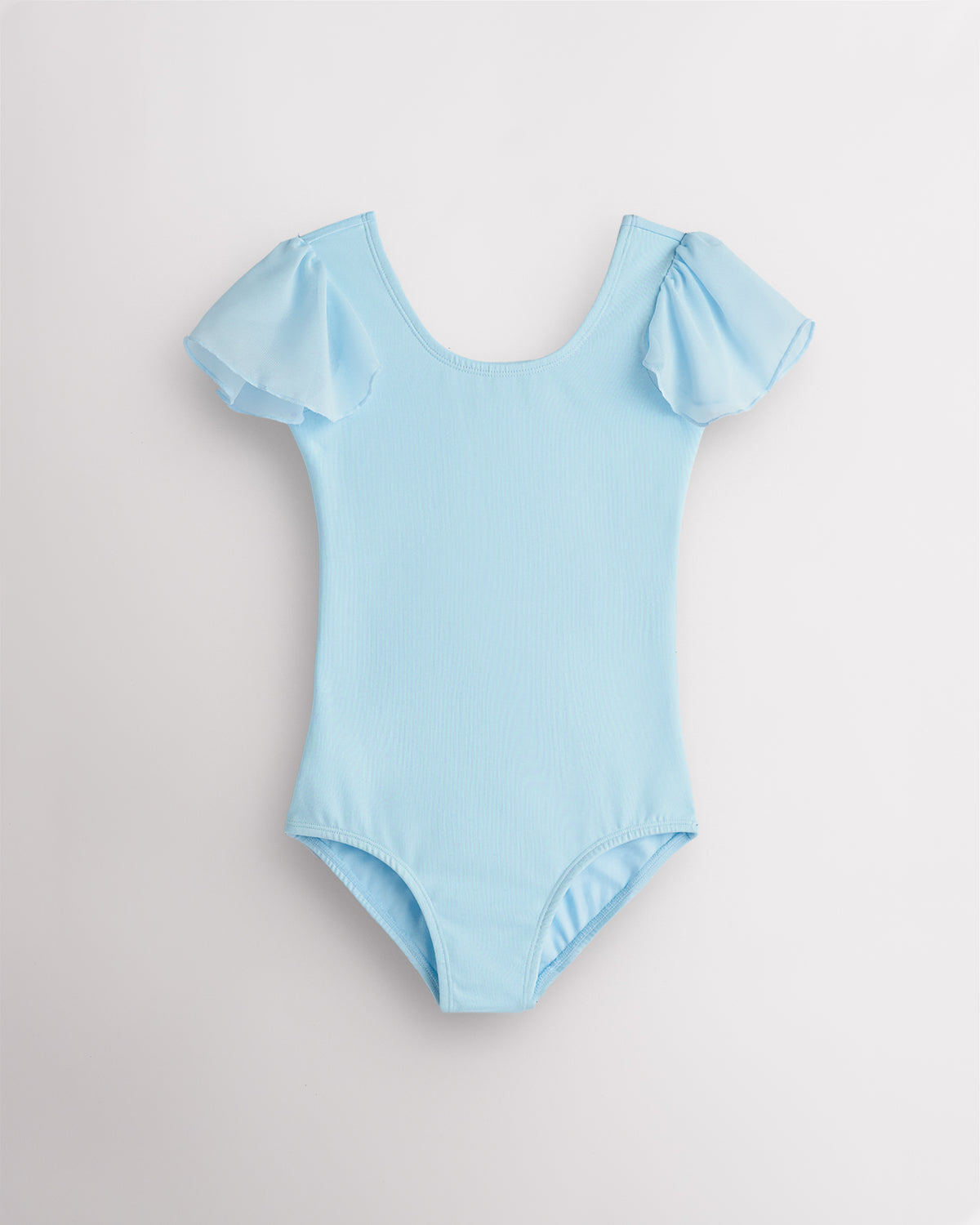
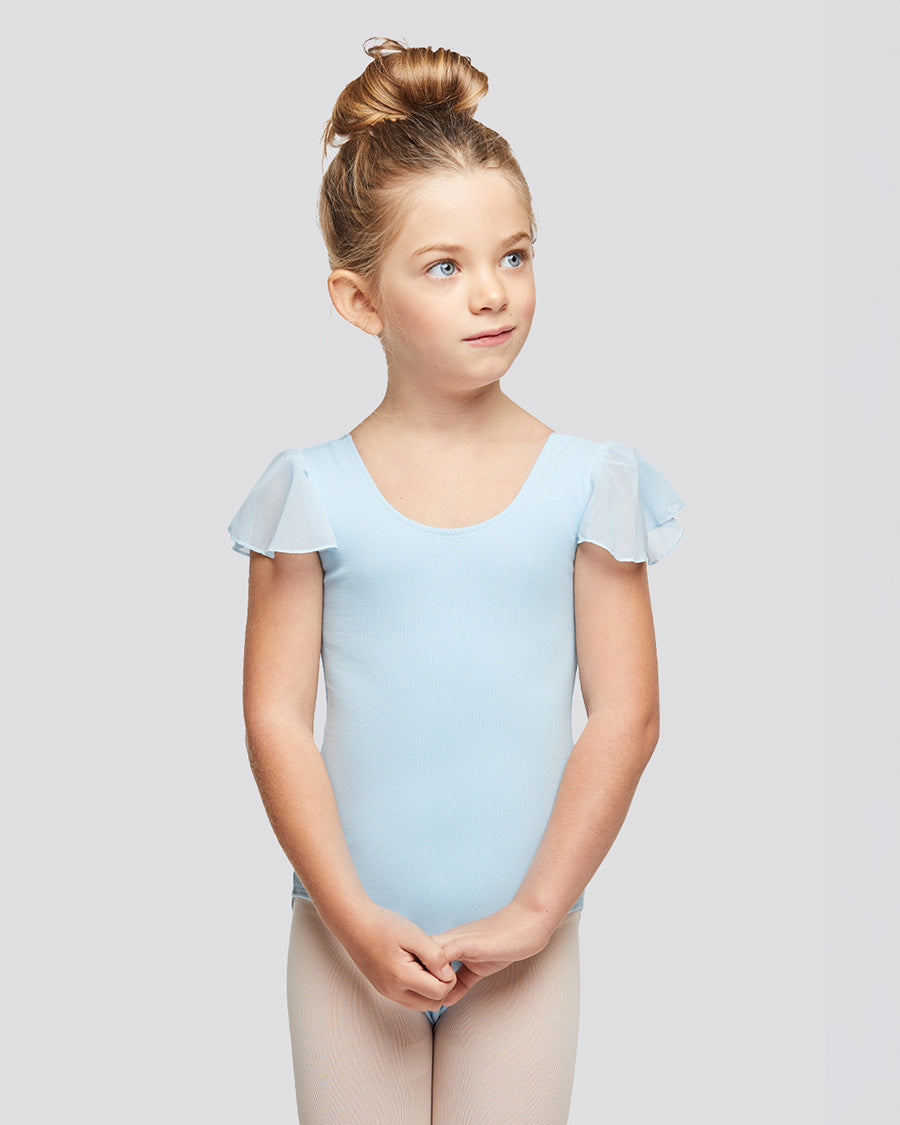
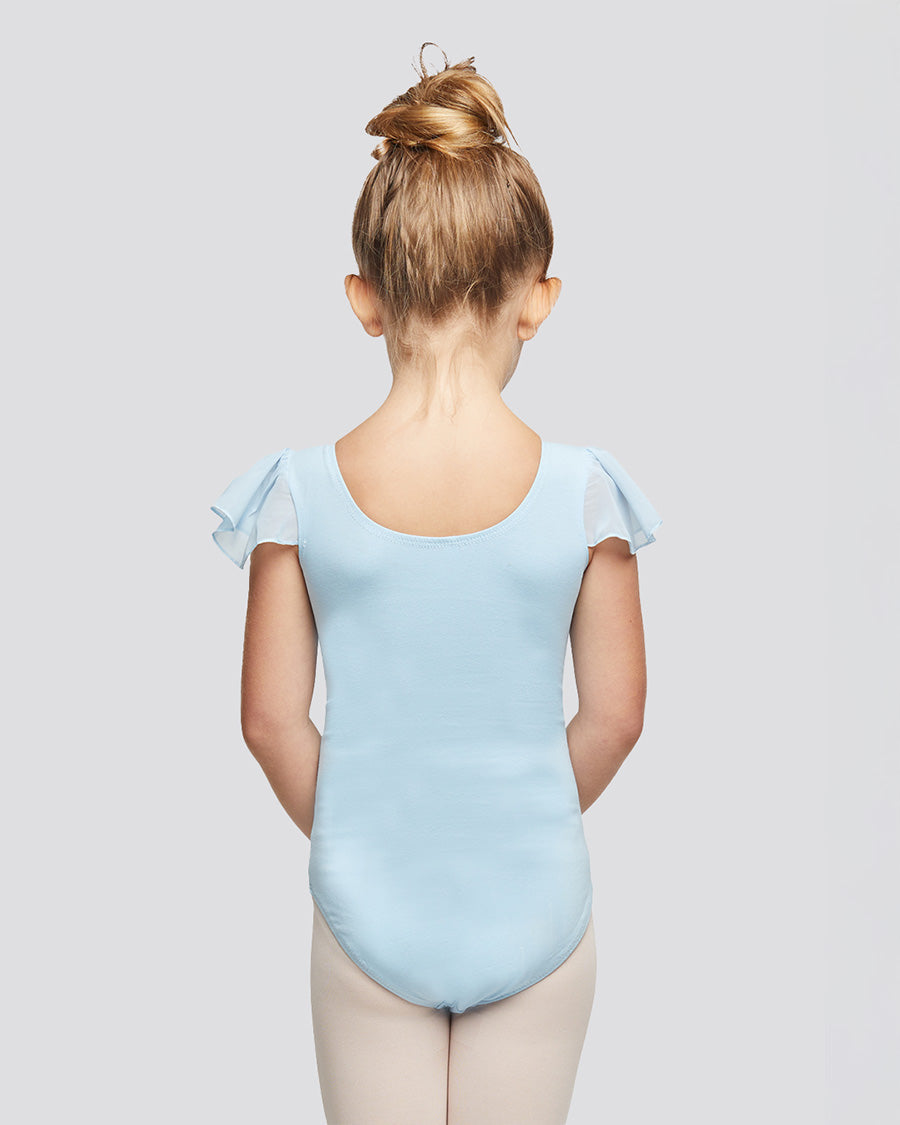
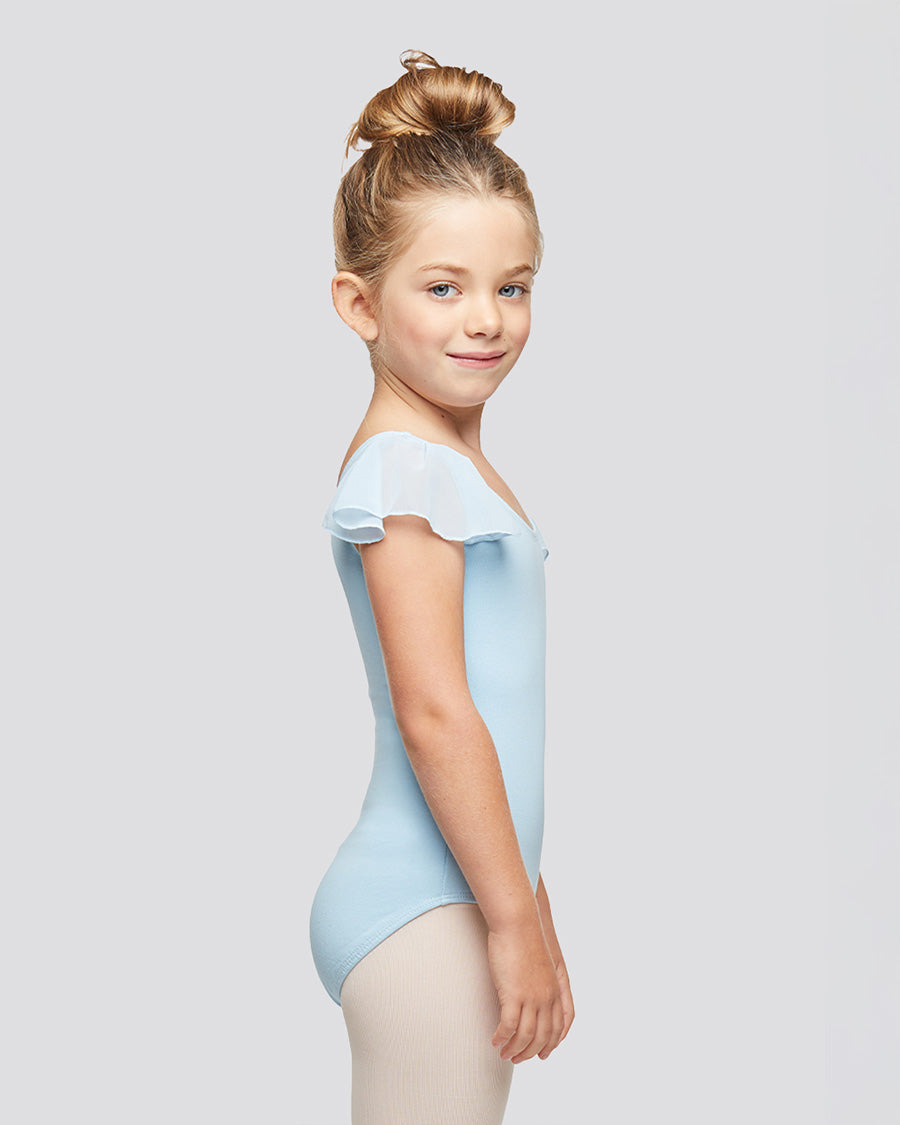
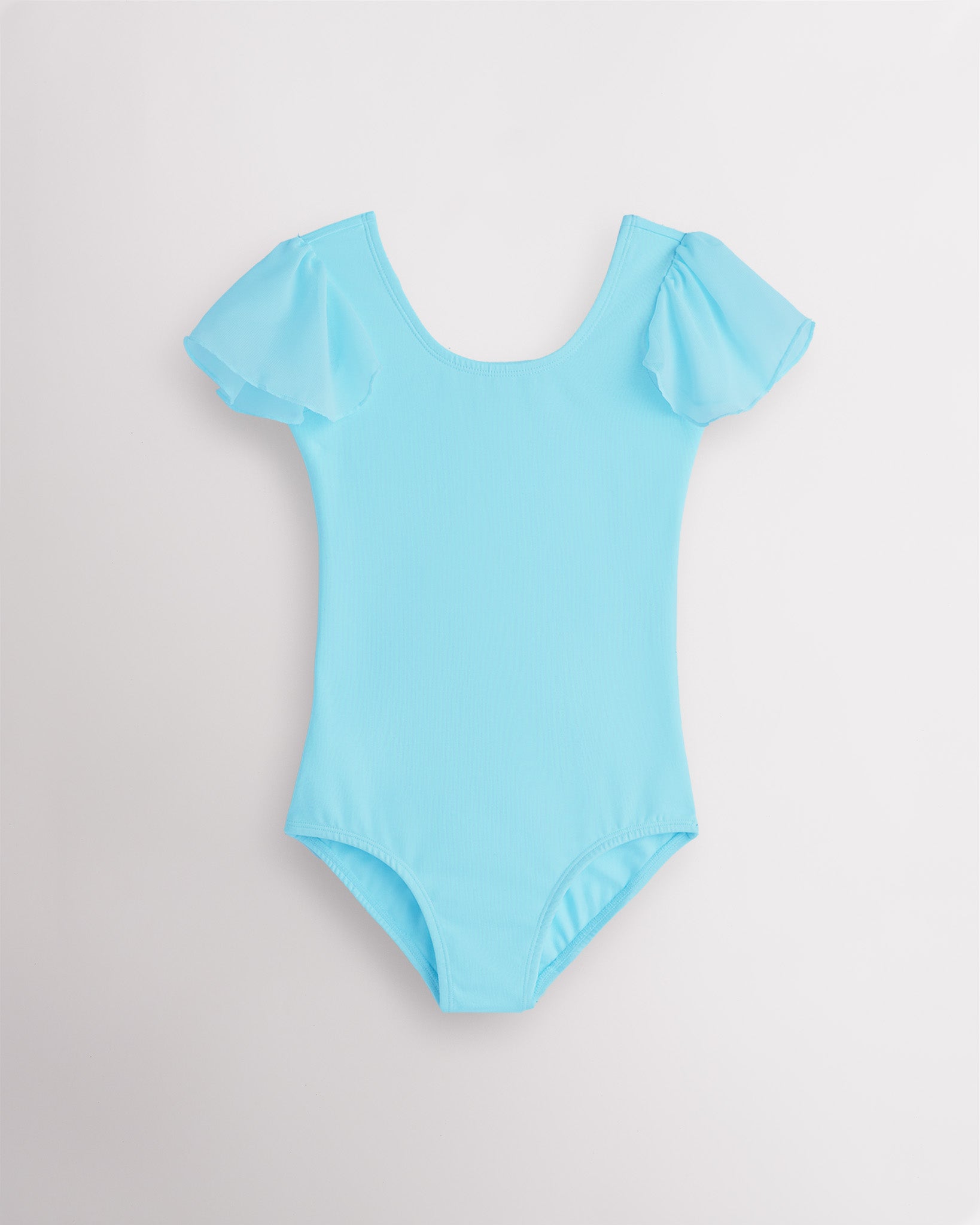
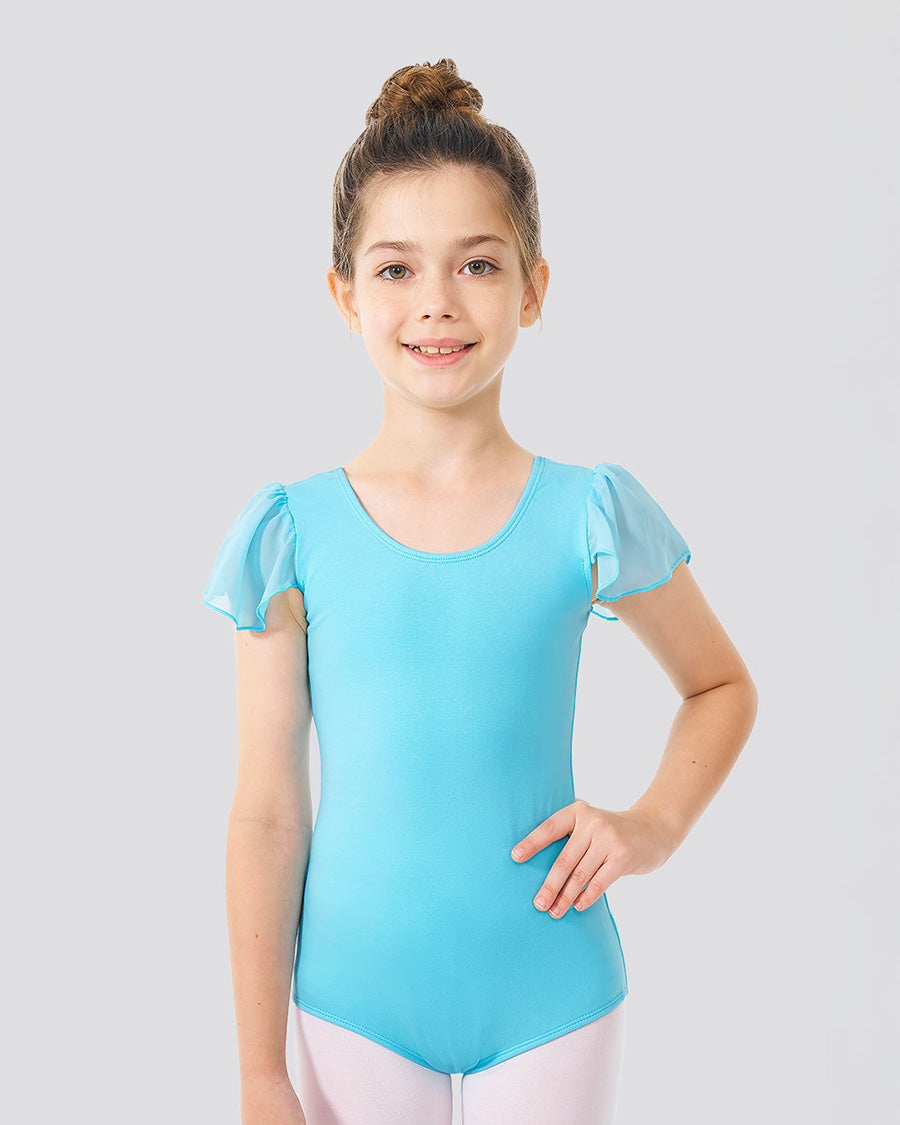
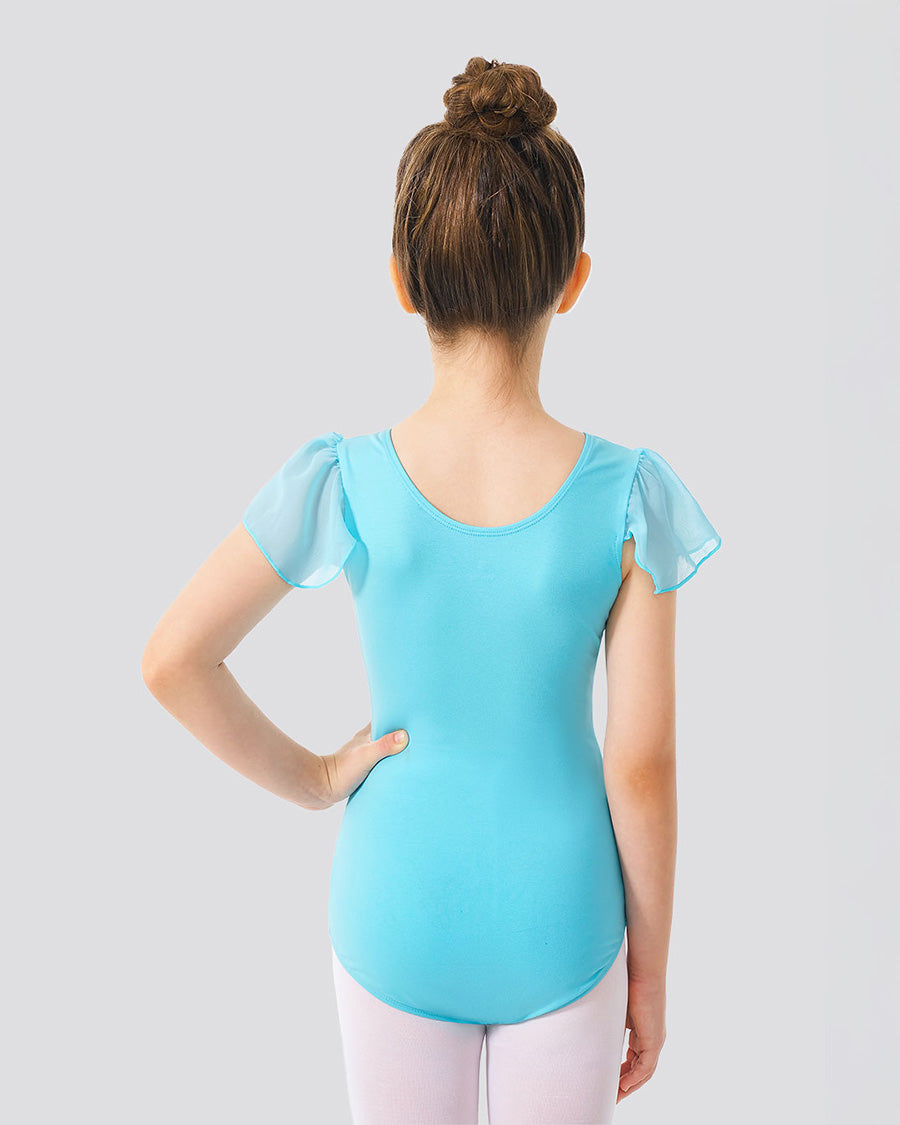
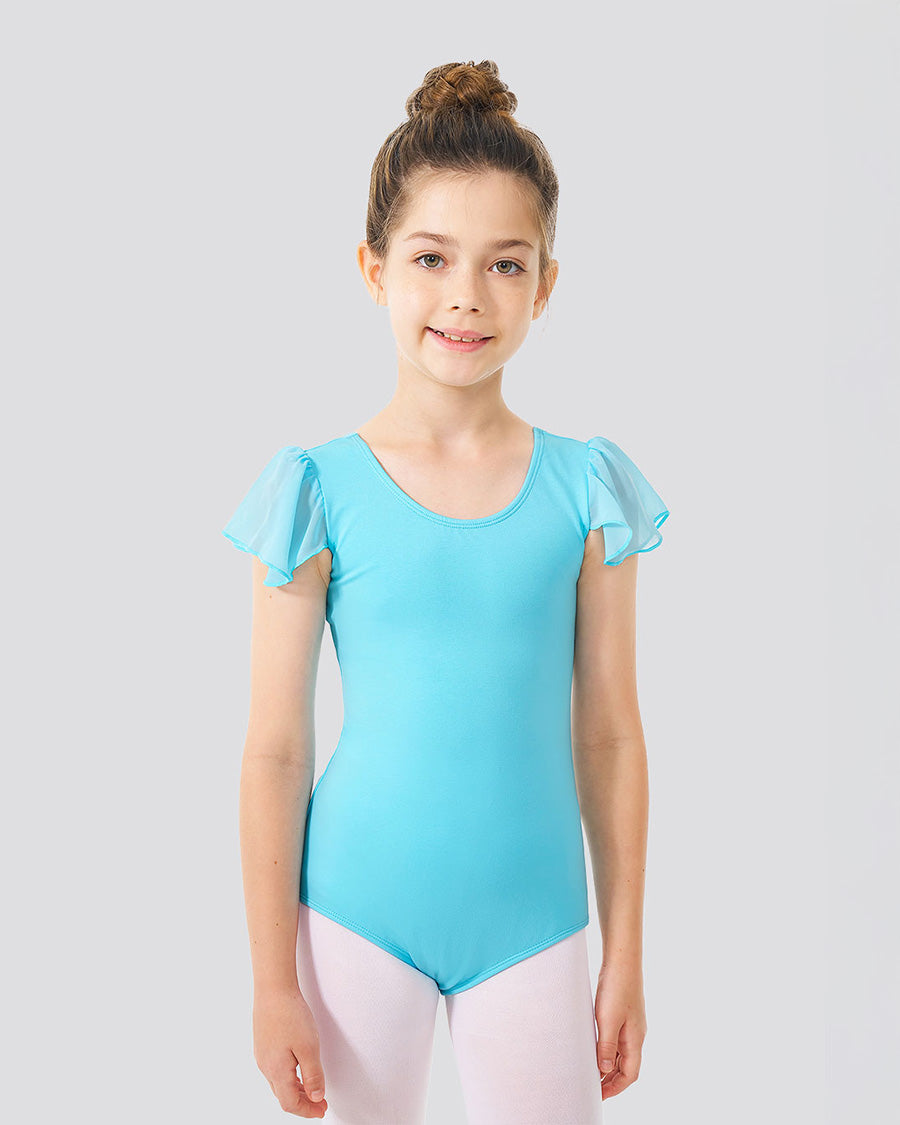
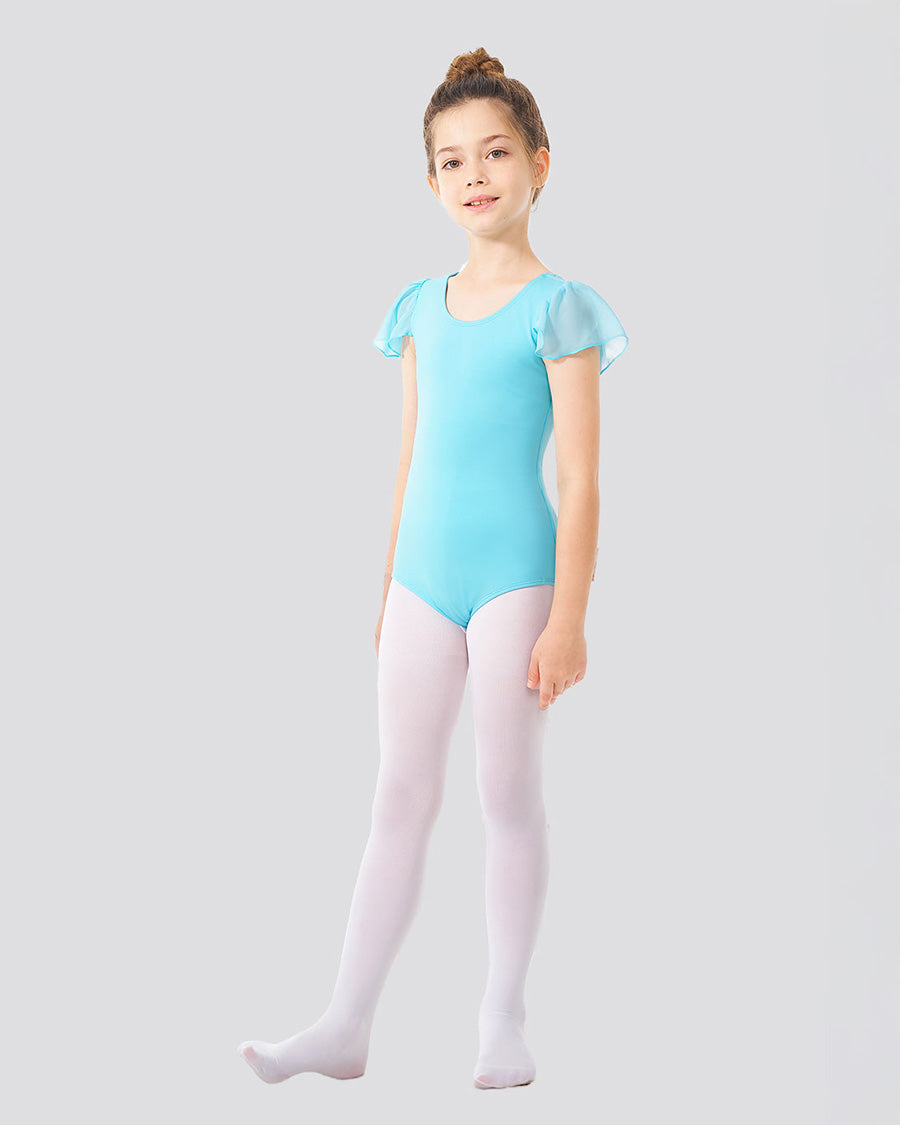
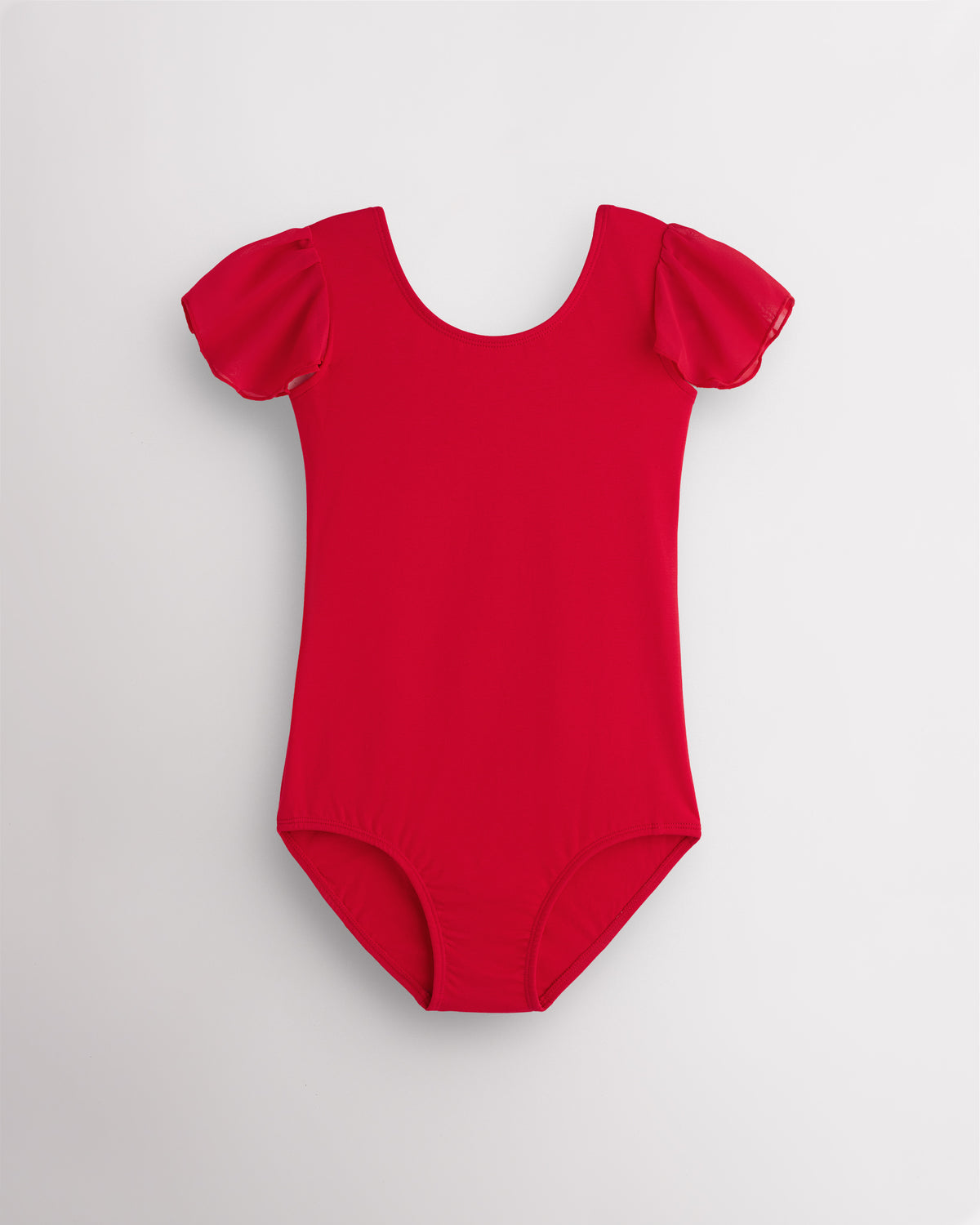
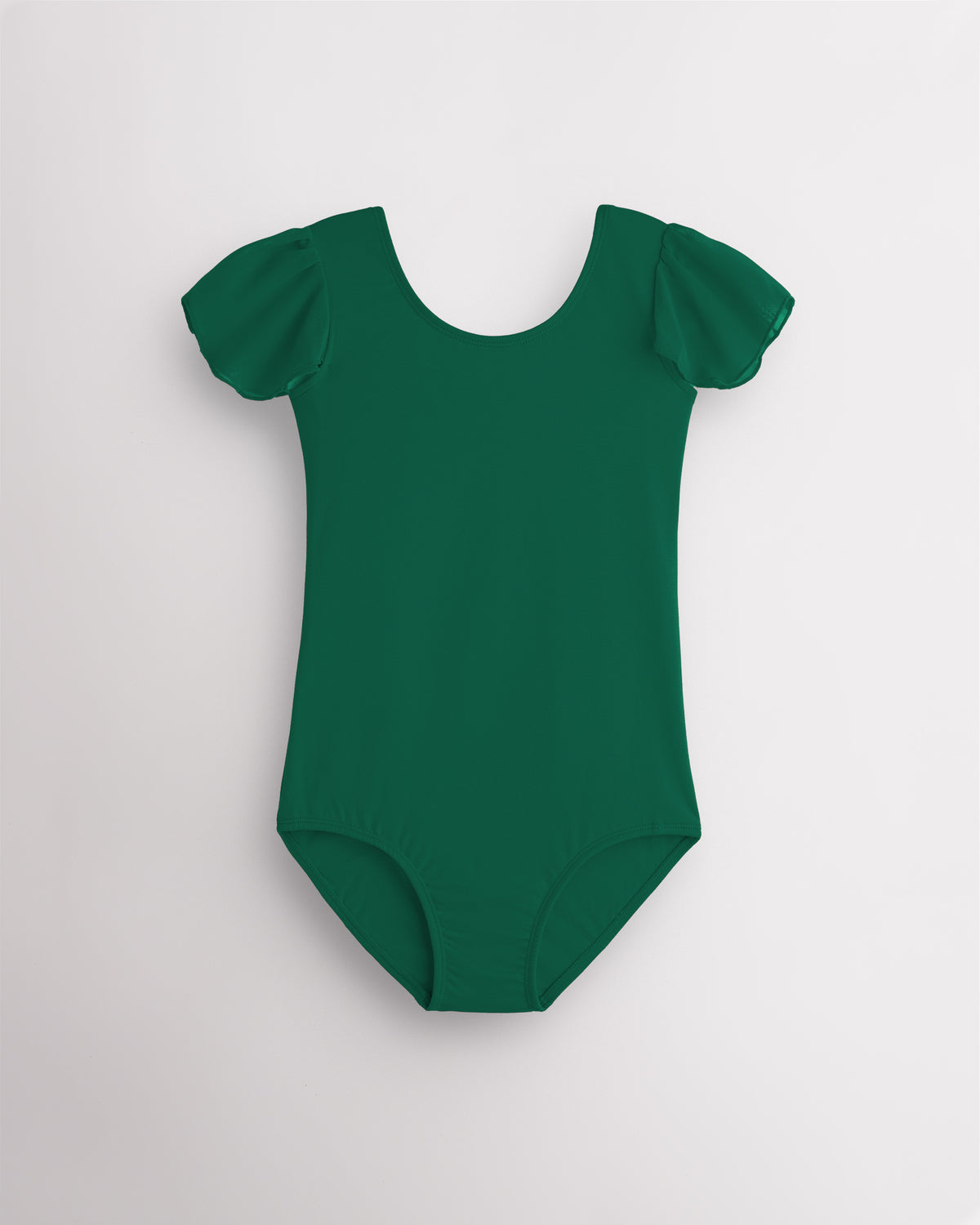
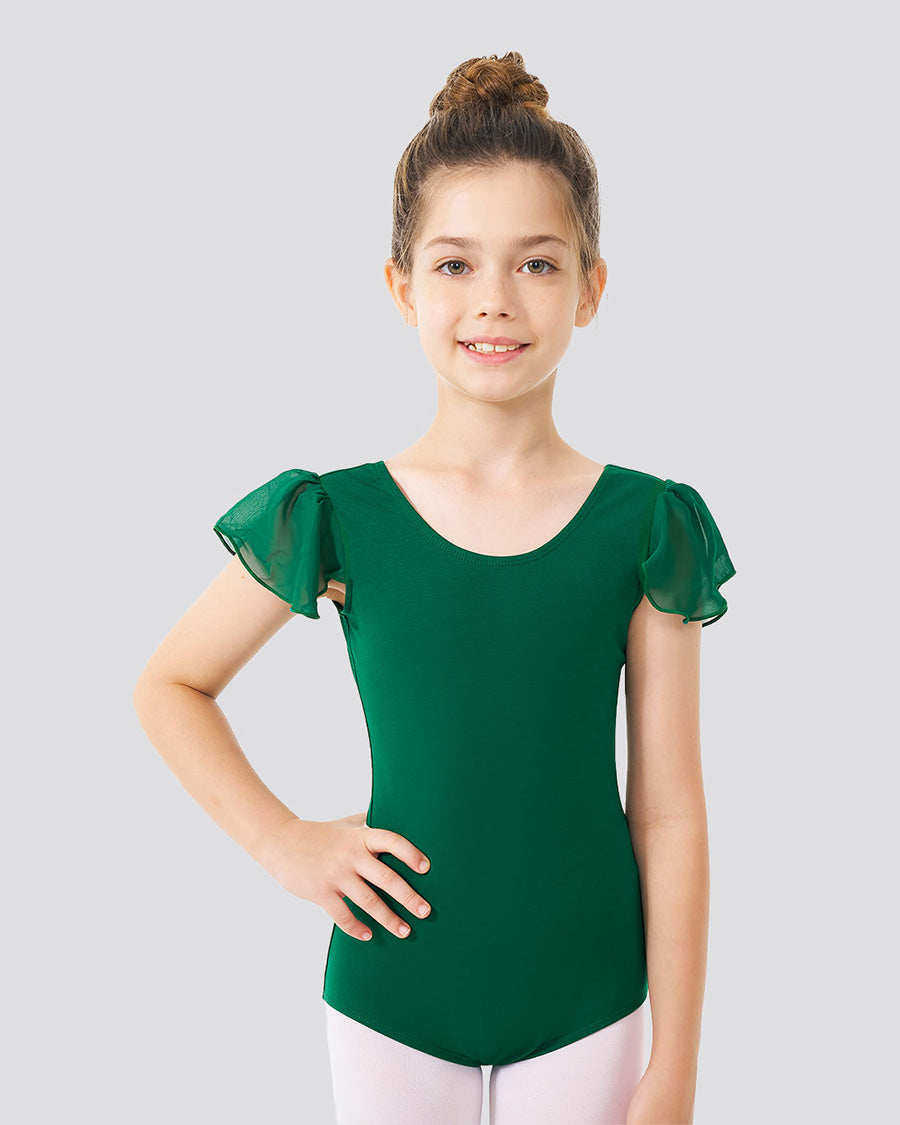
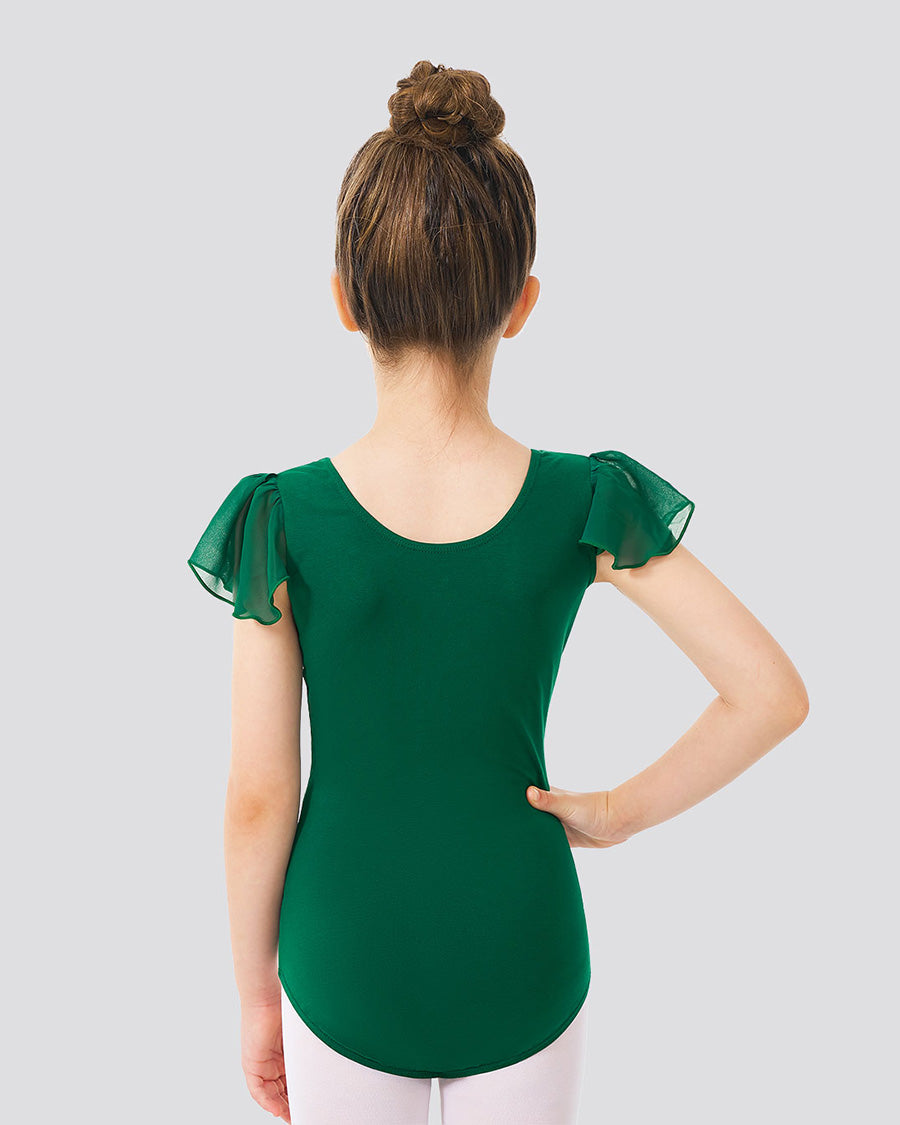
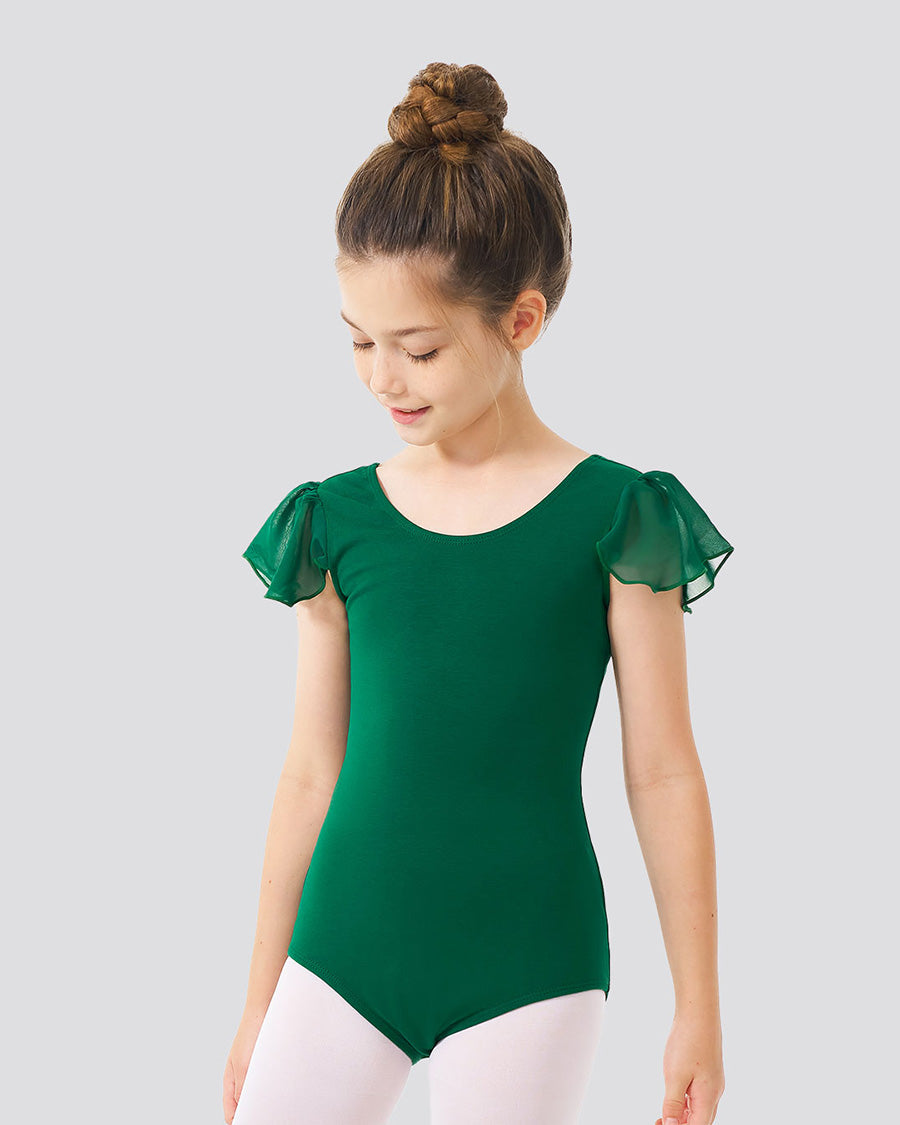
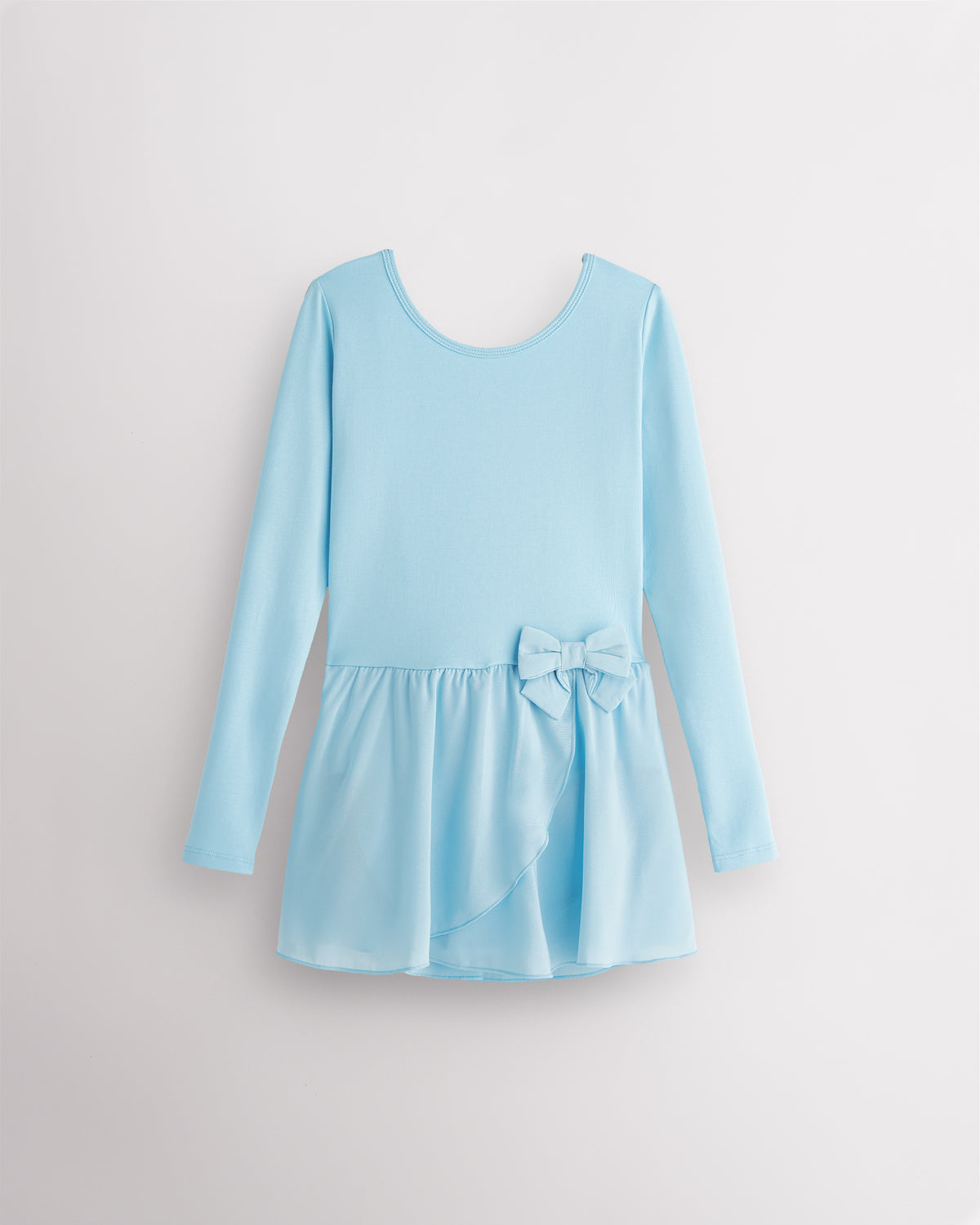
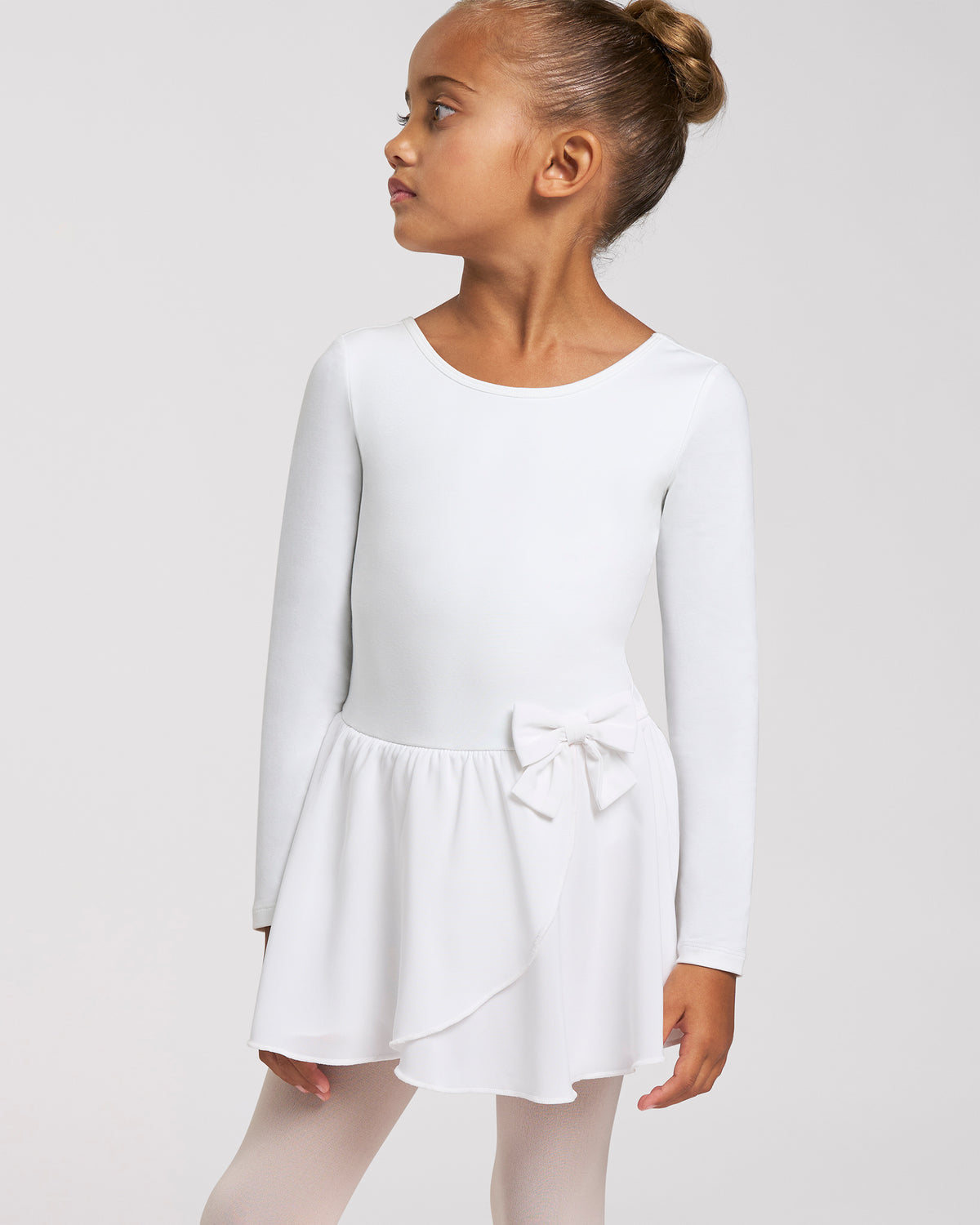
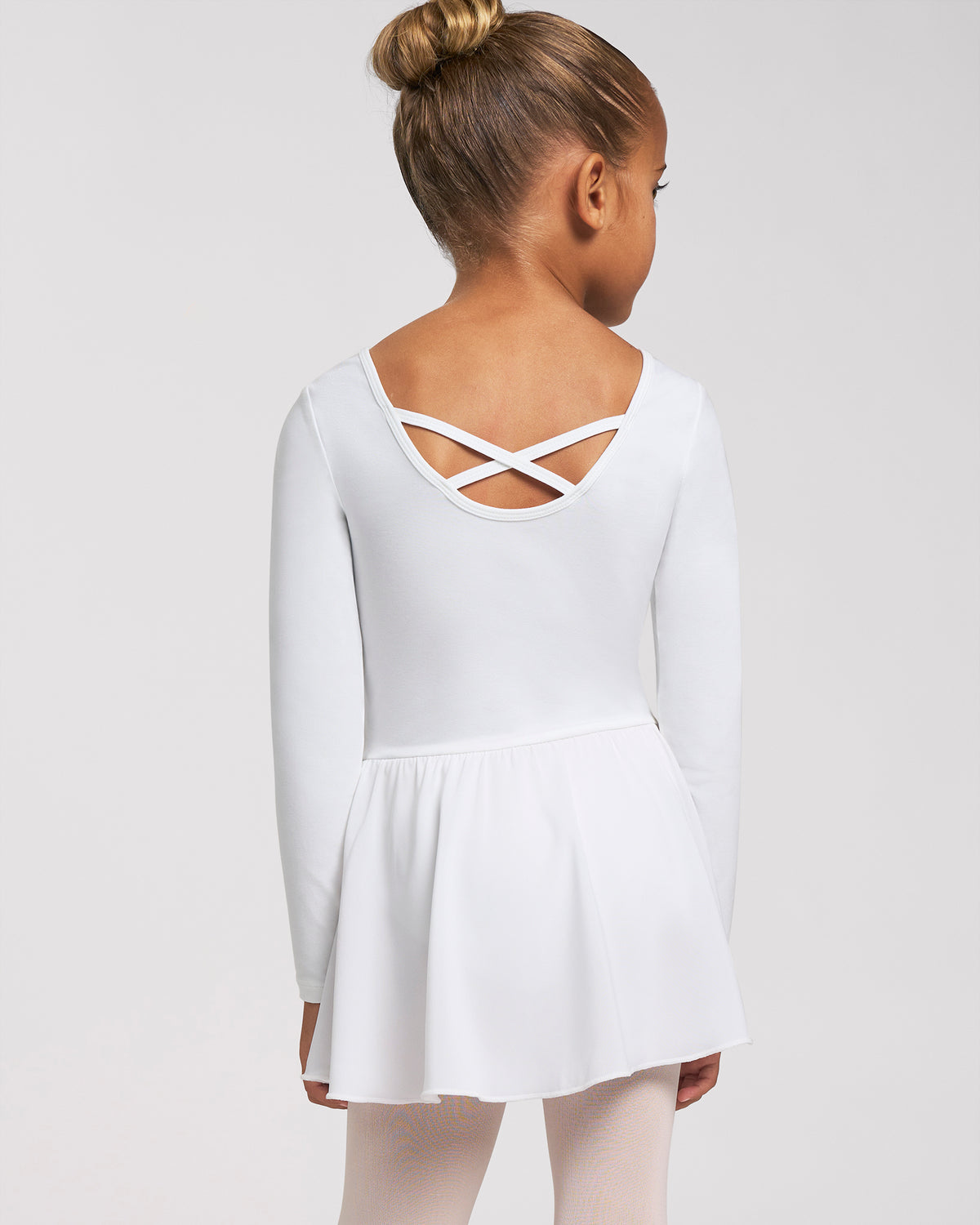
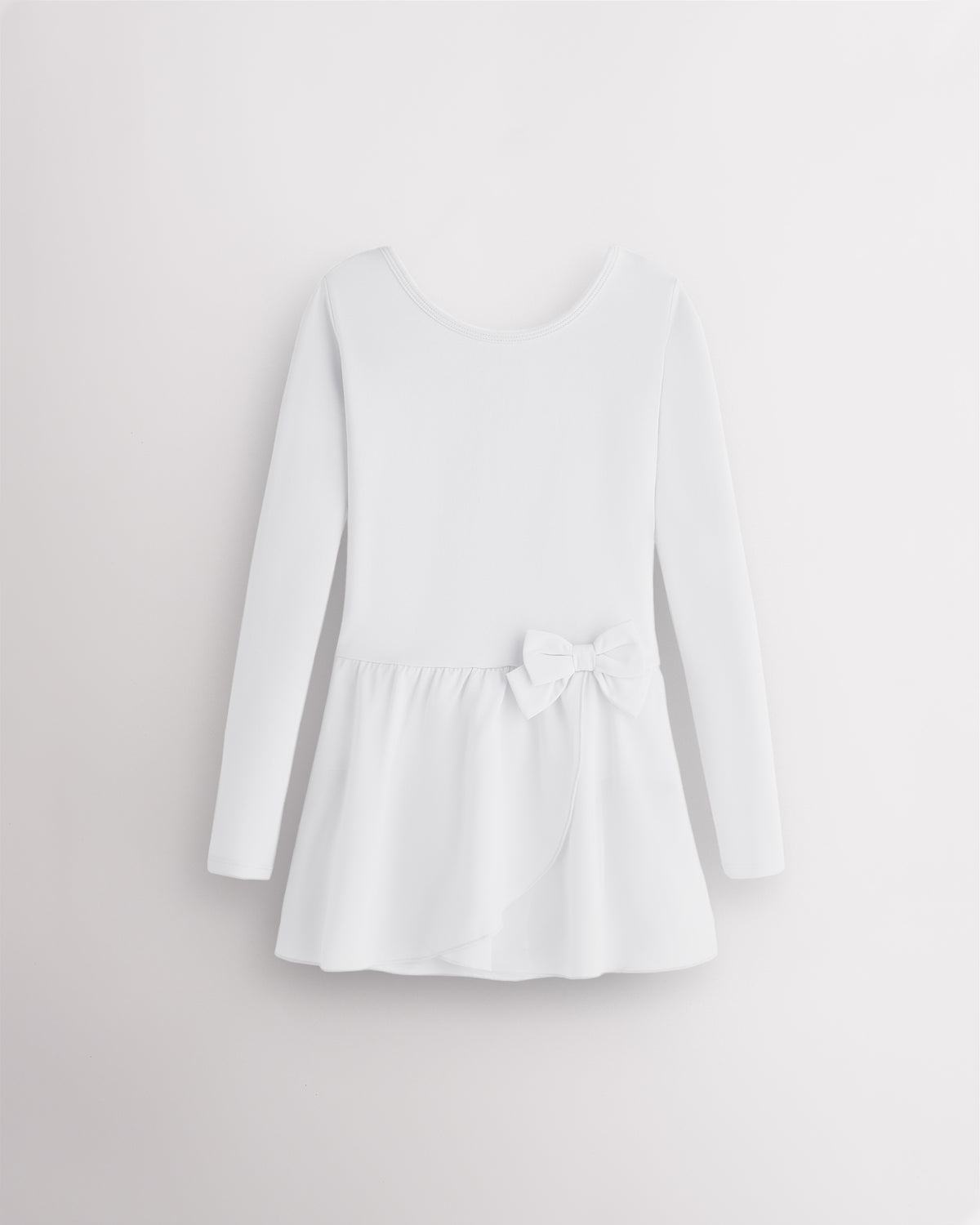
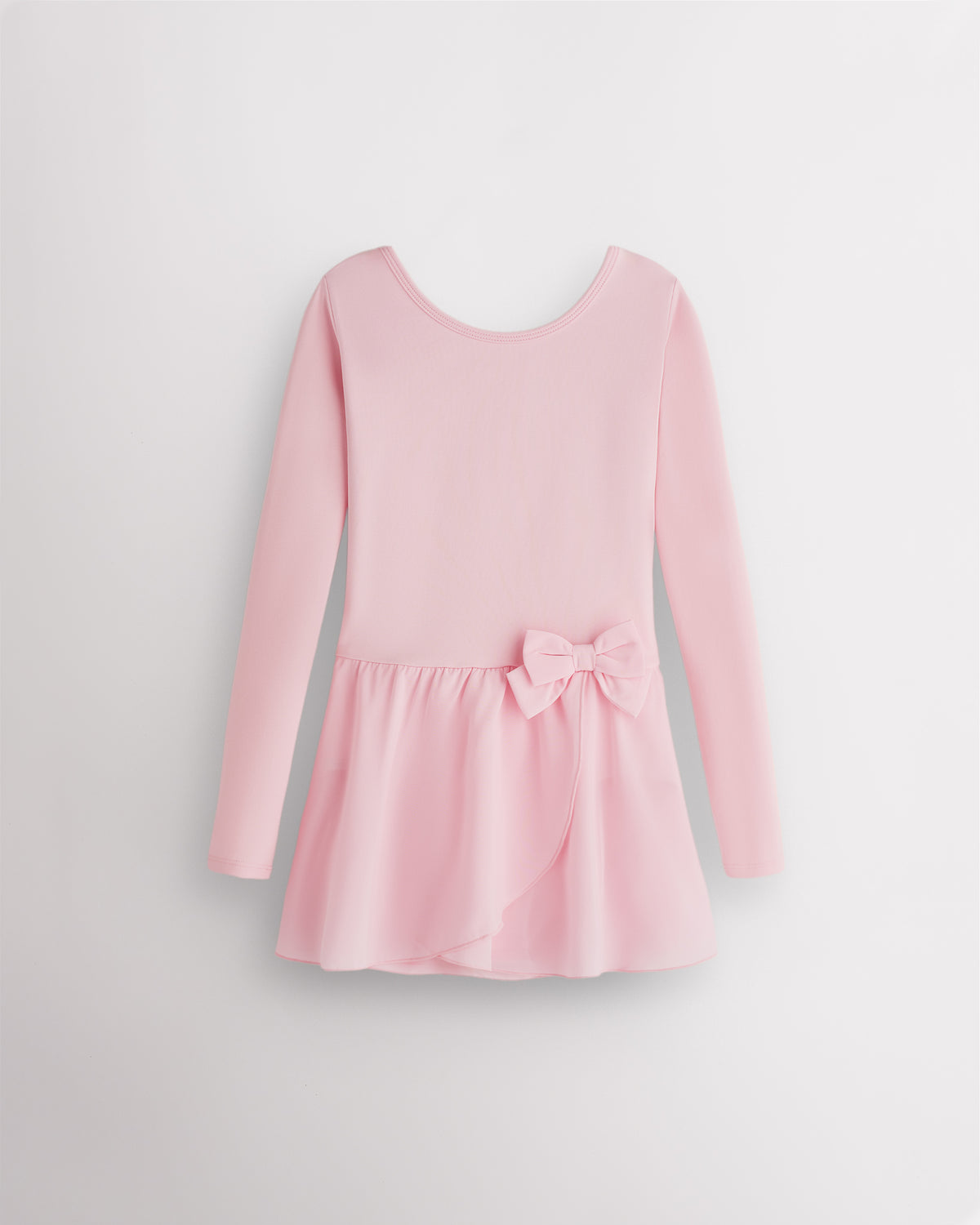
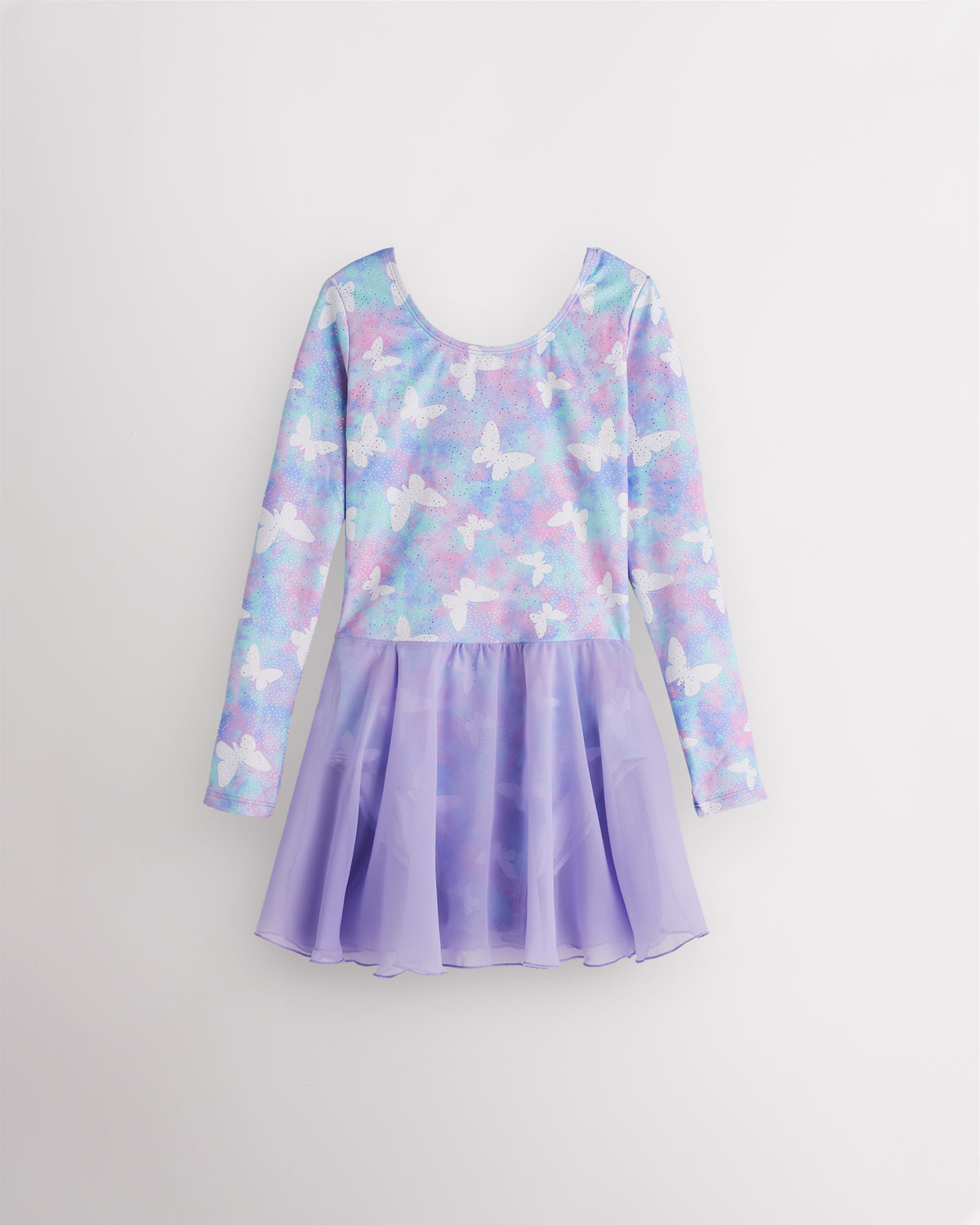
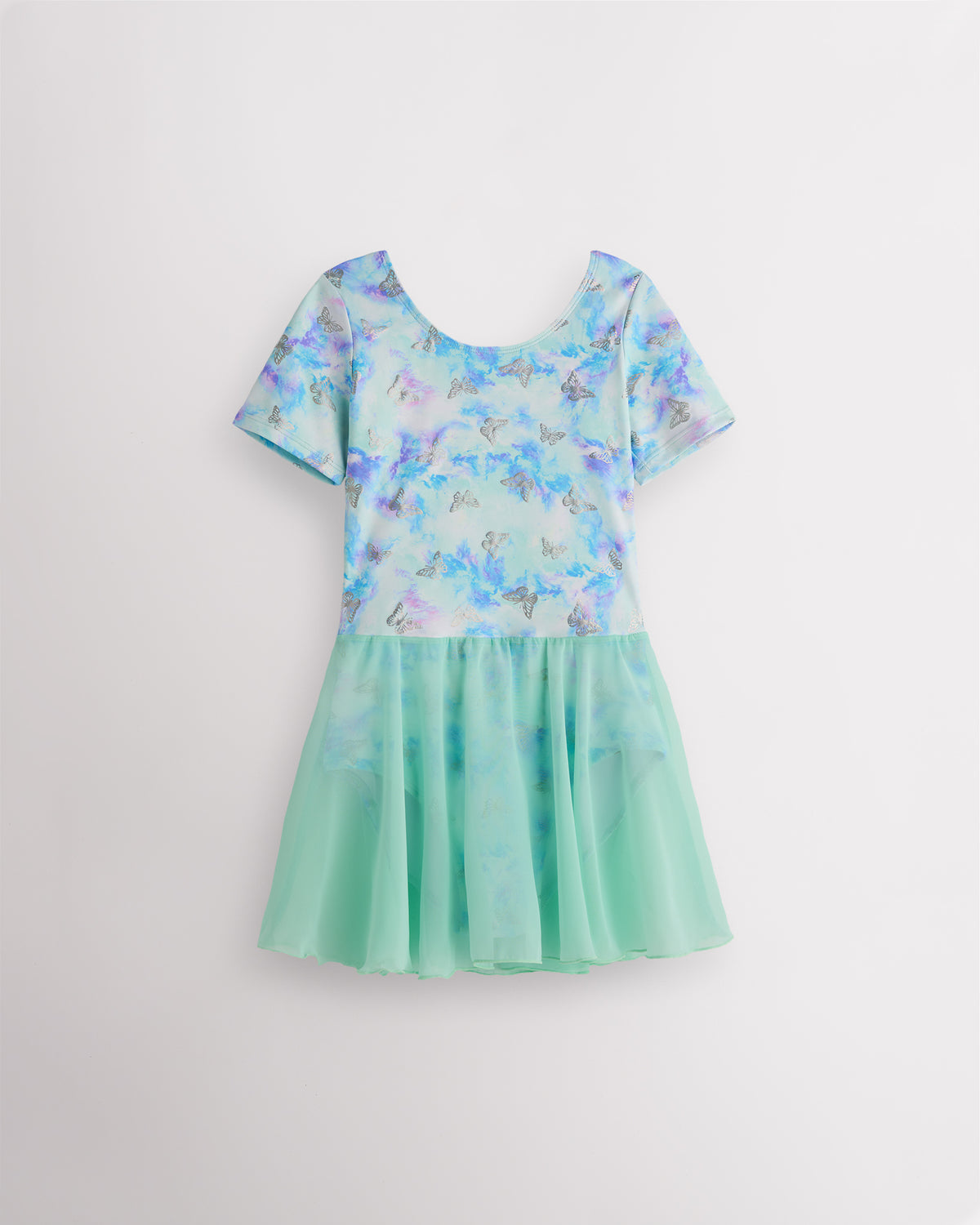
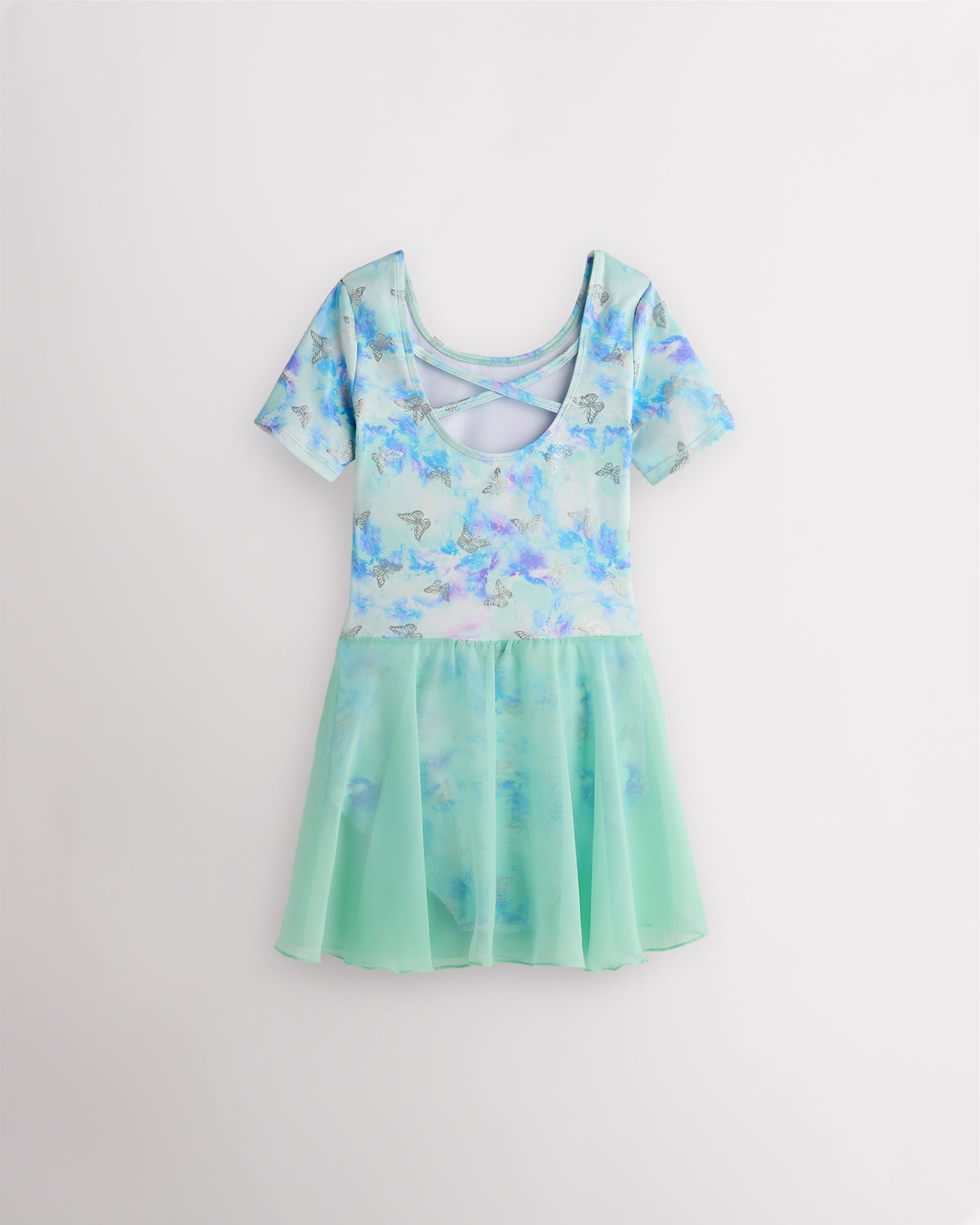
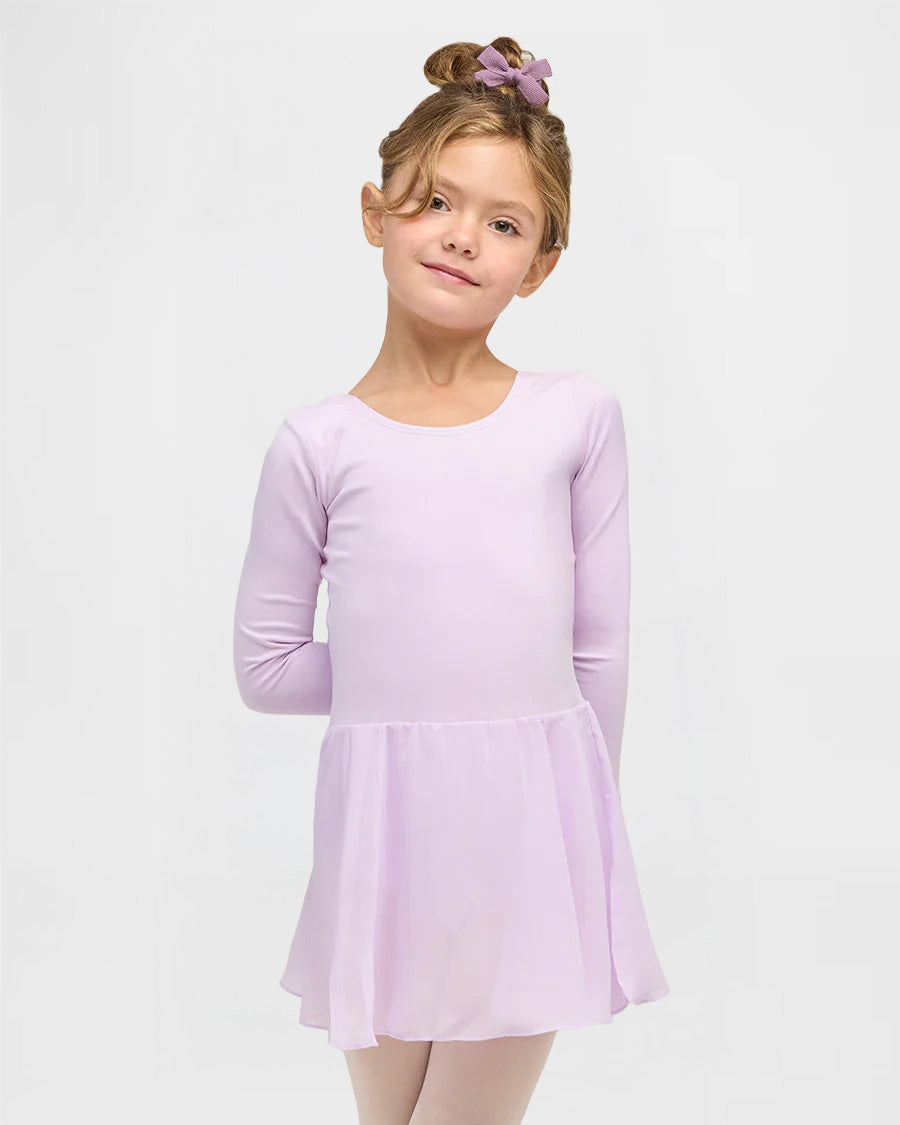
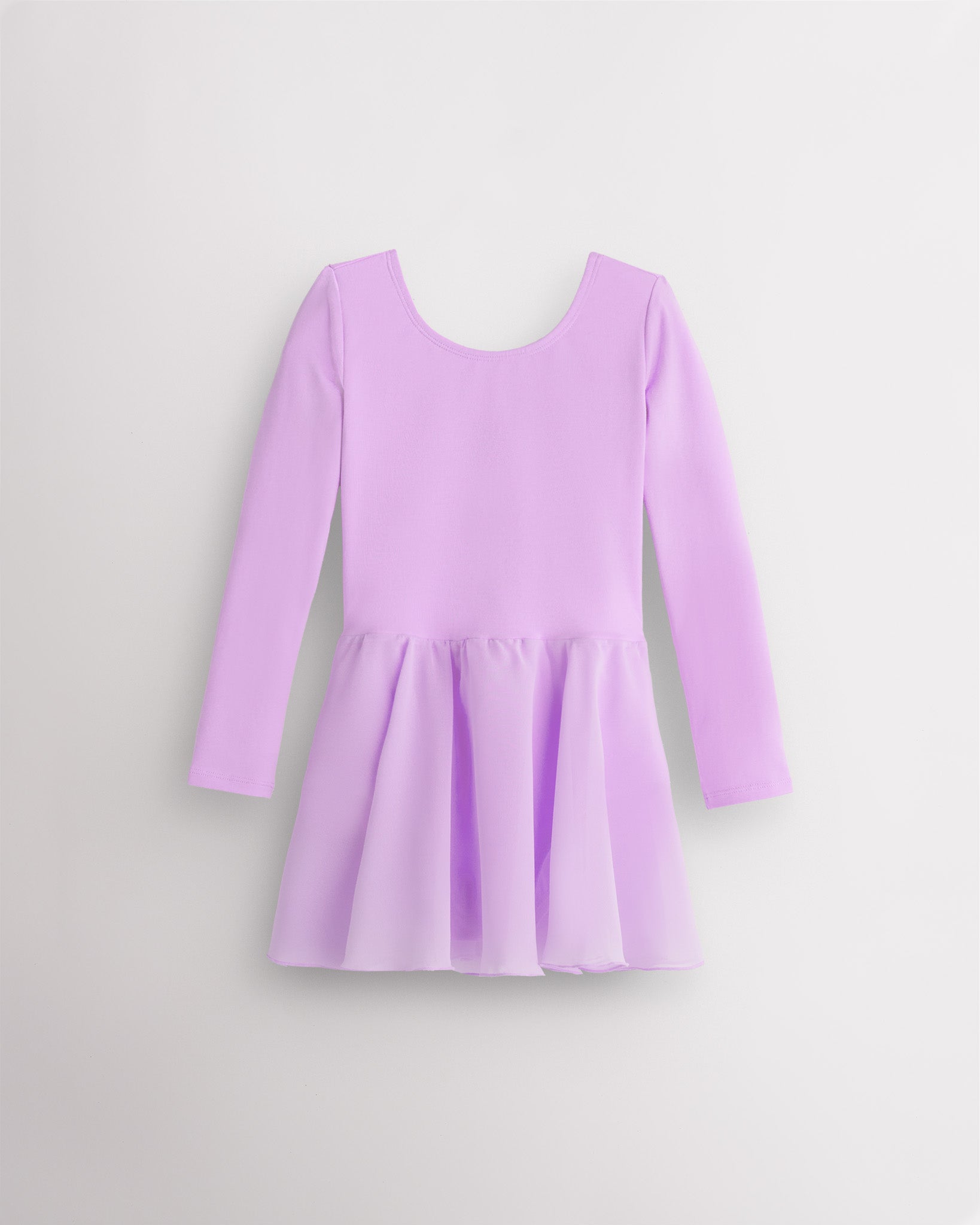
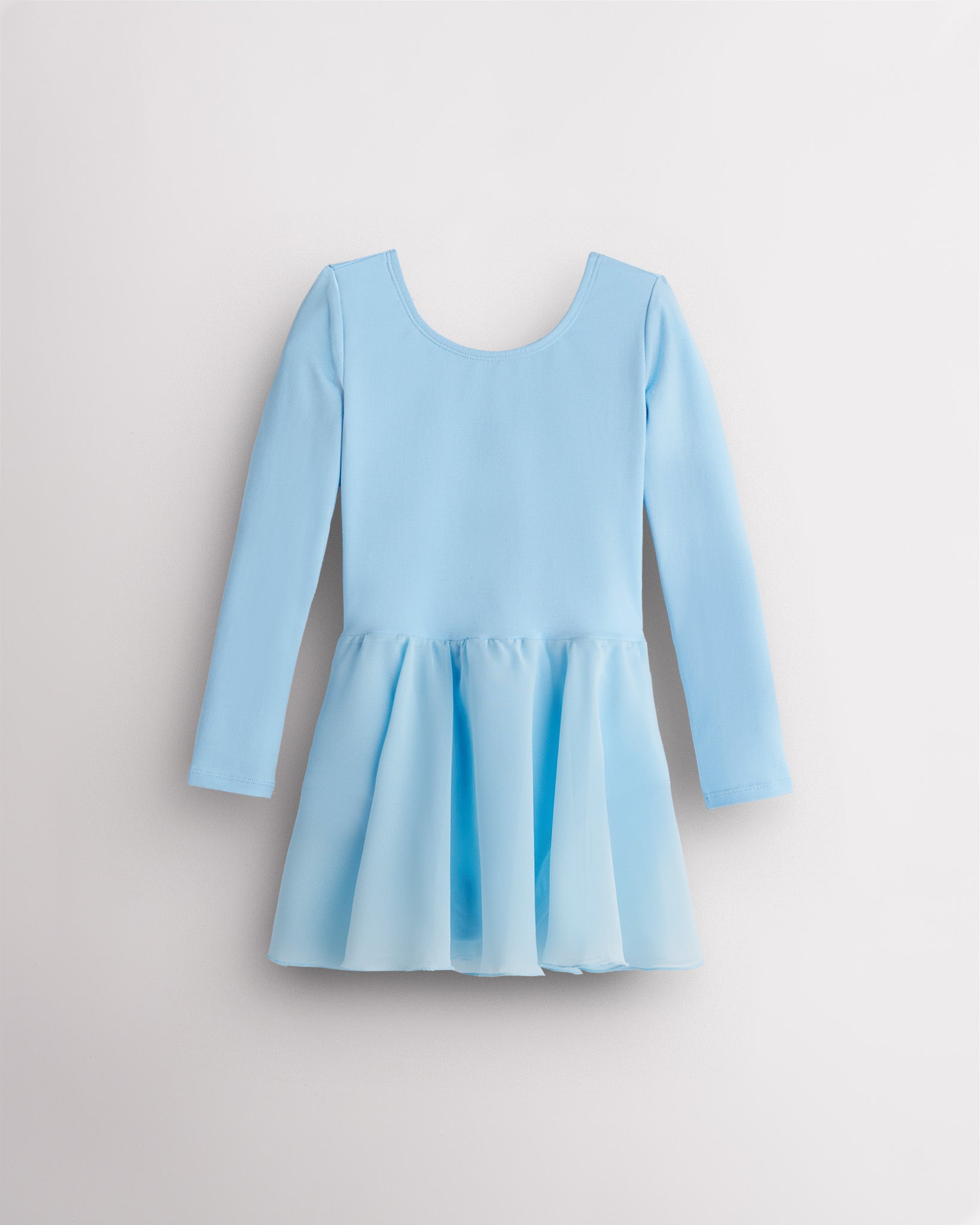
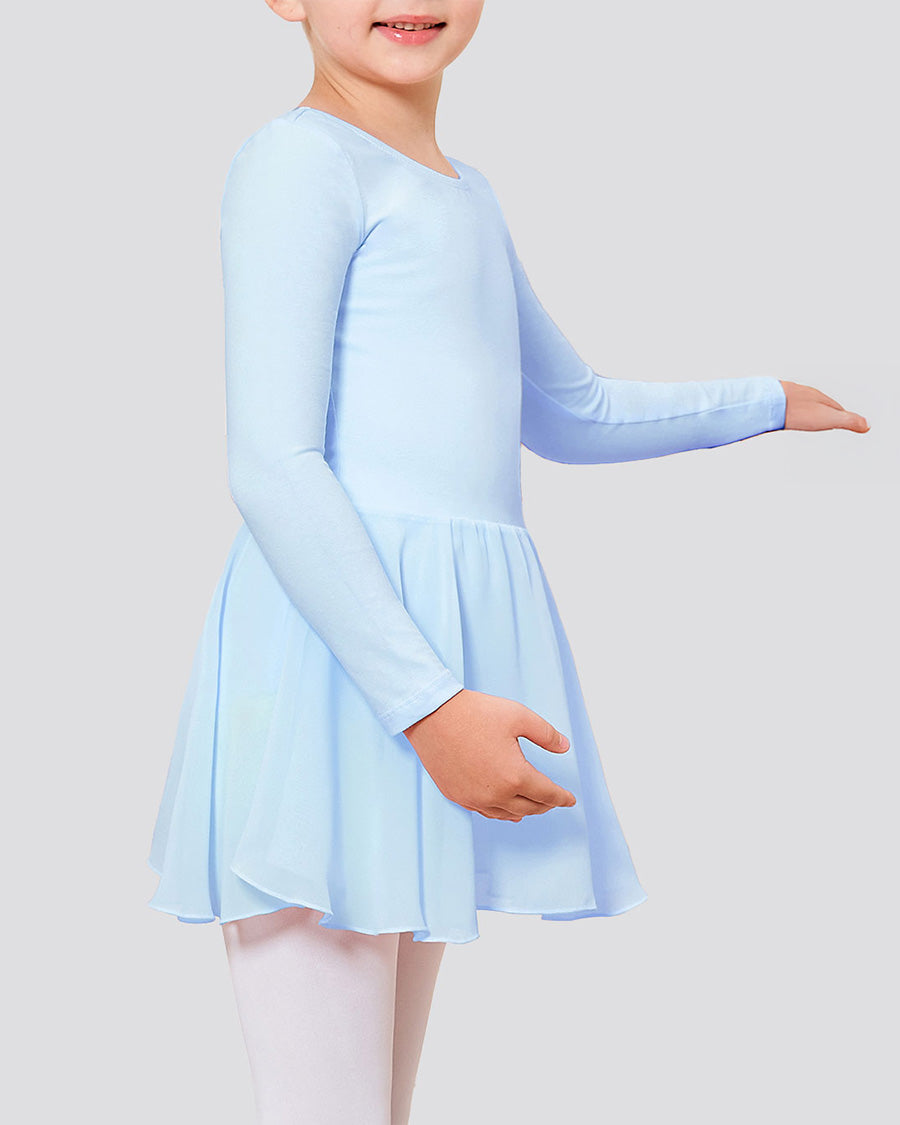
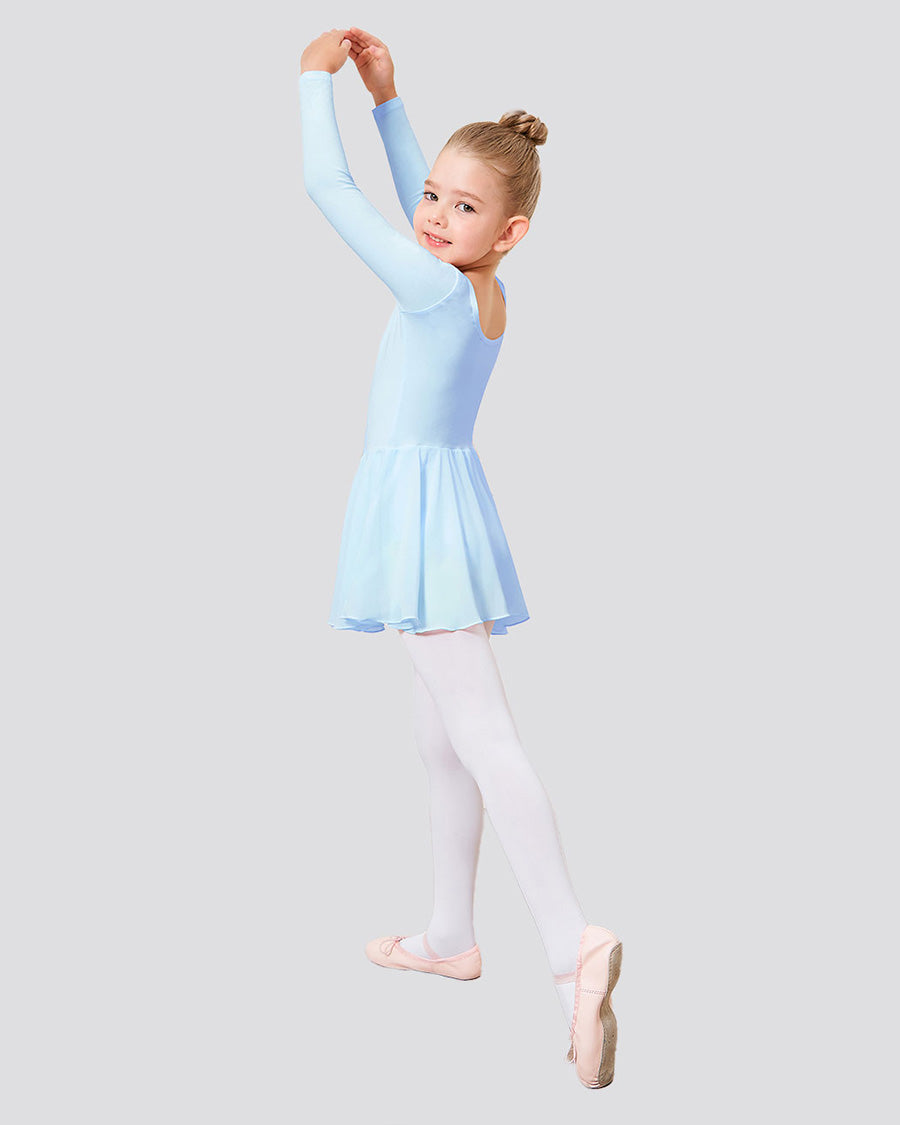
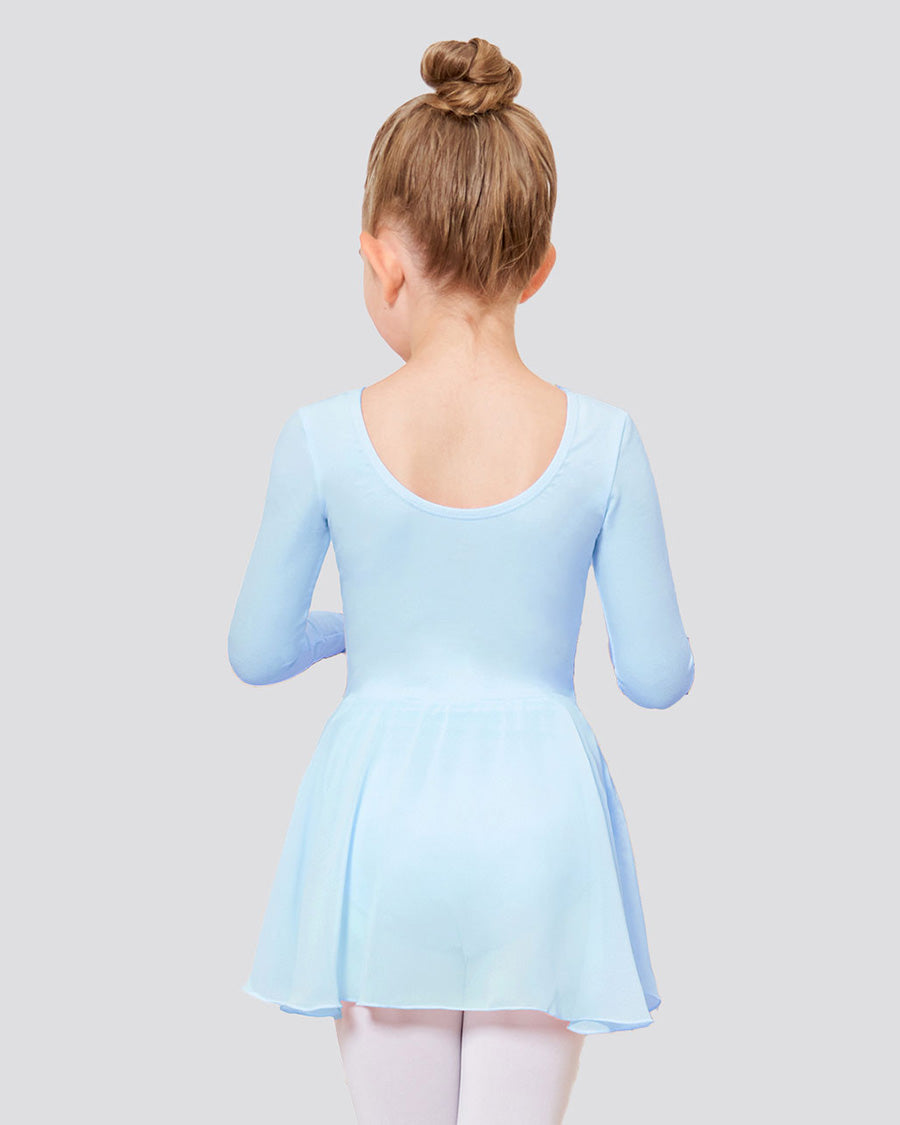
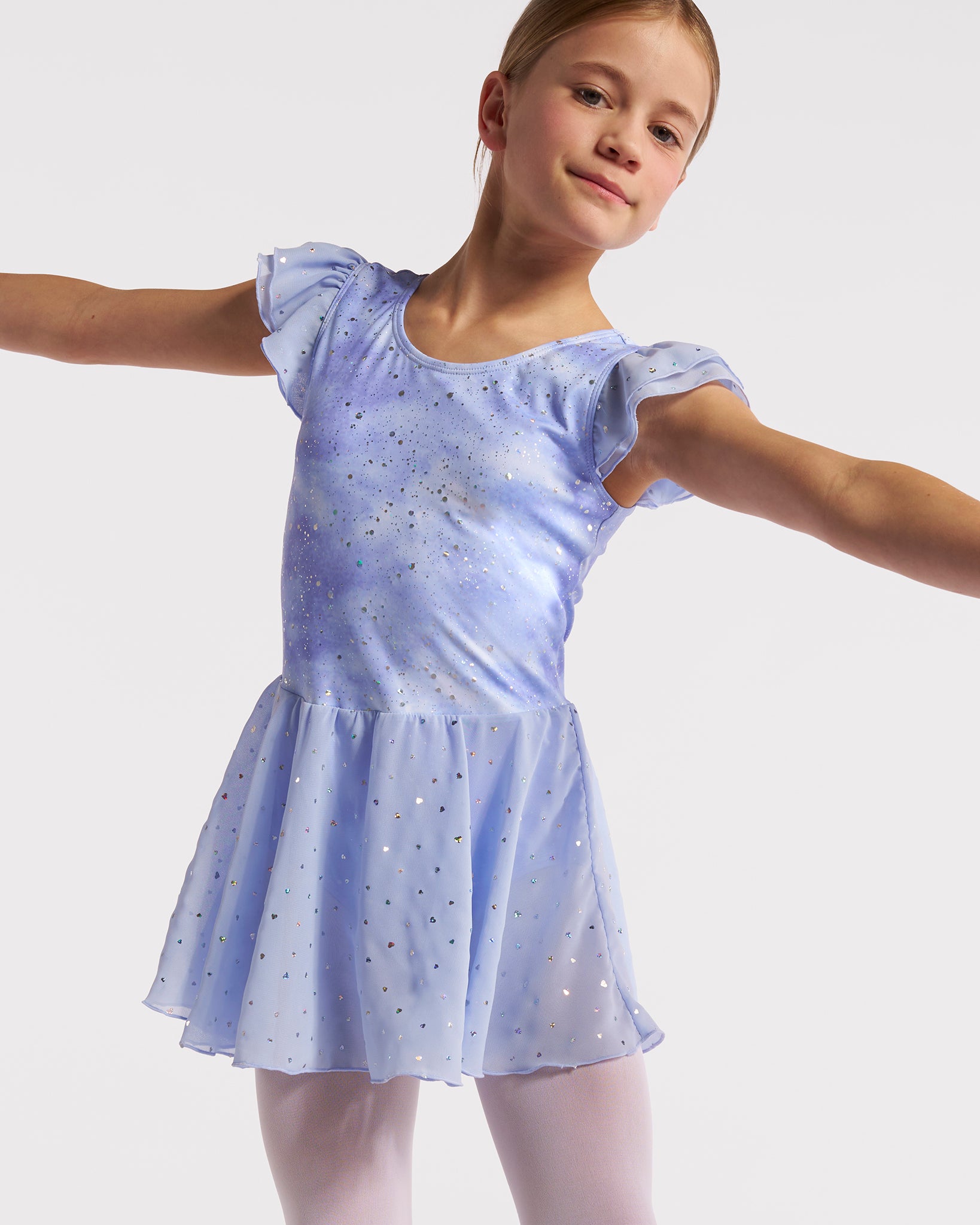
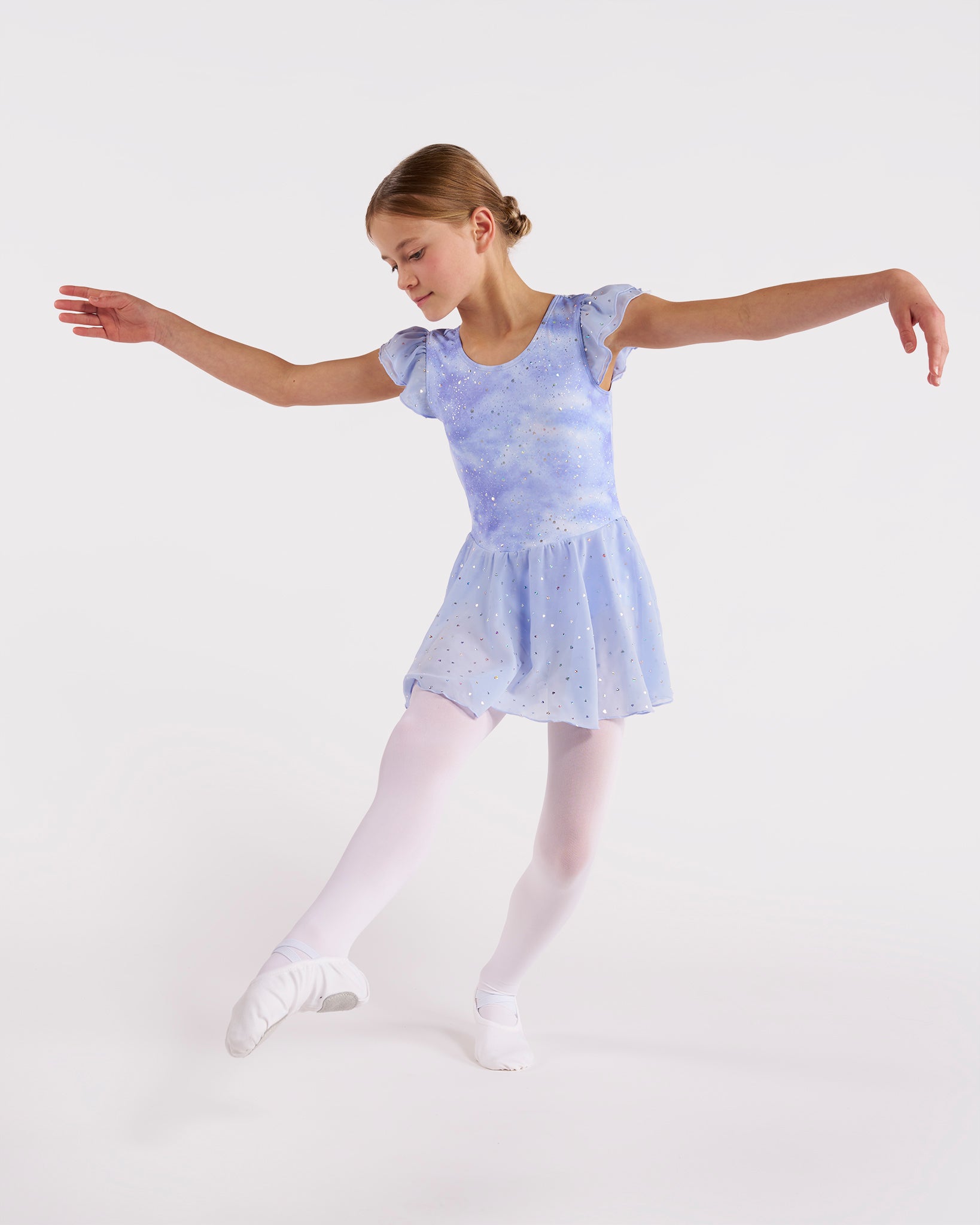
A leotard is a snug, stretchy one-piece garment that covers the torso and leaves the legs free, worn by dancers, gymnasts, acrobats, and figure skaters. Merriam-Webster defines it as "a close-fitting one-piece garment worn especially by dancers, acrobats, and aerialists." It takes its name from Jules Léotard, a 19th-century French trapeze artist who made the skin-tight one-piece famous, though the word itself only appeared in print in the 1880s, after his death.
If your child just started dance class, you have probably heard the word a dozen times already. Here is what a leotard actually is, the surprisingly fun story behind the name, and a quick map of the styles you will see in the studio.
Key Takeaways
-
A leotard is a one-piece garment covering the torso, with the legs left free. Add full-length legs and it becomes a unitard, a different garment.
-
It is named after Jules Léotard, the French acrobat credited with the first flying trapeze act, in Paris in 1859.
-
Léotard called his outfit a "maillot." The word "leotard" entered English in the 1880s, more than a decade after he died.
-
Leotards moved from the circus to dance studios, then to gymnastics, figure skating, and 1970s fashion and aerobics.
-
Common styles include camisole, tank, short sleeve, and long sleeve, with necklines from scoop to mock neck.
-
Dance and gymnastics leotards look similar but are cut and built differently for each activity.
Leotard meaning: what counts as a leotard
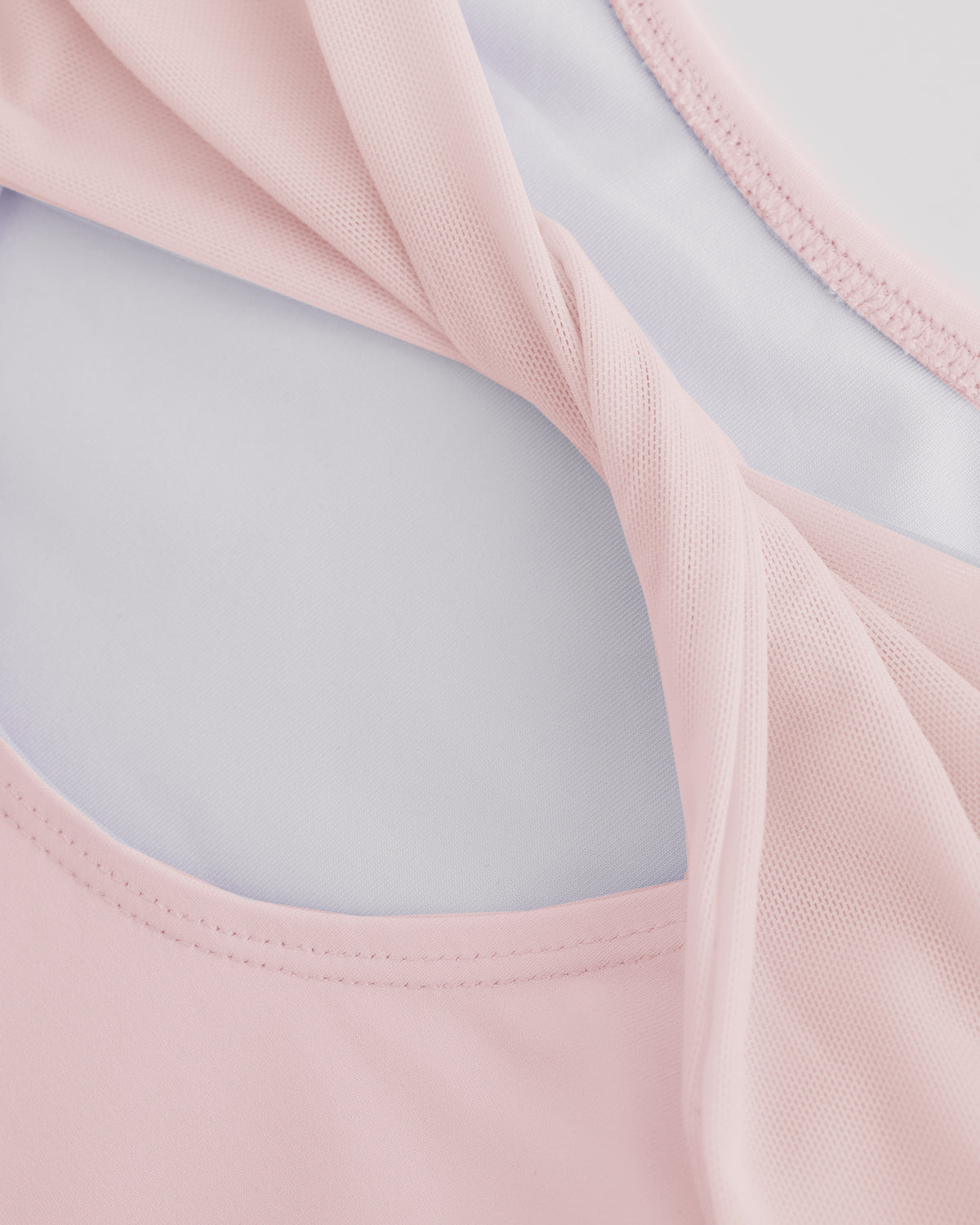
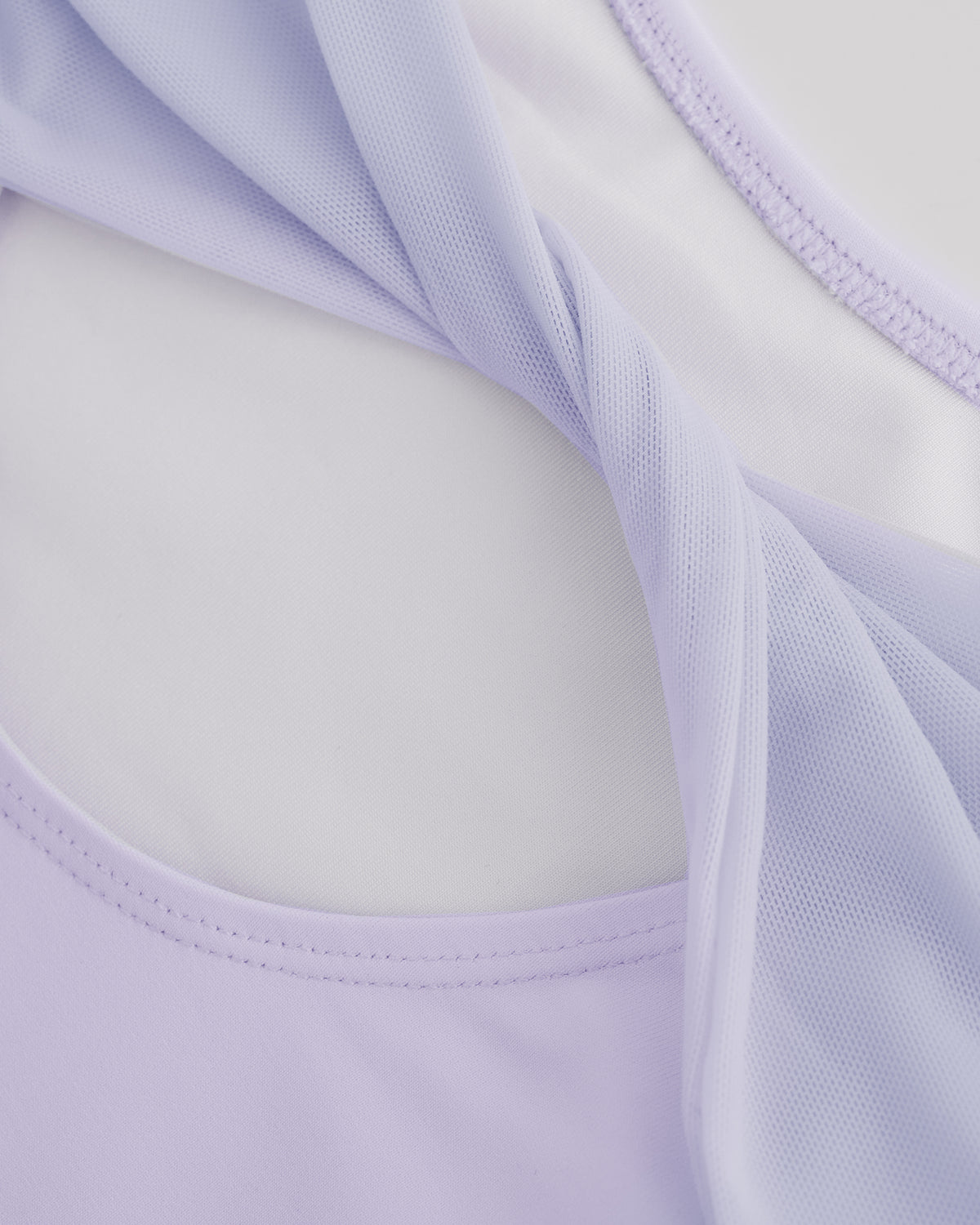
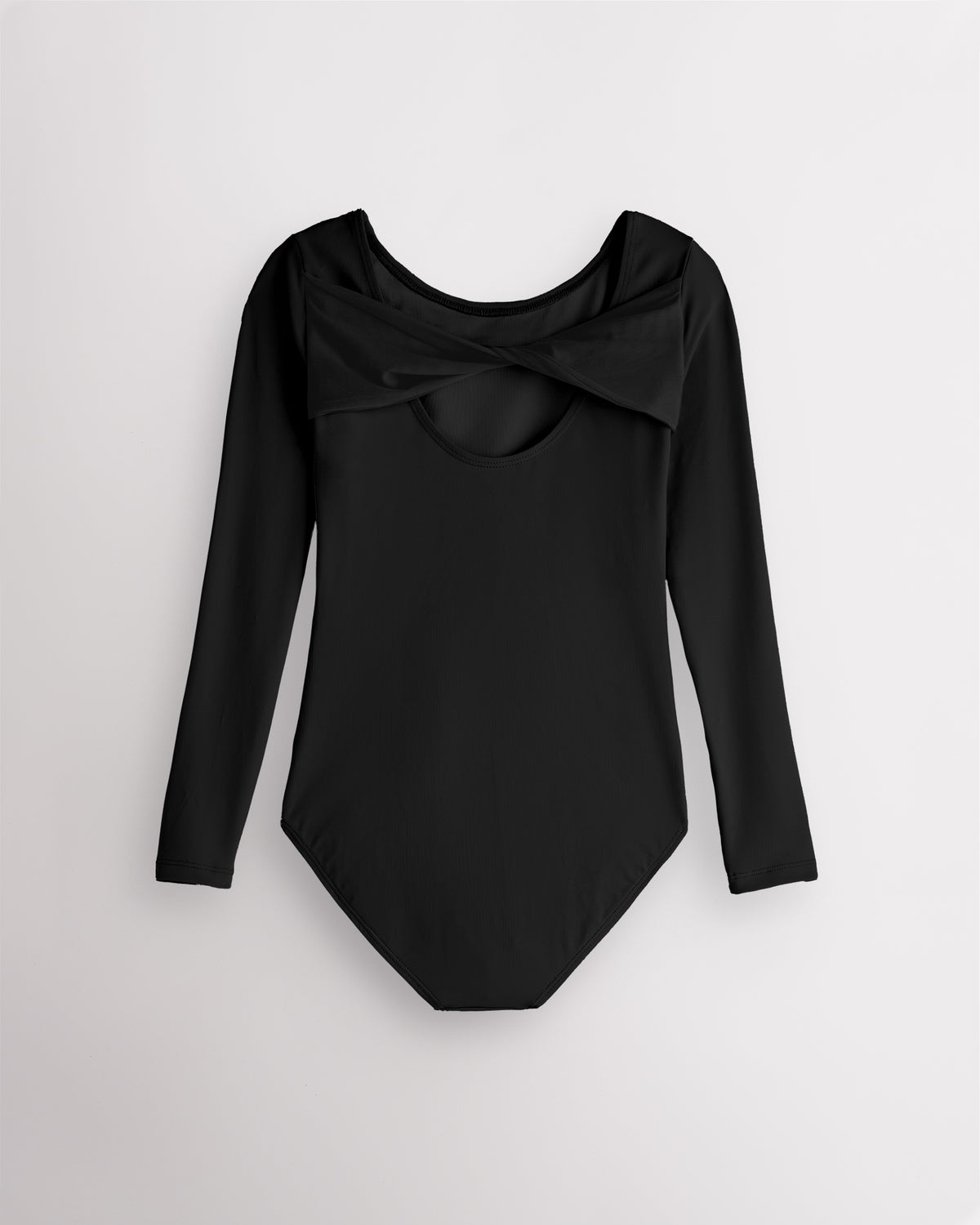
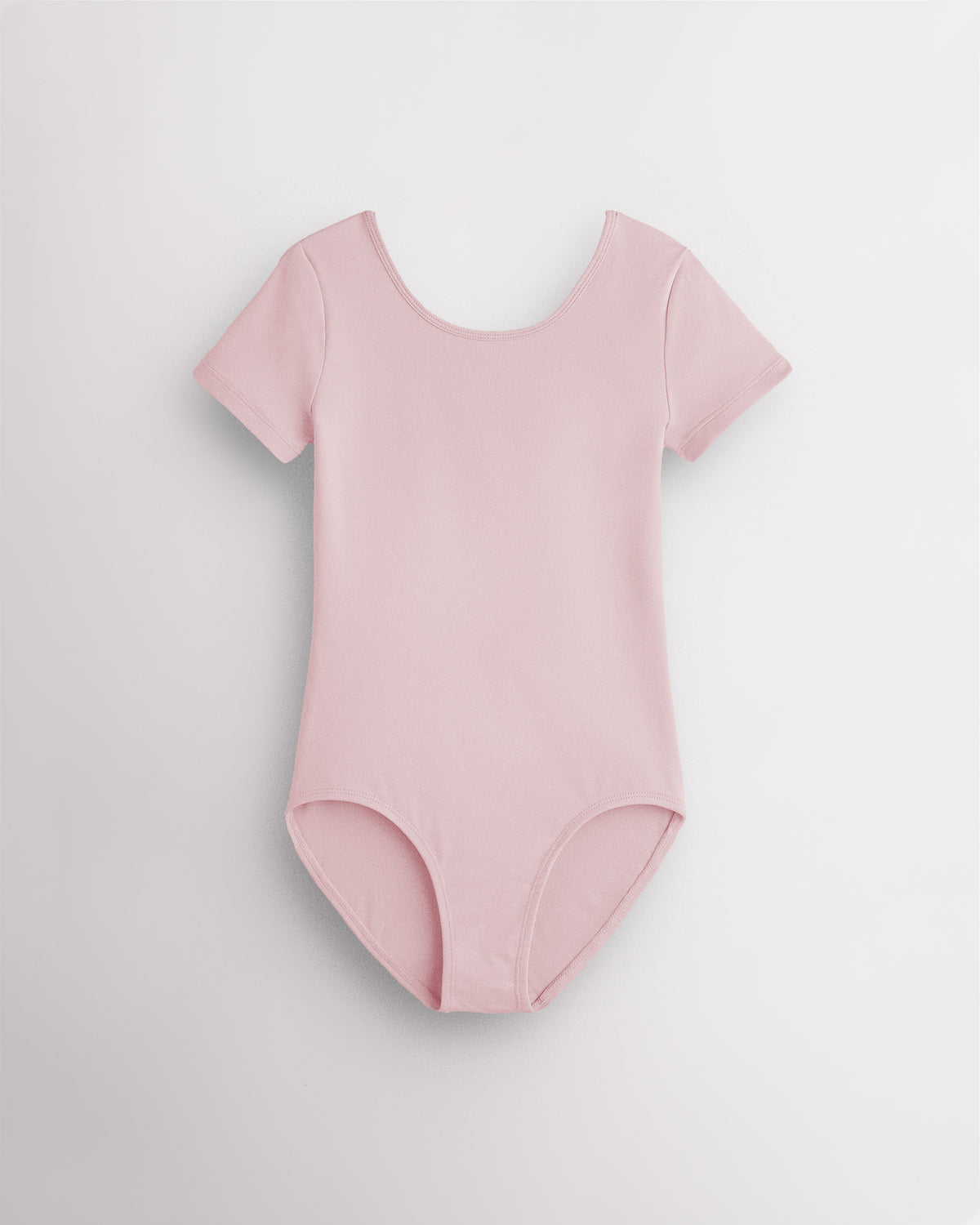
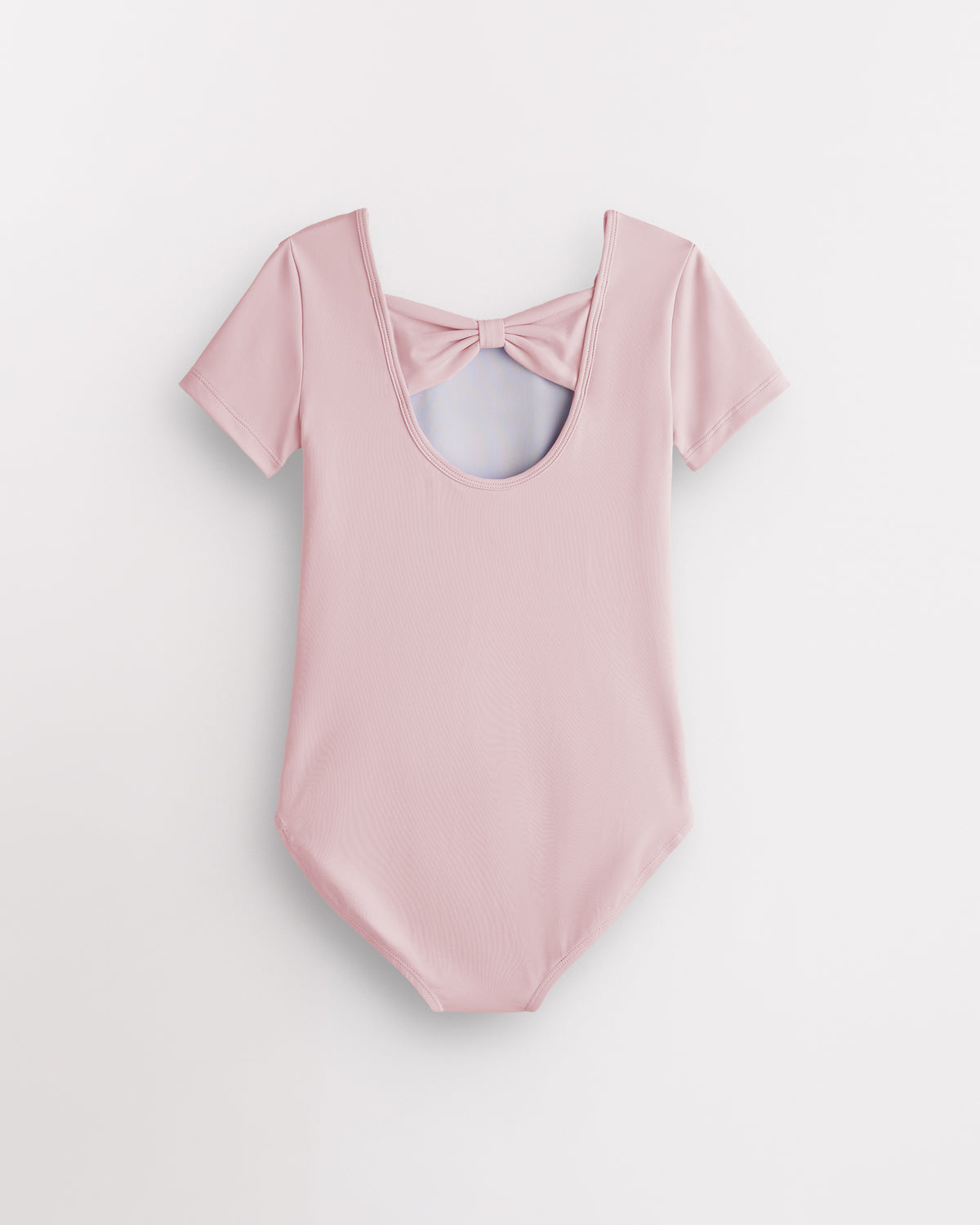
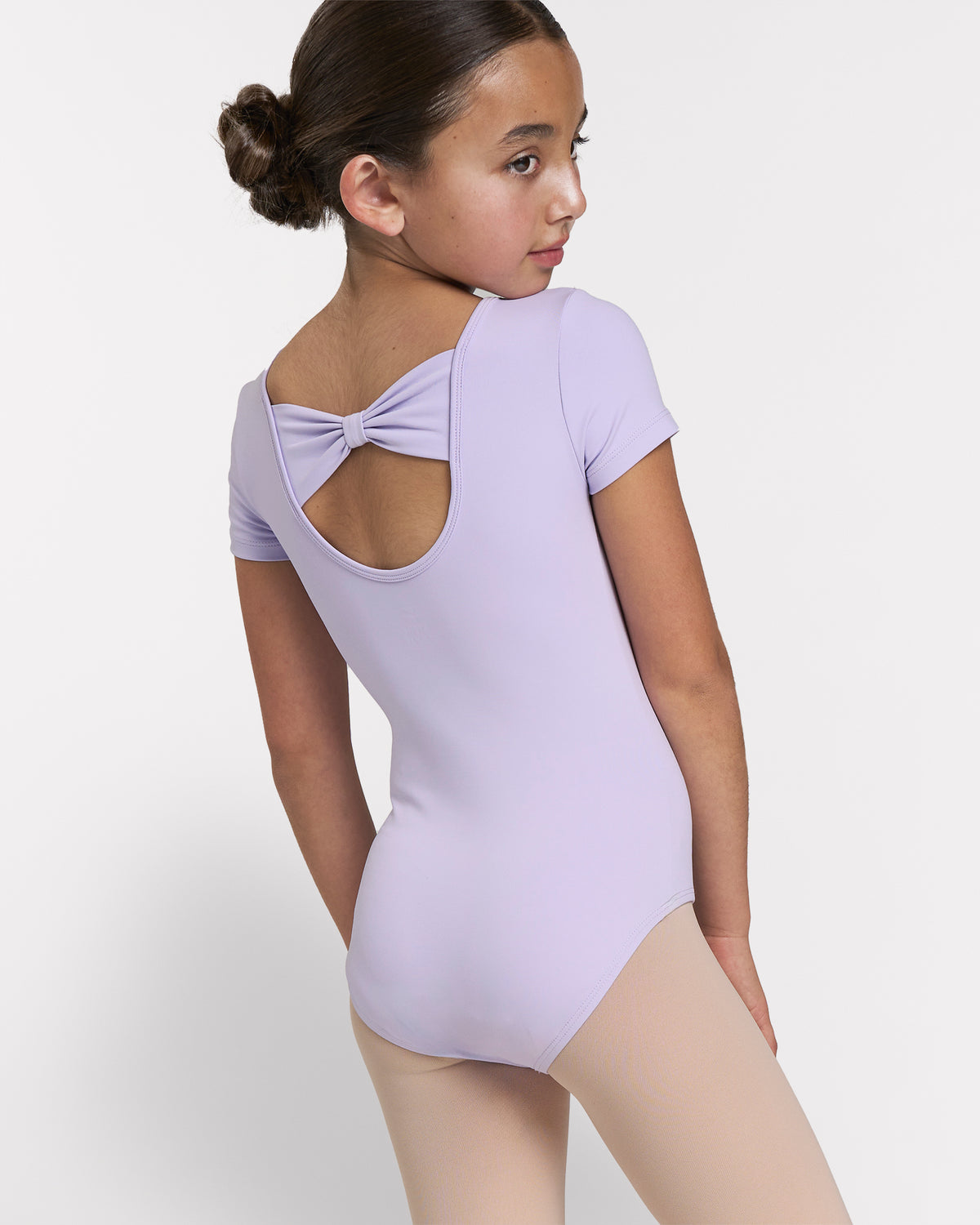
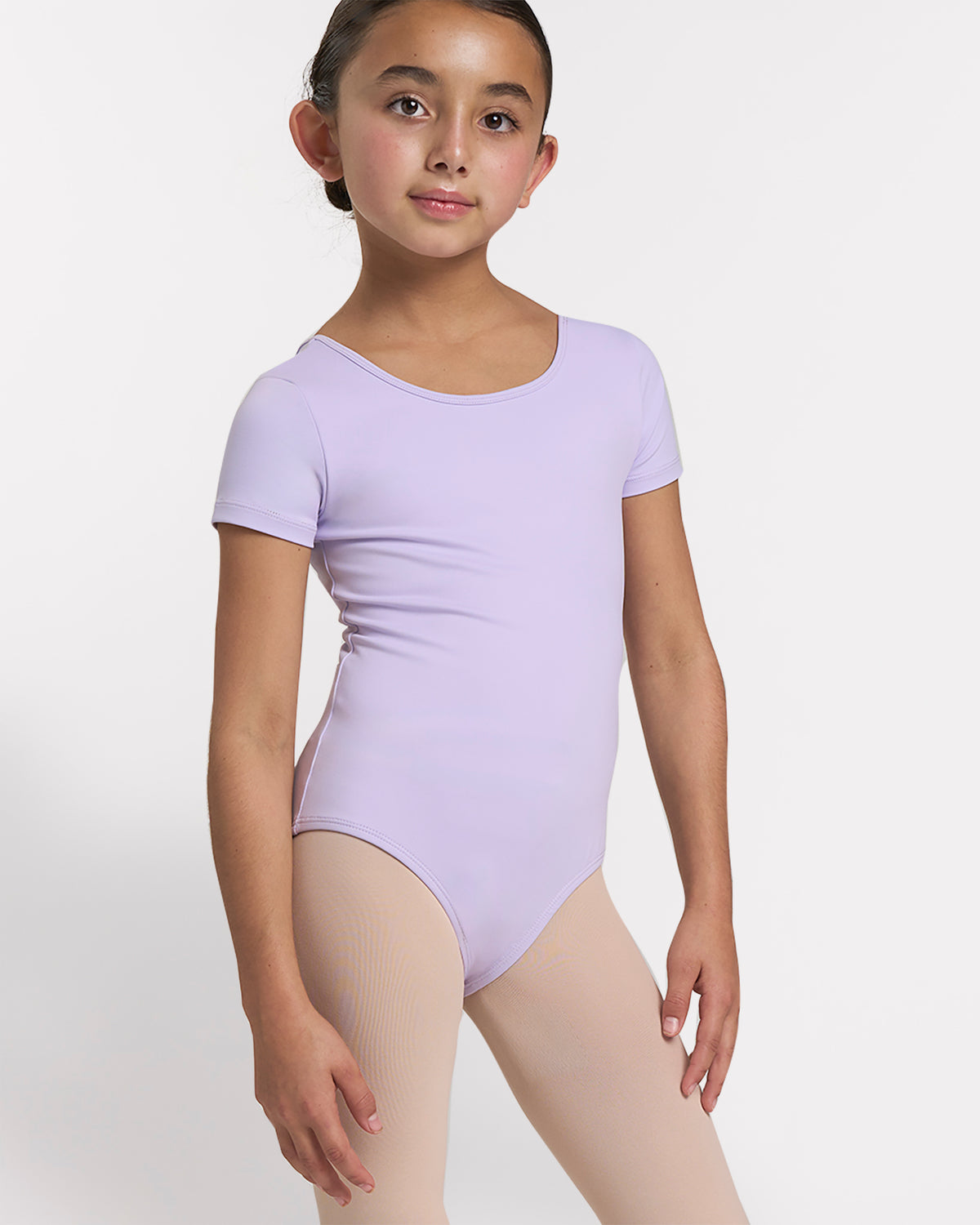
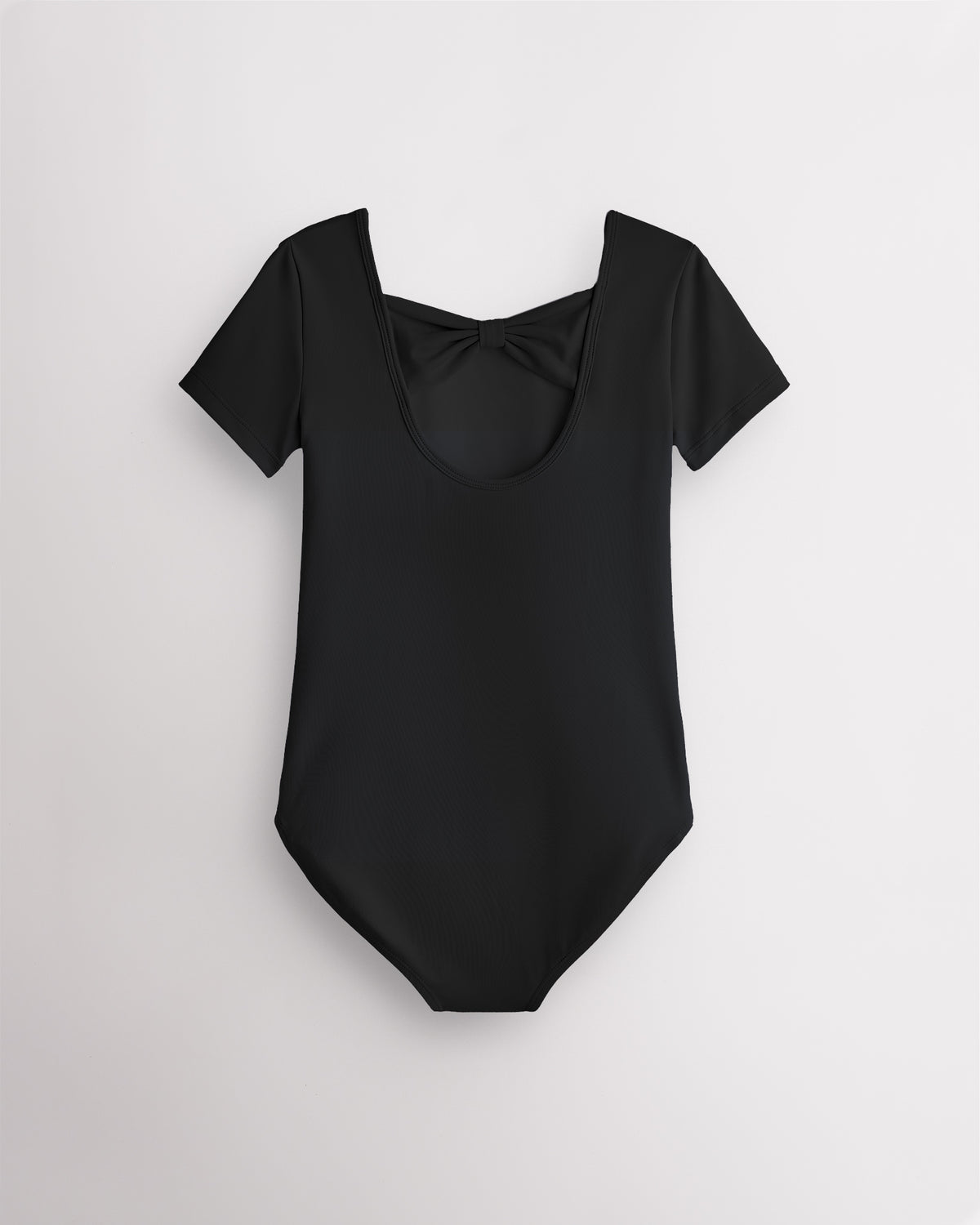
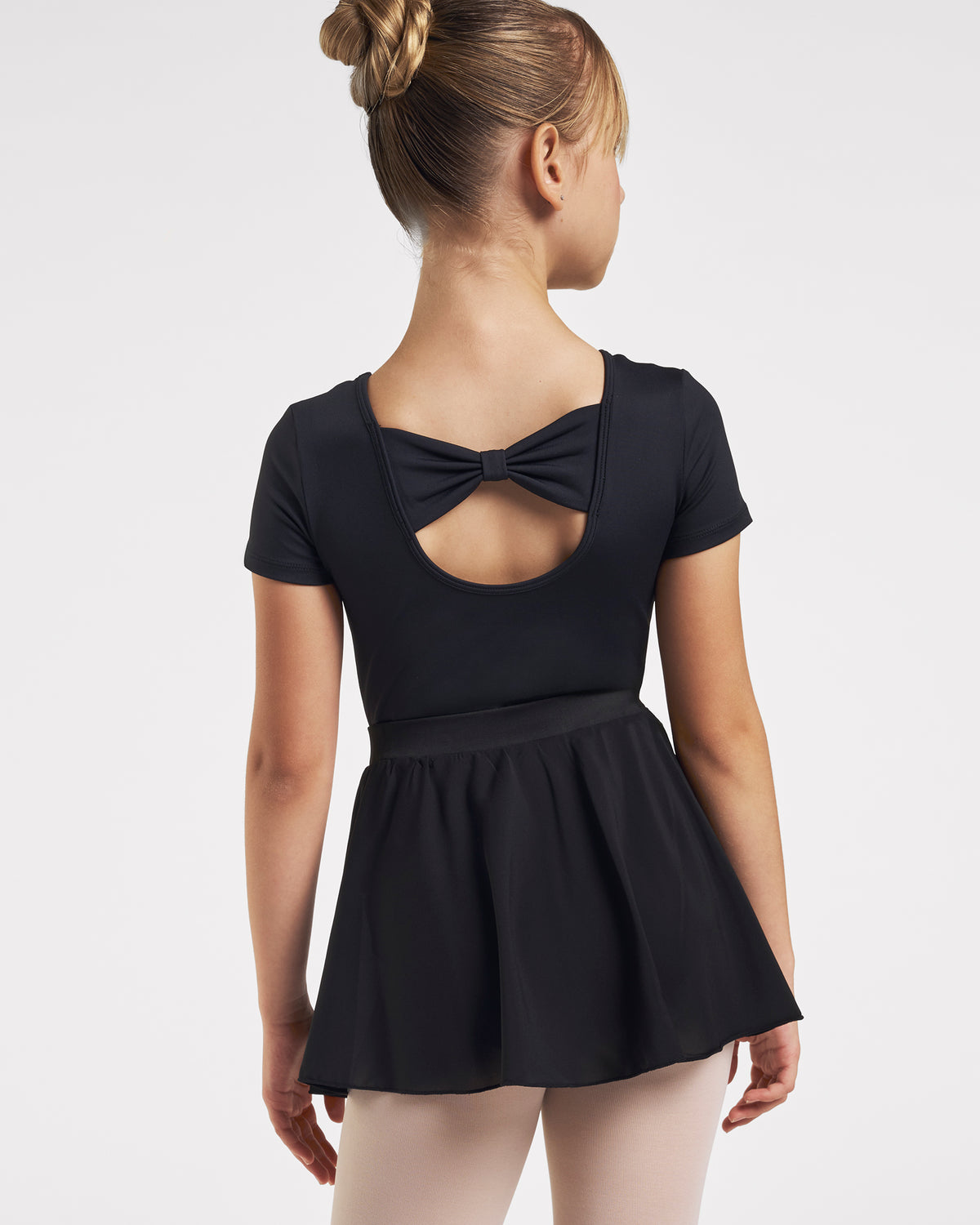
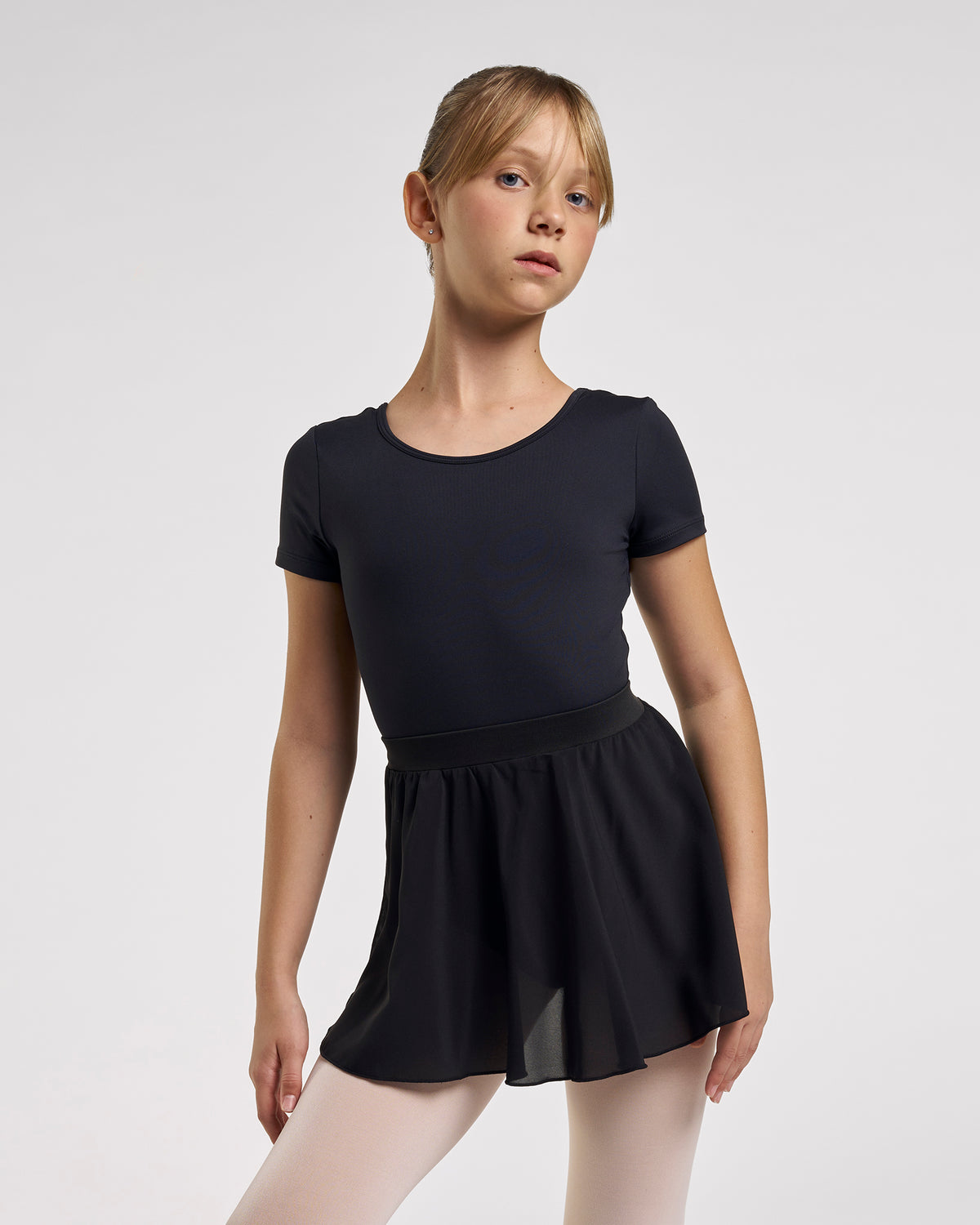
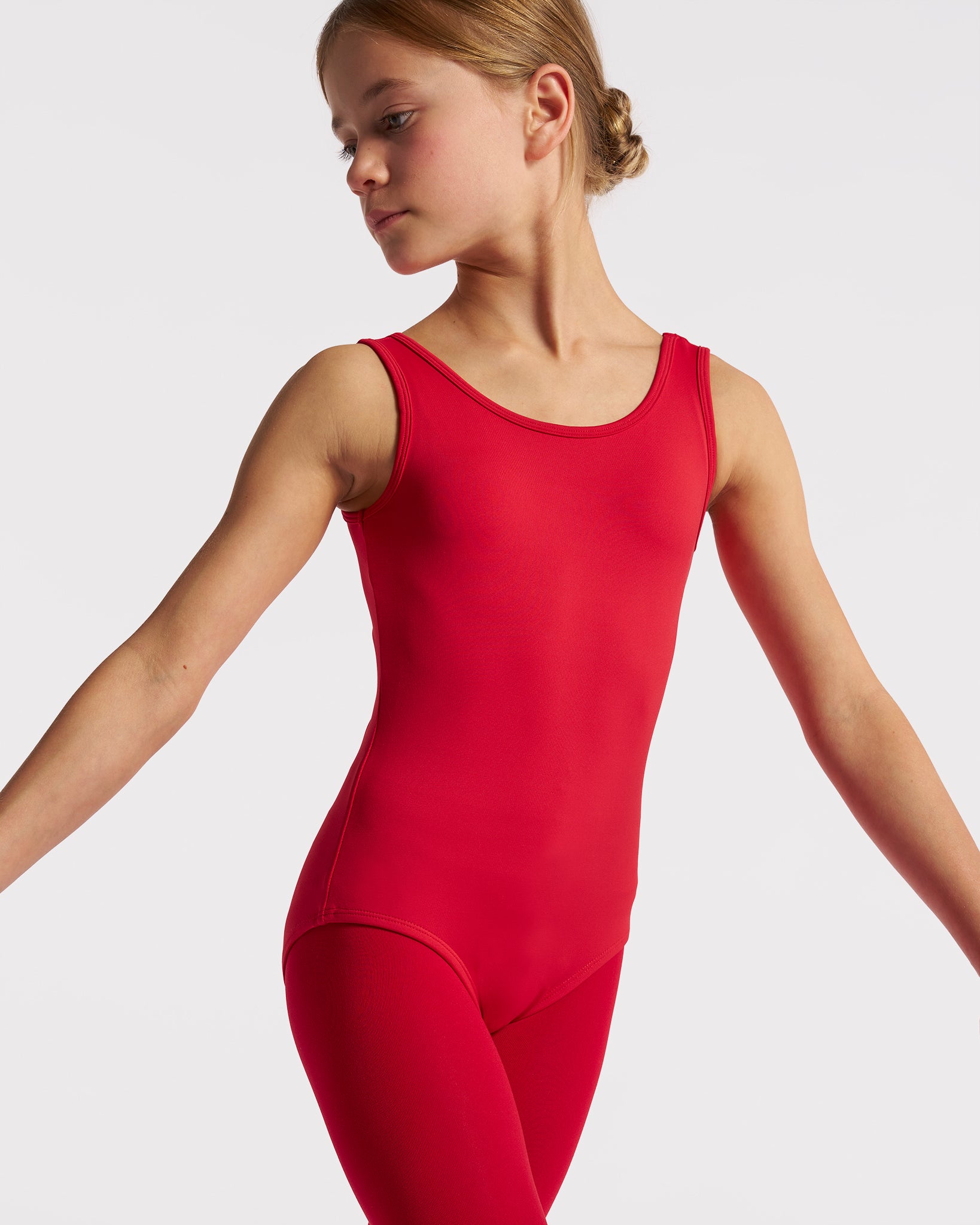
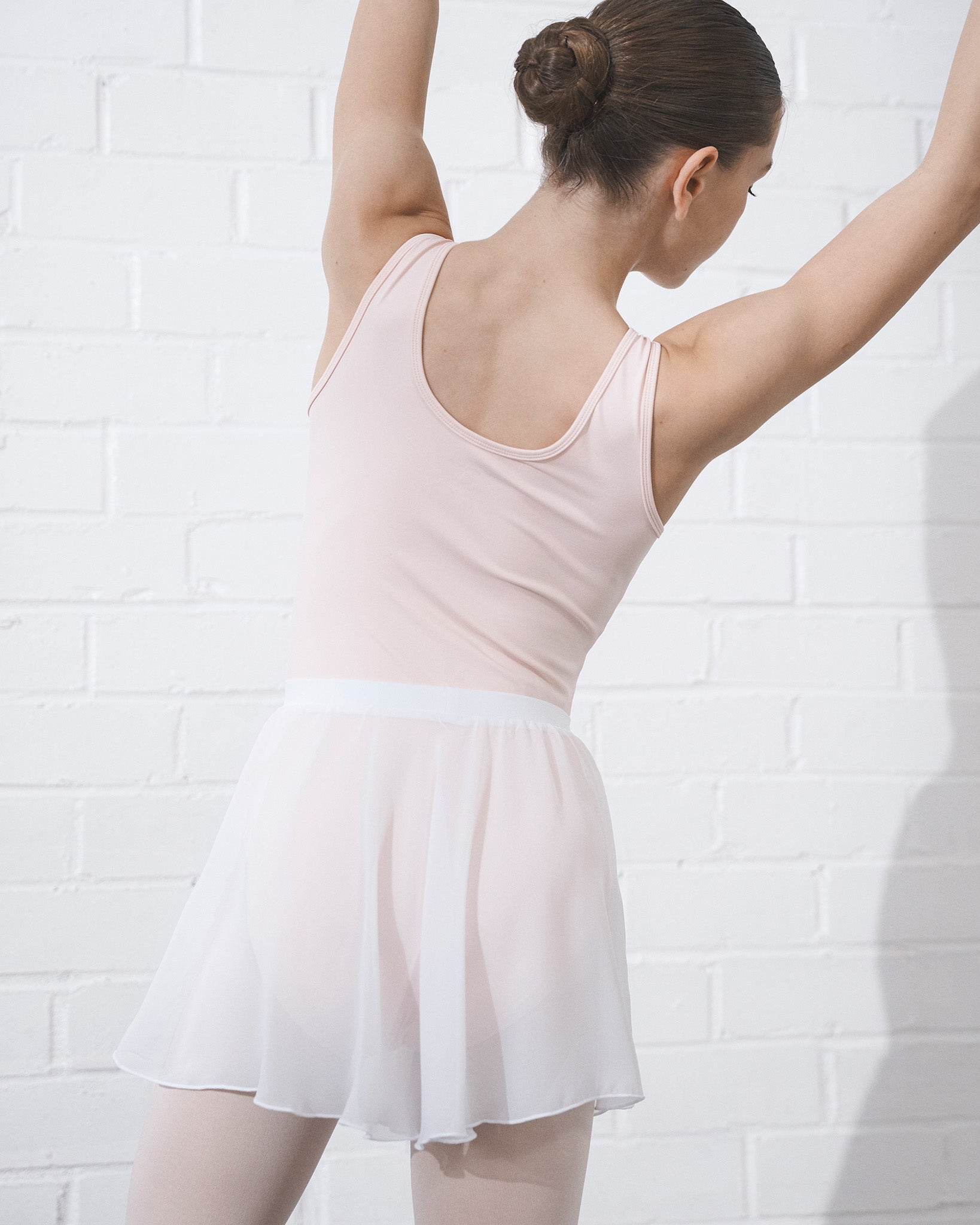
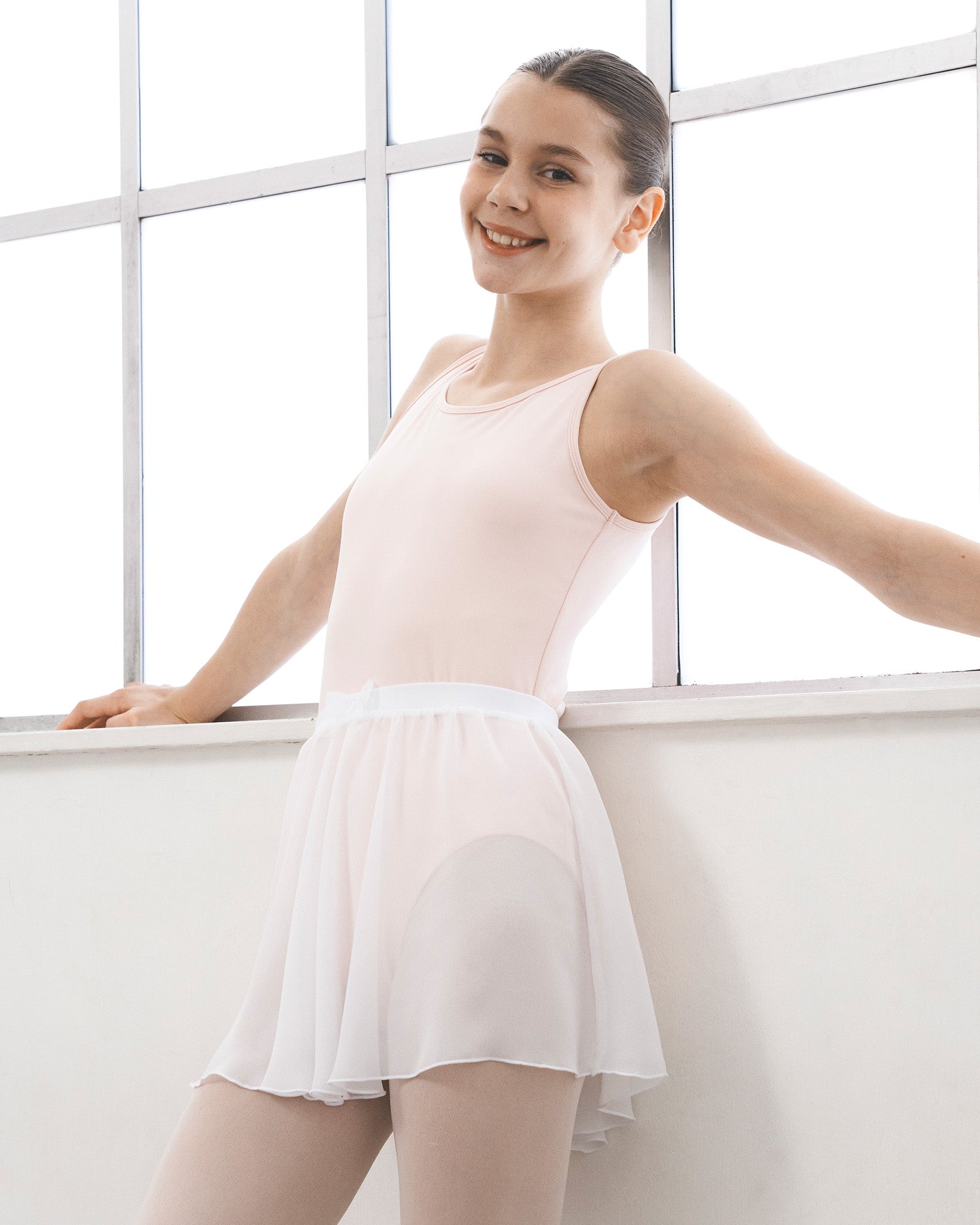
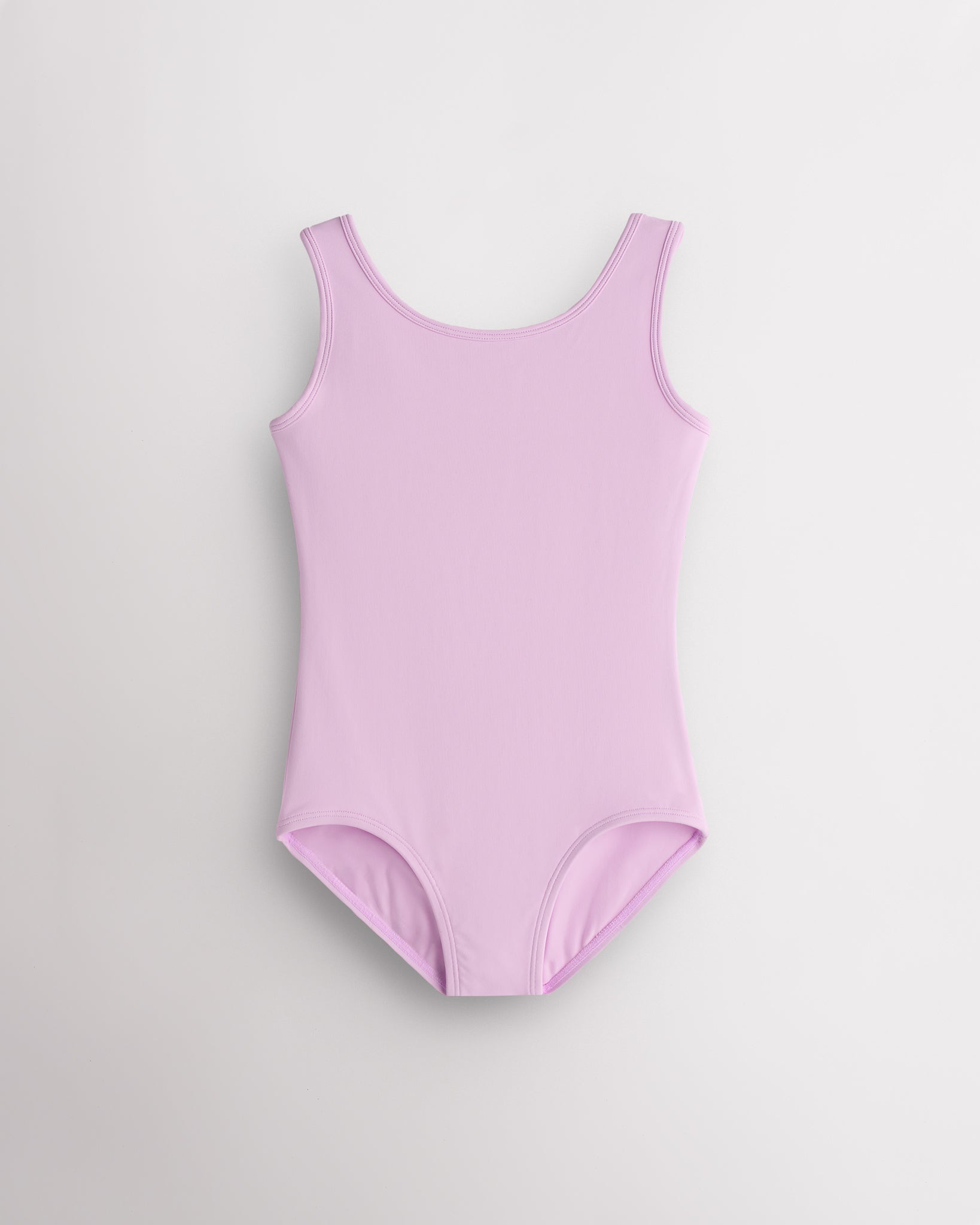
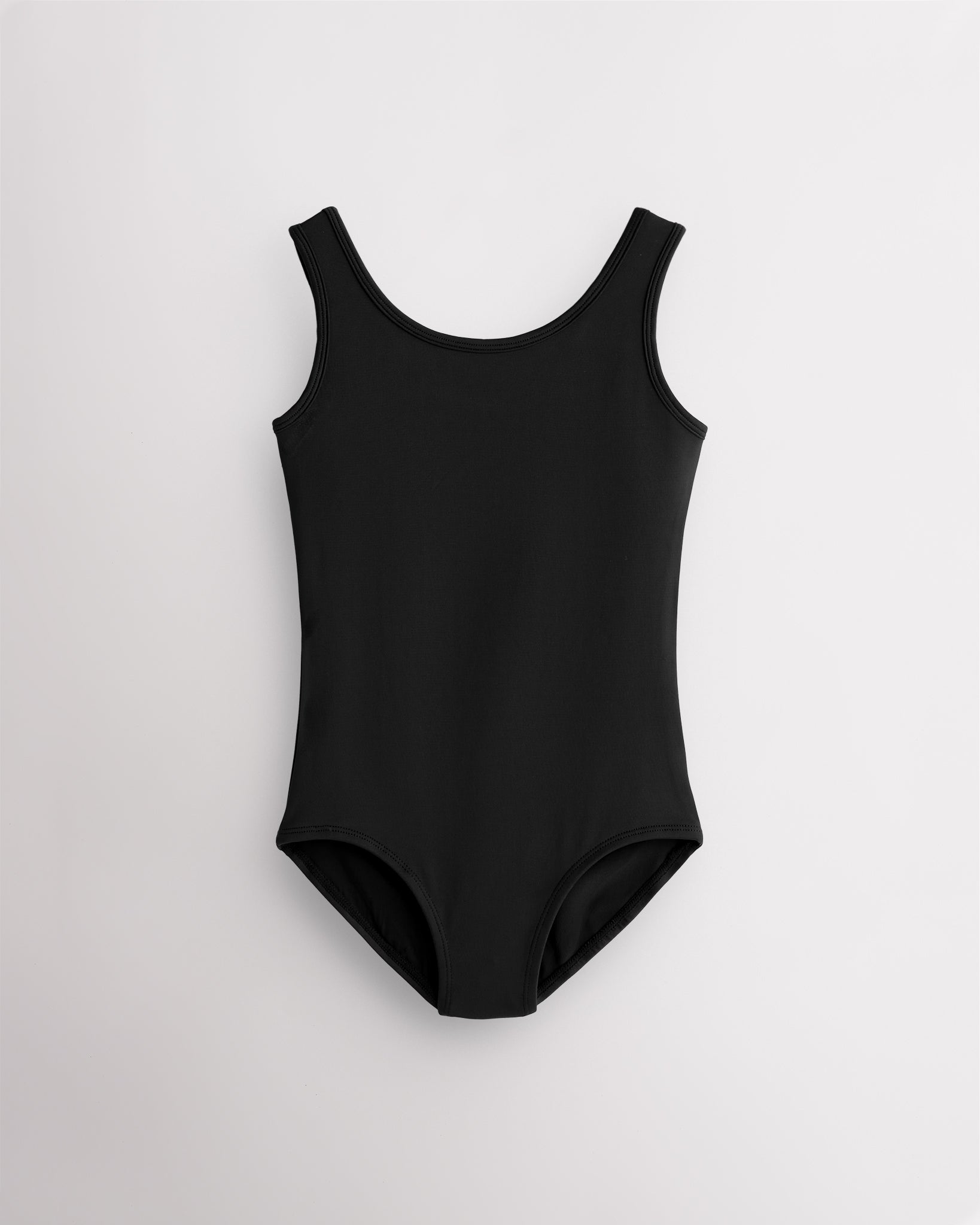
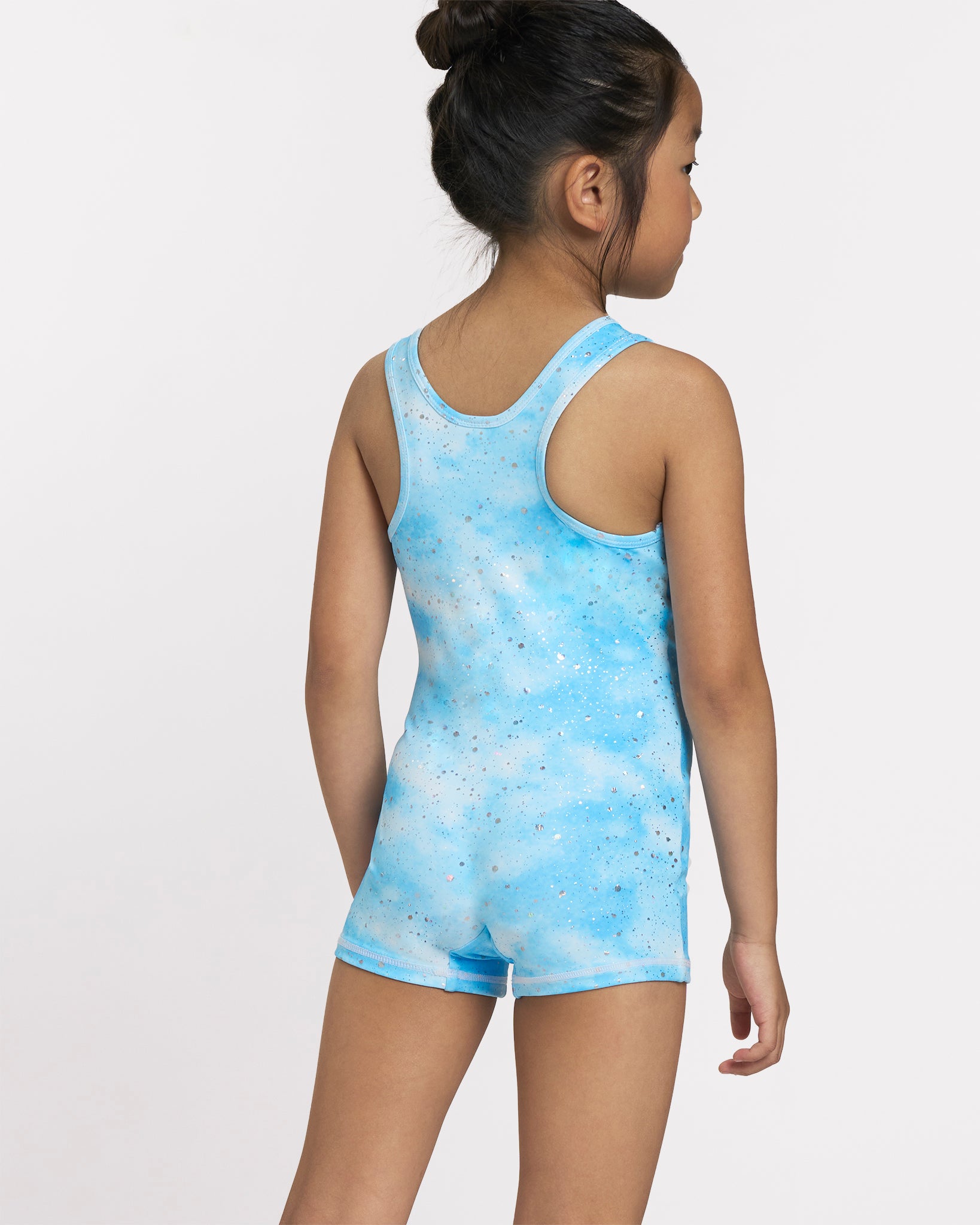
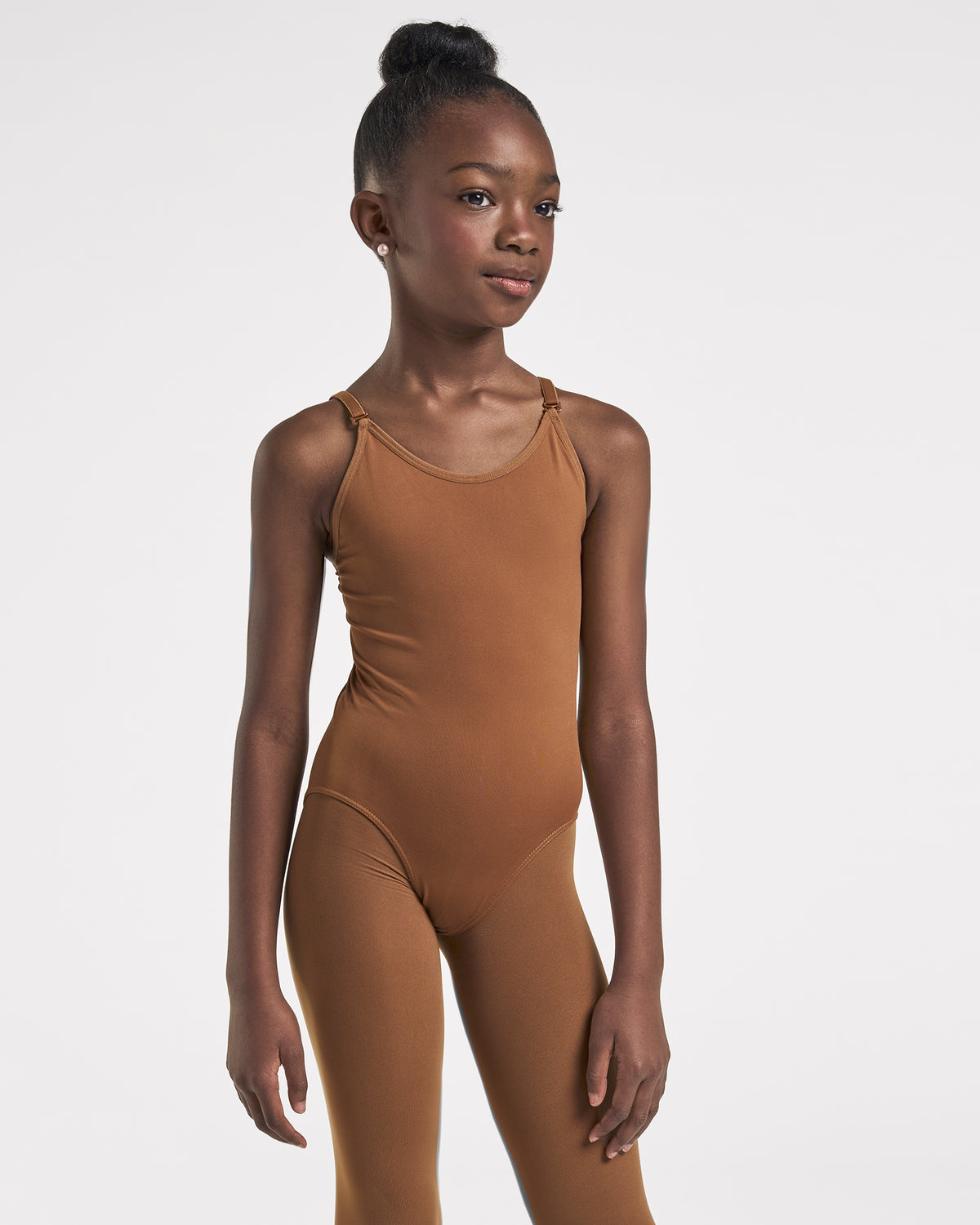
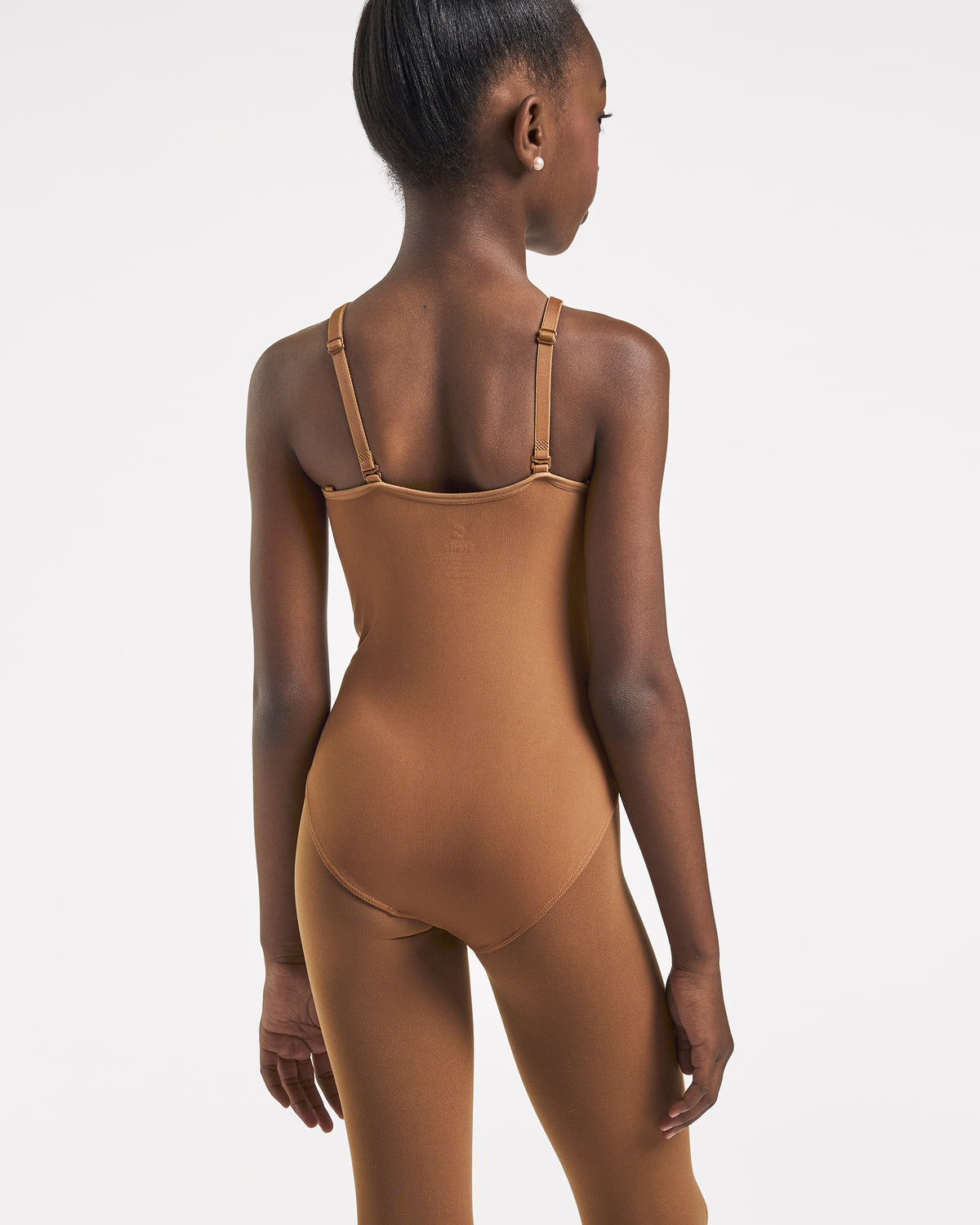
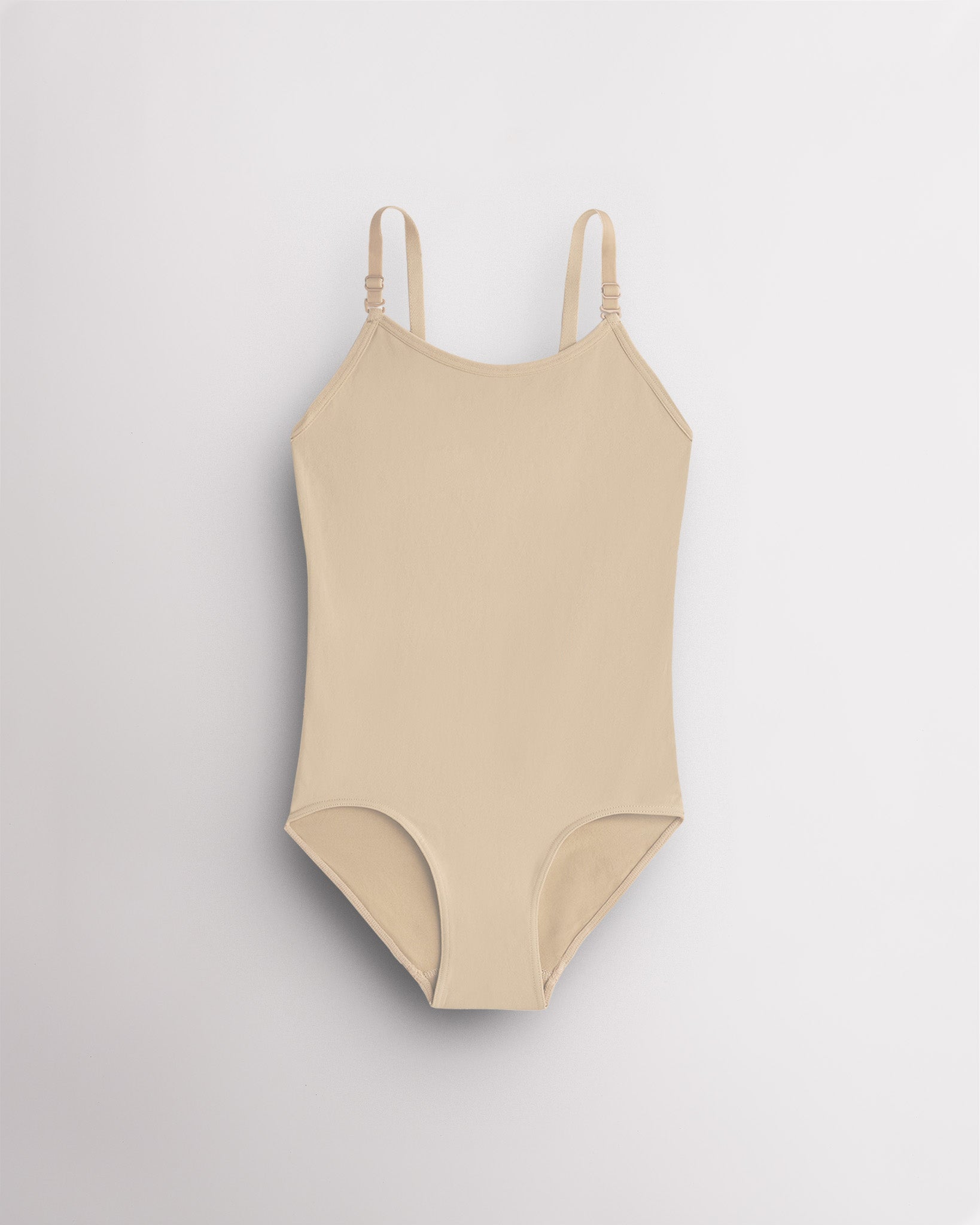
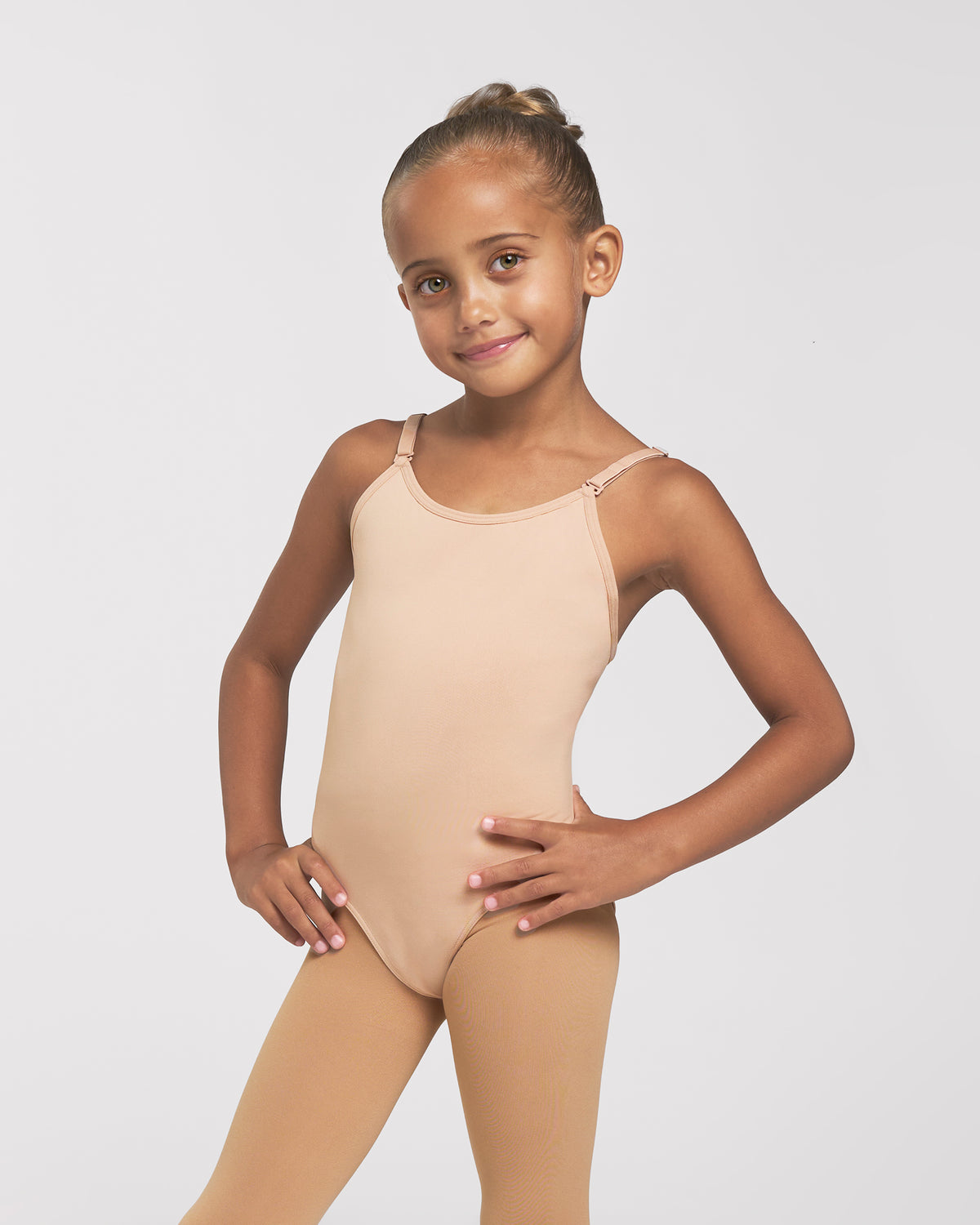
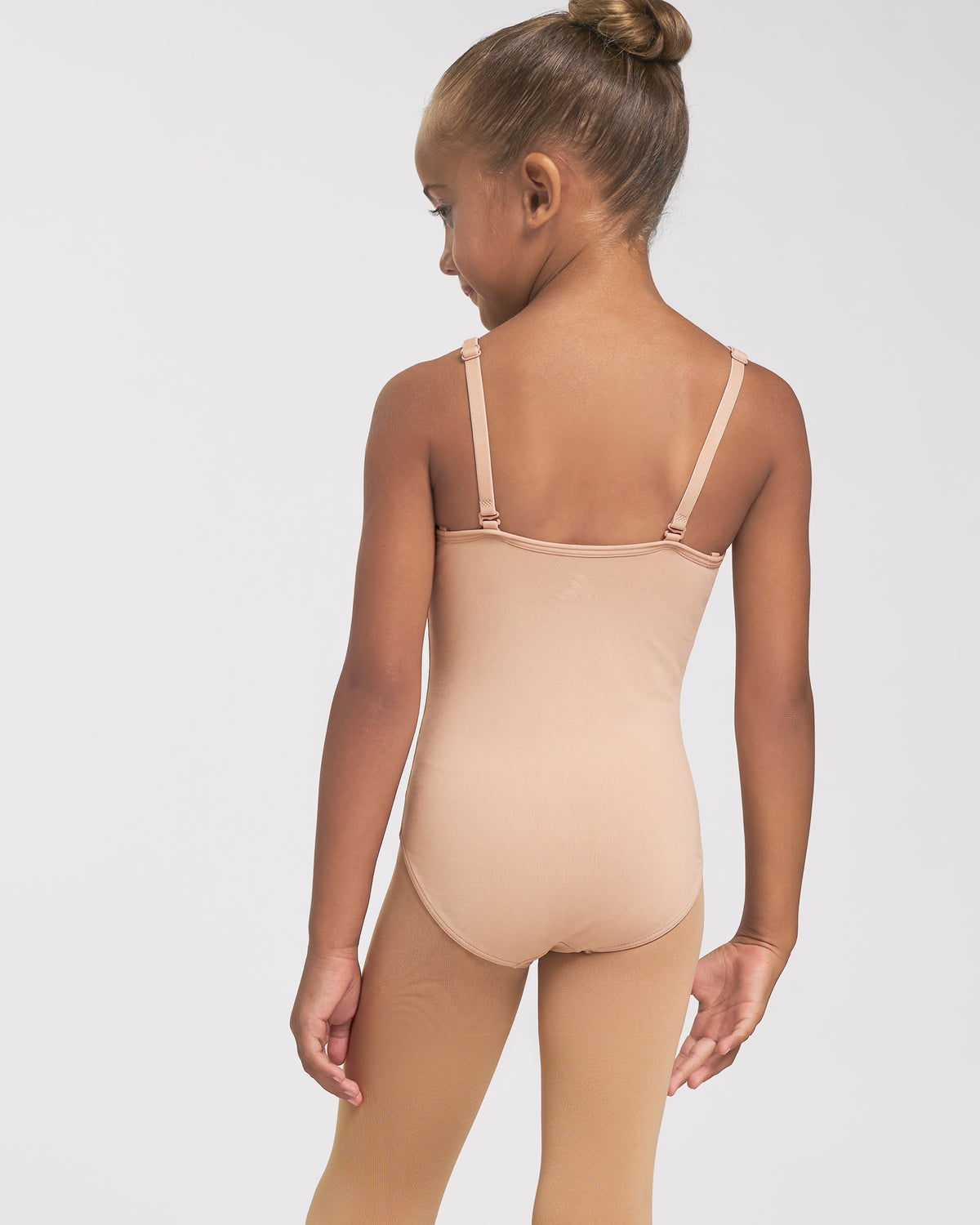
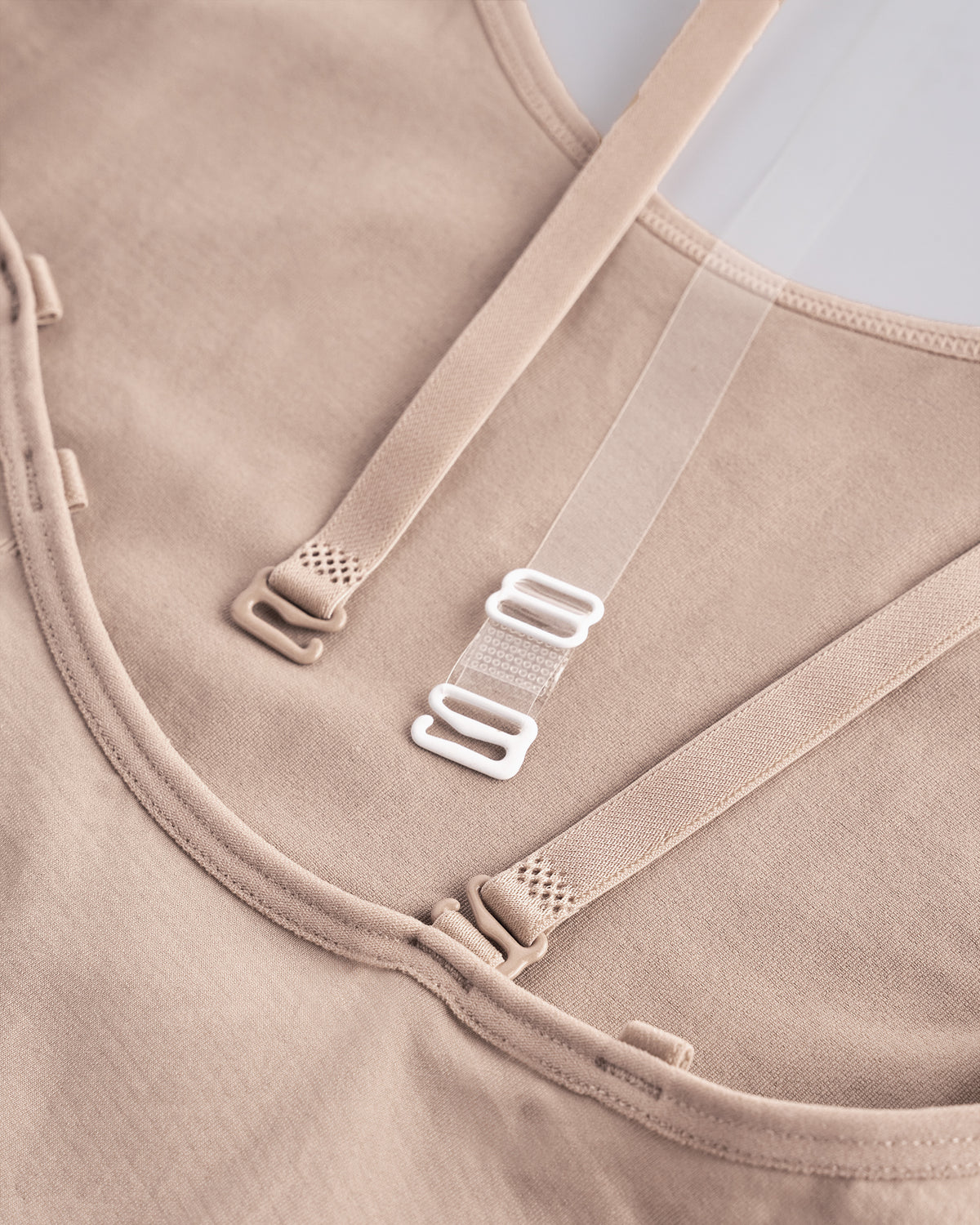
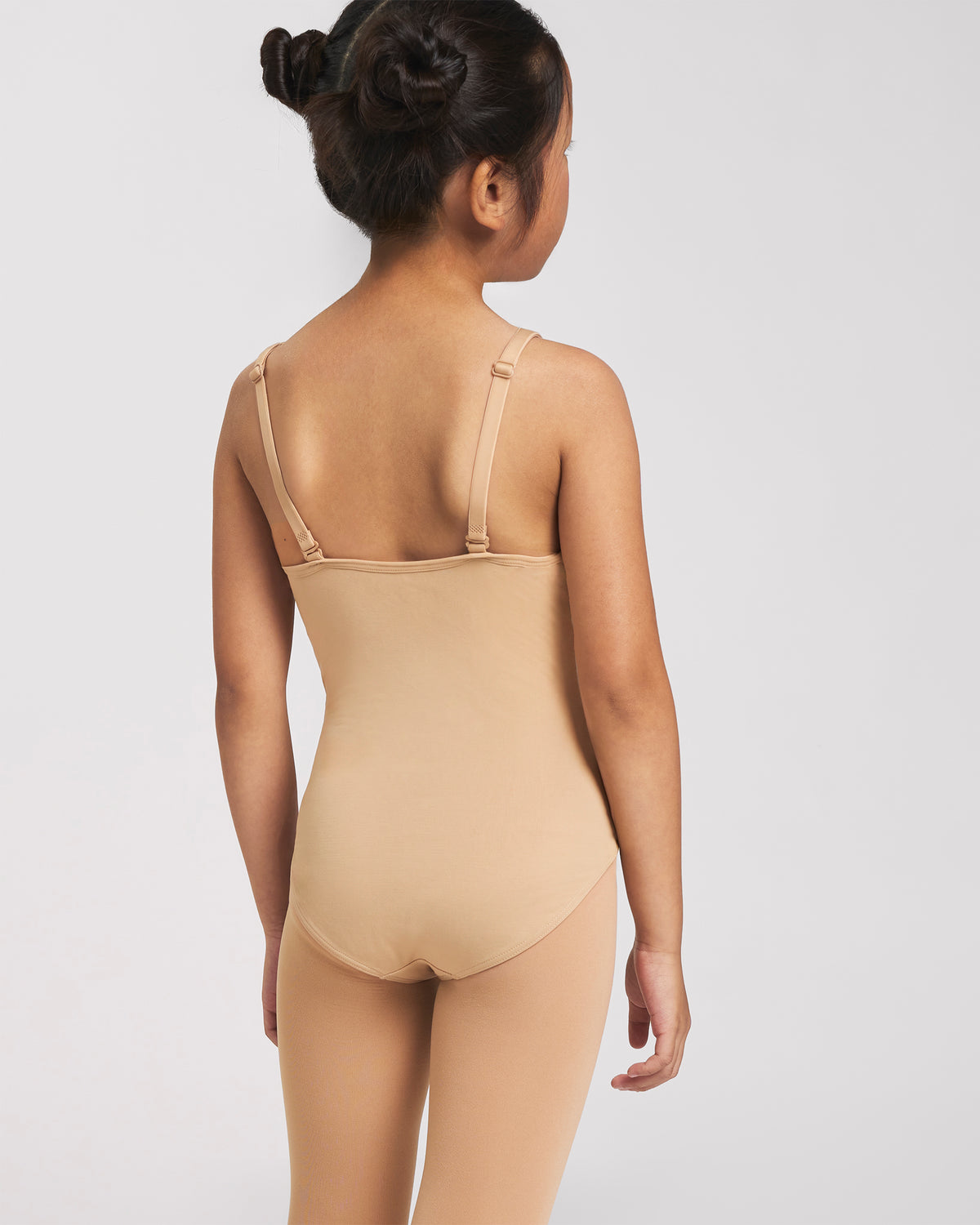
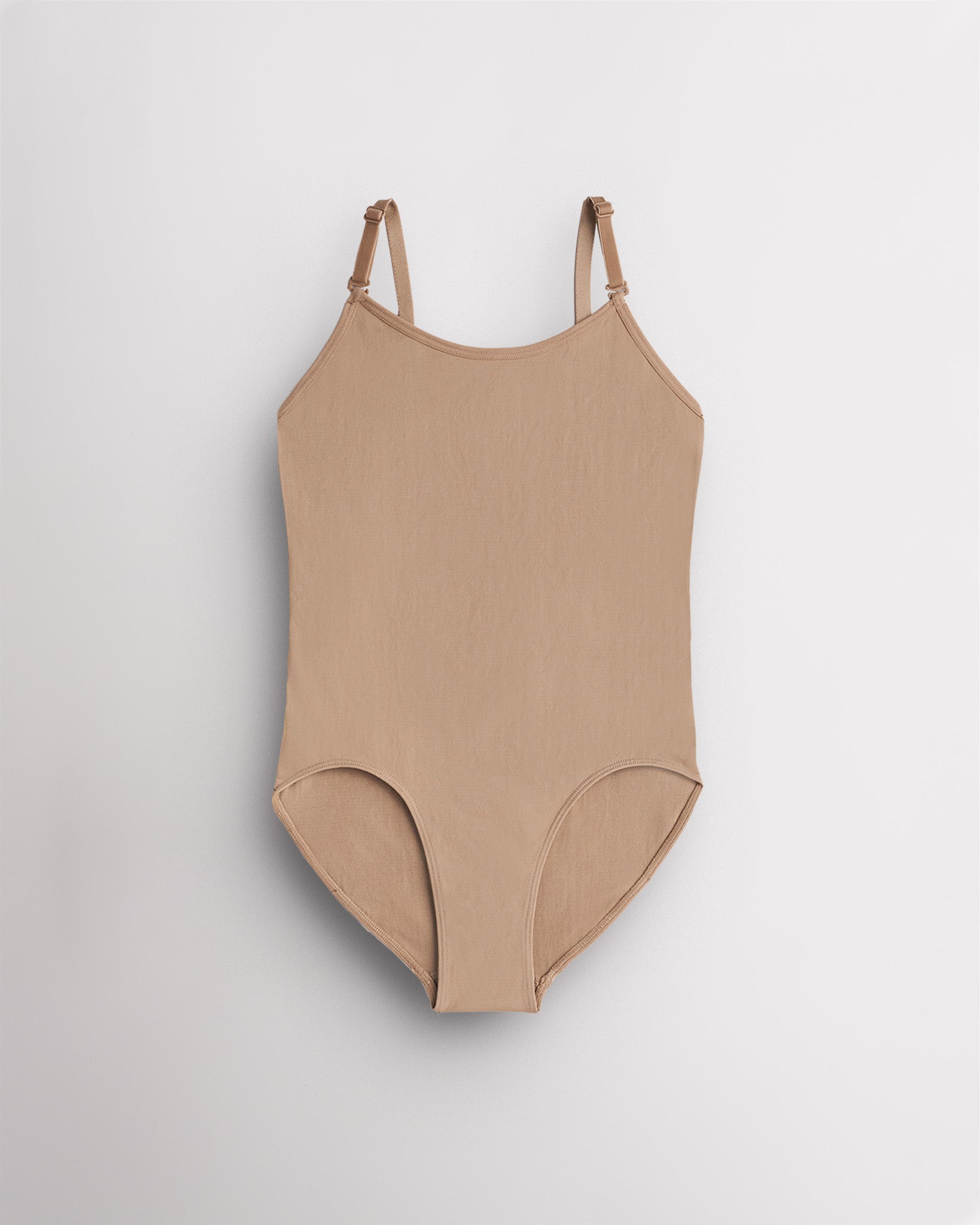
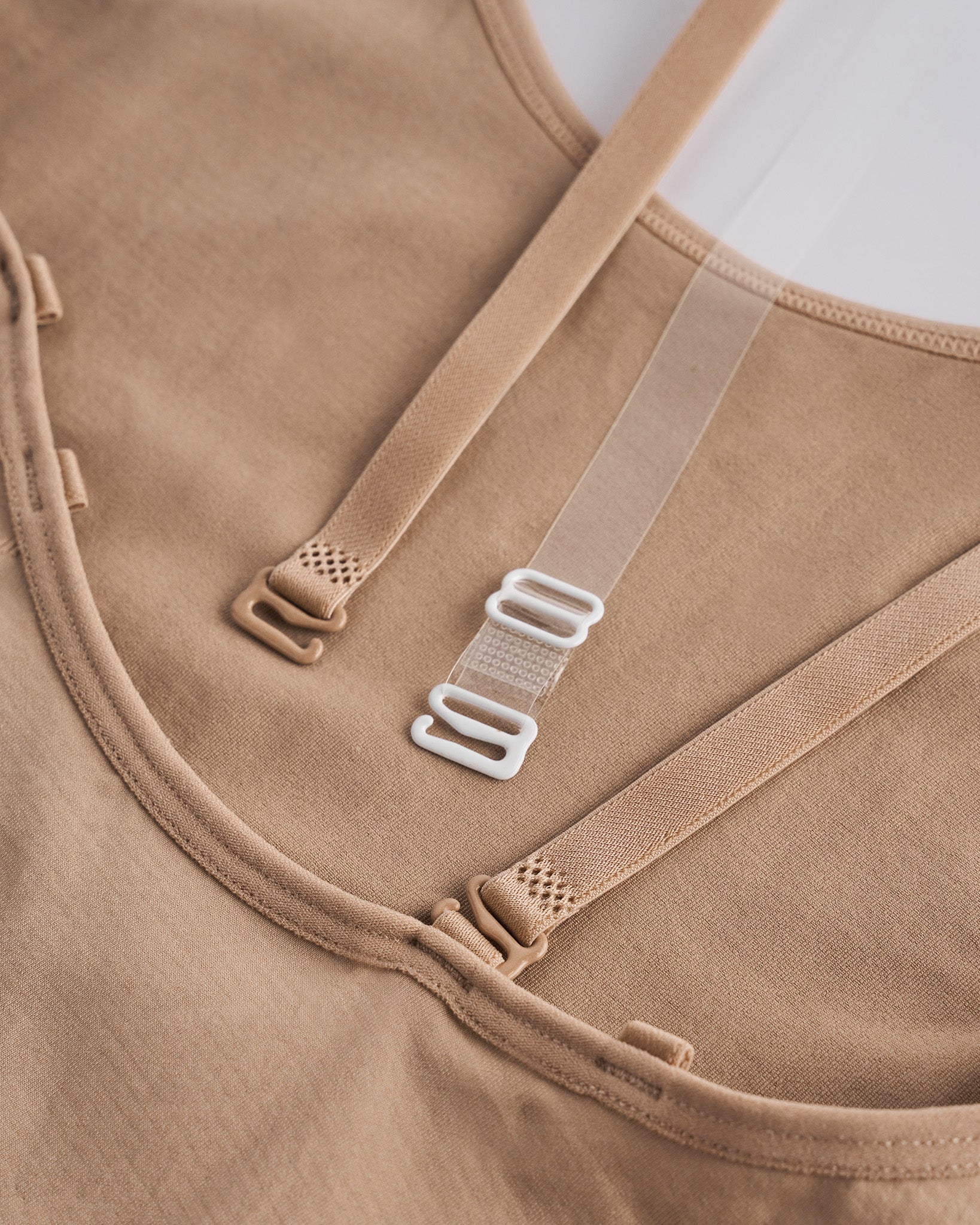
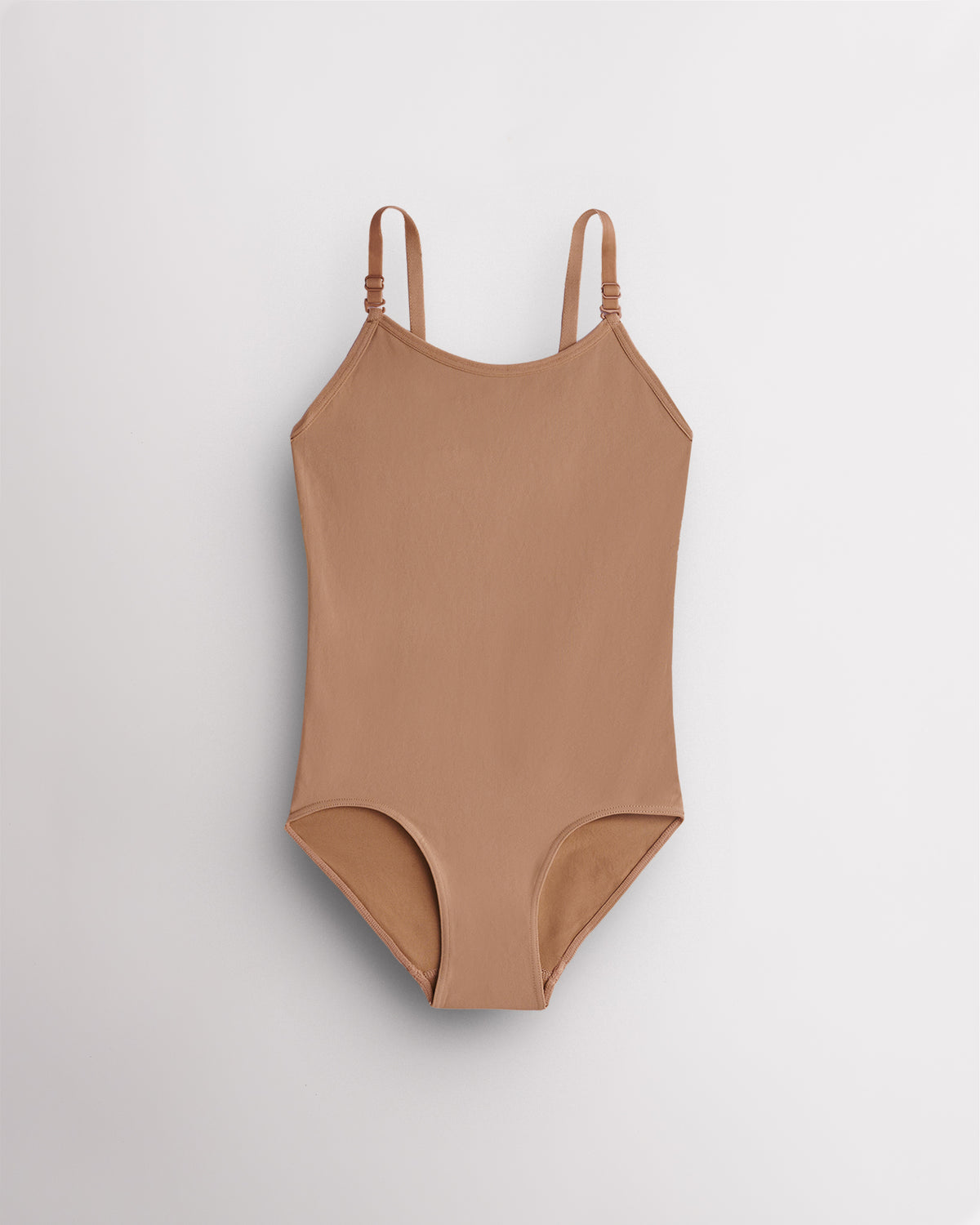
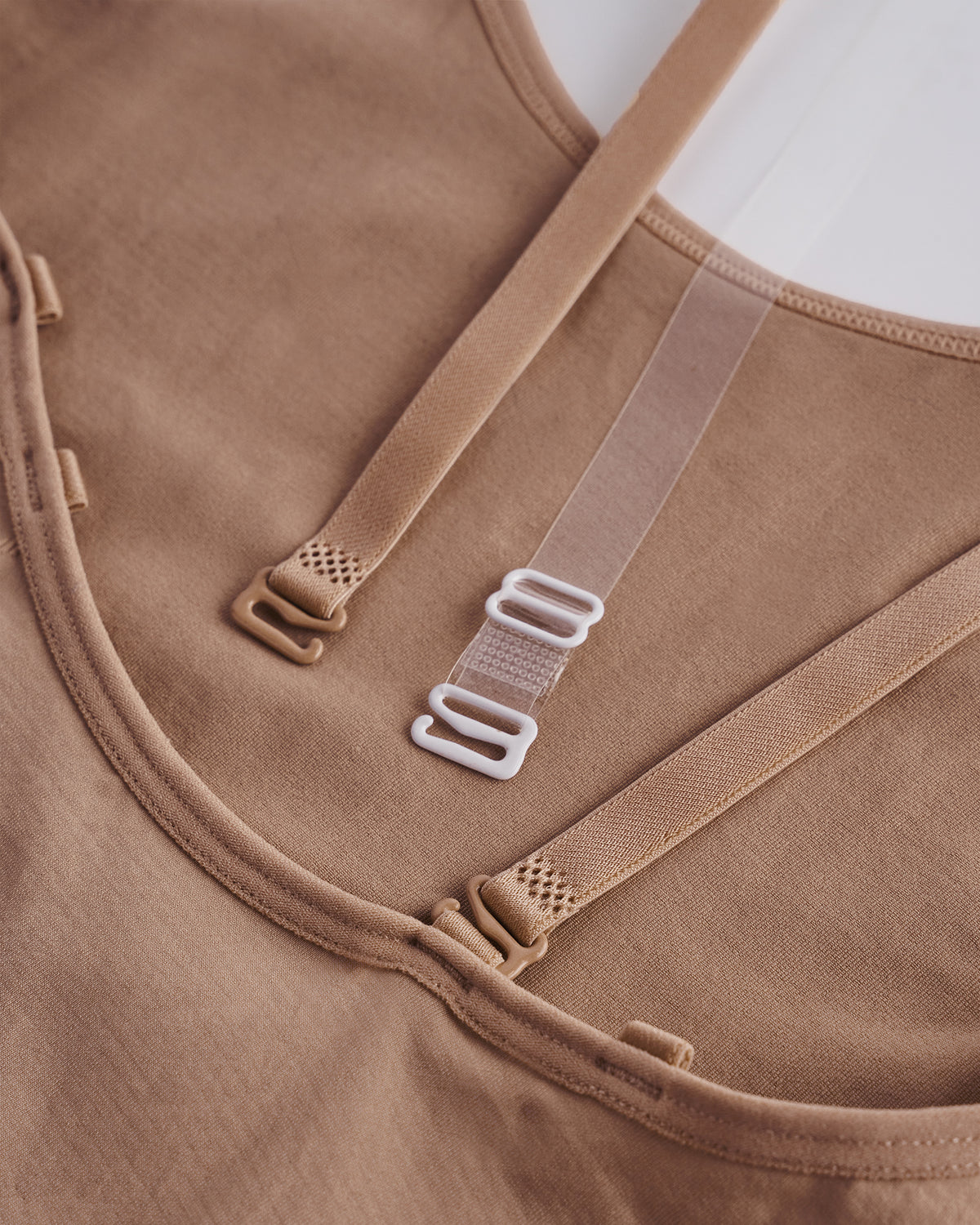
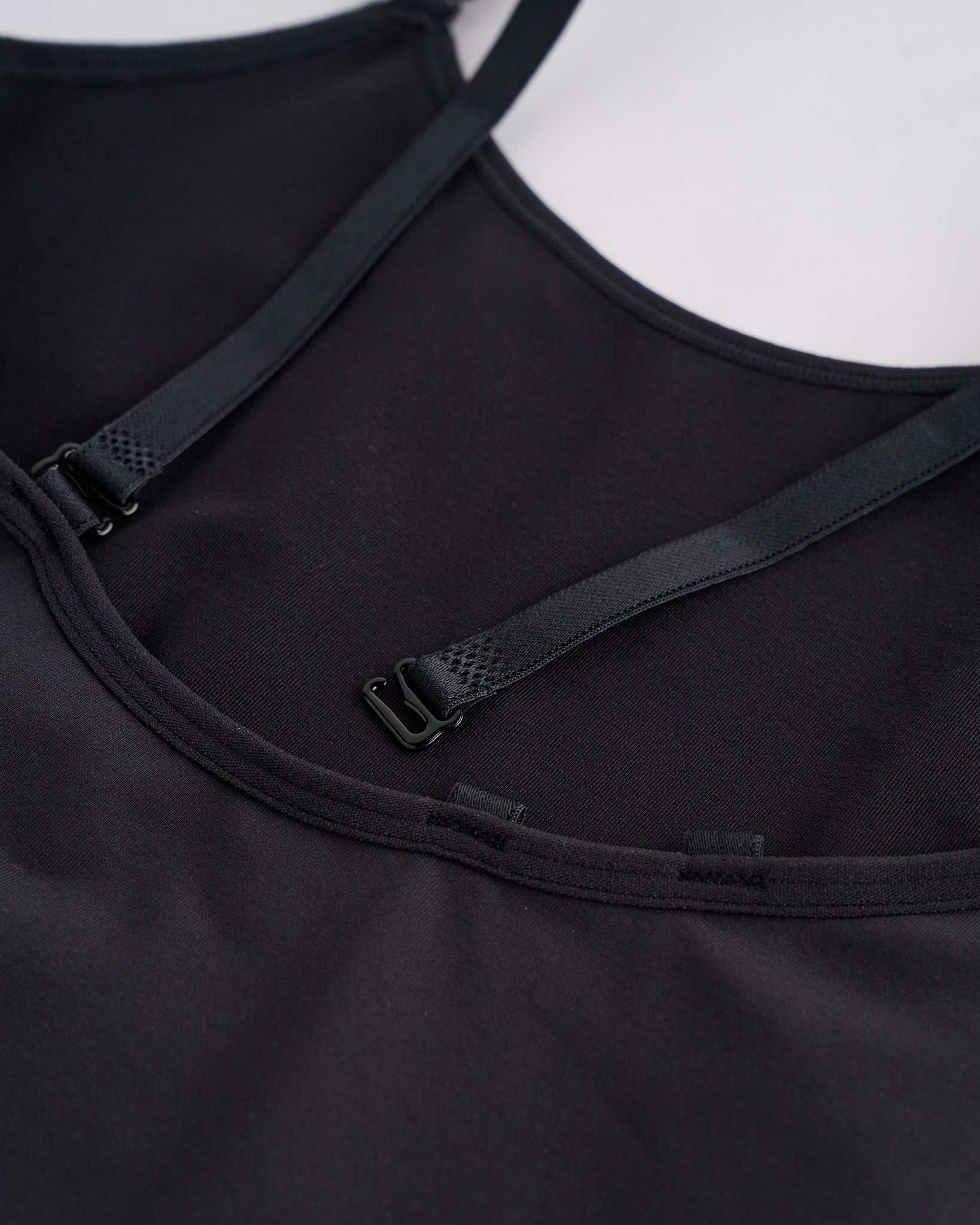
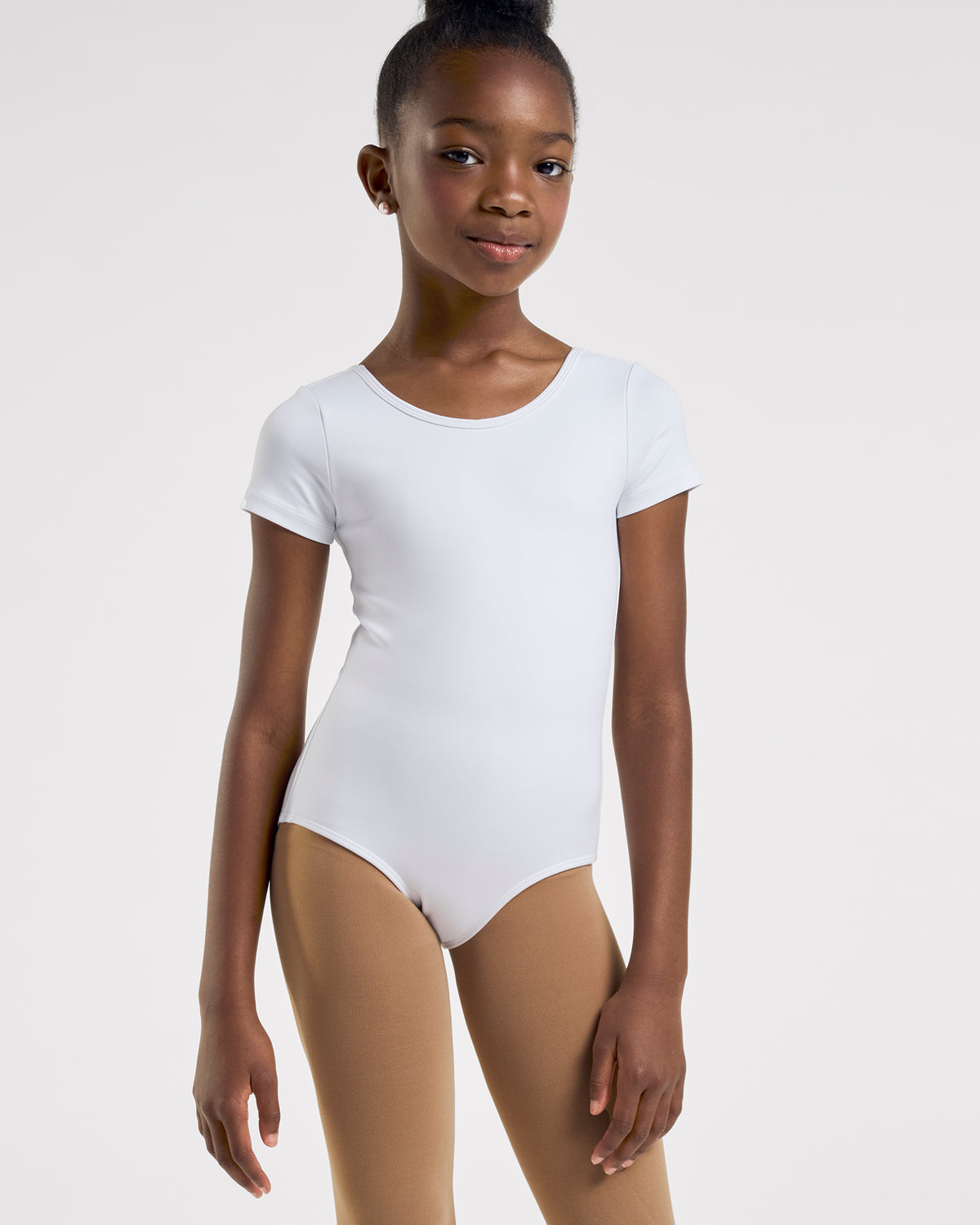
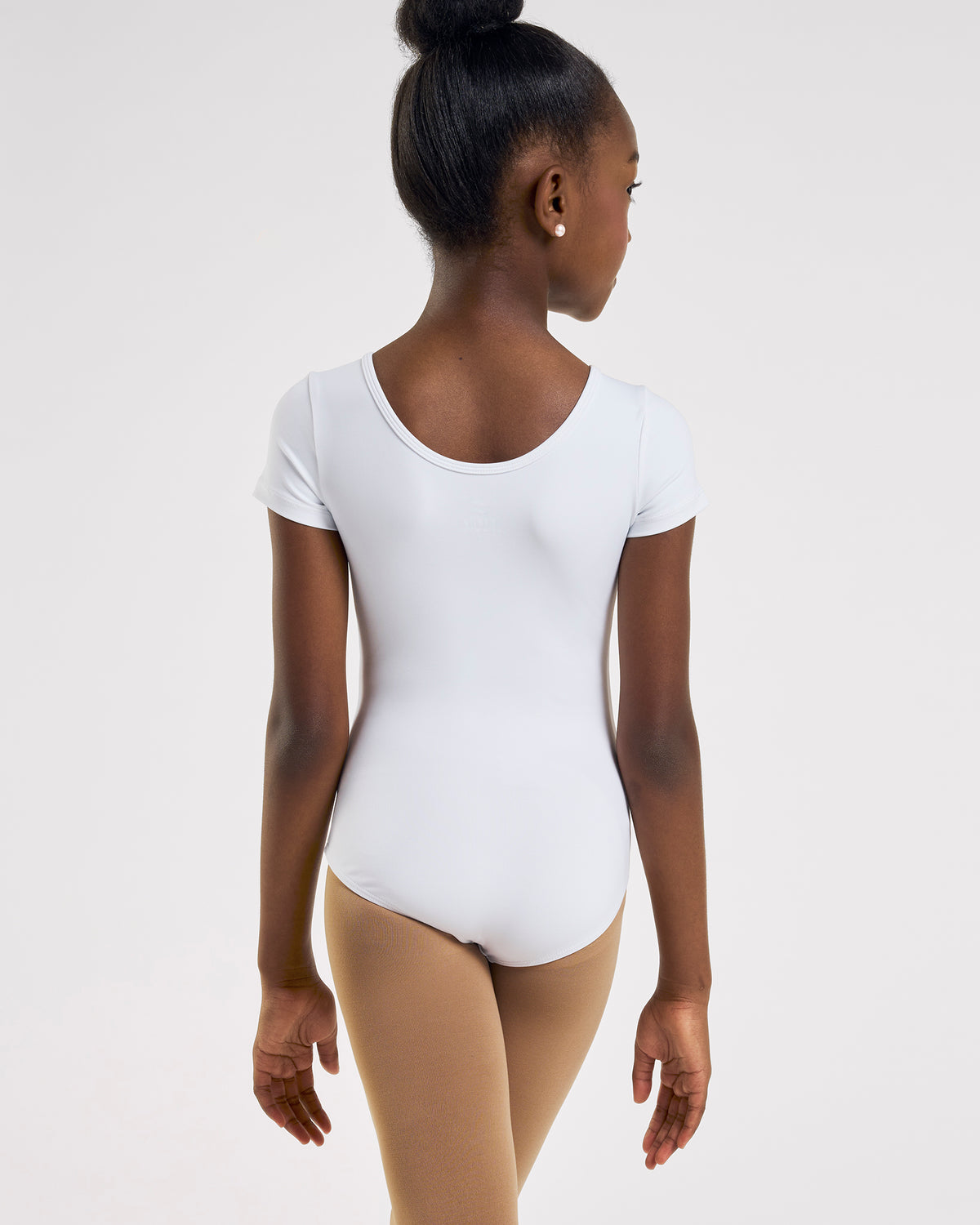
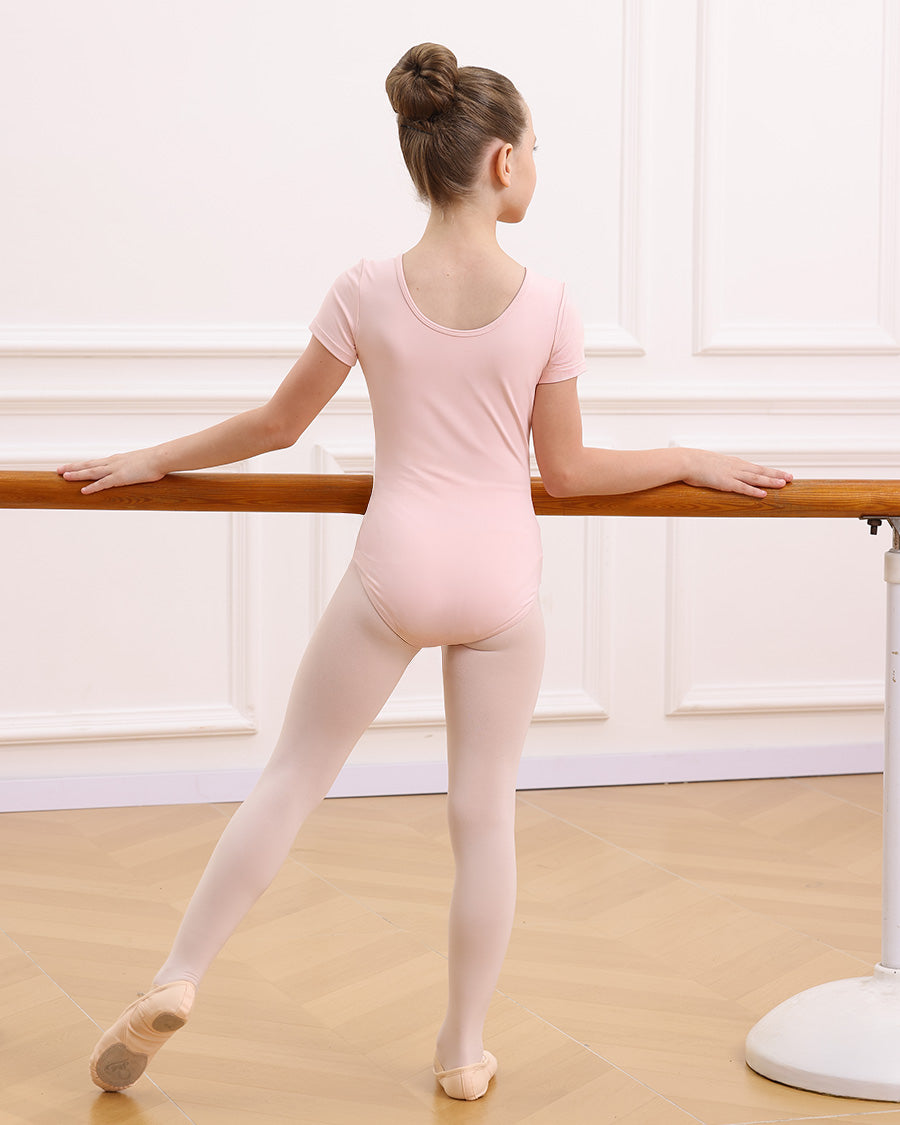
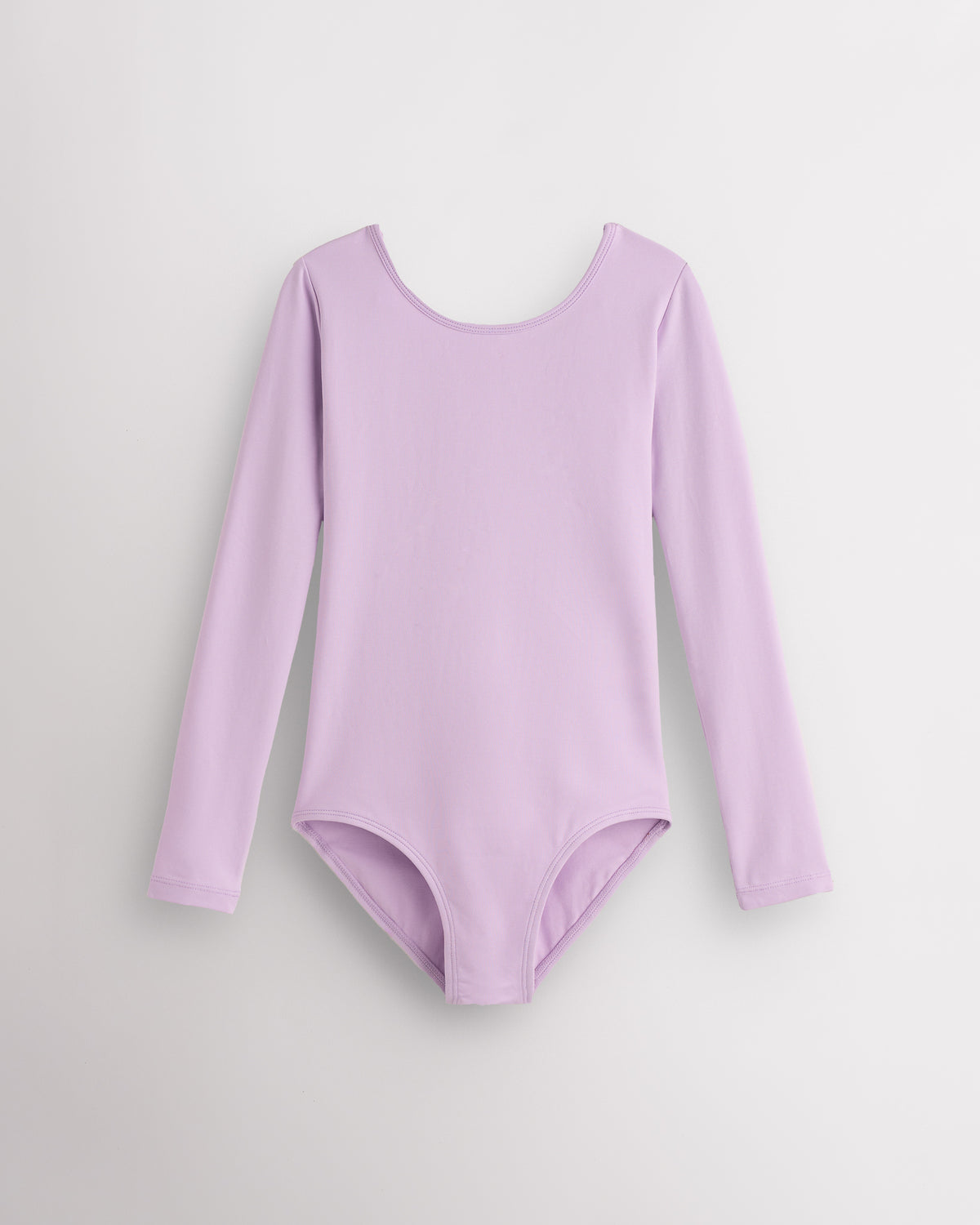
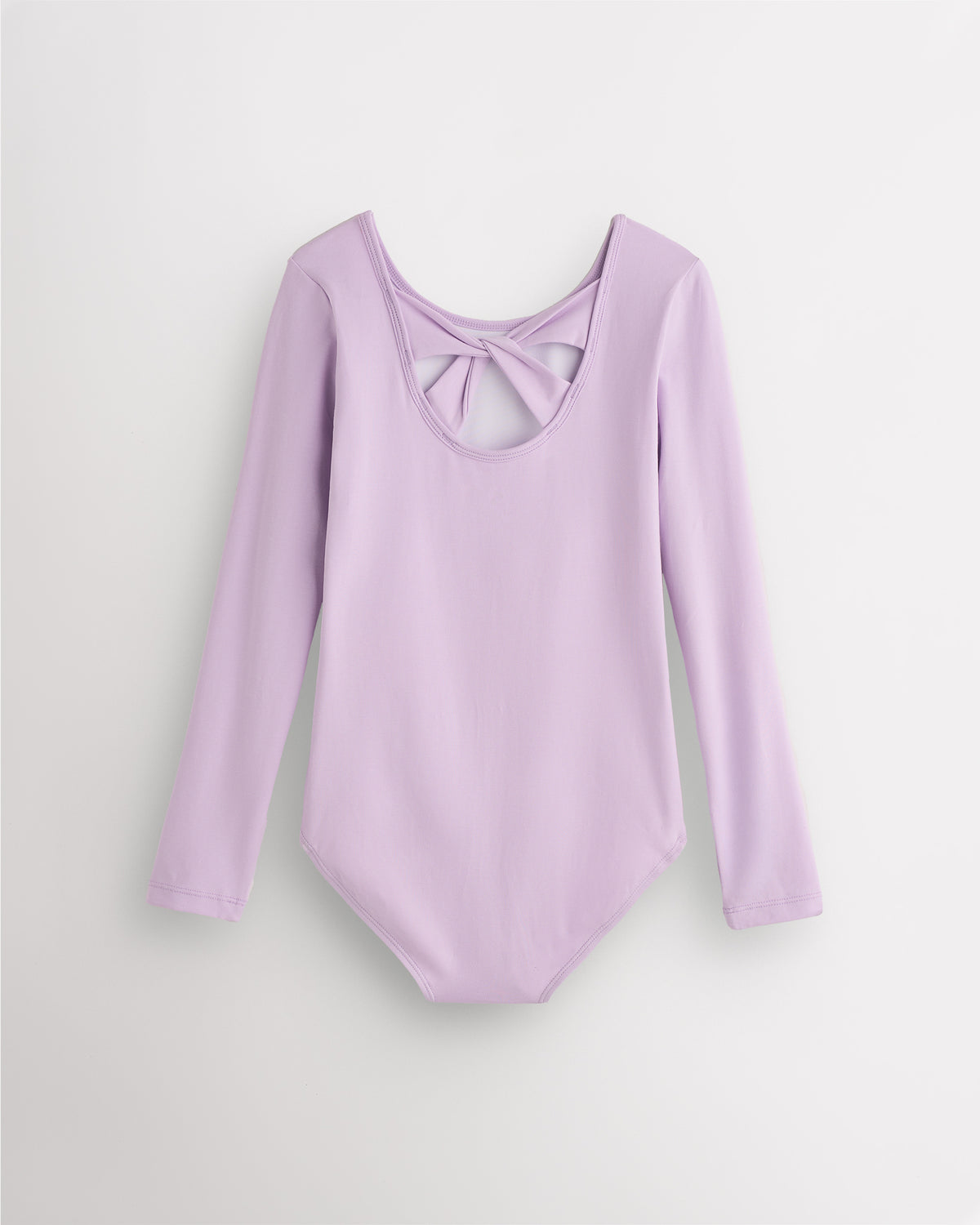
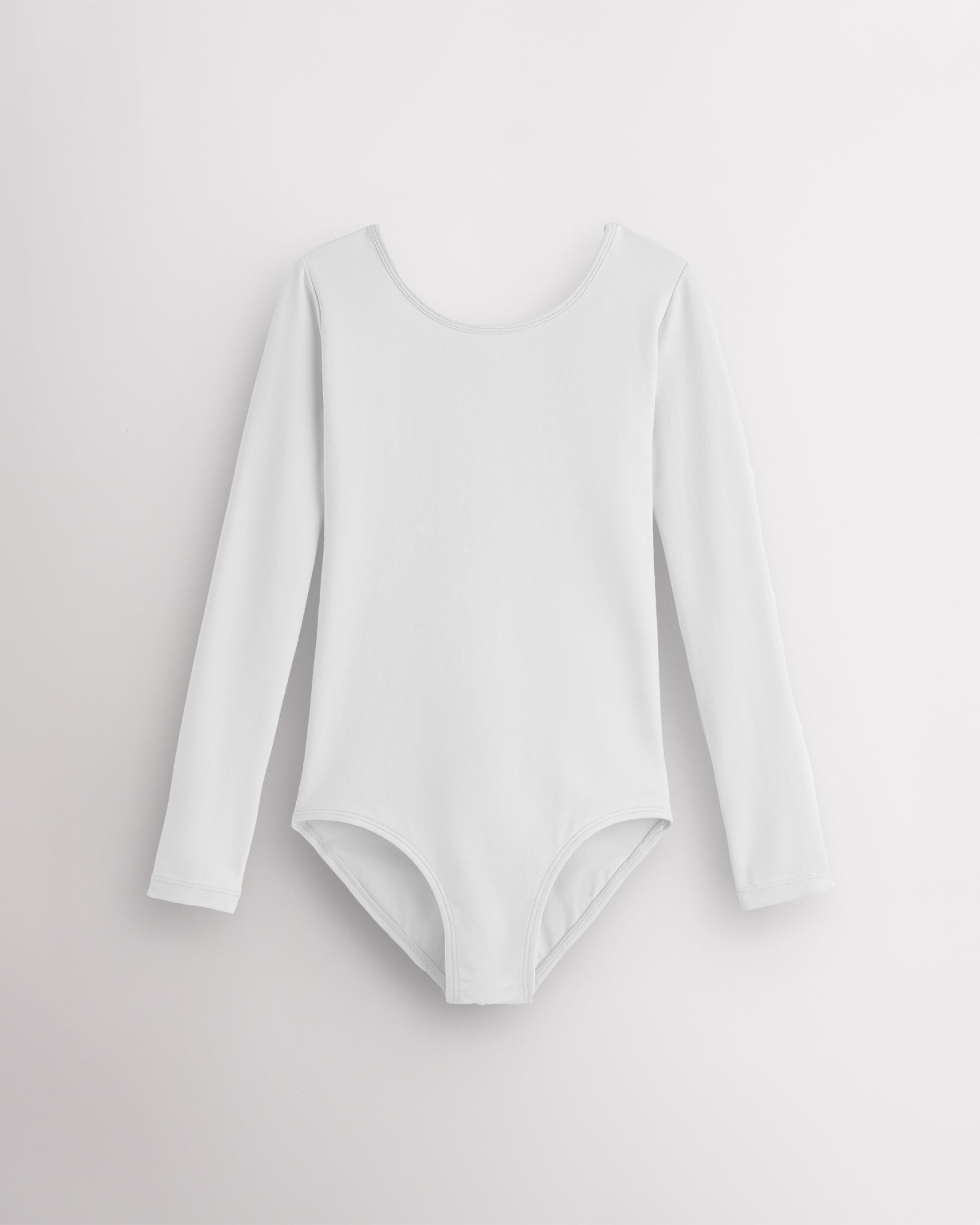
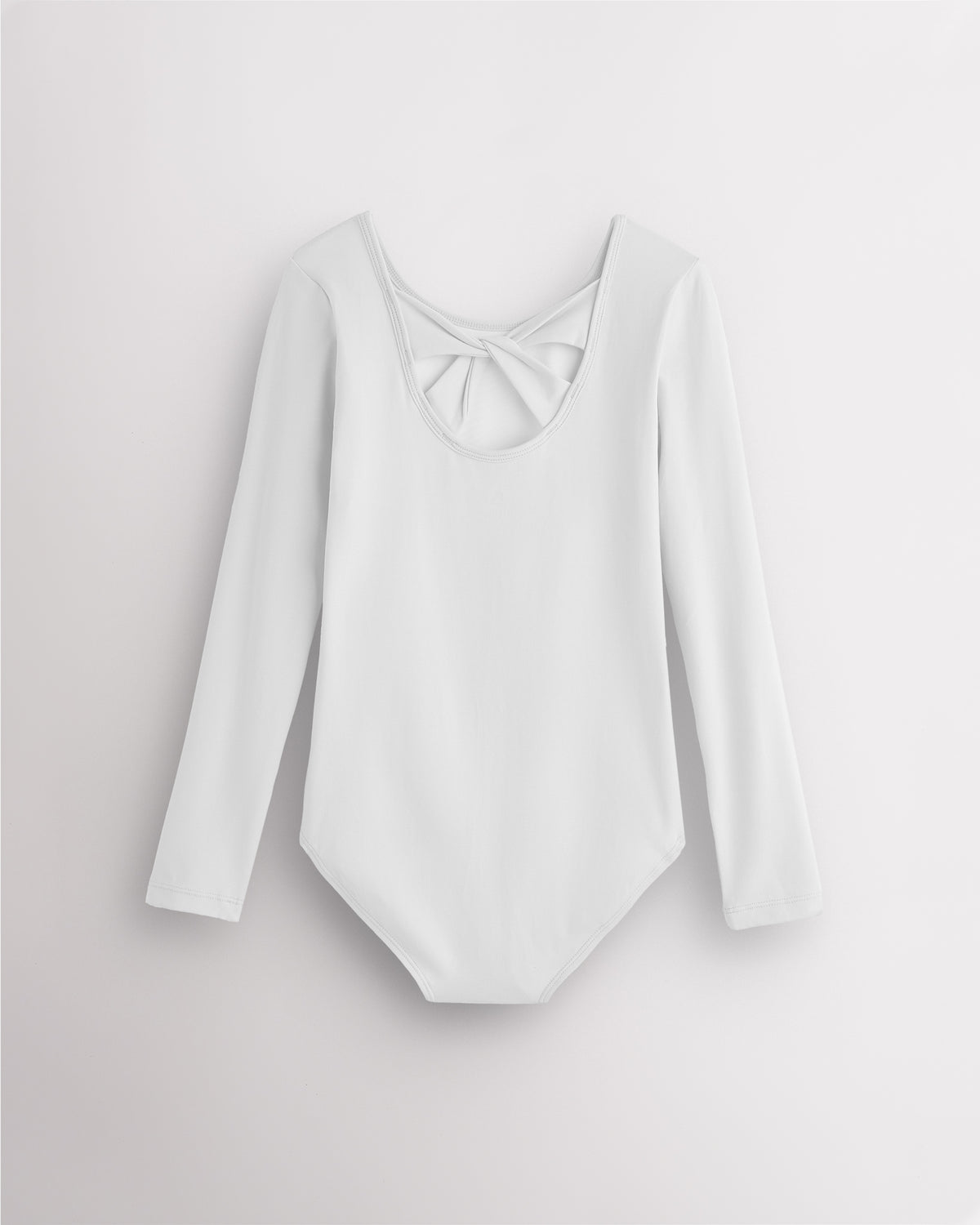
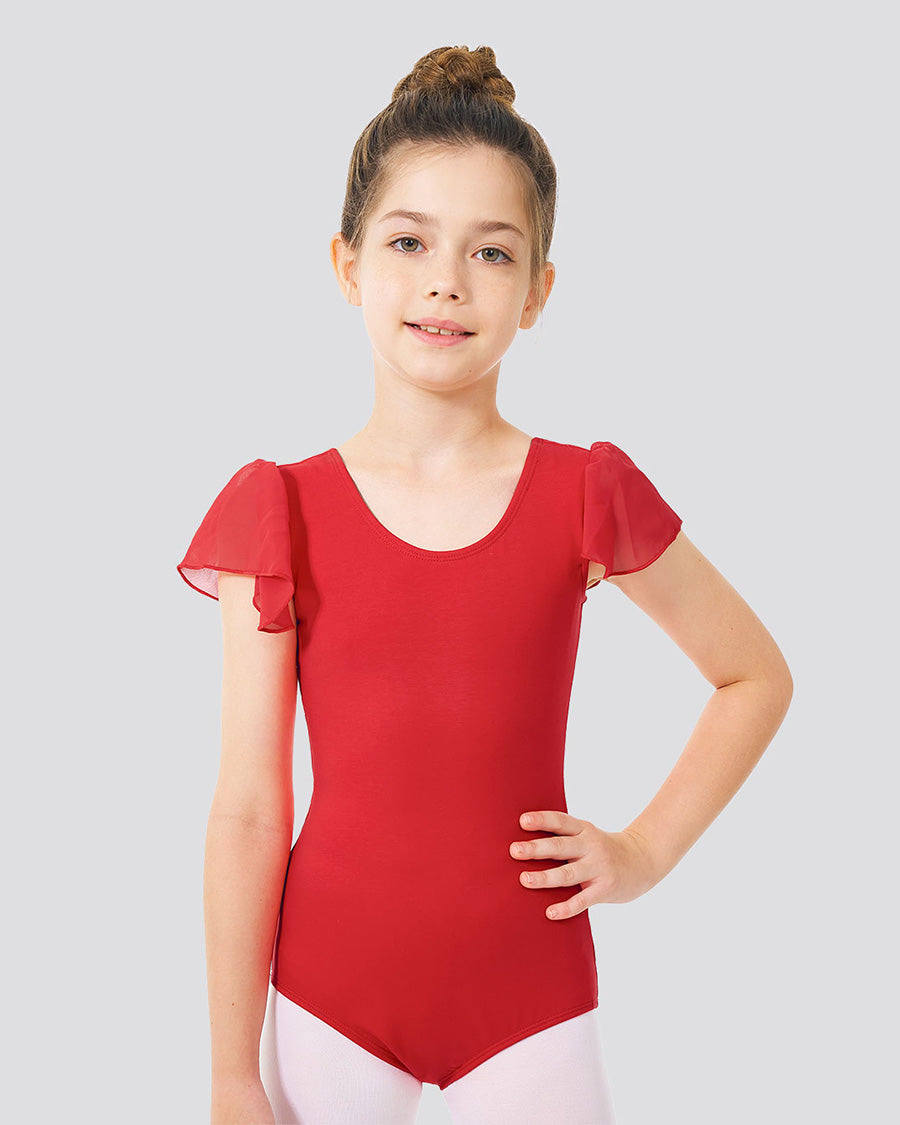
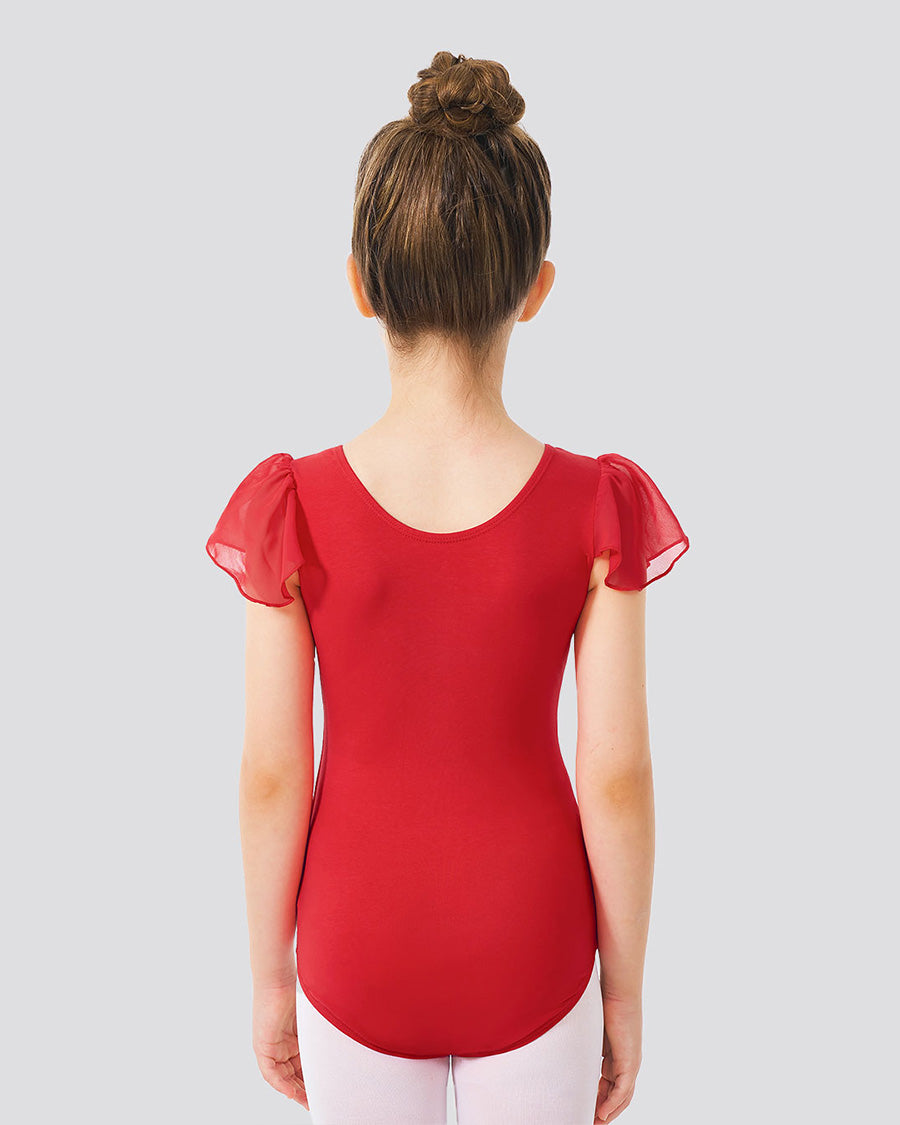
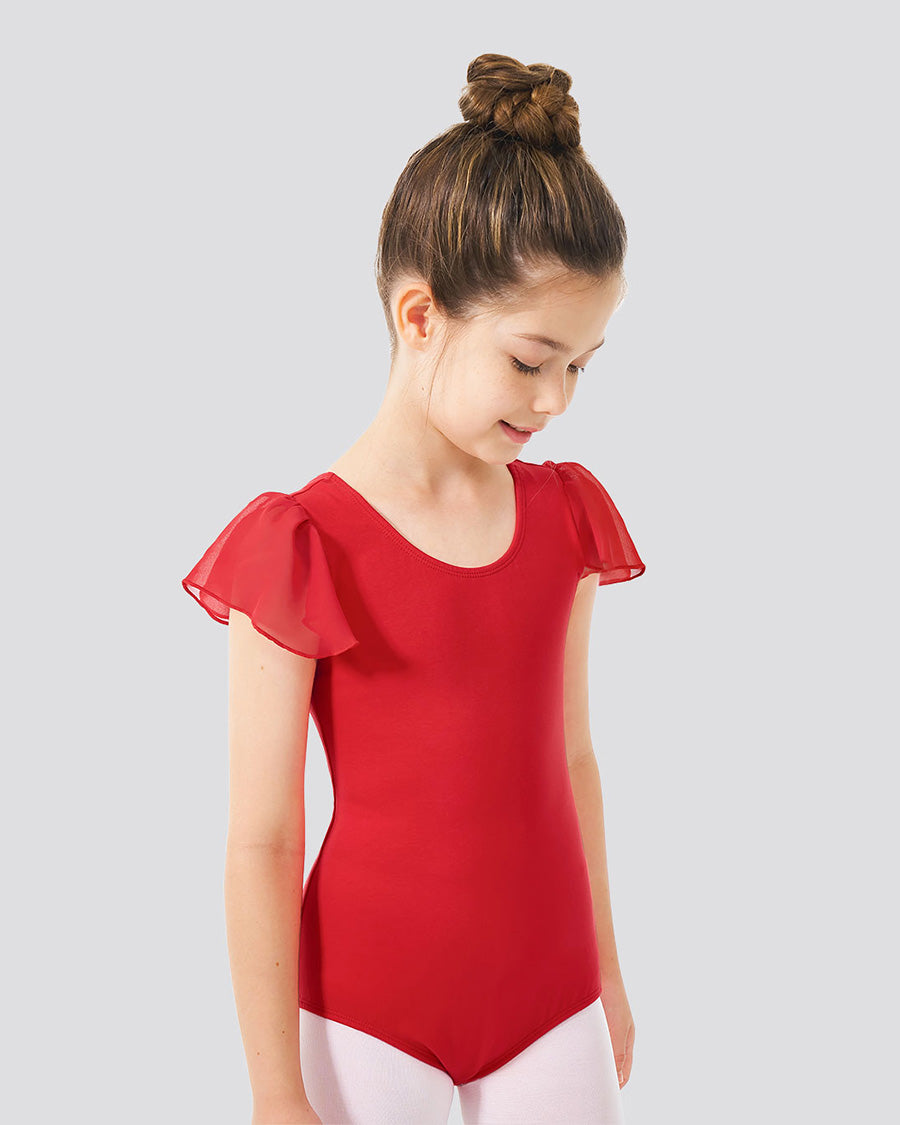
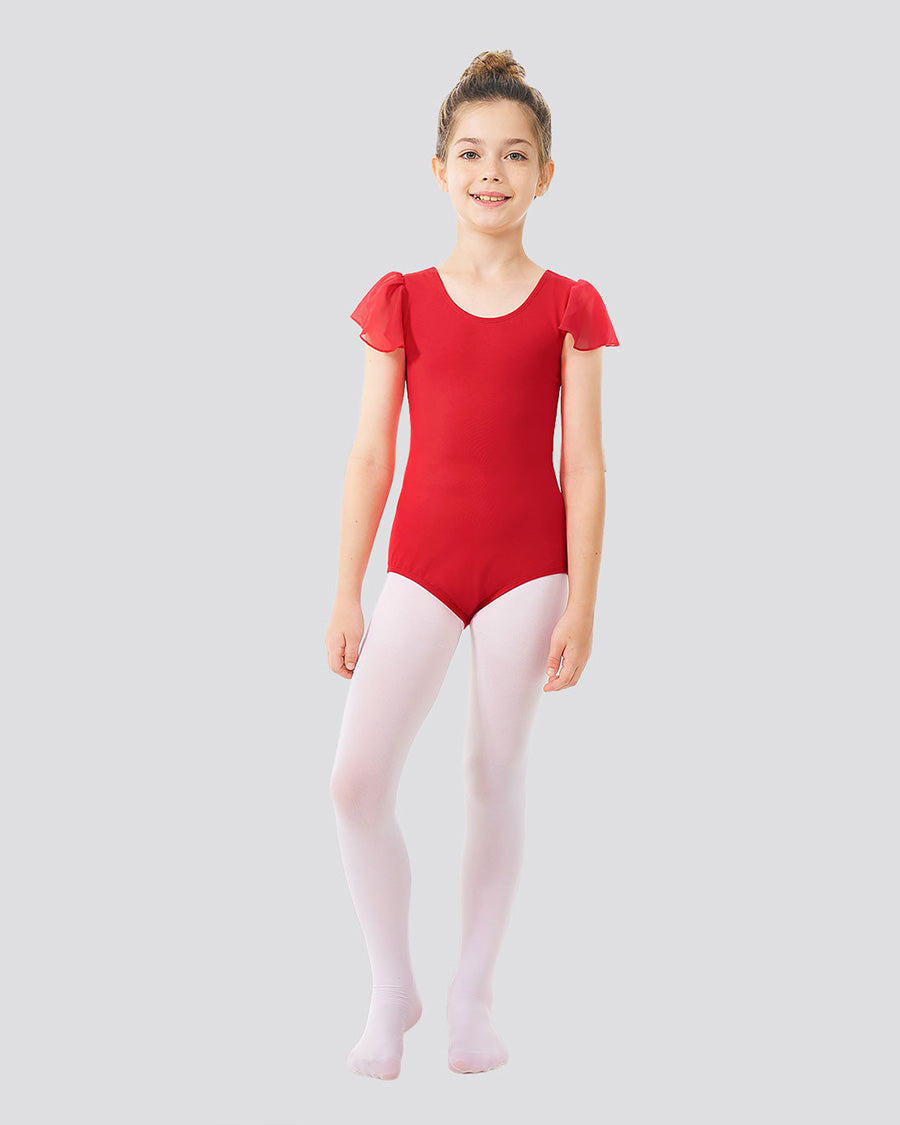
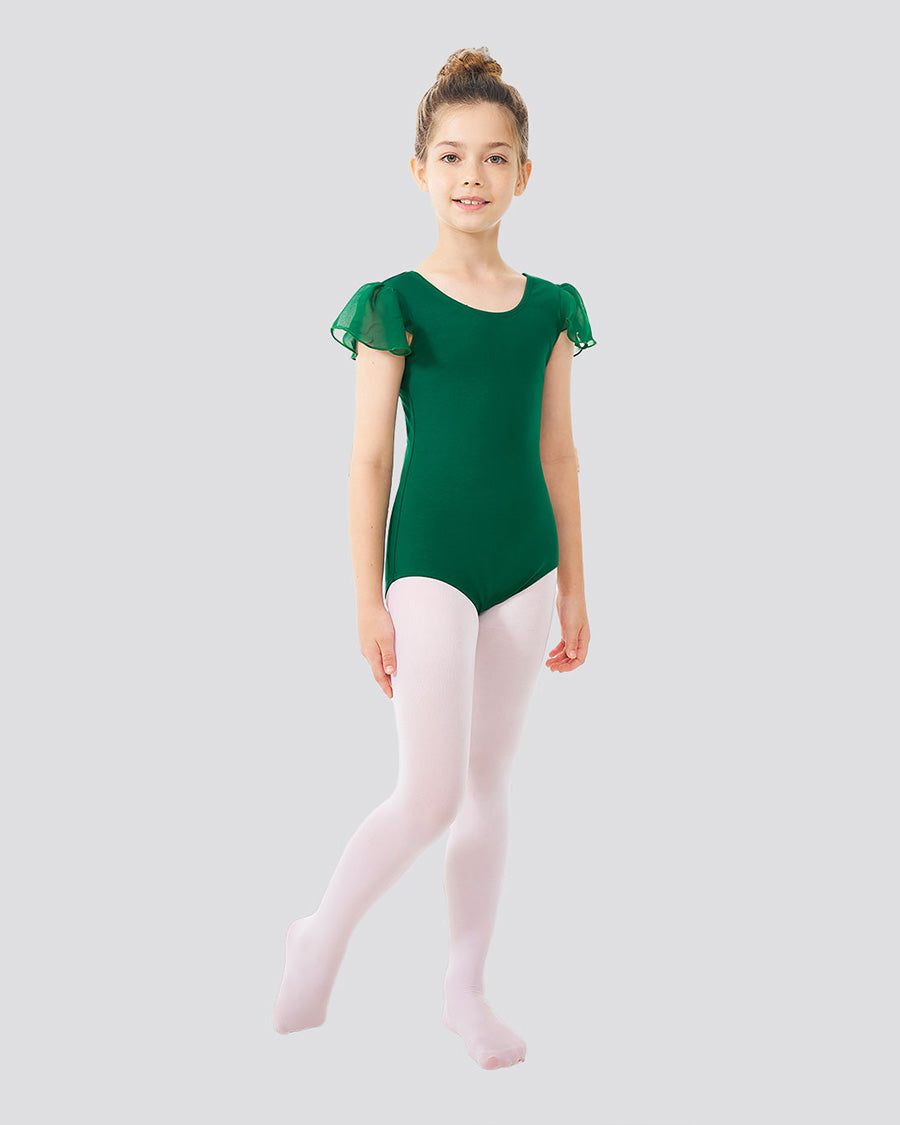
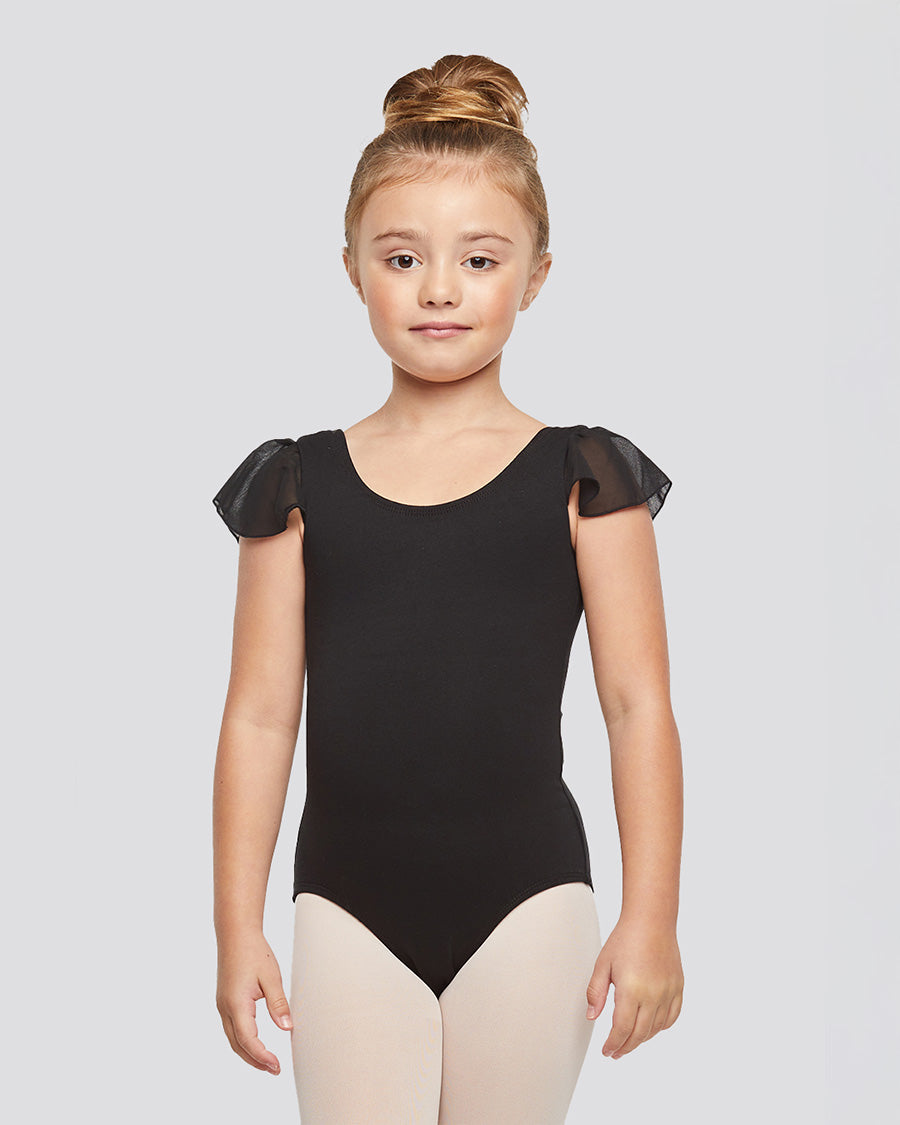
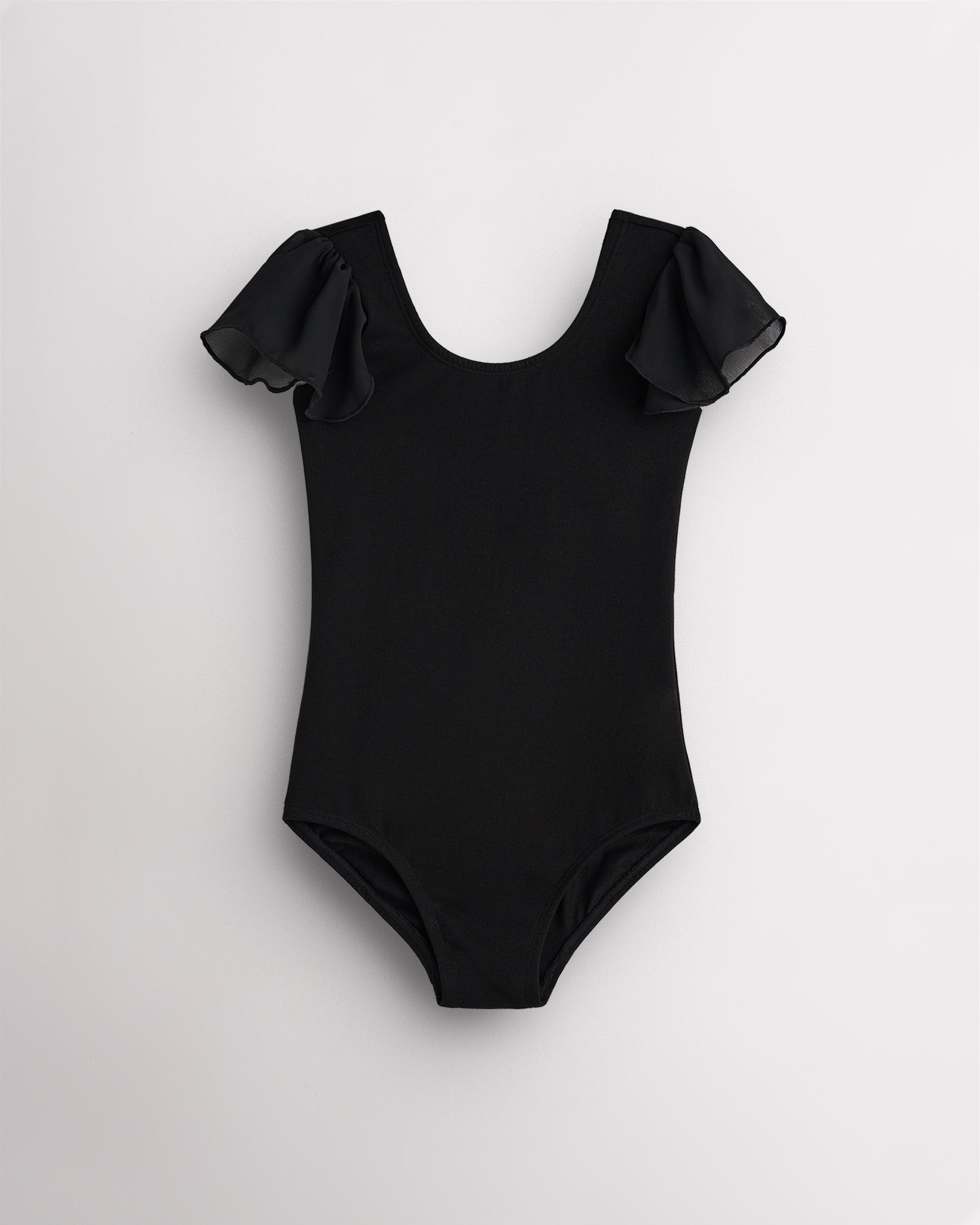
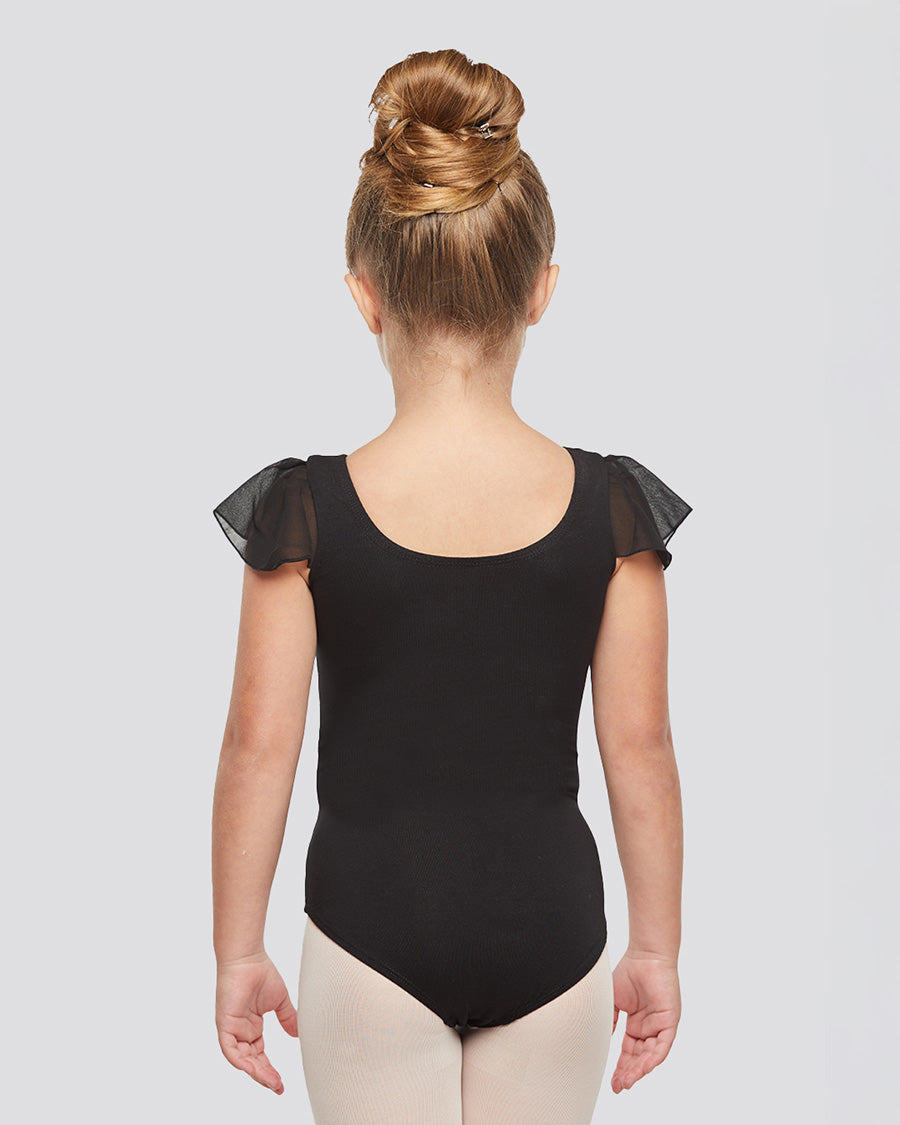
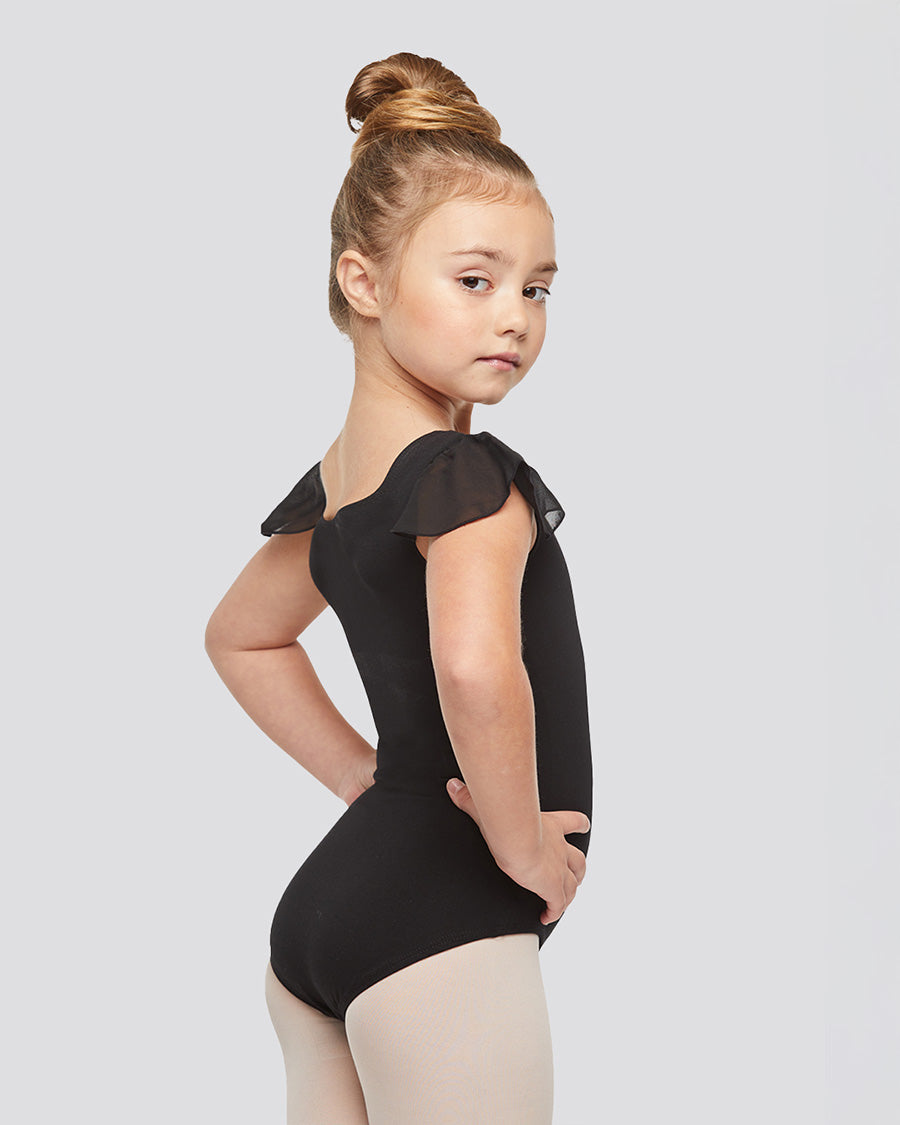
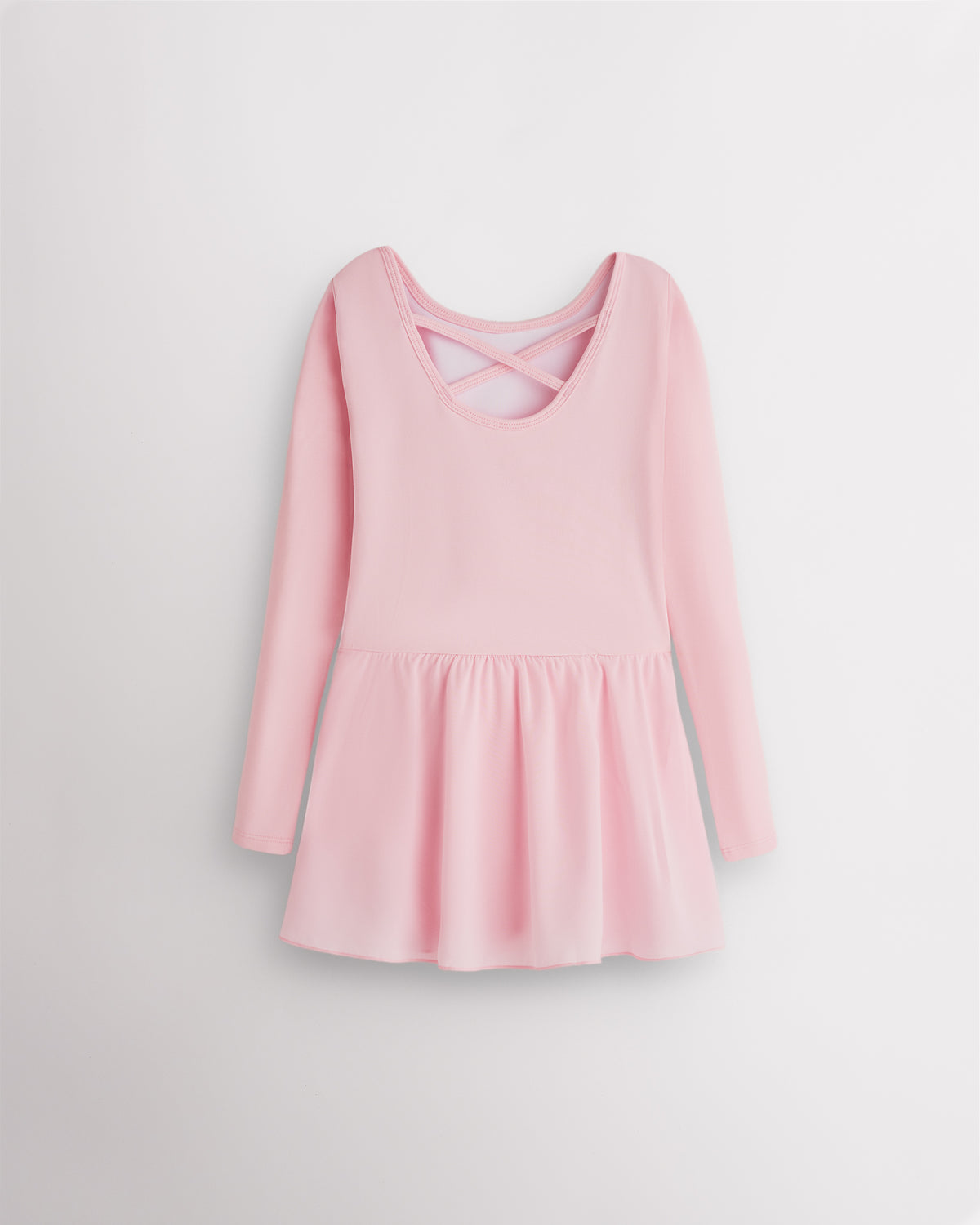
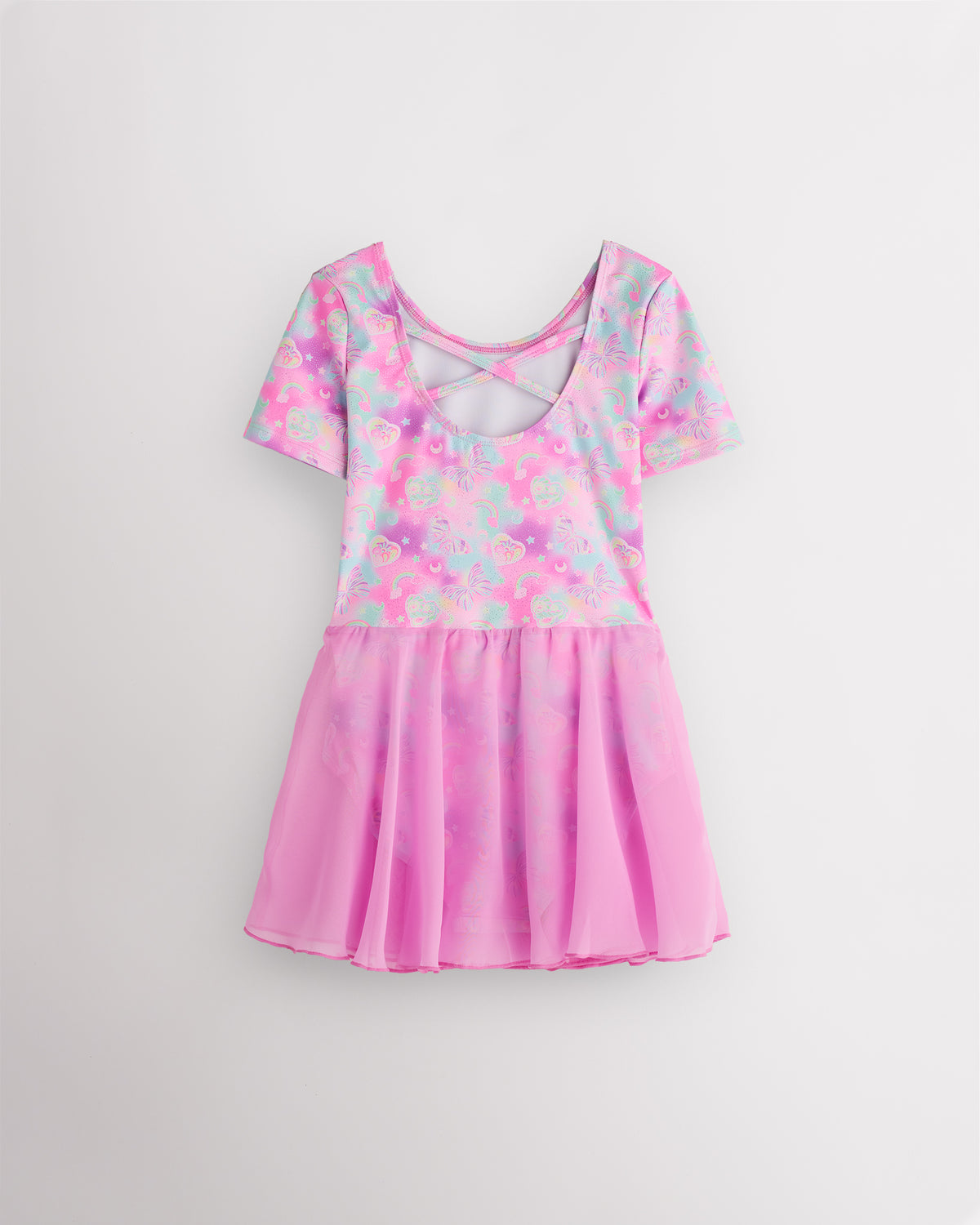
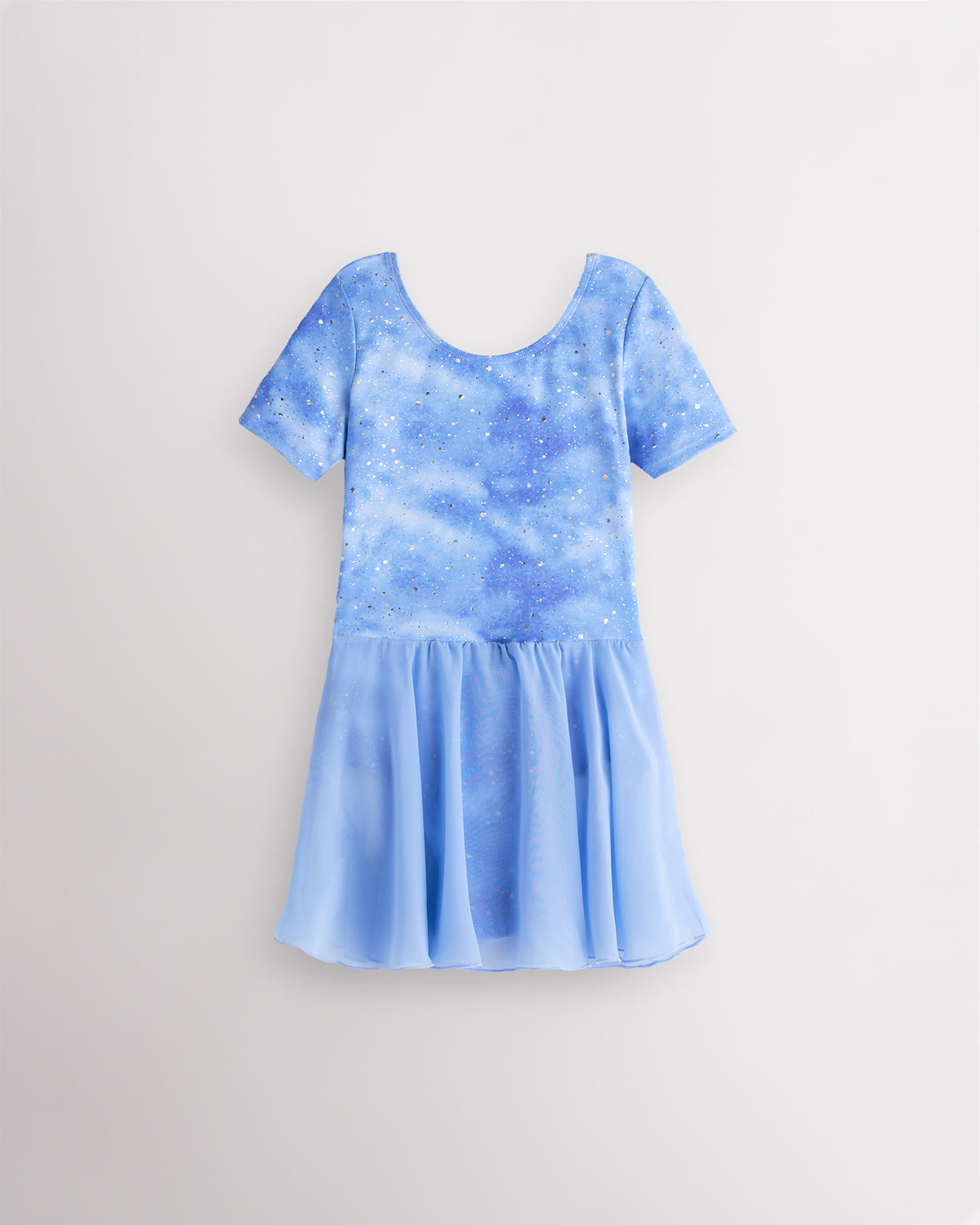
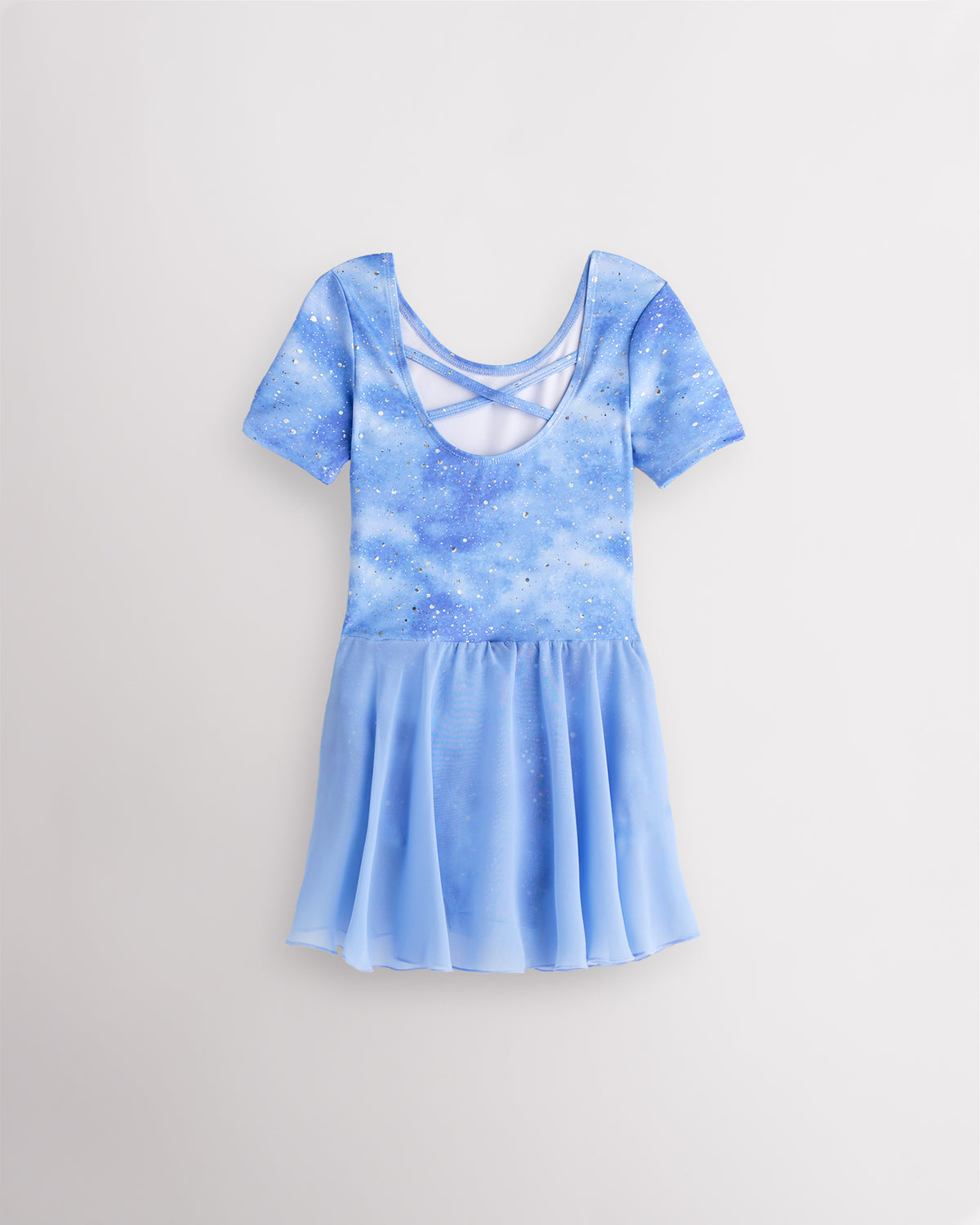
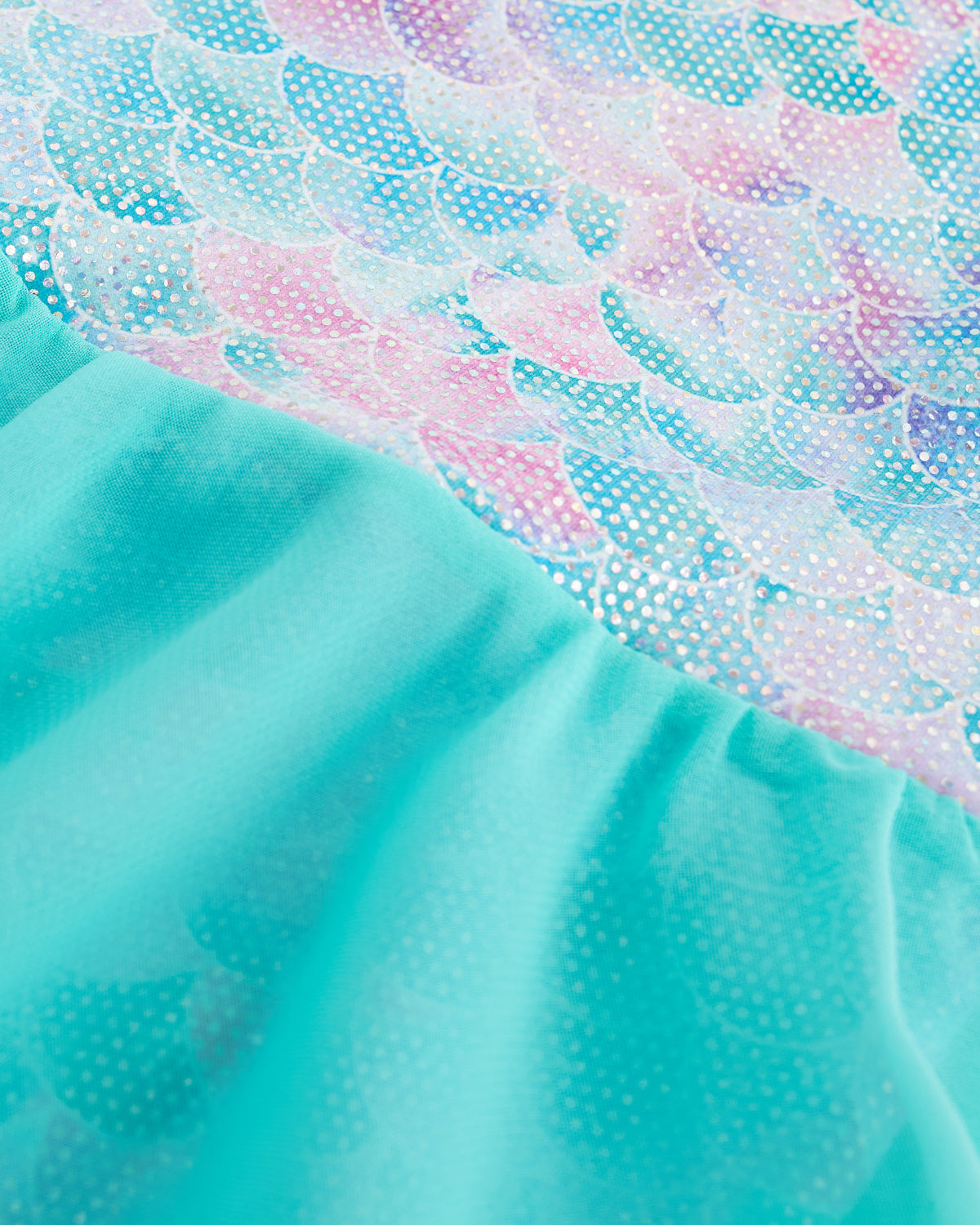
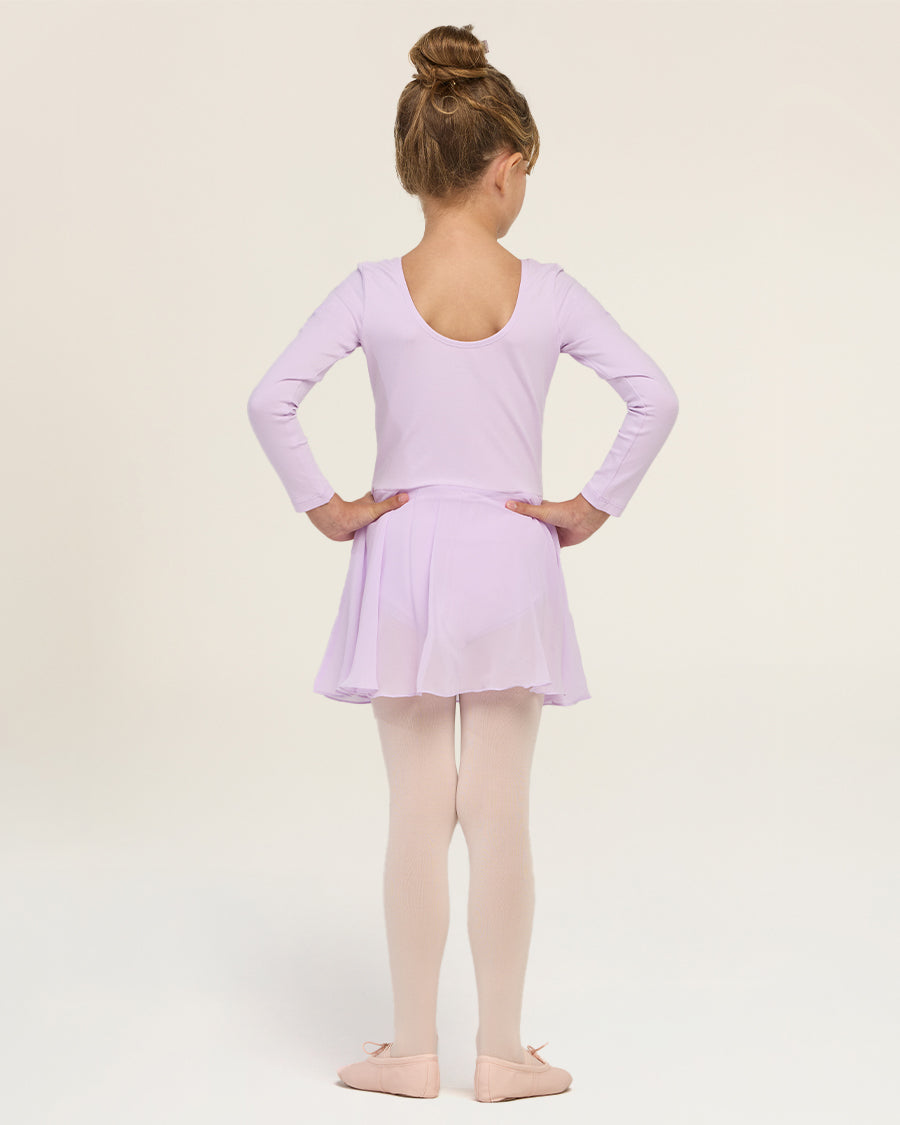
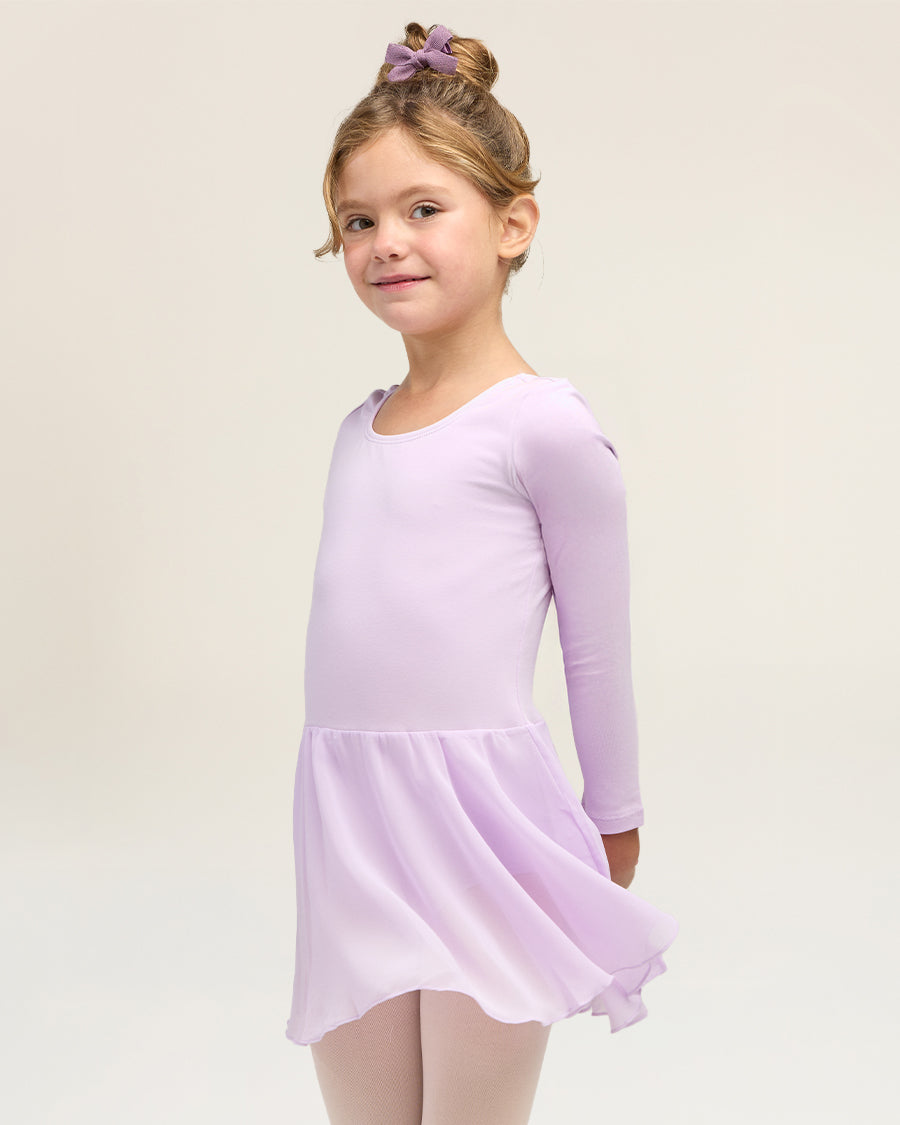
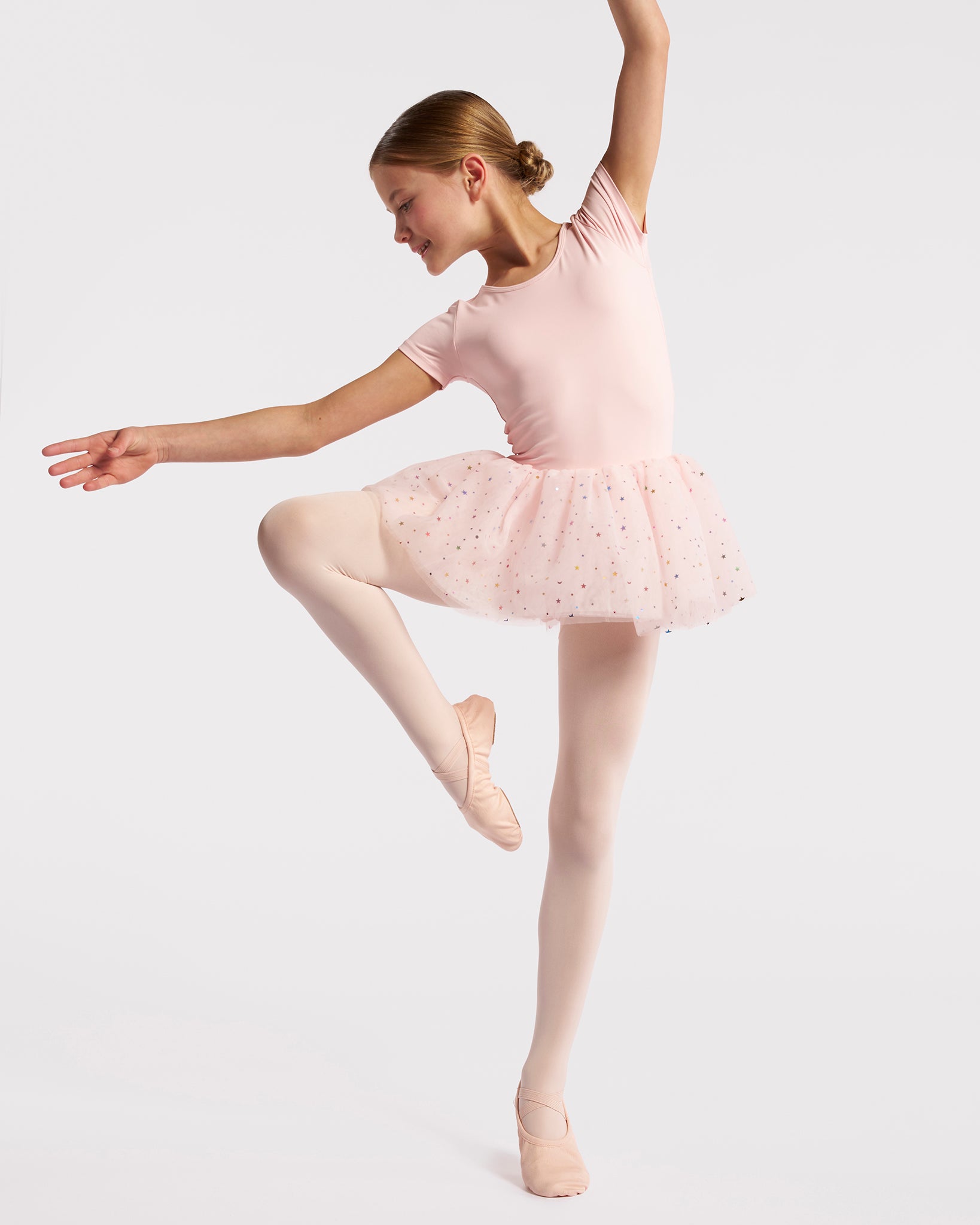
A leotard is defined by three things: it is one piece, it fits close to the body, and it covers the torso from the shoulders (or chest) down through the crotch while leaving the legs uncovered. Sleeves are optional. Most modern leotards are made from stretch fabrics like cotton-spandex or nylon-spandex, so they move with the body and give teachers a clear view of posture and alignment. That visibility is the practical reason so many ballet studios put leotards in the dress code.
A few close cousins cause most of the confusion:
-
Unitard: a leotard with legs, covering the body from shoulders to ankles (or knees). One garment, more coverage.
-
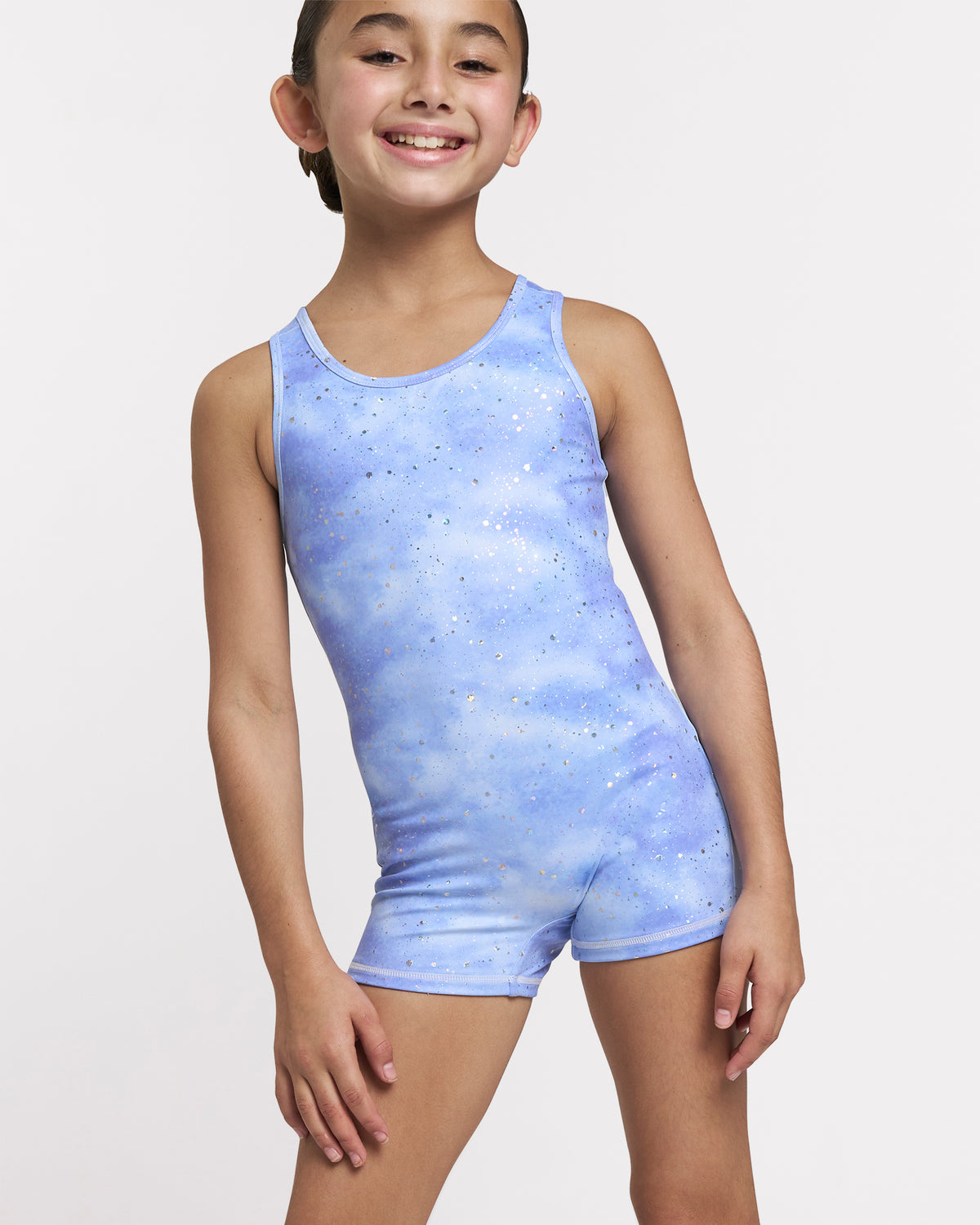
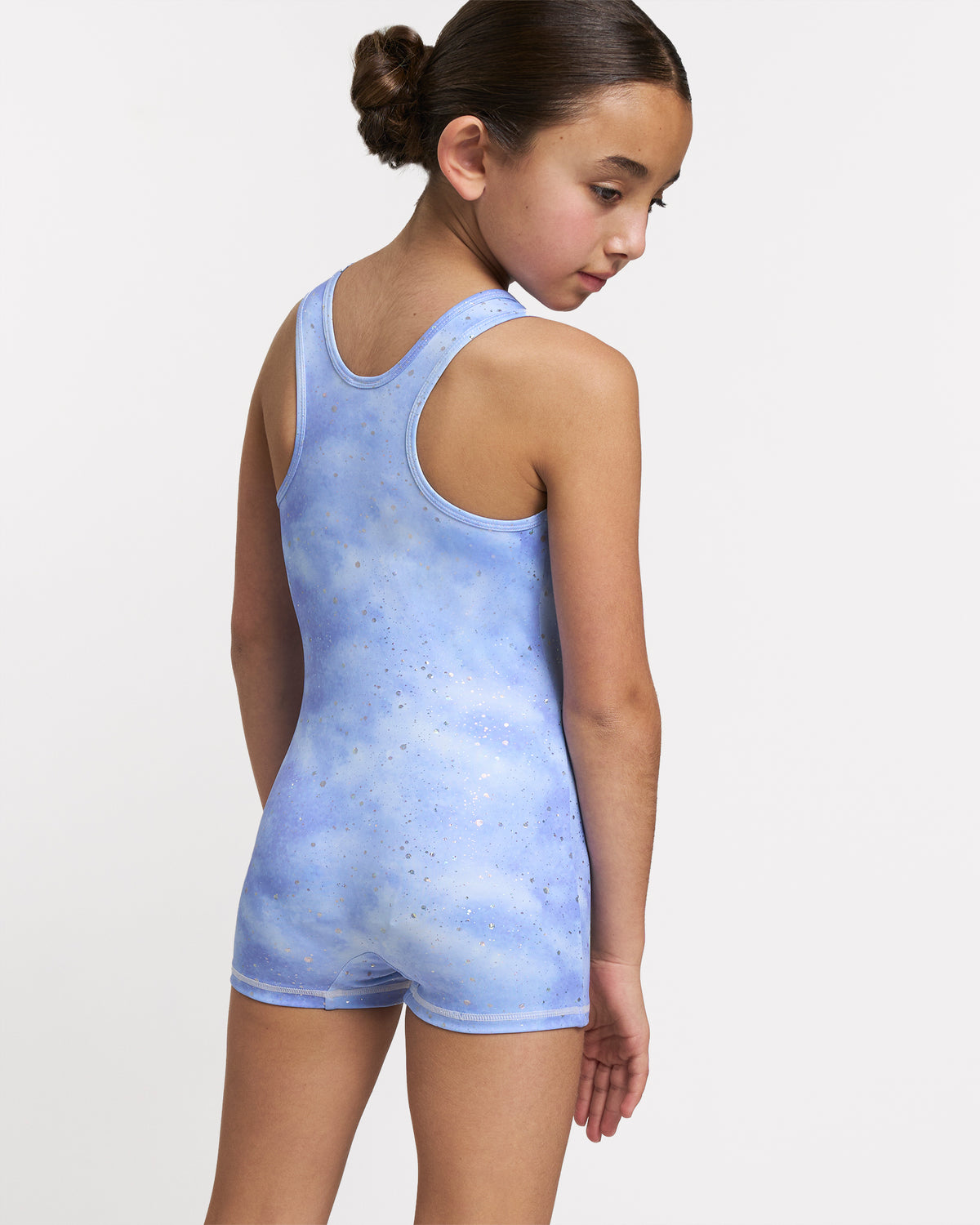
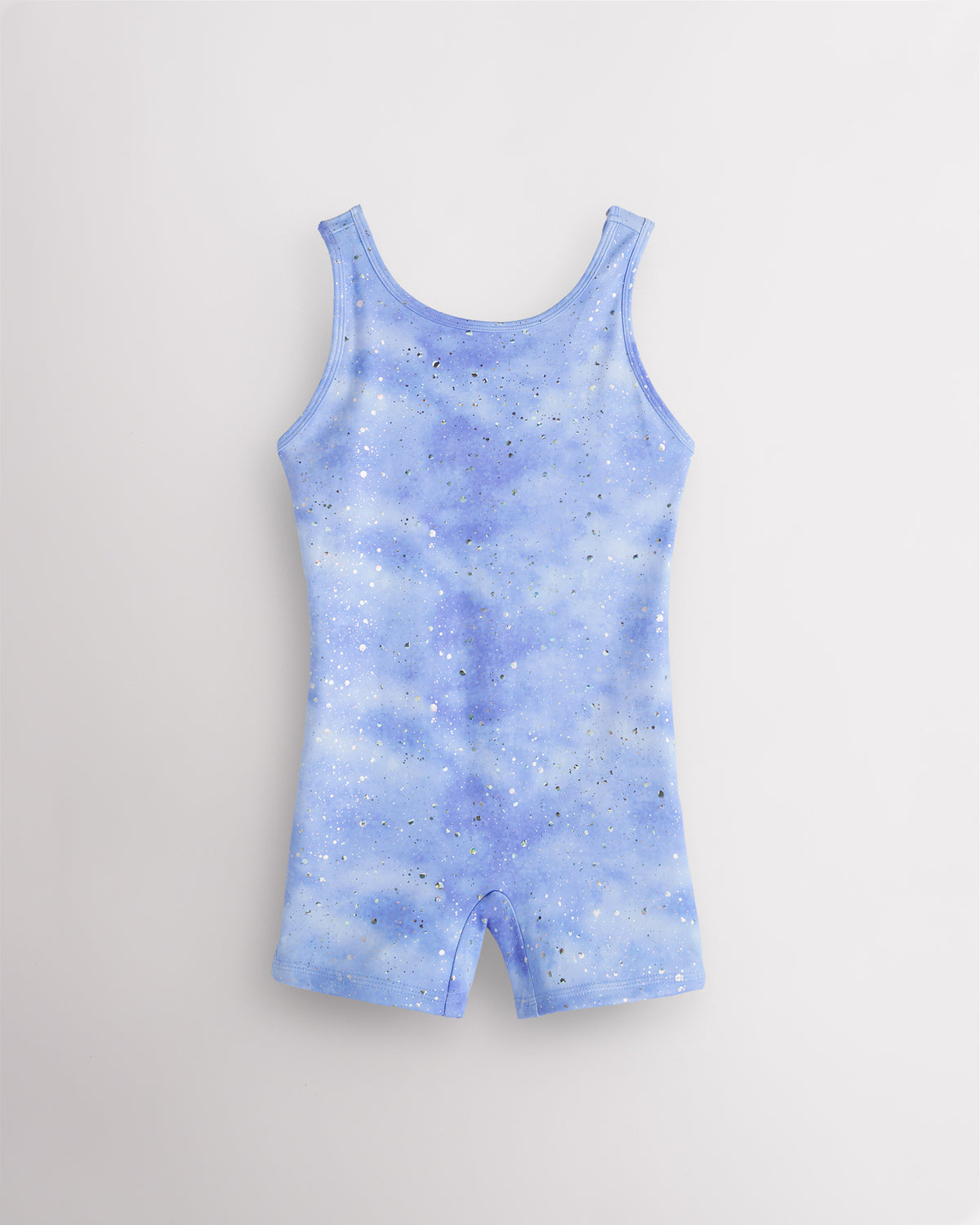
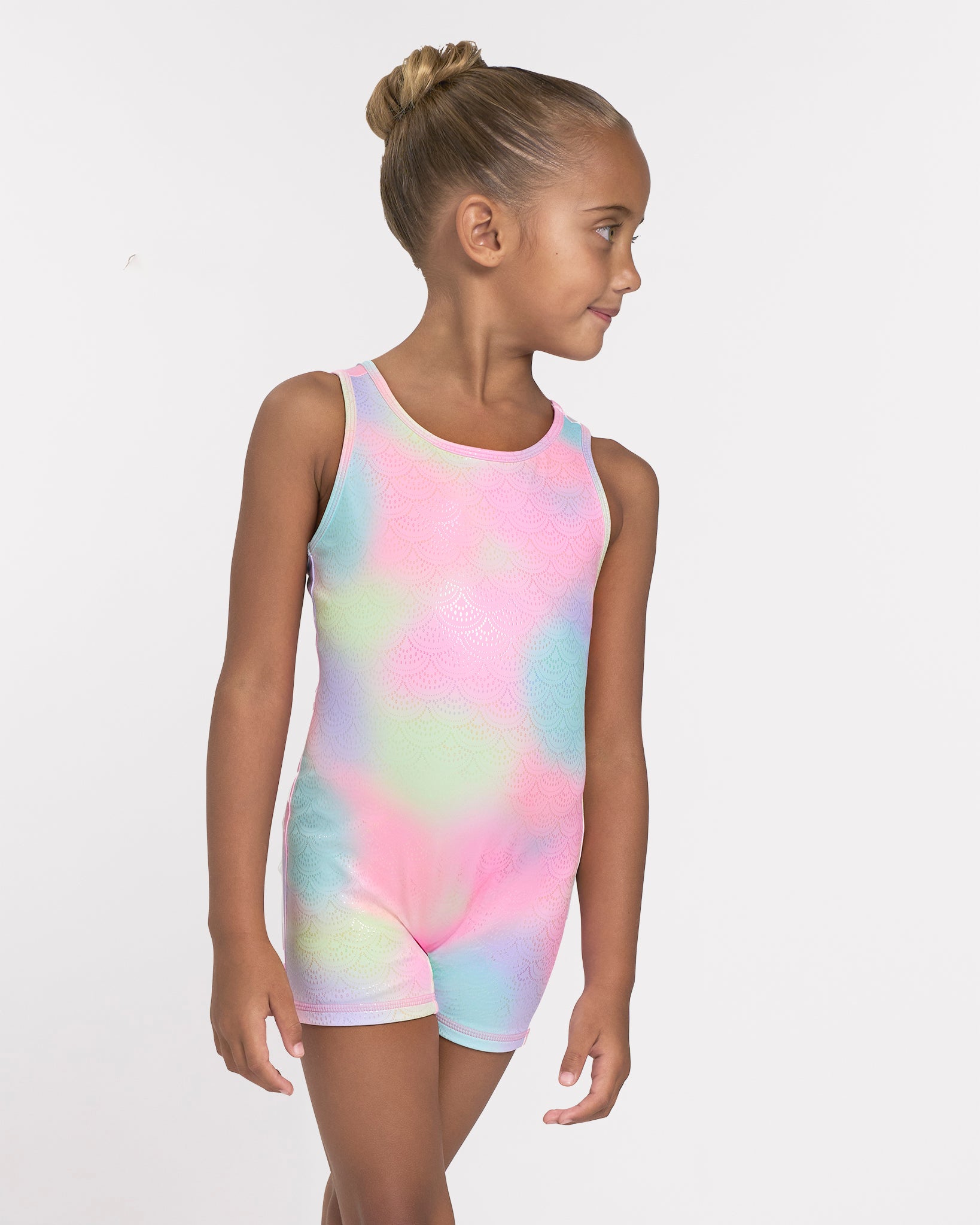
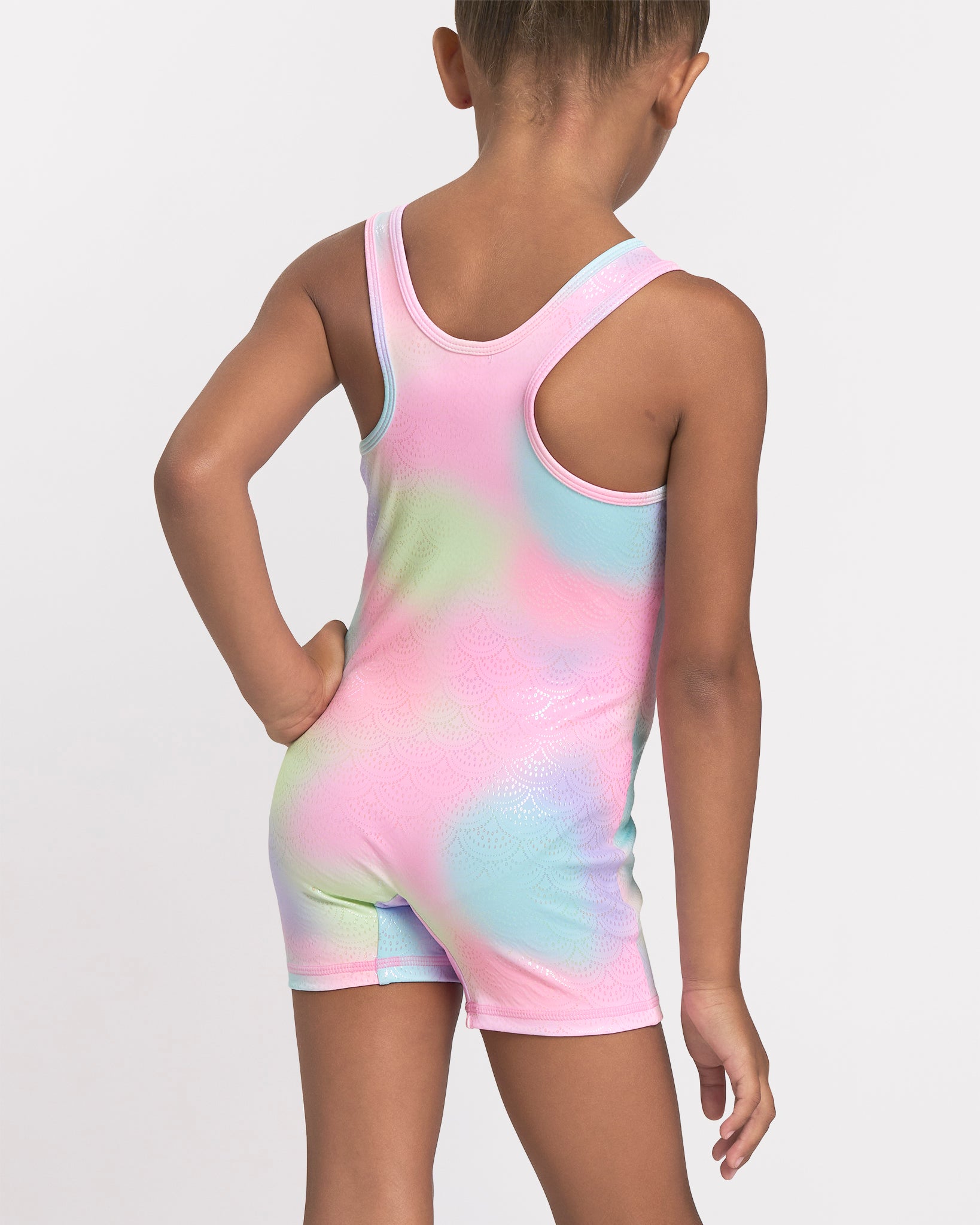
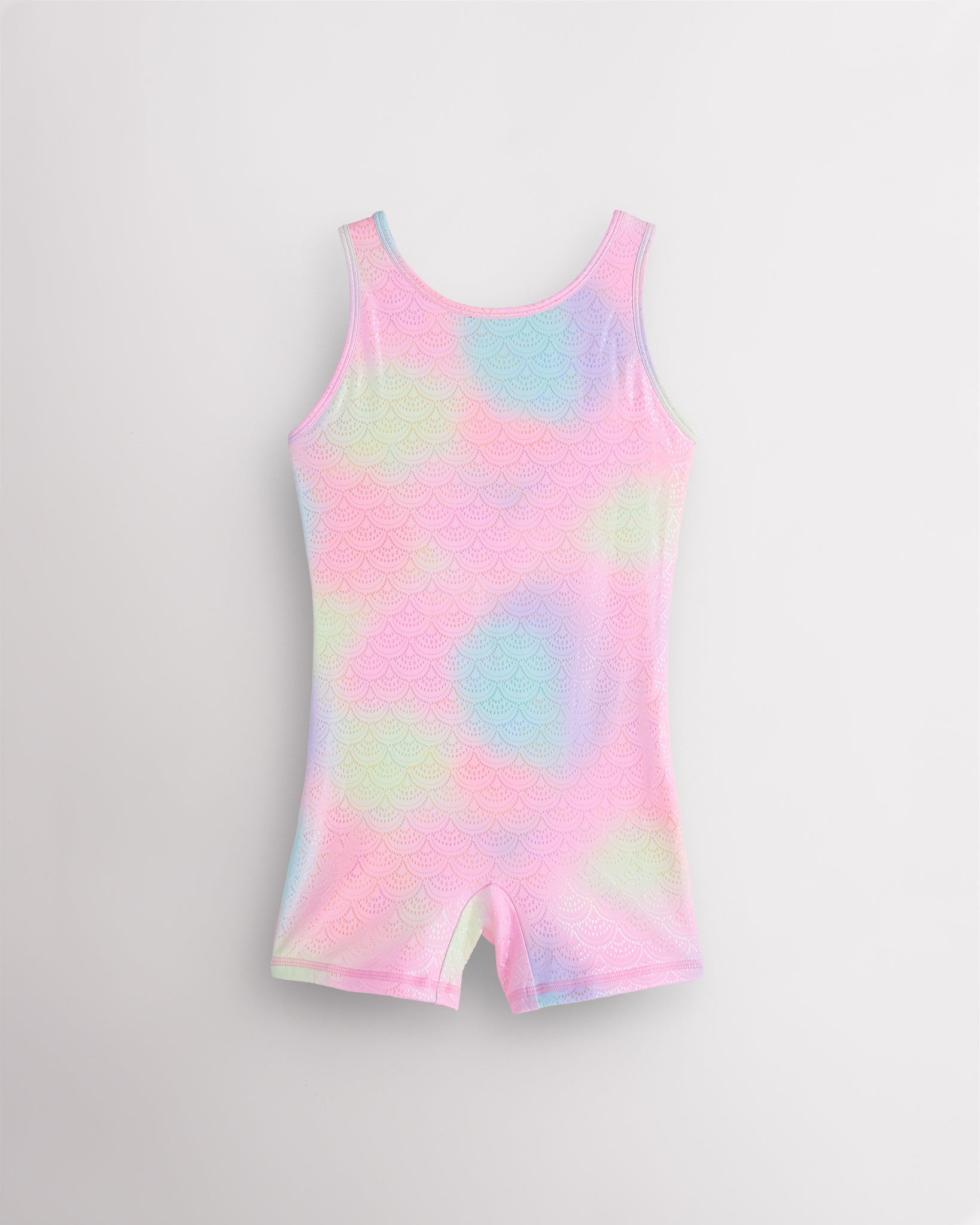
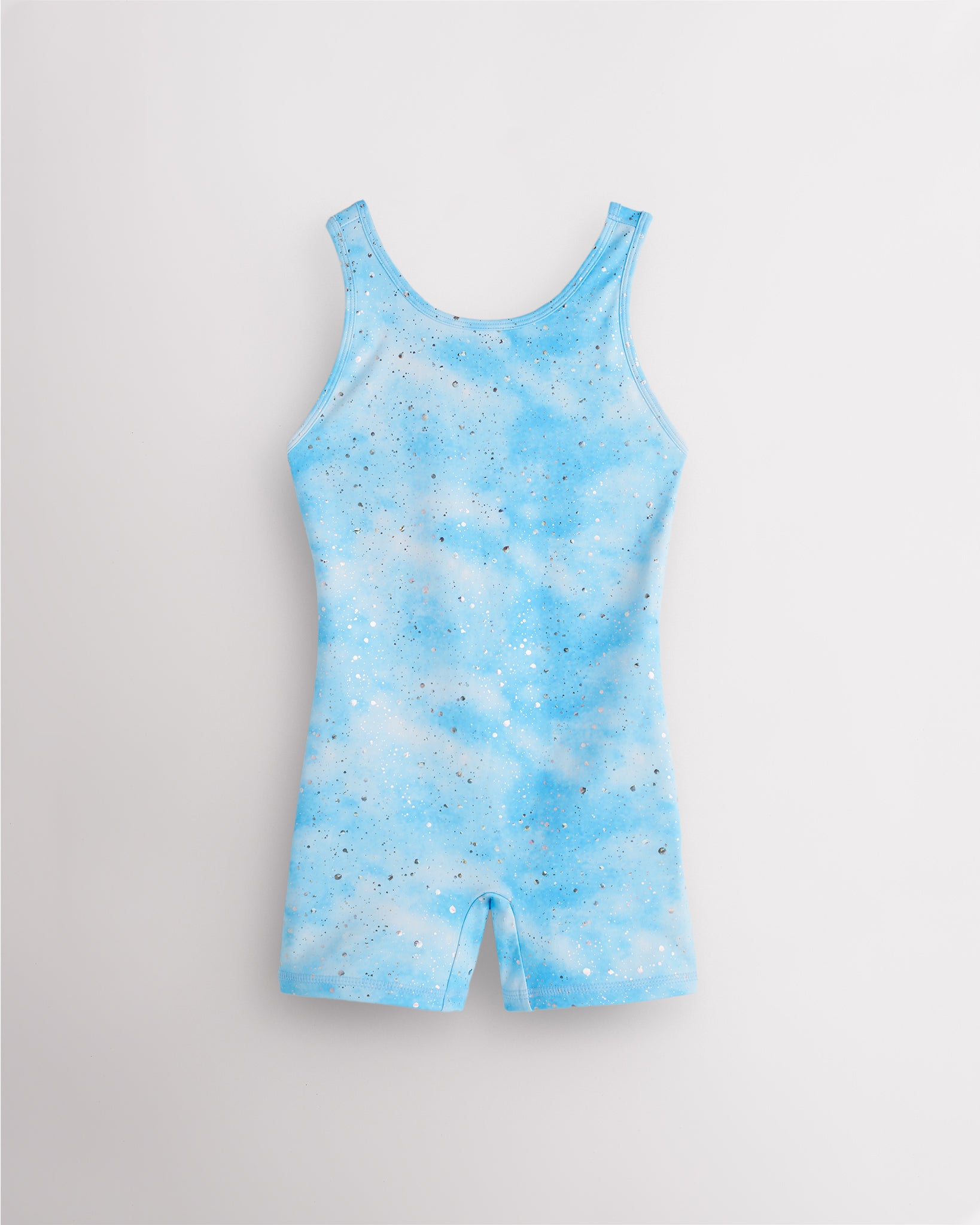
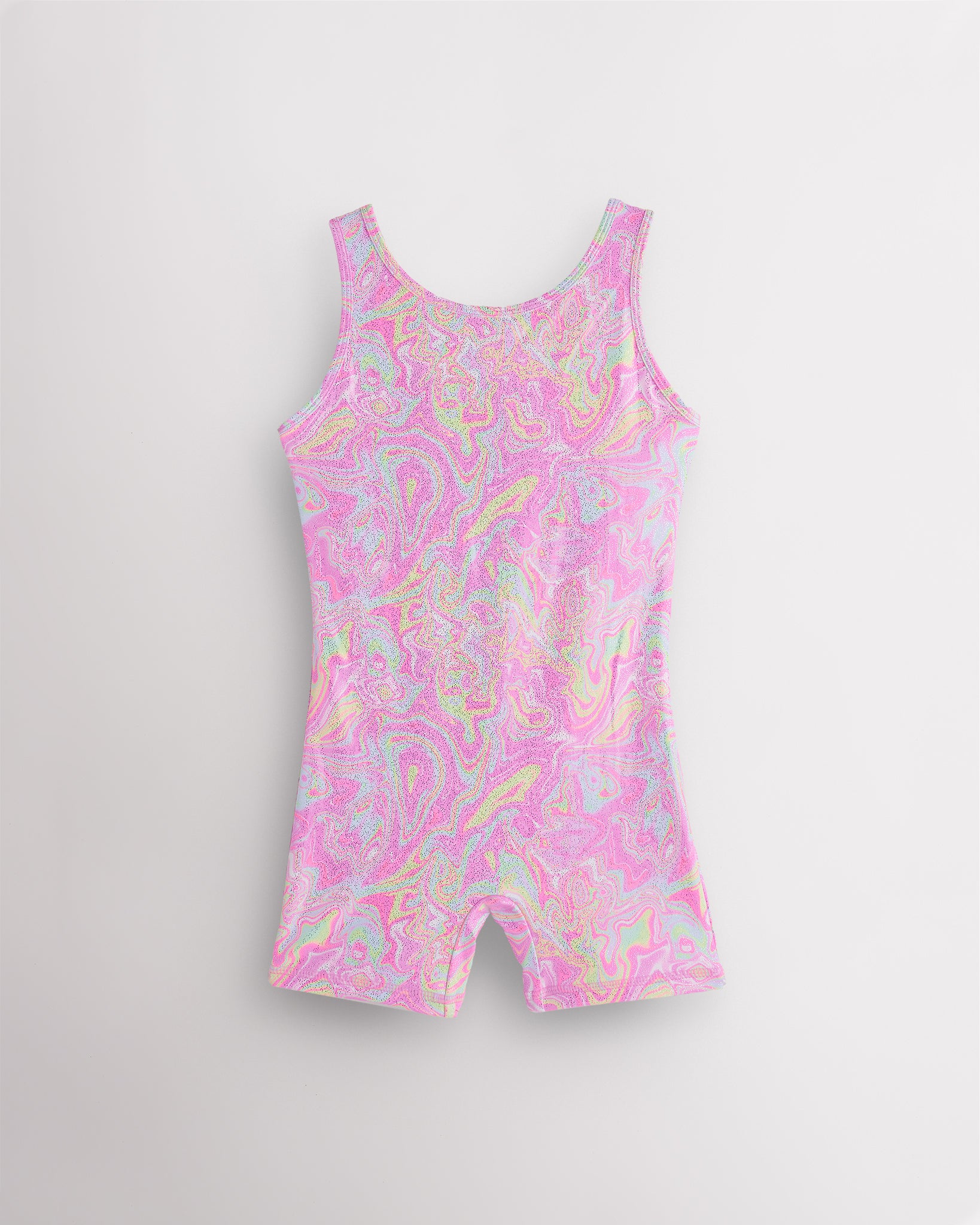
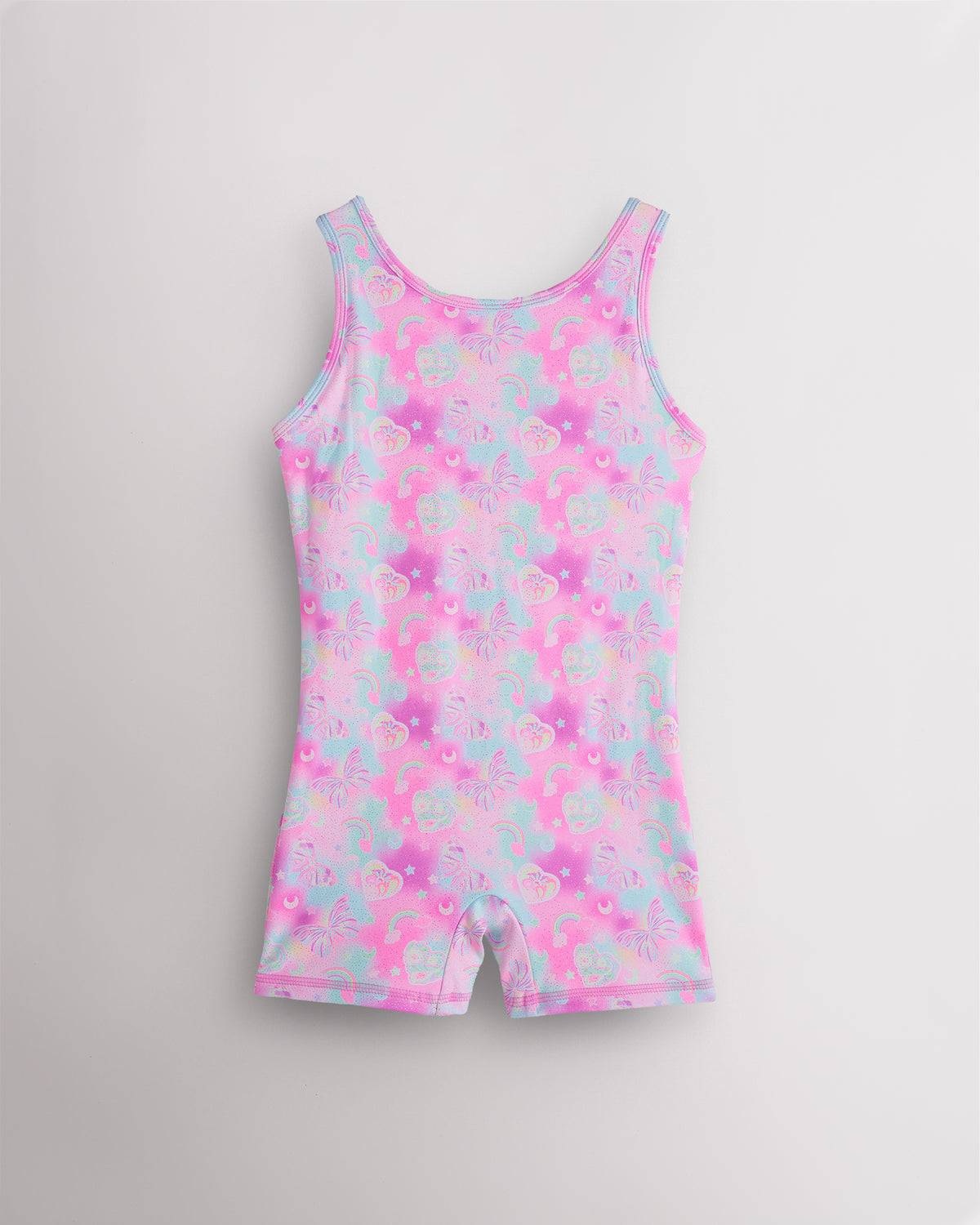
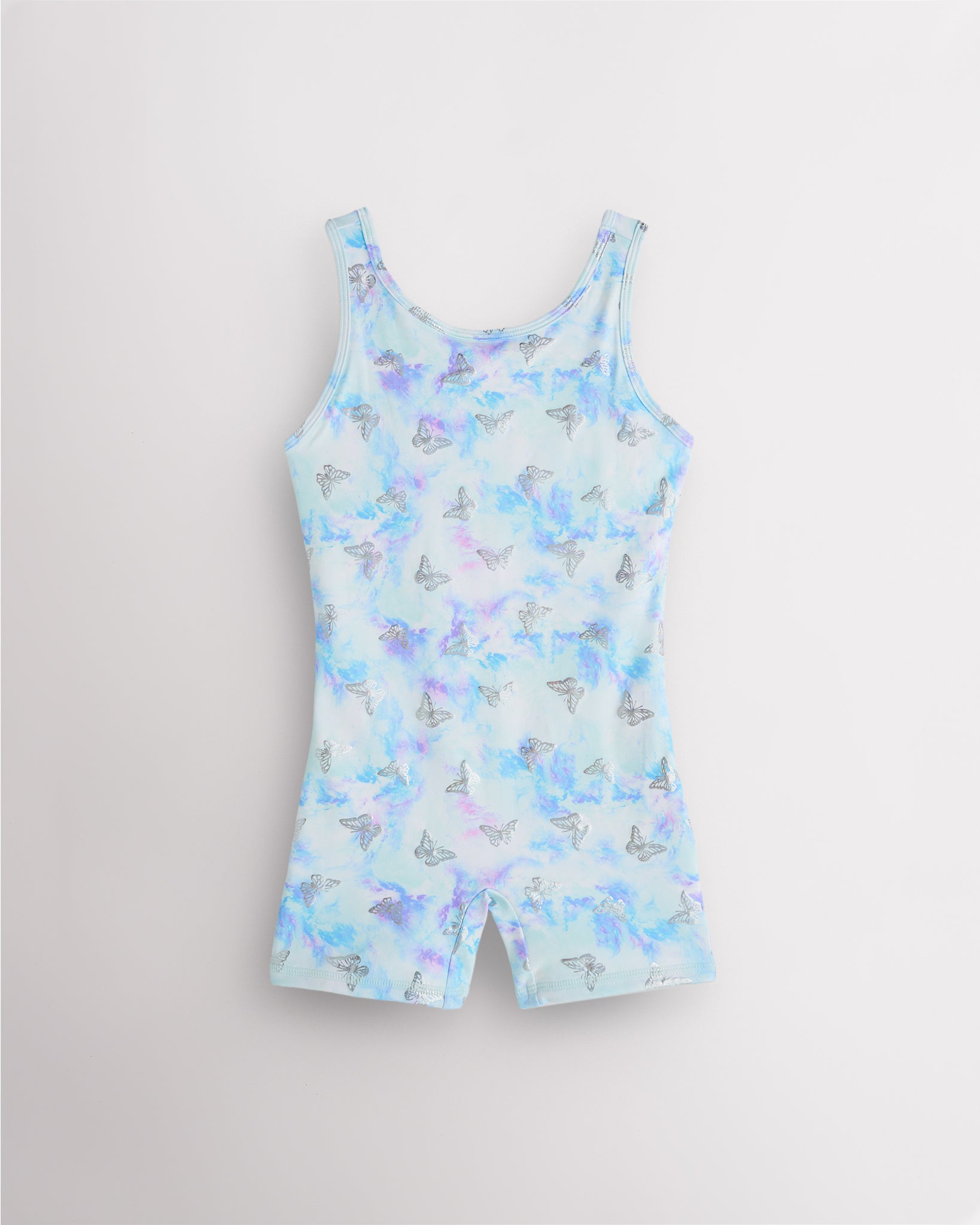
Biketard: a unitard that stops at bike-short length. Popular for young gymnasts and acro classes.
-
Bodysuit: the fashion version. It looks similar but usually has snap closures and is designed to be worn as a top with pants or a skirt, not for athletic movement.
-
Onesie: loose loungewear or babywear. Not a leotard, despite what a search for "dance onesie" may suggest.
So the shortcut: one piece, second-skin fit, bare legs, built for movement. That is a leotard.
Why is it called a leotard? The Jules Léotard story
The leotard is one of the few garments named after a real person, and his story is a good one.
The daring young man on the flying trapeze
Jules Léotard was born in Toulouse, France, the son of a gymnastics instructor who ran a swimming pool. He was headed for a respectable legal career and had passed his law exams before deciding the trapeze was more interesting. He practiced his aerial moves over his father's pool, so falling meant a splash instead of an injury.
On November 12, 1859, at the Cirque Napoléon in Paris, Léotard performed what is credited as the first flying trapeze act, leaping between bars in front of a live audience. He became an international sensation, and his act inspired the 1867 hit song "The Daring Young Man on the Flying Trapeze." You may know the tune without knowing it was written about a real acrobat.
To fly safely, he needed clothing that would not snag, flap, or catch on a bar mid-somersault. His answer was a knitted, skin-tight one-piece that showed off his physique and moved exactly as he did. Sound familiar?
How "maillot" became "leotard"
Here is the twist: Léotard never called his outfit a leotard. He called it a maillot, a French word for a close-fitting knit garment. He died young, in 1870, at age 32, reportedly from an infectious disease rather than any trapeze accident. Only afterward did the garment take his name. Etymology references first record the English word "leotard" in the 1880s, and Merriam-Webster dates its first known use to 1886, sixteen years after his death. He never knew that dancers and gymnasts around the world would end up wearing his name to practice.

From the circus to the studio: how the leotard evolved
For decades after Léotard, the garment mostly stayed under the big top with acrobats and circus performers. Then it started traveling:
-
1920s and 1930s: the leotard's silhouette influenced one-piece swimsuits, and tight one-pieces showed up in Broadway costumes.
-
1950s: the leotard settled into dance studios as everyday practice wear, typically in plain black with tights, valued because it let teachers see every line of the body.
-
1970s and 1980s: color arrived. Leotards jumped from ballet class to aerobics videos, disco fashion, and gym culture, helped along by new stretch fabrics like Lycra.
-
Today: the leotard is standard training and competition wear in ballet, gymnastics, and figure skating, and it still makes regular appearances on concert stages.
Ballet dress codes changed alongside the garment. If you are curious how practice wear went from heavy skirts to today's simple leotard and tights, our post on how ballet dancewear has evolved picks up that thread.
Types of leotards at a glance
Leotard styles are mostly defined by sleeve length and neckline. Here is the quick map:
|
Style |
Neckline and sleeves |
Where you usually see it |
|---|---|---|
|
Camisole |
Thin straps, scoop or sweetheart neck |
Ballet class, warm studios, recital costumes |
|
Tank |
Wide straps, scoop or square neck |
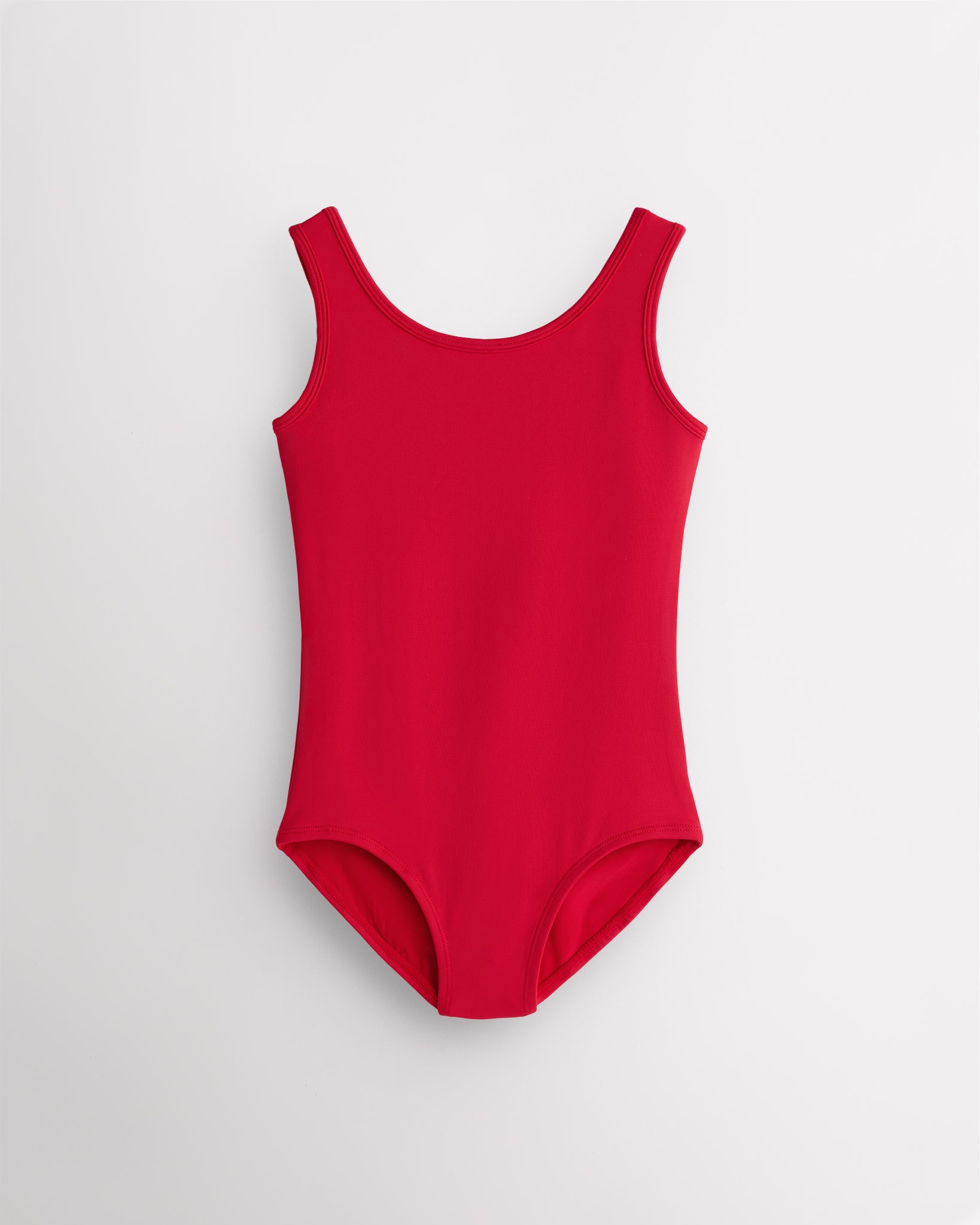
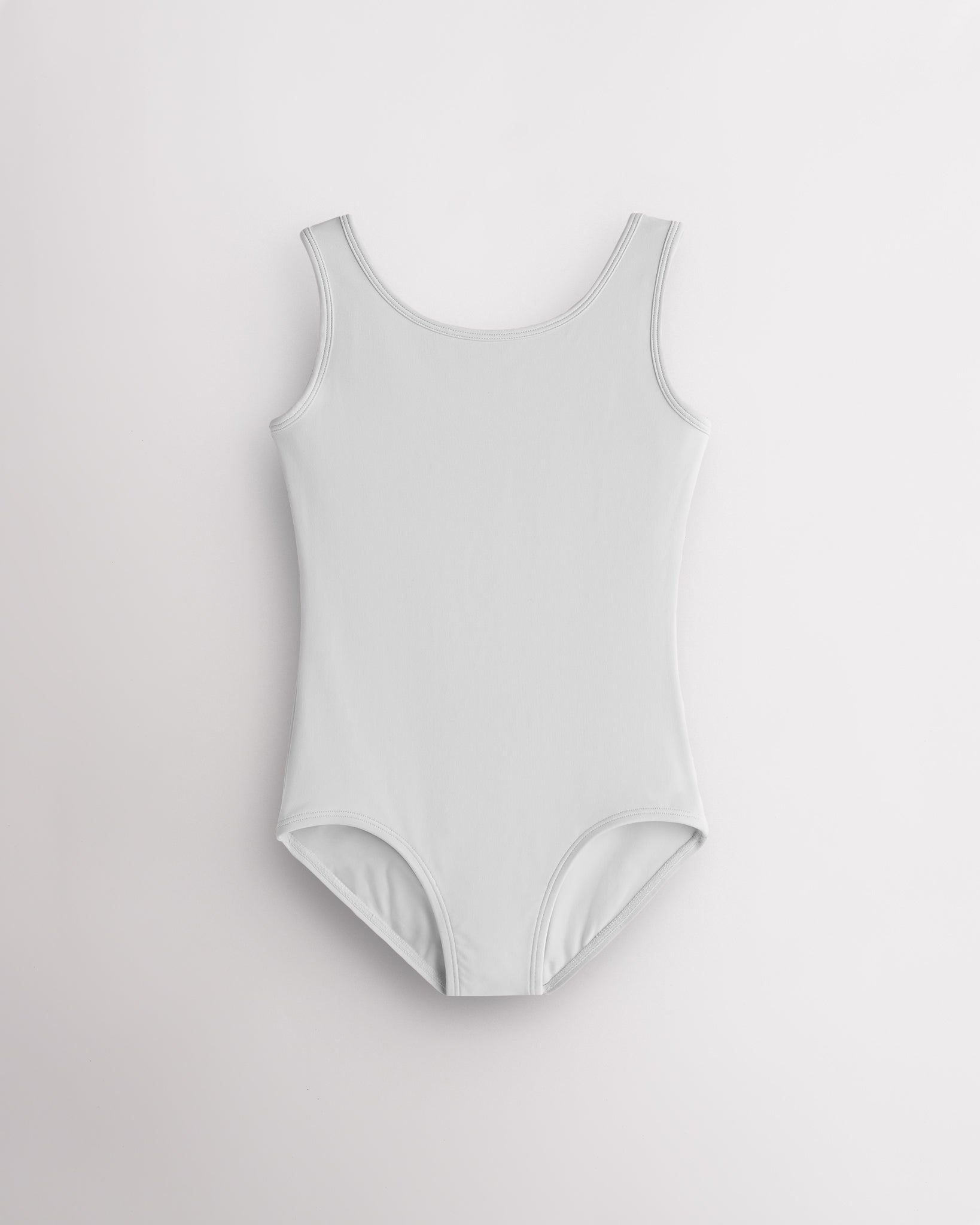
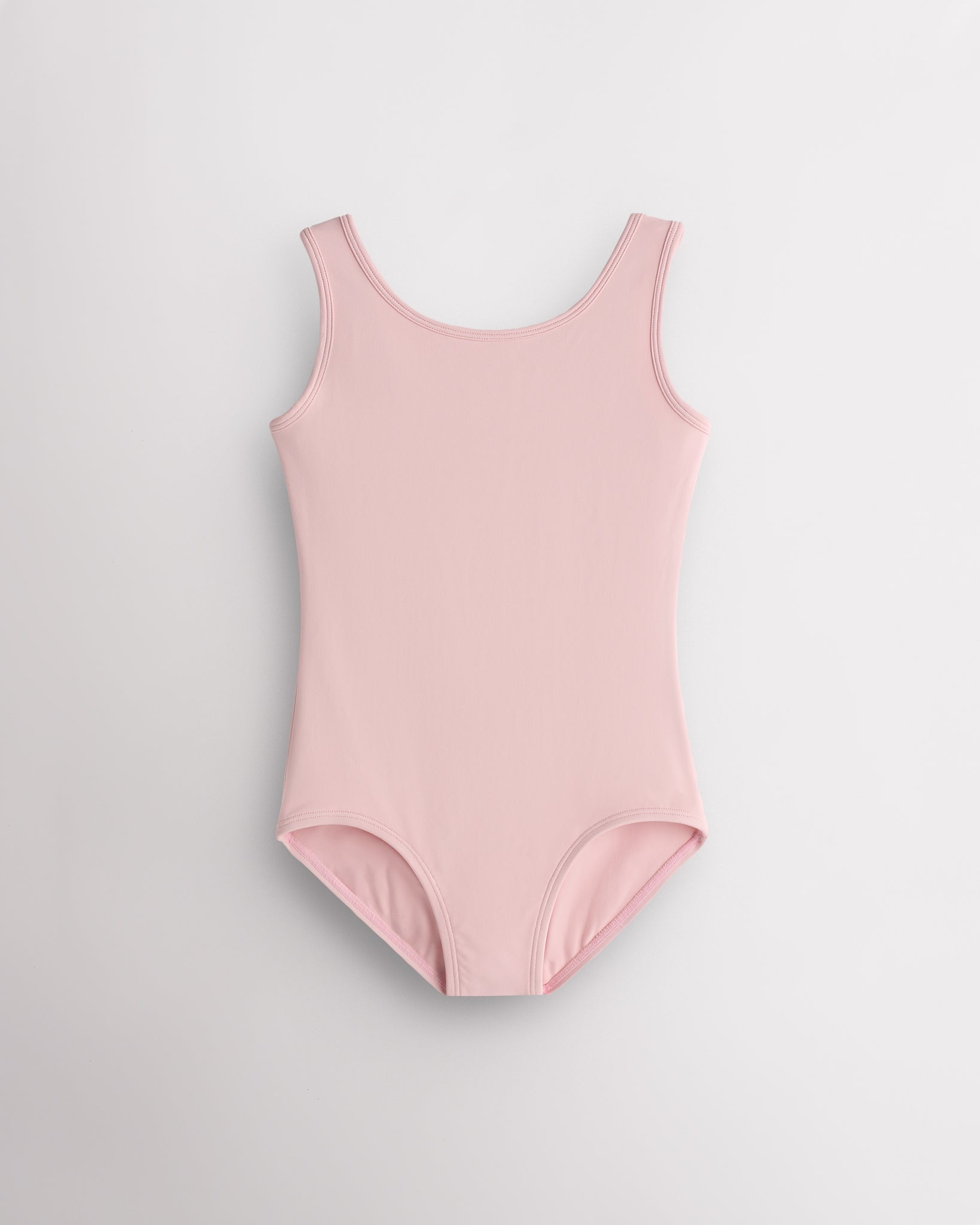
Everyday ballet and dance class staple |
|
Short sleeve |
Fitted cap or short sleeves, crew or scoop neck |
Beginner classes, gymnastics practice |
|
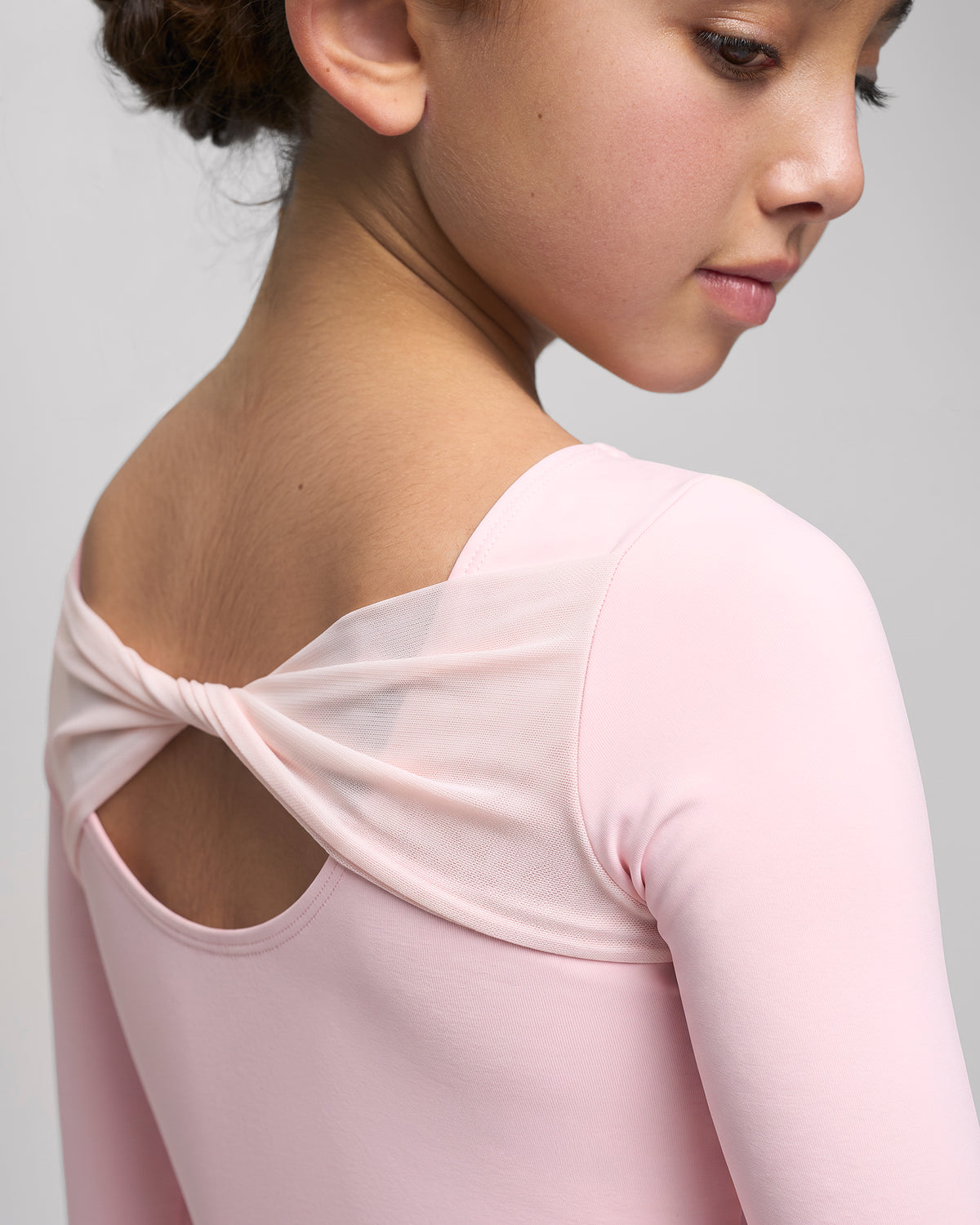
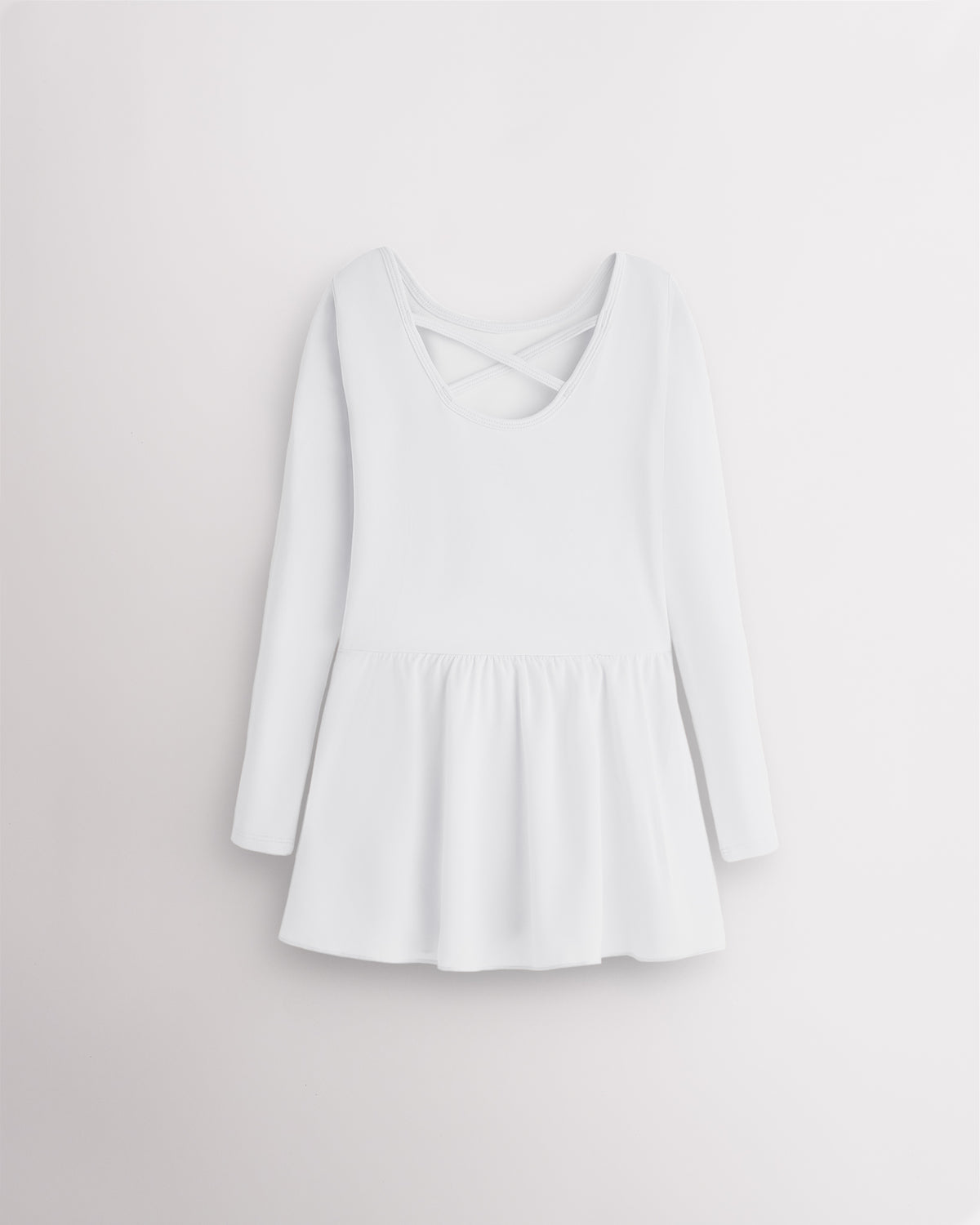
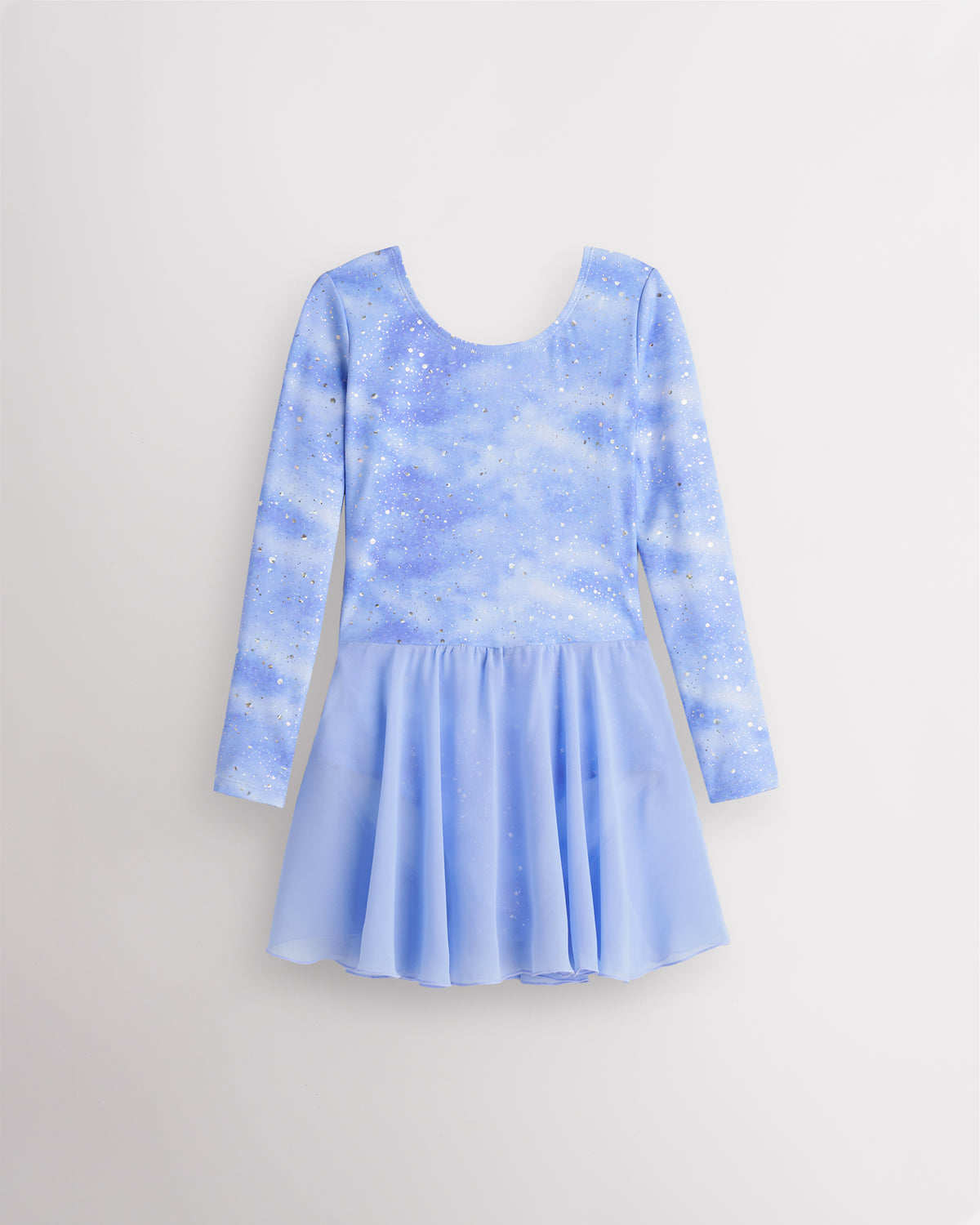
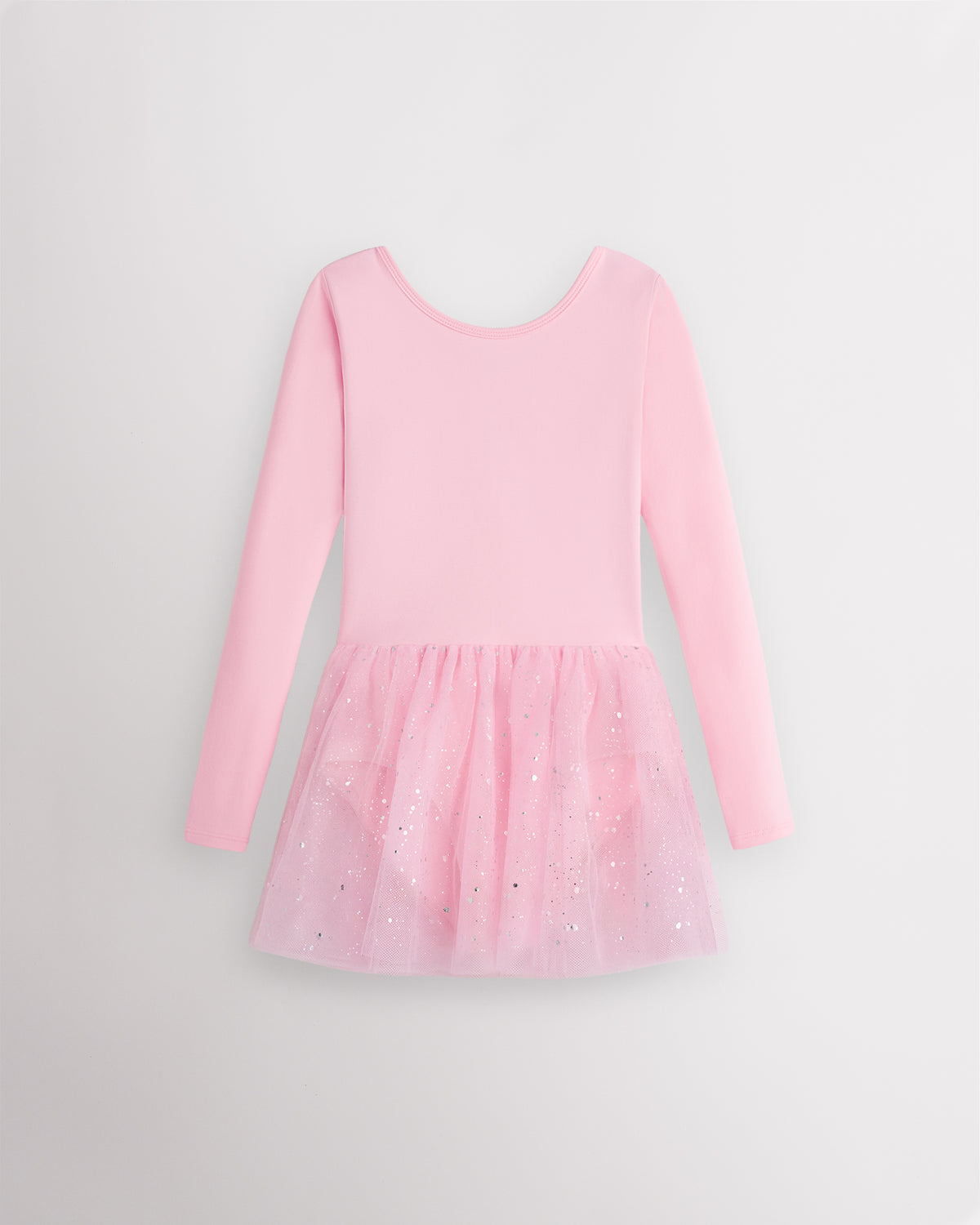
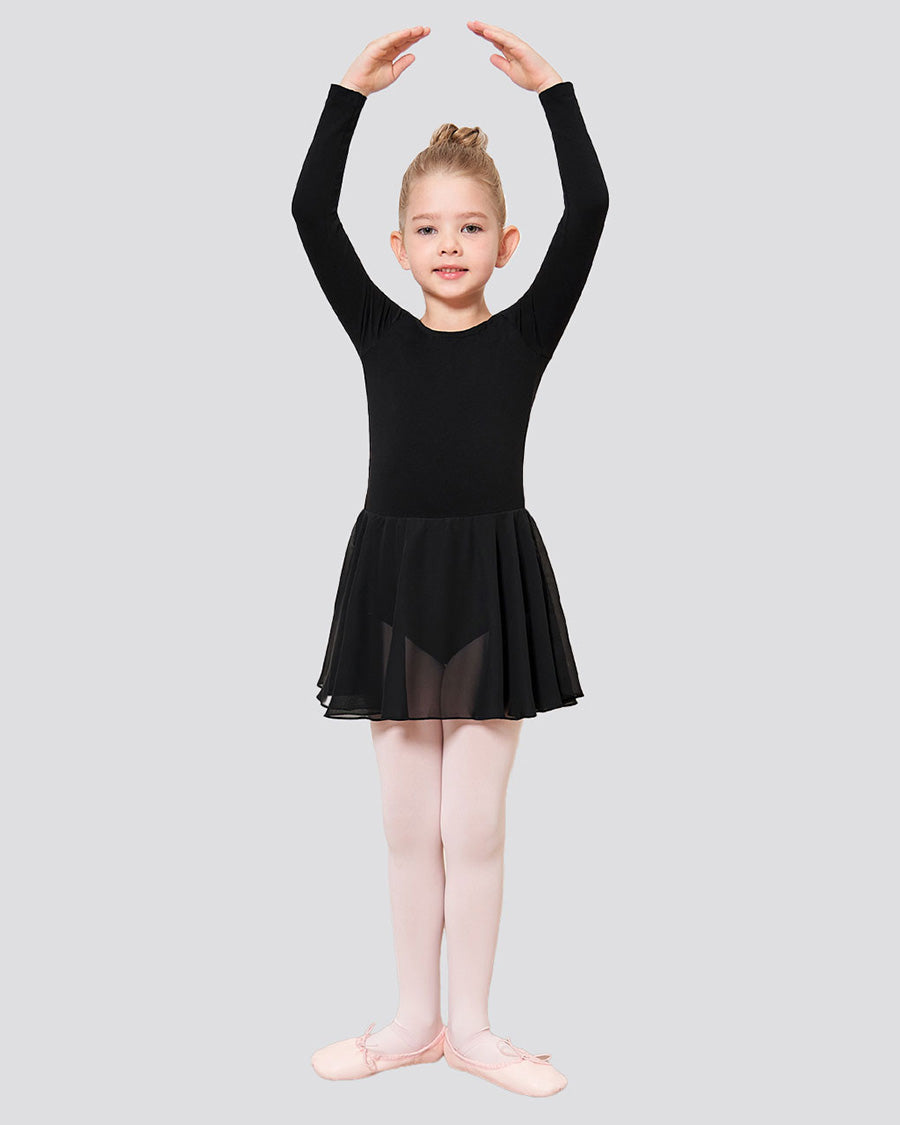
Long sleeve |
Full sleeves, crew, scoop, or mock neck |
Cooler studios, formal ballet schools, competitions |
|
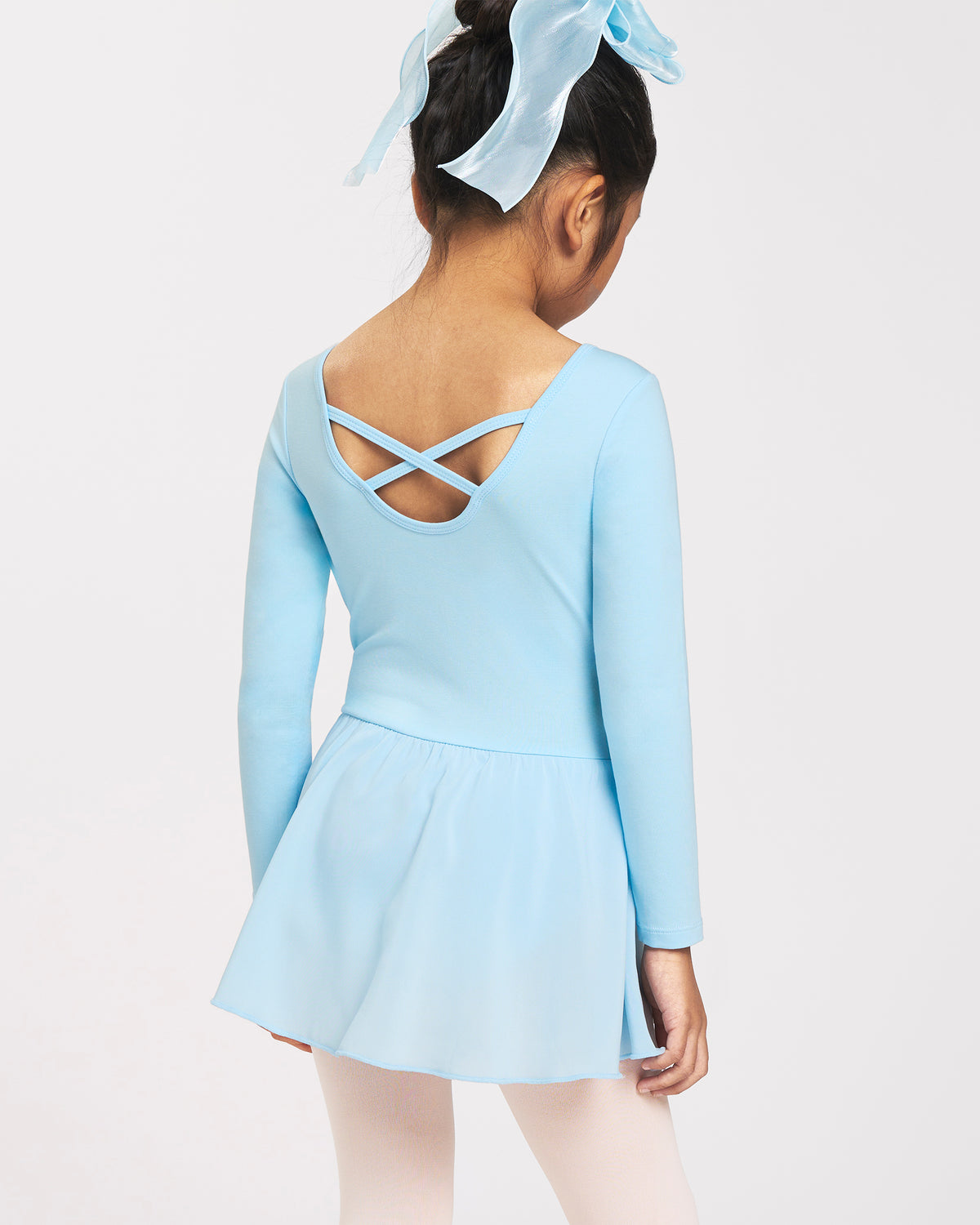
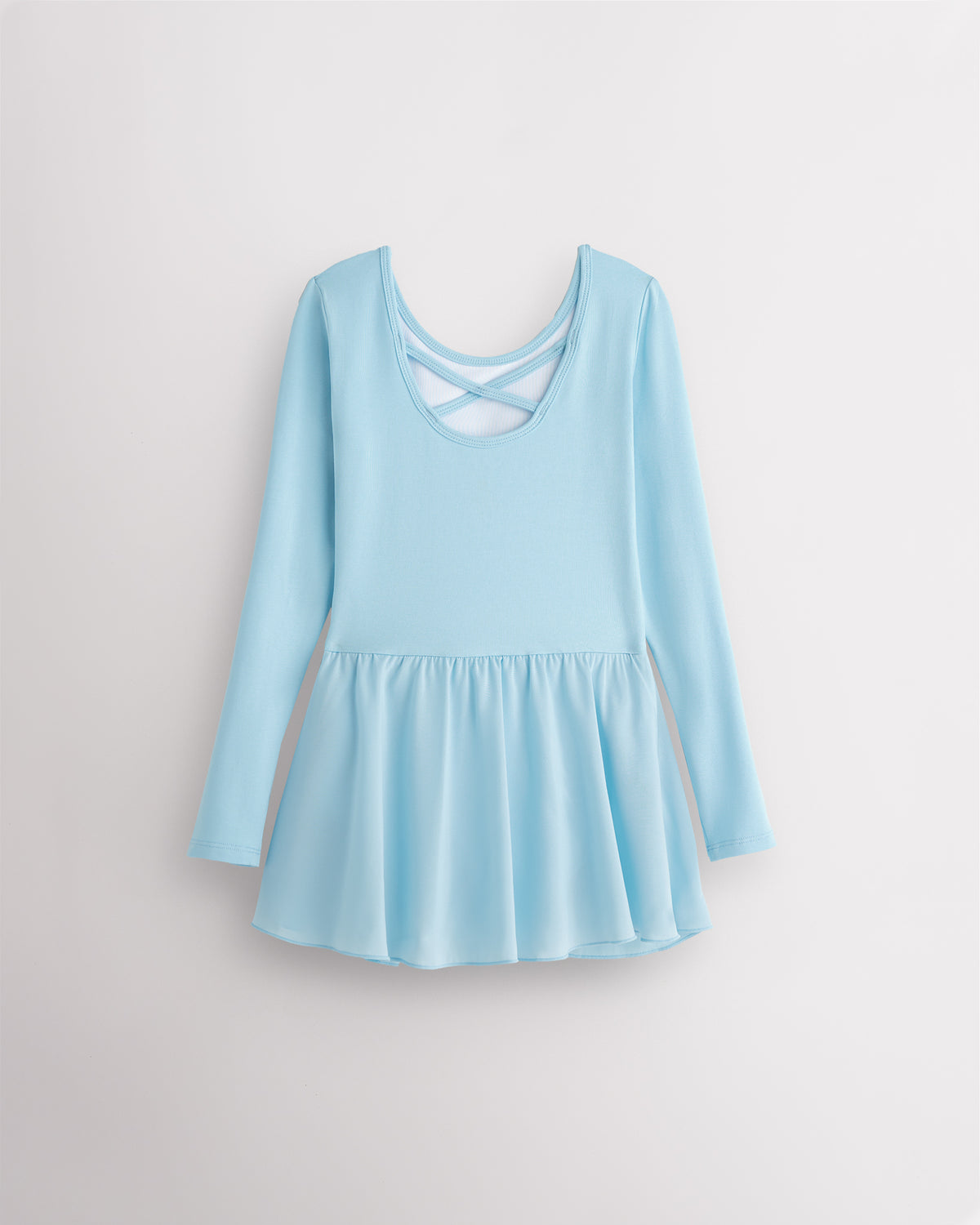
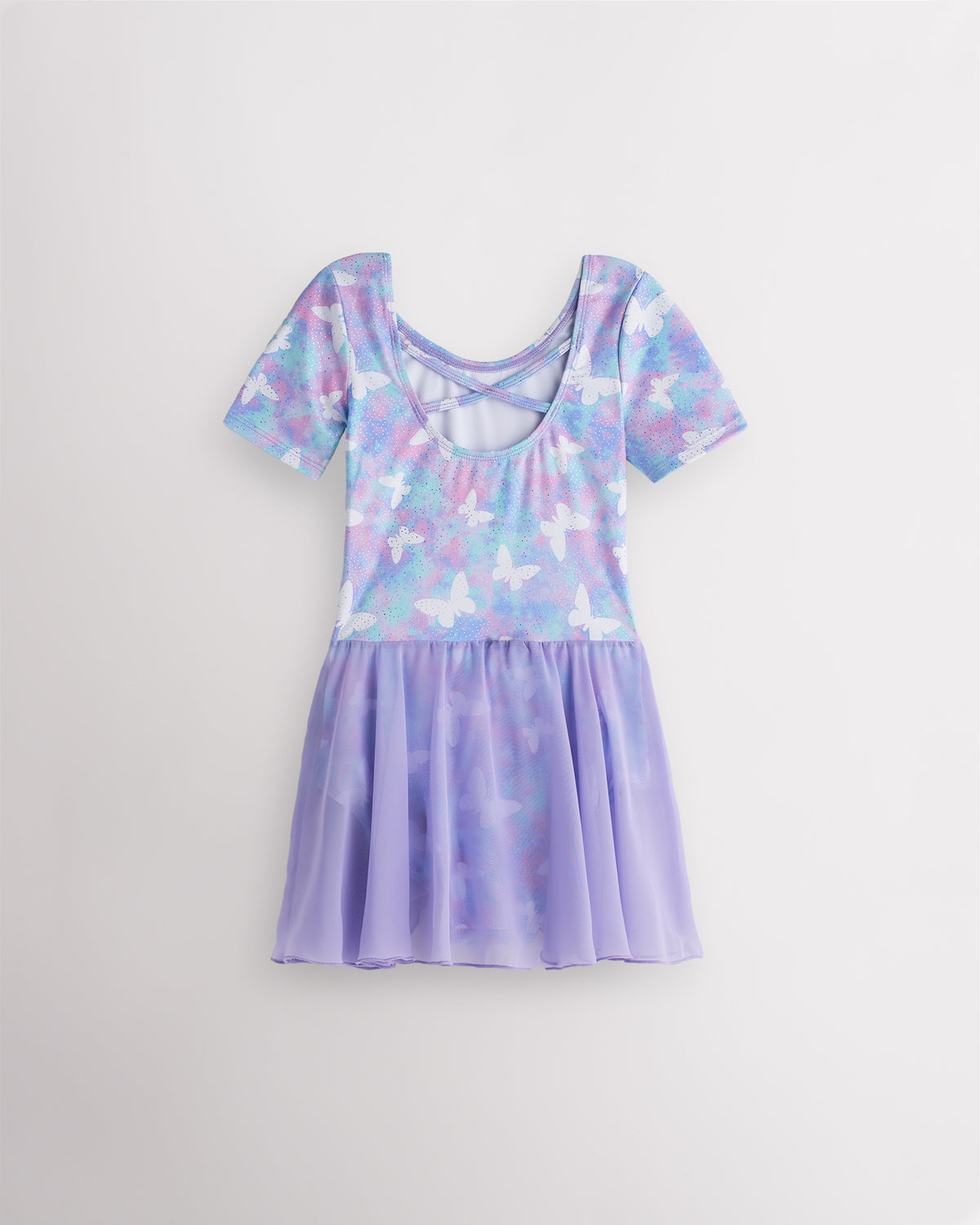
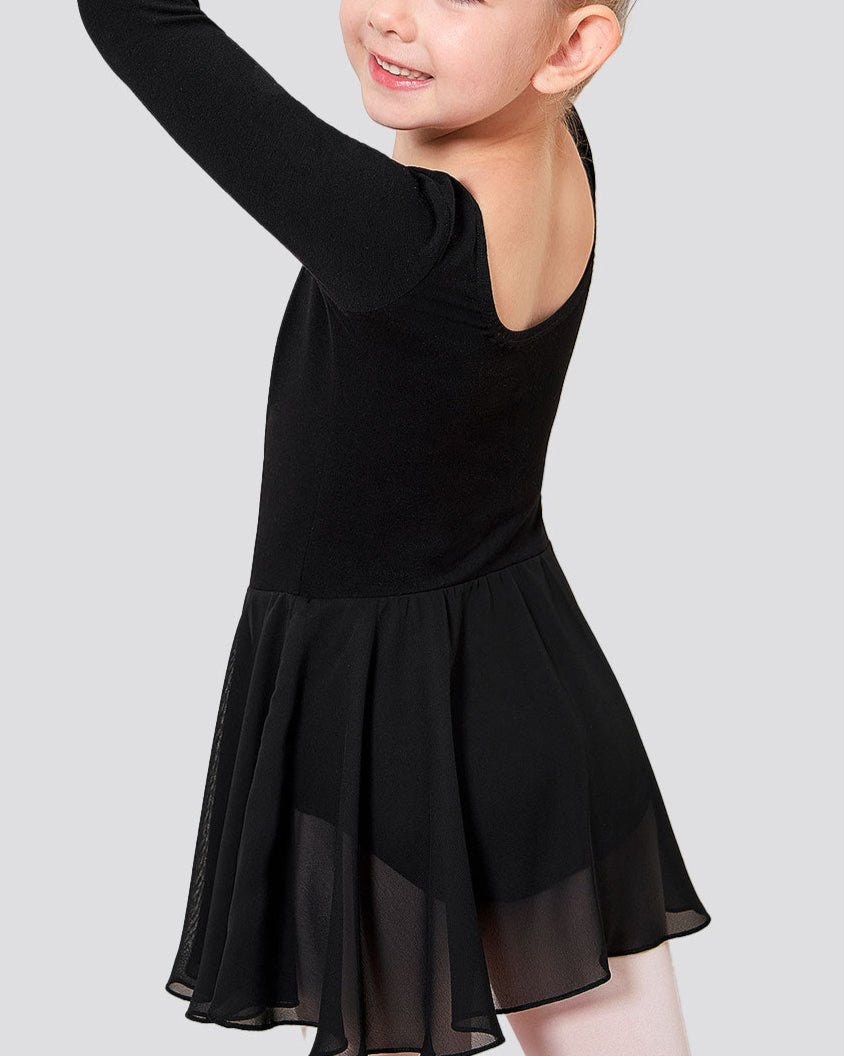
Halter or open back |
Straps at the neck, low back |
Performance and competition looks |
|
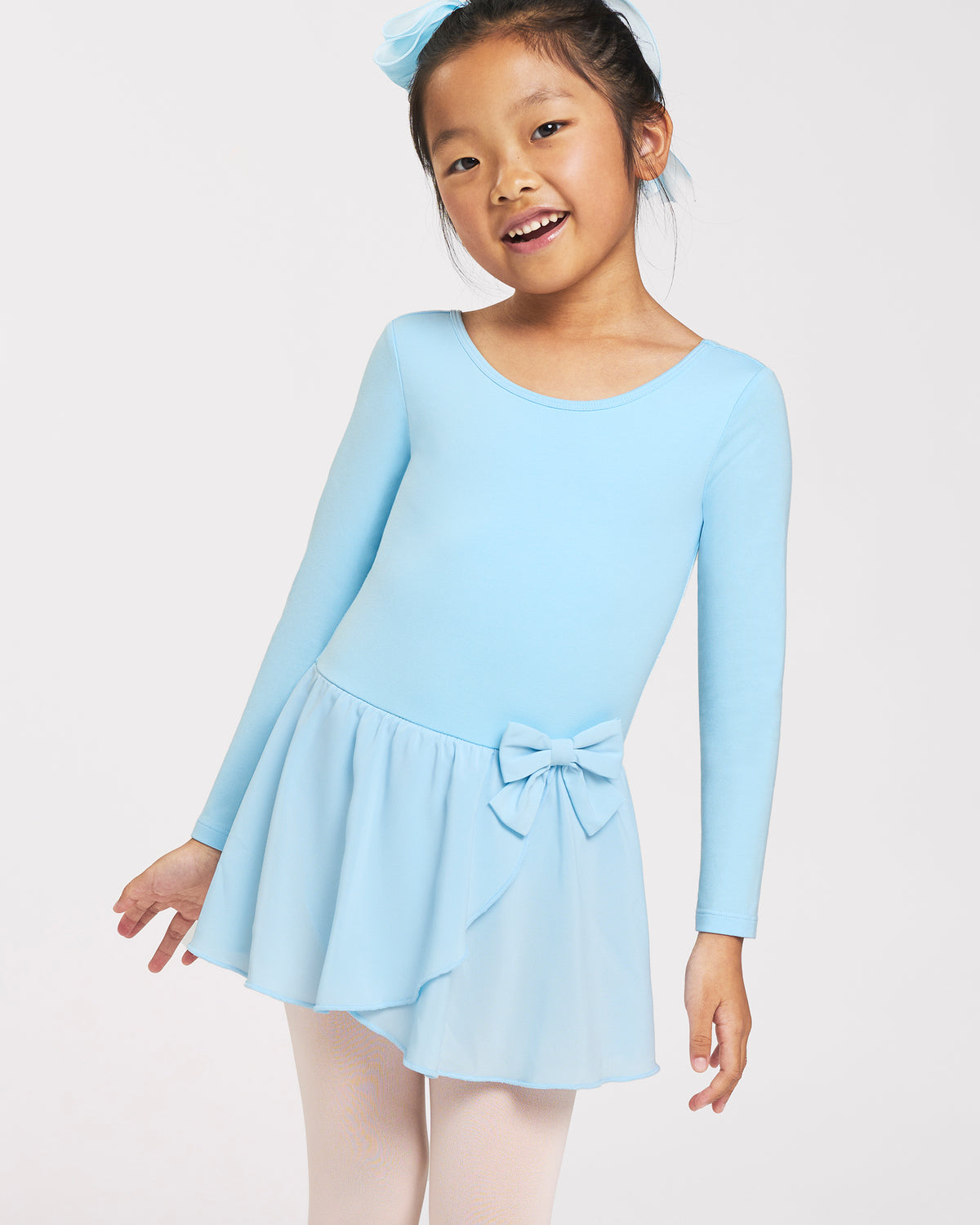
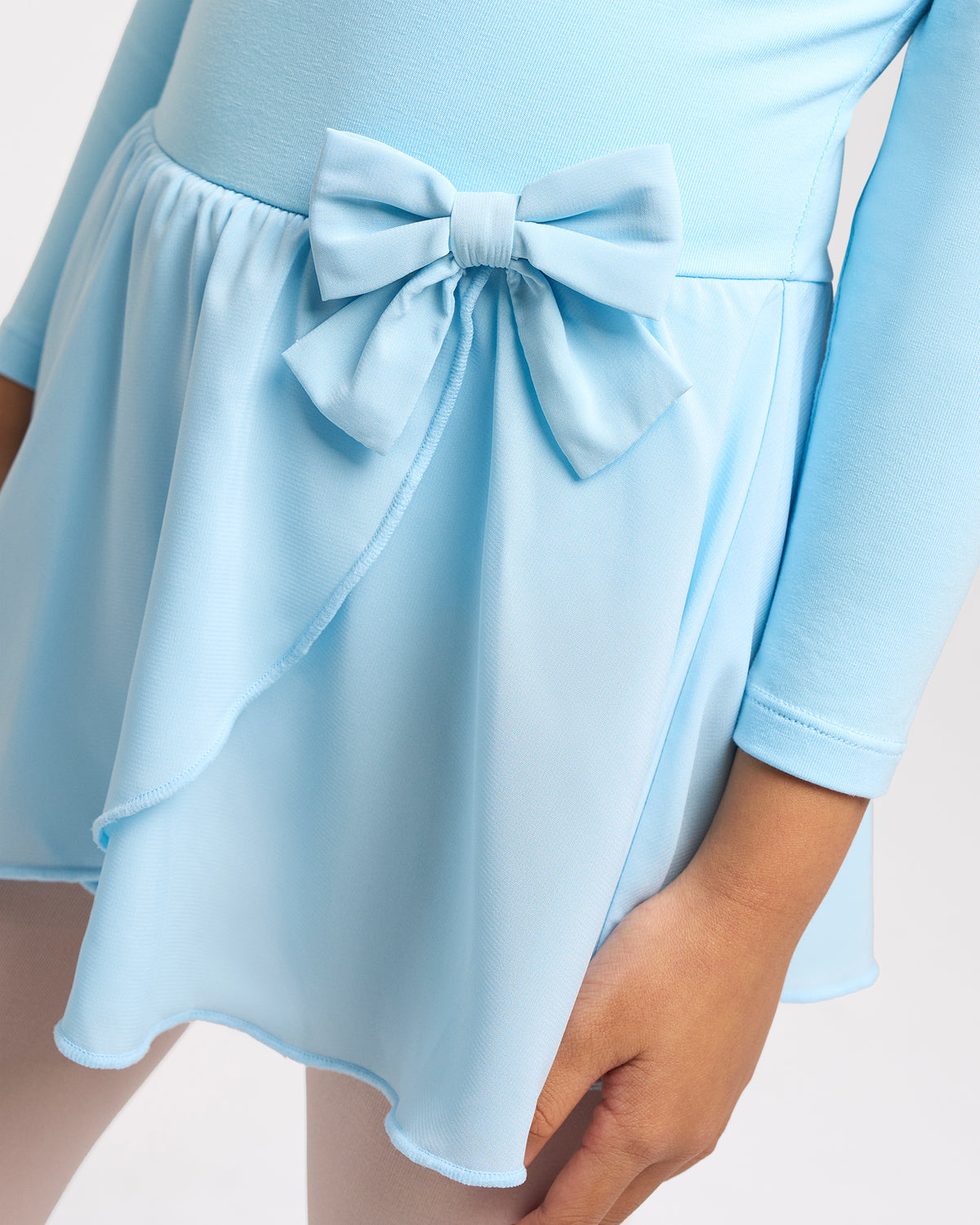
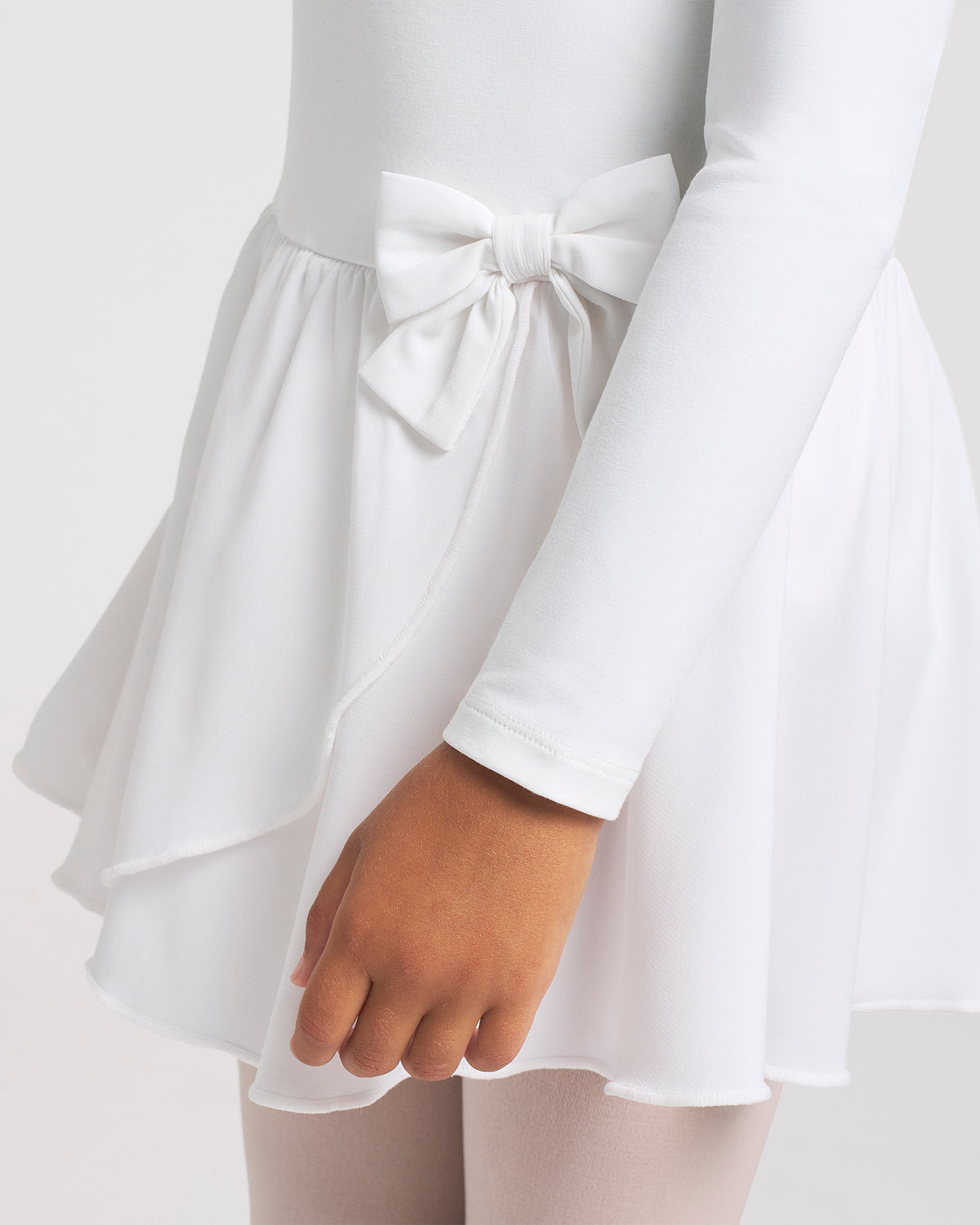
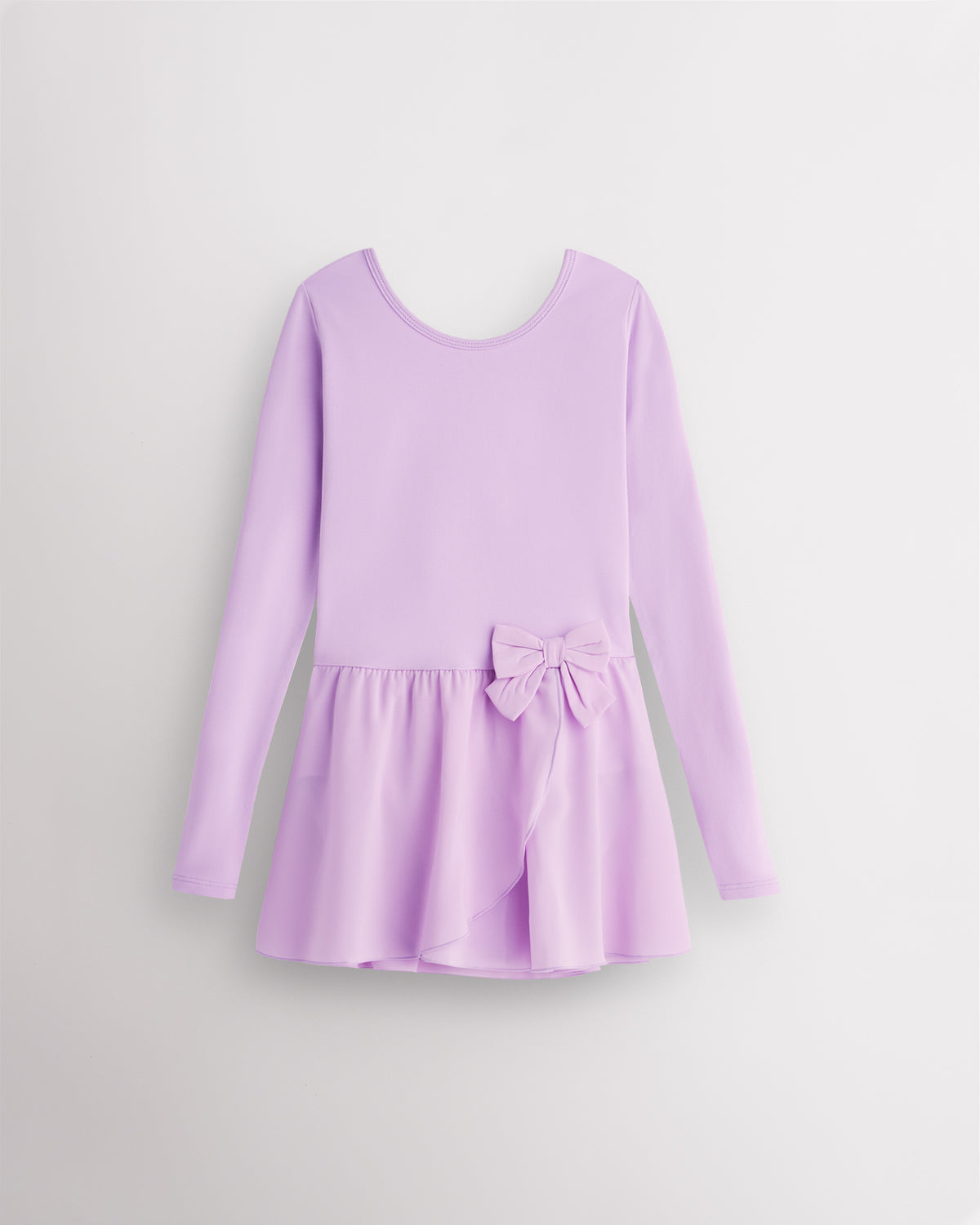
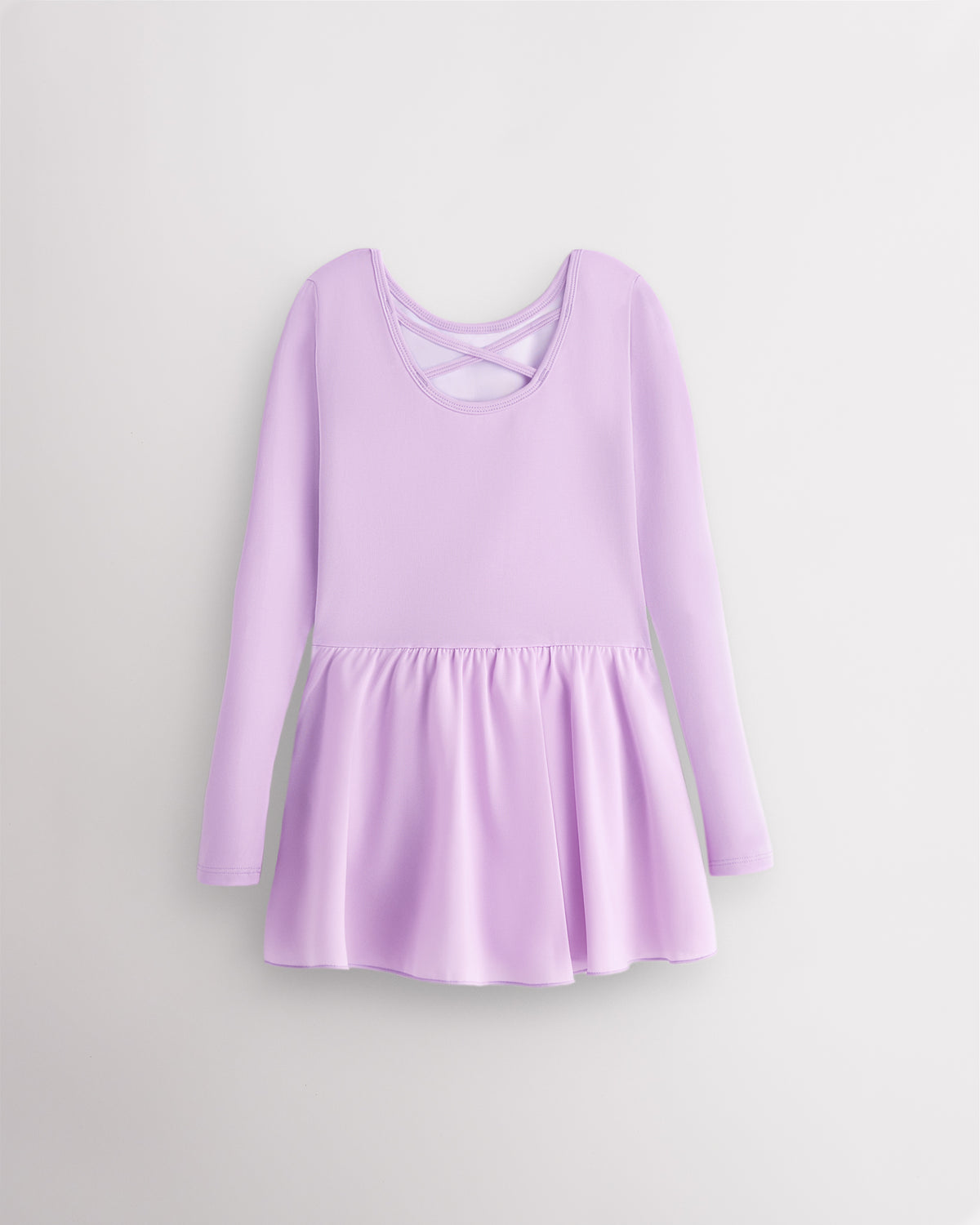
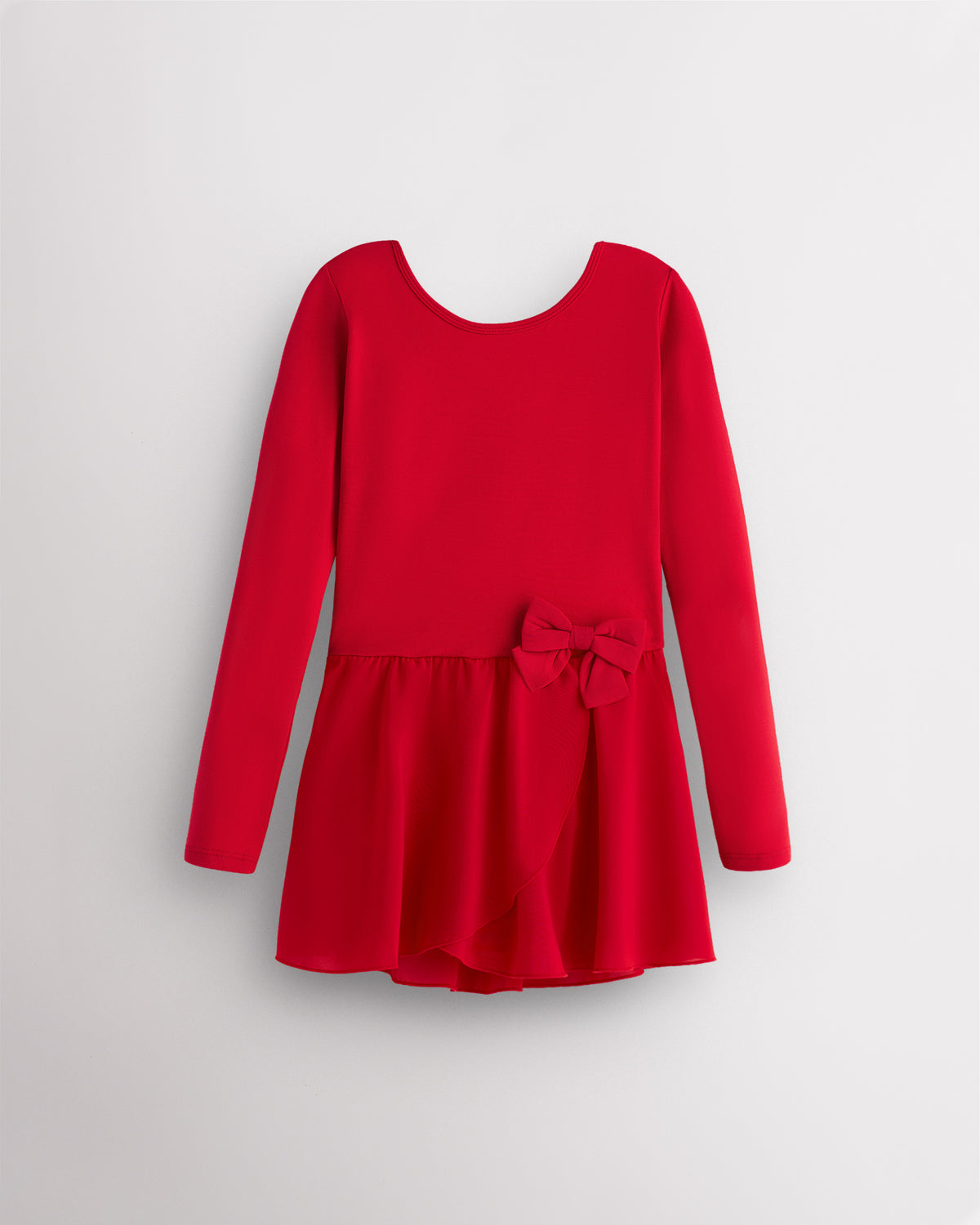
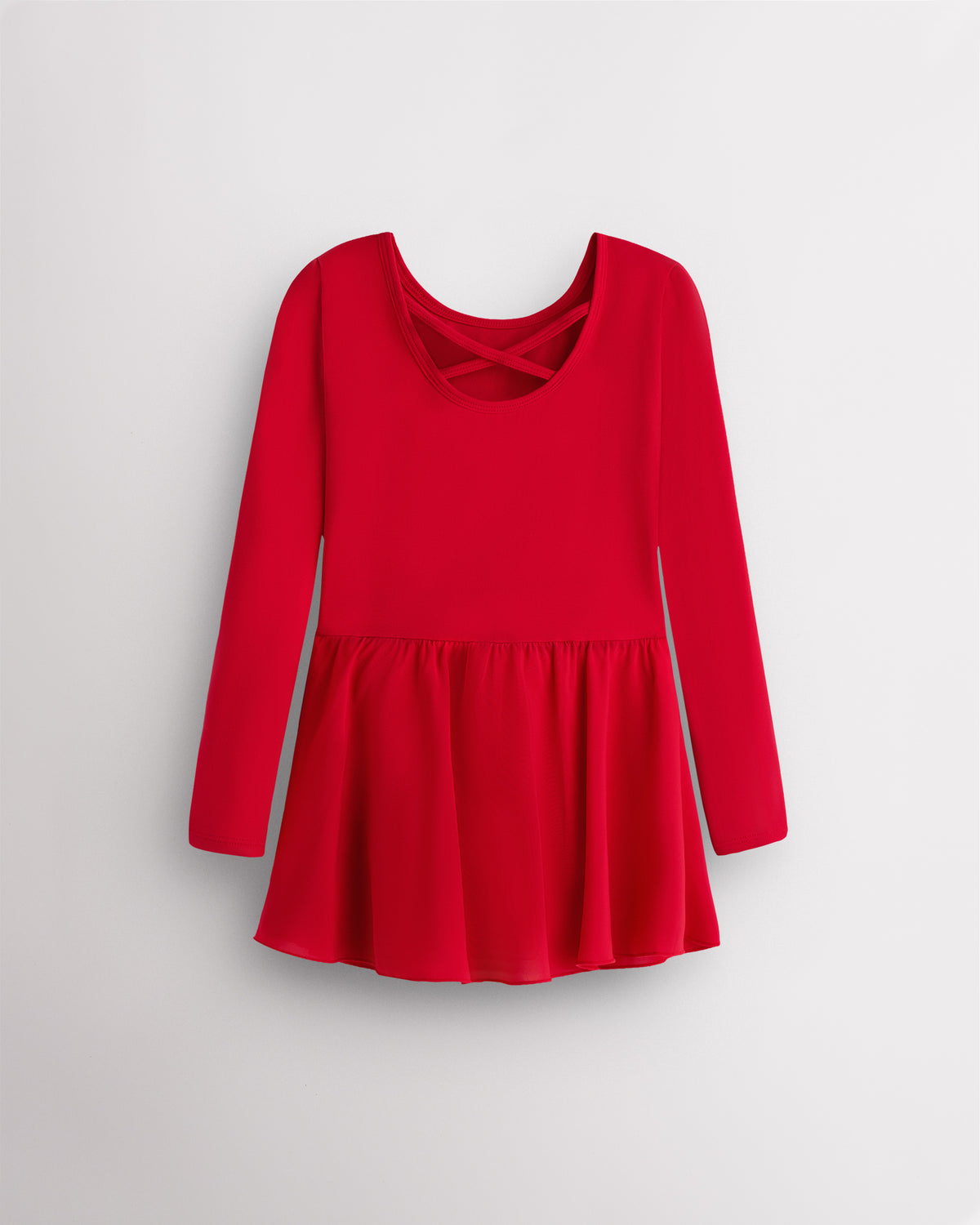
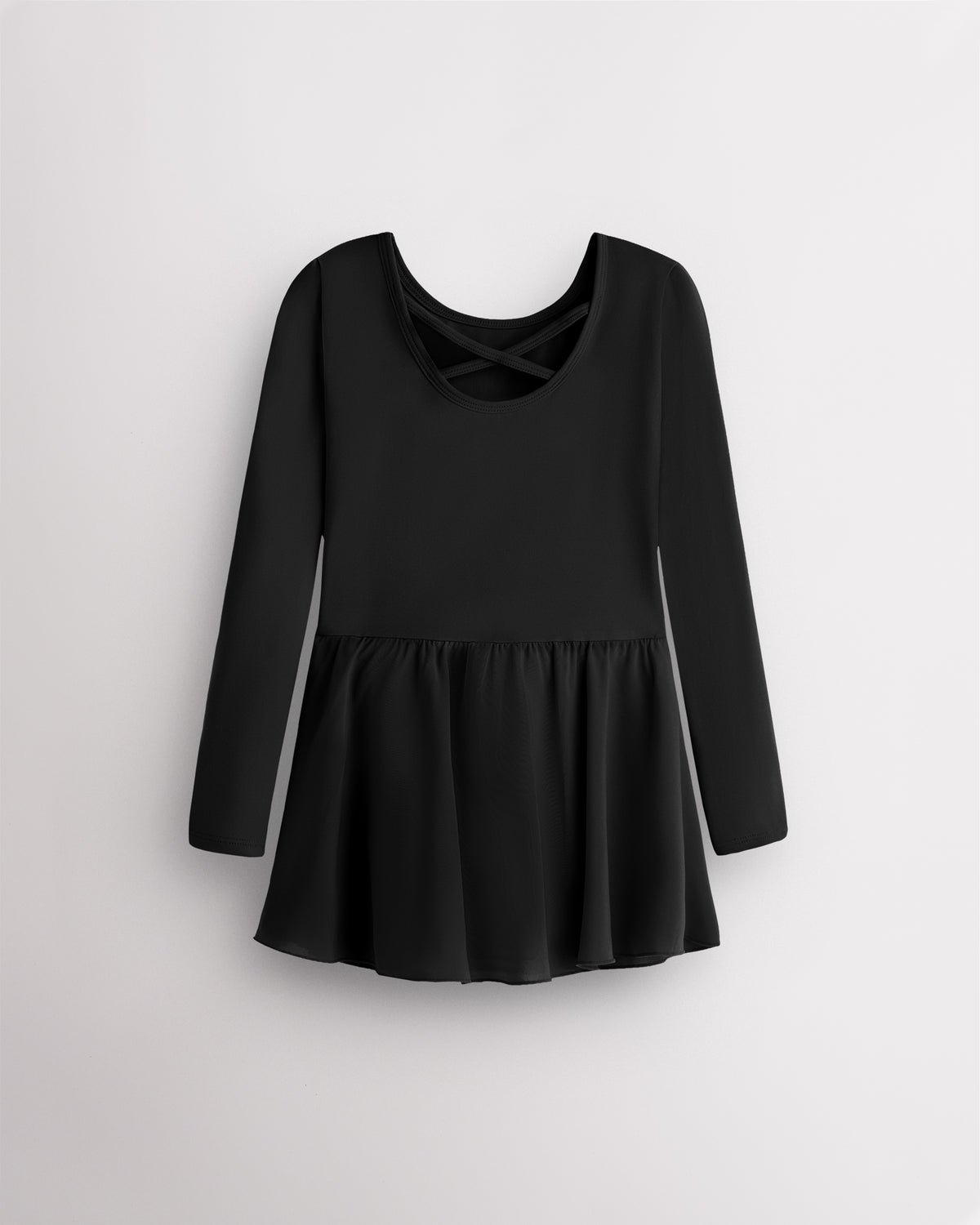
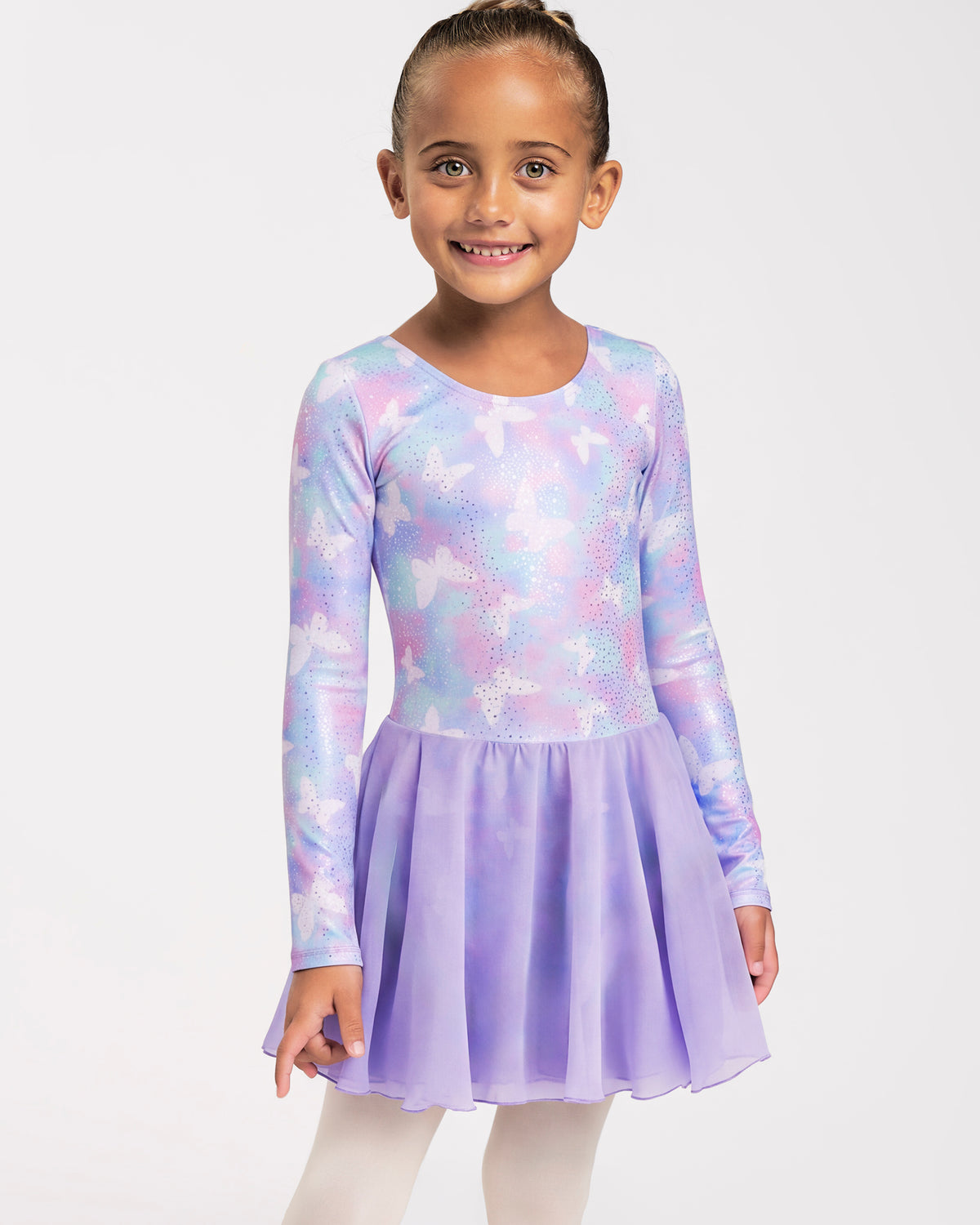
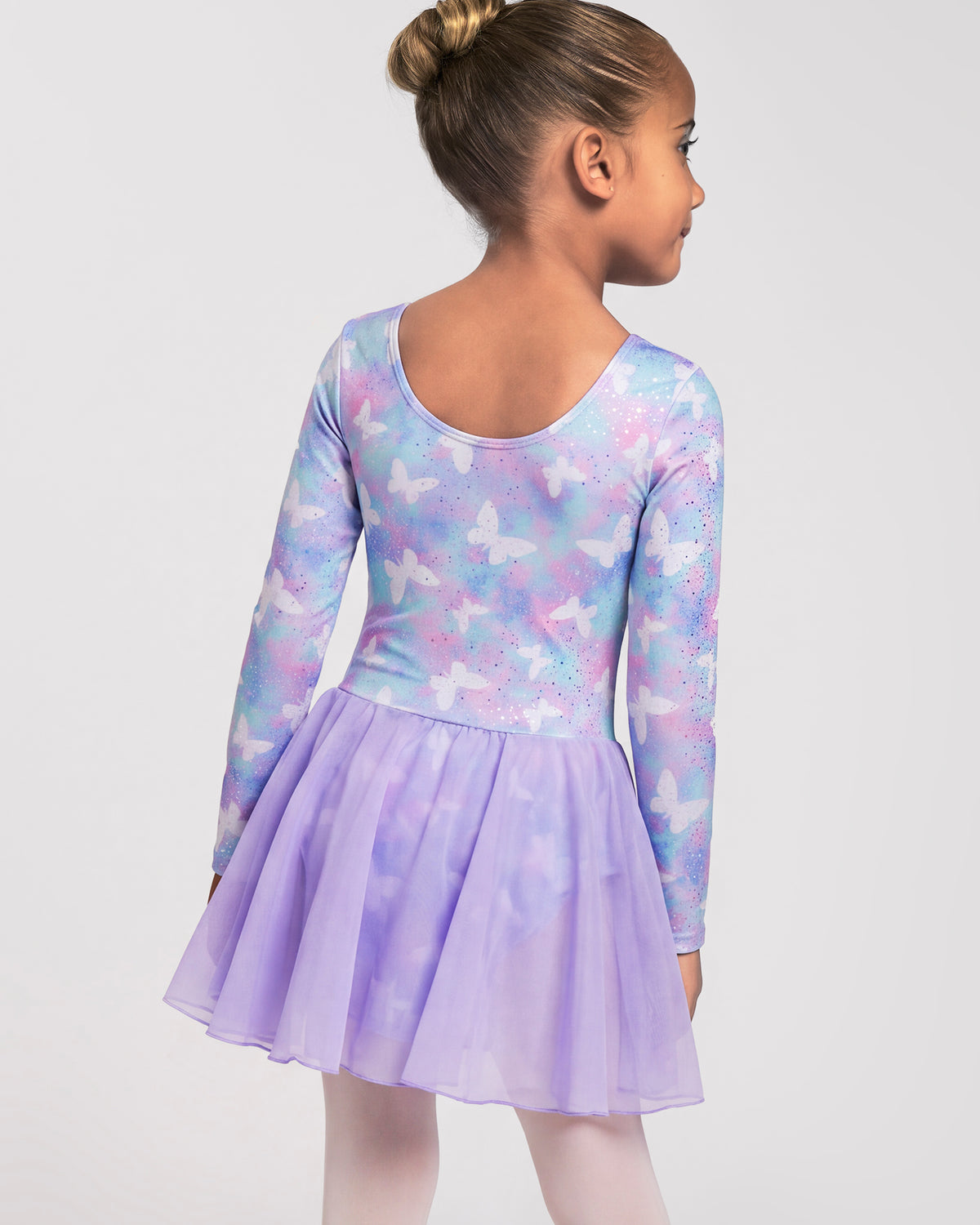
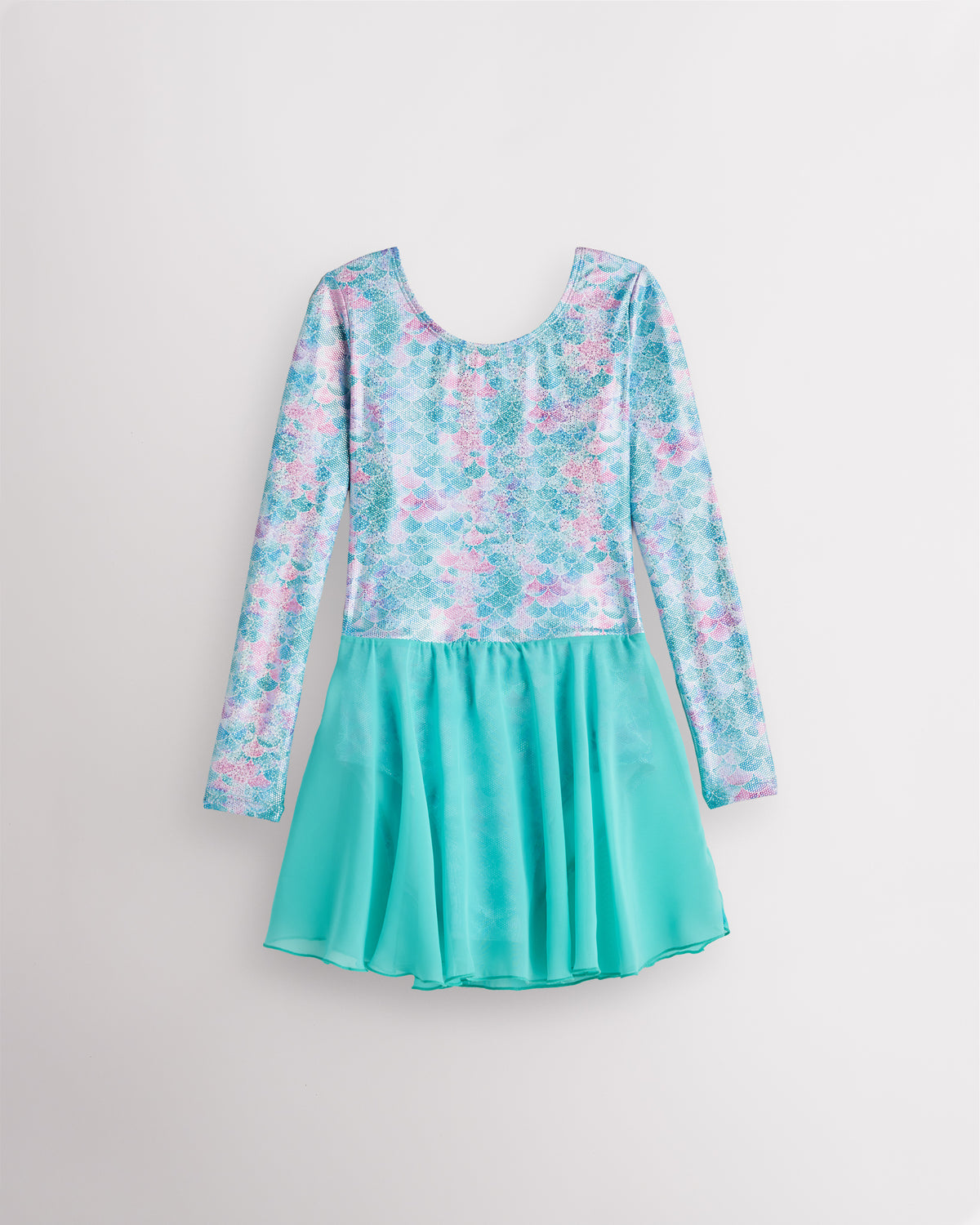
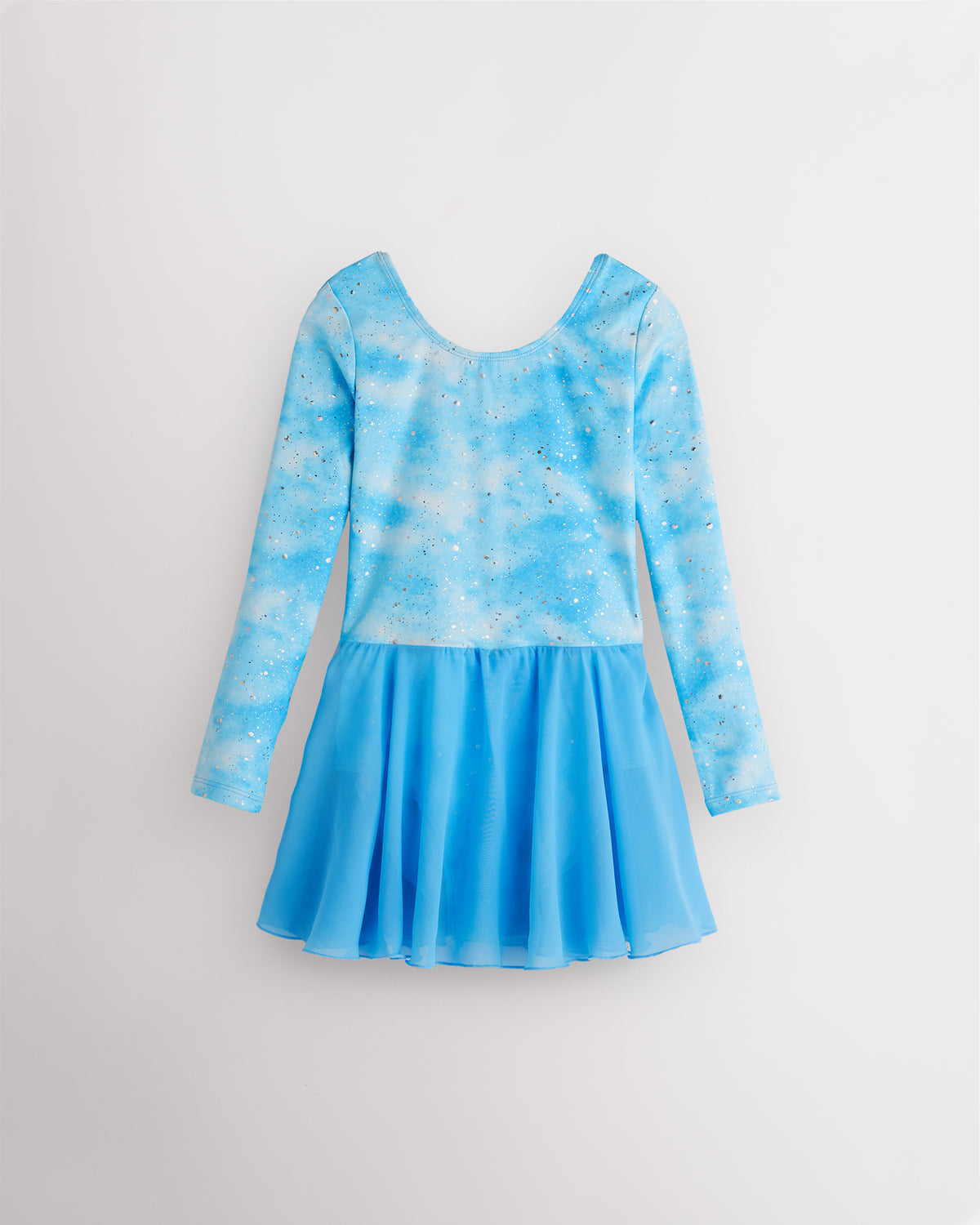
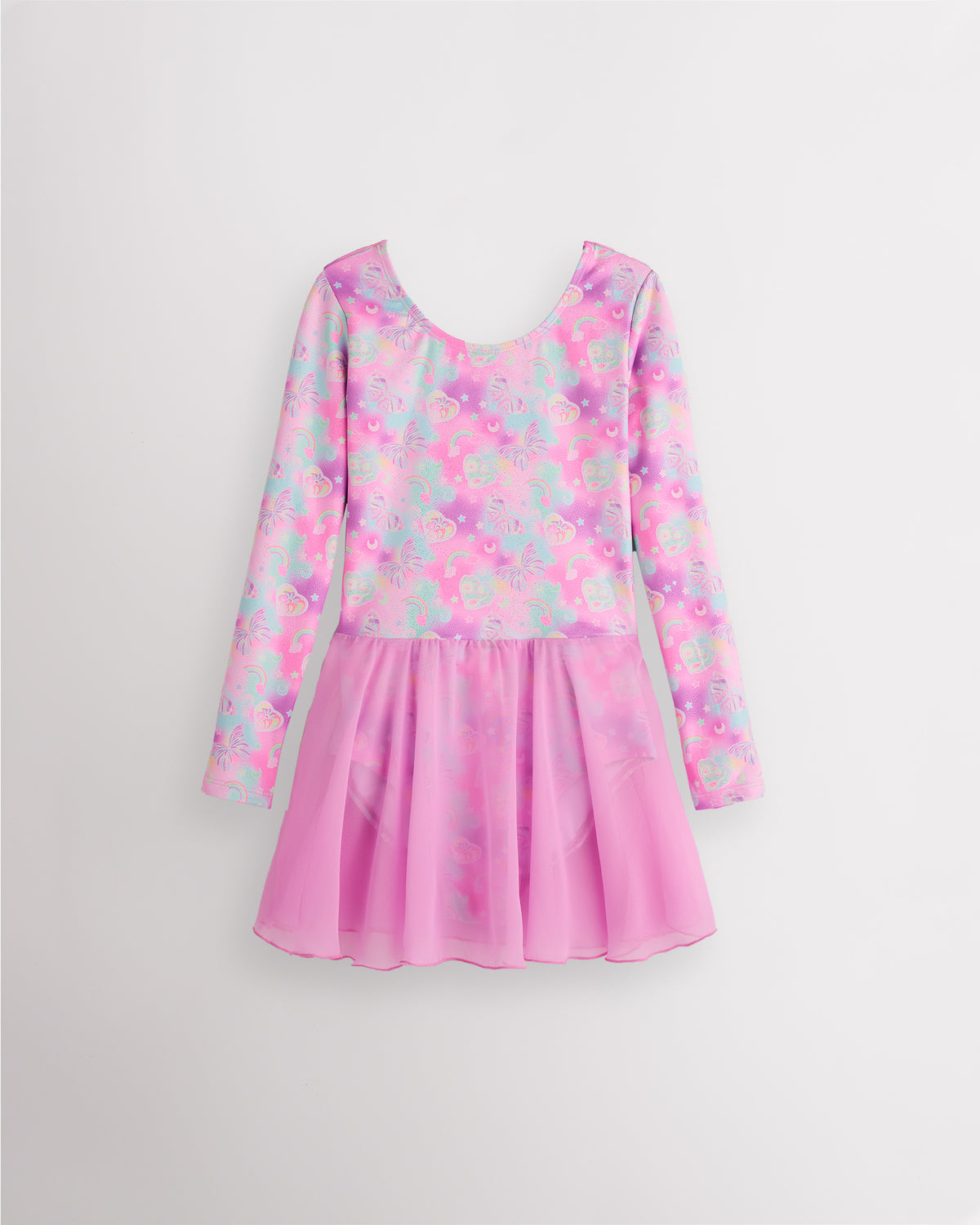
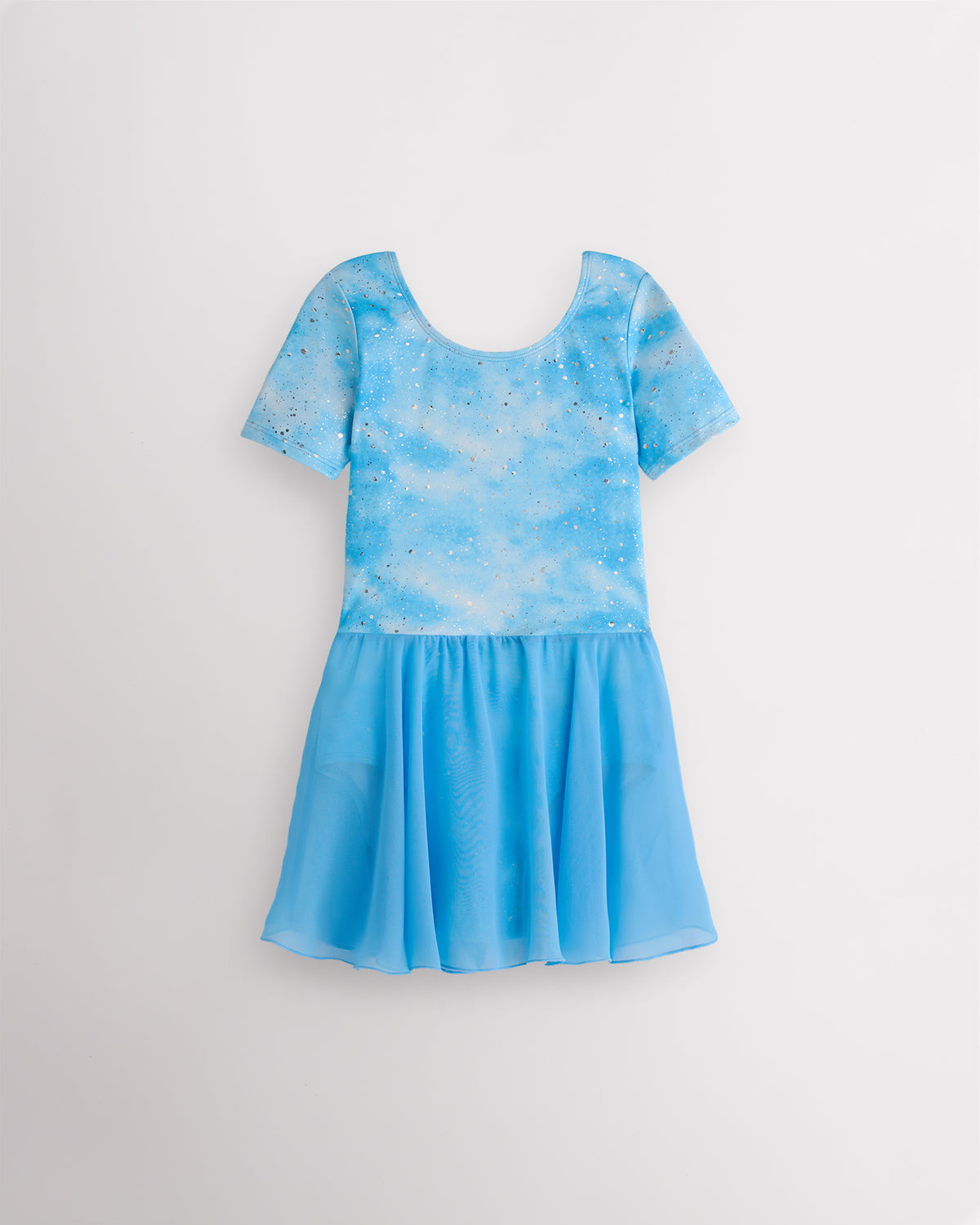
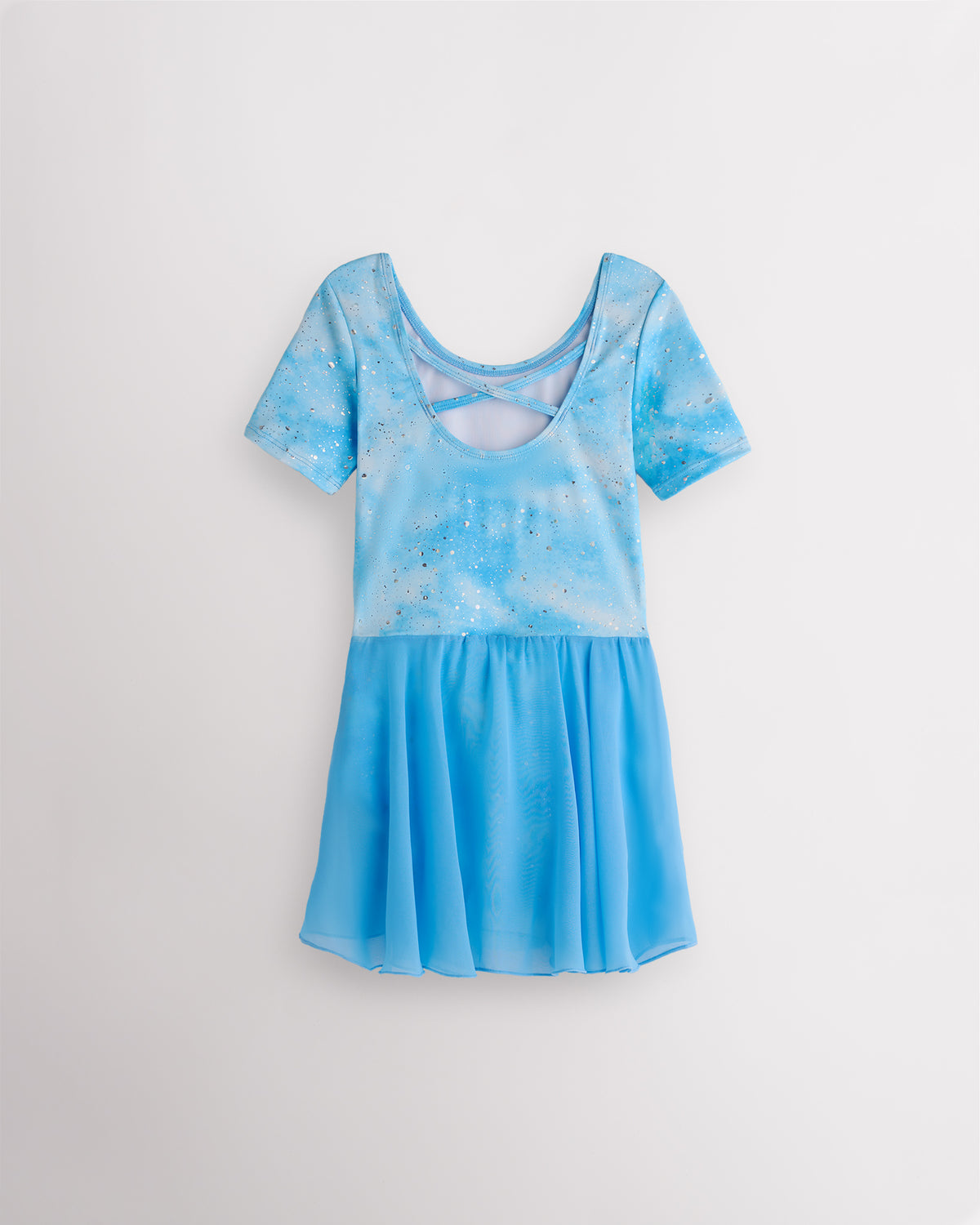
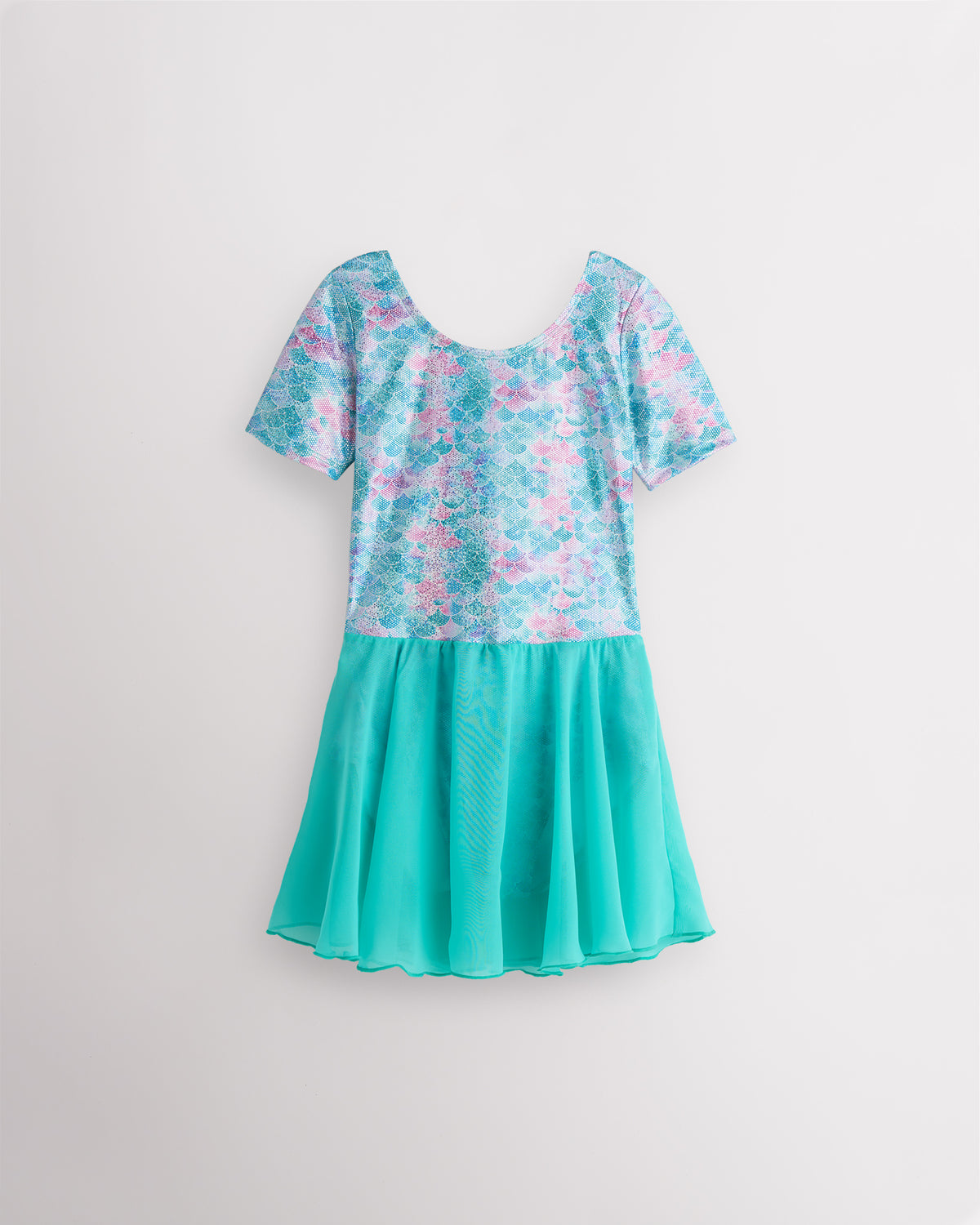
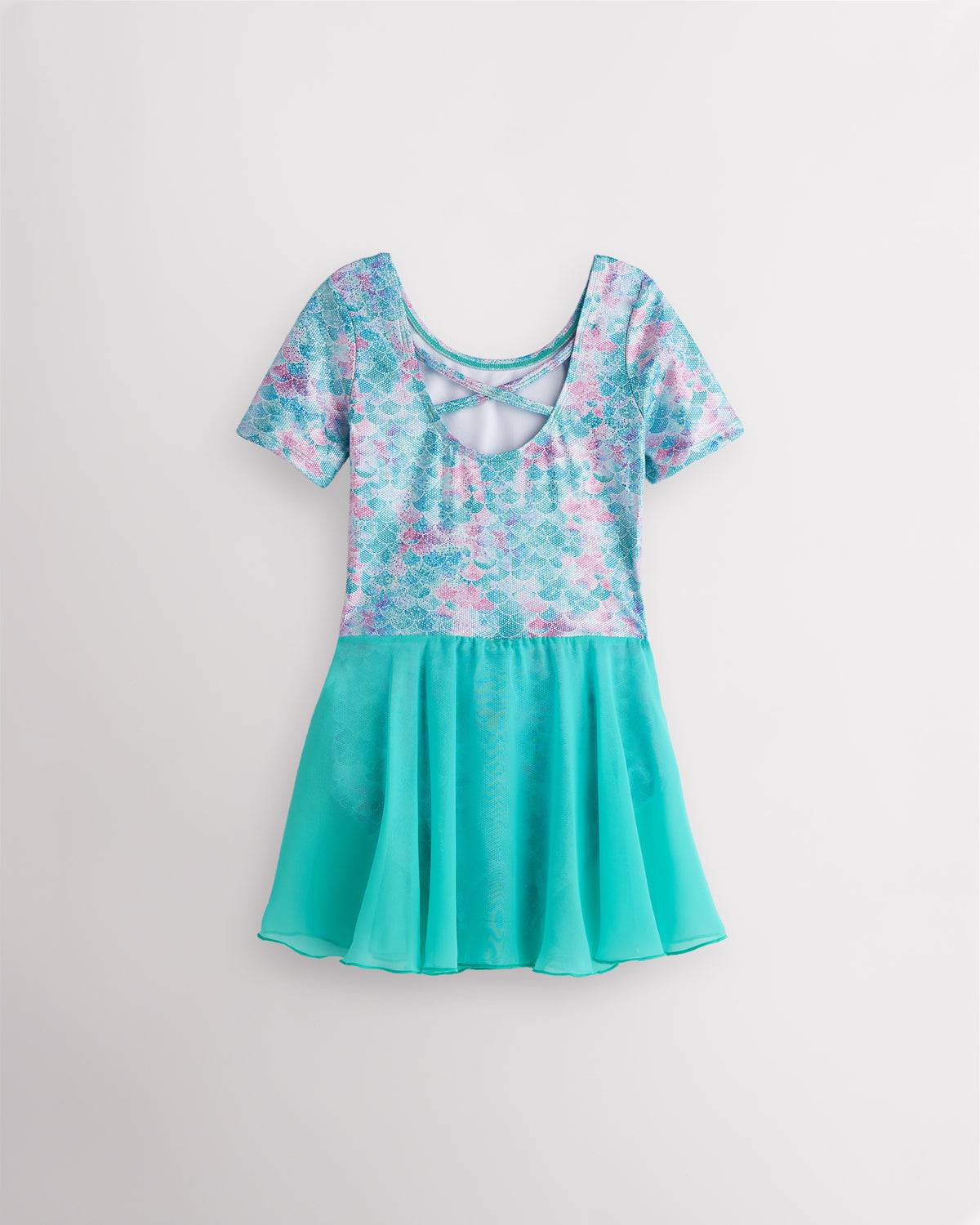
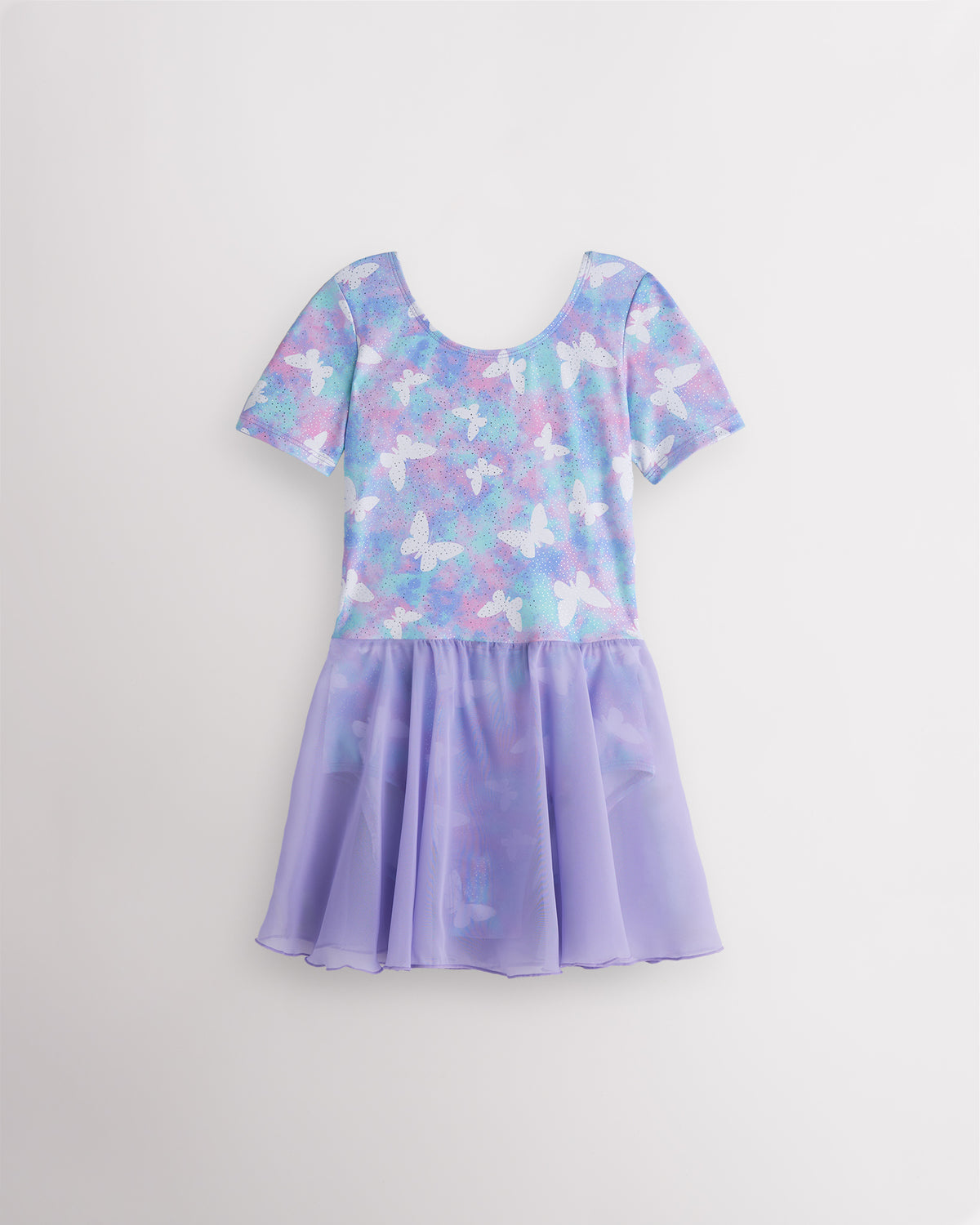
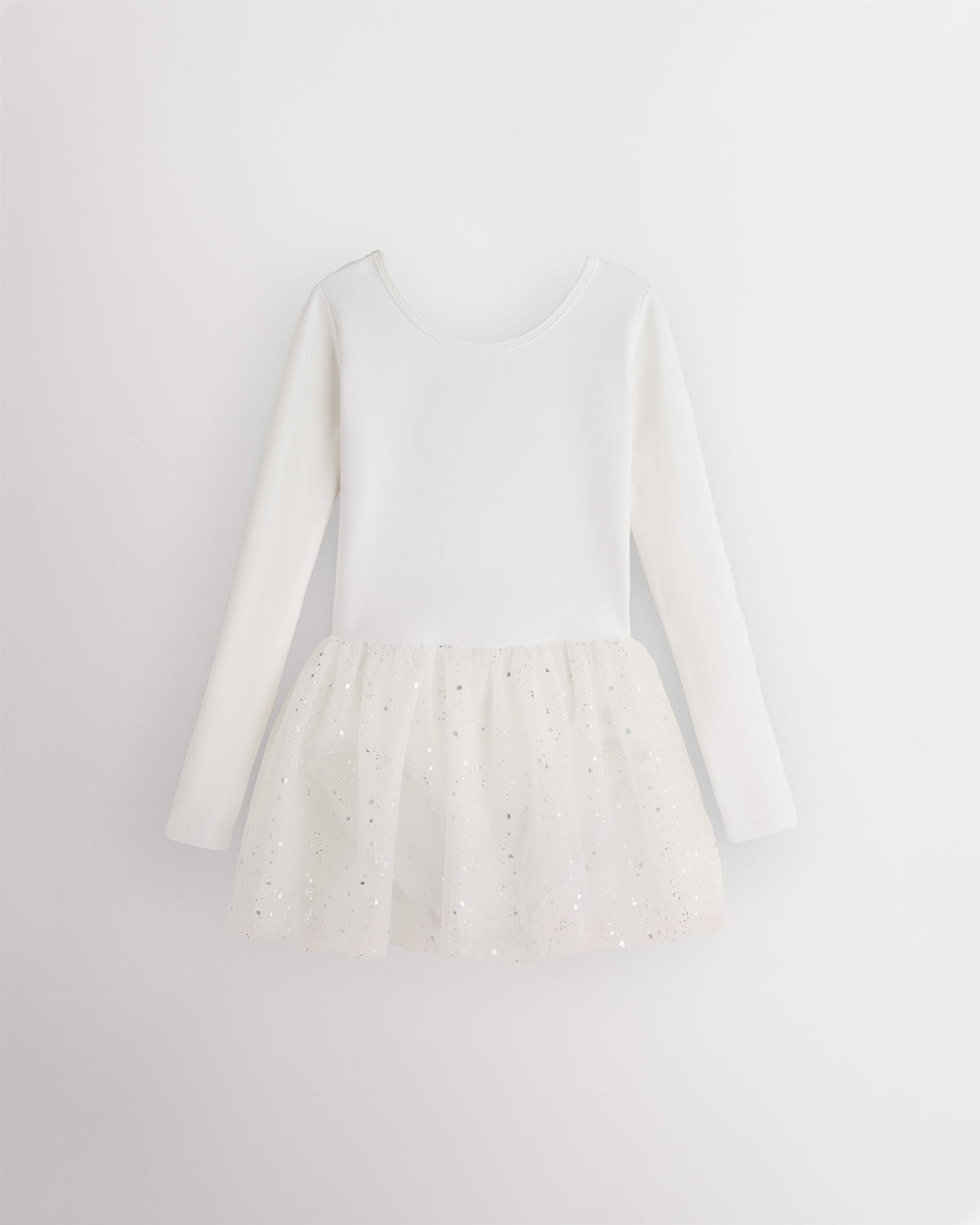
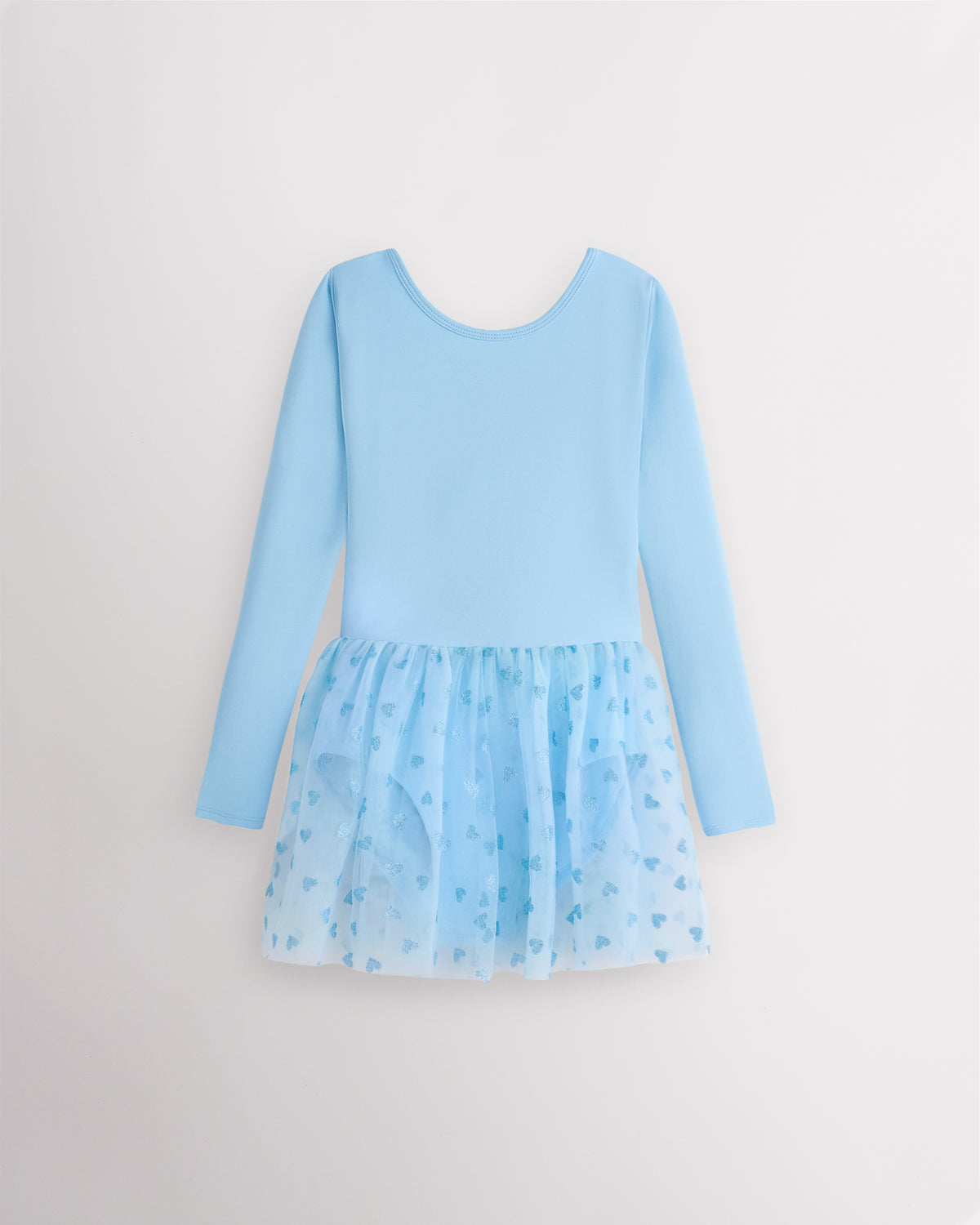
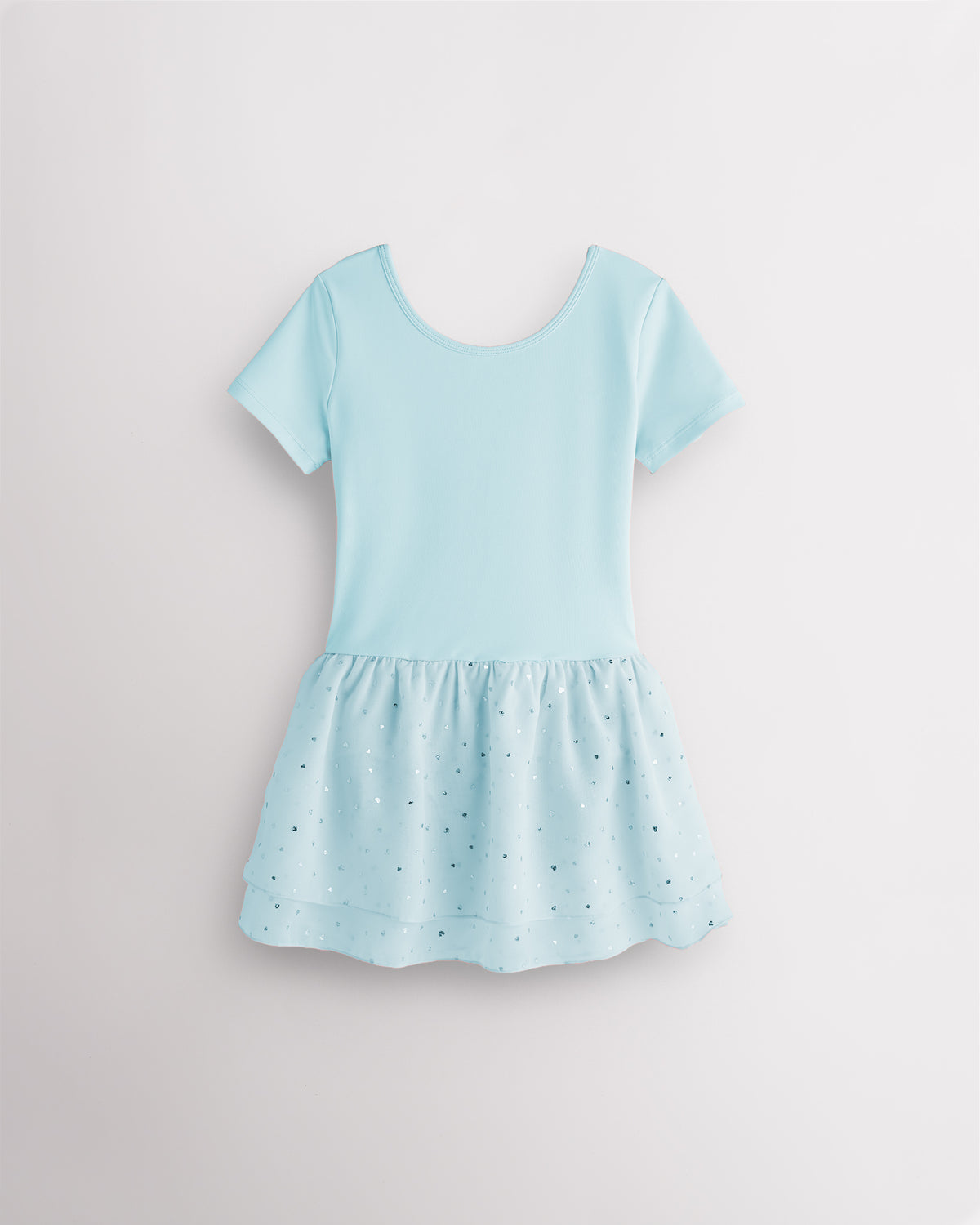
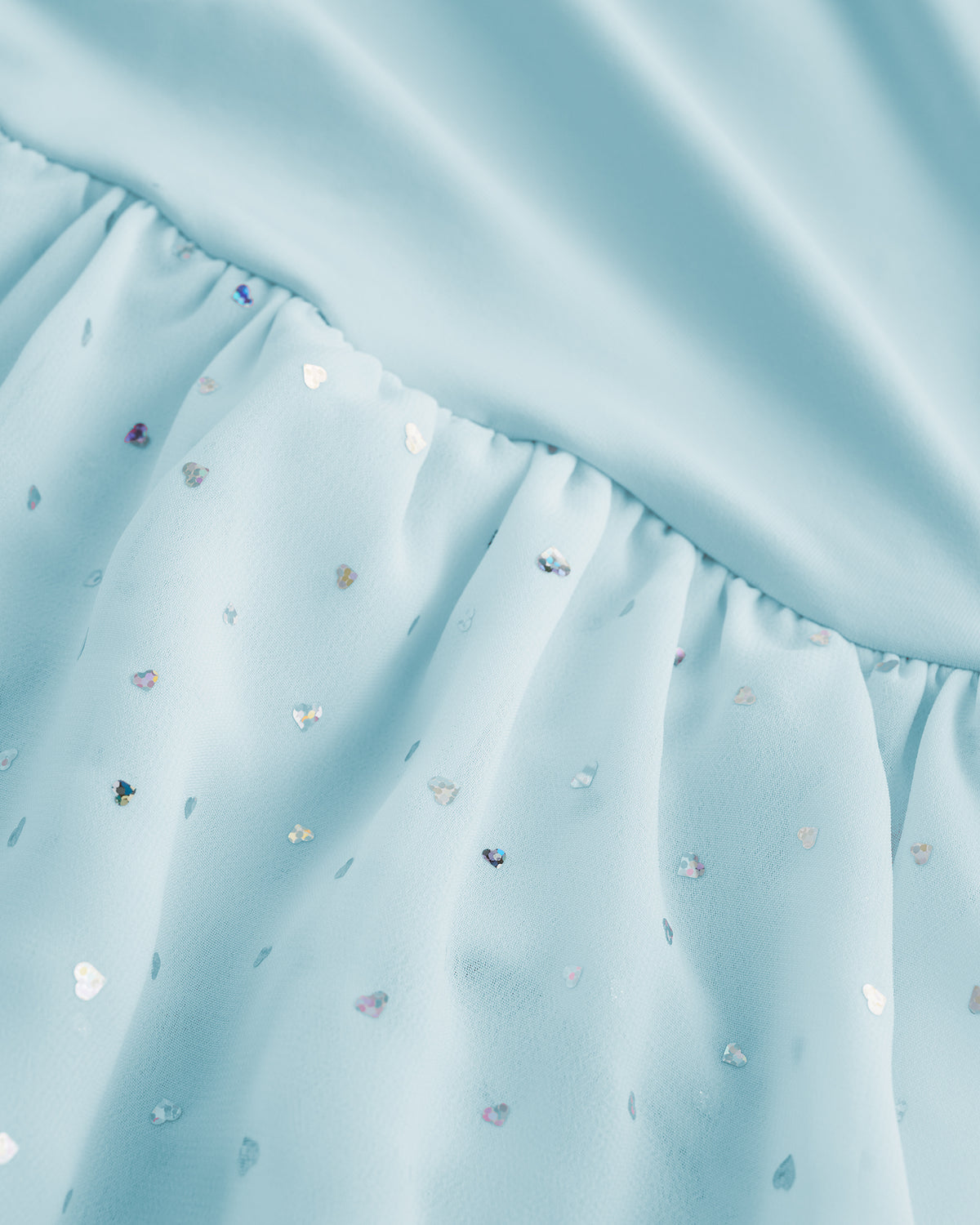
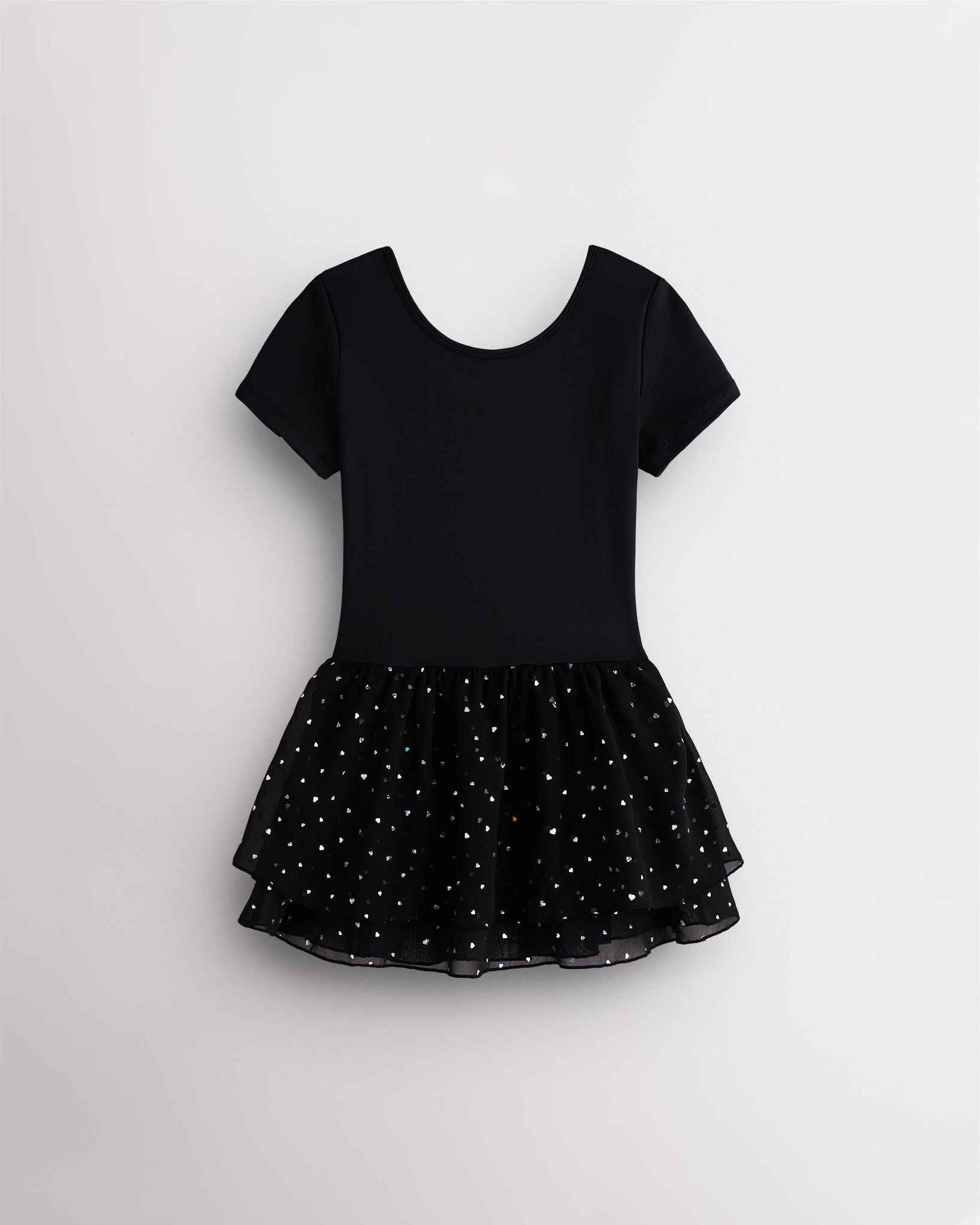
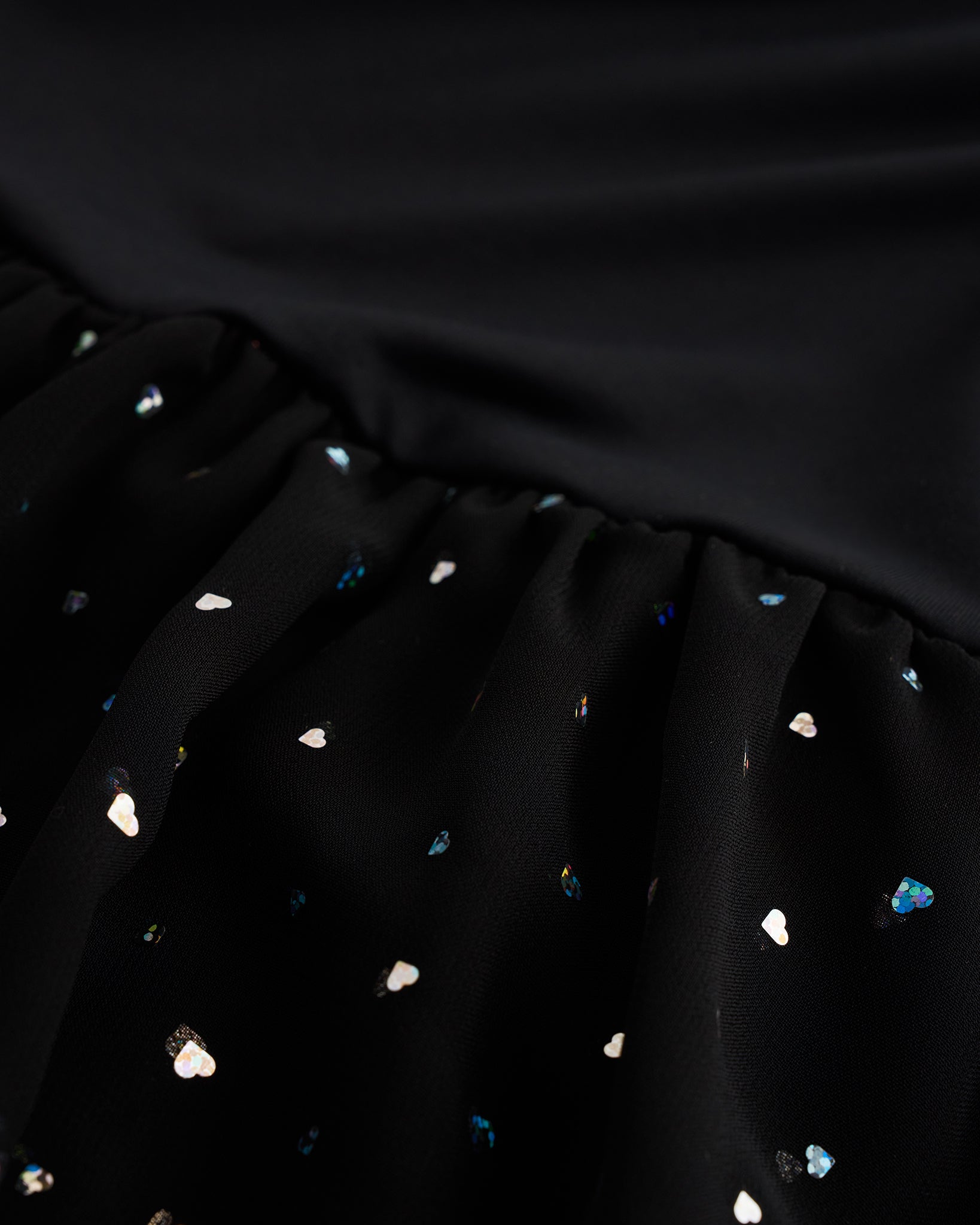
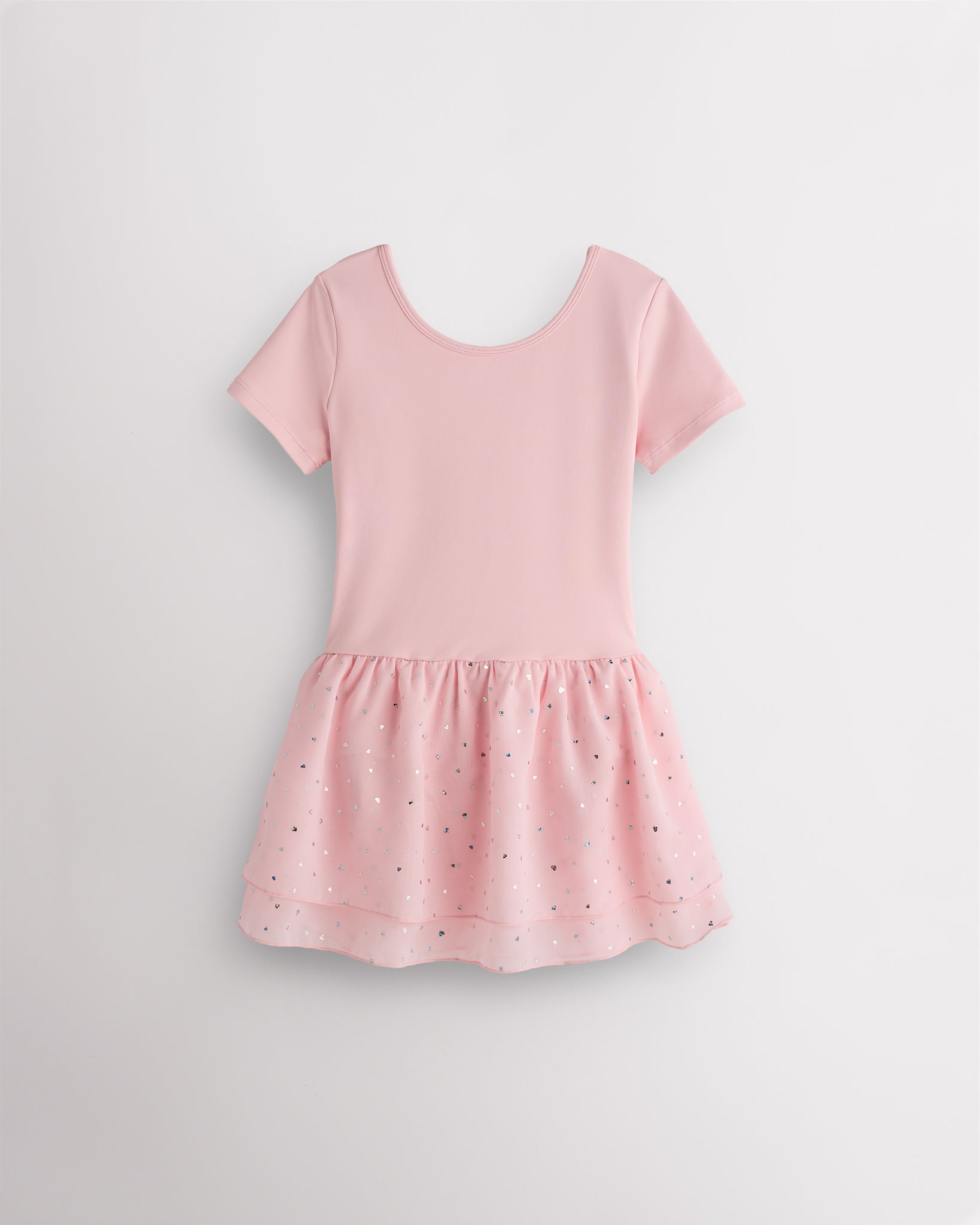
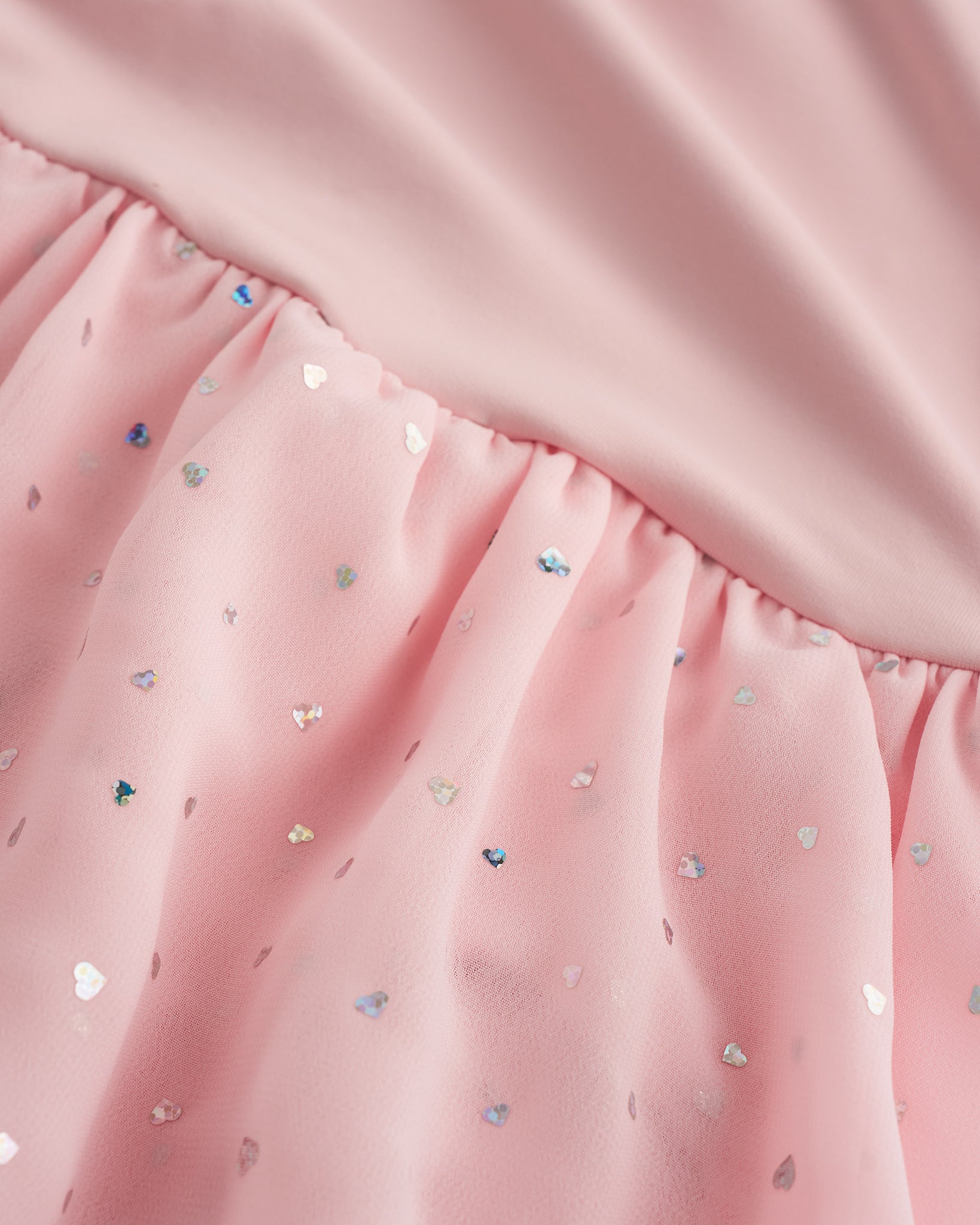
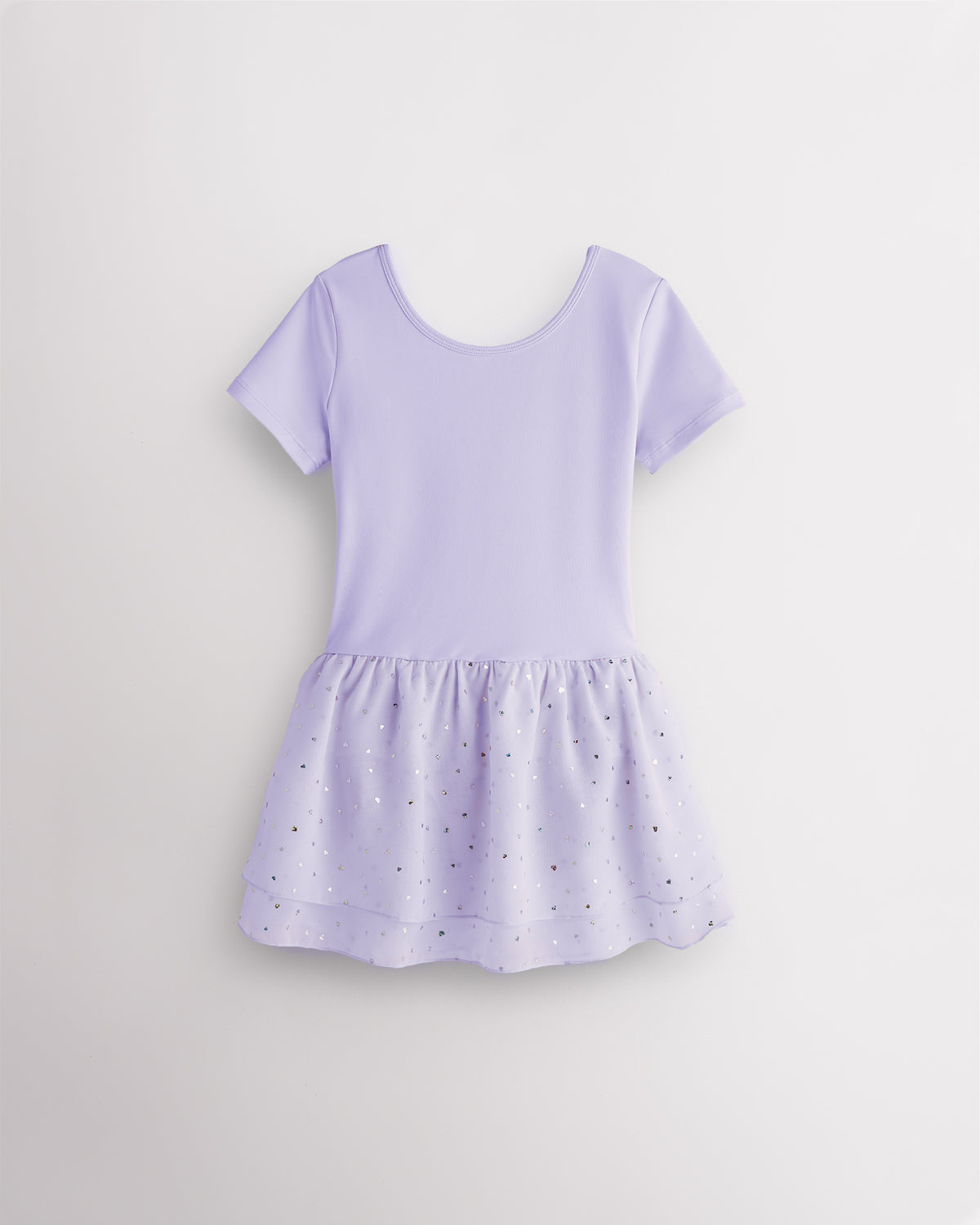
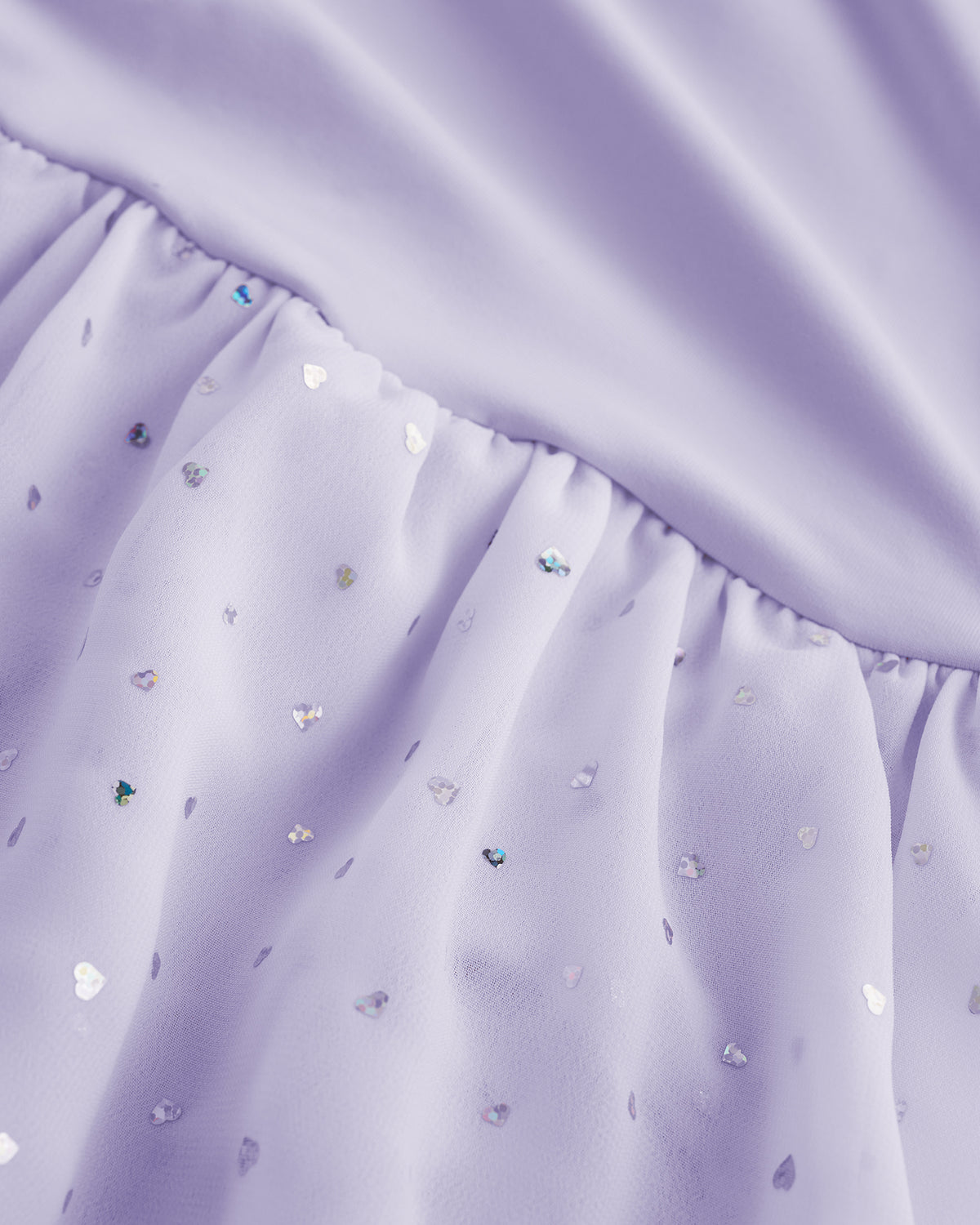
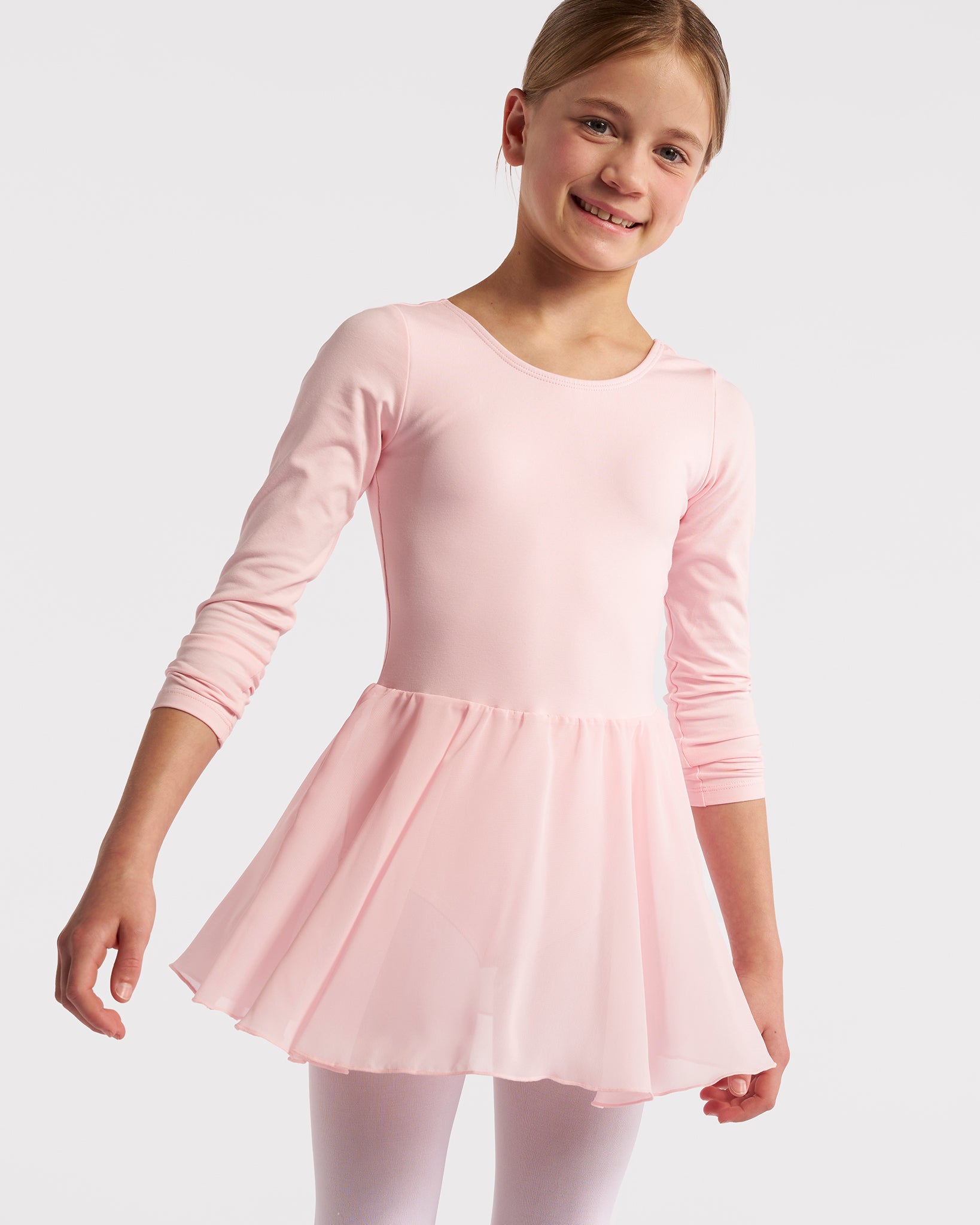
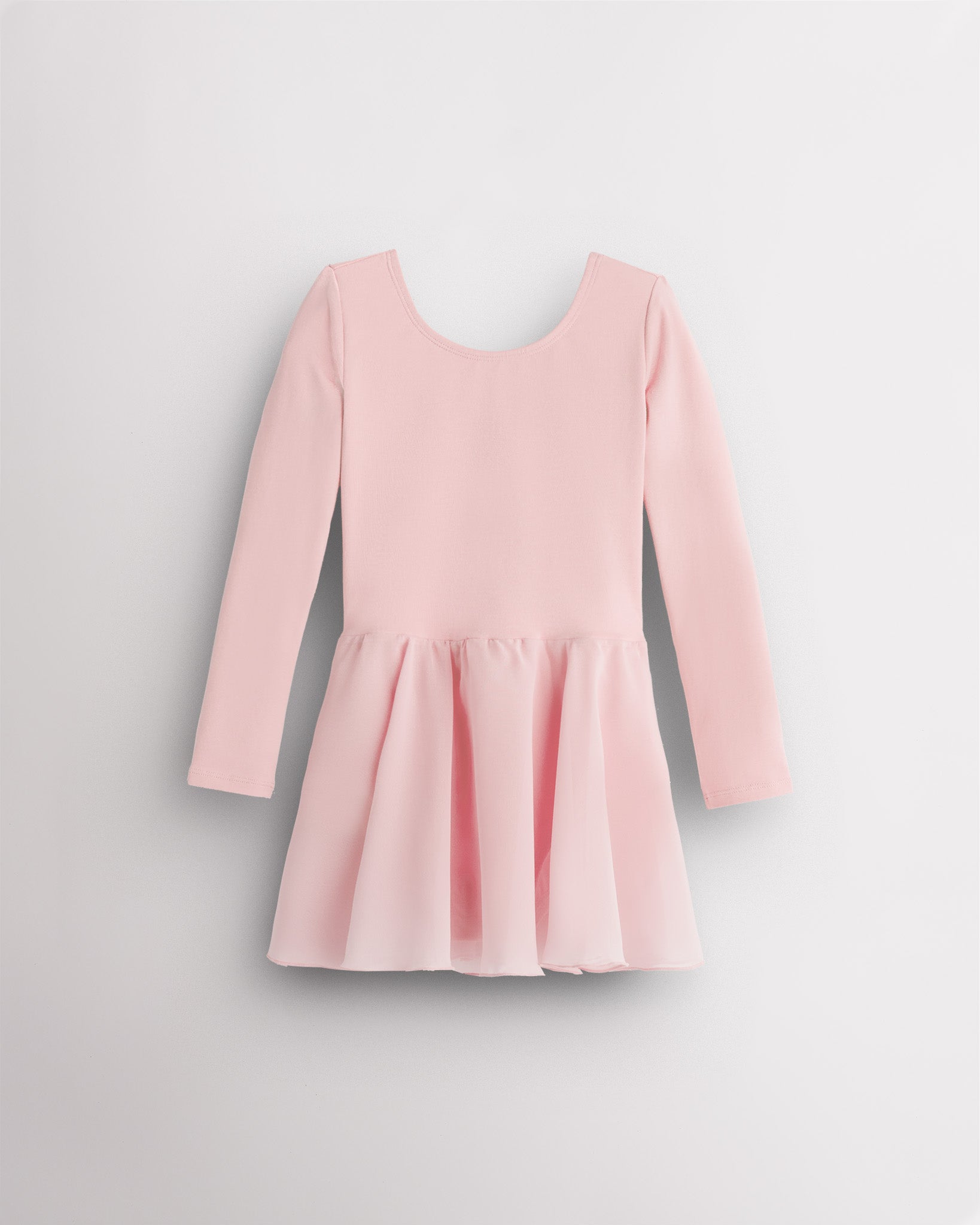
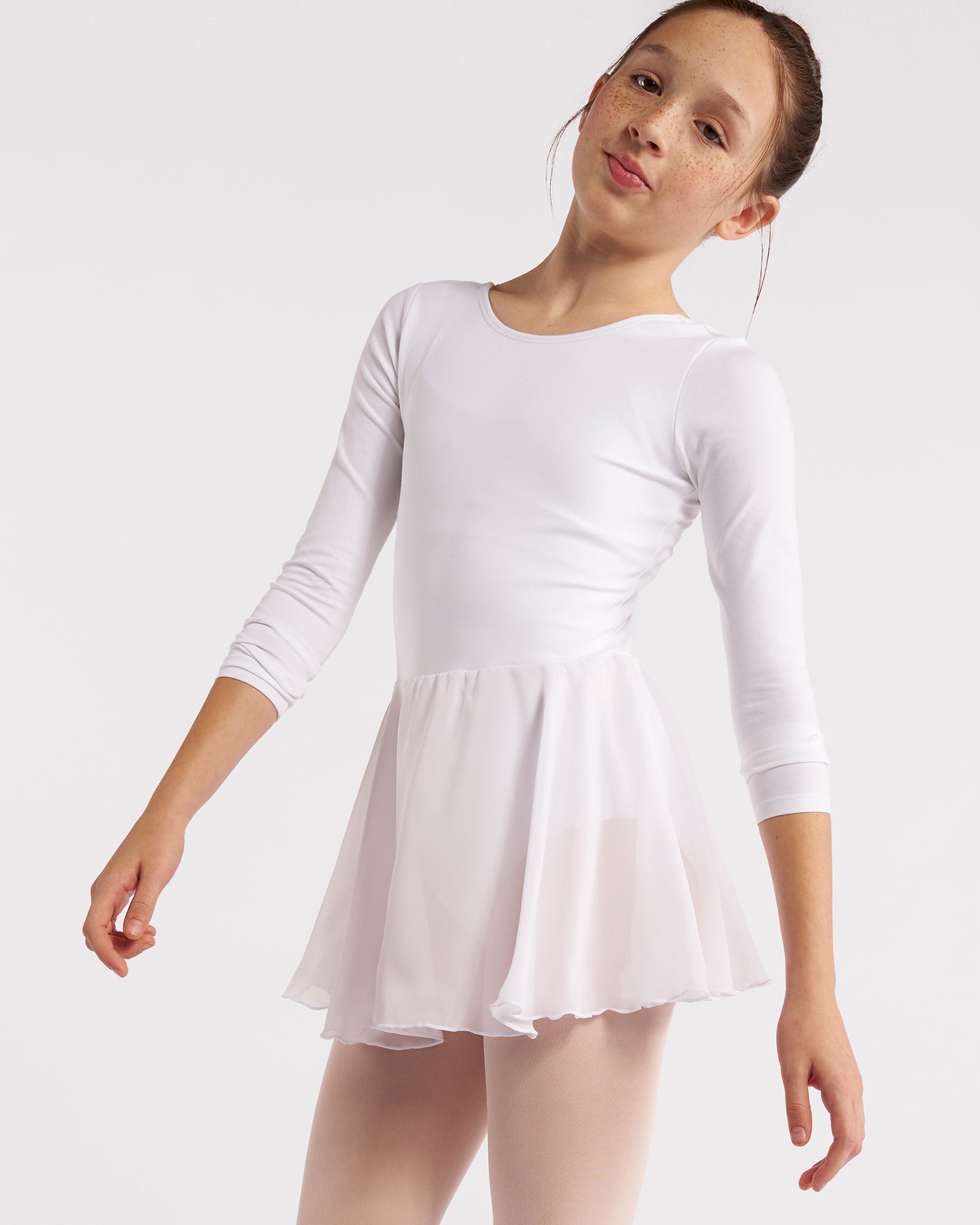
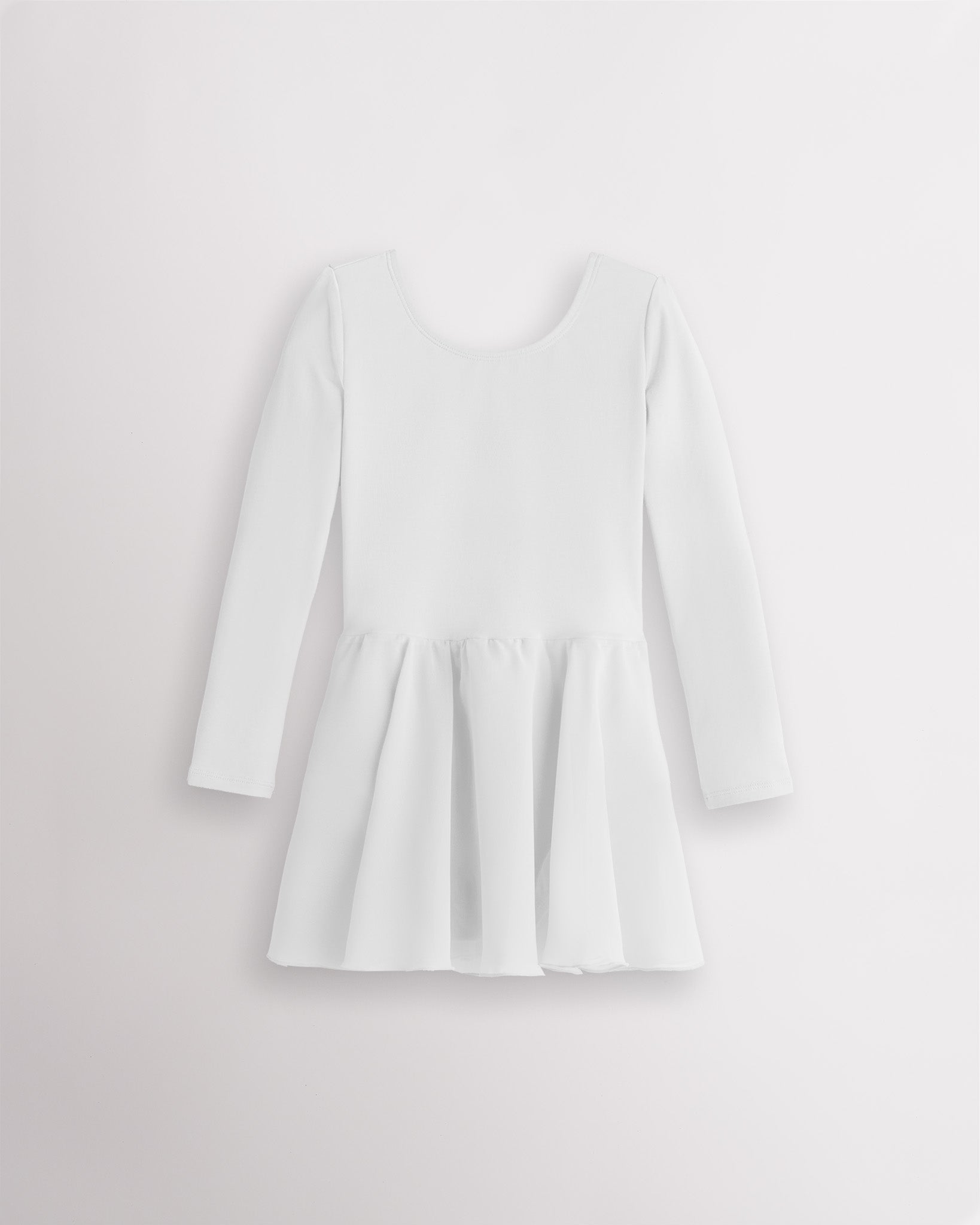
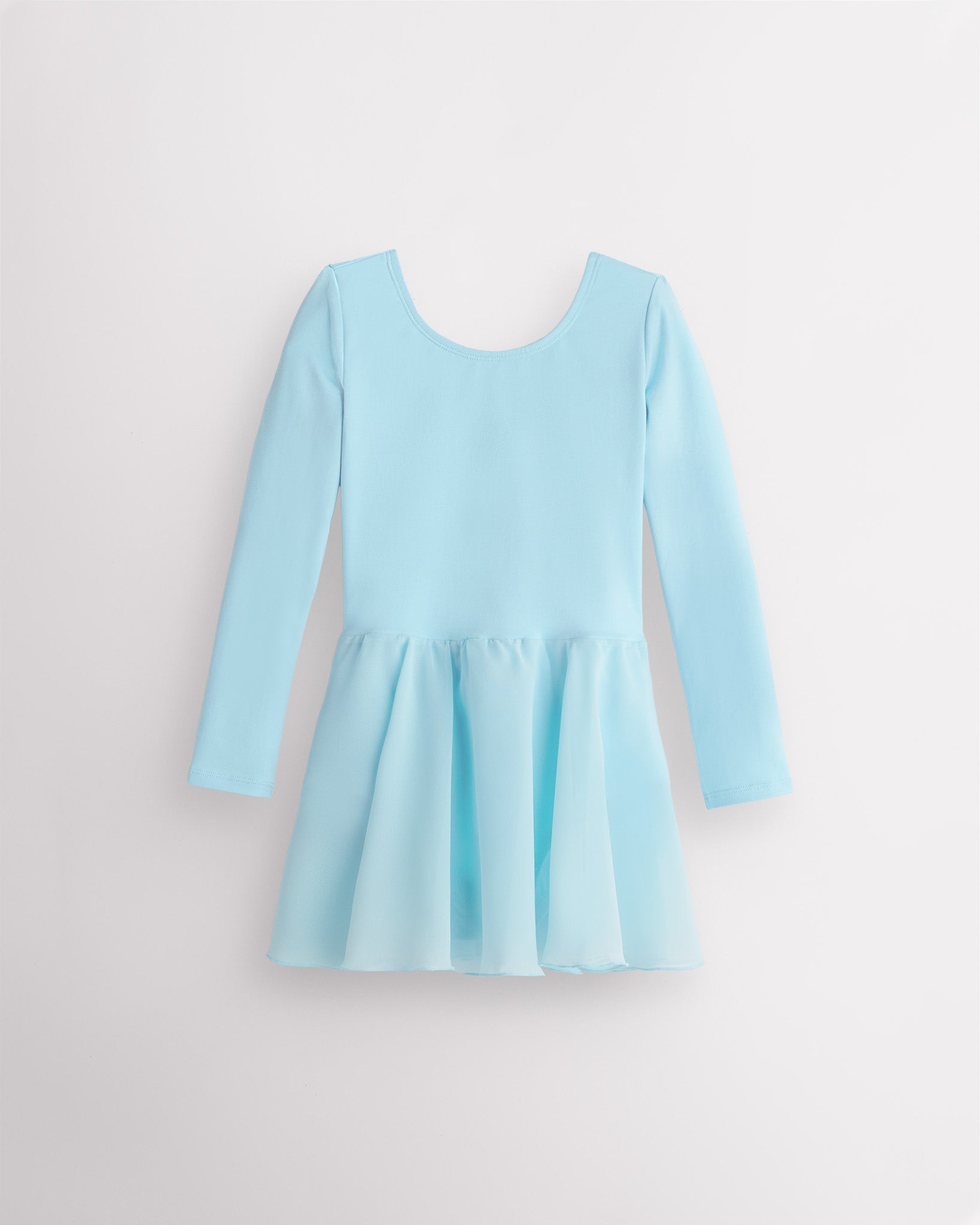
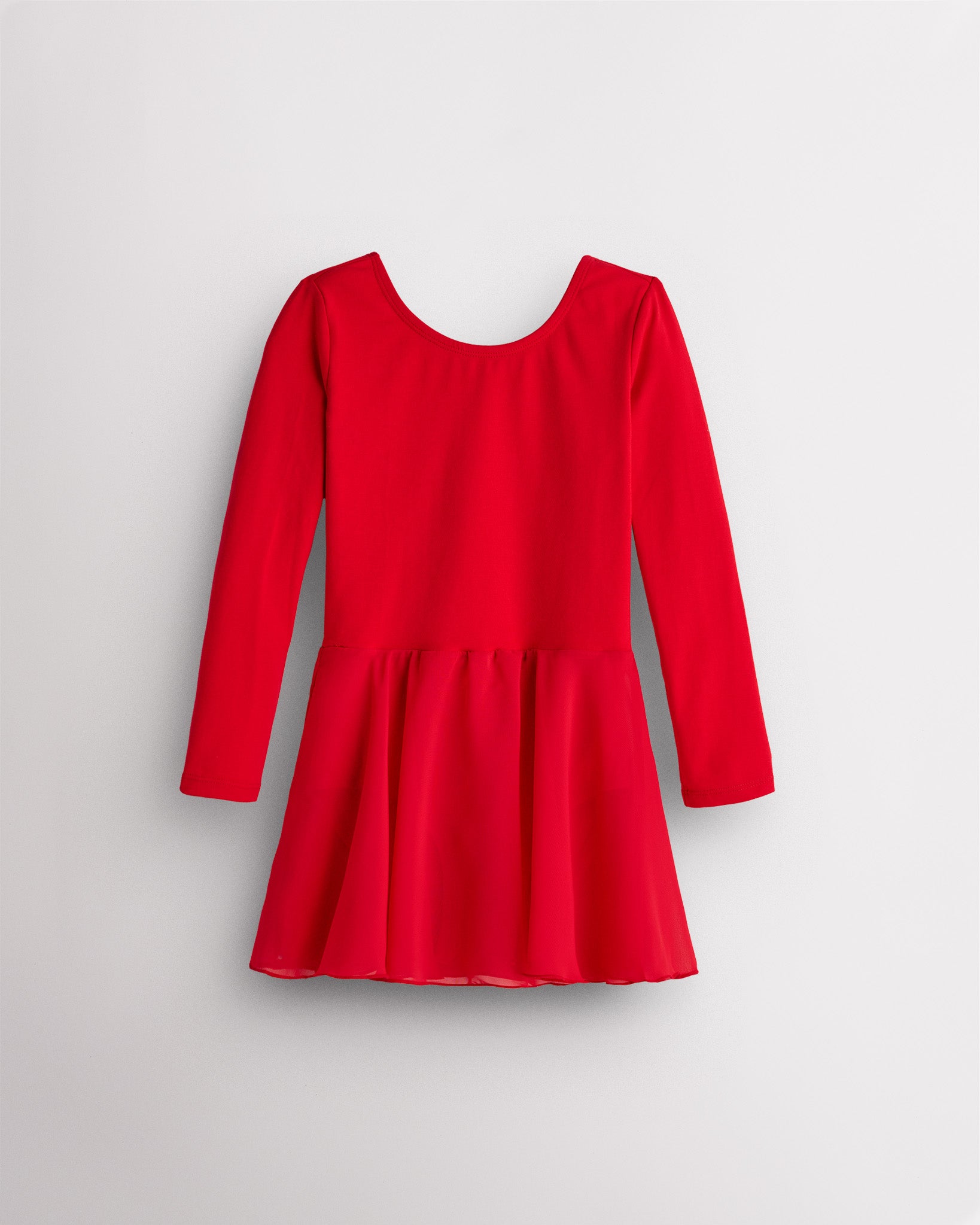
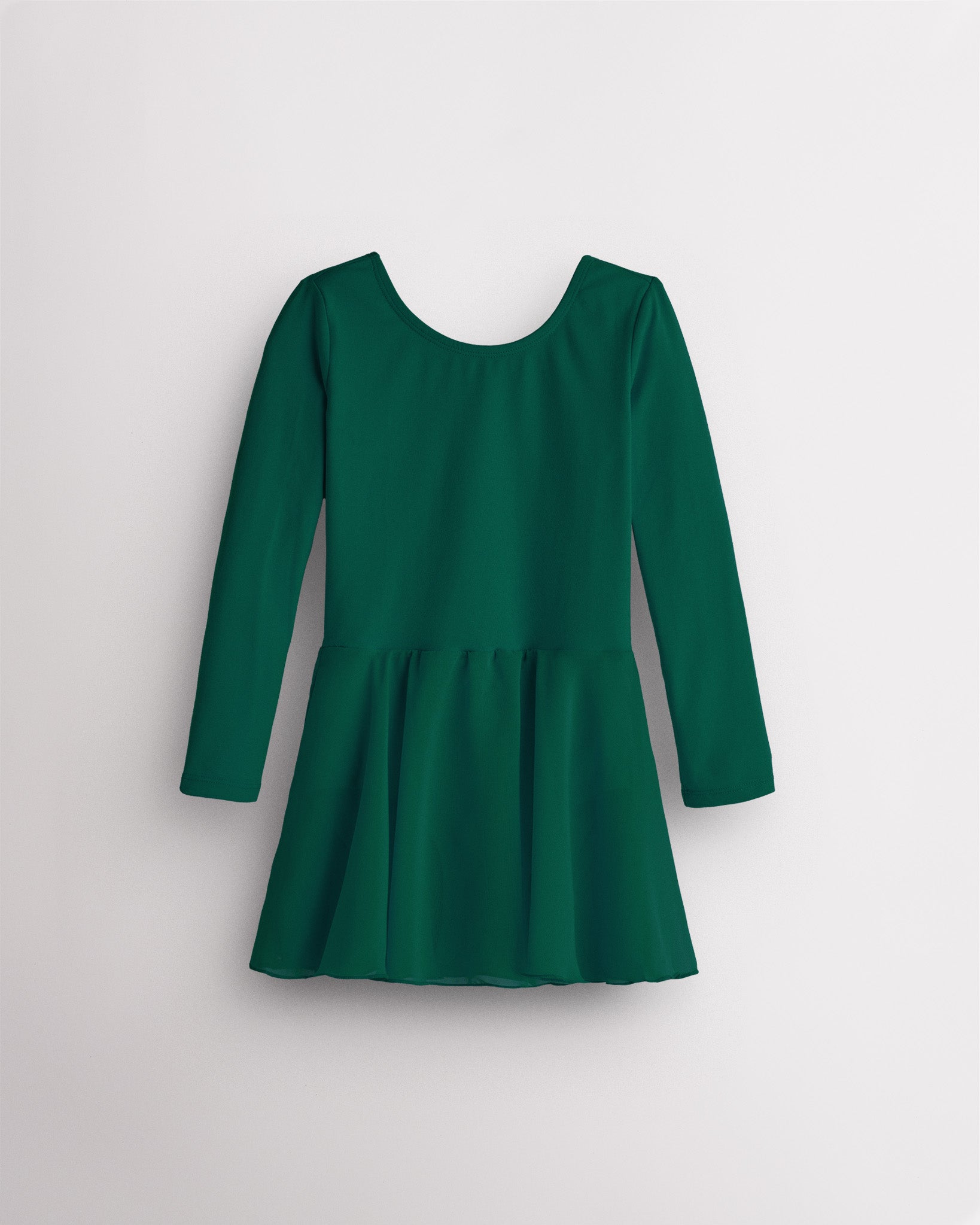
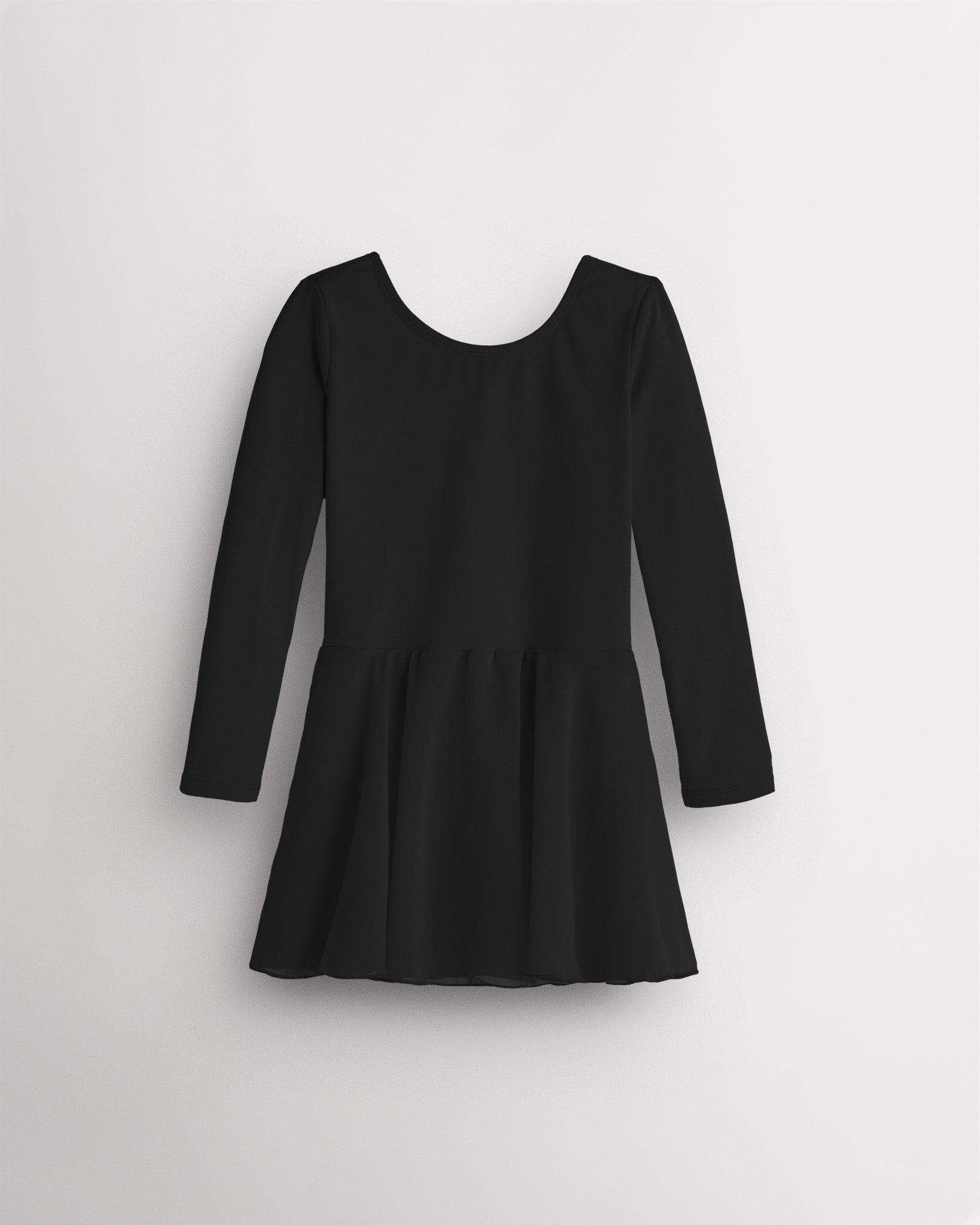
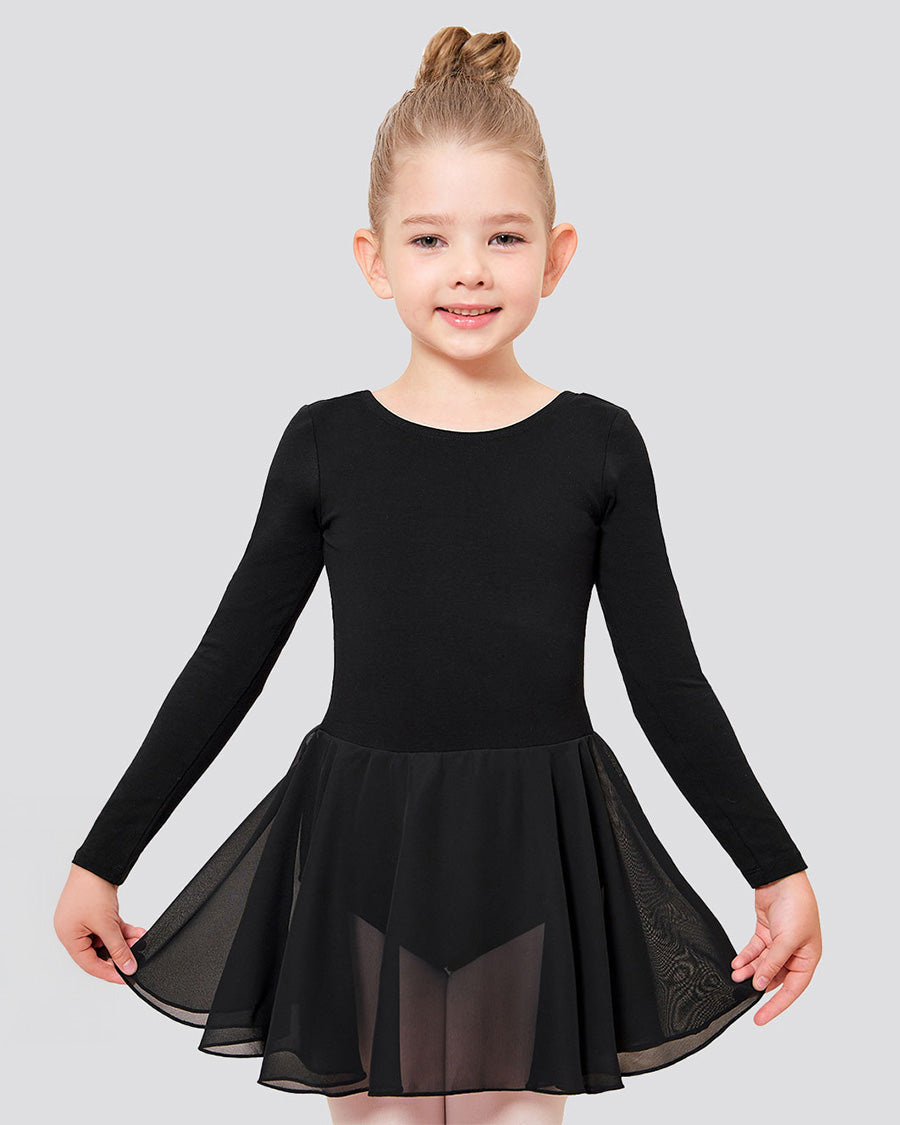
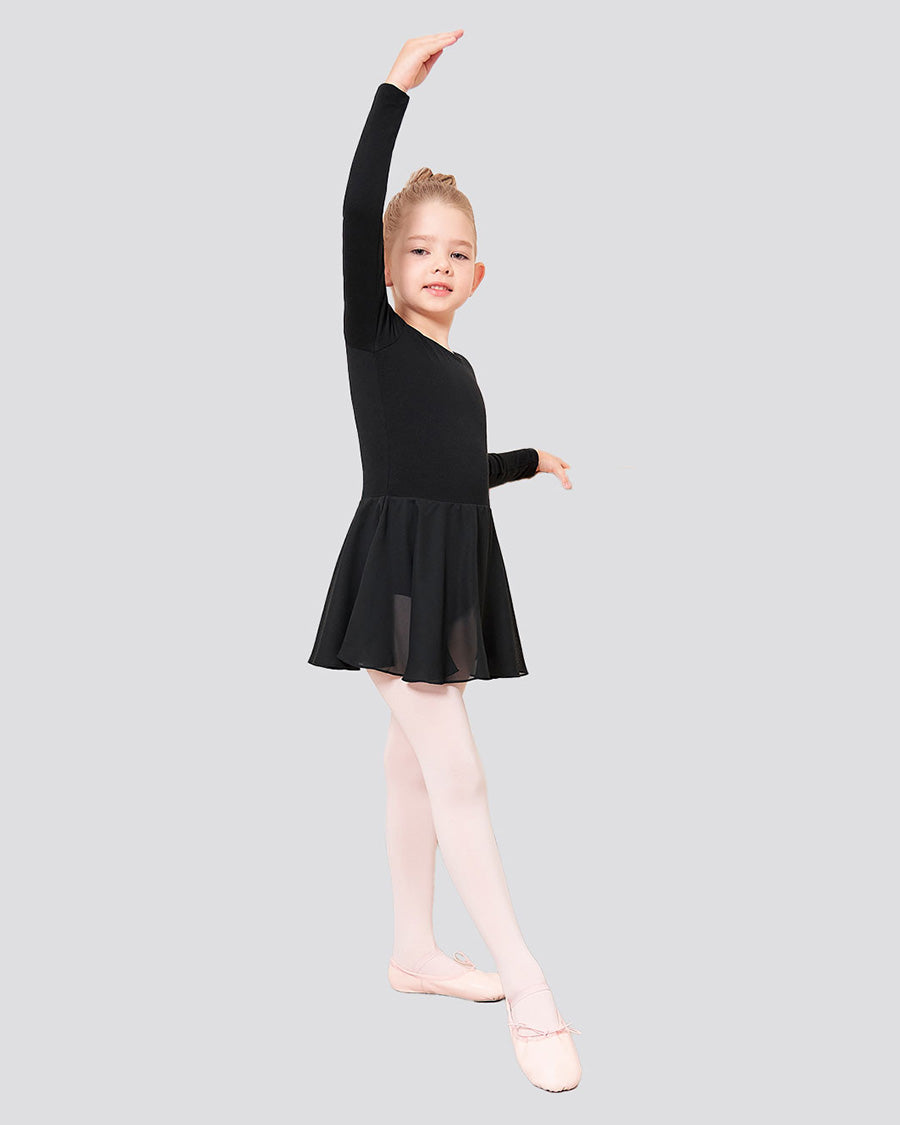
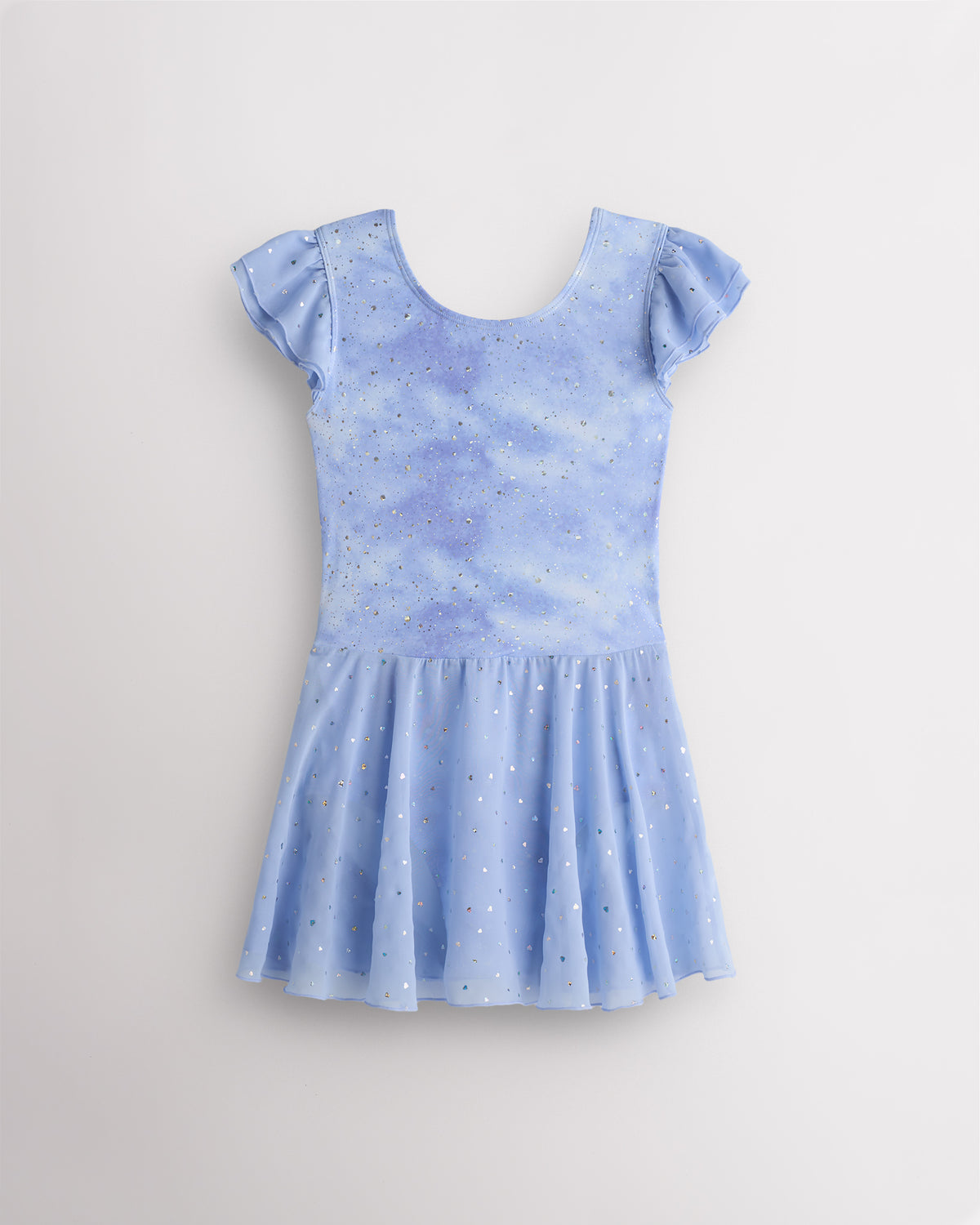
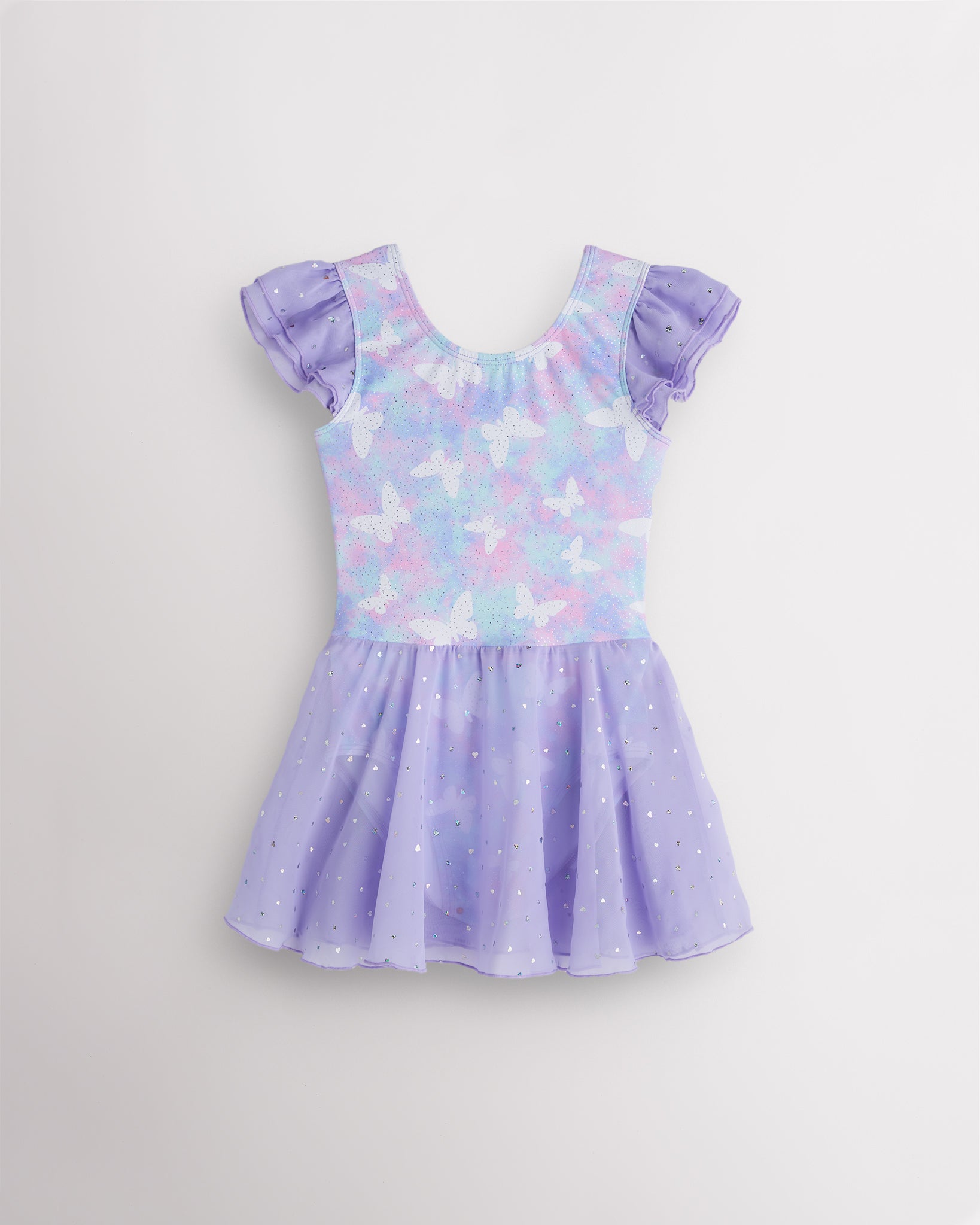
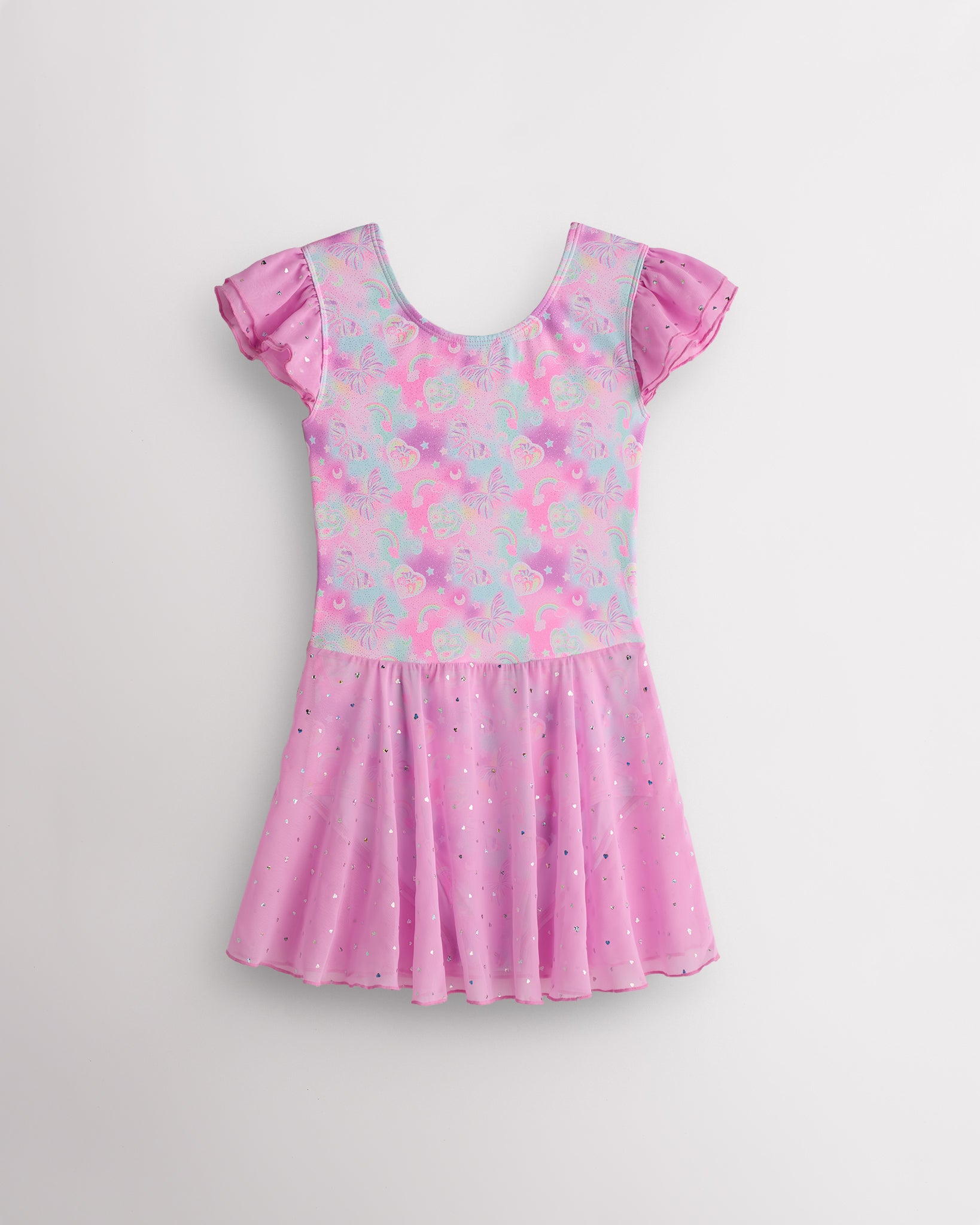
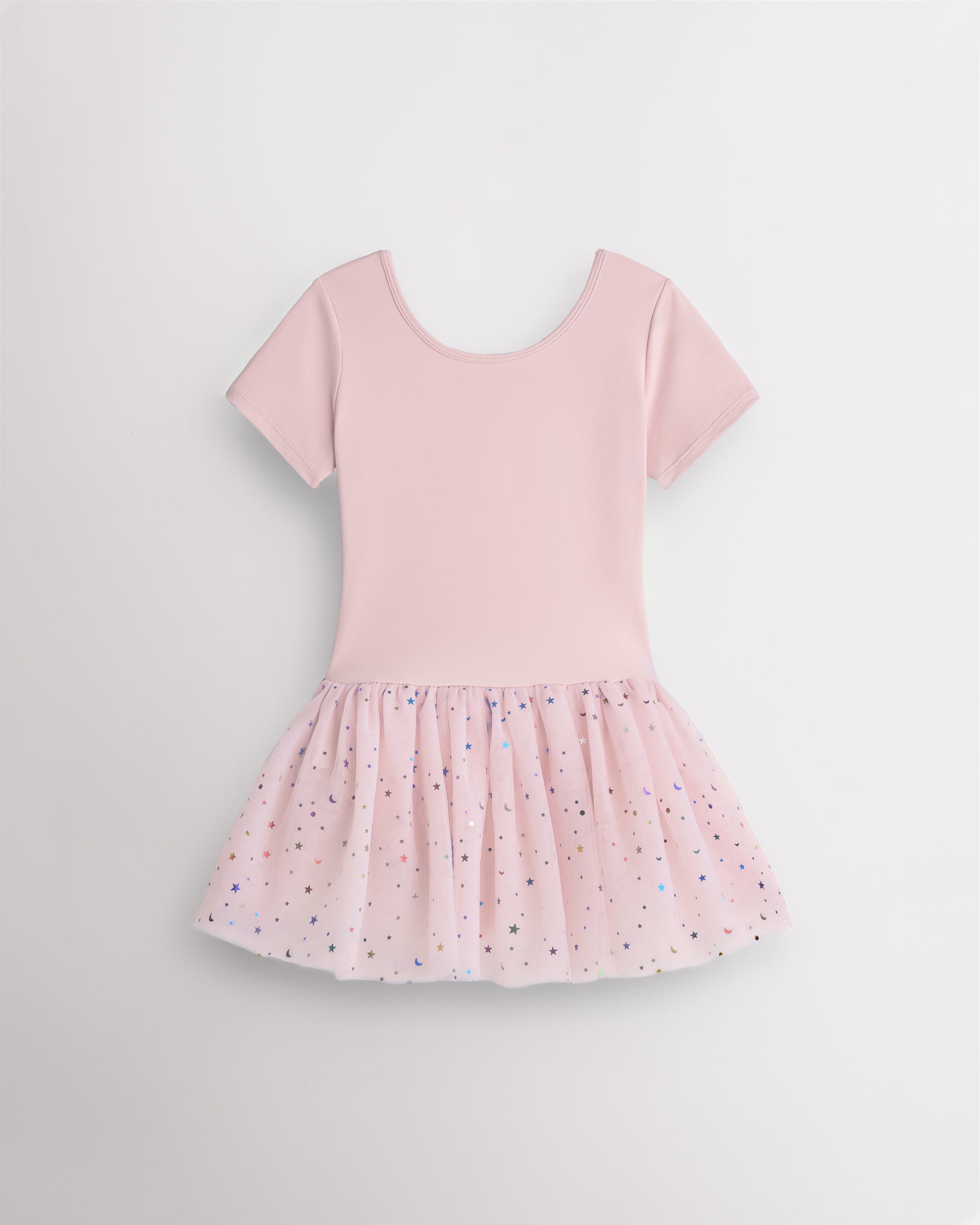
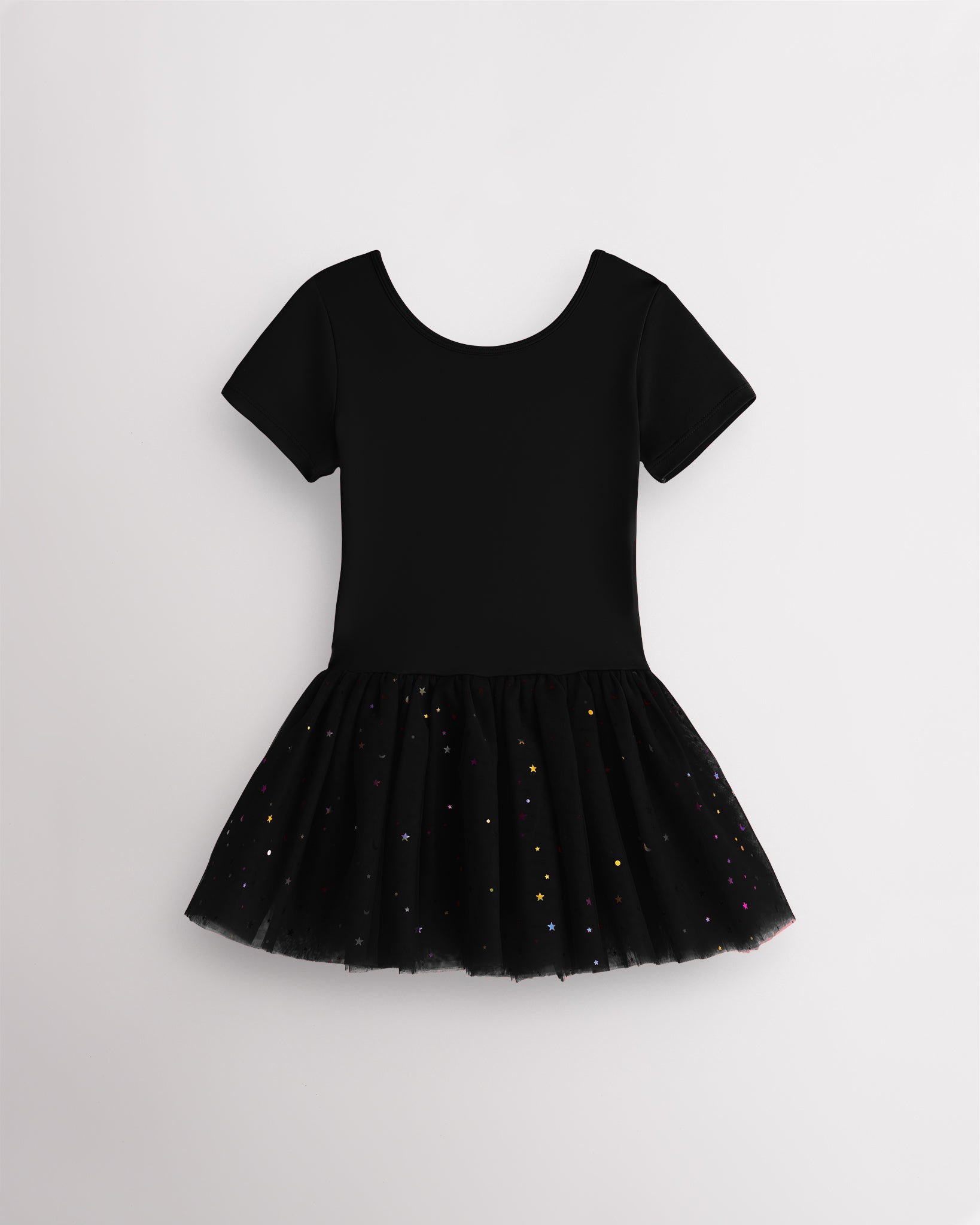
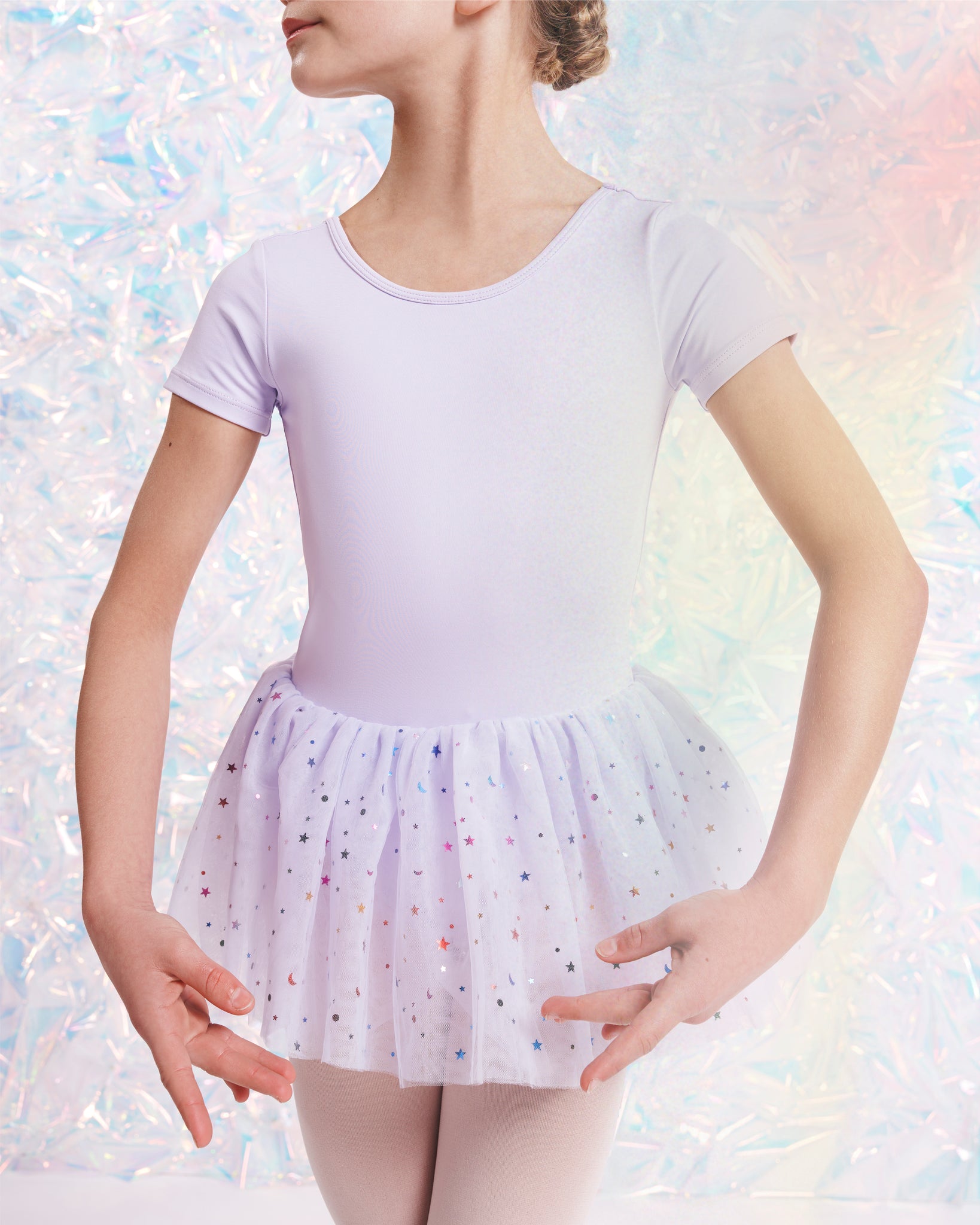
Skirted |
Any of the above with an attached skirt |
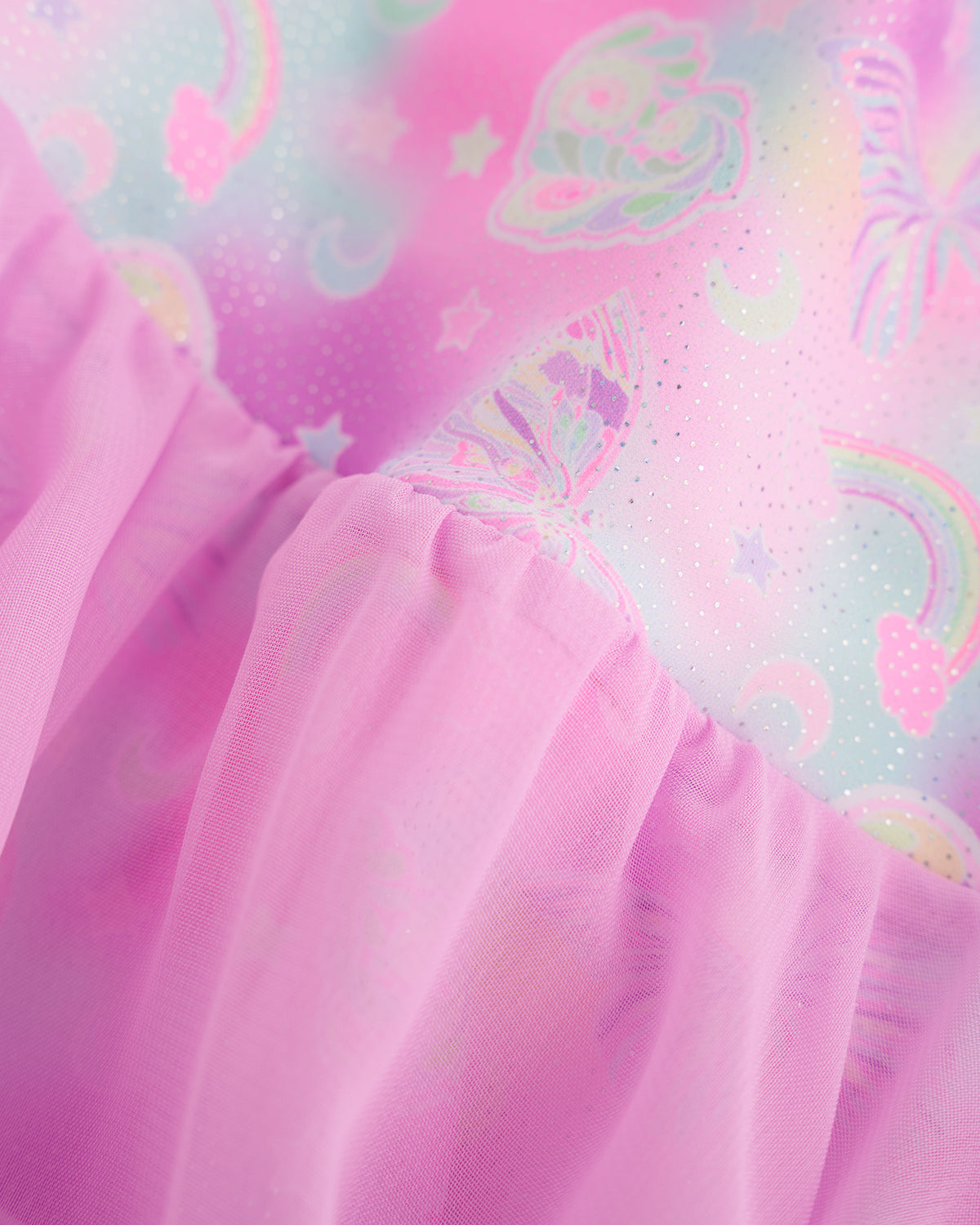
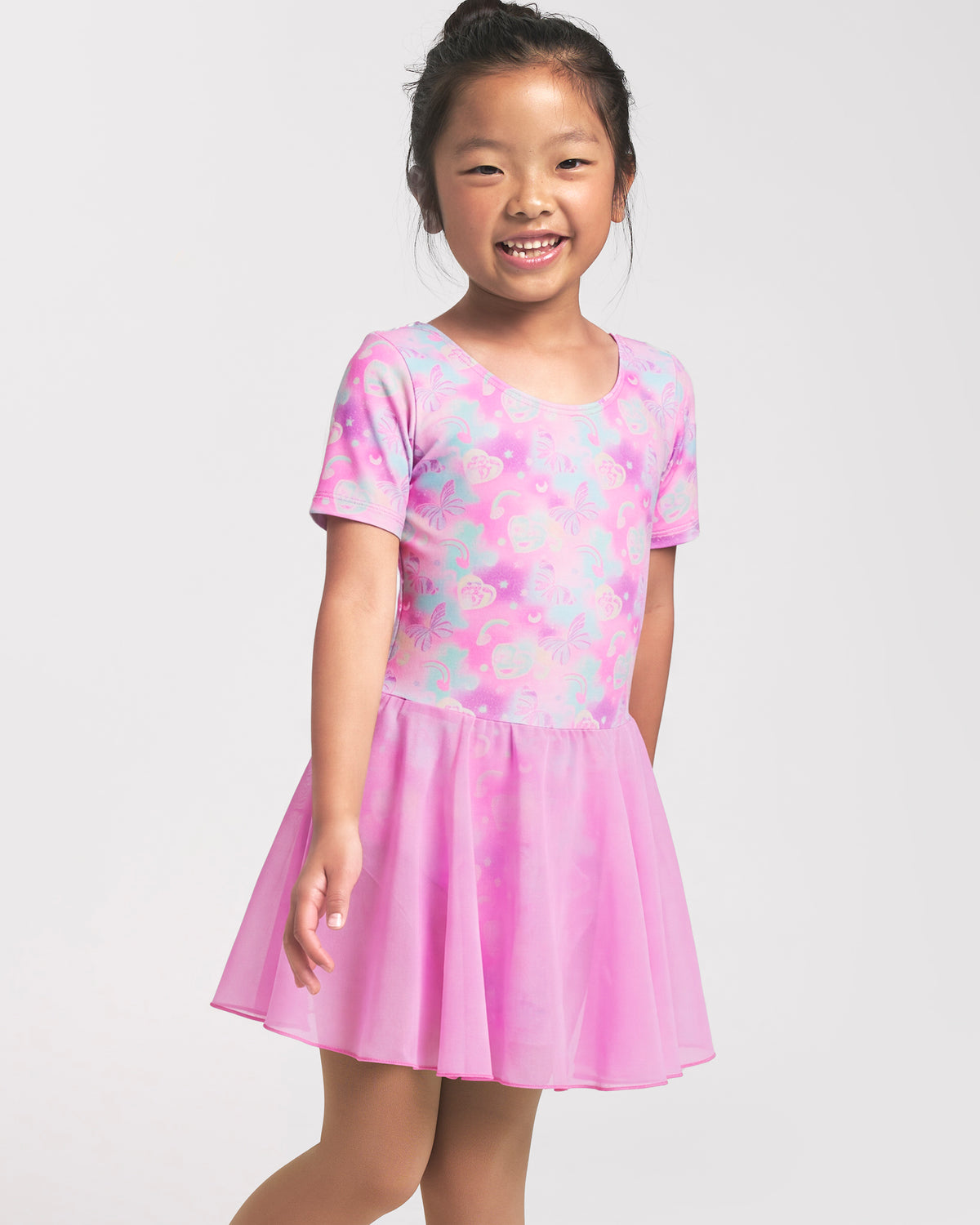
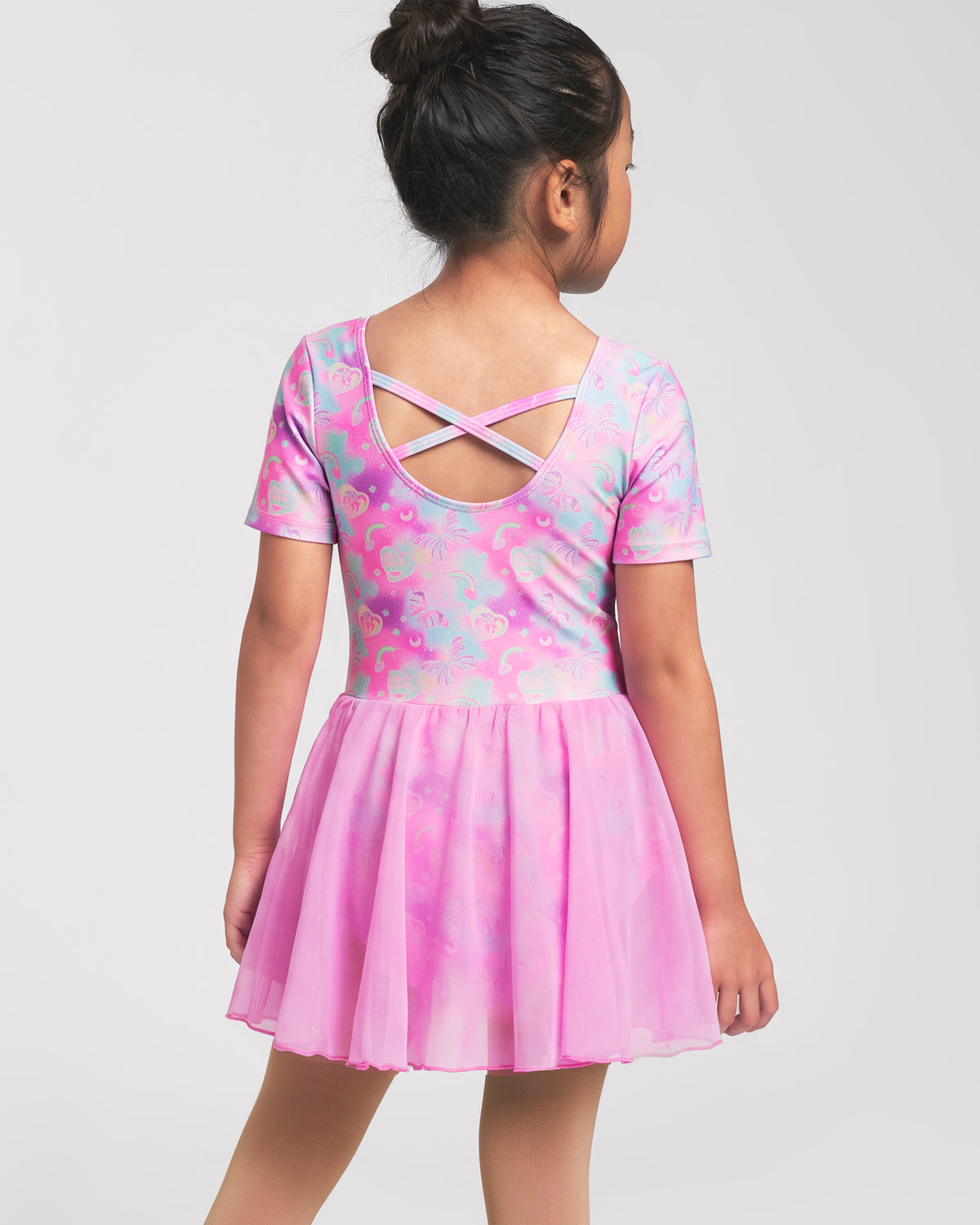
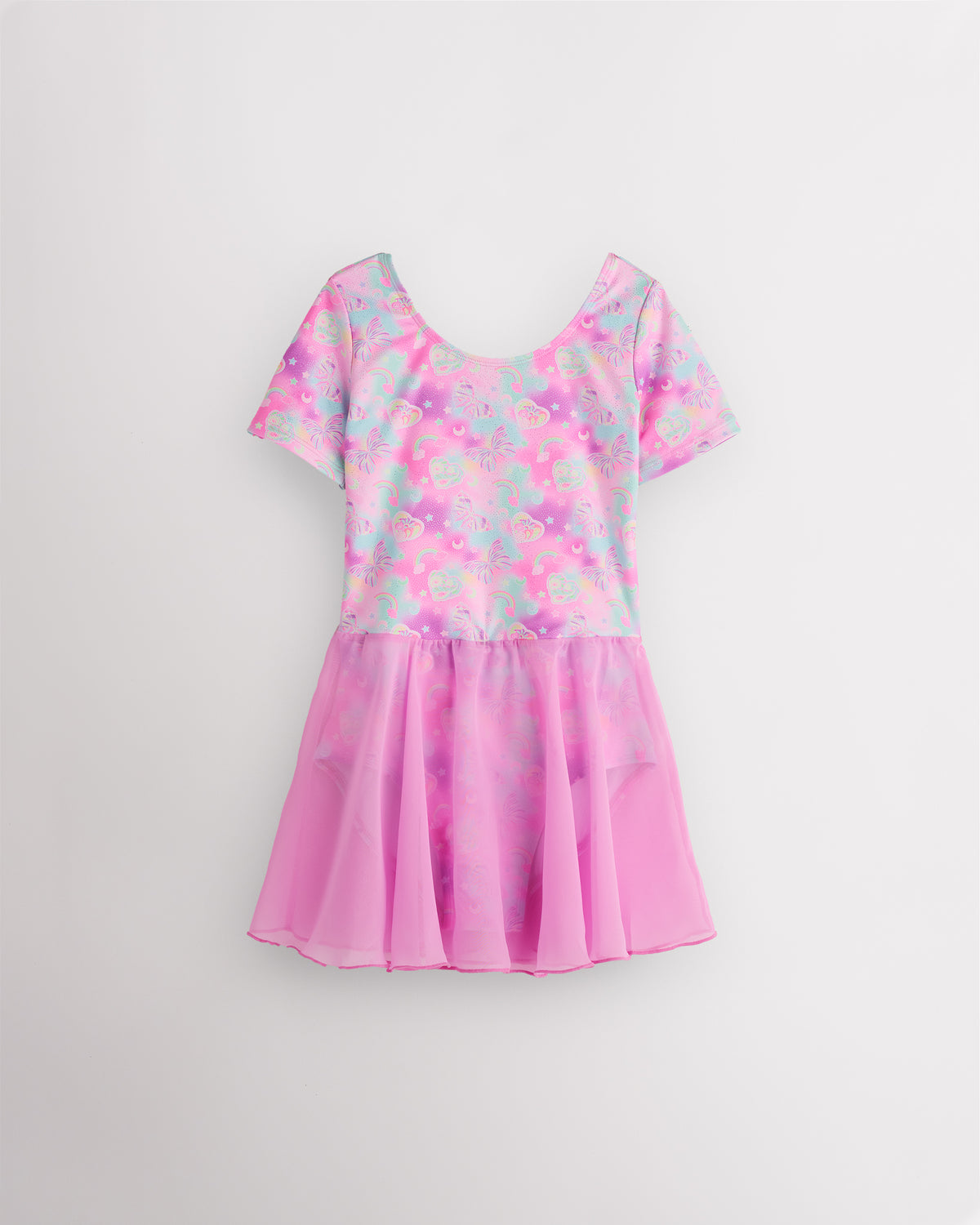
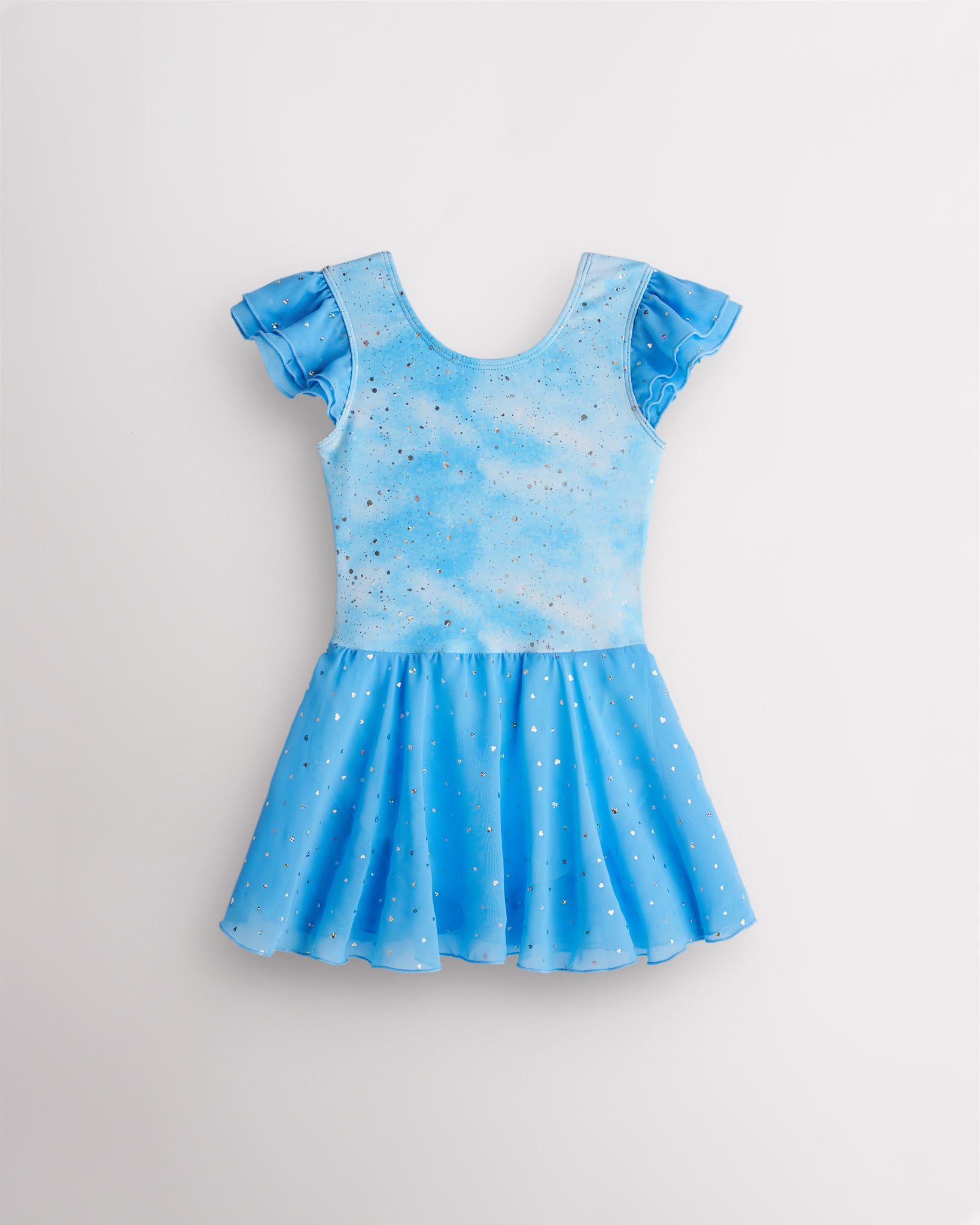
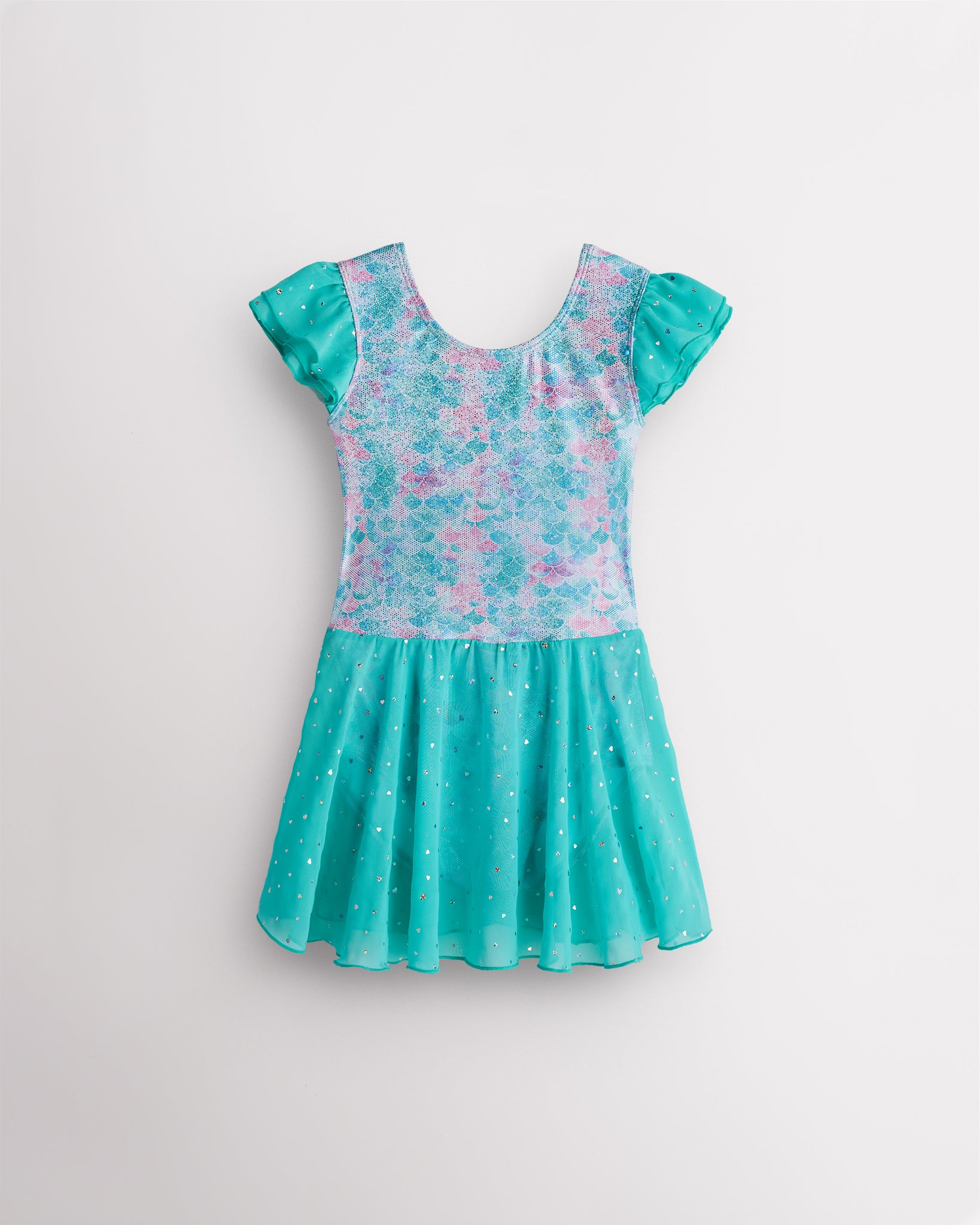
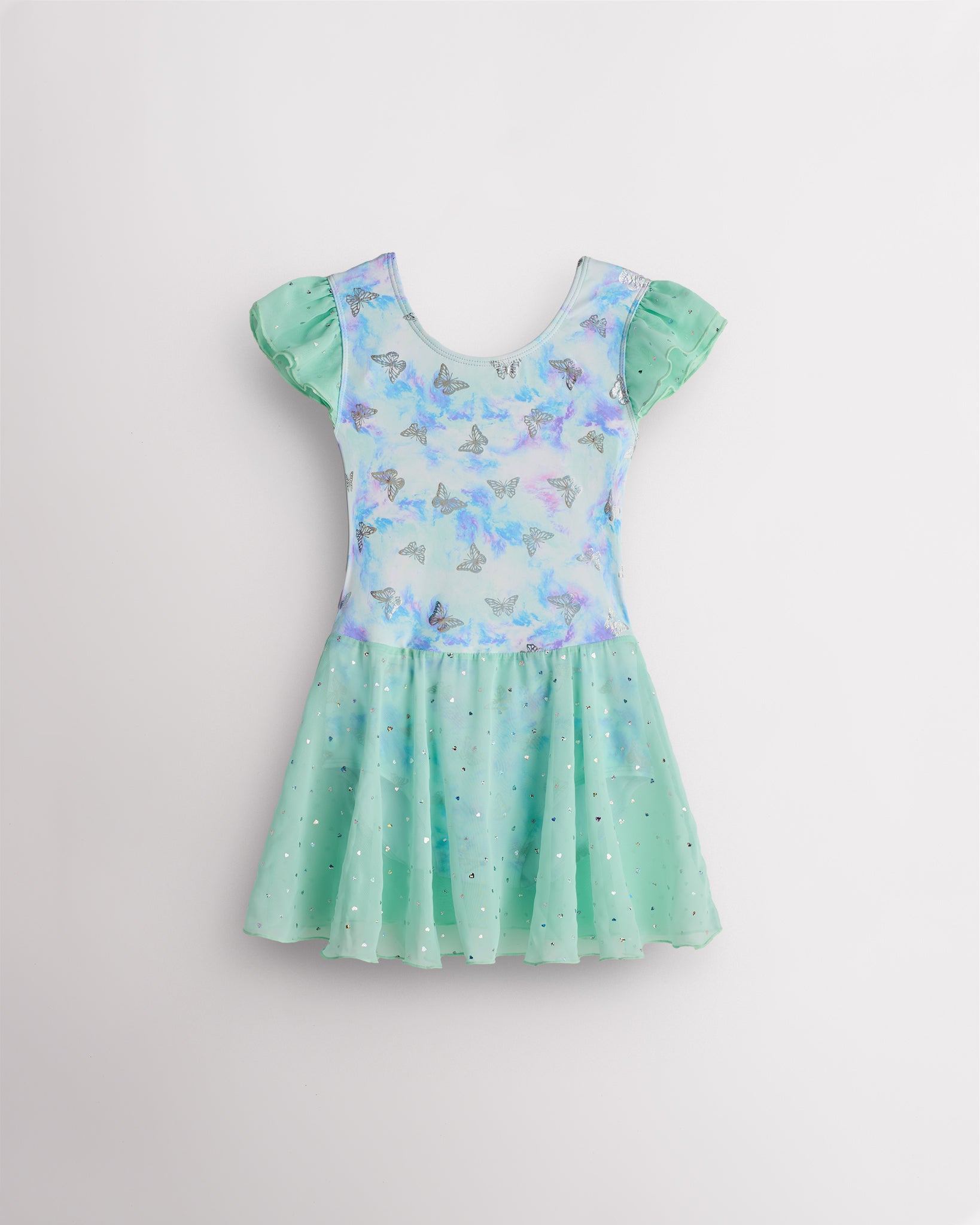
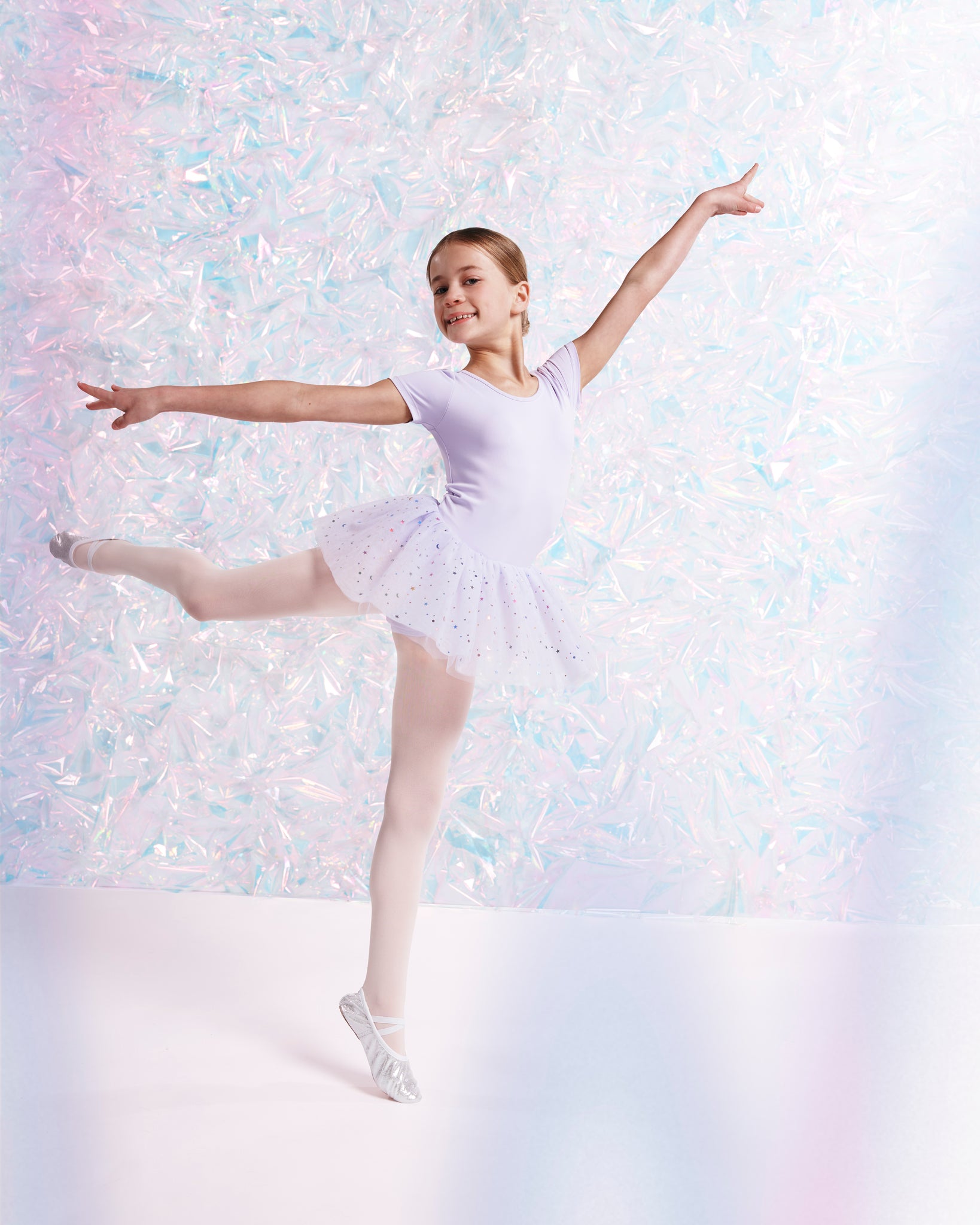
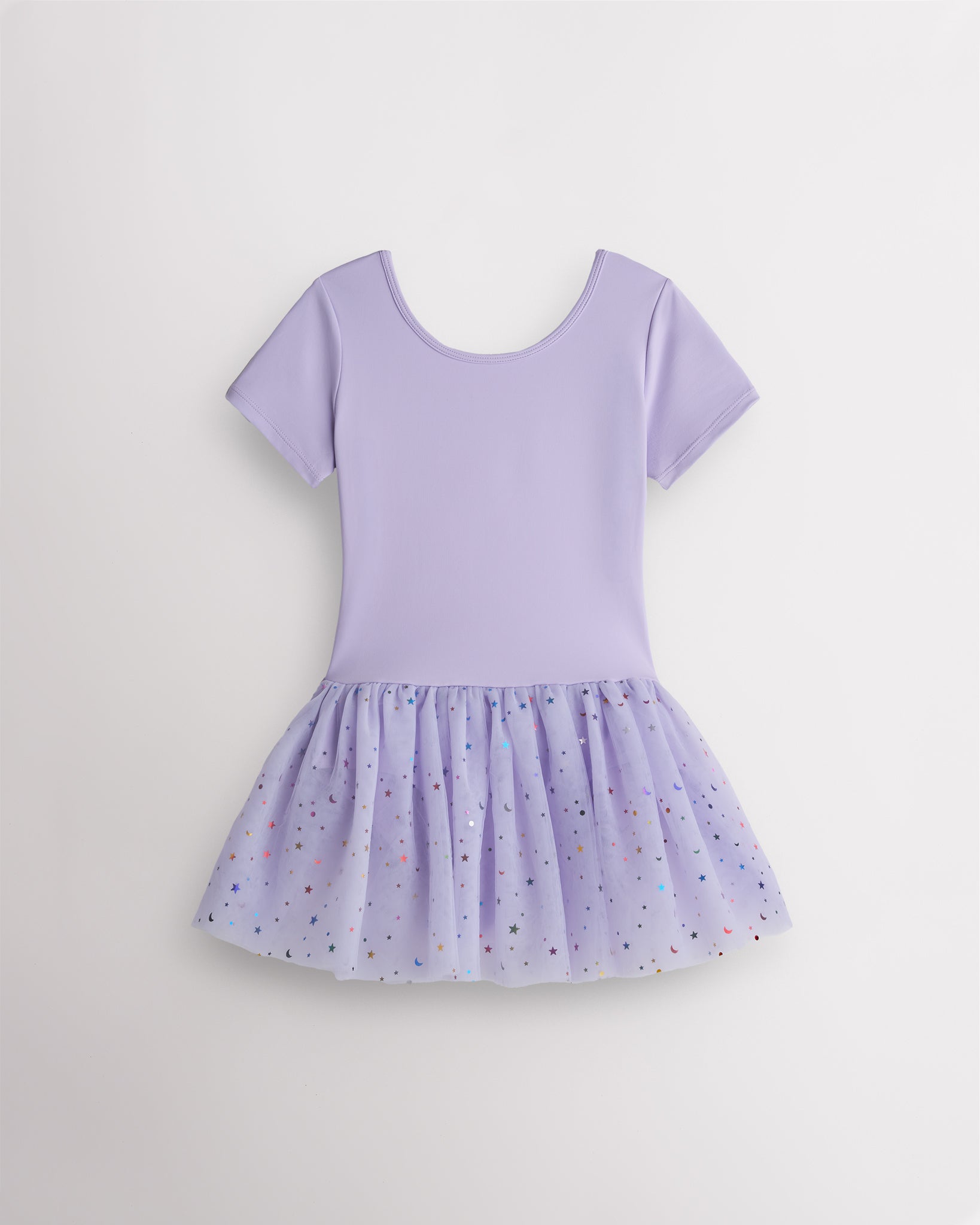
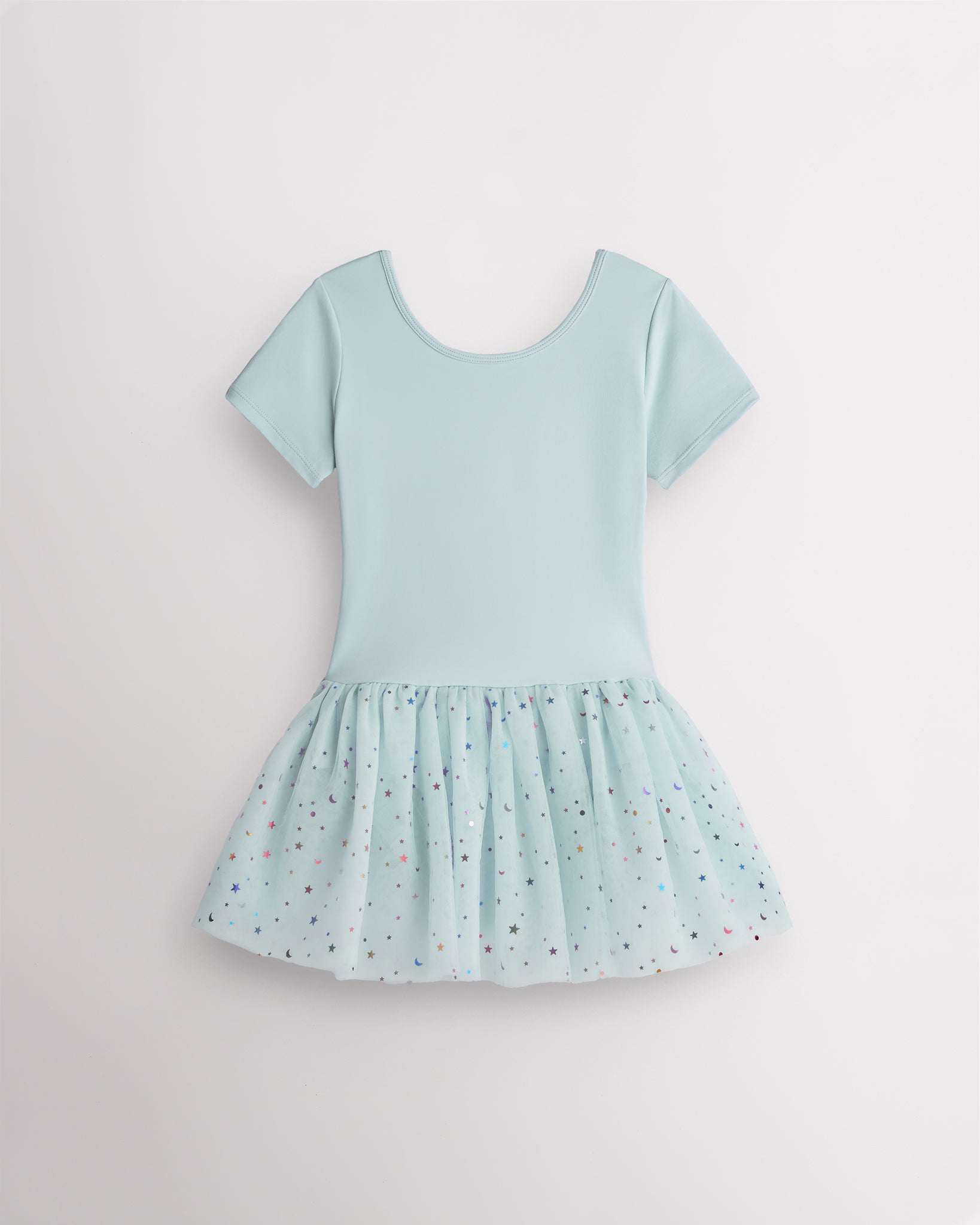
Preschool and young beginner ballet |
This article stays out of shopping territory on purpose, because we have already written the buying side in detail. If you are ready to choose one, start with our guide to finding the right leotard for girls, compare styles in camisole vs tank vs sleeved leotards, and get sizing right with how to measure for a dance leotard. You can browse current styles in our leotard collection.

Dance vs gymnastics leotards, briefly
They come from the same family tree, but they are not interchangeable:
-
Fabric and finish: gymnastics leotards lean toward shiny, high-stretch fabrics, often with foil or sequins for competition. Dance leotards favor matte cotton or microfiber with a softer look.
-
Cut: gymnastics leotards typically have higher-cut legs and a snugger overall fit for flips and tumbling. Dance leotards are cut for long lines at the barre.
-
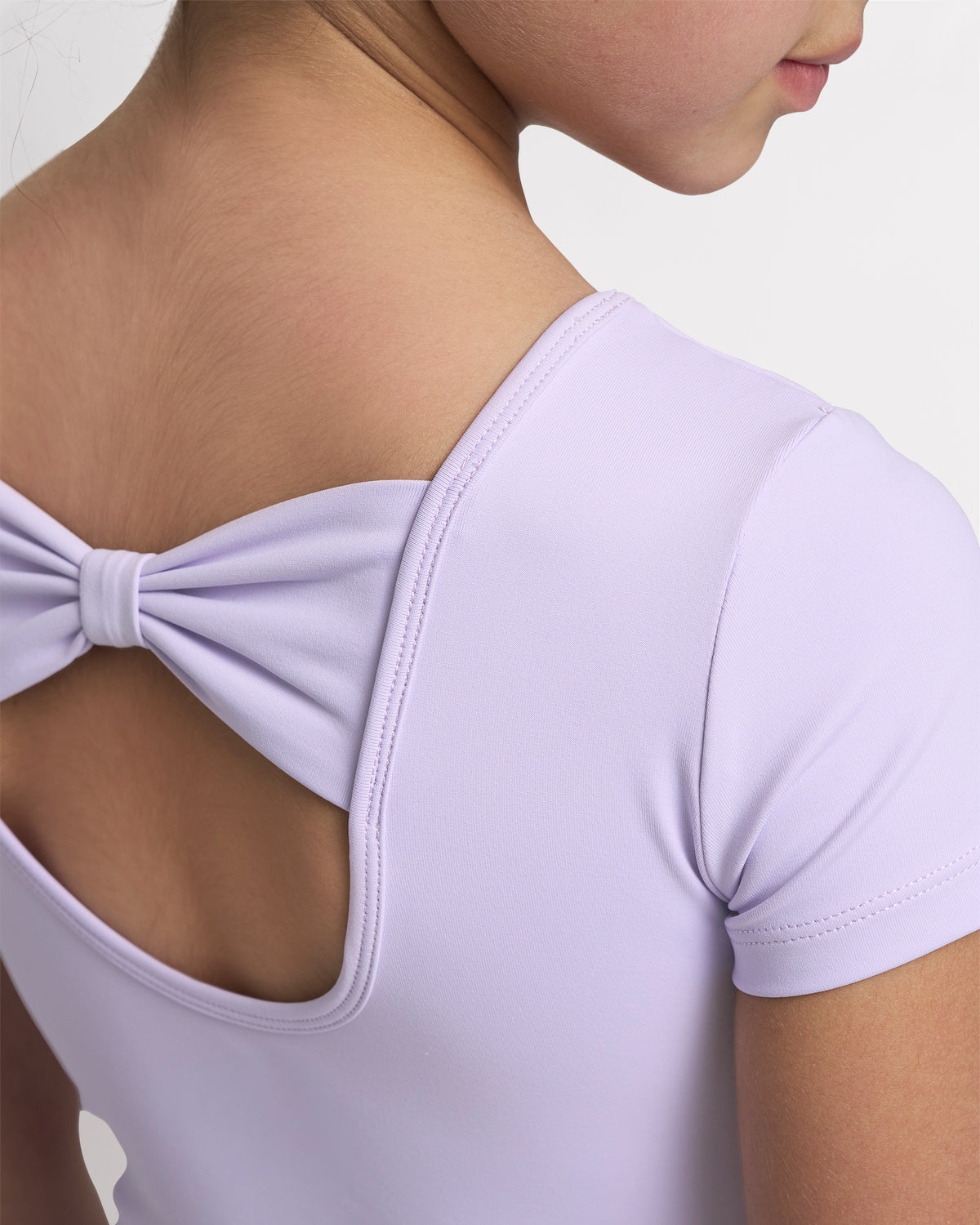
Details: dance styles often add low backs, skirts, or delicate straps. Gymnastics styles keep everything anchored so nothing shifts mid-routine.
If your child does both activities, one leotard can sometimes cover casual practice, but each sport's classes usually go smoother in the right cut. The full breakdown lives in our gymnastics vs dance leotards comparison.
Fun facts about leotards
-
The leotard is named after a man, yet for most of the 20th century it was marketed almost entirely to women and girls.
-
Superhero costumes owe a lot to the leotard. The classic comic-book look is essentially a leotard over a unitard.
-
In the 1970s and 1980s, leotards briefly became streetwear, worn with jeans and leg warmers far from any dance studio.
FAQ
Why is it called a leotard?
It is named after Jules Léotard, the French trapeze artist who popularized the skin-tight one-piece in his circus act beginning in 1859. He never heard the word himself: English speakers only started calling the garment a leotard in the 1880s, about a decade after his death.
When was the leotard invented?
Léotard wore his version for his flying trapeze debut in Paris in 1859, though tight knit garments existed before him. The English word "leotard" is first recorded in the 1880s, with Merriam-Webster dating first known use to 1886.
What is the difference between a leotard and a unitard?
A leotard leaves the legs uncovered. A unitard extends down the legs, usually to the ankle. A version that ends at bike-short length is often called a biketard.
Do kids wear anything under a leotard?
Usually tights, plus optional dance-specific undergarments depending on age and preference. Our guide on what to wear under a leotard covers the options by age.
Are dance and gymnastics leotards the same?
In practice, a plain gymnastics leo will usually pass in a dance class, but competition gym leotards are built differently: shinier, higher-stretch fabric and snugger, higher cuts, where dance leotards favor matte fabrics and longer lines. Our gymnastics vs dance comparison breaks down when each works.
Sources: Merriam-Webster, Wikipedia: Jules Léotard, Etymonline.
About the Stelle Team
Stelle is a mom-founded dancewear brand, making leotards, tutus, and activewear for young dancers since 2015. Our articles are written by the team behind the products — people who spend their days talking with dance teachers, studio owners, and dance parents, and who test everything from fabric stretch to tutu twirl in real classes. Learn more about Stelle.