




What to Wear Under a Leotard: A Parent's Guide
Table of contents
- Quick answer
- Do You Wear Underwear Under a Leotard? It Depends on Age
- Tights Over or Under the Leotard?
- Dance Undergarments for Older Dancers: Bra Options
- Options at a Glance
- What to Wear Under a Leotard in Winter
- Periods and Leotards: A Matter-of-Fact Note
- What Studios and Dress Codes Typically Say
- FAQ
- Key Takeaways
Quick answer
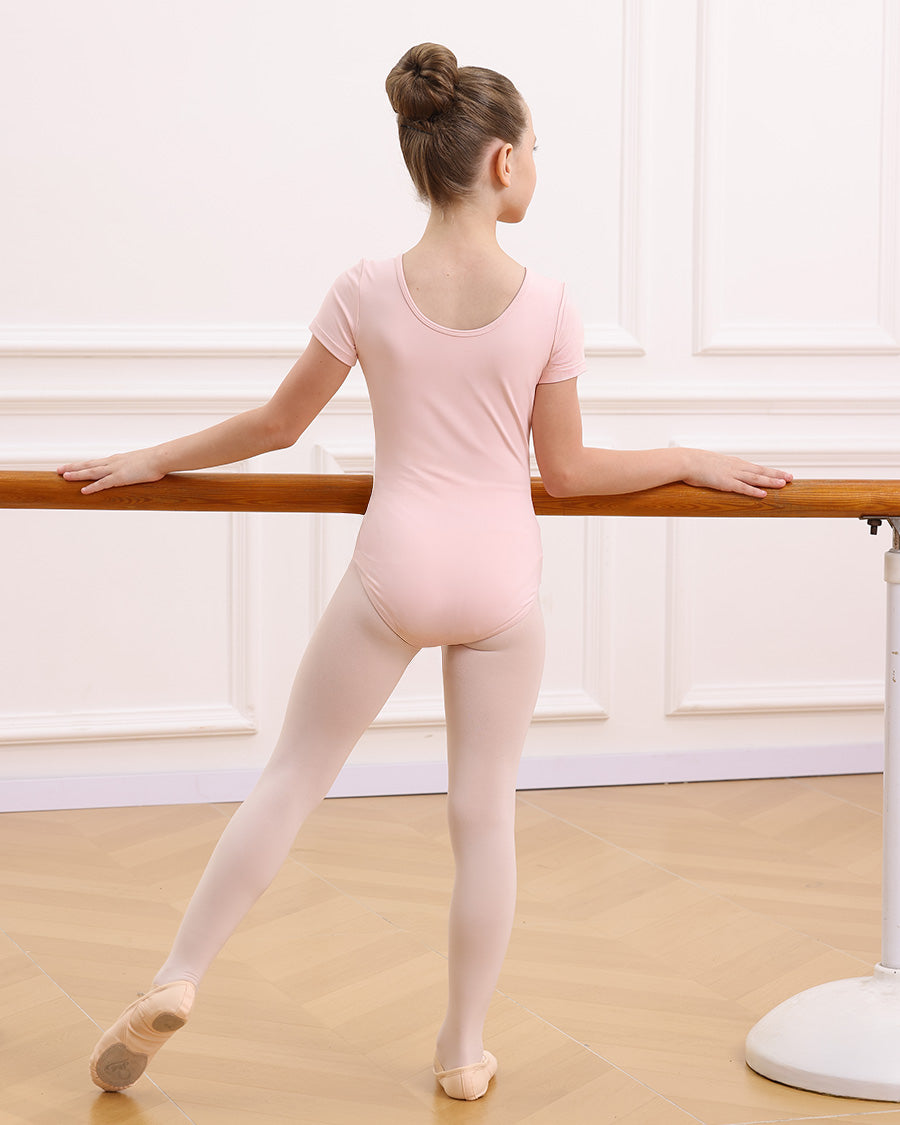
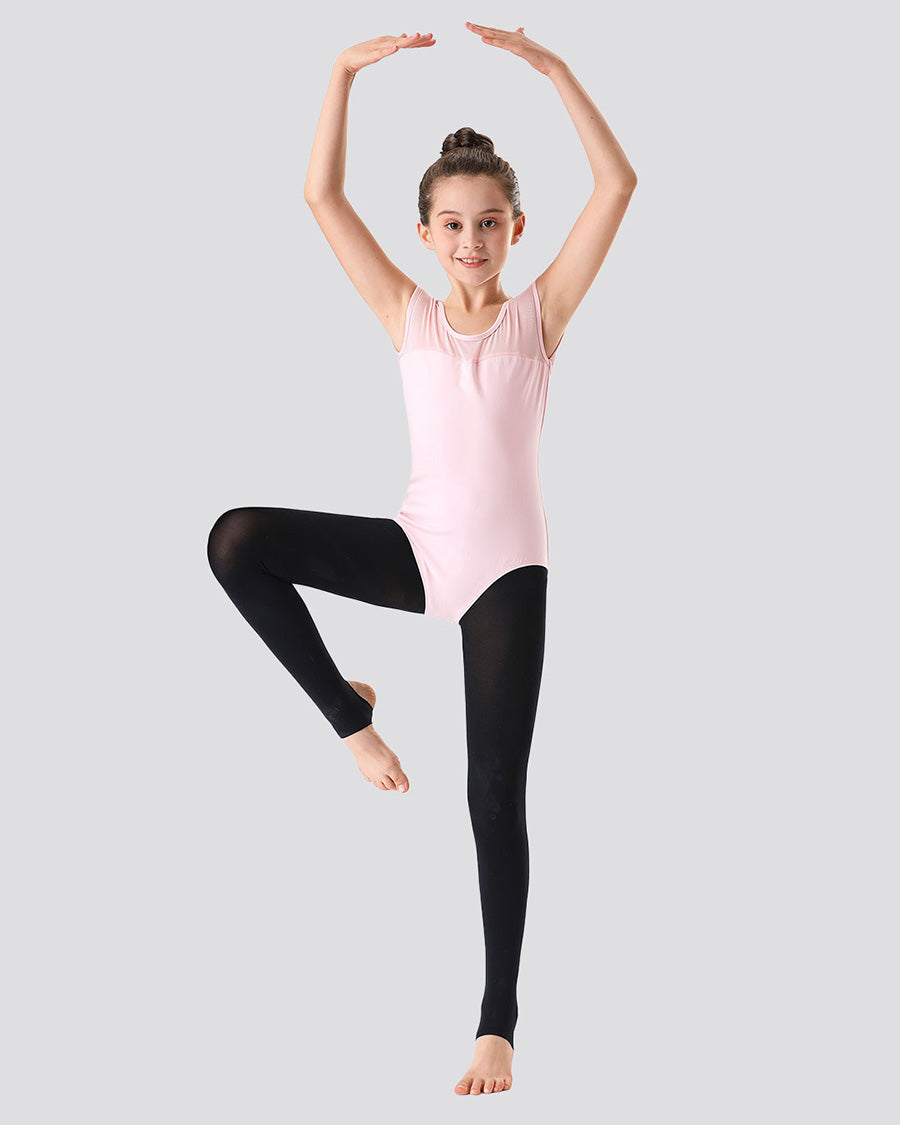
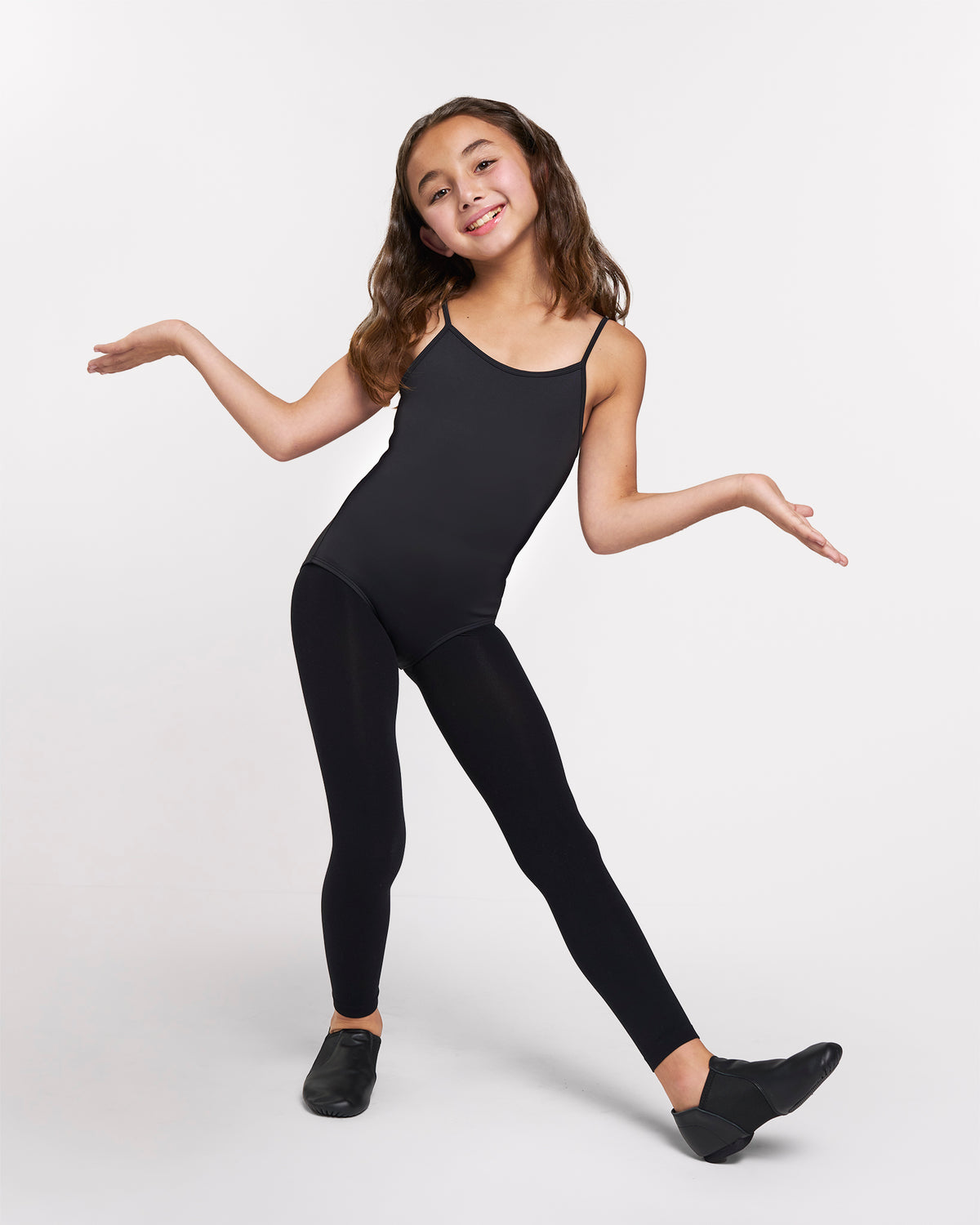
In ballet, tights usually act as the underwear layer, so many dancers wear nothing else under a leotard. For young kids, either choice is fine, and comfort should decide; older dancers can add seamless briefs, a dance bra, or a body liner. Gymnastics runs differently: no tights, so it's the leotard alone or with seamless briefs. Beyond that, what to wear under a leotard comes down to age, activity, and the studio's dress code.
If you've searched this question and landed in a maze of forum threads, you're in good company. Dancewear doesn't follow street-clothes logic, and most of us were not handed a manual at drop-off. Here's what teachers, dress codes, and seasoned dance parents generally agree on.
Do You Wear Underwear Under a Leotard? It Depends on Age
Young dancers: comfort wins
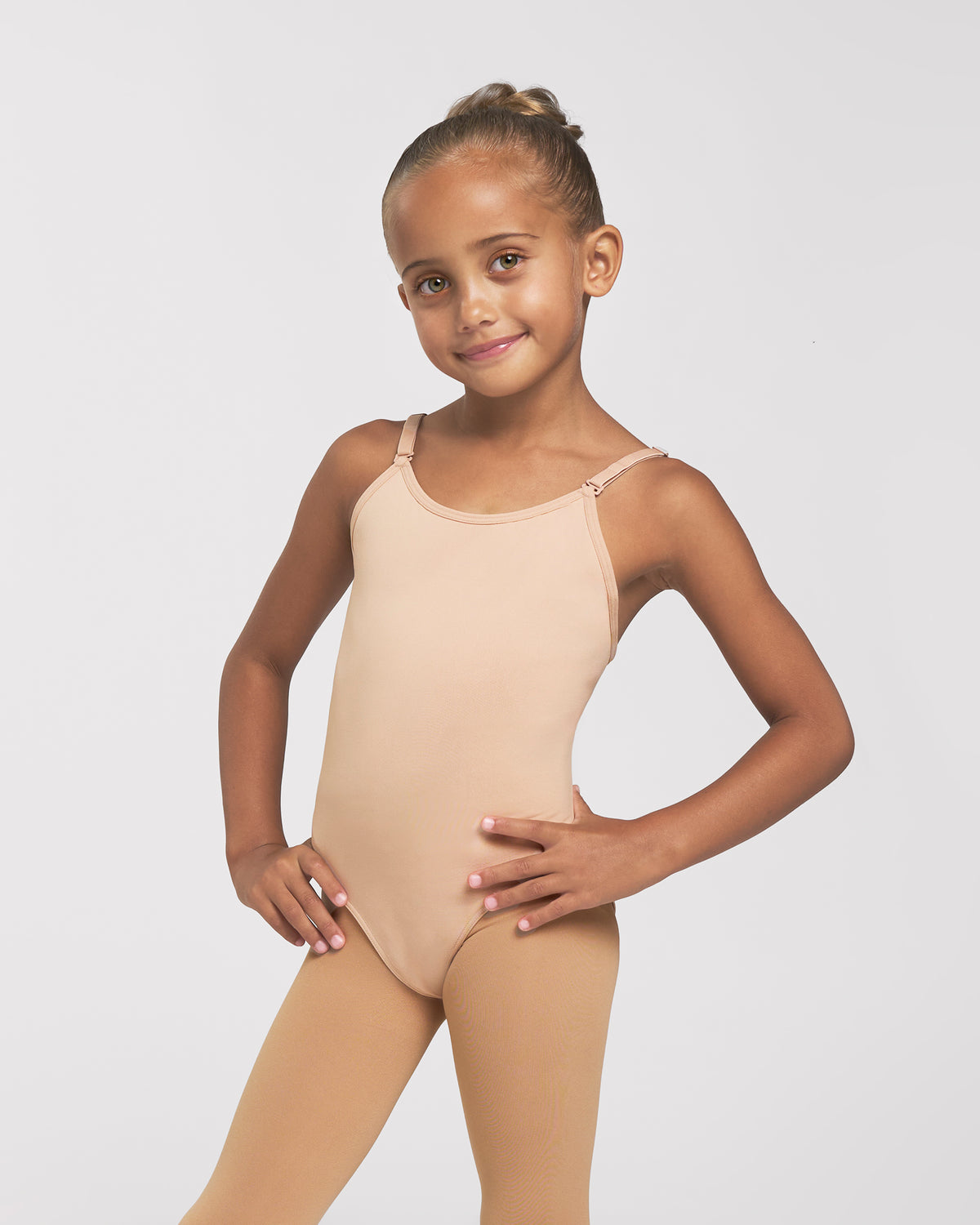
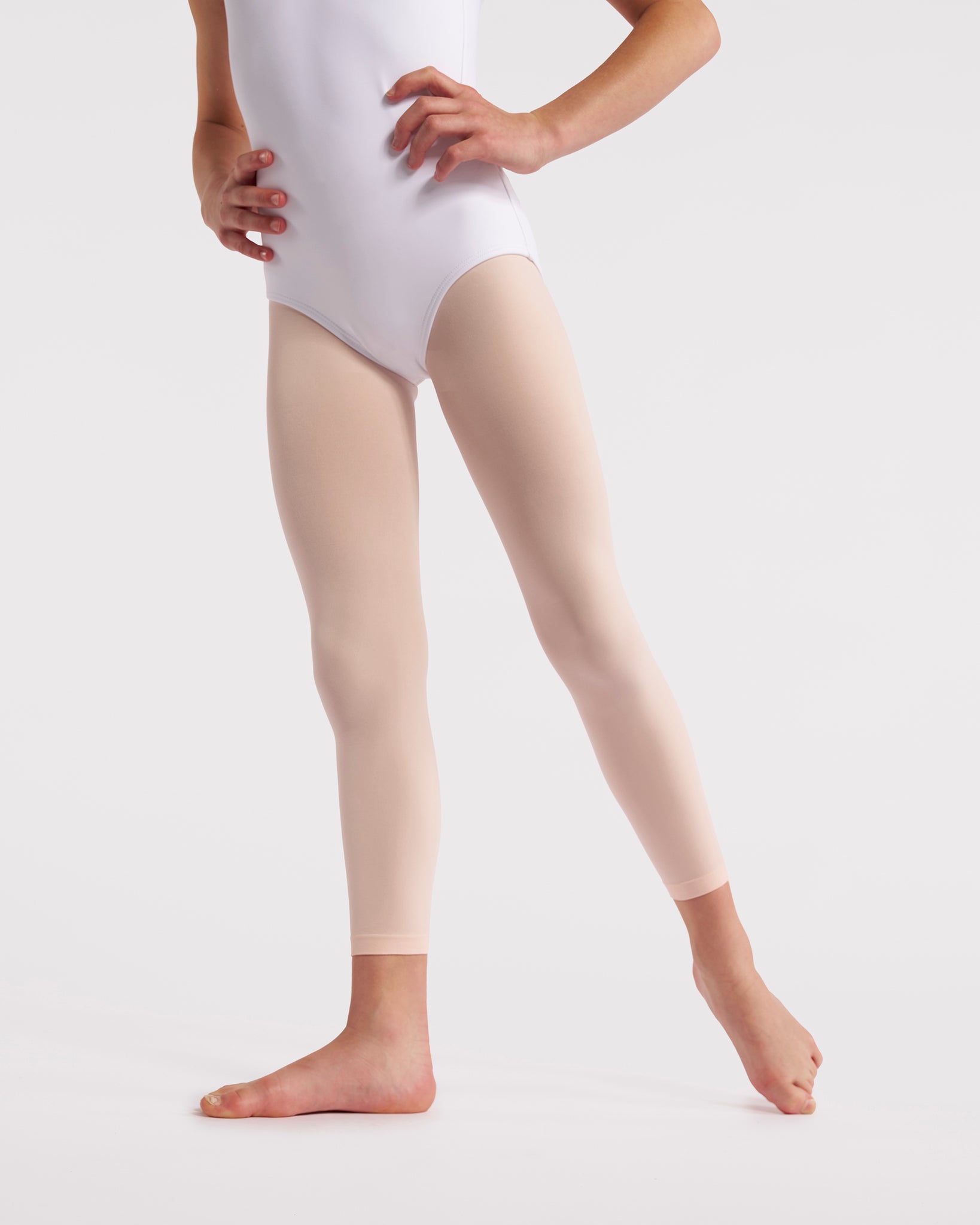
For preschool and early elementary dancers, there's no single right answer, and nobody at the studio is keeping score. Plenty of little dancers wear their everyday underwear under the leotard because it feels normal to them. Plenty of others skip it because tights already cover the same ground. Teachers see both every day, and neither raises an eyebrow.
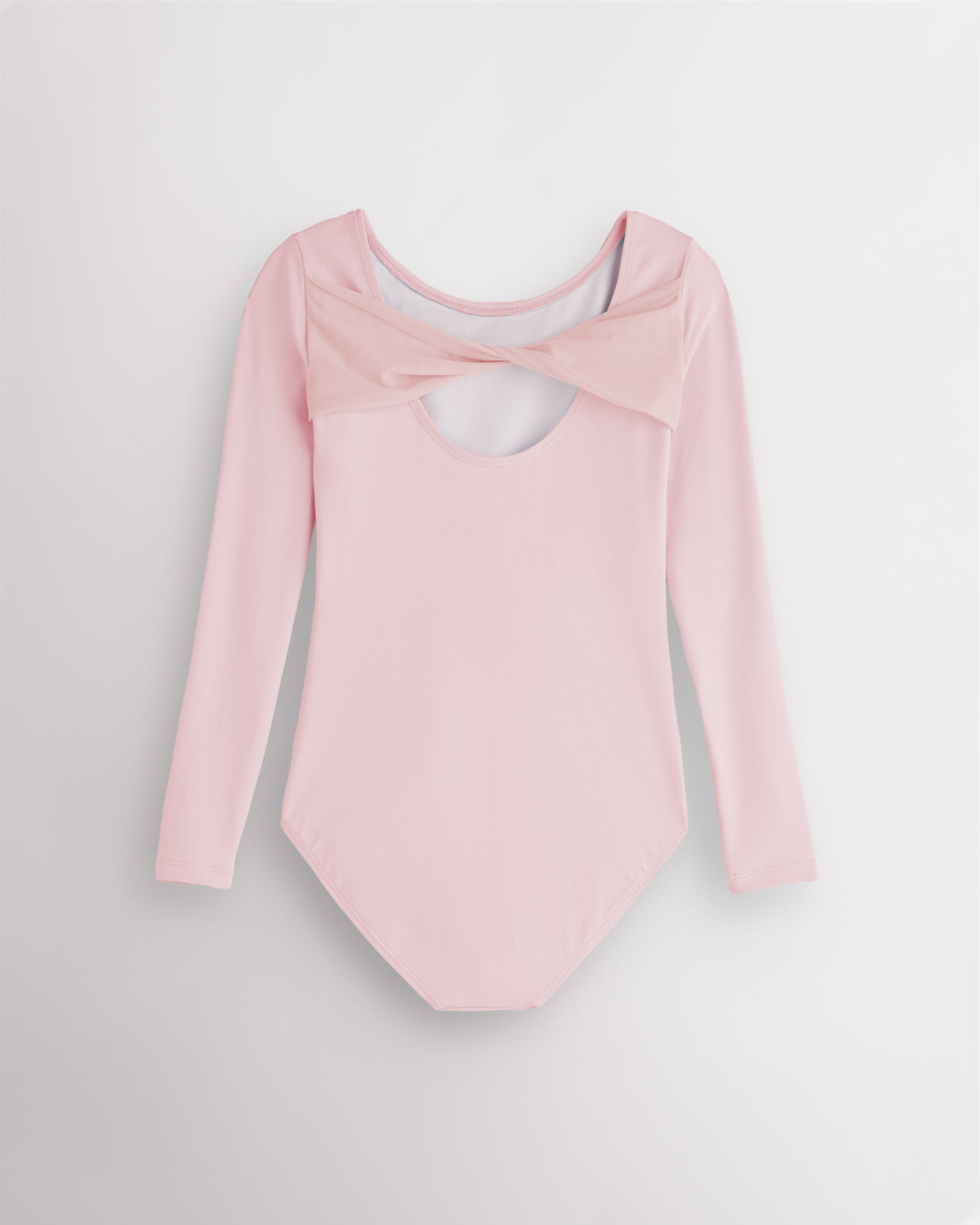
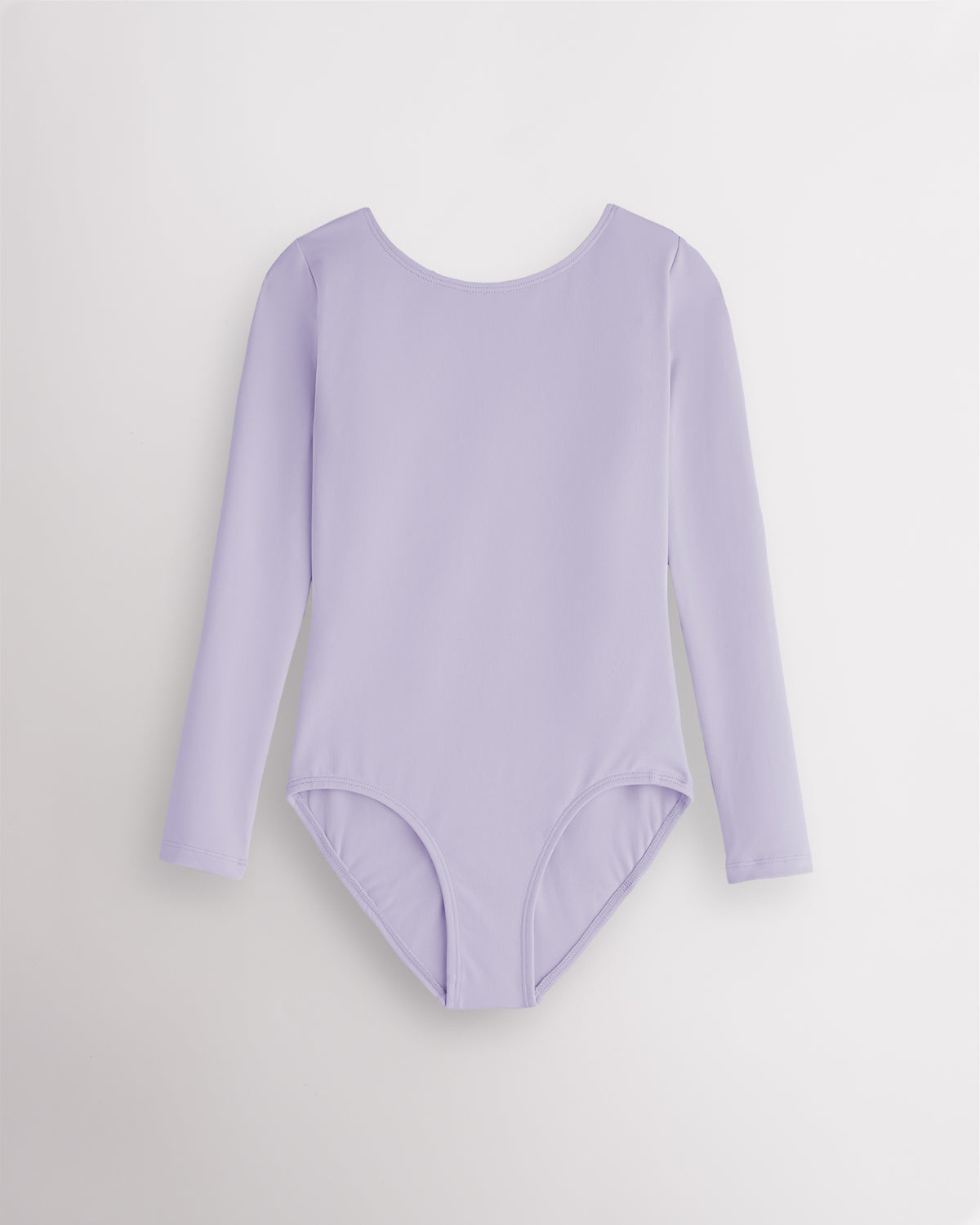
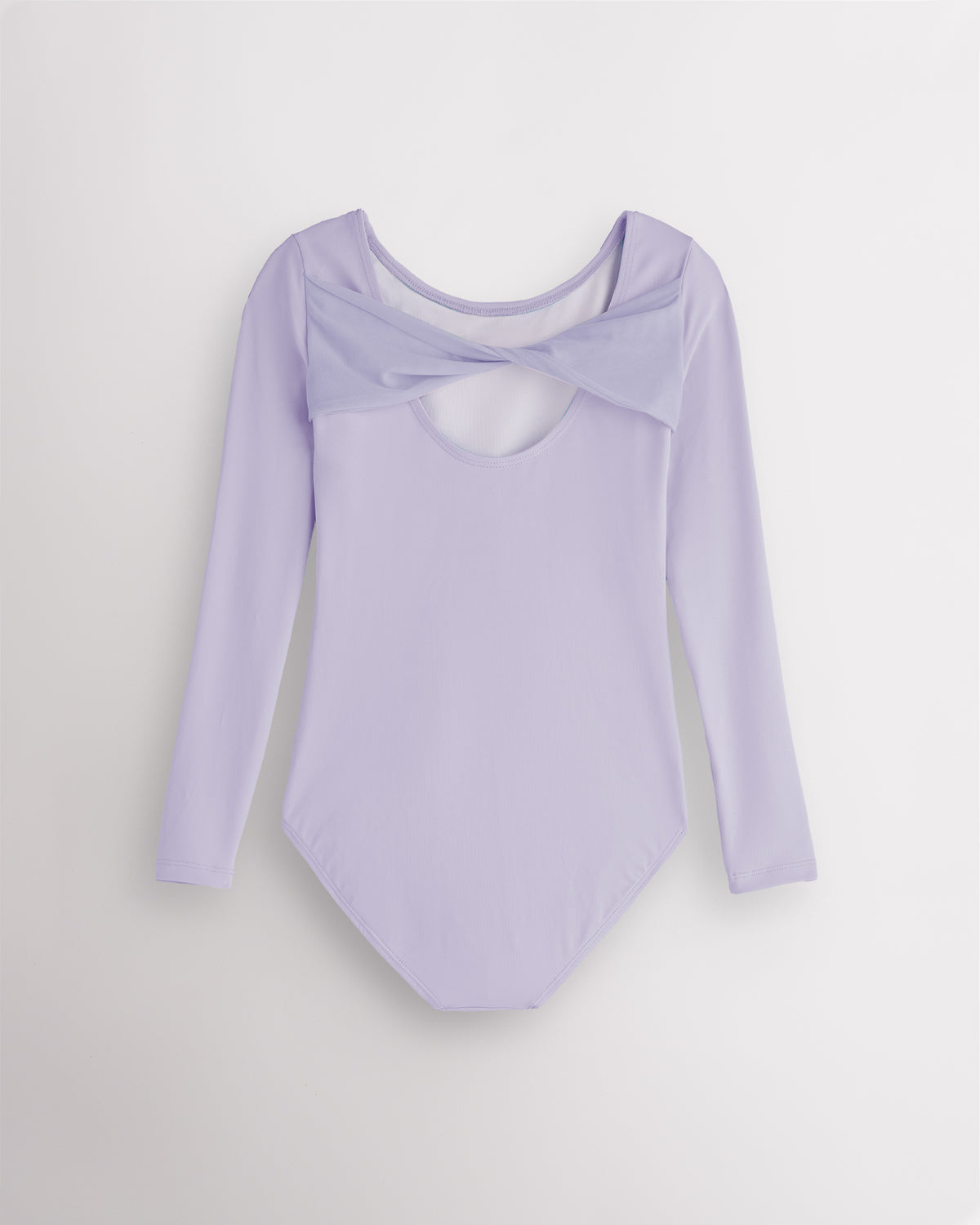
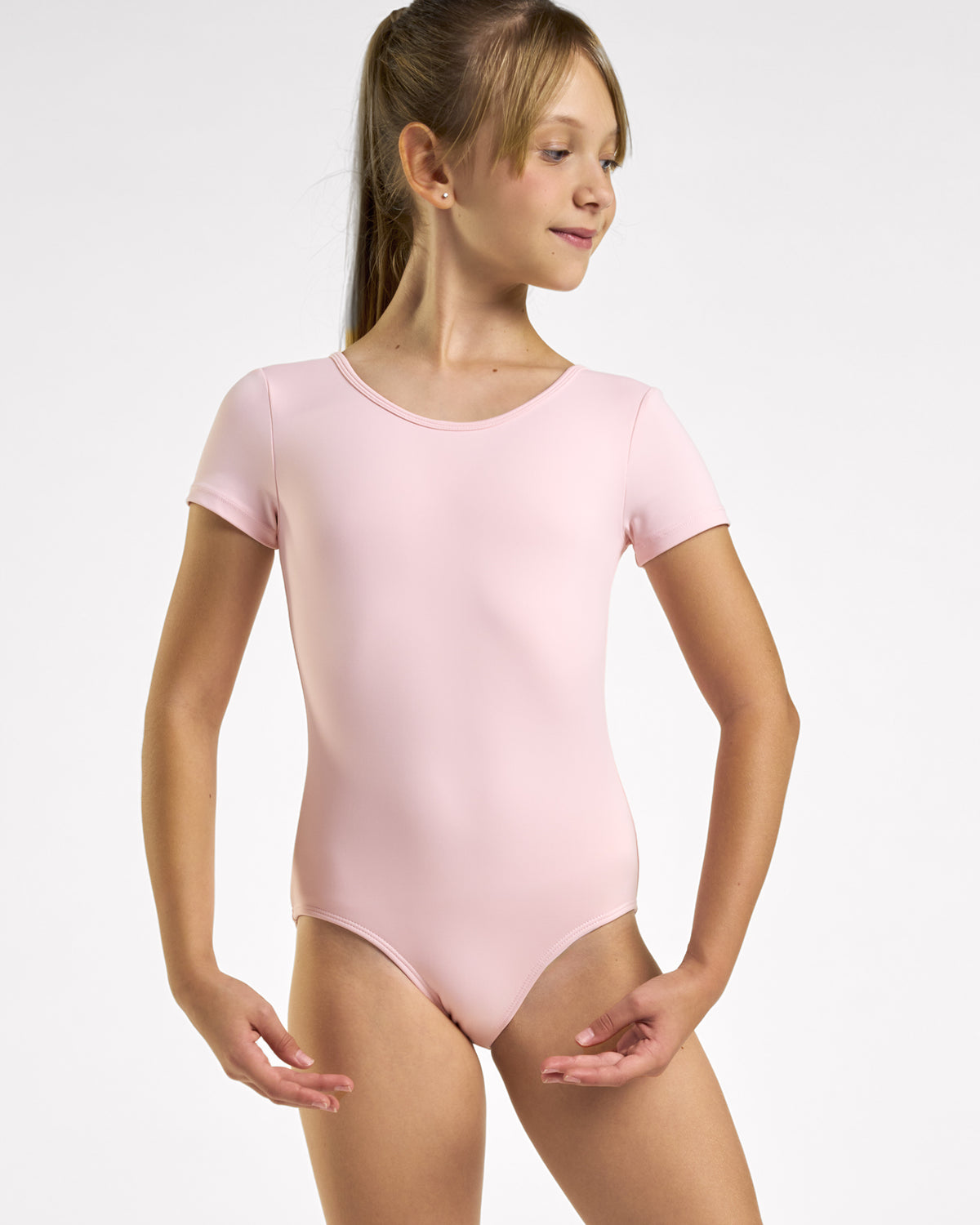
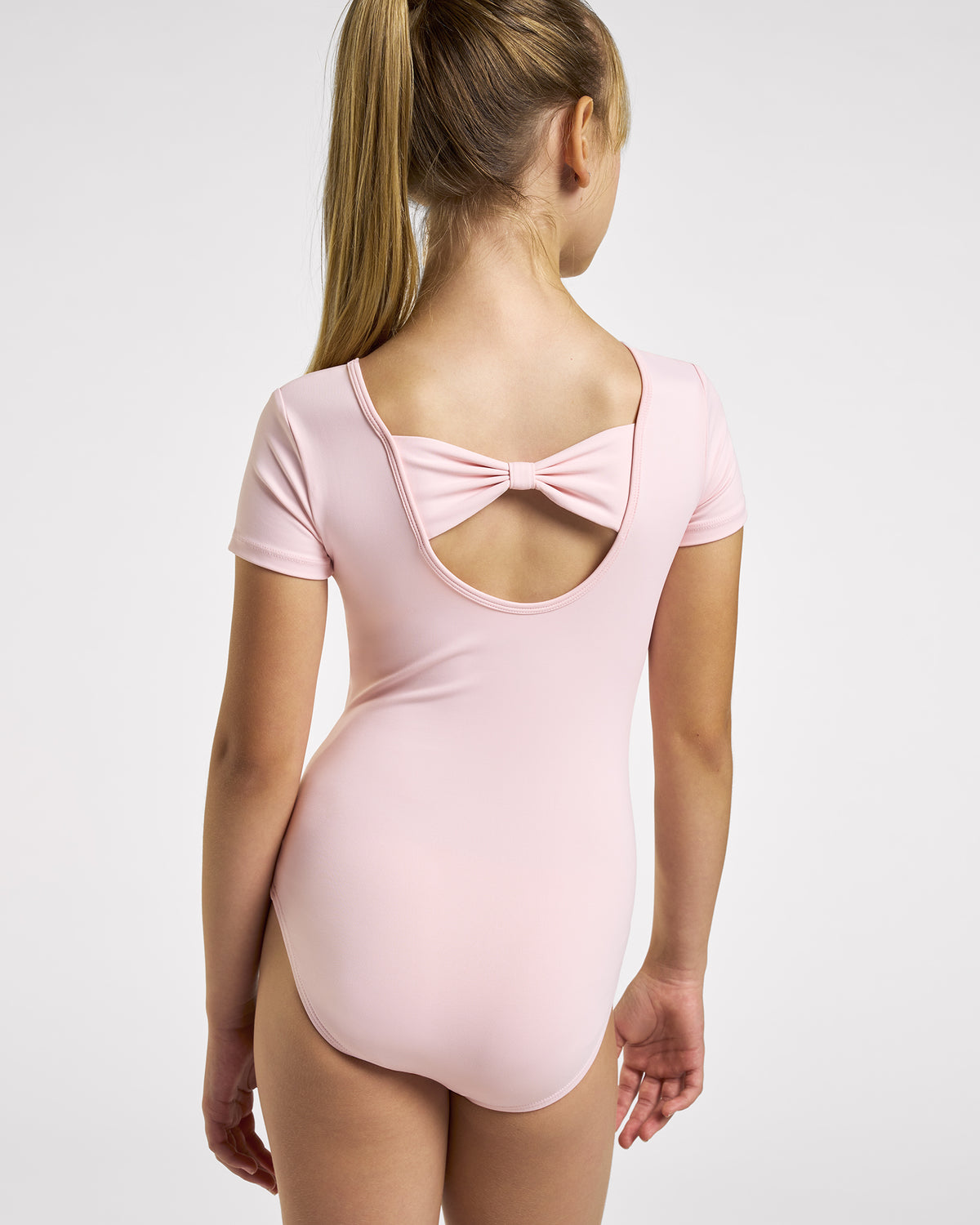
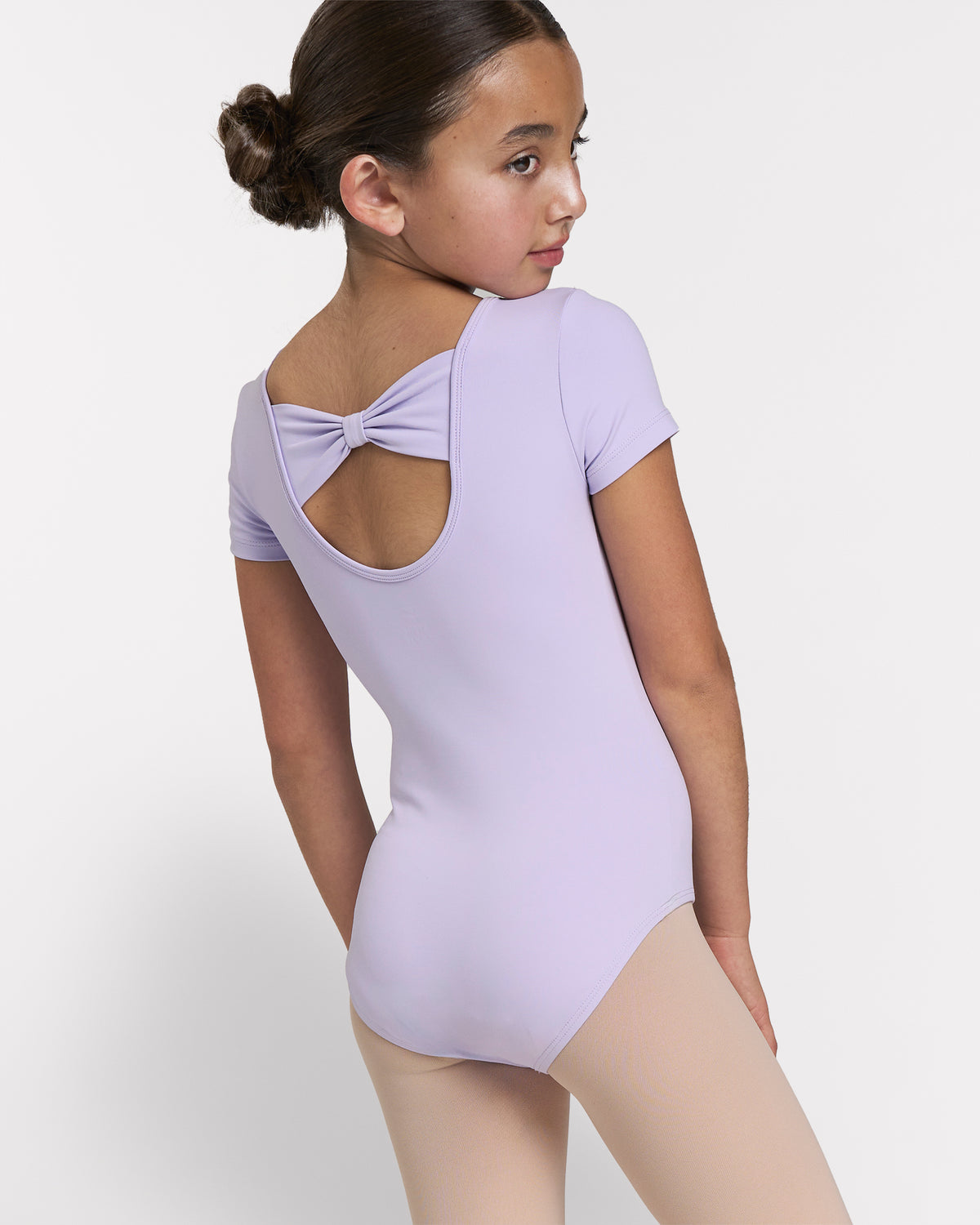
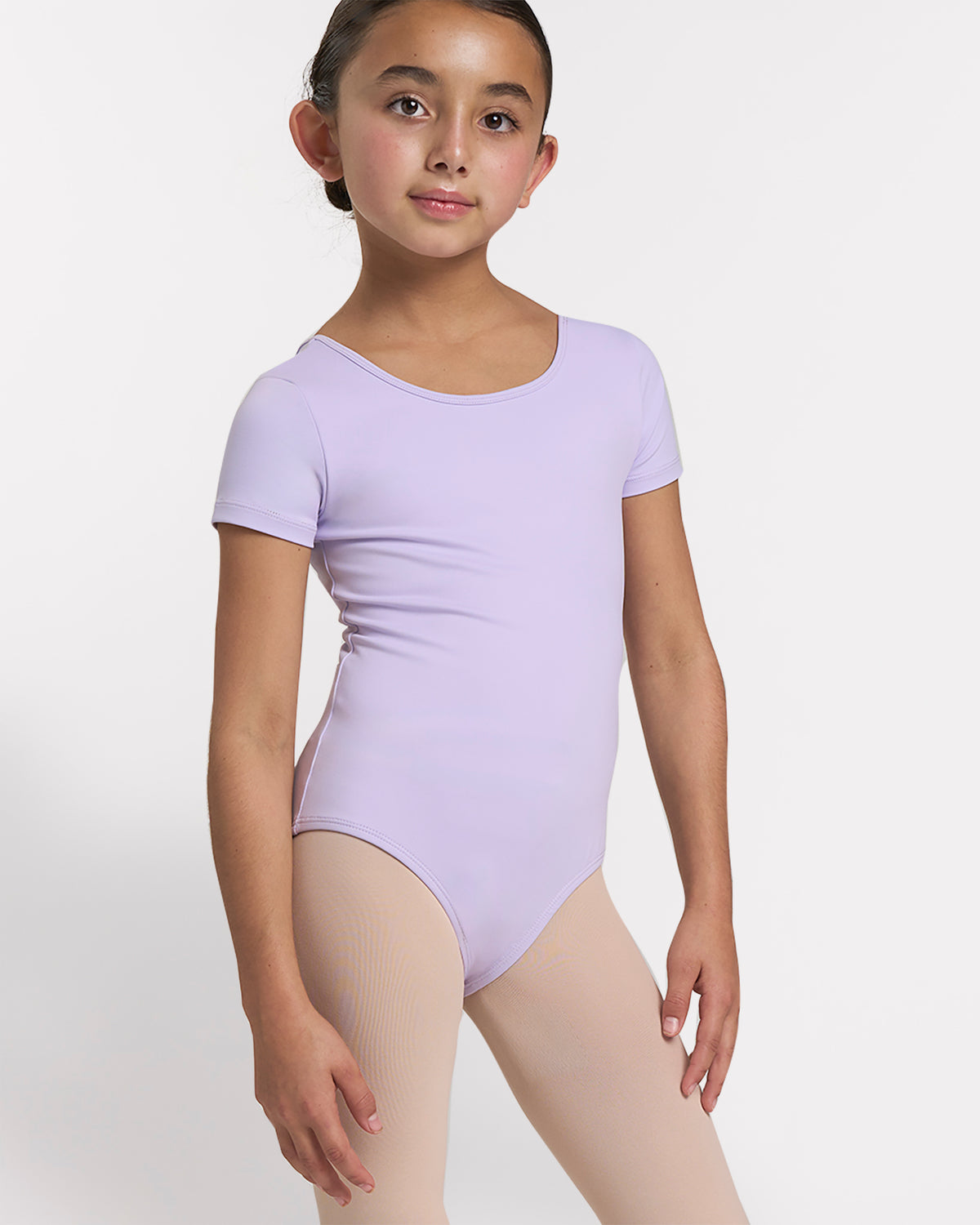
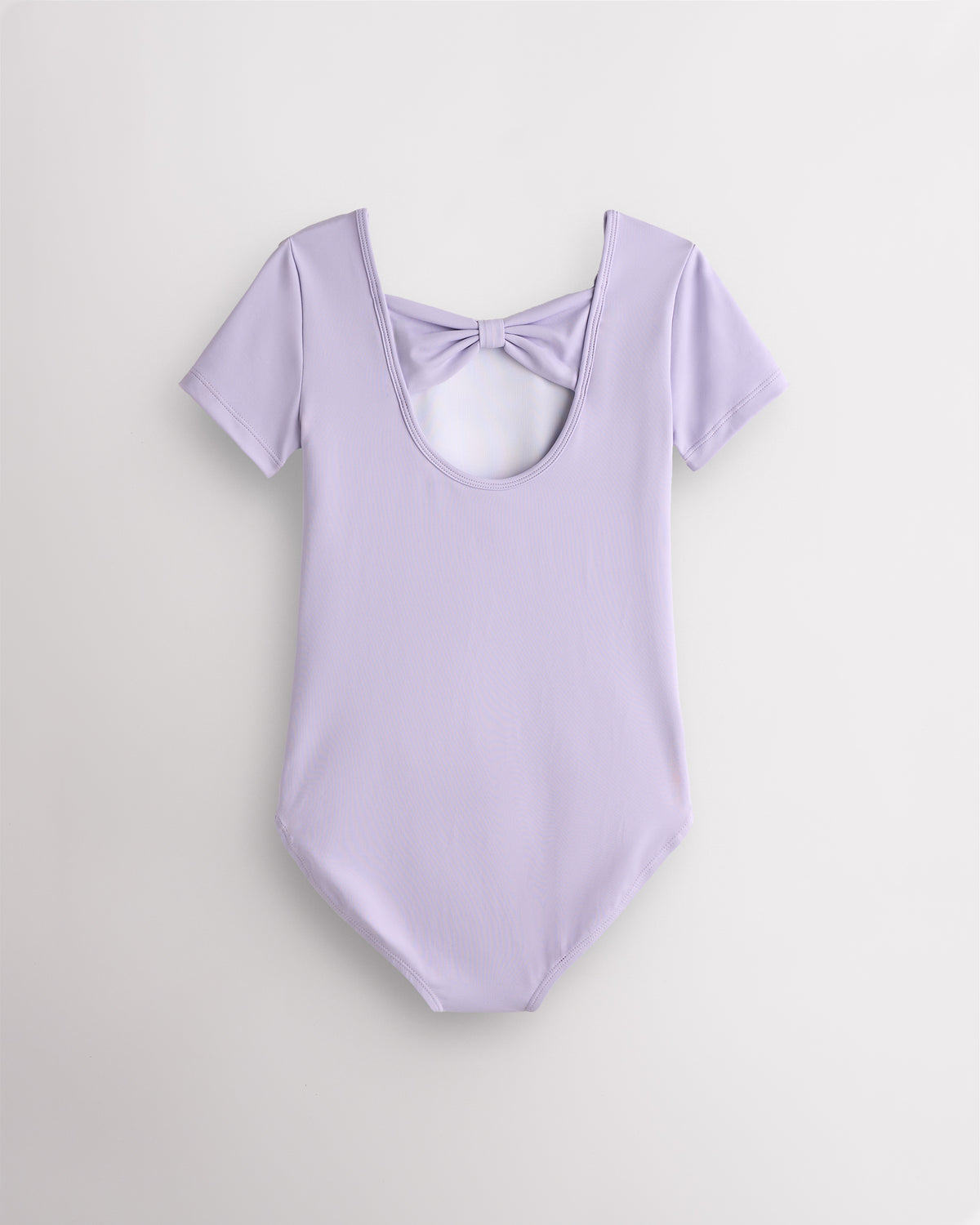
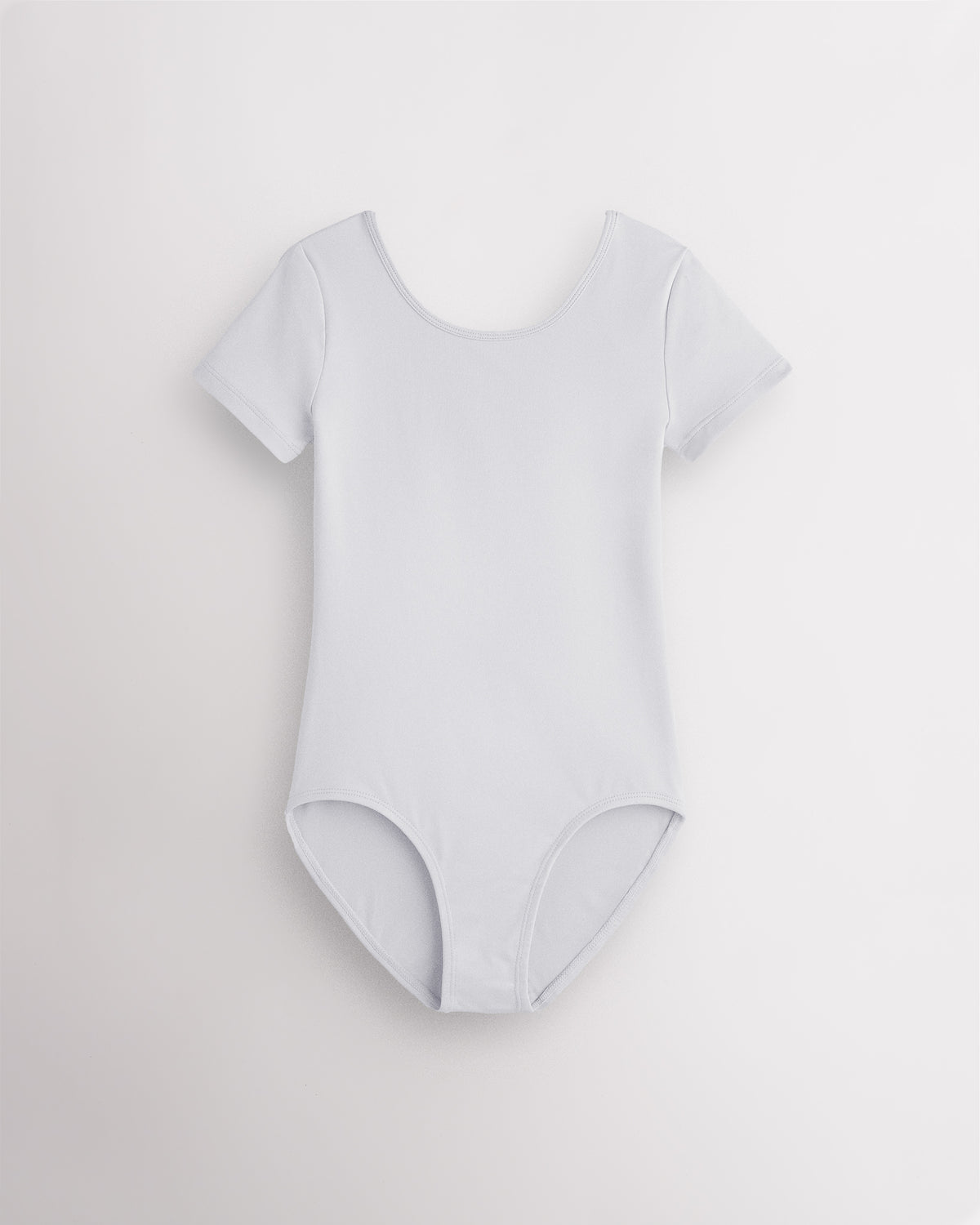
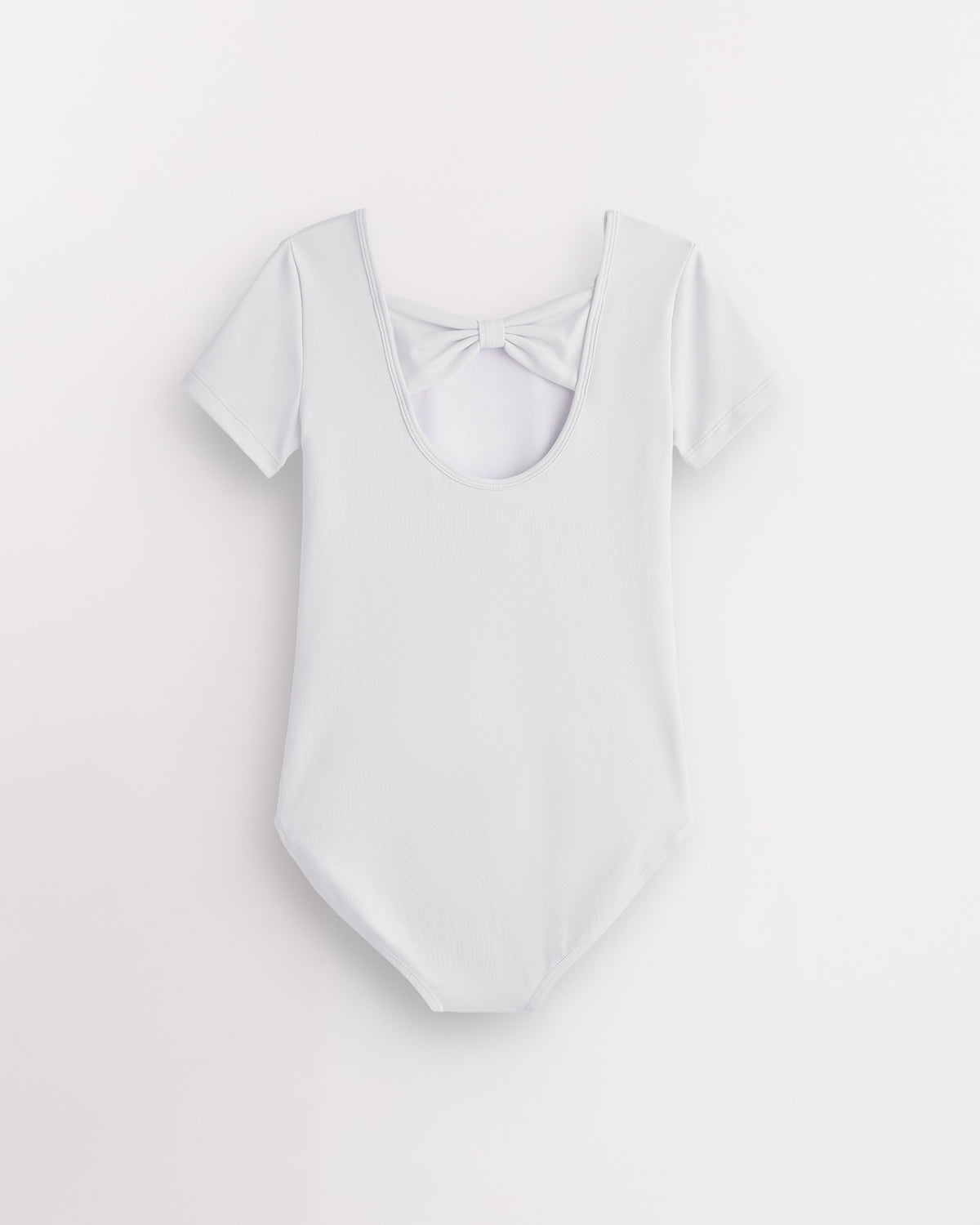
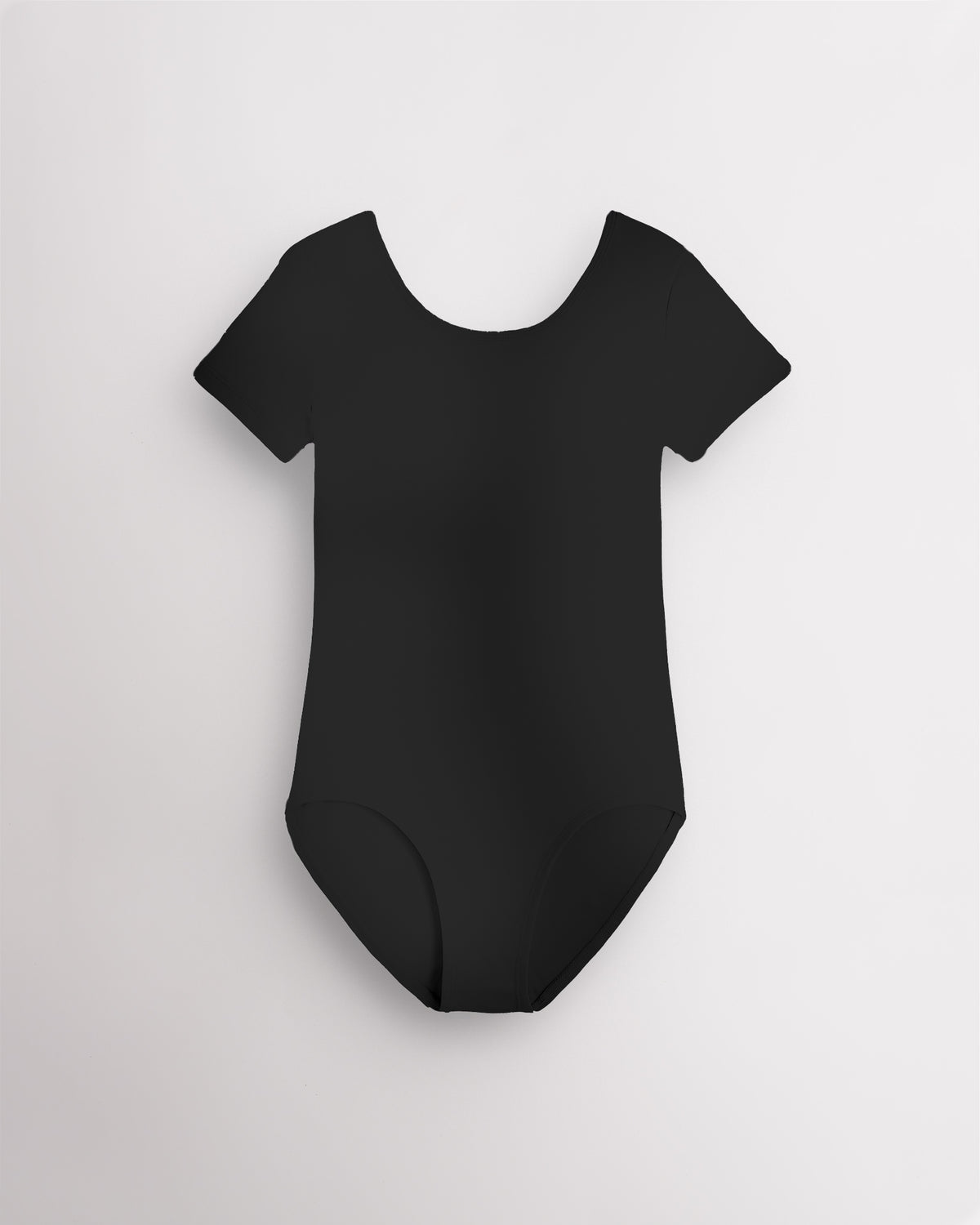
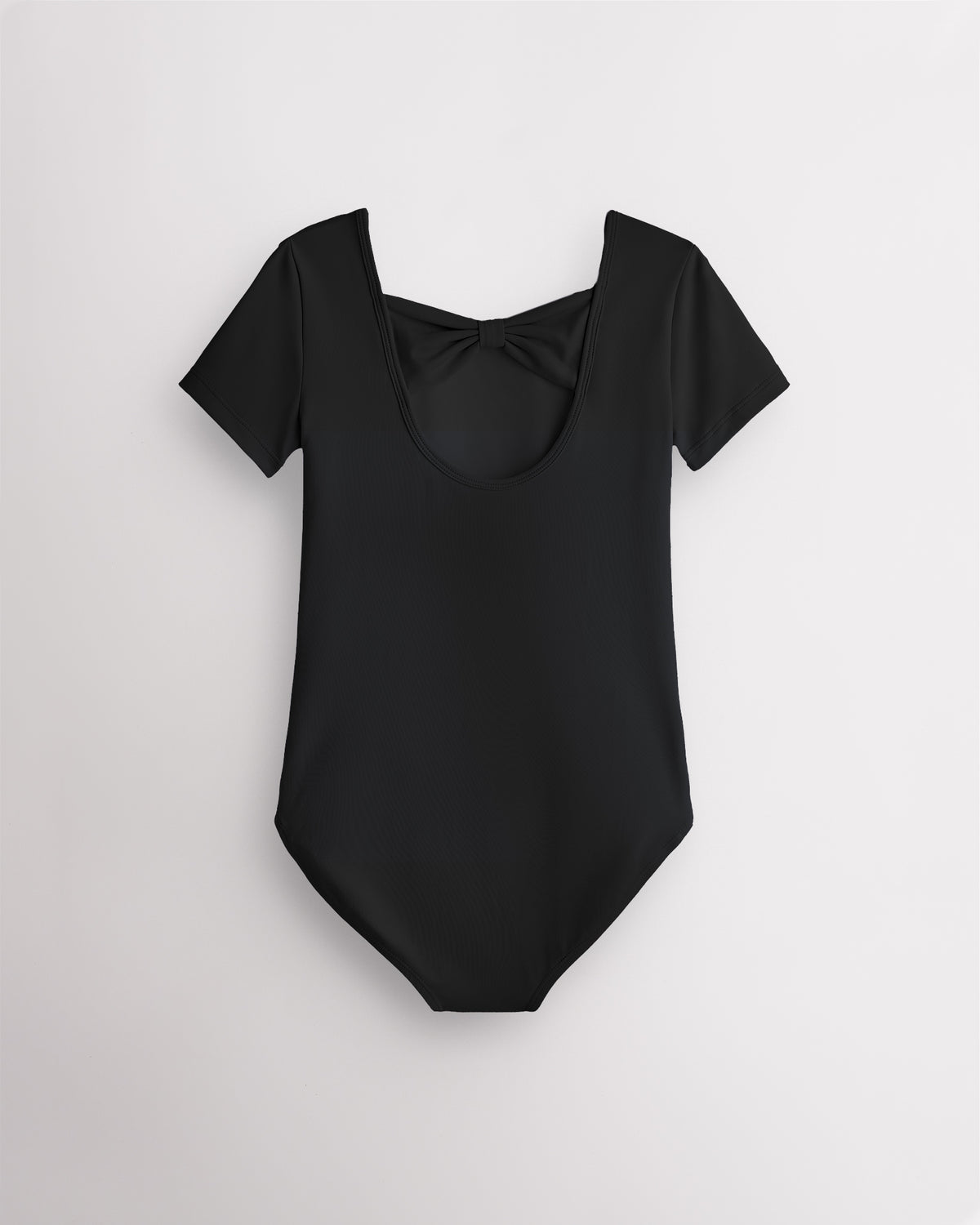
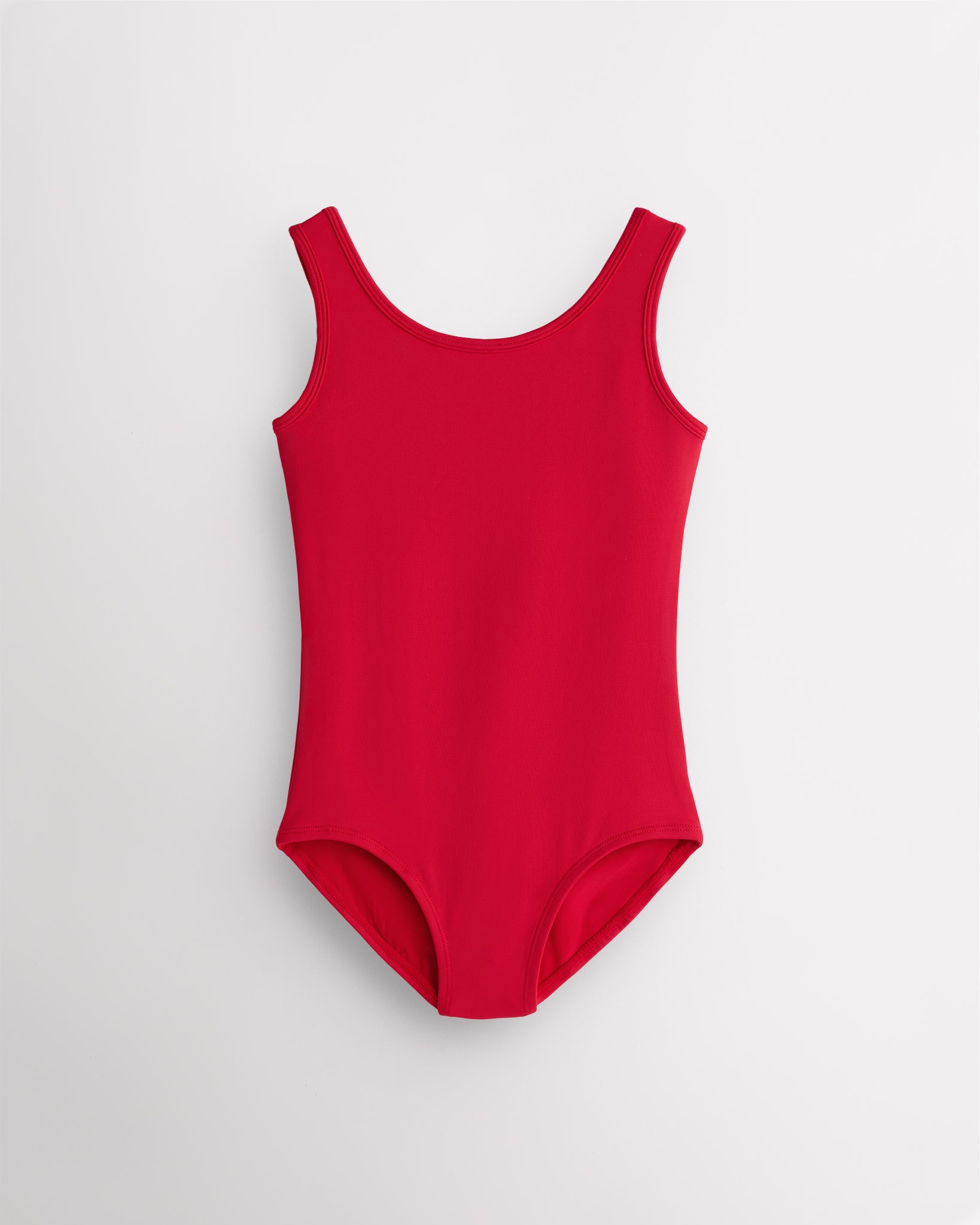
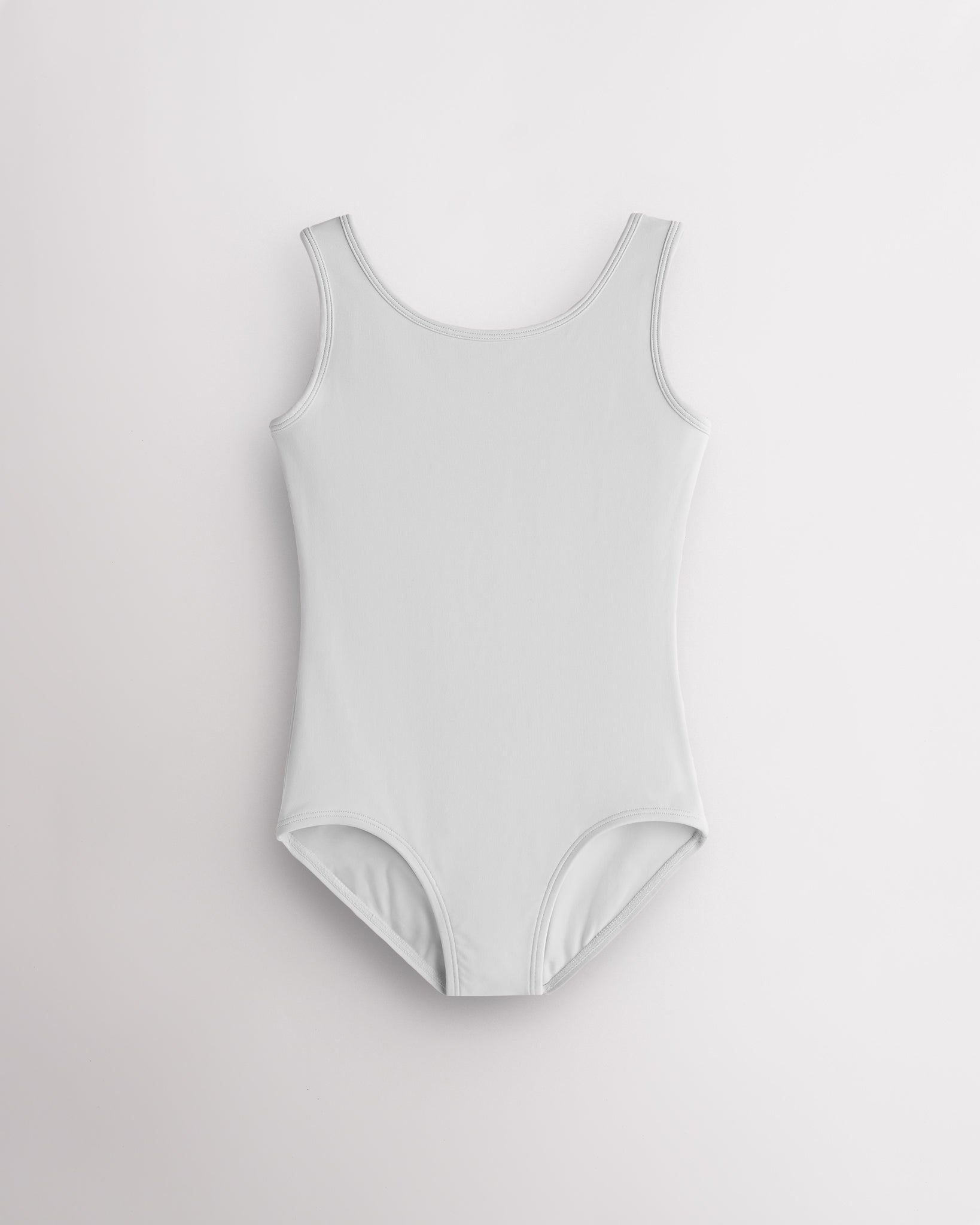
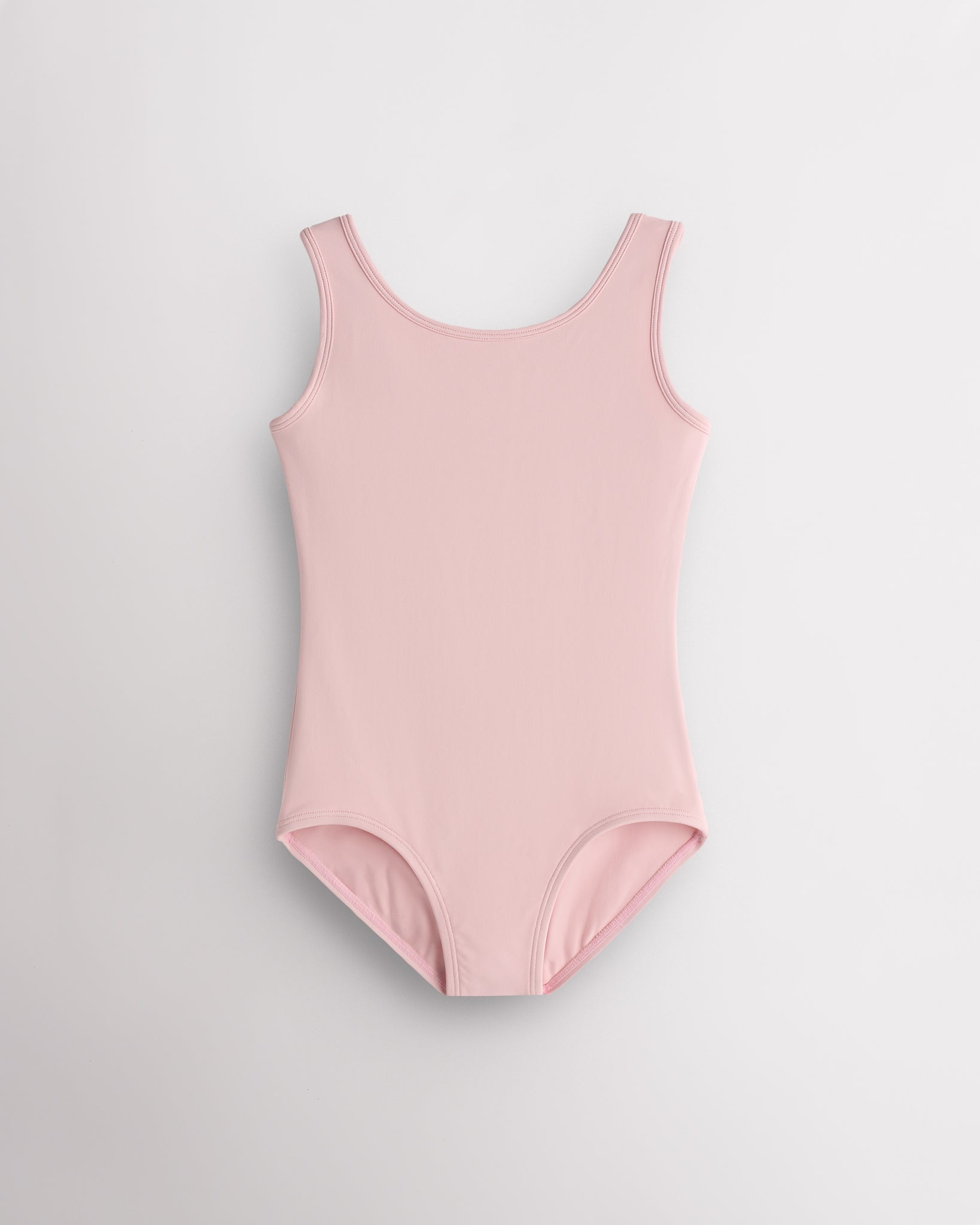
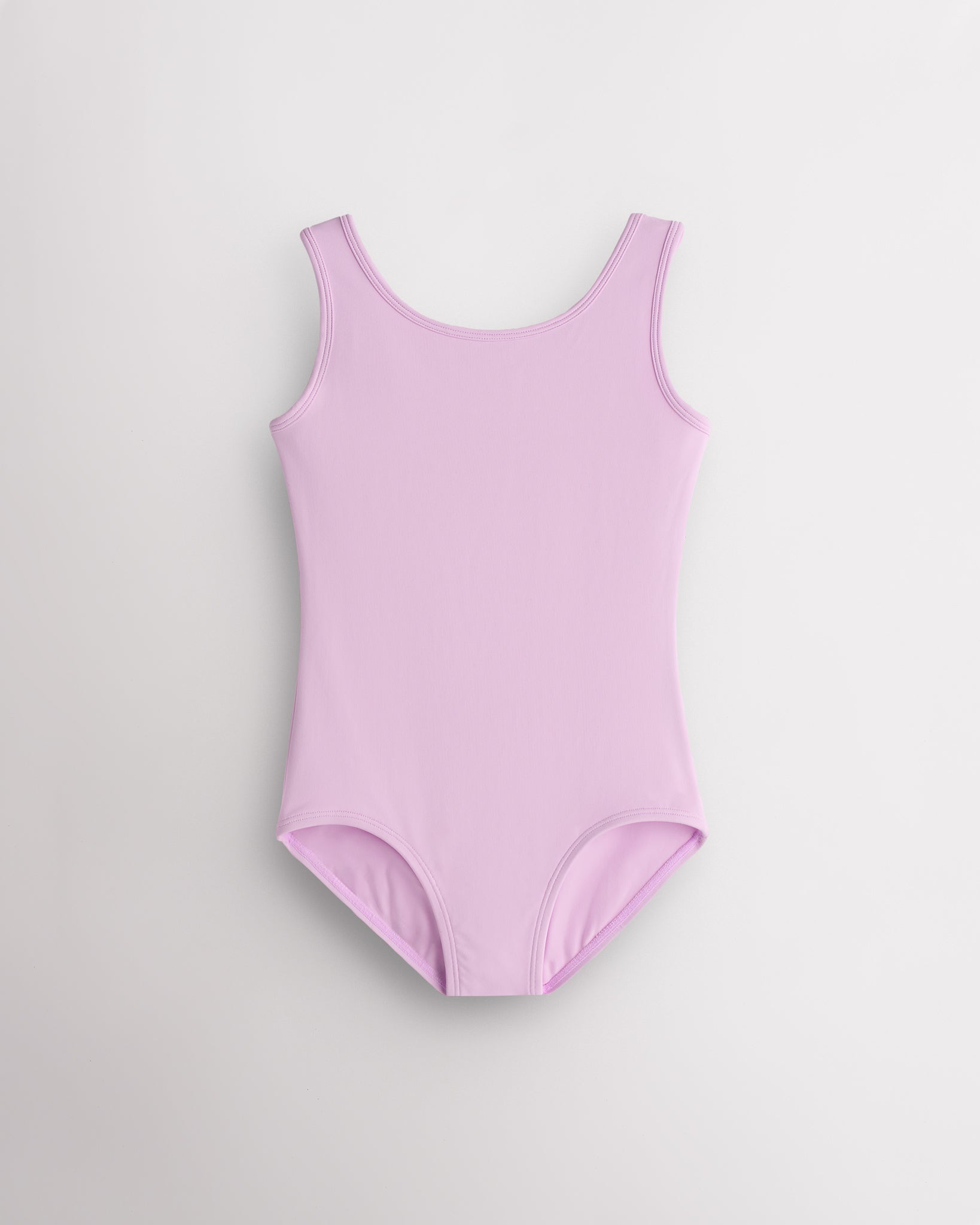
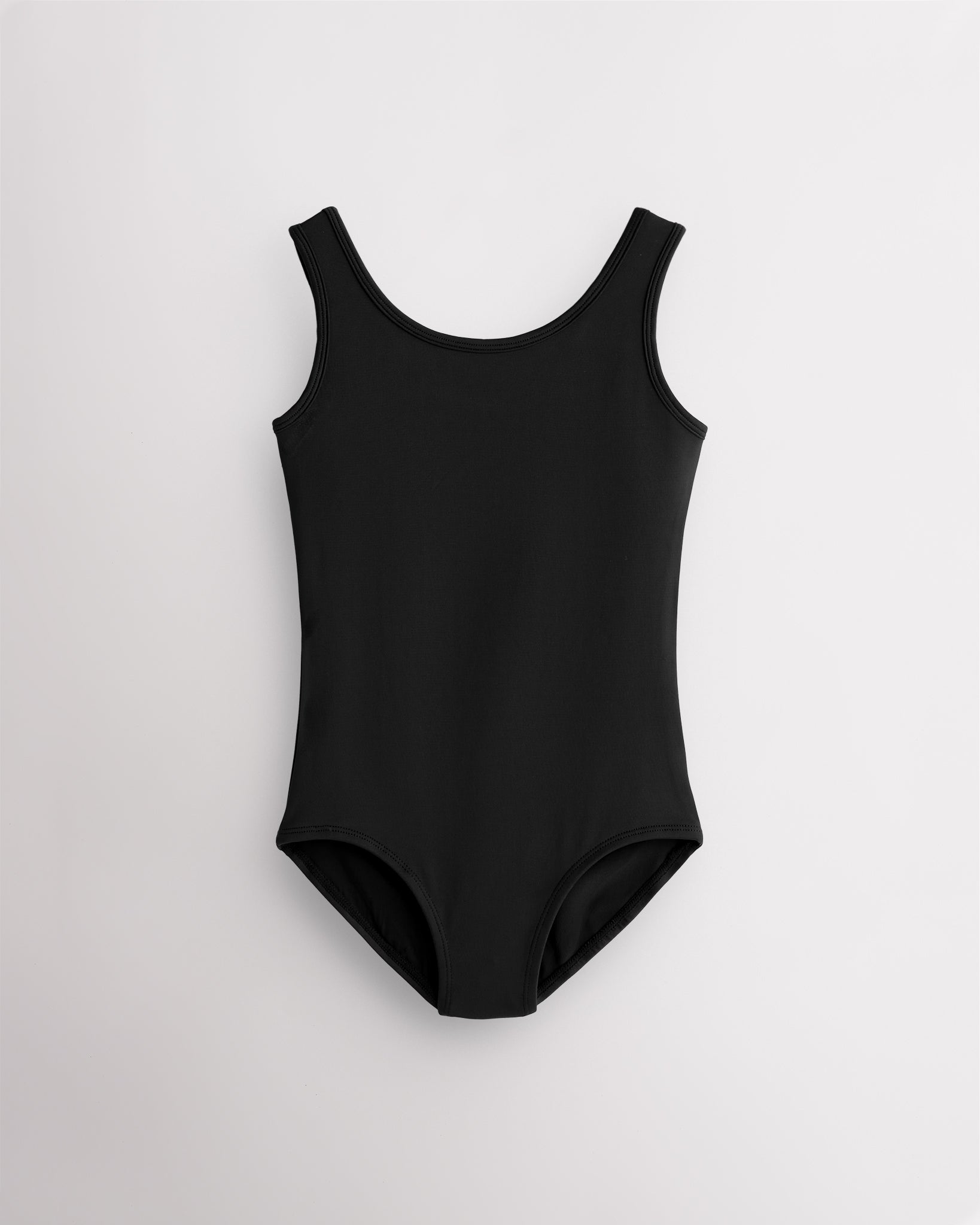
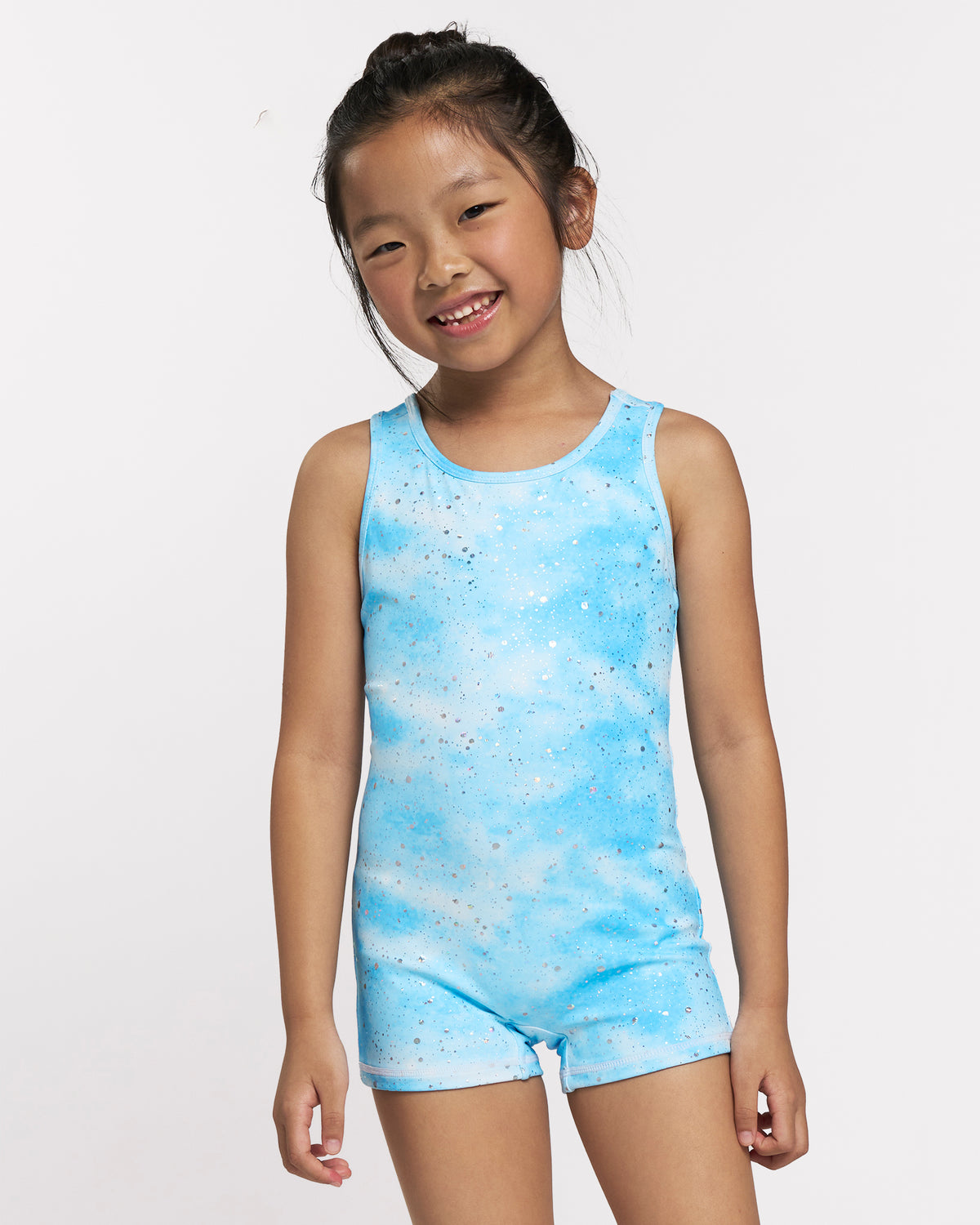
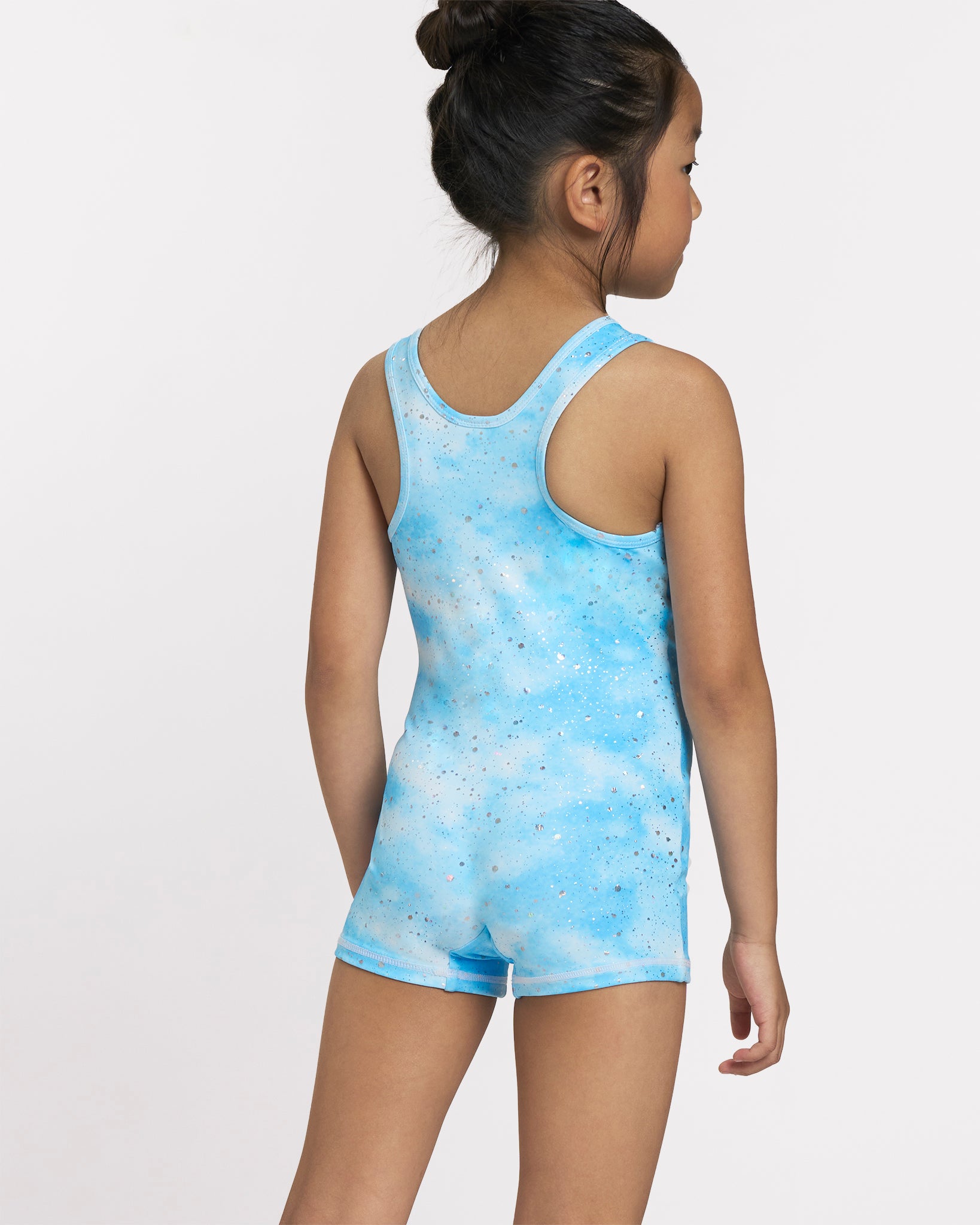
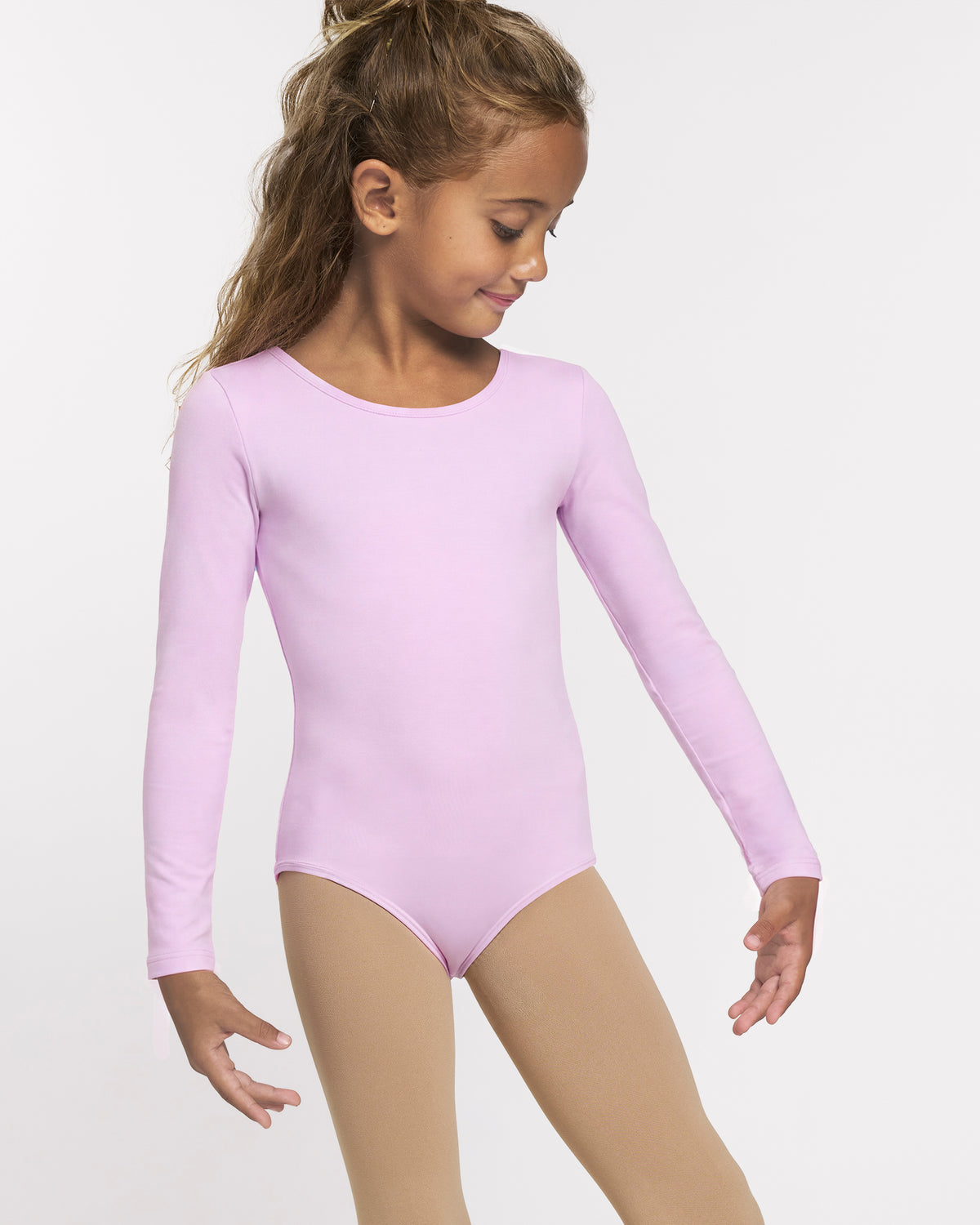
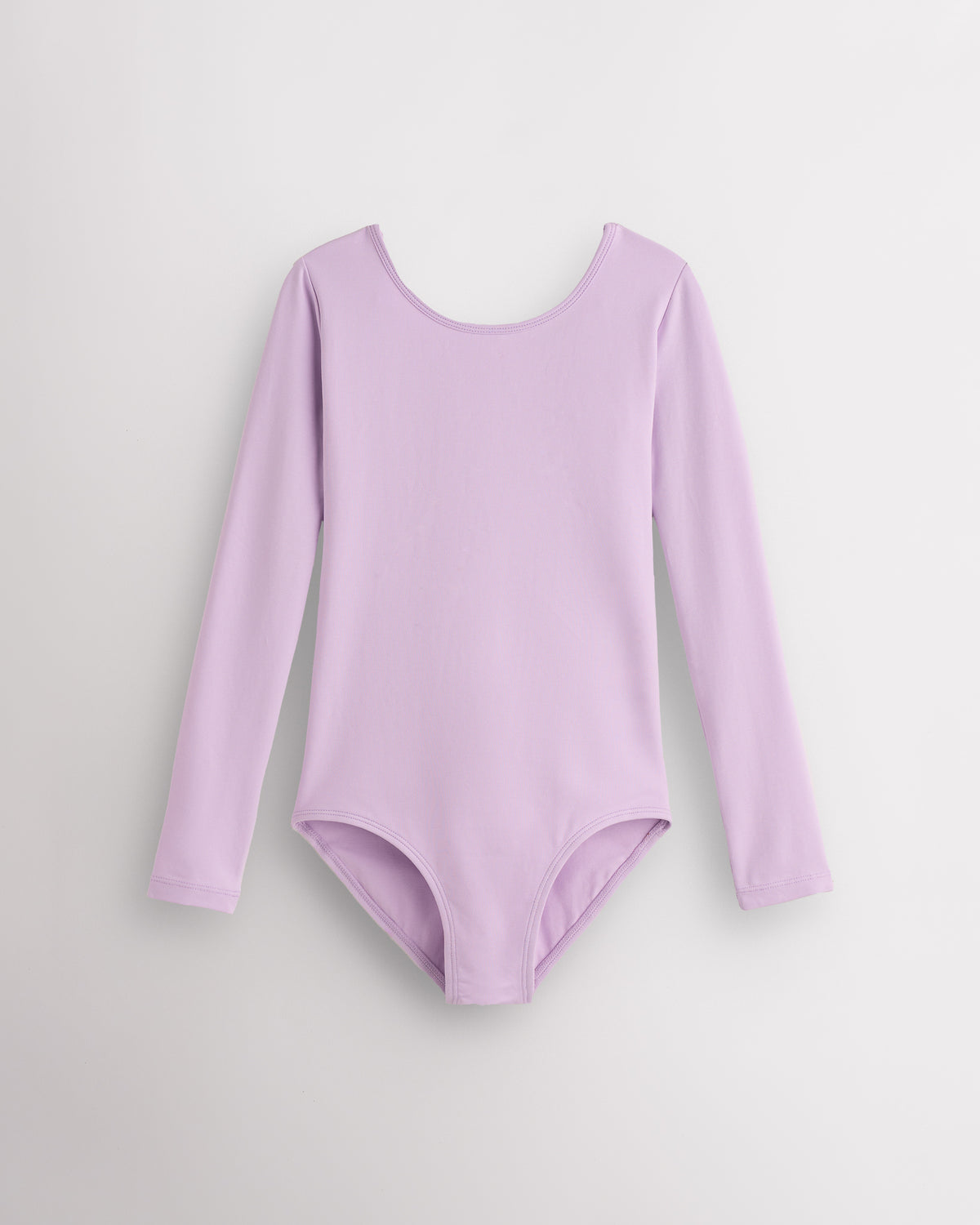
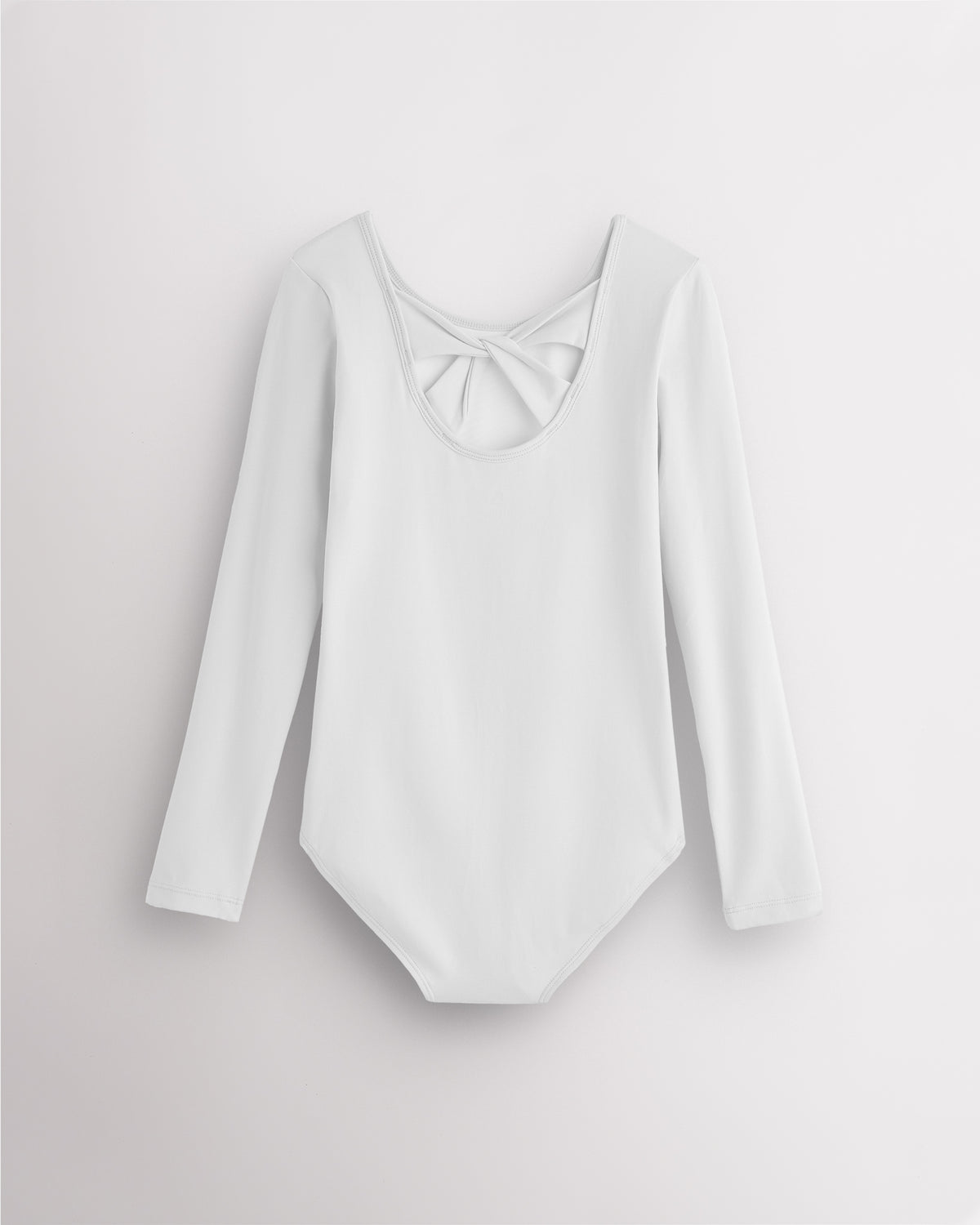
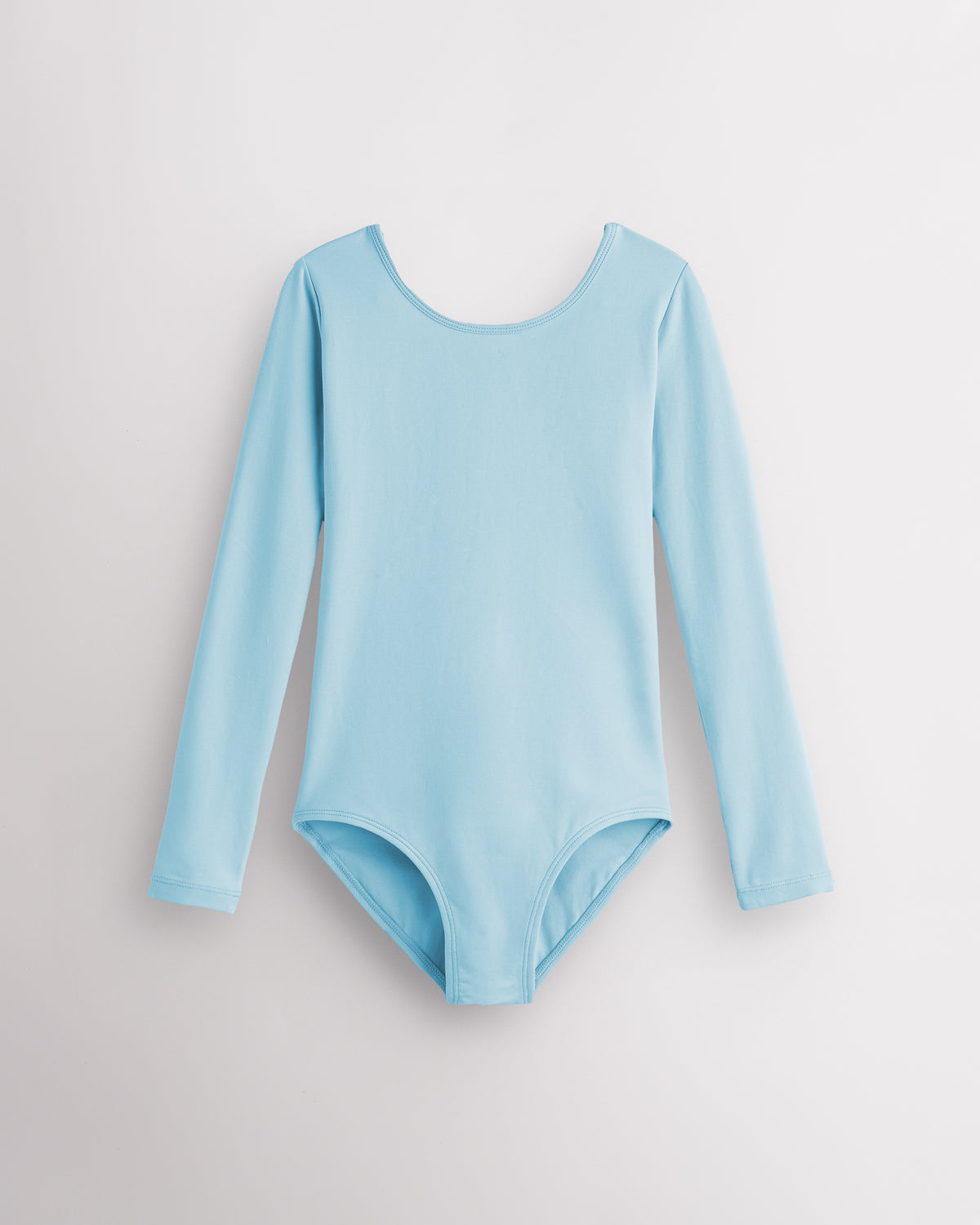
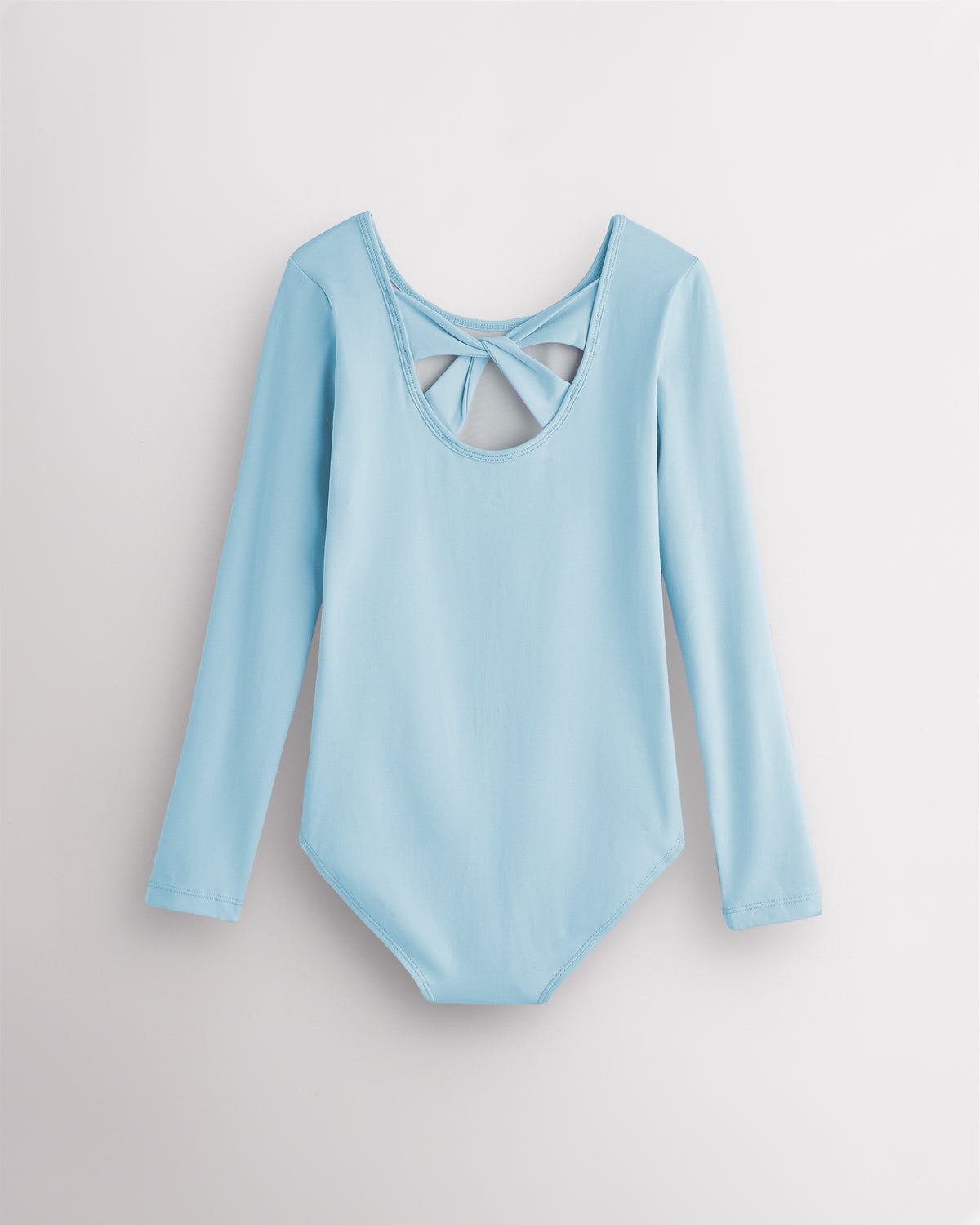
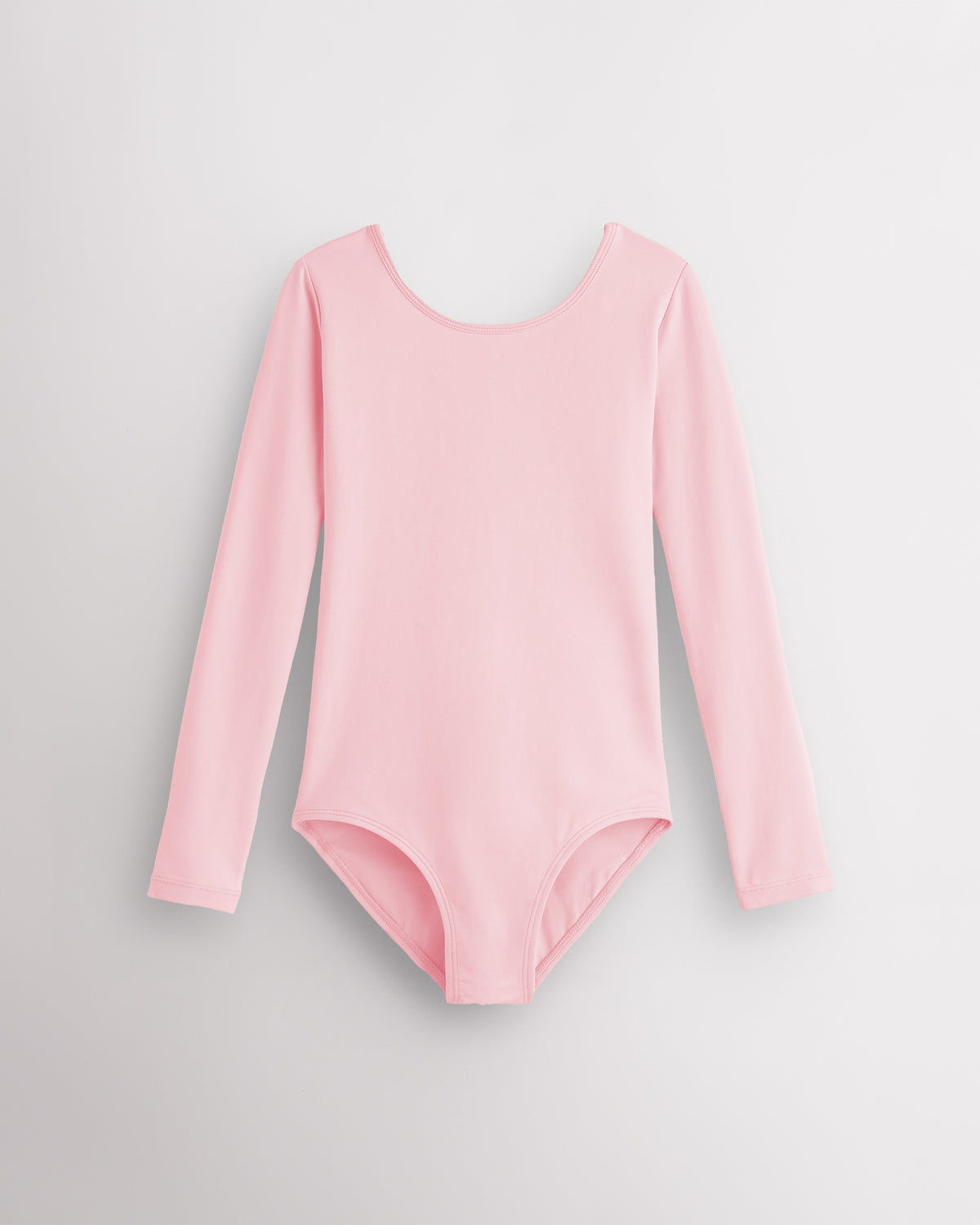
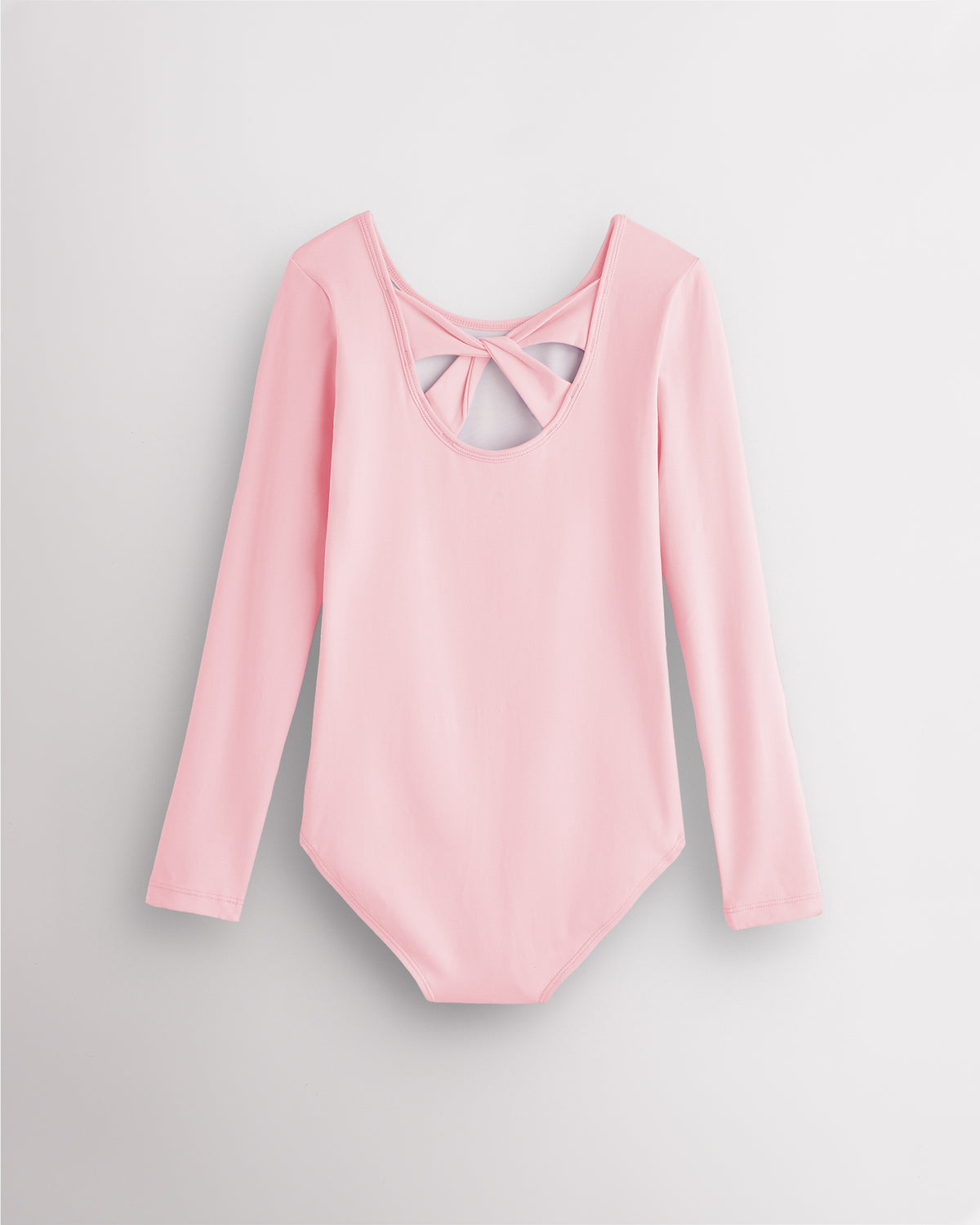
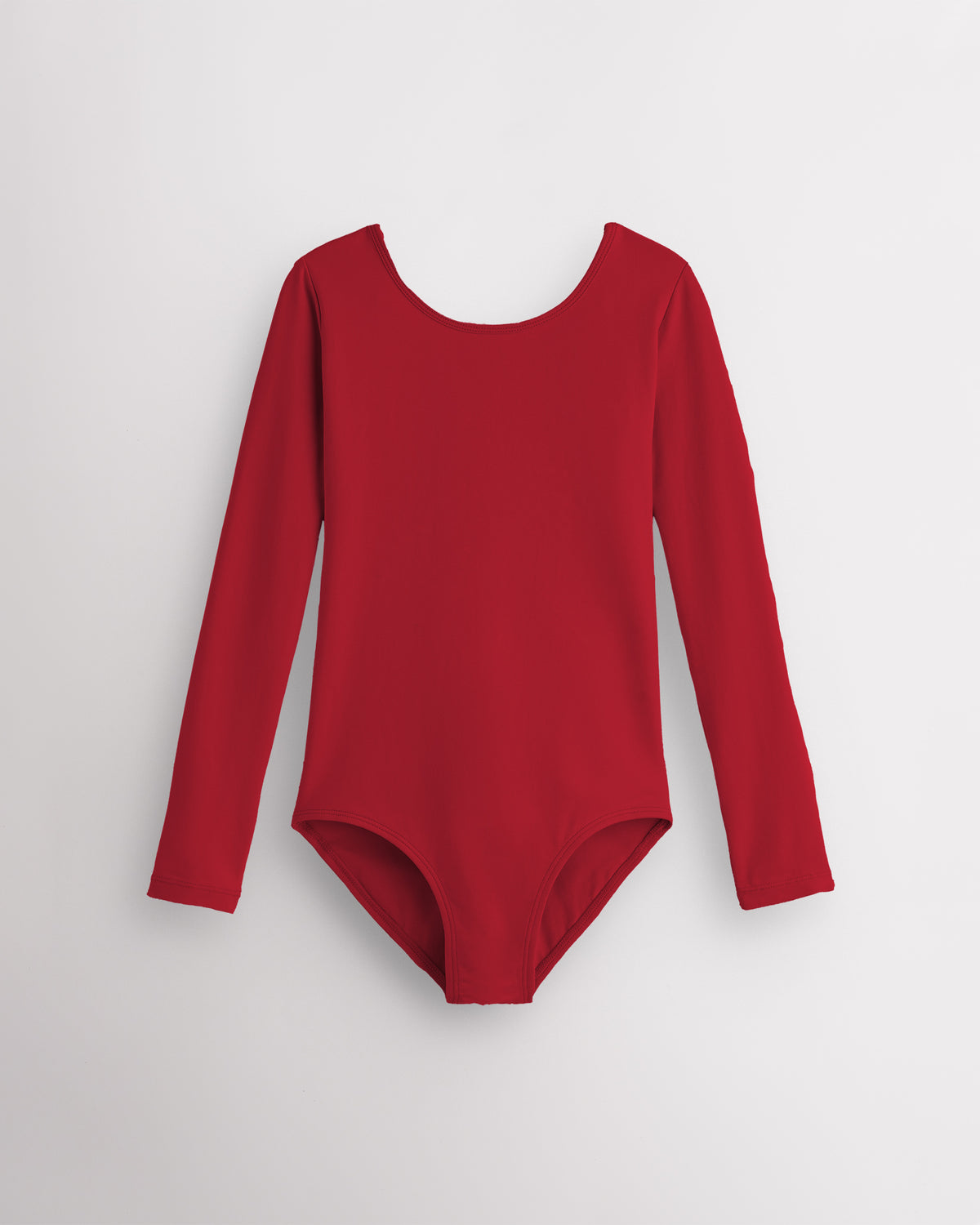
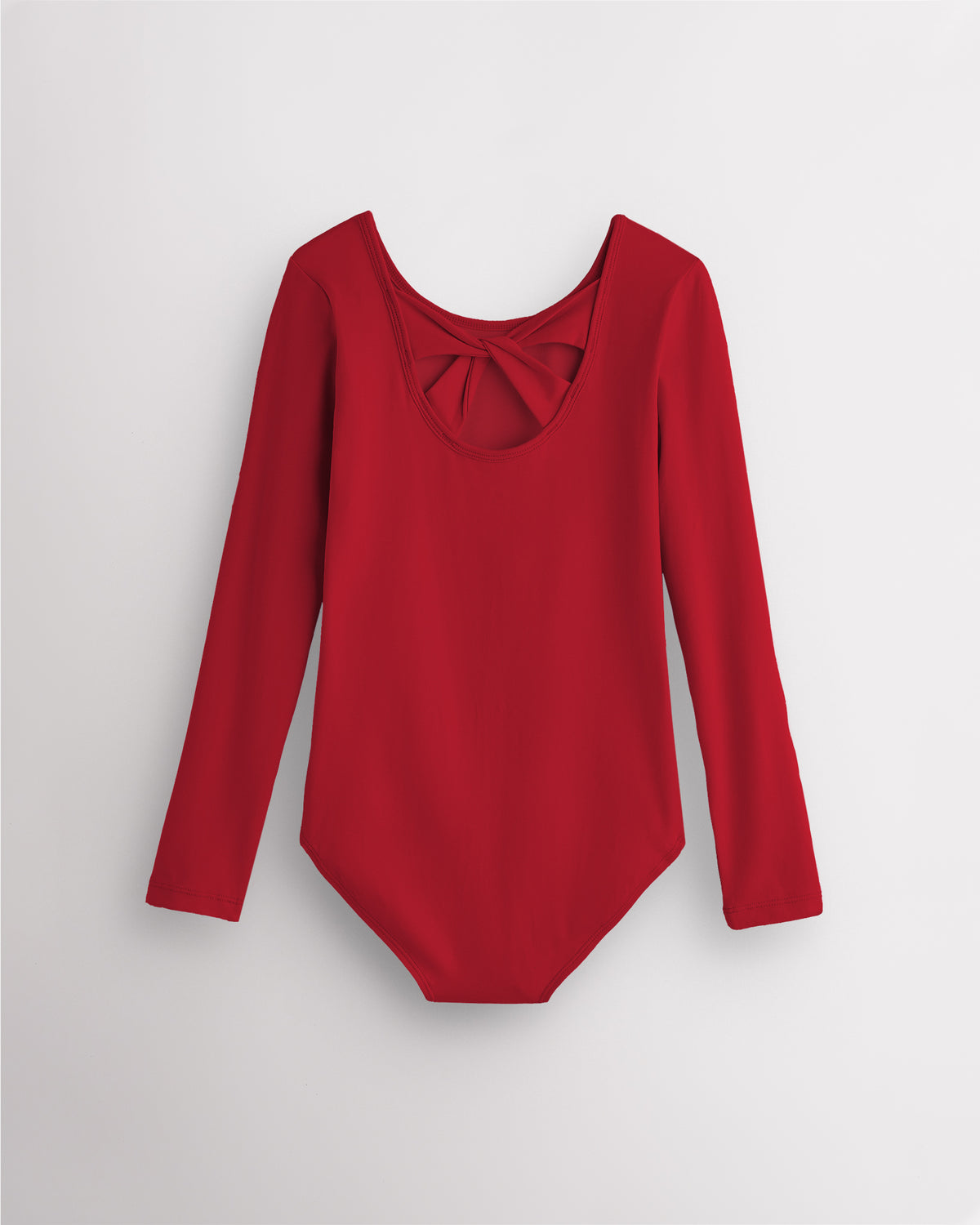
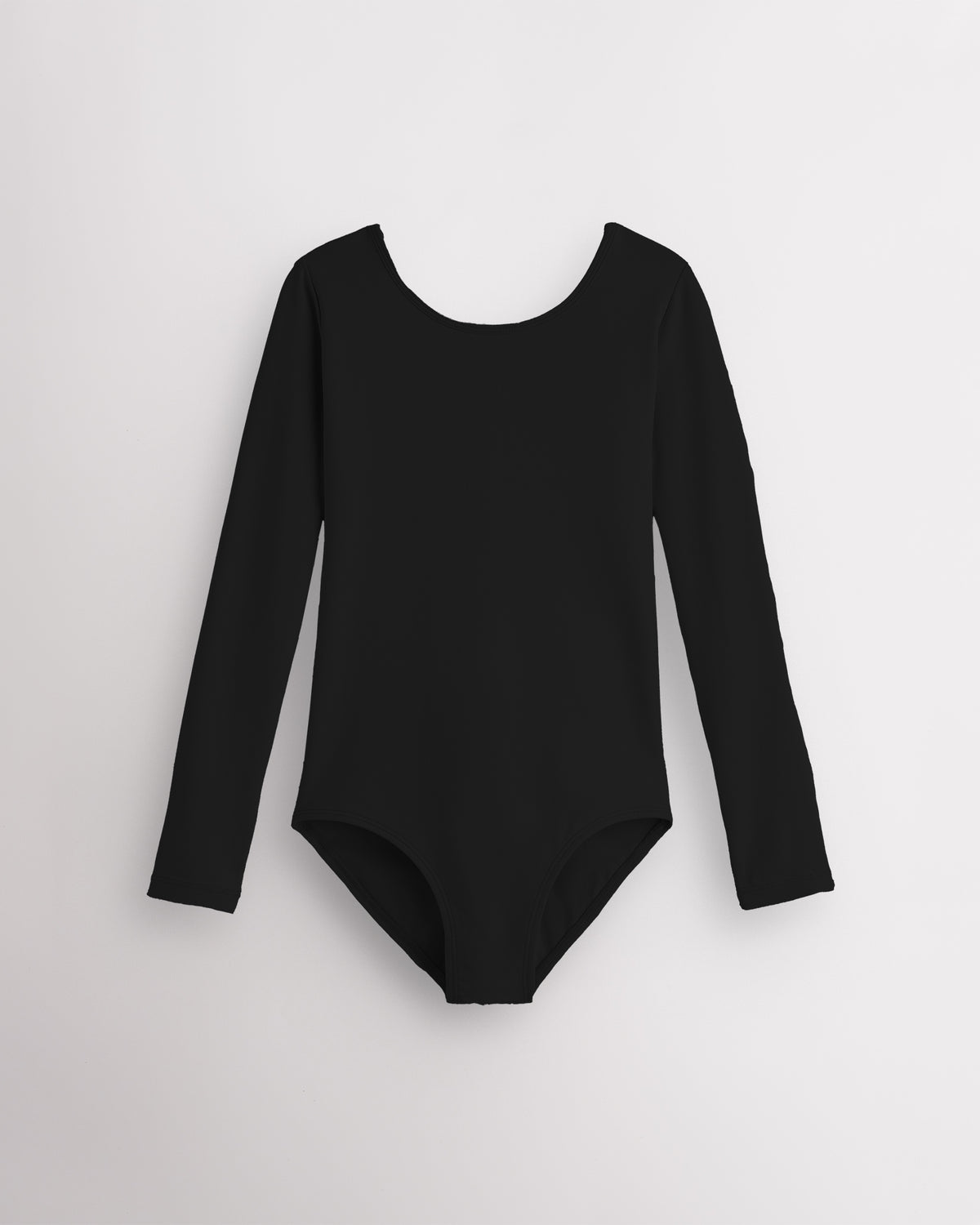
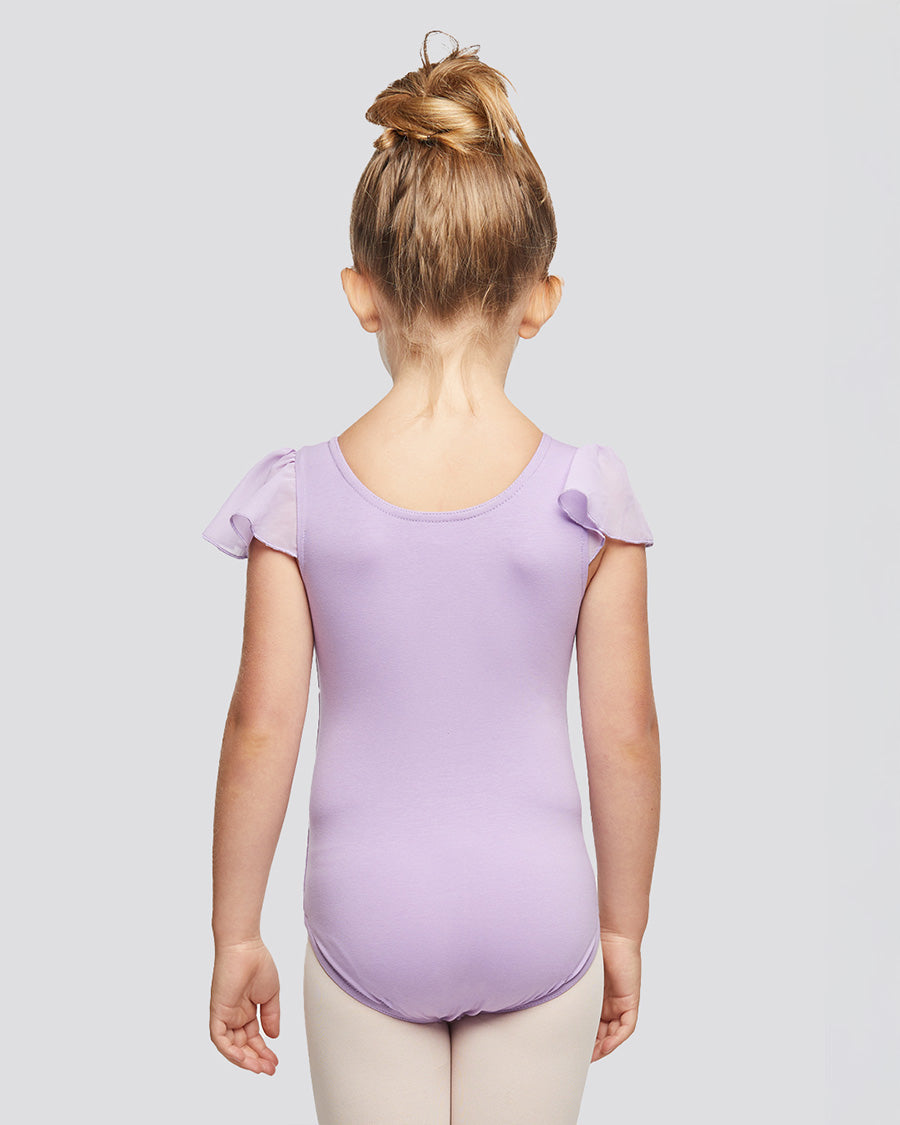
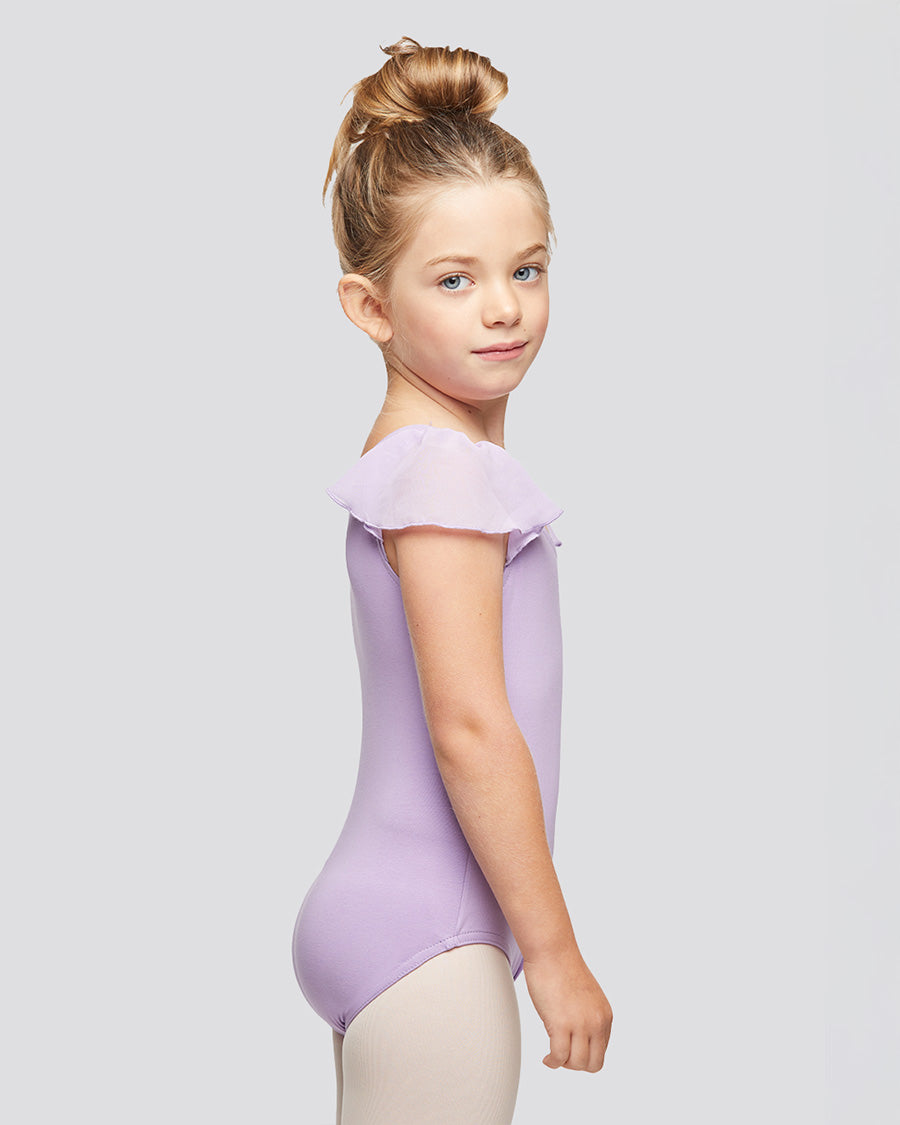
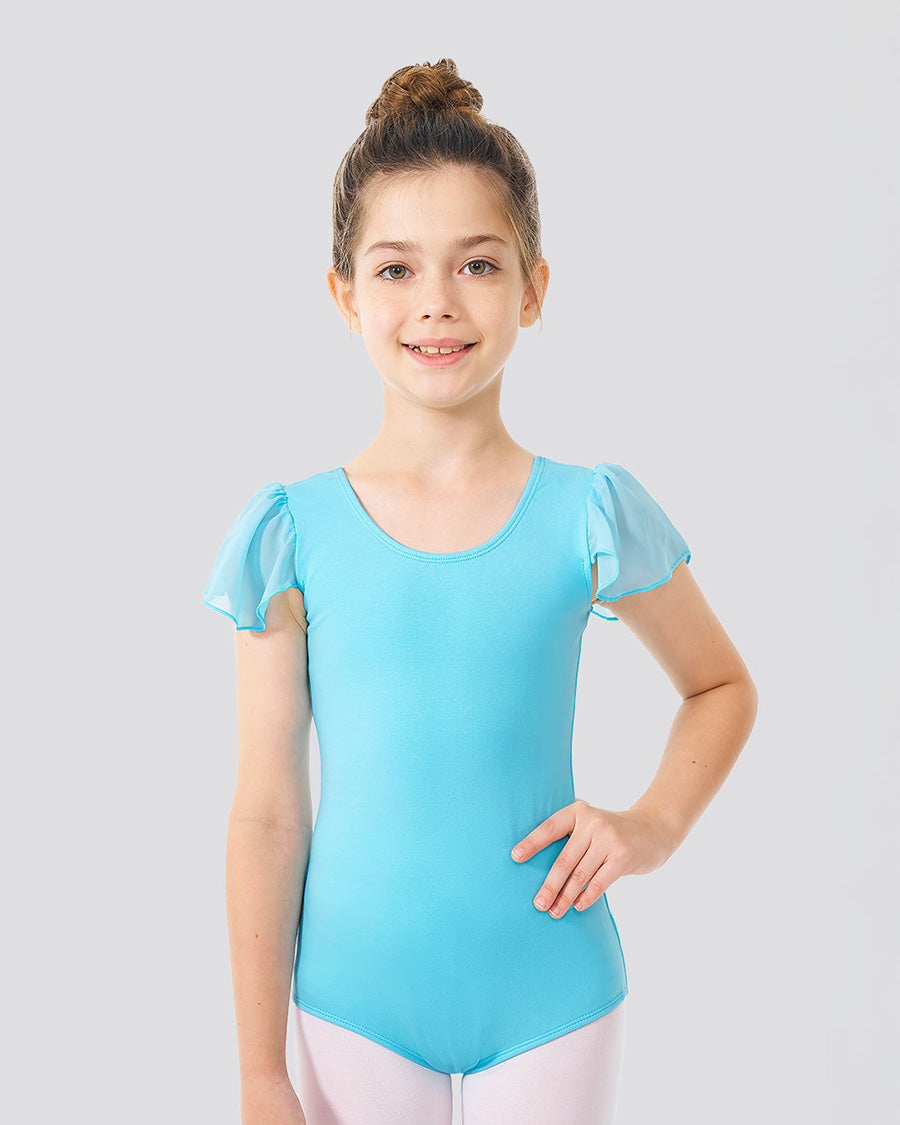
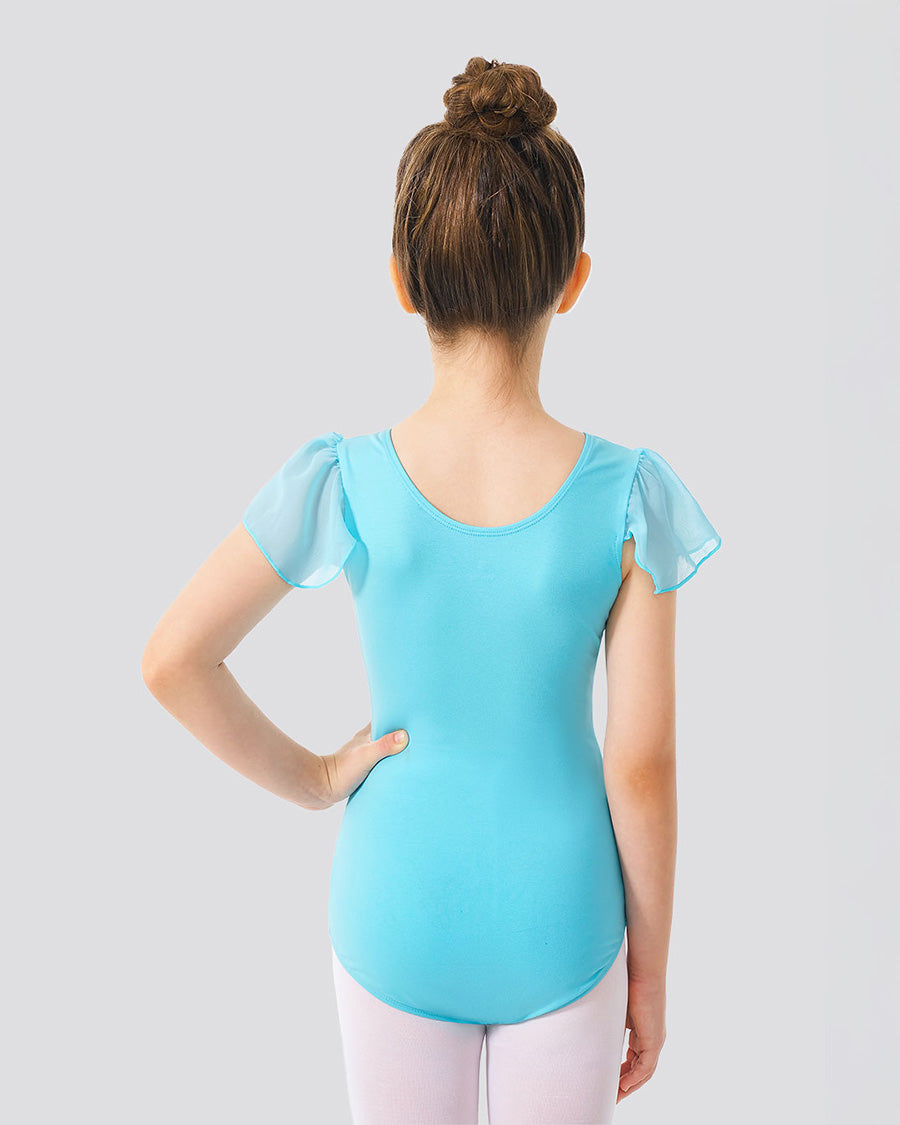
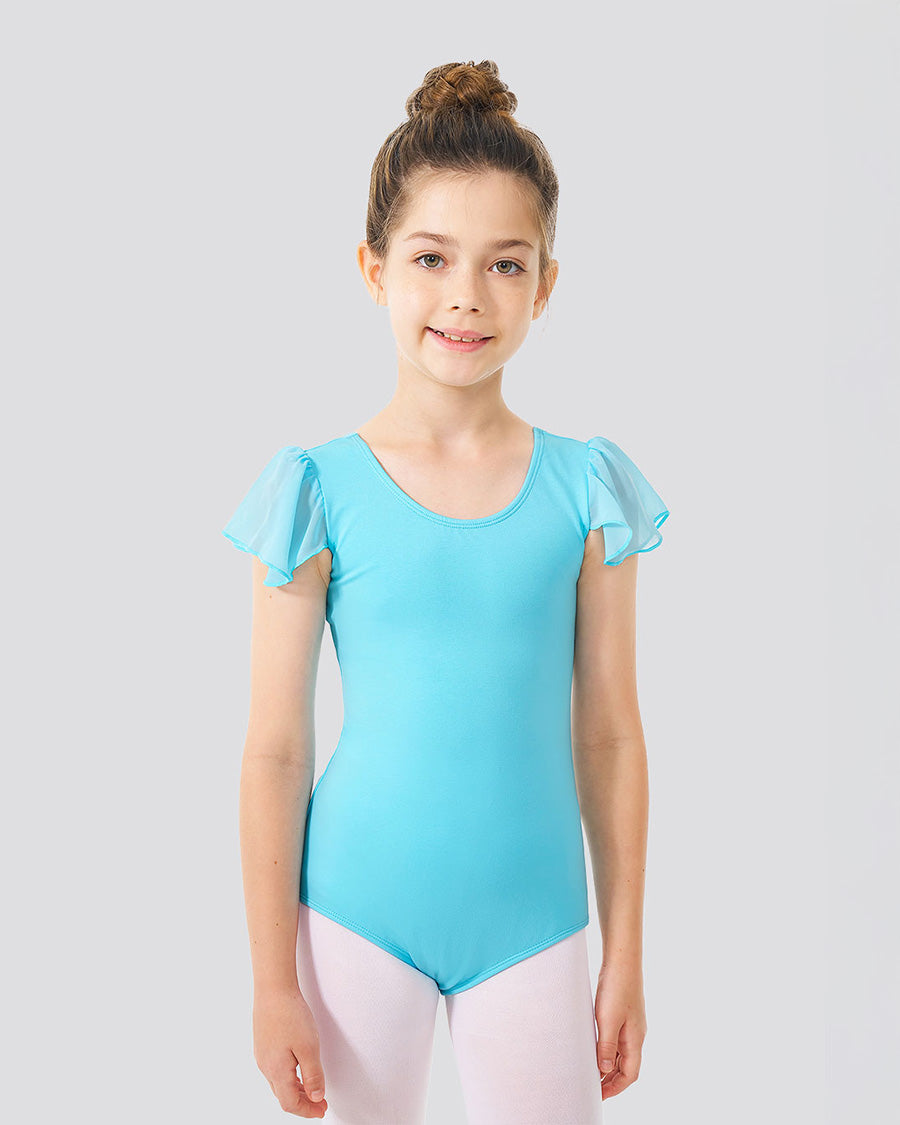
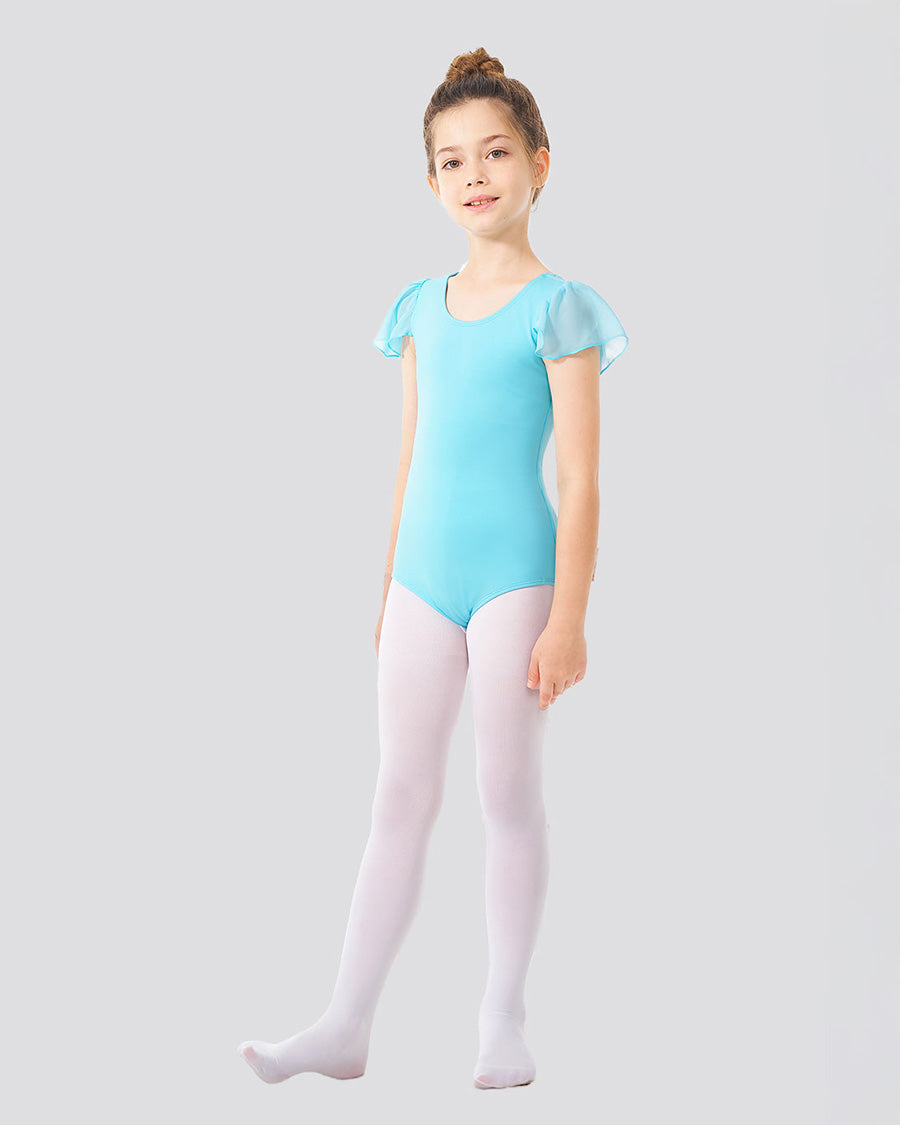
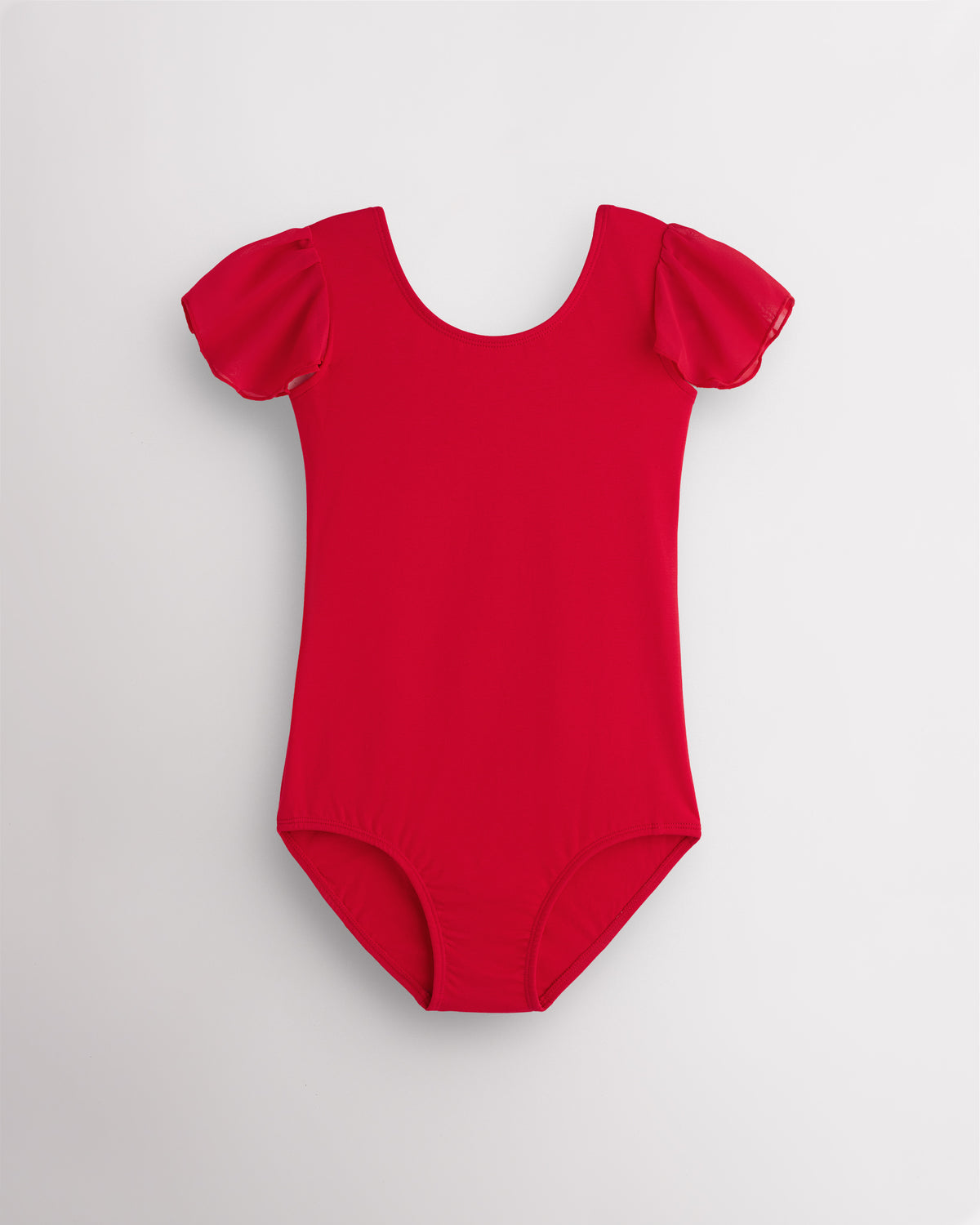
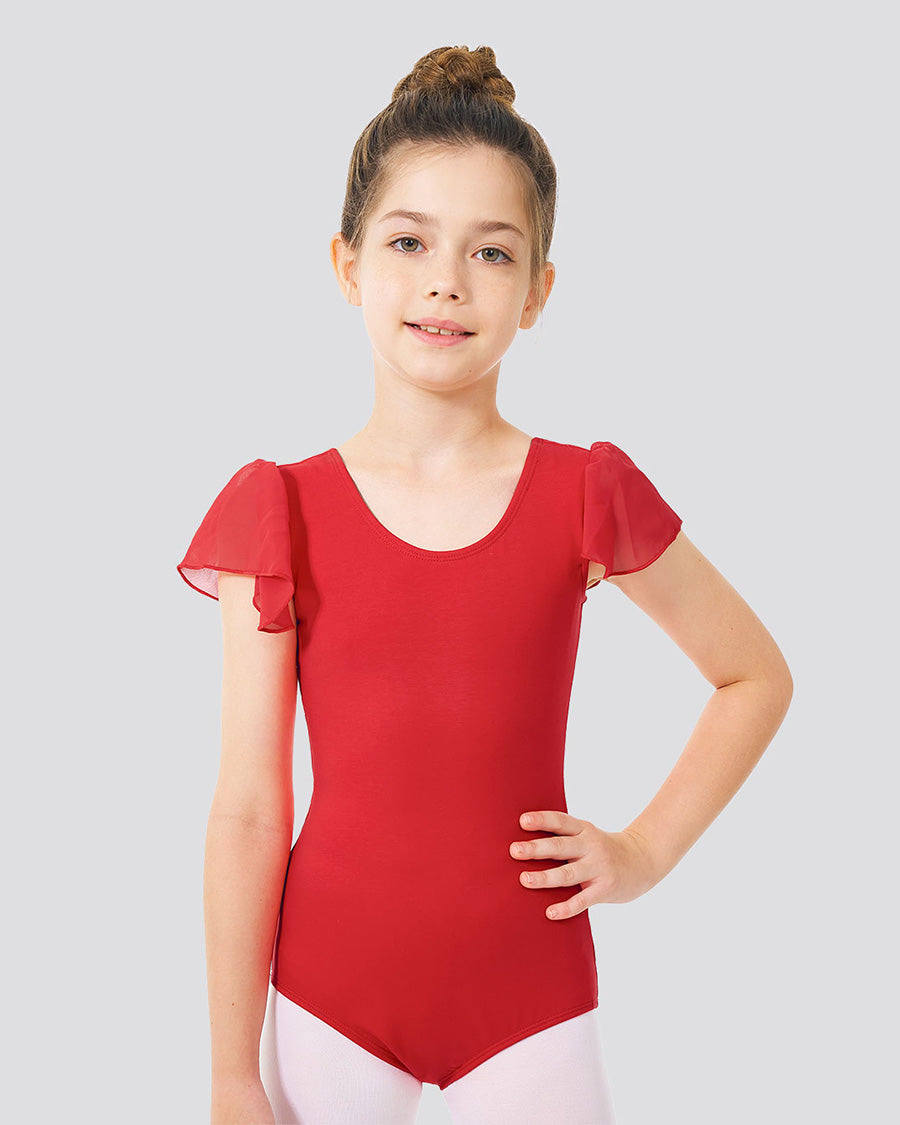
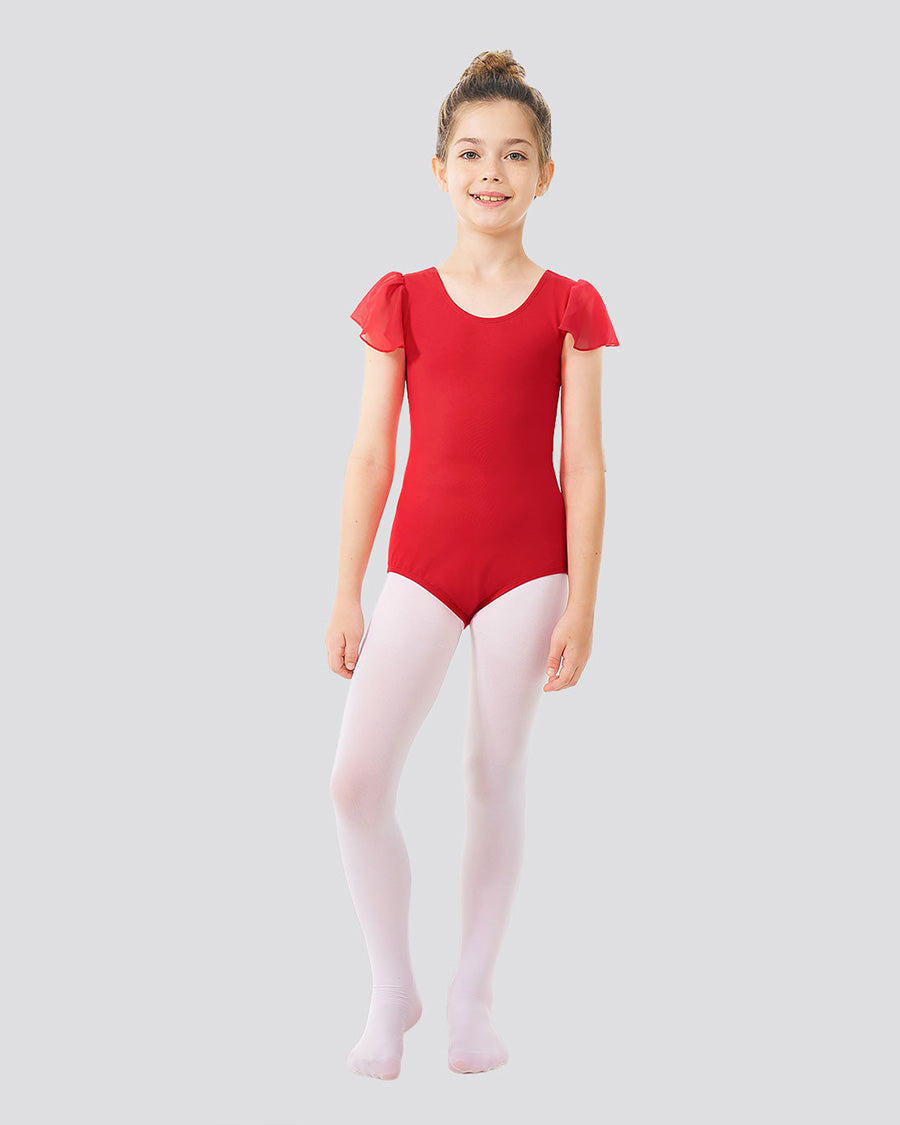
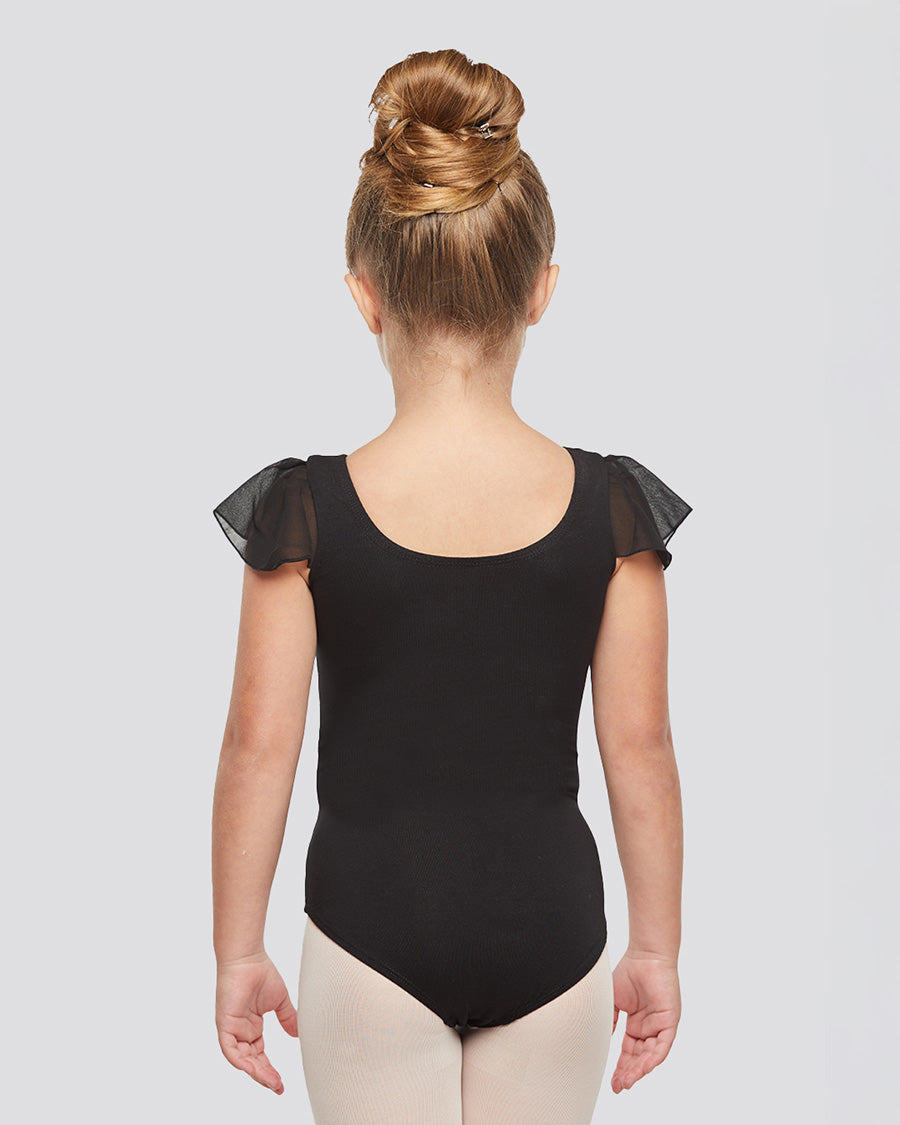
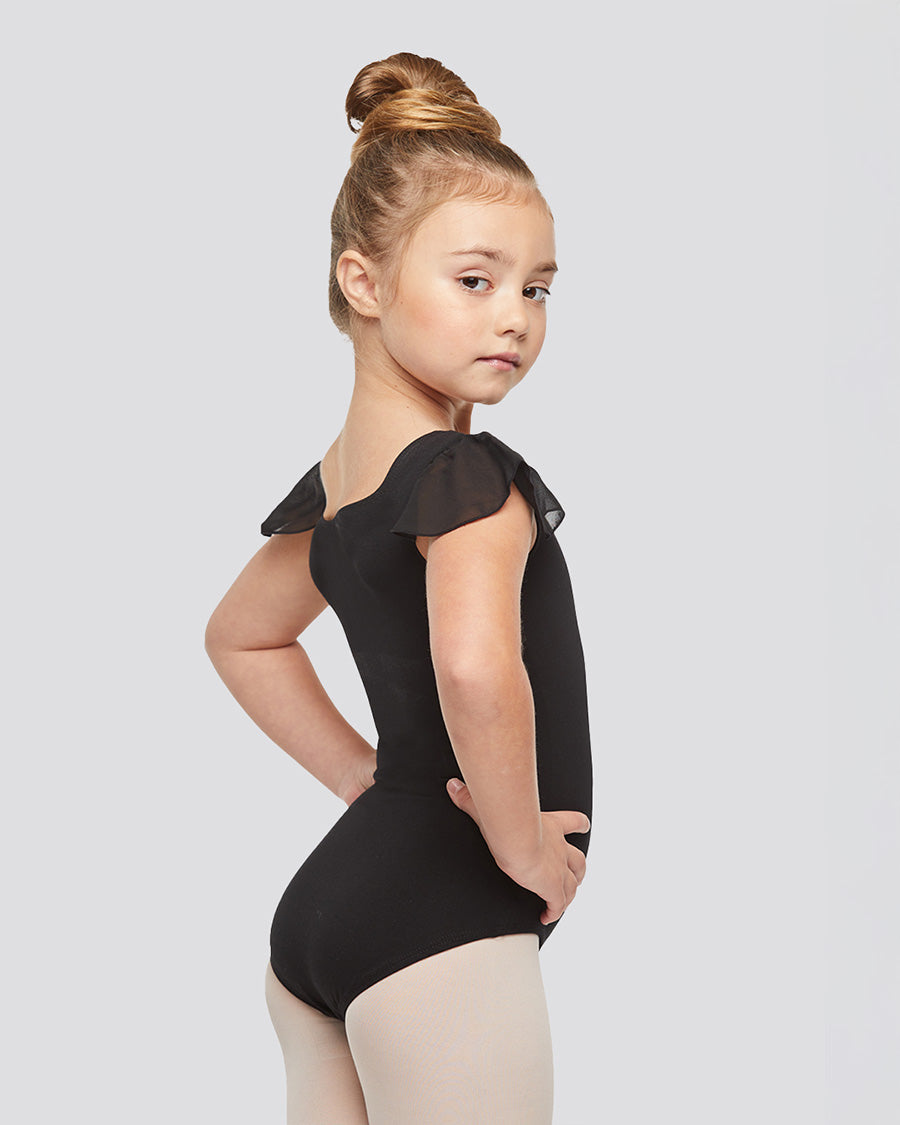
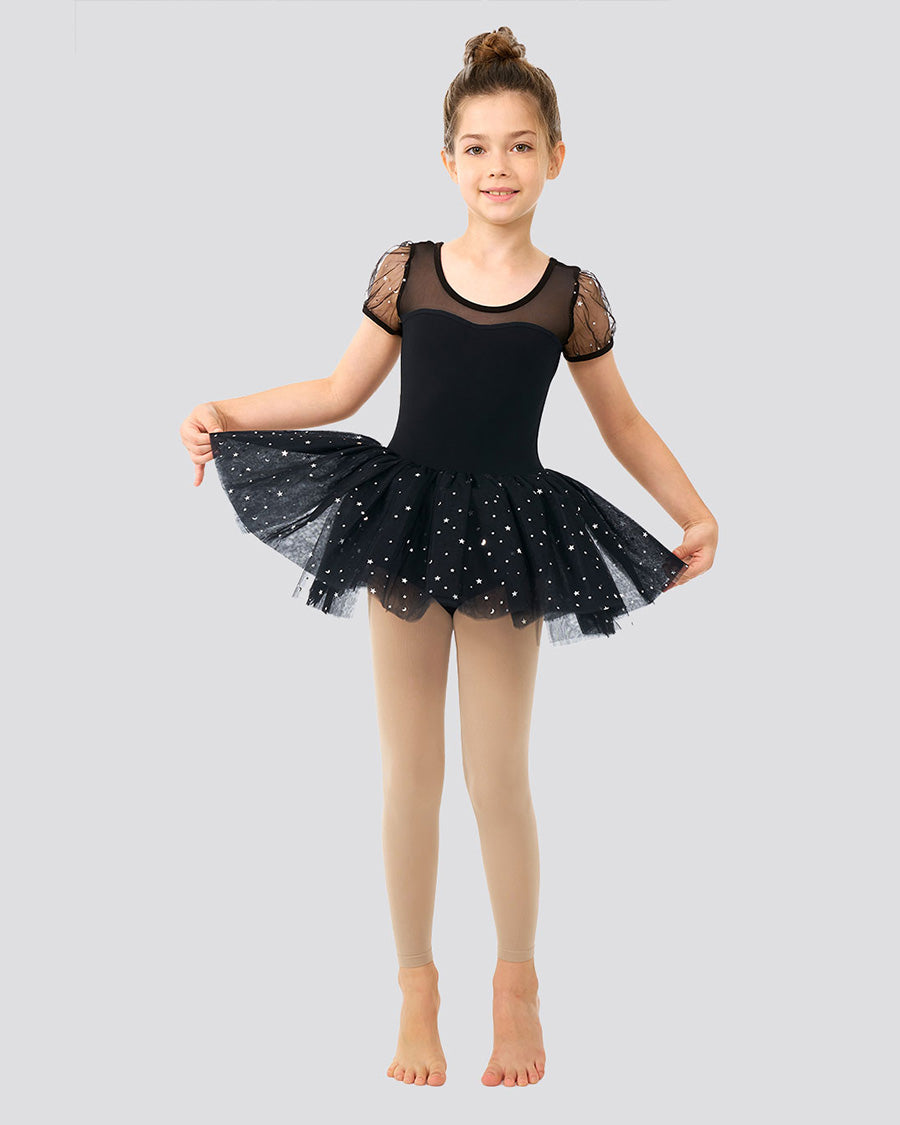
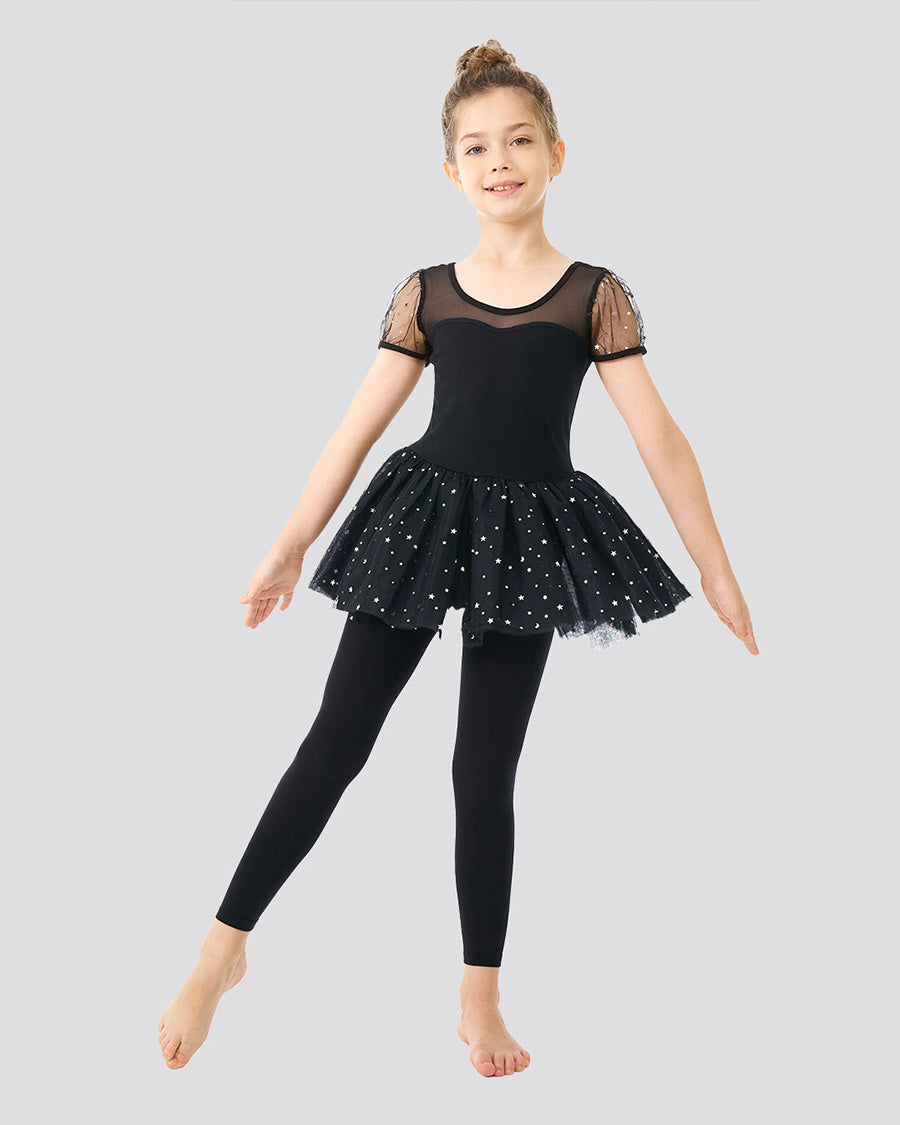
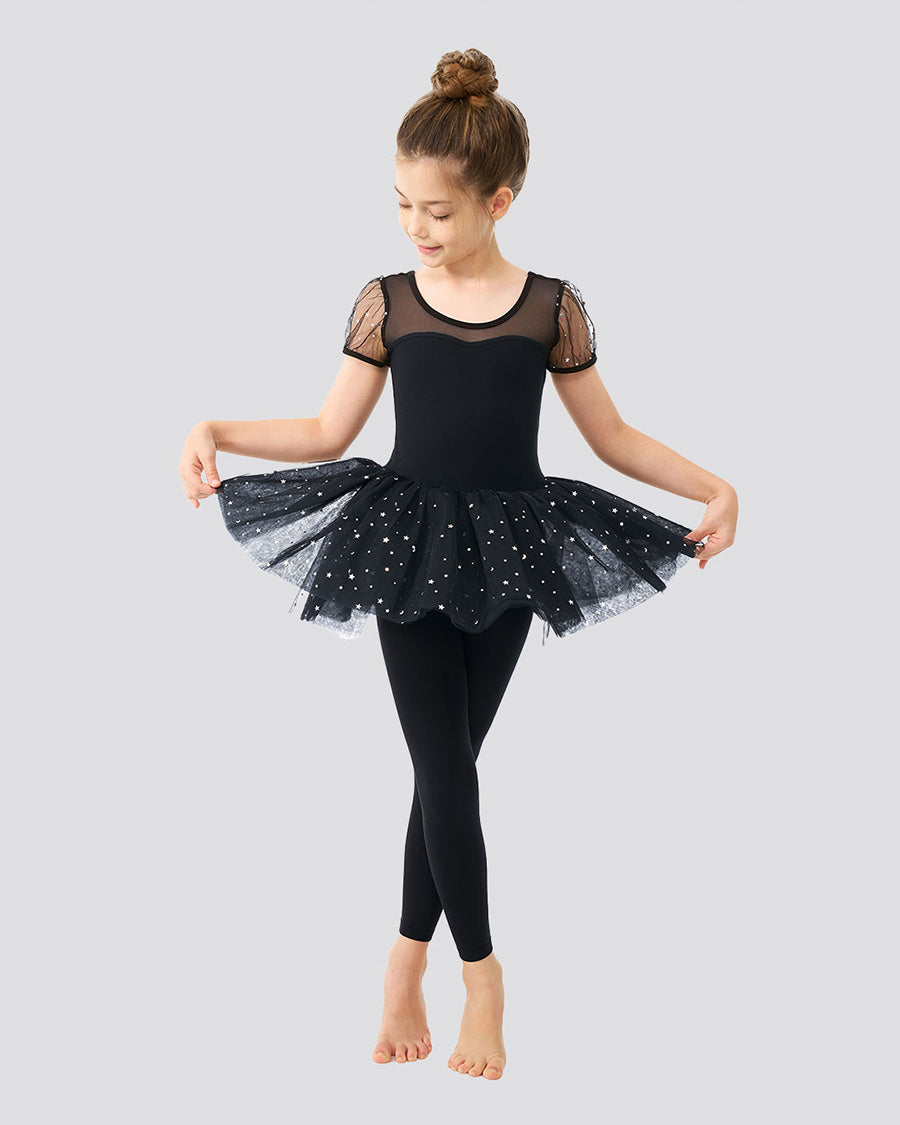
A couple of practical notes. If underwear peeks out of the leg holes, low-rise pairs or snug boyshort styles tend to stay hidden. And if your child is recently potty trained, familiar underwear can make bathroom breaks less stressful, which matters more than a visible line at this age. If you're still shopping for that first outfit, our guide to finding a leotard for girls covers fit, fabric, and styles.
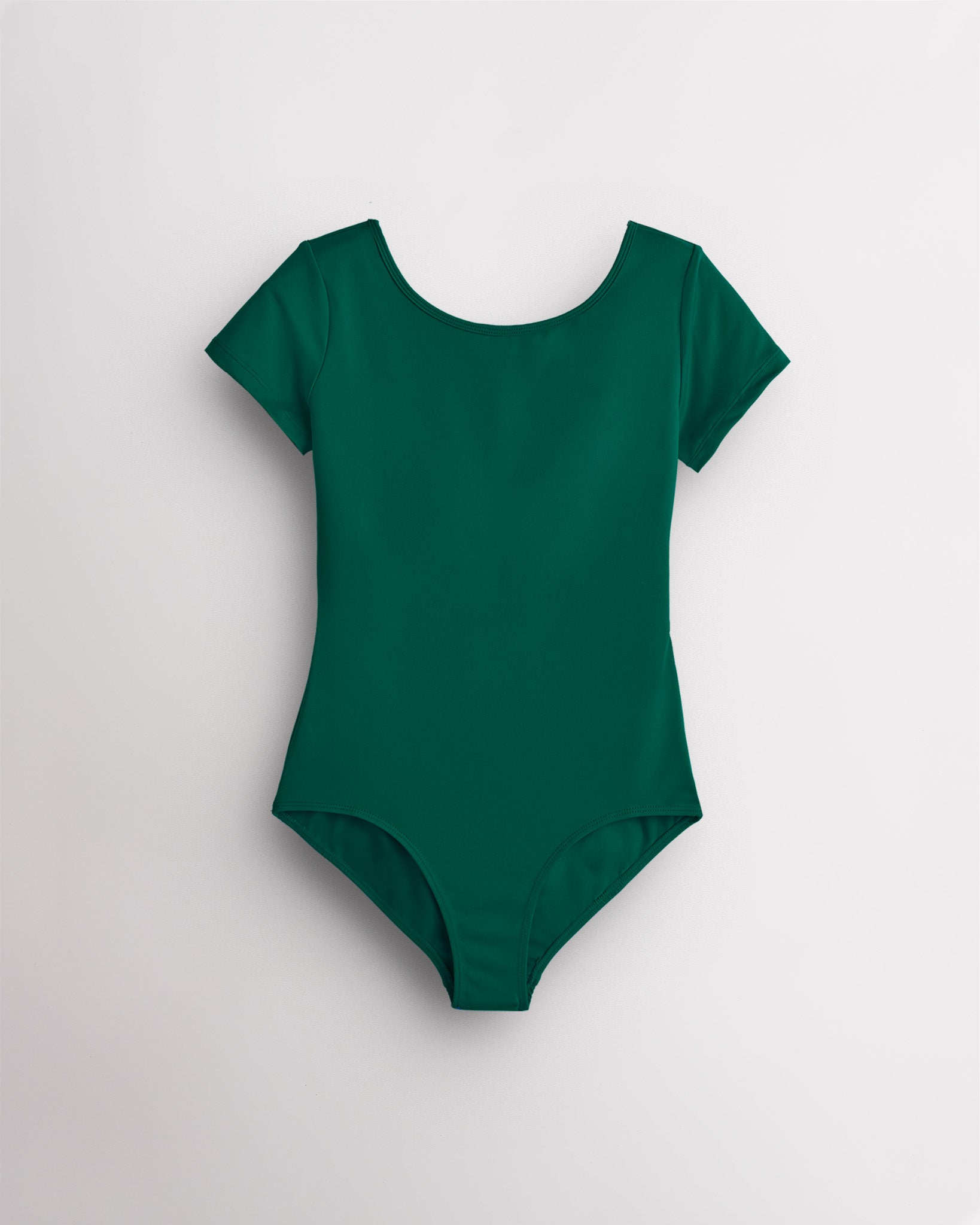
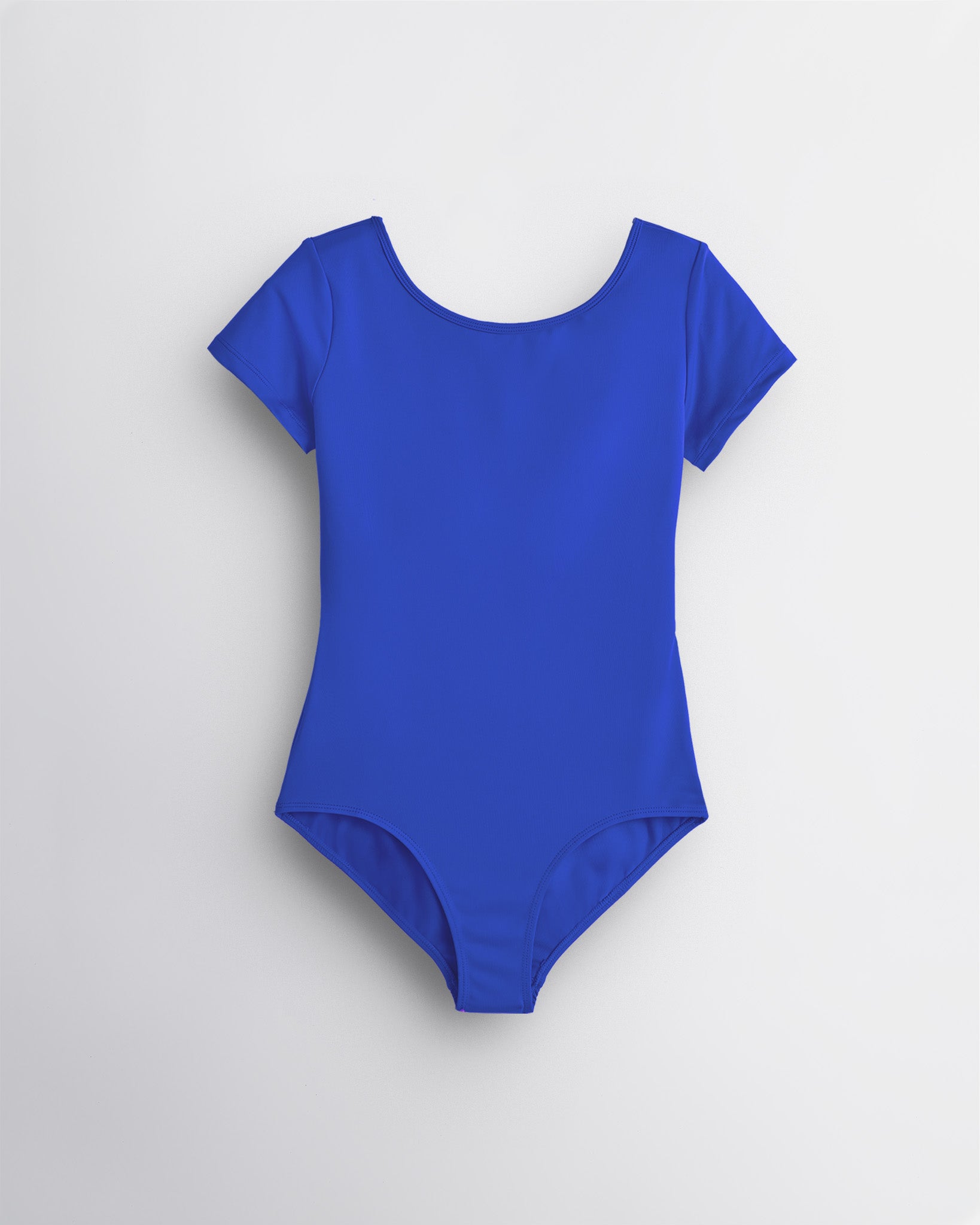
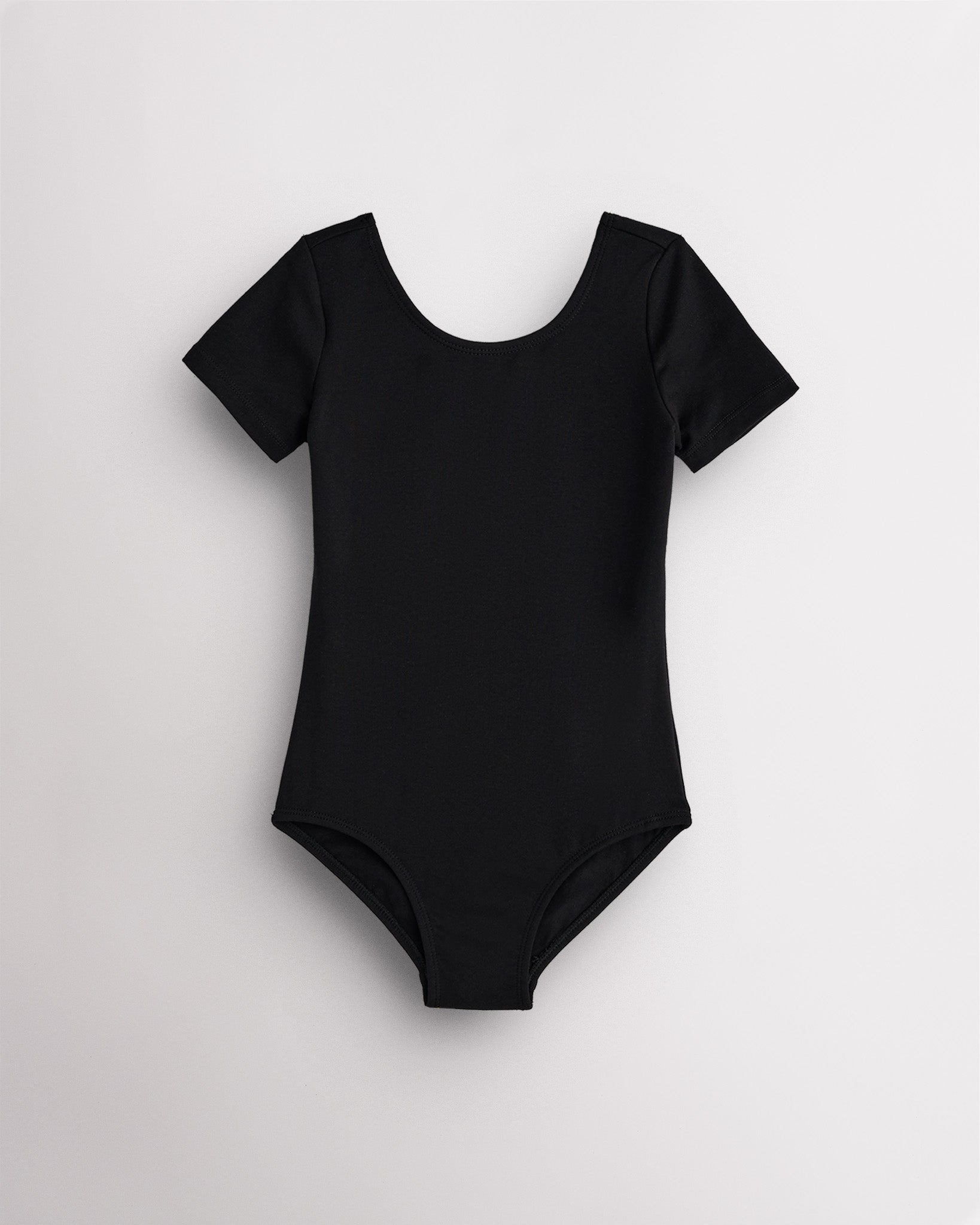
A leotard that fits well also prevents most coverage worries before they start, so it's worth measuring for a dance leotard rather than guessing from clothing sizes.
Boys: briefs, then a dance belt
Parents of boys get a simpler version of this question. Little boys usually wear briefs or nothing under the typical tee-and-tights or leotard setup, whichever feels comfortable. Older boys wear a dance belt, a supportive undergarment made for male dancers, and studios typically require one once training reaches a certain level; the teacher will say when it's time.
Tweens and teens: purpose-made layers
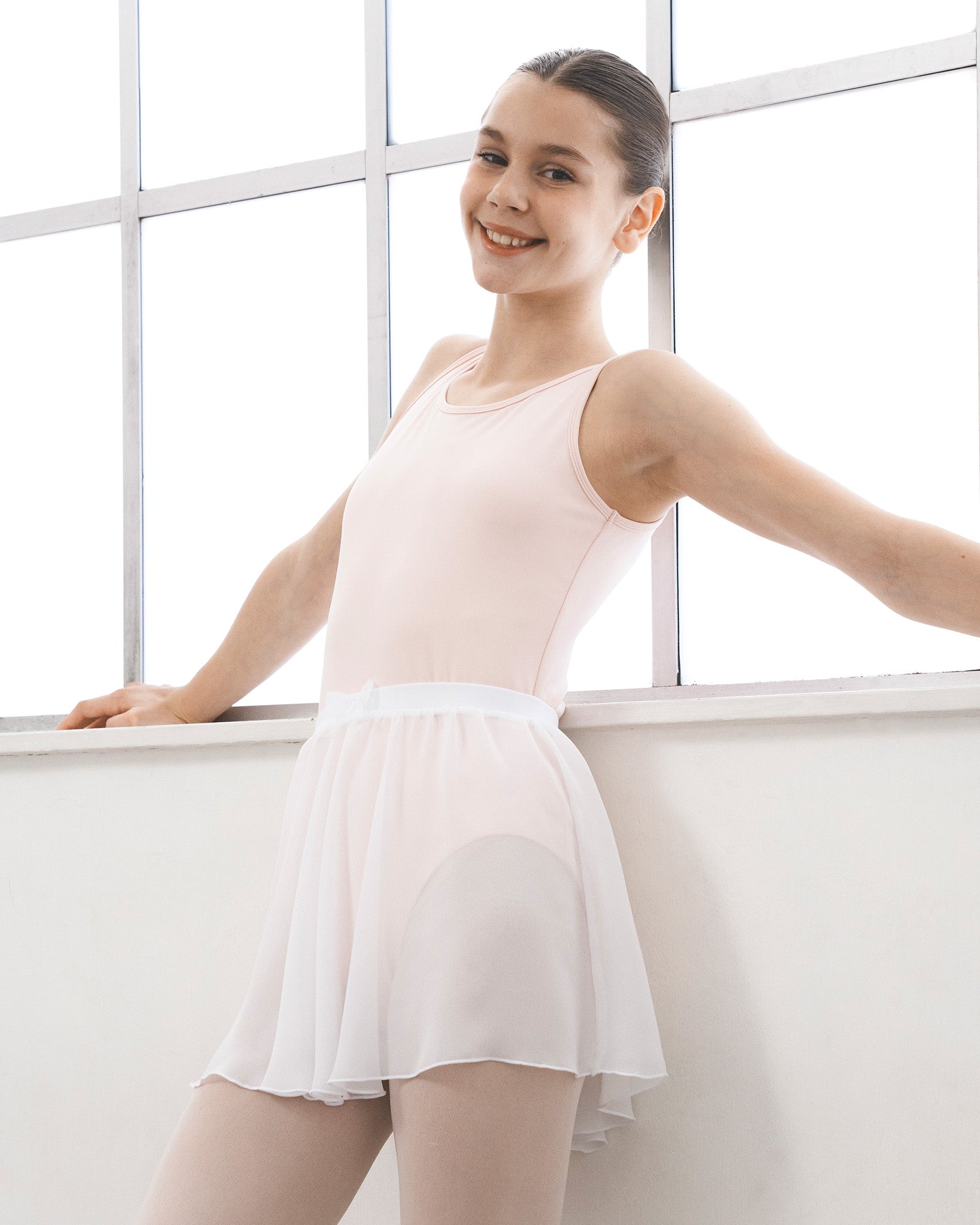
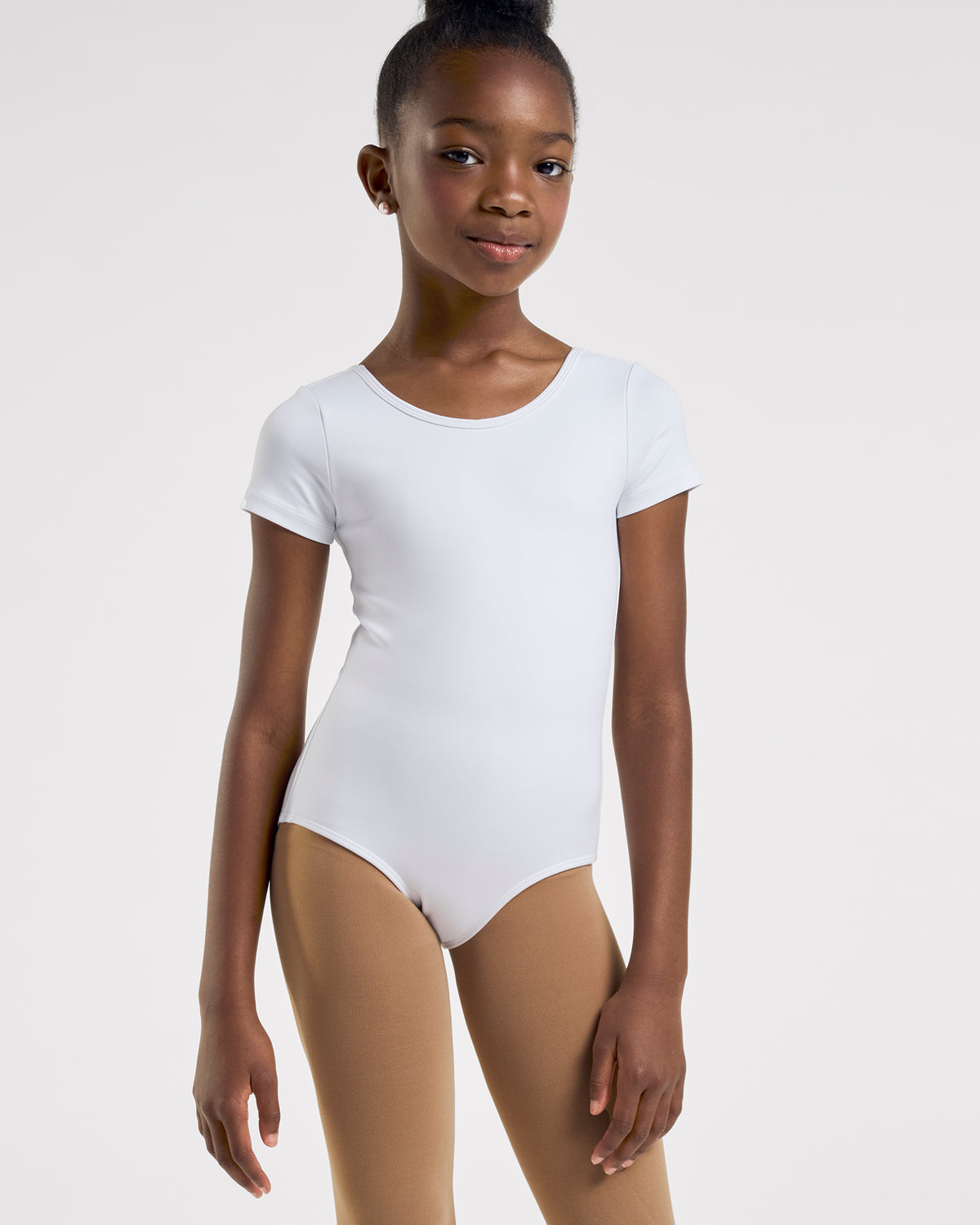
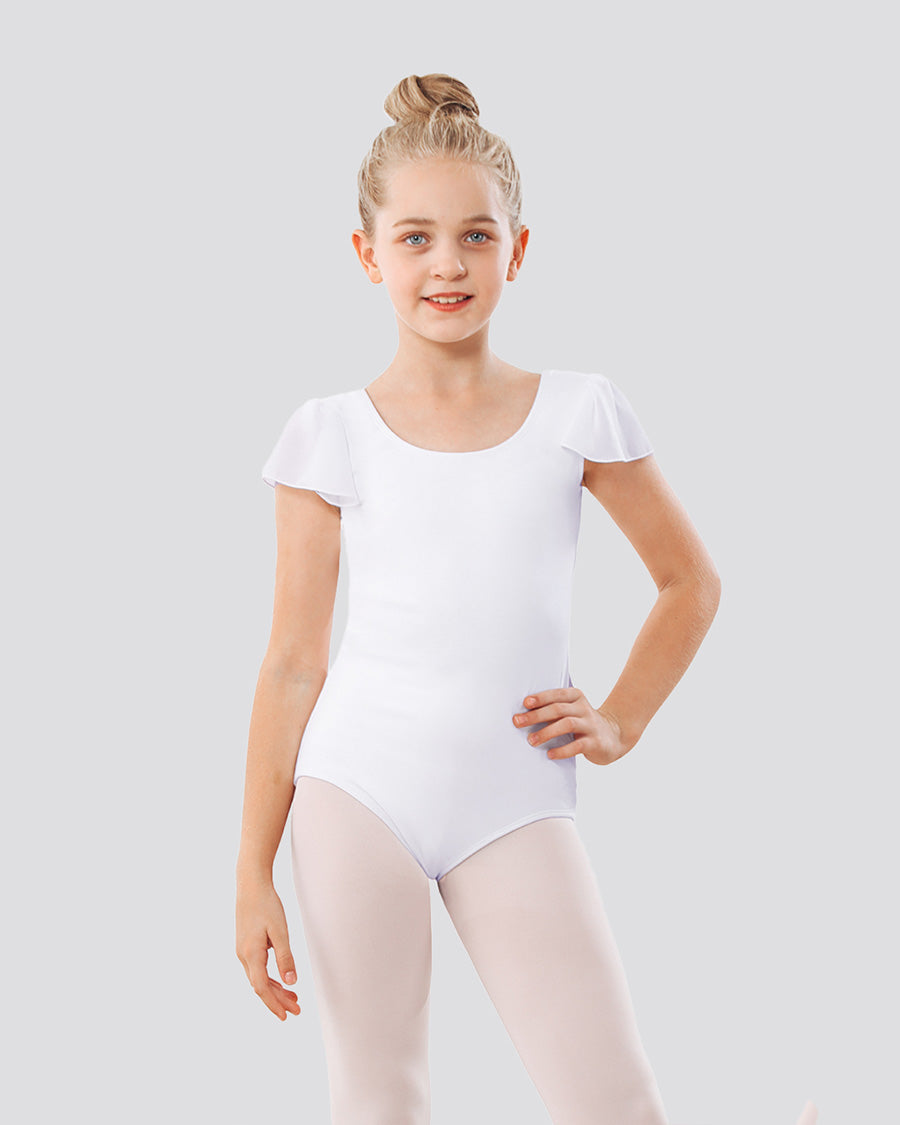
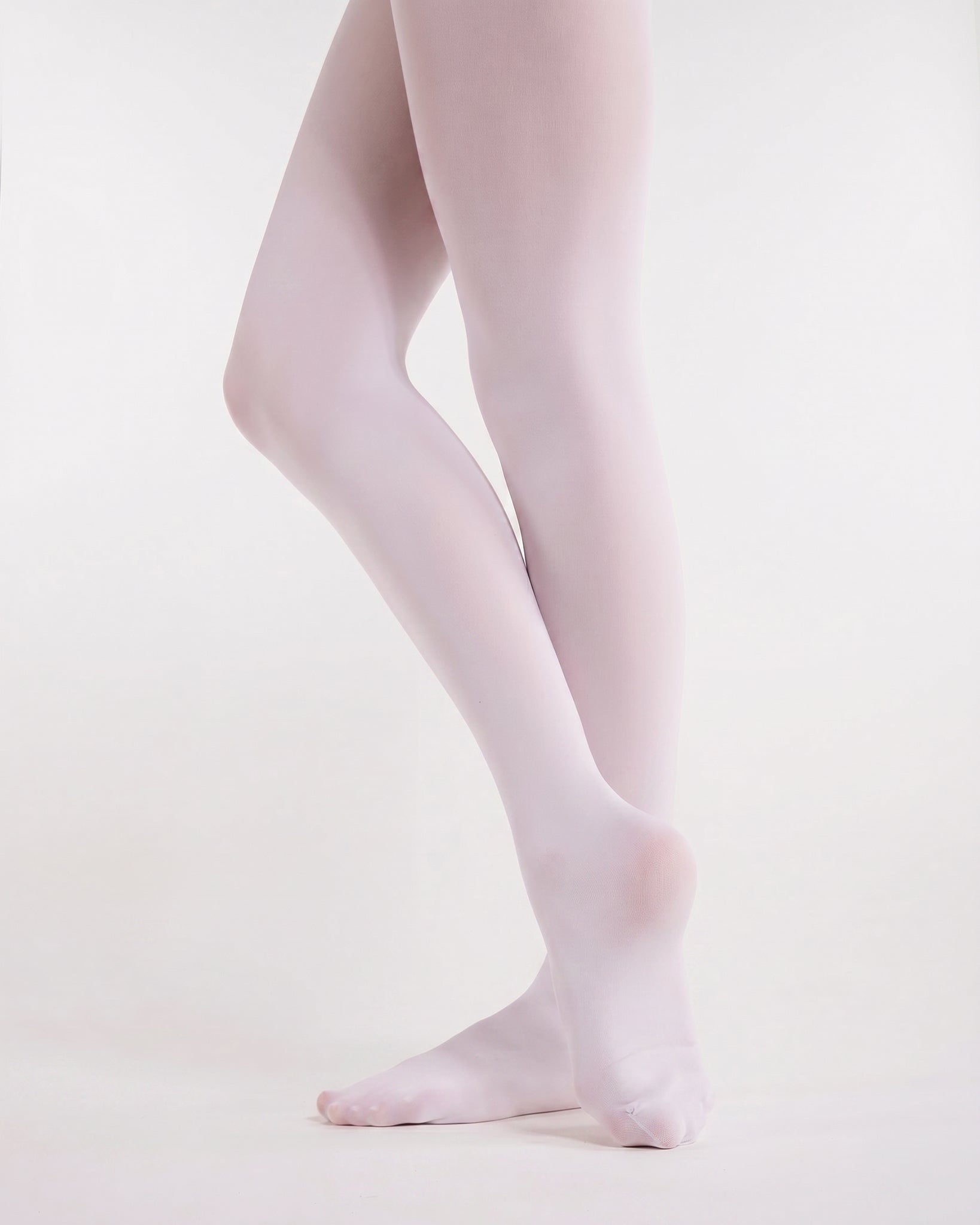
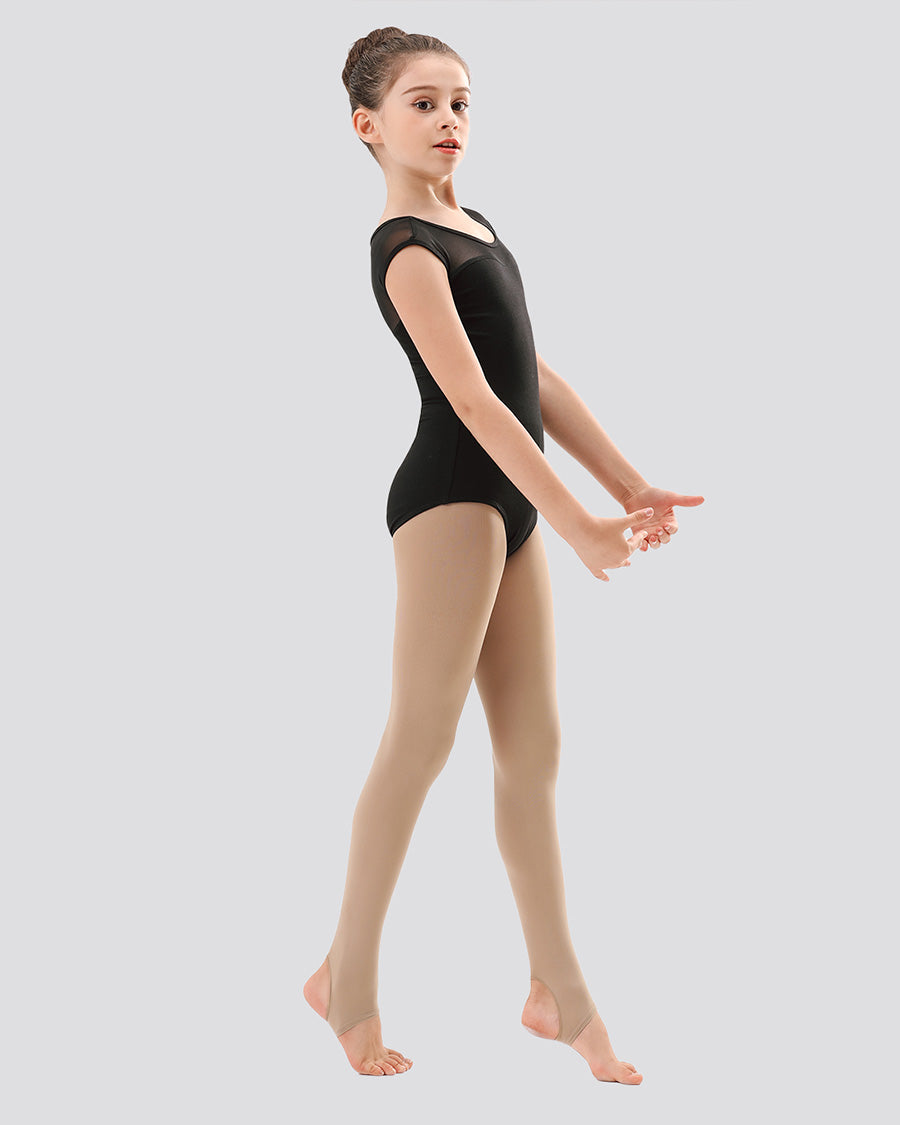
As dancers grow, most settle into the convention that tights are the underwear layer. That isn't just forum lore. Formal dress codes say it plainly; the Peabody Preparatory dance program at Johns Hopkins, for example, states that tights act as underwear and should be worn under the leotard, with undergarments kept out of sight.
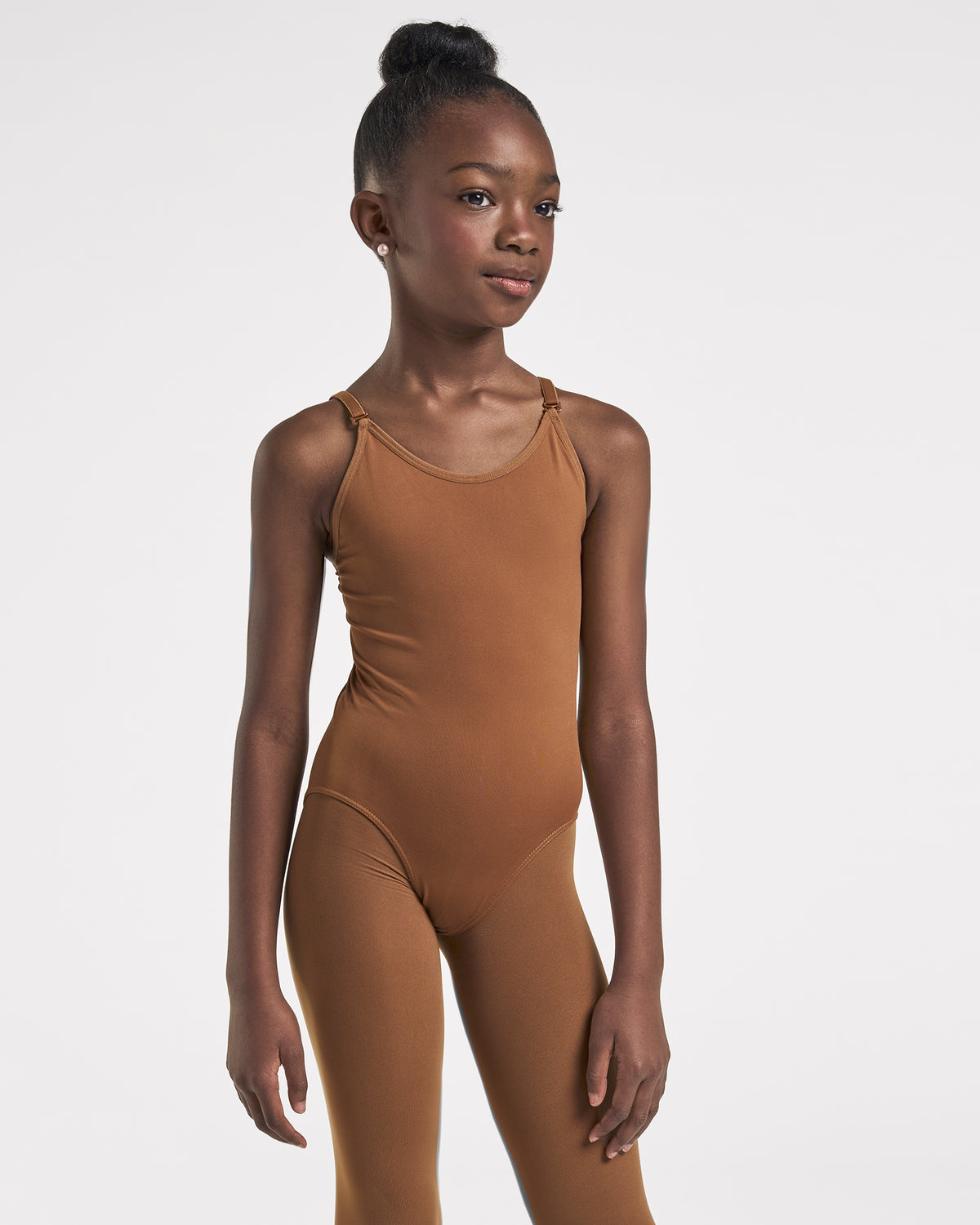
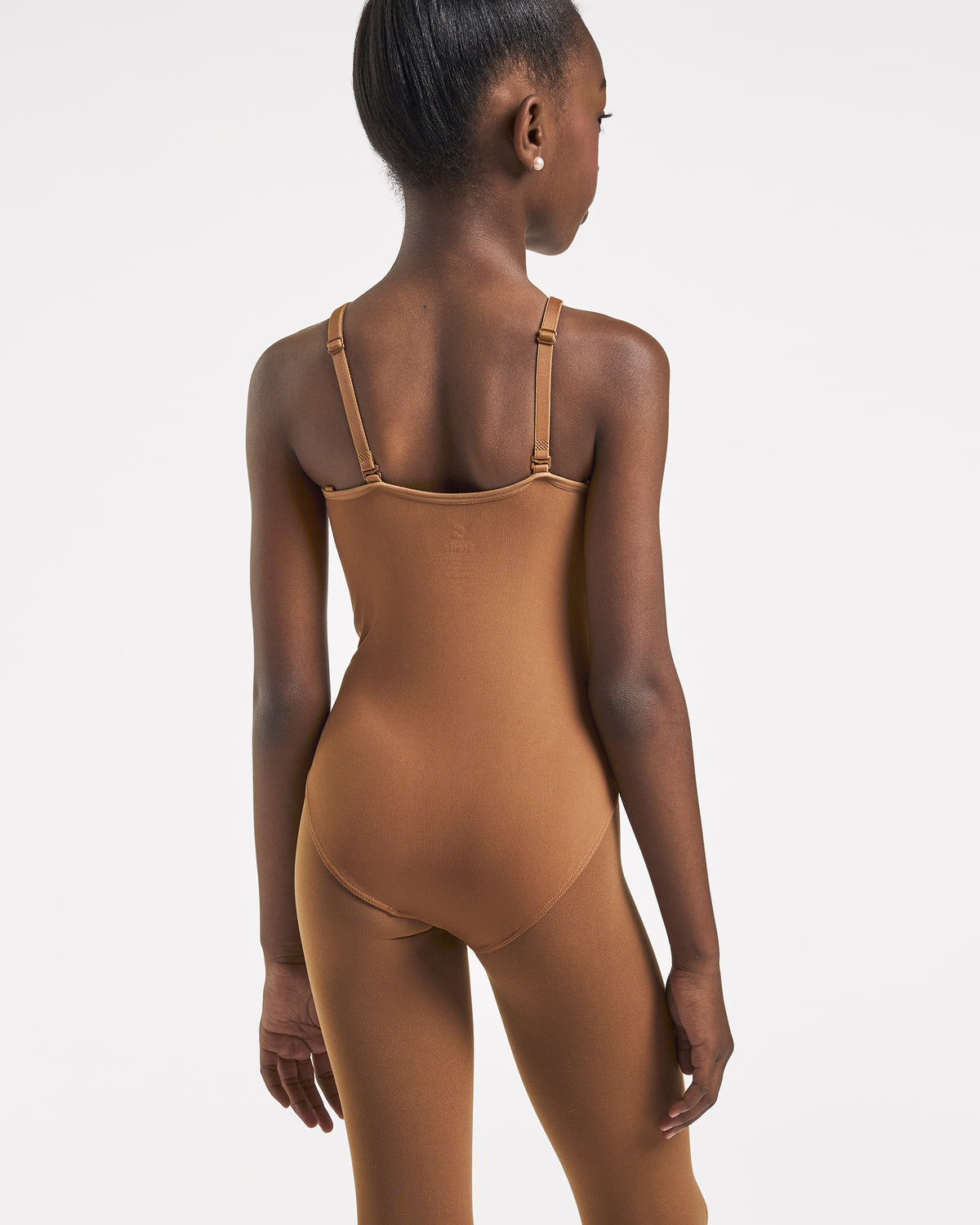
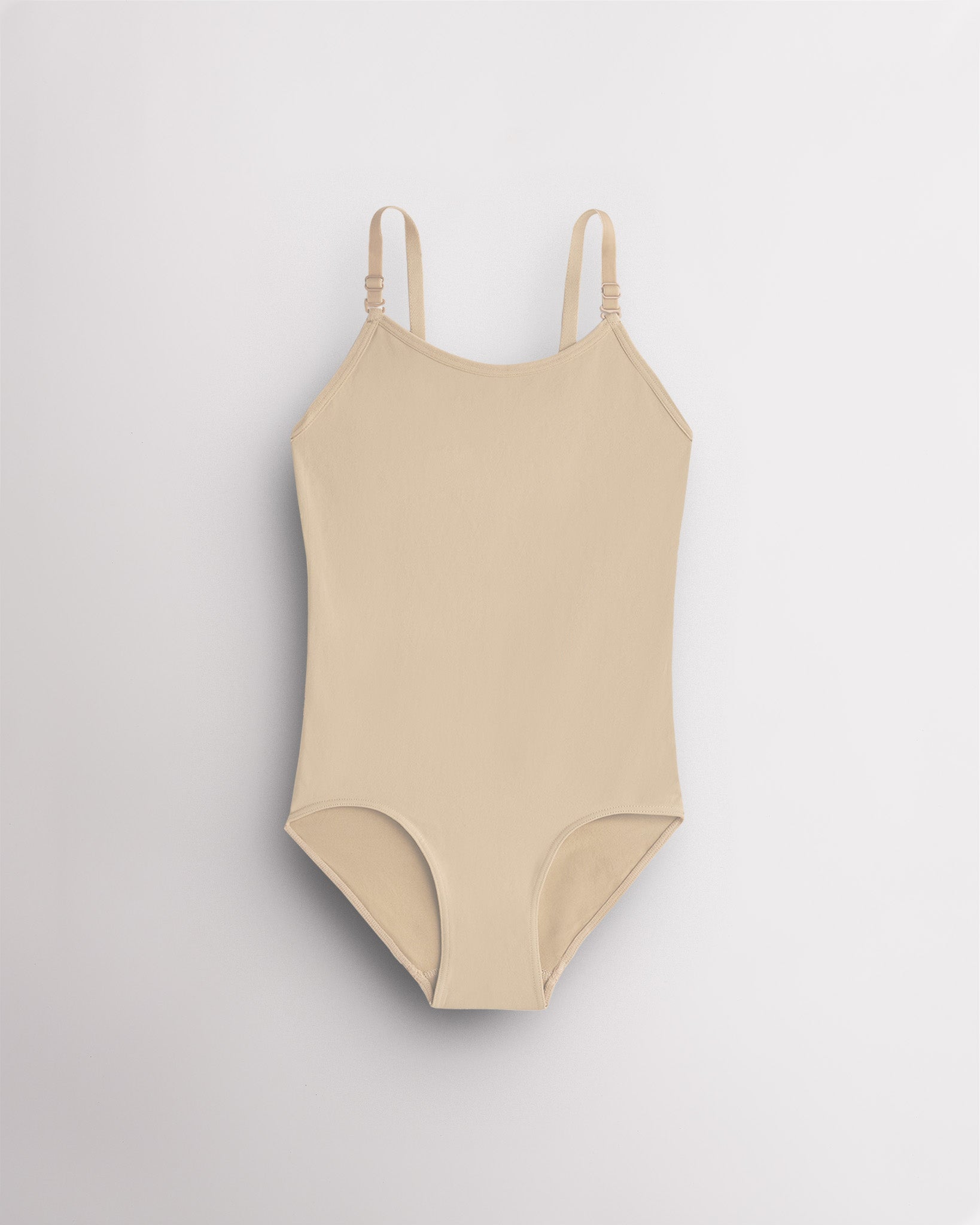
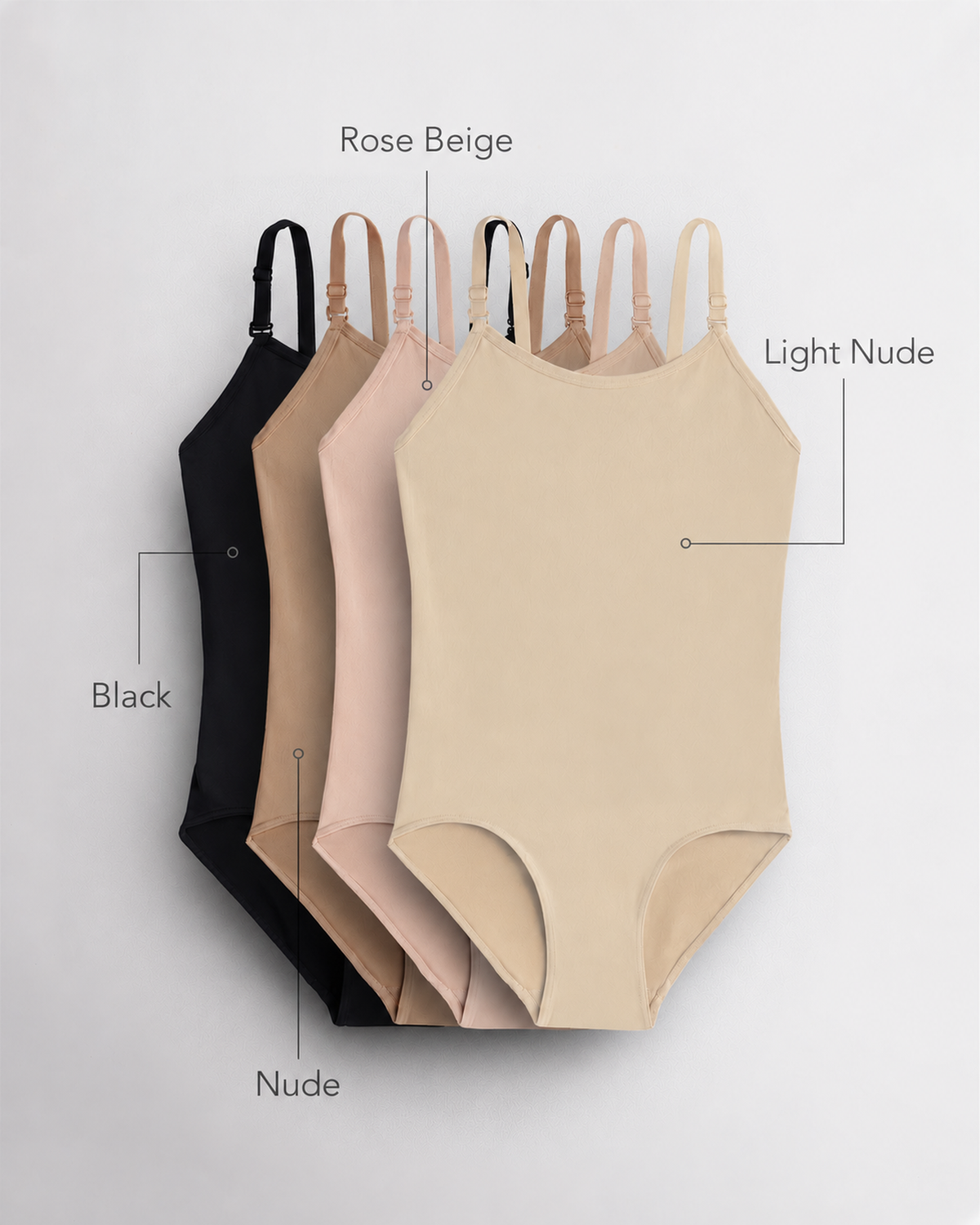
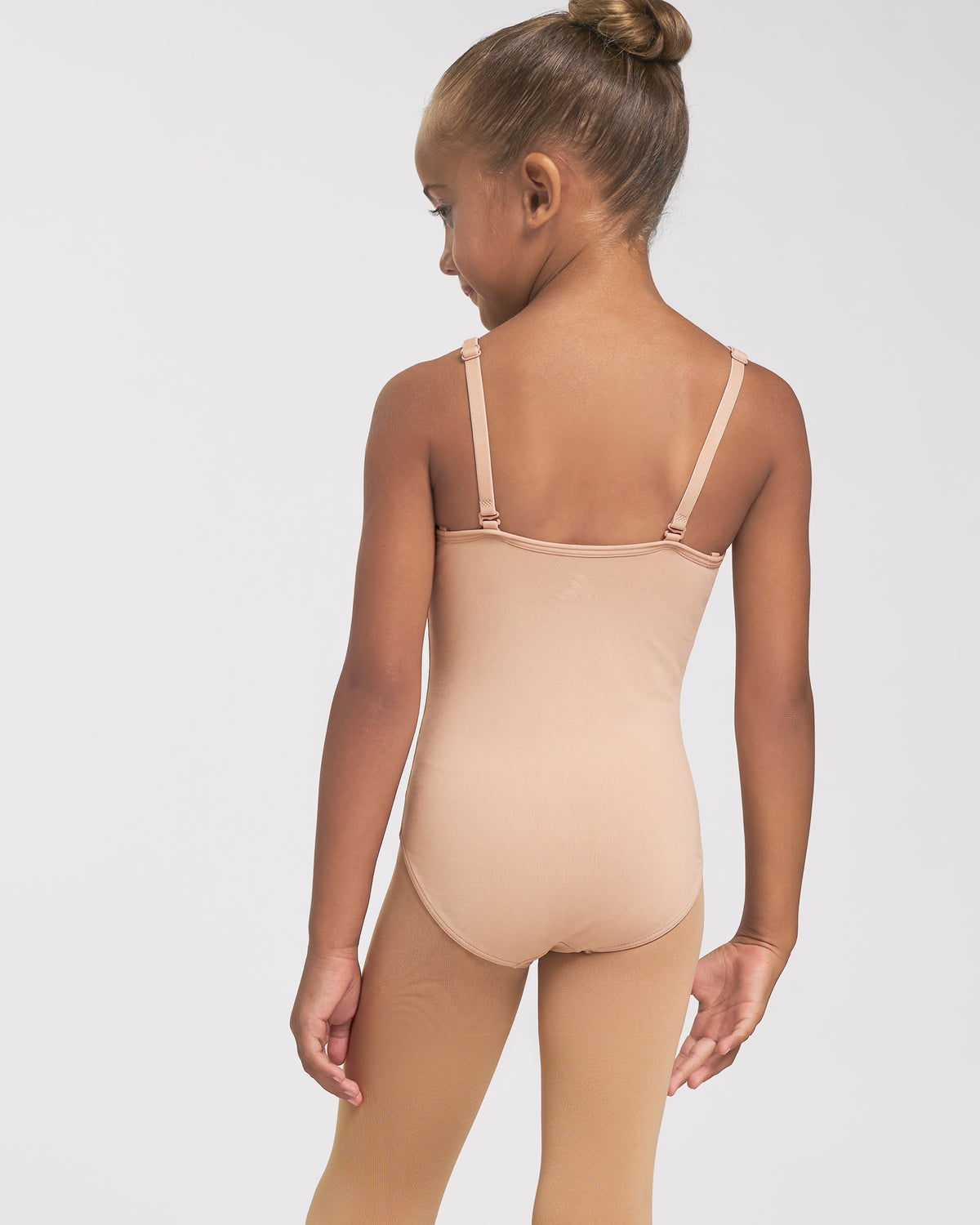
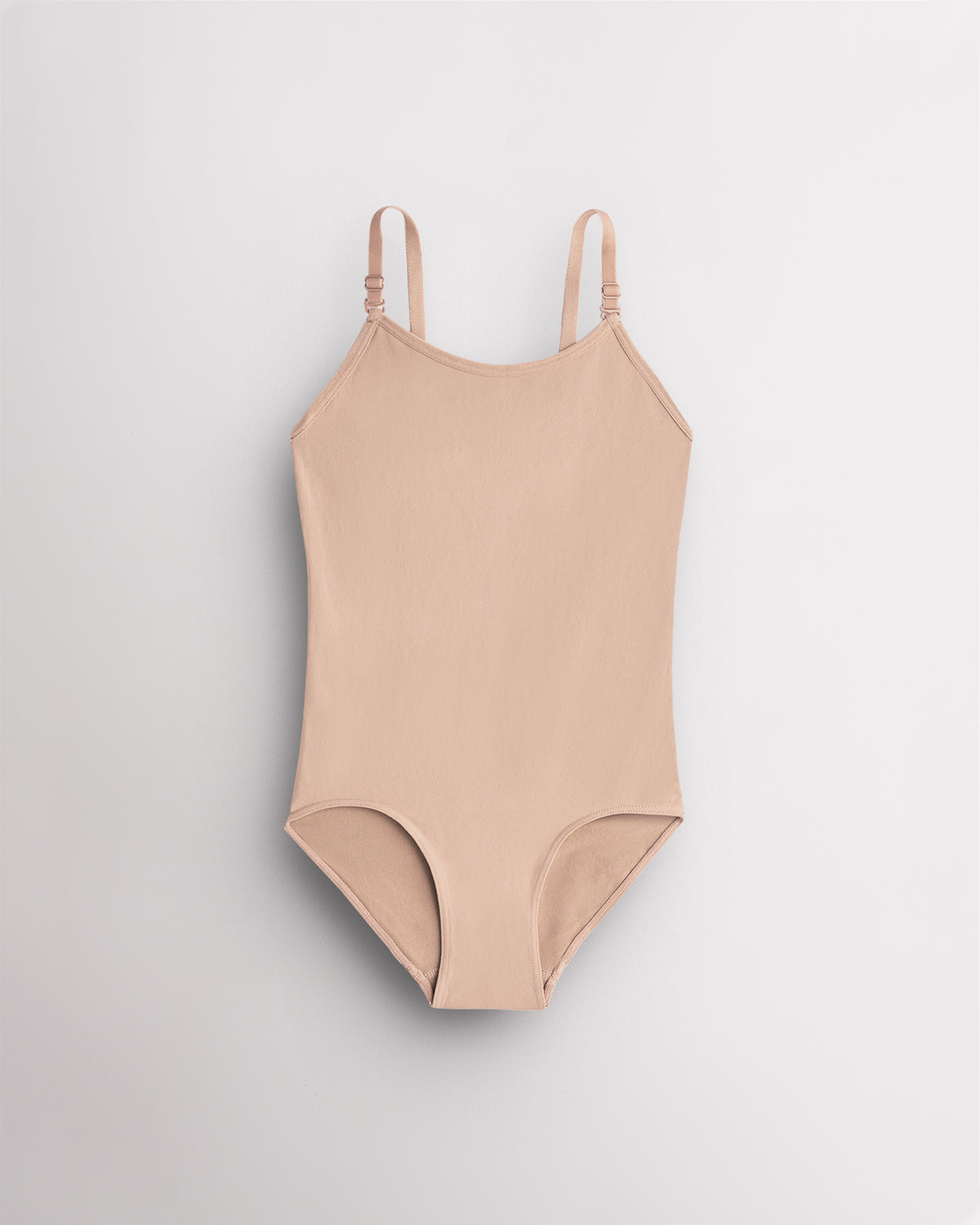
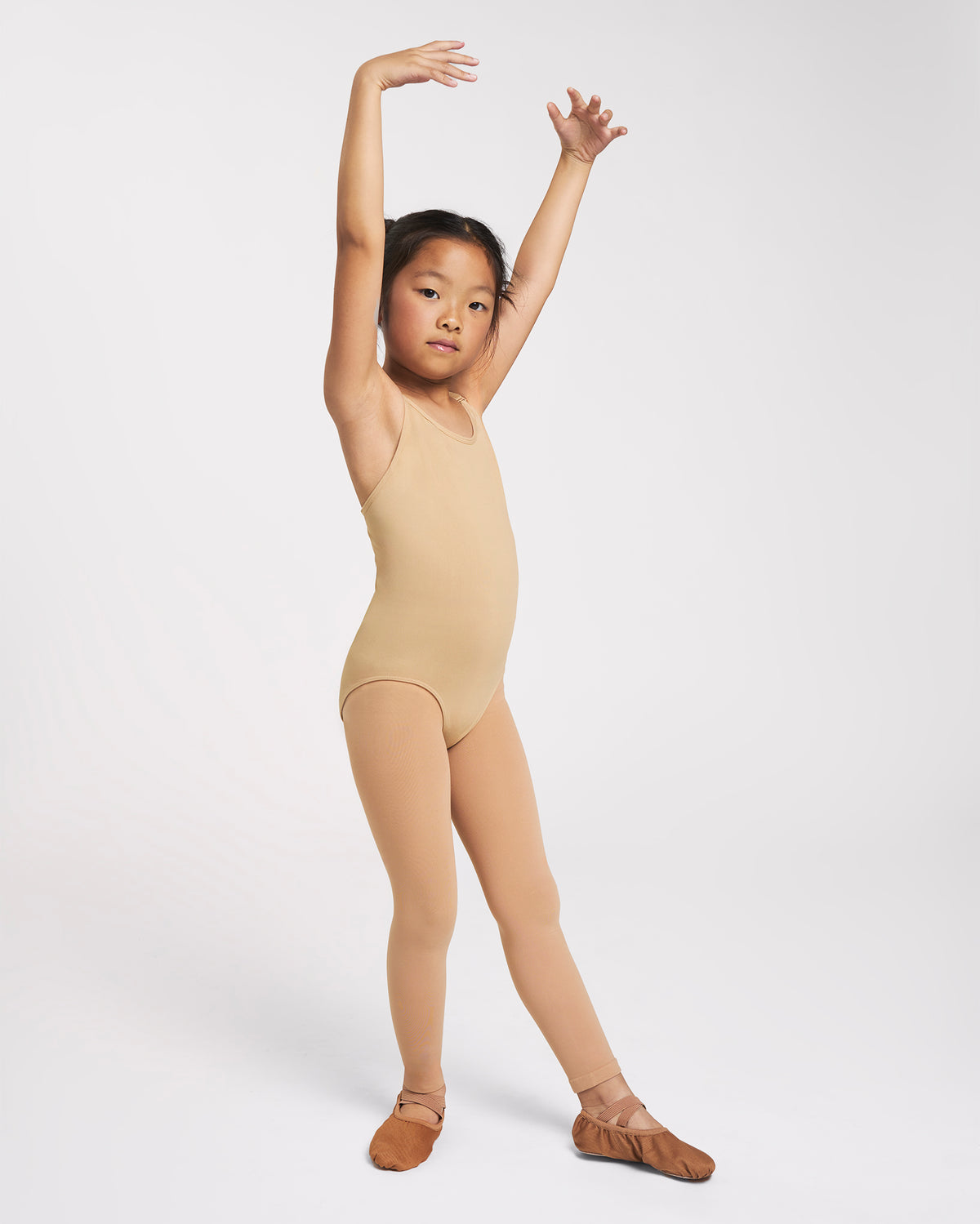
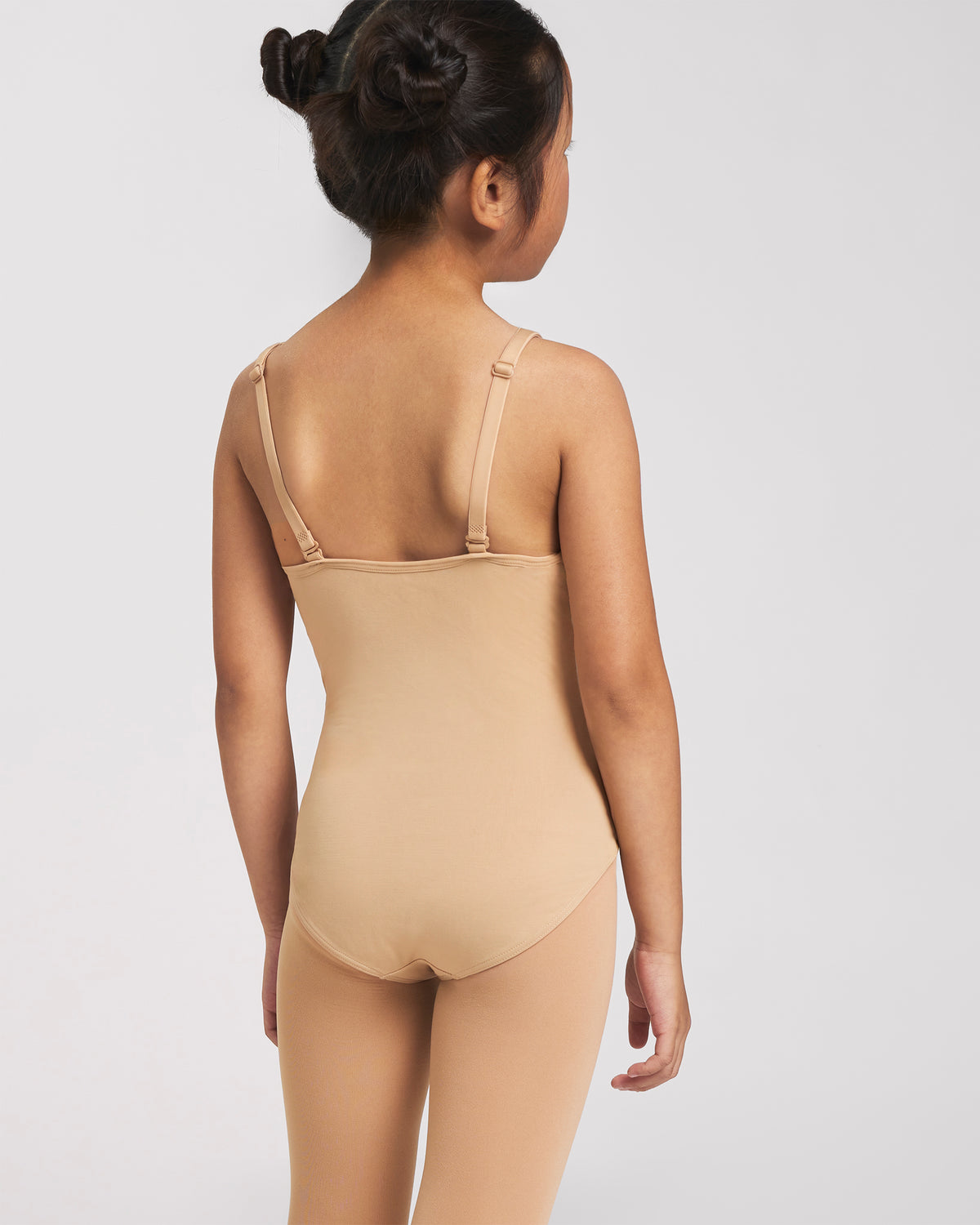
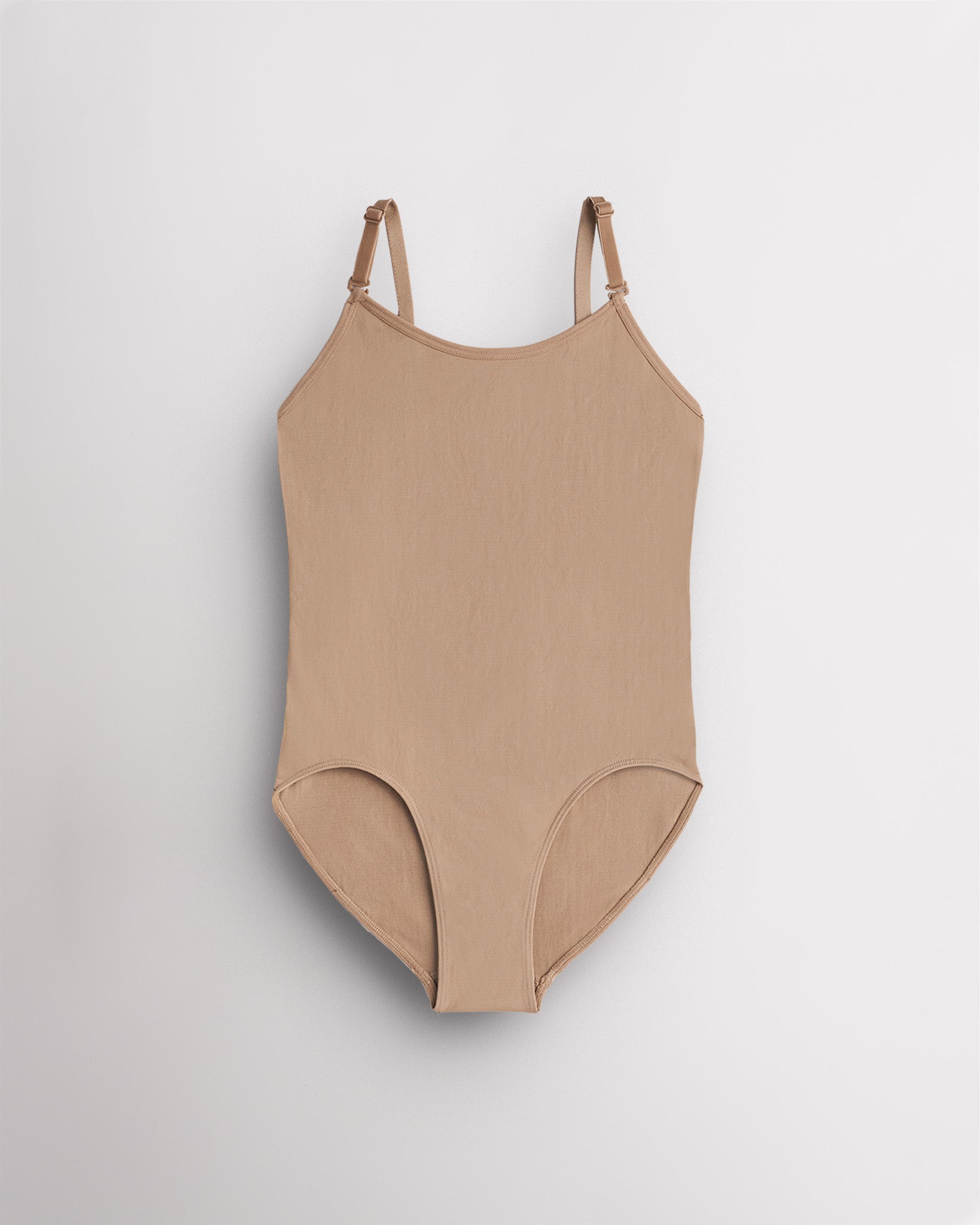
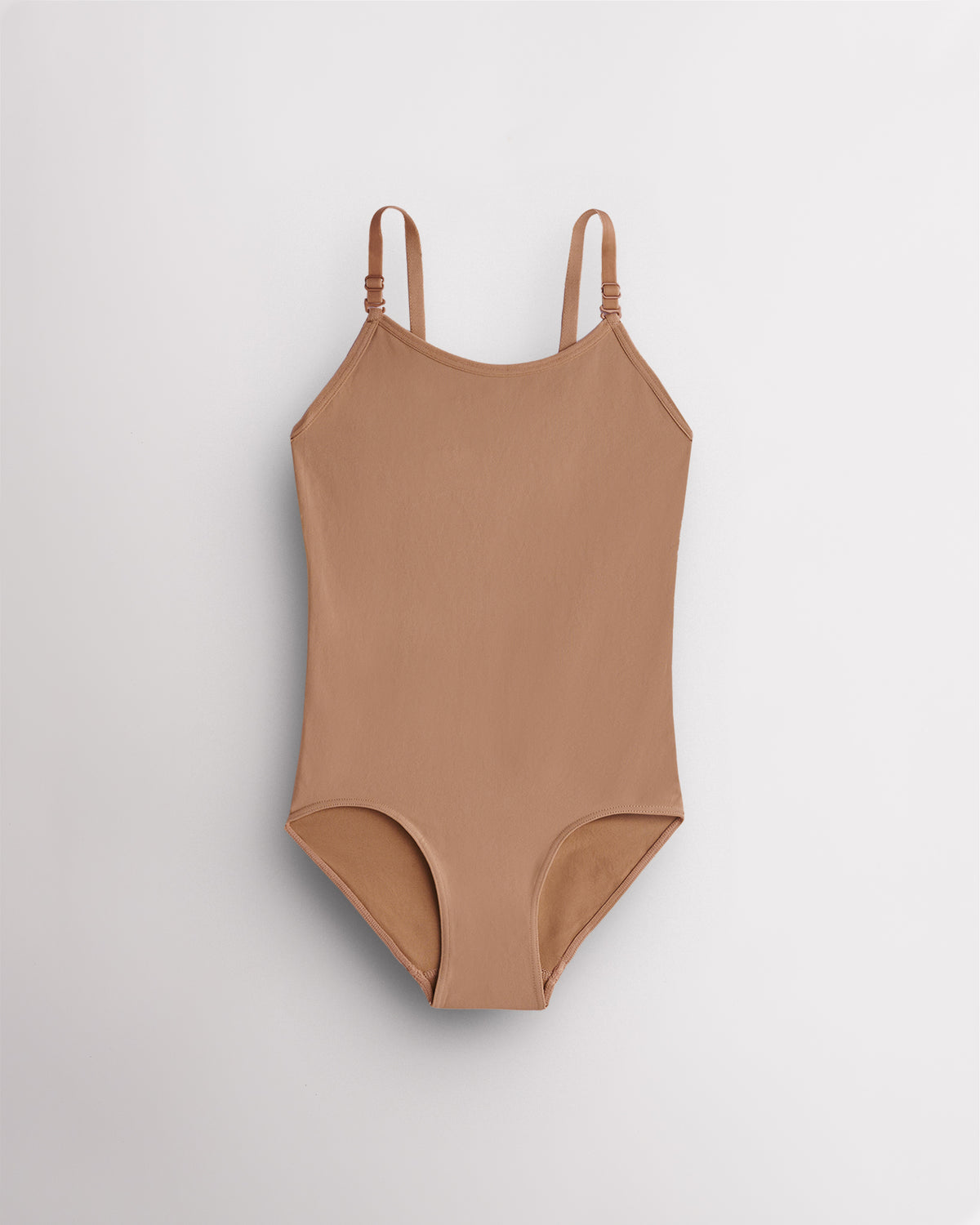
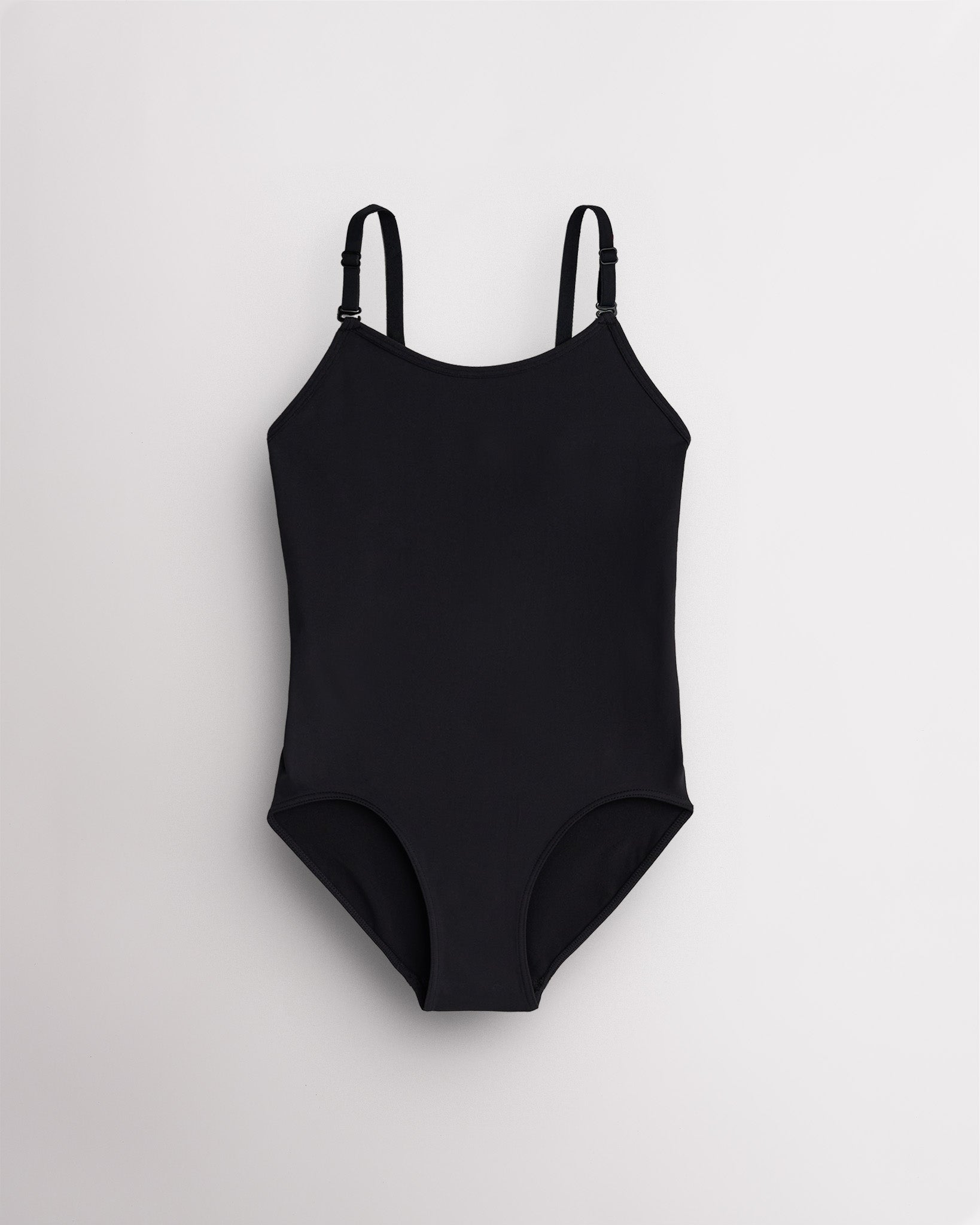
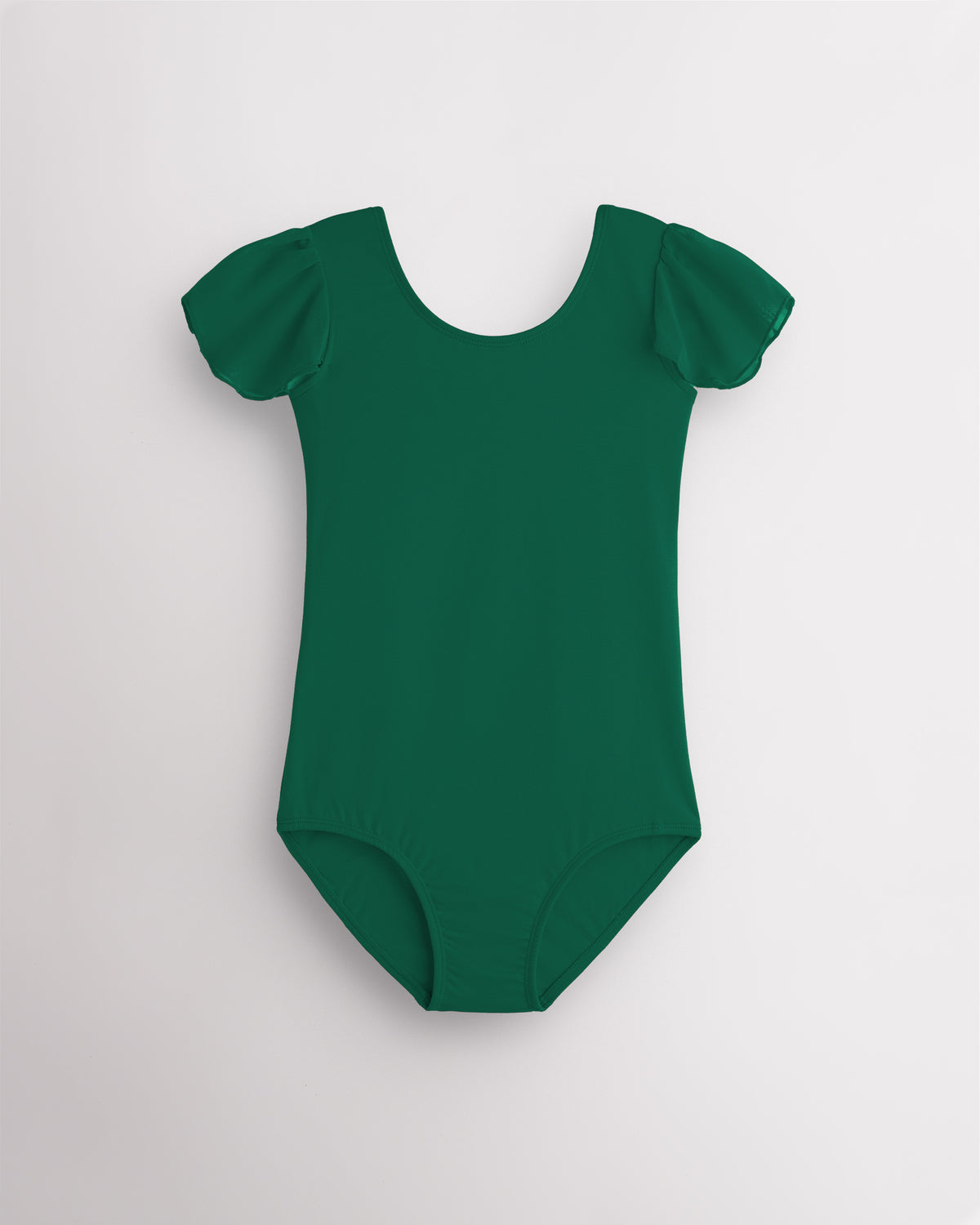
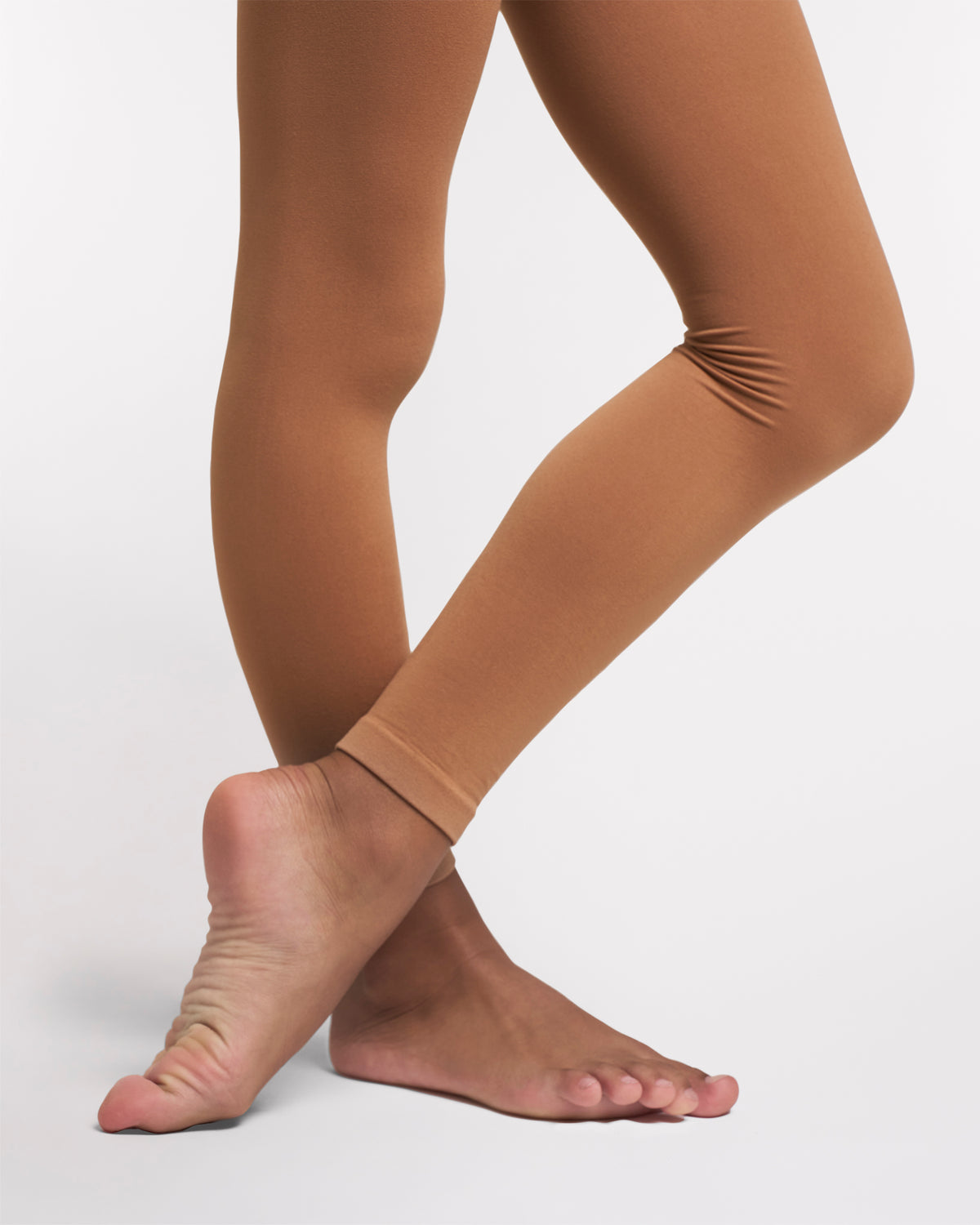
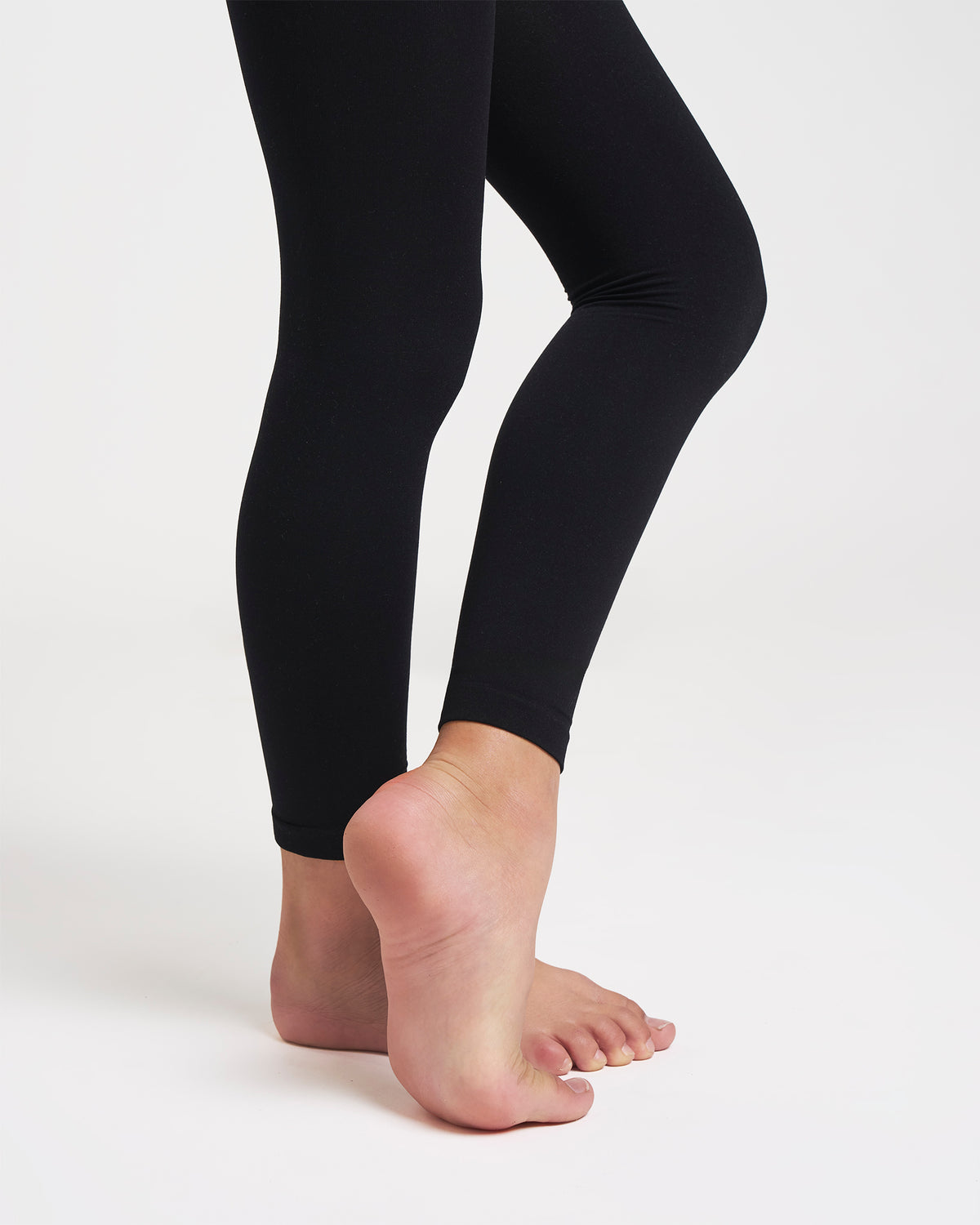
For dancers who prefer a layer anyway, dance undergarments are made for exactly this job. Dance briefs are cut higher in the leg with flat edges, so they disappear under a leotard the way everyday cotton underwear often doesn't; size them to your dancer's regular underwear size, snug but not digging in. Seamless underwear for dance, in a shade close to their skin tone, does the same job. A body liner for dance, which is a thin skin-tone leotard worn under the real one, adds full coverage and earns its keep during costume changes.
A quick word on hygiene
This is the sub-question behind most forum threads, so let's settle it. Tights and leotards sit against the skin the same way swimsuits and sports bras do, and they go in the wash after each wear. Dance tights are made with lined gussets for exactly this reason. Skipping regular underwear is not less clean when the garment is washed each time; a fresh pair of tights is doing the same job a fresh pair of underwear would.
Tights Over or Under the Leotard?
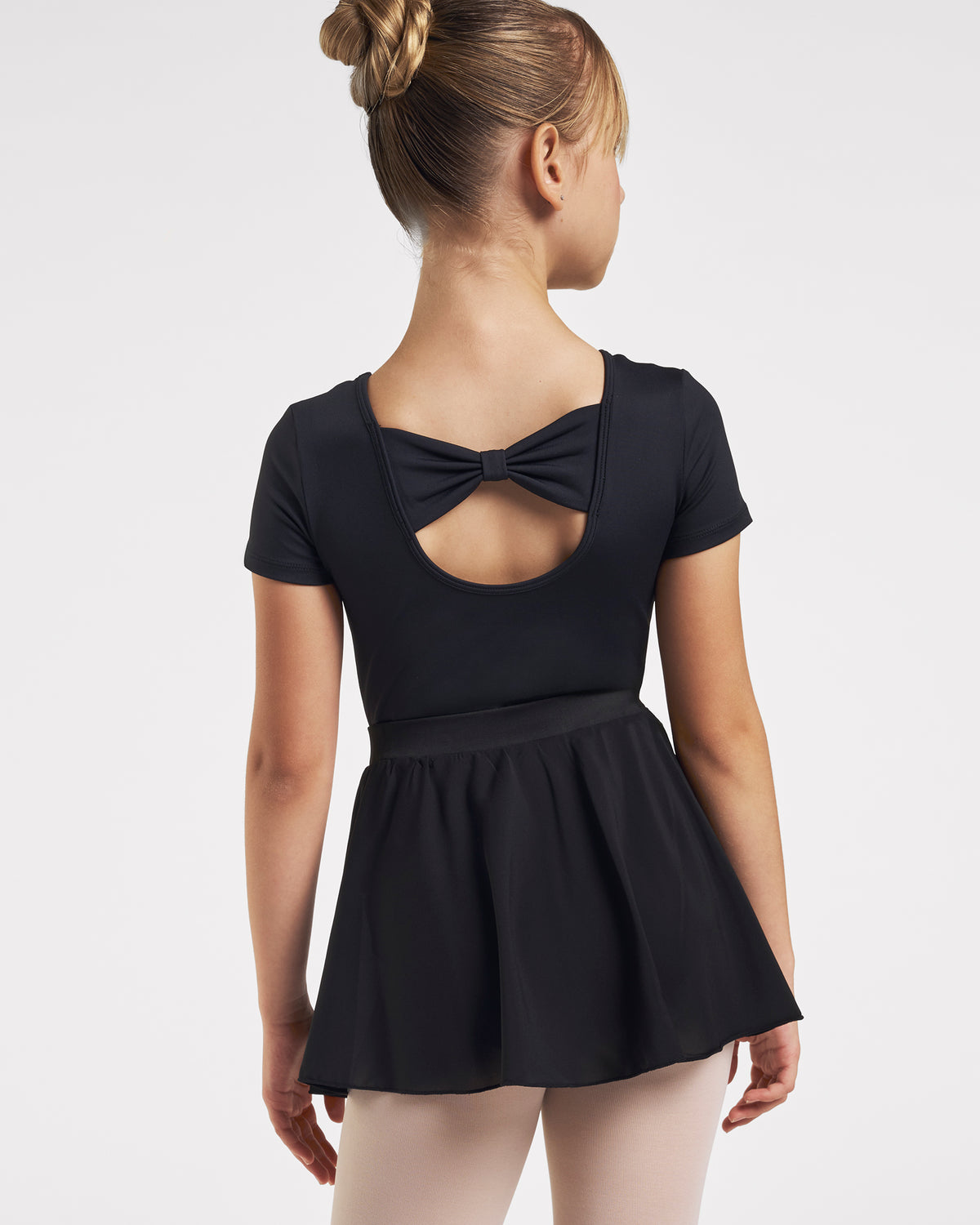
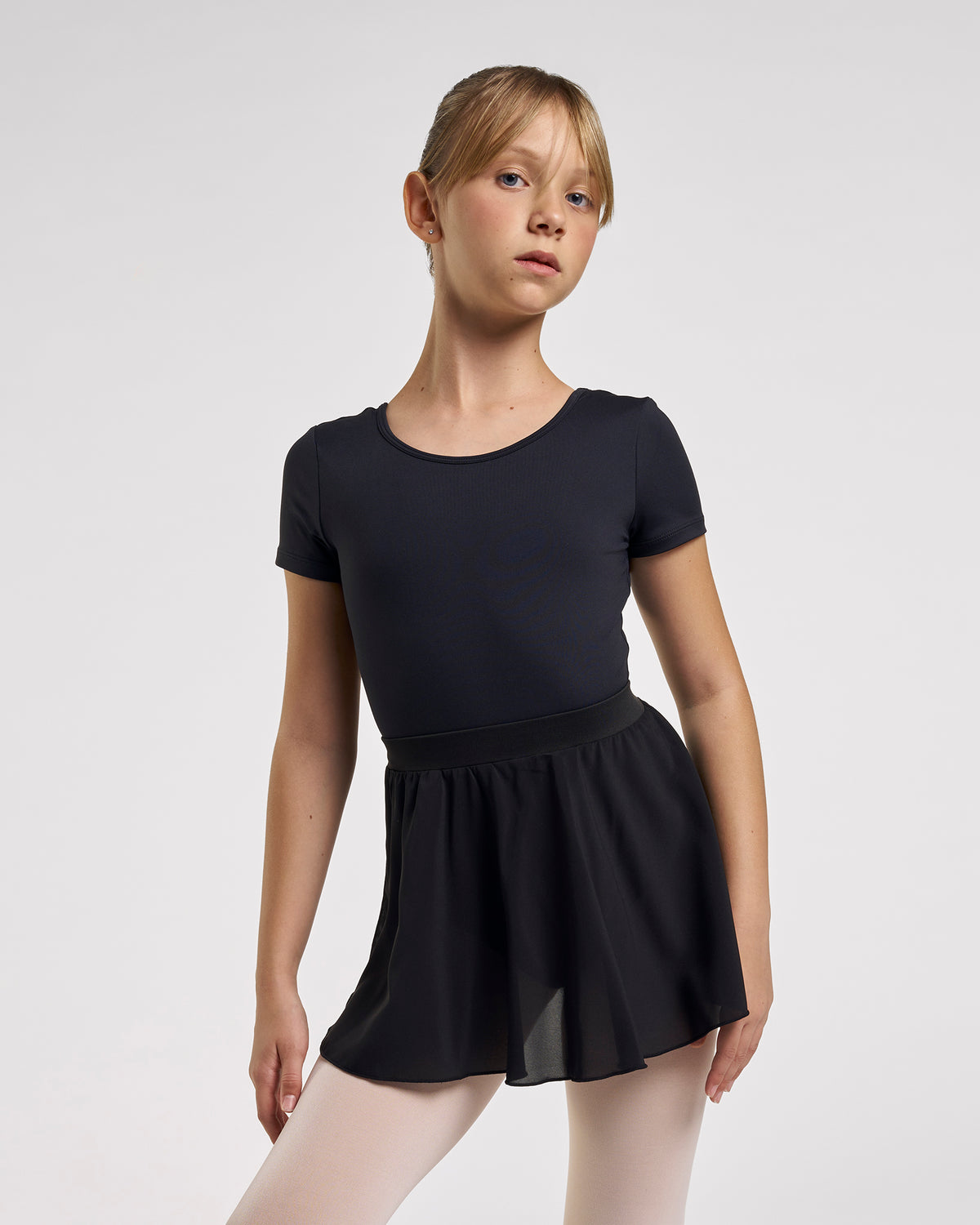
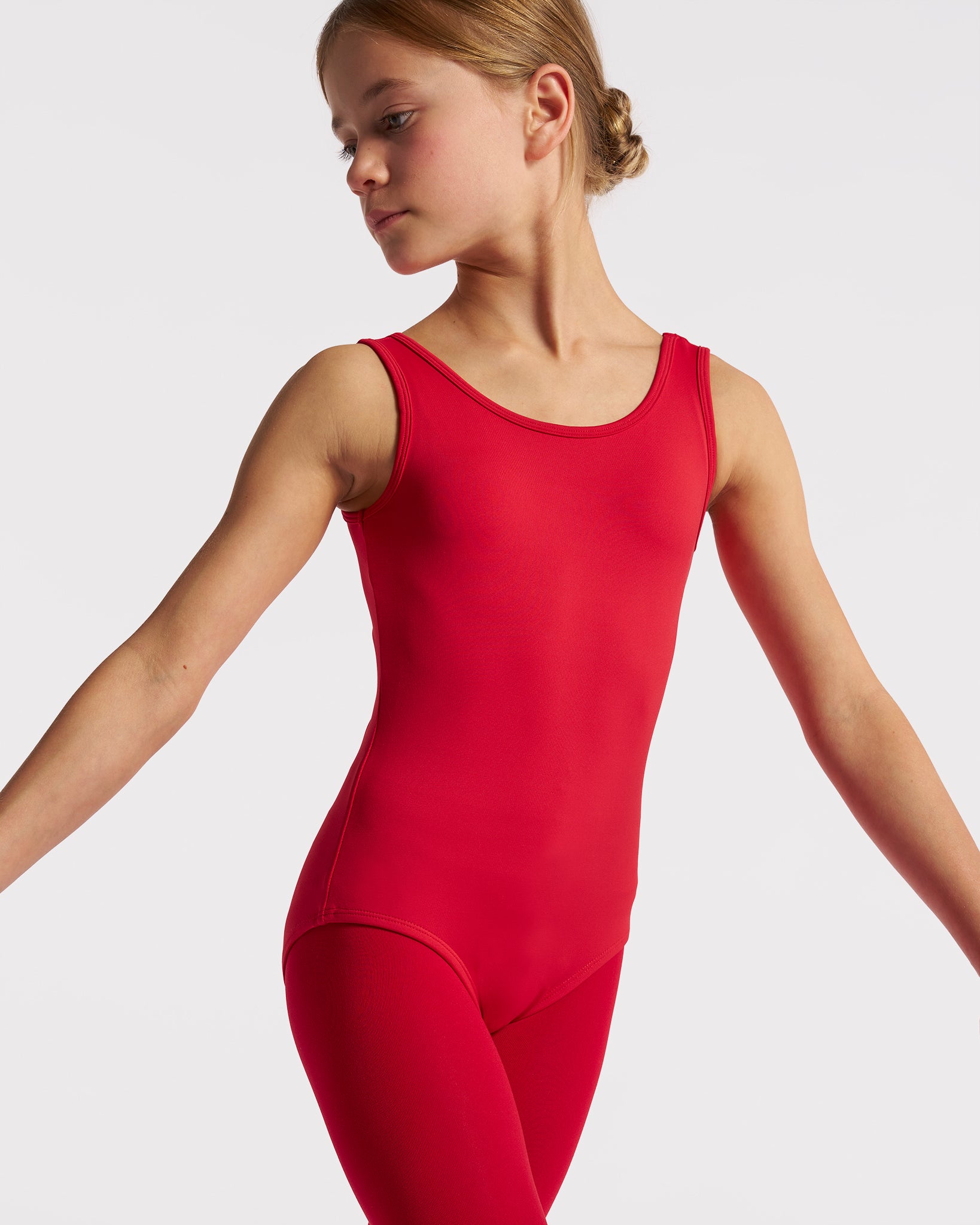
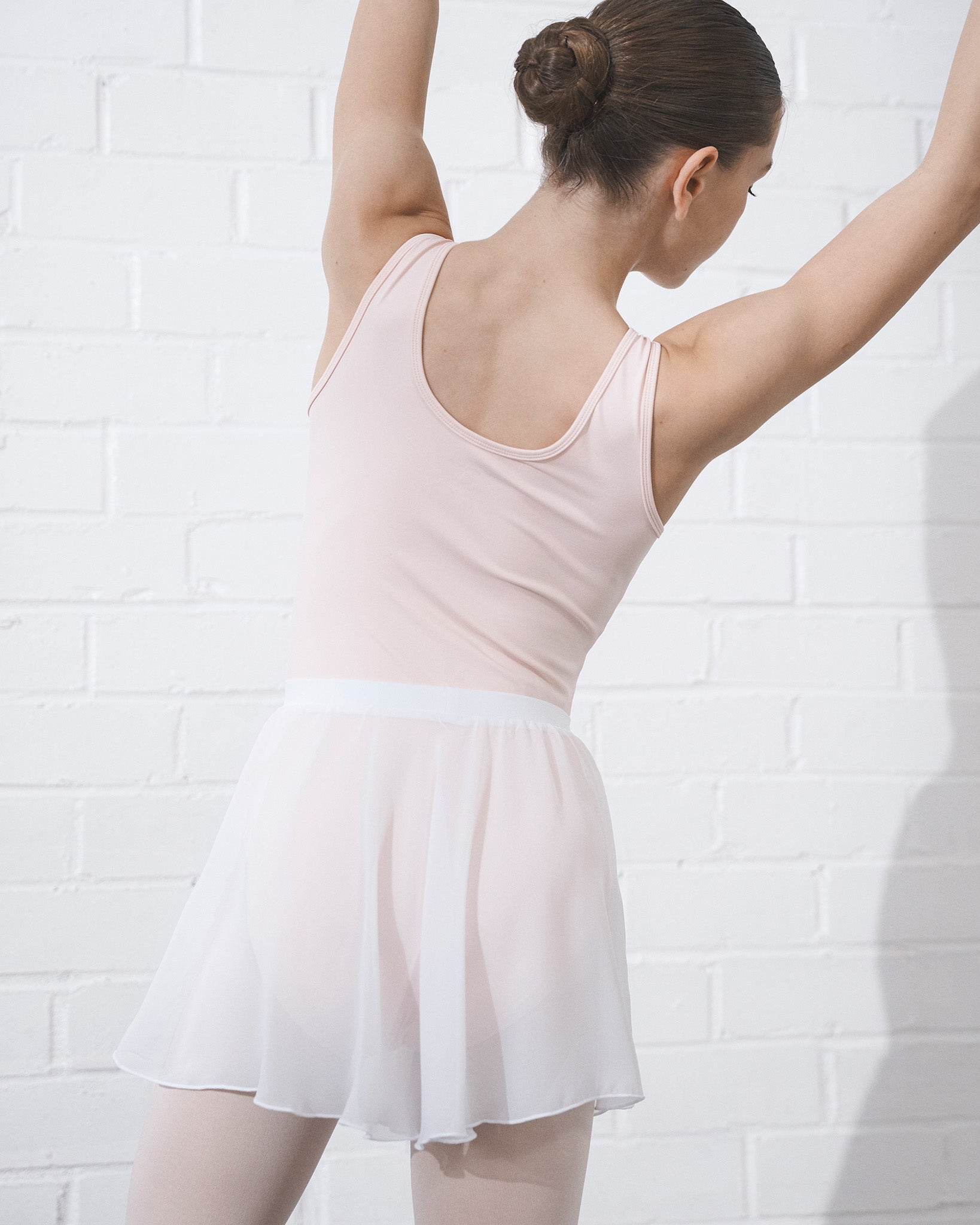
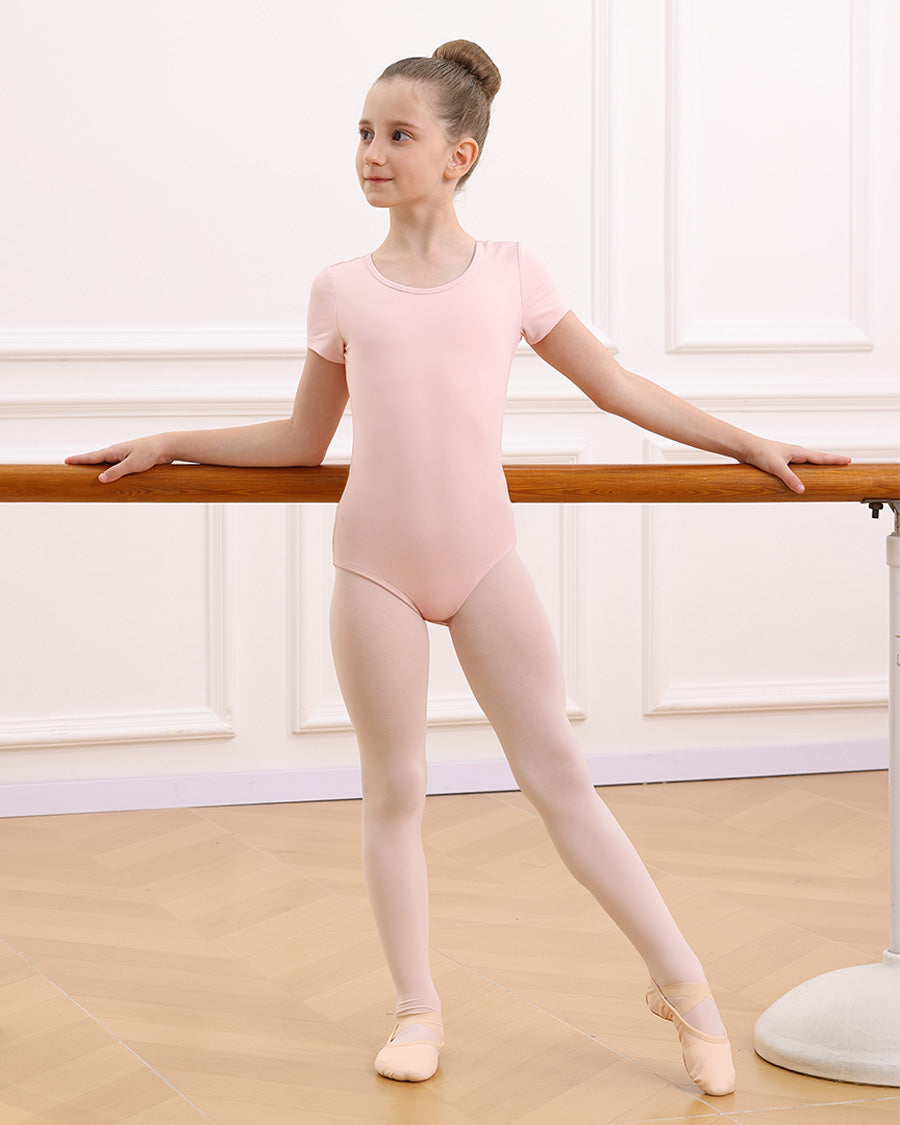
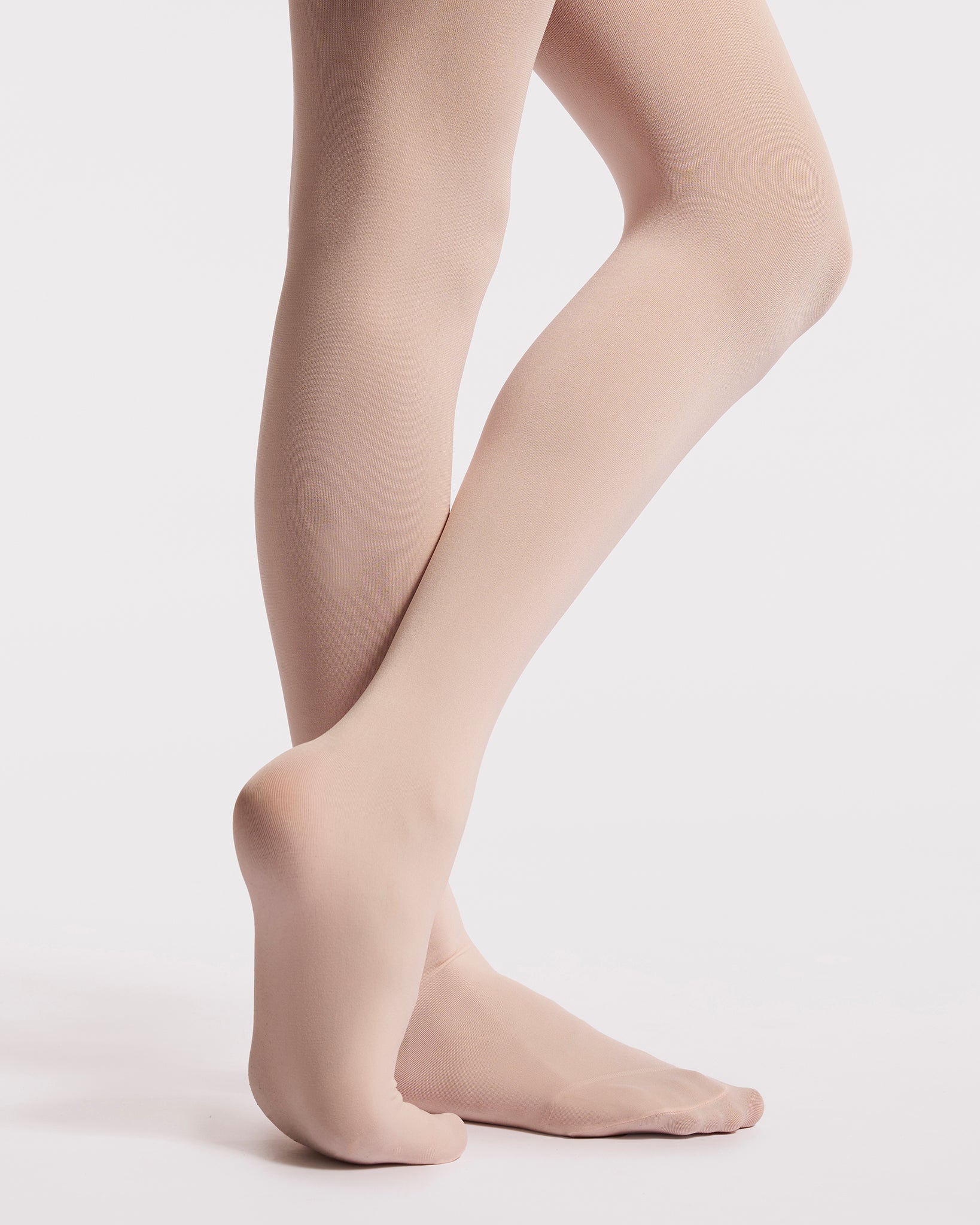
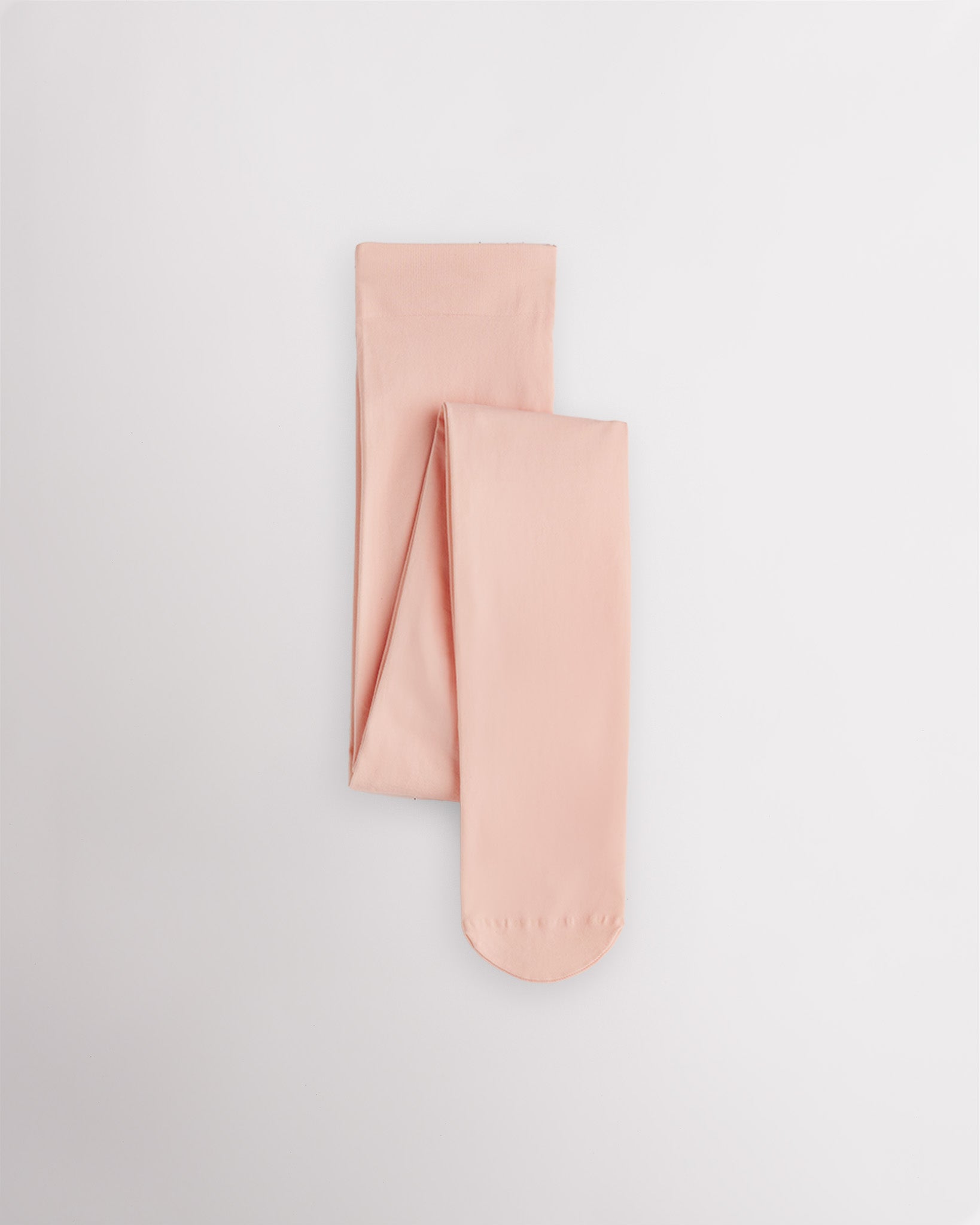
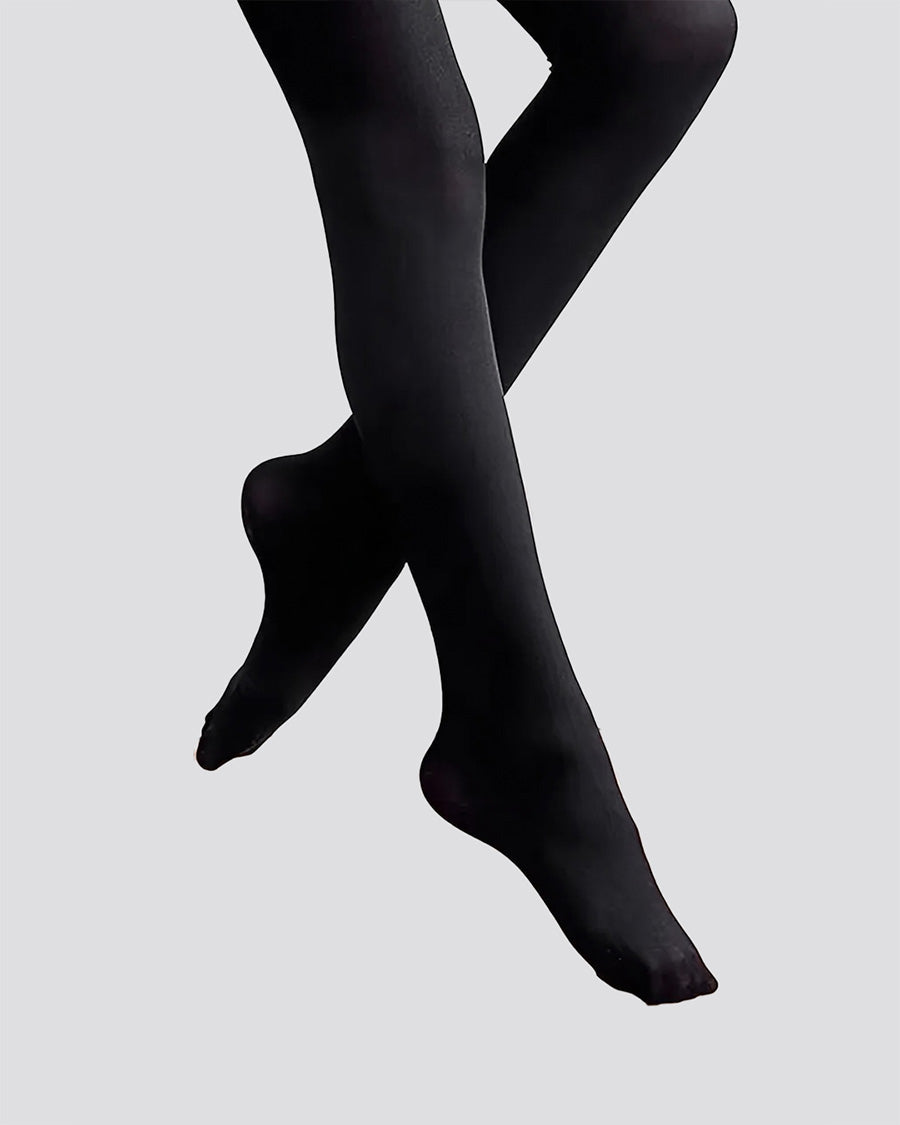
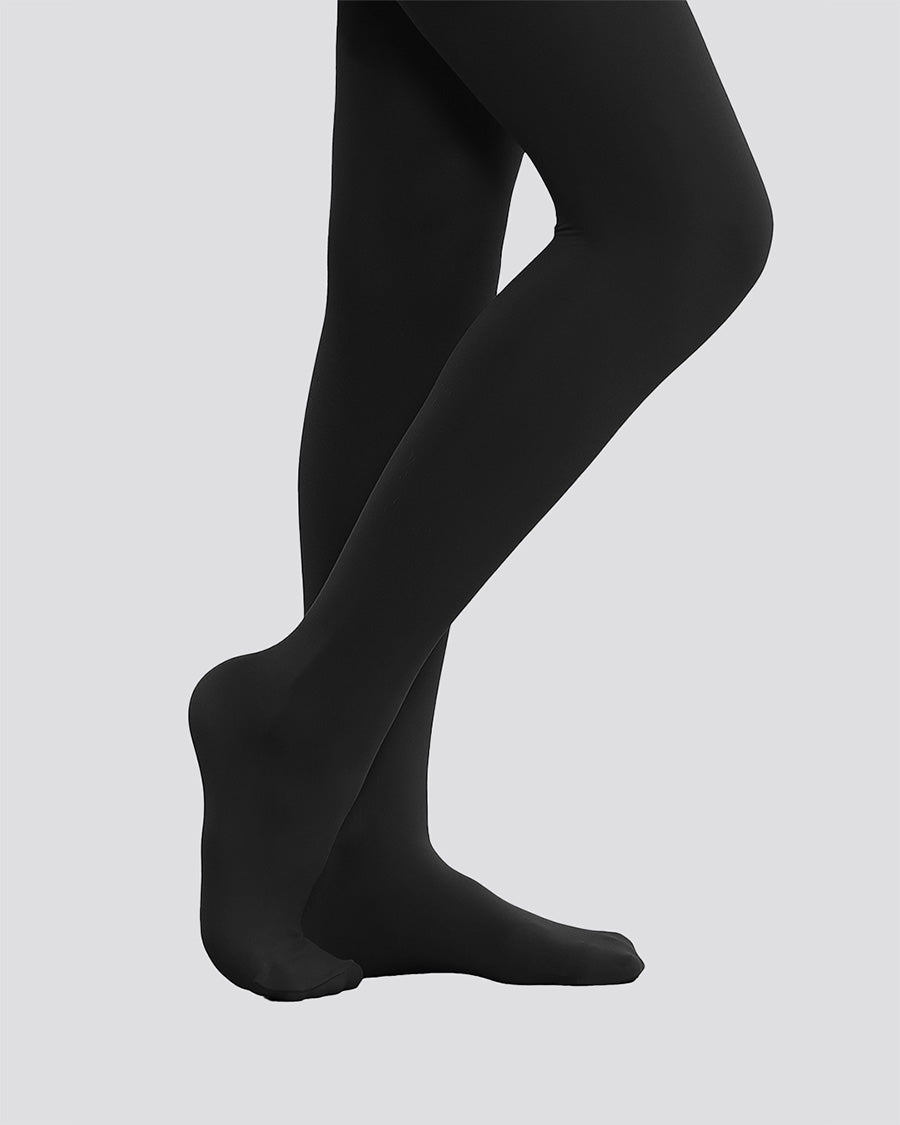
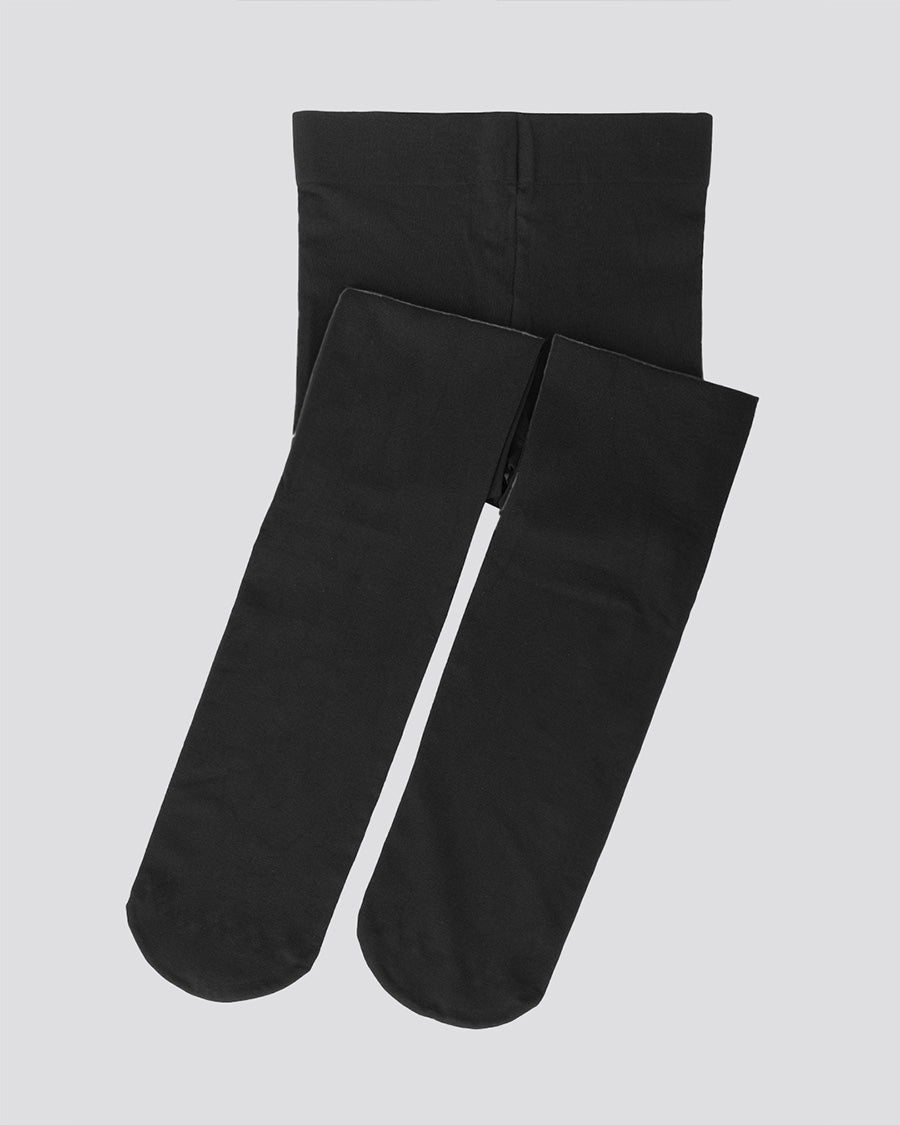
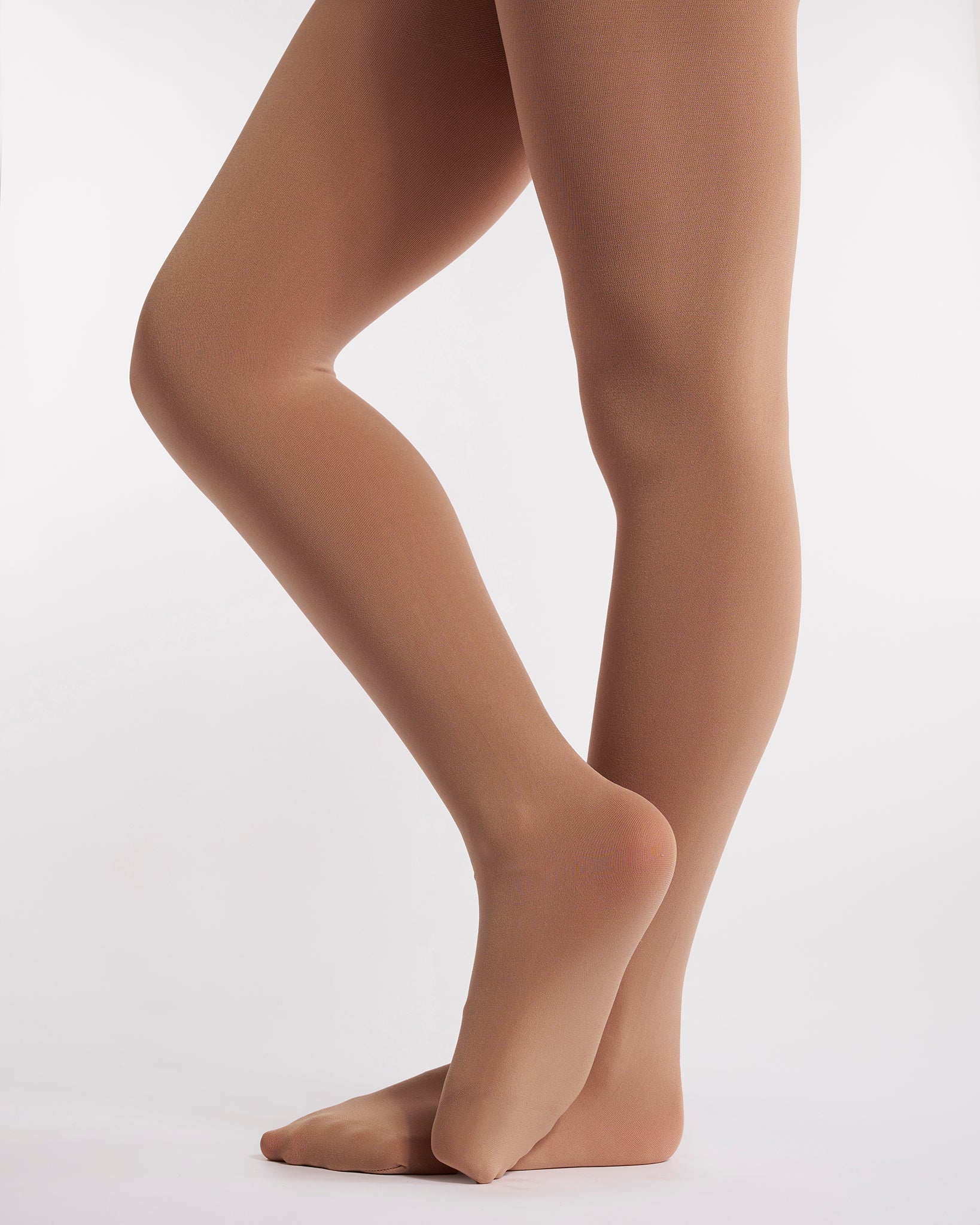
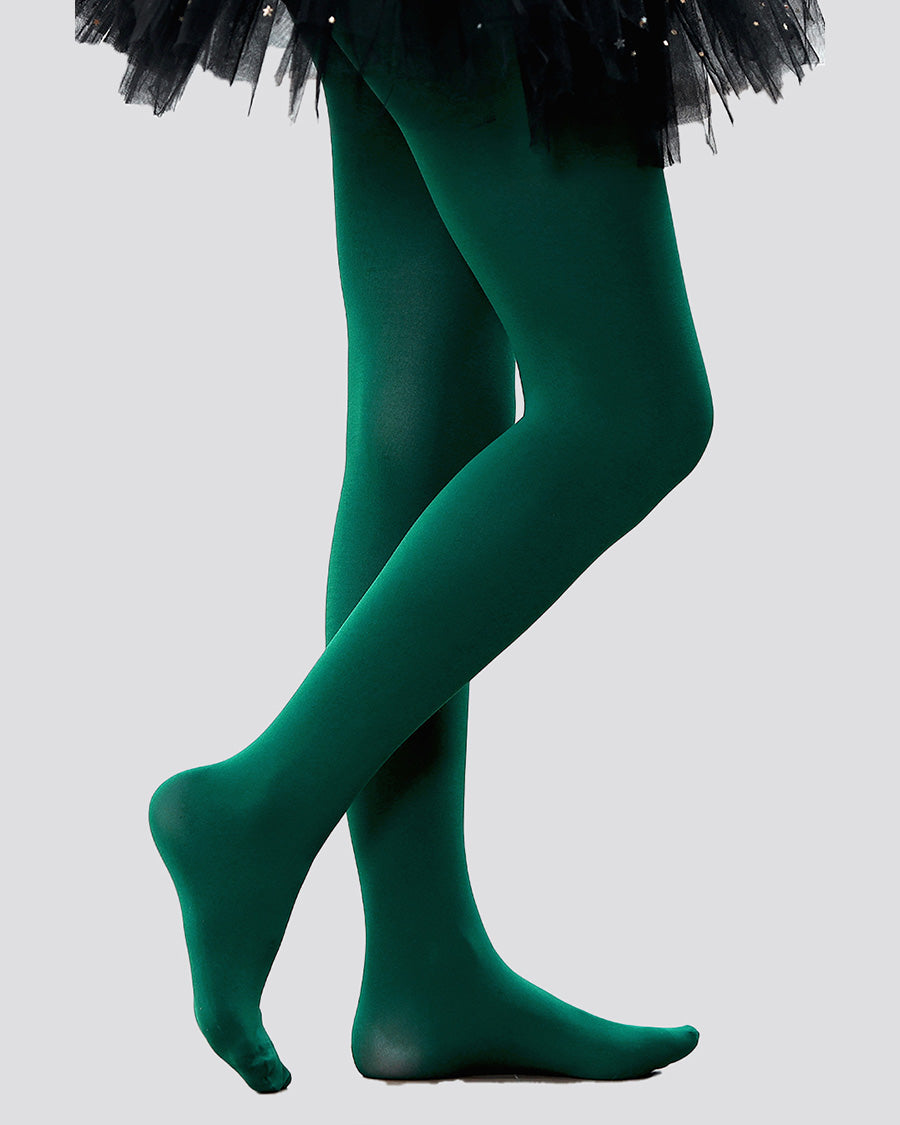
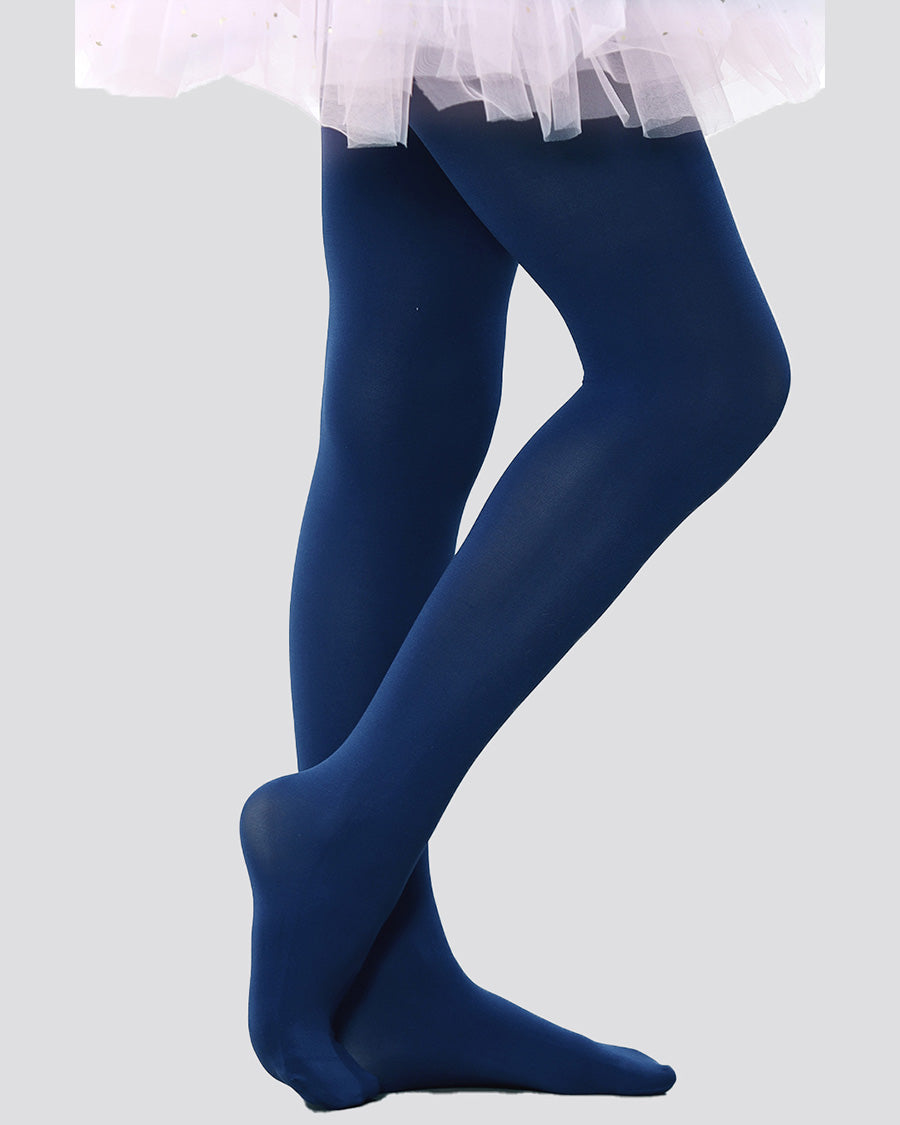
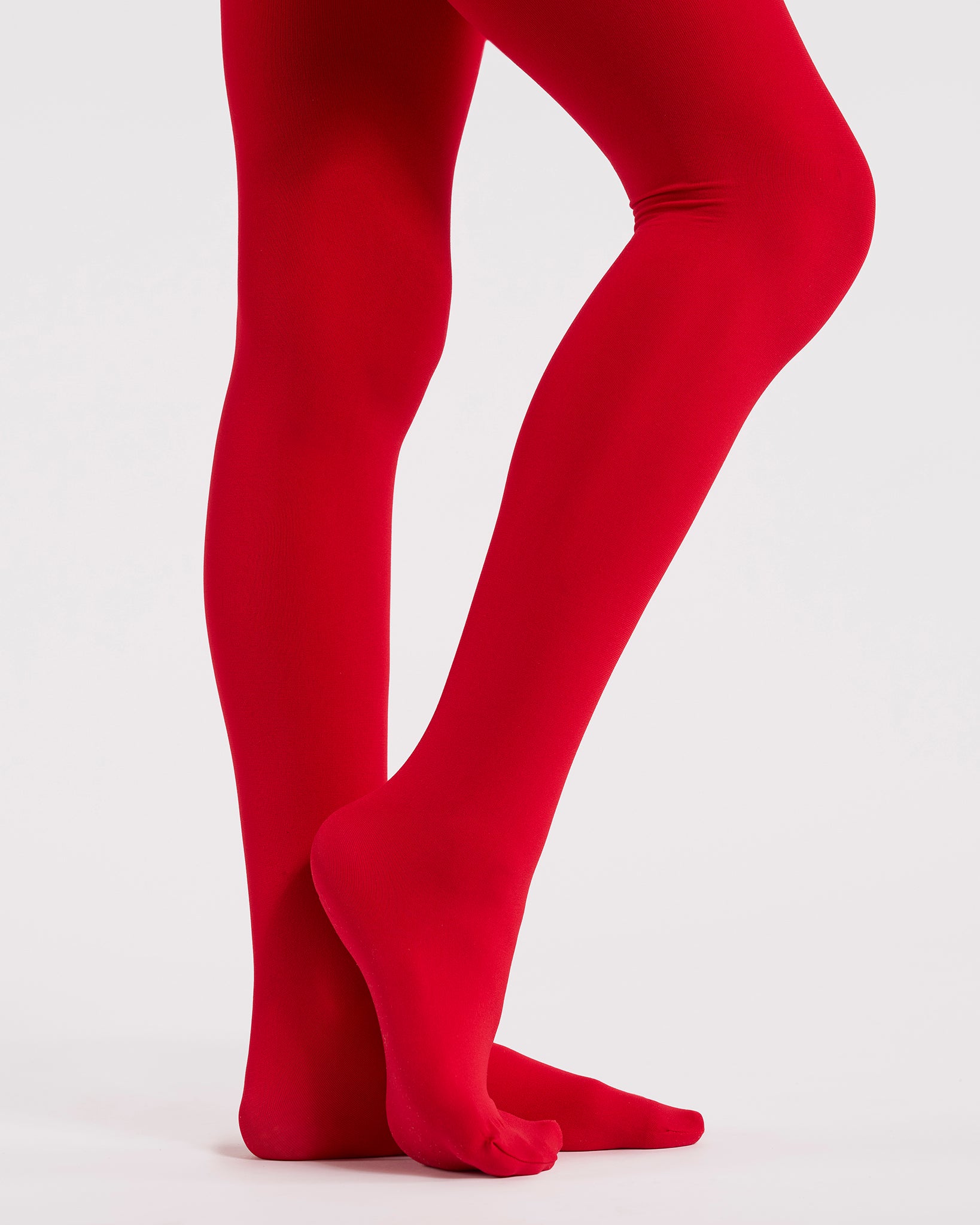
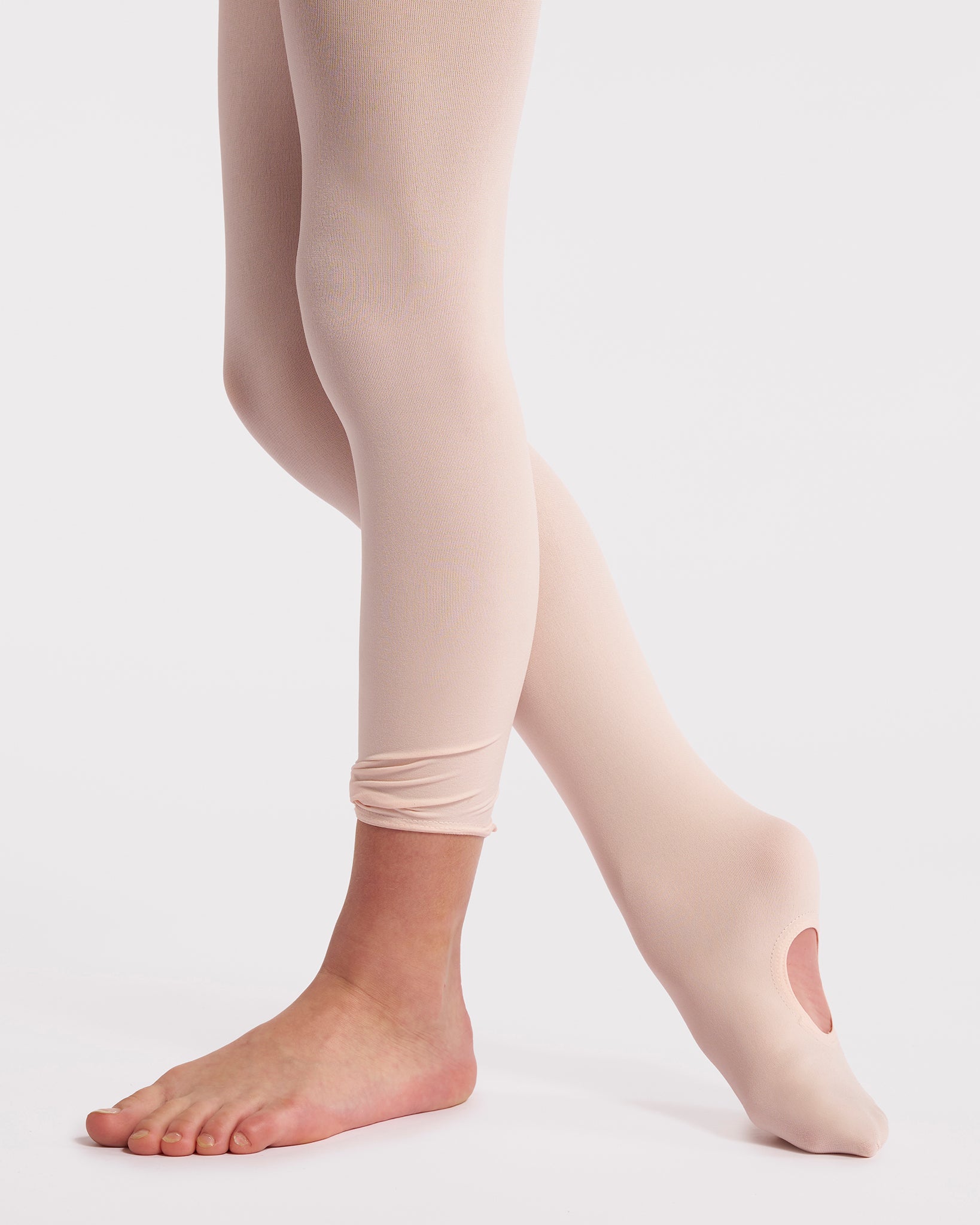
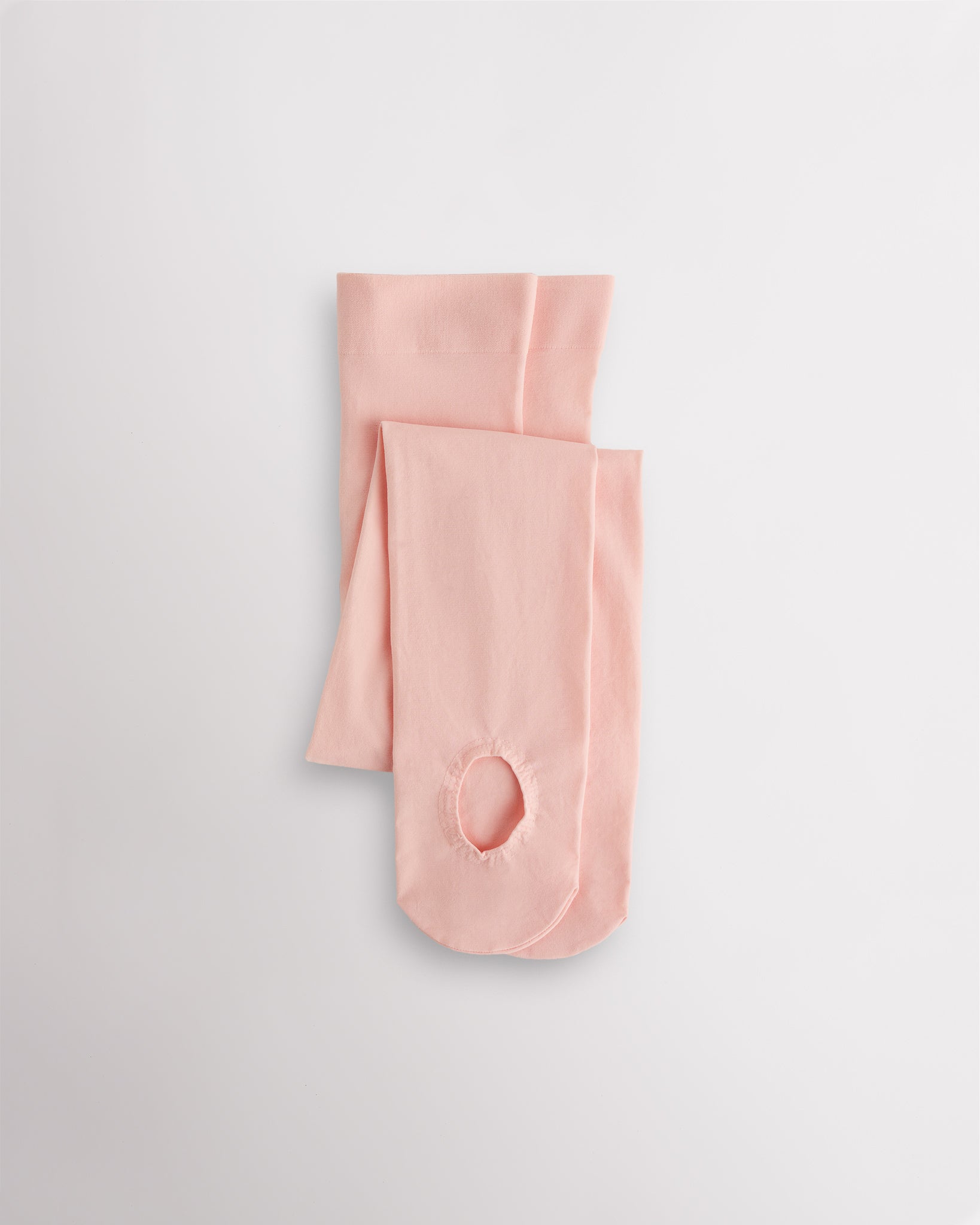
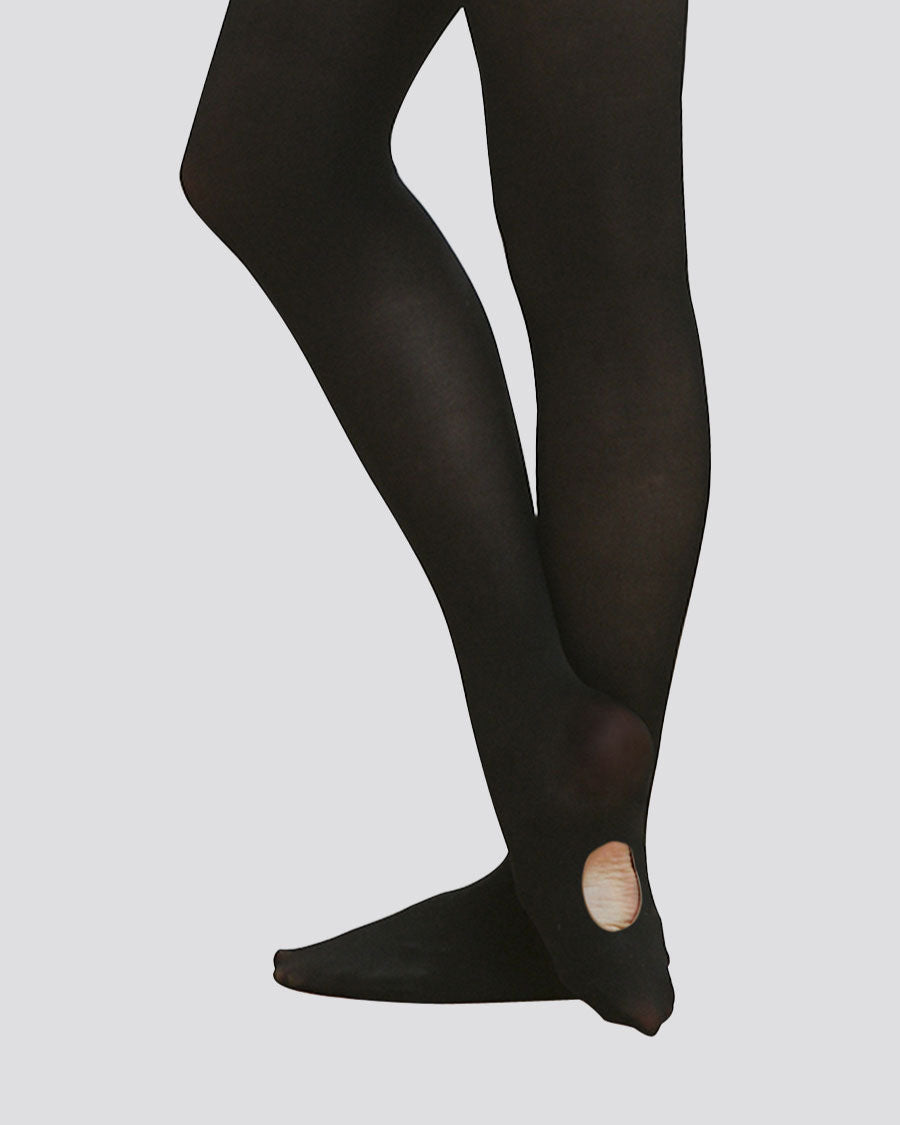
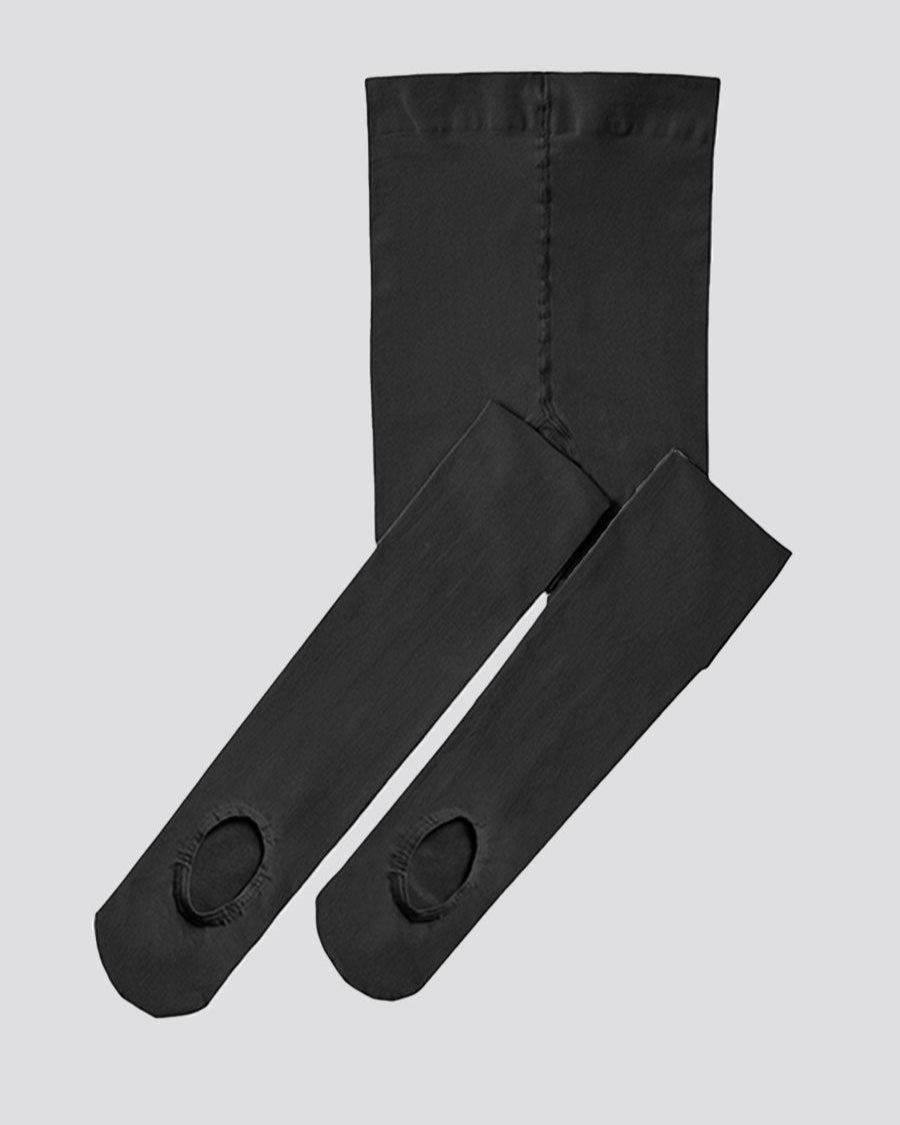
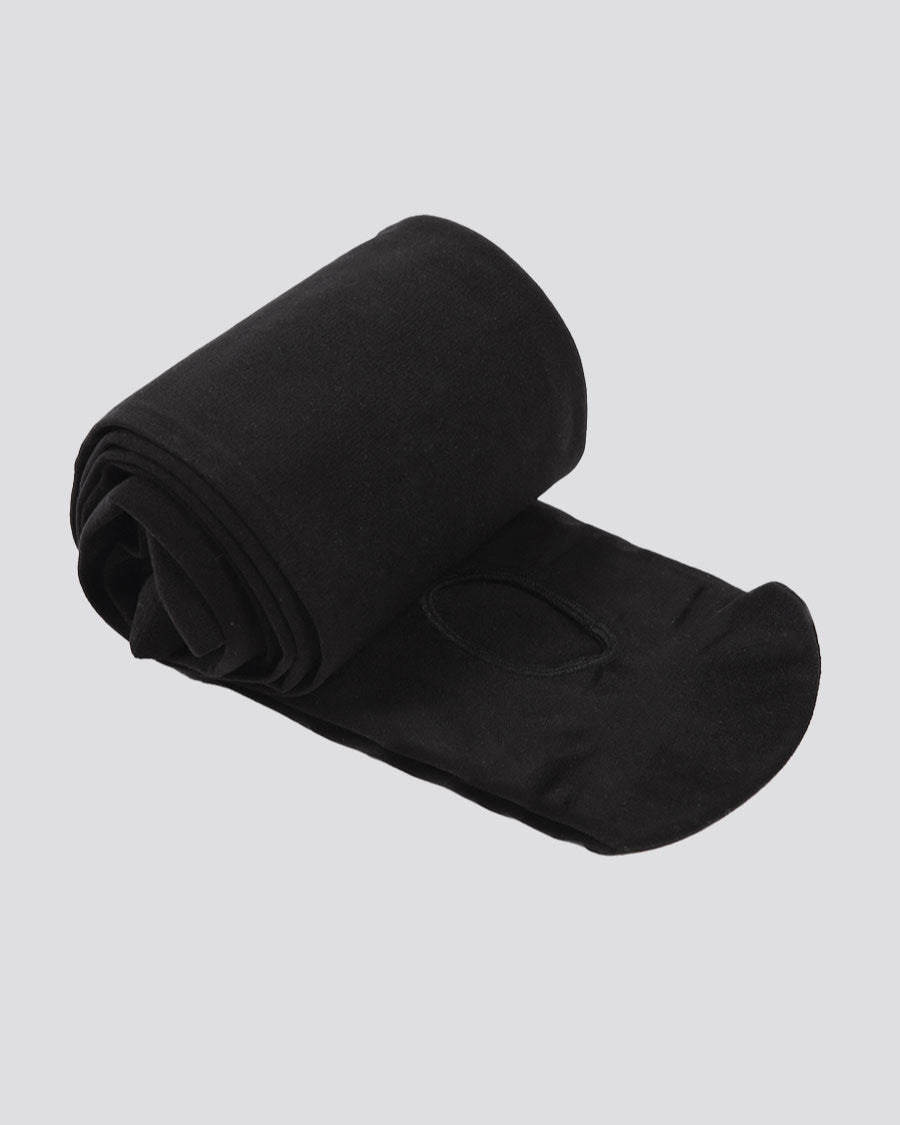
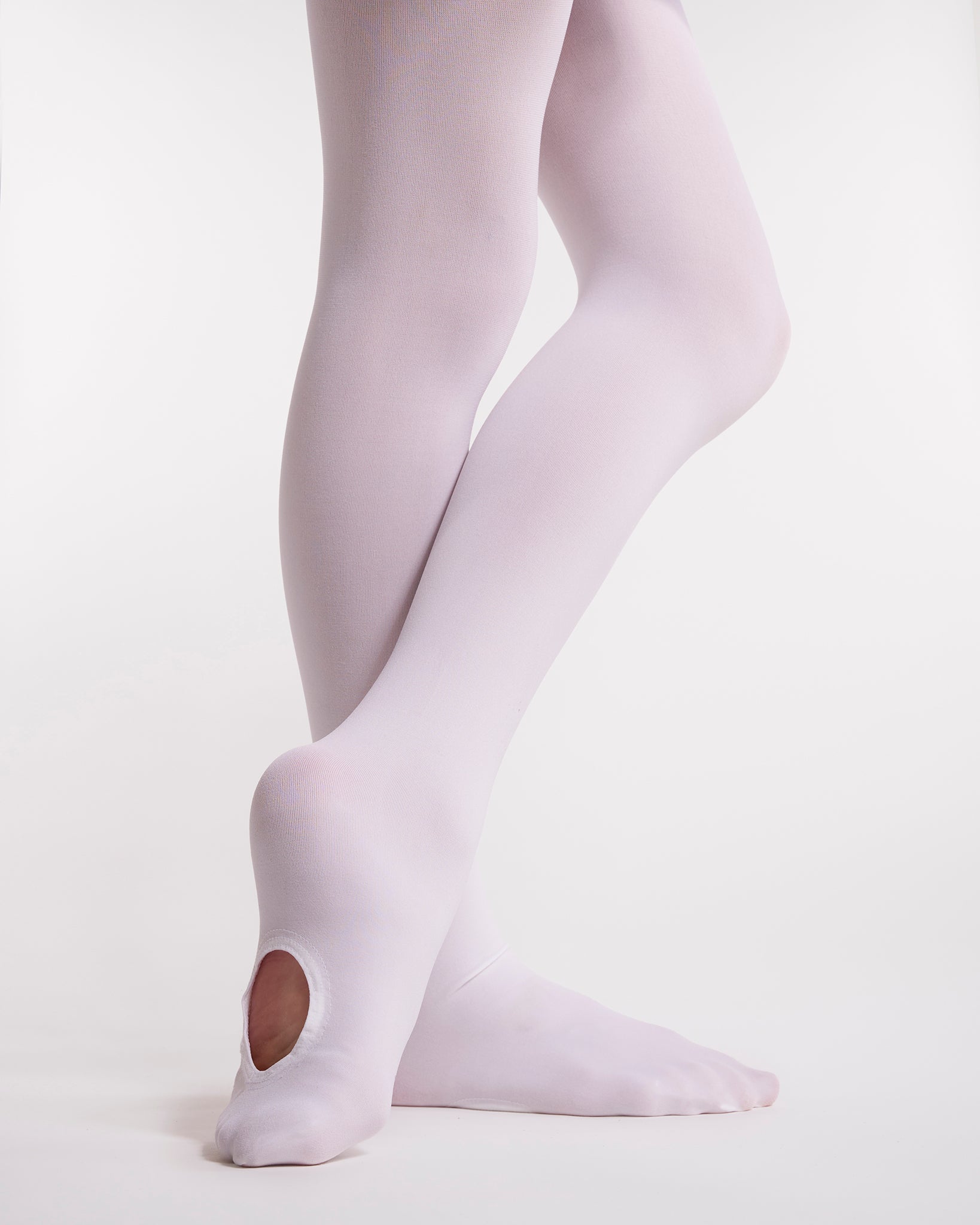
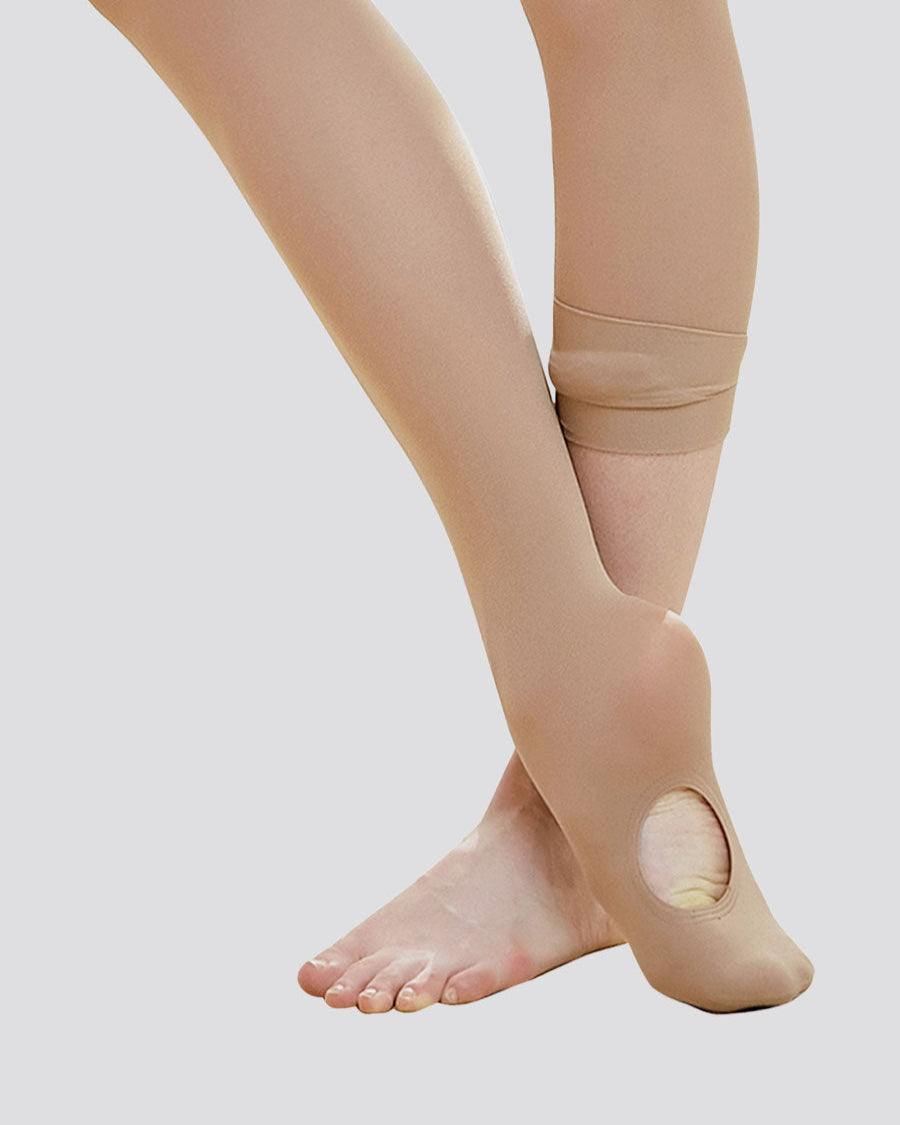
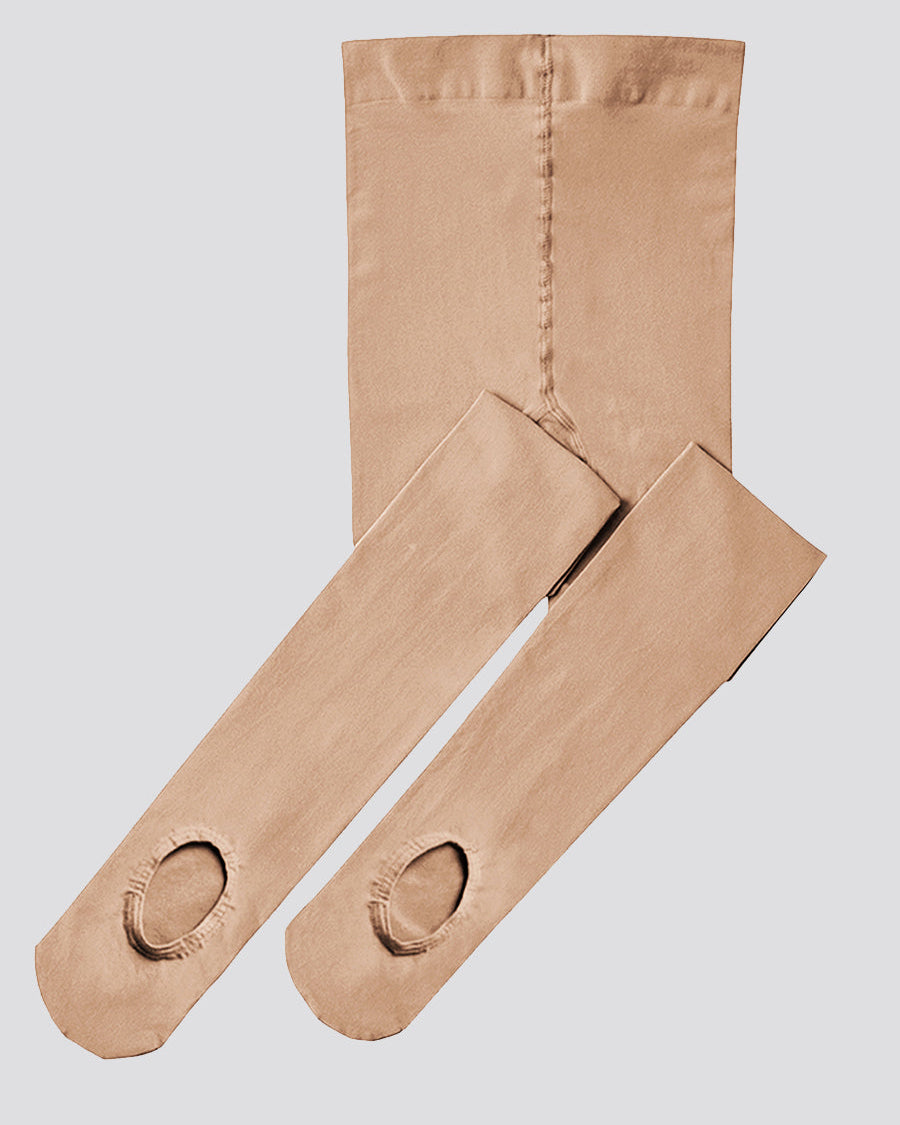
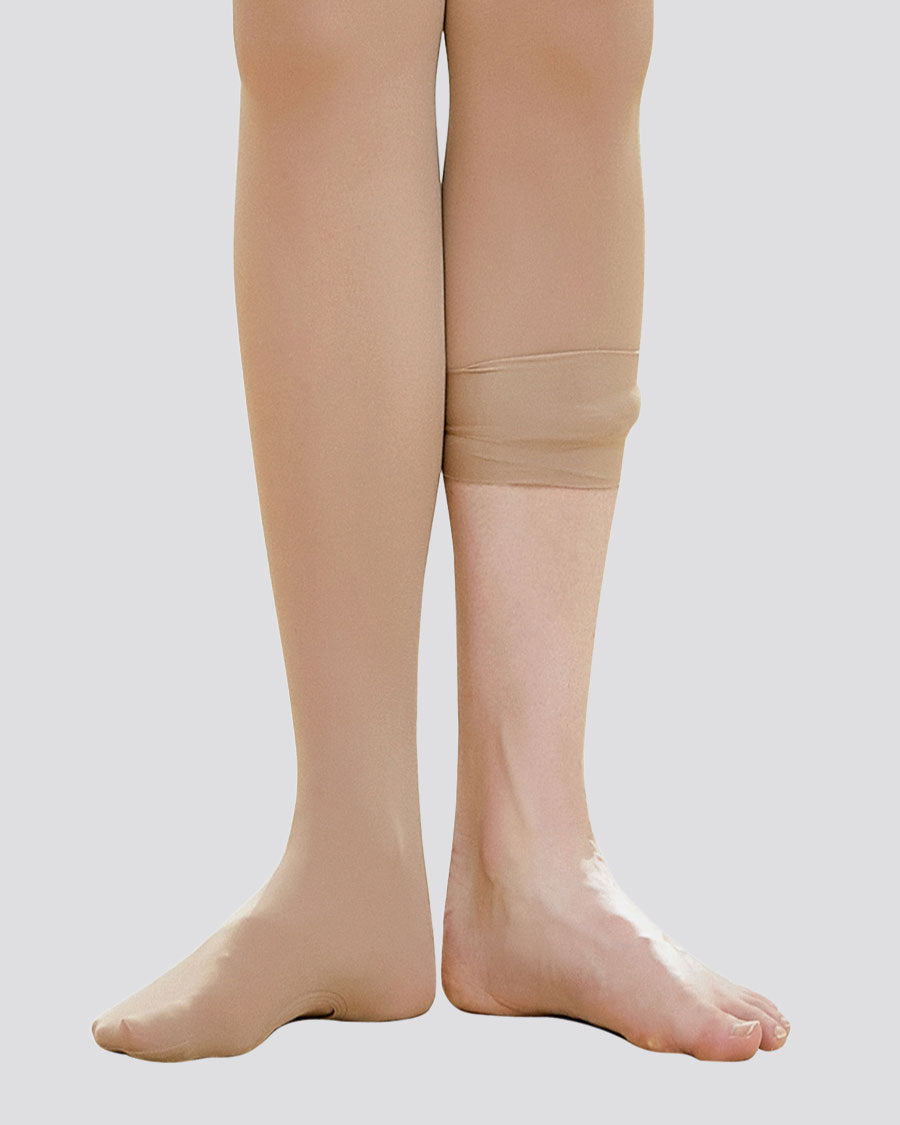
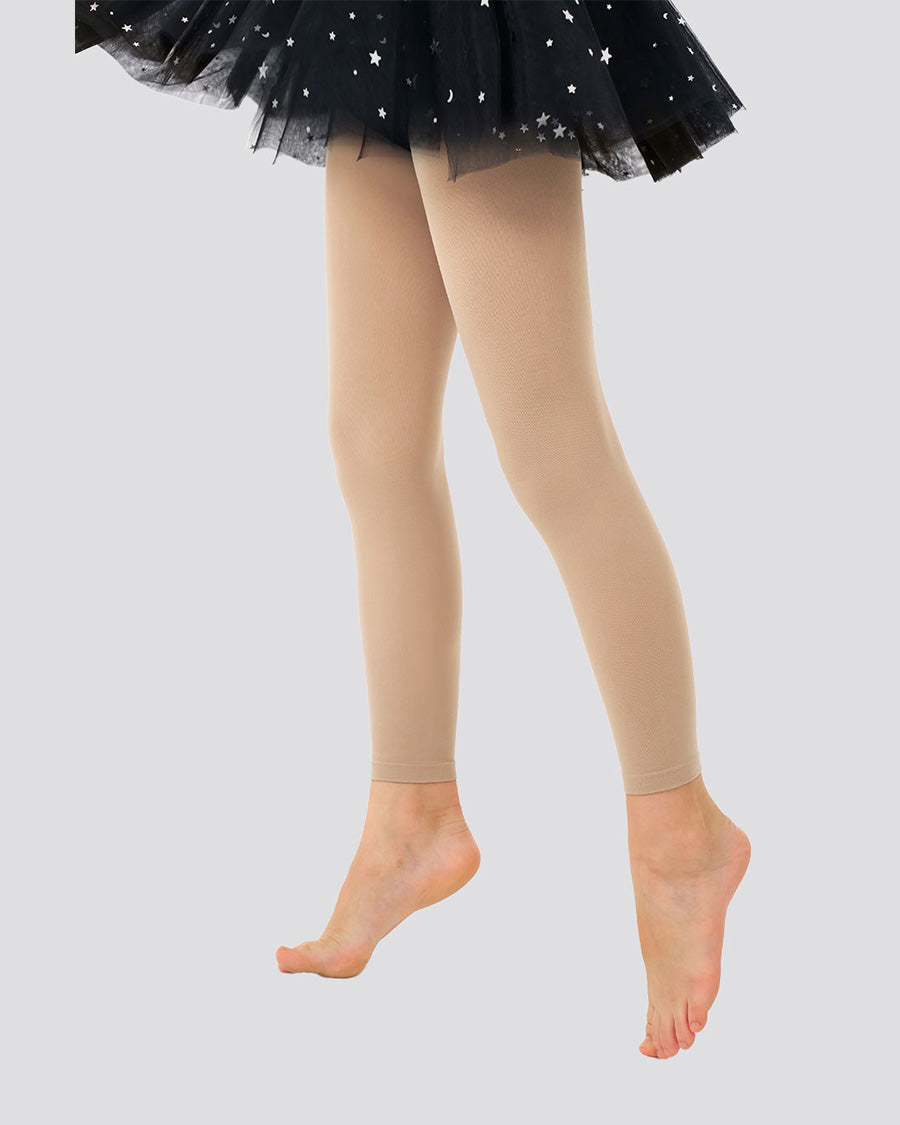
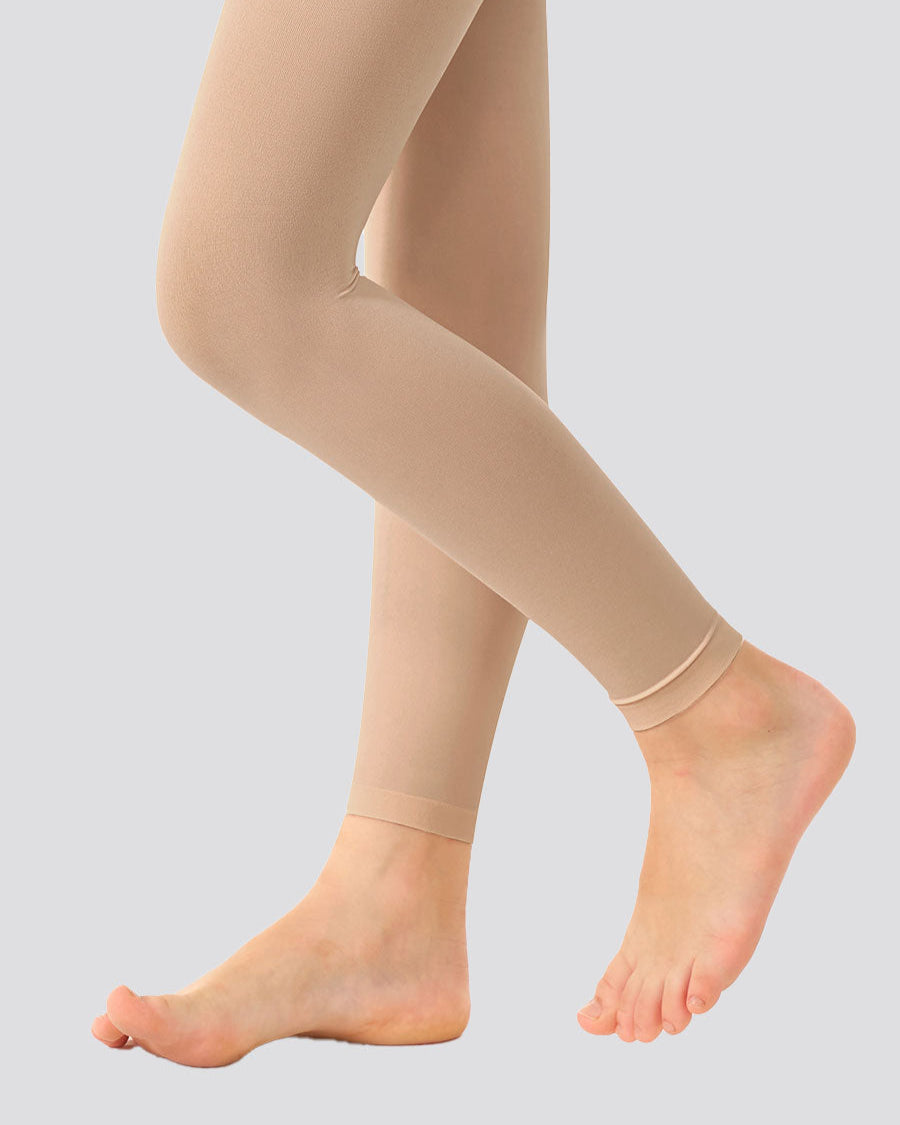
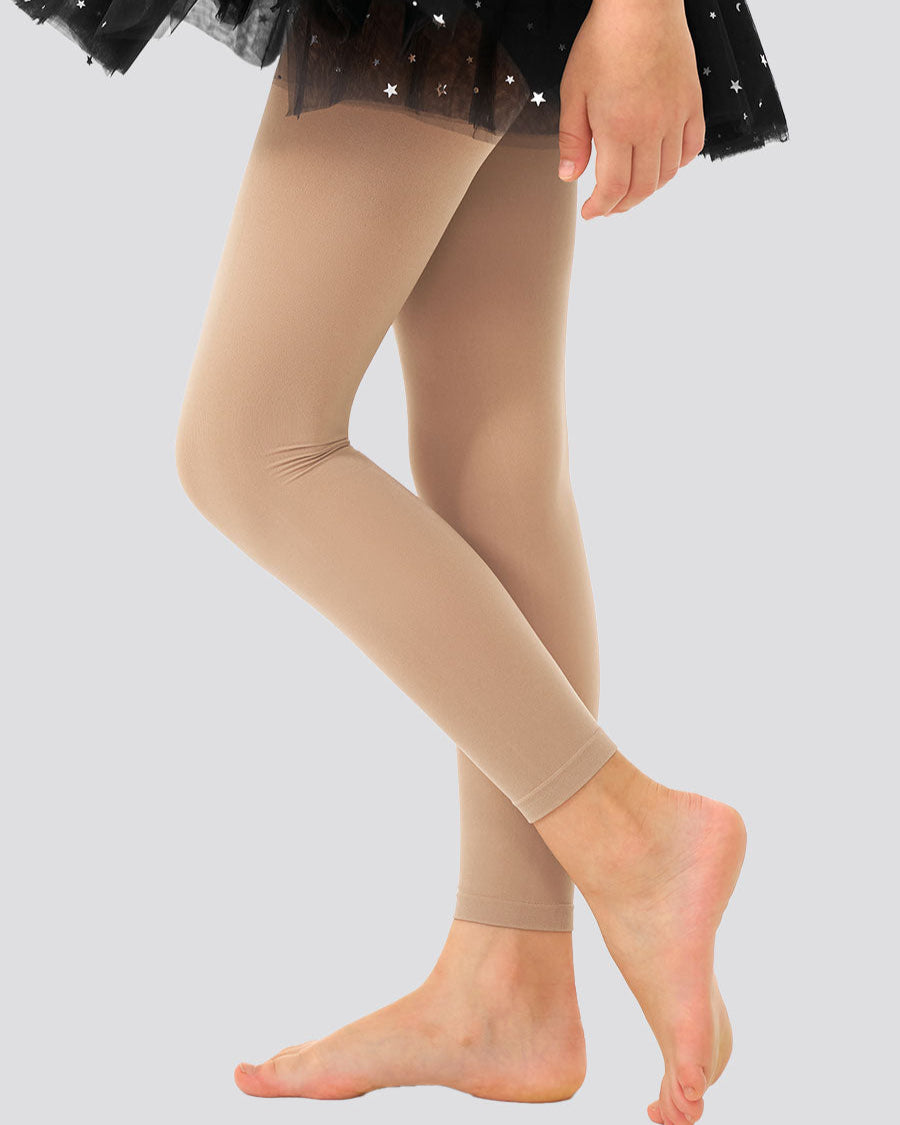
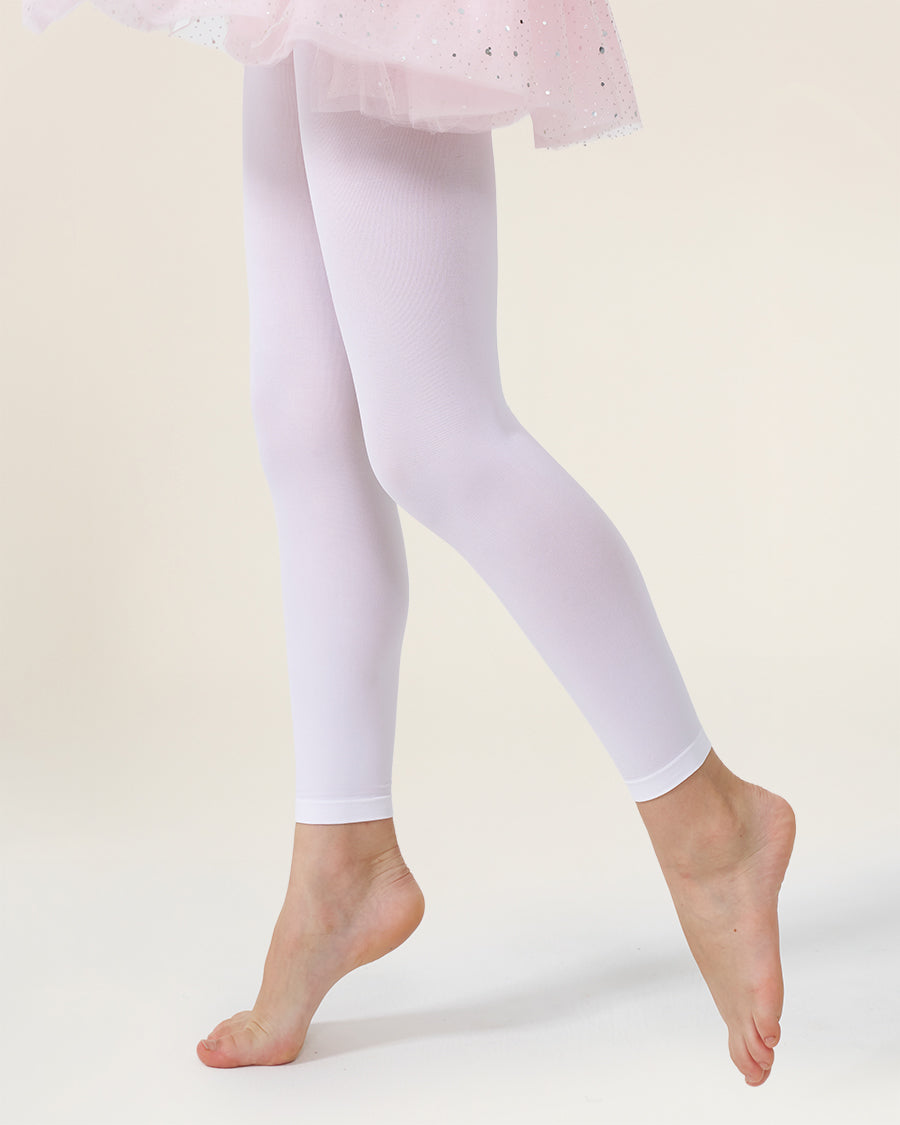
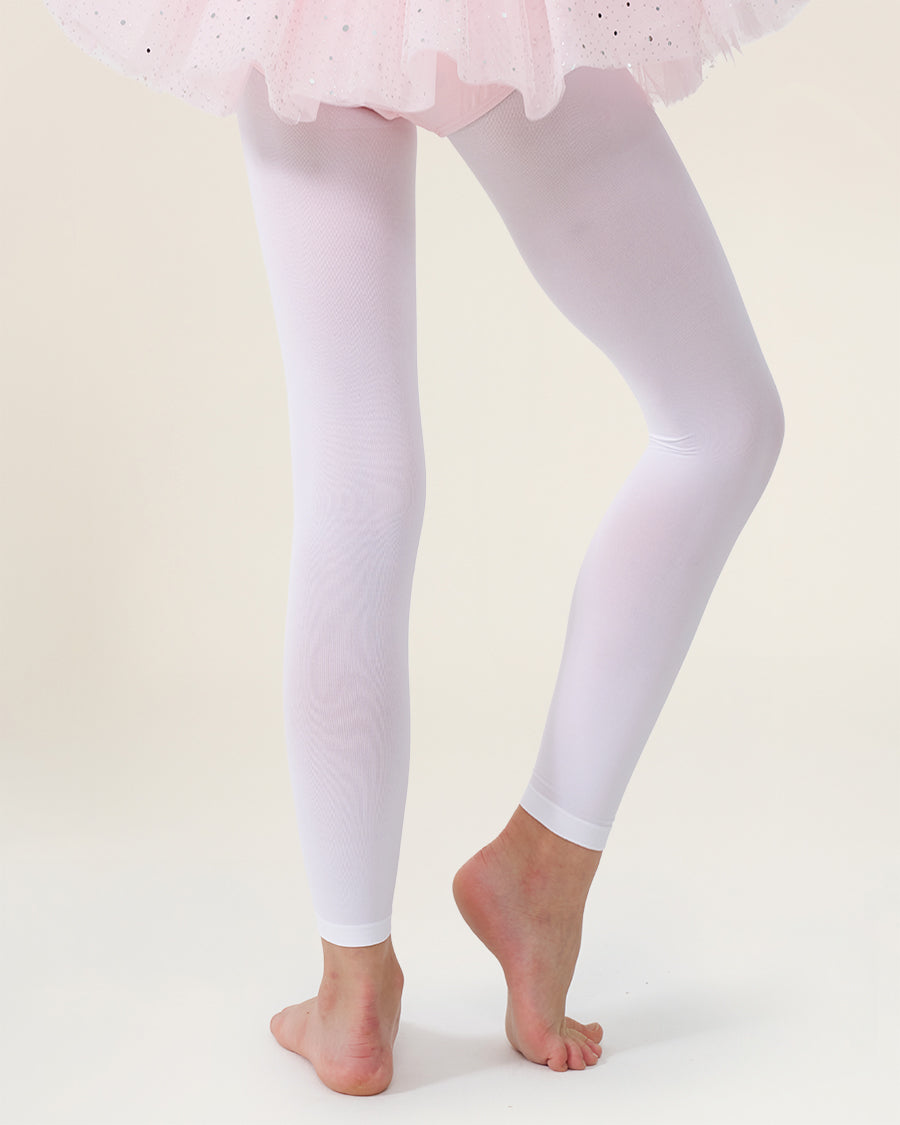
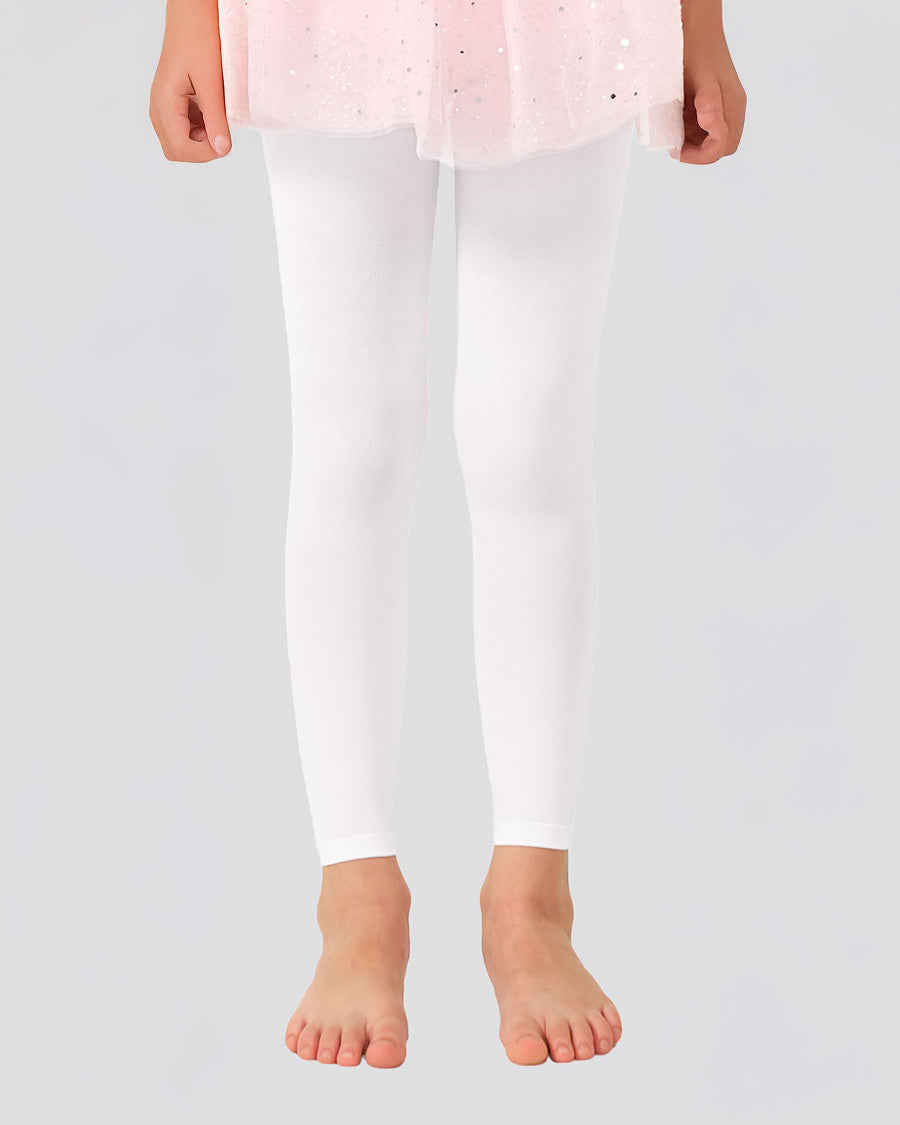
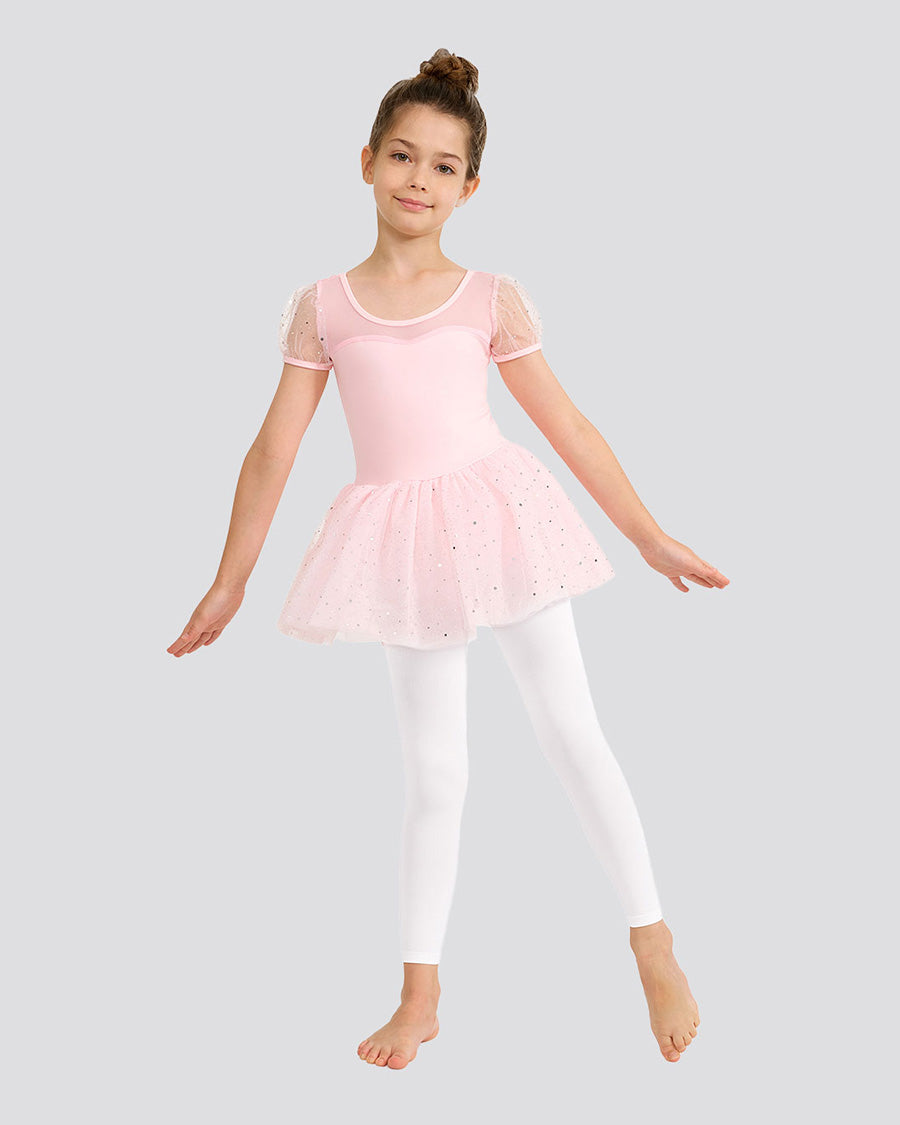
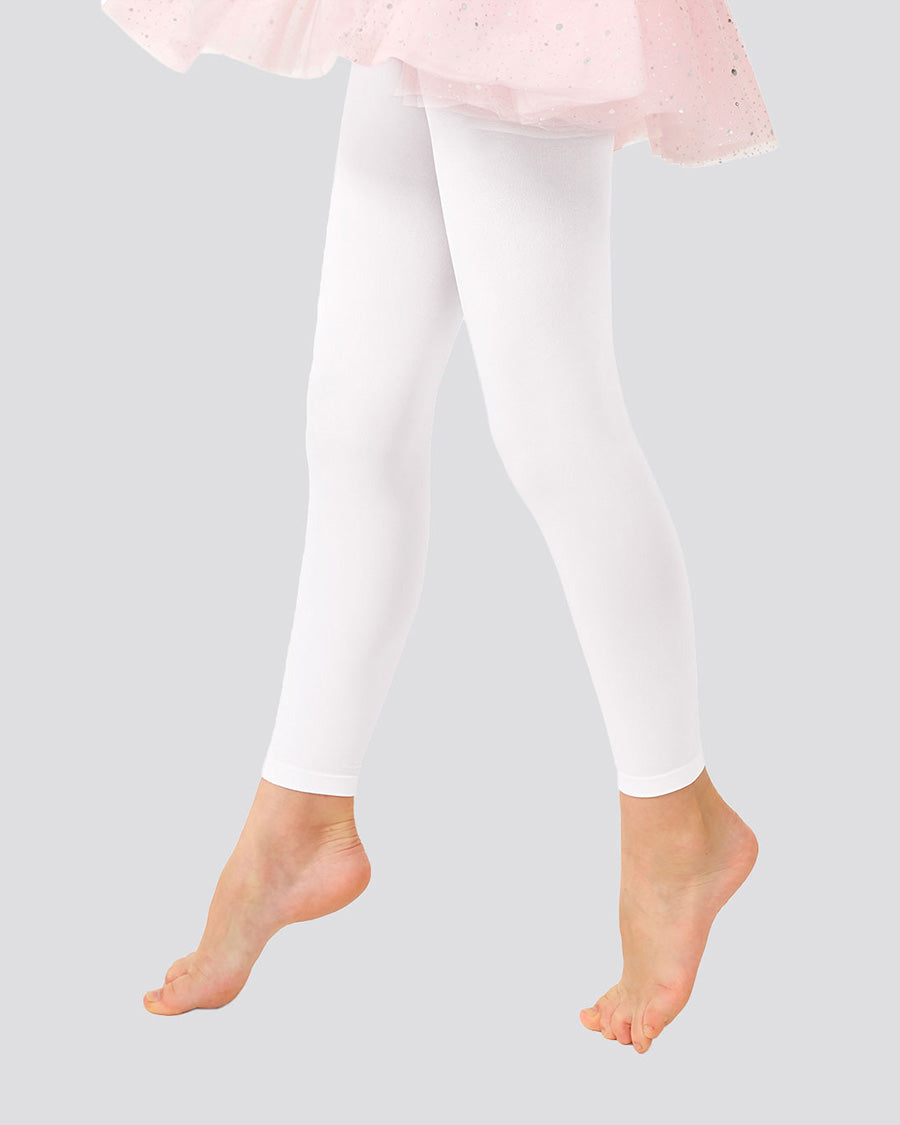
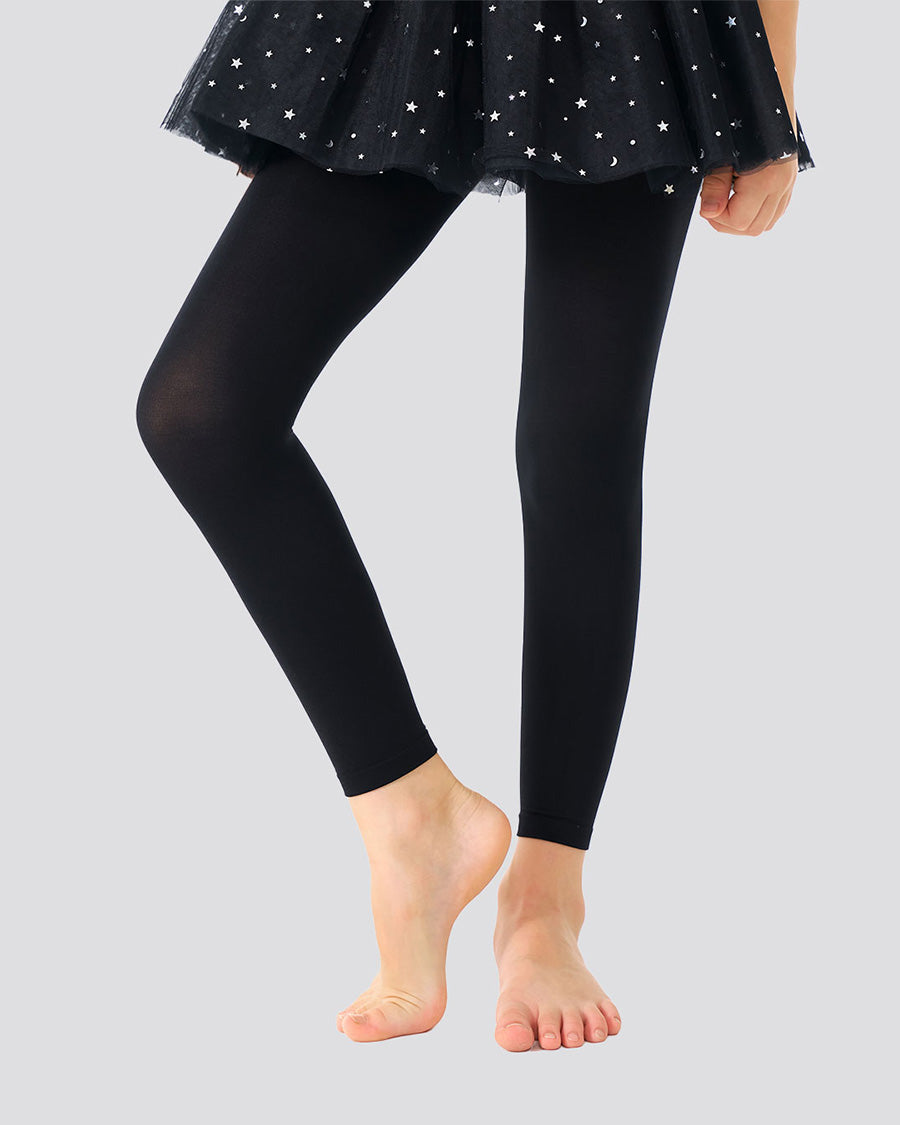
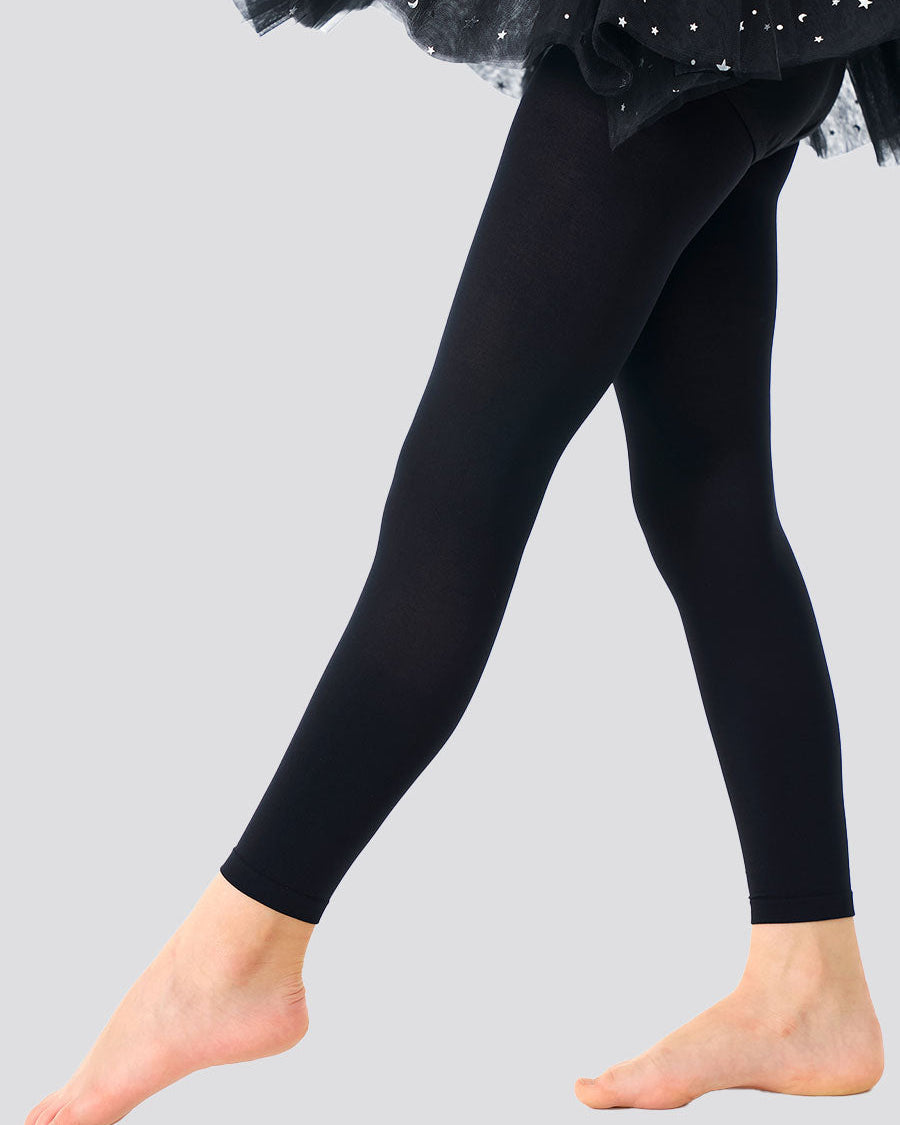
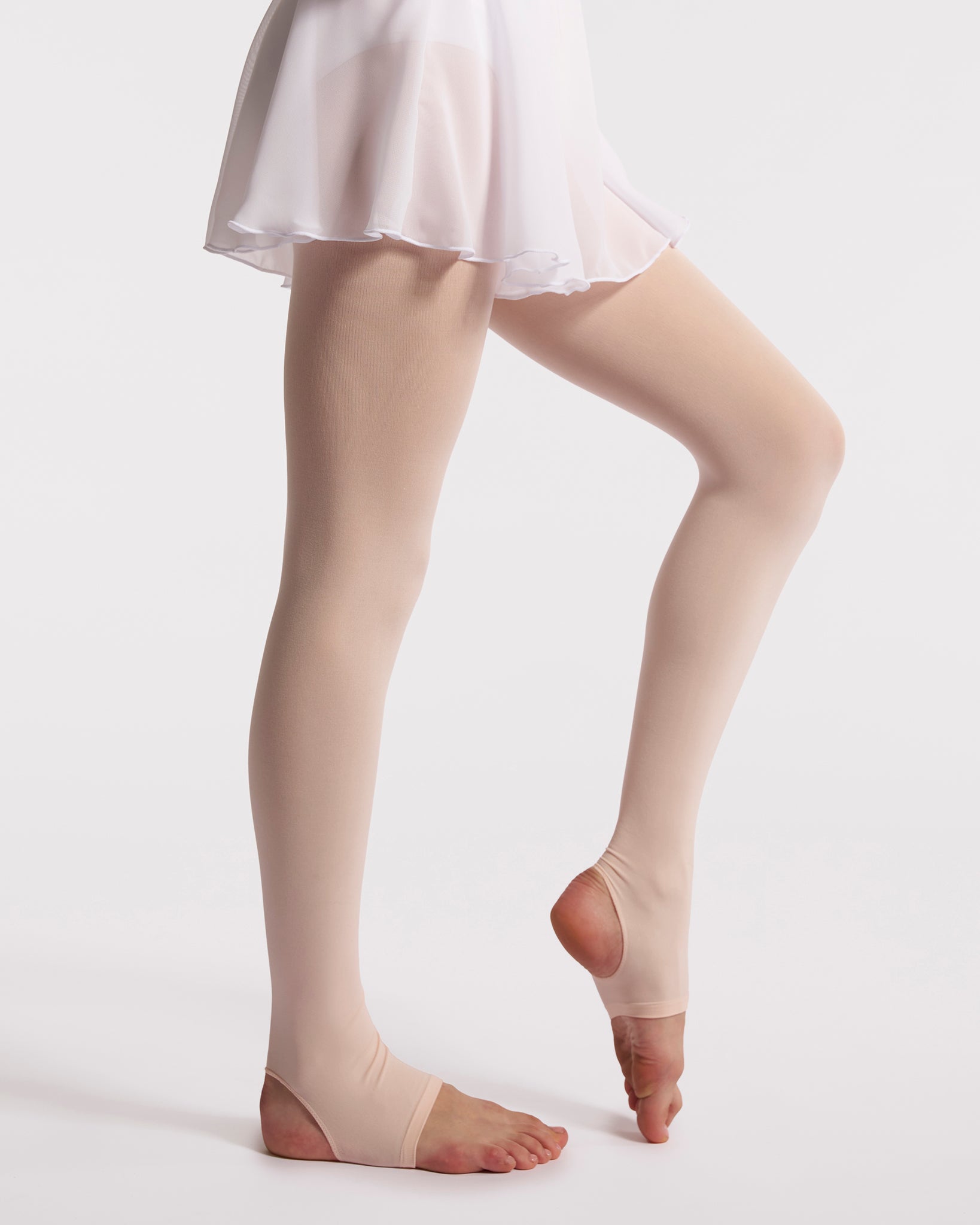
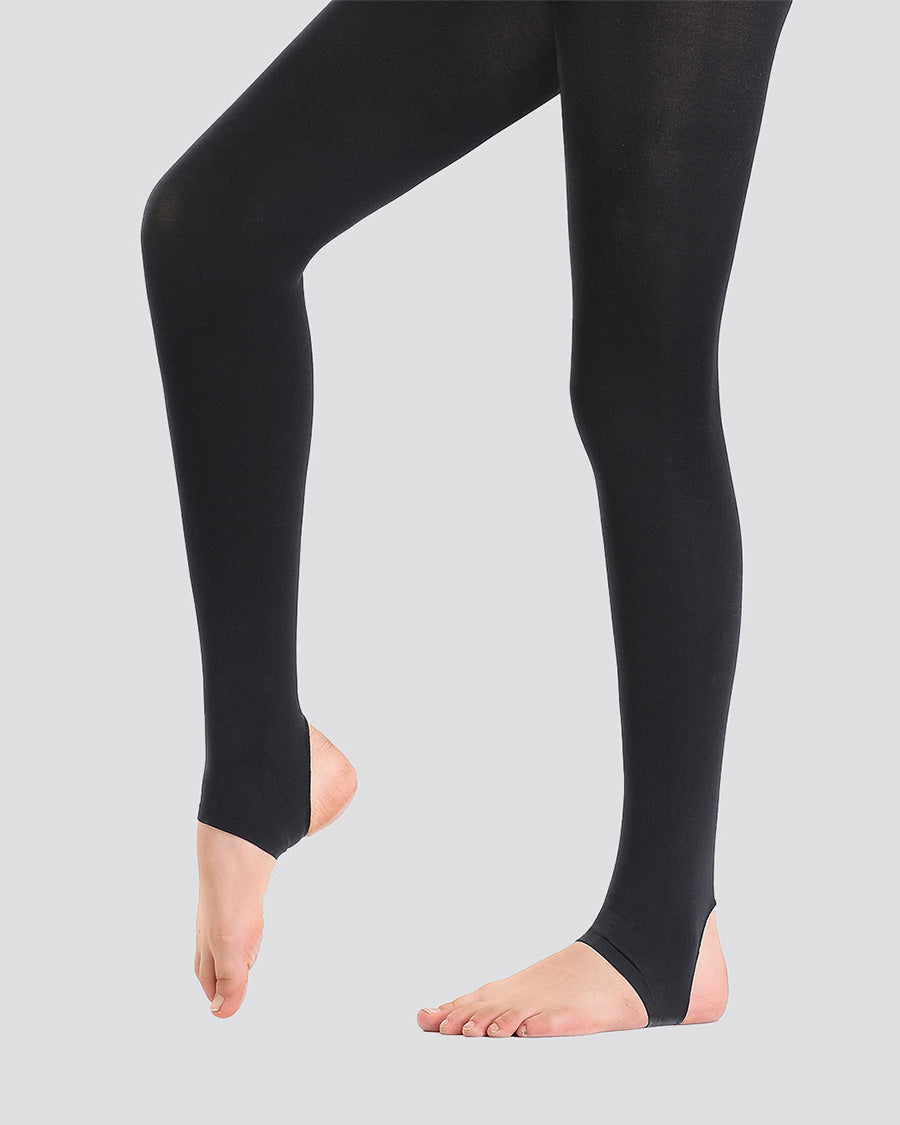
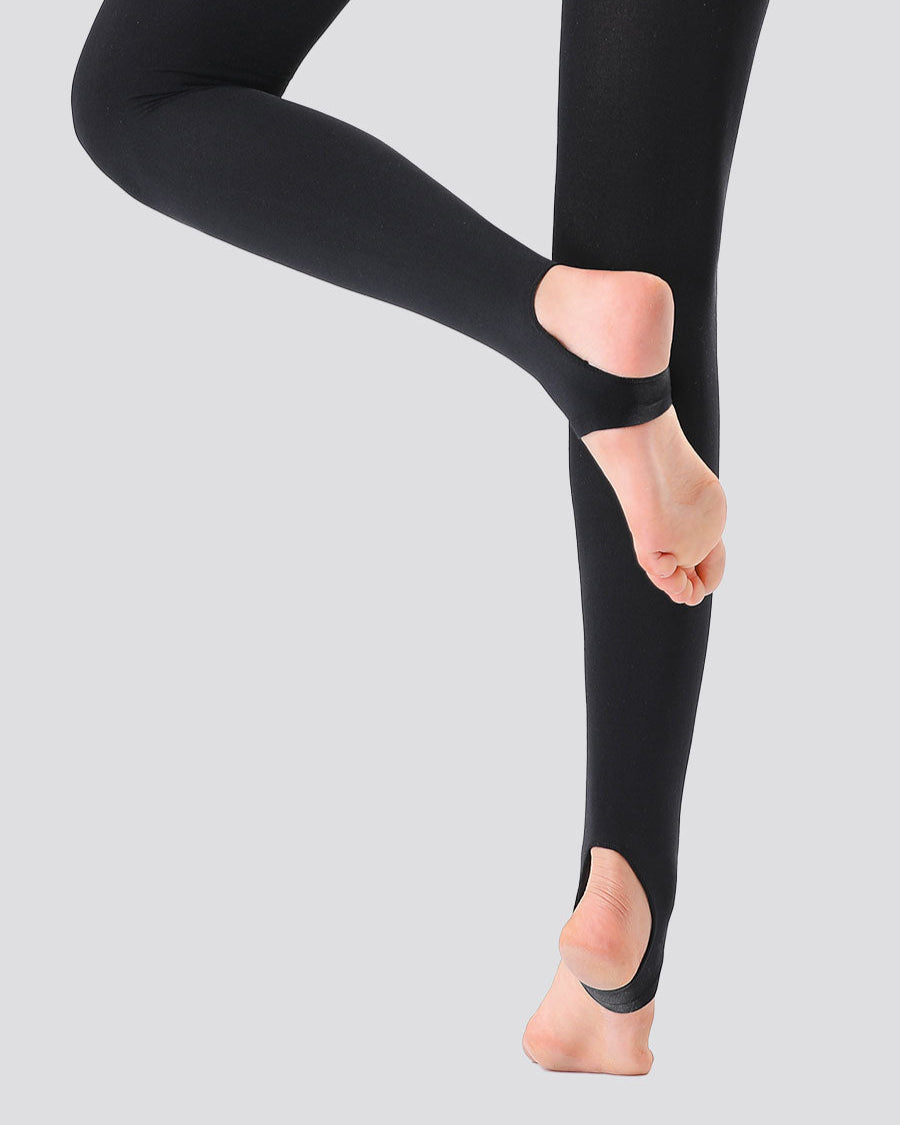
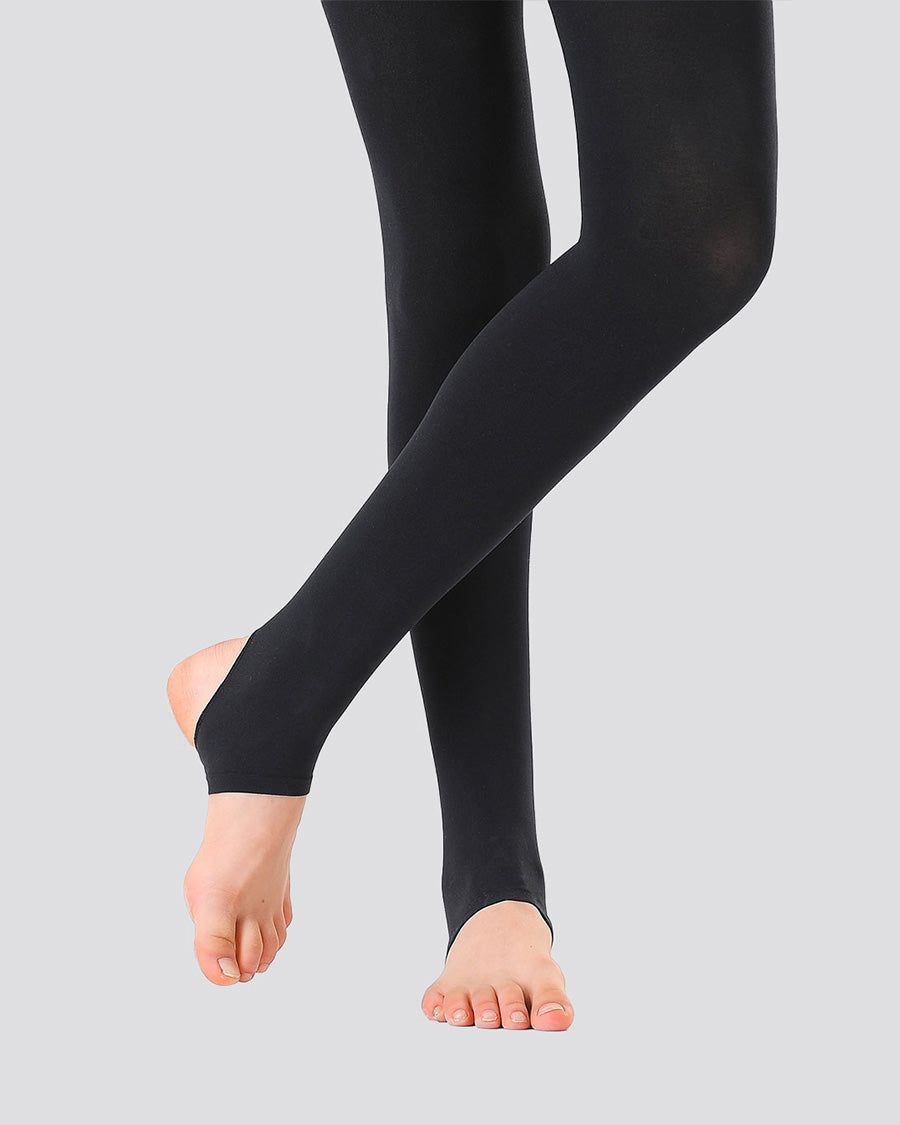
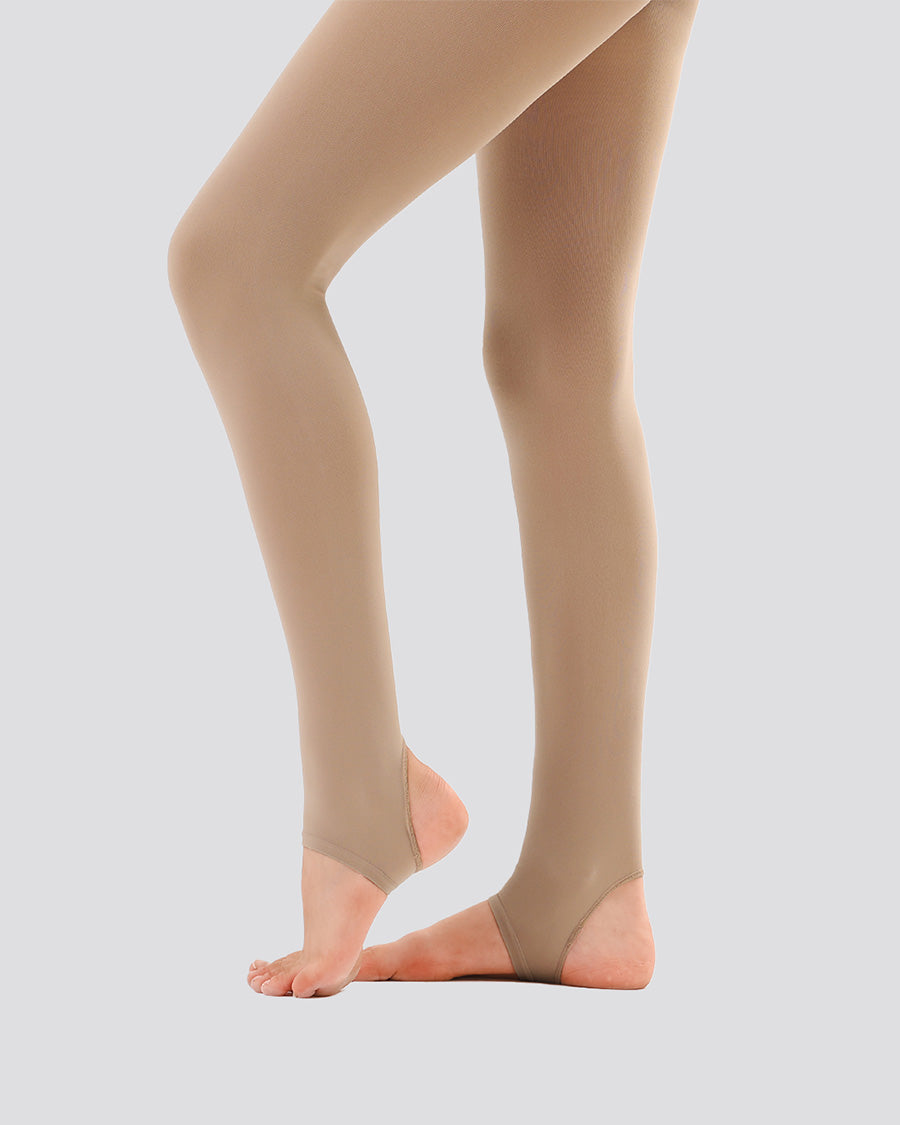
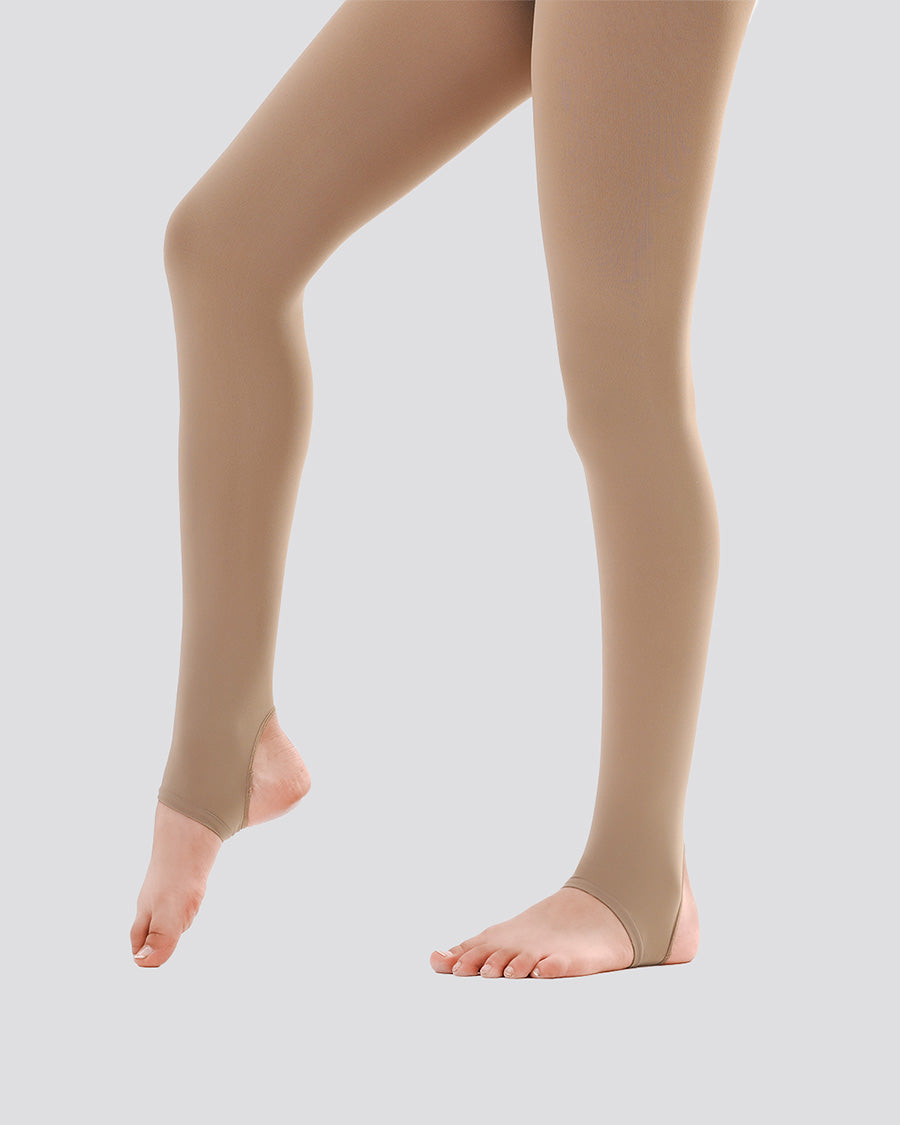
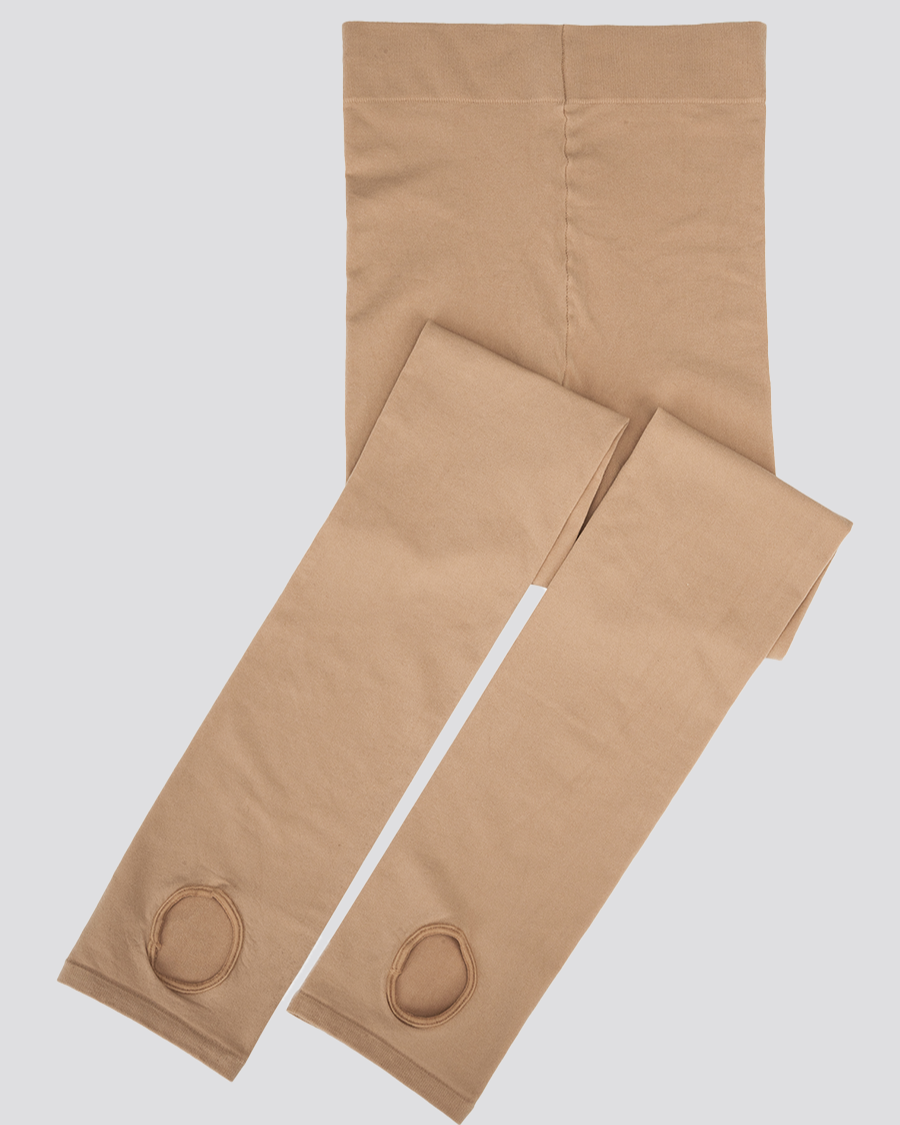
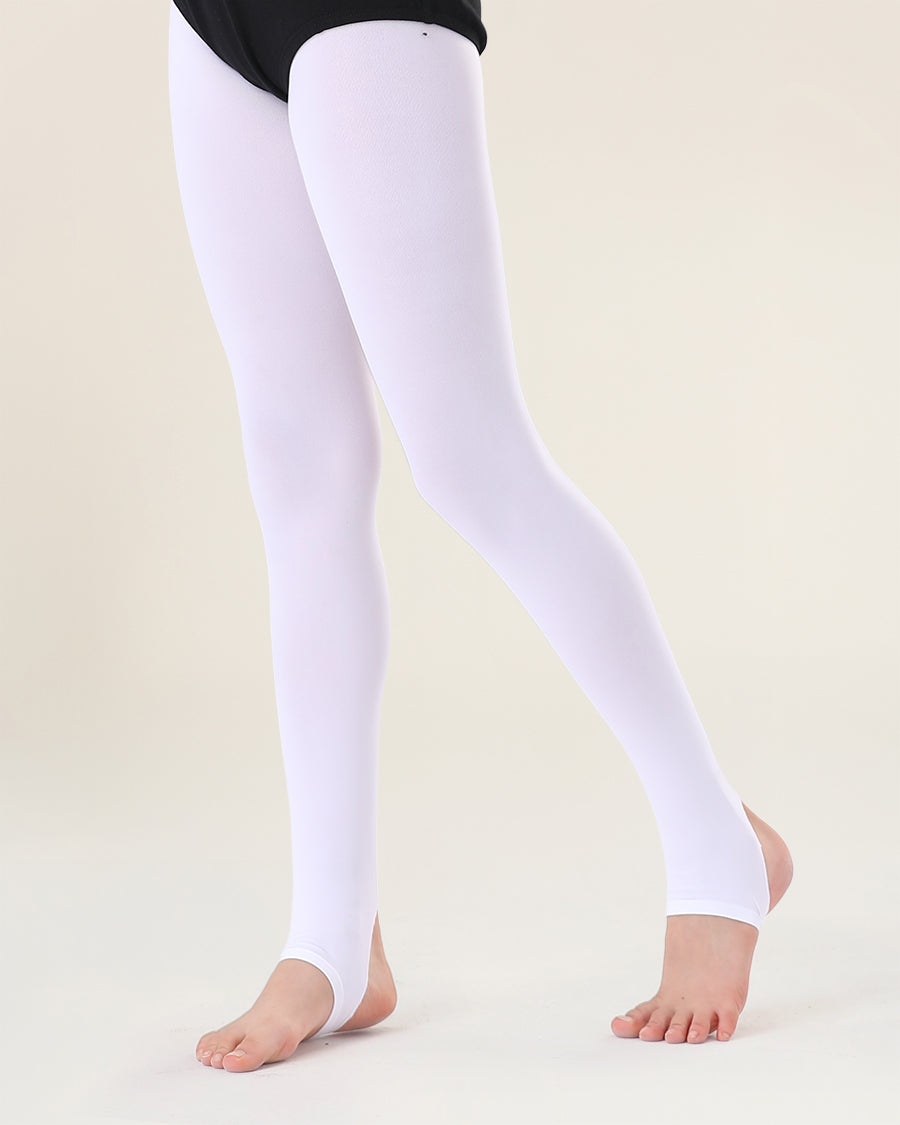
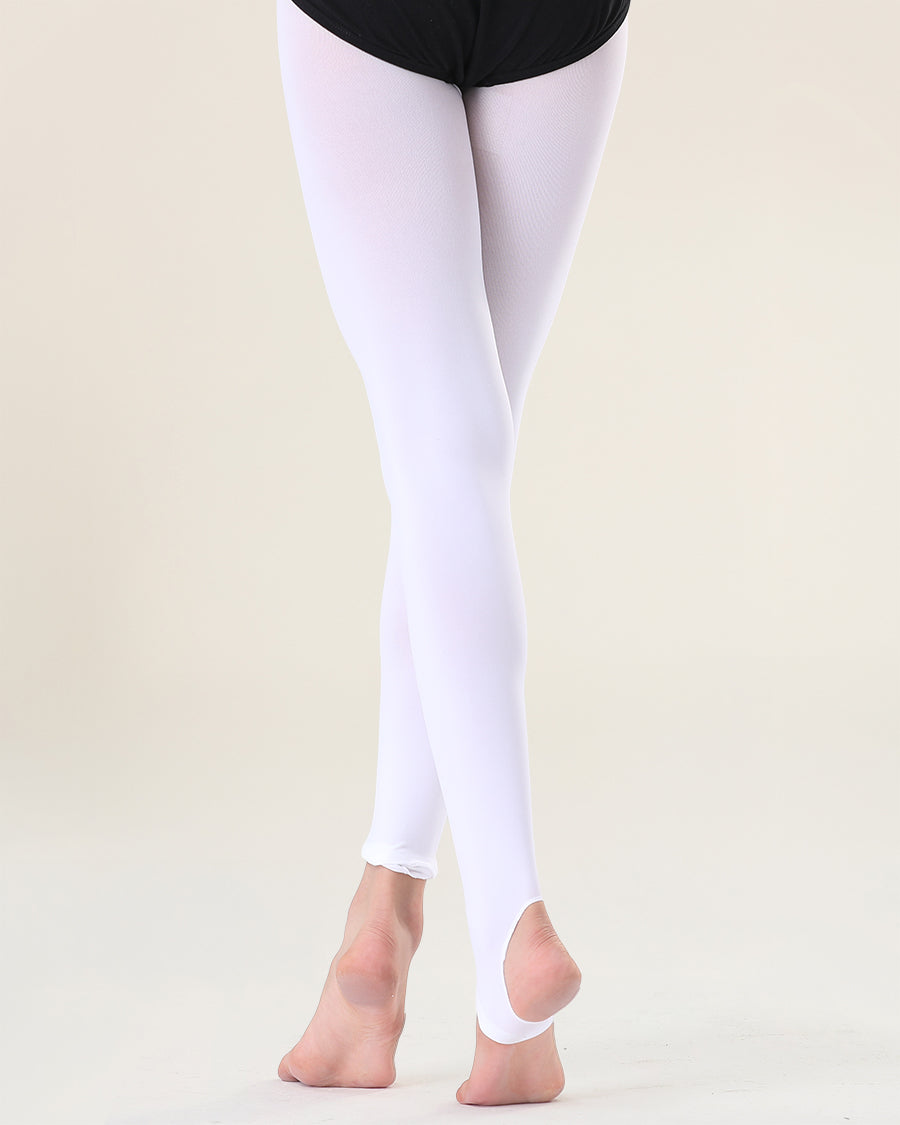
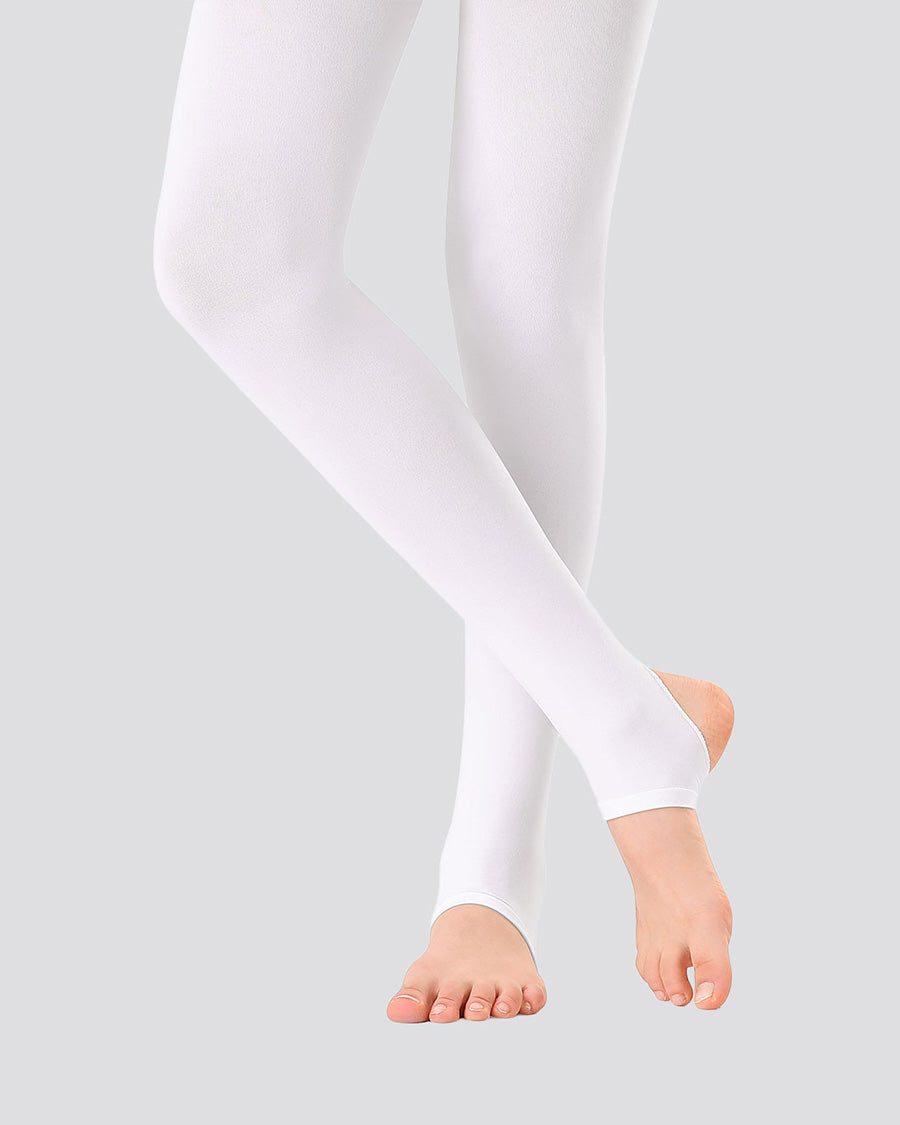
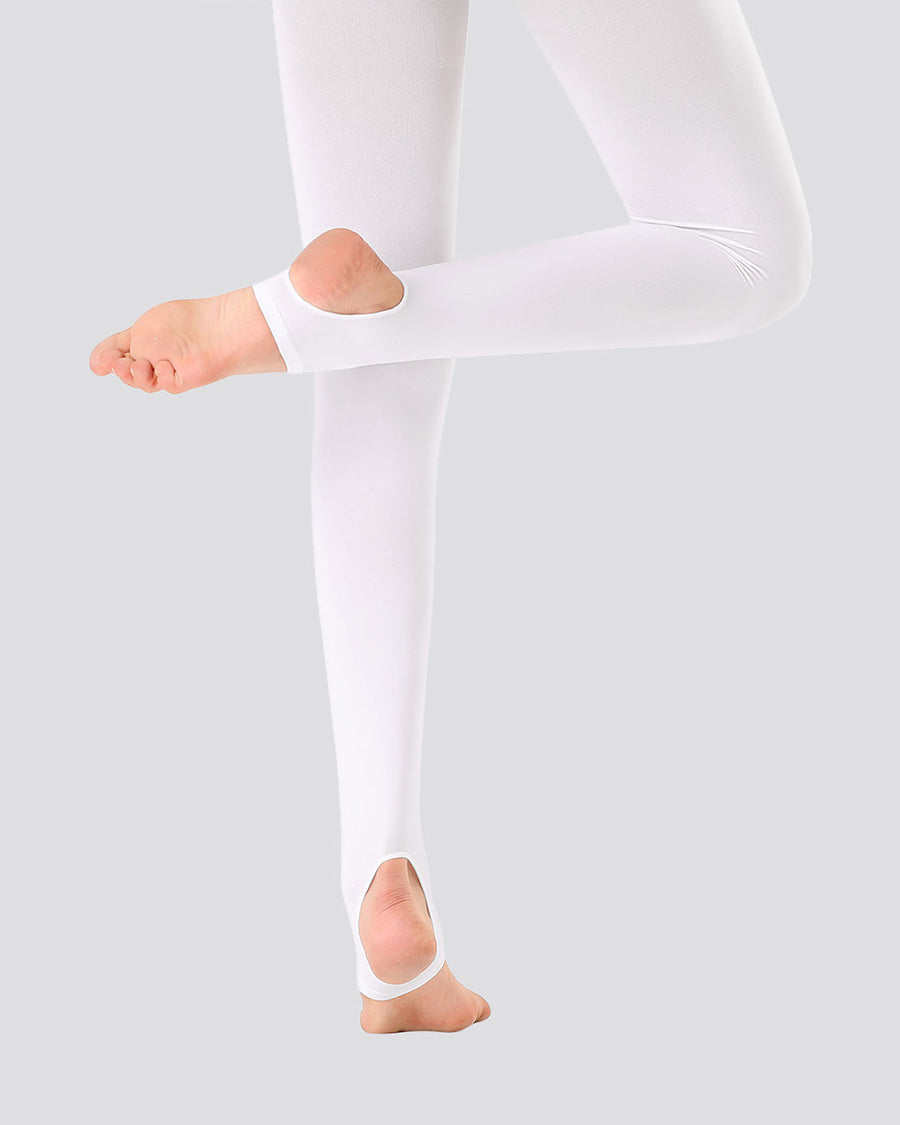
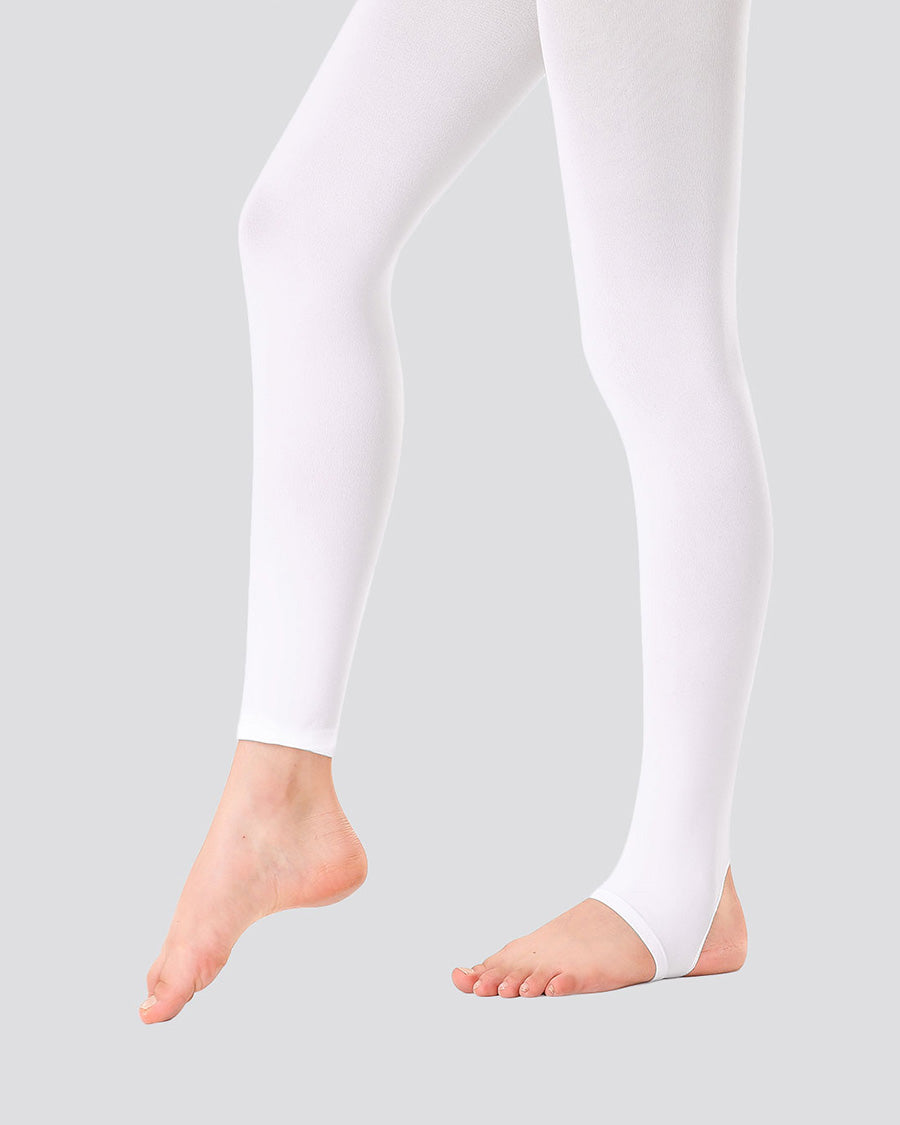
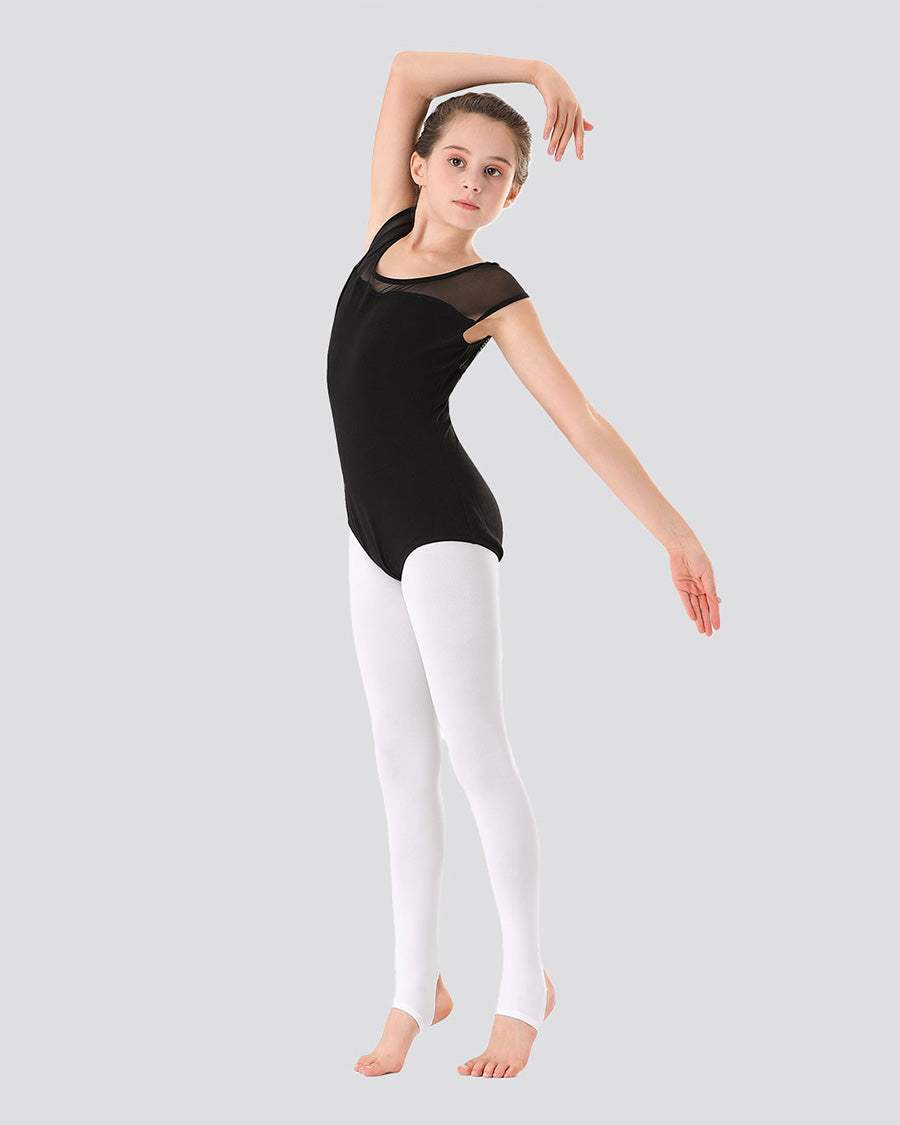
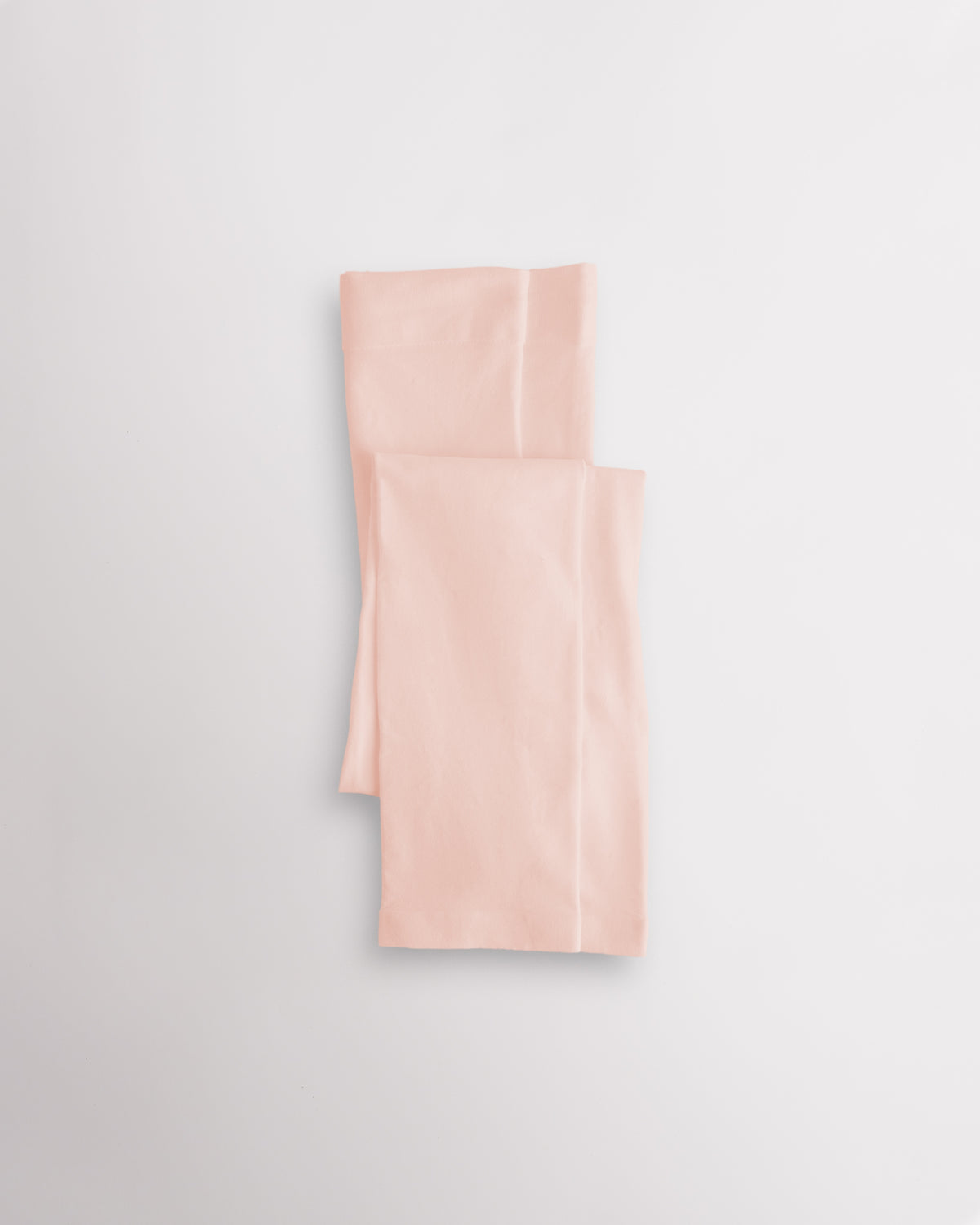
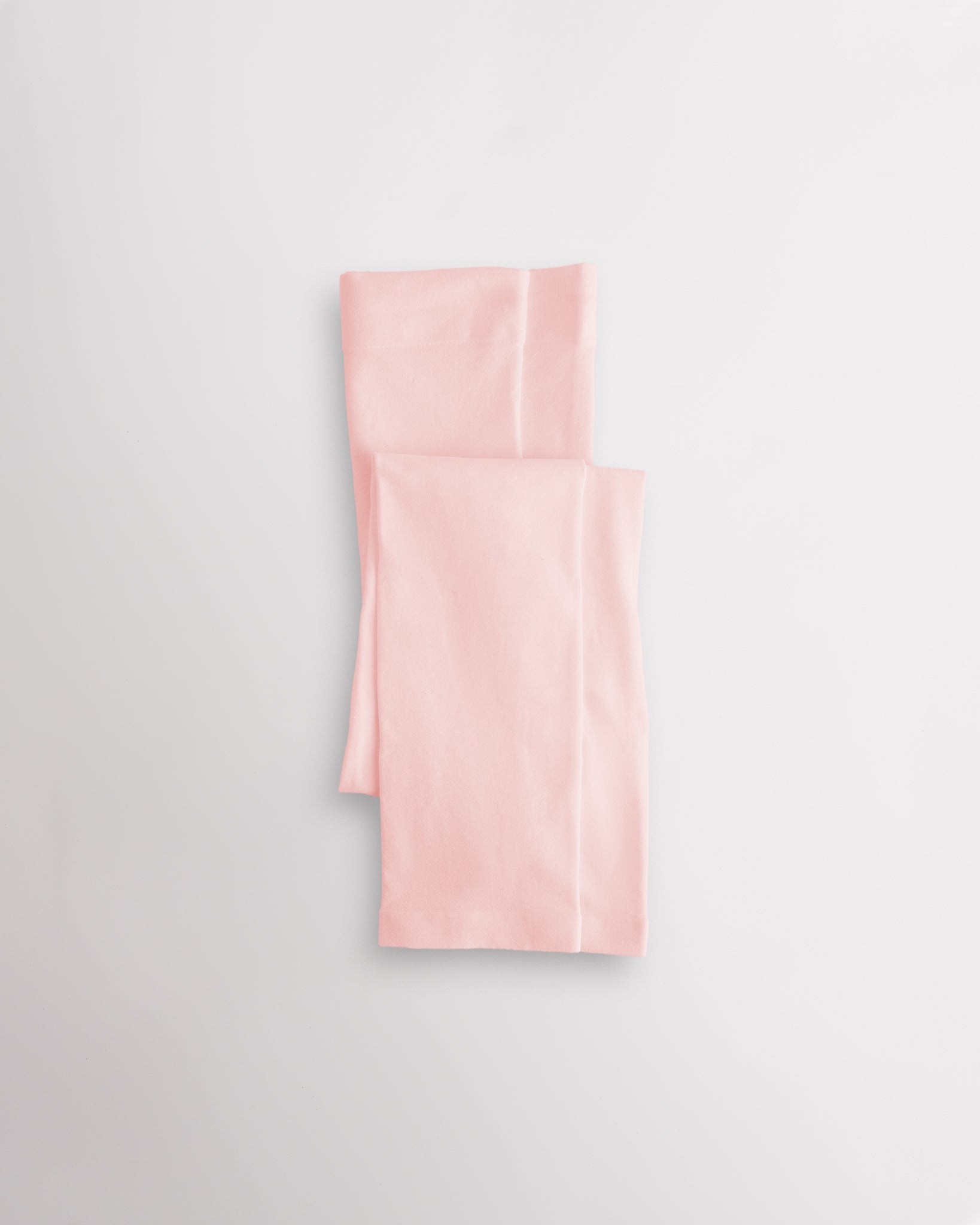
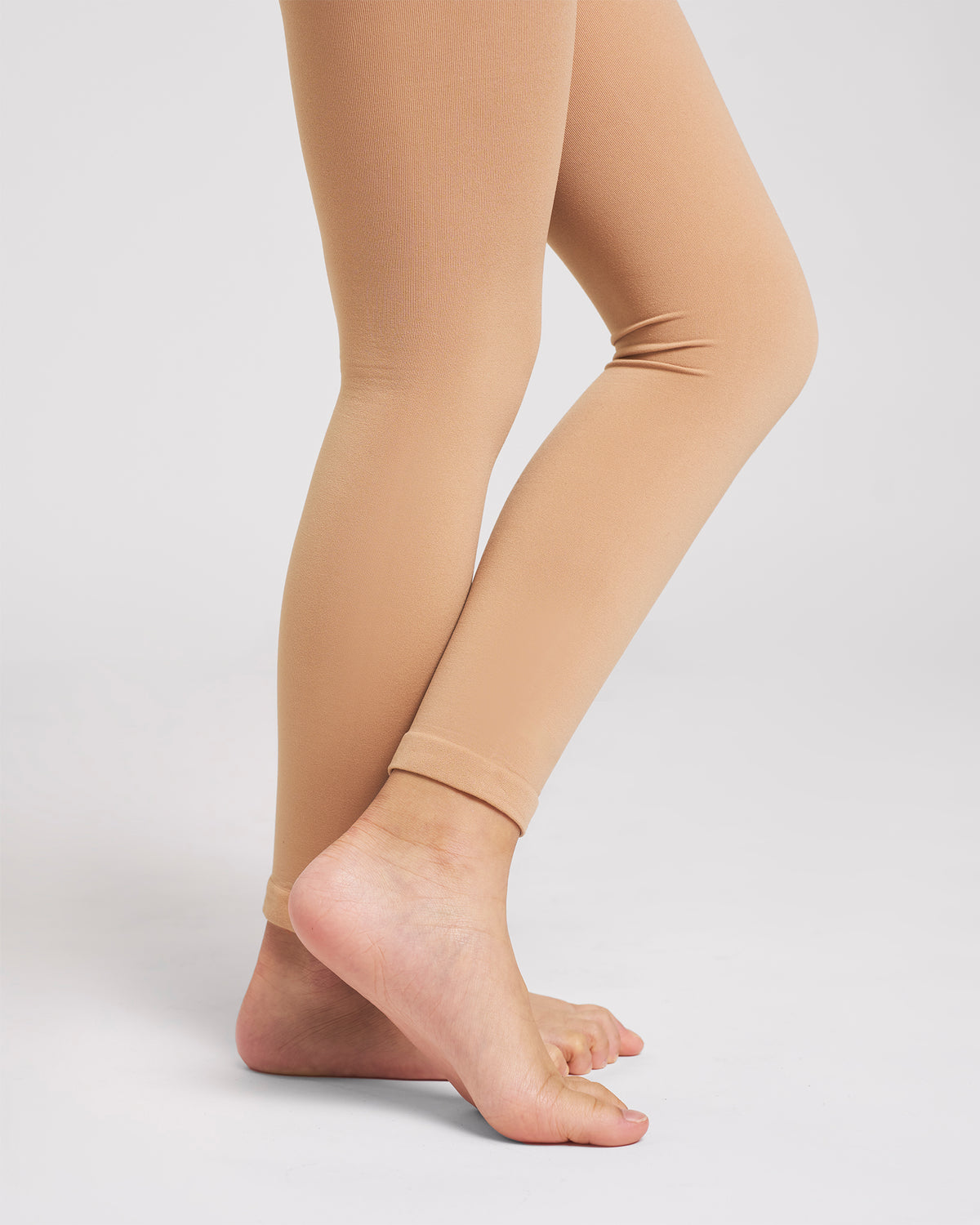
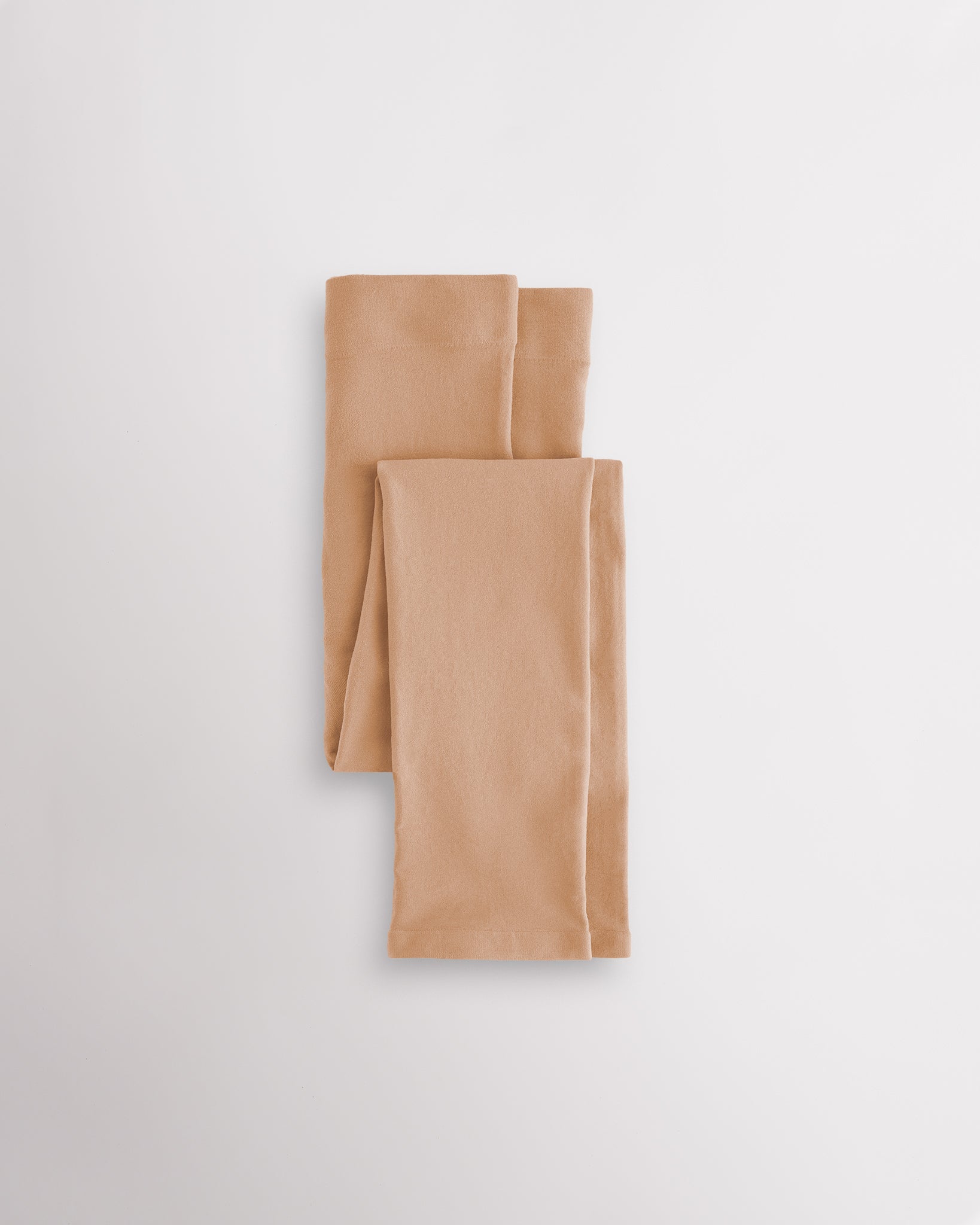
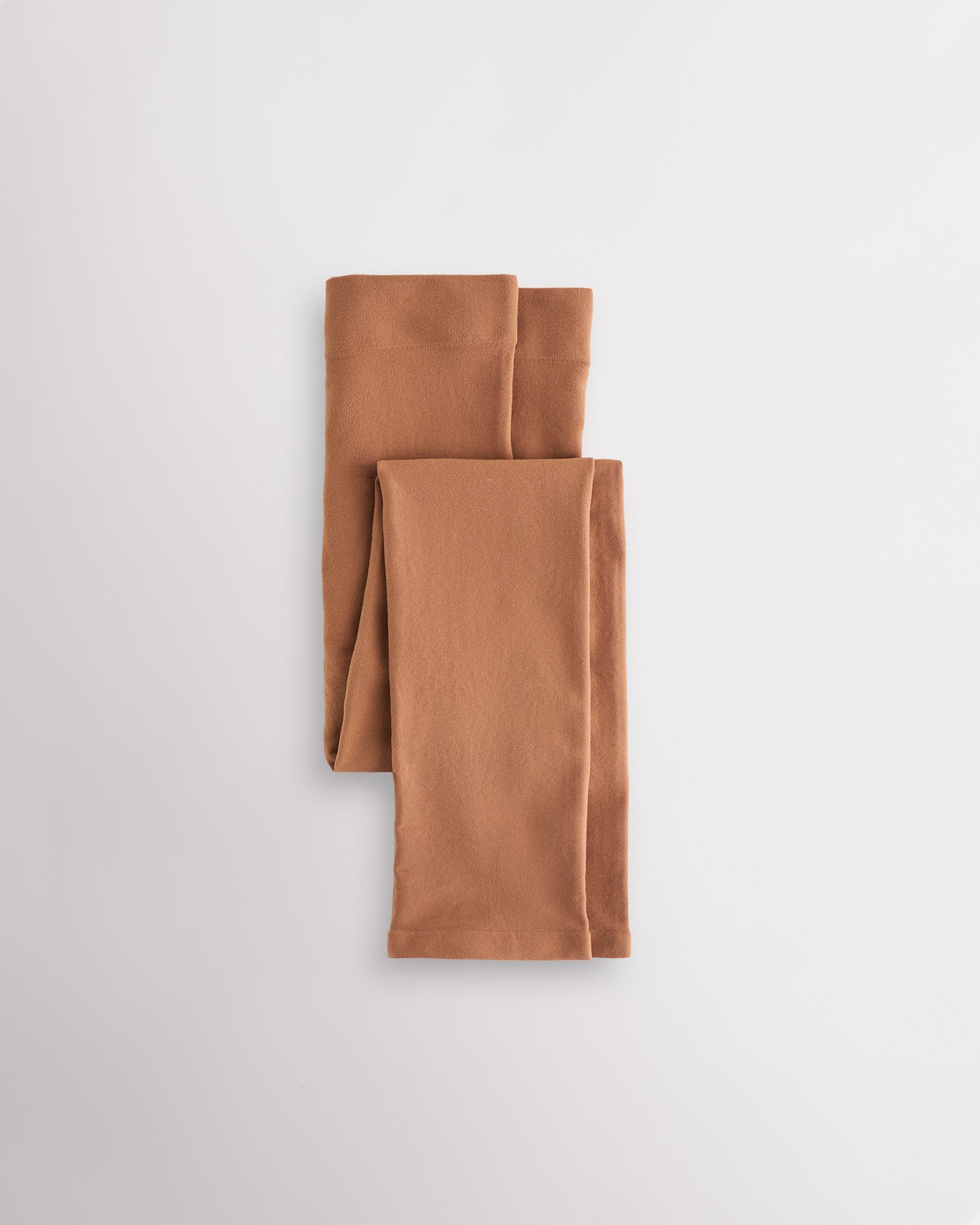
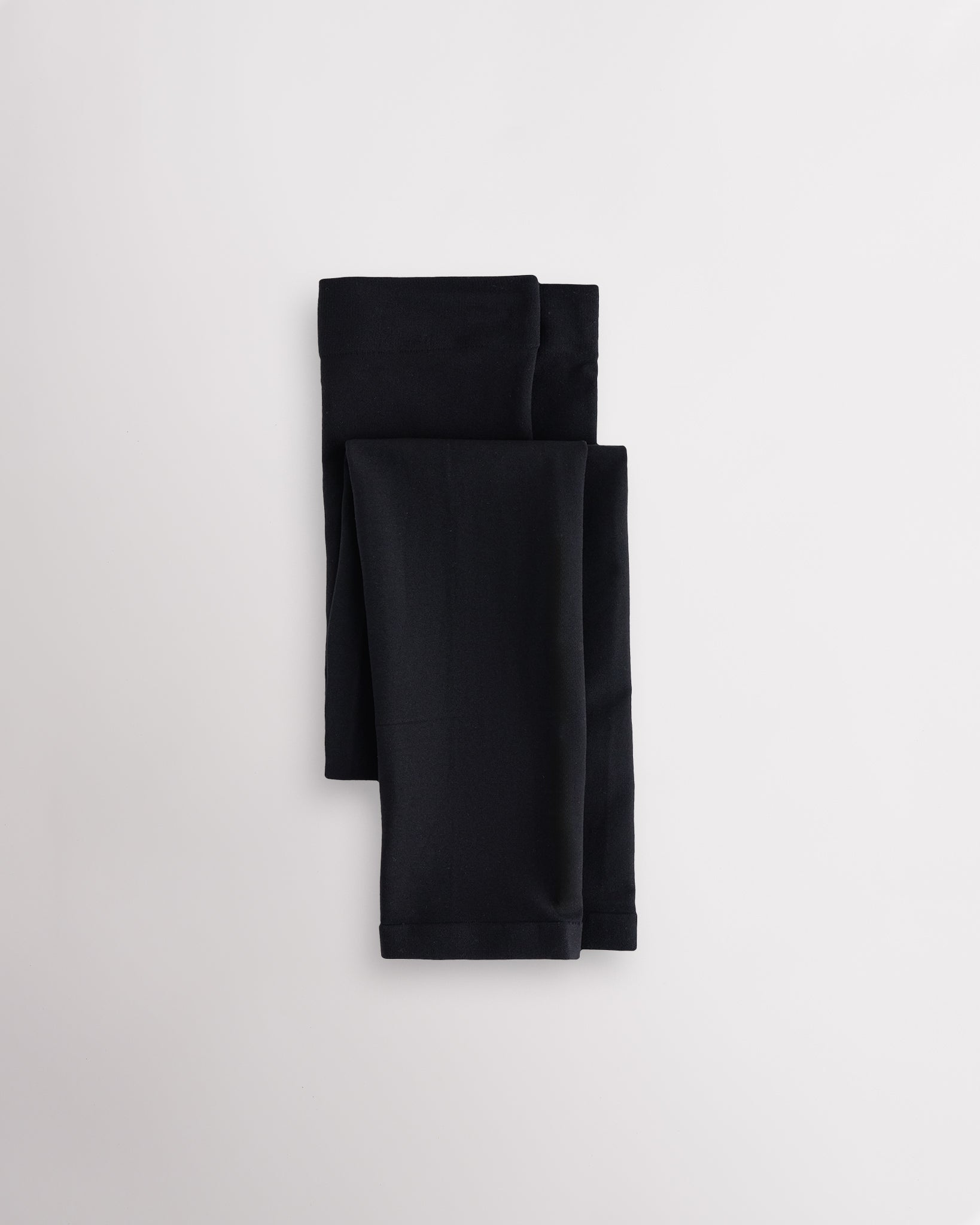
Under is the classic setup: tights go on first, leotard on top, which keeps the line clean and is what most ballet programs picture. Wearing tights over the leotard is also common, particularly with older dancers, because bathroom breaks get much faster when tights can slide down without undressing completely. Convertible tights, with their small opening under the foot, make that routine even easier, and some teachers like tights worn over because leg lines show clearly. If no one has told you otherwise, either way works; our kids dance tights guide walks through footed, footless, and convertible styles.
One related layer worth knowing: fitted dance shorts worn over the leotard are common in jazz and hip-hop, and older kids often like them for extra coverage without changing the line much.

Dance Undergarments for Older Dancers: Bra Options
Parents often ask whether you wear a bra under a leotard. Once a dancer needs bust support, the answer is usually yes, just not an everyday one, since regular bras tend to fight with a leotard's neckline and open back. These options work better:
-
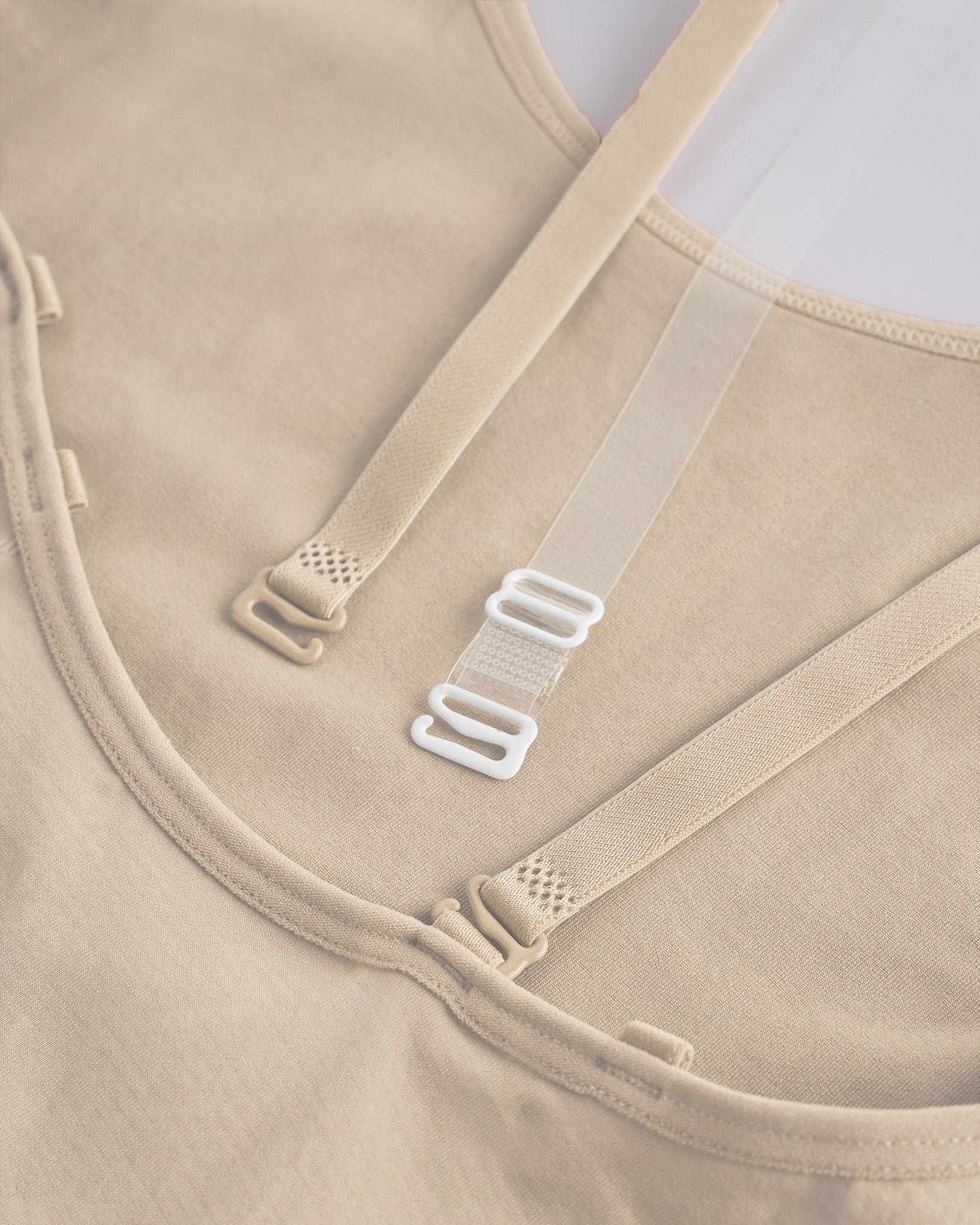
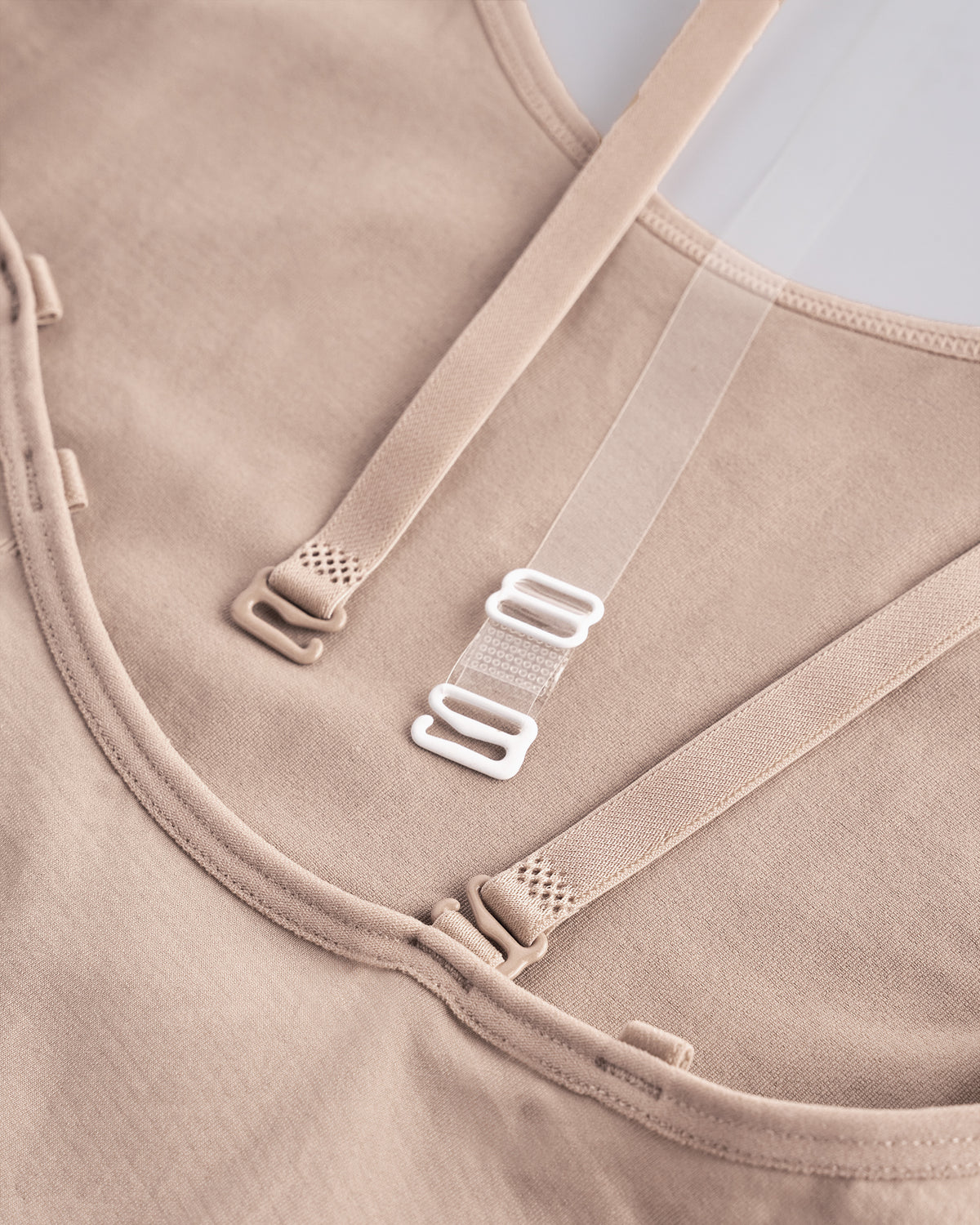
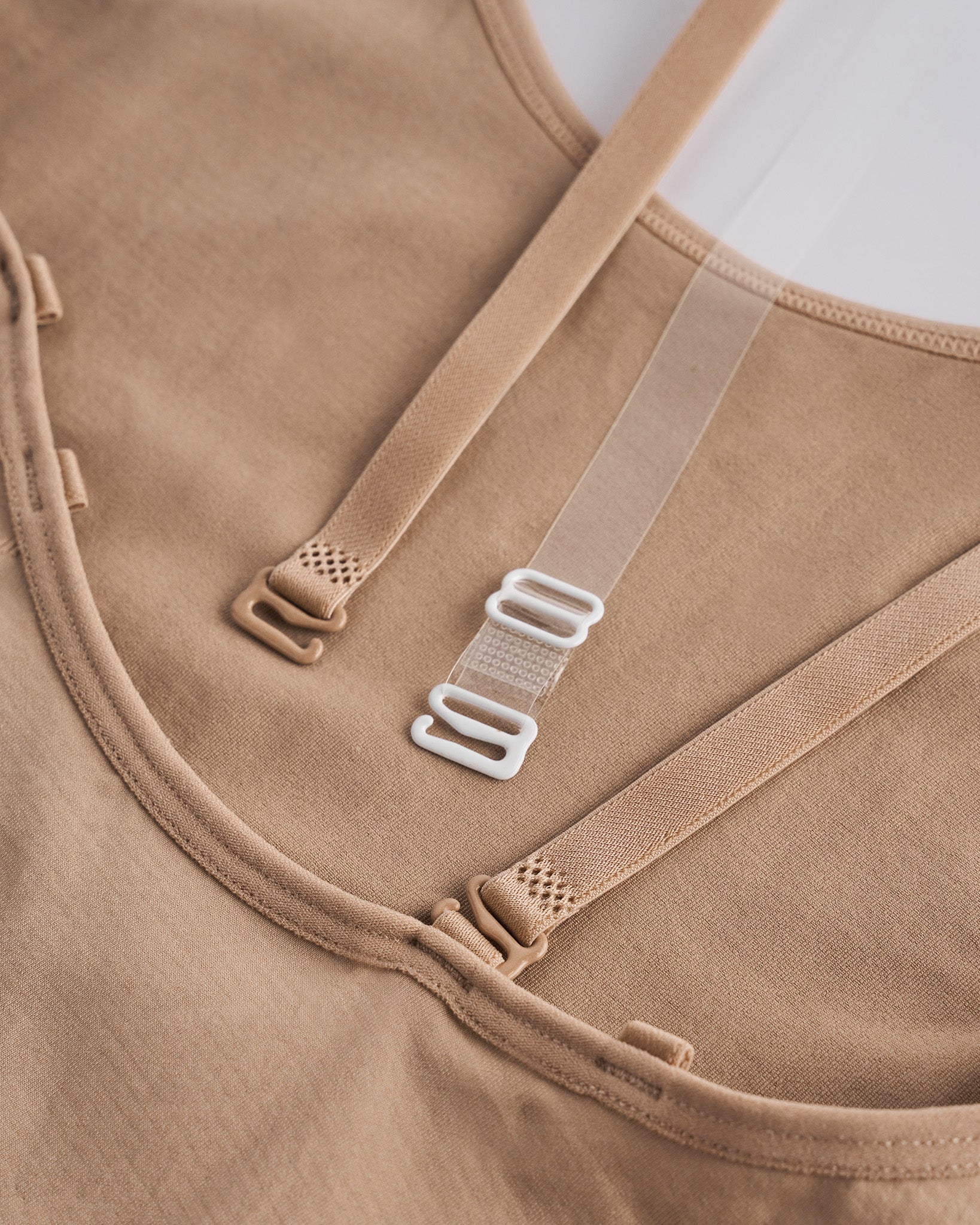
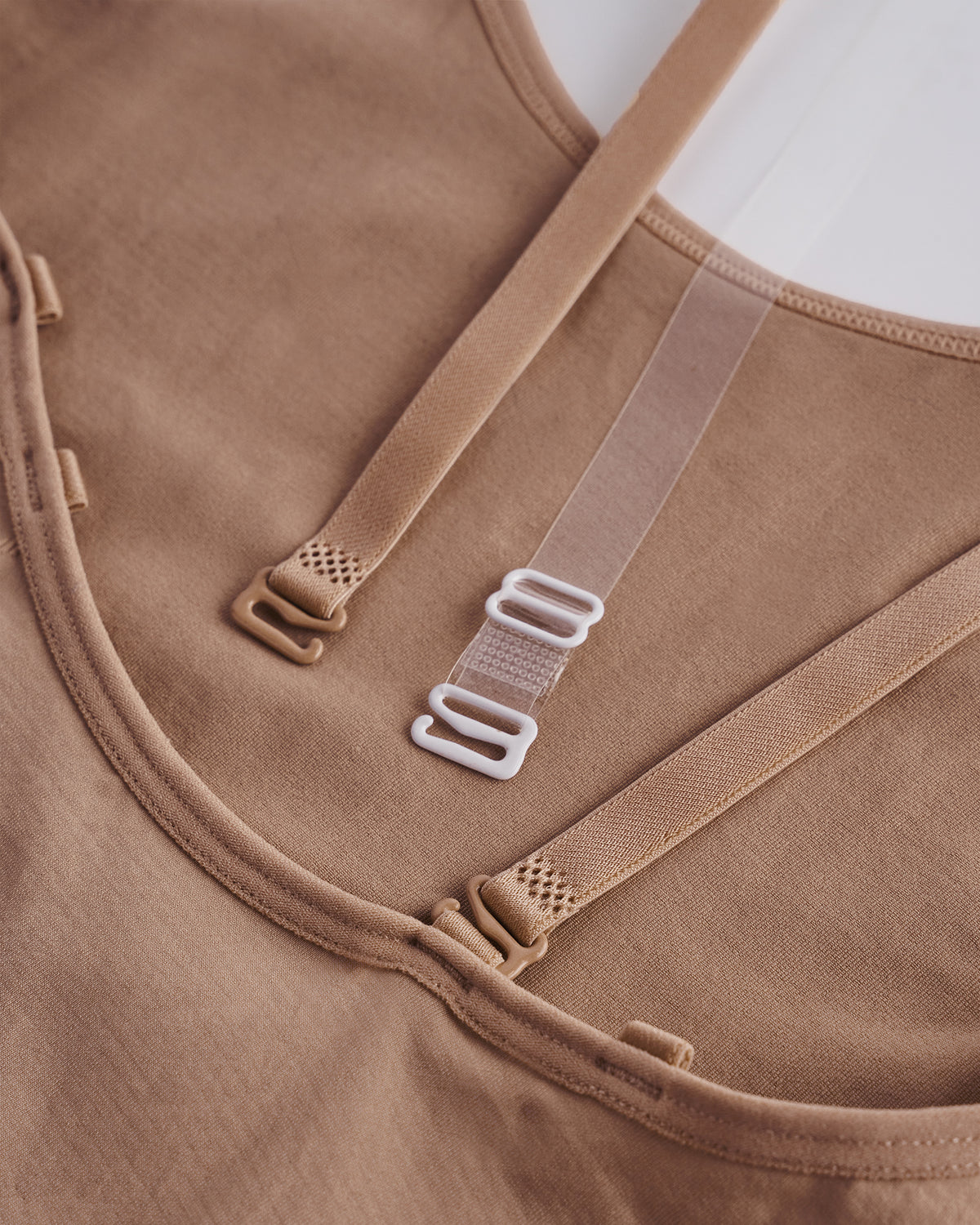
Clear-strap dance bra: low-profile straps that read as subtle rather than invisible, so check them under studio lighting.
-
Skin-tone dance bra: camisole or racerback styles that blend under most leotards and costumes.
-
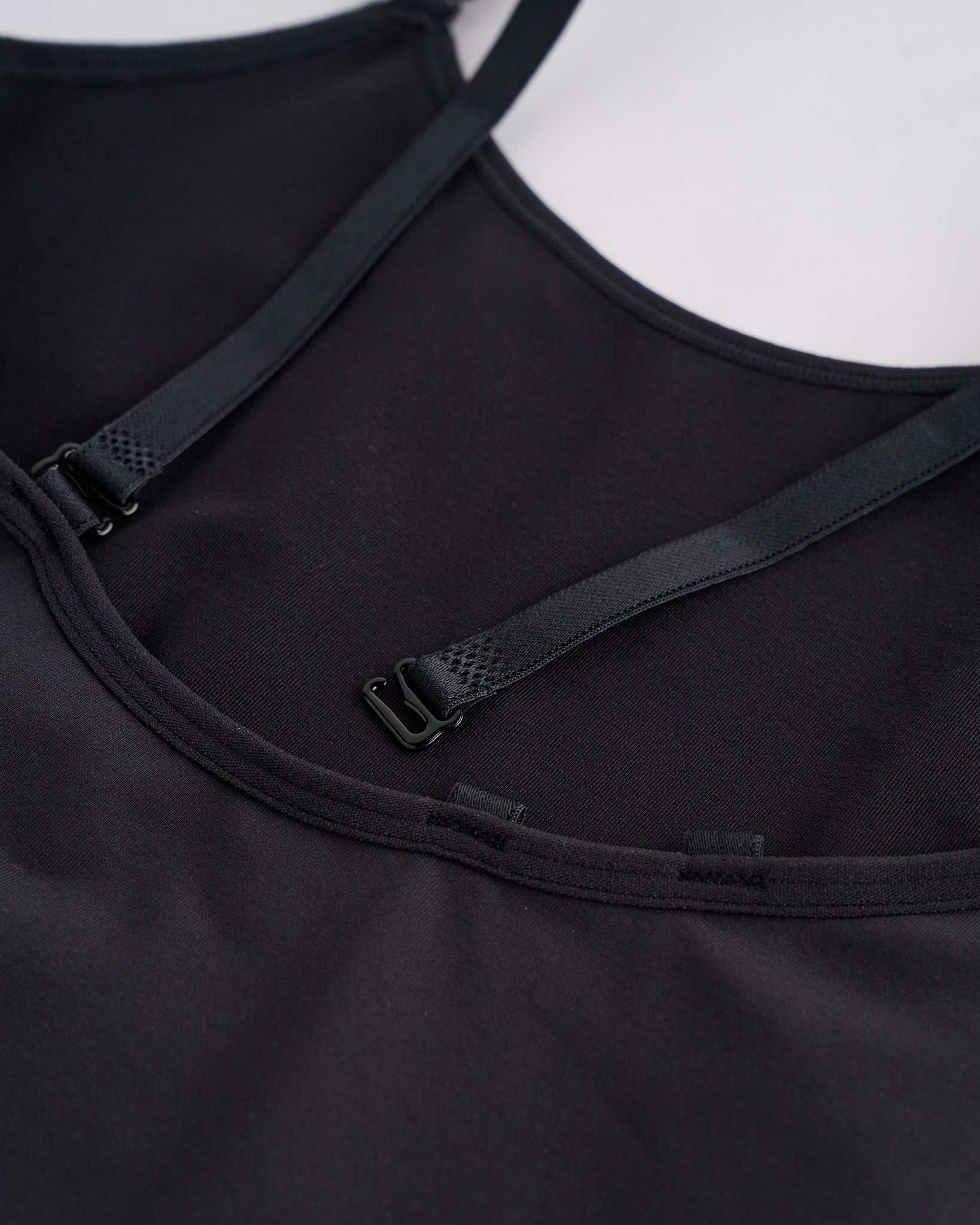
Leotard with a built-in shelf liner: light support with nothing extra to buy, a comfortable first step for many tweens.
-
Body liner: the same thin layer described above, doubling as gentle support plus backstage modesty.
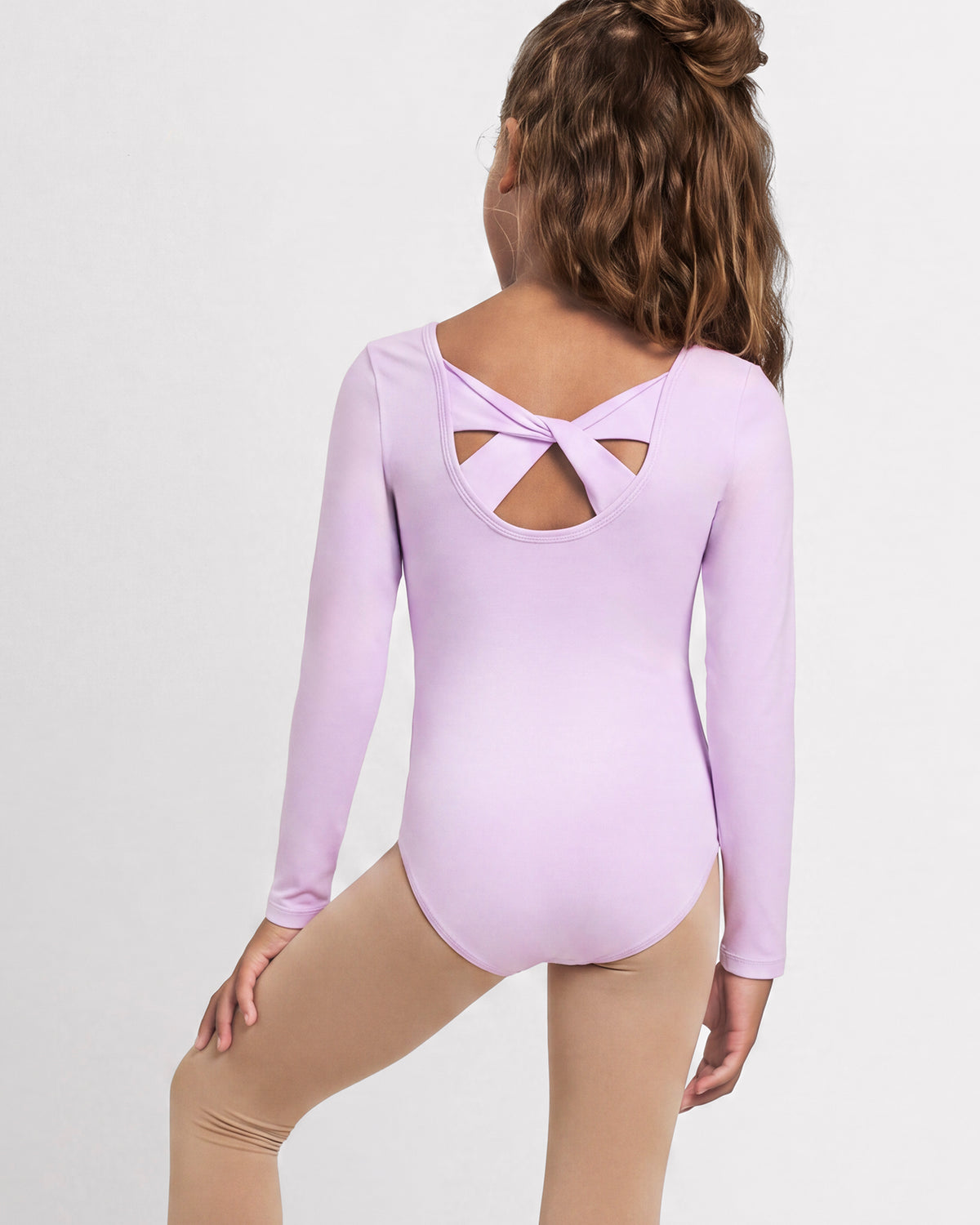
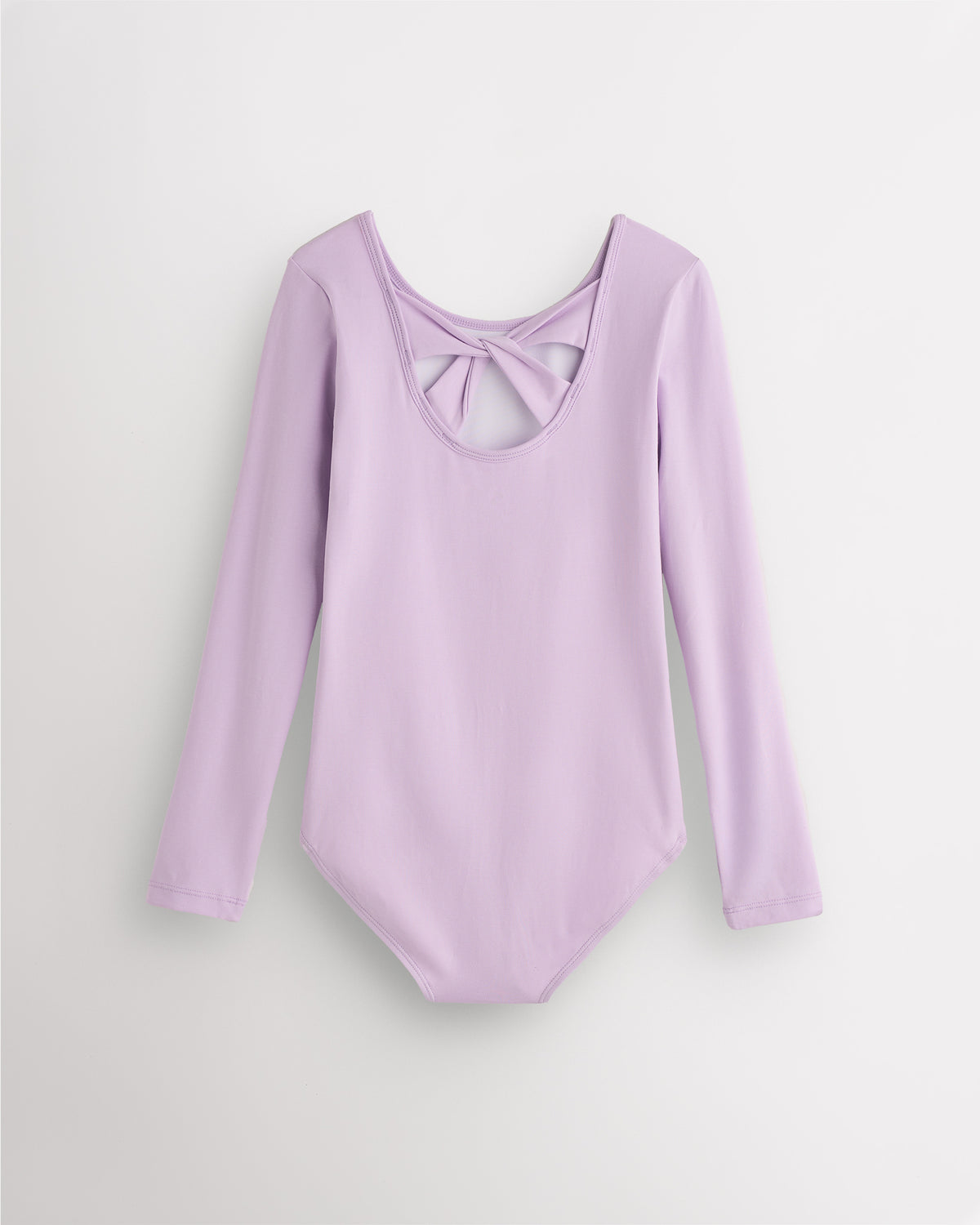
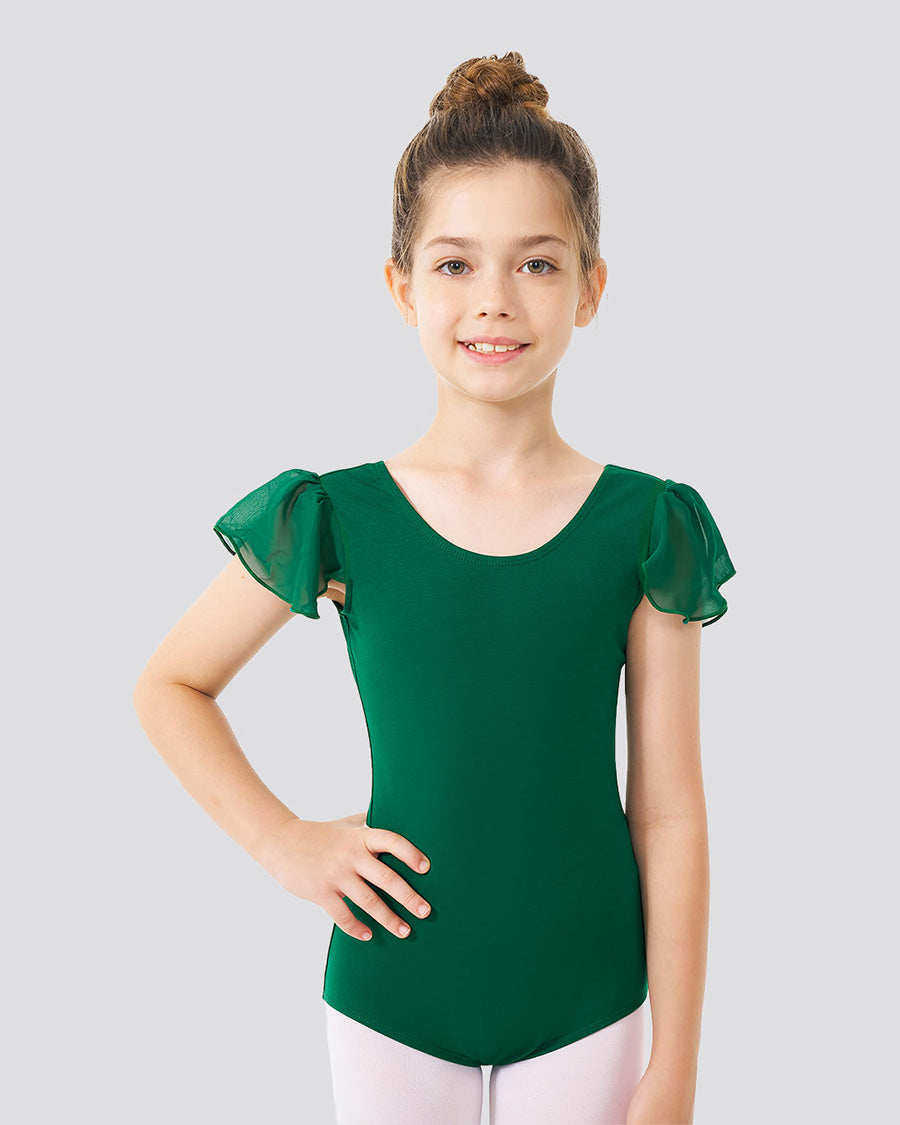
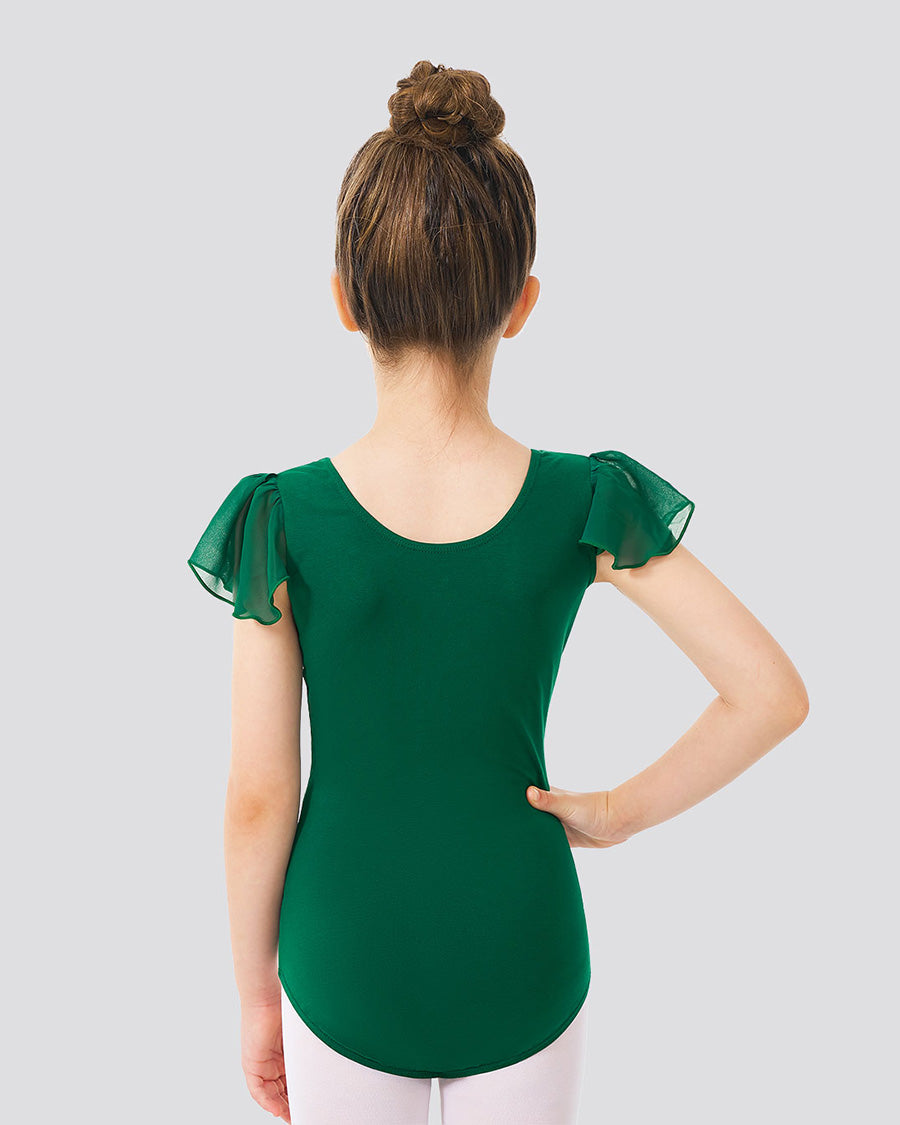
Strap styles matter here too. A camisole leotard shows far more shoulder than a sleeved one, so the right bra can change with the leotard; our comparison of camisole vs tank vs sleeved leotards helps you match them.
Options at a Glance
|
Option |
Who it suits |
Notes |
|---|---|---|
|
Tights only |
Ballet dancers of most ages |
The standard setup; tights serve as the under-layer |
|
Everyday underwear |
Young kids |
Fine for comfort; low-rise styles stay hidden at the leg holes |
|
Dance briefs |
Recitals and costumes |
Higher leg cut and flat edges vanish under leotards |
|
Seamless underwear |
Tweens and teens who want a layer |
Smooth edges, light feel, easy to forget it's there |
|
Body liner |
Costume changes, extra coverage |
The thin under-leotard described above; a consistent backstage layer |
|
Clear-strap or skin-tone dance bra |
Dancers who need bust support |
Match it to the neckline; clear straps are subtle, not invisible |
|
Dance belt |
Older boys |
Supportive undergarment for male dancers; typically required as training advances |
|
Leotard alone or seamless briefs |
Gymnasts |
No tights in gymnastics, so the leotard is its own layer |
What to Wear Under a Leotard in Winter
Winter warmth mostly goes over the leotard, not under it. Teachers need to see alignment to correct technique safely, so bulky hidden layers rarely fly. The usual formula is footed tights, then the leotard, then removable layers: leg warmers, a wrap sweater, and warm-up booties over dance shoes until the room warms up, each piece coming off as the body does. A sleeved leotard adds warmth without adding layers, and if your dancer wants a thin long-sleeve base layer underneath, ask the teacher first, since some studios allow it during barre and ask for it off by center work.
Periods and Leotards: A Matter-of-Fact Note
Sooner or later this question arrives for older dancers, and it has well-worn answers. Many dancers use tampons or a menstrual cup once they're comfortable with them, since neither is visible under a leotard, and both stay put through class once they're in correctly. KidsHealth notes that many girls who start with pads consider tampons for sports and swimming, and that tampons can't be felt because they sit inside the body; changing every four to six hours, as KidsHealth advises, covers a long rehearsal day. Pads work under a leotard too, especially with a snug dance brief to hold them in place; there is no requirement to switch. Period underwear now comes in low-rise, leotard-friendly cuts that work alone on lighter days or as backup. A small pouch in the dance bag with supplies and a spare pair of tights turns a stressful moment into a two-minute fix, and teachers have quietly handled this a hundred times.
What Studios and Dress Codes Typically Say
Before buying anything, check the studio handbook or ask the teacher, because the dress code outranks internet consensus. Common patterns: ballet programs treat tights as the underwear layer, costume guidelines call for skin-tone or invisible undergarments, and competition teams often specify exact liners or briefs to keep the group uniform.
For recitals and competitions, three things help:
-
Many costumes are designed to be worn with only tights or dance briefs underneath, so ask before adding layers.
-
Strappy or open-back costumes usually call for skin-tone pieces, such as a clear-strap bra or a body liner.
-
Pack a quick-change kit: a liner, spare tights, and safety pins cover most backstage surprises.
FAQ
1. Is it unhygienic to skip underwear under a leotard?
No. Tights and leotards go in the wash after each wear, just like other activewear, and dance tights are built with lined gussets for this reason. A freshly washed layer against the skin does the same job underwear would.
2. What do gymnasts wear under their leotards?
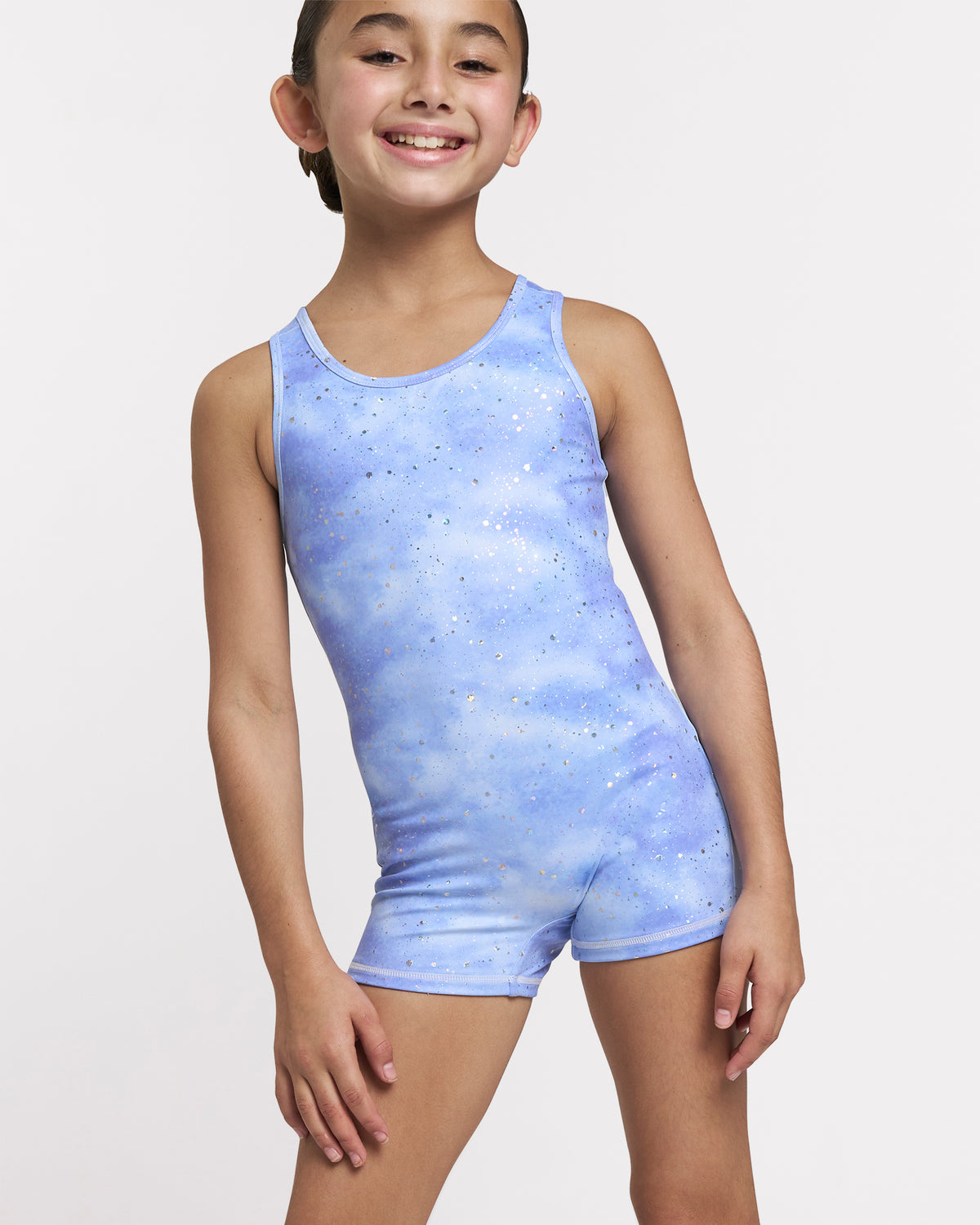
Much the same as dancers, minus the tights: usually the leotard alone or with seamless, skin-tone briefs. Competition rules generally ask for undergarments to stay out of sight, which is why matching-tone layers are popular.
3. Do gymnasts wear bras under their leotards?
Older gymnasts who want support typically choose skin-tone or clear-strap sports and dance bras that sit inside the leotard's lines. Most younger gymnasts wear nothing extra.
4. What do dancers wear during their period?
Most older dancers use tampons, a menstrual cup, or low-rise period underwear, with pads plus a snug dance brief as another solid option. The period section above covers the details, including a simple dance-bag kit.
5. Do boys wear anything under a leotard?
Young boys wear briefs or nothing, whichever is comfortable. Older boys wear a dance belt, which studios typically require as training advances; see the note for boys above.
Key Takeaways
-
In ballet, tights are designed to function as the underwear layer, and many dancers wear nothing else under the leotard.
-
For young kids, underwear or no underwear are both common and both fine; go with whatever is comfortable.
-
Older dancers have purpose-made options: dance briefs, seamless underwear, body liners, dance bras, and dance belts for boys.
-
Winter layers go over the leotard, not under it, and hygiene comes from washing after each wear.
-
The studio dress code has the final word, so check it before you buy.