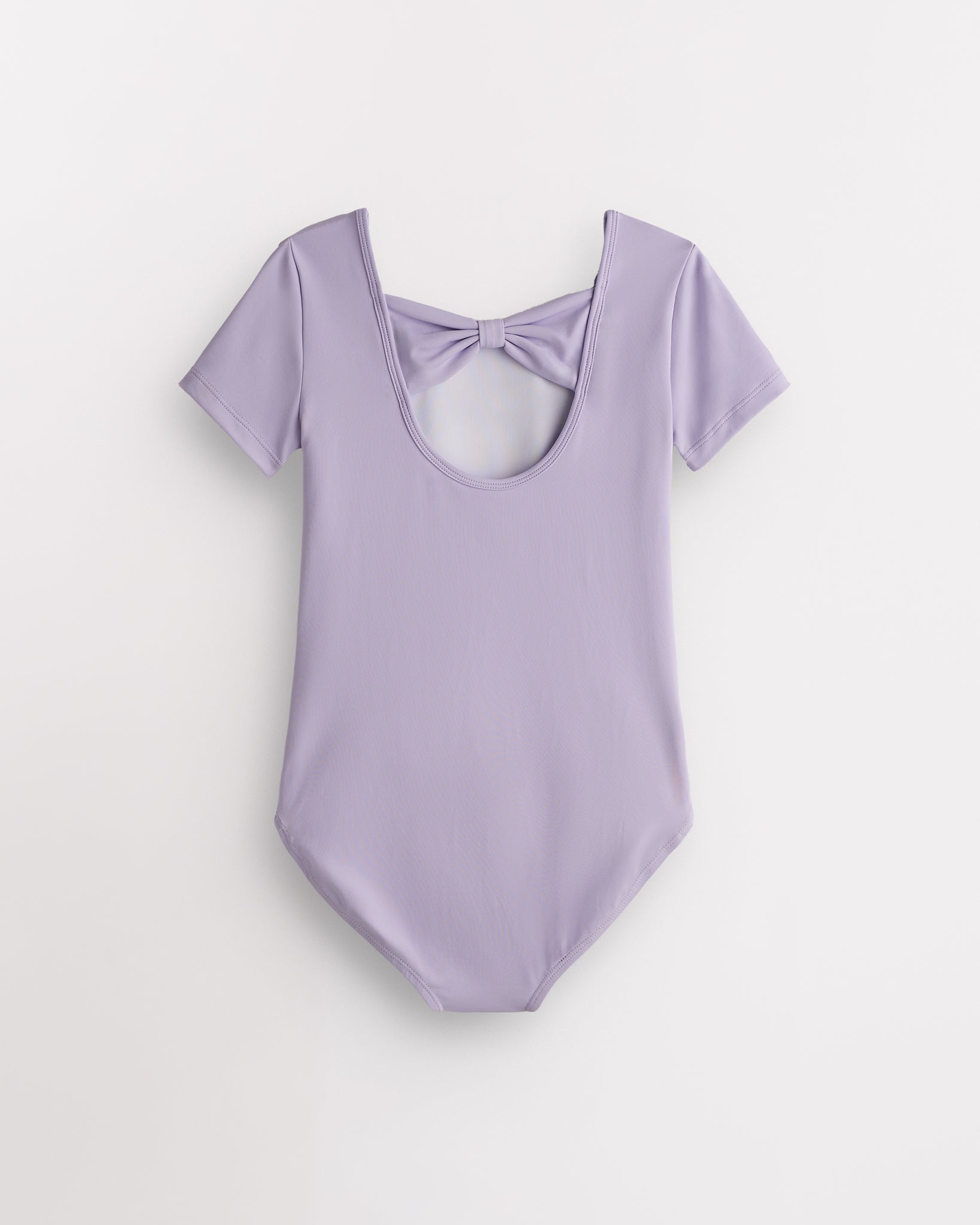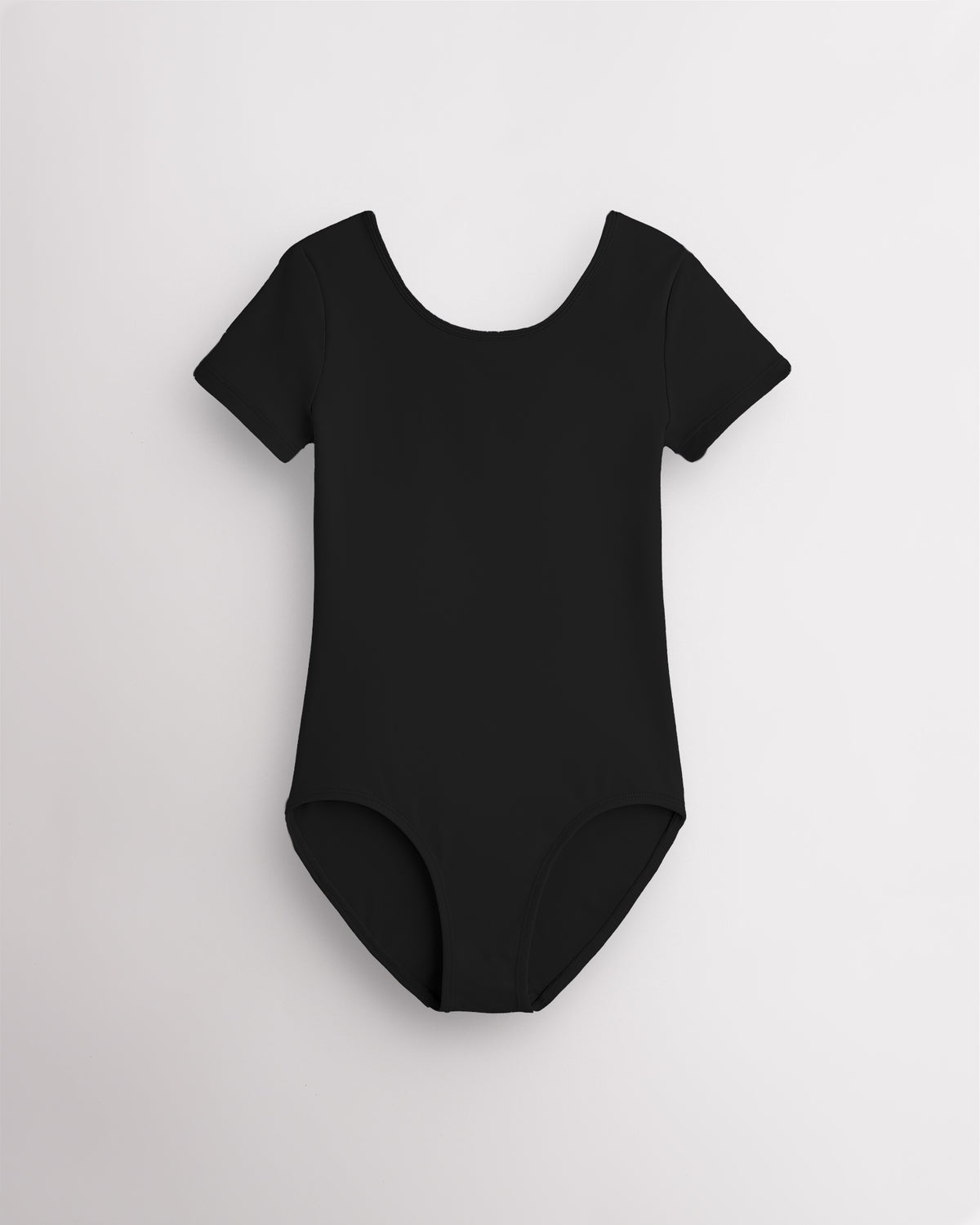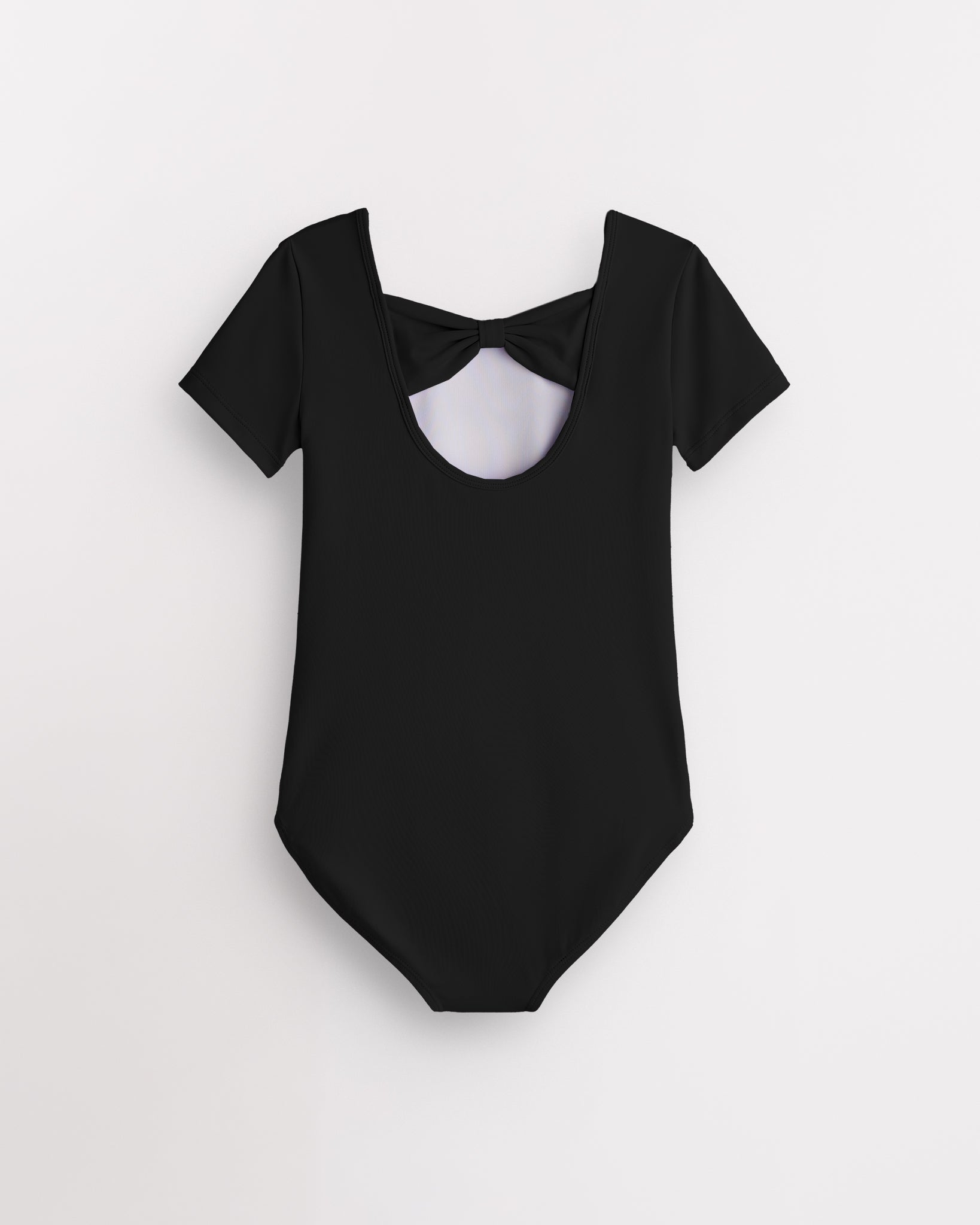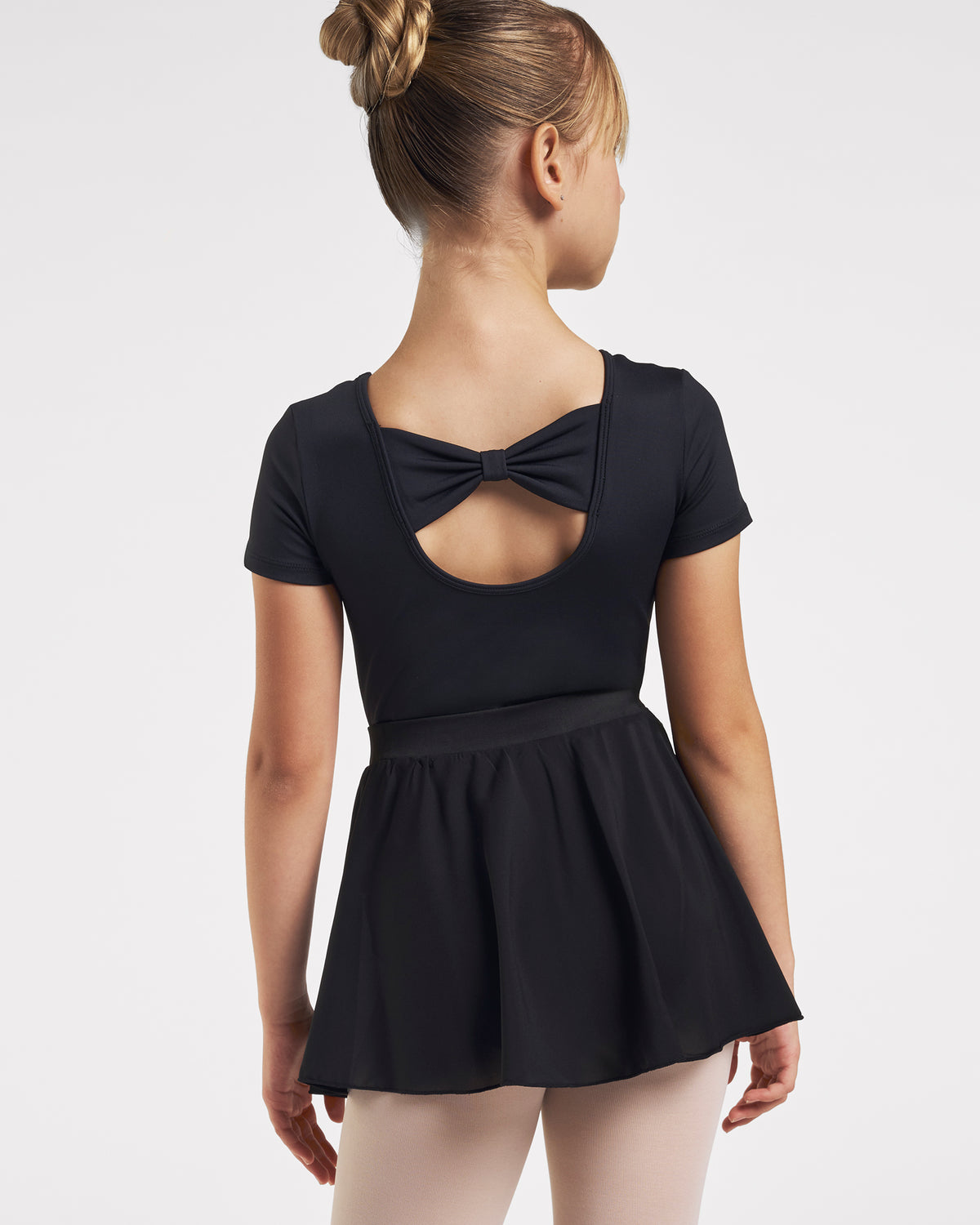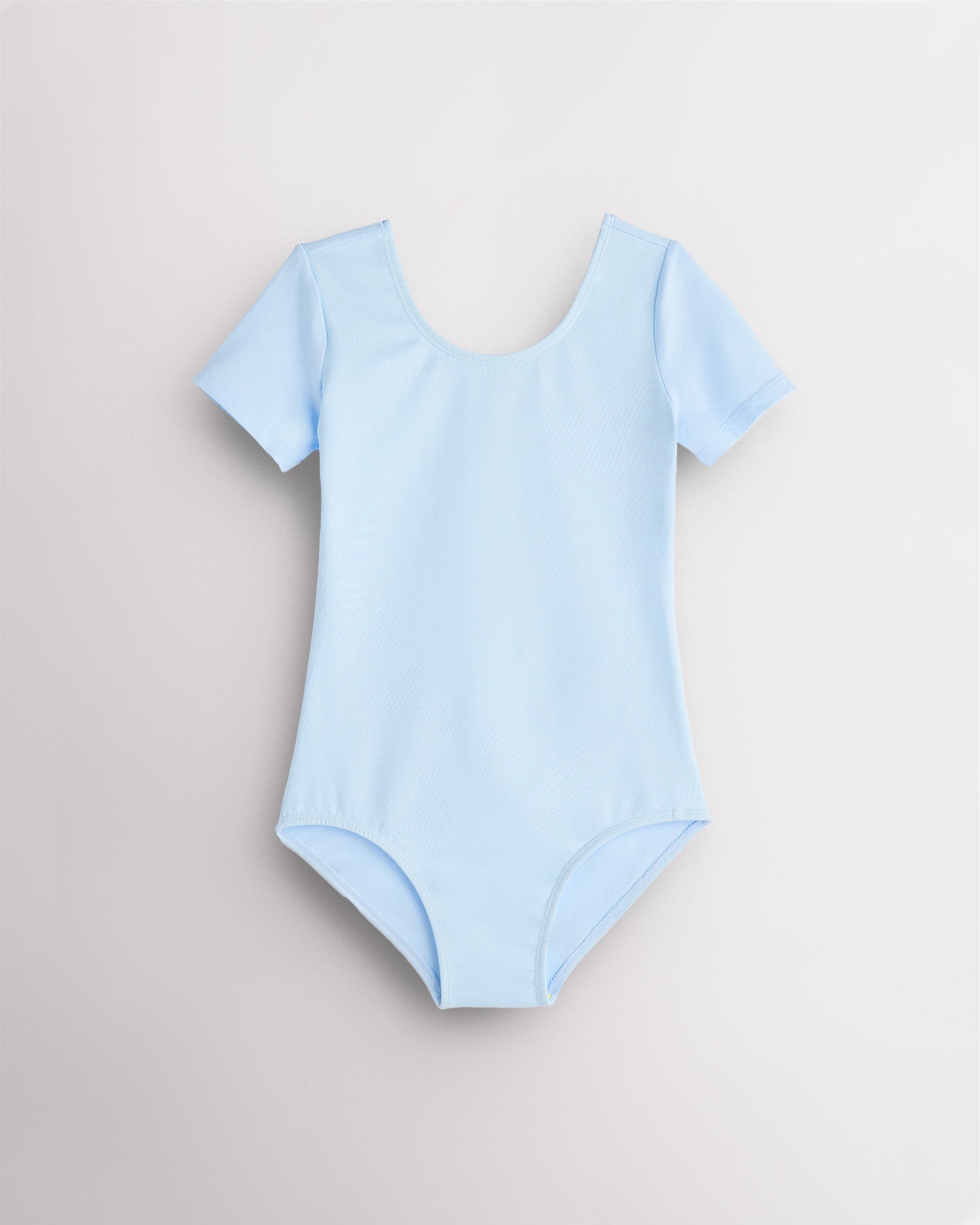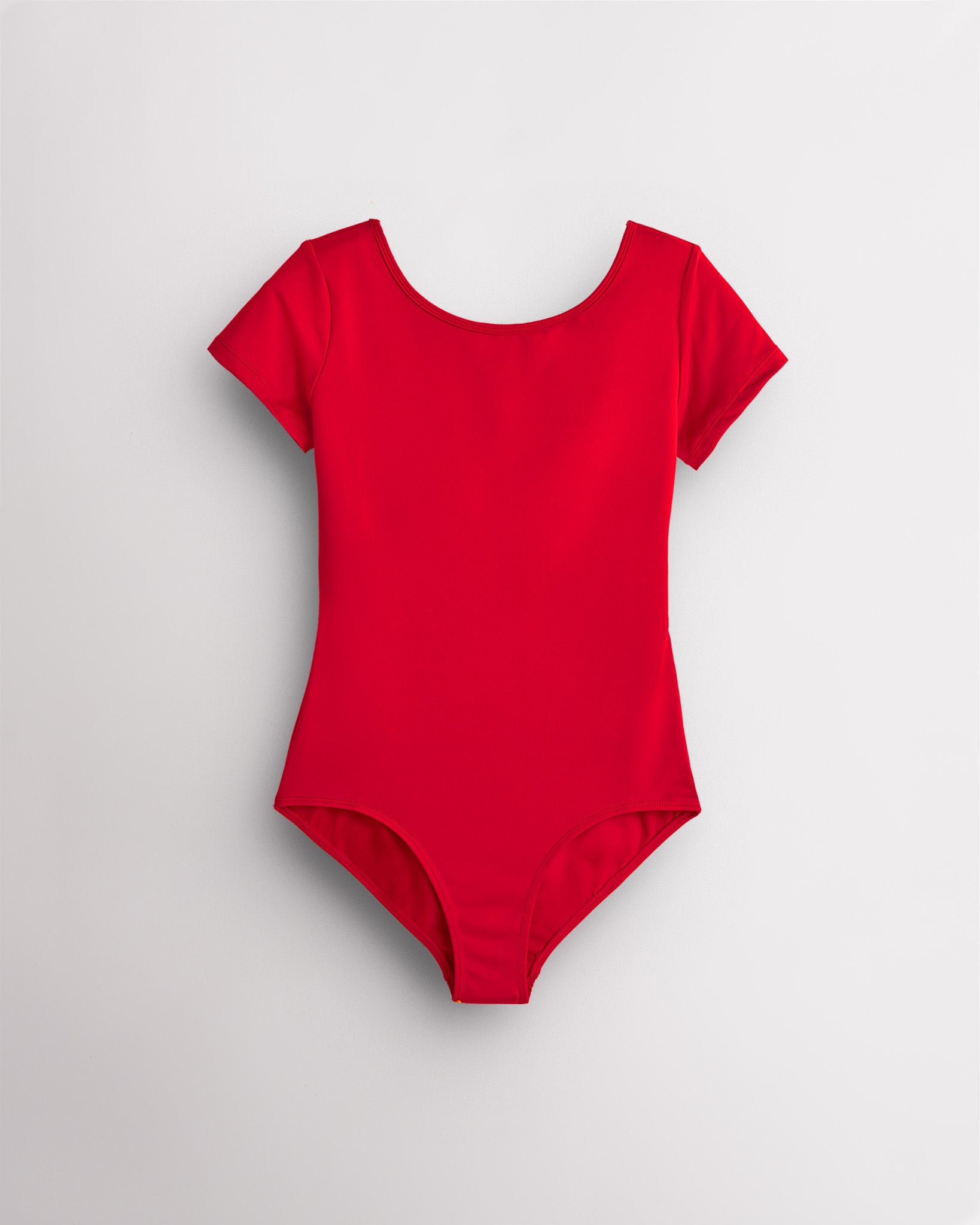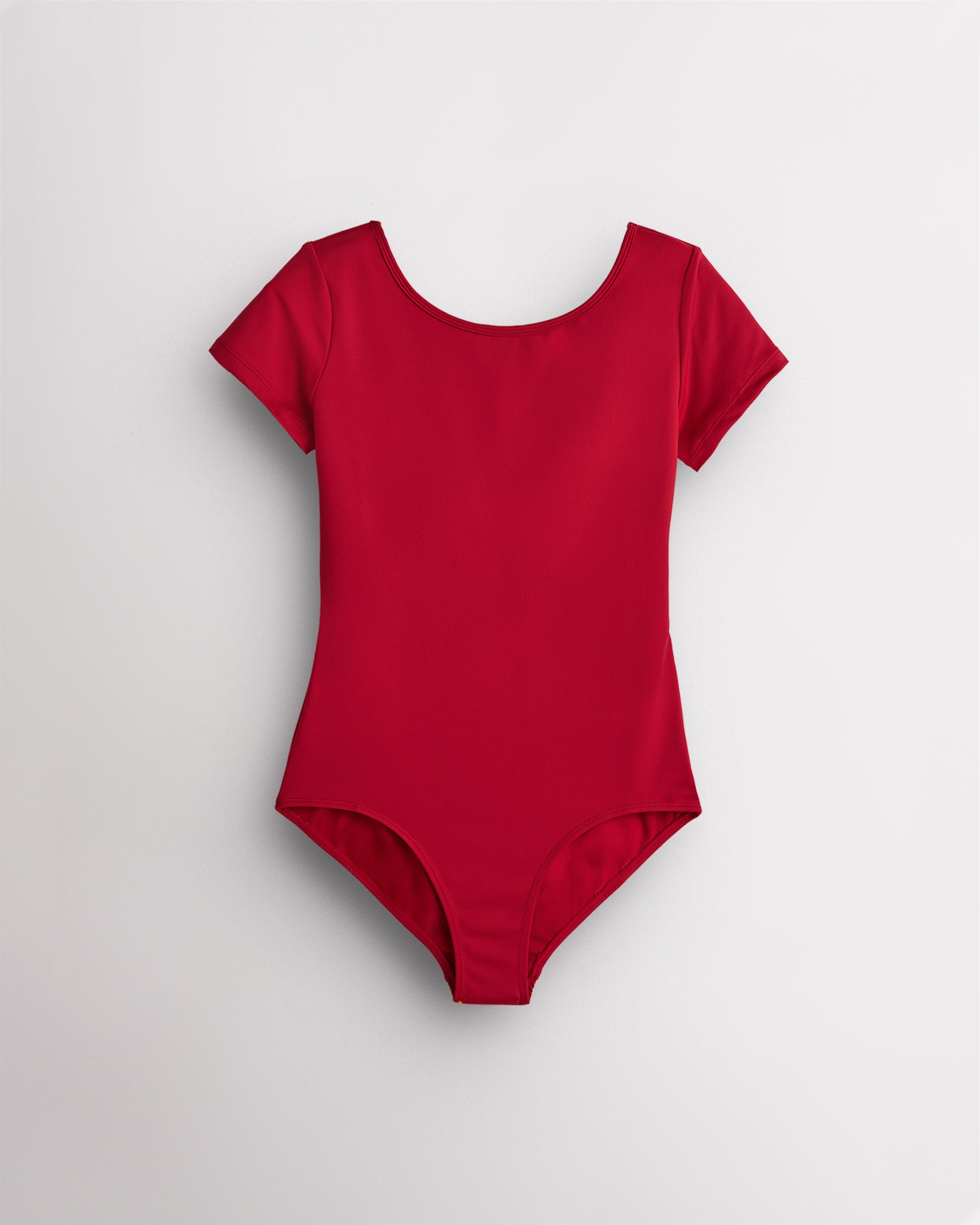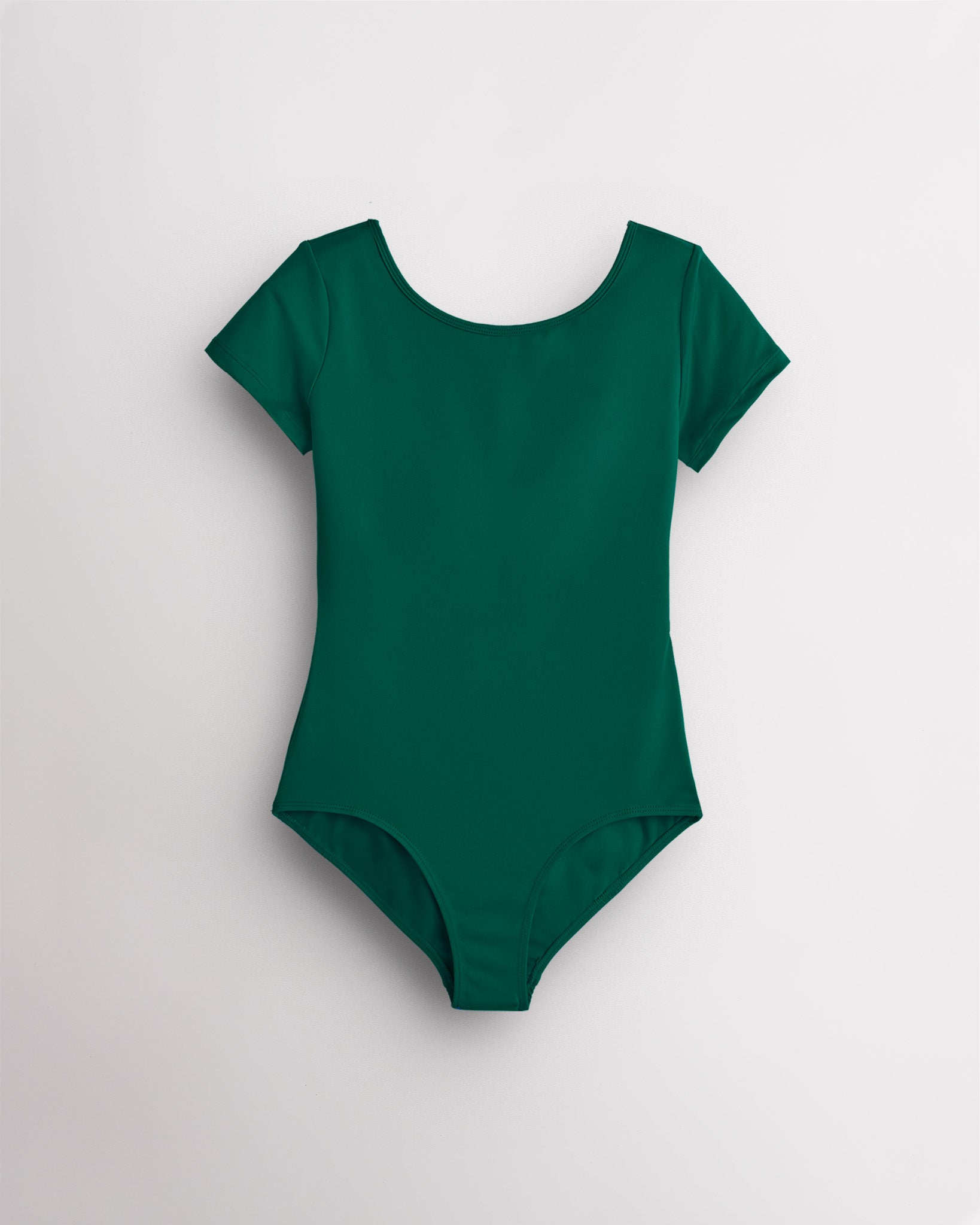




Camisole vs Tank vs Sleeved Leotards: How to Choose the Right Style for Your Child
Table of contents
- Answer summary
- Step 1: Check the Dress Code
- Step 2: Match the Style to the Class
- Step 3: Try It On and Watch for These Signs
- If She Keeps Adjusting It Anyway
- Where Stelle Fits In
- 1. What is the best leotard style for a beginner?
- 2. Is a camisole leotard good for kids?
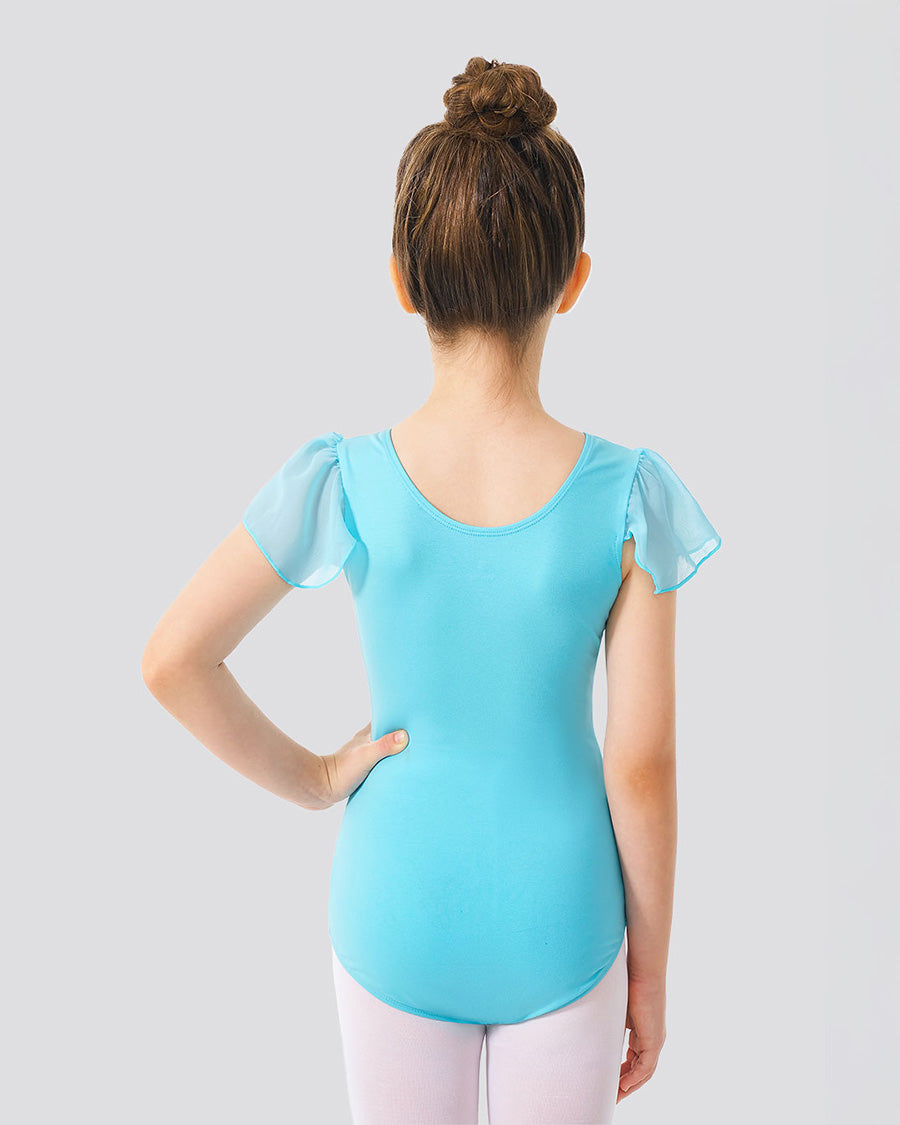
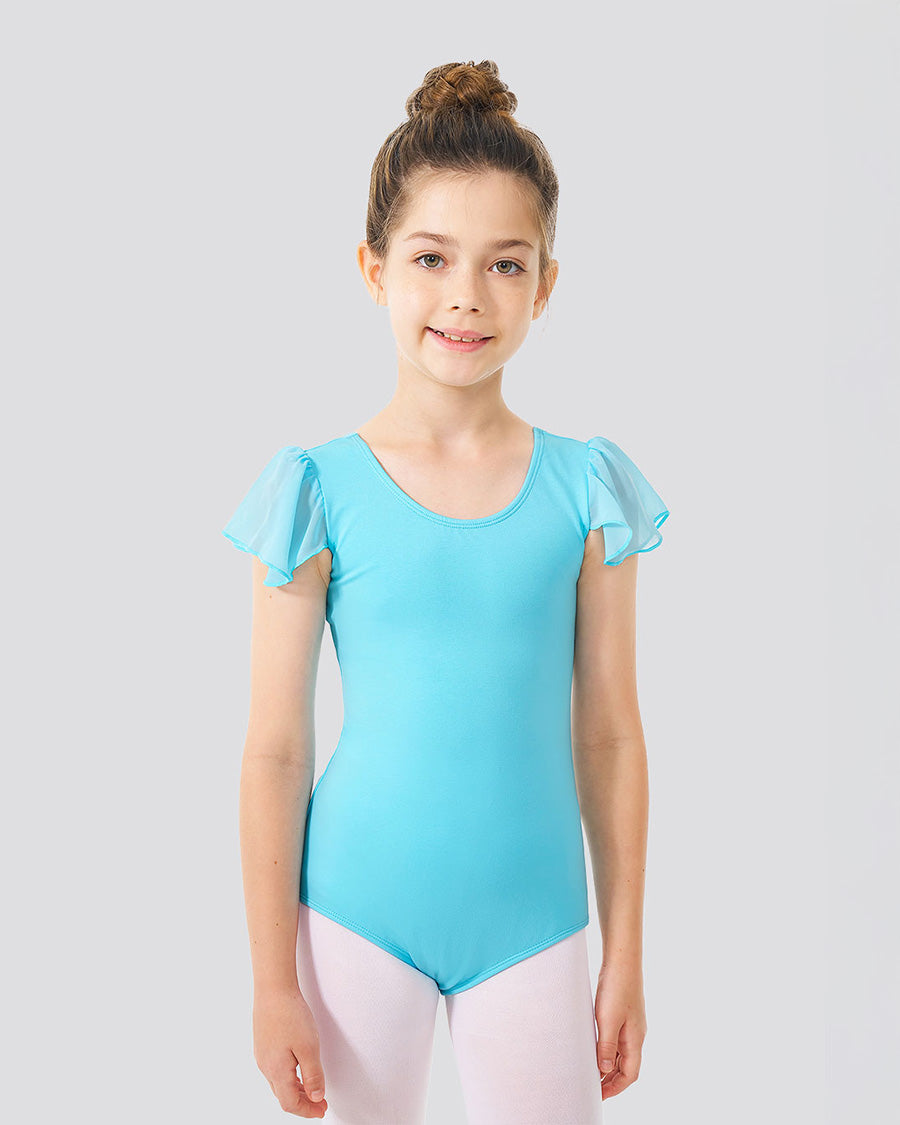
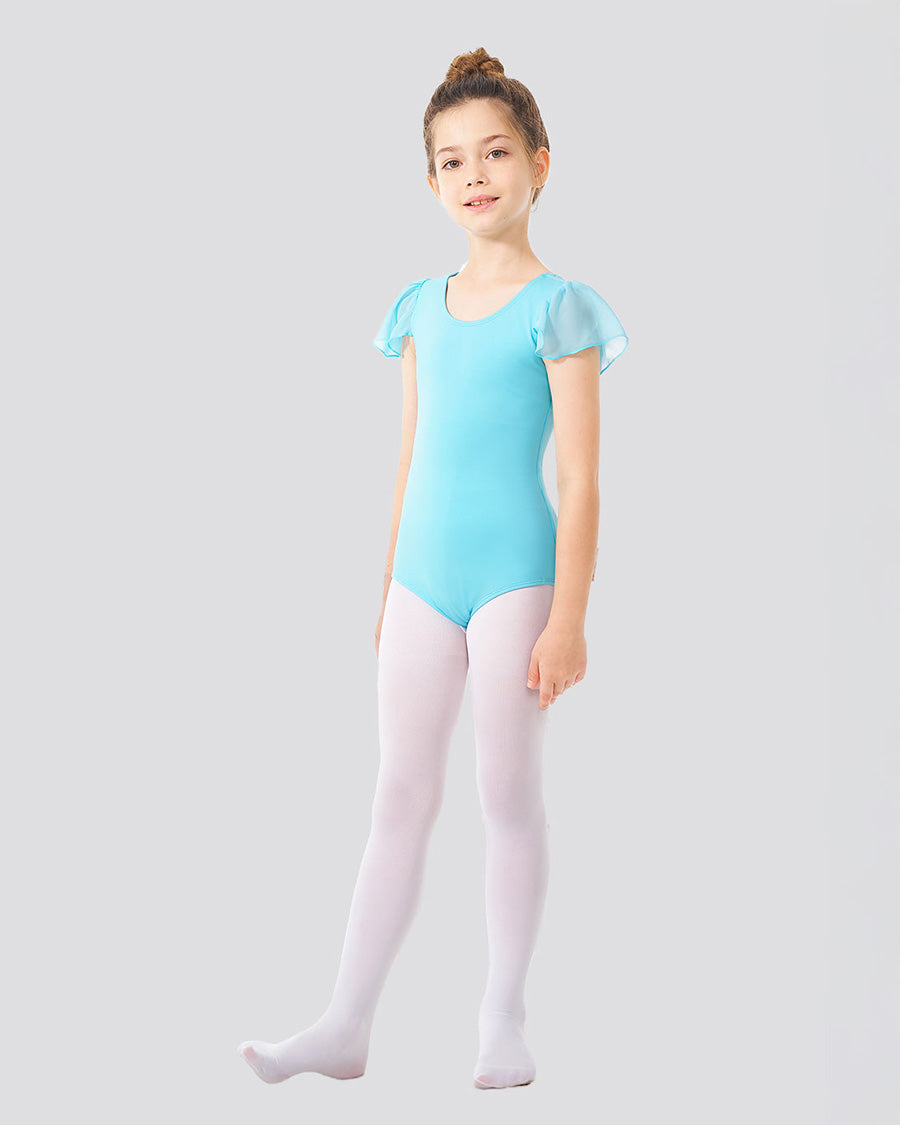
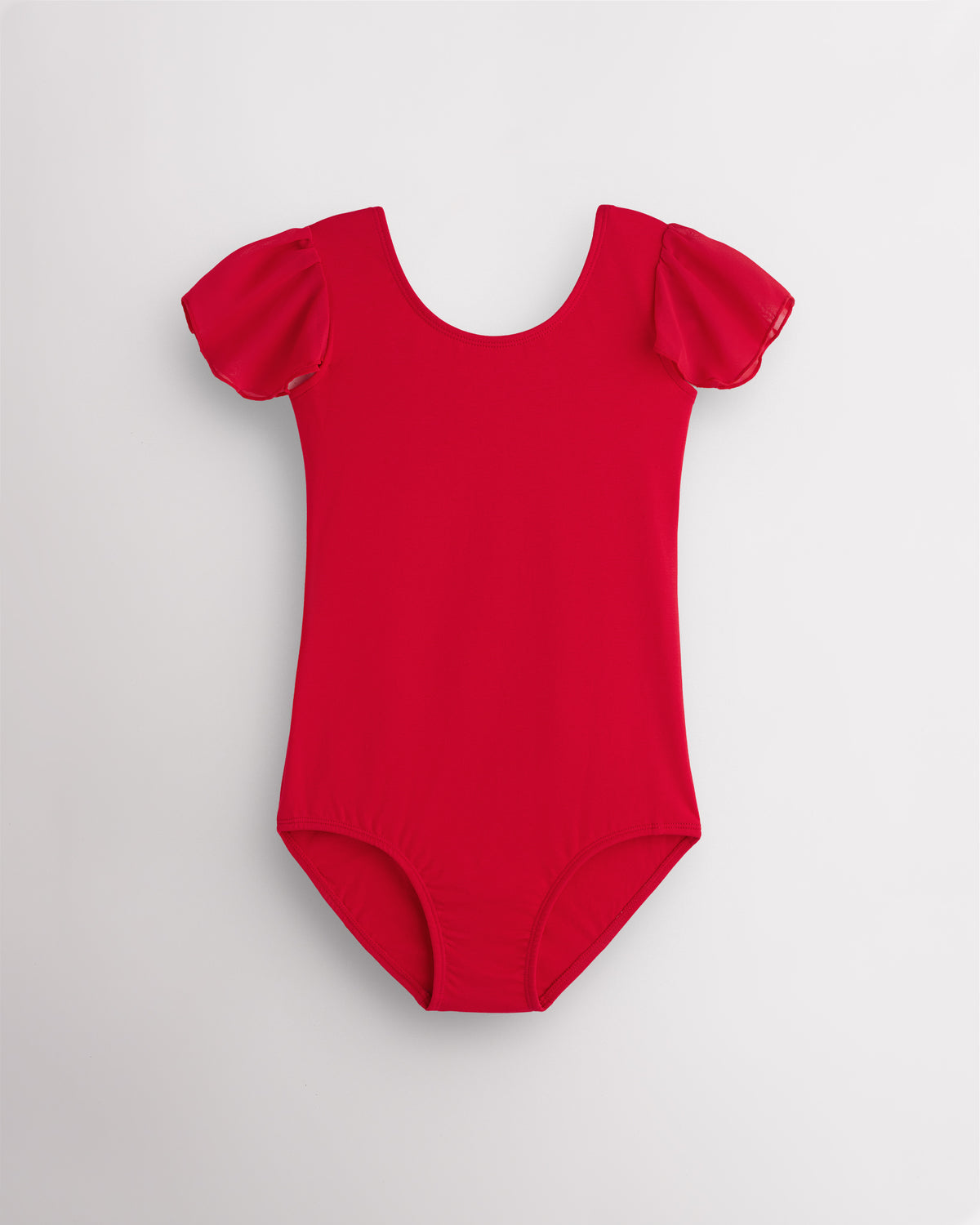
- 3. Are flutter sleeve leotards allowed in ballet class?
- 4. What should I do if my child's leotard does not fit?
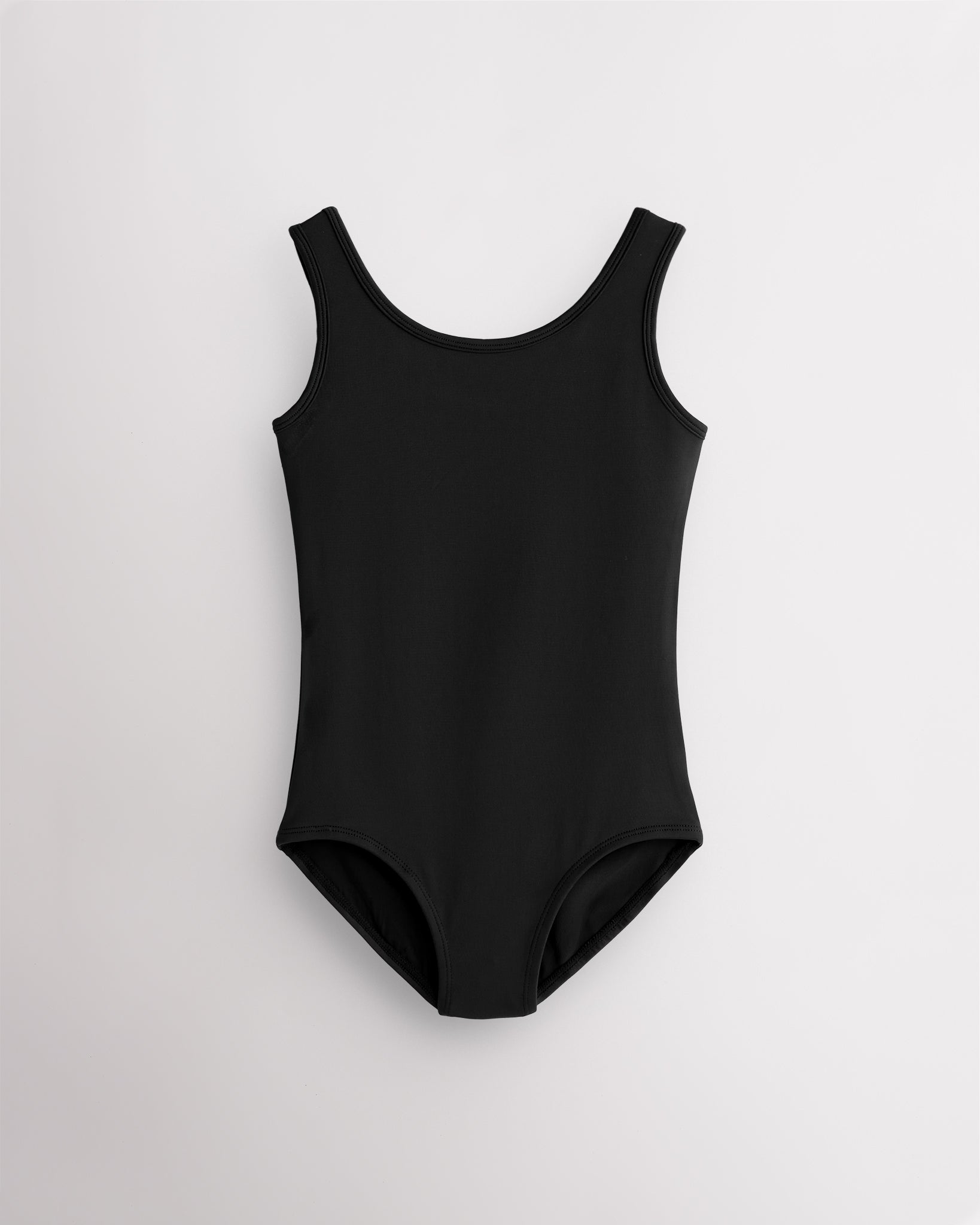
- 5. Are tank leotards better than camisole leotards?
- 6. Are long sleeve leotards necessary for dance class?
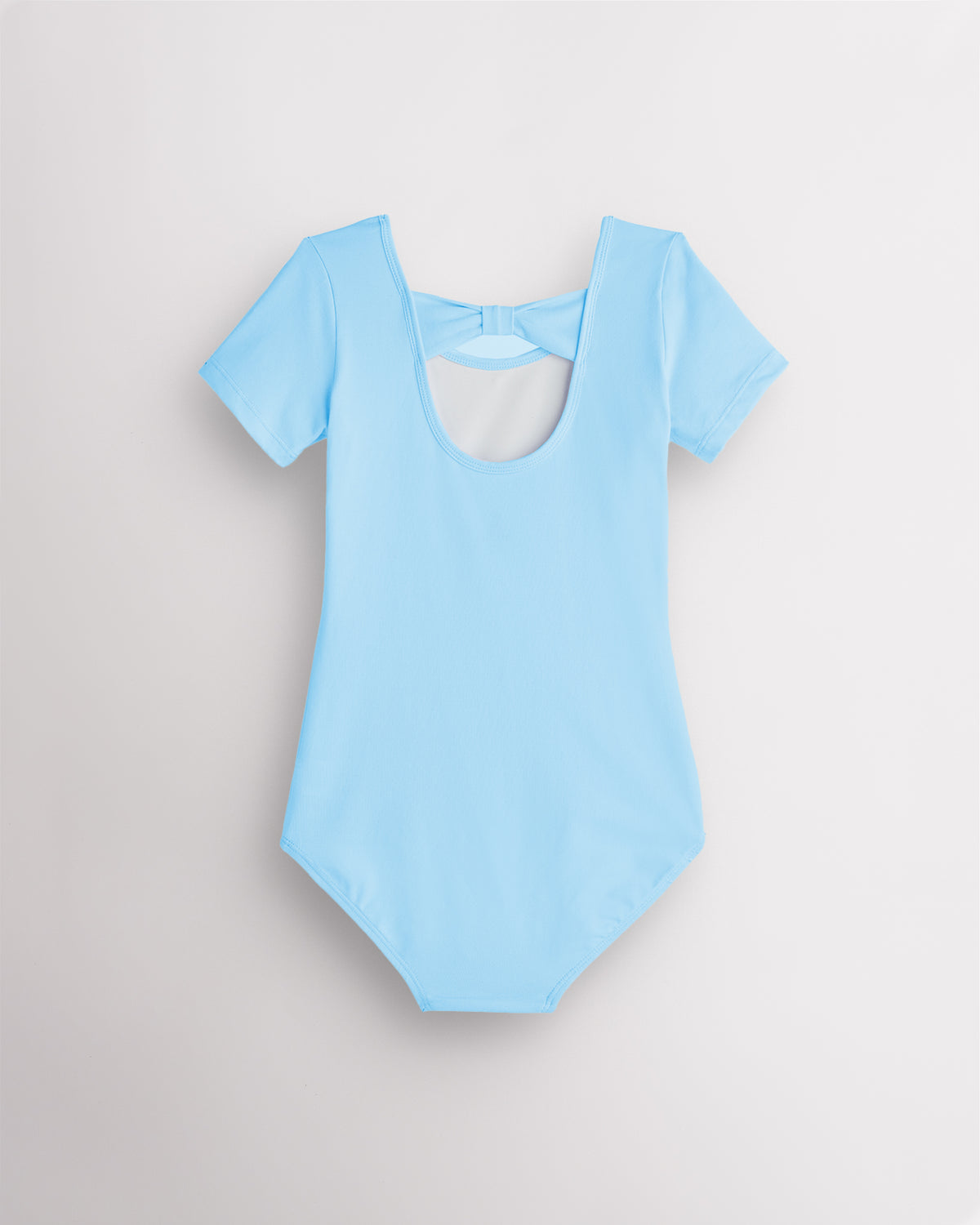
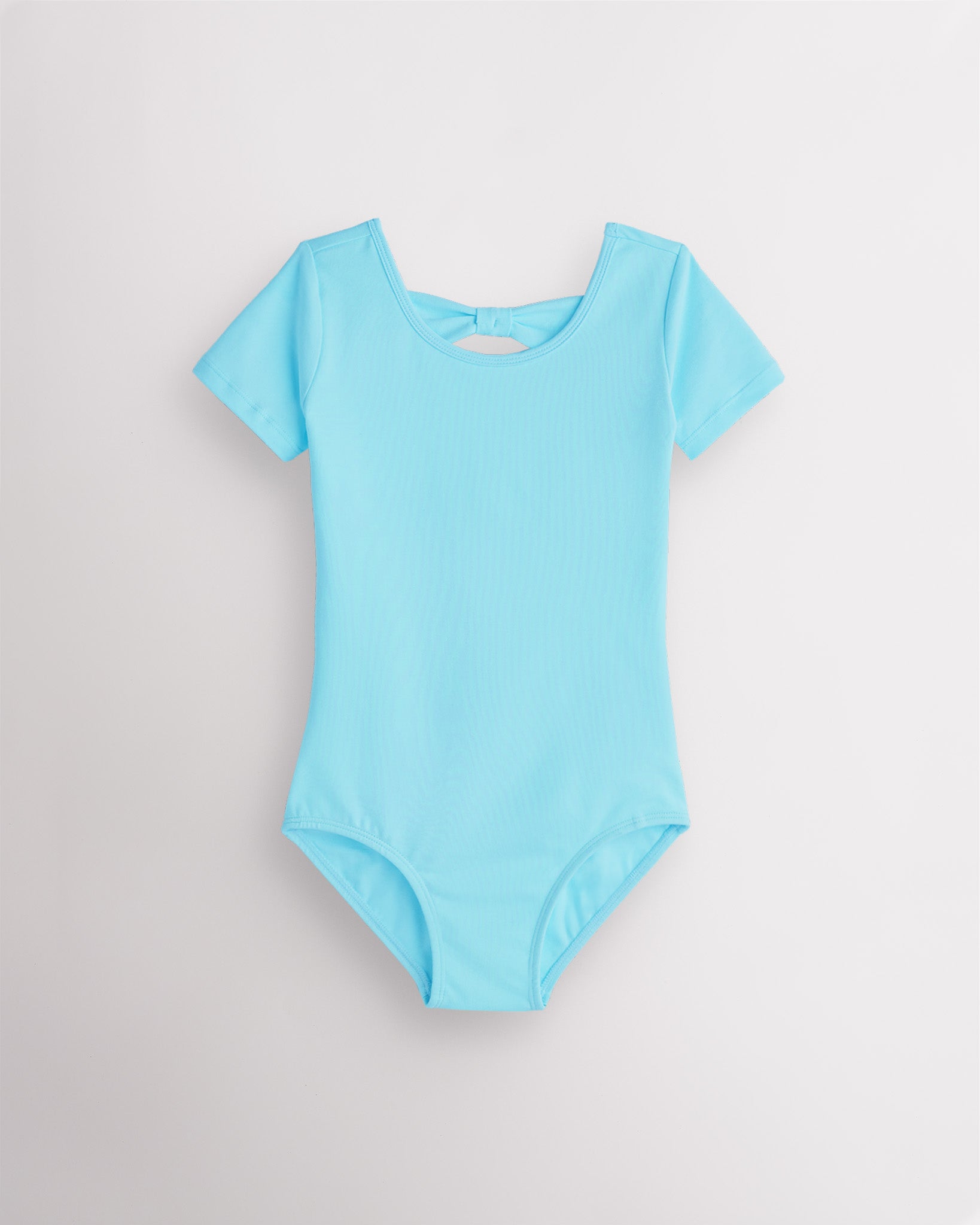
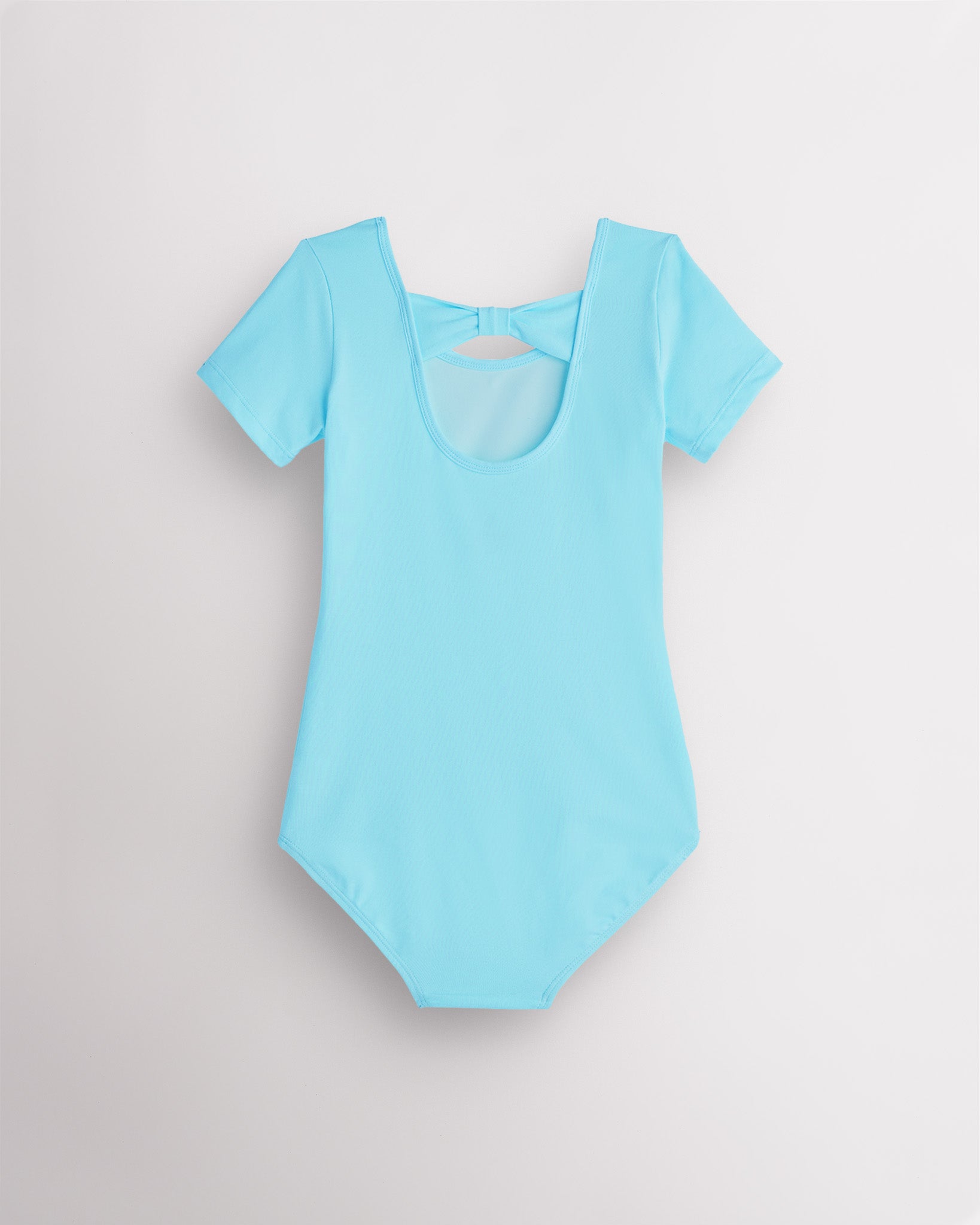
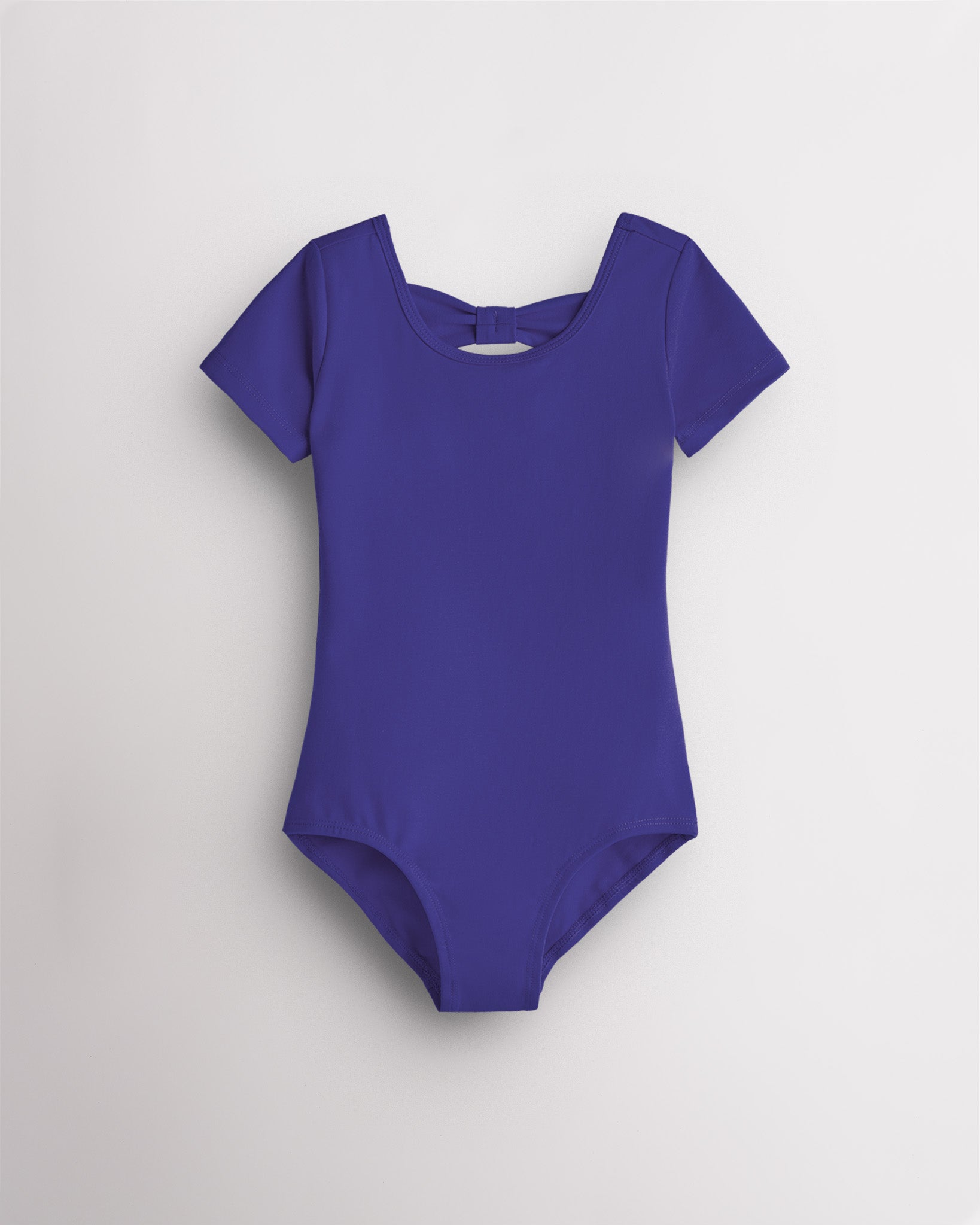
- 7. What is a cap sleeve leotard, and how is it different from a camisole?
- 8. Should I switch styles if my child suddenly starts tugging at a leotard that used to fit fine?
Written by the Stelle team.
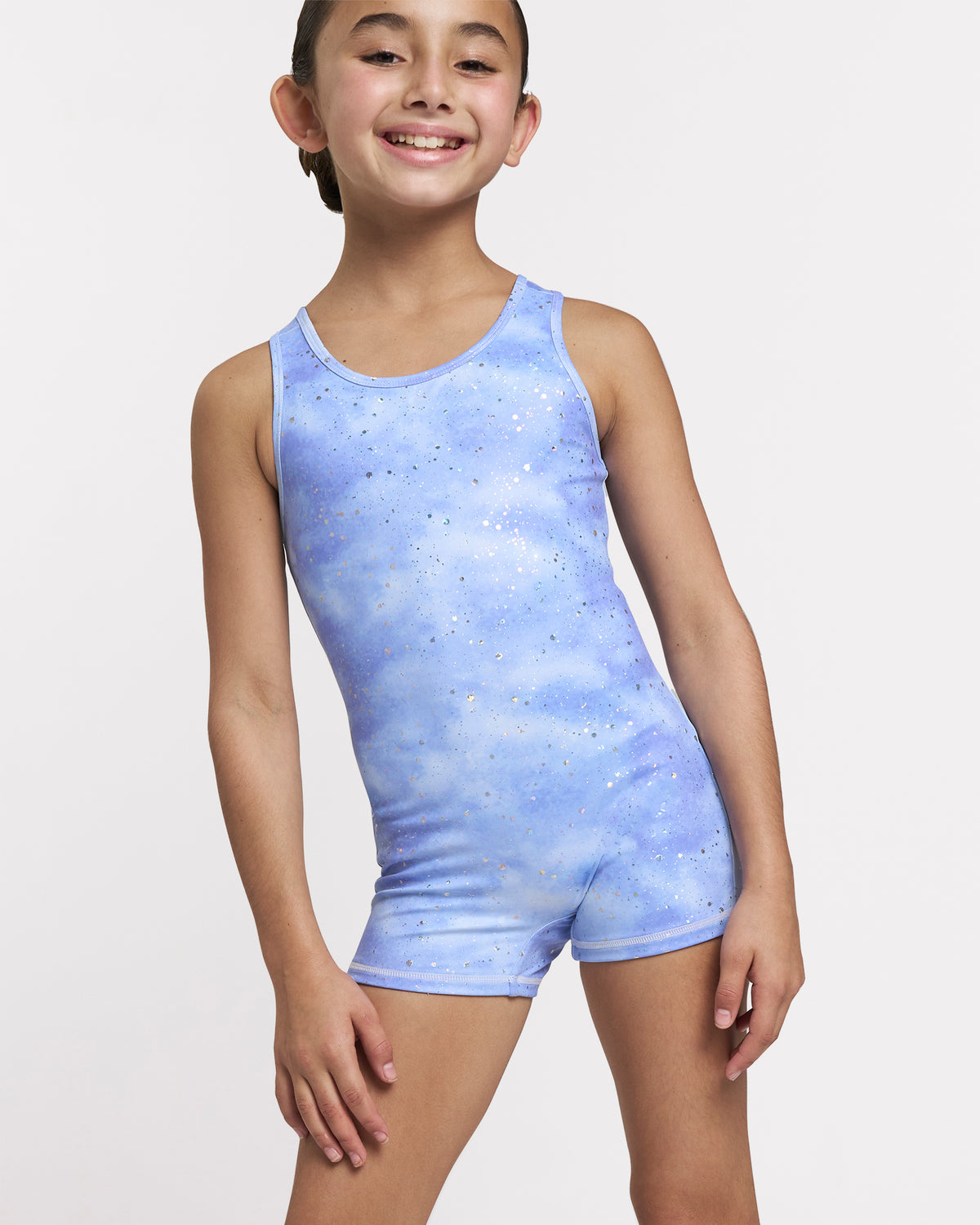
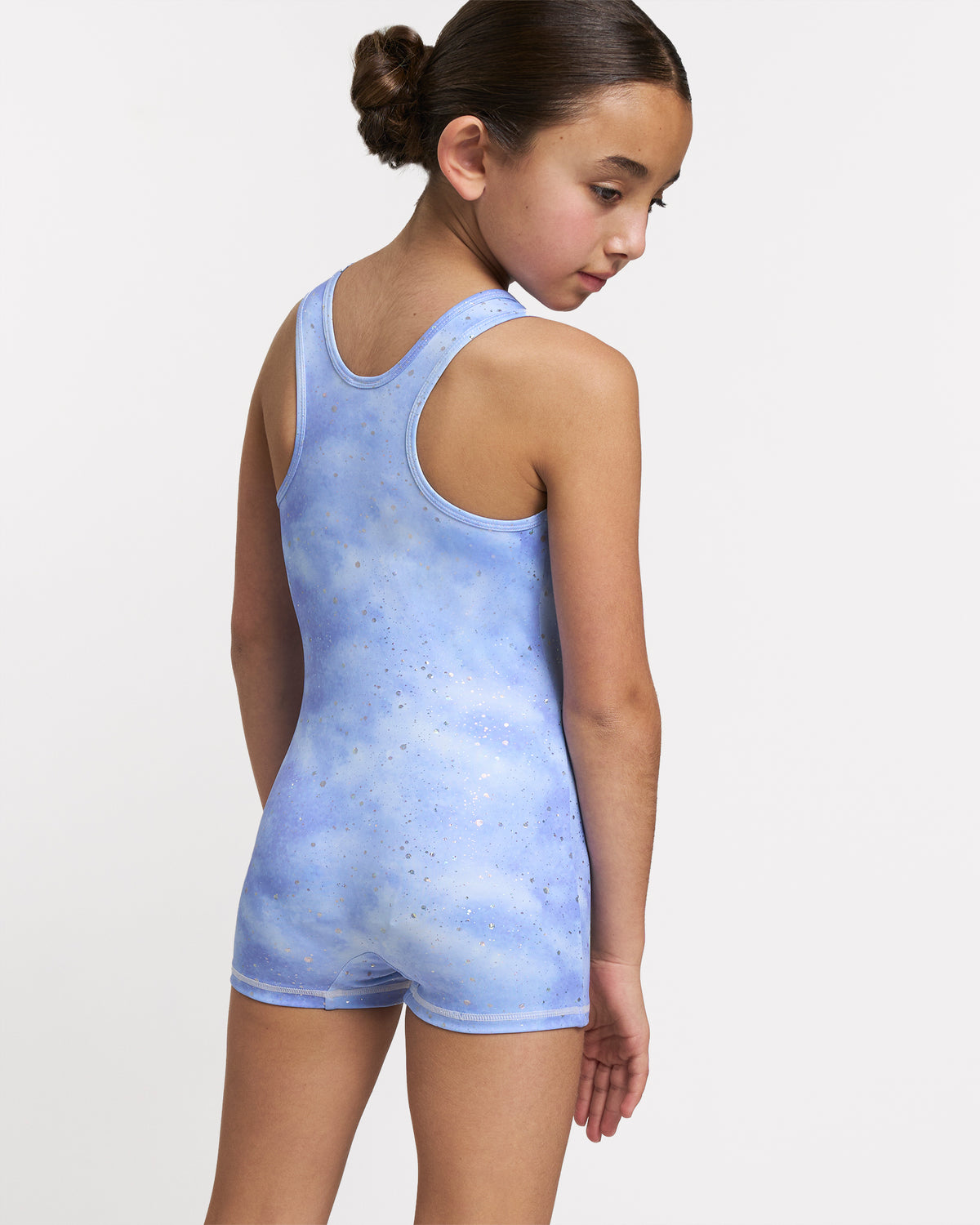
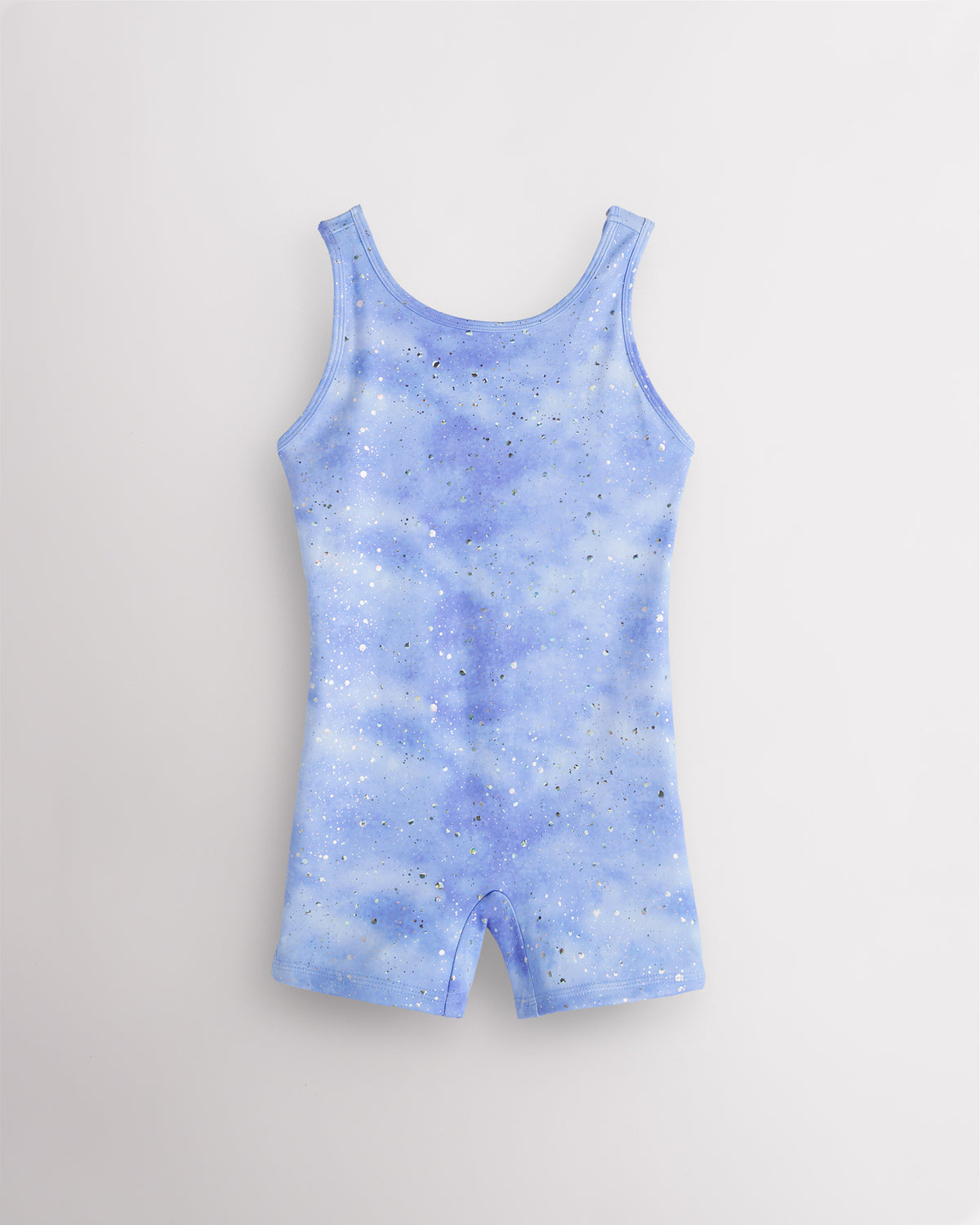
Camisole, tank, short sleeve, long sleeve, flutter sleeve. The choices look like small design details, but they affect how secure the leotard feels, how much your child fusses with it in class, and whether it matches the studio's leotard dress code. Camisole vs tank leotard is usually the first real fork in the road. This guide skips the full style catalog (that's what our leotard buying guide is for) and gets straight to how to decide.
Answer summary
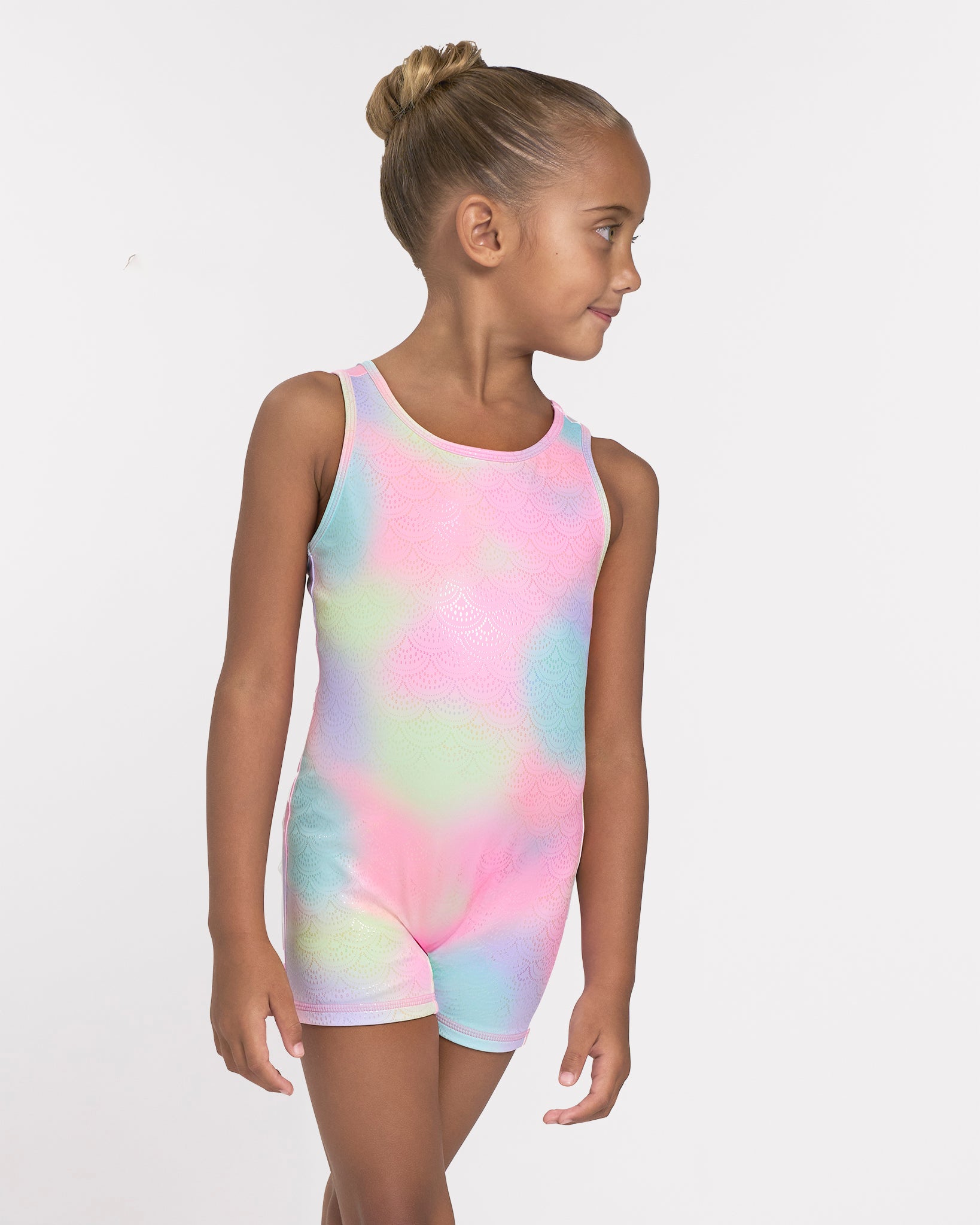
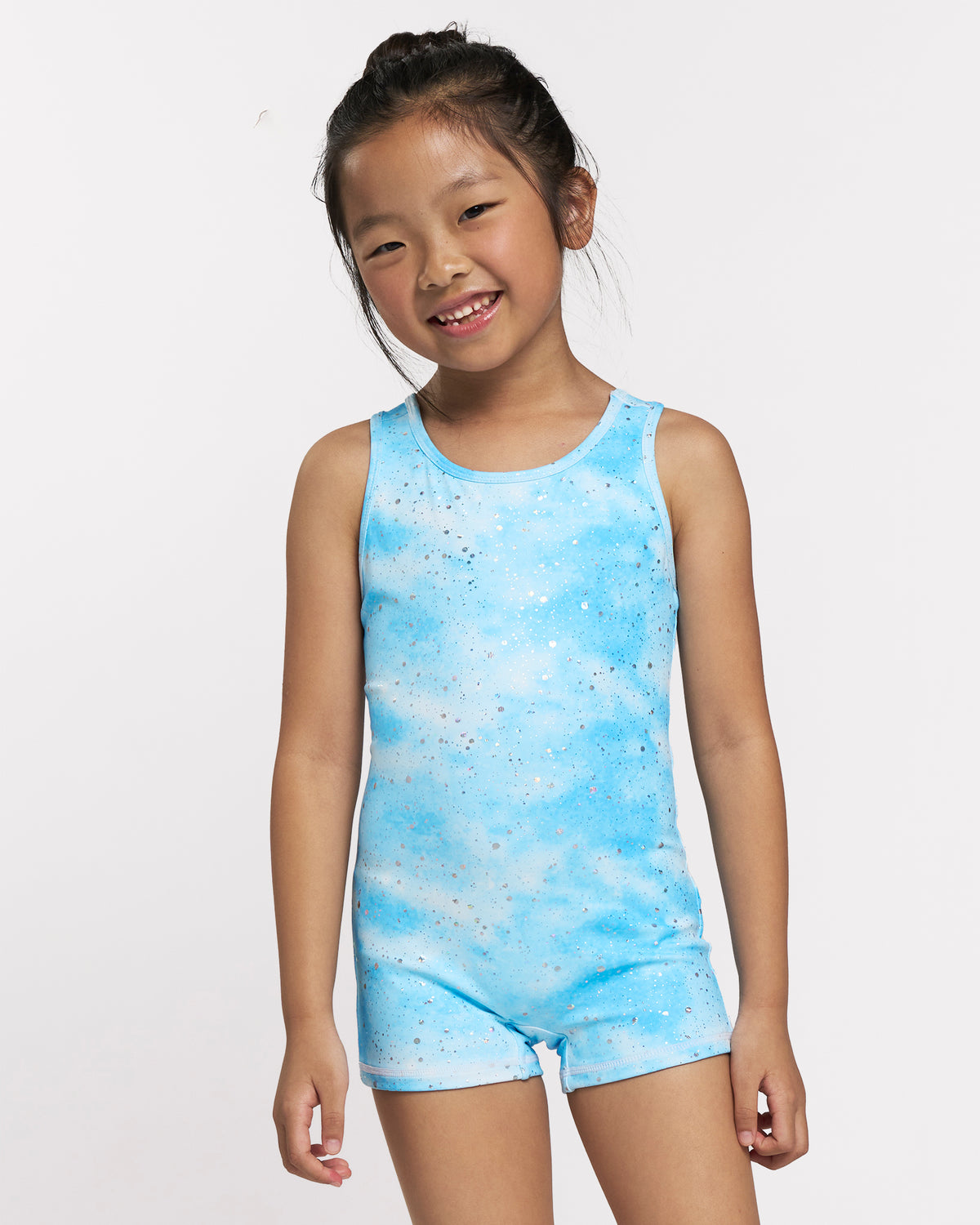
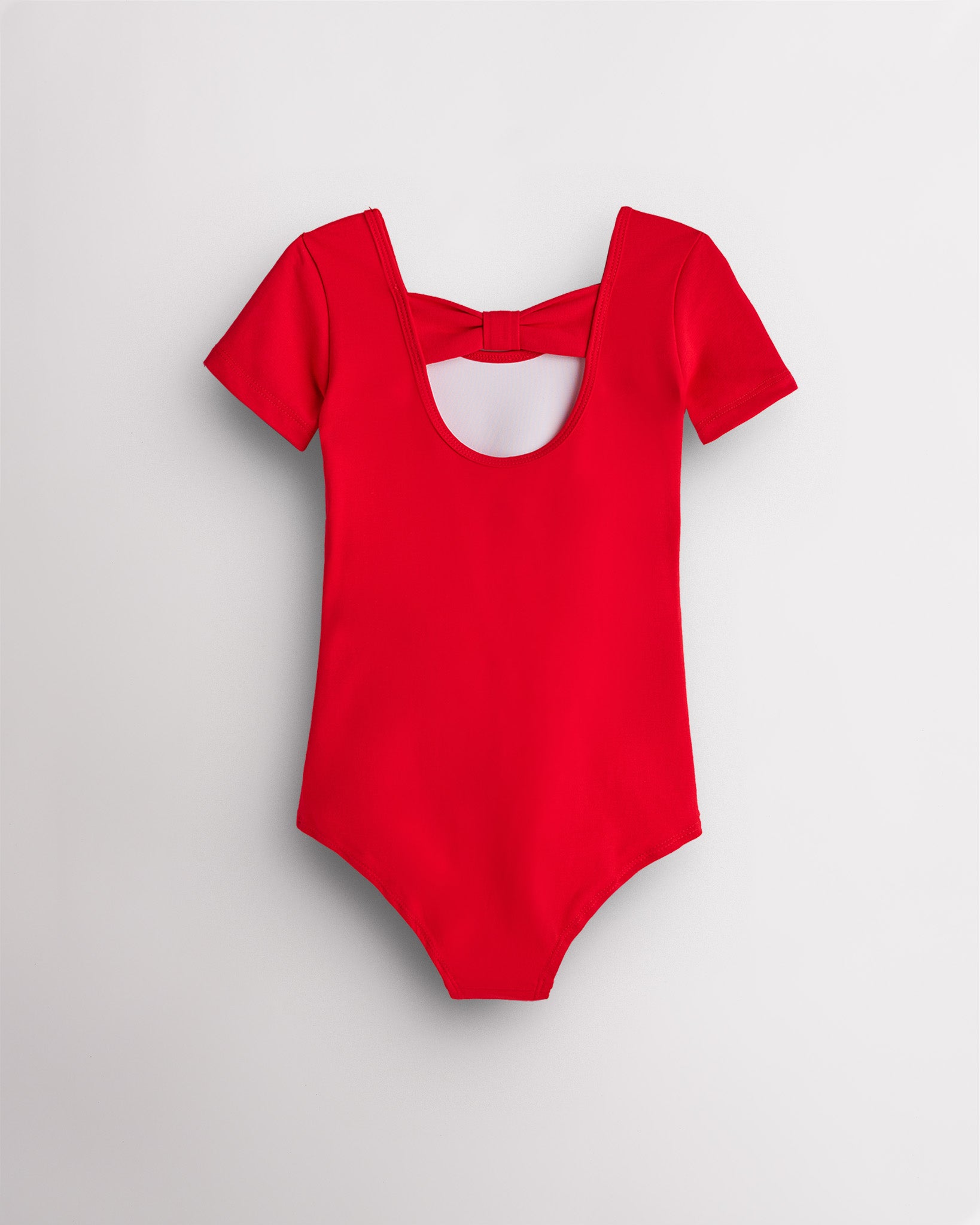
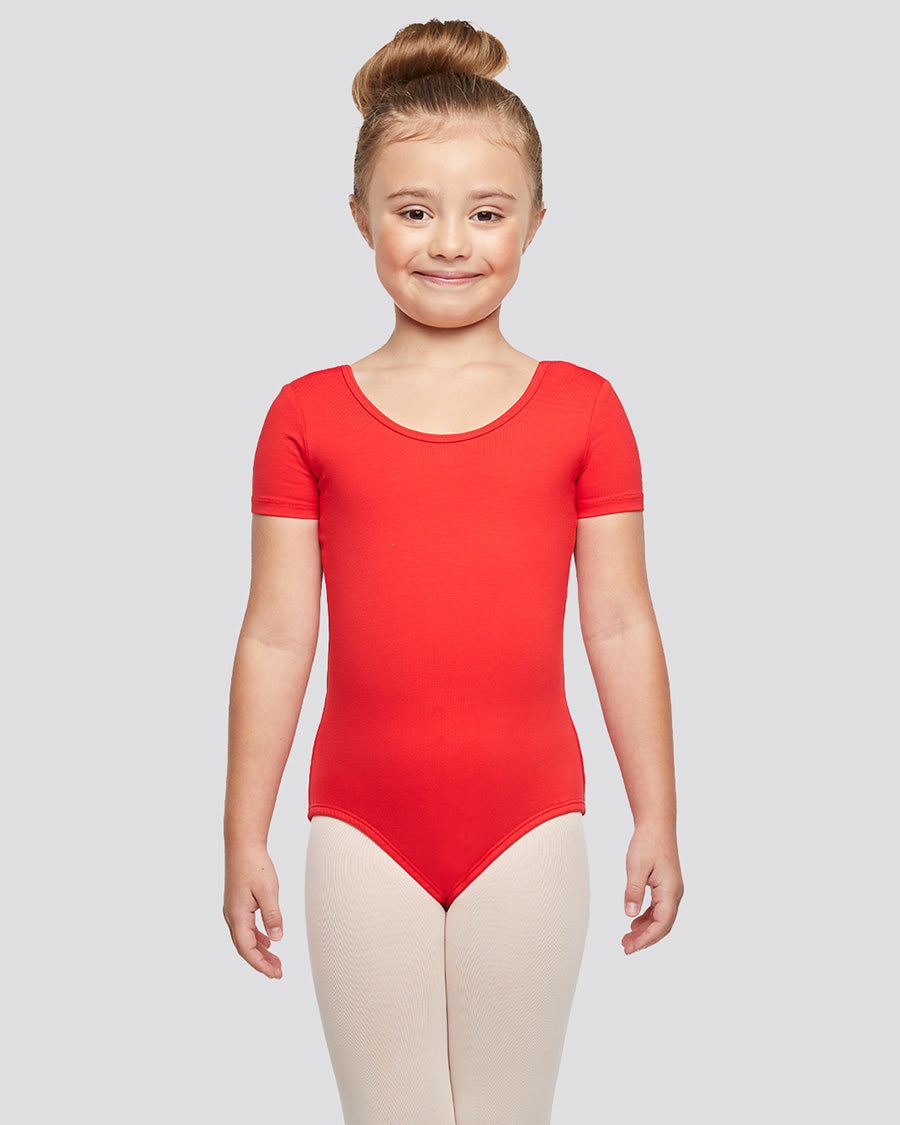
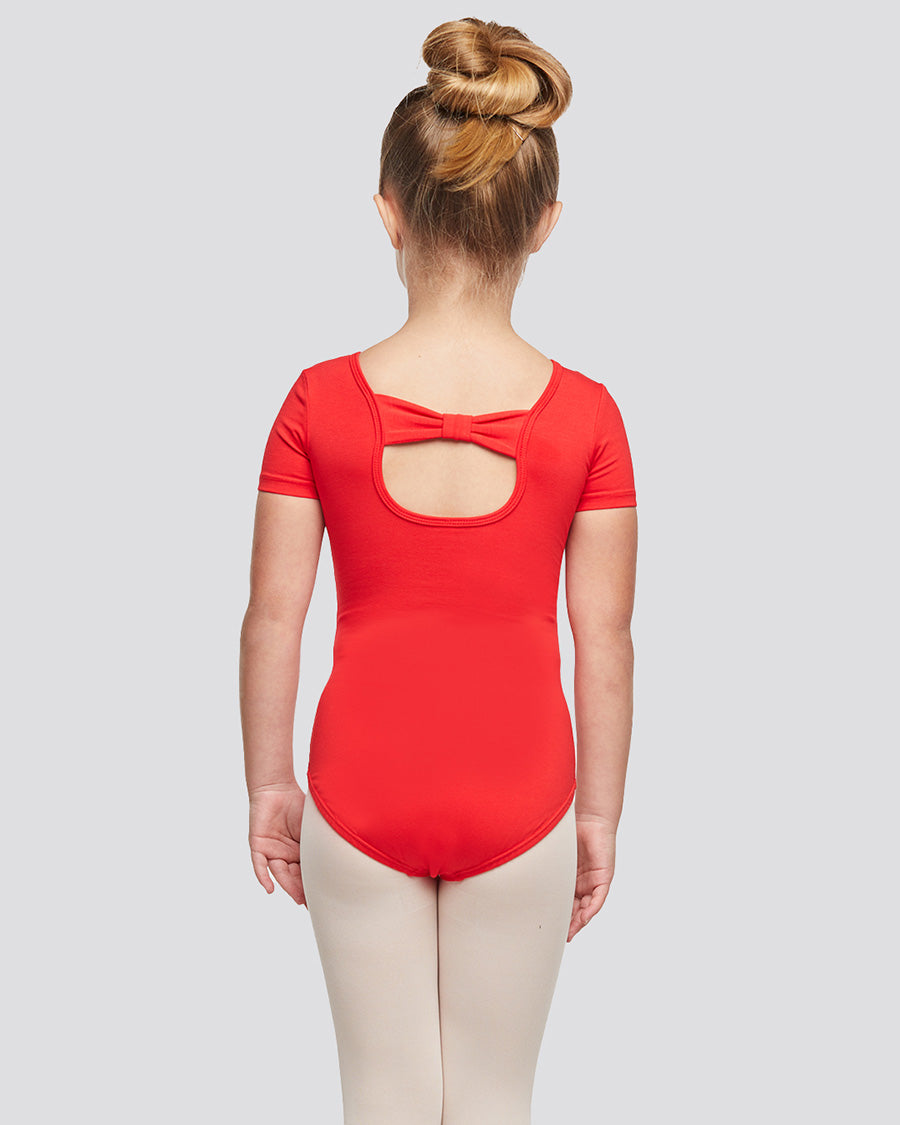
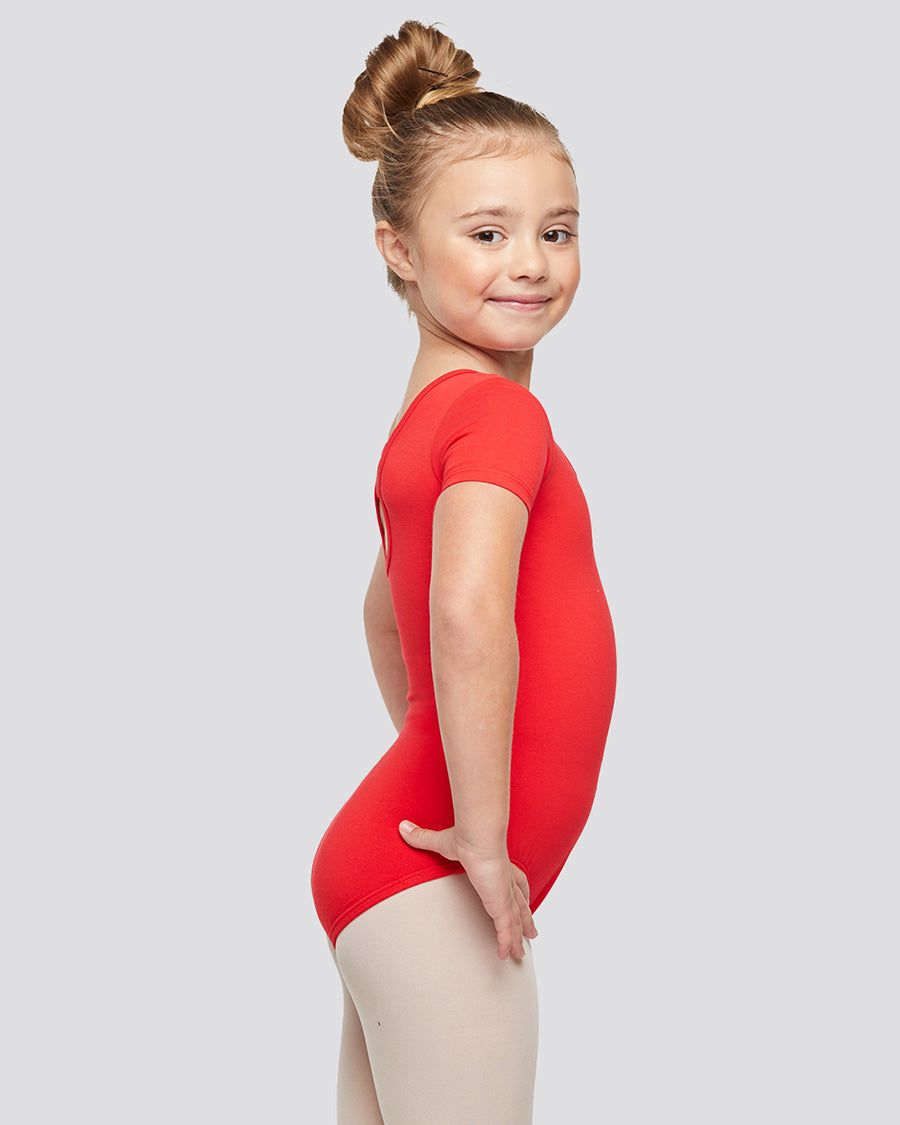
A tank or short sleeve leotard is usually the easiest, most secure starting point for beginners. Camisole can work well for ballet classes that allow thin straps, especially for kids who are comfortable with a cleaner, more open shoulder line. Long sleeve and flutter sleeve solve specific needs, like cold studios or relaxed classes, rather than being upgrades. Check the studio's dress code before anything else.
Step 1: Check the Dress Code
Dress codes often list a style by name without explaining what it actually requires. Here's a quick translation.
|
Dress Code Says |
What It Usually Means |
|
Camisole leotard |
Thin straps are expected |
|
Tank leotard |
Wider straps are expected |
|
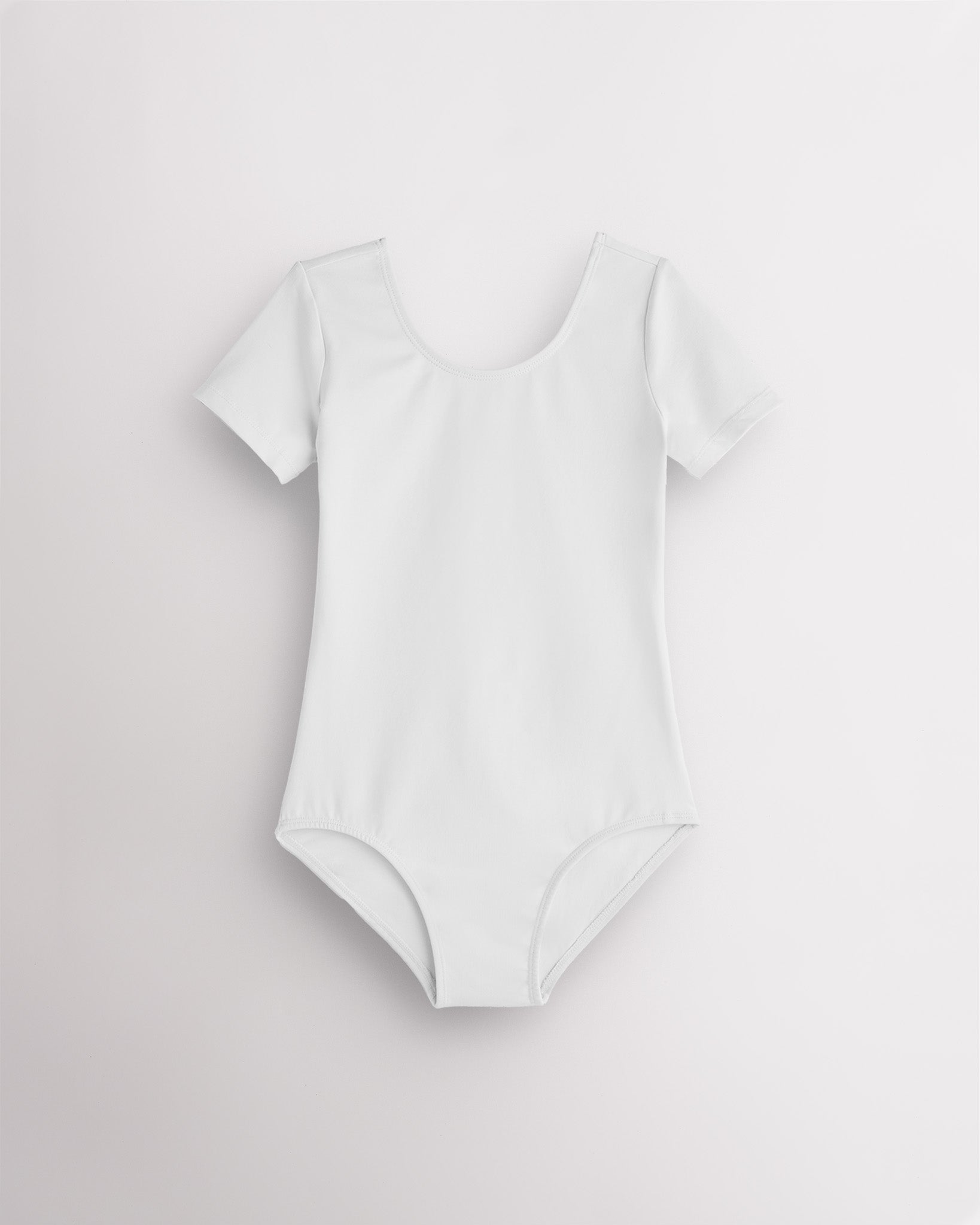
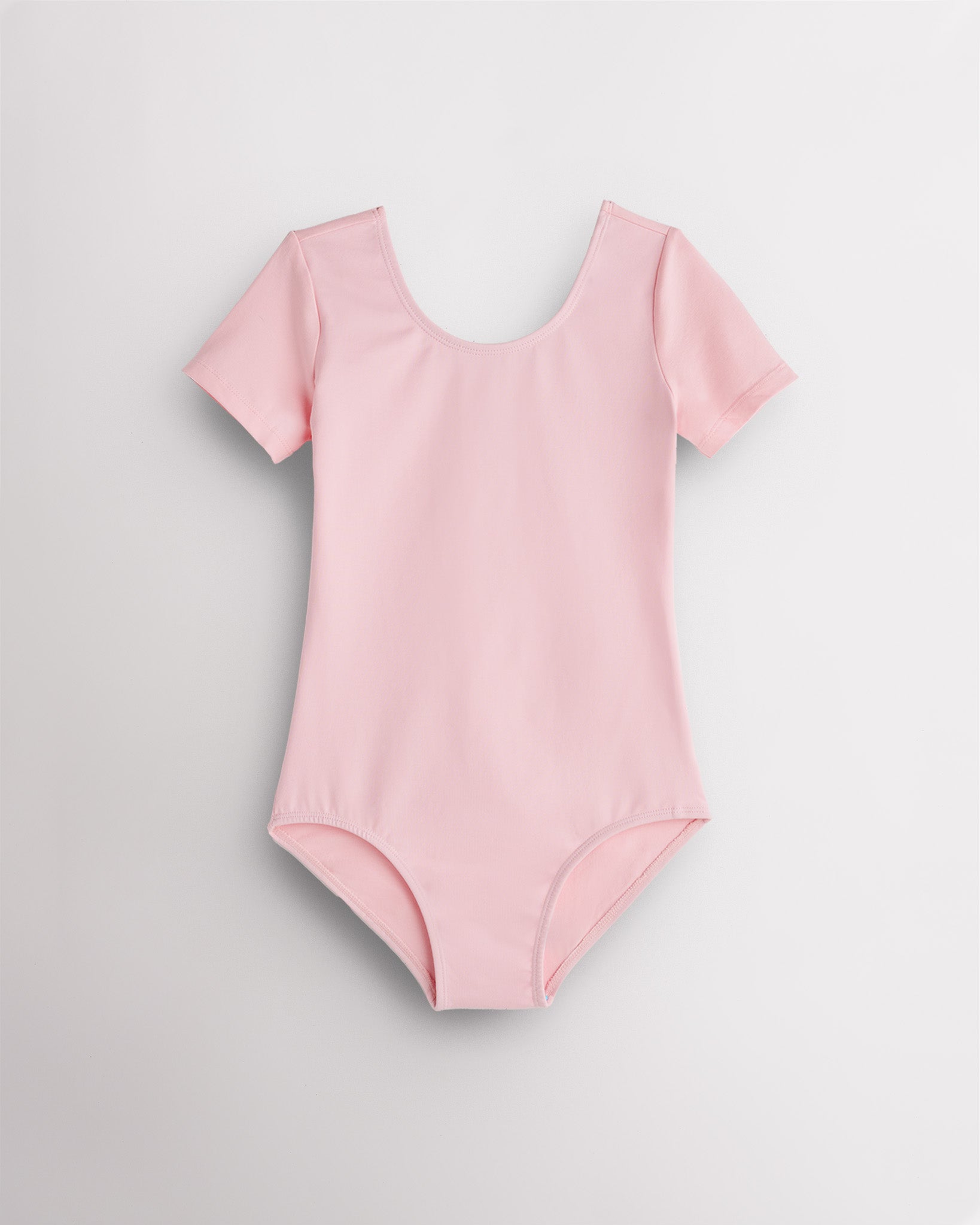
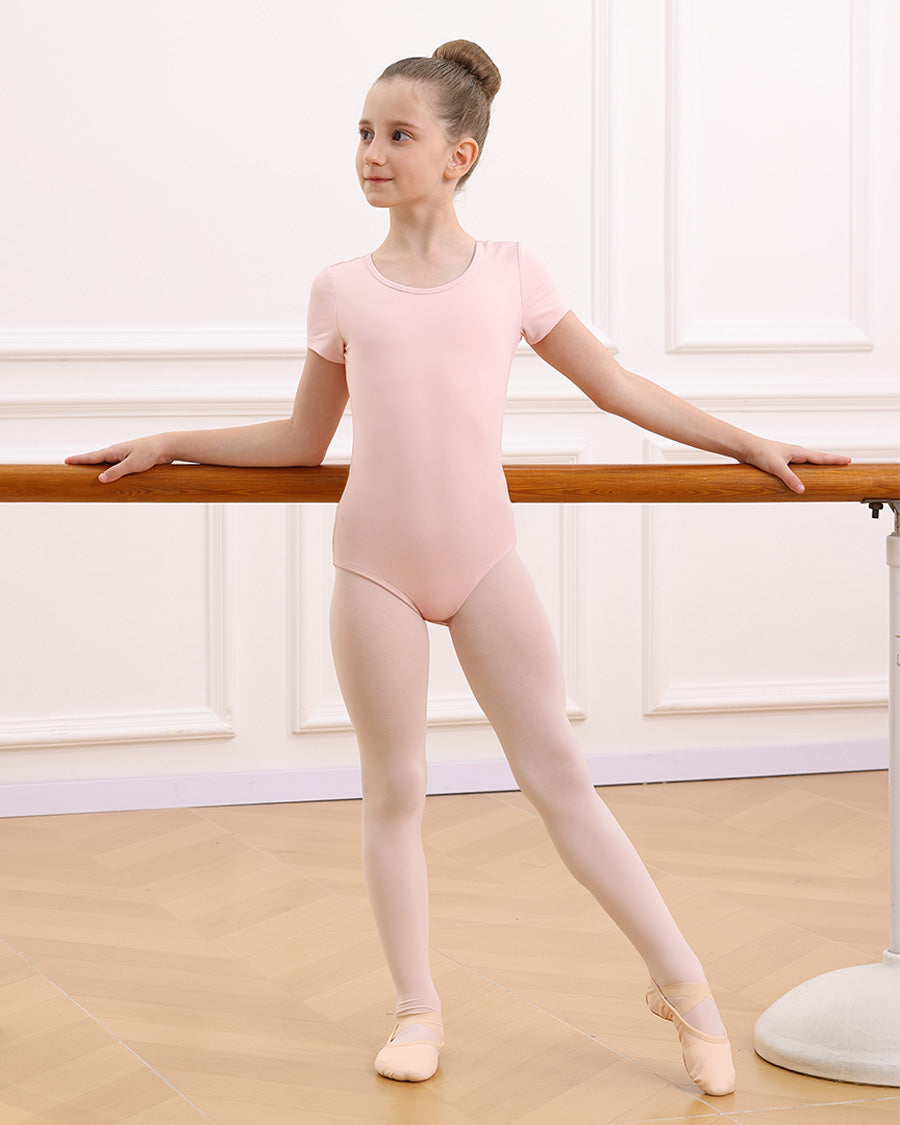
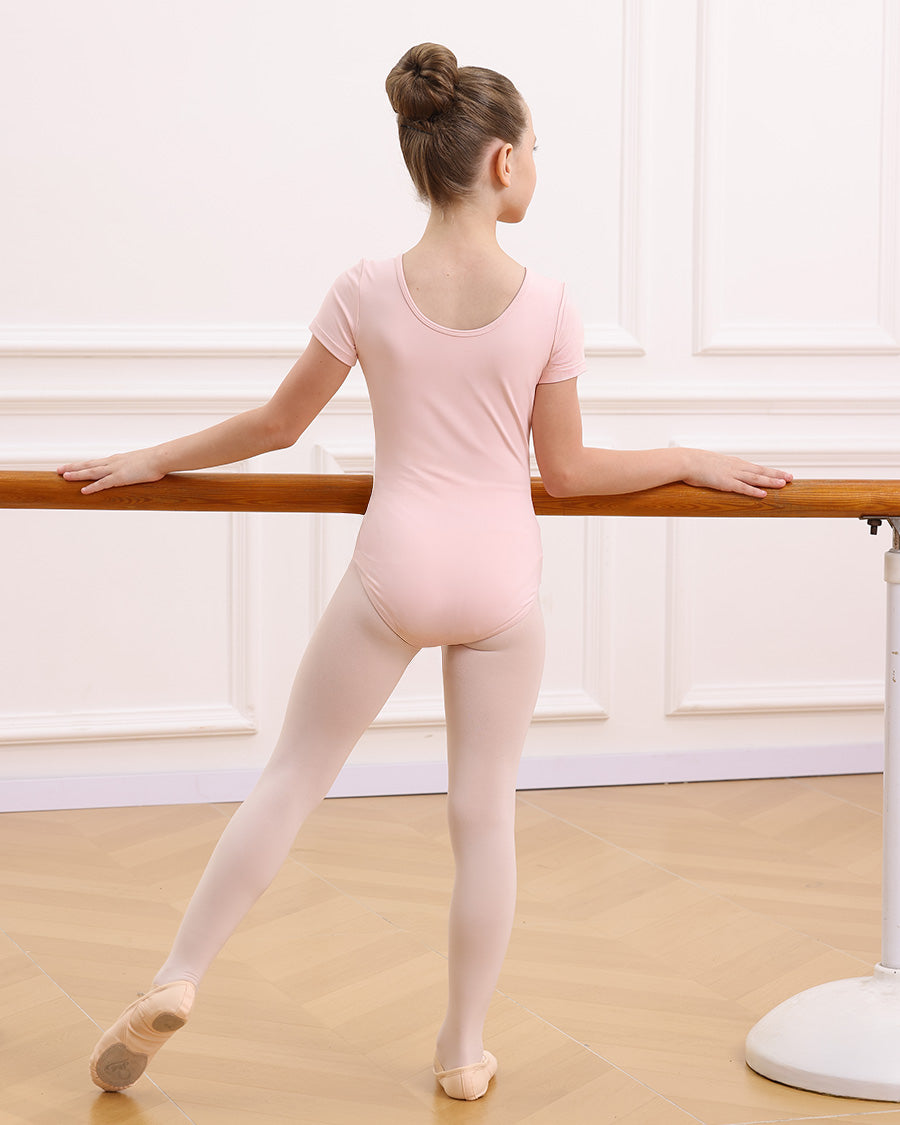
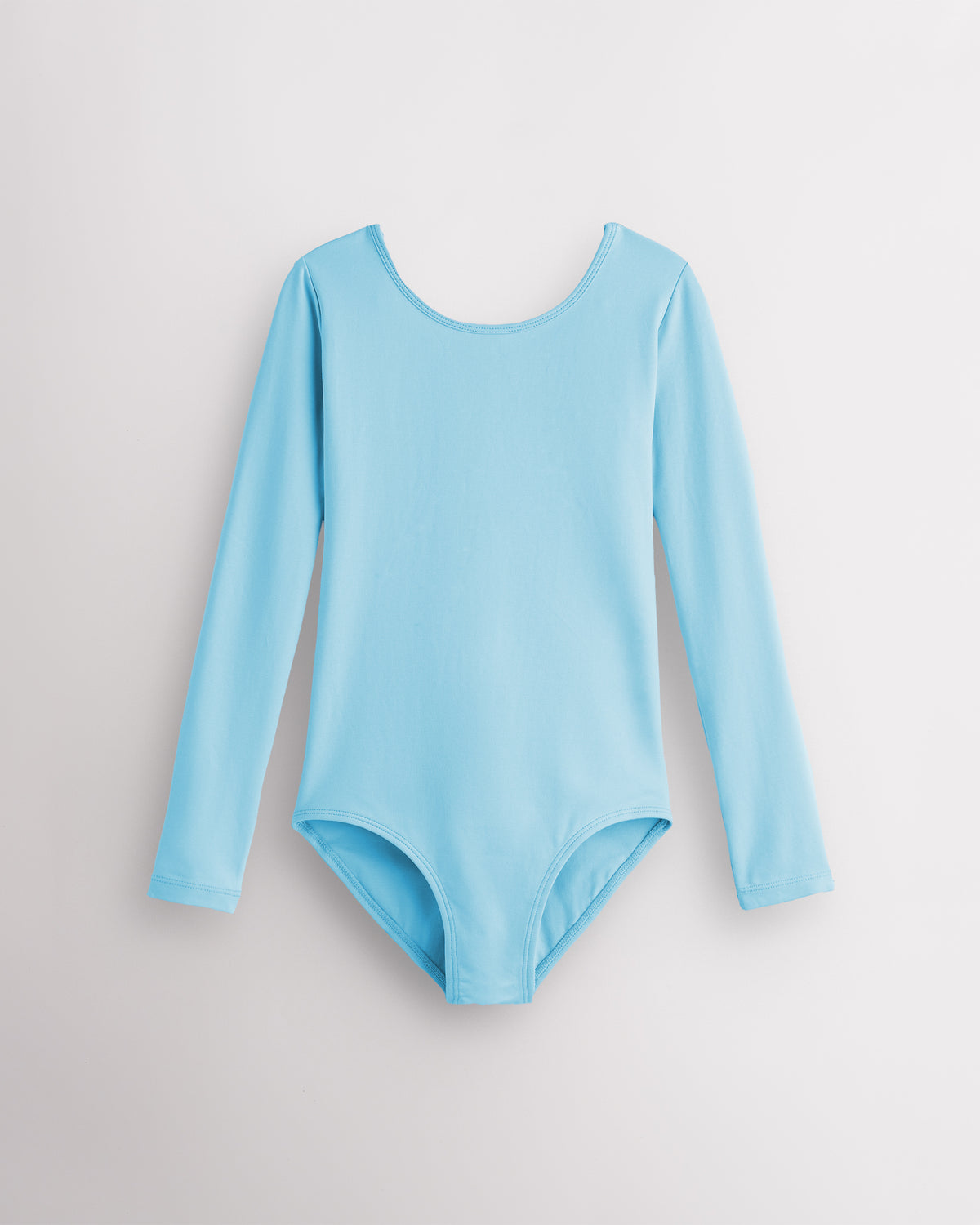
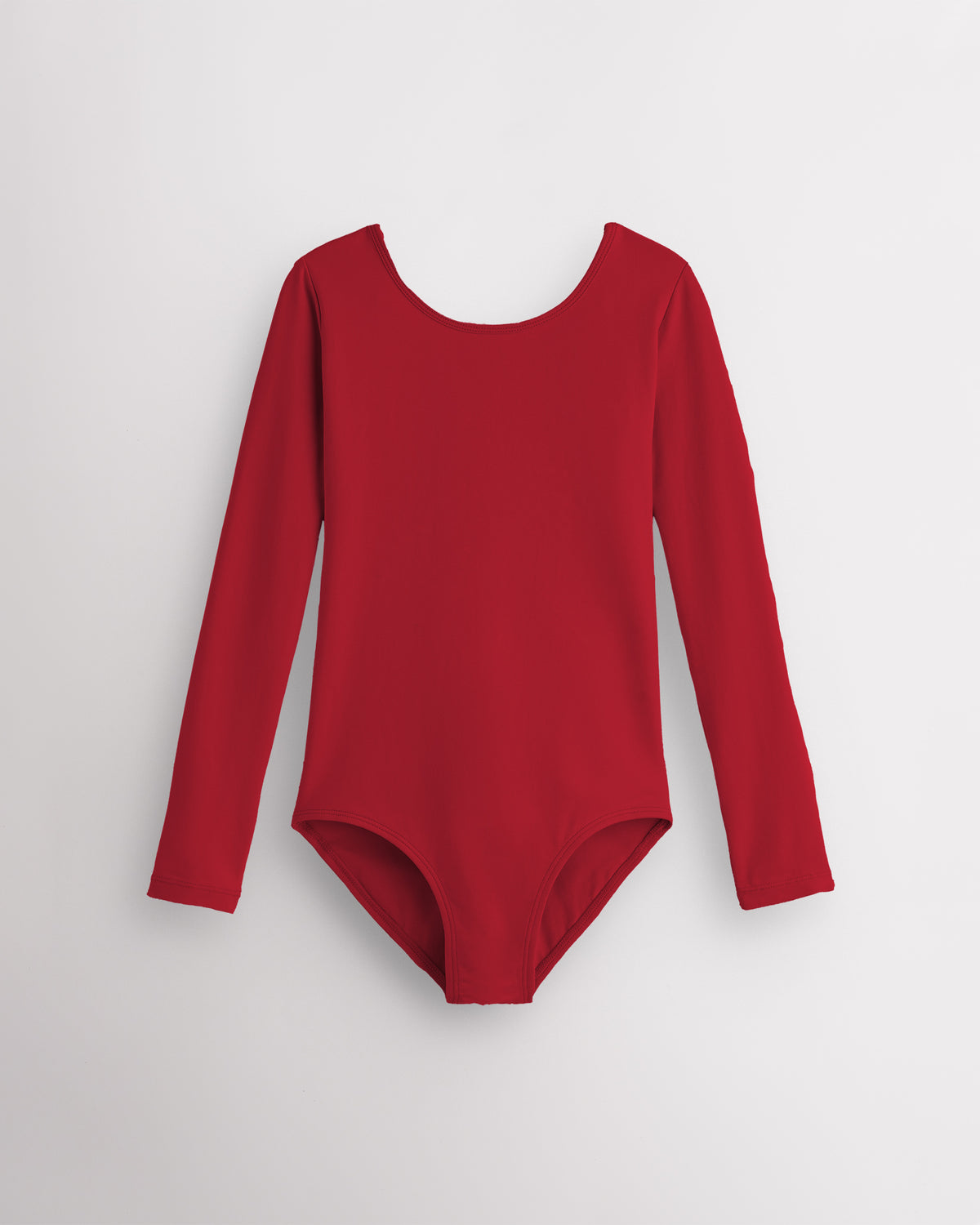
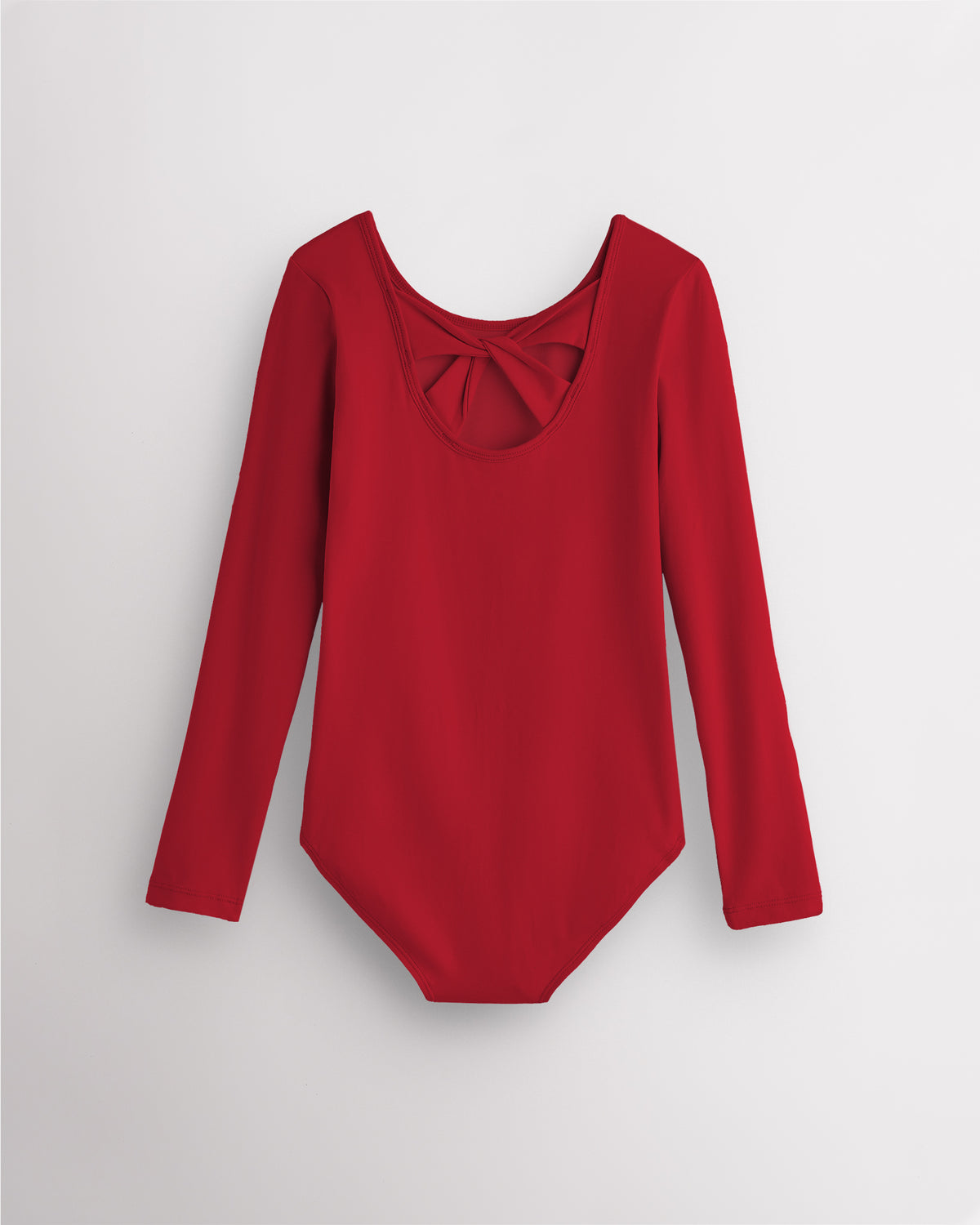
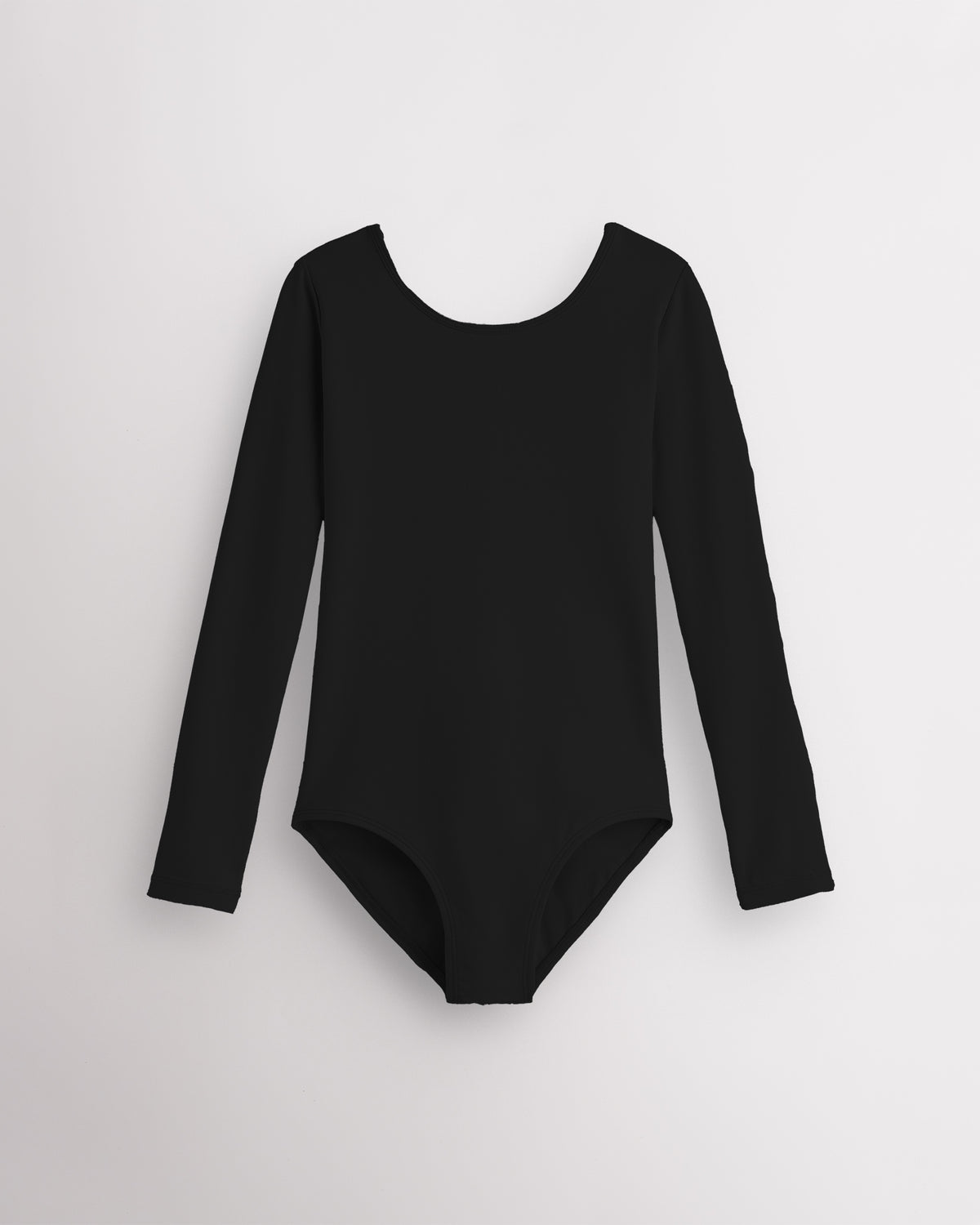
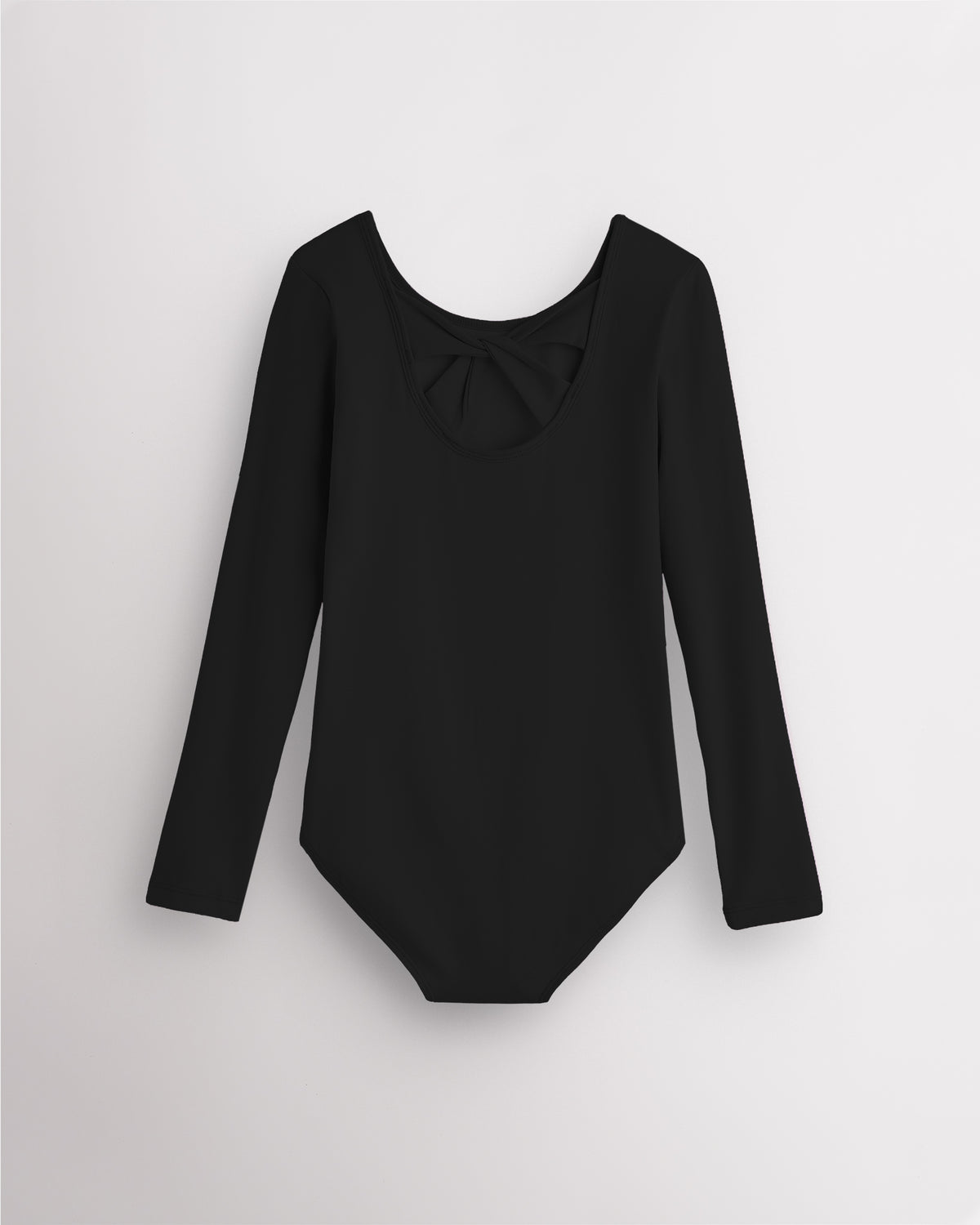
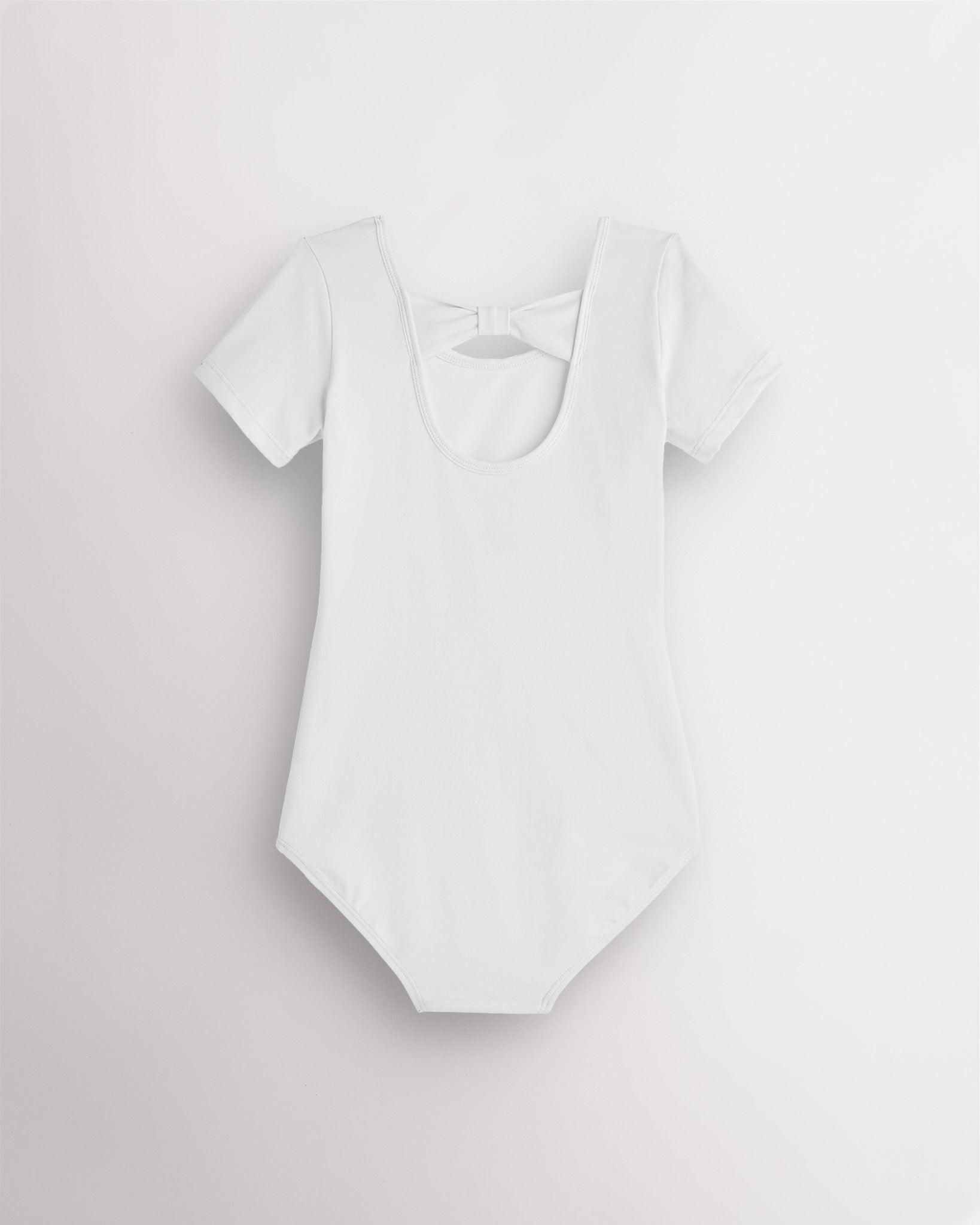
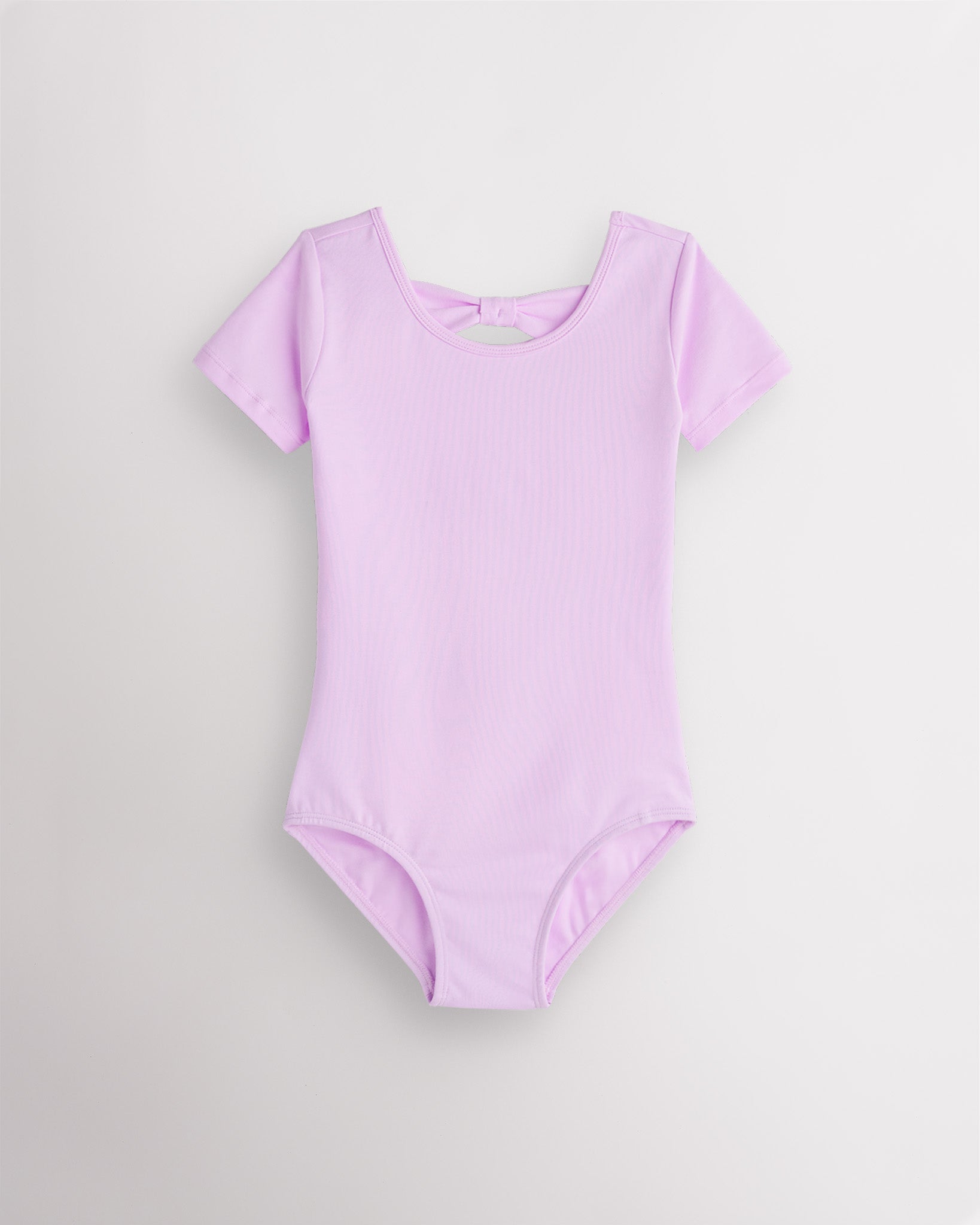
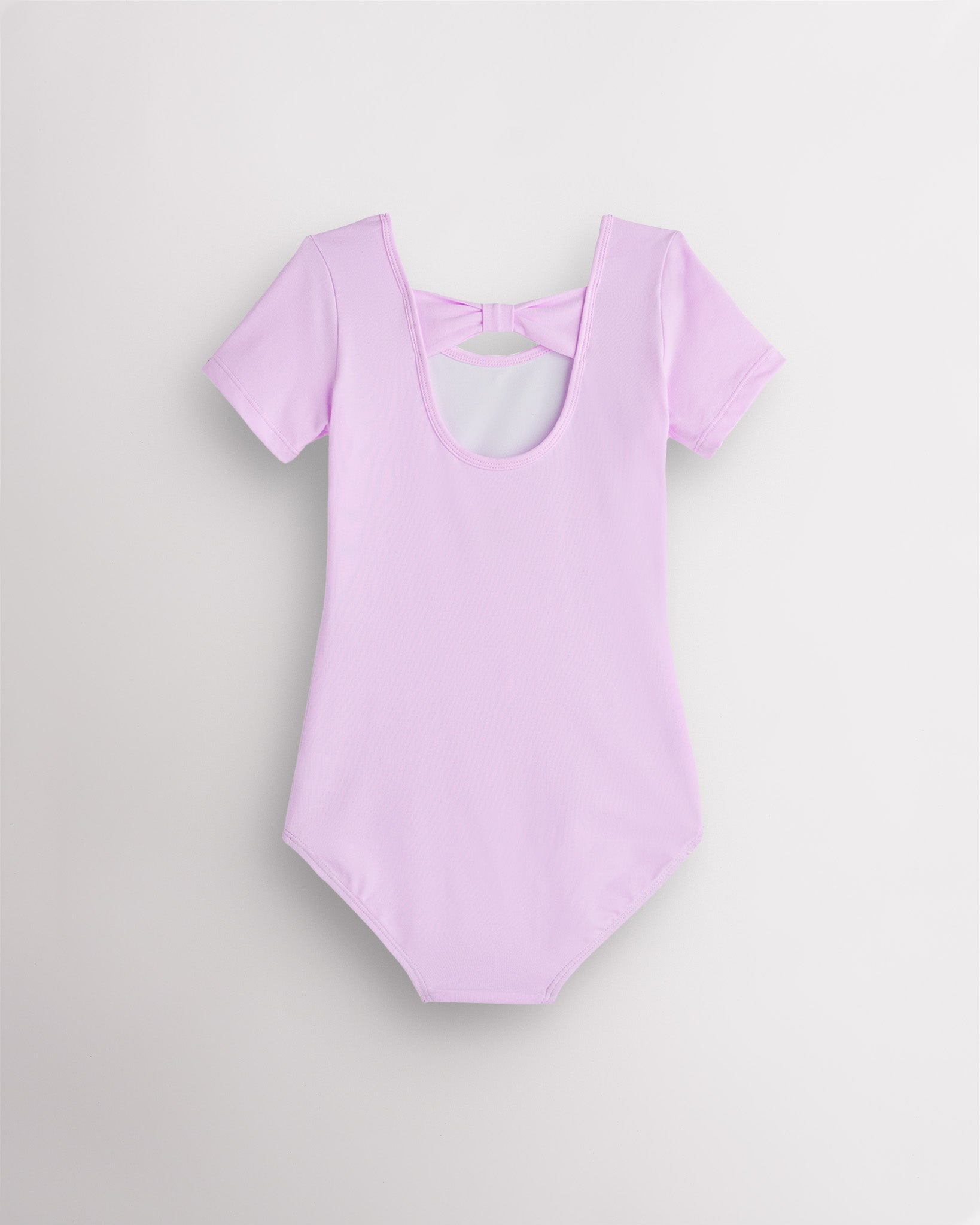
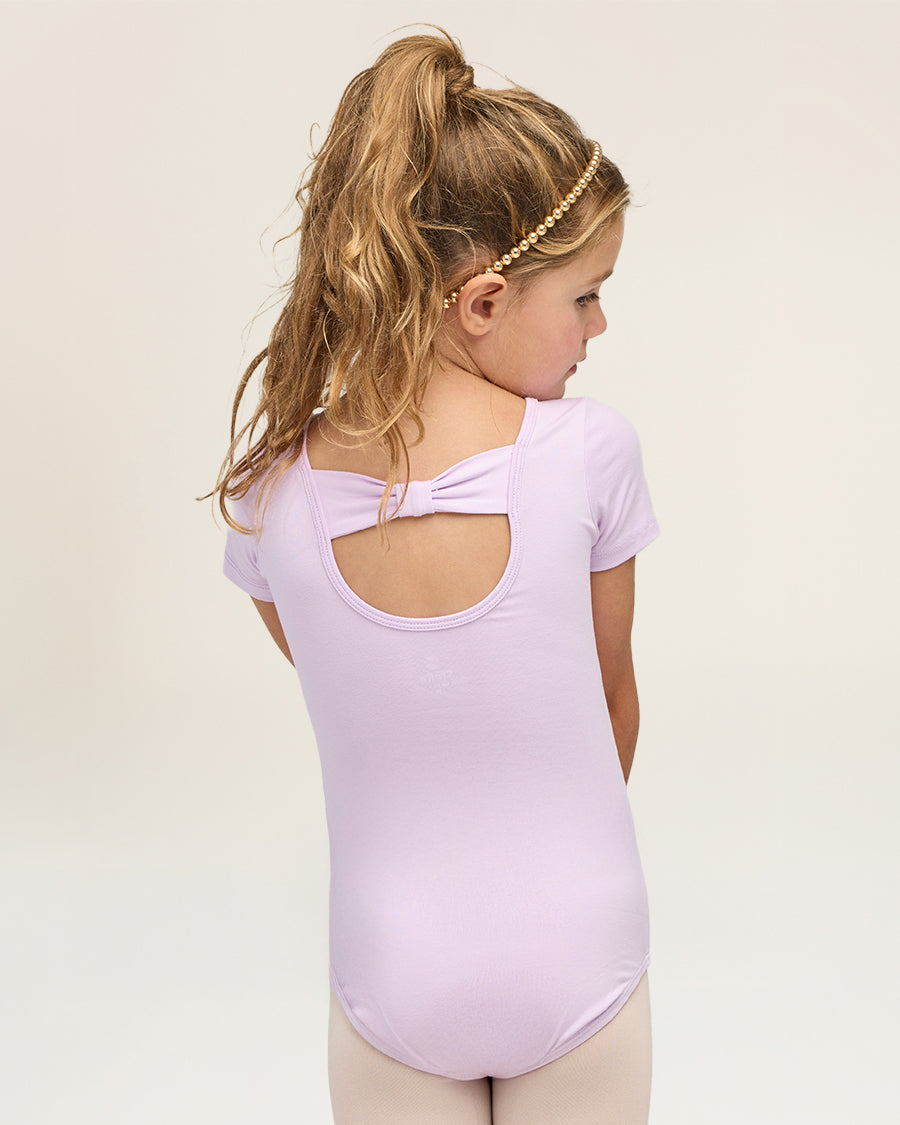
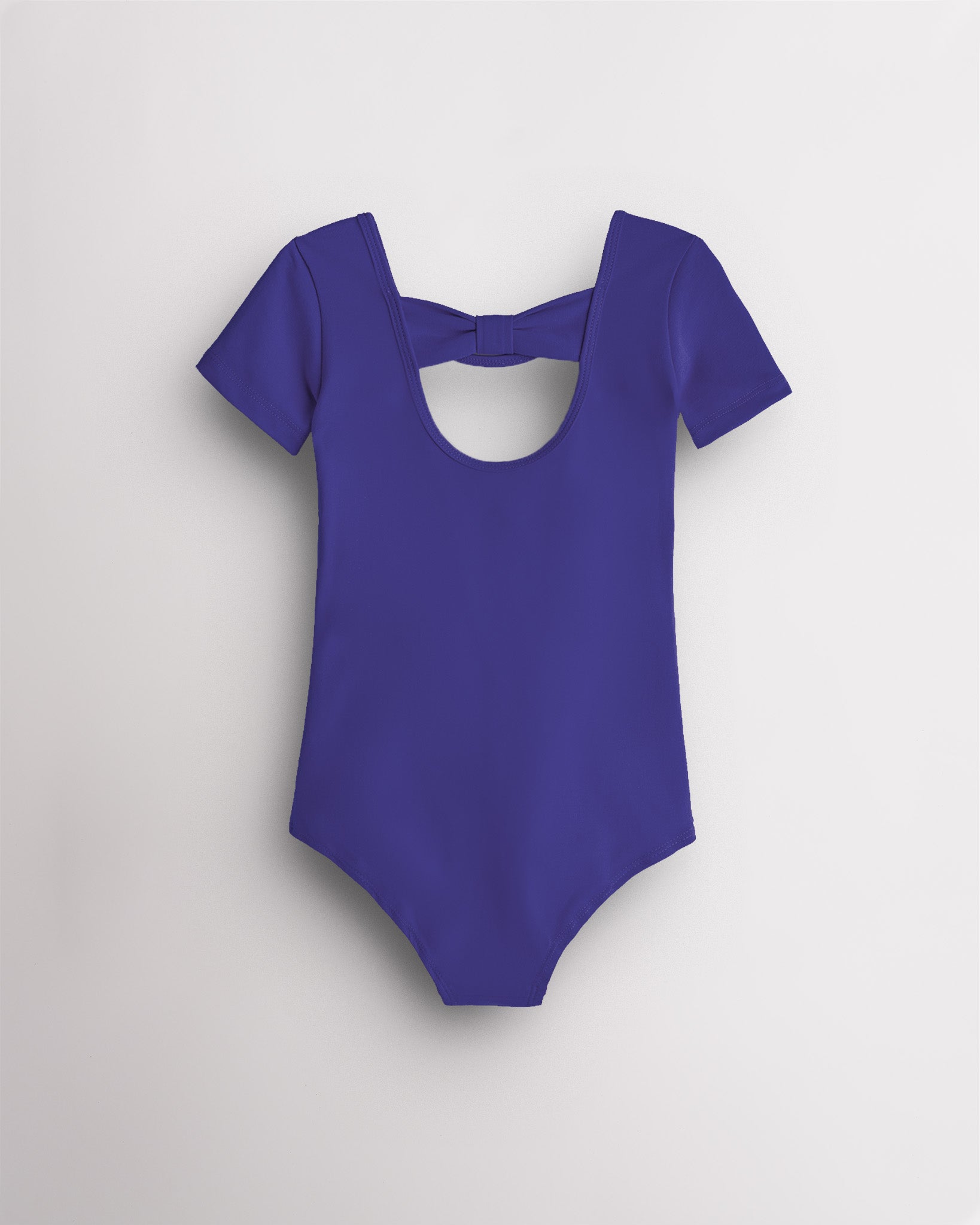
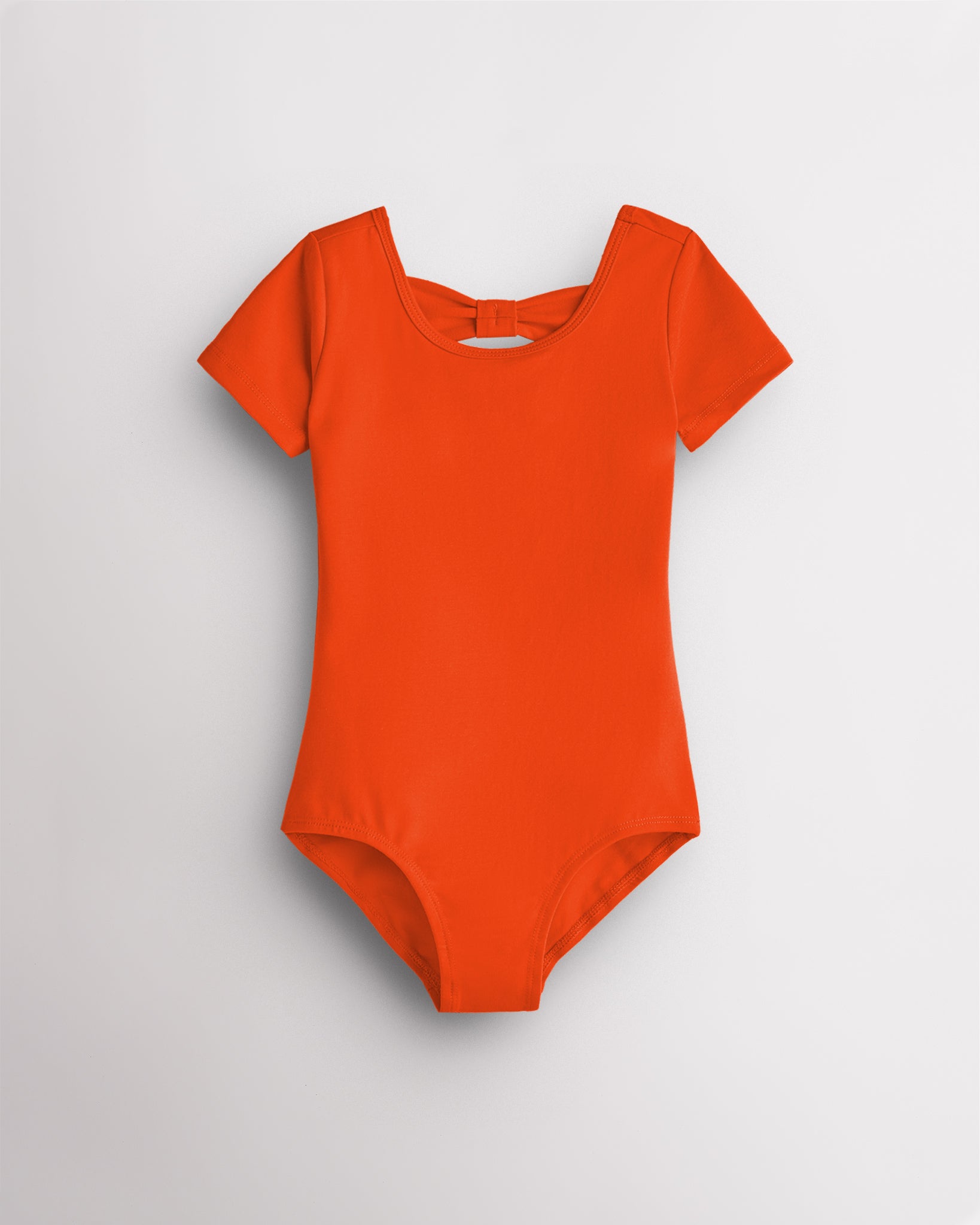
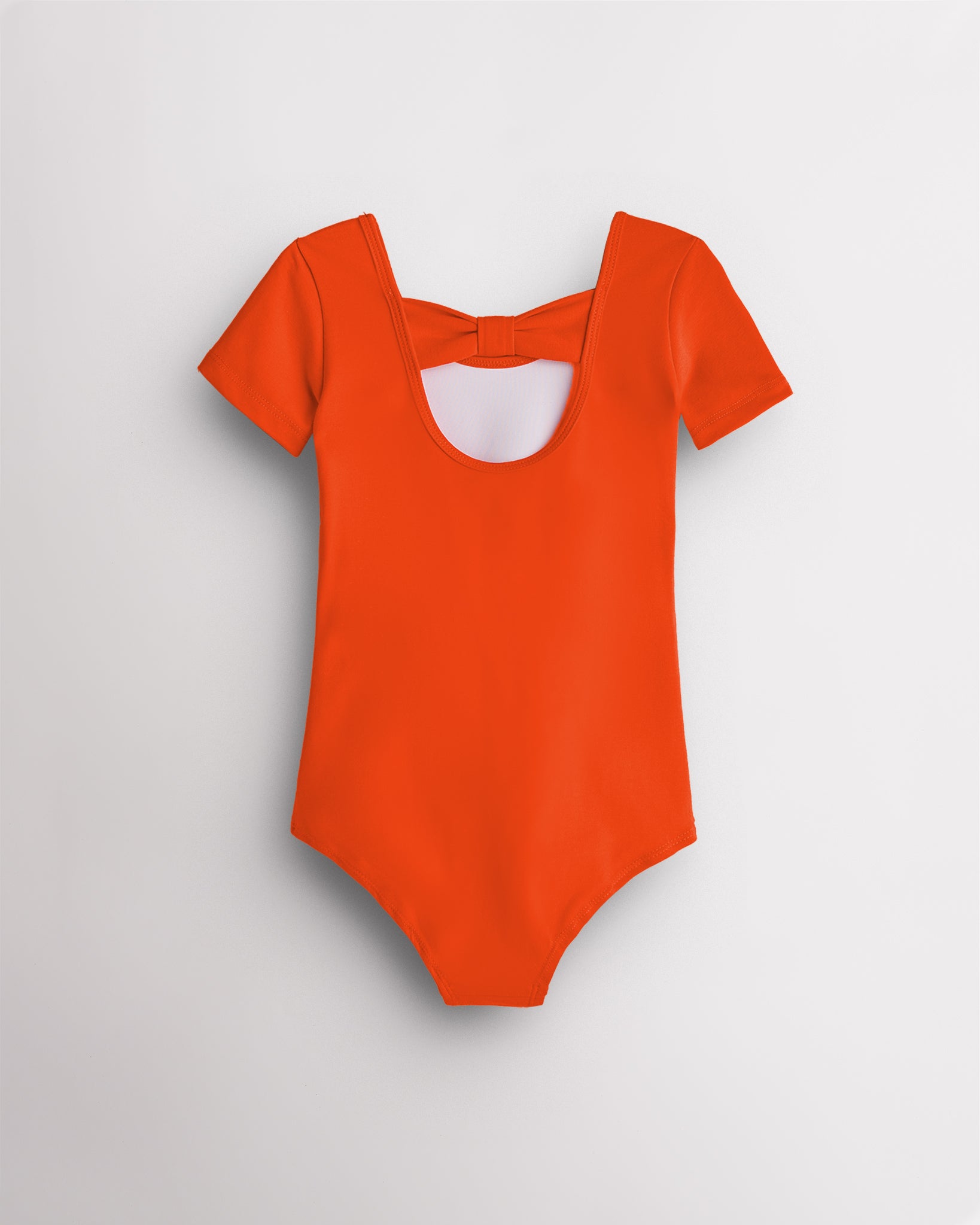
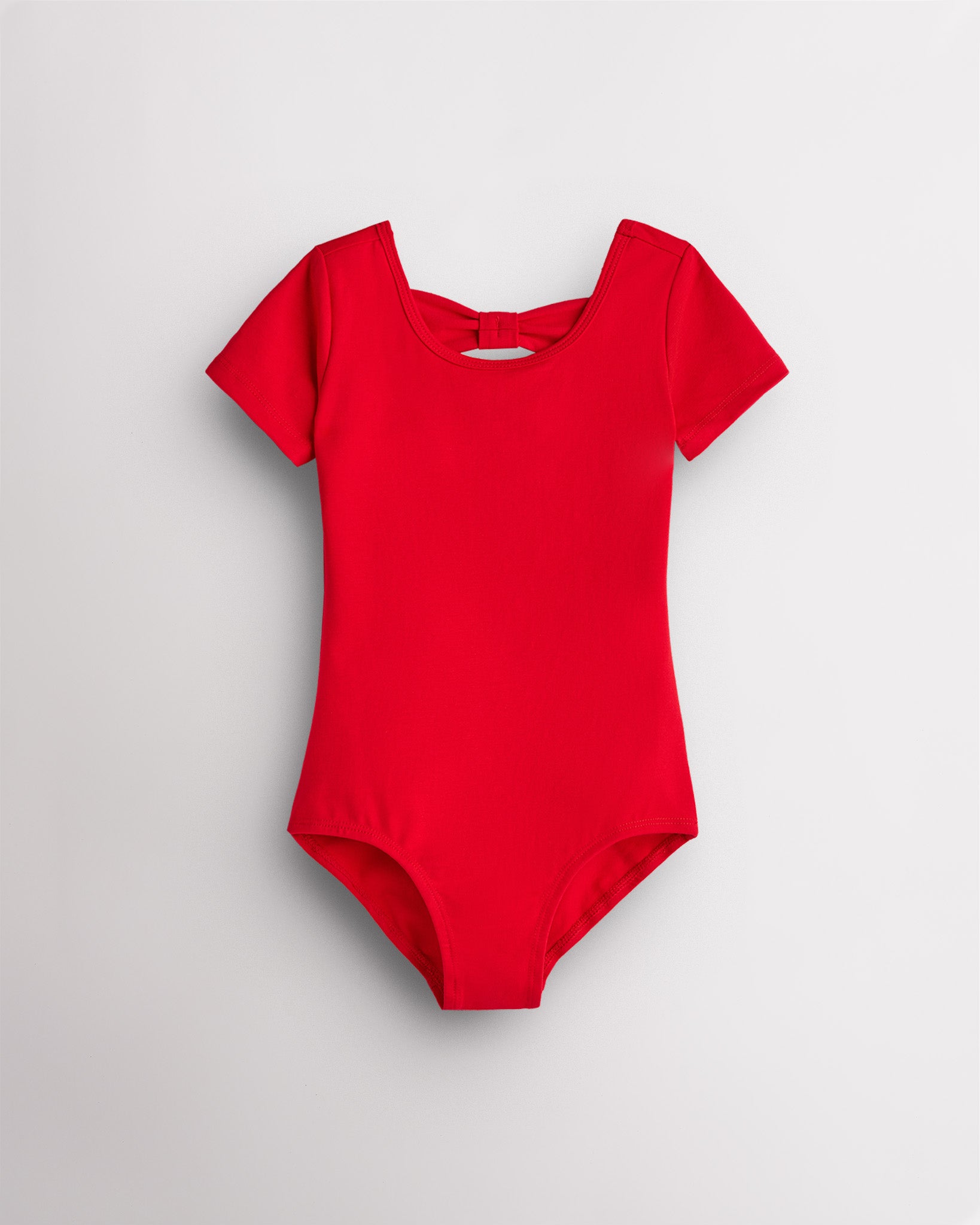
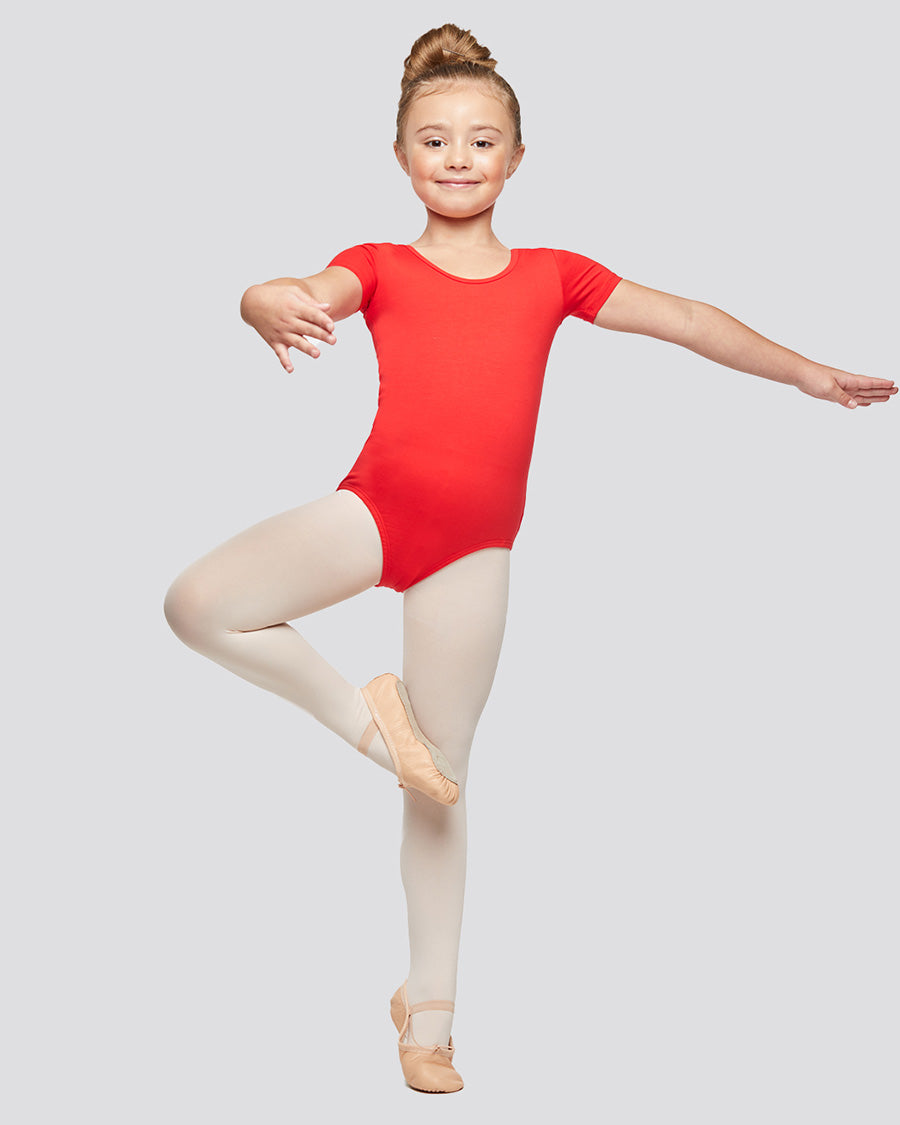
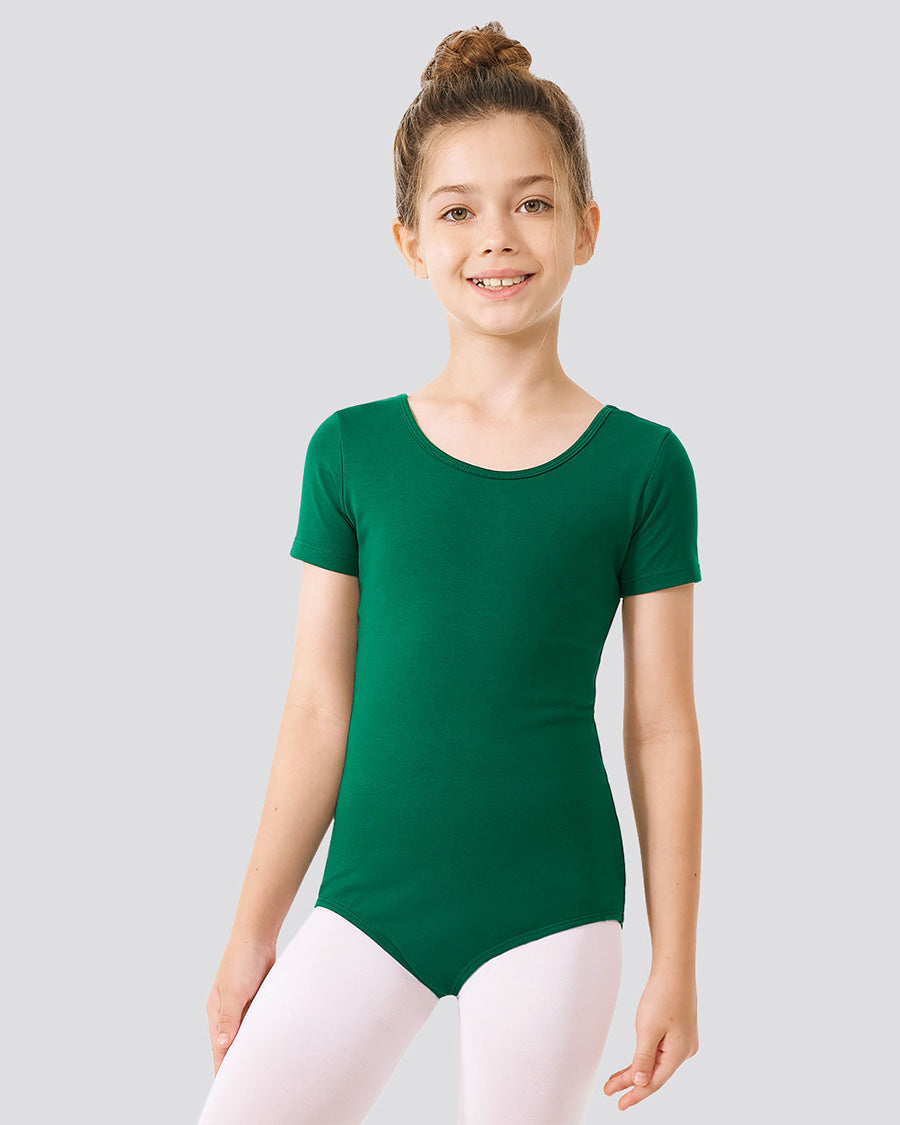
Short sleeve or long sleeve leotard |
Shoulder and upper arm should be covered |
|
No embellishments |
Skip flutter sleeves, mesh, sequins, or other decorative details |
|
No attached skirt |
The leotard should be a plain, one-piece style |
|
Any color or style |
Comfort and fit can guide the choice |
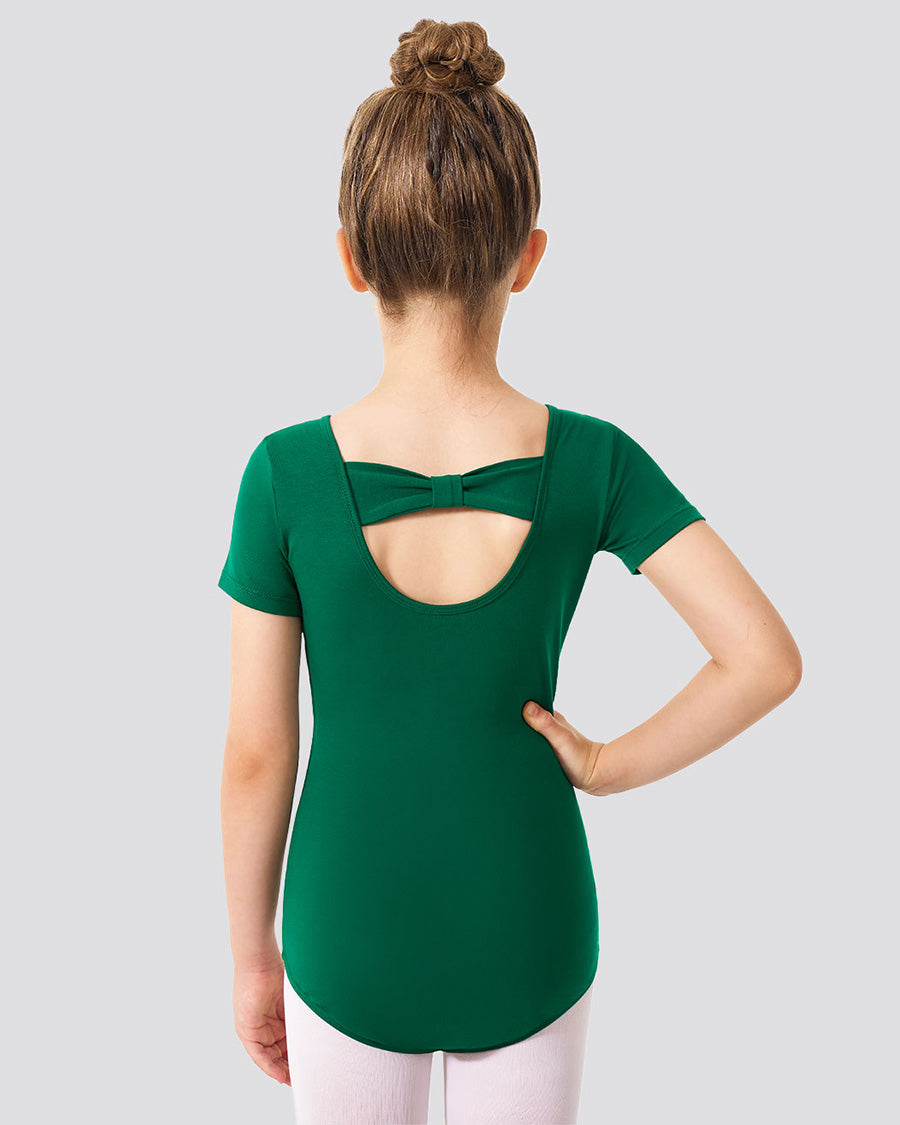
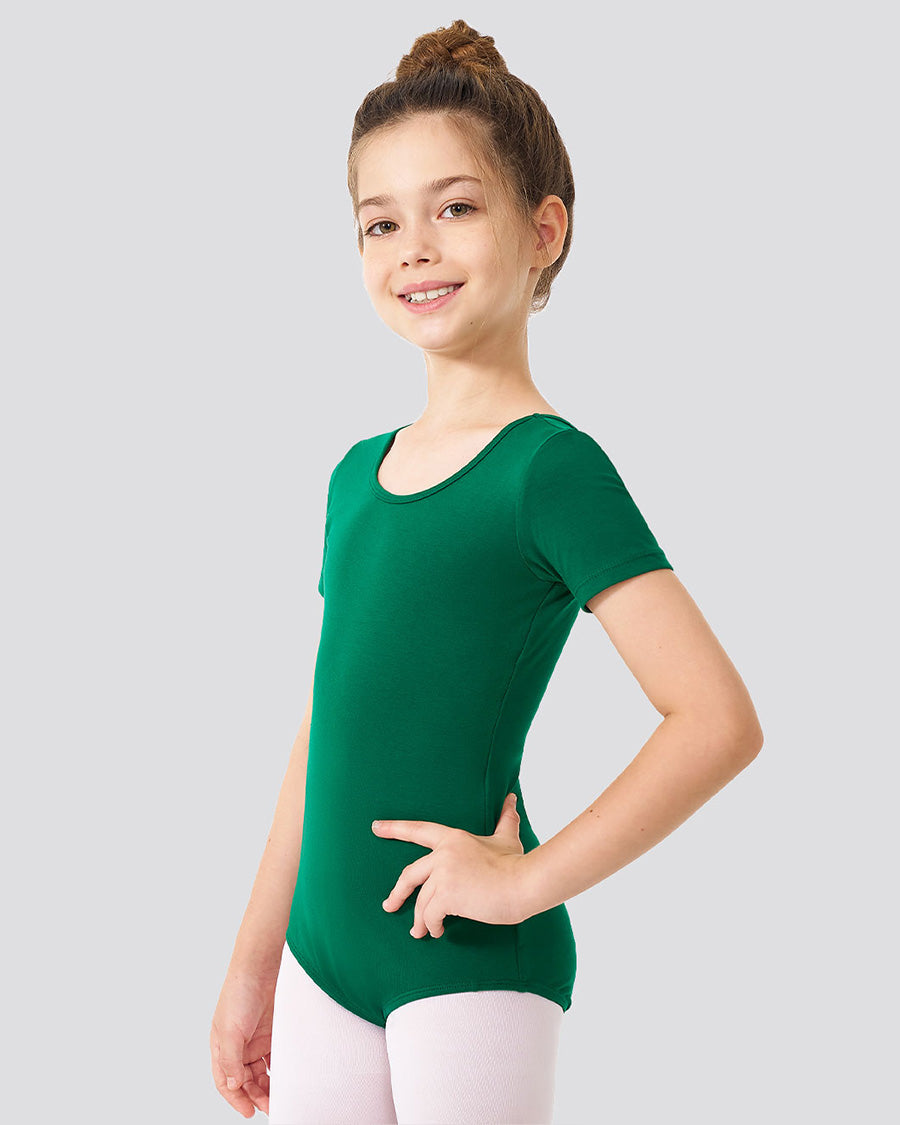
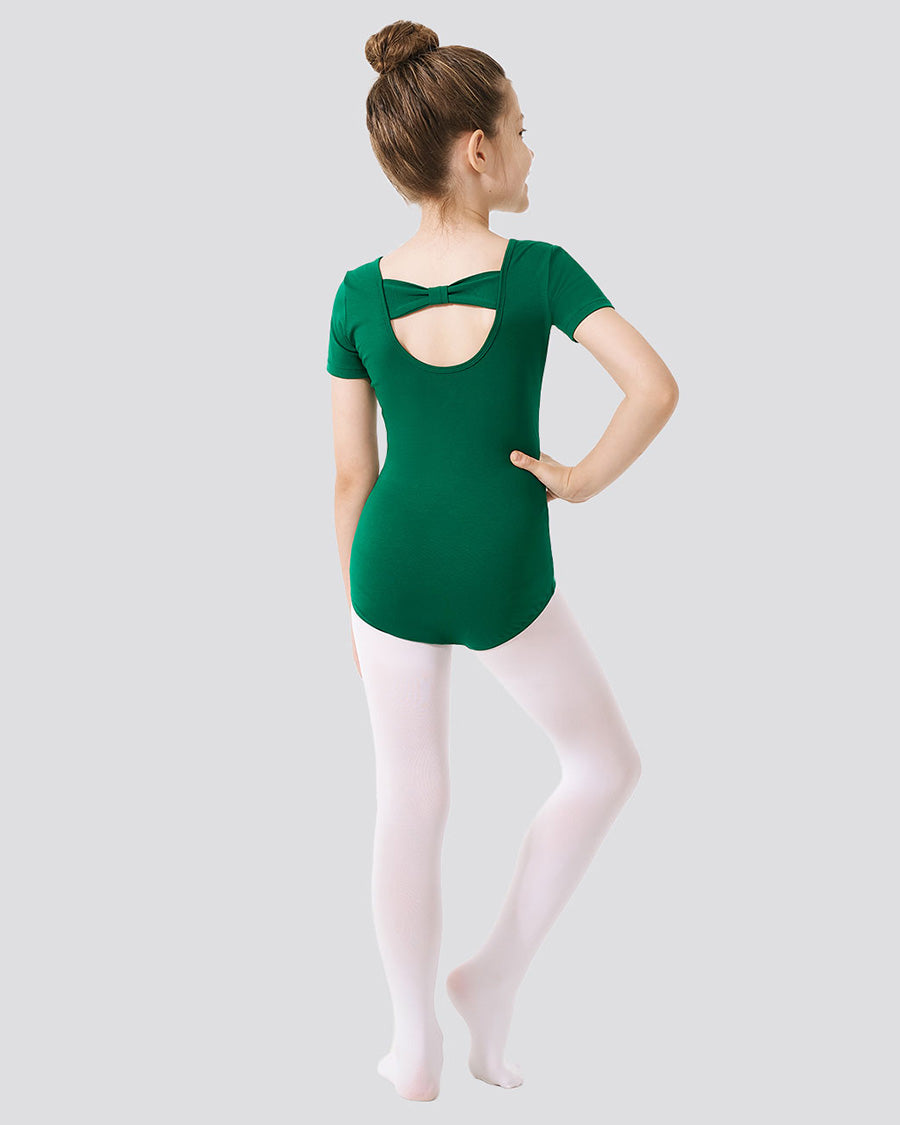
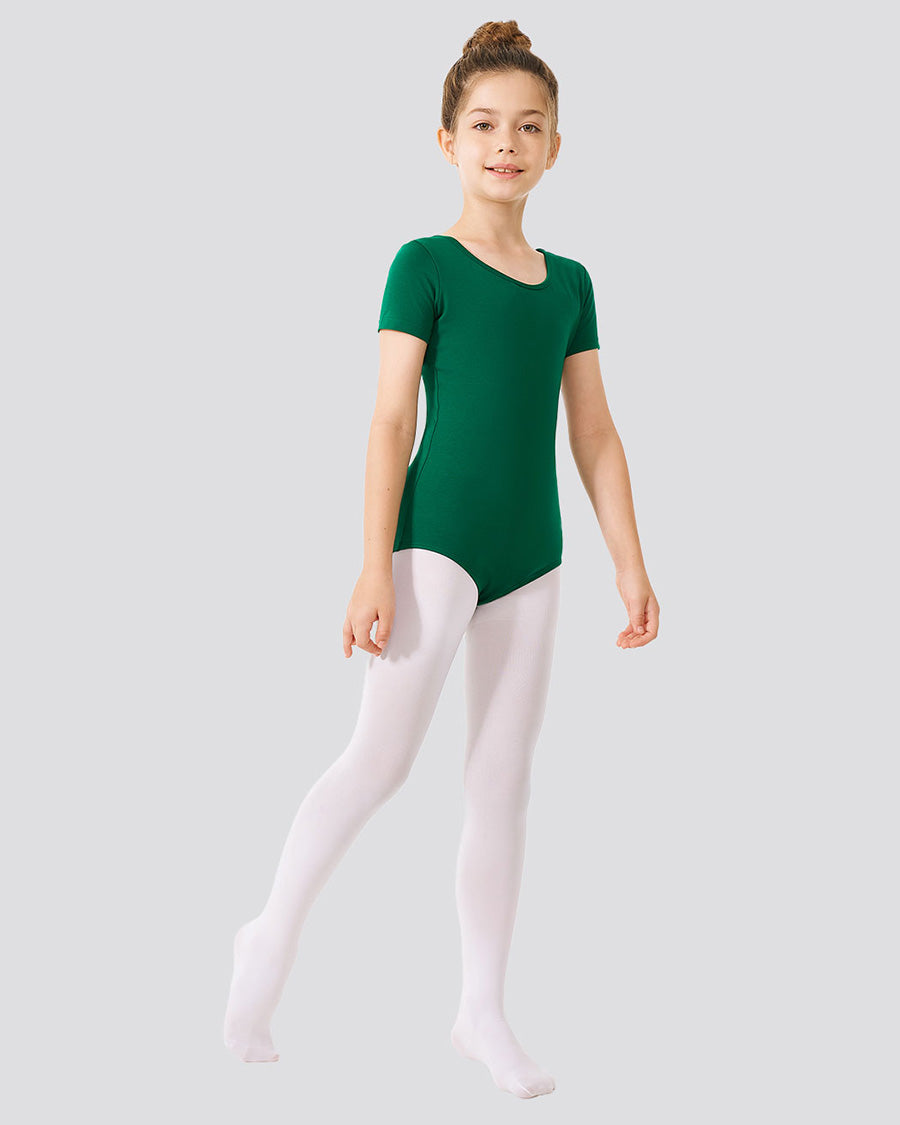
Many studios also tie style to level rather than personal choice. Lisa Taylor Academy of Ballet, for example, requires long or short sleeve leotards for Creative Movement and early levels, with camisole styles only opening up once a dancer reaches a more advanced level. That kind of progression is common: sleeved or tank styles for beginners, camisole once a studio wants to see more of the shoulder line.
Step 2: Match the Style to the Class
|
Style |
Best For |
Watch For |
|
Camisole leotard |
Older or more experienced kids who want a clean shoulder line; structured ballet may lean toward camisole or tank depending on the studio |
Thin straps can slip on younger or very active kids |
|
Tank leotard |
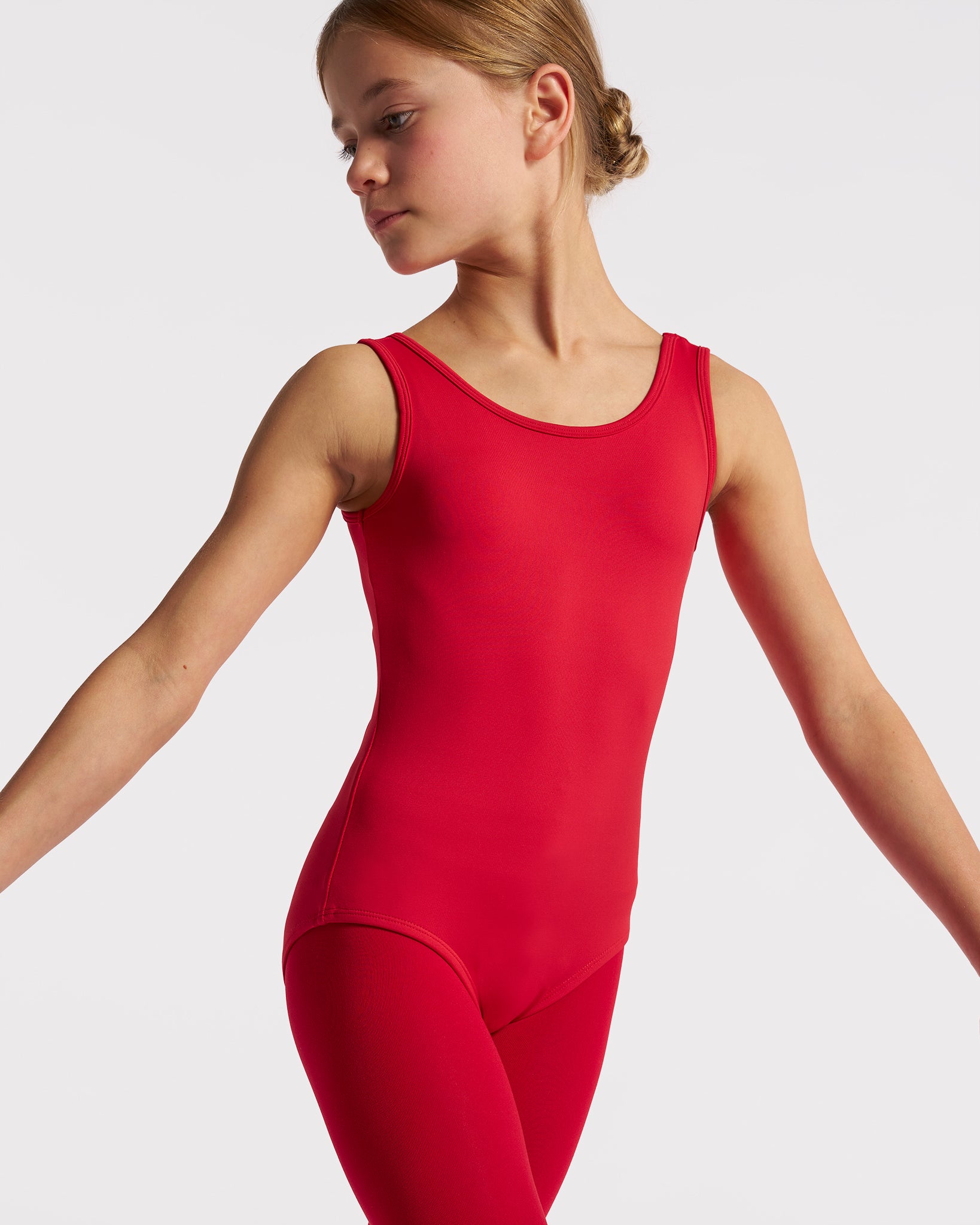
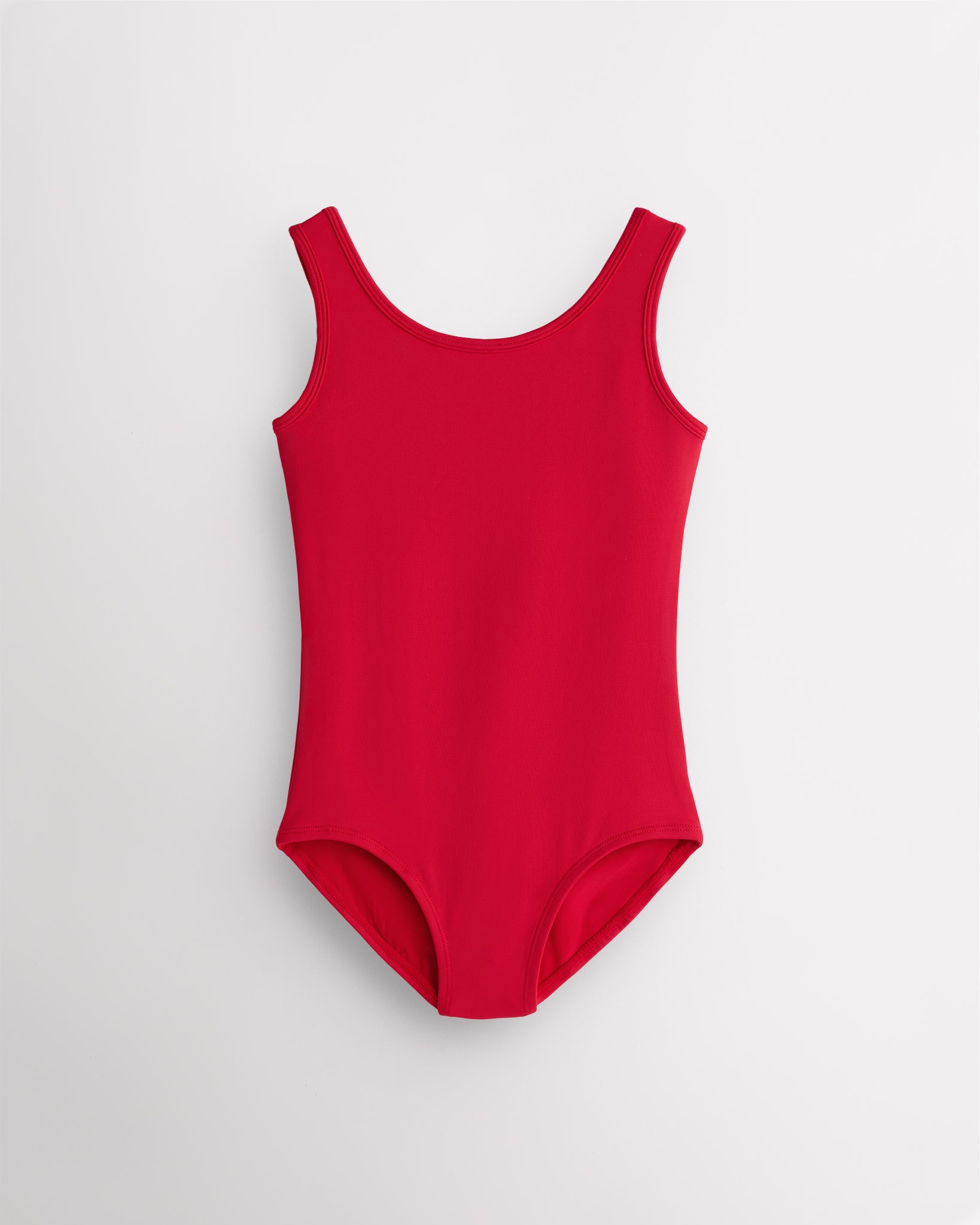
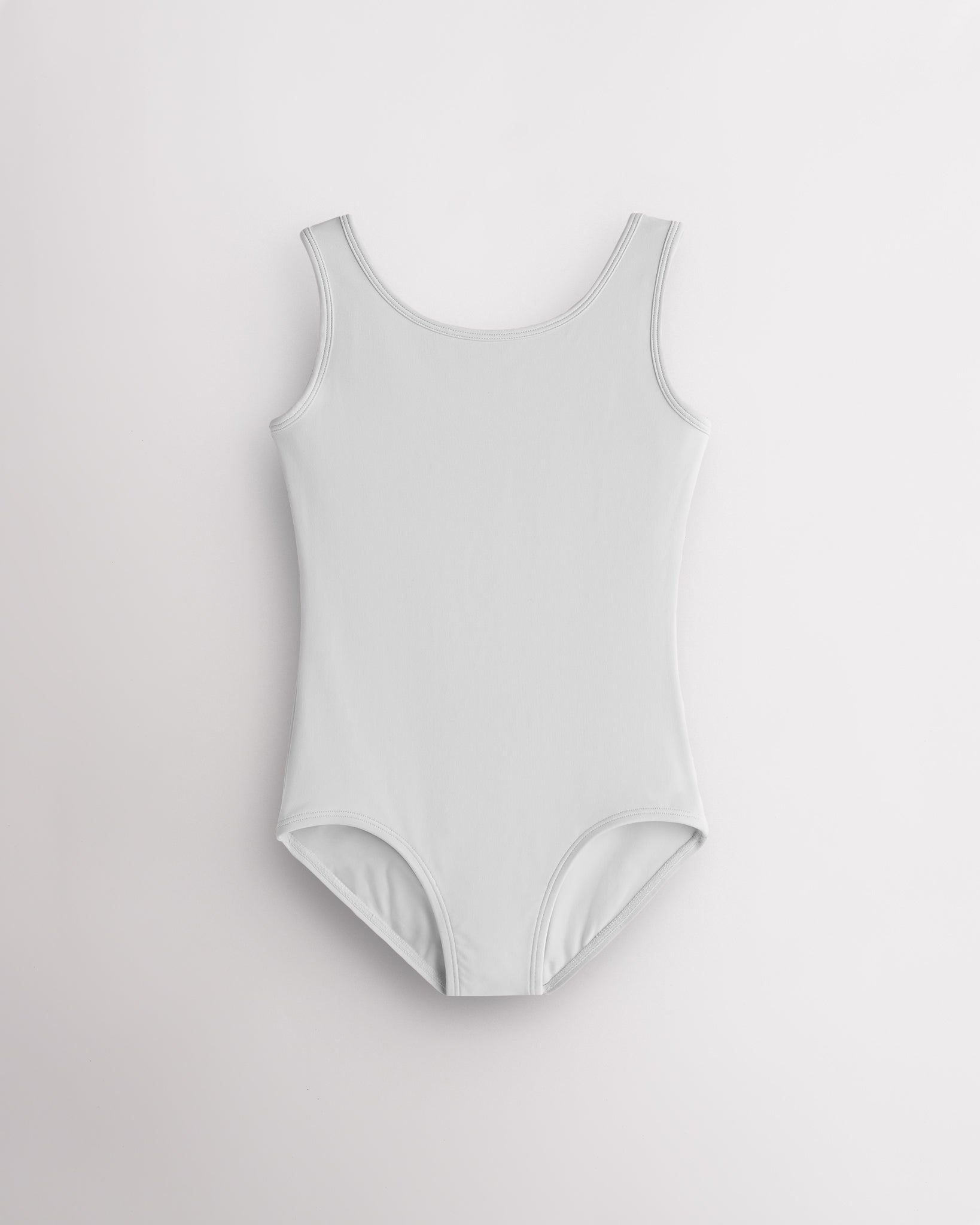
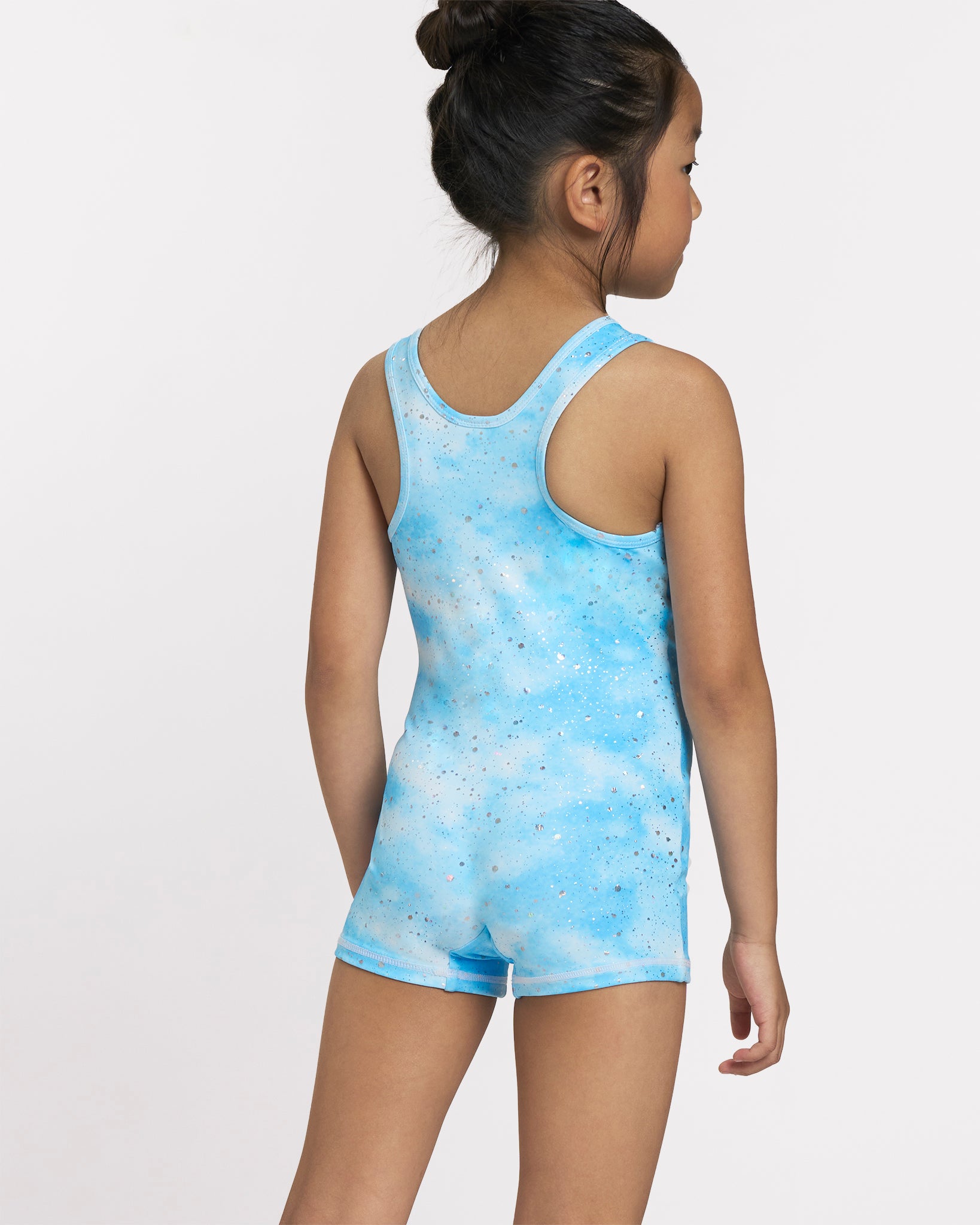
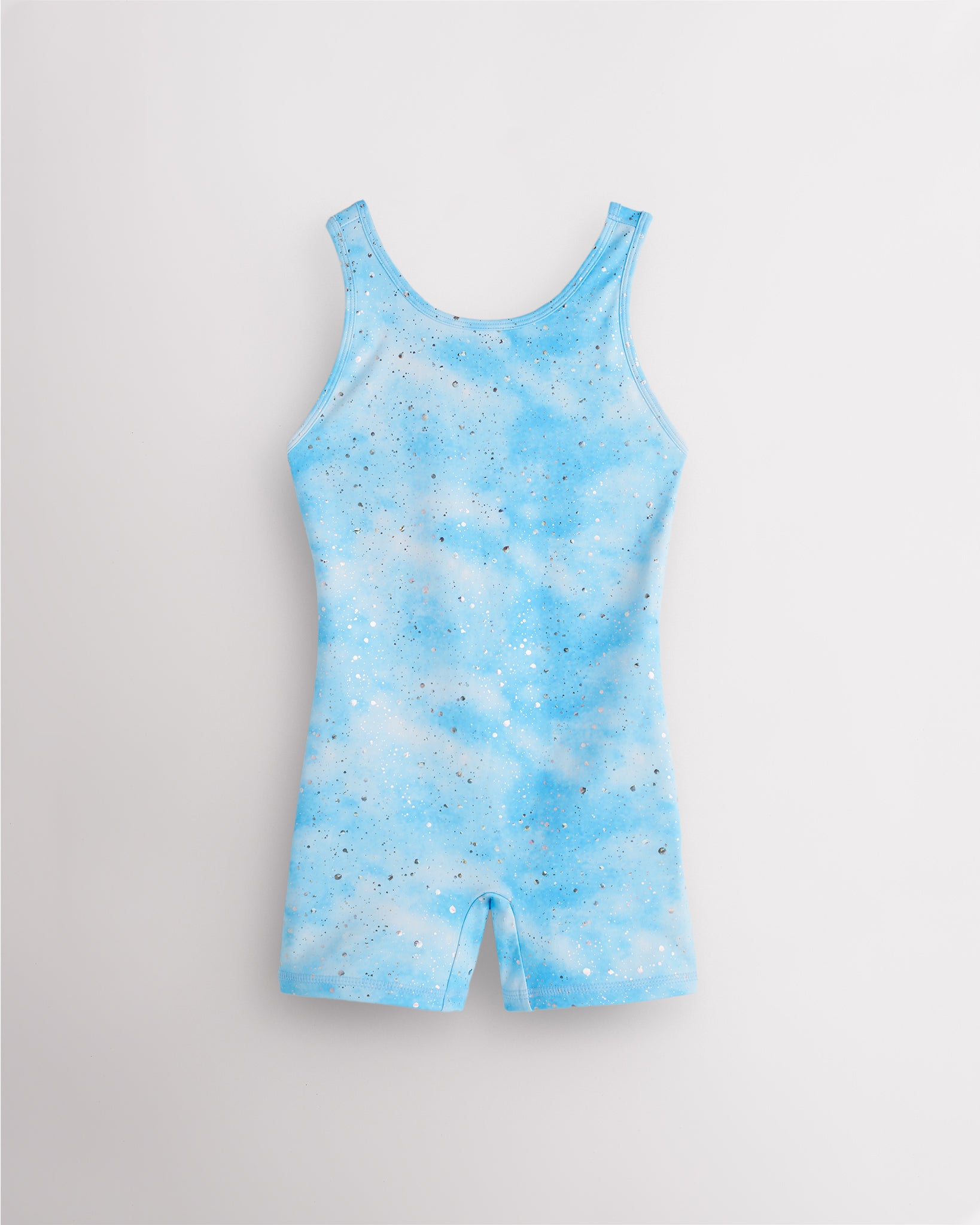
Beginners, active classes, gymnastics-style movement |
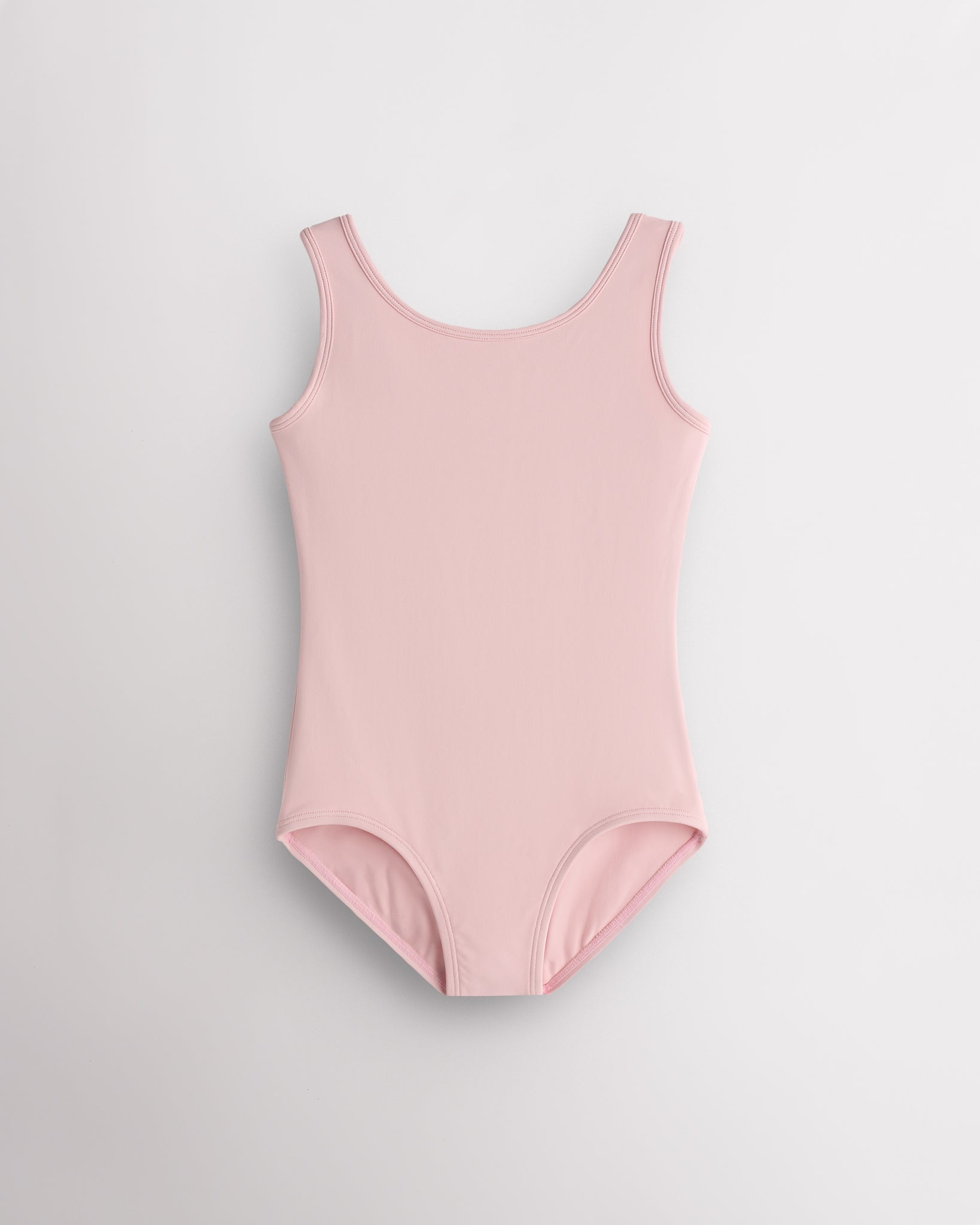
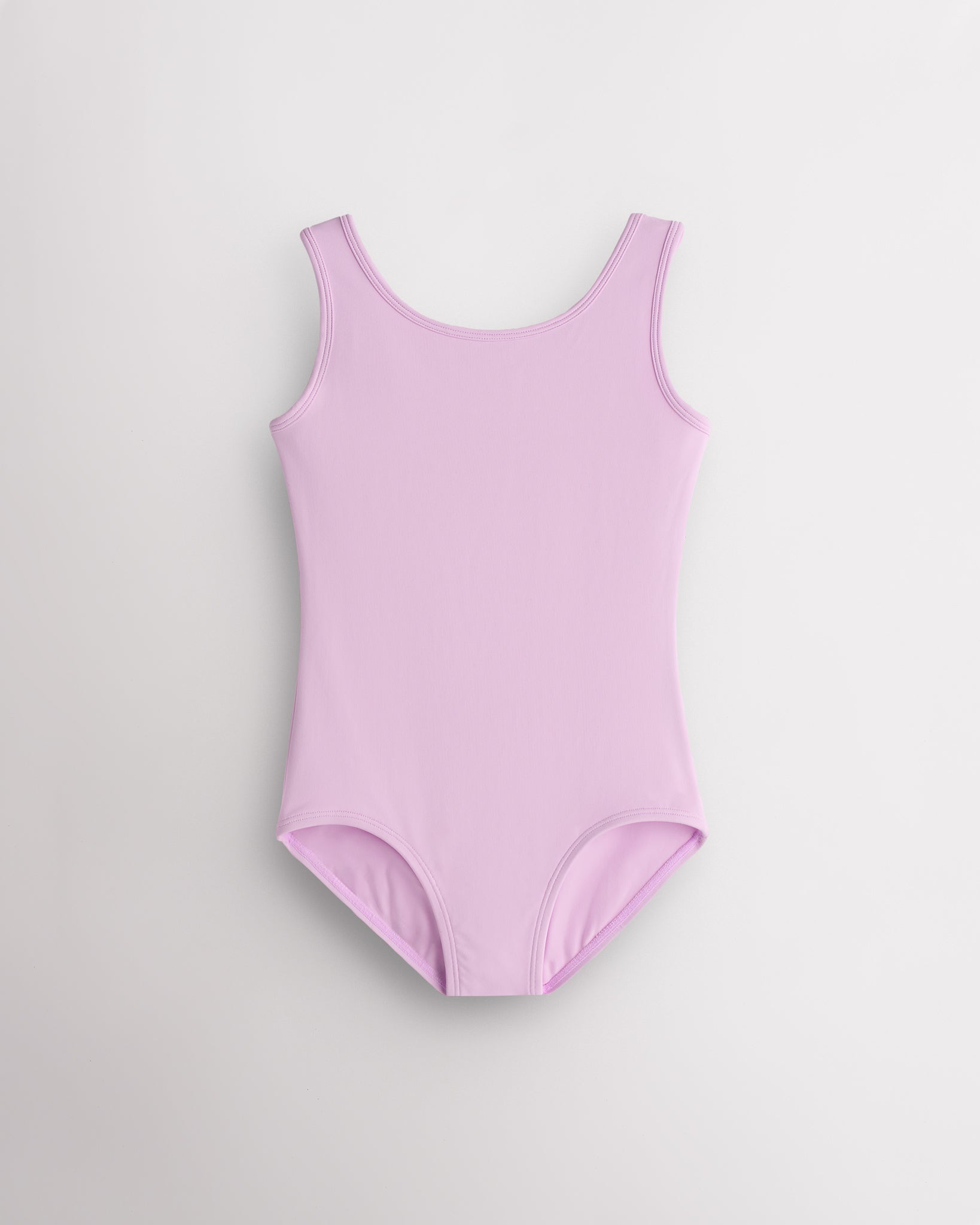
A sleeveless leotard style, less open shoulder line than a camisole |
|
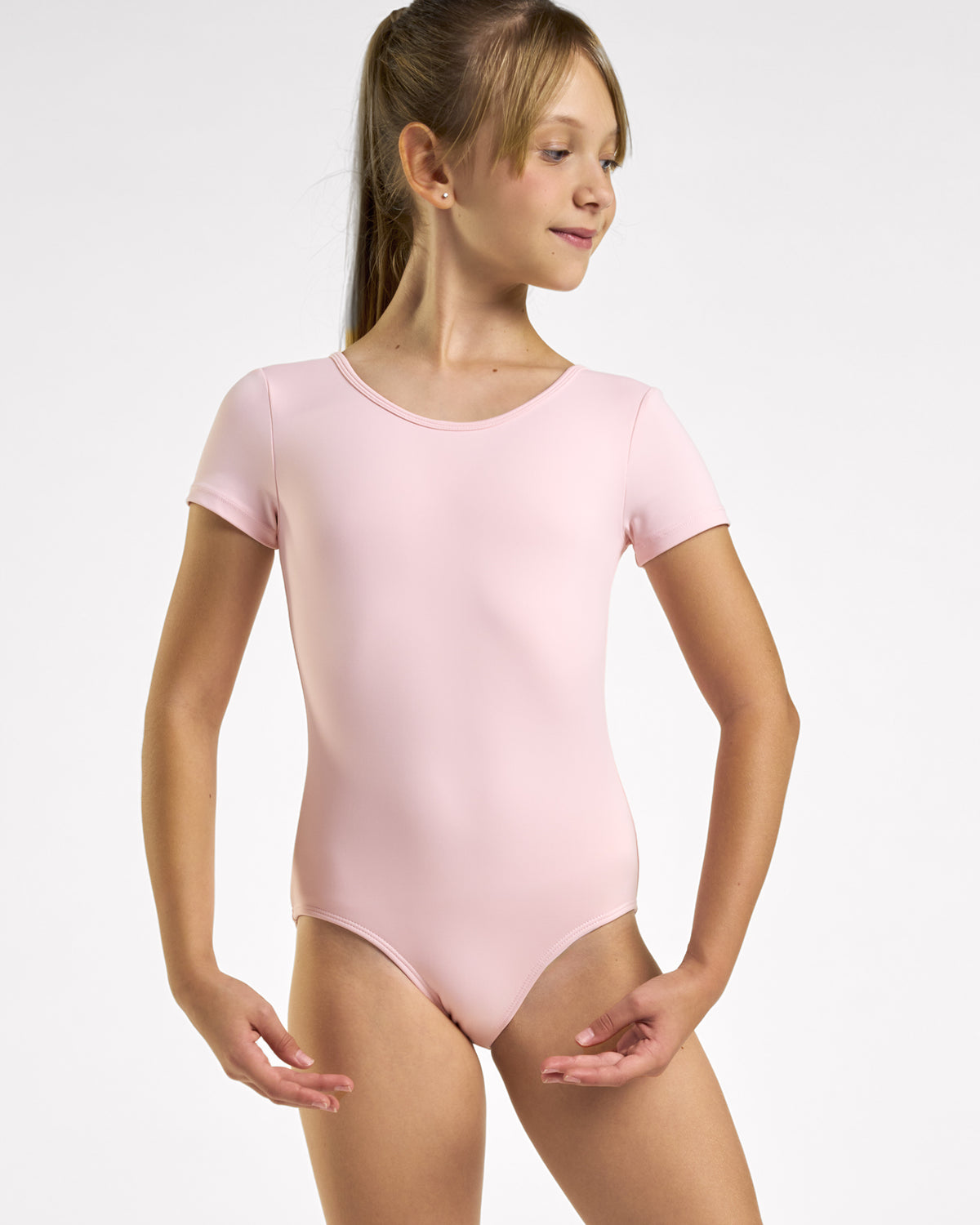
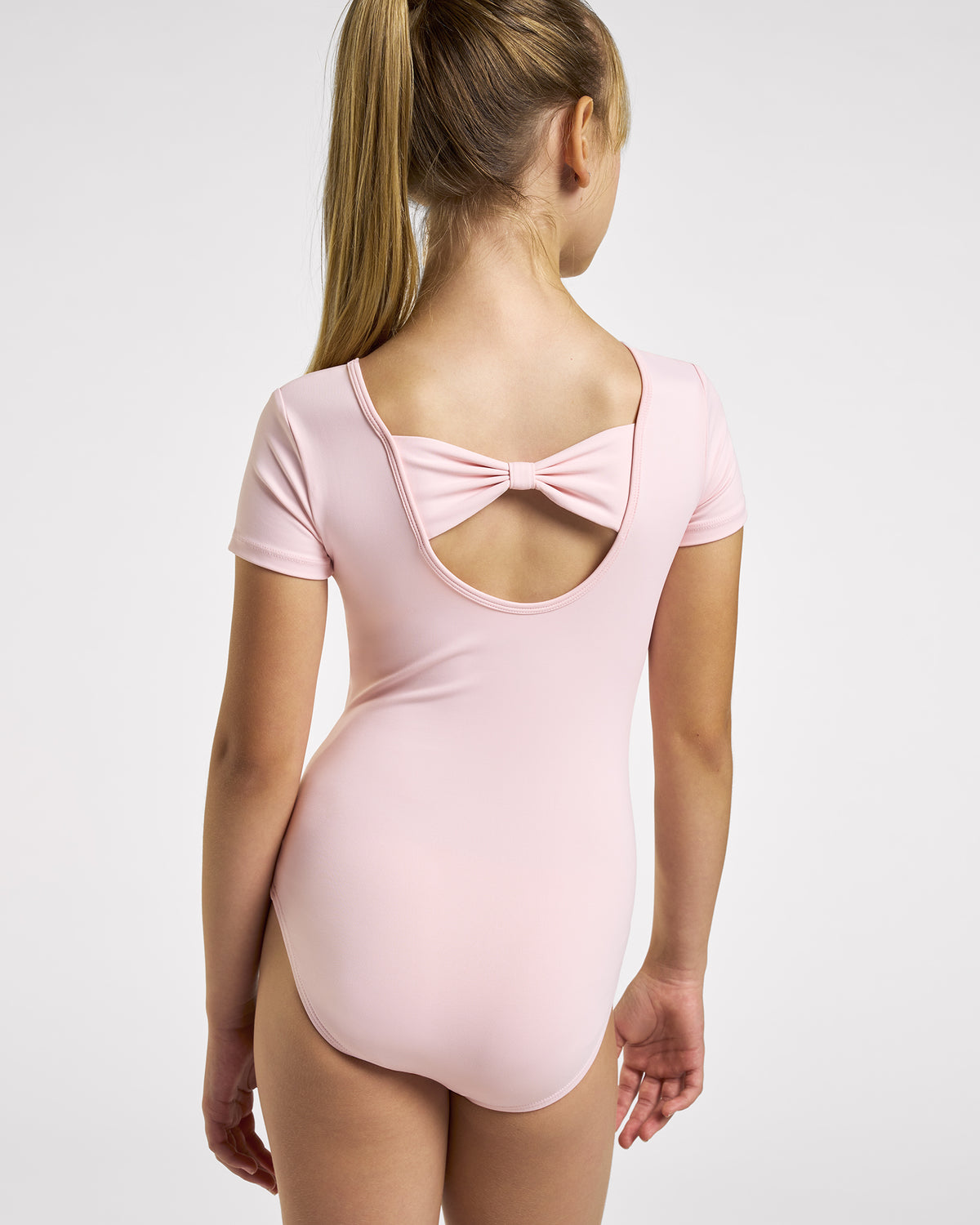
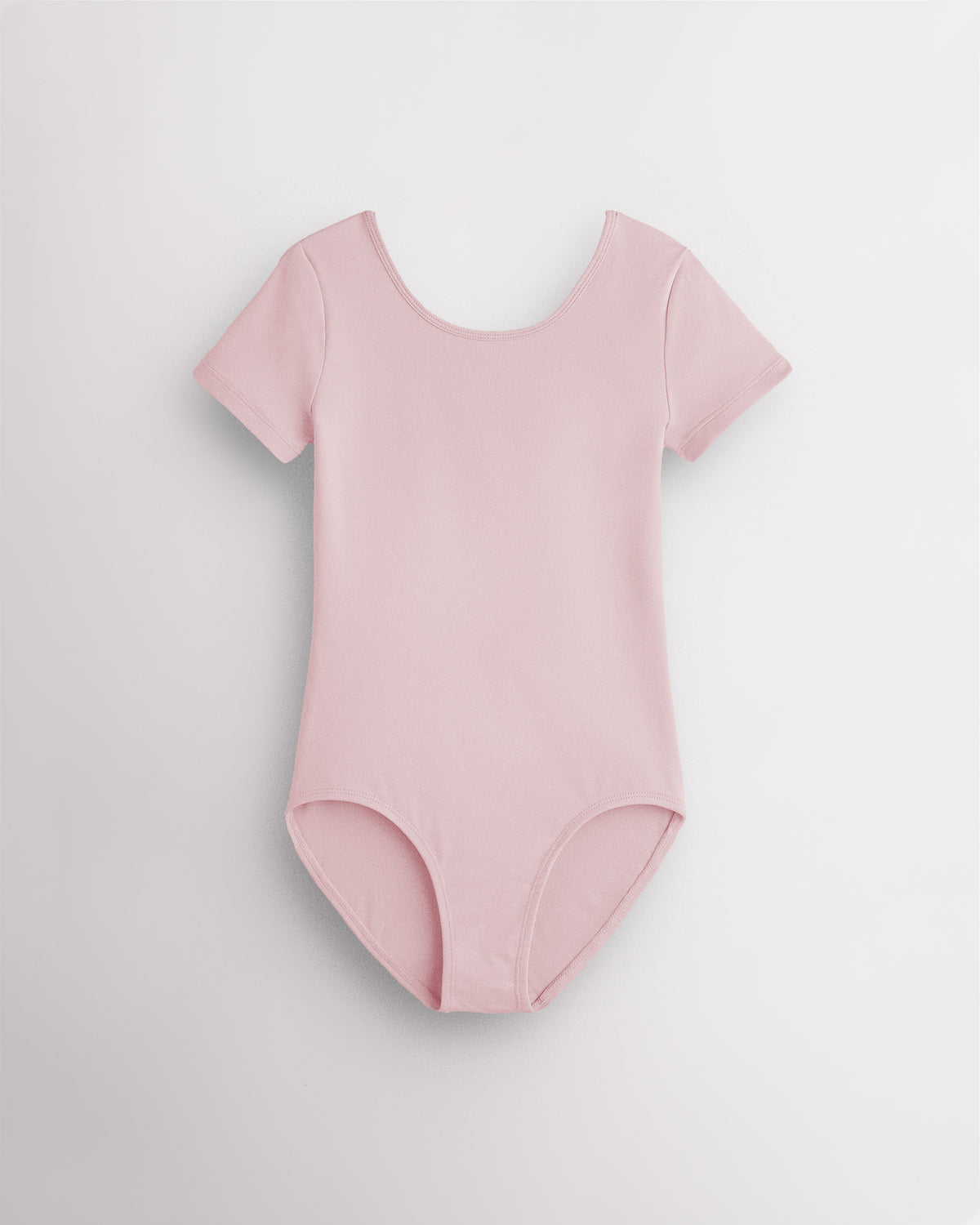
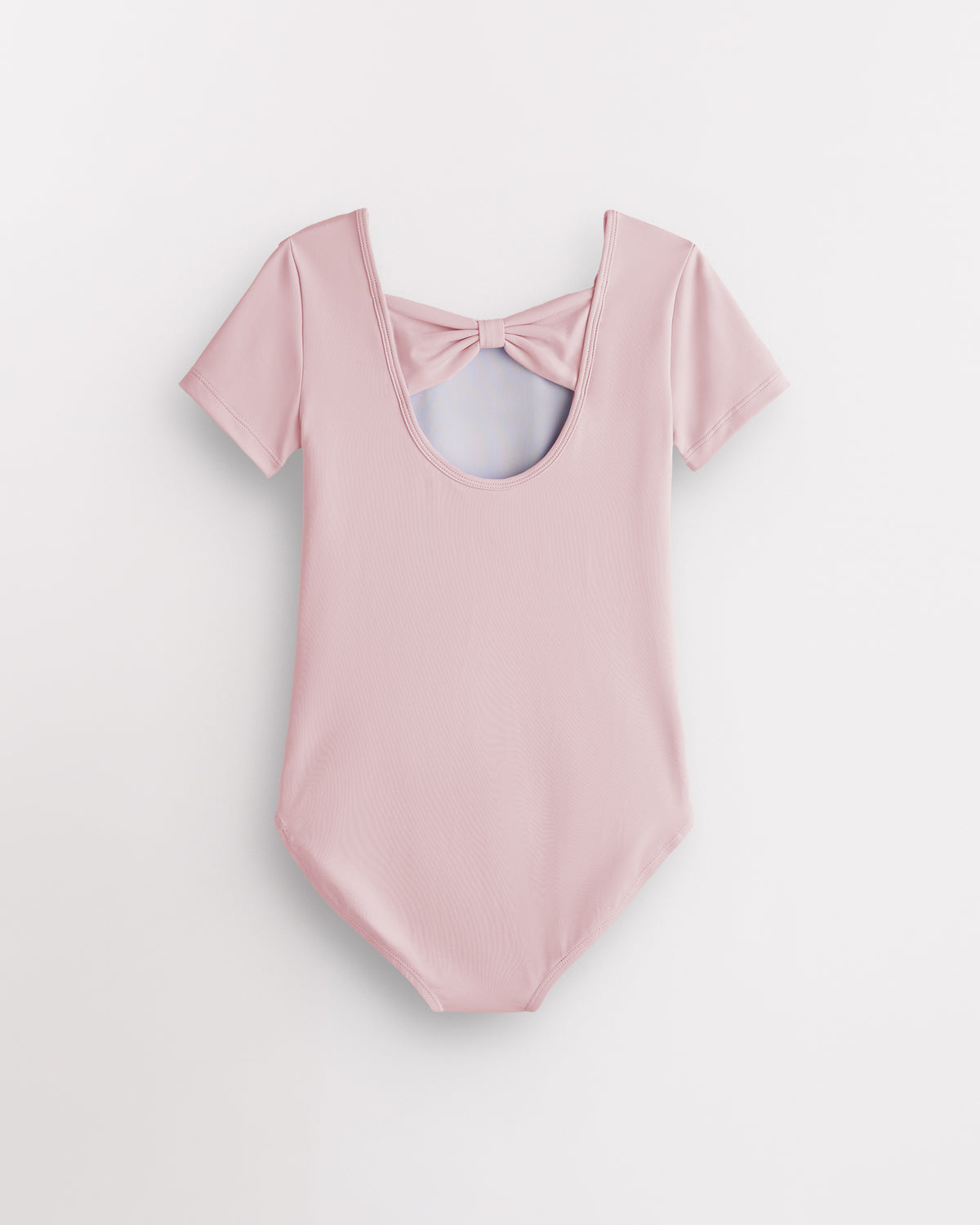
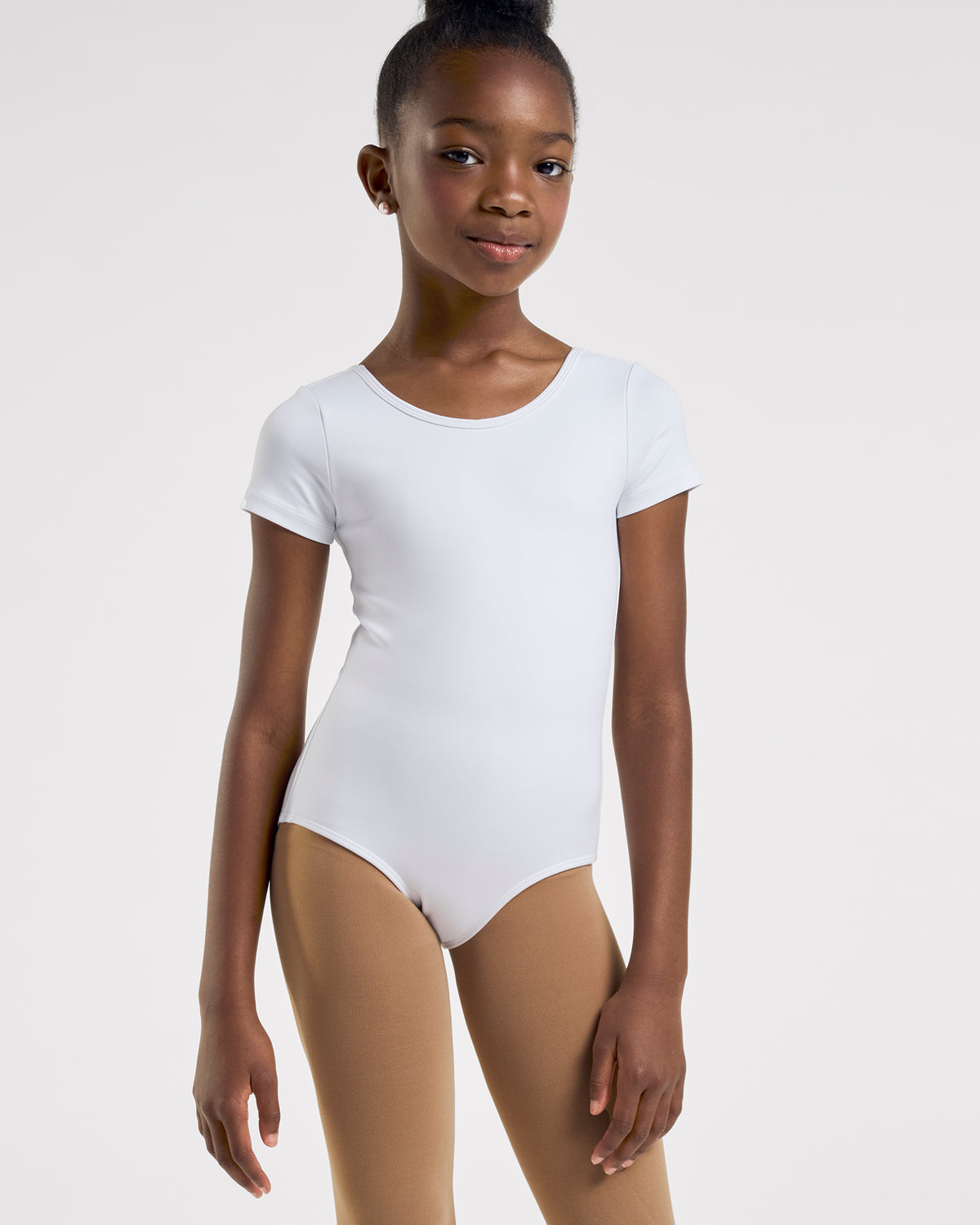
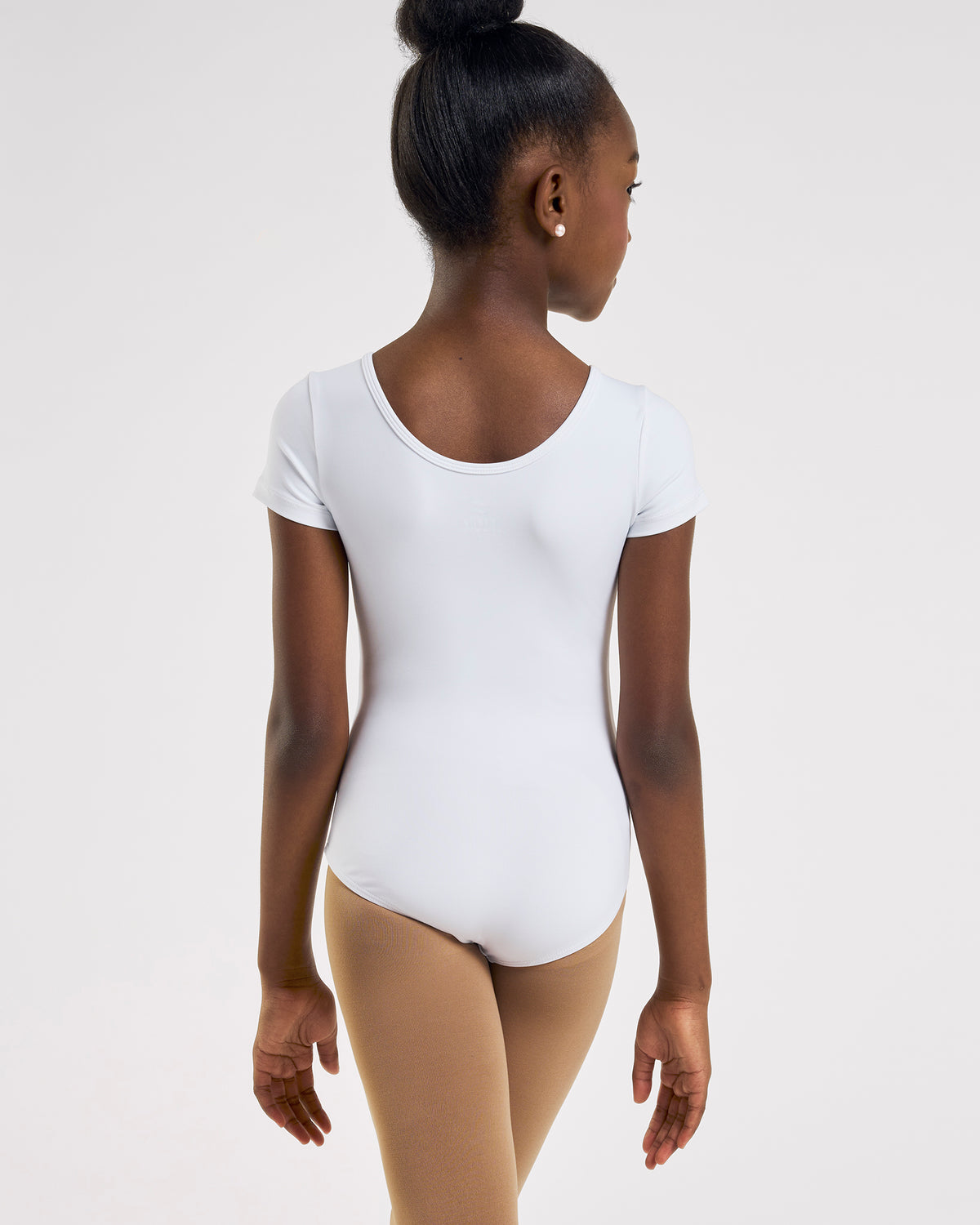
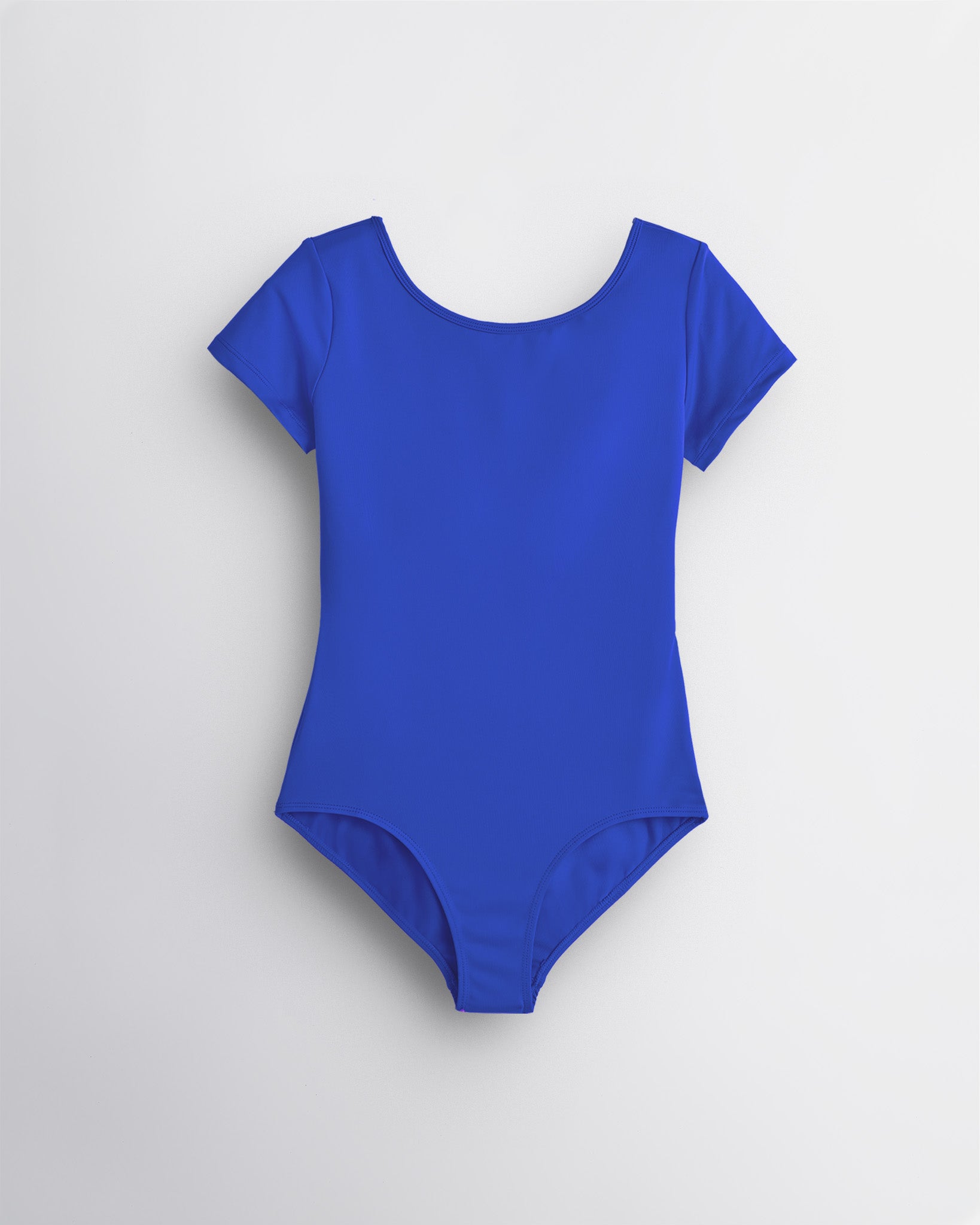
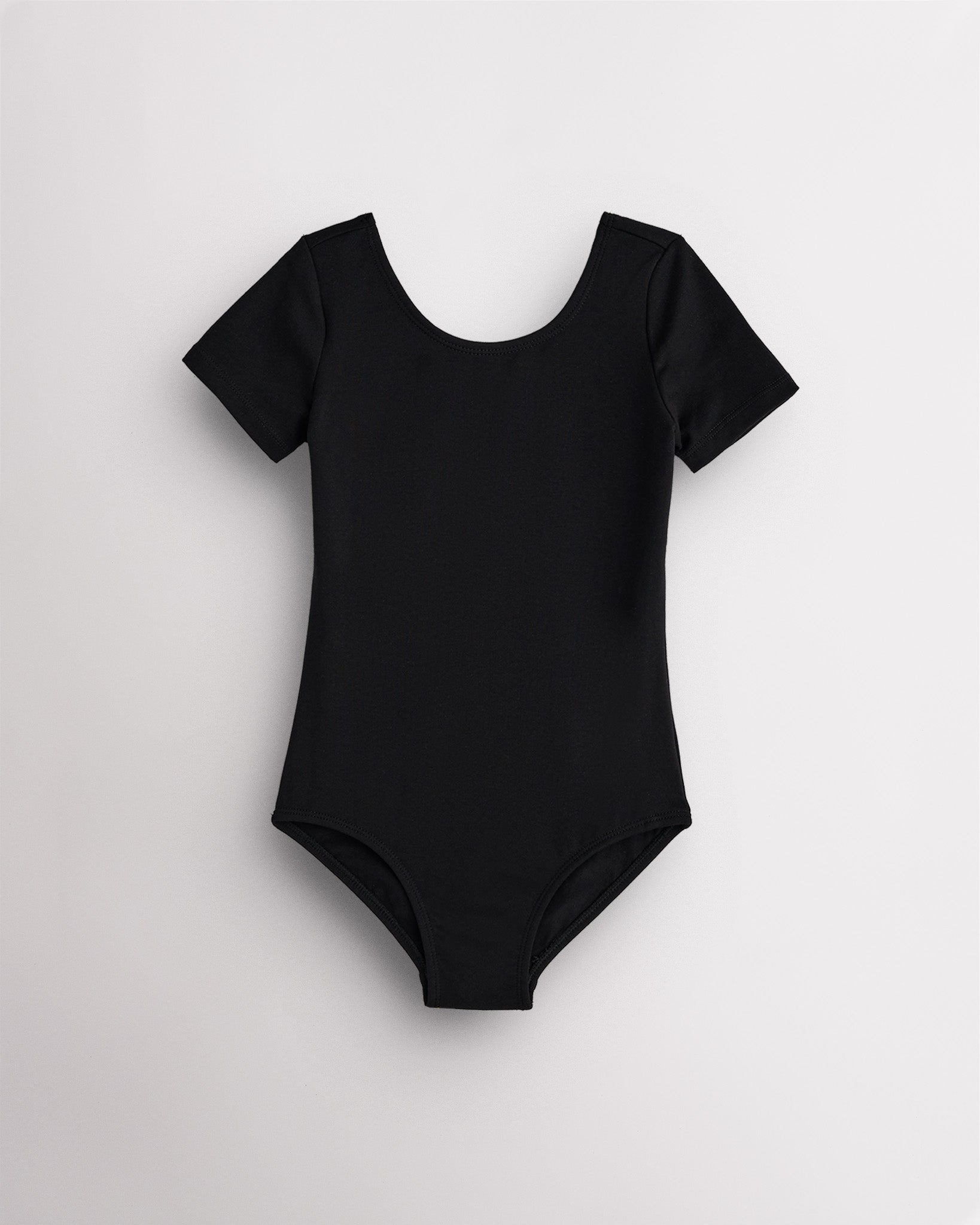
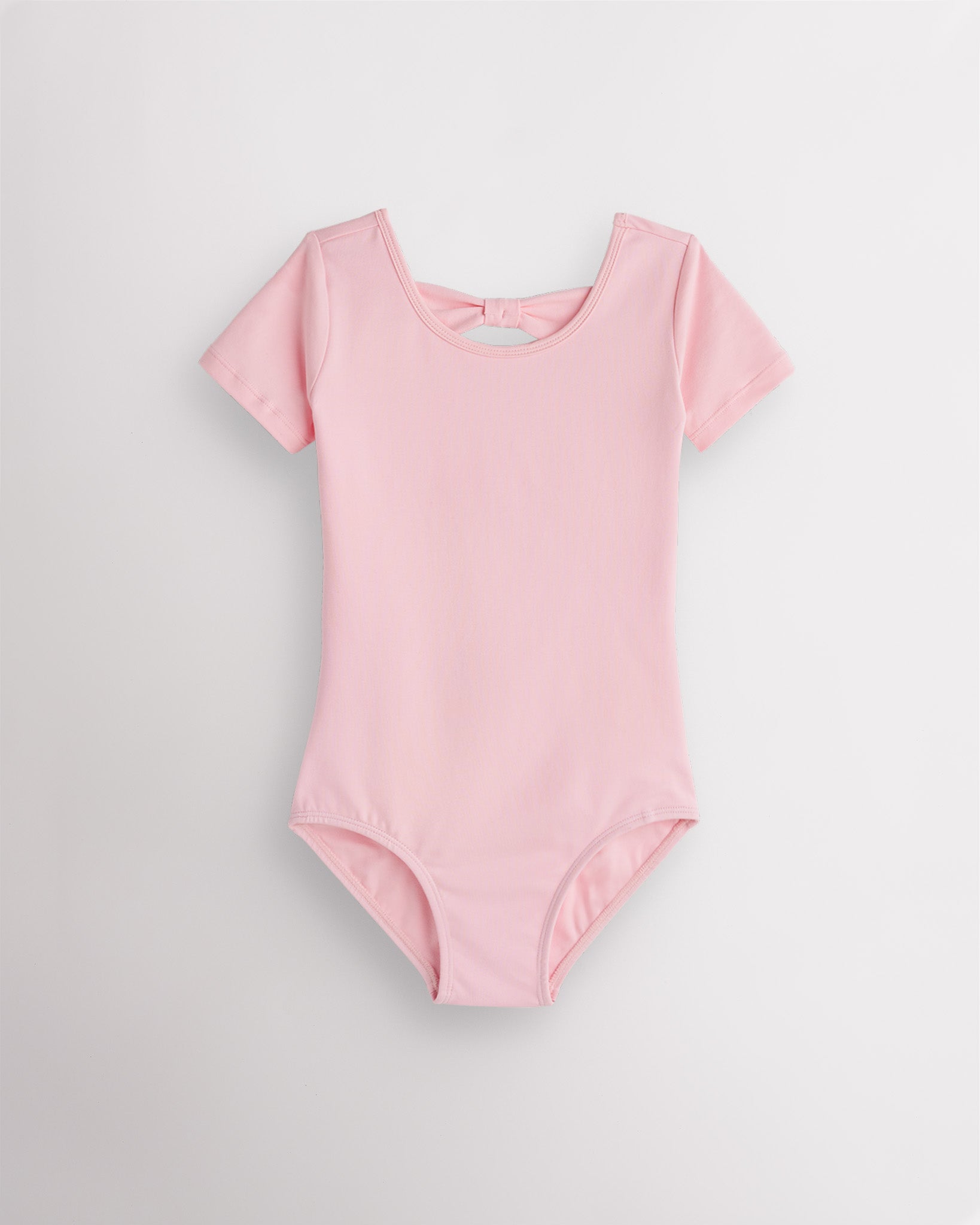
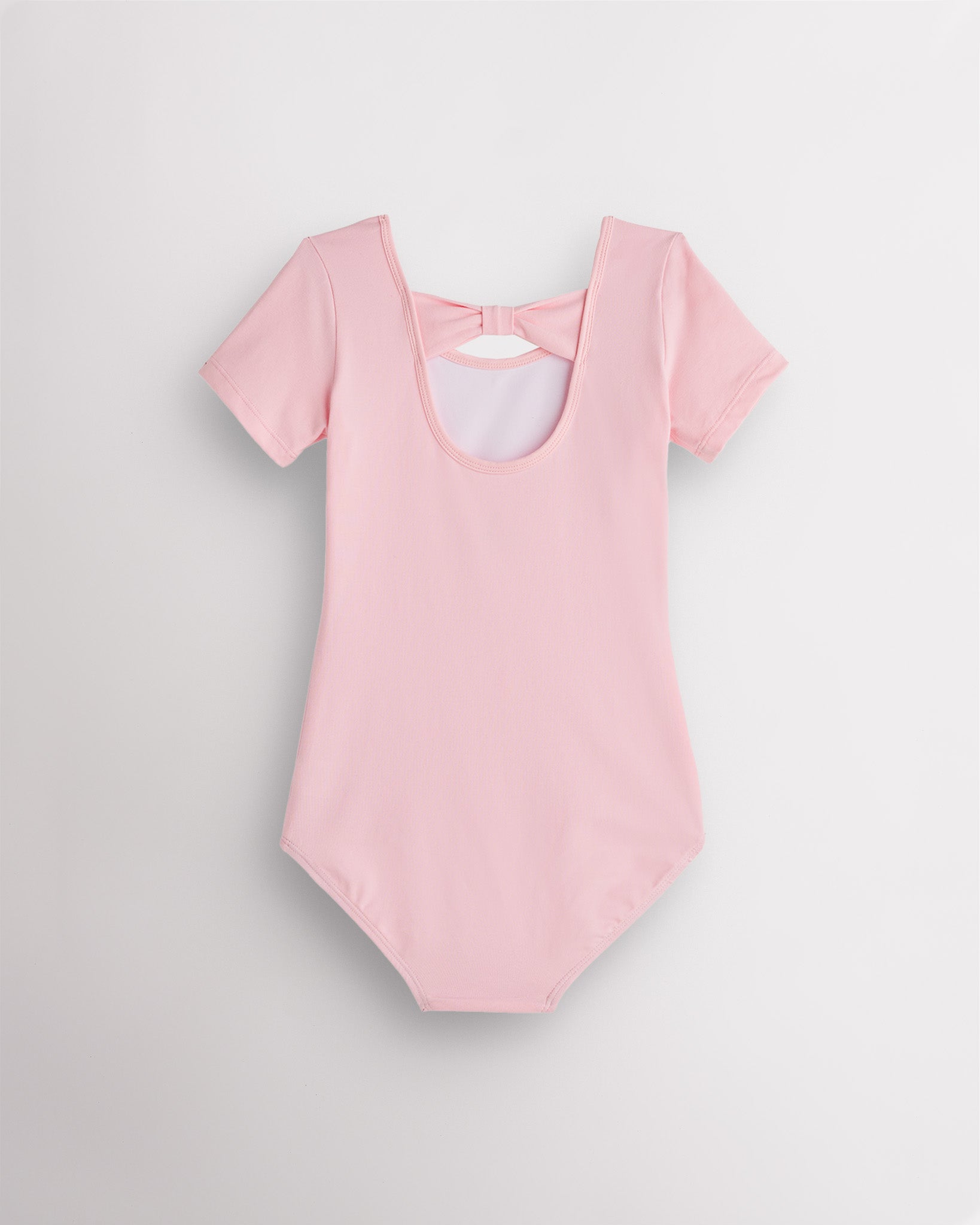
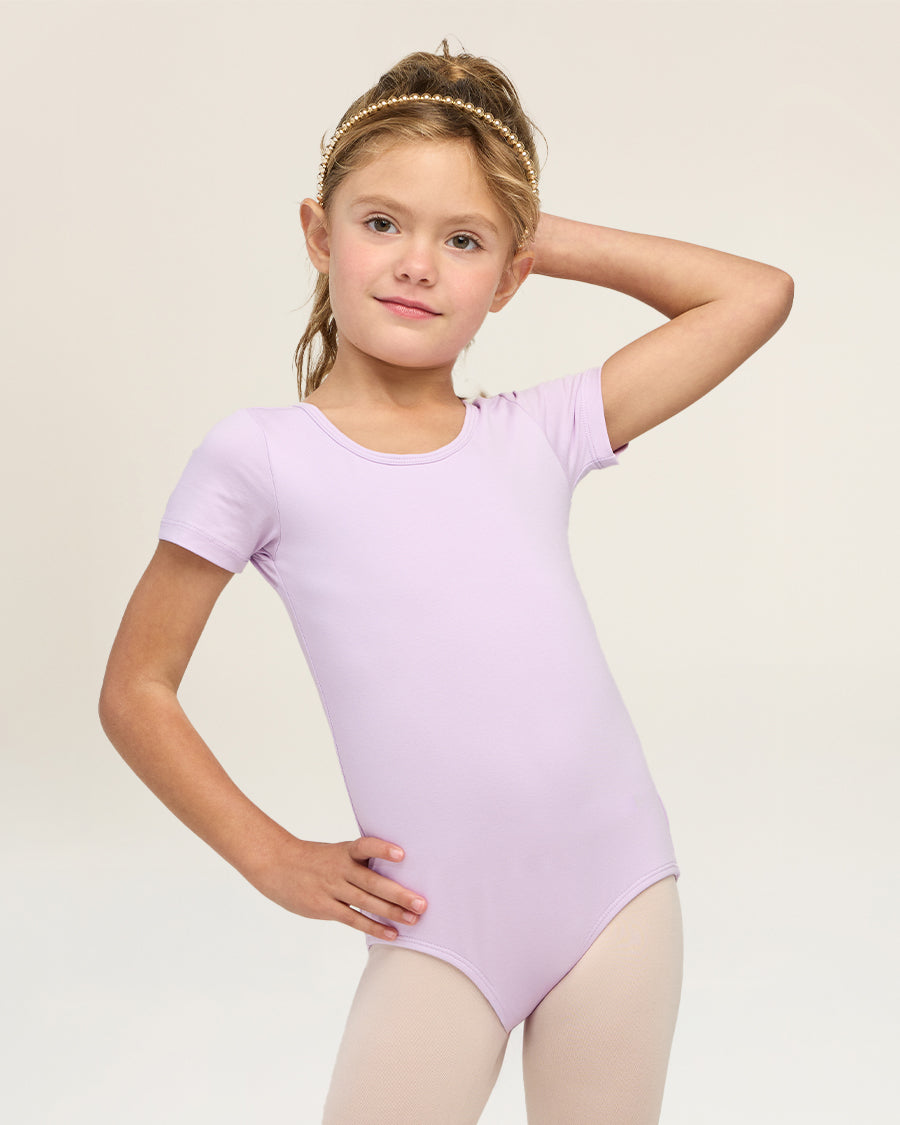
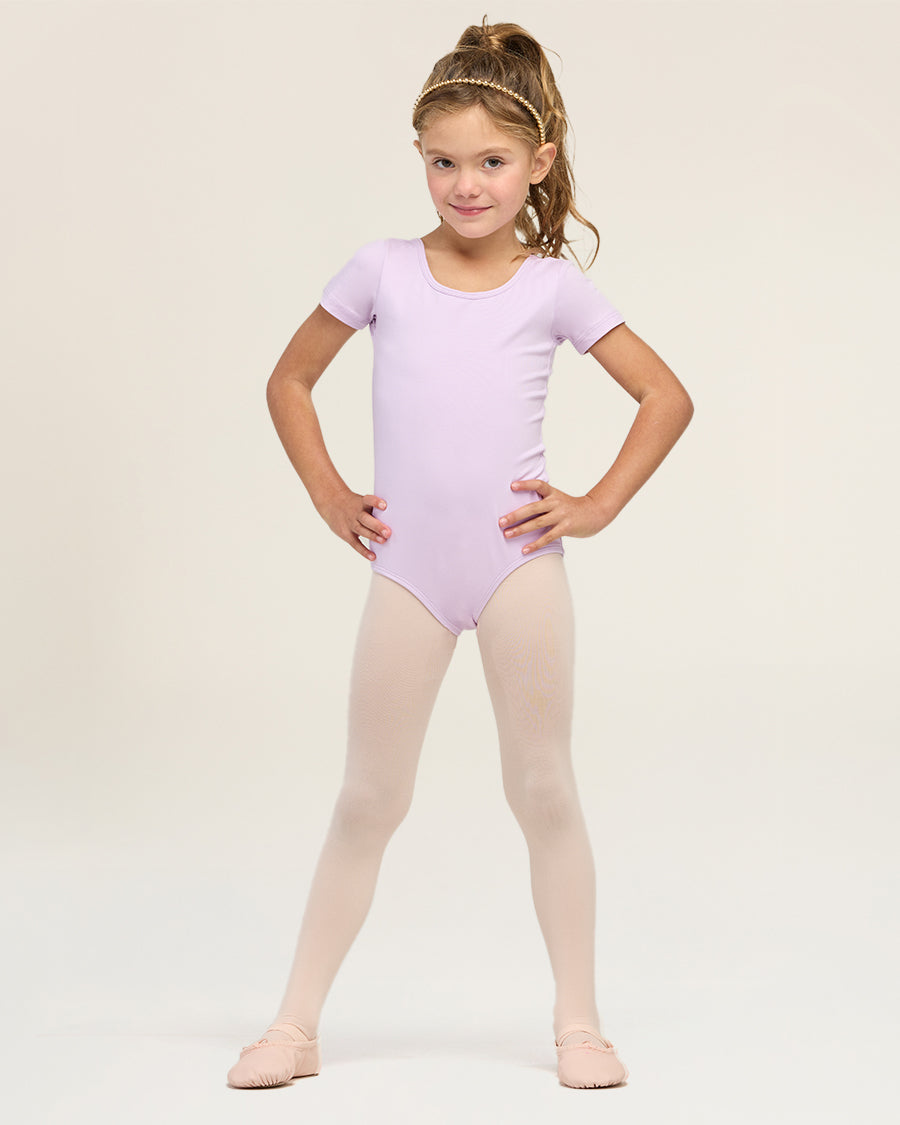
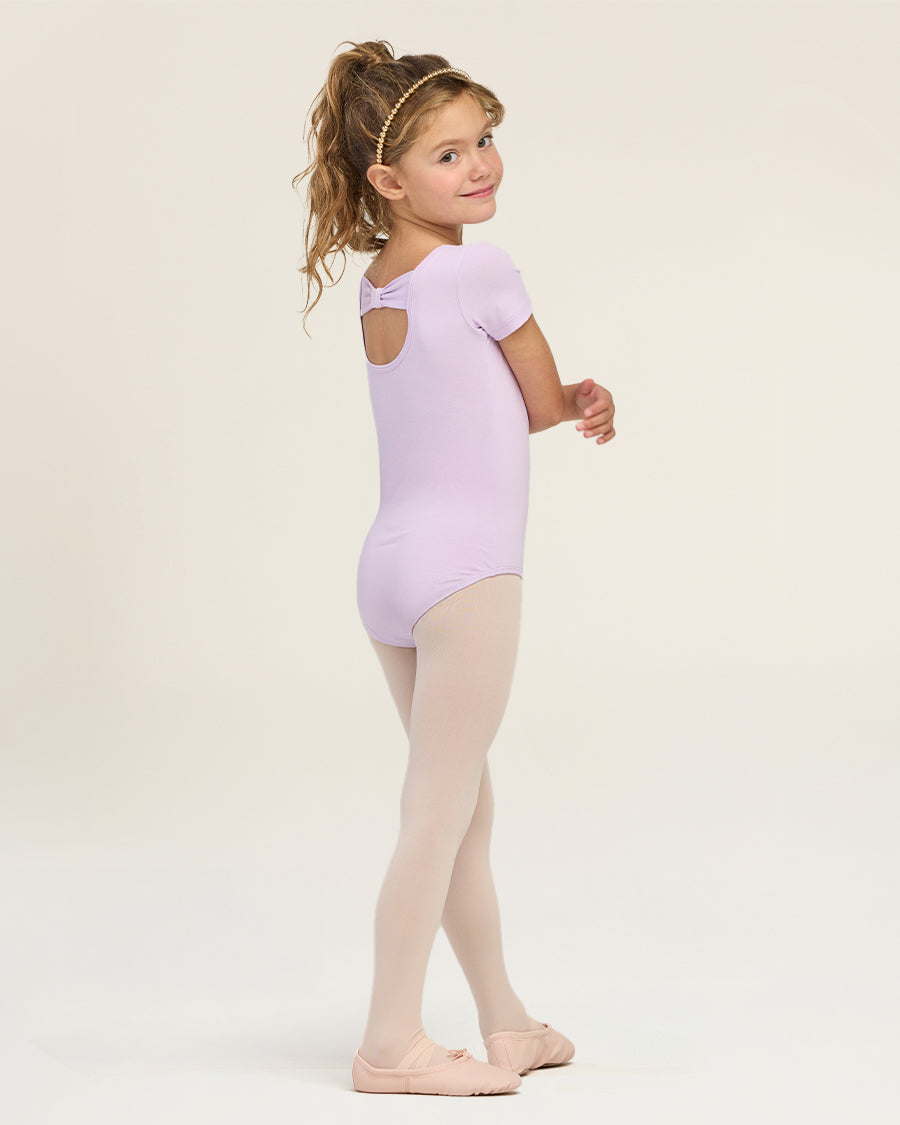
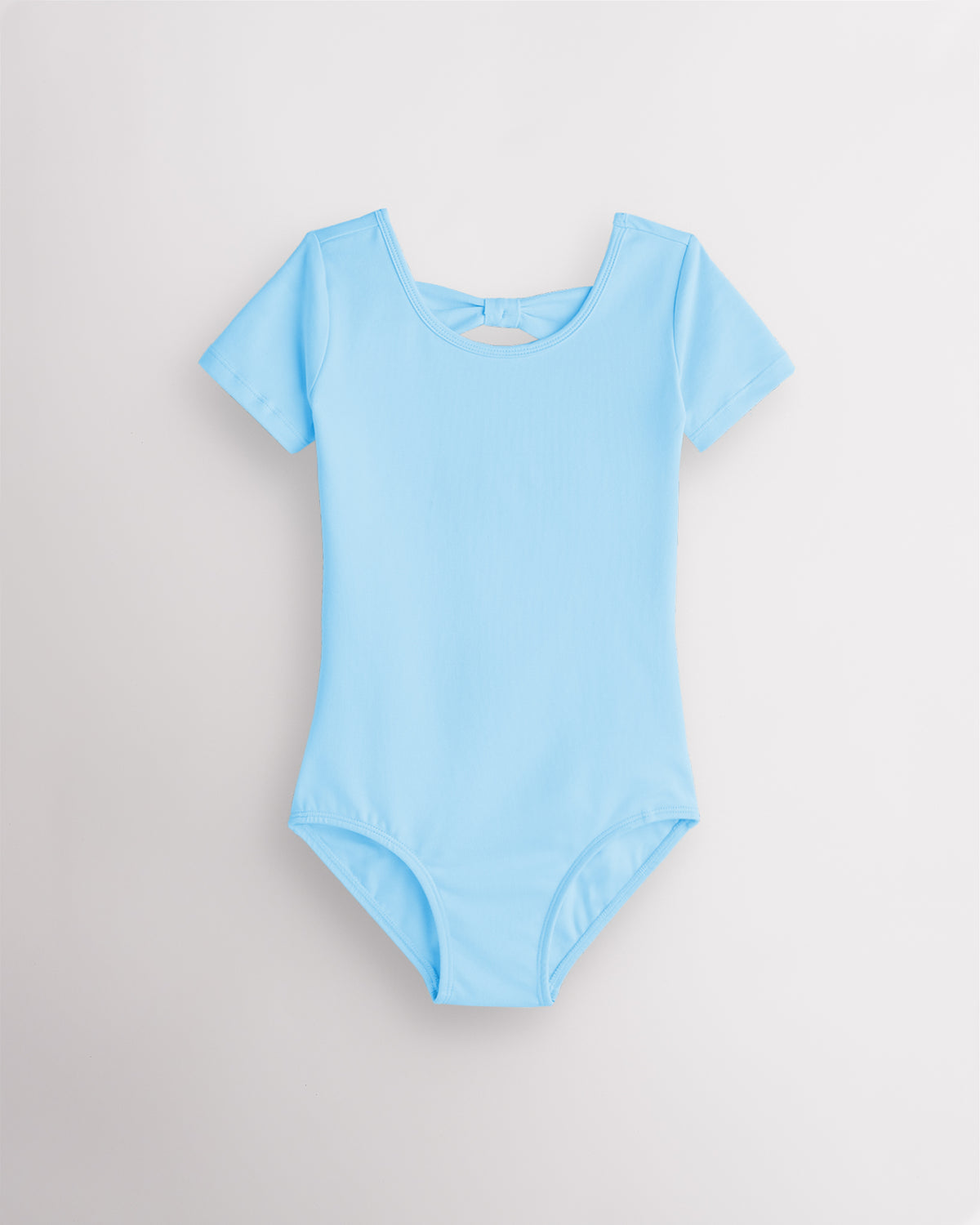
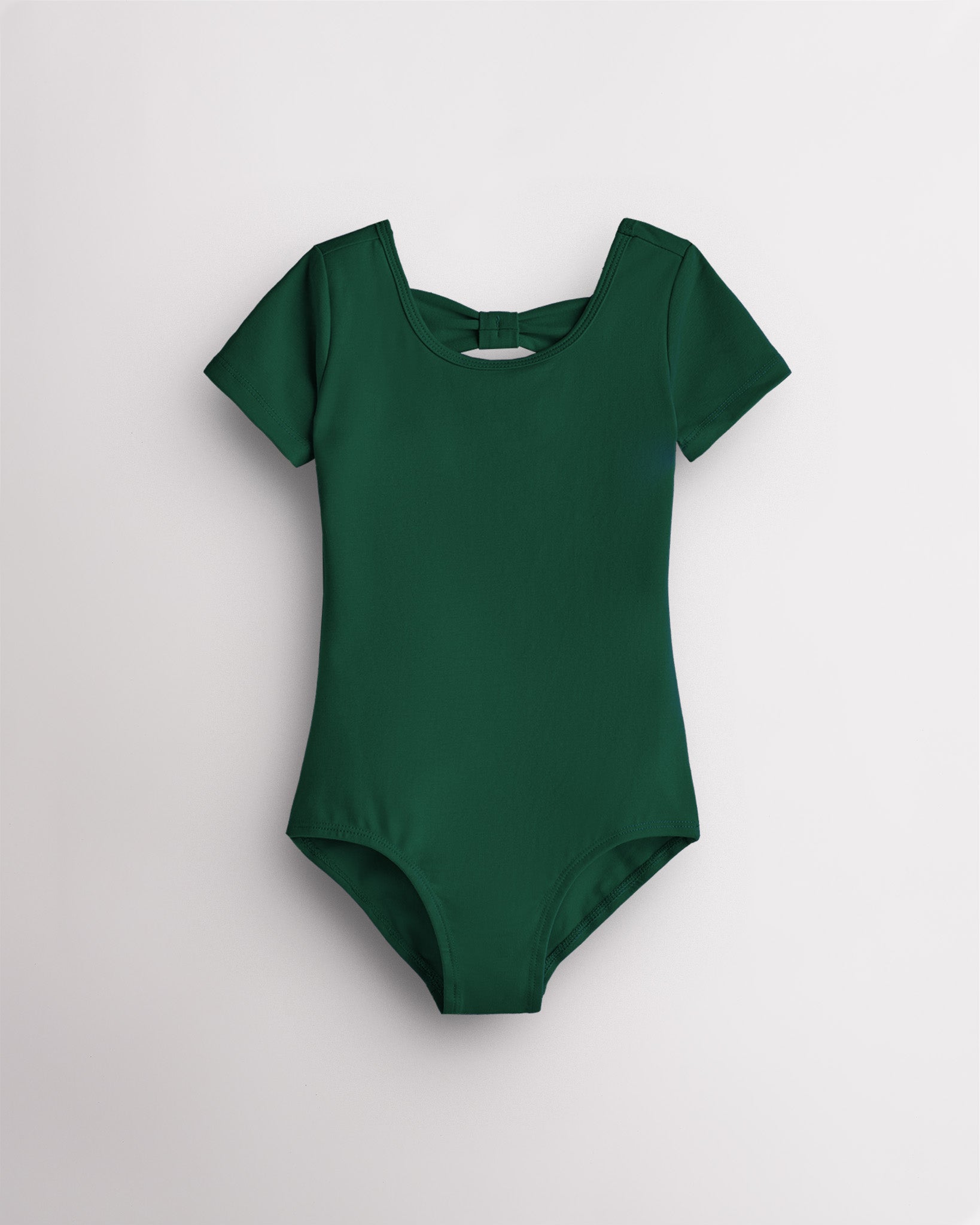
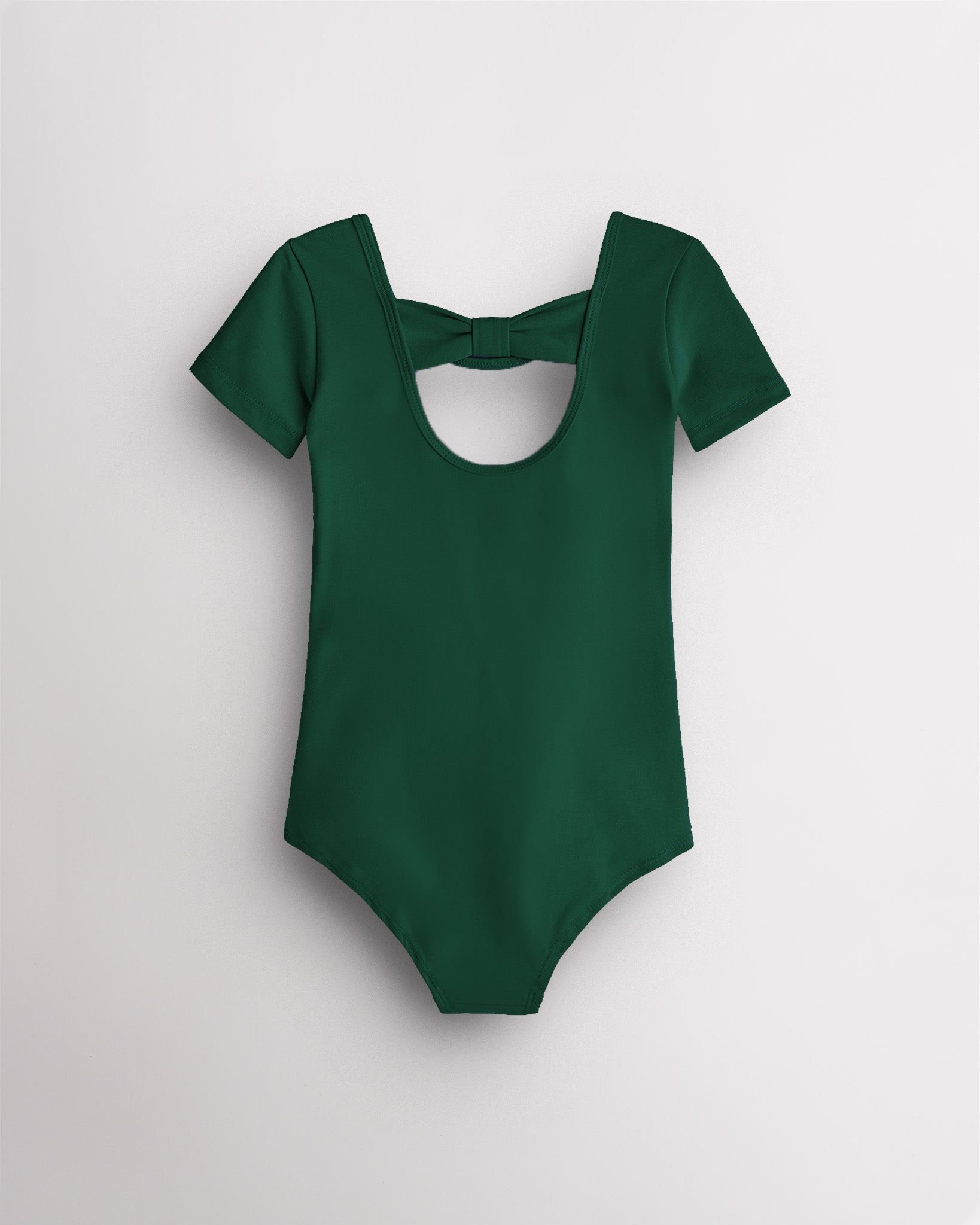
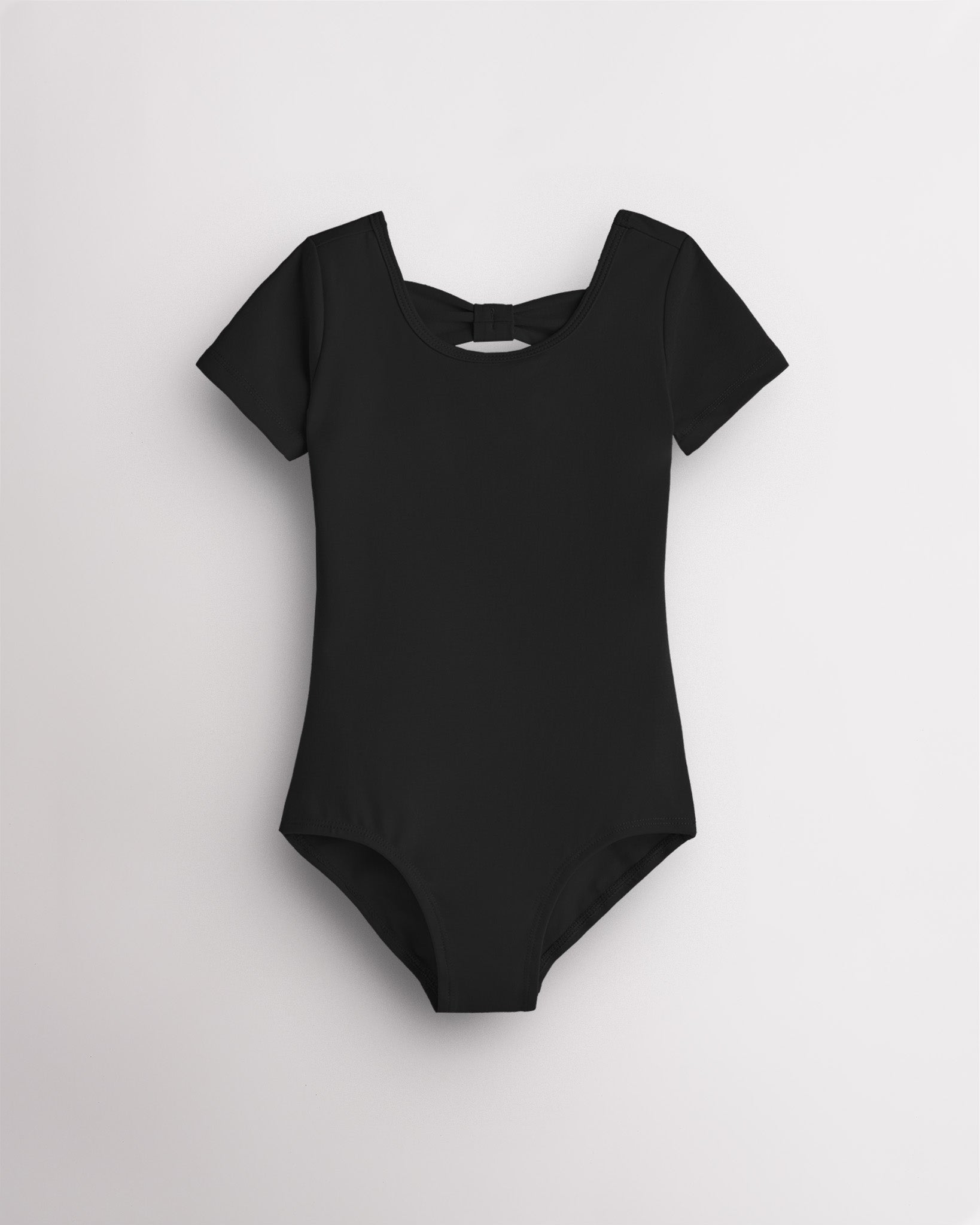
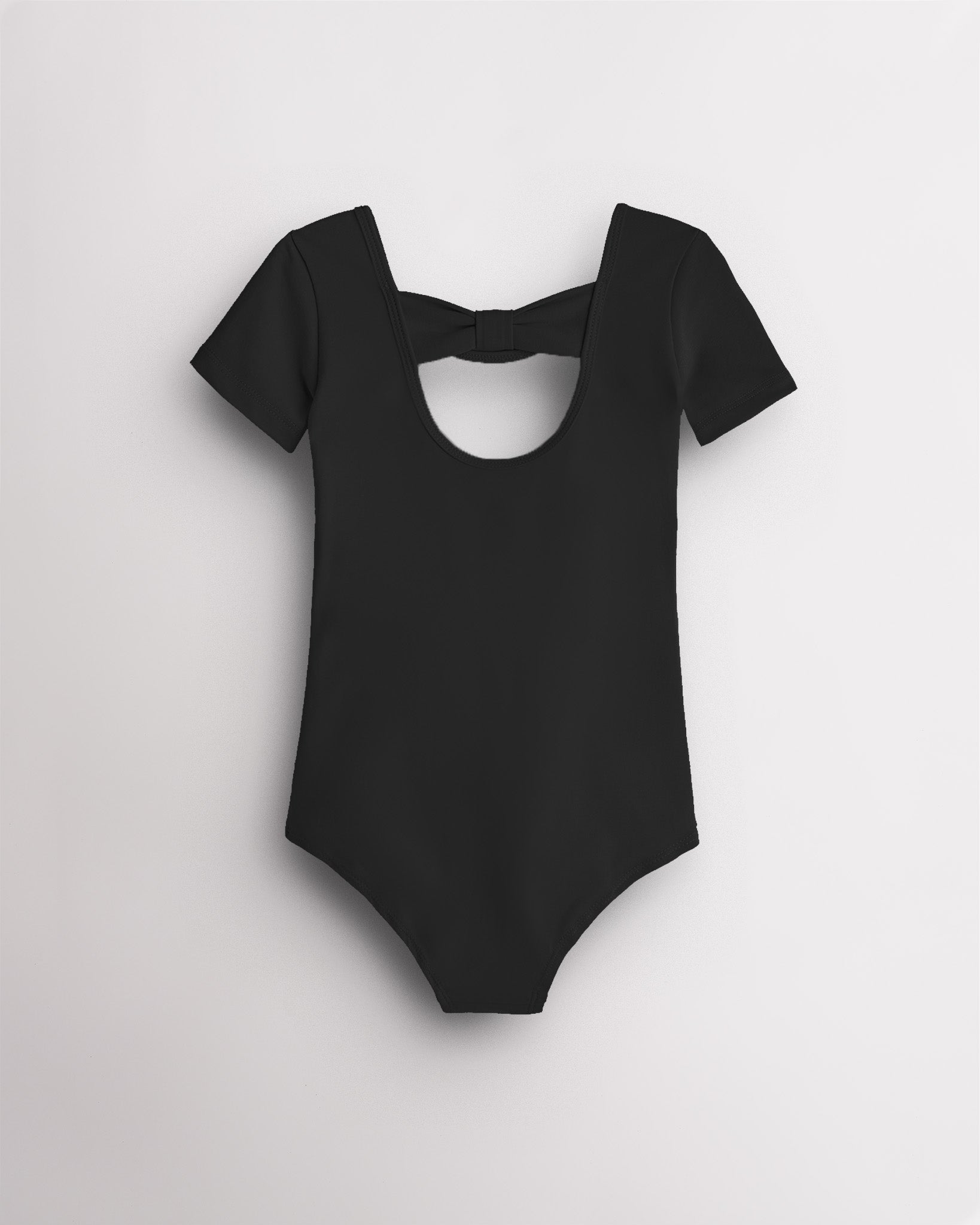
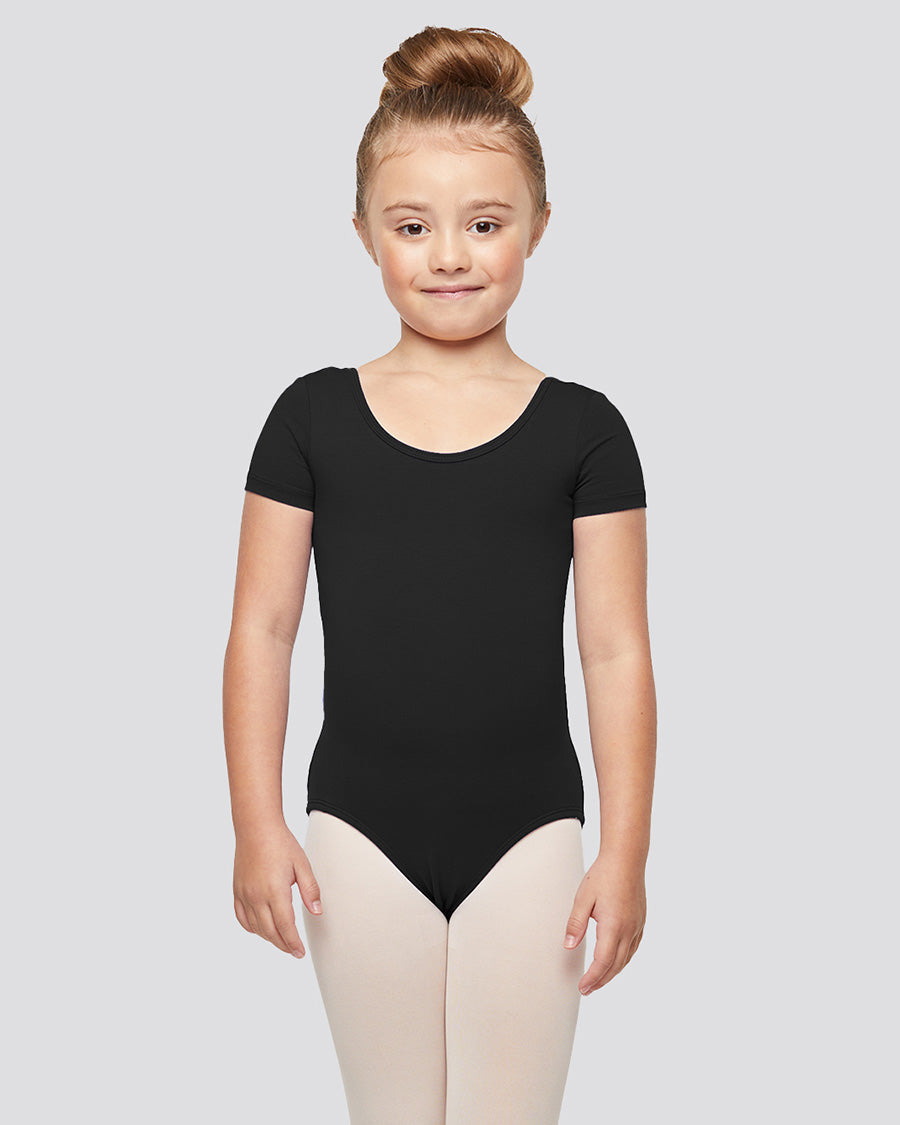
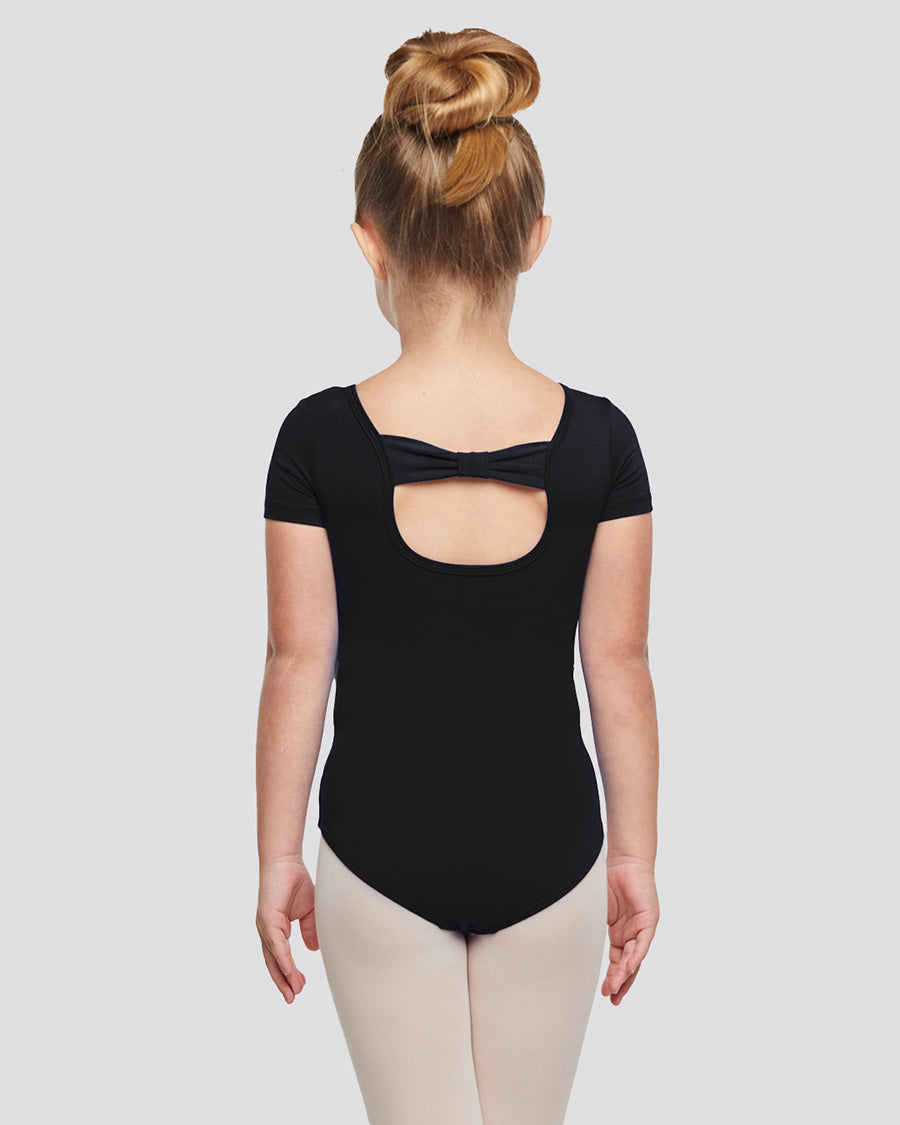
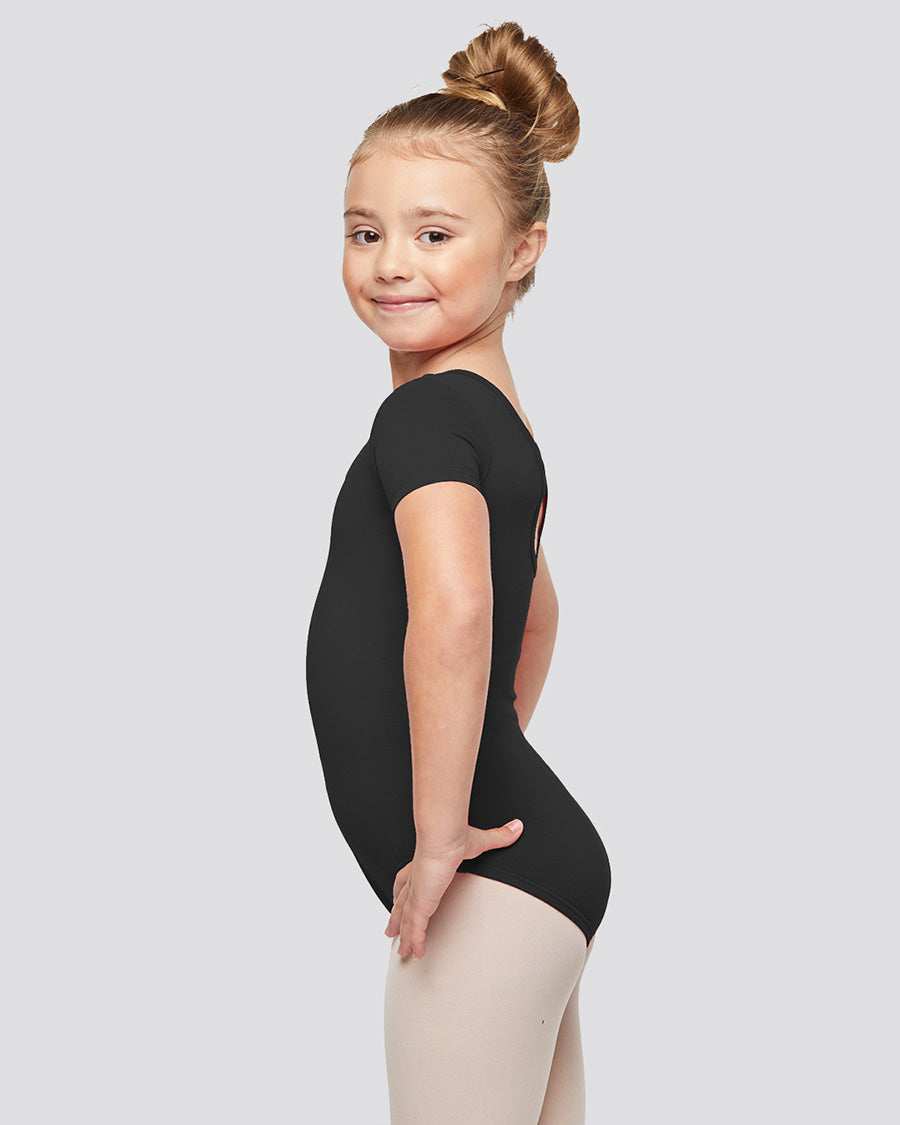
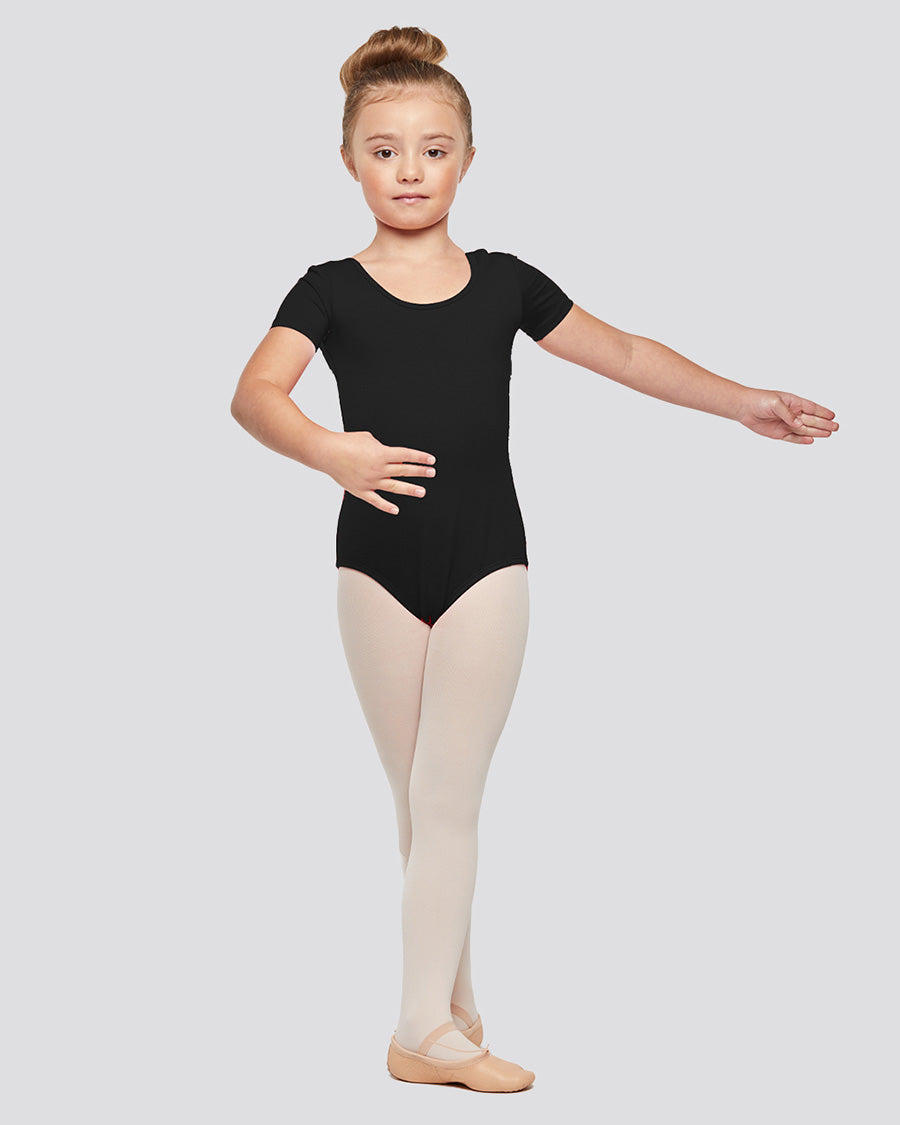
Short sleeve leotard |
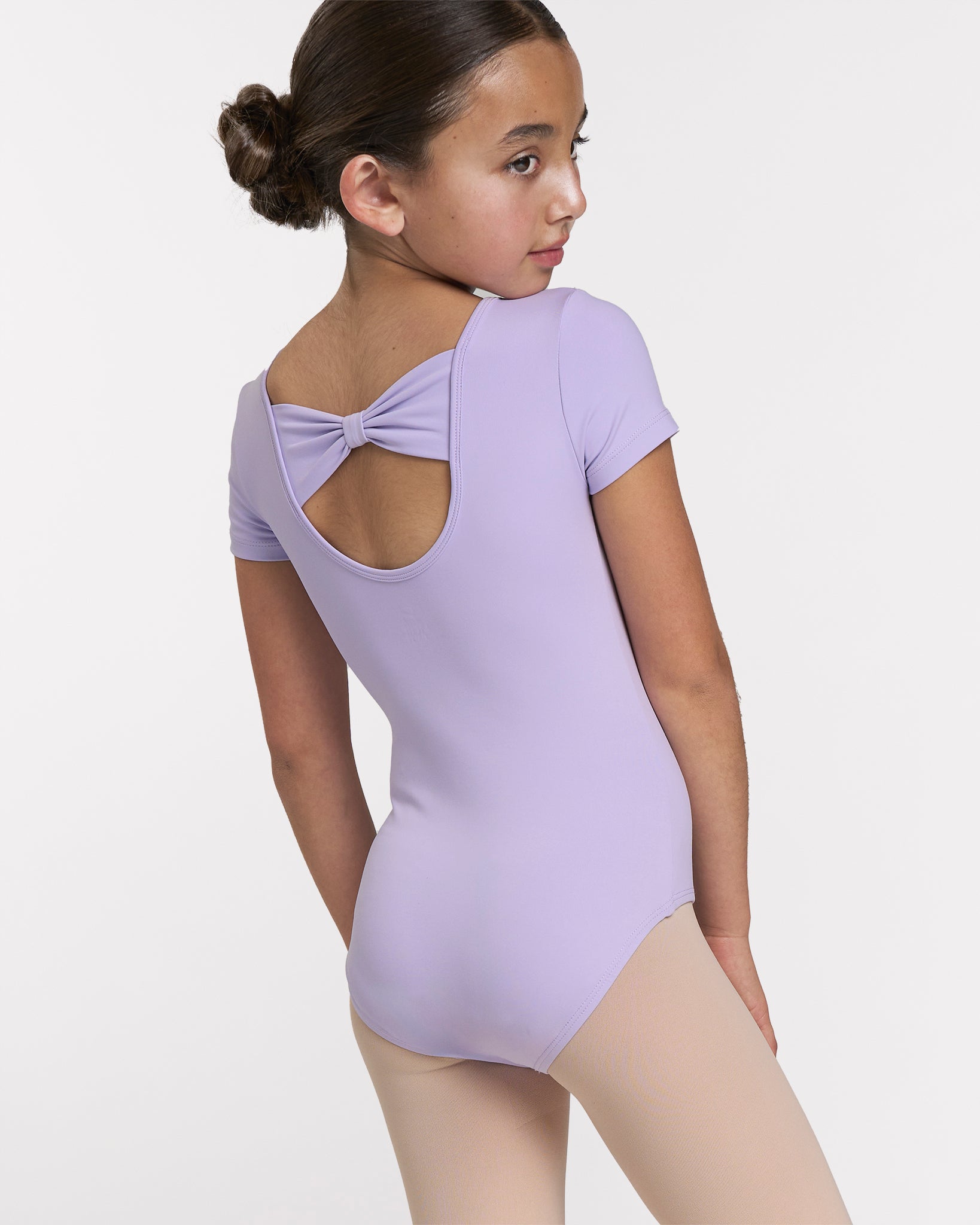
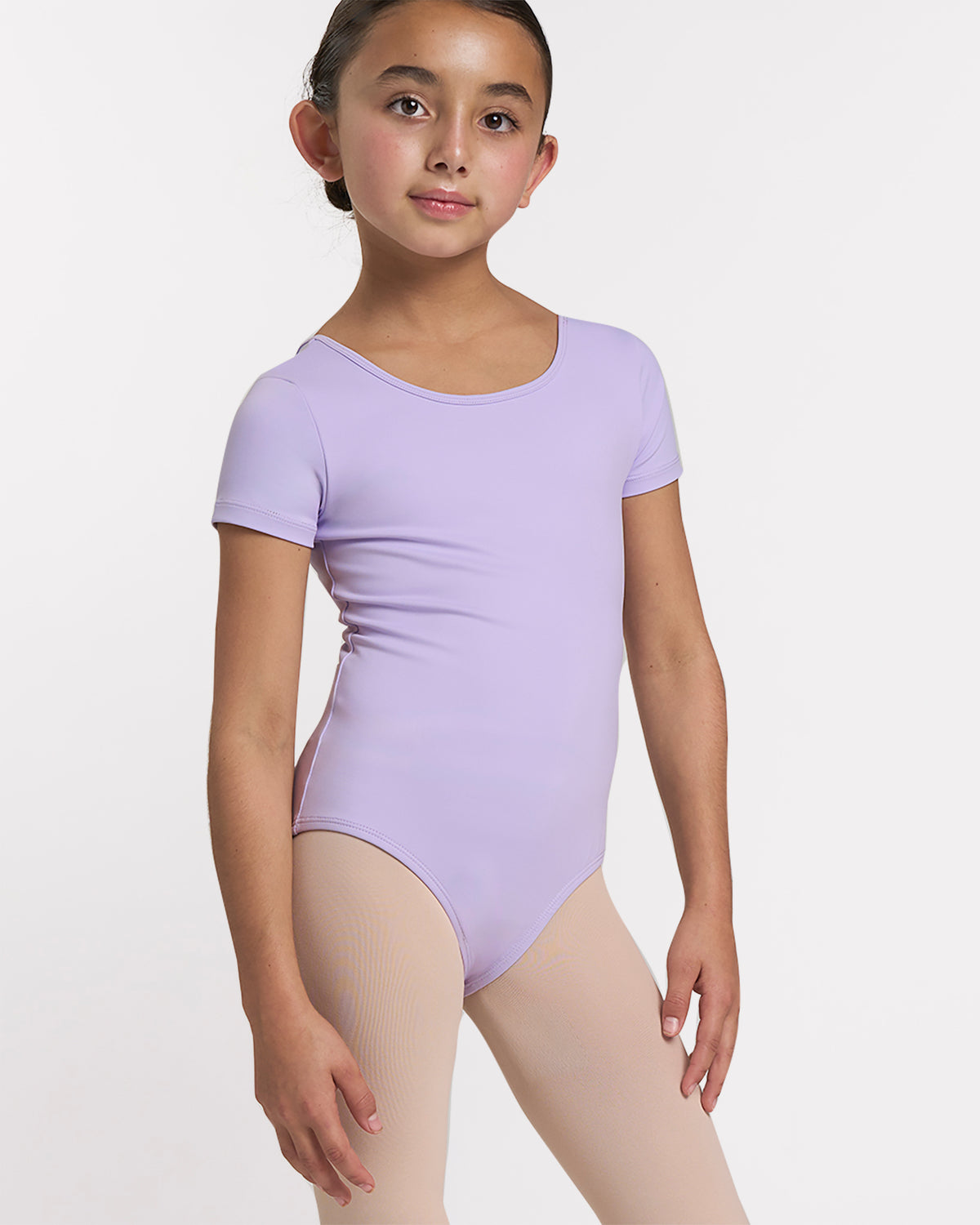
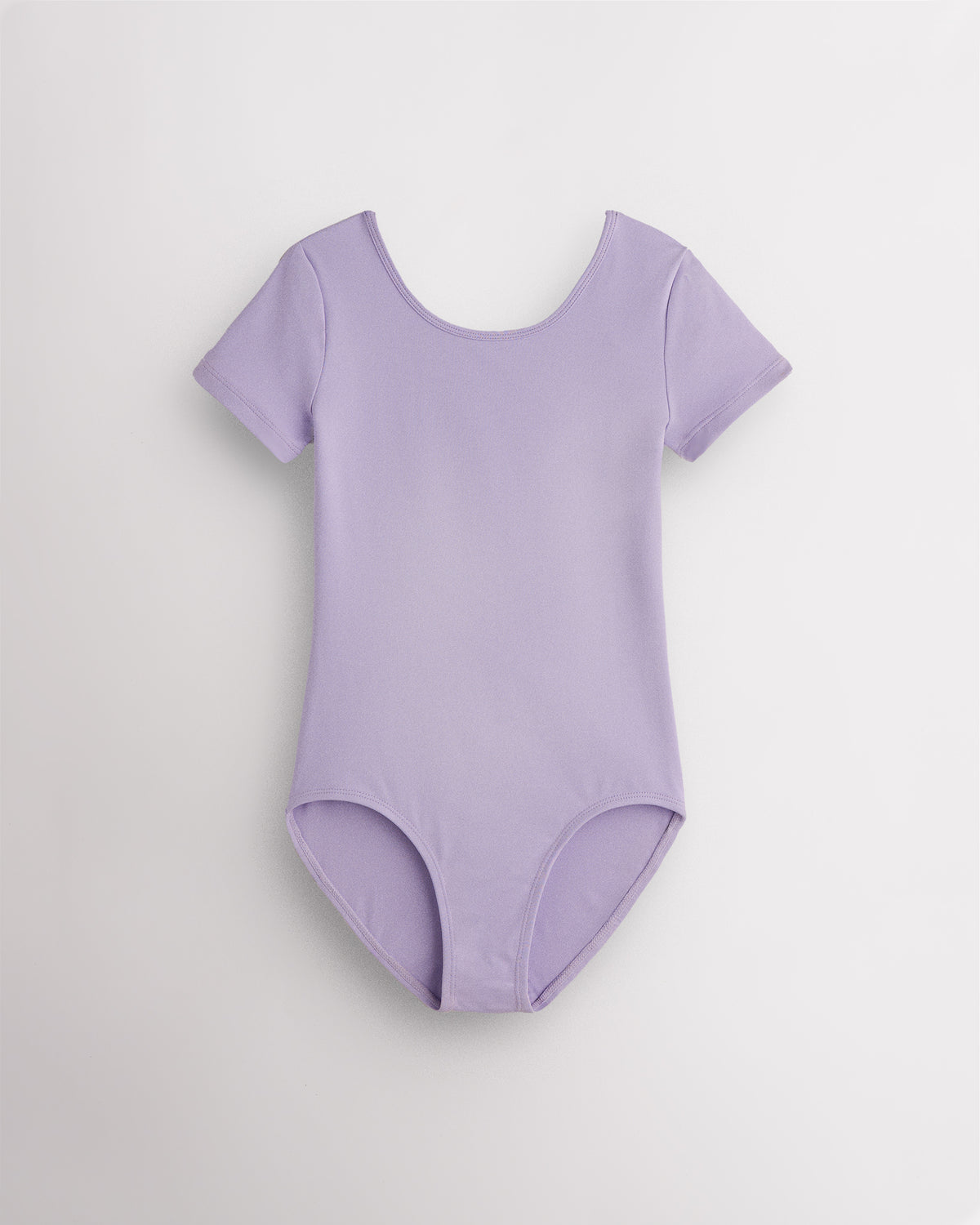
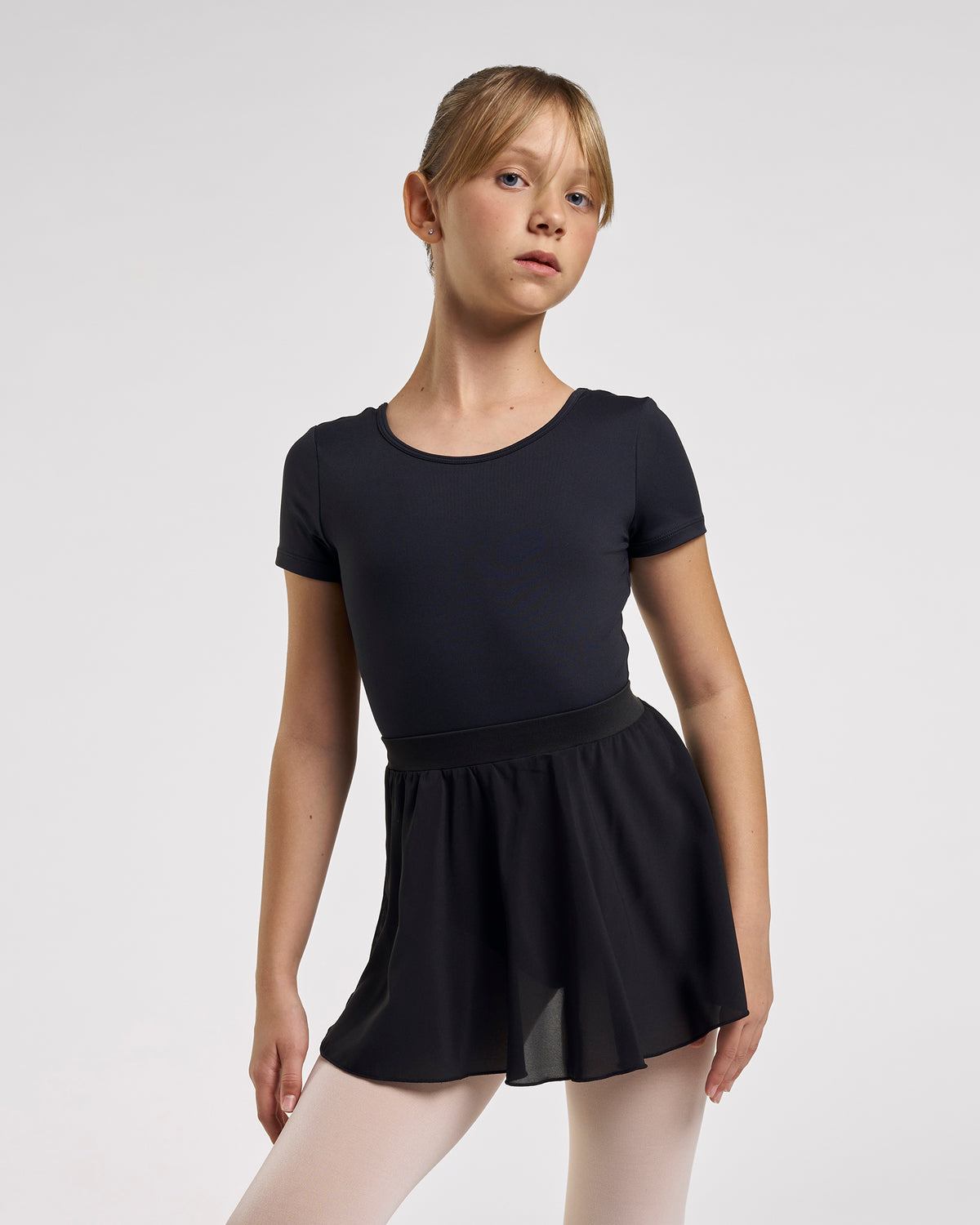
First leotards, cooler studios, dress codes that require coverage |
May feel warmer or more covered than sleeveless styles |
|
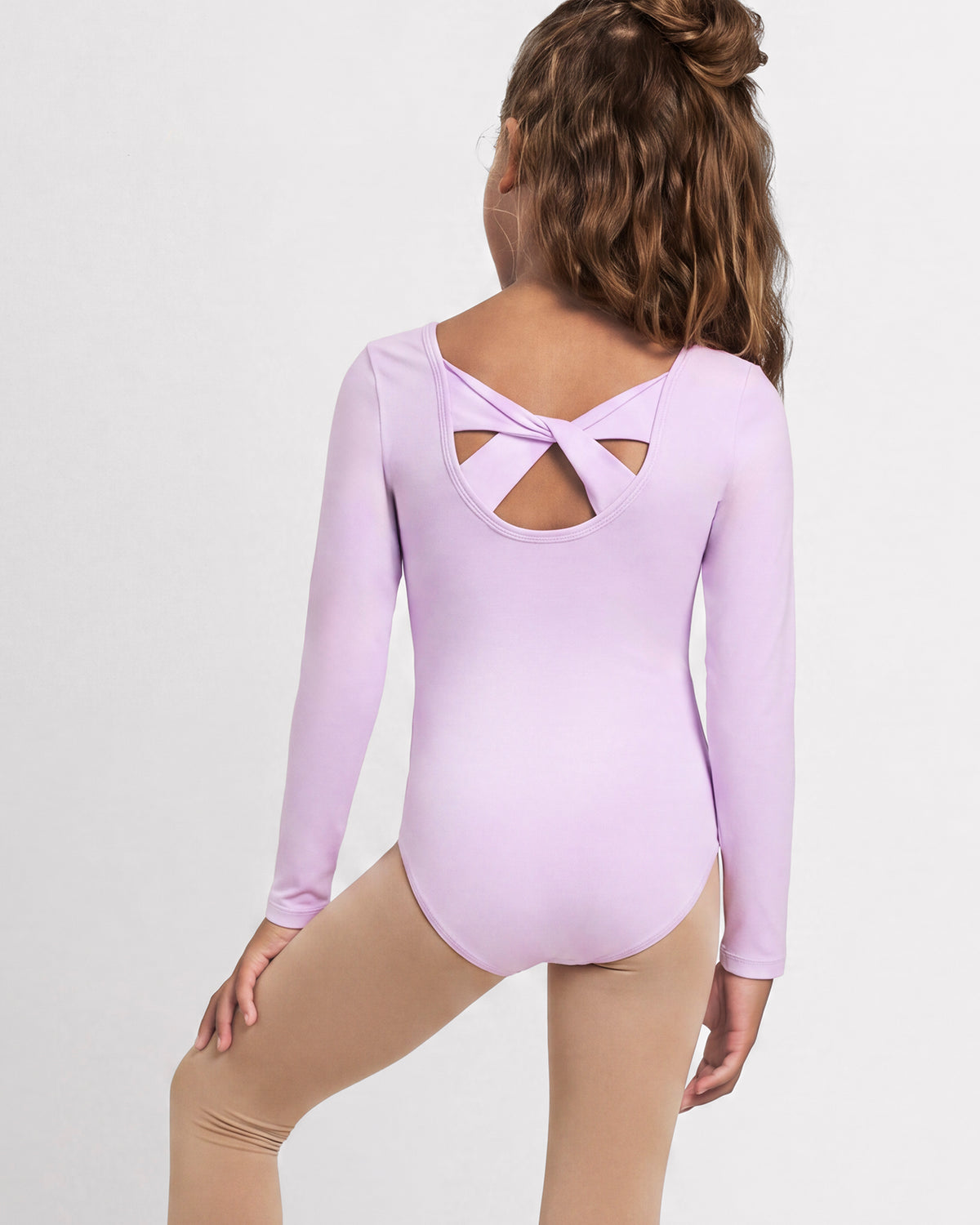
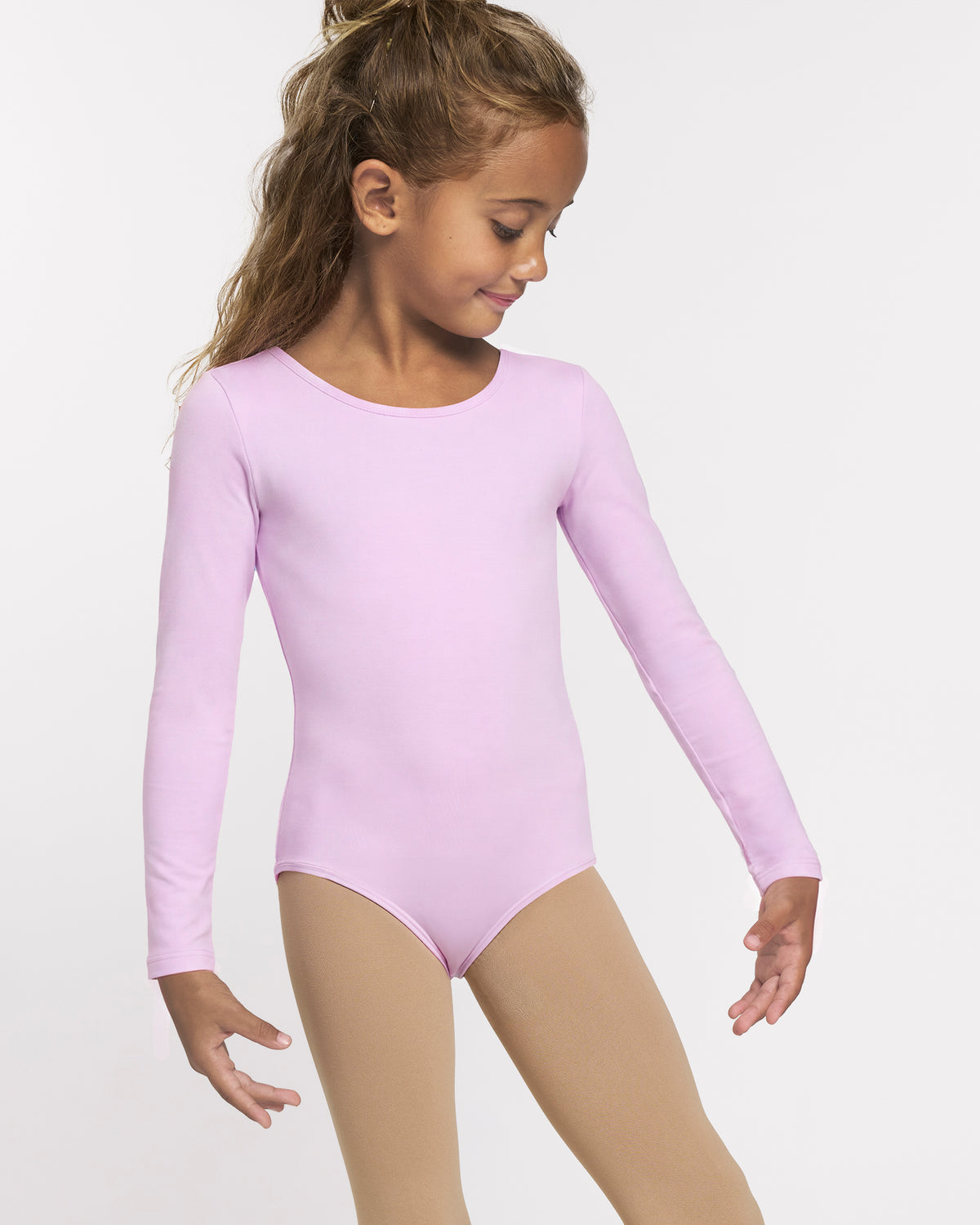
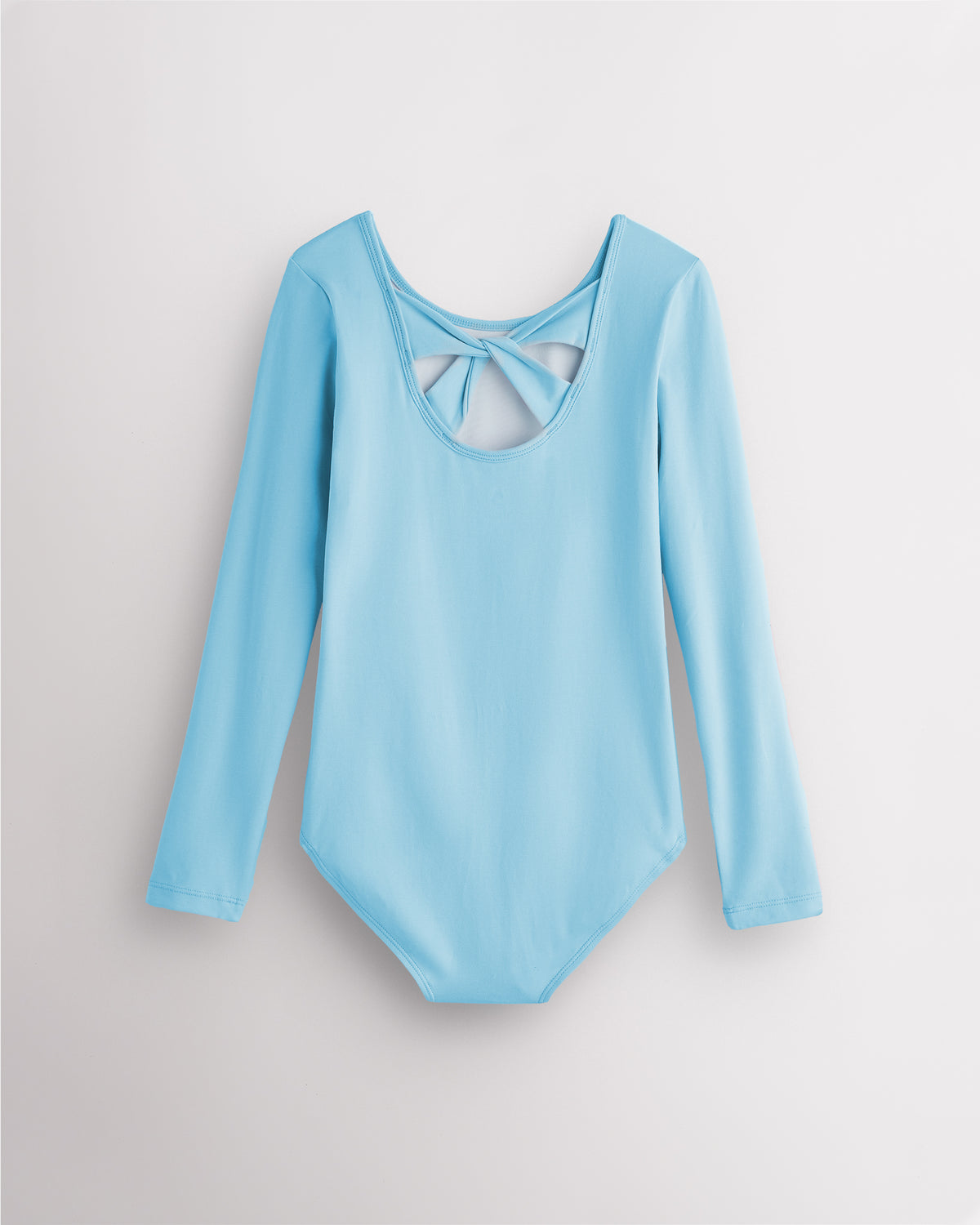
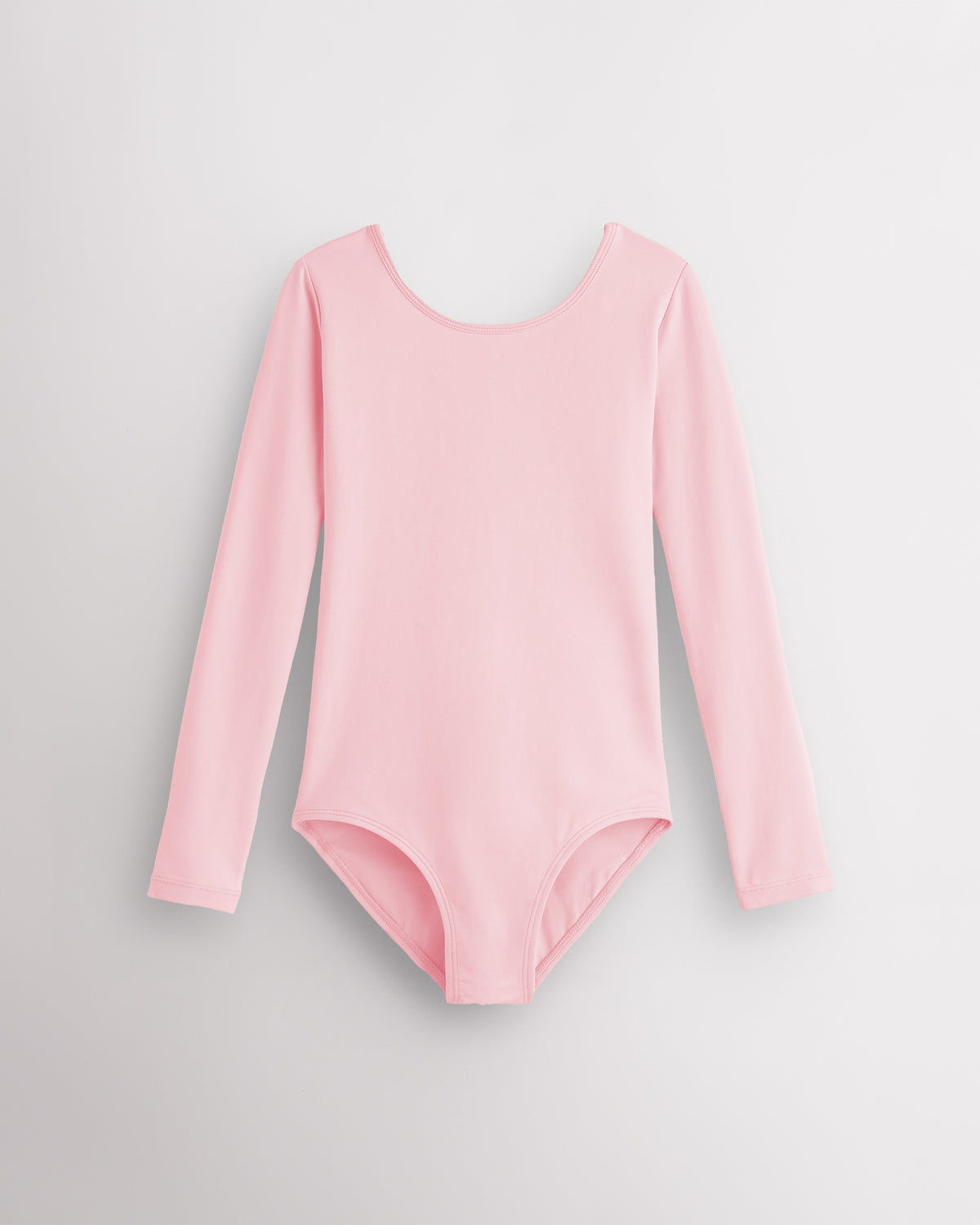
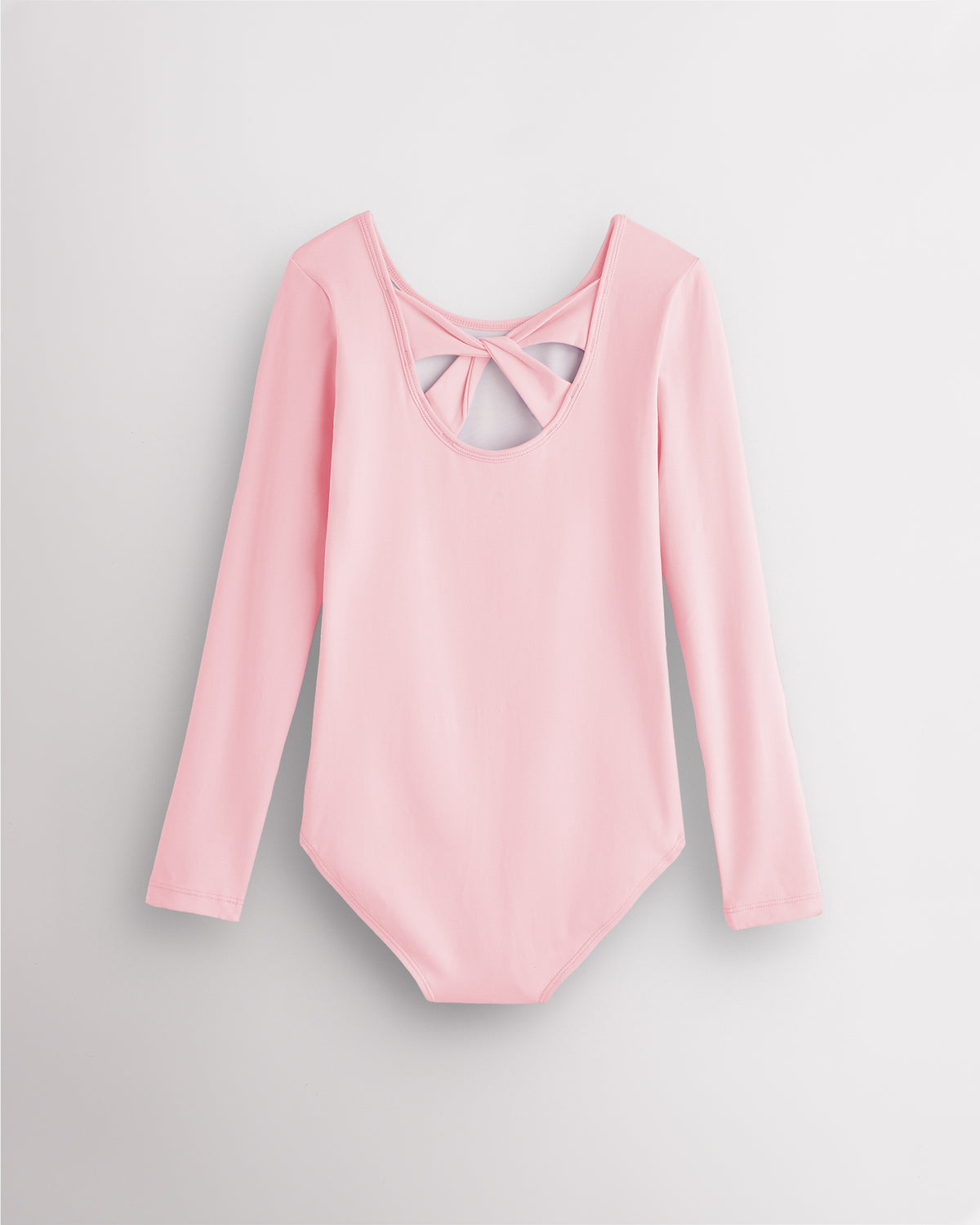
Long sleeve leotard |
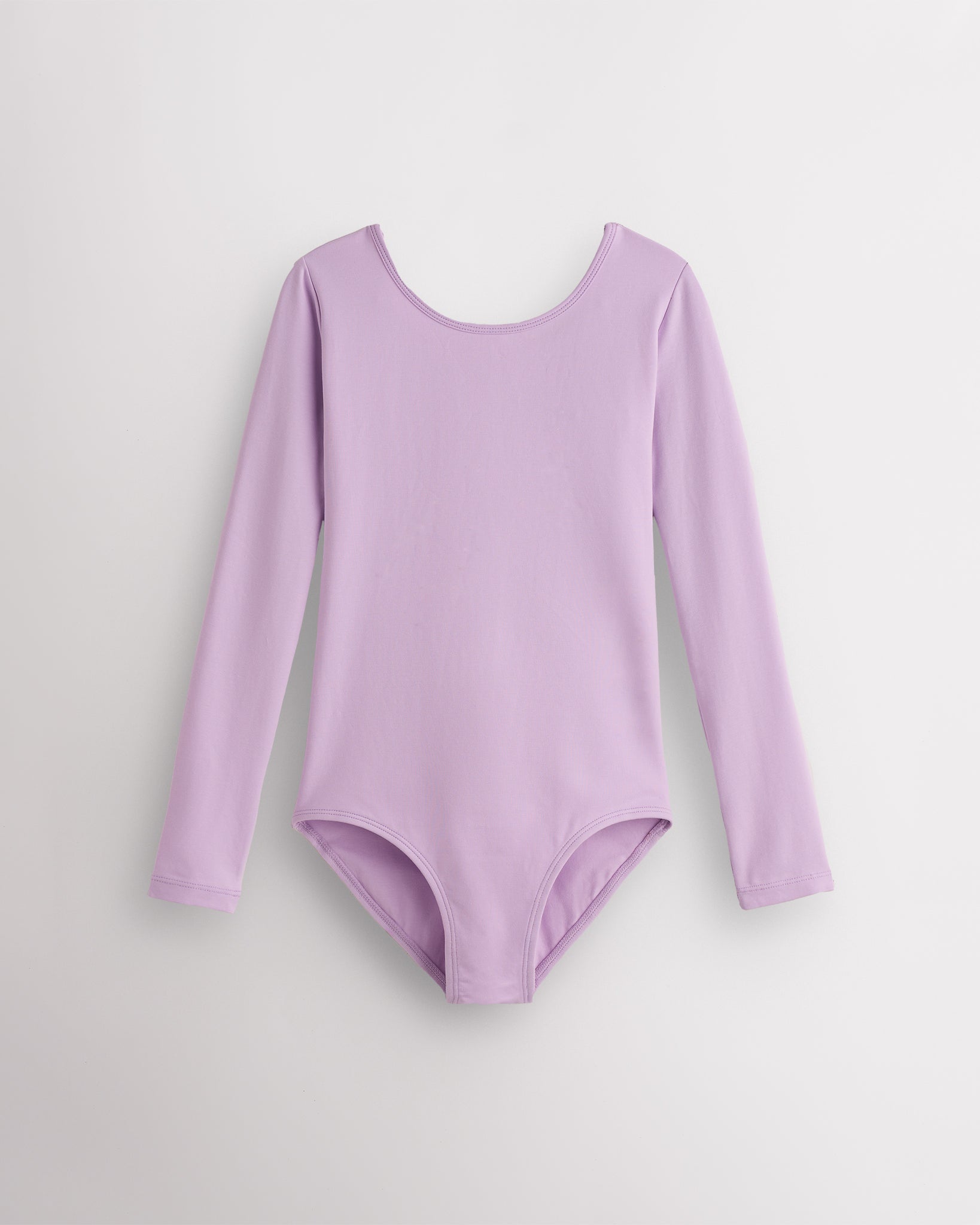
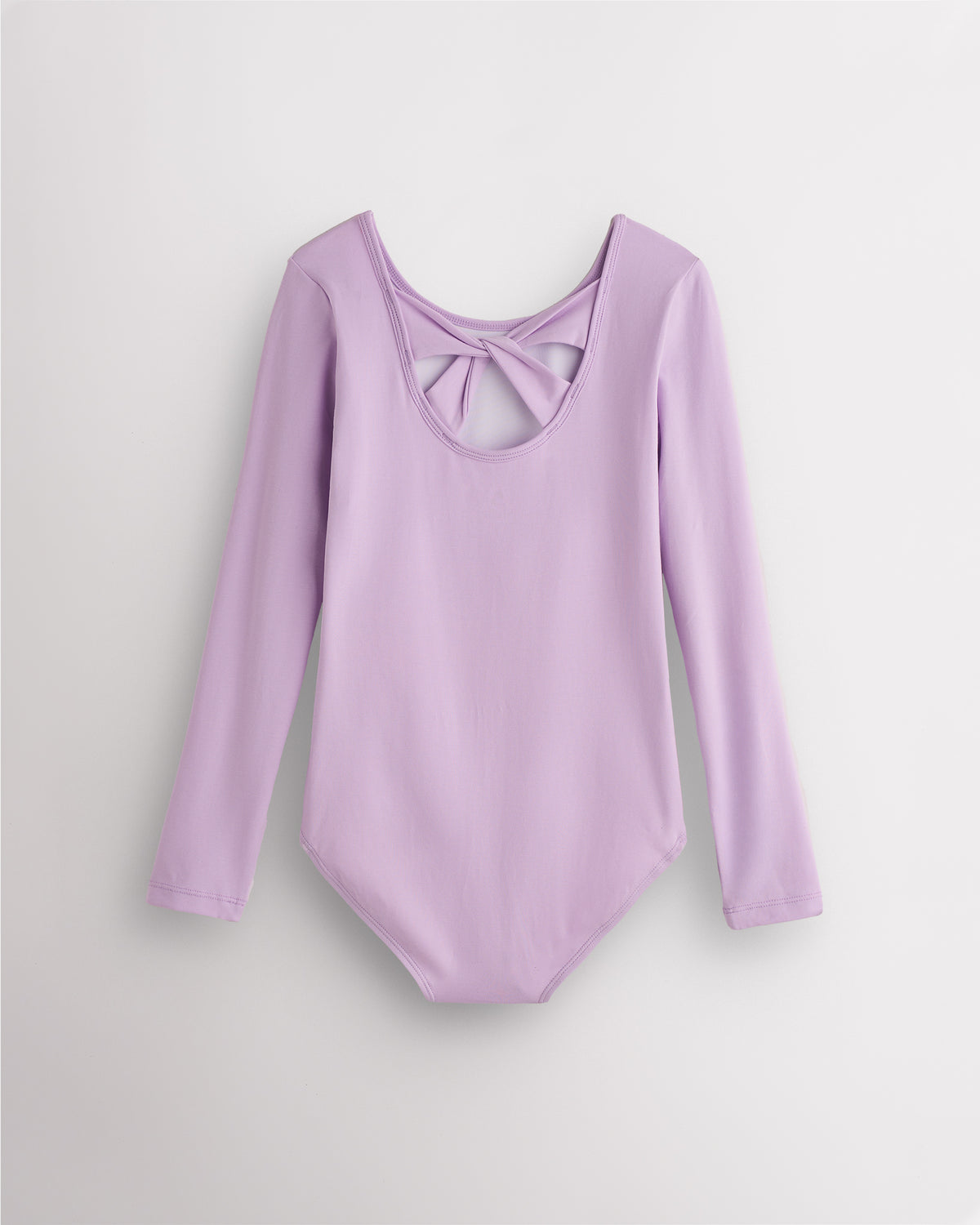
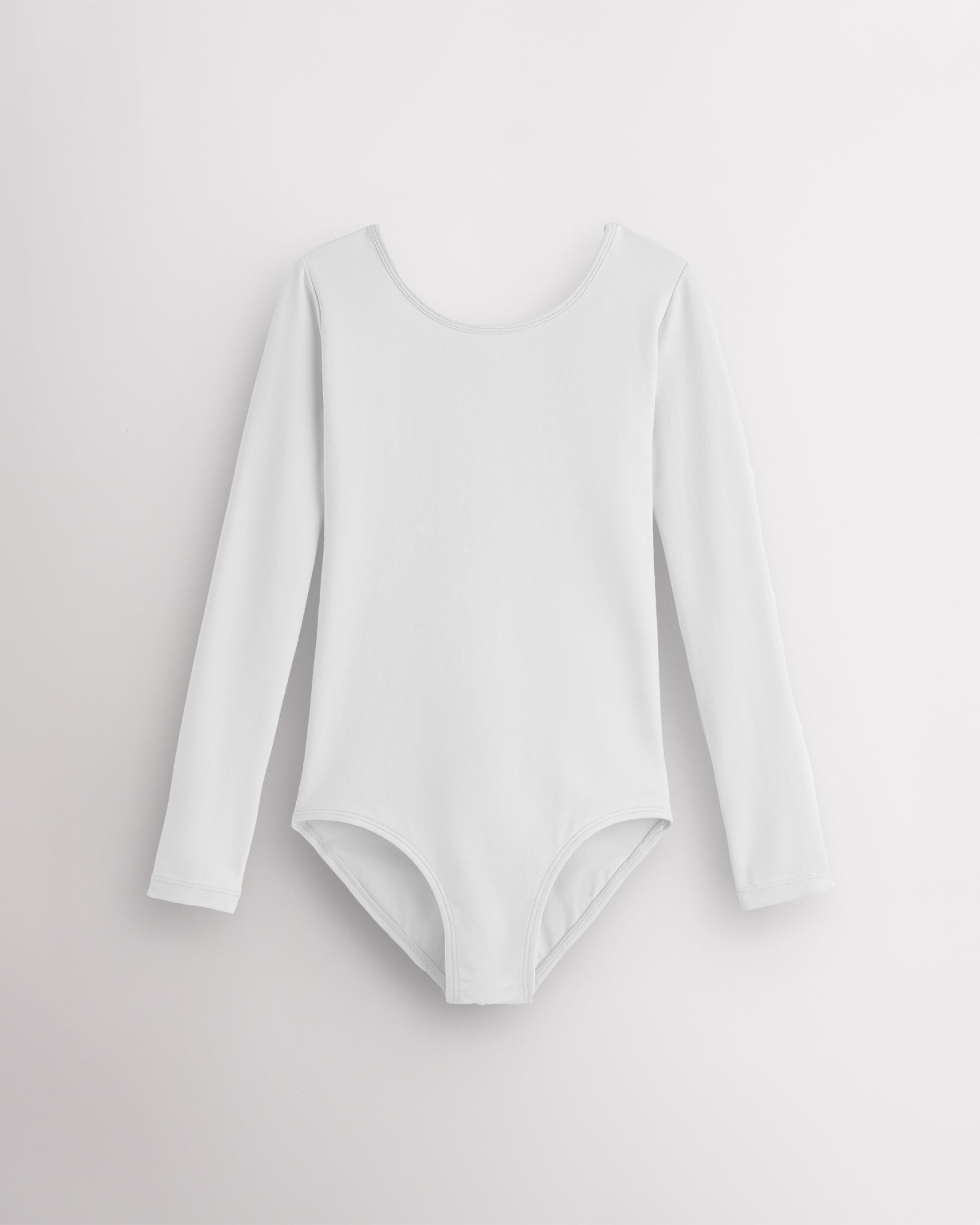
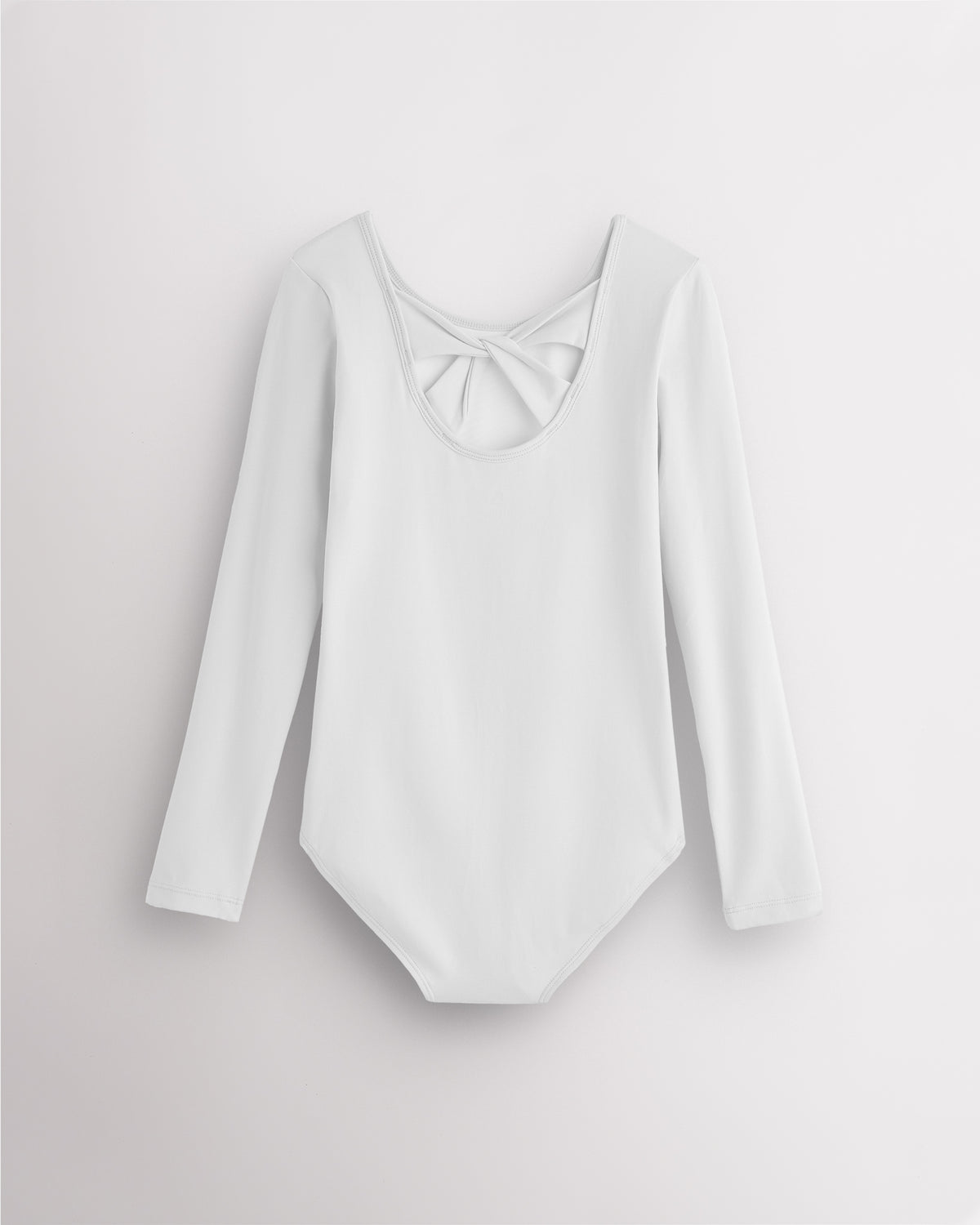
Cold studios, winter, specific dress codes |
Some kids overheat; not automatically an upgrade |
|
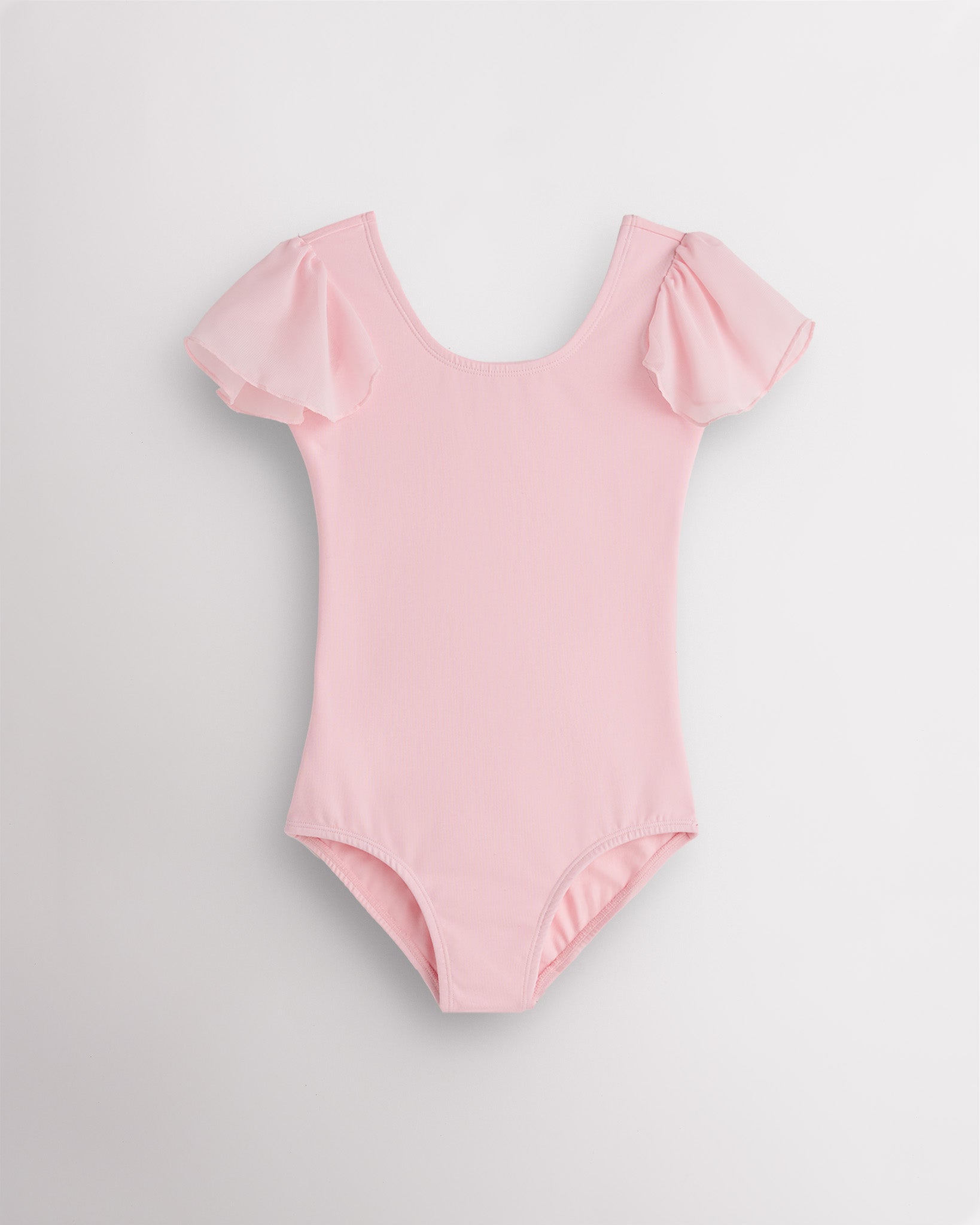
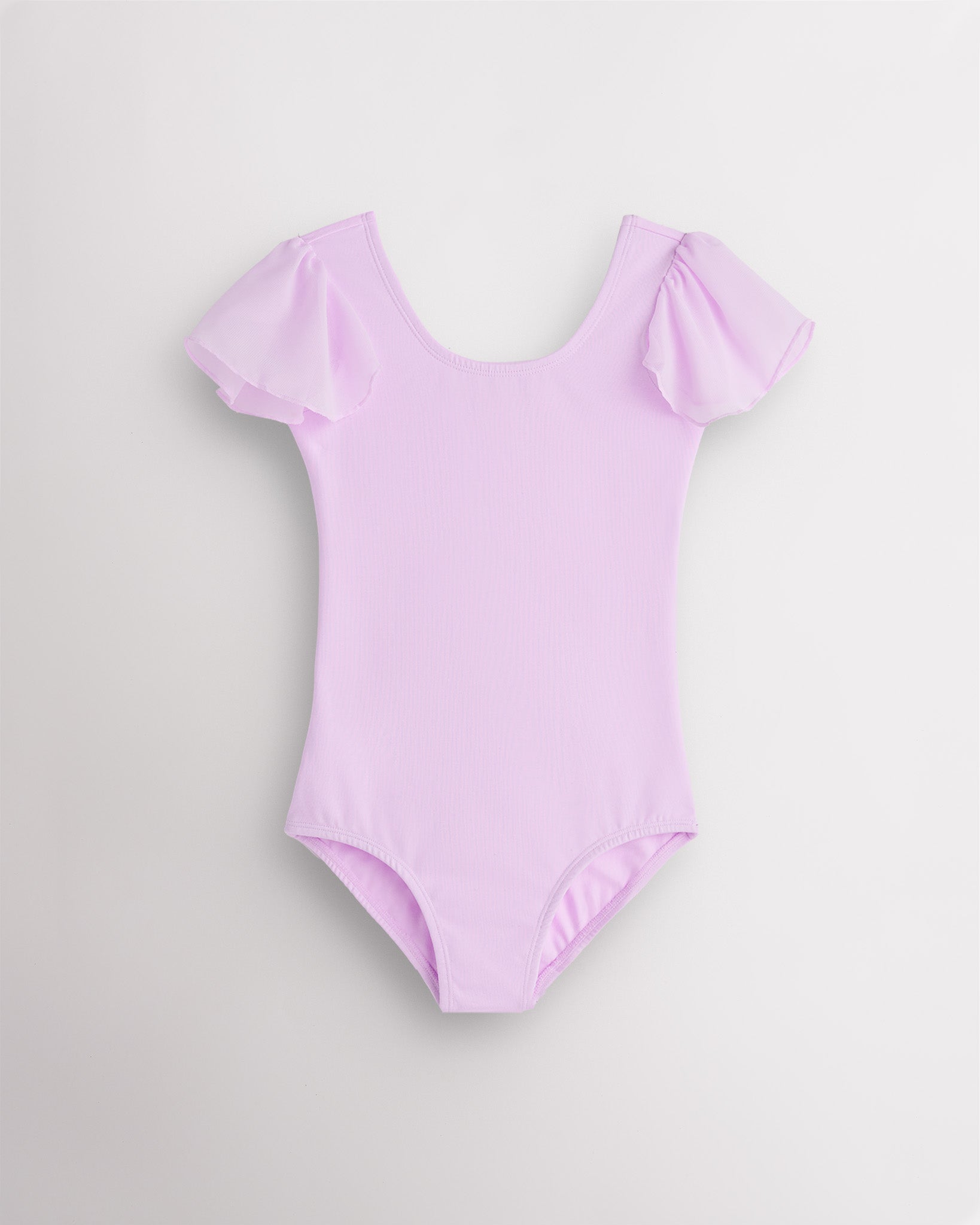
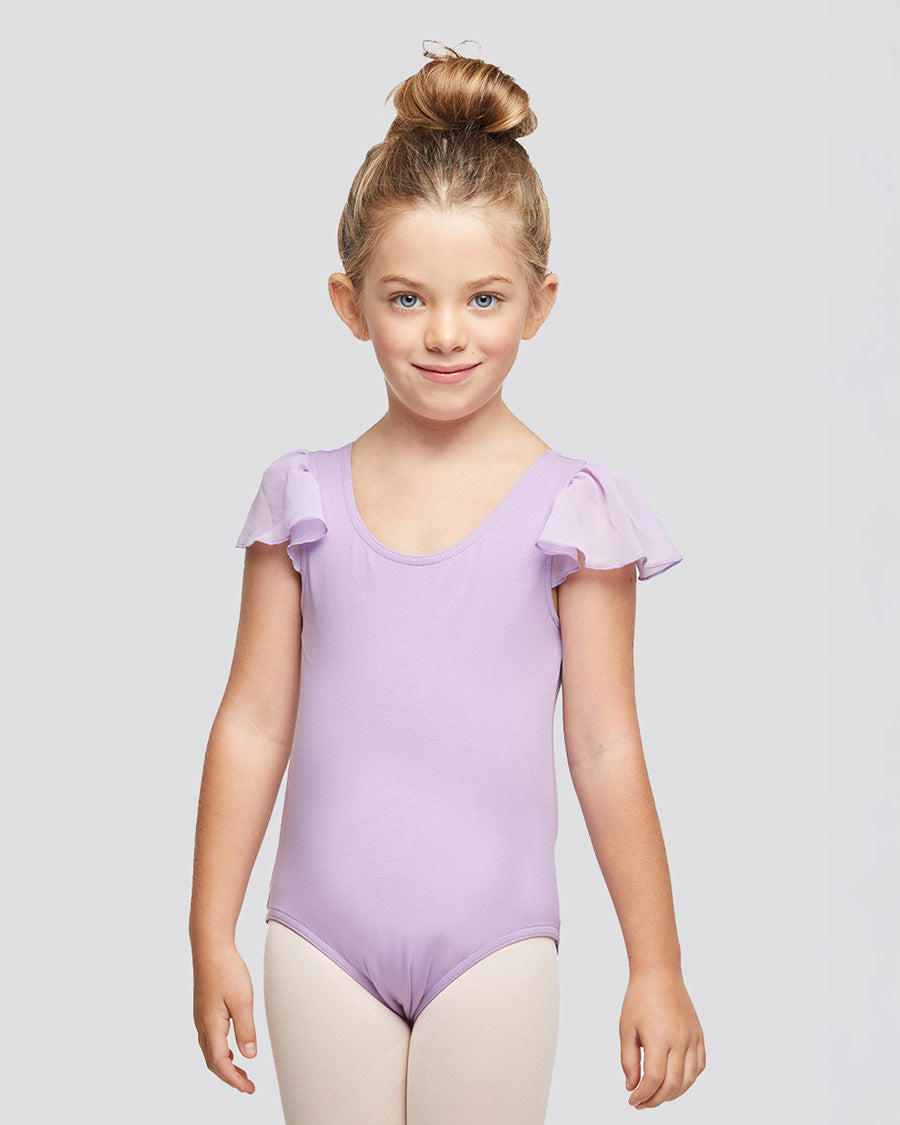
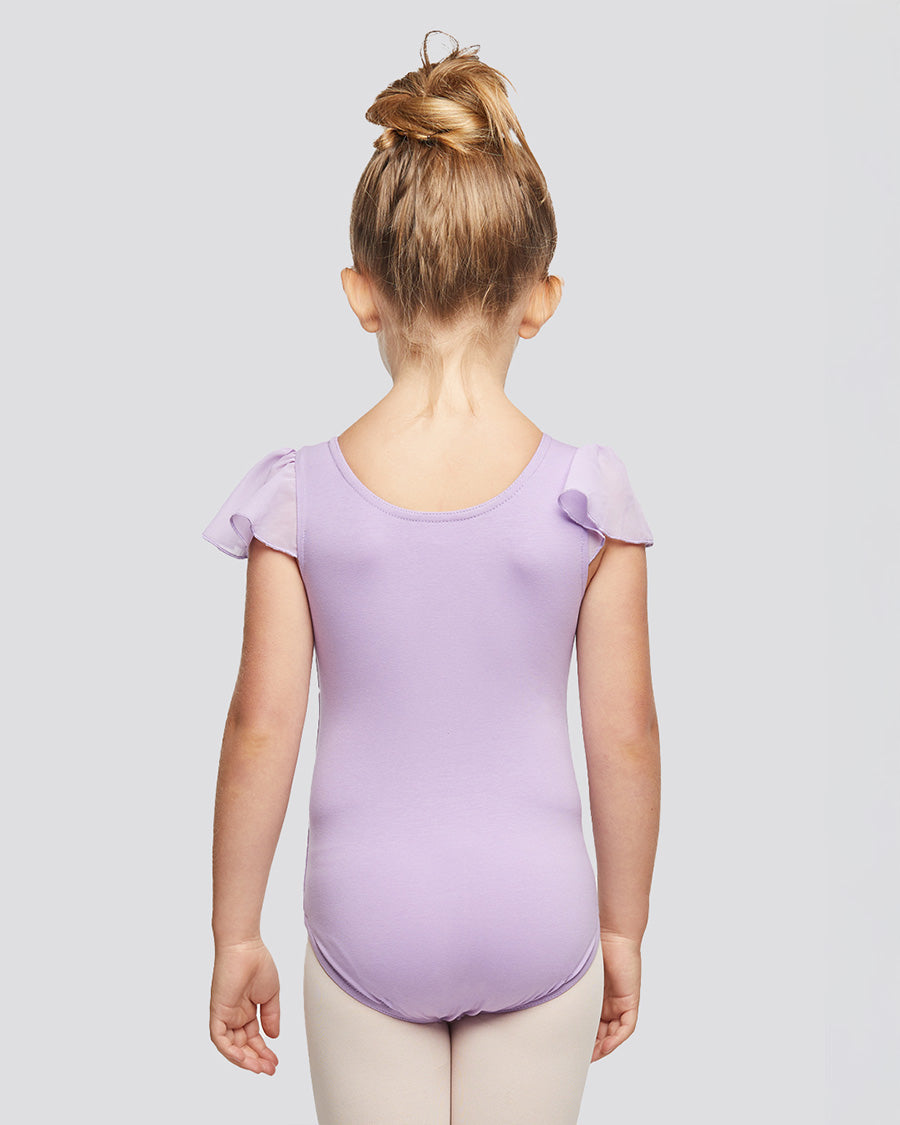
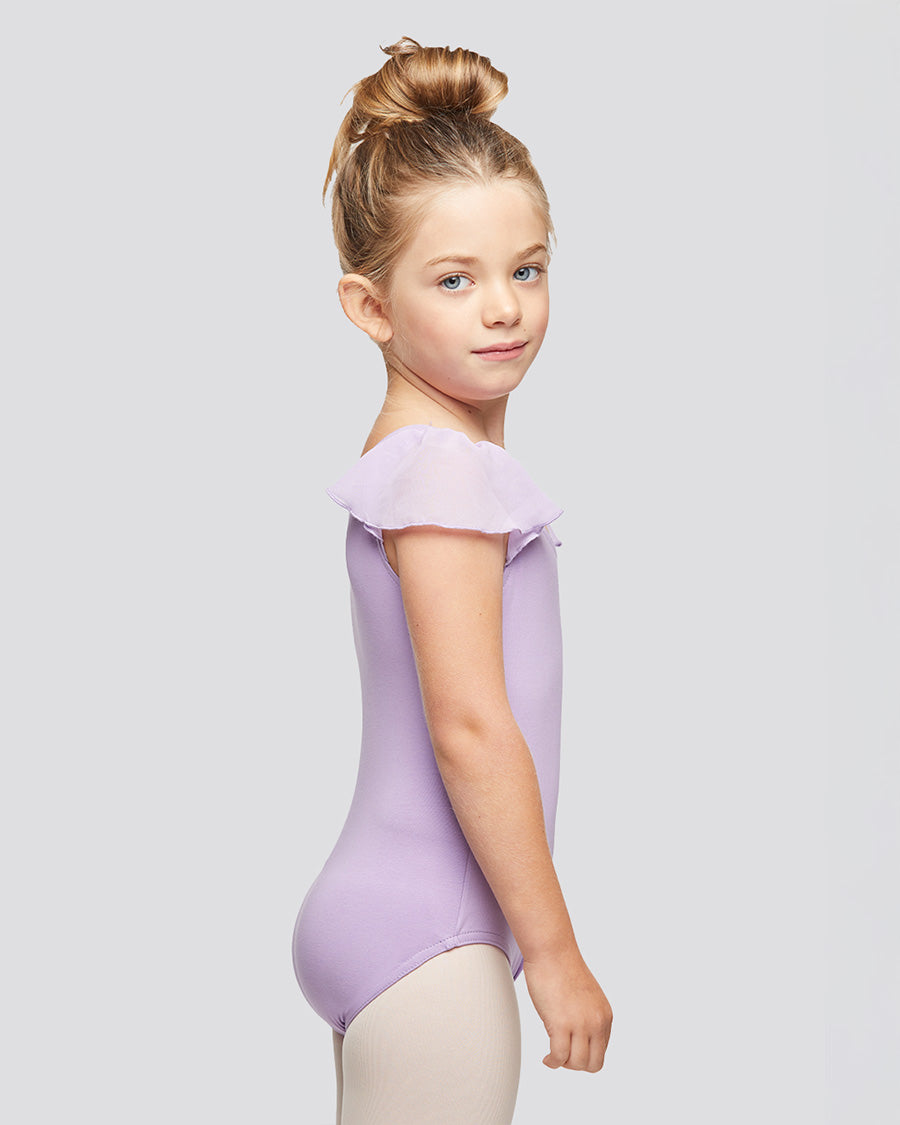
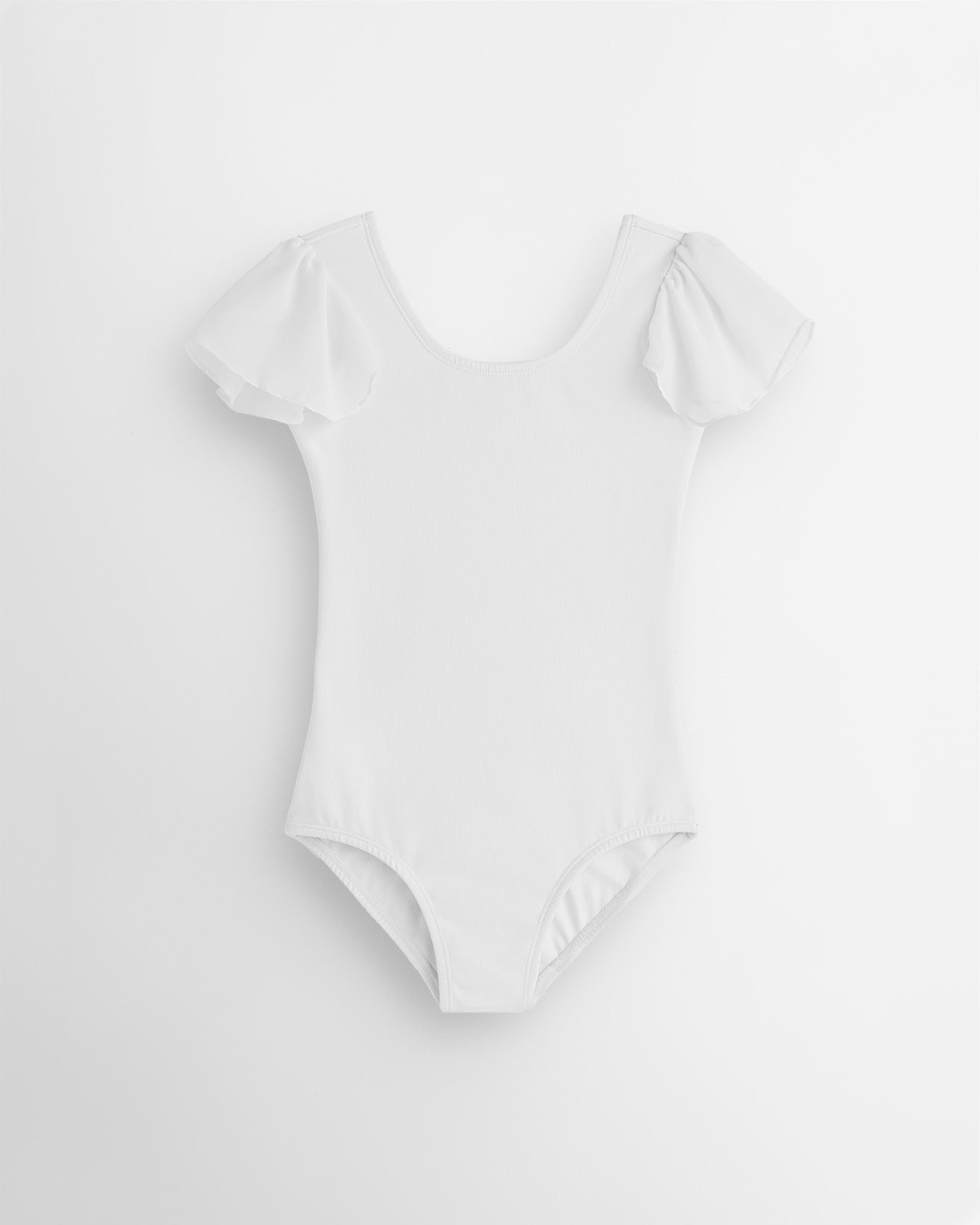
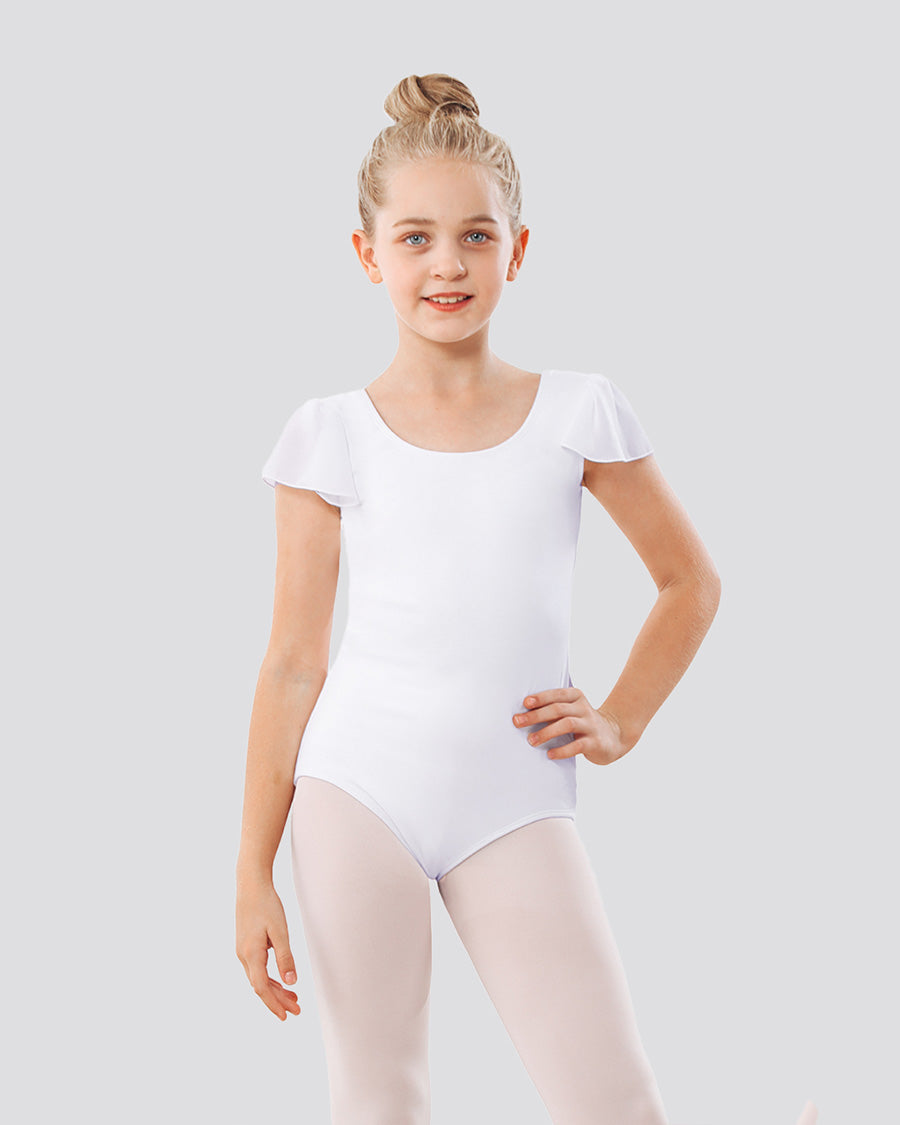
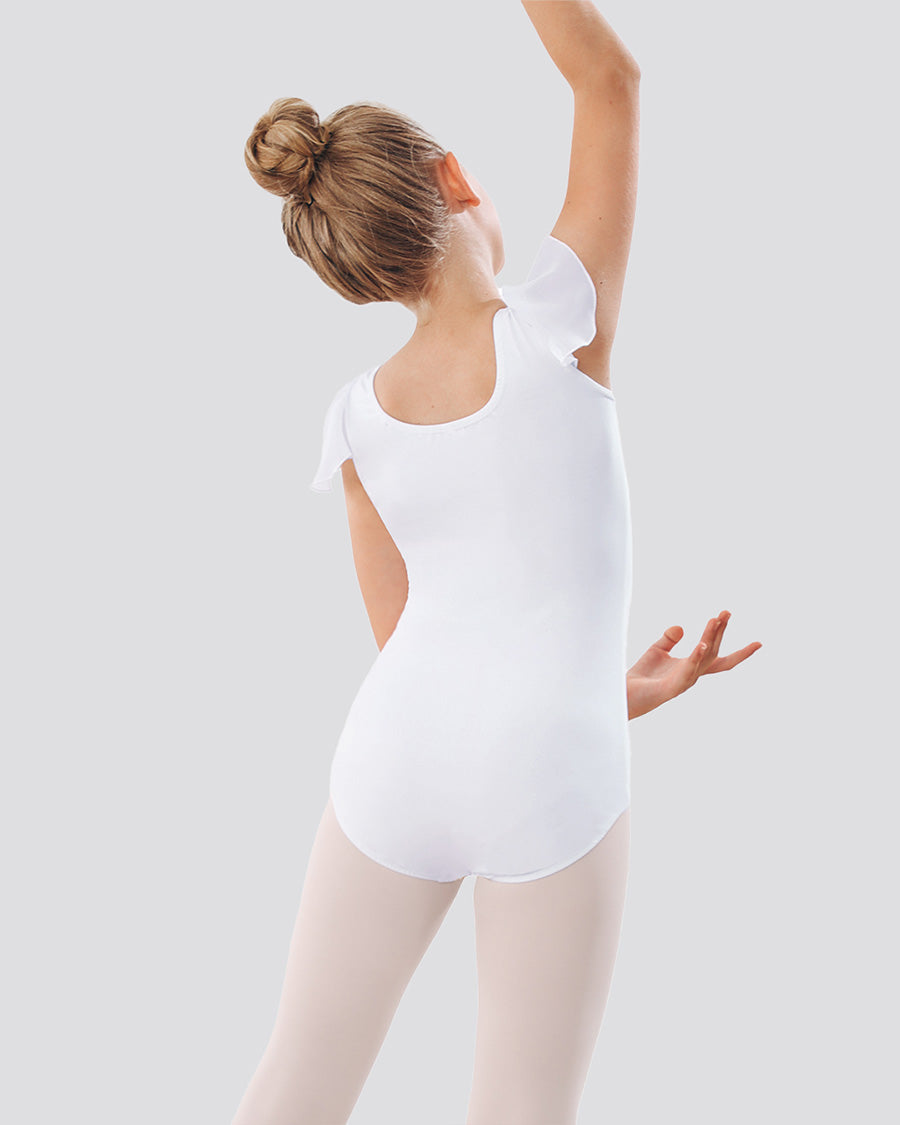
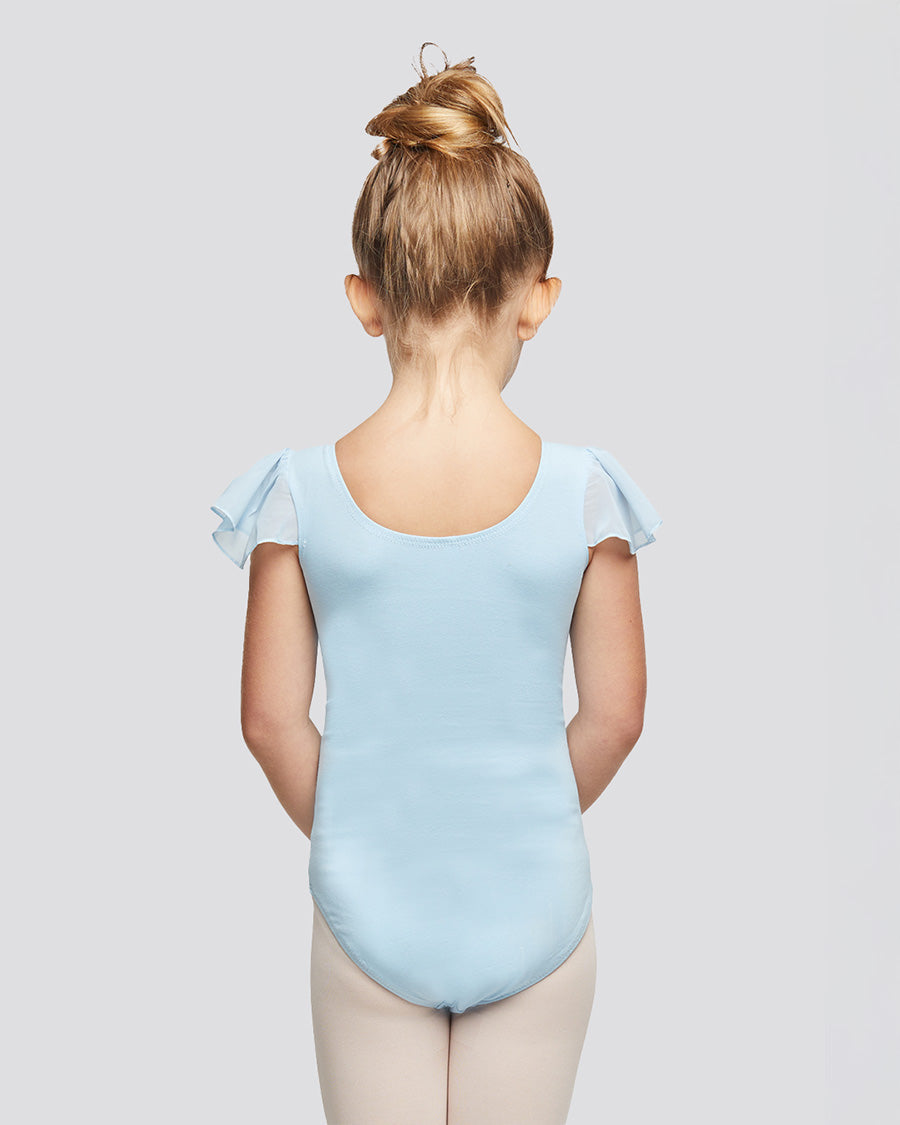
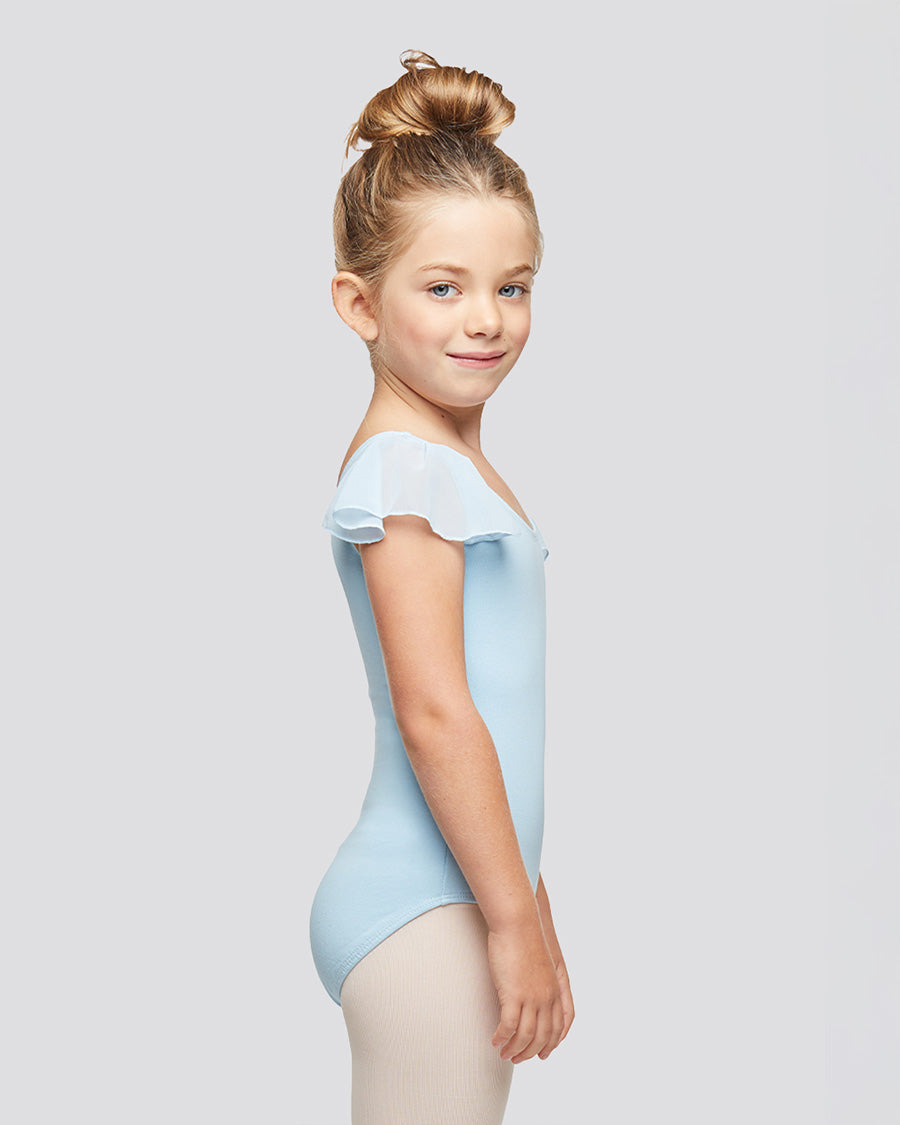
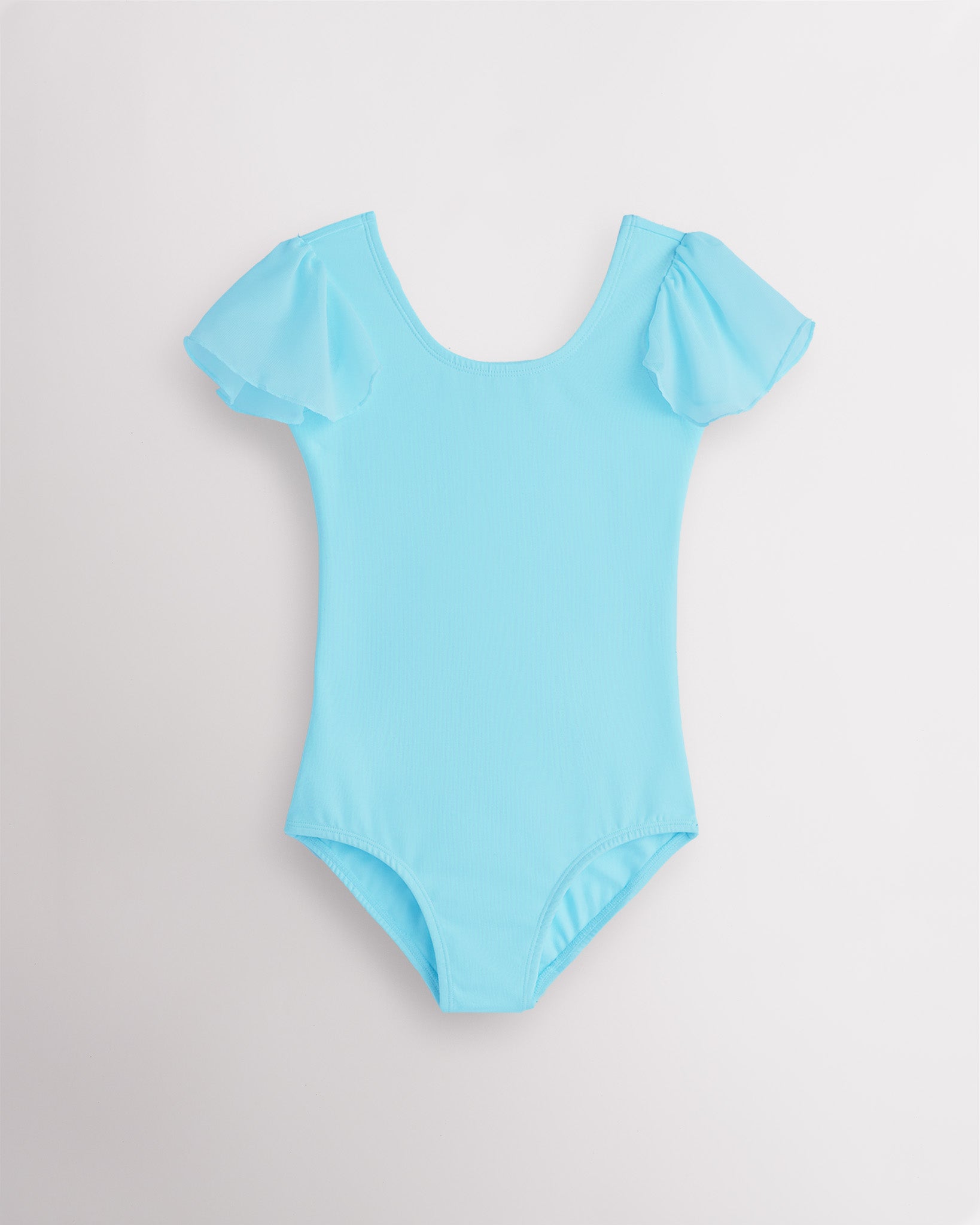
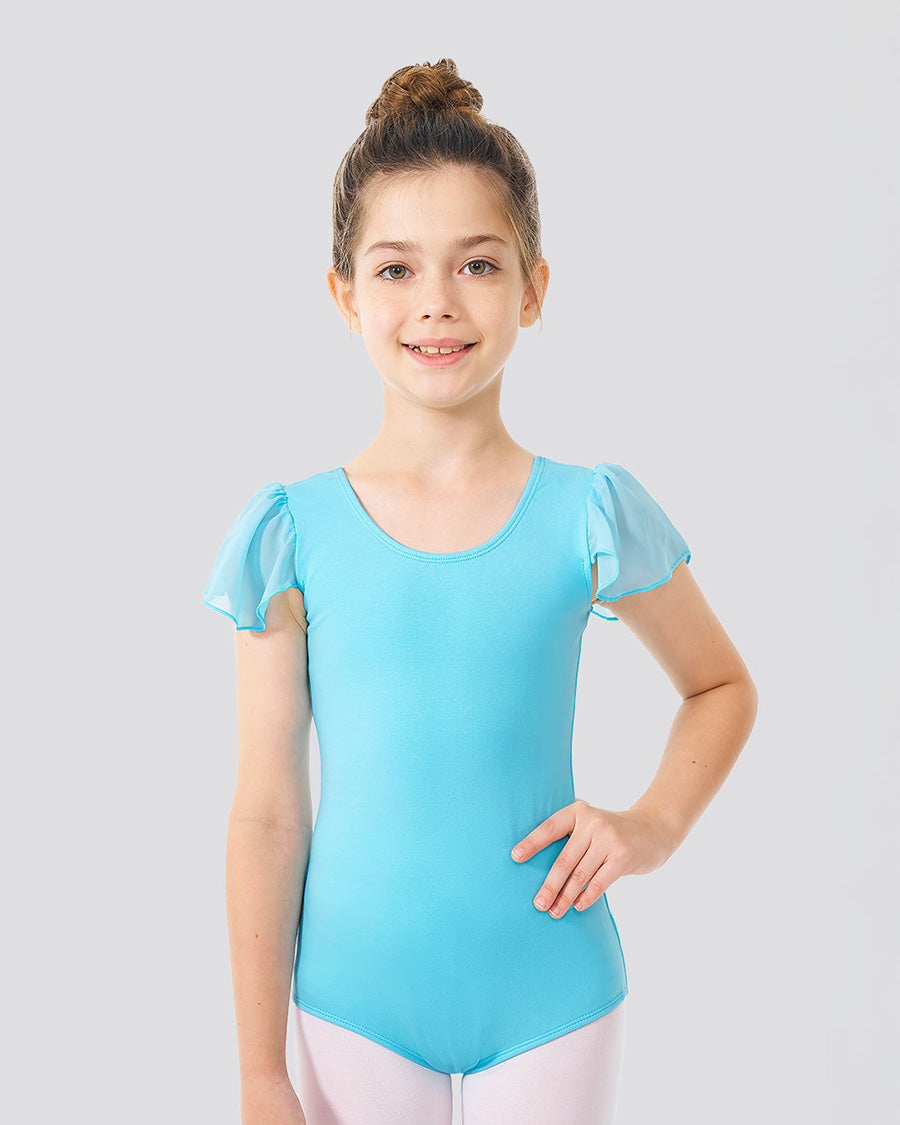
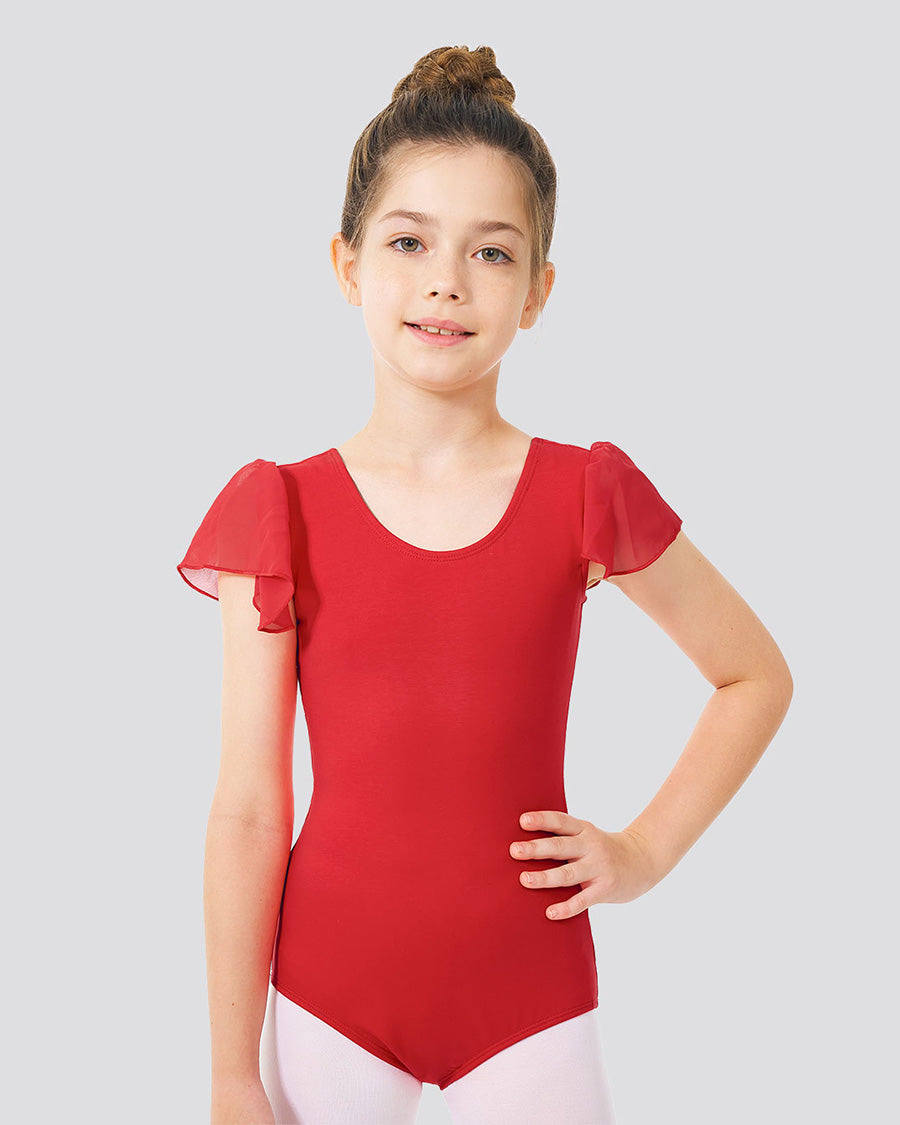
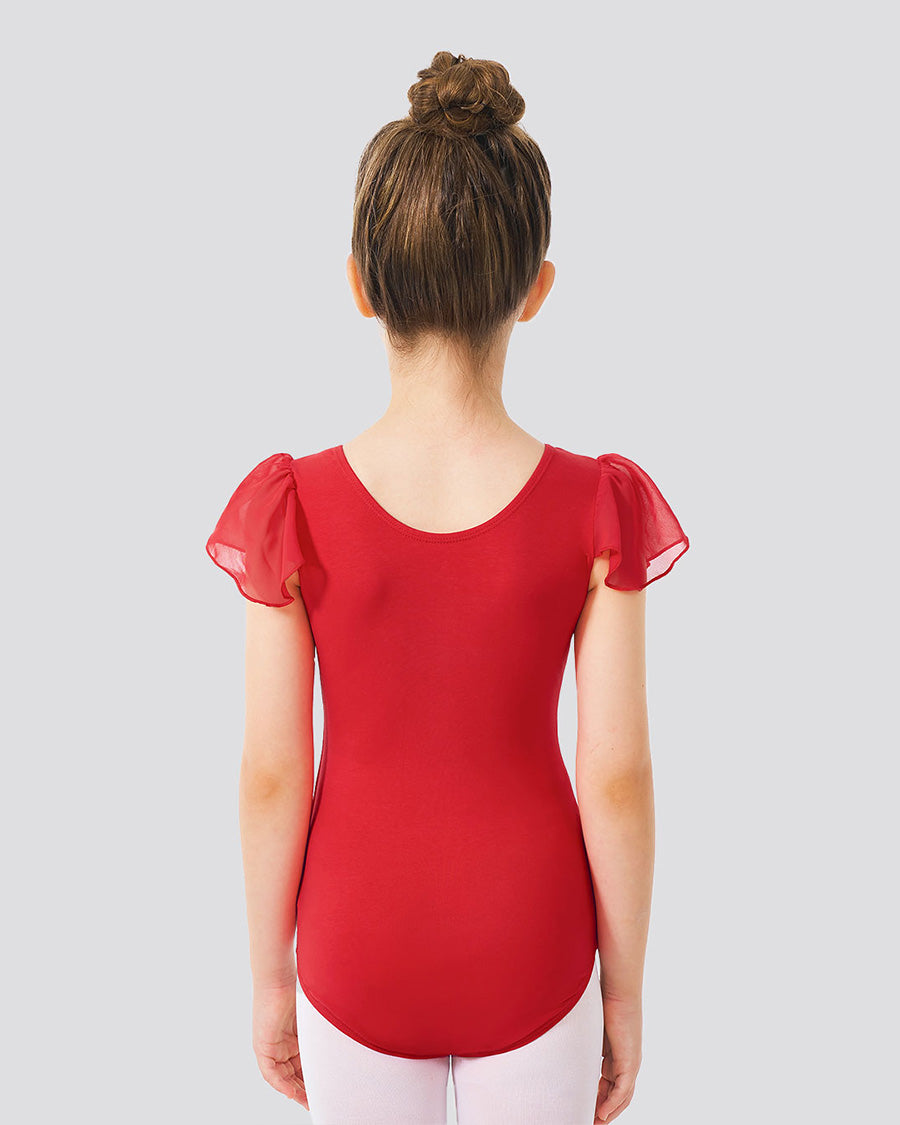
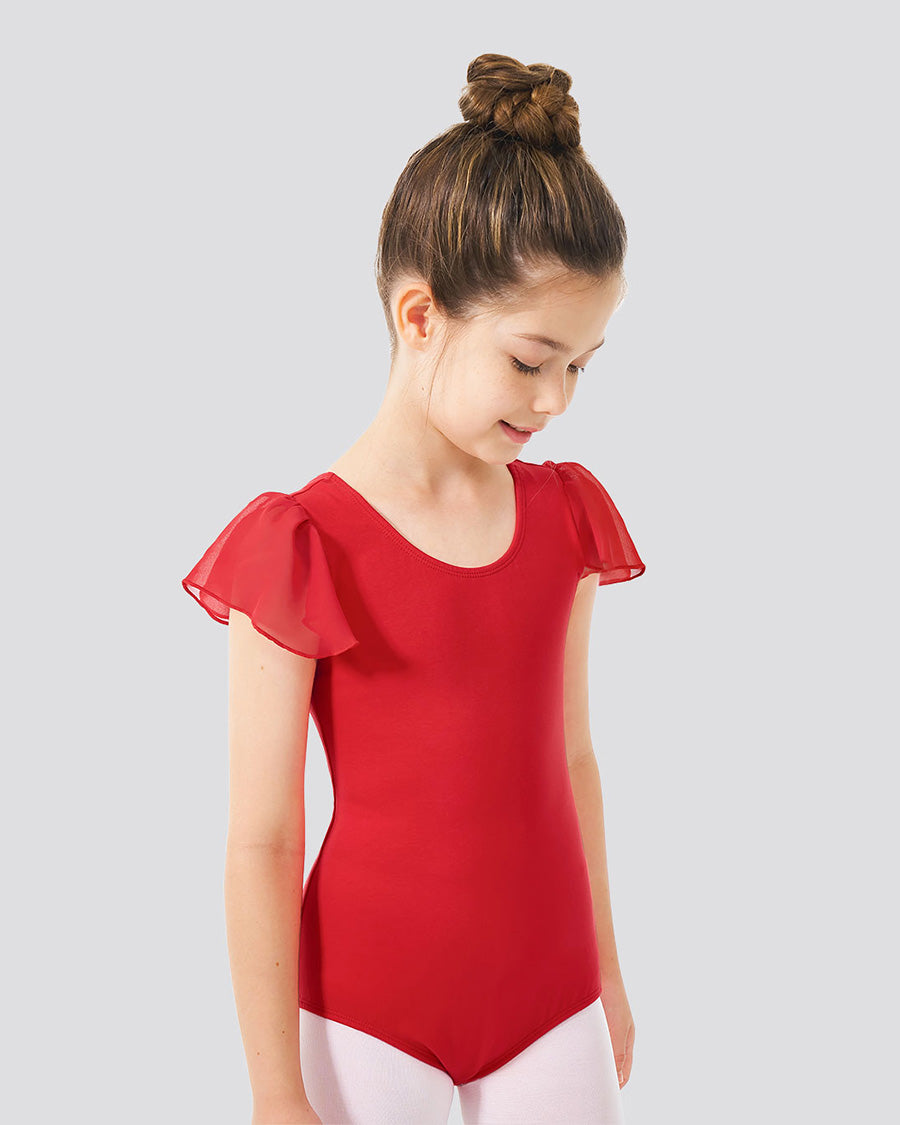
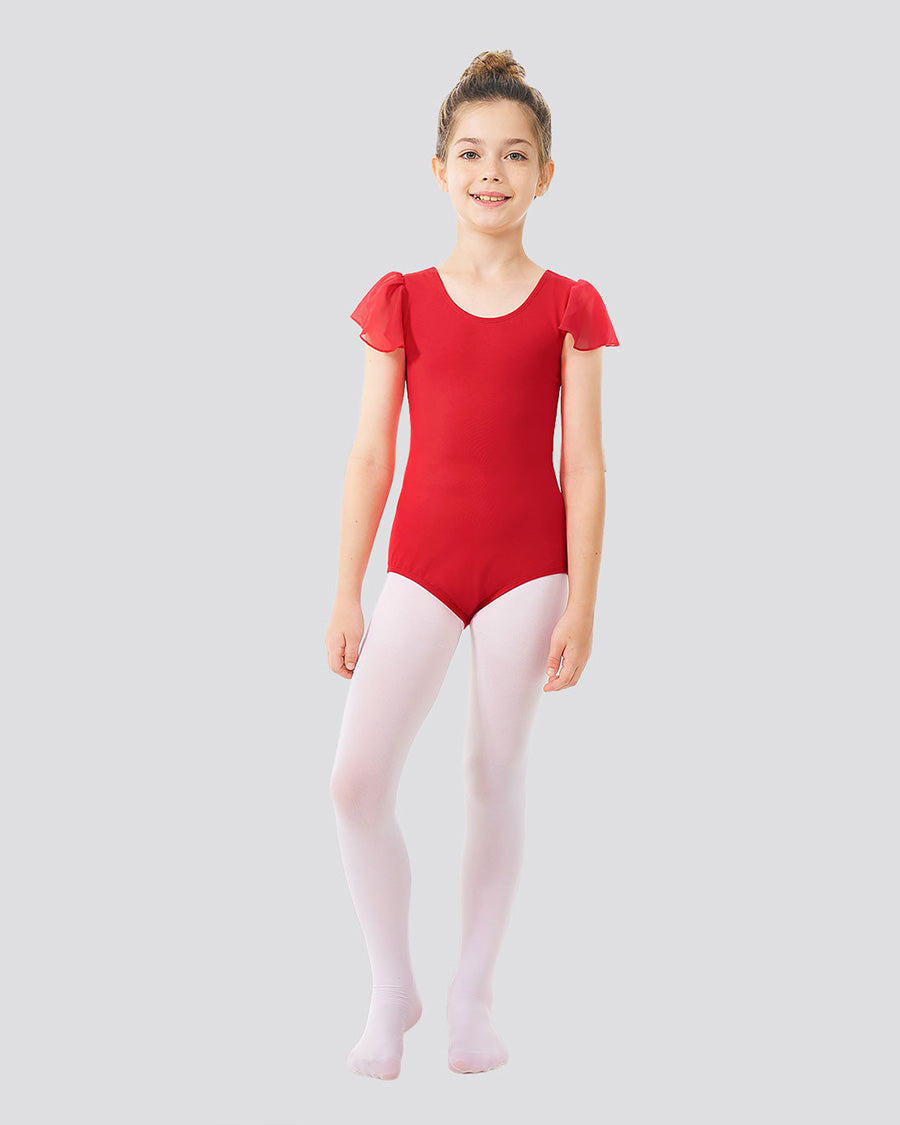
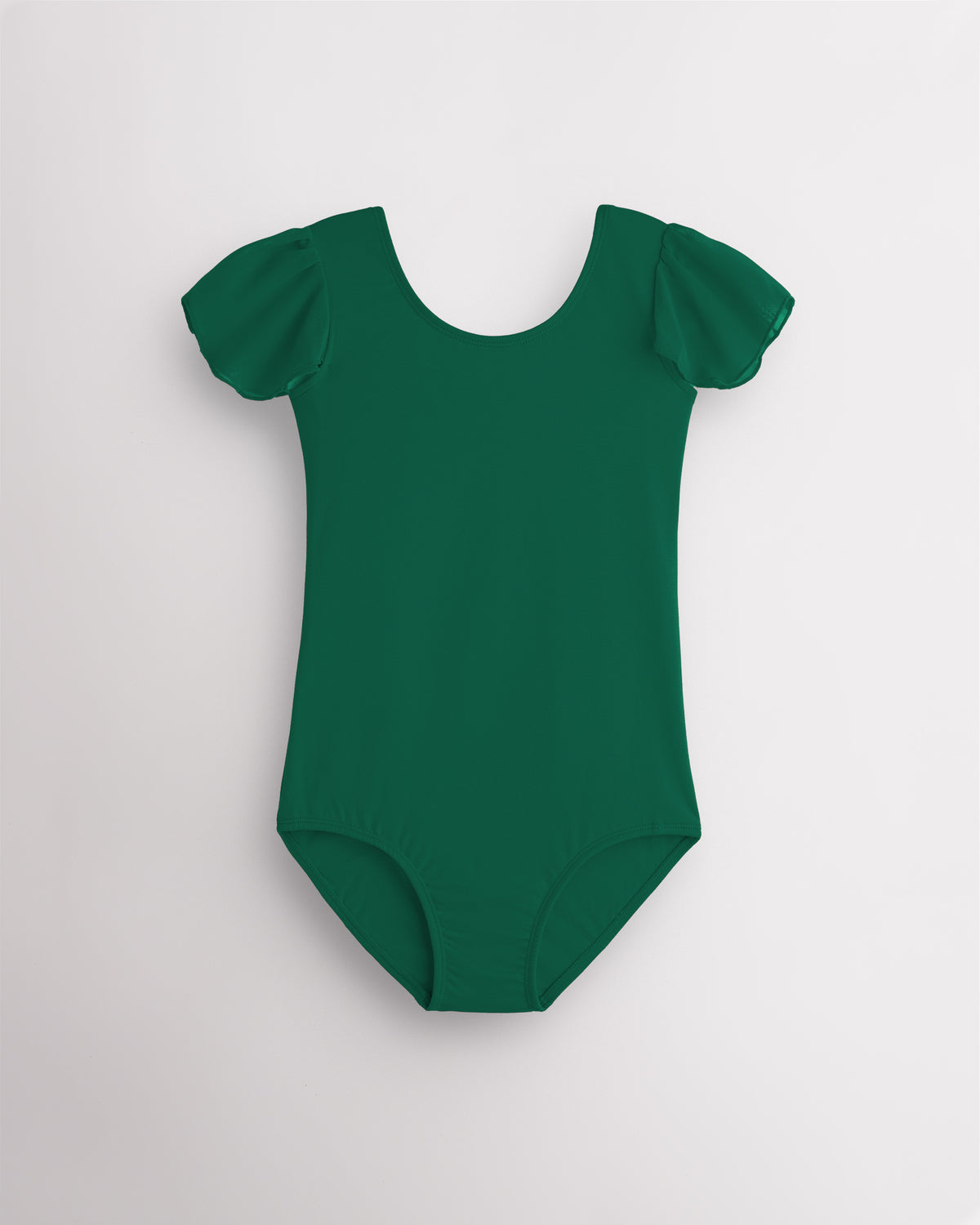
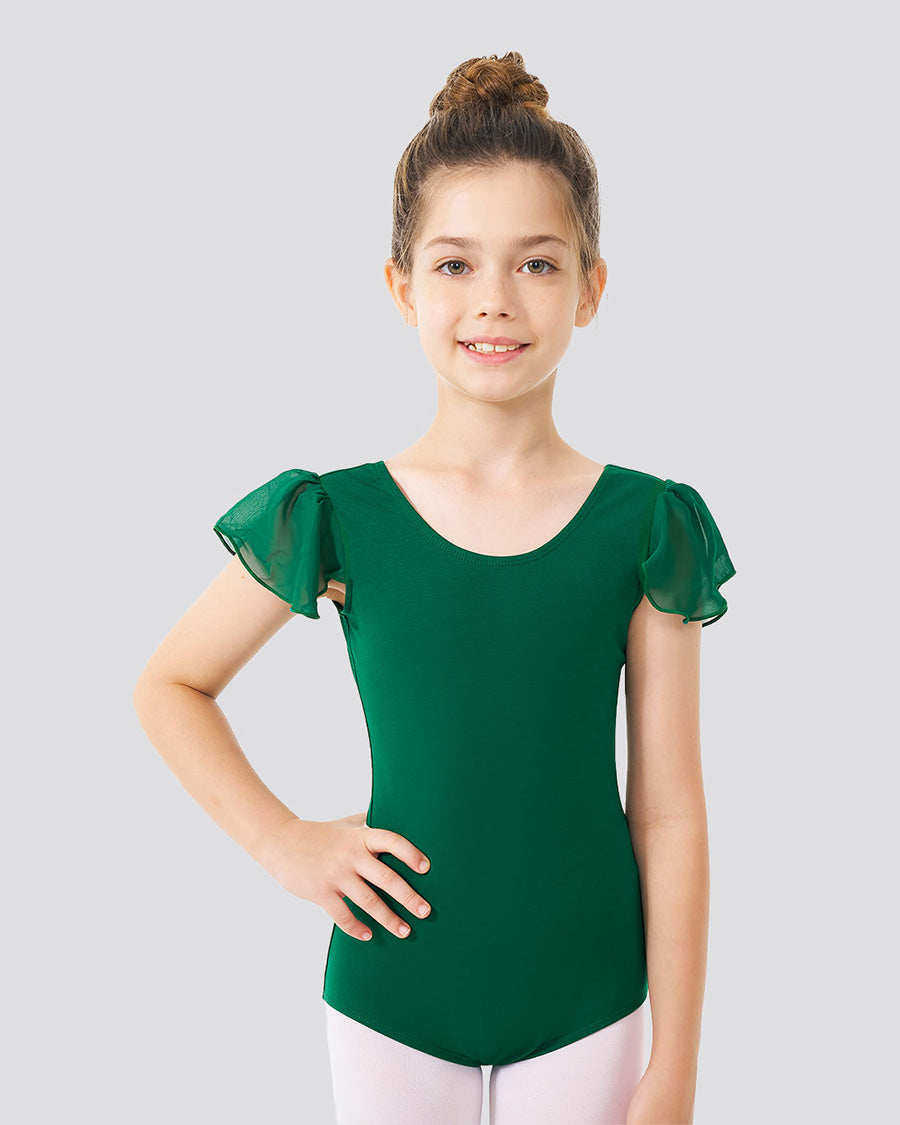
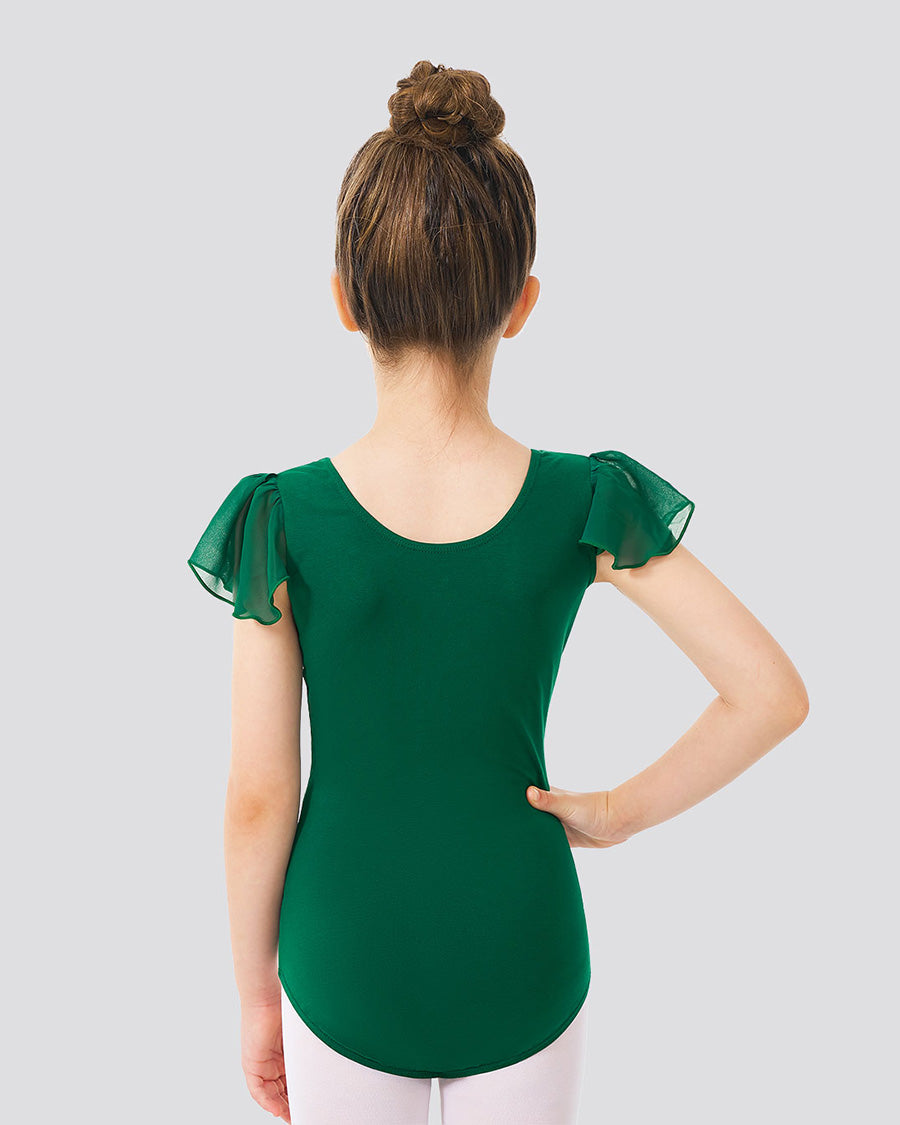
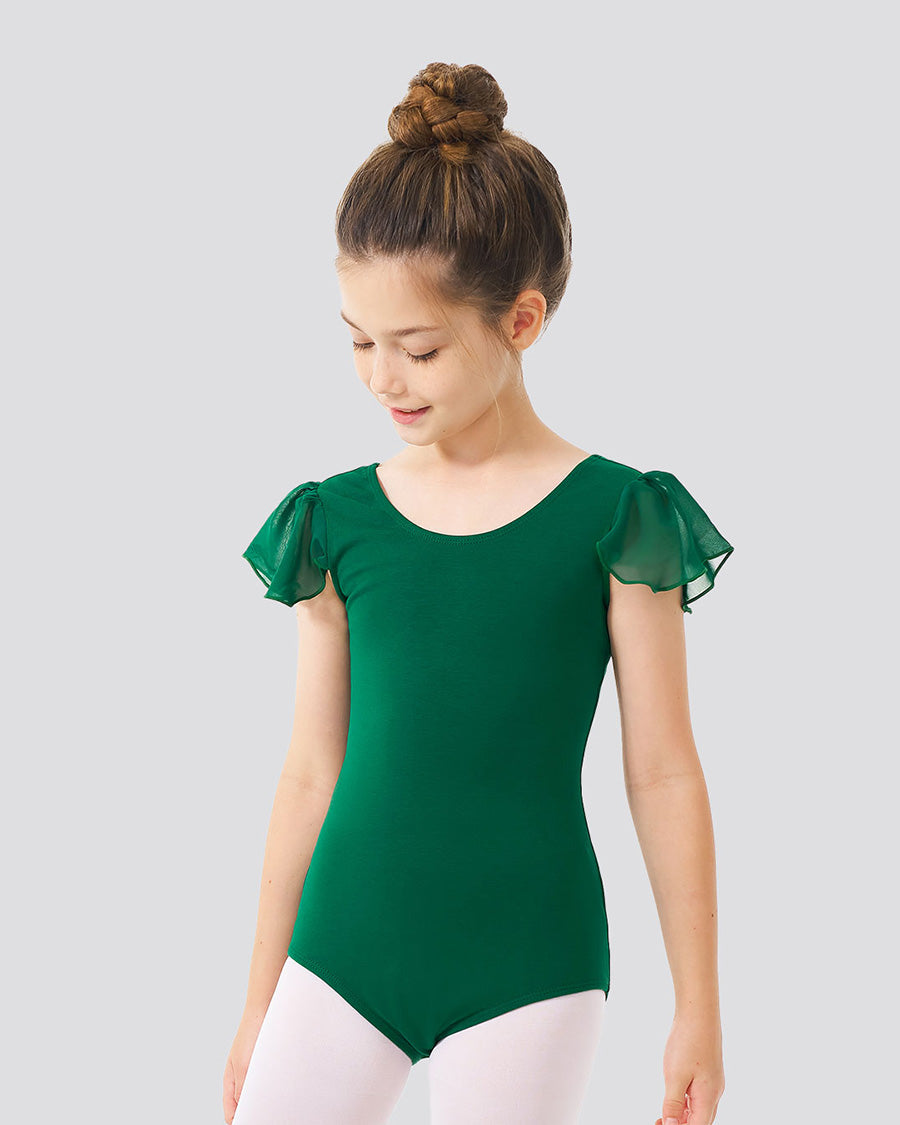
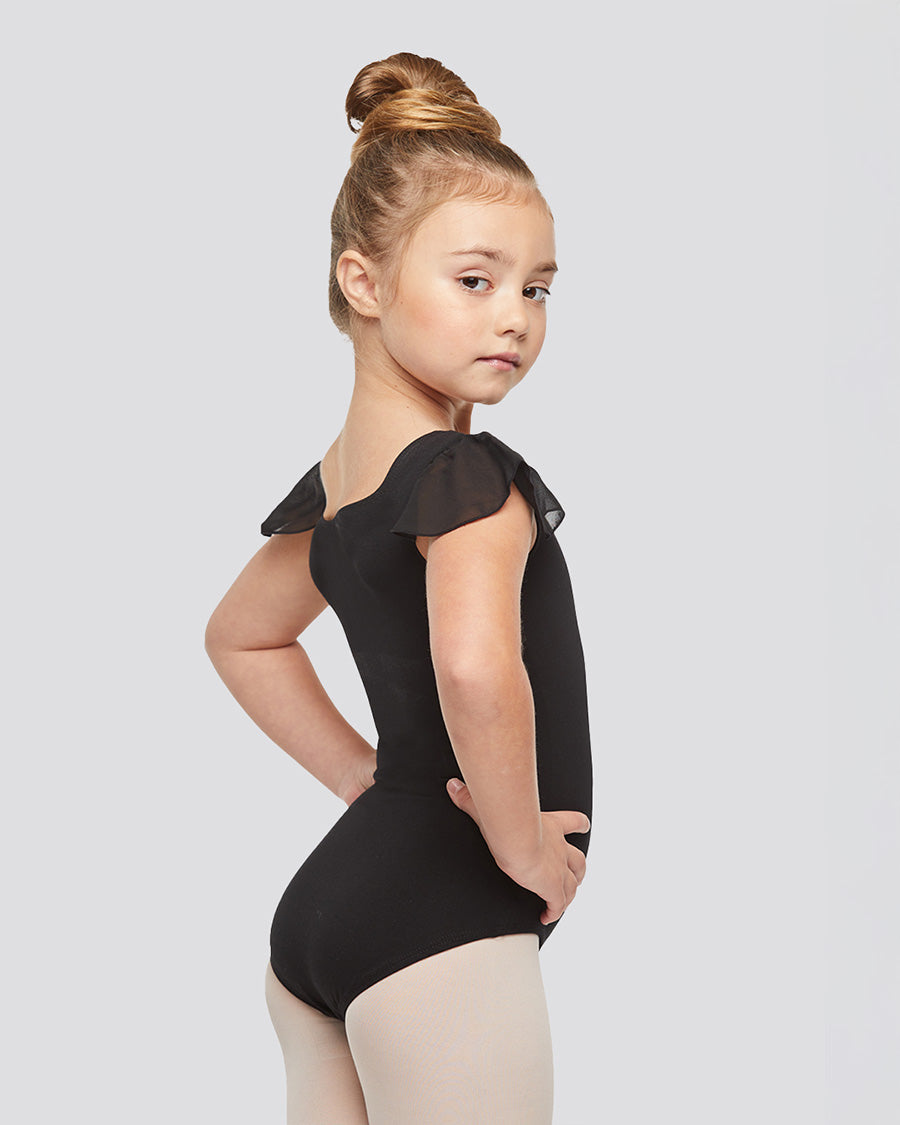
Flutter sleeve leotard (or a ruffle leotard) |
Younger dancers, relaxed or creative movement classes |
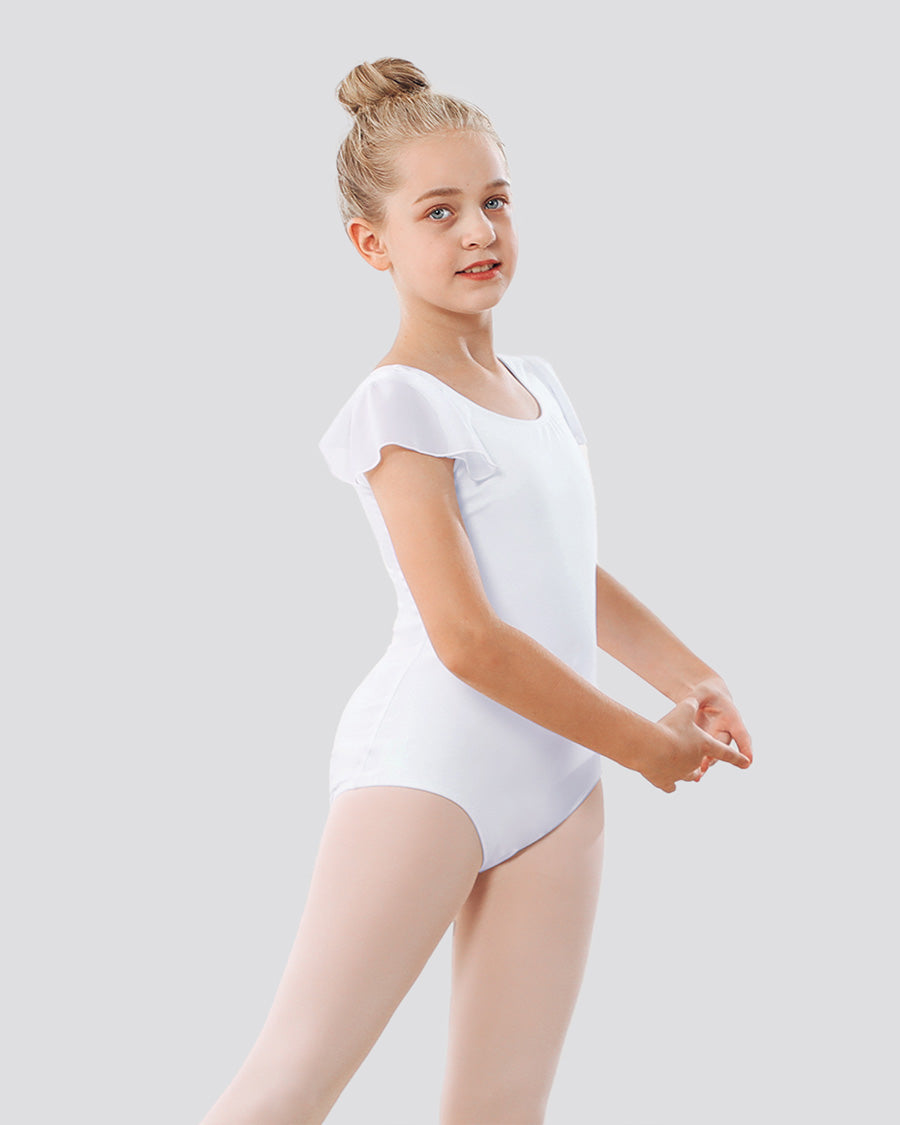
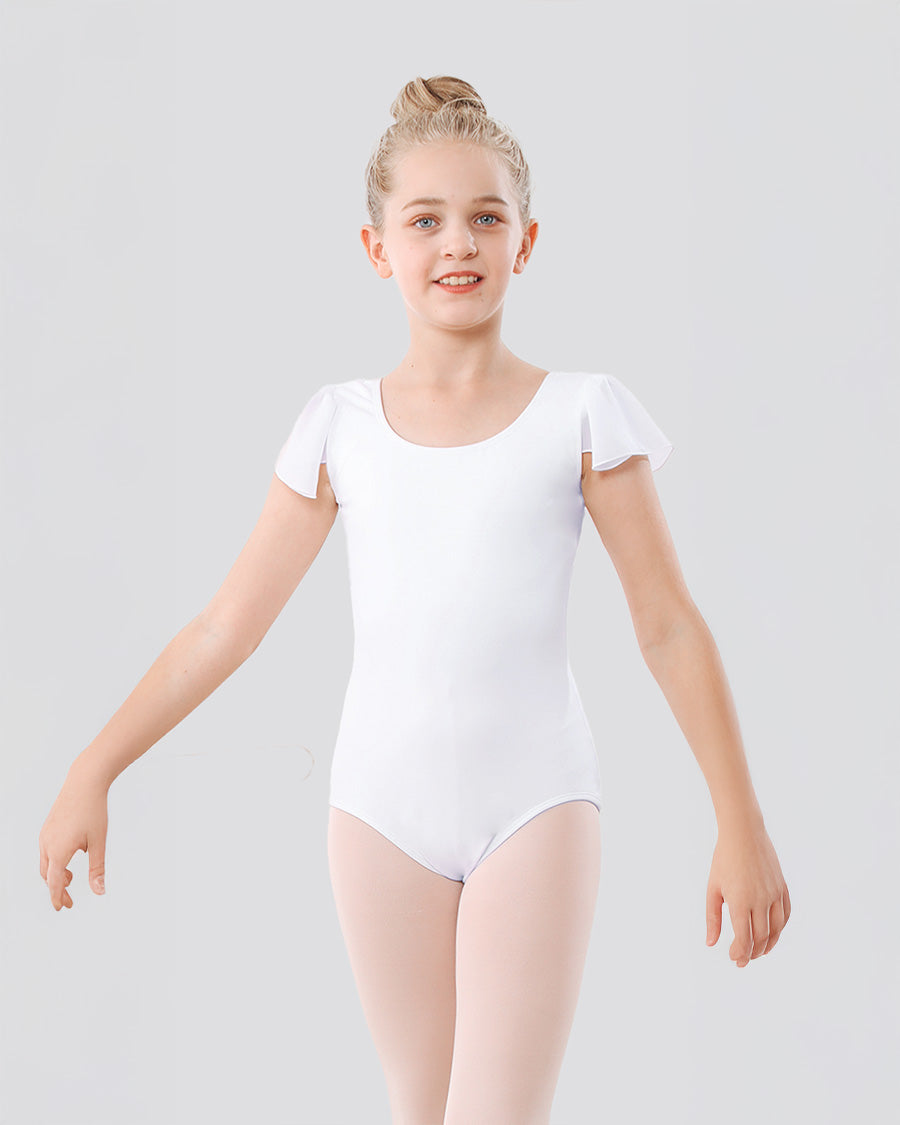
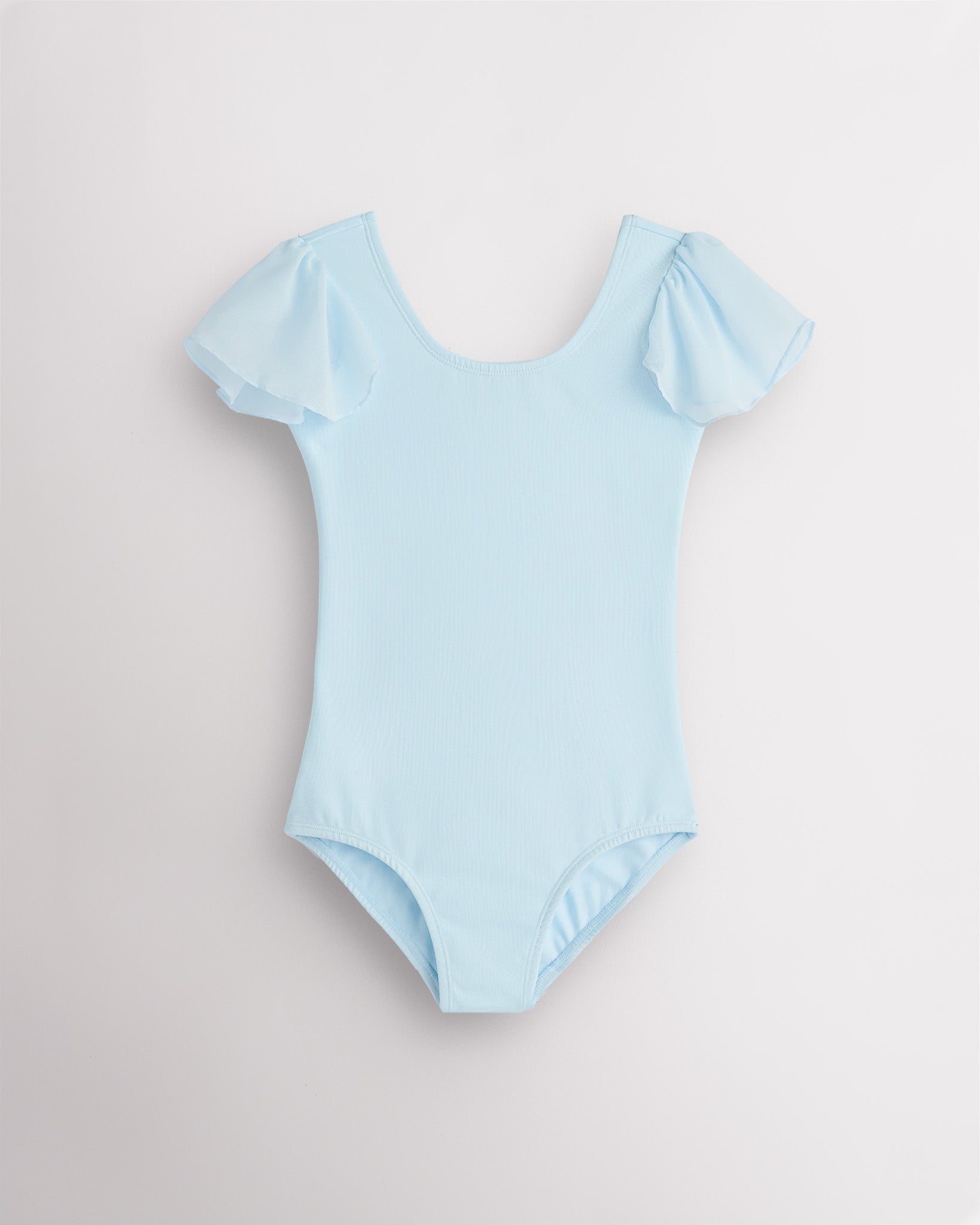
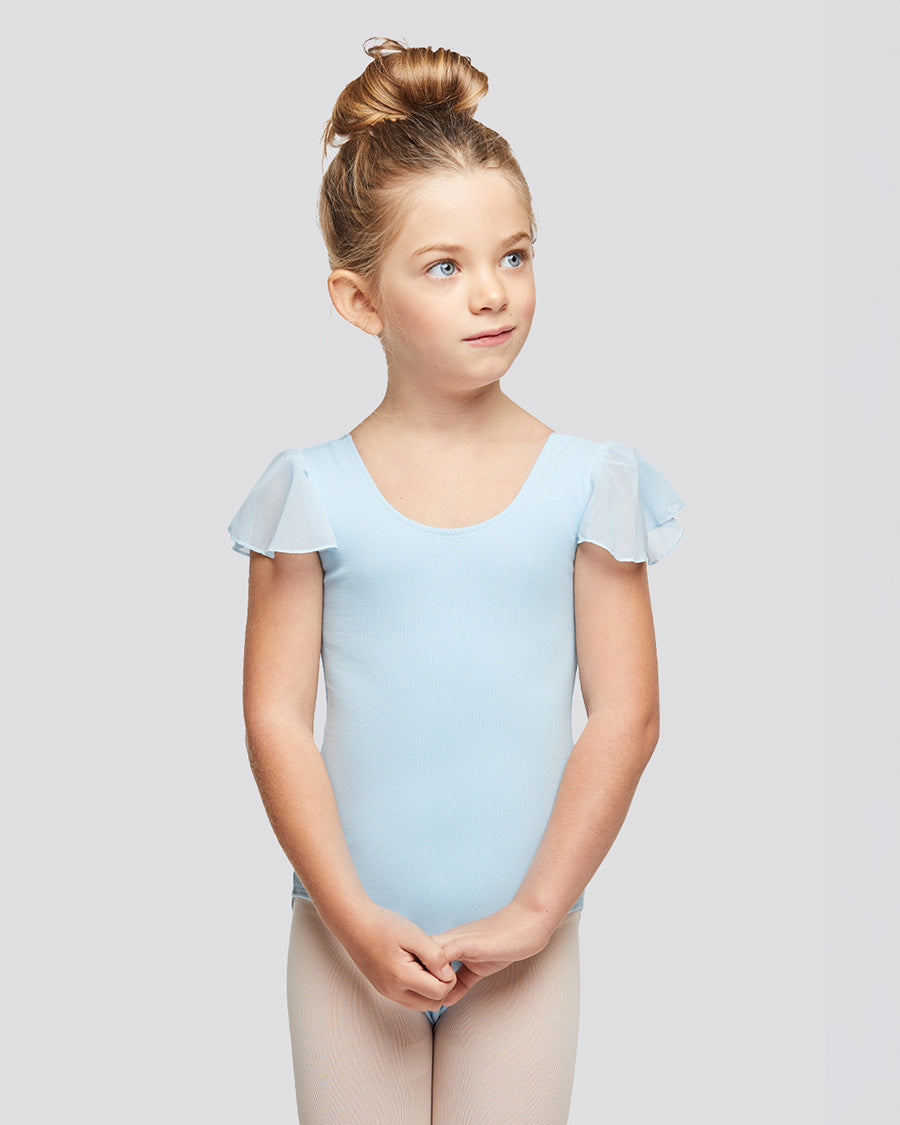
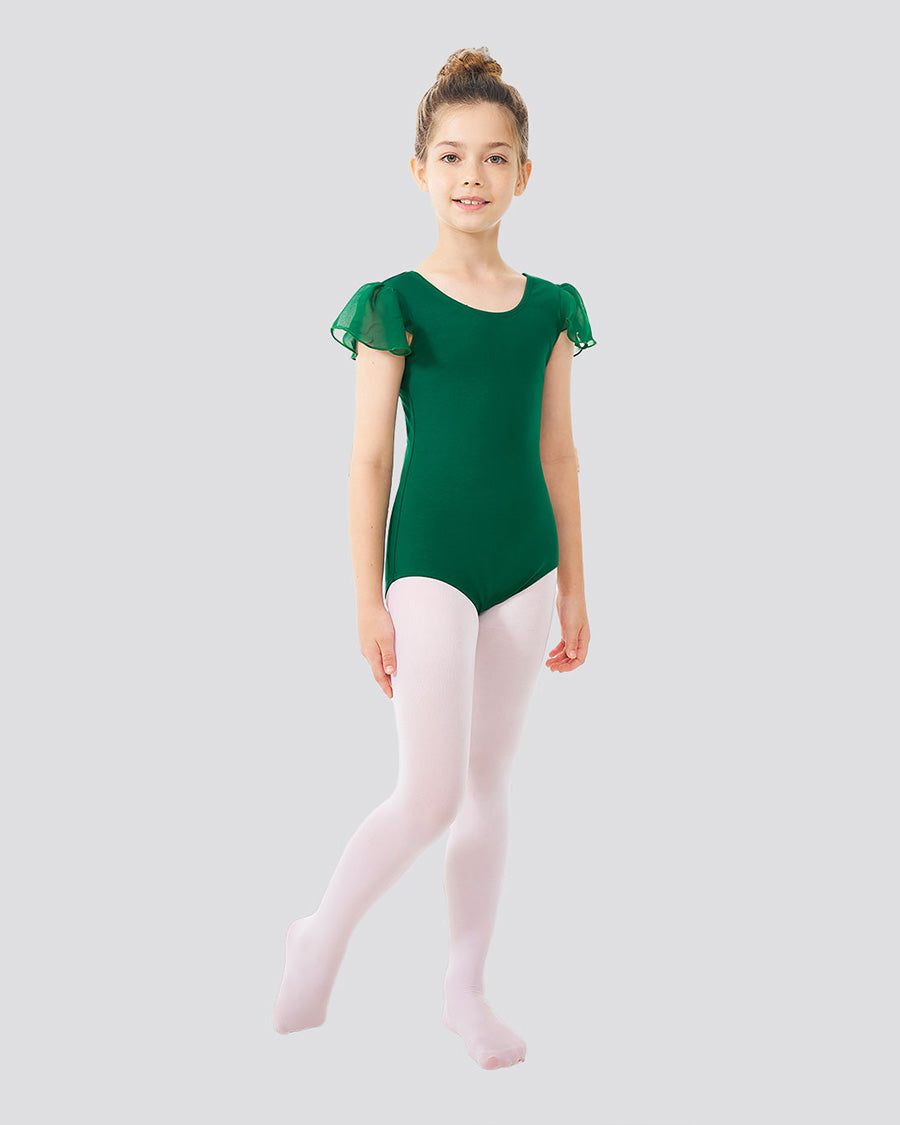
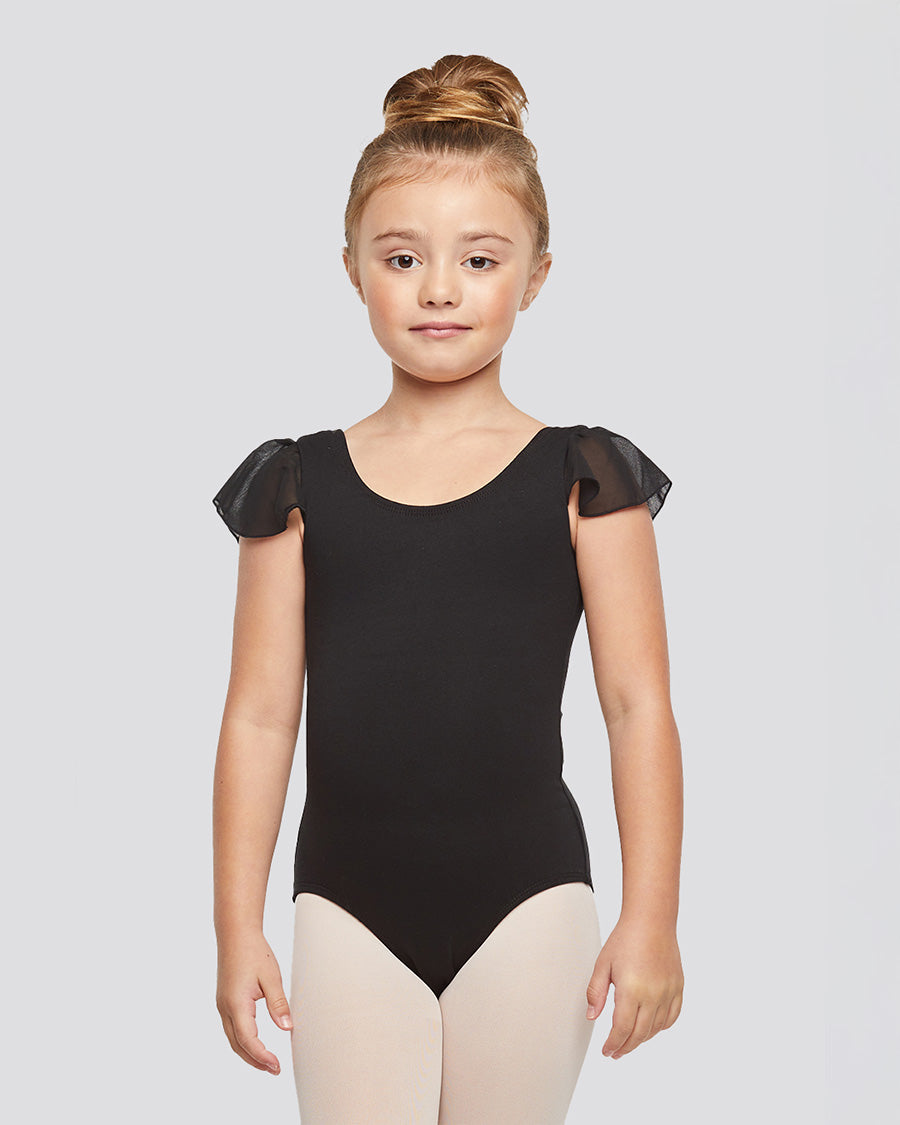
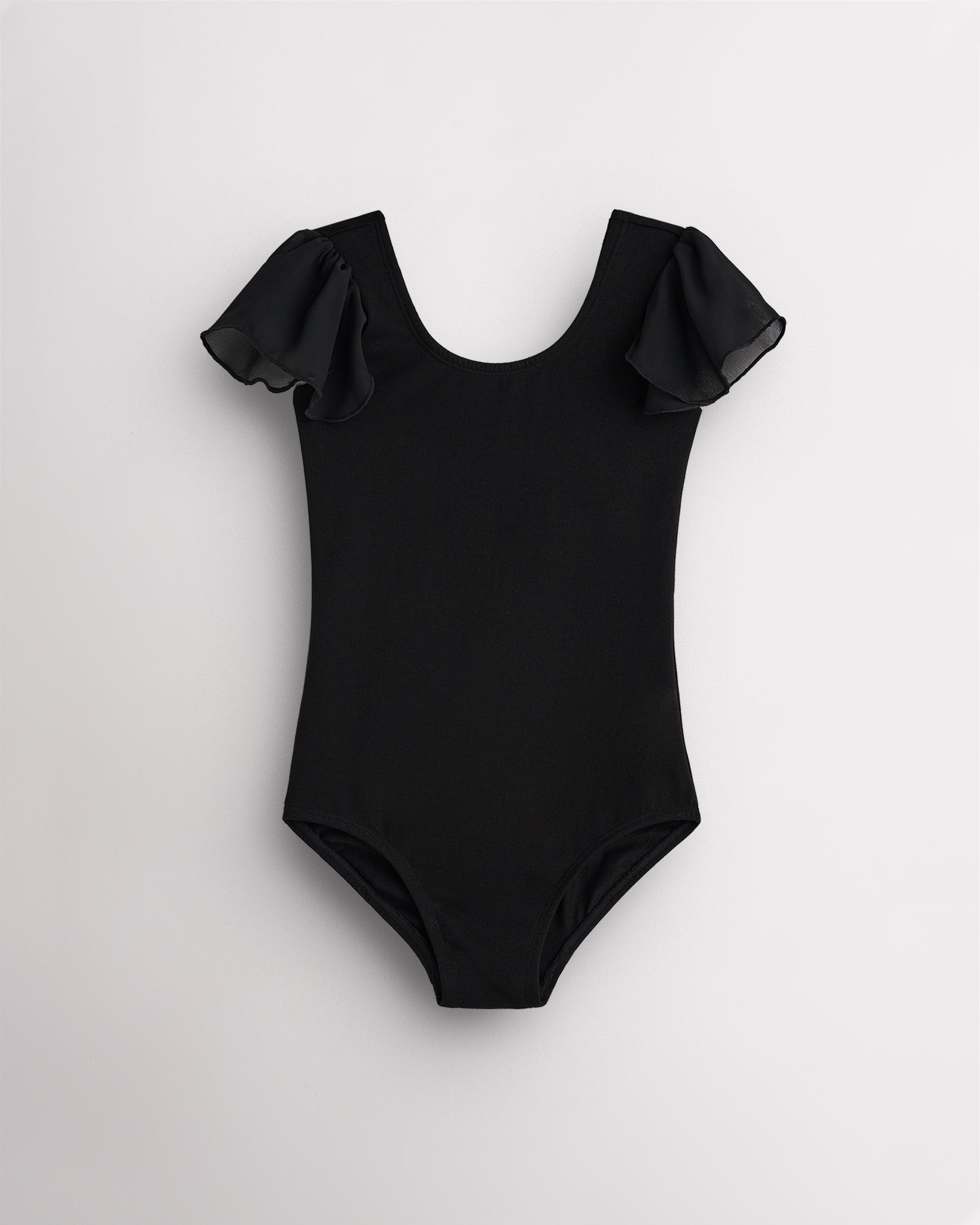
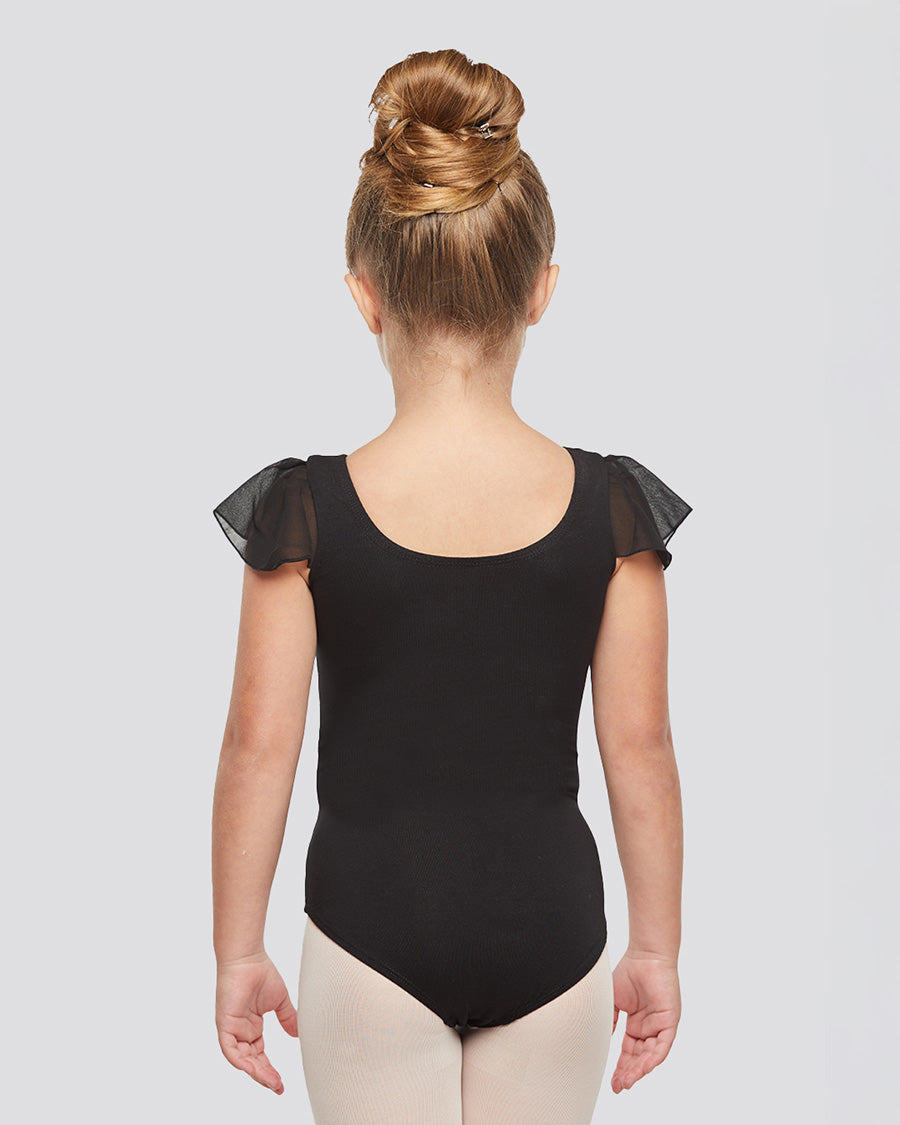
Sleeve can distract if it's too big or stiff; structured ballet often prefers a cleaner line |
|
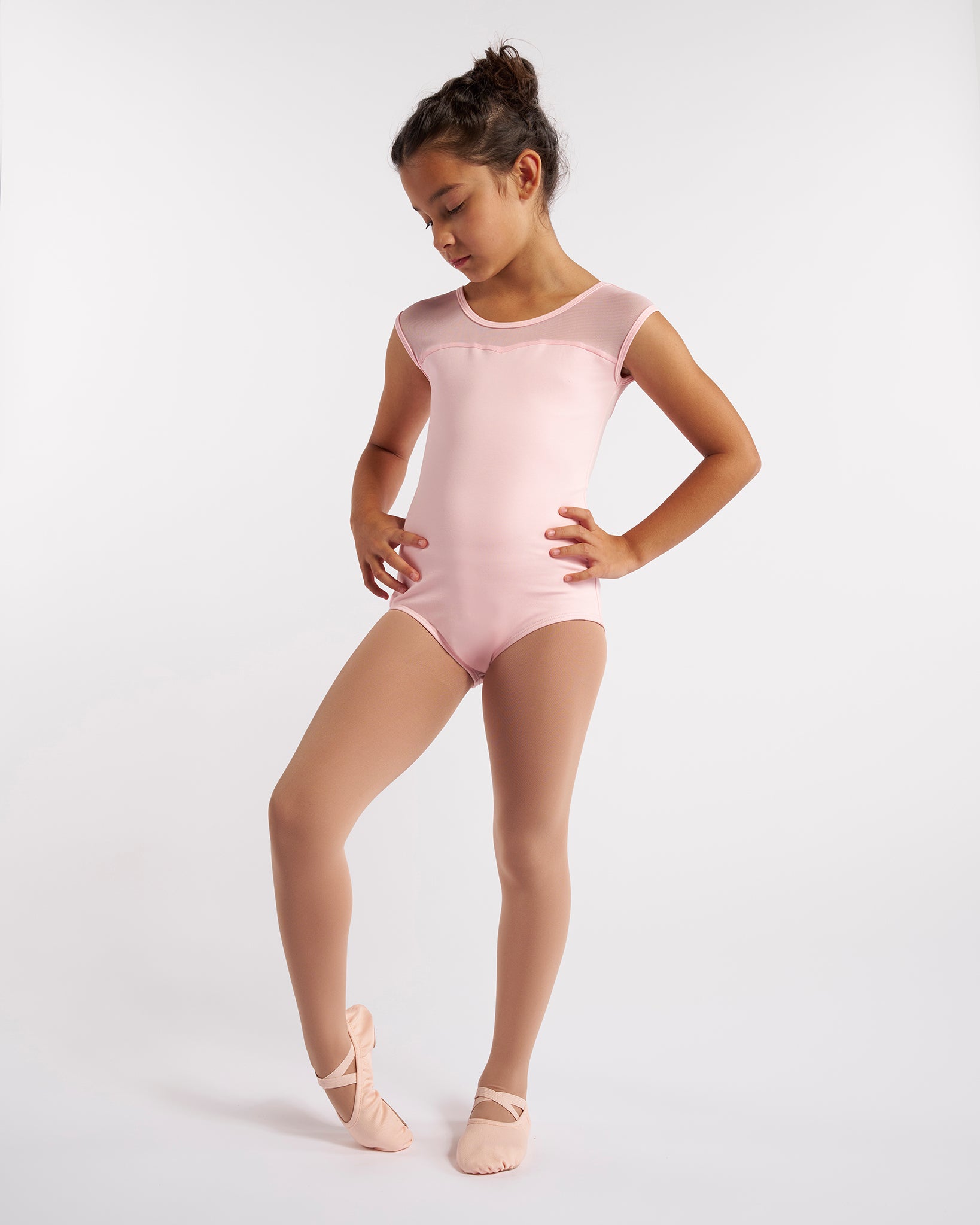
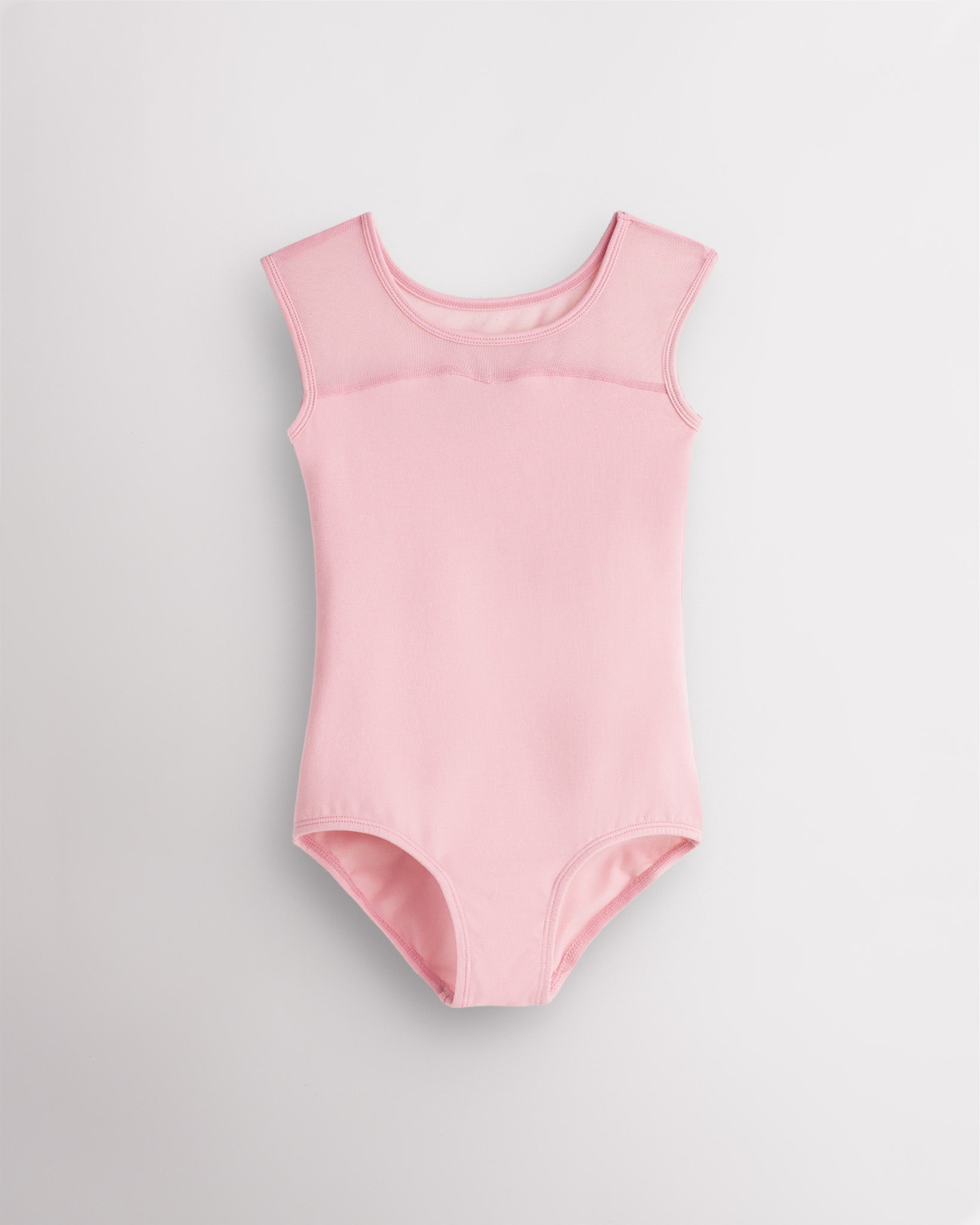
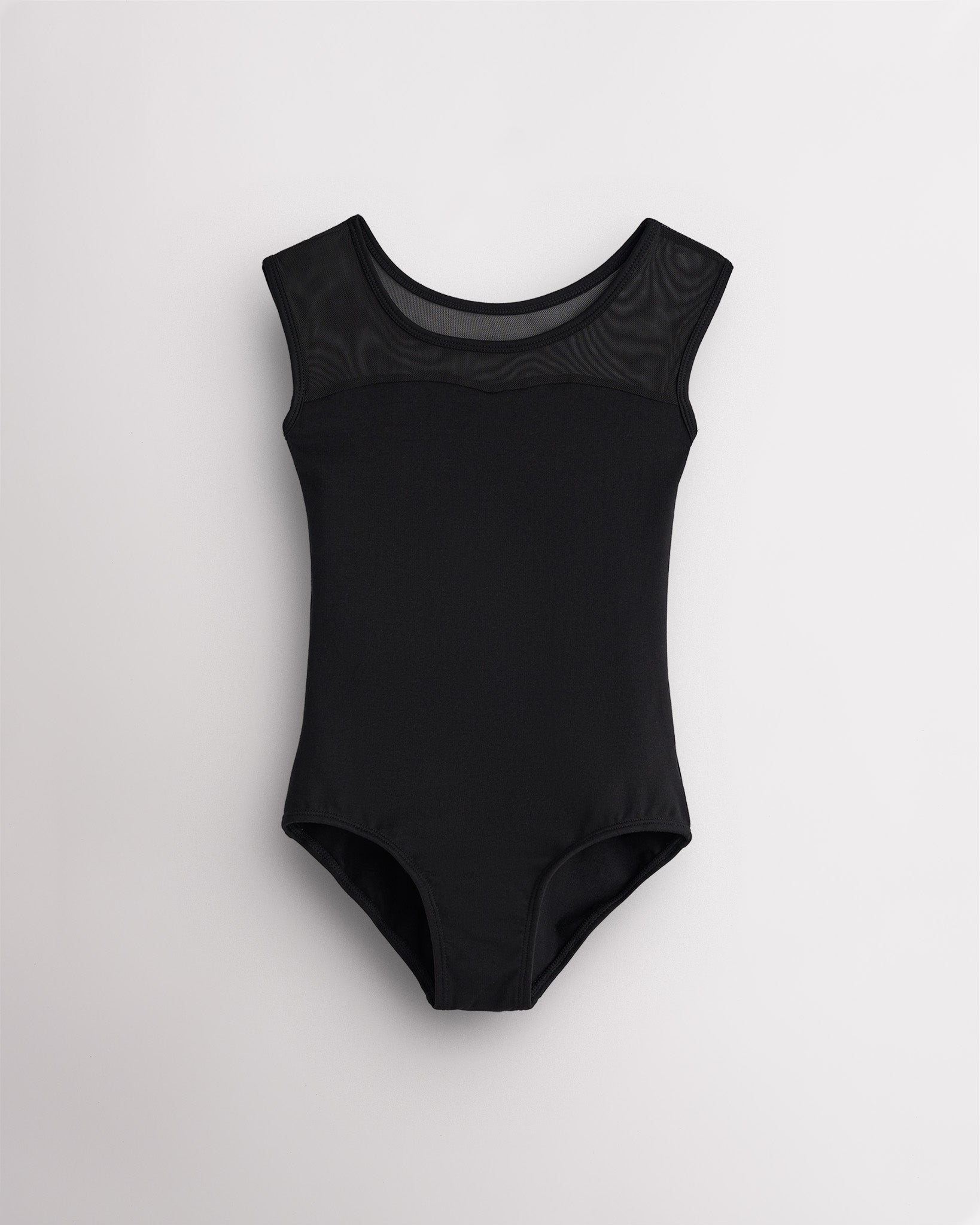
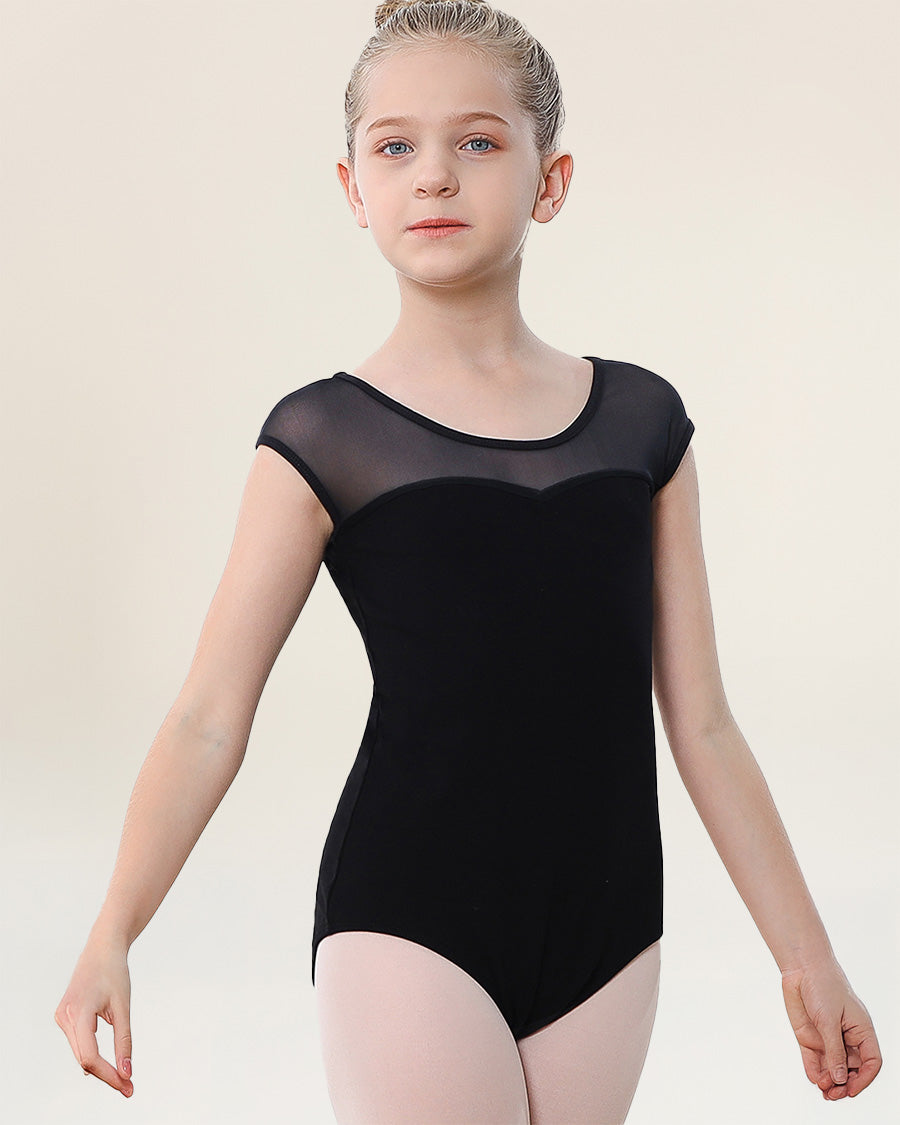
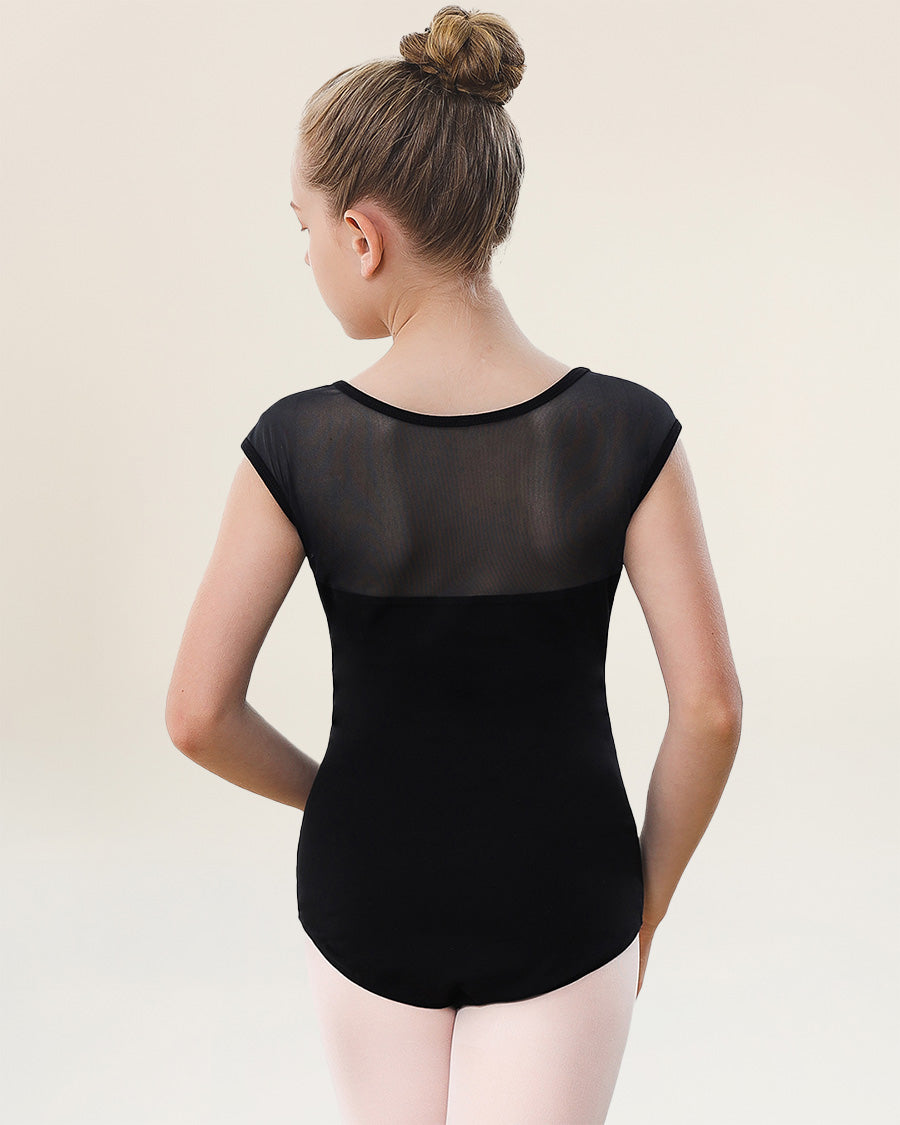
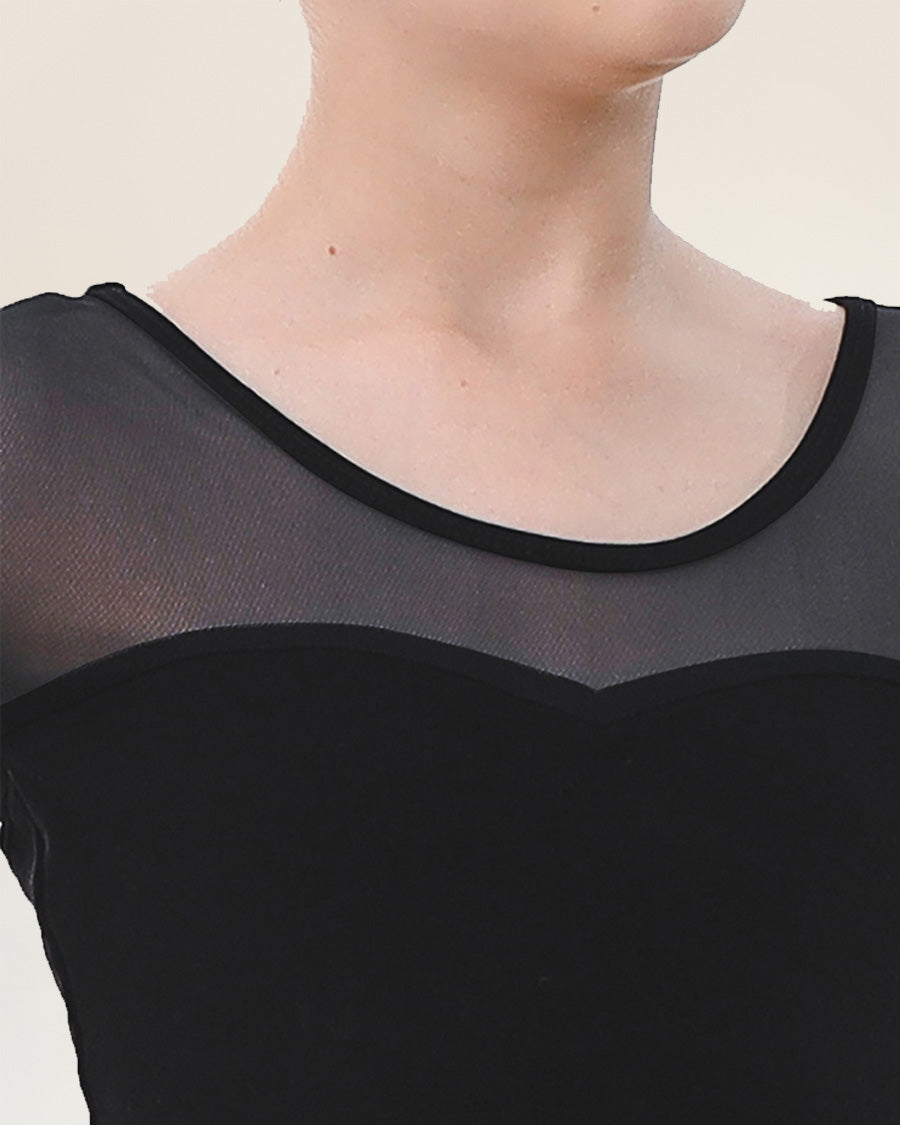
Cap sleeve leotard |
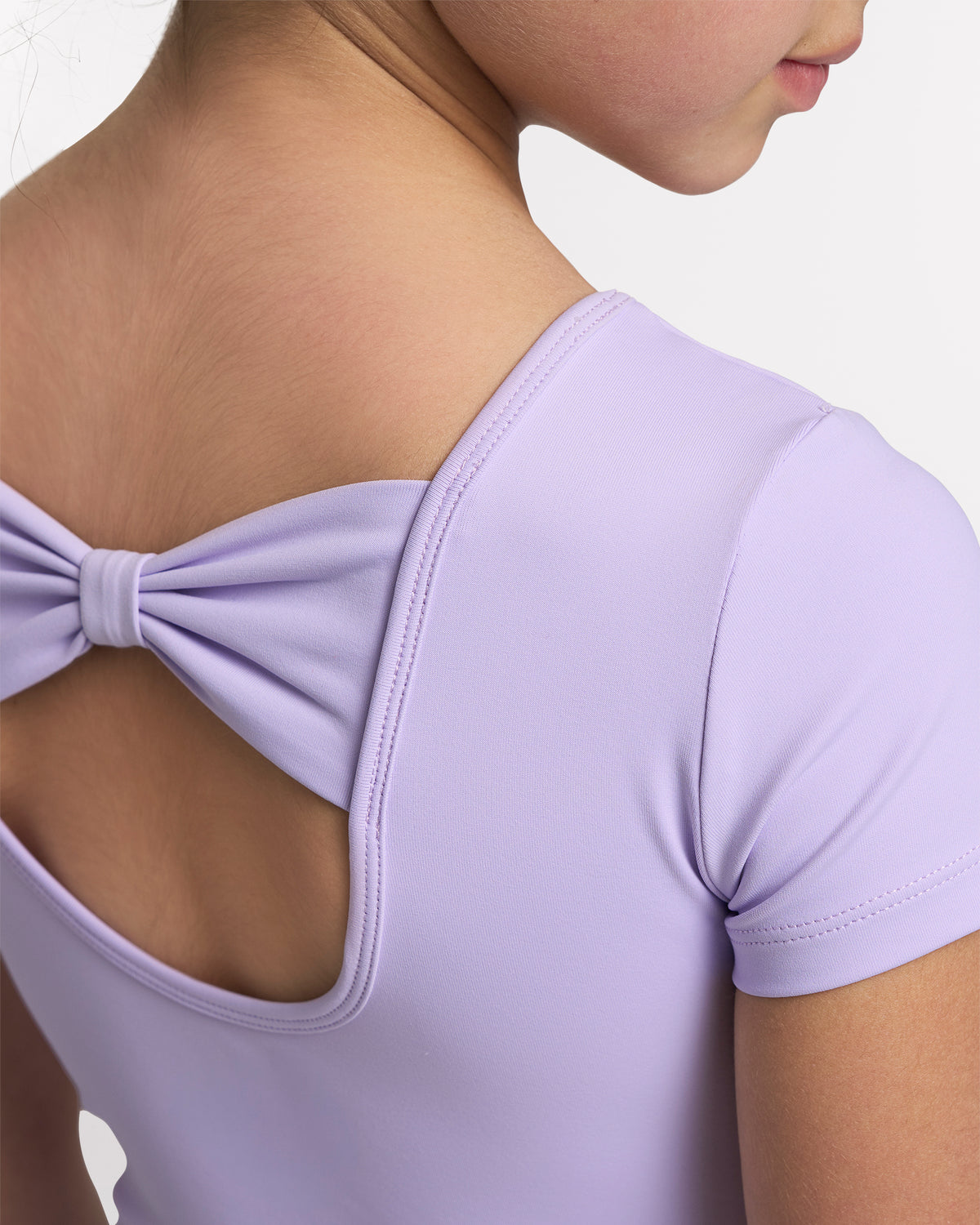
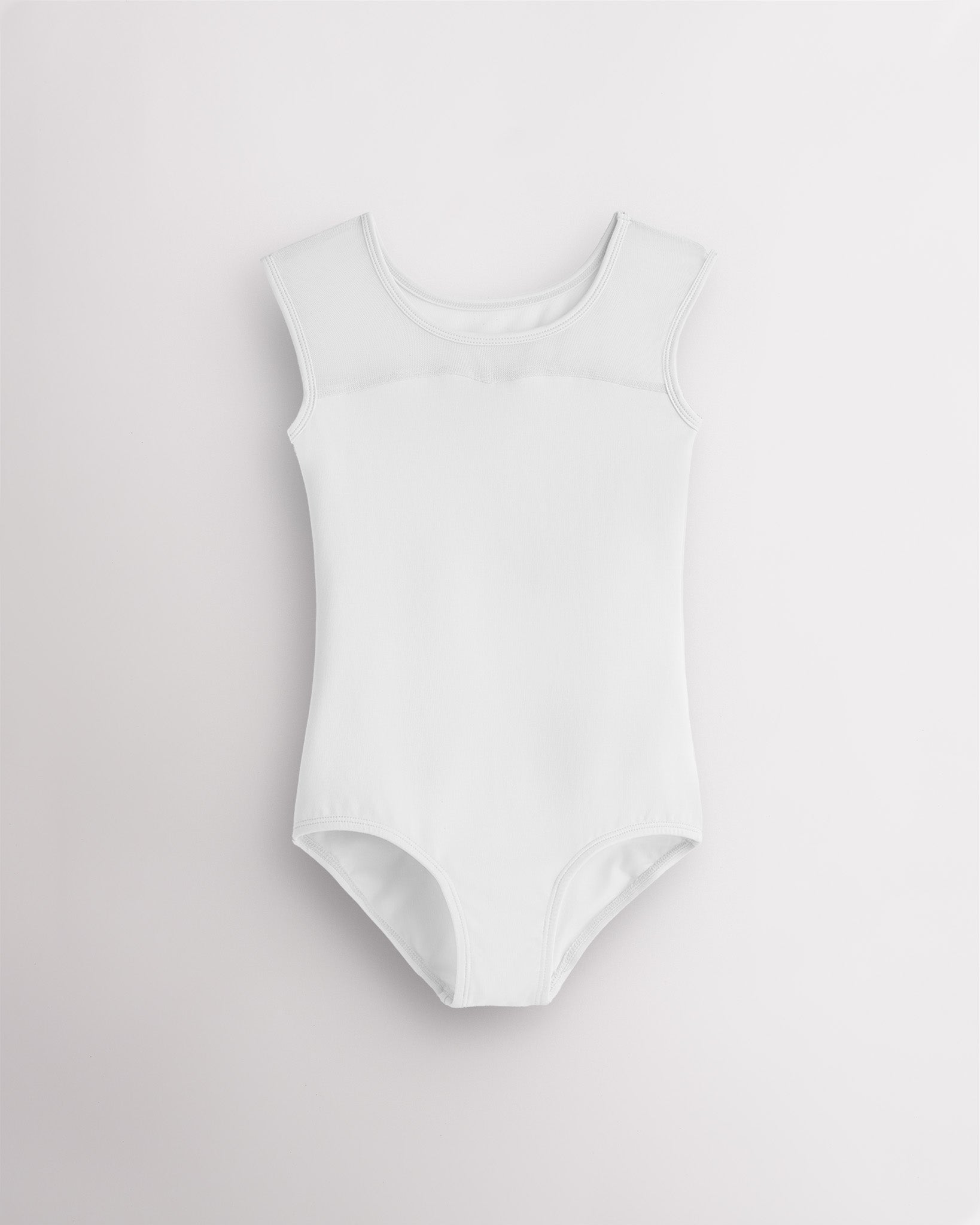
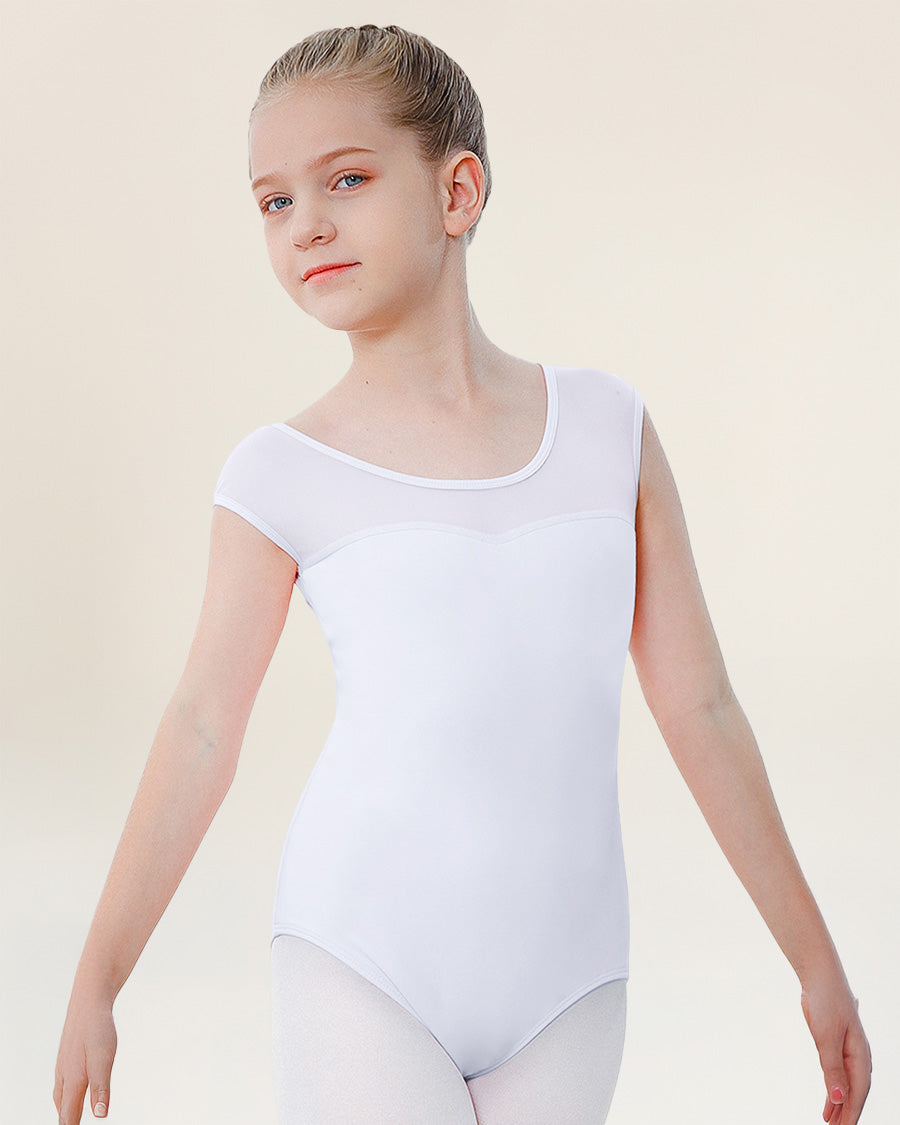
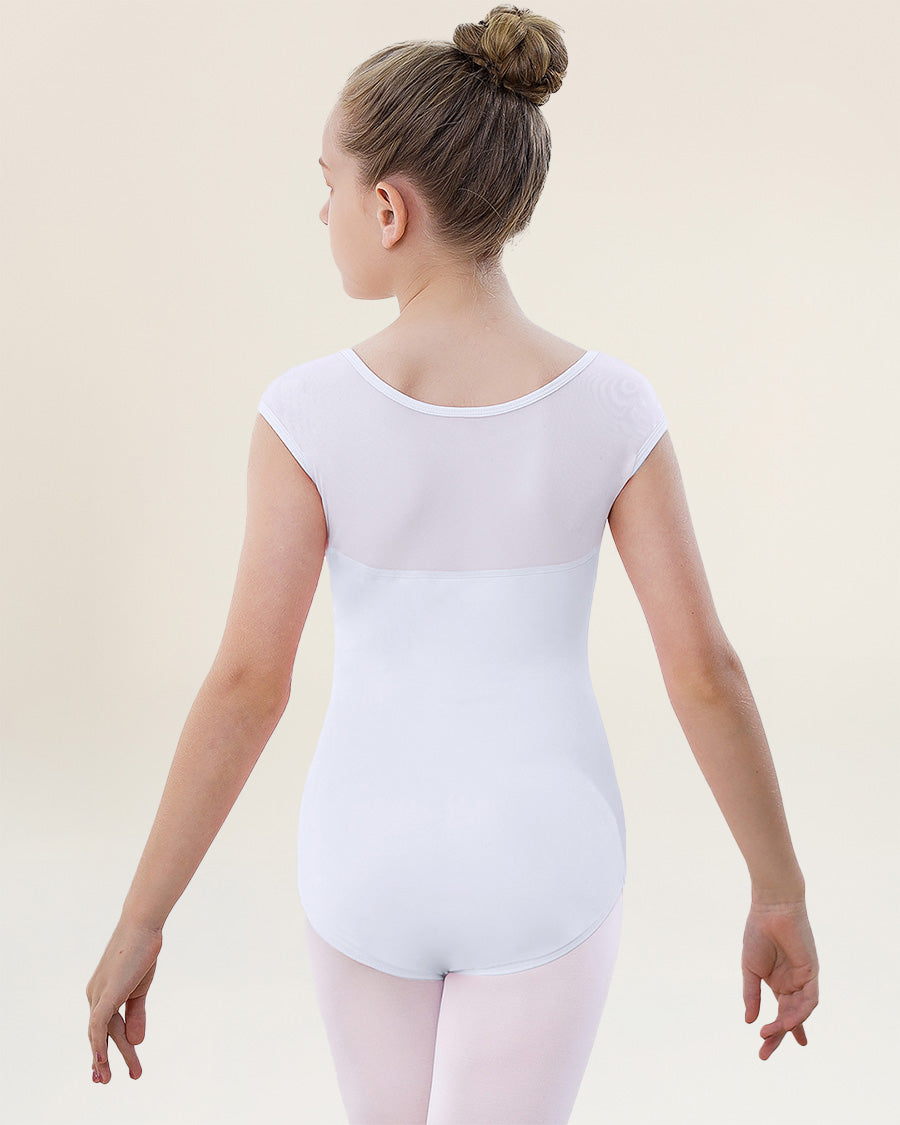
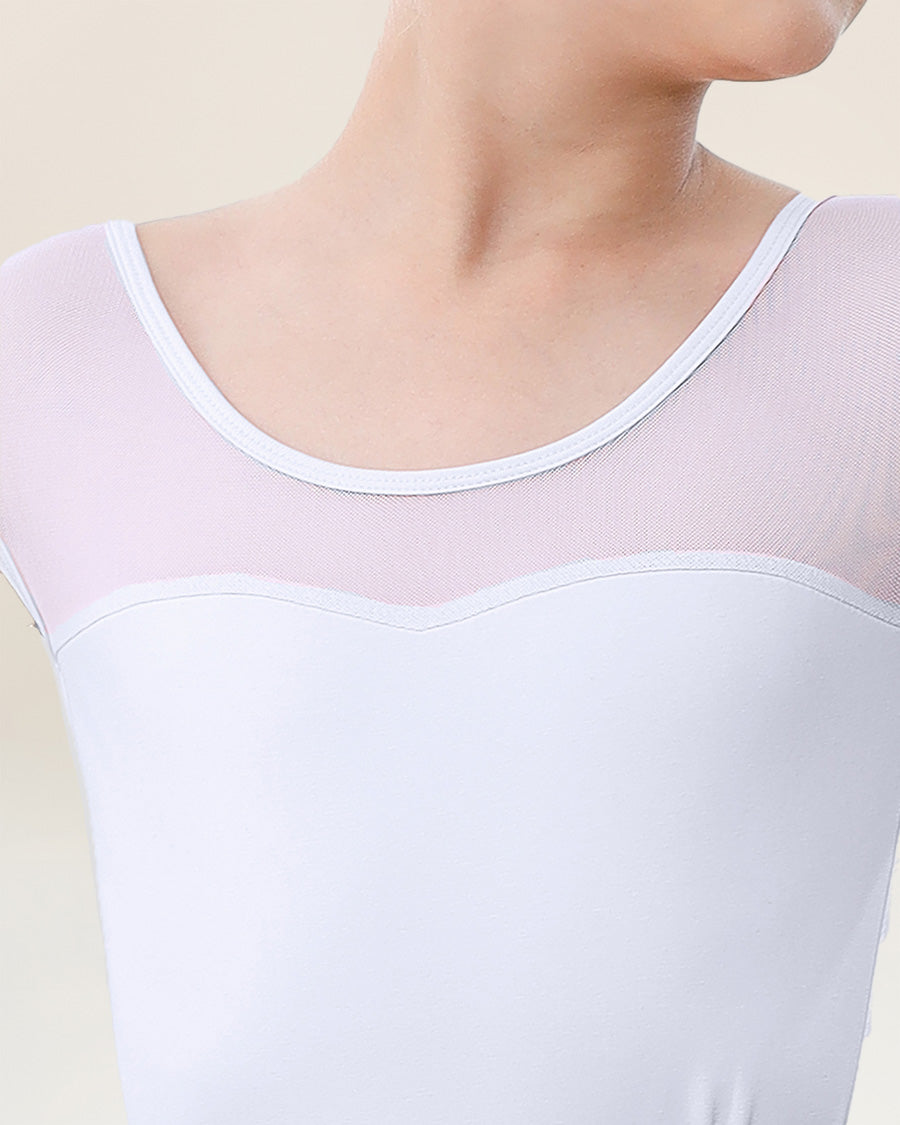
A middle ground between camisole and short sleeve |
Covers a little more shoulder than a camisole without full sleeve coverage |
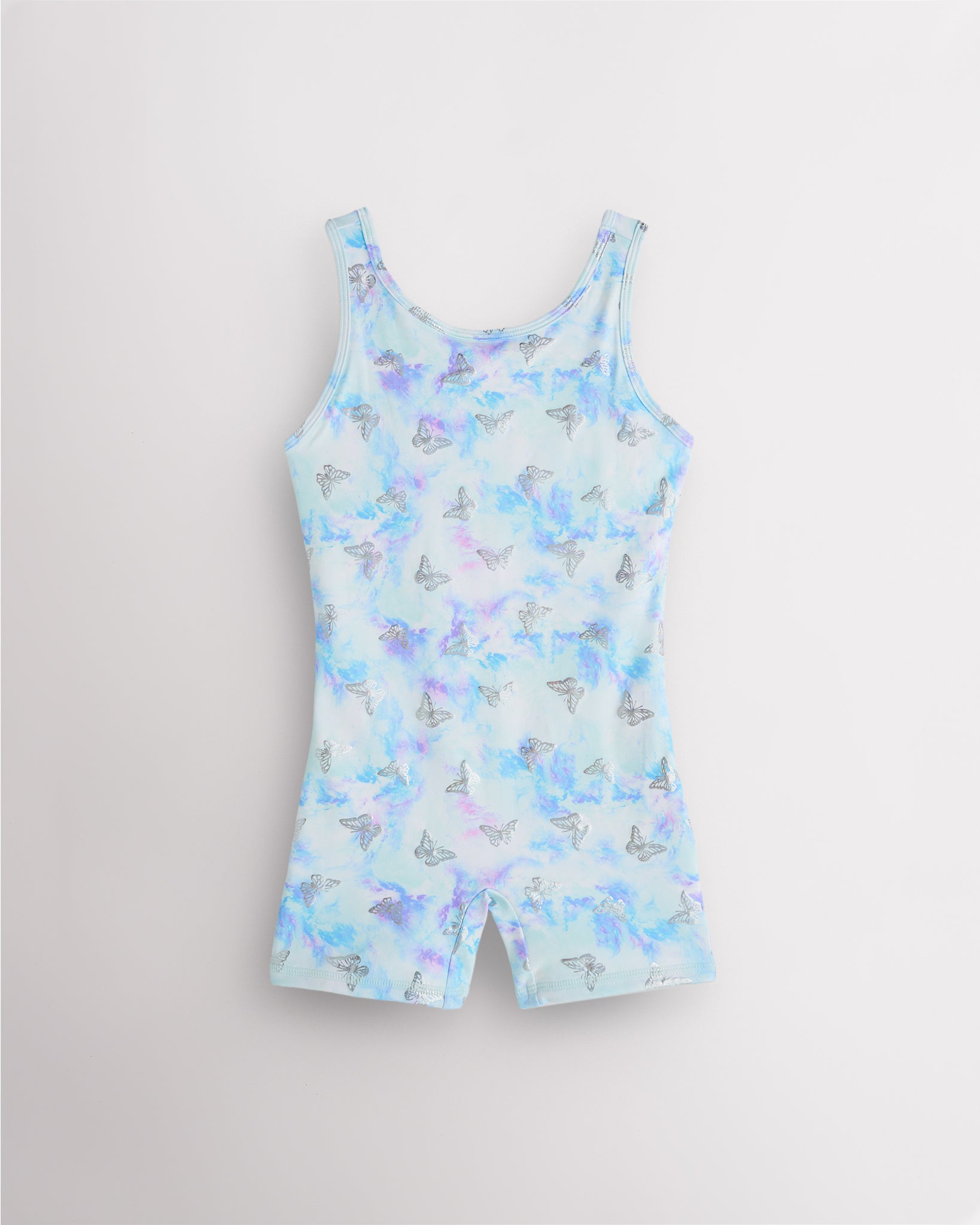
The tank vs. camisole choice is really a strap-width question, similar to the difference between a tank top and a camisole on a regular t-shirt rack, just with more riding on how the straps hold up mid-jump.
Step 3: Try It On and Watch for These Signs
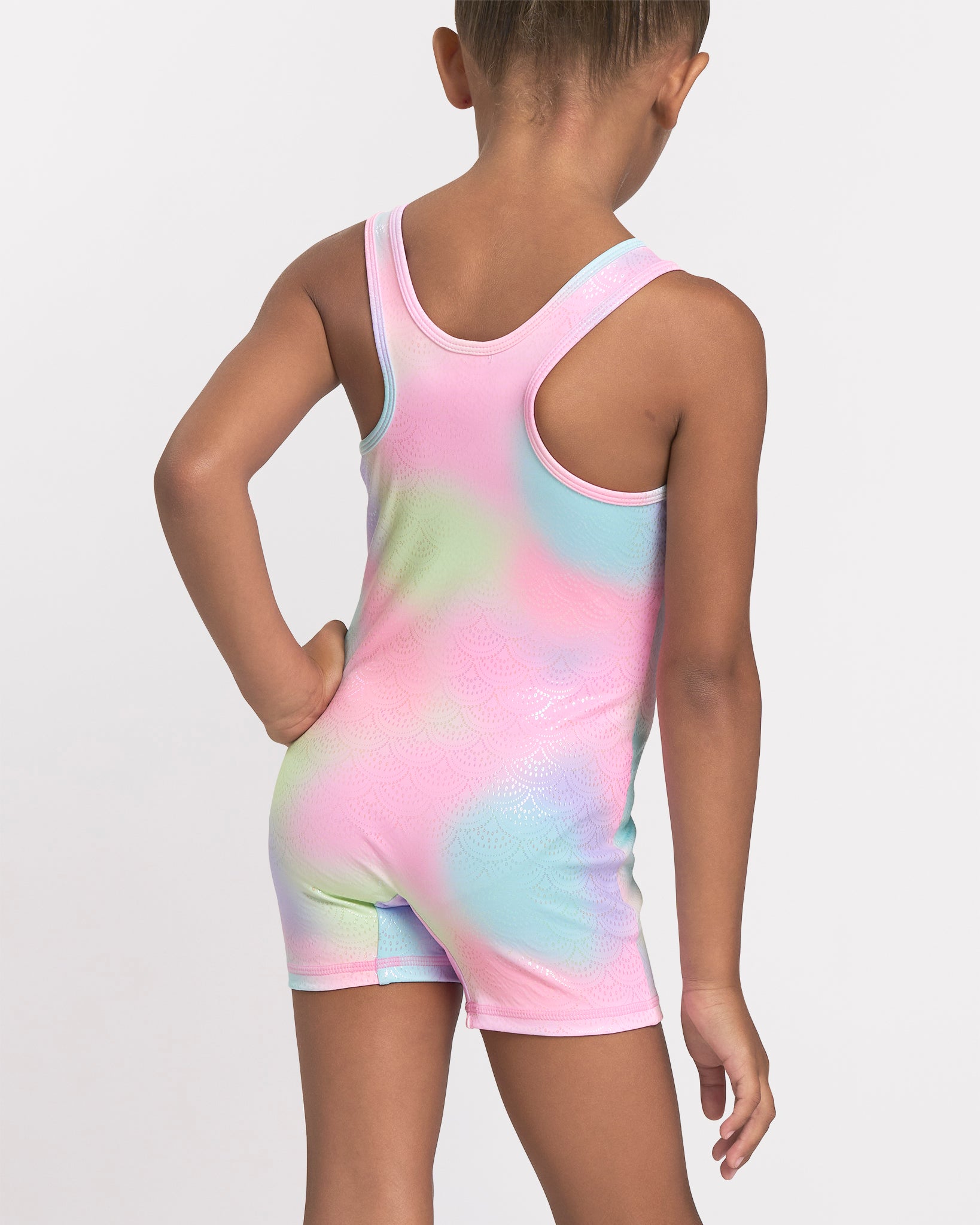
Before class day, have her put it on and move: raise both arms overhead, stretch, try a small roll or tumble if that fits her class.
|
Check |
Passes If |
Fails If |
|
Straps |
Stay put through arm movement |
Slide down or need constant adjusting |
|
Neckline |
Stays close to the body |
Gaps open up during bigger movements |
|
Sleeve openings (if any) |
Move freely with the arm |
Feel tight or restrict reaching overhead |
|
Overall |
She forgets she's wearing it |
She keeps stopping to fix it |
If it passes, it's class-ready. If it doesn't, the next table usually explains why.
If She Keeps Adjusting It Anyway
Why does my leotard strap keep slipping? This is usually the first question once you notice it. The fit test above catches most problems before class day, but if she's still fussing once she's actually wearing it to class, the timing and pattern of the problem usually points to something the try-on test couldn't have caught.
|
When It Happens |
Likely Cause |
What to Do |
|
From the very first wear, every time |
Wrong size or the style just doesn't suit her yet |
Recheck the size and consider a different style, like swapping camisole for tank |
|
Only during specific movements (jumps, splits, reaching overhead) |
A specific stress point, not the whole leotard |
Look at strap length or sleeve cut rather than sizing up entirely |
|
Right after getting dressed, then it settles down |
Straps or the neckline just need a moment to sit properly |
Give her a minute before assuming it's a real problem |
|
It fit fine for weeks, then she started tugging at it |
She's likely grown, or the fabric has loosened from repeated washing |
Remeasure with our leotard sizing guide rather than switching styles |
Fit matters more than style here. Most complaints about a leotard trace back to fit, not the style itself. If the leotard does not fit well, measure her again before assuming the style itself is the problem.
Where Stelle Fits In
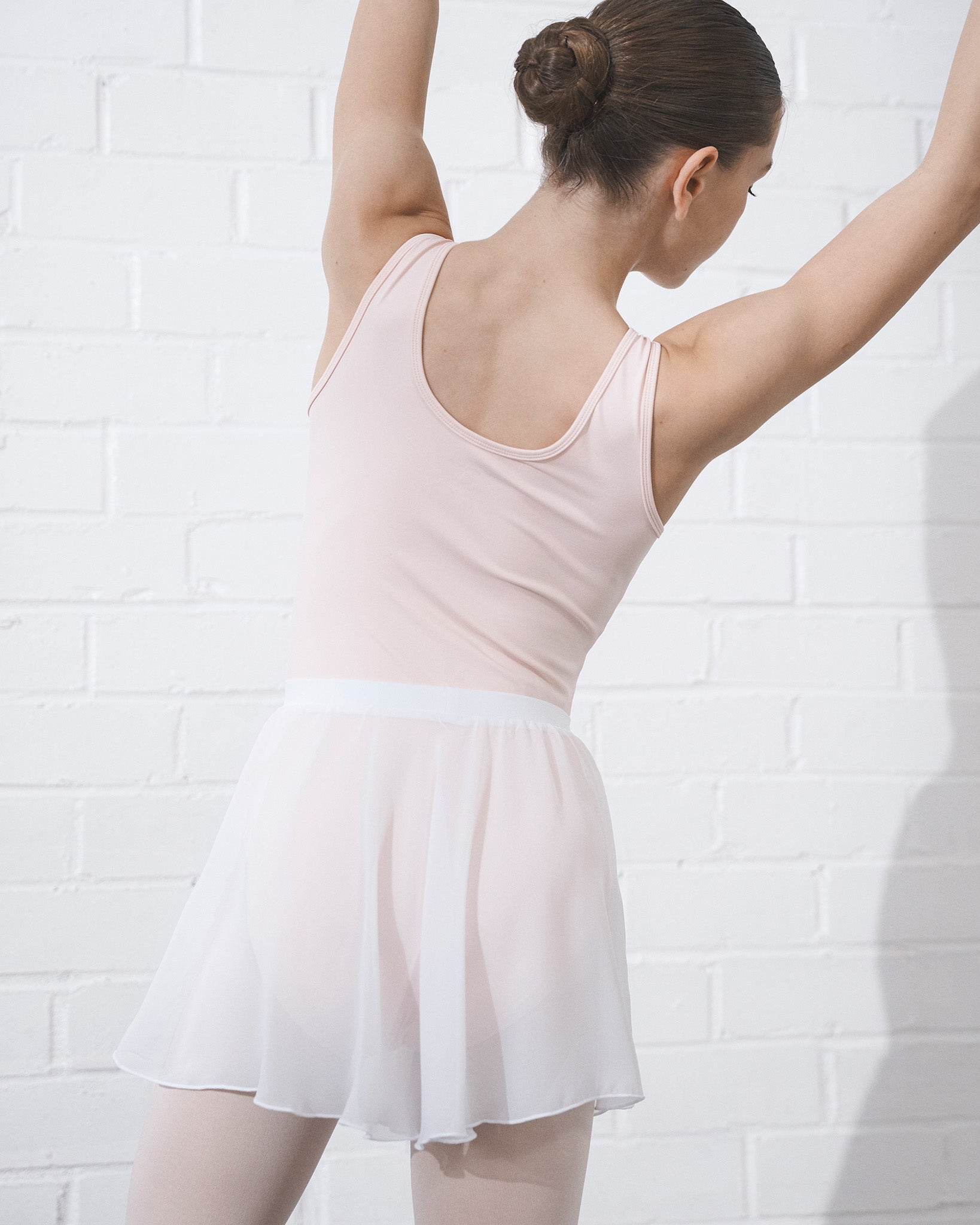
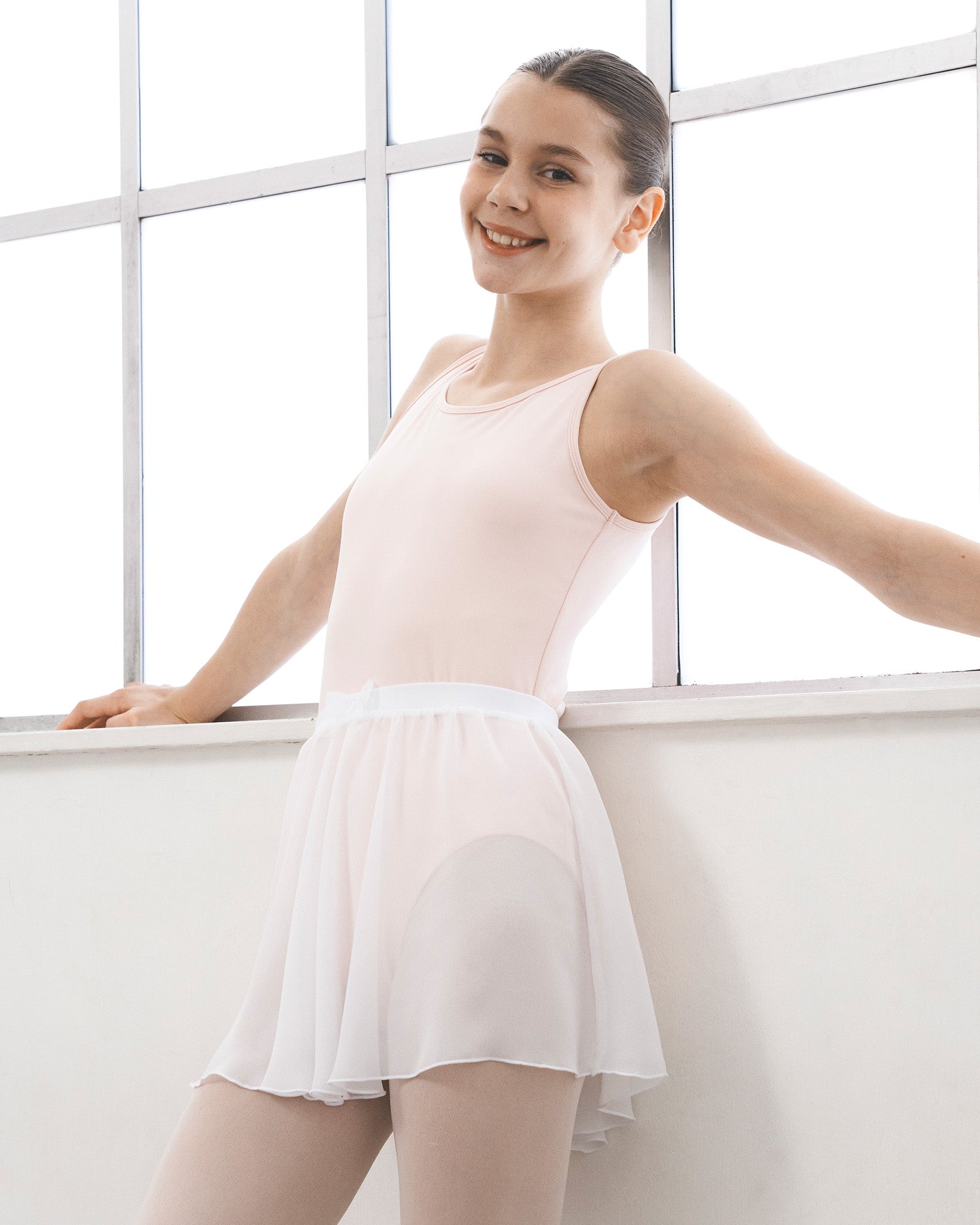
Stelle offers girls' leotards in camisole, tank, short sleeve, long sleeve, flutter sleeve, skirted, and performance-ready styles because kids do not all need the same leotard at the same stage. For a first class, many families prefer tank or short sleeve styles for coverage and strap security. For a cleaner ballet line, a camisole style may work well if the studio allows it. For younger dancers who love a sweet detail, a flutter sleeve leotard for girls can be a fun option for relaxed classes. Browse the range in our girls leotards collection.

Frequently Asked Questions
1. What is the best leotard style for a beginner?
A tank or short sleeve leotard, since both offer strap security and coverage without much fuss. Check the dress code first in case it's already decided for you.
2. Is a camisole leotard good for kids?
Yes, if it fits well and the studio allows thin straps. Younger kids who tend to pull at straps may find a tank or short sleeve easier, and many studios reserve camisole styles for older or more advanced levels anyway.
3. Are flutter sleeve leotards allowed in ballet class?
Often for beginner or relaxed classes, less often in more structured ballet, where a cleaner line like a camisole or tank is more common. Check with the studio.
4. What should I do if my child's leotard does not fit?
Check the straps, neckline, sleeves, and leg openings first. If the size is right but she is still fussing, a different style may feel better on her.
5. Are tank leotards better than camisole leotards?
Not universally. A tank leotard tends to feel more secure during active movement, while a camisole gives a cleaner, more open shoulder line. The better choice depends on the class and how comfortable your child is with thinner straps.
6. Are long sleeve leotards necessary for dance class?
Usually not, unless the studio's dress code specifically requires one or the room runs cold. Long sleeves add coverage and warmth, but they are not automatically the "better" or more advanced option.
7. What is a cap sleeve leotard, and how is it different from a camisole?
A cap sleeve leotard covers a little more of the shoulder than a camisole while still keeping the arms mostly free. It works well for kids who want more coverage than a thin strap but don't need a full sleeve.
8. Should I switch styles if my child suddenly starts tugging at a leotard that used to fit fine?
Not necessarily right away. That pattern usually points to growth or a leotard that has loosened from washing, rather than the style being wrong. Remeasuring is often a better first step than switching styles.