




DIY No-Sew Tutu: How to Make a Tutu in About an Hour, No Sewing Machine
Table of contents
Quick answer
Here is how to make a tutu without sewing: elastic, a few rolls of 6-inch tulle, scissors, and a measuring tape. Cut the elastic 2 to 3 inches shorter than the waist, cut tulle strips twice your finished length plus 2 inches, then slip-knot the strips around the band until it is full. The knotting takes about an hour for a child size once strips are cut, and kids old enough to tie a knot can help.
Key Takeaways
-
Supplies run 10 to 20 dollars: 6-inch tulle rolls, 3/4-to-1-inch no-roll elastic, scissors, a measuring tape.
-
The size table below converts the formula into strip counts and rolls to buy, from toddler through adult.
-
Two 25-yard rolls of tulle cover most toddler and little-kid tutus; an adult tutu can need around 80 yards, nearly triple what a toddler size uses.
-
The whole skirt is built from one repeated slip knot. No glue, no needle, no machine.
-
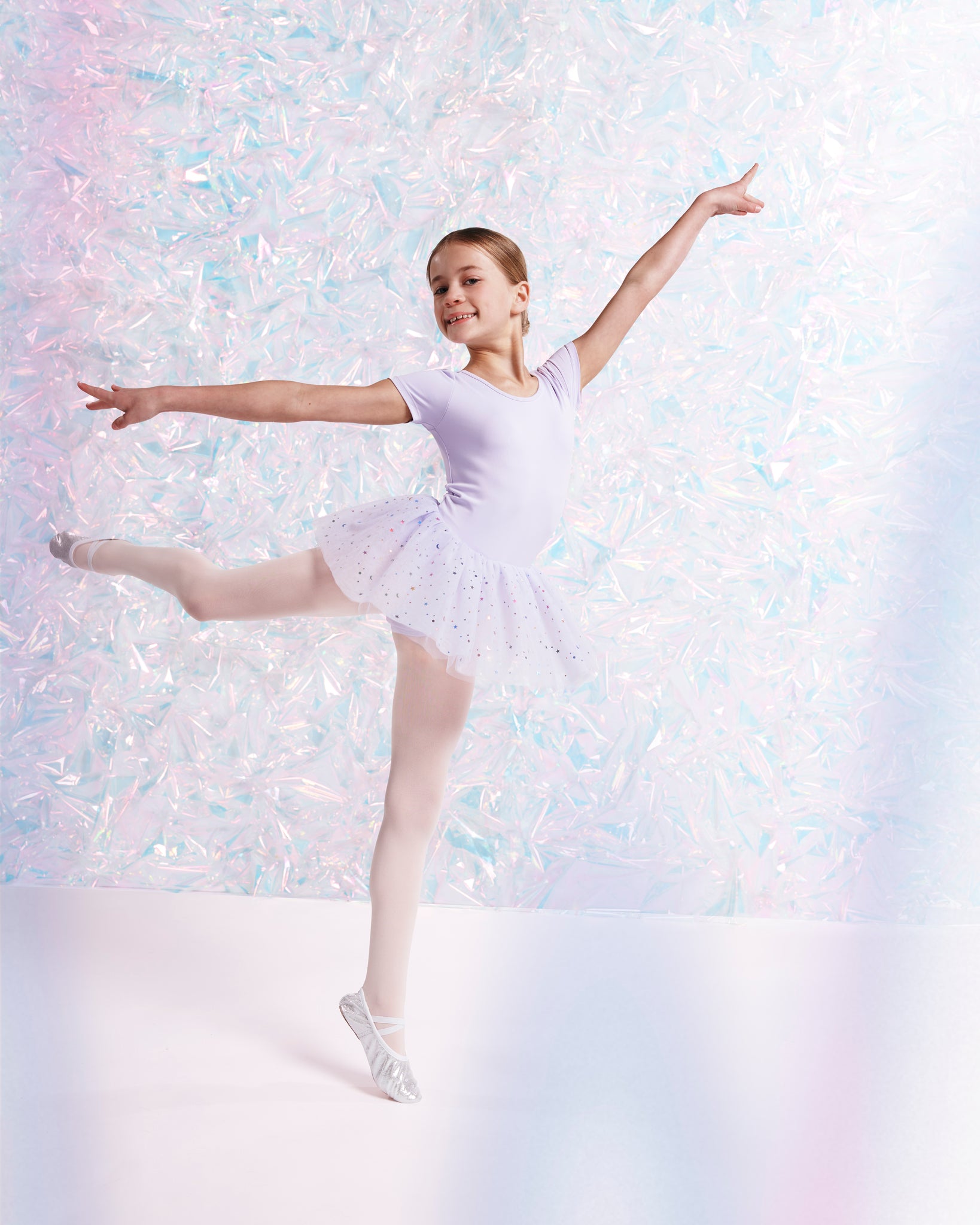
A DIY tutu is great for dress-up, parties, and photos. For class and recitals, a finished tutu skirt usually holds up better; we compare honestly below.
What you need
[IMAGE: supplies flat-lay: tulle rolls, elastic, scissors, measuring tape]
-
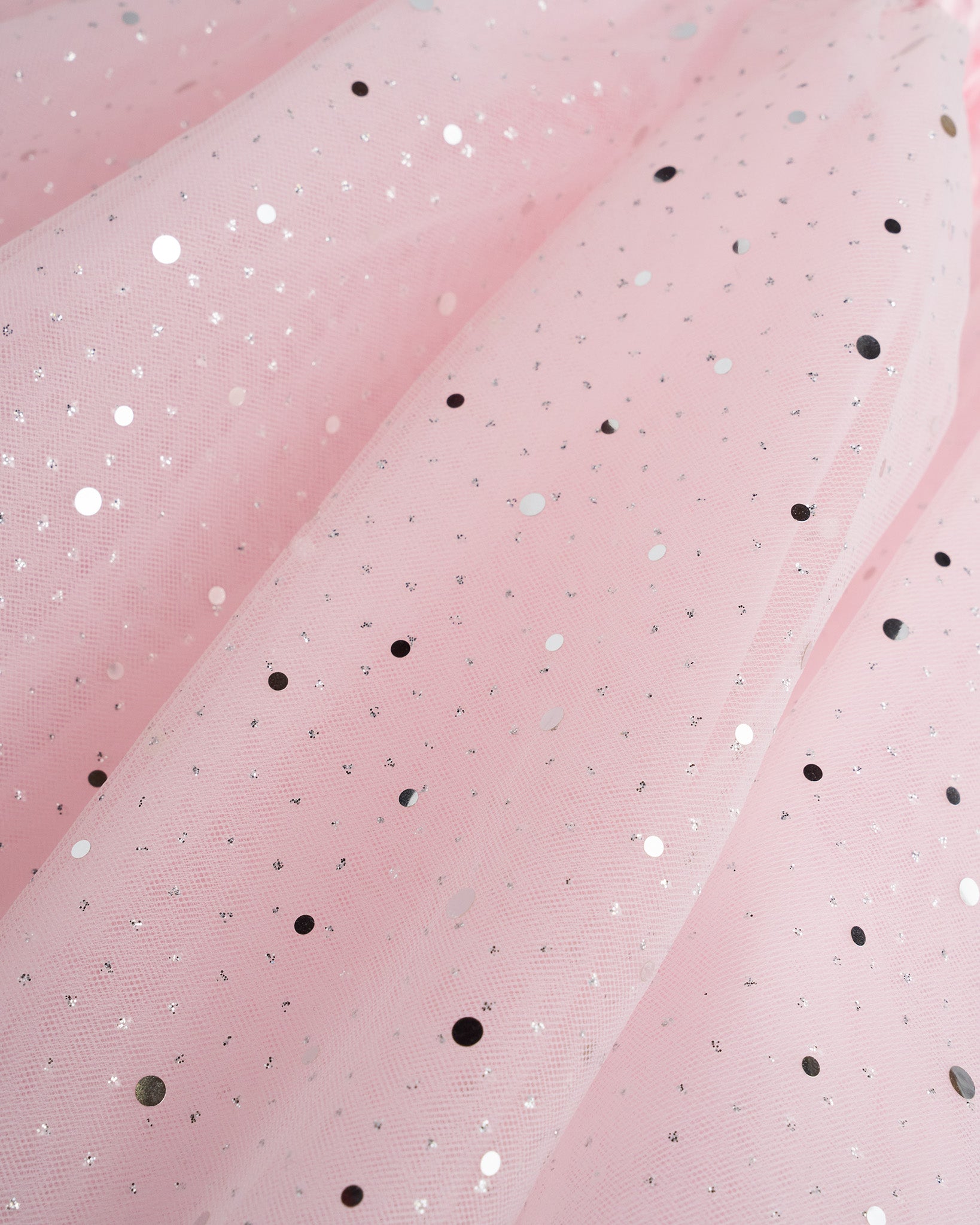
Tulle on 6-inch rolls (spools). The 6-inch width is the shortcut: strips come off the roll pre-cut to width, so you only cut length. Polyester tulle tends to hold its shape and volume better than nylon, which sits flatter, per fabric supplier Fuzzy Fabric.
-
Elastic, 3/4 to 1 inch wide. "No-roll" waistband elastic is worth the extra dollar; skinny elastic twists and digs in.
-
Sharp scissors (a rotary cutter and mat speed things up if you have them).
-
Measuring tape, plus a piece of cardboard cut to your strip length if you want fast, even cuts.
-
Optional: ribbon for a tie waistband or a bow to cover the elastic join.
How much tulle do you need?
Here is the three-line formula, since this is the part most tutorials skip:
-
Elastic: waist measurement minus 2 to 3 inches, so the band stays up when stretched. Craft site MomDot uses the same subtraction, and their ballpark of about 20 yards for a full child tutu matches our numbers below.
-
Strip length: 2 x the finished tutu length, plus 2 inches for the knot. Want a 12-inch tutu? Cut 26-inch strips.
-
Strip count: about 3 strips per inch of cut elastic for a full single layer. Multiply count by strip length to get total yardage.
Worked out by size, with fullness you would actually want:
|
Size |
Typical waist |
Cut elastic |
Finished length |
Strip length |
Strips (approx.) |
Tulle to buy (25-yd rolls) |
|---|---|---|---|---|---|---|
|
Toddler (2T-4T) |
19 in |
16 in |
10 in |
22 in |
~48 |
2 rolls (~30 yd) |
|
Little kid (5-7) |
21 in |
18 in |
12 in |
26 in |
~54 |
2 rolls (~39 yd) |
|
Big kid (8-12) |
24 in |
21 in |
14 in |
30 in |
~63 |
3 rolls (~53 yd) |
|
Teen/adult |
28 in |
25 in |
18 in |
38 in |
~75 |
4 rolls or one 100-yd spool (~79 yd) |
Treat these as solid estimates, not gospel: a wispier tutu can use a third less, and an extra-full one can double the count. When in doubt, buy one spare roll; unopened tulle is easy to return or save for the next project. For babies, size down from the toddler row and start strips longer than you think, then trim after assembly, a tip that comes up repeatedly in parent comment threads.
How to make a no-sew tutu, step by step
-
Step 1: Measure and cut the elastic. Measure the waist, subtract 2 to 3 inches, cut, then tie the ends in a firm double knot (or add a few hand stitches if you want a flatter join). Slip the loop around a chair back or an upside-down stool leg so it stays taut while you work.
-
Step 2: Cut the tulle strips. Cut strips at 2x your finished length plus 2 inches. A cardboard template cut to length keeps them uniform: wrap, snip, repeat. Cutting through a folded stack of tulle does several at once.
-
Step 3: Tie the slip knot. Fold a strip in half to make a loop. Slide the folded end under the elastic from front to back, then pull both loose tails through that loop and snug it up against the band. That is the entire technique; every strip is this same knot. Keep knots snug but not strangled, so you can slide them along the elastic later.

-
Step 4: Fill the band. Keep knotting strips side by side, scrunching each new knot against its neighbor. Scrunched-close knots are what make a tutu look full instead of stringy. Pause every 10 strips or so and space them evenly; the elastic stretches as it loads up, and gaps hide until you check.
-
Step 5: Fluff and trim. Take the tutu off the chair, hold the waistband, and shake hard. Separate any layers that cling together, then trim stray long ends so the hem reads even. A slightly uneven hem is normal for this style and reads as playful rather than sloppy.
Total time: about an hour for a child size once the strips are cut. The adult sizes take longer simply because there are more knots.
Variations worth trying
-
Extra-full: double up, tying two strips per knot, or knot a second pass between the first-round knots. Plan on up to twice the tulle from the table.
-
Layered colors: decide the pattern before you start (alternating A-B-A-B, or blocks of color) and pre-sort the strips into piles. Random grabbing tends to clump colors.
-
Ribbon waistband: knot the strips onto a long ribbon instead of elastic, leaving 15 inches of tail on each end to tie a bow. The skirt then adjusts across sizes and looks sweet for photos, though elastic stays put better on a kid who is actually dancing.
-
Sparkle pass: swap in a few glitter-tulle strips every fourth or fifth knot rather than building the whole skirt from glitter tulle, which sheds and scratches more.
Make it a parent-kid project
This craft splits into jobs by age surprisingly well. Preschoolers can sort strips by color and hand them over; kindergartners can fold strips in half; kids around 6 and up can usually manage the slip knot themselves after a few demonstrations. Tying 50 knots alone is tedious, but two people trading off makes it a genuinely fun hour, and a child who helped build her own tutu tends to wear it into the ground. If the tutu is for ballet class rather than the dress-up bin, check what her studio allows first; our guide to what toddlers wear to ballet class covers the usual dress codes.
DIY or buy? An honest comparison
A no-sew tutu is hard to beat for dress-up, birthday parties, Halloween, and photo shoots: it costs around 10 to 20 dollars in supplies, comes in any color combination you can imagine, and the afternoon of making it is half the point.
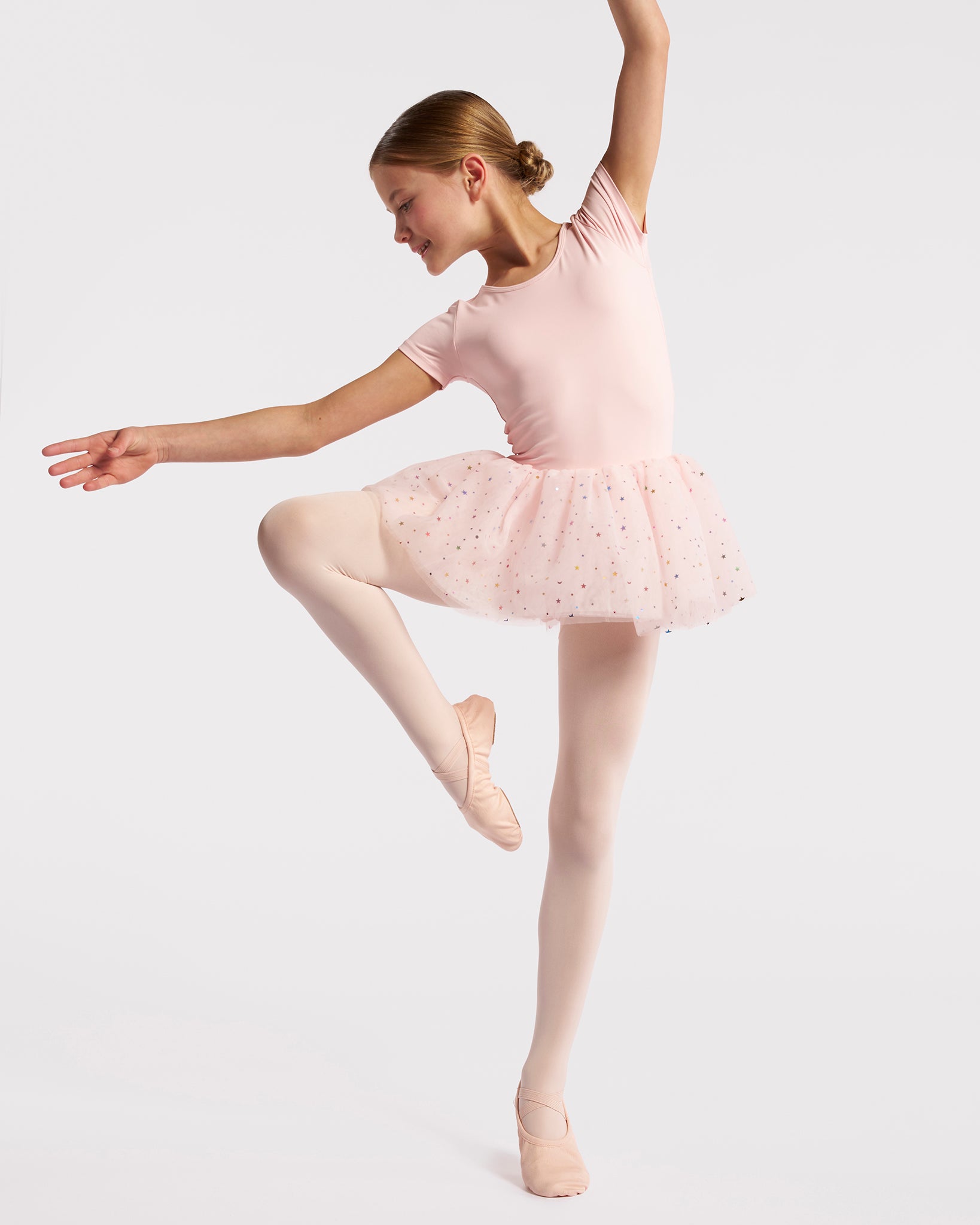
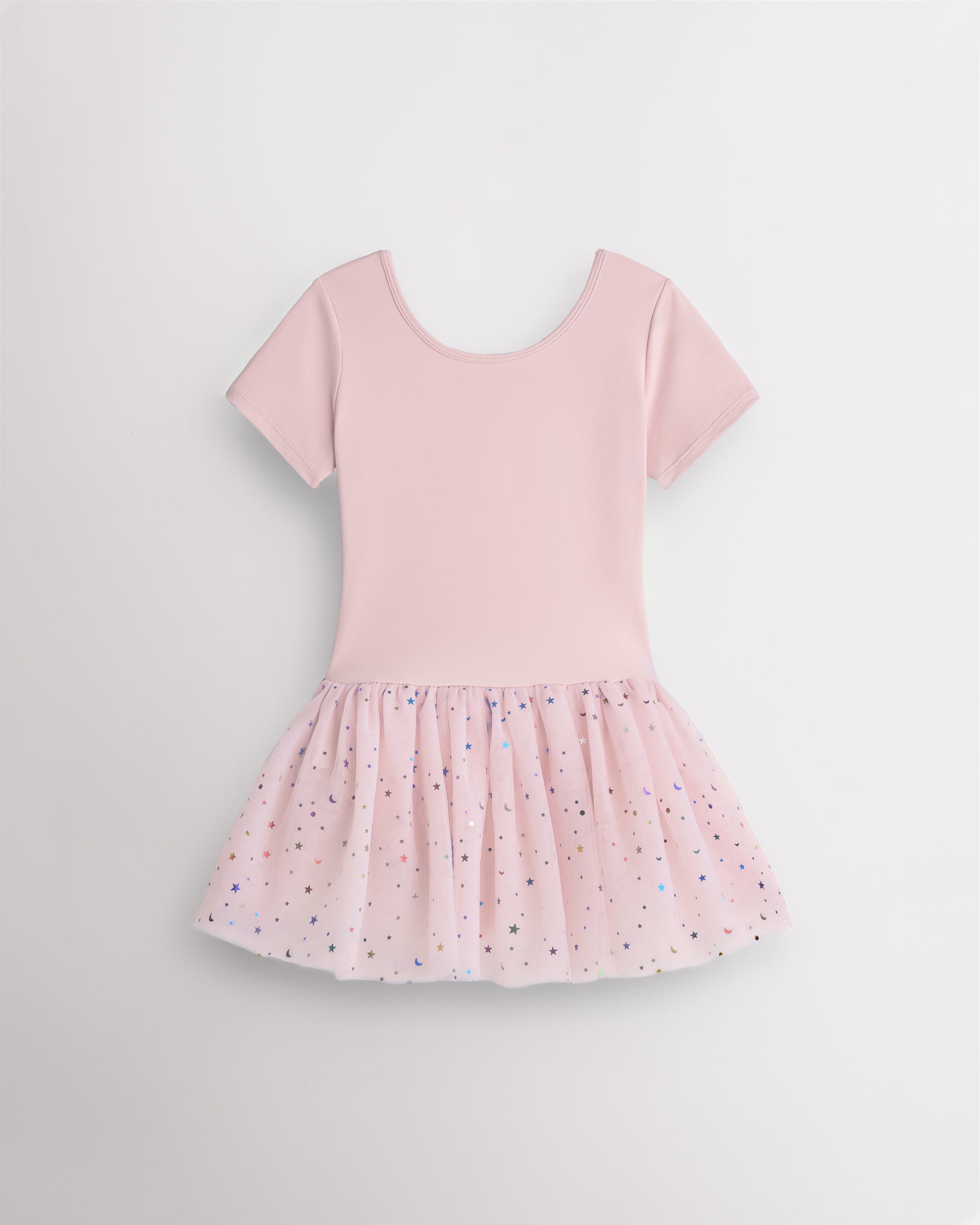
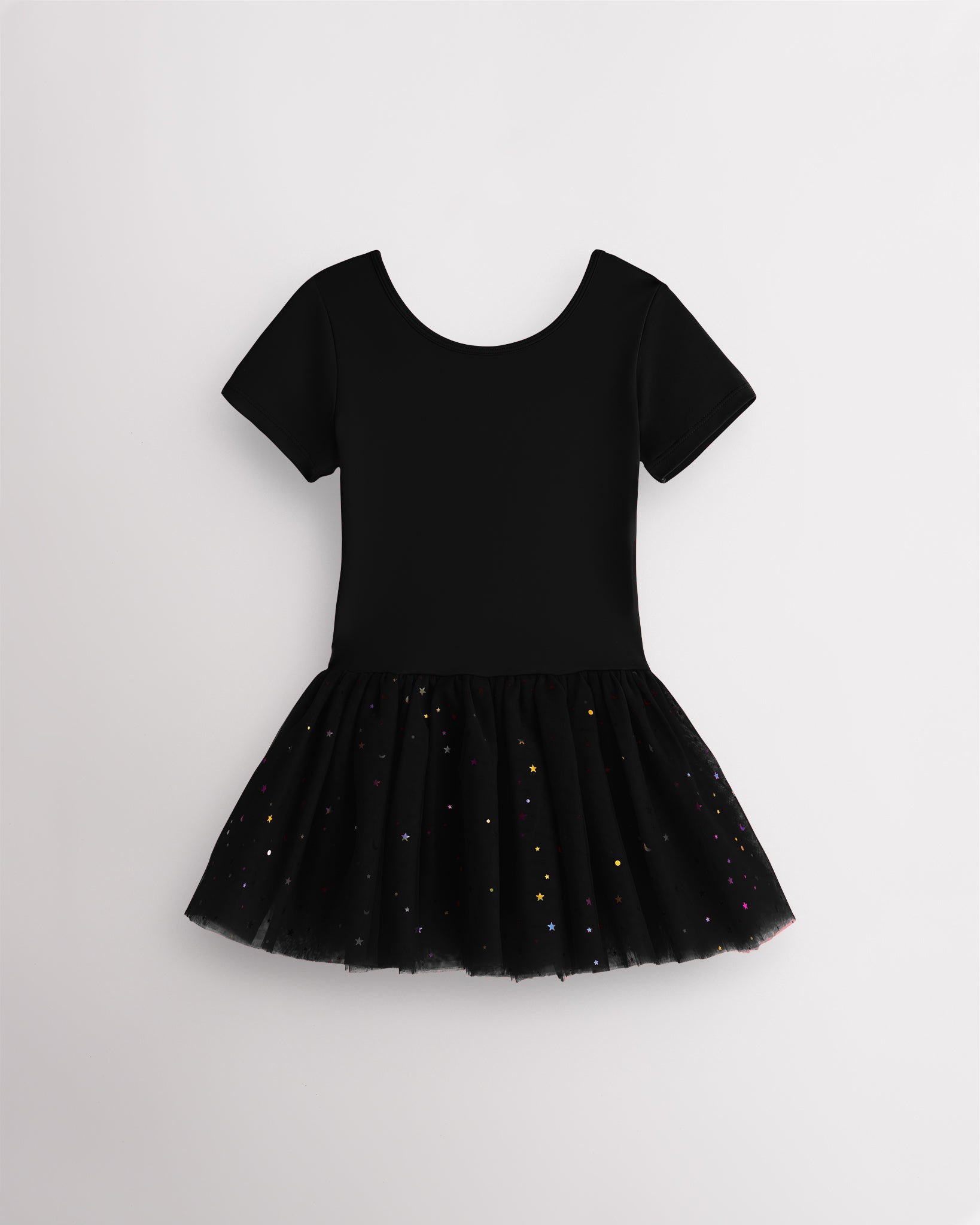
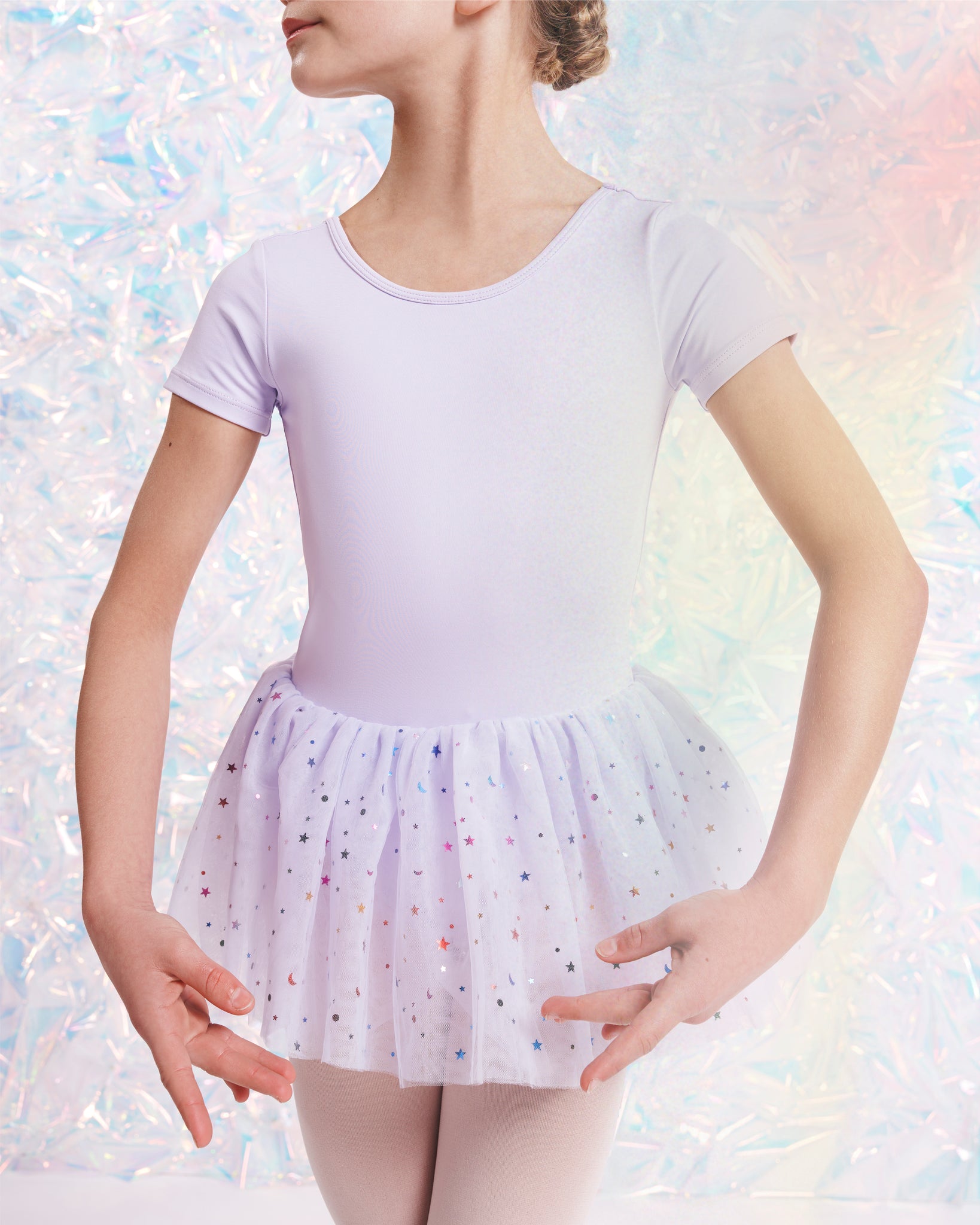
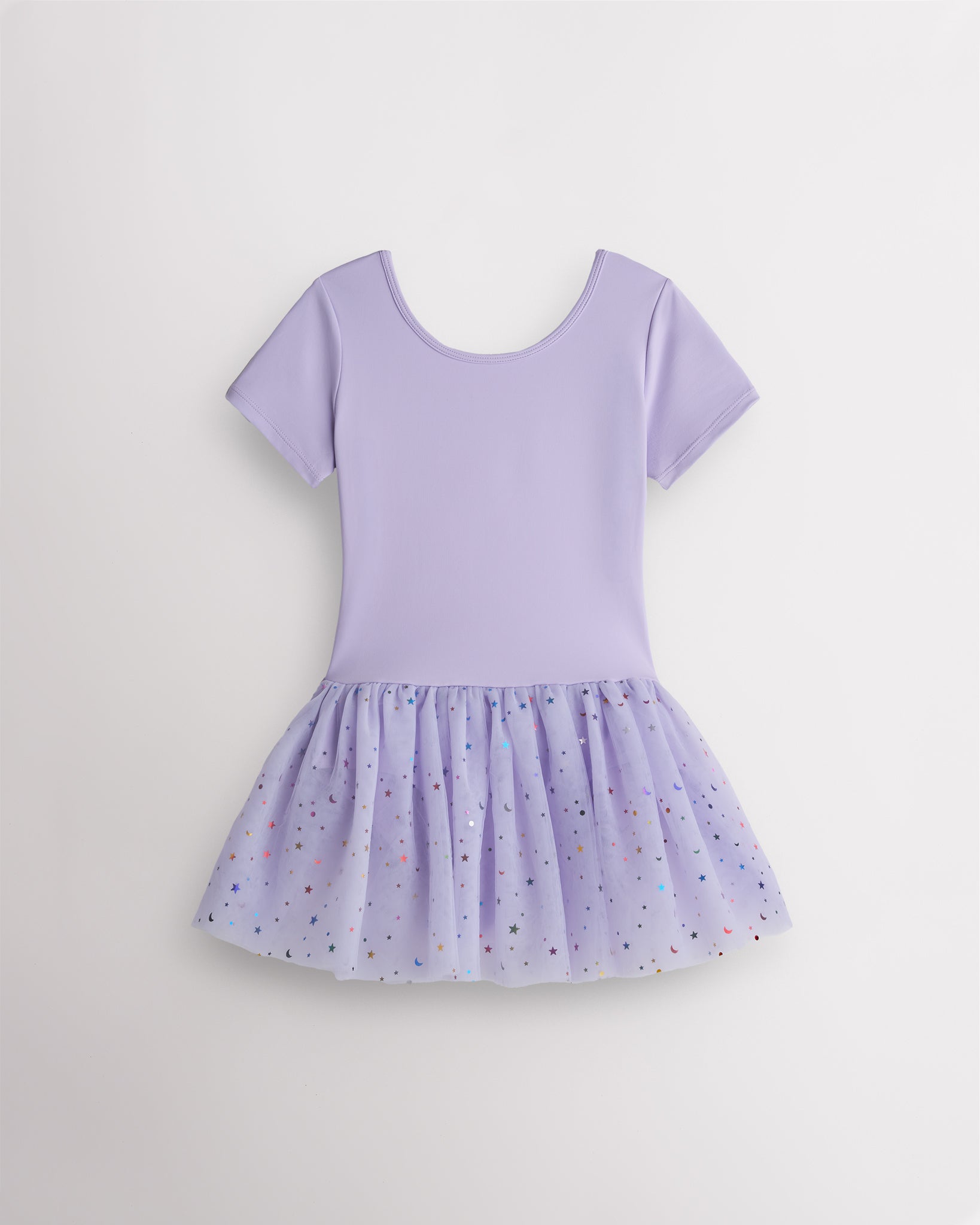
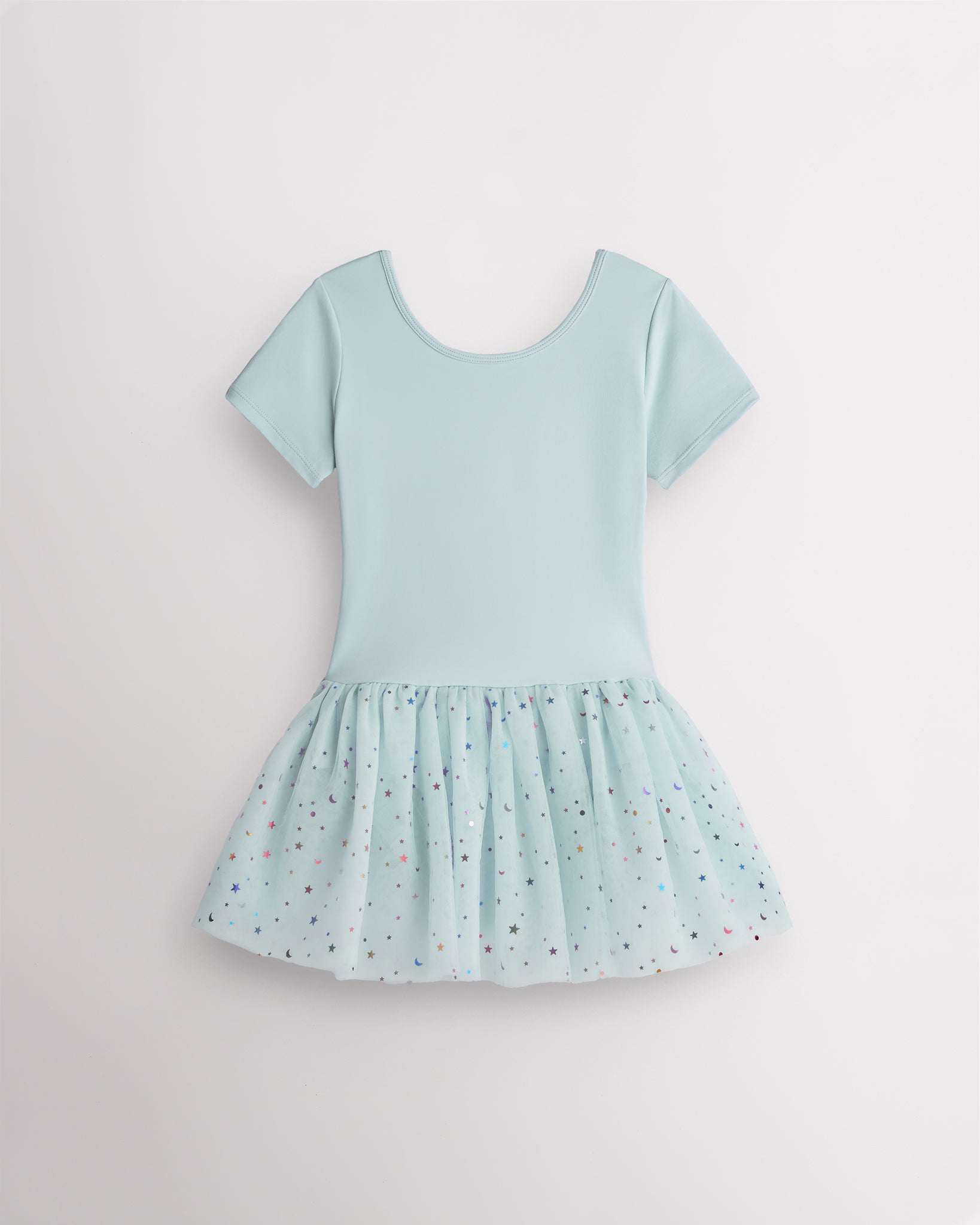
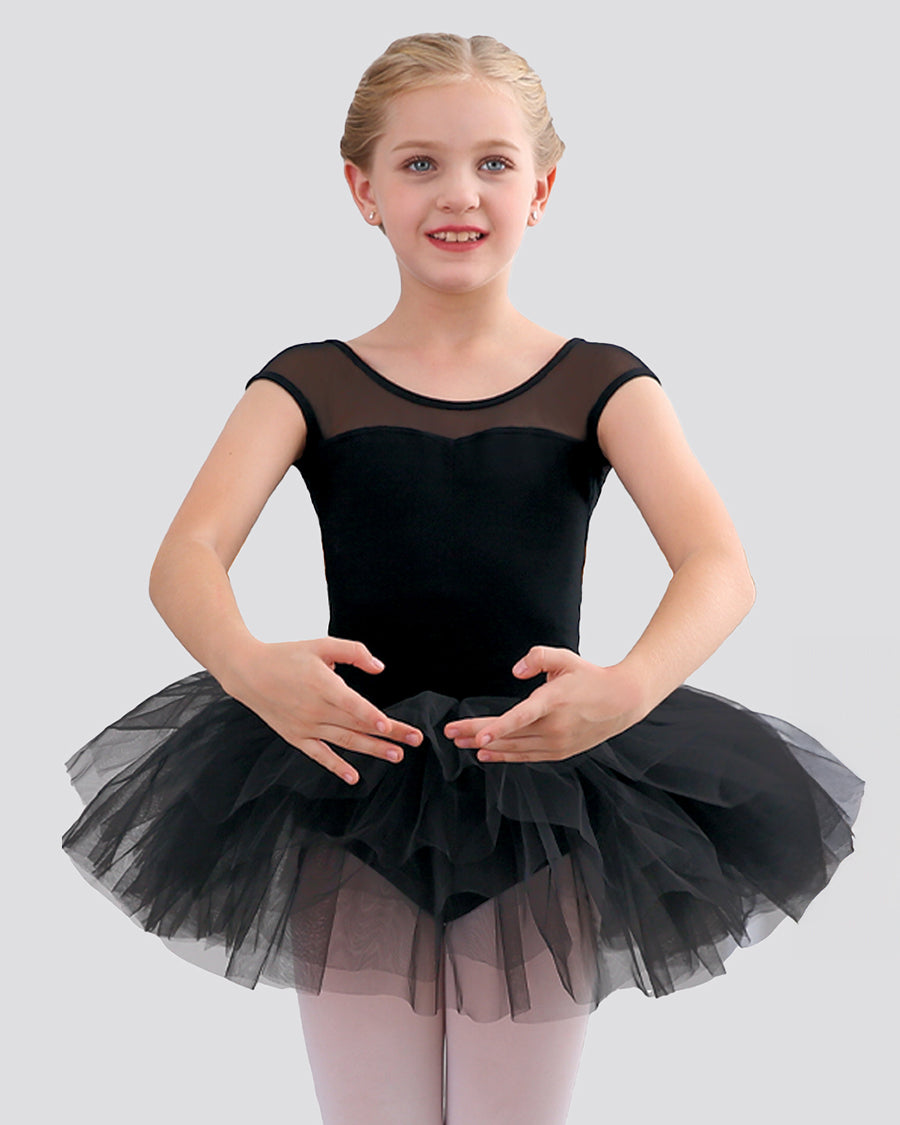
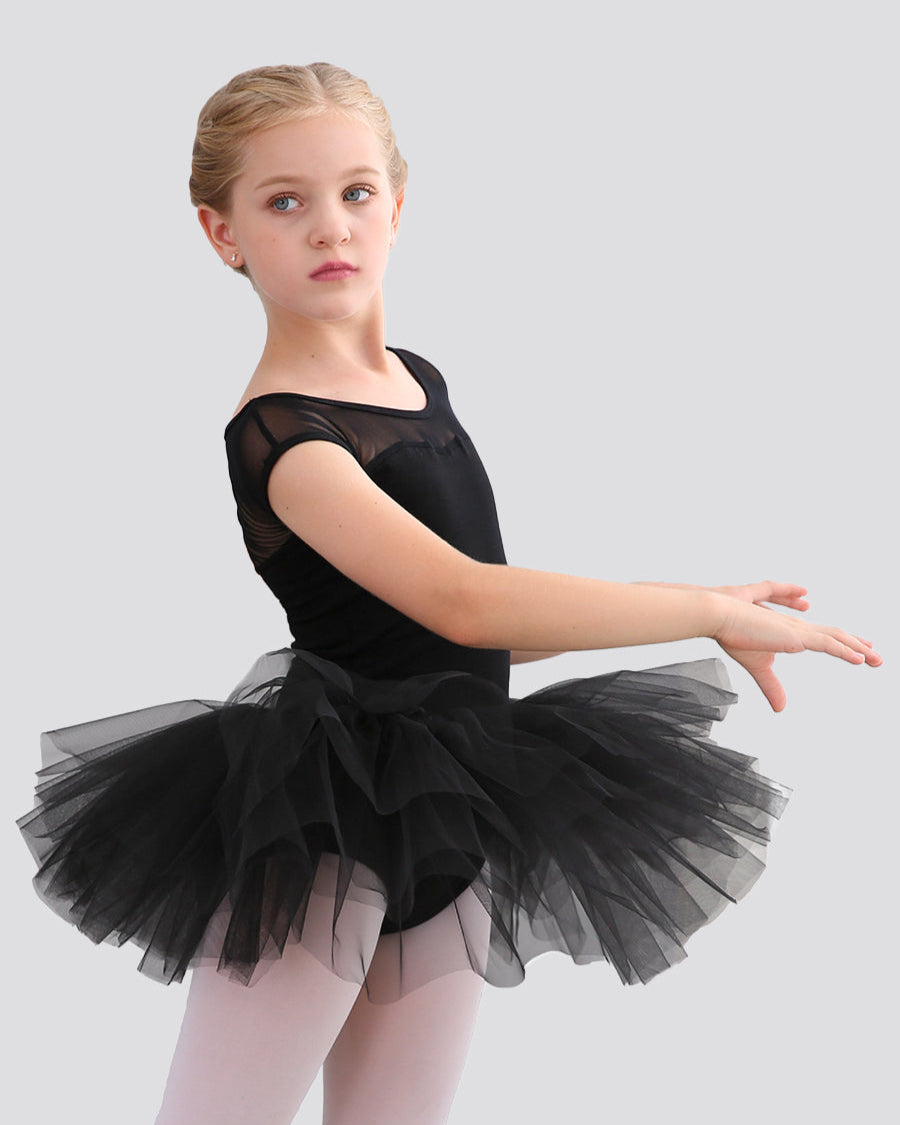
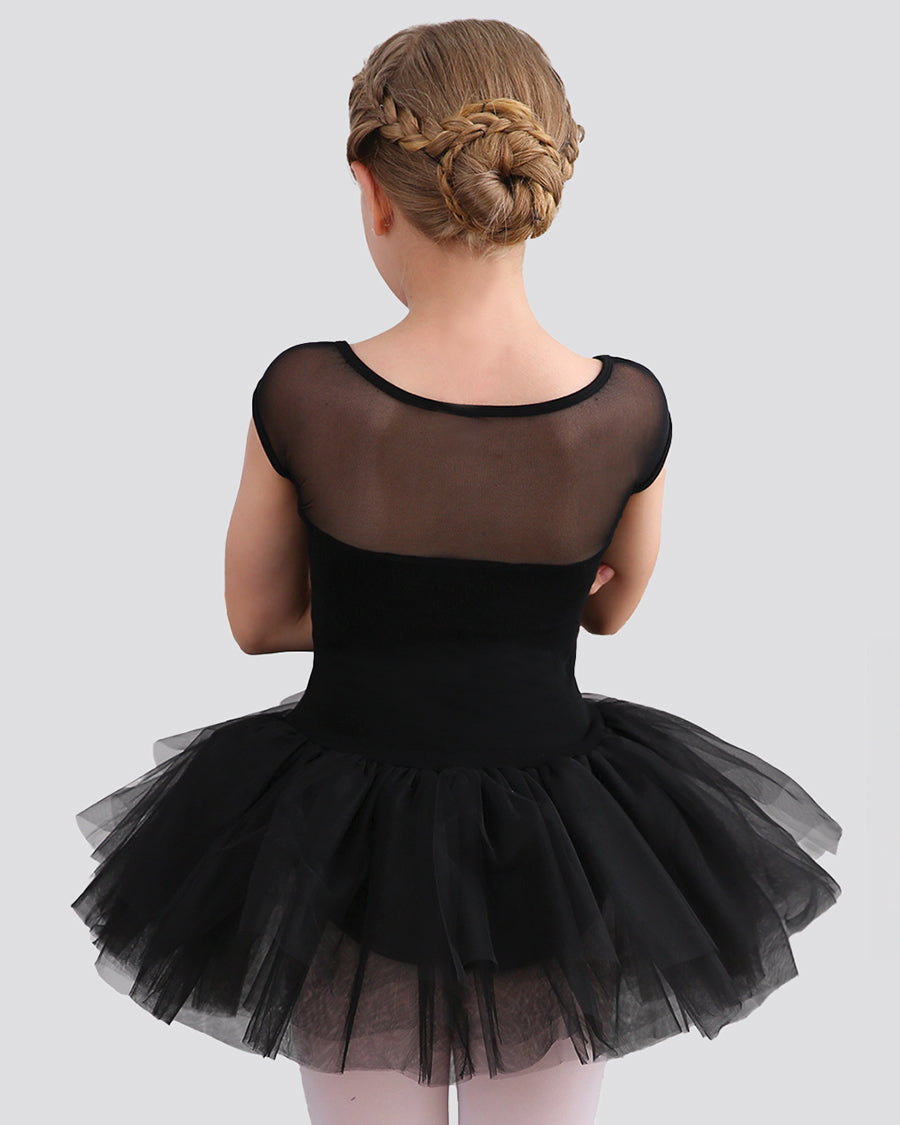
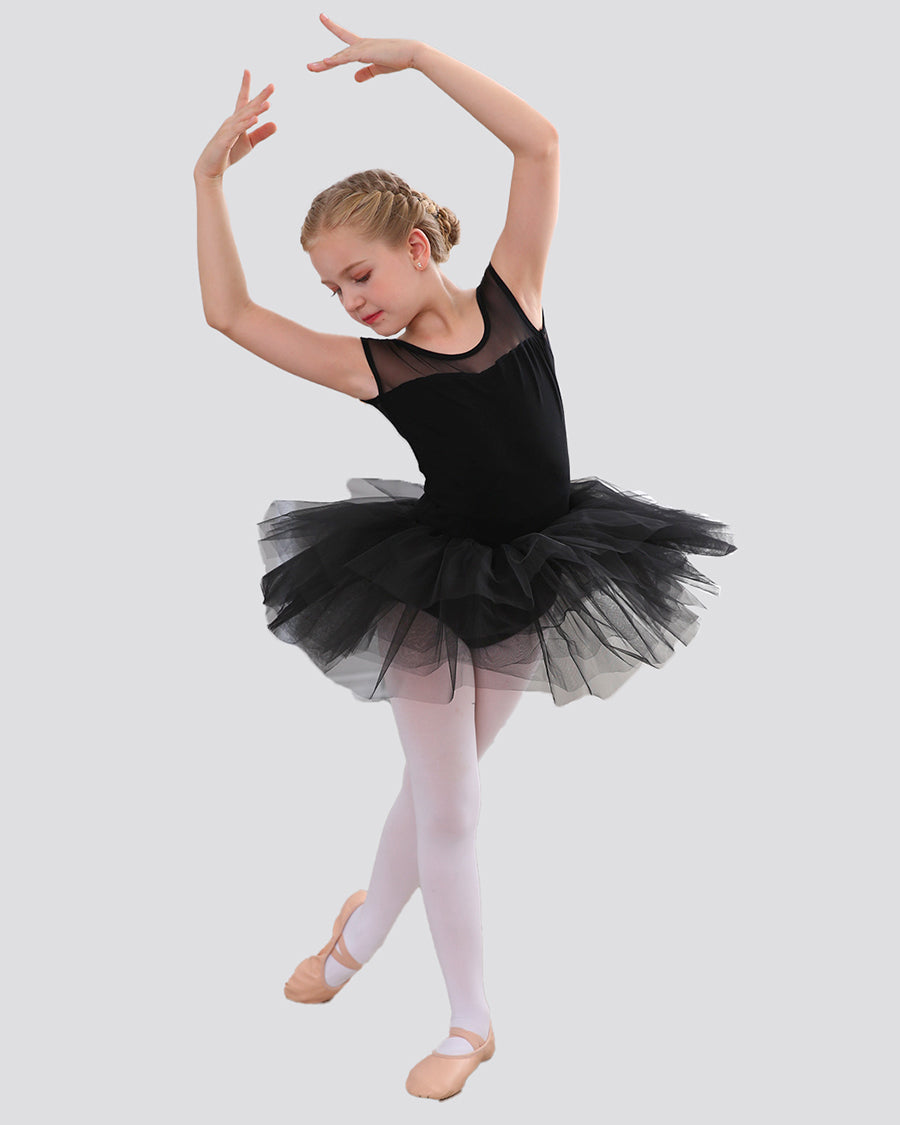
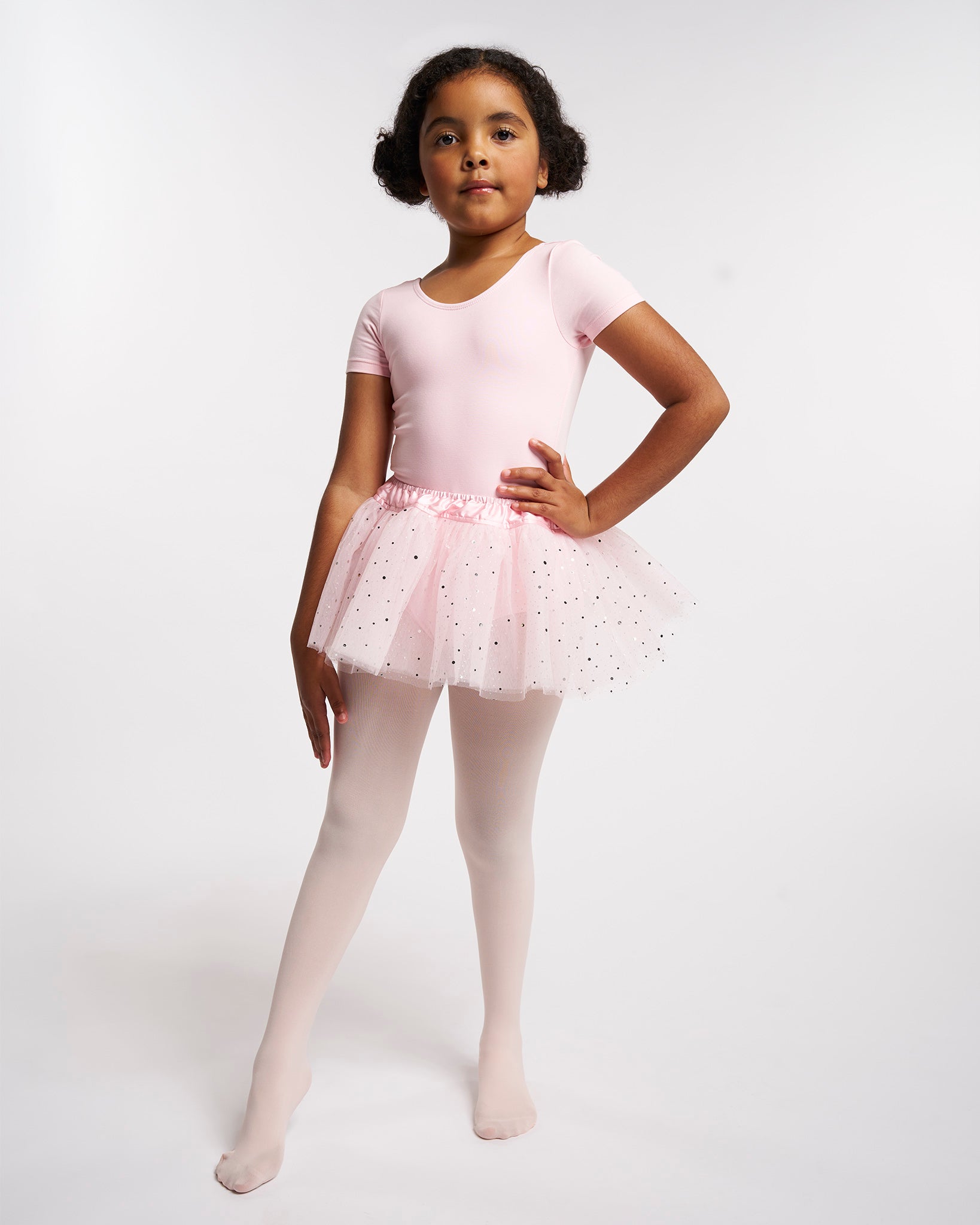
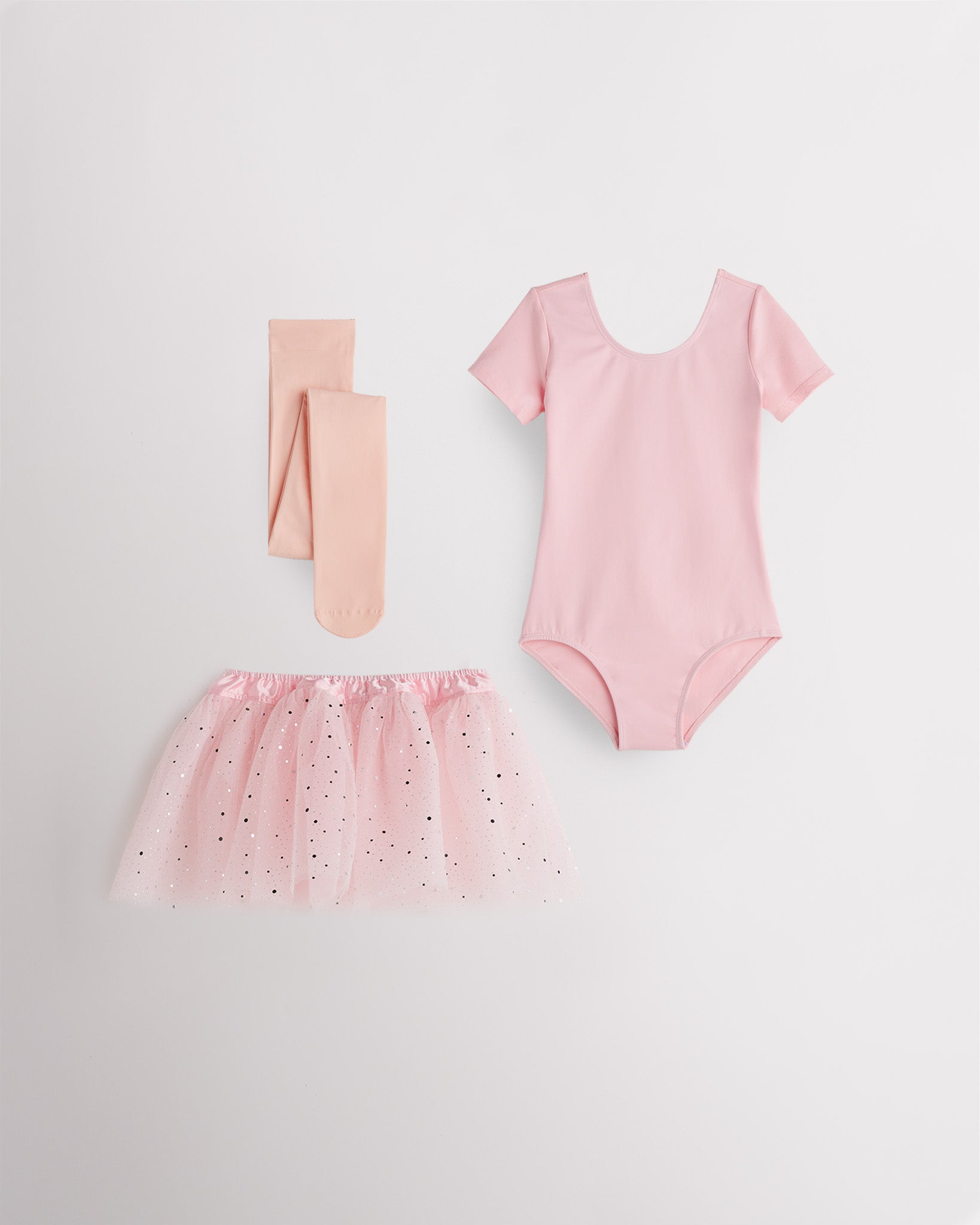
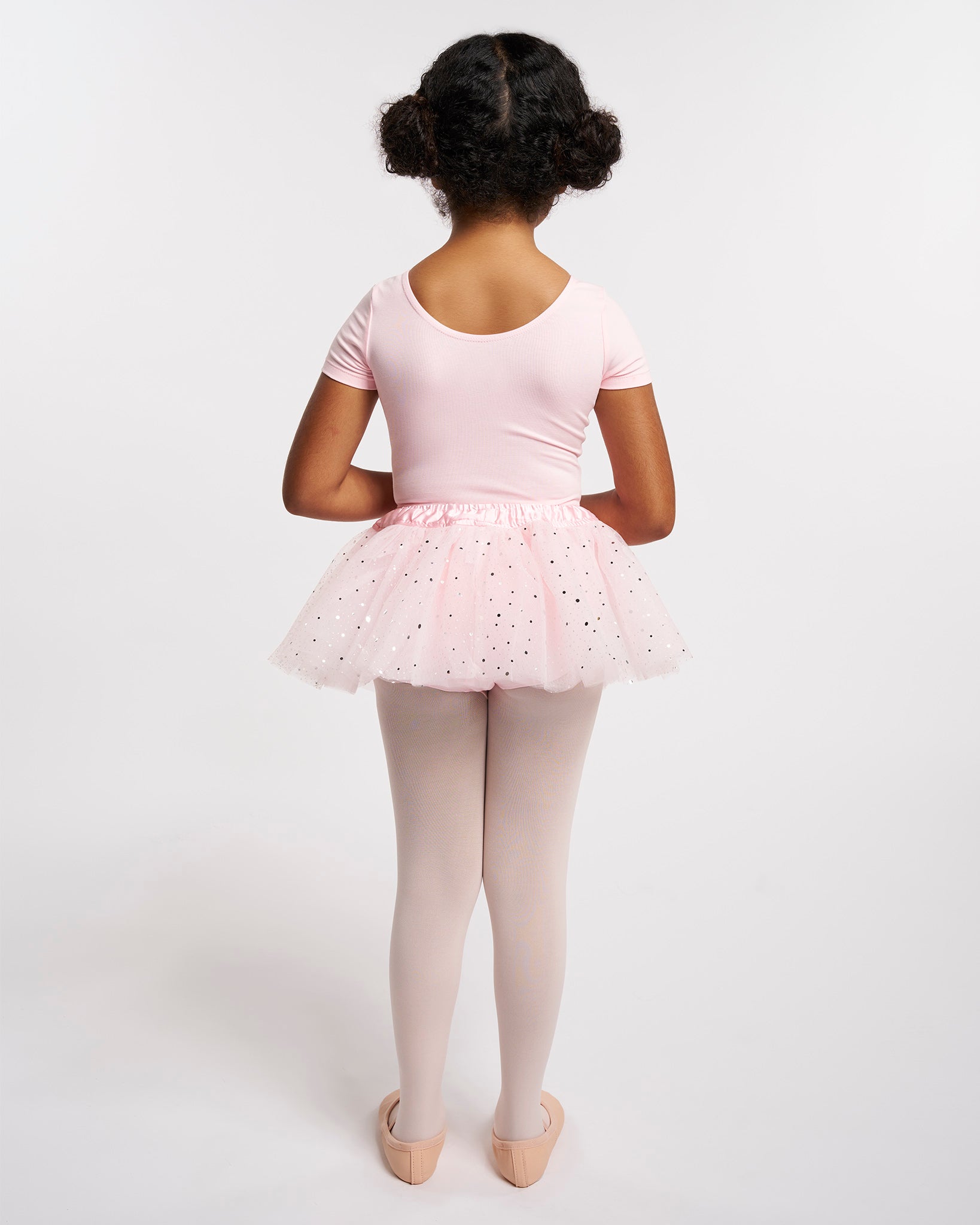
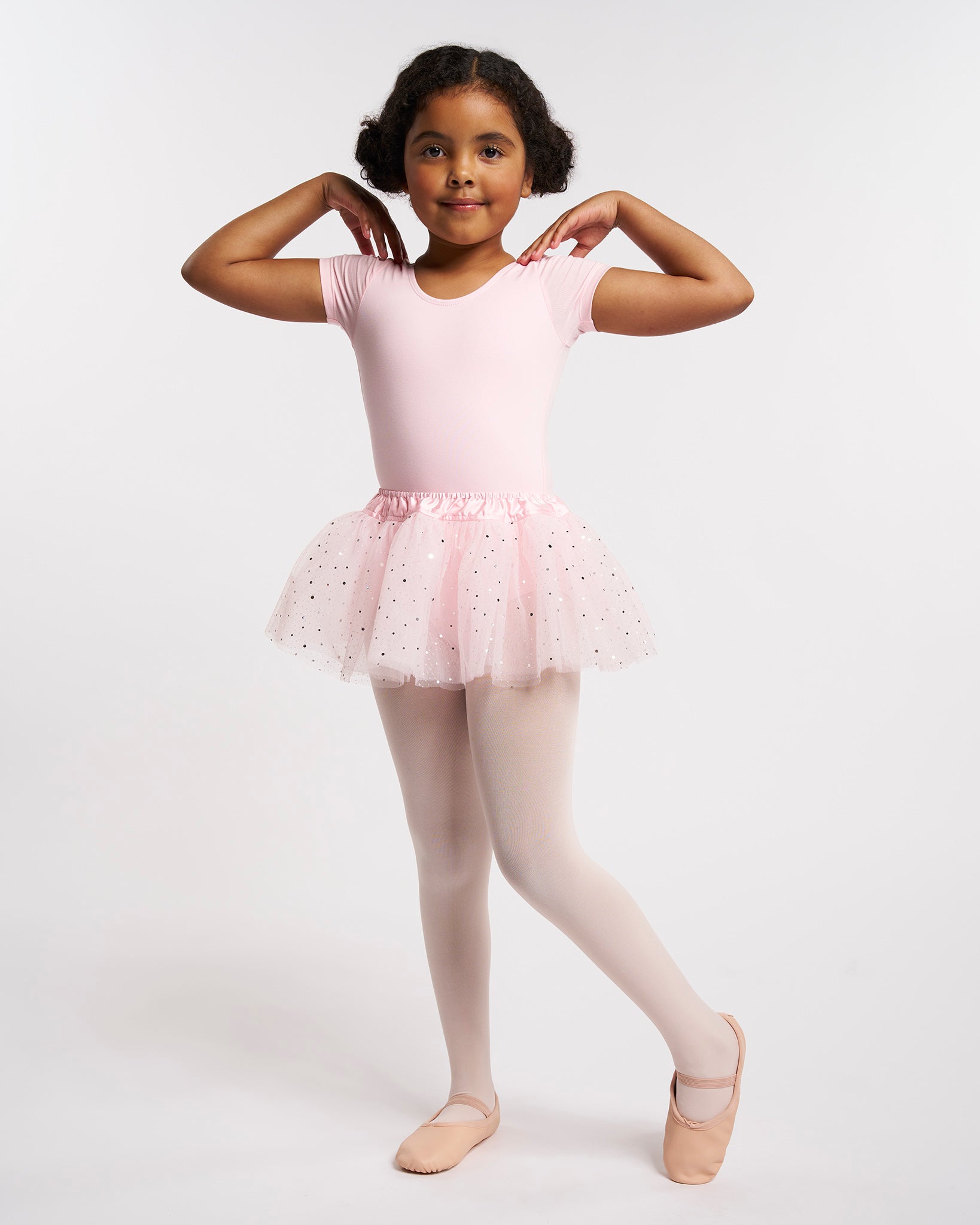
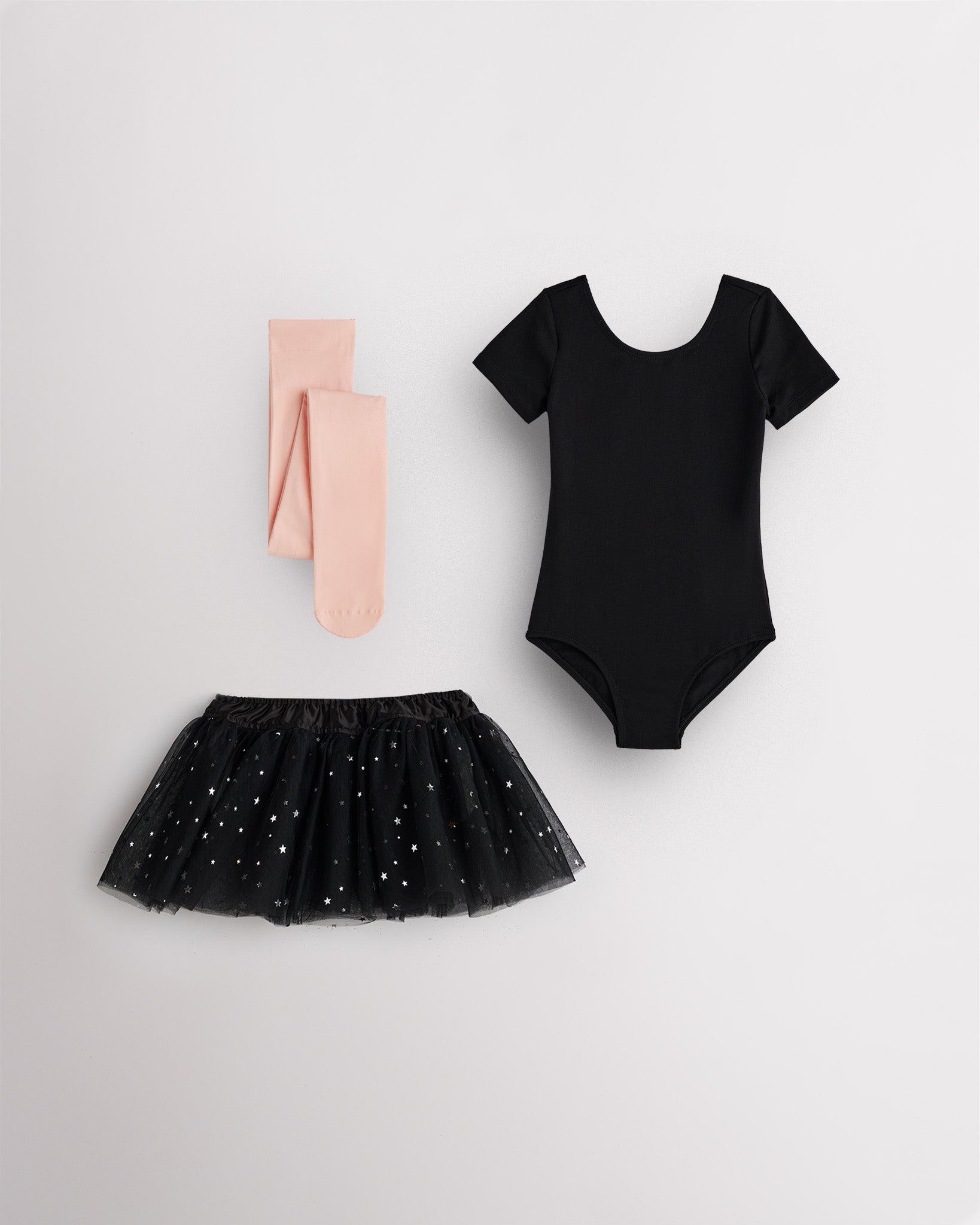
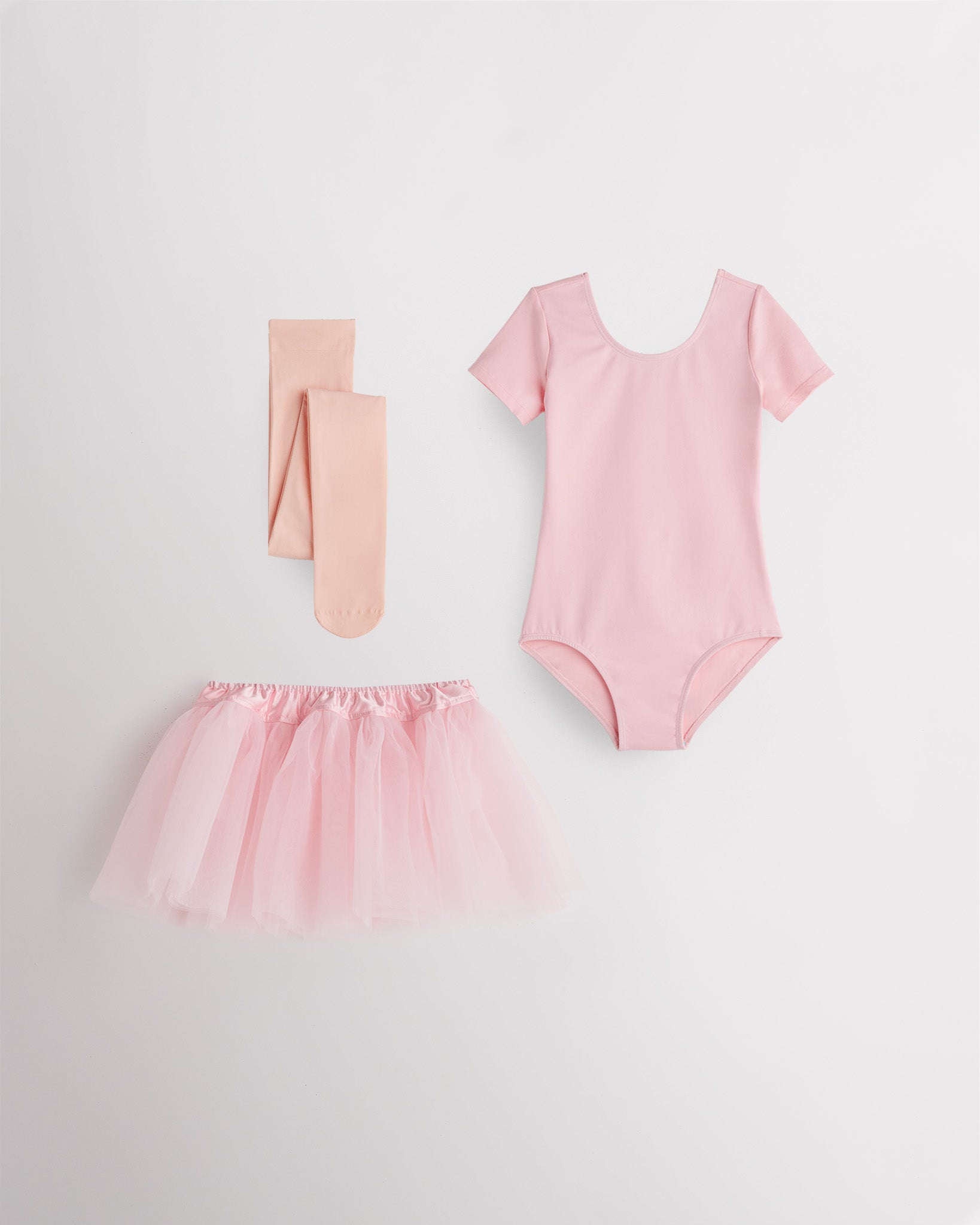
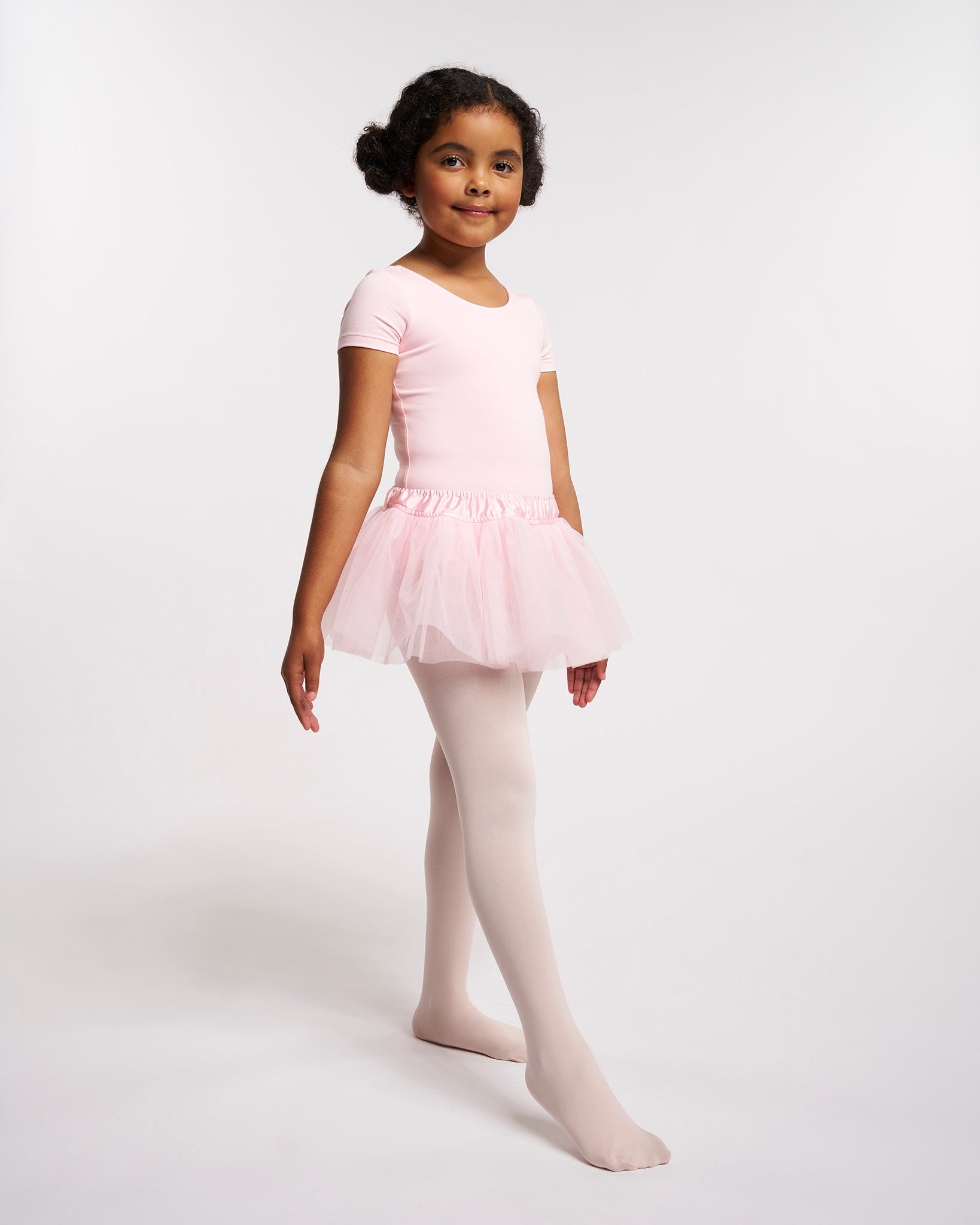
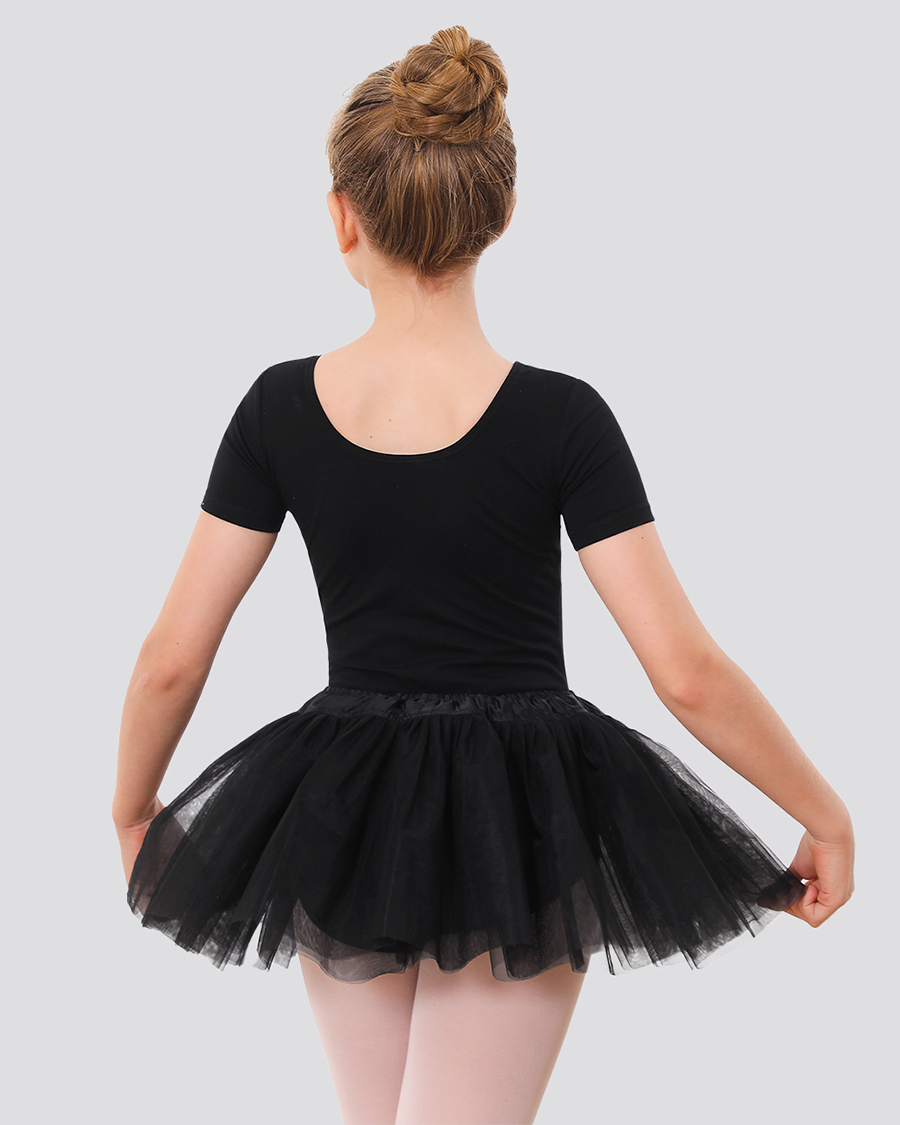
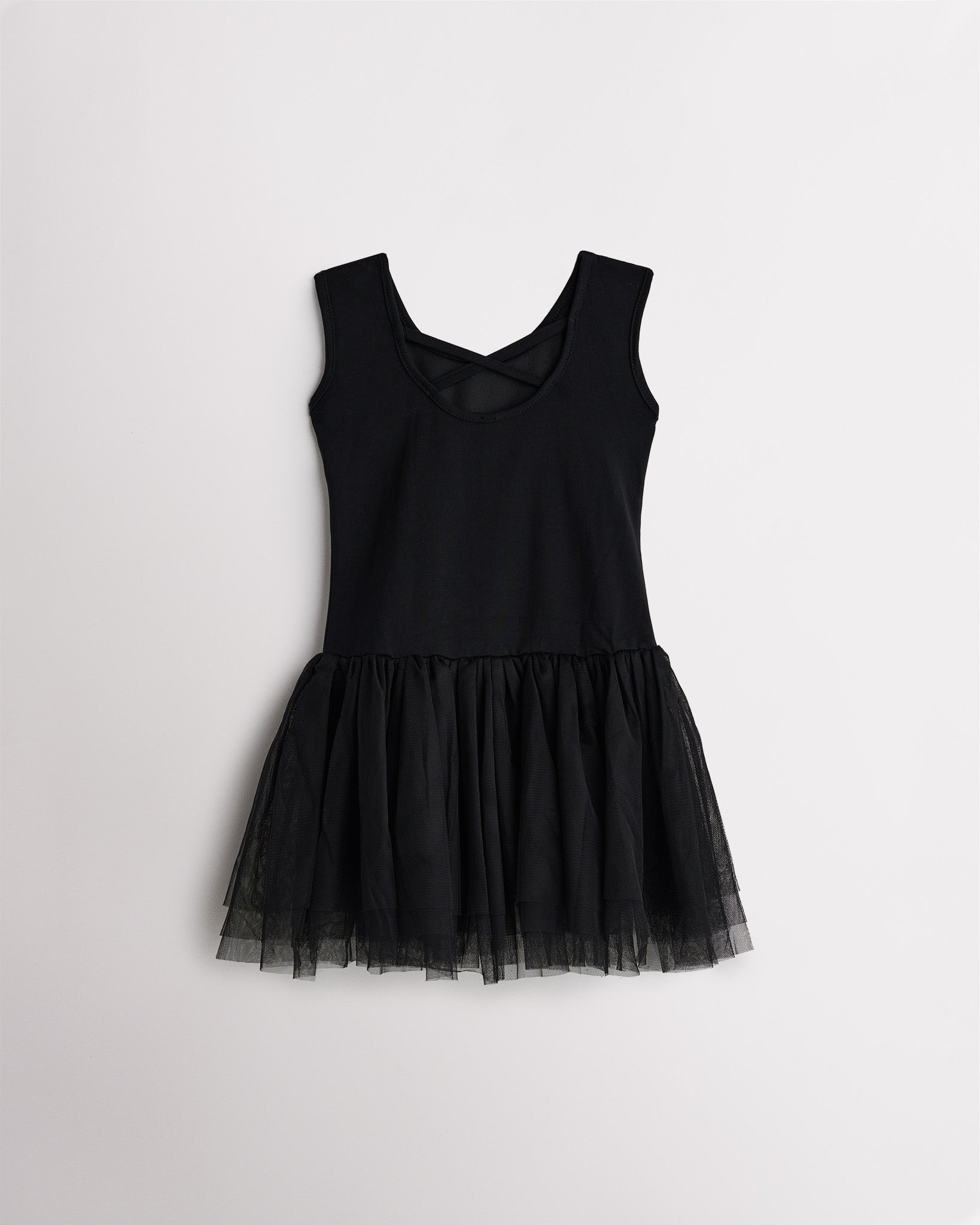
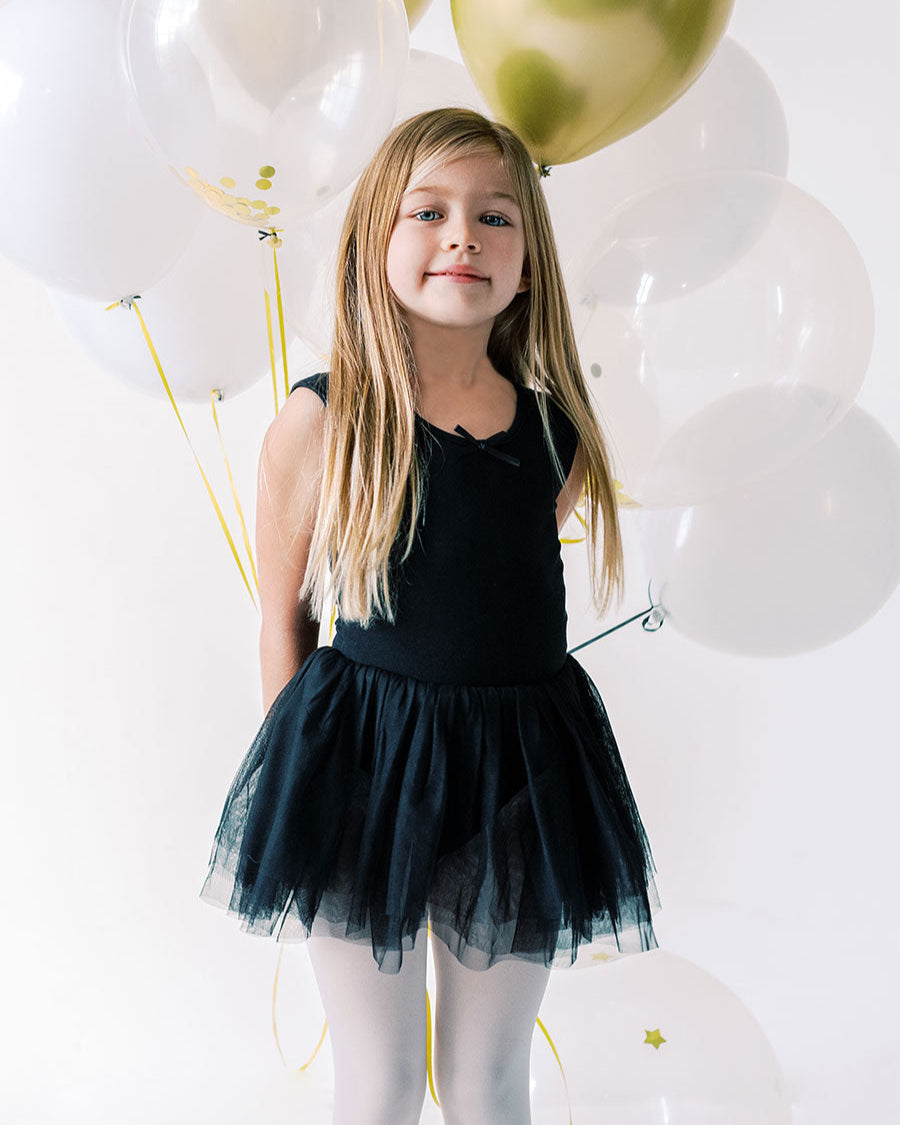
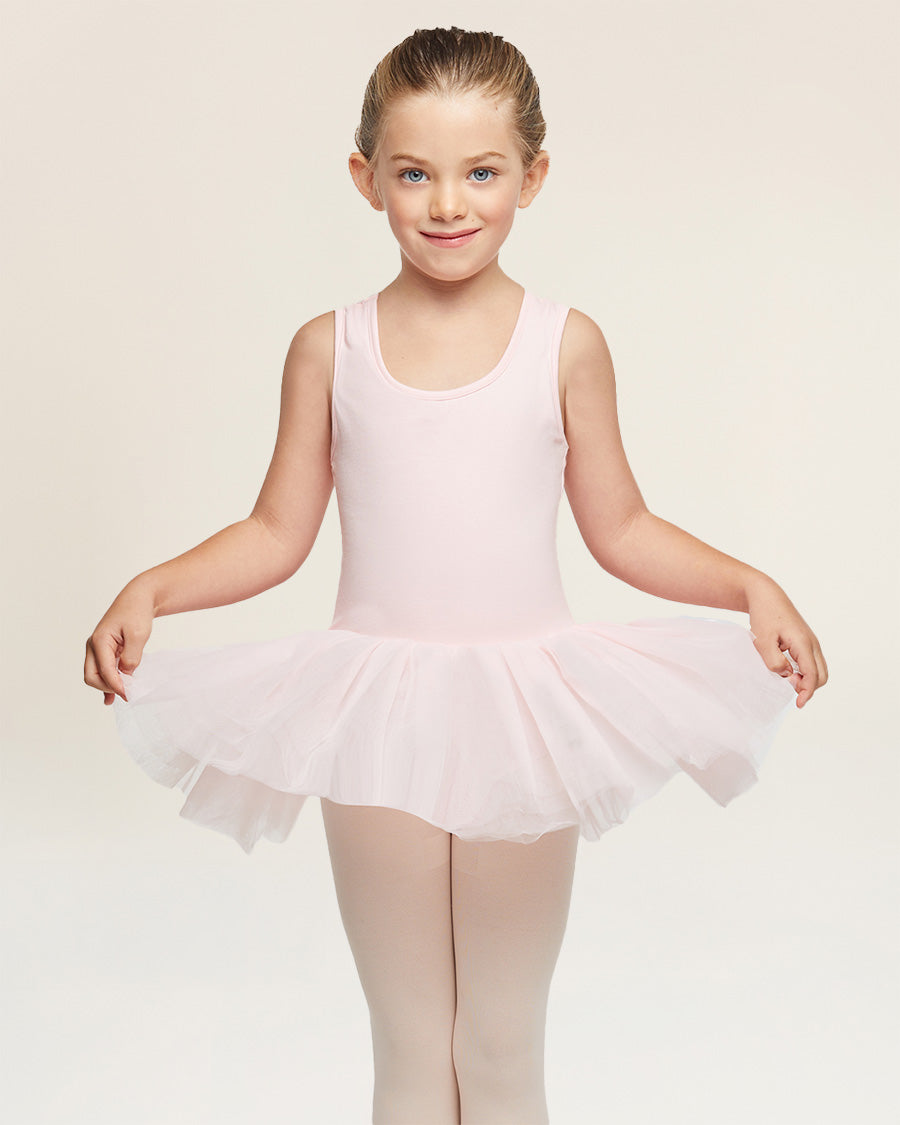
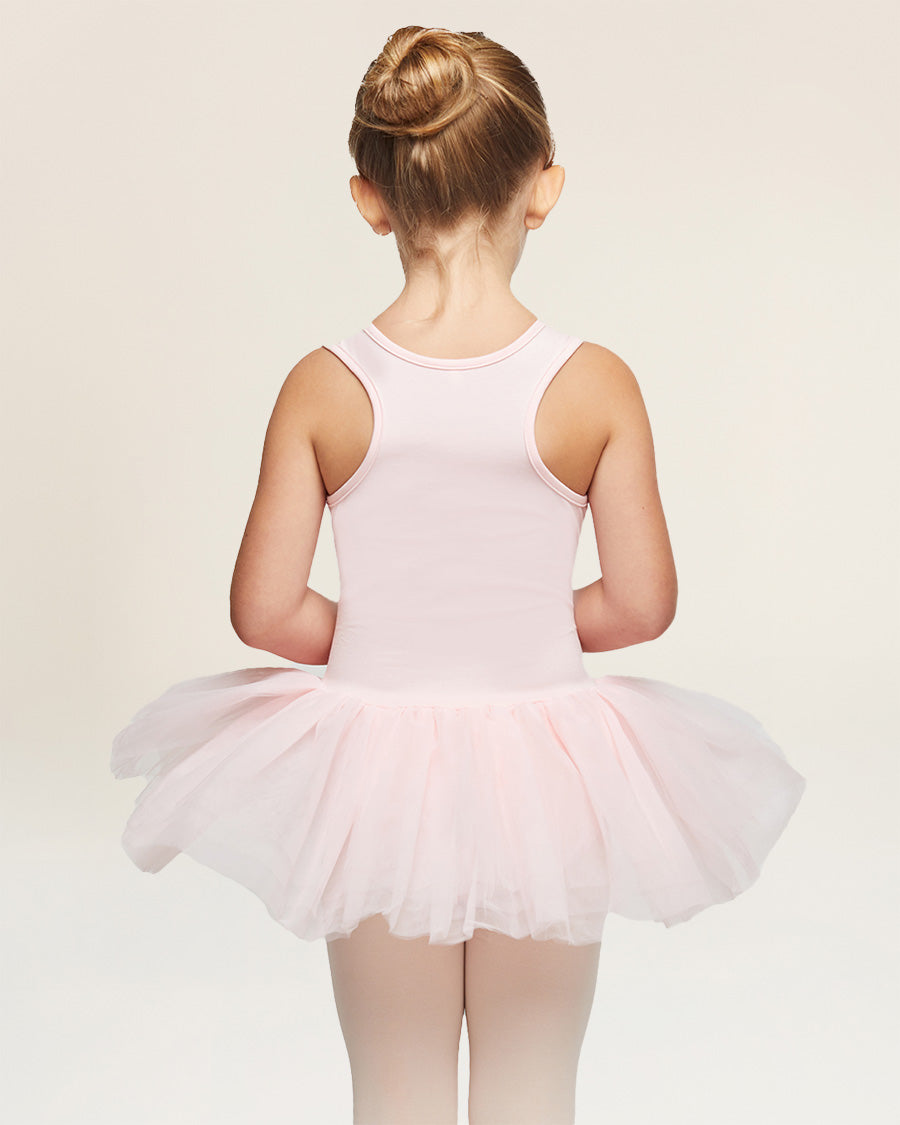
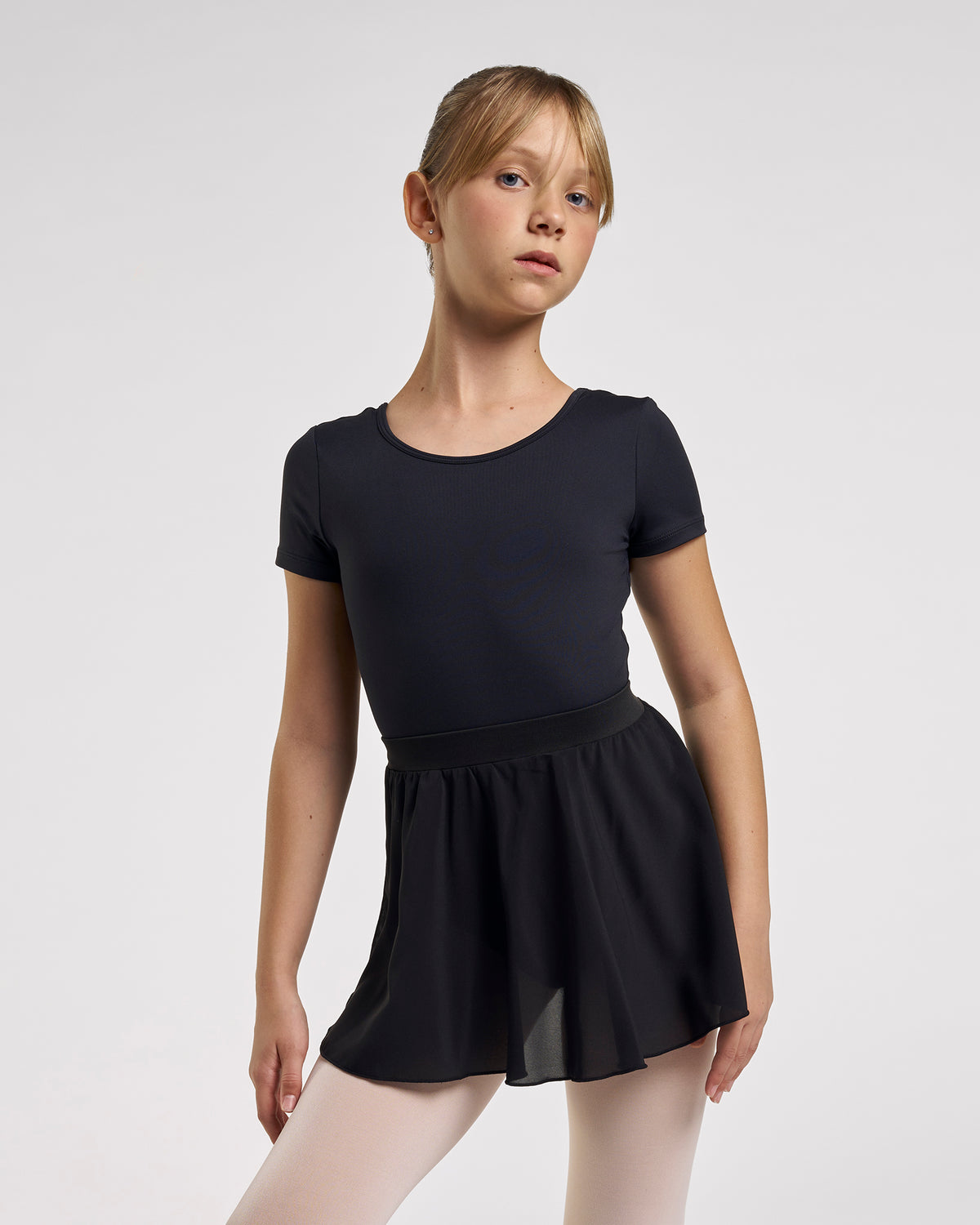
Buying makes more sense in a few cases. Knotted tulle loosens and sheds with repeated wear and cannot go in the washing machine, so for weekly dance class or a recital, a sewn tutu skirt with a covered elastic waistband usually lasts longer and sits more evenly under a leotard. If that is the job, start with our guide to tutu skirt styles for girls and how to wear them, or browse Stelle's tutu skirts made for class and performance. Plenty of families do both: a bought skirt for the studio, a homemade one for everywhere else.

FAQ
How much tulle do I need for a toddler tutu?
About 30 yards of 6-inch tulle covers a full 10-inch tutu on a 16-inch cut elastic, so buy two standard 25-yard rolls (one roll falls short, and leftovers become hair bows). Wispier styles can get by closer to a single roll and a half.
What width of tulle works best for a no-sew tutu?
The 6-inch rolls are the easiest by a wide margin, since the width is pre-cut and you only cut length. Tulle by the bolt (54 inches or wider) is cheaper per yard but adds a lot of cutting.
How long does it take to make a no-sew tutu?
Plan on about an hour of knotting for a child size once strips are cut, and add 20 to 30 minutes for measuring and cutting. Adult sizes take longer because they need more strips.
How do you make a DIY tutu fuller?
Three options: tie two strips per knot, add a second round of knots between the first, or scrunch the existing knots tighter together and fill the freed-up space. All three need extra tulle, so buy a spare roll.
Can you wash a no-sew tutu?
Not in the machine; the agitation loosens knots and snags tulle. Spot-clean, or hand-swish in cool water with mild soap, then hang to drip-dry. Stored on a hanger, it keeps its fluff far better than folded in a bin.
About the Stelle Team
Stelle is a mom-founded dancewear brand, making leotards, tutus, and activewear for young dancers since 2015. Our articles are written by the team behind the products — people who spend their days talking with dance teachers, studio owners, and dance parents, and who test everything from fabric stretch to tutu twirl in real classes. Learn more about Stelle.