



Dance Headshots: A Parent's Guide to Getting Them Right
Table of contents
- Answer Summary
- Key Takeaways
- When Does a Child Need Headshots for Dance Auditions?
- The Two Types of Dance Audition Headshots
- What to Wear for Dance Headshots
- Hair and Light Makeup Norms for Kids
- DIY at Home or Hire a Photographer?
- Prep Checklist: The Week Before
- Common Mistakes to Skip
- FAQ
-
- About the Stelle Team
Answer Summary
Most kids do not need professional dance headshots until something specific asks for one: a summer intensive application, an audition, an agency submission, or a competition program page. Panels usually want two photos, a simple headshot that looks like your child on an ordinary day and a dance shot that shows technique. Fitted solid-color dancewear, tidy hair, and little or no makeup photograph better than anything elaborate.
Key Takeaways
-
Wait for a real trigger (audition, intensive, agency submission, program book) before paying for photos.
-
Two shots cover nearly every request: a chest-up headshot and a full-body dance shot.
-
Simple, fitted, solid-color dancewear with no logos or busy prints photographs cleanest.
-
Hair off the face and light or no makeup is the norm for kids.
-
A phone shot in good window light covers composites and first auditions; hire a pro for agencies and selective programs, roughly $150 to $500 at the time of writing; confirm current rates before booking.
When Does a Child Need Headshots for Dance Auditions?
Later than most parents think. Weekly class and recreational recitals rarely require them. The usual triggers: summer intensive and pre-professional applications, auditions for productions like a local Nutcracker, agency or casting submissions, competition programs that print a soloist photo, and studio composite cards.
If the request came from your studio, ask what format they want. If it came from an application portal, read the photo specs first: requirements range from a simple headshot to specific ballet positions and change year to year, so confirm current details before you book.
The Two Types of Dance Audition Headshots
Most requests boil down to two photos. Photography Shark Studios, a Massachusetts studio near Boston that shoots dancers for company and college submissions, draws the line simply: the headshot shows who your child is and what she currently looks like, while dance photos show line, extension, and technique.
|
Shot type |
What it shows |
Typical use |
|---|---|---|
|
Headshot (chest up) |
Face, natural expression, current look |
Auditions, agency submissions, program books, composites |
|
Dance or body shot |
Technique, lines, a held position |
Intensive applications, company auditions, comp programs |
Style shifts by genre. Commercial dance headshots (jazz, hip hop, theater work) run brighter and more expressive; ballet headshots for auditions stay composed rather than broadly smiling. Ballet programs often ask for specific positions. Andrew Bowen Studios lists first arabesque, tendu, and attitude among the standards, so have her teacher check them before a paid session. Some photographers sell dancer headshots and dance portraits separately, so match the package to the application.

What to Wear for Dance Headshots
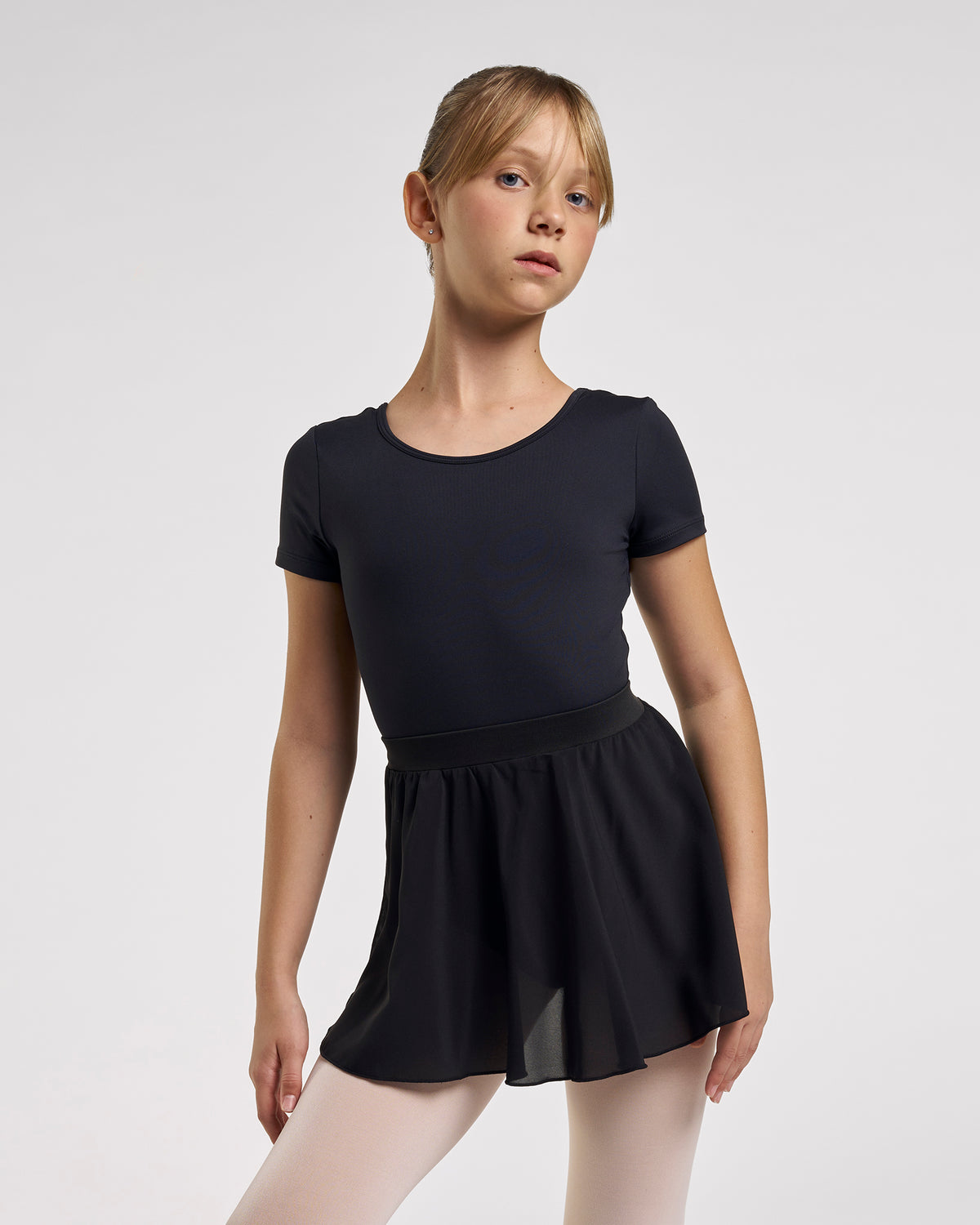
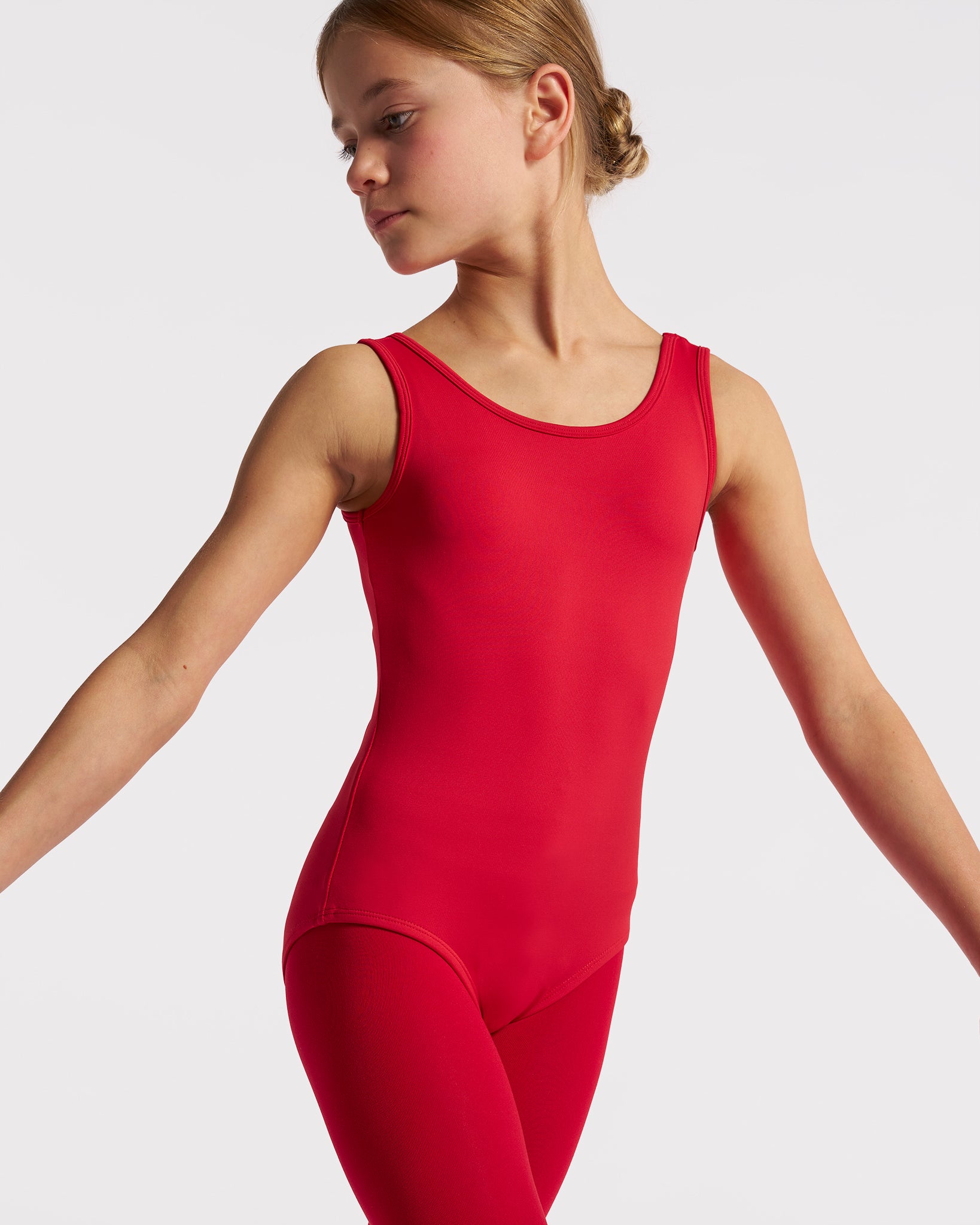
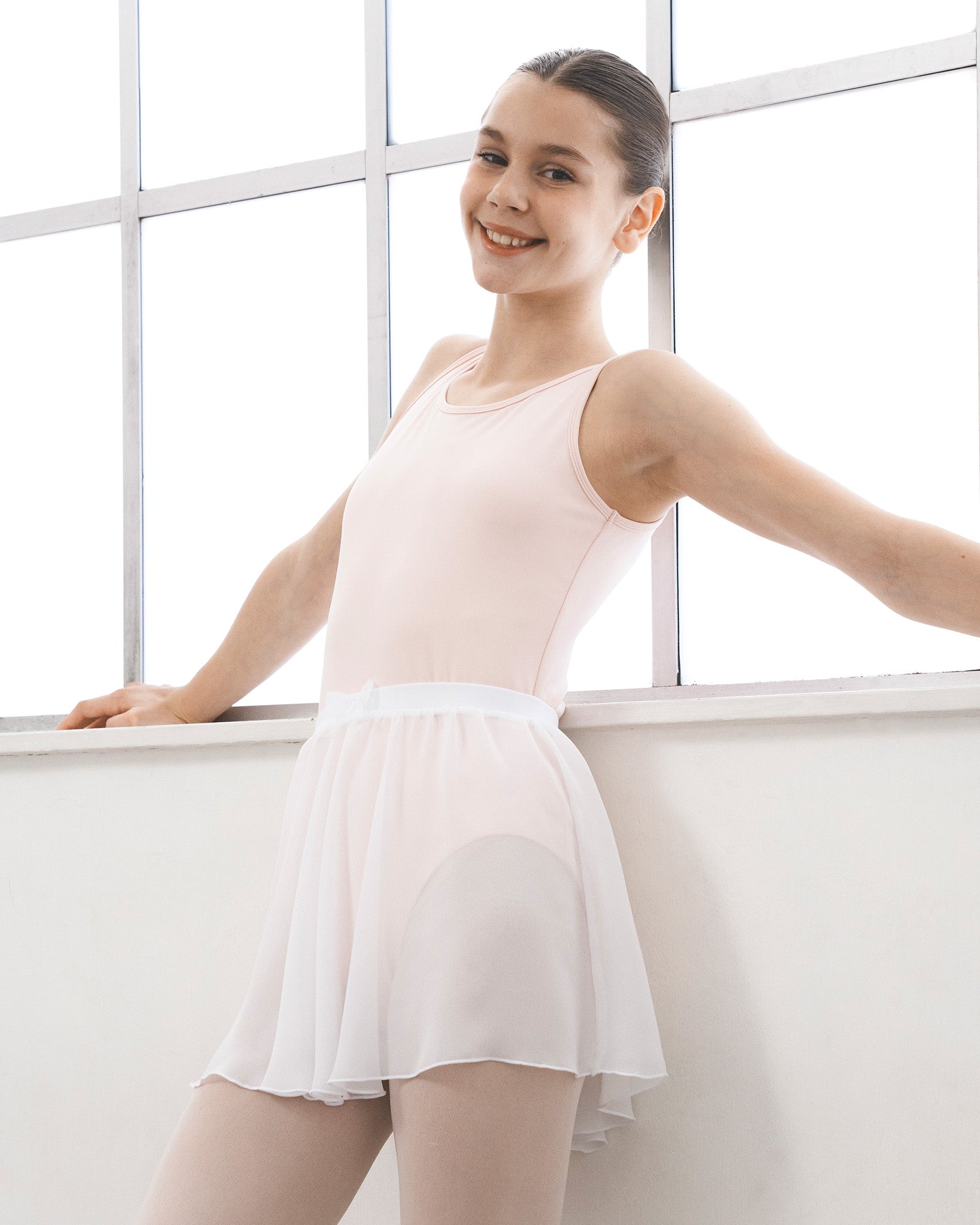
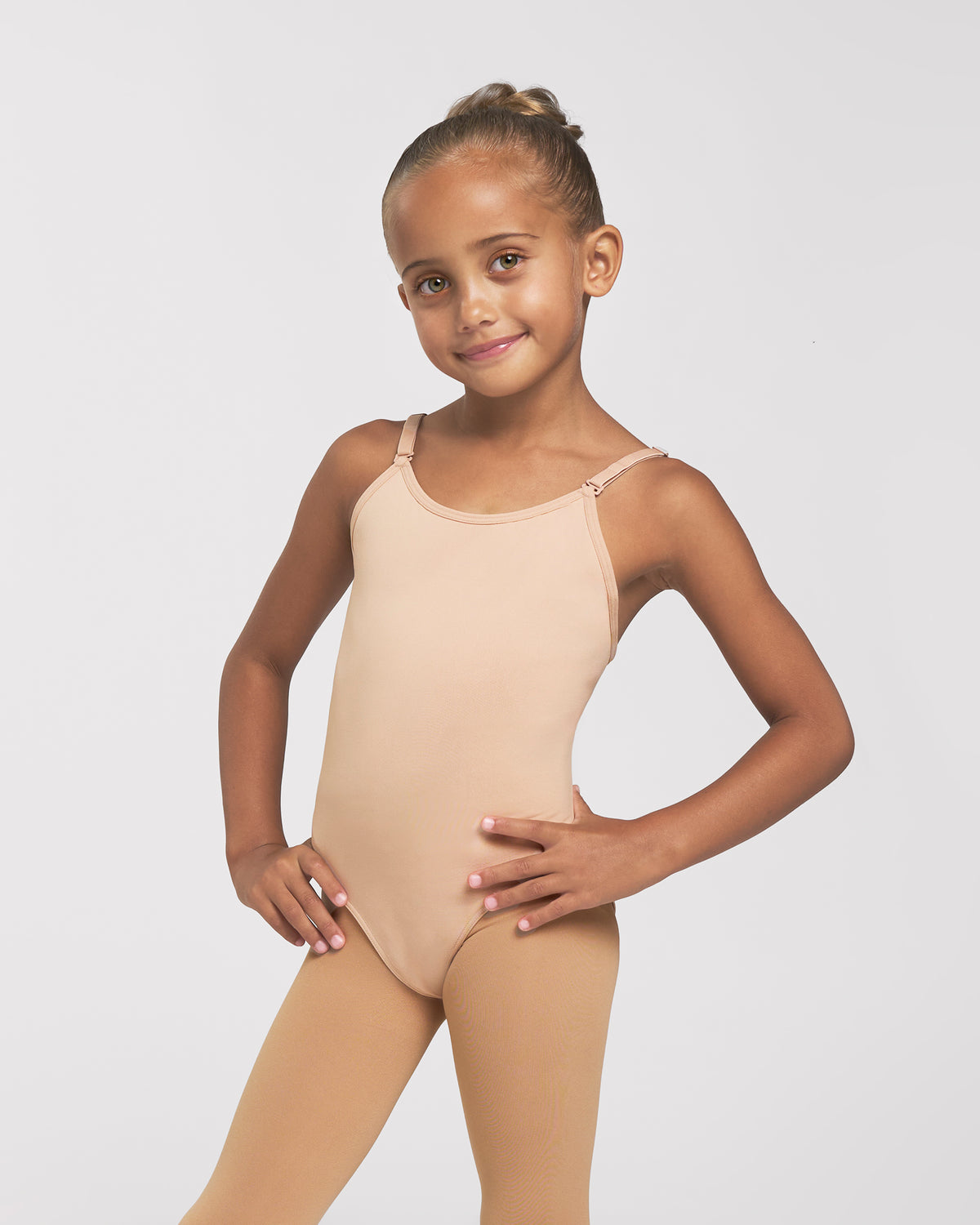
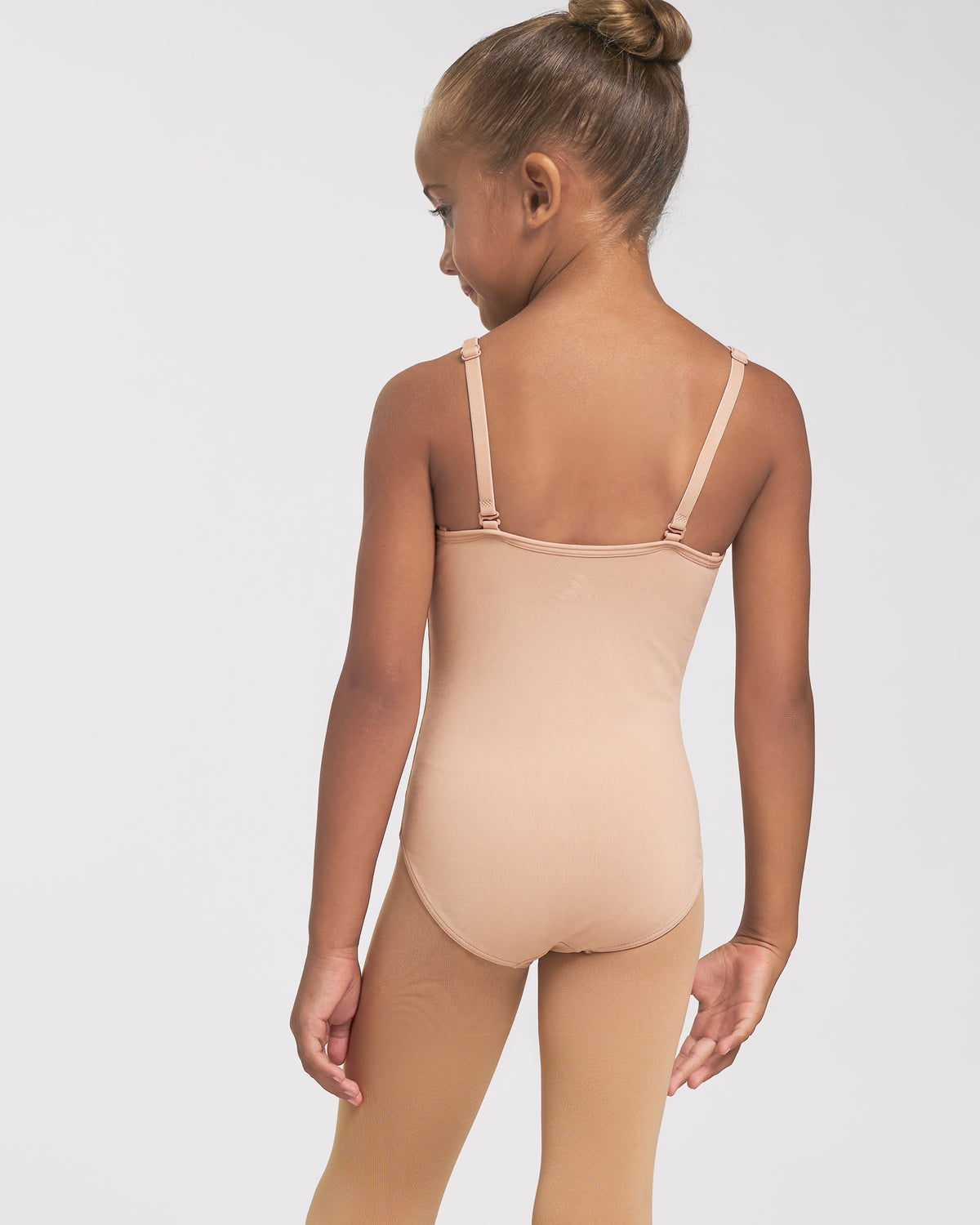
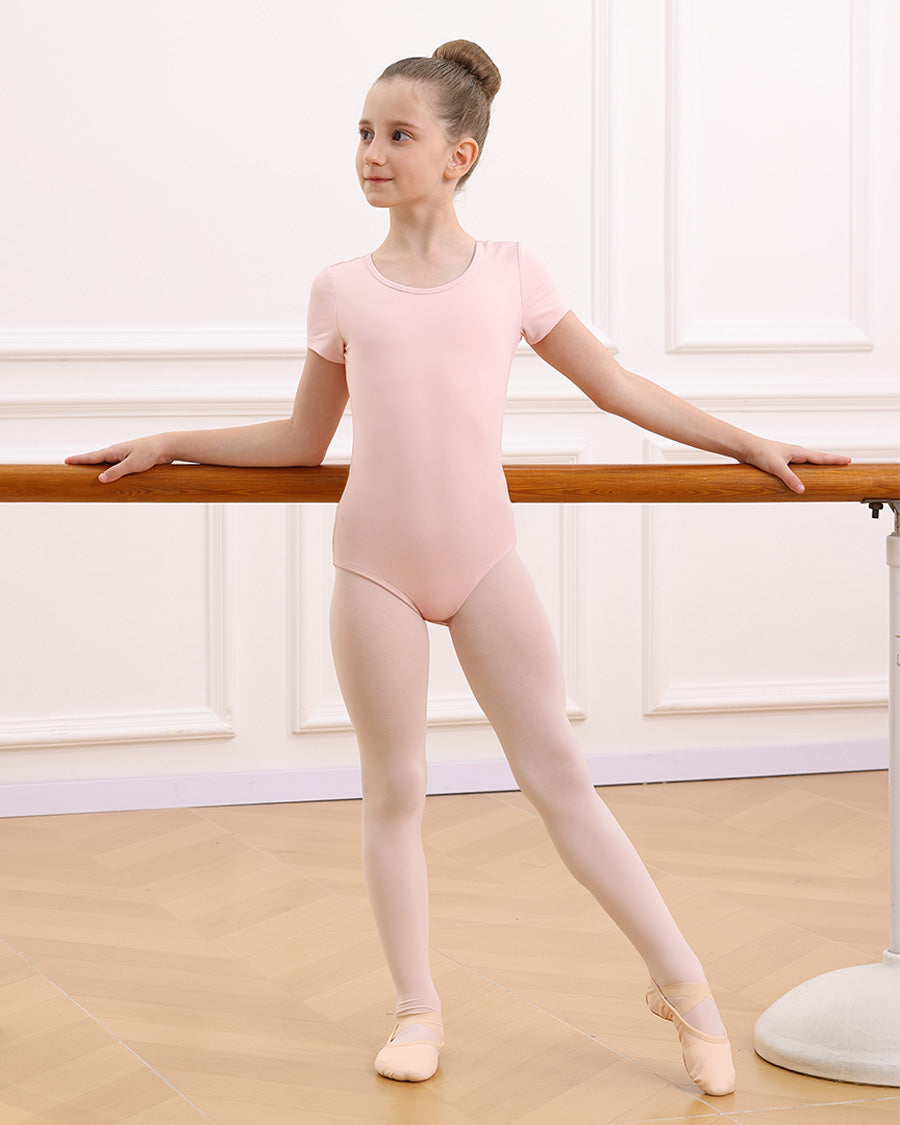
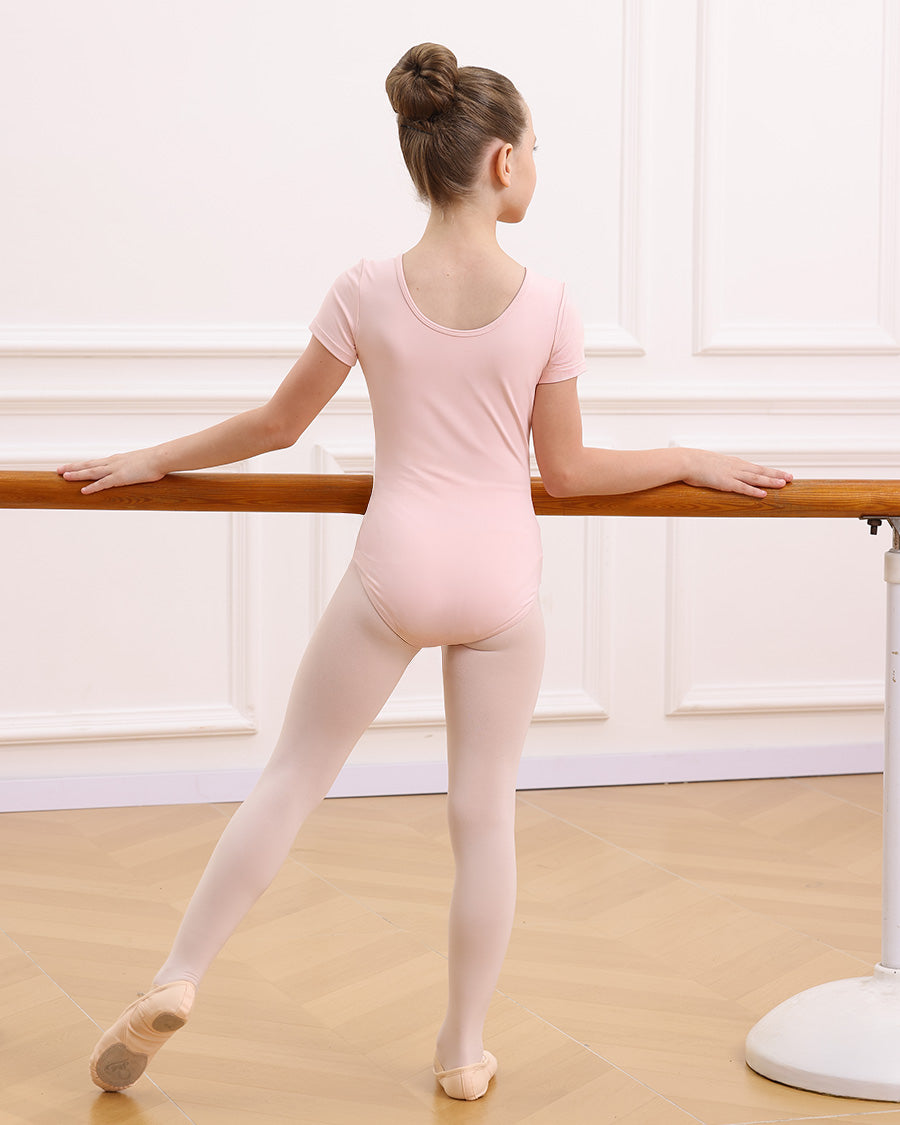
Simple and fitted wins, in a solid color.
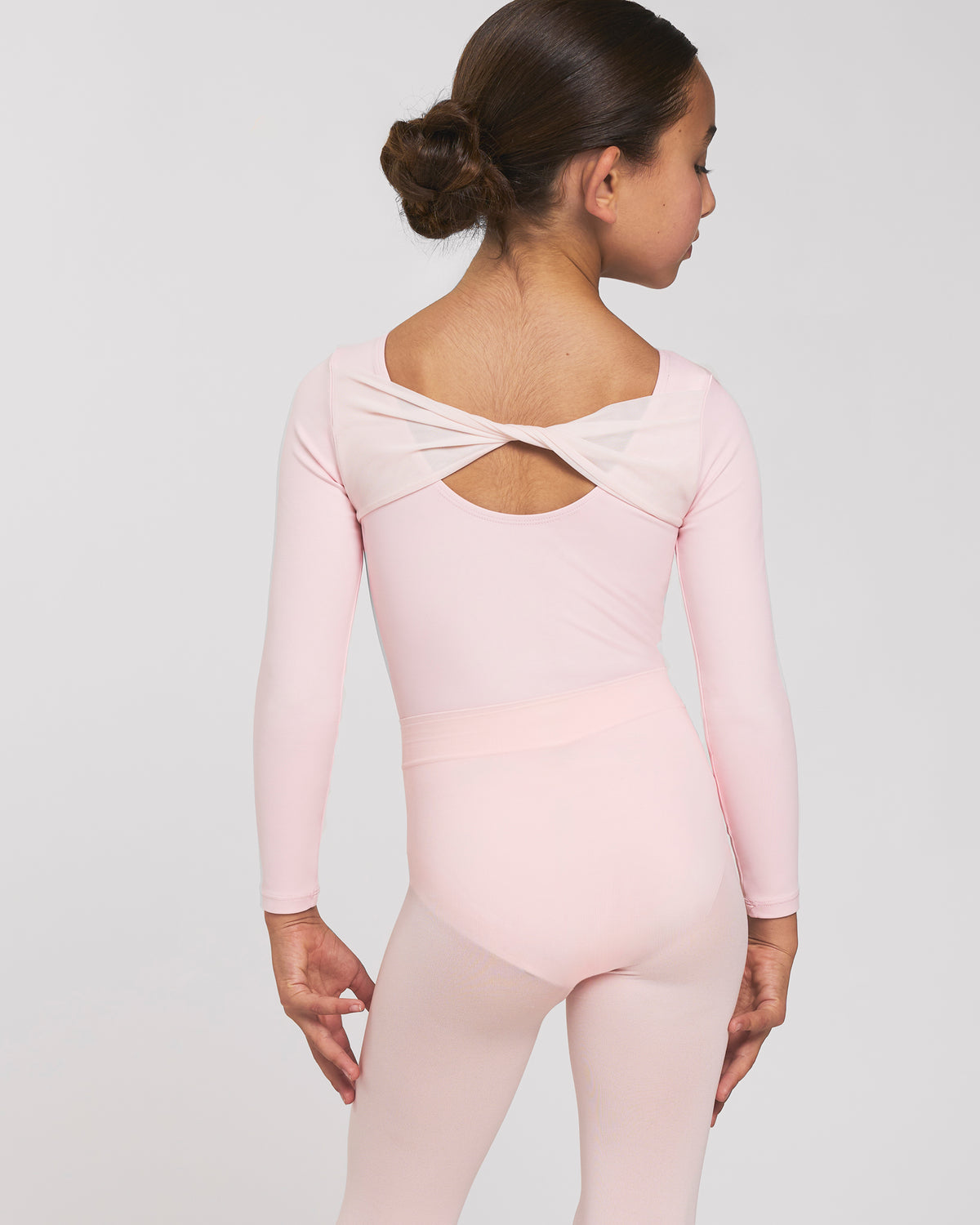
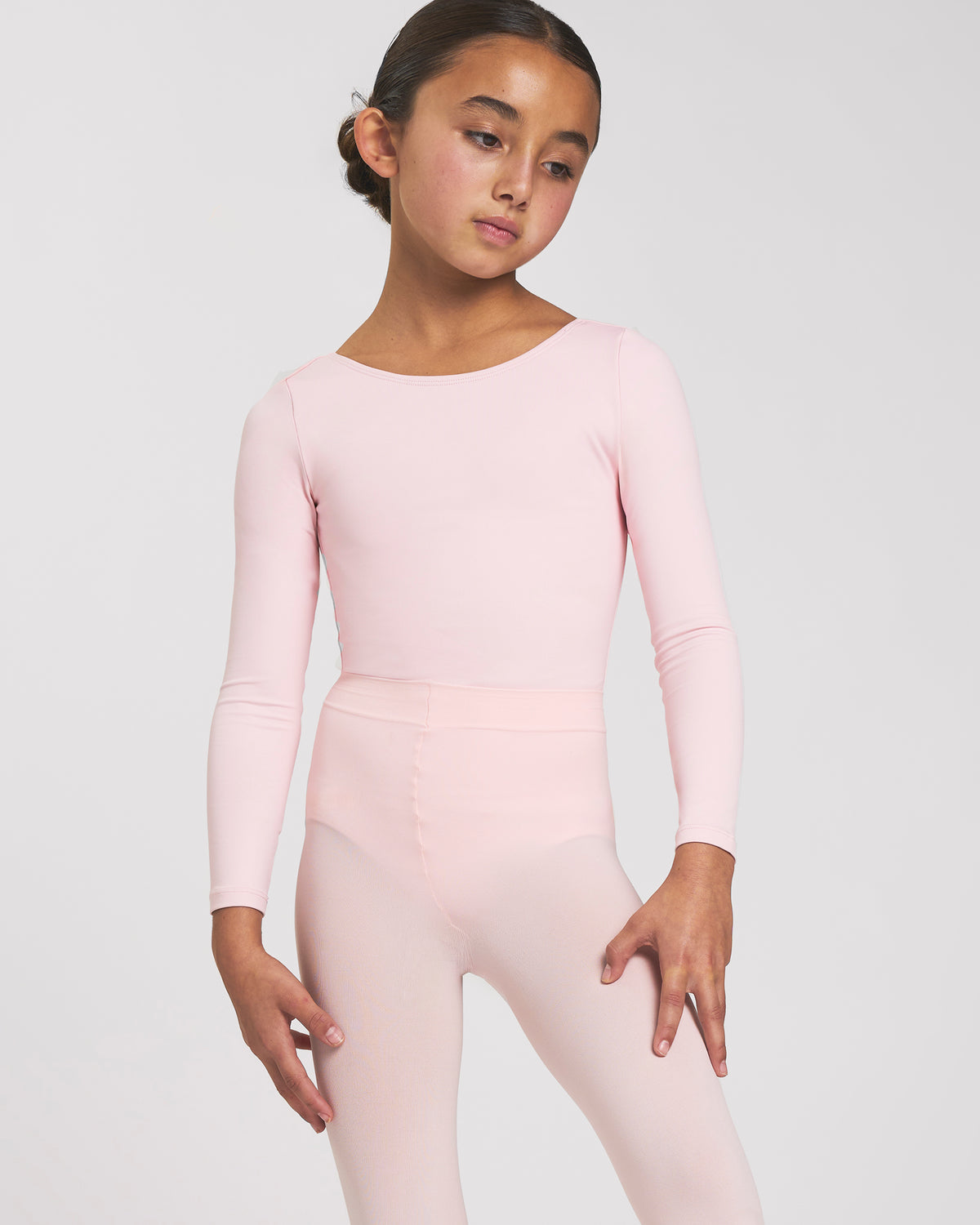
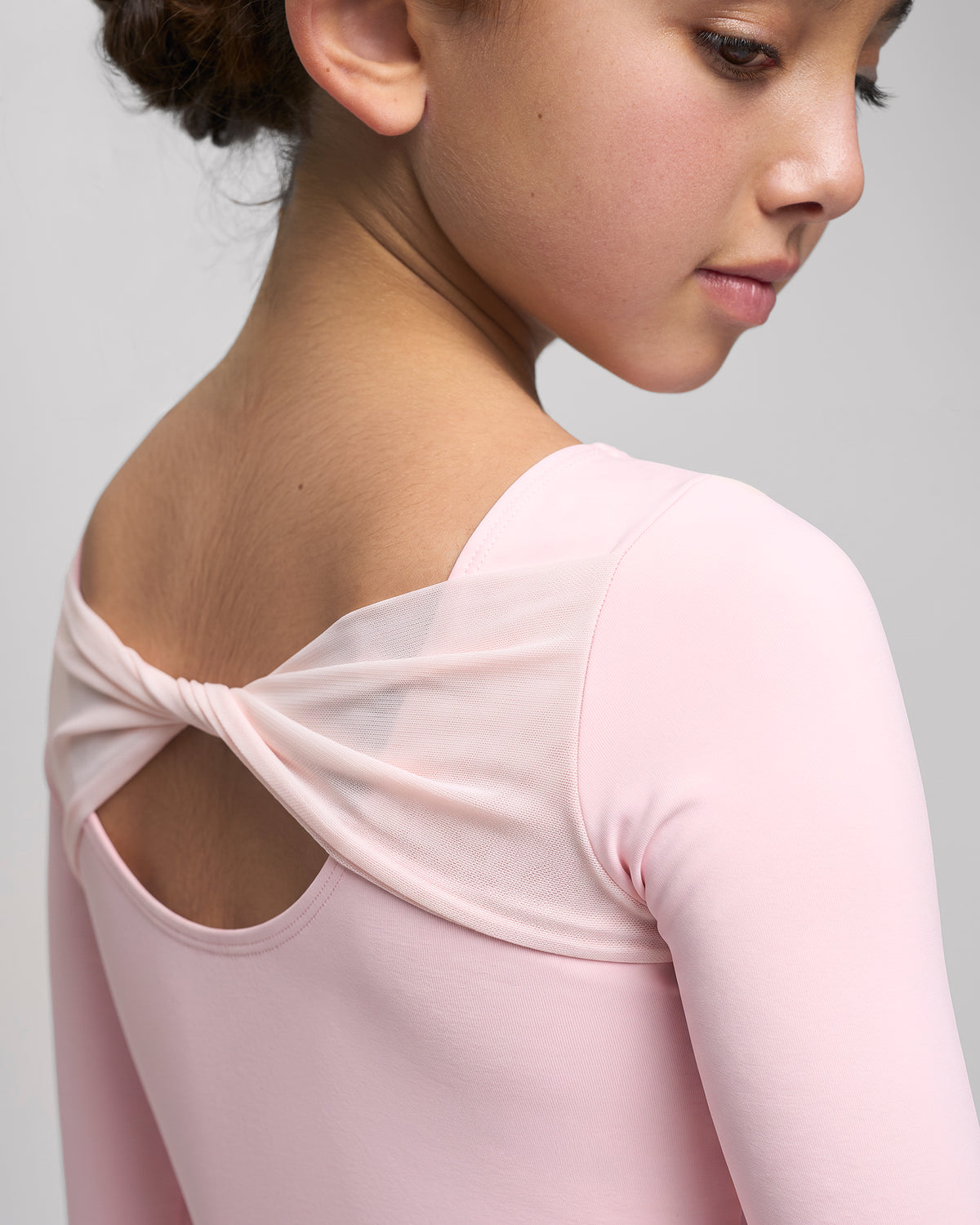
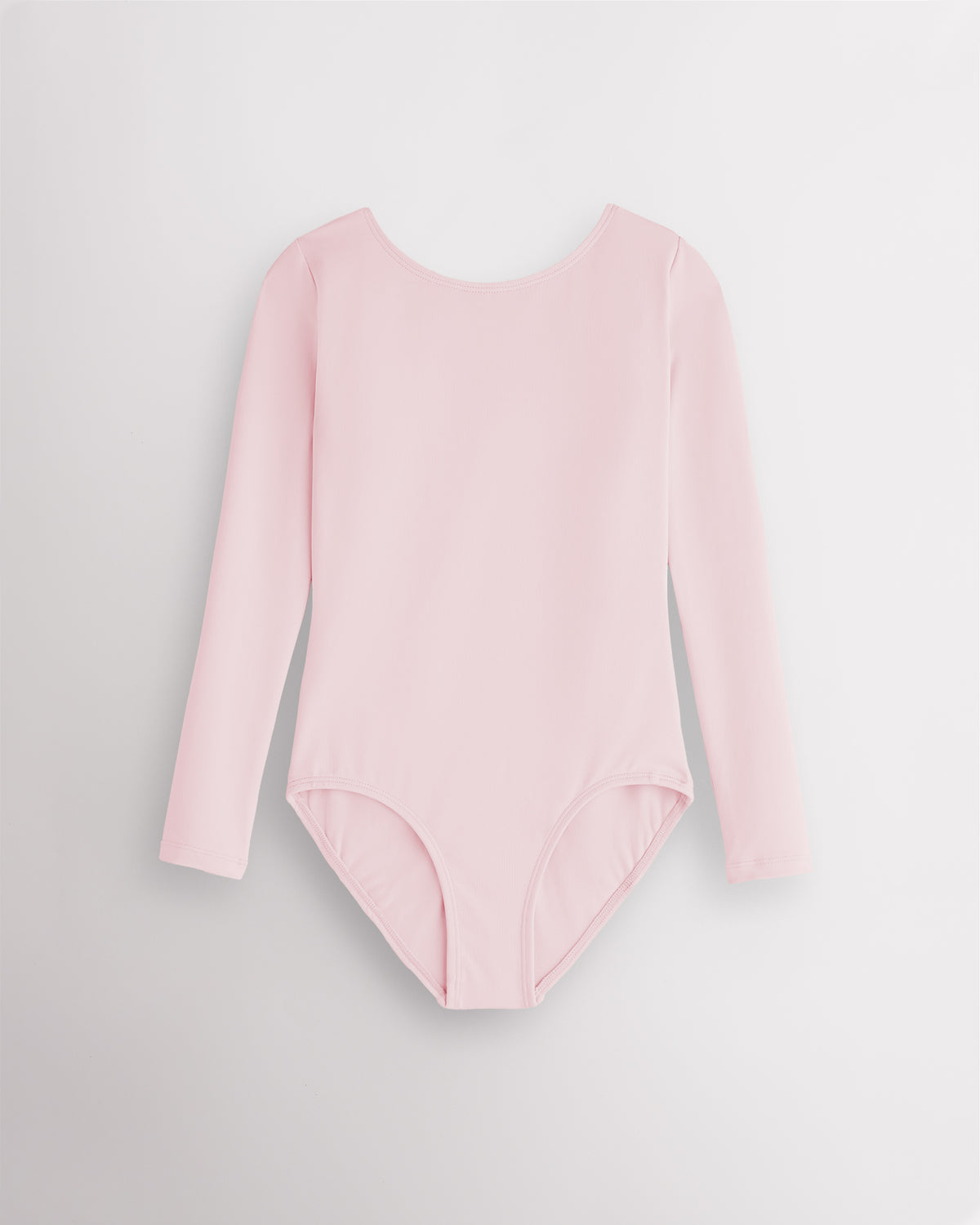
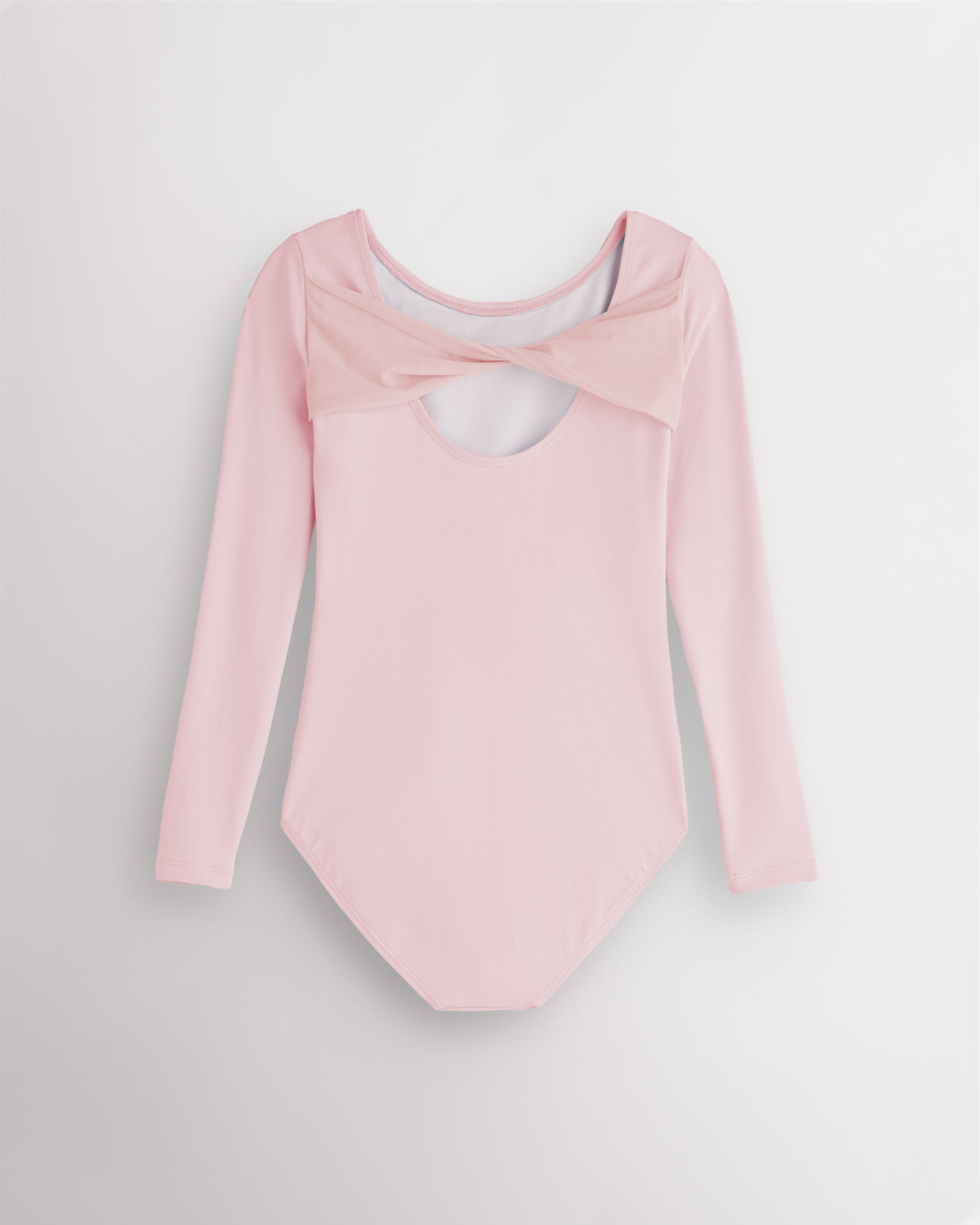
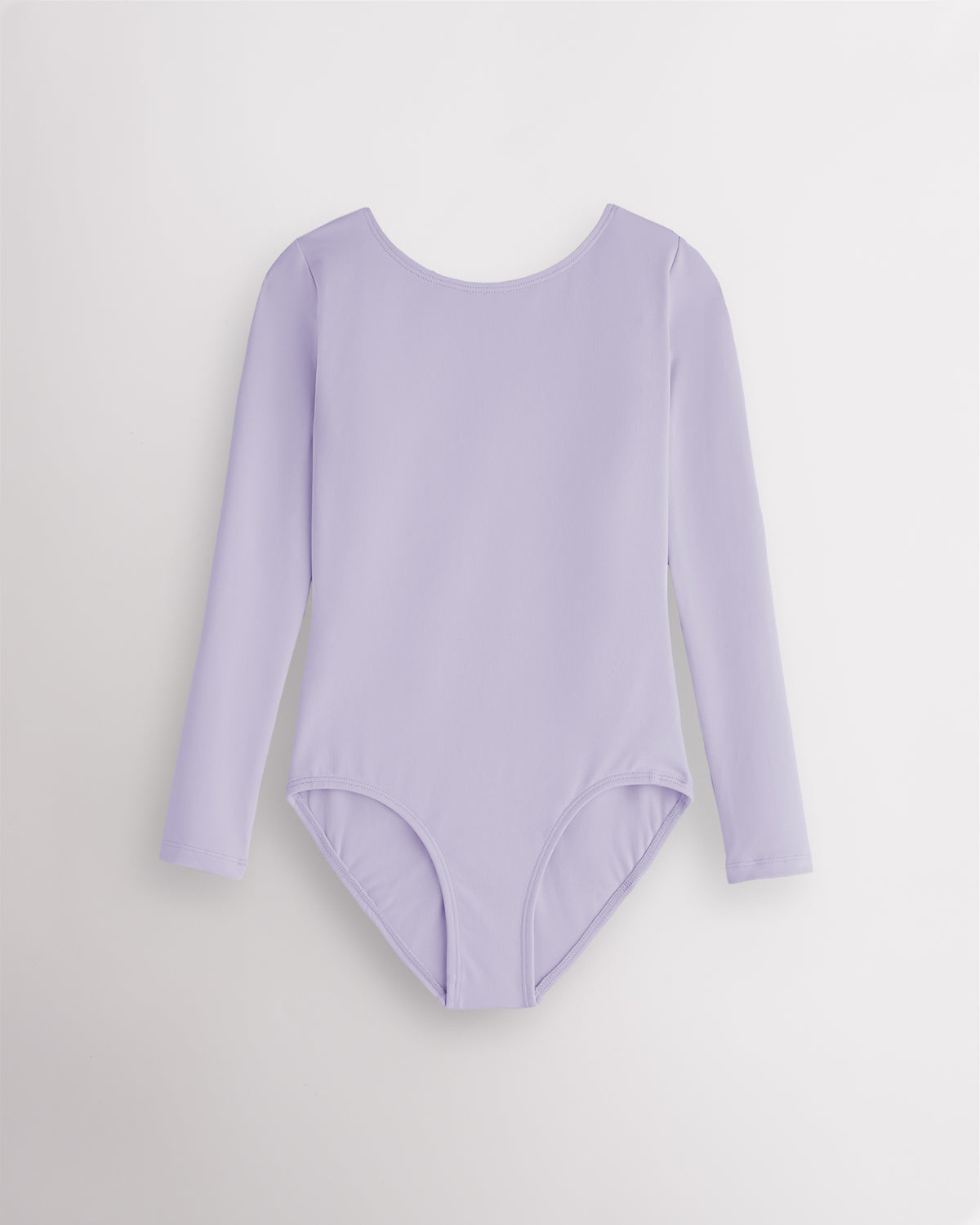
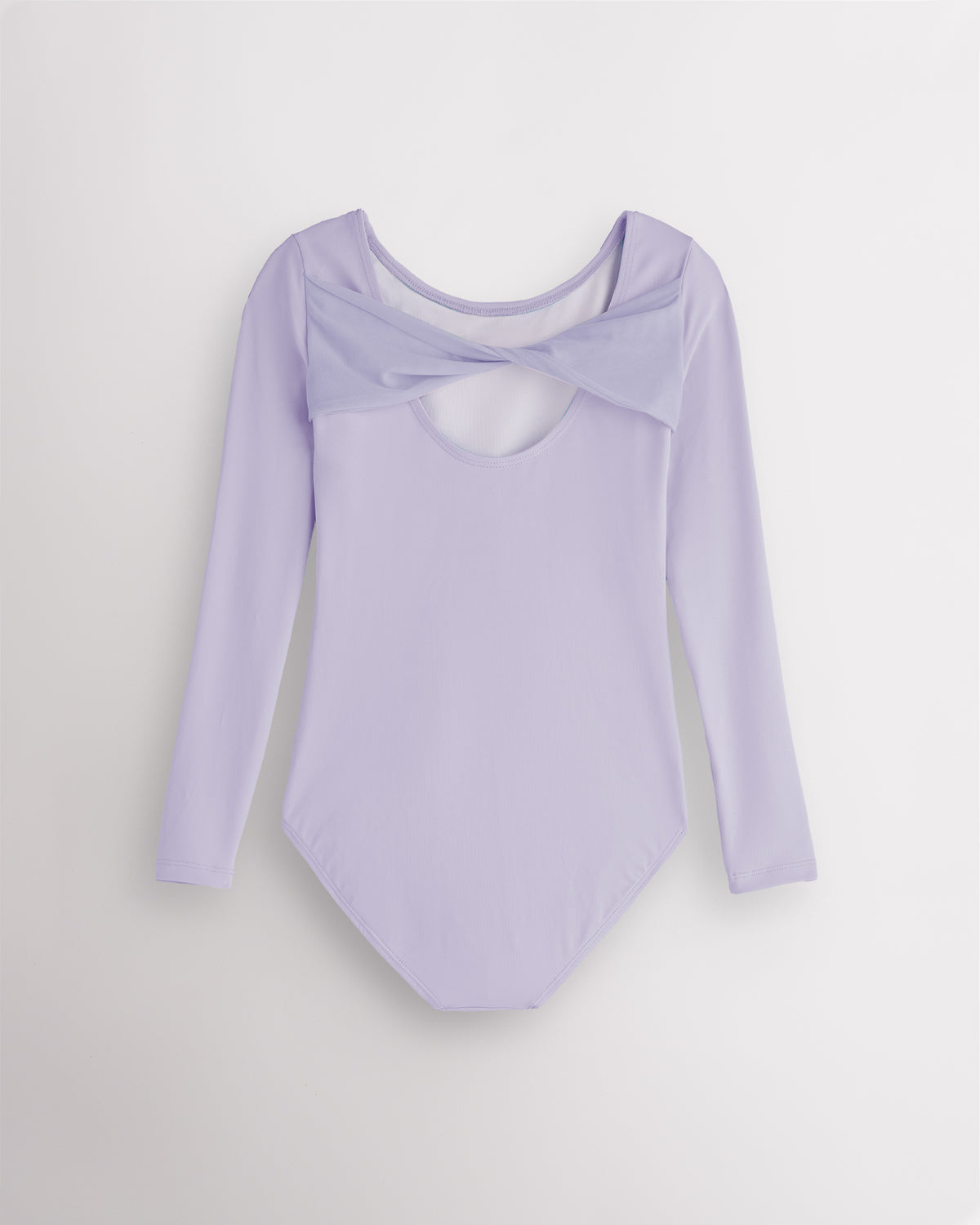
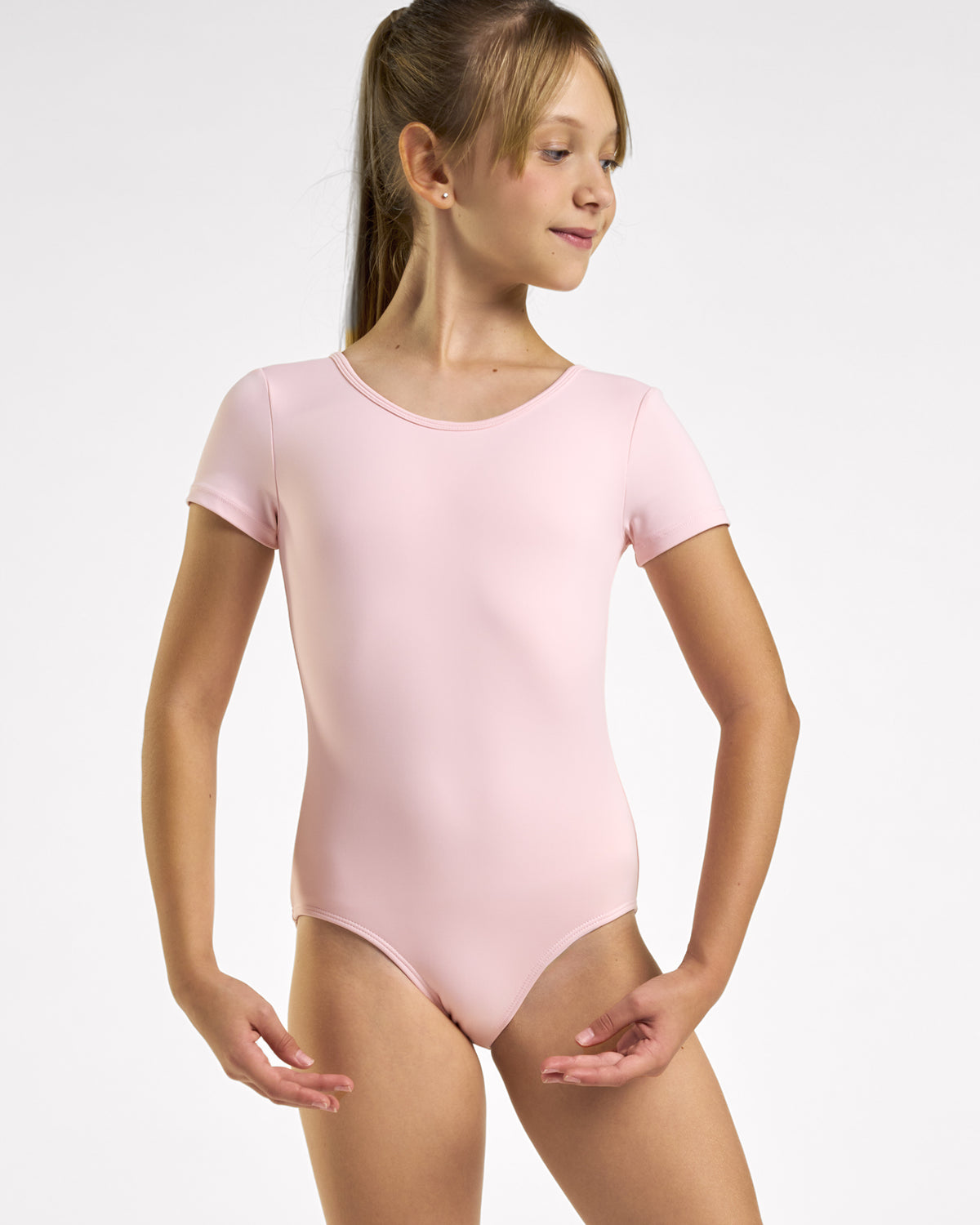
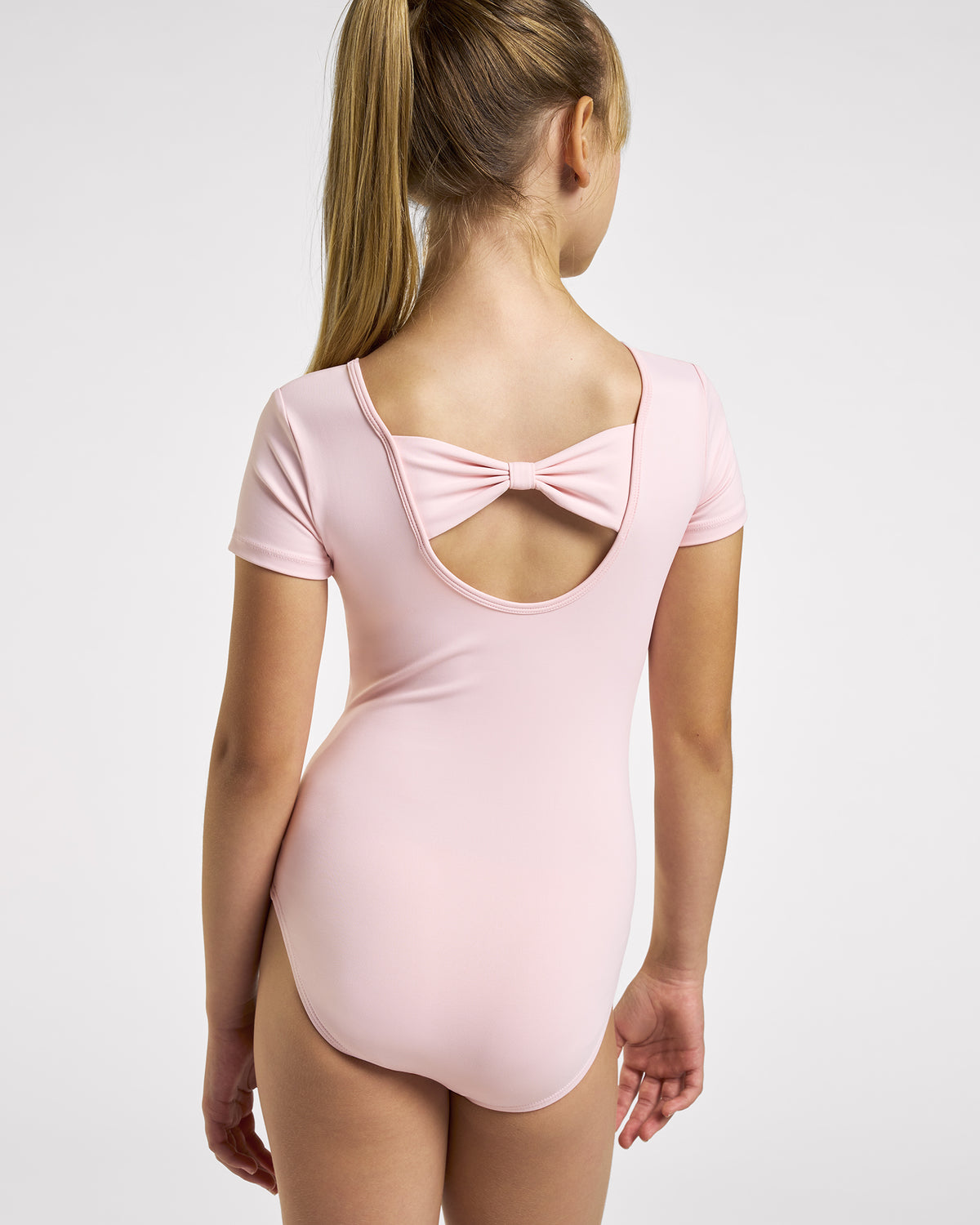
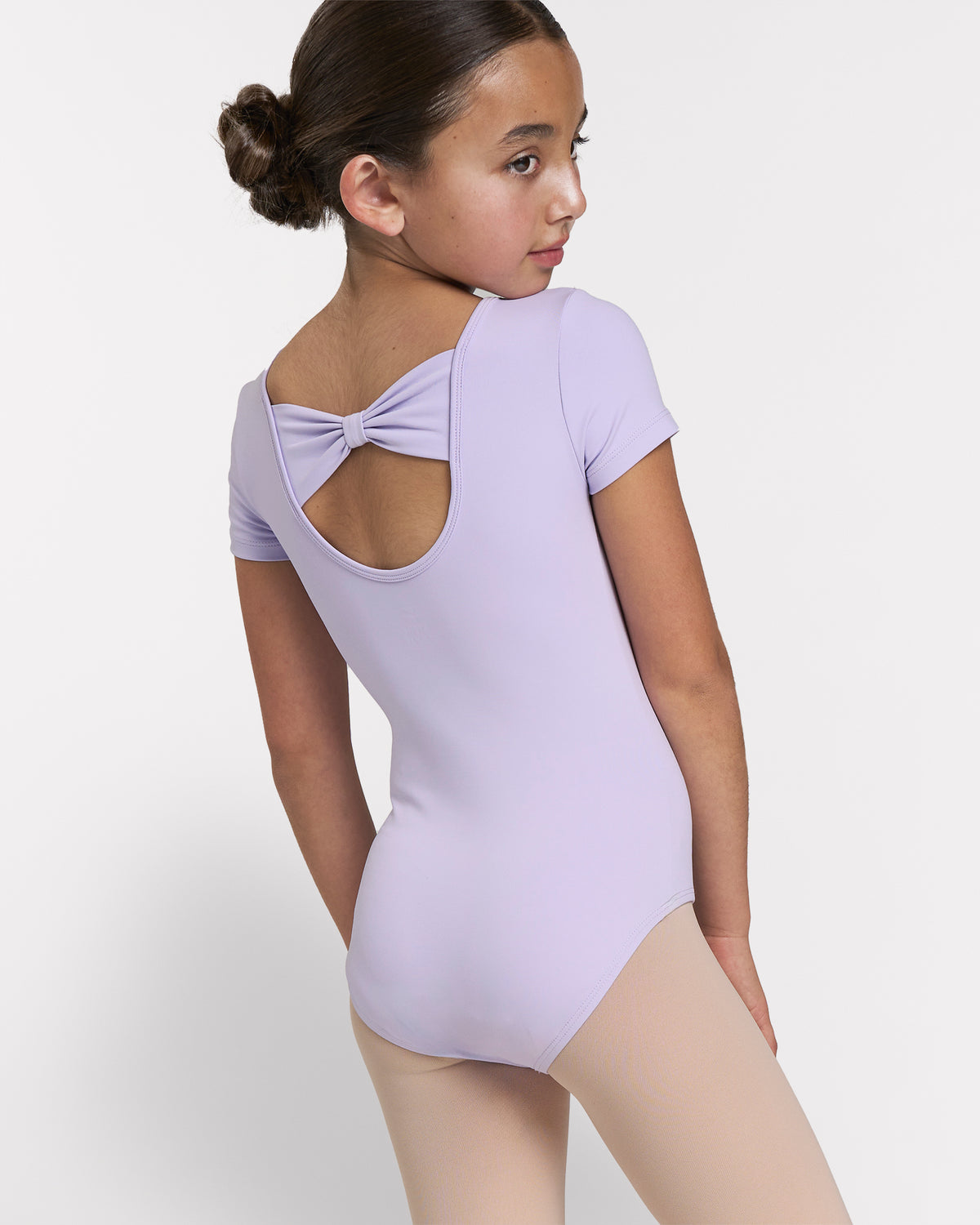
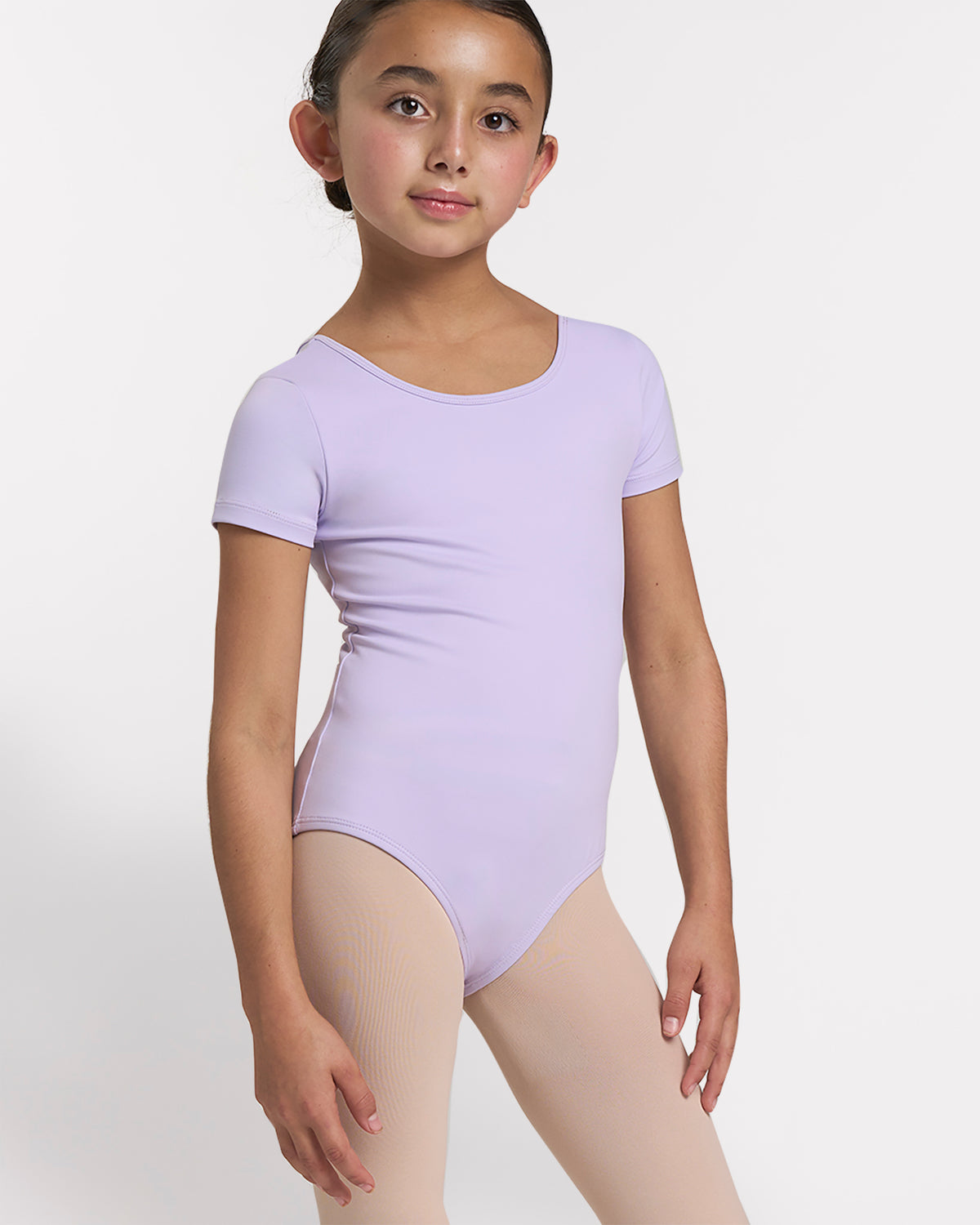
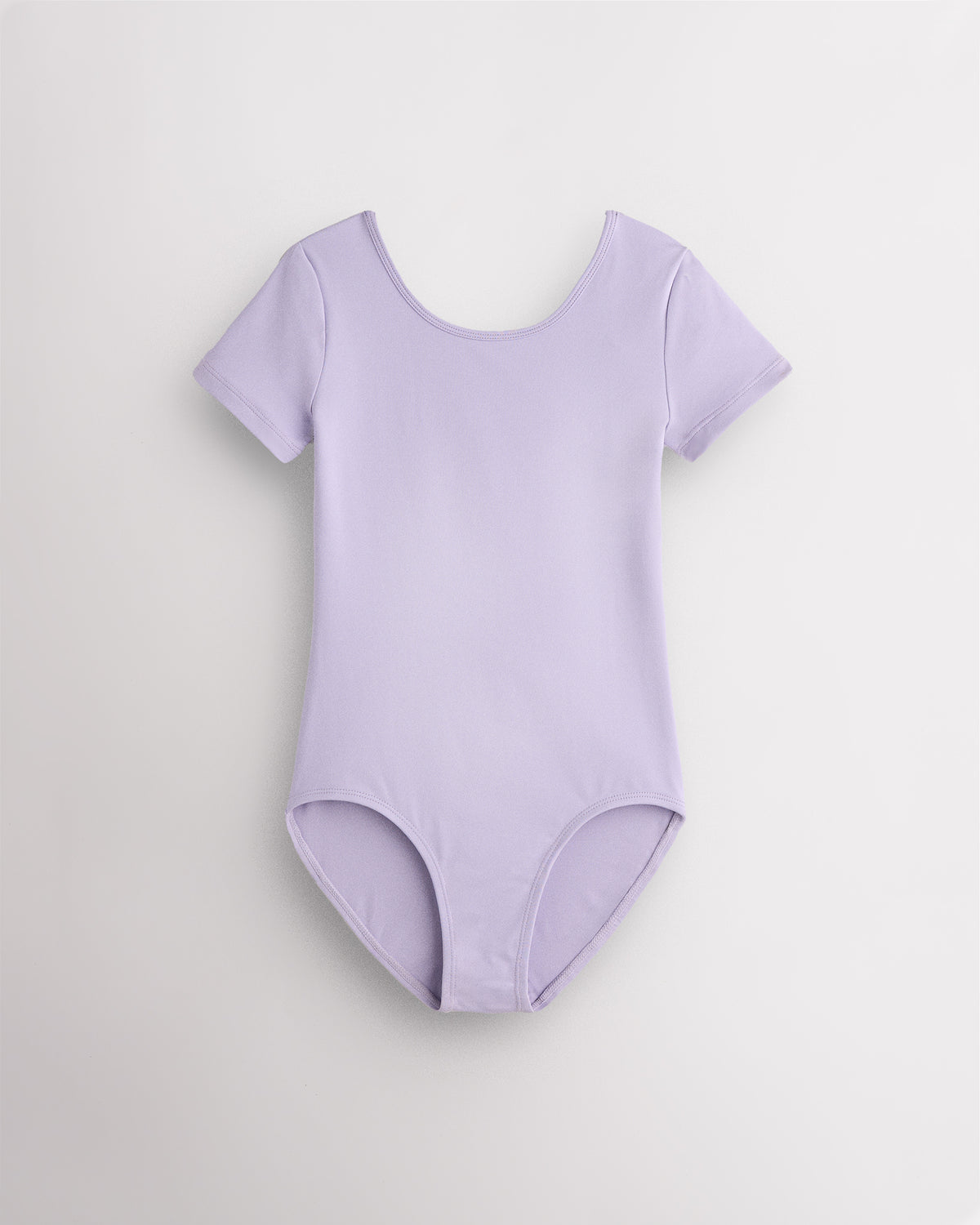
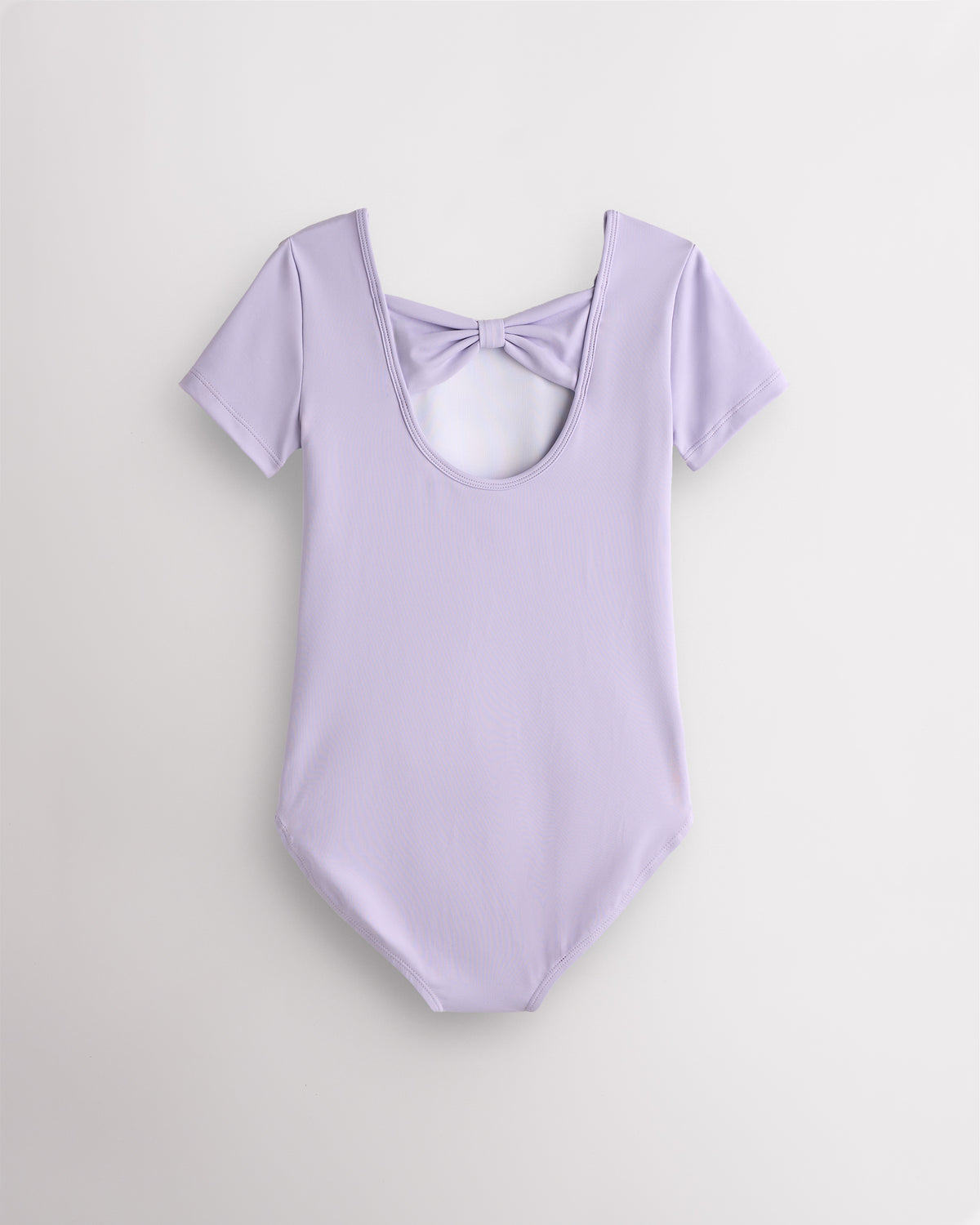
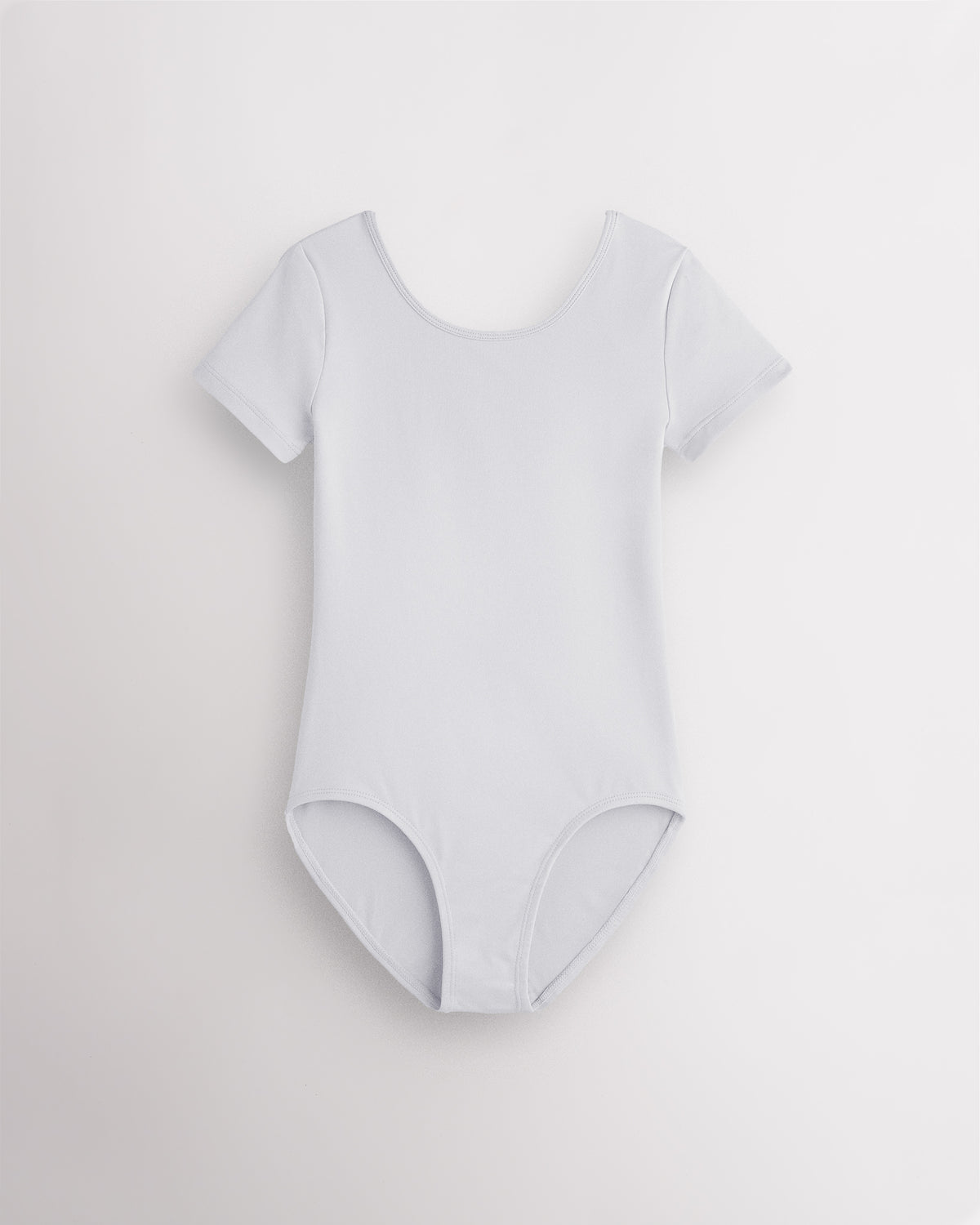
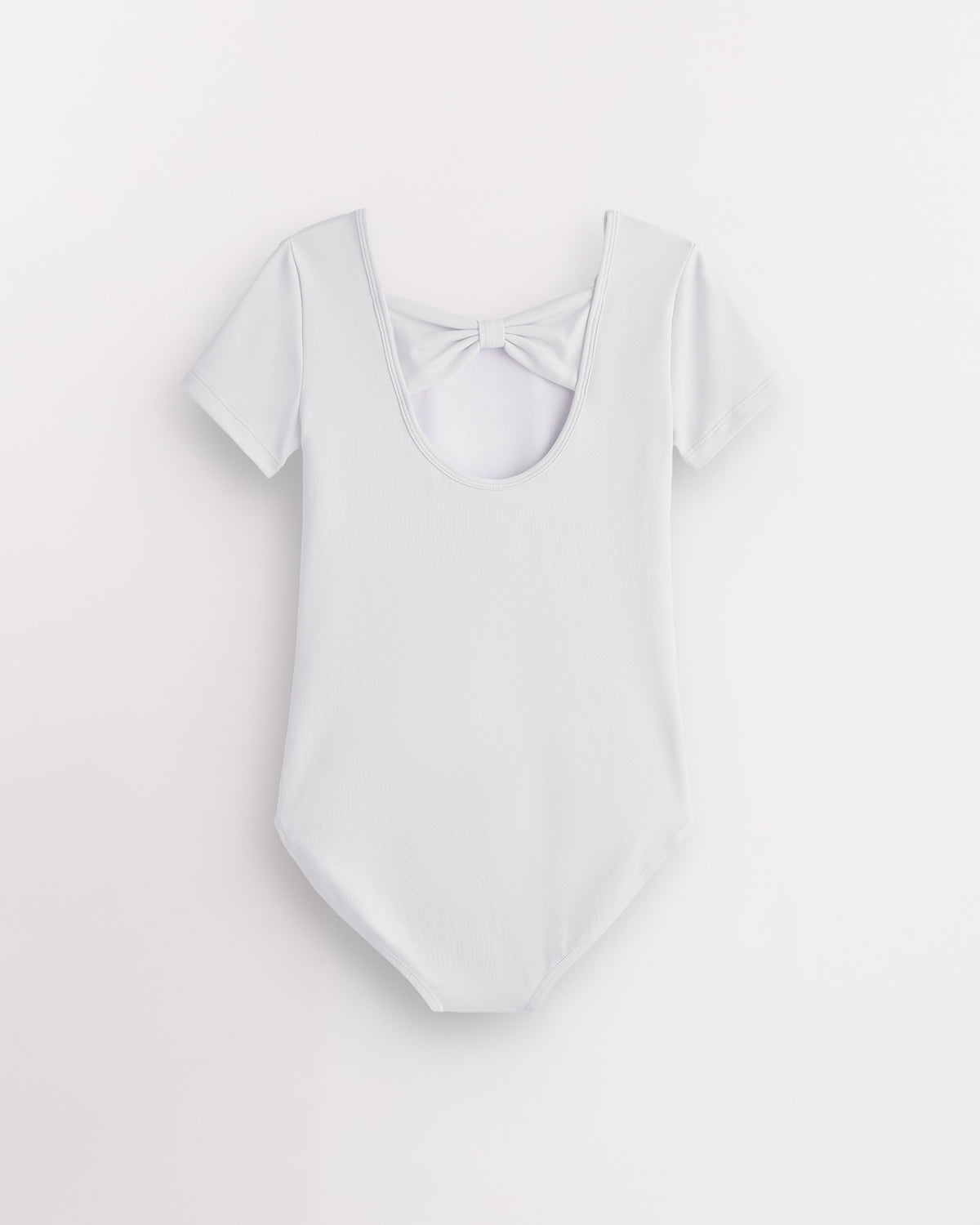
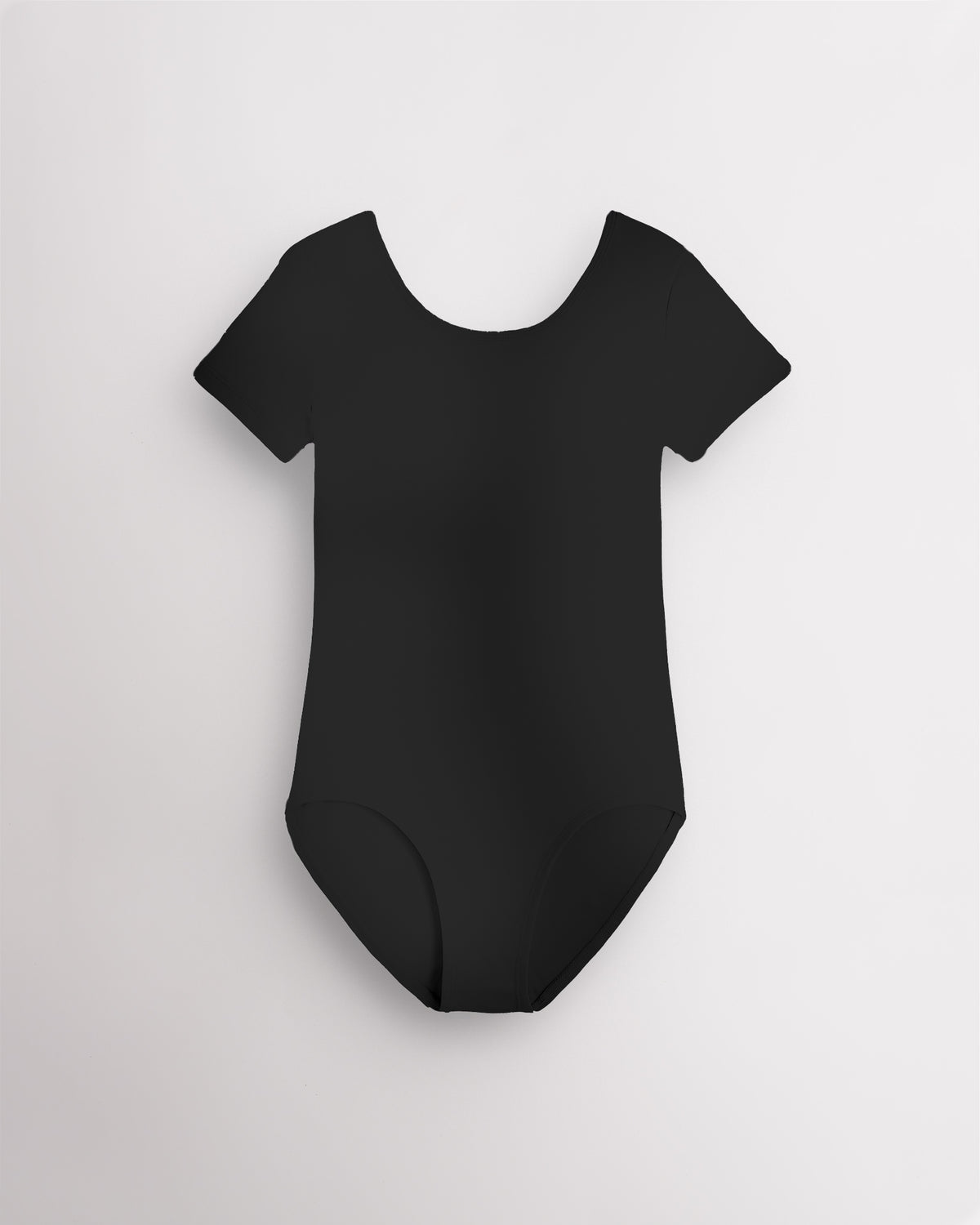
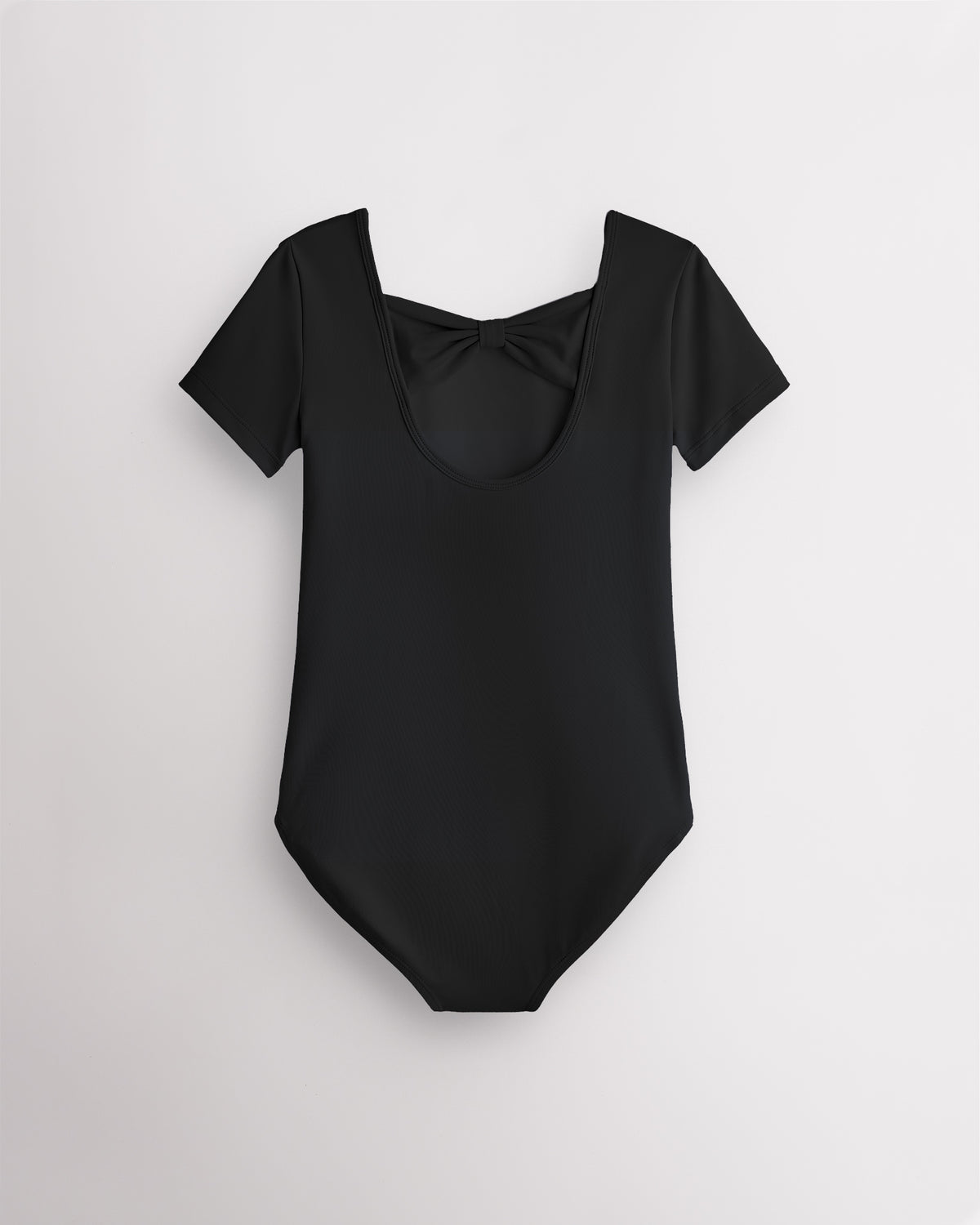
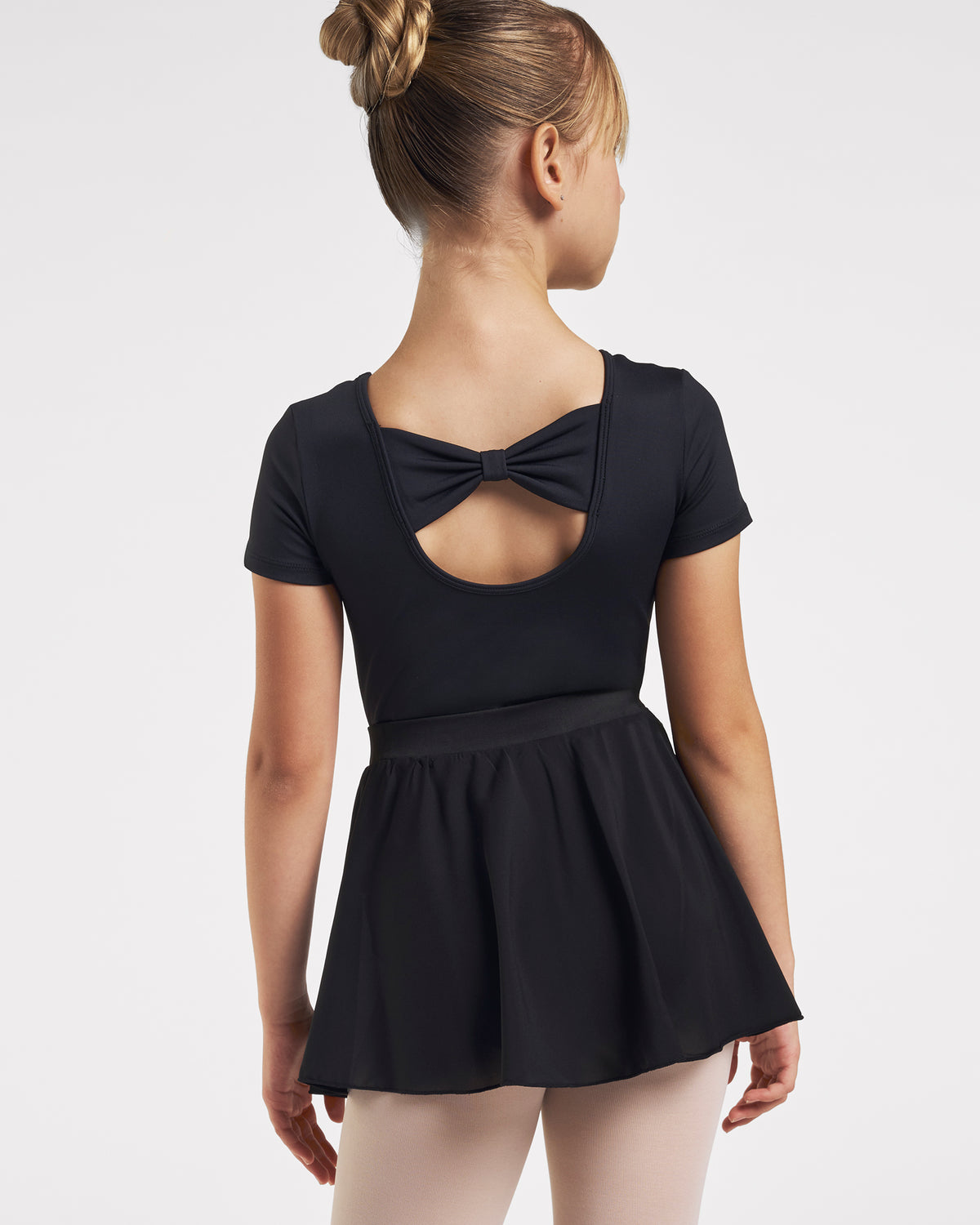
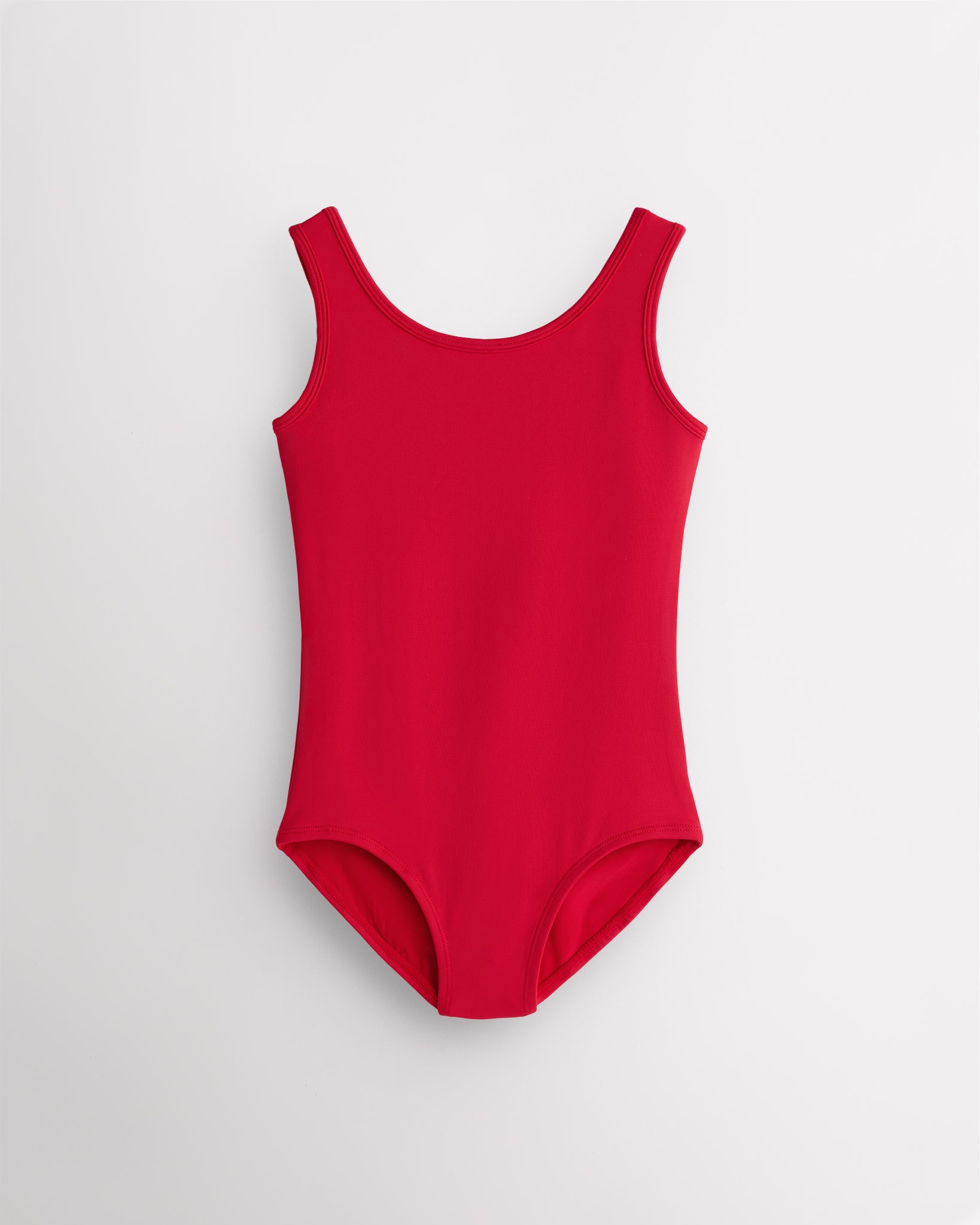
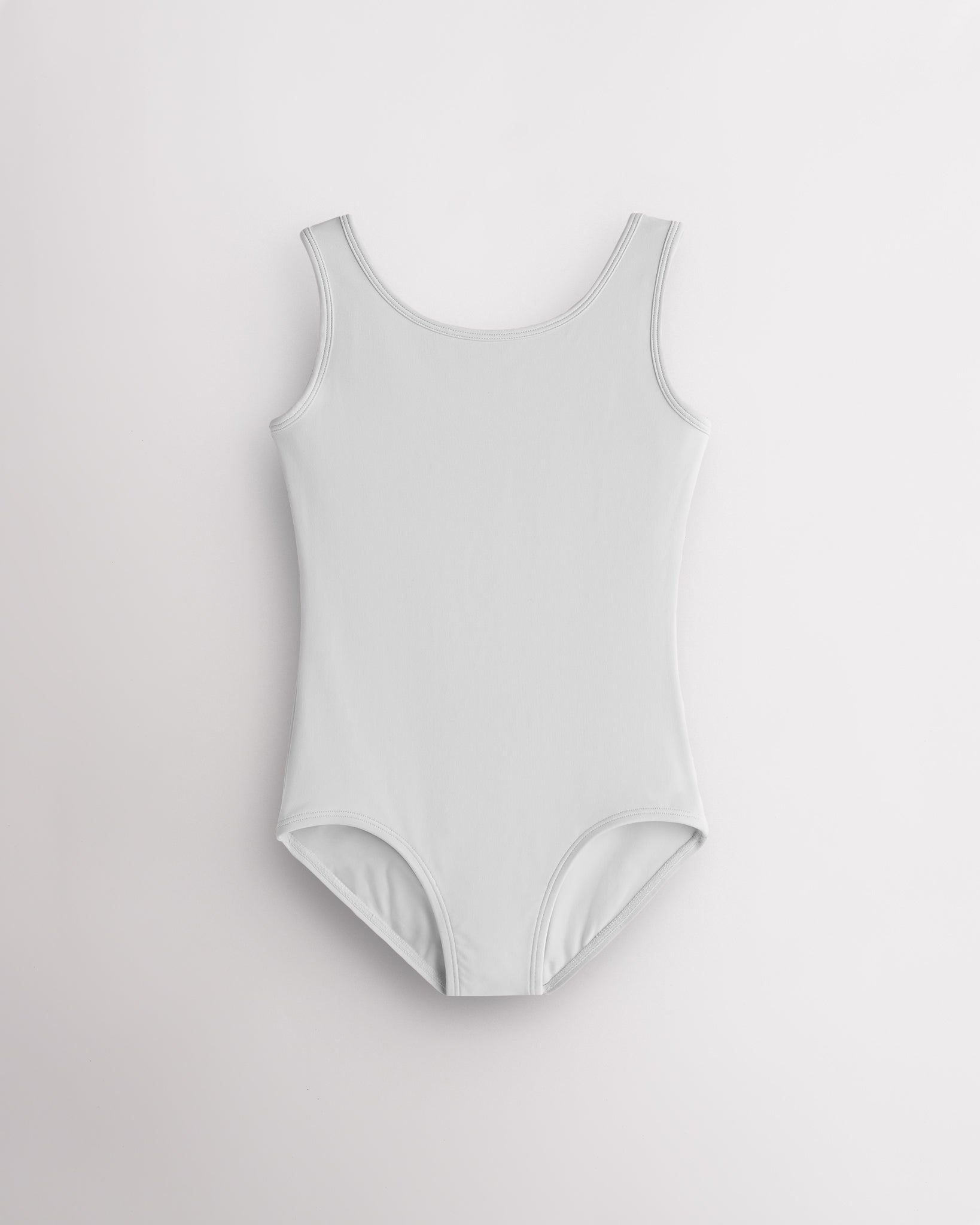
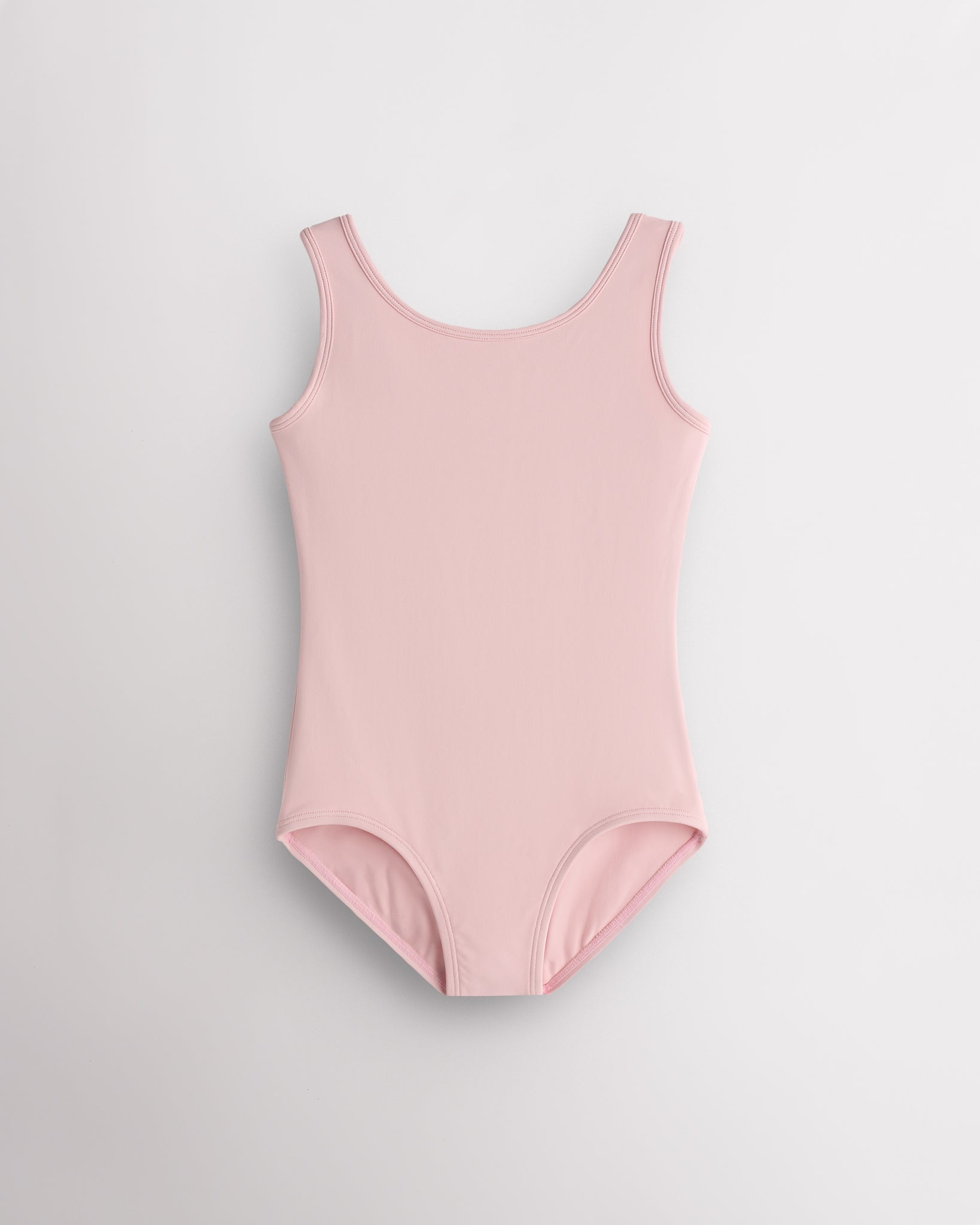
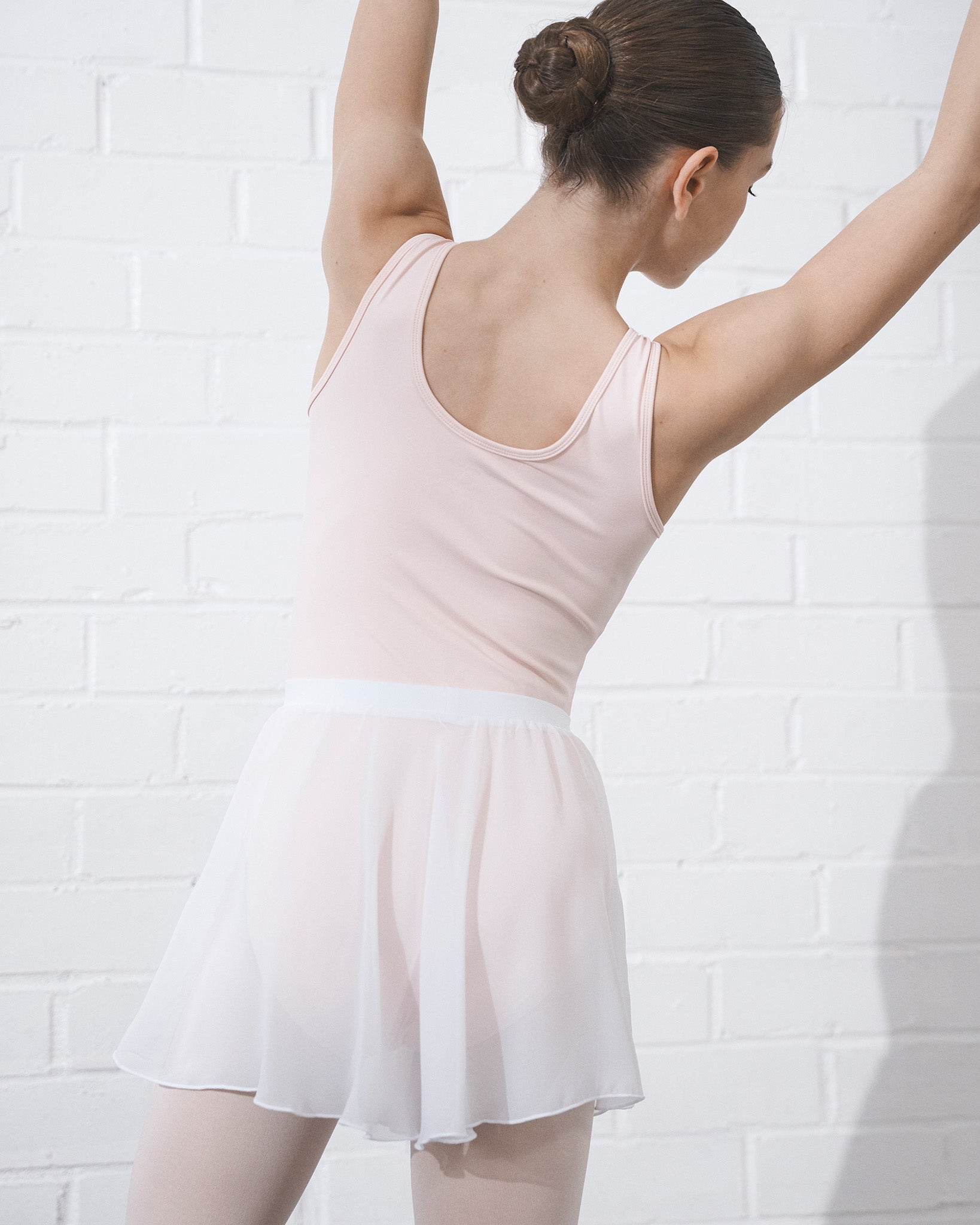
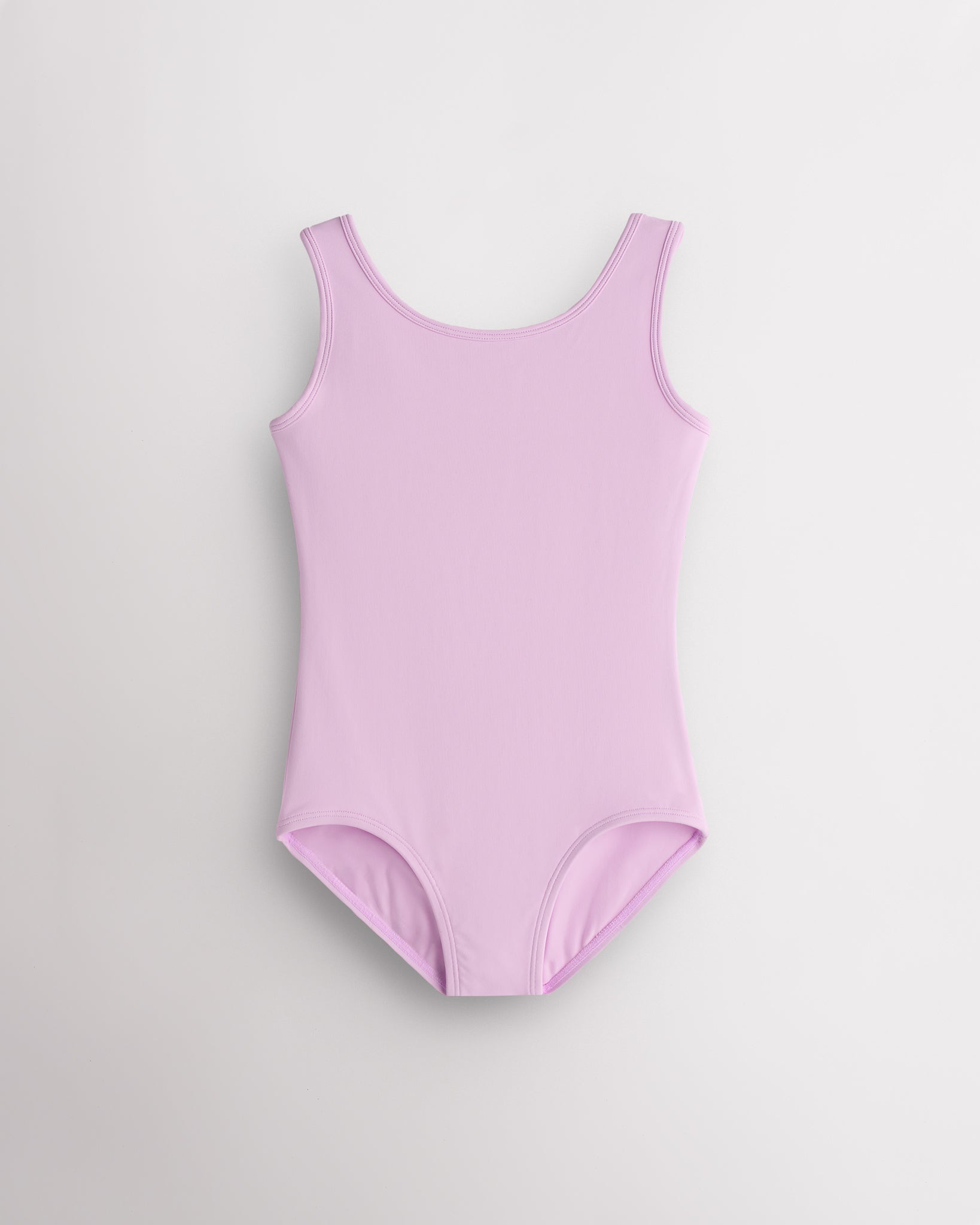
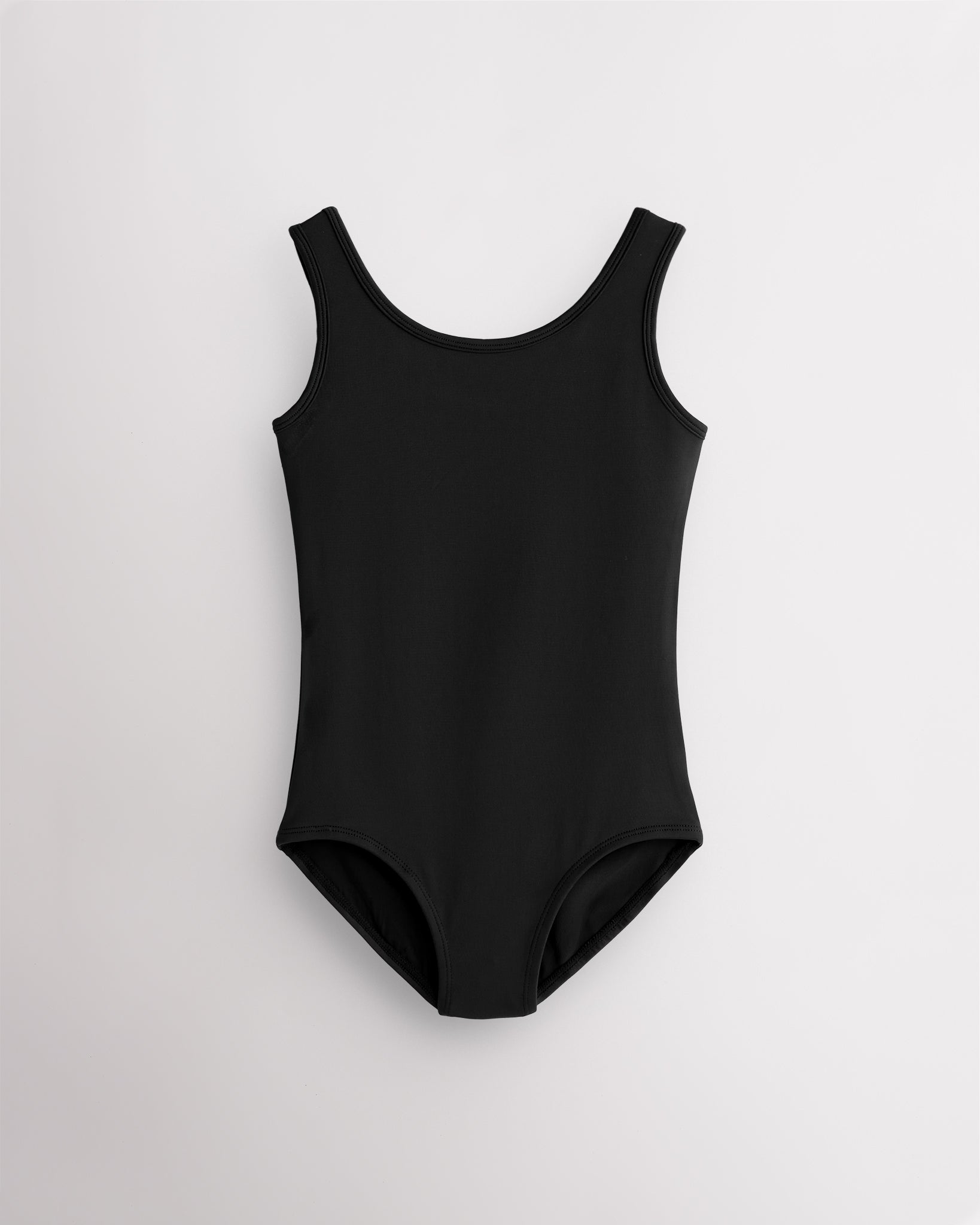
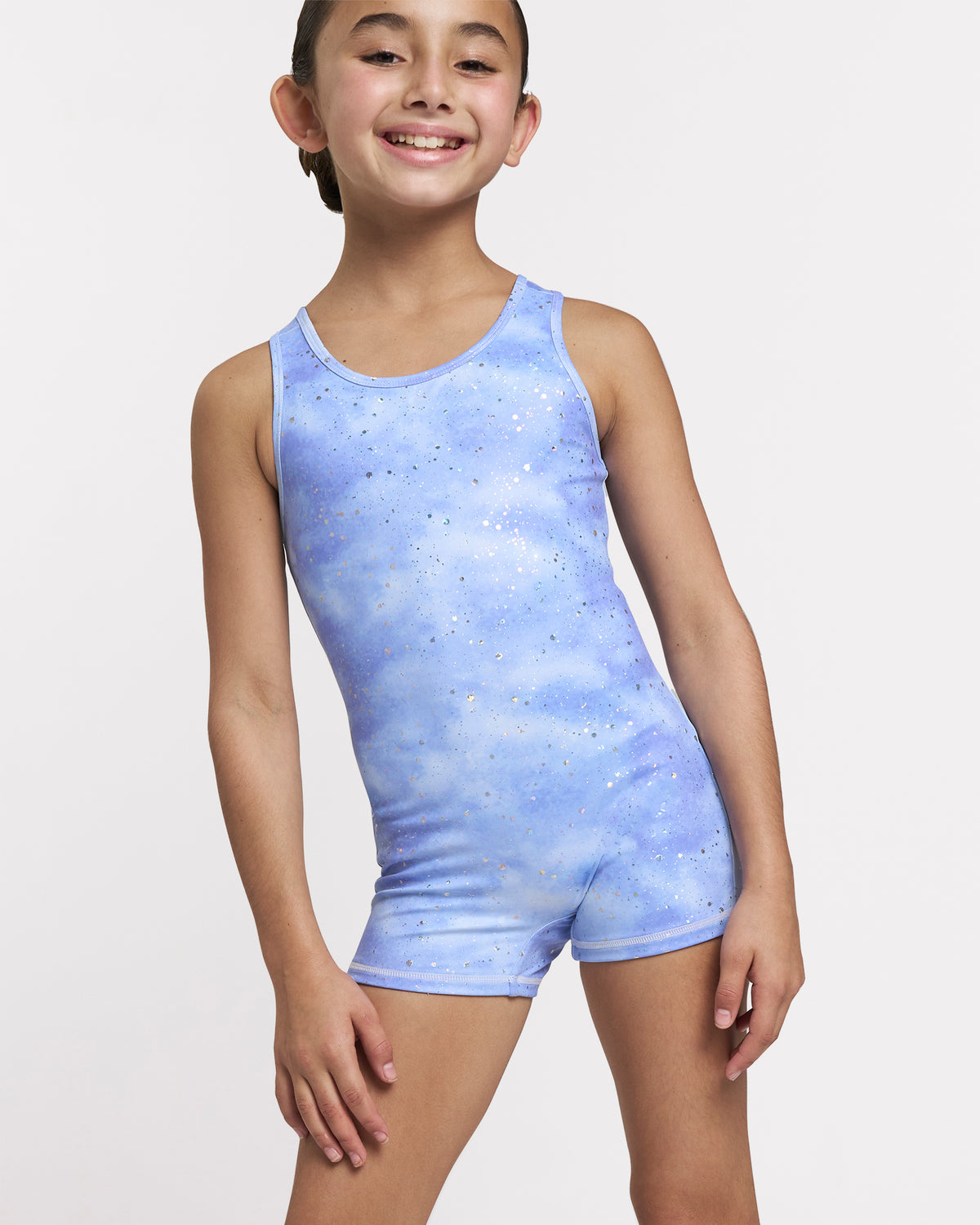
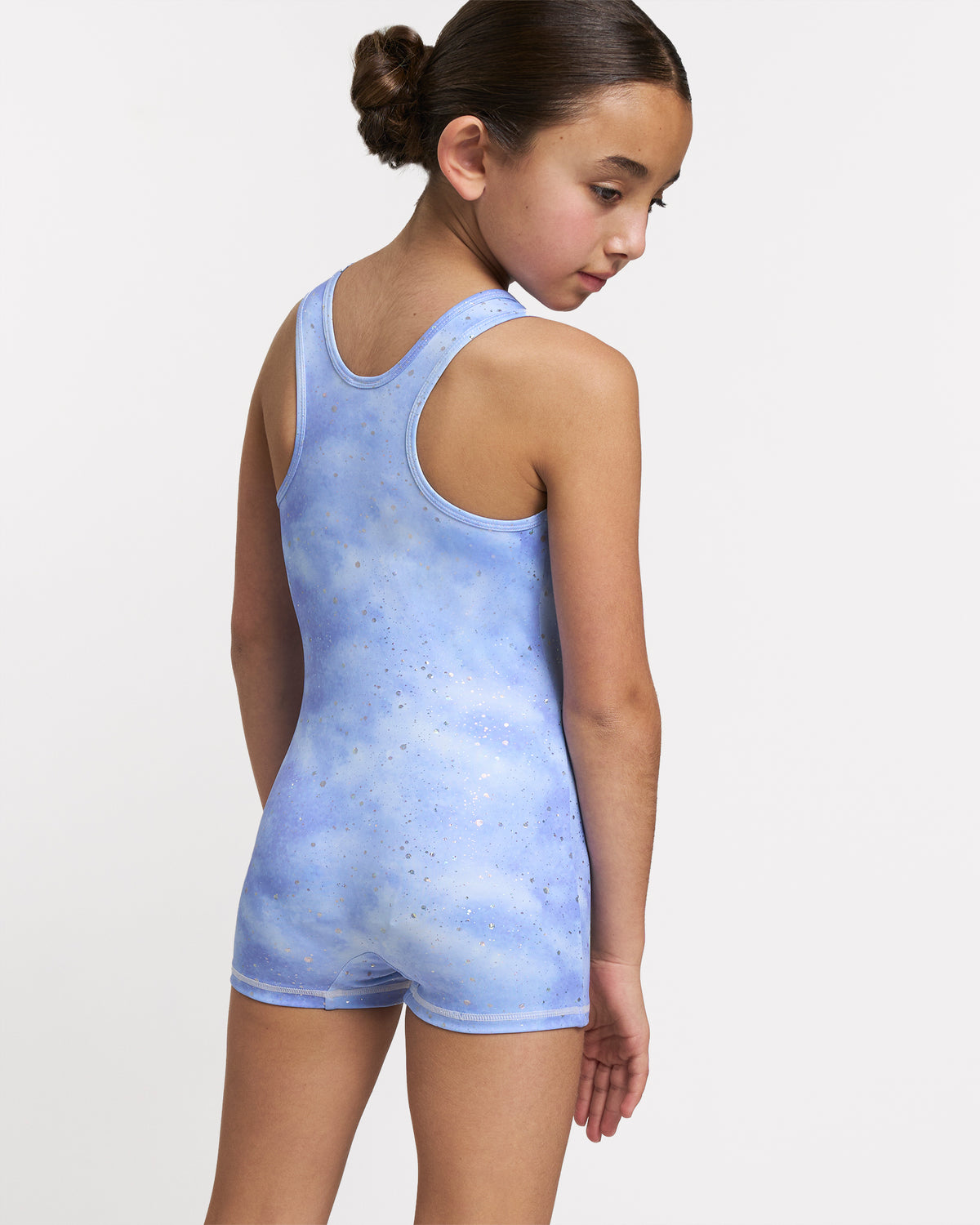
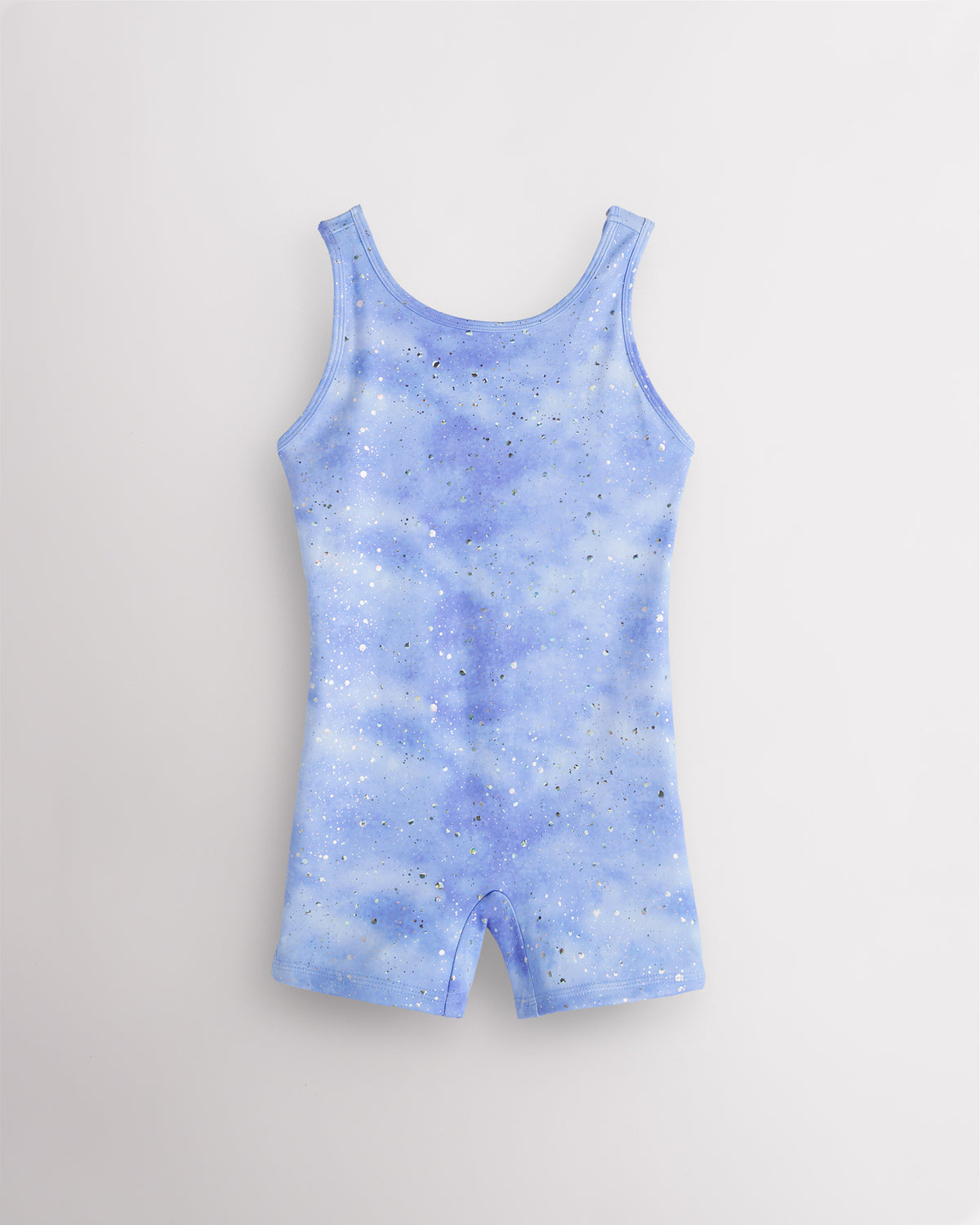
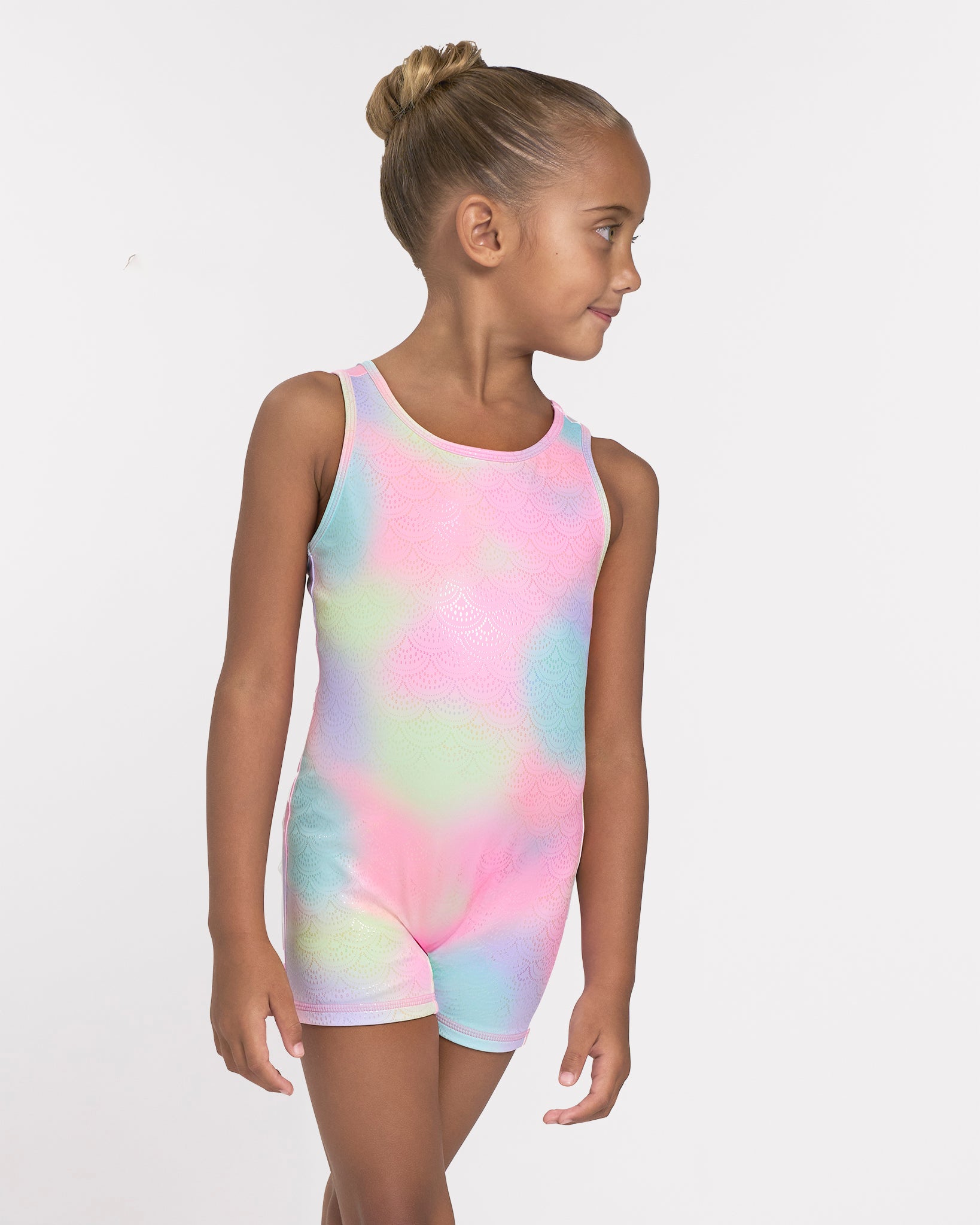
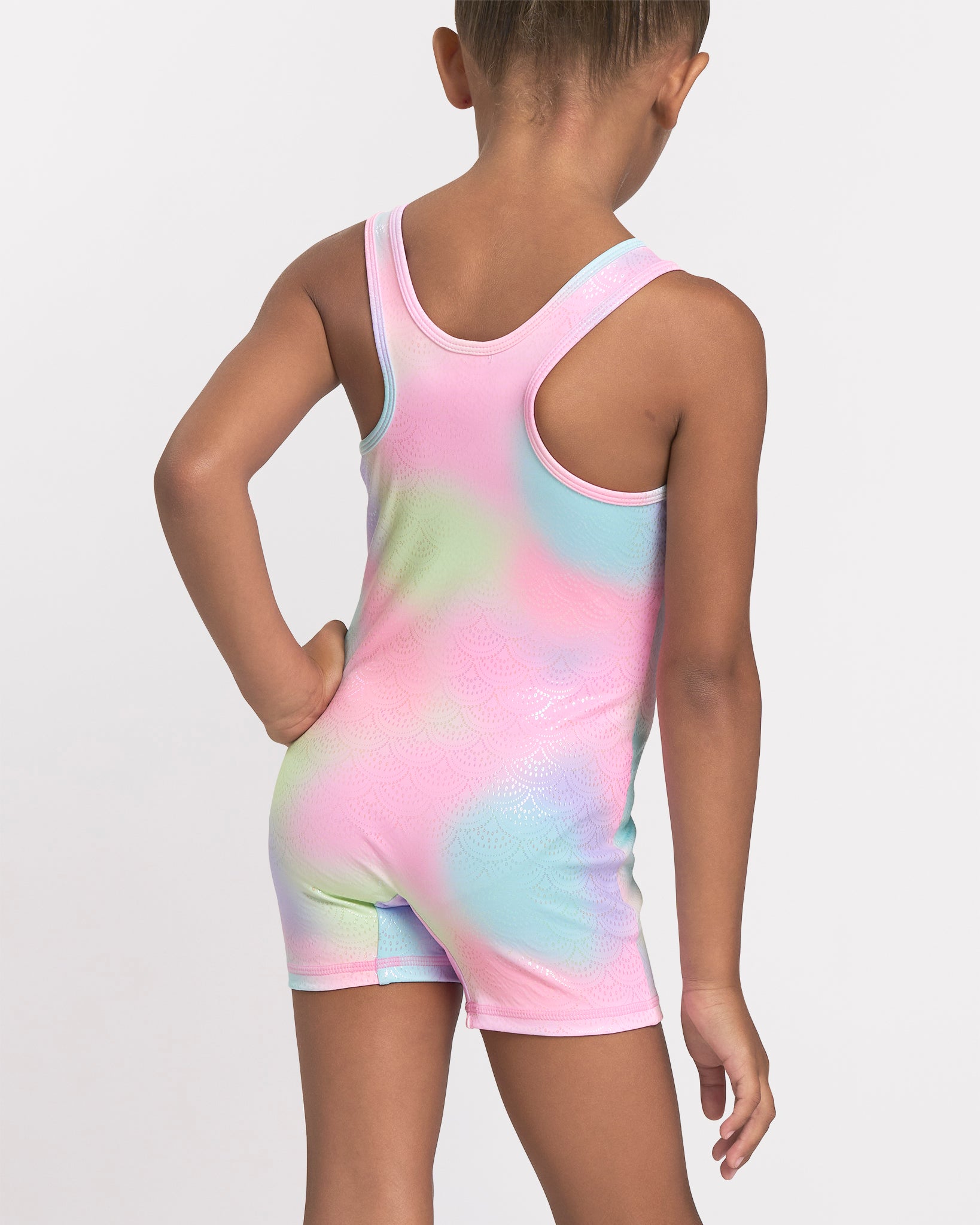
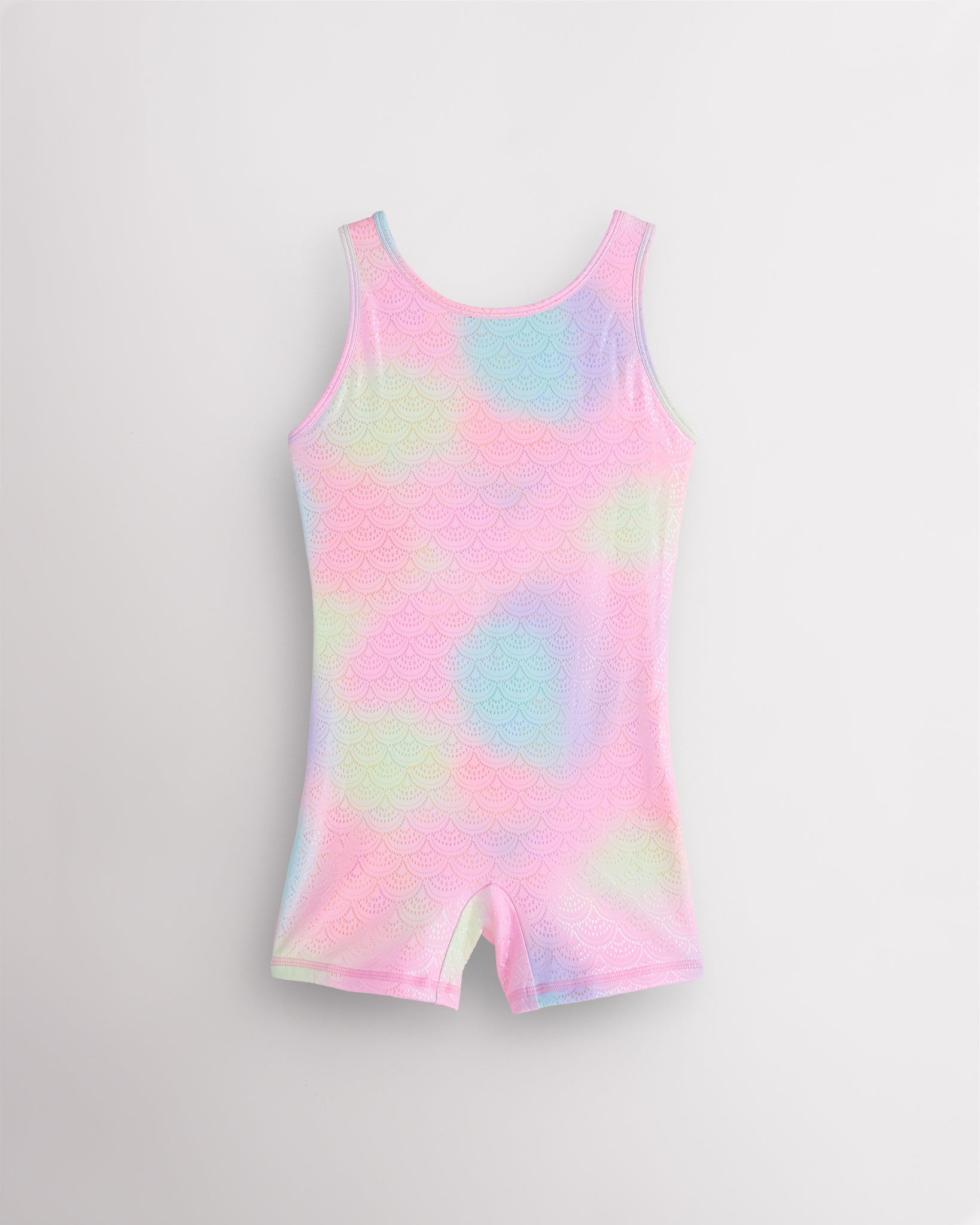
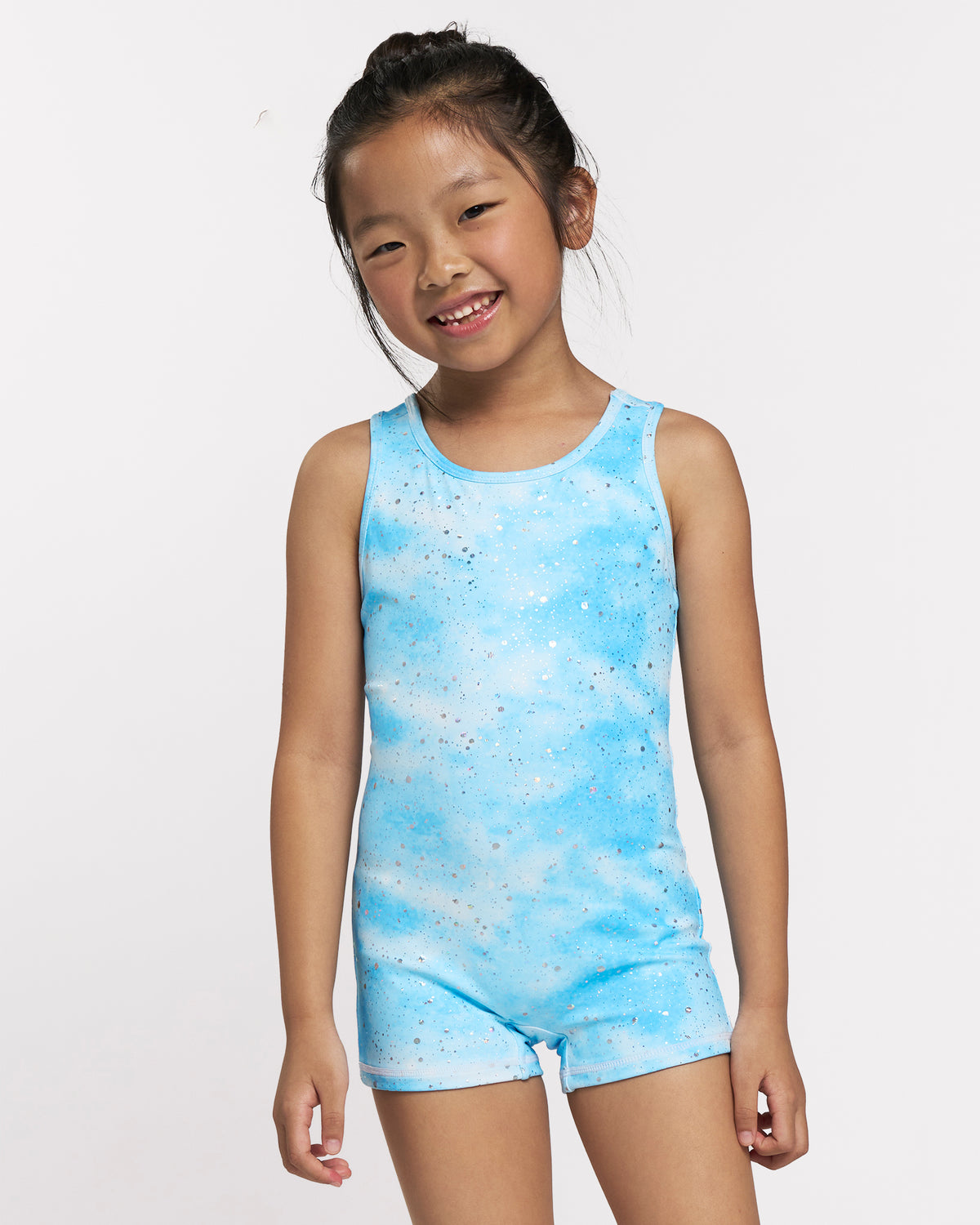
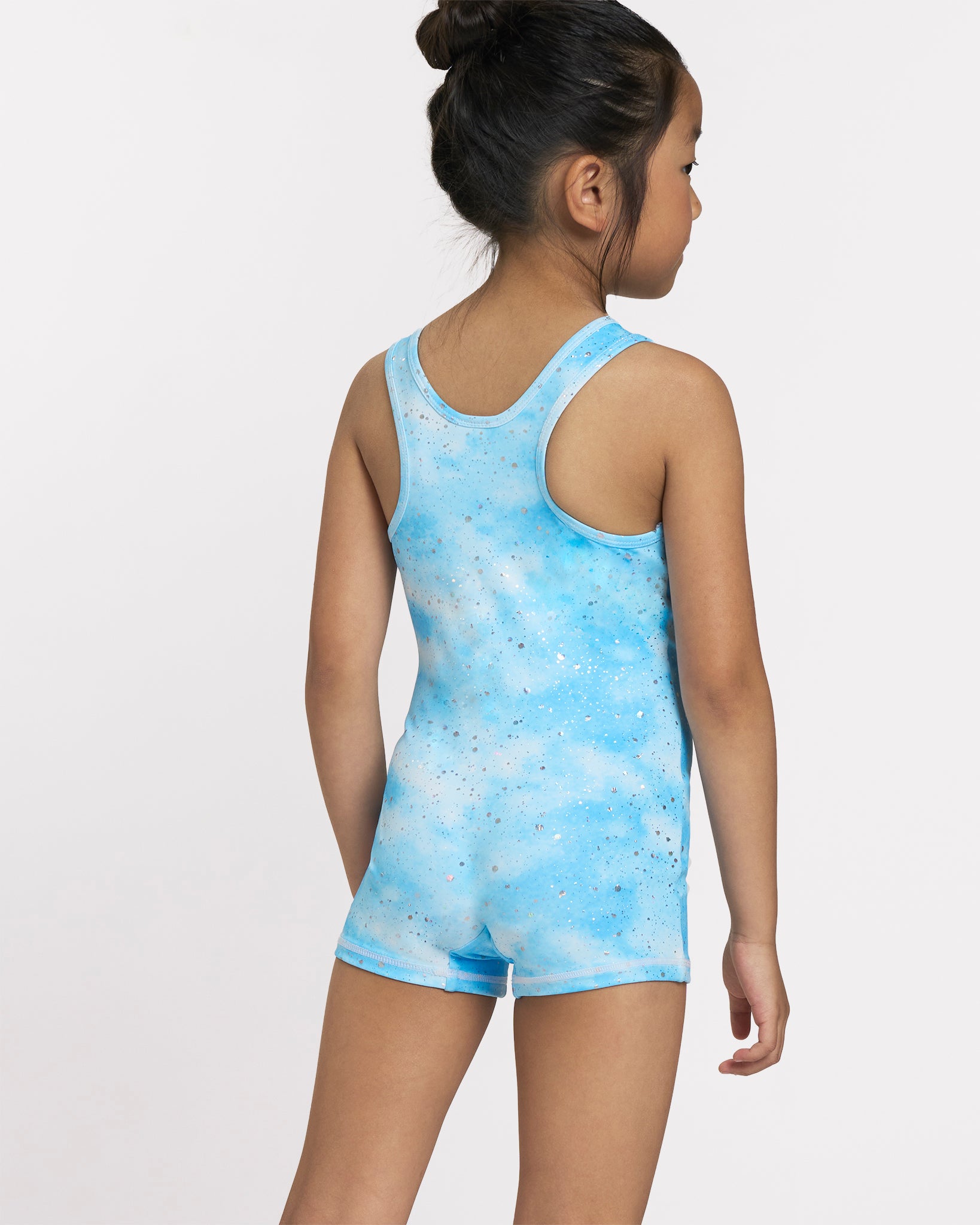
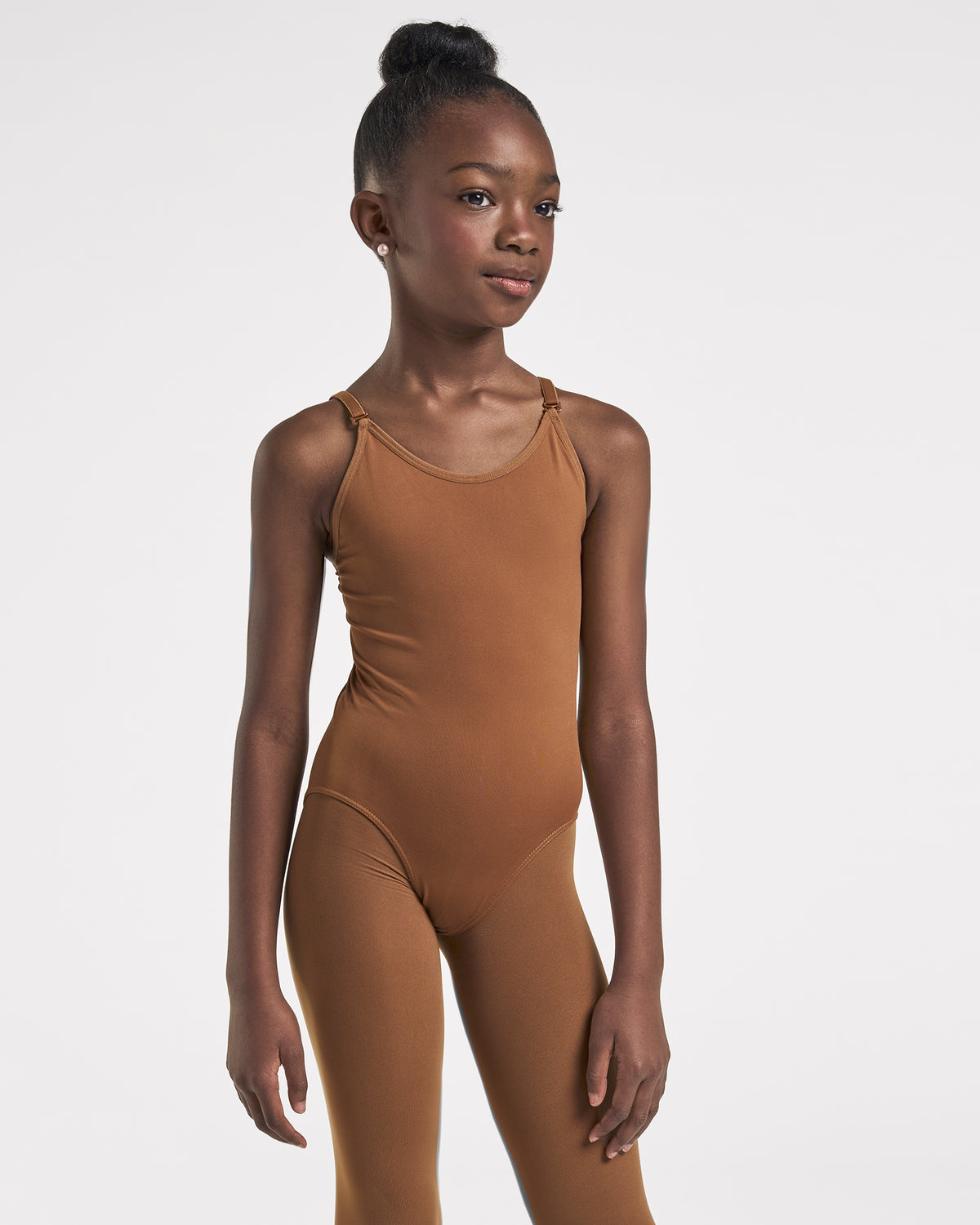
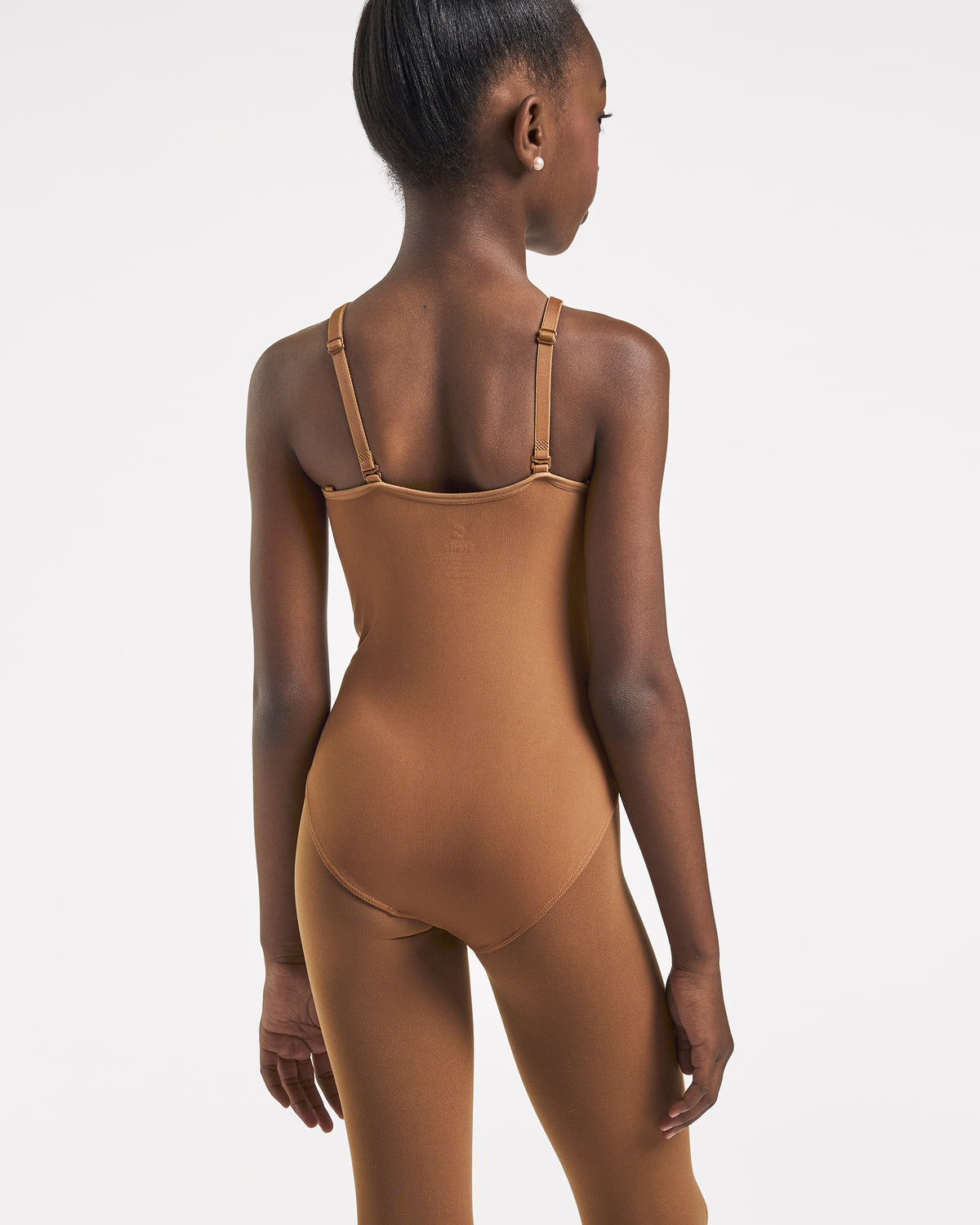
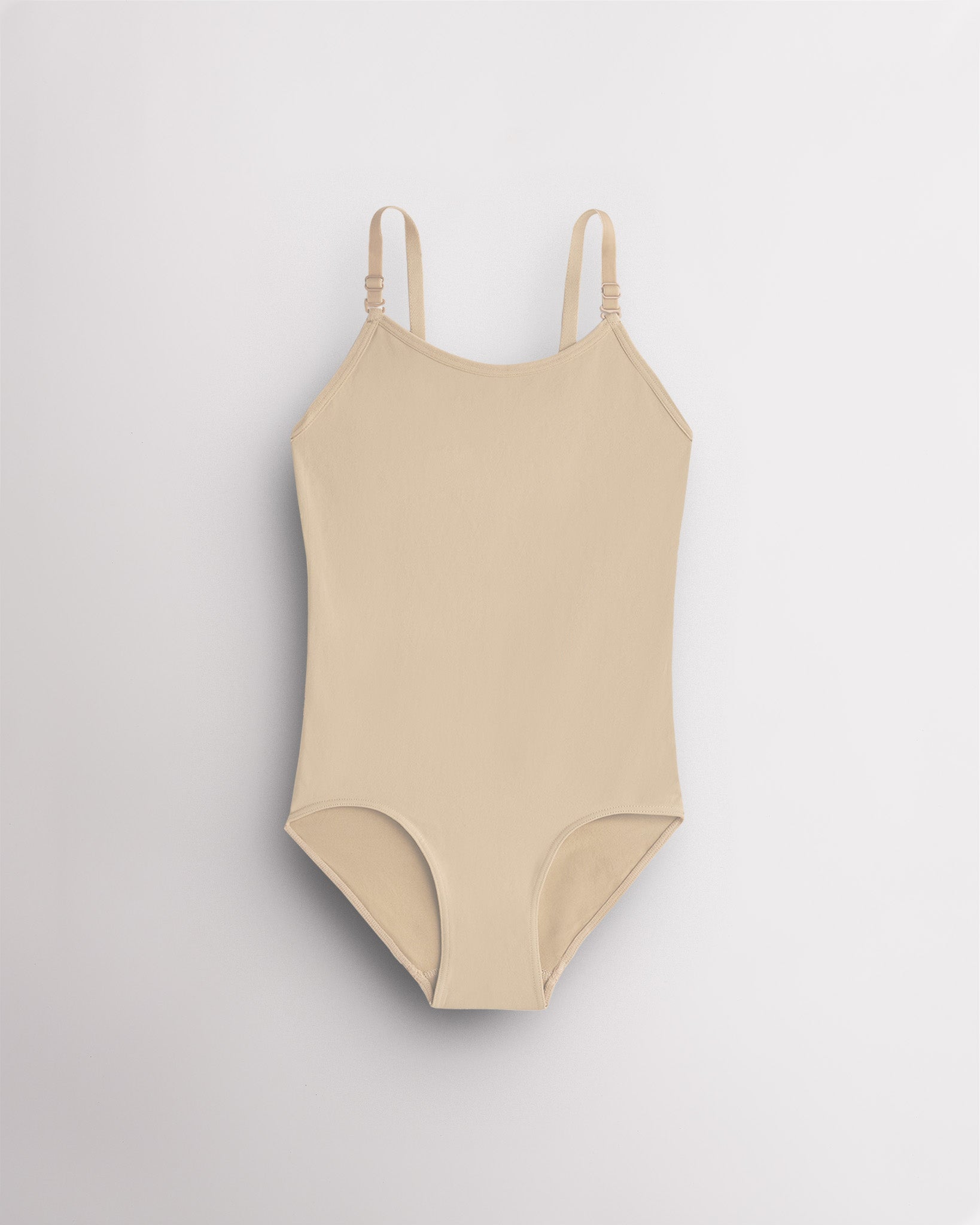
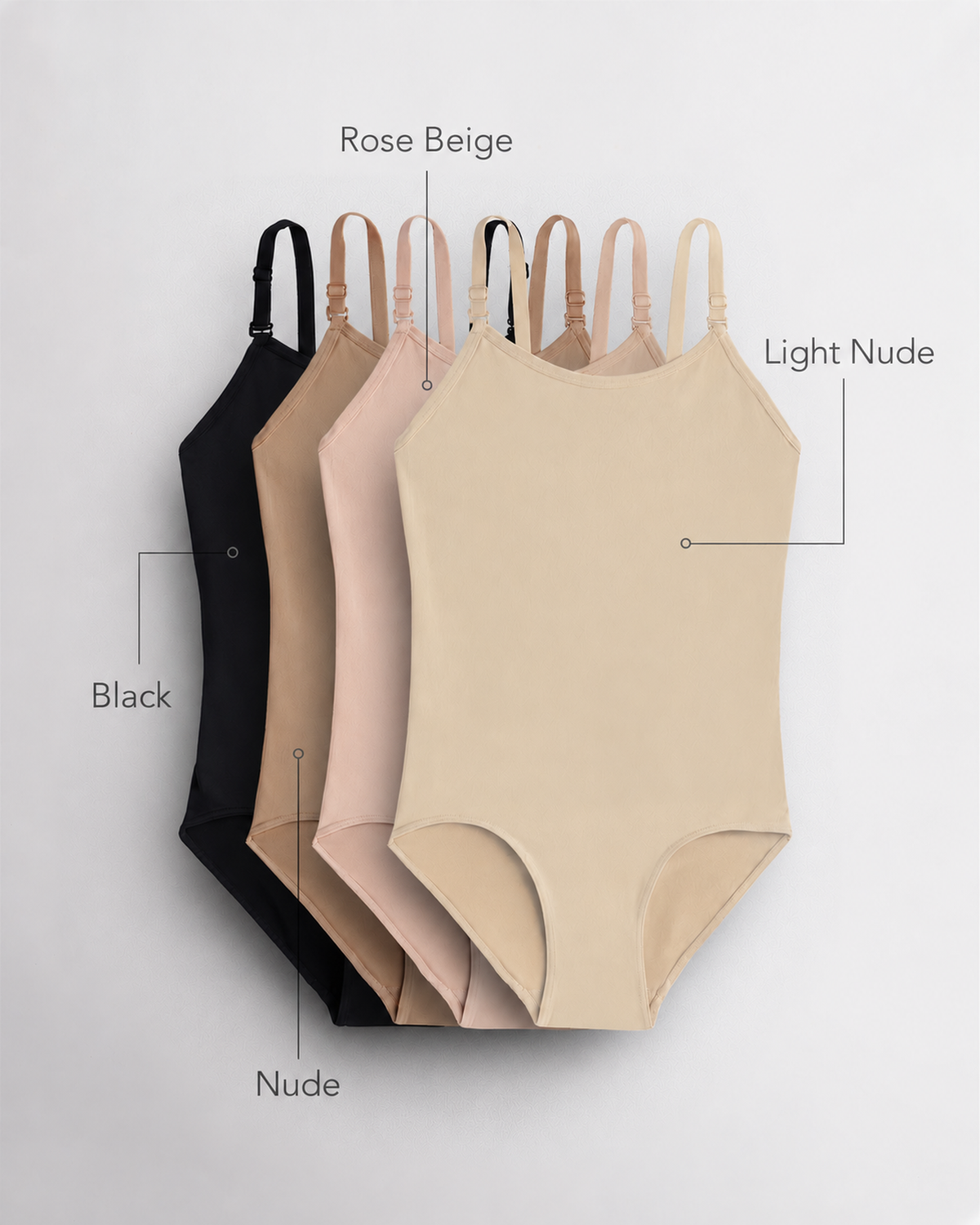
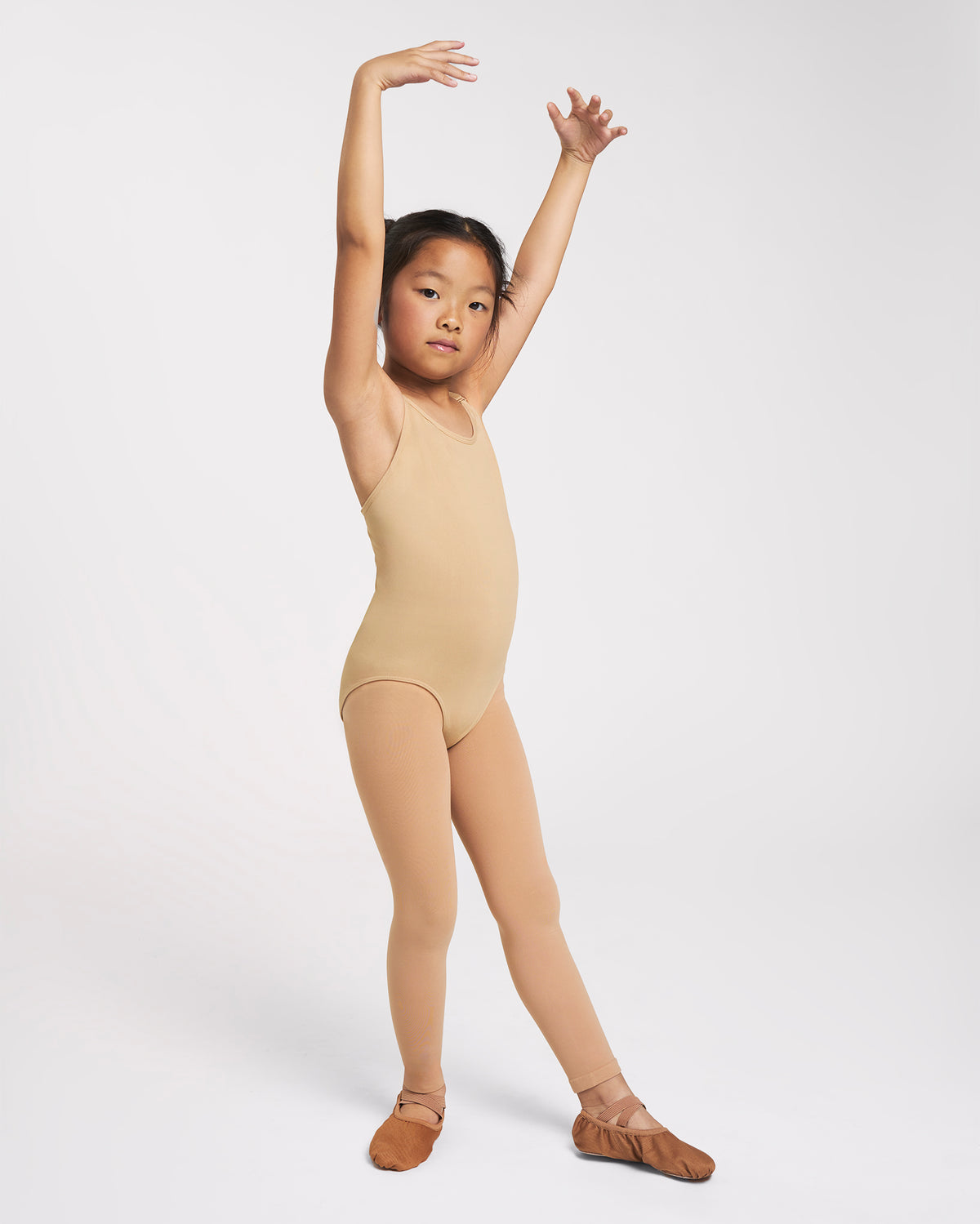
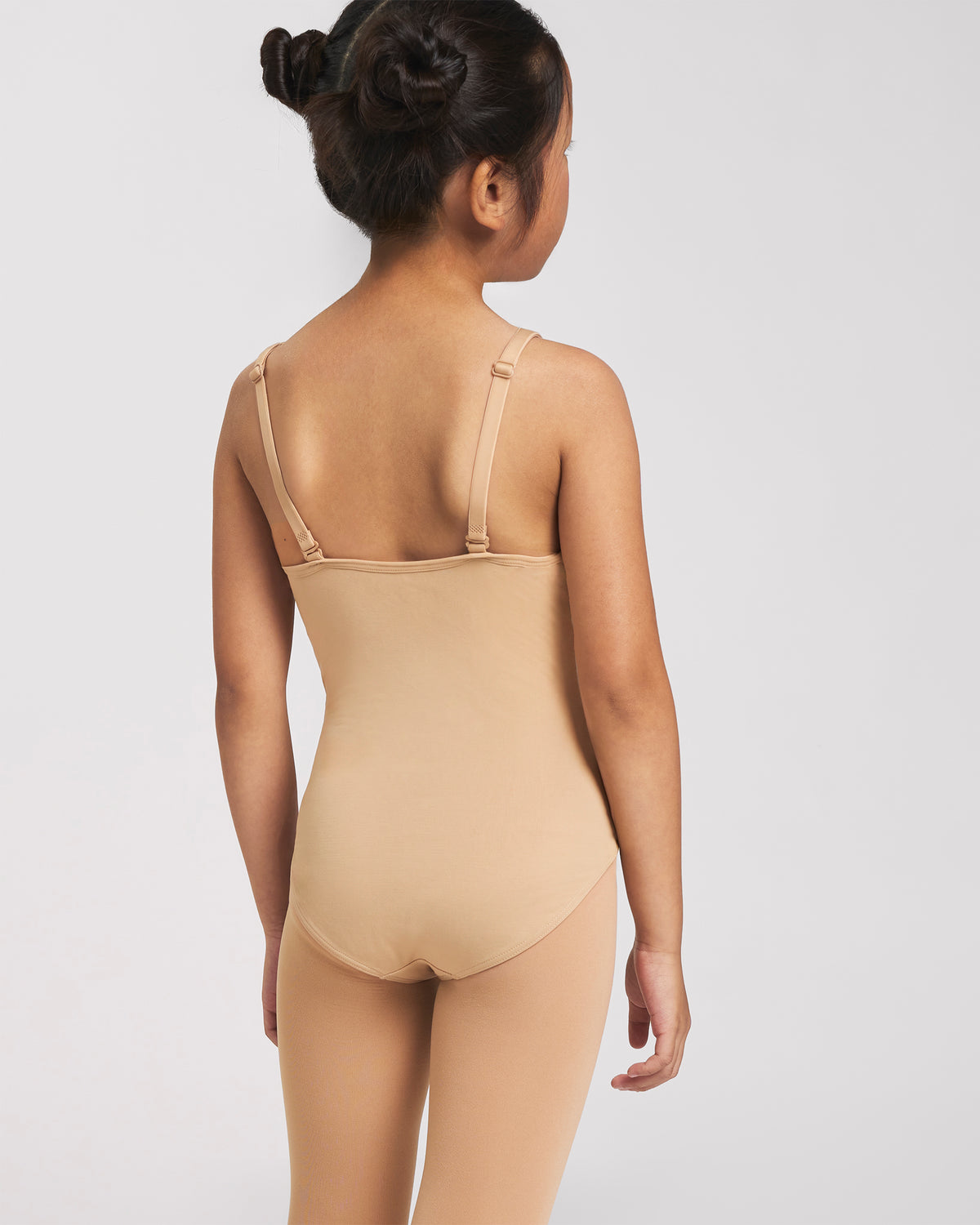
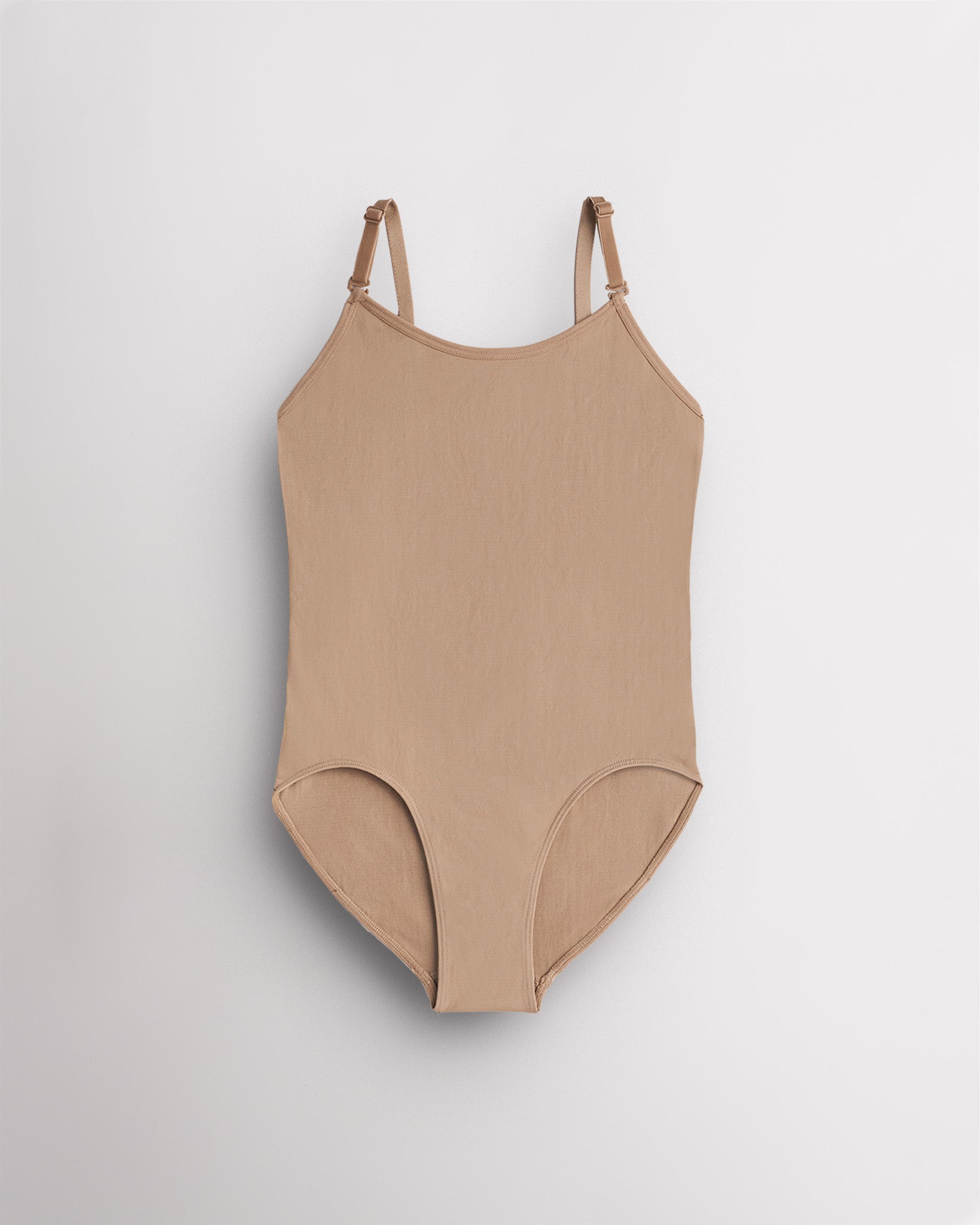
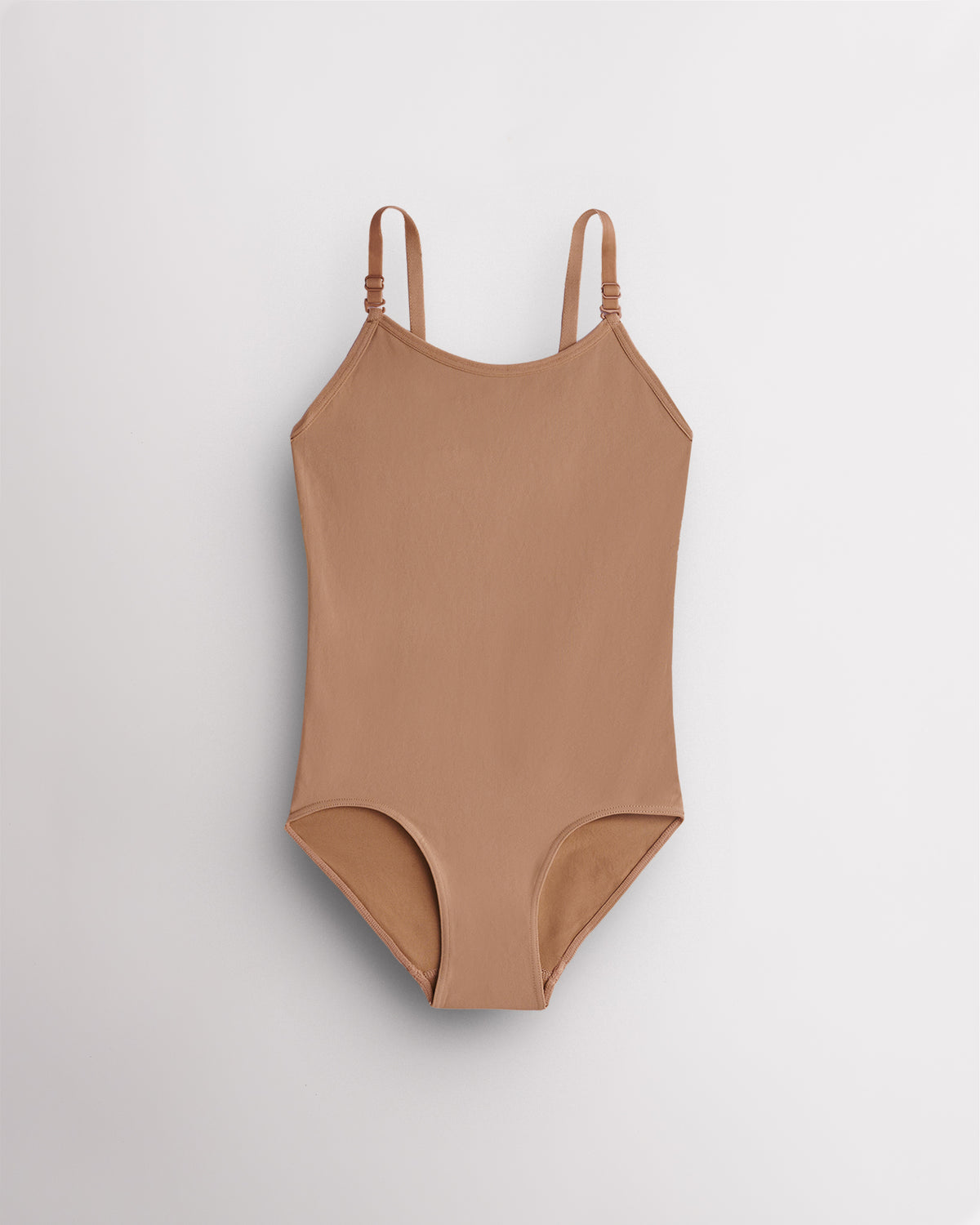
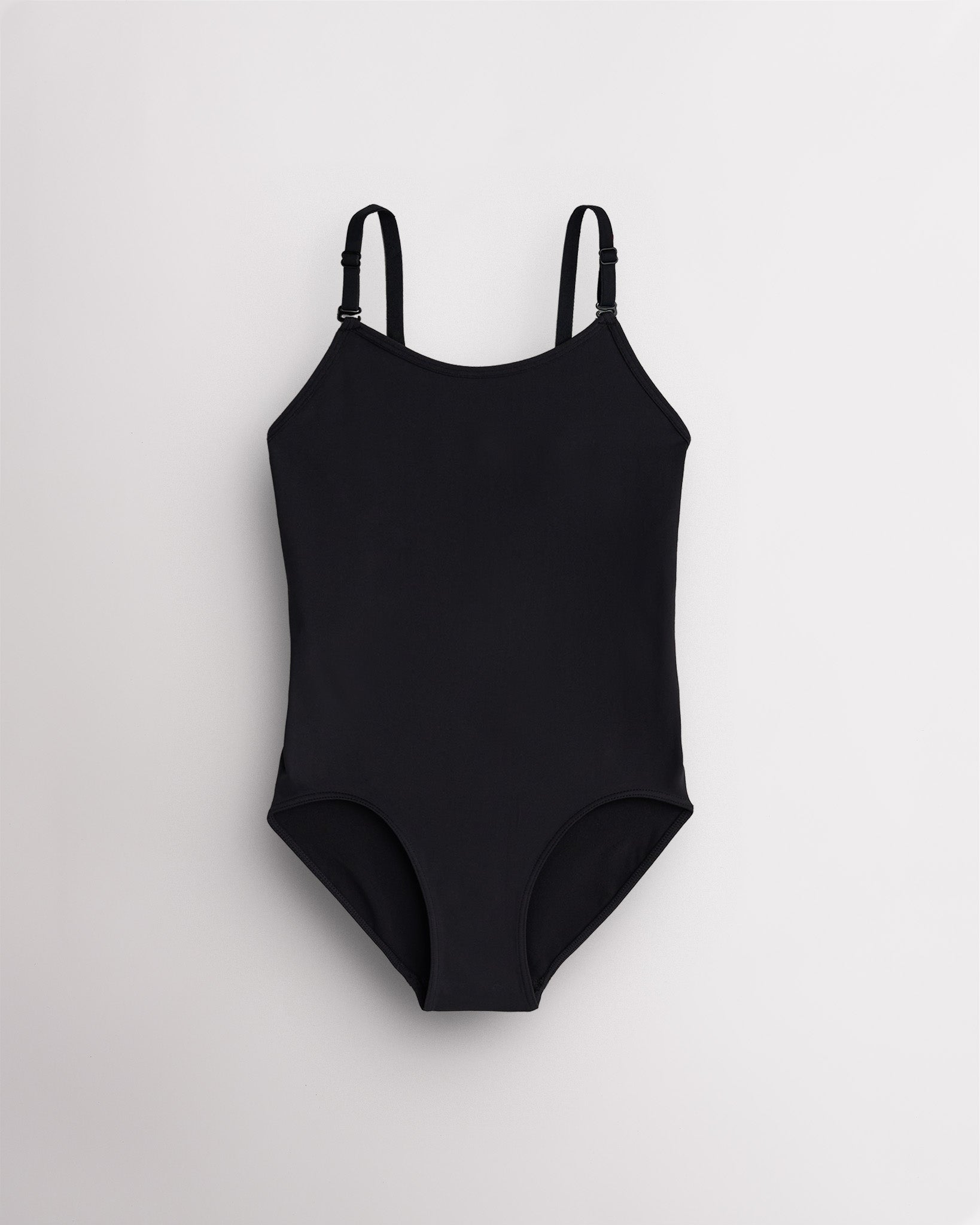
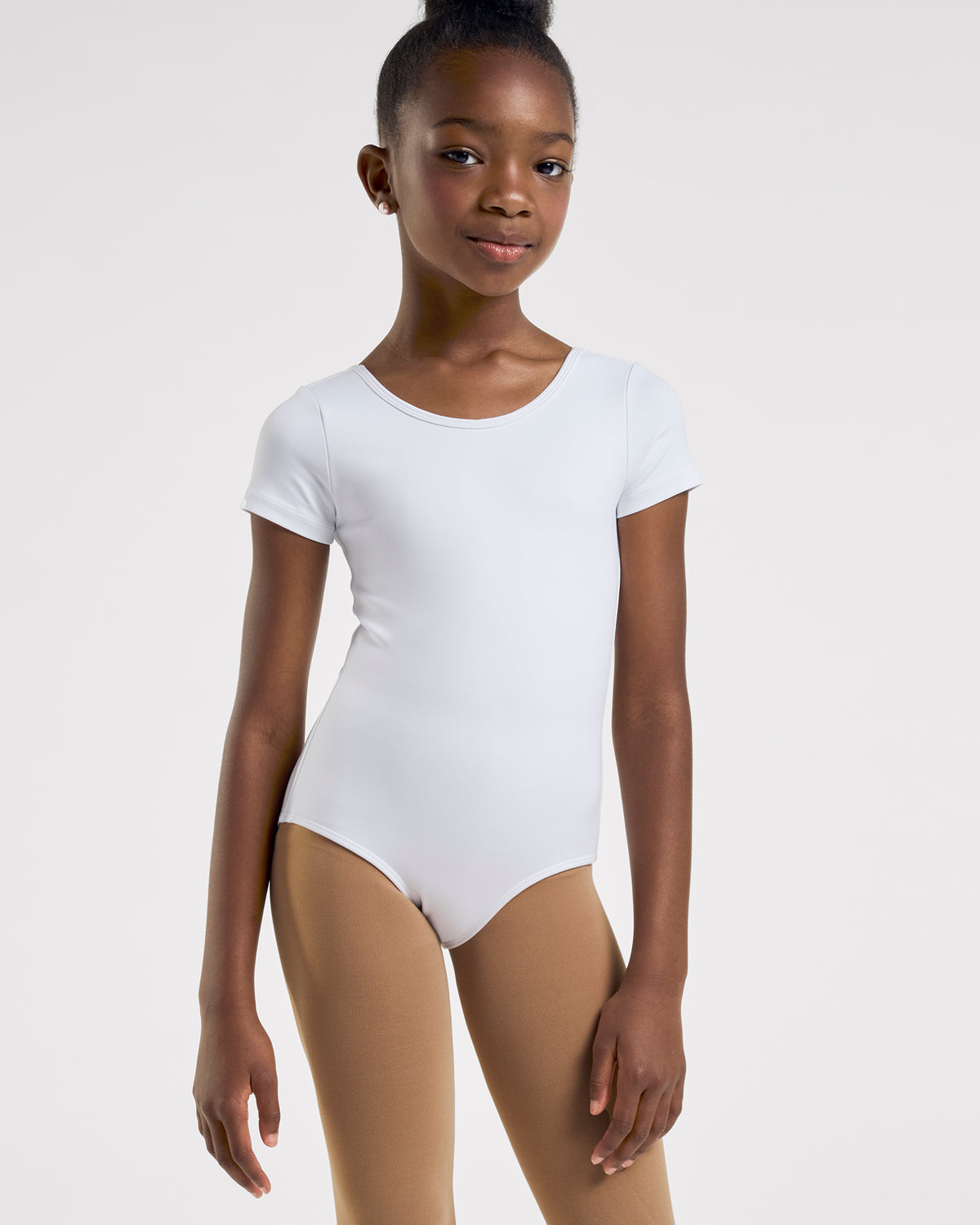
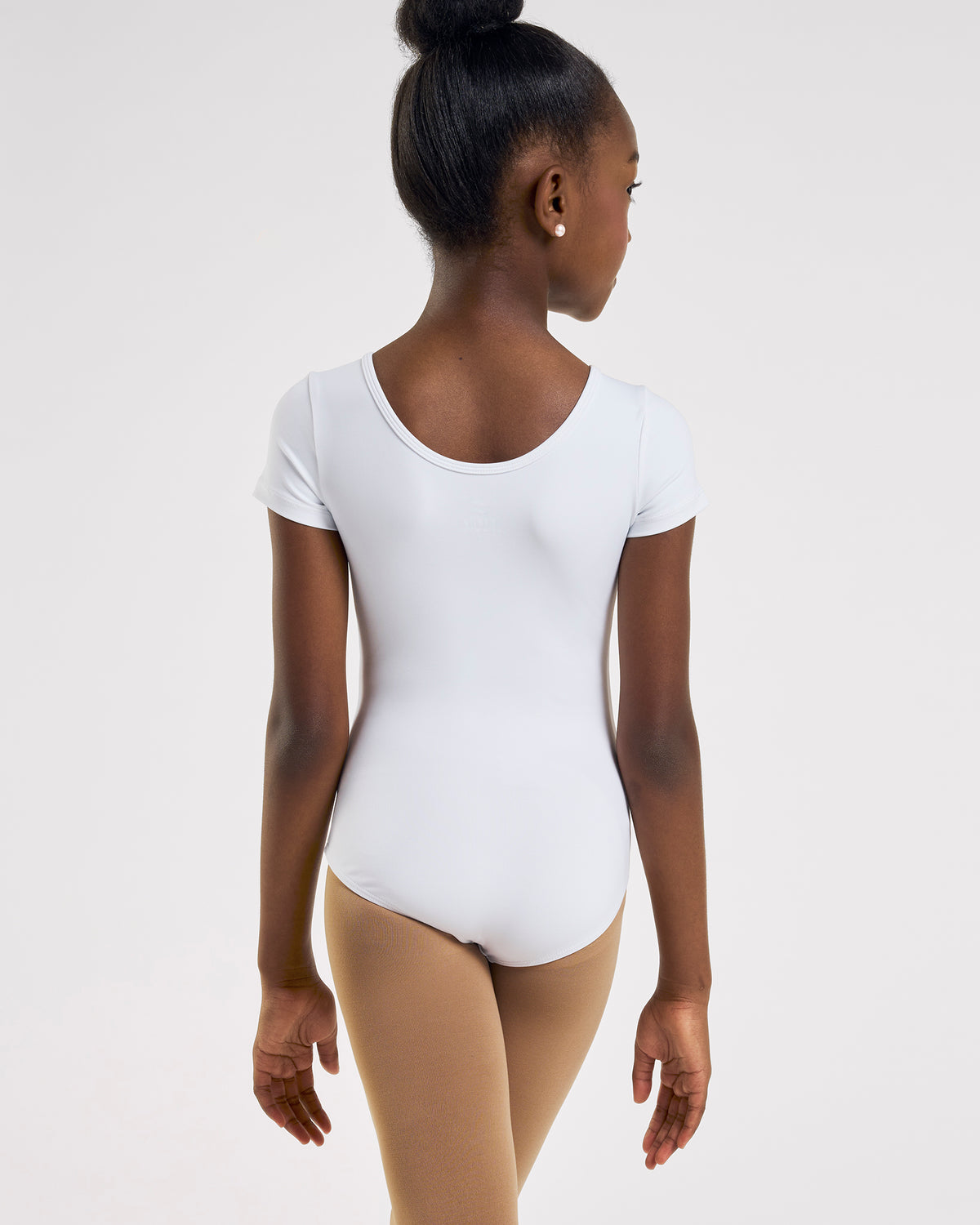
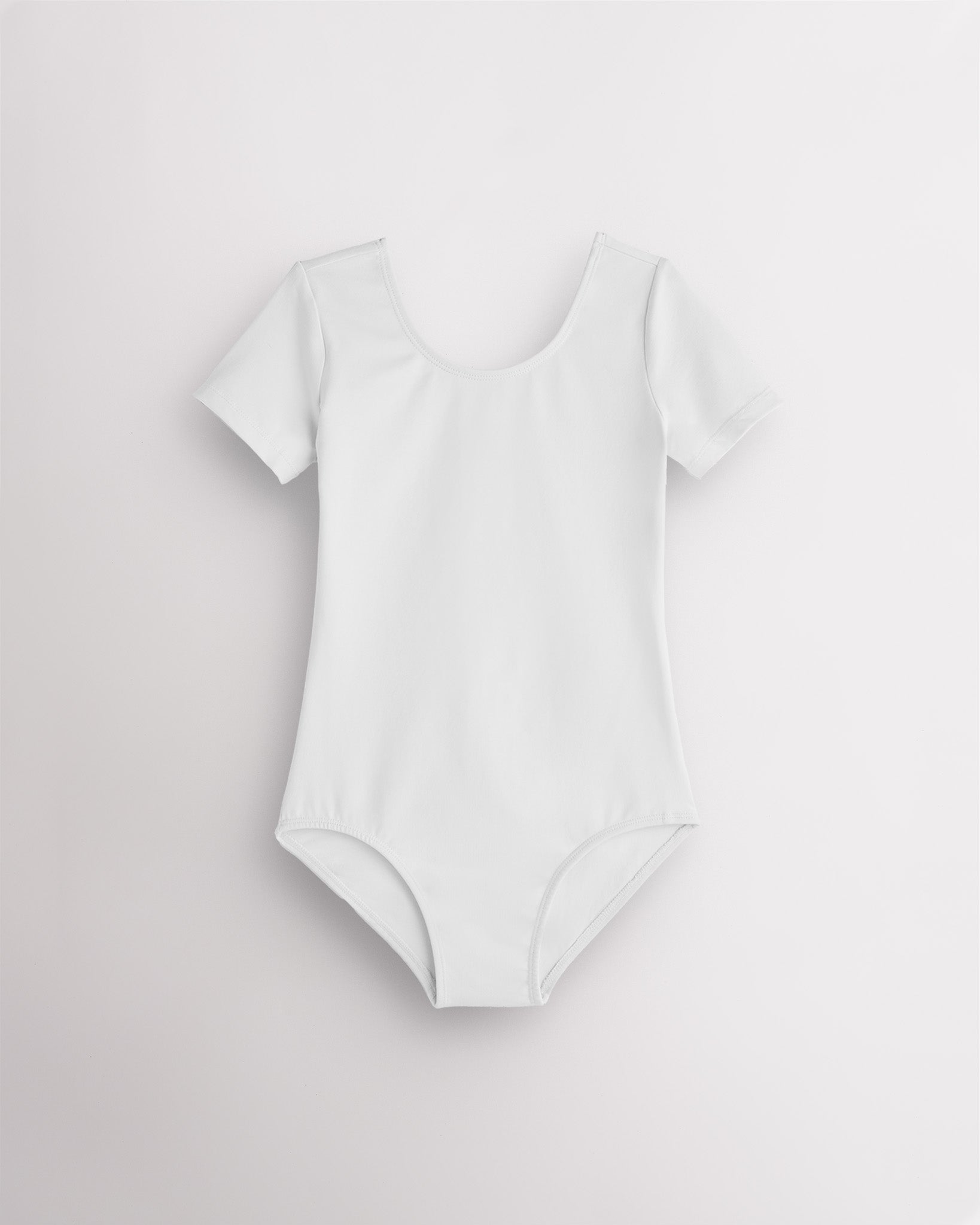
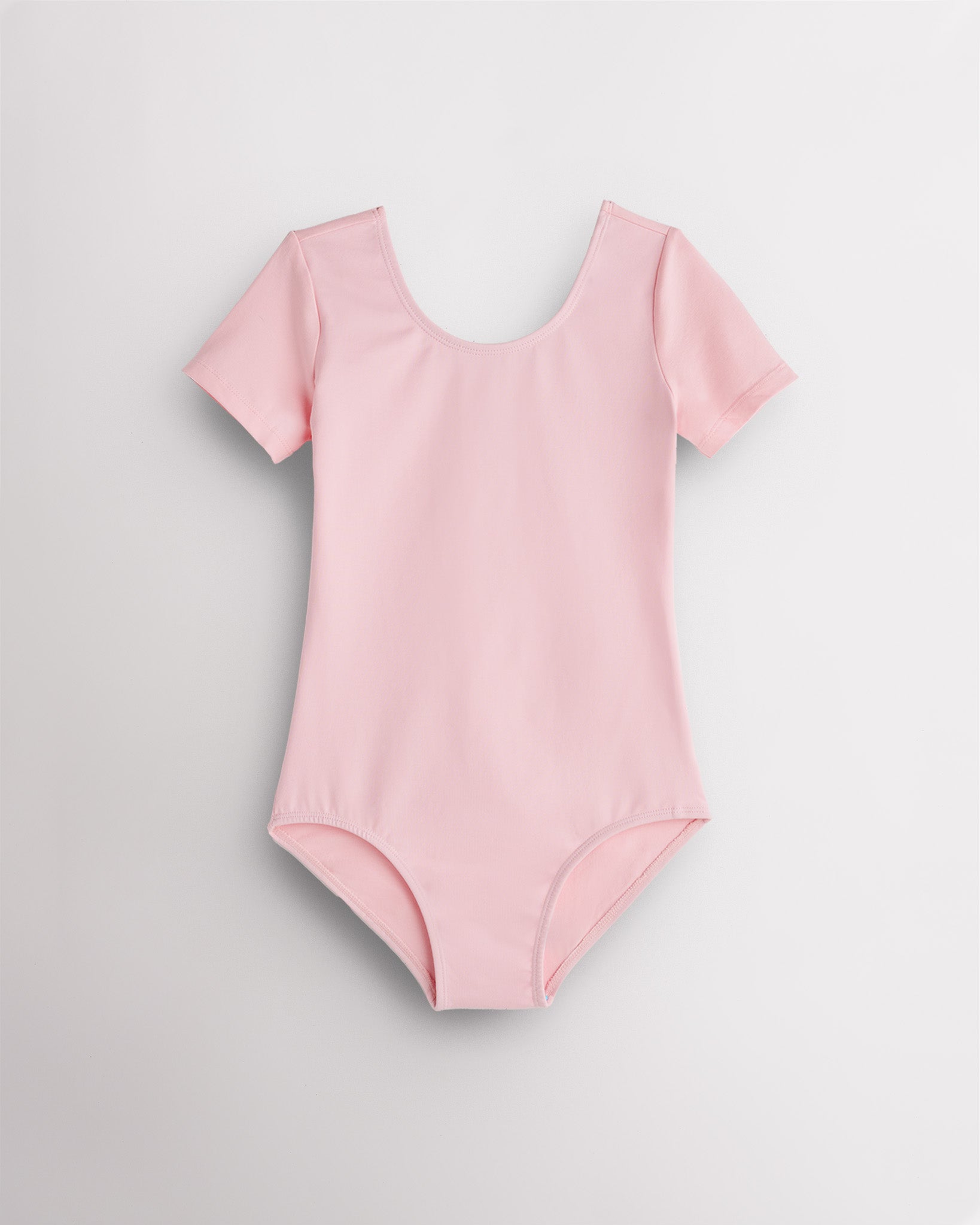
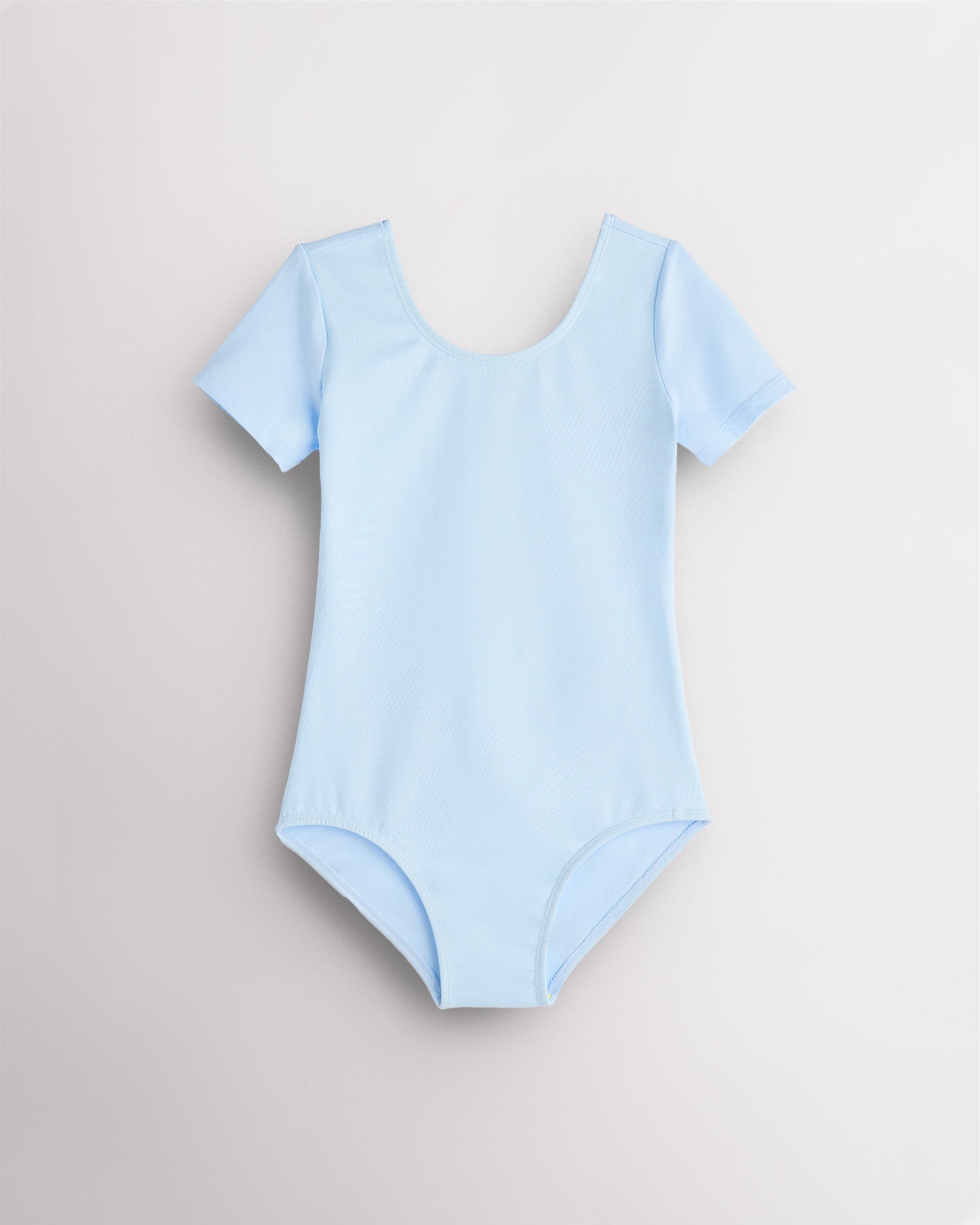
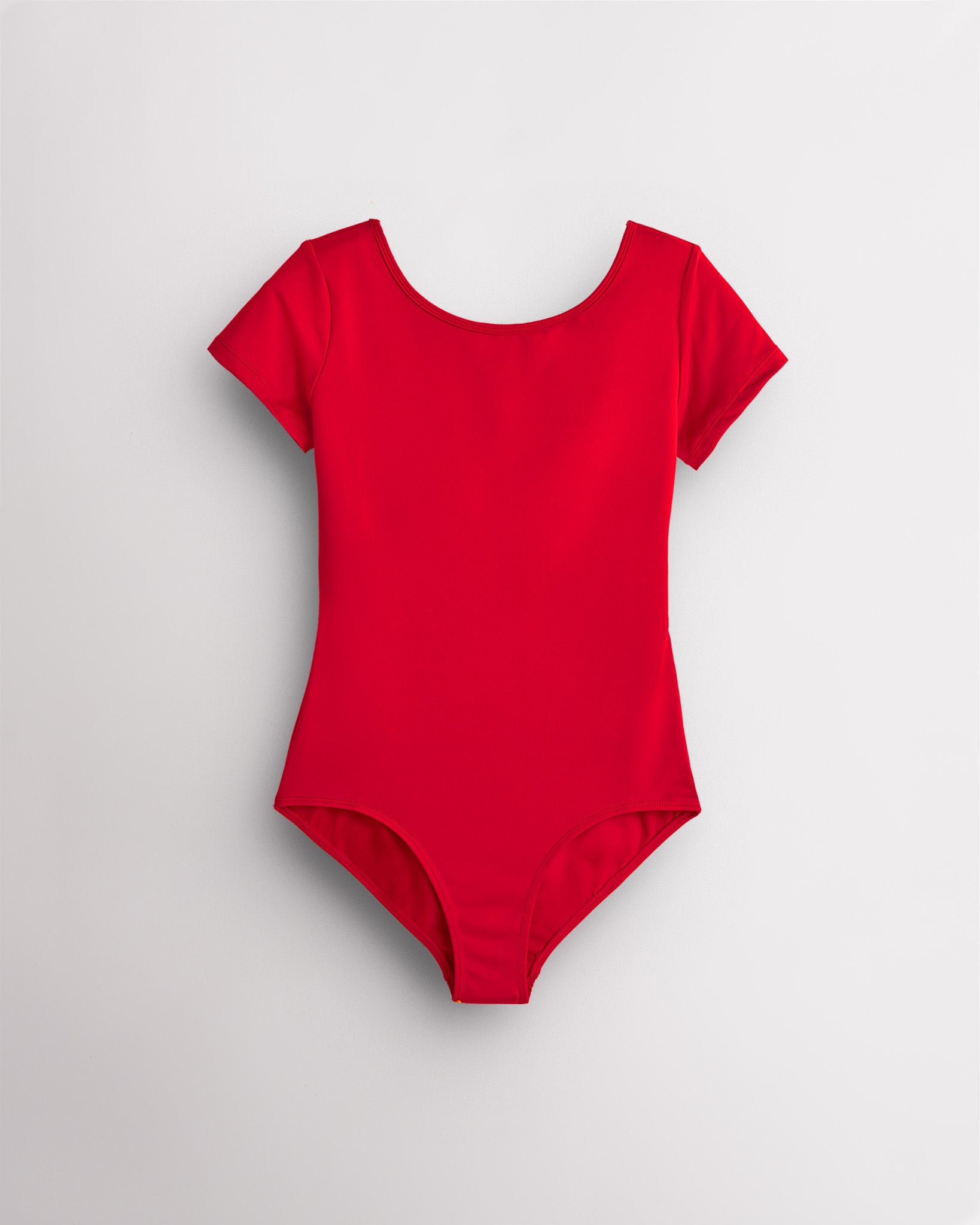
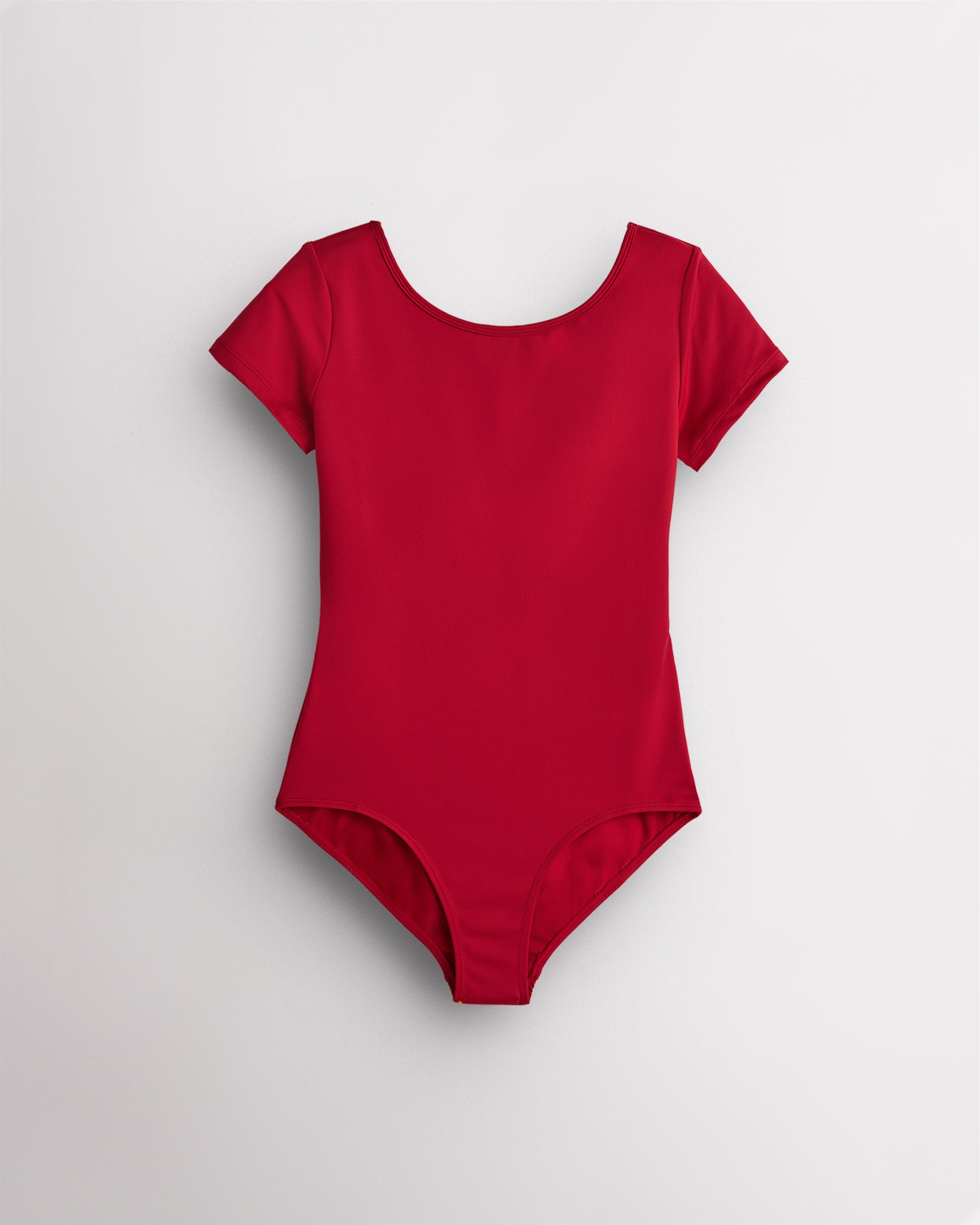
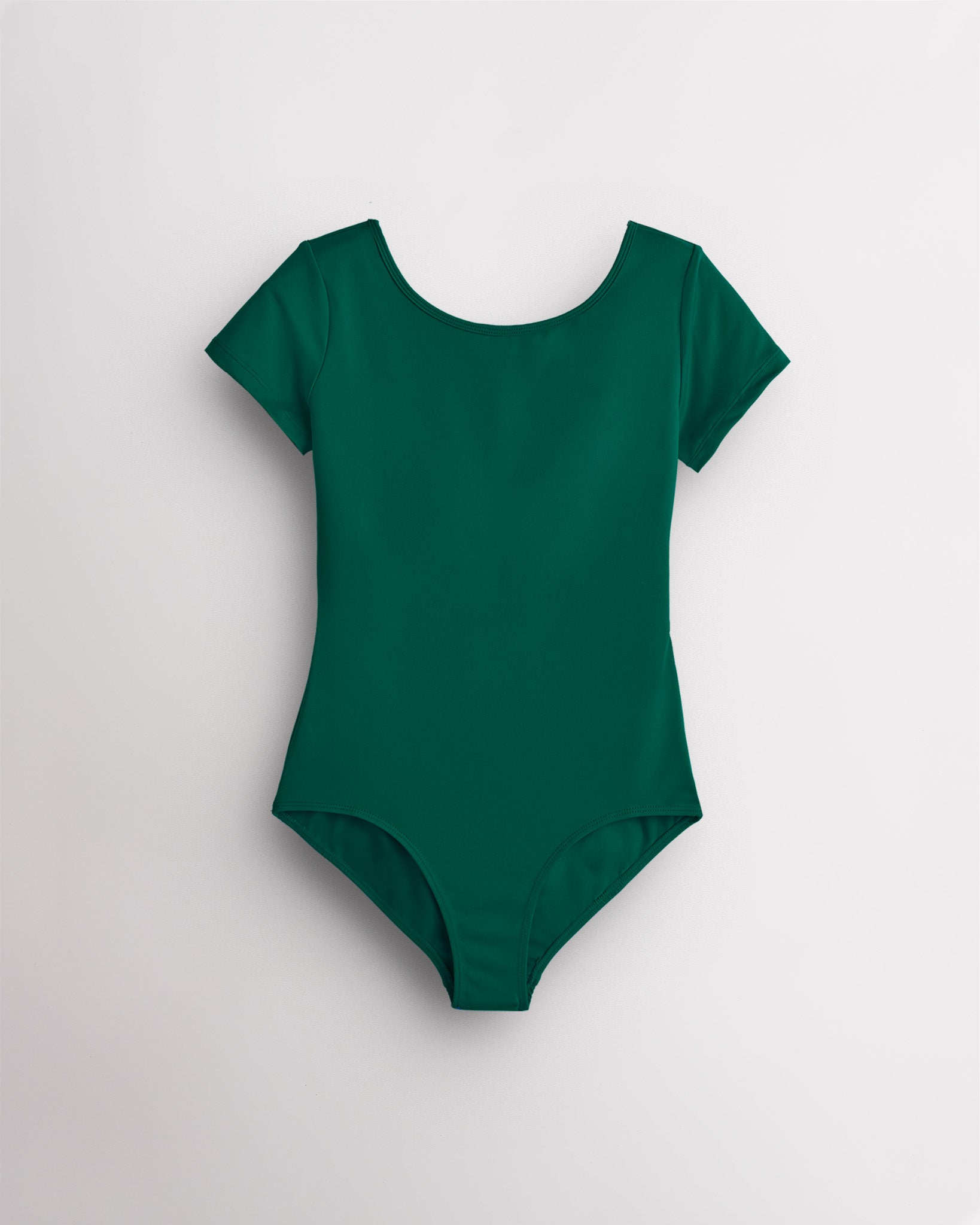
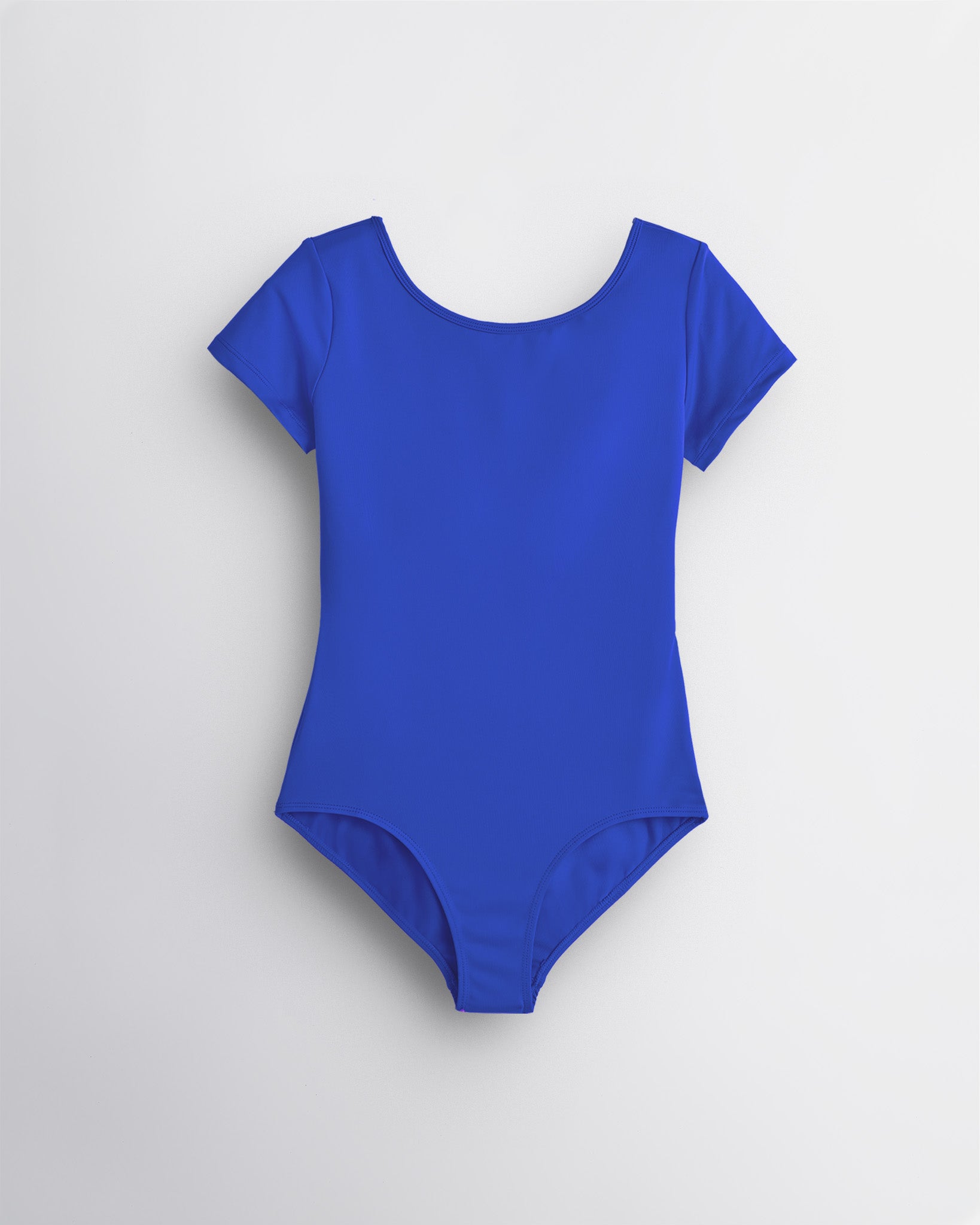
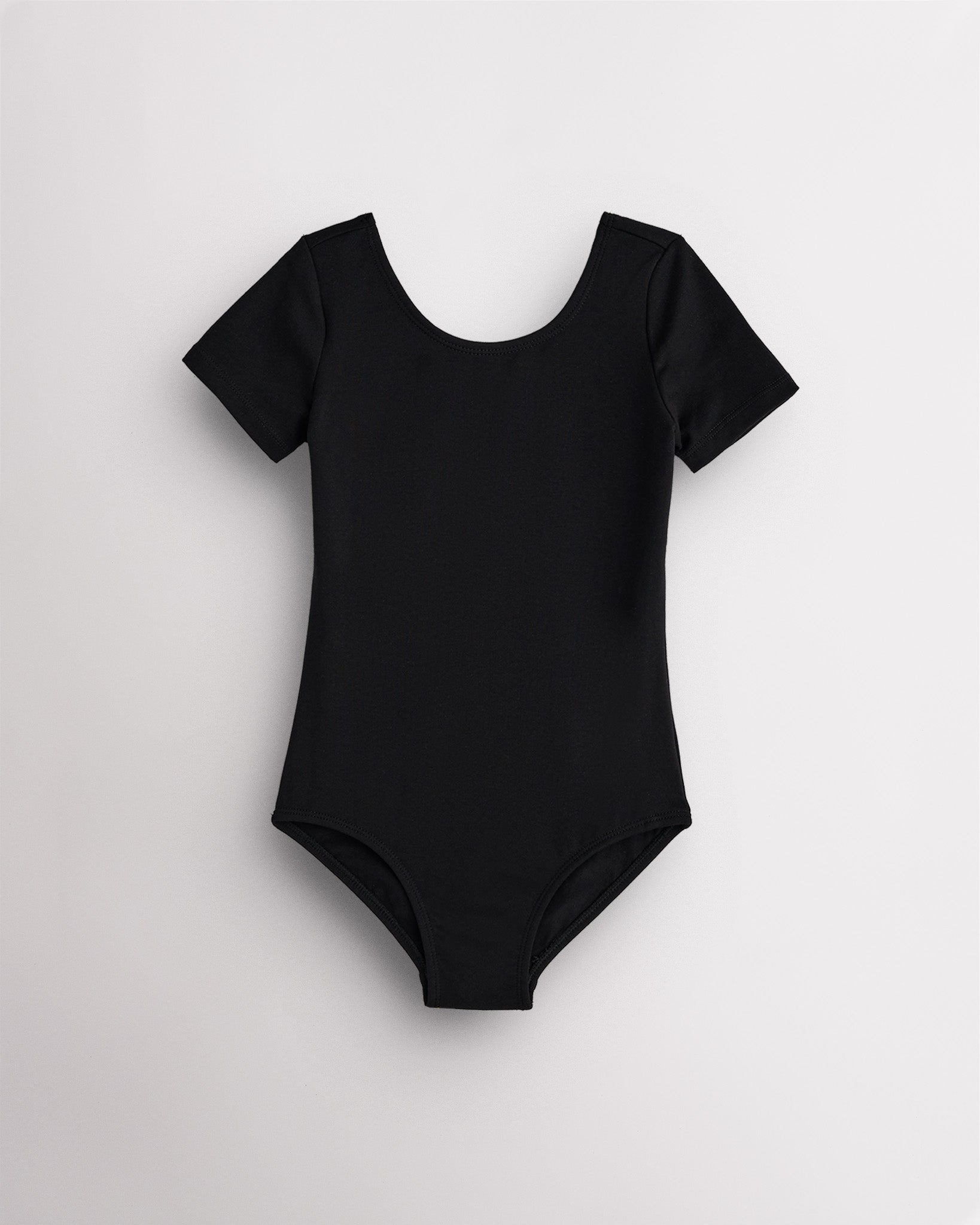
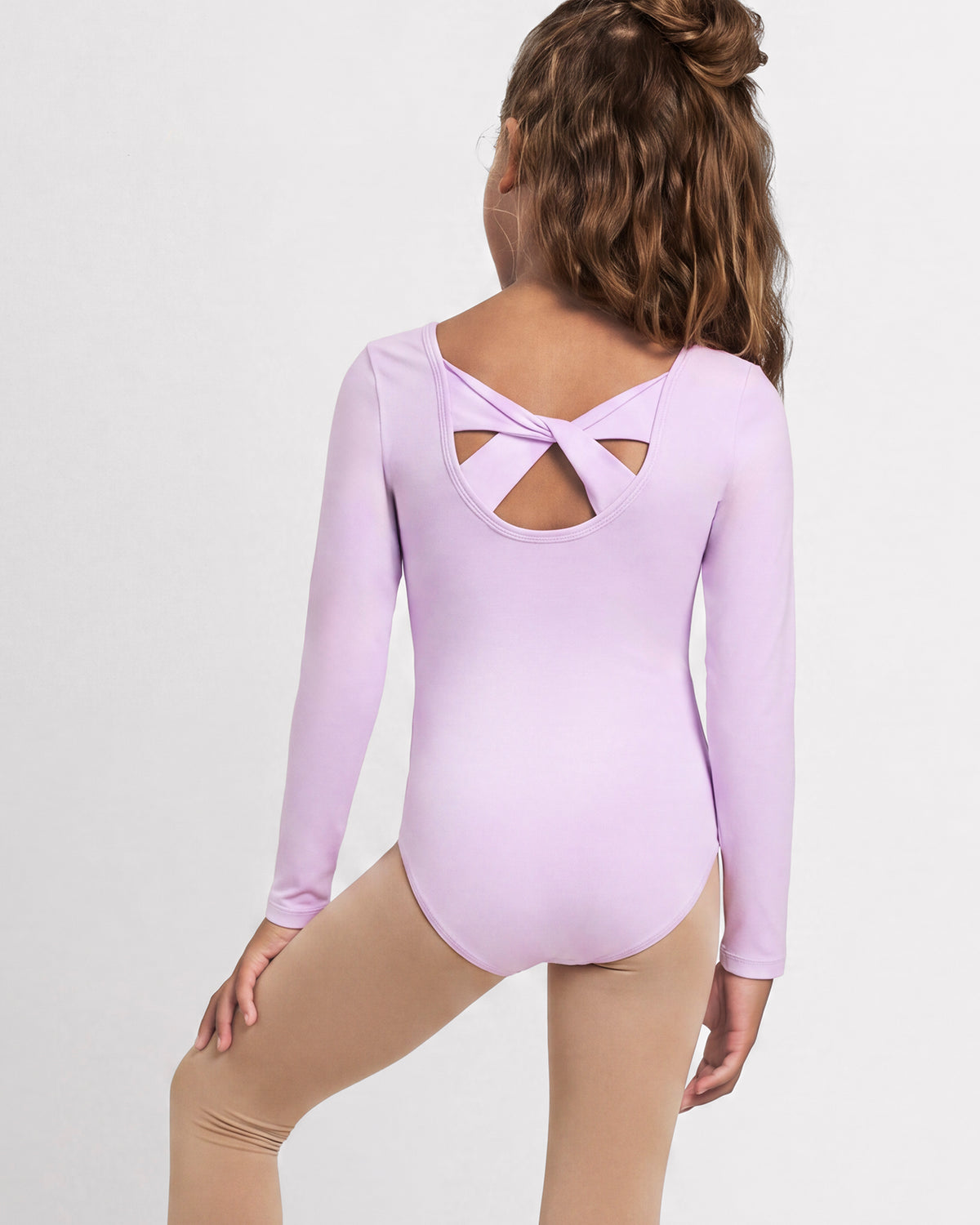
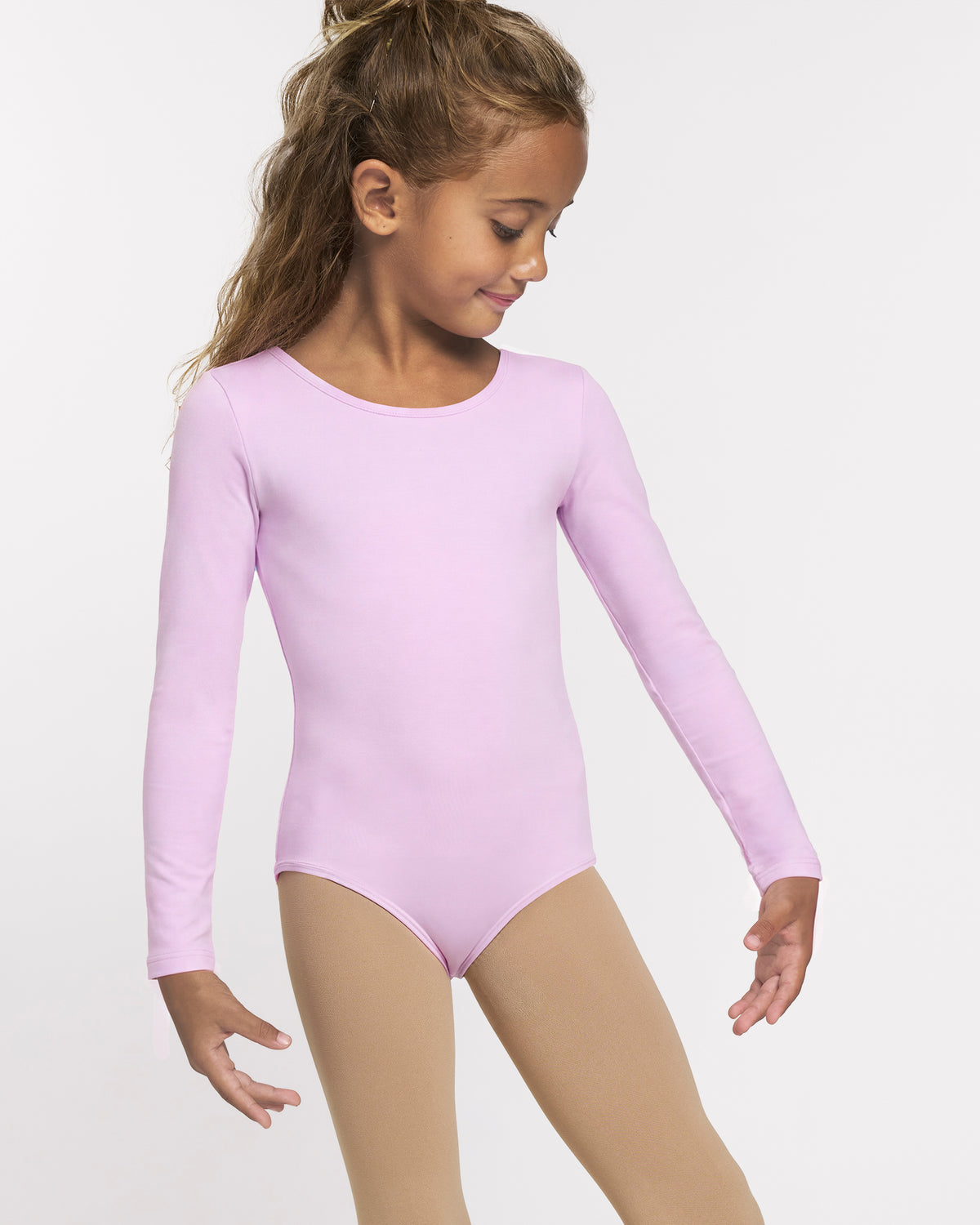
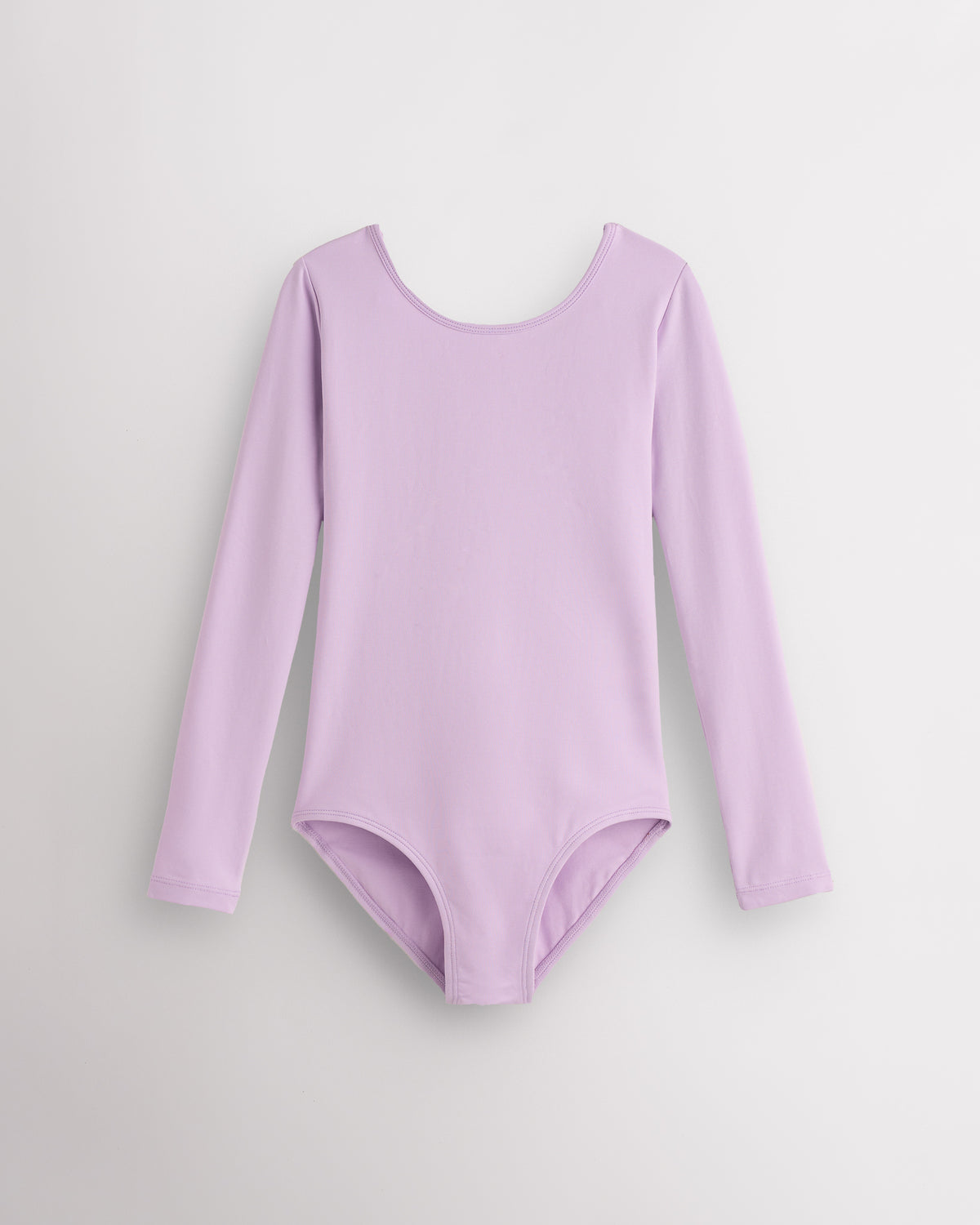
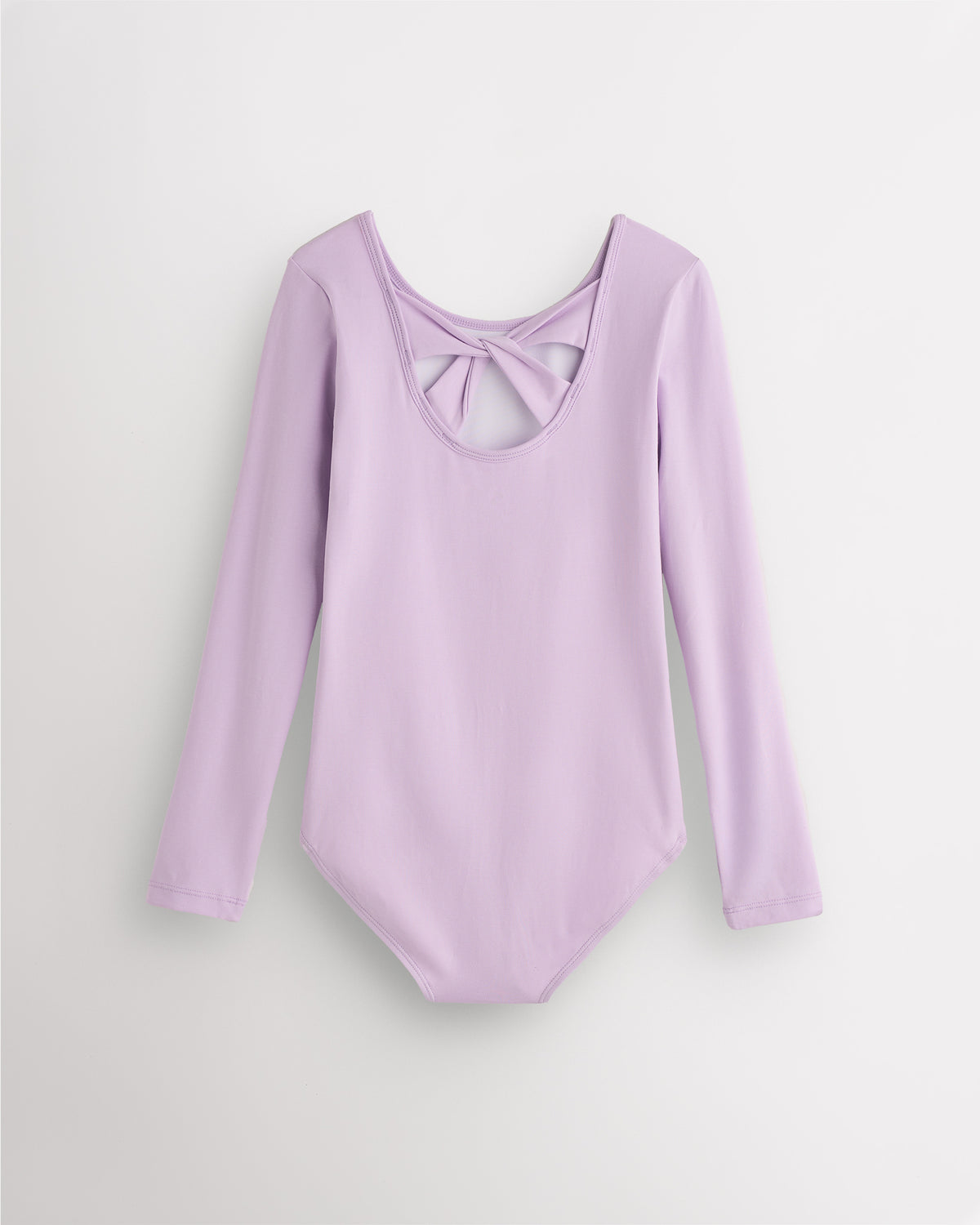
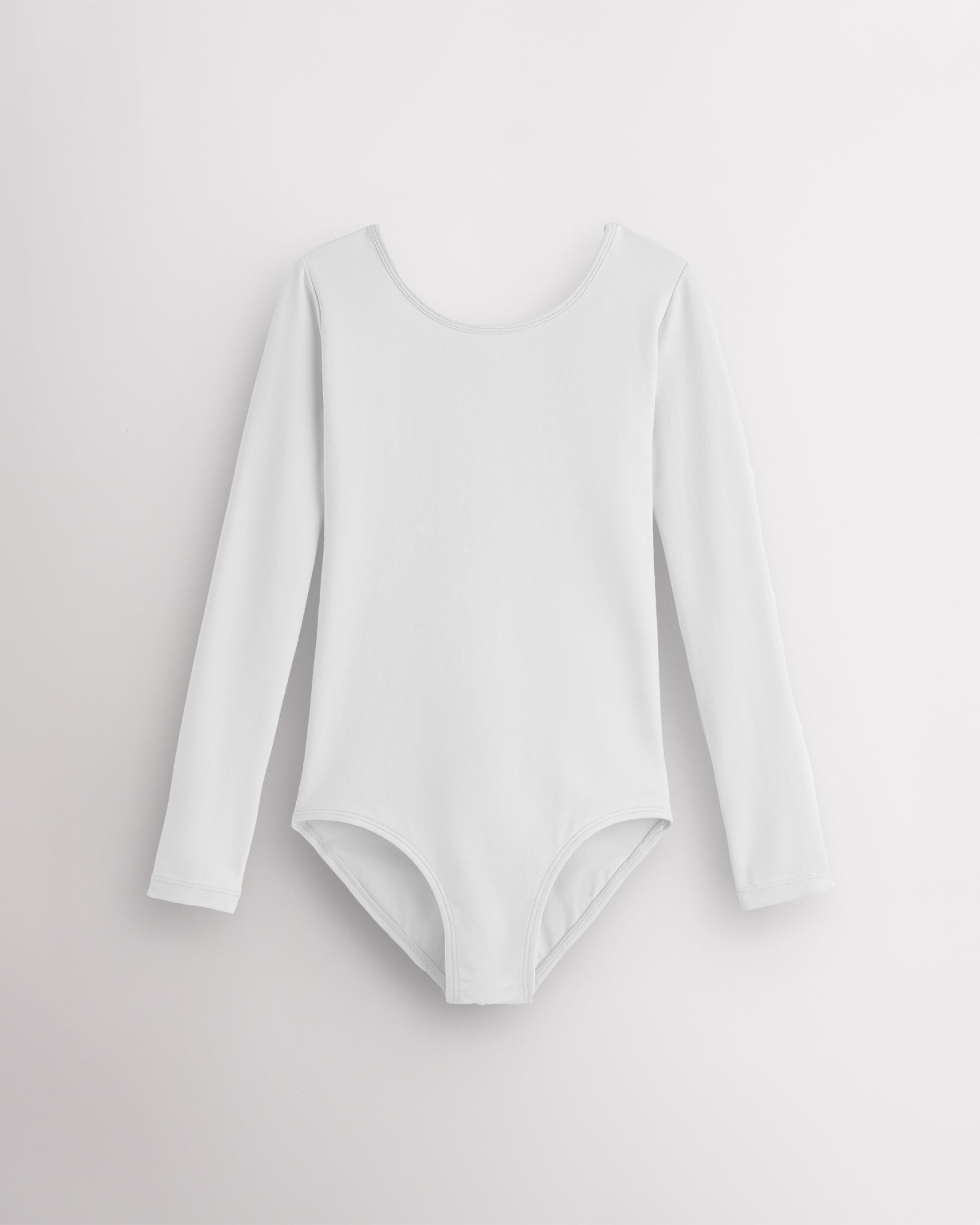
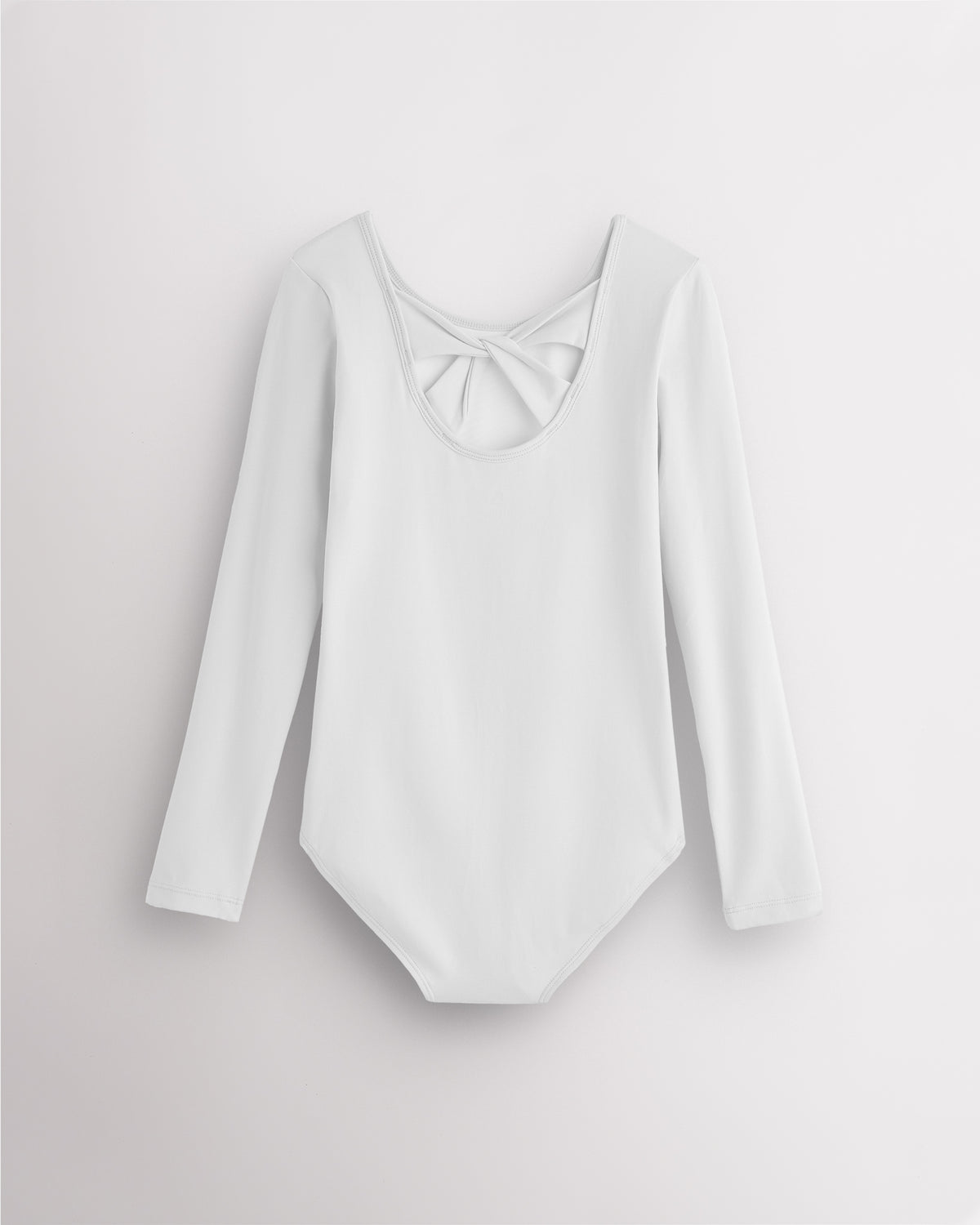
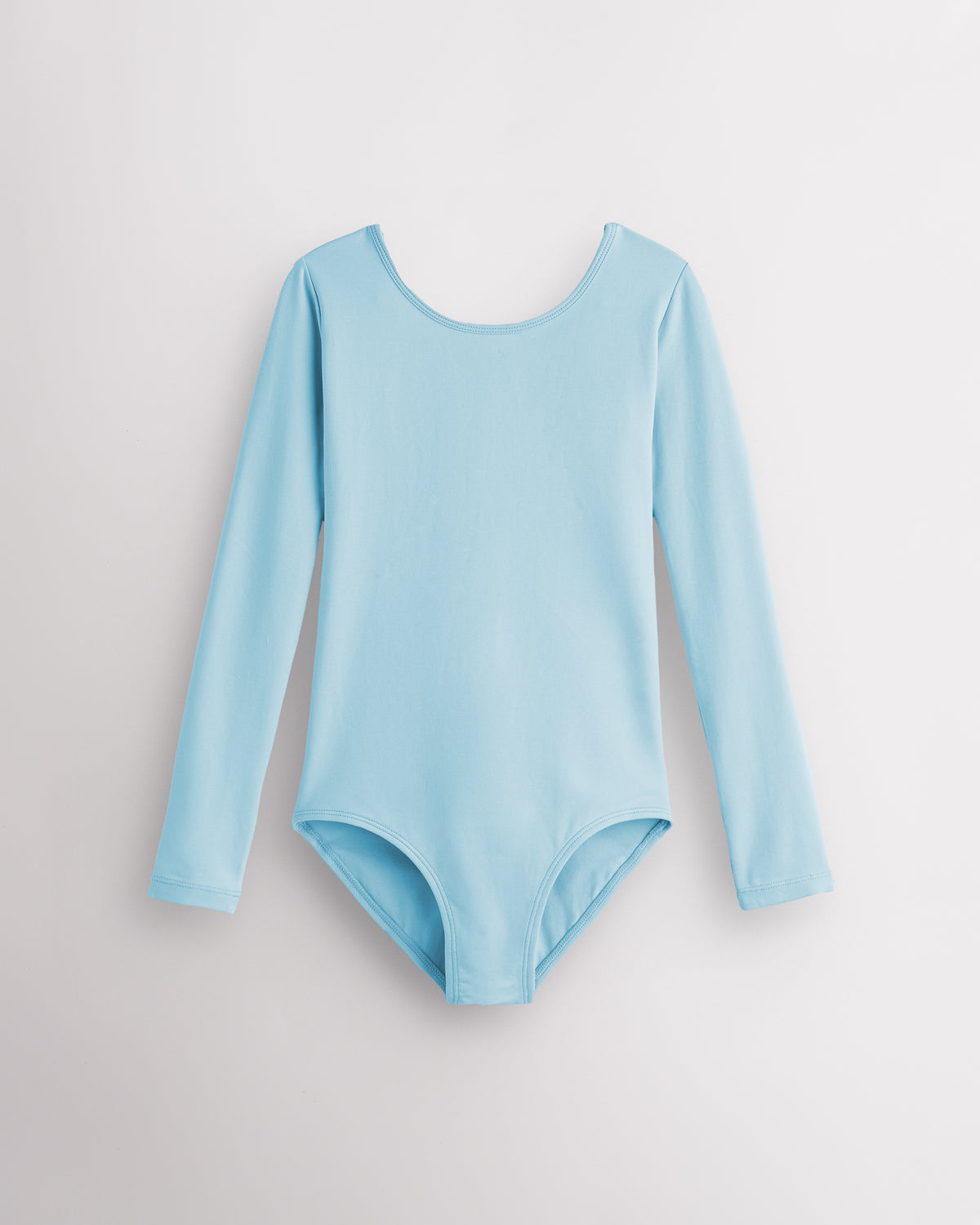
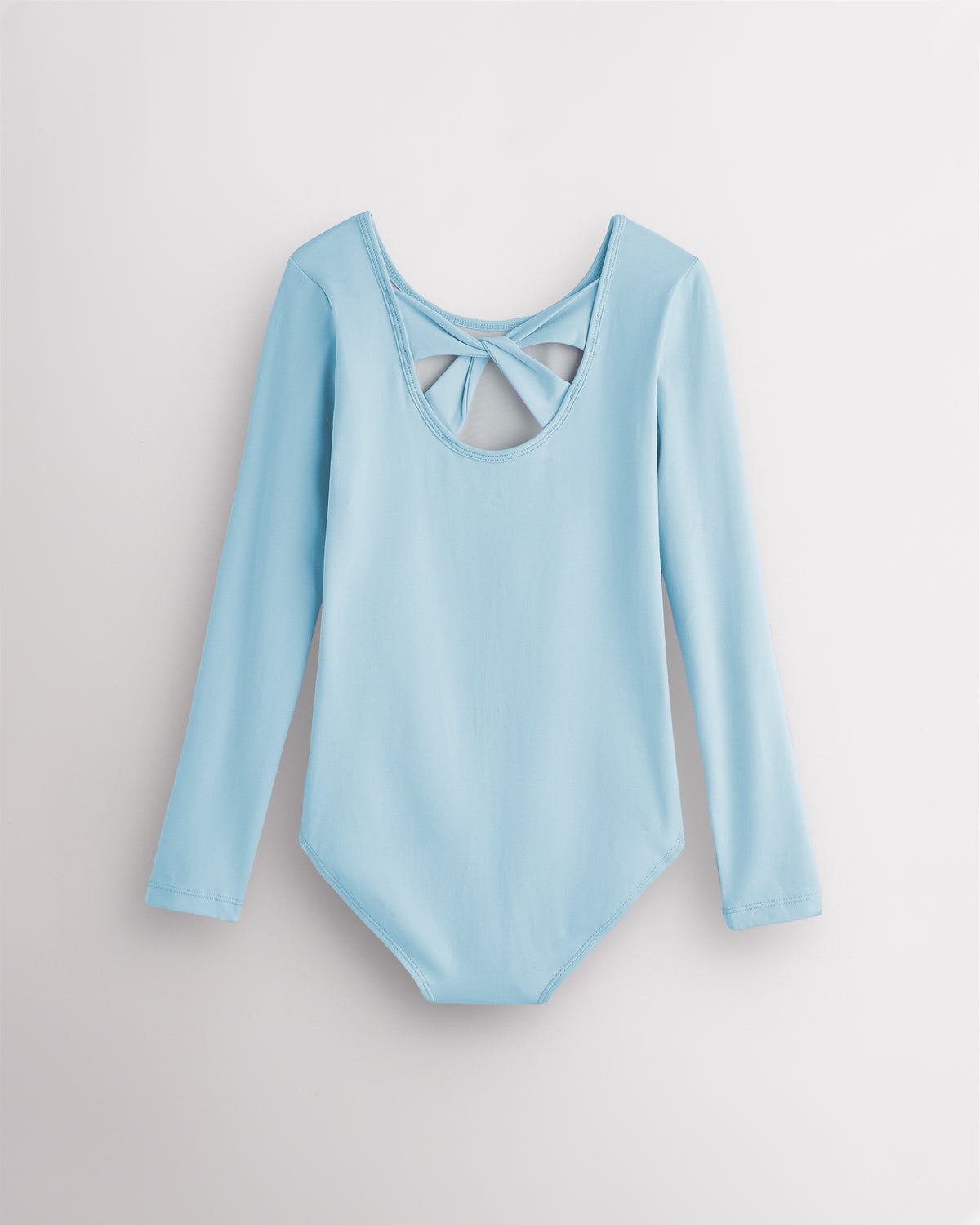
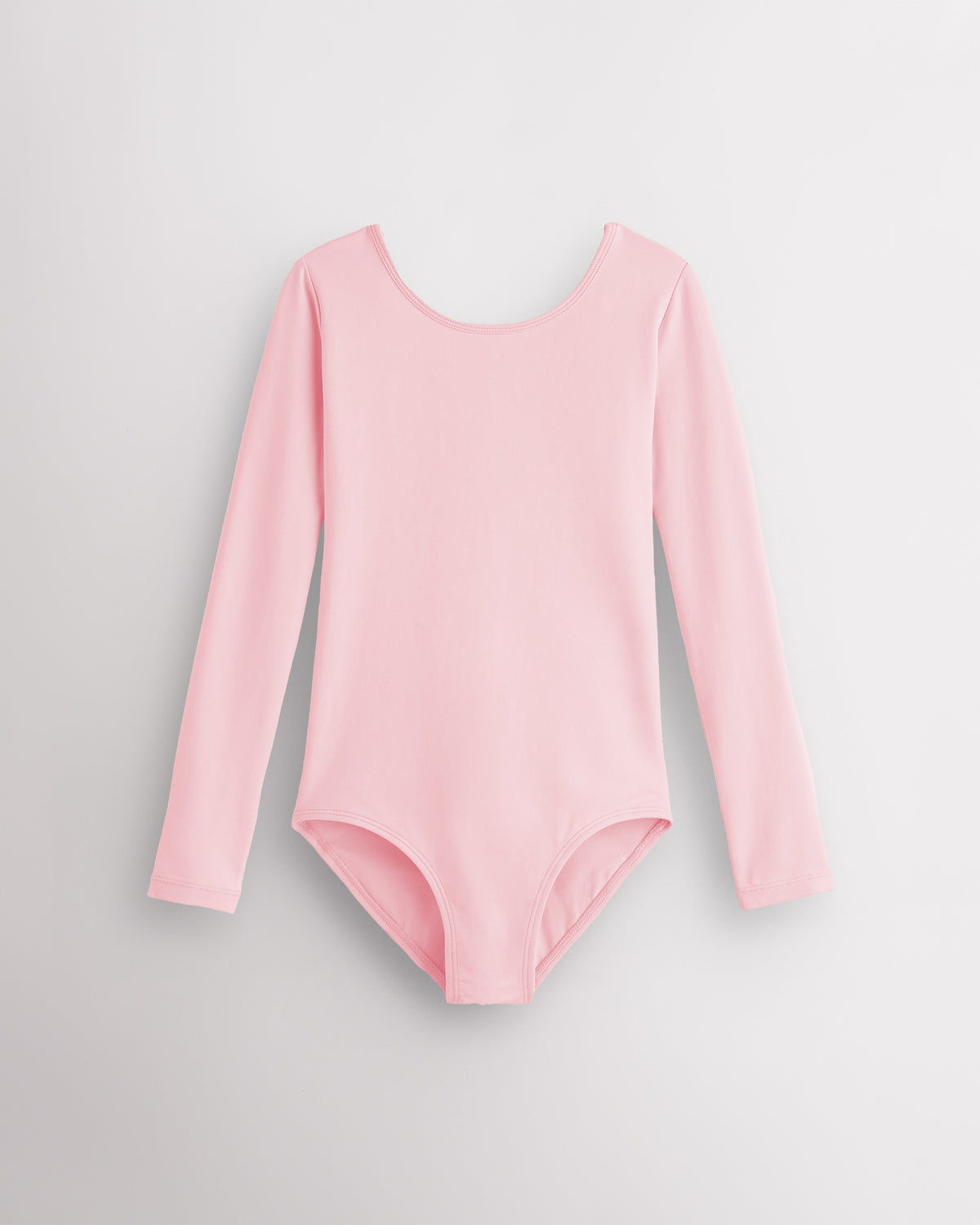
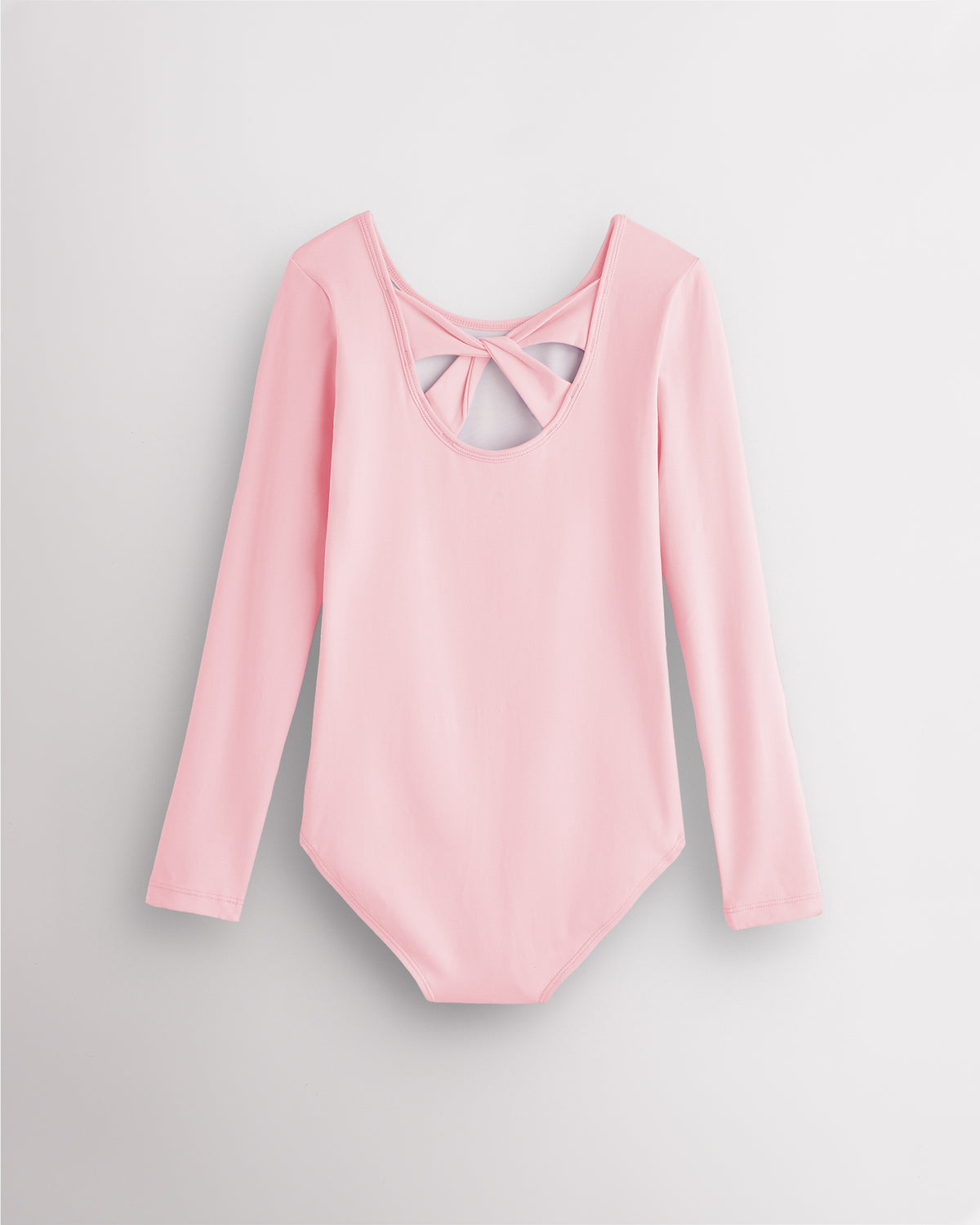
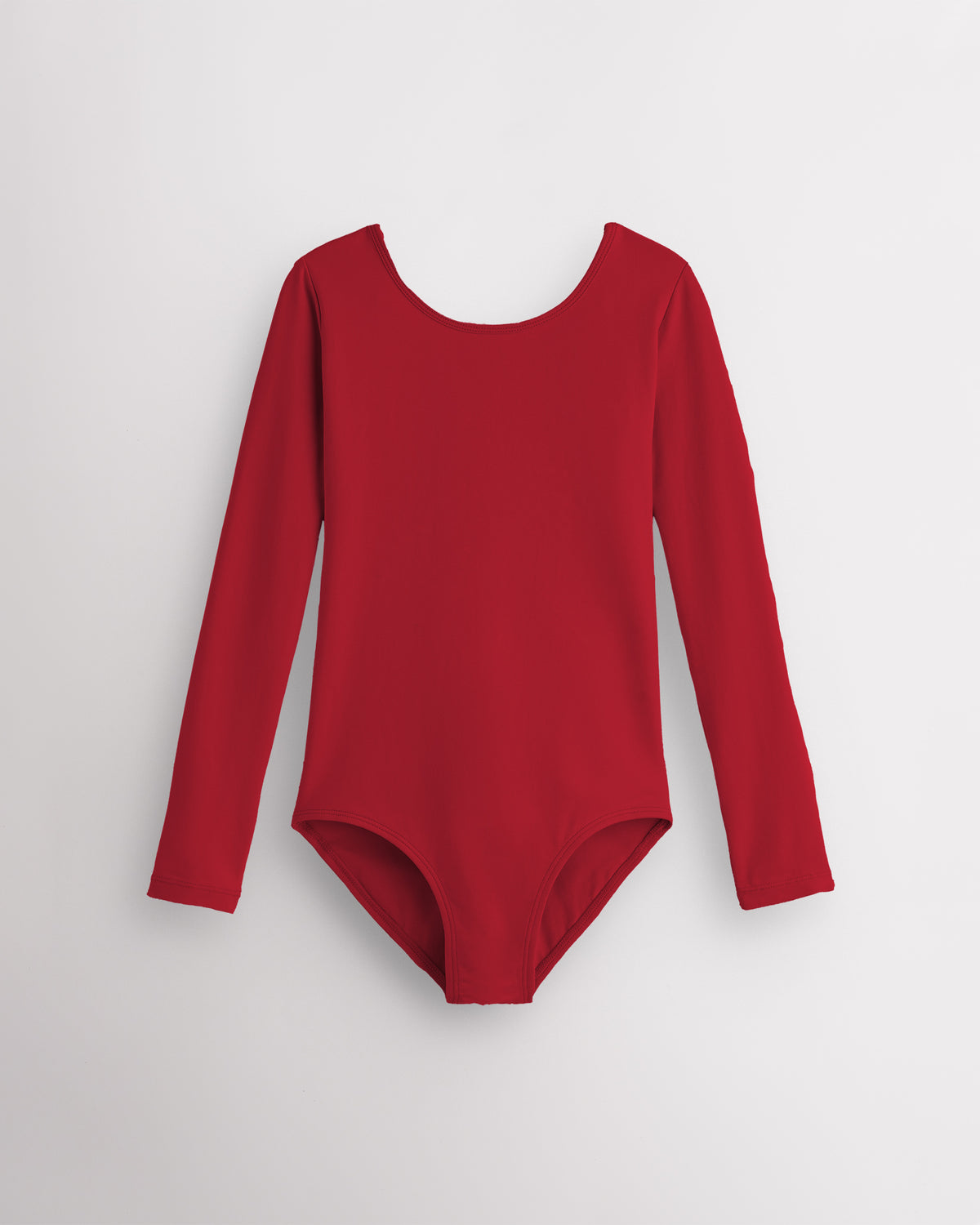
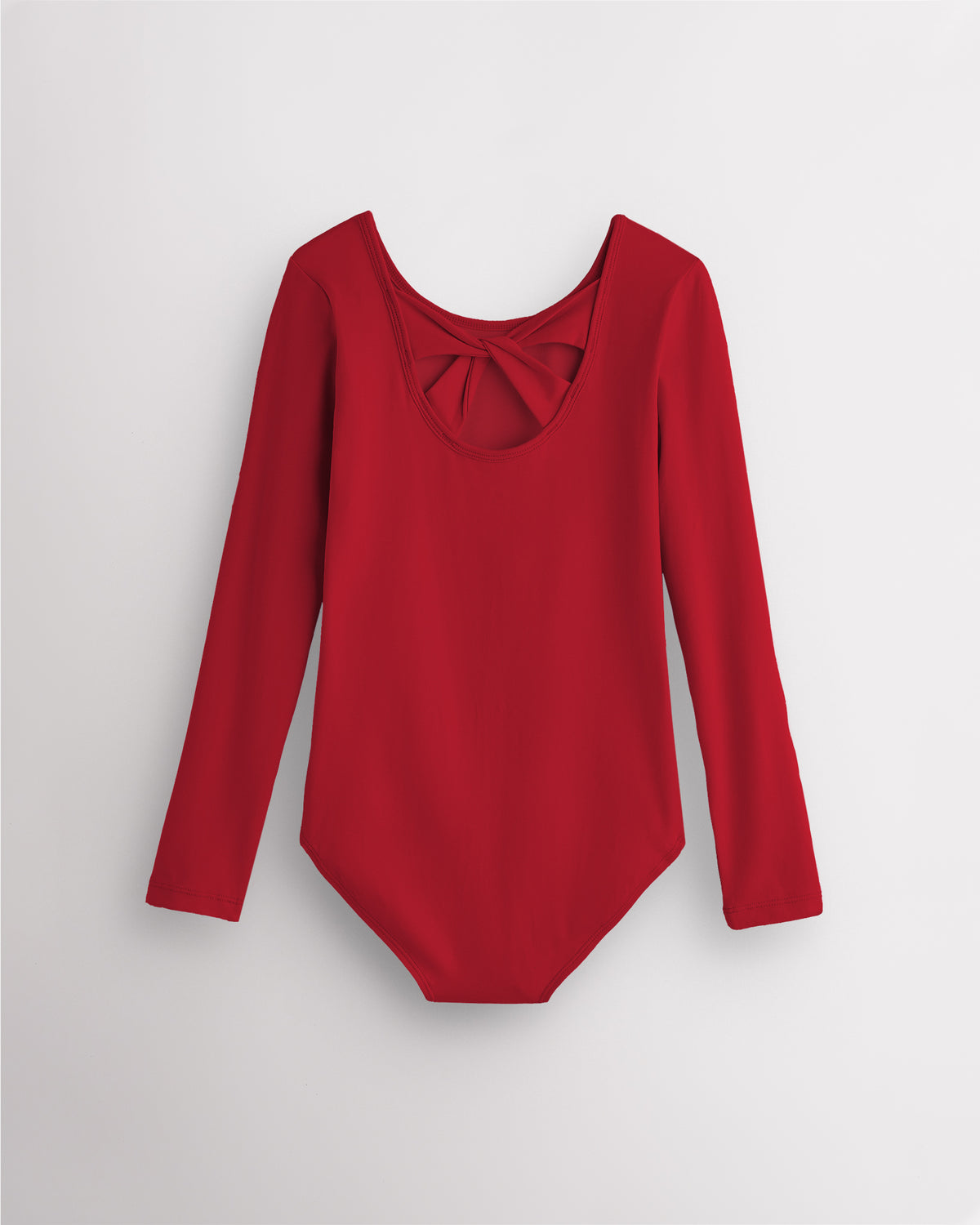
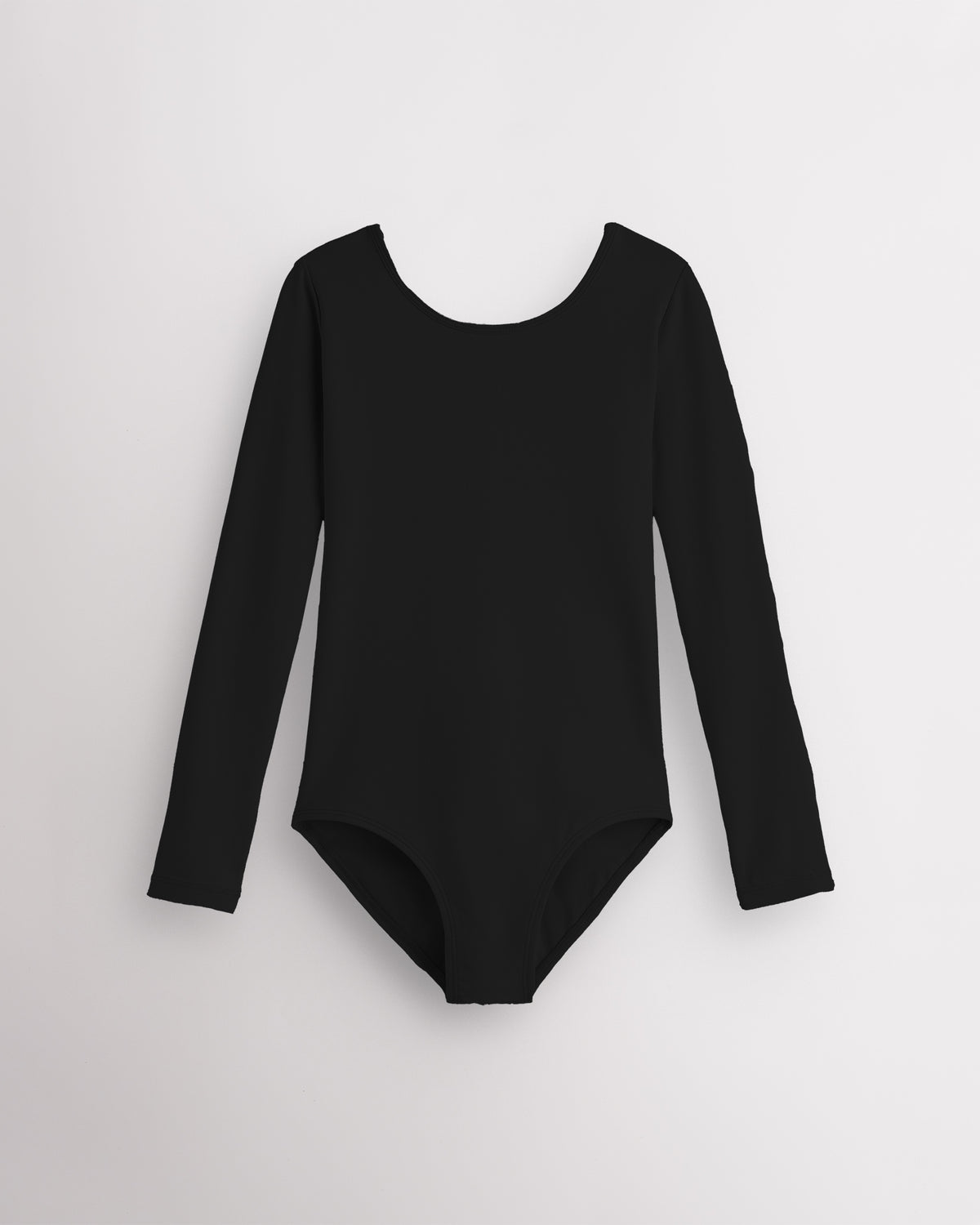
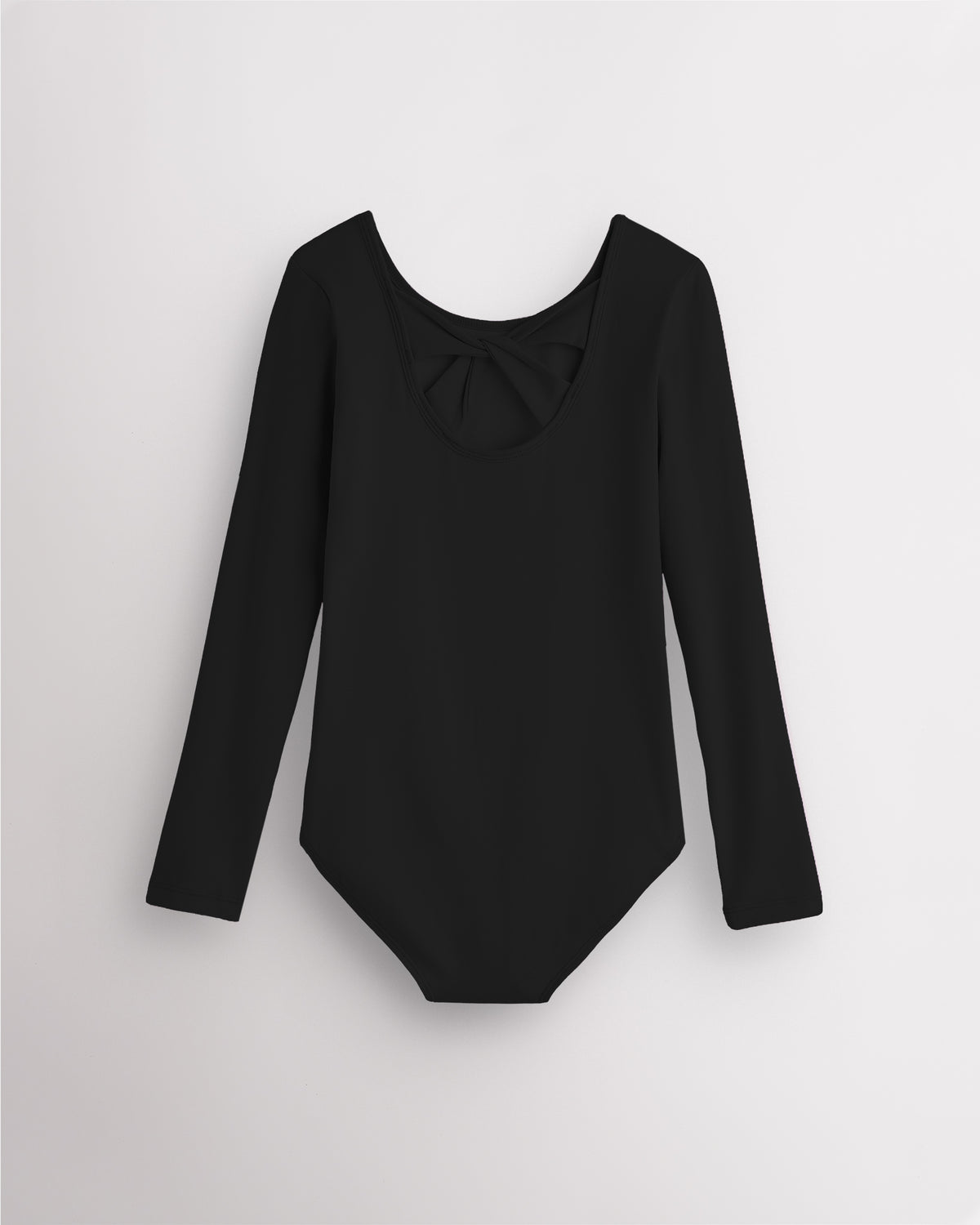
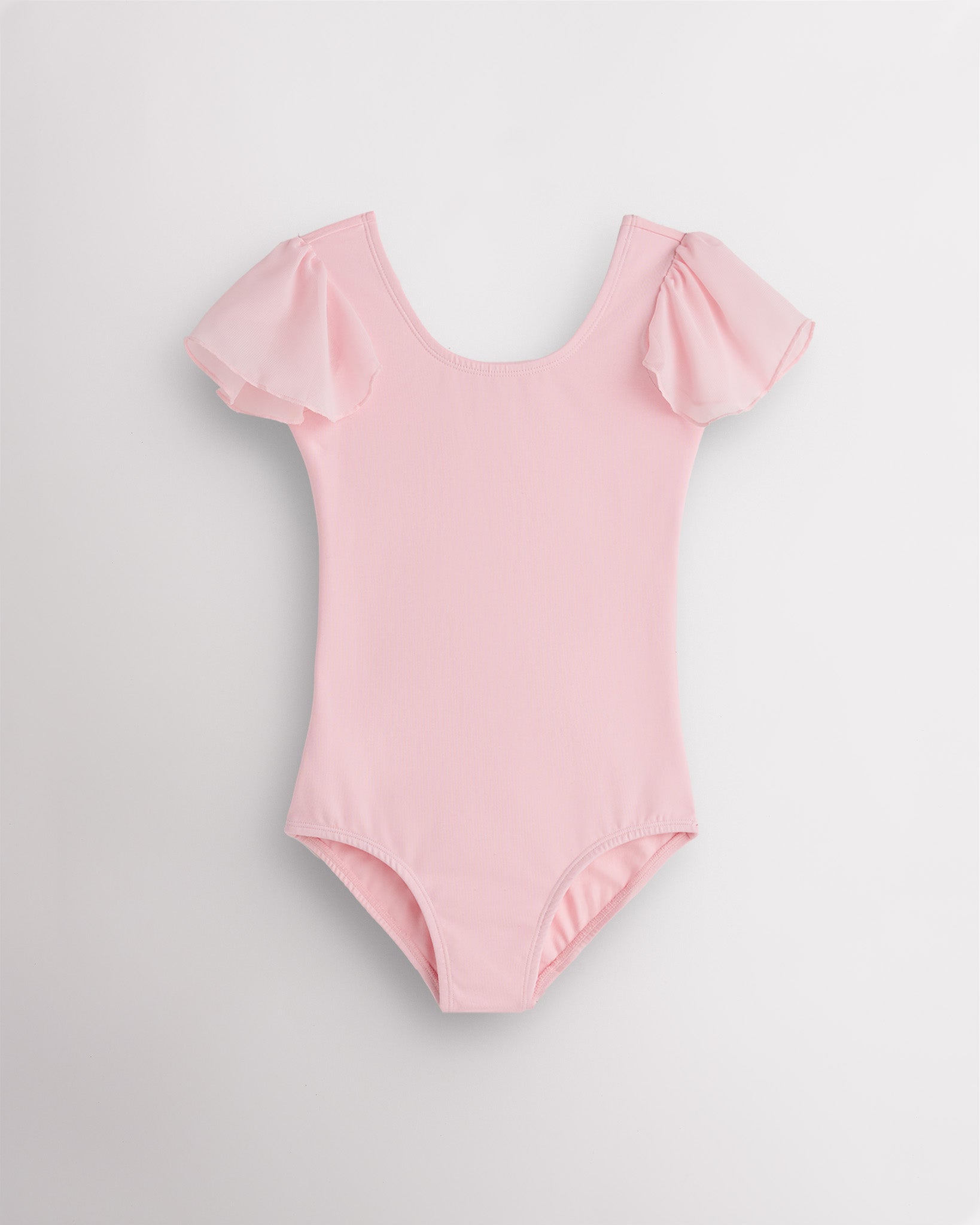
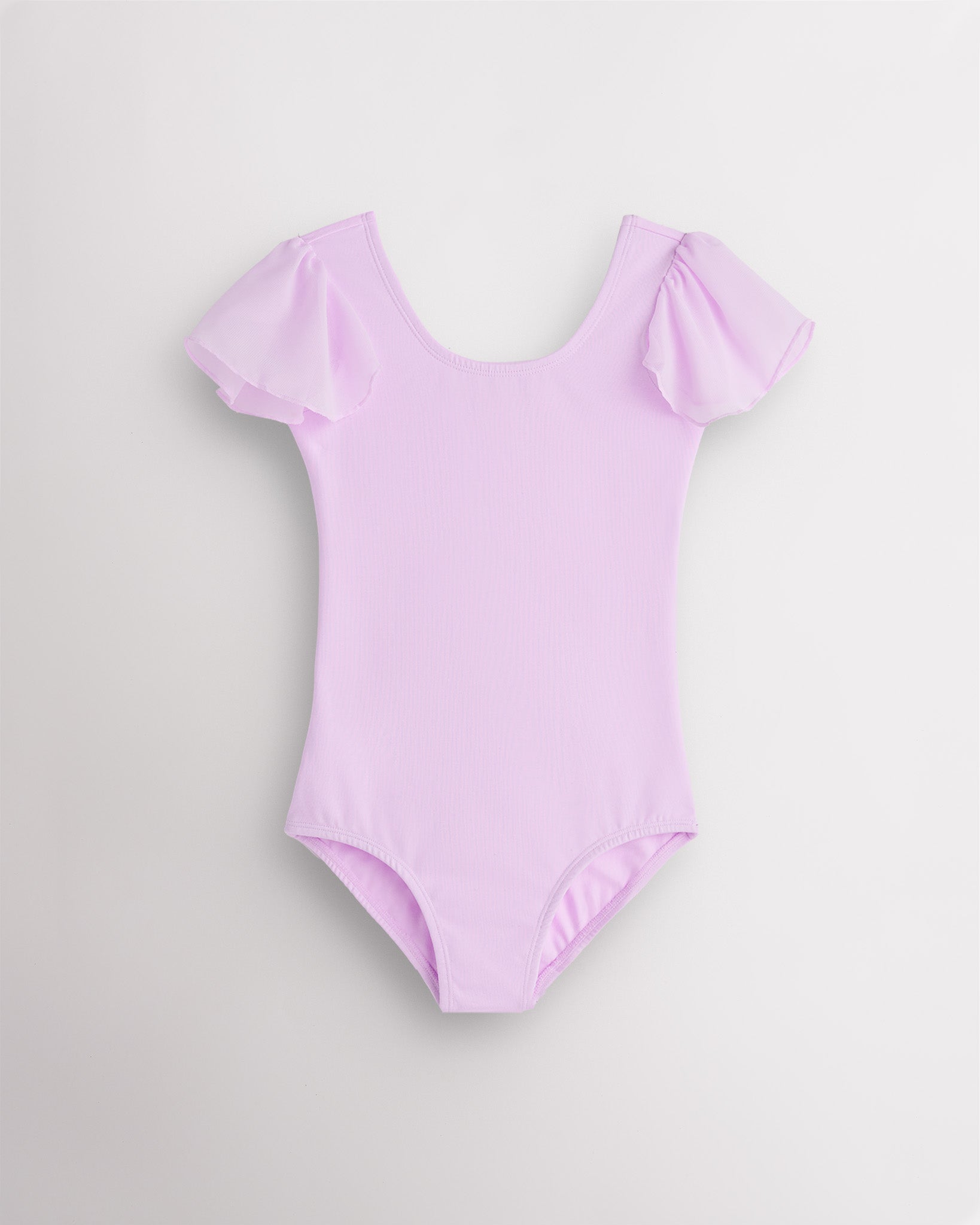
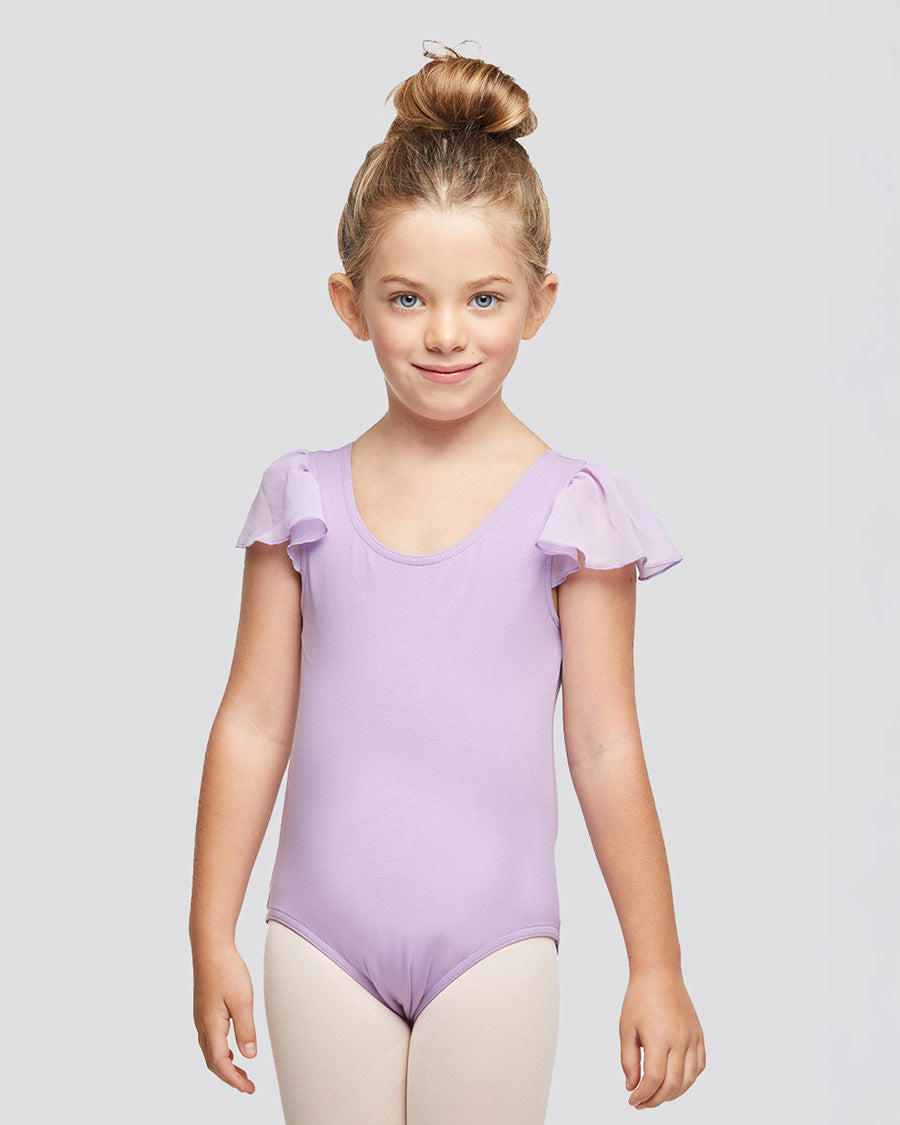
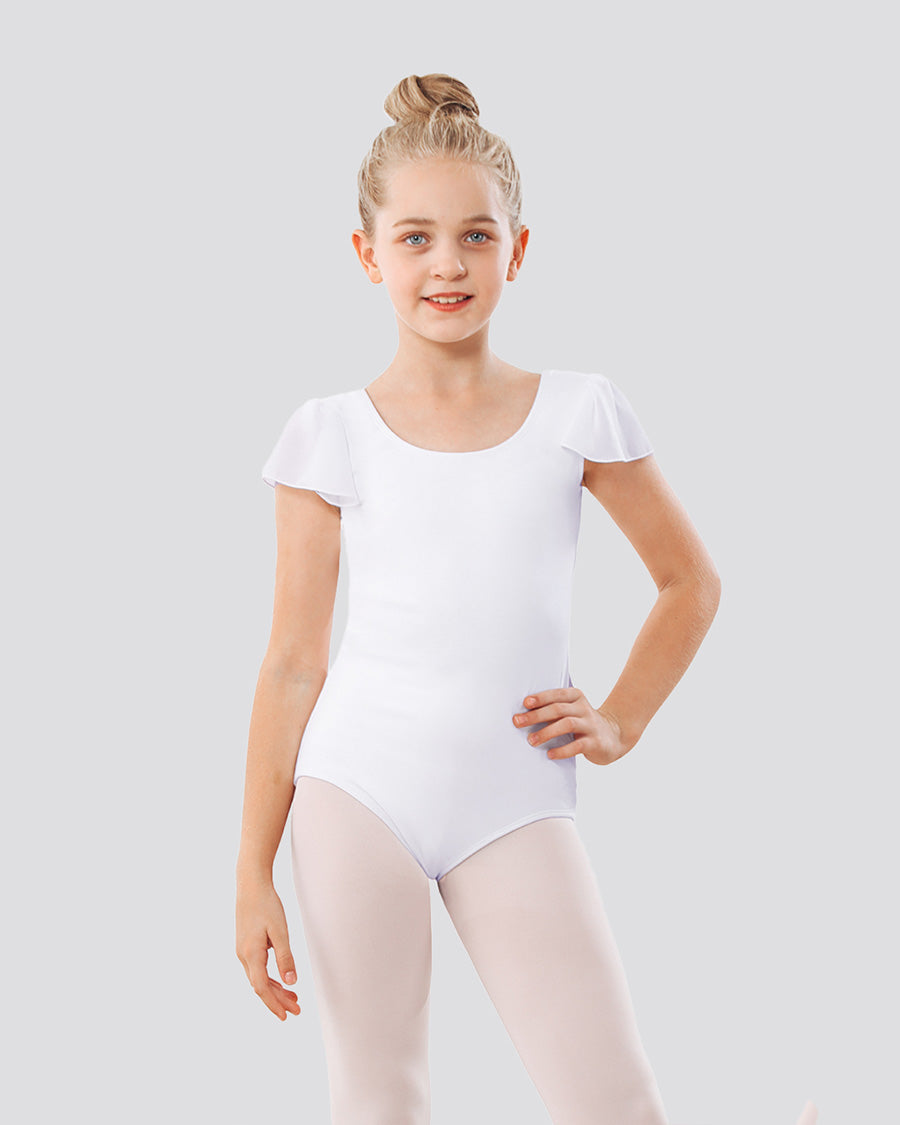
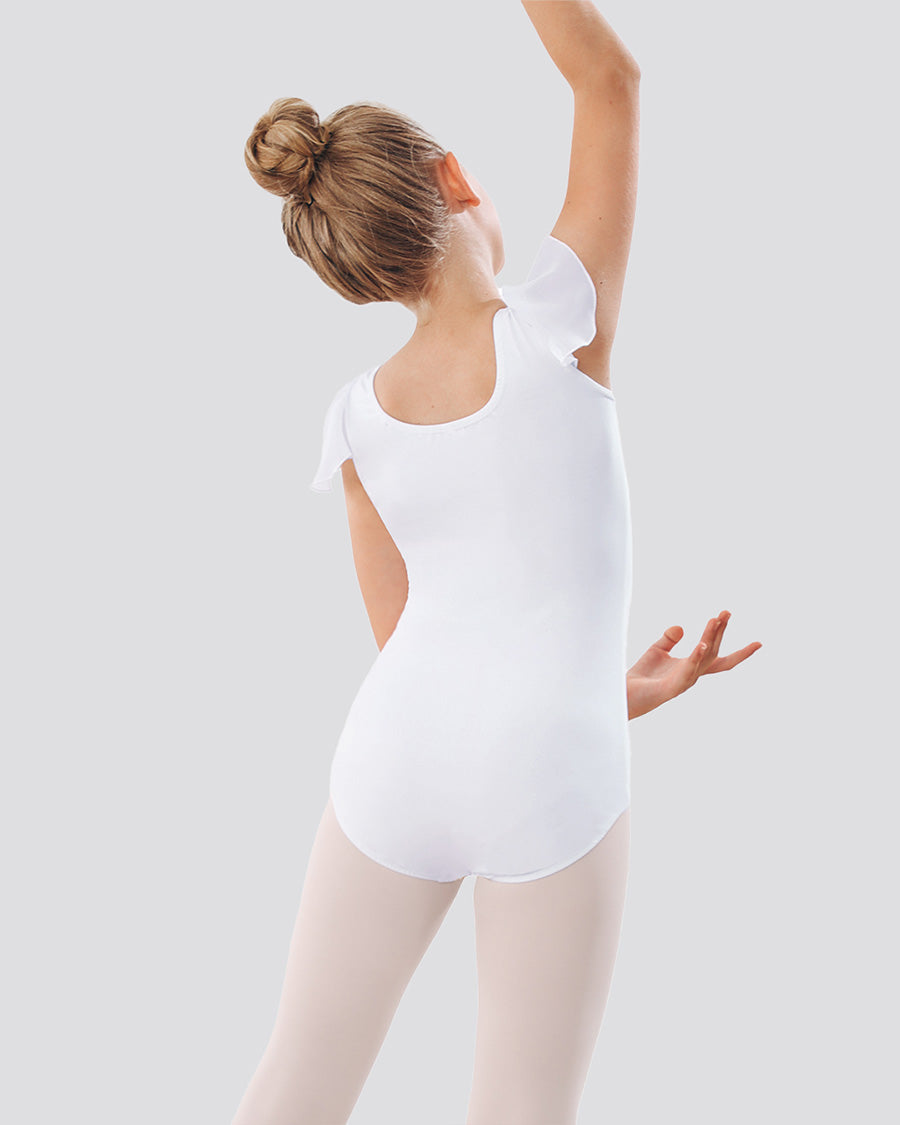
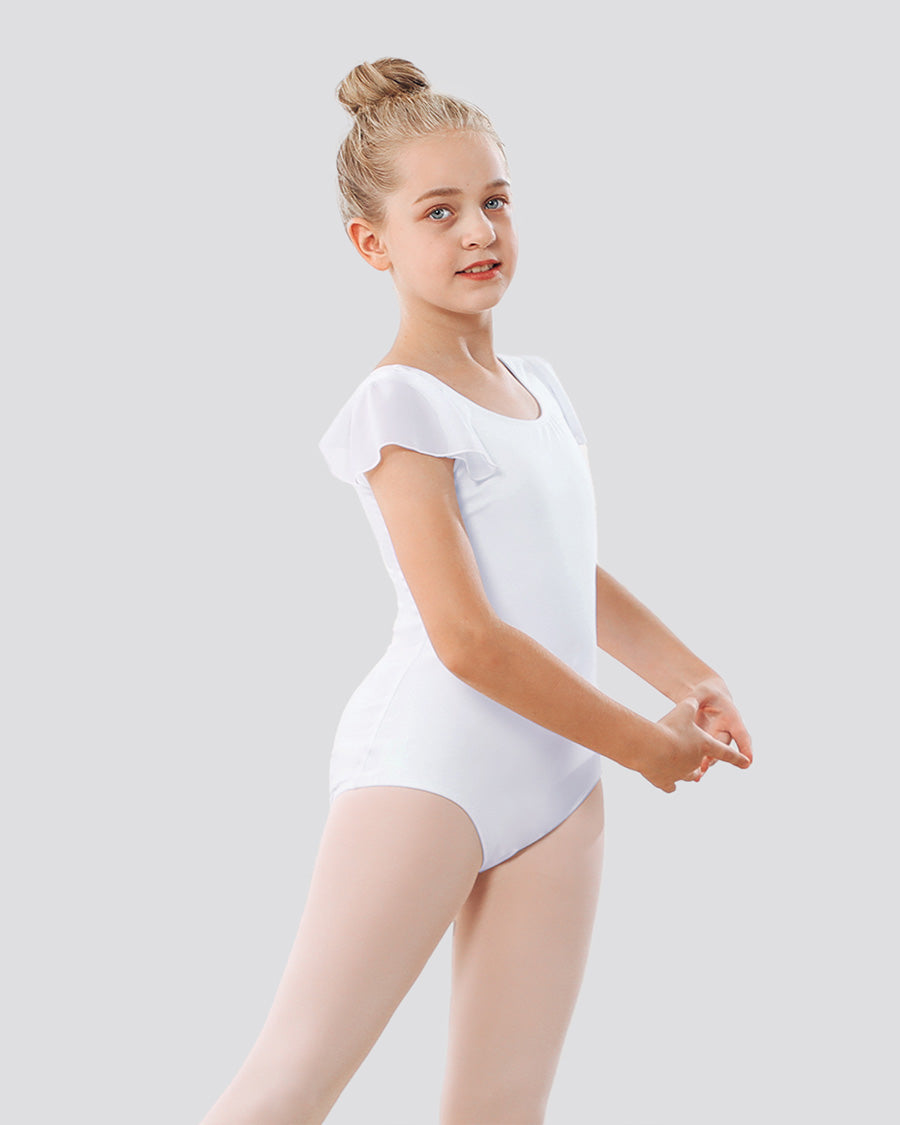
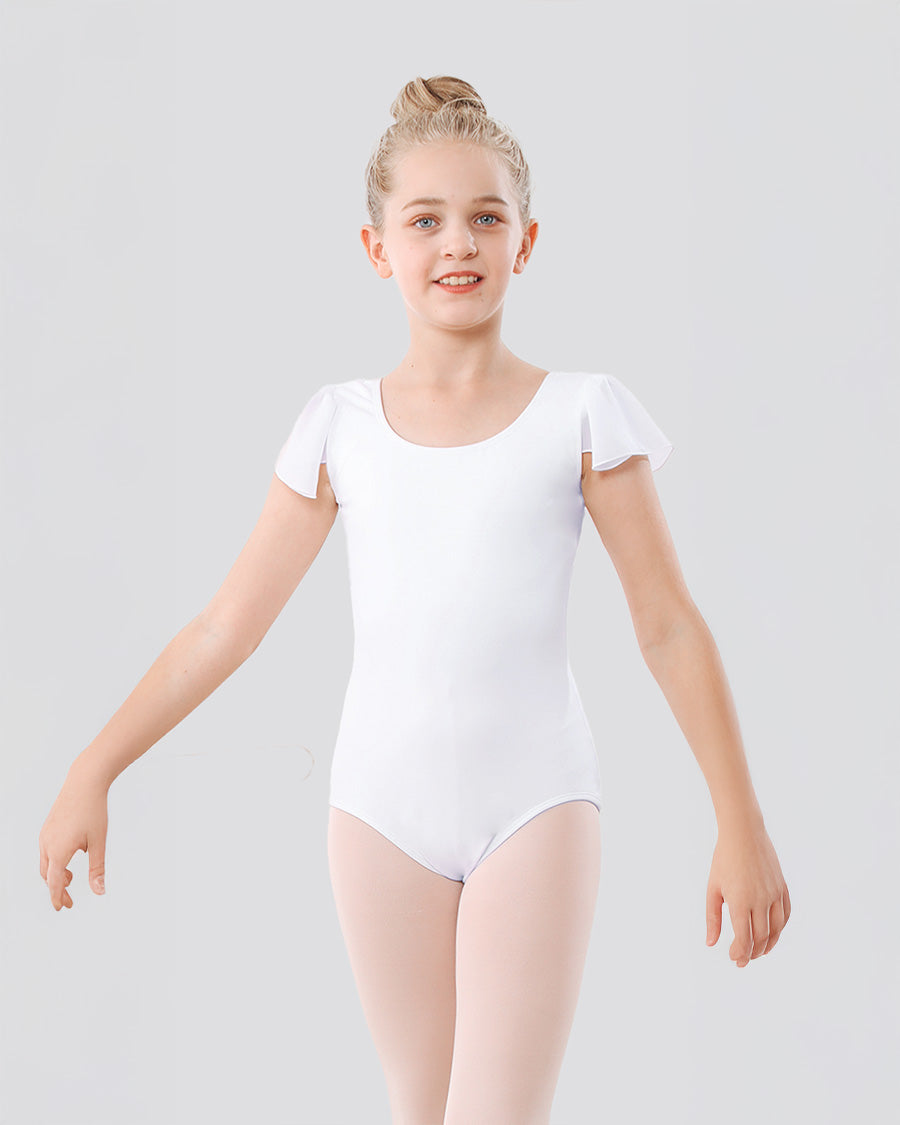
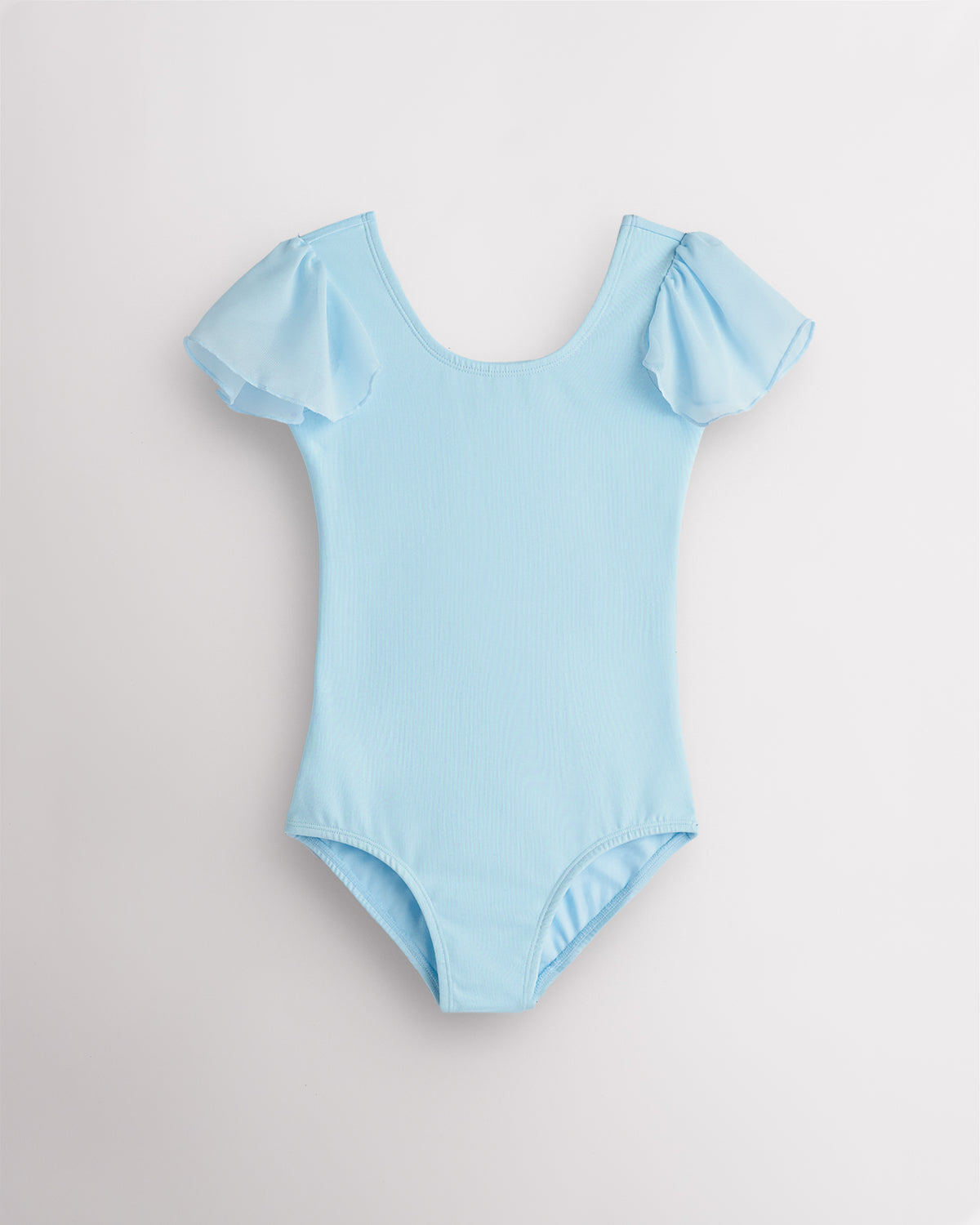
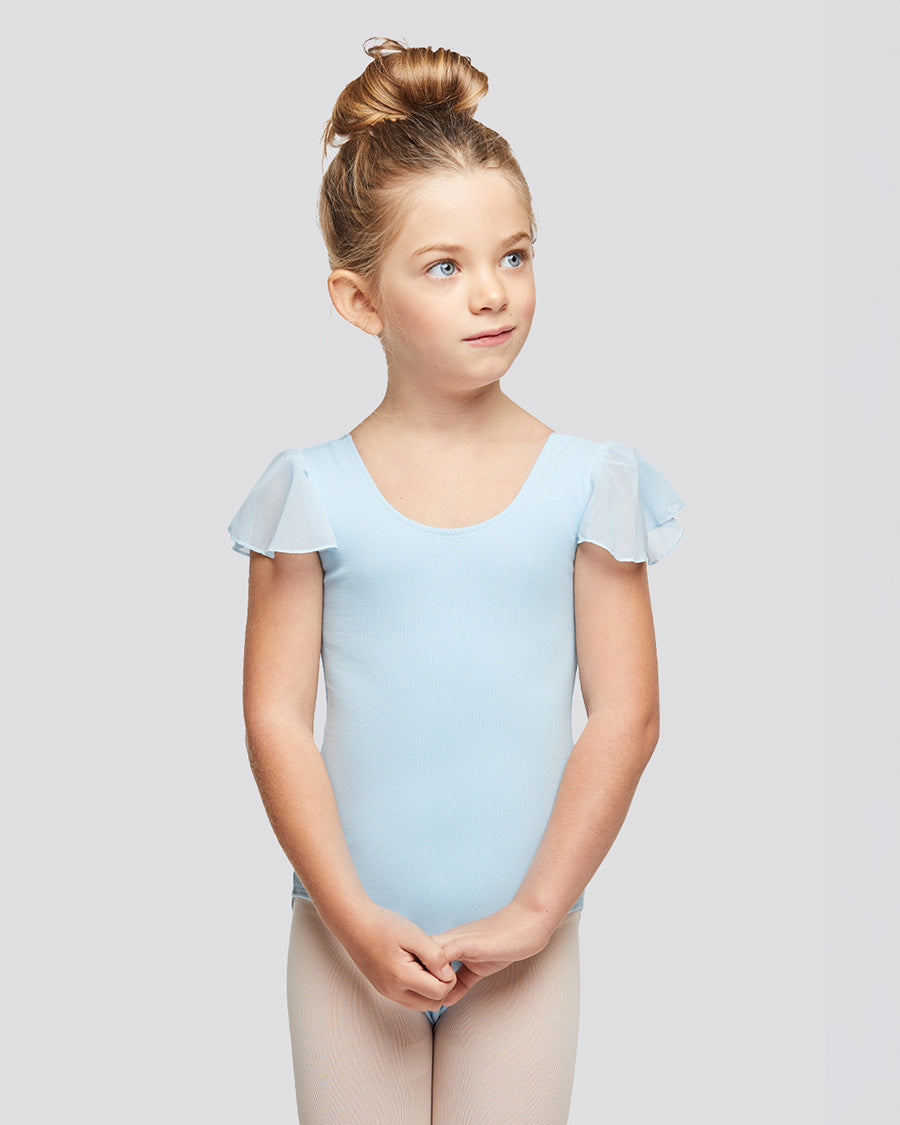
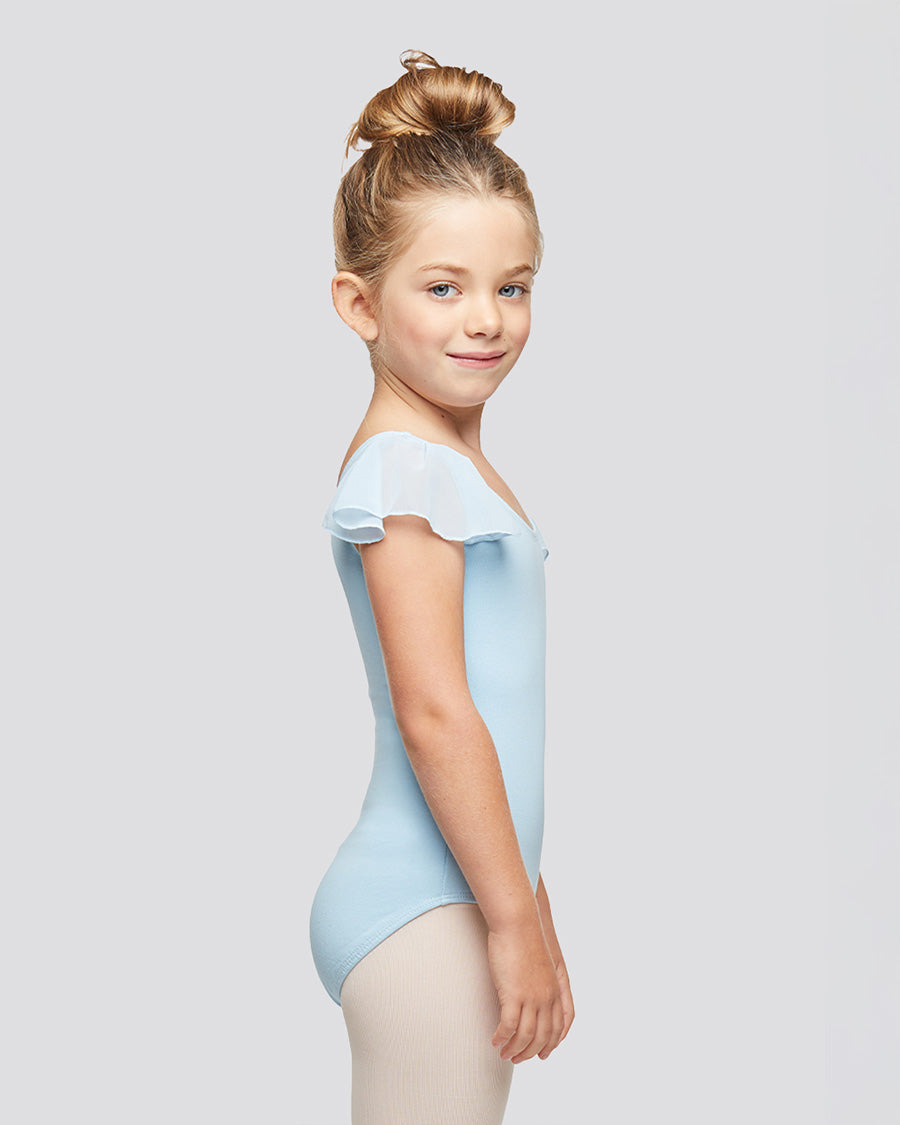
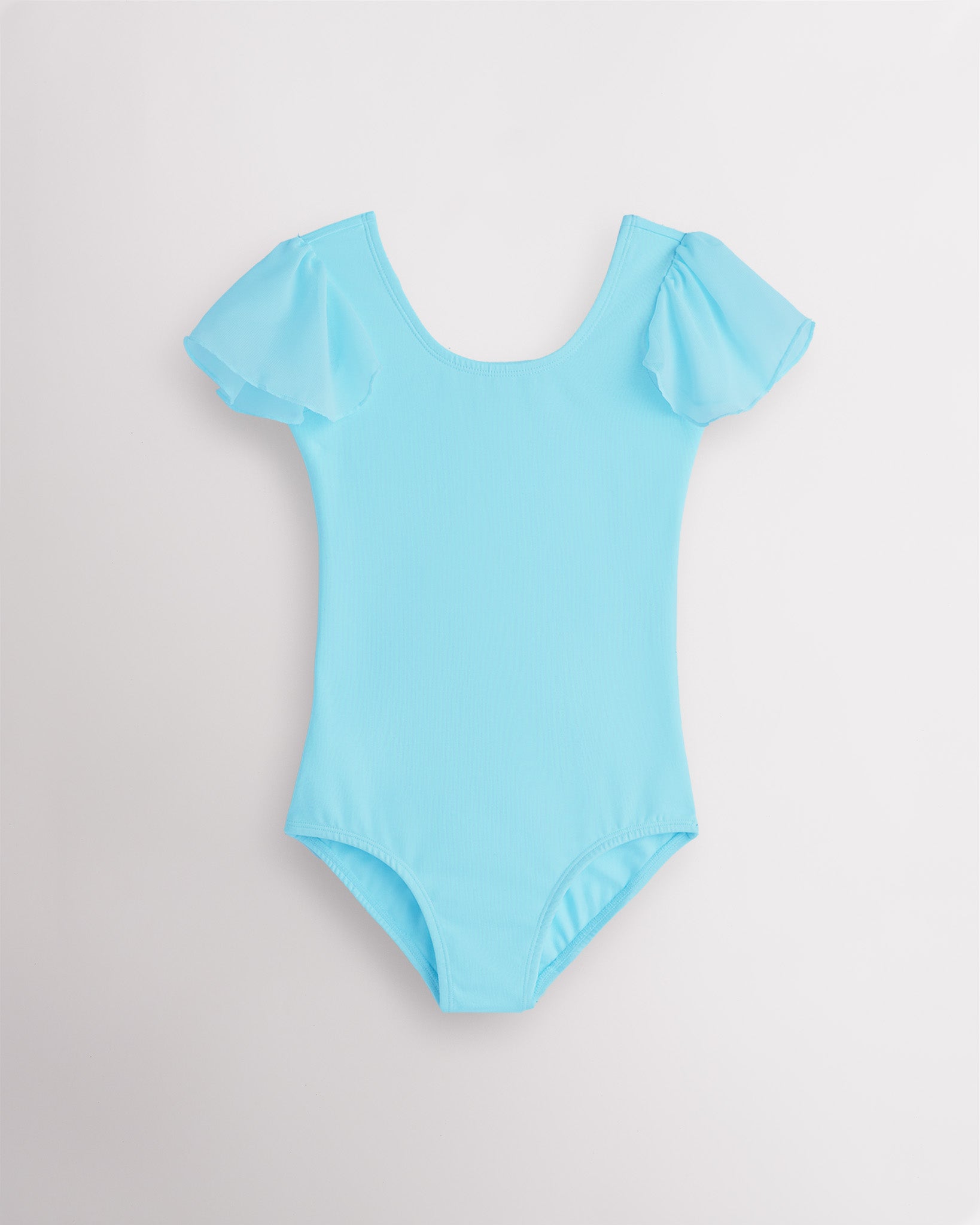
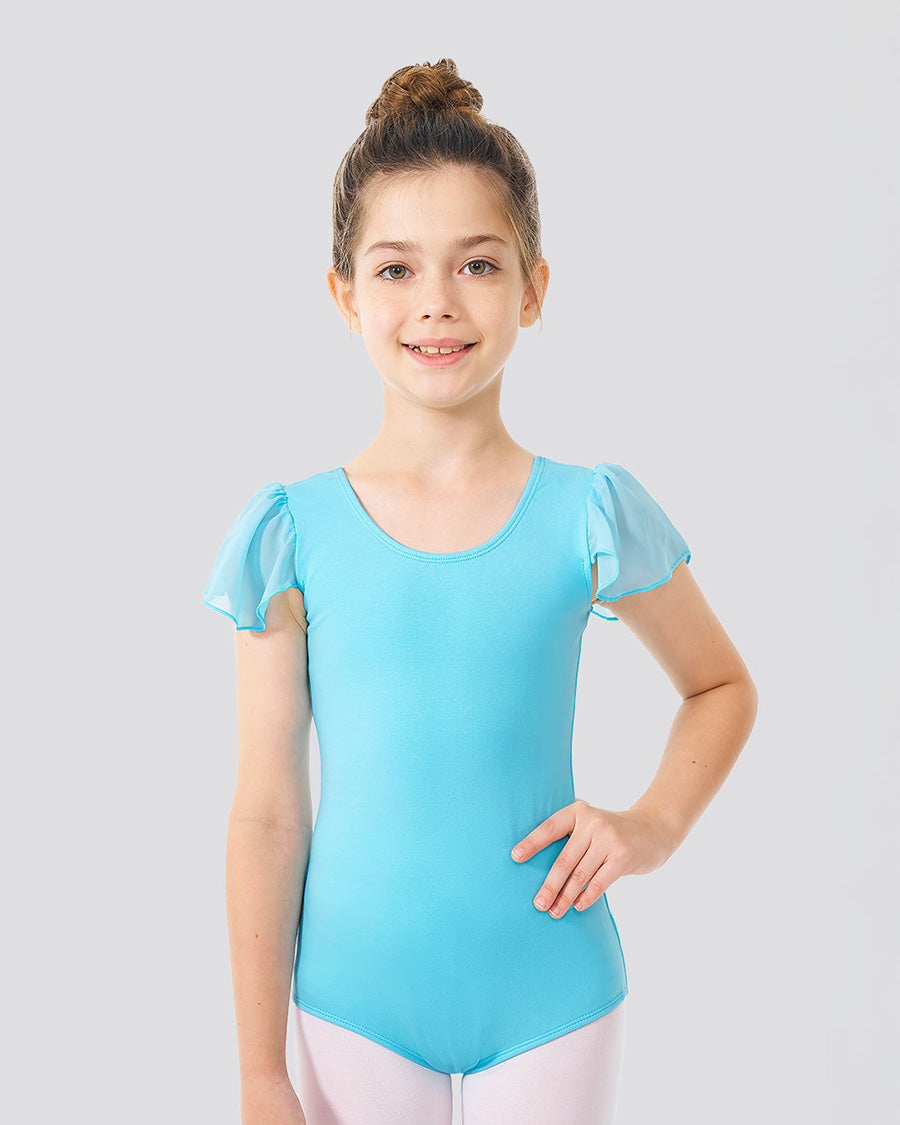
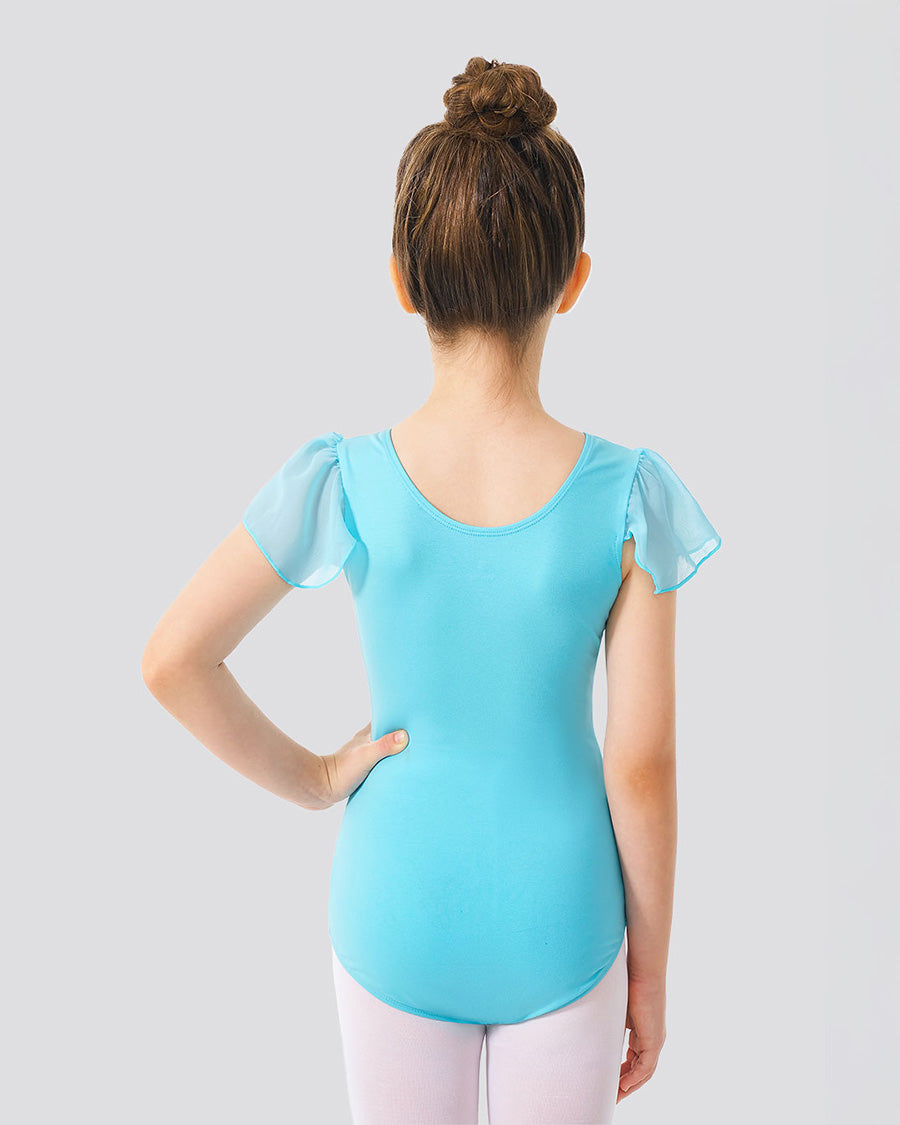
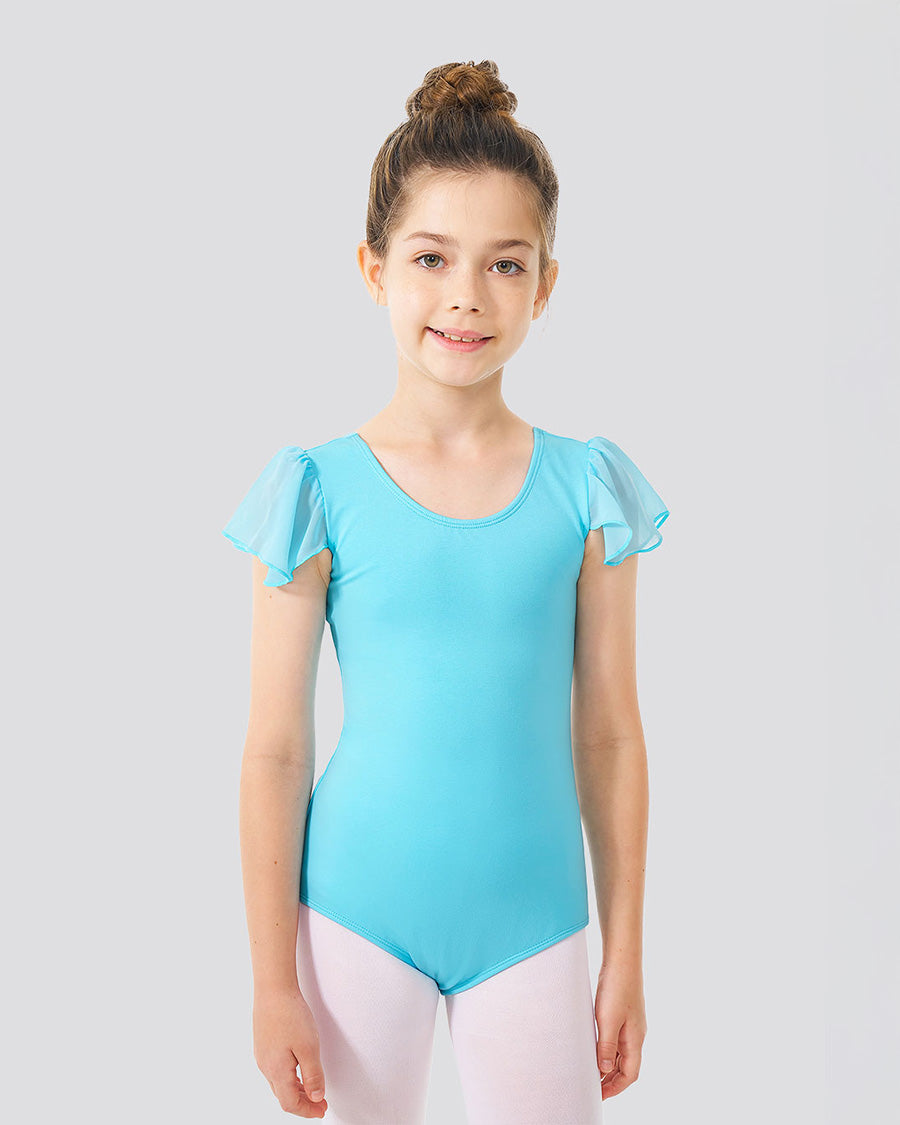
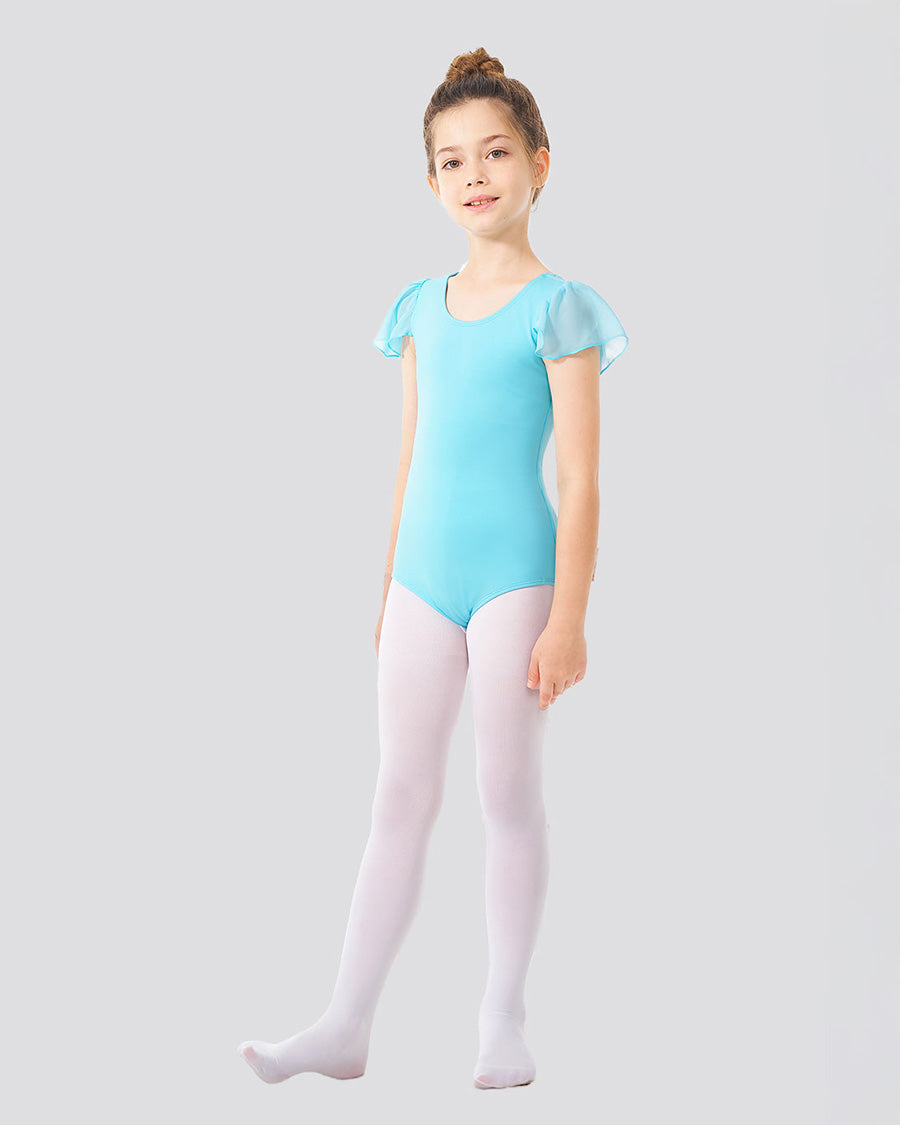
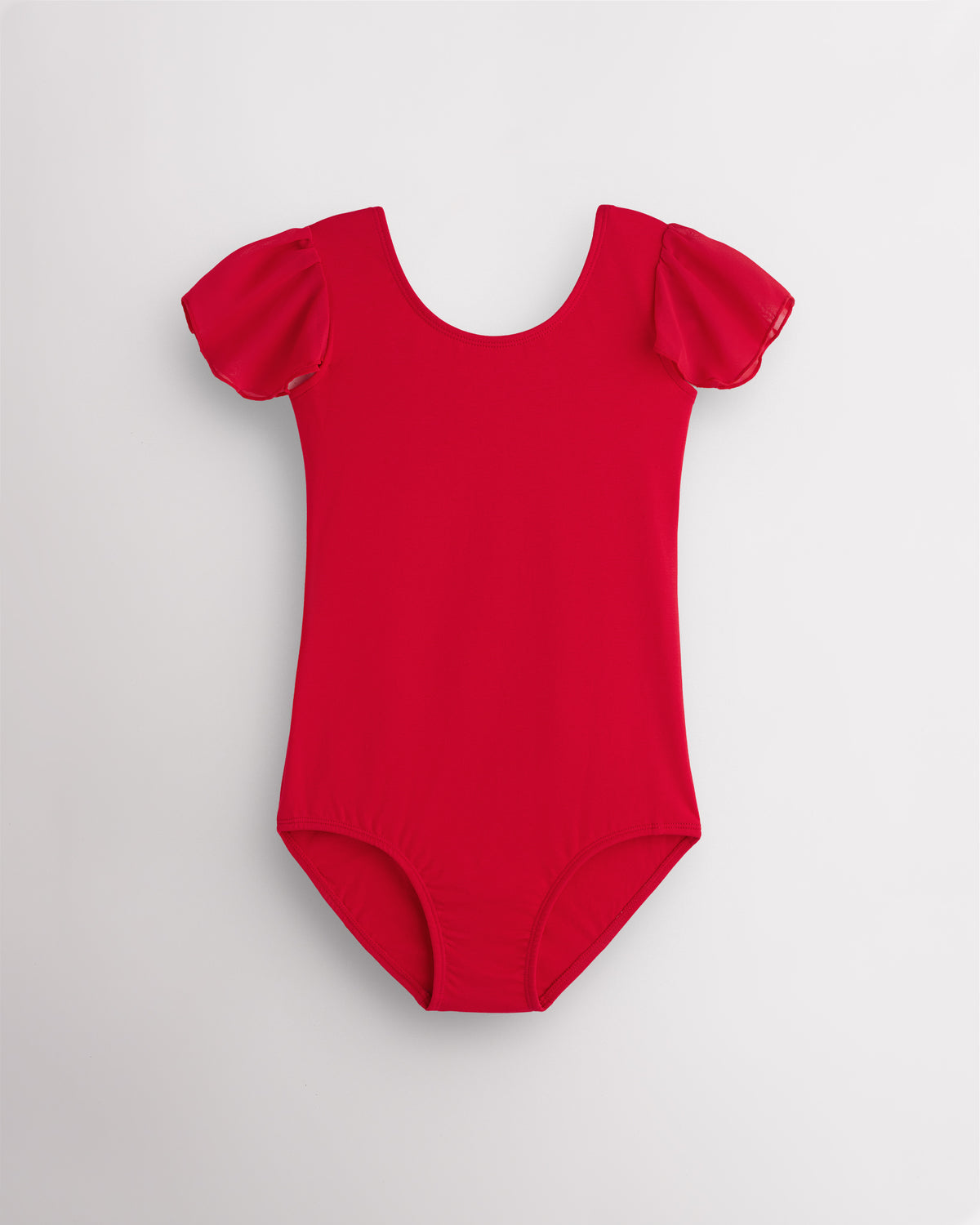
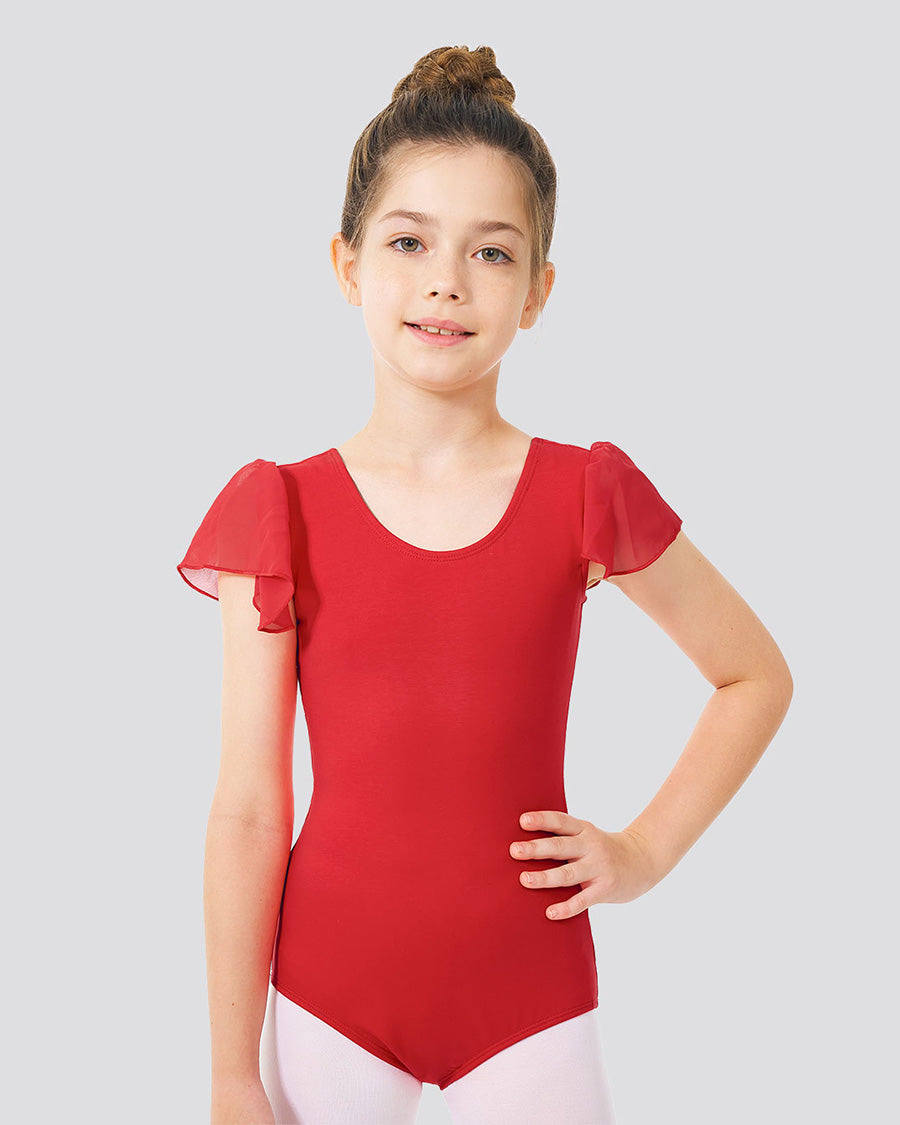
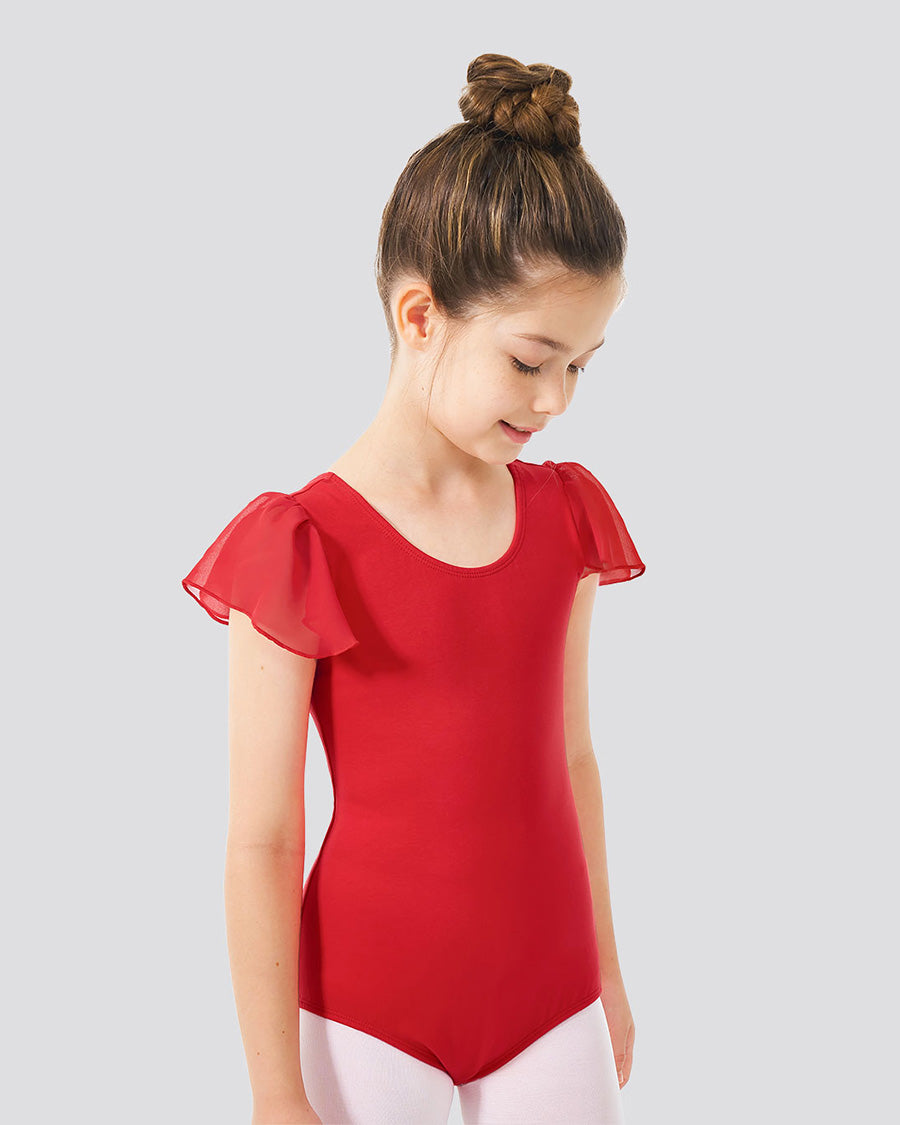
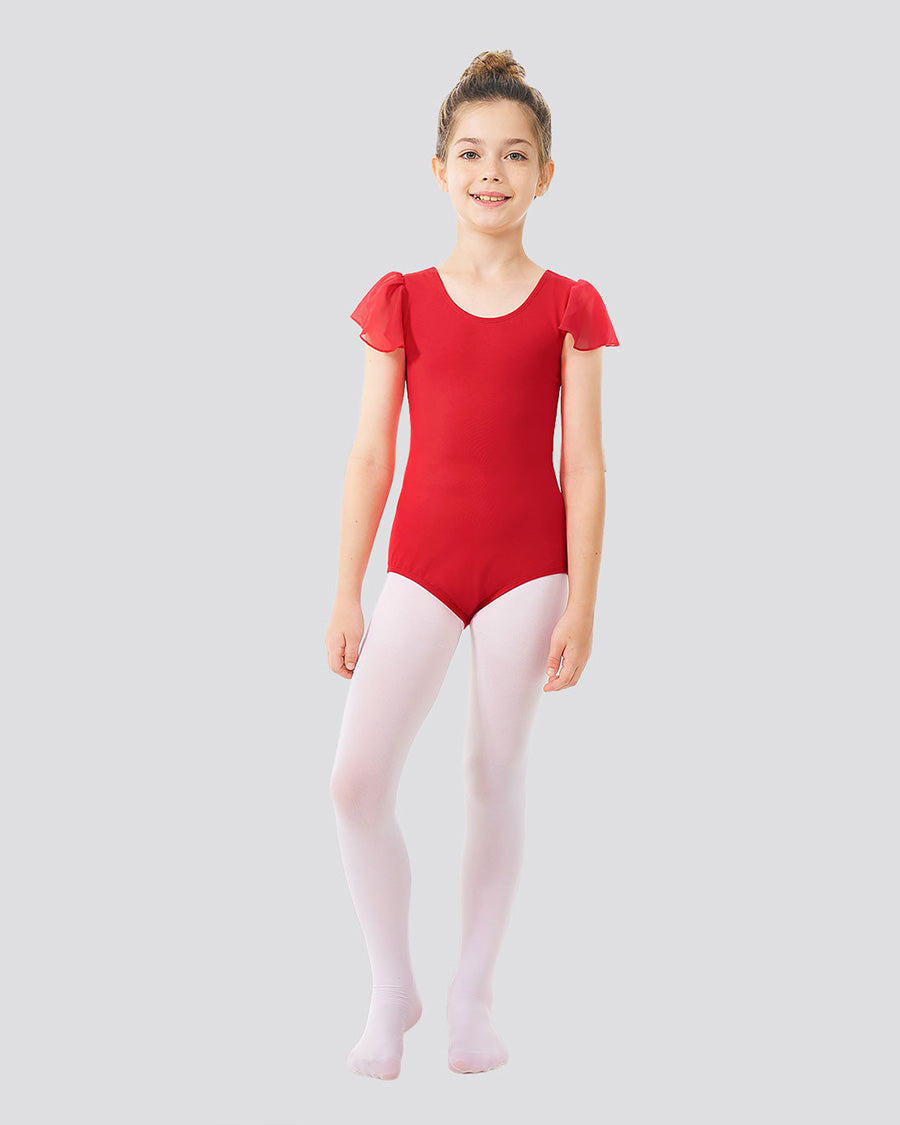
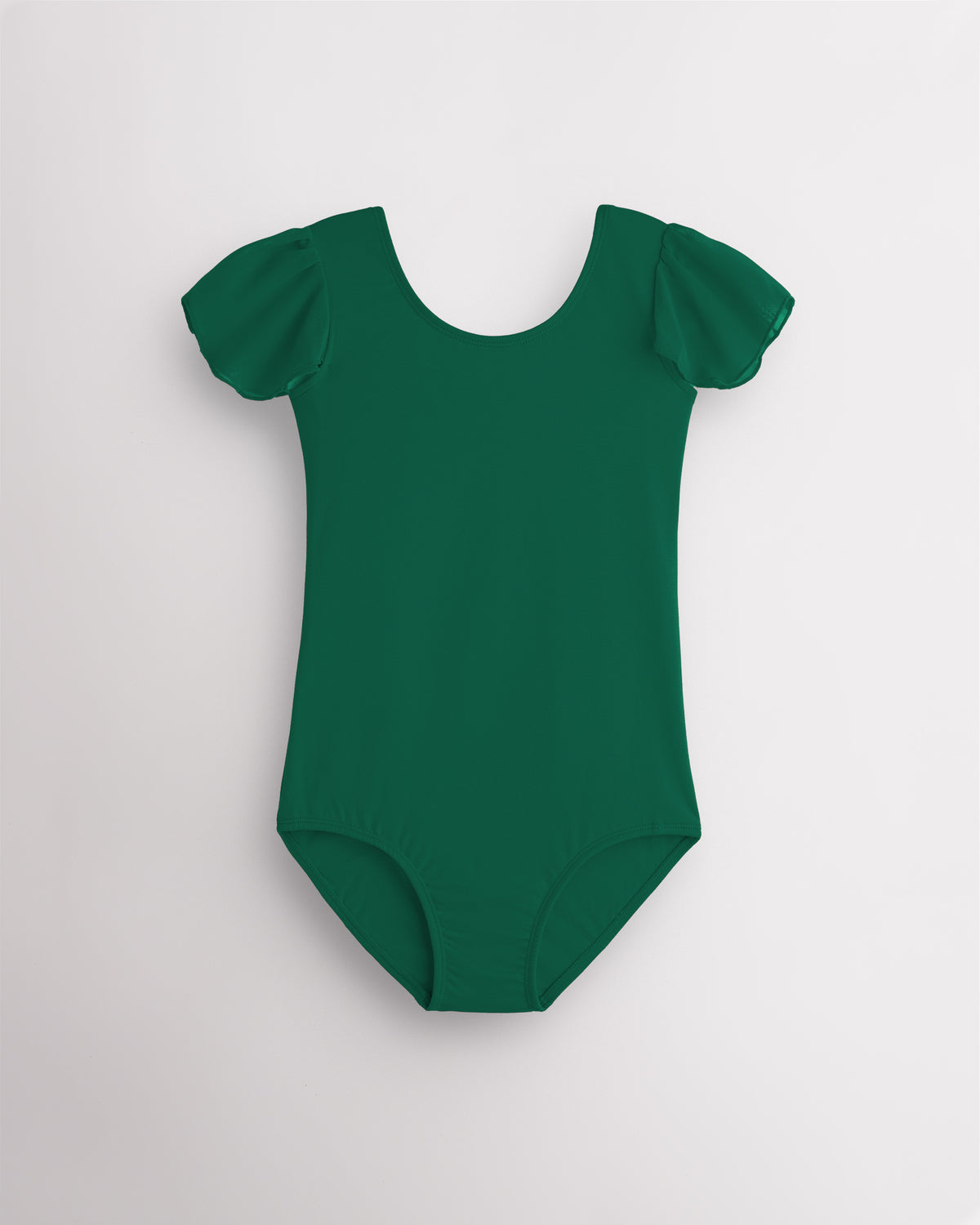
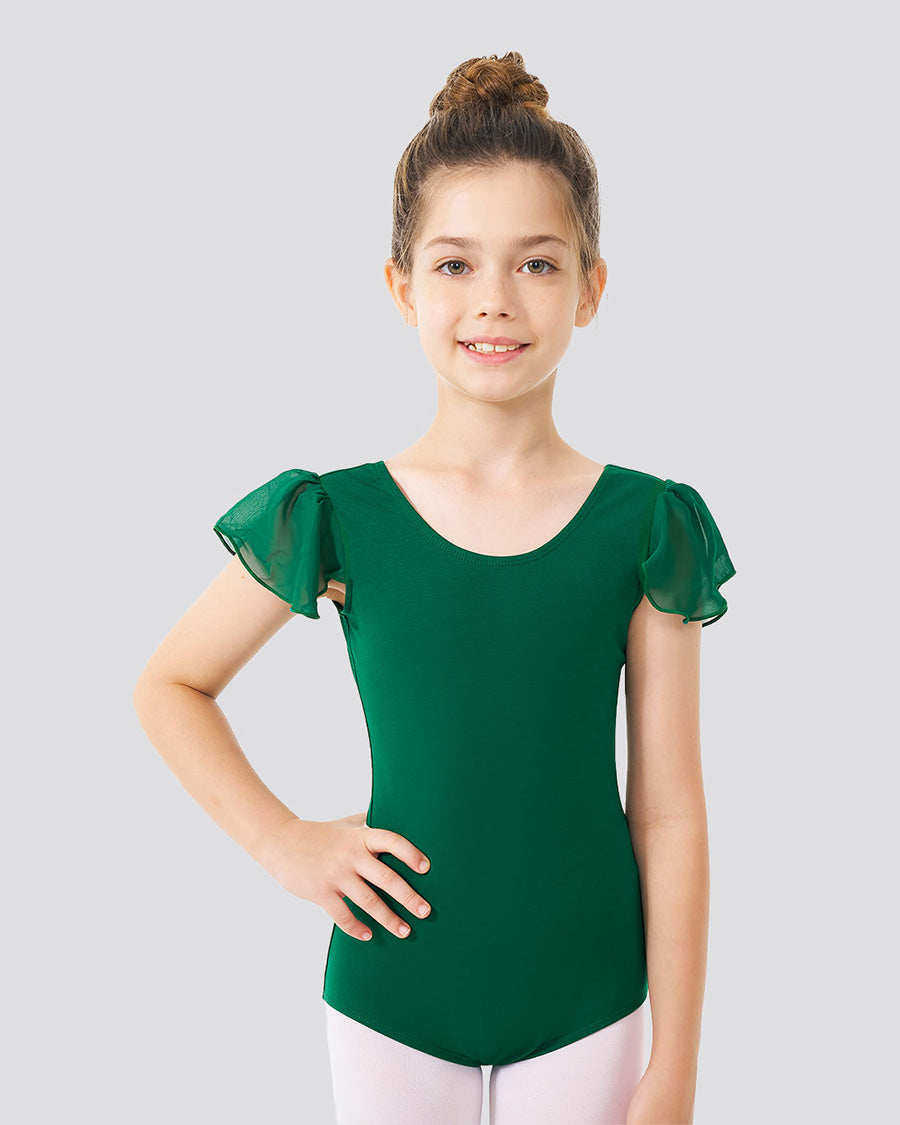
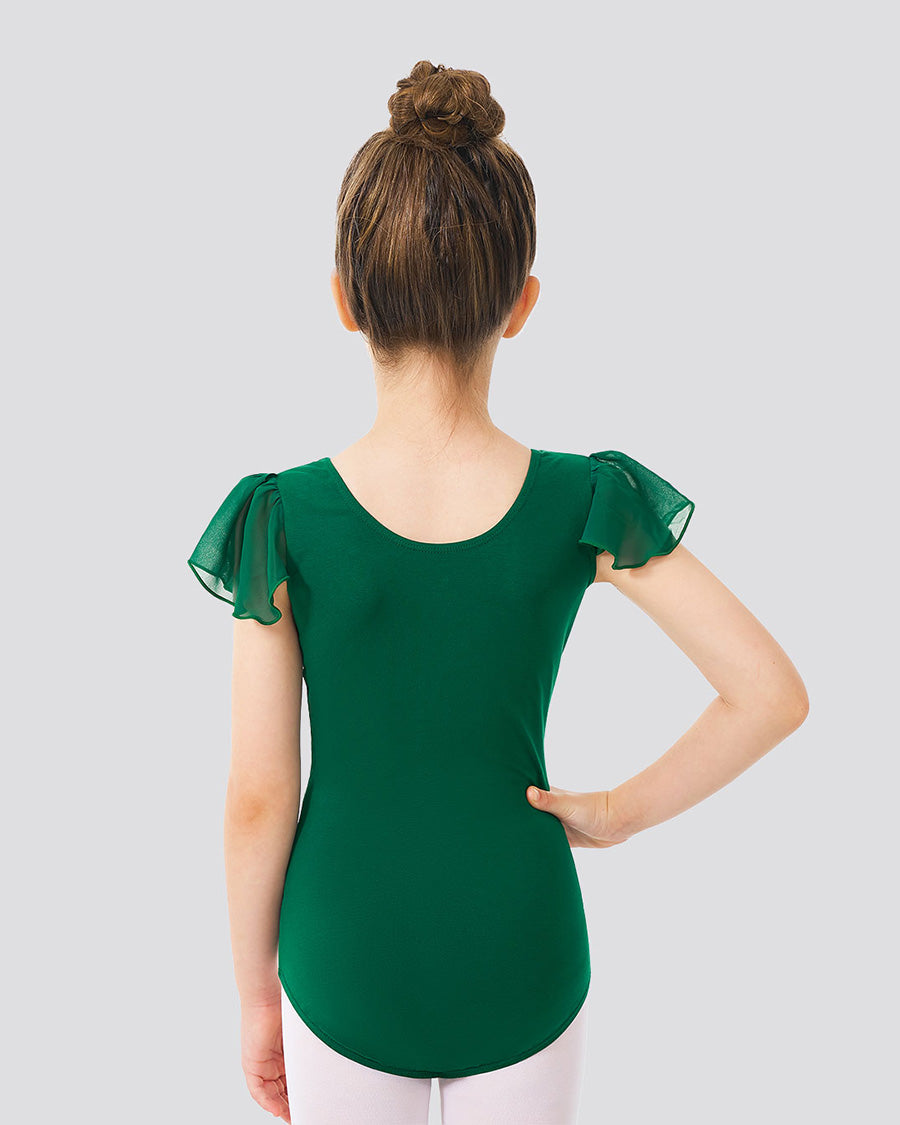
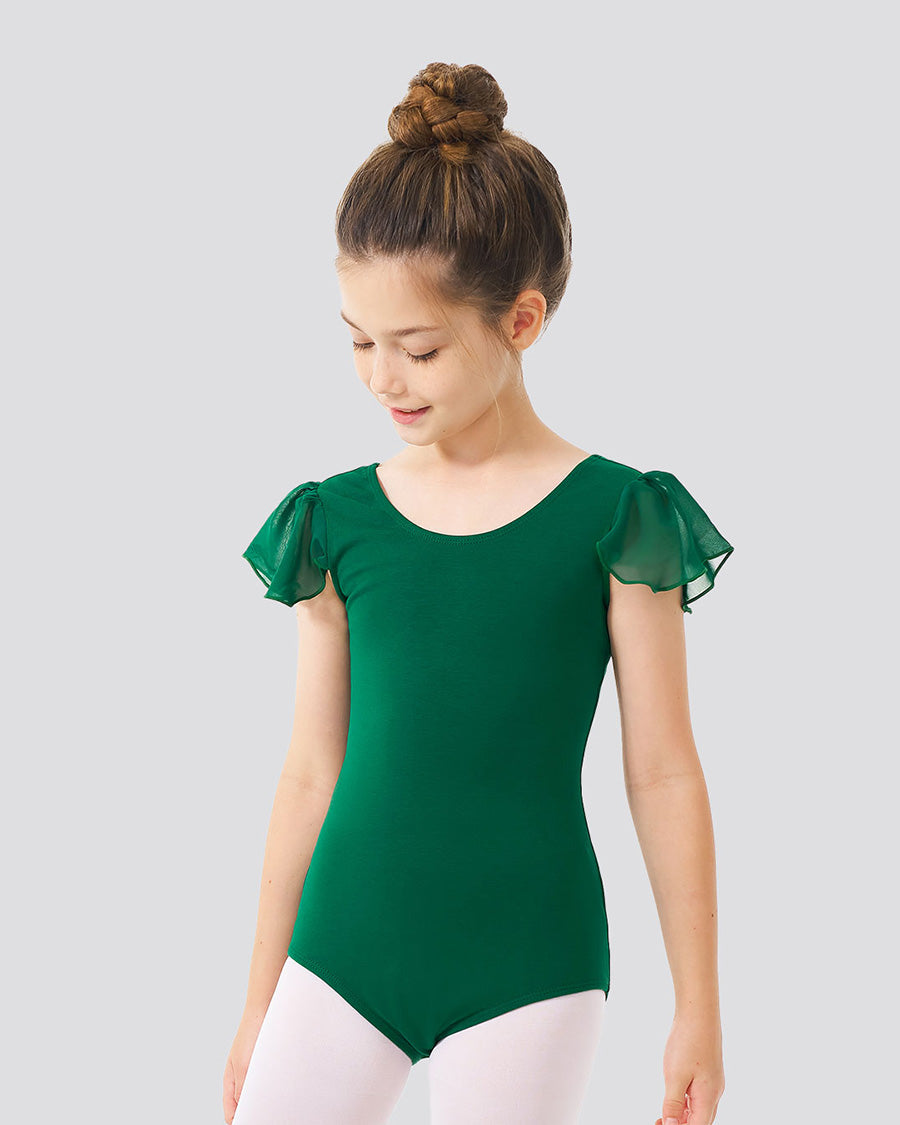
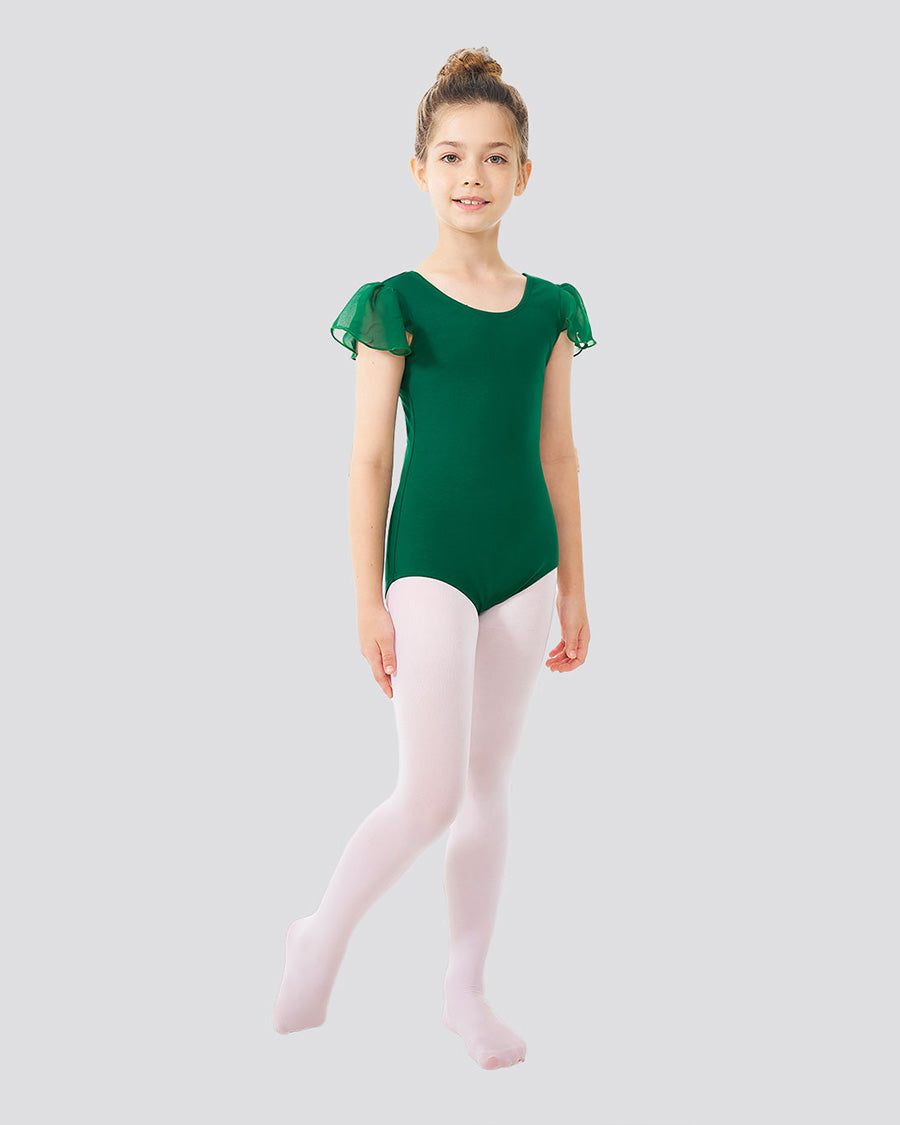
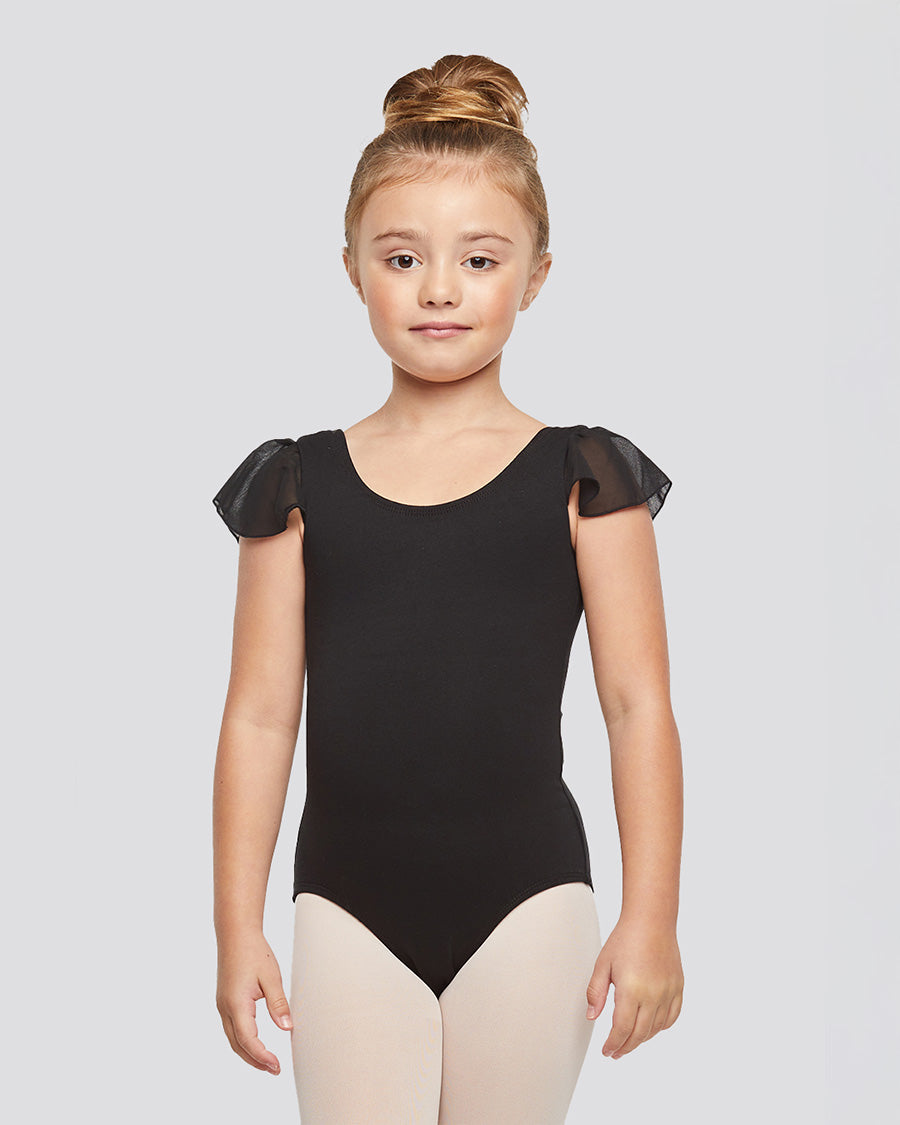
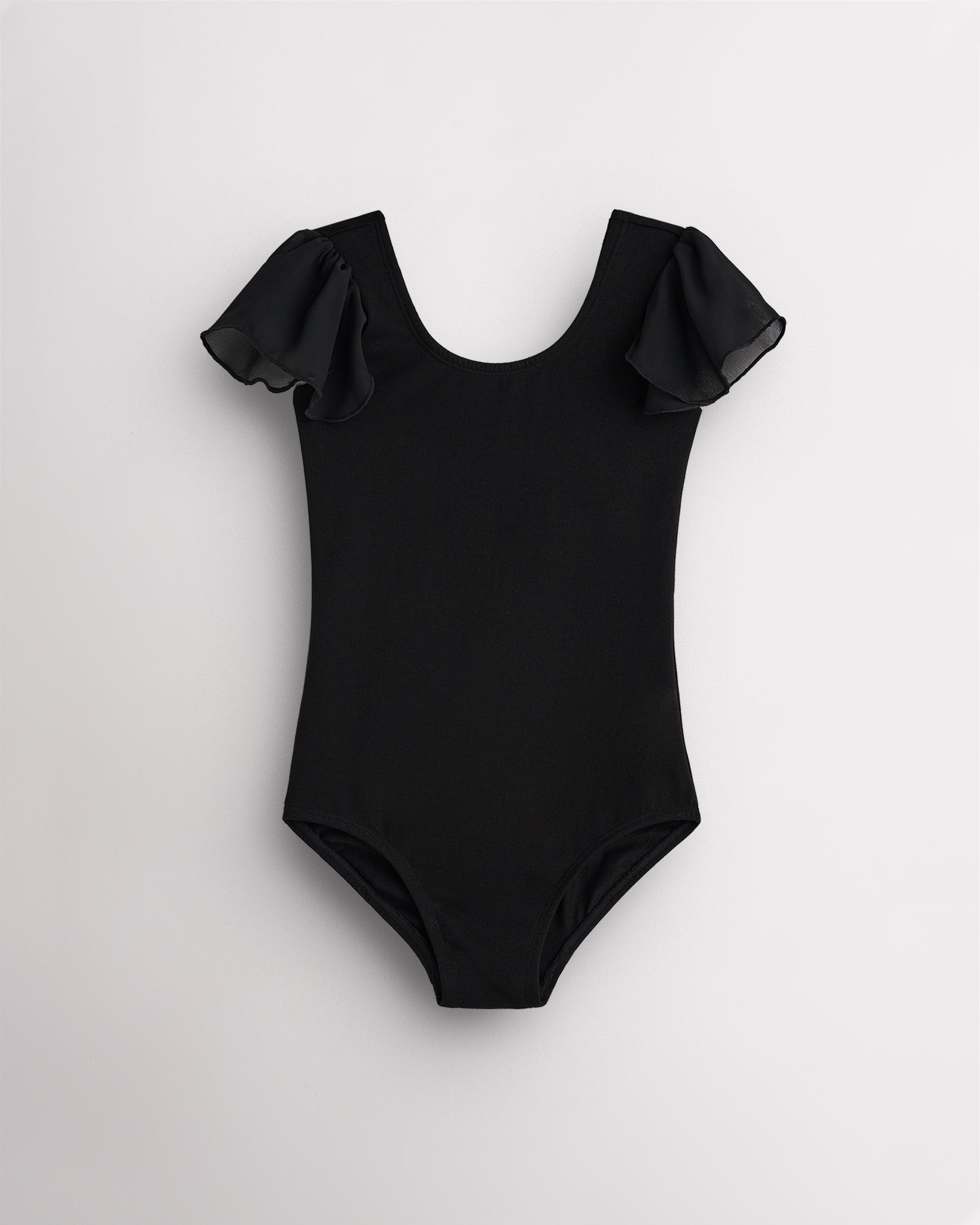
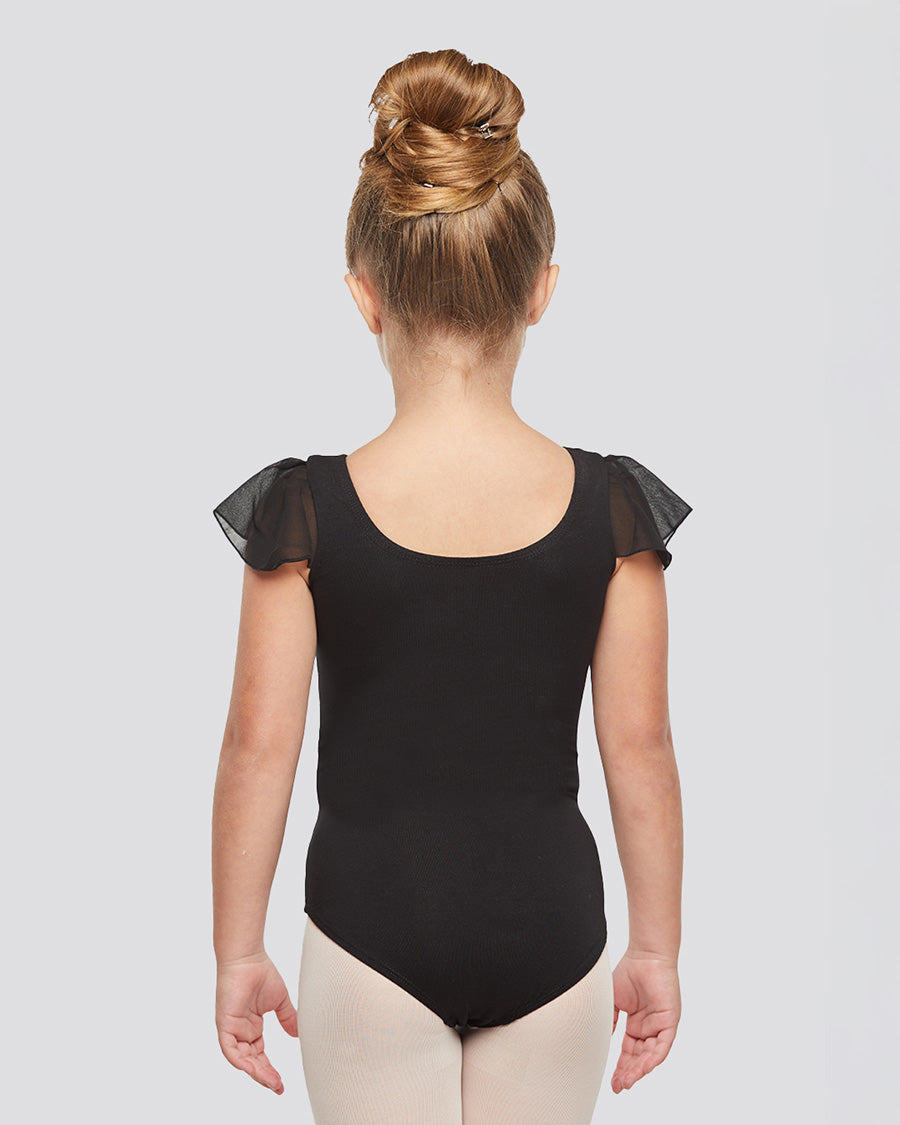
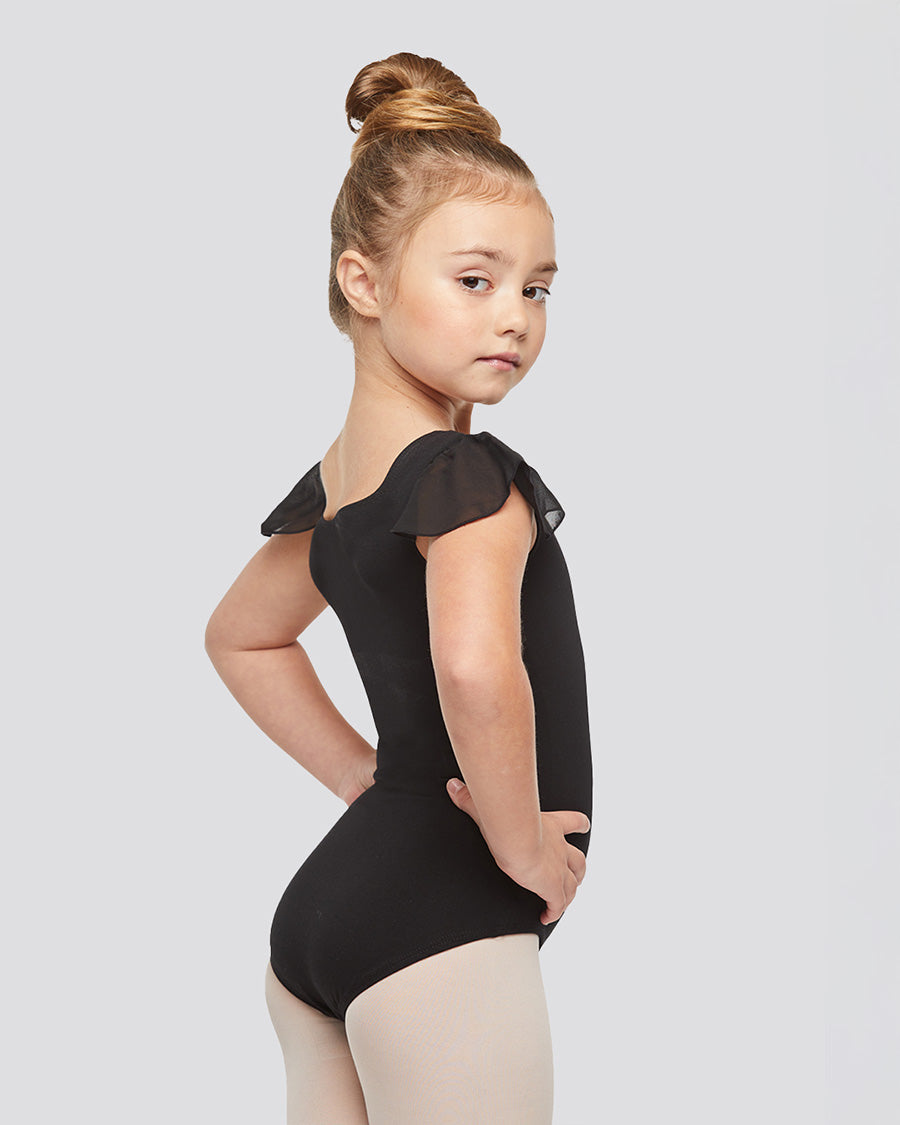
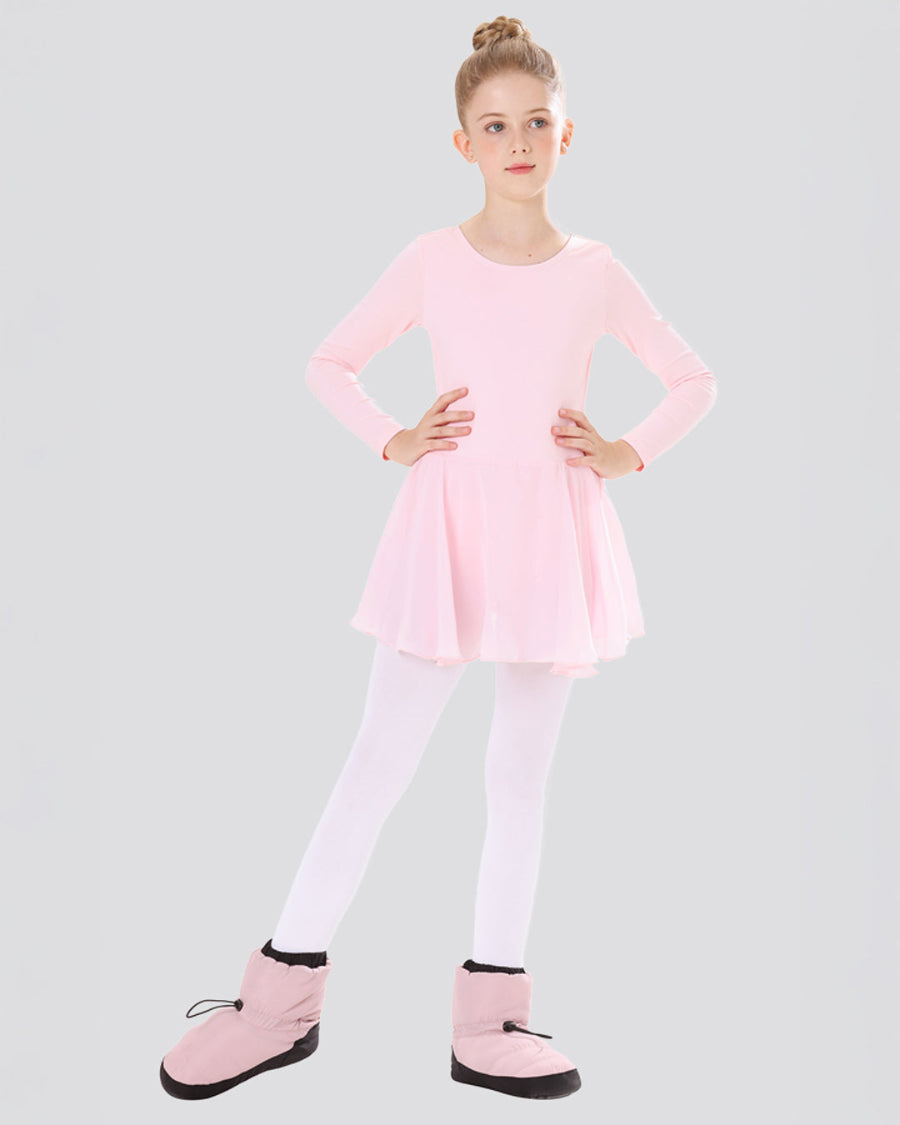
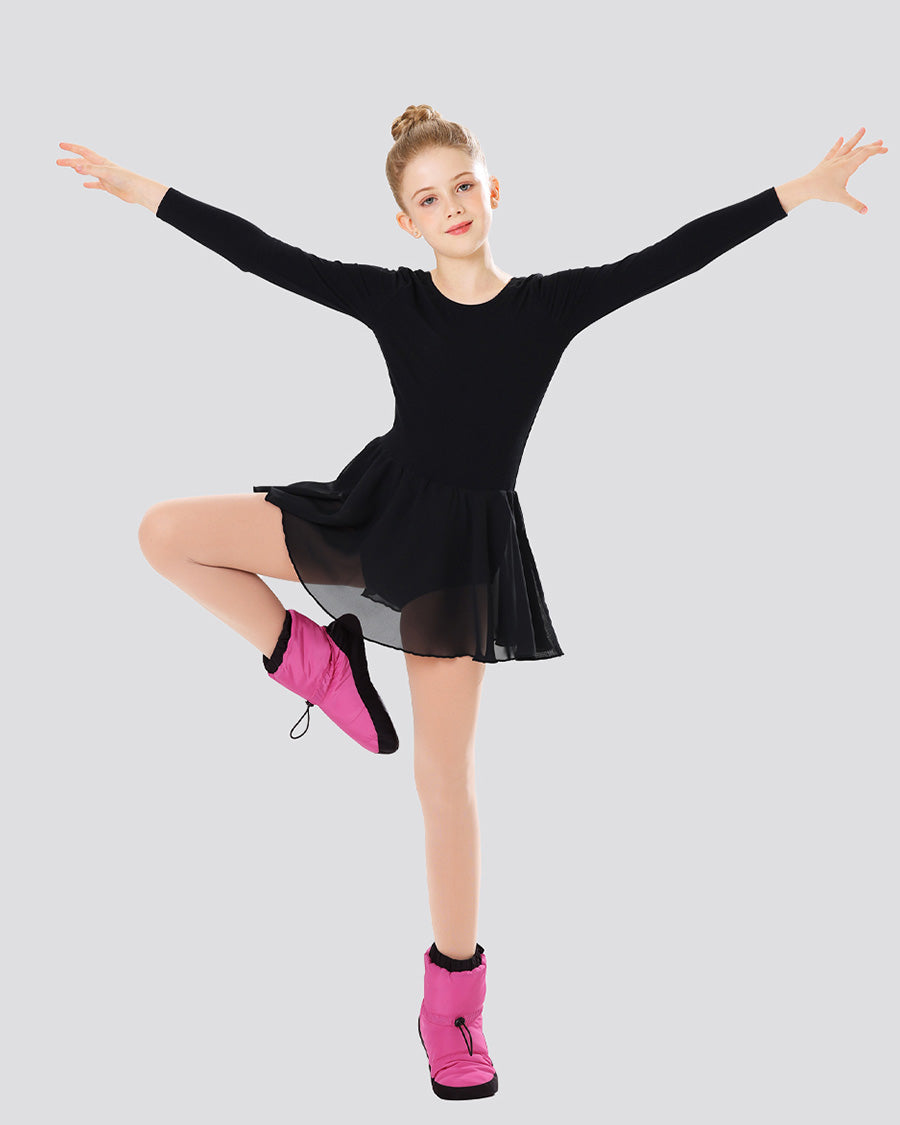
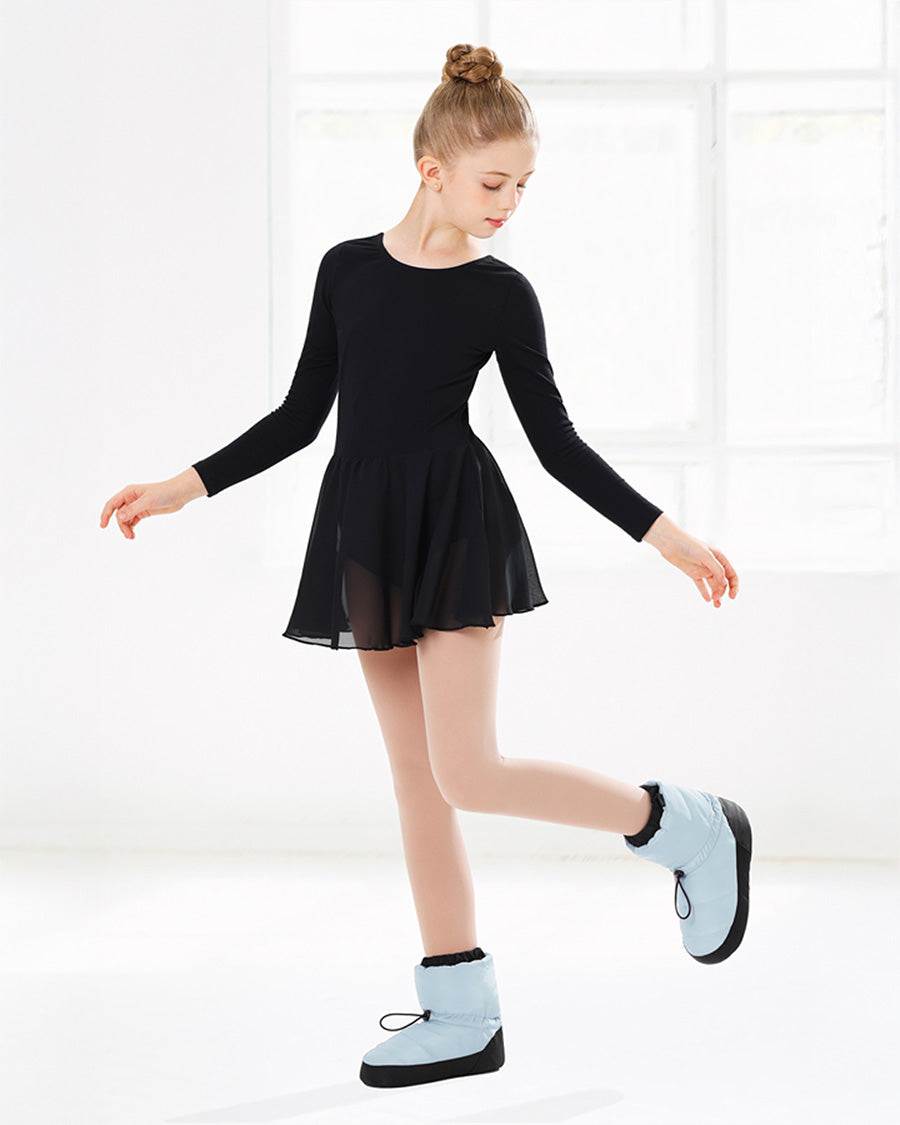
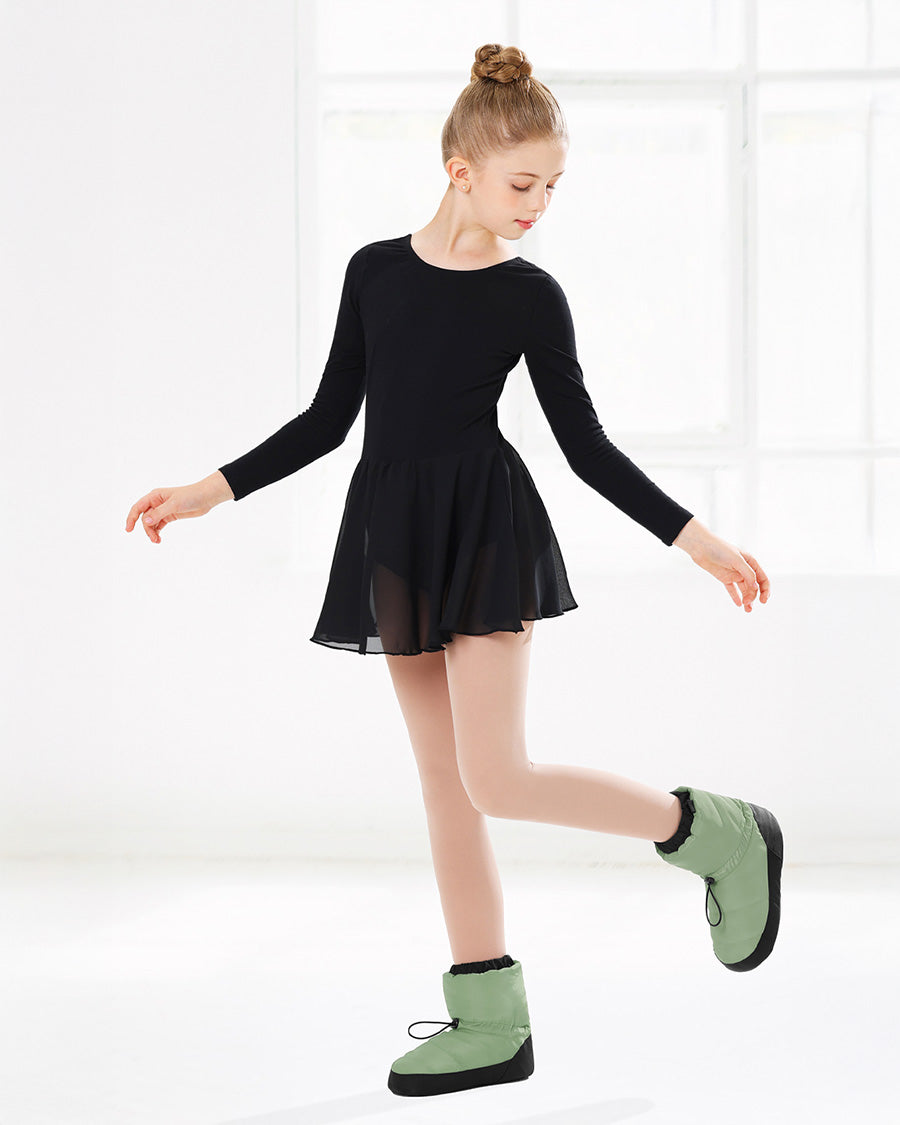
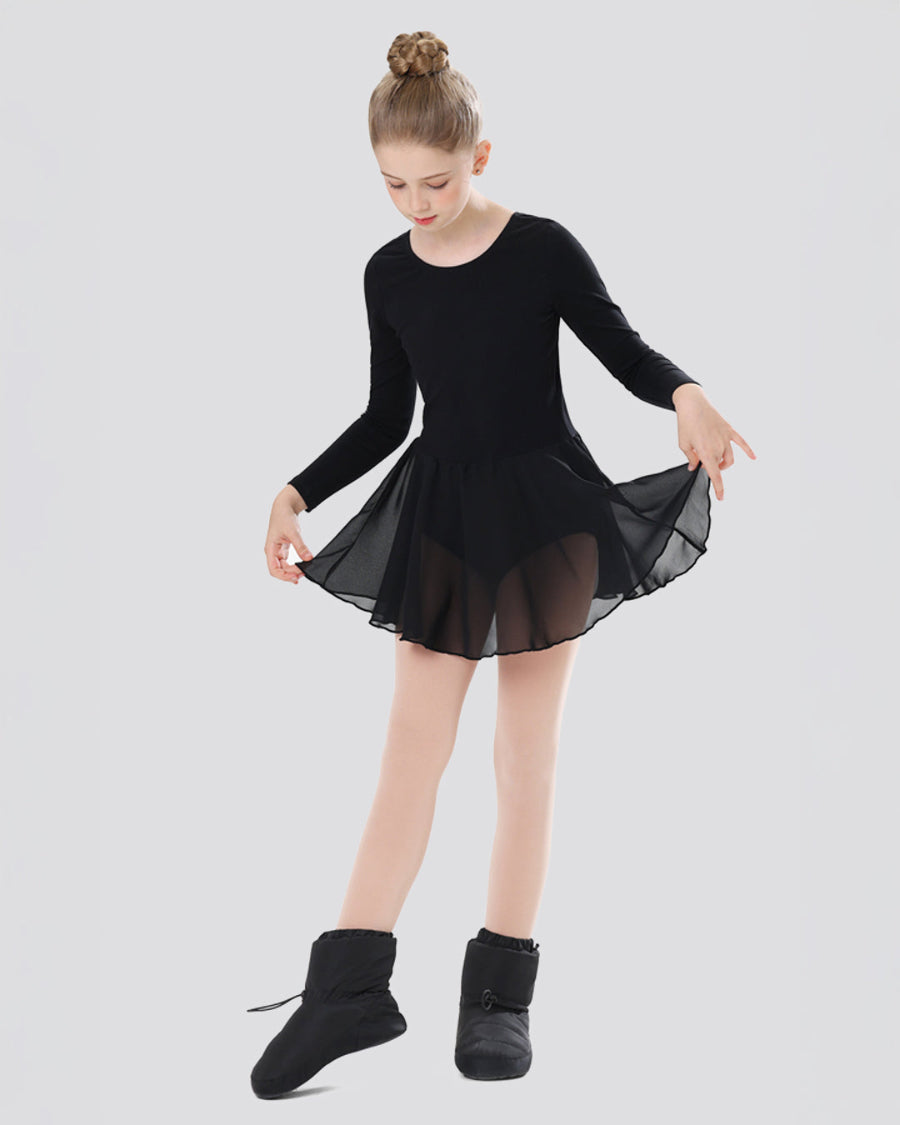
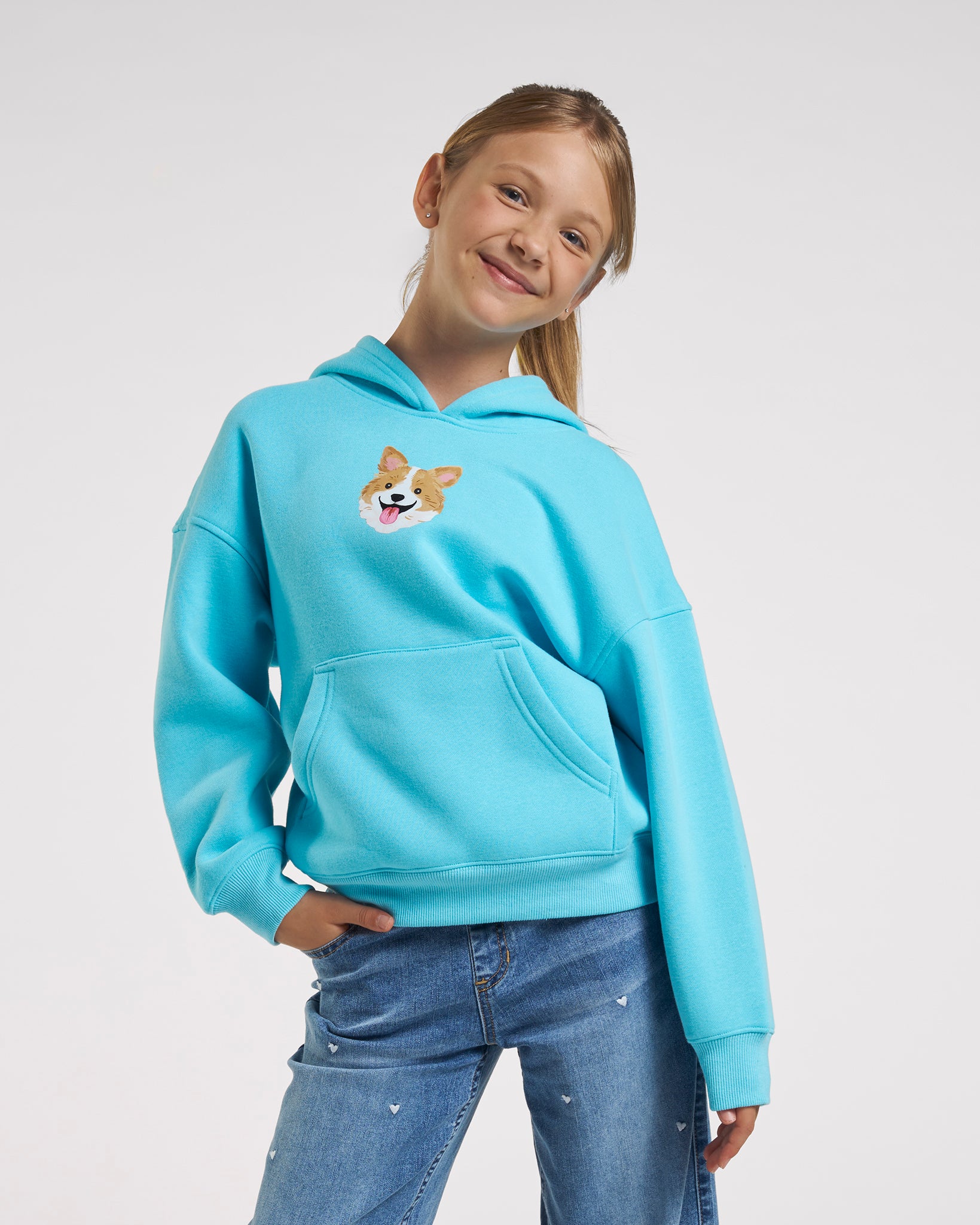
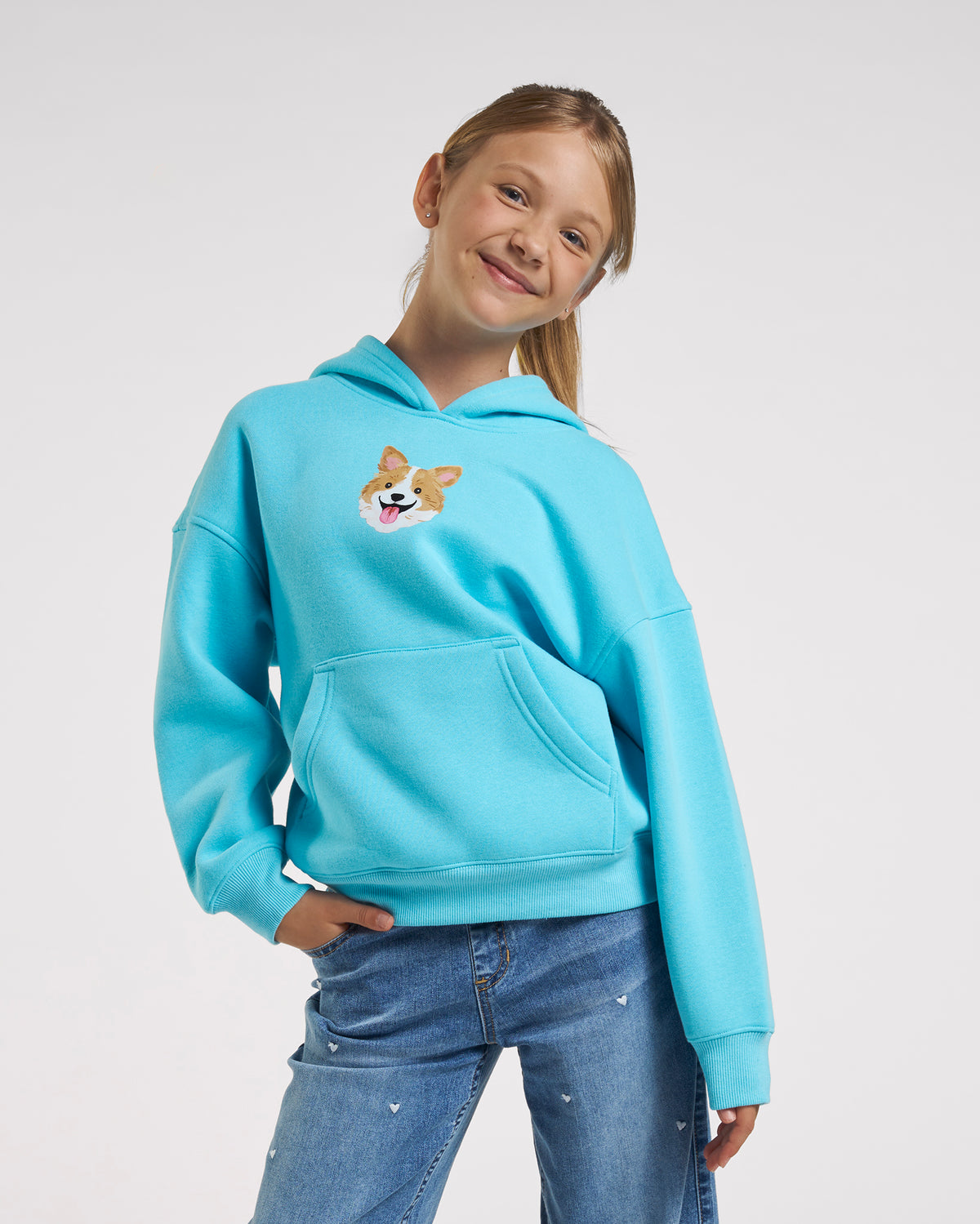
Baggy clothing hides the shoulders in a headshot and buries the lines a dance shot exists to show. Dance photographer Jordan Matter tells clients to bring well-fitting clothes in solid shades and skip bright patterns, and that goes double for kids, where a loud print swallows a small face. A solid-color leotard that fits well is the standard choice for the dance shot; if hers is faded or stretched, our guide to finding a leotard for girls covers quick fit checks. For the headshot, a simple top or fitted dancewear in a shade that flatters her works; jewel tones read better than pale pastels, which can wash out. Skip logos, sequins, and words on clothing.
The same logic as what to wear for family photos applies: solid colors, nothing pulling the eye from the face.

Hair and Light Makeup Norms for Kids
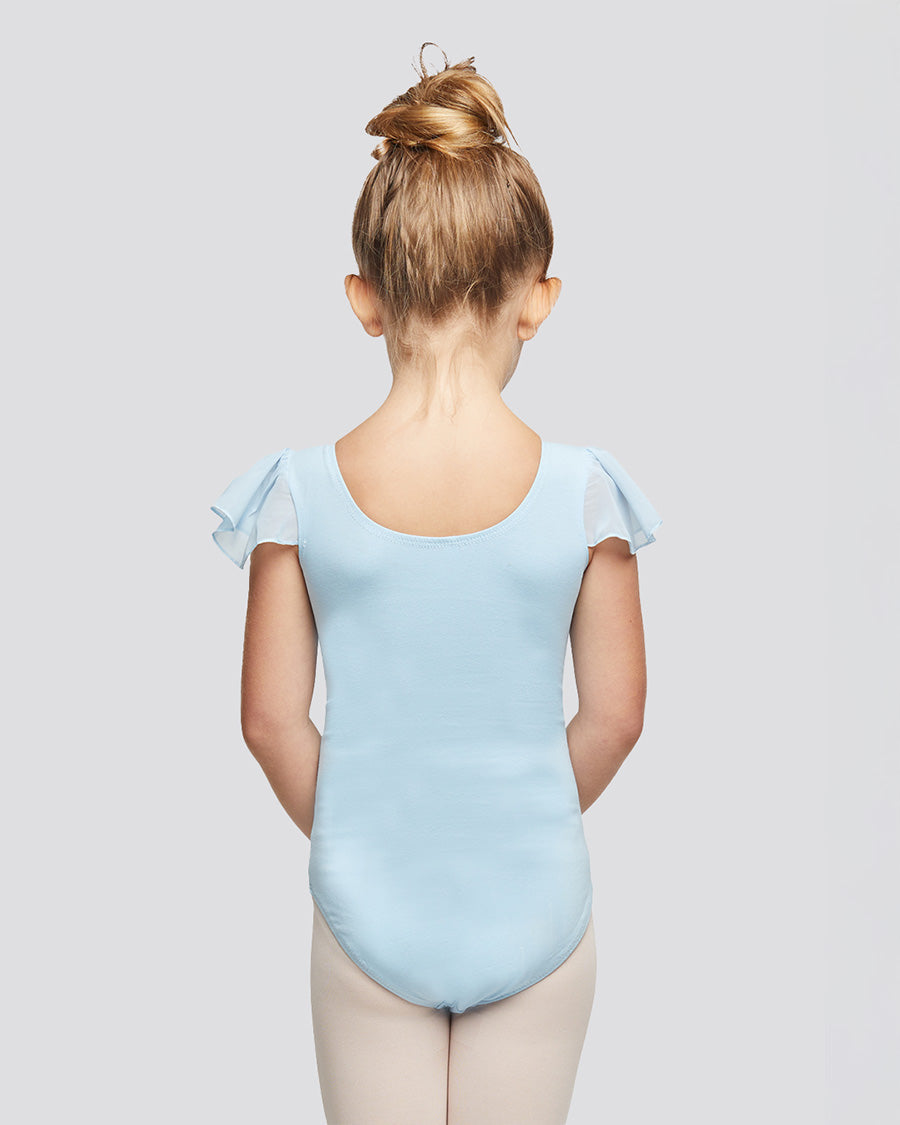
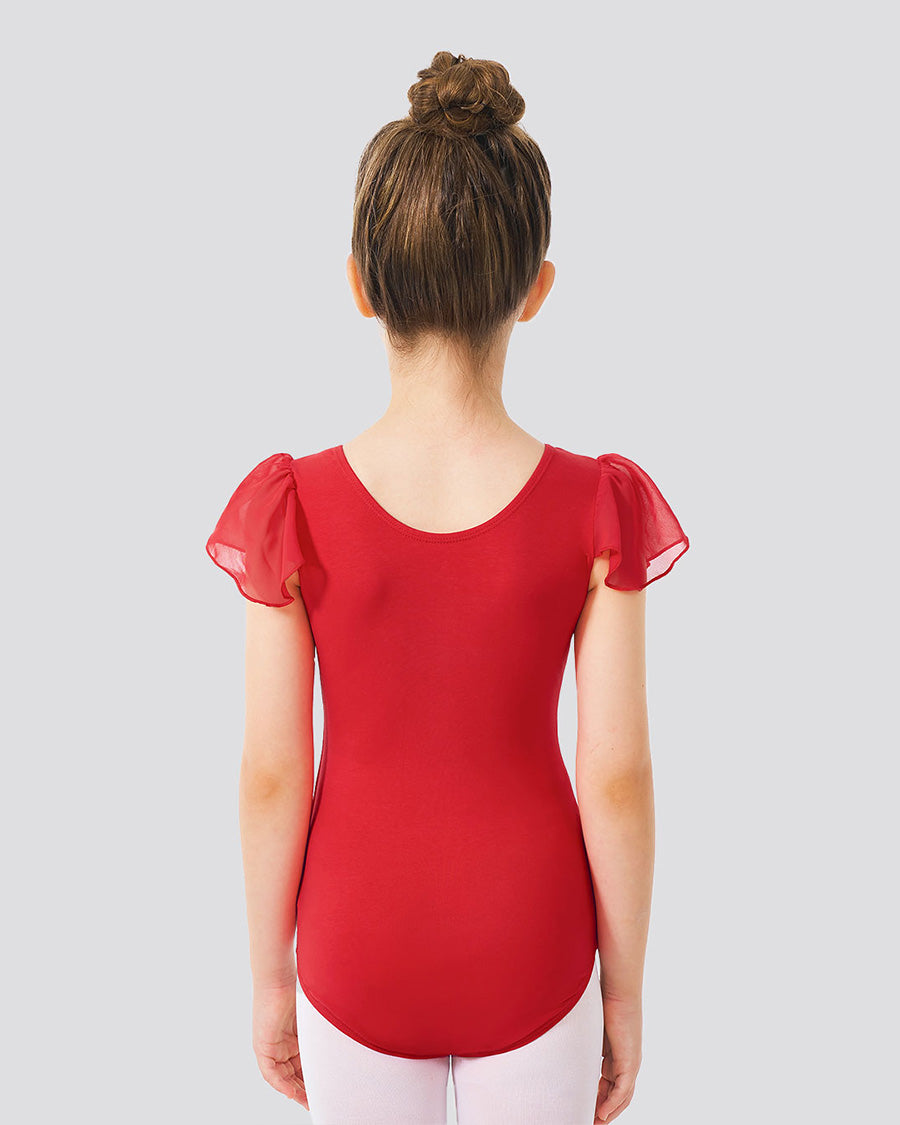
Style hair the way she would wear it to the audition: a neat bun for ballet, hair off the face for commercial or theater submissions. The face needs to be fully visible.
Little to nothing is the makeup standard for young kids, and lip balm plus brushed brows is plenty for tweens. CLI Studios warns that heavy eyeliner and sparkly products age a face on camera. Save the full look for the stage. Recital-level stage makeup is a different job entirely, one our dance recital makeup guide for kids walks through age by age, and even a light version of it is more than a headshot needs.
DIY at Home or Hire a Photographer?
You can take usable dance headshots at home for a composite card or a first local audition. Stand her in front of a plain wall facing a large window, shoot chest-up at her eye level, and take lots of frames while you chat so a few expressions come out natural. A phone cannot fake the sharp, well-lit dance shot selective programs study for line.
Hire a professional once an agency, company audition, or pre-professional program is involved. As a planning range at the time of writing, expect roughly $150 to $500 in many markets: Backstage puts professional headshots at $250 and up per look, with big-market shoots running $300 to $1,200. Packages change often, so confirm current rates and what is included before booking. New York coaching company Broadway Kids Auditions advises capping spend around $800 because kids outgrow their photos fast. Browse dancer headshot examples on portfolio pages and ask for dance headshot examples of kids your child's age; photographers who shoot dance headshots for kids will have plenty.
Prep Checklist: The Week Before
A little prep in the last week saves reshoots.
-
Re-read the photo requirements and share them with the photographer.
-
Have her teacher confirm the positions planned for the dance shot.
-
Try on the full outfit list; pack a backup in a different solid color.
-
Wash and detangle hair the night before; pack the bun kit.
-
Prioritize sleep for two nights before, not just one.
-
Day of: arrive early, bring water and a snack, keep it light. Tension shows in the jaw and shoulders.

Common Mistakes to Skip
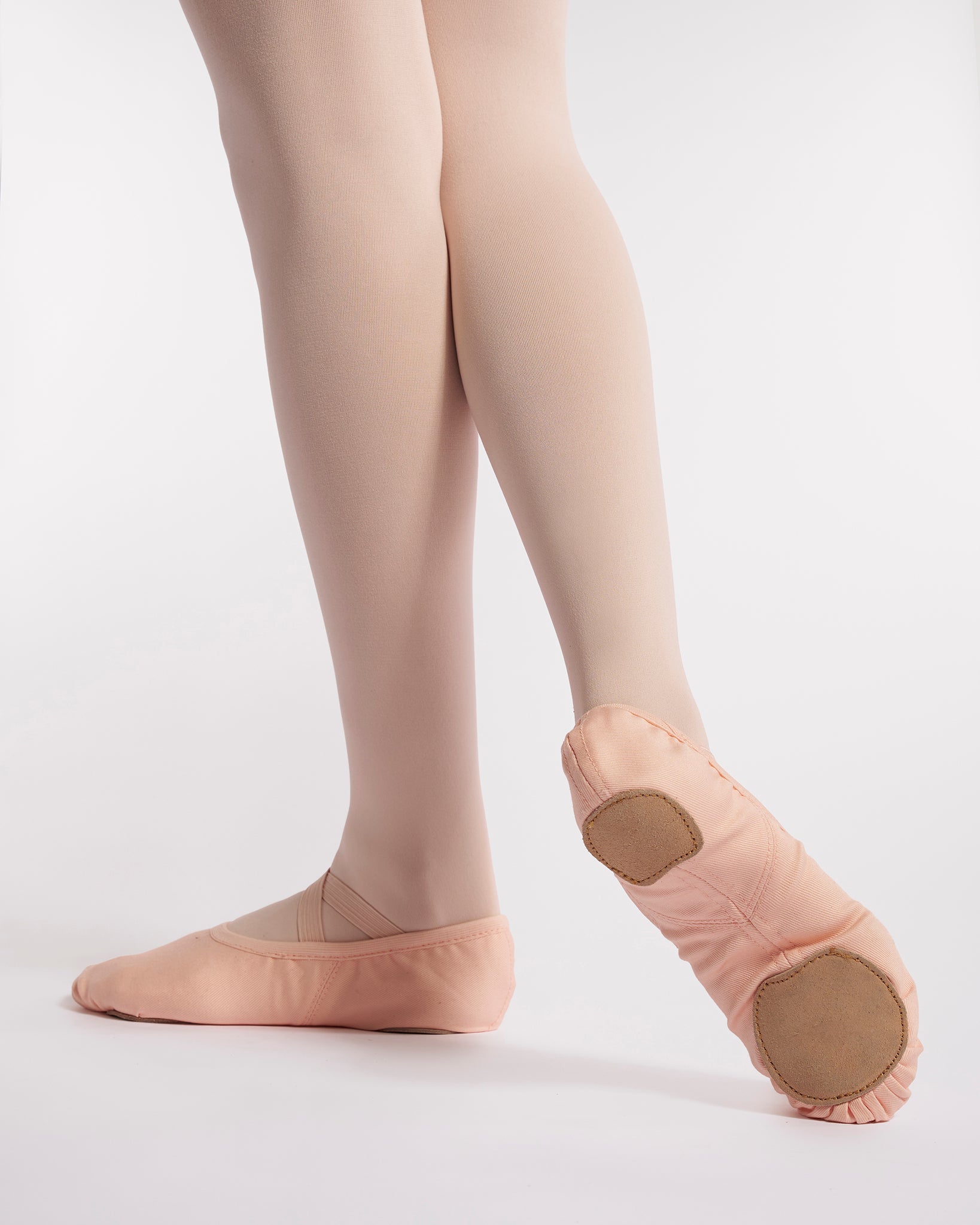
Most wasted sessions come from making a child look older or more polished than she is. Casting reviewers repeatedly say they want a real kid, not an edited glamour shot. Other misses: an outdated photo, costume-style outfits, worn-out pointe shoes in ballet shots, dance poses no teacher checked, and paying for a big package when the form asks for one photo. If you only need one headshot for dance audition forms this season, say so upfront.
FAQ
How much do dance headshots cost?
At the time of writing, plan on roughly $150 to $500 for a kids' session, with dance specialists and major cities running higher. Rates change, so confirm current pricing and what is included before you book.
What is the difference between a dance headshot and a dance photo?
A headshot is a chest-up photo of what your child currently looks like; a dance photo is a full-body shot of a held position showing technique and line. Agencies usually want the plain headshot first, while competition programs tend to print the dance shot. Many applications ask for one of each.
Should kids wear makeup for dance headshots?
Little to none. Young kids typically wear nothing, tweens at most a light natural touch. Heavy or sparkly makeup ages kids on camera.
How often should a child's headshots be updated?
Whenever the photo stops looking like the kid in front of you, often about once a year for growing dancers, and sooner after braces, lost baby teeth, or a big haircut.
Can I use a recital or competition photo as a headshot?
Usually not. Stage photos come with costumes, stage makeup, and dramatic lighting, exactly what a headshot avoids. A simple, current, well-lit photo of your child as herself works better.
About the Stelle Team
Stelle is a mom-trusted dancewear & athleisure brand best known for girls’ ballet and dance essentials since 2015. Every article is created and reviewed by the team behind the products, drawing on what we hear from dance teachers, studio owners, and dance parents every day. Learn more about Stelle.