






Is Ballet a Sport? The Evidence, Both Sides, and What It Means for Your Dancer
Table of contents
- Key Takeaways
- What counts as a sport in the first place?
- The athletic case: what the research shows
- The artistic case: why ballet resists the sport label
- Ballet vs. judged sports: a side-by-side look
- Is ballet an Olympic sport?
- Is ballet a hard sport? Harder than it looks
- The verdict: an athletic art form
- What this means for your dancer
- FAQ
- About the Stelle Team
Ballet is not officially classified as a sport: it has no league, no Olympic event, and its performances are not scored contests. Physically, though, ballet can rival the demands of some sports: in one classic study, dancers averaged about 87 percent of their maximum heart rate during performance, with peaks near 94 percent, and studies find professionals typically log more than five hours of dance activity a day. So the honest answer to "is ballet a sport" is that ballet is an athletic art form: an art in its purpose, a sport in its demands.
If your dancer also wonders about hip hop, ballroom, or tap, the broader debate over whether dance counts as a sport covers every style. For ballet, the physiology studies, professional schedules, and Olympic history all point the same direction.
Key Takeaways
-
Britannica classifies ballet as theatrical dance, and professional performances are not scored contests.
-
Measured physically, ballet performance behaves like an interval sport: a research review of older, small studies found average on-stage heart rates of 134 to 169 beats per minute and jump rates higher than basketball or volleyball match play.
-
Studies find professional dancers typically complete more than five hours of dance activity a day.
-
Ballet is not an Olympic sport. Breaking made its Olympic debut as a medal event at Paris 2024.
-
For parents: treat ballet training with the seriousness of a sport, including conditioning, recovery, and well-fitting gear.
What counts as a sport in the first place?
Merriam-Webster defines sport as physical activity engaged in for pleasure, and many people add a second ingredient: competition. The Council of Europe's European Sports Charter, for example, lists "obtaining results in competition at all levels" among the aims of sport. Ballet clears the physical bar with room to spare. The sticking point is competition.
Britannica classifies ballet as theatrical dance: a stage art combining the formal technique of the danse d'ecole with music, costume, and scenery. A ballet company's goal on stage is not to beat an opponent or post a score. It is to tell a story and move an audience.
That is the debate in miniature. Judge ballet by what the body does, and it looks like a sport. Judge it by why, and it is an art.
The athletic case: what the research shows
The physiology research is the strongest evidence on the "sport" side, and it is specific to ballet rather than dance in general.
A 2021 systematic review of professional ballet in the Journal of Sport and Exercise Science pooled the available studies on company dancers. The heart-rate data are old and come from small samples, so treat them as a useful window rather than a precise norm. The review reported:
-
Average heart rates during performance of 134 beats per minute in a 1970 study of six dancers and 169 beats per minute (87 percent of maximum) in a 1982 study of 13 dancers, and average peaks up to 184 beats per minute (94 percent of maximum).
-
Roughly 5 jumps and 12 plies per minute across classical roles, with wide variation from role to role, and jump rates above those recorded in basketball and volleyball match play.
-
A daily workload of more than 5 hours of dance activity in most studies.
The training schedule points the same way. At The Royal Ballet, dancers begin each working day with a company class of about an hour and a half, described by the company as a vital part of every dancer's day, before rehearsals and, in season, evening performances.
Athletes in mainstream sports treat ballet as serious conditioning, too. Philadelphia Eagles linebacker Nakobe Dean used ballet during his 2025 rehab from a torn patellar tendon, crediting it with real gains in flexibility and mobility. And young ballet dancers do compete: the Prix de Lausanne is an international competition for dancers aged 15 to 18 who are not yet professionals, with scholarships and awards, and Youth America Grand Prix publishes cash awards for its competitors.

The artistic case: why ballet resists the sport label
The counterargument is not that ballet is easy. It is that competition is not the point.
A professional company's season is a repertory of stories and roles, not a standings race. Nobody wins Swan Lake. Dancers are cast, coached, and reviewed as artists, and the qualities that decide a career, such as musicality, expression, and stage presence, resist being reduced to a score. Writers on the art side make exactly this point.
There is also a difference in what the audience is supposed to see. Sports display effort: the strain is part of the drama. Ballet conceals it. A dancer lands a jump that took a decade to build and makes it look like a breath. That effort-hiding is an artistic choice no scoreboard can capture. And while student competitions exist, the profession itself runs on auditions and casting, not tournaments.
Ballet vs. judged sports: a side-by-side look
The fairest comparisons for ballet are the judged aesthetic sports, which share its blend of athleticism and artistry. Here is how they line up.
|
Ballet |
Artistic gymnastics |
Figure skating |
|
|---|---|---|---|
|
Scored competition at elite level |
No, performances are reviewed, not scored |
Yes, judged routines |
Yes, judged programs |
|
Olympic status |
Not an Olympic event |
Olympic sport since 1896 (men) and 1928 (women) |
Olympic sport since 1908 |
|
Set to music, artistry judged |
On stage, but by critics and audiences |
Yes, floor and beam |
Yes, whole discipline |
|
What "winning" means |
A moving performance |
Highest score |
Highest score |
Gymnastics and figure skating both borrow from ballet's vocabulary of line and posture, and it is common for gymnasts and skaters to add ballet class to refine it. Ballet shares much of that physical work without the scoreboard.
Is ballet an Olympic sport?
No. Ballet is not an Olympic sport and has not appeared on the Olympic program. If your dancer asks, "Is ballet a sport in the Olympics?", the accurate answer is that the Games only recently admitted dance at all: breaking made its Olympic debut at Paris 2024, the first dance style to compete there, though it is not returning for Los Angeles 2028.
Ballet is unlikely to follow, for structural rather than physical reasons. Olympic events need a repeatable scoring system that ranks competitors on the day. Breaking could adapt because battles are already head-to-head. Ballet's core product is a full-length narrative performance, and there is no fair way to score Giselle against Don Quixote. In a sense, the Olympics already absorbed ballet's athletic vocabulary through gymnastics floor routines and figure skating programs.
Is ballet a hard sport? Harder than it looks
Physically, yes. The heart-rate data above show performance pushing into the high range of aerobic effort, and it comes with centimeter-level precision on top.
The harder question is whether ballet training alone builds the all-around fitness a sport does. A review in Sports Medicine, The Dancer as a Performing Athlete, found that dancers can test close to sedentary adults on some aerobic and strength measures, likely because daily class is stop-start skill work rather than sustained conditioning. That is why sports scientists recommend supplementary training for dancers, and why a young dancer benefits from general fitness outside the studio. A structured ballet workout at home is one way to fill those gaps between classes.

The verdict: an athletic art form
The evidence gives good support for both halves of that phrase. A ballet dancer's body responds to performance the way an athlete's does, measurably so, and the training deserves the respect, structure, and support a sport gets. The purpose of that work remains artistic, which is why "art" fits the profession while "sport" fits the preparation.
What this means for your dancer
If your child is in ballet, the debate has a practical upshot: support them like an athlete's parent, and cheer for them like an artist's parent.
-
Take conditioning seriously. Skill classes alone do not build all-around fitness, so add general activity, and make safe stretching part of the routine rather than an afterthought.
-
Plan the commitment like a sport. Class frequency ramps up with age and level, and it helps to know how kids' ballet classes are structured before recital season surprises you.
-
Respect recovery. Growing dancers need rest days, sleep, and real meals, like young athletes in other demanding sports.
-
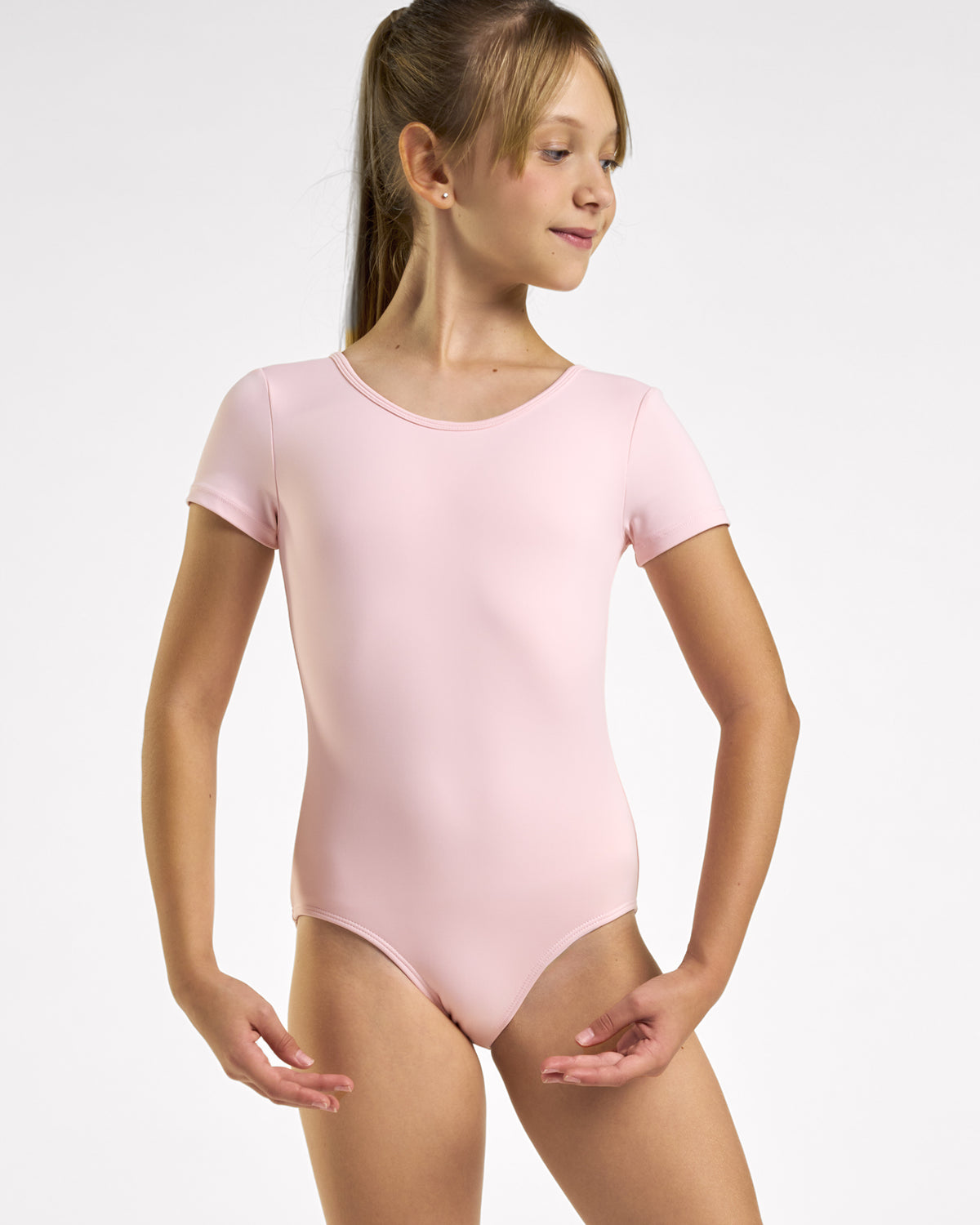
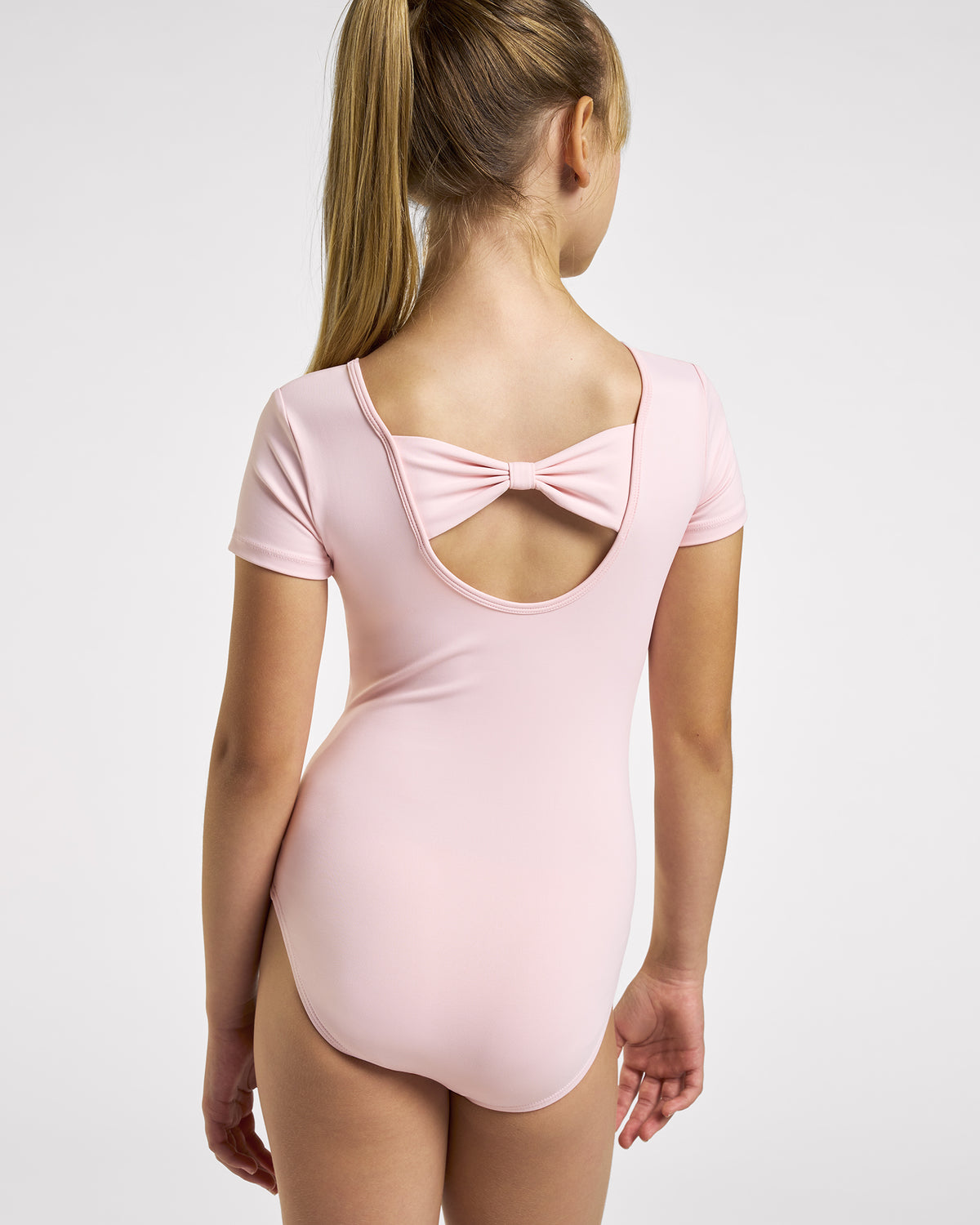
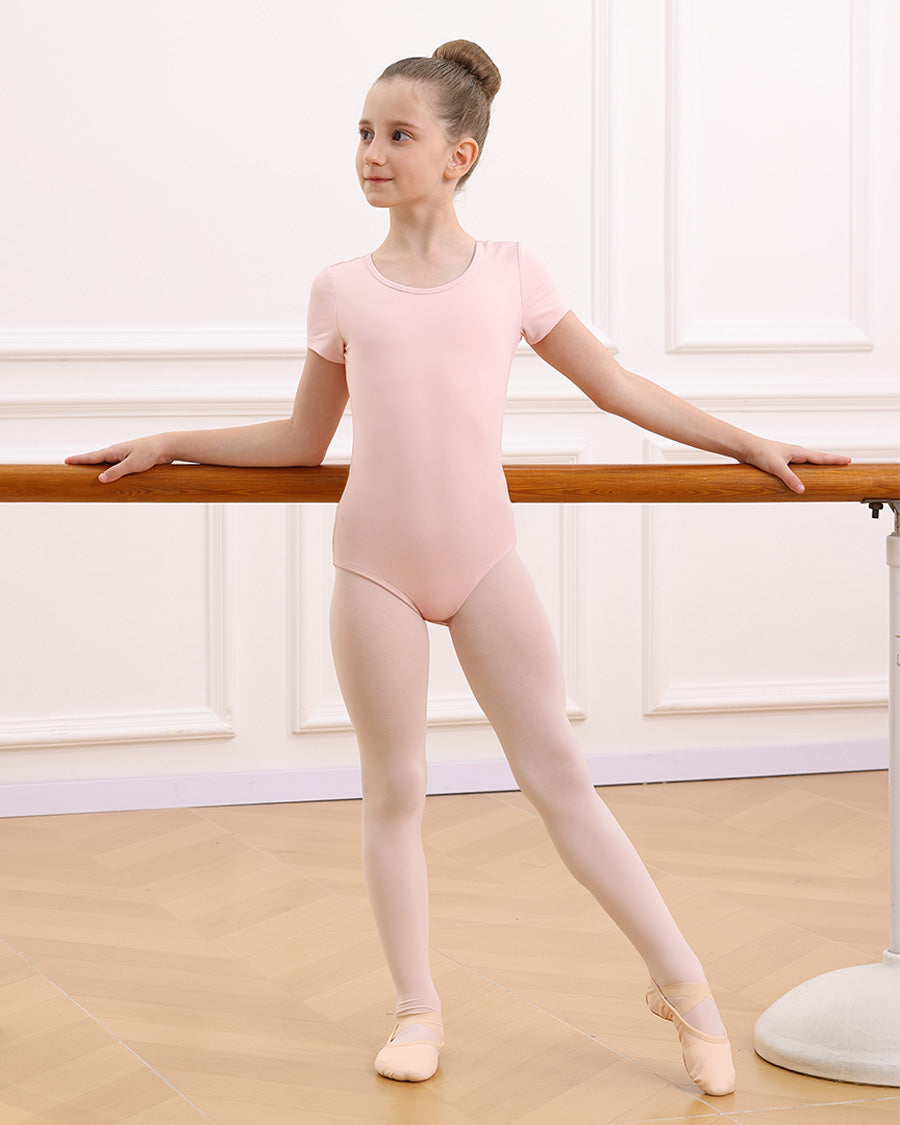
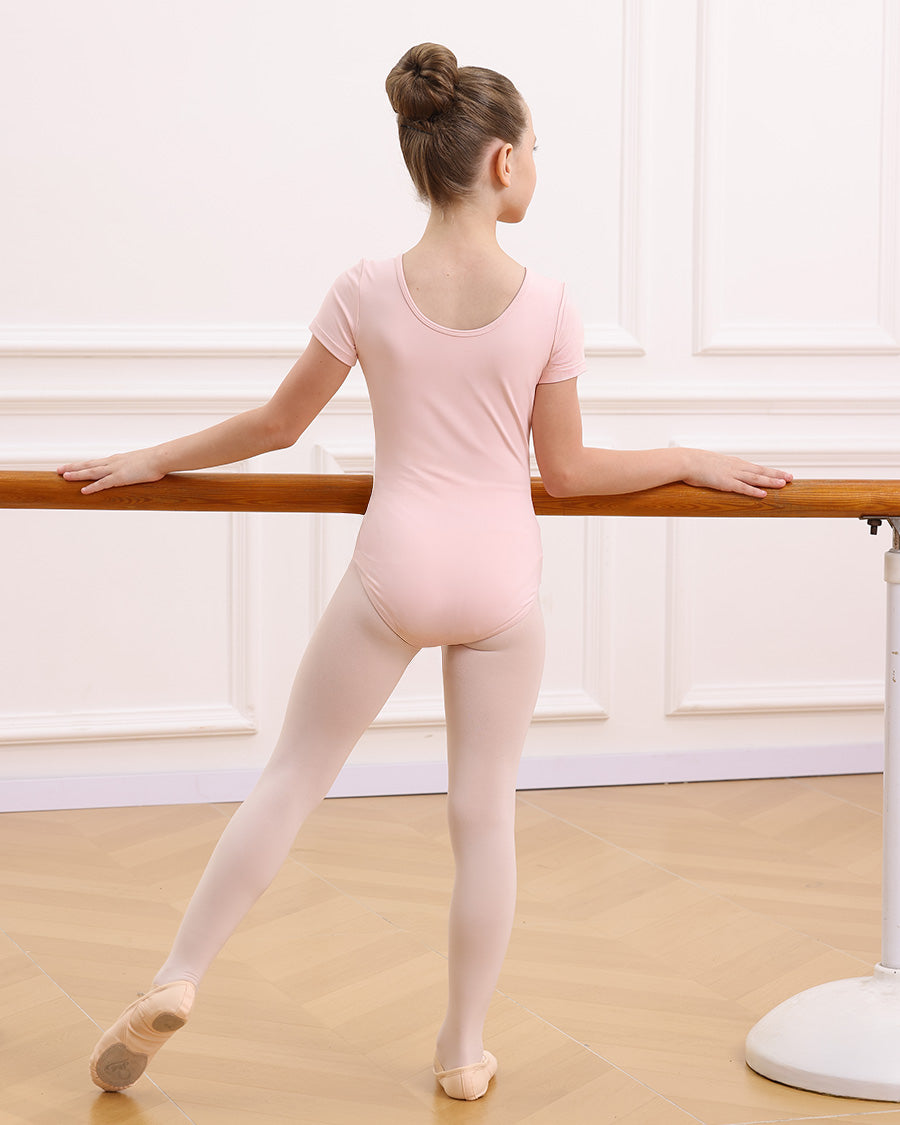
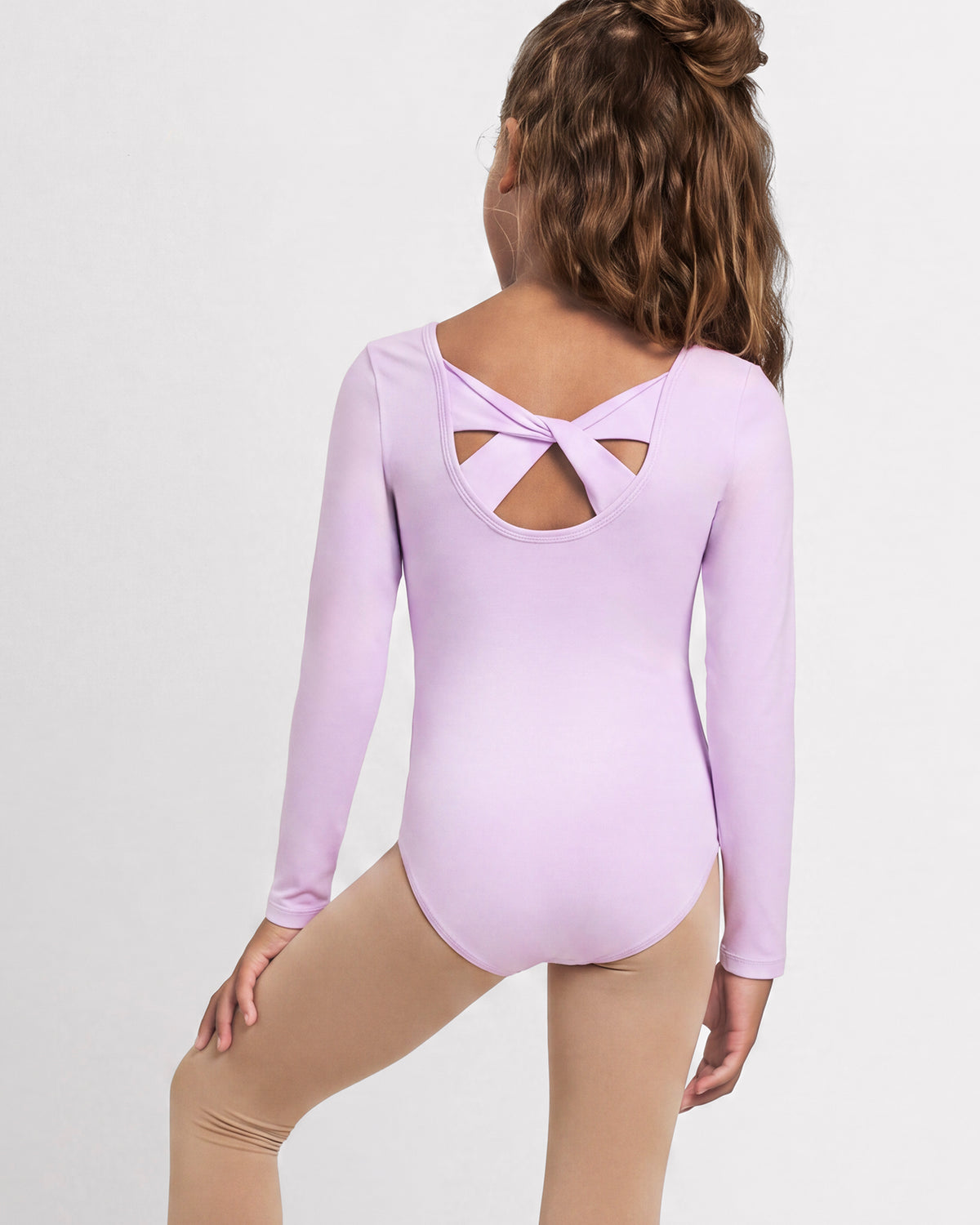
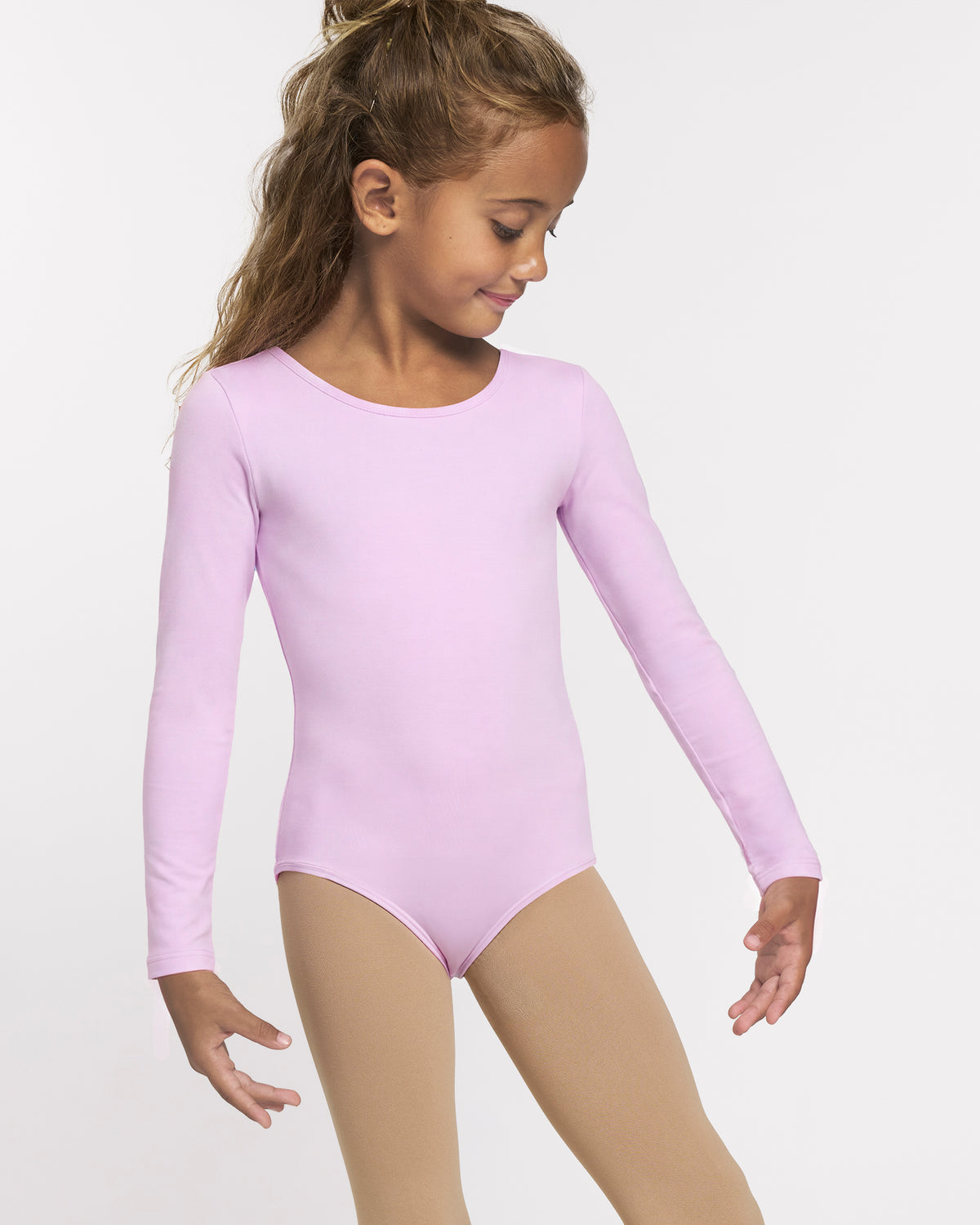
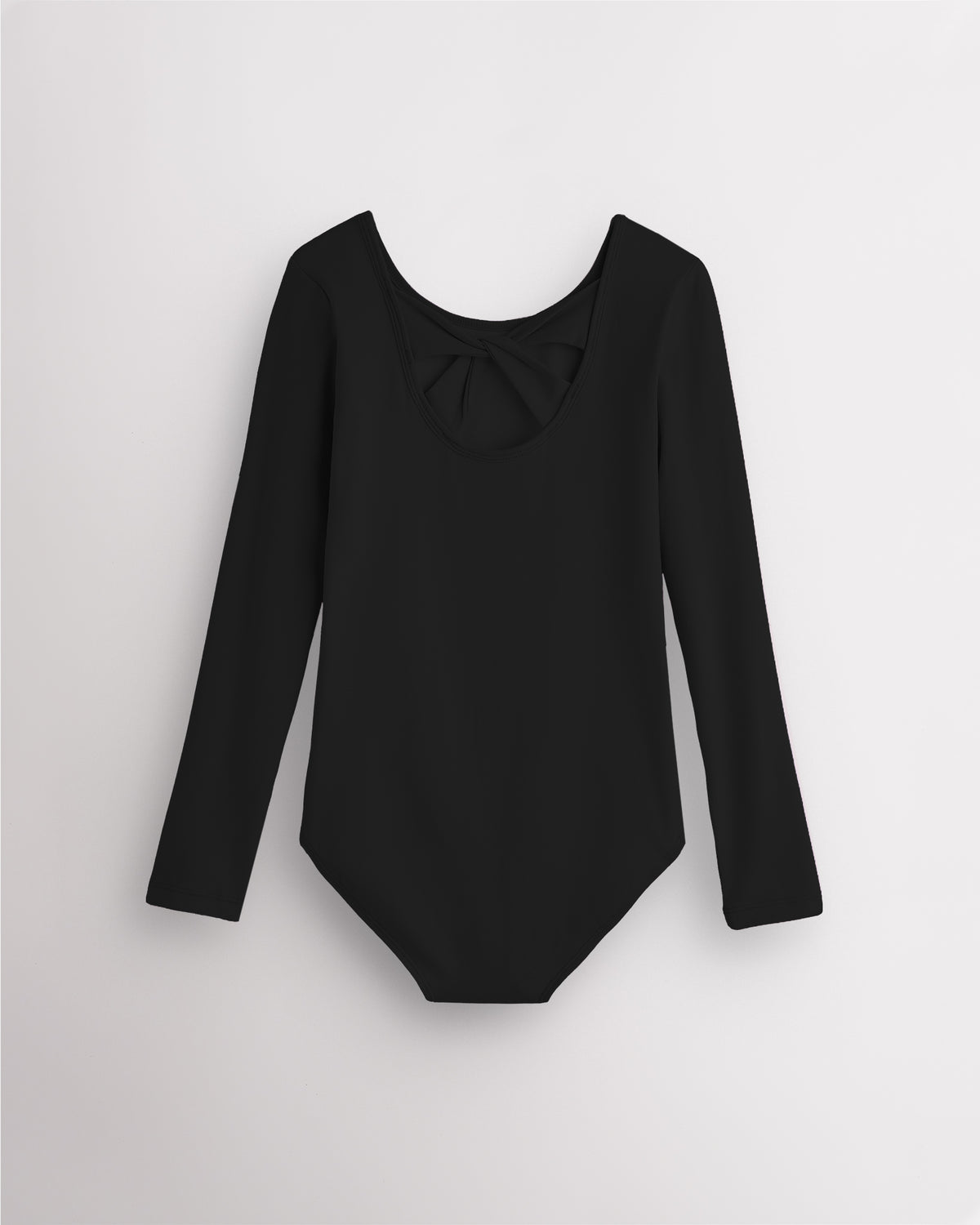
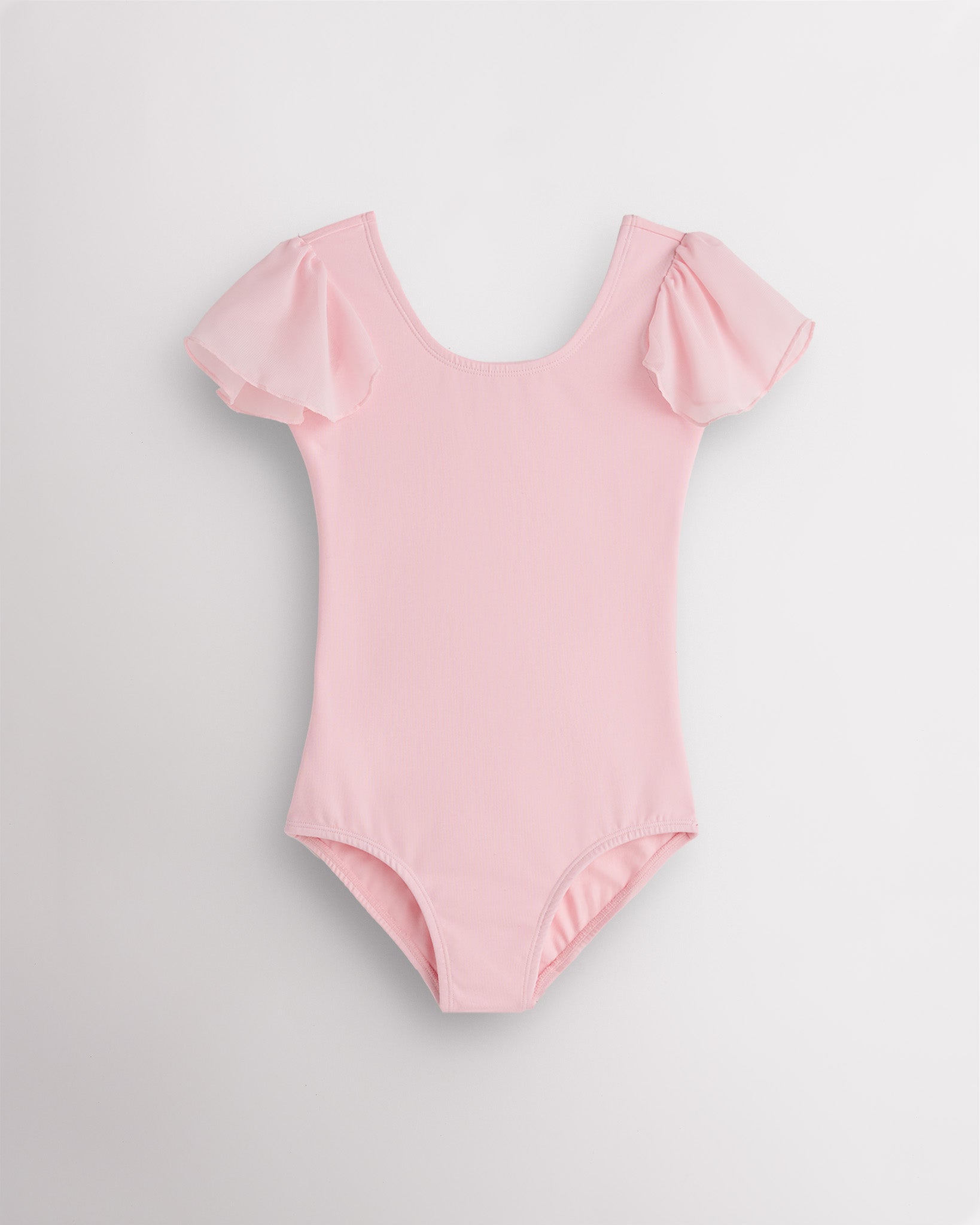
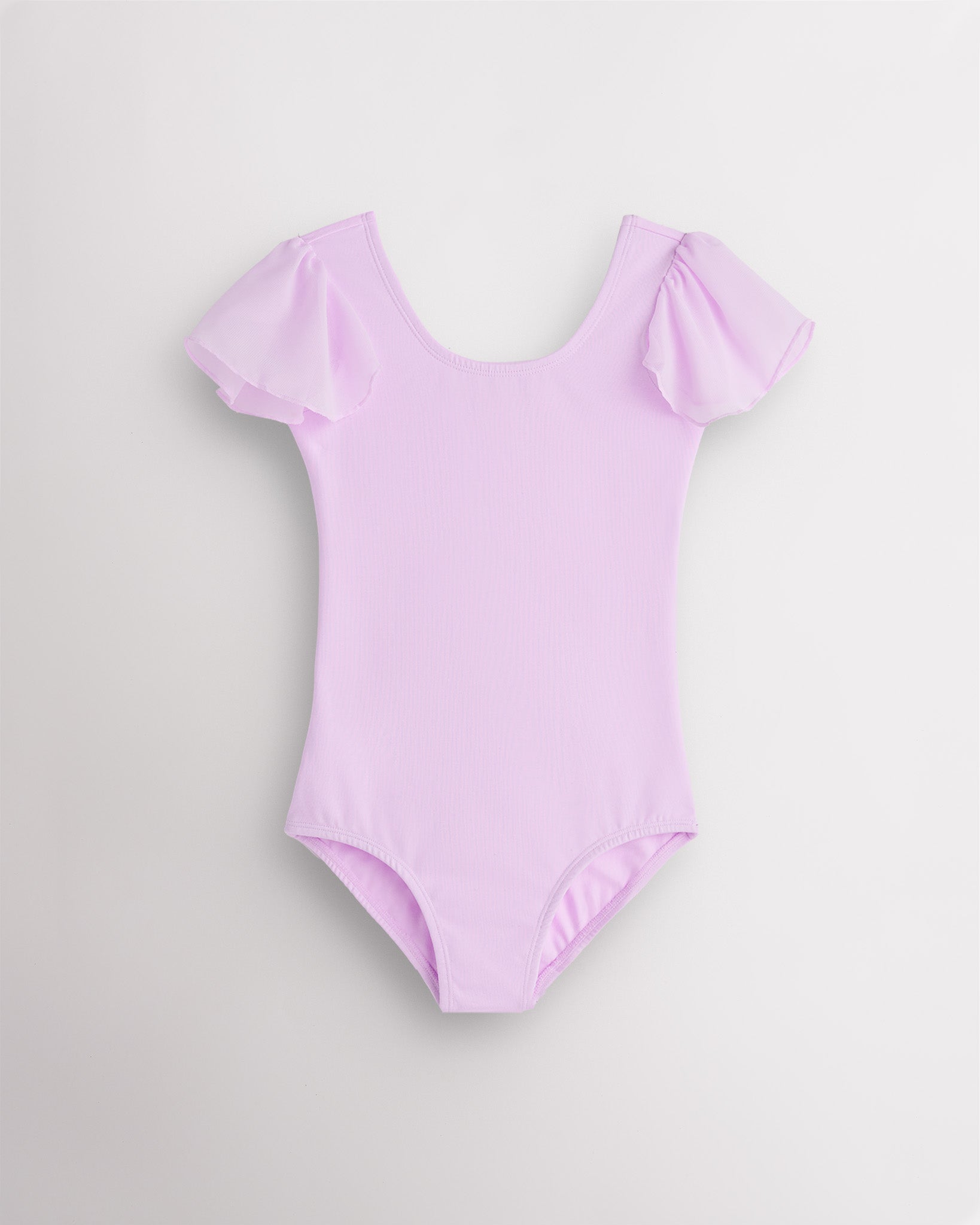
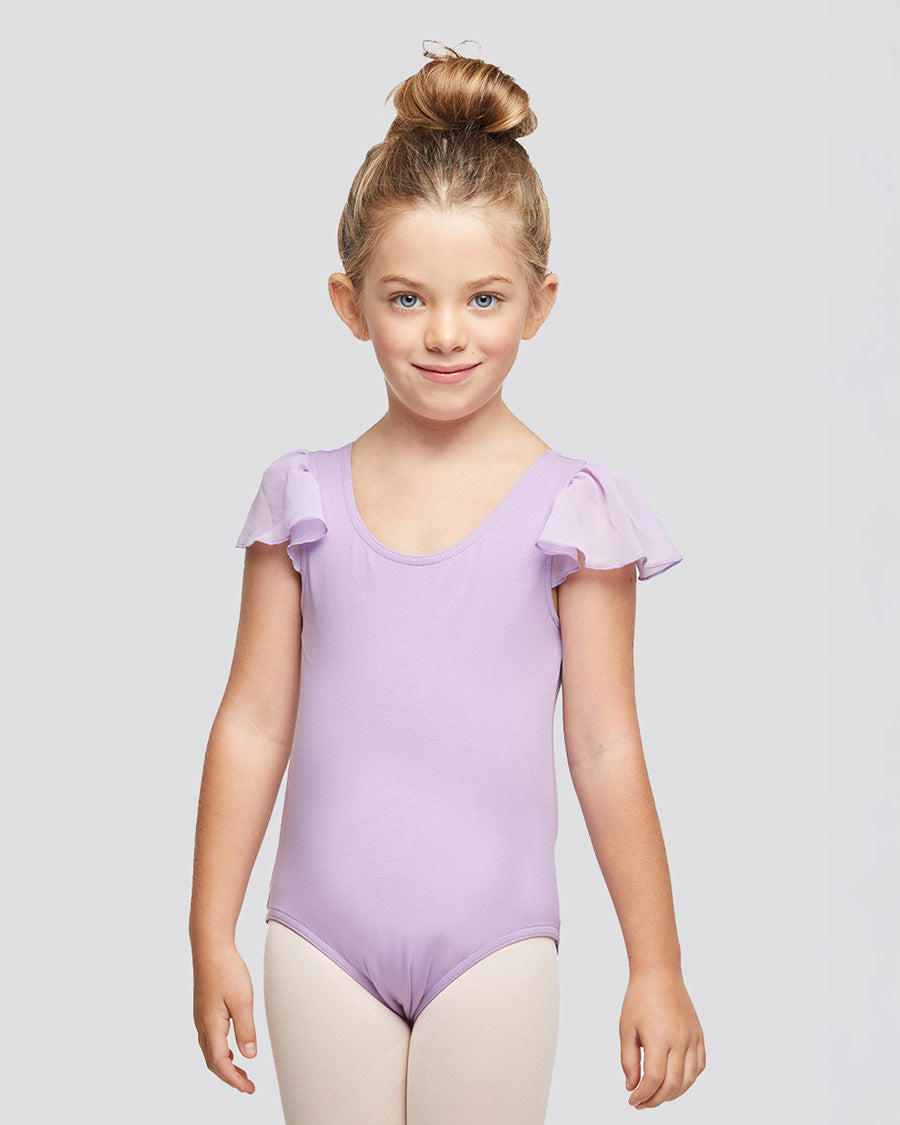
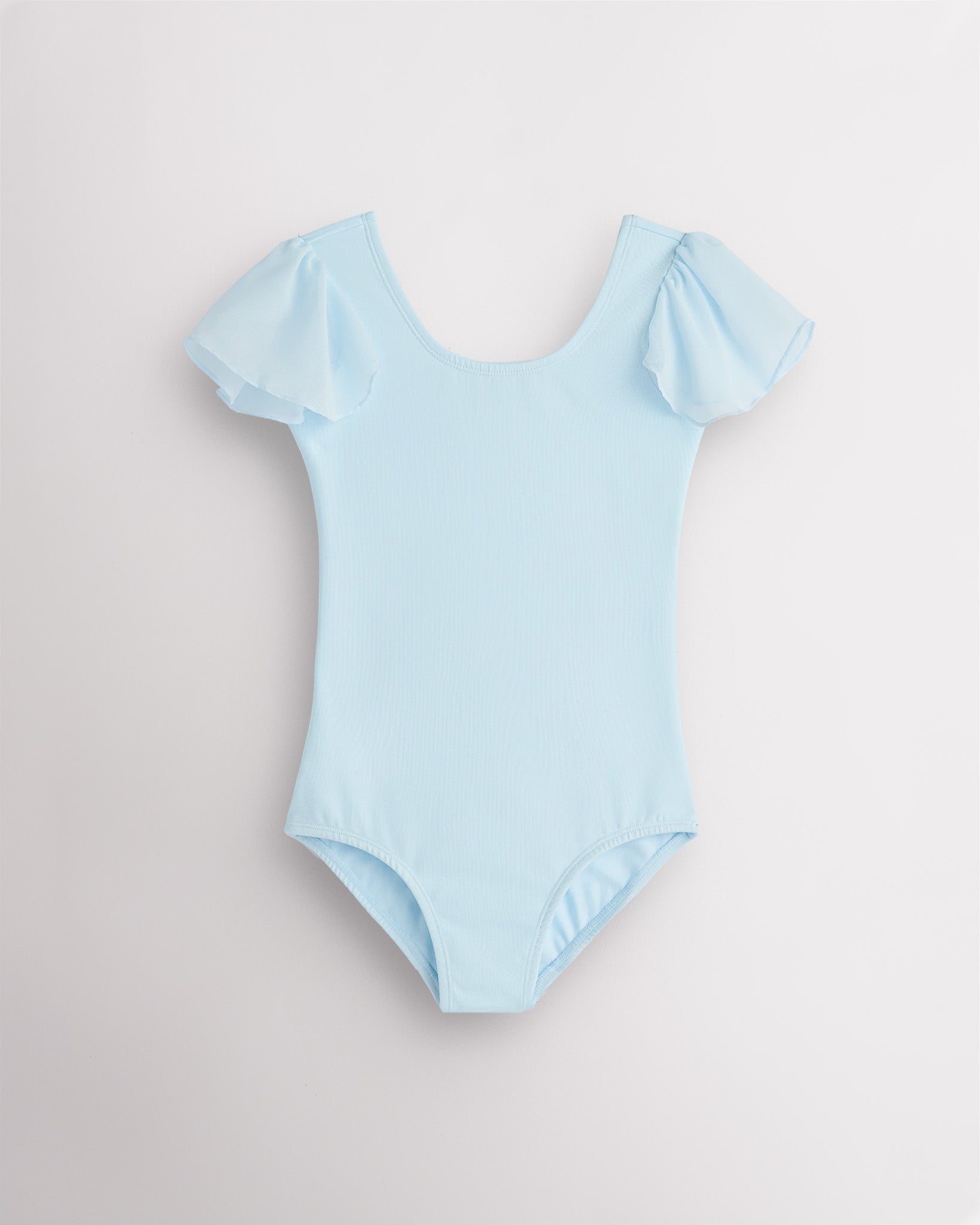
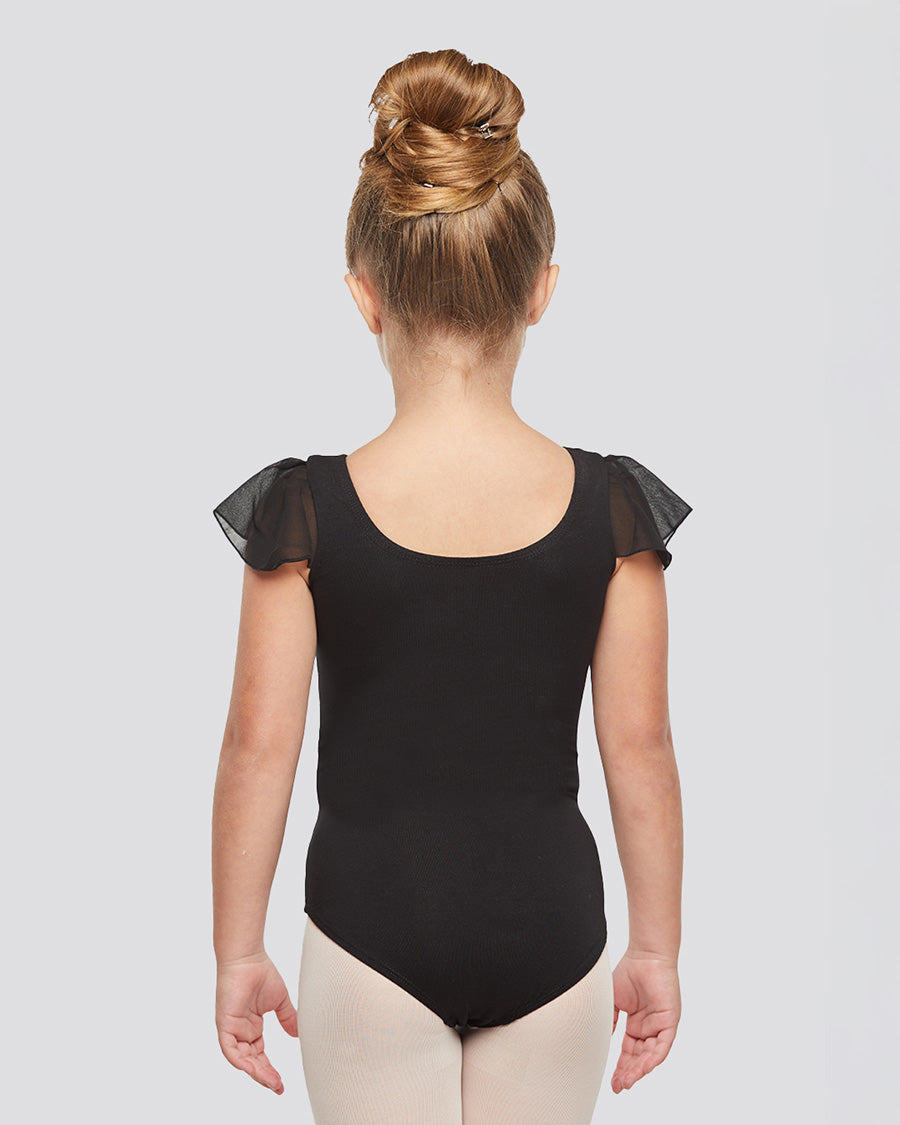
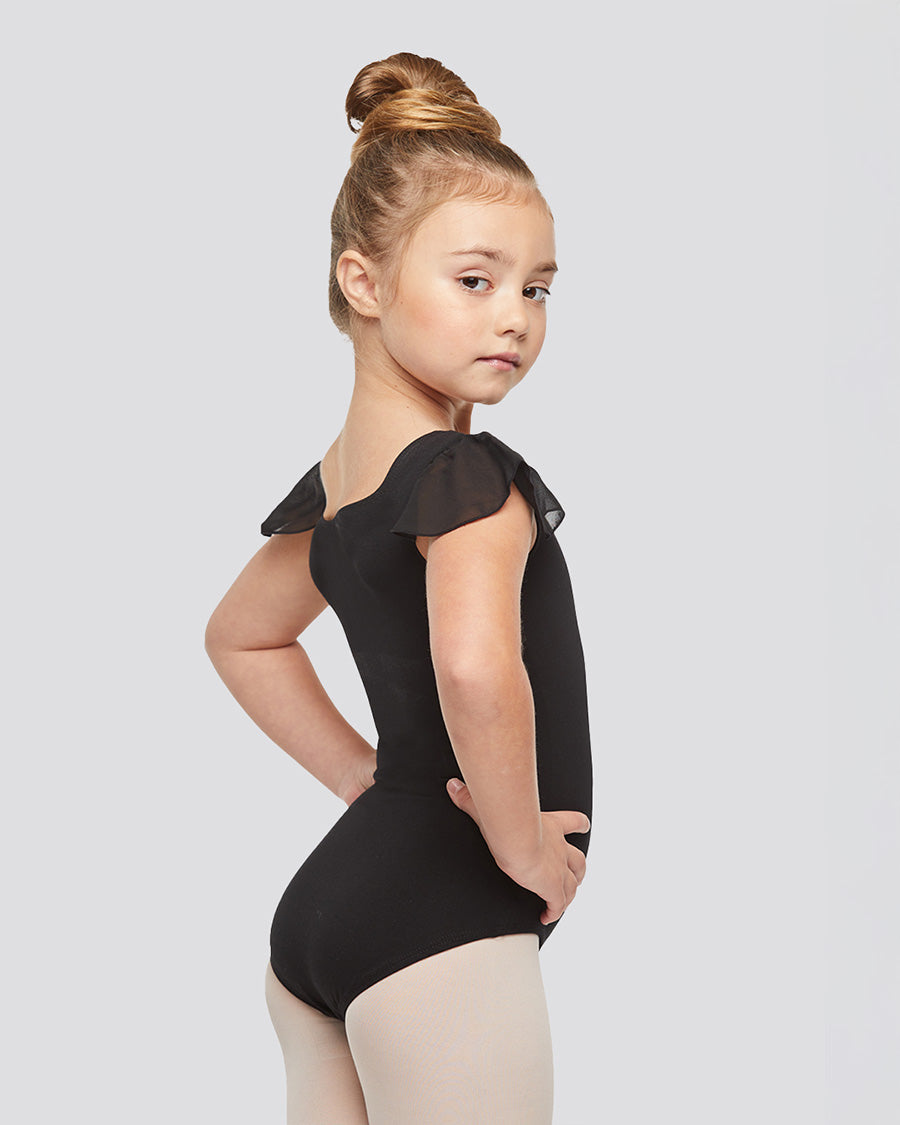
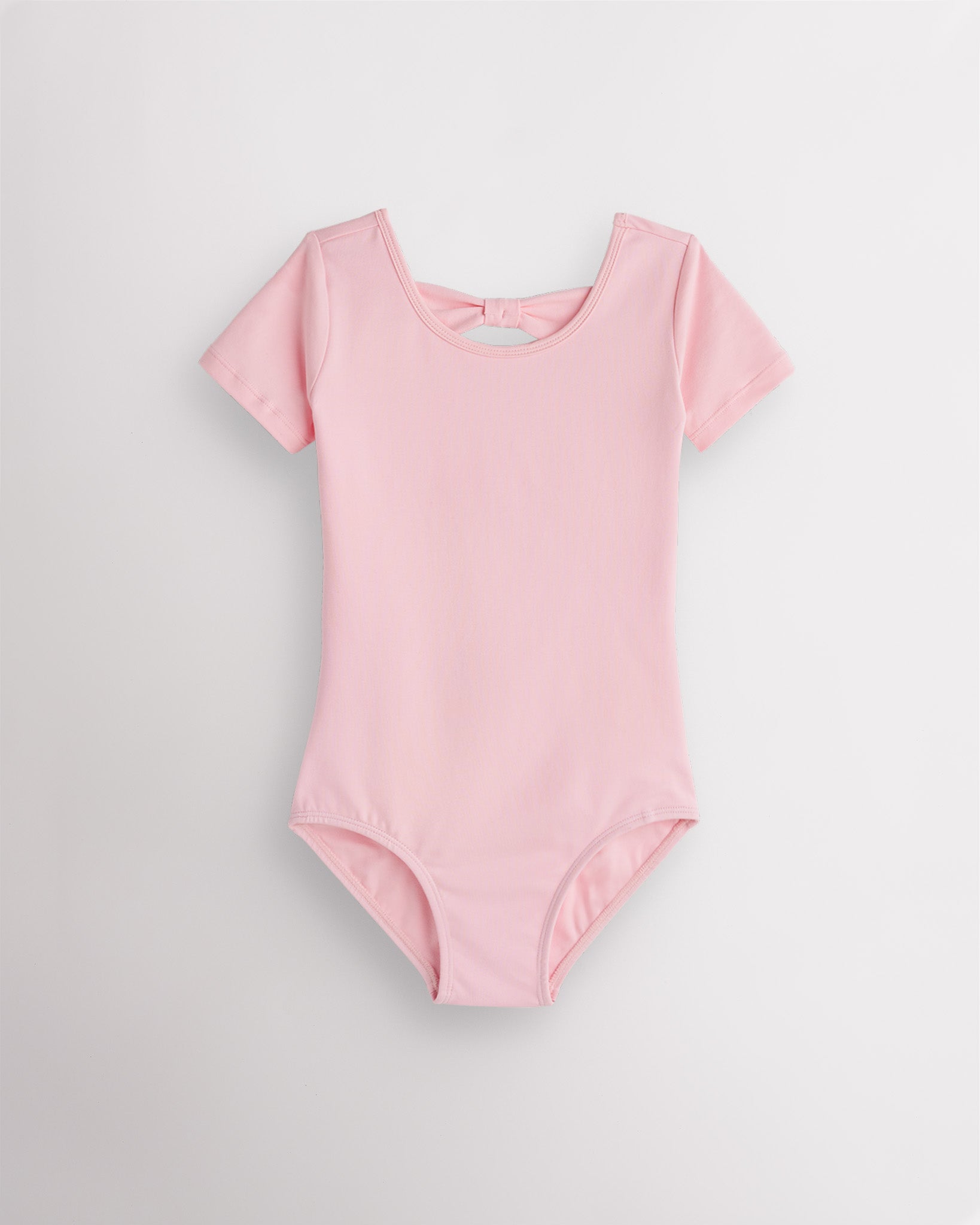
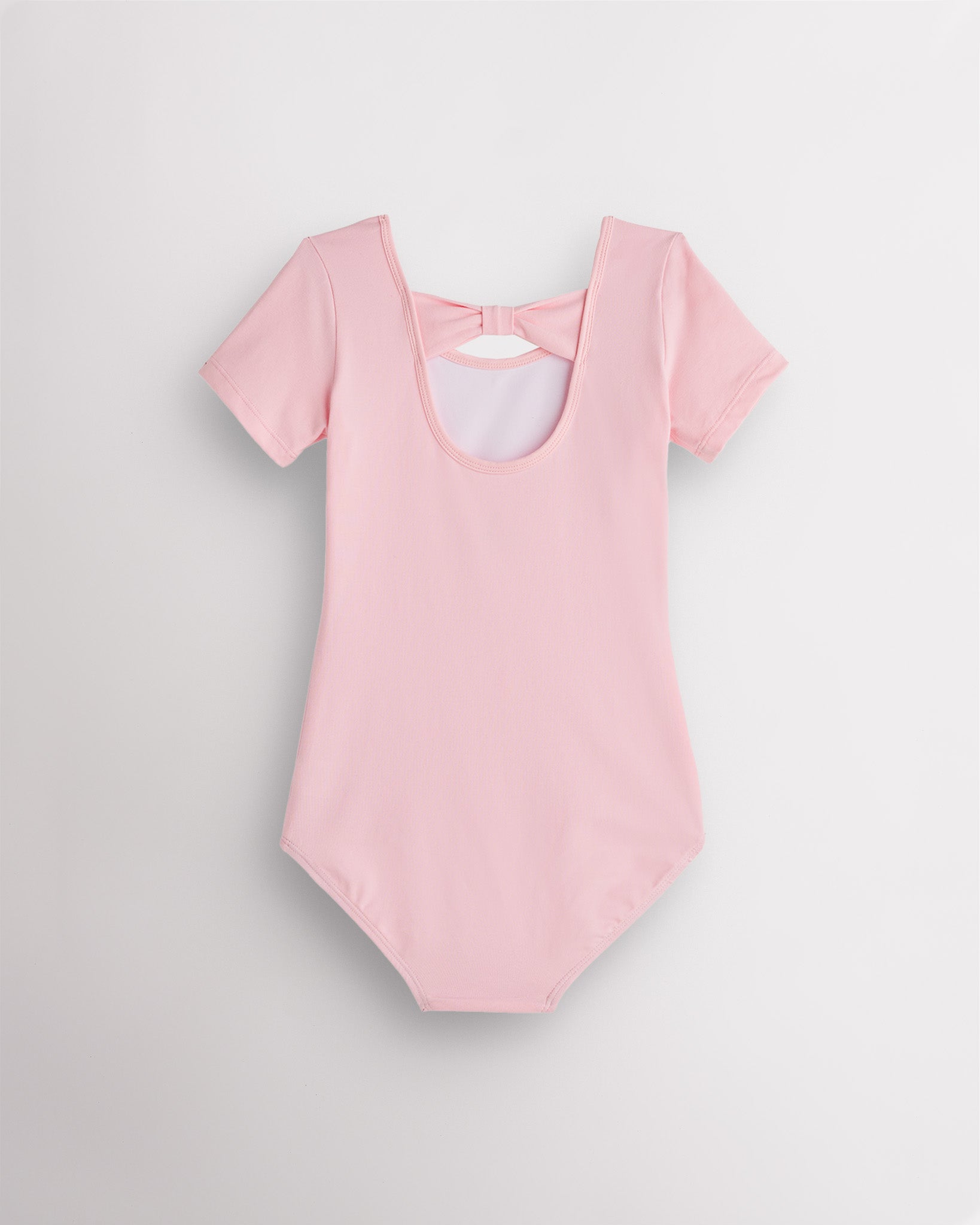
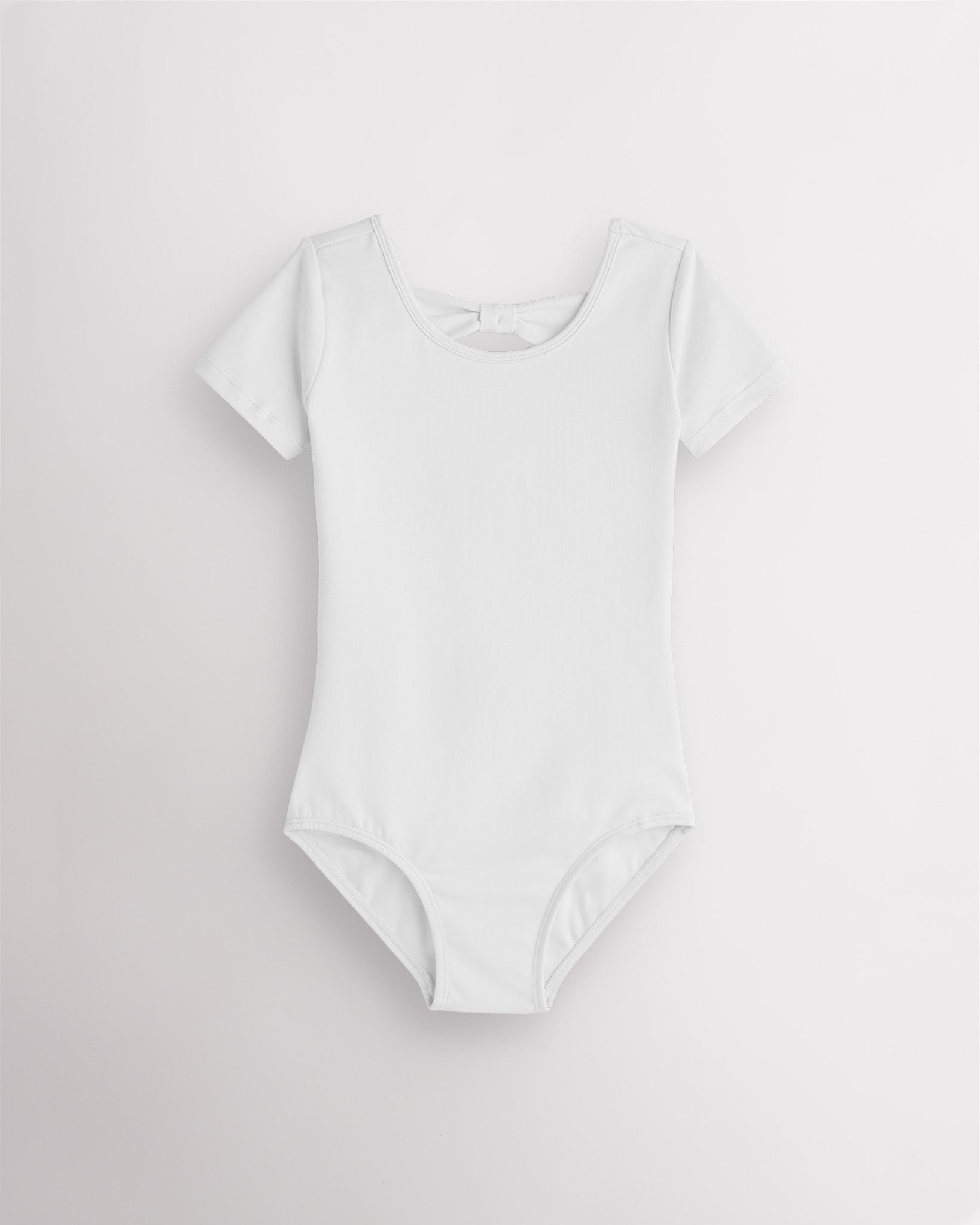
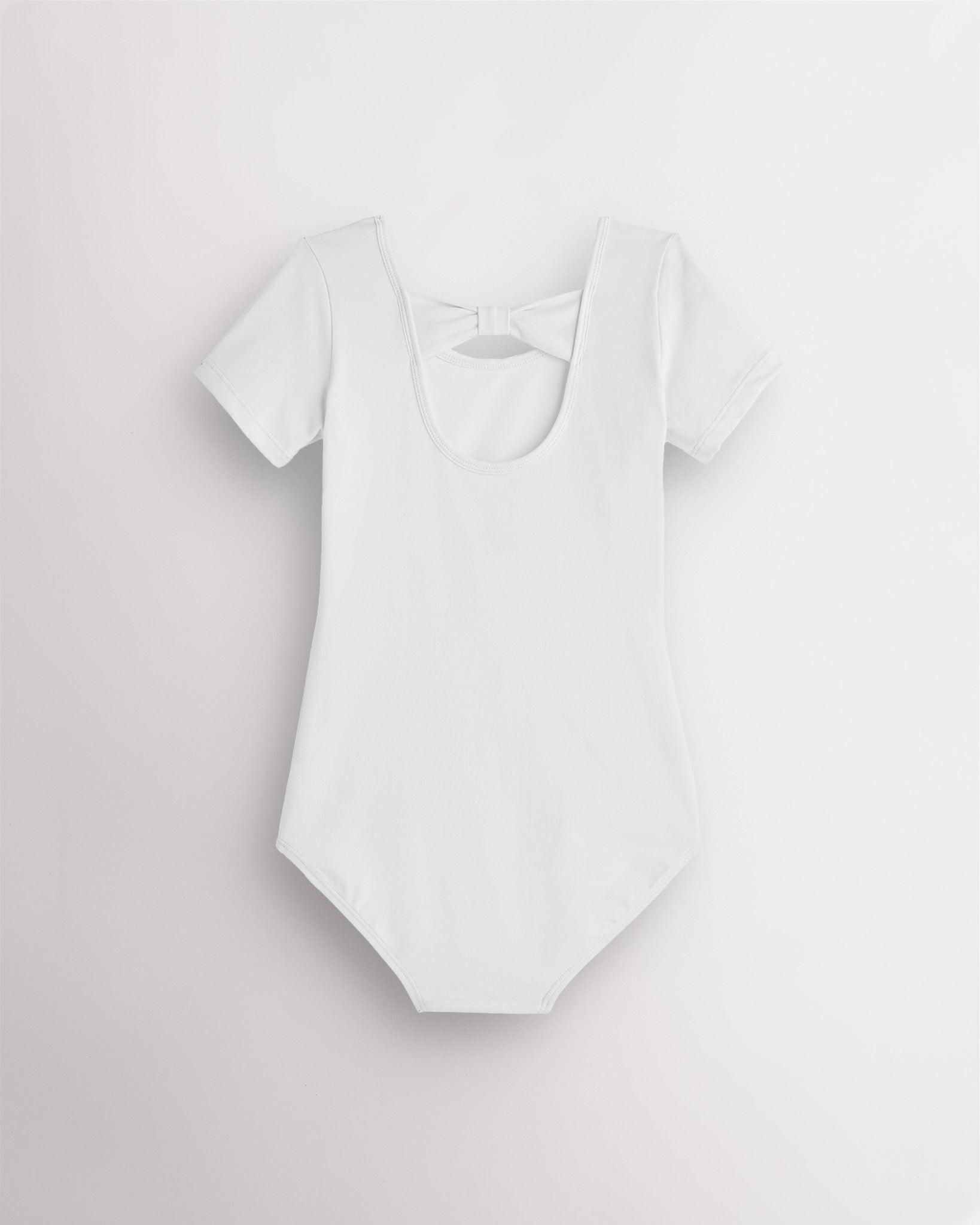
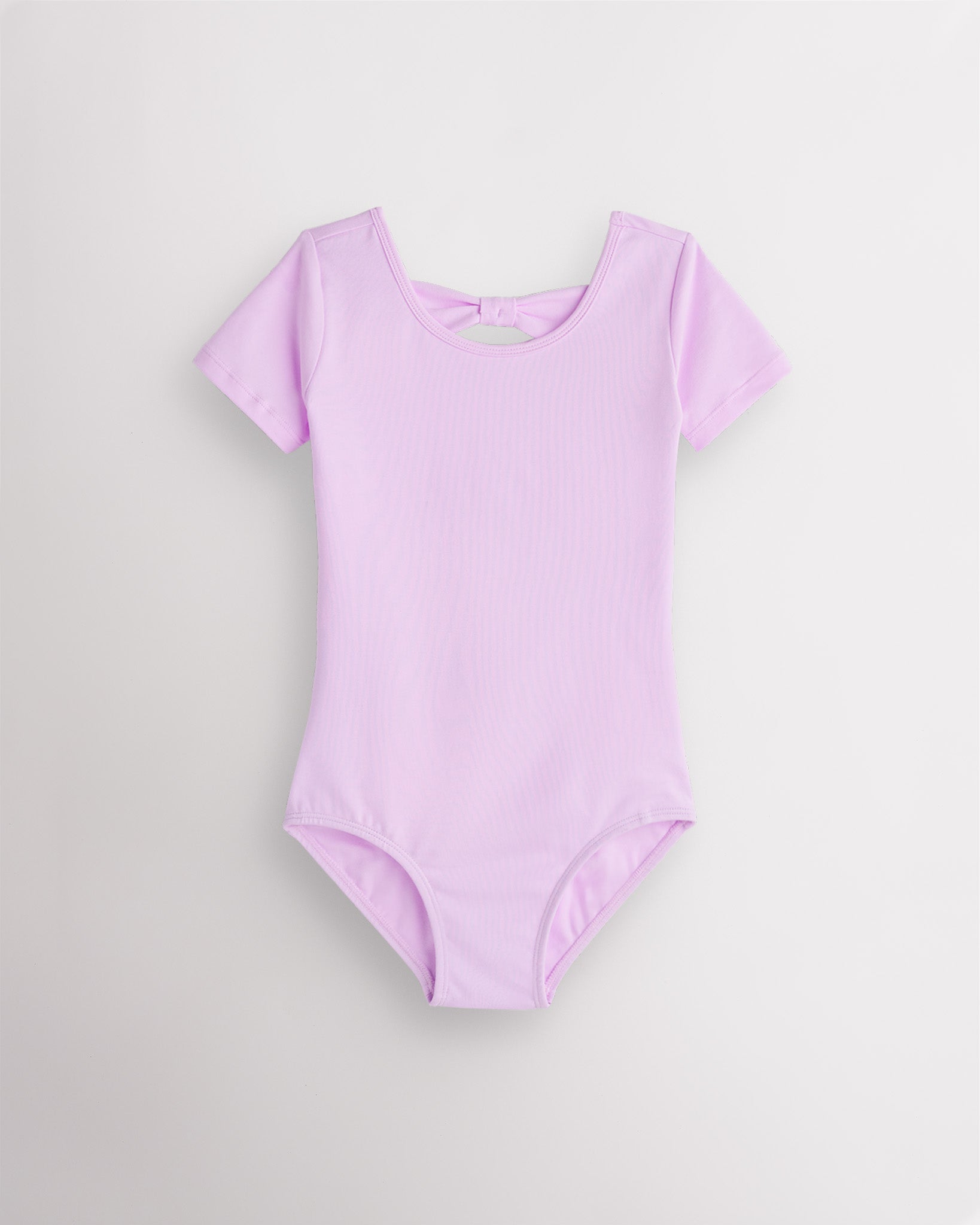
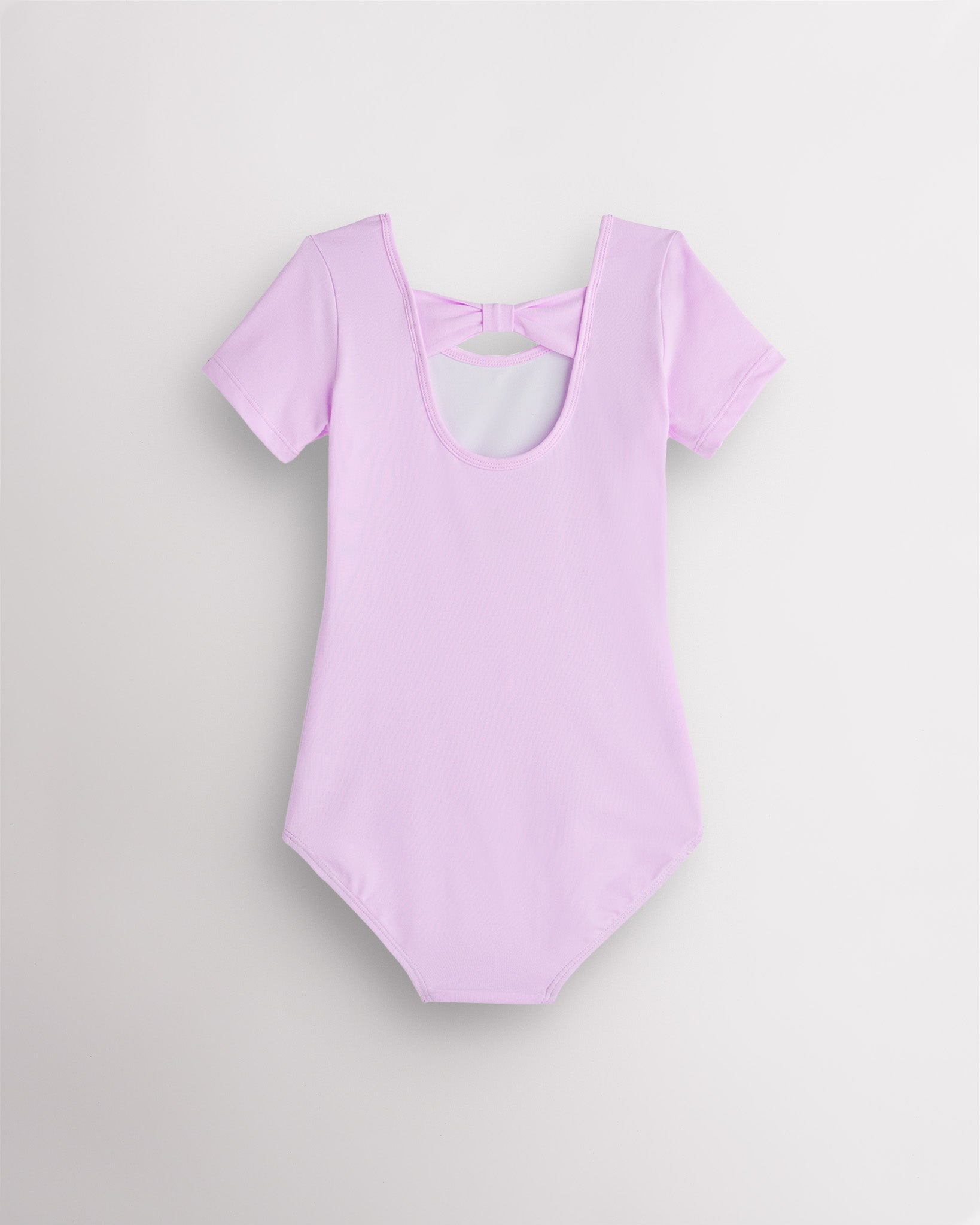
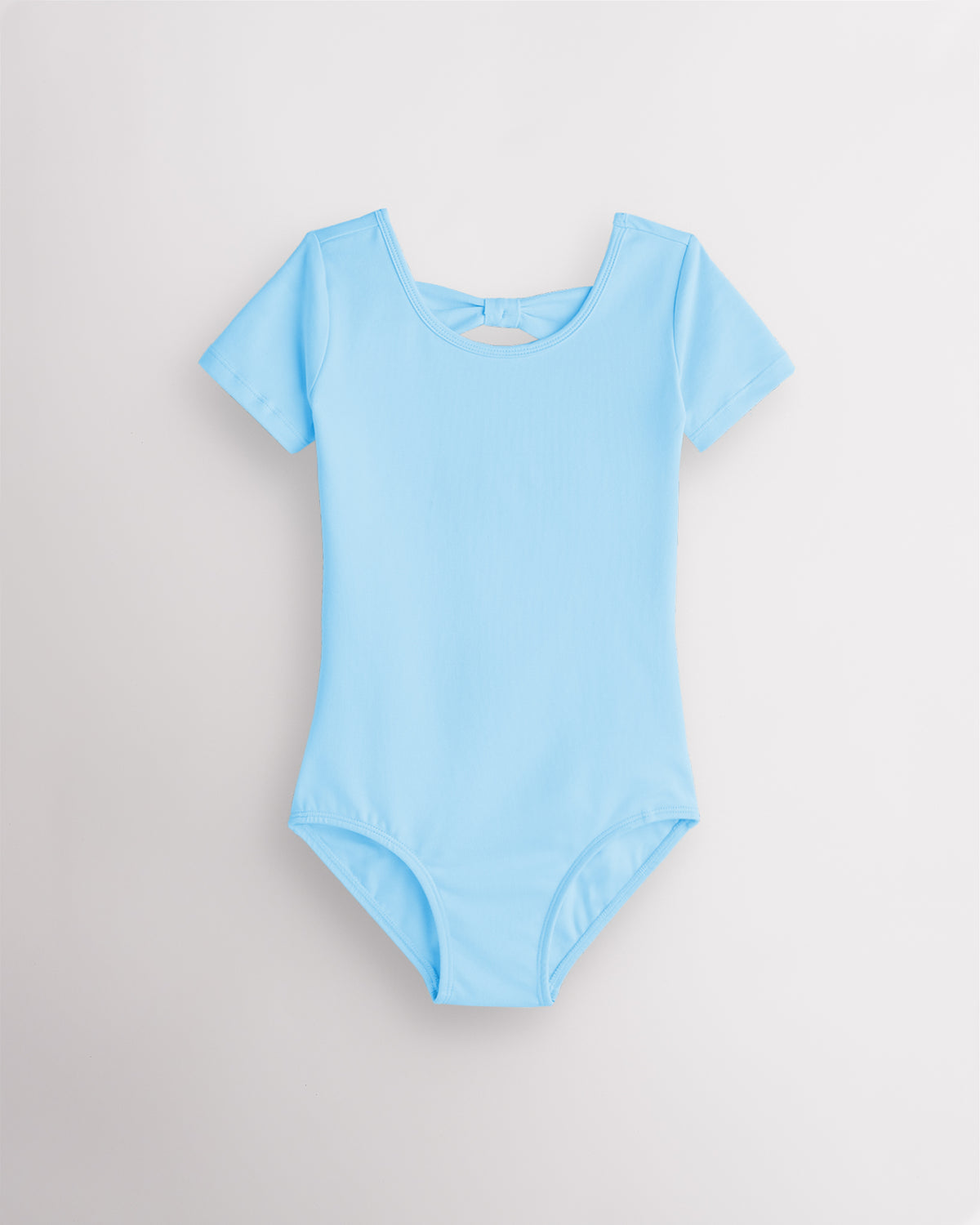
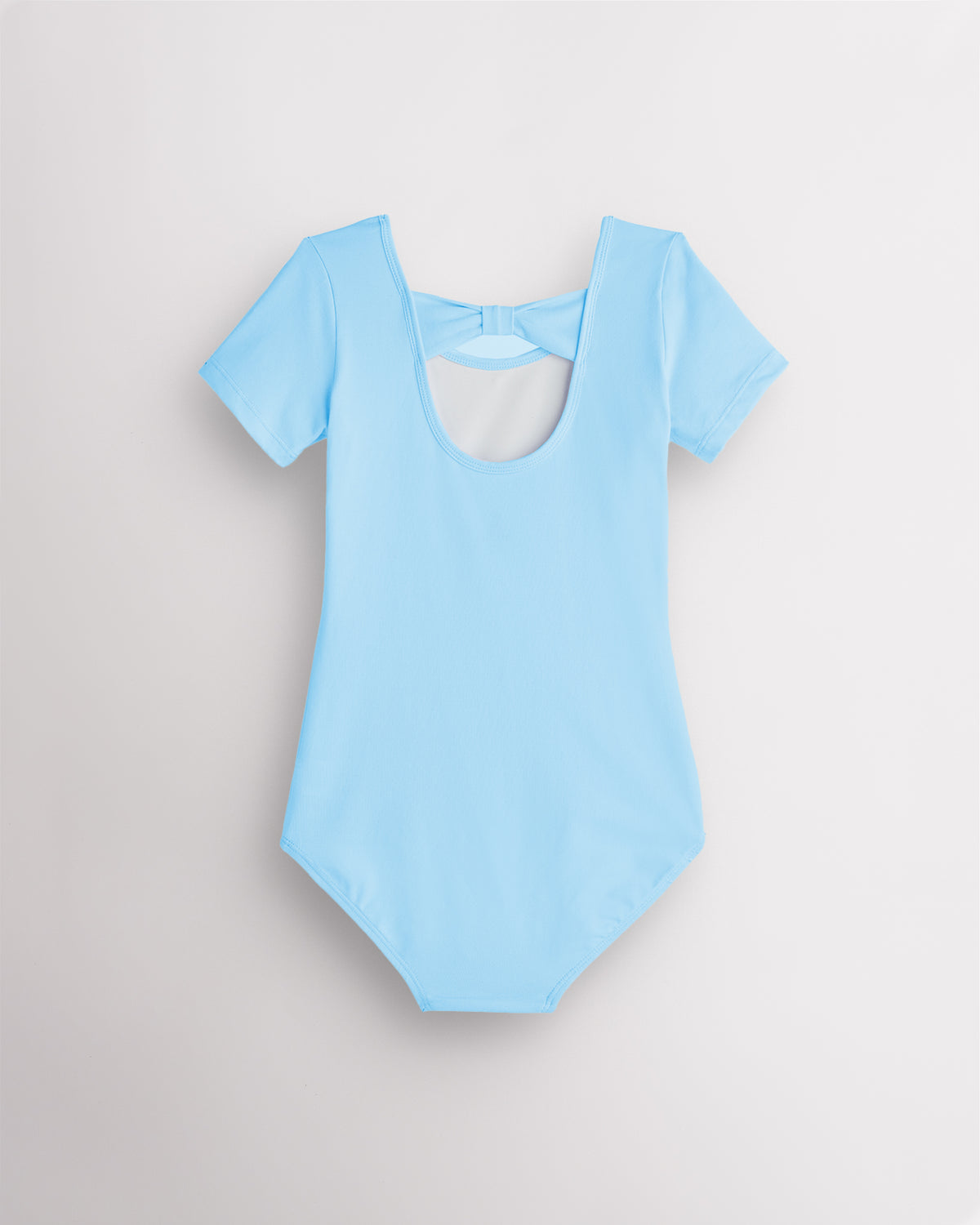
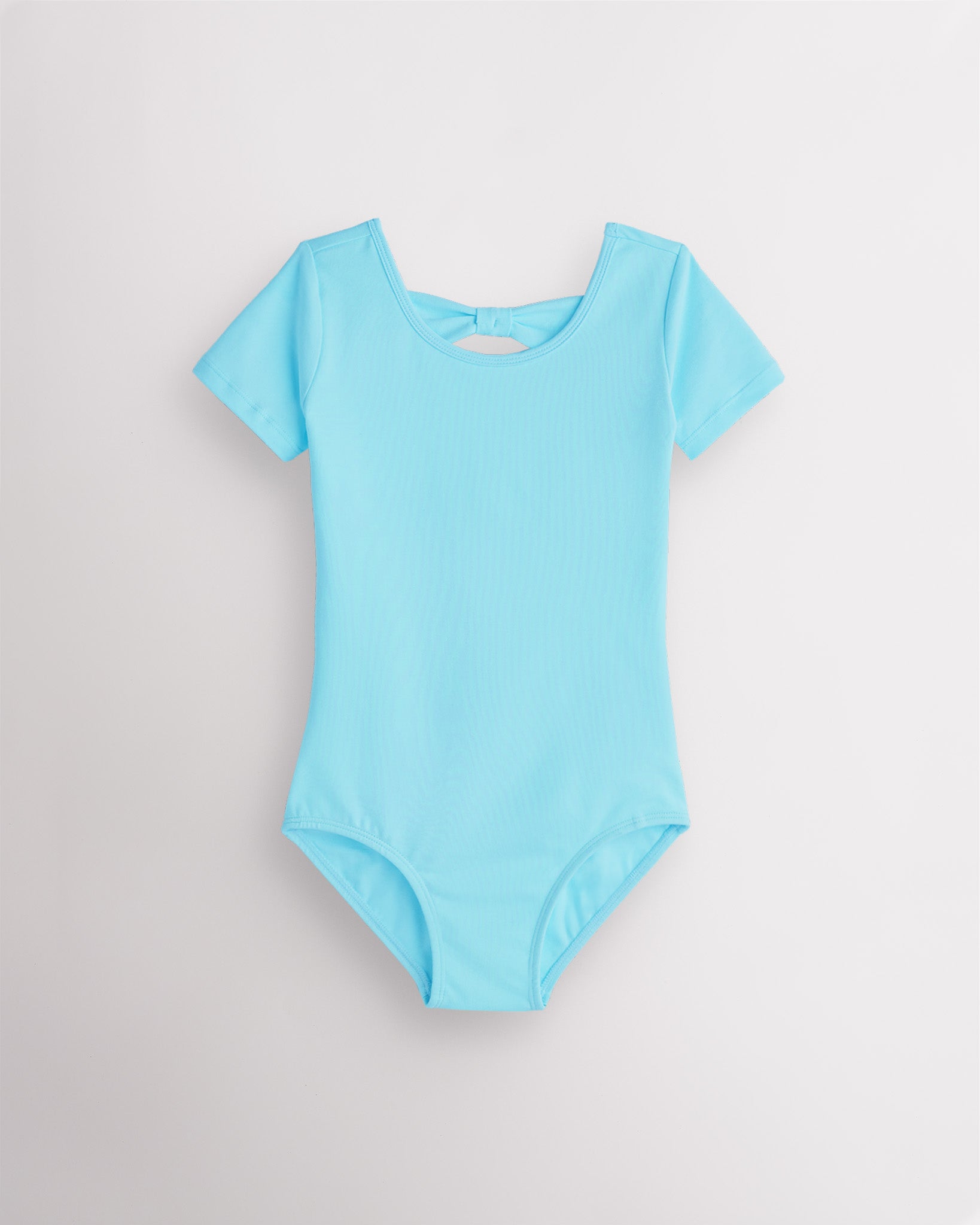
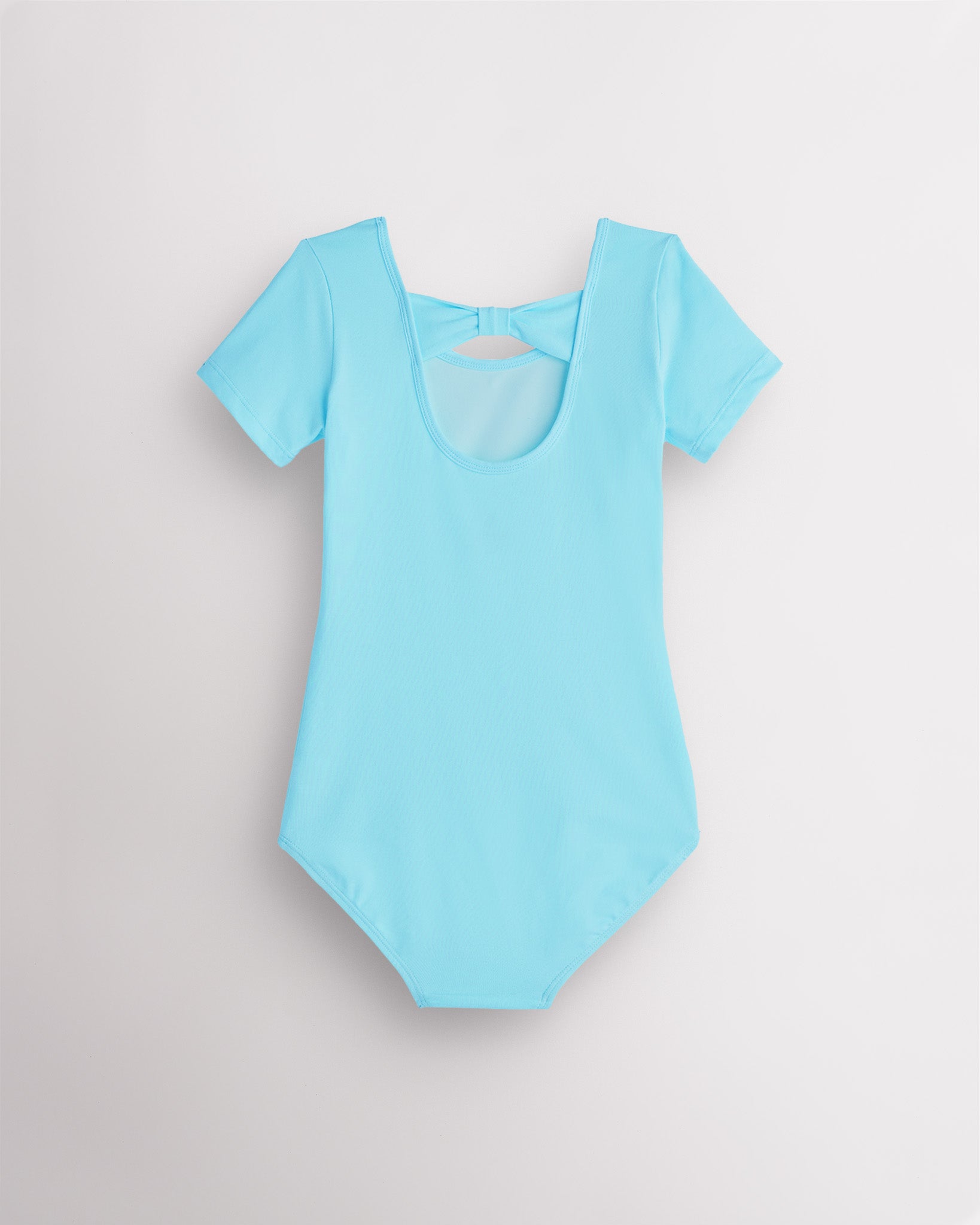
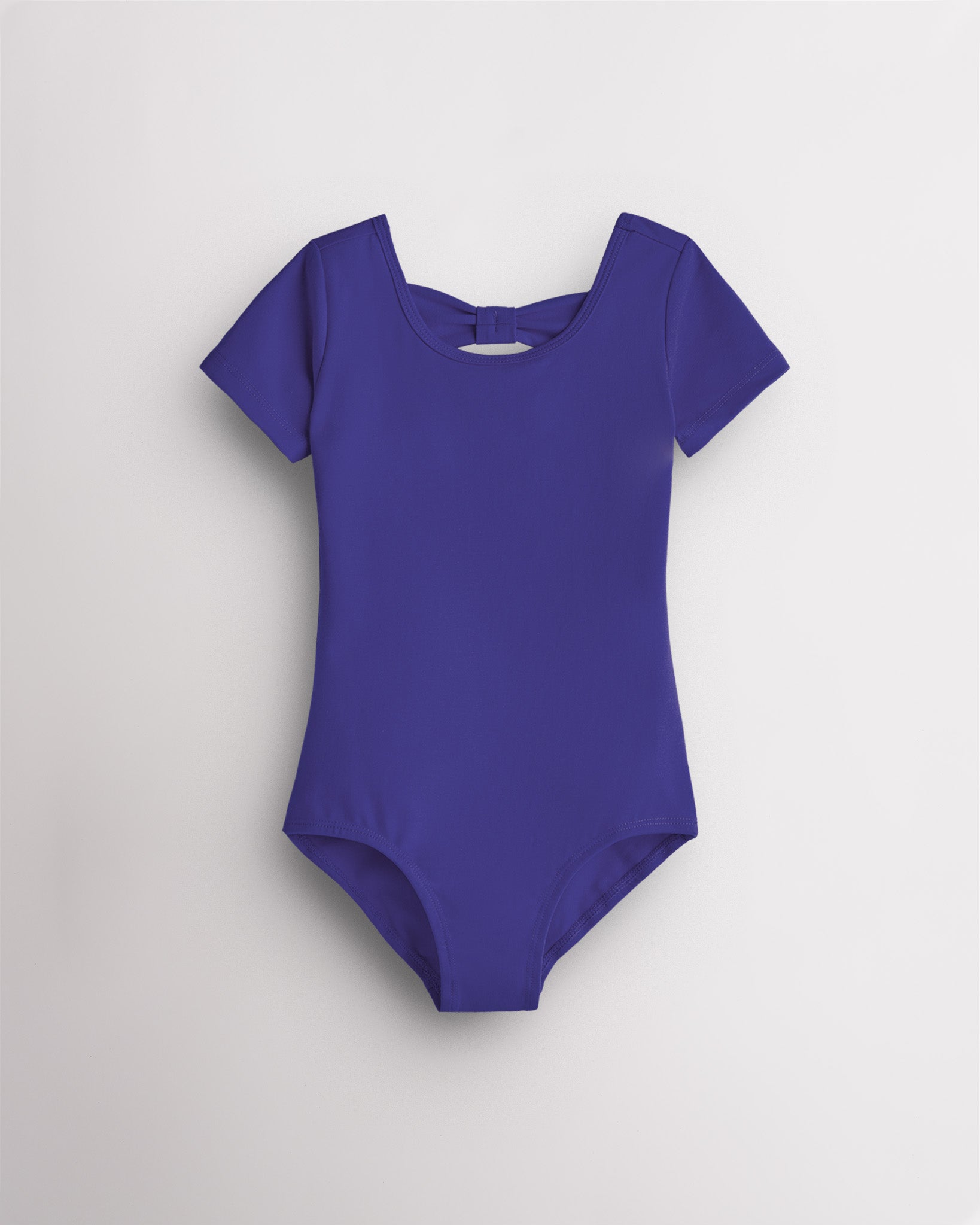
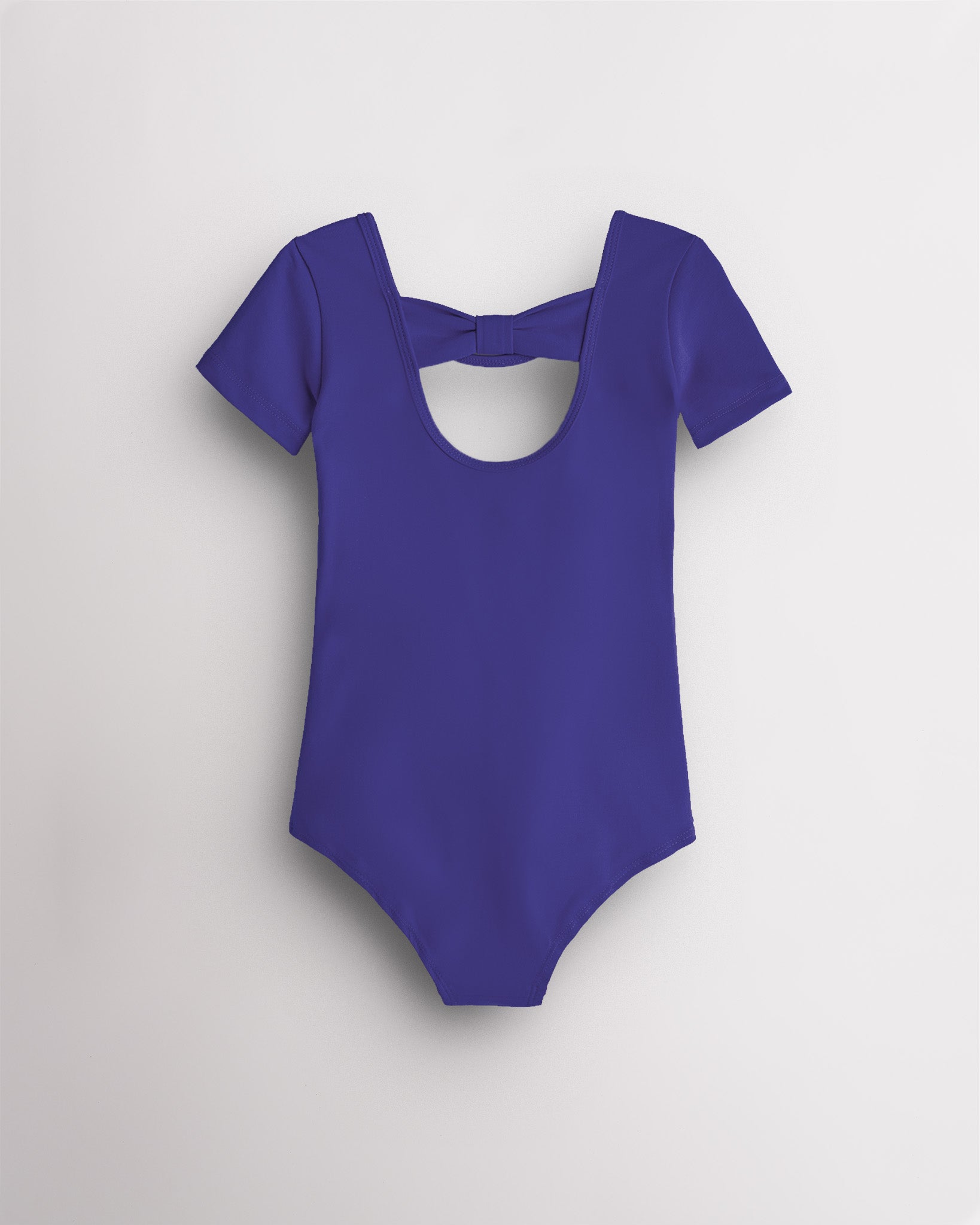
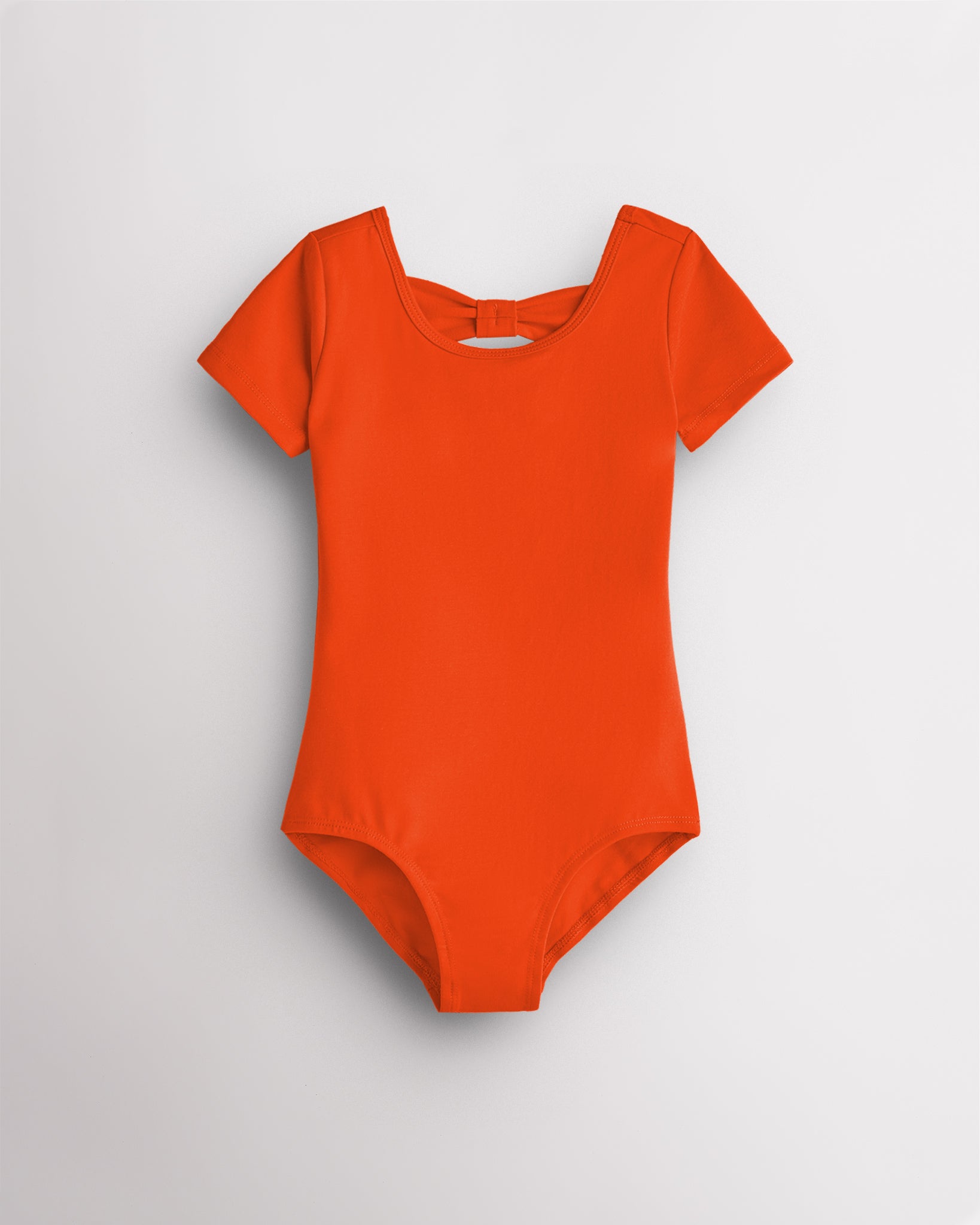
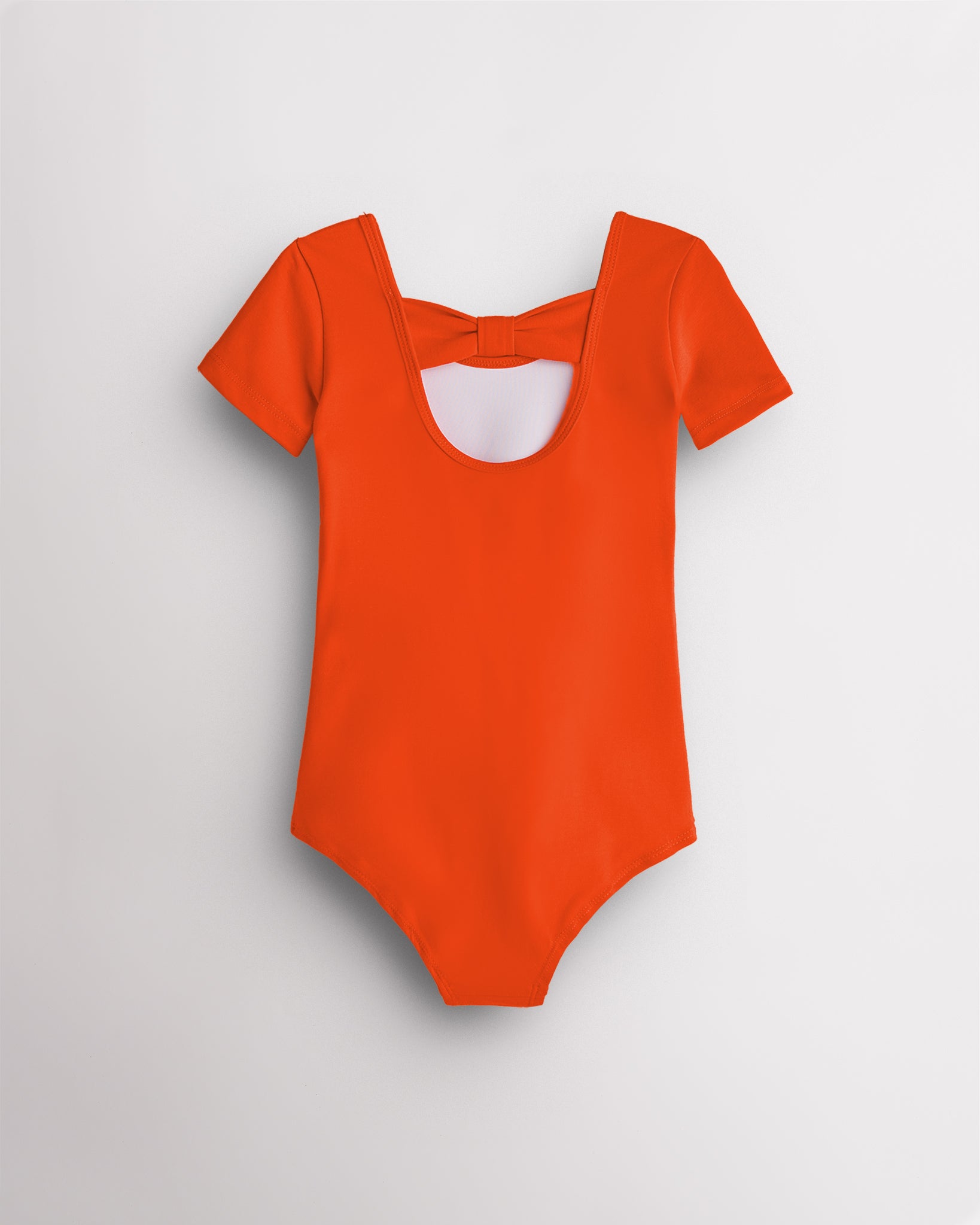
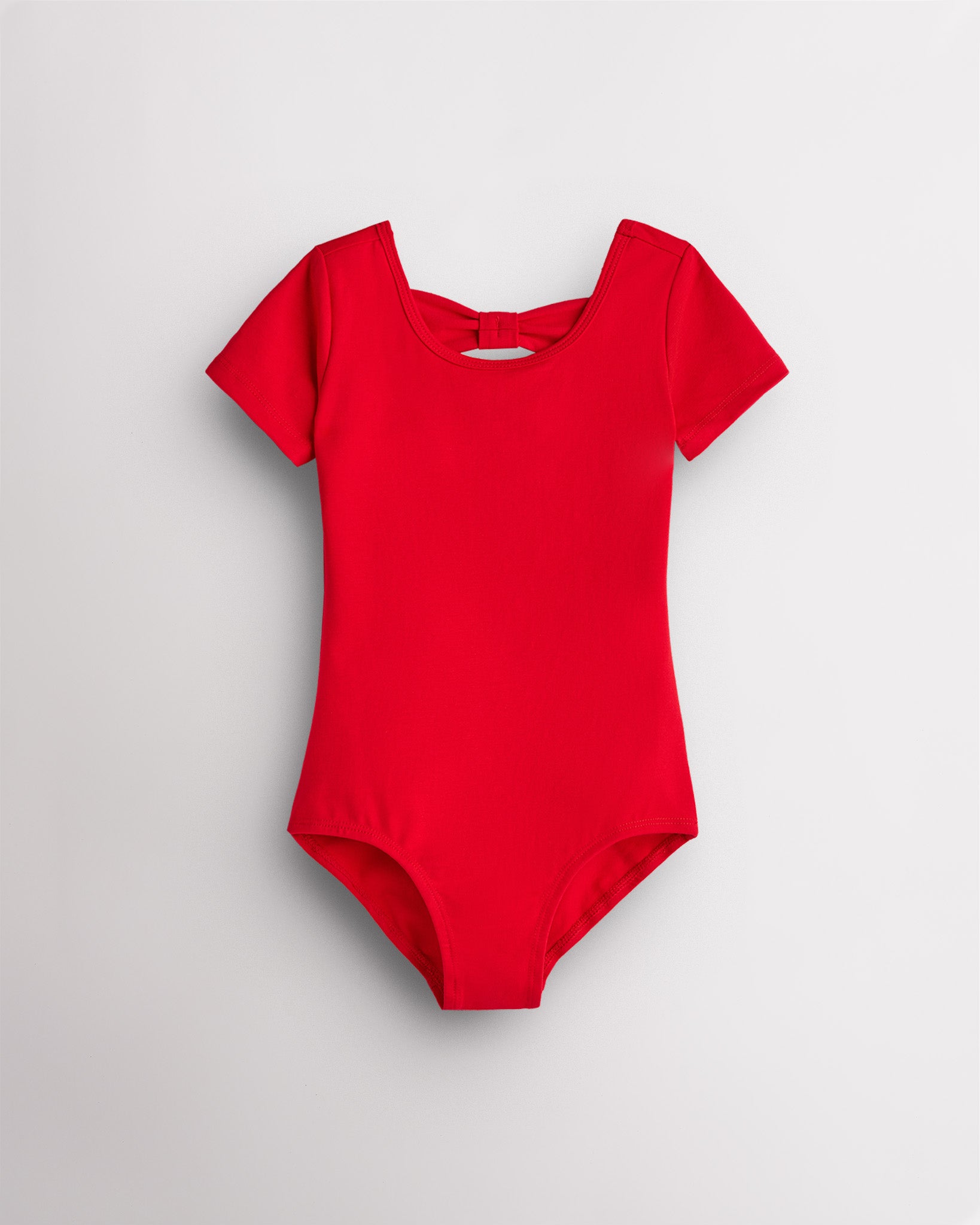
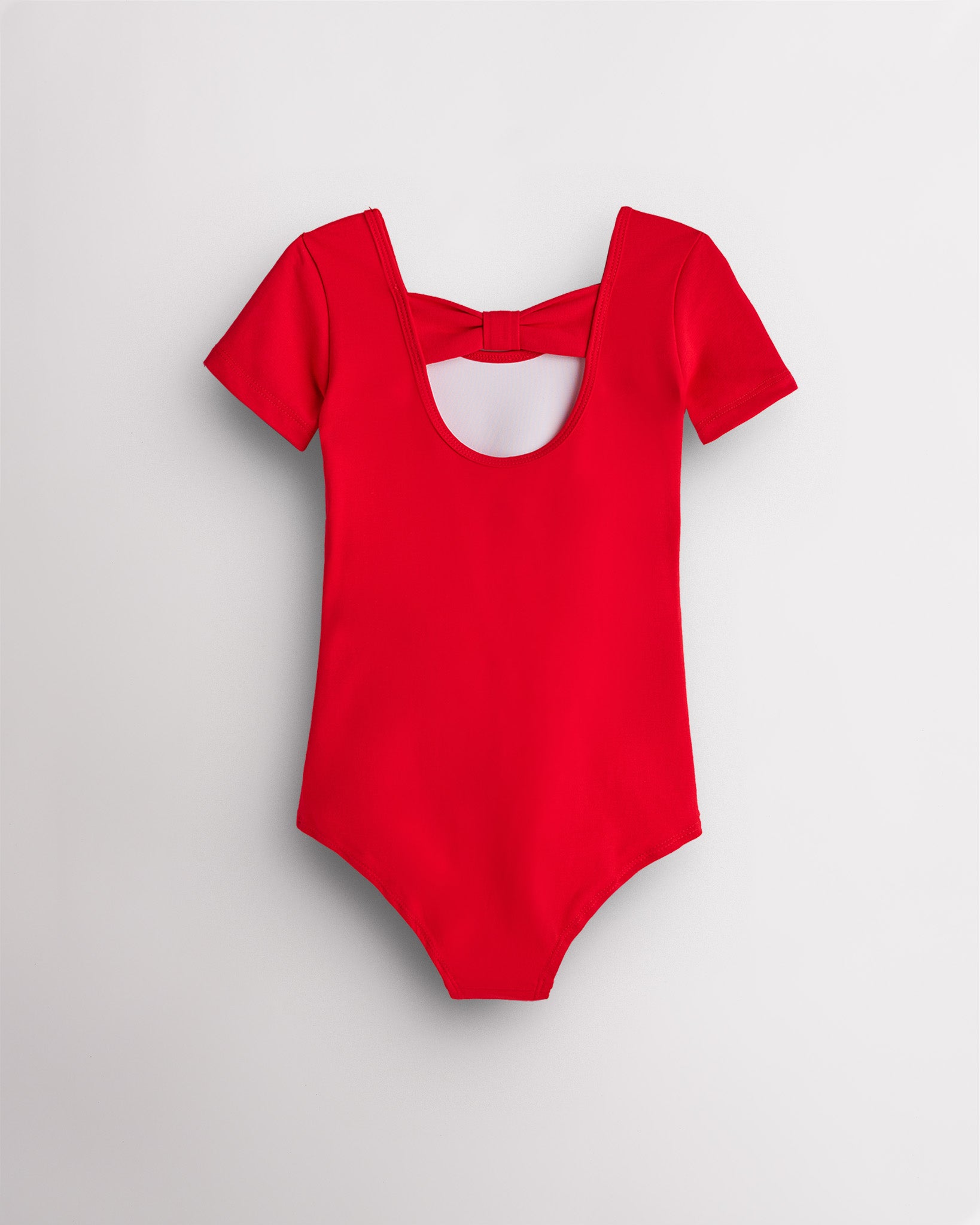
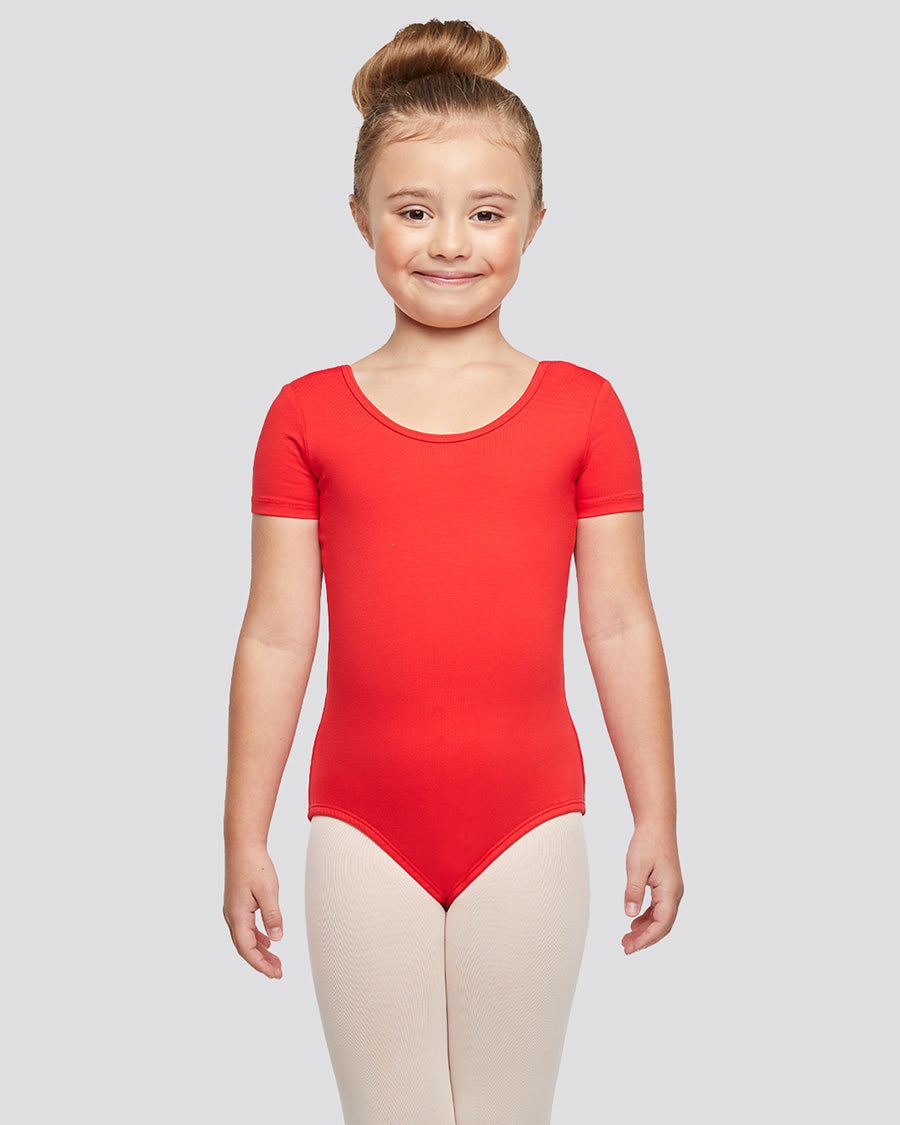
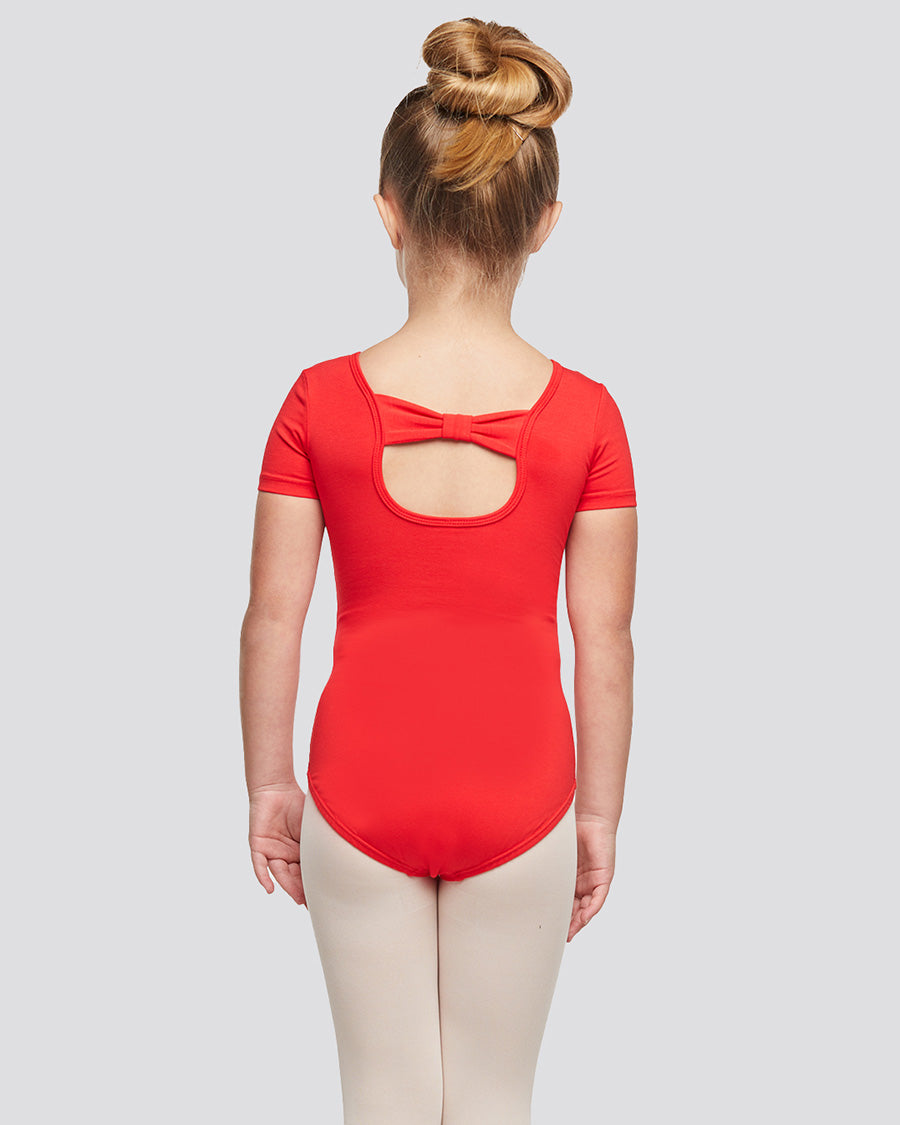
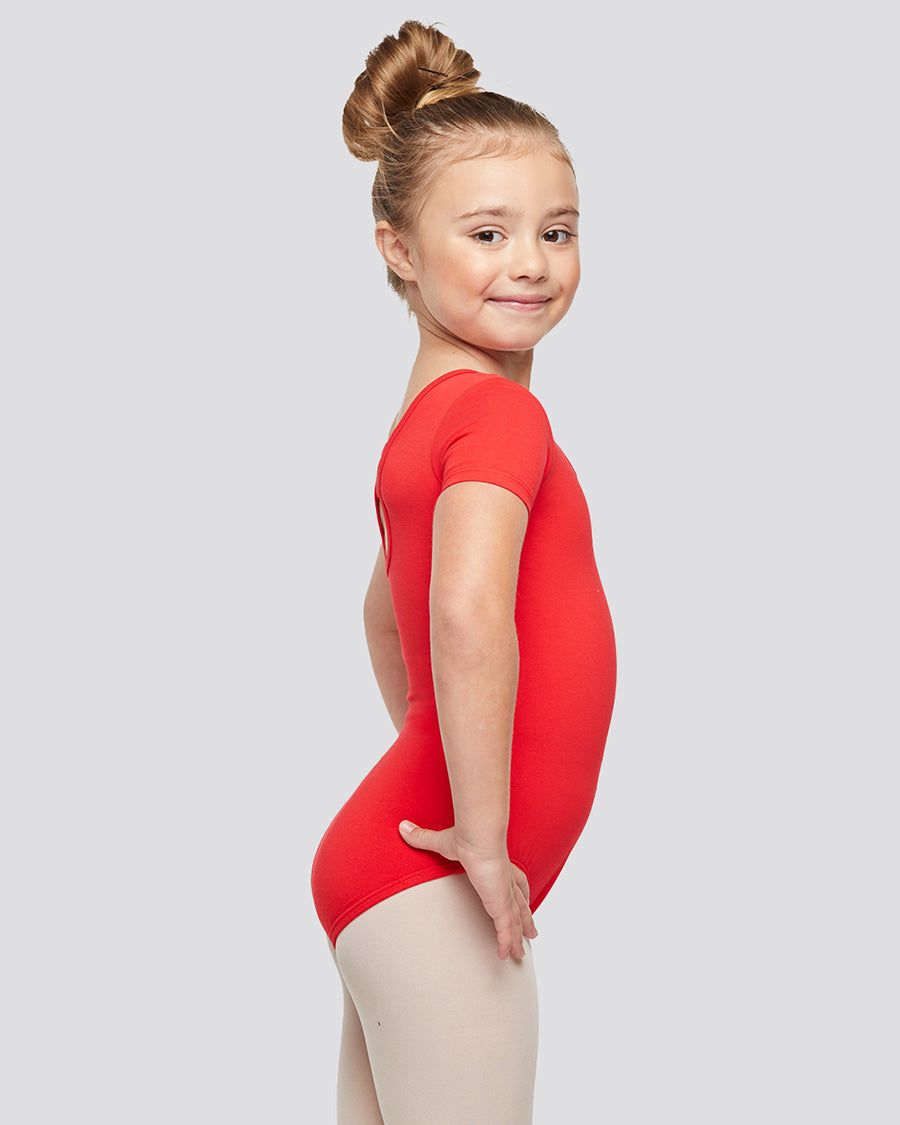
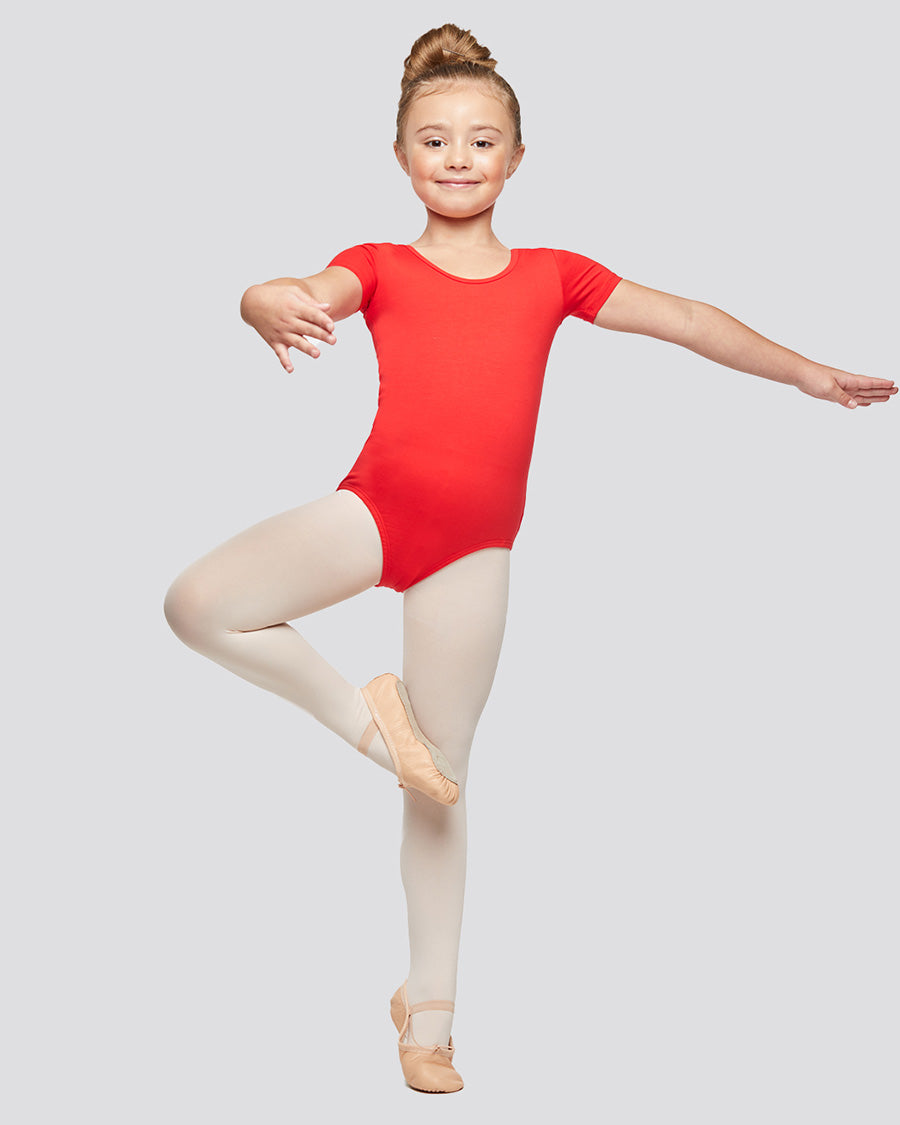
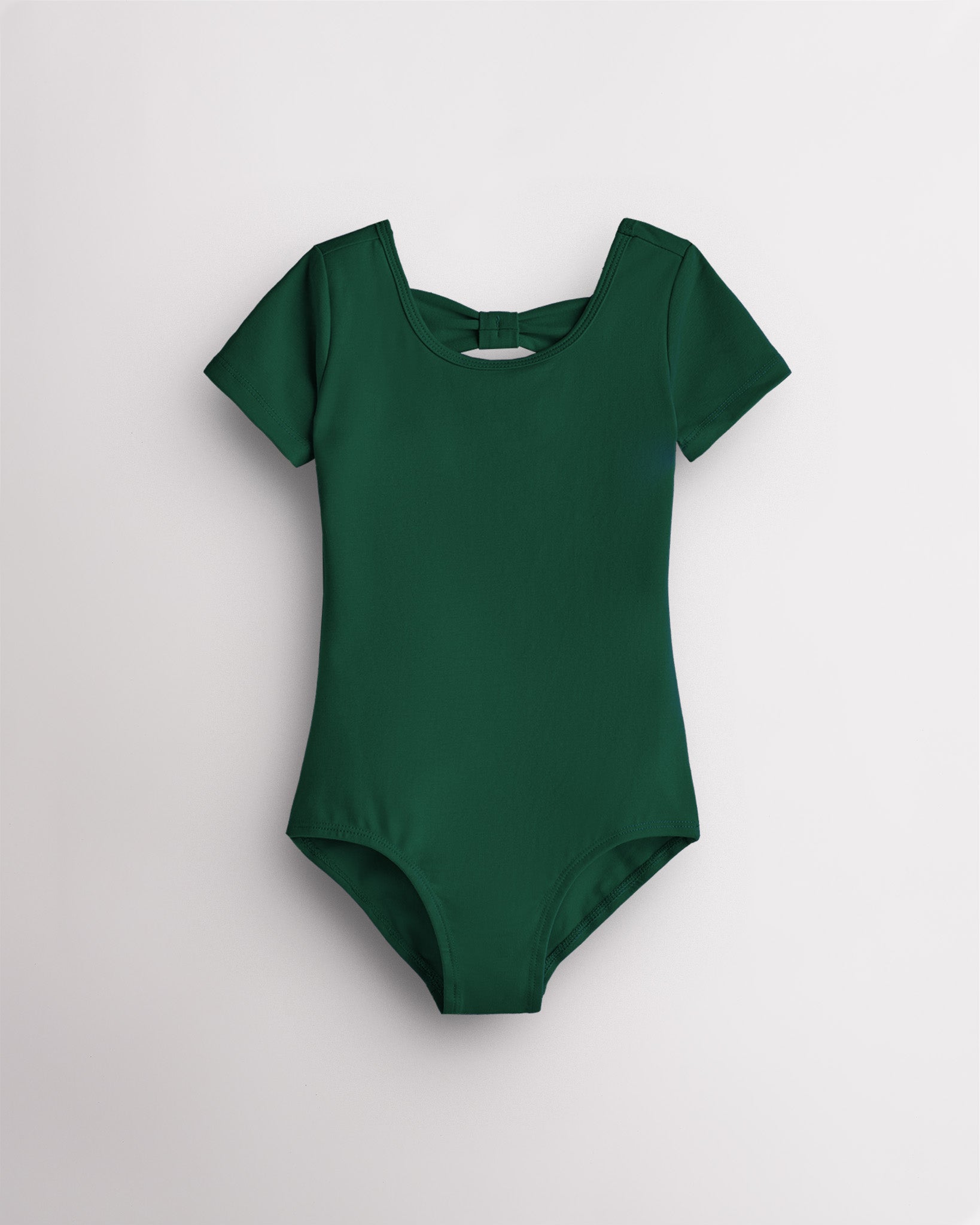
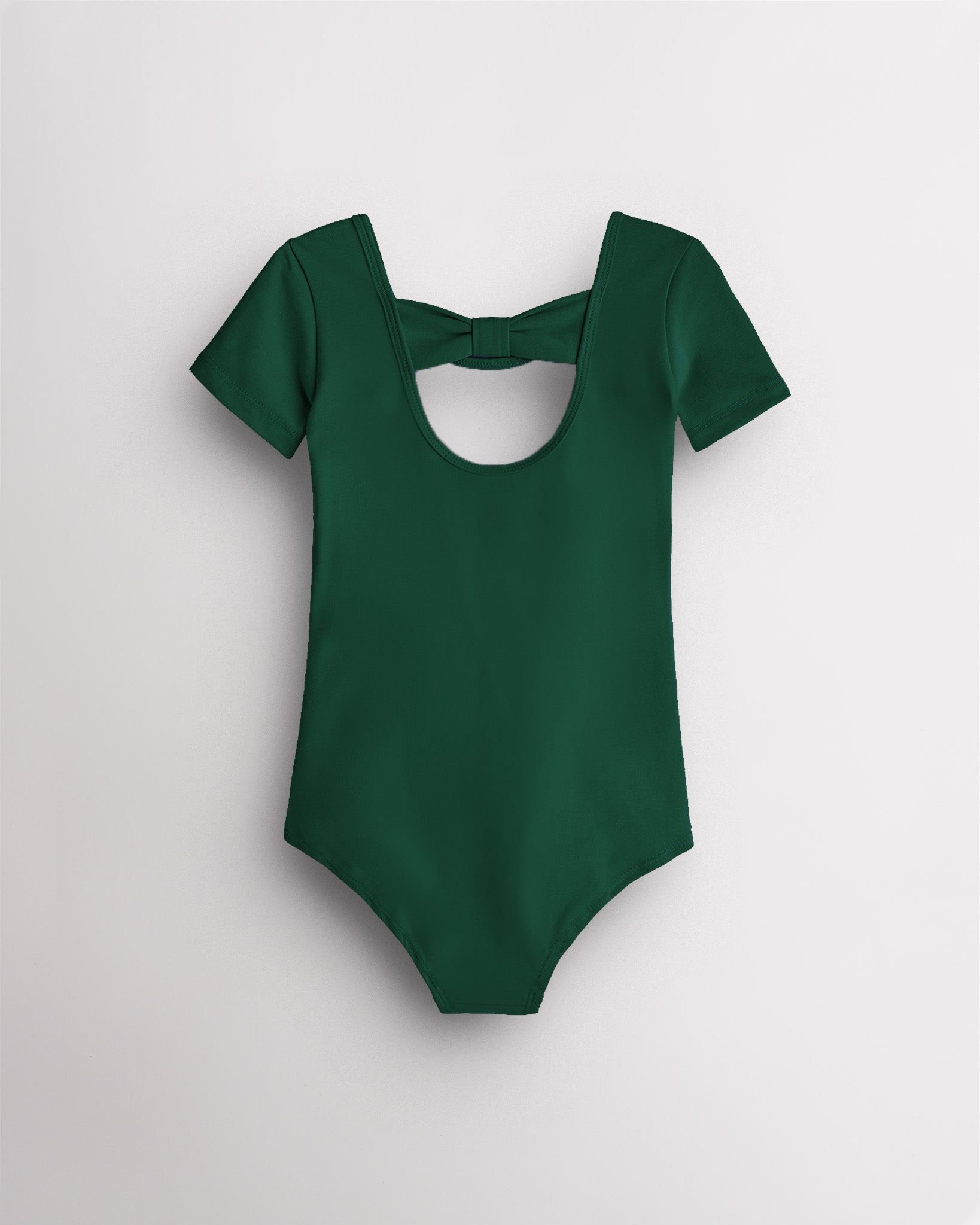
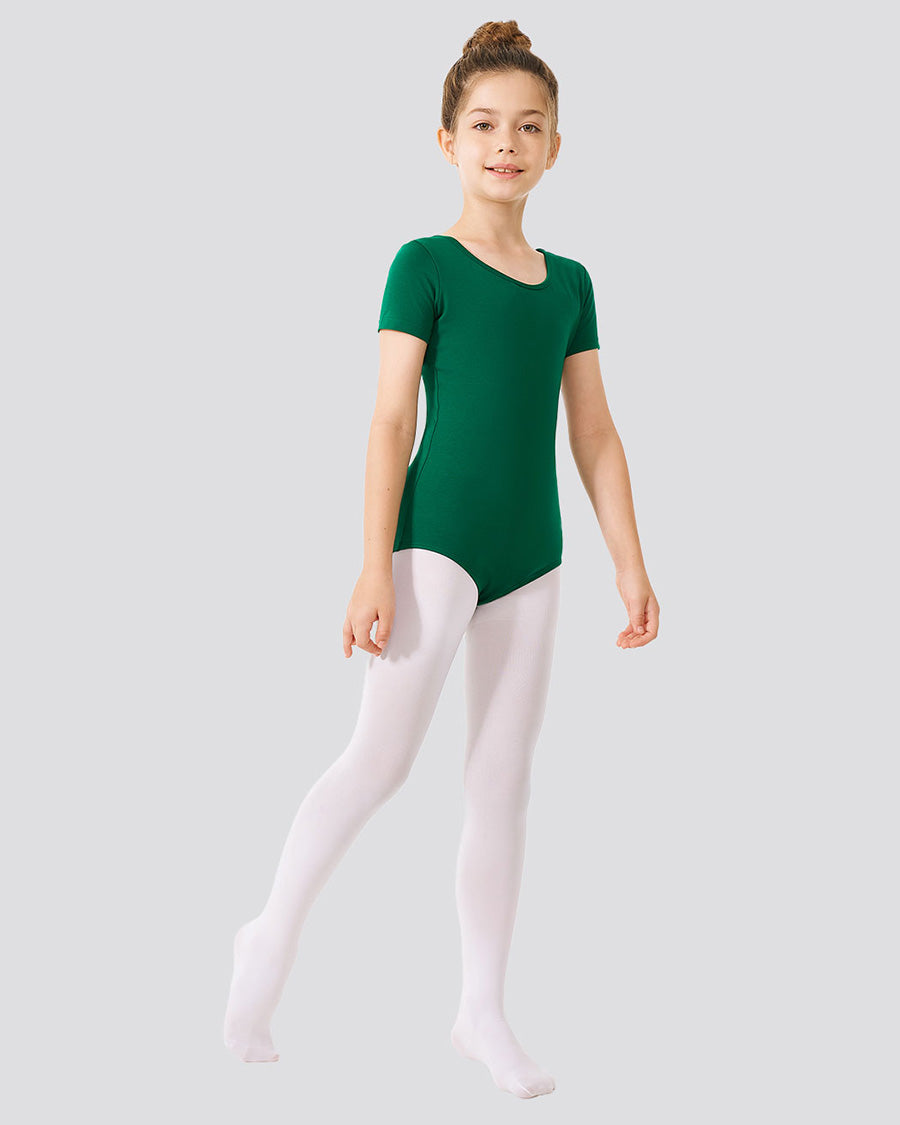
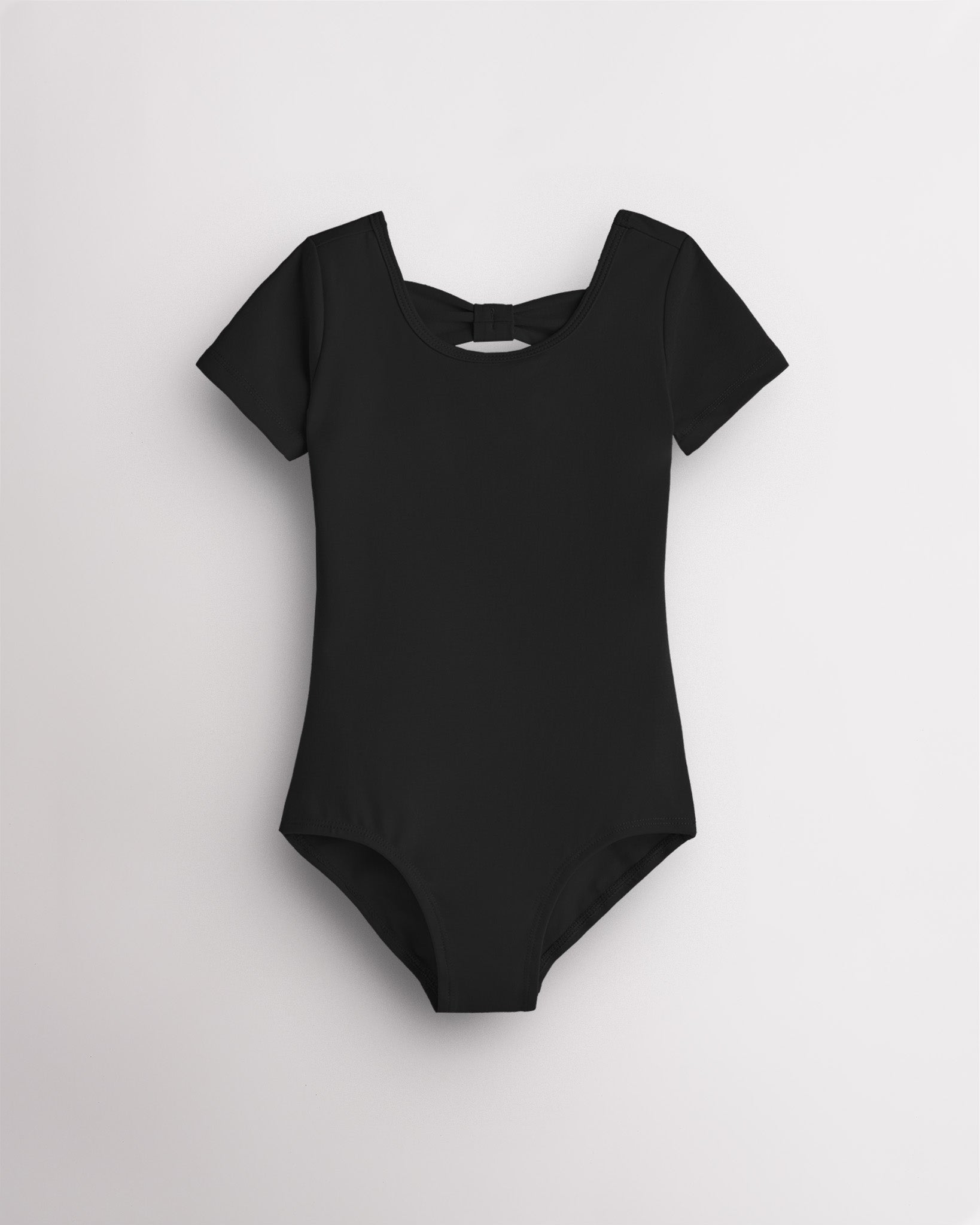
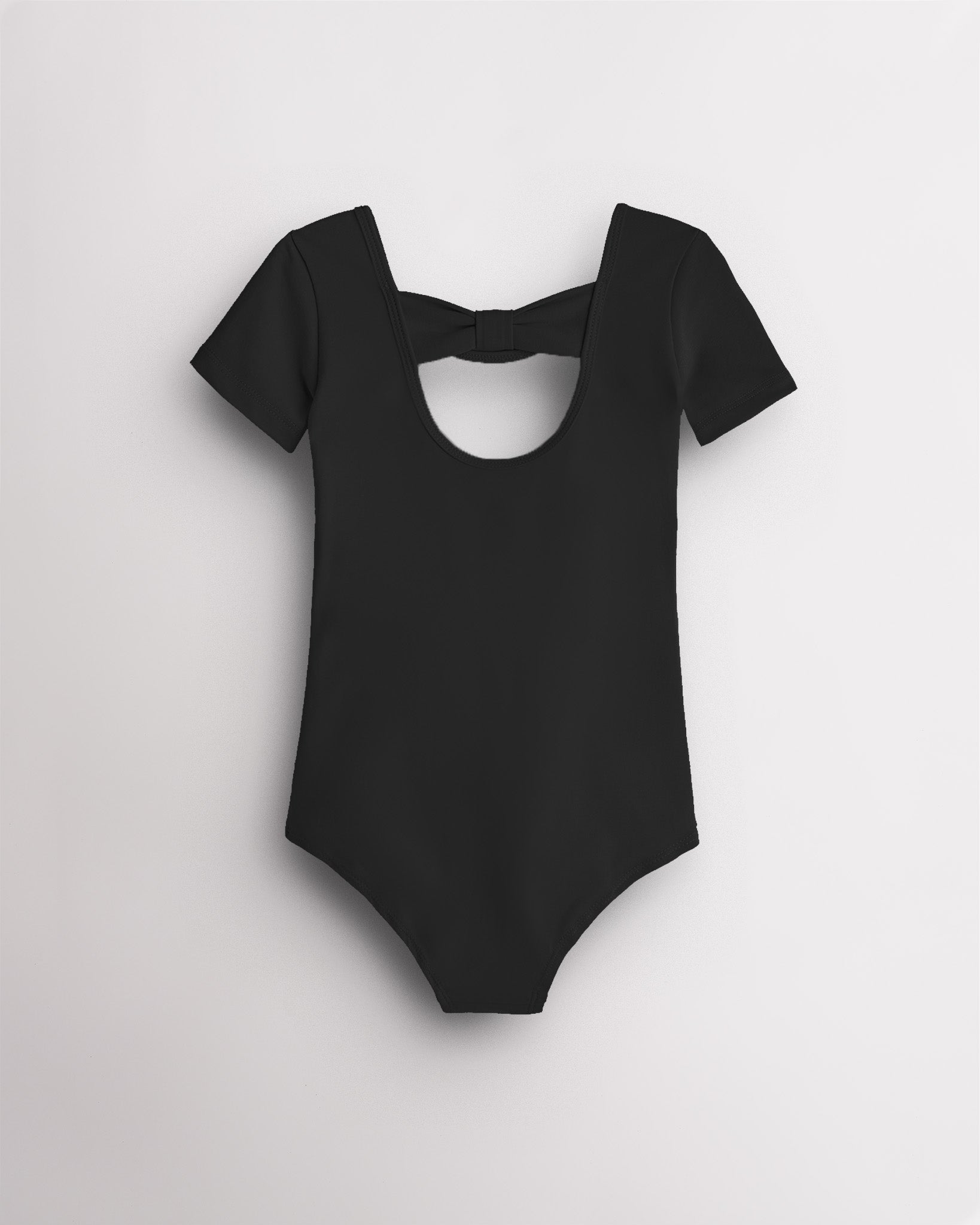
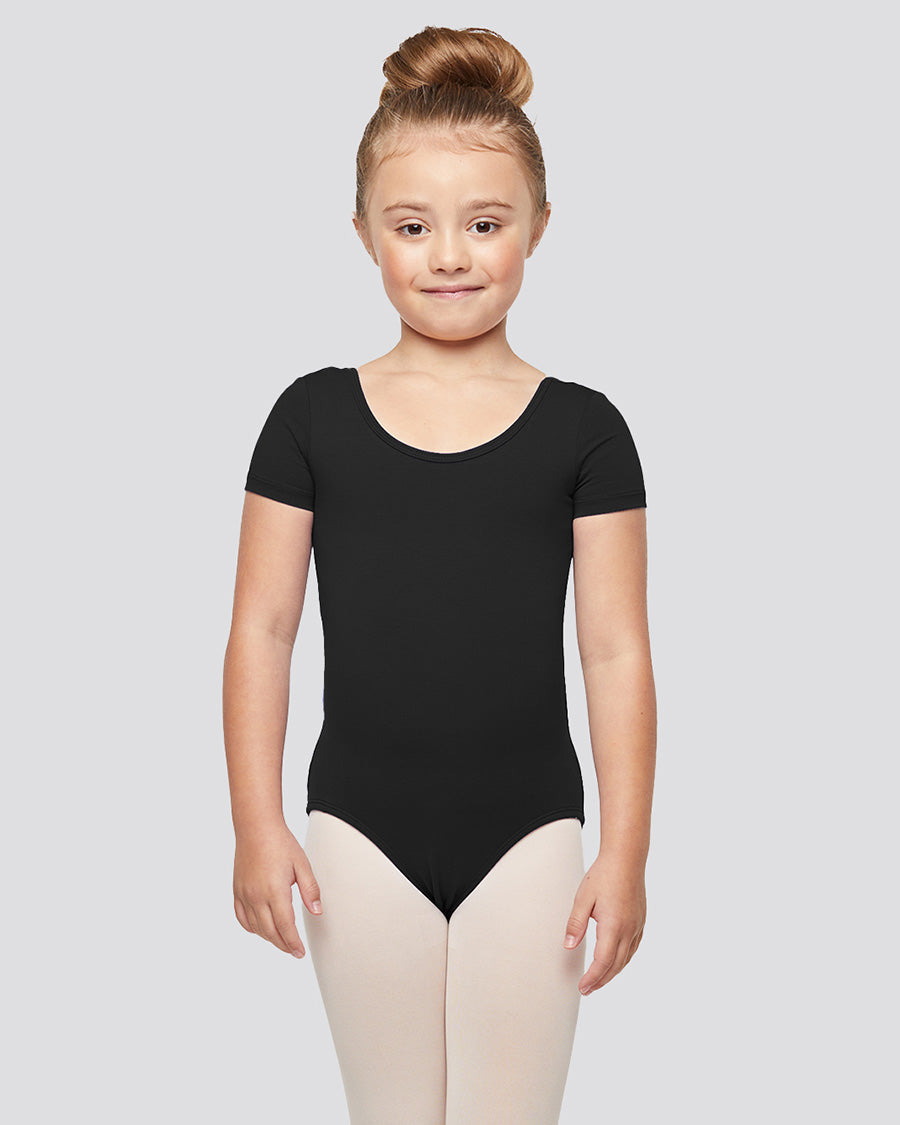
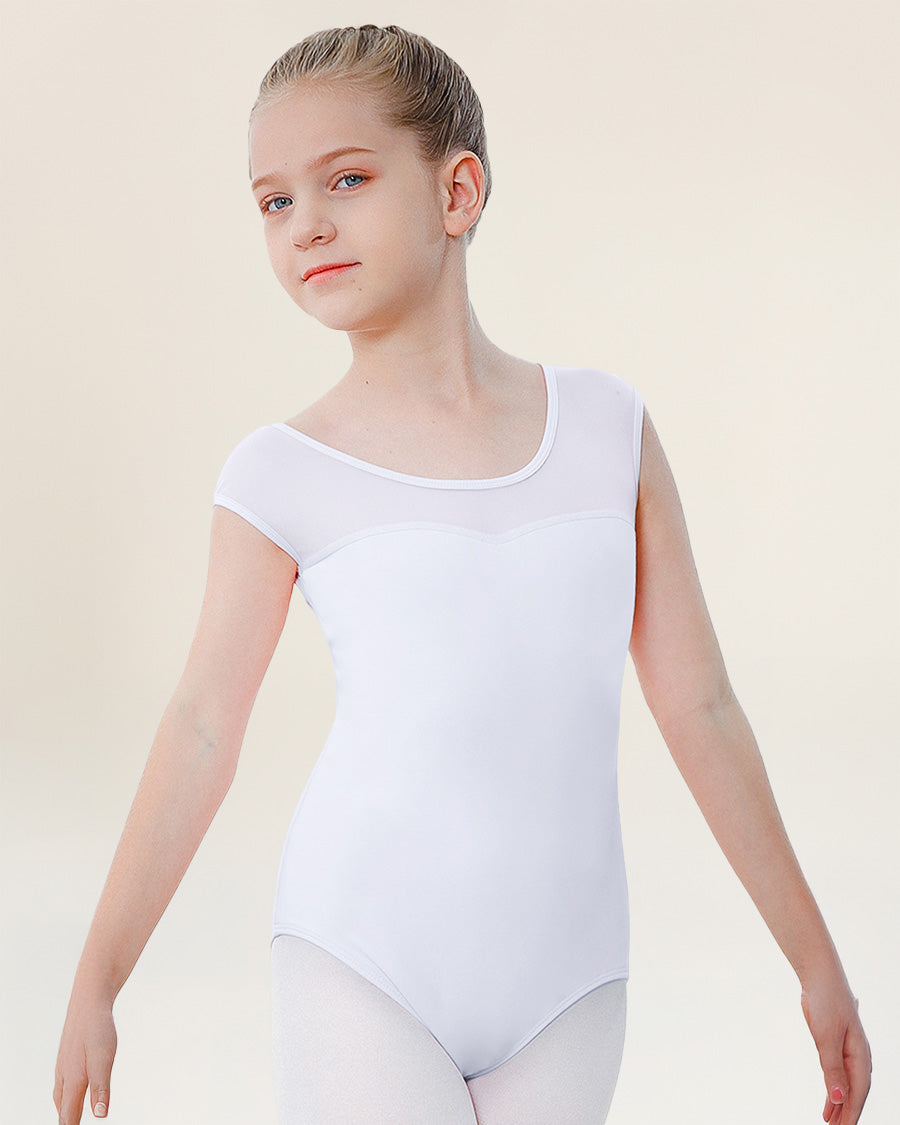
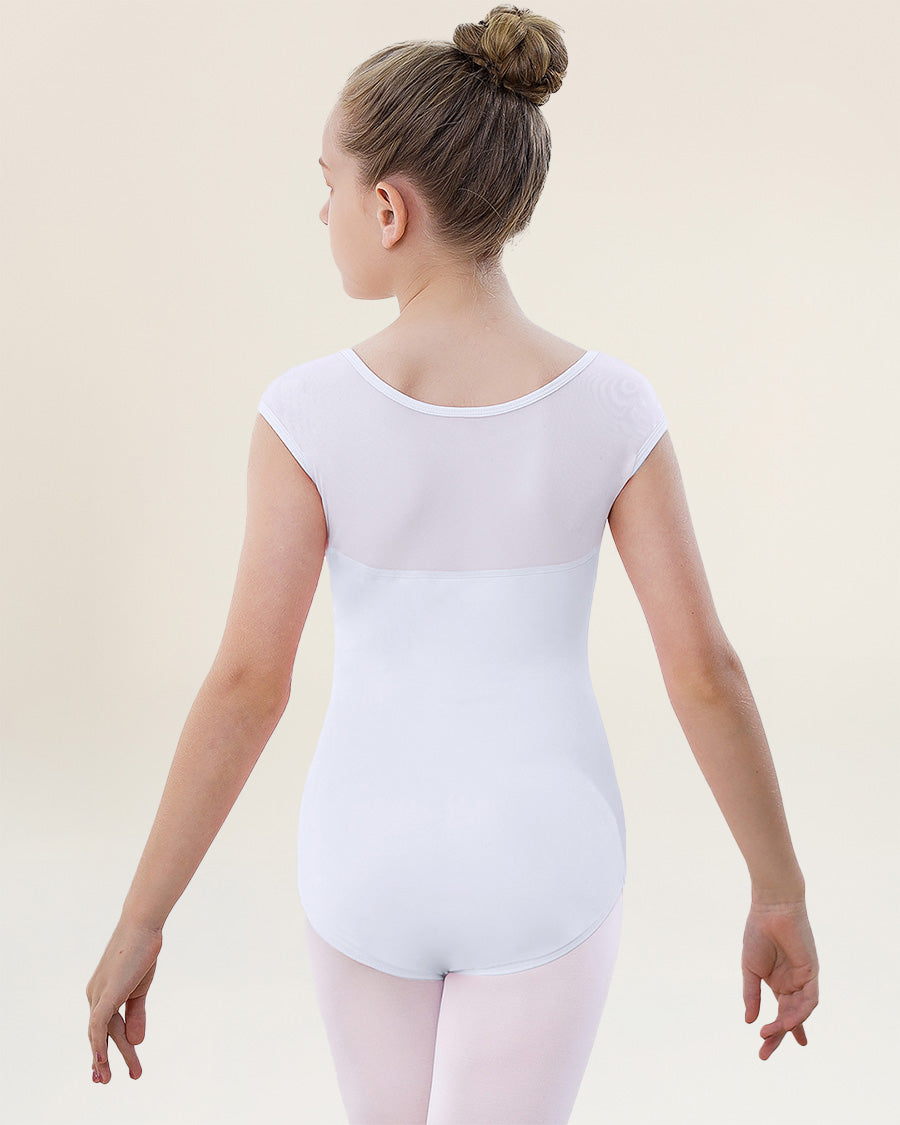
Kit them out for movement. Check the studio dress code first, then choose a leotard and tights that stay put through class; fit and comfort matter more than accessories.
-
Praise the artistry, too. Tricks are visible progress, but musicality and expression turn exercises into dancing.
FAQ
Is ballet considered a sport?
Not officially. Britannica classifies ballet as theatrical dance, and professional performances are not scored competitions. That said, researchers have measured dancers' heart rates and workloads the way they would an athlete's, so ballet's physical demands can sit alongside those of some recognized sports.
Is ballet an Olympic sport?
No. The obstacle is format more than difficulty: Olympic events rank competitors on the day, and ballet's full-length performances are not built for that. Breaking made its Olympic debut as a medal event at Paris 2024, but it is not on the Los Angeles 2028 program.
Is ballet a hard sport?
Physically, yes, with a caveat about the evidence. Older studies of professional dancers recorded average performance heart rates of 134 and 169 beats per minute, the higher figure being about 87 percent of maximum. What sets ballet apart is the technical layer: precision and artistry delivered on top of that physical load.
Why do some people say ballet is not a sport?
Because the definition of sport usually requires competing against others, and a ballet performance has no opponent, score, or winner. Some also resist the label on principle, arguing that scoring artistry misses the point of an art form built on expression and storytelling.
Does ballet count as a sport for my child's physical activity?
For fitness purposes, it can. The CDC recommends that children ages 6 to 17 get 60 minutes or more of moderate-to-vigorous physical activity each day, and an active ballet class can count toward that total. If a form lists dance as a sport option, it is reasonable to include ballet; just check the program's rules, since credit policies vary by school and program.
About the Stelle Team
Stelle is a mom-trusted dancewear & athleisure brand best known for girls’ ballet and dance essentials since 2015. Every article is created and reviewed by the team behind the products, drawing on what we hear from dance teachers, studio owners, and dance parents every day. Learn more about Stelle.