





The Sleeping Beauty Ballet: A Parent's Guide to the Story, Music, and Length
Table of contents
- Key Takeaways
- What Is the Sleeping Beauty Ballet?
- The Sleeping Beauty Ballet Story, Act by Act
- Who's Who in The Sleeping Beauty
- The Famous Moments to Watch For
- How Long Is the Sleeping Beauty Ballet?
- Was Sleeping Beauty a Ballet First, or a Movie First?
- Tips for Taking Kids to The Sleeping Beauty
- FAQ
-
- About the Stelle Team
The Sleeping Beauty ballet tells the fairy tale of Princess Aurora, cursed to sleep for 100 years until a prince's kiss wakes her. Choreographed by Marius Petipa to a score by Pyotr Ilyich Tchaikovsky, it premiered in 1890 in St. Petersburg and runs in a prologue plus three acts, usually about 2.5 to 3 hours with intermissions, depending on the production.
Key Takeaways
-
The Sleeping Beauty premiered on January 15, 1890 in St. Petersburg: music by Pyotr Ilyich Tchaikovsky, choreography by Marius Petipa, story from Charles Perrault's fairy tale.
-
It has a prologue and three acts: the christening and the curse, Aurora's sixteenth birthday, the awakening, and a fairy-tale wedding.
-
Most modern productions run about 2.5 to 3 hours with intermissions, depending on the production; the 1890 original ran roughly four hours.
-
The signature moment is the Rose Adagio, where Aurora balances unsupported while four suitors take turns partnering her.
-
If your child knows the Disney movie, they already know the tune: the 1959 film adapted Tchaikovsky's ballet score, and "Once Upon a Dream" is the ballet's Garland Waltz with lyrics.
-
The story is bright and familiar, and no one dies onstage; the length makes it a better second or third ballet for very young kids.
What Is the Sleeping Beauty Ballet?
Three collaborators made this classical story ballet: composer Pyotr Ilyich Tchaikovsky, choreographer Marius Petipa, and director Ivan Vsevolozhsky, who united the team in 1890 around Charles Perrault's 1697 fairy tale. It premiered in St. Petersburg on January 15, 1890 and was an instant success, with grand sets, a big cast, and long stretches of pure dancing built into the story.
Britannica describes it as one of the cornerstones of classical ballet, and the Rose Adagio is among its notable features.
If your family is working through the famous story ballets, this one sits naturally alongside Swan Lake and The Nutcracker, Tchaikovsky's other two ballets. Same composer, three very different evenings.
The Sleeping Beauty Ballet Story, Act by Act
Here is the sleeping beauty ballet story in plain English. Details shift from company to company, but the bones stay the same, as in Washington Ballet's synopsis.
Prologue: the christening and the curse
The king and queen celebrate the christening of baby Princess Aurora. Fairies arrive with gifts, each danced as a short solo with its own personality. Then the evil fairy Carabosse storms in, furious she was left off the guest list, and curses Aurora to prick her finger on a spindle and die. The Lilac Fairy, the story's calm protector, softens the curse: Aurora will not die, she will sleep for 100 years, until a prince's kiss wakes her.
Act 1: Aurora's sixteenth birthday
Sixteen years later, the court celebrates Aurora's birthday (her sixteenth, in most productions), and four princes have come to court her. This act holds the ballet's most famous test, the Rose Adagio (more on that below). A disguised Carabosse slips Aurora a spindle, Aurora pricks her finger and collapses, and the Lilac Fairy puts the whole kingdom to sleep along with her, with vines and forest growing up around the castle.
Act 2: the vision and the awakening
A century later, Prince Désiré (called Prince Florimund in some productions) is out hunting when the Lilac Fairy shows him a vision of Aurora. He dances with the vision and falls in love. The Lilac Fairy leads him through the enchanted forest, past Carabosse's obstacles, and he wakes Aurora with a kiss. The spell breaks and the kingdom stirs back to life.
Act 3: a fairy-tale wedding
The final act is a wedding party, and Petipa fills the guest list with characters from other Perrault tales: Puss in Boots, Little Red Riding Hood and the Wolf, and the Bluebird with Princess Florine. Aurora and her prince close the celebration with a grand pas de deux, and the Lilac Fairy blesses the marriage.

Who's Who in The Sleeping Beauty
|
Character |
Who they are |
What to watch for |
|---|---|---|
|
Princess Aurora |
The cursed princess |
The Rose Adagio balances in Act 1; her dancing matures from playful teenager to regal bride |
|
Prince Désiré (or Florimund) |
The prince who wakes her |
His dreamy Act 2 solo and the big Act 3 wedding duet |
|
The Lilac Fairy |
Aurora's protector |
Calm, generous dancing; she steers the whole plot |
|
Carabosse |
The evil fairy |
Often played with big theatrical mime |
|
The King and Queen |
Aurora's parents |
Mostly mime roles that carry the story |
|
The Bluebird and Princess Florine |
Wedding guests |
A quick, fluttering Act 3 duet full of jumps |
|
The fairy soloists |
Gift-givers at the christening |
A series of short solos, each with its own flavor |
The Famous Moments to Watch For
The Rose Adagio
Early in Act 1, Aurora dances with her four suitors one by one. She takes each prince's hand, rises into a balance on one pointe shoe, then lets go and holds the position unsupported before the next suitor steps in. Ballet Idaho calls it the ballet's signature scene, and audiences routinely burst into applause when the balances land. Point it out to your child beforehand; knowing what to watch for turns it into live suspense.
The Garland Waltz: the tune your child already knows
The big group waltz at Aurora's birthday party in Act 1, often called the Garland Waltz, is the melody Disney turned into "Once Upon a Dream." Lyric Opera of Chicago's program notes explain that the film's musicians adapted melodies from Tchaikovsky's ballet score, including the waltz that became the song.
The Bluebird pas de deux
In the Act 3 wedding, the Bluebird and Princess Florine dance a short duet packed with light, fast jumps and fluttering arms. Kids tend to love it because the bird imagery is so clear.
How Long Is the Sleeping Beauty Ballet?
Most productions of the Sleeping Beauty ballet run about 2.5 to 3 hours, including one or two intermissions, spread over a prologue and three acts. The original 1890 production ran roughly four hours, and companies have trimmed it ever since. In some productions the prologue and Act 1 play together before the first intermission; others cut smaller dances to tighten the evening.
For families, the practical version: plan for a three-hour outing and treat the intermissions as built-in wiggle breaks. Run times, intermission counts, and age guidance vary by company and production, so check the listing for your exact performance before you book. Some companies have offered shorter family versions, which are worth looking for if your kids are very young.
Was Sleeping Beauty a Ballet First, or a Movie First?
A ballet, by nearly 70 years. So if your child asks, is Sleeping Beauty a ballet or a Disney story, the honest answer is both, and the ballet came first. Petipa and Tchaikovsky's ballet premiered in 1890, and Disney's animated film arrived in 1959. The film leaned on the ballet's score, as the Garland Waltz section above explains. Both trace back to Perrault's 1697 fairy tale, but the version of Sleeping Beauty most of us grew up with is, musically, the ballet.
The ballet's own history holds good trivia for older kids. Sergei Diaghilev's Ballets Russes presented a version in London in 1921, and Ninette de Valois's 1946 production, starring Margot Fonteyn, cemented the ballet's place in British ballet history. Britannica notes that Fonteyn's Aurora is still considered the definitive Aurora of the era. More recently, when Alexei Ratmansky staged the ballet for American Ballet Theatre in 2015, he worked from a 1905 dance-notation score and other documents to reconstruct Petipa's original choreography.
Tips for Taking Kids to The Sleeping Beauty
The story is one of the friendlier ones in the classical repertoire: it is familiar, the villain is more theatrical than frightening, and no one dies onstage. The length is the catch, which makes it a better second or third ballet for very young kids. A few things that help:
-
Tell the story in the car. Ballet has no dialogue, so a two-minute recap of the acts (christening, birthday, awakening, wedding) is a big help to a kid's experience.
-
Play the music ahead of time. The Garland Waltz and the Rose Adagio are easy to find on streaming, and recognizing melodies keeps kids engaged.
-
Give them things to spot: the Rose Adagio balances, Carabosse's entrances, the Bluebird's jumps, the fairy-tale wedding guests.
-
Aim for a matinee. Afternoon shows draw more families, and a 2 p.m. start suits most kids' stamina better than a 7:30 p.m. curtain.
-
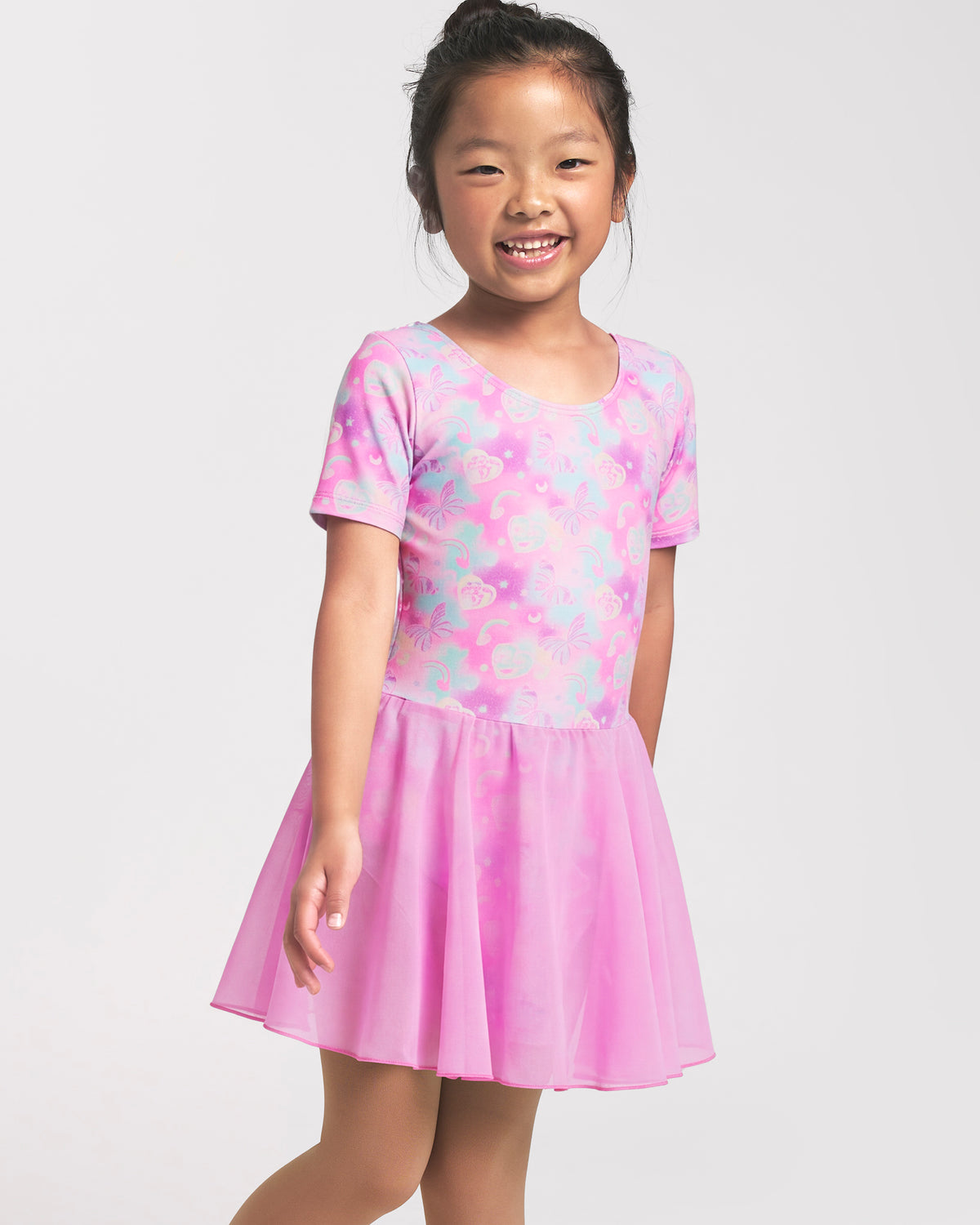
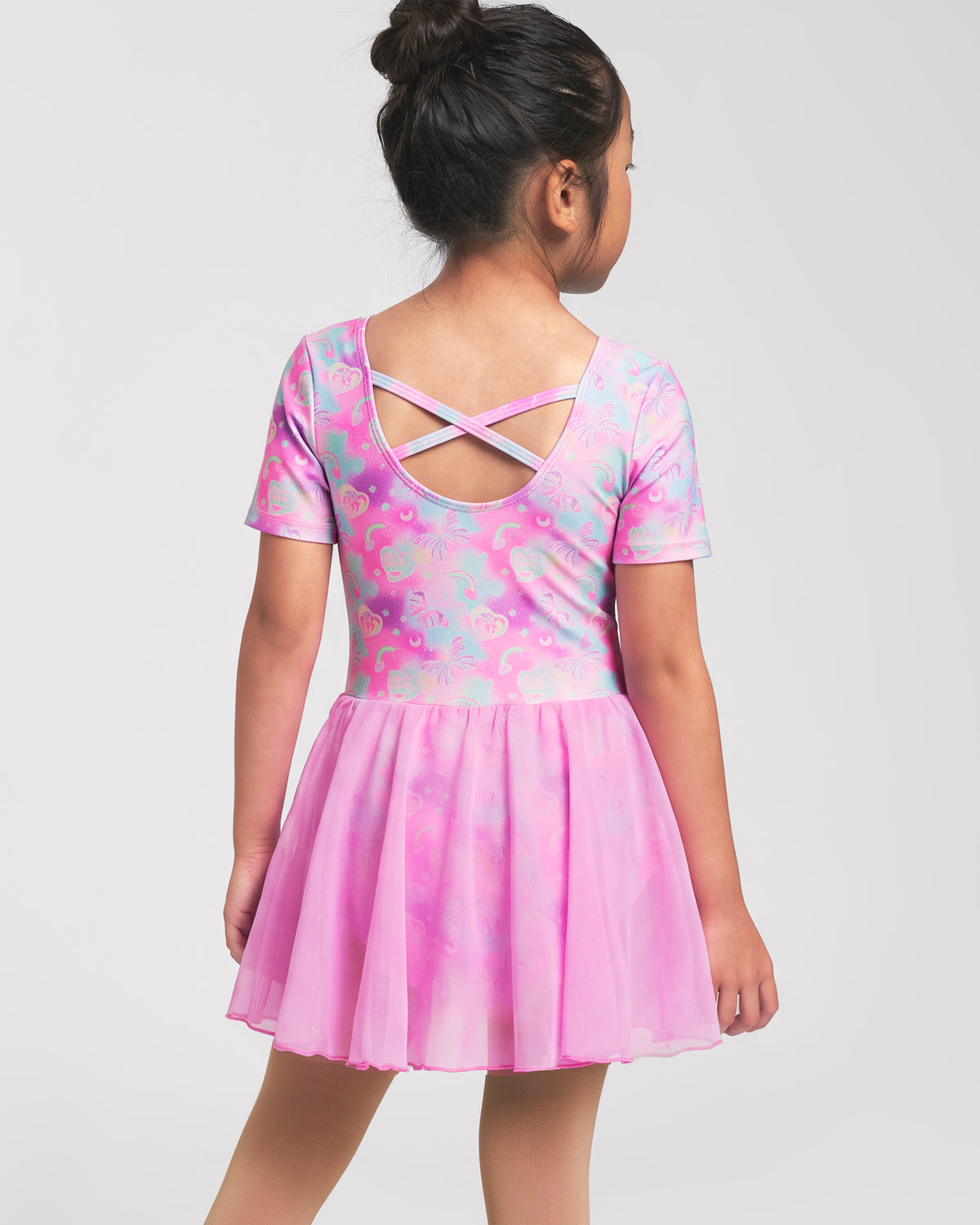
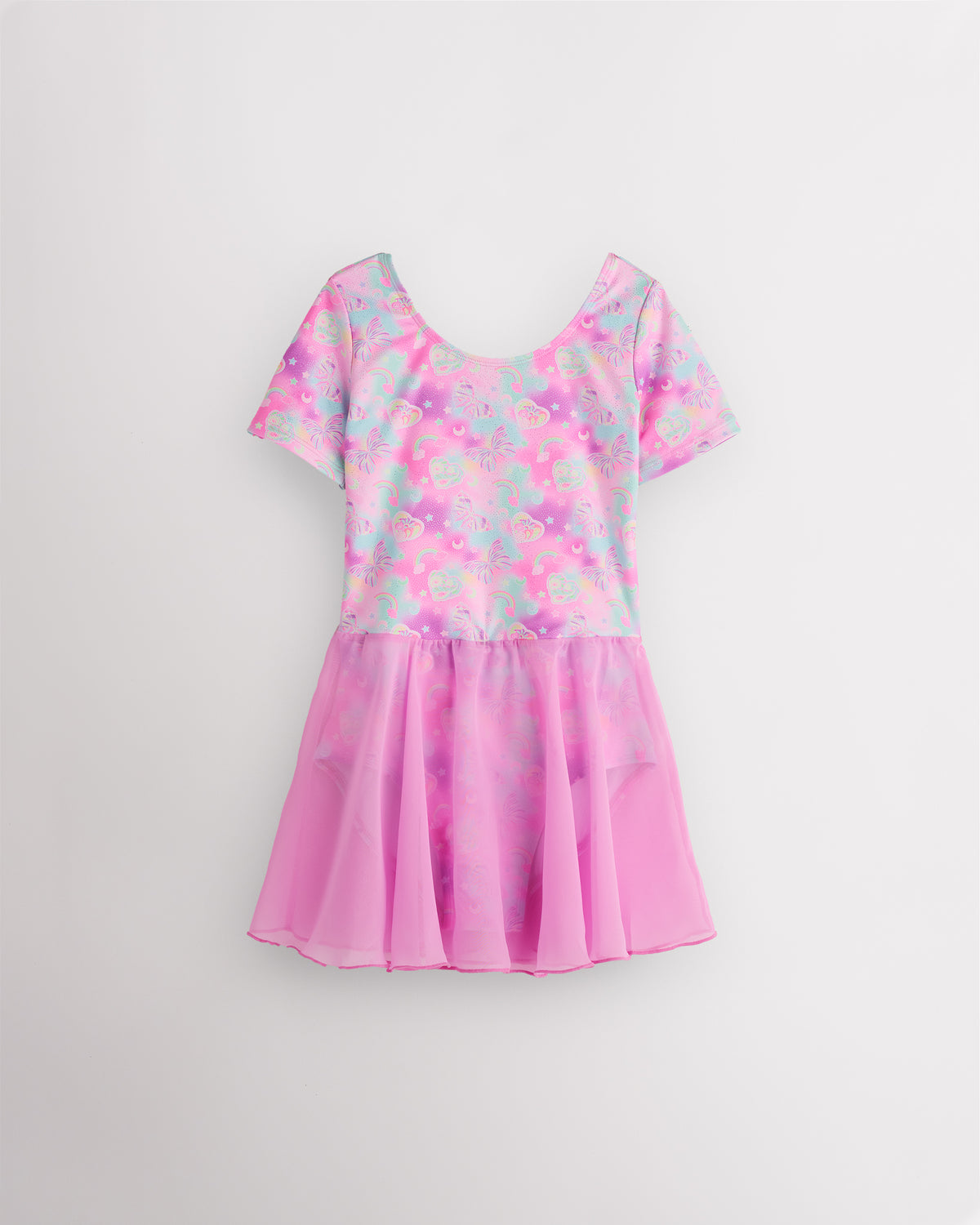
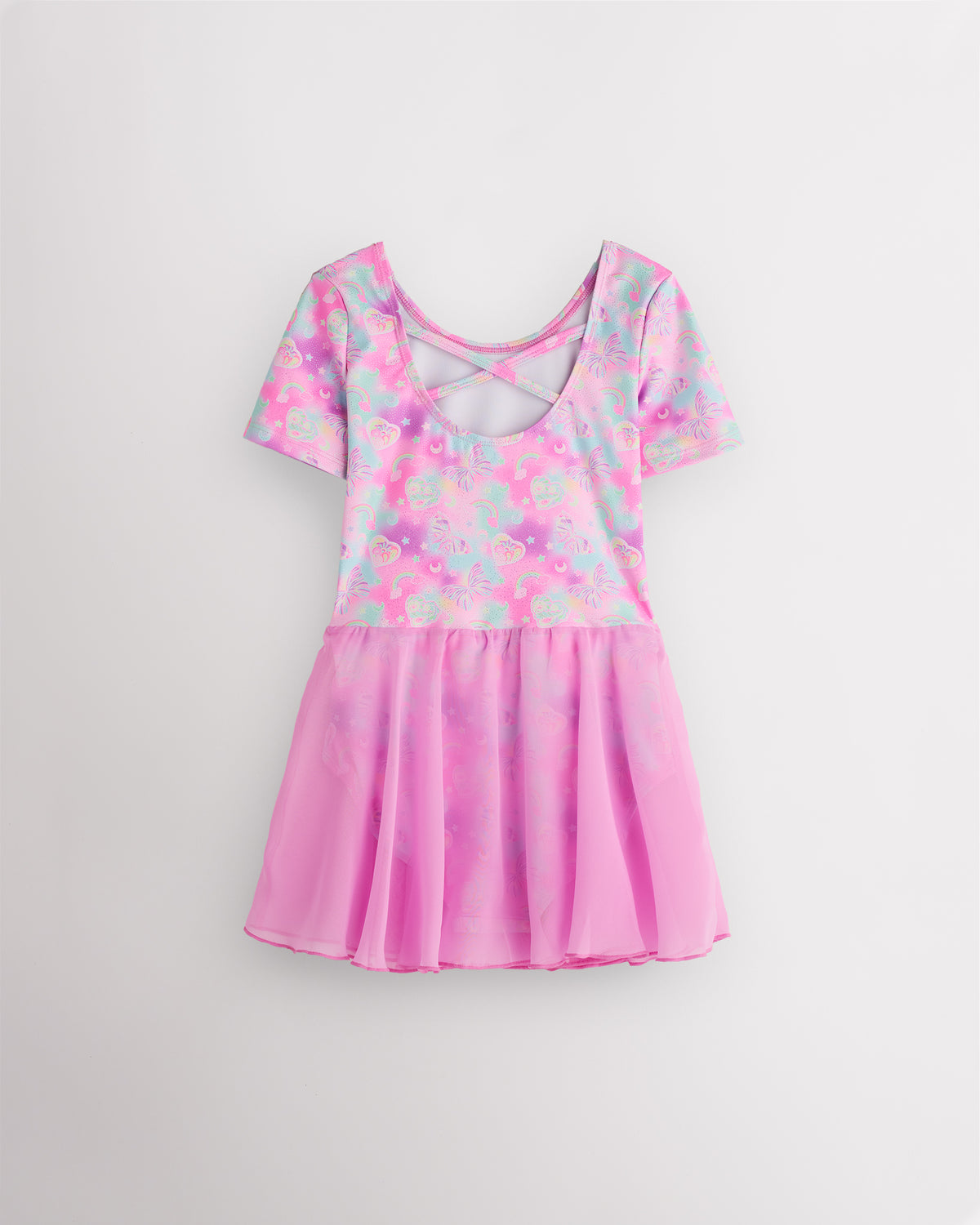
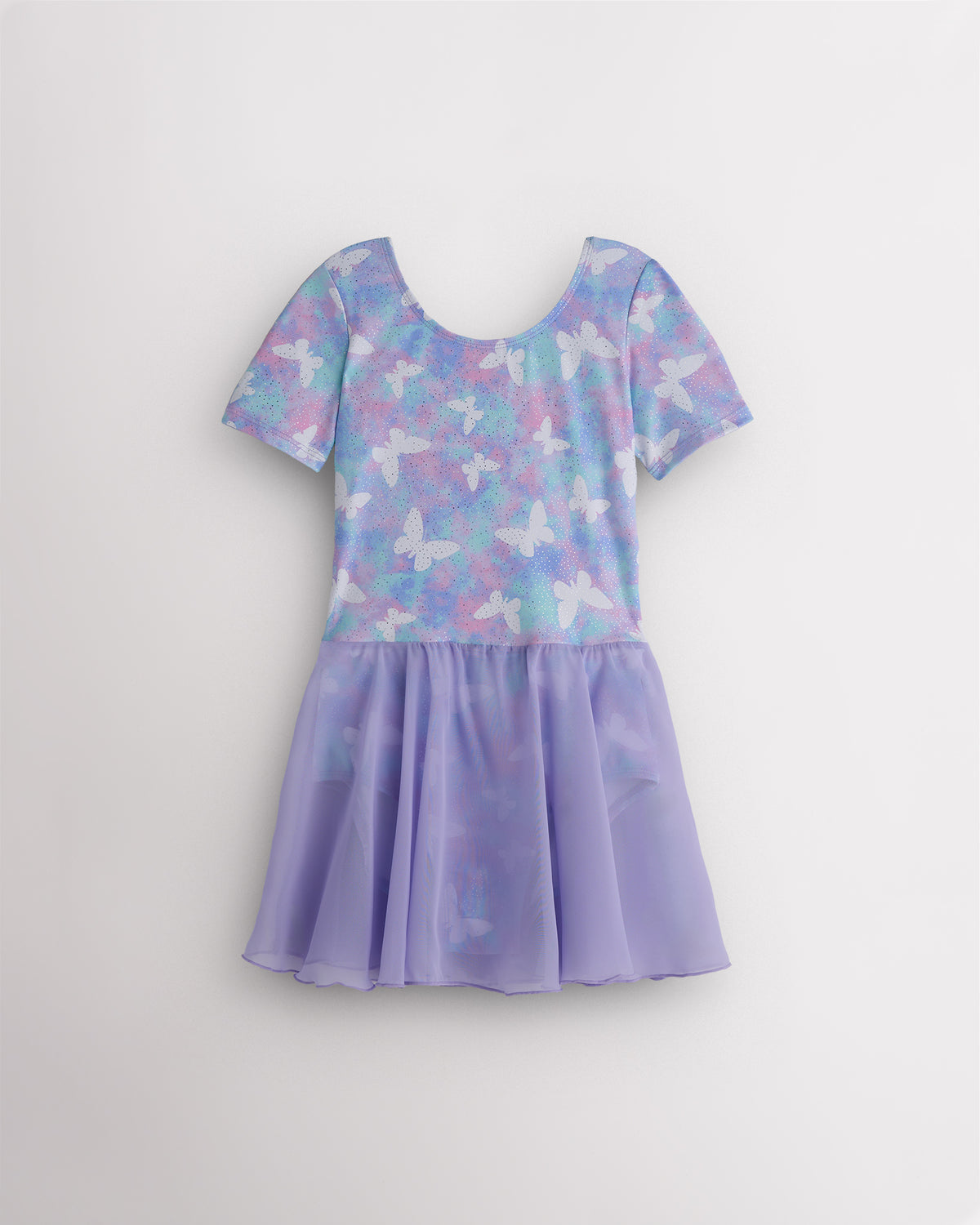
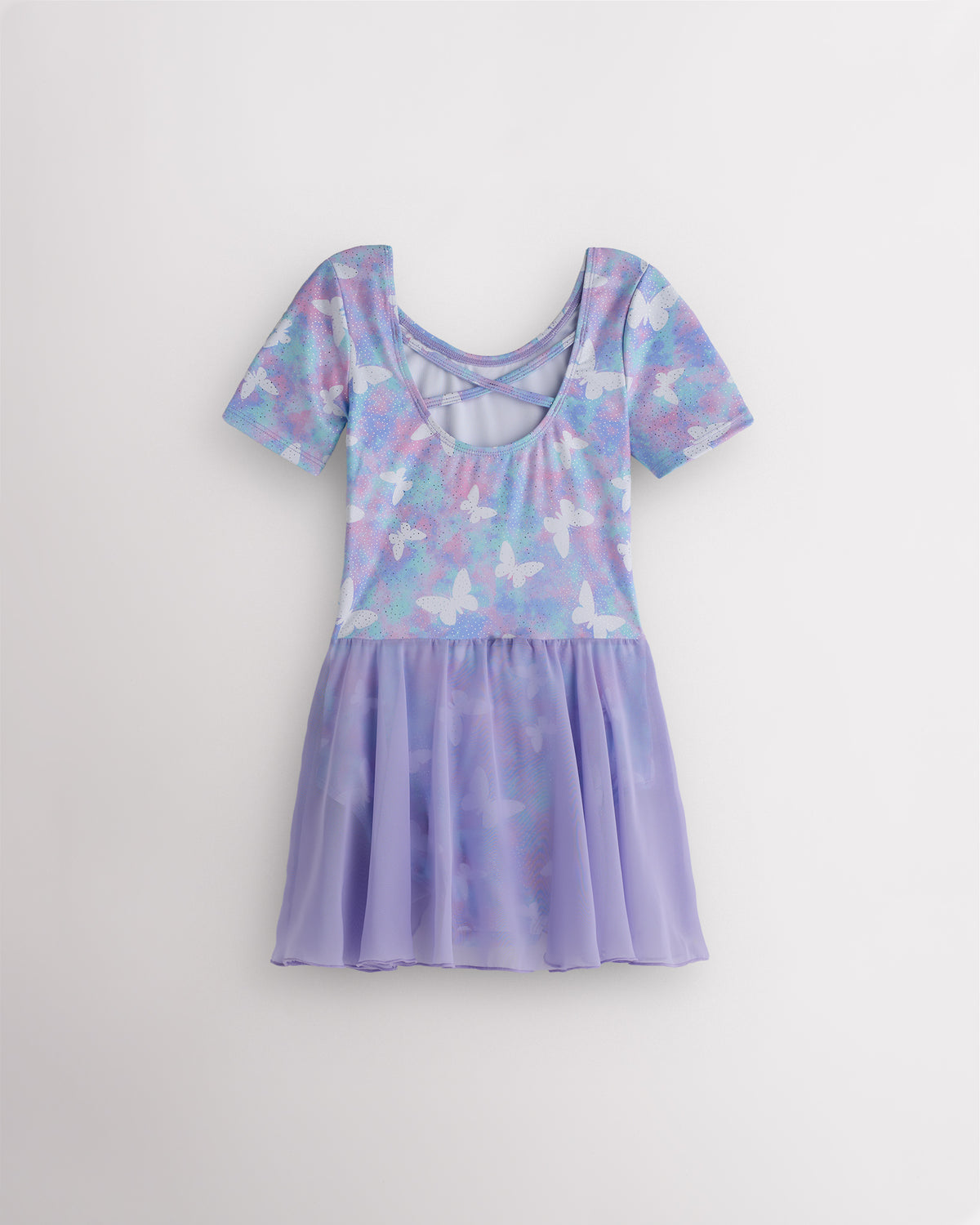
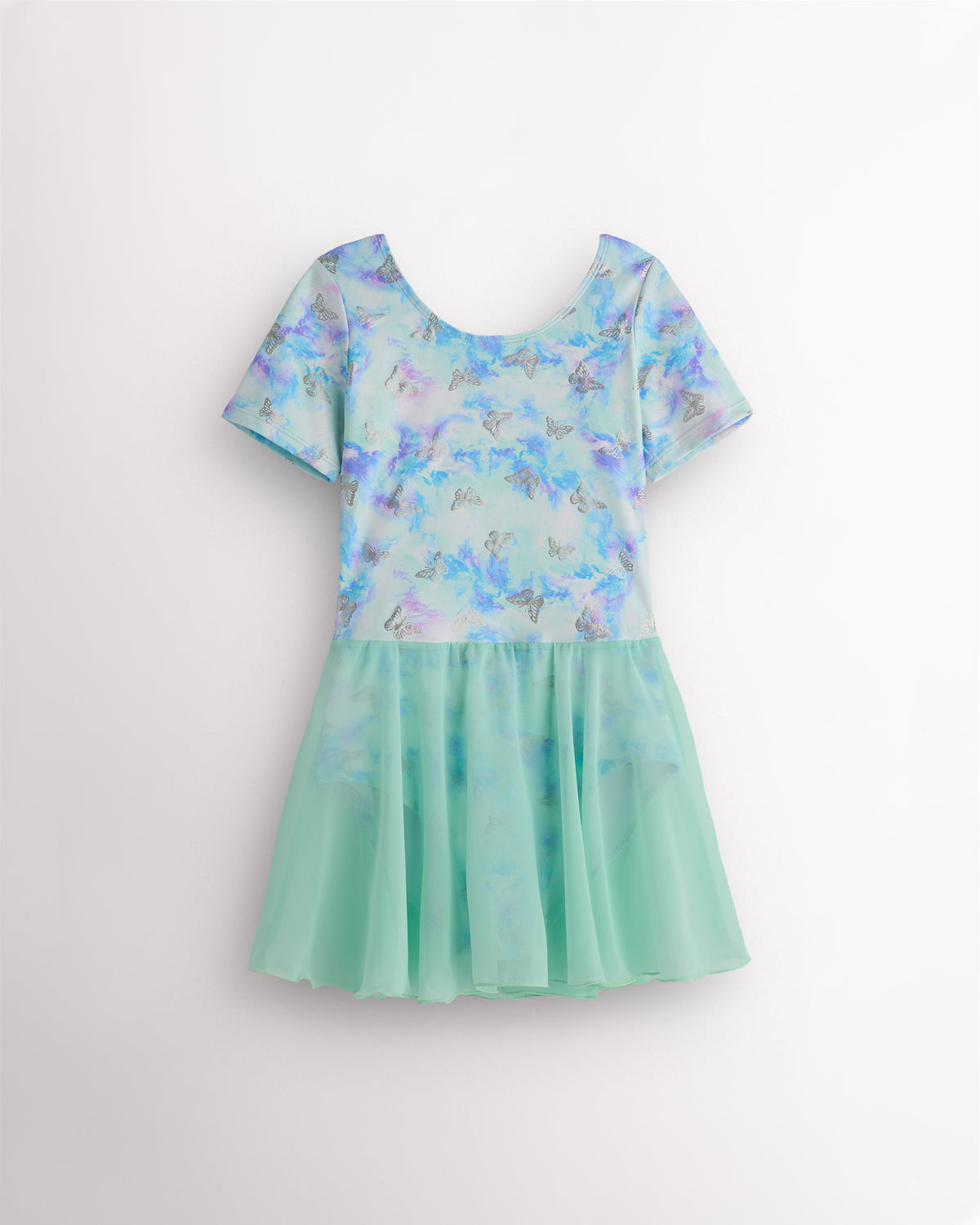
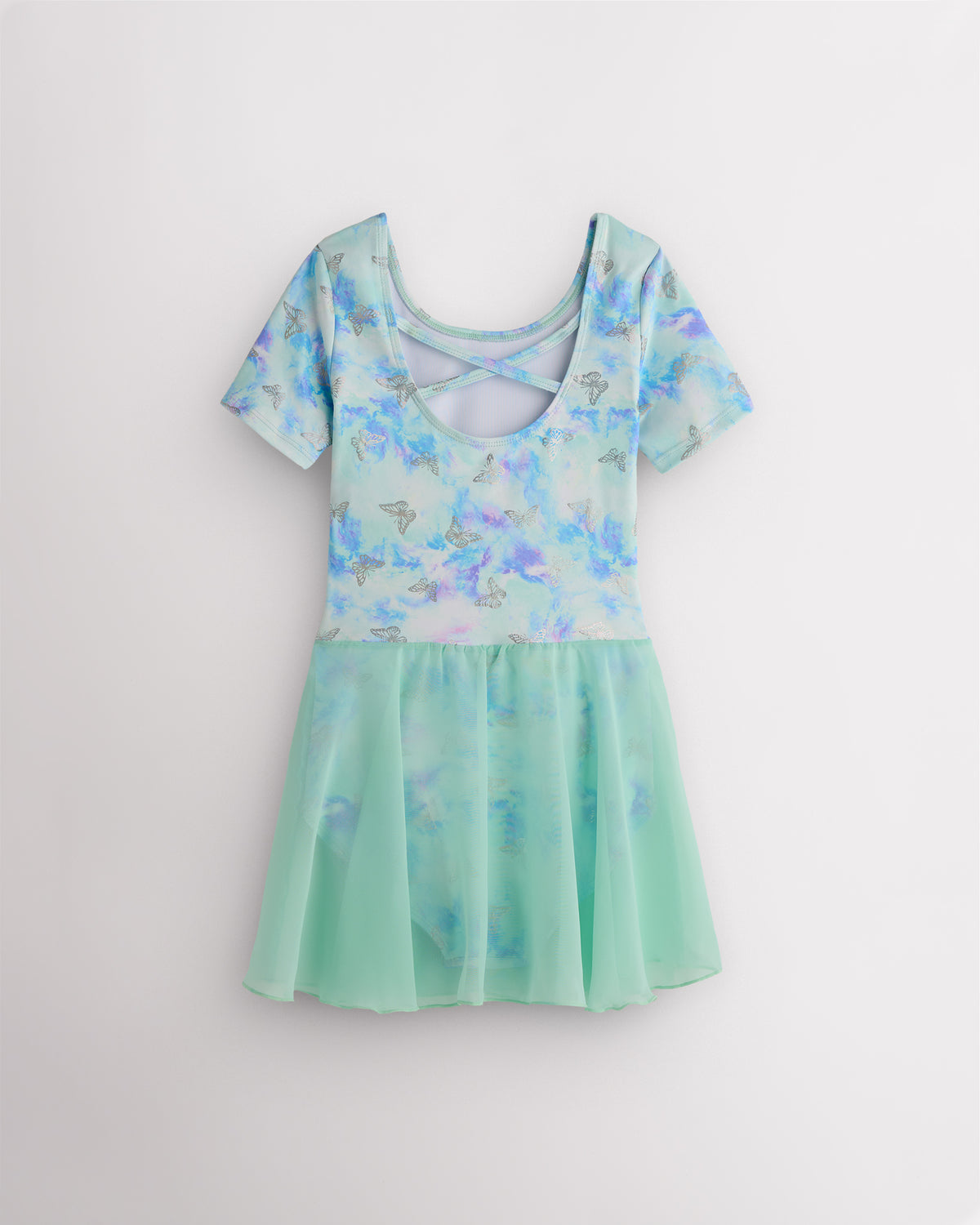
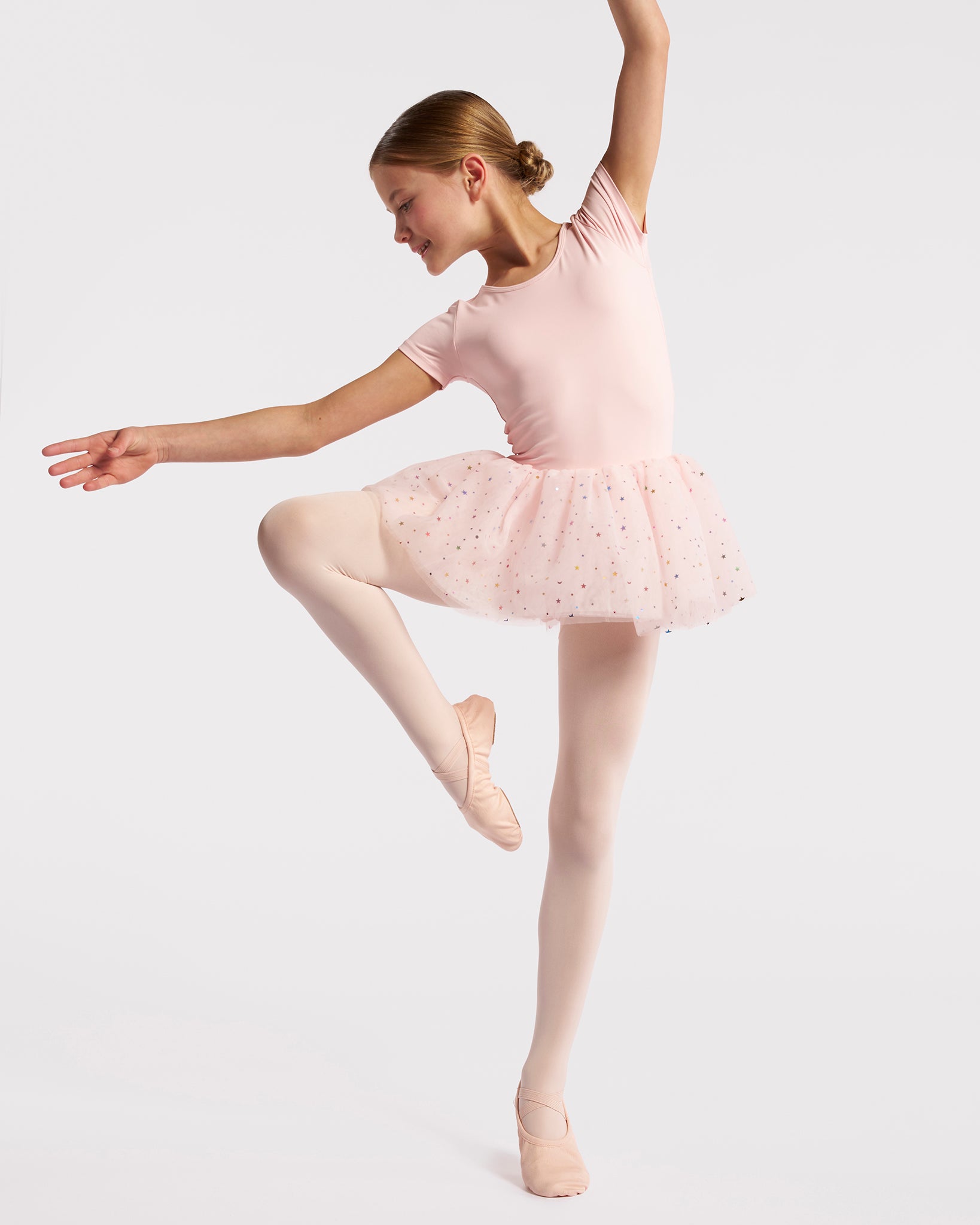
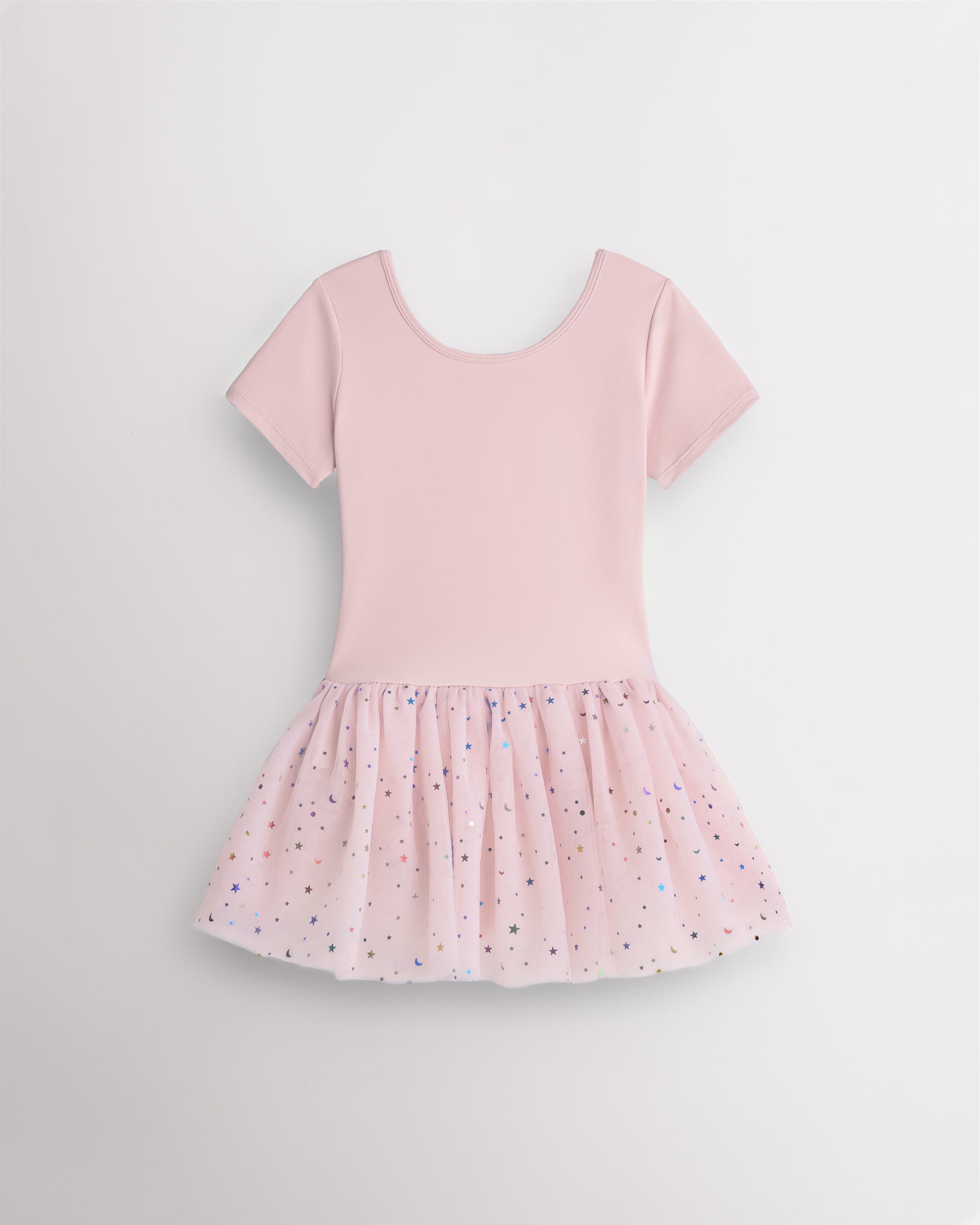
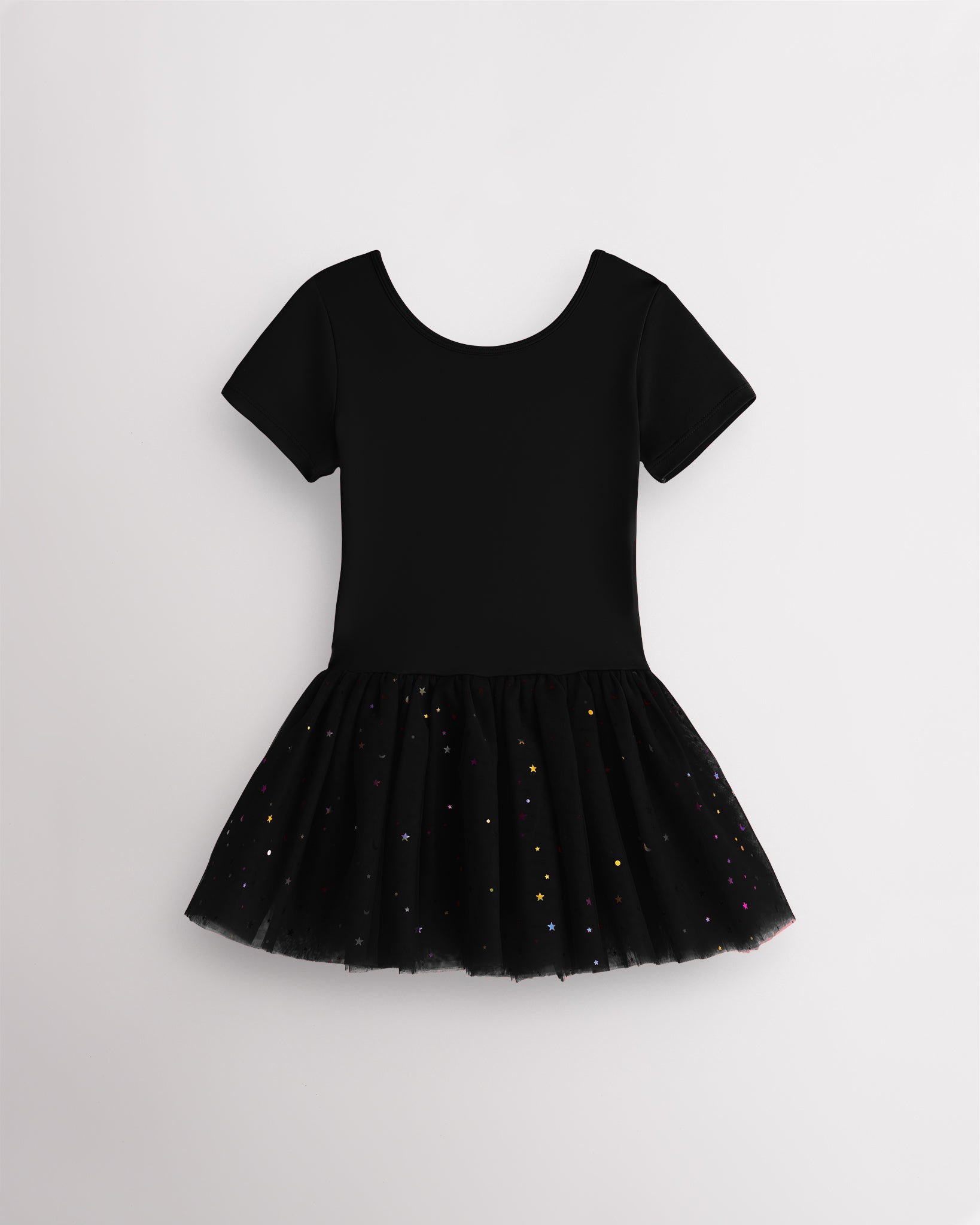
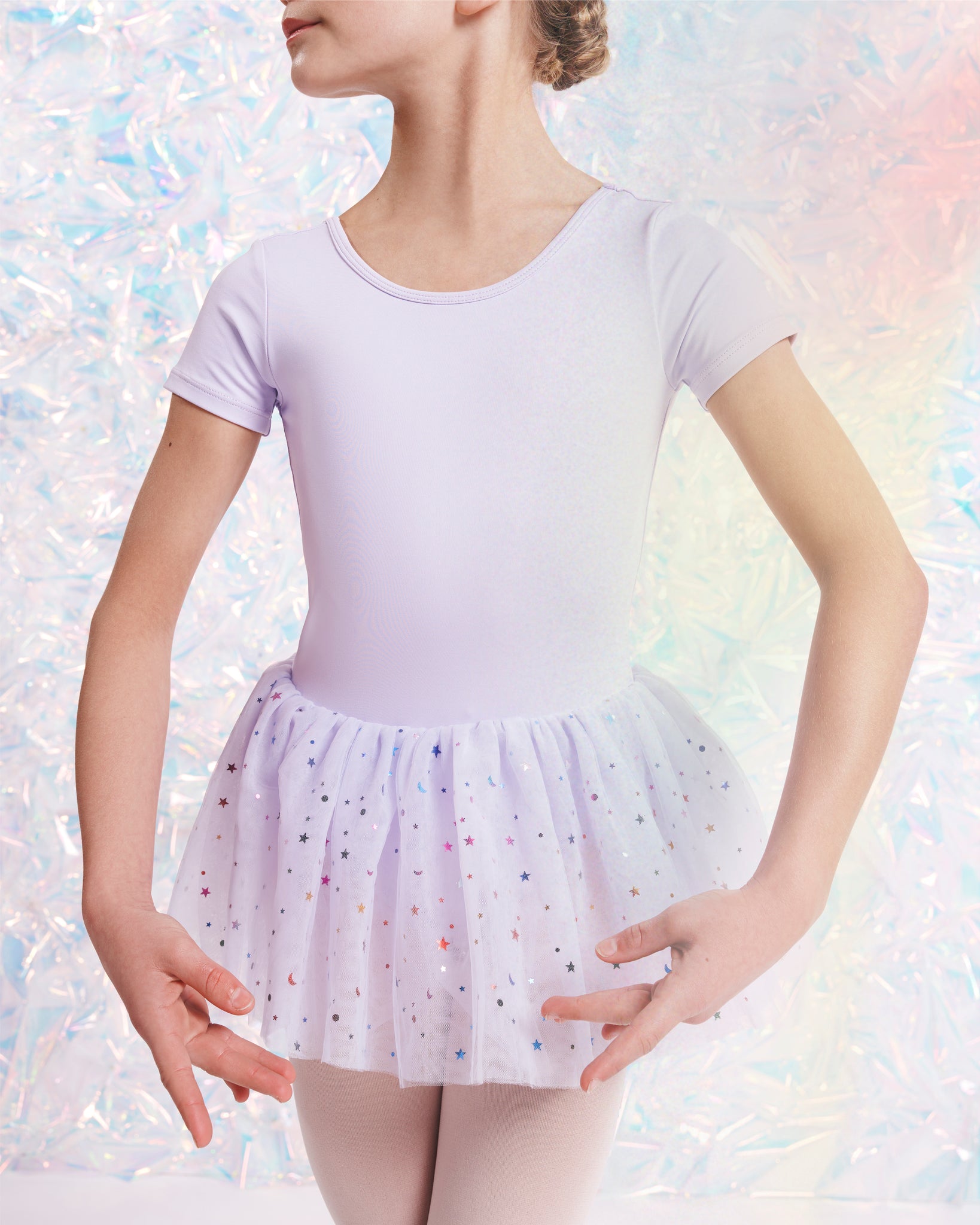
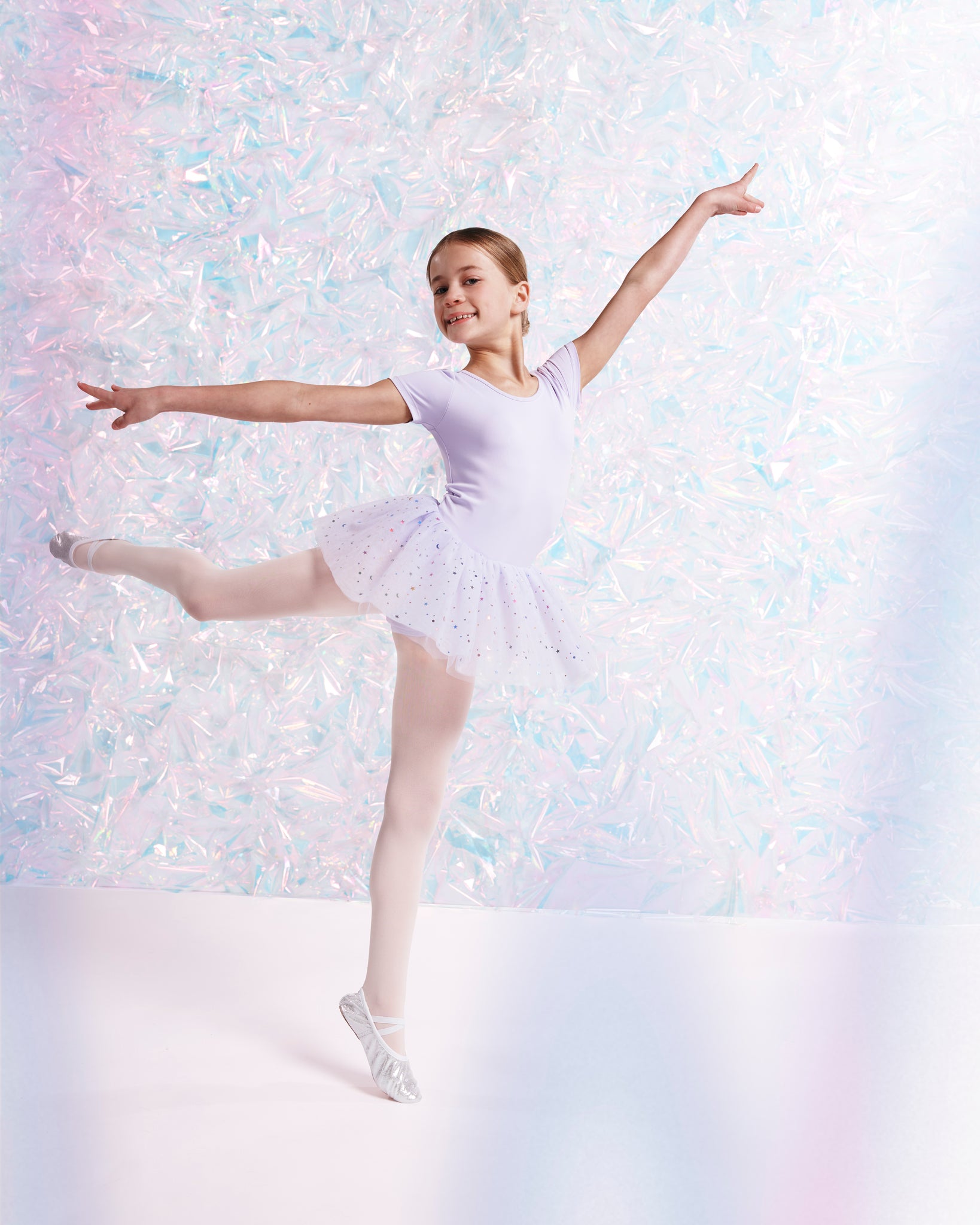
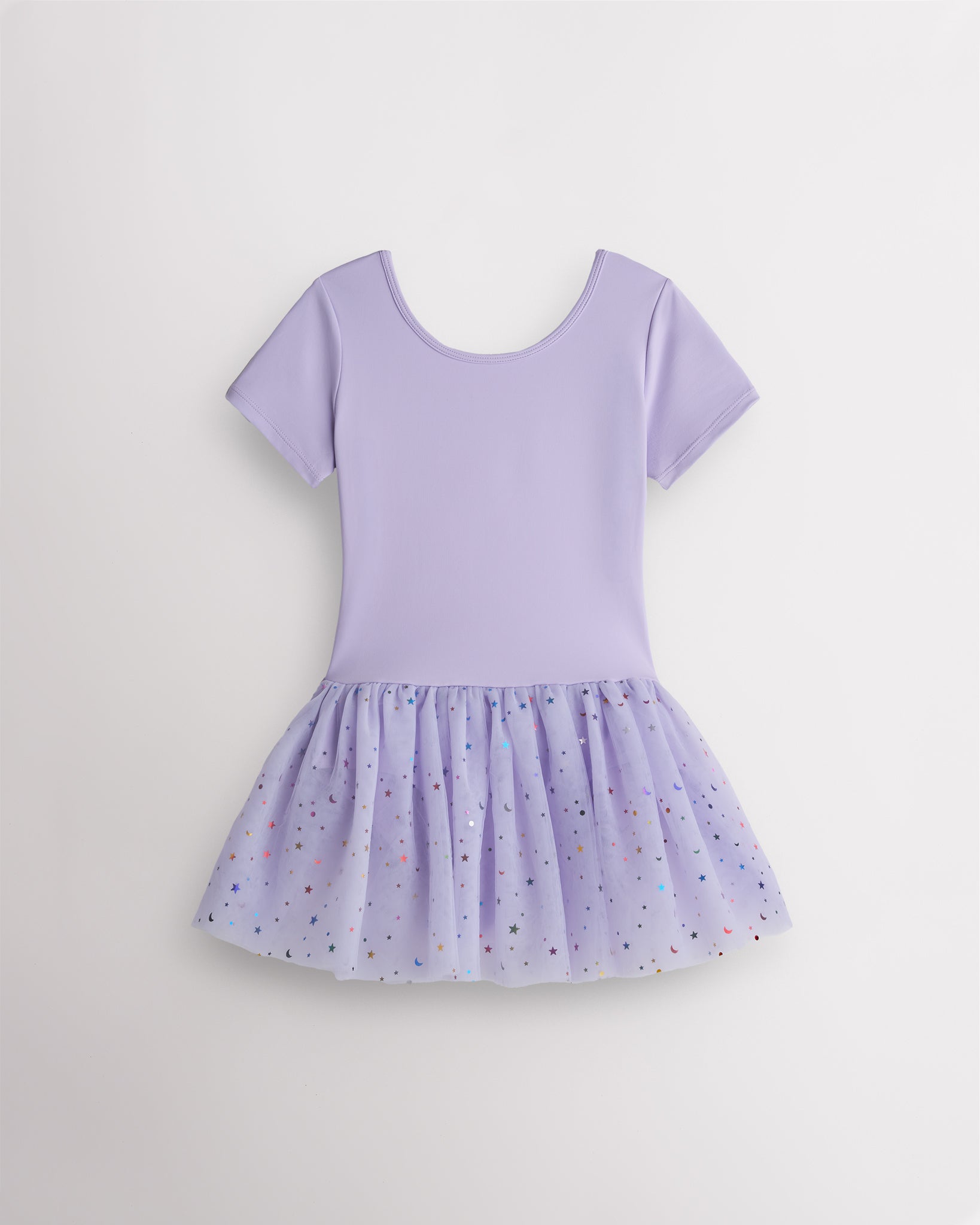
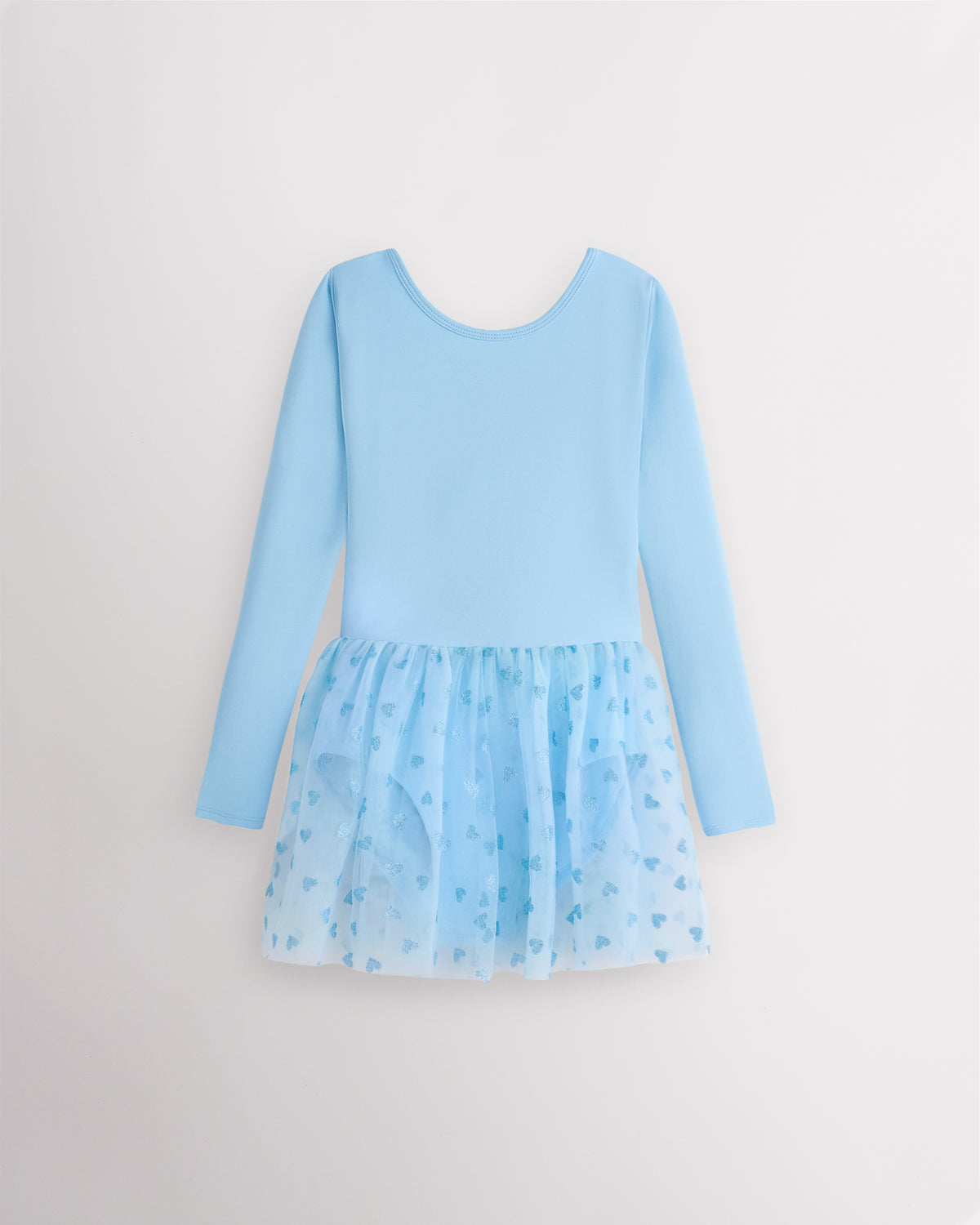
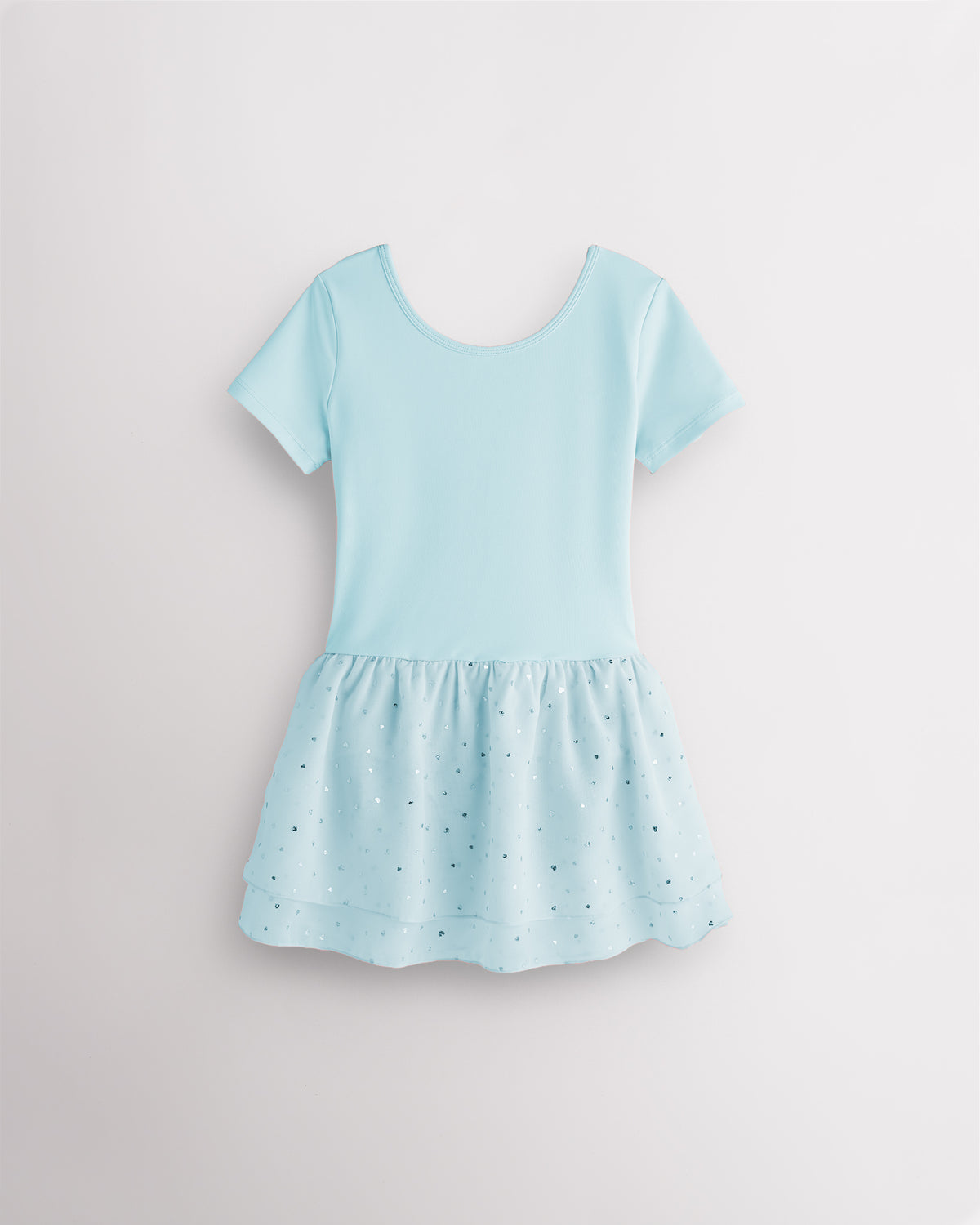
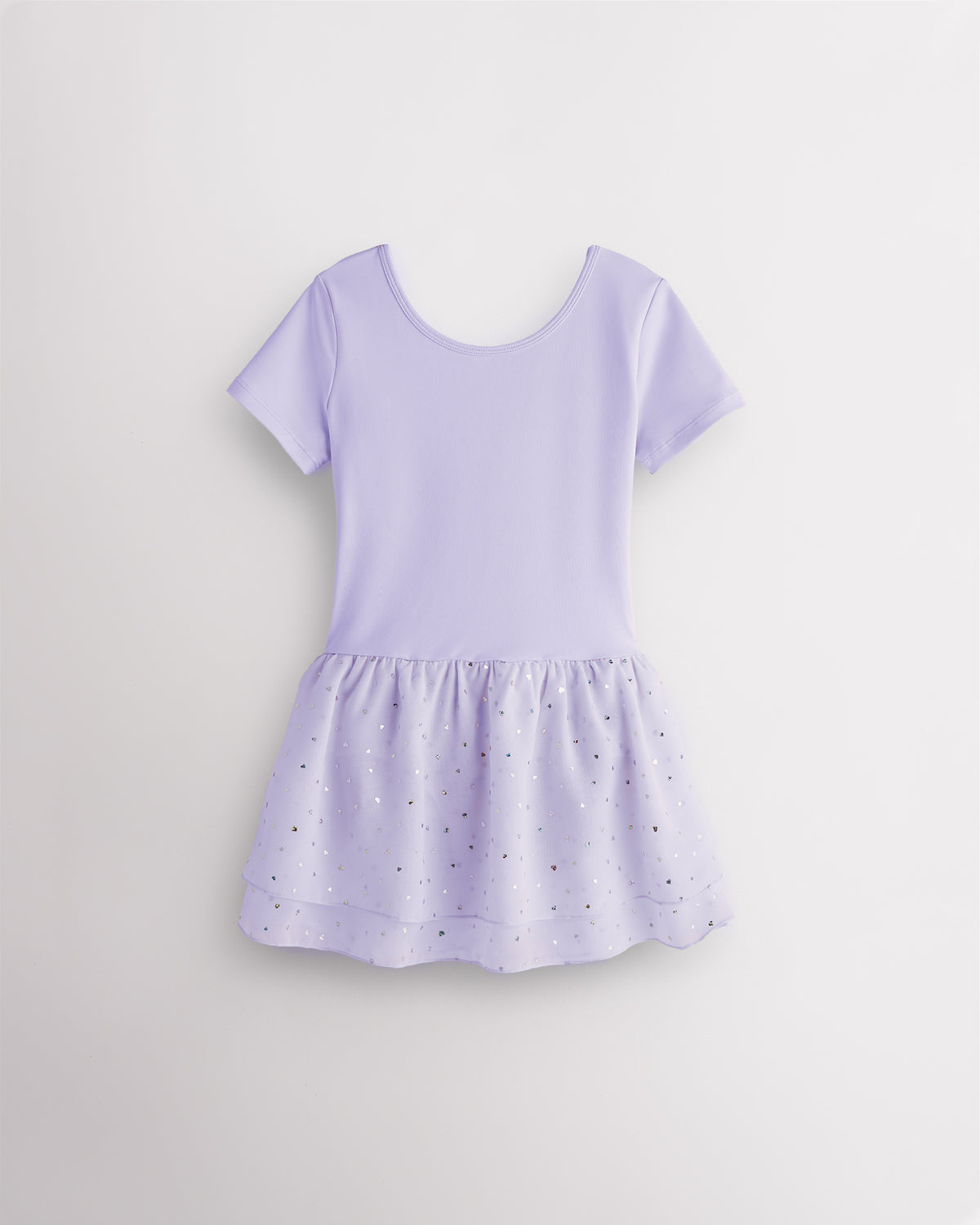
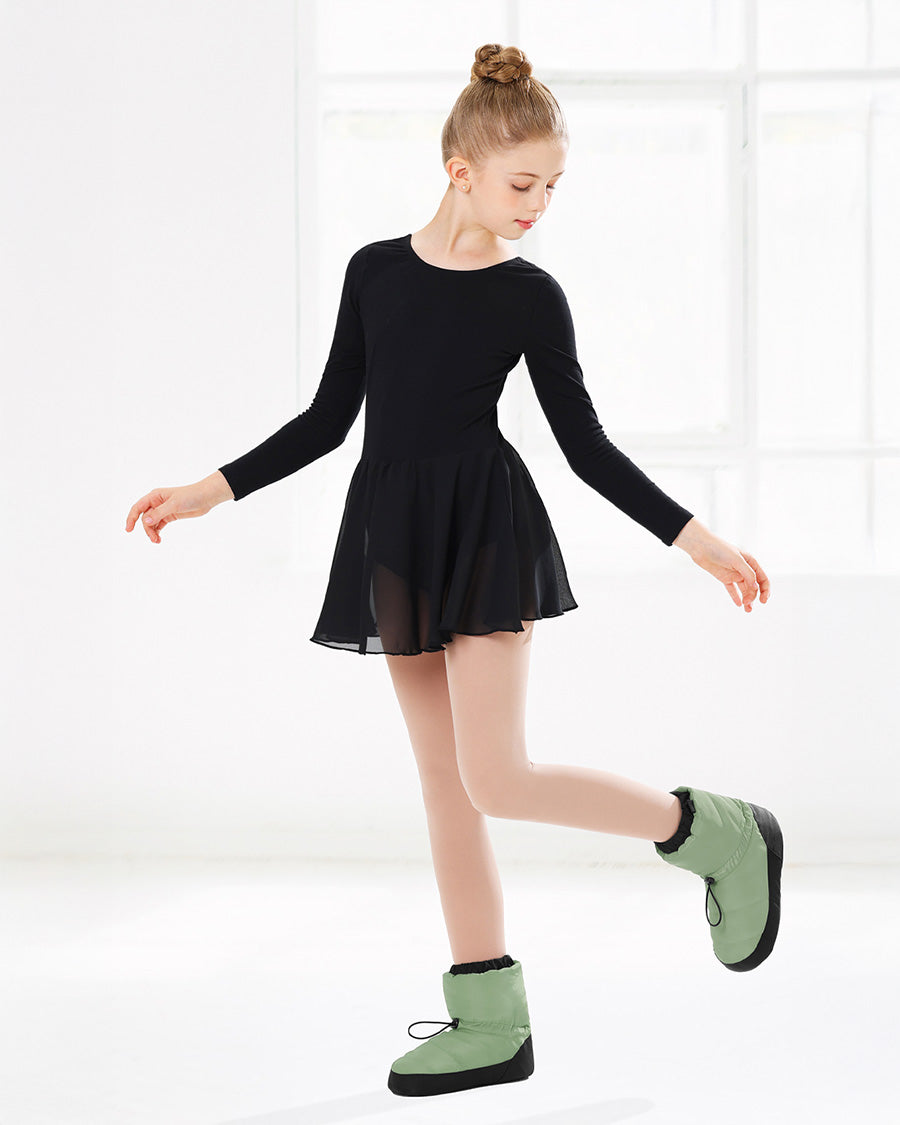
Dress is easier than you might think; anything neat and comfortable works, and our what to wear to the ballet guide covers the whole family. A dance dress or tutu-style skirt is a fun option if your dancer wants to mark the occasion.
If the trip sparks something, keep going. Our Swan Lake ballet guide and Giselle story guide cover the next two classics most kids see, and our list of 10 classical ballets every young dancer should know maps out the rest.

FAQ
How long is the Sleeping Beauty ballet?
Most productions run about 2.5 to 3 hours including intermissions, while the 1890 original ran roughly four hours. Exact run times vary by company, so check the performance listing, and ask whether a shorter family version is offered if your kids are very young.
What is the story of the Sleeping Beauty ballet?
An angry fairy, Carabosse, curses baby Princess Aurora to die from a spindle prick, and the Lilac Fairy softens the curse into a 100-year sleep that only a prince's kiss can break. Aurora pricks her finger at her birthday party and the whole court falls asleep with her, until the Lilac Fairy guides Prince Désiré to her a century later. The last act is their wedding, with guests like Puss in Boots and the Bluebird.
How many acts are in the Sleeping Beauty ballet?
Three acts preceded by a prologue, so a program may list four sections in all: the christening (prologue), Aurora's birthday (Act 1), the awakening (Act 2), and the wedding (Act 3). In some productions the prologue and Act 1 play together before the first intermission.
Was Sleeping Beauty a ballet before it was a movie?
Yes. The ballet premiered in 1890 and Disney's animated film followed in 1959, a gap of 69 years, and the film's score was adapted from Tchaikovsky's ballet music. The two are separate retellings of Charles Perrault's 1697 fairy tale, so the ballet is not a spin-off of the movie.
Who wrote the music for The Sleeping Beauty?
Pyotr Ilyich Tchaikovsky composed the score for the 1890 premiere, working closely with choreographer Marius Petipa. It is one of Tchaikovsky's three ballets, alongside Swan Lake and The Nutcracker.
Is The Sleeping Beauty a good ballet for kids?
The story is one of the friendlier full-length classics: familiar, colorful, and with a villain who reads as theatrical rather than scary for many children. The length is the main challenge, which is why it often works better as a second or third ballet for very young kids. A matinee, an aisle seat, and a story recap beforehand all go a long way.
About the Stelle Team
Stelle is a mom-trusted dancewear & athleisure brand best known for girls’ ballet and dance essentials since 2015. Every article is created and reviewed by the team behind the products, drawing on what we hear from dance teachers, studio owners, and dance parents every day. Learn more about Stelle.