



The Don Quixote Ballet: A Young Dancer's Story Guide
Table of contents
Quick answer
The Don Quixote ballet is a bright, funny, full-length classic about two young lovers, Kitri and Basilio, who outsmart her father so they can marry, while the dreamy knight Don Quixote wanders through their story. Choreographed by Marius Petipa to music by Ludwig Minkus, it premiered at Moscow's Bolshoi Theatre in 1869. Most stagings run about 2 to 2.5 hours with intermissions, and the comedy, color, and fast, showy dancing make it one of the more approachable full-length classics for many kids and young dancers.
If your child's teacher has ever mentioned "the Kitri variation," or a local company just announced Don Quixote and you are wondering whether to take the family, this guide is for you. We will walk through the story act by act in kid-friendly terms, meet the characters, and decode the famous moments young dancers hear about in class. It pairs well with our rundown of classic ballets every young dancer should know.
Key Takeaways
-
Don Quixote is a comic ballet by Marius Petipa and Ludwig Minkus that premiered at Moscow's Bolshoi Theatre in 1869.
-
The real stars are the young lovers Kitri and Basilio; Don Quixote himself is a lovable supporting character.
-
Signature moments include Kitri's fan variation, the windmill scene, the 32 fouettés, and the Act 3 grand pas de deux.
-
Most stagings run about 2 to 2.5 hours including two intermissions, in acts of roughly 25 to 40 minutes each.
-
Its comedy, bright Spanish setting, and happy ending make it one of the most kid-friendly full-length classics.
What is the Don Quixote ballet?
Don Quixote is a comic story ballet loosely based on Miguel de Cervantes's famous novel about a Spanish gentleman who reads so many books about knights that he decides to become one. Marius Petipa created the ballet for the Bolshoi Ballet in Moscow, where it premiered in December 1869, with a score by Ludwig Minkus, and Alexander Gorsky's 1900 revival became the foundation for many versions danced today.
Here is the surprise for first-timers: the ballet is not really about Don Quixote. He drifts through the story as a kind of well-meaning guest star. The real leads are Kitri, a quick-witted innkeeper's daughter, and Basilio, the charming barber she loves. Think of it as a sunny romantic comedy set in a Spanish town square, with the old knight's daydreams stitched around the edges.
That structure matters for kids. Instead of ghosts, swans, or heartbreak, Don Quixote offers jokes, chases, a pretend sword fight, and a wedding party. It is often recommended as a good early full-length ballet for exactly that reason.
The story, act by act (kid-friendly)
Act counts vary a little by production. Many companies dance a prologue plus three acts, and here is the version young audiences will most likely see.
Prologue: a dreamer sets out
In his study, Don Quixote falls asleep over his books of knights and adventures. He dreams of a beautiful, imaginary lady named Dulcinea and decides to set out into the world to find her and do brave deeds. He recruits his cheerful neighbor Sancho Panza as his squire, puts on homemade armor, and off they go.
How to explain it to a young child: he is playing pretend so hard that he believes it, and his friend tags along to keep him safe.
Act 1: the market in Barcelona
The curtain opens on a busy town square. Kitri, the innkeeper's daughter, dances with her friends and flirts with Basilio, the barber. Her father, Lorenzo, has other plans: he wants Kitri to marry Gamache, a rich and very silly nobleman with fancy clothes and zero charm.
Don Quixote arrives, takes one look at Kitri, and decides she must be his dream lady Dulcinea. In the confusion, Kitri and Basilio slip away together, and everyone else chases after them.
Act 2: windmills, campfires, and a dream garden
The runaways hide out, in many stagings among a camp of travelers, with Lorenzo and Gamache in pursuit. Then comes the scene the ballet is famous for: Don Quixote spots a row of windmills, decides they are giants, and charges into battle. The windmill wins. Knocked out cold, he dreams of a magical garden where Kitri appears as Dulcinea among fairy-tale creatures, a classic "white act" of pure classical dancing that gives the ballerina a second, softer side to show (San Francisco Ballet).
For kids, this act has the clearest before-and-after: real world, bonk on the head, dream world.
Act 3: a trick, a wedding, and a happy ending
Back in town, Lorenzo catches up and insists Kitri marry Gamache. Basilio responds with the ballet's biggest joke: he pretends to be heartbroken and "stabs" himself, collapsing dramatically. Kitri begs her father to bless the "dying" man's last wish to marry her. Don Quixote, ever the knight, backs her up. The moment Lorenzo agrees, Basilio pops back up, completely fine. Everyone laughs, the wedding is on, and the ballet ends with a spectacular celebration. Don Quixote wishes the couple well and rides off toward his next adventure.
Parents sometimes ask about the faked stabbing: on stage it is played entirely for laughs, closer to a cartoon faint than anything scary, and audiences of all ages are in on the joke.
Who's who in Don Quixote
|
Character |
Who they are |
Famous moment |
|---|---|---|
|
Kitri |
The innkeeper's daughter, playful and fearless; the ballerina lead |
Her Act 1 entrance with fan and huge split jumps, plus the Act 3 wedding pas de deux |
|
Basilio |
A barber, Kitri's true love, funny and full of tricks |
The fake "suicide" gag and the one-arm lifts with Kitri |
|
Don Quixote |
A kind old dreamer who believes he is a knight |
Charging the windmill; mistaking Kitri for Dulcinea |
|
Sancho Panza |
Don Quixote's loyal, comic sidekick |
Getting tossed in a blanket by villagers in many stagings |
|
Lorenzo |
Kitri's father, the innkeeper |
Blessing the "dying" Basilio, then realizing he has been tricked |
|
Gamache |
The rich, ridiculous suitor Lorenzo prefers |
Preening in his fancy clothes while the crowd giggles |
|
Dulcinea |
The ideal lady of Don Quixote's dreams, usually danced by the Kitri ballerina |
The Act 2 dream garden scene |
|
Espada and the street dancer |
A dashing matador and his partner |
Cape-swirling Spanish dances in the square |
The double casting is a fun detail to point out to kids: in most productions the same ballerina dances Kitri and Dulcinea, so Don Quixote's dream literally borrows her face.

The famous bits, explained
Don Quixote shows up constantly at competitions, galas, and YouTube compilations. Here is what young dancers are actually watching, with the terms decoded (bookmark our ballet terms guide for parents if these are new).
Kitri's Act 1 entrance and variation
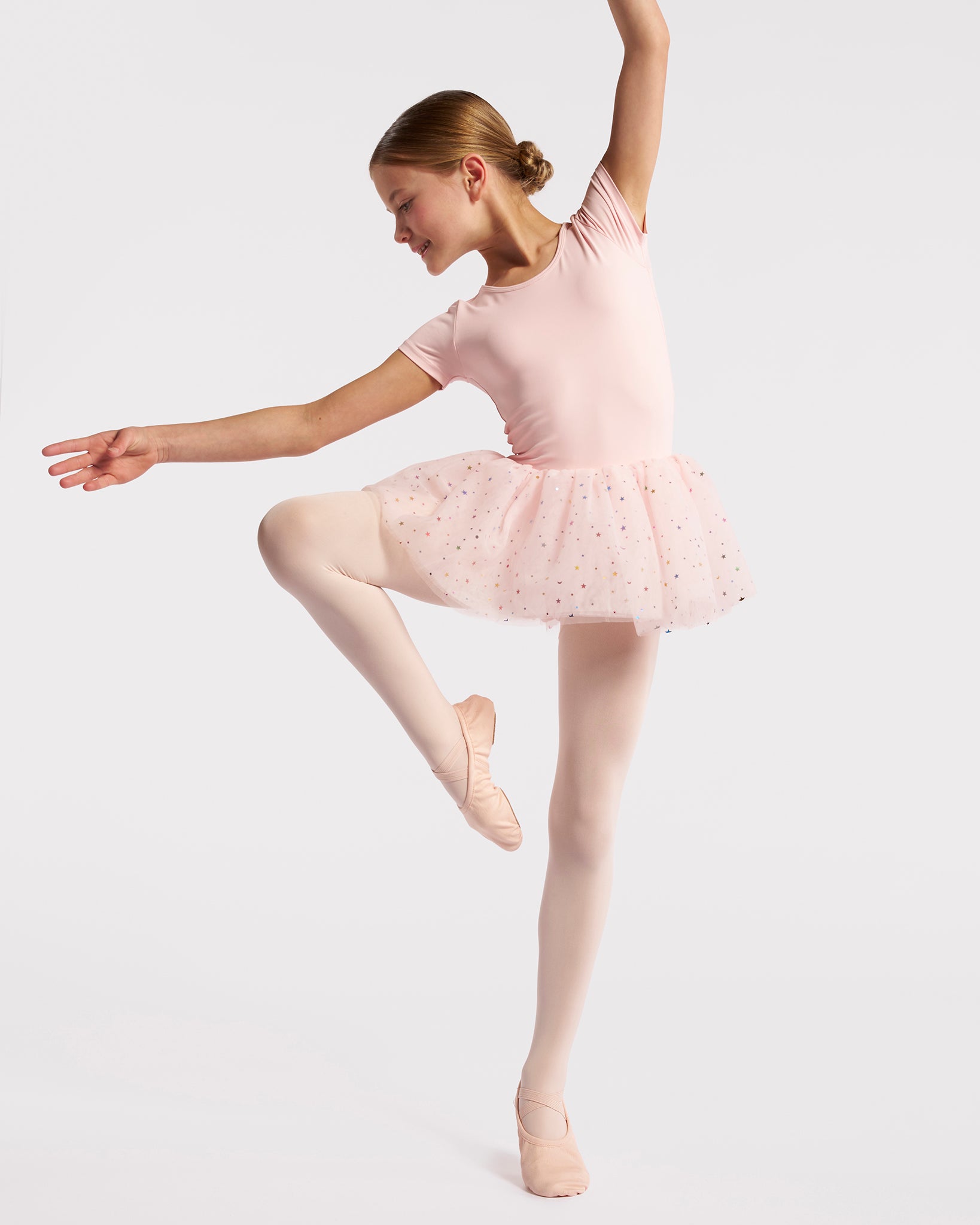
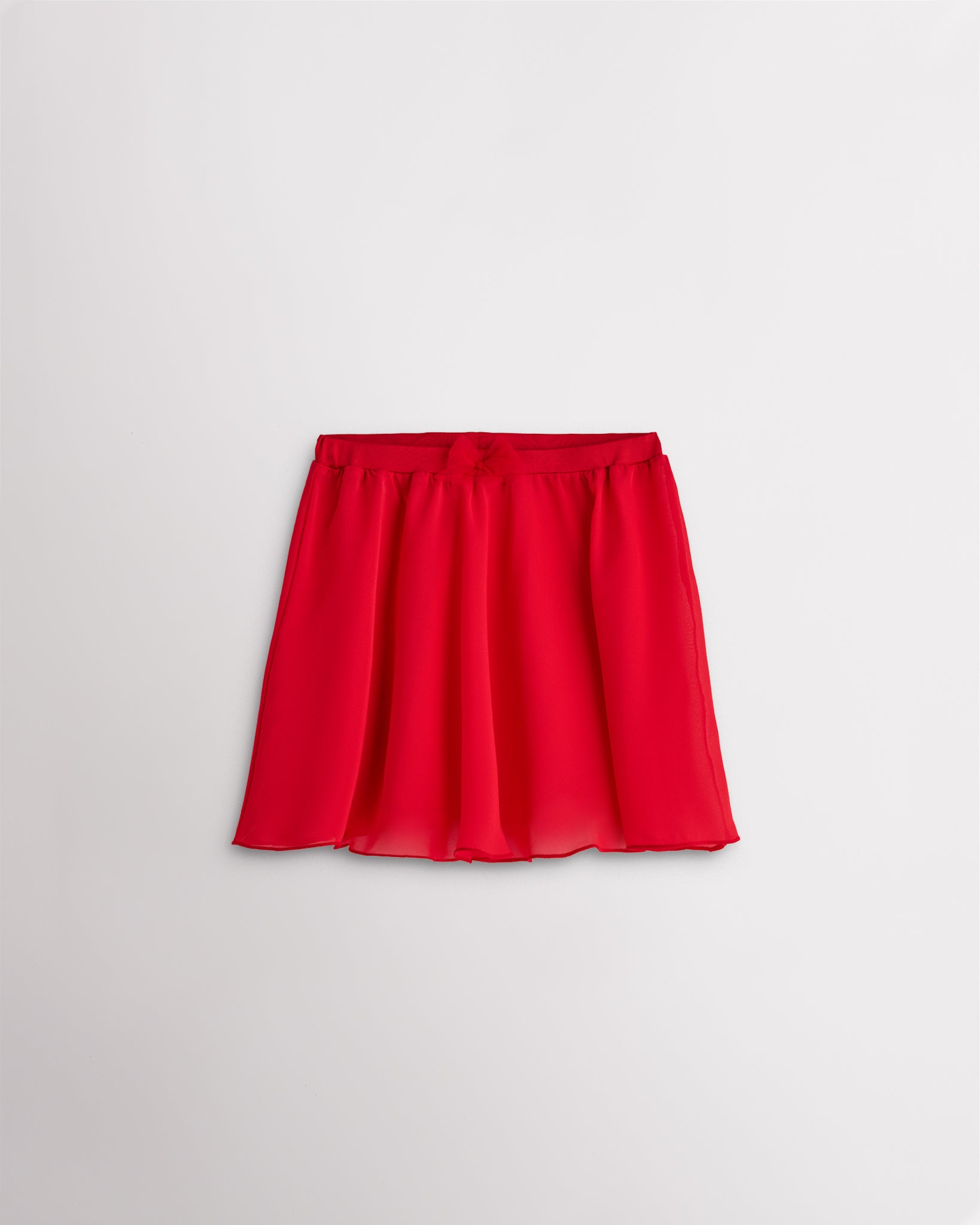
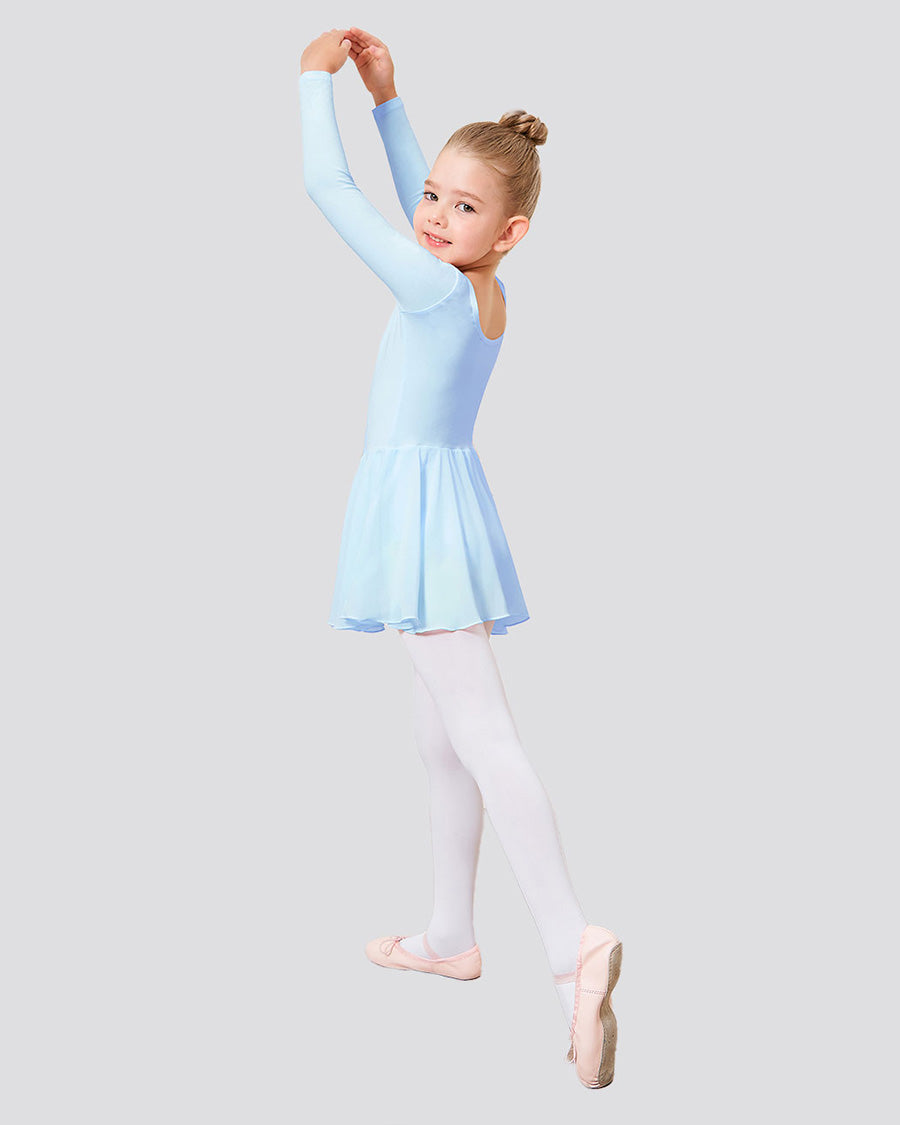
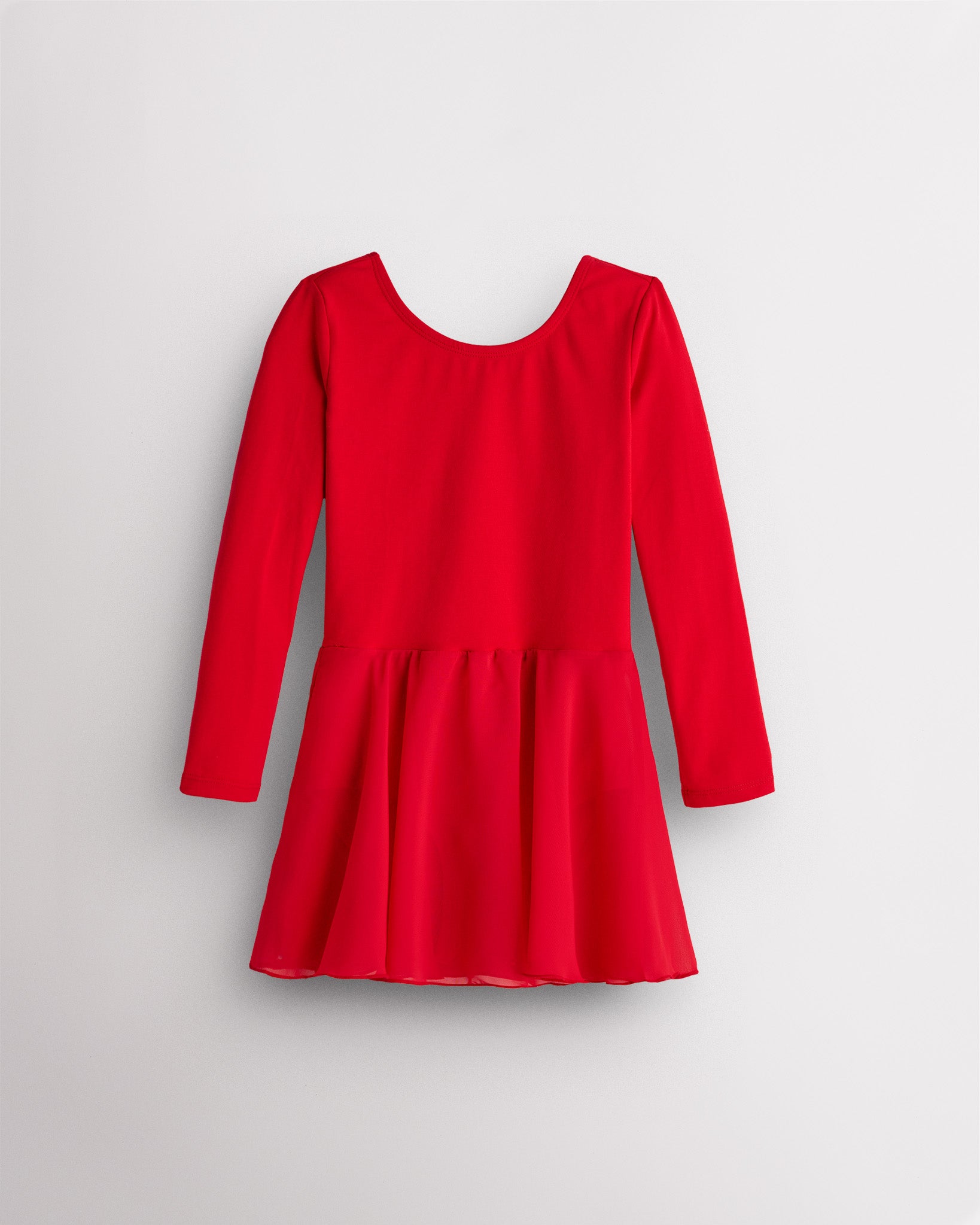
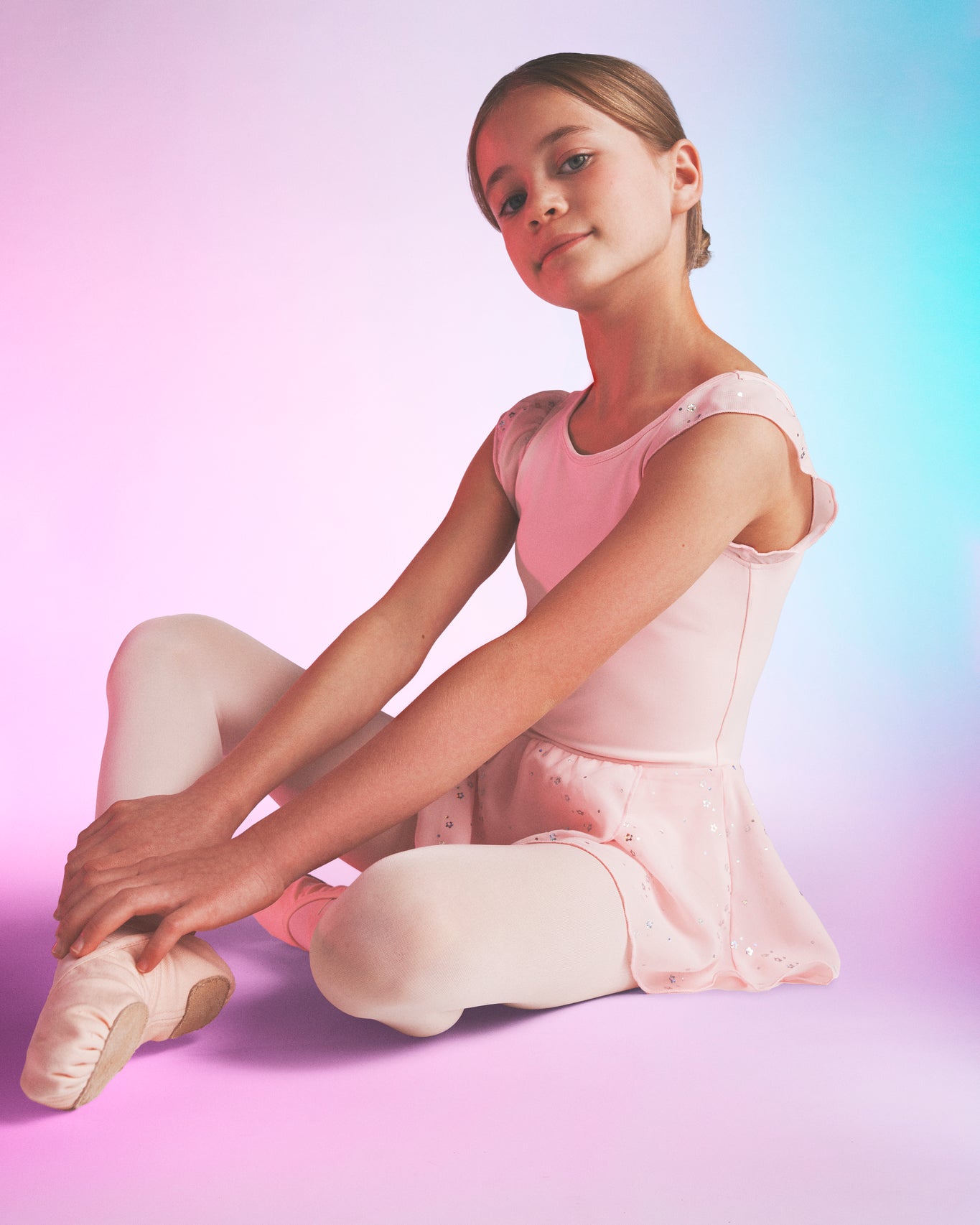
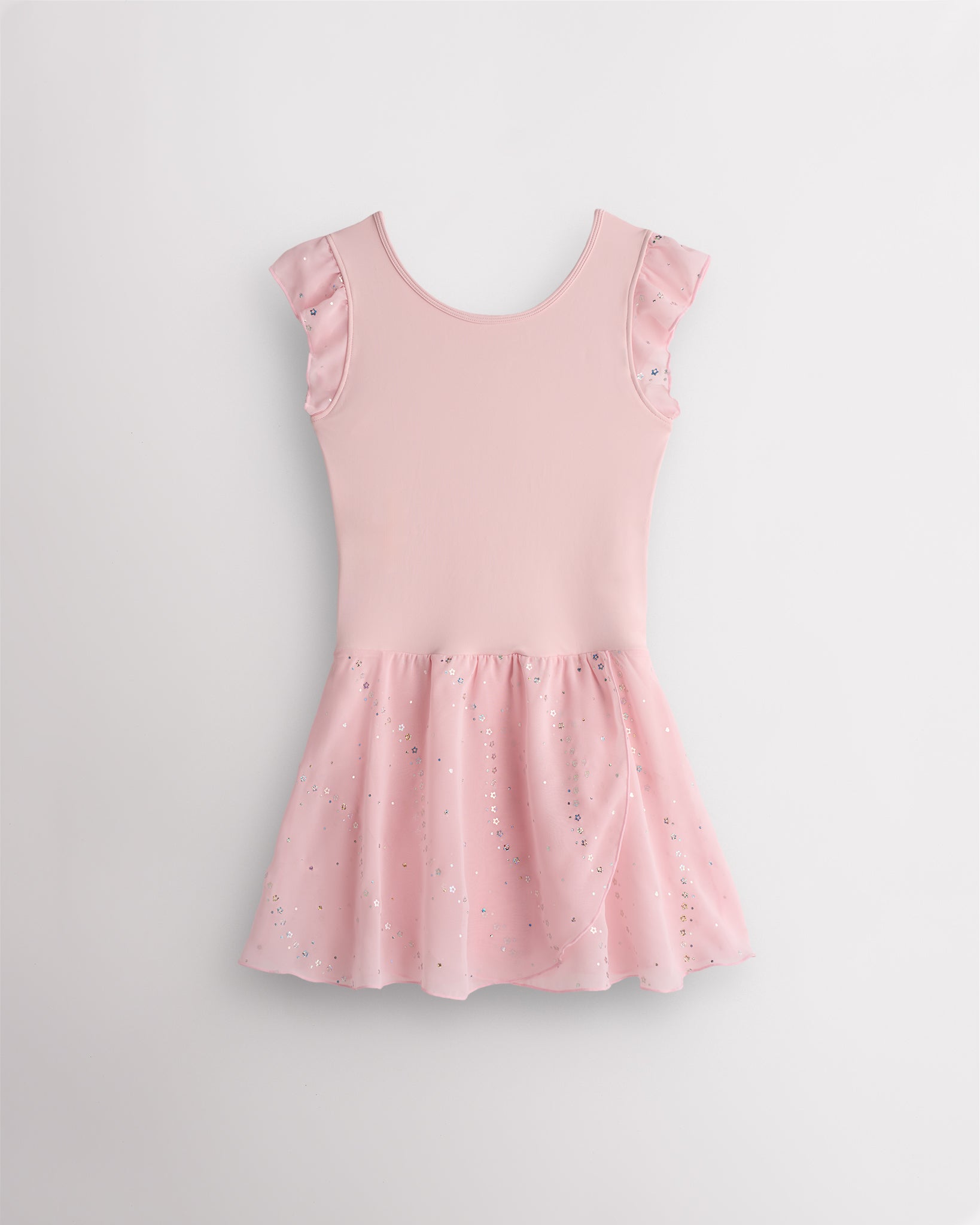
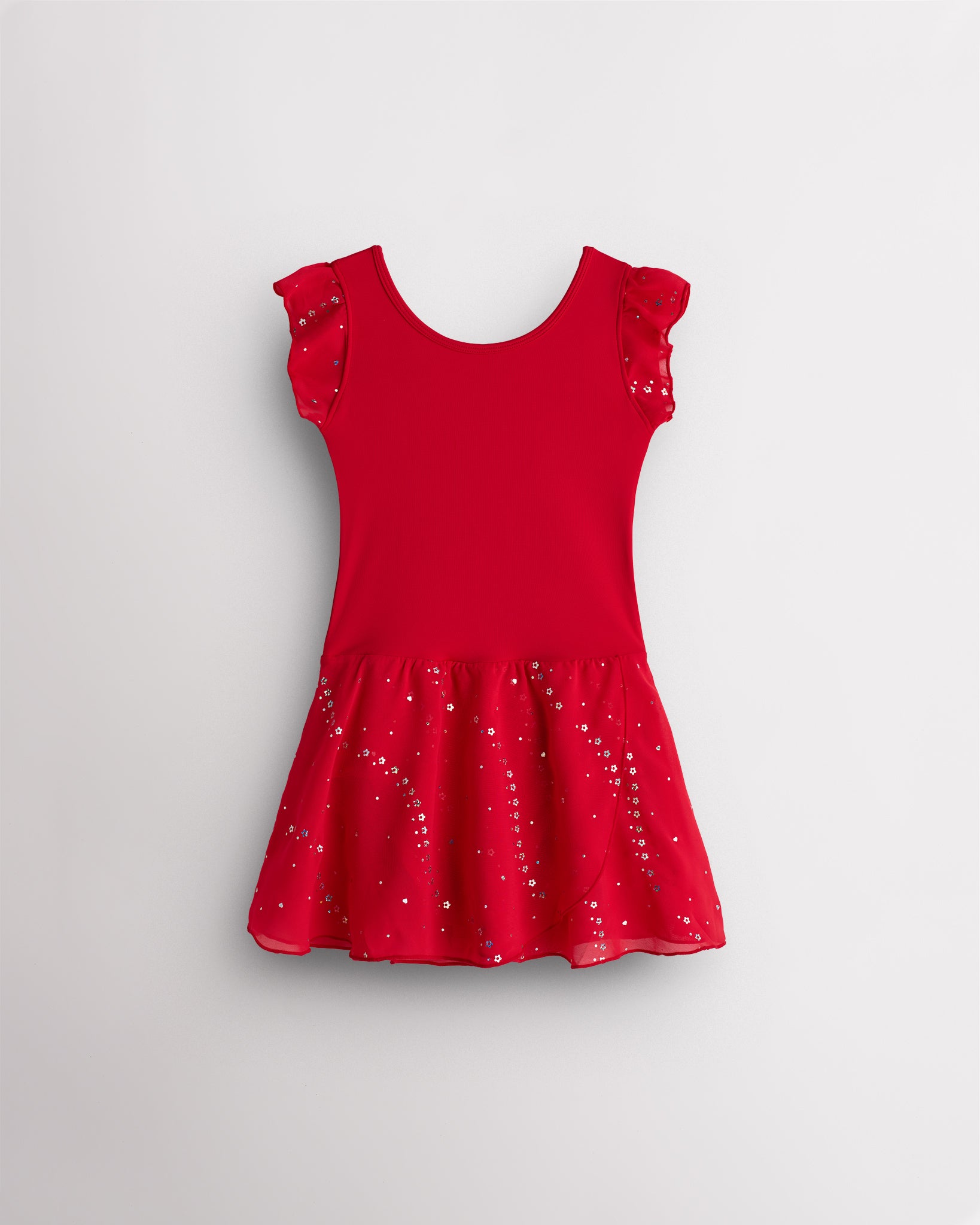
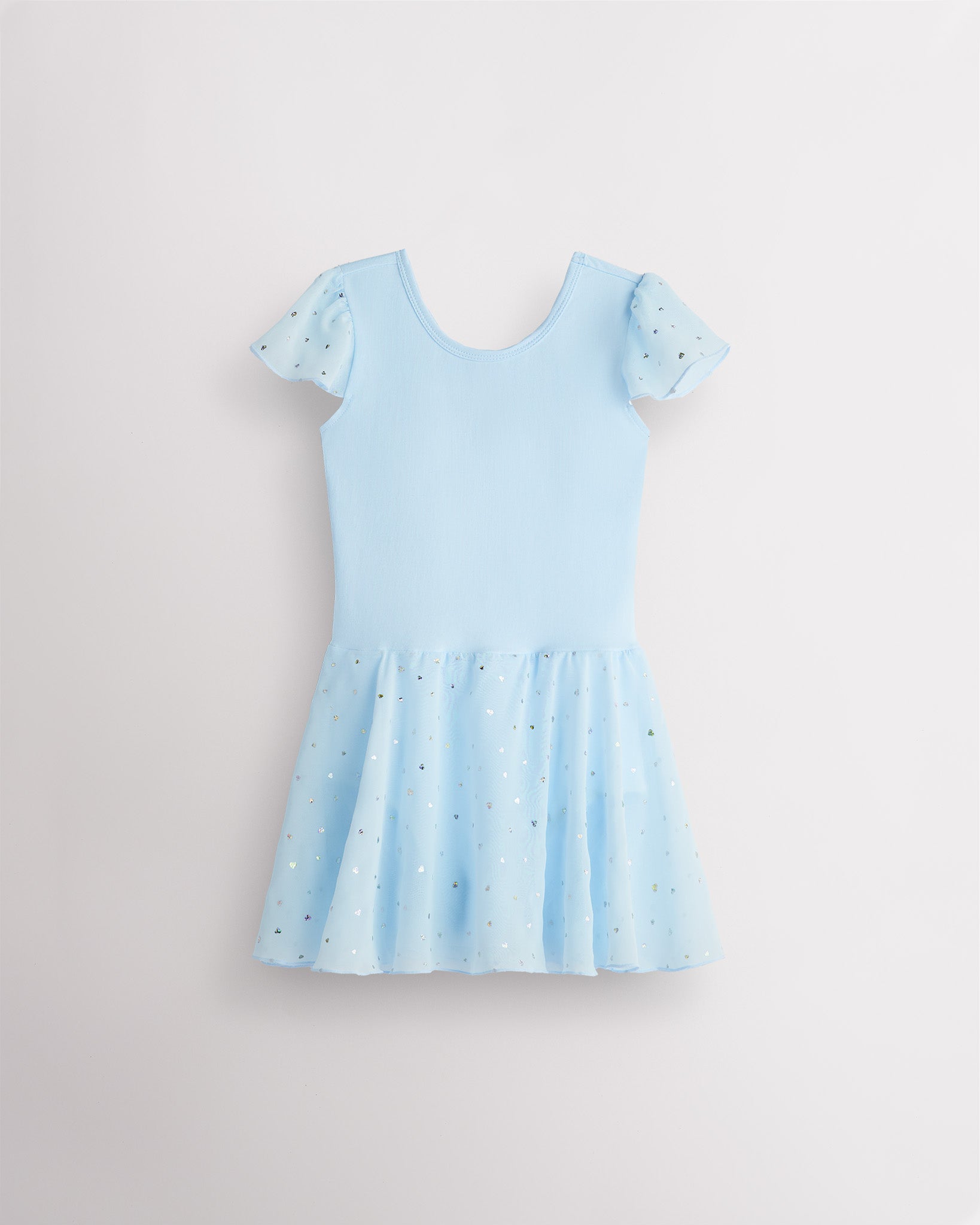
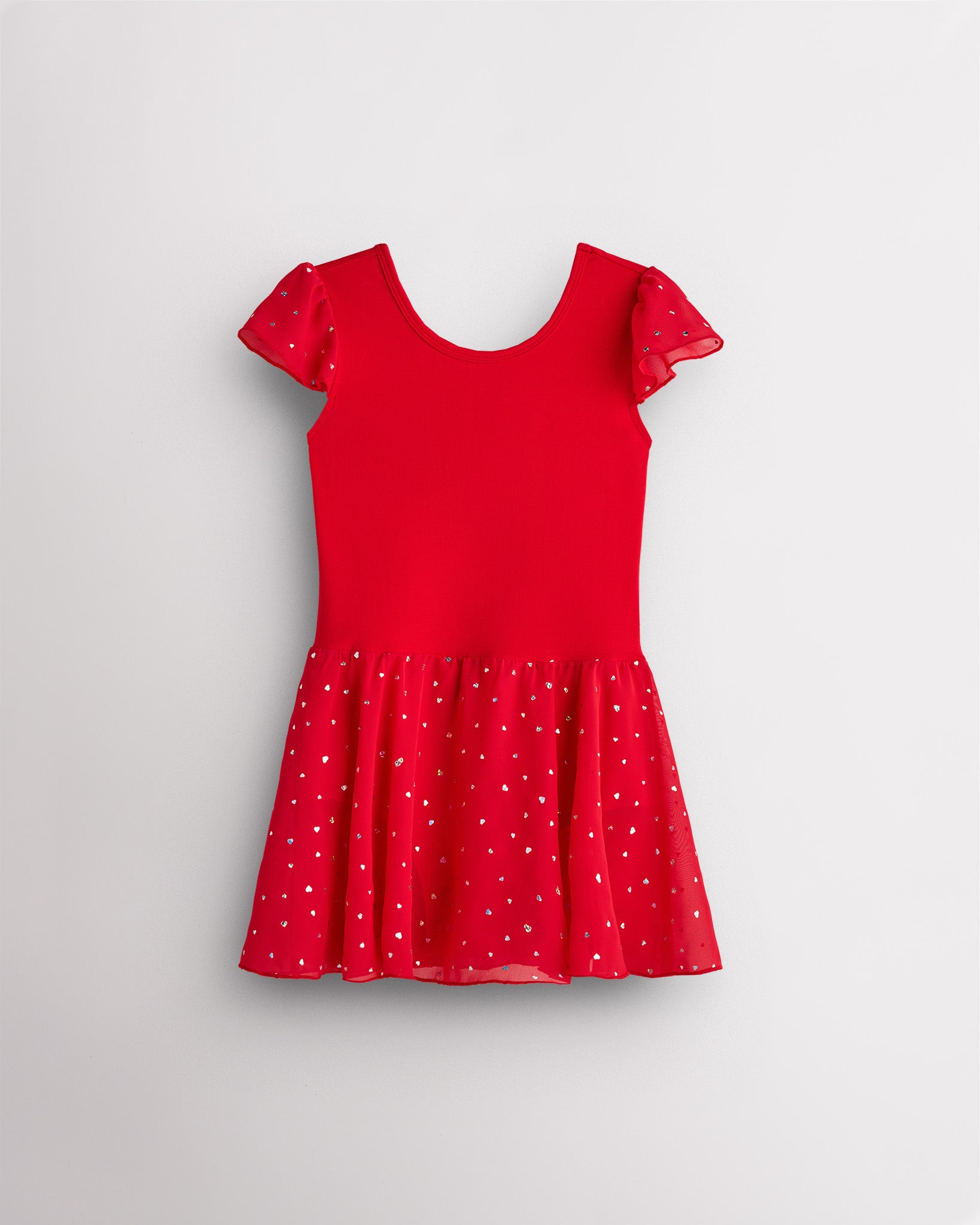
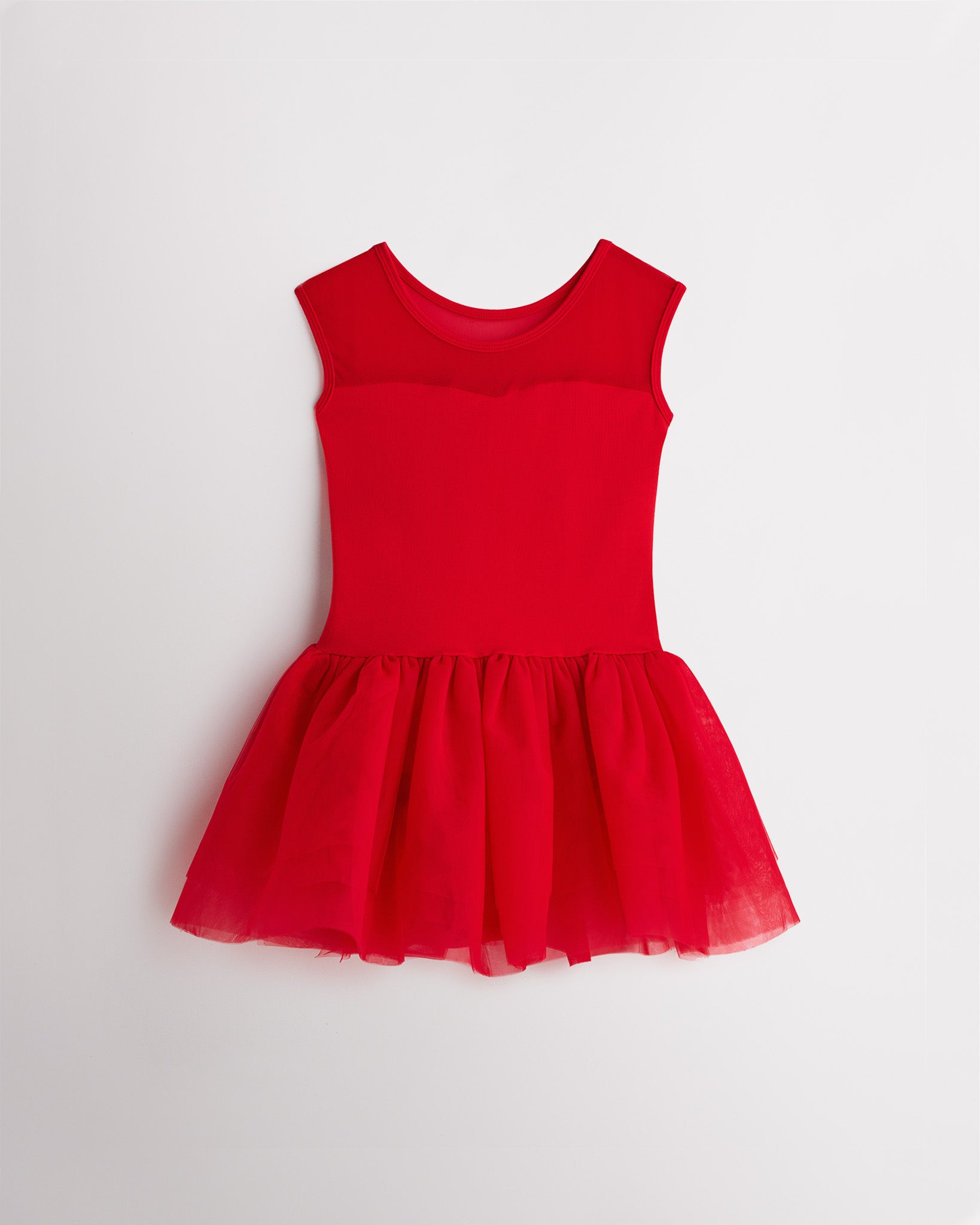
A "variation" is a short solo. Kitri's first one is a burst of personality: snapping fan, whipping turns, and the leap many dancers call the Kitri jump, where the back leg kicks up so high it nearly touches the dancer's head (San Francisco Ballet). Studio kids often meet this ballet through a student-sized version of a Kitri variation, which is why the red fan and ruffled tutu feel so iconic.
The 32 fouettés
In the final celebration, the ballerina often performs 32 fouetté turns: spinning on one leg while the other whips in and out to power each rotation, ideally staying in one spot. It is one of the most famous technical challenges in classical ballet, and Don Quixote's coda is a signature place to see it live. Watch how the audience starts clapping along partway through. Some of the legendary interpreters of Kitri built their reputations on exactly this moment; our guide to famous ballerinas introduces a few of them.
The Act 3 grand pas de deux
A grand pas de deux is a formal showcase for the two leads, usually in four parts: a slow duet, a solo for each dancer, and a fast finale called the coda. The Don Quixote wedding pas de deux is a gala favorite because it plays like a friendly competition, with the dancers trading bigger and bigger jumps, turns, and balances (Pittsburgh Ballet Theatre). Tell your child to watch for the balances where Kitri stays poised on one pointe shoe with no support, and for Basilio's one-arm overhead lifts earlier in the ballet.
The music: Ludwig Minkus
Austrian composer Ludwig Minkus wrote the score, and it does a lot of the storytelling. Expect Spanish-flavored rhythms, castanet and tambourine colors, and big singable tunes that telegraph every joke and every jump. Minkus also composed La Bayadère, another Petipa classic. His Don Quixote music is so danceable that kids often leave humming the coda; if that happens, our ballet music guide for kids has more to queue up at home.
How long is Don Quixote?
Plan for roughly 2 to 3 hours at the theater depending on the production, usually three acts with two intermissions, with many stagings closer to 2 to 2.5 hours. BalletMet, for example, lists about 2 hours 9 minutes total including two 20-minute intermissions (BalletMet). Exact timings vary by company, and some productions trim scenes, so check your local company's page before you book.
For attention spans, the two intermissions are your friends: each act is a manageable 25 to 40 minutes, shorter than most animated movies, and the action-packed staging gives restless kids plenty to look at.
Why young dancers love it (and what to watch for)
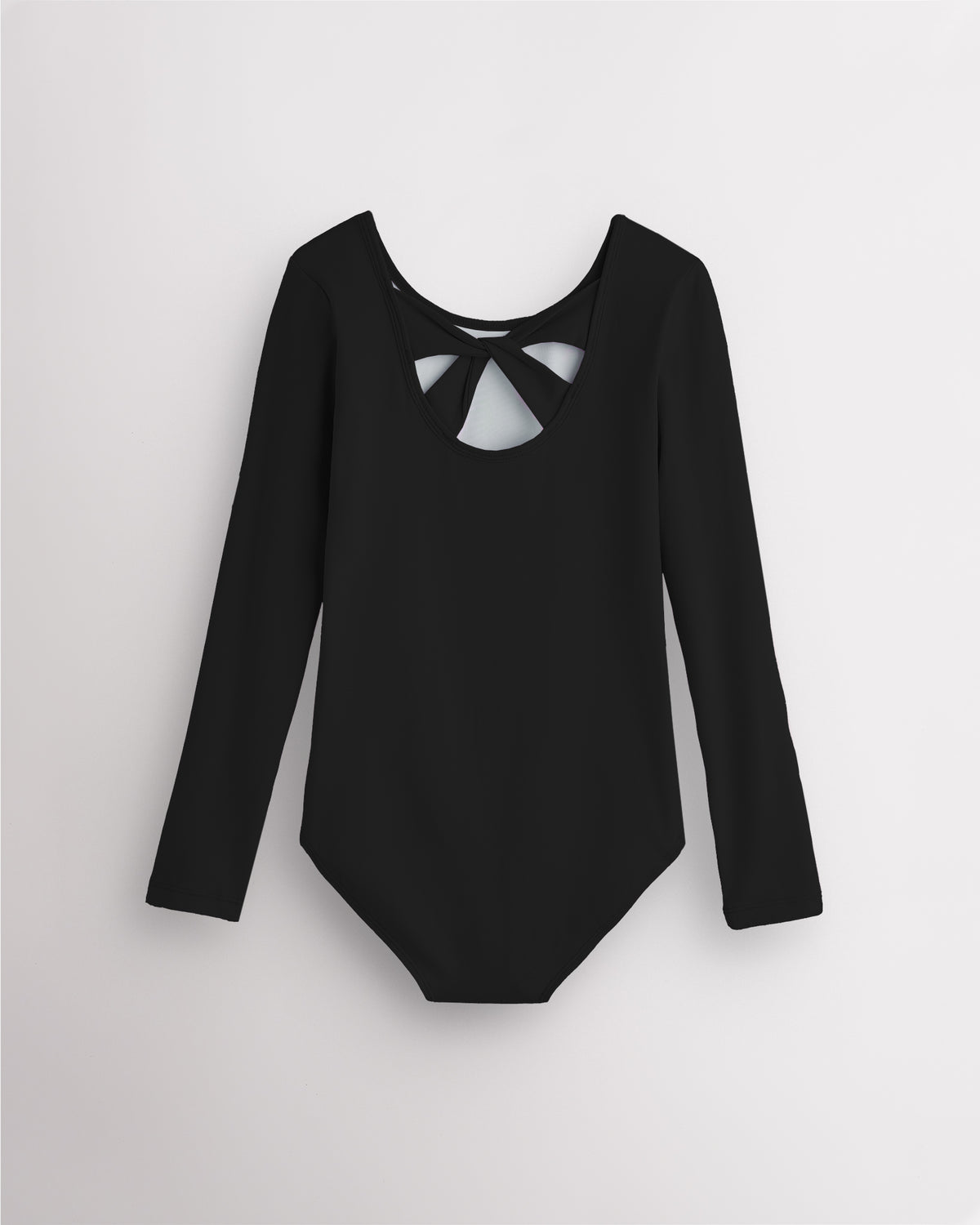
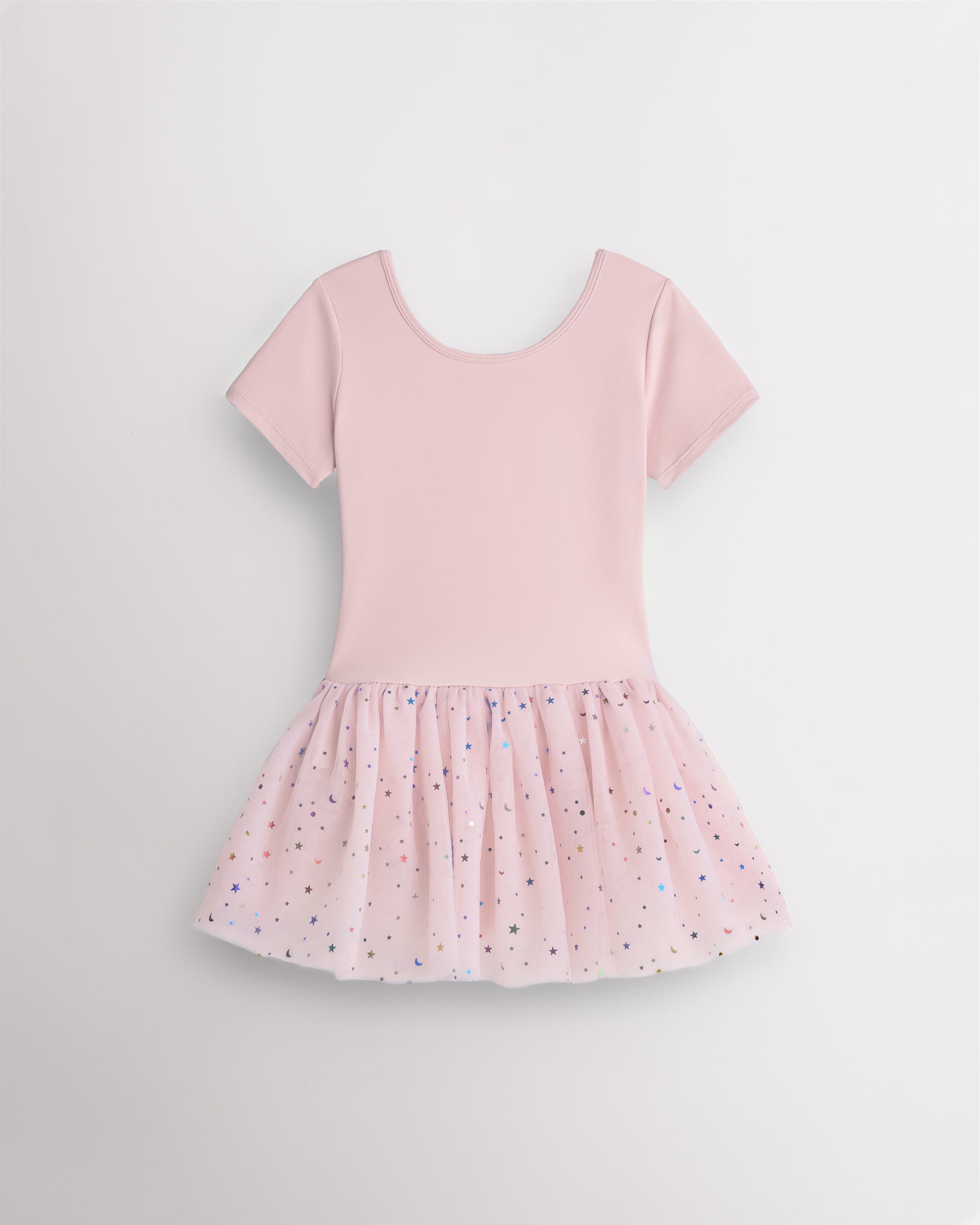
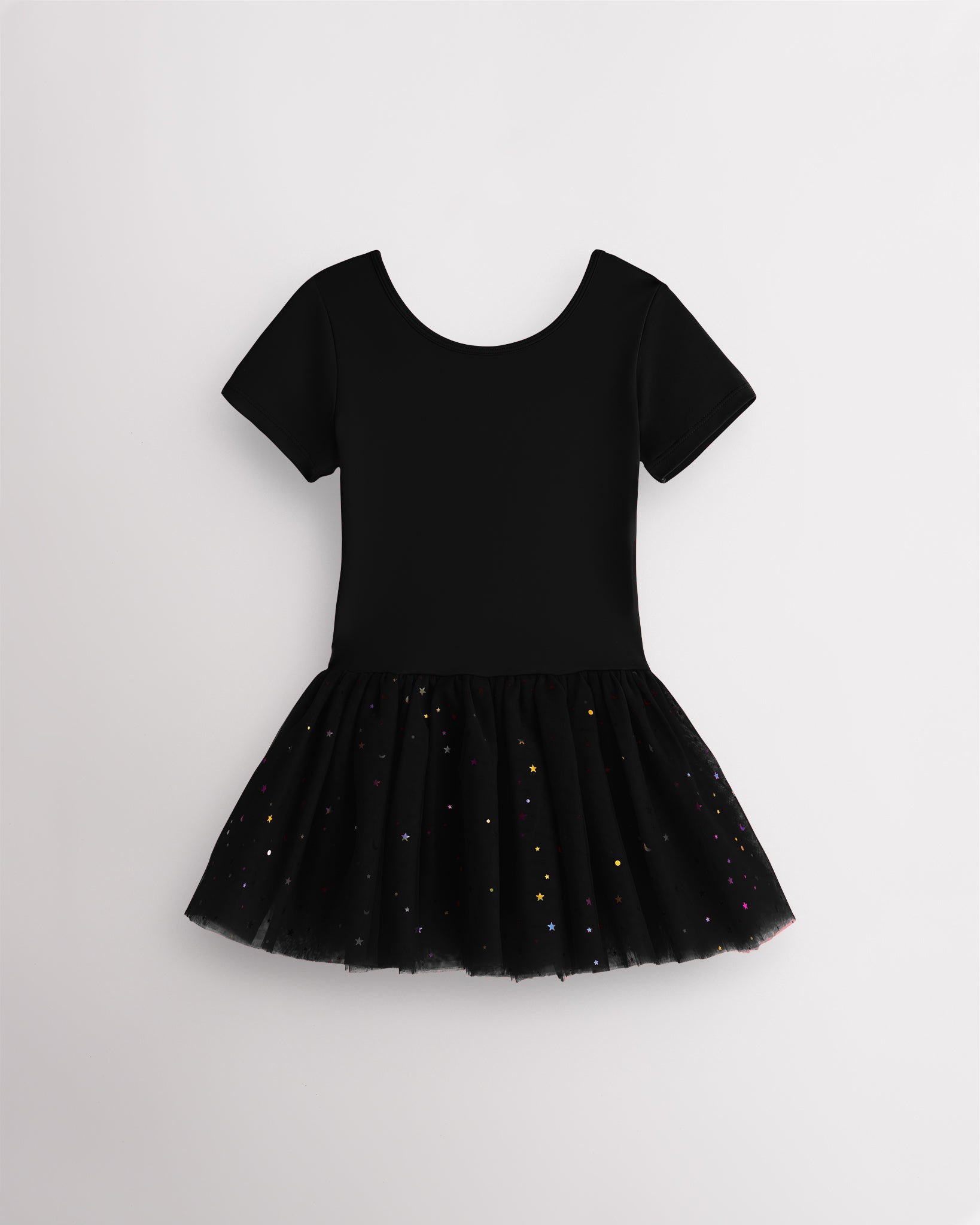
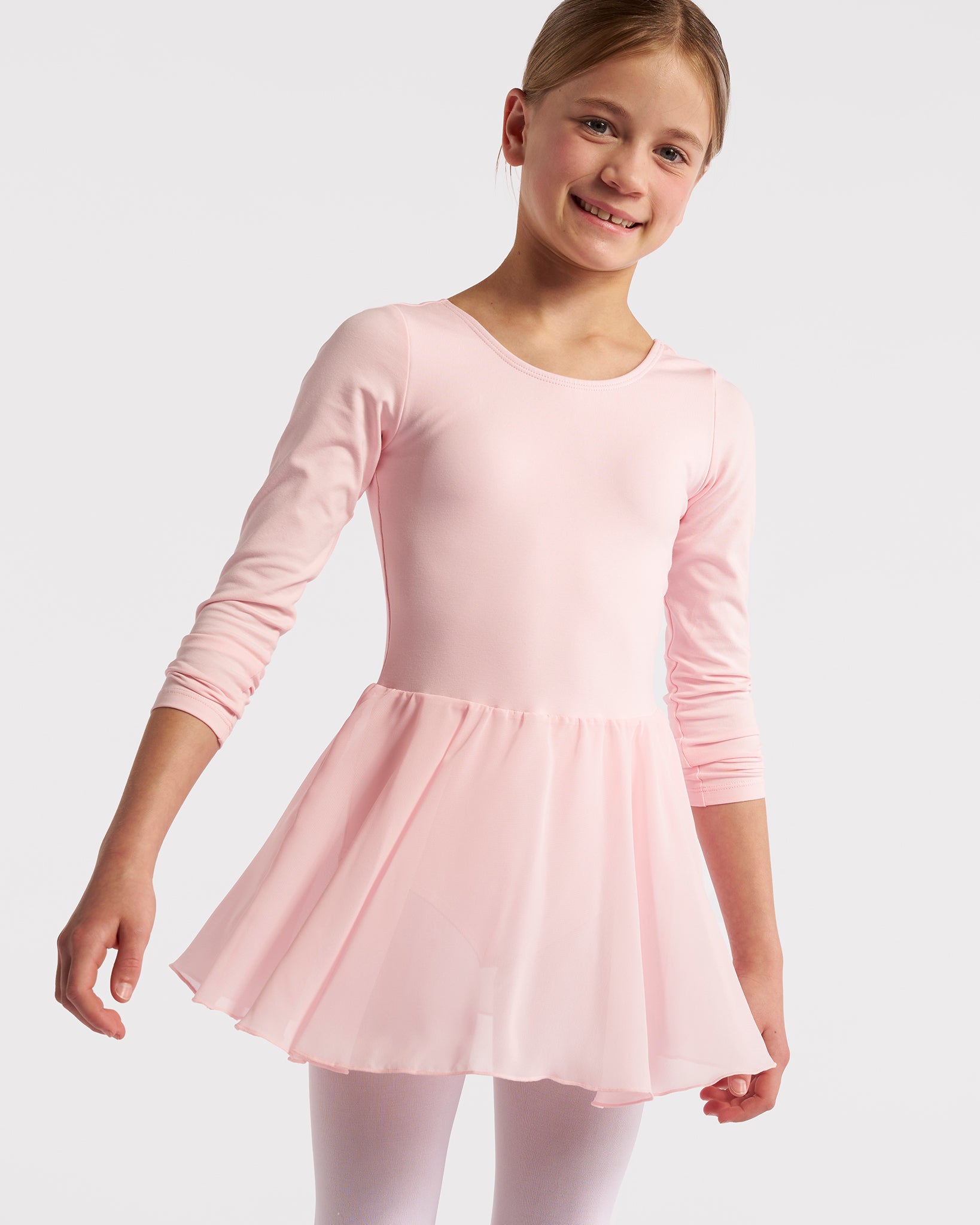
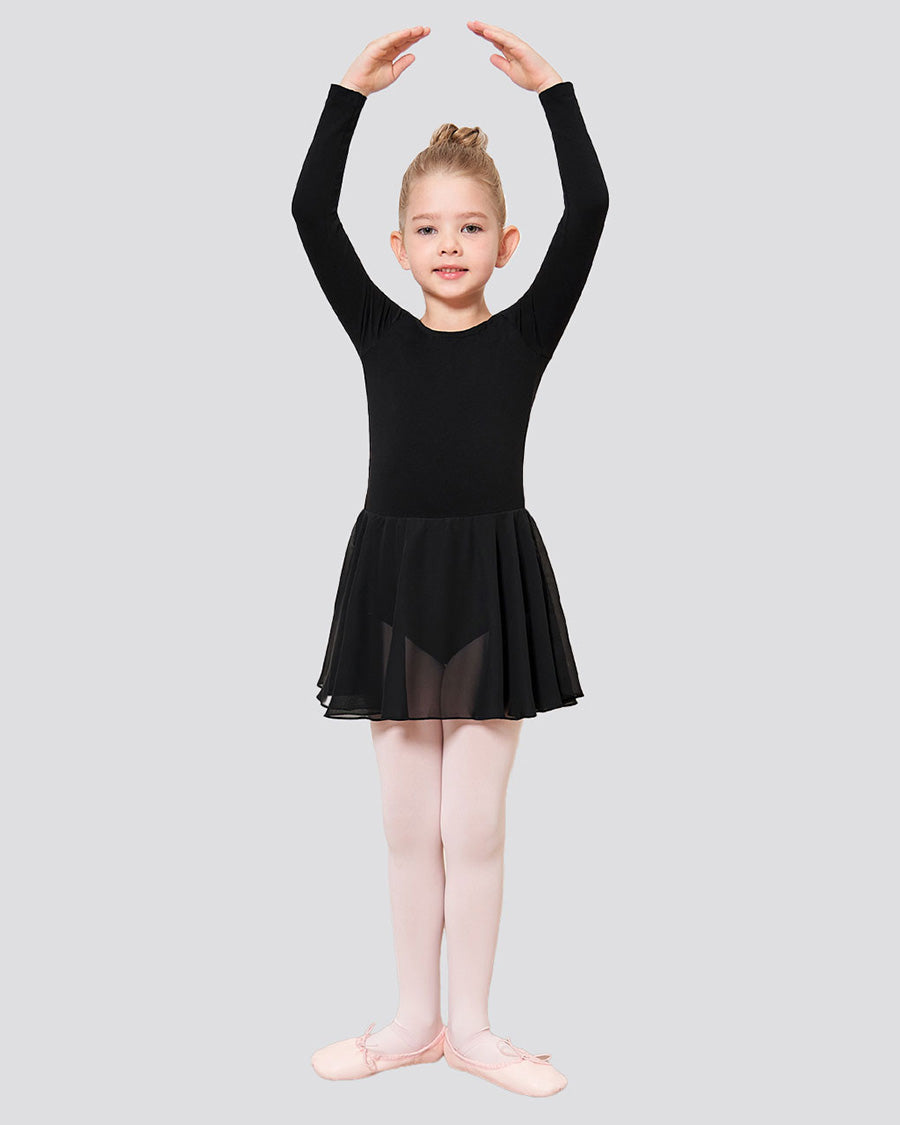
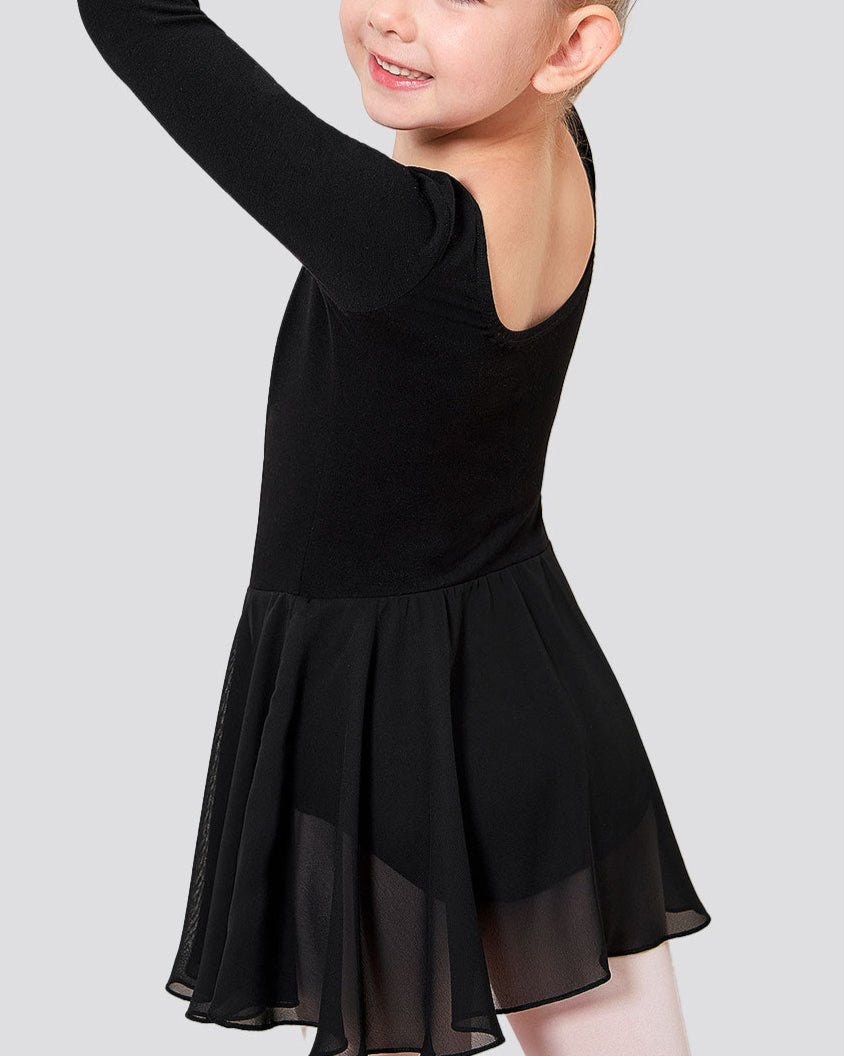
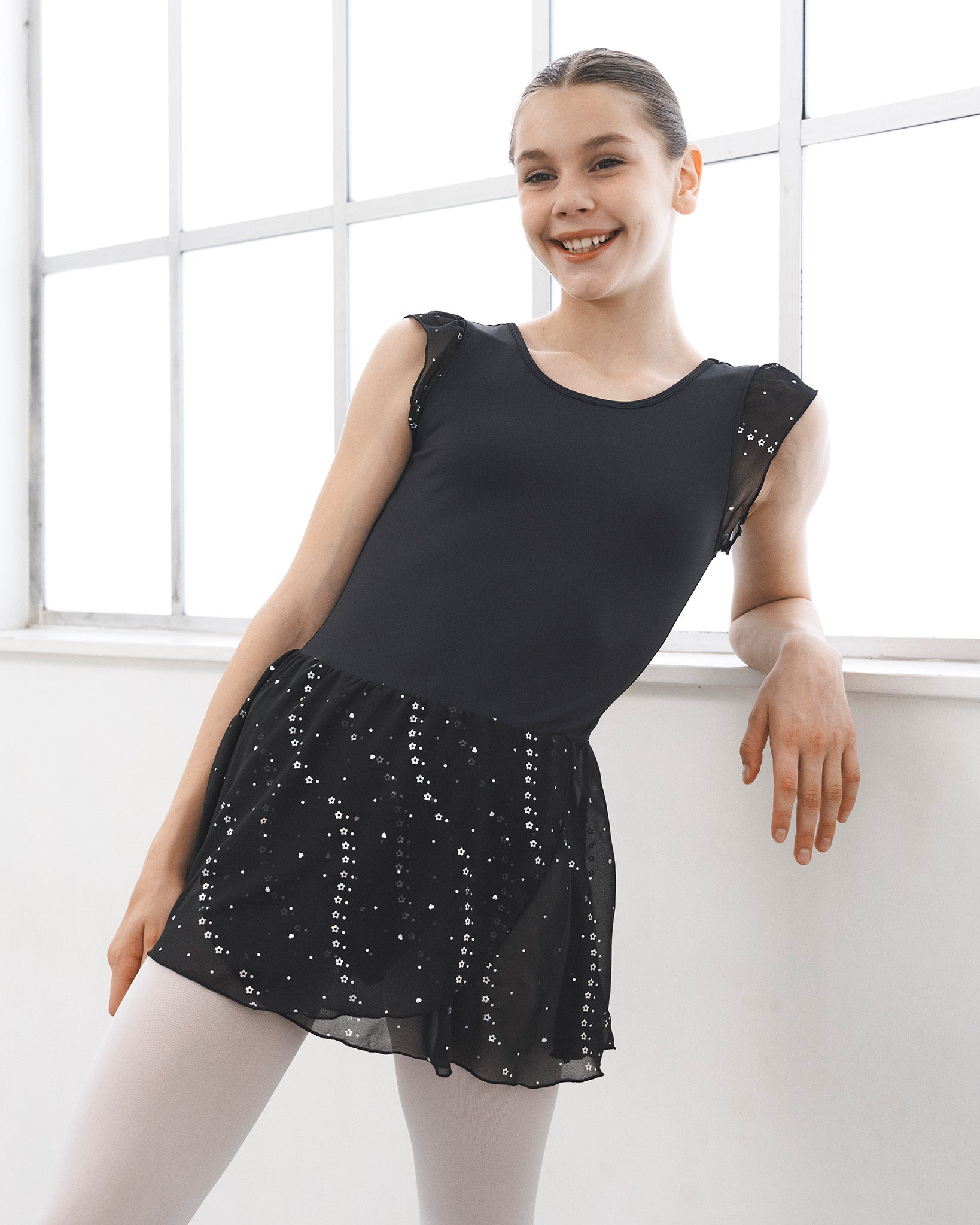
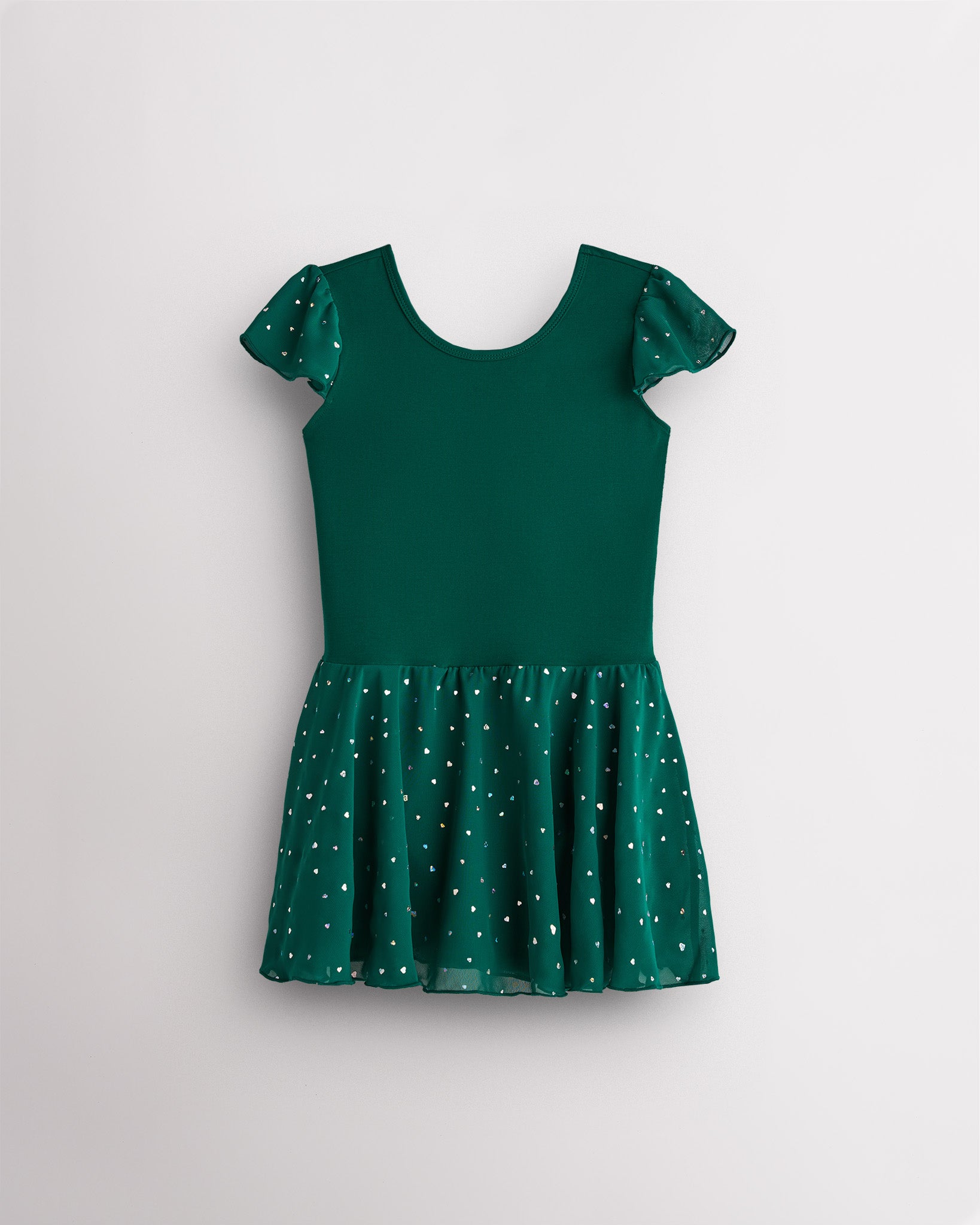
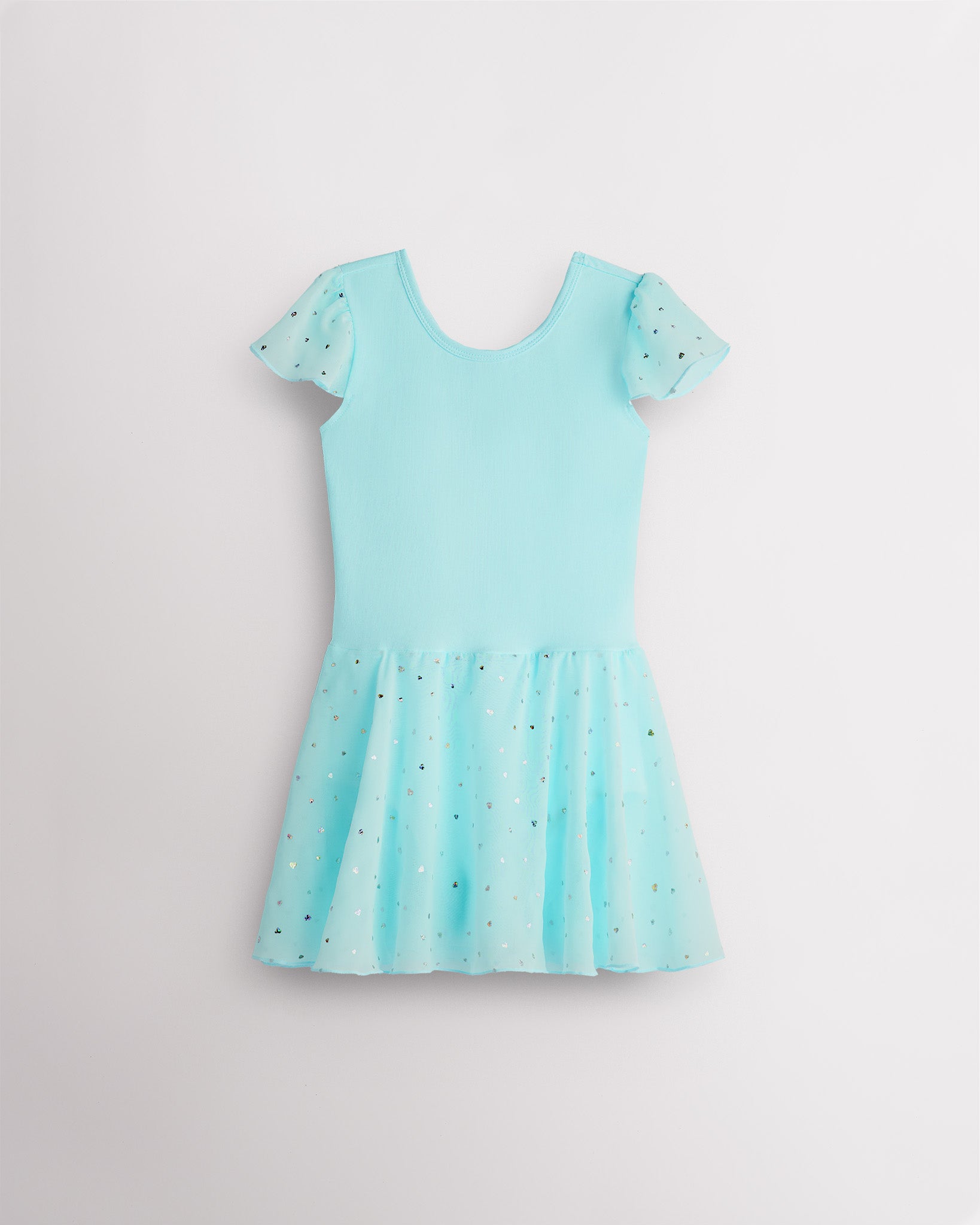
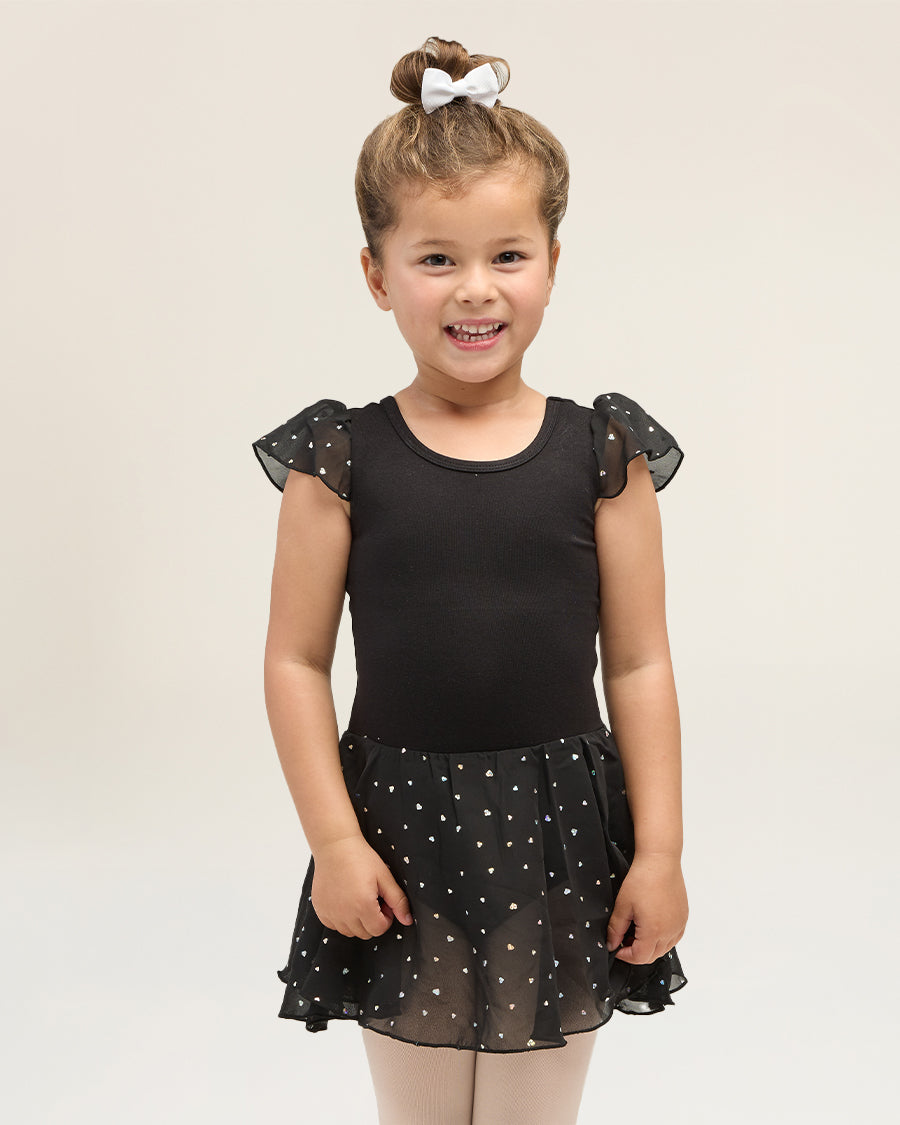
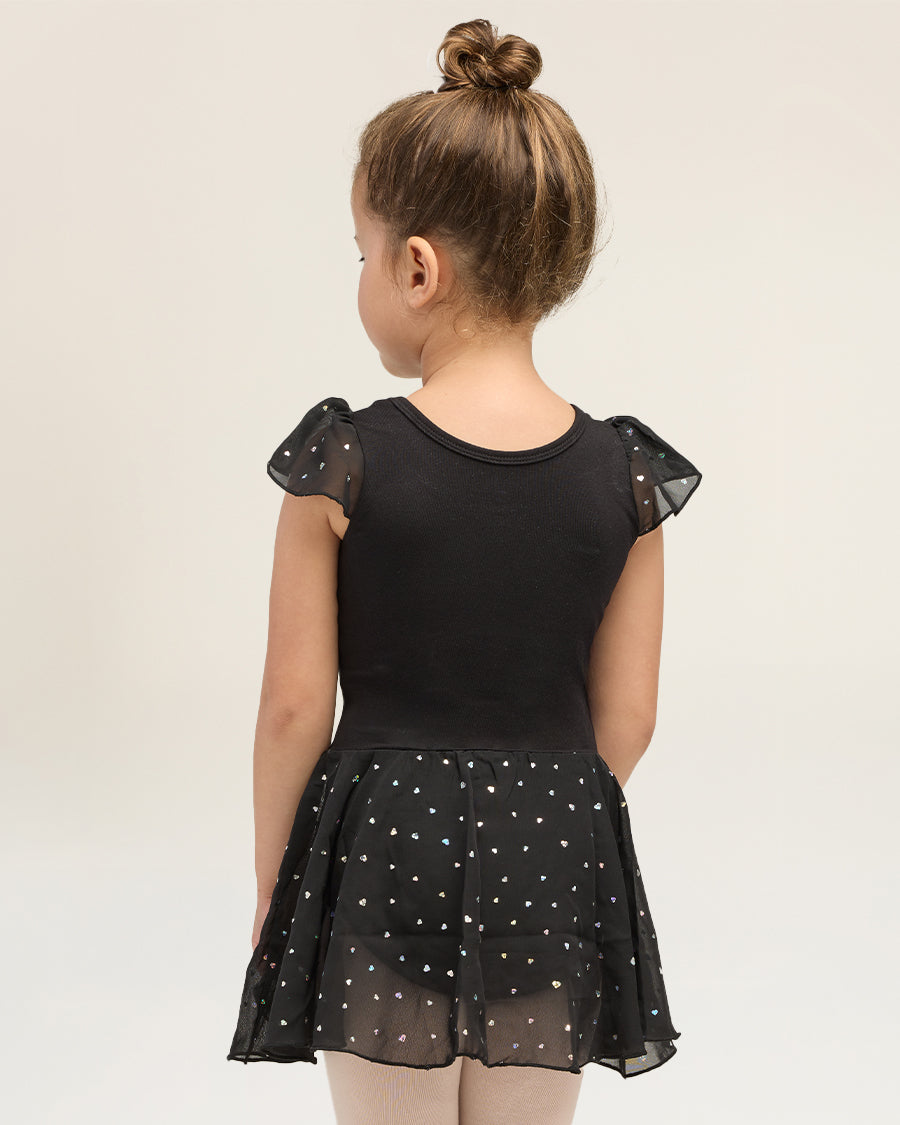
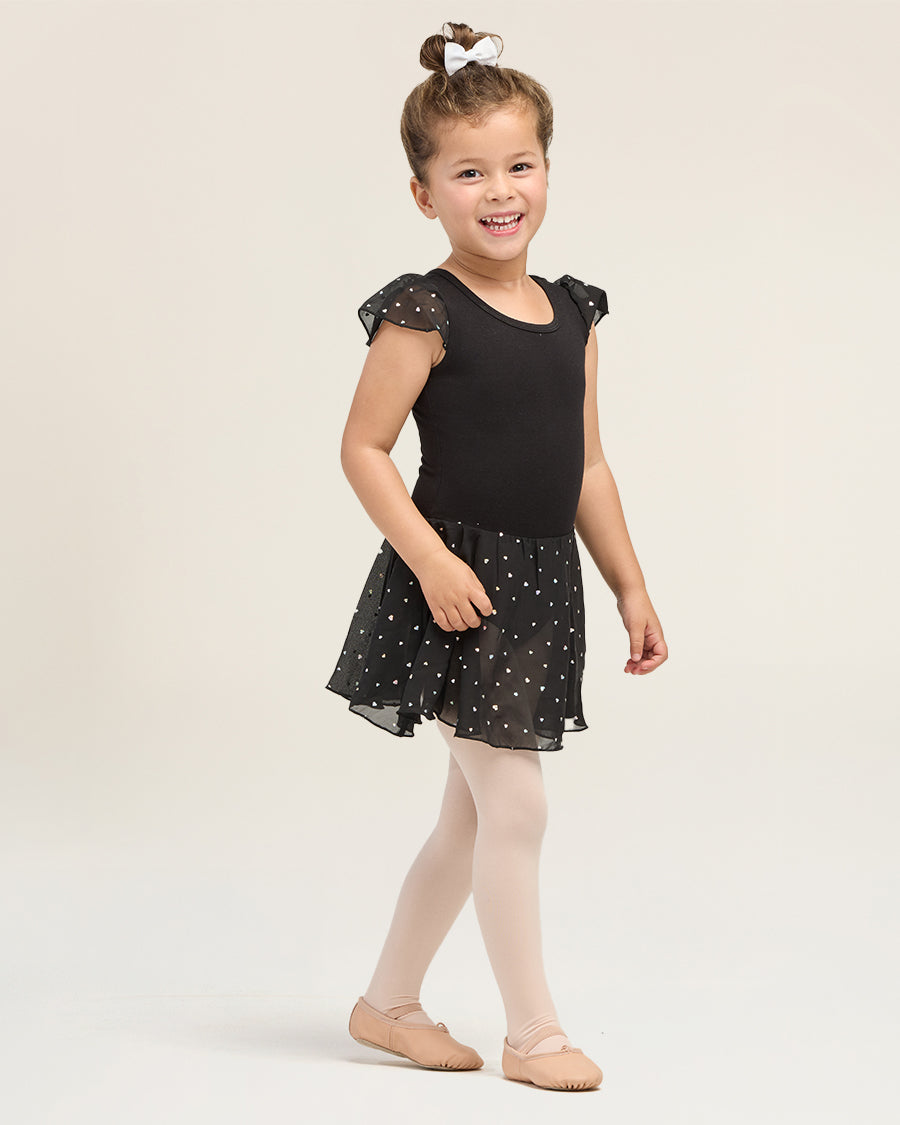
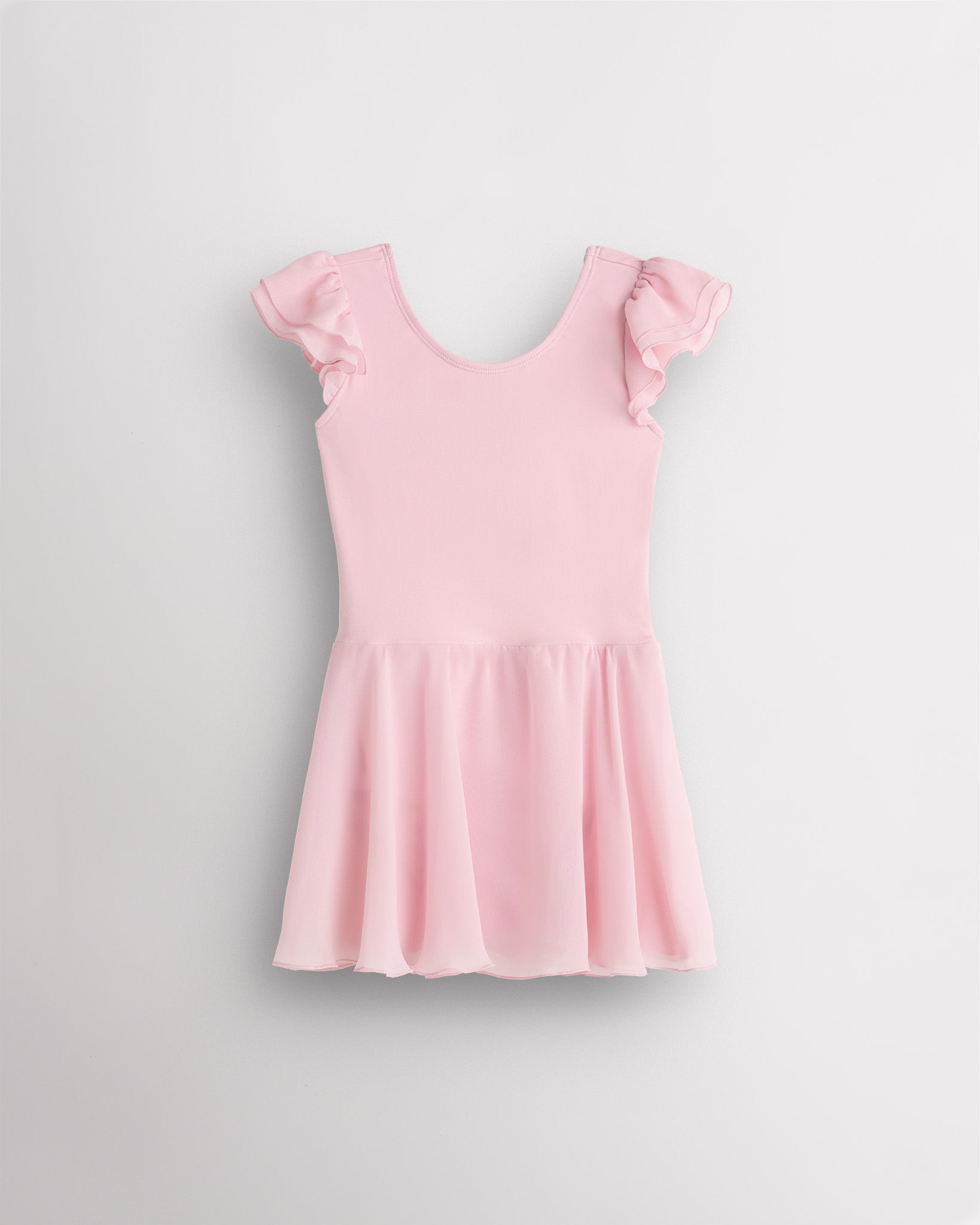
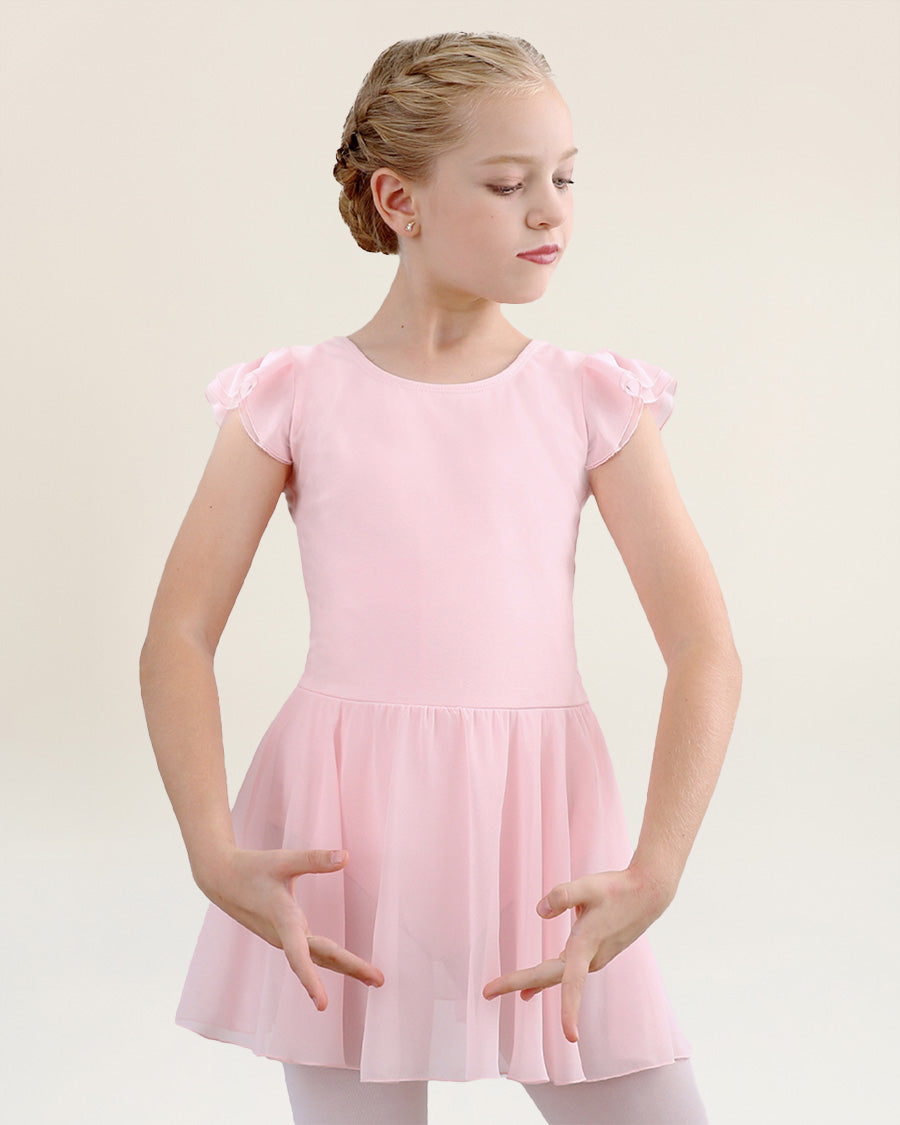
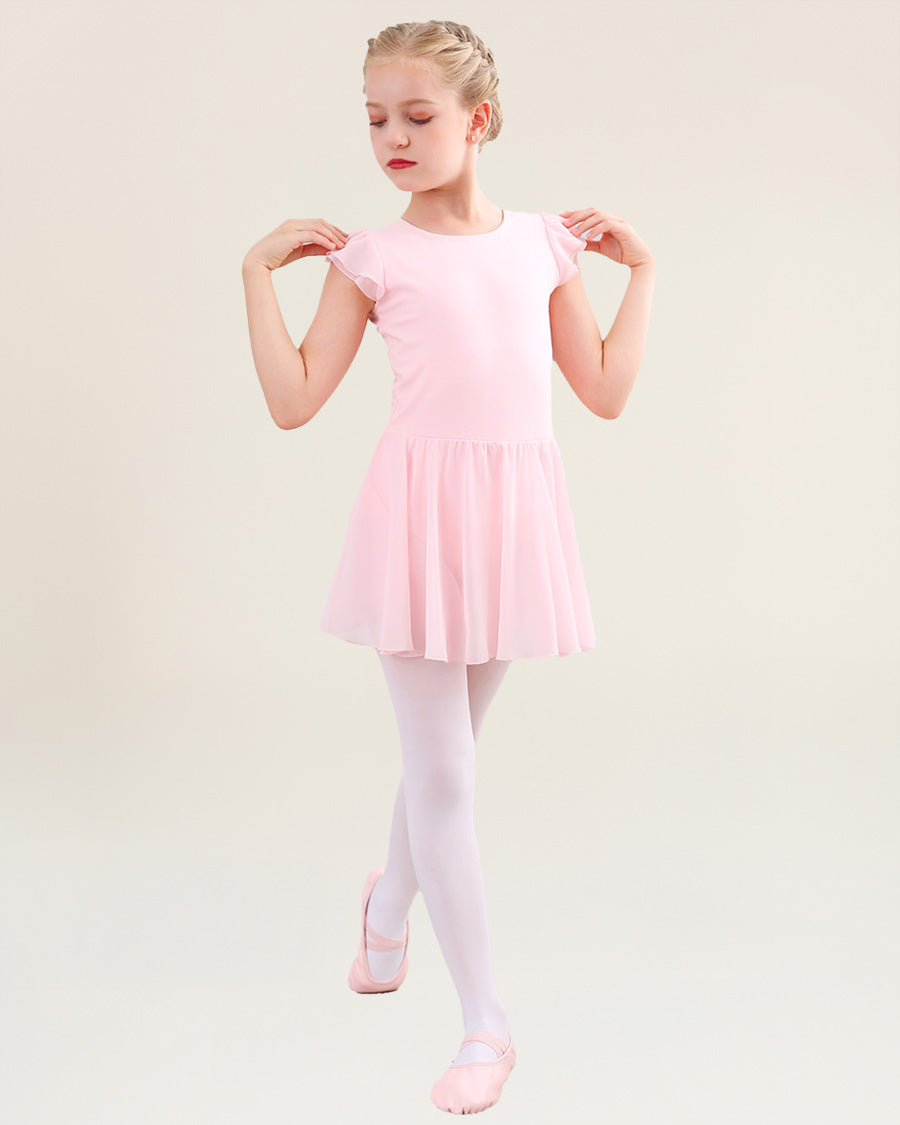
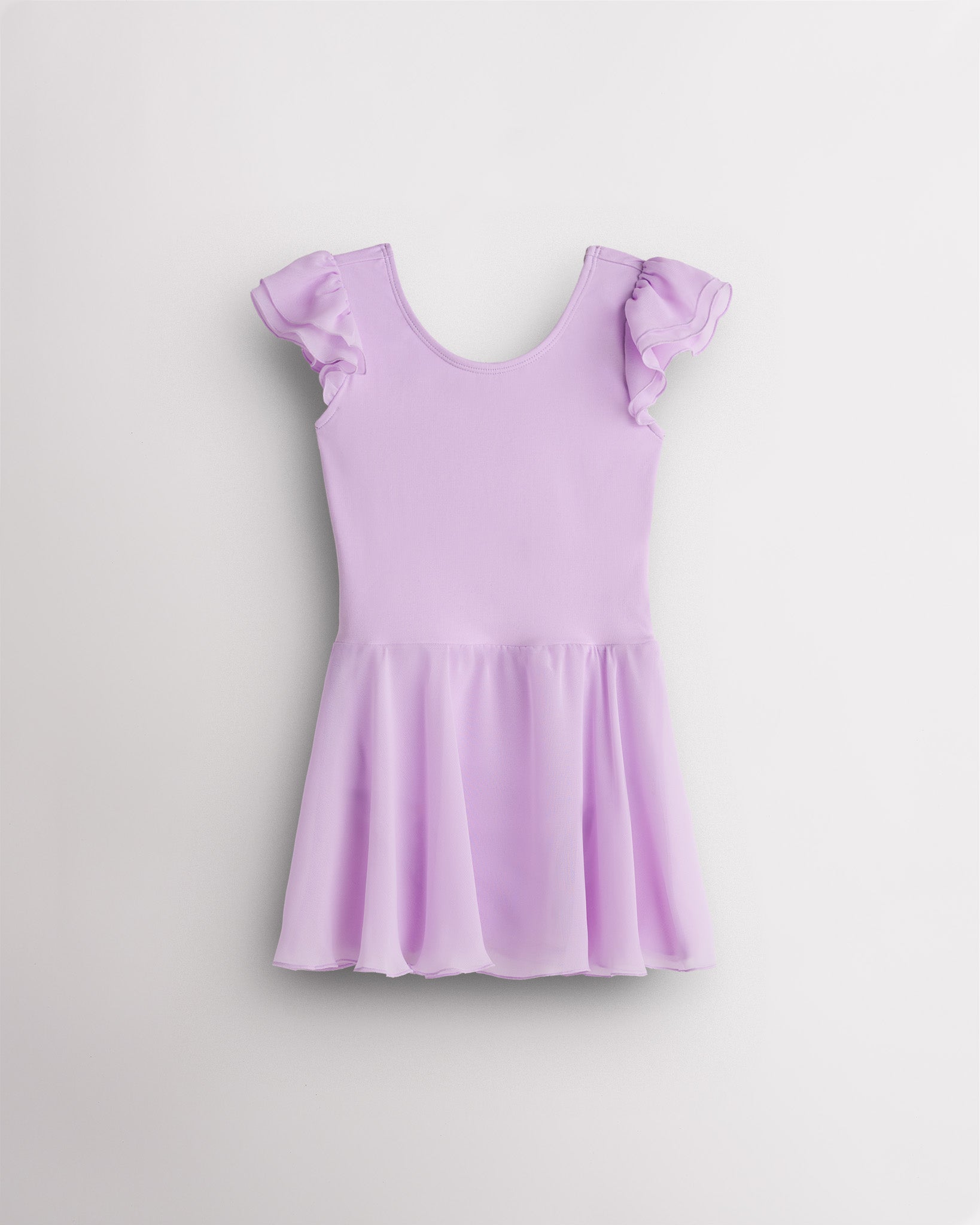
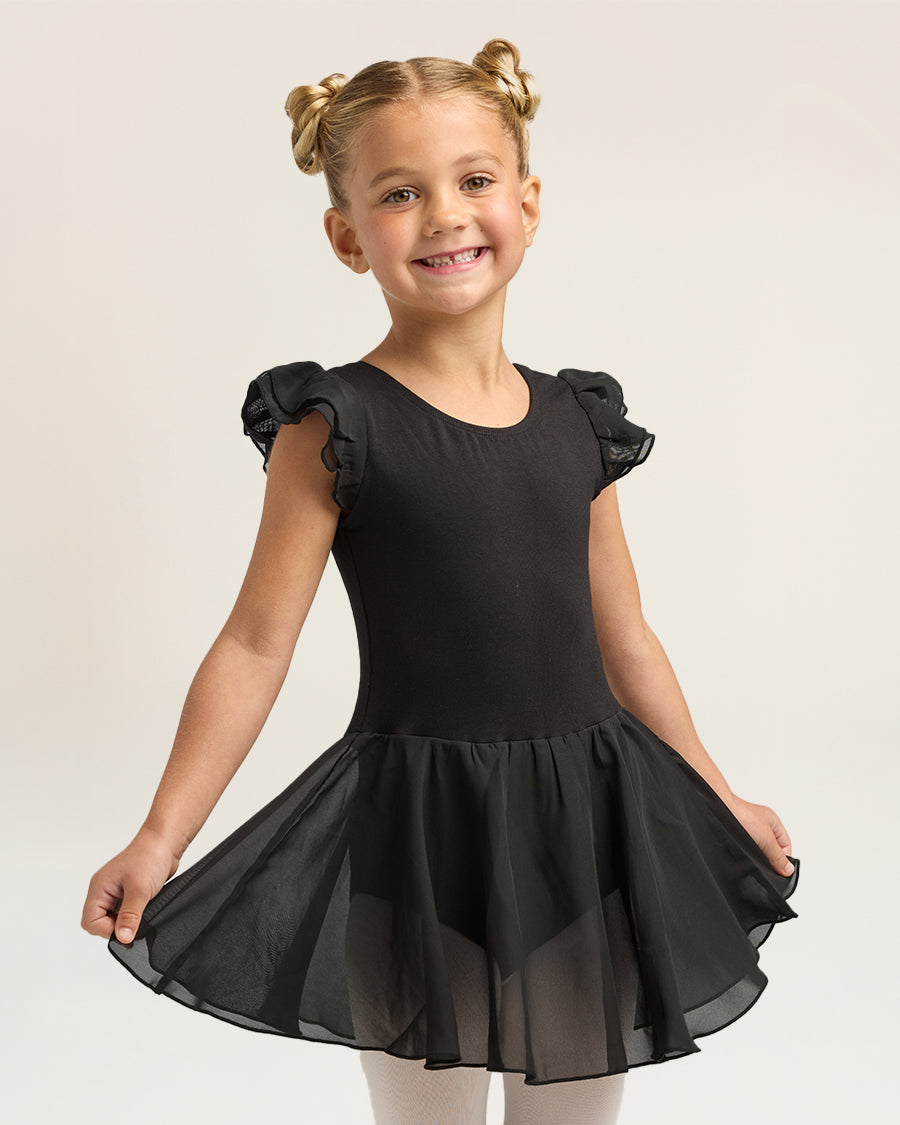
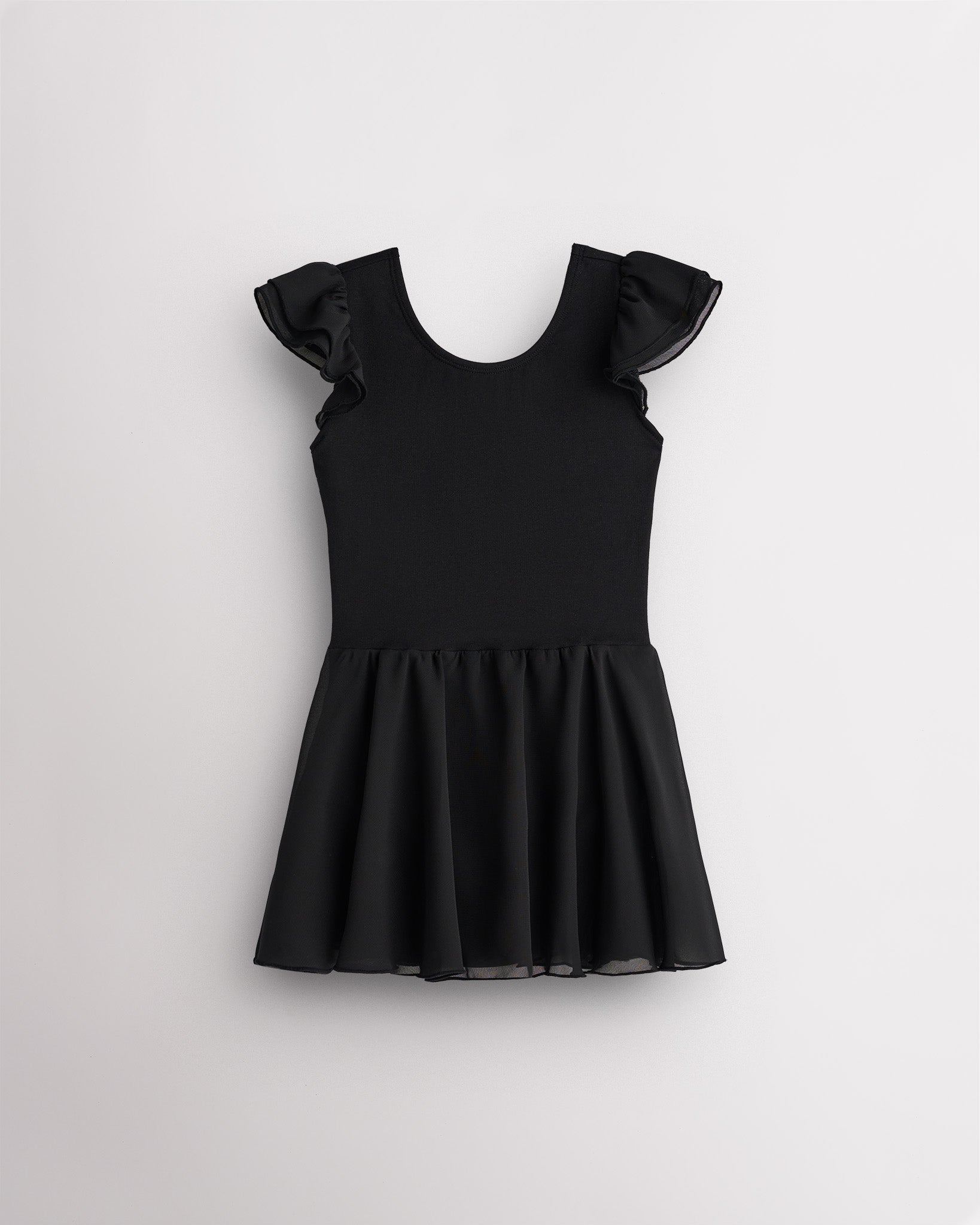
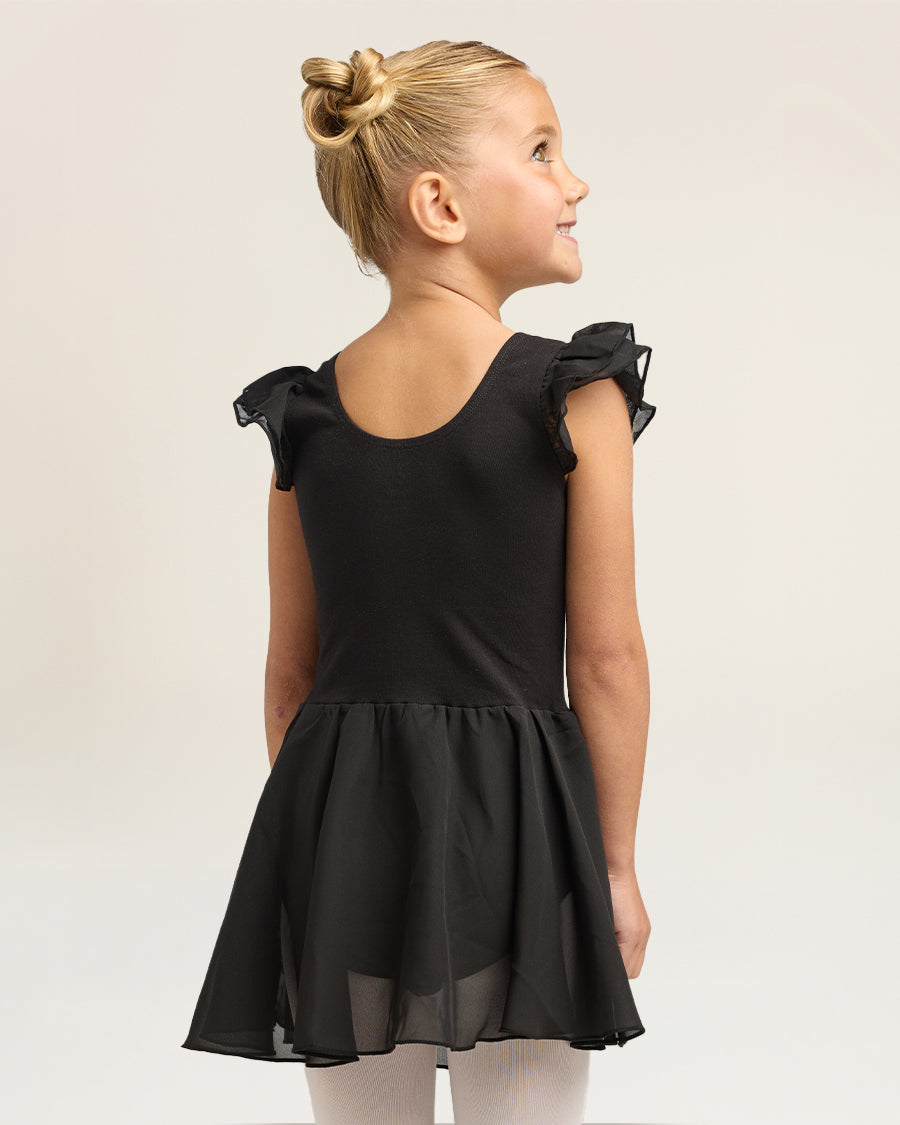
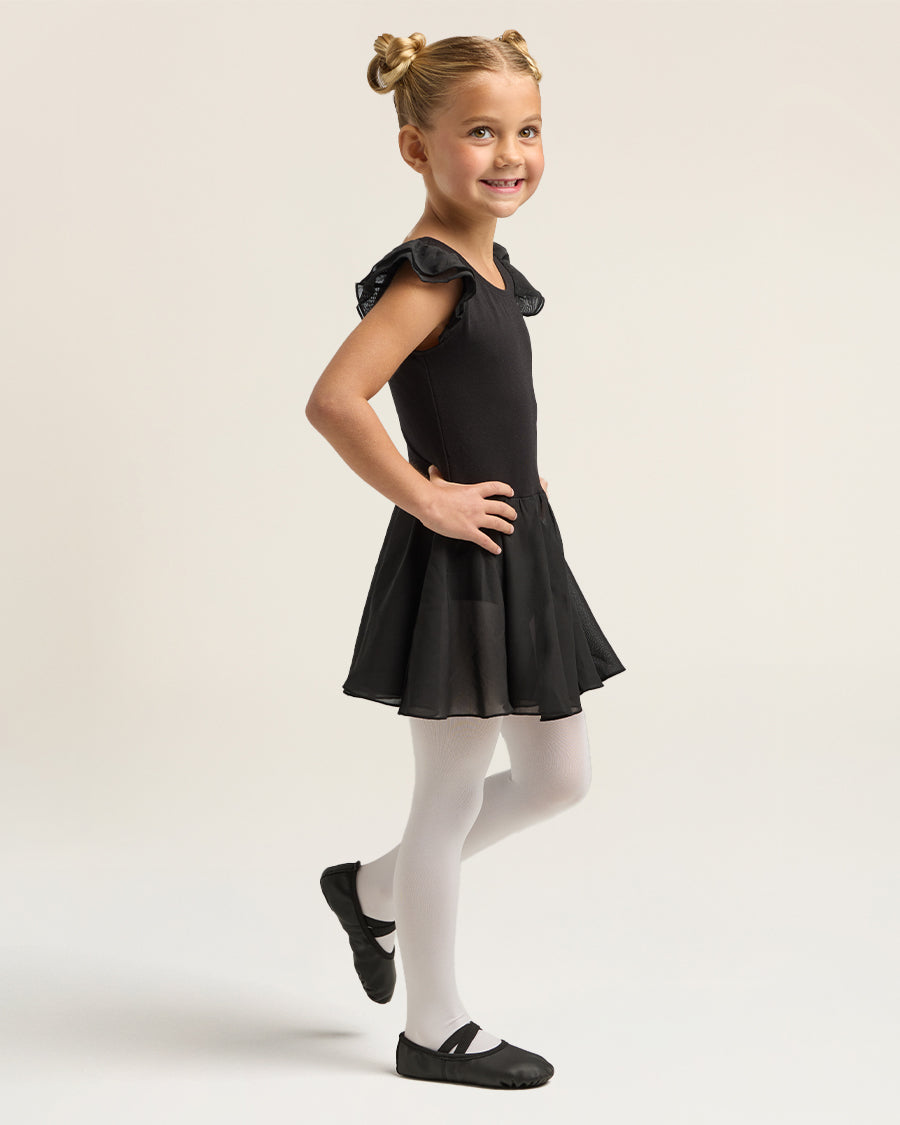
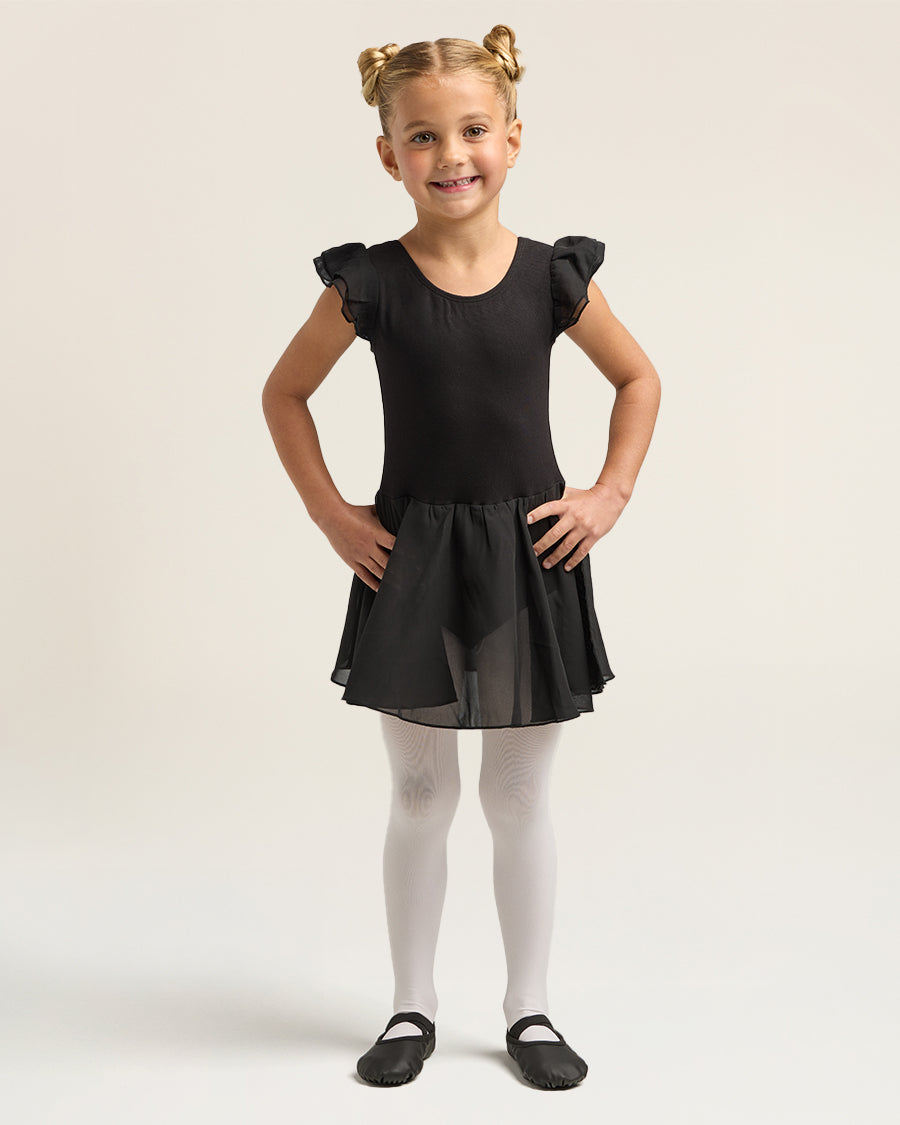
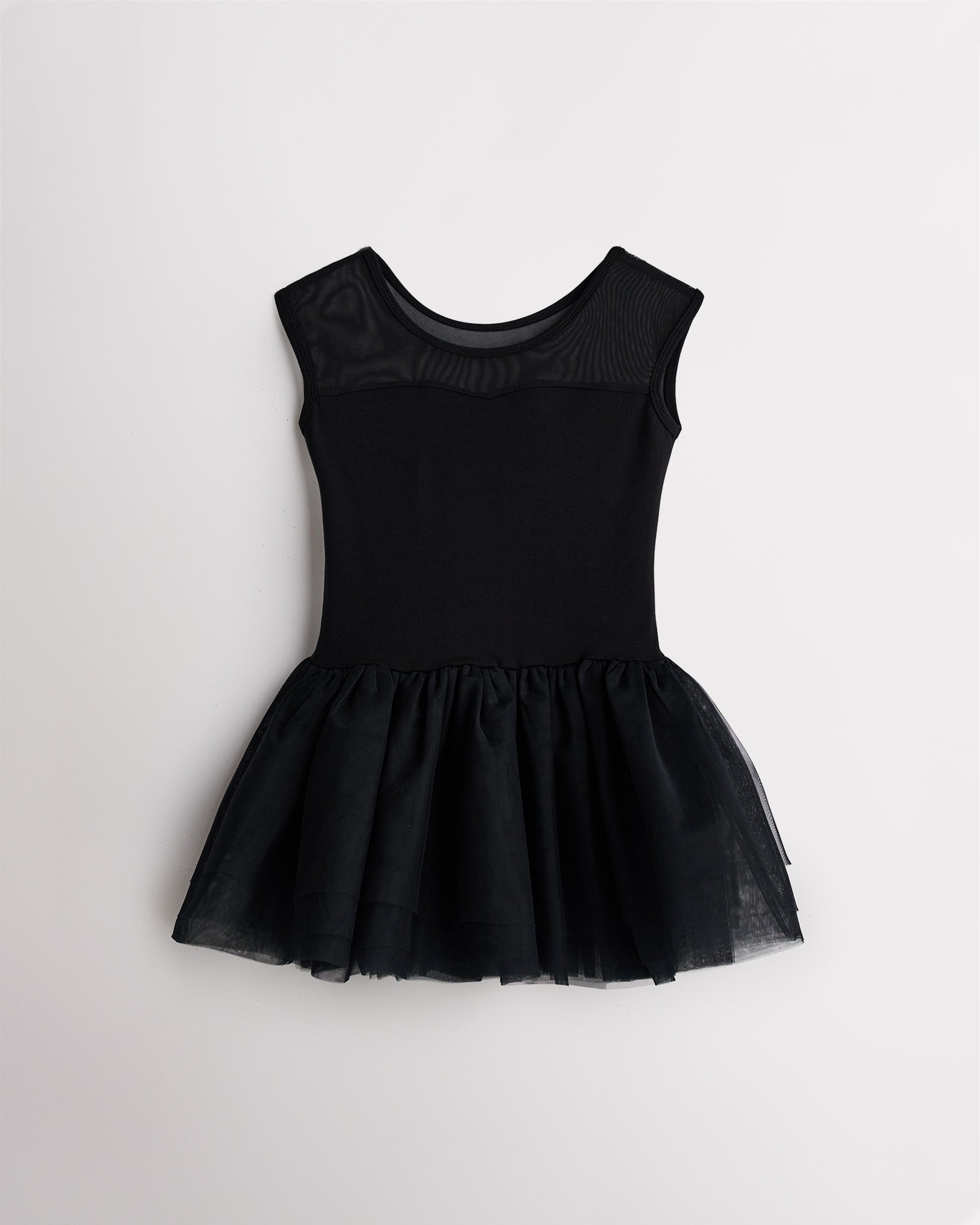
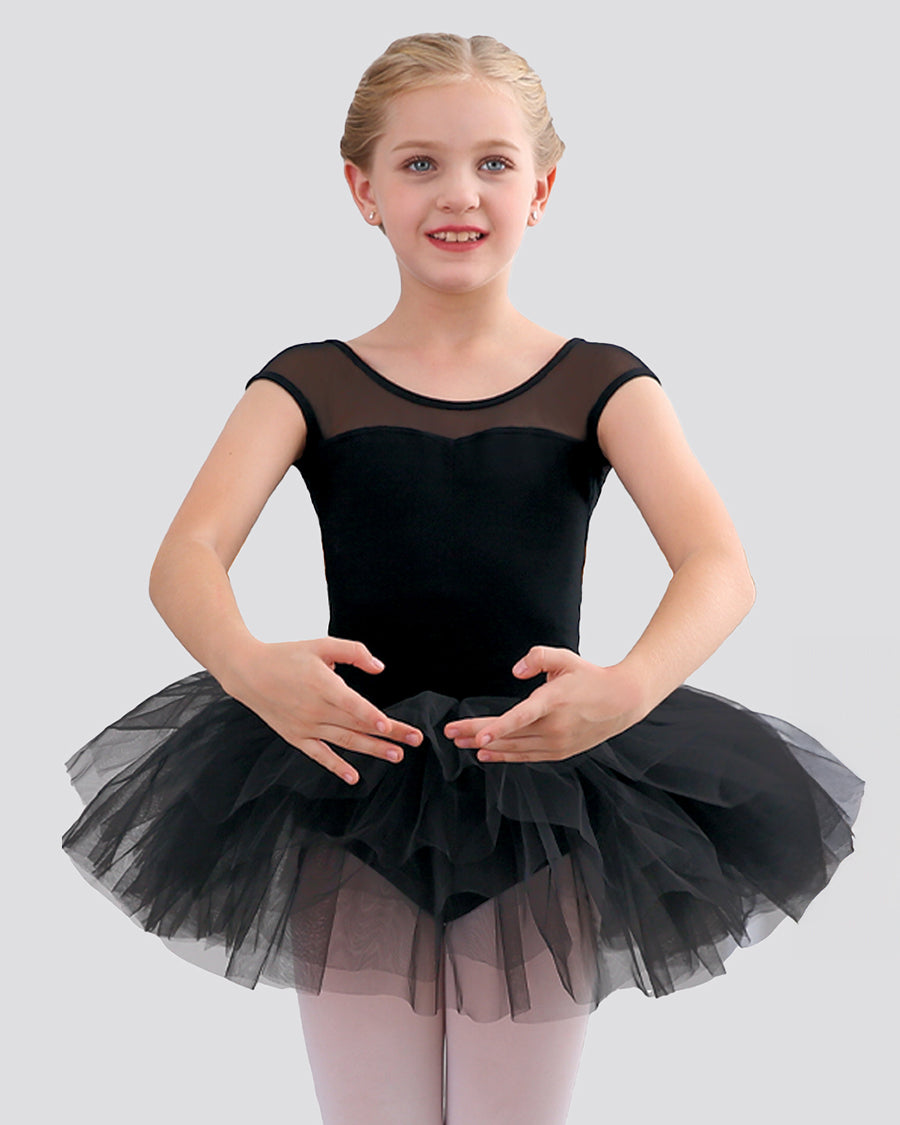
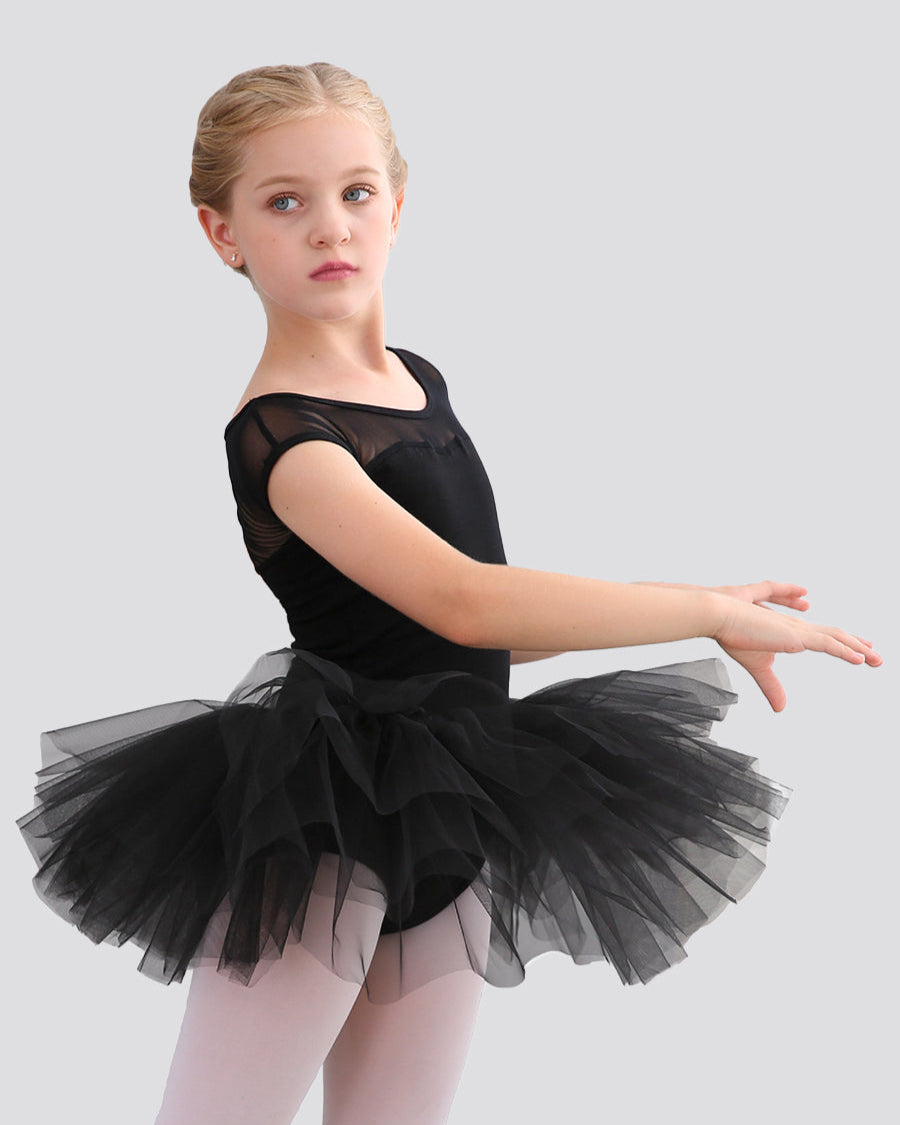
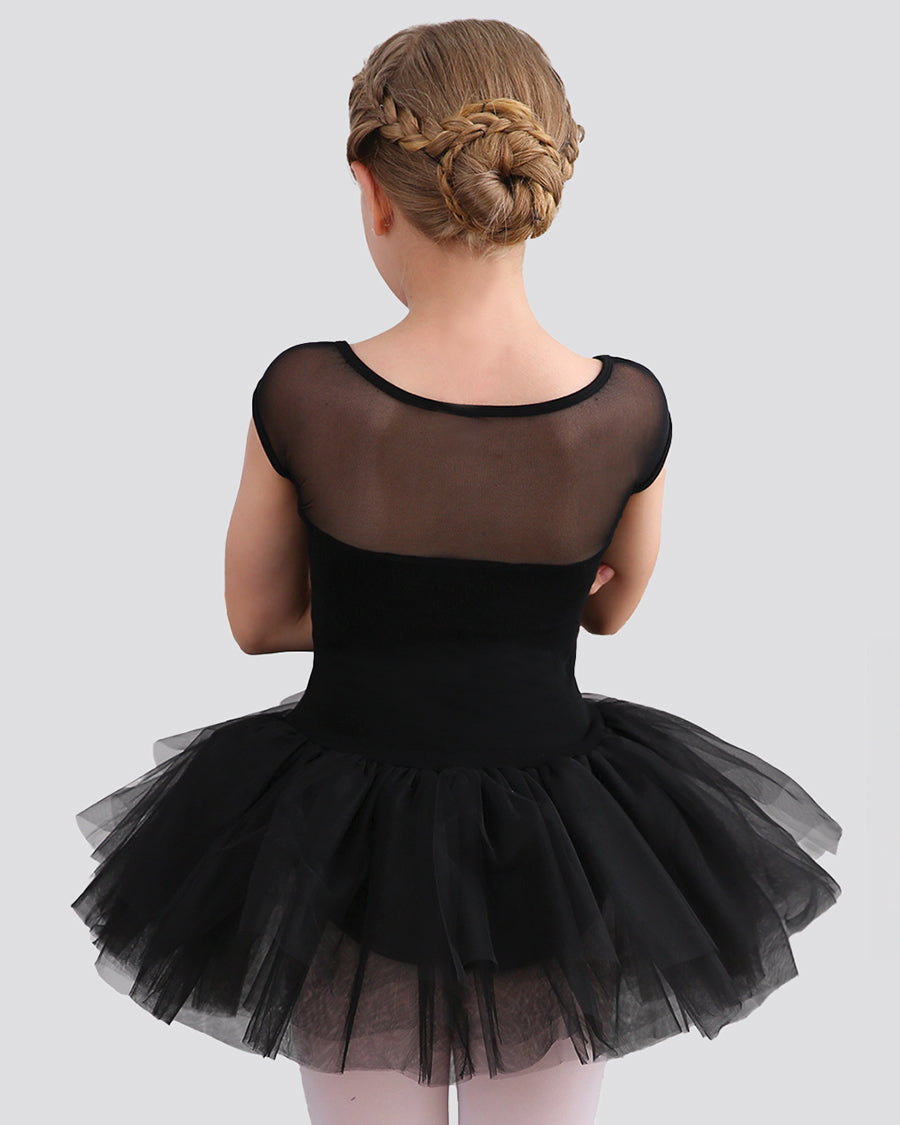
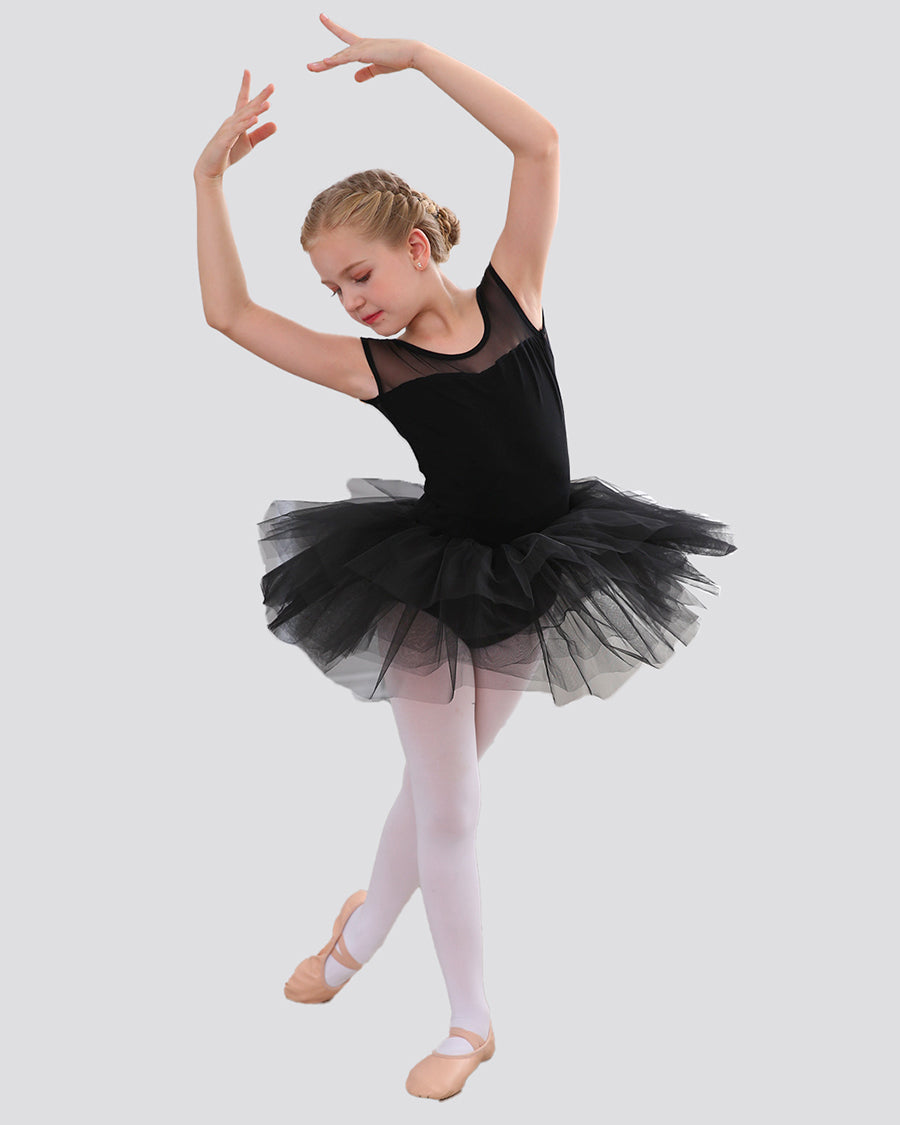
Don Quixote tends to click with studio kids in a way few classics do. Kitri is spunky rather than tragic, the dancing is openly show-offy, and the whole ballet rewards the things young dancers practice: jumps, turns, and stage personality. Plenty of kids come home wanting a fan, a ruffled skirt, and a red-and-black practice tutu of their own.
First-viewing pointers to share on the drive to the theater:
-
Watch Kitri's fan. Dancers use it like punctuation for every joke.
-
Count the fouettés in the coda. Losing count around 20 is part of the fun.
-
Spot the same ballerina playing Kitri and Dulcinea, and notice how differently she moves in each role.
-
Keep an eye on Gamache and Sancho Panza when they are in the background. The side jokes keep running through every scene.
-
Applaud freely. Don Quixote audiences clap mid-dance more than at almost any other ballet, and that energy is part of the show.
If your family enjoyed The Nutcracker, this is a natural next step with no snow and twice the jokes; our Nutcracker family guide makes a good companion read. For families planning a ballet-themed trip, our guide to the world's great ballet theaters can help you see where classics like Don Quixote are often performed.

FAQ
Q: How long is the Don Quixote ballet?
A: Most productions run about 2 to 3 hours including two intermissions, with individual acts around 25 to 40 minutes. Check your local company's page before booking, since some stagings trim scenes or combine acts.
Q: What is the Don Quixote ballet about?
A: Two young lovers, Kitri and Basilio, trick her father into letting them marry instead of the rich suitor he prefers. Don Quixote, a dreamy would-be knight, stumbles into their story, fights a windmill, and helps the couple reach their happy ending.
Q: Is Don Quixote a good first ballet for kids?
A: It is one of the friendlier choices. The story is a comedy with a wedding finale, the dancing is flashy and fast, and the two intermissions break the evening into film-length chunks. Kids who already sat through The Nutcracker generally handle it well.
Q: What are the 32 fouettés in Don Quixote?
A: A famous sequence of 32 whipping turns on one leg that the ballerina often performs in the final pas de deux coda. It is considered one of classical ballet's signature technical feats, and audiences frequently clap along.
Q: Who wrote the music for Don Quixote?
A: Ludwig Minkus composed the score for Marius Petipa's original 1869 production at the Bolshoi Theatre in Moscow. His Spanish-flavored, melody-rich music is a big part of the ballet's charm.
About the Stelle Team
Stelle is a mom-founded dancewear brand, making leotards, tutus, and activewear for young dancers since 2015. Our articles are written by the team behind the products — people who spend their days talking with dance teachers, studio owners, and dance parents, and who test everything from fabric stretch to tutu twirl in real classes. Learn more about Stelle.