



The Nutcracker Ballet: A Parent's Guide to the Story, Characters, and Music
Table of contents
- Quick answer
- Key Takeaways
- What Is the Nutcracker Ballet About?
- The Nutcracker Ballet Story, Act by Act
- Nutcracker Ballet Characters: Who's Who on Stage
- How Long Is the Nutcracker Ballet?
- The Dances in the Nutcracker, in Order
- A Short Nutcracker Ballet History: From Flop to Christmas Tradition
- Taking Your Child to the Nutcracker: What to Expect
- FAQ
- About the Stelle Team
Quick answer
The Nutcracker is a two-act ballet set to Tchaikovsky's 1892 score, and it follows a girl named Clara whose toy nutcracker comes to life on Christmas Eve, wins a battle against the Mouse King, and leads her to a kingdom of sweets. Most productions run about two hours including one intermission. Simple plot, familiar music, and a second act built from short dances make it one of the friendliest first ballets for a child.
Key Takeaways
-
Tchaikovsky's The Nutcracker premiered in St. Petersburg in December 1892 and is now the most frequently performed ballet in the world.
-
The story is simple enough for a preschooler to follow: a Christmas party, a midnight battle with mice, and a journey to the Land of Sweets.
-
Plan for roughly 1 hour 45 minutes to 2 hours 20 minutes with one intermission; runtimes vary by company, so check your production's listing.
-
Act 1 carries the plot. Act 2 is a series of short, colorful dances, which suits young attention spans.
-
You already know the music: the Sugar Plum Fairy's celesta theme, the Trepak, and the Waltz of the Flowers turn up in movies and ads year after year.
-
George Balanchine's 1954 New York City Ballet production is what turned the show into an American Christmas tradition.
What Is the Nutcracker Ballet About?
The Nutcracker is the story of a child's Christmas Eve adventure. A girl named Clara (Marie in some productions) receives a wooden nutcracker doll from her mysterious godfather, Drosselmeyer. At midnight the living room transforms, toys come to life, and the nutcracker leads toy soldiers against an invasion of mice. Britannica sums it up as the tale of "a girl who befriends a nutcracker that comes to life on Christmas Eve and wages a battle against the evil Mouse King." After the battle, the nutcracker becomes a prince and takes Clara on a journey that ends in the Land of Sweets.
Two things surprise first-timers. There is no talking: the orchestra, the dancing, and a bit of mime carry the whole story. And the plot mostly wraps up before intermission, so the second half is closer to a variety show than a drama. If your child can sit through a picture book, they can follow this ballet.
It is also the most common gateway into ballet for kids, which is why it leads most lists of classic ballets worth knowing.
The Nutcracker Ballet Story, Act by Act
So what is the story of the Nutcracker ballet, scene by scene? Here is the spoiler-light Nutcracker ballet plot summary first: a girl gets a nutcracker for Christmas, dreams it turns into a prince, and visits a candy kingdom where the Sugar Plum Fairy throws her a celebration. If you would rather keep the stage surprises fresh for your child, stop there. The fuller synopsis of the Nutcracker ballet follows.

Act 1: The Party and the Battle
The curtain opens on a Christmas Eve party at the Stahlbaum home. Clara and her brother Fritz greet guests, children play, and godfather Drosselmeyer arrives with dancing mechanical dolls. He gives Clara the nutcracker; Fritz grabs it and breaks it; Drosselmeyer patches it up.
After the party, Clara sneaks back to check on her nutcracker at midnight. The Christmas tree grows huge, and giant mice storm the room. The nutcracker leads toy soldiers into battle. The Mouse King reads as more comic than creepy in most stagings, but this is the loudest, most dramatic stretch of the show, worth a heads-up for a sensitive child. Clara turns the tide (in many versions she throws her slipper), the nutcracker wins, becomes a prince, and the two travel through a swirling snow scene set to the Waltz of the Snowflakes.
Act 2: The Land of Sweets
In the Land of Sweets, the Sugar Plum Fairy hears of the victory and hosts a celebration in Clara's honor. What follows is a string of short dances themed around treats: Spanish chocolate, Arabian coffee, Chinese tea, a high-jumping Russian Trepak, reed flutes, Mother Ginger with her tumbling children, and the Waltz of the Flowers (Tchaikovsky Research). The Sugar Plum Fairy and her Cavalier dance the grand pas de deux, and Clara wakes up back at home, nutcracker in her arms.
Endings vary: some productions frame it clearly as a dream, others hint the adventure was real. The Nutcracker's storyline is loose by design, which is why companies put their own spin on it.
How much should you tell your child beforehand?
For kids under six, walk through the full Nutcracker ballet storyline ahead of time; for little ones the payoff is recognition, not suspense. For older kids, cover Act 1 so the battle does not startle them, and let Act 2 unfold as a surprise.
Nutcracker Ballet Characters: Who's Who on Stage
A helpful quirk: nearly all of the main characters in the Nutcracker ballet appear in the first twenty minutes. Here is the cheat sheet for the drive to the theater.
|
Character |
Who they are |
Worth telling your child |
|---|---|---|
|
Clara (or Marie) |
The young heroine at the center; many stagings frame the adventure as her dream, some play it as real |
Danced by a professional in major companies, often by an advanced young student in regional productions |
|
Drosselmeyer |
Clara's godfather, a toymaker with a touch of magic |
He secretly steers the whole adventure |
|
Fritz |
Clara's little brother |
He breaks the nutcracker; siblings relate |
|
The Nutcracker Prince |
The doll who comes to life and leads the toy army |
Watch for the doll-to-dancer swap |
|
The Mouse King |
The villain, defeated in the Act 1 battle |
Often played for laughs; he is gone by intermission |
|
The Sugar Plum Fairy |
Ruler of the Land of Sweets |
Her sparkling solo is the most famous minute of the show |
|
The Snow Queen and King |
Lead the snowflake waltz that closes Act 1 |
The falling stage snow is a highlight for most kids |
|
The Cavalier |
The Sugar Plum Fairy's partner |
Watch the lifts in the grand pas de deux |
One naming note to head off confusion at school: your child may ask about Clara in the Nutcracker ballet and hear a classmate call her Marie. Most American and British productions use Clara; George Balanchine's version calls her Marie, following the Alexandre Dumas retelling (New York City Ballet). Same girl, same story.
If your child asks who the ballerina on the posters is: the Nutcracker ballerina most people picture is the Sugar Plum Fairy, a role professionals spend years working toward. Our roundup of famous ballerinas includes several who made their name in that tutu.
How Long Is the Nutcracker Ballet?
Plan for about two hours, including one intermission. Tchaikovsky's score holds roughly 90 minutes of music (Tchaikovsky Research), and companies build around it differently. The Royal Ballet's production runs about 2 hours 20 minutes, with a 50-minute Act 1, a 30-minute interval, and a 50-minute Act 2 (Royal Ballet and Opera). New York City Ballet lists Balanchine's version at about two hours with intermission (NYCB).
If you have searched "how long is Nutcracker ballet" or "Nutcracker ballet run time" and found a dozen answers, that spread is why. Plan around 1 hour 45 minutes to 2 hours 20 minutes for a full production; some companies offer shortened one-hour family versions, and your ticket page lists exact timing, so confirm details before booking.

The Dances in the Nutcracker, in Order
Parents usually look up the Nutcracker dances in order for one practical reason: playing the music ahead of time is the easiest prep there is. Here are the numbers most families recognize, in score order (Tchaikovsky Research).
|
Order |
Dance |
Act |
What to listen for |
|---|---|---|---|
|
1 |
March |
Act 1 |
The bright party tune kids often know from commercials |
|
2 |
Battle music |
Act 1 |
Drums and brass as toys fight mice |
|
3 |
Waltz of the Snowflakes |
Act 1 |
A children's choir joins the orchestra |
|
4 |
Spanish Dance (Chocolate) |
Act 2 |
Trumpets and castanet rhythms |
|
5 |
Arabian Dance (Coffee) |
Act 2 |
Slow, hushed, and mysterious |
|
6 |
Chinese Dance (Tea) |
Act 2 |
A piping flute over plucked strings |
|
7 |
Russian Trepak |
Act 2 |
Fast and loud; the crowd-pleaser |
|
8 |
Dance of the Reed Flutes |
Act 2 |
Light, hopping flute melody |
|
9 |
Mother Ginger |
Act 2 |
Children tumble out from under a giant skirt |
|
10 |
Waltz of the Flowers |
Act 2 |
The big swirling harp-and-strings waltz |
|
11 |
Sugar Plum Fairy and grand pas de deux |
Act 2 |
The music-box sparkle of the celesta |
The sparkle has a backstory: composing in 1891, Tchaikovsky discovered a new instrument in Paris, the celesta, loved its clear bell-like tone, and wrote it into the Sugar Plum Fairy's music (Britannica). Point out that sound once and your child will hear it everywhere in December.
A Short Nutcracker Ballet History: From Flop to Christmas Tradition
Who created the Nutcracker ballet?
The music is by Pyotr Tchaikovsky, and it was his final ballet, after Swan Lake and The Sleeping Beauty (Britannica). The story comes from E.T.A. Hoffmann's 1816 German tale The Nutcracker and the Mouse King, filtered through Alexandre Dumas's gentler 1845 French retelling (Tchaikovsky Research). Choreographer Marius Petipa planned the ballet and shaped its libretto with theater director Ivan Vsevolozhsky (Tchaikovsky Research), but he fell ill, so his assistant Lev Ivanov choreographed the premiere (Britannica).
It opened on December 18, 1892 at the Mariinsky Theatre in St. Petersburg, on a double bill with Tchaikovsky's opera Iolanta (Tchaikovsky Research). Reviews were mixed at first, though audiences took to the music right away.
How it became a Christmas tradition
The show stayed mostly Russian for decades. The first complete performance outside Russia came in 1934 in England (English National Ballet), and America's first full-length production, by most accounts, was staged by San Francisco Ballet in 1944, choreographed by William Christensen (Ballet Herald). The turning point was February 2, 1954, when George Balanchine premiered his version with New York City Ballet; its success prompted companies across the country to mount their own, and the ballet and its music became holiday staples (NYCB). Balanchine had danced the Prince himself in Russia as a teenager (NYCB).
The ripple effects of that tradition reach well past the theater, from decor to gift culture, and we cover that side in how the Nutcracker inspires Christmas traditions. This guide stays focused on the show itself.
Taking Your Child to the Nutcracker: What to Expect
Expect a full theater, a live orchestra at most larger productions, and lots of other kids. The Nutcracker is the most forgiving audience environment in ballet: a whispered question or a seat wiggle barely registers, because half the room is under ten.
On age: New York City Ballet recommends its production for ages 5 and up (NYCB), a reasonable benchmark for full-length shows; plenty of four-year-olds do fine, especially at matinees. Many companies also run sensory-friendly or shortened performances, like BalletMet's My First Nutcracker in Columbus (BalletMet); age guidance and ticket policies differ by company, so confirm details with your theater before booking; most require a ticket for each attendee, lap infants included.
A simple prep plan that works:
-
Play the score for a week or two beforehand; car rides count. Recognition drives a young child's enjoyment more than plot.
-
Tell the story, using the spoiler-light or full version above depending on age.
-
Preview theater basics: clap when others clap, whisper questions, stay seated until the lights come up.
-
Plan the intermission. It usually arrives about an hour in; scope out bathrooms early and bring a small snack if the venue allows food.
-
Follow the spark afterward; if your child comes home twirling, catch that energy while it is fresh.
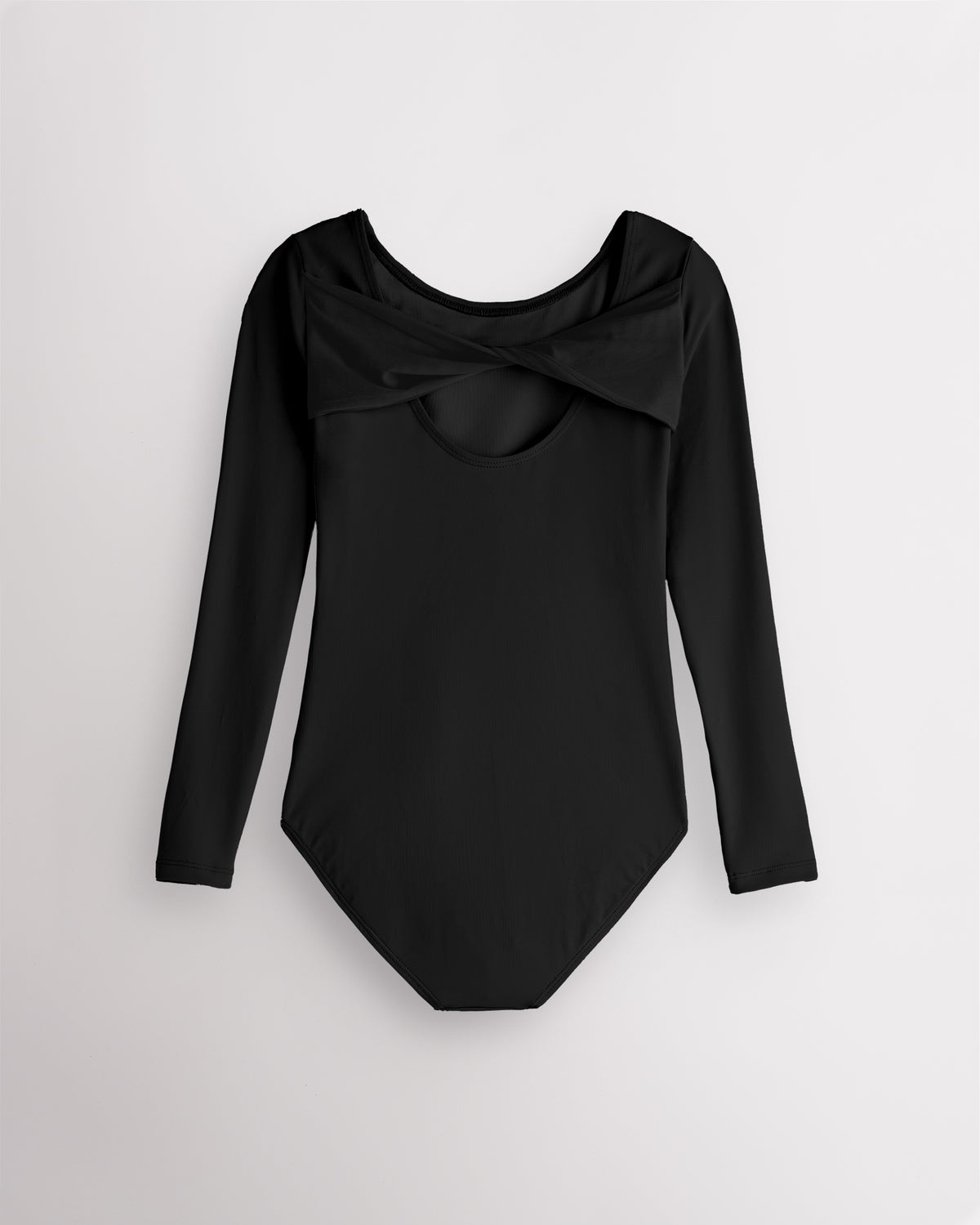
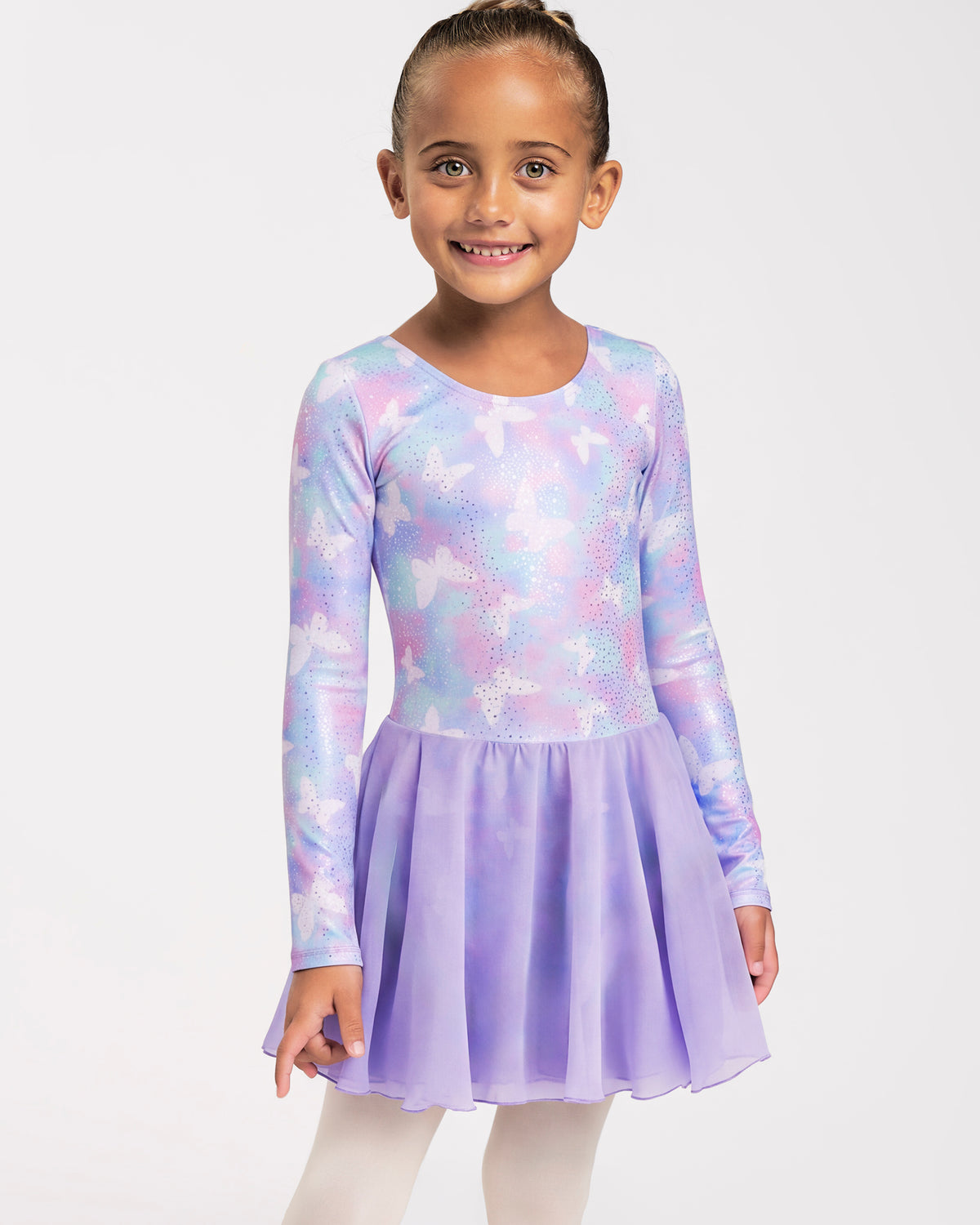
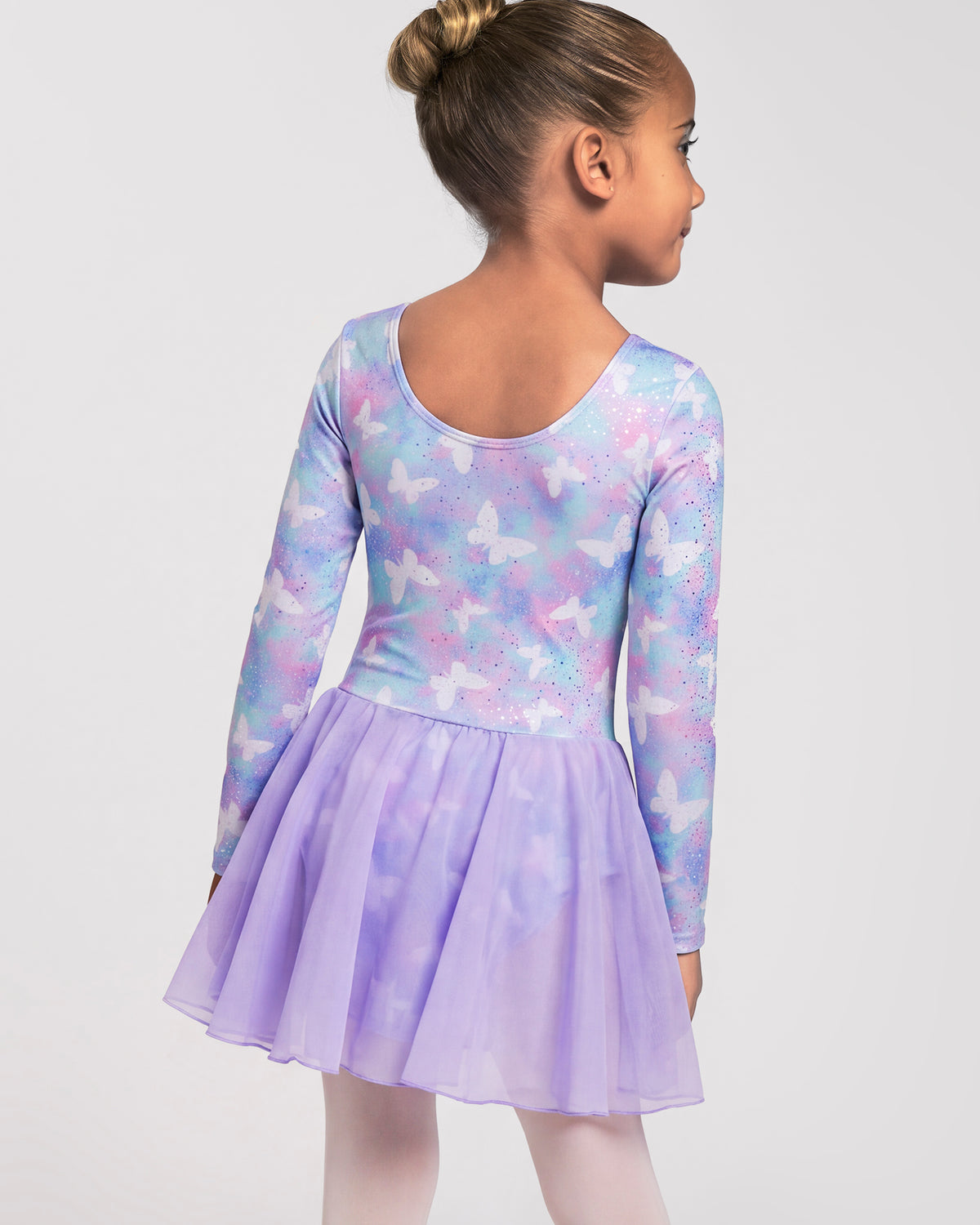
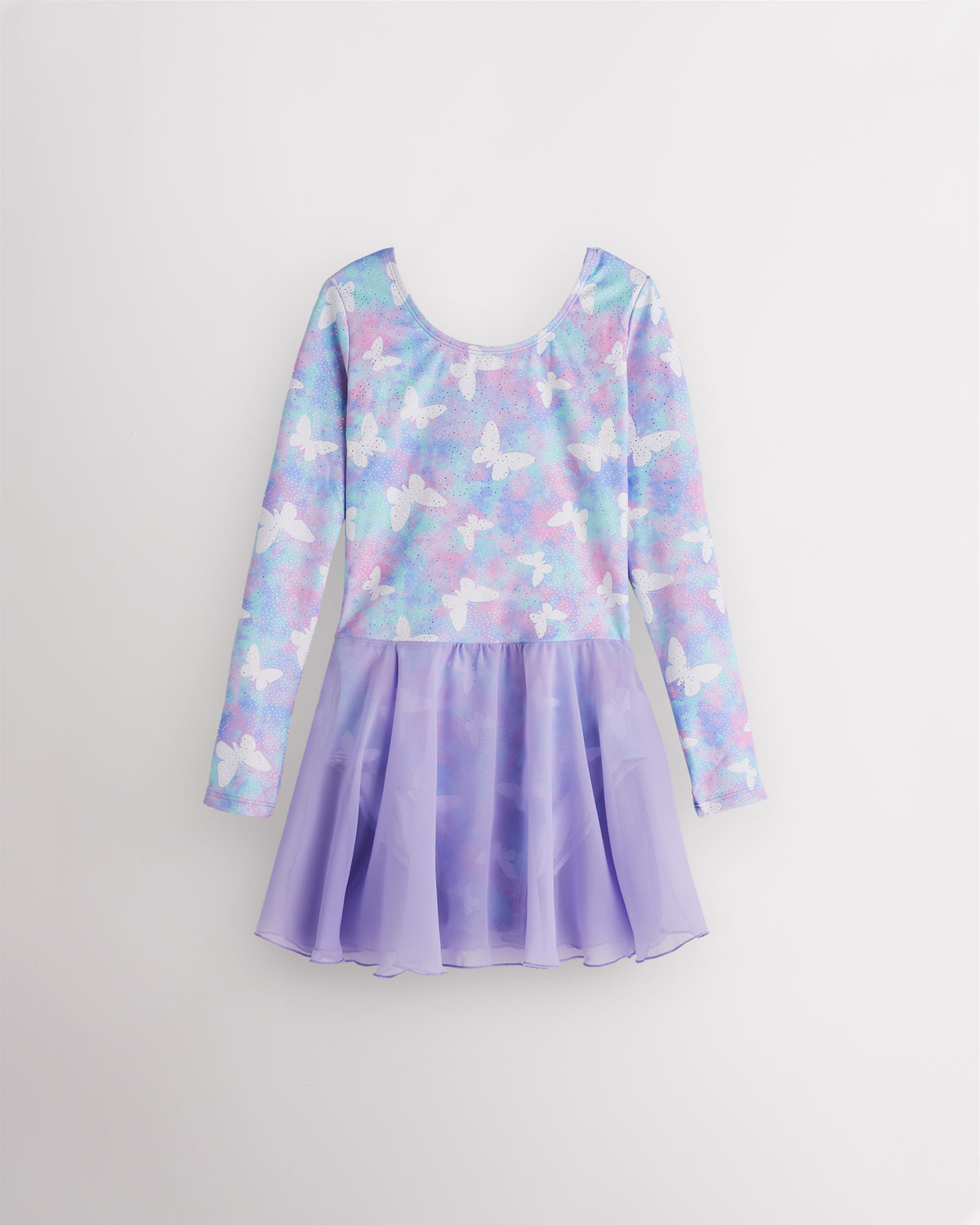
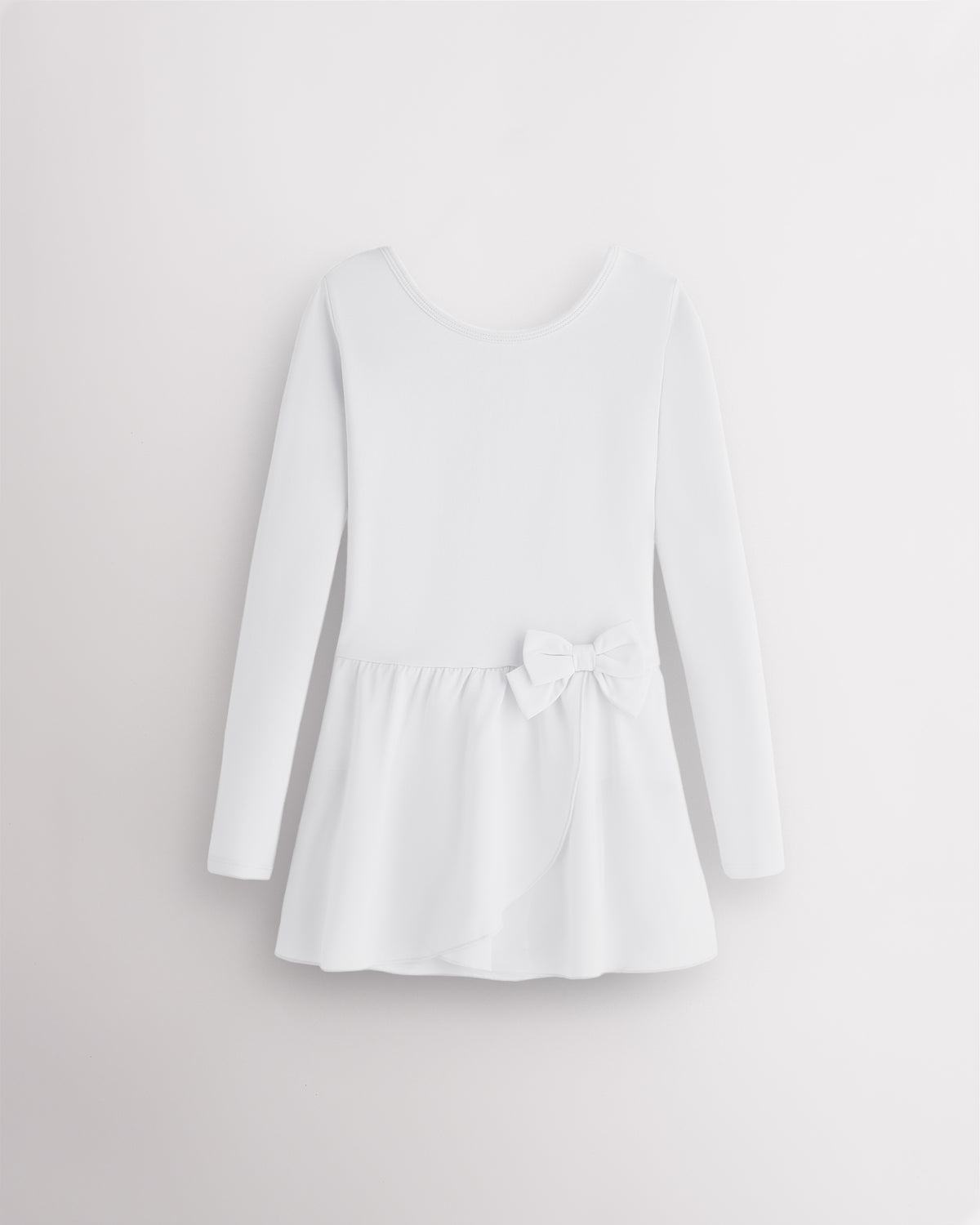
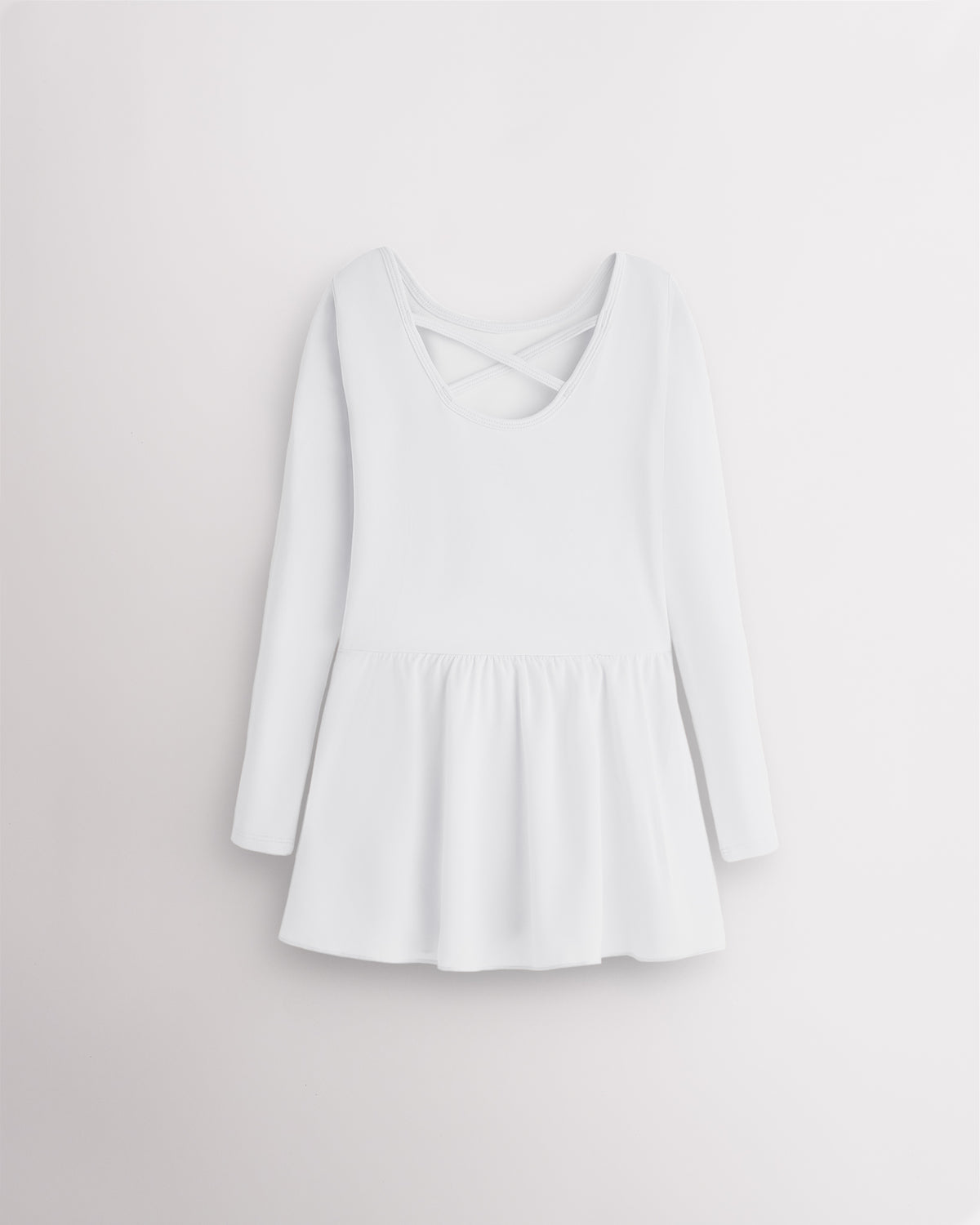
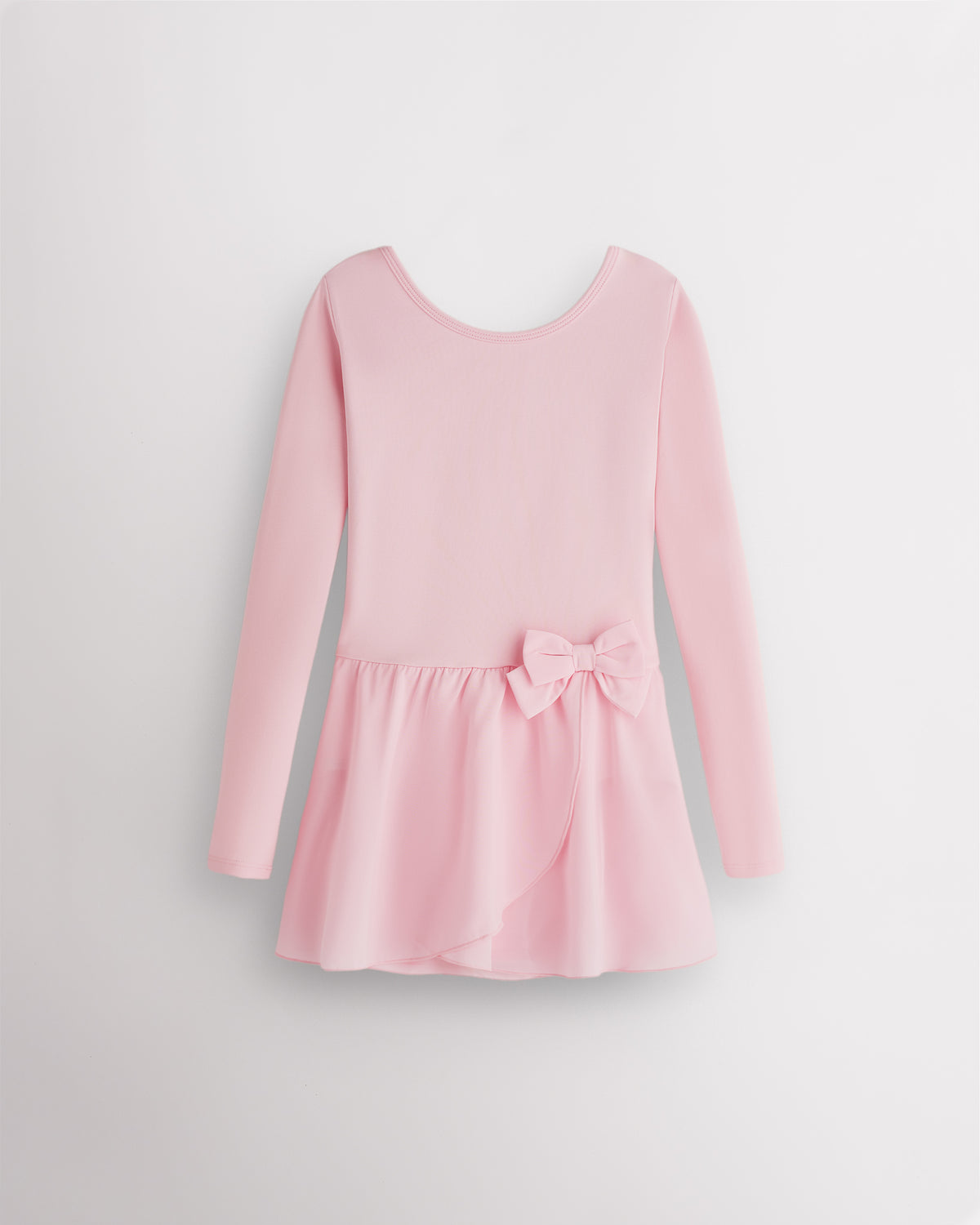
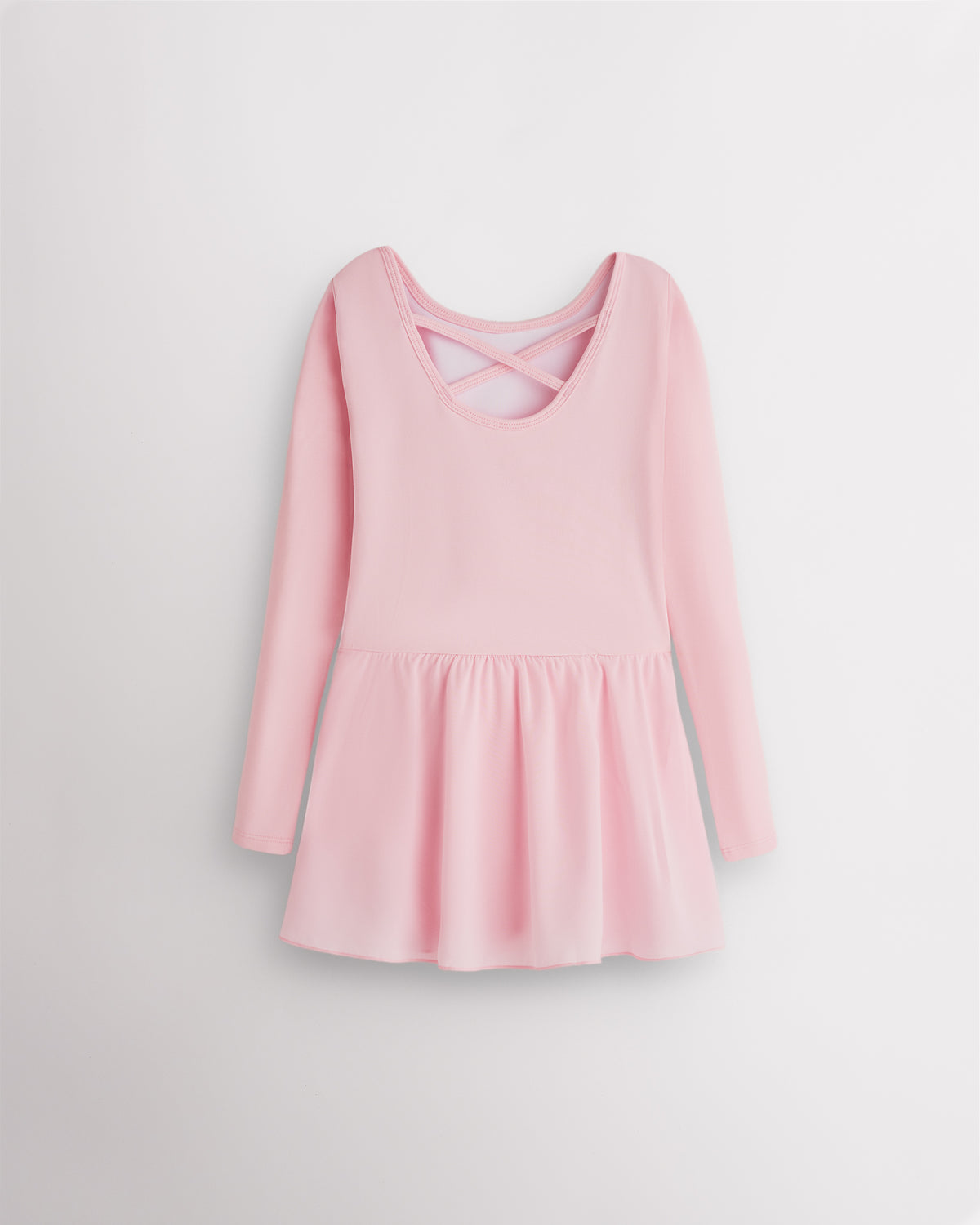
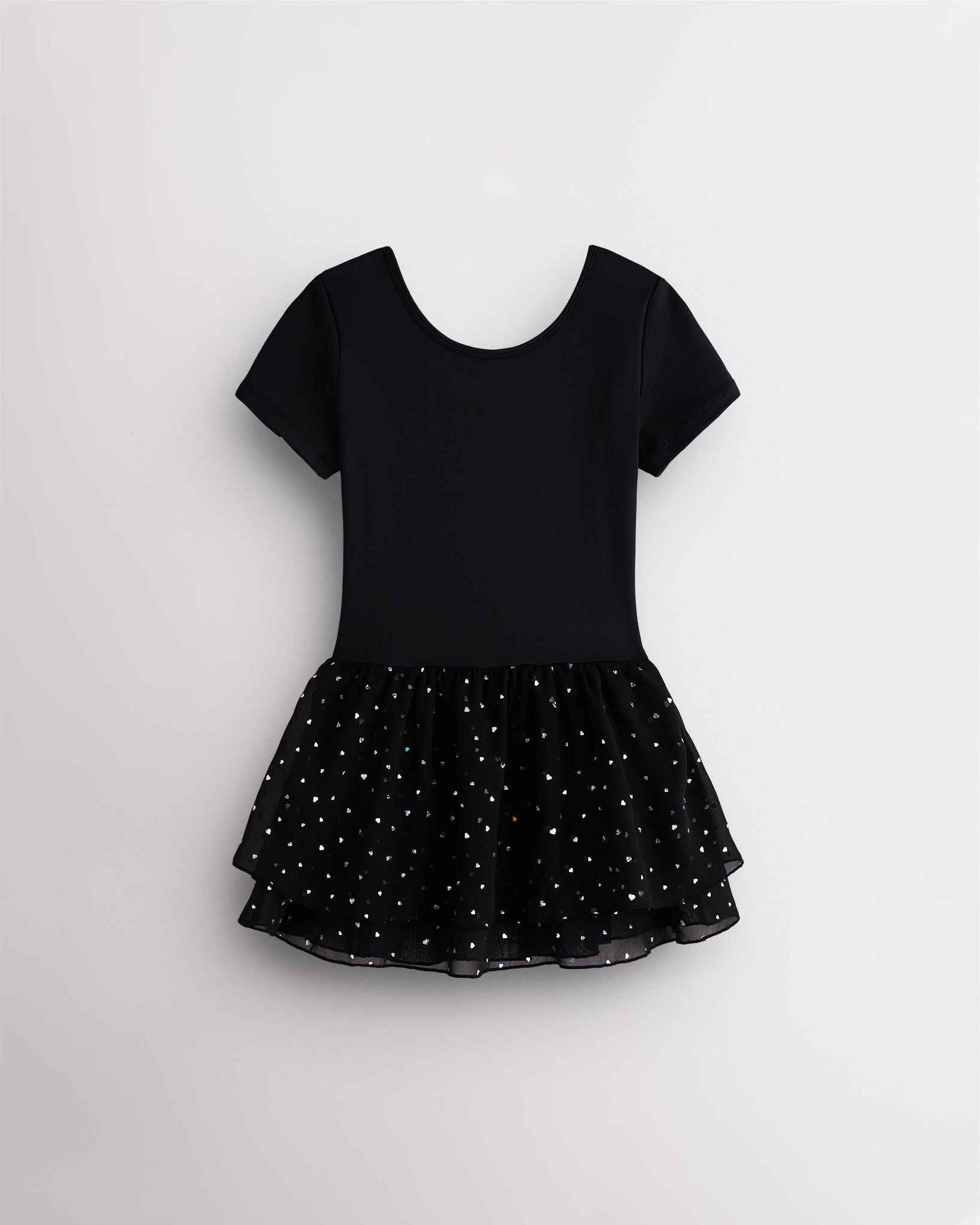
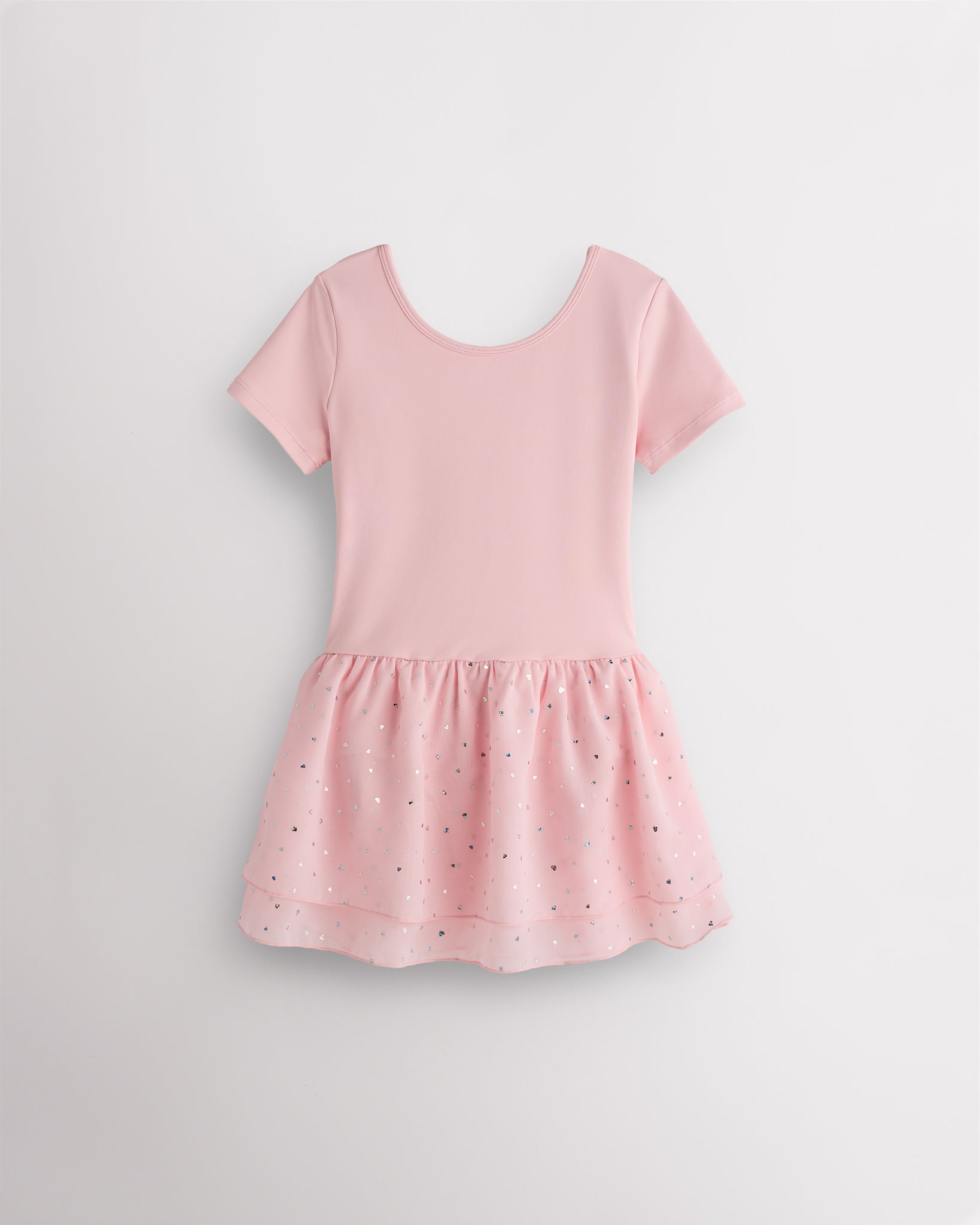
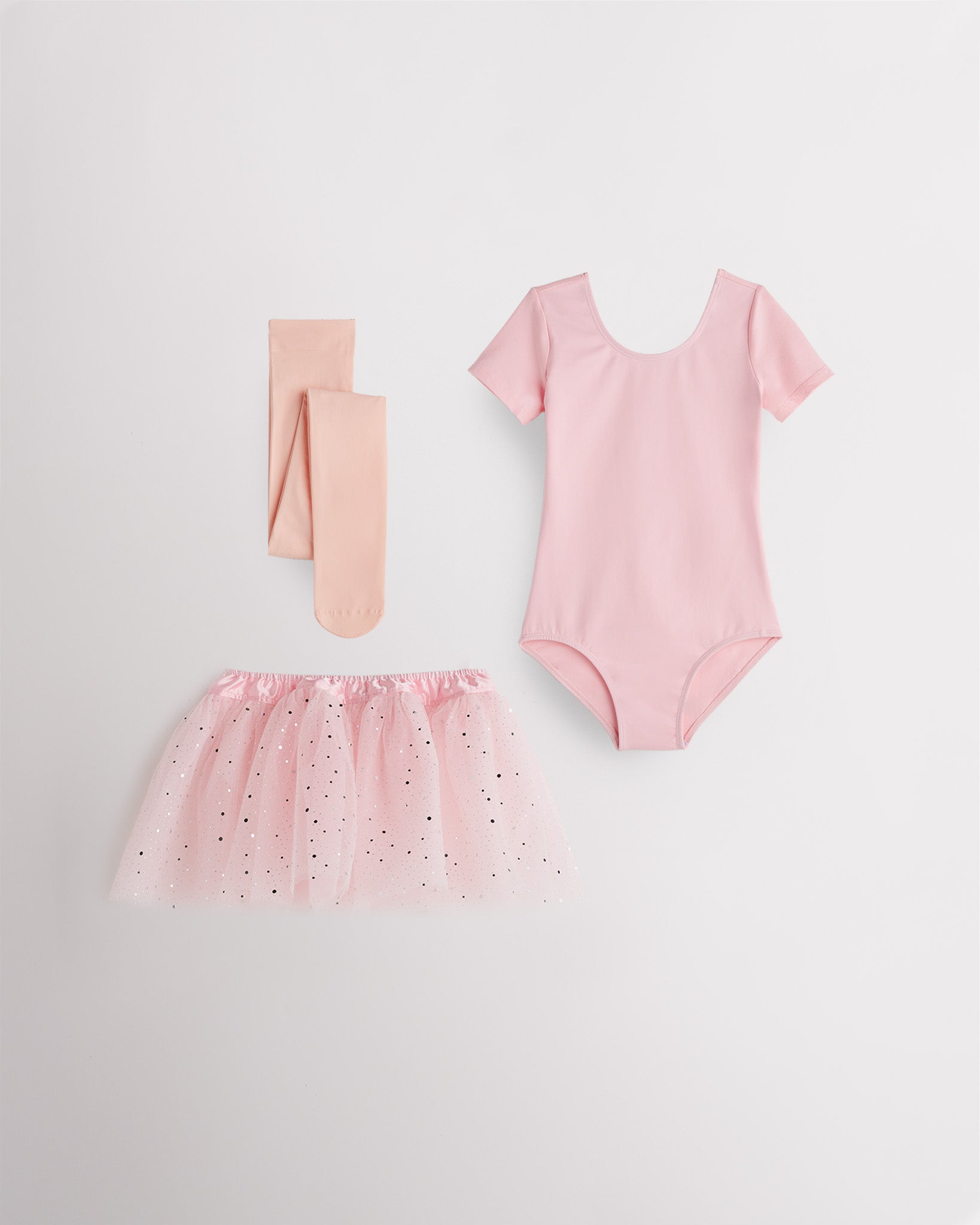
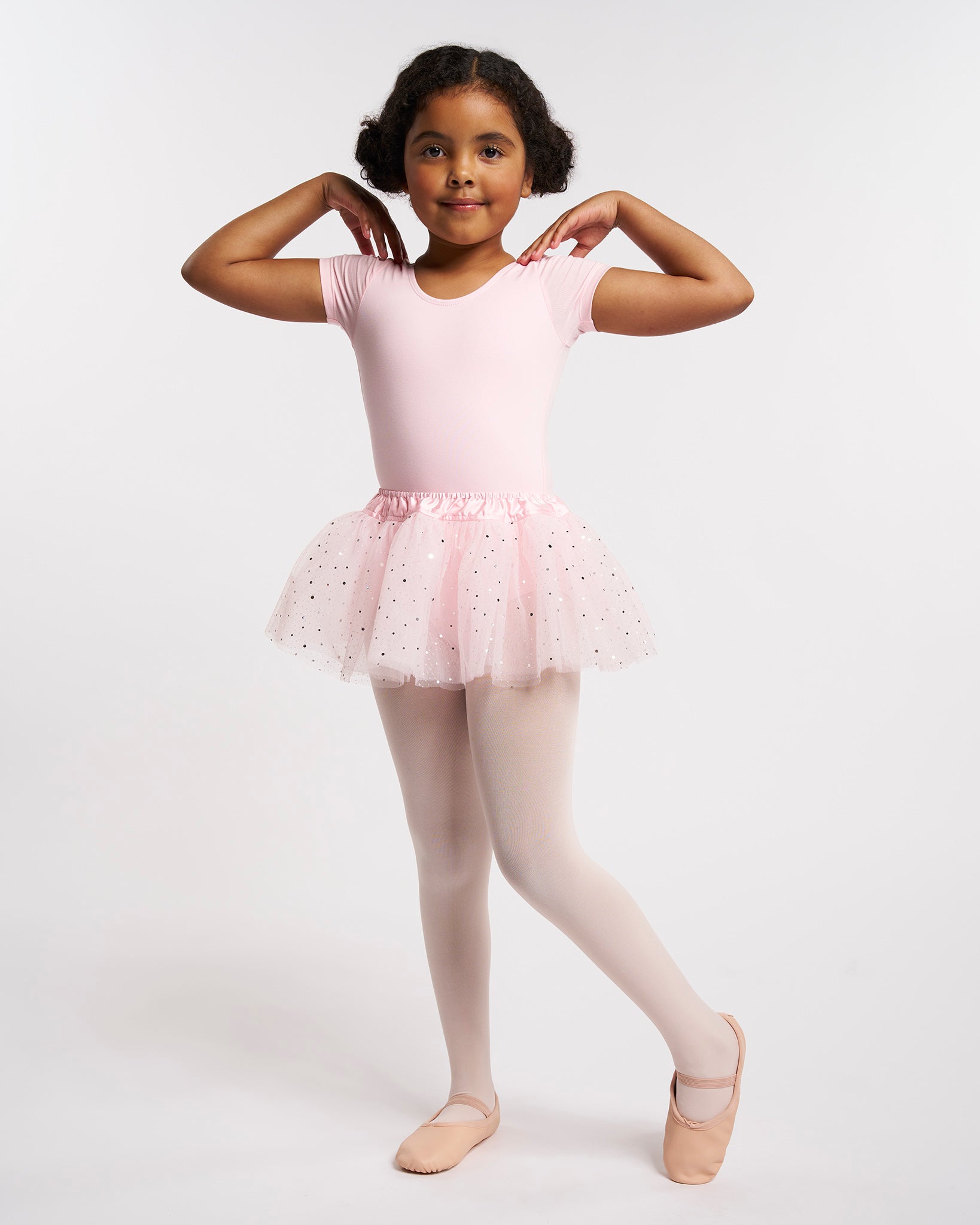
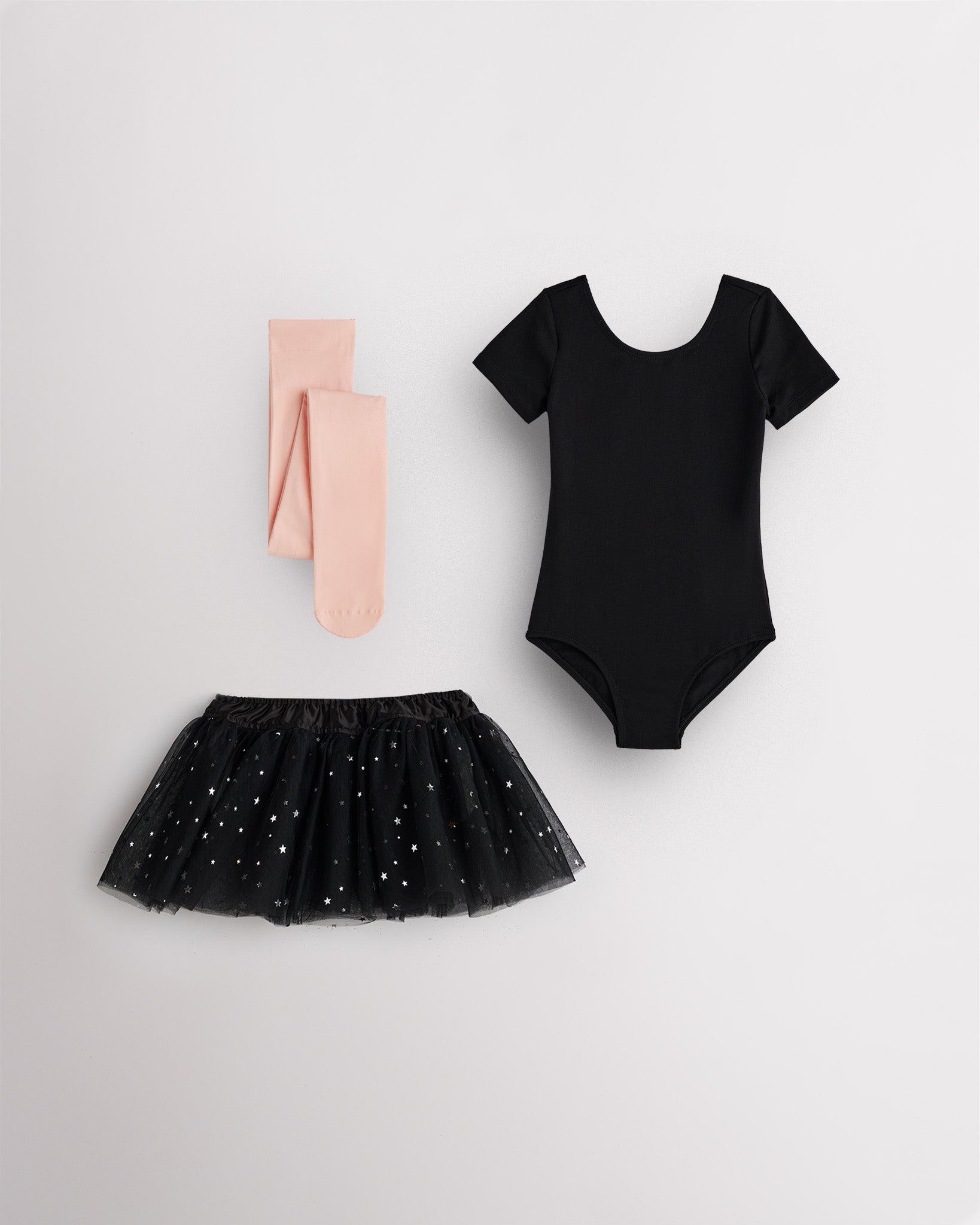
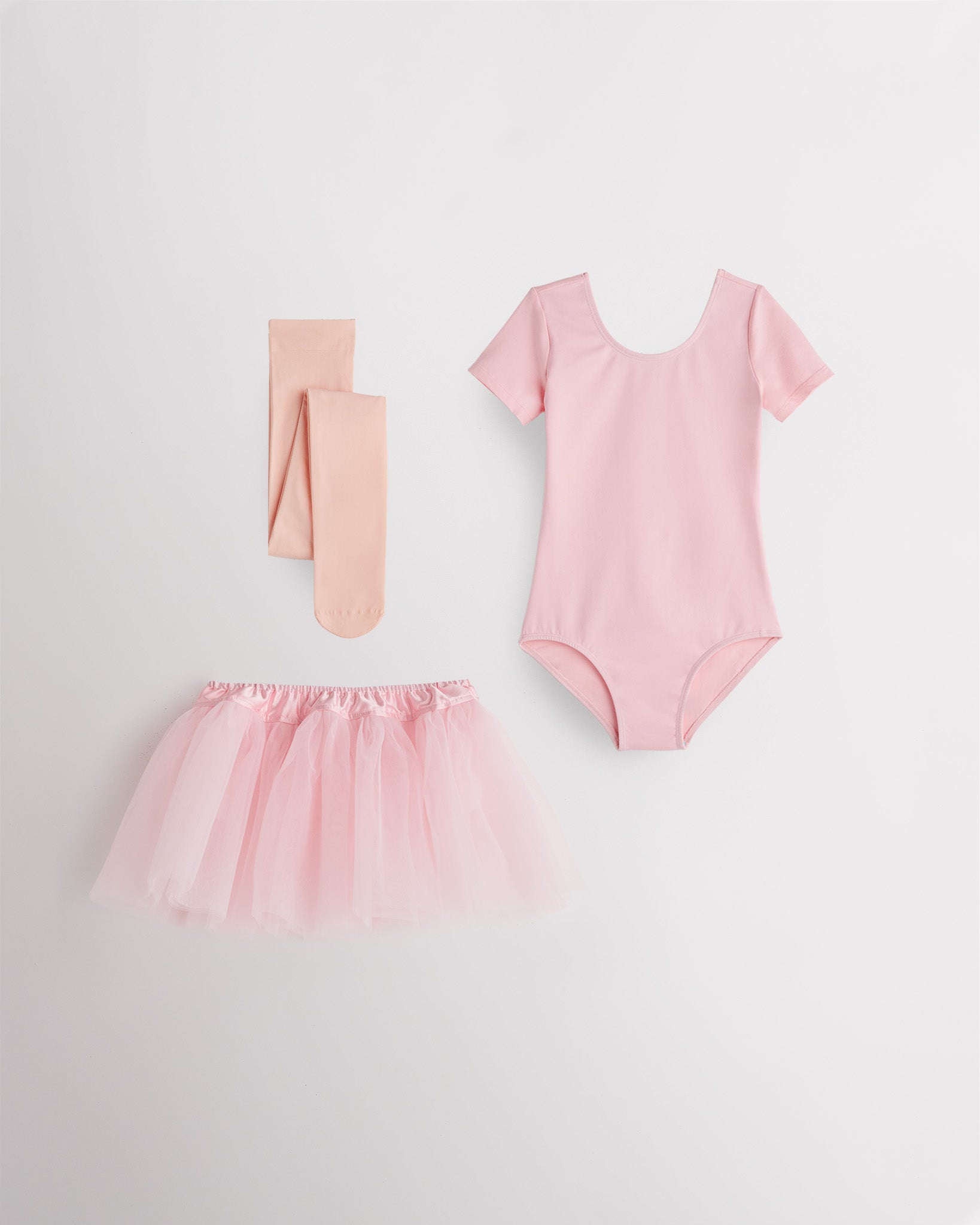
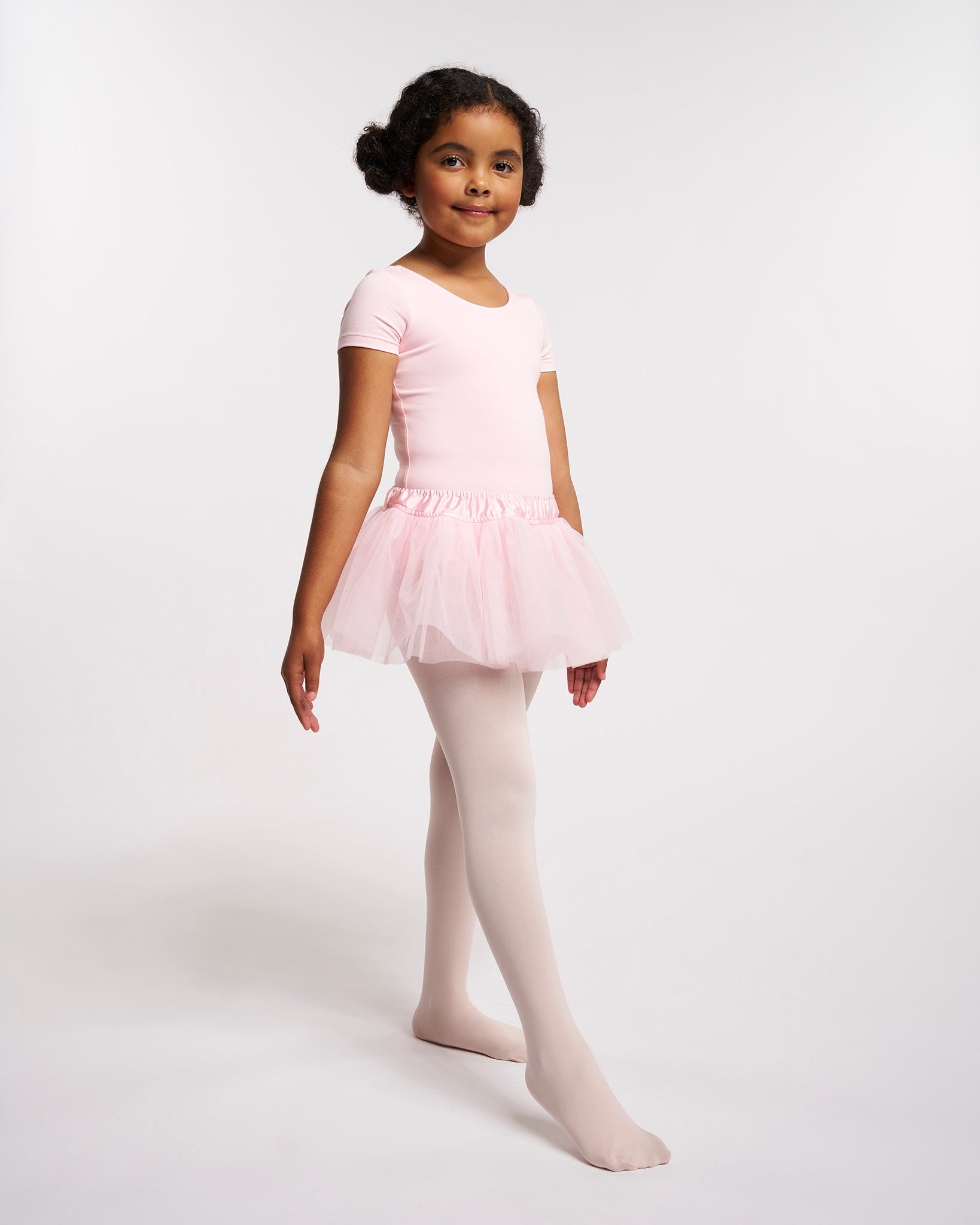
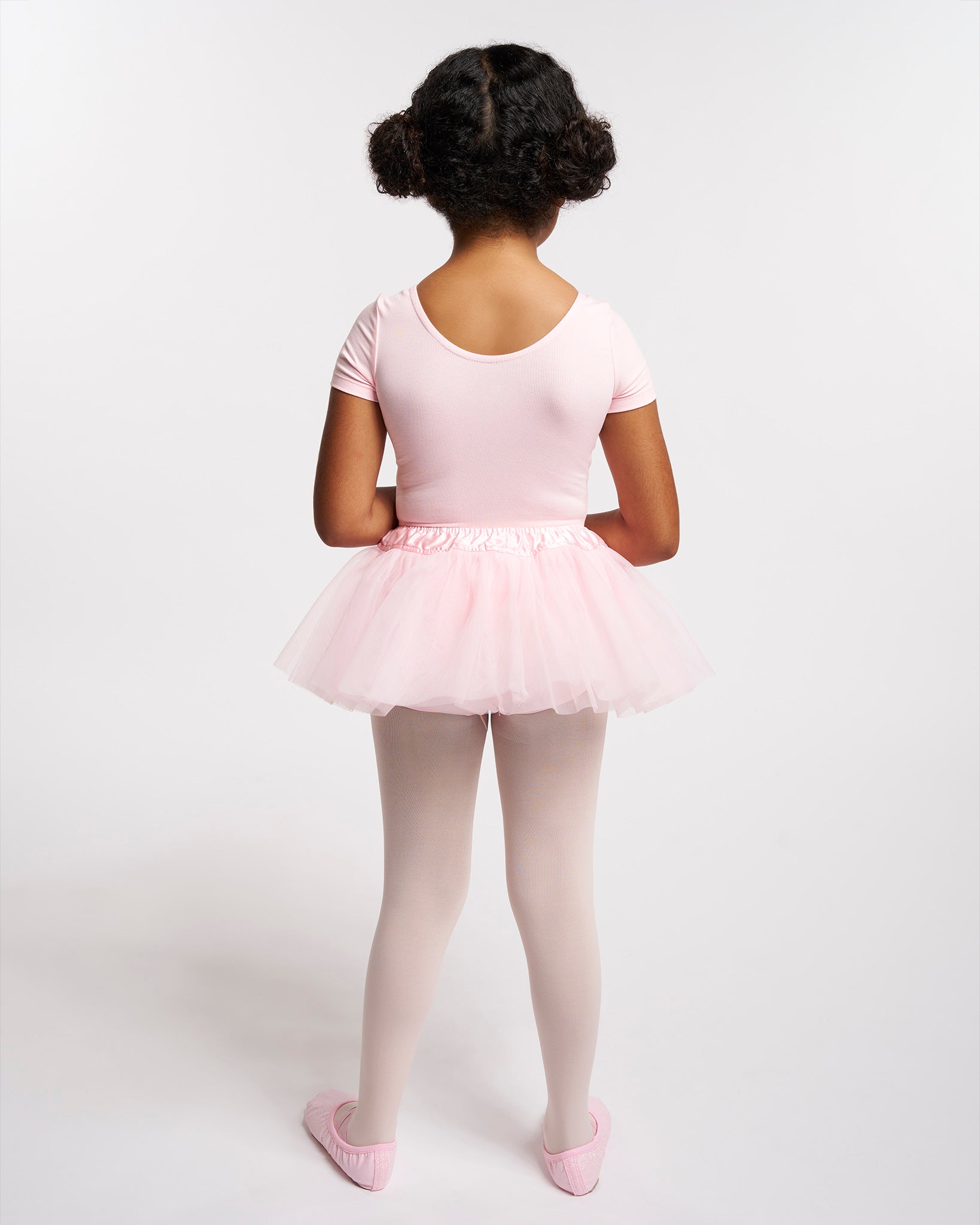
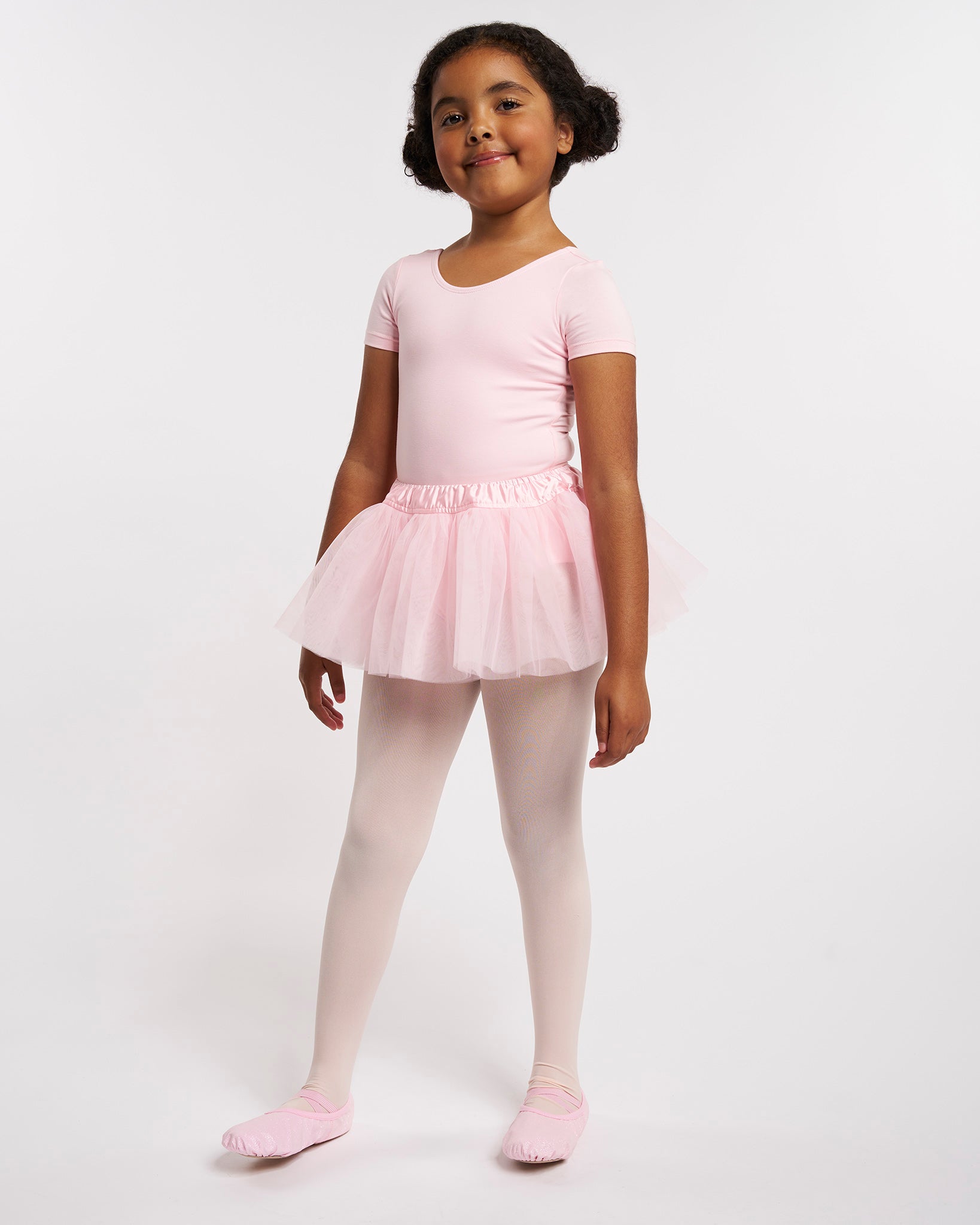
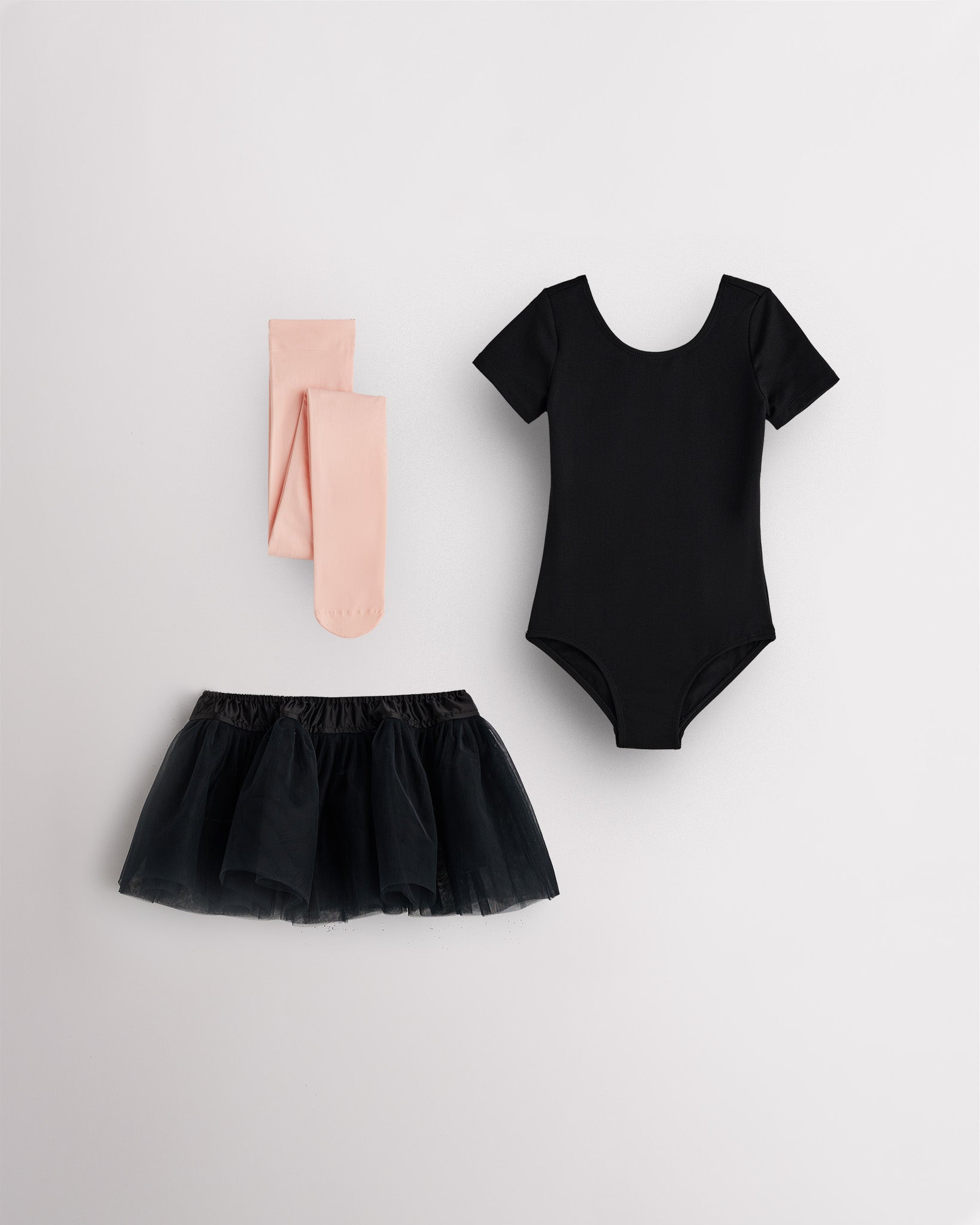
On that last point: a first ballet class needs less gear than most parents expect, usually just a plain girls' leotard, tights, and soft ballet shoes rather than anything from the costume rack. If the interest sticks past December, our guides on the right age to start ballet and what to expect at a first ballet class walk through the practical side.
And if the show lands, keep going: story ballets make great next steps, starting with our Swan Lake guide for families.

FAQ
Is the Nutcracker a ballet or a play?
It is a ballet. There are no spoken lines; the story is told through dancing, mime, and Tchaikovsky's orchestral score. Watch Drosselmeyer for how mime does the talking: a hand to the heart means love, arms circled overhead mean dance. Some cities also stage Nutcracker-themed plays and musicals, so if "ballet" is not in the show's title, check the listing before buying.
What age is a good fit for the Nutcracker ballet?
Around 5 and up for a full-length production, matching New York City Ballet's recommendation. Younger kids often do better at shortened, sensory-friendly, or student matinee performances. A booking tip: early-December weekday matinees usually mean calmer crowds and cheaper seats than Christmas-week evenings.
Why is the Nutcracker a Christmas tradition?
The ballet is set on Christmas Eve, and after Balanchine's 1954 staging took off, an annual Nutcracker with local children in the cast became a season anchor for American companies and a family ritual for audiences. We trace the wider cultural side, from decor to gift-giving, in how the Nutcracker inspires Christmas traditions.
Is the battle scene scary for young kids?
It is loud rather than frightening: cannon effects, drums, and oversized mouse costumes that most productions play partly for laughs. The scene ends within minutes and the villain is gone by intermission. A quick heads-up beforehand ("the mice lose") is usually plenty for a sensitive child, and looking up a photo of the Nutcracker ballet Mouse King together first also helps; the costume reads more silly than sinister up close.
Do we need to dress up for the Nutcracker?
Most theaters have no dress code; expect a mix from velvet dresses to jeans. Holiday-nice is a safe middle ground, with comfort winning for kids since they will sit for two hours. Our guide on what to wear to the ballet breaks it down by venue and season.
About the Stelle Team
Stelle is a mom-trusted dancewear & athleisure brand best known for girls’ ballet and dance essentials since 2015. Every article is created and reviewed by the team behind the products, drawing on what we hear from dance teachers, studio owners, and dance parents every day. Learn more about Stelle.