






Famous Ballerinas: Legends & Stars Dancing Today
Table of contents
Answer Summary
The most famous ballerinas fall into two groups: historic legends such as Anna Pavlova, Margot Fonteyn, and Maria Tallchief, and modern stars such as Misty Copeland and Tiler Peck. Each of them changed what audiences expect a ballerina to be, and each story gives a young dancer something real to hold onto. This guide covers the legends, the stars on stage today, and what the title prima ballerina actually means.
Key Takeaways
-
Anna Pavlova, a ballerina famous for the solo The Dying Swan, brought ballet to audiences around the world in the early 1900s.
-
Margot Fonteyn holds the Royal Ballet's rare title of Prima Ballerina Assoluta, and her celebrated partnership with Rudolf Nureyev began when she was in her 40s.
-
Maria Tallchief, a dancer of Osage descent, was the first Native American to hold the rank of prima ballerina.
-
Misty Copeland became the first Black woman promoted to principal dancer at American Ballet Theatre in 2015 and retired from the company in October 2025.
-
Most companies today rank dancers as corps de ballet, soloist, and principal; prima ballerina assoluta is an honorific granted to only a handful of dancers in ballet history.
The Legends: The Most Famous Ballerinas in History
These five women are the famous female ballerinas your child is most likely to hear about in class, in books, and in documentaries. This list sticks to women in classical ballet; we cover famous dancers across jazz, tap, and other styles in a separate guide to famous dancers. Many of their signature roles come from the classic ballets worth knowing, so the two topics pair well for a curious kid.

Anna Pavlova (1881 to 1931)
Pavlova trained at the Imperial Ballet School in St. Petersburg, joined the Imperial Ballet in 1899, and became a prima ballerina in 1906, according to Britannica. Her signature solo, The Dying Swan, was created for her by choreographer Michel Fokine around 1905 and stayed linked to her for the rest of her life. What made her different was reach. She formed her own touring company and performed across continents at a time when most dancers stayed home with one theater, which is why, nearly a century after her death, many people still picture Pavlova first when they hear the word ballerina.
Margot Fonteyn (1919 to 1991)
Fonteyn spent her career with the company that became the Royal Ballet, debuting in 1934, and her Aurora in The Sleeping Beauty was considered the defining interpretation of her era, per Britannica. The Royal Ballet and Opera lists her with the title Royal Ballet Prima Ballerina Assoluta, an honor very few dancers have received. Her most famous chapter came late: she first danced Giselle with Rudolf Nureyev in February 1962, in her 40s, and the partnership became one of the most celebrated in ballet history. She retired in 1979 at age 60. For a child who worries about being behind, Fonteyn is proof that artistry keeps growing long after technique peaks.
Maria Tallchief (1925 to 2013)
Born in Fairfax, Oklahoma, of Osage and Scottish-Irish descent, Tallchief joined the Ballet Russe de Monte Carlo in 1942 and became a founding member of New York City Ballet, where George Balanchine created the 1949 Firebird for her, according to Britannica. The Kennedy Center, which honored her in 1996, describes her as the first Native American to hold the rank of prima ballerina. Her image now appears on a U.S. quarter issued in 2023 as part of the American Women Quarters program.
Alicia Alonso (1920 to 2019)
Cuba's most celebrated dancer joined Ballet Theatre, the company that became American Ballet Theatre, in 1943 and built a Giselle praised for its liveliness and precision, per Britannica. She did it while managing serious eye problems that eventually left her nearly blind. In 1957 she became the first Western dancer invited to perform in the Soviet Union, and she went on to found and direct the Ballet Nacional de Cuba, giving her final performance in 1995. If your child is curious about the role that made her famous, our guide to the story of Giselle walks through it scene by scene.
Natalia Makarova (born 1940)
Makarova joined the Kirov Ballet in 1959 and won a gold medal at the 1965 Varna International Ballet Competition, then made headlines in 1970 when she chose to remain in the West during a London tour and joined American Ballet Theatre, according to Britannica. Famed for her Giselle, she later won a Tony Award for the 1983 Broadway musical On Your Toes and received a Kennedy Center Honor in 2012. Her story shows kids that a dancer's judgment and courage matter as much as her feet.
Famous Ballerinas Today
Plenty of kids first meet a famous ballerina dancer through YouTube or Instagram rather than a theater seat, and today's stars are unusually easy to watch and learn from. Company rosters change season to season, so we have noted each dancer's rank as listed on her company's own site at the time of writing.
Misty Copeland
Copeland started ballet at 13, far later than most professionals, and still rose to the top: in 2015 she made history as the first Black woman promoted to principal dancer at American Ballet Theatre. She retired from ABT at a farewell gala on October 22, 2025, and NPR reports she is focusing on her foundation, her children's books, and programs that widen access to dance. Her late start pairs well with our look at the right age to begin ballet: passion and consistency can outweigh an early start.
Tiler Peck
Peck grew up in Bakersfield, California, began dancing at age 2 in her mother's studio, and joined New York City Ballet in 2004, becoming a principal dancer in October 2009, per her NYCB profile, where she is listed as a principal at the time of writing. She is also choreographing now; her first work for NYCB premiered in February 2024. Kids who follow her online get a candid look at how much daily practice sits behind a polished stage moment.
Natalia Osipova
Moscow-born Osipova rose to principal at the Bolshoi Ballet in 2010, then joined The Royal Ballet as a principal in autumn 2013. She still holds that top rank on the Royal Ballet and Opera roster at the time of writing, and she is known for a huge jump and fearless acting in roles like Giselle and Odette/Odile. She has also won a Benois de la Danse award for outstanding female dancer.
Skylar Brandt
Brandt came up entirely through American Ballet Theatre's system: studio company in 2009, corps de ballet in 2011, principal in September 2020. Her ABT bio shows her among the company's principal dancers at the time of writing. Her generous social media teaching clips, covering everything from turns to stage nerves, have made her a favorite of student dancers.
Francesca Hayward
Hayward trained at The Royal Ballet School, joined the company in the 2010/11 season, and was promoted to principal in 2016, a rank her Royal Ballet and Opera profile confirms at the time of writing. Her repertory spans Juliet, Clara, Aurora, and Giselle, roles many young dancers will recognize from recital music and storybooks.

What Makes a Prima Ballerina?
Merriam-Webster defines a prima ballerina as "the principal female dancer in a ballet company," from the Italian for leading ballerina, with the term in English use since 1864. Margot Fonteyn is probably the most famous prima ballerina of the twentieth century, but the label works differently now than it did in her day. Most companies rank dancers with job titles instead, as The Australian Ballet explains, and promotion depends on demonstrated technique, artistry, and maturity.
|
Rank |
What it usually means |
|---|---|
|
Corps de ballet |
The ensemble; where nearly all professionals start |
|
Soloist |
Dances featured solo and supporting roles |
|
Principal |
The top rank; dances leading roles |
|
Prima ballerina assoluta |
A rare honorific, not a job title, given to a generation's most exceptional dancer |
People often search "how many prima ballerinas are there?" In the everyday sense, a large company can have several female principals at once, so there is no single prima ballerina at most companies today. The assoluta title is another matter: The Australian Ballet calls it "a rare honour awarded to the most exceptional dancers of a generation," bestowed on dancers such as Alicia Markova, Maya Plisetskaya, and Fonteyn, and notes the last dancer awarded it was Alessandra Ferri in 1992.
What These Stories Offer a Young Dancer
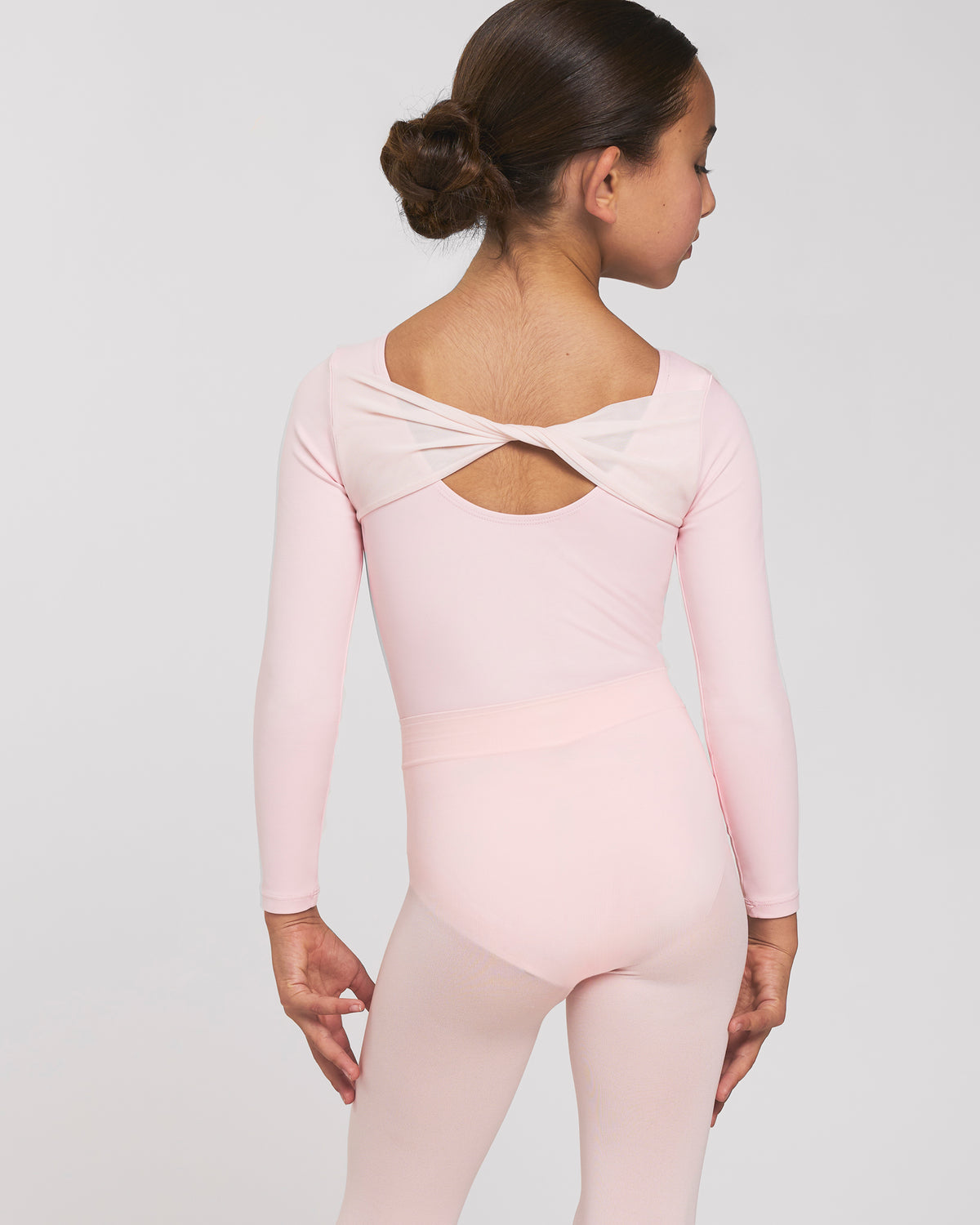
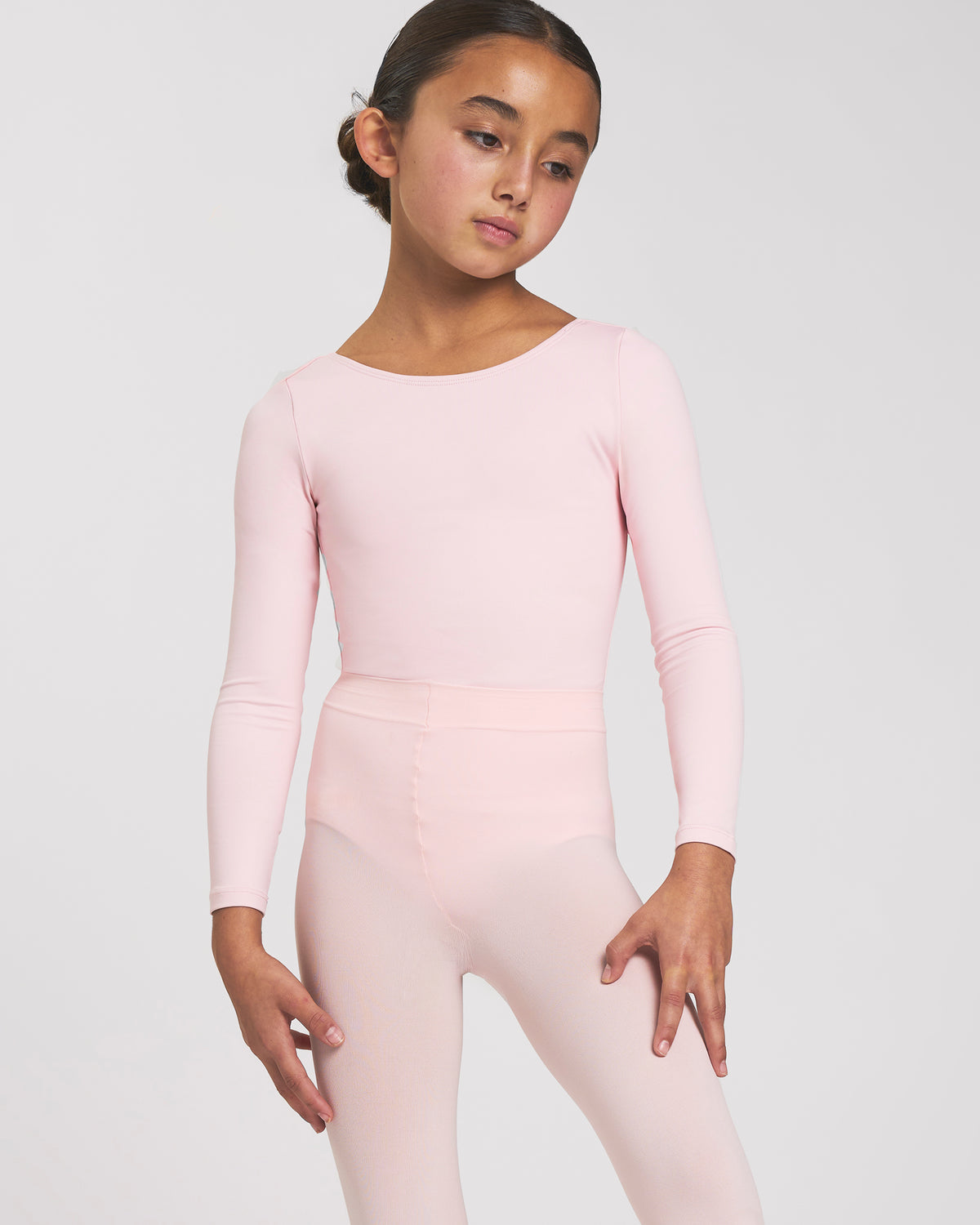
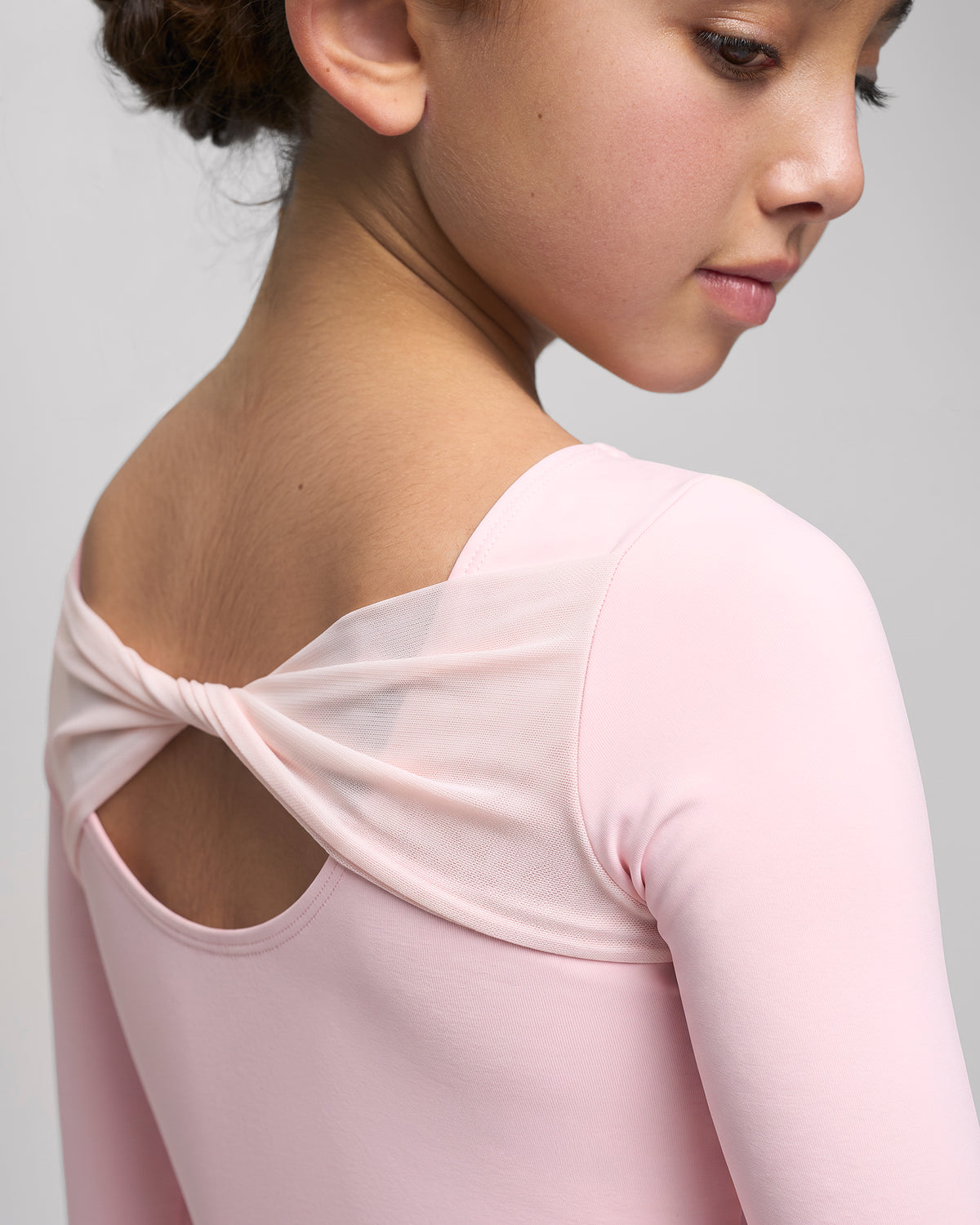
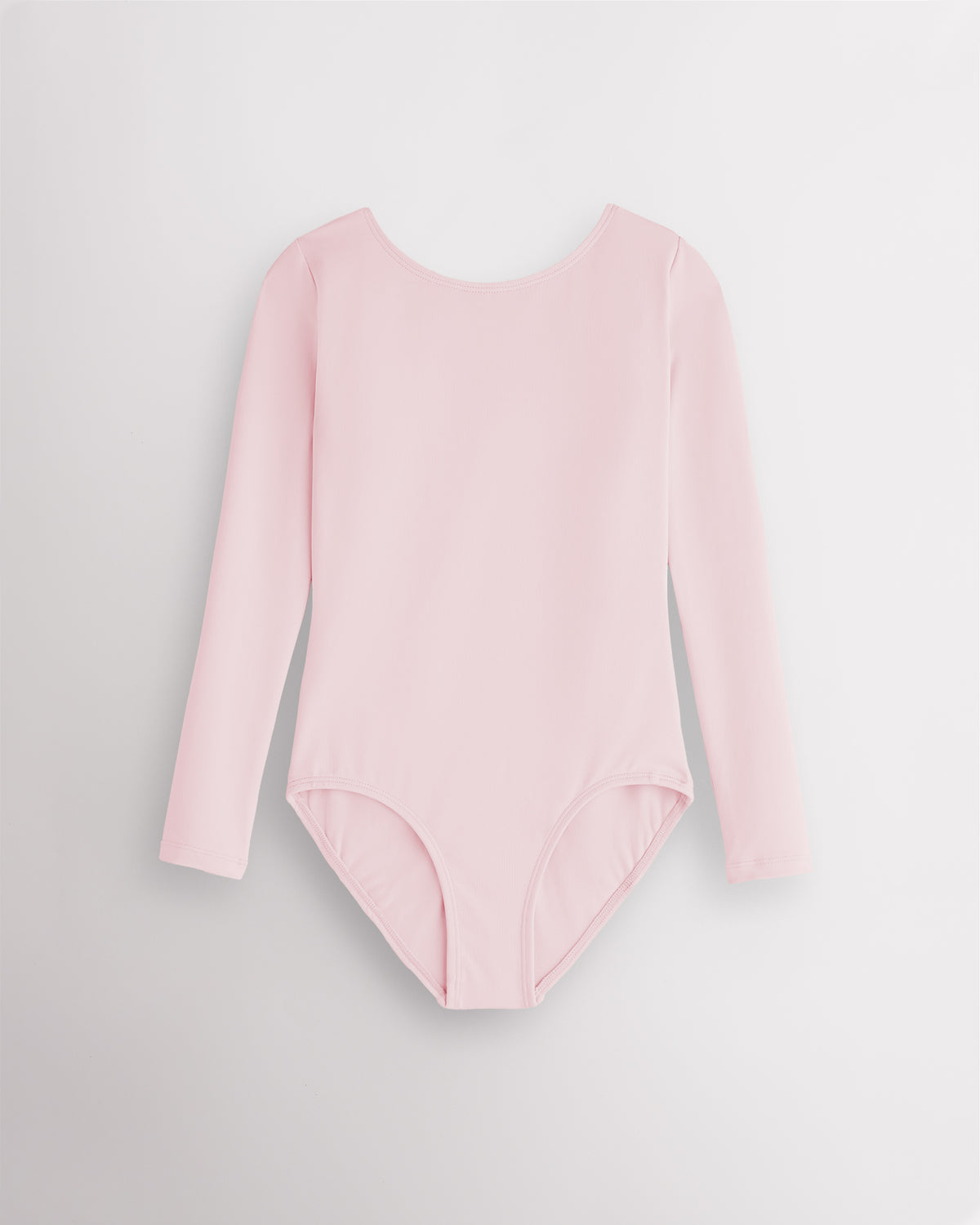
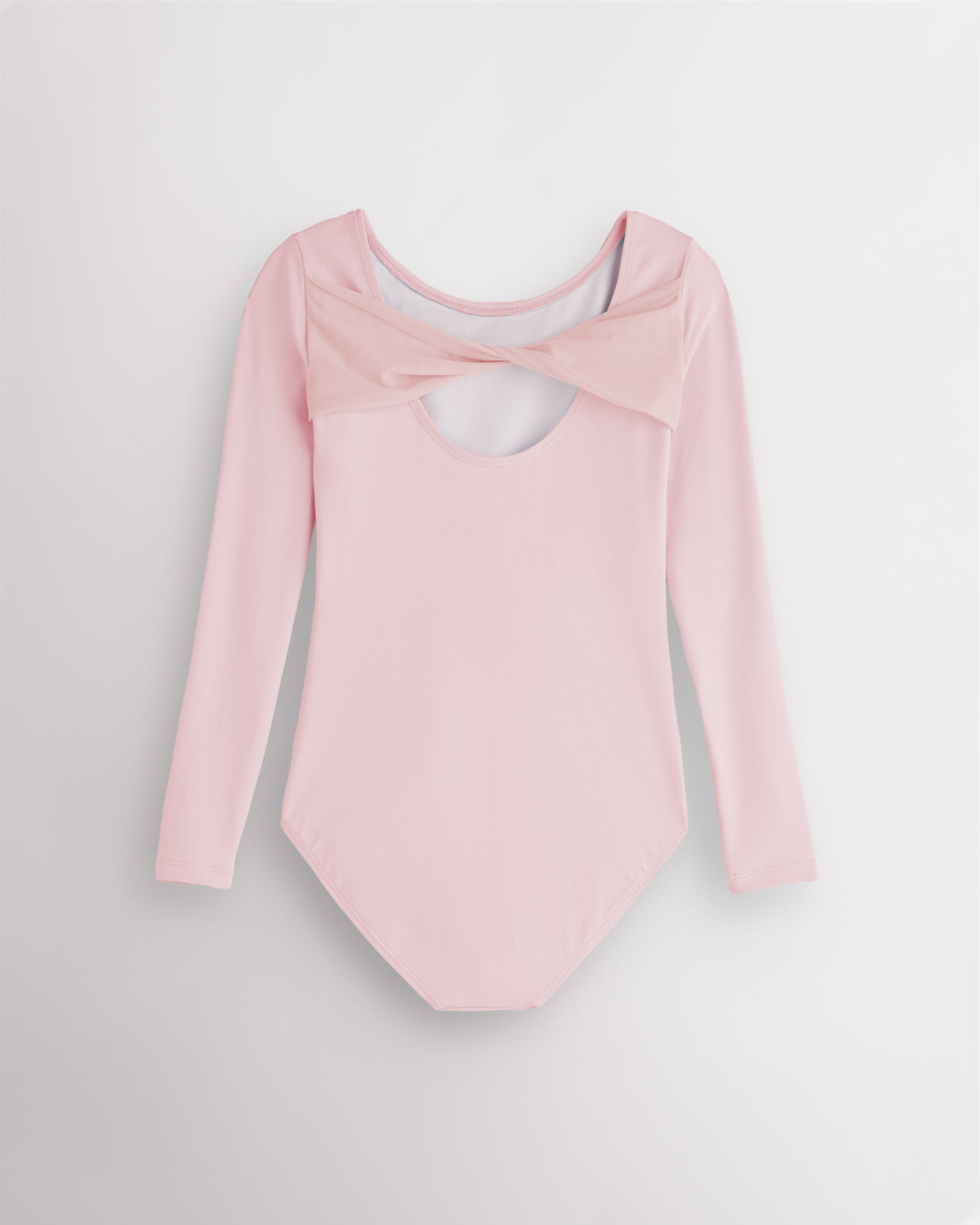
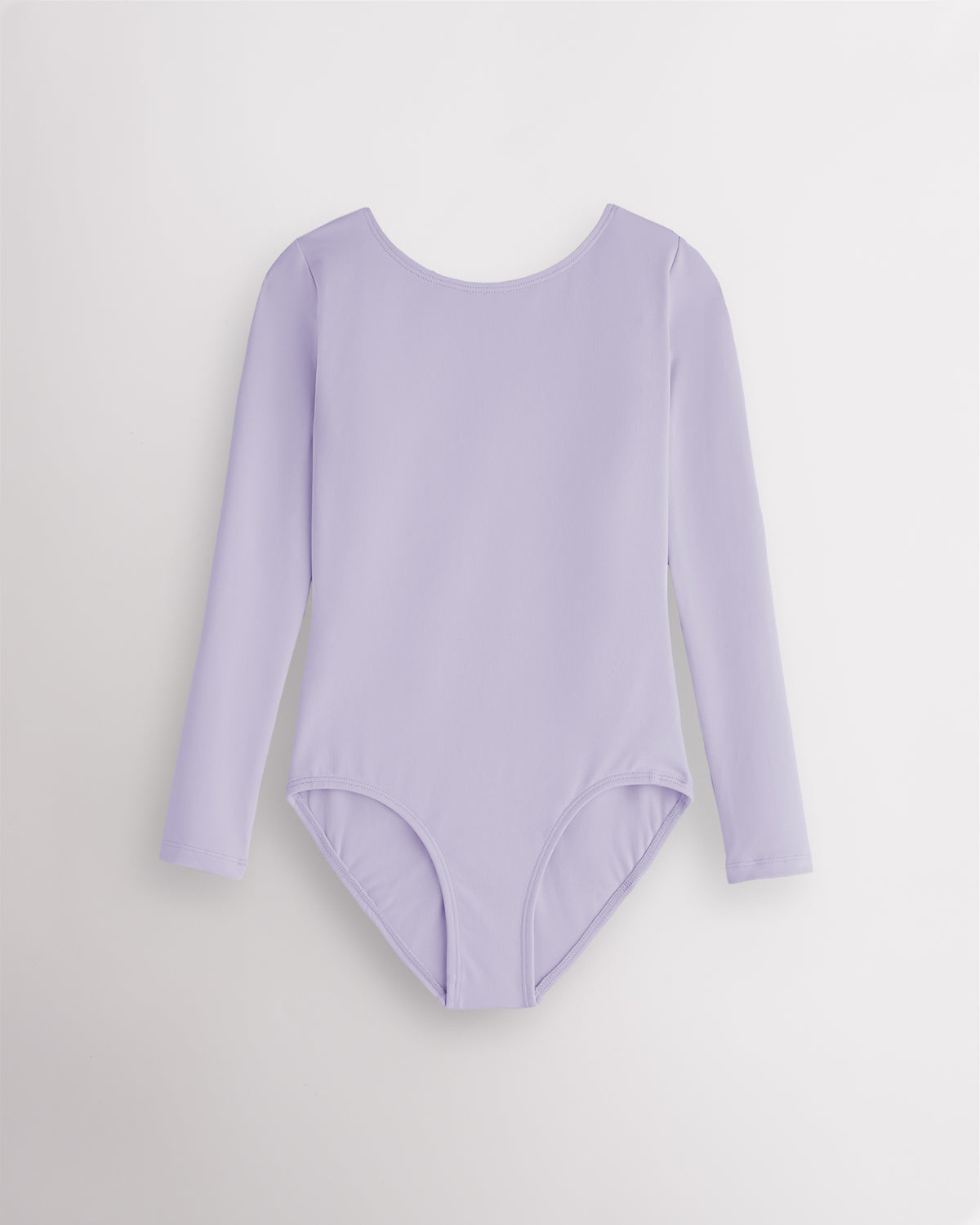
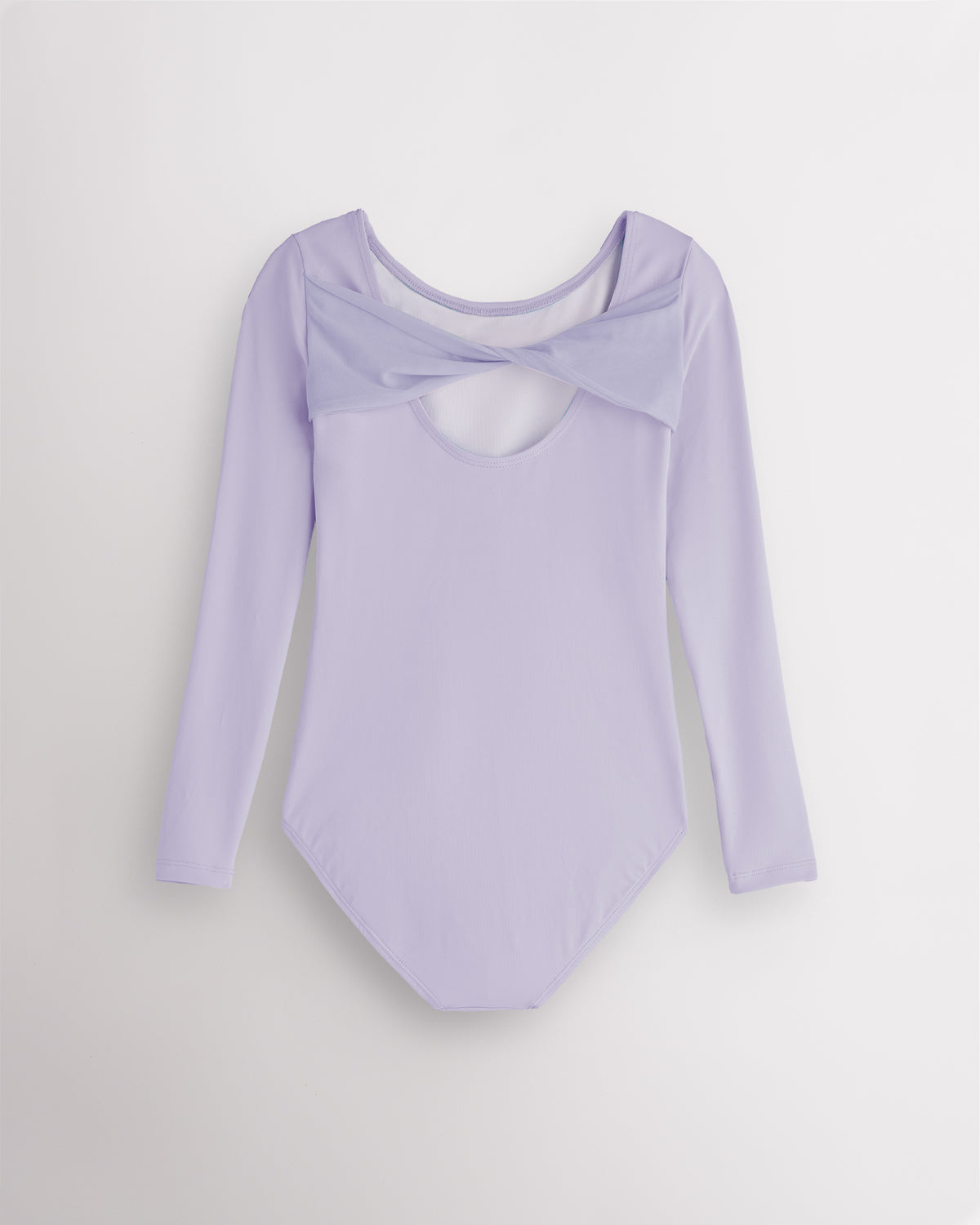
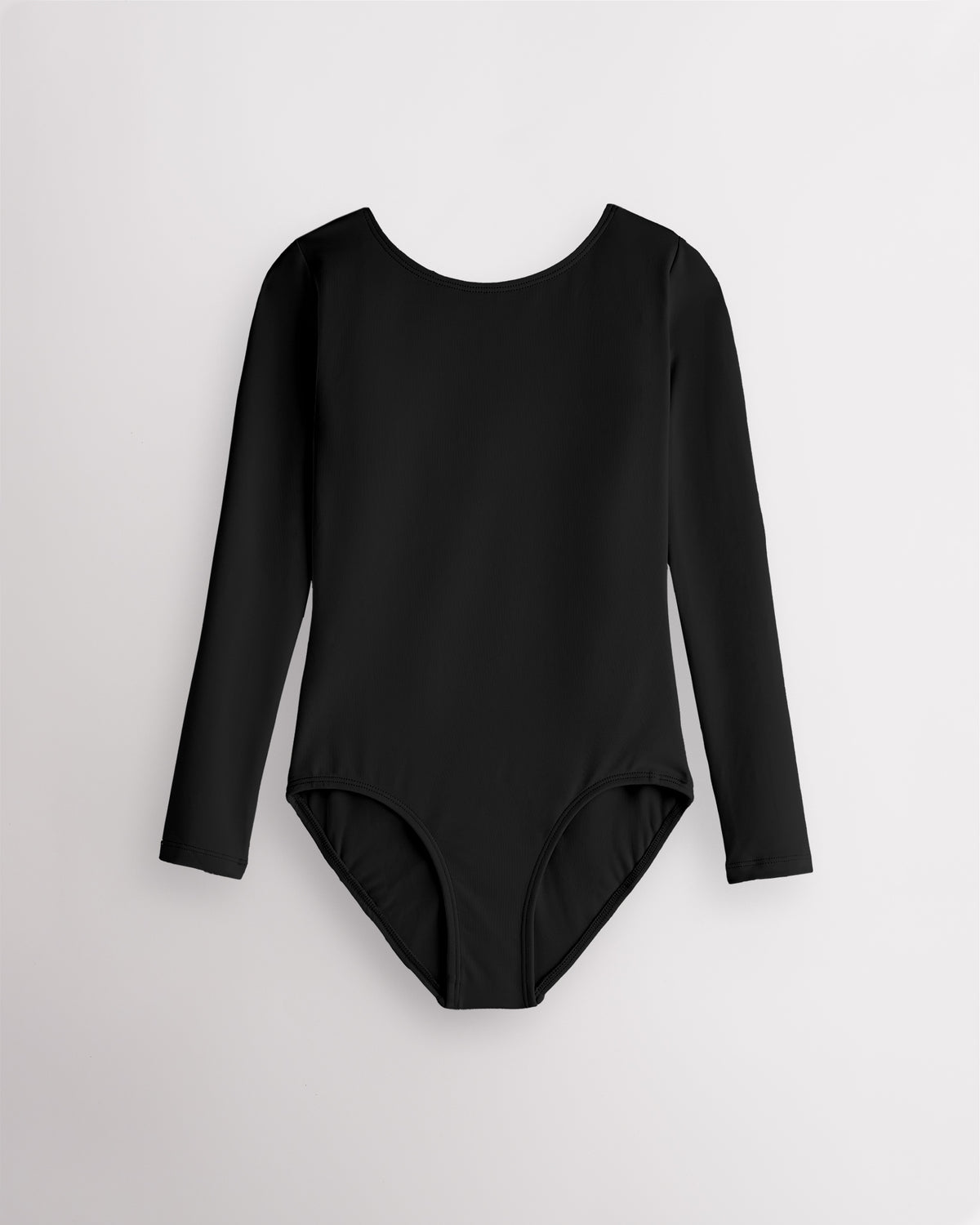
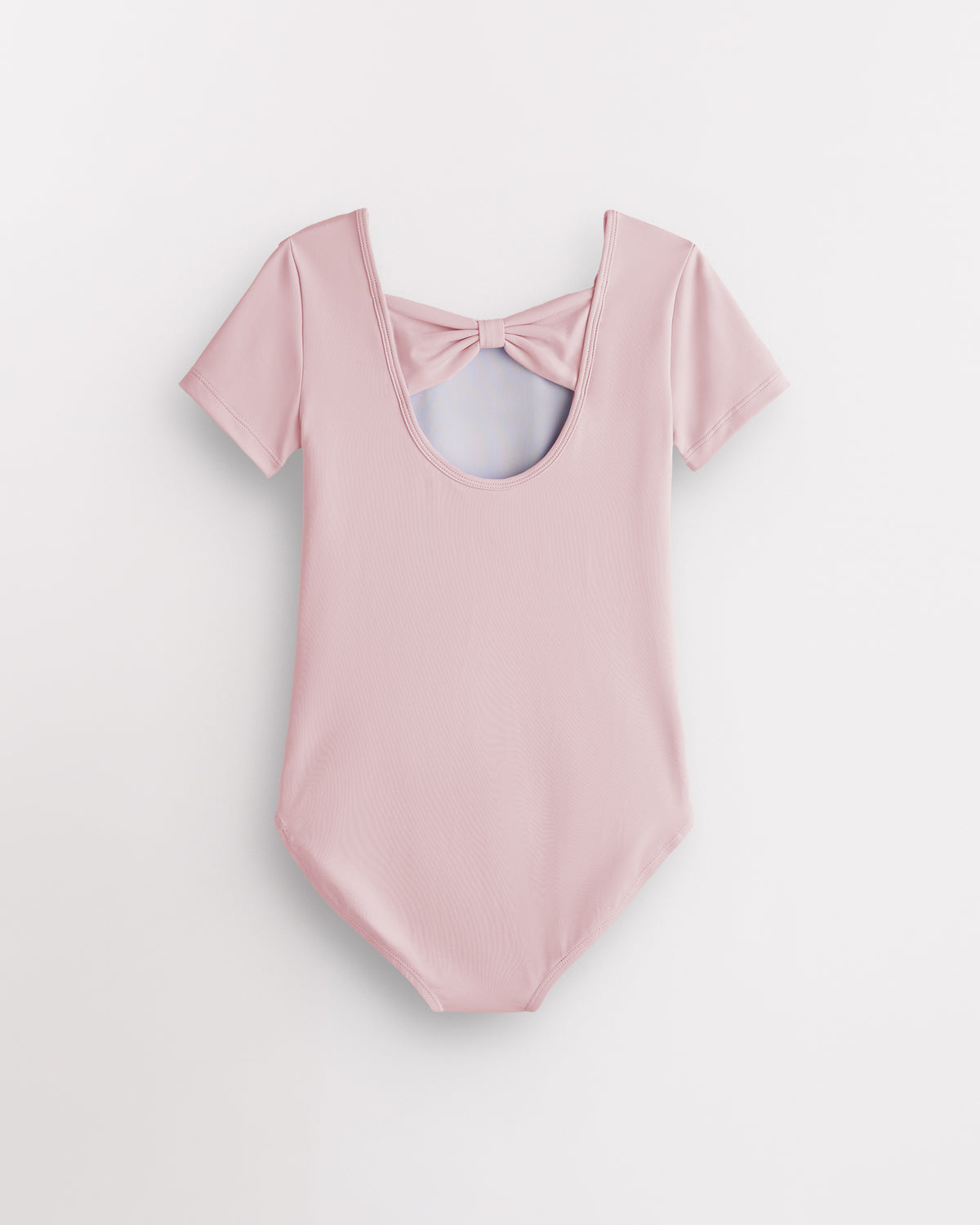
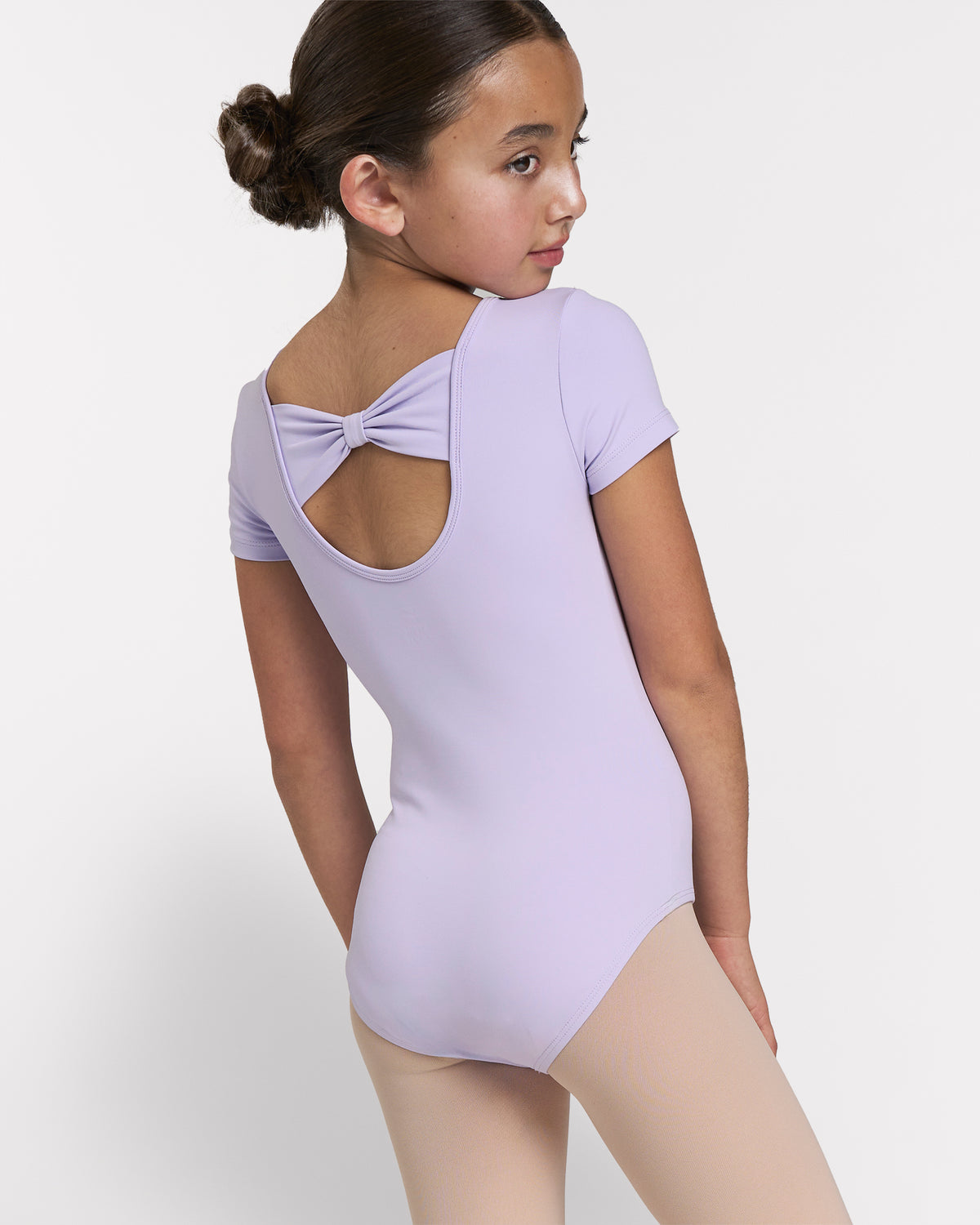
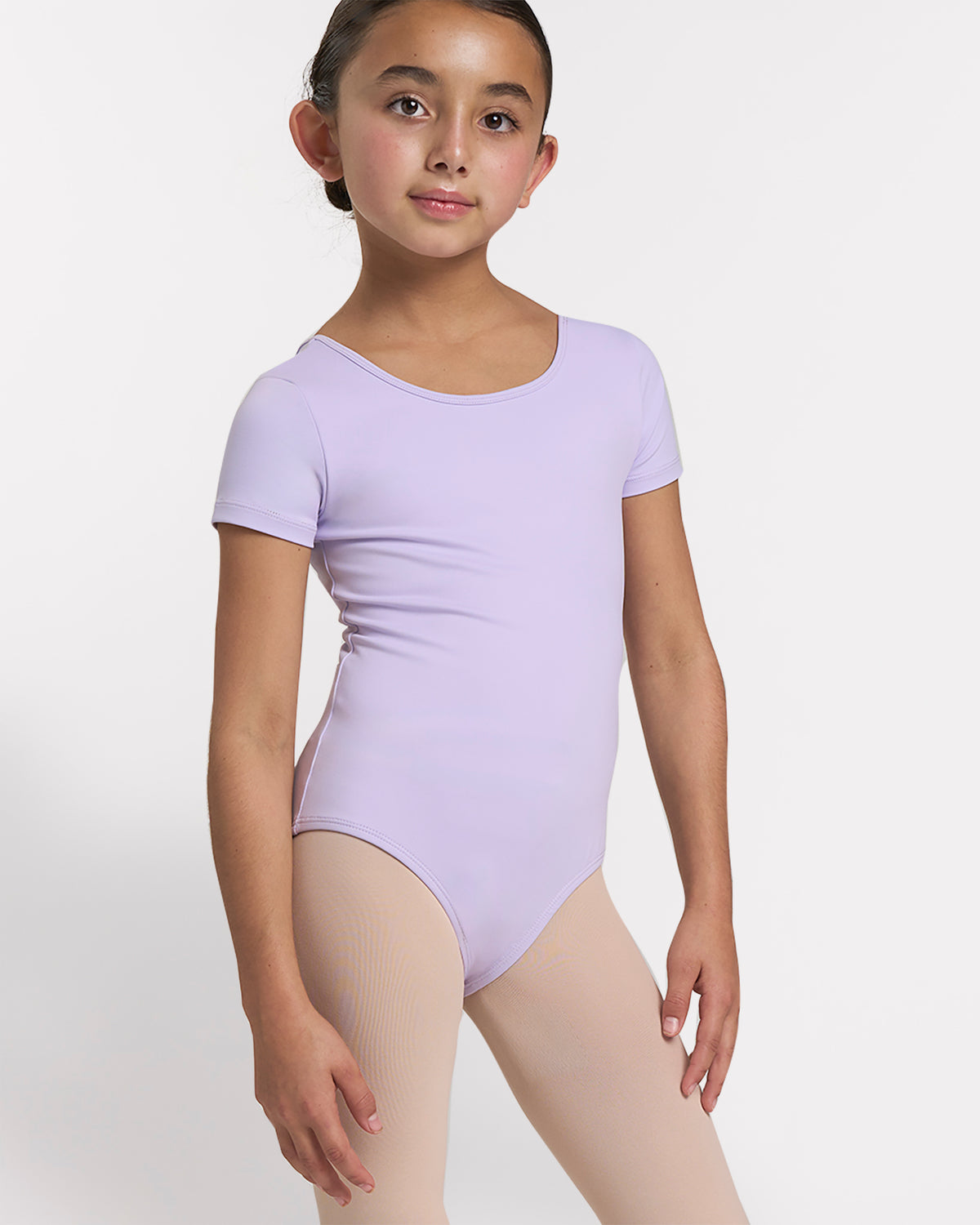
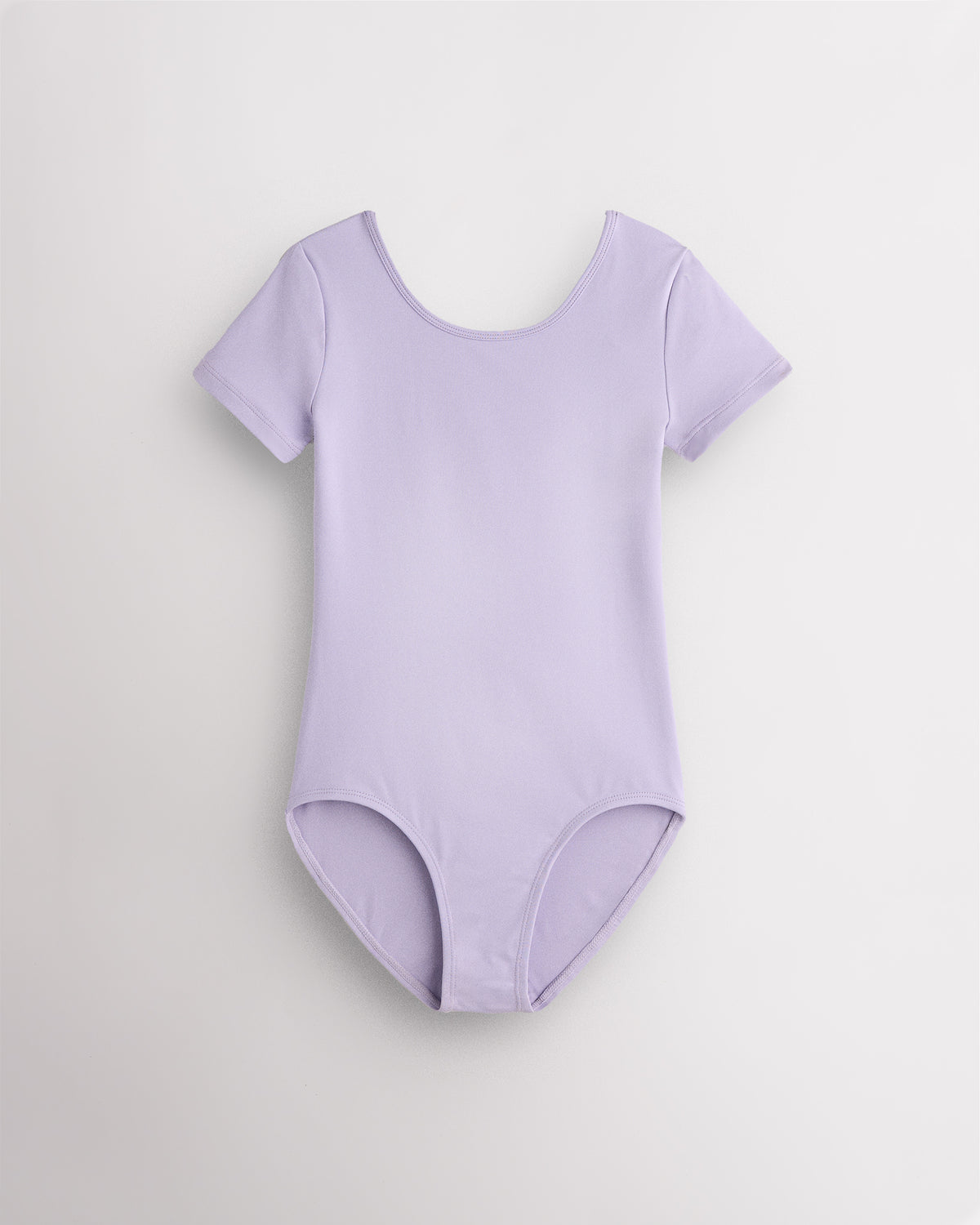
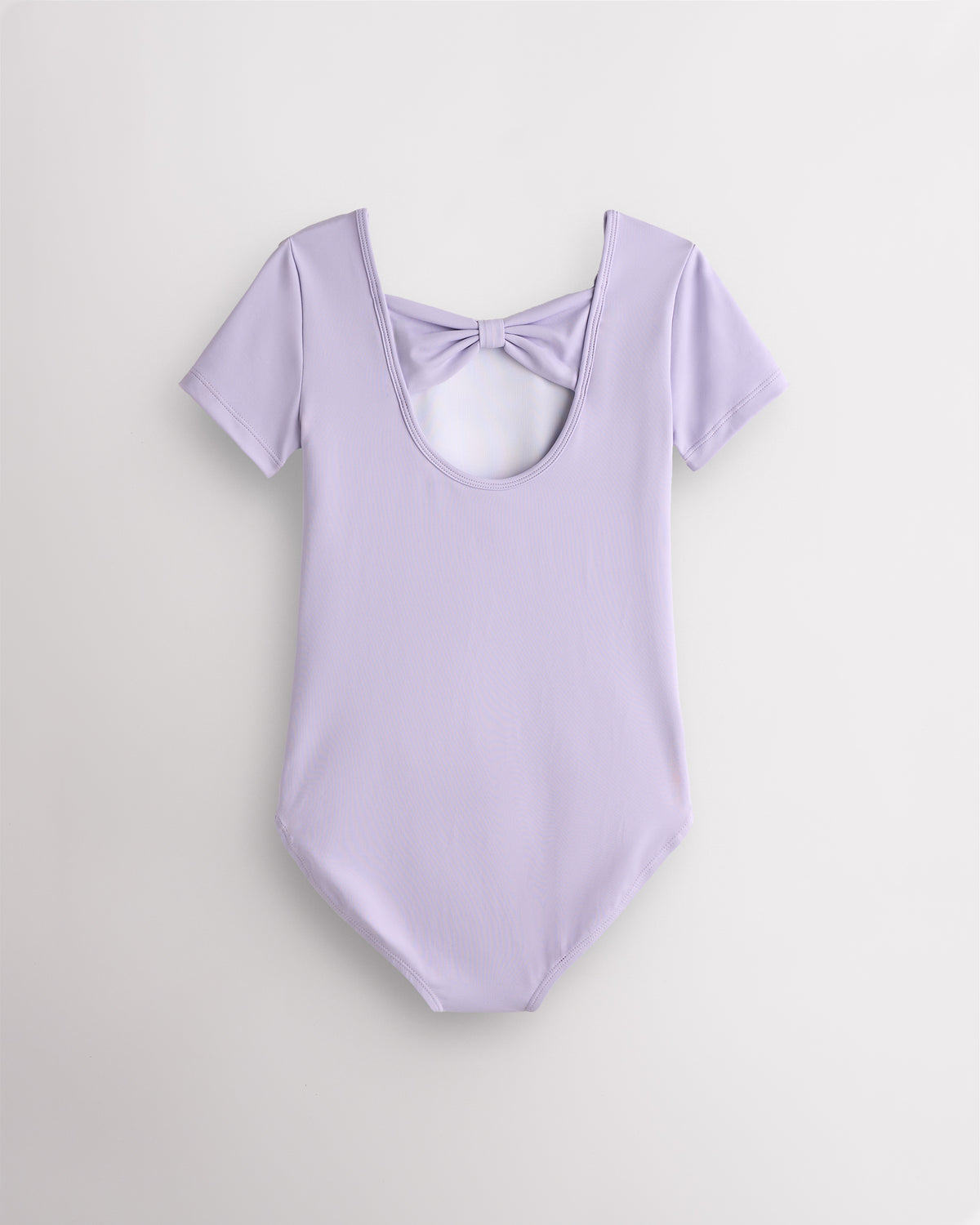
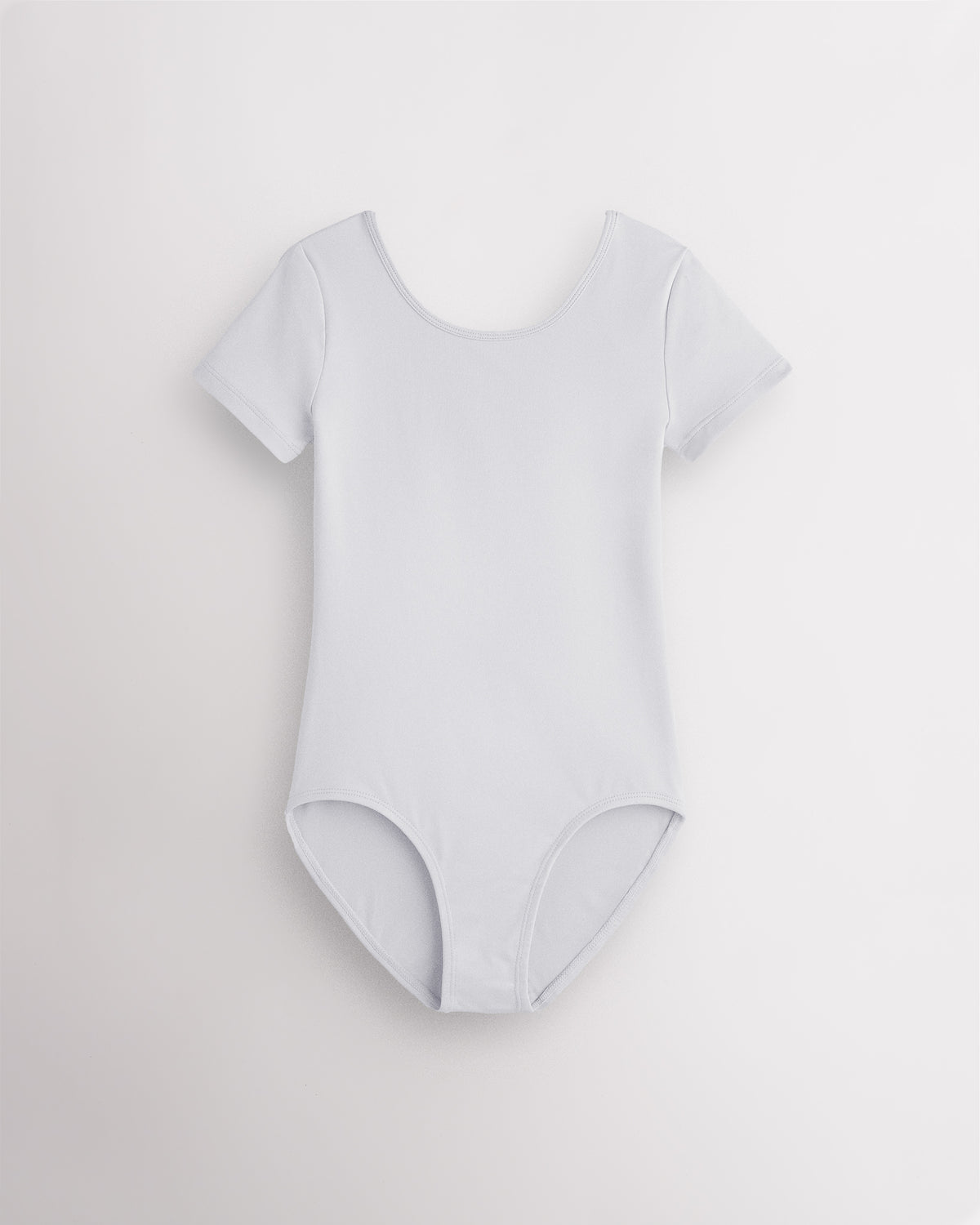
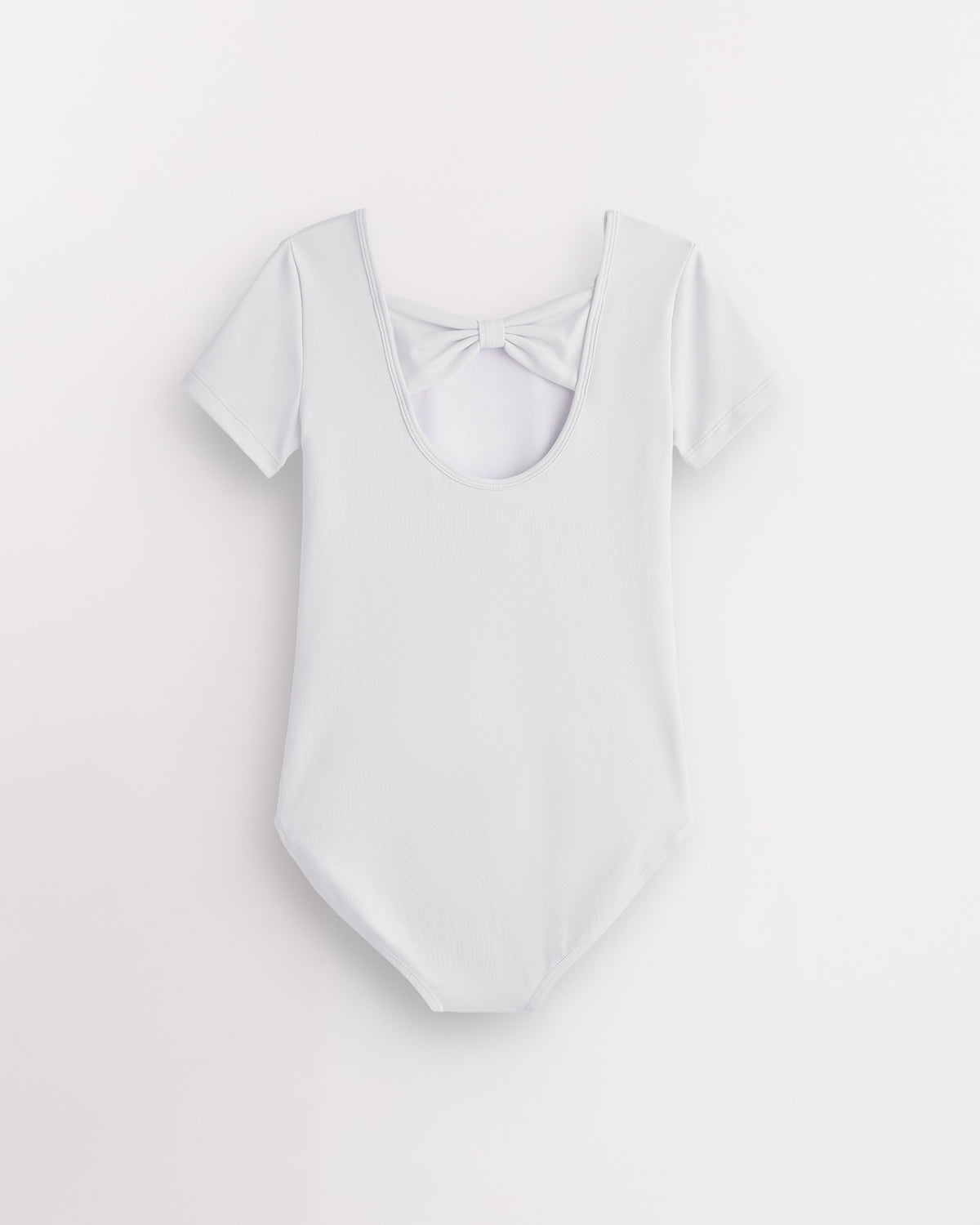
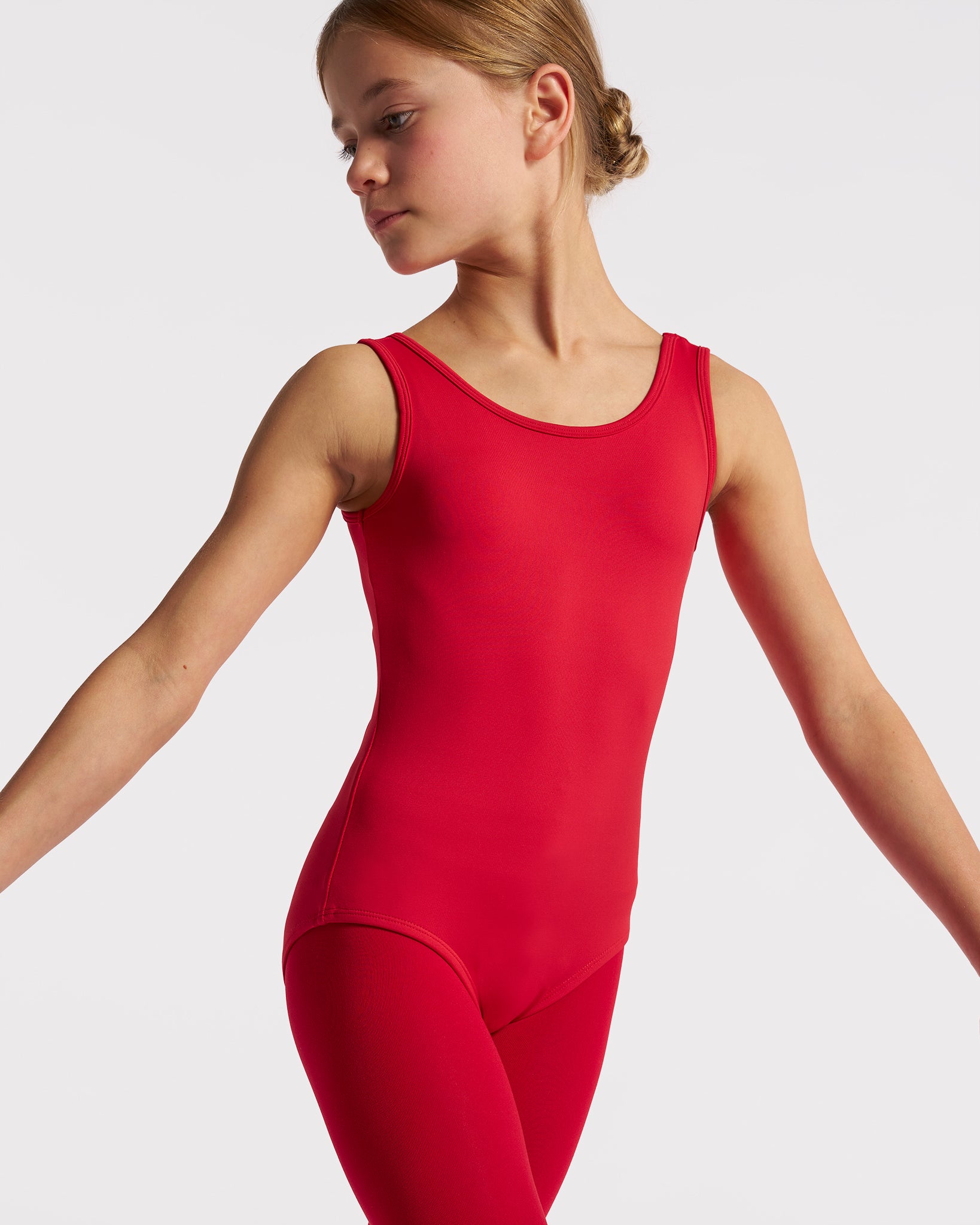
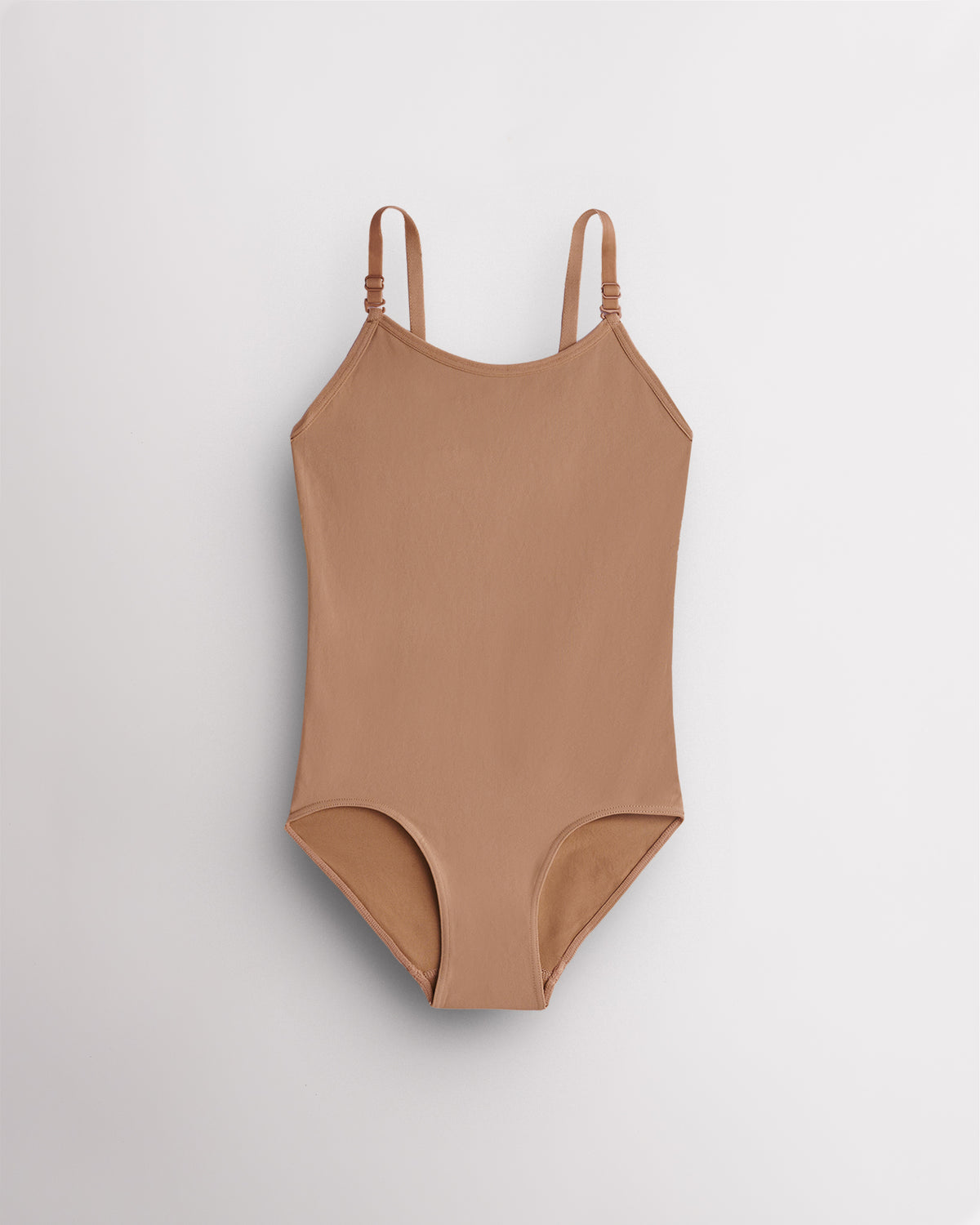
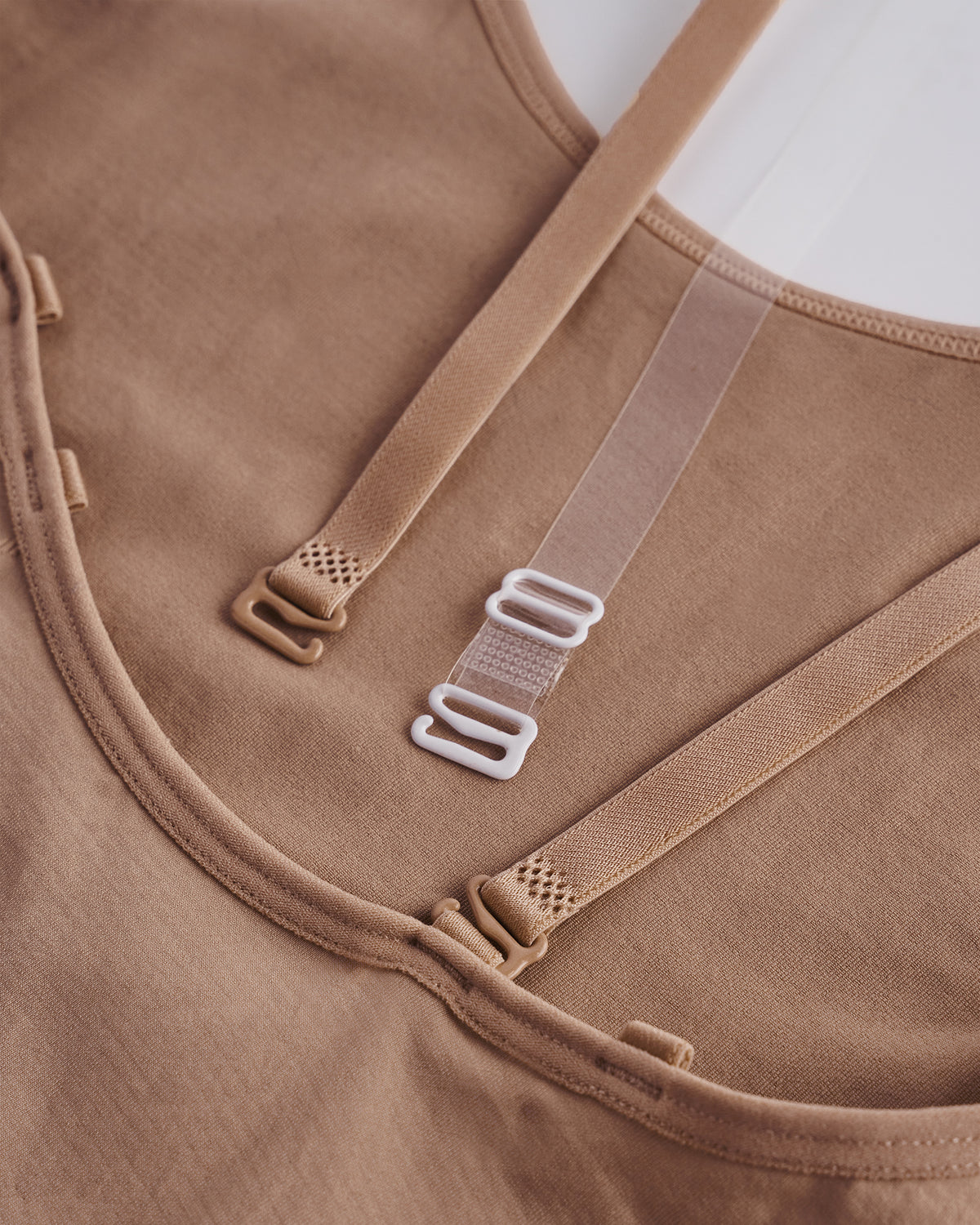
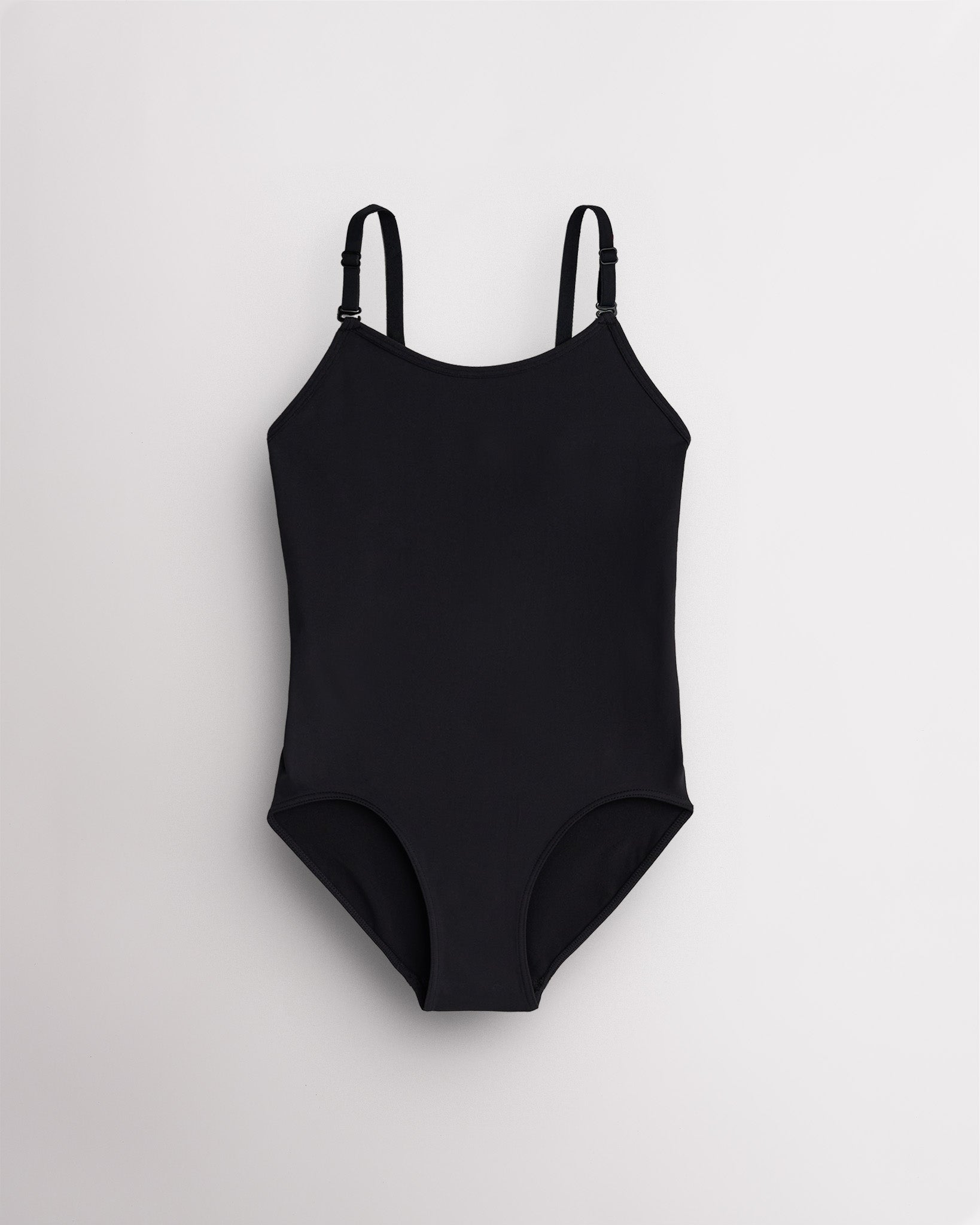
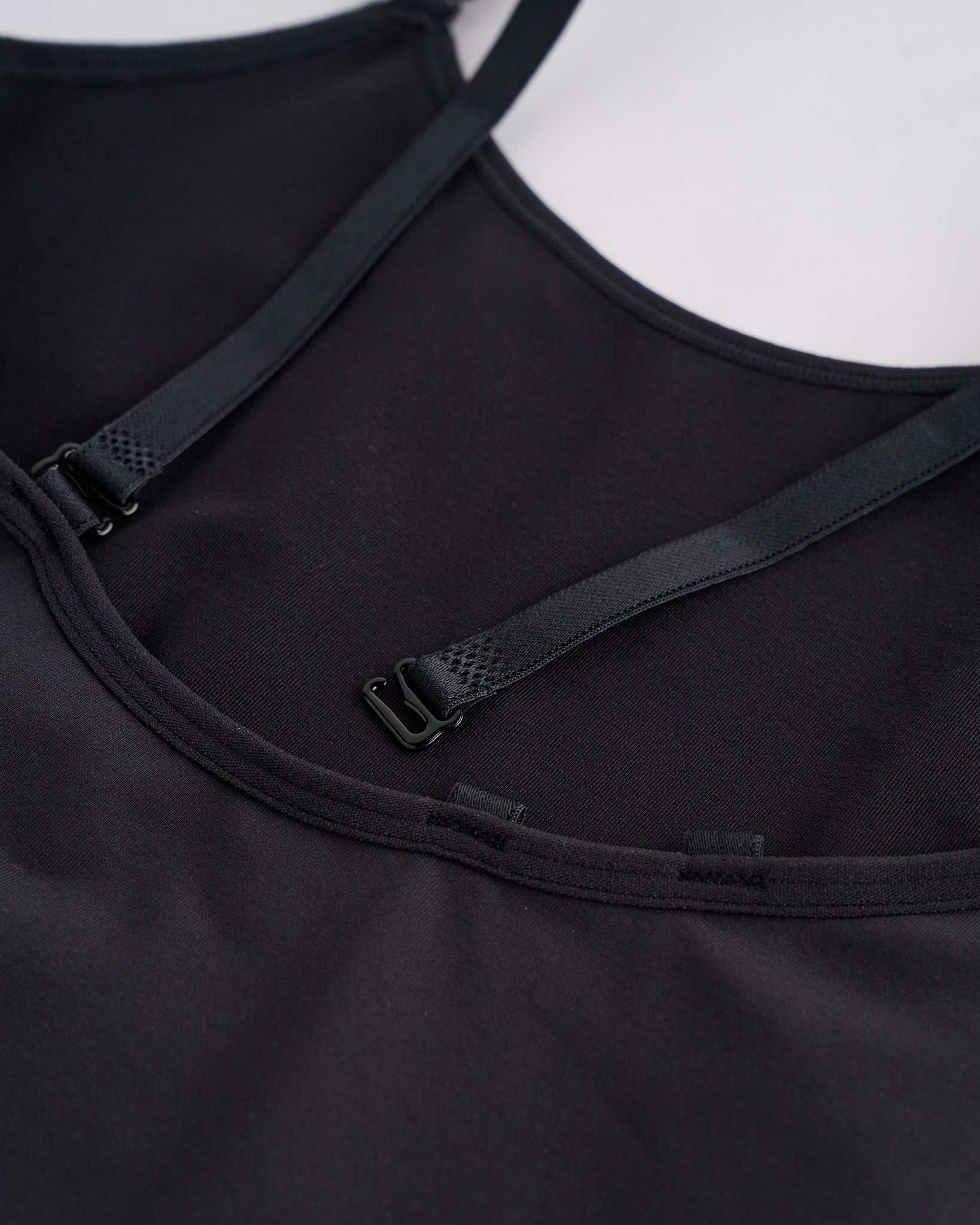
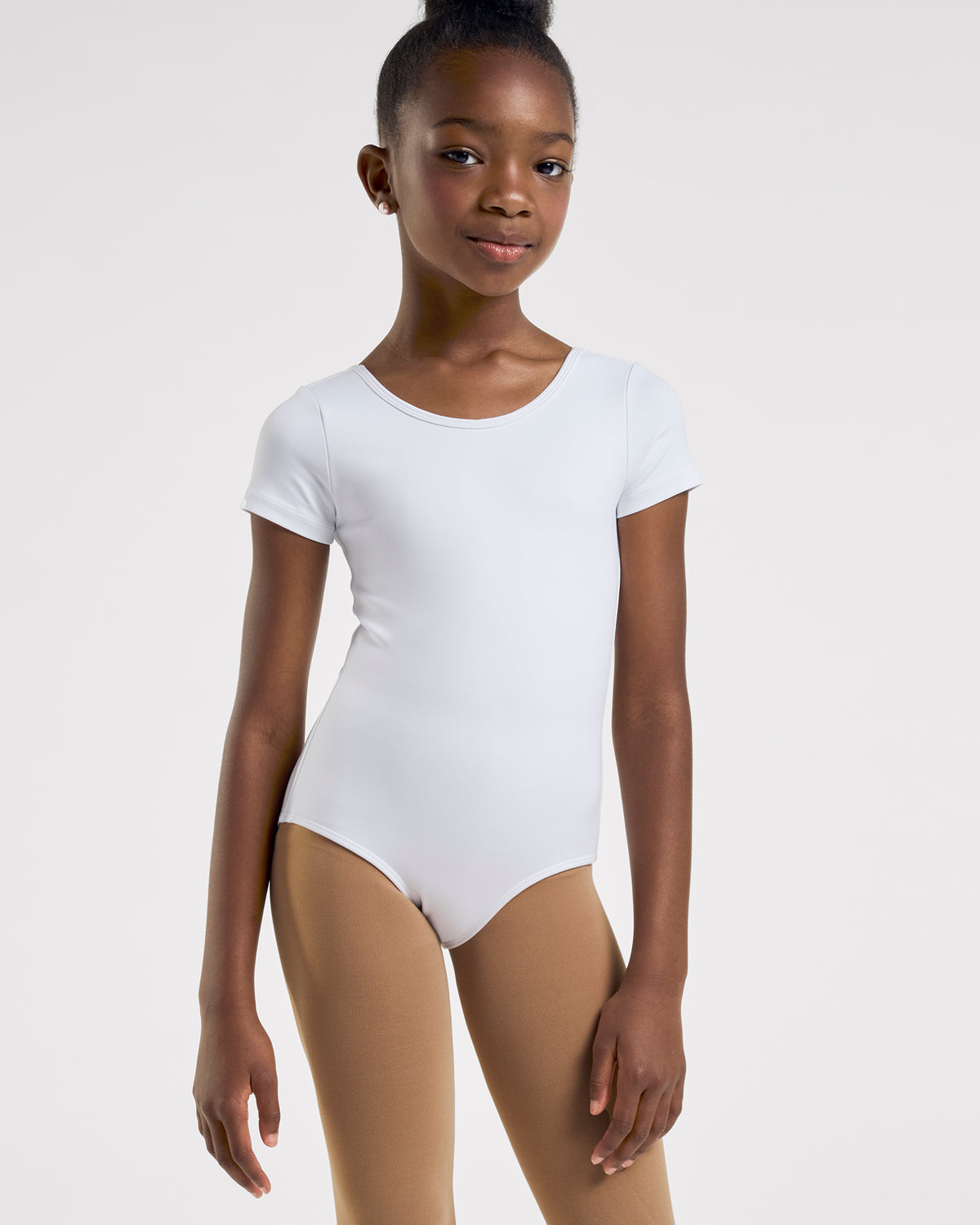
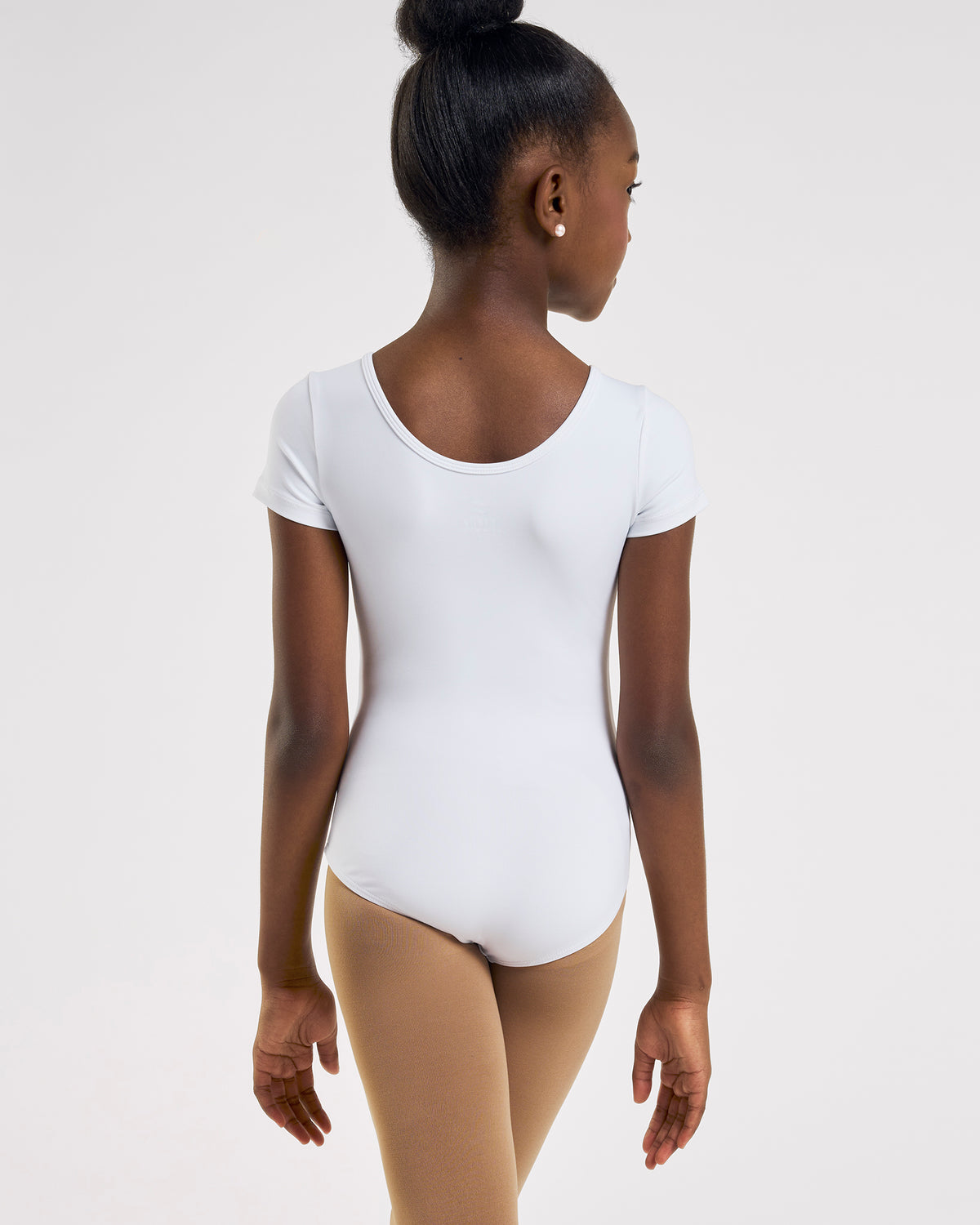
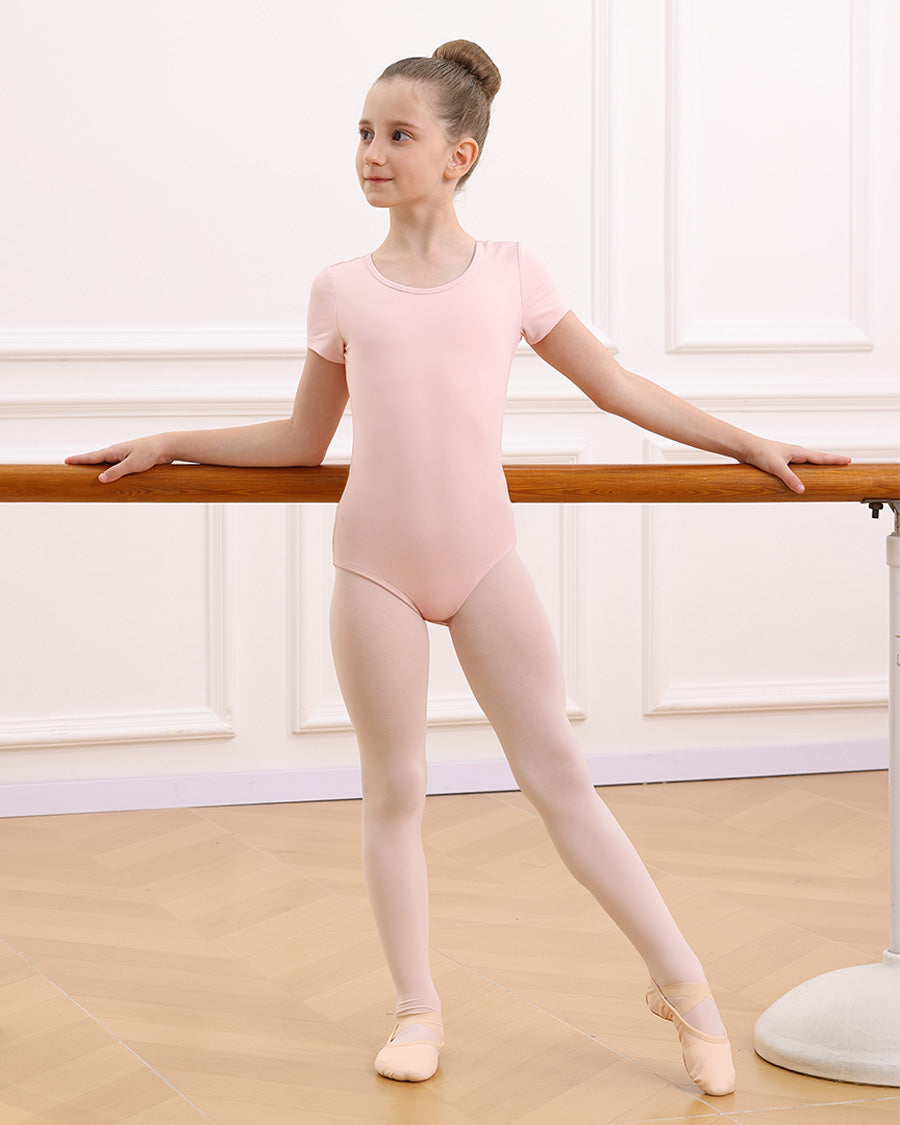
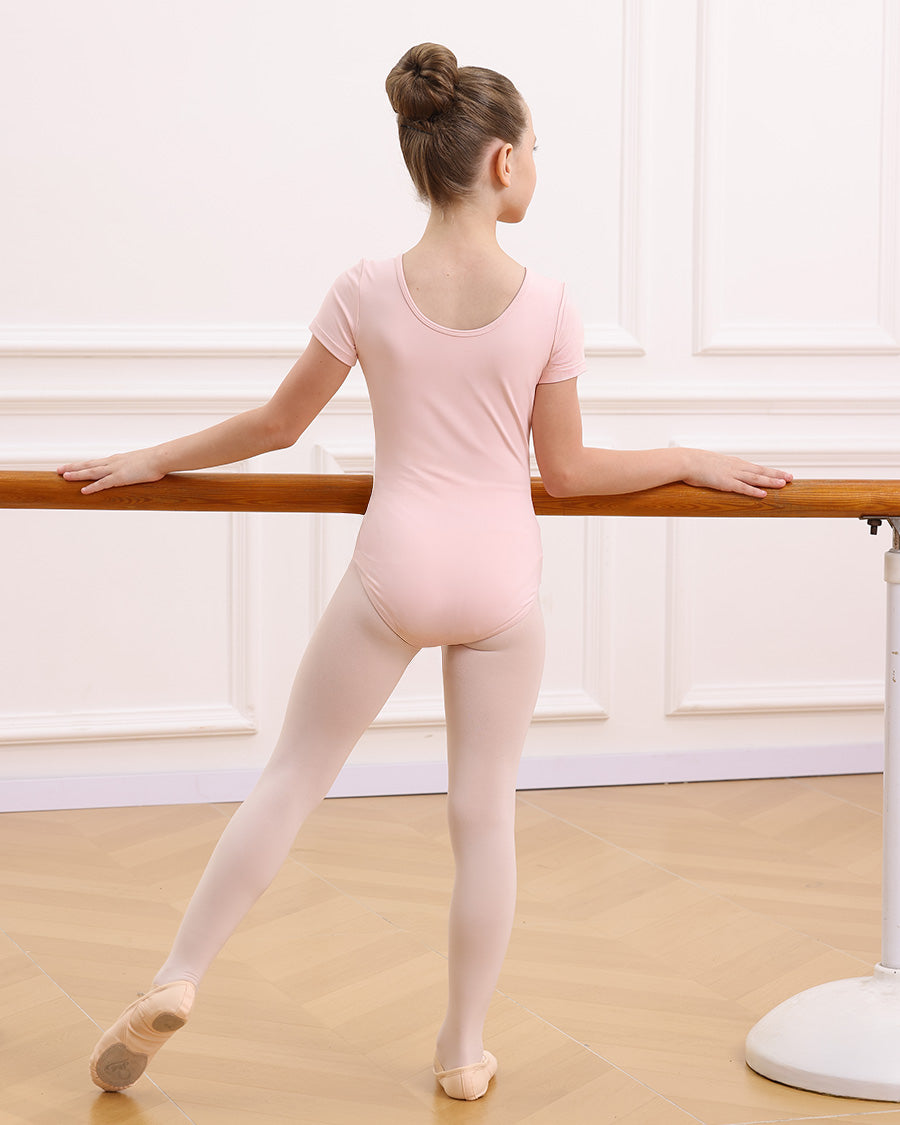
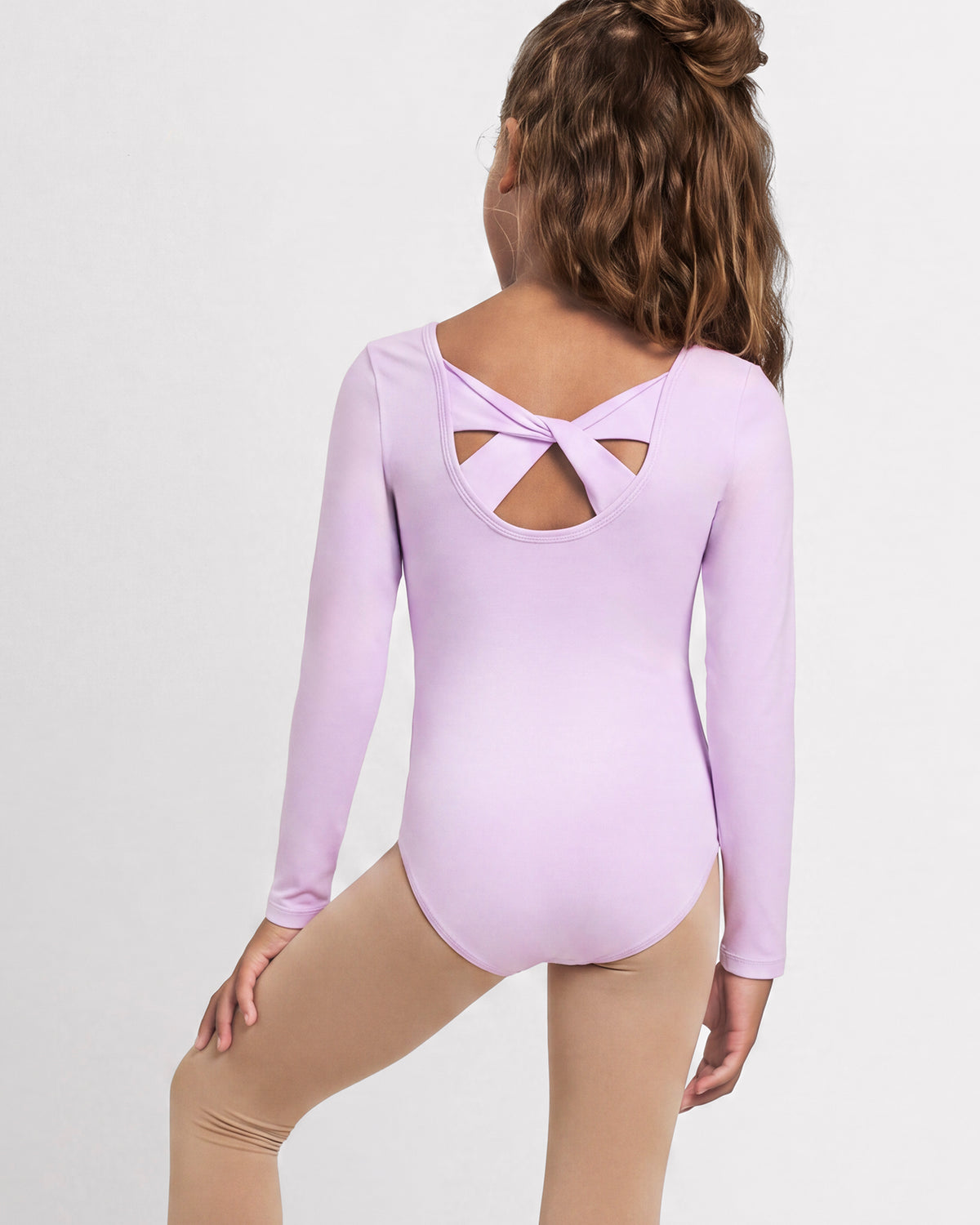
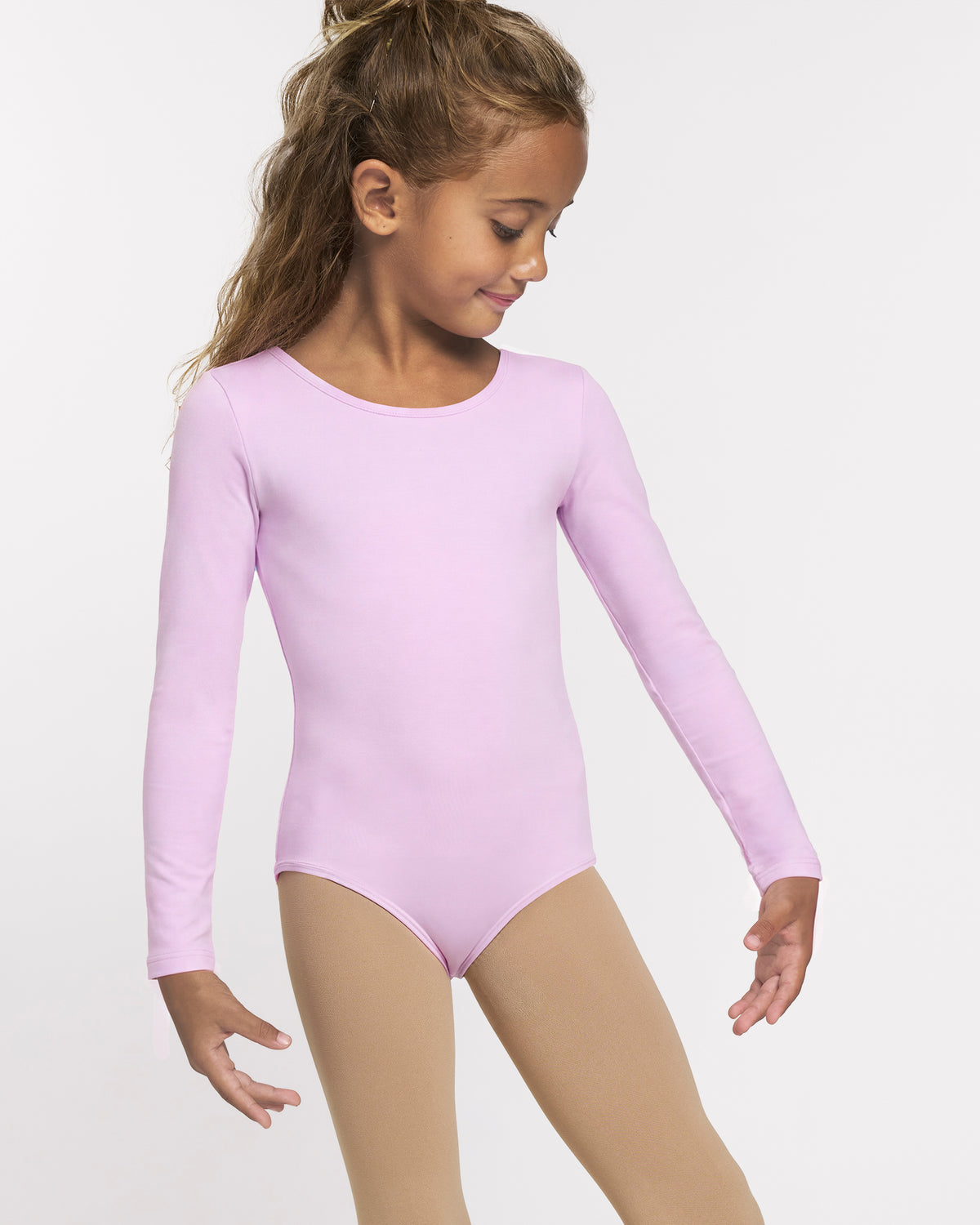
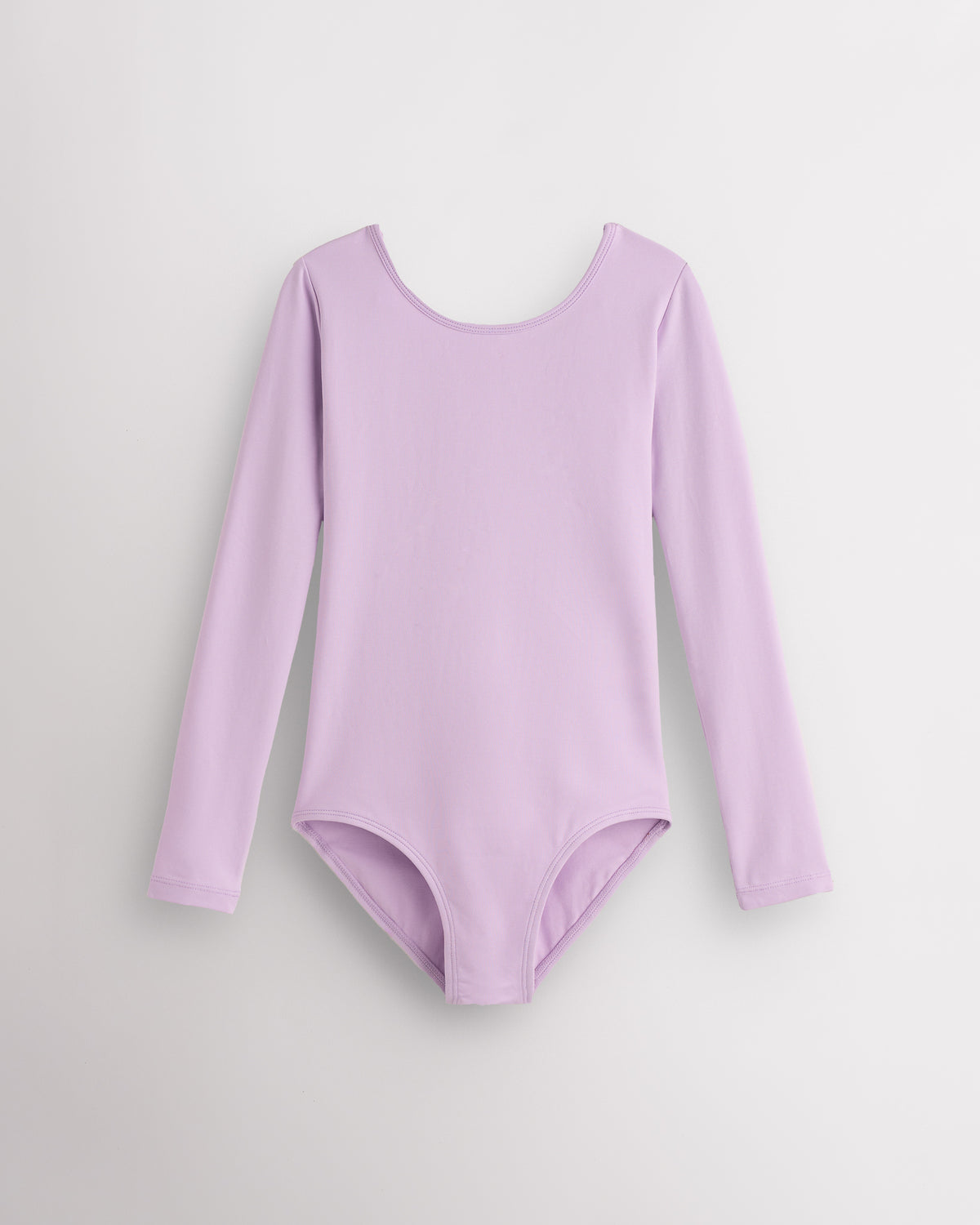
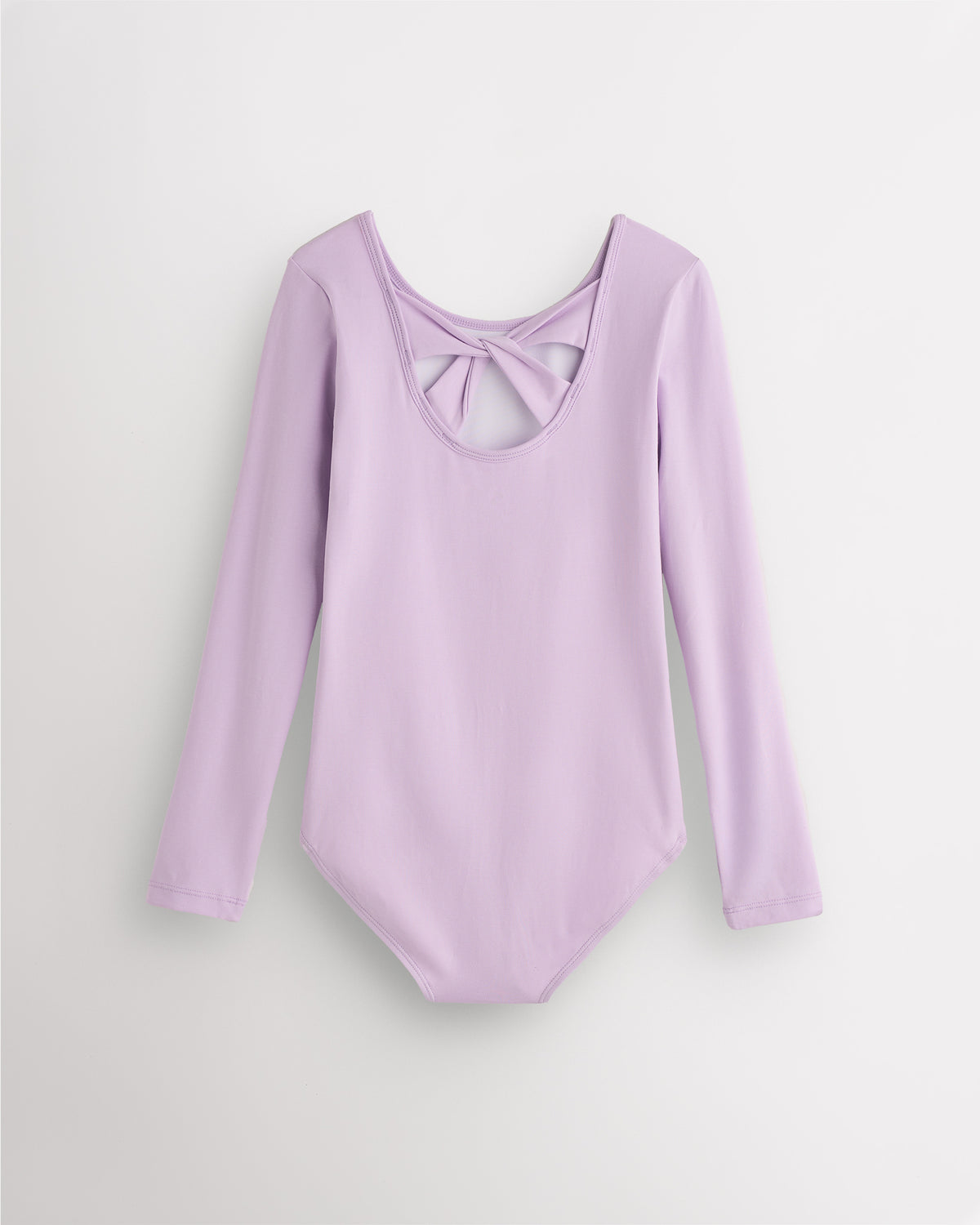
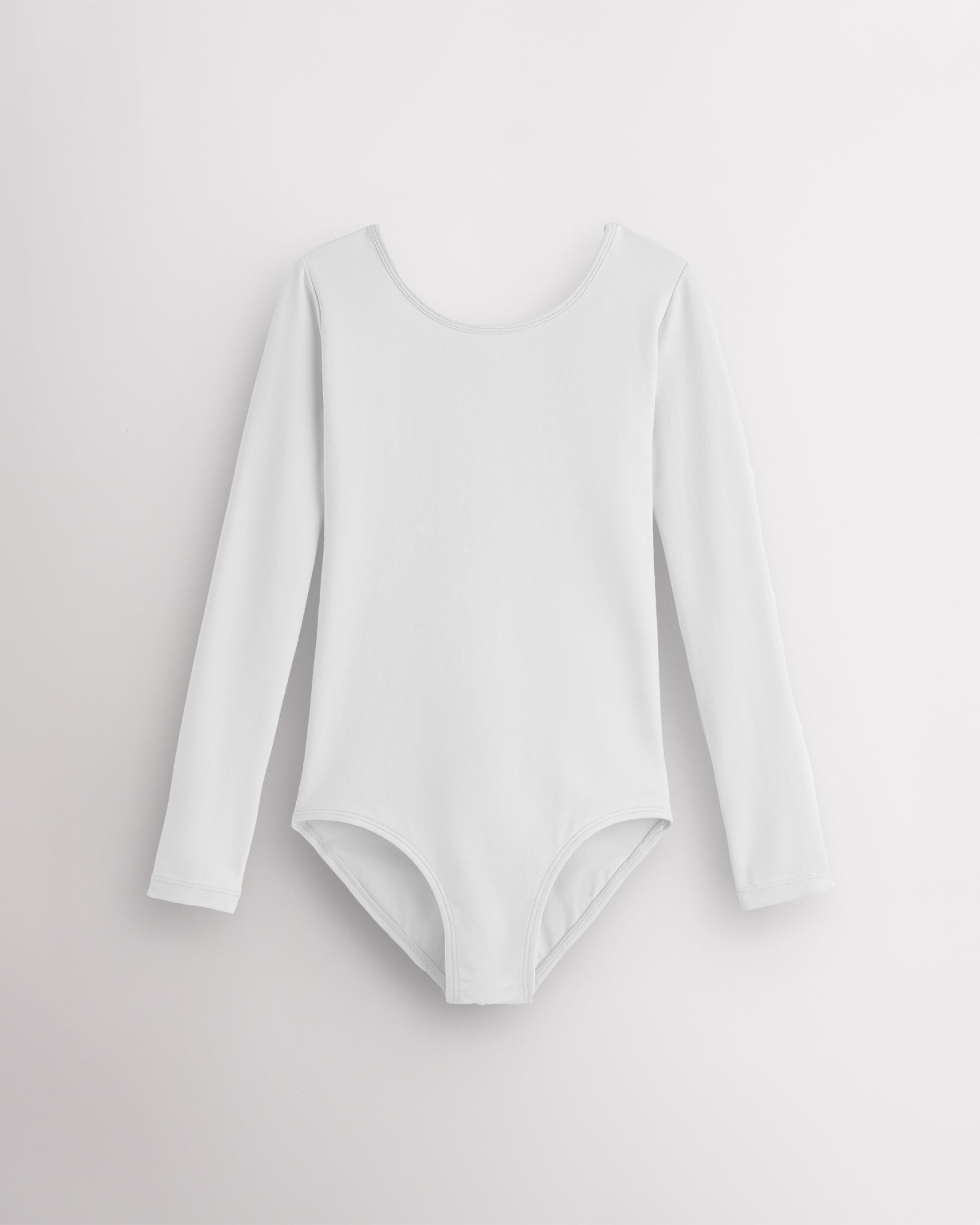
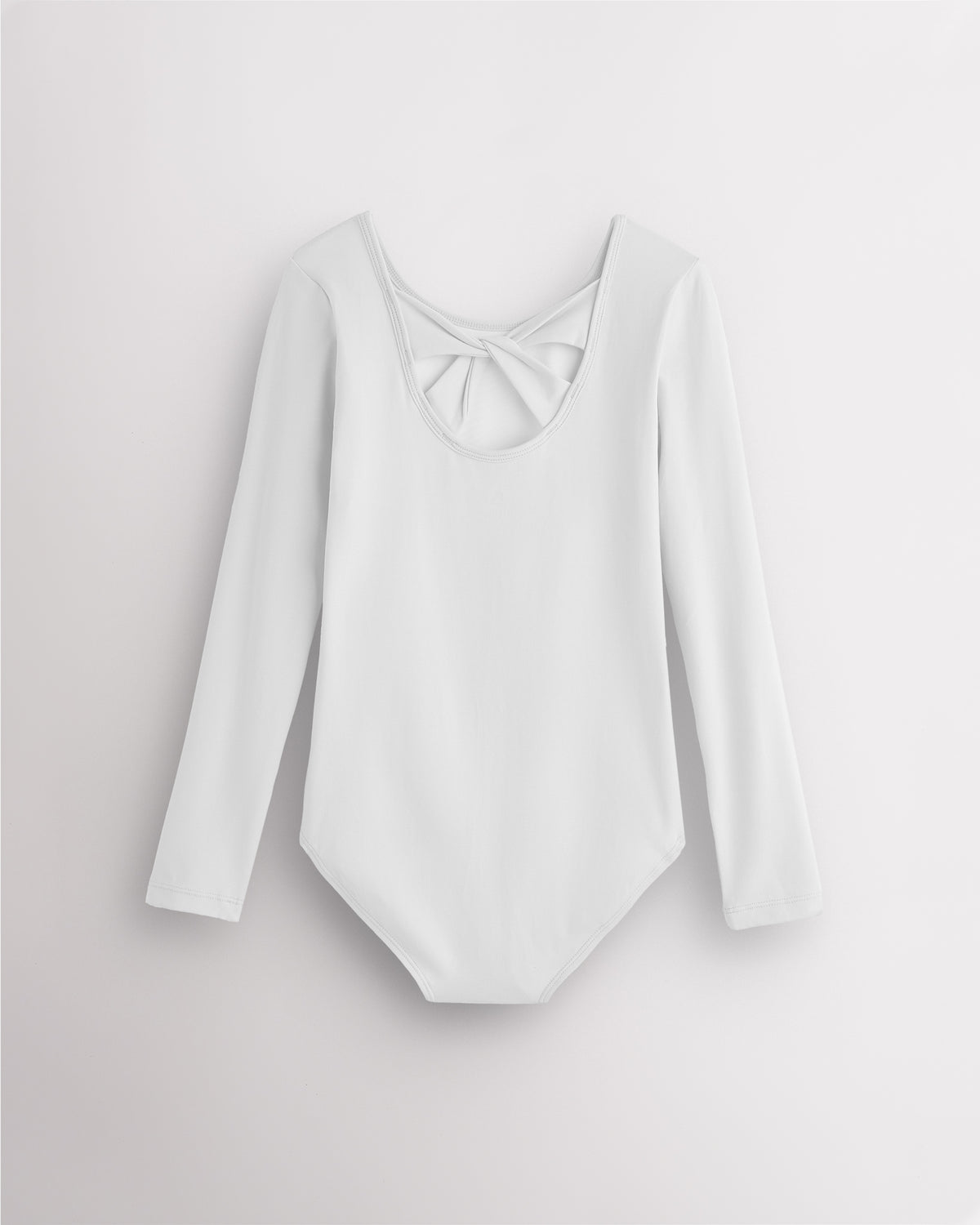
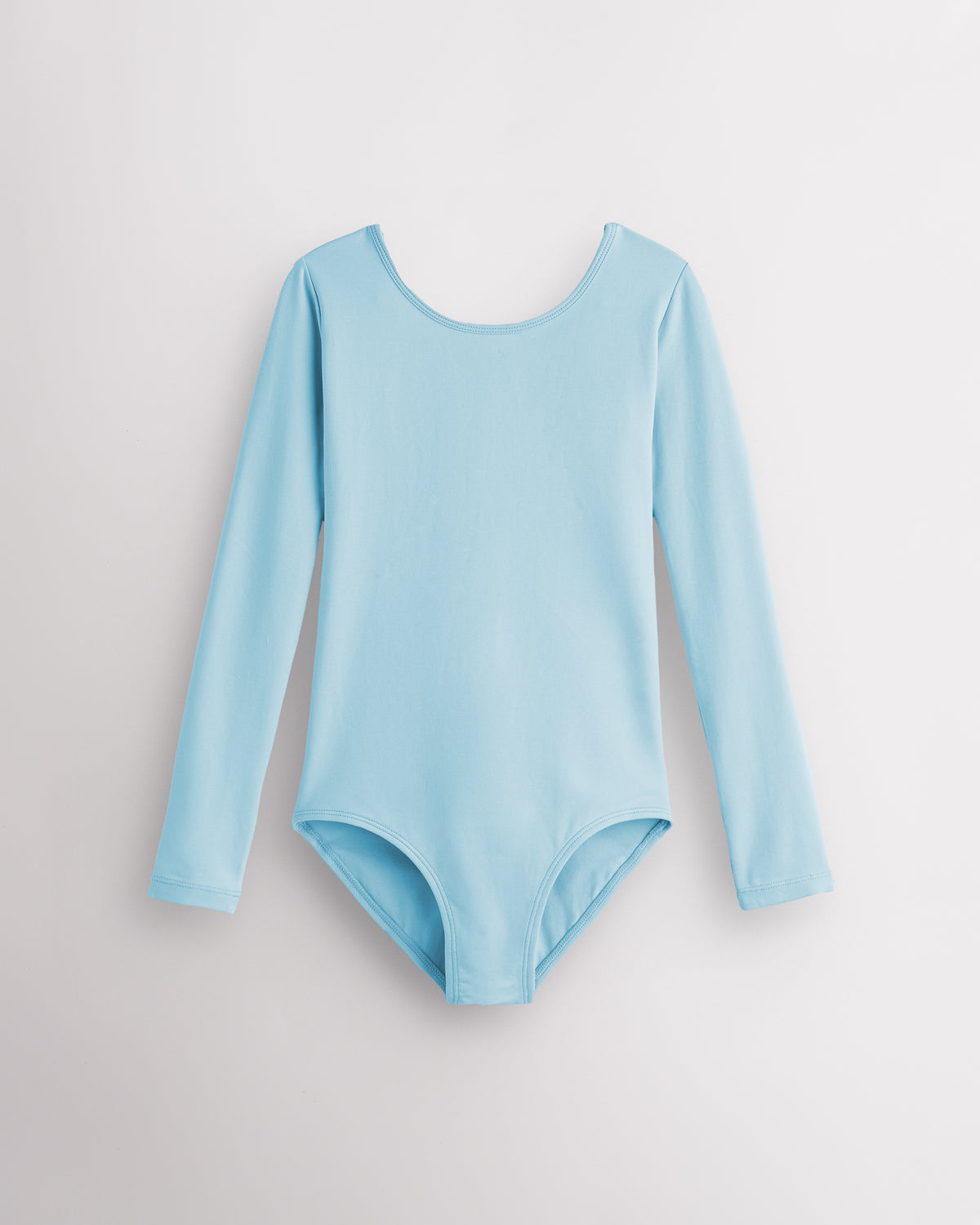
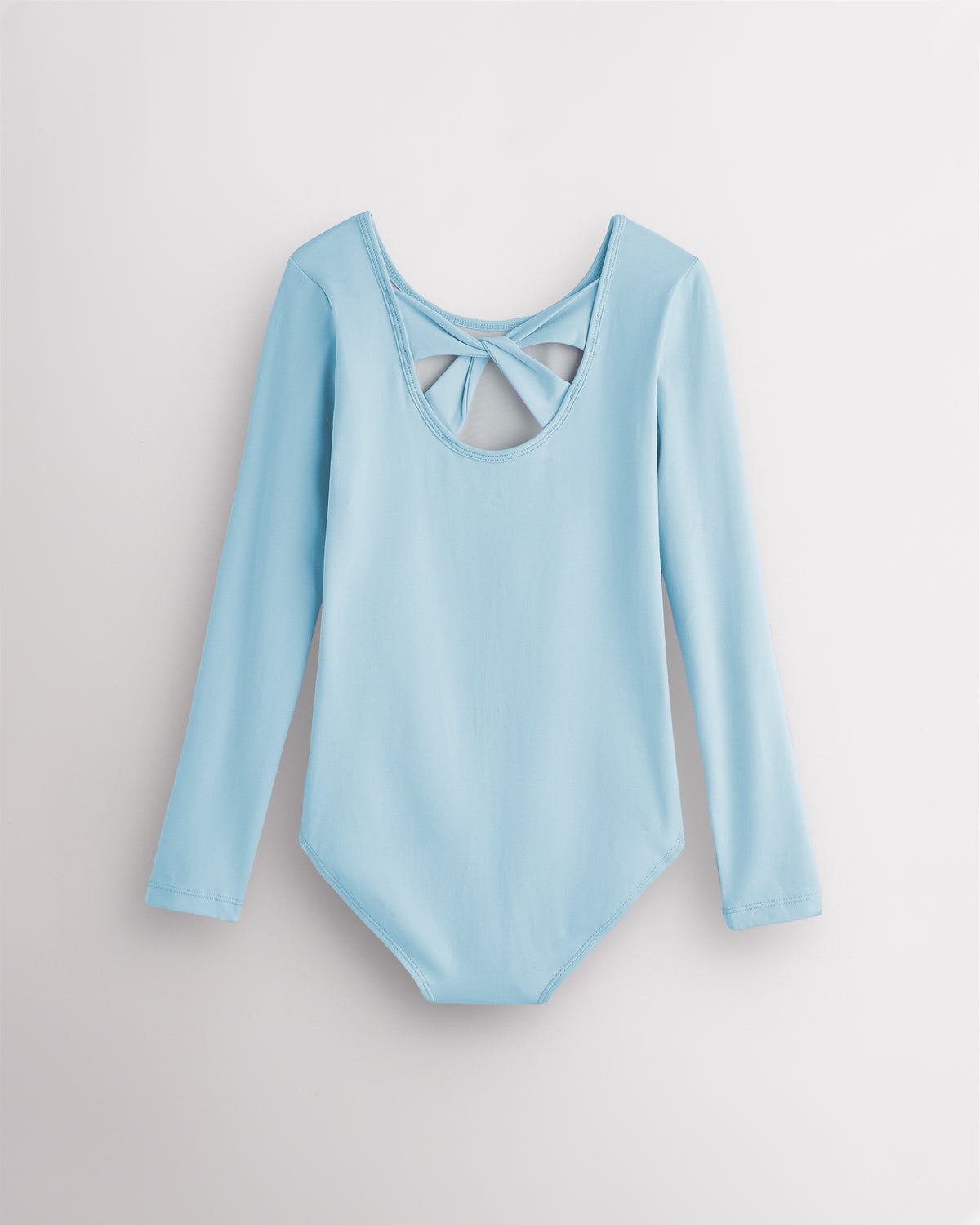
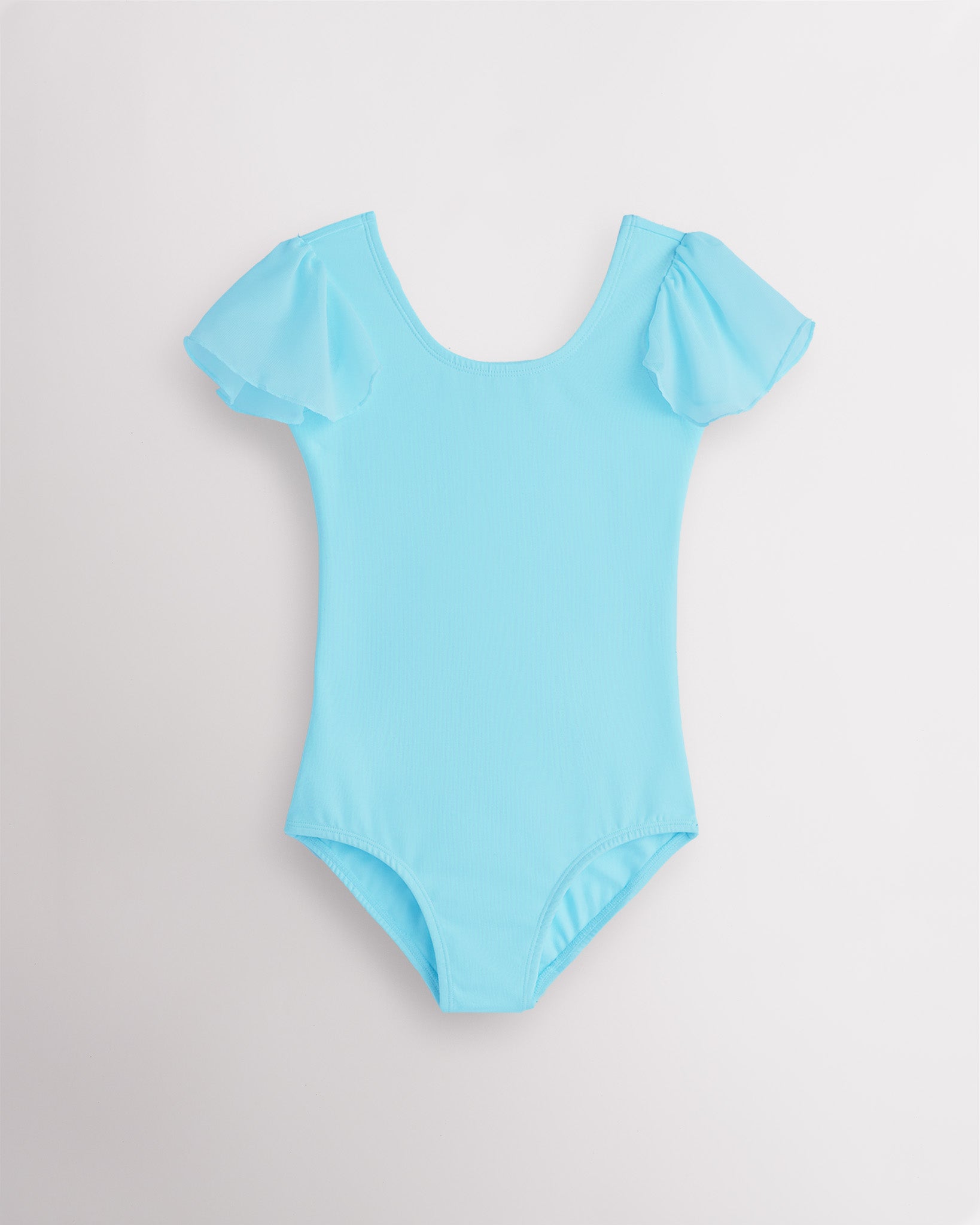
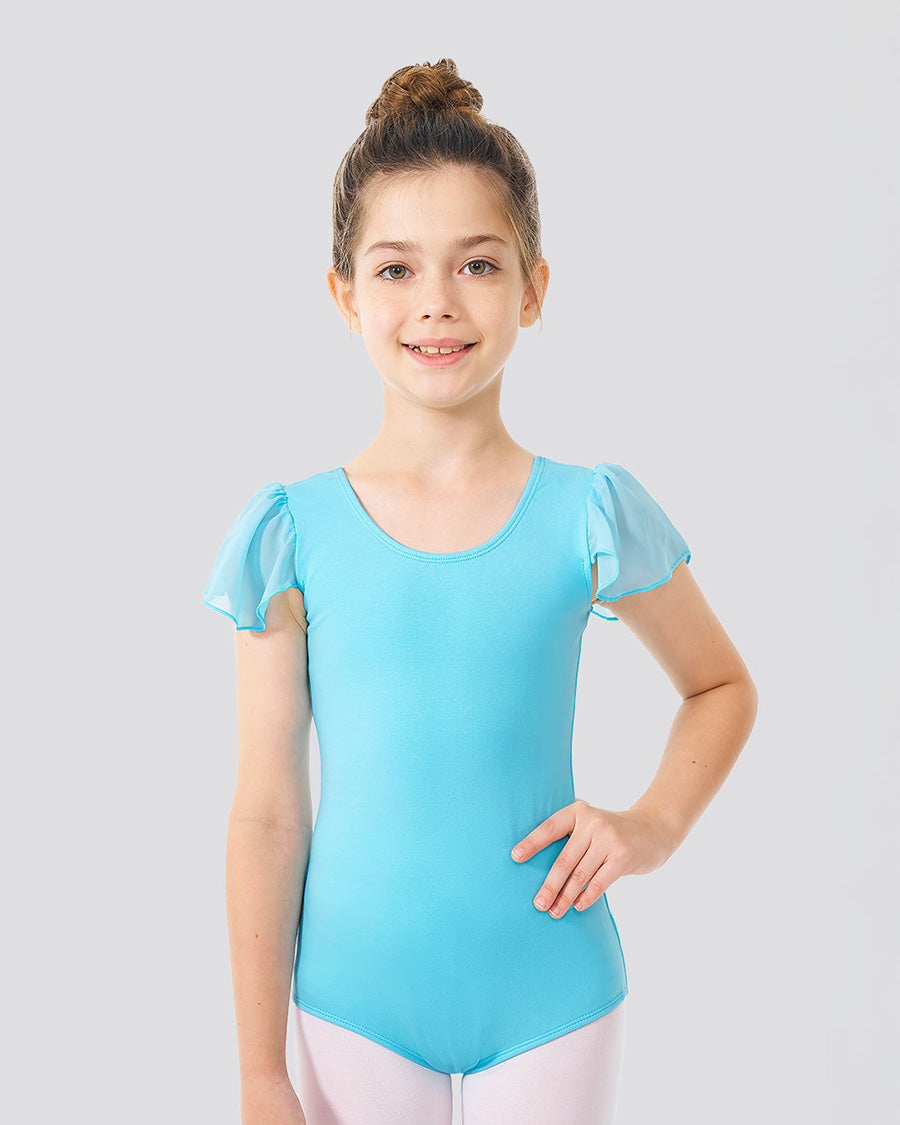
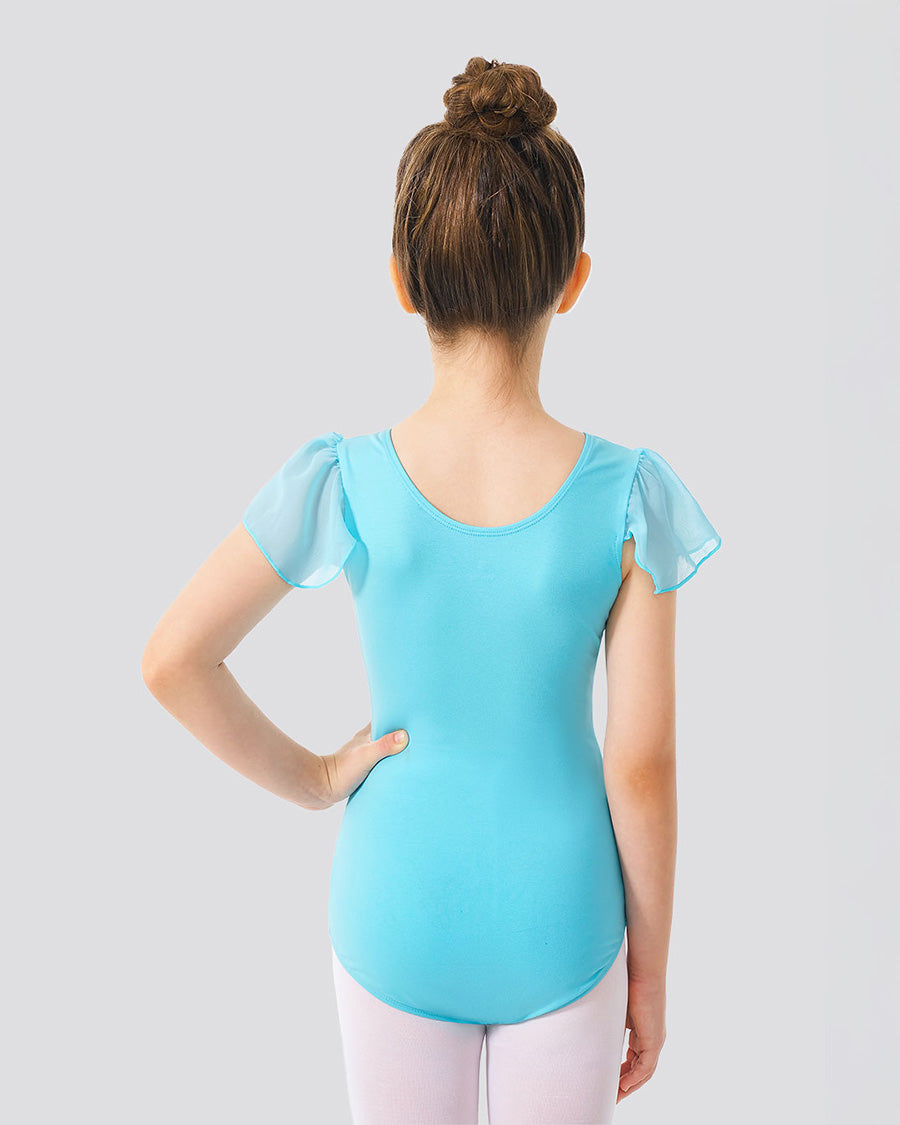
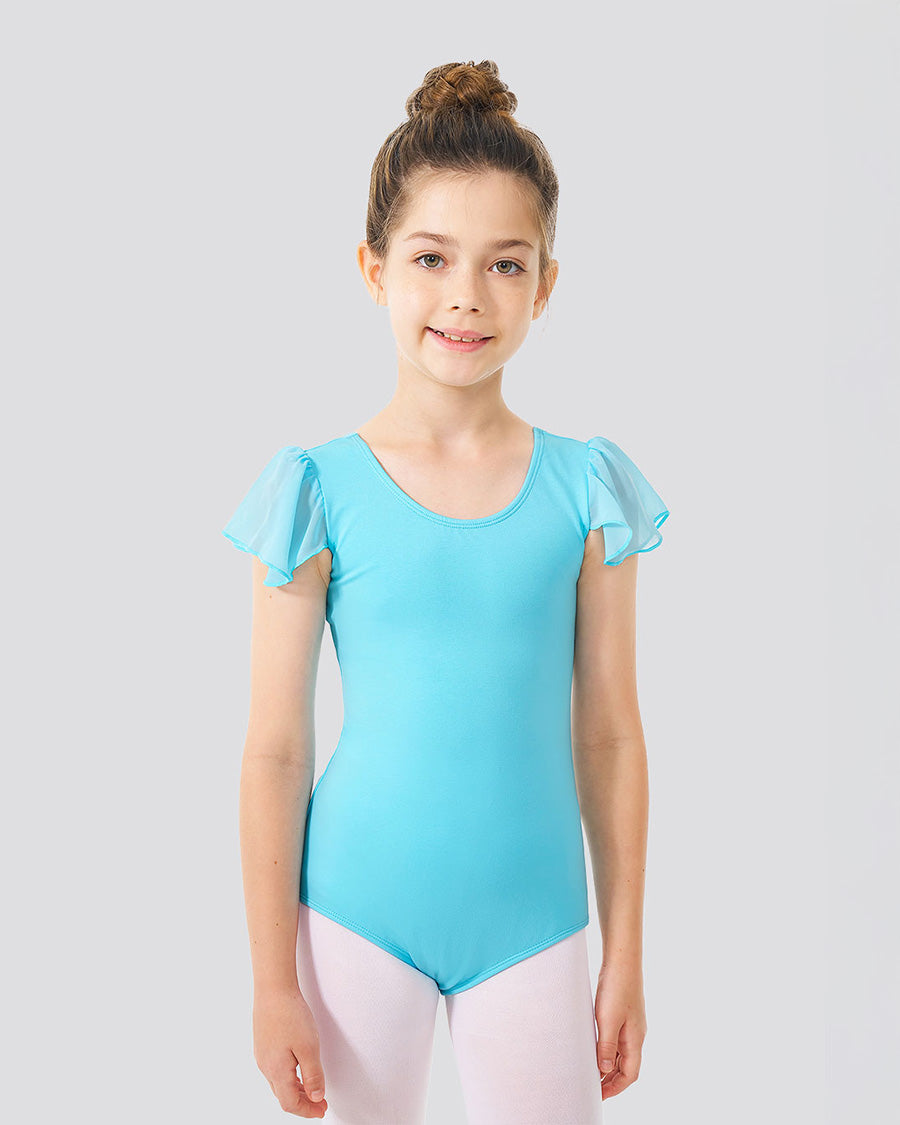
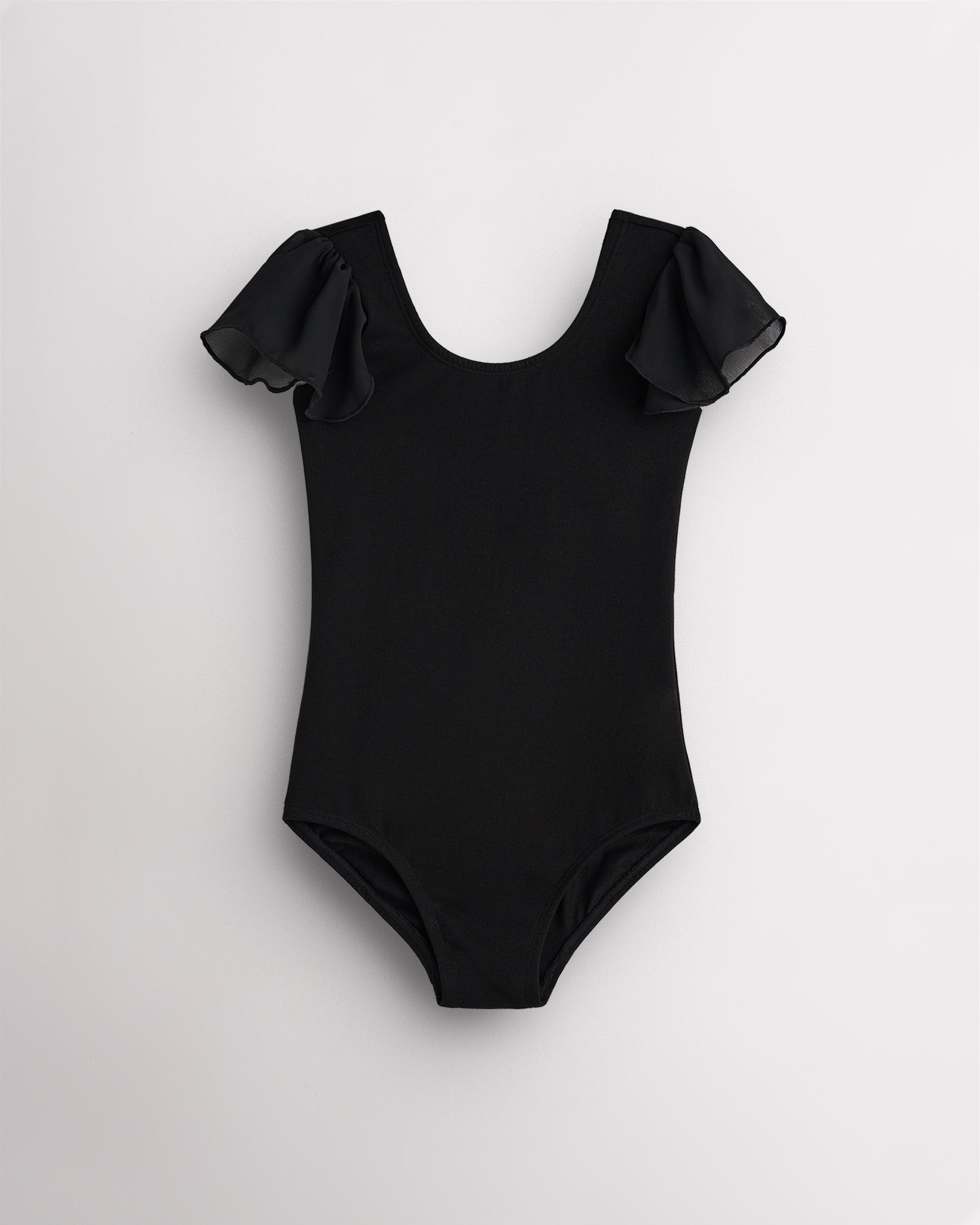
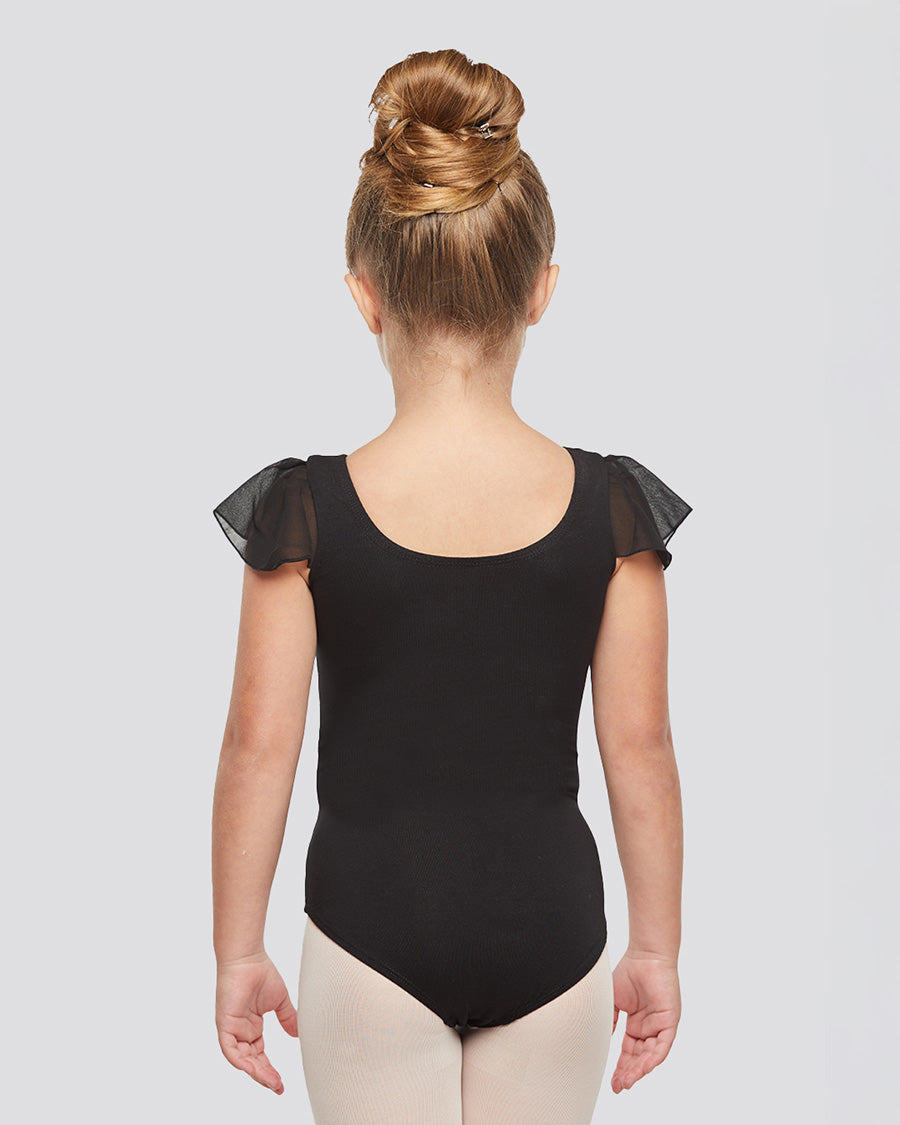
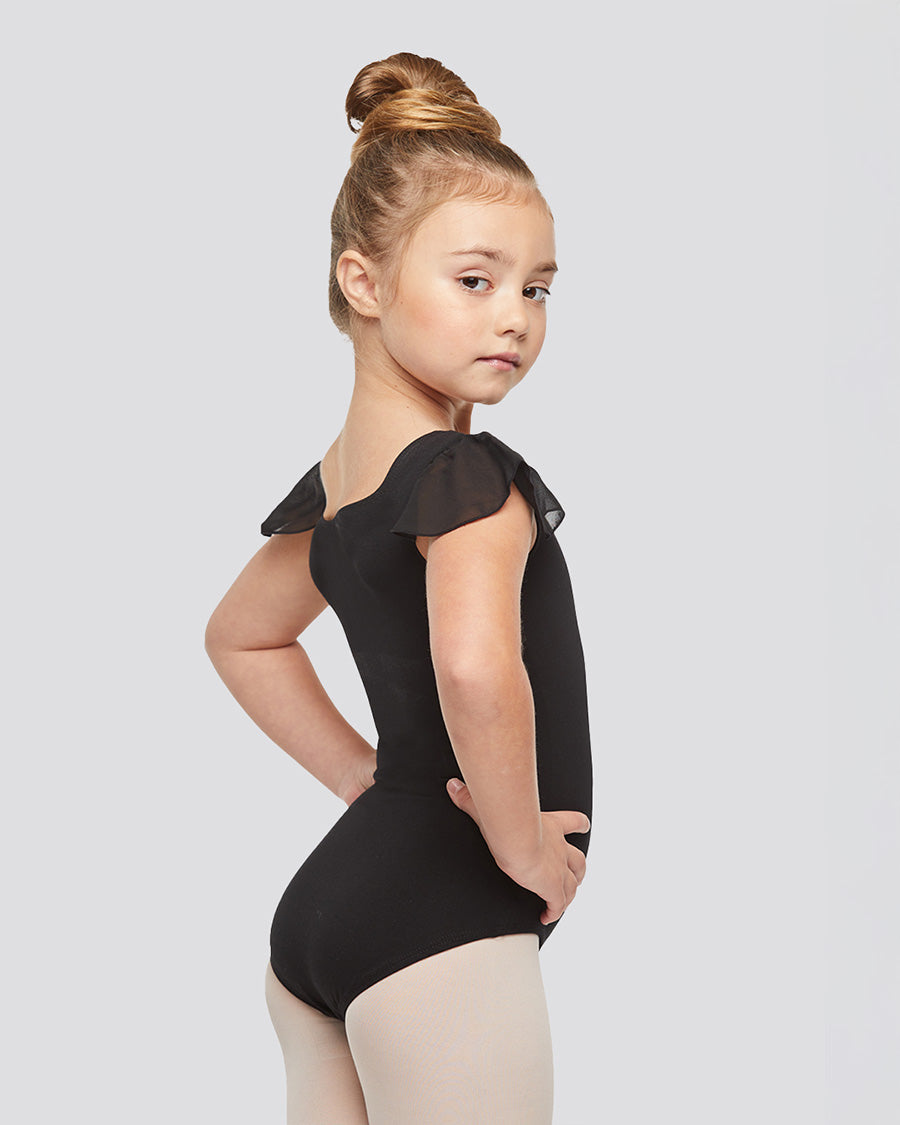
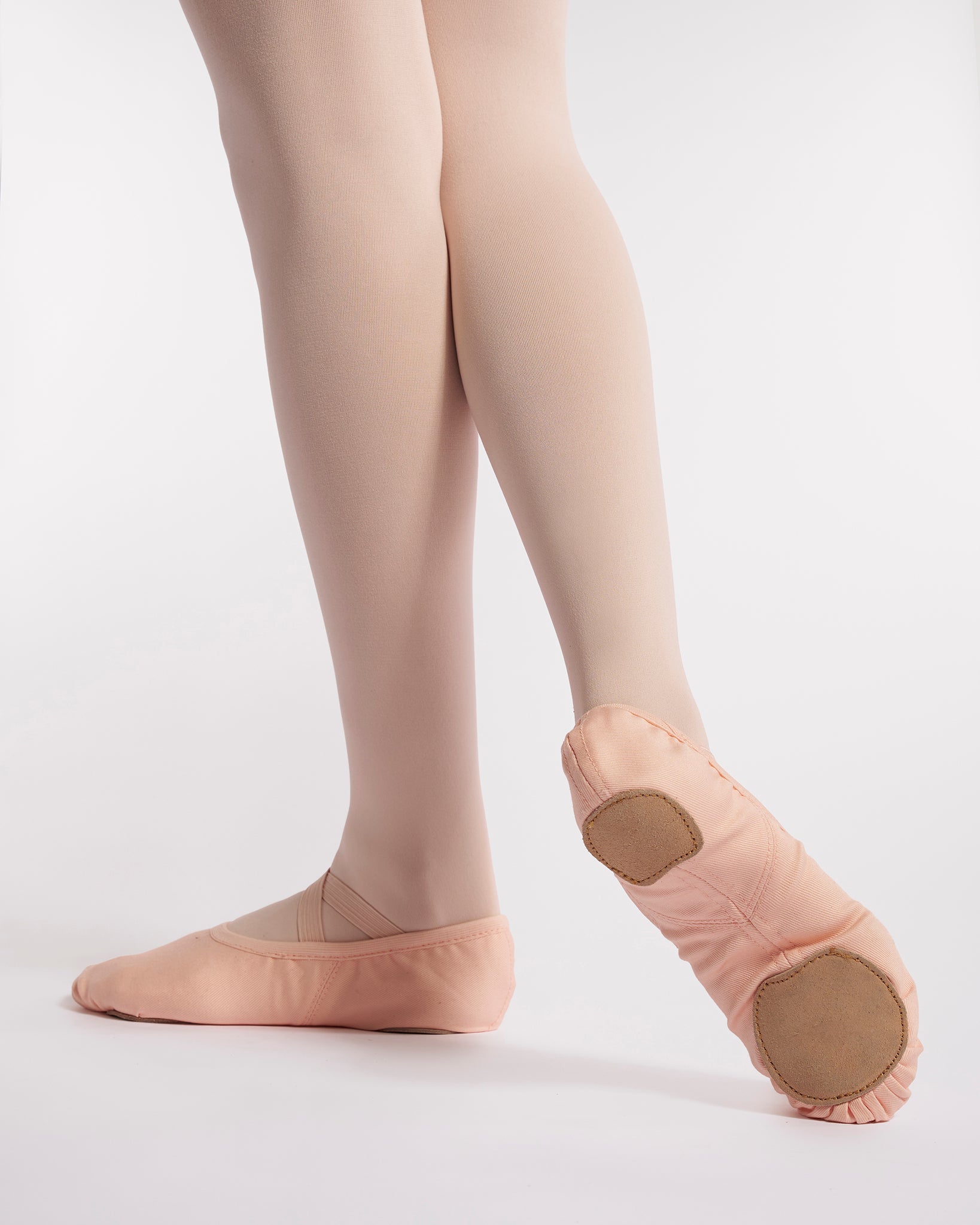
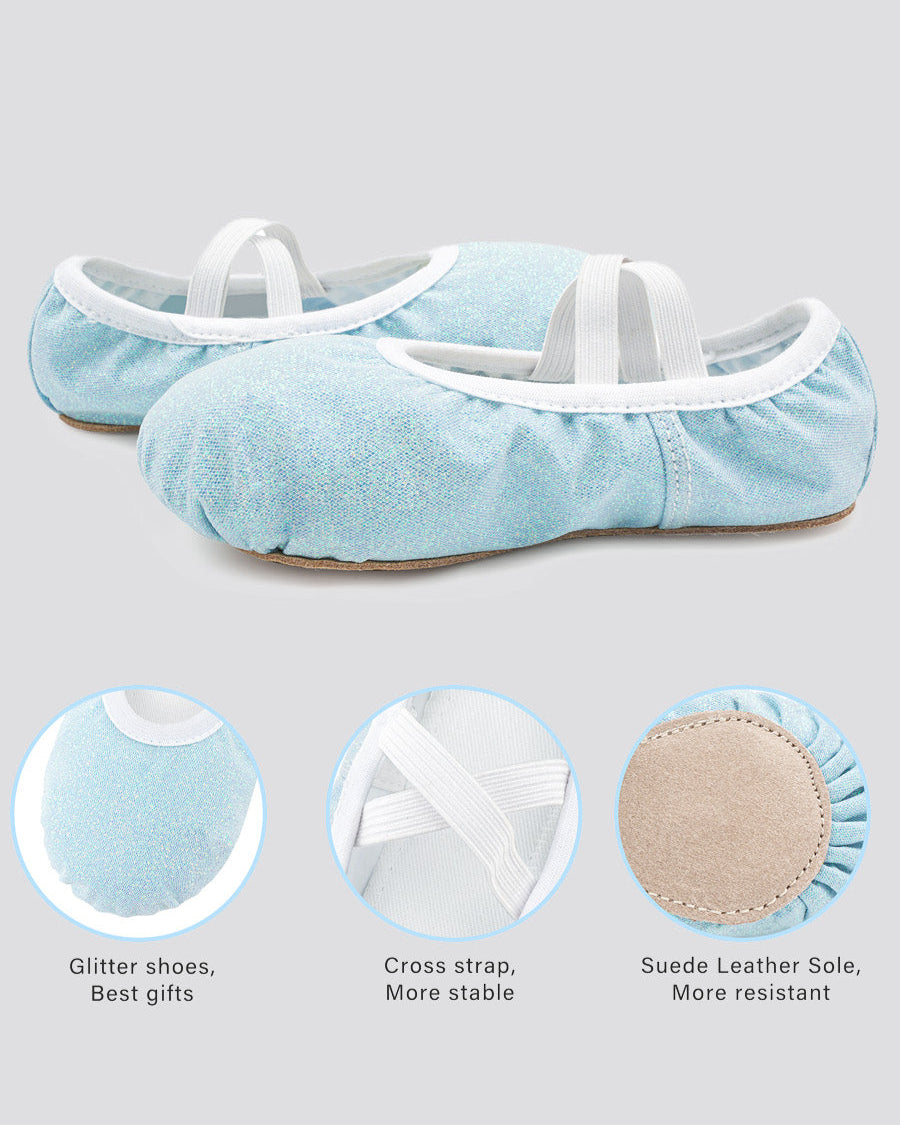
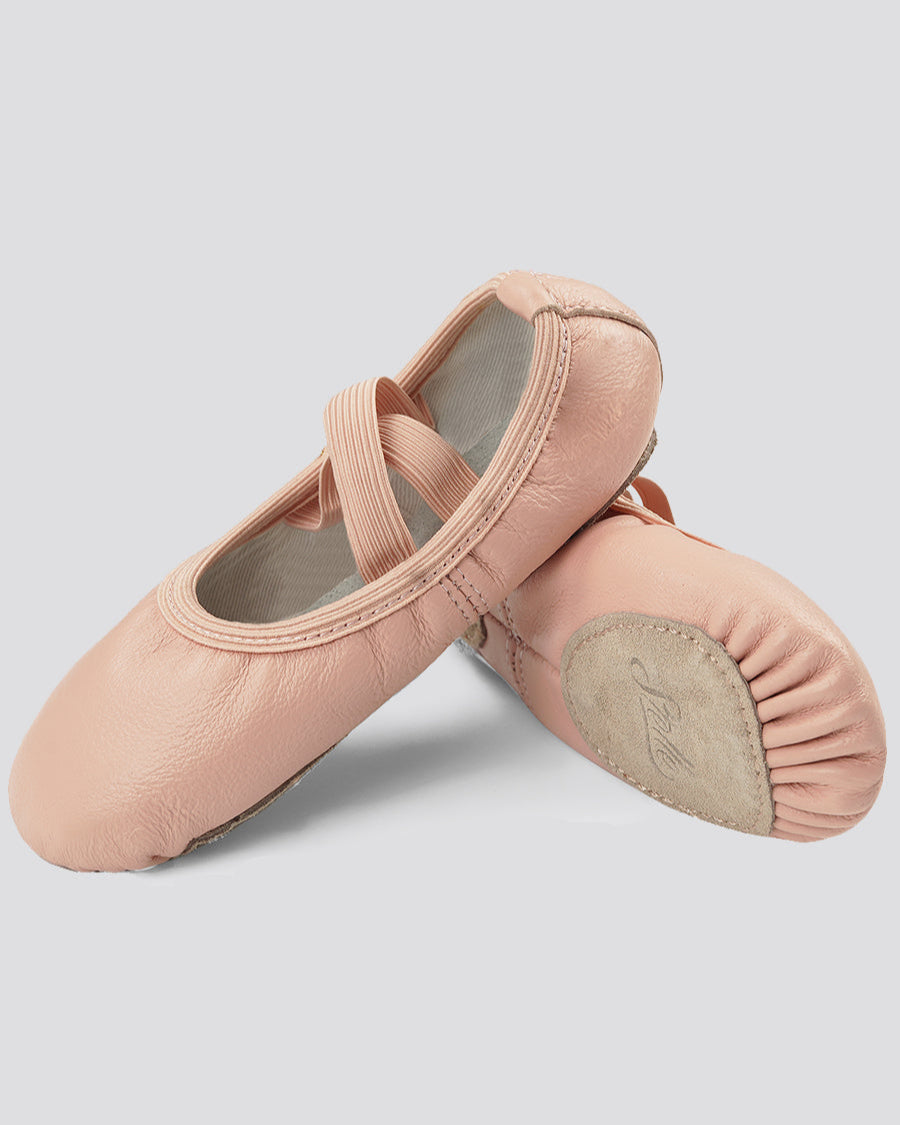
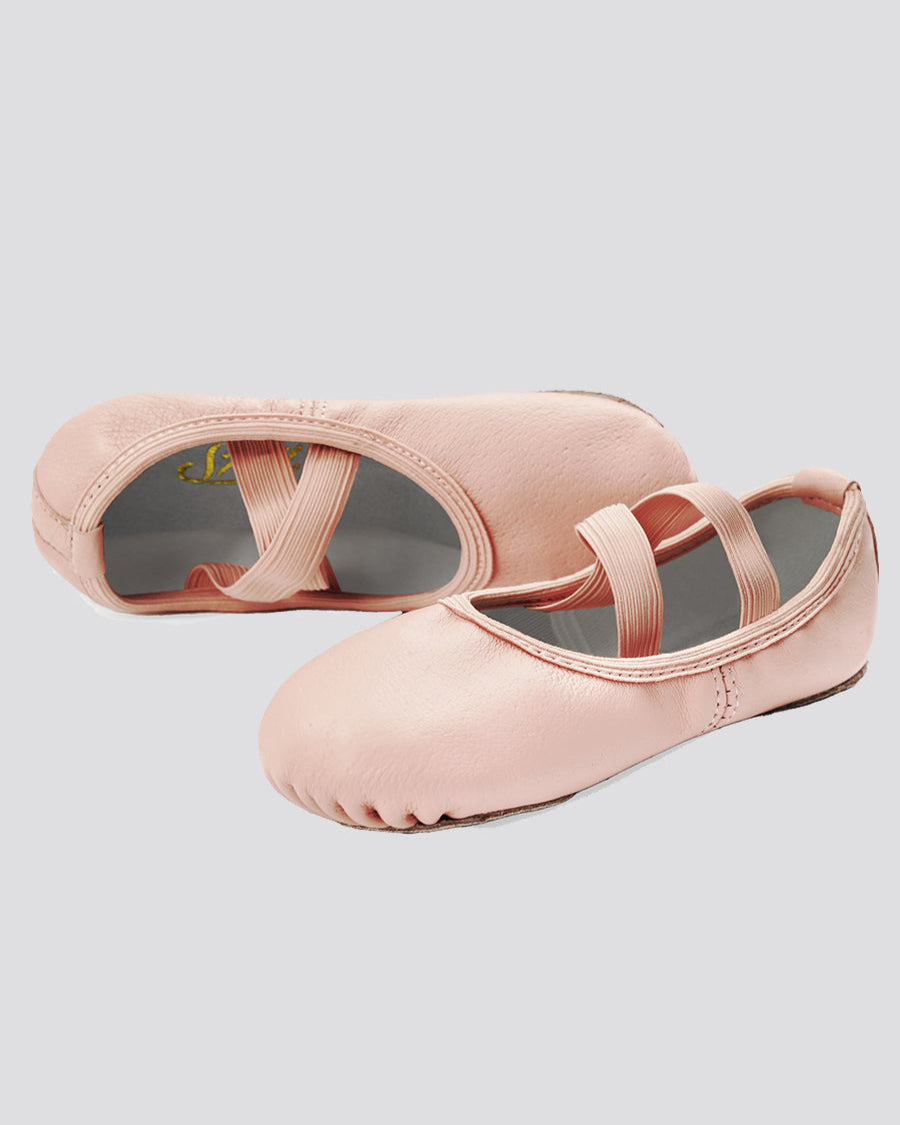
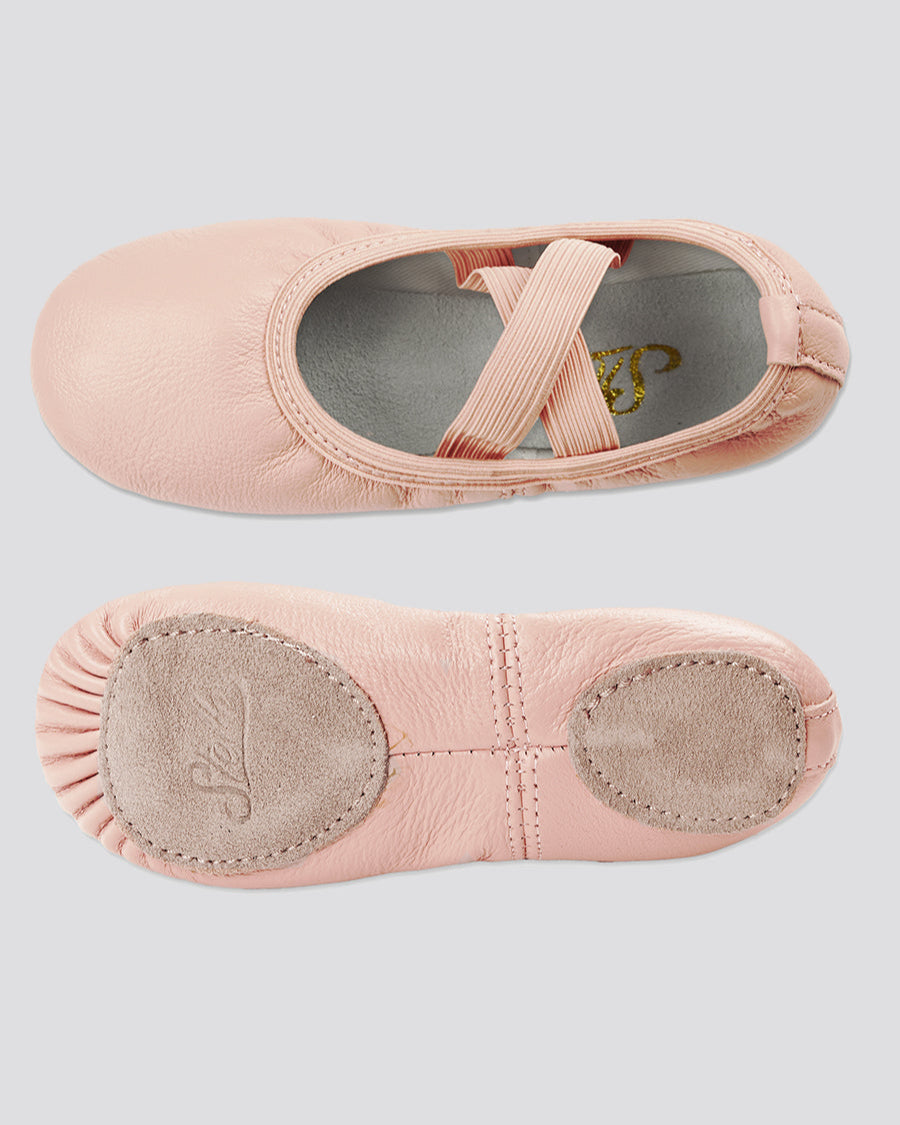
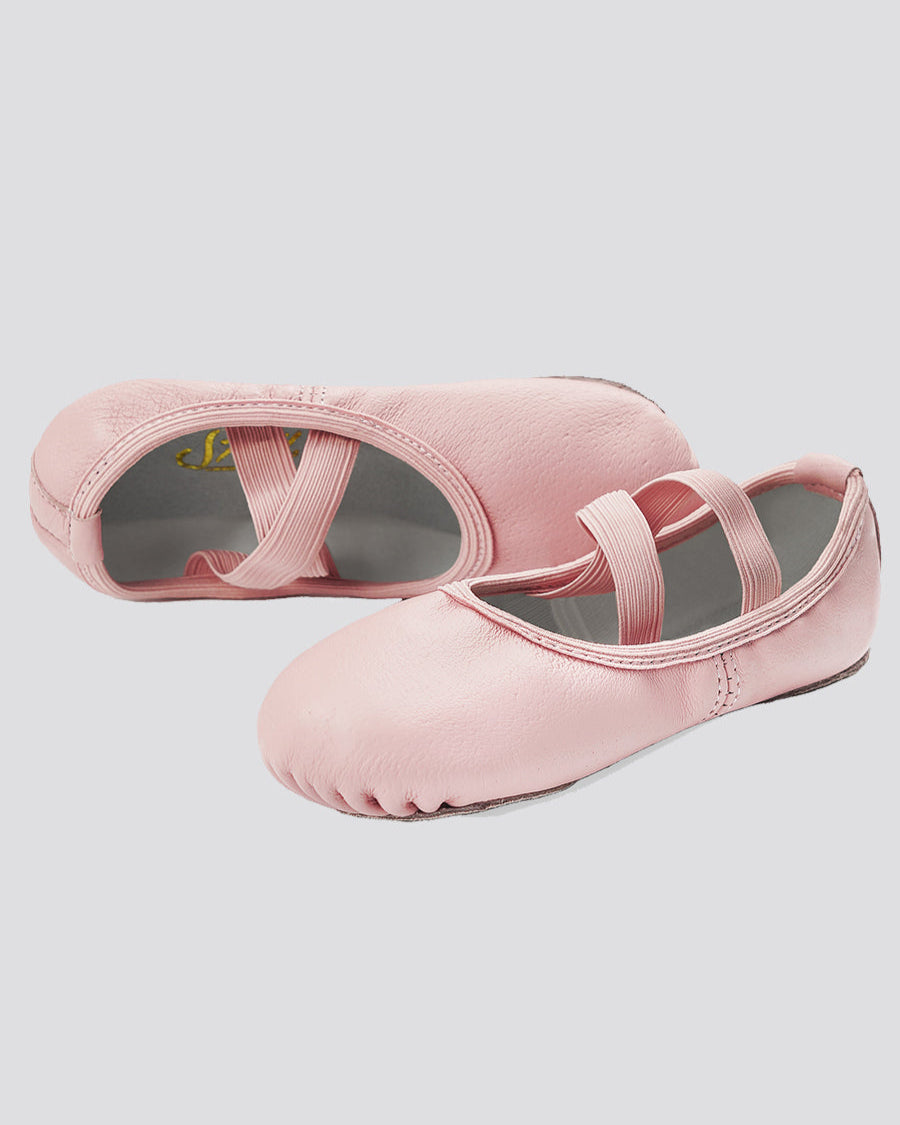
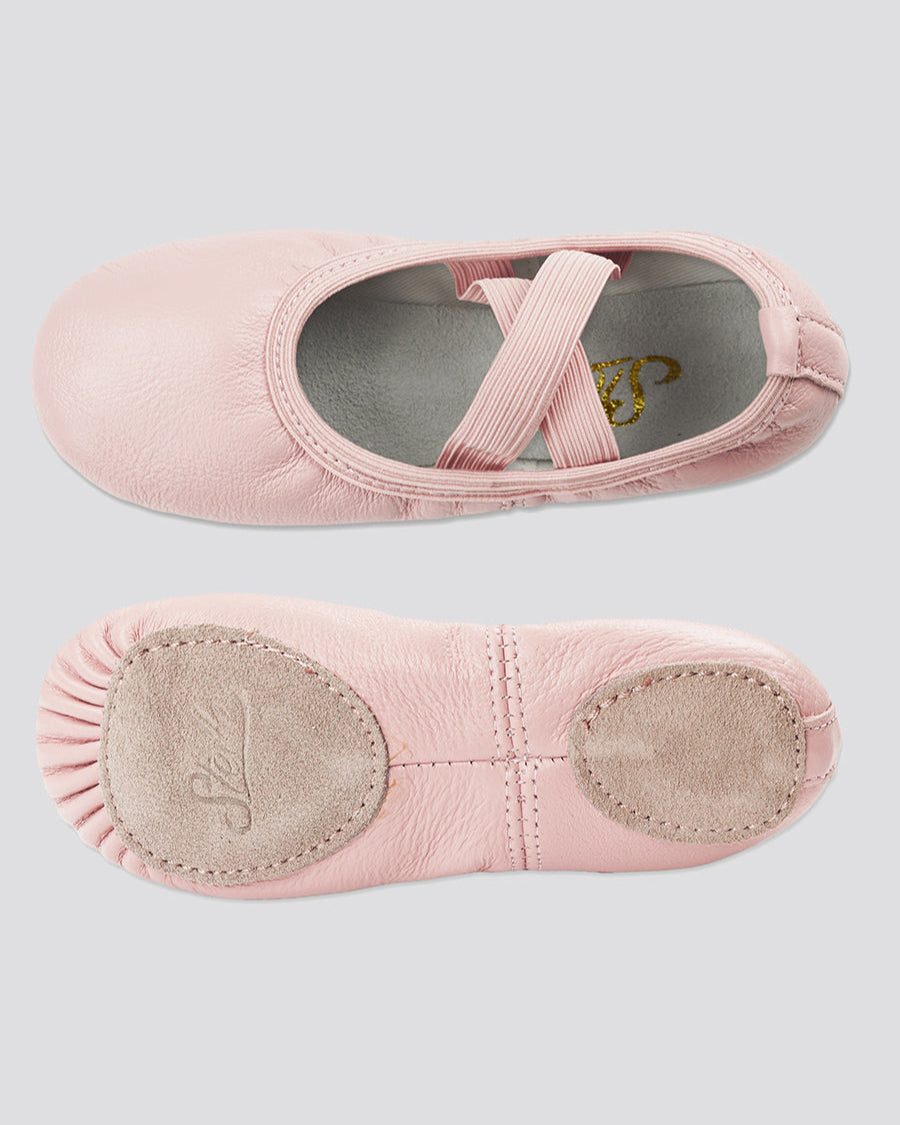
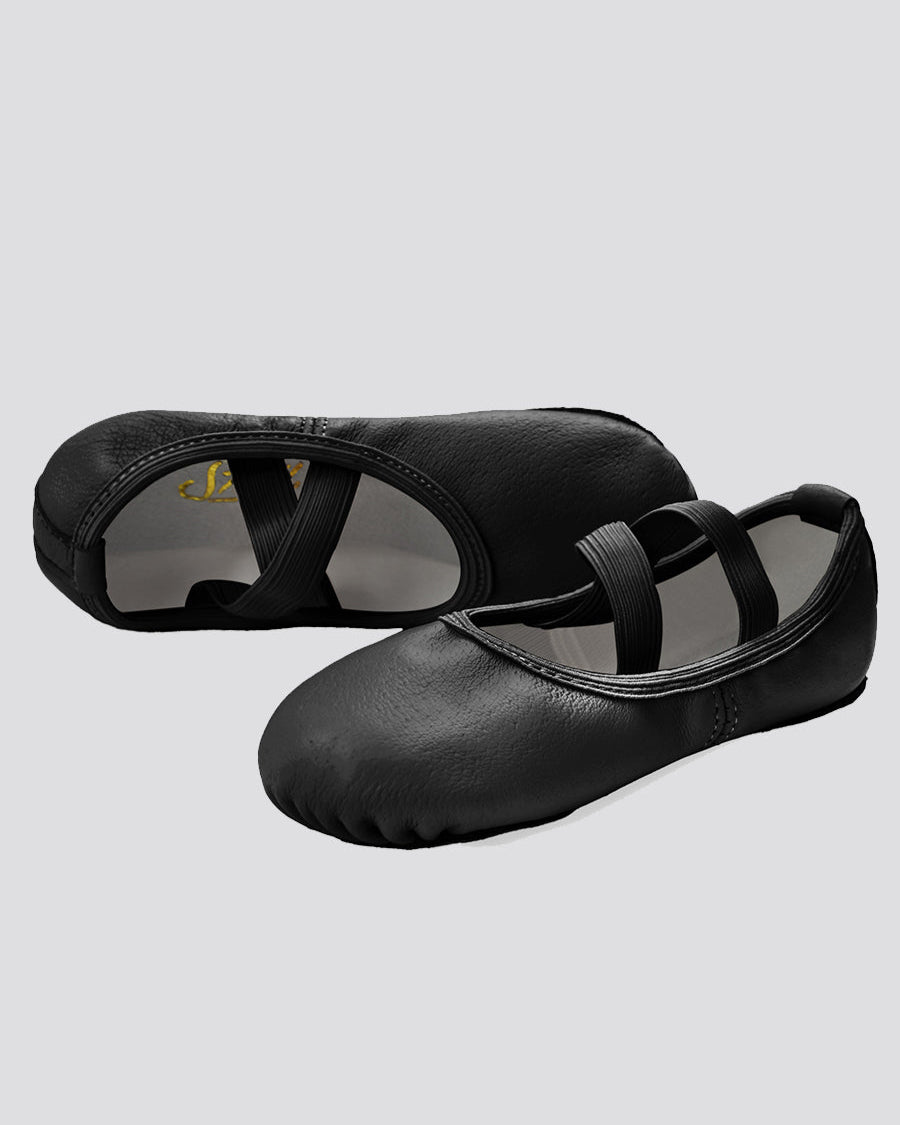
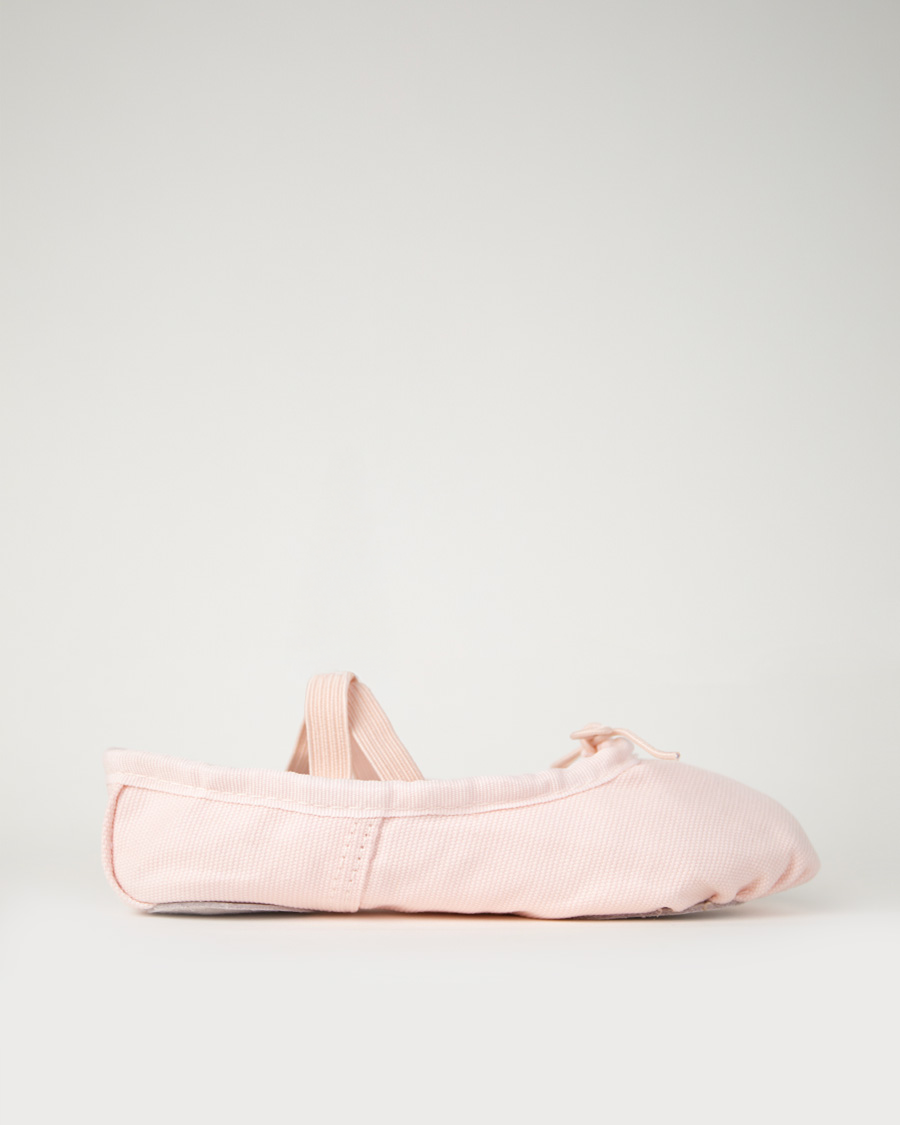
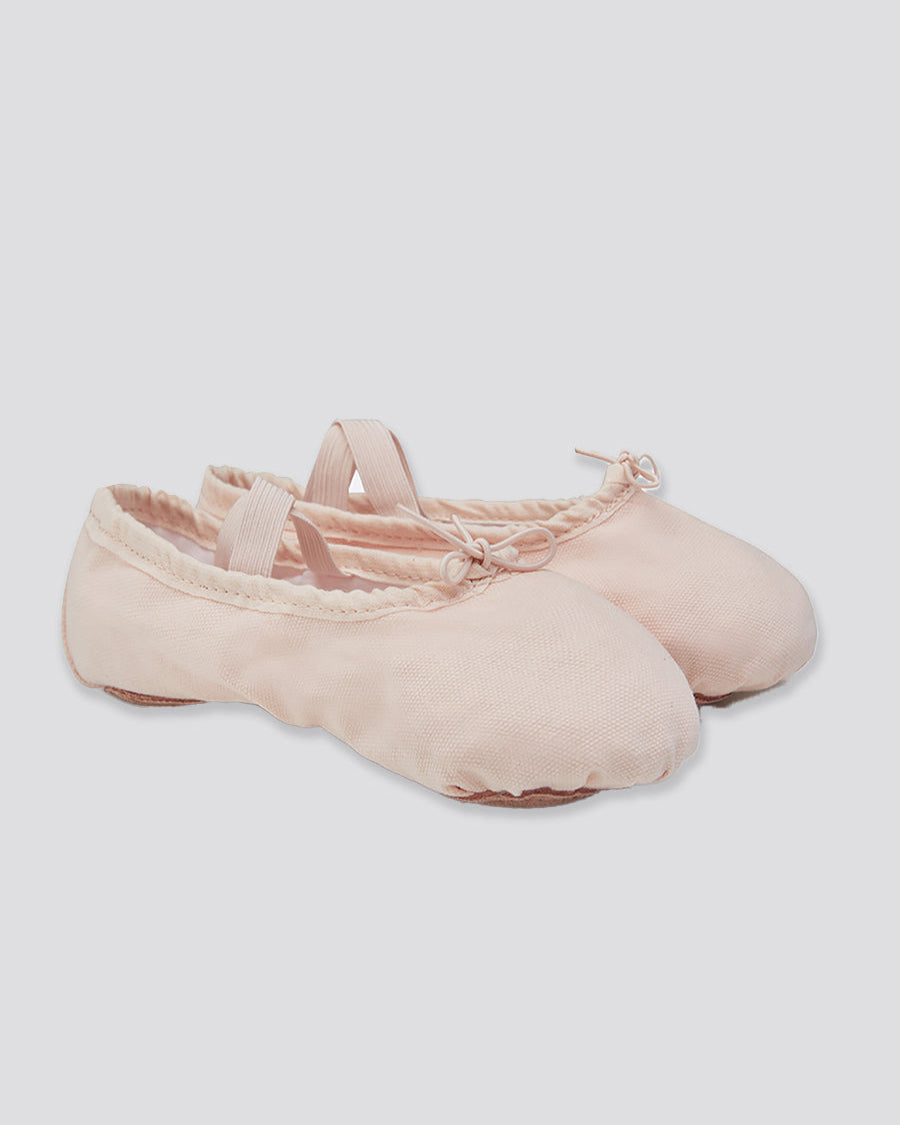
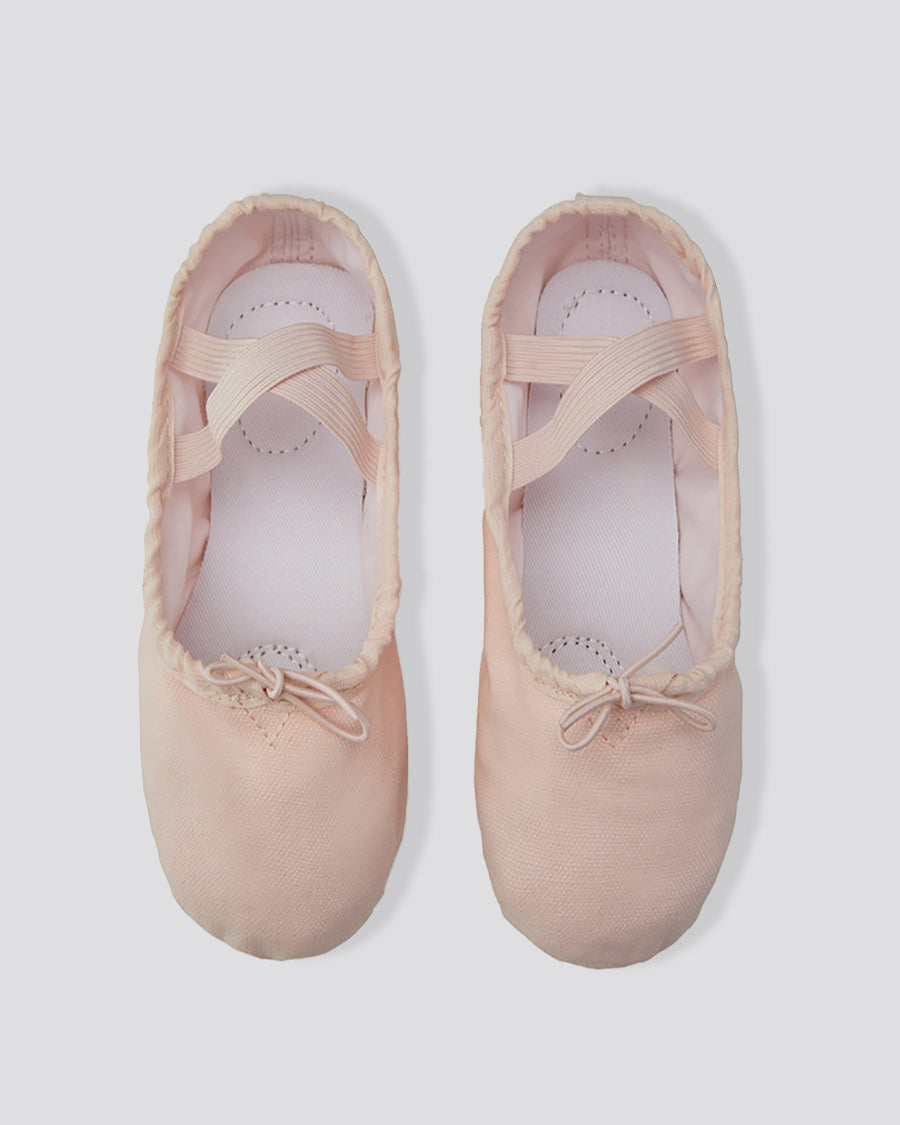
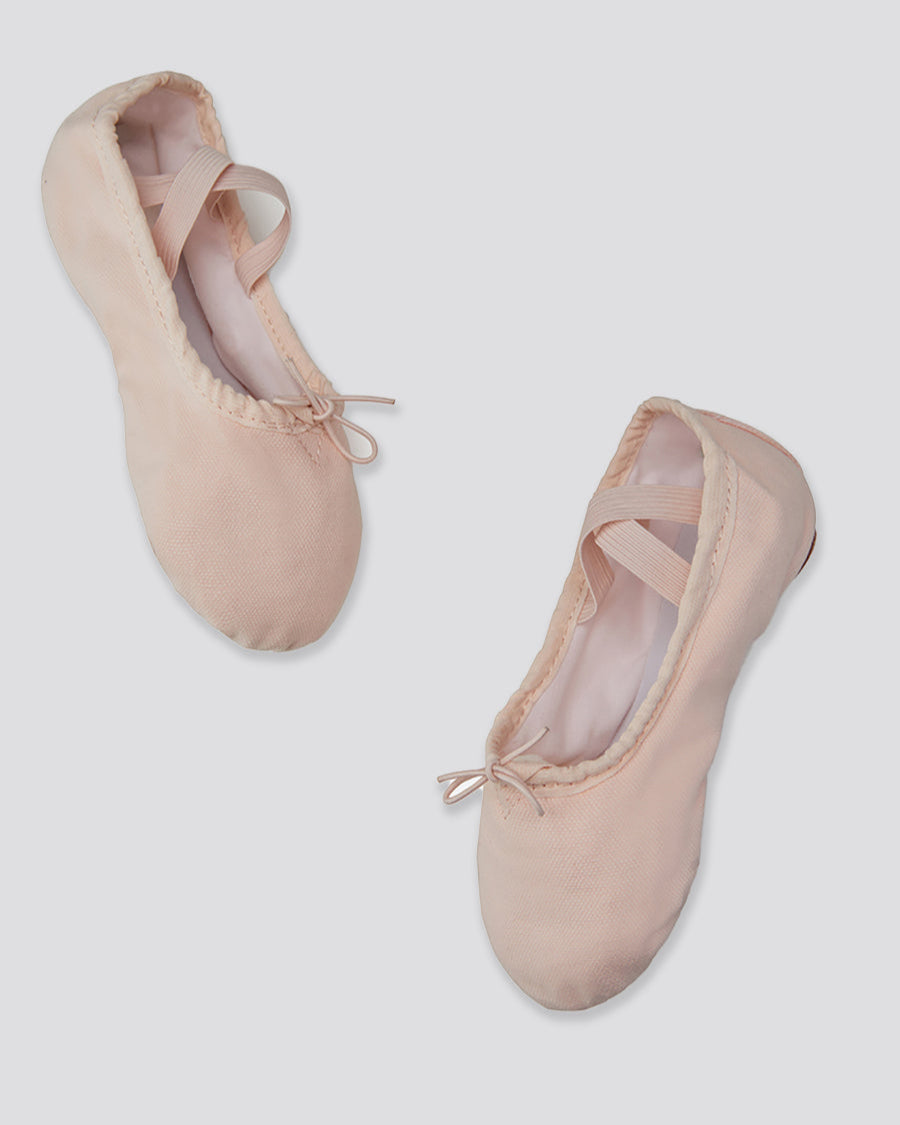
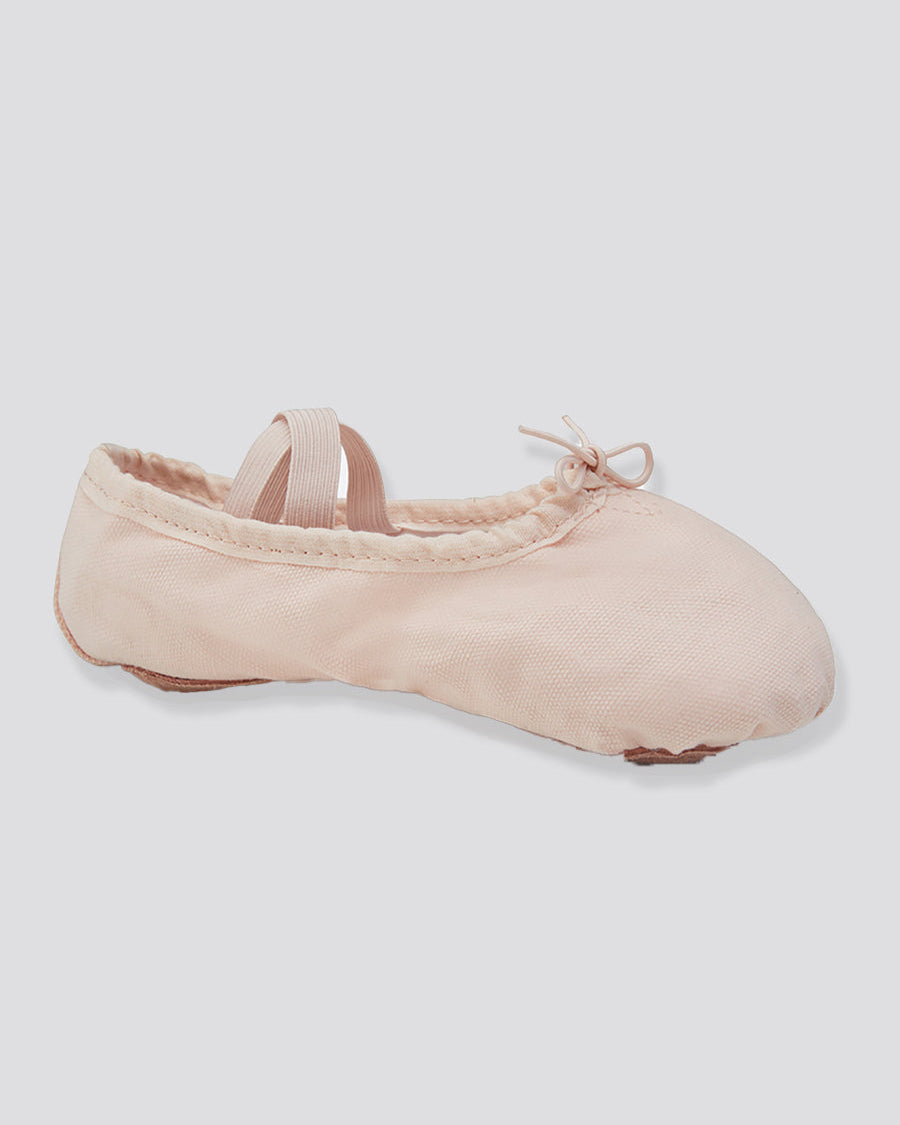
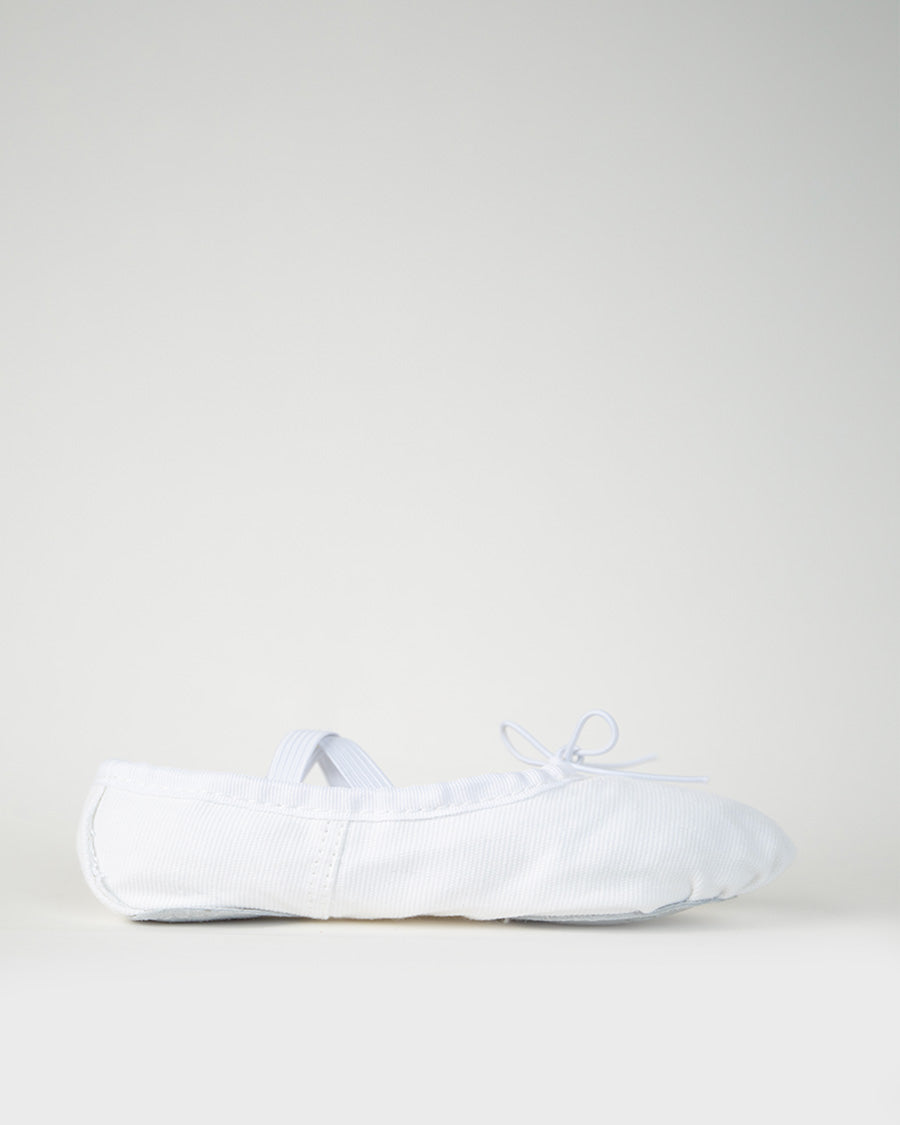
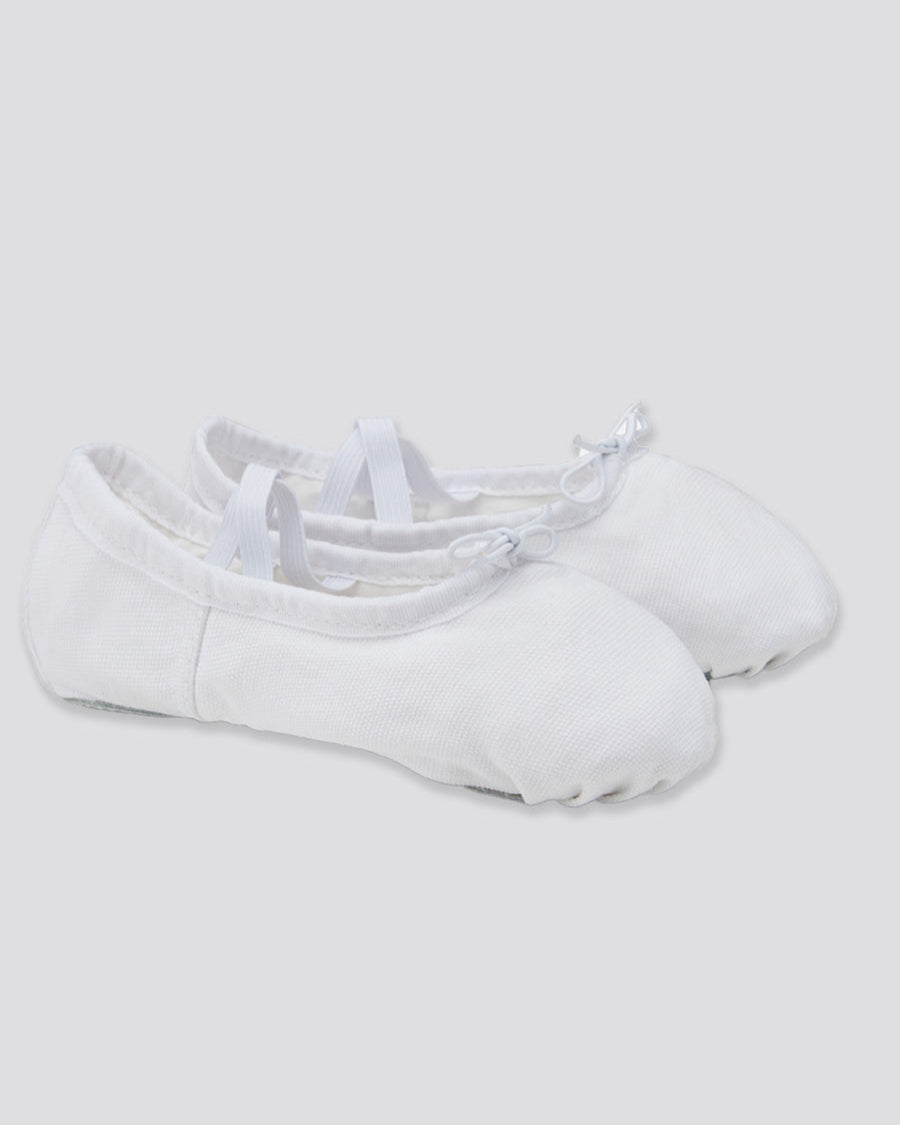
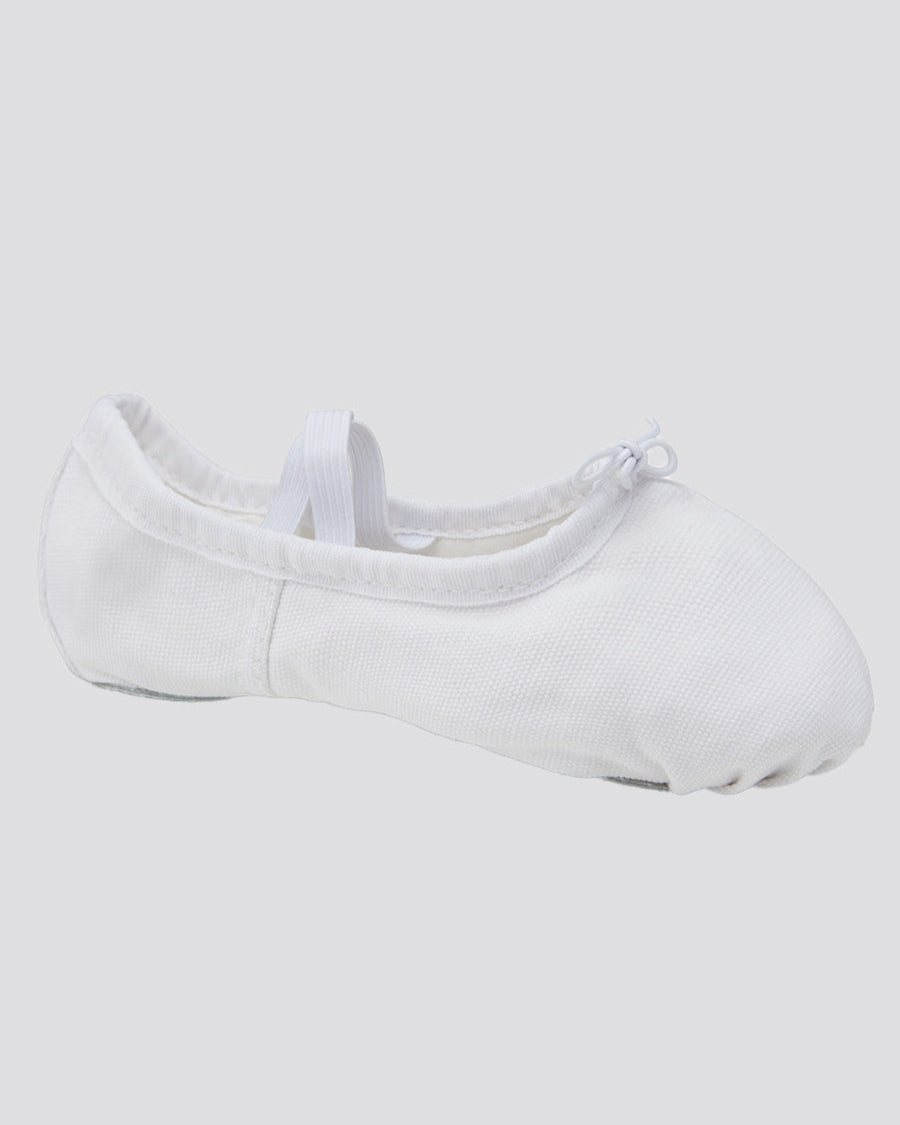
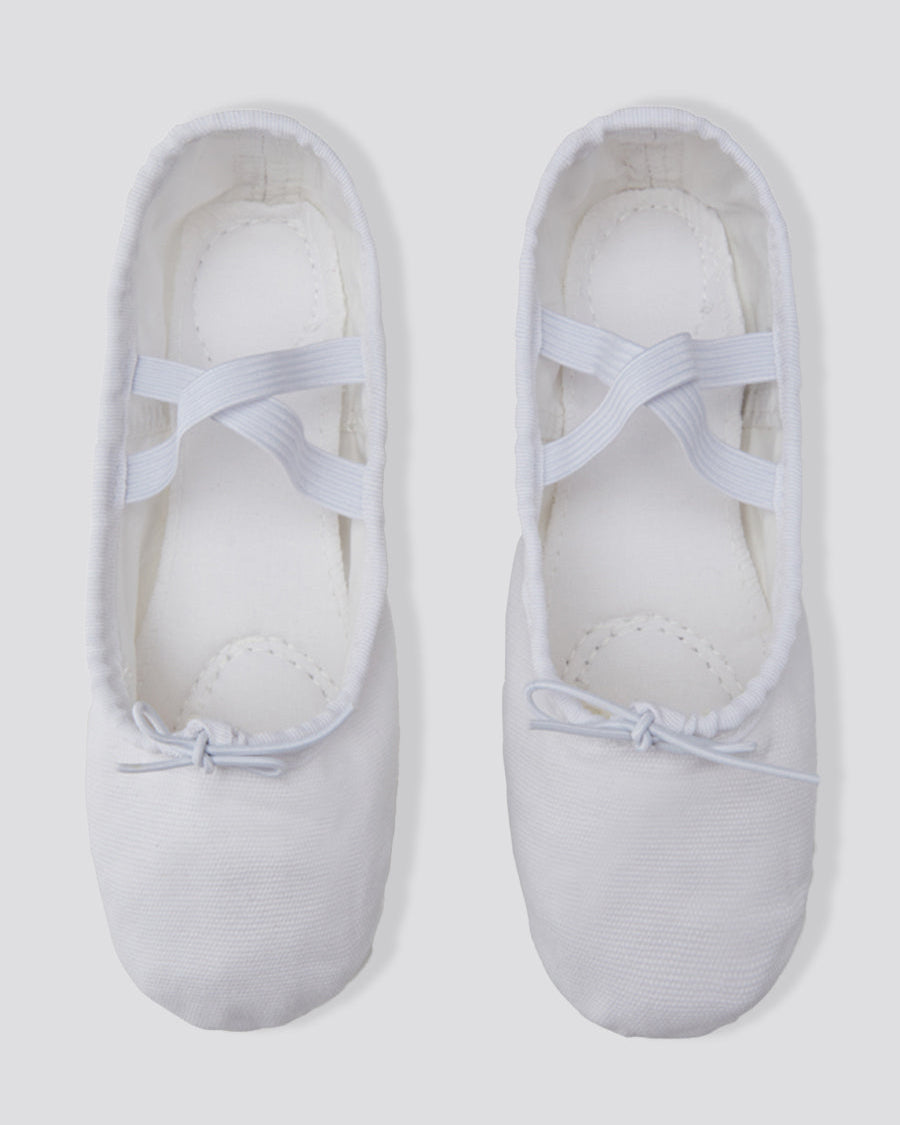
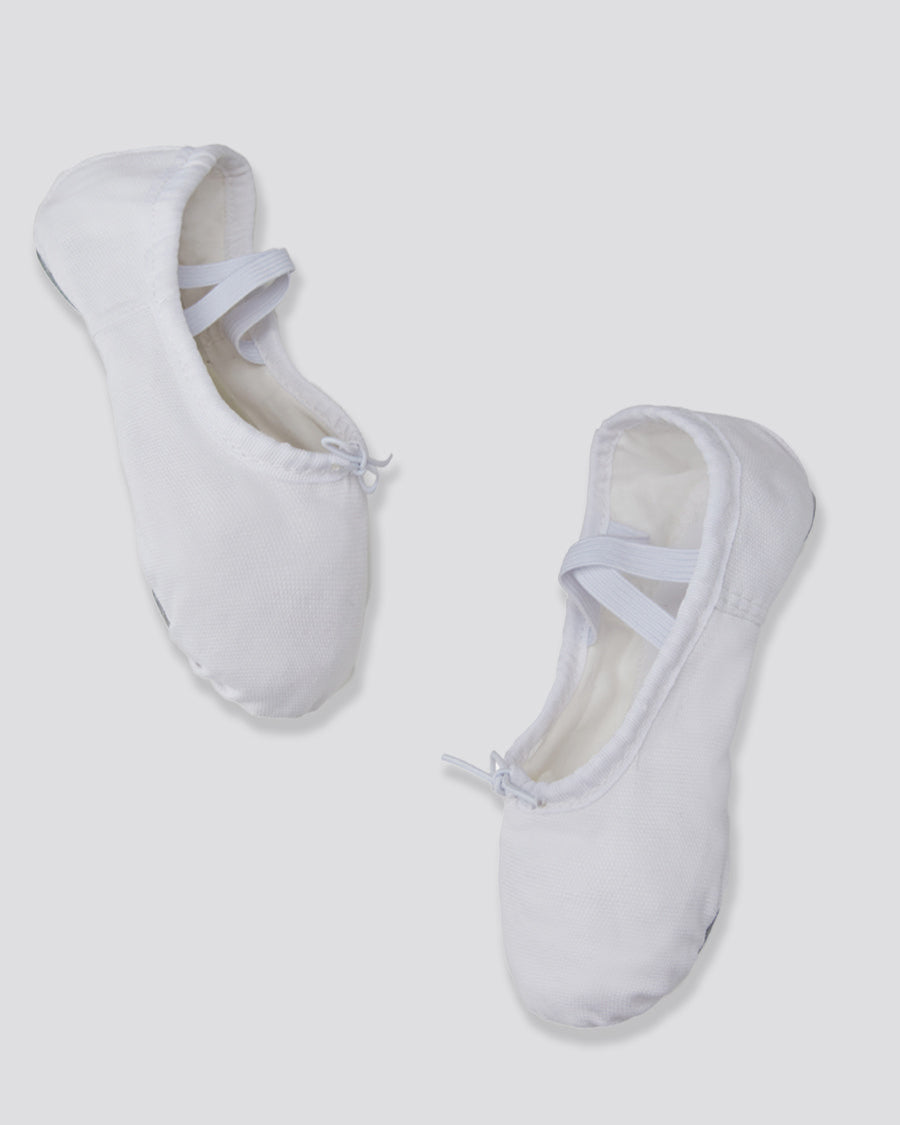
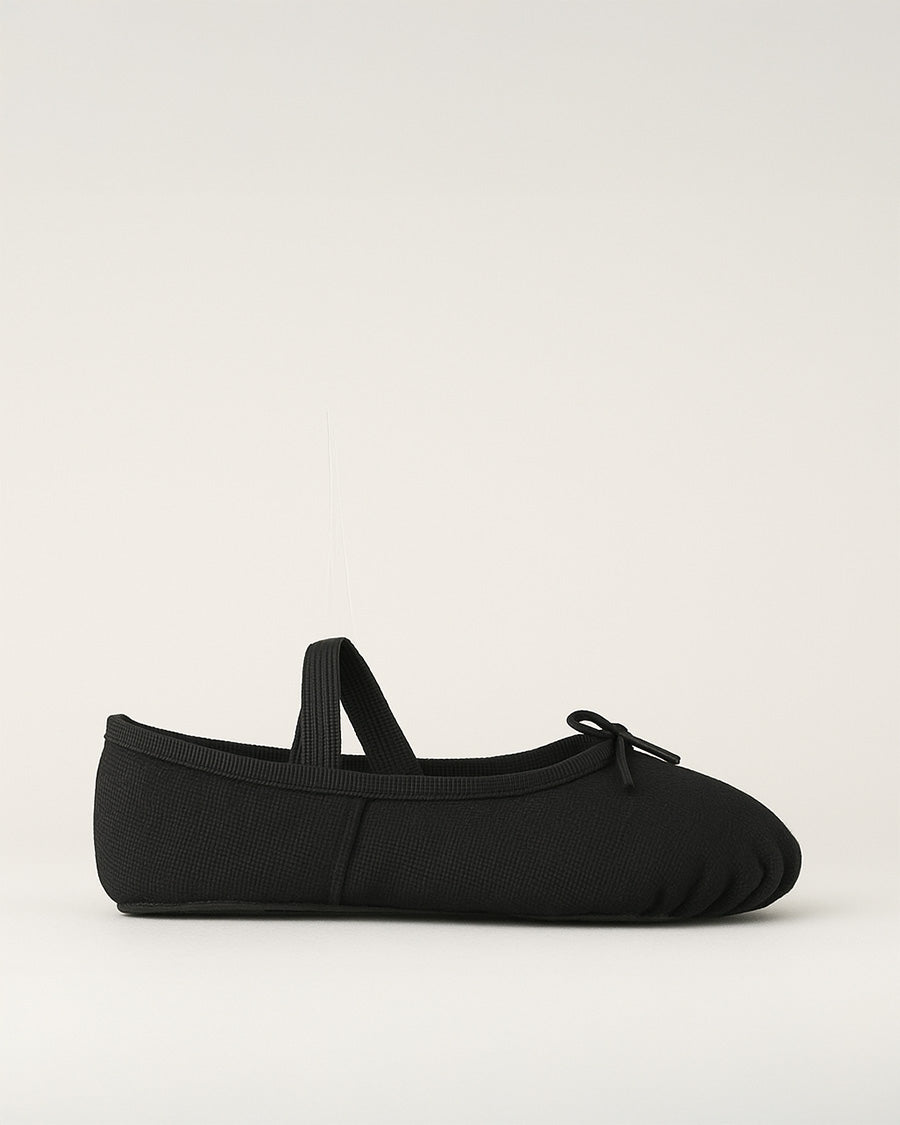
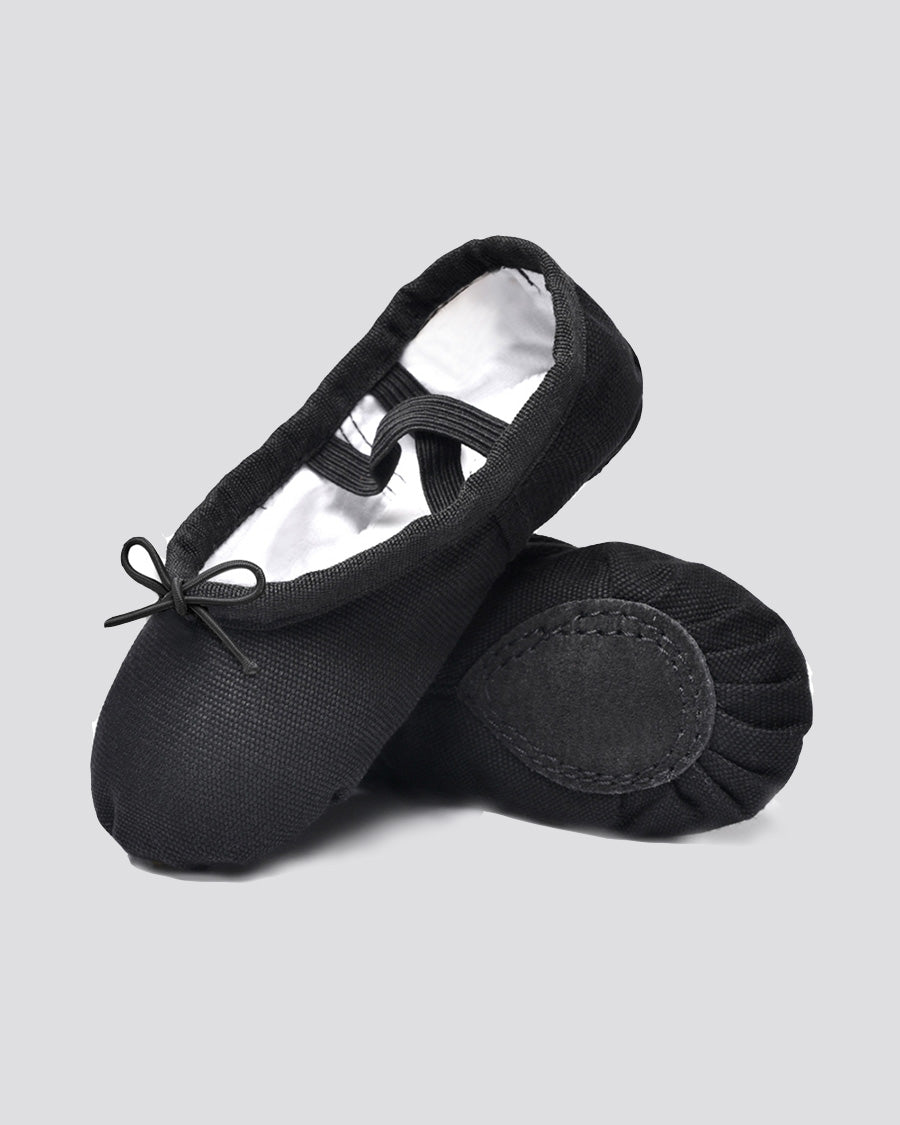
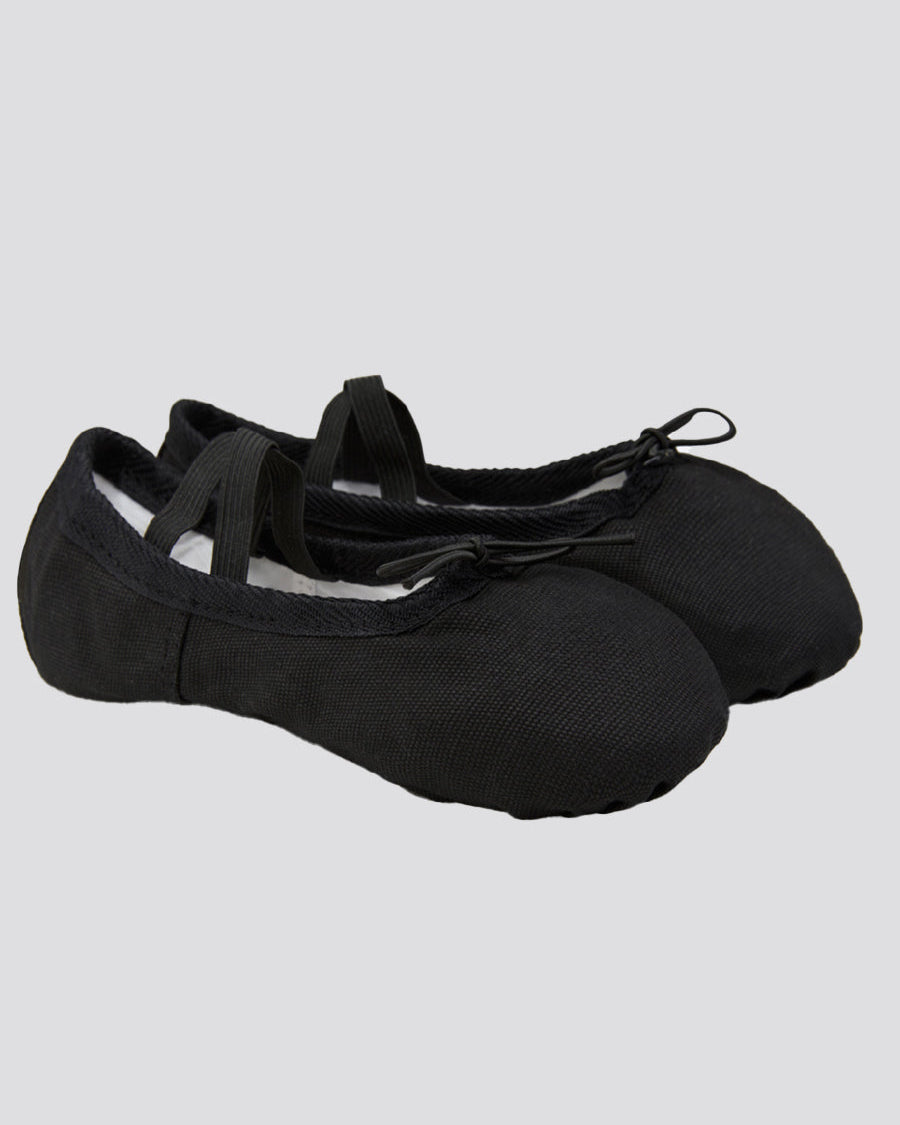
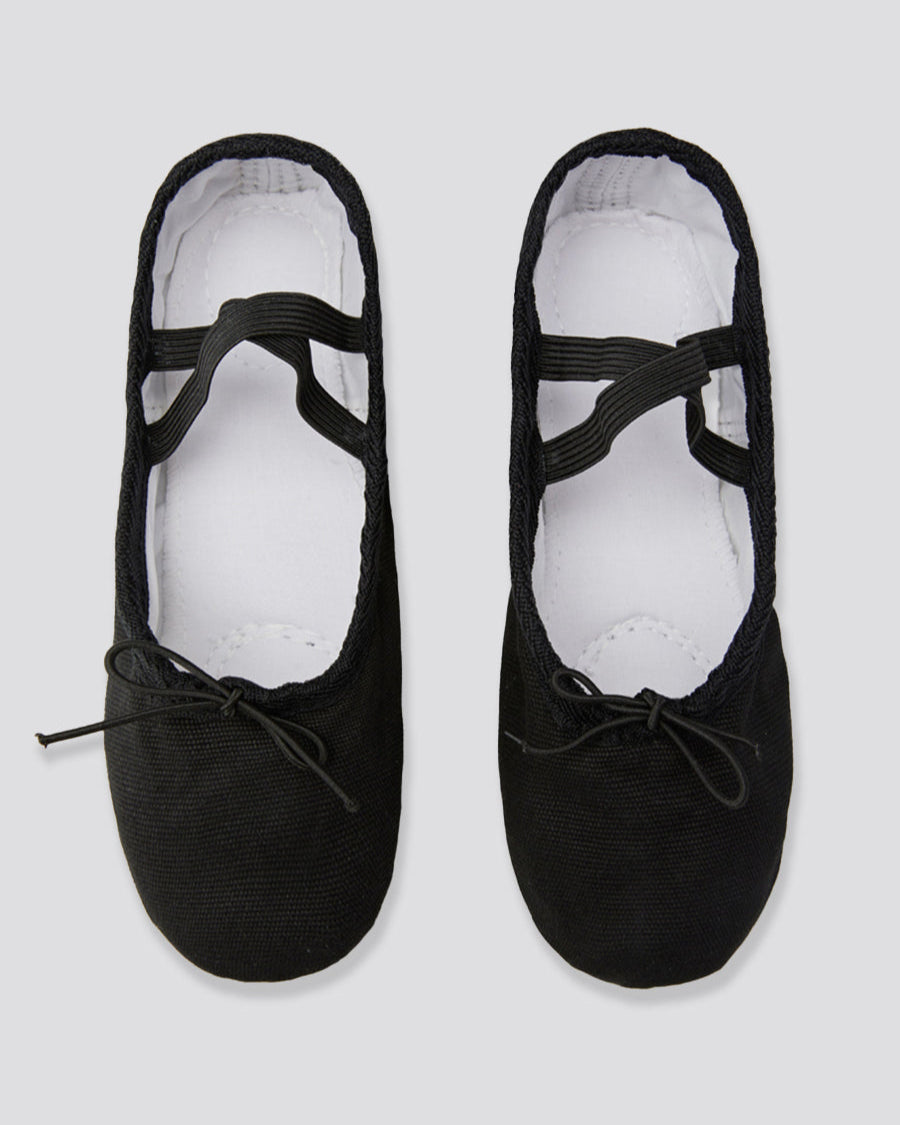
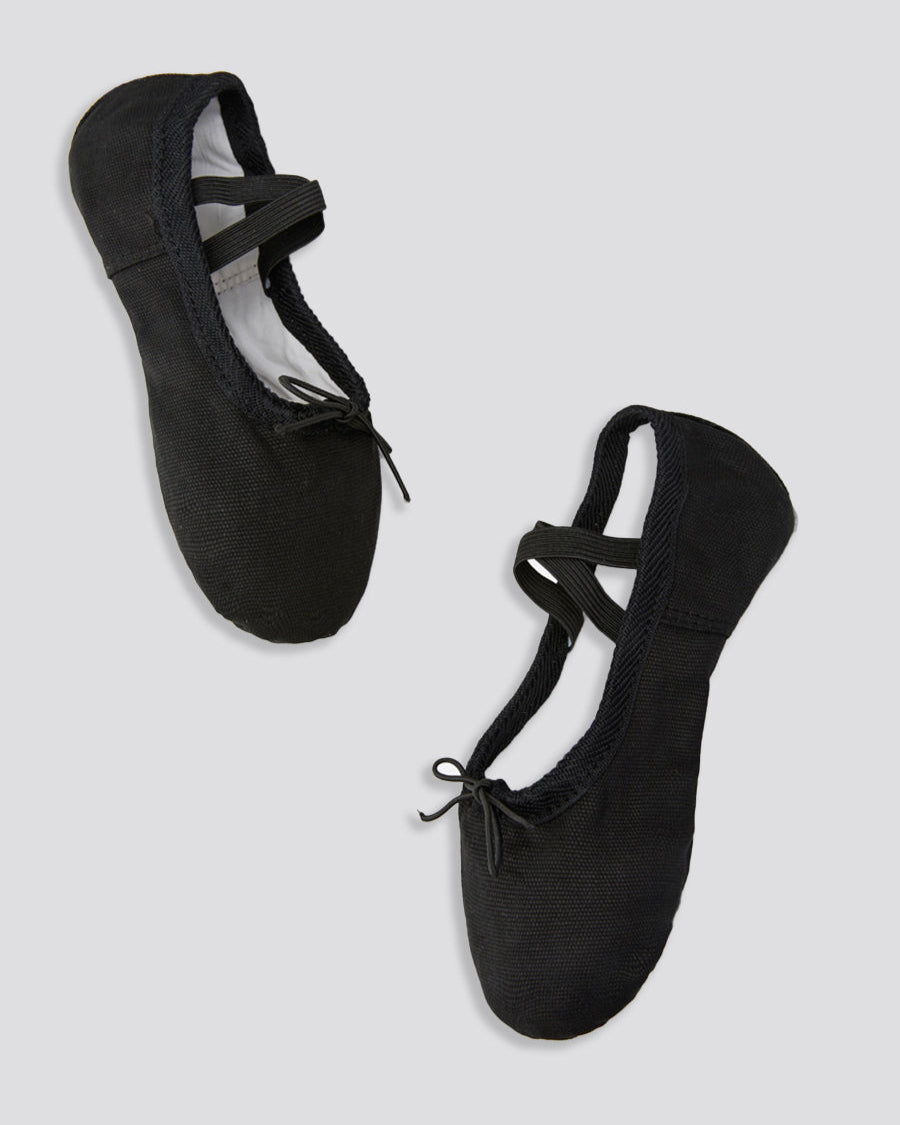
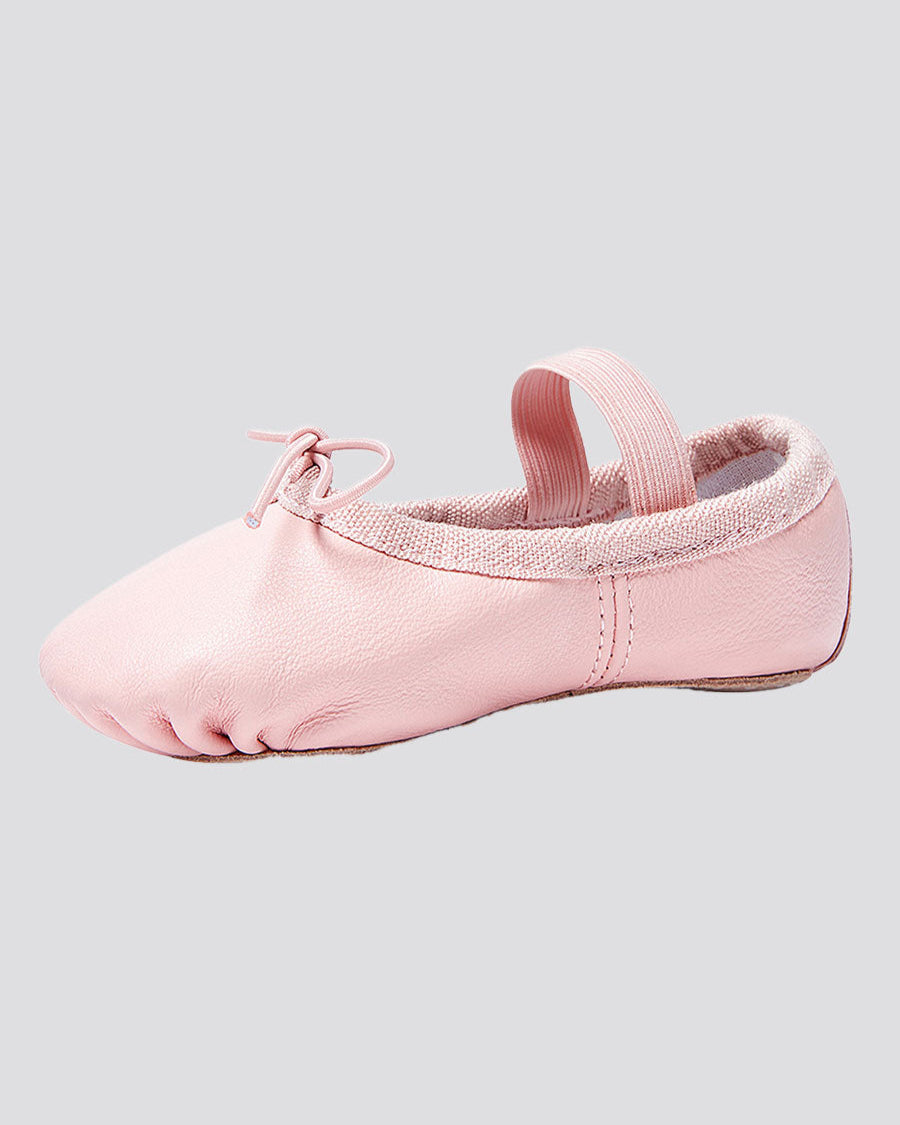
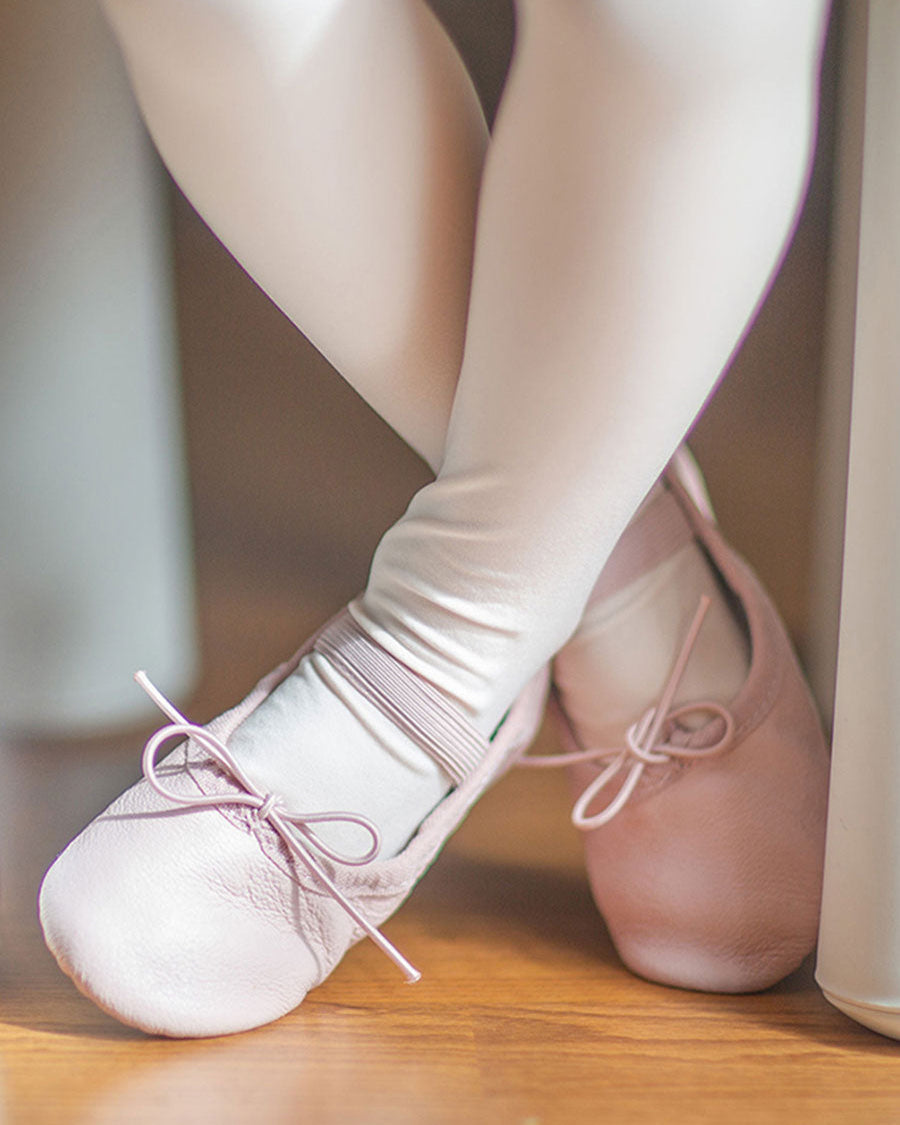
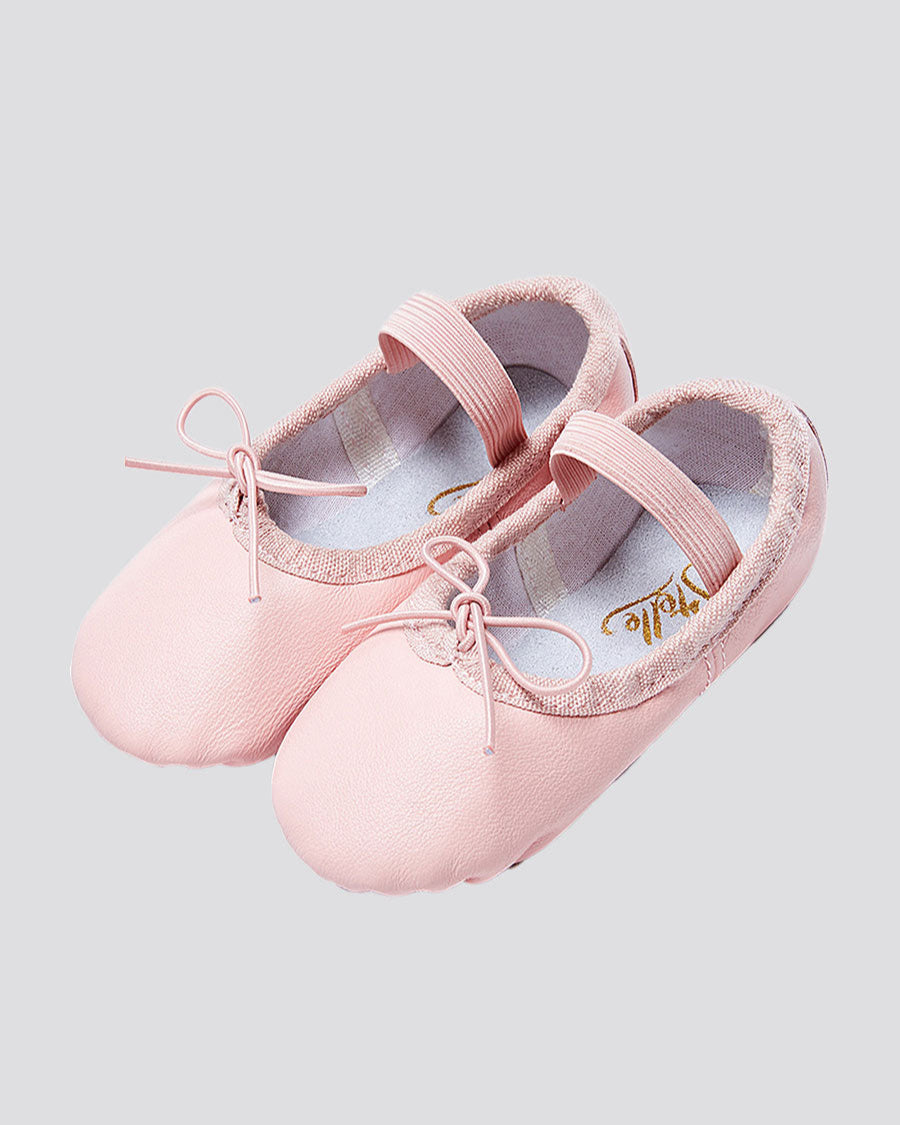
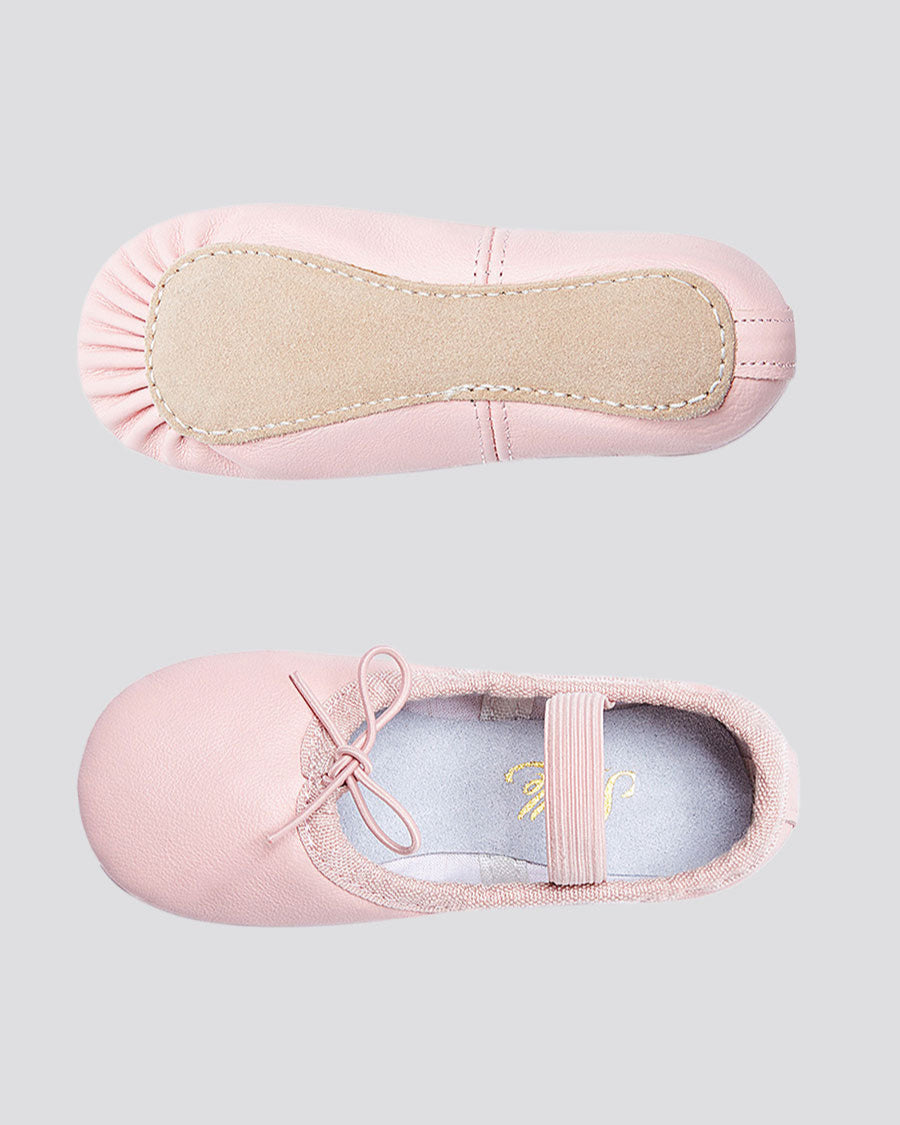
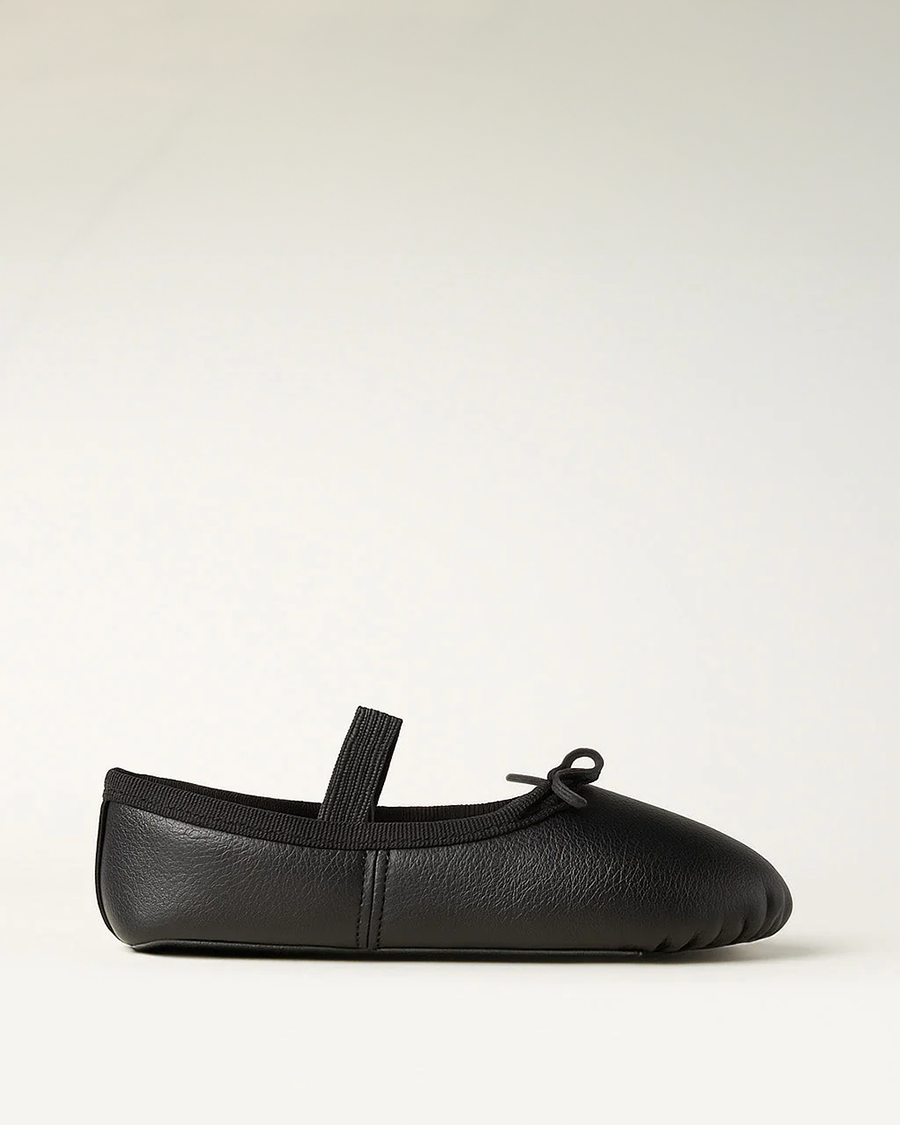
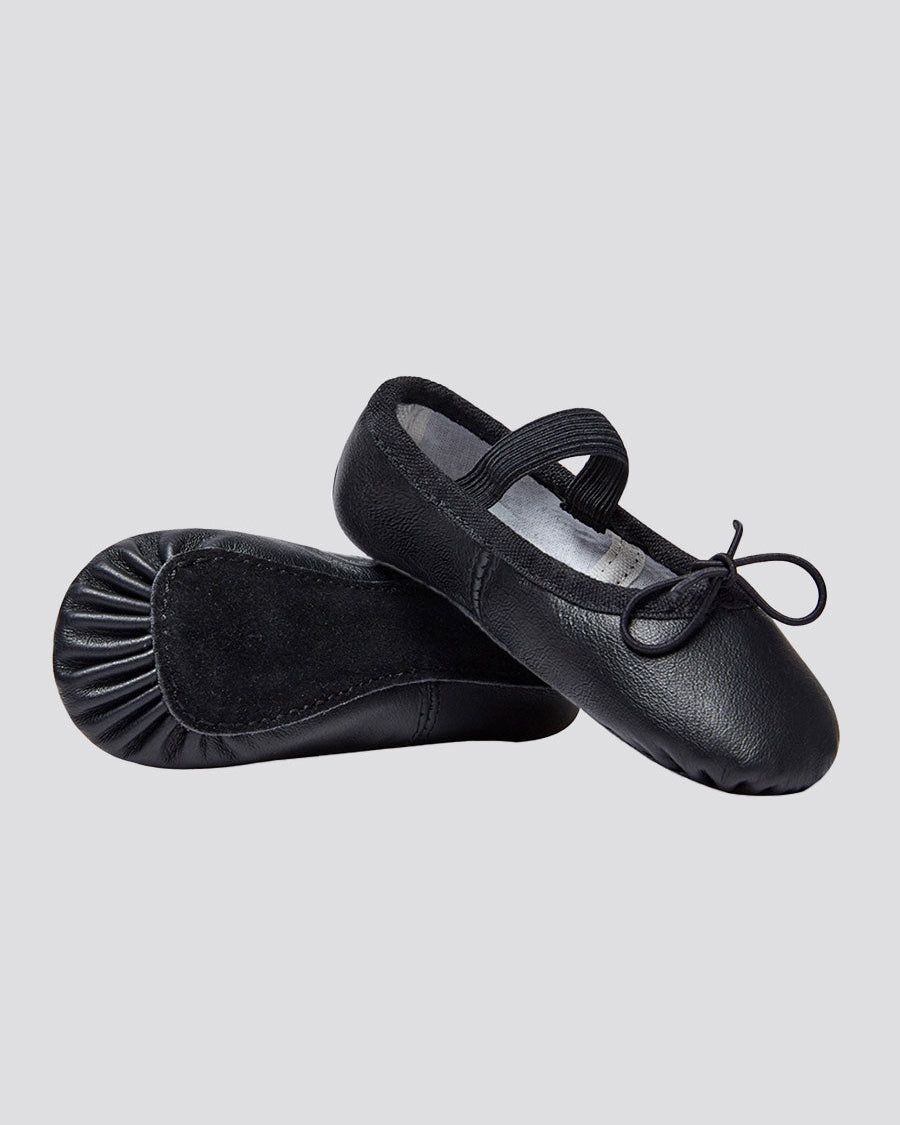
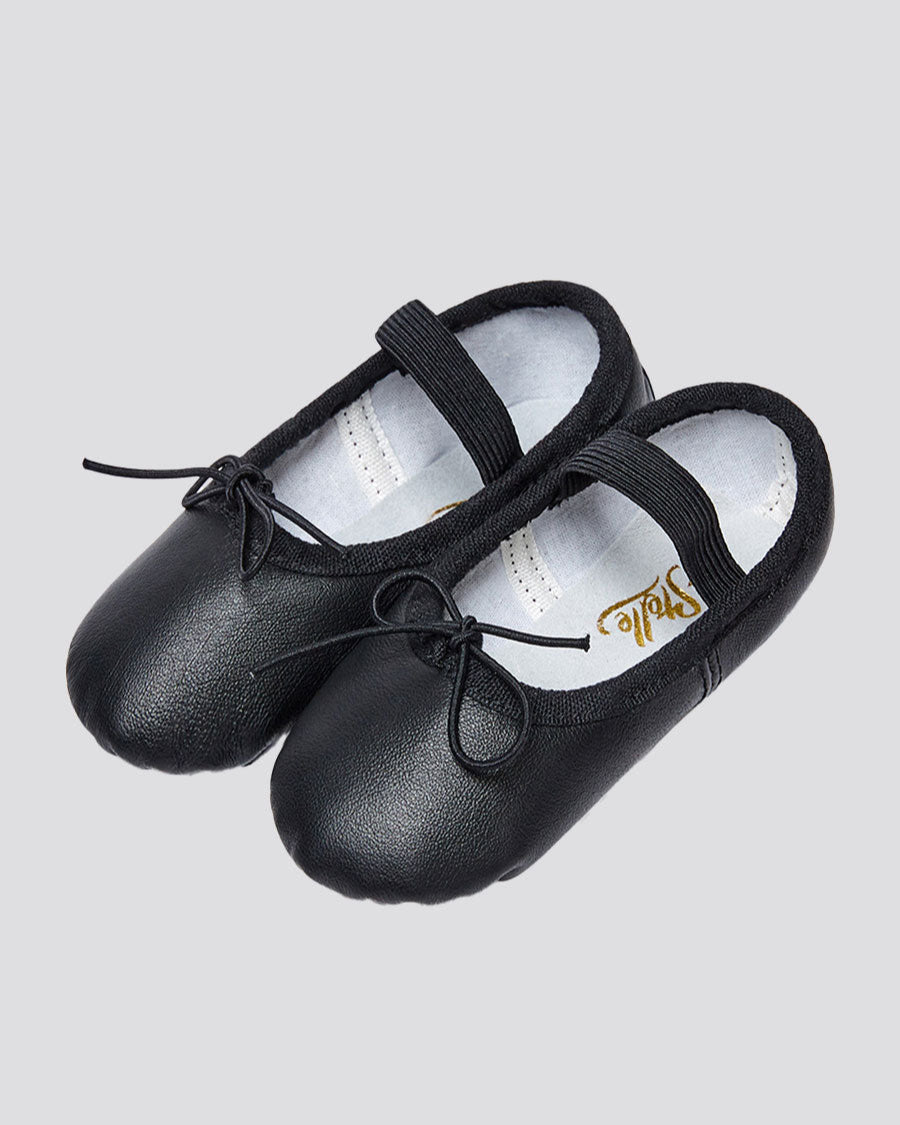
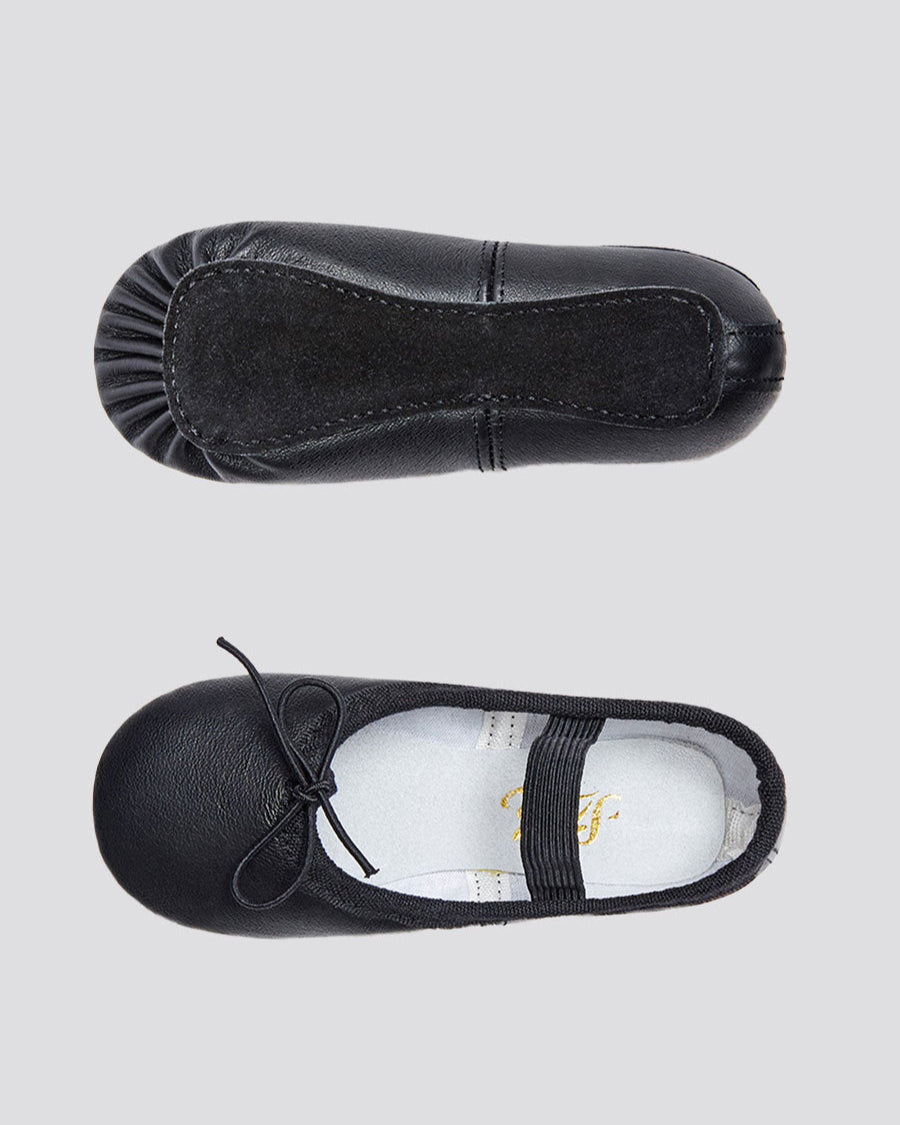
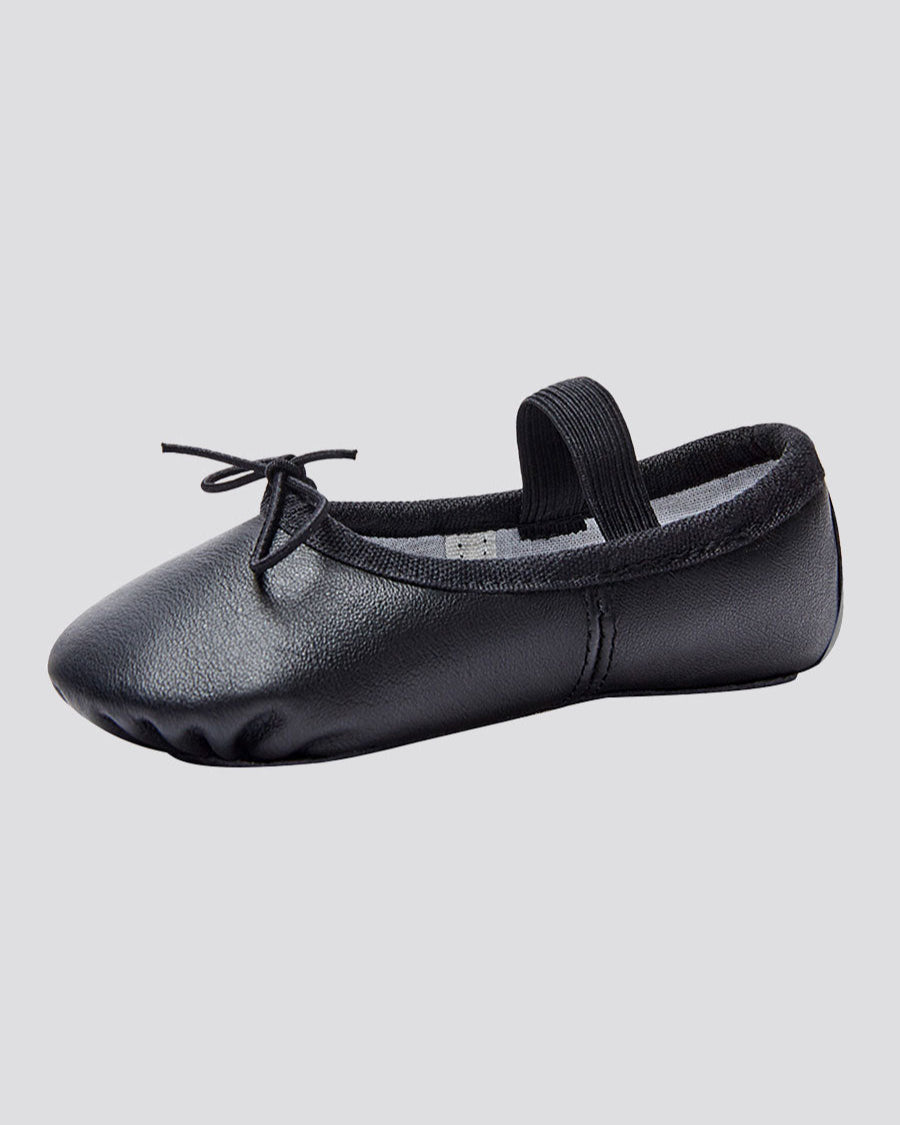
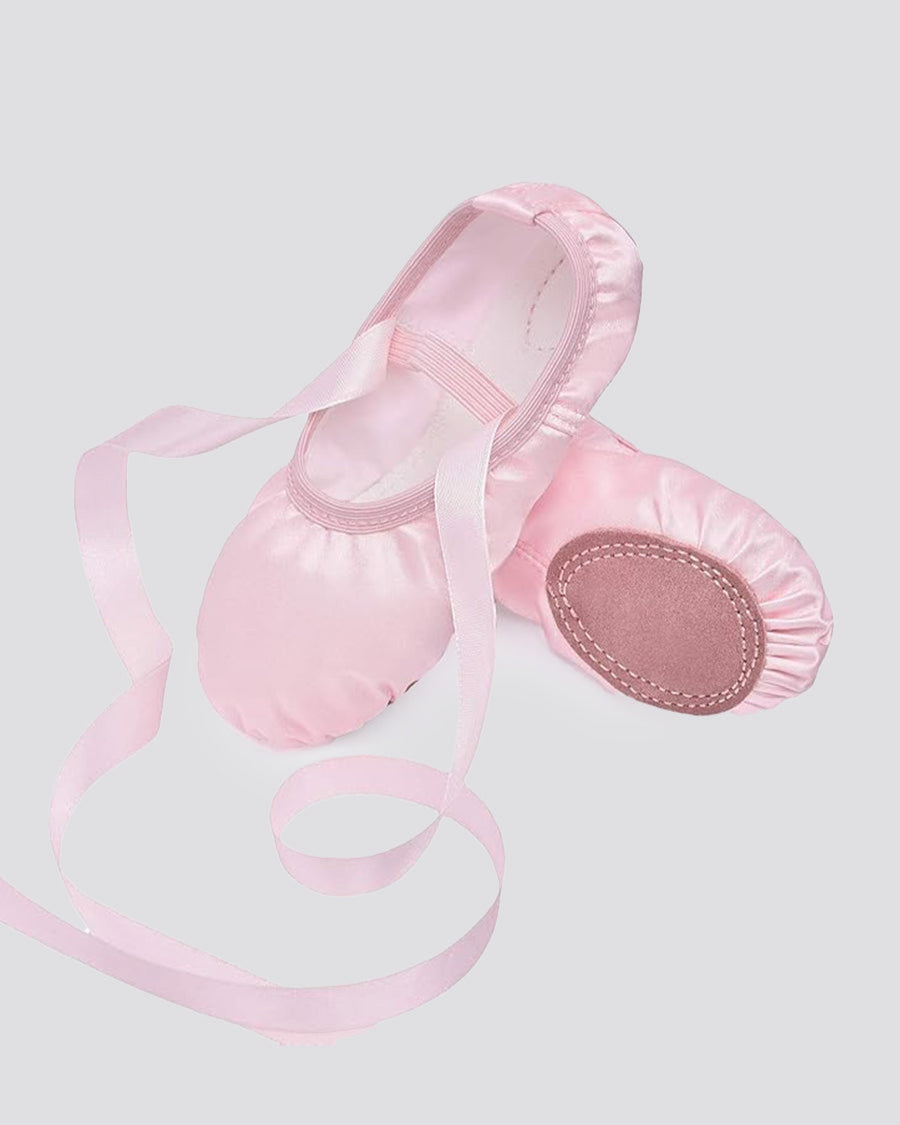
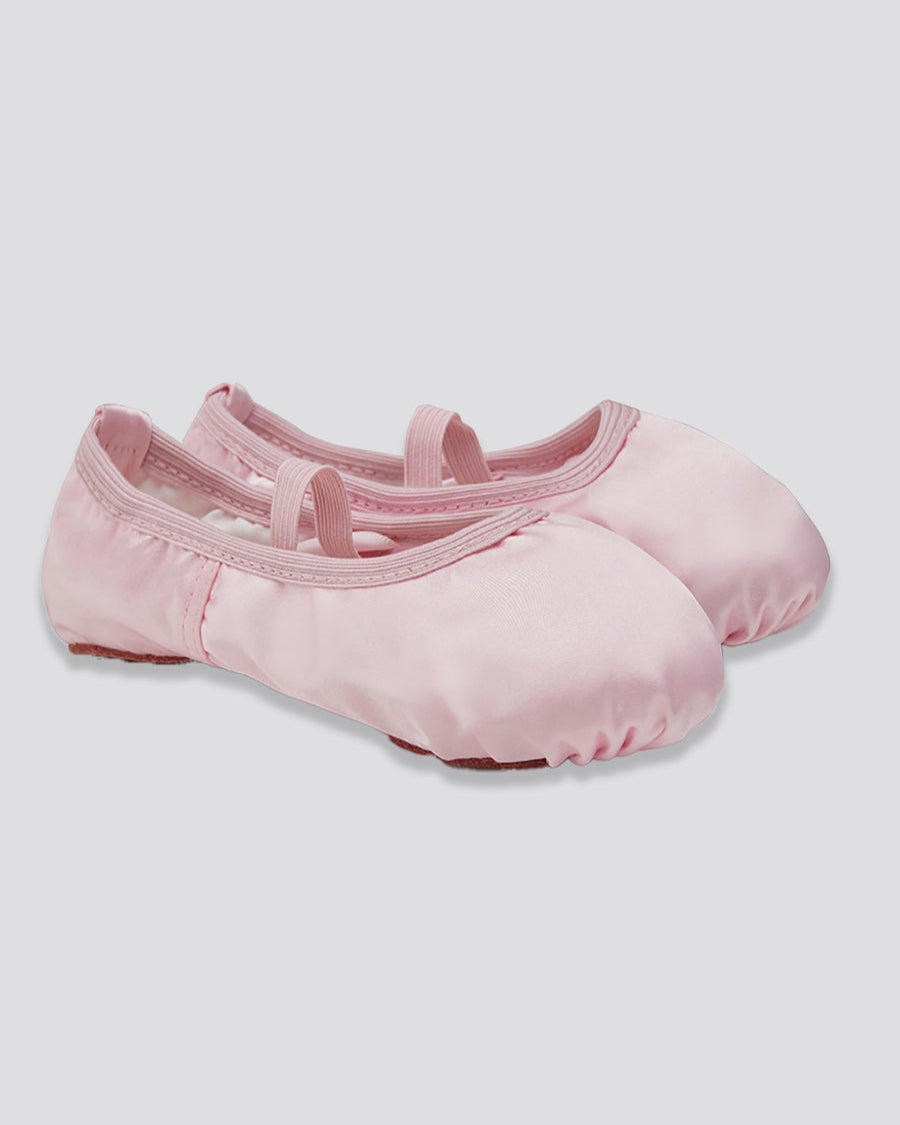
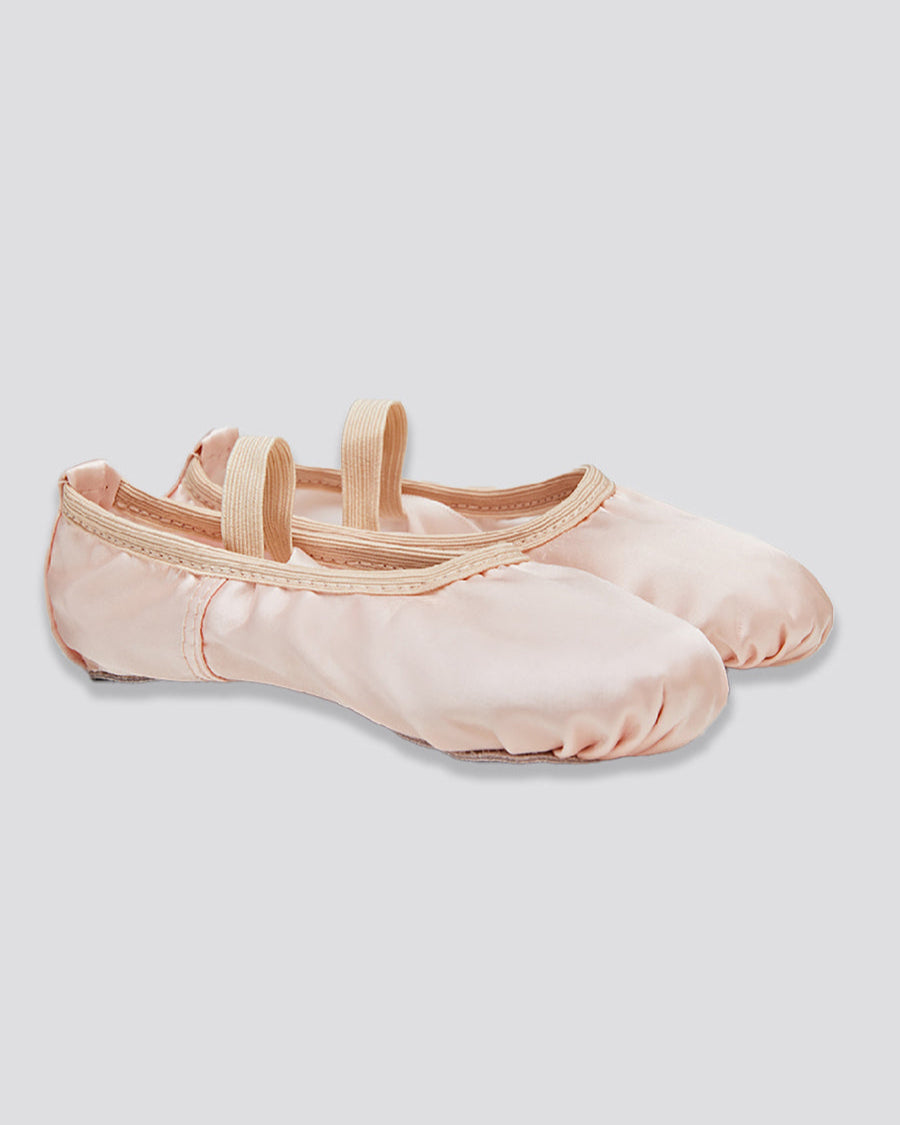
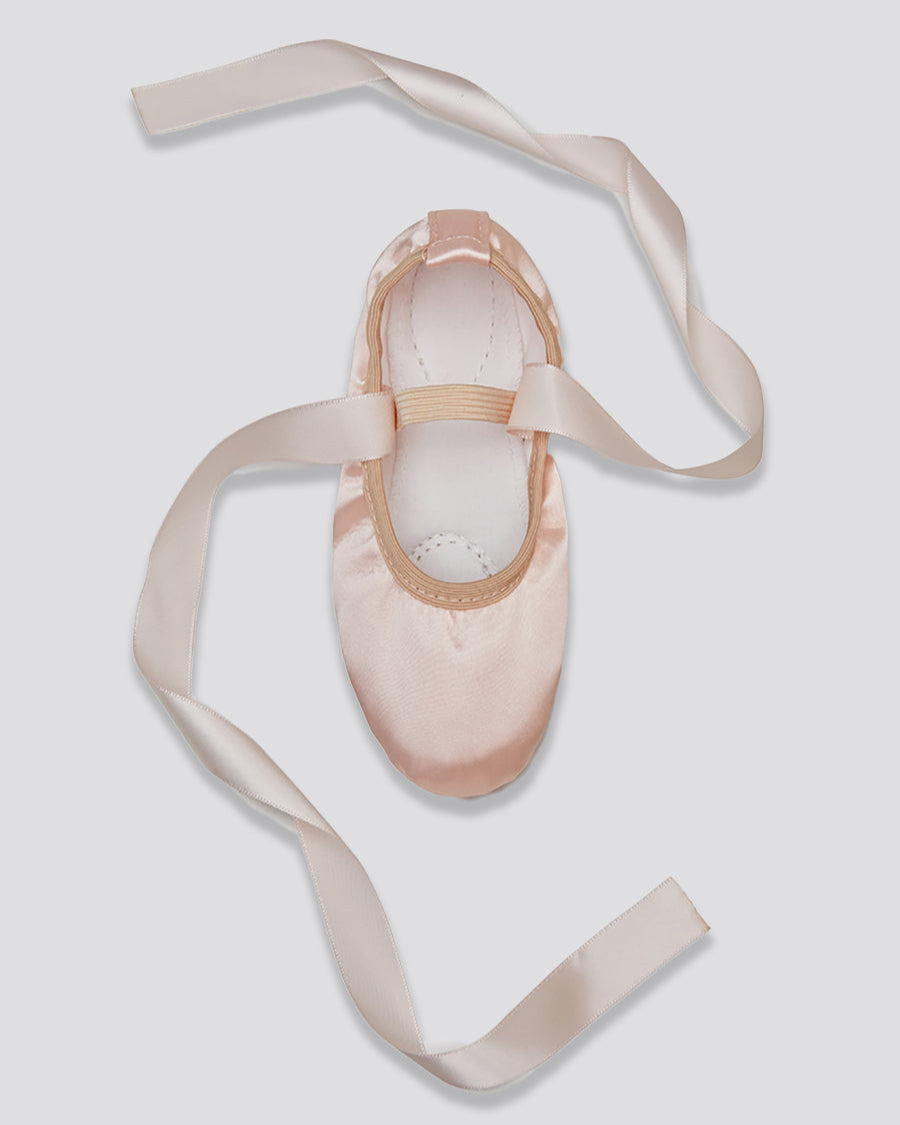
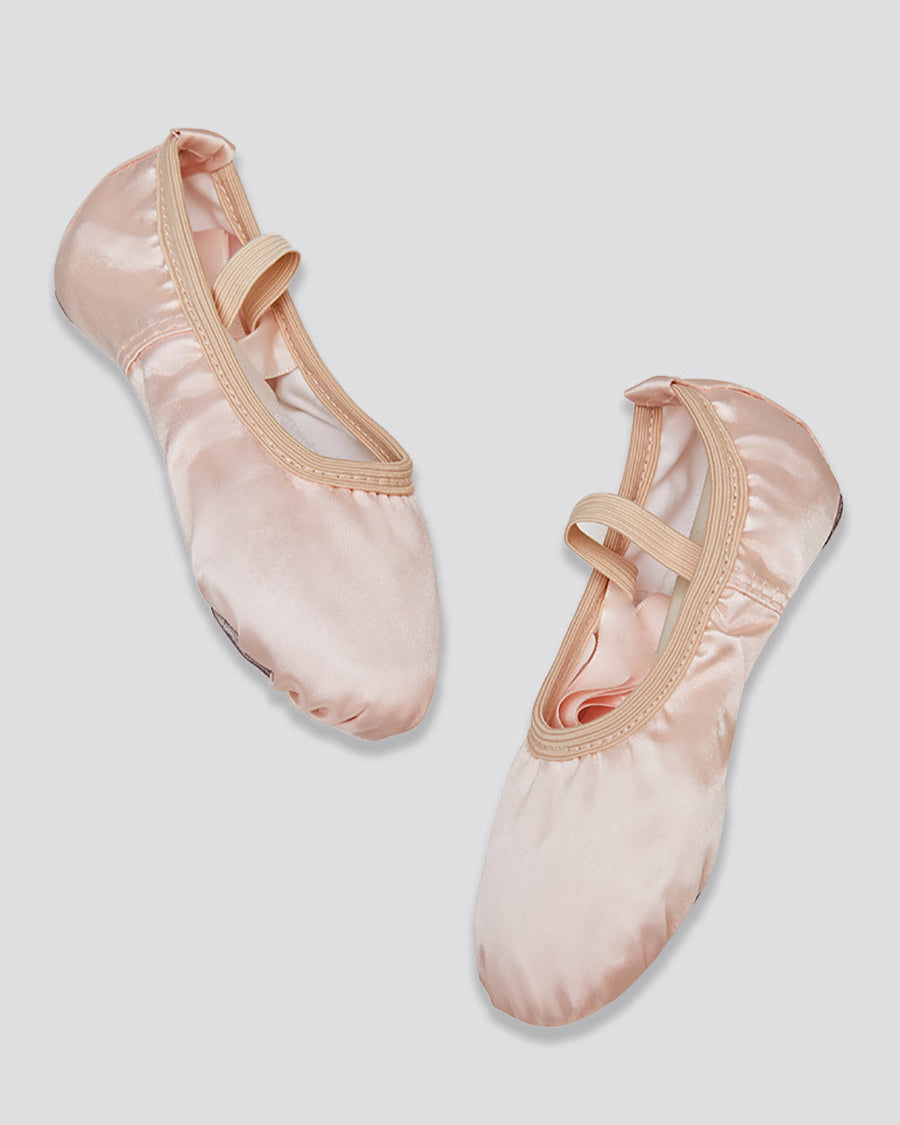
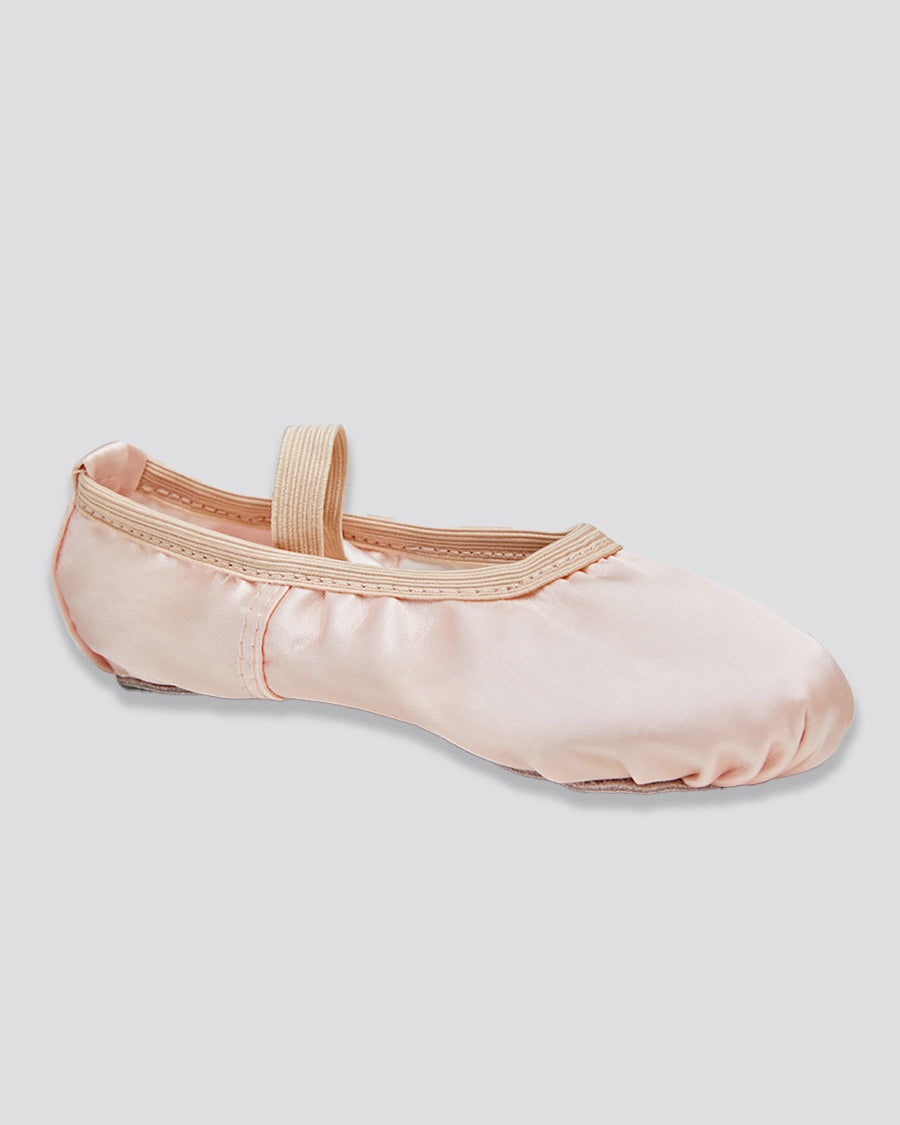
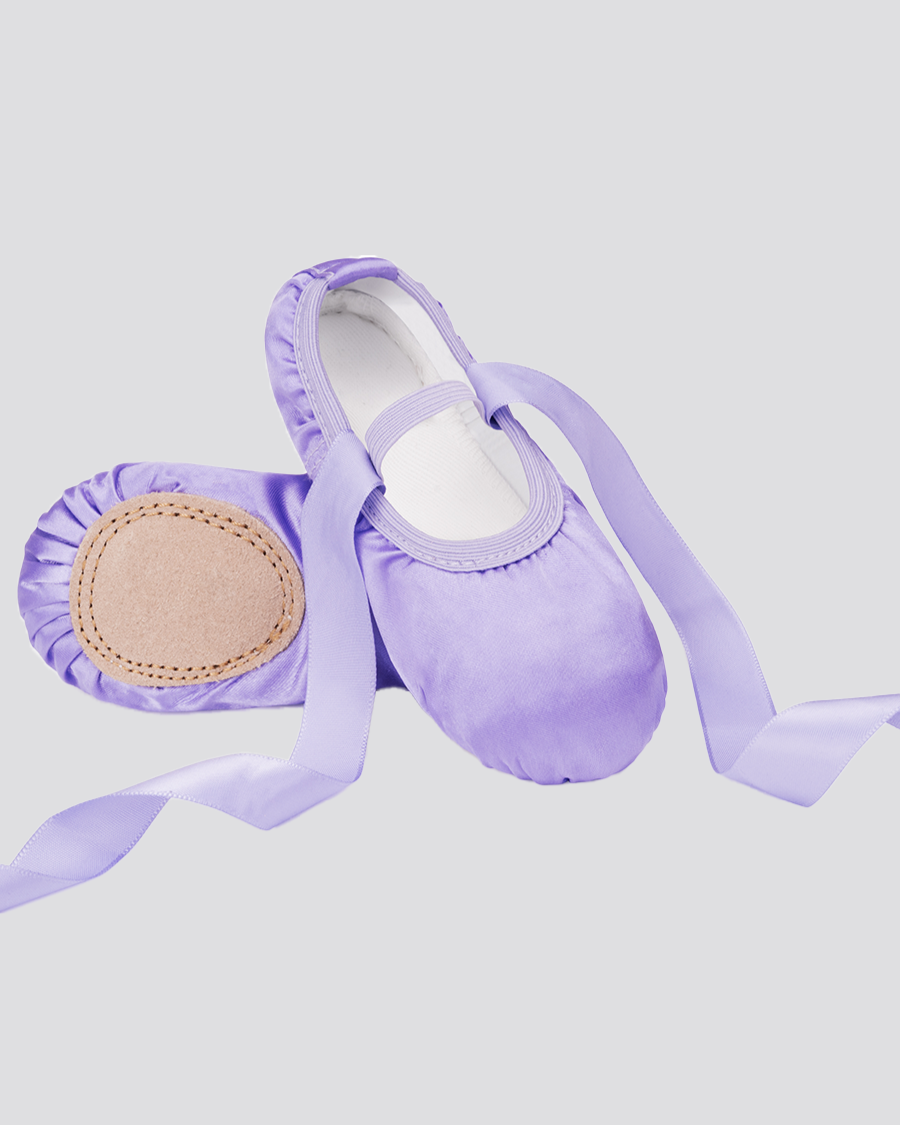
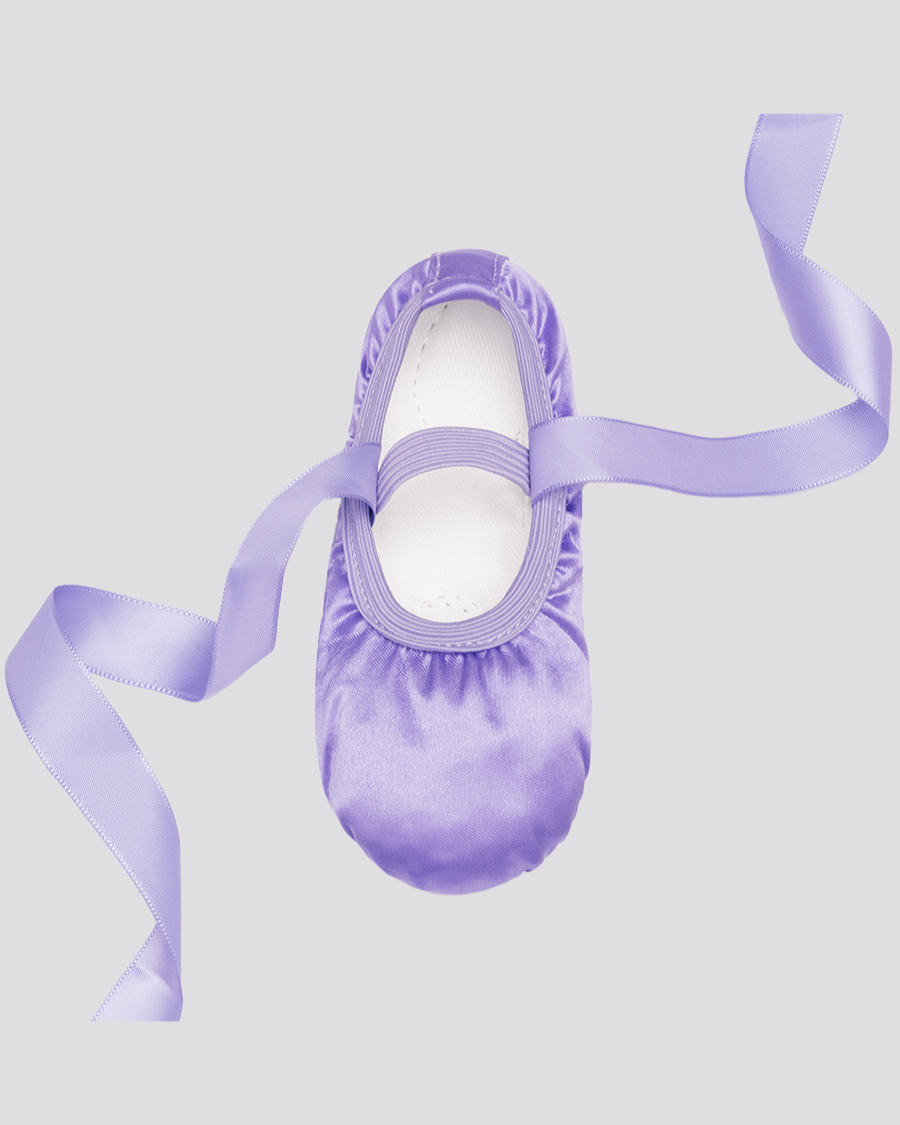
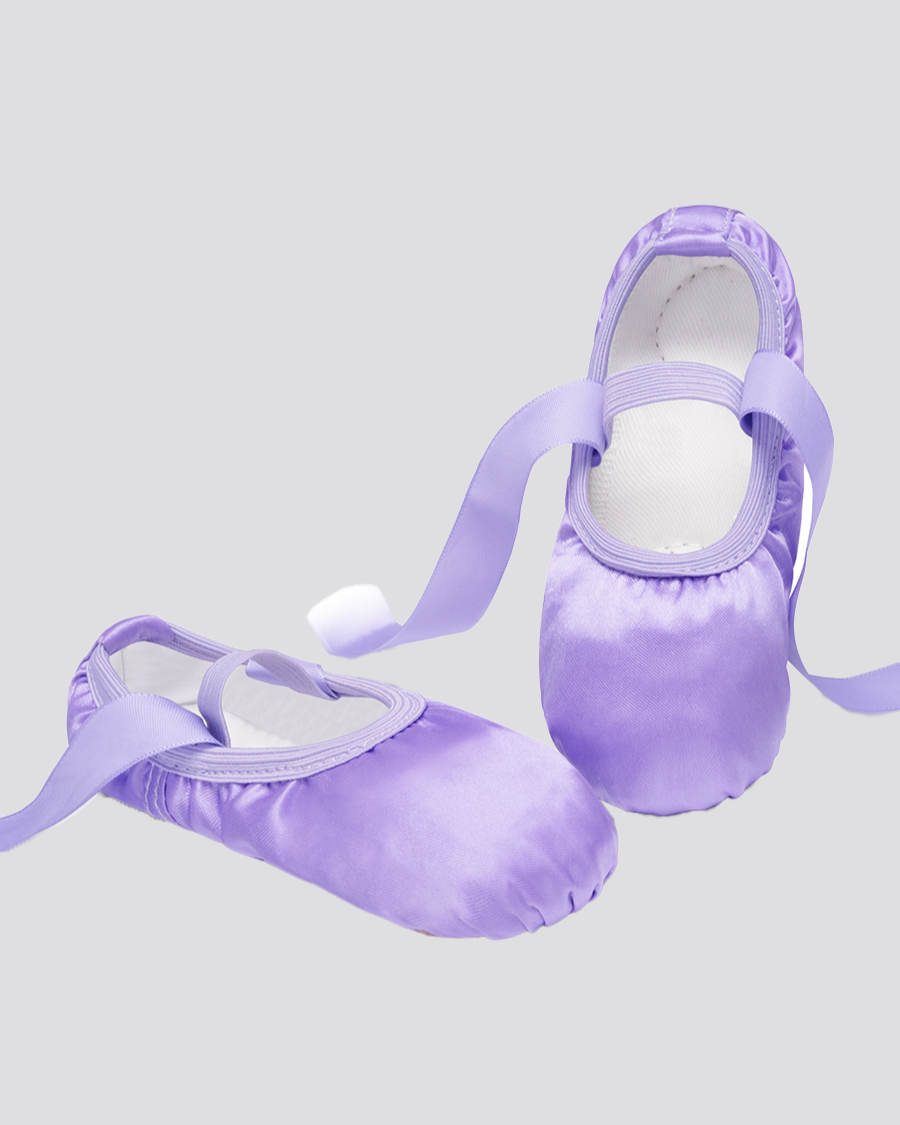
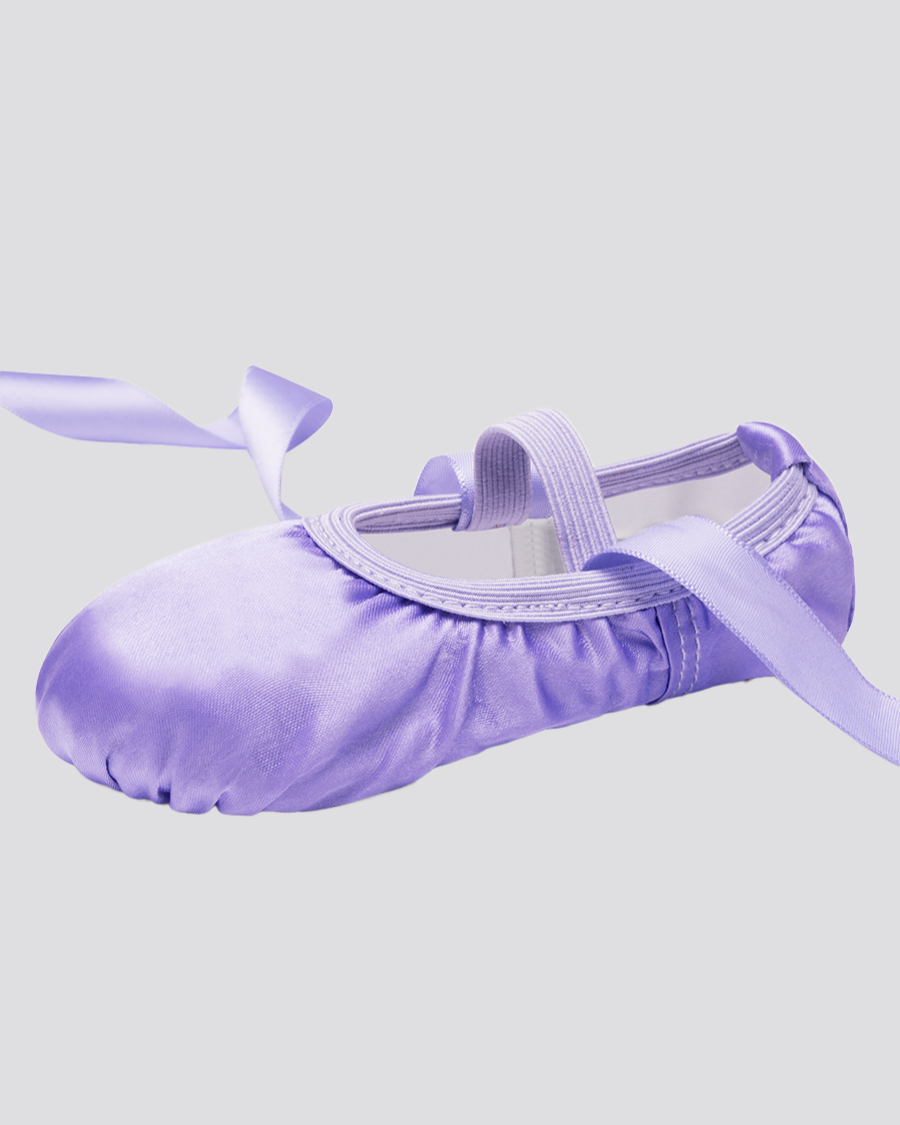
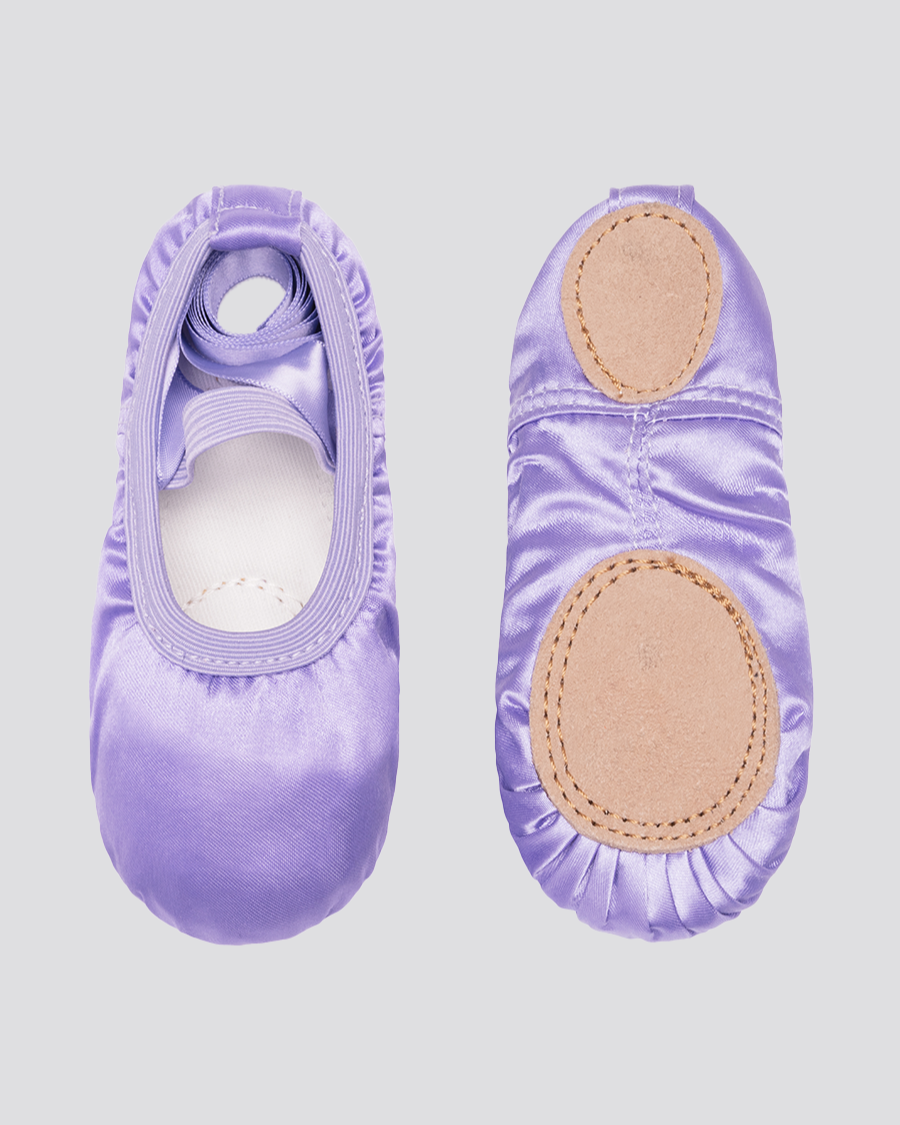
You do not need a future professional in the house for these biographies to be useful. They give kids a vocabulary for effort: Fonteyn's patience, Alonso's problem-solving, Copeland's late start. Watching clips of Peck or Brandt after class turns screen time into study time. And the practical side stays simple. Most of these dancers began with the same plain setup you can put together at home: a comfortable leotard she can move in freely, ballet shoes that fit her feet right now rather than ones to grow into, and a bit of clear floor. If your child is just starting out, our guide to a first ballet class covers the rest.

FAQ About Famous Ballerinas
Who is considered the greatest ballerina of all time?
There is no official ranking, but Anna Pavlova and Margot Fonteyn appear at or near the top of most historical lists, with Maria Tallchief, Alicia Alonso, and Natalia Makarova close behind. Pavlova is usually the answer for global fame, while Fonteyn is the common pick for sustained artistry, so "greatest" mostly depends on what a fan values.
What is a prima ballerina?
A prima ballerina is the leading female dancer of a ballet company; Merriam-Webster defines the term as "the principal female dancer in a ballet company." Most companies now use the rank principal dancer instead, and prima ballerina assoluta is a separate, rare honorific reserved for a generation's most exceptional dancer.
How do ballerinas become principal dancers?
Nearly all professionals start in the corps de ballet after years of training, then earn promotion to soloist and eventually principal by showing advanced technique, artistry, and consistency in bigger roles. The timeline varies widely; Tiler Peck reached principal at New York City Ballet in five years, while many respected dancers spend a decade or more on the path.
Who is the most famous ballerina today?
Misty Copeland remains the most recognizable name in ballet even after her October 2025 retirement from American Ballet Theatre. Among dancers currently performing, Tiler Peck, Natalia Osipova, Skylar Brandt, and Francesca Hayward are some of the most followed, and each was listed as a principal on her company's roster at the time of writing.
About the Stelle Team
Stelle is a mom-trusted dancewear & athleisure brand best known for girls’ ballet and dance essentials since 2015. Every article is created and reviewed by the team behind the products, drawing on what we hear from dance teachers, studio owners, and dance parents every day. Learn more about Stelle.