





The Best Ballet Companies in the World (and the Theaters They Call Home)
Table of contents
There is no official ranking, but the Bolshoi, the Mariinsky, the Paris Opera Ballet, The Royal Ballet, American Ballet Theatre, and New York City Ballet come up most often when experts name the best ballet companies in the world. Each pairs a storied troupe with a home theater worth the trip on its own.
Key Takeaways
-
The Paris Opera Ballet is widely described as the oldest national ballet company, with roots in the court of Louis XIV.
-
Russia's two giants, the Bolshoi (Moscow) and the Mariinsky (St. Petersburg), built much of the classical repertoire audiences still love today.
-
The strongest US companies are American Ballet Theatre and New York City Ballet, with San Francisco Ballet, the Joffrey, and Pacific Northwest Ballet close behind.
-
Tours, cinema broadcasts, and streaming bring the top ballet companies in the world to you for far less than a trip.
What makes a ballet company great?
A few things separate the most prestigious ballet companies from the rest.
Repertoire. The leading companies dance the most-loved classics, from Swan Lake and The Nutcracker to Giselle and Romeo and Juliet, alongside new work made just for them. If a title is unfamiliar, our guide to 10 classic ballets every young dancer should know covers many of the best ballets in the world and makes a good pre-show primer.
A feeder school. Nearly every major company runs its own academy, so dancers grow up in one shared style. The Paris Opera Ballet says most of its 154 dancers came through its own school.
Star dancers. Principals and étoiles draw audiences the way headliners draw stadium crowds. Many famous ballerinas rose through these ranks.
Reach. Great companies tour, broadcast to cinemas, and stream far beyond their home stage.

The major ballet companies, and where they dance
These are the famous ballet companies people name first, along with the theaters that define them.
Bolshoi Ballet, Moscow
The Bolshoi traces its roots to a troupe at Moscow's Petrovsky Theatre, a house established in 1776, and took its current name when the Bolshoi Theatre took over the company in 1825. Its signature is the bold, athletic "Moscow style": big jumps, big drama, big finishes, on full display in ballets like Spartacus and Don Quixote.
The Bolshoi Theatre itself is part of the draw, with its columned neoclassical facade and red-and-gold auditorium.
Mariinsky Ballet, St. Petersburg
The Mariinsky began as a dancing academy founded in St. Petersburg in 1738 and carries the legacy of the Imperial Russian Ballet. Its traditions, inherited from the Imperial Russian Ballet, rest on the work of 19th-century choreographers including Jules Perrot, Arthur Saint-Léon, and Marius Petipa, which keeps it closely tied to the classical canon. During the Soviet era it danced as the Kirov Ballet.
Its home, the green-and-white Mariinsky Theatre, is one of ballet's most historic addresses, and the style skews traditional, which is why purists love it.
Both Russian companies remain central to ballet history. Their international touring schedules have shifted in recent years, so check their websites before planning a trip around them.
Paris Opera Ballet, Paris
The Paris Opera Ballet is widely described as the oldest national ballet company in the world. Britannica dates the company to 1661, when Louis XIV founded the Royal Academy of Dance, while the Paris Opera itself operated under a patent granted by Louis XIV in 1669. French style prizes refinement and precision, and the company's top rank, the étoile, is announced on stage after a performance.
Many performances happen at the Palais Garnier, famous for its grand marble staircase and the Marc Chagall ceiling above the chandelier, and the company also dances at the Opéra Bastille. A night at the Garnier is hard to match. The company's story runs through the whole history of ballet, which began in royal courts just like this one.
The Royal Ballet, London
The Royal Ballet was built by Ninette de Valois, who assembled the small Vic-Wells Ballet and school and in 1931 persuaded Lilian Baylis to give it a home at Sadler's Wells. It moved to the Royal Opera House in Covent Garden in 1946 and became The Royal Ballet by royal charter in 1956. Its strength is storytelling: dramatic, emotionally rich productions of classics and newer narrative ballets.
The Royal Opera House, where the original theatre on the site opened in 1732, blends a historic Covent Garden setting with a bright modern renovation.
American Ballet Theatre, New York City
Founded in 1939, with its first performance on January 11, 1940, American Ballet Theatre built its reputation on range: grand 19th-century classics, dramatic works by Antony Tudor and Agnes de Mille, and vehicles for international guest stars. Misty Copeland, one of the most recognized dancers in America, became its first African American female principal dancer in 2015.
ABT's summer season fills the Metropolitan Opera House at Lincoln Center, a huge house with strong sightlines, while its fall and spring seasons play the David H. Koch Theater. The Met is first an opera house, so it can feel less intimate than a dedicated ballet theater, but a full-length classic on that enormous stage is a memory kids keep.
New York City Ballet
New York City Ballet grew out of Ballet Society, founded in 1946 by choreographer George Balanchine and Lincoln Kirstein, and took its current name in 1948. This is the home of the Balanchine repertoire: fast, musical, plotless ballets like Serenade and Jewels that changed what ballet could look like. Since 1964 the company has danced at Lincoln Center's David H. Koch Theater, which it shares with ABT's fall and spring seasons, and its annual Nutcracker is a New York family tradition.
La Scala Theatre Ballet, Milan
The ballet company dances at Teatro alla Scala, the opera house that opened on August 3, 1778 and maintains both a ballet company and a ballet school. The Italian tradition helped shape ballet technique centuries ago, and La Scala remains its grandest stage: elegant, formal, and steeped in history. The dress-up atmosphere is part of the experience rather than a drawback.
The Australian Ballet
The Australian Ballet was formed in 1962, drawing largely on dancers from the former Borovansky Ballet, with Peggy van Praagh as its first artistic director. It pairs solid classical technique with a sunny, approachable energy.
Its Sydney seasons play the Sydney Opera House, the World Heritage-listed building that opened in 1973. The sails and harbor setting make it one of the most photographed buildings on earth, though it draws heavy tourist crowds and is known more for architecture than for ballet acoustics.
Vienna State Ballet
The Vienna State Ballet is at home at the Vienna State Opera and the Volksoper Wien, and the Opera is a Ringstrasse landmark built in 1869. The company leans classical and elegant. The setting is formal, but the house sits in central Vienna, steps from the Ringstrasse's other landmarks.
More US standouts
If you are looking for the best ballet companies in the US beyond New York, three names lead most lists. San Francisco Ballet's school, founded in 1933, is the oldest professional ballet school in the country. Chicago's Joffrey Ballet is known for adventurous, contemporary-leaning repertoire, and Seattle's Pacific Northwest Ballet is respected for its deep Balanchine tradition.
The majors at a glance
|
Company |
Home theater |
Founded / roots |
Known for |
|---|---|---|---|
|
Bolshoi Ballet |
Bolshoi Theatre, Moscow |
Roots in a Petrovsky Theatre troupe (theater est. 1776) |
Bold, dramatic "Moscow style" |
|
Mariinsky Ballet |
Mariinsky Theatre, St. Petersburg |
1738 (as an academy) |
Petipa classics, pure classical line |
|
Paris Opera Ballet |
Palais Garnier, Paris |
1661 (Royal Academy of Dance); Opera chartered 1669 |
Often called the oldest national company, étoile system |
|
The Royal Ballet |
Royal Opera House, London |
1931 (Sadler's Wells home); charter 1956 |
Dramatic story ballets, British style |
|
American Ballet Theatre |
Metropolitan Opera House (summer) and David H. Koch Theater (fall, spring), New York |
1939 |
Grand classics, international stars |
|
New York City Ballet |
David H. Koch Theater, New York |
1946 (Ballet Society); named NYCB in 1948 |
Balanchine repertoire, speed and musicality |
|
La Scala Theatre Ballet |
Teatro alla Scala, Milan |
Theater opened 1778 |
Italian tradition, operatic grandeur |
|
The Australian Ballet |
Sydney Opera House and Melbourne |
1962 |
Fresh classical style, strong touring |
|
Vienna State Ballet |
Vienna State Opera and Volksoper |
Opera house built 1869 |
Viennese elegance, classical repertoire |
Company vs. theater: what you are actually choosing
A ballet company is the troupe: the dancers, directors, and repertoire. A theater is the building where they perform. The two usually come as a pair, like the Royal Ballet at the Royal Opera House, but not in every case. The Metropolitan Opera House is home to its own opera company year-round and hosts American Ballet Theatre for its summer season, and the Sydney Opera House presents many companies. To see a specific company, follow its calendar, not the building's.
How to see the best ballet companies in the world
You have more options than a flight to Paris or Moscow.
Catch a tour. Major companies tour regularly, and a stop at your nearest big-city theater can cost far less than traveling to their home stage. Join the email lists of theaters within driving distance.
Go to the movies. The Royal Ballet and Opera screens performances in cinemas around the world, and other companies run similar programs. The camera takes you closer than most seats in the house, and a whispered question from your child is less likely to bother anyone.
Stream at home. Many companies rent or stream recorded performances through their own sites, and companies around the world share filmed content online during World Ballet Day, held each October.
Pick seats that suit ballet. The best seats for a ballet are usually center orchestra at mid-depth, or the front of the first balcony or dress circle: a slightly elevated, centered view shows the floor patterns choreography is built on. The very front row often sits too low to see the dancers' feet or formations. Prime seats at marquee houses like the Garnier and La Scala sell early and run expensive. For upper-tier seats, bring small binoculars, and look for rush tickets, standing room, child discounts, or matinees, which tend to be cheaper and friendlier for young kids. With first-timers, ask the box office which performances suit them best.
Make the night itself count. A little prep goes a long way with children:
-
Learn the story first. Reading a synopsis beforehand, like our Swan Lake ballet guide, makes the performance click for kids.
-
Arrive early to explore the building. The lobbies and staircases are half the experience in these theaters.
-
Dress for the occasion. Formal codes are rare, but dressing up feels special; here is what to wear to the ballet for the whole family.
-
Check for a pre-performance talk. Some houses offer short talks before the show.
-
Stay through the curtain call, silence your phone, and save chat for intermission.
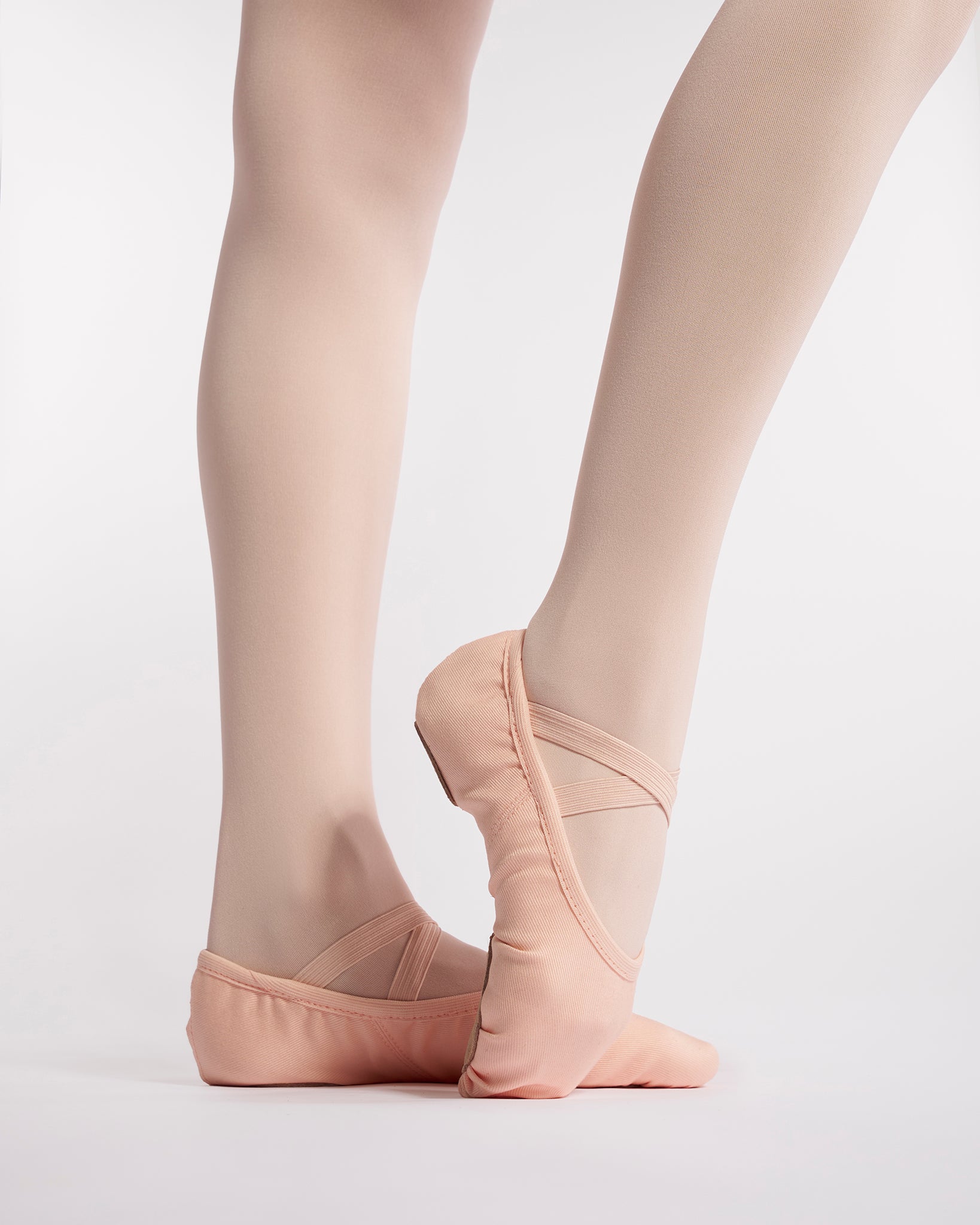
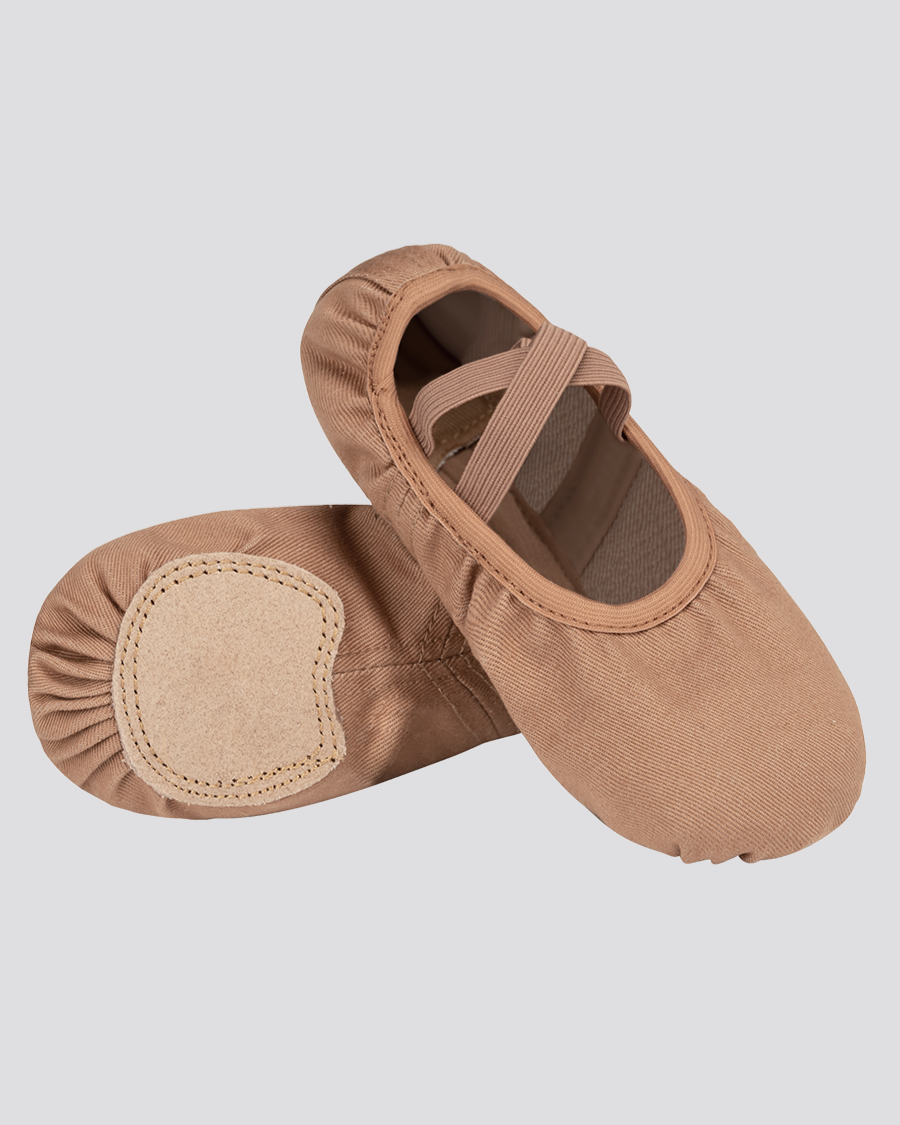
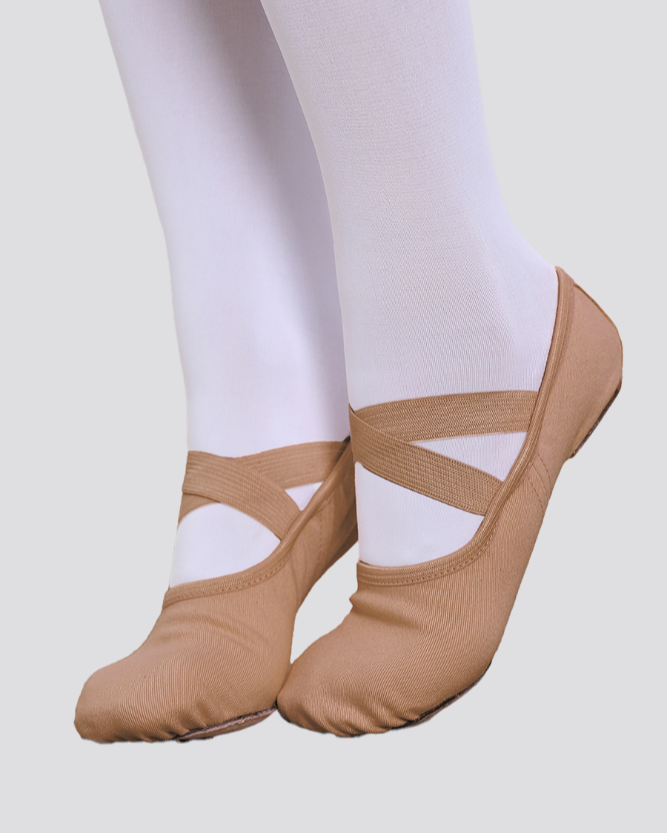
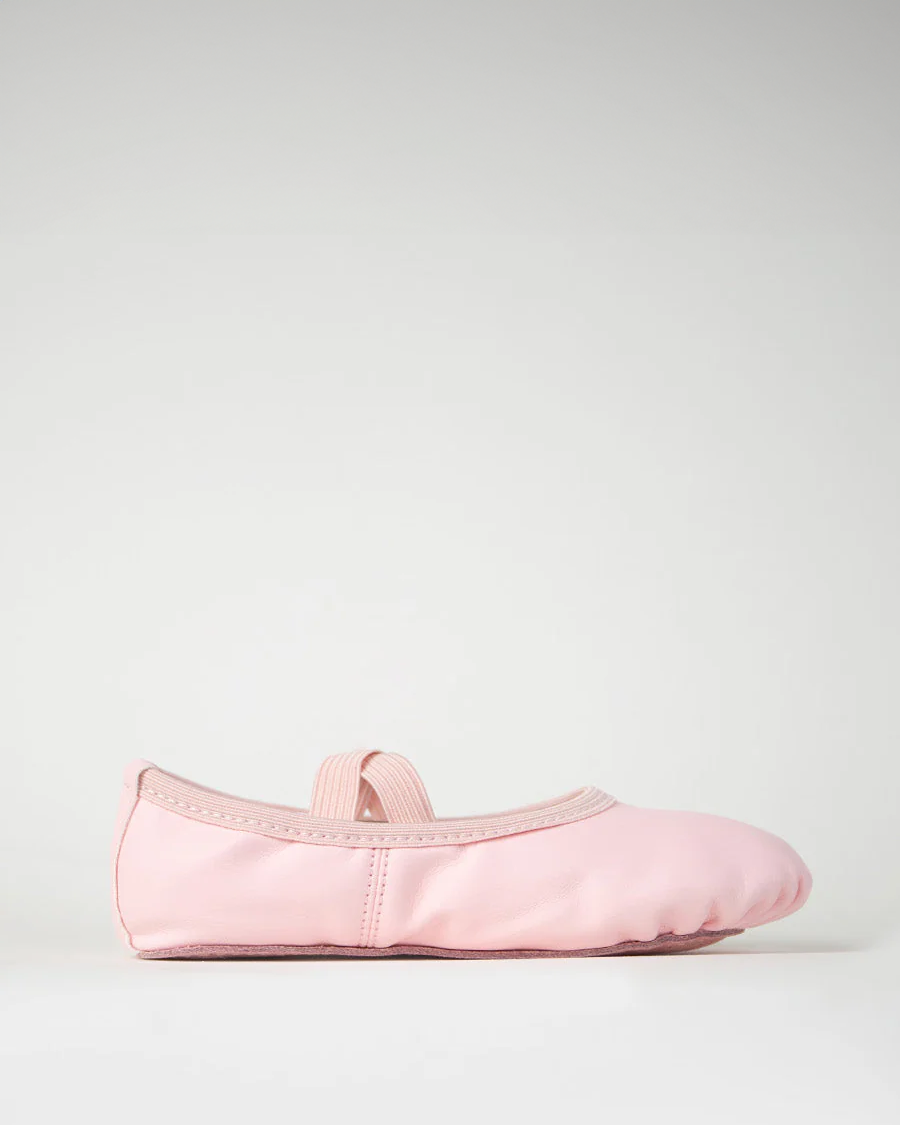
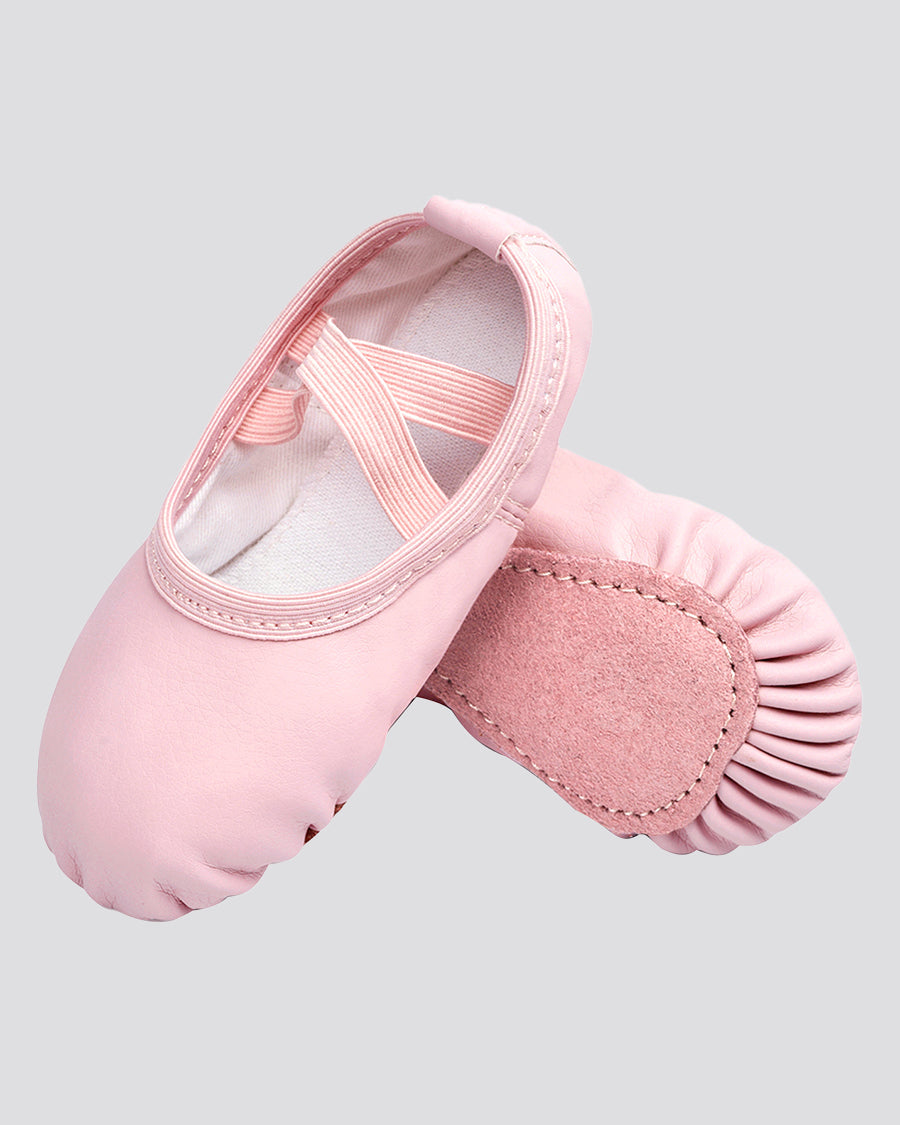
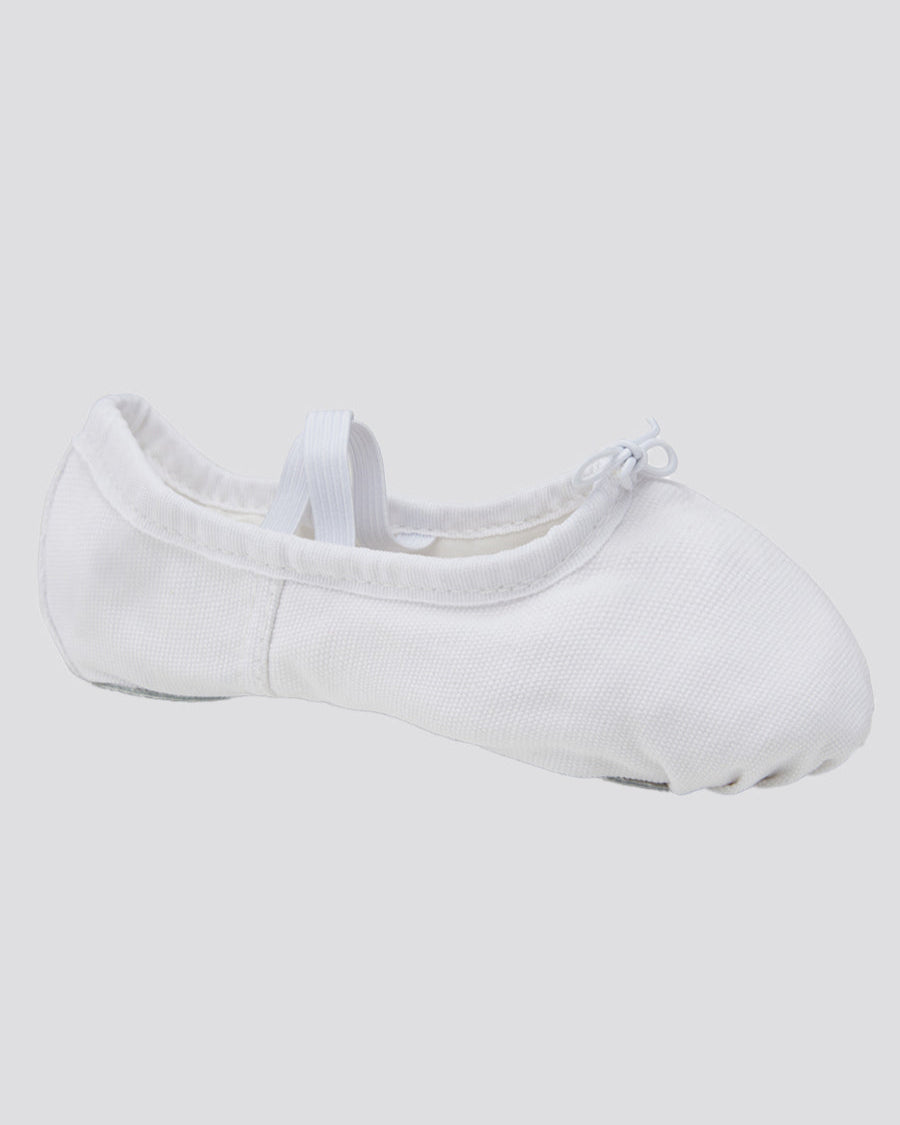
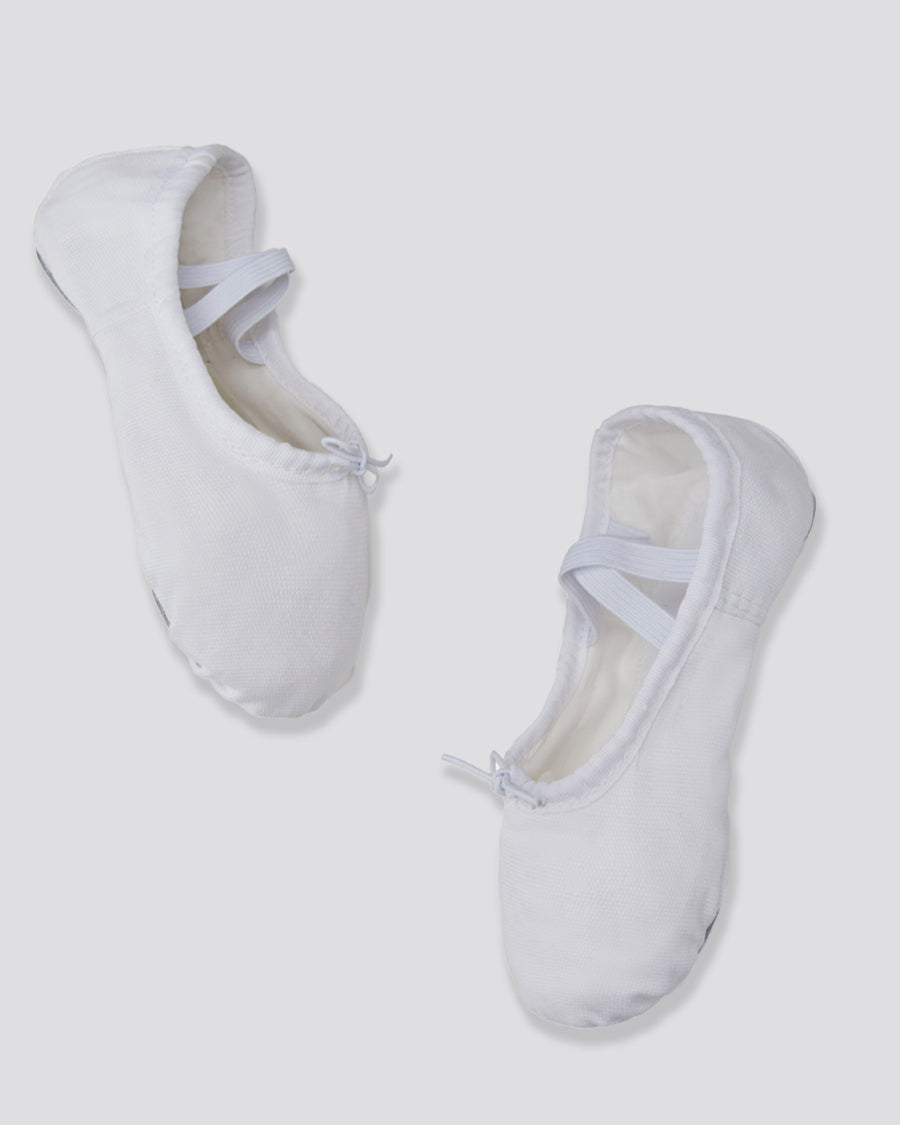
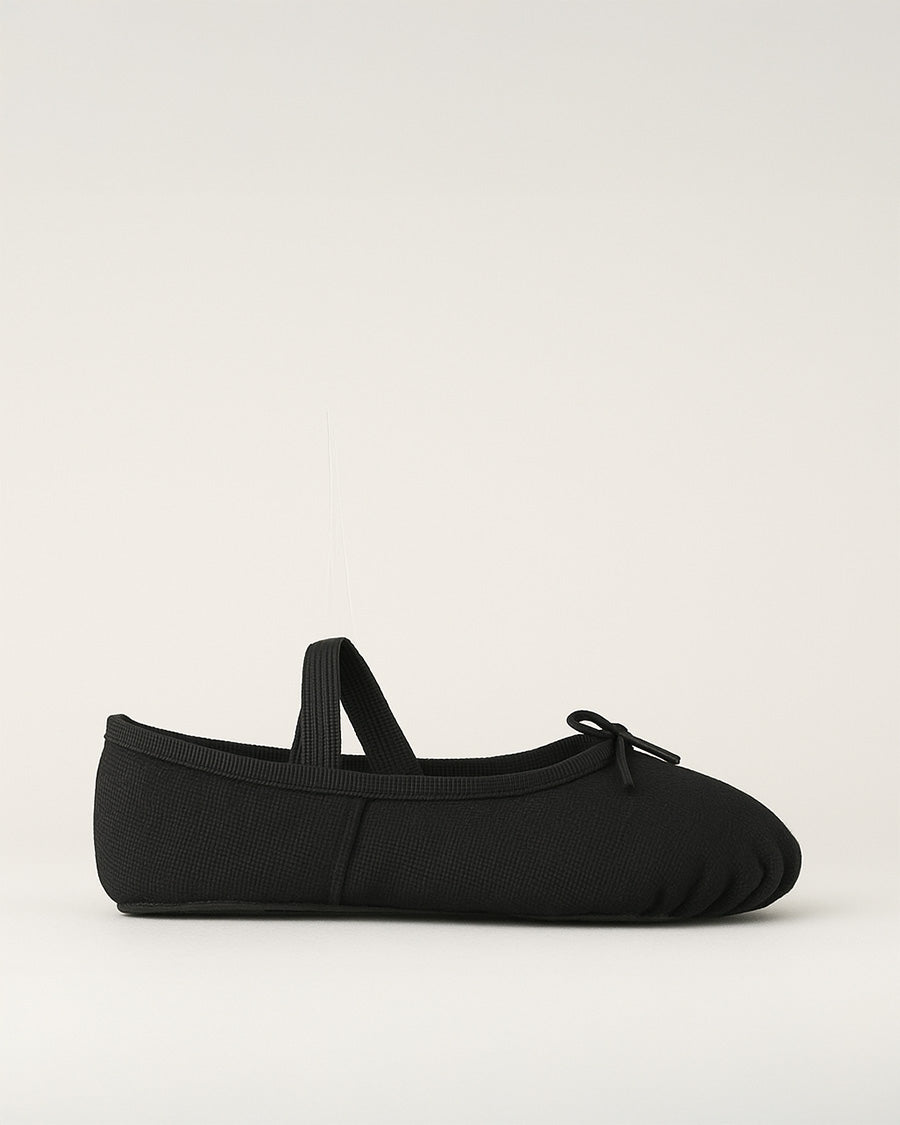
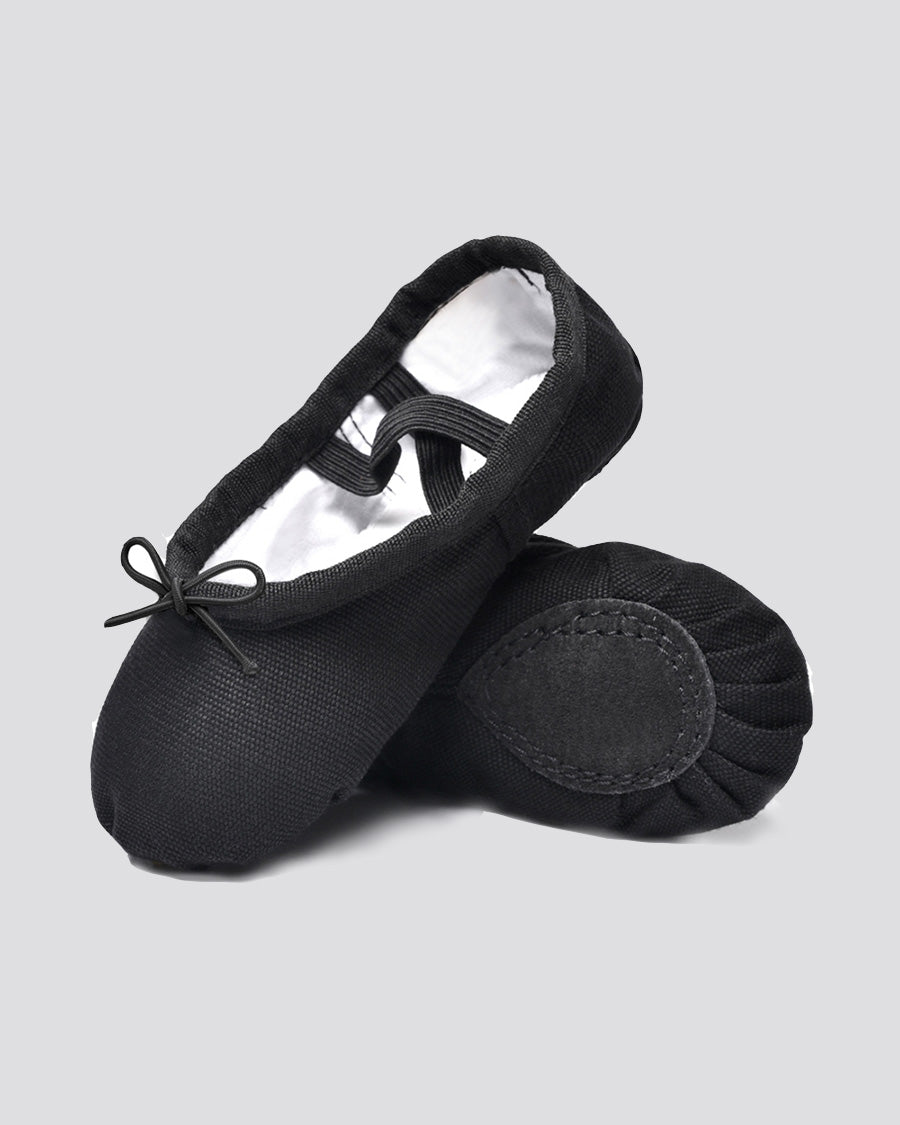
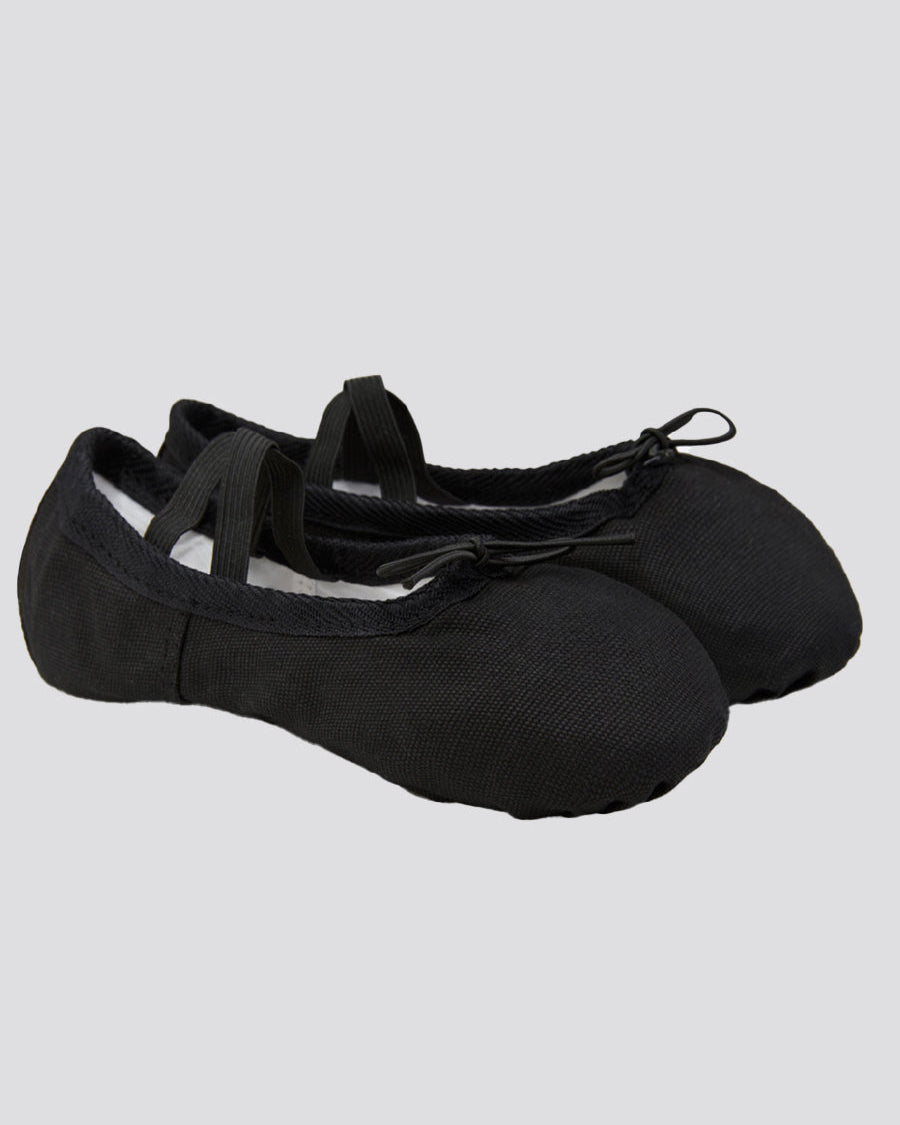
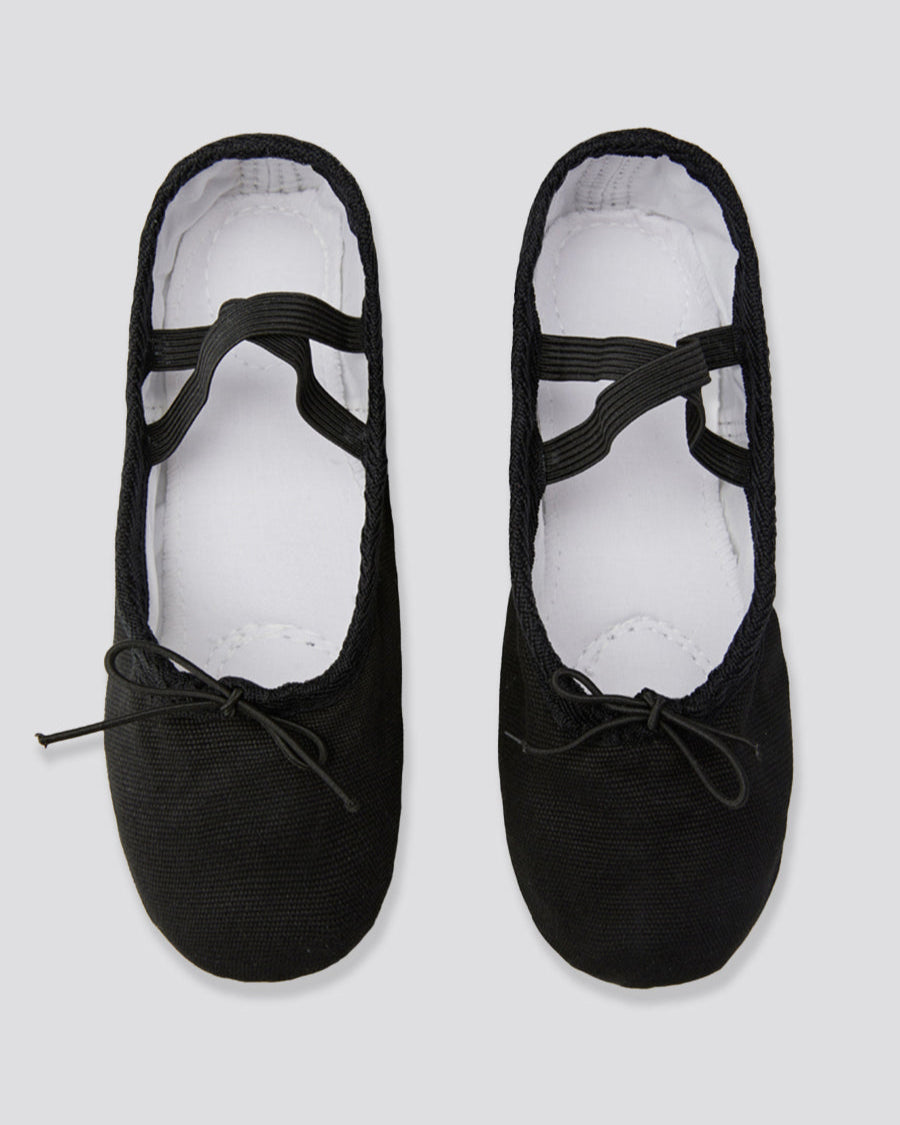
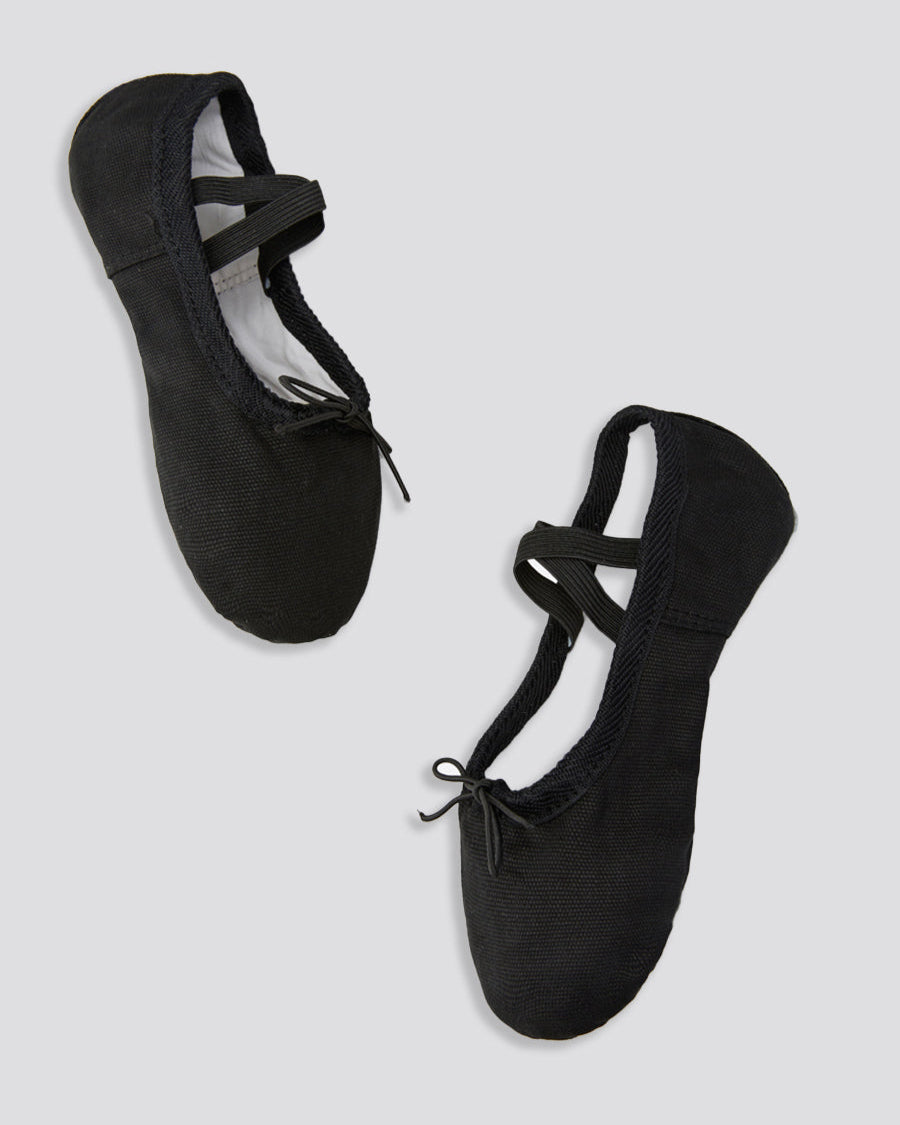
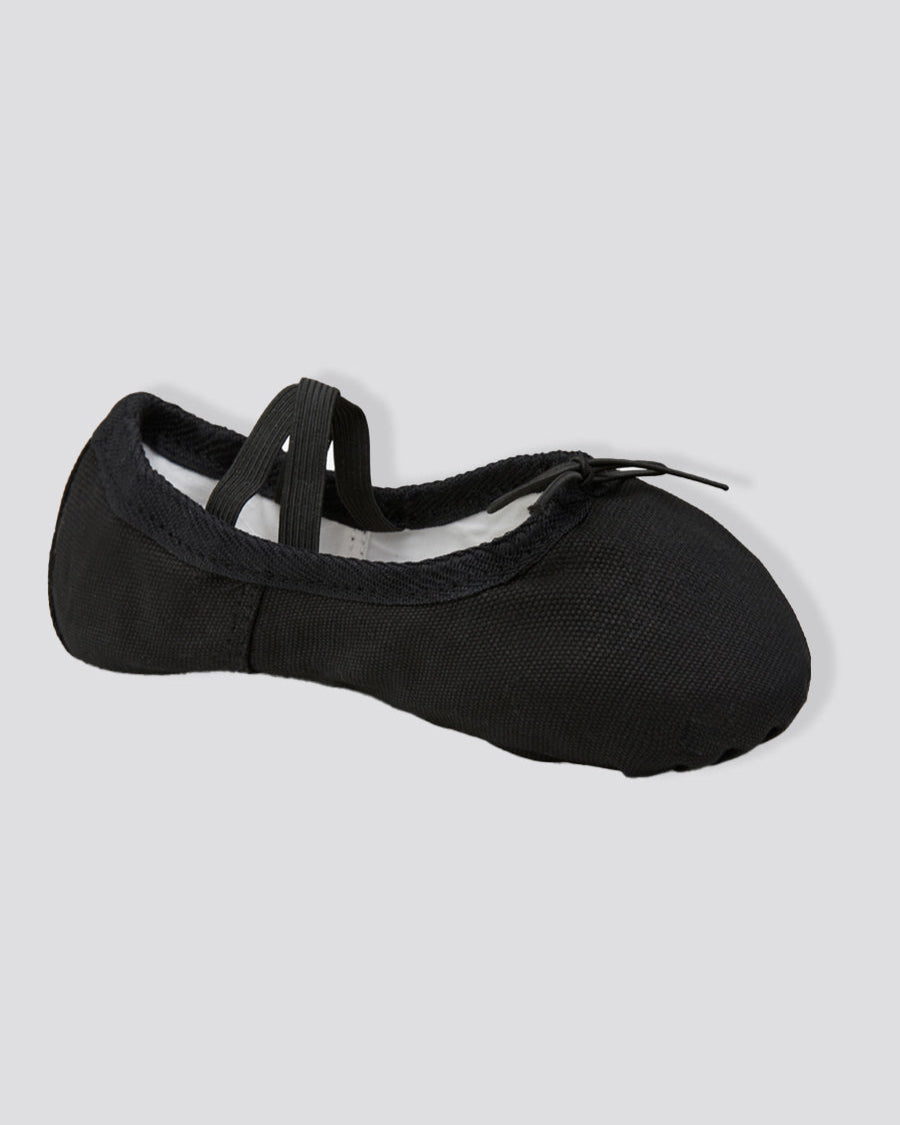
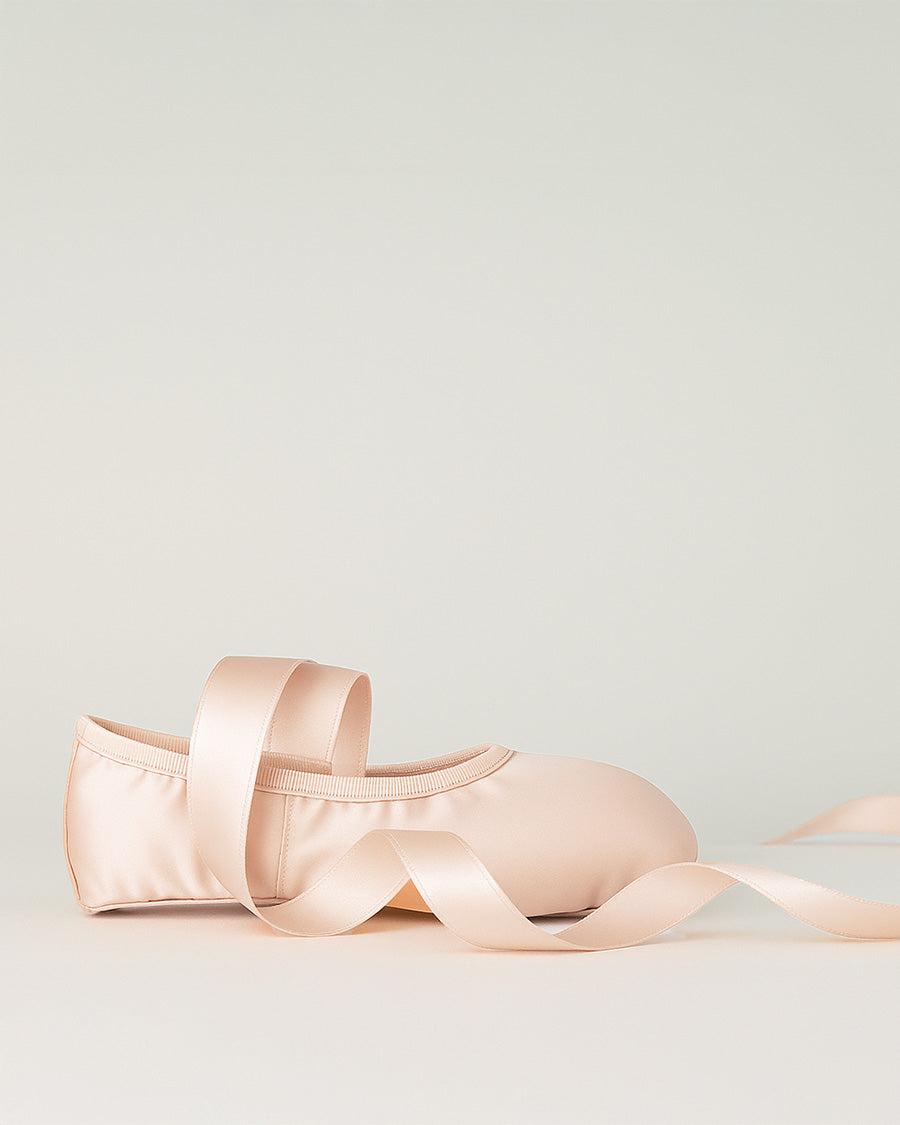
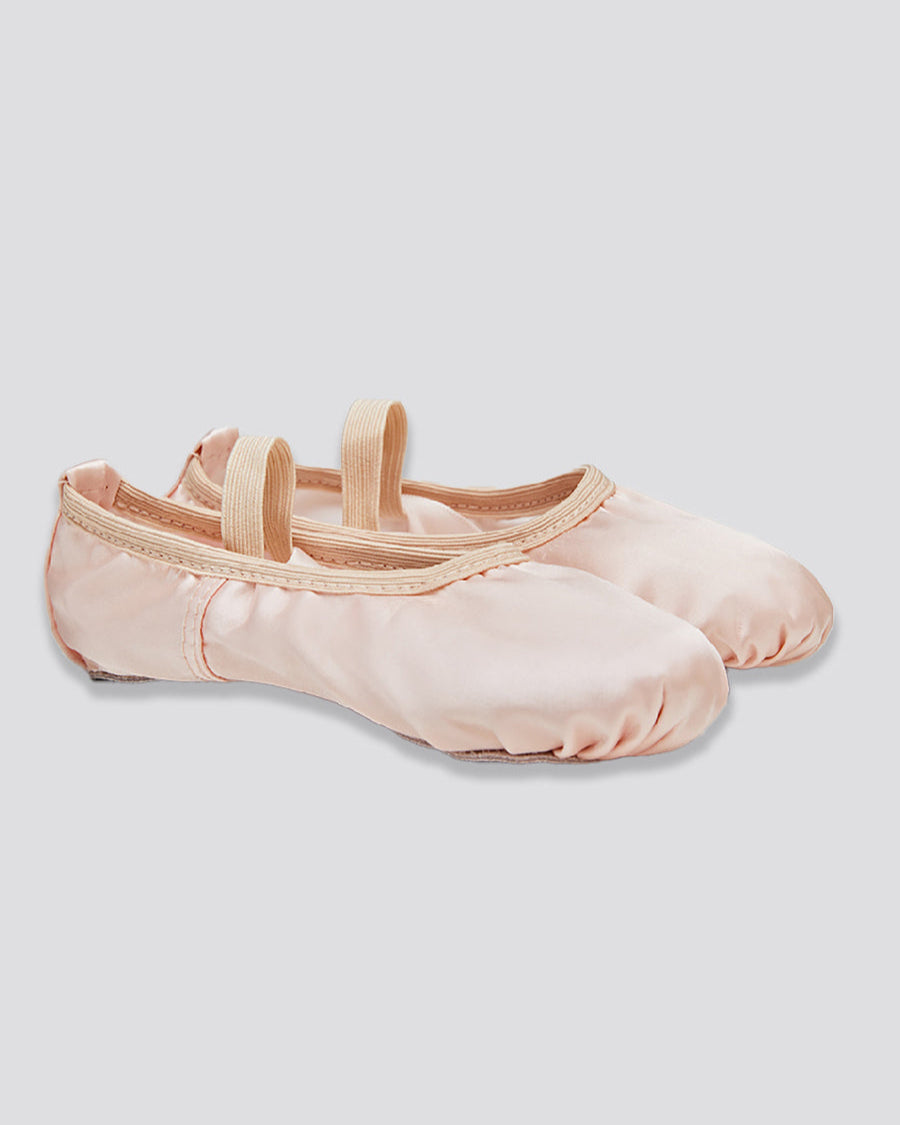
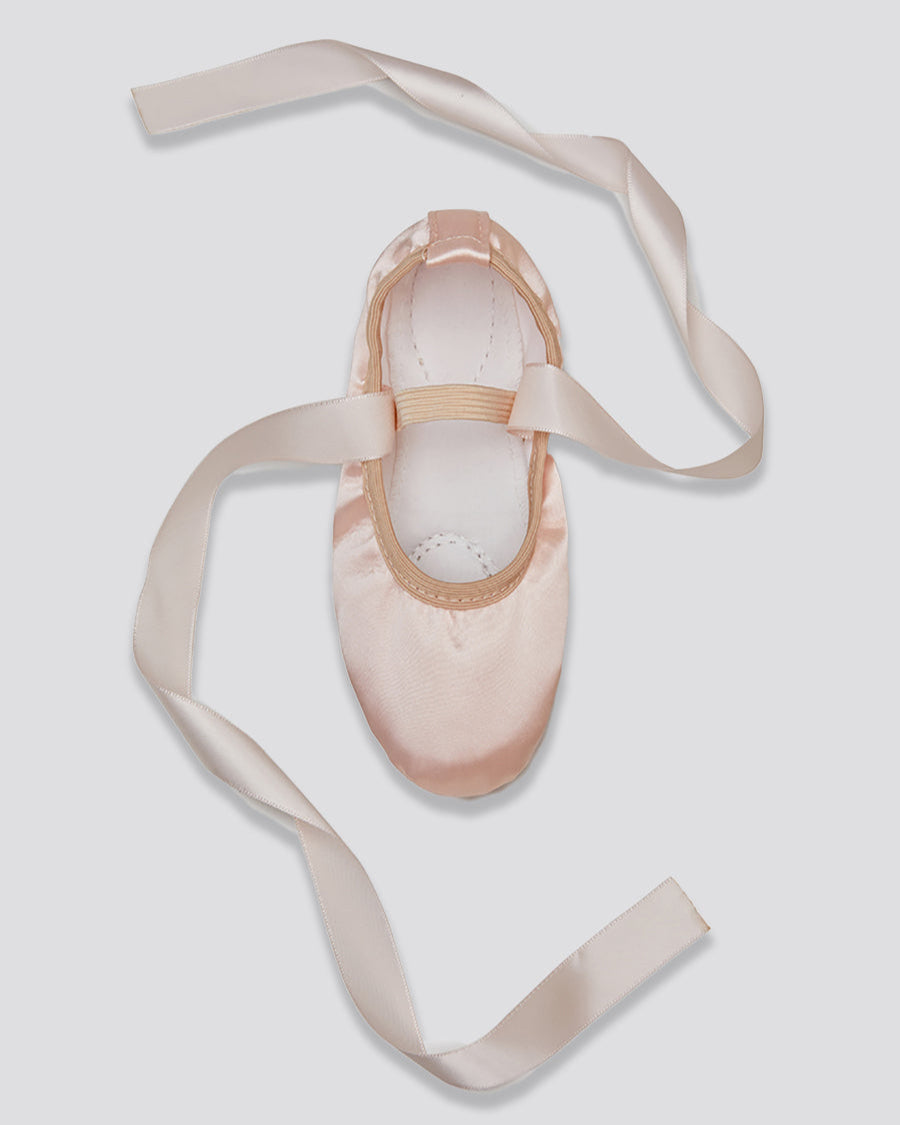
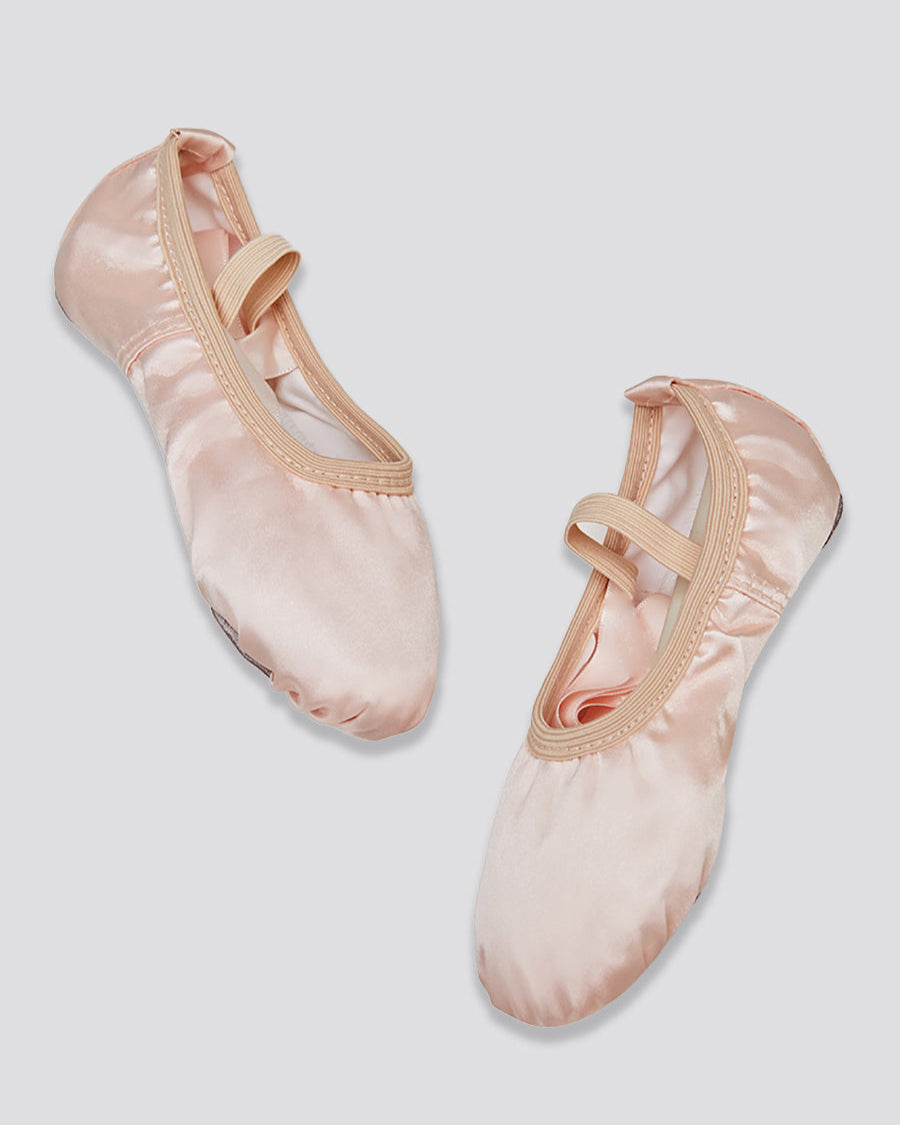
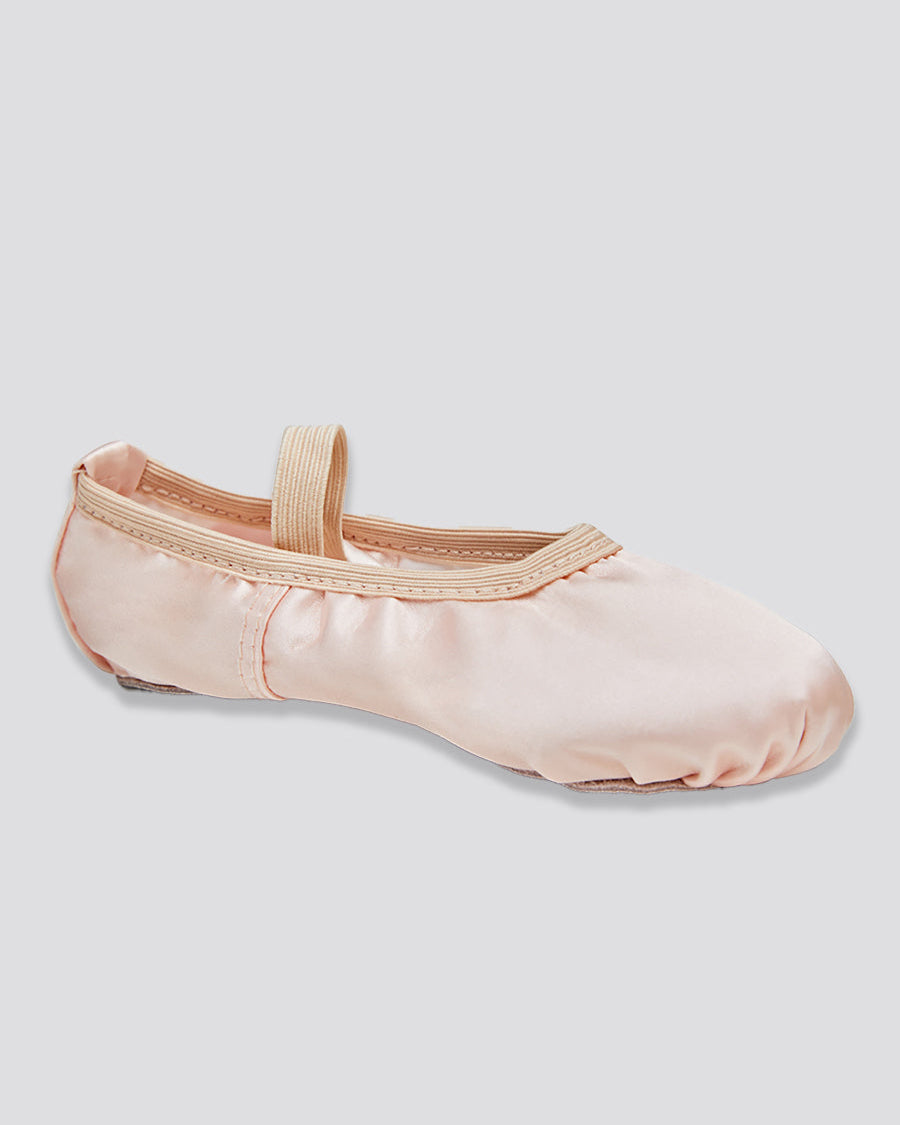
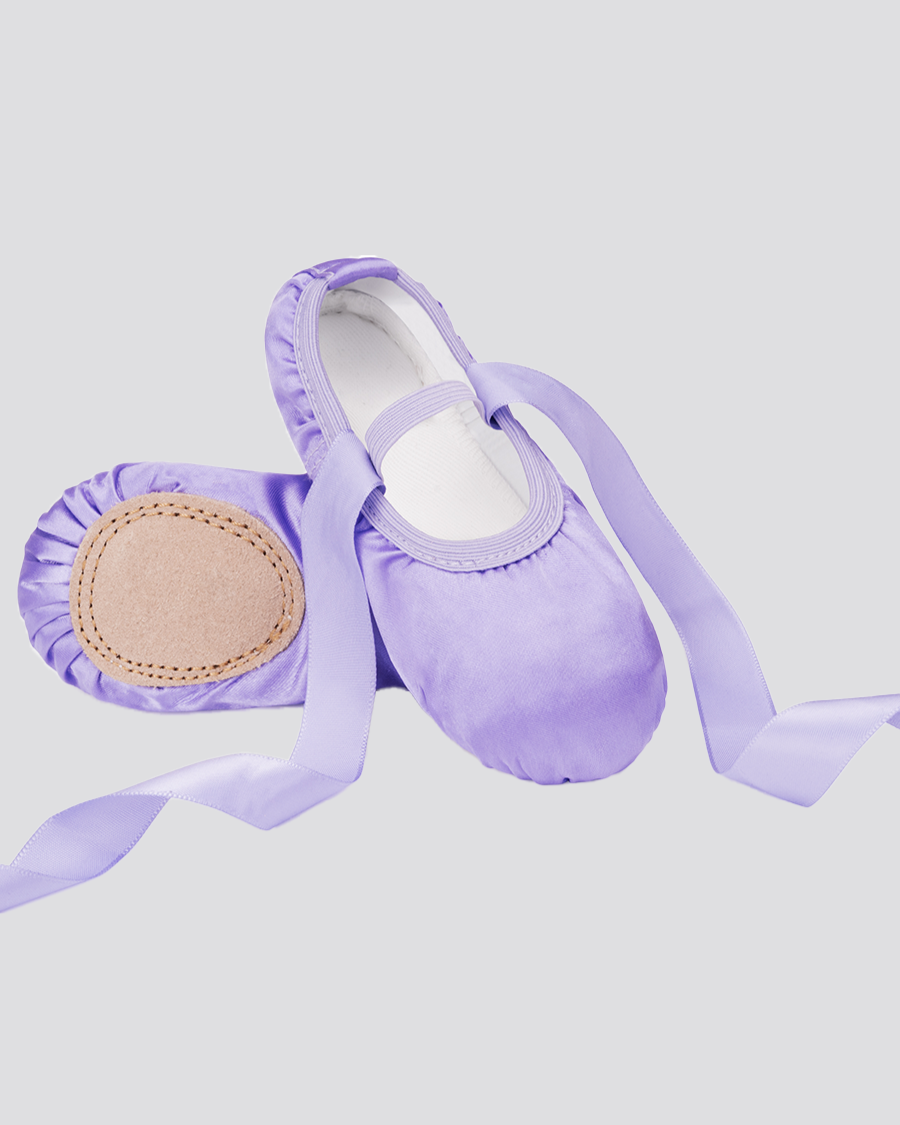
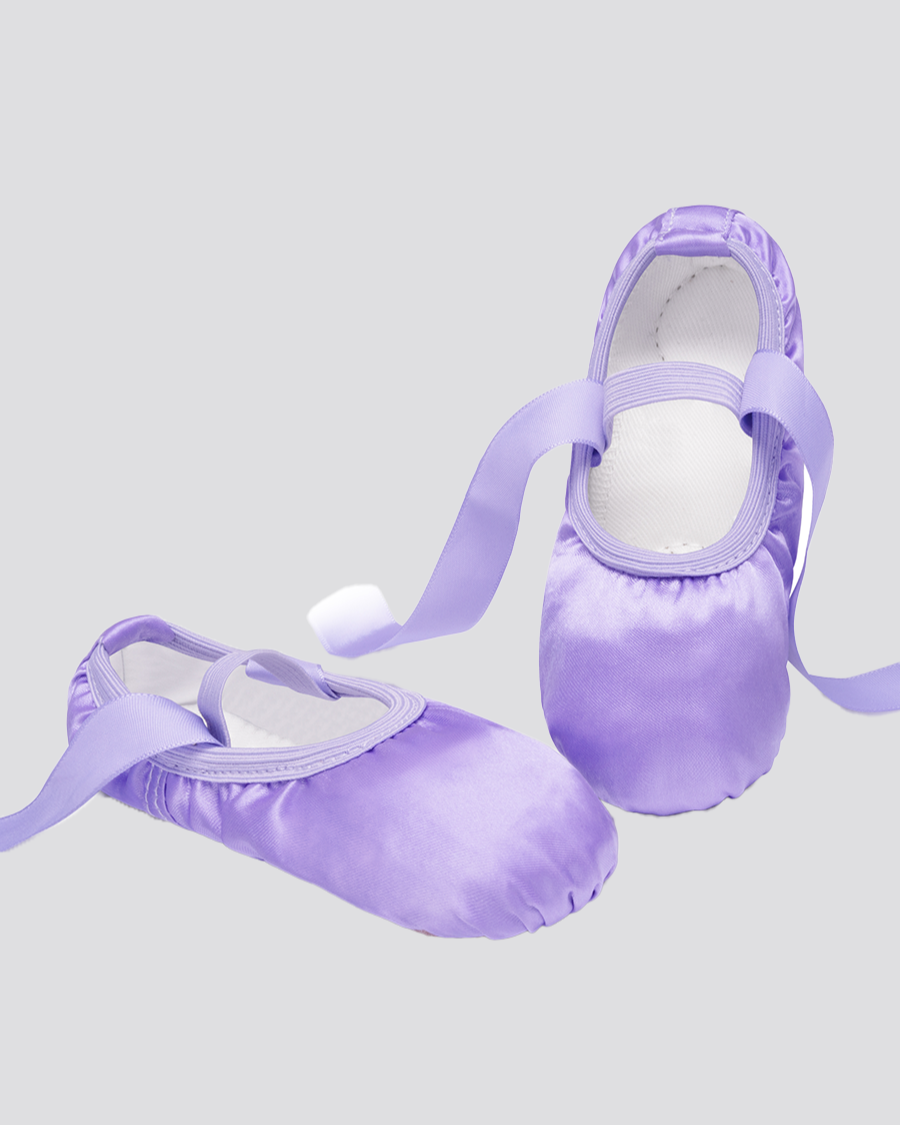
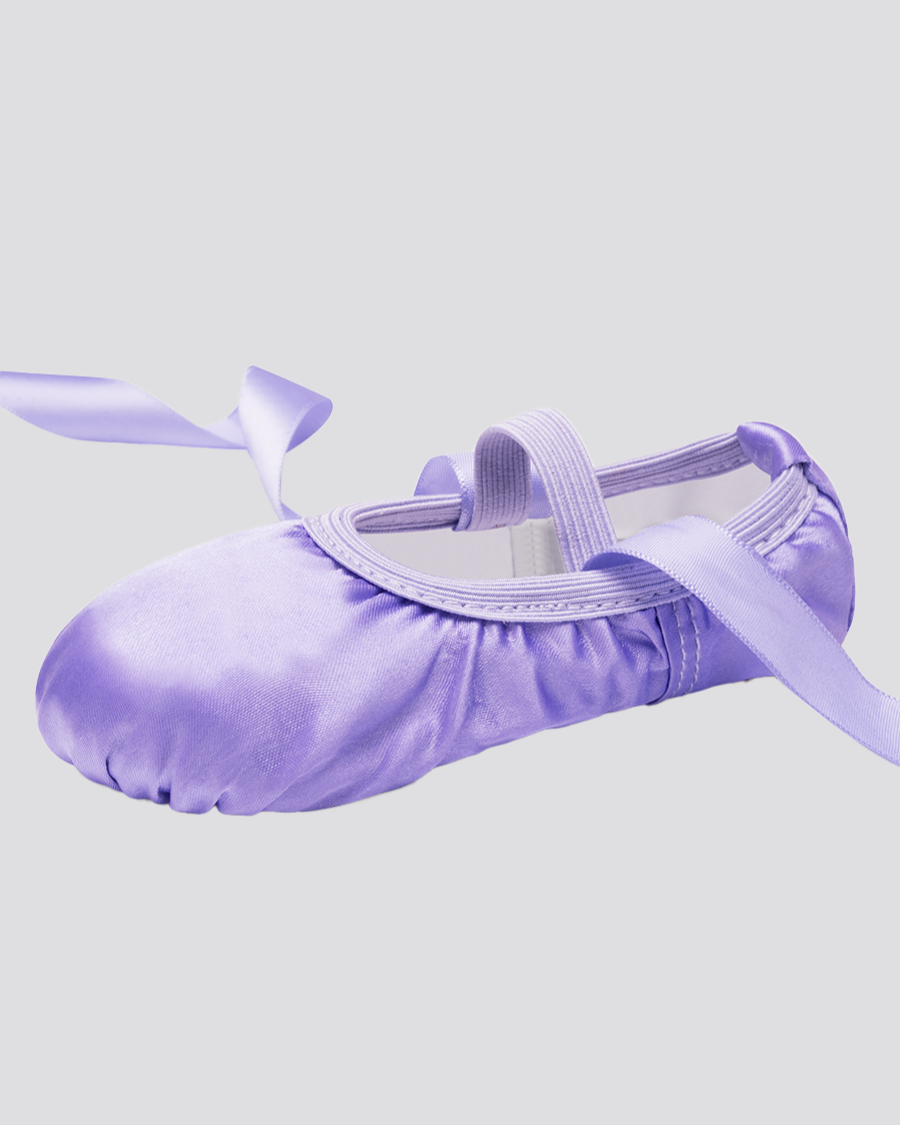
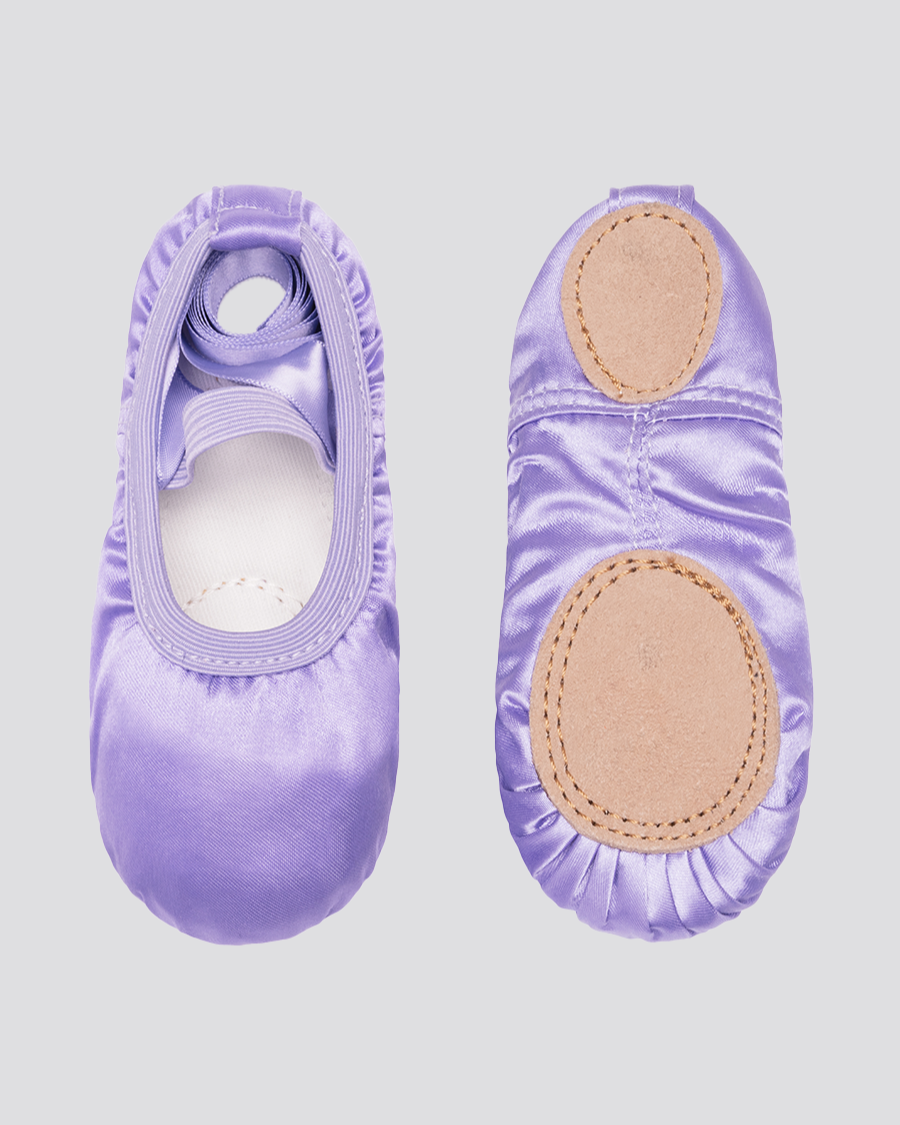
A night at the ballet has a way of turning watchers into dancers. If your child comes home leaping across the living room, a beginner class is the usual next step, and well-fitting girls' ballet shoes make that first class easier; here is what to expect from a first ballet class. And the "best" company is ultimately the one that moves you: a strong regional company can light the same spark, and every one of the famous dancers kids admire started somewhere.

FAQ
What is the best ballet company in the world?
There is no official ranking, but six companies are named most often: the Bolshoi, the Mariinsky, the Paris Opera Ballet, The Royal Ballet, American Ballet Theatre, and New York City Ballet. The right pick depends on taste: the Mariinsky for classical tradition, the Bolshoi for drama, Paris for refinement, London for storytelling, and the New York companies for range.
What is the oldest ballet company in the world?
The Paris Opera Ballet is widely described as the oldest national ballet company. Its roots are commonly traced to 1661, when Louis XIV founded the Royal Academy of Dance, which makes it more than 350 years old.
What is the best ballet company in the US?
American Ballet Theatre and New York City Ballet are the two most commonly cited, and they offer different experiences: ABT leans toward grand story ballets with international stars, while NYCB is the home of Balanchine's fast, musical, plotless works. San Francisco Ballet, the Joffrey Ballet, and Pacific Northwest Ballet are strong picks outside New York.
What is the difference between a ballet company and a ballet theater?
With one night in a city, pick the company if you want a particular style or dancer, and the theater if the building is the draw. Check who is on stage before you buy: American Ballet Theatre plays the Met only in summer, and the Sydney Opera House hosts many companies.
How can you watch top ballet companies without spending a lot?
Start with cinema broadcasts and streaming, which usually cost less than a live ticket. For live performances, watch for touring stops near you, matinees, rush and standing-room tickets, and child discounts. Local Nutcracker productions are also budget-friendly starting points.
About the Stelle Team
Stelle is a mom-trusted dancewear & athleisure brand best known for girls’ ballet and dance essentials since 2015. Every article is created and reviewed by the team behind the products, drawing on what we hear from dance teachers, studio owners, and dance parents every day. Learn more about Stelle.