





Ballet Basics for Adults No Experience Needed
Table of contents
- Quick answer
- Key Takeaways
- Can Adults Learn Ballet with No Experience?
- What Actually Happens in Adult Beginner Ballet Classes
- What to Wear to Adult Ballet Class
- Ballet Basics for Beginners: The Terms You Will Hear First
- A Realistic Progress Timeline
- Why Ballet for Adult Beginners Is Worth It
- How to Pick Your First Ballet Class for Adults
- FAQ
-
- About the Stelle Team
Quick answer
If you typed "ballet basics for adults no experience" into a search bar, here is the short version: you can start now, exactly as you are. Studios across the country run classes built for grown-up first-timers, and the true entry level assumes you know nothing at all. Your first class will move slowly, live mostly at the barre, and ask nothing of you beyond comfortable clothes and an hour of feeling slightly awkward.
Key Takeaways
-
Big-name ballet schools run true-beginner adult classes; walking in with zero experience is the expected starting point.
-
A beginner class often runs 60 to 90 minutes, with barre exercises first and simple center work afterward. Large jumps and partnering usually come later.
-
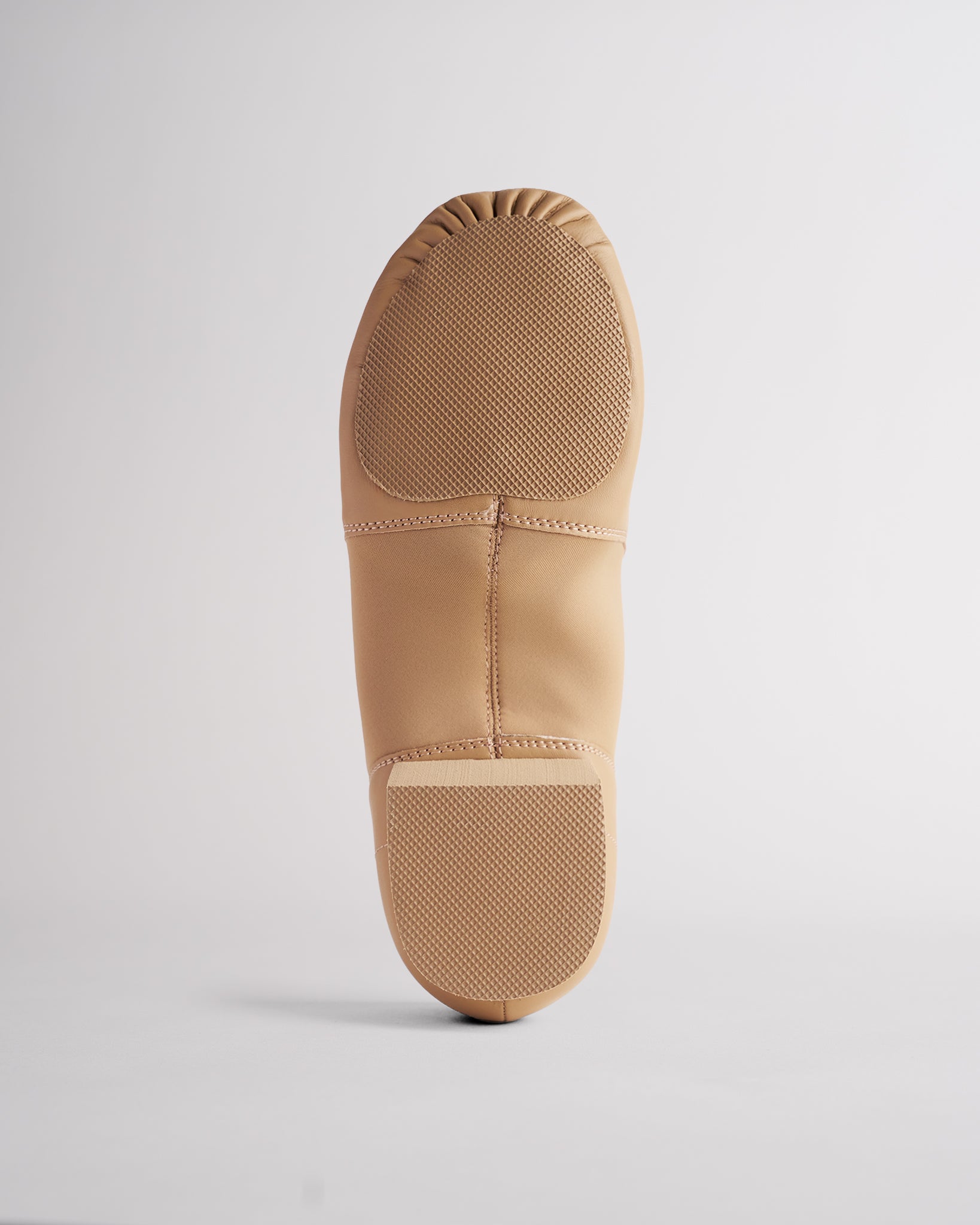
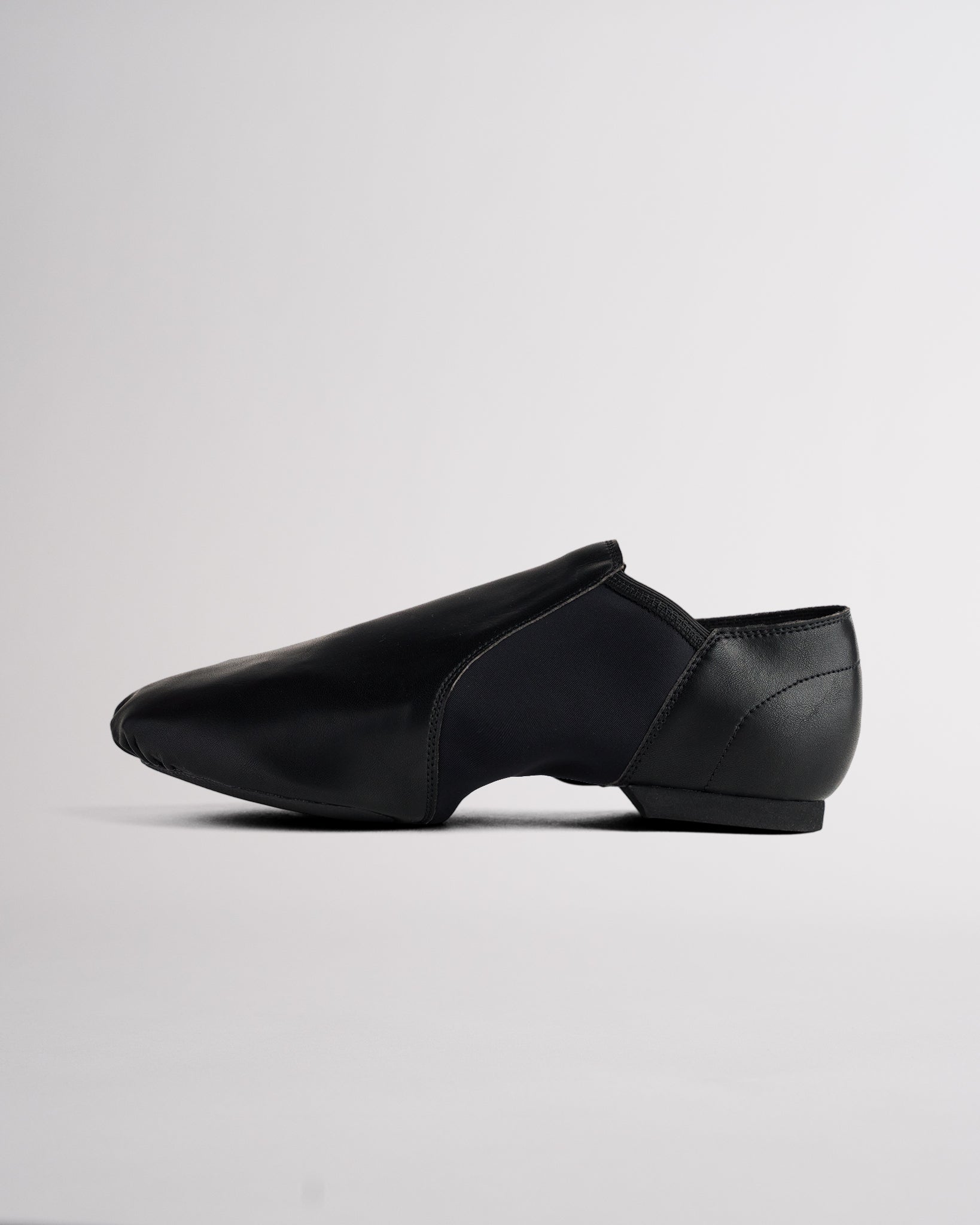
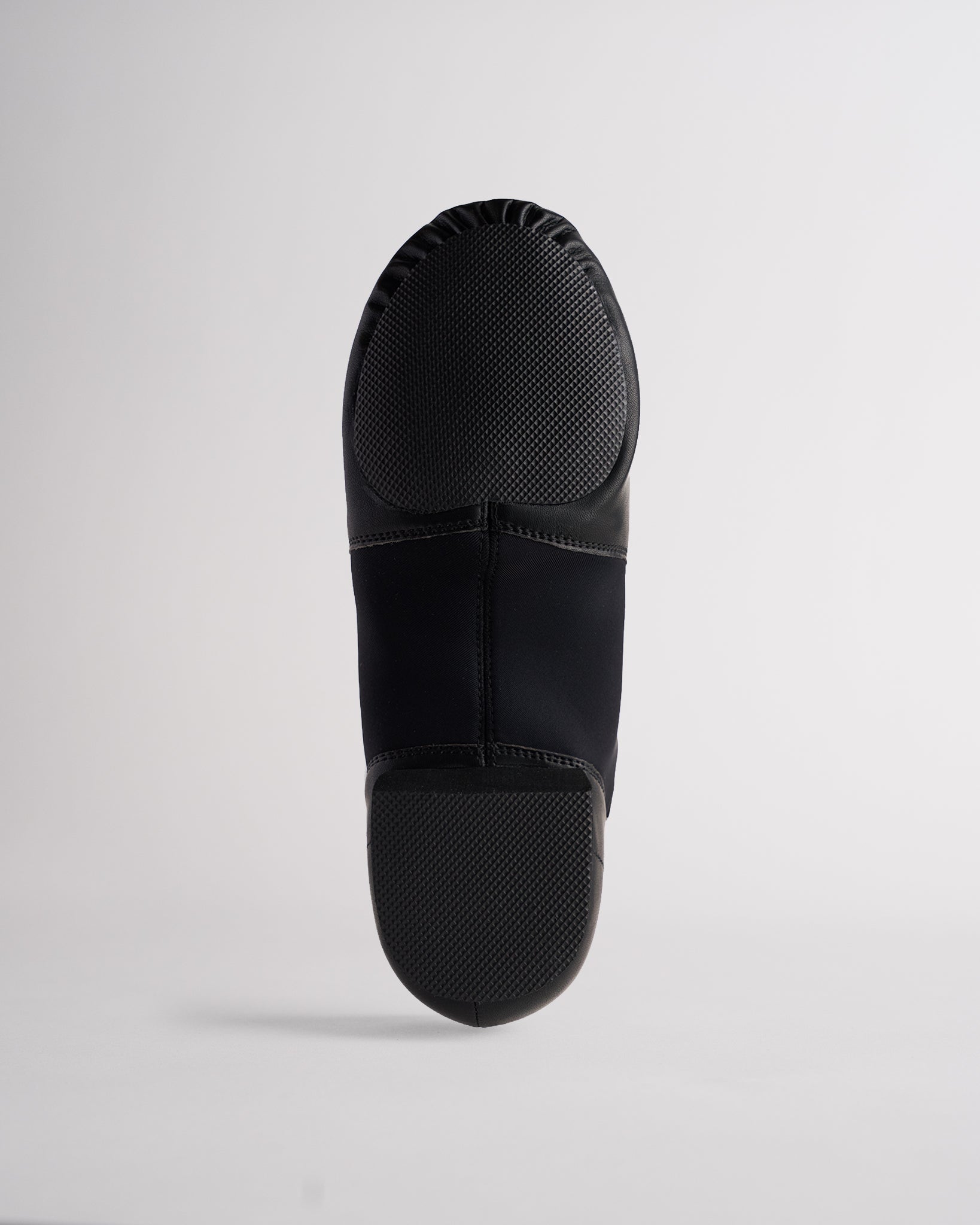
For class one, leggings, a fitted top, and socks are enough. Slippers can wait.
-
Many adults say they start feeling oriented after a couple of months of weekly classes, and posture changes show up before the "dancing" does.
-
Harvard Health reports that dance carries the strength and cardio benefits of other exercise, and some studies link it to better balance and memory.
-
Book the class labeled Absolute Beginner or Intro. "Open Level" tends to assume prior training.
Can Adults Learn Ballet with No Experience?
Yes, and the ballet world has quietly built an entire infrastructure for it. The Joffrey Ballet's Grainger Academy adult division describes Beginner Ballet I as "an open class for new students to ballet." Ballet Austin aims its intro workshops squarely at "the absolute beginner adult." And the Royal Academy of Dance runs Silver Swans, built for learners over 55 and open to complete novices. When established schools design programs for first-timers in their 60s, a 34-year-old with zero experience is well inside the target market. Class names and schedules shift by season, so confirm details with the studio before signing up.
Plenty of adult beginners arrive the same way: a season of watching a daughter's class from the lobby, then thinking, I want to try that. If that is you, our guide to what to expect at your child's first ballet class probably looks familiar from the other side of the glass.
What Actually Happens in Adult Beginner Ballet Classes
Picture an hour that starts slowly on purpose. The format has held steady for generations: learn it once and it transfers to nearly every studio. Broche Ballet, an online school for adult students, describes a typical 90-minute class as roughly 60 minutes at the barre and 30 in the center; 60-minute classes keep similar proportions.
The arc of a normal beginner session:
-
Warm-up. A few minutes of gentle mobility work for ankles, hips, and spine.
-
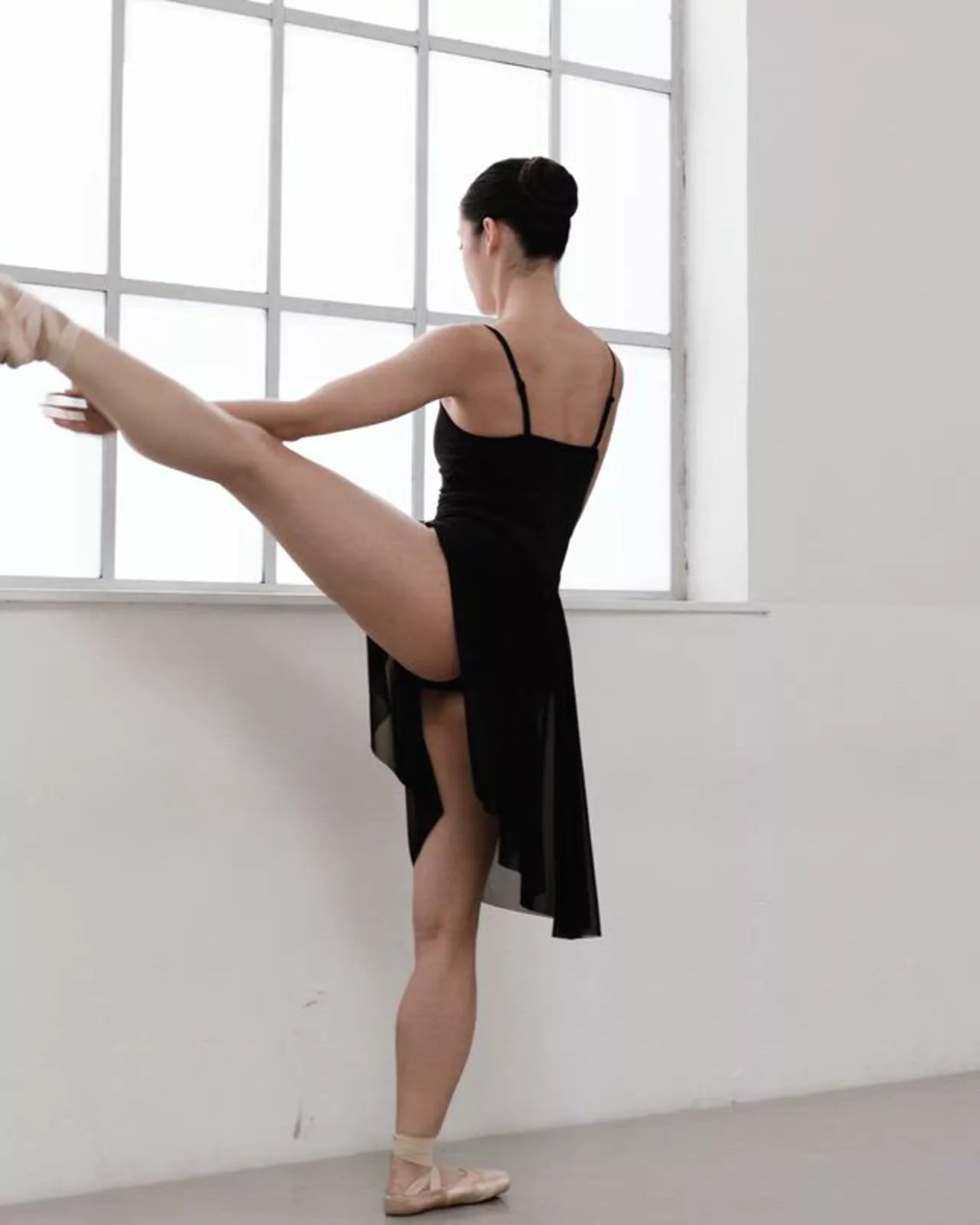
Barre. The heart of the class: holding a railing for balance while repeating small foundational movements (pliés, tendus) on both sides. Slow, methodical, and surprisingly hard work for your legs and core.
-
Center. Positions, balance, and simple stepping patterns away from the barre, demonstrated before you try them.
-
Reverence. A brief, traditional bow or curtsy to close.
Most studios schedule beginner ballet lessons for adults on weekday evenings or weekend mornings, and rec centers increasingly list ballet dance classes for adults alongside yoga and spin. Teachers at this level expect blank slates: your turnout is not being graded.

What to Wear to Adult Ballet Class
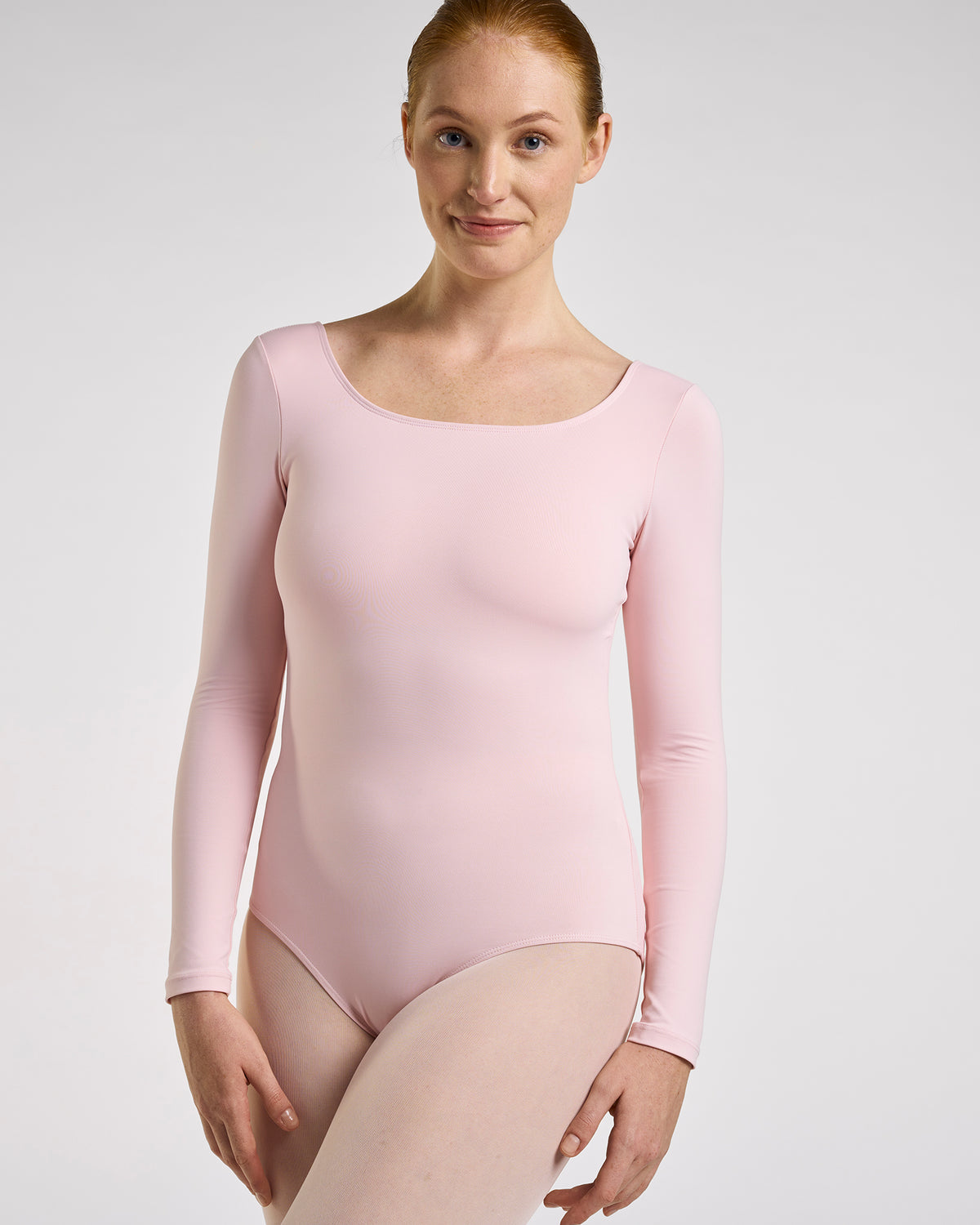
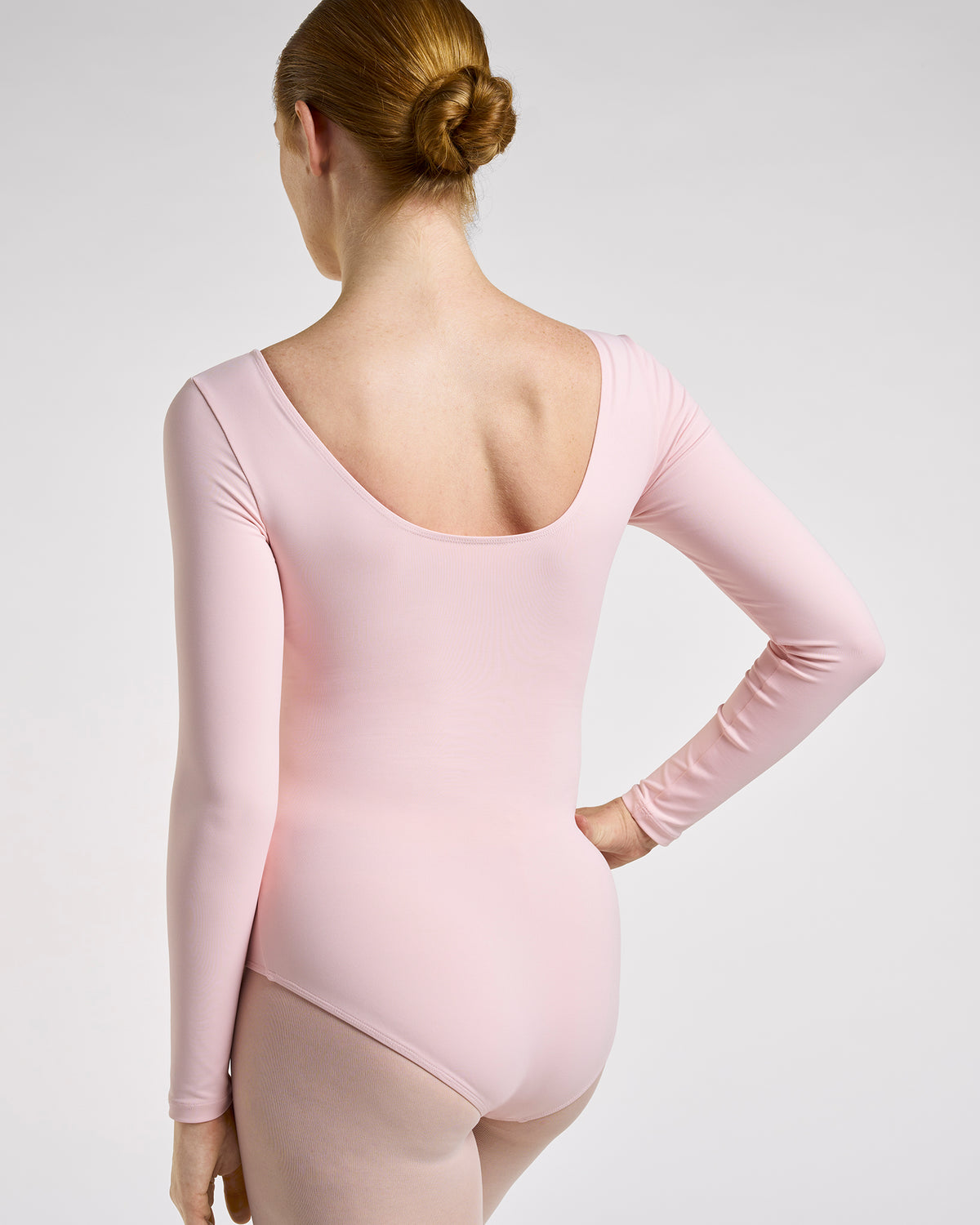
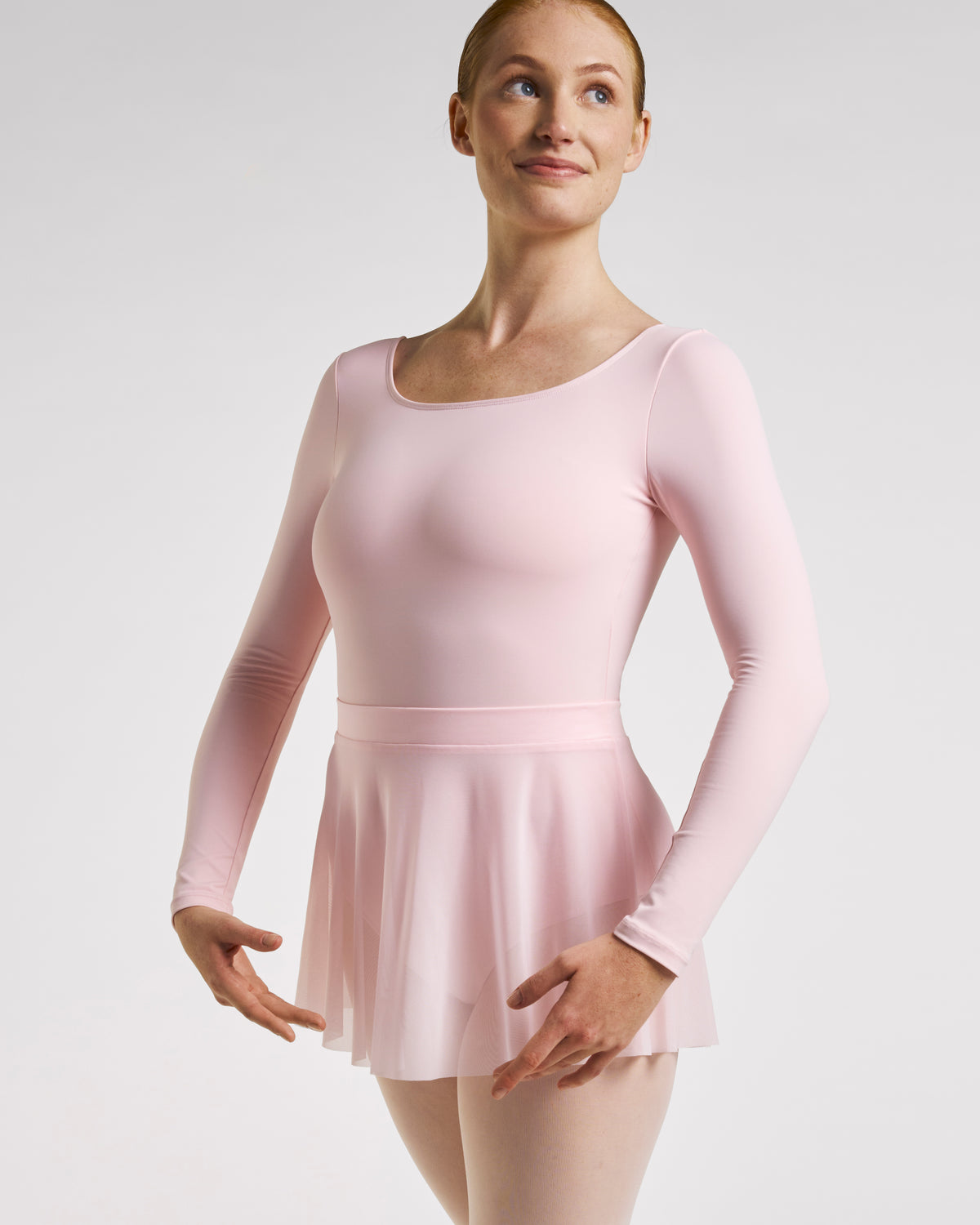
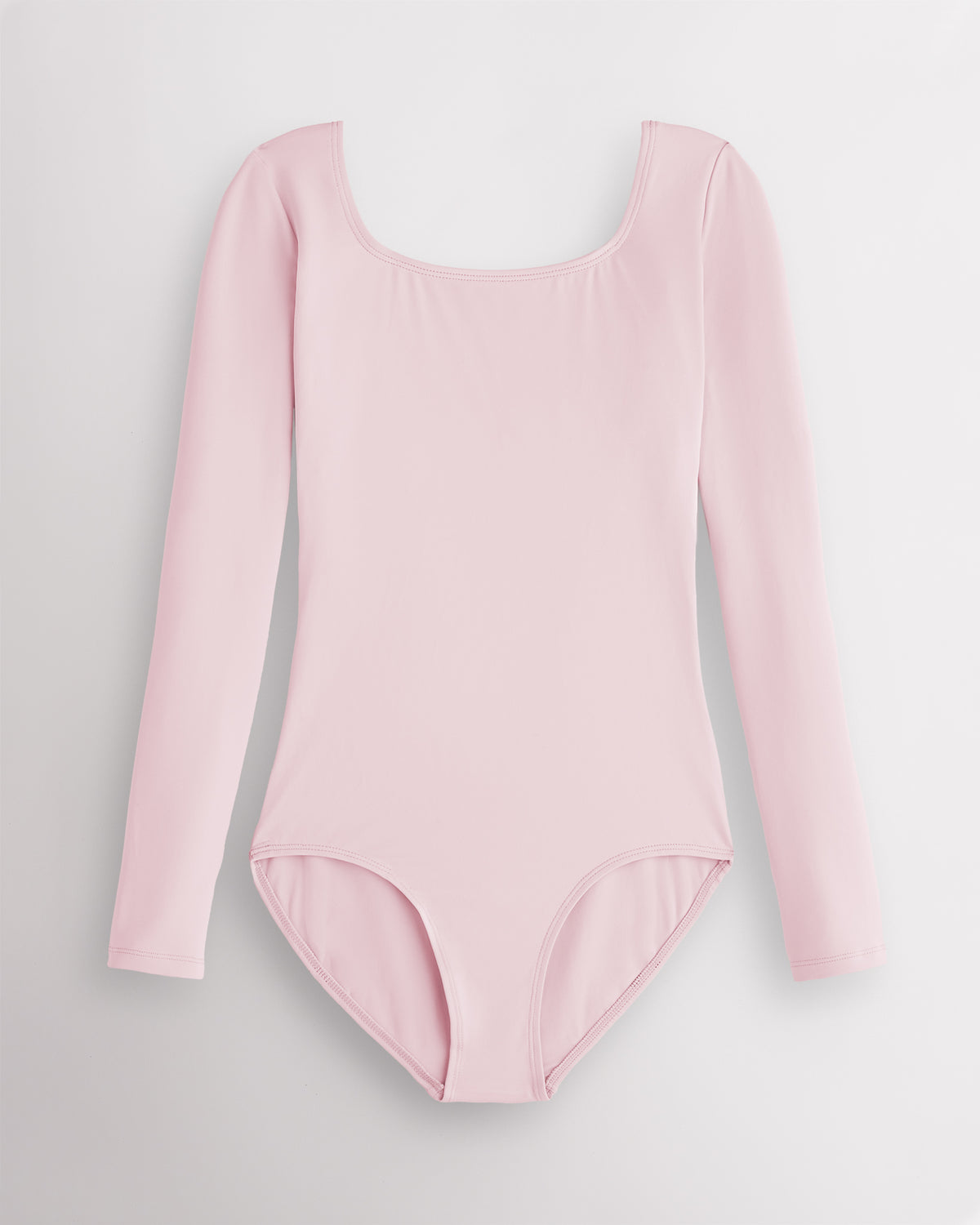
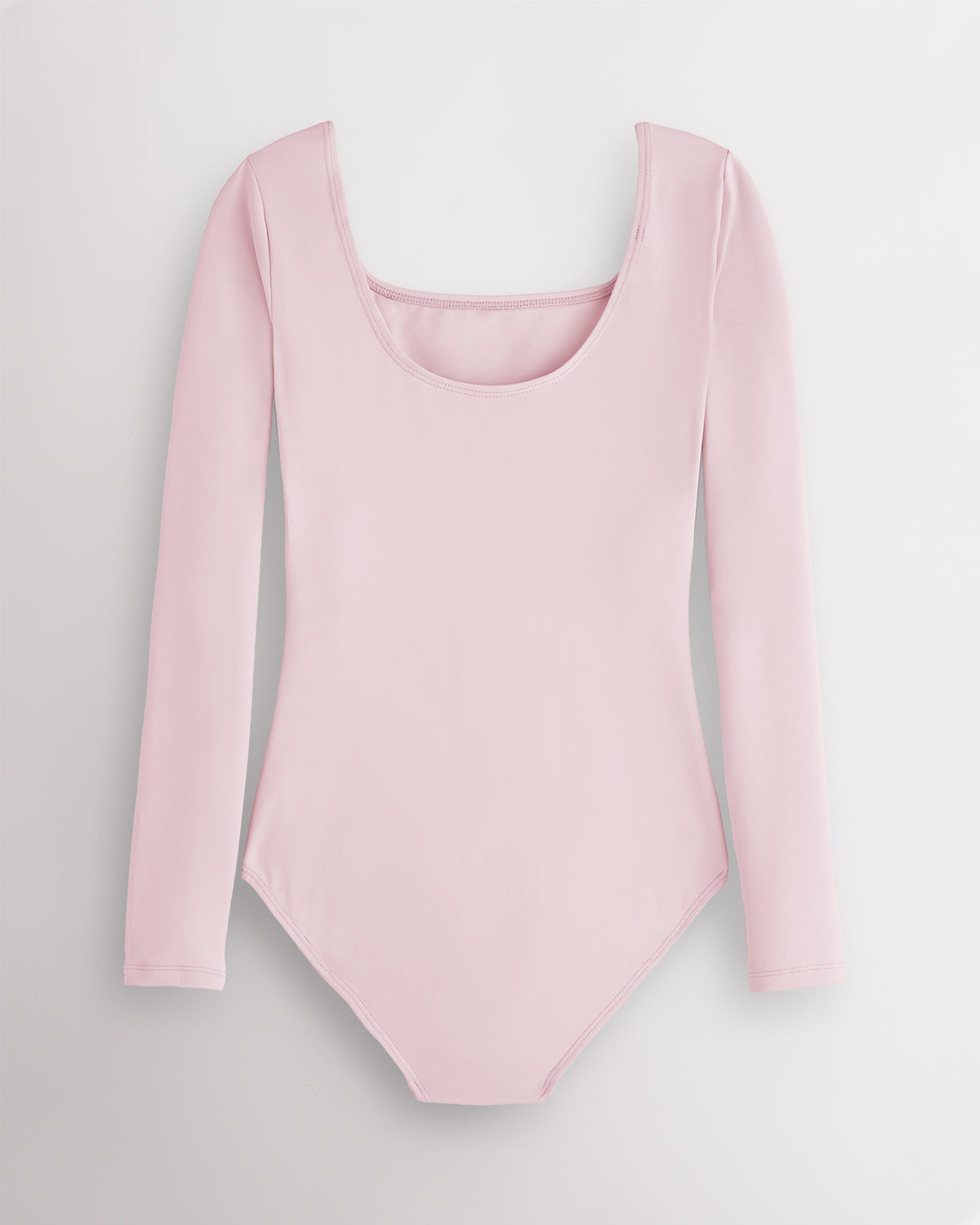
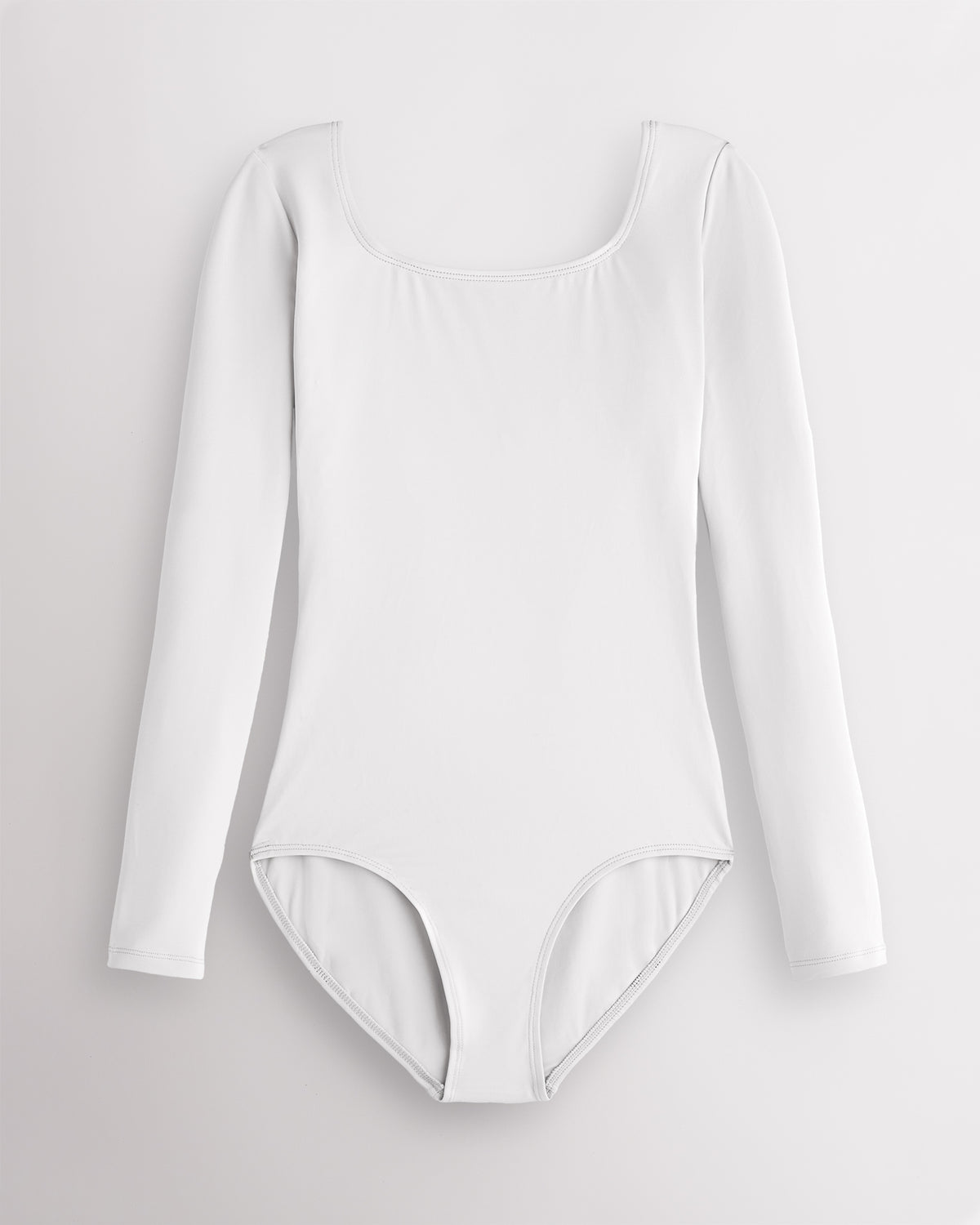
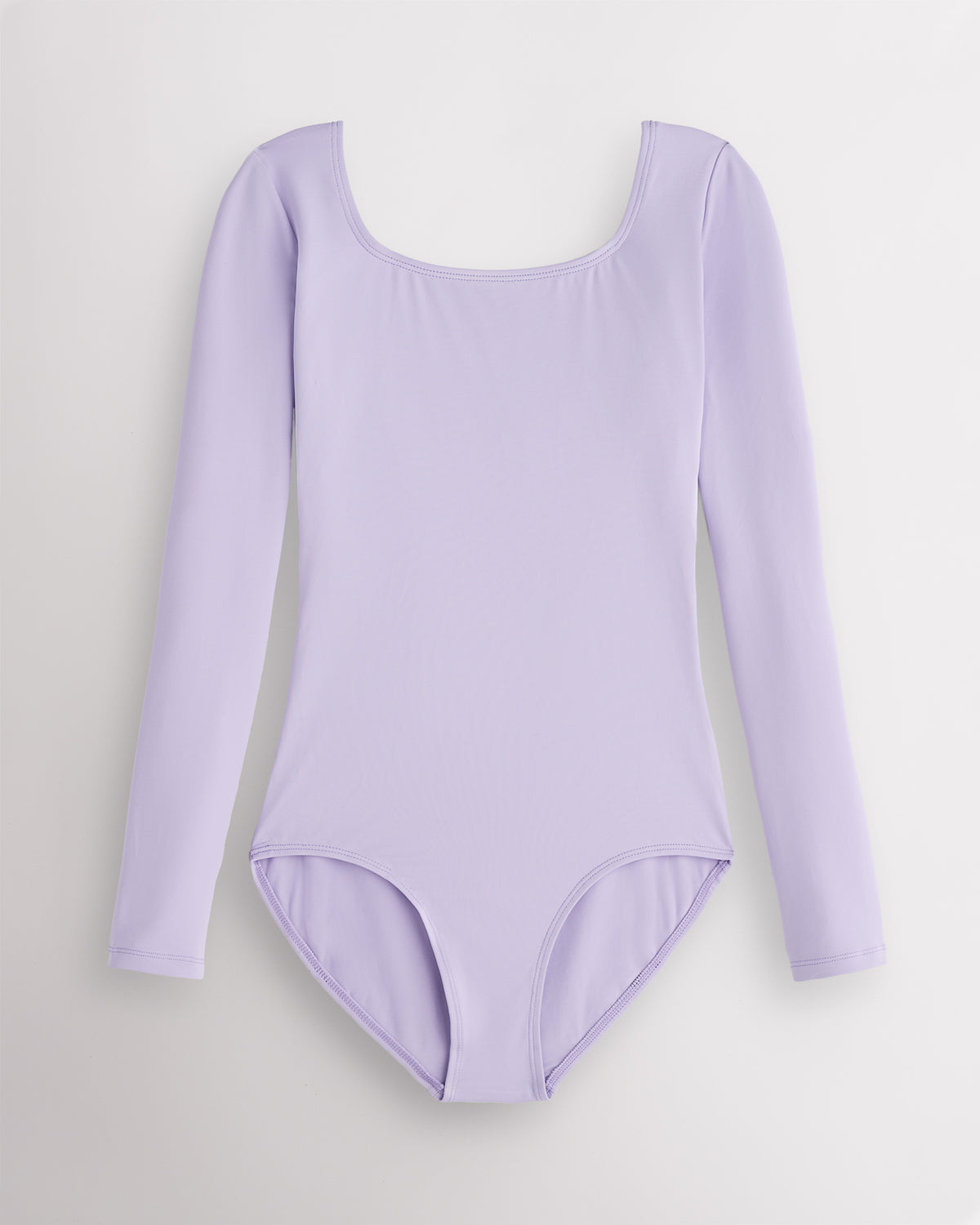
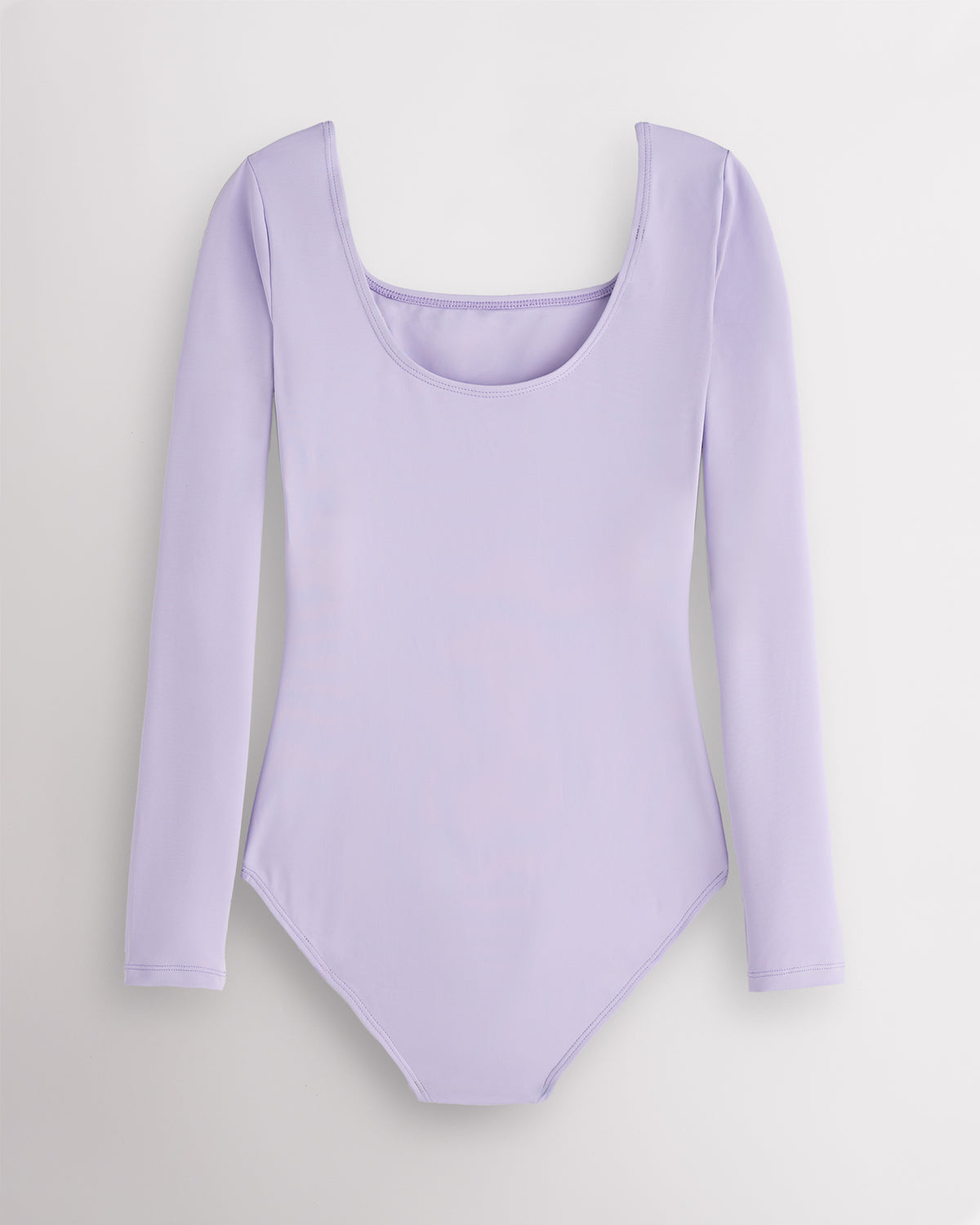
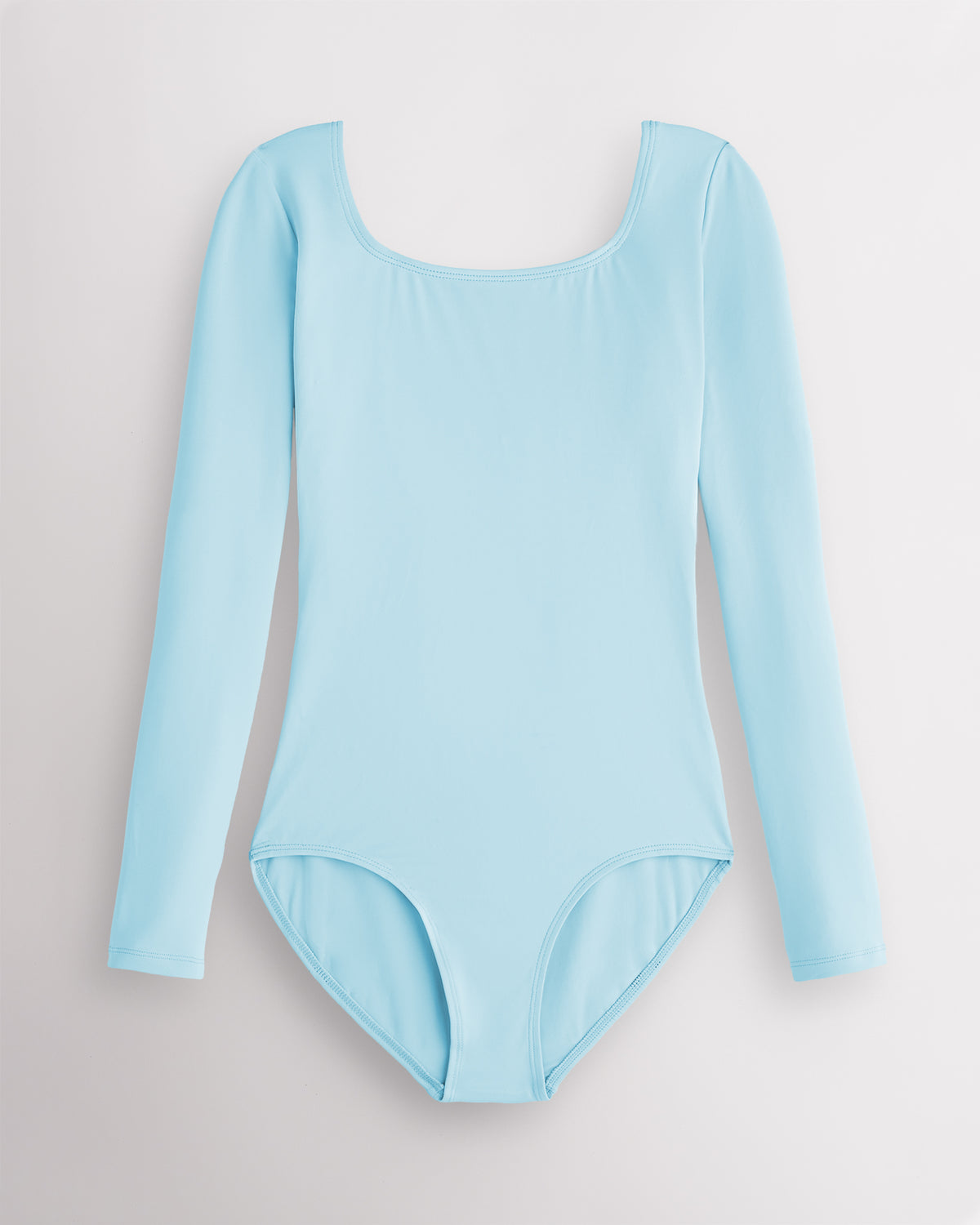
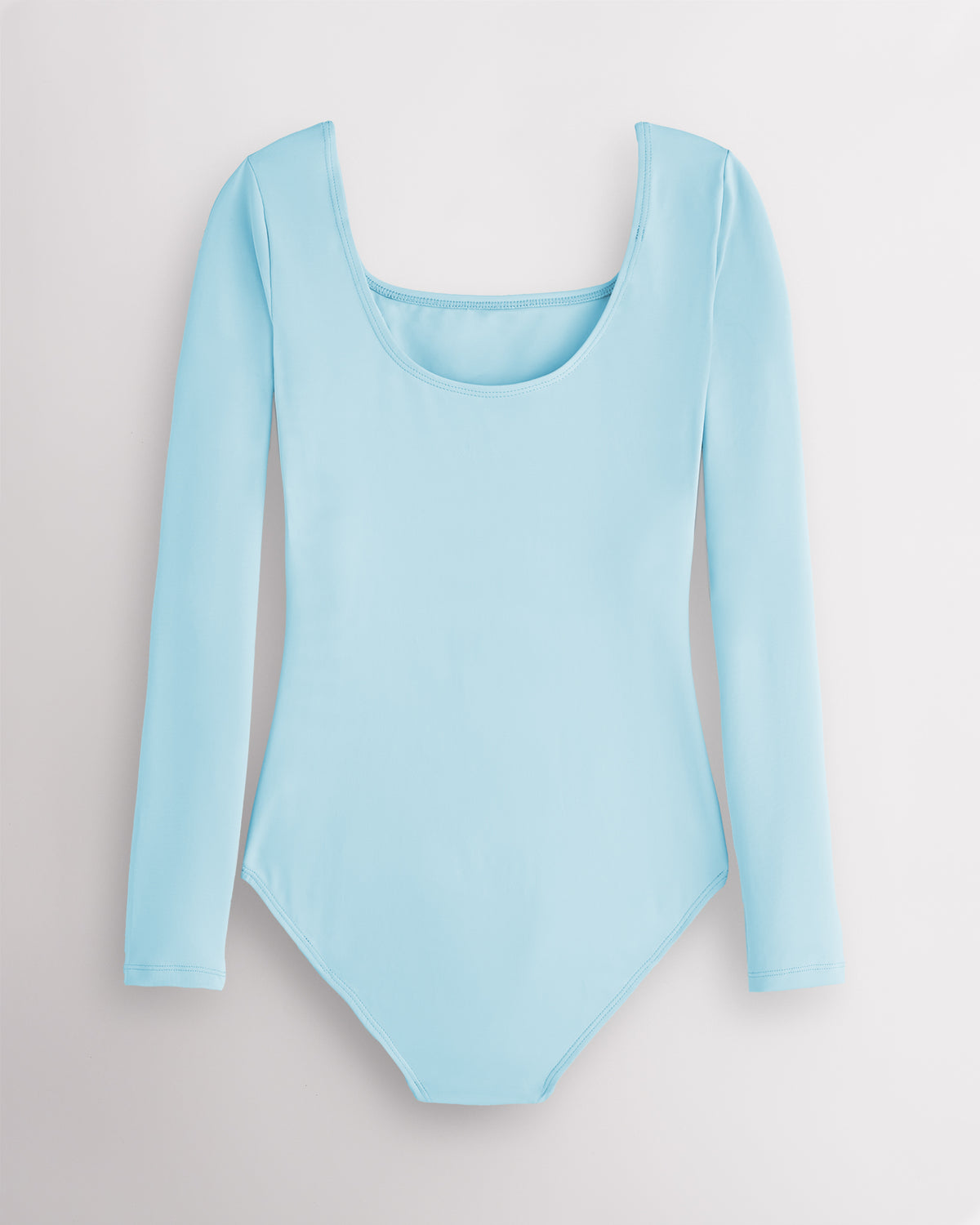
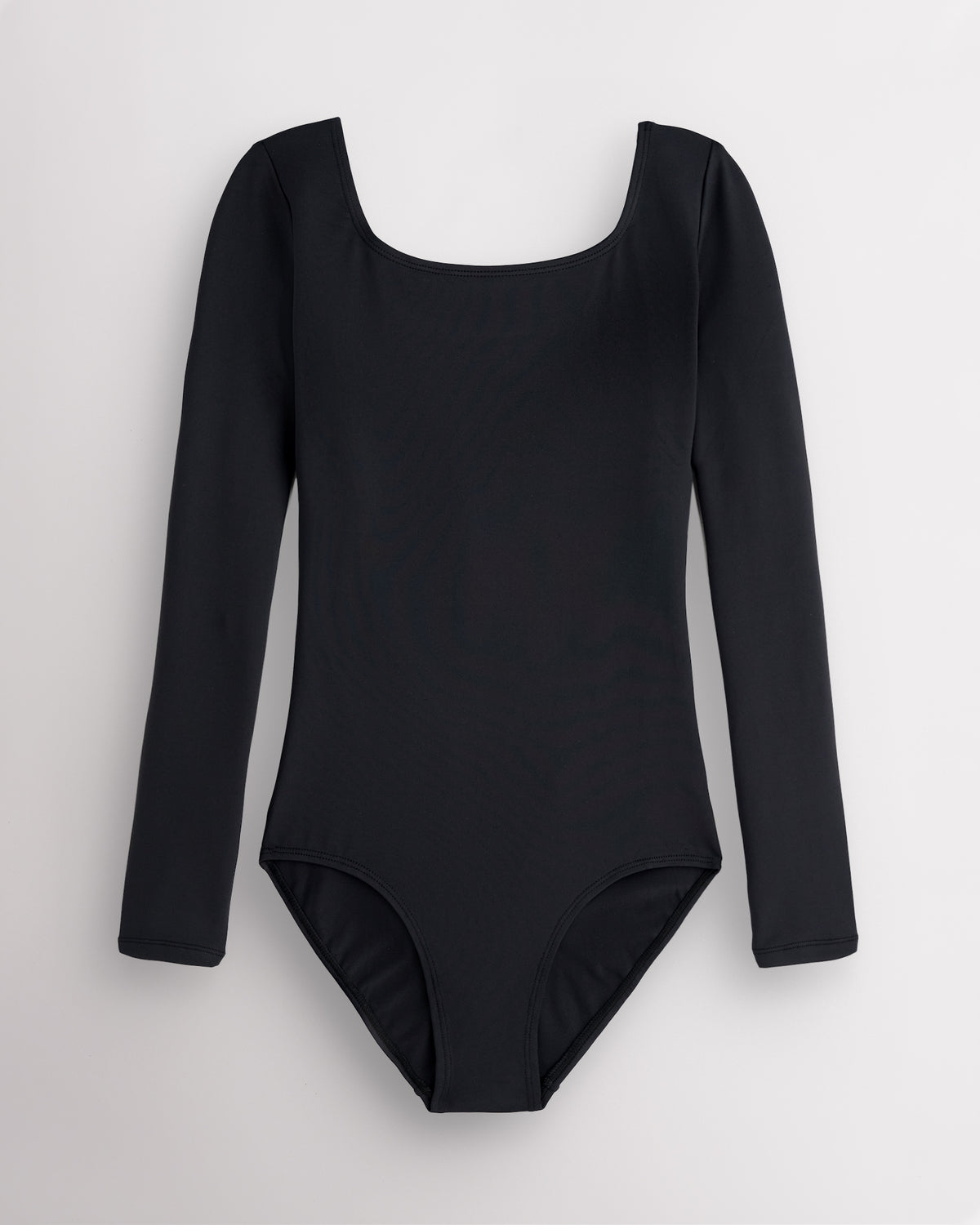
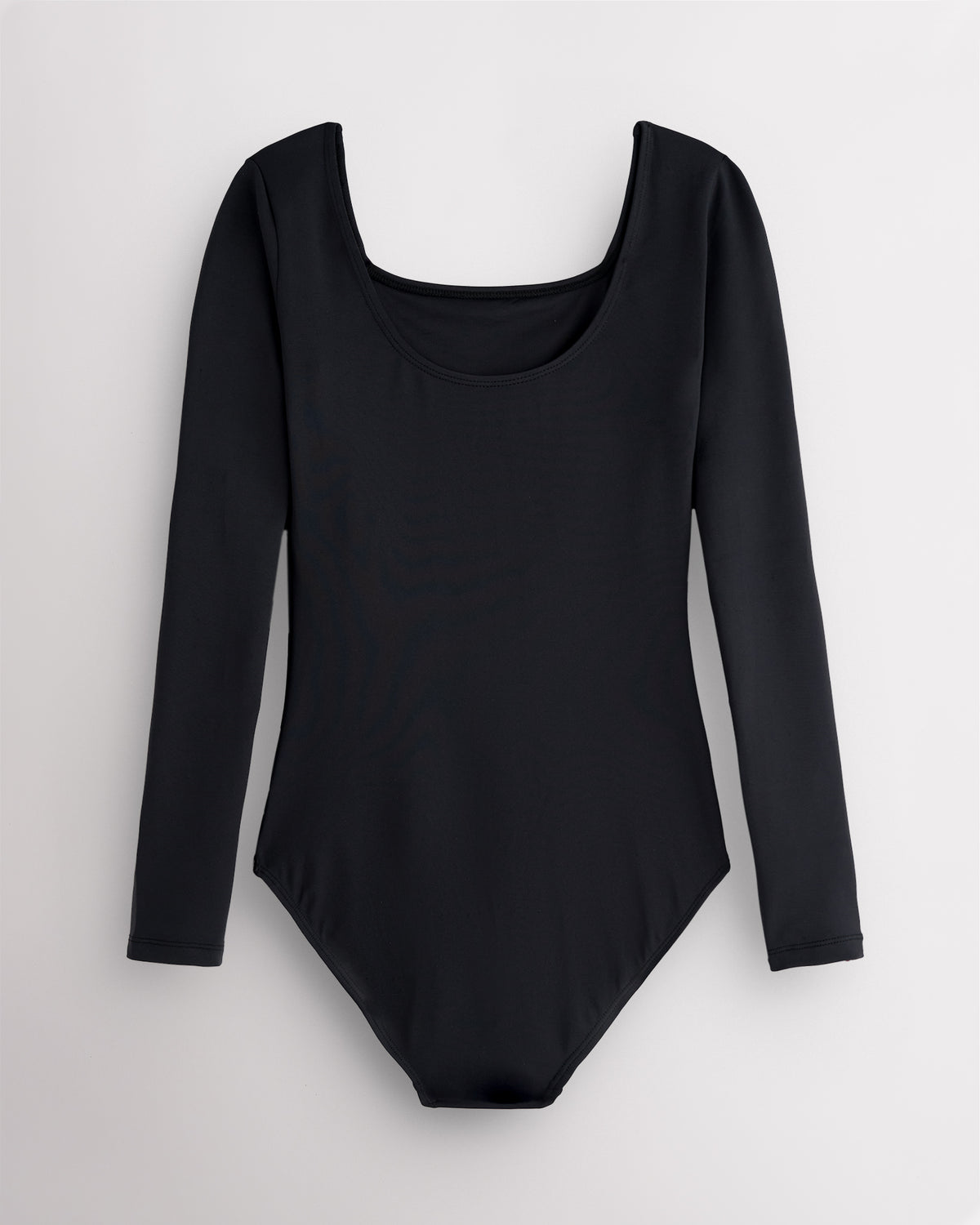
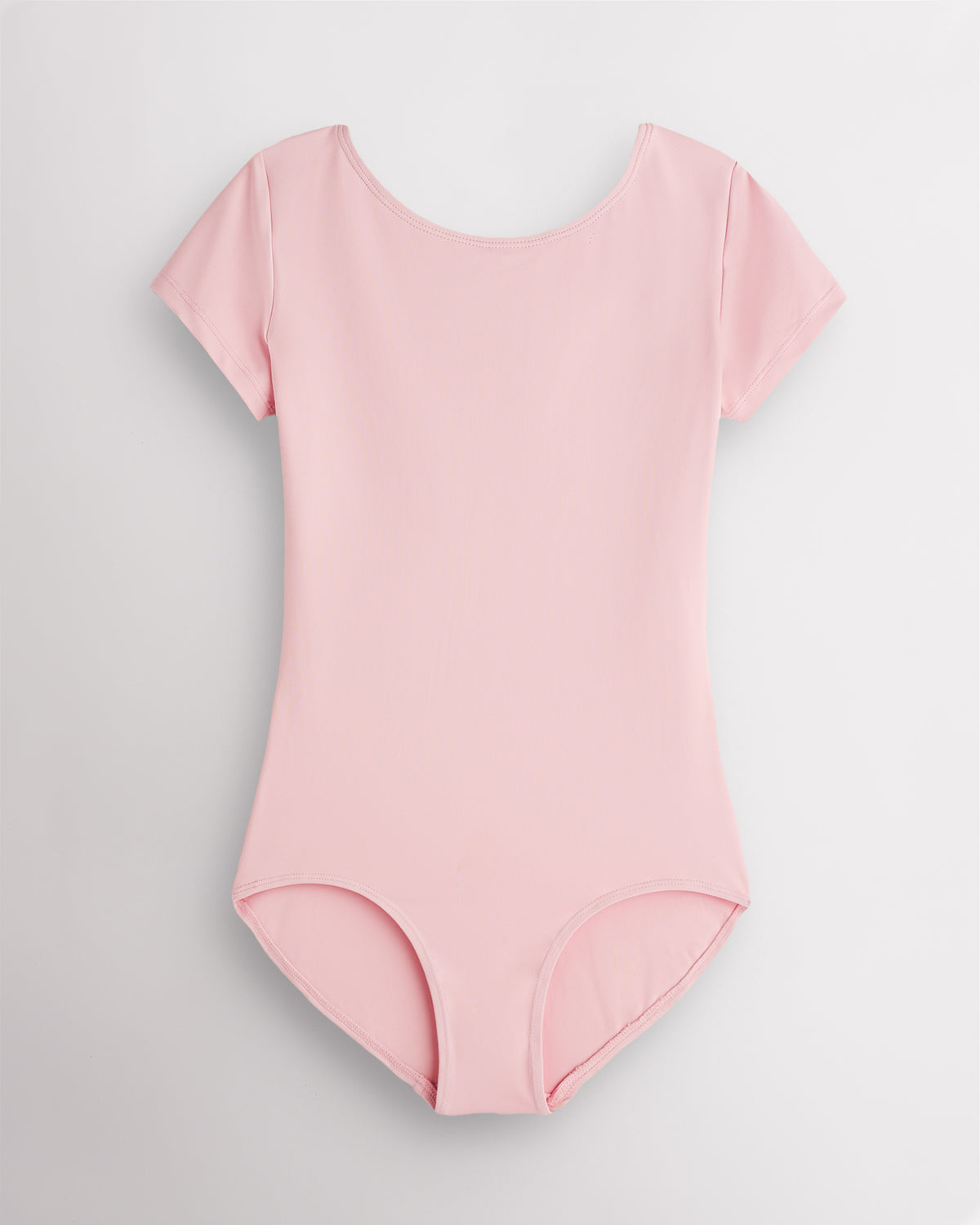
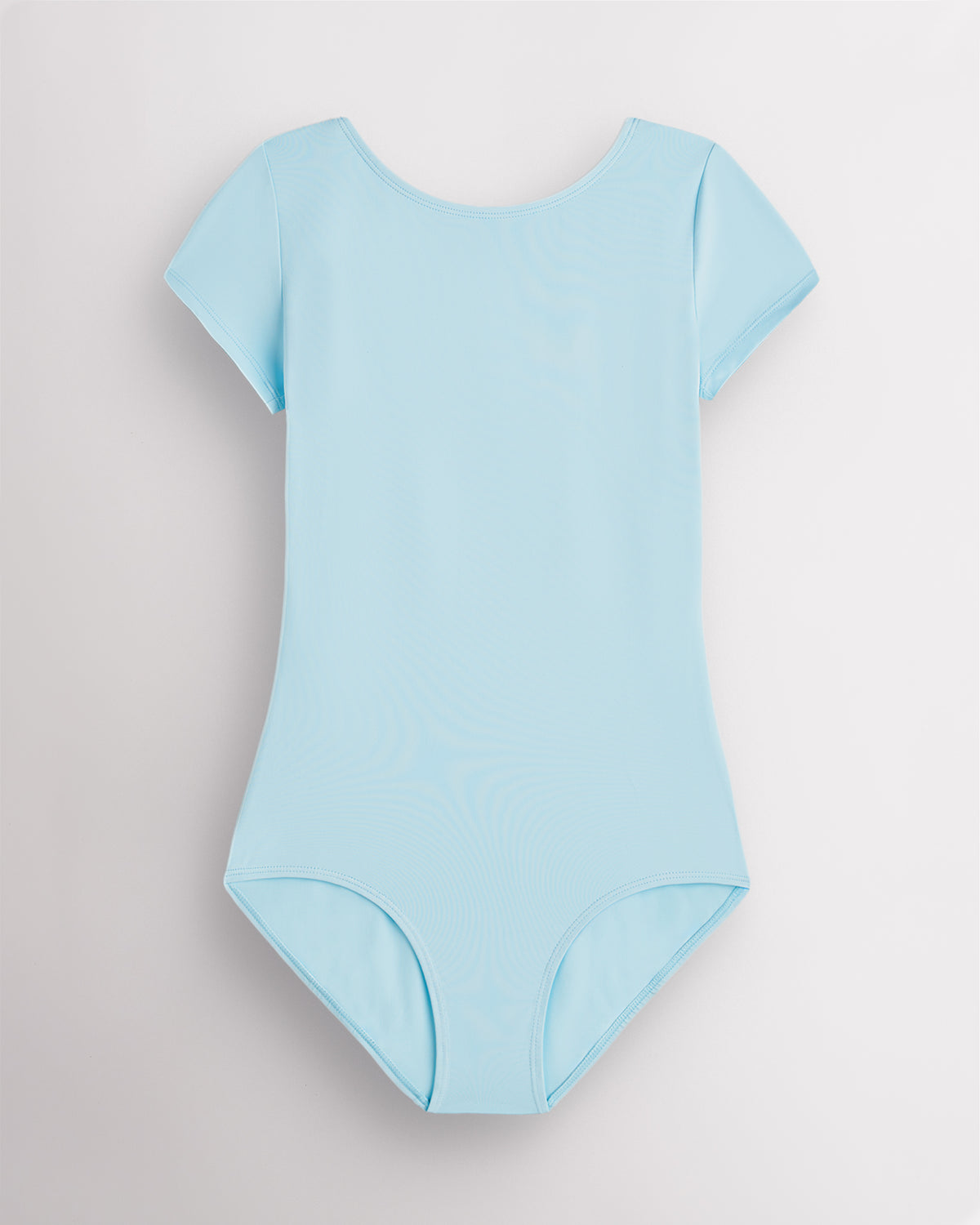
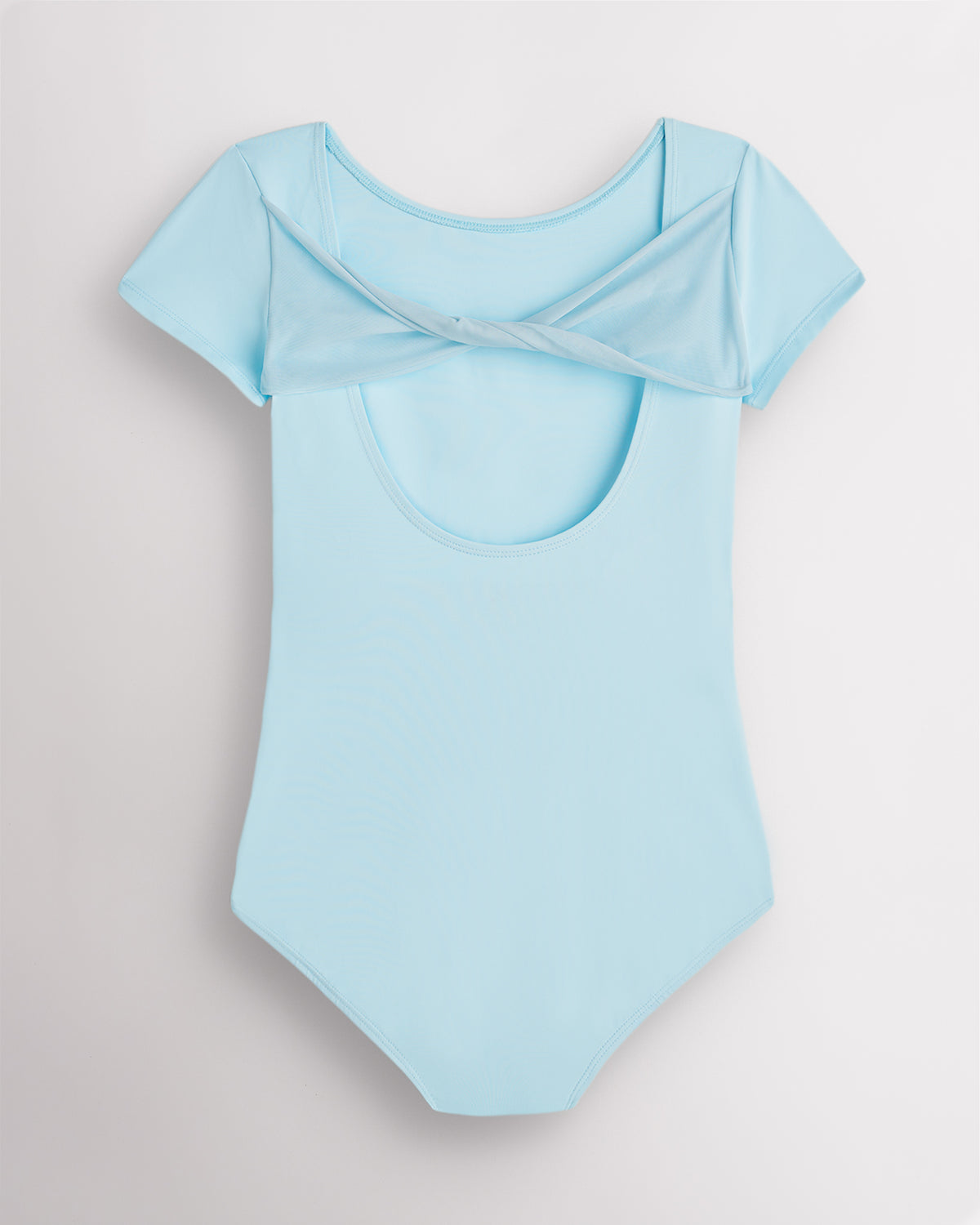
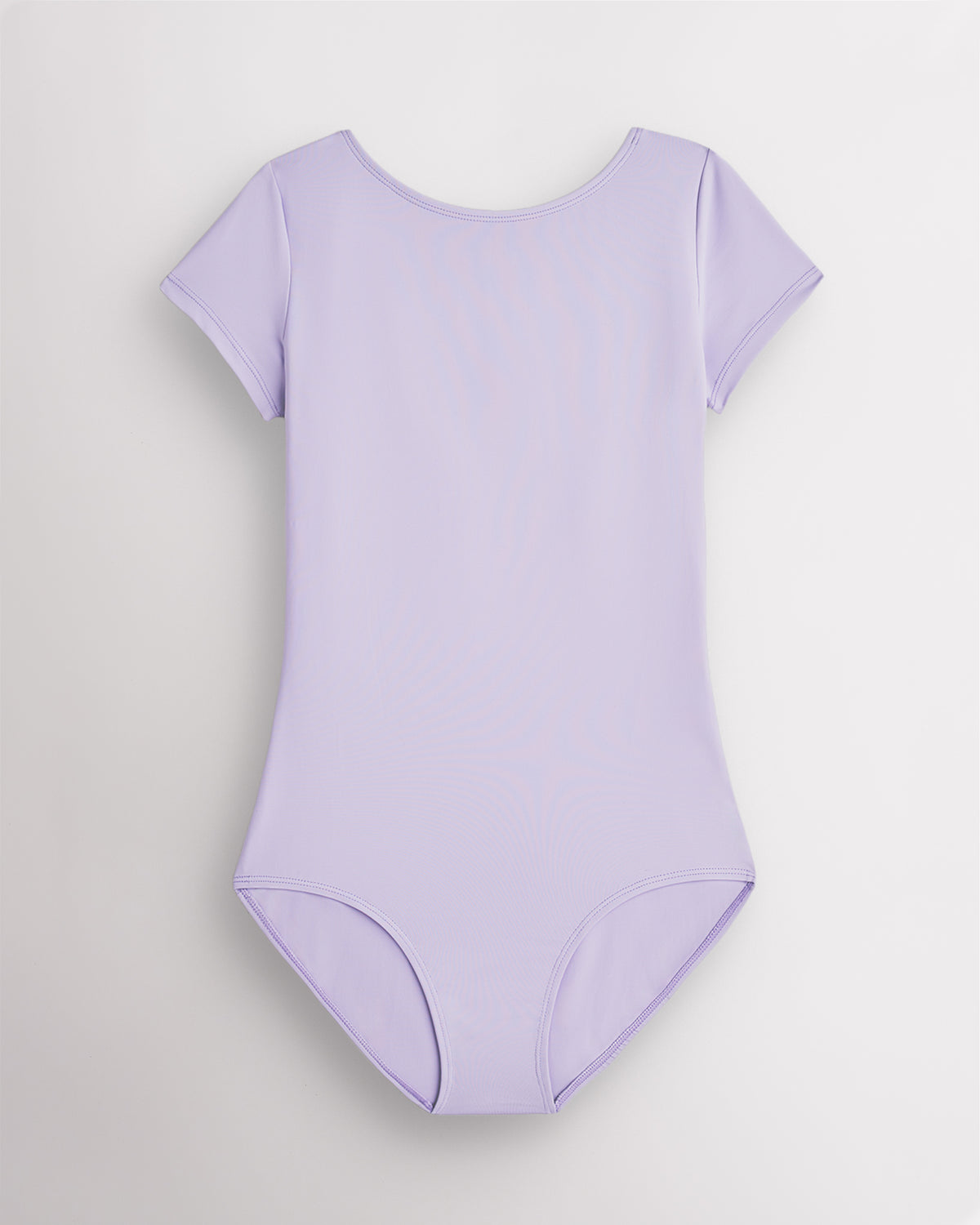
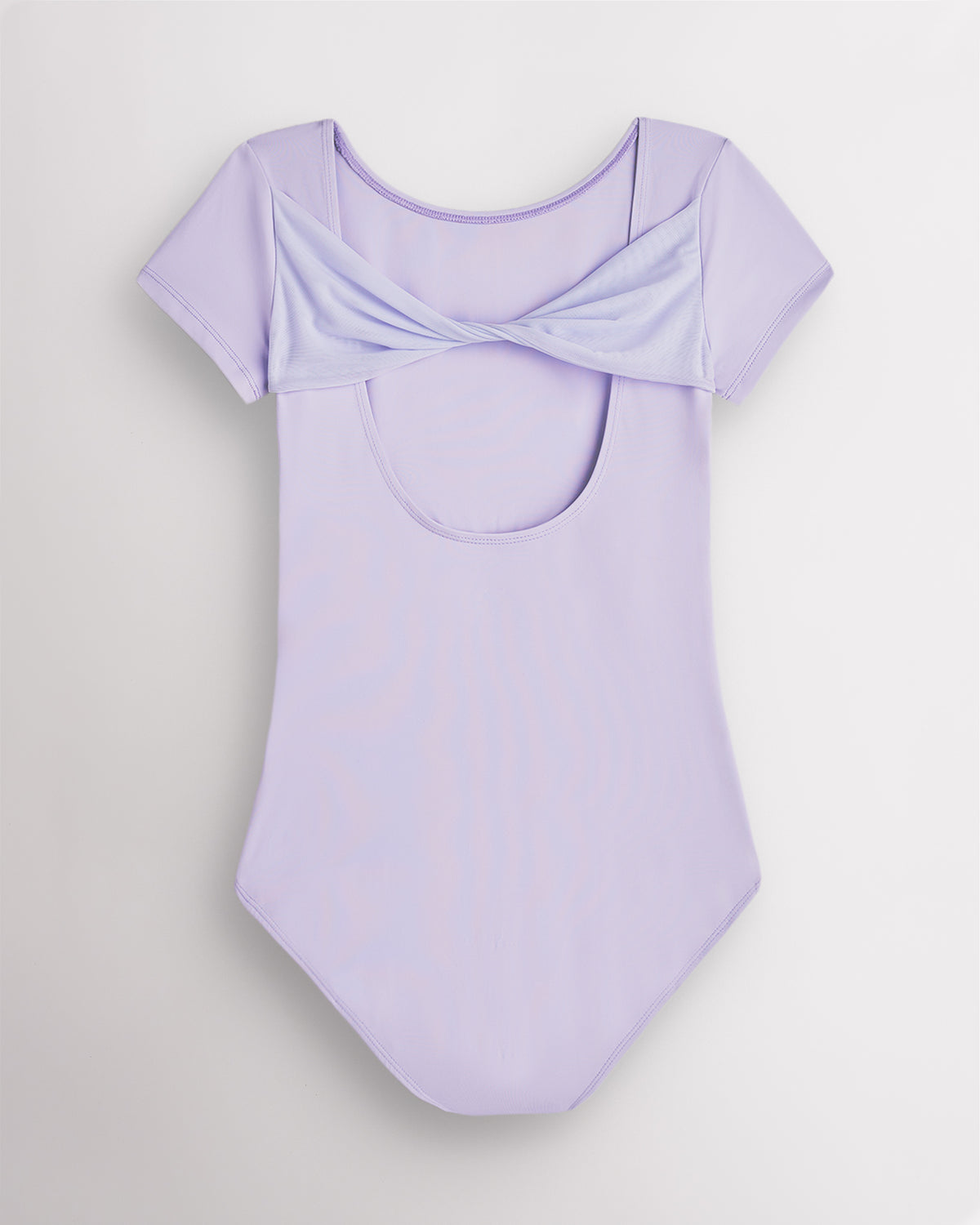
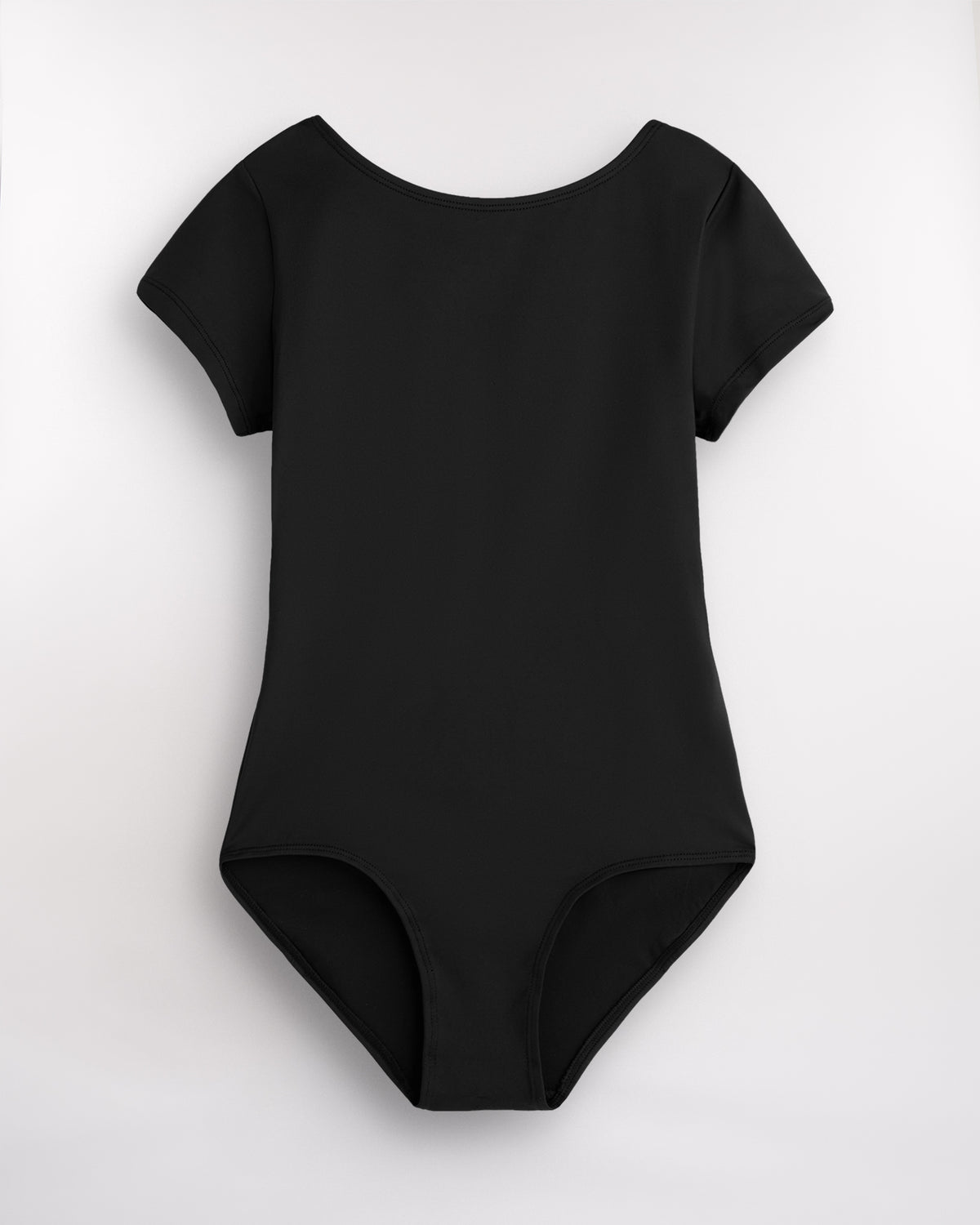
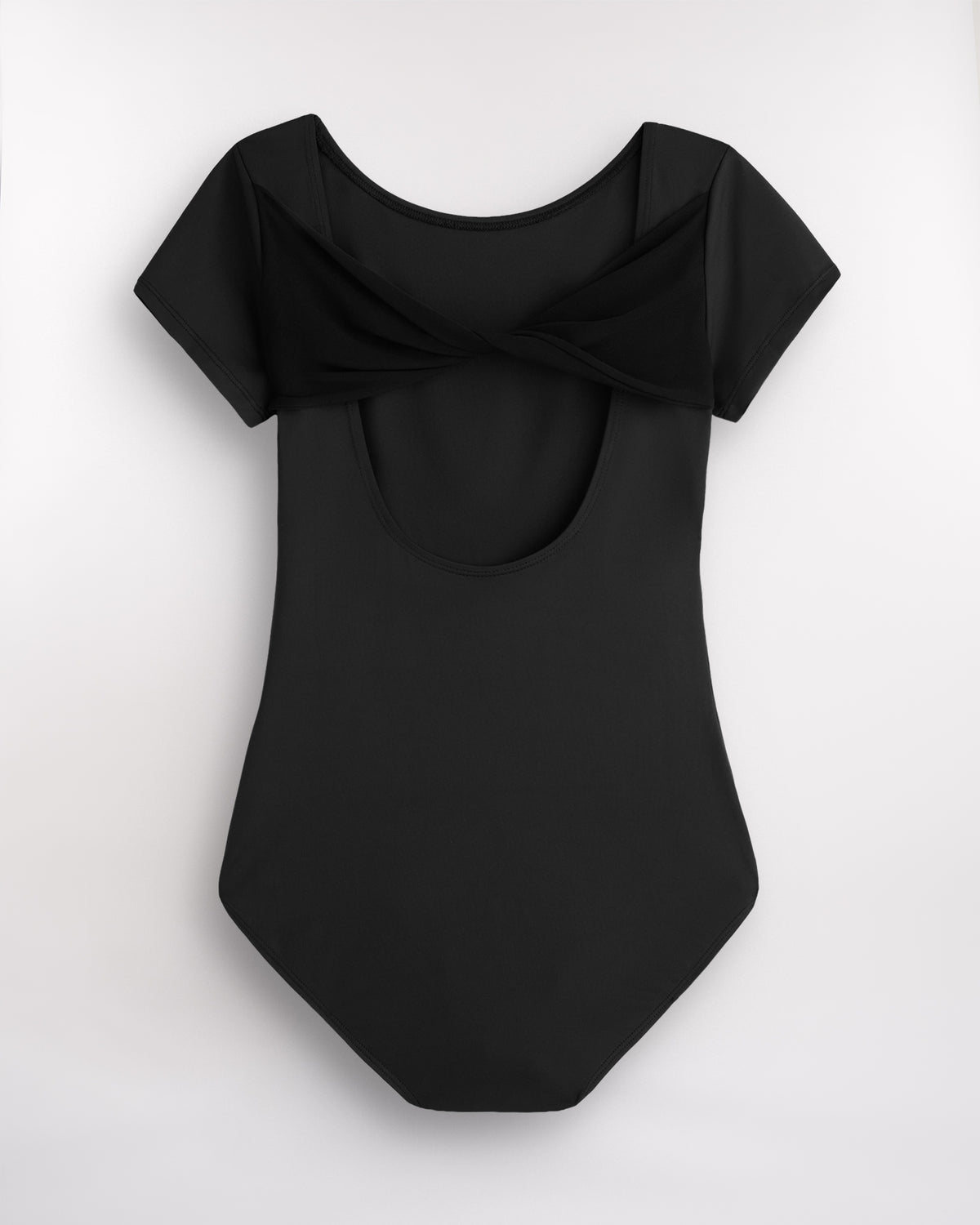
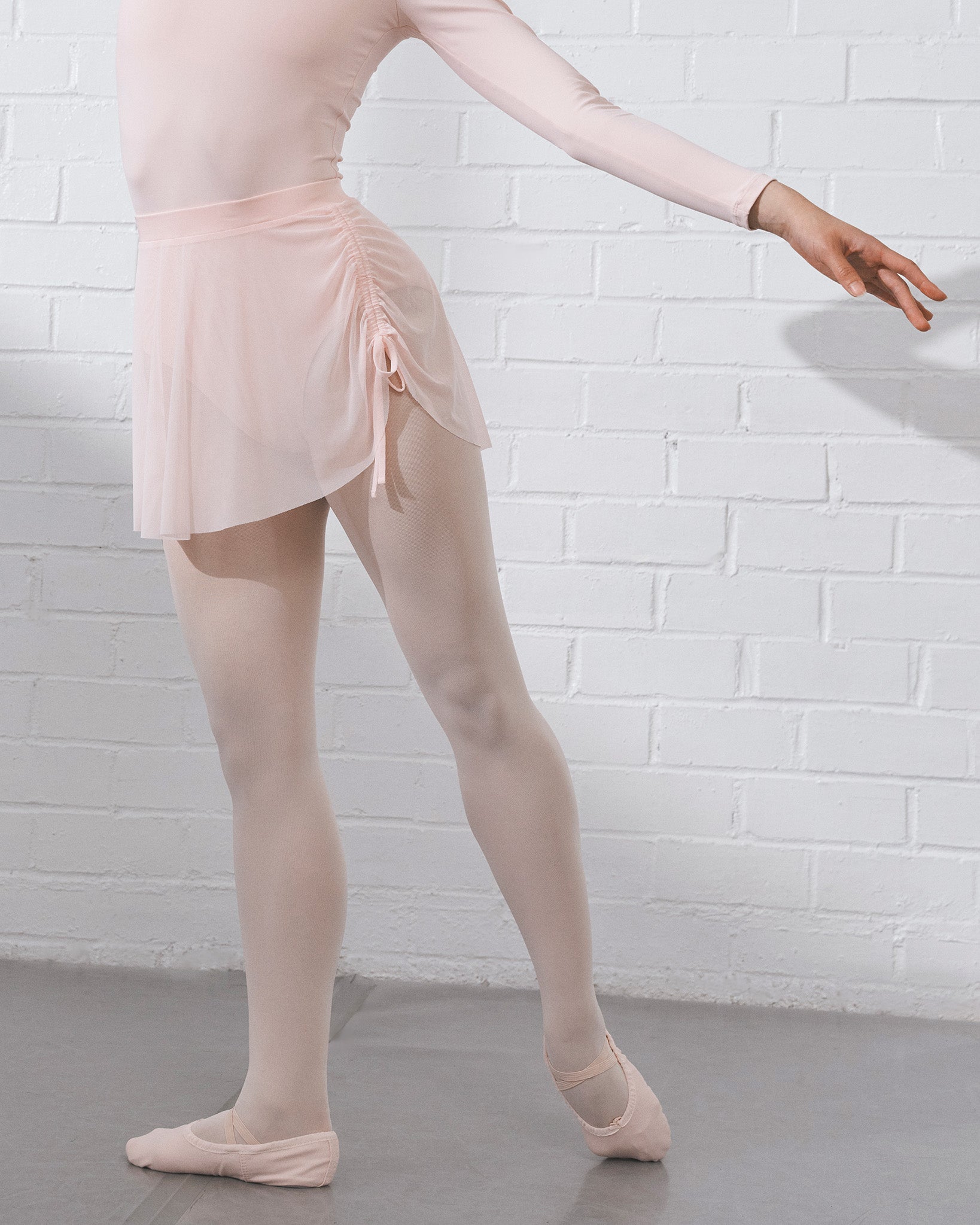
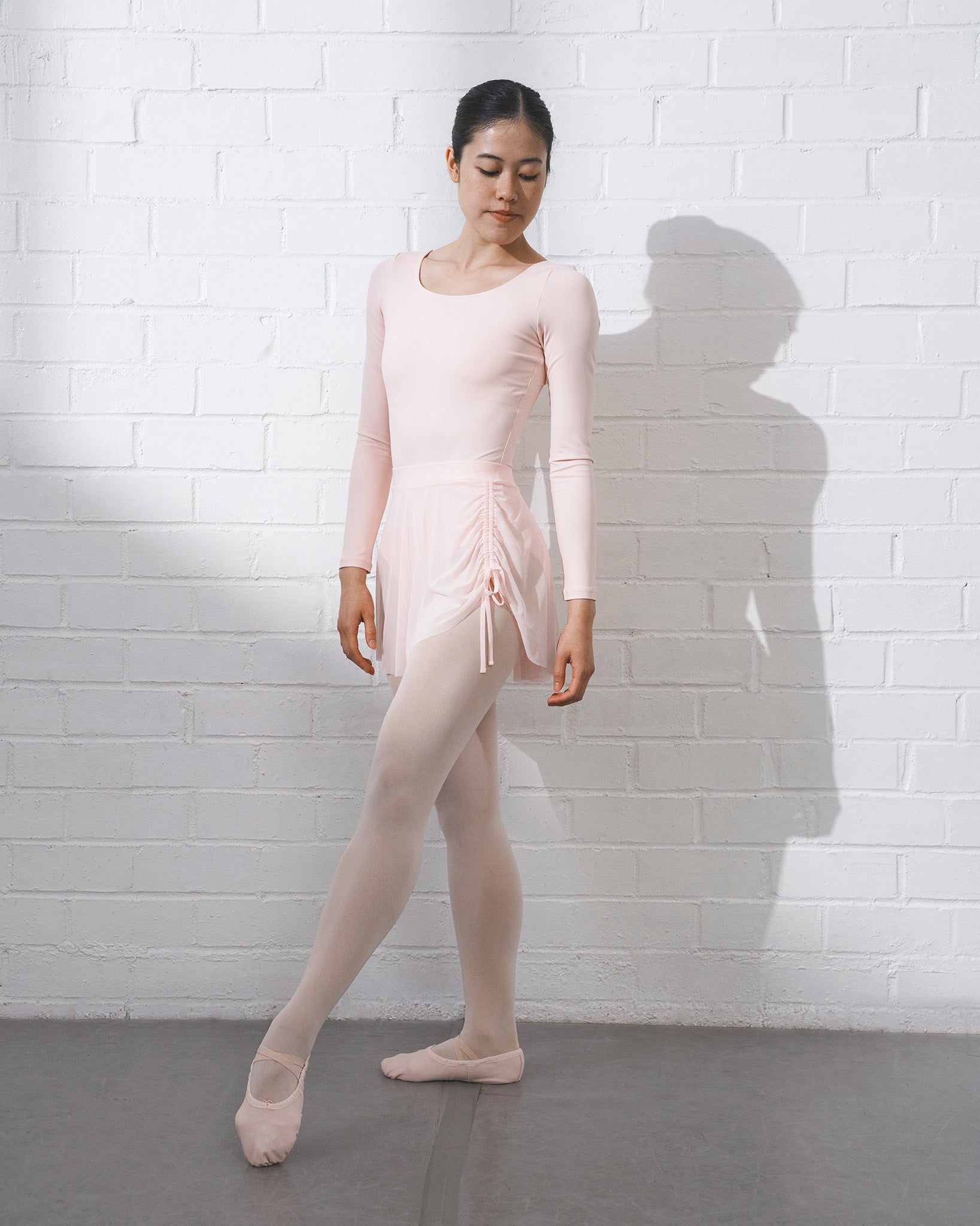
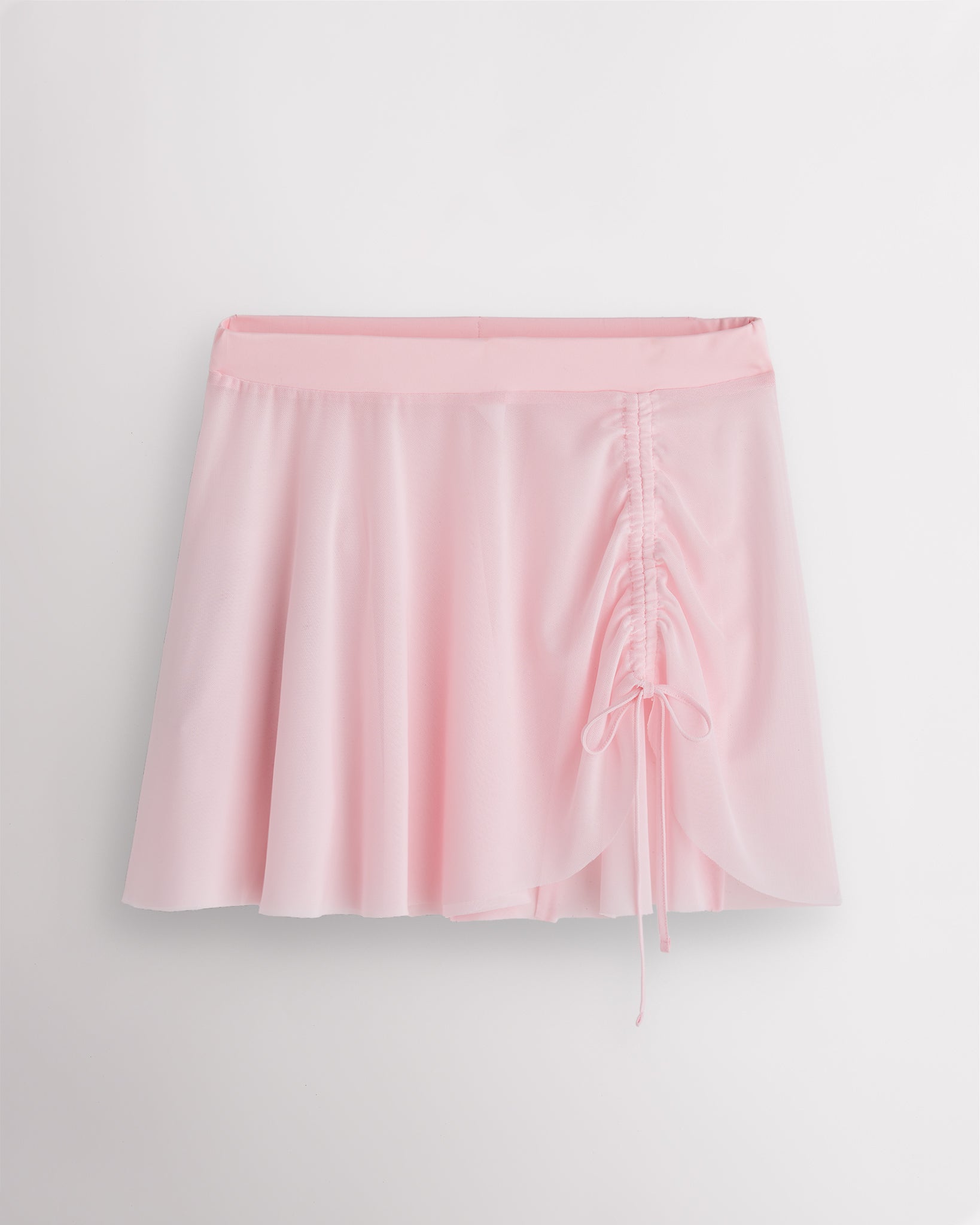
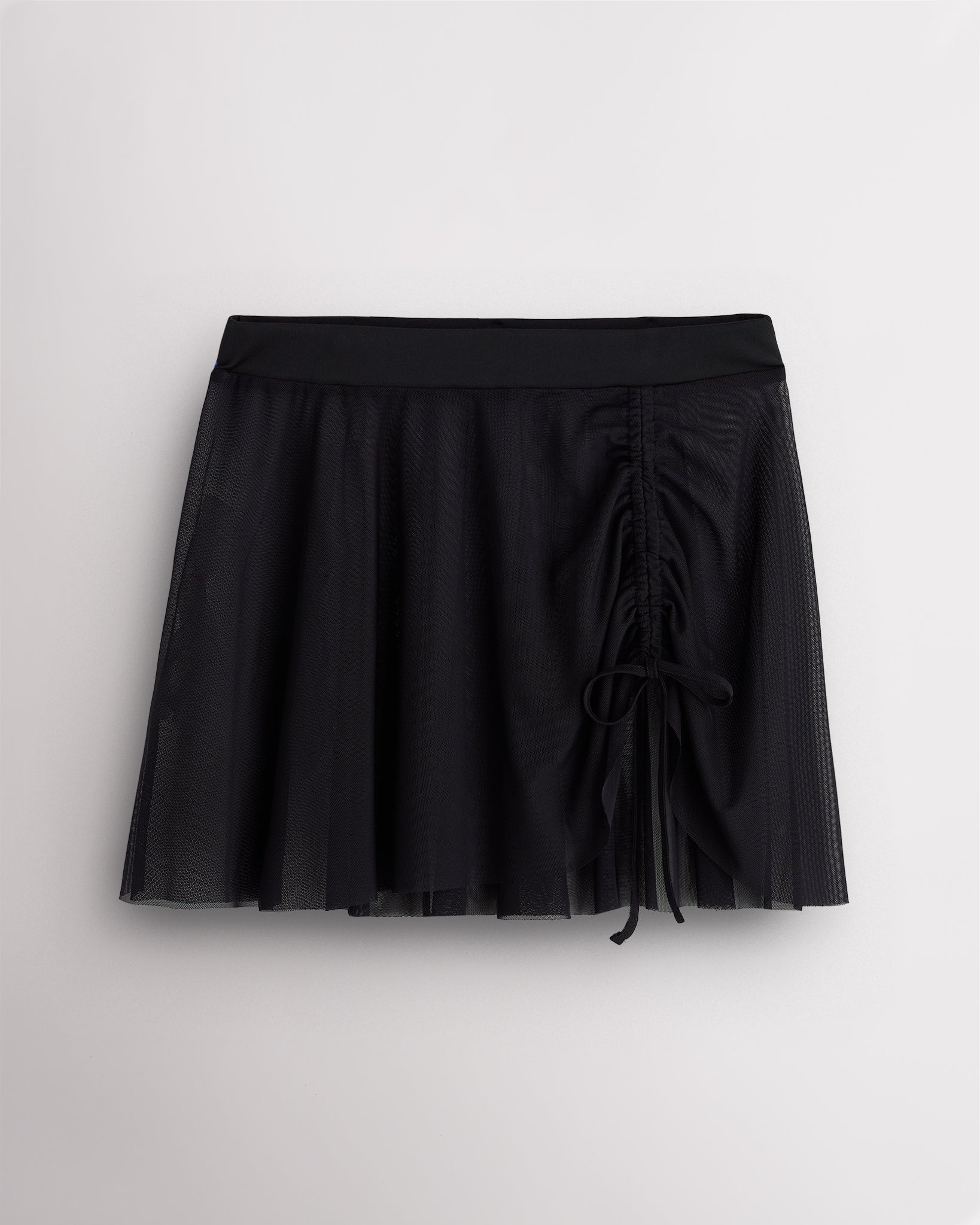
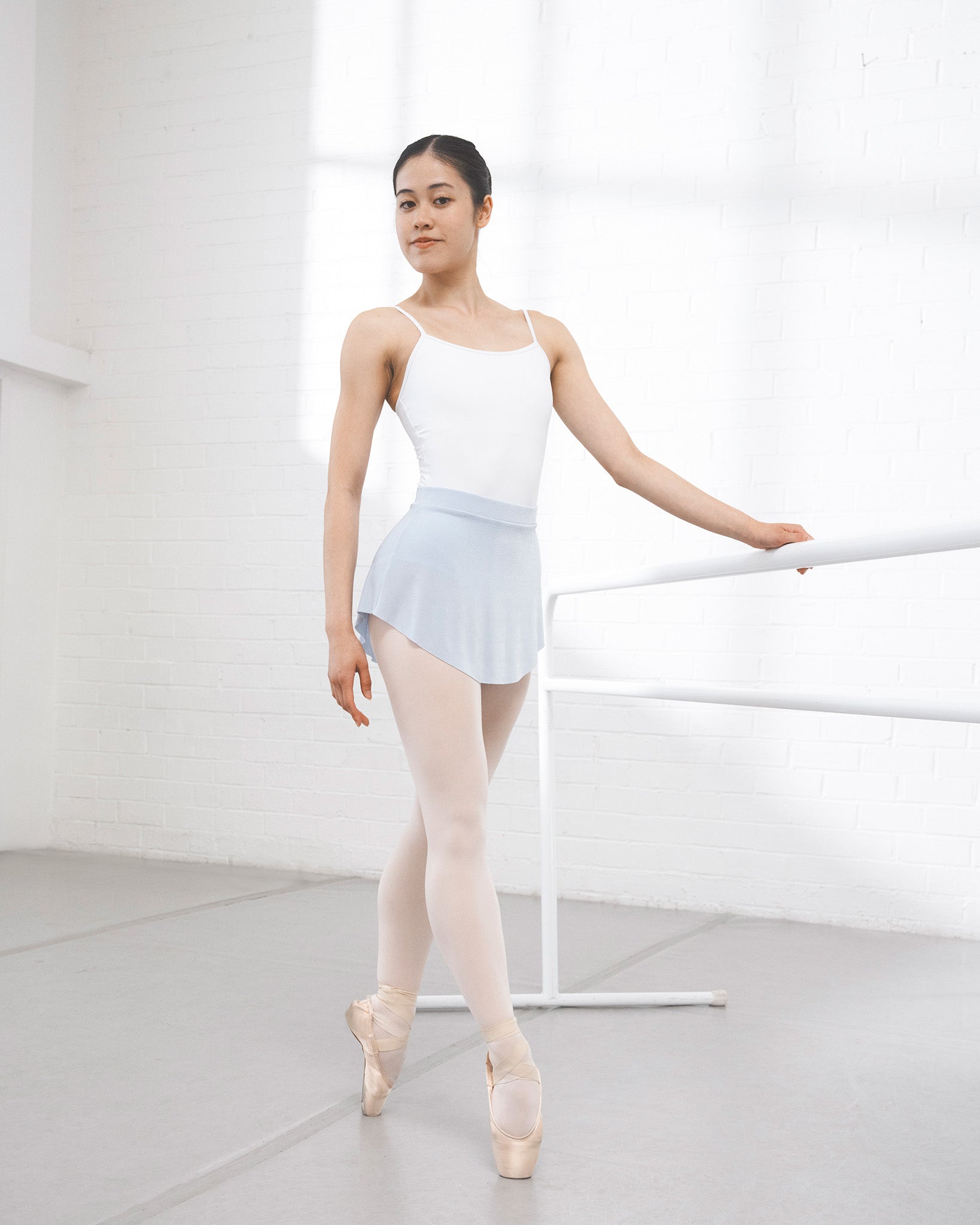
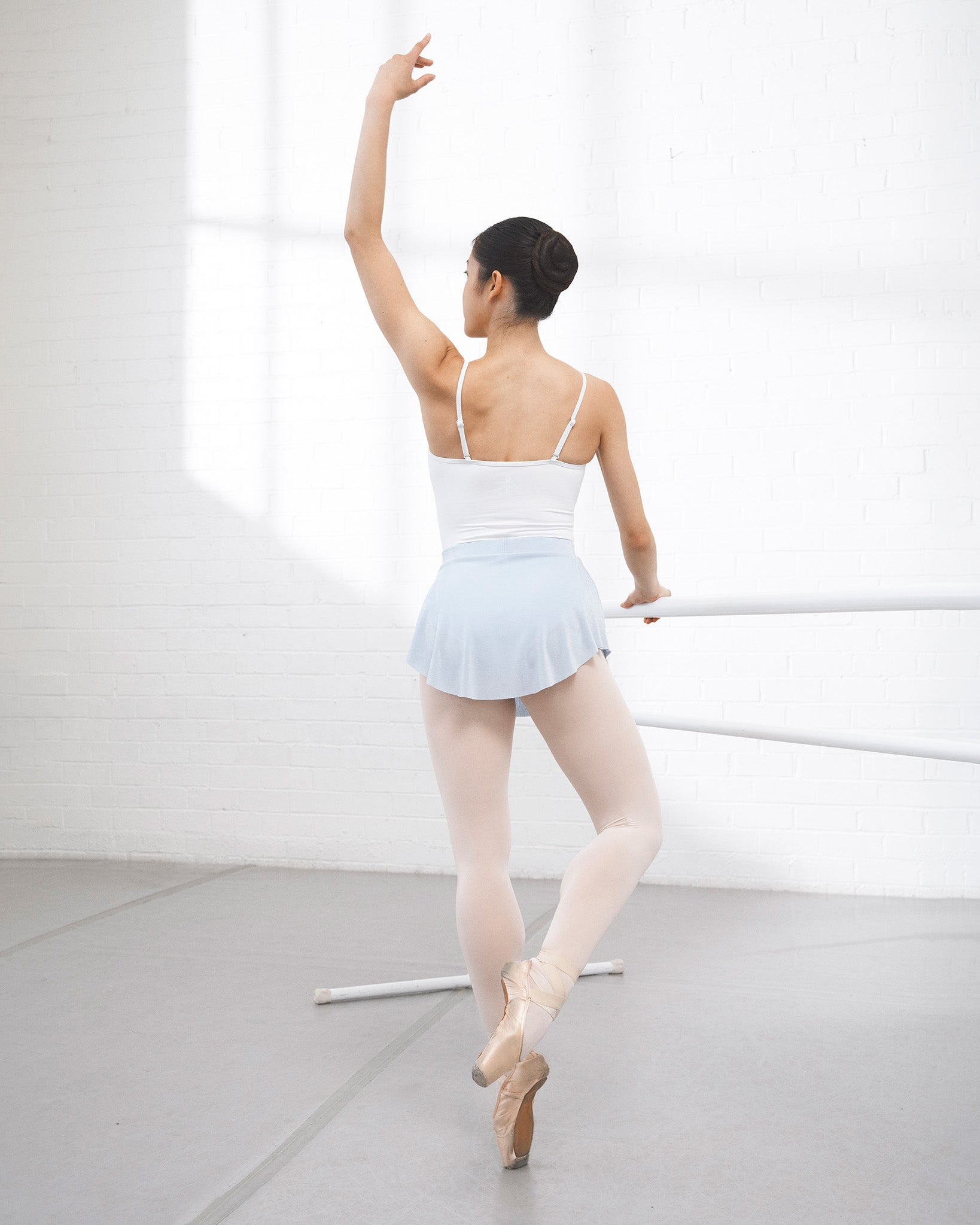
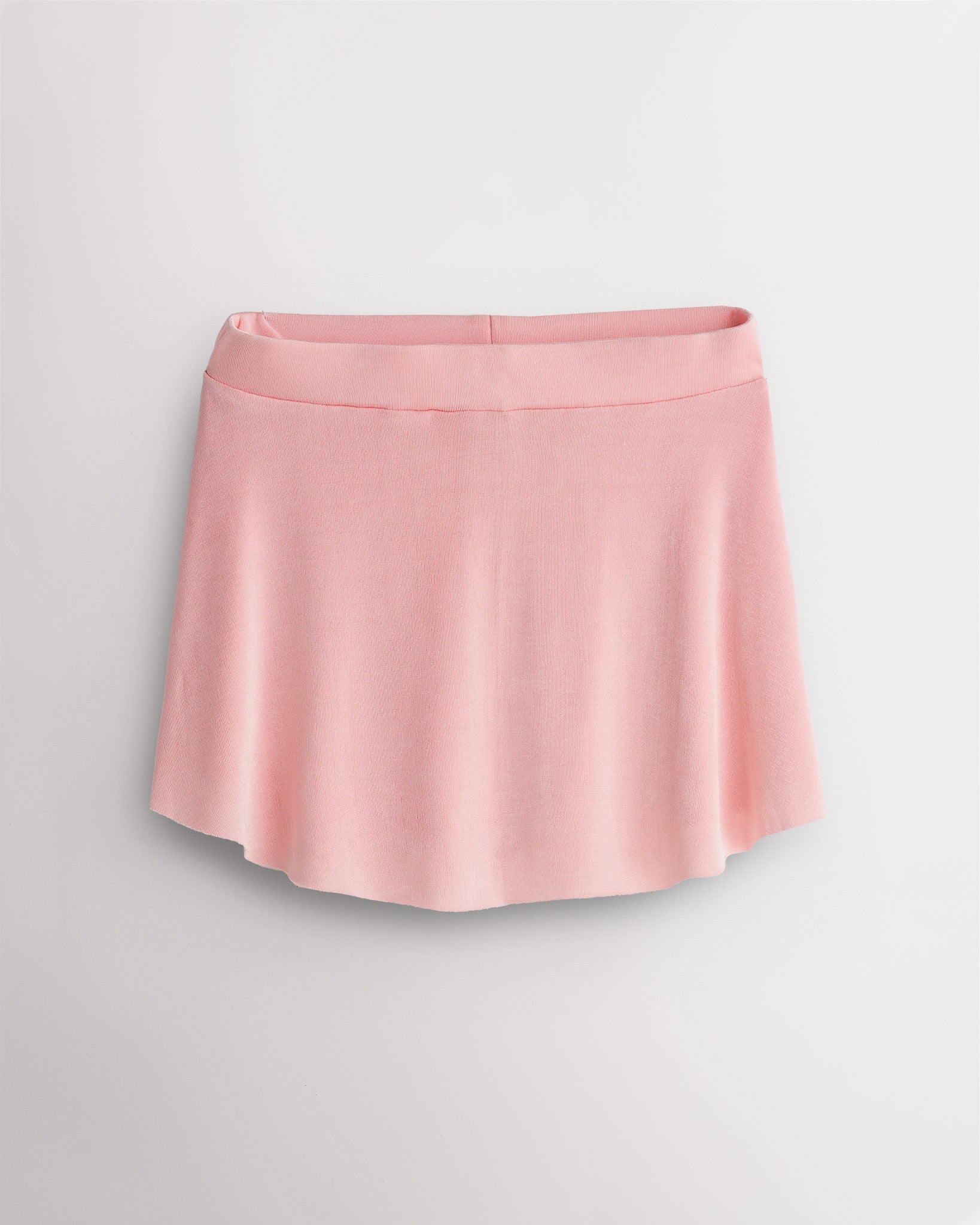
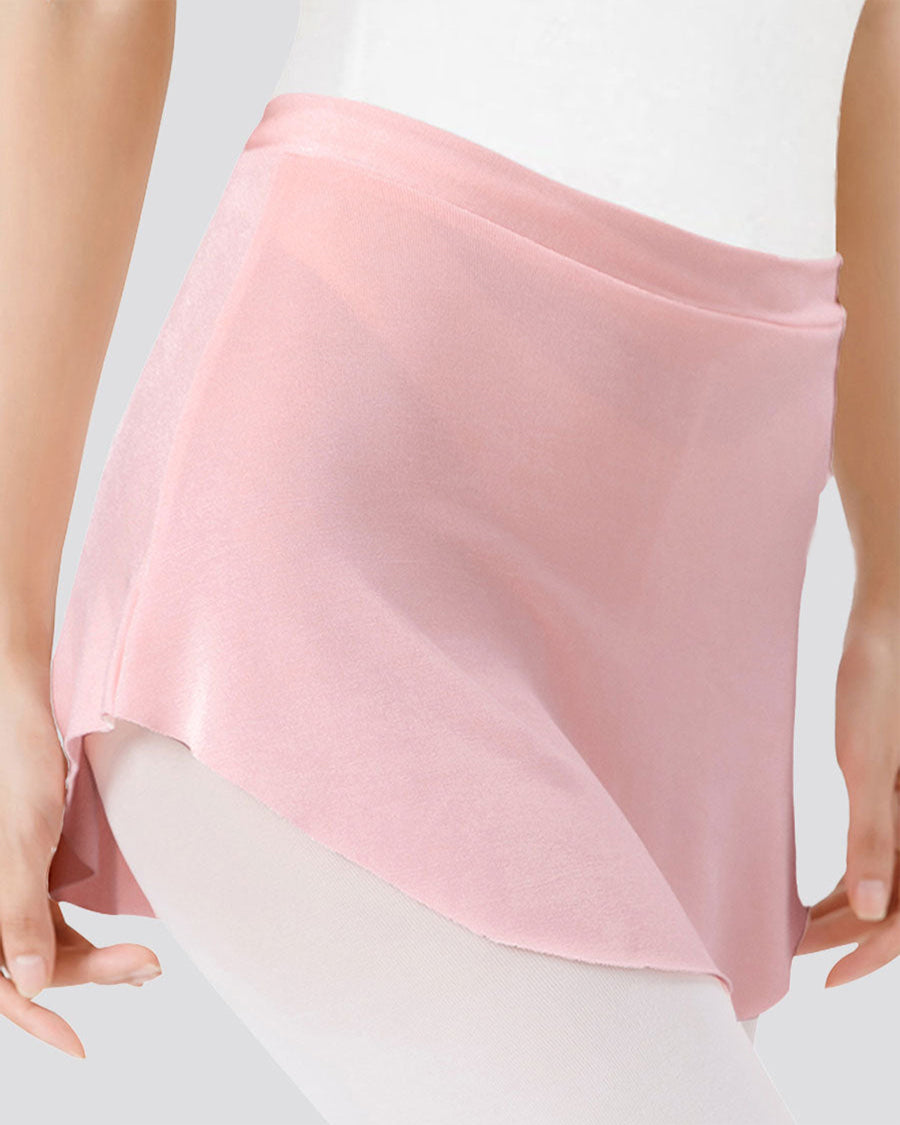
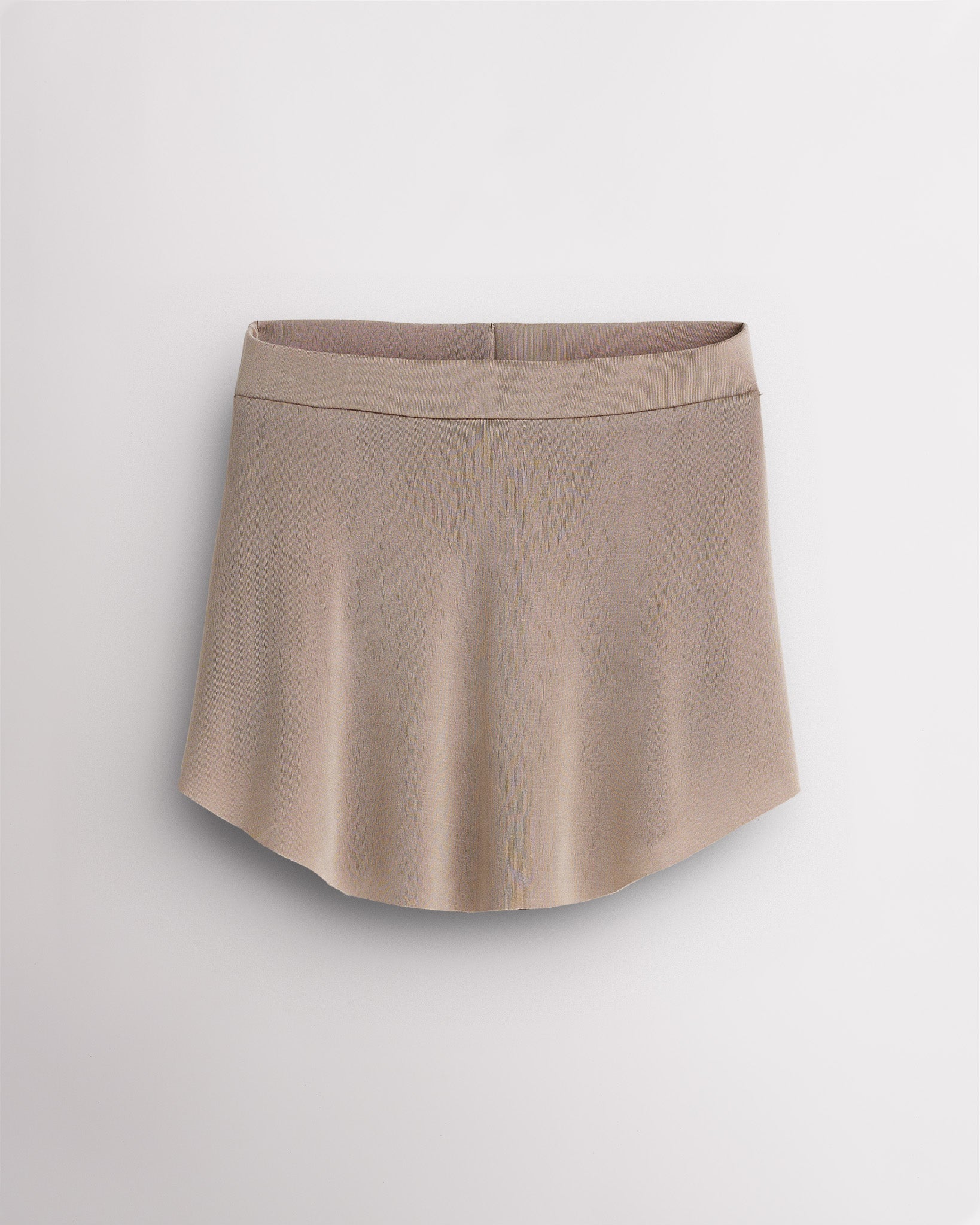
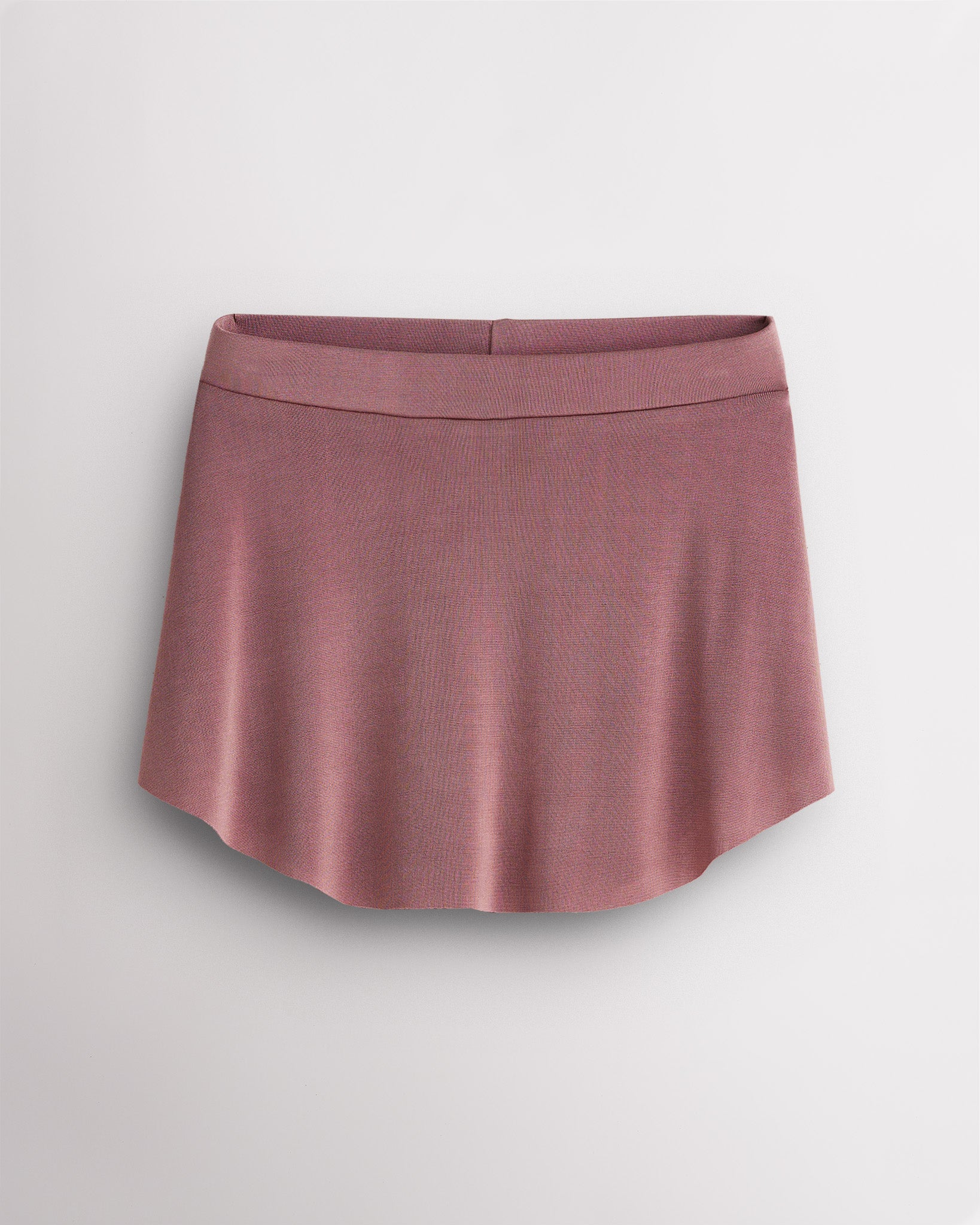
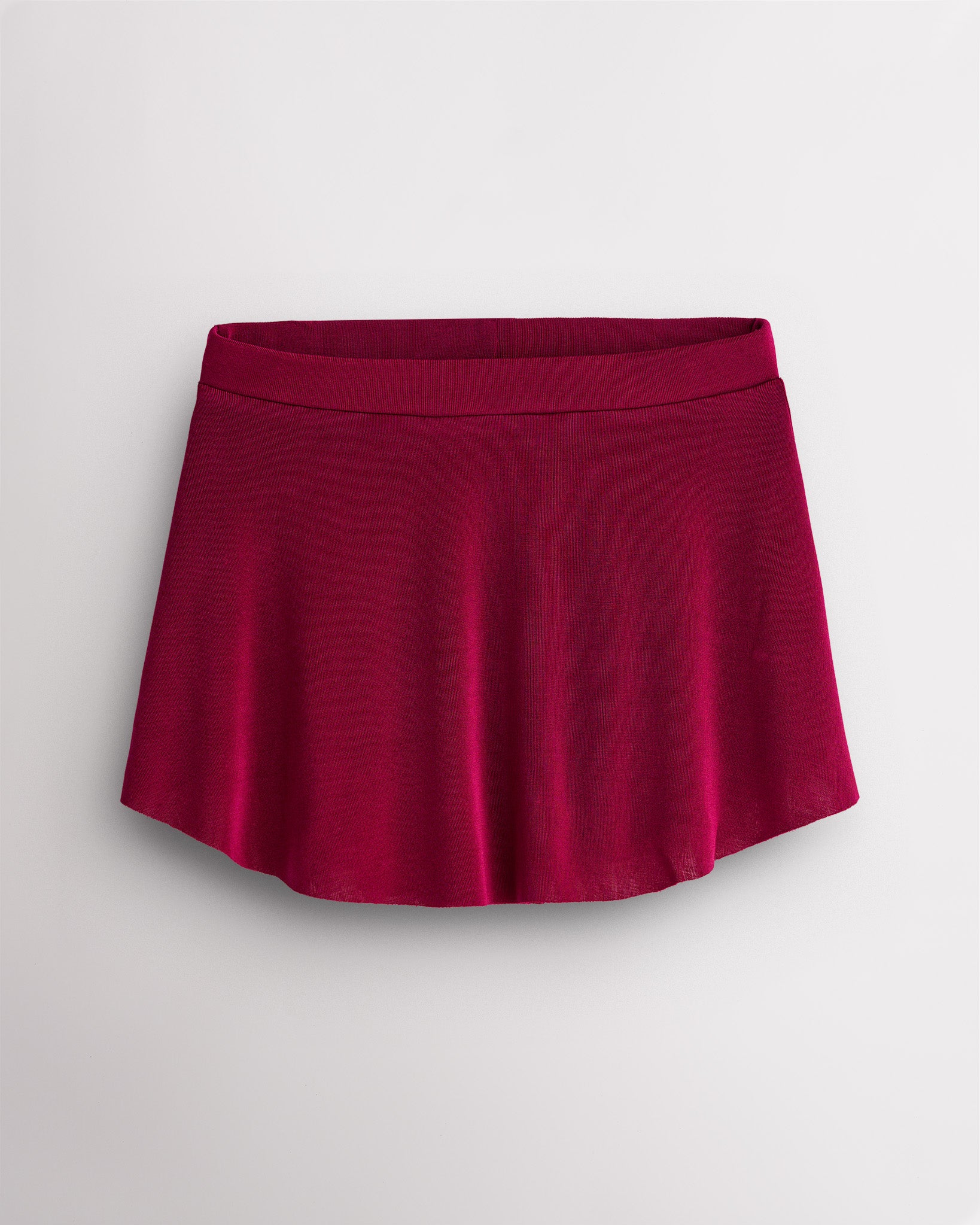
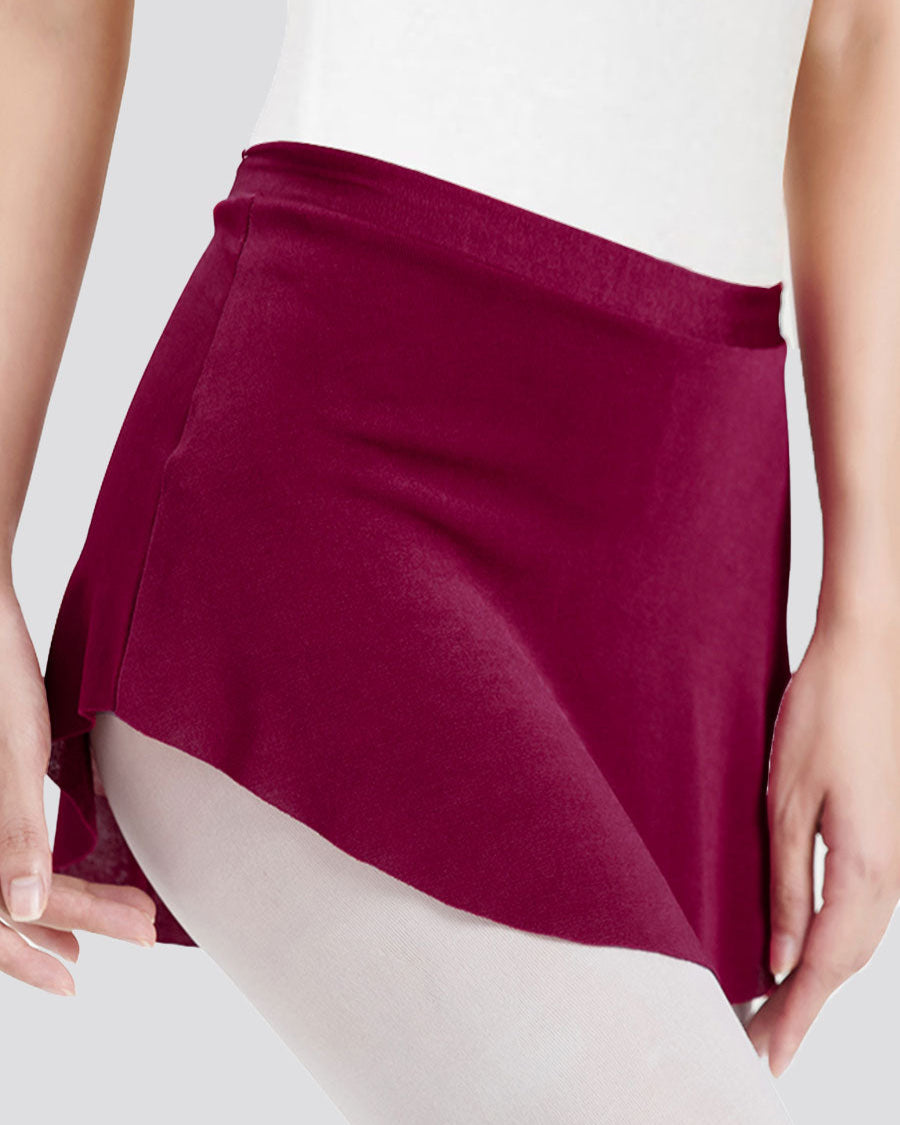
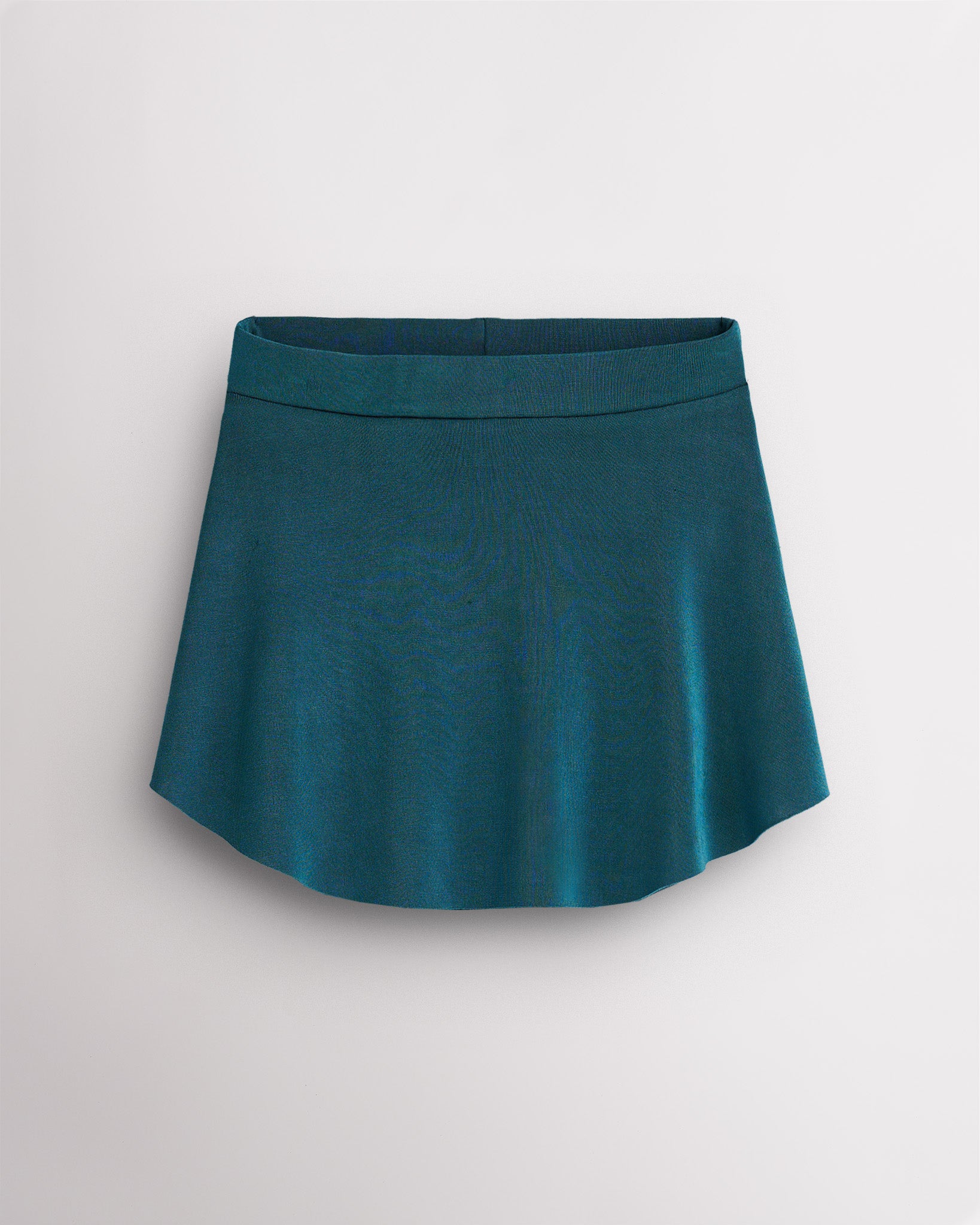
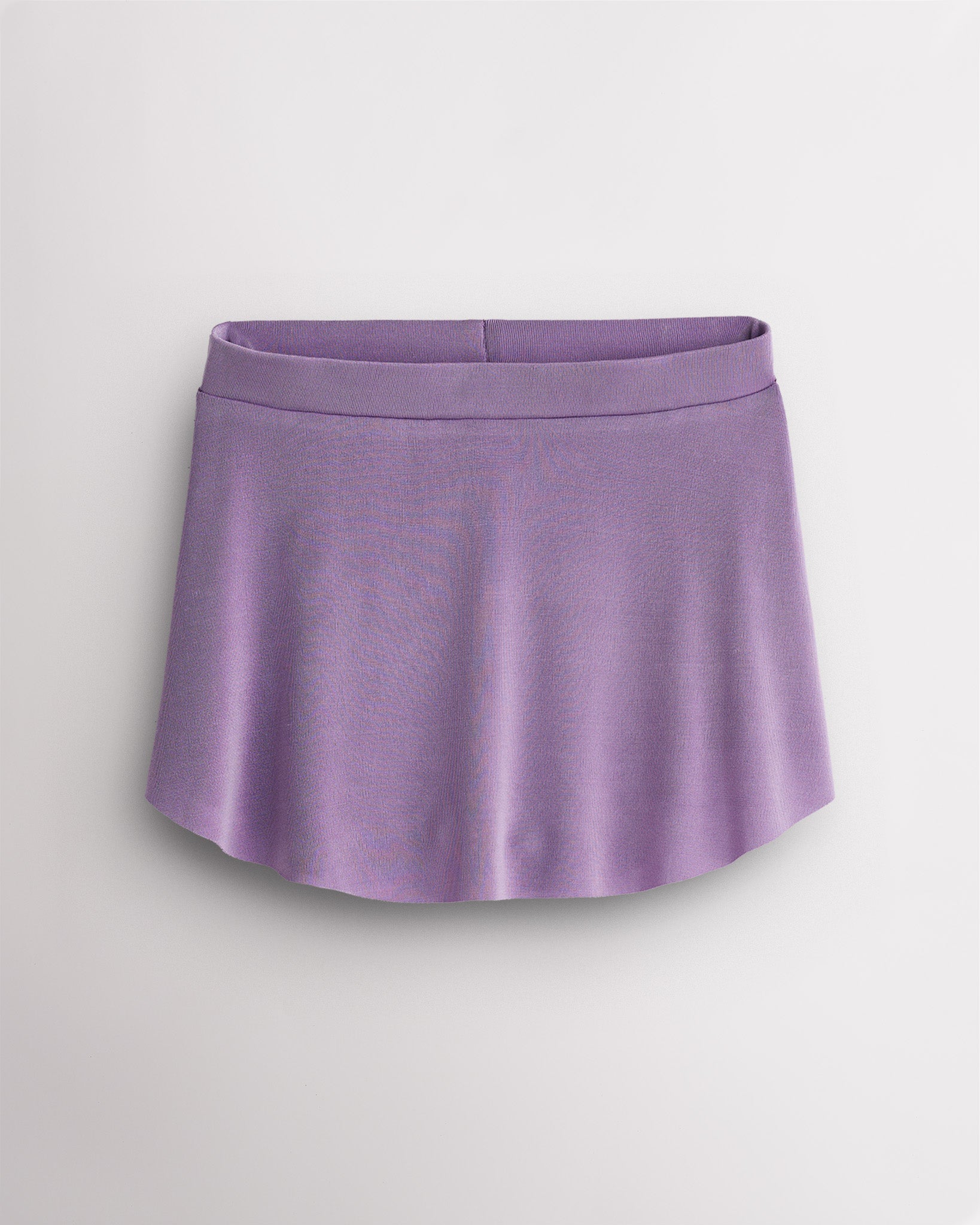
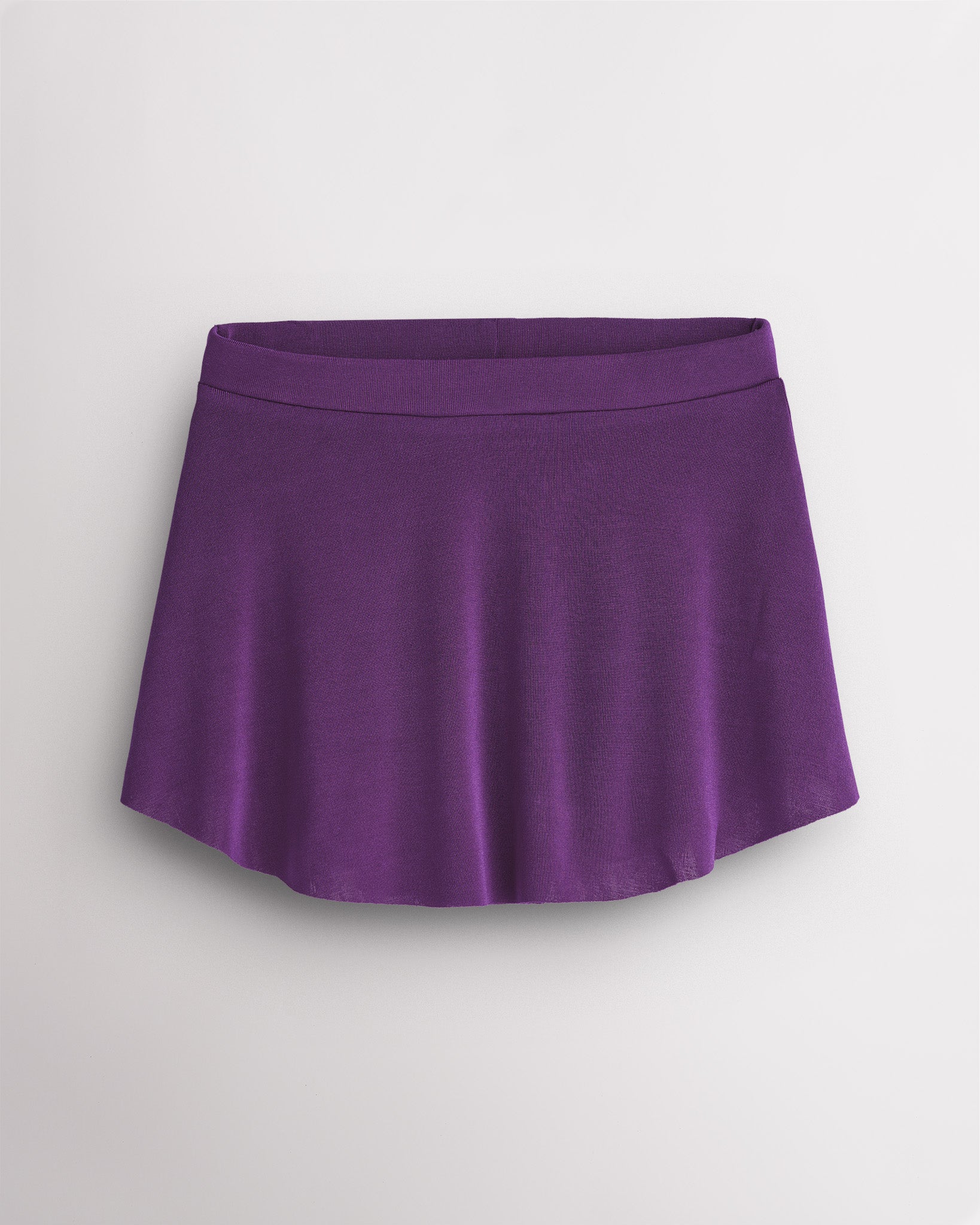
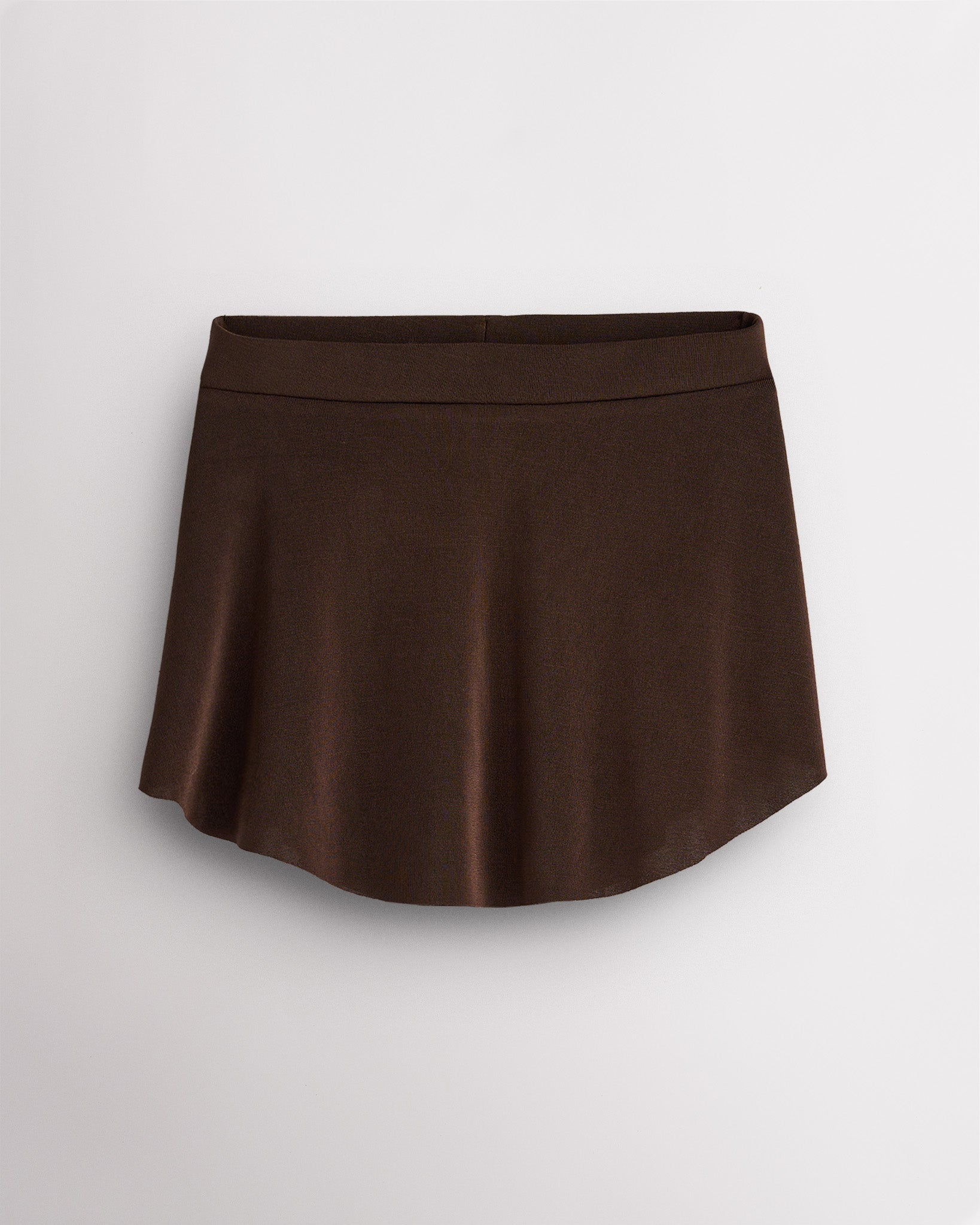
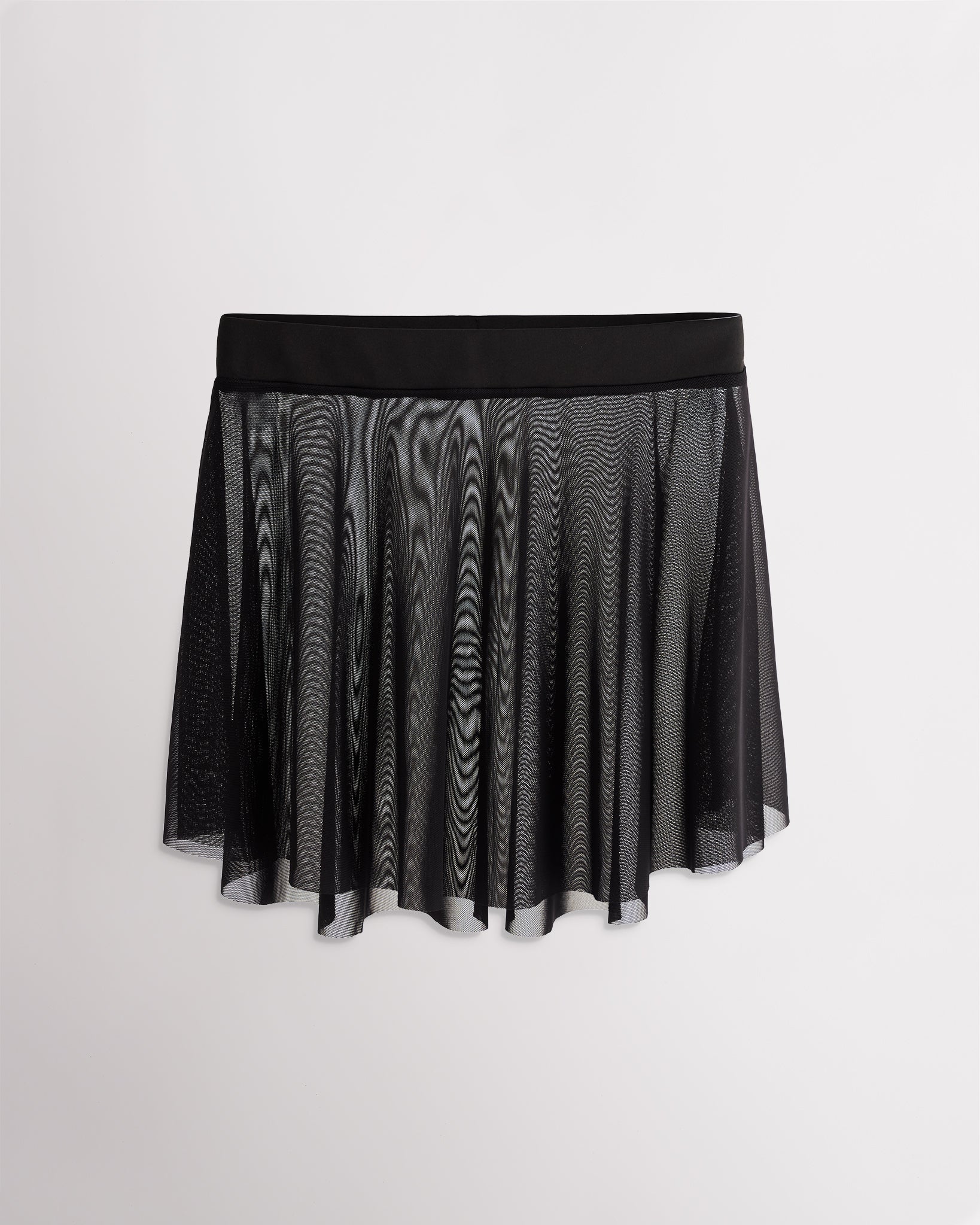
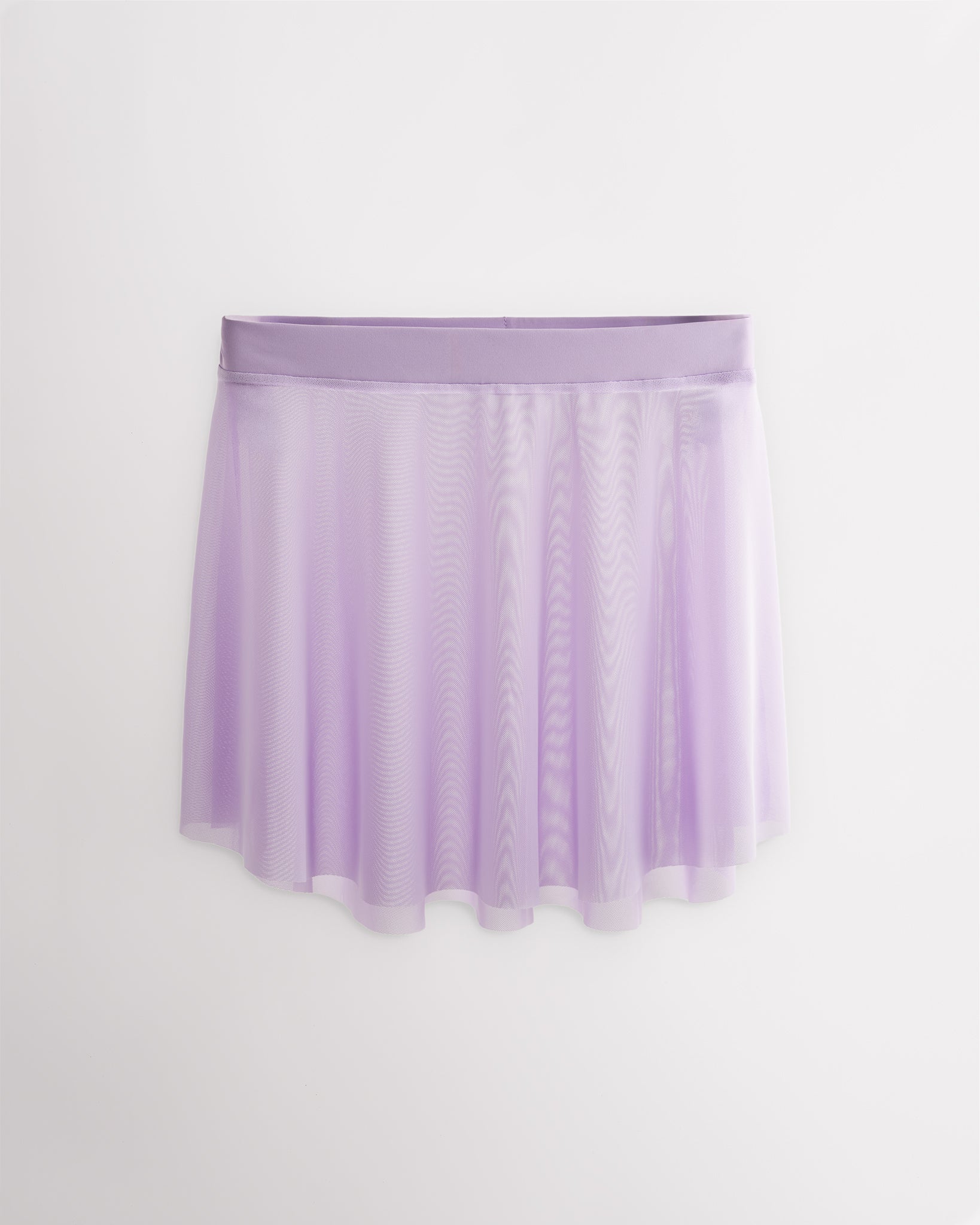
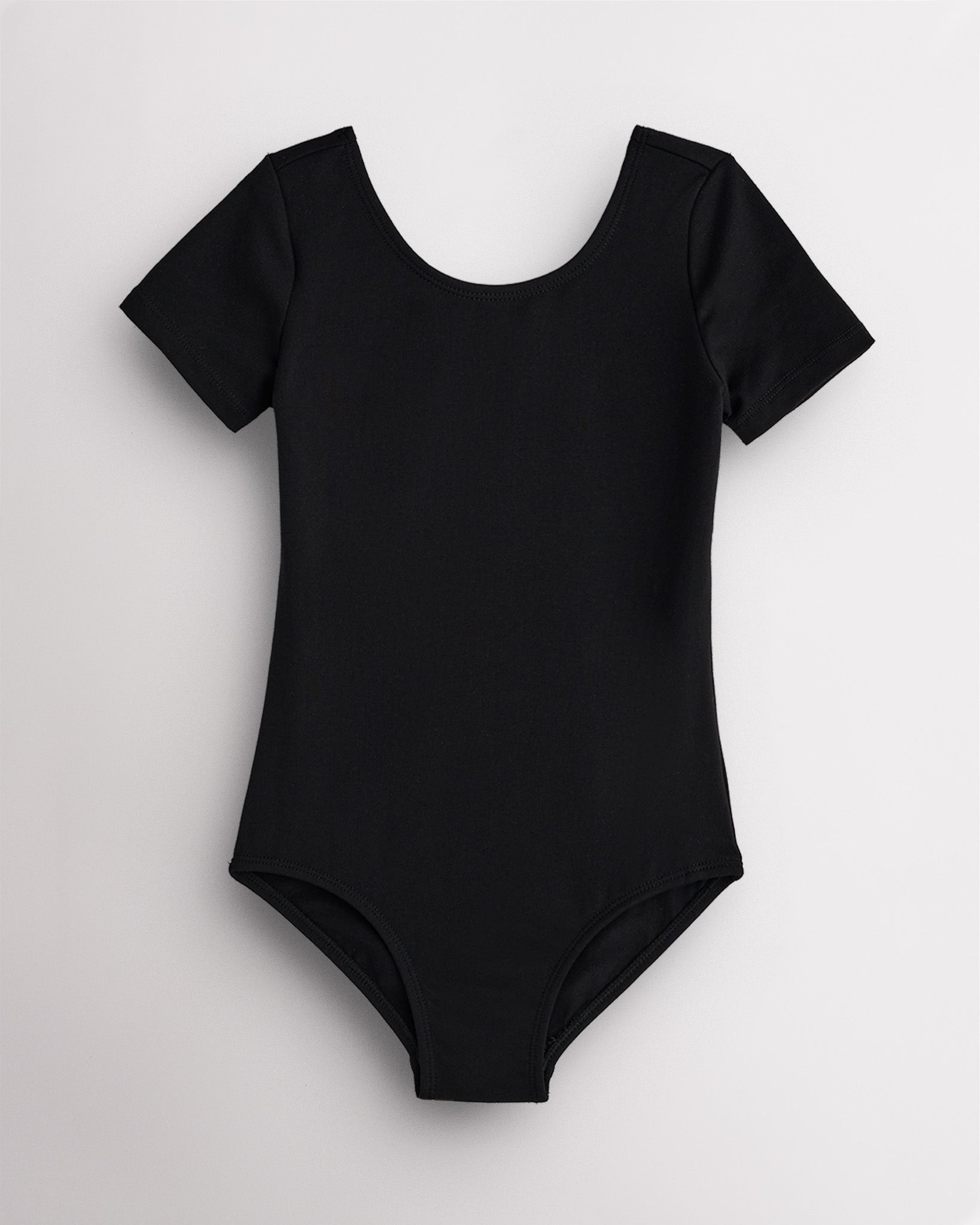
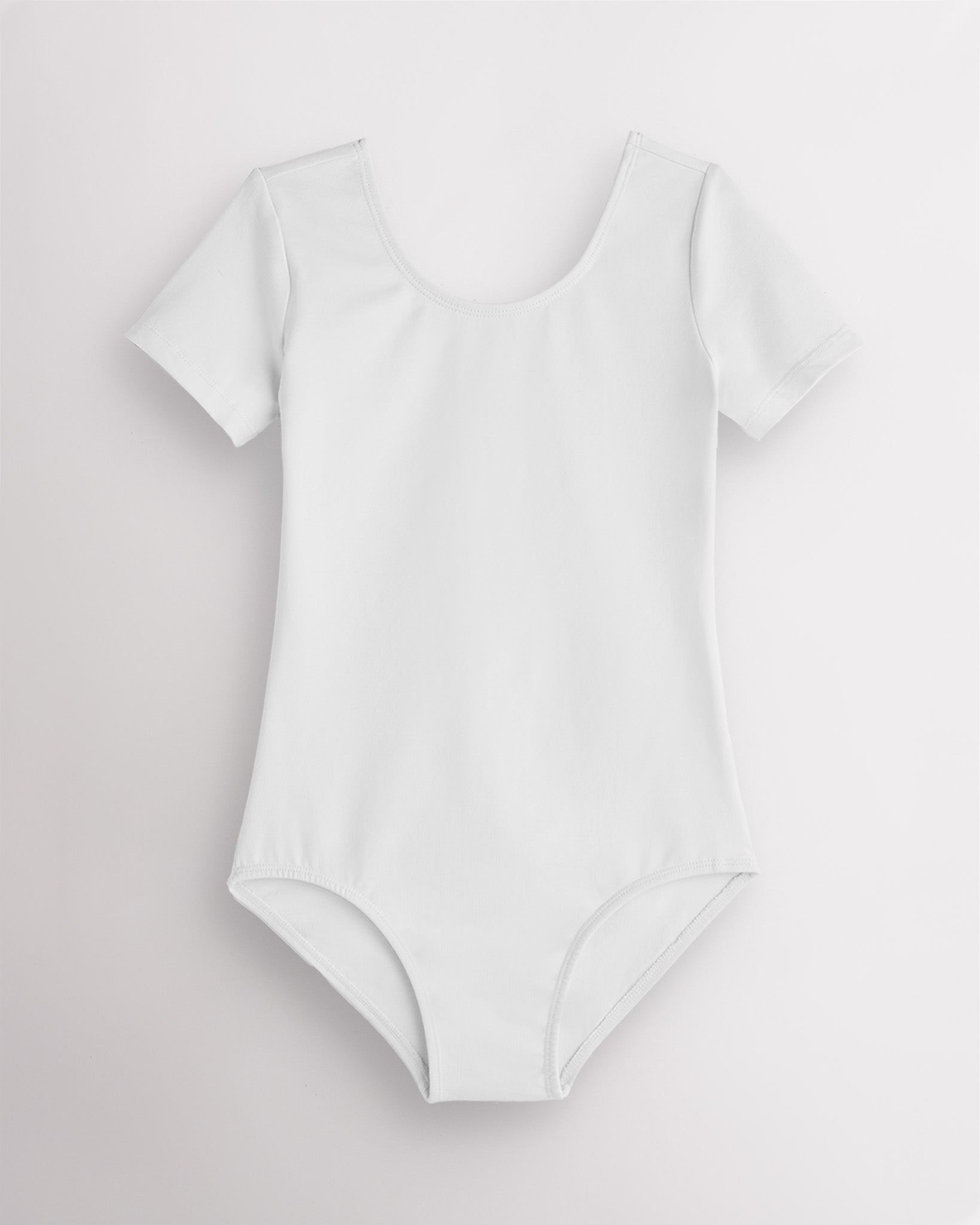
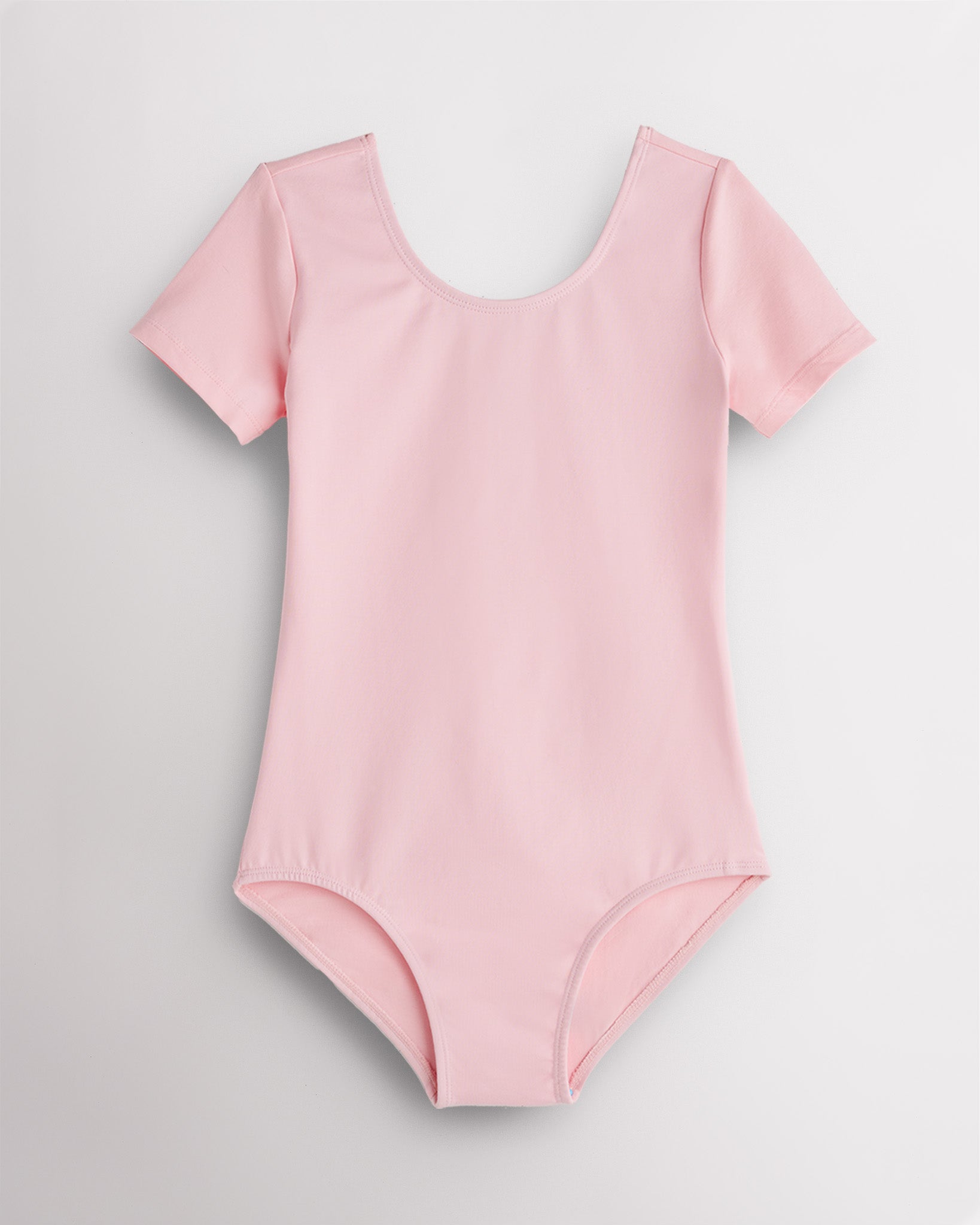
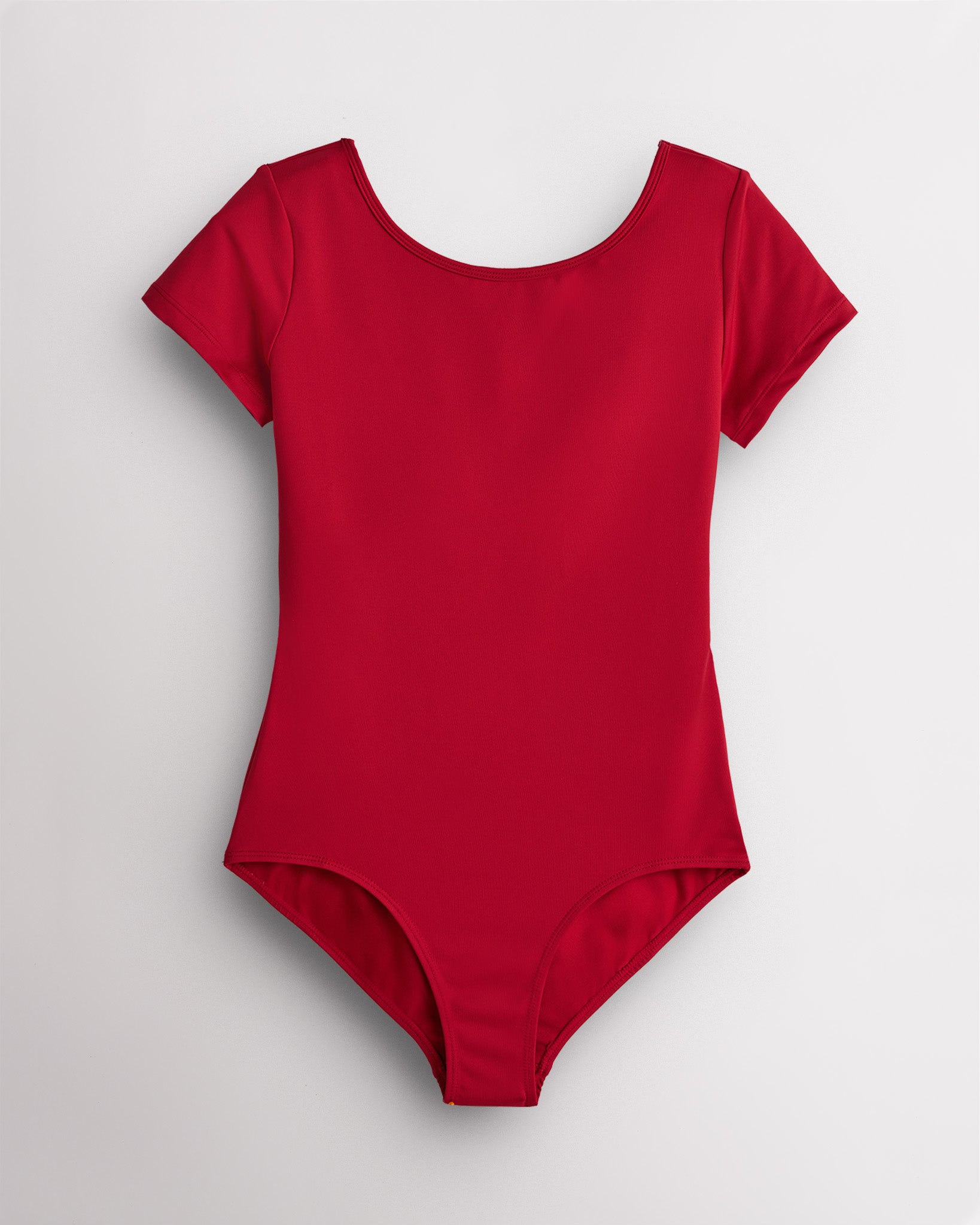
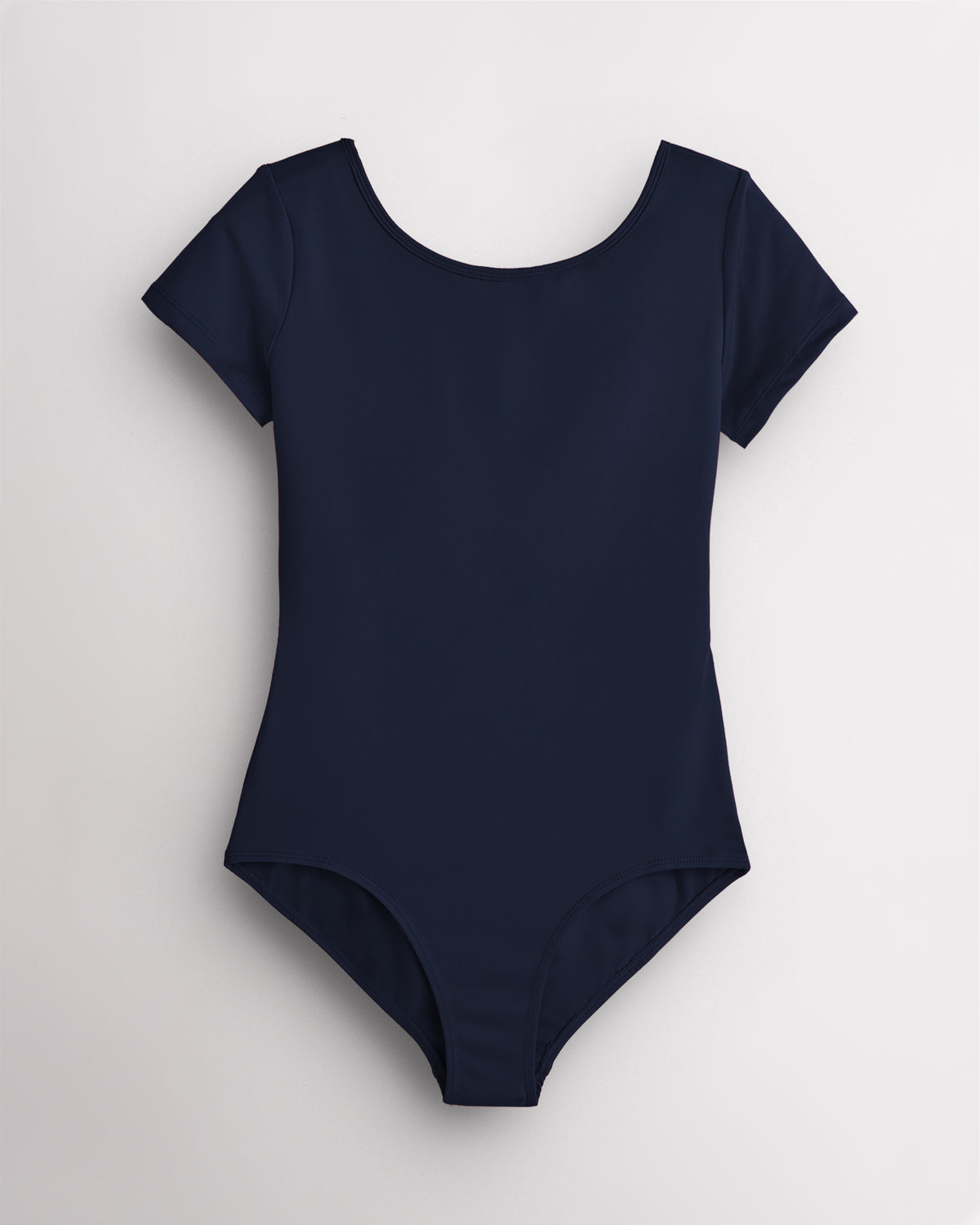
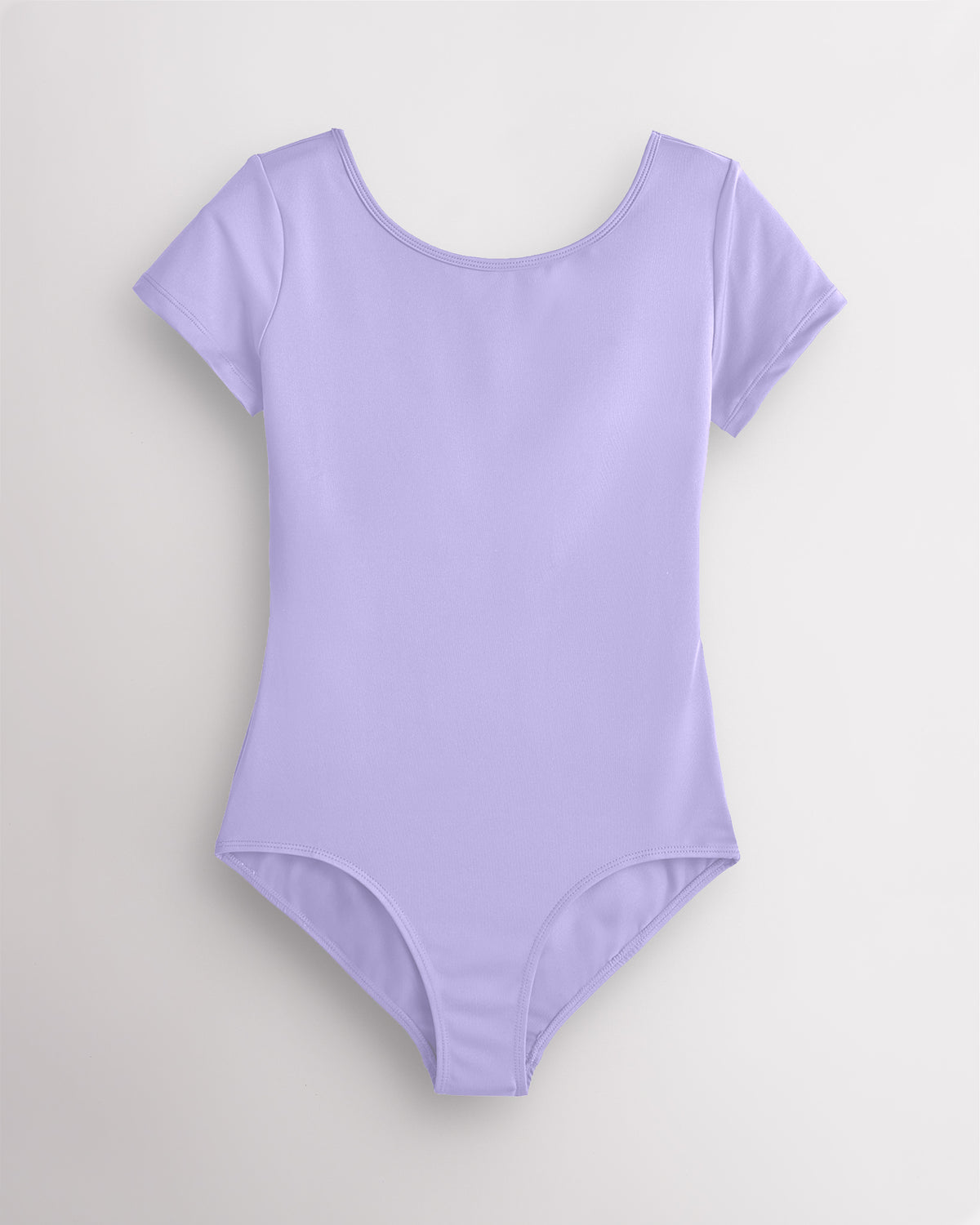
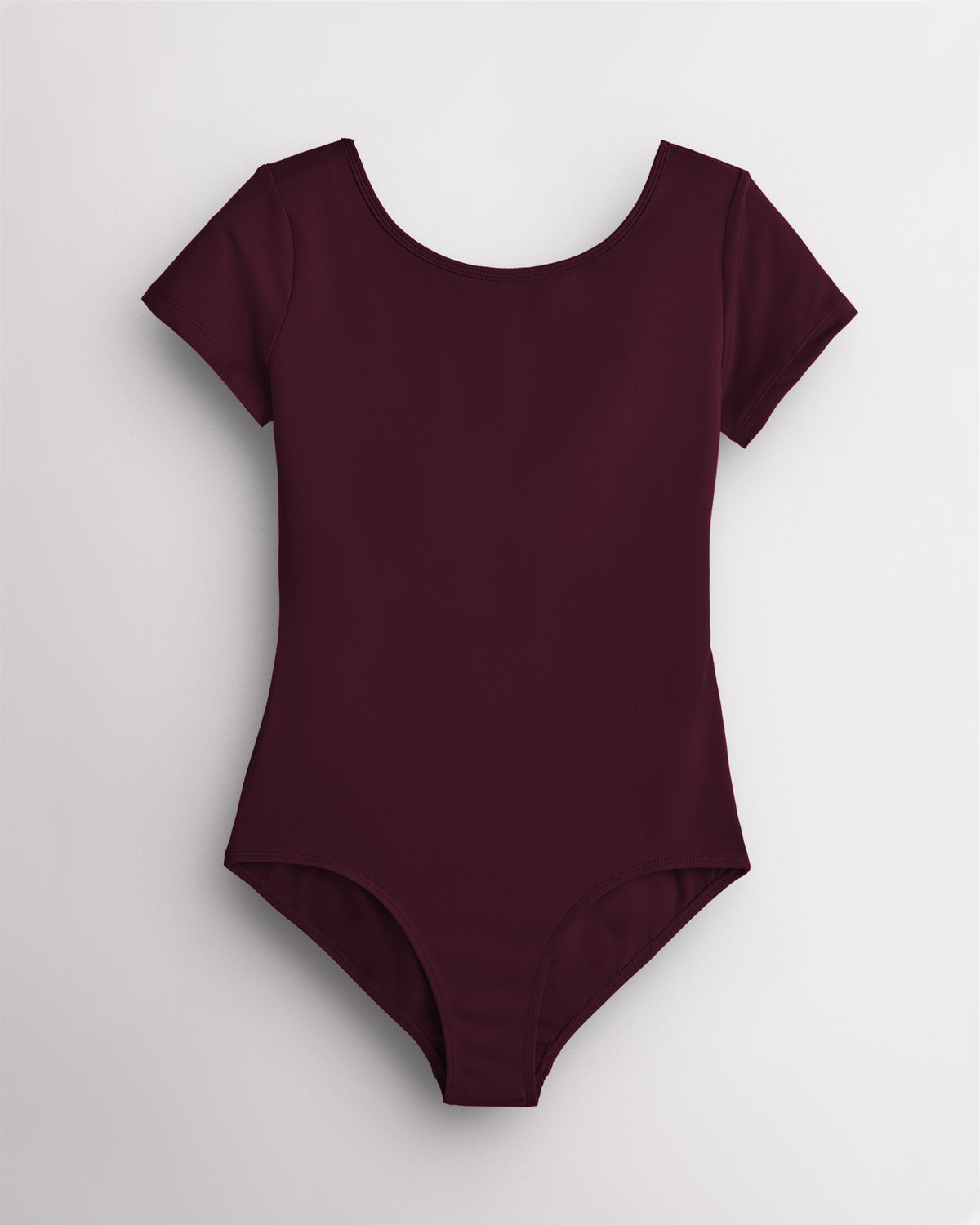
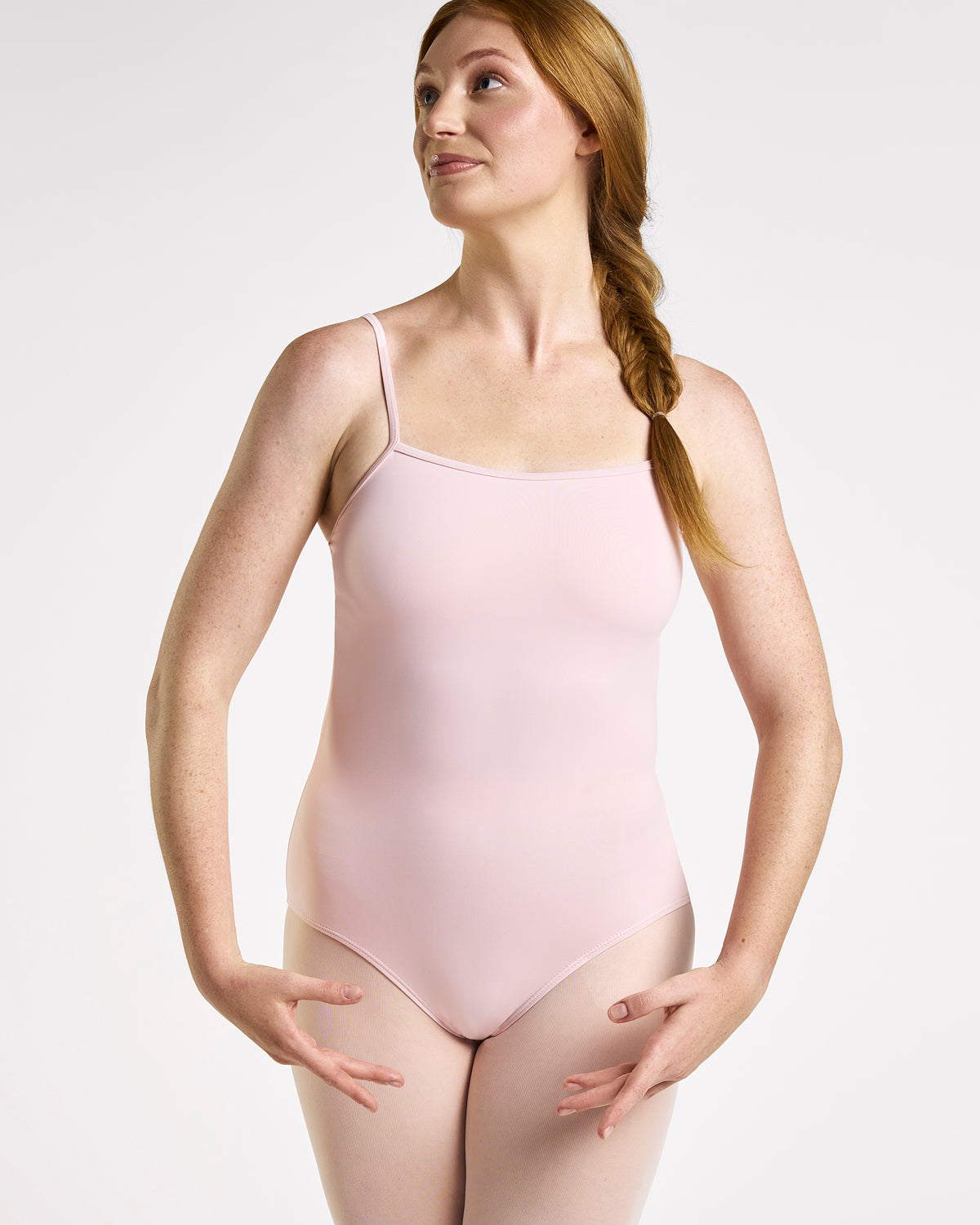
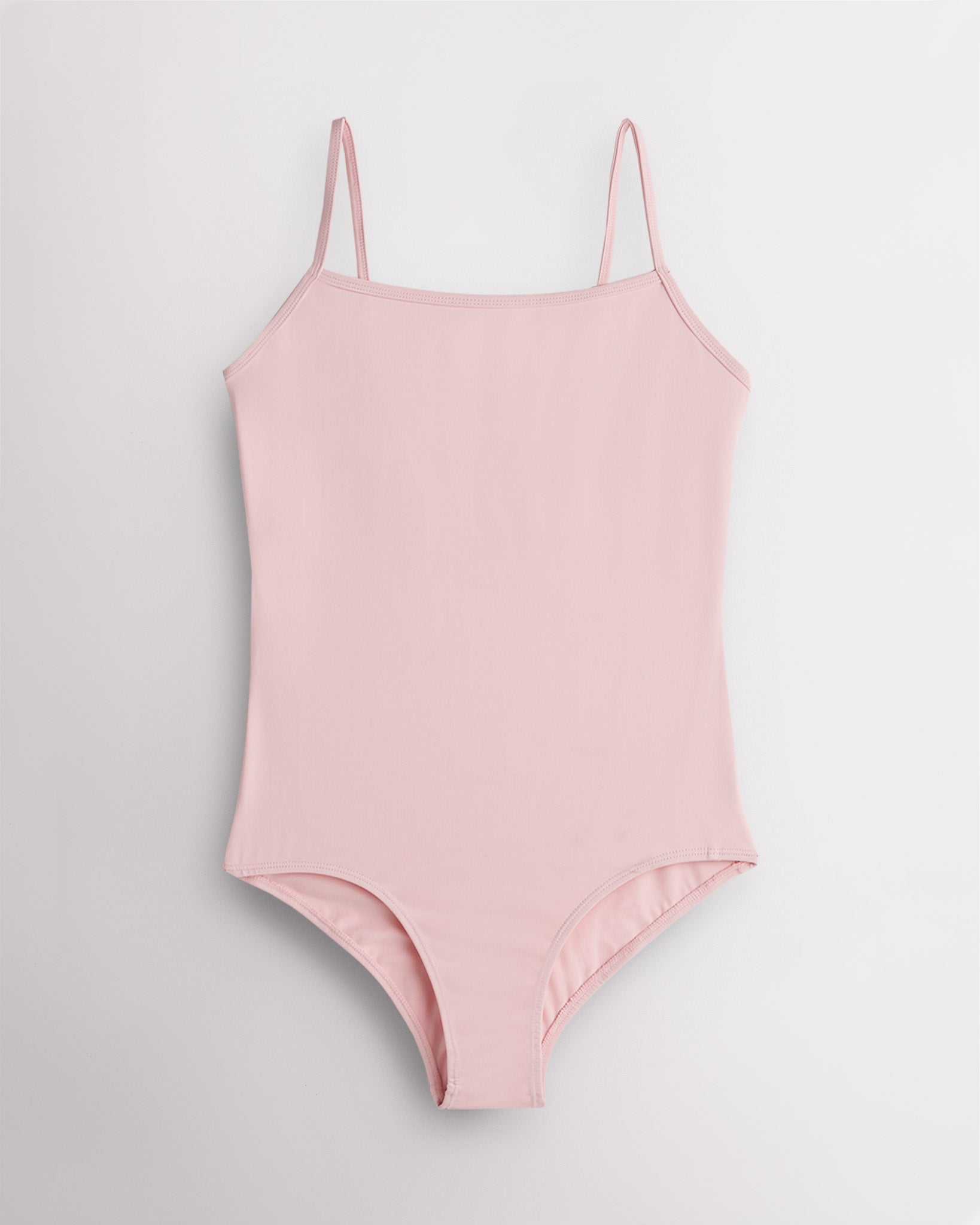
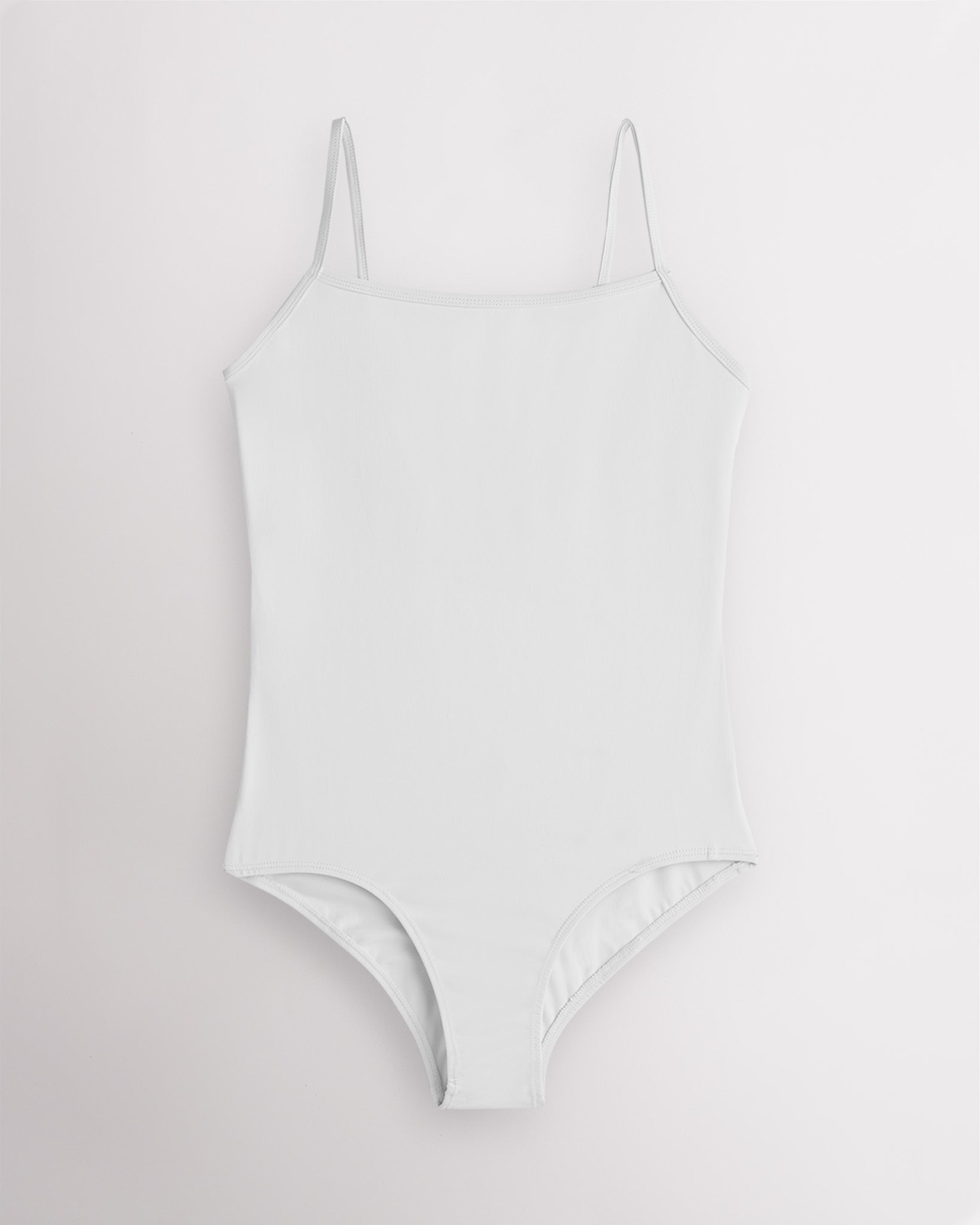
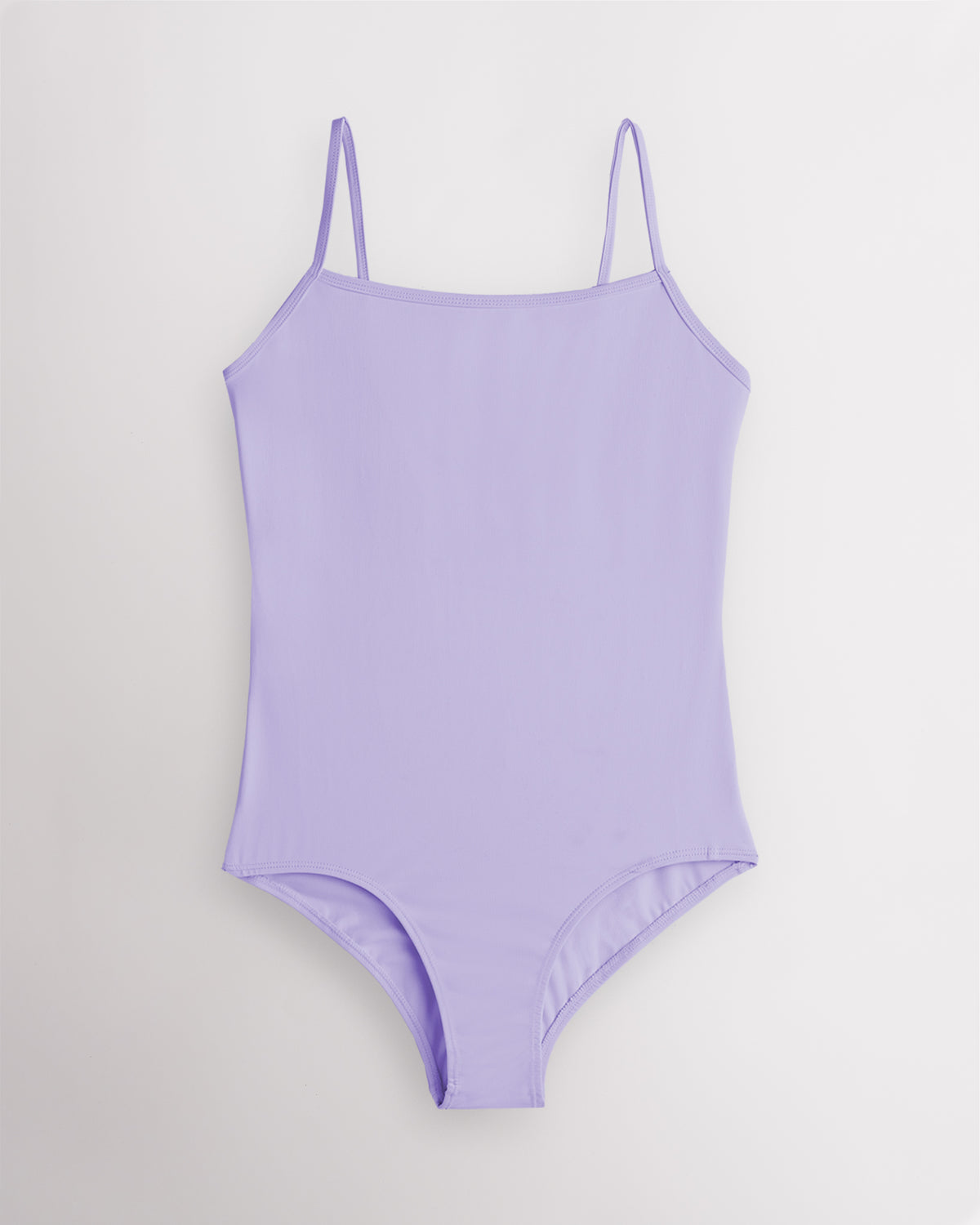
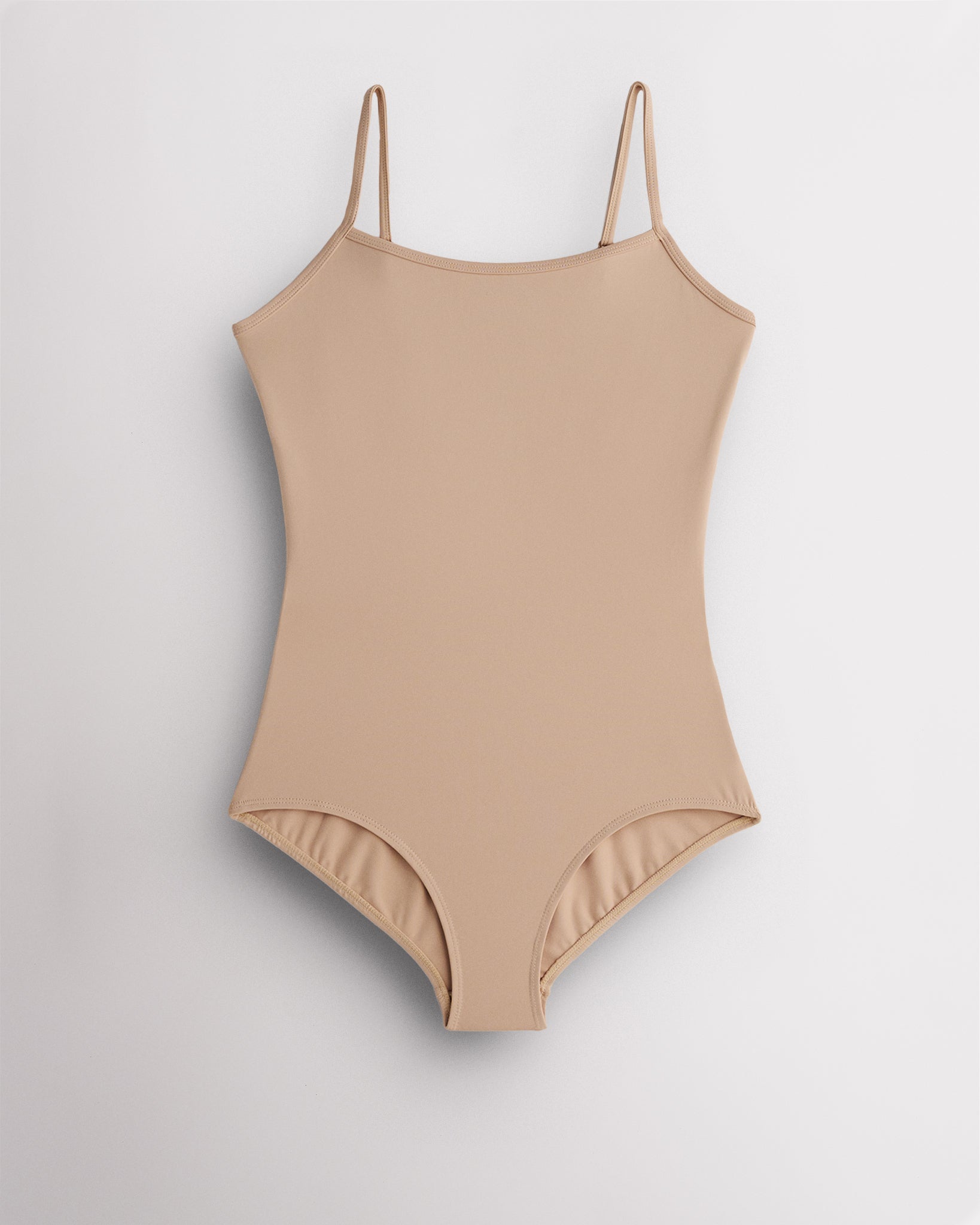
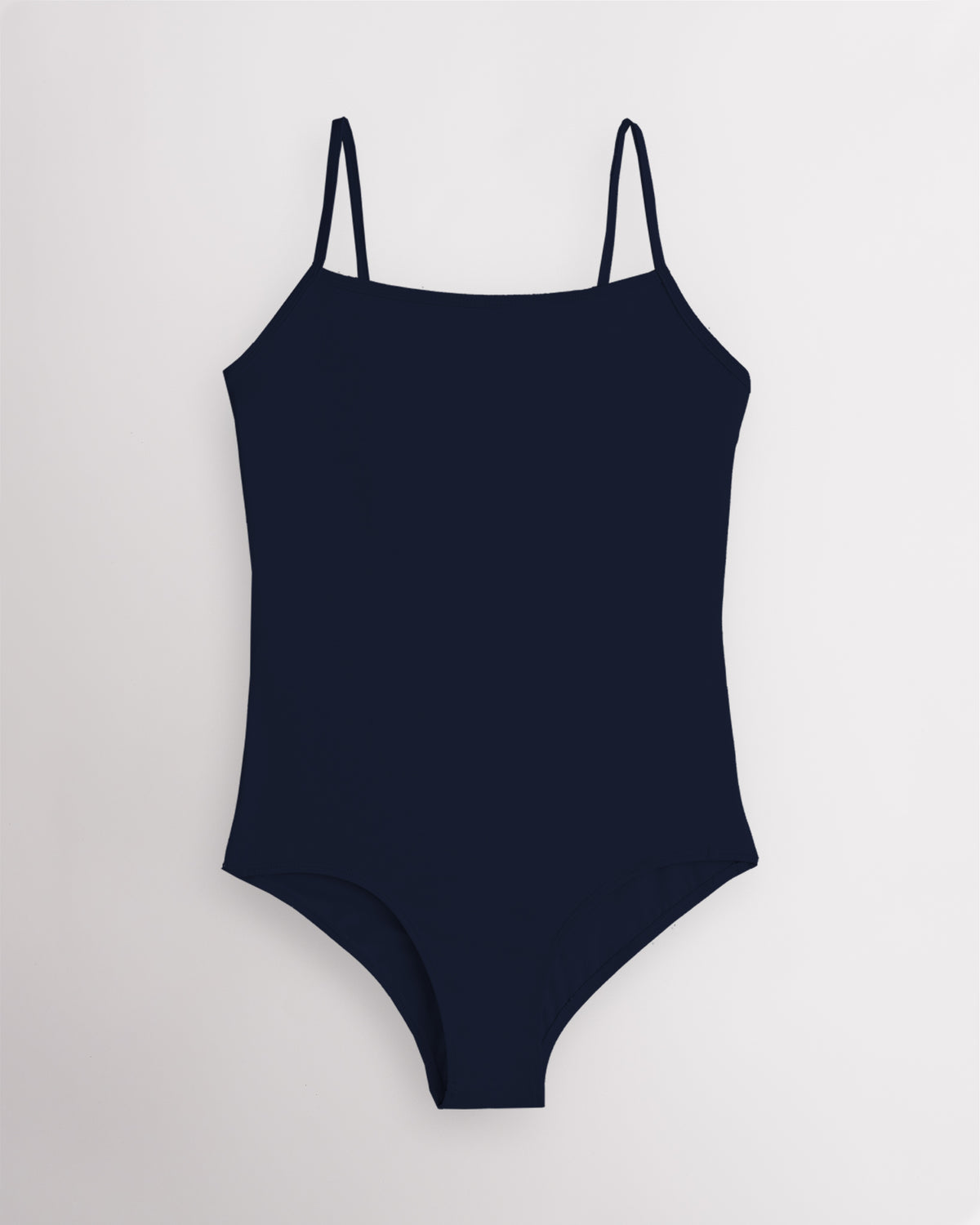
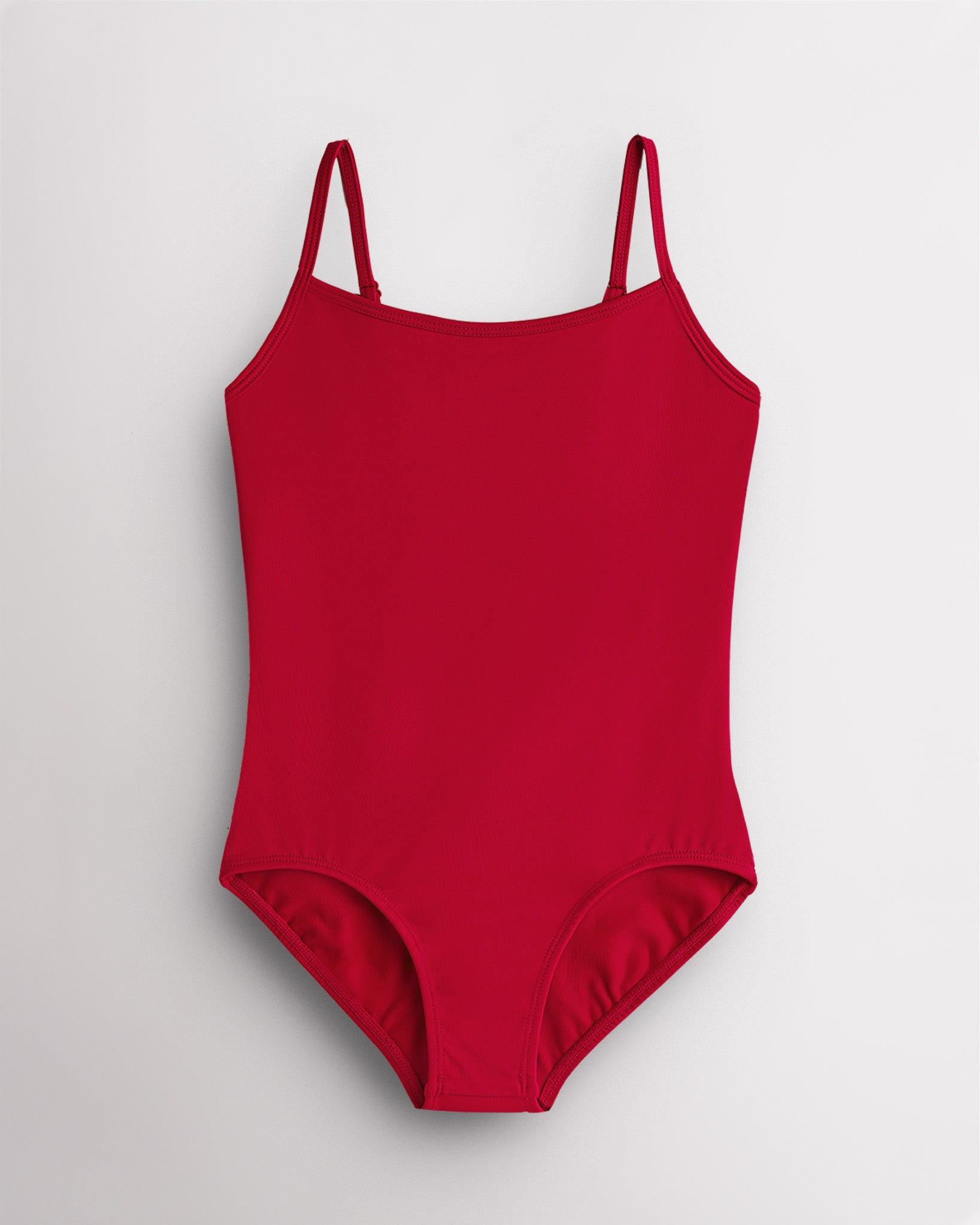
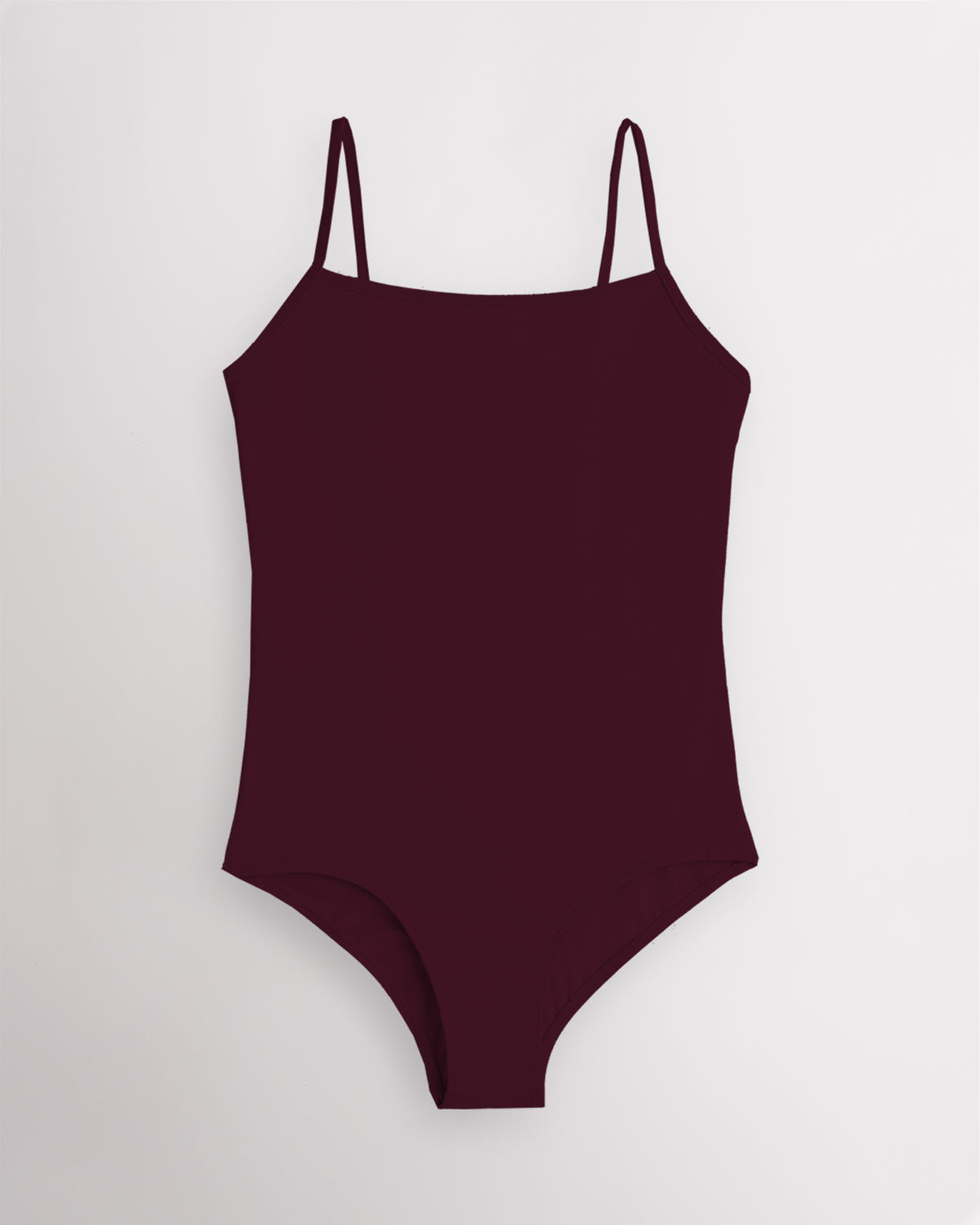
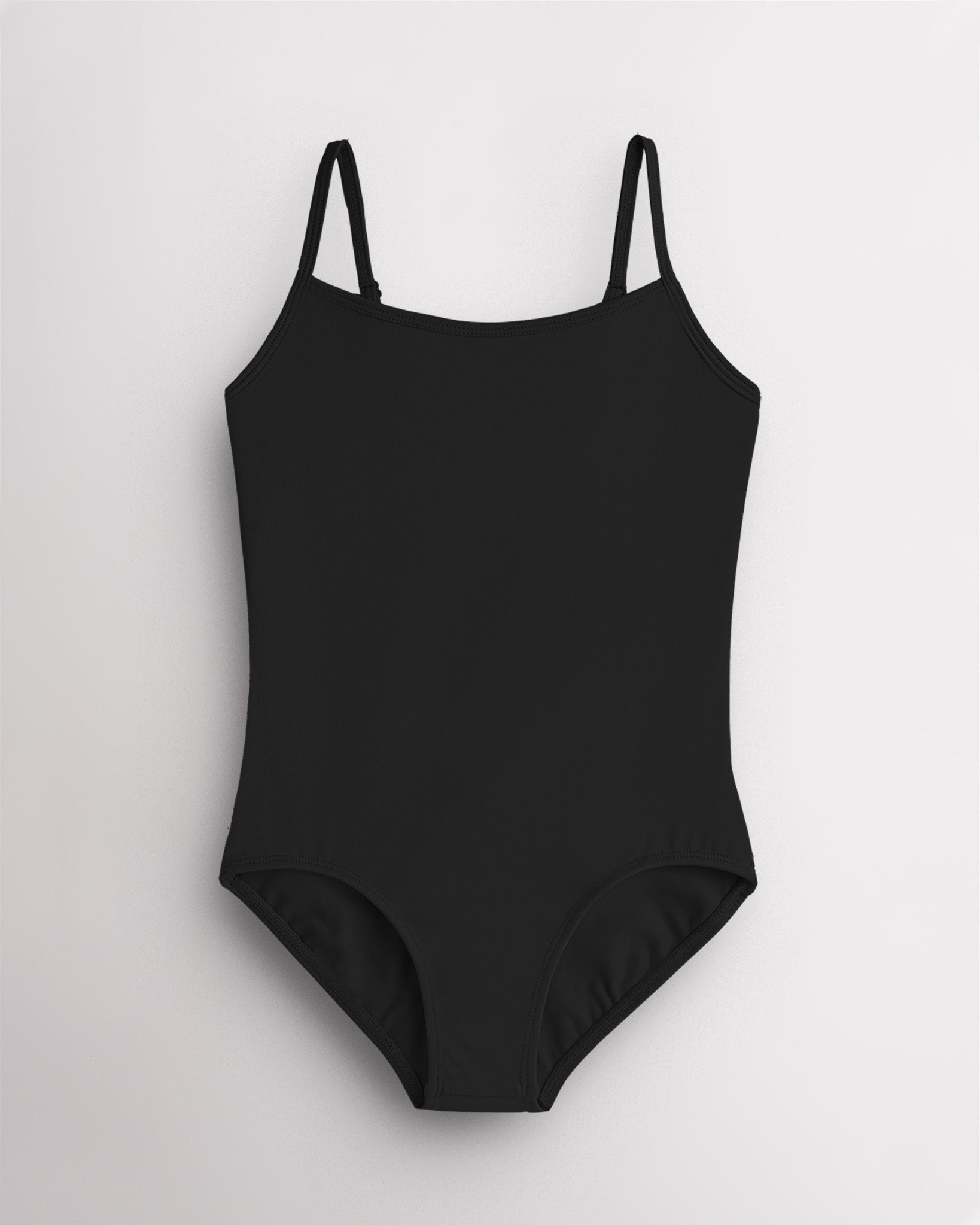
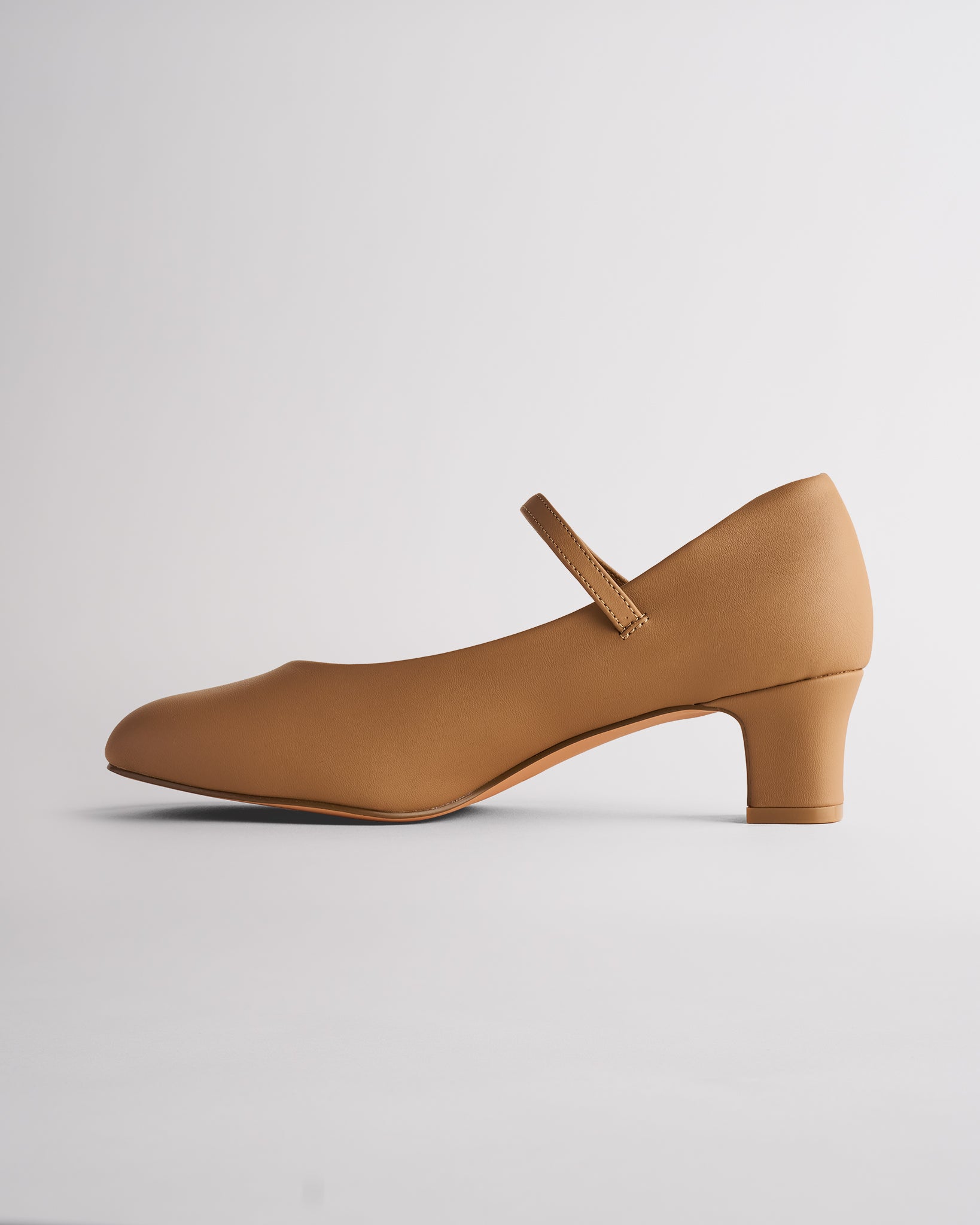
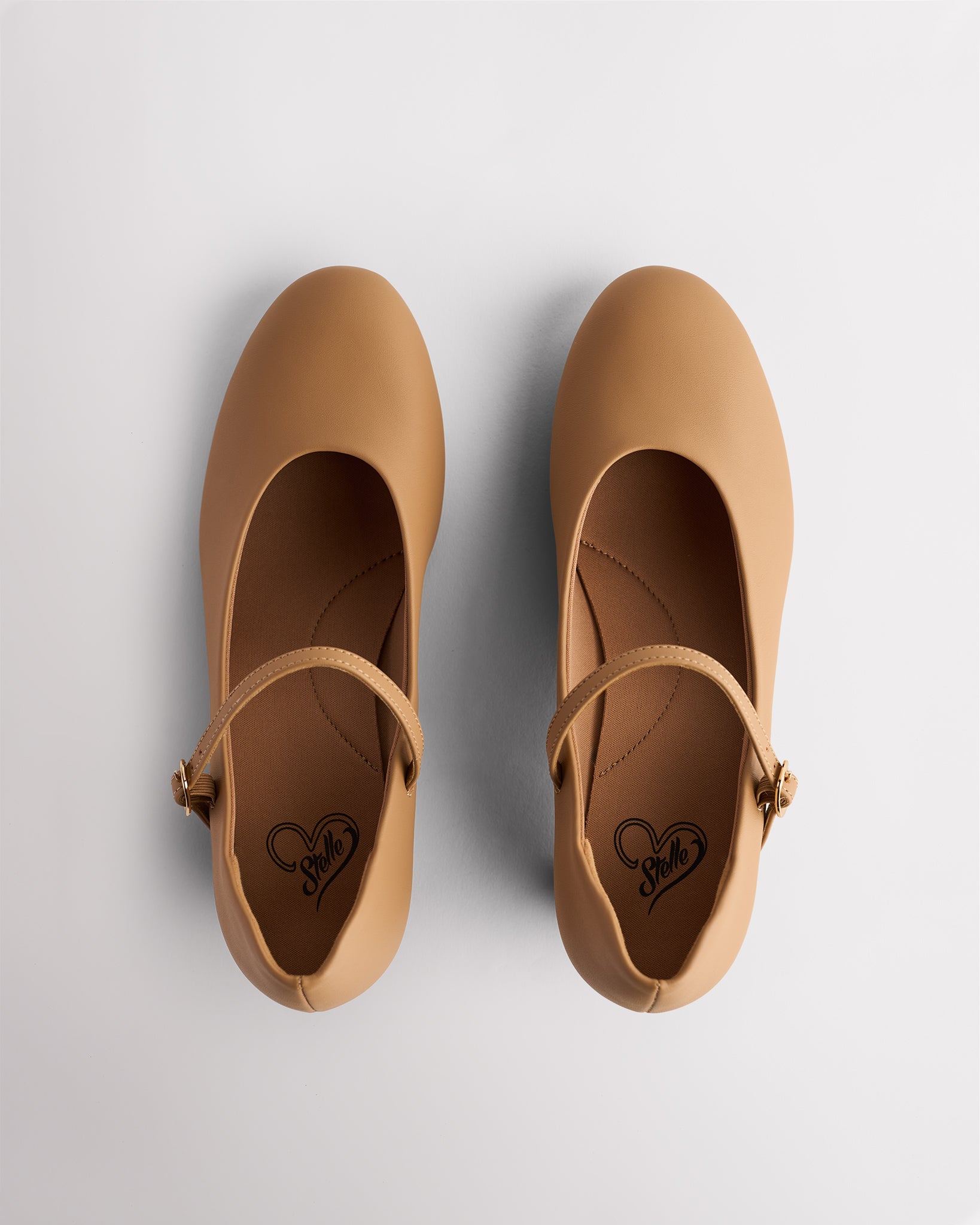
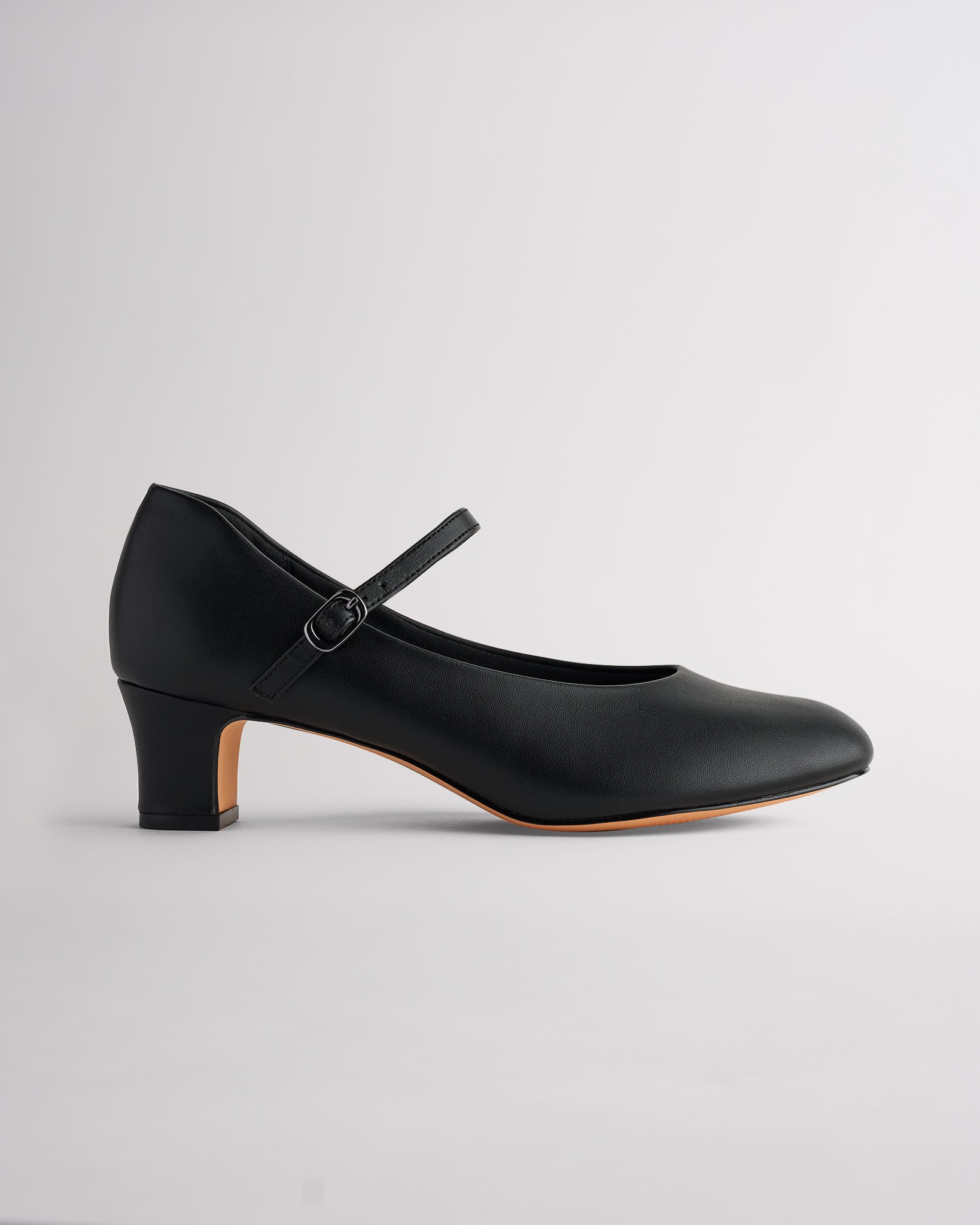
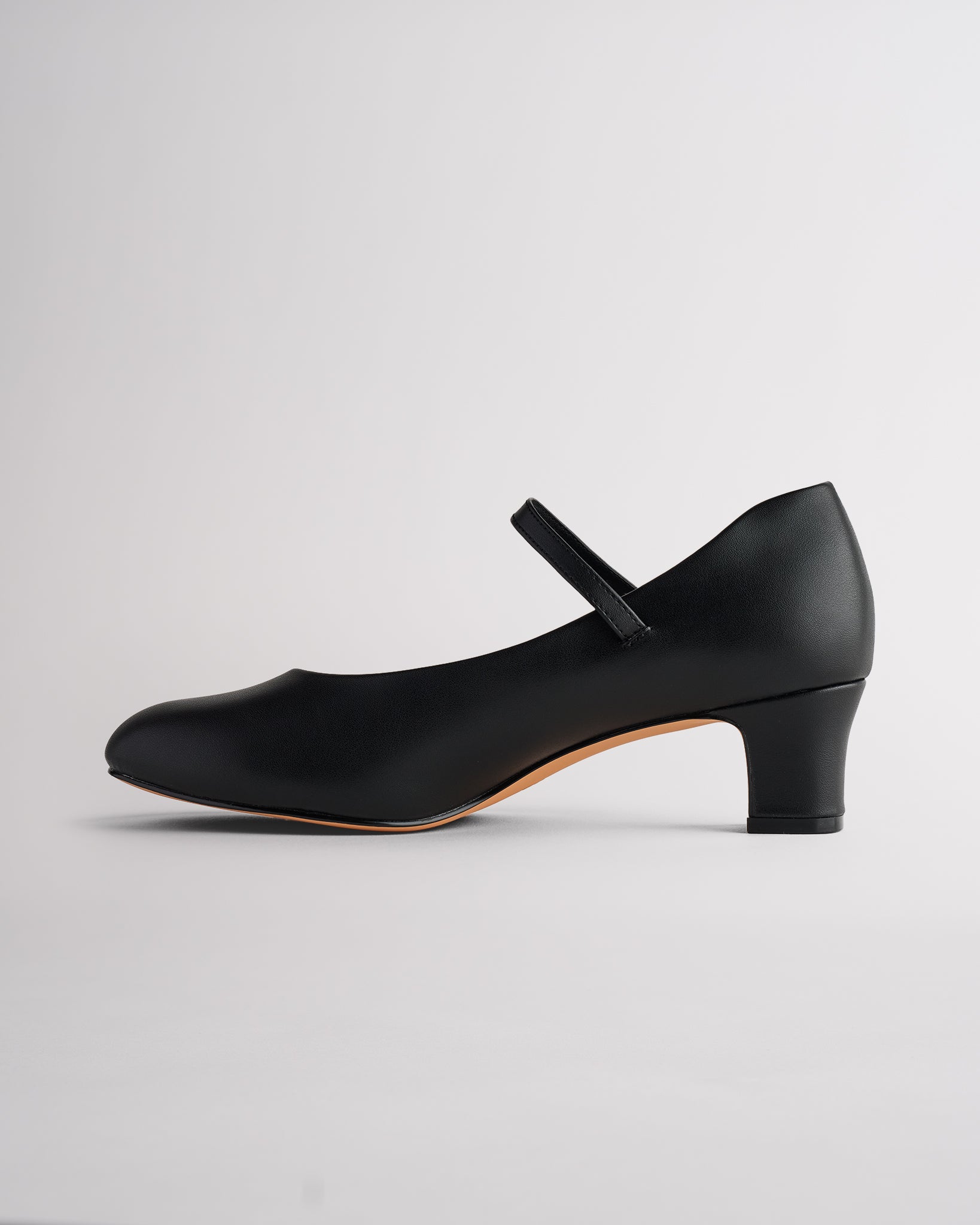
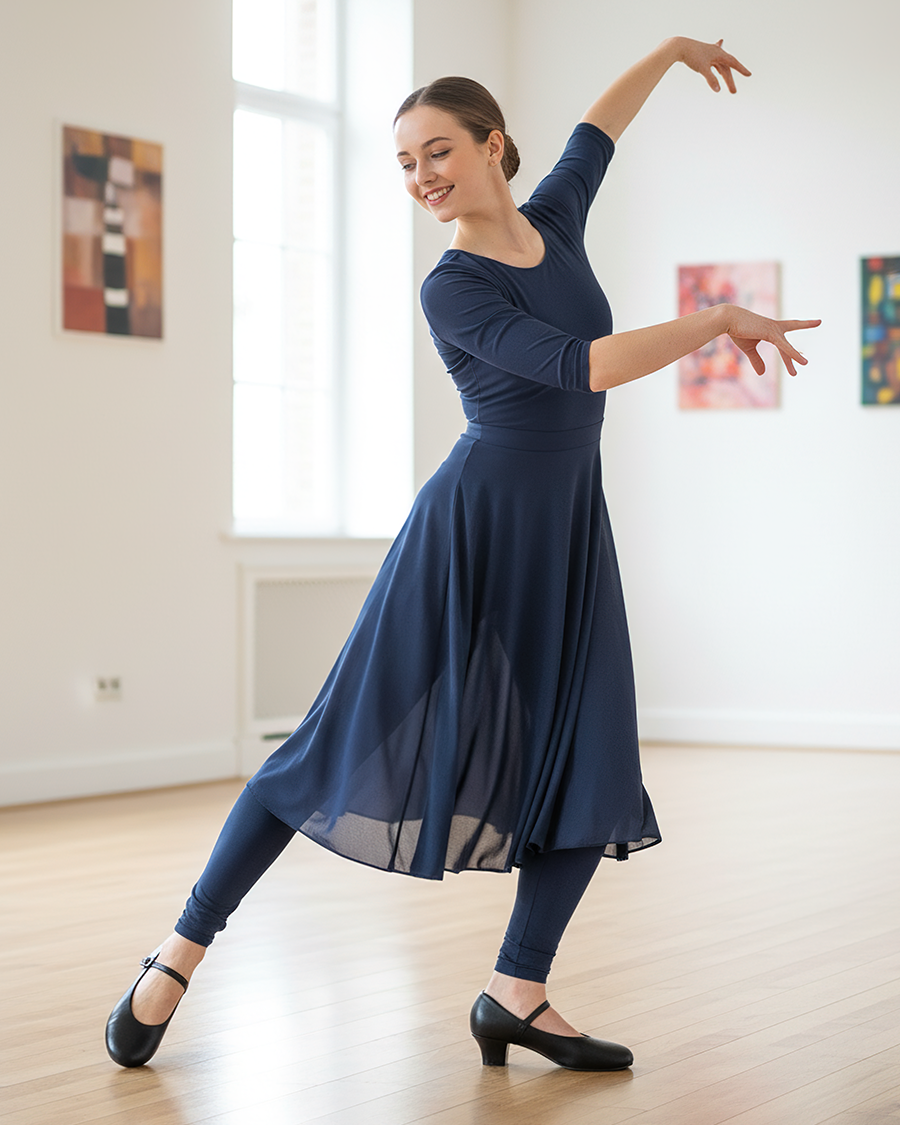
Skip the specialty store for now. Adult ballet class outfits can be as simple as full-length leggings, a fitted top, and clean socks. If a studio has a dress code, the class page will say so; otherwise the answer is boring: clothes you can move in, fitted enough that the teacher can see your knees and ankles working. That is also why baggy sweats are the one choice worth avoiding.
|
Item |
First class |
Once you are hooked |
|---|---|---|
|
Bottoms |
Leggings or fitted joggers |
Ballet tights or leggings |
|
Top |
Fitted tee or tank |
Simple leotard, or keep the tank |
|
Feet |
Thin or grippy socks |
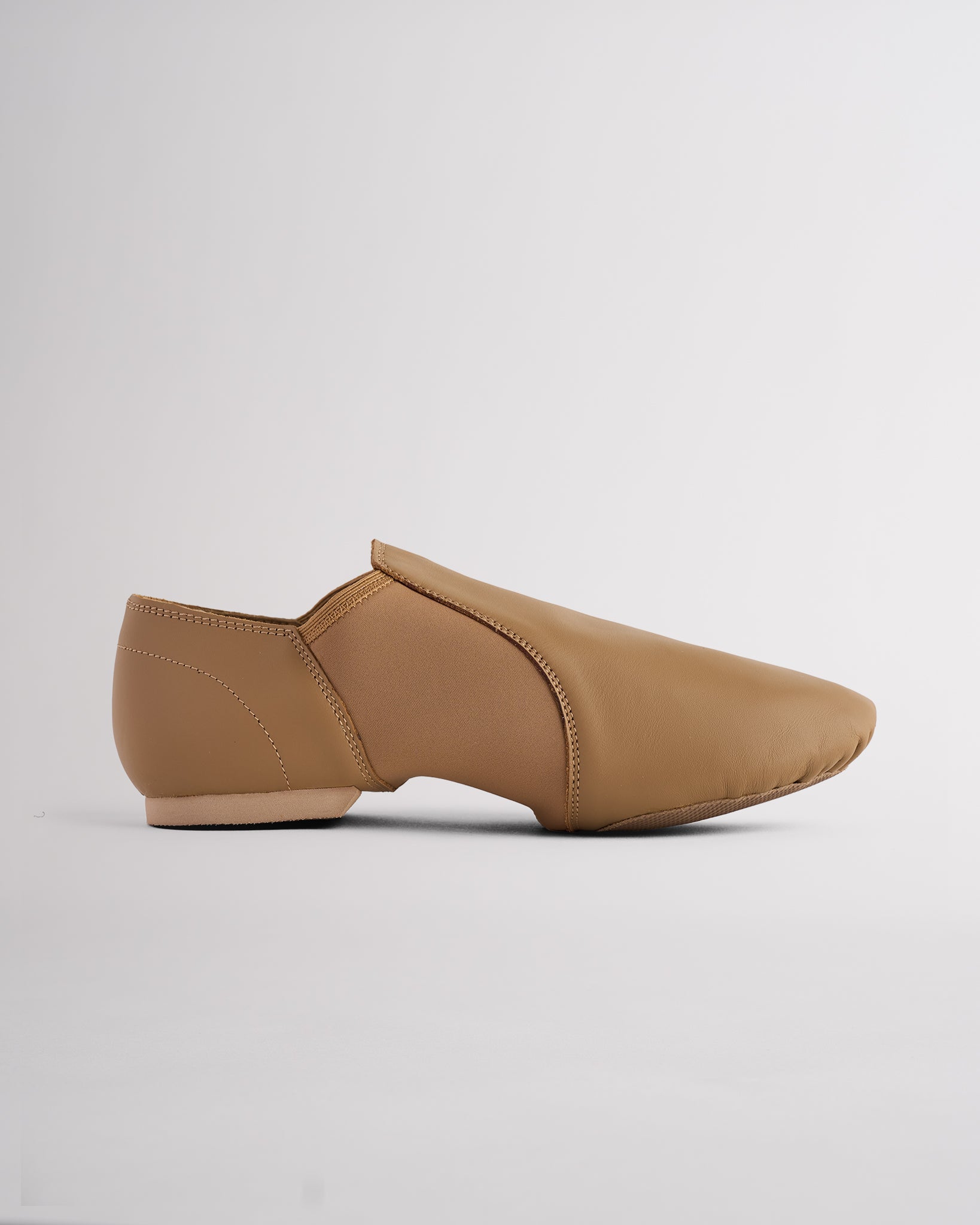
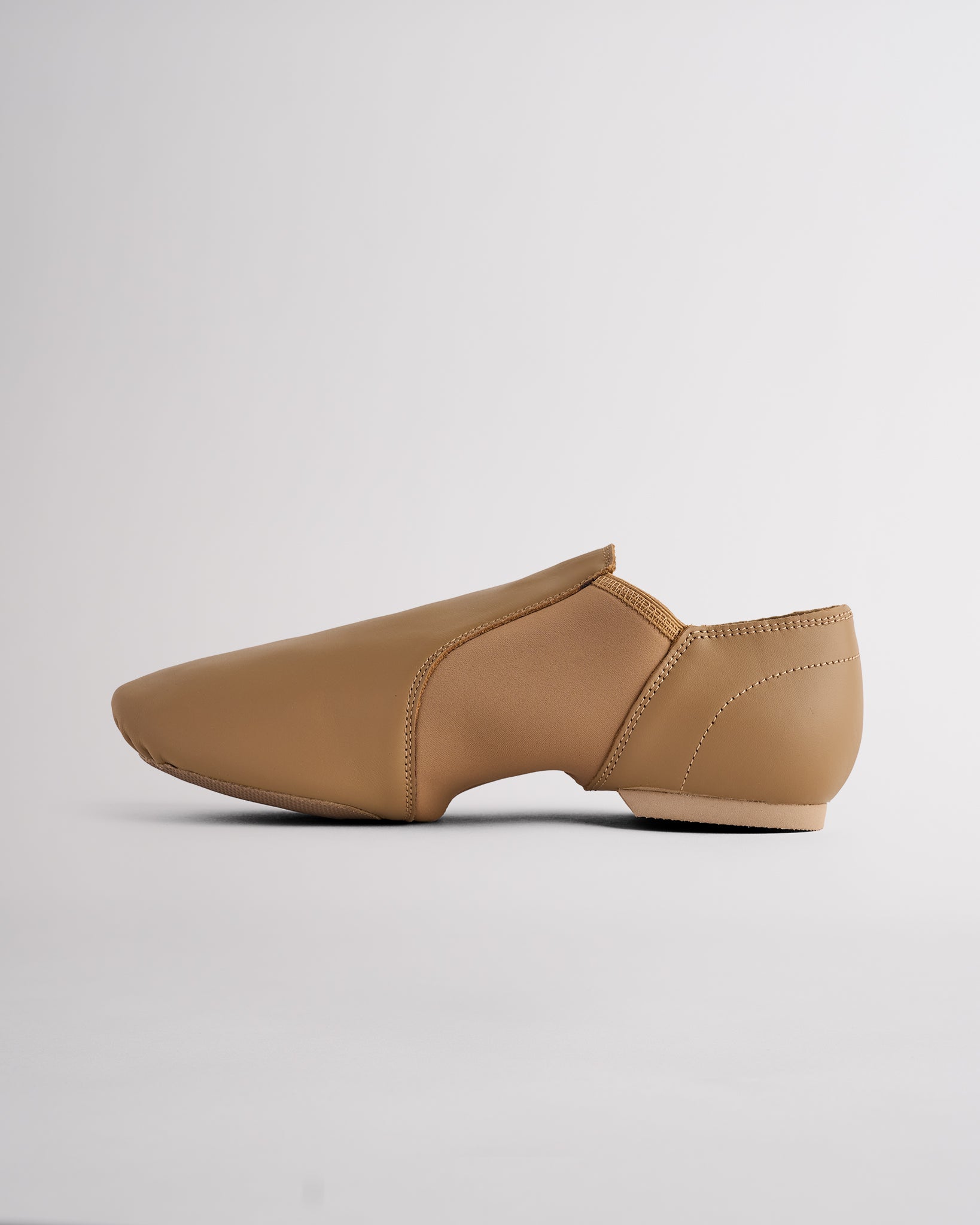
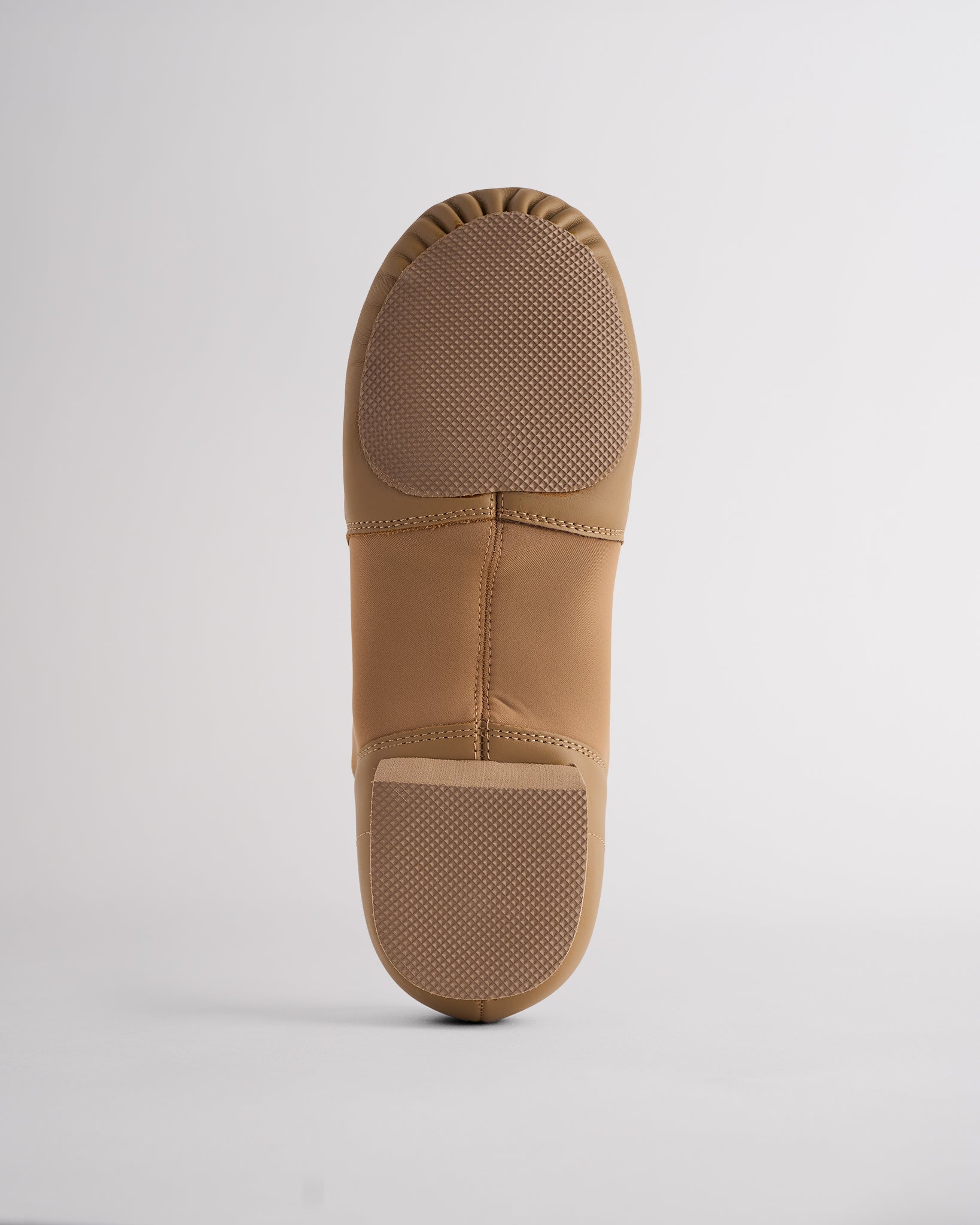
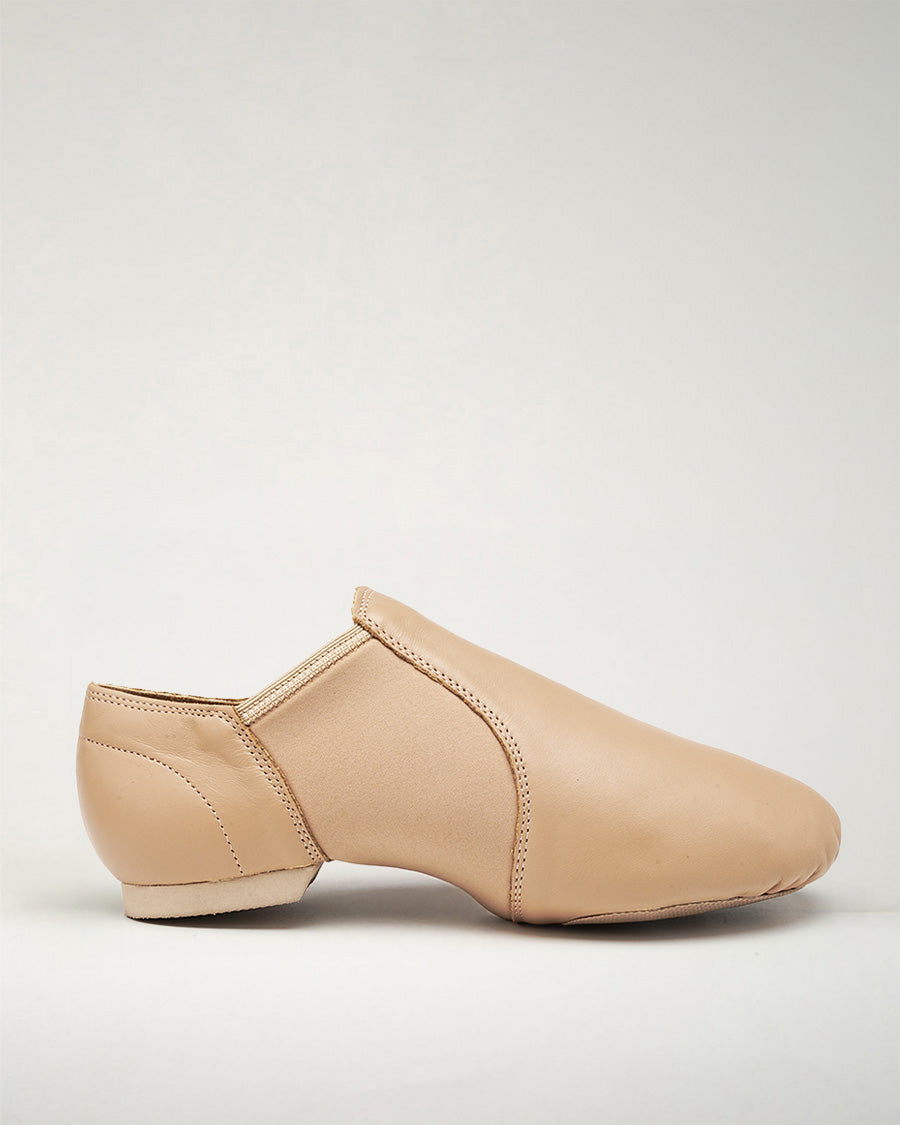
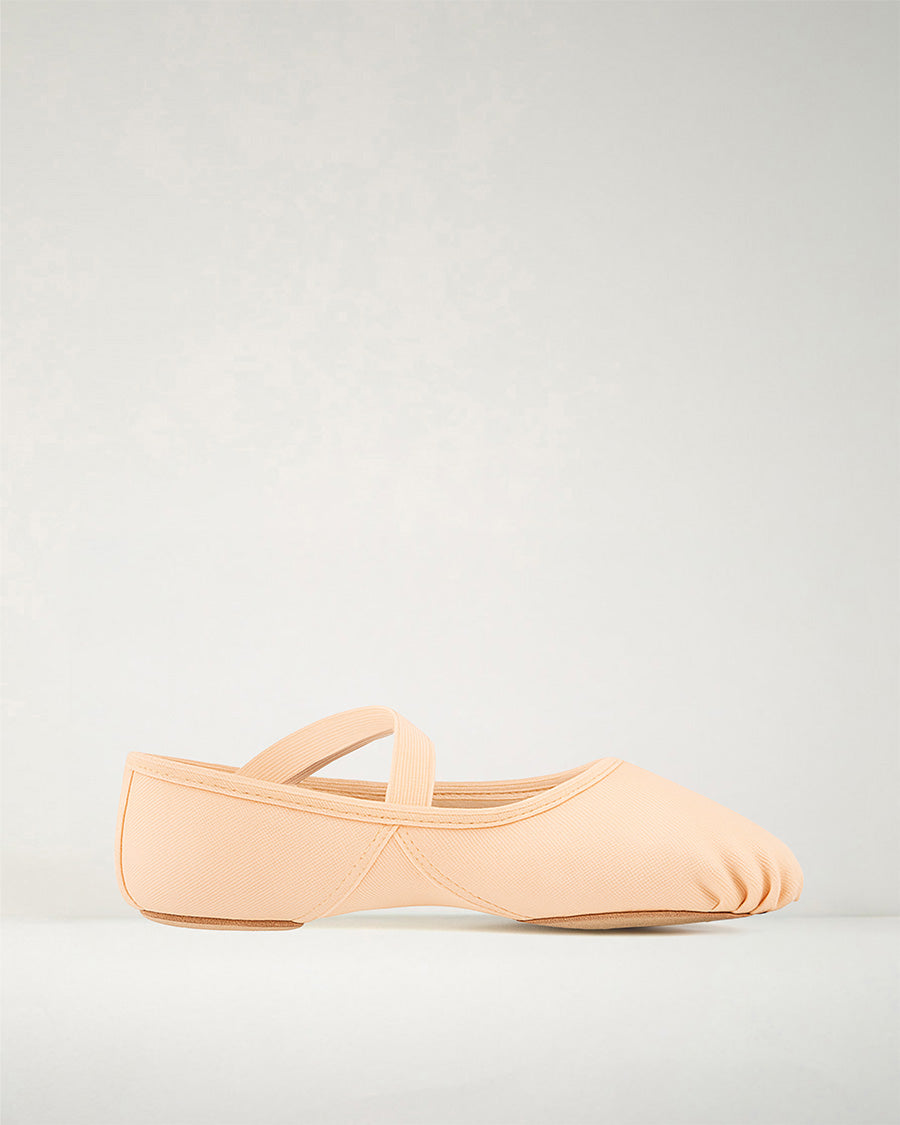
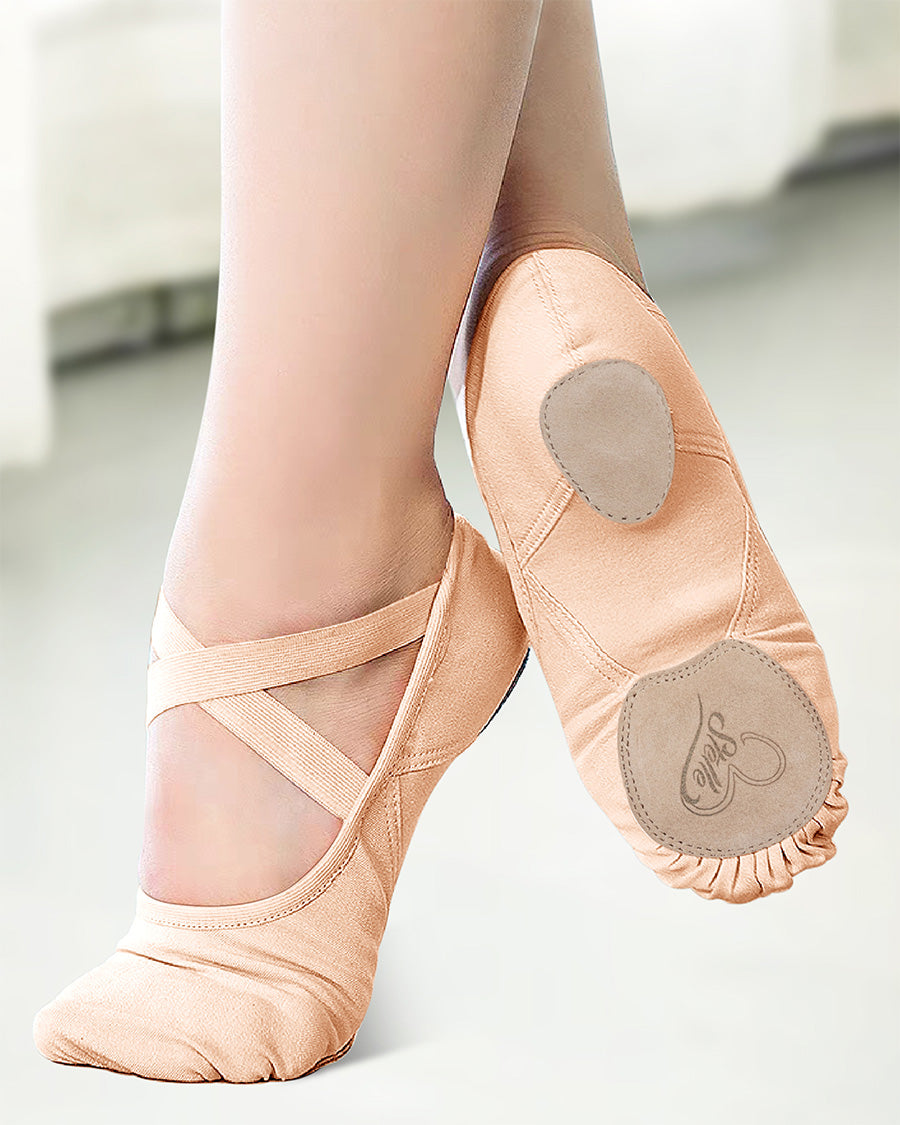
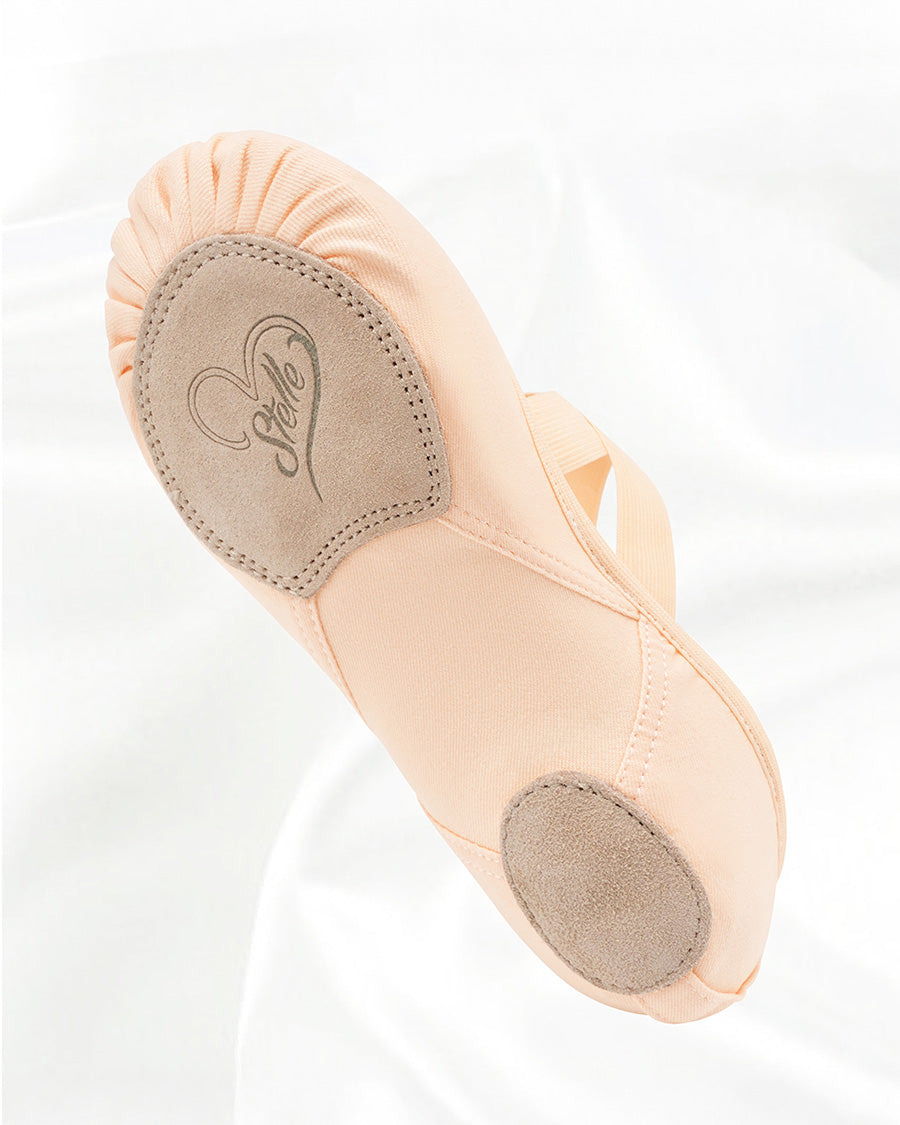
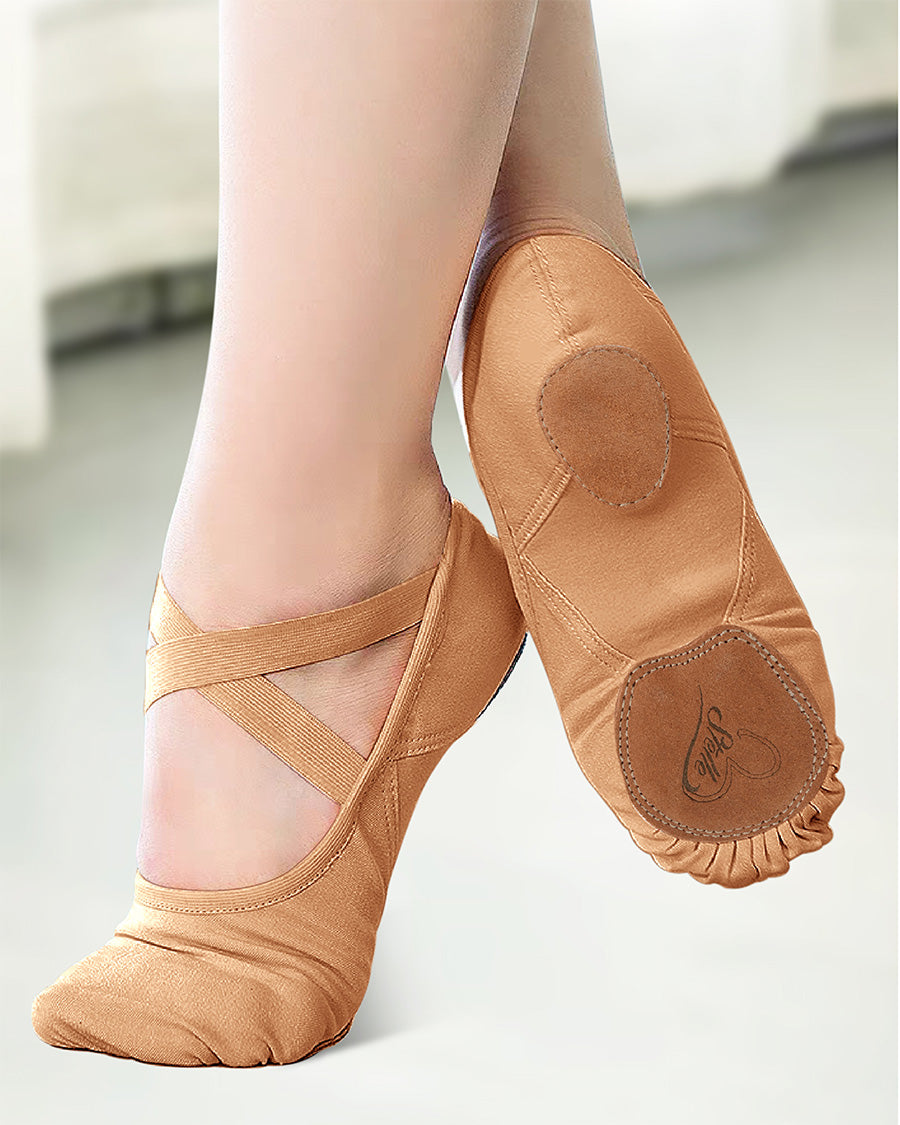
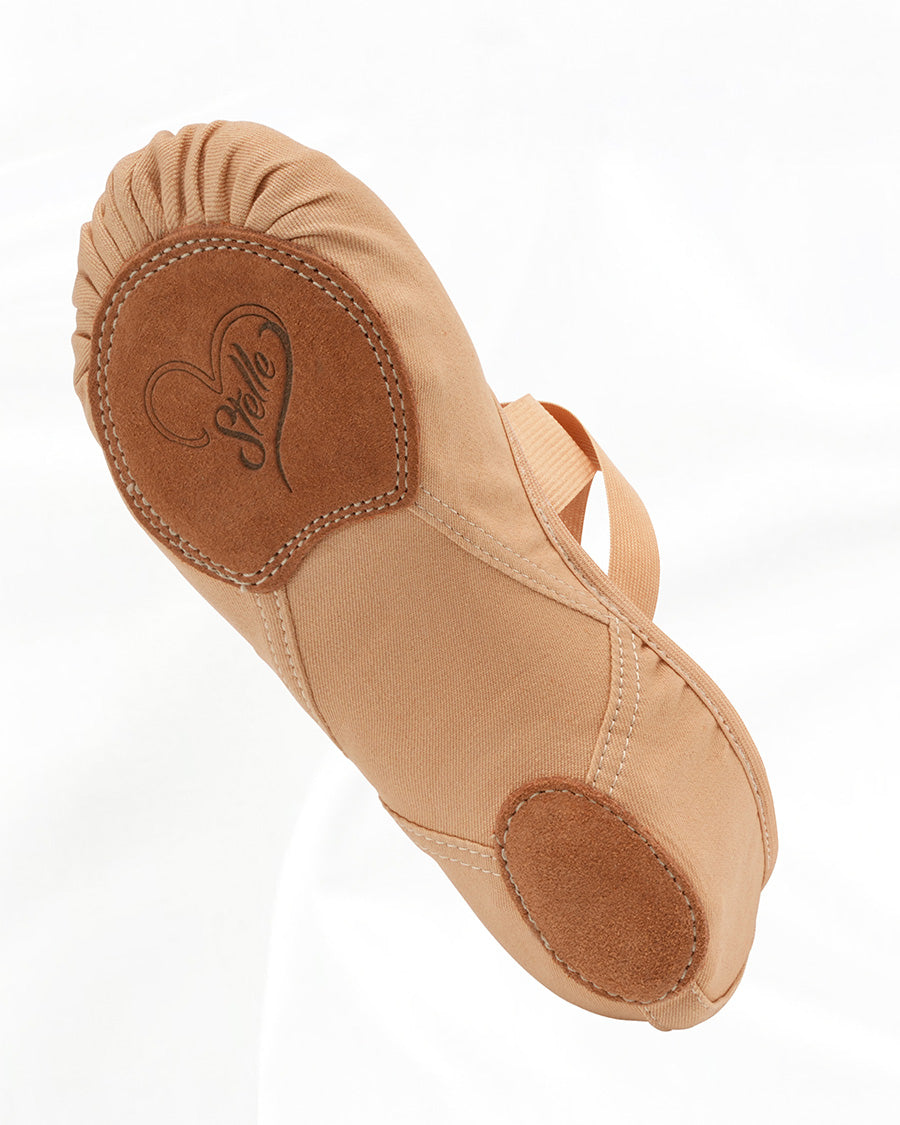
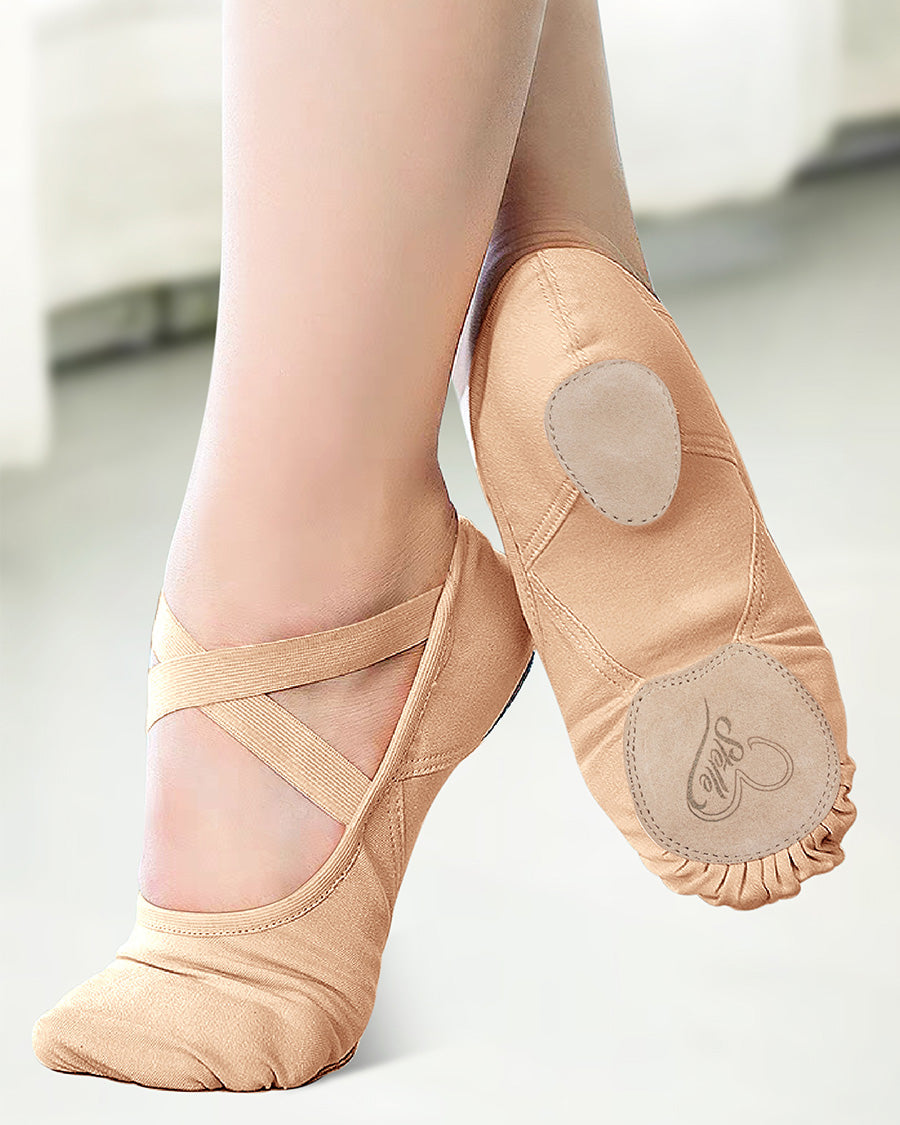
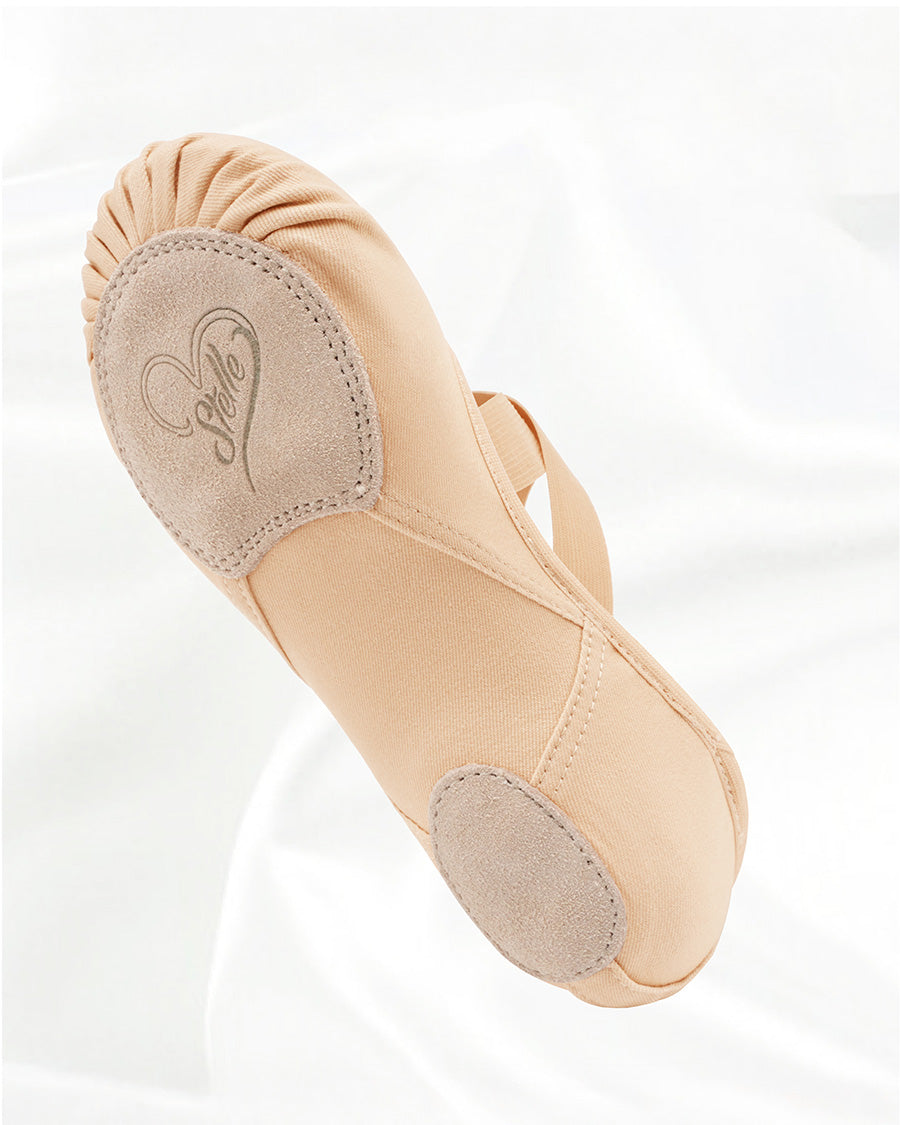
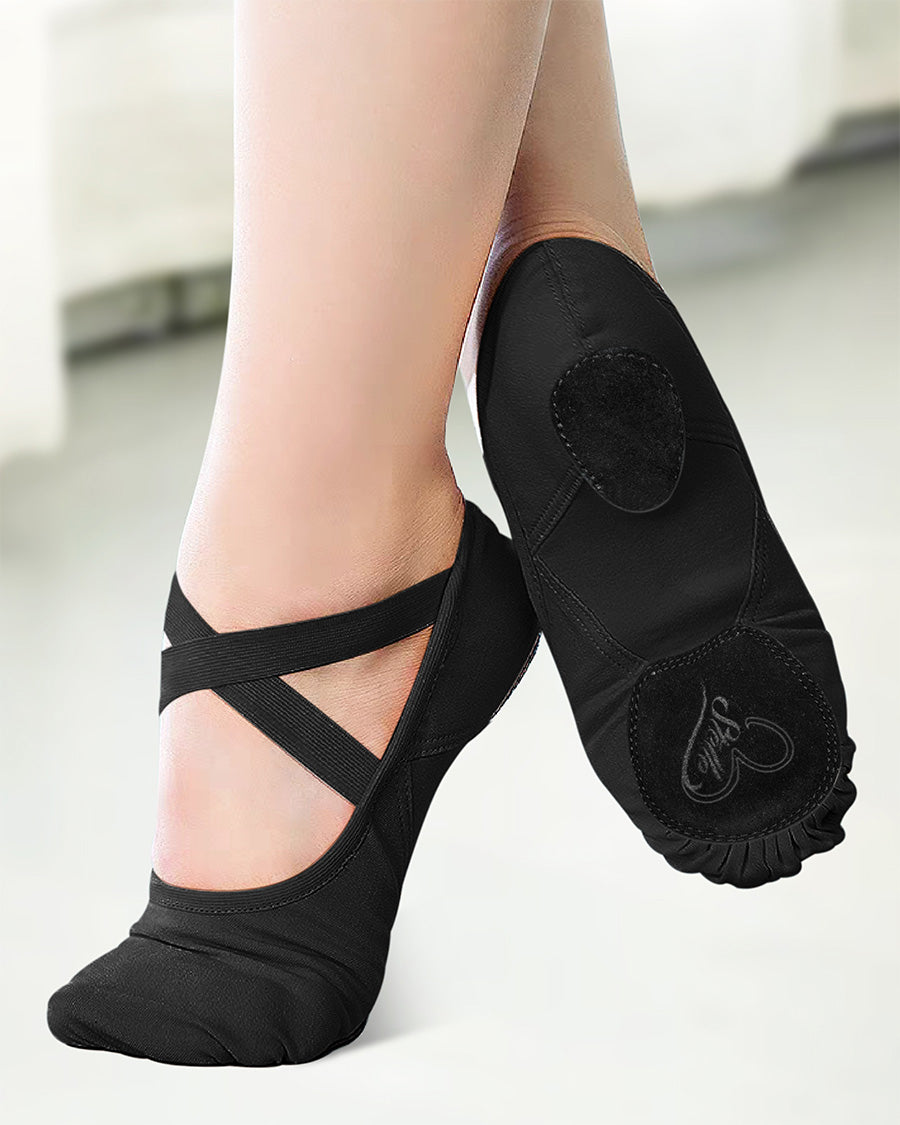
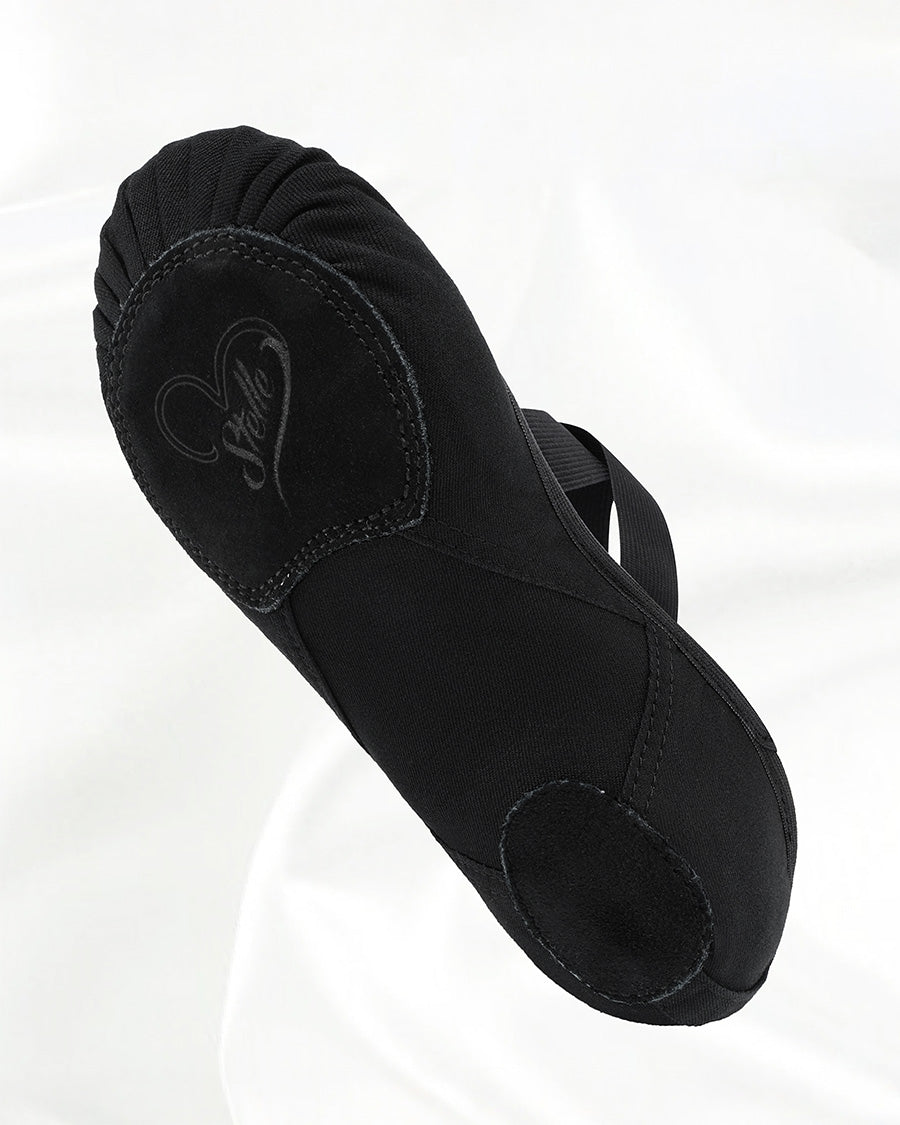
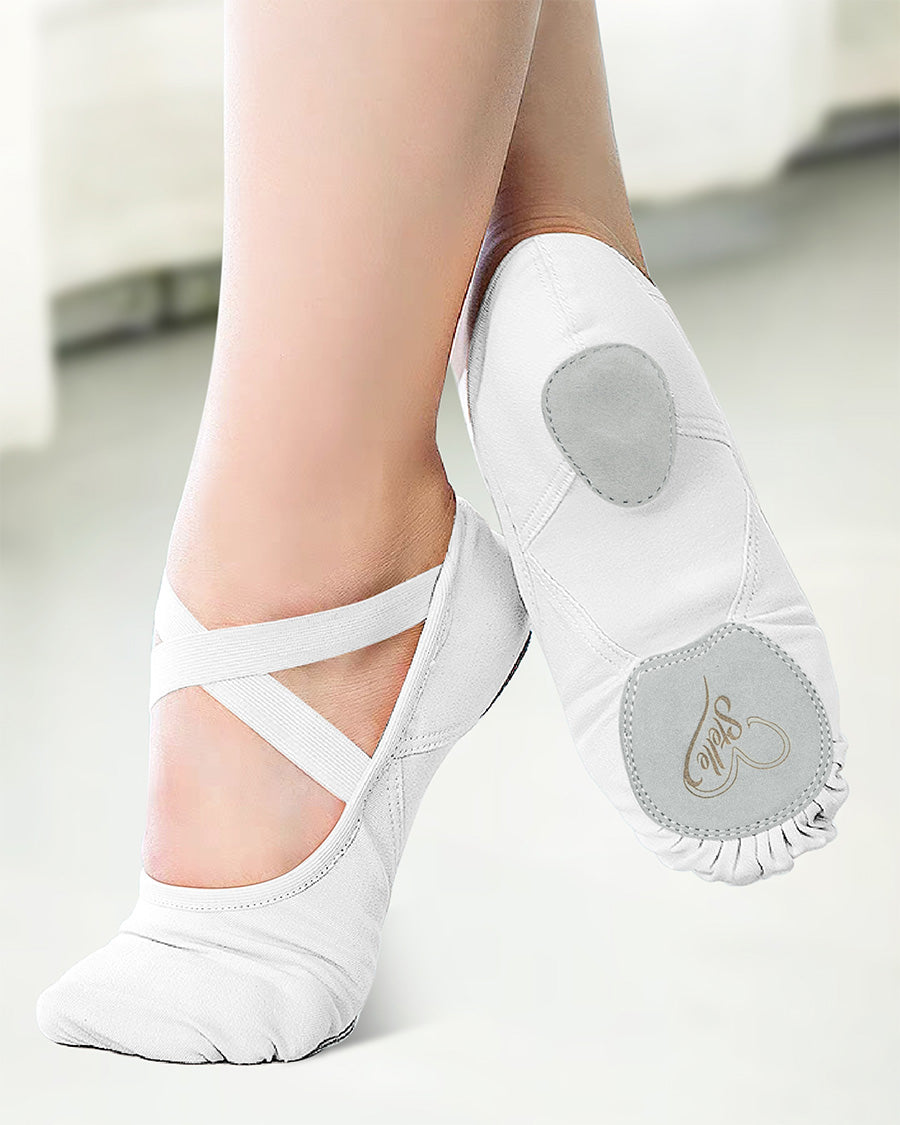
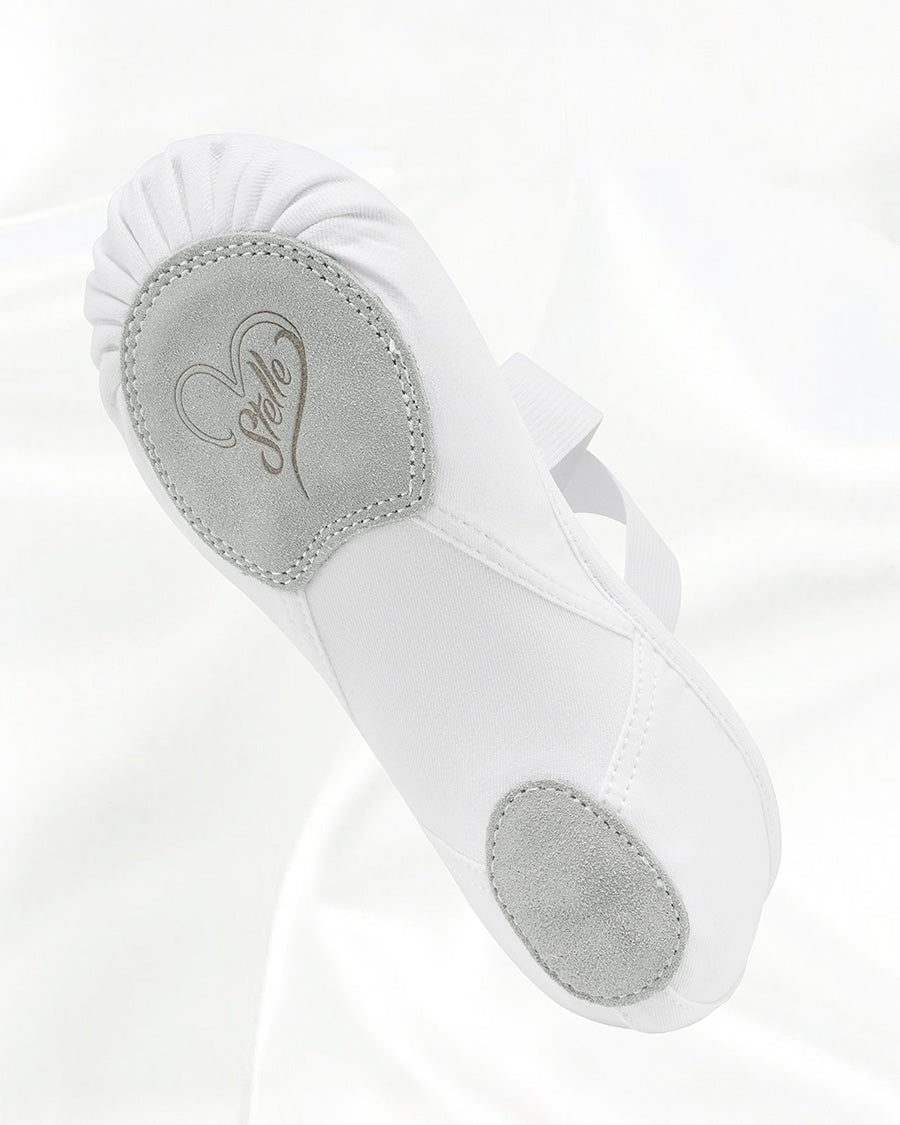
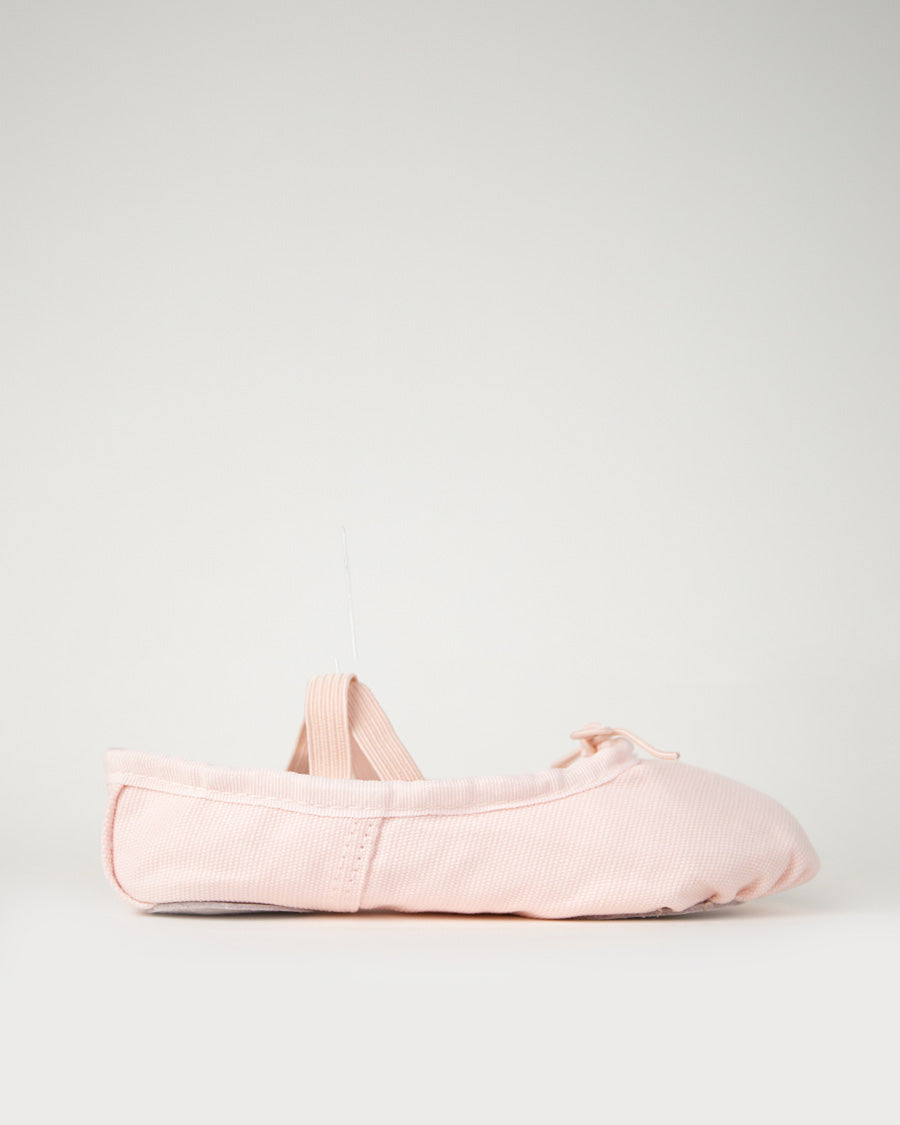
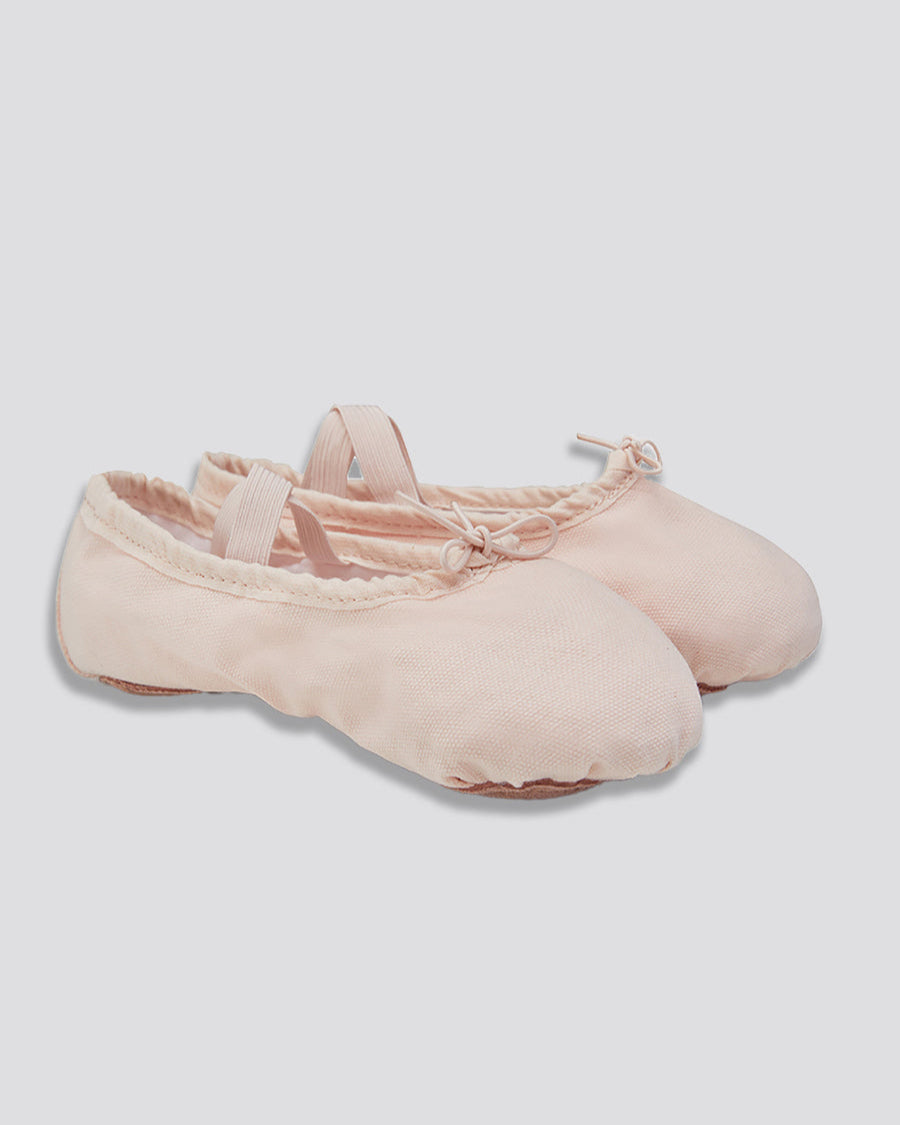
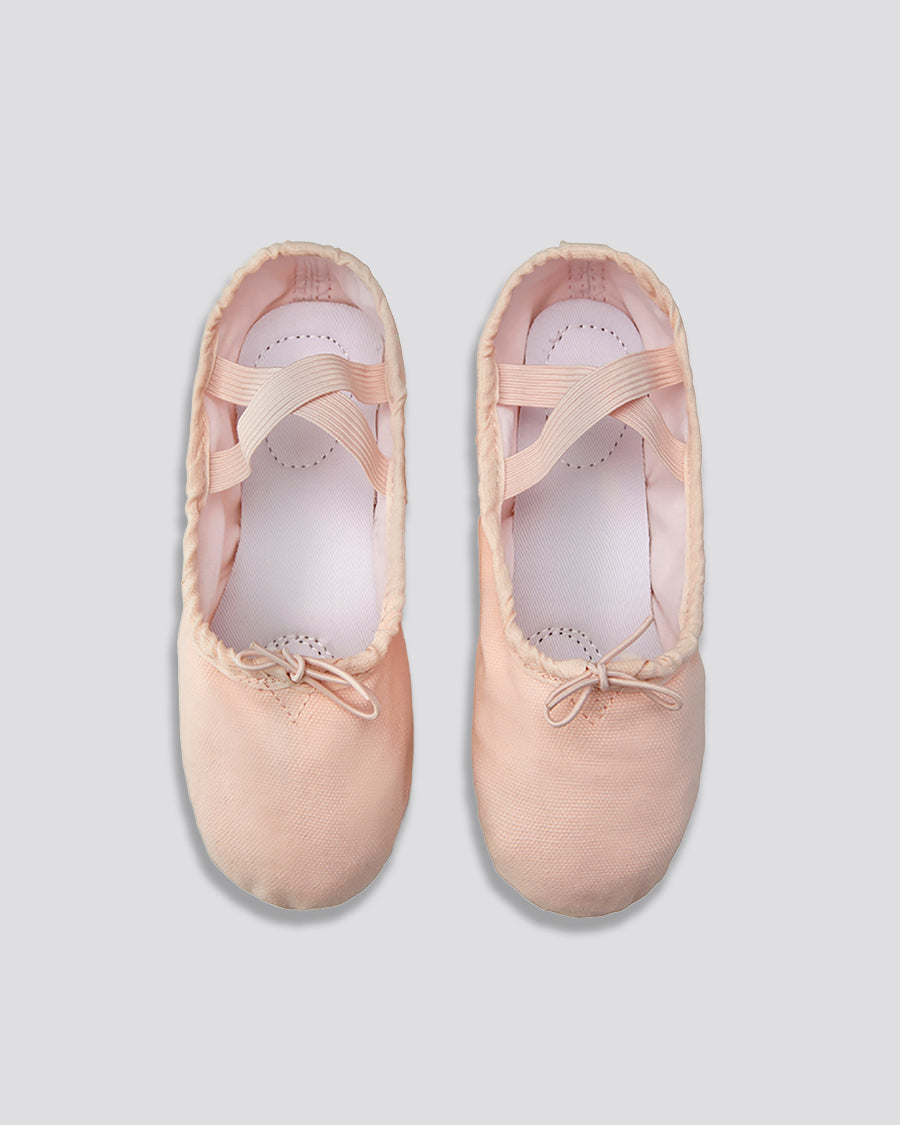
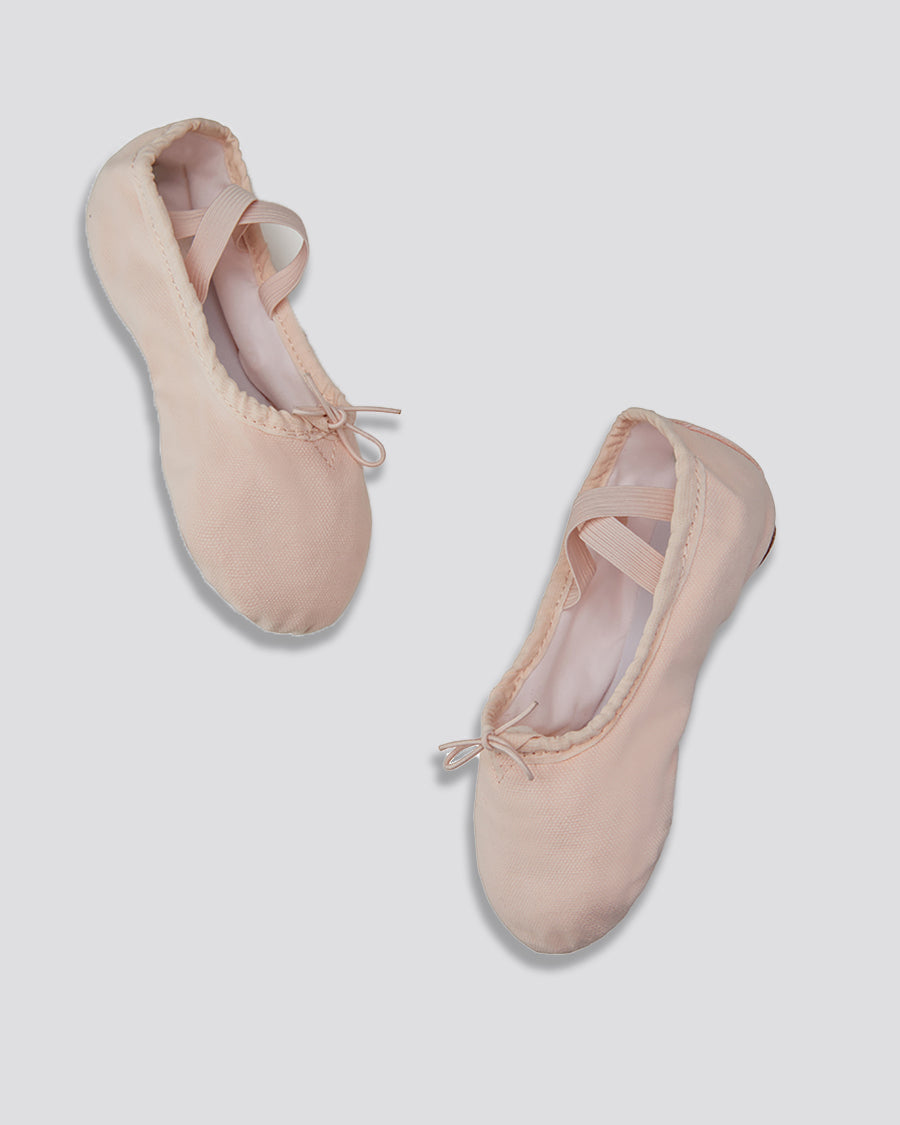
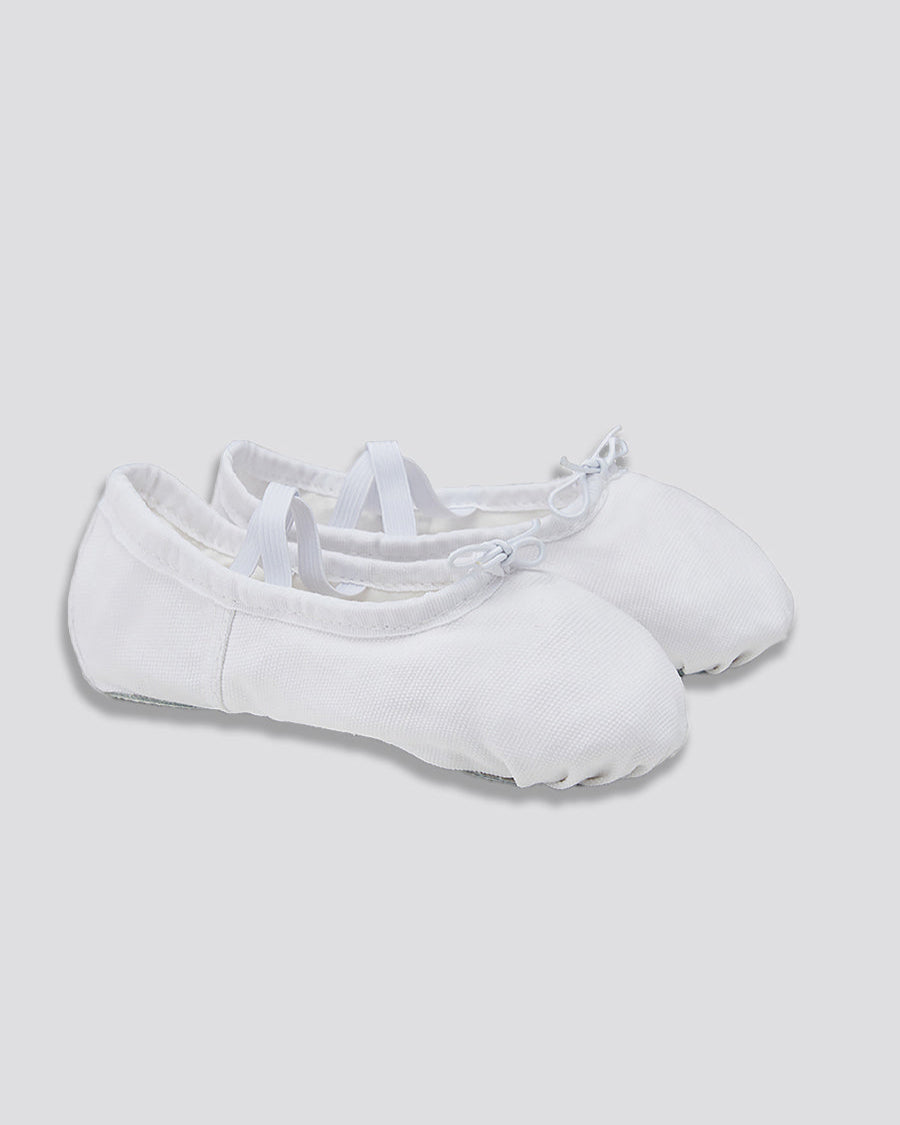
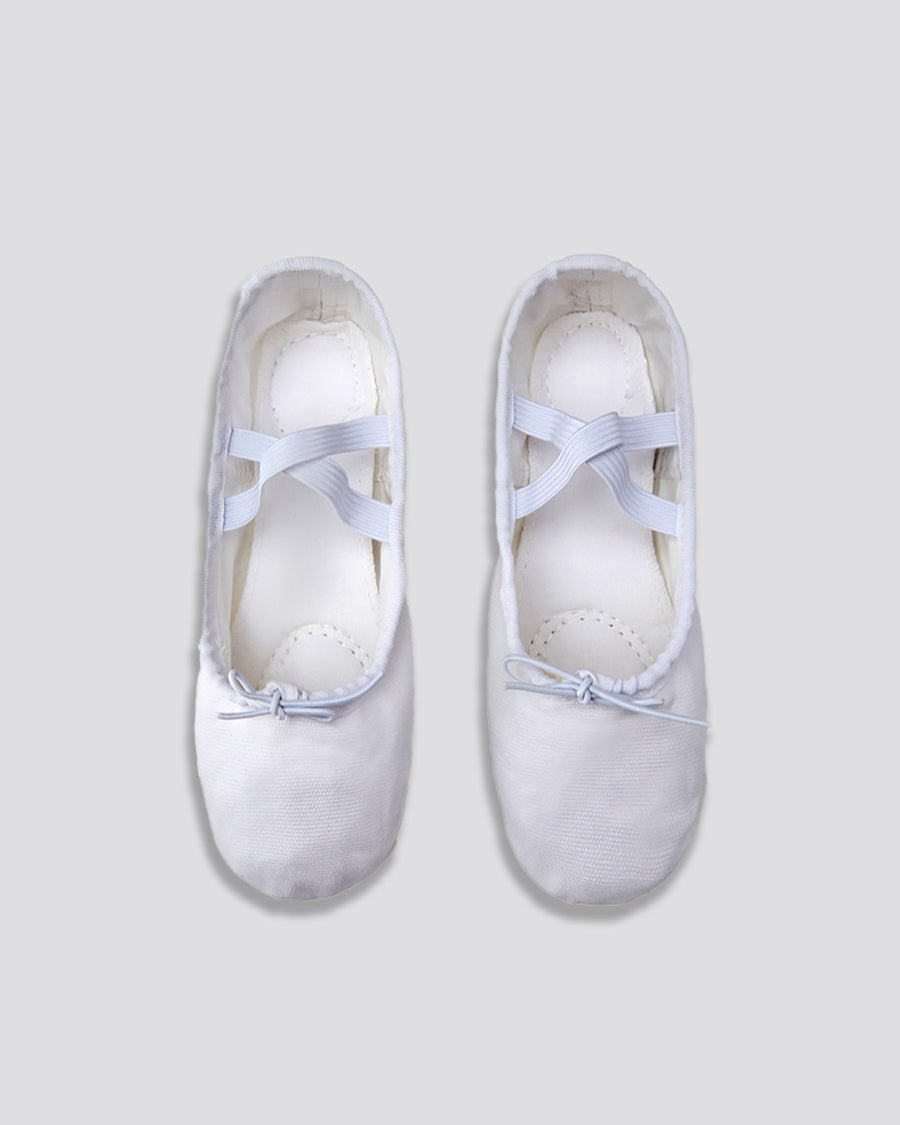
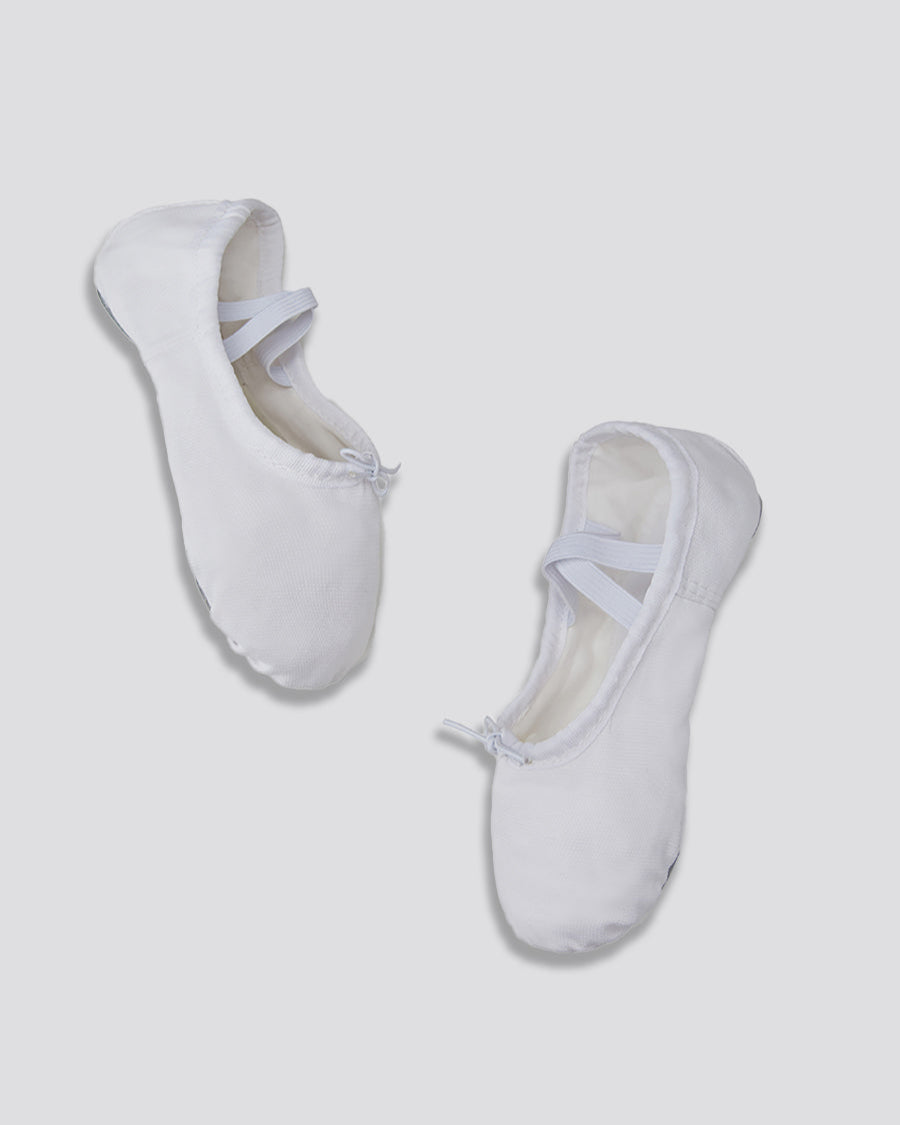
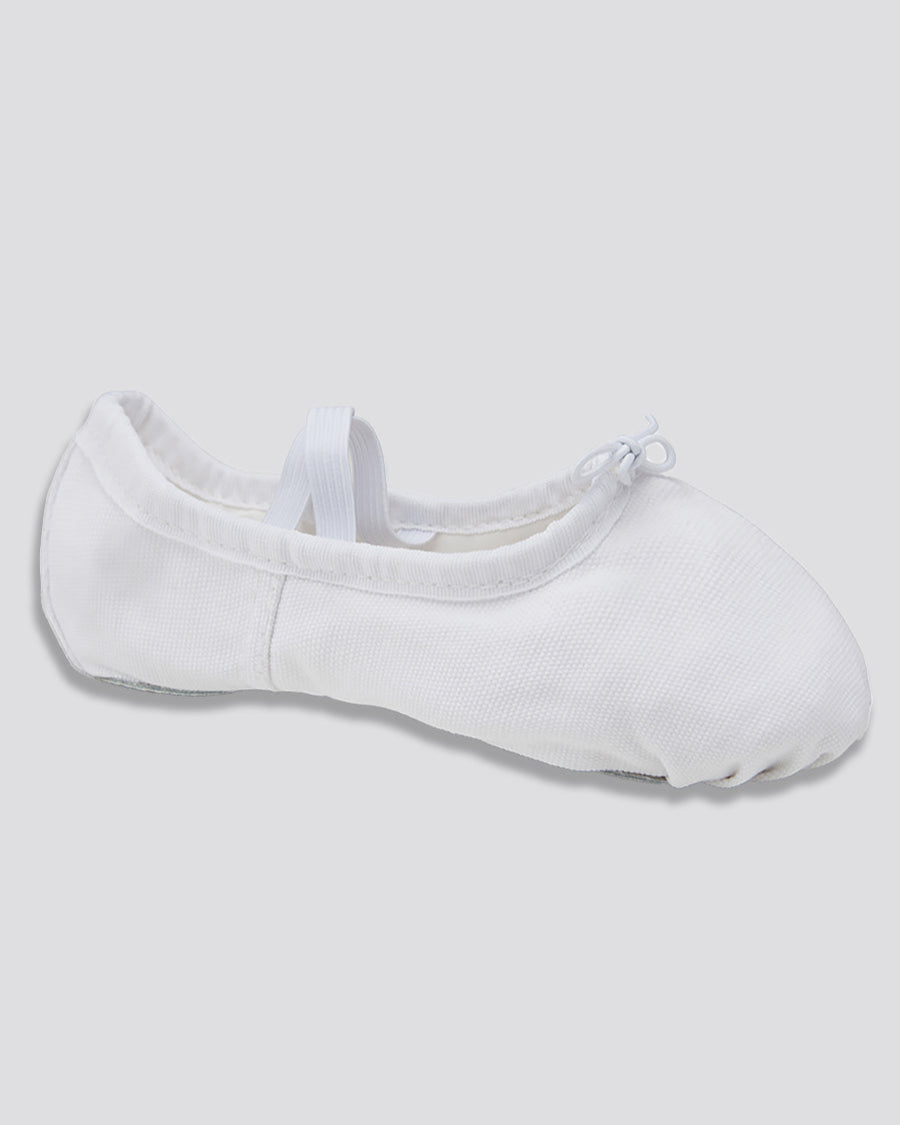
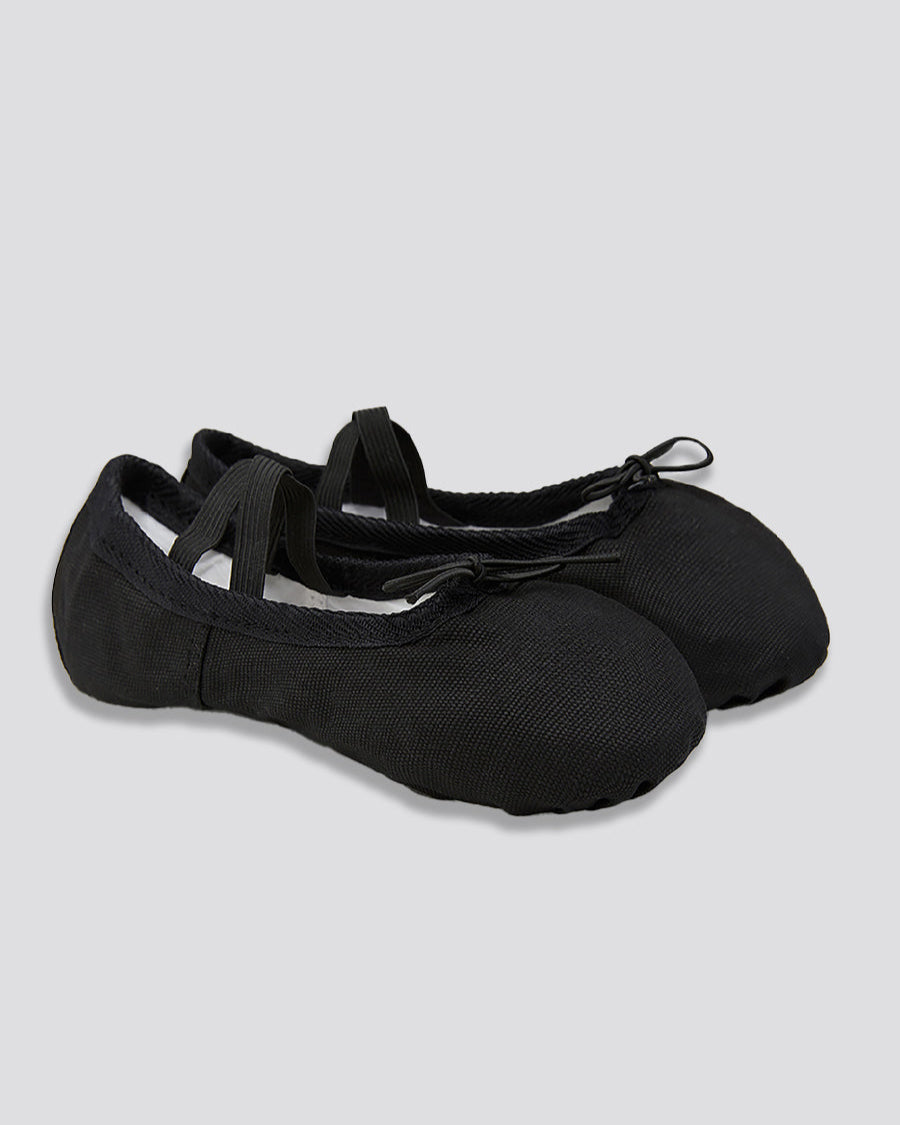
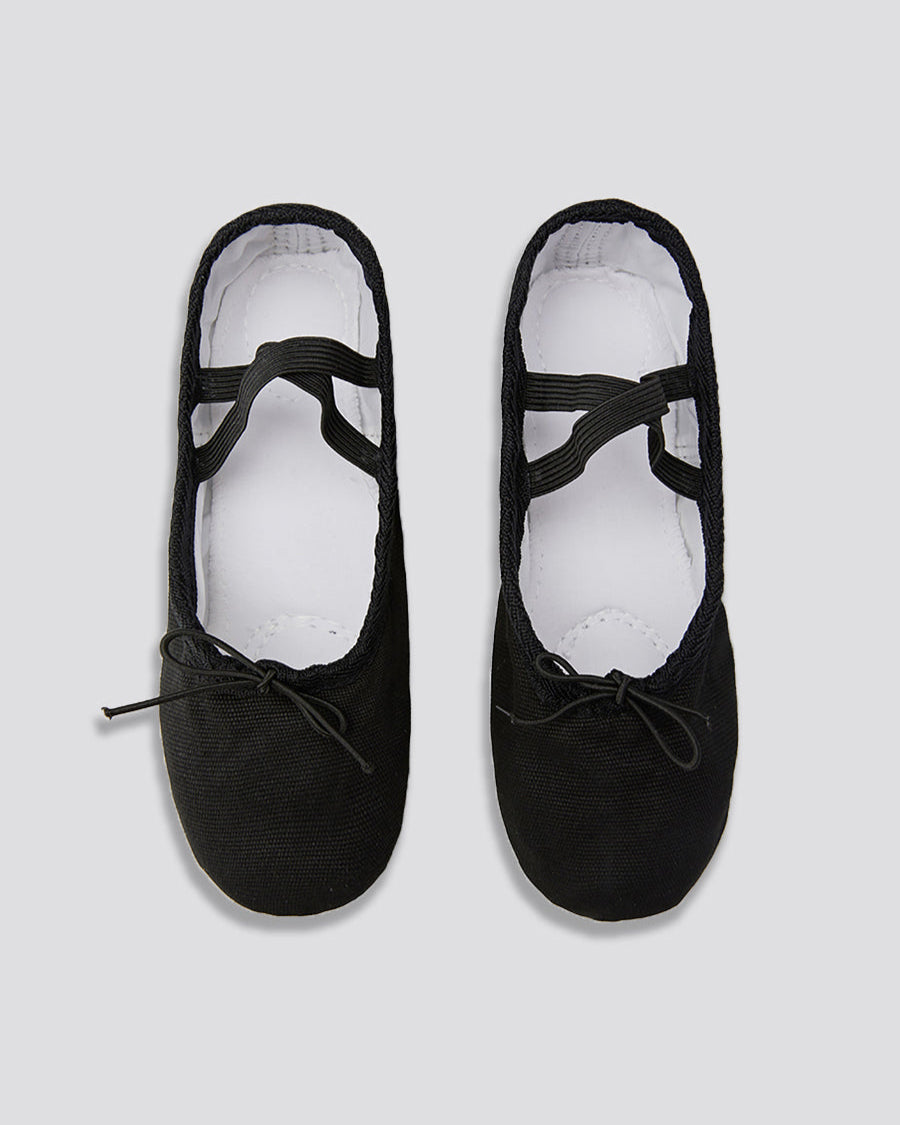
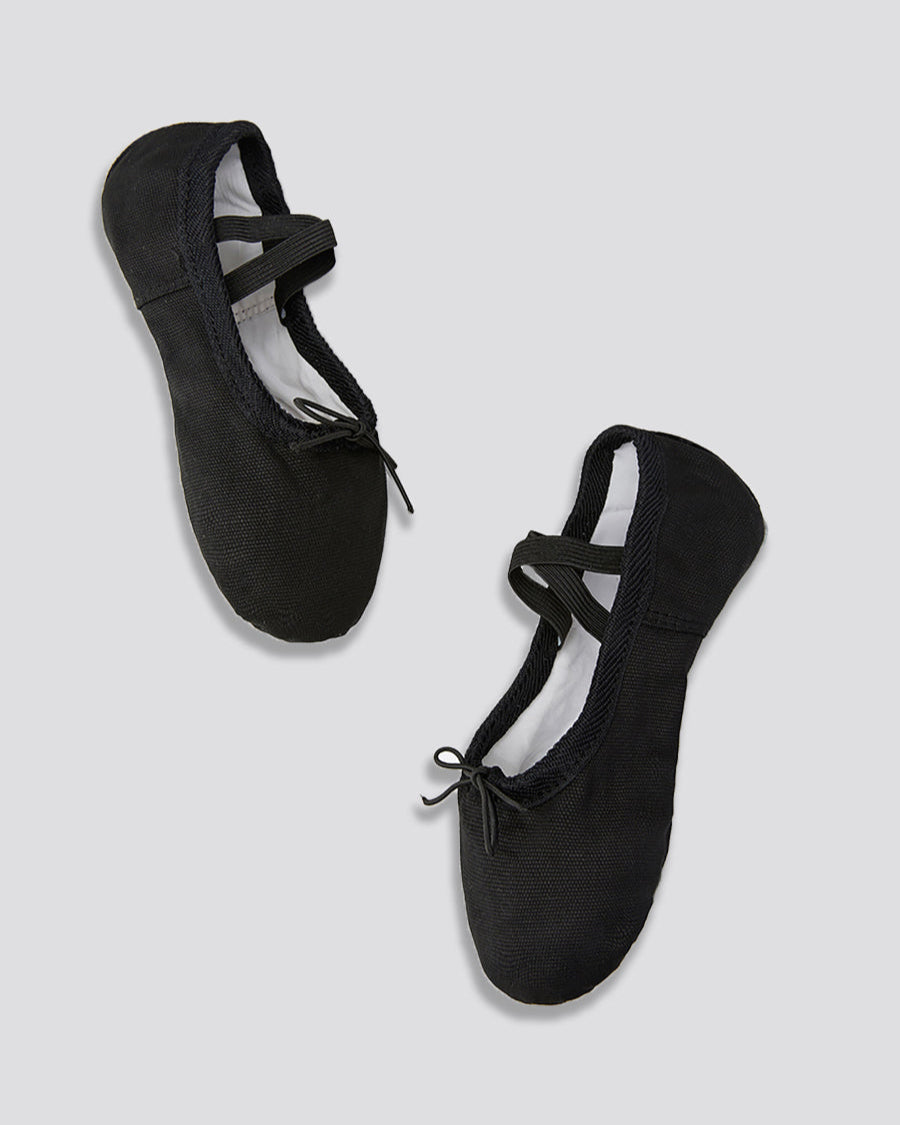
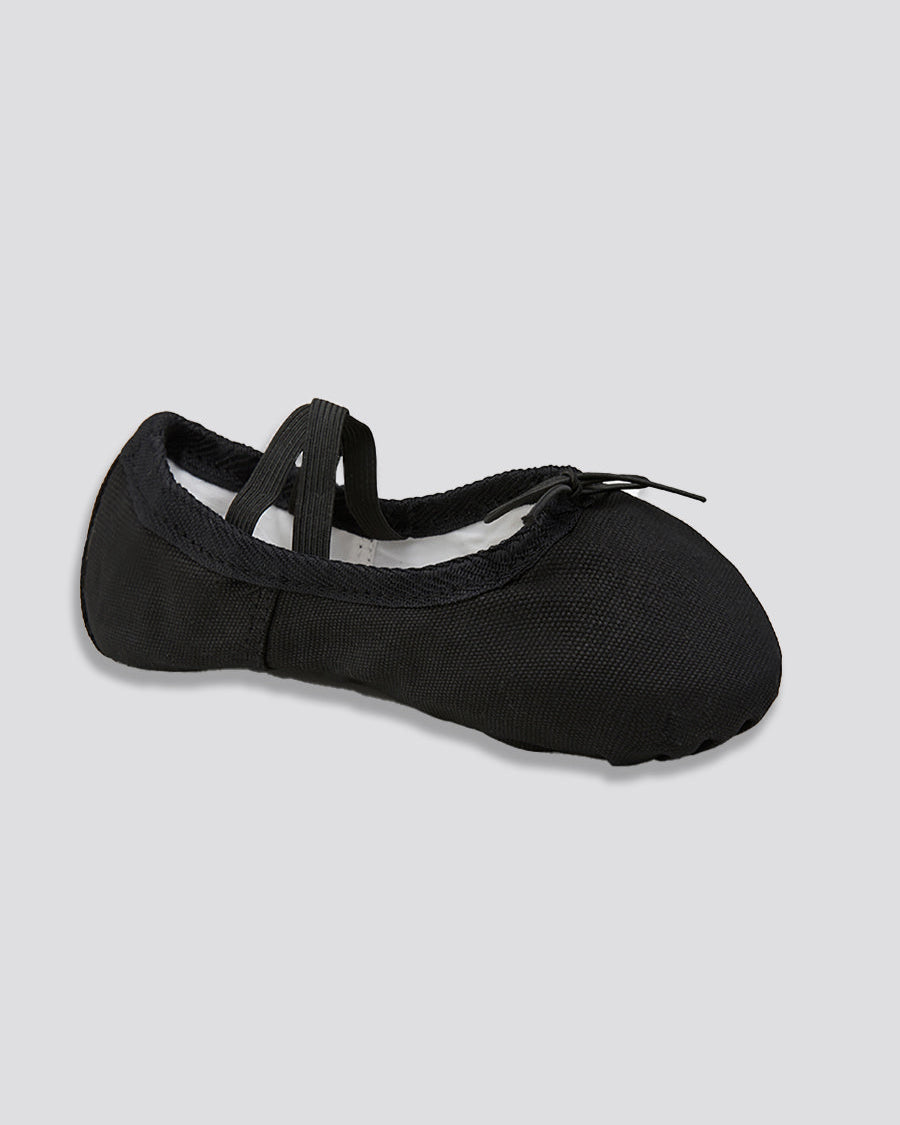
Canvas or leather ballet slippers |
|
Hair |
Pulled off your face |
Bun or ponytail, whatever holds |
|
Extras |
Water bottle |
Light wrap layer for the barre warm-up |
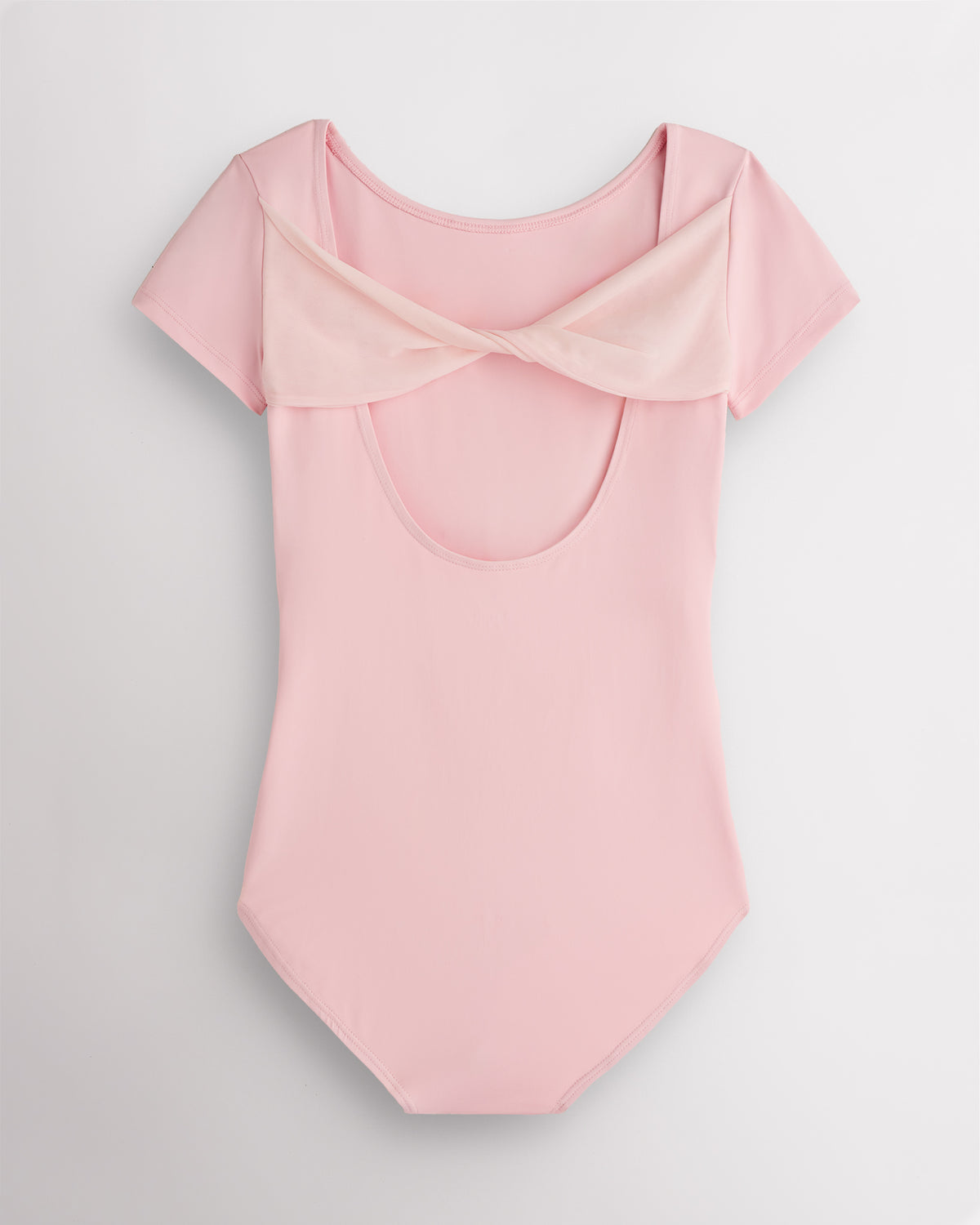
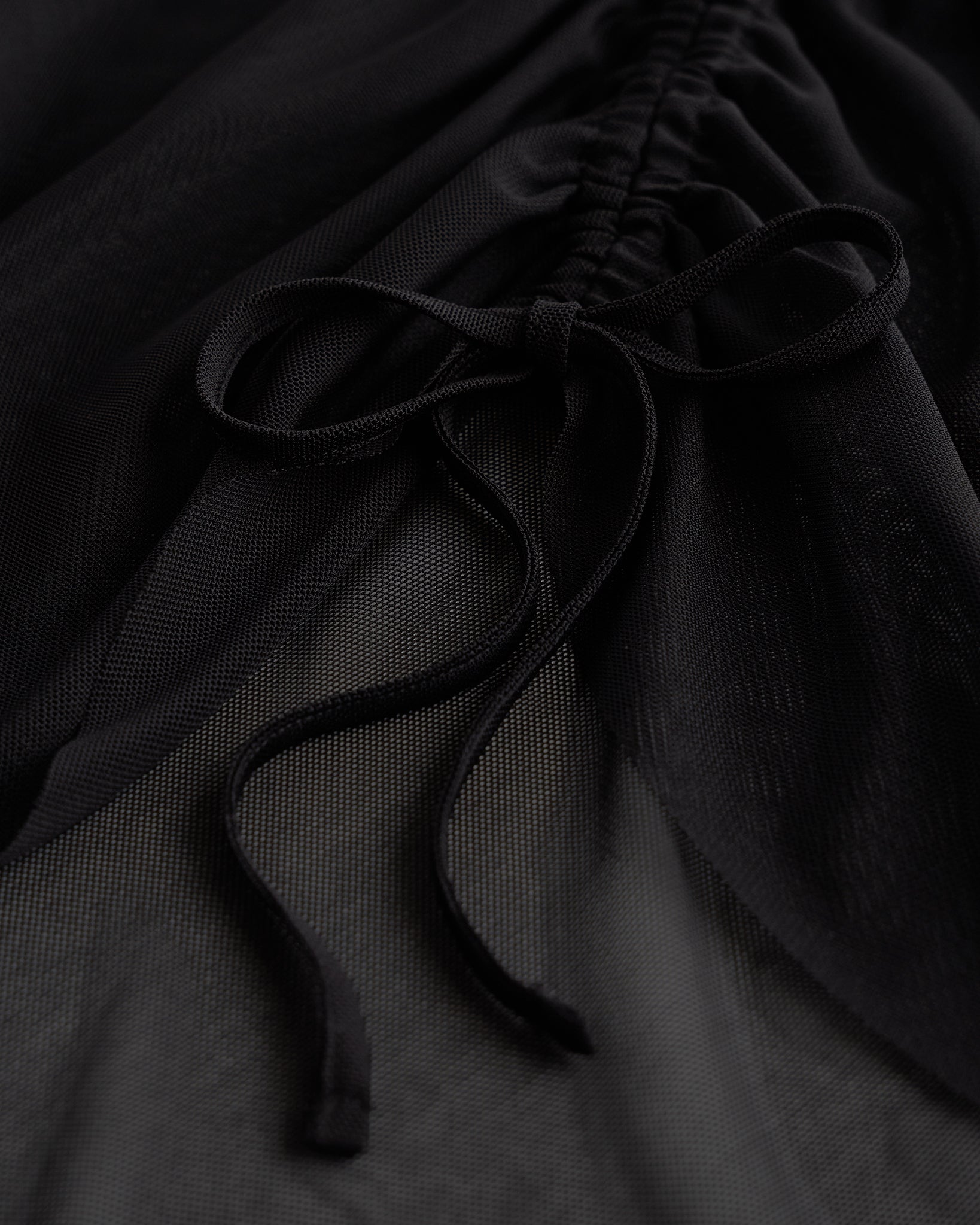
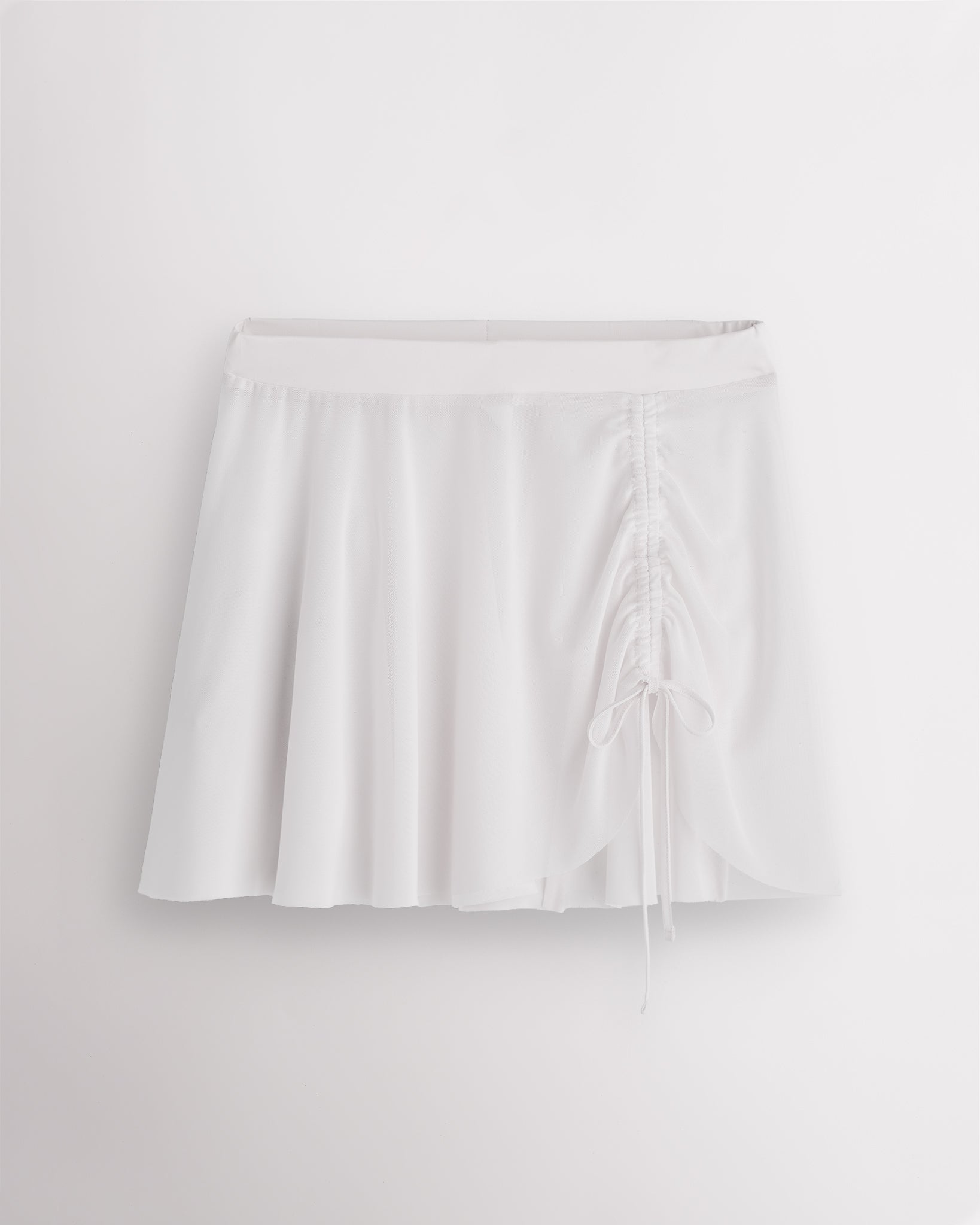
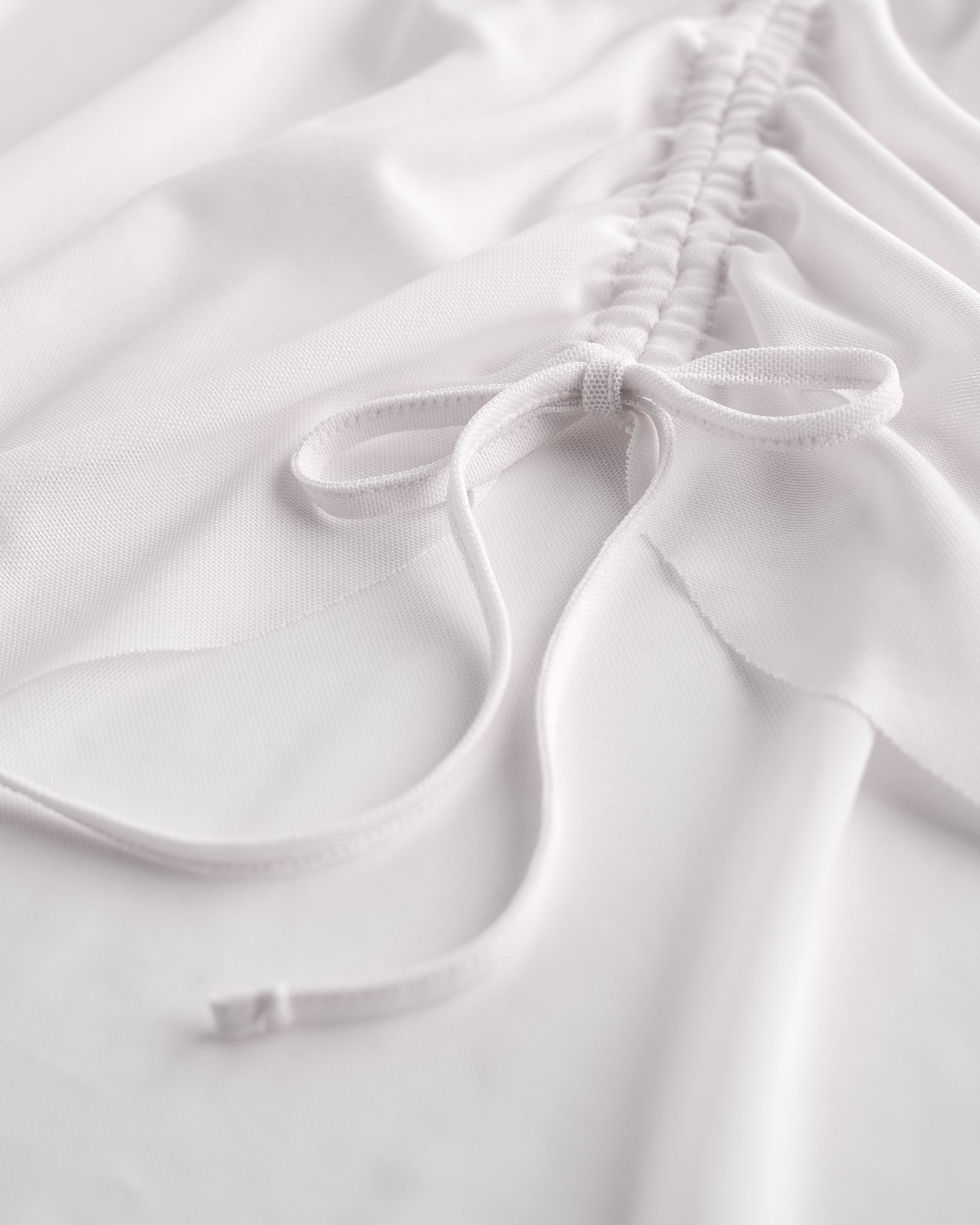
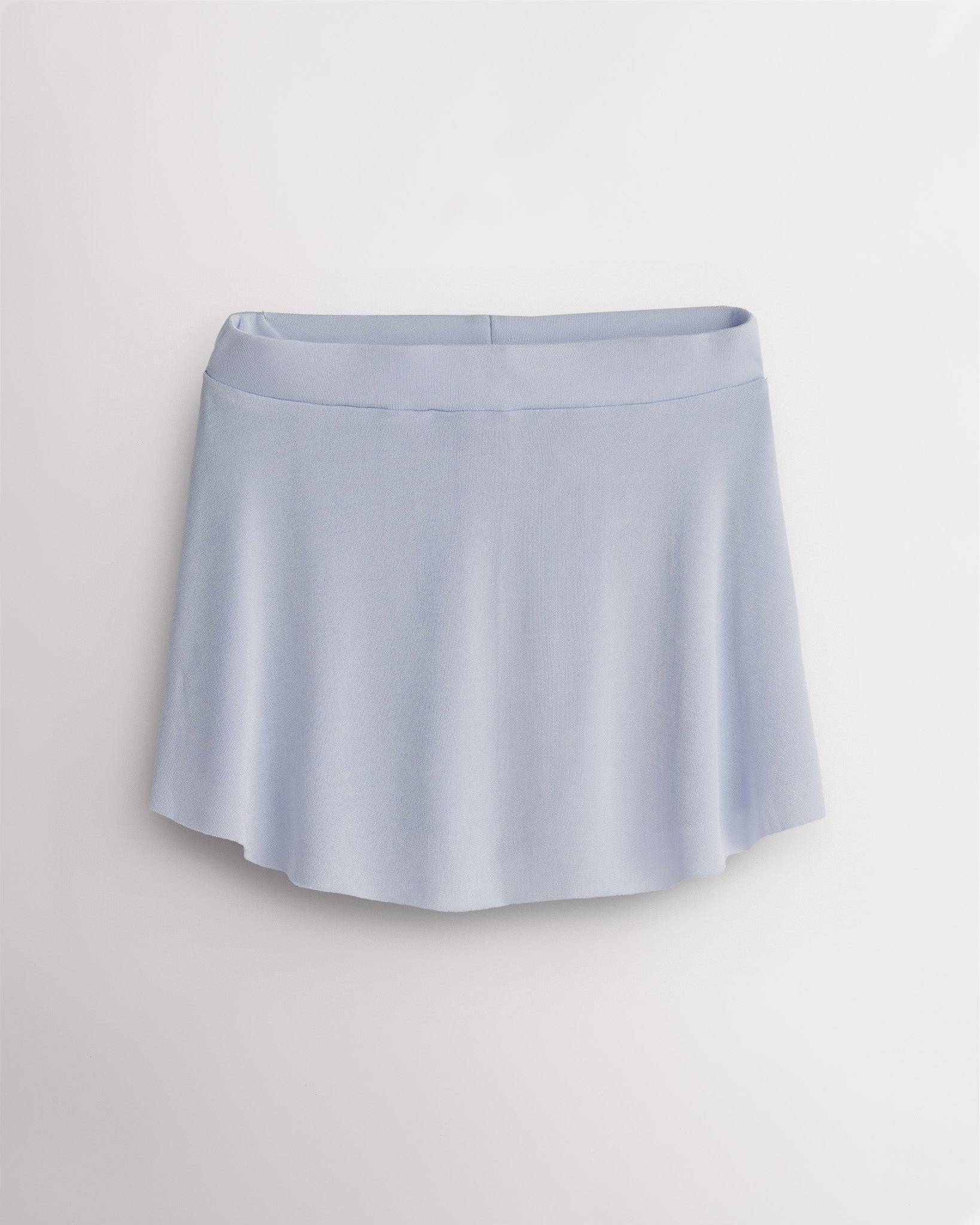
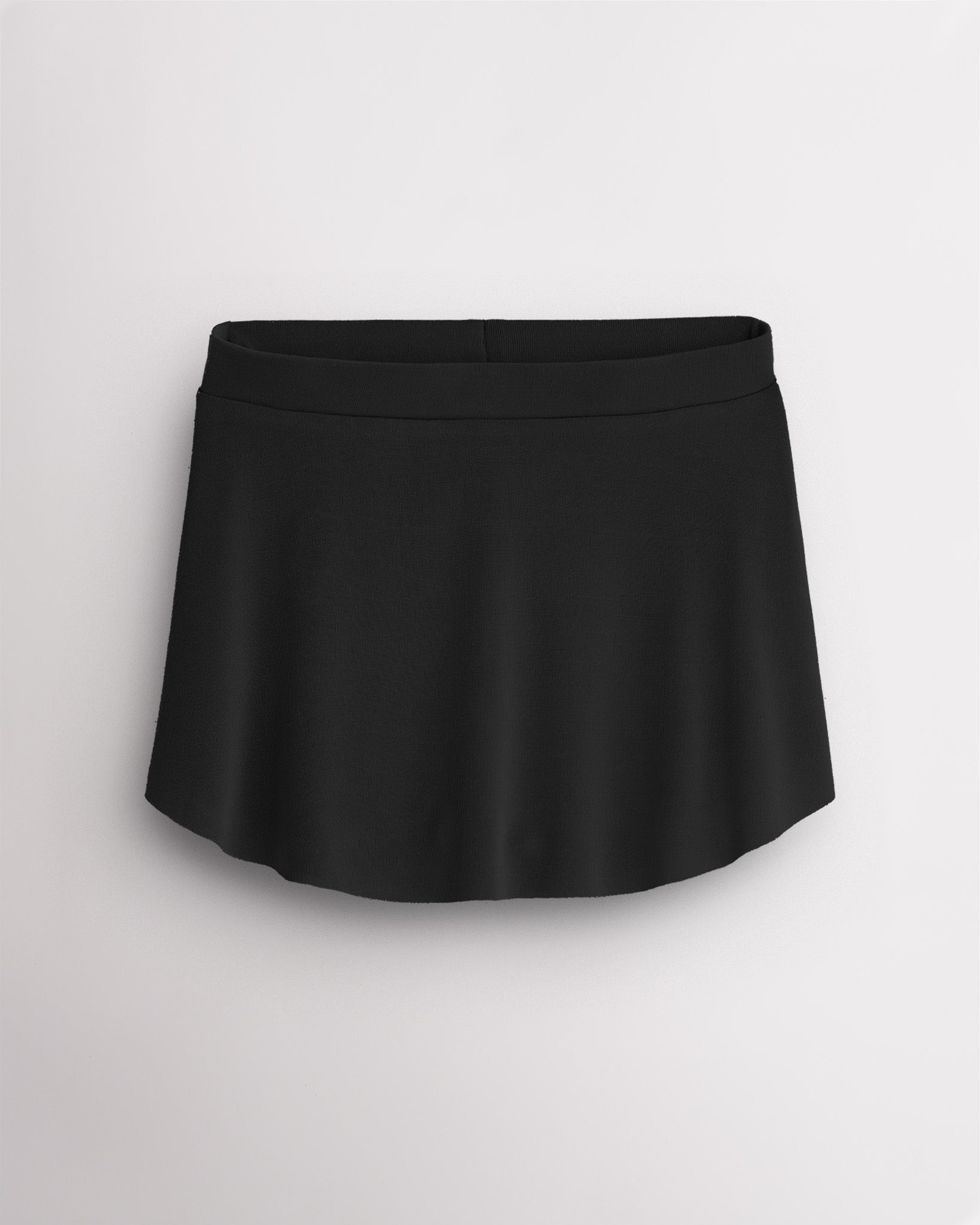
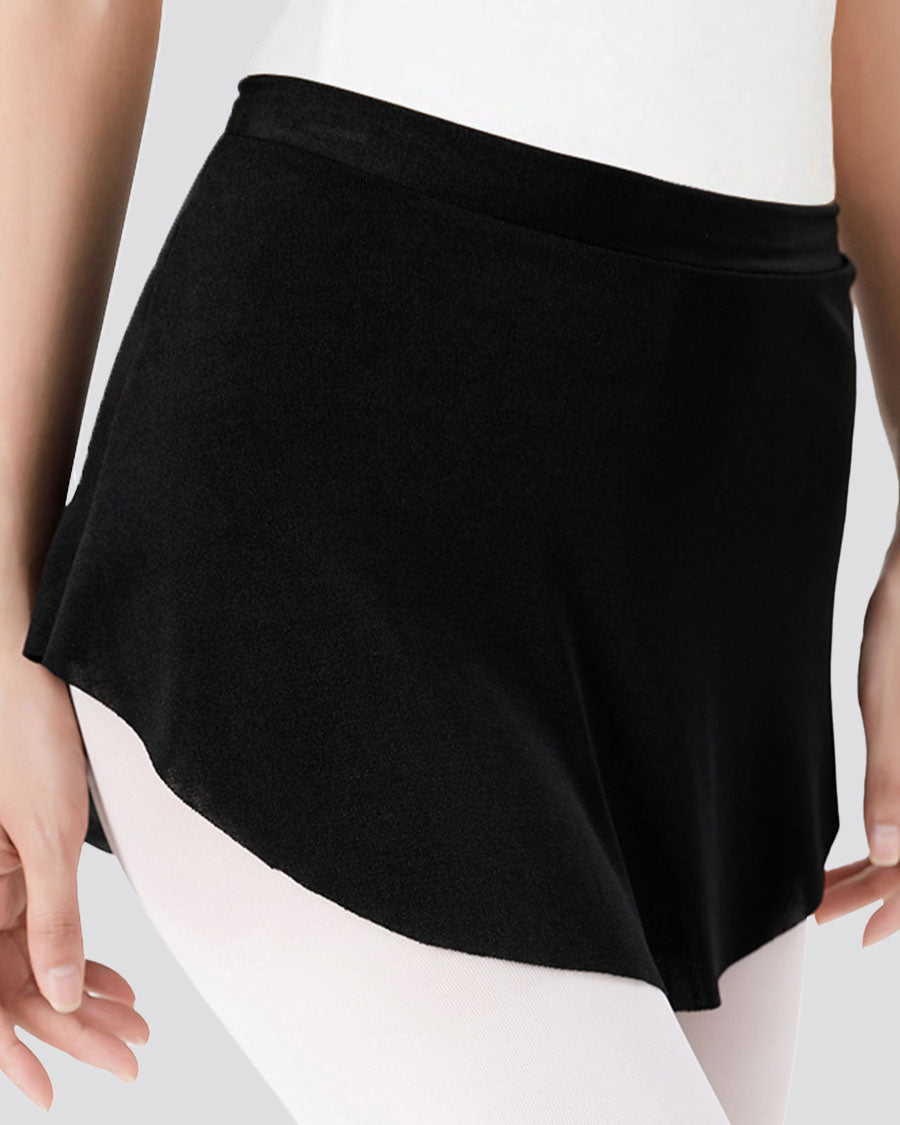
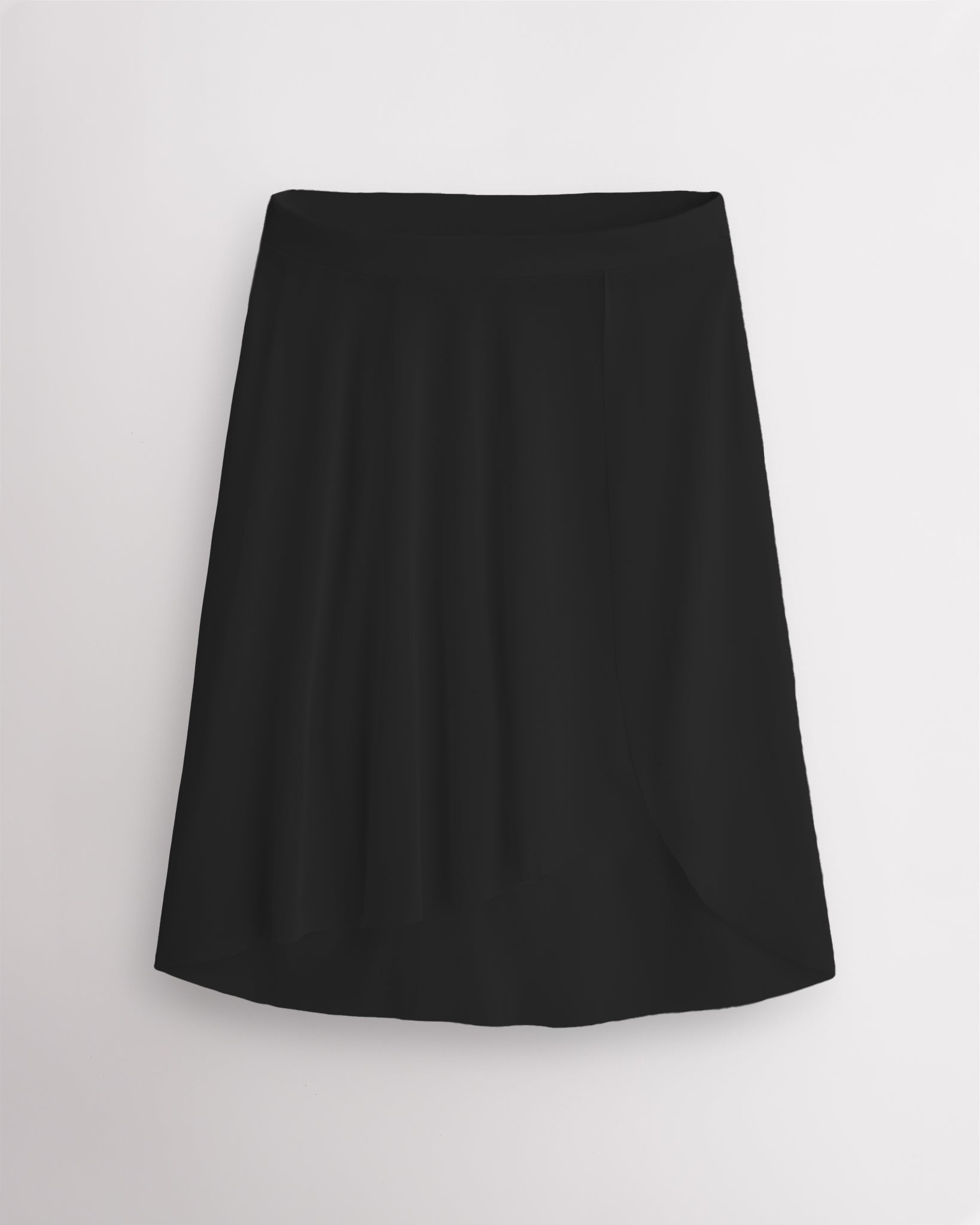
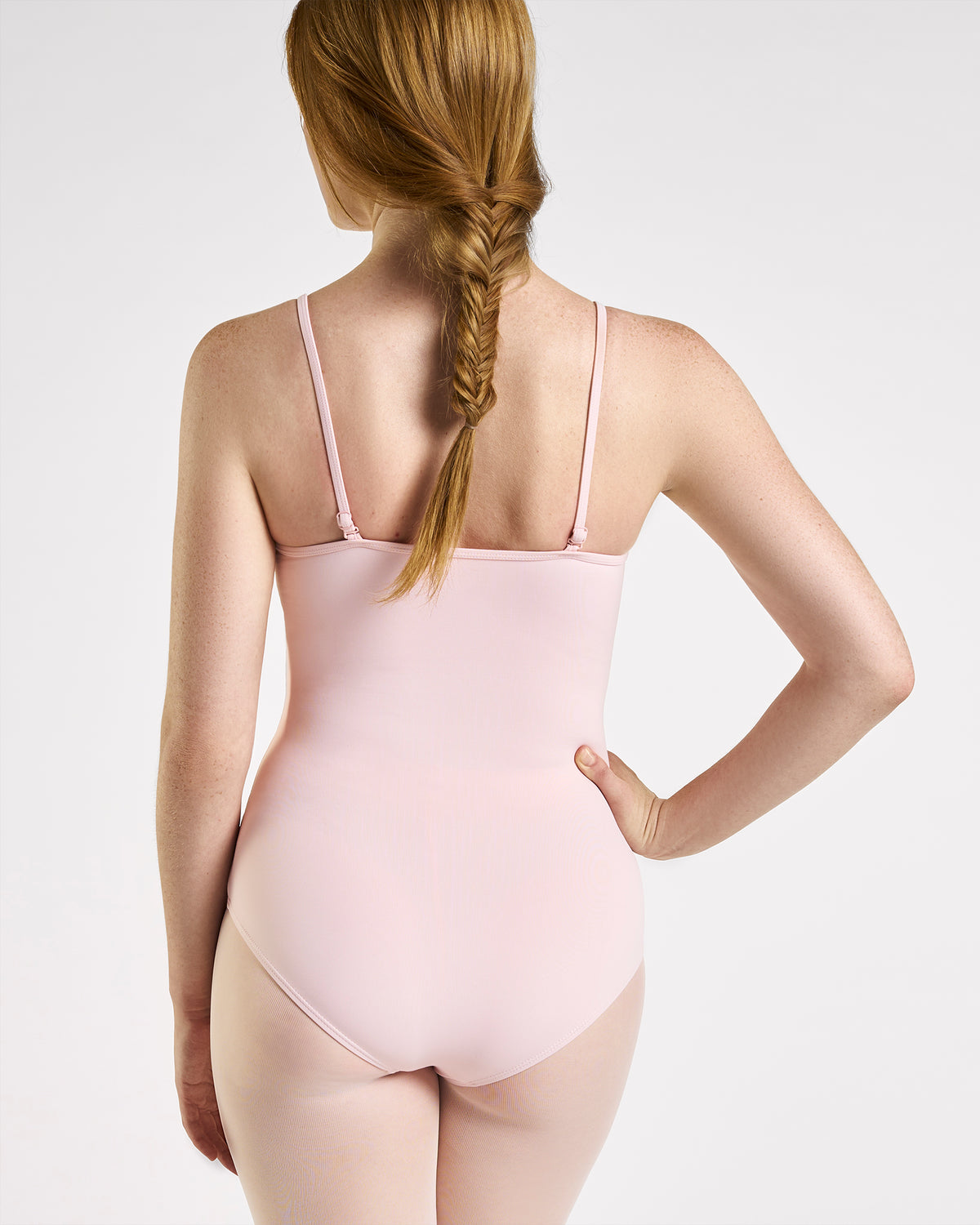
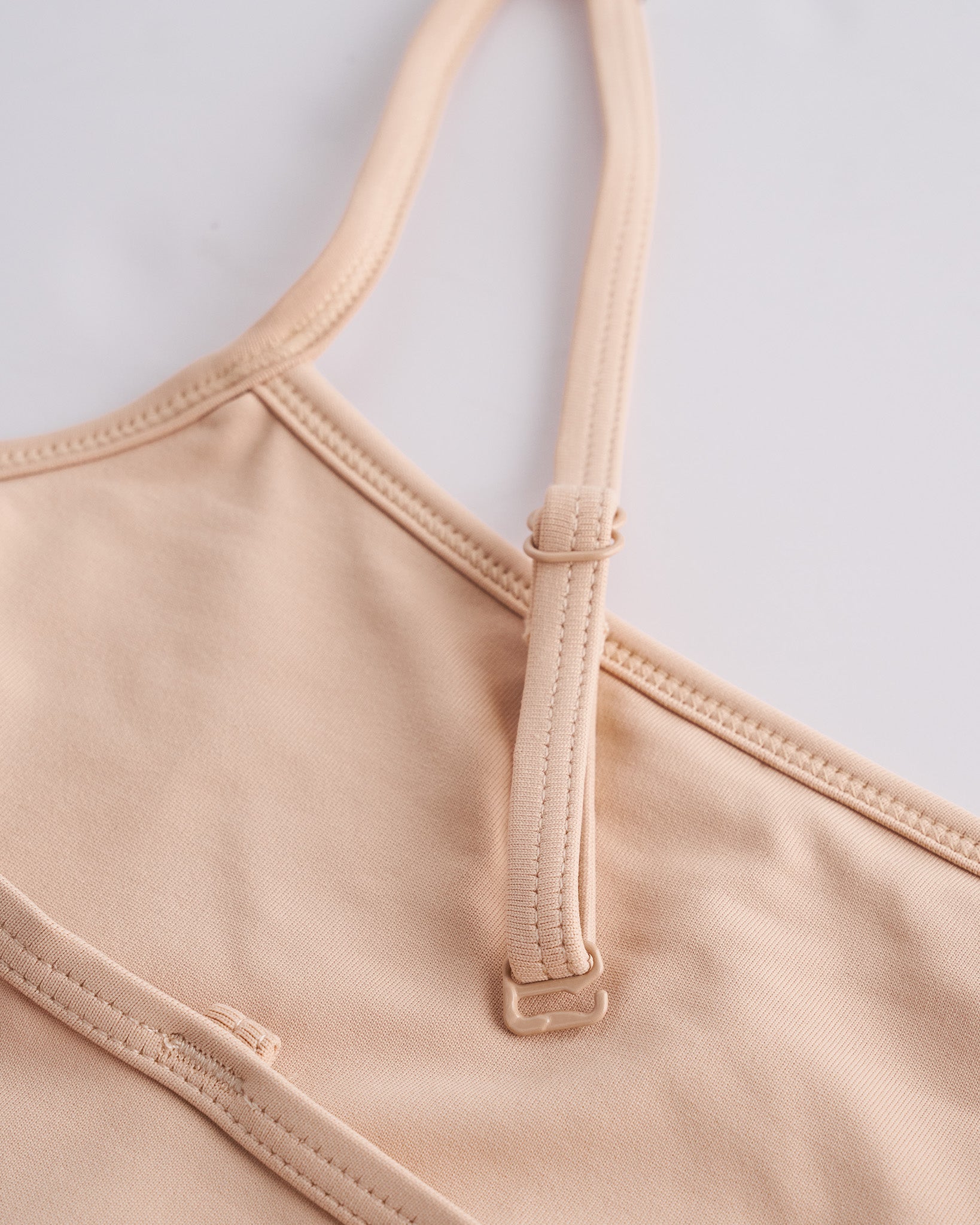
Fitted basics you already own will do the job, and if you decide you want dedicated pieces later, a simple leotard and leggings from a women's dancewear collection are all most adult classes call for. Buy slippers after two or three classes; socks are fine until then.

Ballet Basics for Beginners: The Terms You Will Hear First
The French names sound intimidating for about two weeks, then turn into shorthand you barely notice. Teachers translate as they go, and our basic ballet moves guide goes deeper on each; here are six you will meet in week one:
-
First position: heels together, toes turned out.
-
Plié: a controlled knee bend with your back tall. Our plié guide covers the common form mistakes.
-
Tendu: stretching one foot along the floor until only the toes touch.
-
Relevé: rising onto the balls of your feet.
-
Turnout: rotating the legs outward from the hips, not the knees.
-
Barre: both the railing and the first half of class spent at it.
If your child dances, you may recognize these from the basic positions kids practice at home. Same alphabet, taught at an adult pace.
A Realistic Progress Timeline
Knowing the usual pace keeps week three from feeling discouraging. With one or two classes a week:
|
Stage |
What usually clicks |
|---|---|
|
Classes 1 to 4 |
You learn the format, the basic positions, and how to follow along. Feeling lost once per class is normal. |
|
Months 2 to 3 |
Barre exercises become familiar. Balance improves, and standing taller starts to feel automatic. |
|
Months 4 to 6 |
You link steps into short combinations and stop watching your feet so much. |
|
Year one and beyond |
Cleaner technique, harder combinations, possibly a level up. Some adults later work toward pointe with teacher approval. |
Progress front-loads on posture, balance, and strength rather than on anything that looks like performing, so measure yourself against last month, not against the studio's teenagers.

Why Ballet for Adult Beginners Is Worth It
The short answer: it is strength training in disguise. Harvard Health notes that dance carries the benefits of other forms of exercise, from muscle and bone building to cardiovascular gains, and several, but not all, studies have found that mastering dance movements improves memory and problem-solving more than walking does.
Posture is the change people notice first. Harvard Health's posture guidance points out that weak core muscles encourage slumping, and that building core strength and flexibility can improve posture noticeably within a few weeks. A ballet class is an hour of exactly that training, set to piano music, and a weekly hour you genuinely look forward to beats most gym resolutions on staying power.
How to Pick Your First Ballet Class for Adults
A good ballet class for adults is mostly about the label and the teacher. Five steps:
-
Filter by level name. Look for Absolute Beginner, Intro to Ballet, or beginning ballet for adults. Skip "Open Level" until you have a few months behind you.
-
Prefer a dedicated adult program. An adult ballet school or an academy's adult division beats a lone adult slot at a kids' studio; some colleges and rec centers also run ballet classes for young adults.
-
Choose your format. A weekly in-studio class is the default because the teacher corrects what you cannot feel yet. Beginner ballet for adults also comes as private ballet lessons for adults, which suit people who dislike group settings, and as online supplements.
-
Take one trial class. A good beginner teacher names each step, offers modifications, and welcomes questions. Many studios discount the first class, so trying two is cheap.
-
Commit to a season. A couple of months of weekly classes is where the posture, balance, and confidence changes arrive.
Still weighing ballet against jazz, contemporary, or ballroom? Our guide to adult dance lessons for beginners compares the styles side by side.
FAQ
Is 30, 40, or 50 too old to start ballet?
No. Beginner classes are full of people in exactly that range. A later start changes the on-ramp, not the door: expect a slower flexibility curve, more warm-up care for knees and ankles, and goals built around technique and enjoyment rather than performance. Wondering about your child's timeline instead? That question has its own answer.
Do I need to be flexible before I start?
No. Flexibility is a result of ballet training, not a prerequisite. Beginner classes work within whatever range you bring, and regular stretching between classes speeds things up.
How many classes a week should an adult beginner take?
One weekly class is enough to progress; two accelerates things once the habit sticks. Consistency beats volume: a single class kept up for six months outperforms a three-class-a-week burst that ends by February.
Are online ballet classes for adults worth it?
They work well as a supplement or a low-pressure starting point, with one real limitation: there is no teacher in the room to correct alignment you cannot feel yet. If you begin with adult ballet classes online, plan to add an in-person class within a few months, and use short home barre sessions between classes either way.
Will I ever get to dance on pointe?
Some adult students do. Pointe requires a teacher's sign-off on your ankle and core strength, which typically takes a few years of consistent training to build. Plenty of adult dancers stay happily in soft slippers for good.
About the Stelle Team
Stelle is a mom-trusted dancewear & athleisure brand best known for girls’ ballet and dance essentials since 2015. Every article is created and reviewed by the team behind the products, drawing on what we hear from dance teachers, studio owners, and dance parents every day. Learn more about Stelle.