




Adult Dance Lessons for Beginners: How to Start Dancing as an Adult
Table of contents
- Quick answer
- Key takeaways
- The truth about age and dance
- How to choose your first dance style
- Your first adult dance class, step by step
- What progress actually looks like
- FAQ
- Am I too old to start dancing?
- Can I learn to dance at 30 or 40 with no experience?
- What should I wear to my first adult dance class?
- How long does it take to learn to dance as an adult?
- Do I need to be flexible or in shape before starting dance lessons?
- Which dance style is easiest for adult beginners?
- About the Stelle Team
Quick answer
Adult dance lessons for beginners are open-level or "absolute beginner" classes designed for grown-ups with zero experience, and they exist in nearly every style, from ballet and barre to salsa and hip-hop. You do not need to be young, flexible, or fit to start. Some major dance institutions now build entire programs around adult beginners, including dancers in their 50s, 60s, and beyond. The practical path for starting dance as an adult: pick a style that sounds fun (not the one you think you "should" do), find a class labeled true beginner, and commit to showing up for the first month while everything still feels awkward.
Key takeaways
-
Adult beginner classes assume no experience. A true beginner class teaches you how to stand, where to put your hands, and what the words mean.
-
Age is not the barrier it feels like. The Royal Academy of Dance runs Silver Swans, a ballet program built for adults over 55, taught by teachers licensed specifically for older beginners.
-
Style choice matters more than talent. The style you enjoy is the one you will keep showing up for, and showing up is most of the progress.
-
Your first month will feel clumsy for almost everyone. That phase passes with repetition, not with talent.
-
Many adults notice small wins by week four, more comfort around month three, and visible changes in posture, balance, or coordination within six months of weekly classes.

The truth about age and dance
No, and the dance world itself has stopped pretending otherwise. The Royal Academy of Dance, one of the most established ballet education organizations in the world, created Silver Swans, ballet classes designed for adults over 55, with licensed teachers trained specifically to teach older beginners. The RAD notes that complete beginners are welcome and that the classes are built to improve mobility, posture, and coordination. If a 60-year-old first-timer belongs at the barre, a 35-year-old mom does.
Professional companies have moved the same direction. Ballet Austin, the resident professional ballet company in Austin, runs workshops it describes as the place to start "for the absolute beginner adult," alongside drop-in classes and a gentler Active Aging Ballet track for dancers 50 and up. Their first drop-in visit costs $5 at the time of writing. Prices, class schedules, and age ranges can change, so treat these examples as a starting point and confirm details with each studio before signing up.
Here is the honest part, because encouragement without honesty is not useful: starting as an adult means you will probably not become a professional dancer, and your body may need longer to build flexibility than a nine-year-old's would. What adults bring instead is focus, discipline, and the ability to understand corrections the first time. Teachers of adult beginners mention this often. You chose to be in the room, and that changes how fast the basics stick.
One more reframe that helps a lot of moms in particular: you have likely spent years driving a child to dance class and watching from the lobby. You already know more about dance than you think. The only new part is being the one in the studio.
How to choose your first dance style
Pick the style you would actually look forward to on a tired Tuesday. That single filter beats any objective ranking, because consistency drives progress far more than style difficulty does. If you want a broader tour of what is out there before deciding, this overview of popular types of dance covers the major styles in plain language.
|
Style |
What it feels like |
Best for |
|---|---|---|
|
Ballet |
Structured, precise, calm; the same barre exercises build week over week |
Adults who like clear technique, posture goals, and measurable progress |
|
Barre fitness |
Ballet-inspired workout, no choreography to memorize |
Trying ballet movement with zero performance pressure |
|
Jazz |
Energetic, musical, big movements |
People who want to sweat and feel like they are dancing from day one |
|
Hip-hop |
Rhythm-driven, casual dress, learn short combos |
Anyone who dances in the kitchen and wants more of that feeling |
|
Ballroom / salsa |
Partner-based, social, lots of repetition of a few steps |
Couples, social people, anyone who wants a date-night skill |
|
Tap |
Rhythm and sound, mentally engaging, low jumping |
Music lovers; also gentle on the body once basics click |
|
Contemporary |
Expressive, floor work, fewer rules |
Adults drawn to the emotional, artistic side of dance |
Two practical notes on this table. First, adult ballet for beginners is more popular than people expect, precisely because it is so structured: at any given moment you know what you are supposed to be doing, which many adults find less intimidating than freestyle-heavy classes. Second, if a full dance class feels like too big a first step, barre is a soft entry. It borrows ballet positions and music but runs like a fitness class, and our barre fitness guide explains what to expect from a typical session.
Your first adult dance class, step by step
-
Find a class labeled "absolute beginner" or "intro," not "open level." Open level usually means mixed experience, and standing next to a former dancer on day one is discouraging for no good reason. Studios attached to ballet companies, community colleges, and rec centers tend to run true intro series where everyone starts together.
-
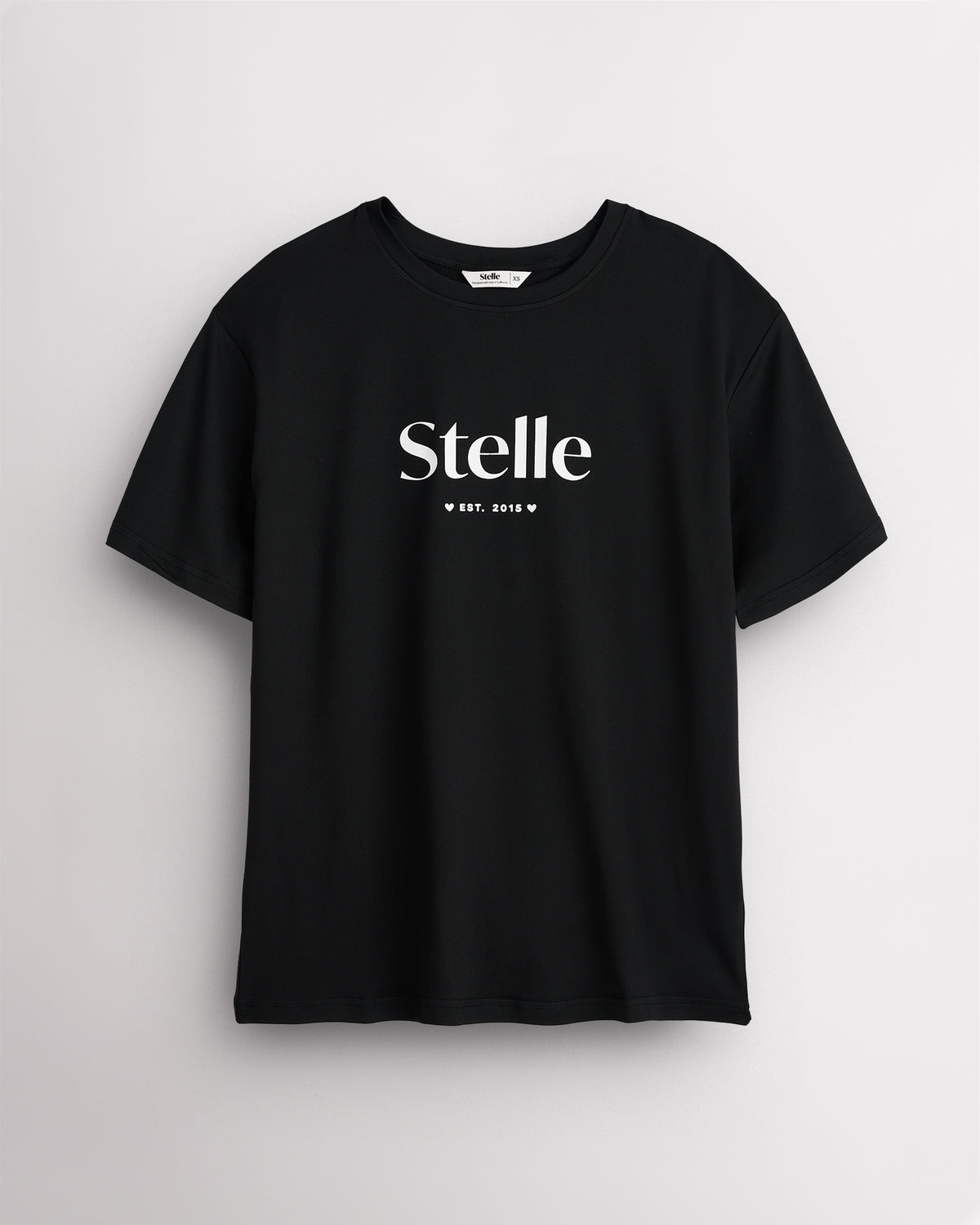
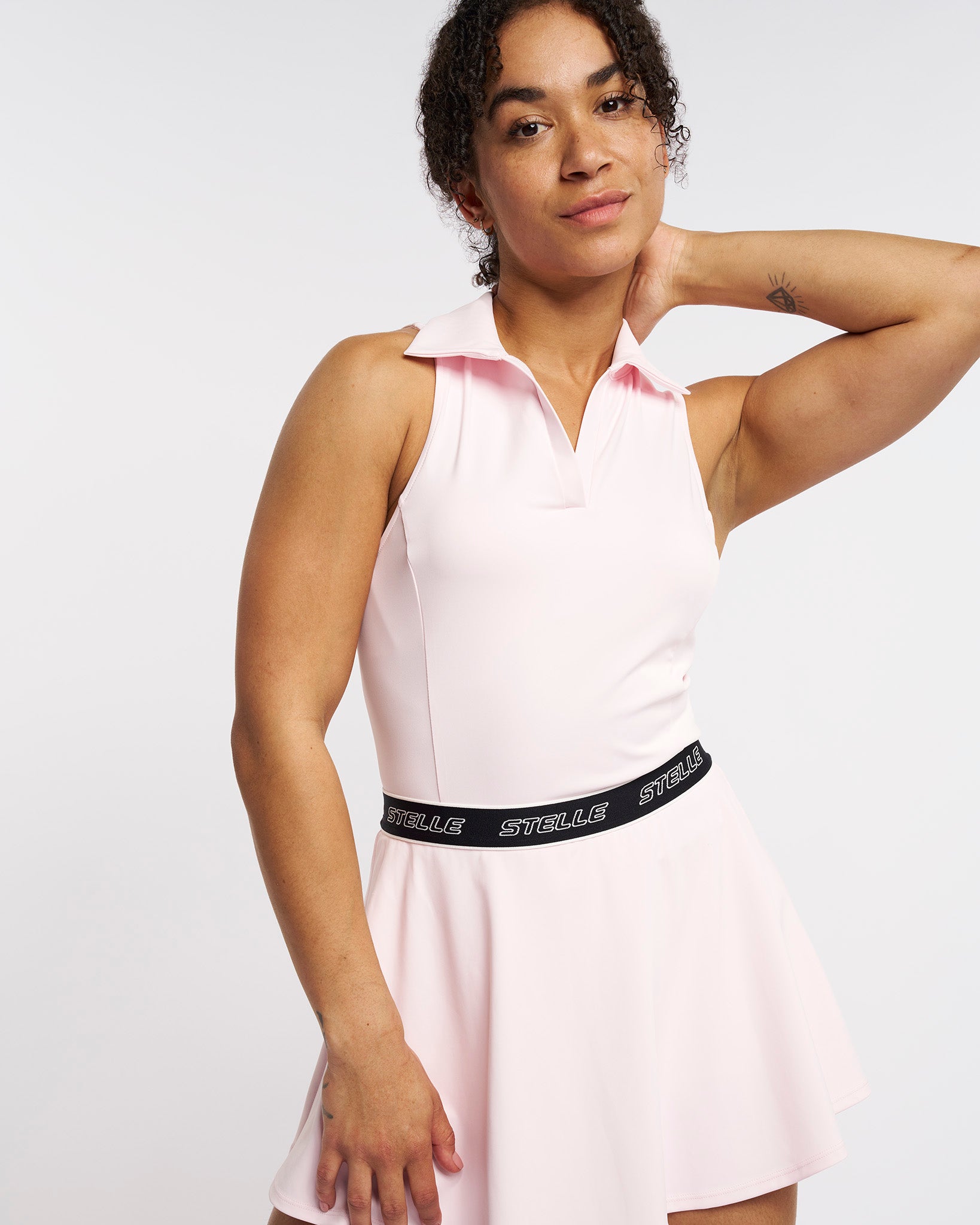
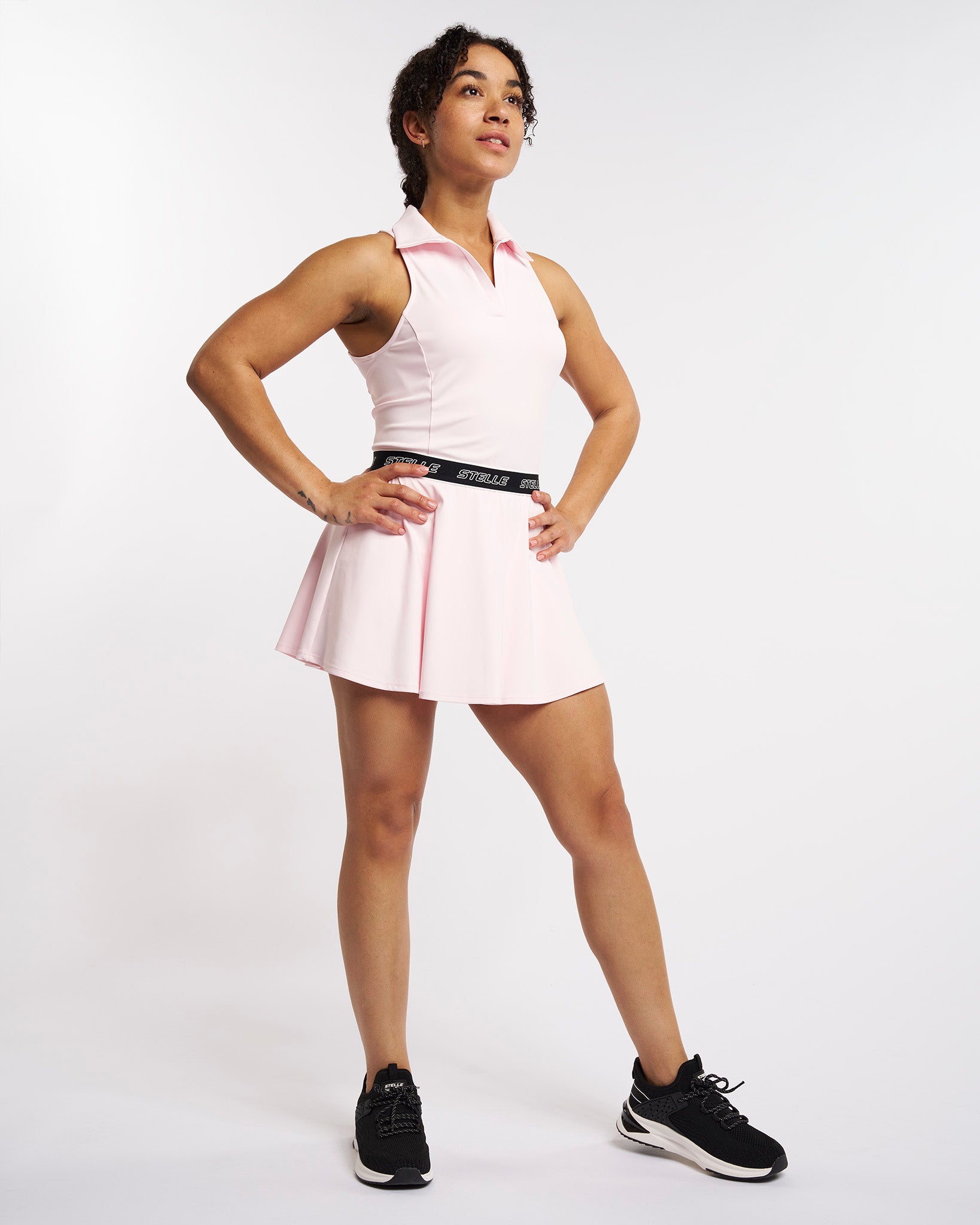
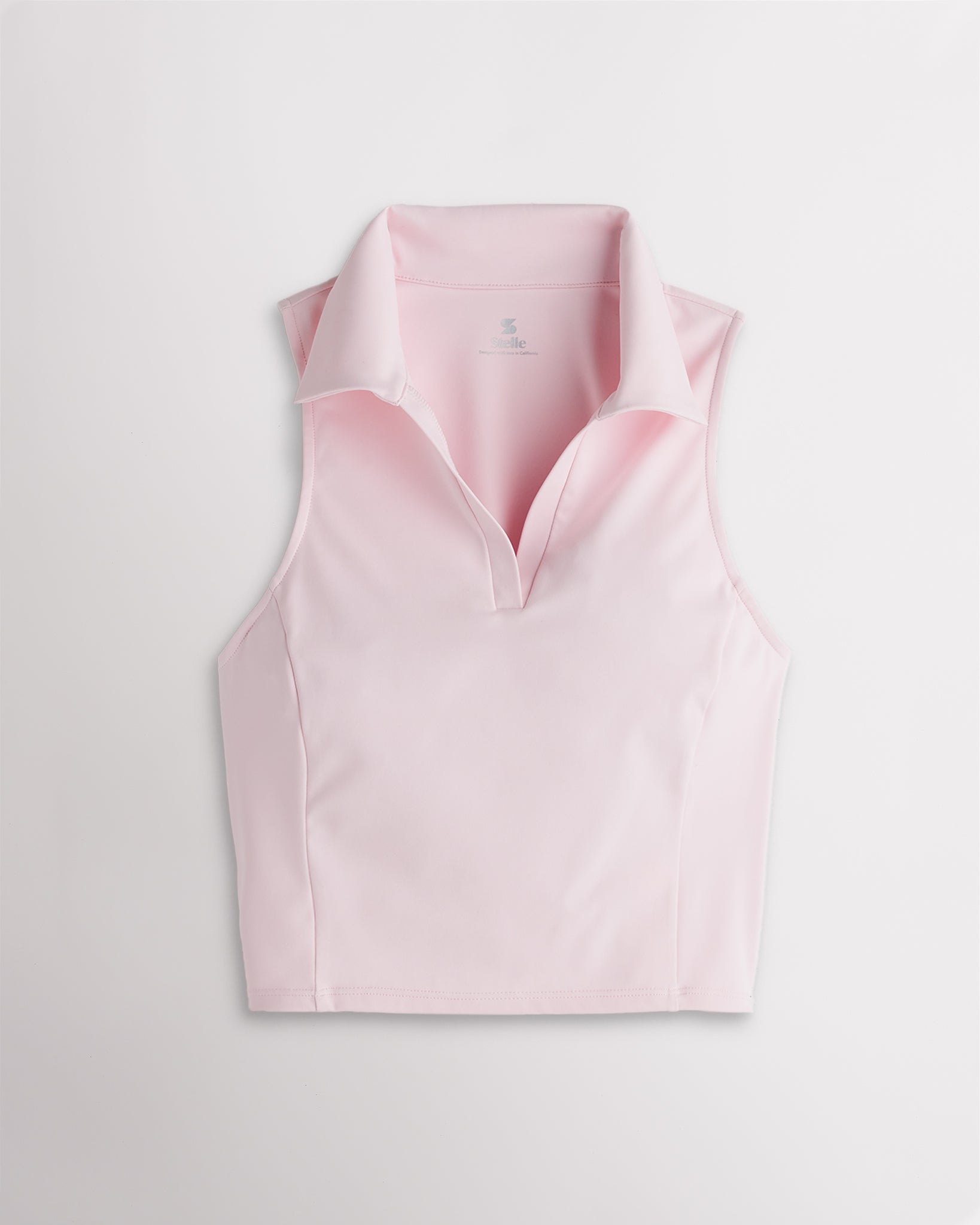
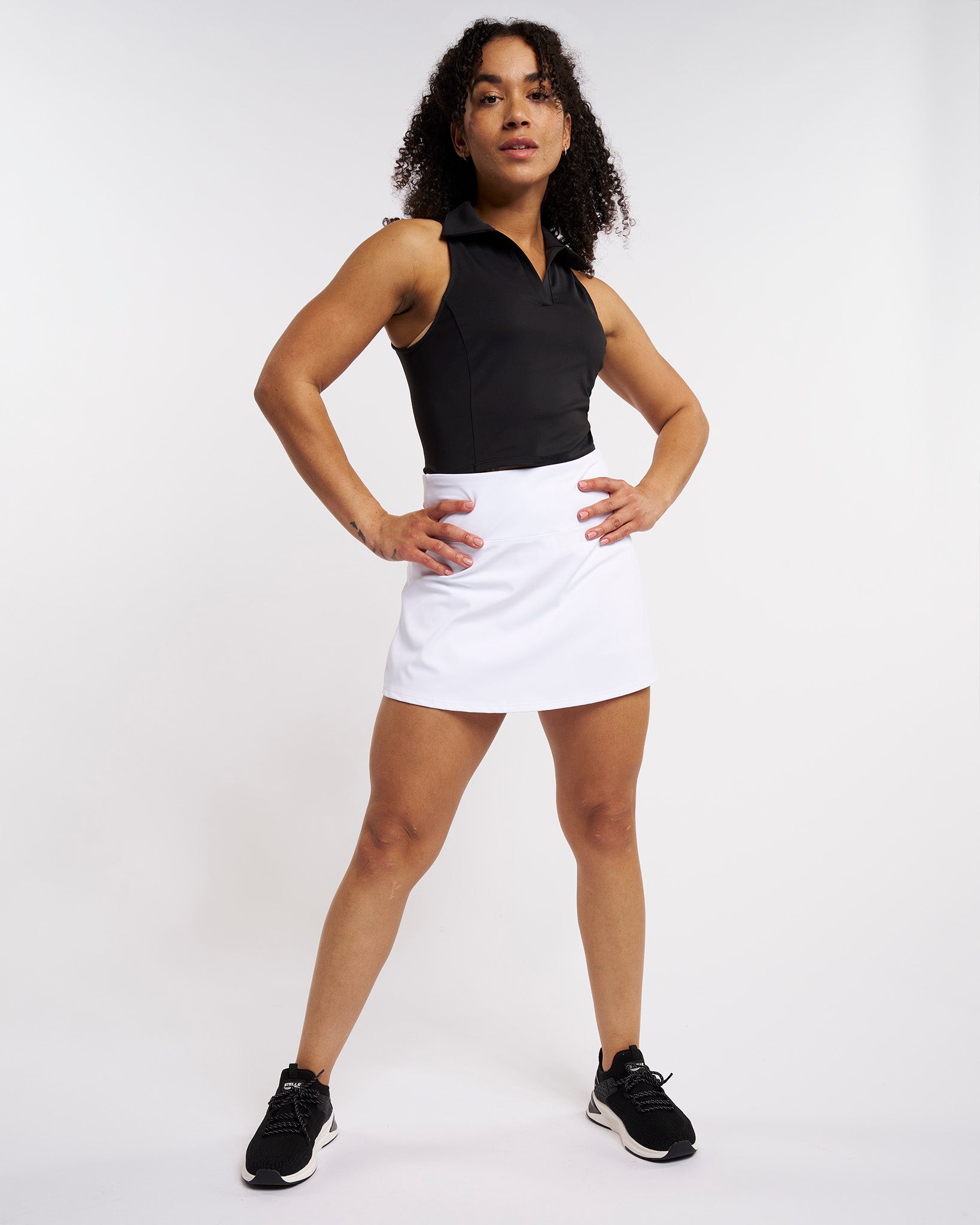
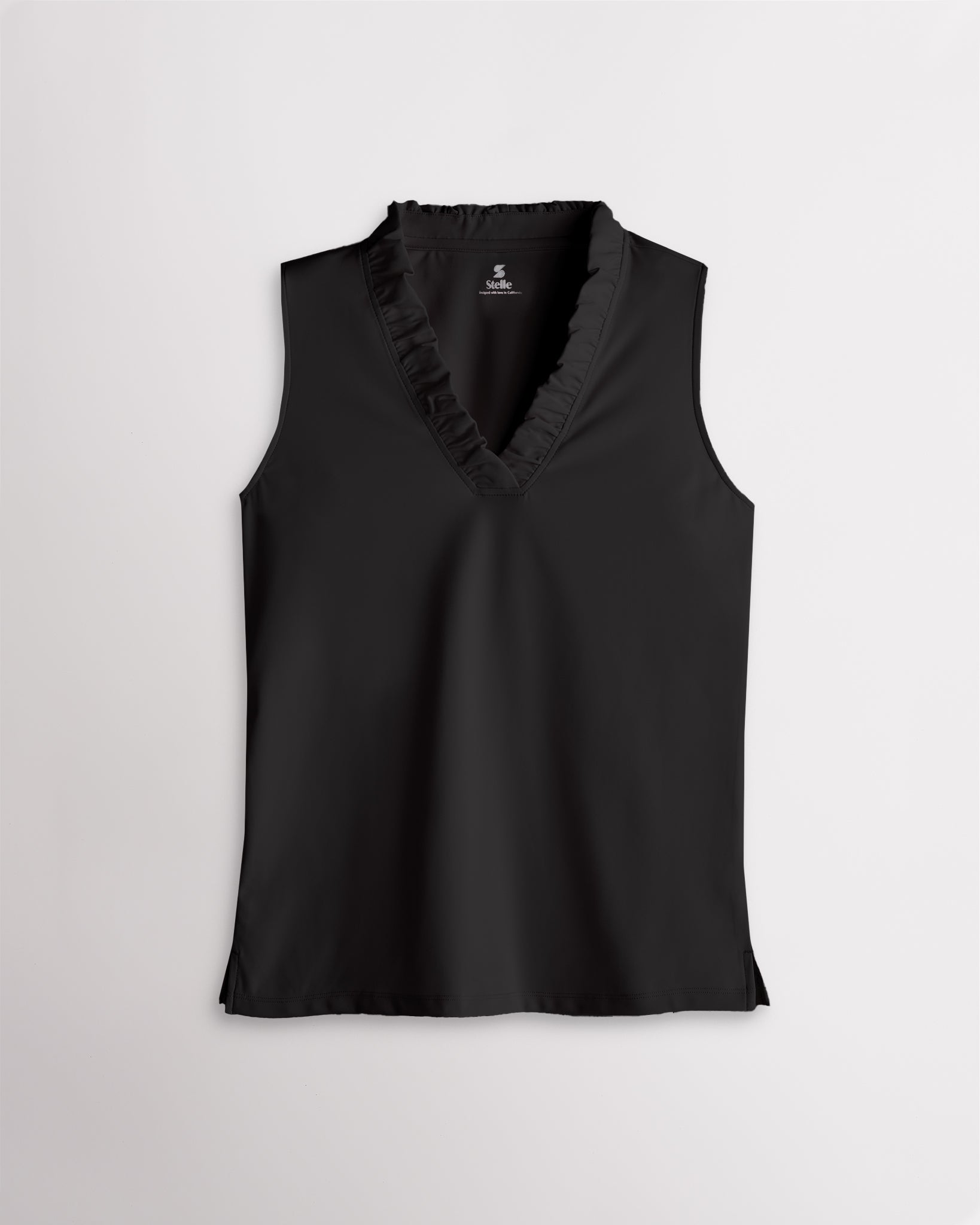
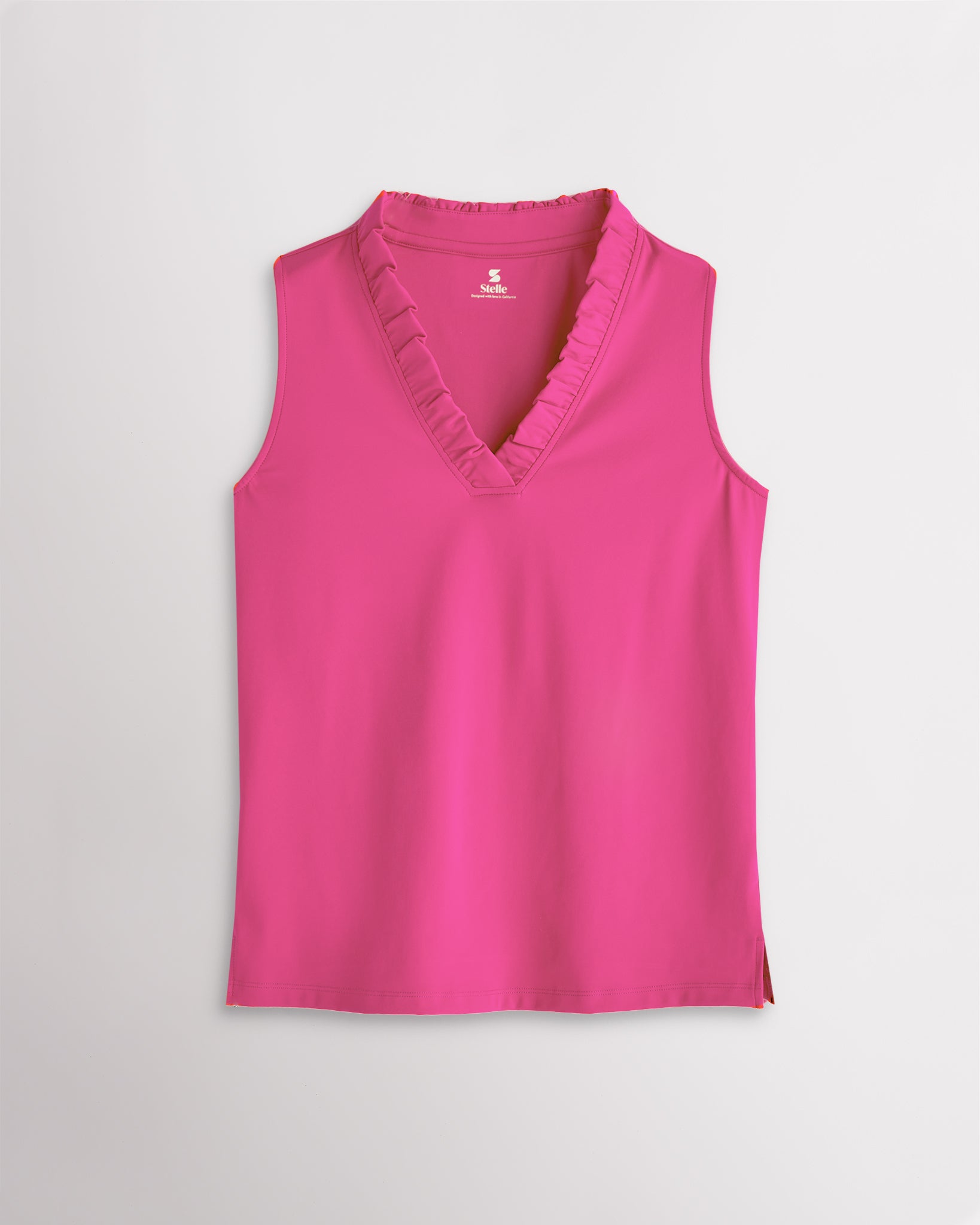
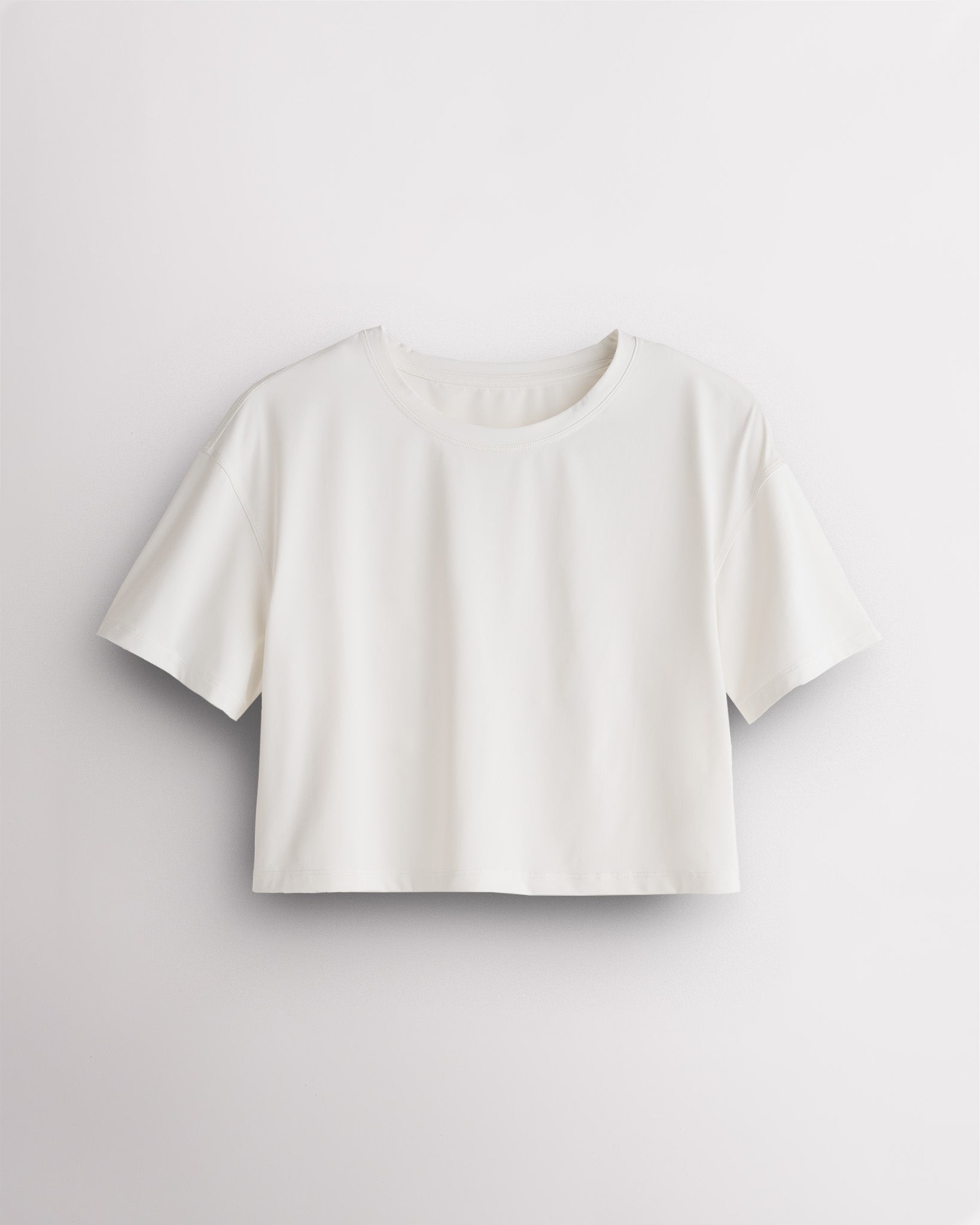
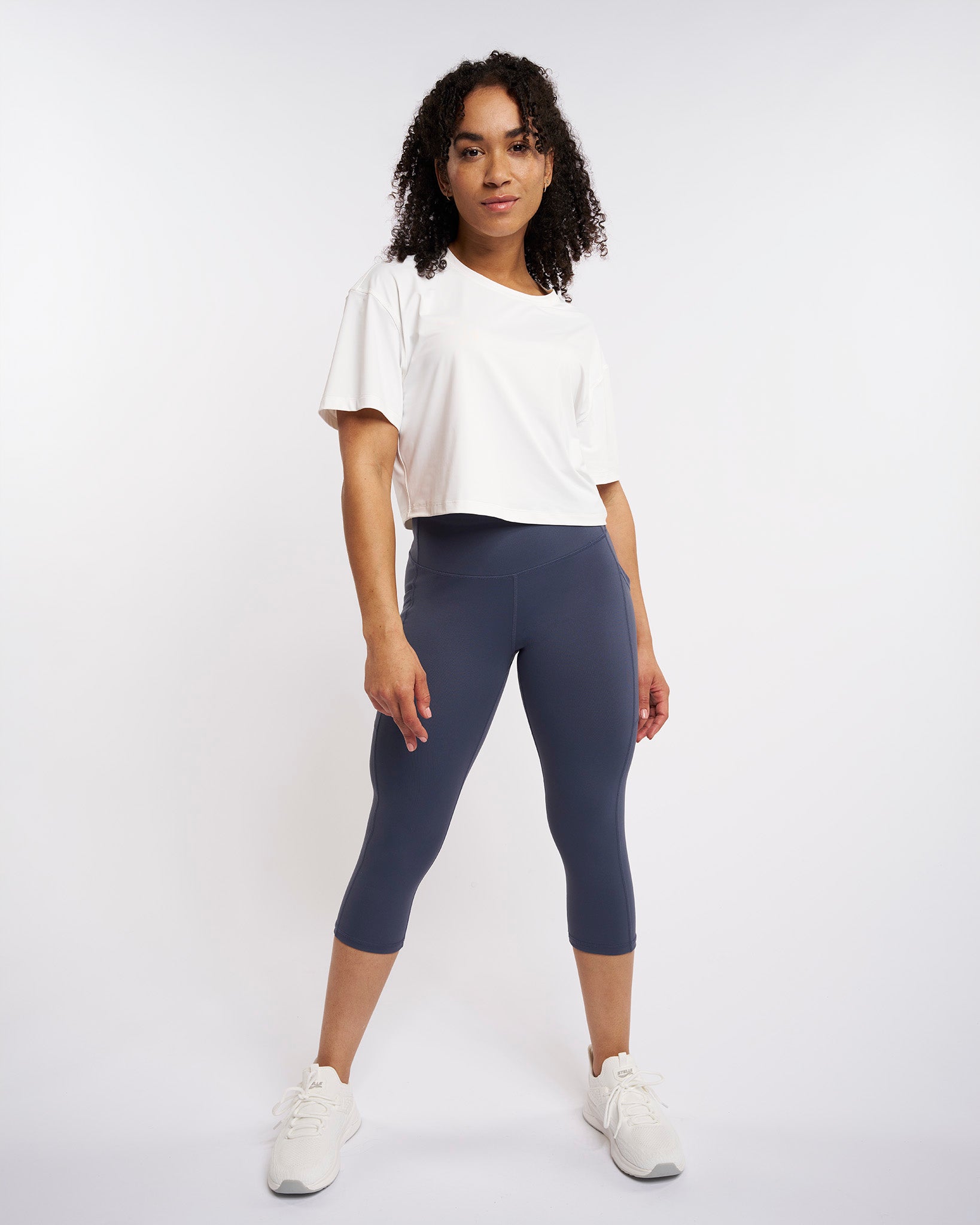
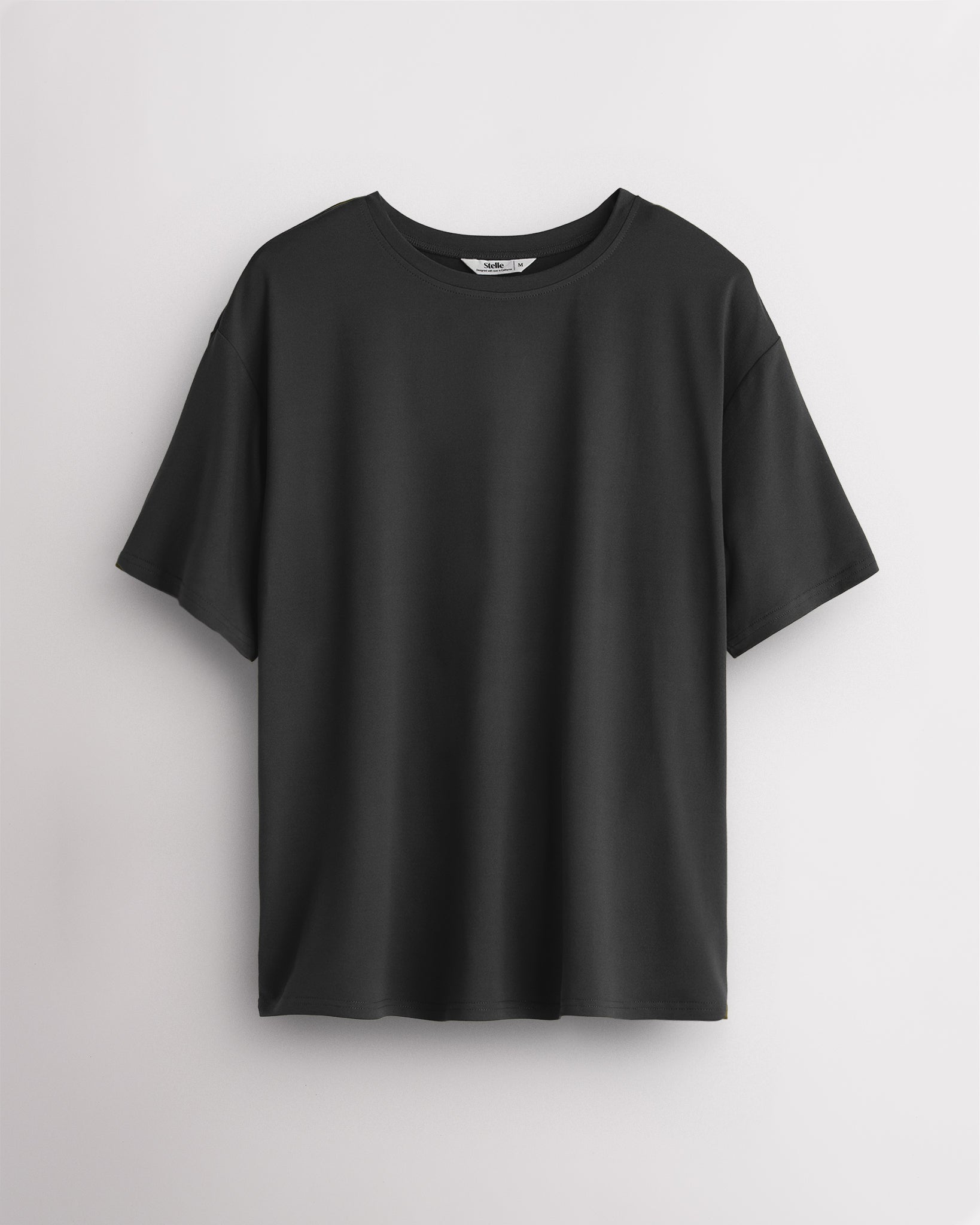
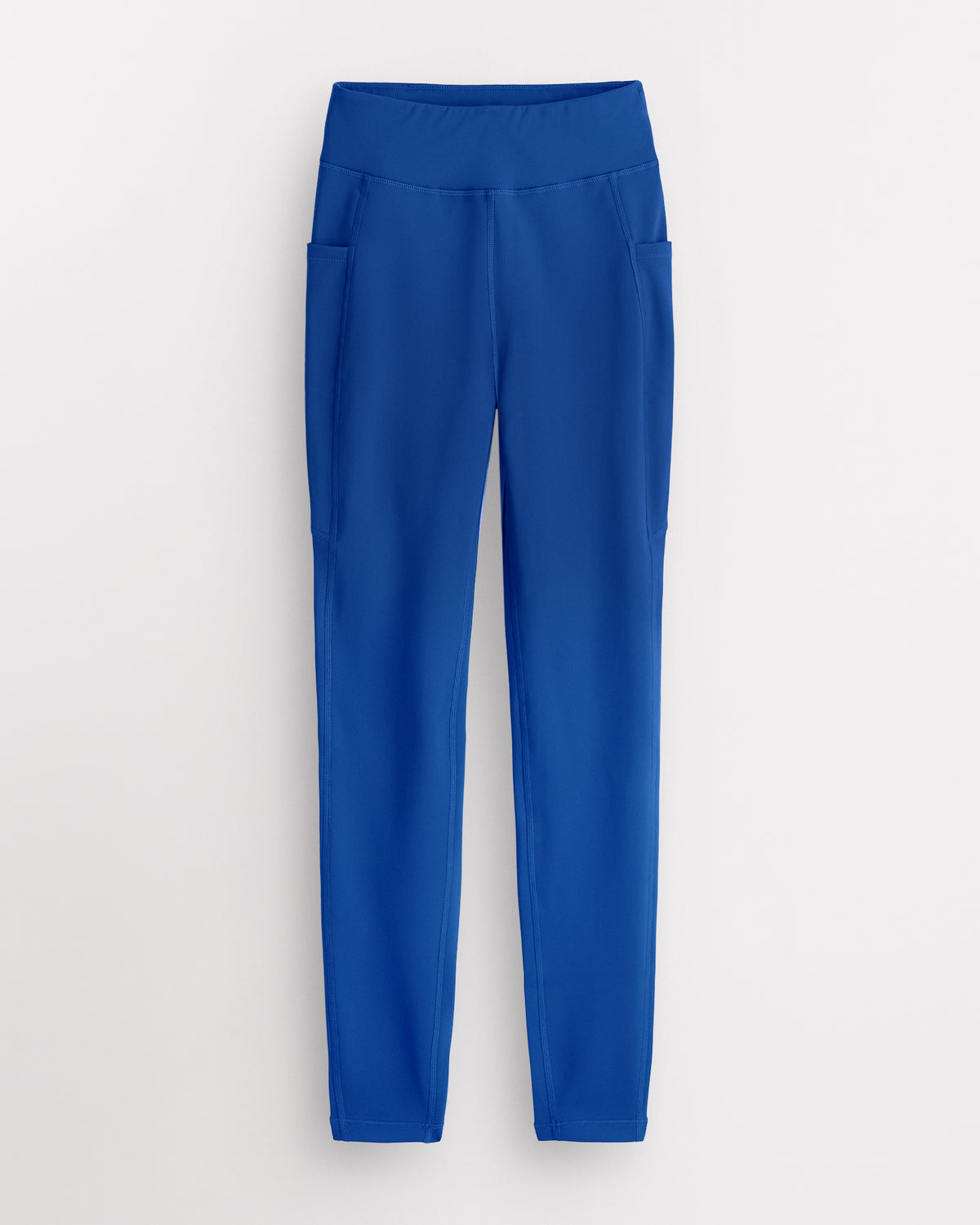
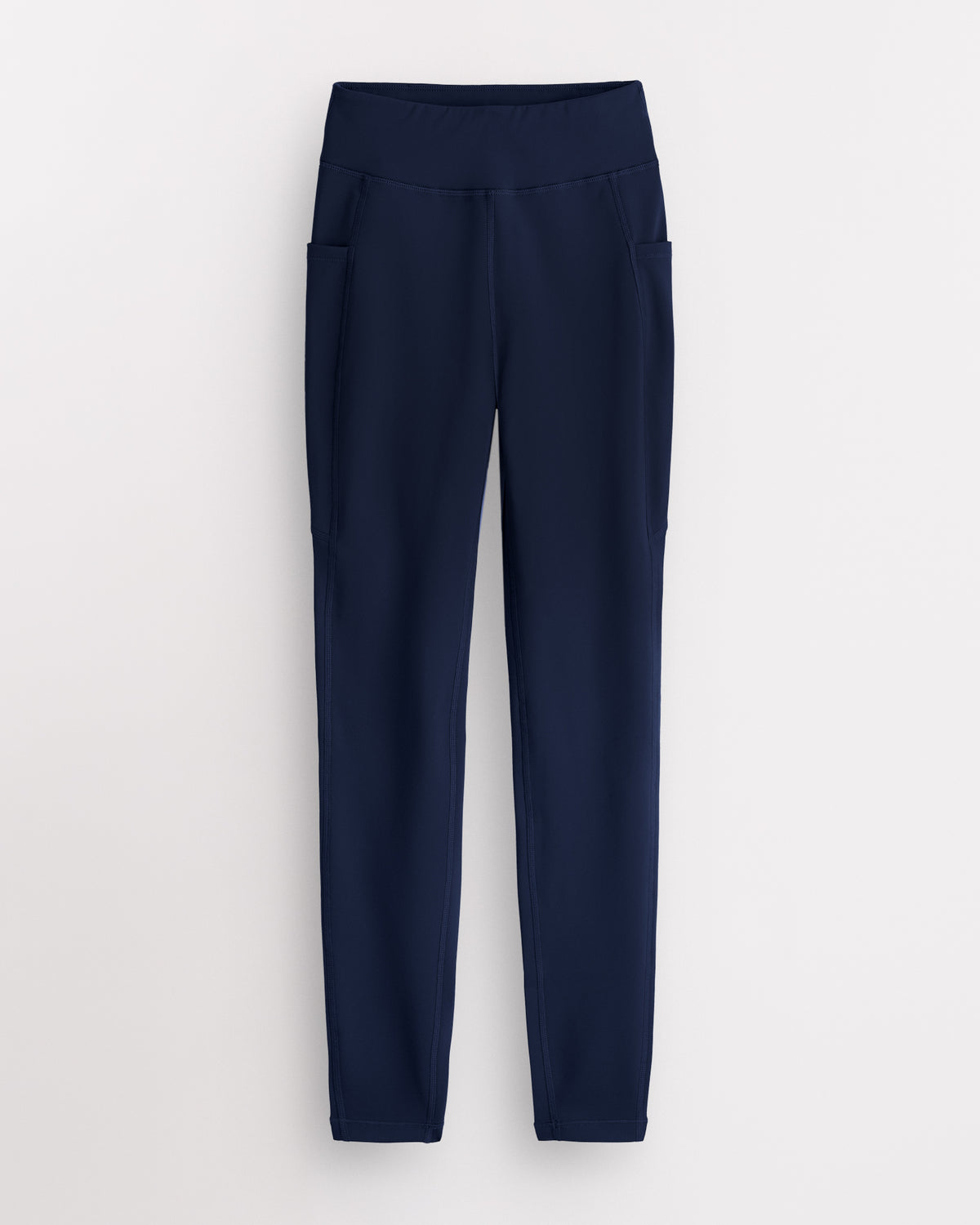
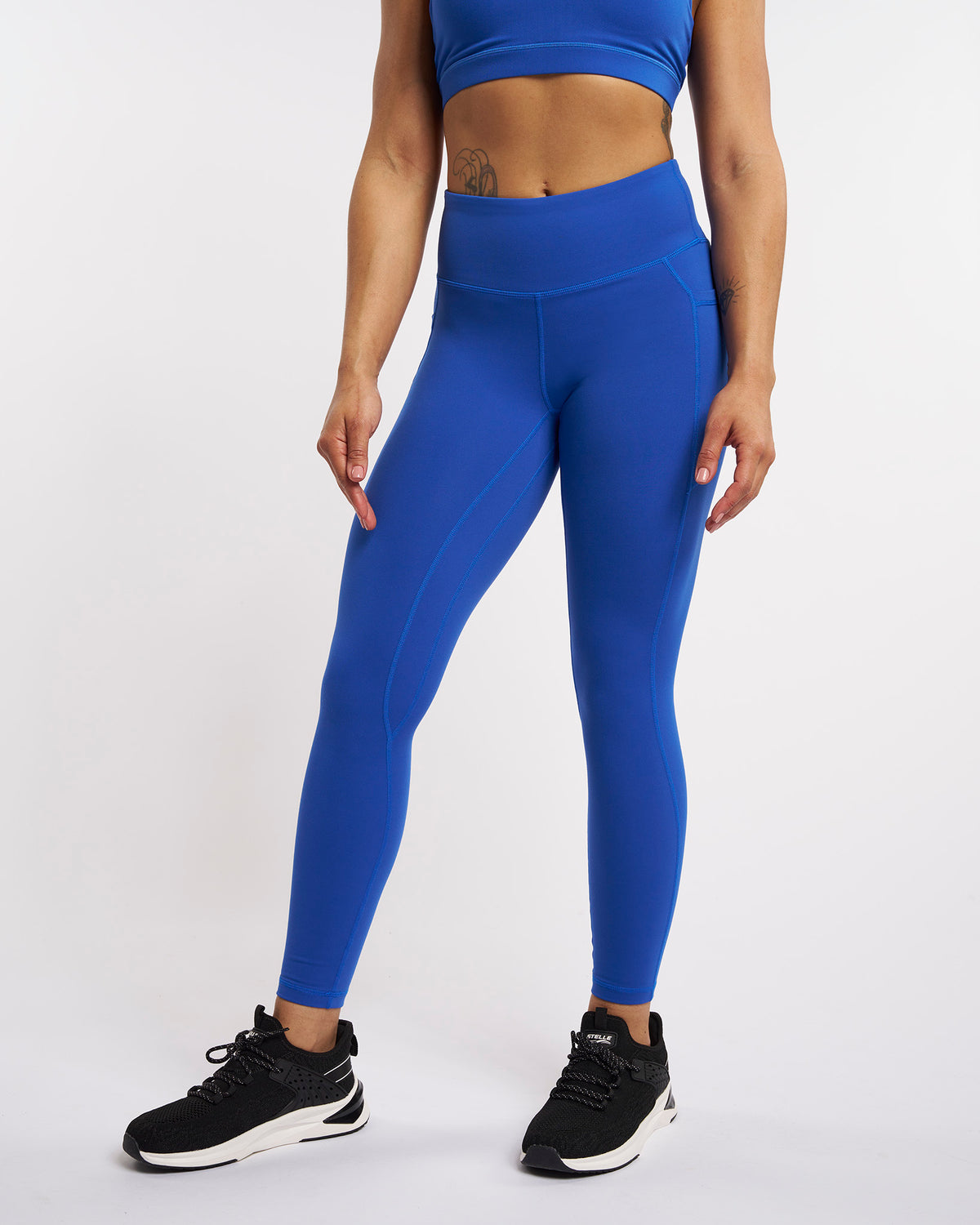
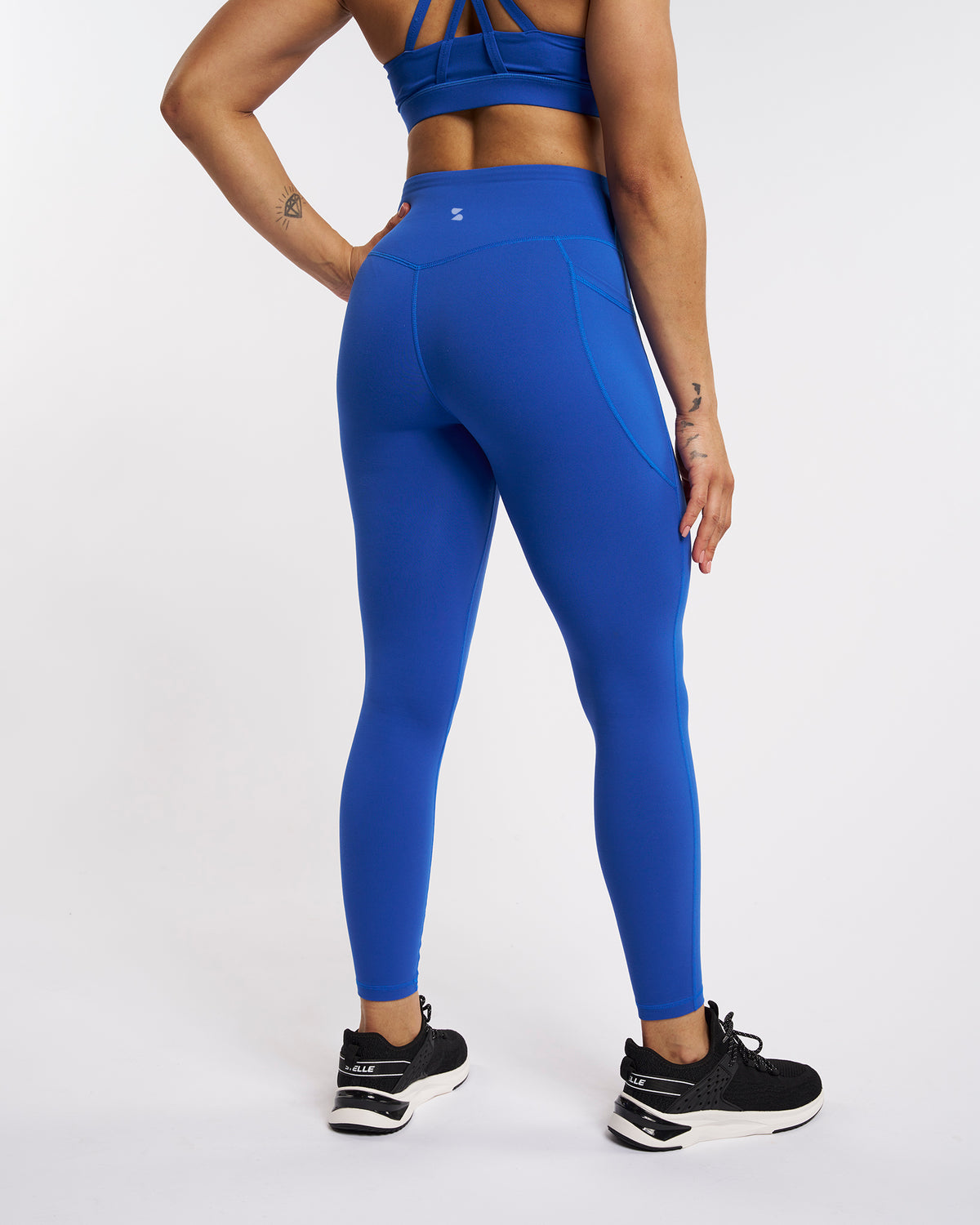
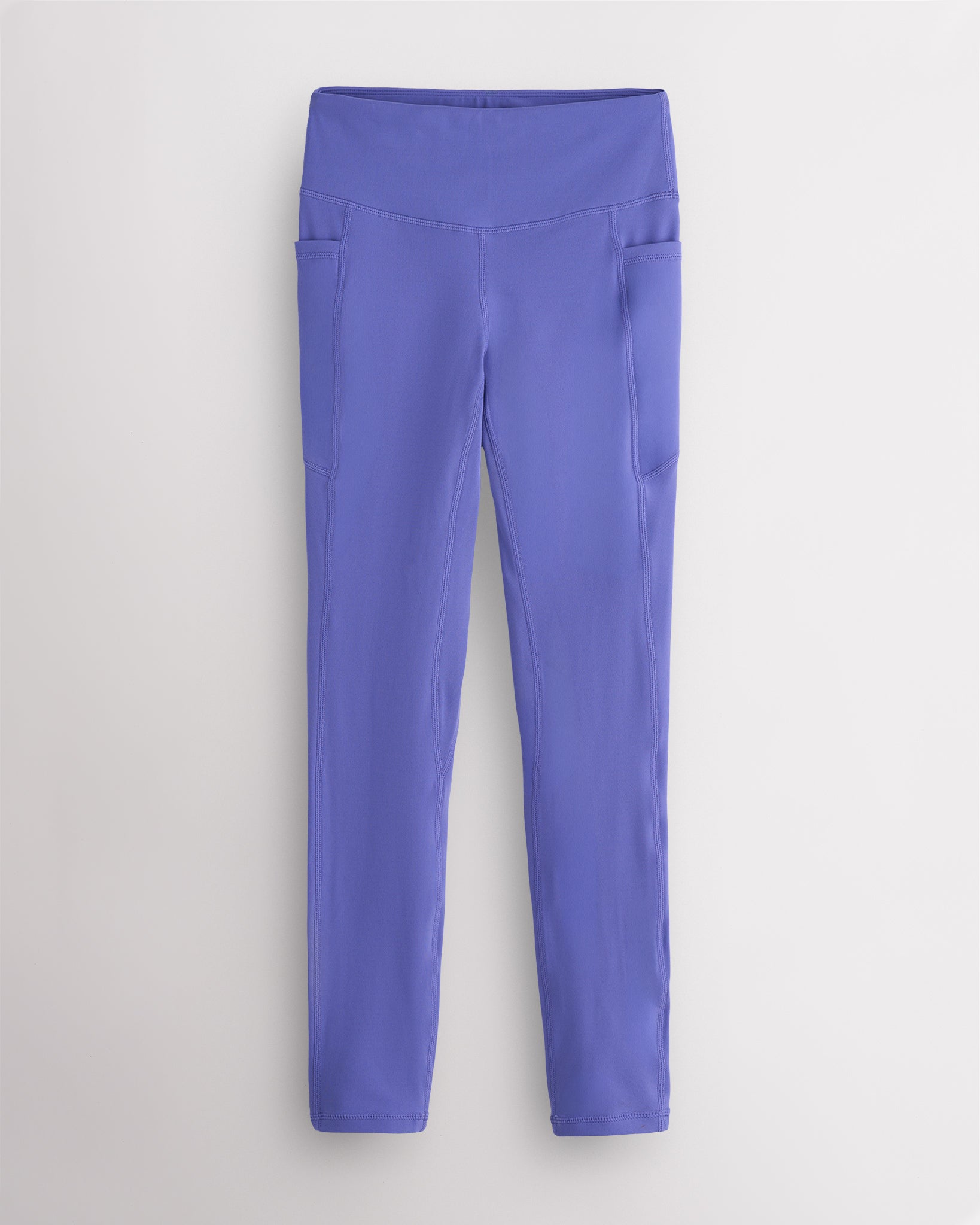
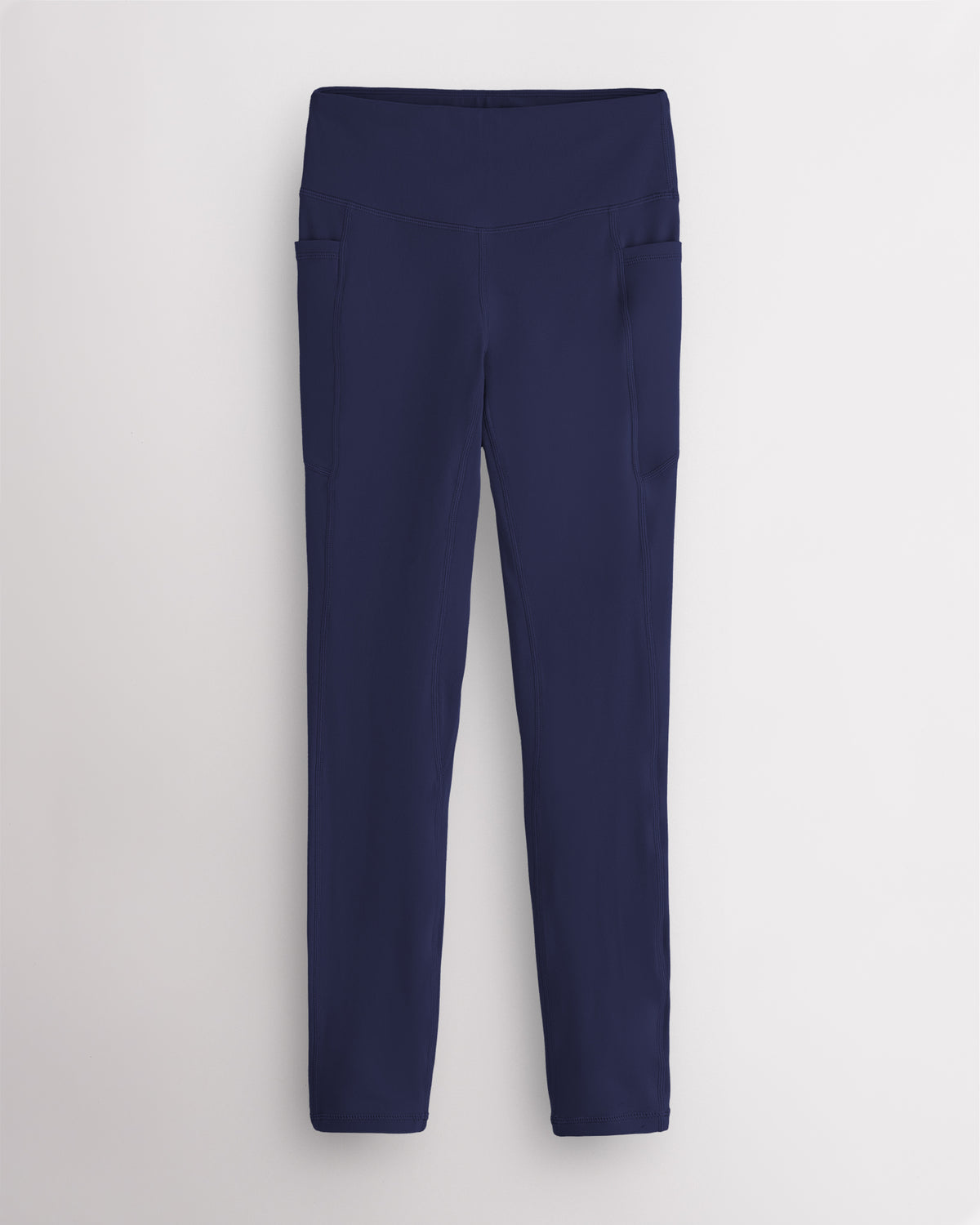
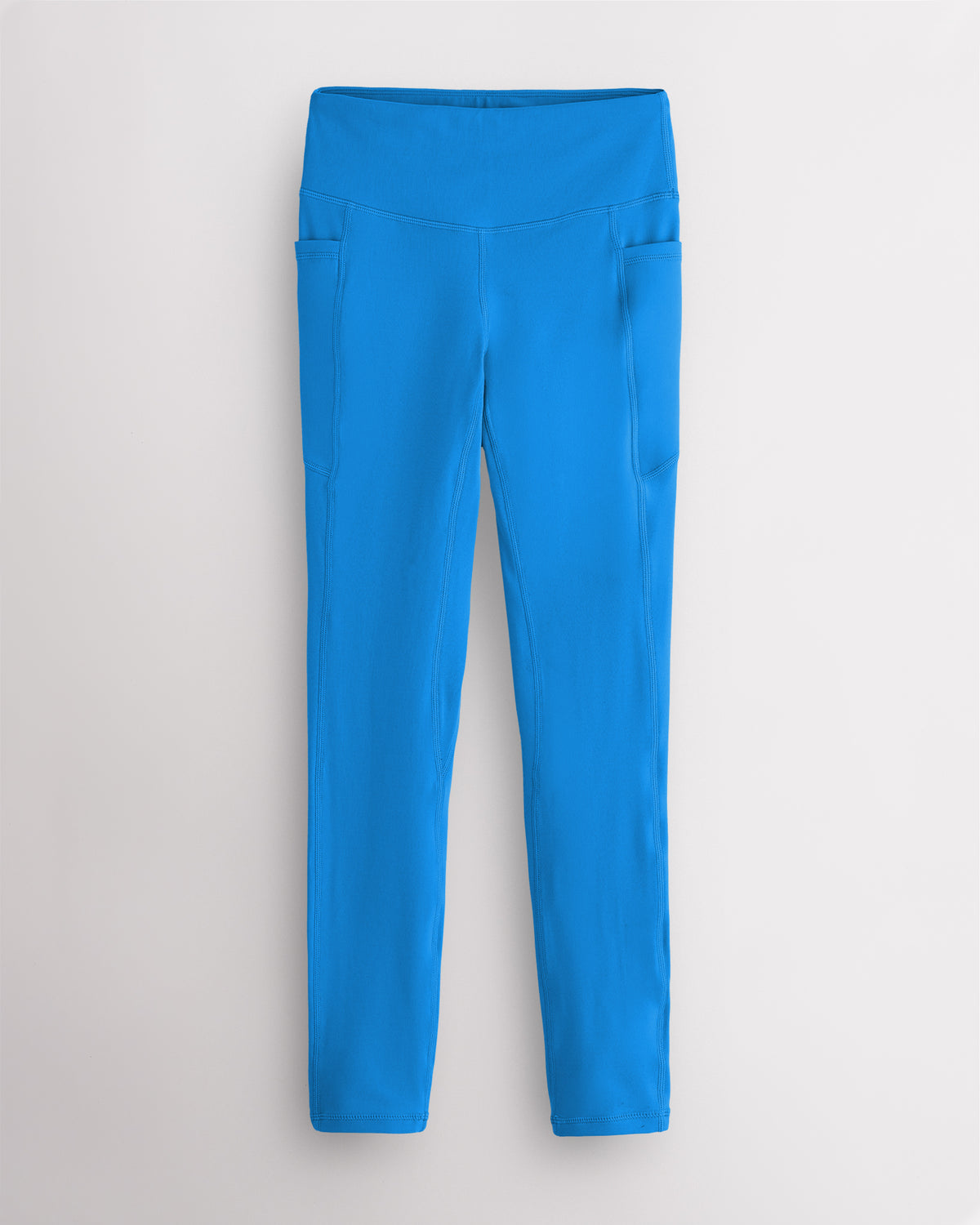
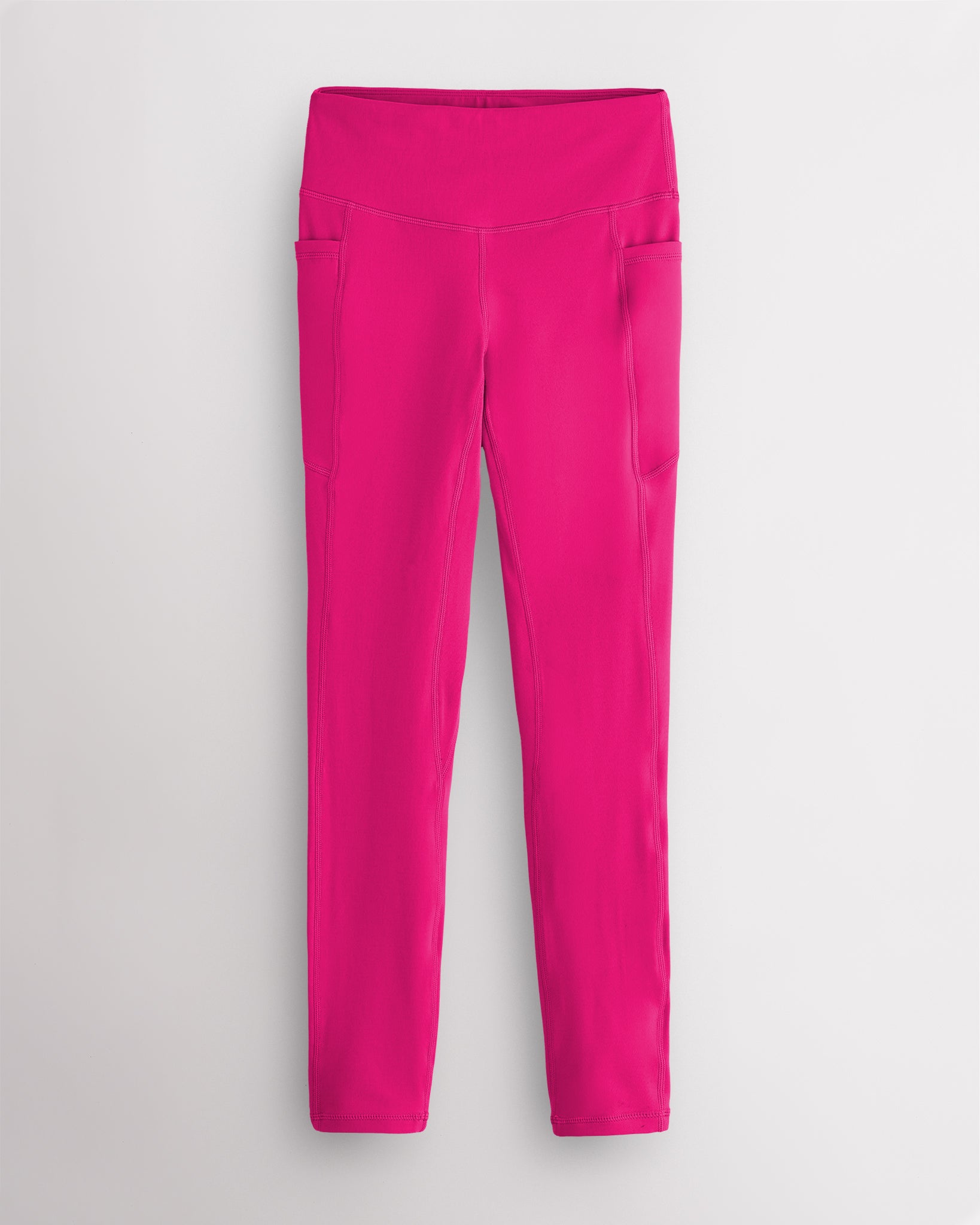
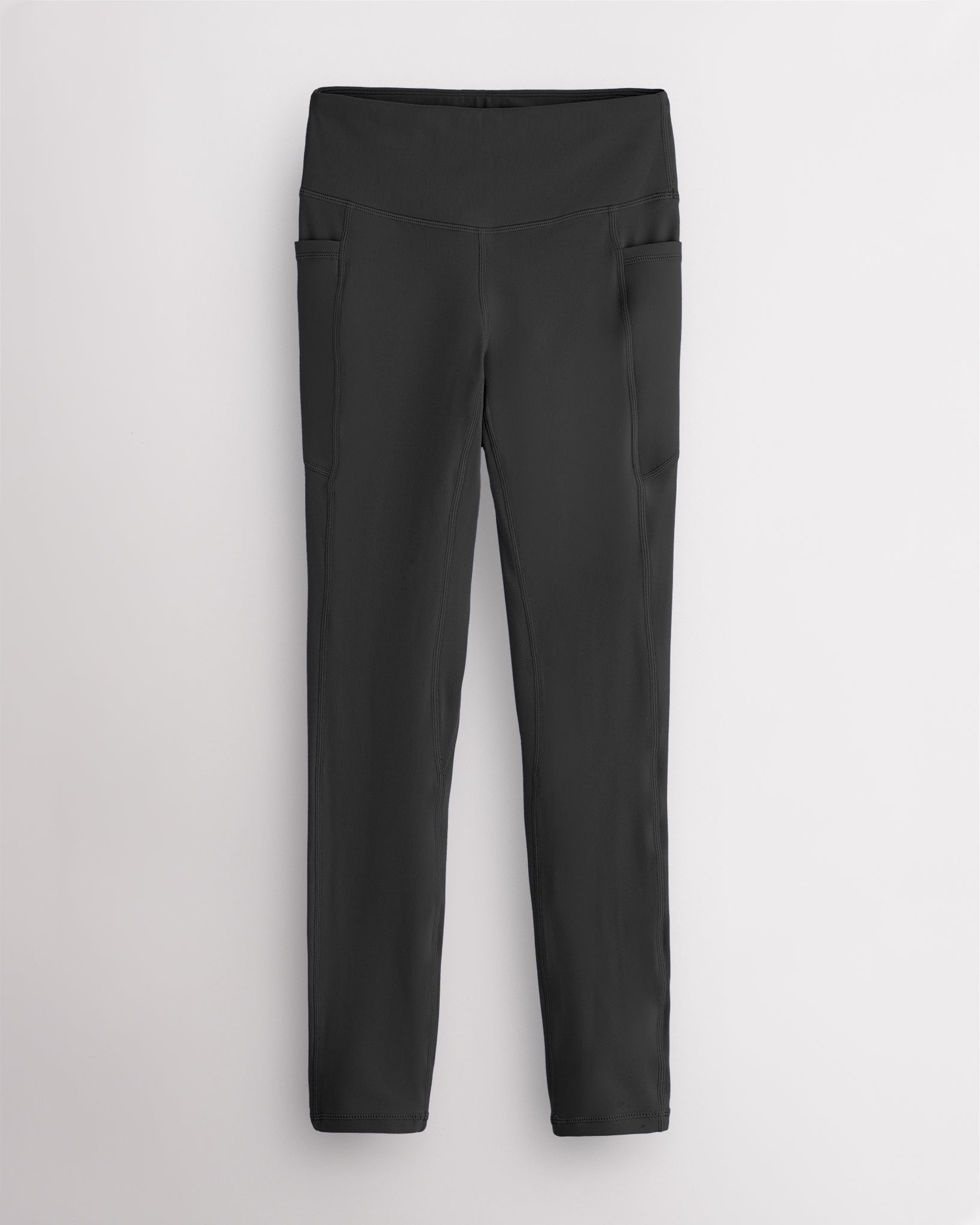
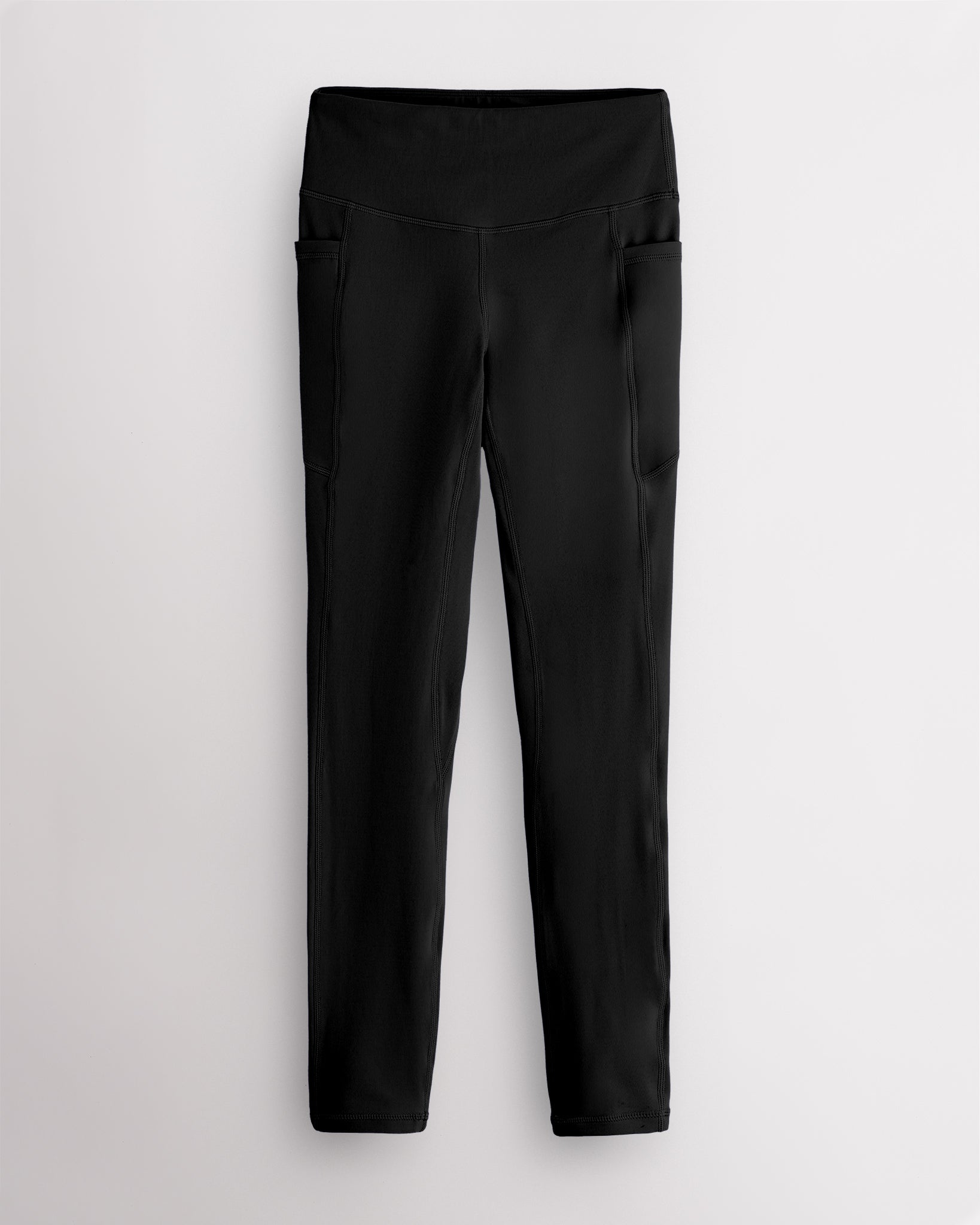
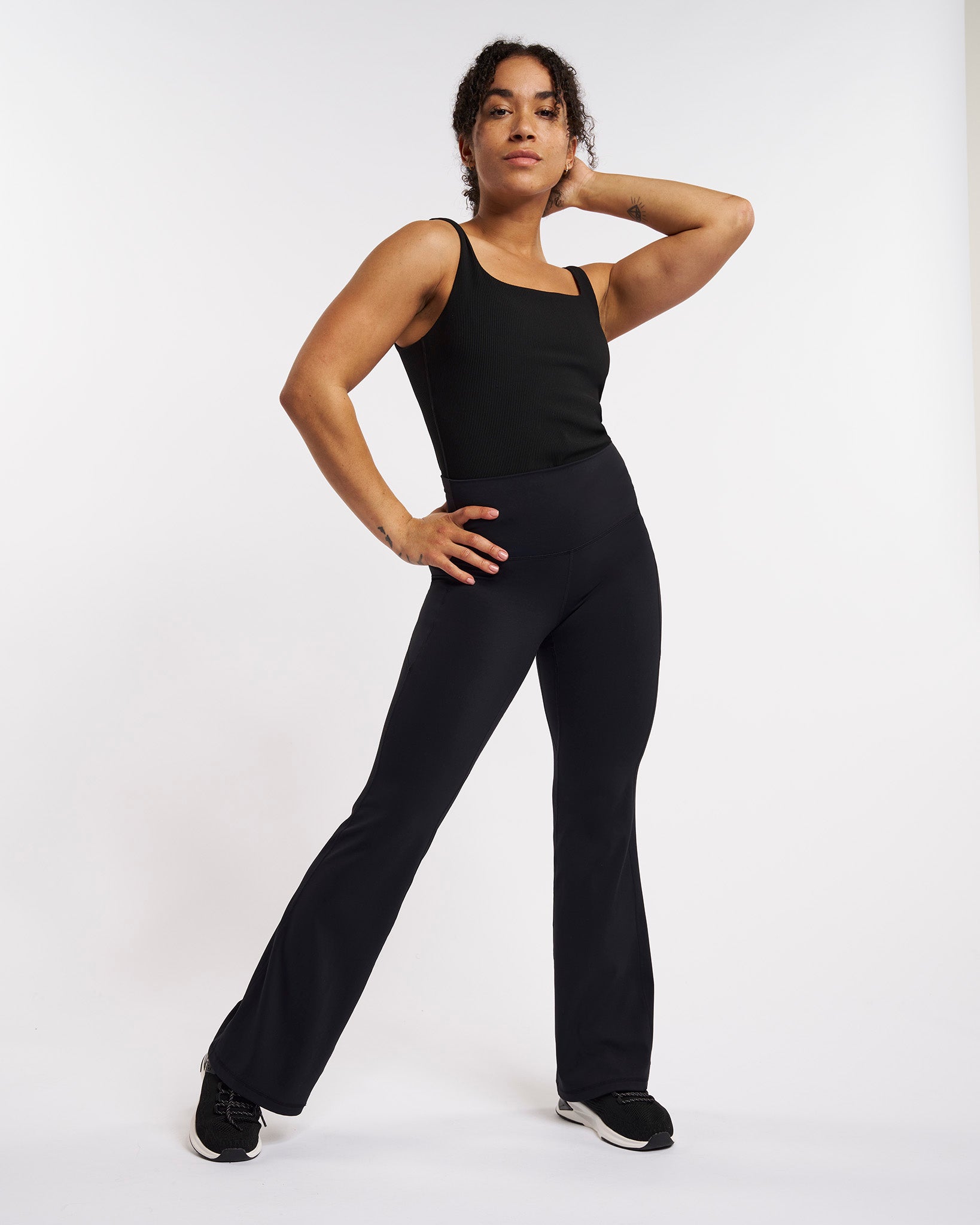
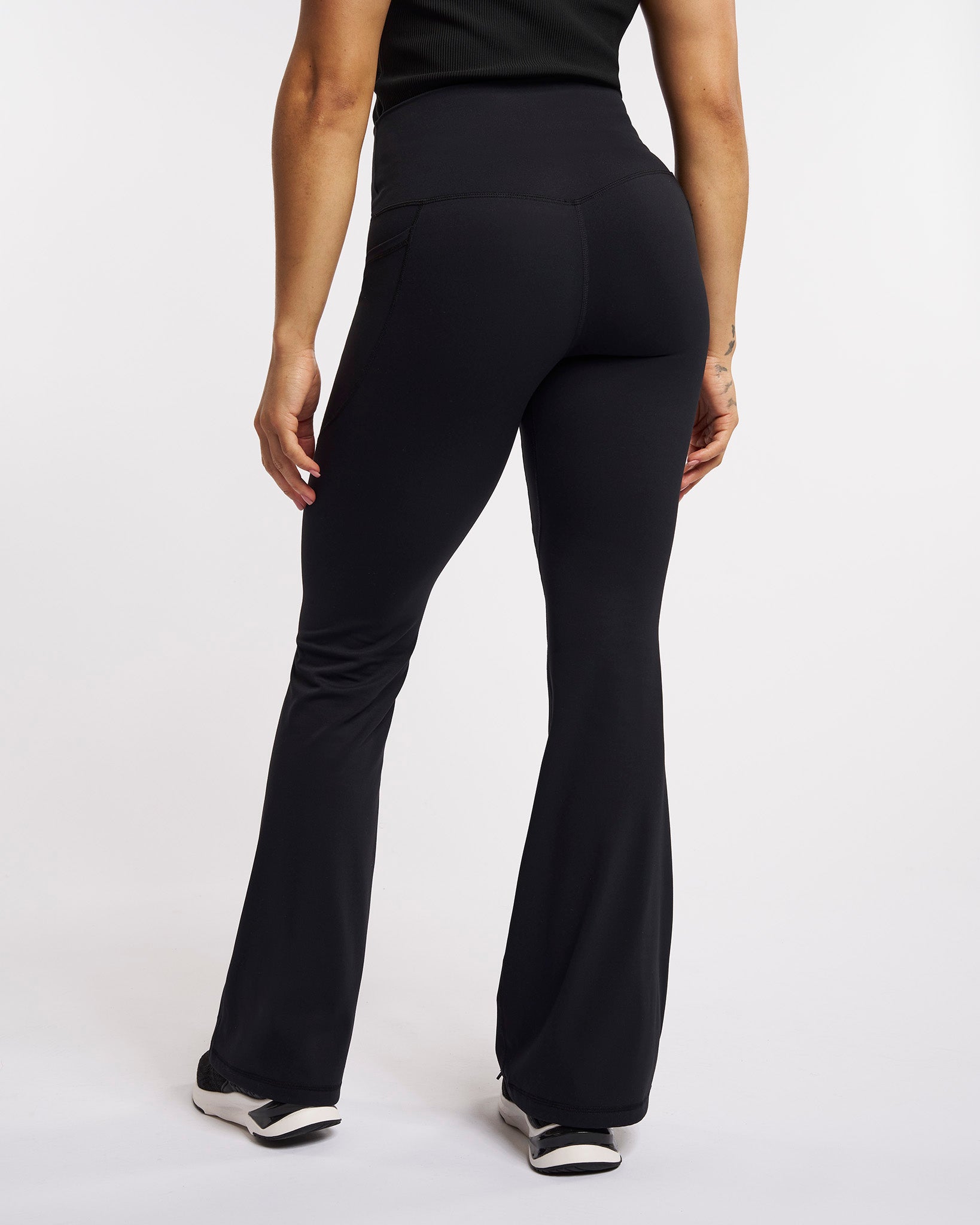
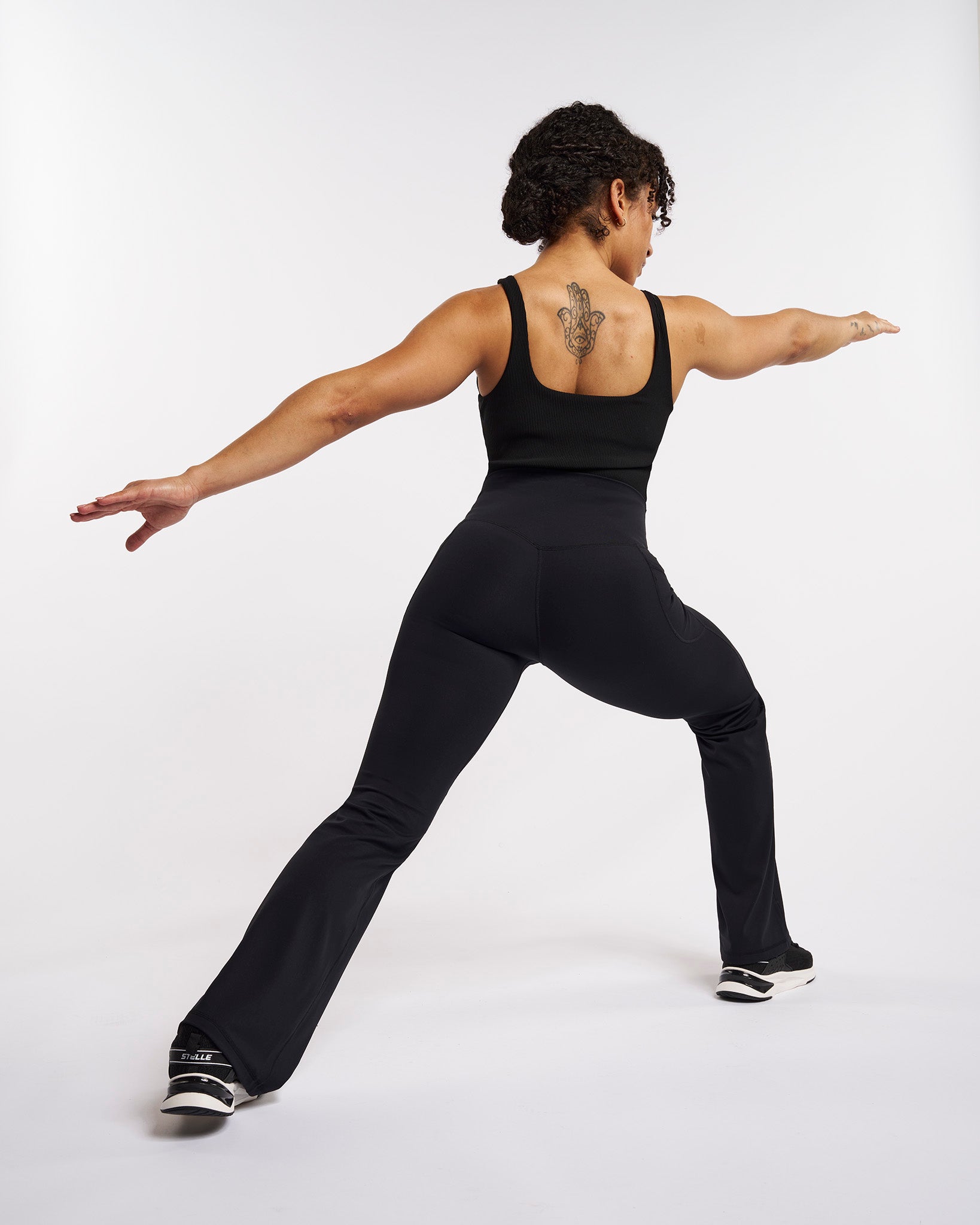
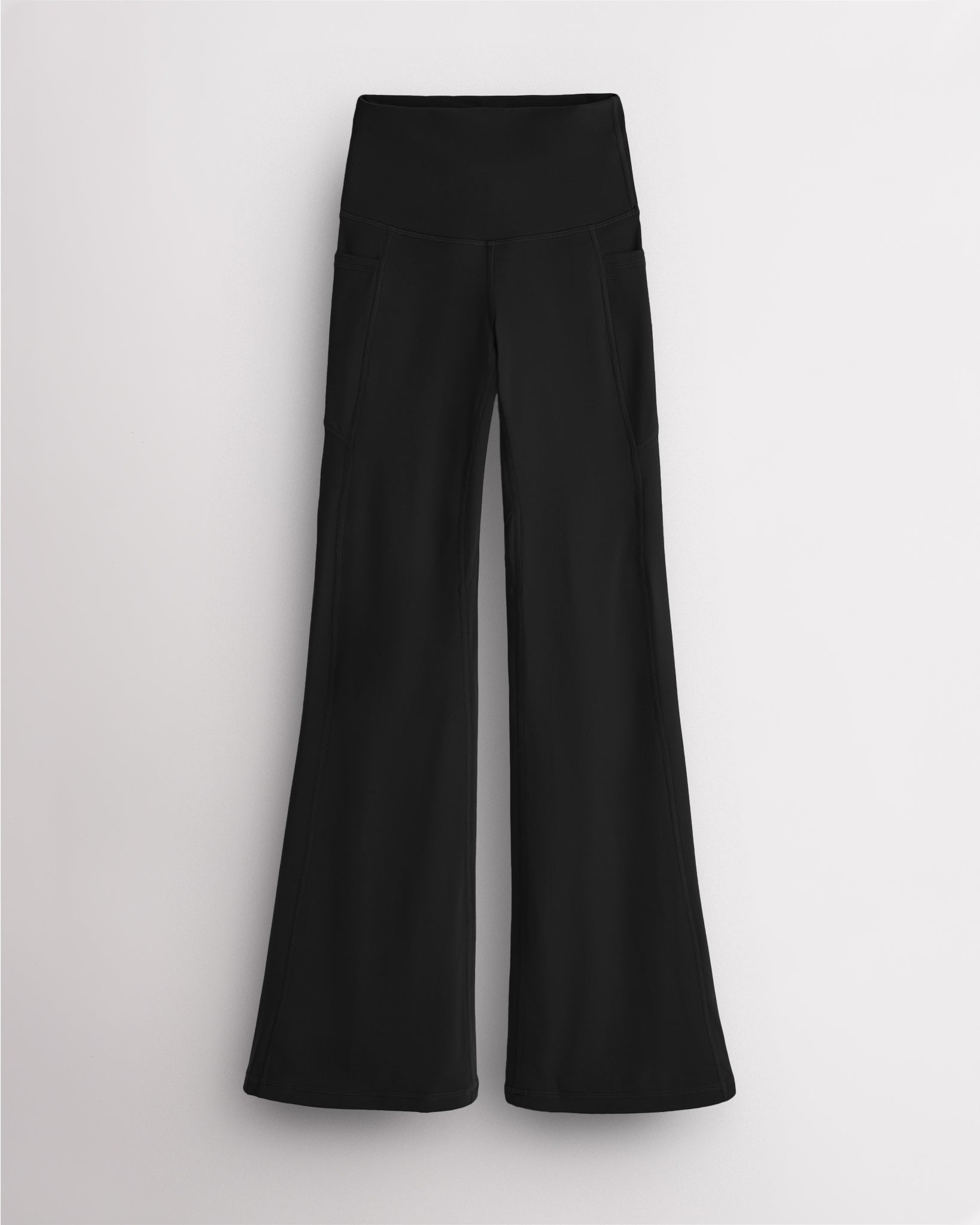
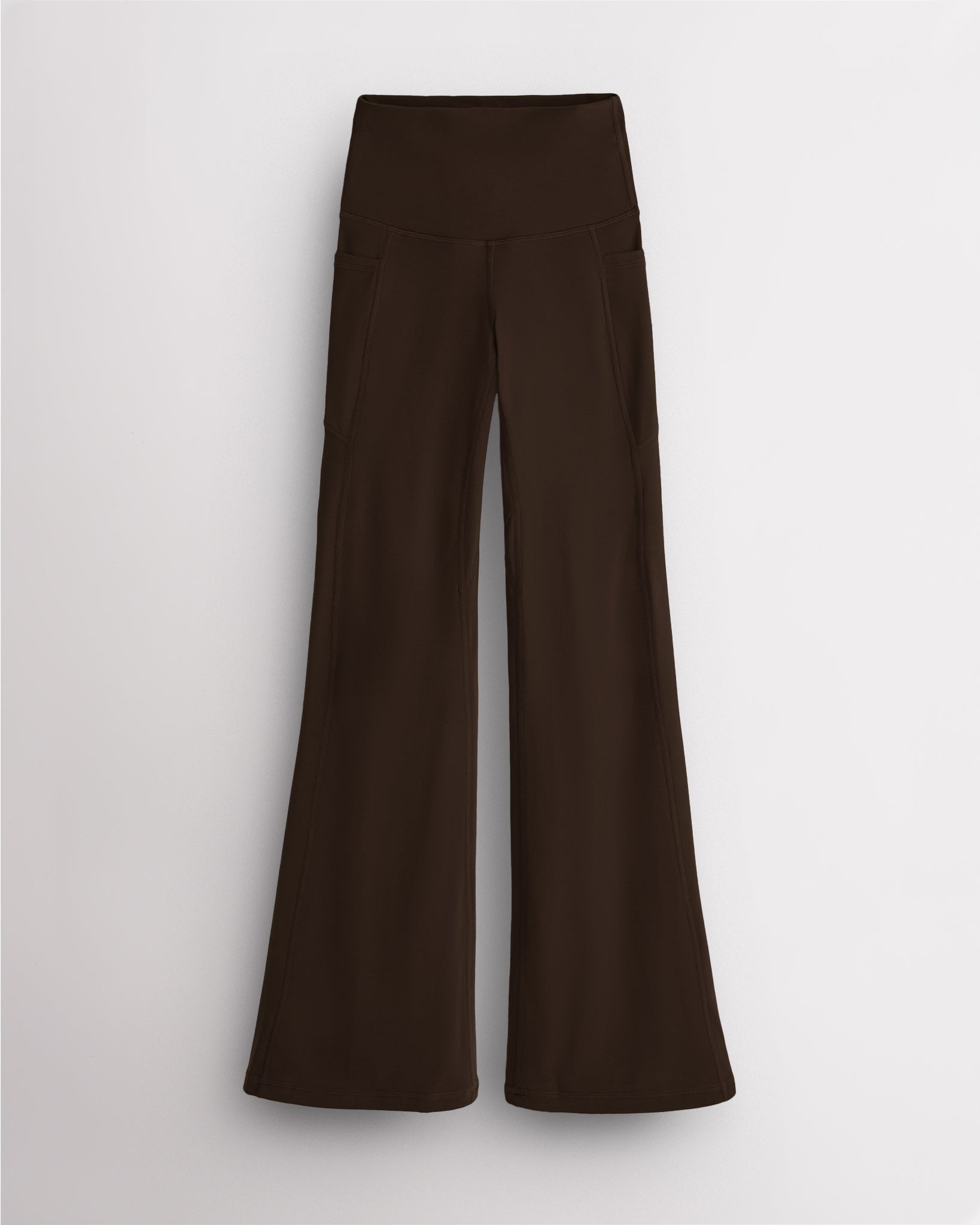
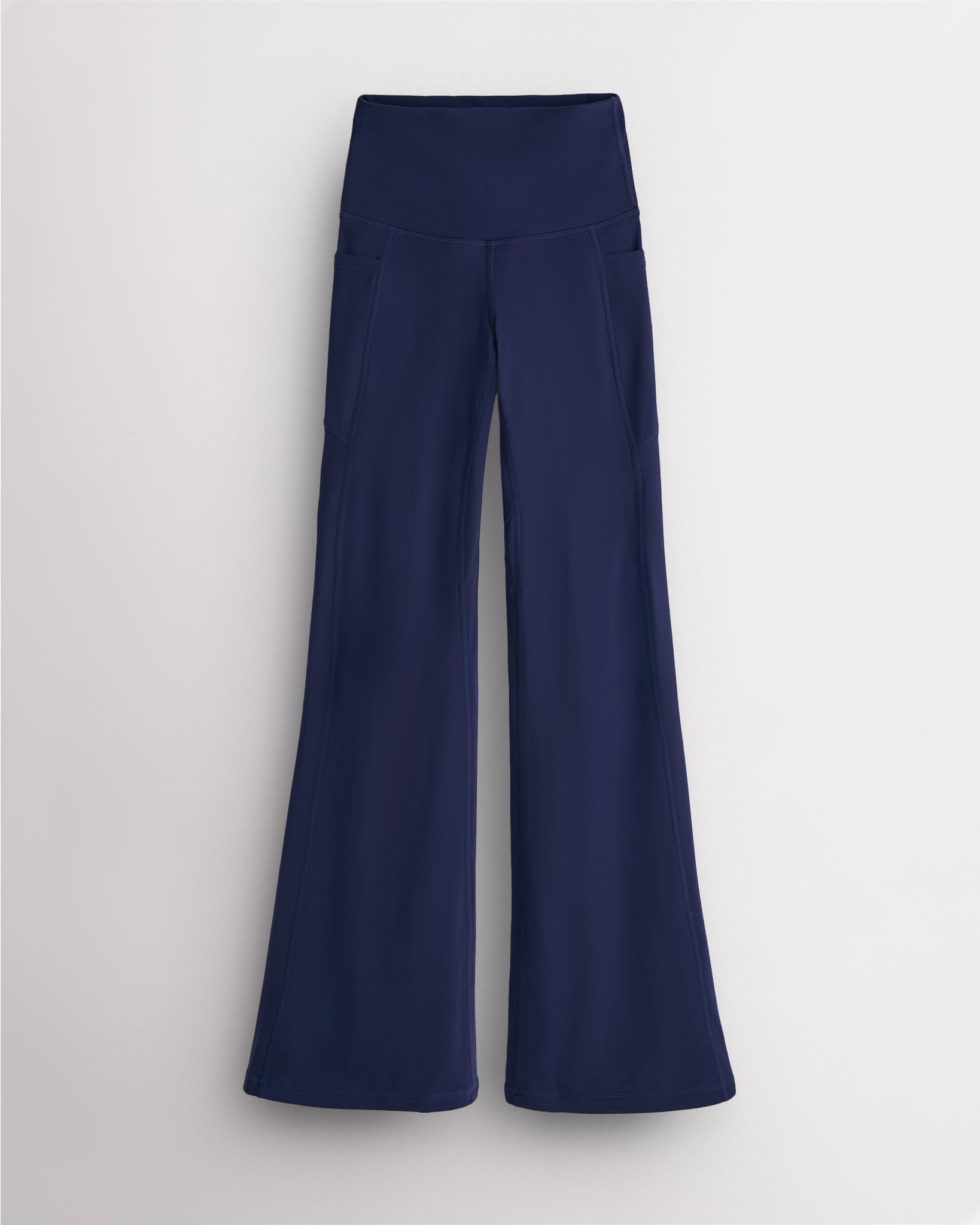
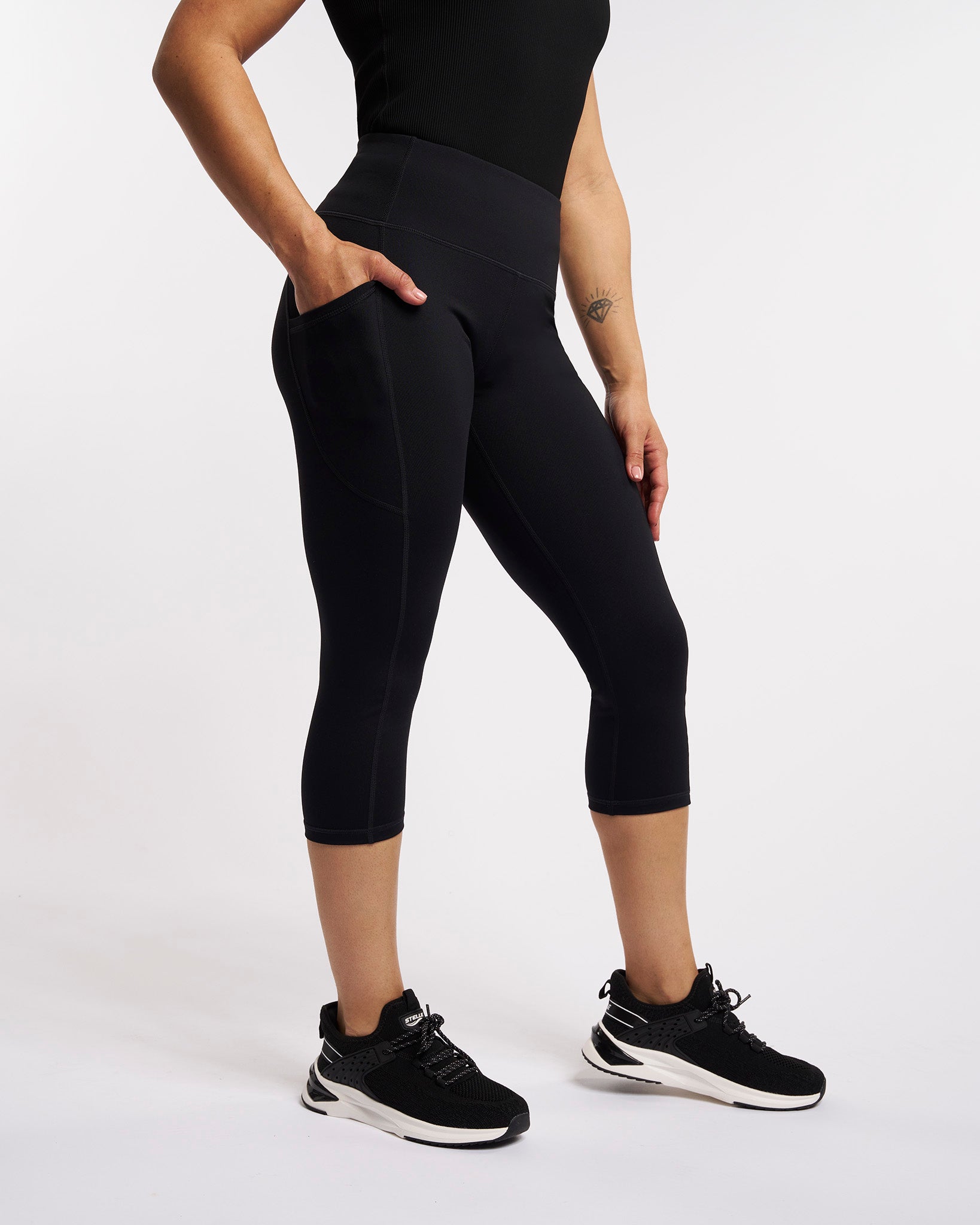
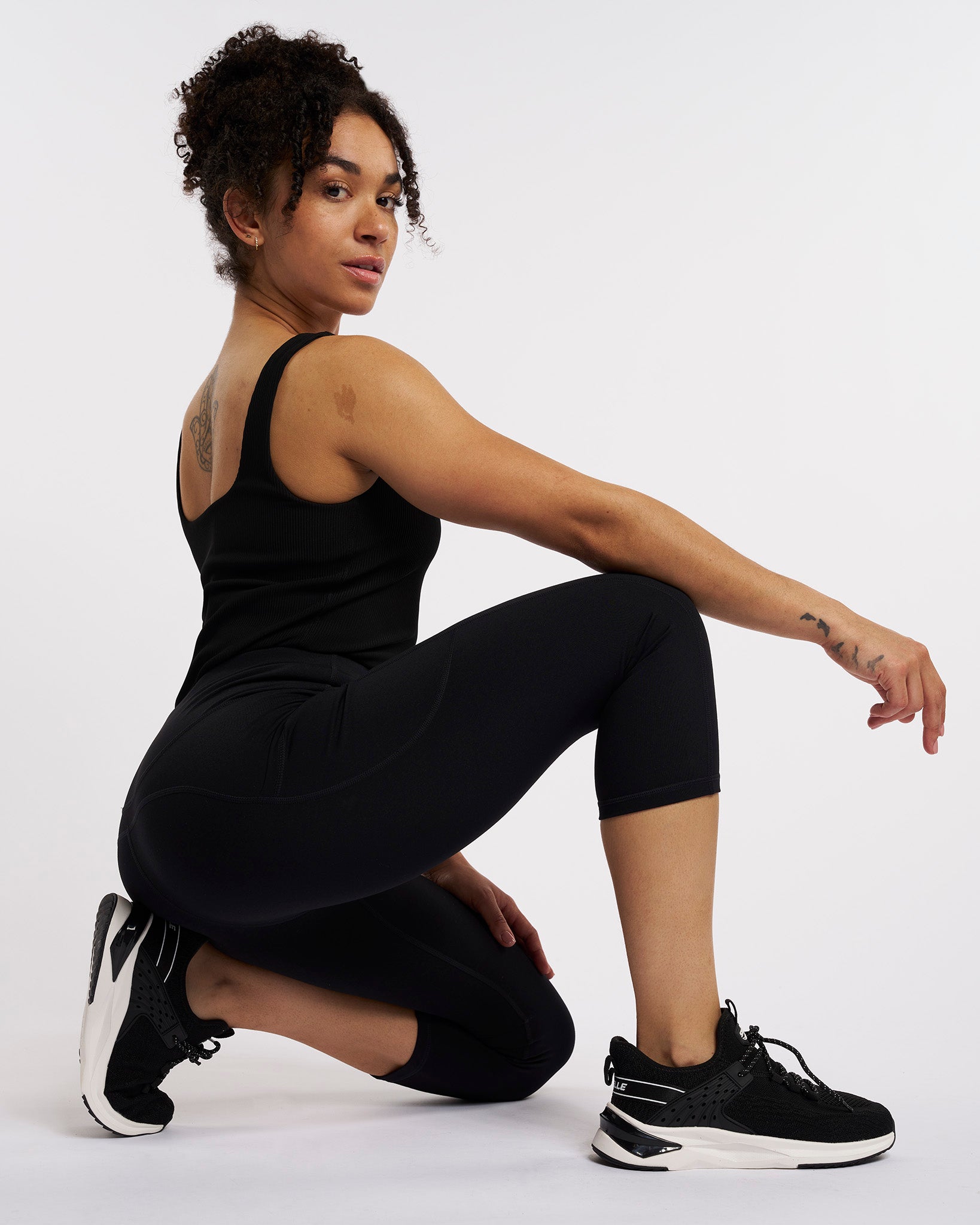
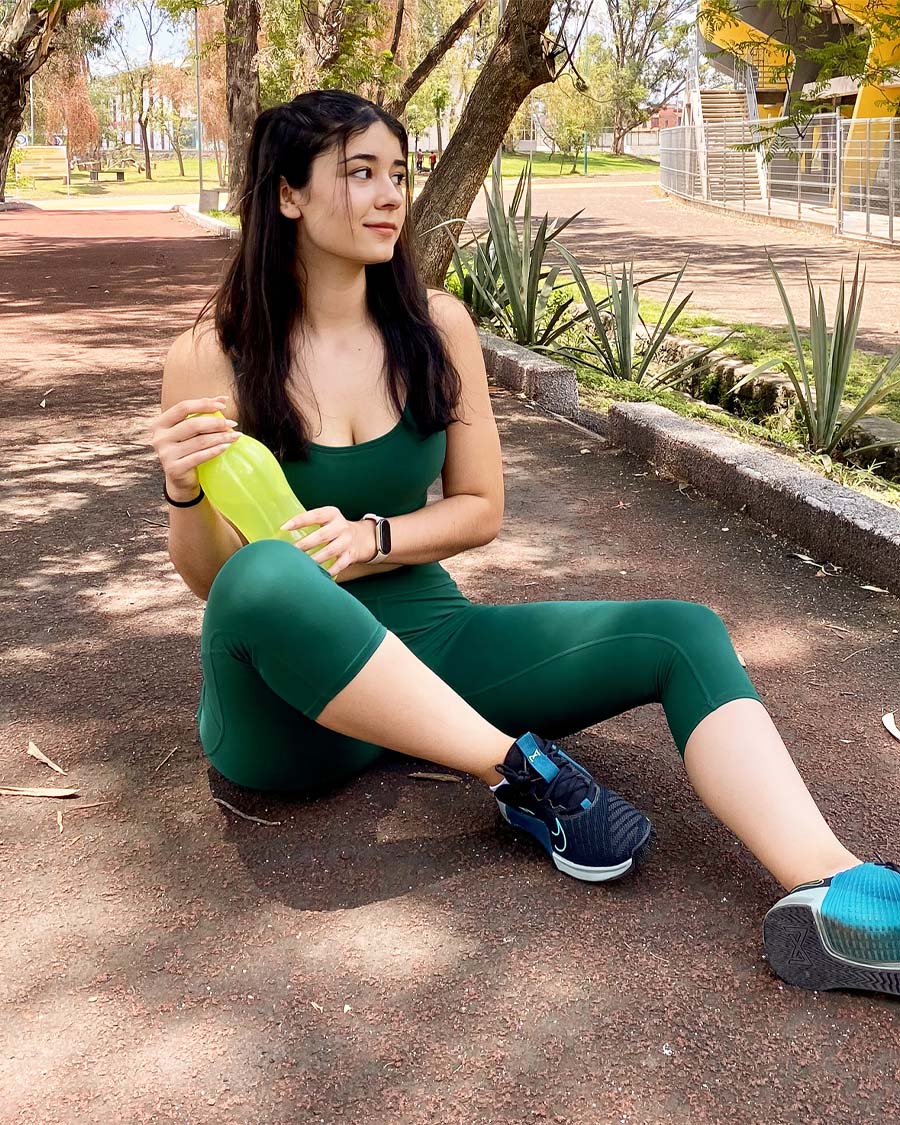
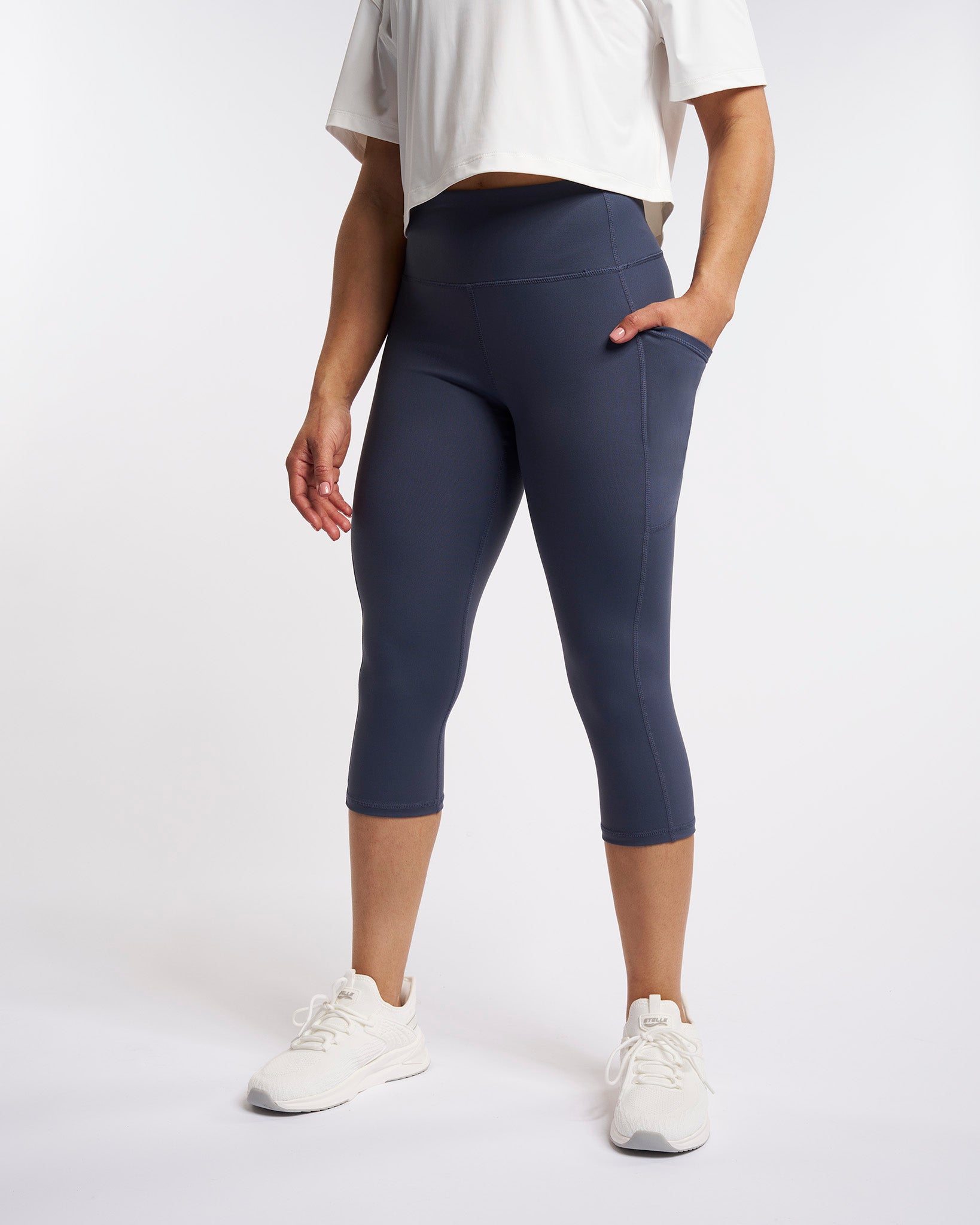
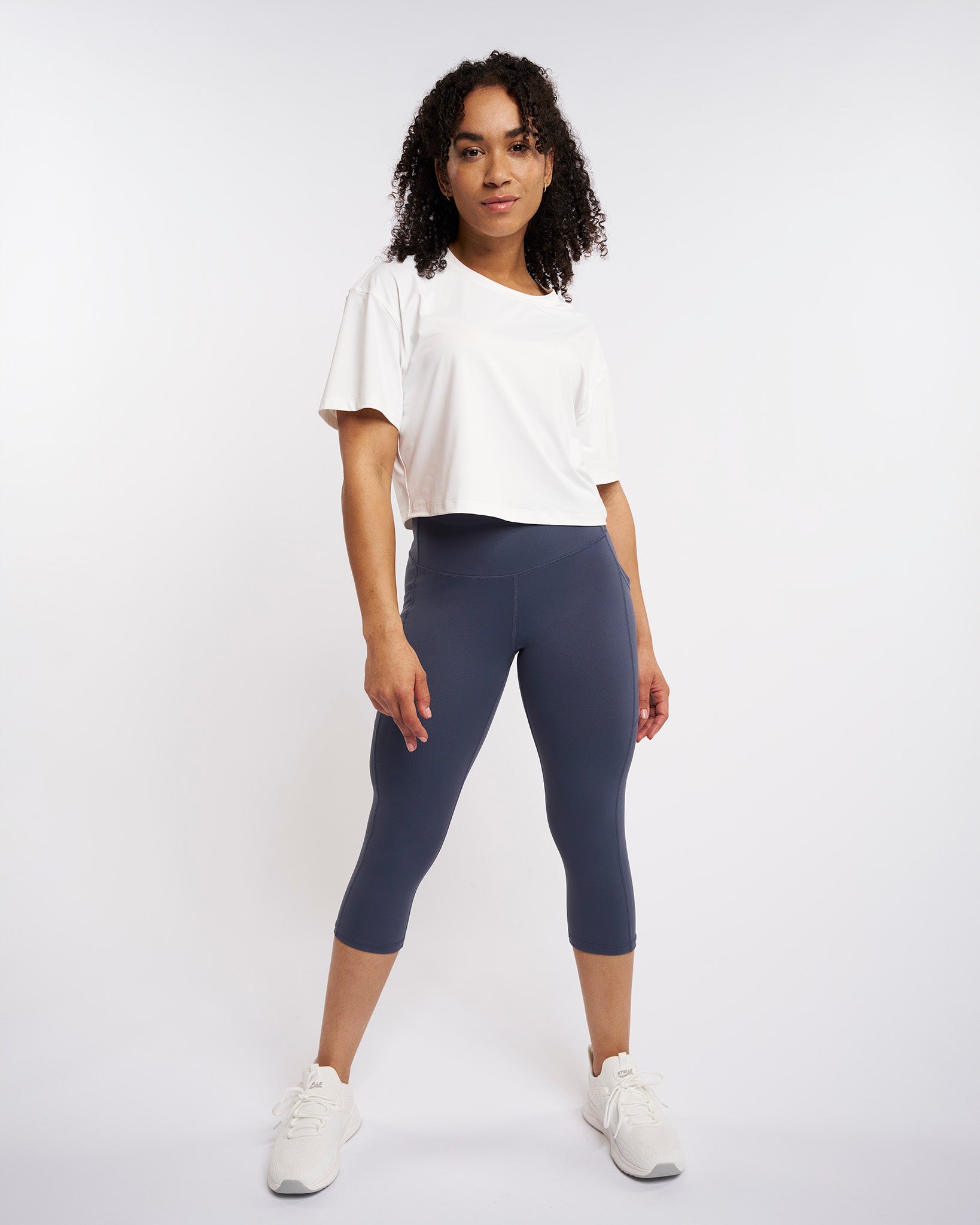
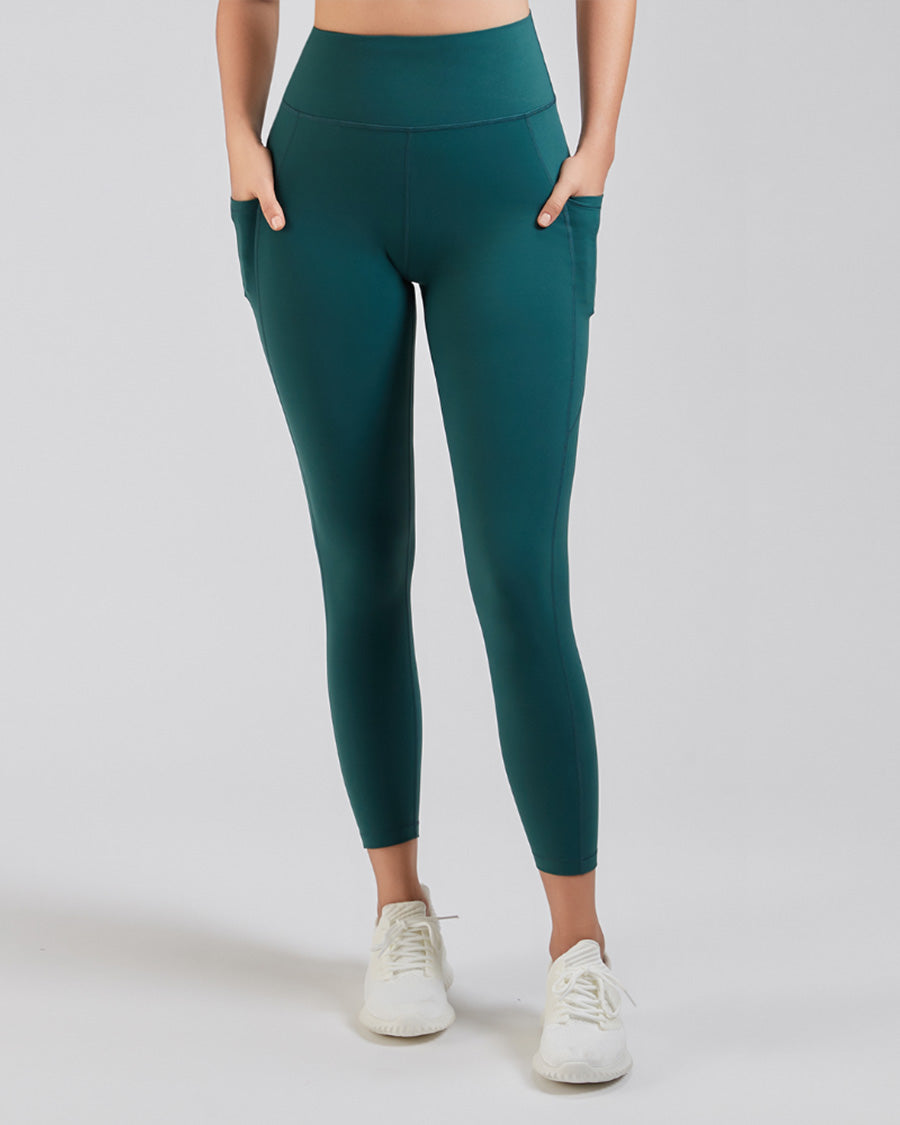
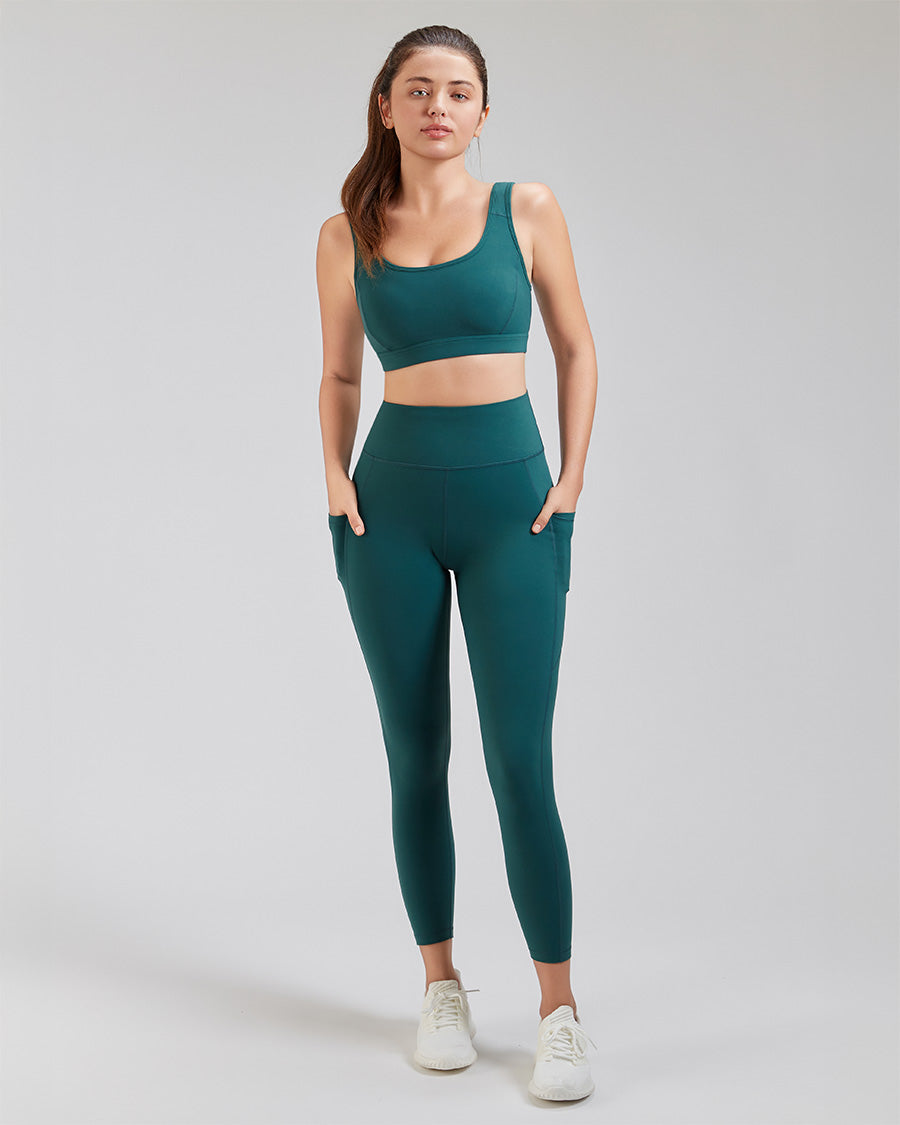
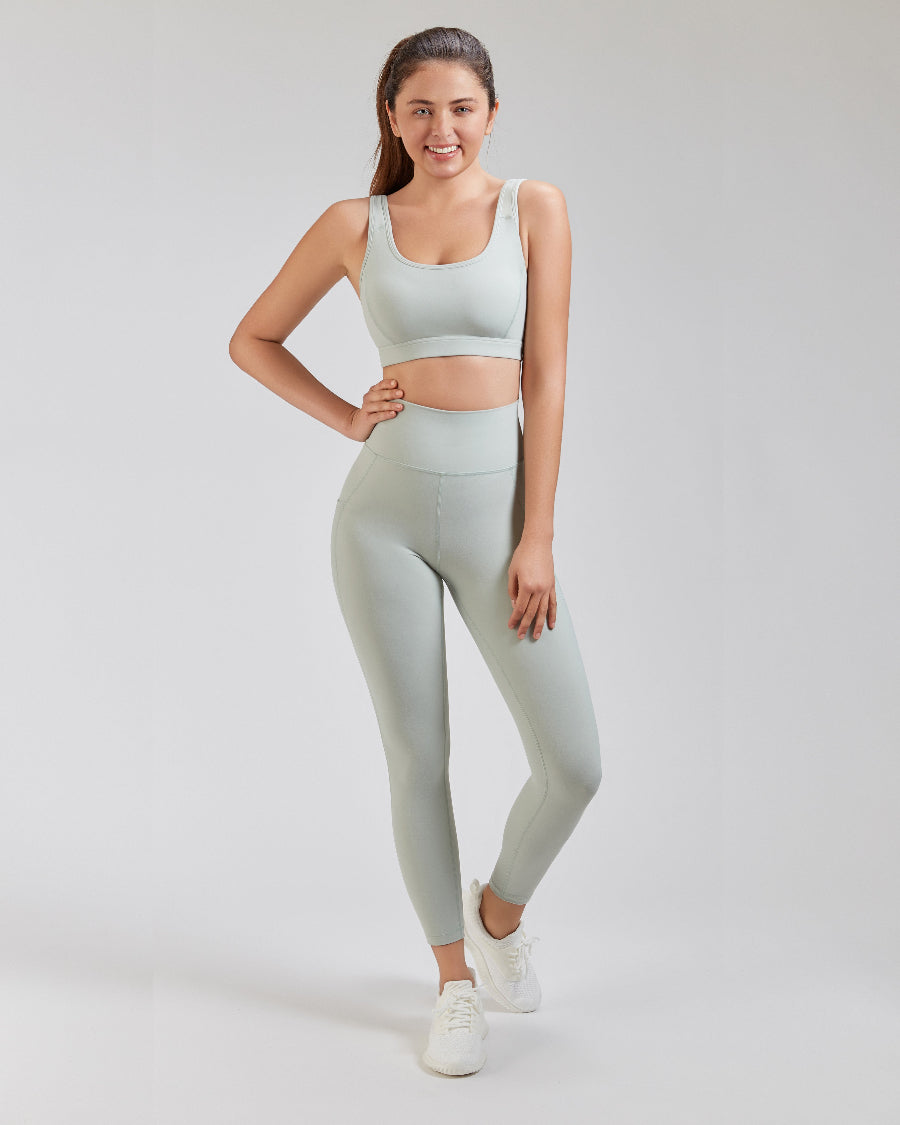
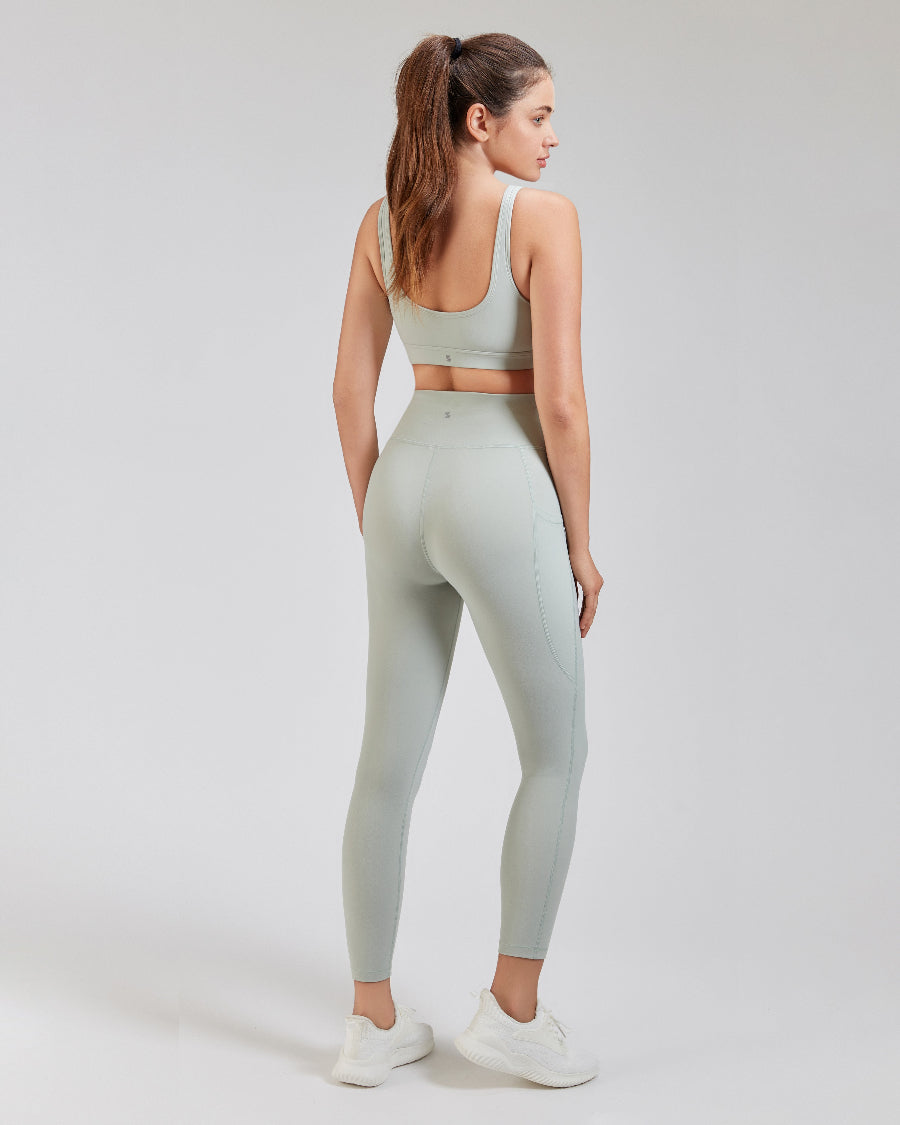
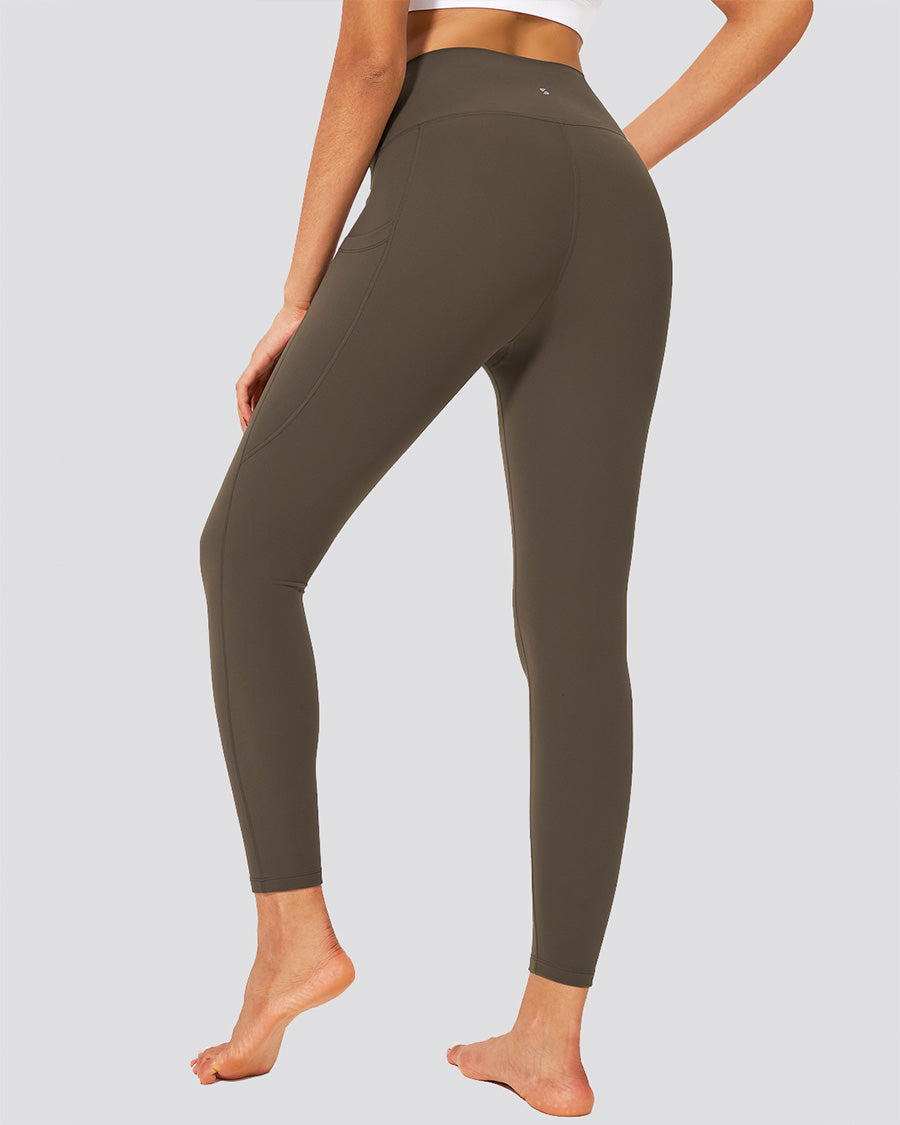
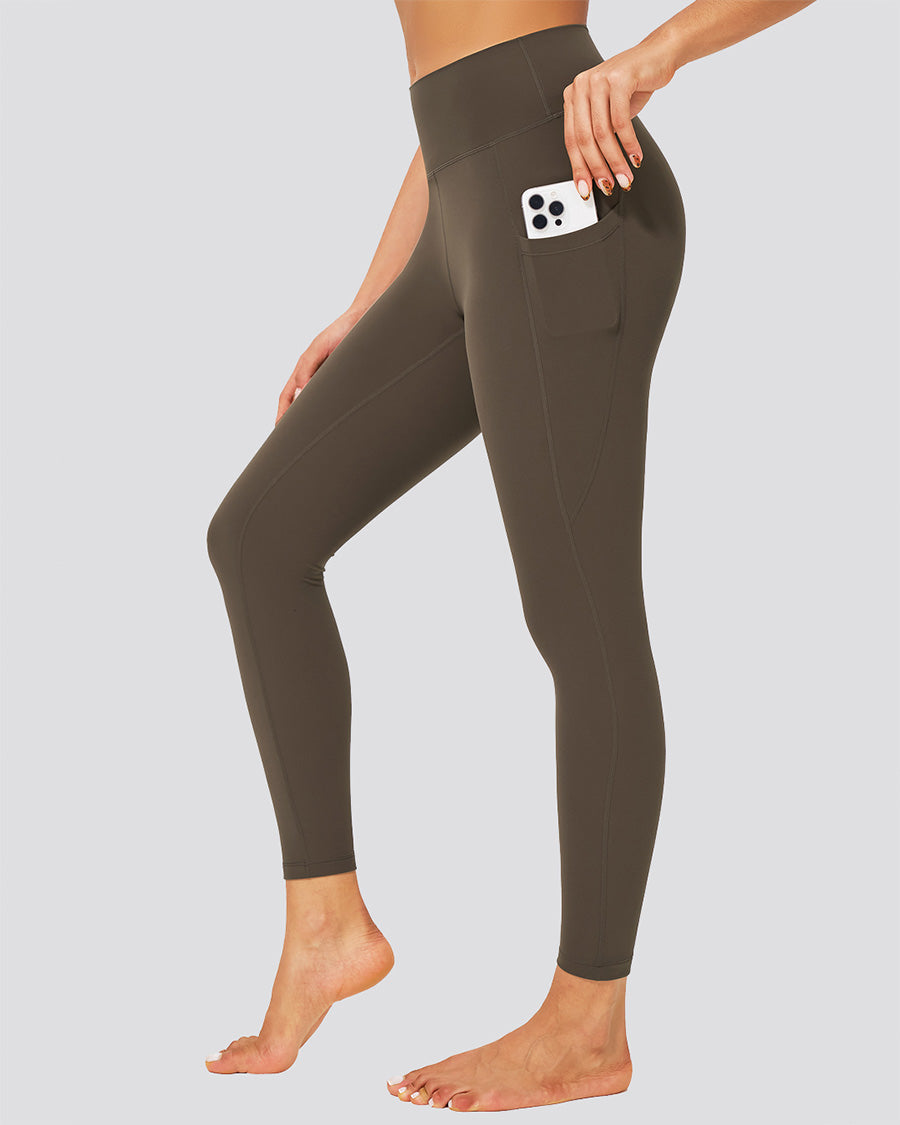
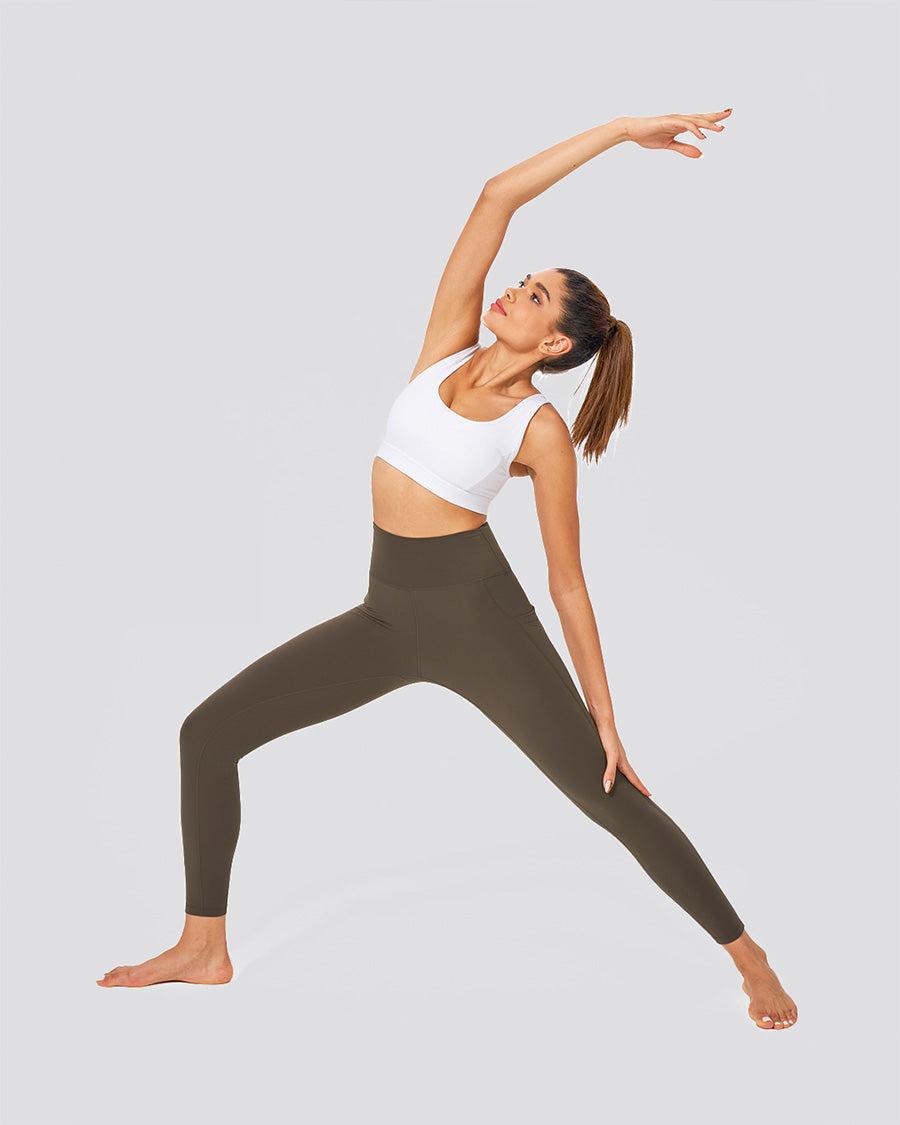
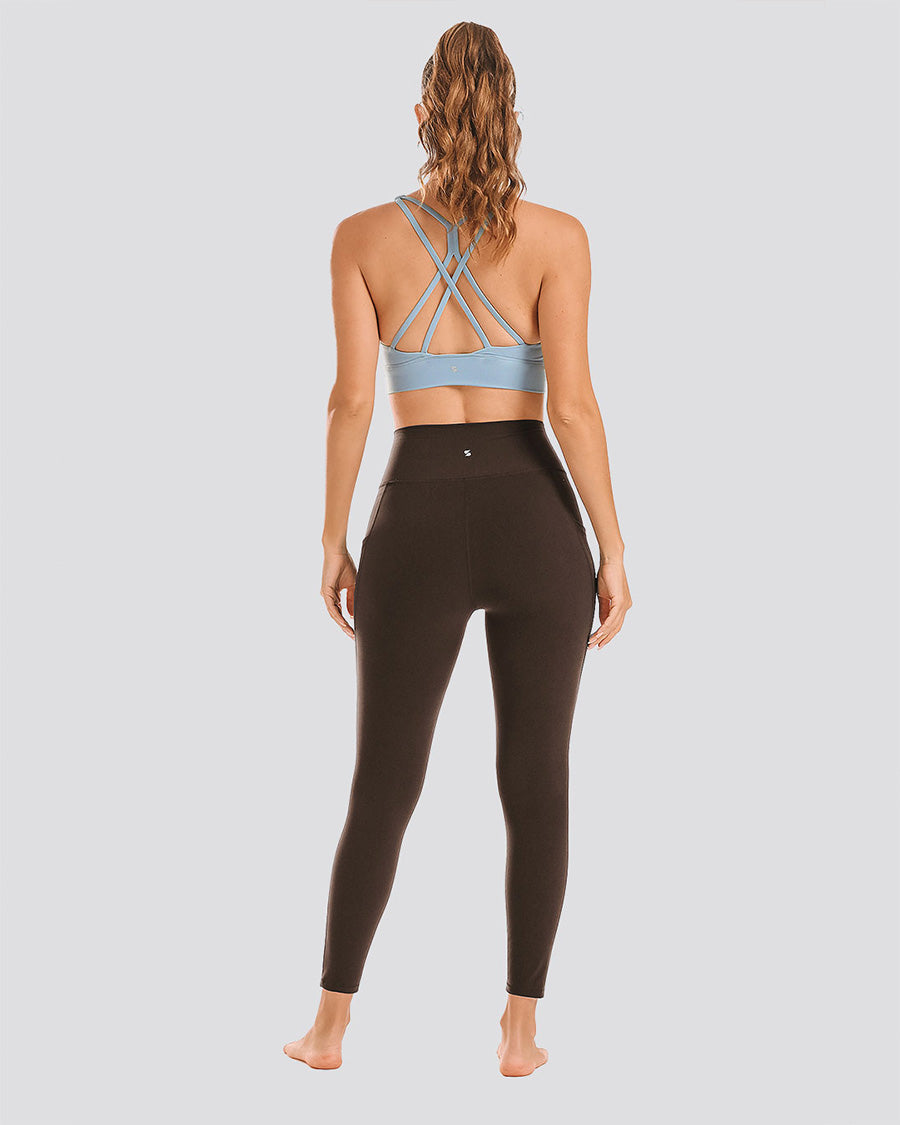
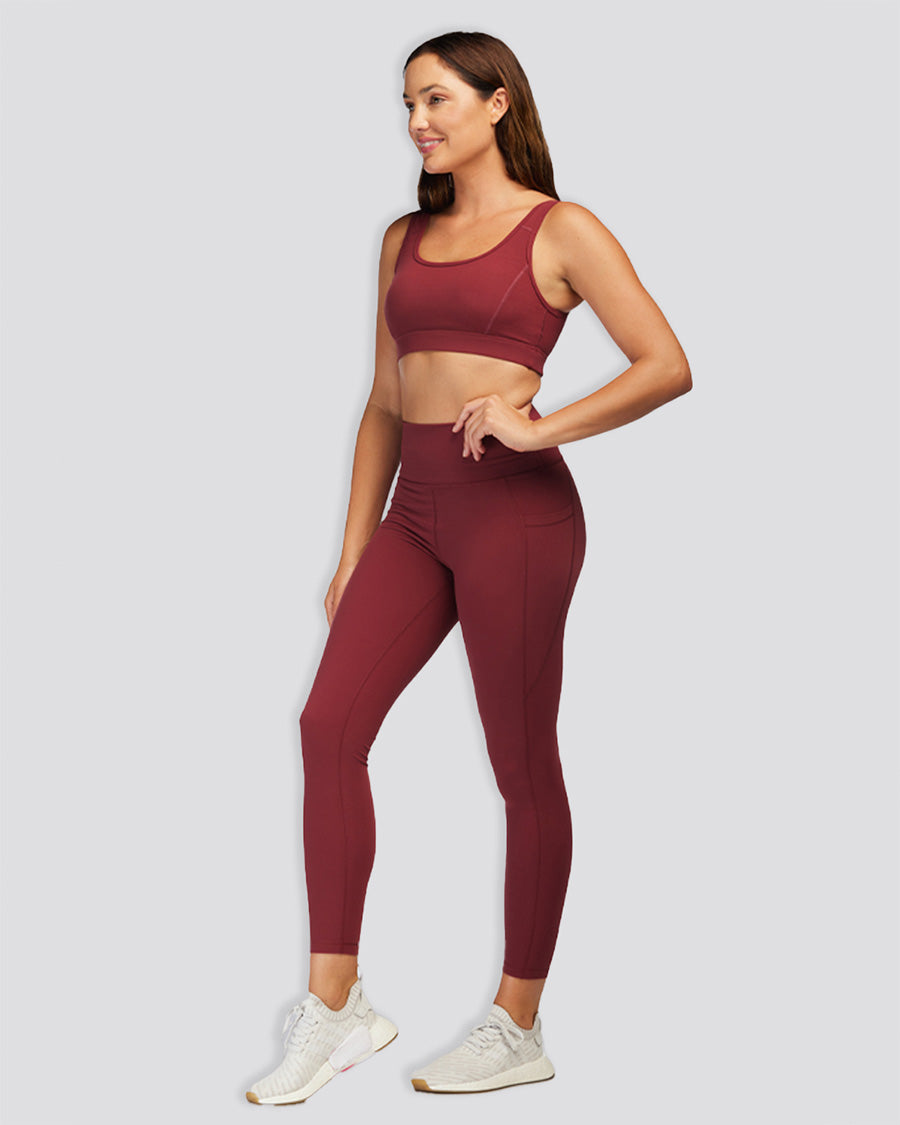
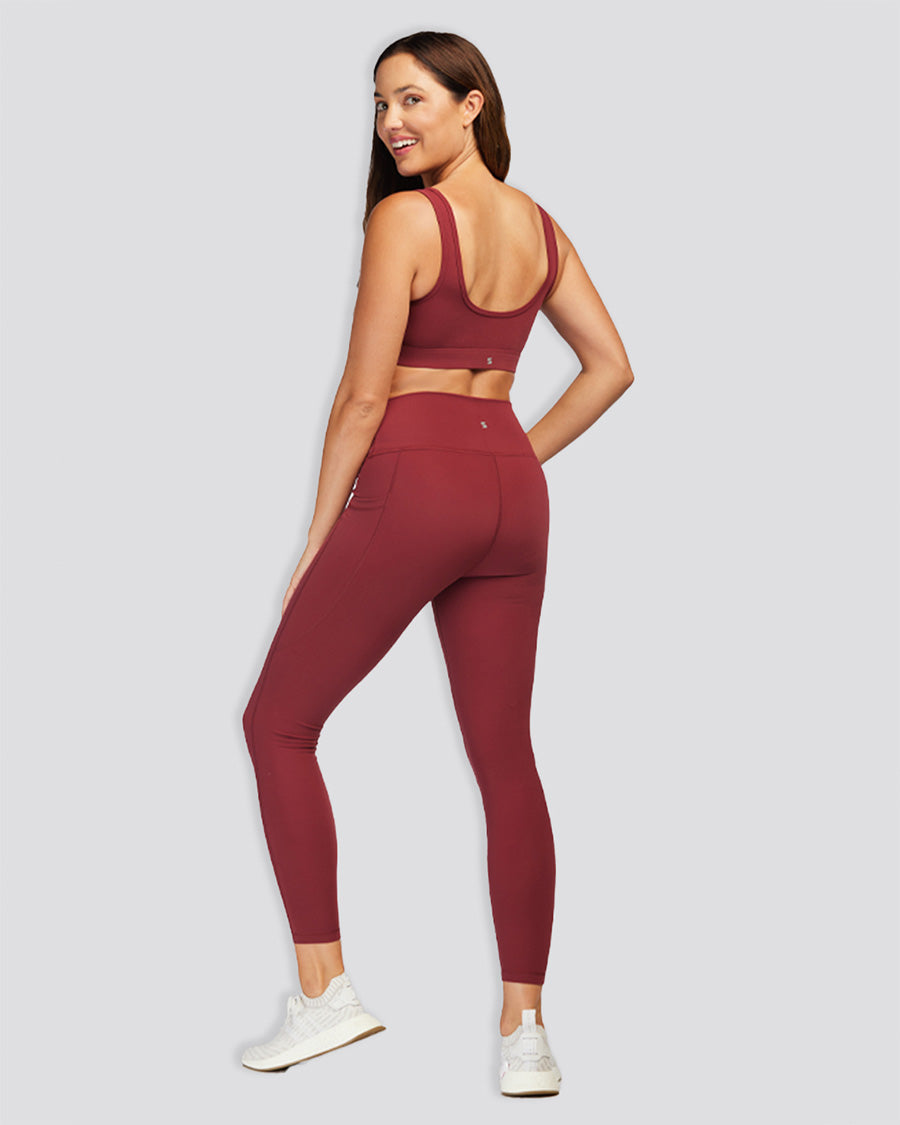
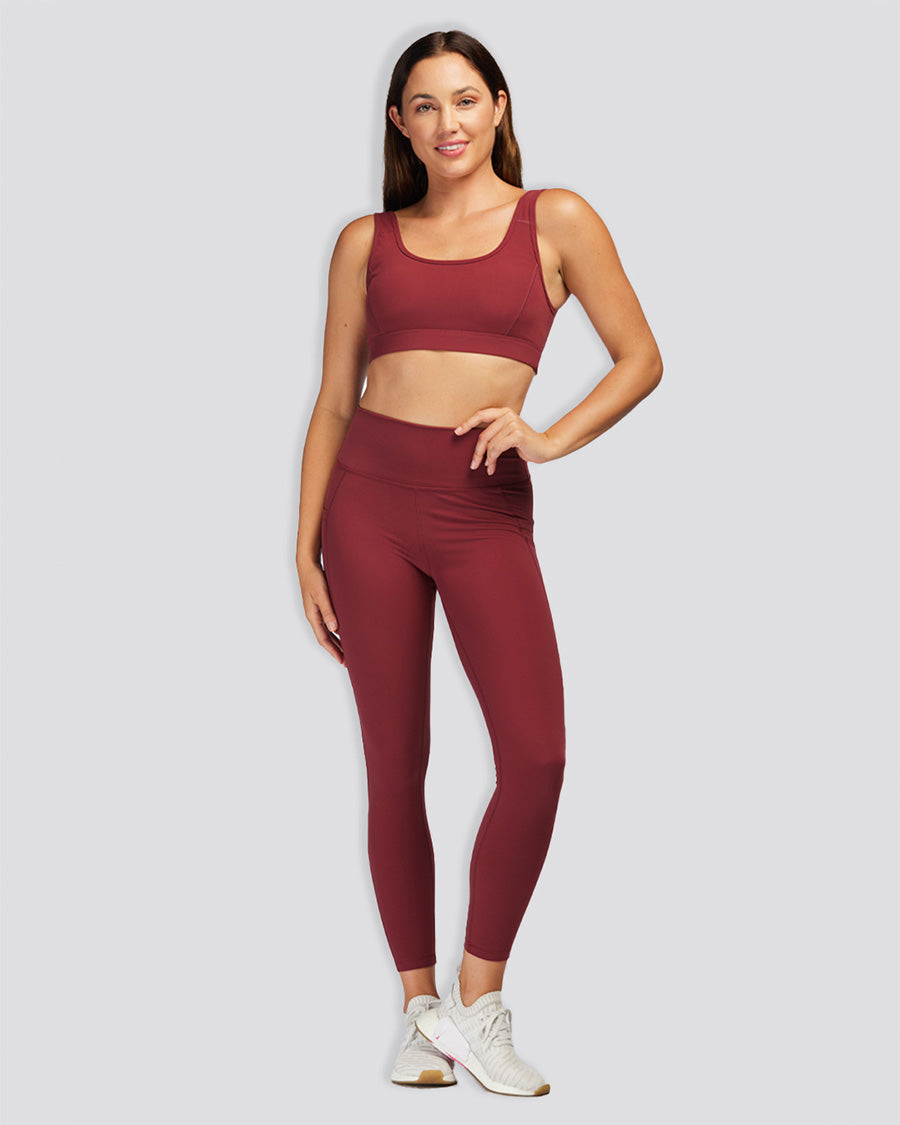
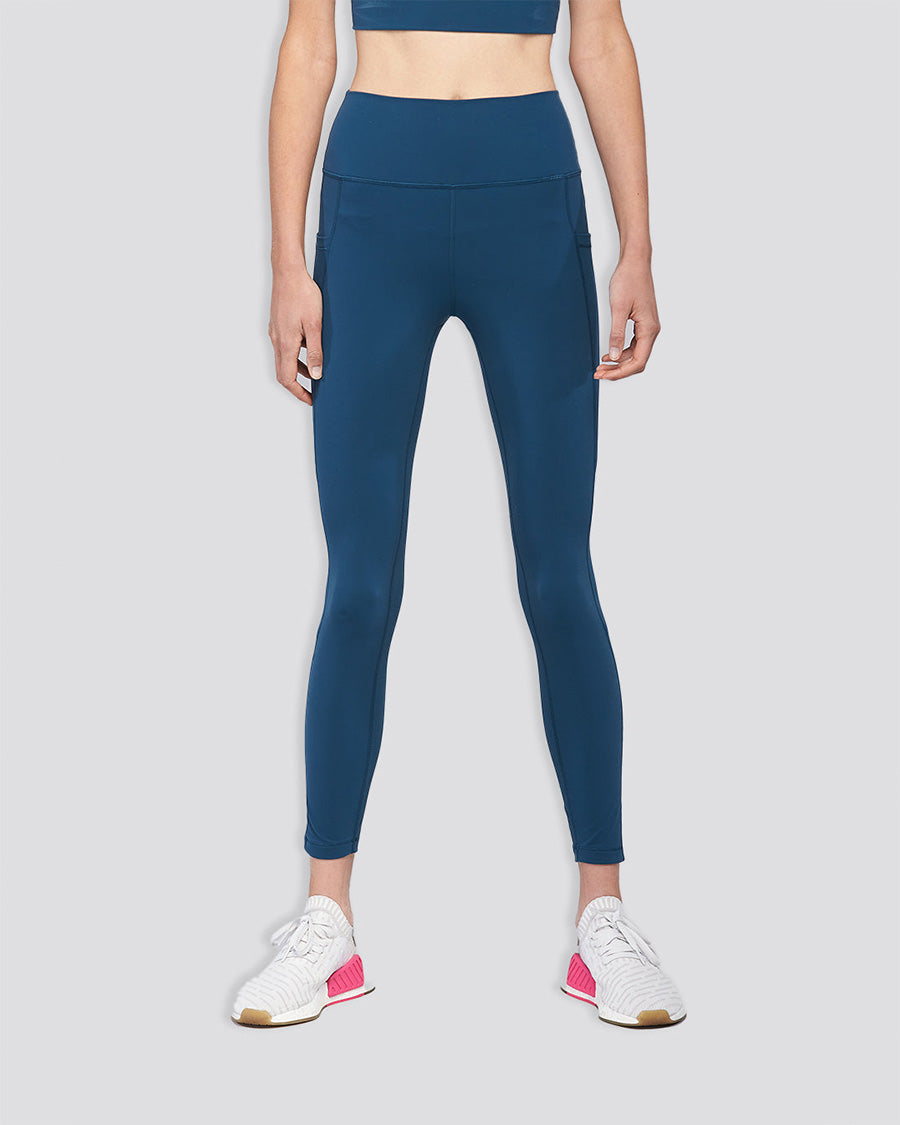
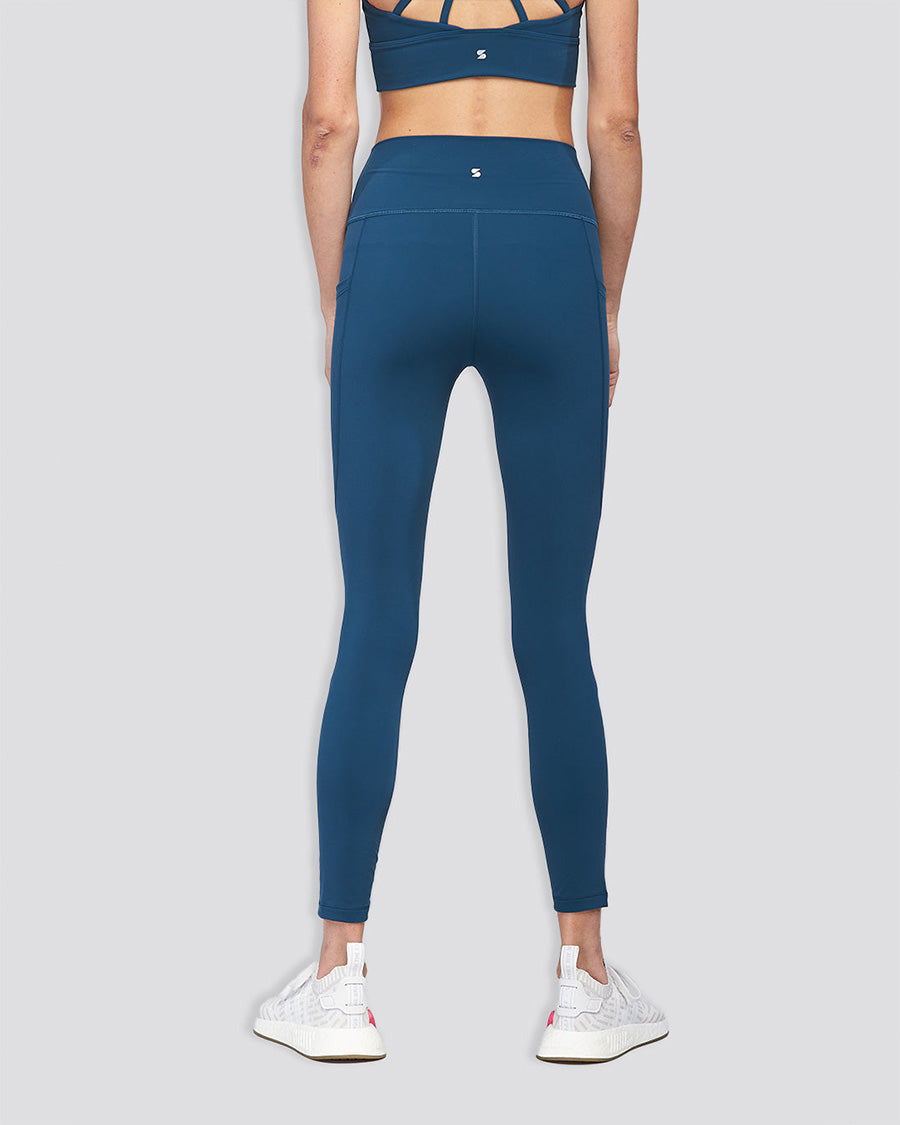
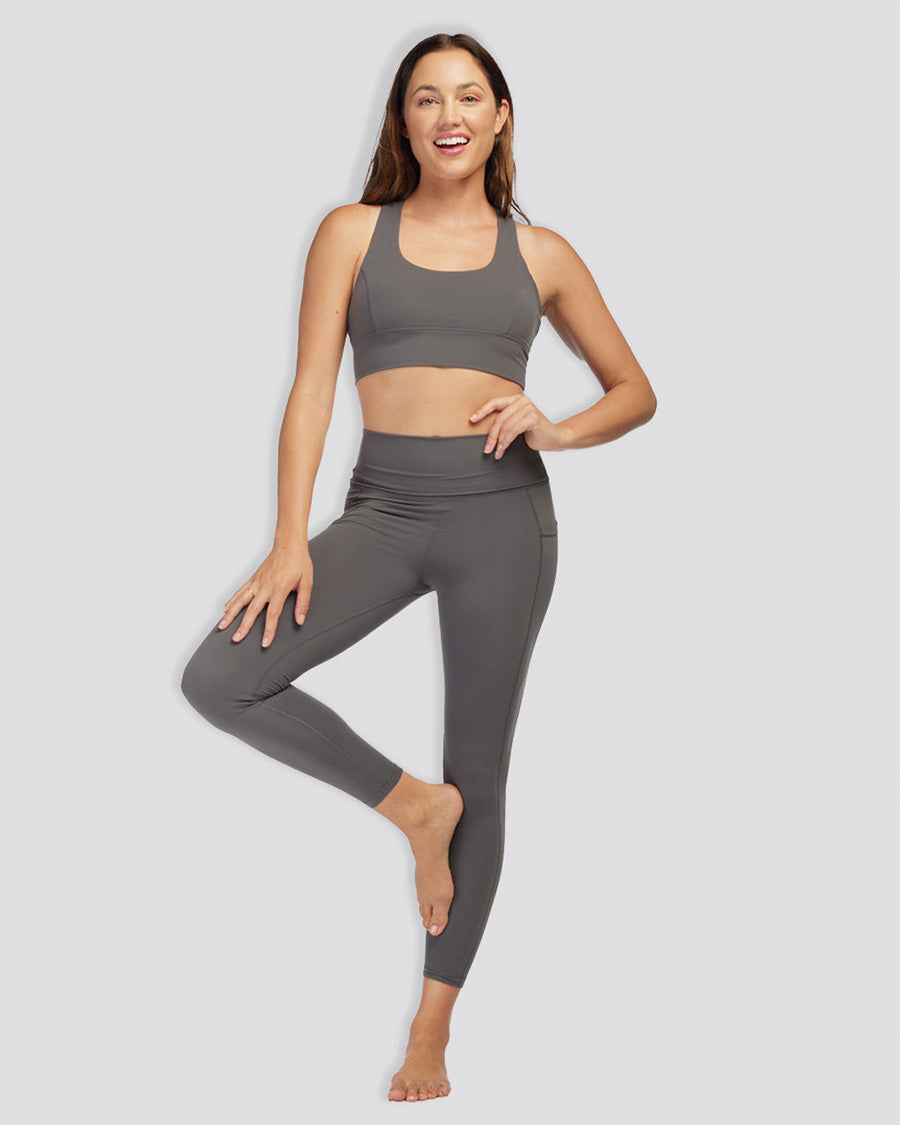
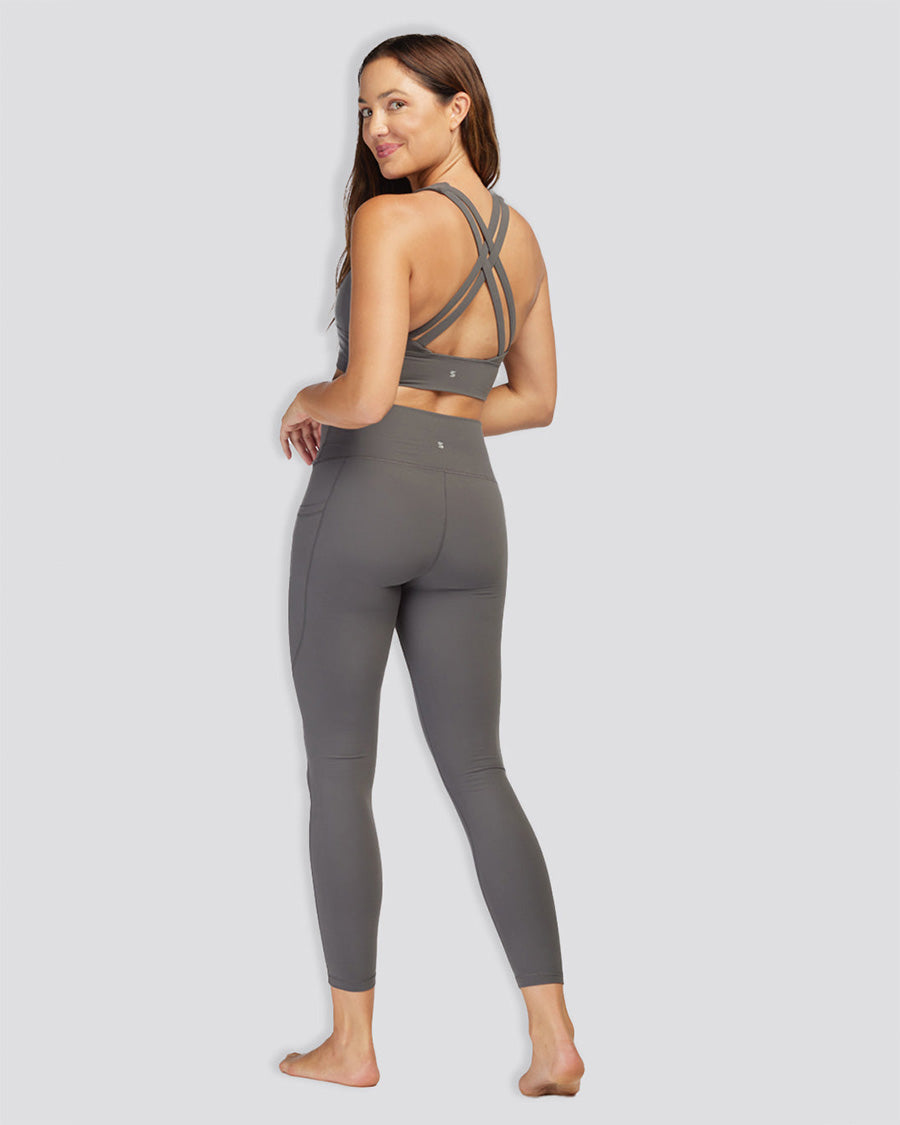
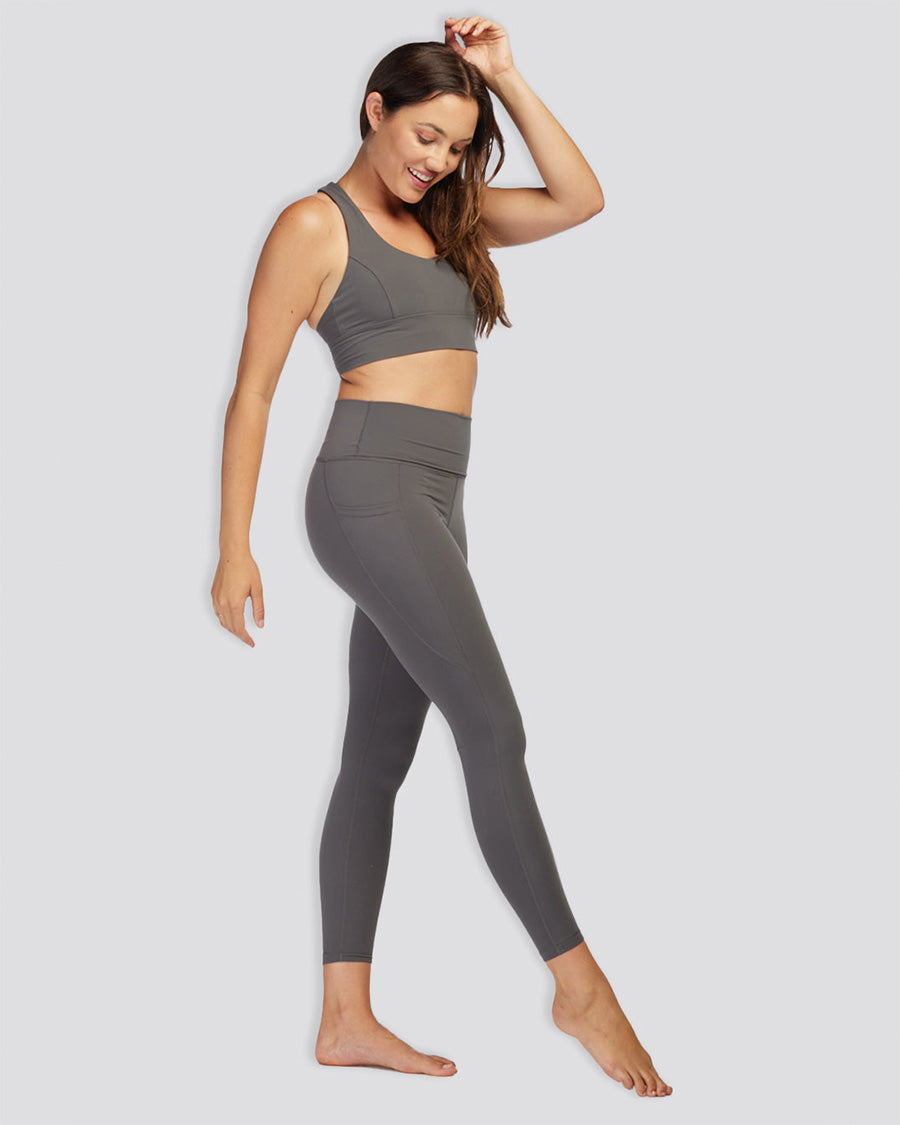
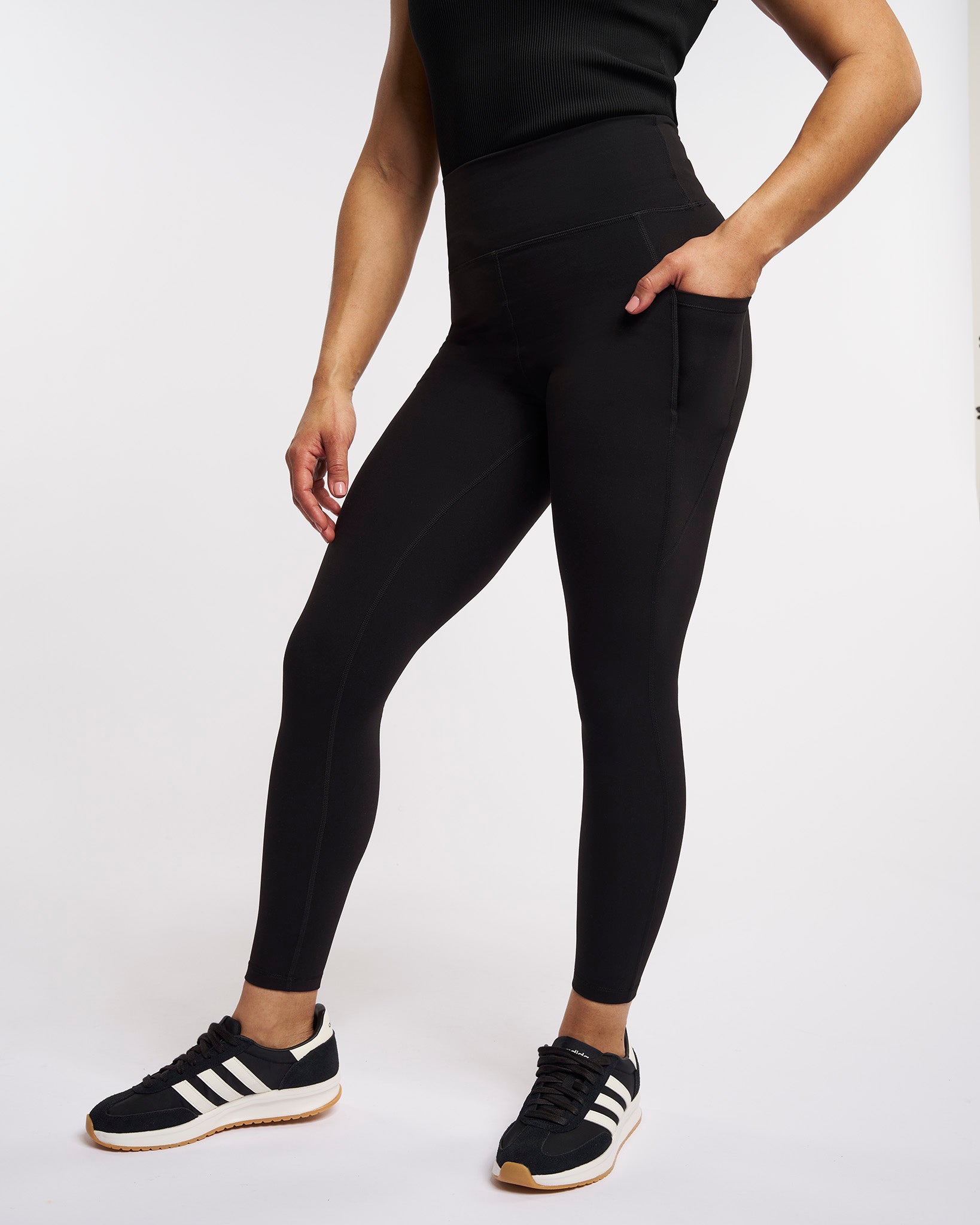
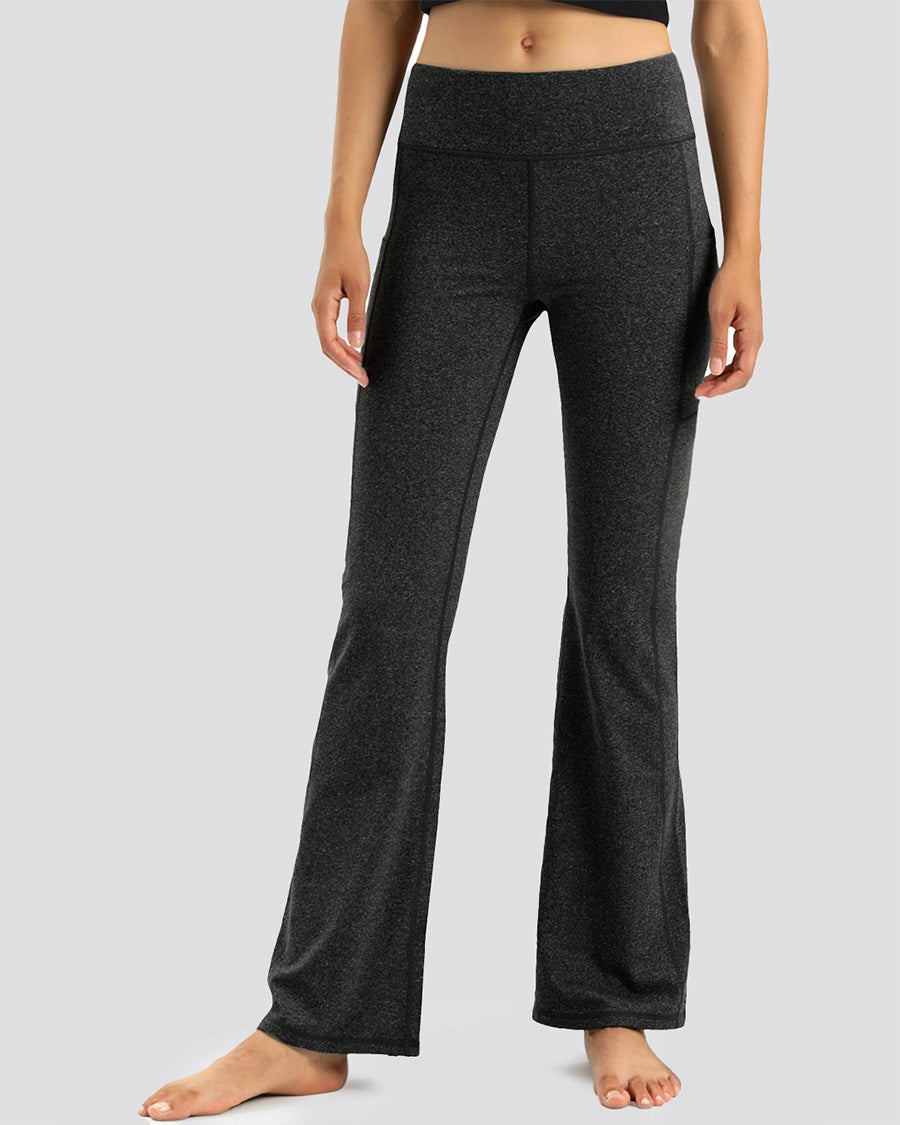
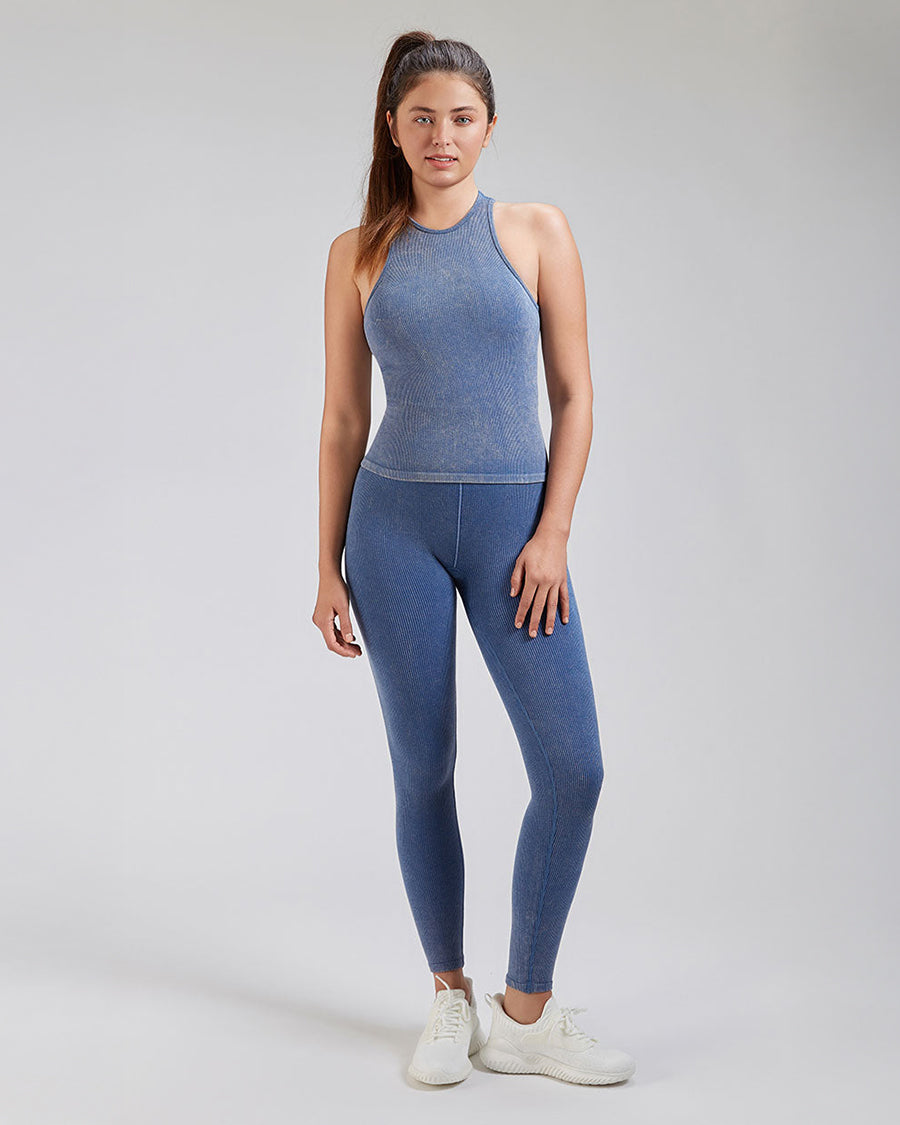
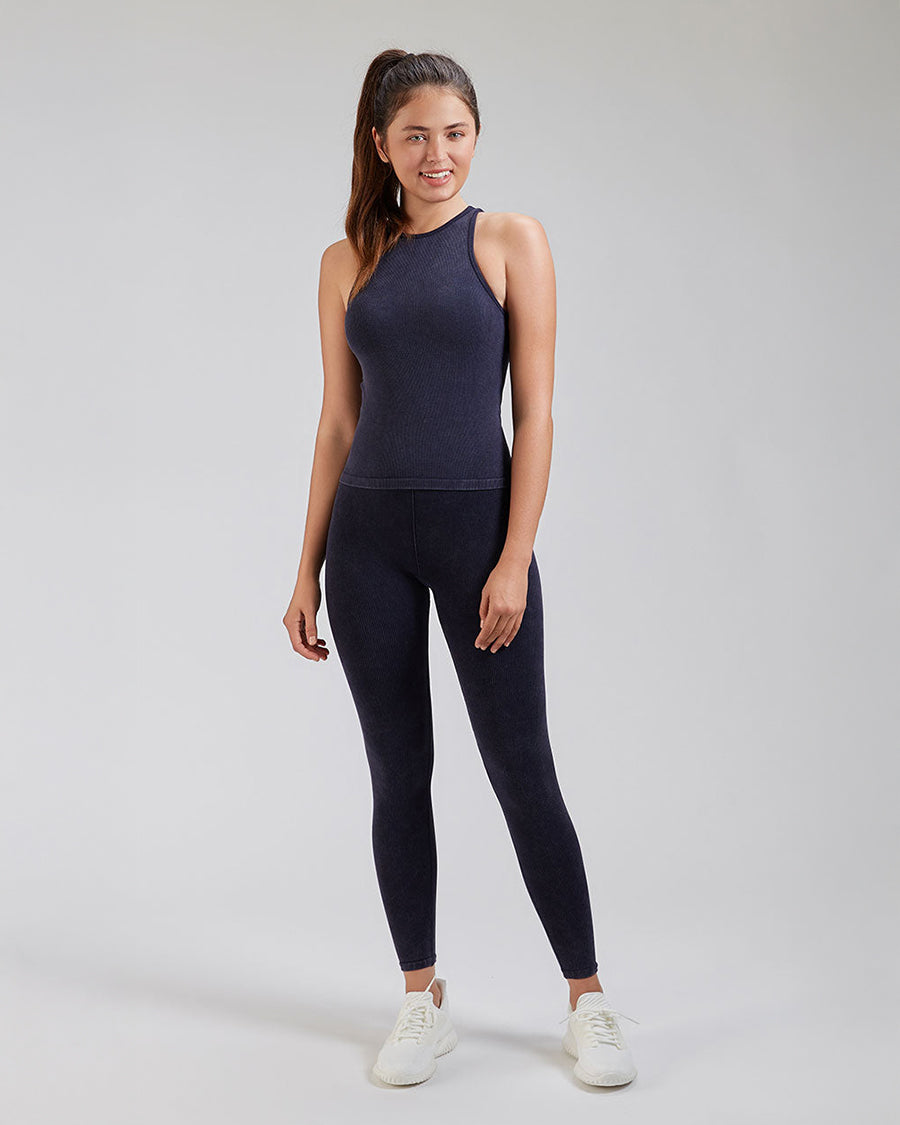
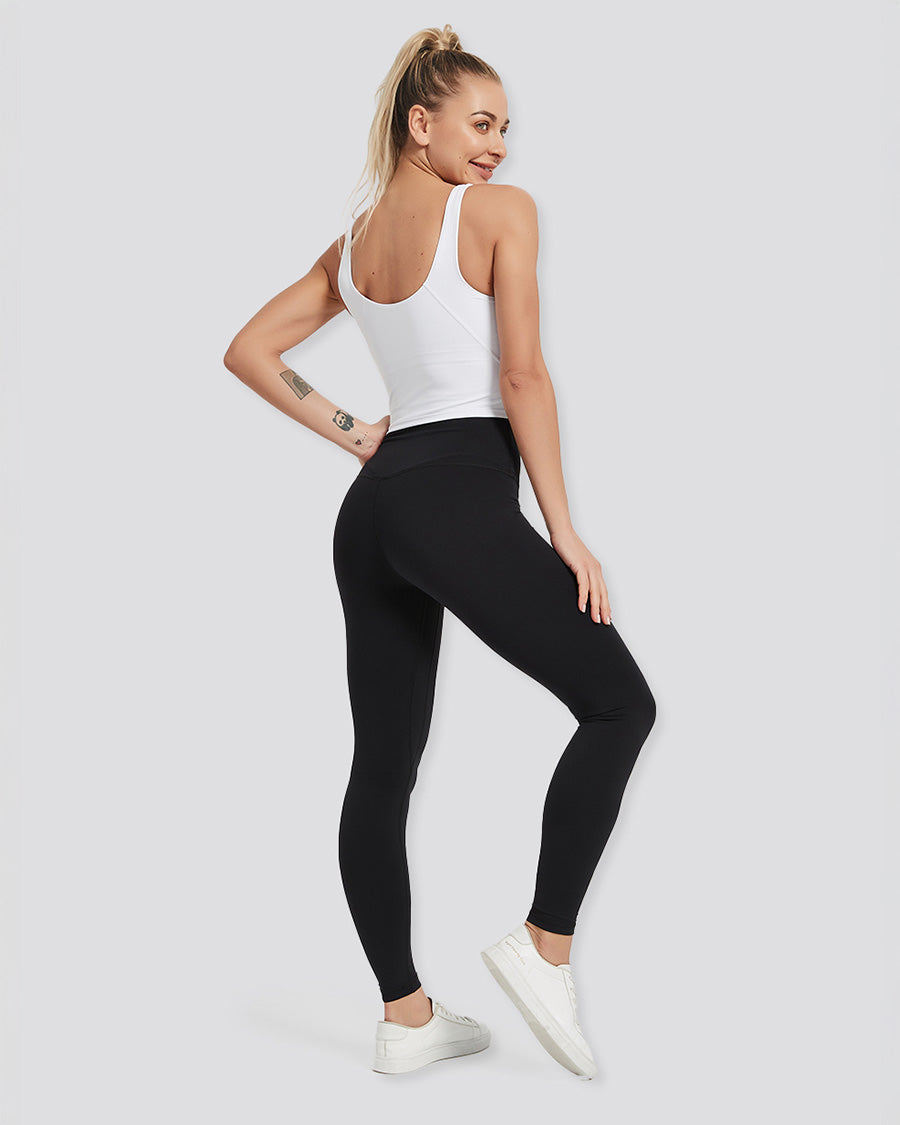
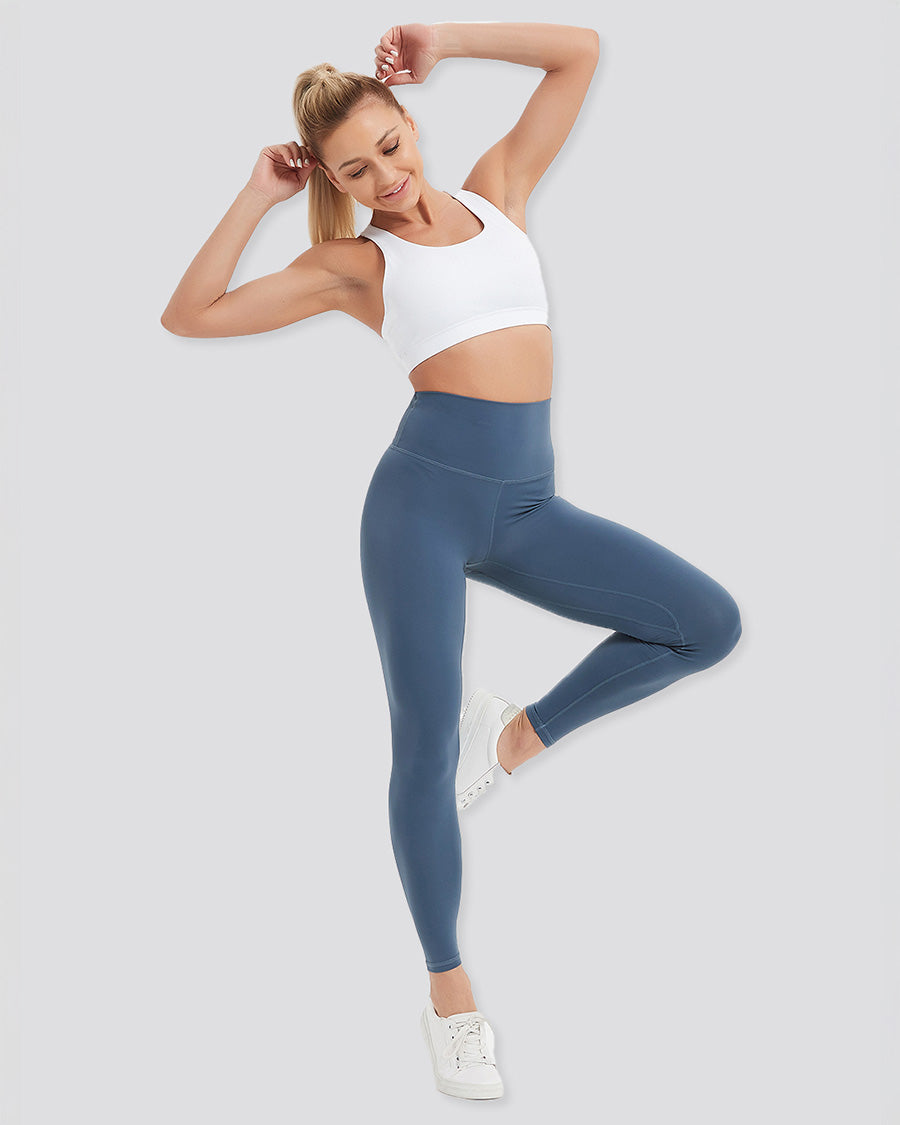
Wear clothes you can move and breathe in. For most first classes that means leggings or joggers and a fitted top, plus socks or bare feet until you know what shoes the studio recommends. Do not buy special shoes before day one; teachers would rather advise you after seeing the style and floor. A light layer helps for the start of class before you warm up, then comes off once you do. If you want dance-specific layers later, dance warm-up gear is a small, useful upgrade, not a requirement.
-
Arrive 10 minutes early and tell the teacher you are brand new. This is the single highest-value move available to a beginner. Teachers place new students where they can see a confident dancer to follow, and they will explain terms as they go instead of assuming you know them.
-
Expect a predictable structure: warm-up, technique drills, a short combination, cool-down. You will not be thrown into choreography cold. In ballet you will spend most of the first class at the barre; in salsa you may repeat one basic step for half an hour. Repetition is the class working as designed, not a sign you are behind.
-
Plan your recovery like you would for any new workout. Mild soreness in the calves, feet, and hips is normal for a few days. Gentle stretching afterward helps more than pushing through another hard session immediately, and these stretches for dance flexibility are a sensible post-class routine for adult beginners.

What progress actually looks like
Weeks one through four are the awkward phase, and it is nearly universal. Your brain knows what the step should look like and your body does something else. This is not a talent problem; it is how motor learning works, and it fades with repetition.
Around months two and three, the vocabulary sticks. You stop translating ("plié means bend") and start just doing the movement when you hear the word. Combinations that once needed full concentration begin to feel like phrases instead of individual letters. Many adults describe this as the point where class becomes the highlight of the week rather than a nerve-wracking appointment.
By month six of consistent weekly classes, changes tend to show up outside the studio: better posture at your desk, steadier balance, easier stairs, and a noticeable jump in body confidence. The RAD's Silver Swans materials point to mobility, posture, and coordination as the core physical payoffs of adult ballet, and those track closely with what adult students report across styles. Flexibility improves too, though it is usually the slowest metric for adults, so measure yourself against last month, not against the teenager in the corner.
If you can manage twice a week, progress compounds quickly. If you can only manage once, that still works; you will simply spend a bit longer in each phase. Cross-training on off days helps more than extra intensity: gentle mobility work, walking, or a short home practice like the routines in our yoga for beginners guide keeps your body ready for class without adding strain.
FAQ
Am I too old to start dancing?
Almost certainly not. Structured beginner programs now welcome every adult decade, well into your 50s and beyond. The real limits are about goals, not entry: starting later rules out a professional career, but not solid technique, adult showcases, or years of enjoyable dancing.
Can I learn to dance at 30 or 40 with no experience?
Yes, and adults in their 30s and 40s are the core audience of most beginner programs, not the exception. Adults typically learn structure and corrections faster than children even though flexibility takes longer to build. The pattern teachers describe most often: adults who attend one class a week for six months reach a comfortable, confident beginner level in styles like ballet, salsa, or jazz.
What should I wear to my first adult dance class?
Fitted, stretchy clothing you can move in: leggings or joggers with a t-shirt or fitted top works for nearly every style. Go barefoot or in socks for the first class unless the studio tells you otherwise, and hold off on buying dance shoes until the teacher recommends a type. A removable layer is useful because you will start cold and warm up fast.
How long does it take to learn to dance as an adult?
Expect about a month for class to stop feeling awkward, about three months for basic vocabulary and simple combinations to feel natural, and visible changes like posture and balance by month six. From there, six to twelve months is the further milestone: that's when weekly classes start to look and feel like a dancer doing beginner choreography cleanly, not just competently. Twice-weekly practice shortens each phase, and there is no finish line after that; even professionals keep taking class.
Do I need to be flexible or in shape before starting dance lessons?
No. Beginner classes are designed to build both, starting from wherever you are, and teachers expect new adults to have tight hamstrings and limited turnout. Flexibility improves gradually through the class warm-ups themselves, and you can speed it up safely with a short post-class stretching routine at home. Arriving "already ready" is not a real prerequisite; it is the most common reason people delay for years.
Which dance style is easiest for adult beginners?
Barre and ballroom basics tend to have the gentlest learning curves: barre because there is no choreography to memorize, and ballroom because you repeat a small set of steps until they are automatic. Ballet is more demanding but unusually beginner-friendly in structure, since every class follows the same predictable sequence. The better question is which style you will keep attending, because consistency outweighs difficulty within a few months.
About the Stelle Team
Stelle is a mom-trusted dancewear & athleisure brand best known for girls’ ballet and dance essentials since 2015. Every article is created and reviewed by the team behind the products, drawing on what we hear from dance teachers, studio owners, and dance parents every day. Learn more about Stelle.