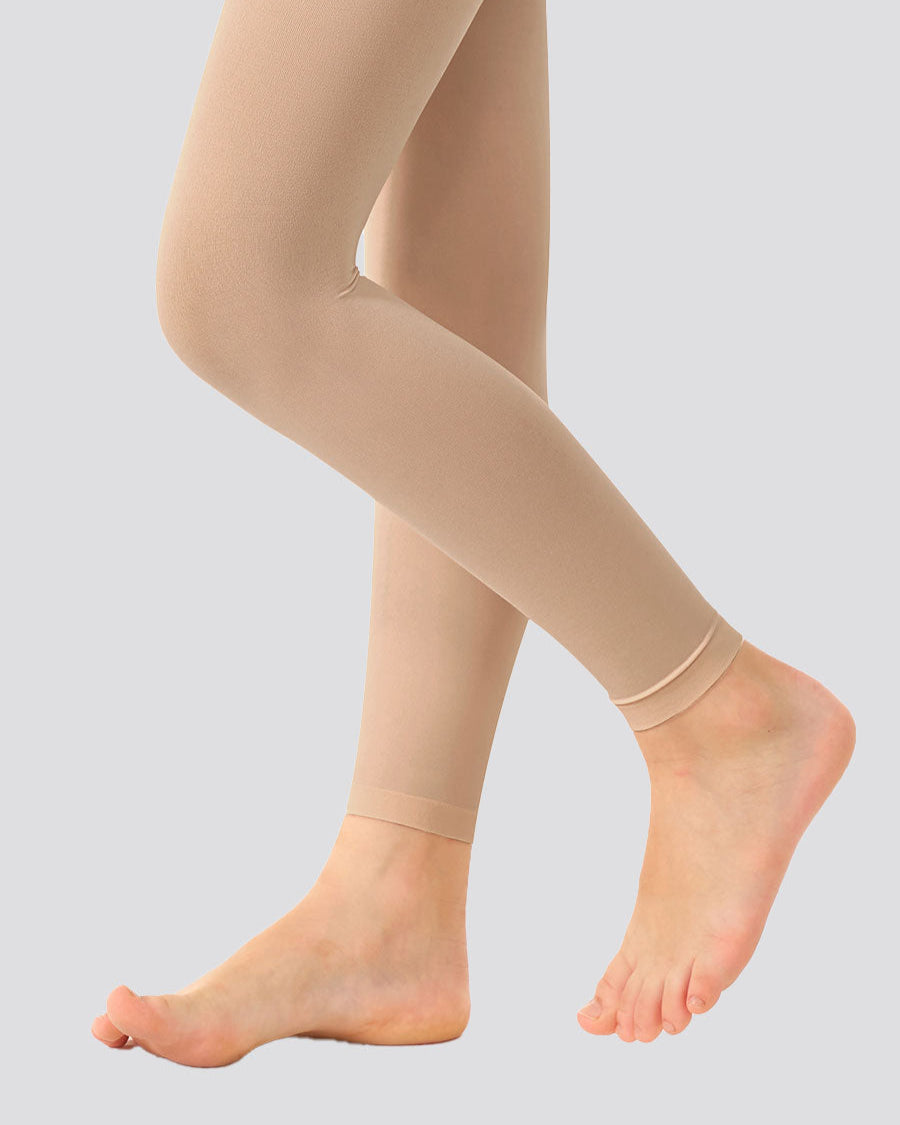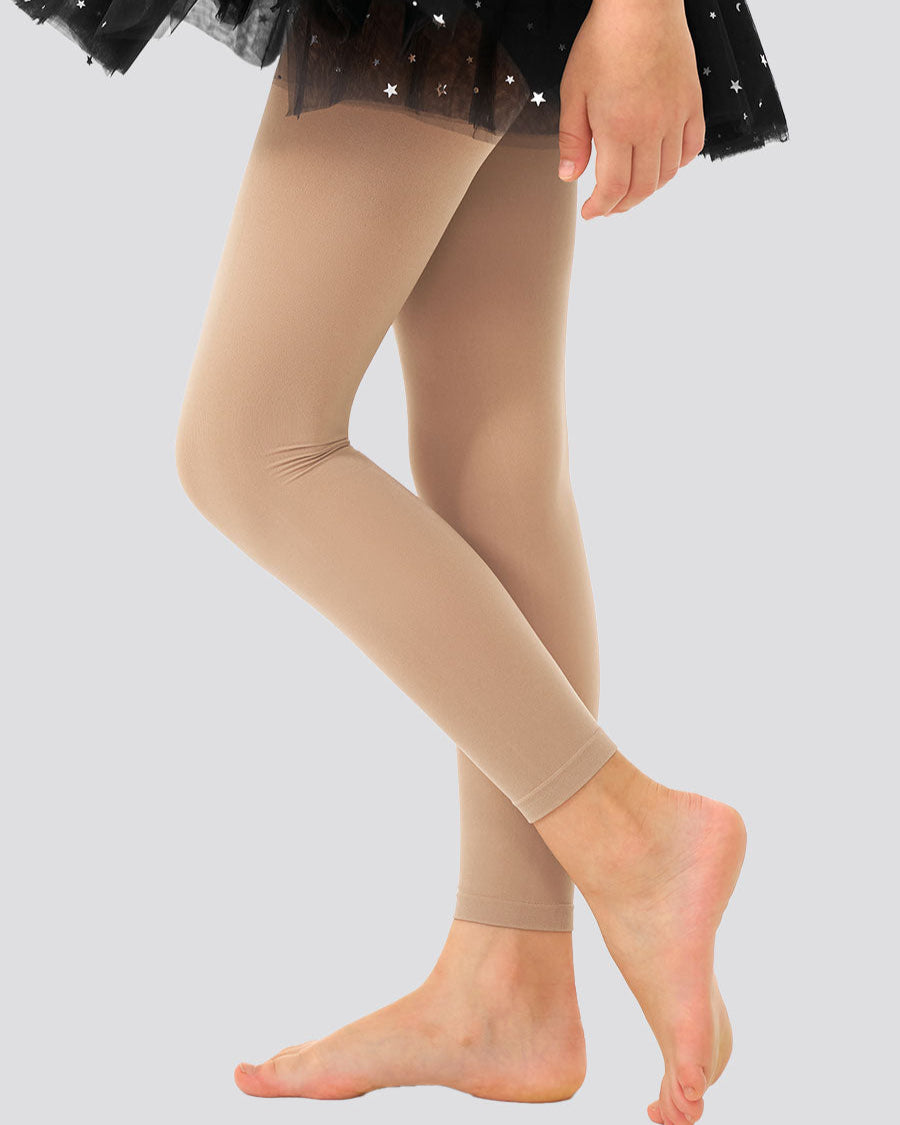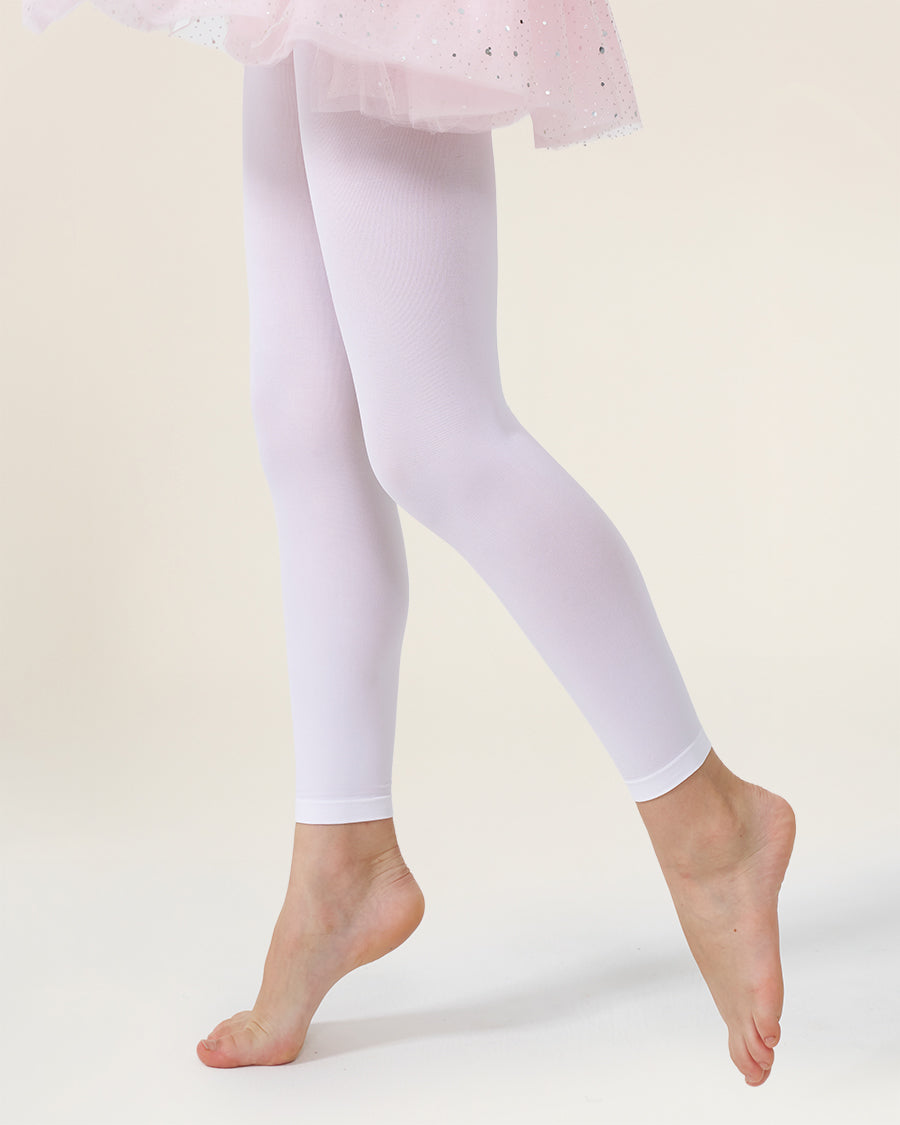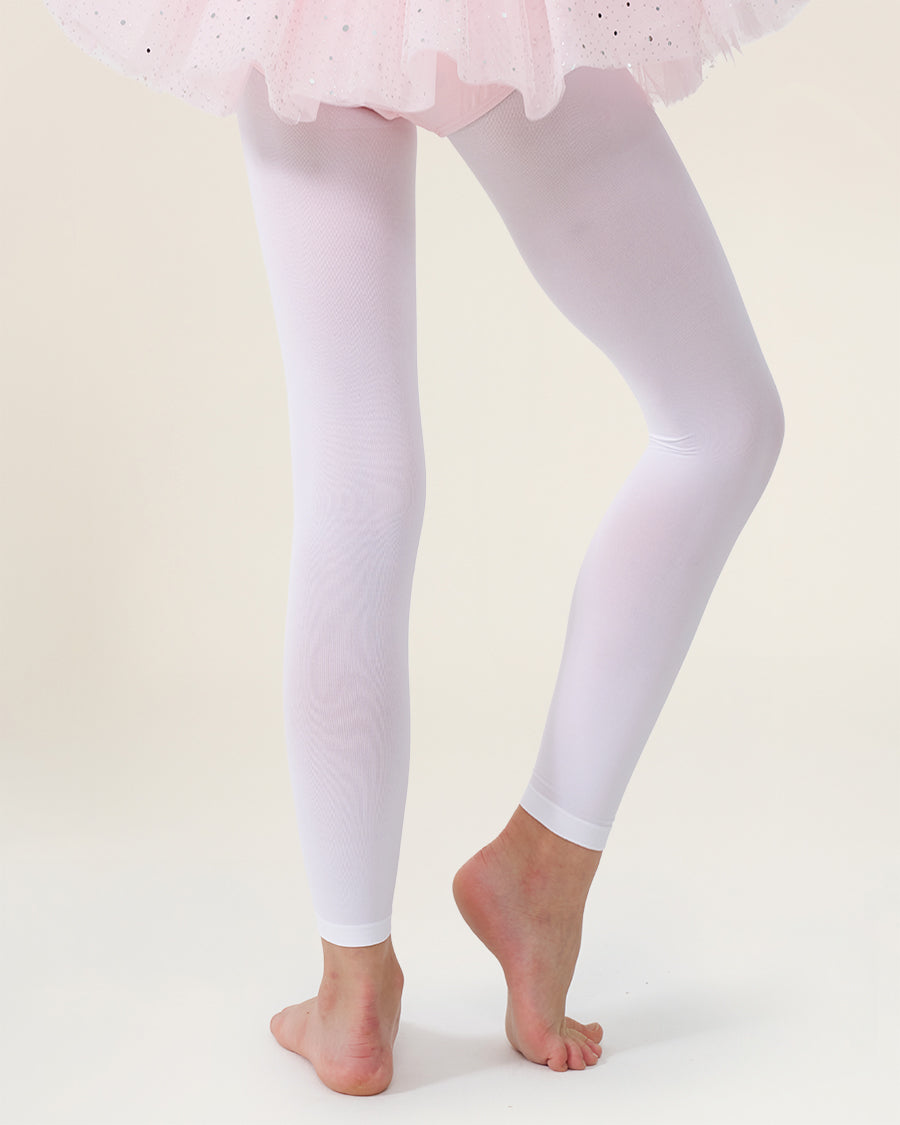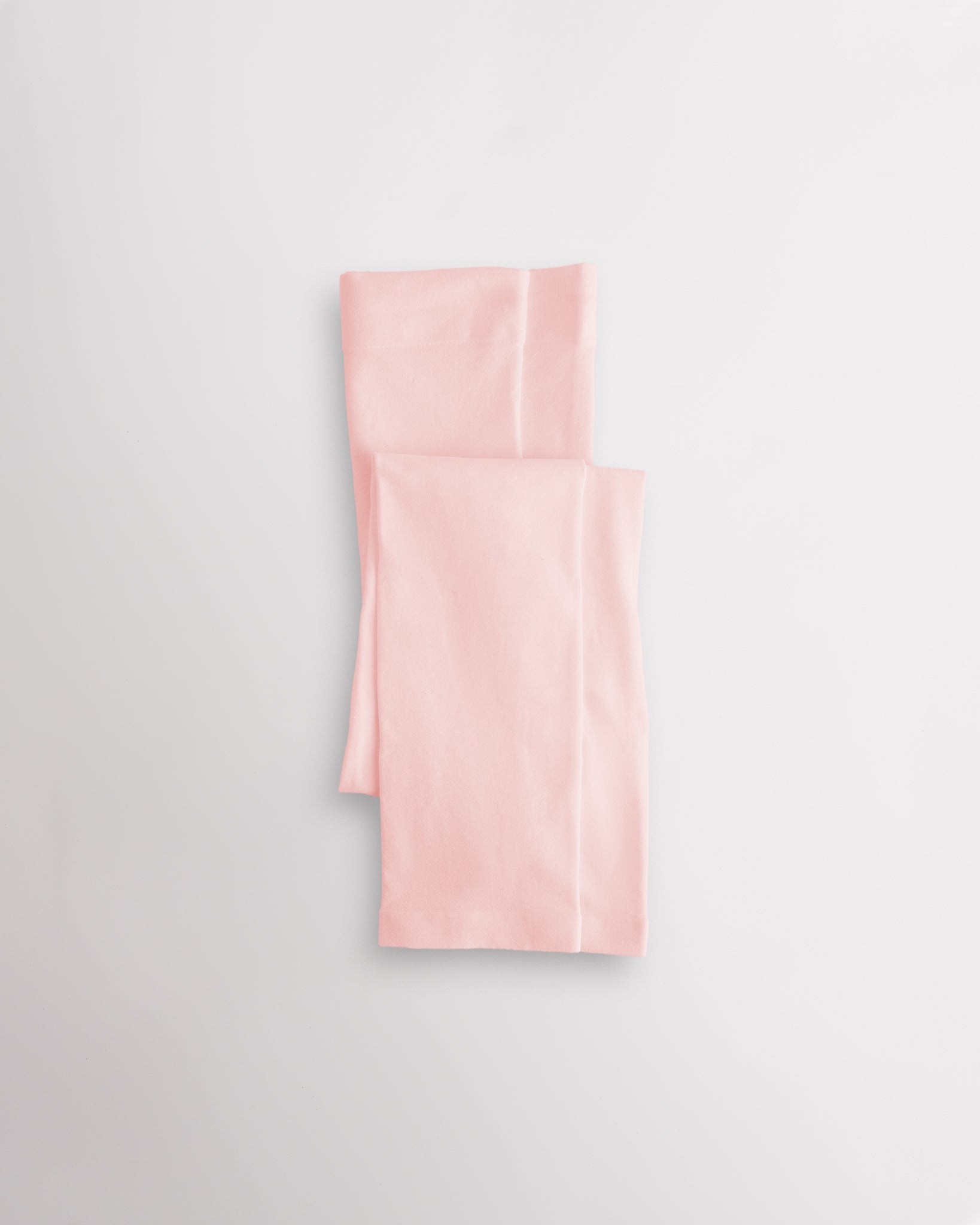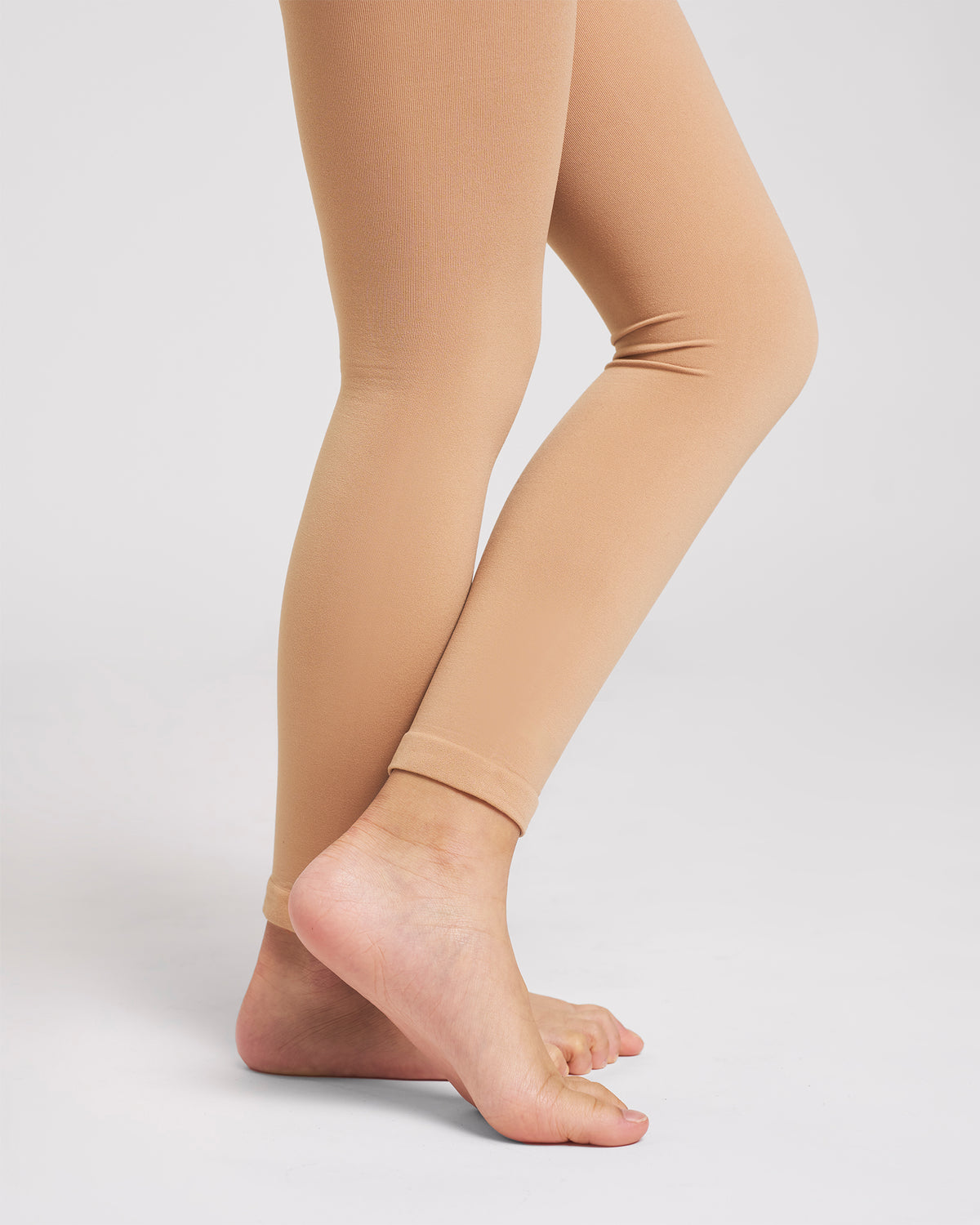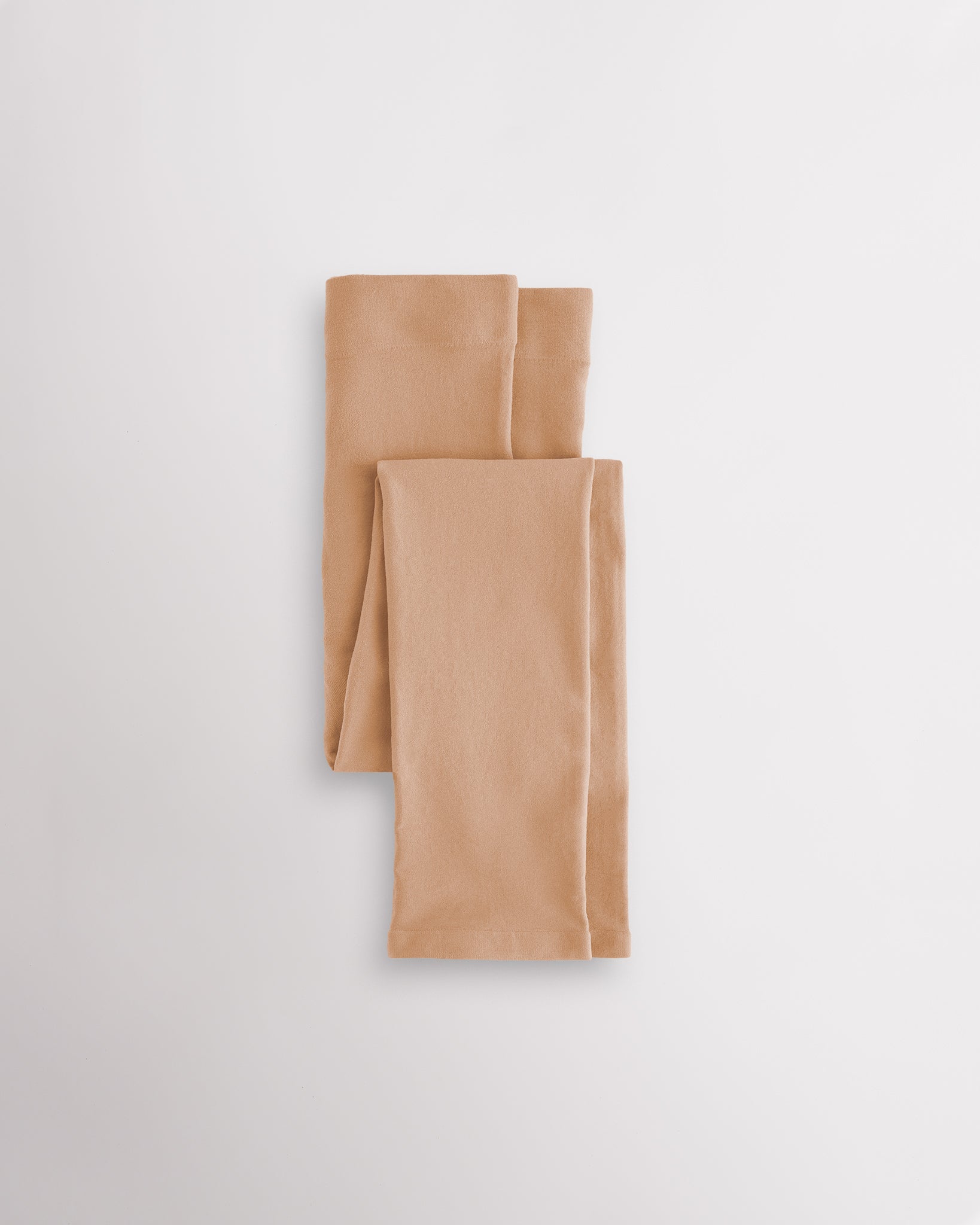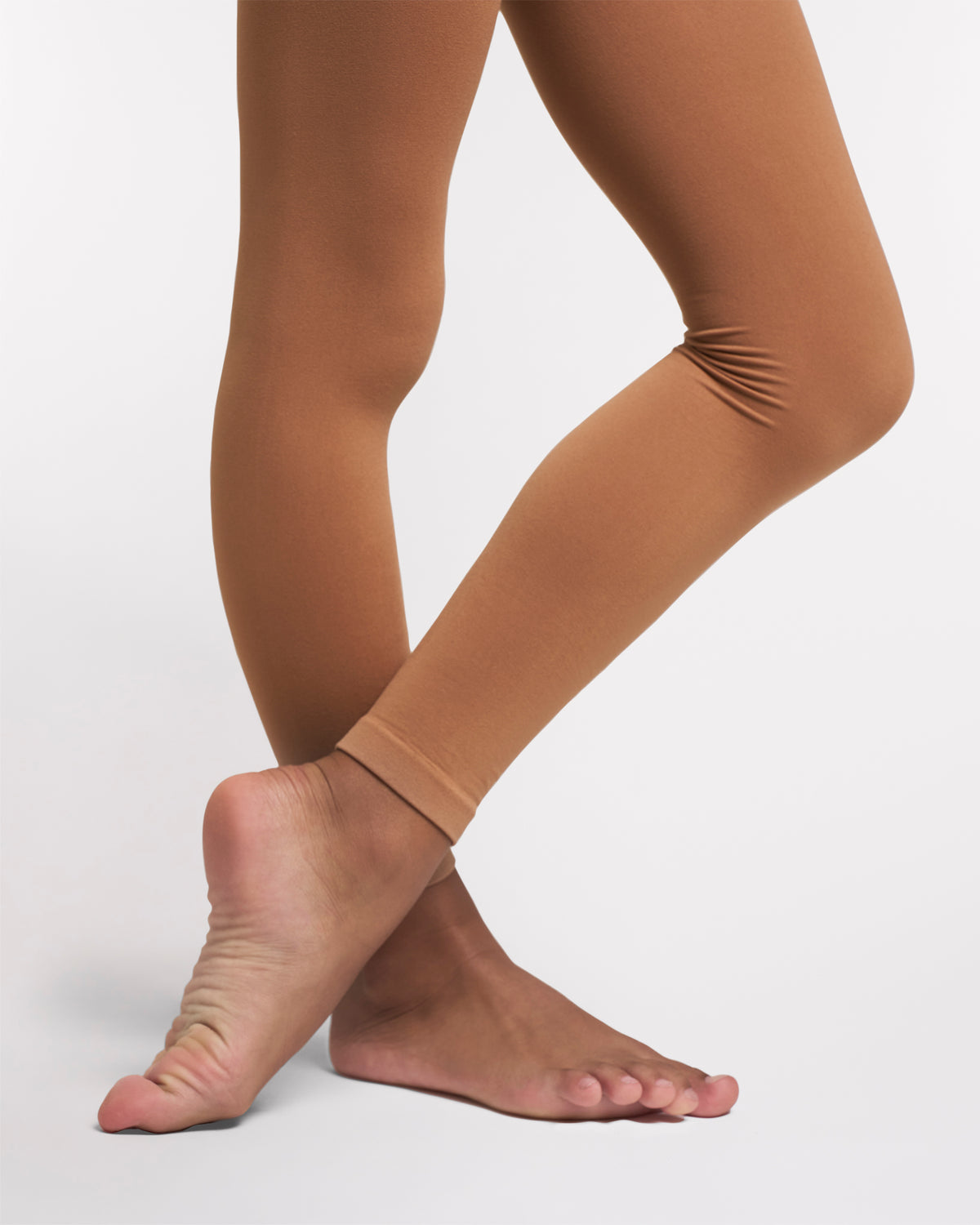




How to Care for Kids' Dance Tights: Prevent Rips, Runs, and Holes
Table of contents
- Quick Answer
- Why Dance Tights Rip, Run, or Get Holes
- Wash Cold and Skip High Heat
- Use a Mesh Bag and Keep Tights Away From Rough Laundry
- Choose the Right Size: Snug Is Not the Same as Too Tight
- How Training Style Affects Wear
- Give Tights a Break Between Wears
- How to Reduce Toe and Heel Friction
- What to Do If You See a Snag or Run
- Keep a Fresh Pair for Recital or Photo Day
- When to Replace Dance Tights
- Where Stelle Fits In
- FAQ
- 1. How do you wash kids' dance tights?
- 2. Can ballet tights go in the dryer?
- 3. Why do my child's dance tights get holes so fast?
- 4. How do I stop a snag from turning into a hole?
- 5. How many pairs of dance tights does my child need?
- 6. When should I replace dance tights?
- 7. How do I keep pink ballet tights from turning gray?
- Final Note
Written by the Stelle team.
Dance tights care is one of those things that seems simple until you're staring at a hole in the toe the night before recital. Kids' dance tights go through a lot every week: stretching, sweat, repeated washing, friction from shoes, and the general wear of a child who isn't thinking about her tights while she's mid-plié. A snag, a run, or a hole at the toe doesn't automatically mean the tights were poor quality. Most of the time, the real cause is heat, friction, a size that's too tight, a rough laundry load, or the same pair worn and washed over and over without a break. A few simple habits go a long way toward making them last longer.
Quick Answer
Wash kids' dance tights in cold water, use a mesh laundry bag if machine washing, skip high heat when drying, and keep them away from towels, jeans, zippers, Velcro, and dark-colored laundry. Rotate between pairs when you can, check toenails and the inside of ballet shoes for rough spots, and treat a small snag early, before it turns into a bigger run.
Why Dance Tights Rip, Run, or Get Holes
Before getting into how to wash dance tights or how to prevent tights from ripping, it helps to know where the damage actually comes from. Ripping tights rarely happens for just one reason. A few common culprits:
-
The tights are too tight or overstretched, which puts constant tension on the fibers
-
A child pulls them on by yanking the waistband instead of gathering the fabric first
-
Toenails are rough, long, or not filed smooth
-
The inside of the ballet shoe has a rough seam that rubs against the toe or heel
-
Tights get washed with towels, zippers, Velcro, or jeans: anything with texture that can snag the fabric
-
High heat, from washing or drying, weakens the stretch fibers over time
-
Frequent classes or a lot of floor work put more repeated stress on the same pair
-
The same pair gets worn and washed again and again without any rest in between
Most of the time, it's a combination of two or three of these, not just one. A child in multiple classes a week, wearing tights that run a little small, washed in a regular load with towels, is dealing with almost every risk factor at once.

Wash Cold and Skip High Heat
Cold water is one of the most important habits for dance tights care, and it is a good starting point for how to wash ballet tights. Hot water can damage elasticity over time, which is why tights that go through repeated hot washes may start to feel looser or less supportive.
Dance Magazine's interview with BalletMet costume shop manager Erin Rollins backs this up directly: cold water is the safest option for stretch fabrics like the ones used in tights, and delicate pieces need gentler handling than a regular load of laundry. Warm water is generally fine, but hot water is worth avoiding altogether.
Hand washing is the gentlest option, but a delicate machine cycle in cold water works too, as long as the tights are protected from friction (more on that below). When it comes to drying, skip the dryer if you can. Air drying, laid flat or hung, is the safest way to protect the stretch. How to dry ballet tights without wrecking them really comes down to just that: no heat, and don't wring them out, just press the extra water out gently.
Use a Mesh Bag and Keep Tights Away From Rough Laundry
If hand washing every pair after every class isn't realistic, that's fine. Here's the honest split:
-
Best option: hand wash cold, then air dry.
-
Busy-parent option: mesh laundry bag, cold water, delicate cycle, press out excess water, then air dry.
Either way, keep tights out of the same load as towels, jeans, zippers, Velcro, hooks, or anything sequined. These are common ways a small snag can turn into an actual hole during the wash cycle itself, not just from everyday wear.
One detail that's easy to miss: wash light pink or white ballet tights separately from dark or brightly colored laundry. Most dance tights are made from nylon, which picks up dye easily. A wash next to a dark towel or a new pair of jeans can leave pale tights looking dingy or slightly gray, even after just one cycle.

Choose the Right Size: Snug Is Not the Same as Too Tight
Fit affects durability as much as it affects comfort. Tights that run too small are under constant tension even before class starts, which makes the fibers more likely to overstretch and tear the first time she does a deep plié or sits on the floor. If the waistband digs in, red marks show up at the toes, or the crotch sags no matter how far up you pull them, it's worth checking the size before assuming the tights themselves are the problem.
For a full breakdown of sizing and fit for footed ballet tights, convertible ballet tights, and other styles, see our Kids Dance Tights Guide.
How Training Style Affects Wear
Not every child's tights wear out at the same rate, and that's not random. According to the same Dance Magazine interview with Erin Rollins, a few material factors genuinely affect how fast dancewear breaks down: natural fibers wear out faster than synthetic ones, lighter or sheer fabrics show wear more quickly than thicker ones, and any weave with visible texture, like mesh or lace, snags more easily than a smooth, opaque knit.
The same logic applies to how a child actually trains. A beginner in one weekly ballet class, doing mostly barre work, puts far less stress on a pair of tights than a dancer in contemporary, lyrical, or acro classes with a lot of floor work, or a dancer juggling several classes a week. More frequent classes also mean more frequent washing, which adds up faster than people expect. None of this means multiple-classes-a-week dancers need to buy expensive tights. It just means expecting faster wear is realistic, not a sign something's wrong.
Give Tights a Break Between Wears
Wearing and washing the exact same pair every single class day doesn't give the fibers any time to recover, and that repeated stress adds up. Rotating between a couple of pairs spreads out the wear.
|
Dance Schedule |
Suggested Care Rhythm |
|
Trial class |
1 pair is usually enough, unless the studio says otherwise |
|
Weekly class |
2 pairs make laundry easier |
|
Multiple classes per week |
3+ pairs help with rotation |
|
Recital or photo day |
Keep 1 clean backup pair separate |
The goal isn't to make a single pair last forever. It's to avoid wearing, washing, and stretching the same one every class, which is one of the more overlooked reasons dance tights with holes show up sooner than expected.
How to Reduce Toe and Heel Friction
Some dancers use toe tape to cut down on friction in sensitive spots, especially for pointe work or more intensive training. For younger kids, the simpler version works fine: smooth the toenail first with a nail file, and only use a small piece of dance tape or medical tape if it doesn't irritate the skin or change how the shoe fits. If tape causes any redness or discomfort, skip it. It's a minor fix, not a necessity.
Thin liner socks may help some dancers reduce toe or heel friction, but they can change how ballet or jazz shoes fit. Try them only if the studio allows them and the shoes still feel secure.
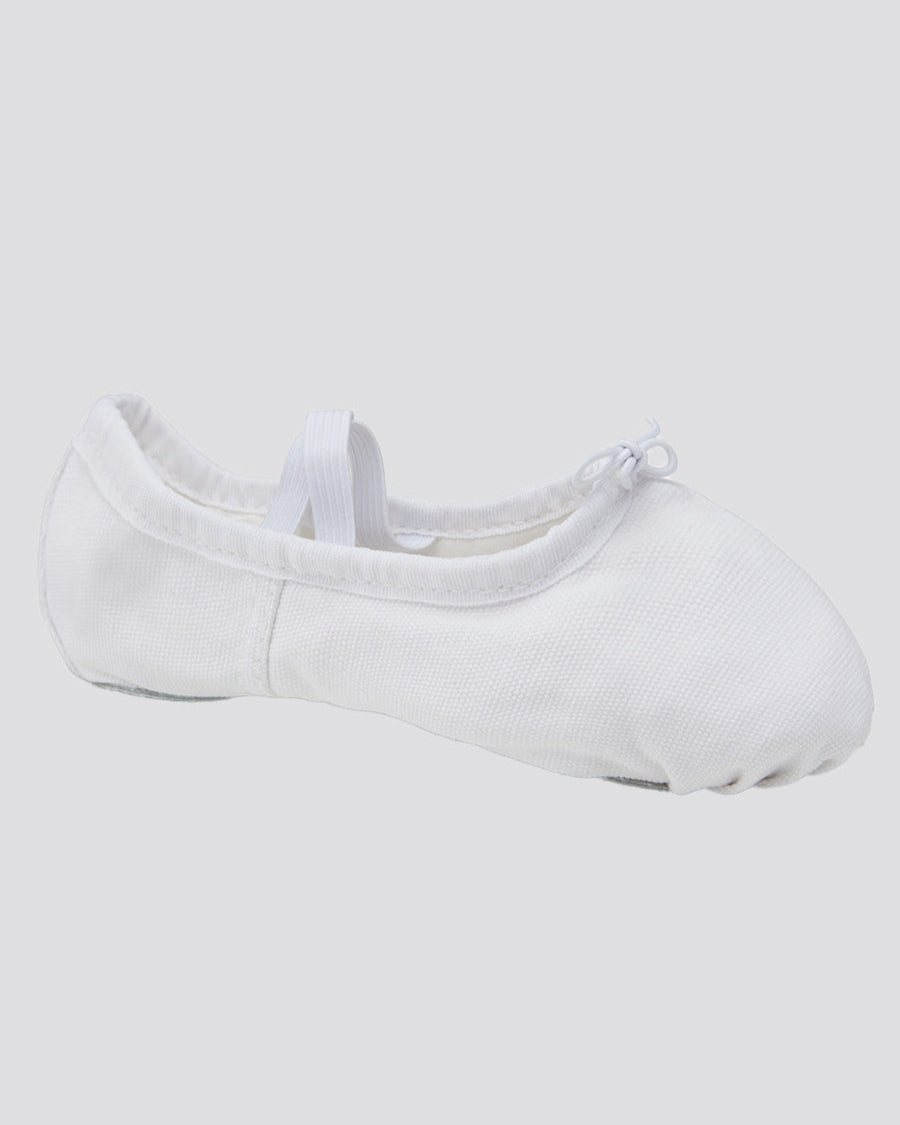
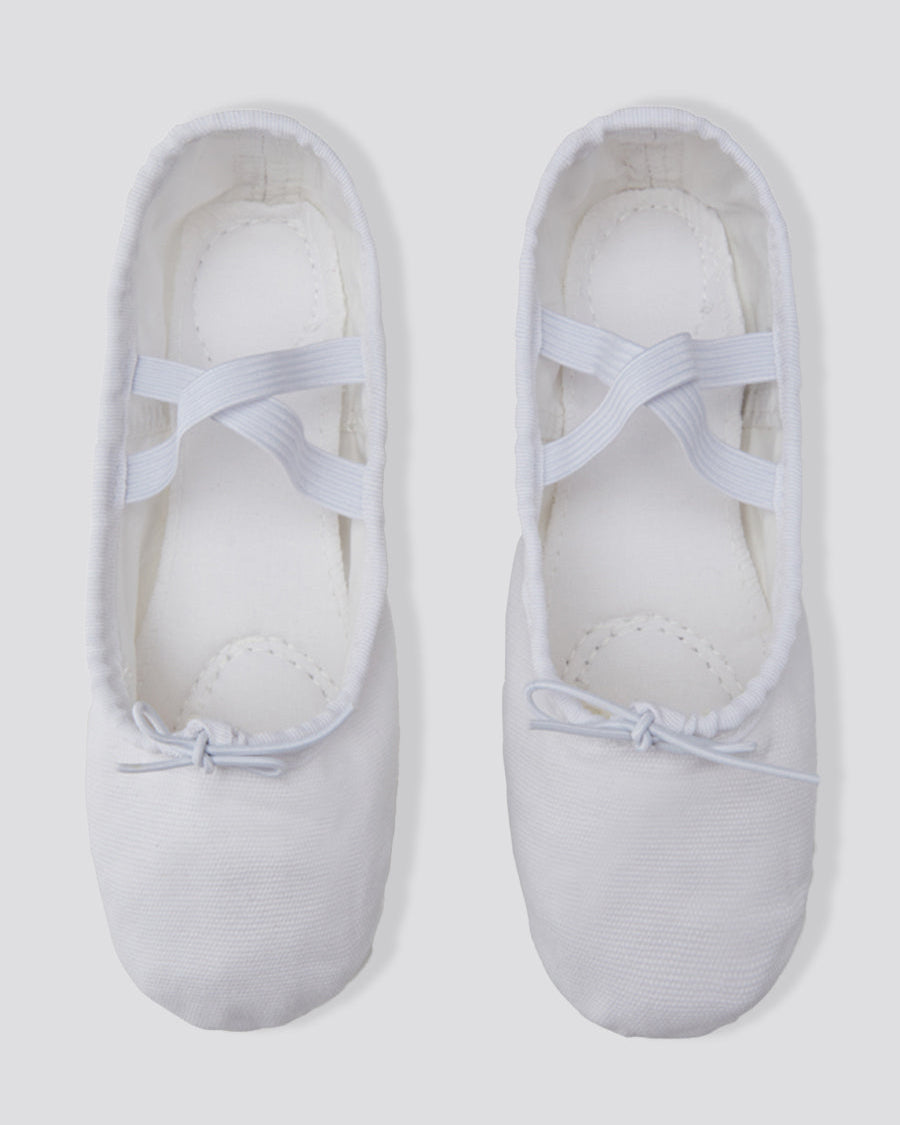
The other half of prevention has nothing to do with the tights themselves. If holes keep starting in the same spot, check the inside of the ballet shoe for a rough seam or stitching that could be rubbing against that exact area.
What to Do If You See a Snag or Run
A snag and a run are two different stages of the same problem. A snag is a small pulled loop that hasn't spread yet. A run, or laddering, is what happens once that loop starts unraveling down the leg. Catching a snag early is how to prevent runs in tights before they become a bigger problem.
If you're looking into how to fix tights or how to repair tights once a snag shows up, the honest answer is that most home fixes are temporary, not permanent repairs:
-
A small dab of clear nail polish over the snag, applied on the inside of the tights, can stiffen the fibers enough to stop it from spreading further.
-
Hairspray works in a pinch, though it's generally less effective than nail polish.
-
Either way, this buys time. It doesn't make the tights look new again.
If it's the night before a recital or photo day and the only pair on hand has a visible snag, switching to a clean backup pair is a better move than trying to fully rescue the damaged one.

Keep a Fresh Pair for Recital or Photo Day
Regular class tights can look perfectly fine under studio lighting and still show flaws somewhere they matter more: on stage or in photos. A small snag that's invisible during a normal class can catch the light during a recital. Light pink tights that have gone slightly gray from being washed with other laundry are far more noticeable in photos than they ever were in the classroom.
Keep one clean, unworn pair set aside specifically for recitals, exams, or photo days, separate from the pairs used for weekly class. And always check the studio's specific color or style requirement before those events. Some studios ask for a particular shade that's different from regular class tights, and it's worth confirming rather than assuming.
When to Replace Dance Tights
A few signs it's time for a new pair, not another repair. Ballet tights with holes are the clearest signal, but a few others are worth watching for too:
-
A run that keeps spreading no matter what you try
-
A hole at the toe or heel that's already visible
-
A waistband that's stretched out and doesn't hold its shape anymore
-
Sagging at the knees, even right after putting them on
-
Color that's gone gray or picked up a stain that won't wash out
-
Tights that fit fine last season but now leave red marks, a sign she's grown, not a sign of poor quality
-
A recital or photo day coming up with only worn pairs available
None of this means the tights were a bad purchase. Regular wear, washing, and a growing kid add up faster than most people expect.

Where Stelle Fits In
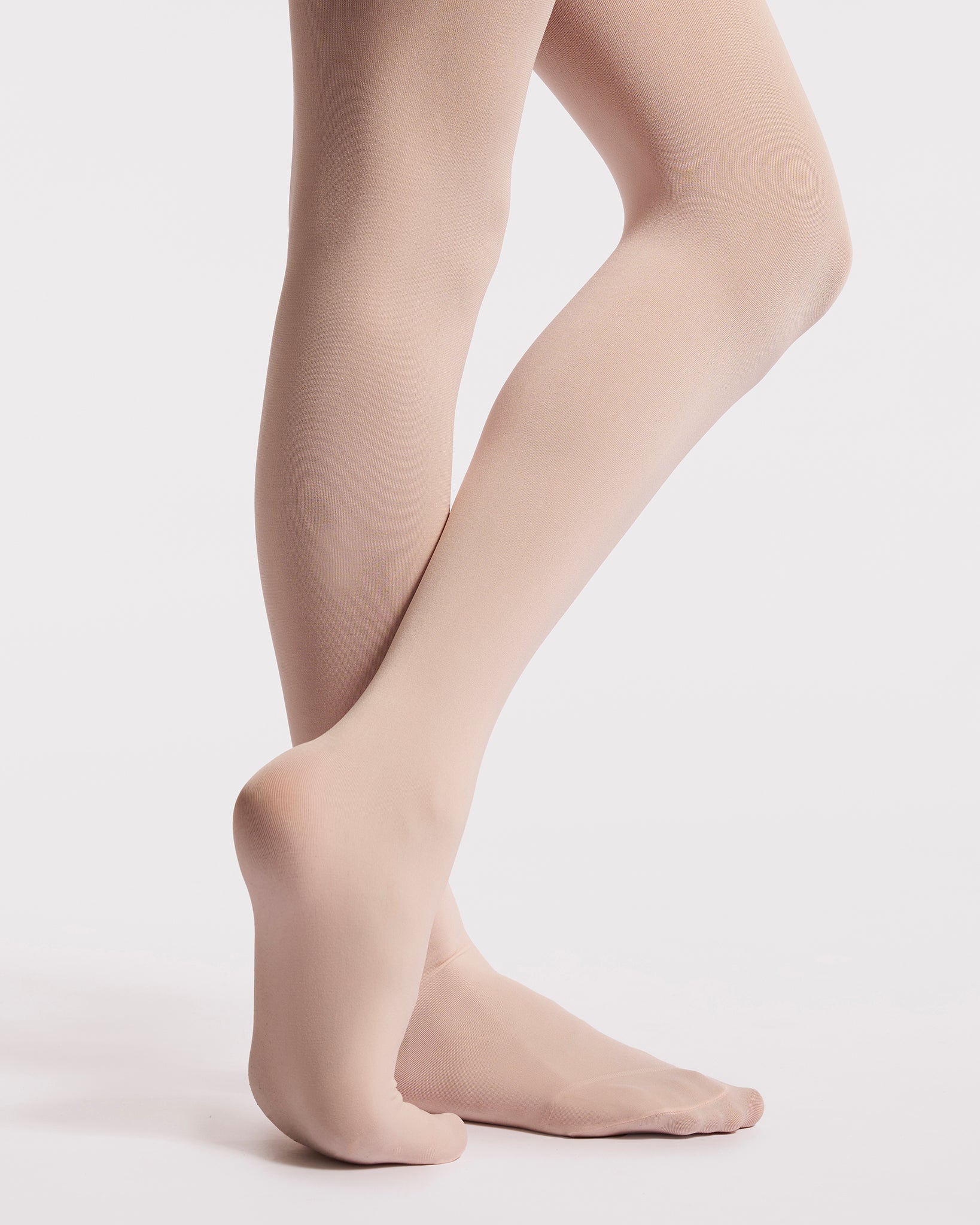
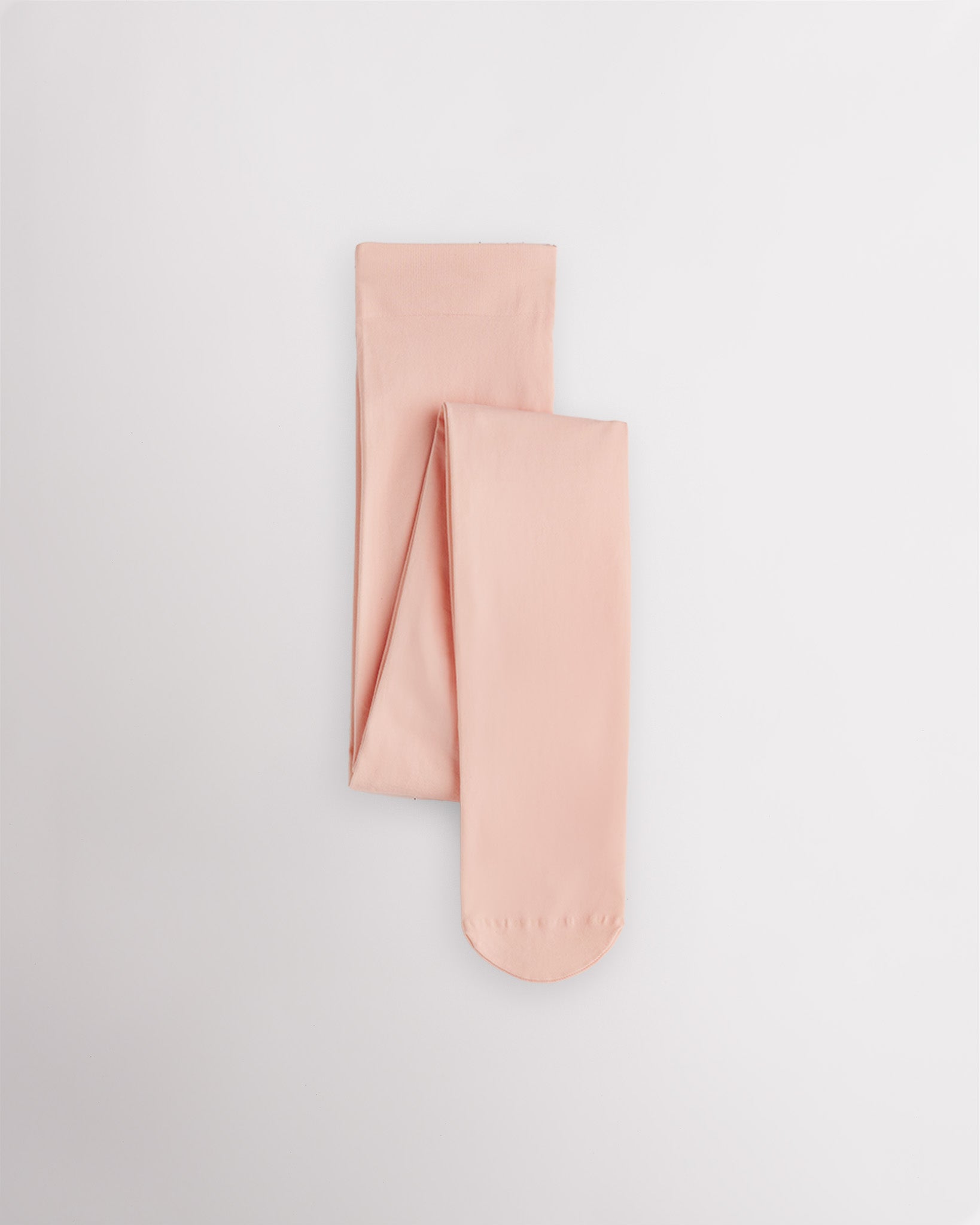
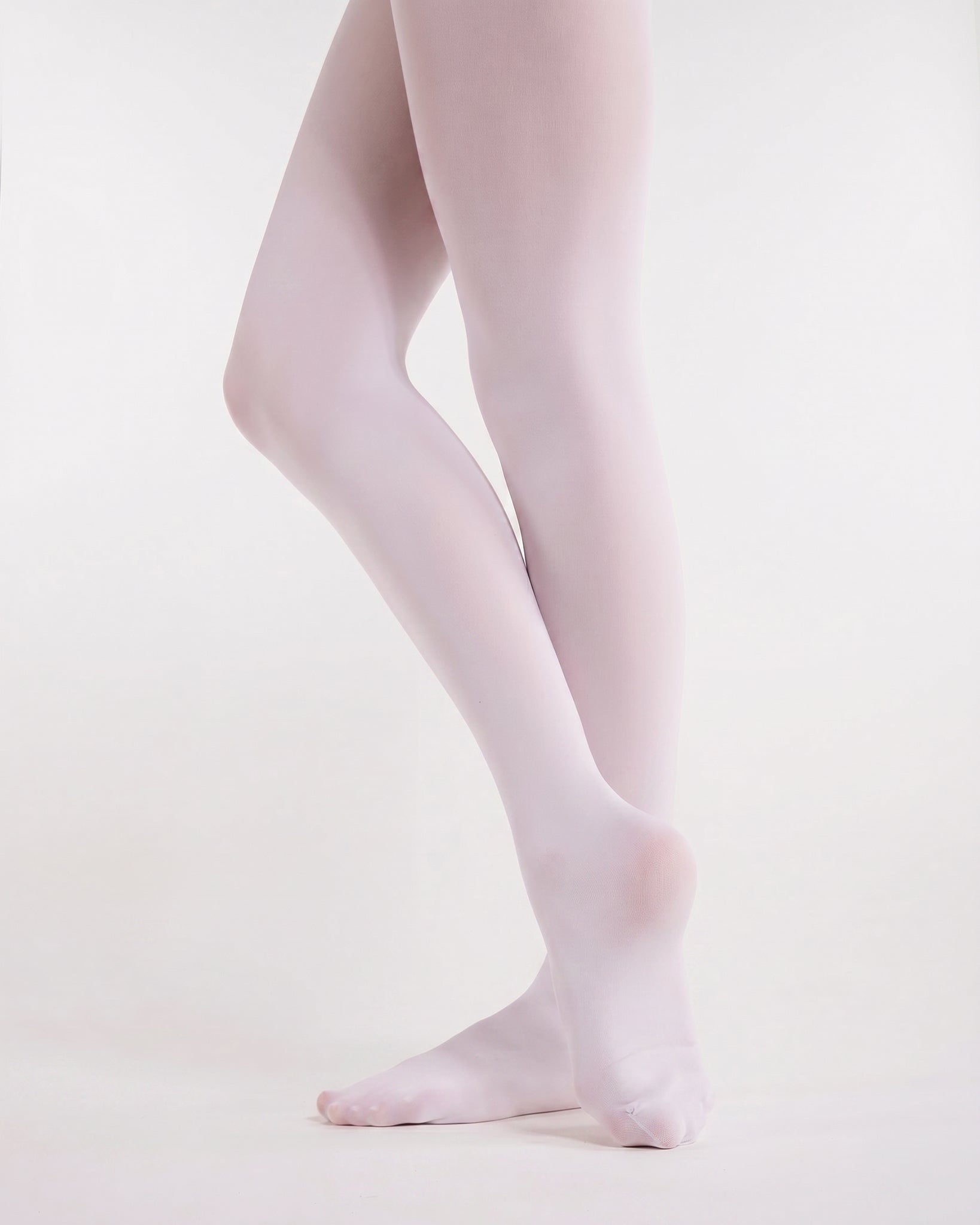
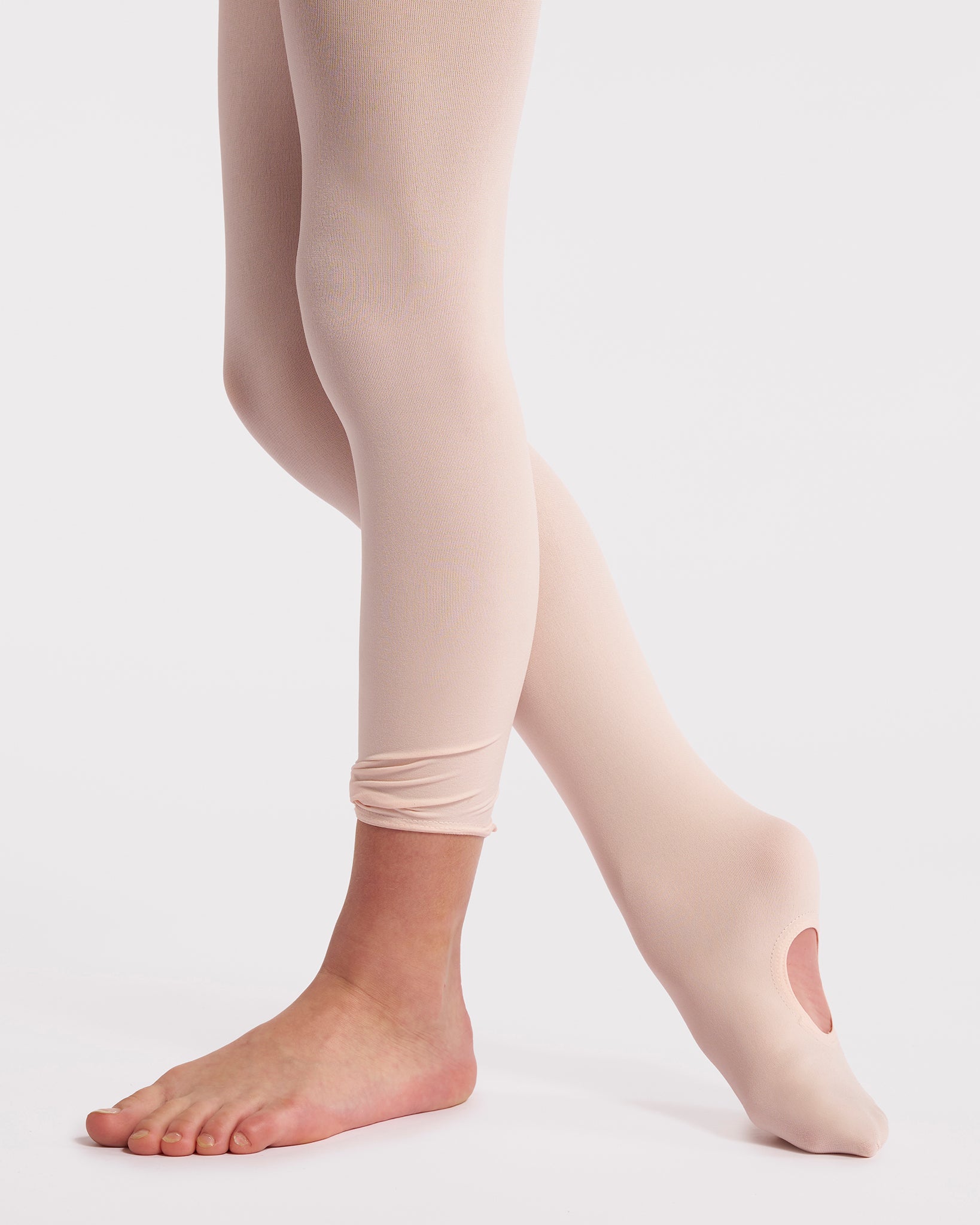
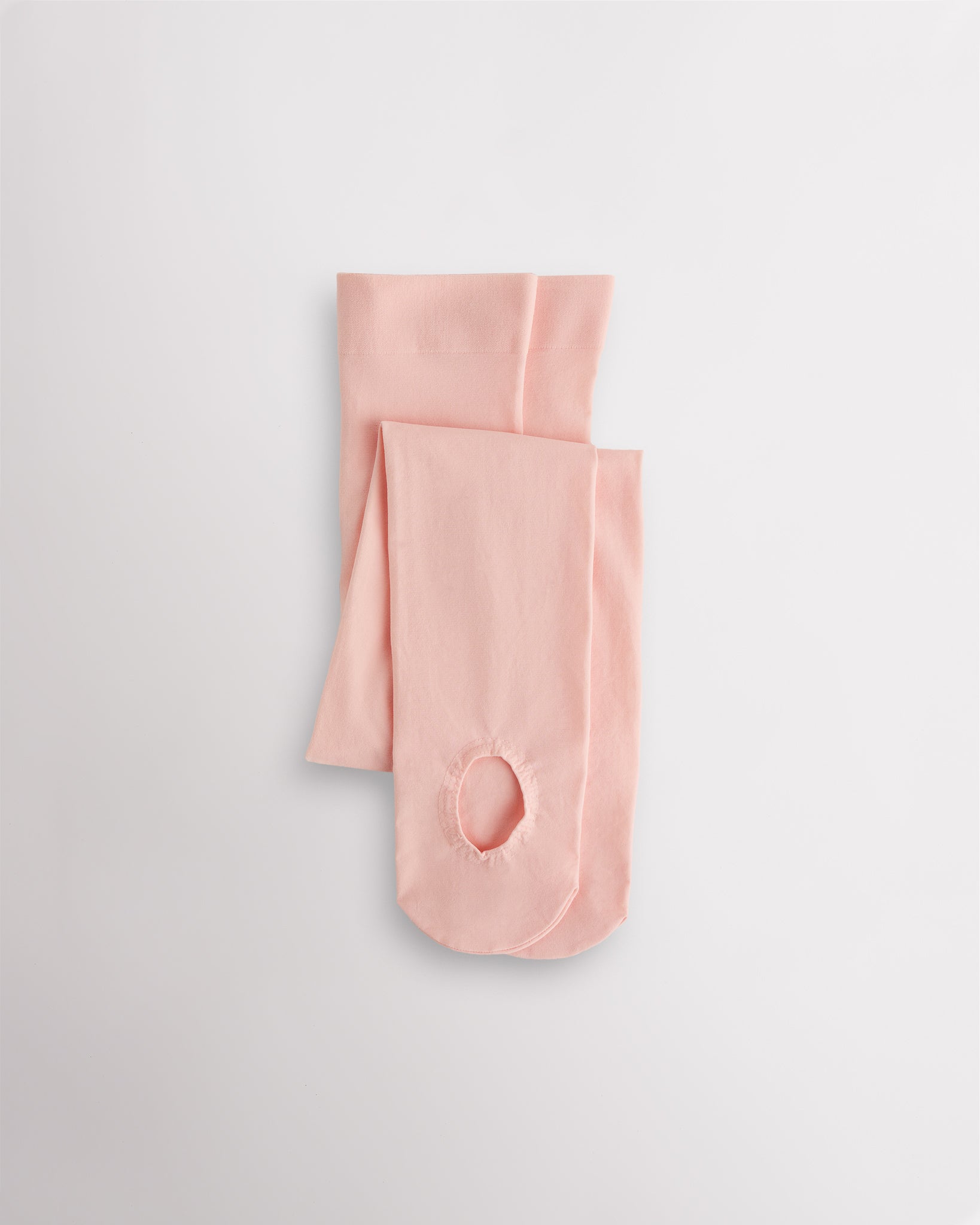
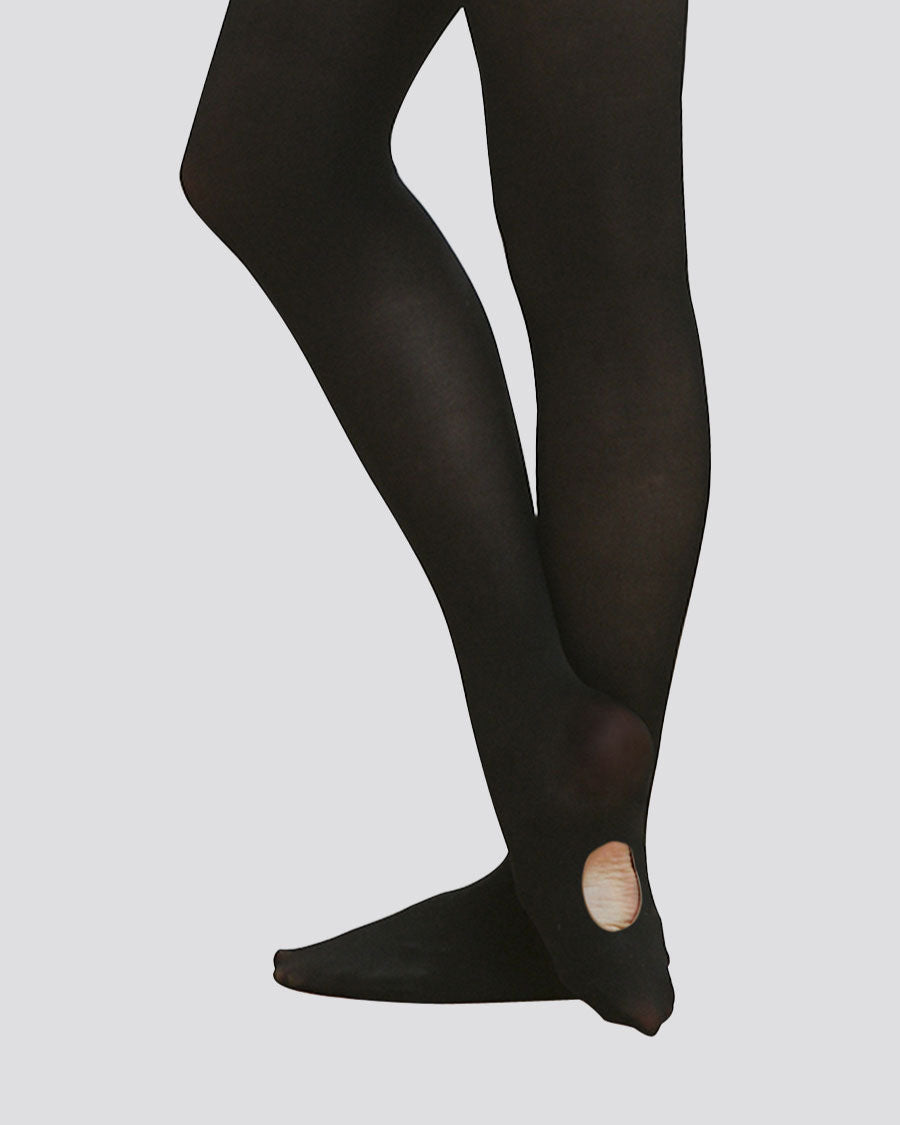
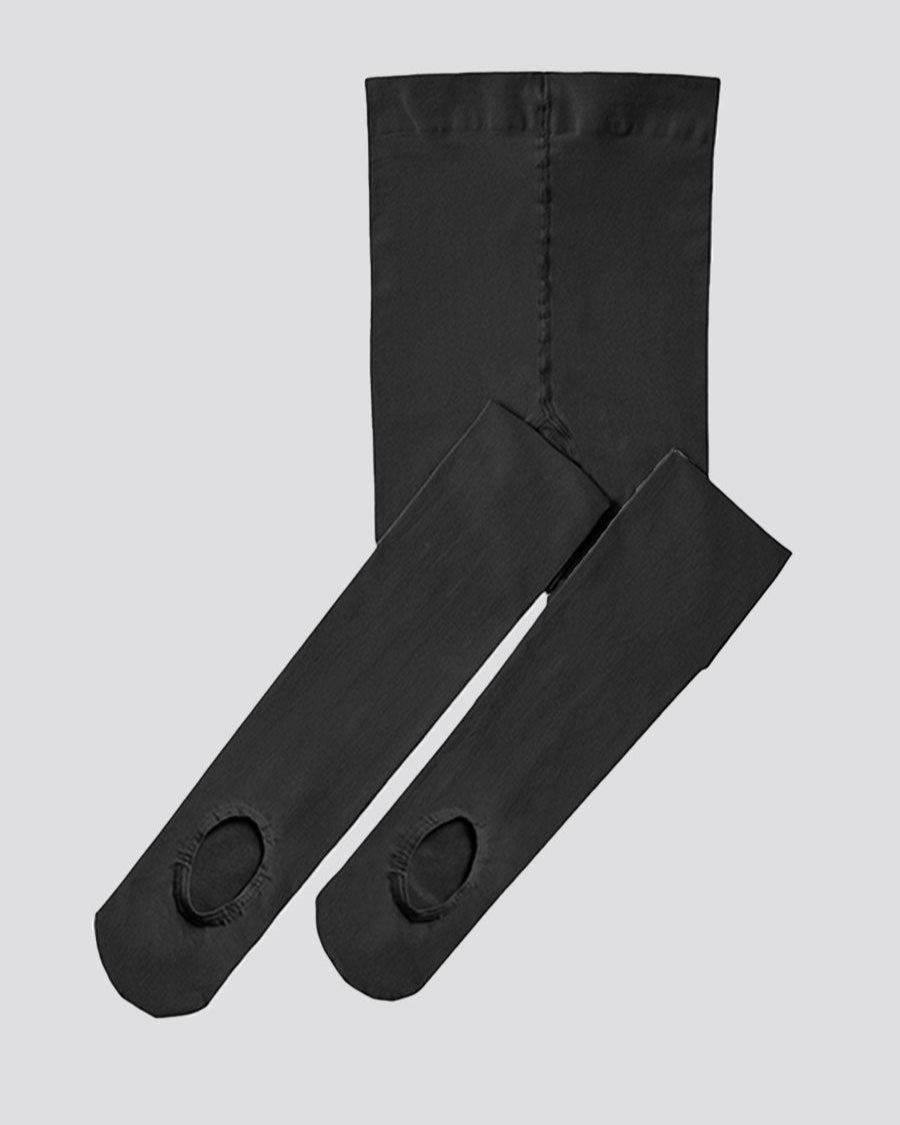
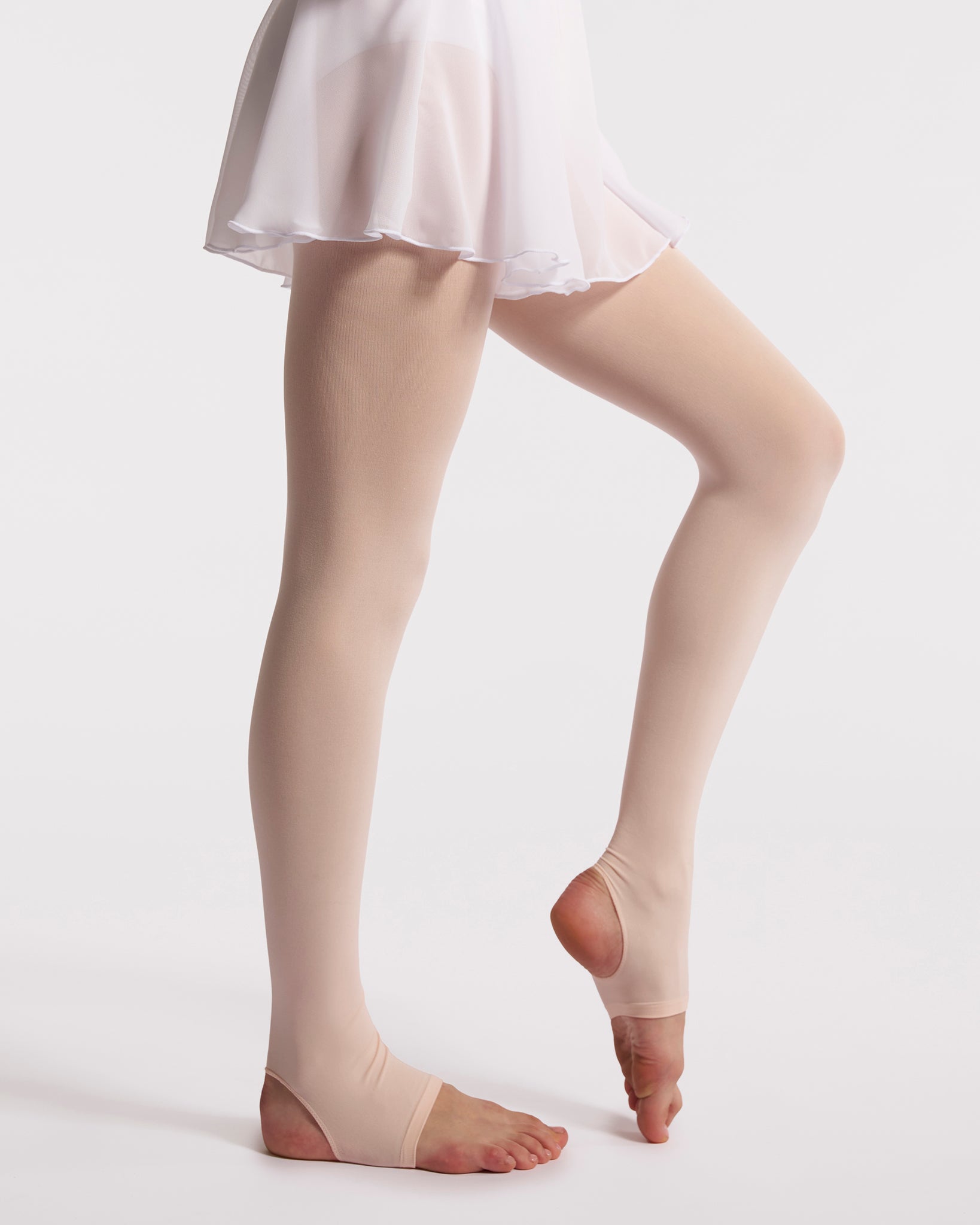
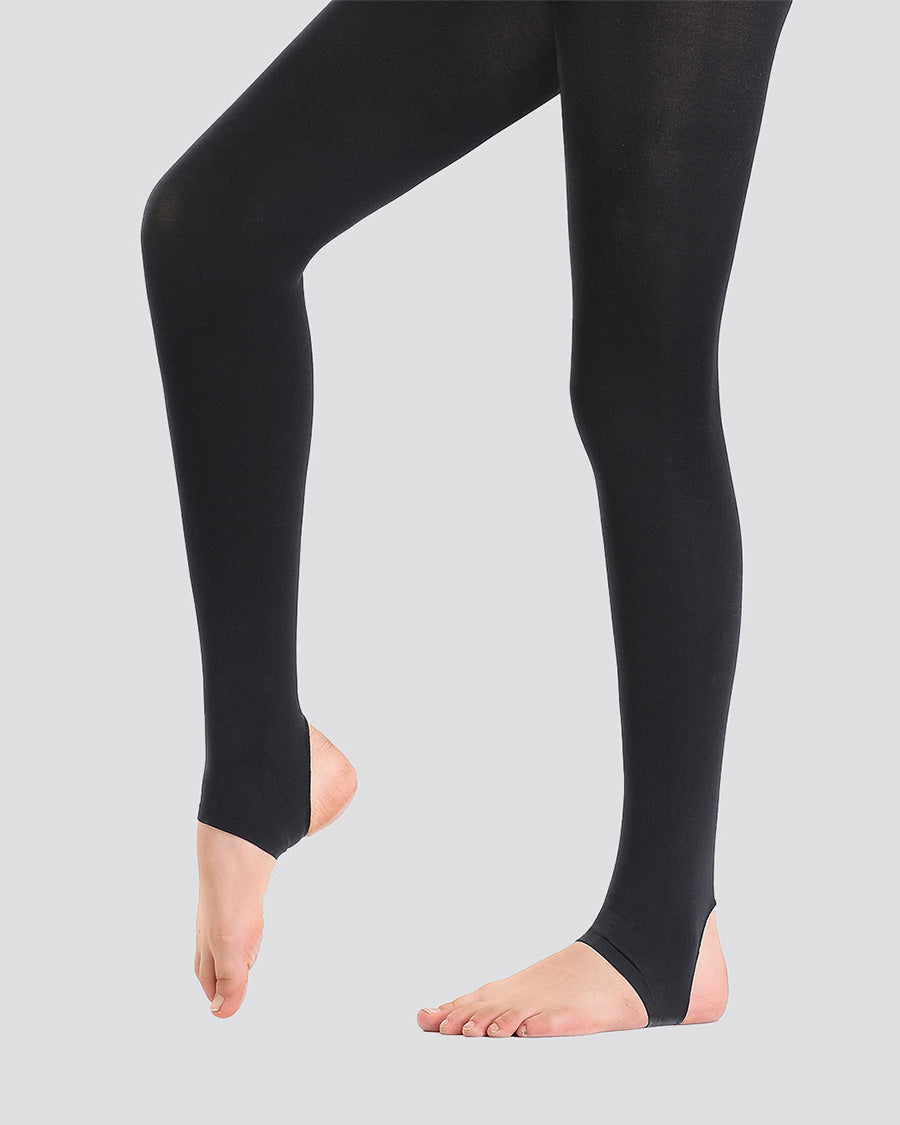
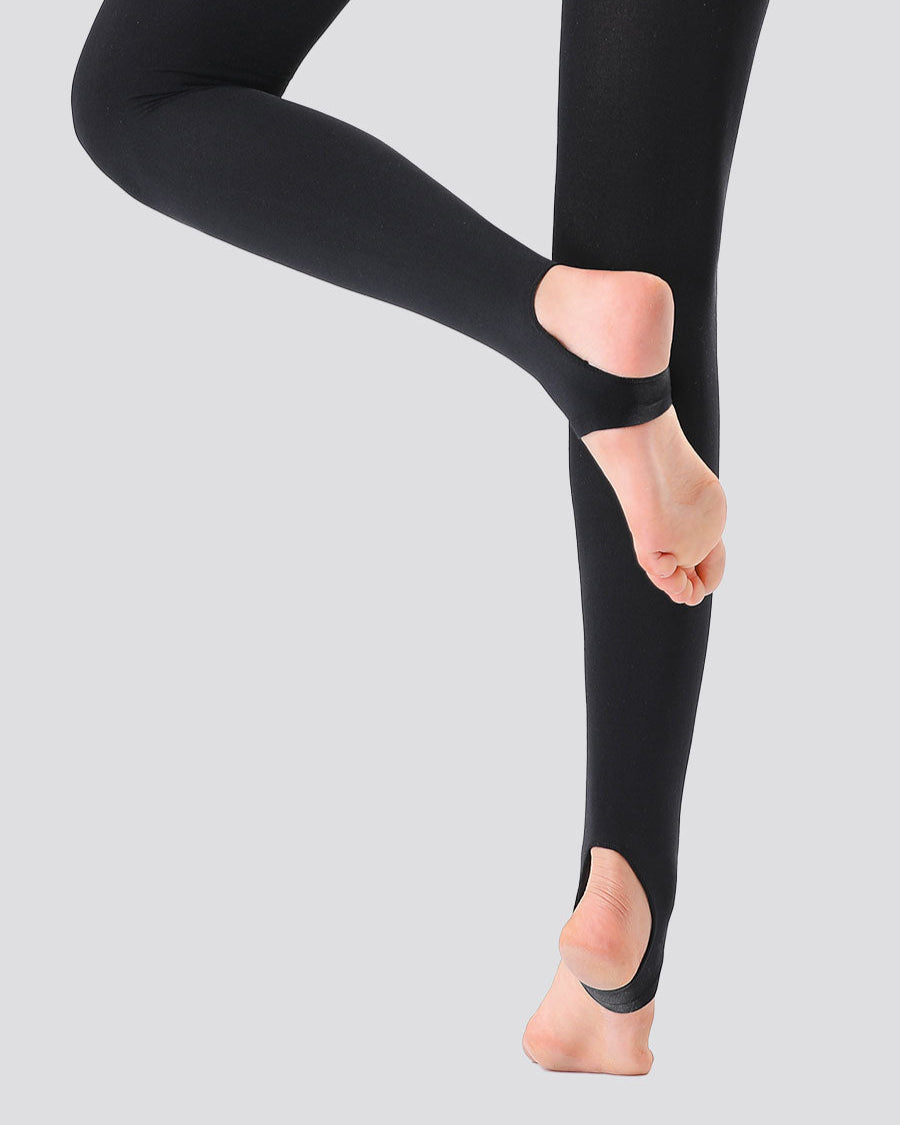
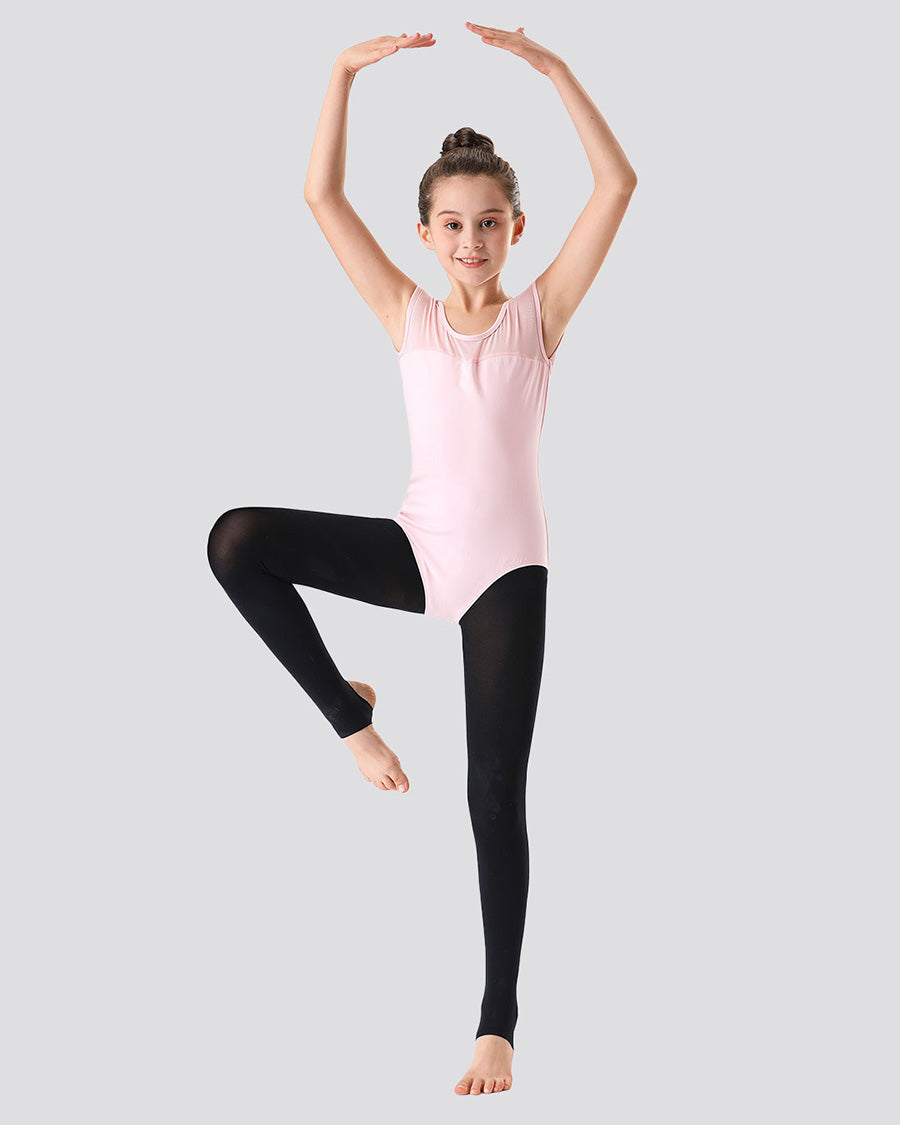
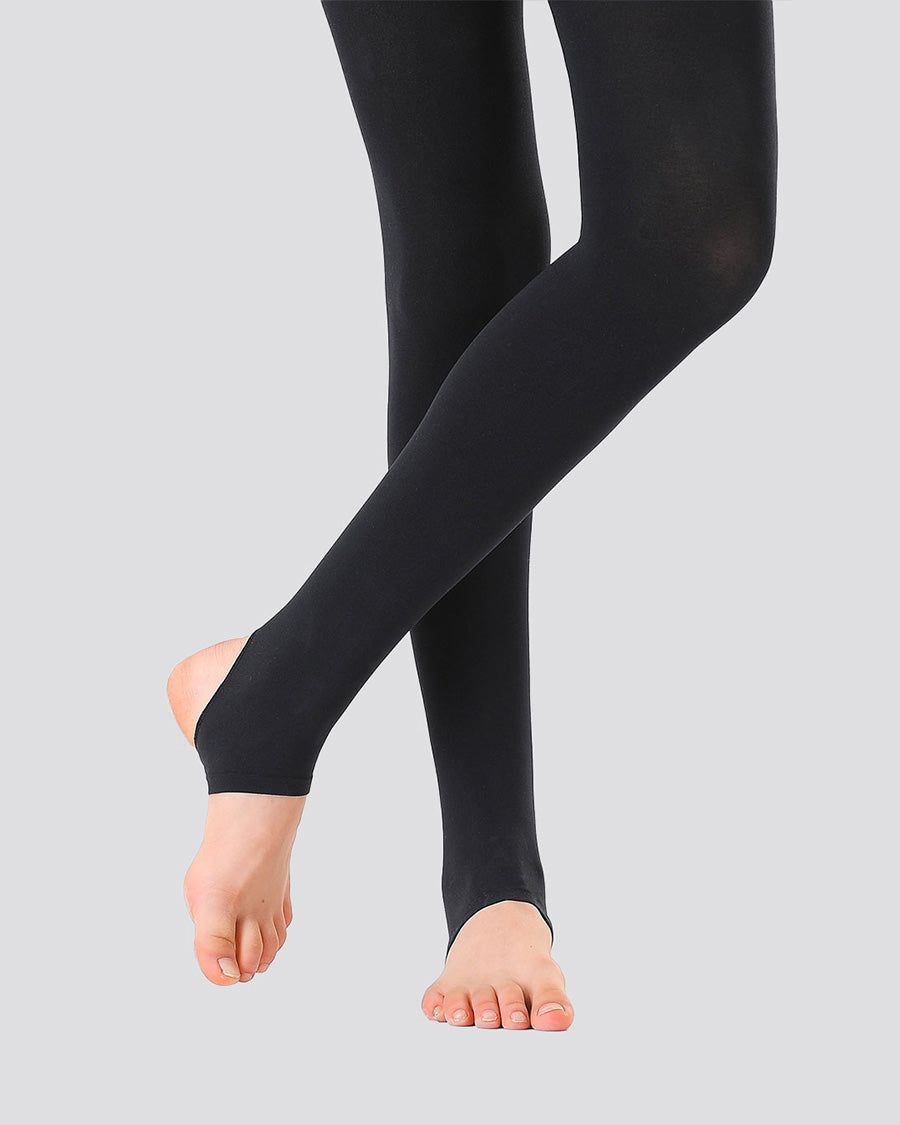
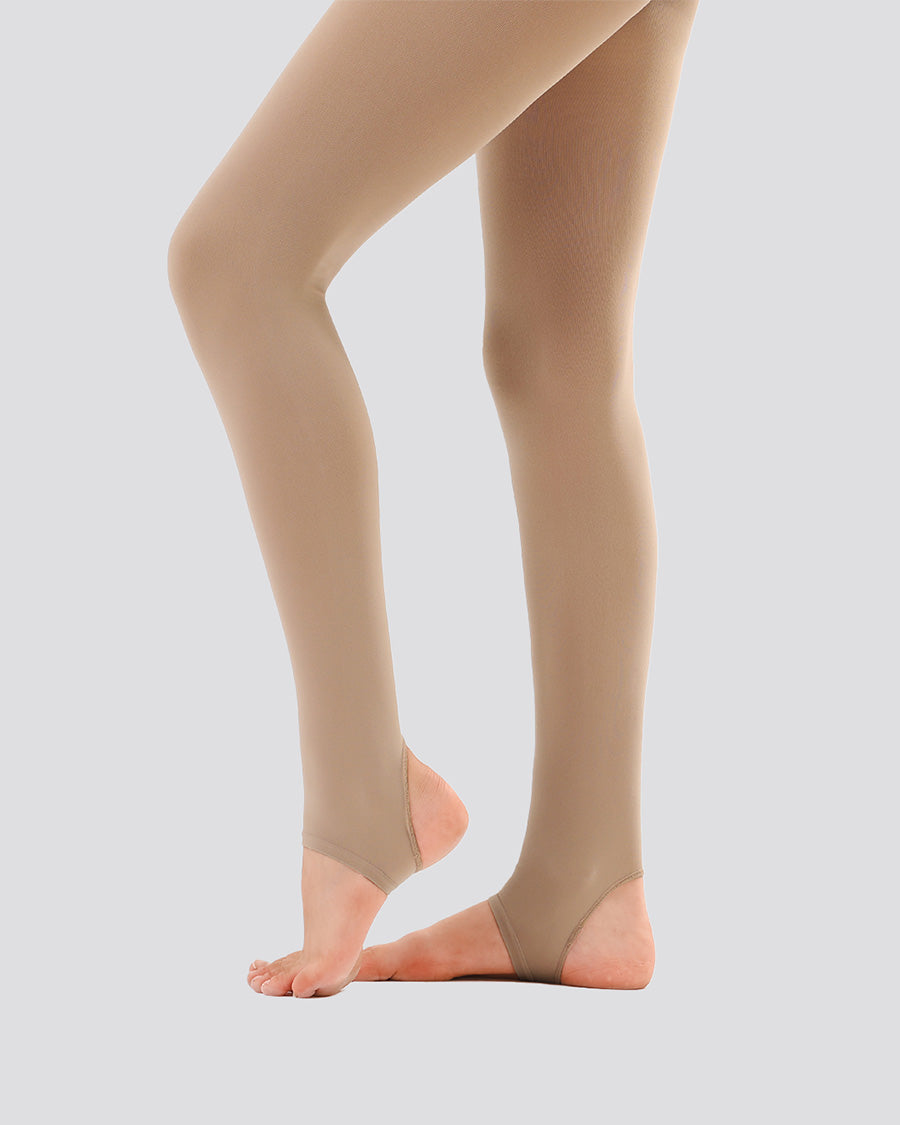
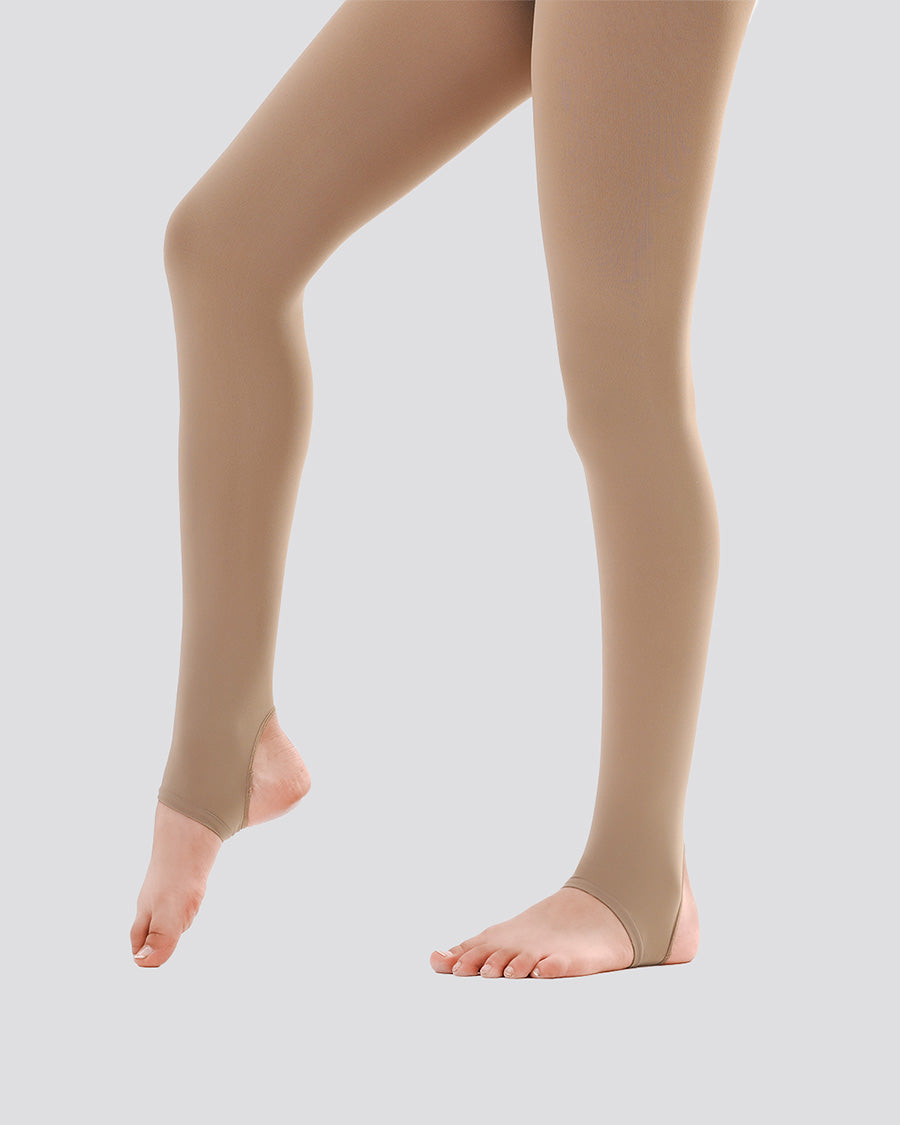
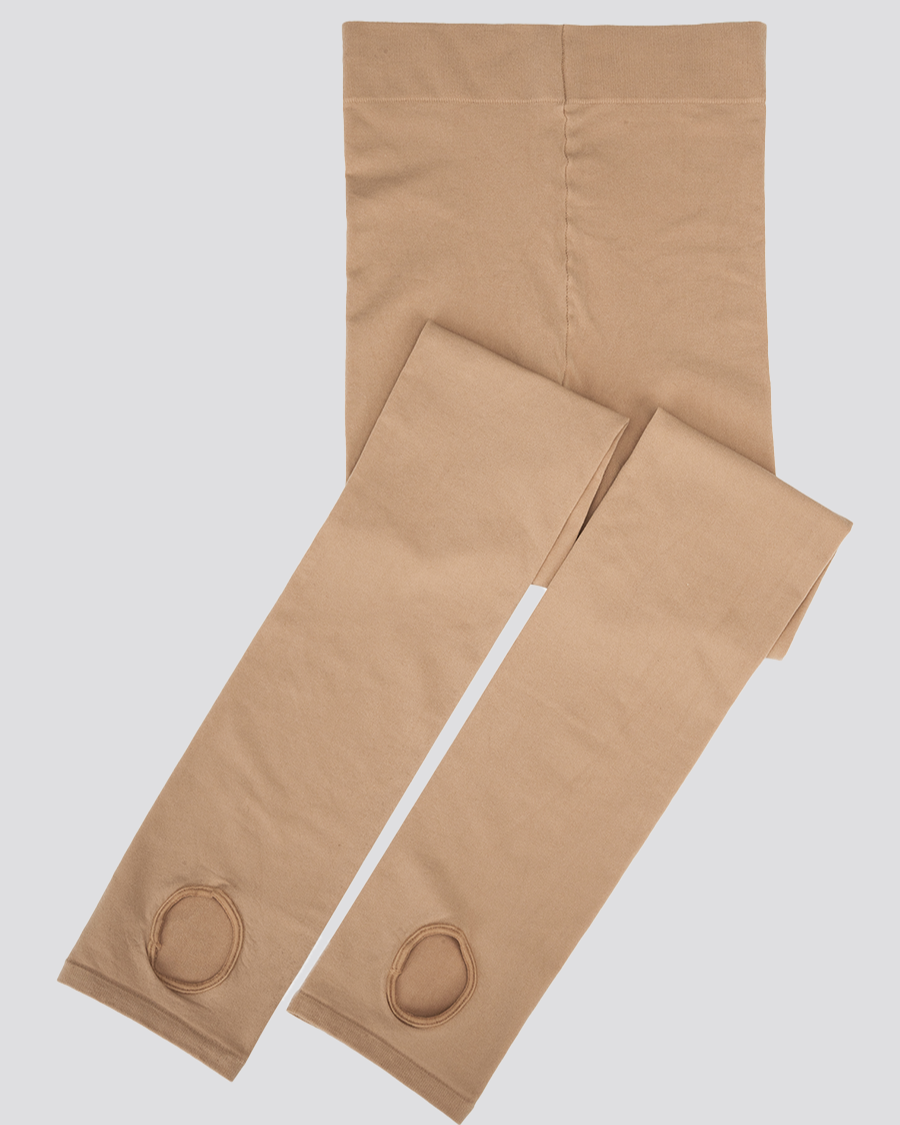
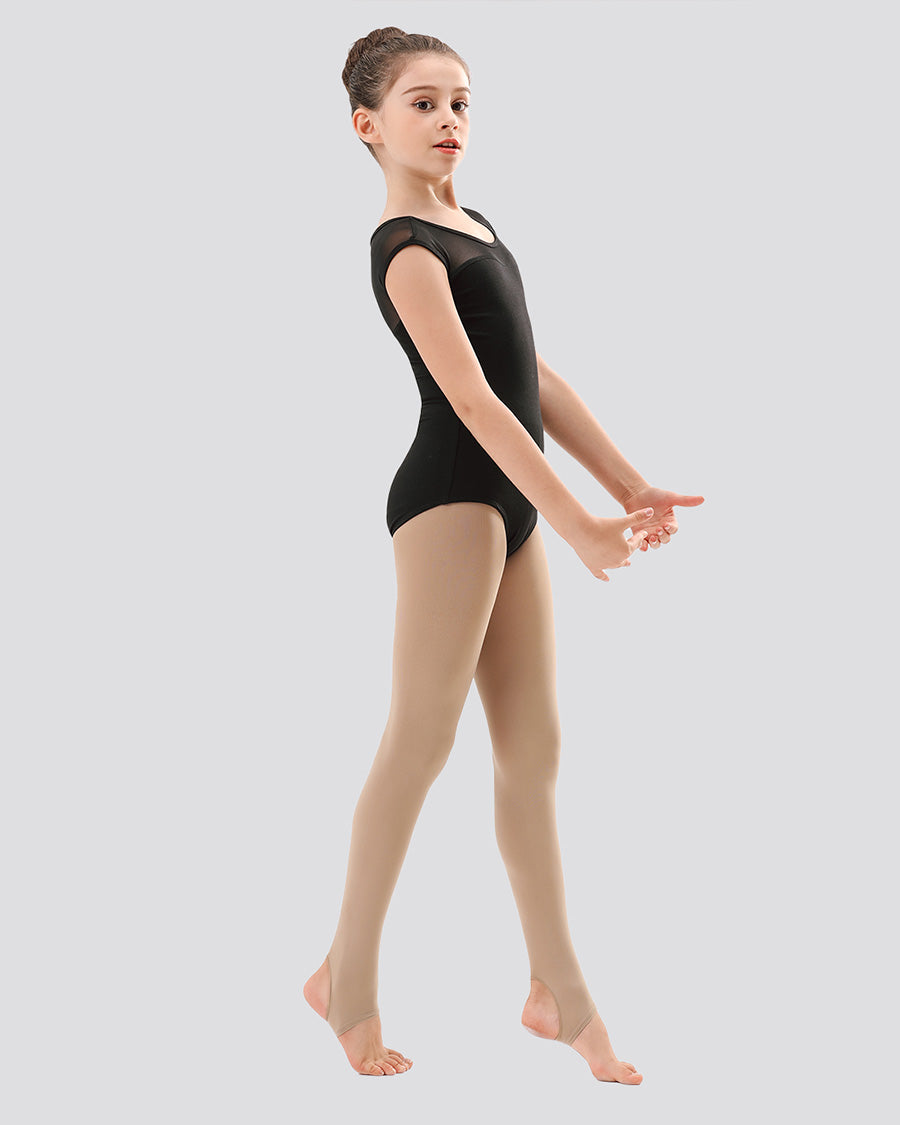
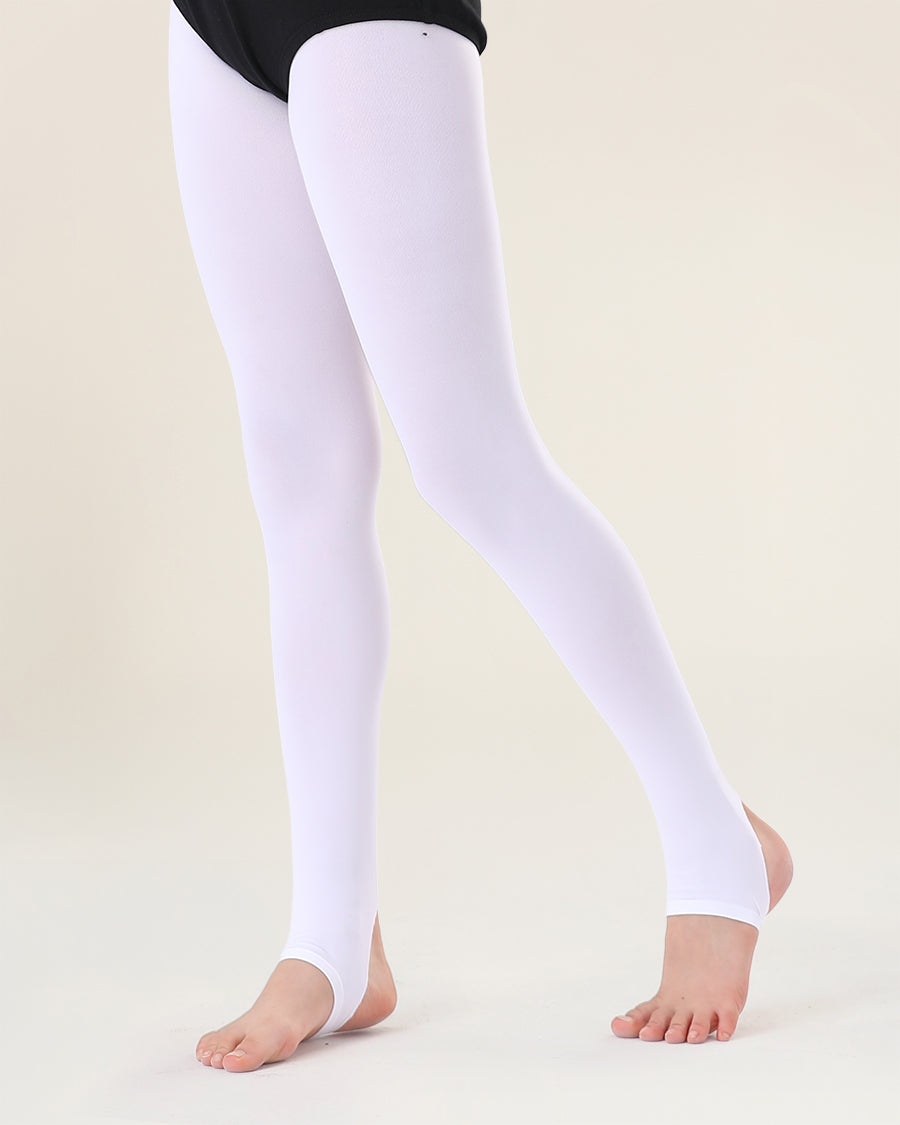
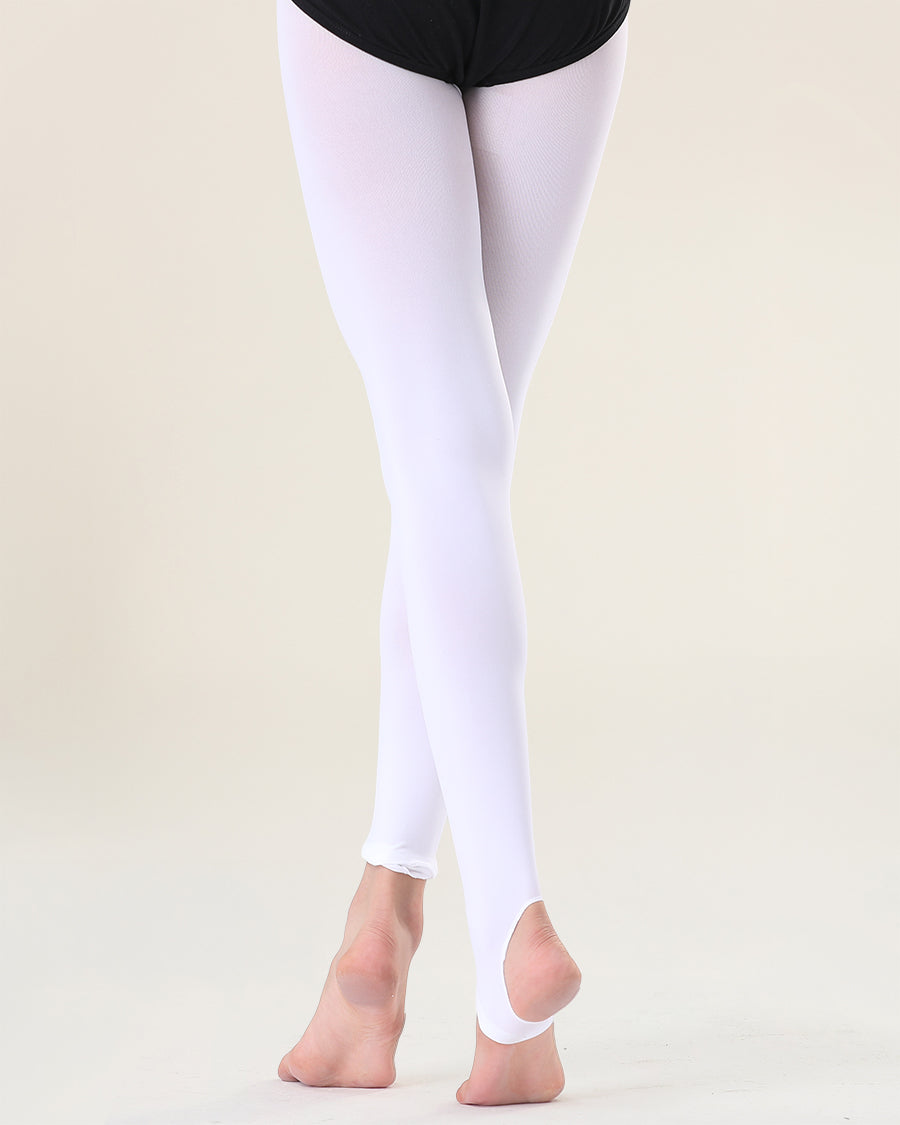
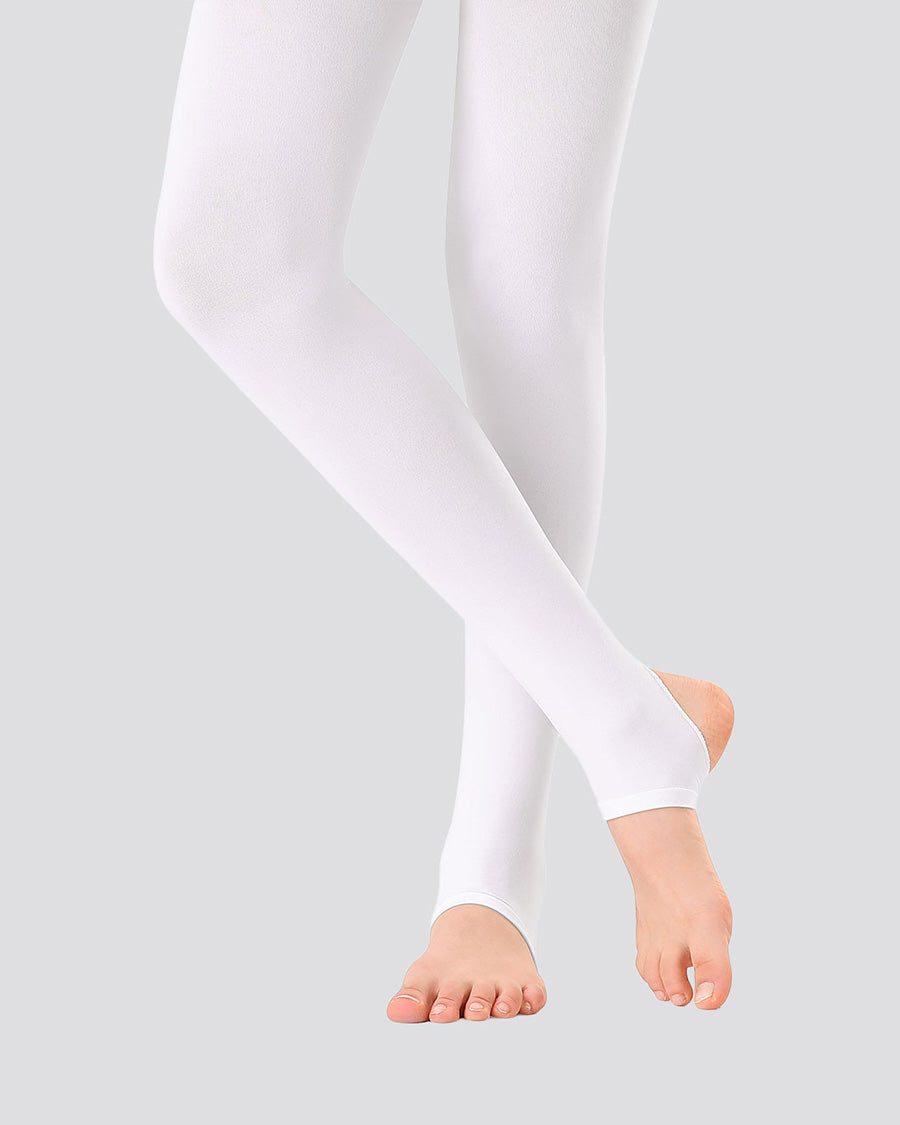
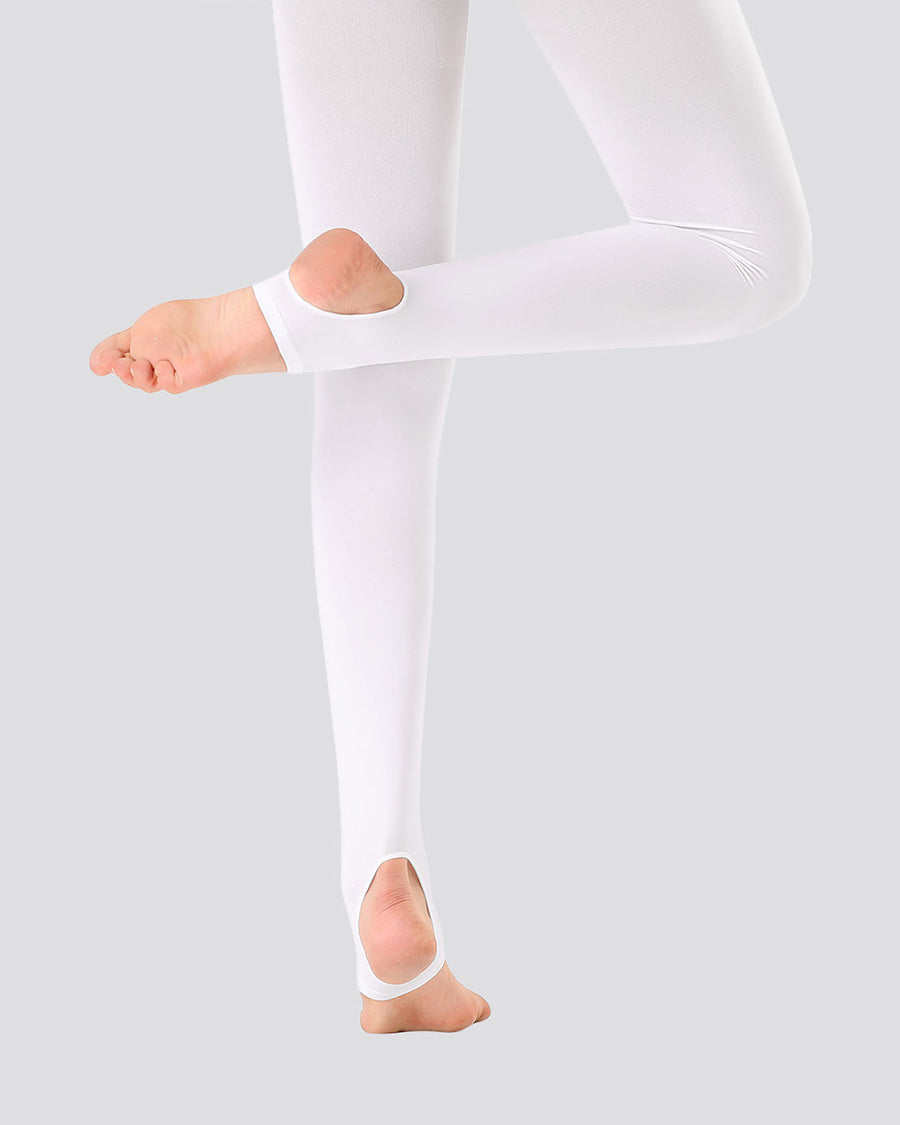
Stelle offers kids ballet tights for class, practice, recital, and photo days. Start with your studio's dress code, then keep enough pairs on hand for laundry, rotation, and backup moments. Browse our girls dance tights collection to find footed, convertible, footless, and stirrup ballet tights for kids across different class needs. If your child dances often, having a few pairs on hand makes rotation a lot easier.
FAQ
1. How do you wash kids' dance tights?
Cold water, ideally by hand, or on a delicate machine cycle in a mesh laundry bag. Skip hot water and high heat when drying, since both weaken the stretch fibers over time.
2. Can ballet tights go in the dryer?
It's best to avoid it. Air drying, laid flat or hung, protects the elasticity far better than any dryer setting, even a low-heat one.
3. Why do my child's dance tights get holes so fast?
Usually a combination of factors: a size that's a bit too tight, rough toenails or shoe interiors, high heat from washing or drying, or the same pair being worn repeatedly without a break.
4. How do I stop a snag from turning into a hole?
Catch it early. A small dab of clear nail polish on the inside of the fabric can stiffen the fibers enough to stop the snag from spreading, though it's a temporary fix, not a repair.
5. How many pairs of dance tights does my child need?
One pair is usually enough for a trial class. Weekly classes are easier with two, and multiple classes a week work better with three or more. Keep one separate, unworn pair for recitals or photo days.
6. When should I replace dance tights?
When a run keeps spreading, the waistband has stretched out, the color has gone gray or stained, or she's grown enough that they leave marks. A recital coming up with only worn pairs on hand is also a good reason to have a fresh one ready.
7. How do I keep pink ballet tights from turning gray?
Wash them separately from dark or brightly colored laundry. Nylon picks up dye easily, and even one wash next to darker items can dull a light color.
Final Note
Dance tights are meant to be worn, stretched, washed, and eventually replaced. A higher price tag doesn't make a pair indestructible. What actually helps is consistent, simple habits: cold water, gentle washing, less heat, catching small snags early, and having a backup pair ready when it matters.