



Ballet Warm Up Clothes: A Parent's Guide
Table of contents
Ballet warm up clothes are the layers dancers wear over a leotard and tights to keep their muscles warm before, between, and after dancing: think wrap sweaters, leg warmers, warm-up pants, and dance jackets. Most kids only need one or two simple, snug layers for chilly studios, and teachers usually ask for those layers to come off once class gets going.
If you've ever dropped your child off at a 9 am ballet class in January, you know studios can feel like a walk-in fridge. That's why ballet warm up clothes exist. The catch is that most shops selling them cater to adult and professional dancers, which makes it hard to tell what a seven-year-old actually needs. This guide covers the pieces, studio rules, and a simple starter setup.
Key Takeaways
-
Warm muscles stretch more safely, and layers help hold that warmth between exercises.
-
Kids need far less than pro-level shops suggest: a wrap sweater, leg warmers, and a jacket for the car ride cover most situations.
-
Expect warm-ups to come off once class starts; more on studio rules below.
-
Snug and simple beats baggy and fancy, and black is the safe color at nearly any studio.
-
A sensible kids' setup runs roughly $40 to $80 total.
Why Dancers Wear Ballet Warm Ups
Dancers also say "warm-ups" for the gentle exercises done before class, so to be clear, this guide is about the clothing. There's real science behind the cozy knitwear, though. According to the International Association for Dance Medicine and Science, warm tissues are more pliable and elastic, and in cooler environments warm clothing, combined with staying gently in motion, helps keep the body's core temperature up. For a young dancer, layers make those first pliés feel easier while the body wakes up.
The practical reason matters just as much. Big rooms, high ceilings, early time slots, and summer air conditioning make studios run cold, and a kid standing around in a thin leotard loses heat fast. Warm-up layers bridge the gap between the car, the lobby, and the first exercise.
The Pieces, Explained
Here's the vocabulary you'll meet when shopping for kids ballet warm up clothes, and what each piece is for.
Ballet Wrap Sweater
The classic. A ballet wrap sweater is a lightweight knit cardigan that crosses over the chest and ties at the waist, so it stays close to the body without hiding it. Because it's form fitting, some teachers let younger kids keep a ballet sweater on for the early part of class on cold days, and it goes on and off in seconds. If your child only gets one warm-up piece, make it this one.
Ballet Leg Warmers
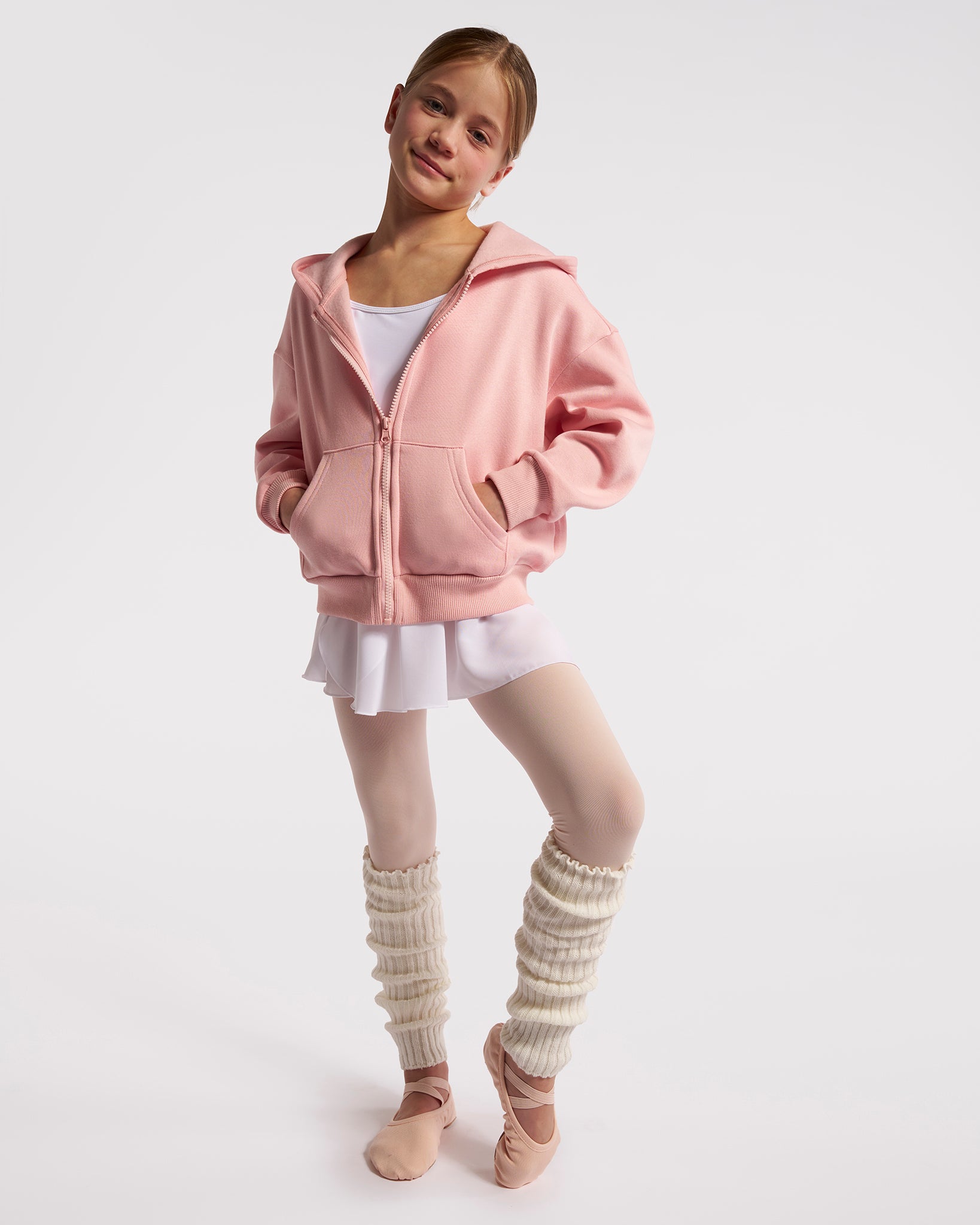
Leg warmers are knitted tubes, usually footless, that pull on over tights and cover the ankle to the knee or higher. Dancers wear them because the calves, ankles, and knees work hard in ballet, and those long thin muscles cool down fast between exercises. Ballet leg warmers hold that warmth before class and during breaks. For kids, they're also the piece with the highest cute-to-cost ratio. Look for a pair that stays up without cutting in.
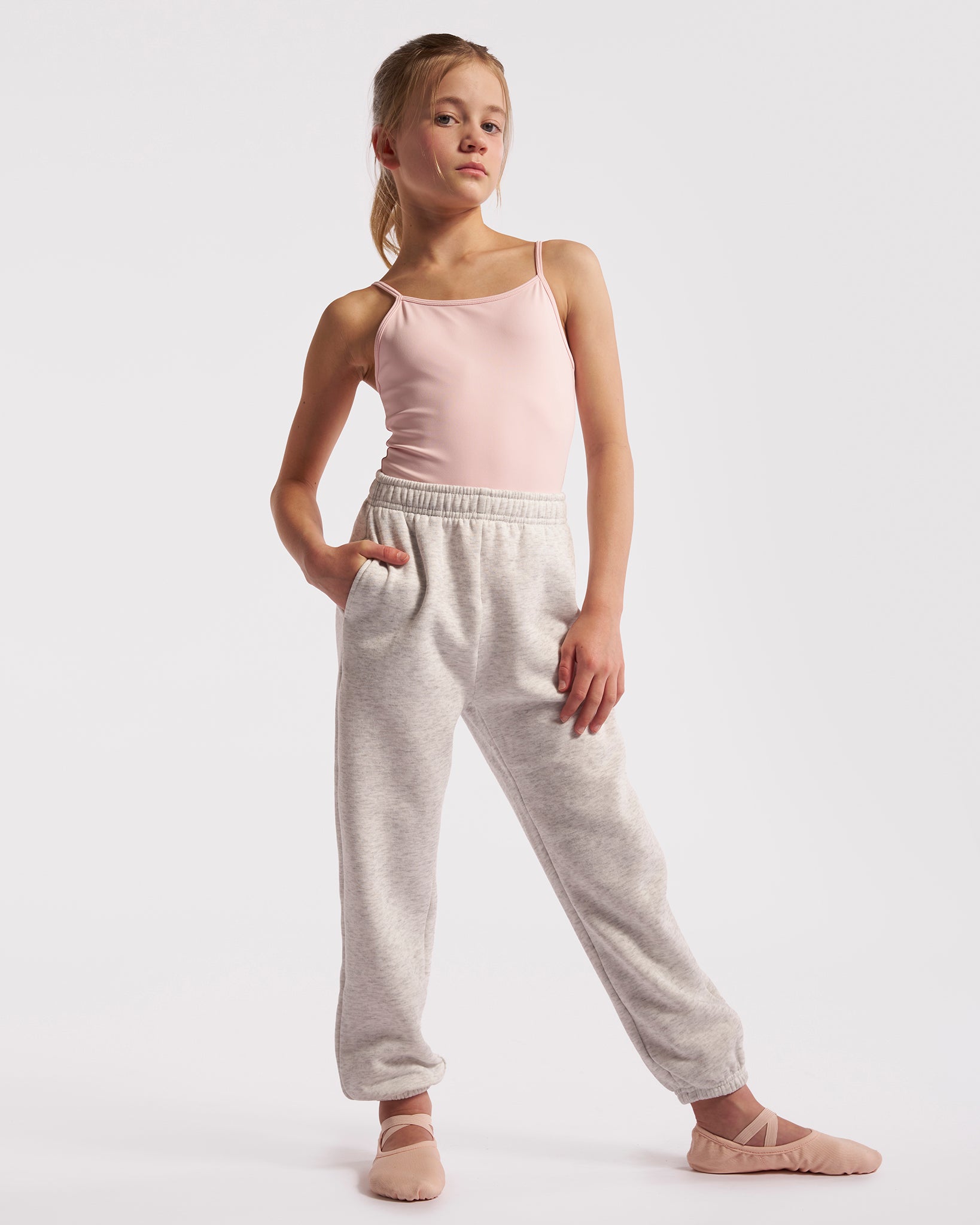
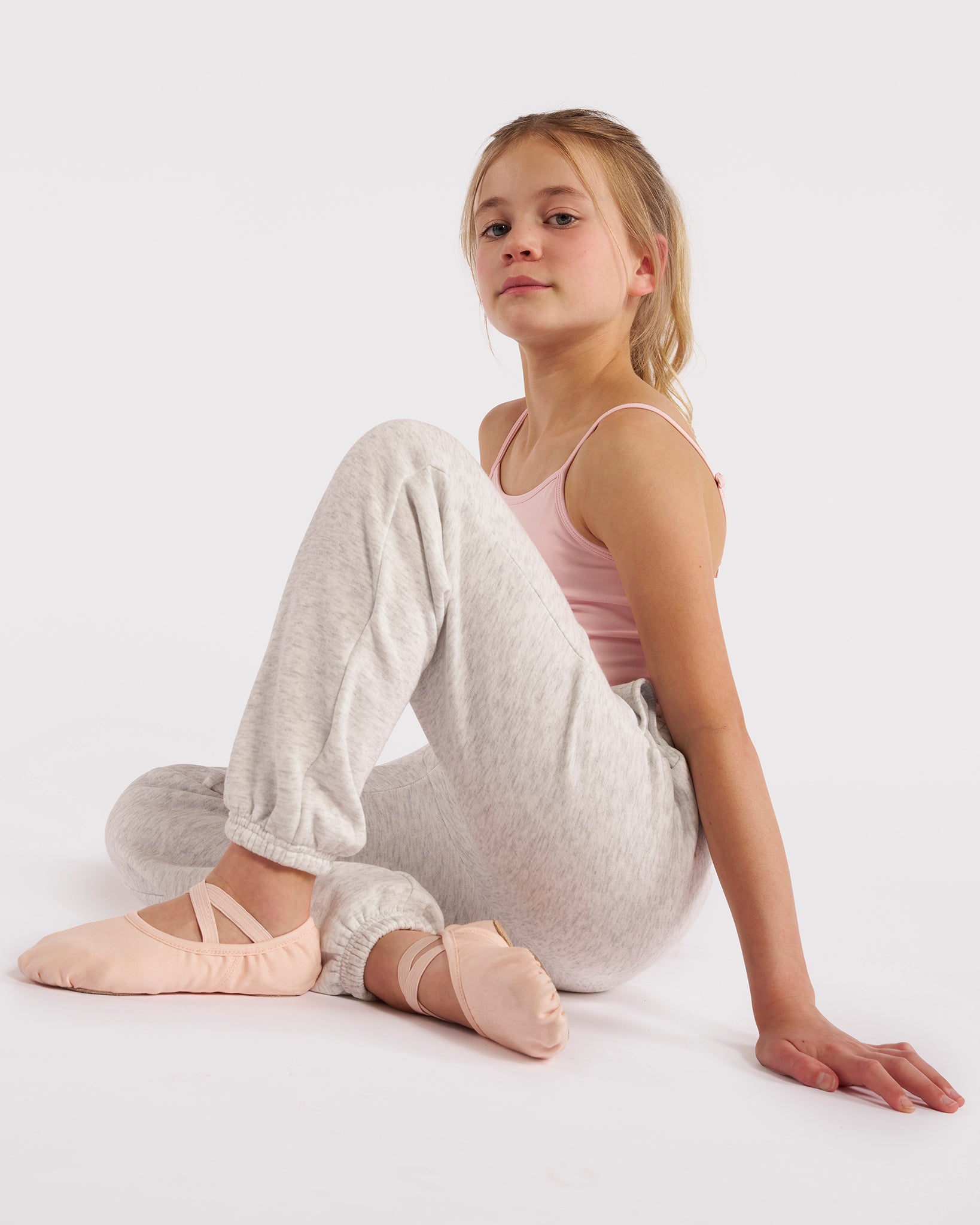
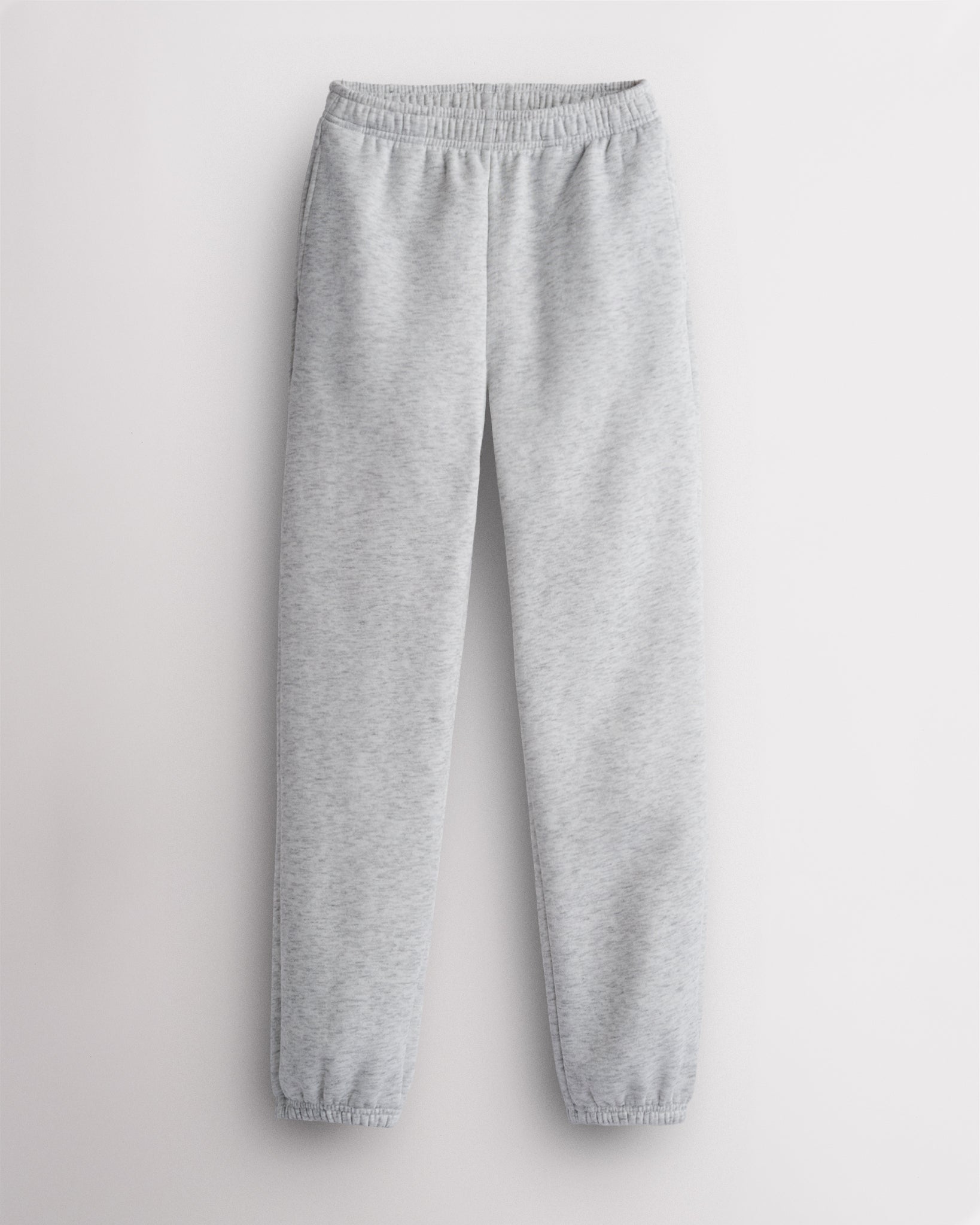
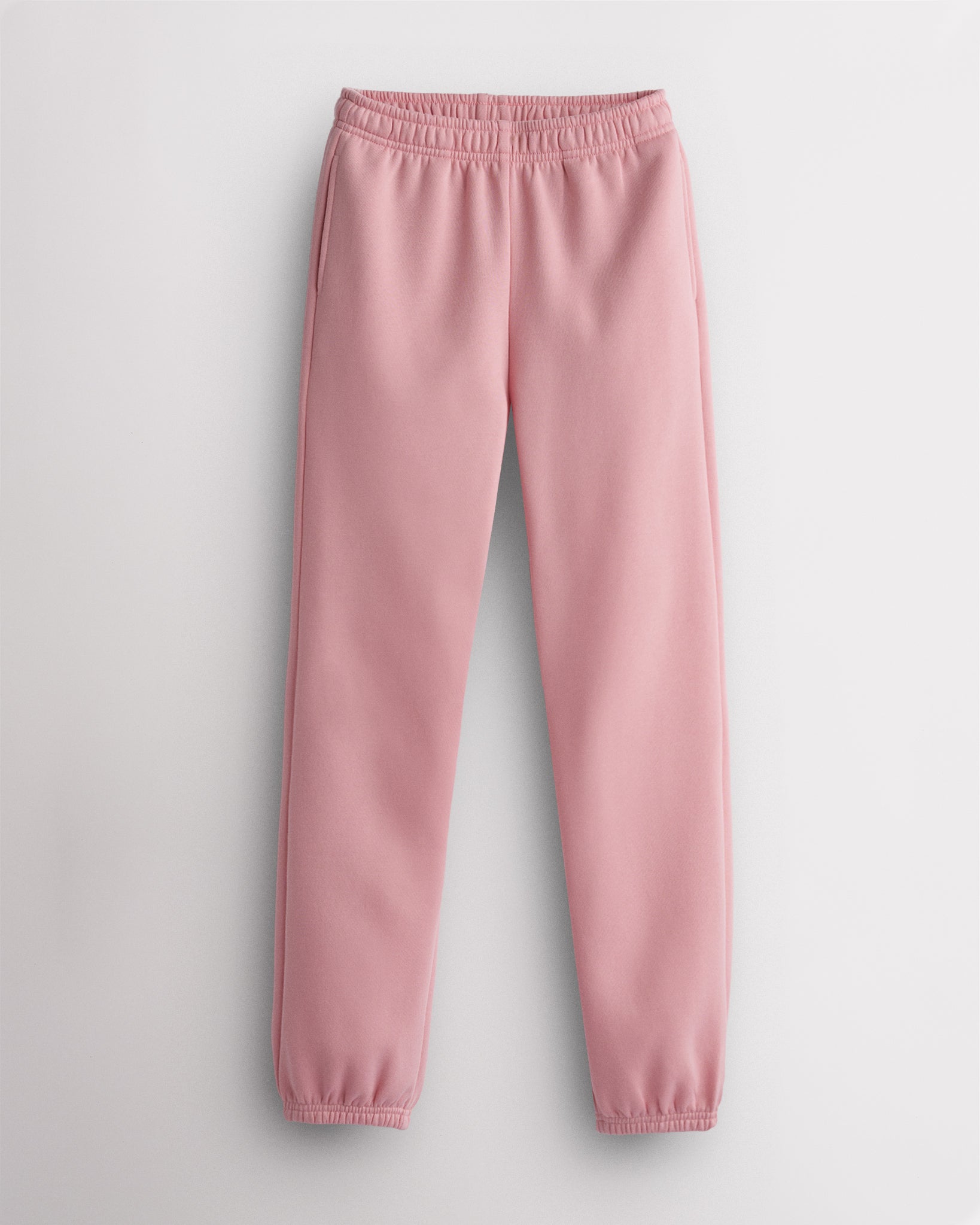
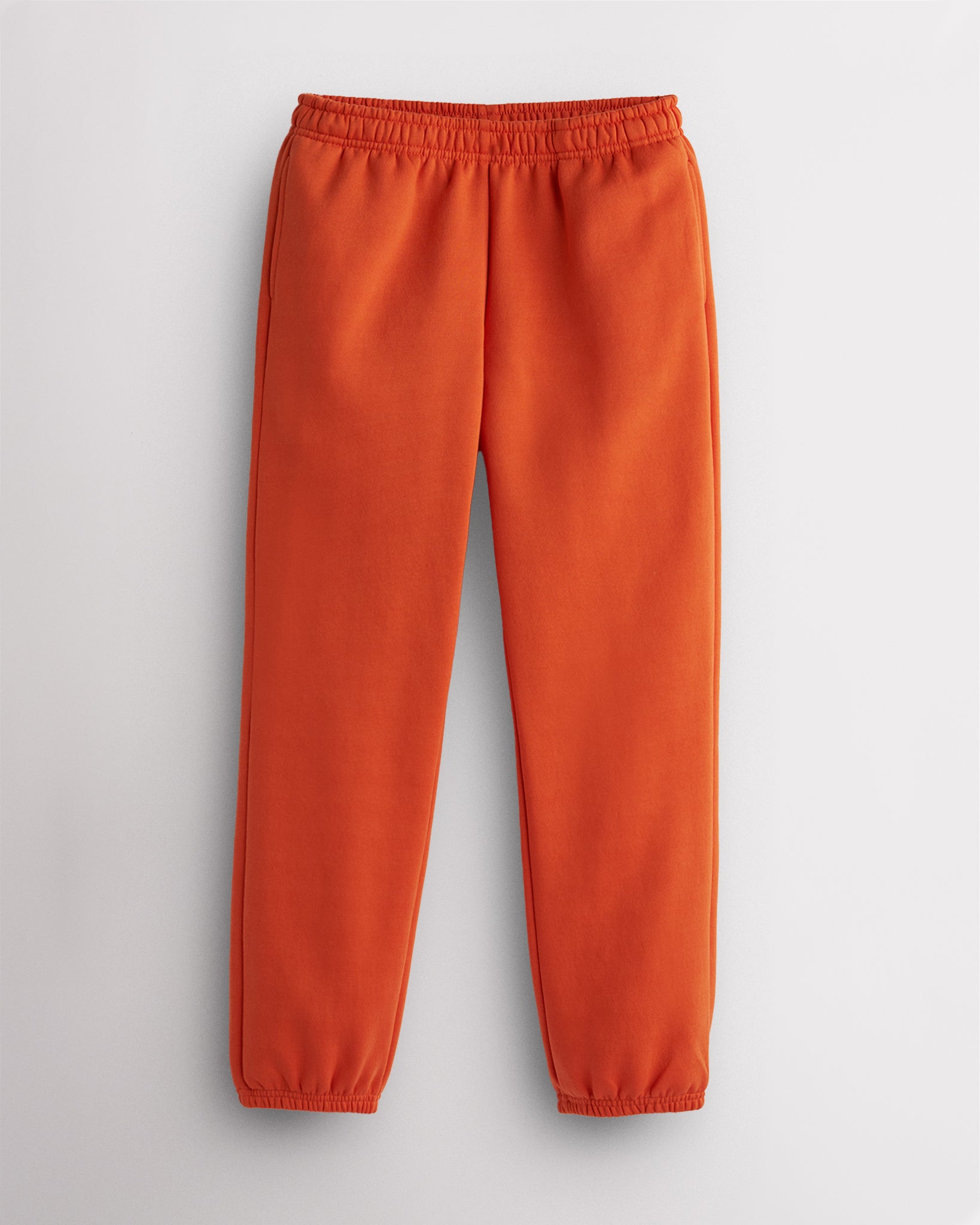
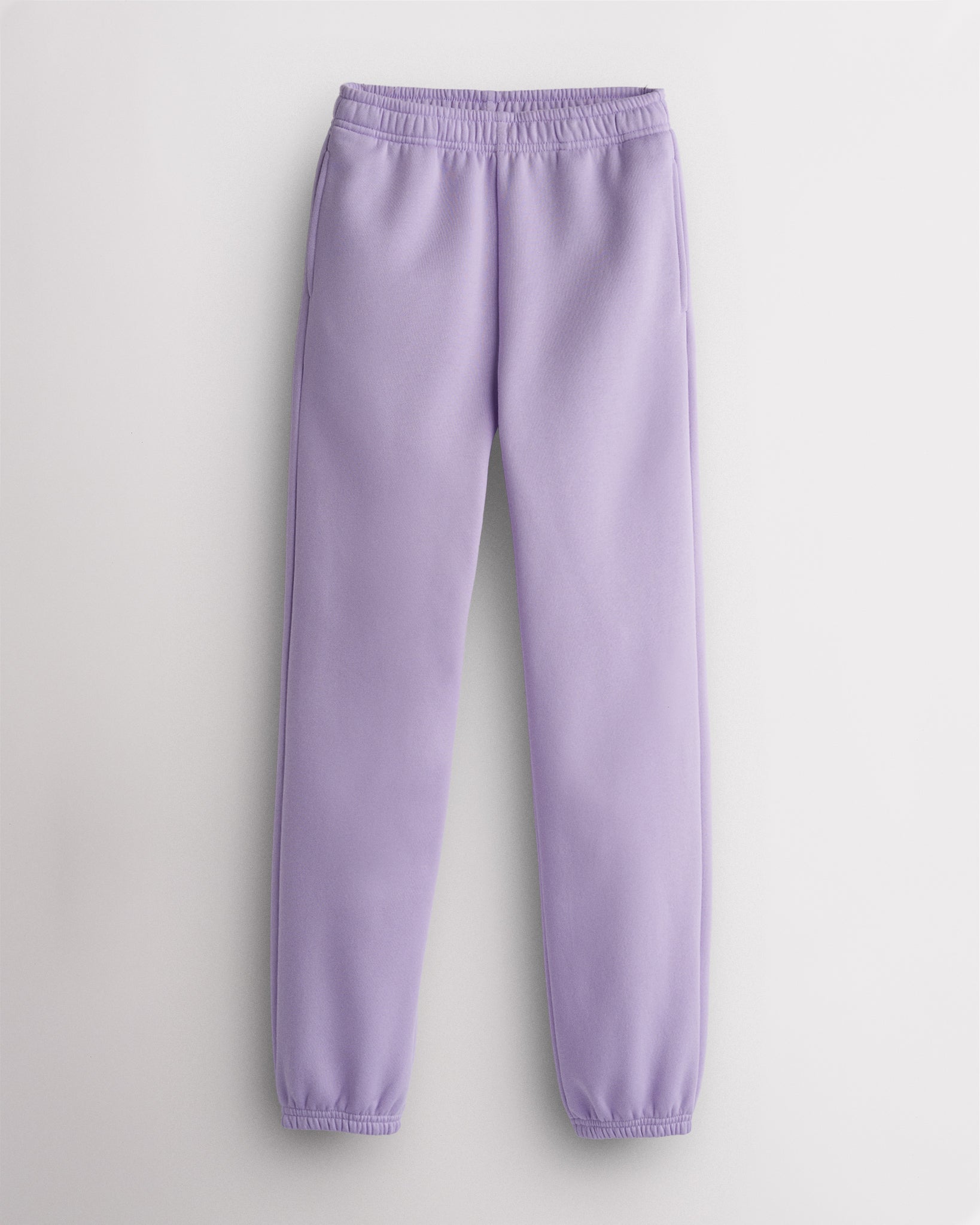
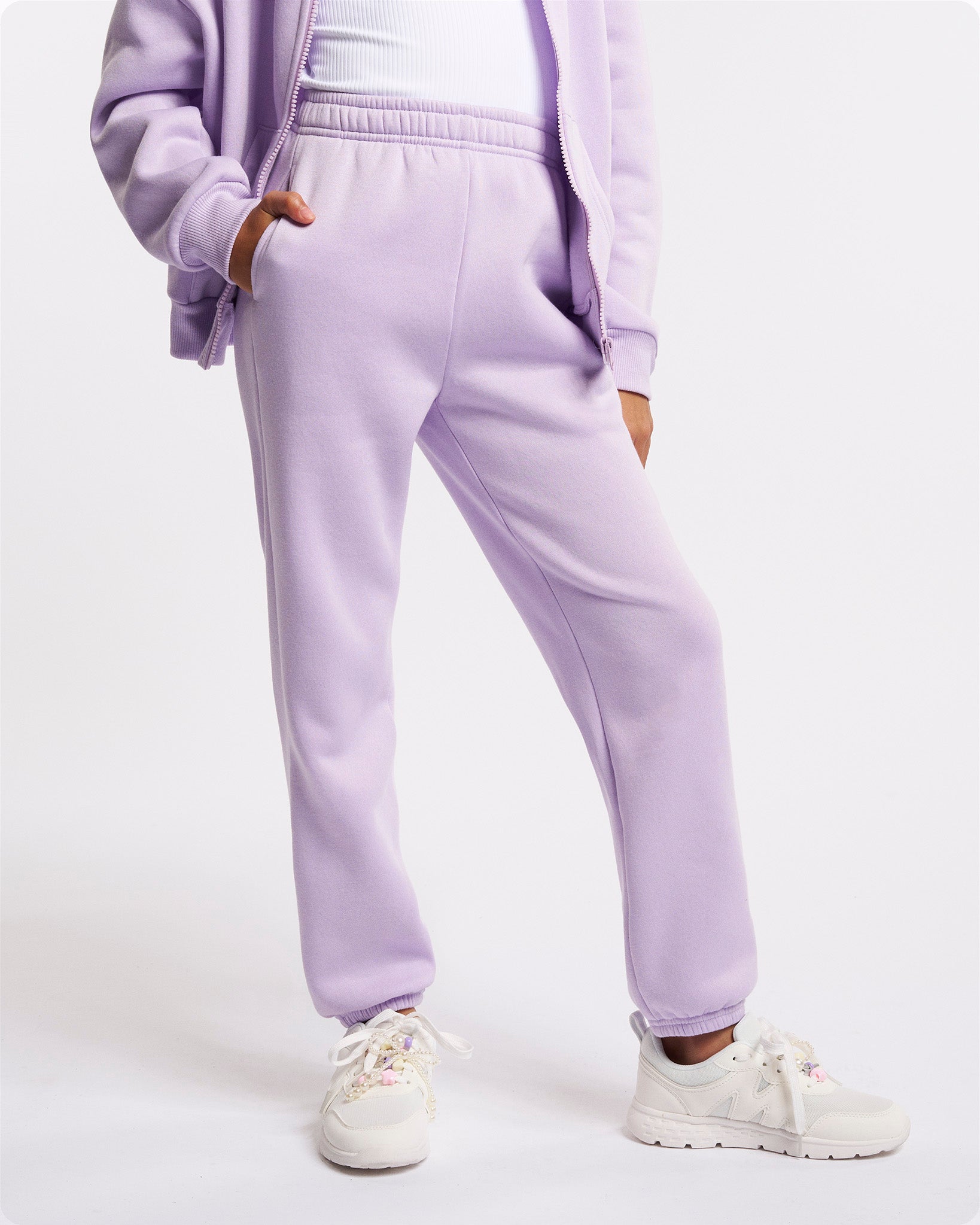
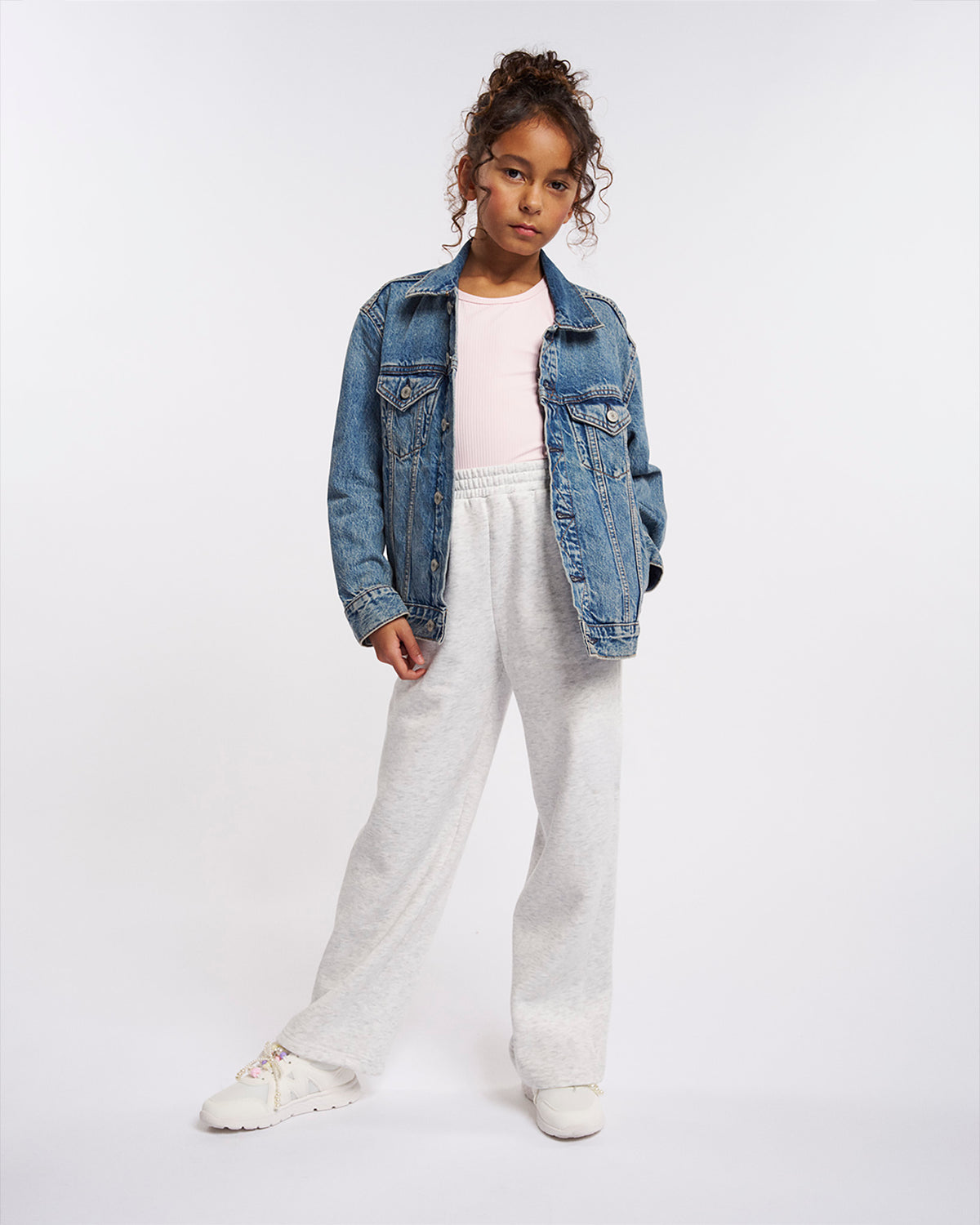
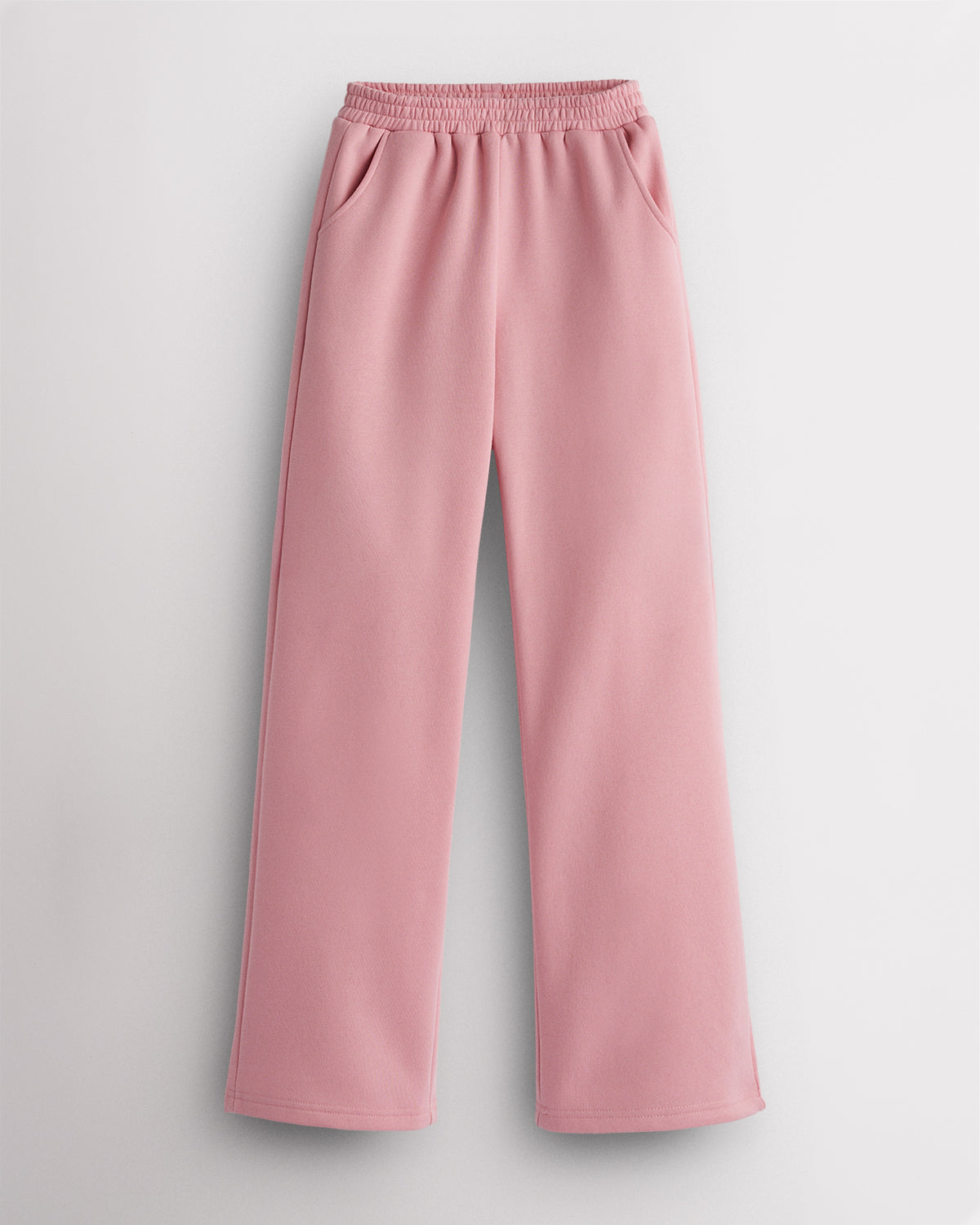
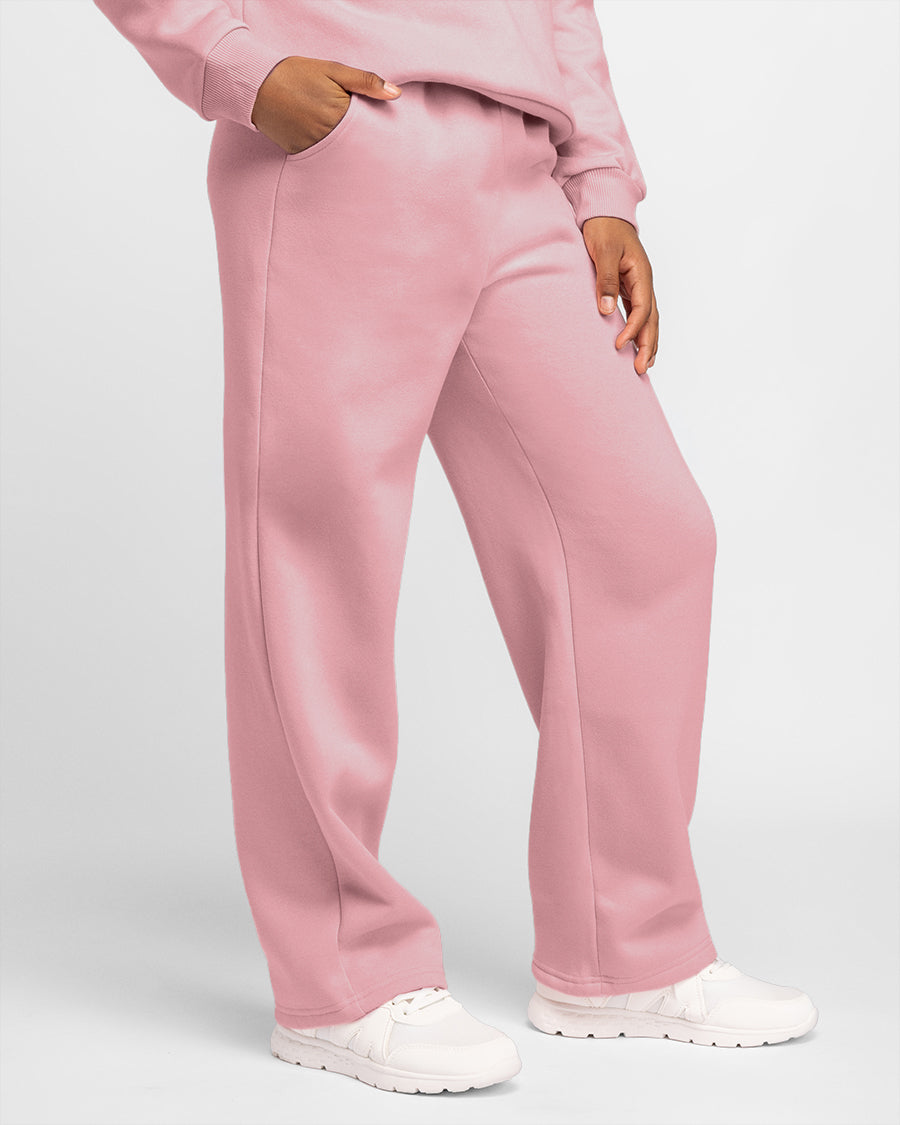
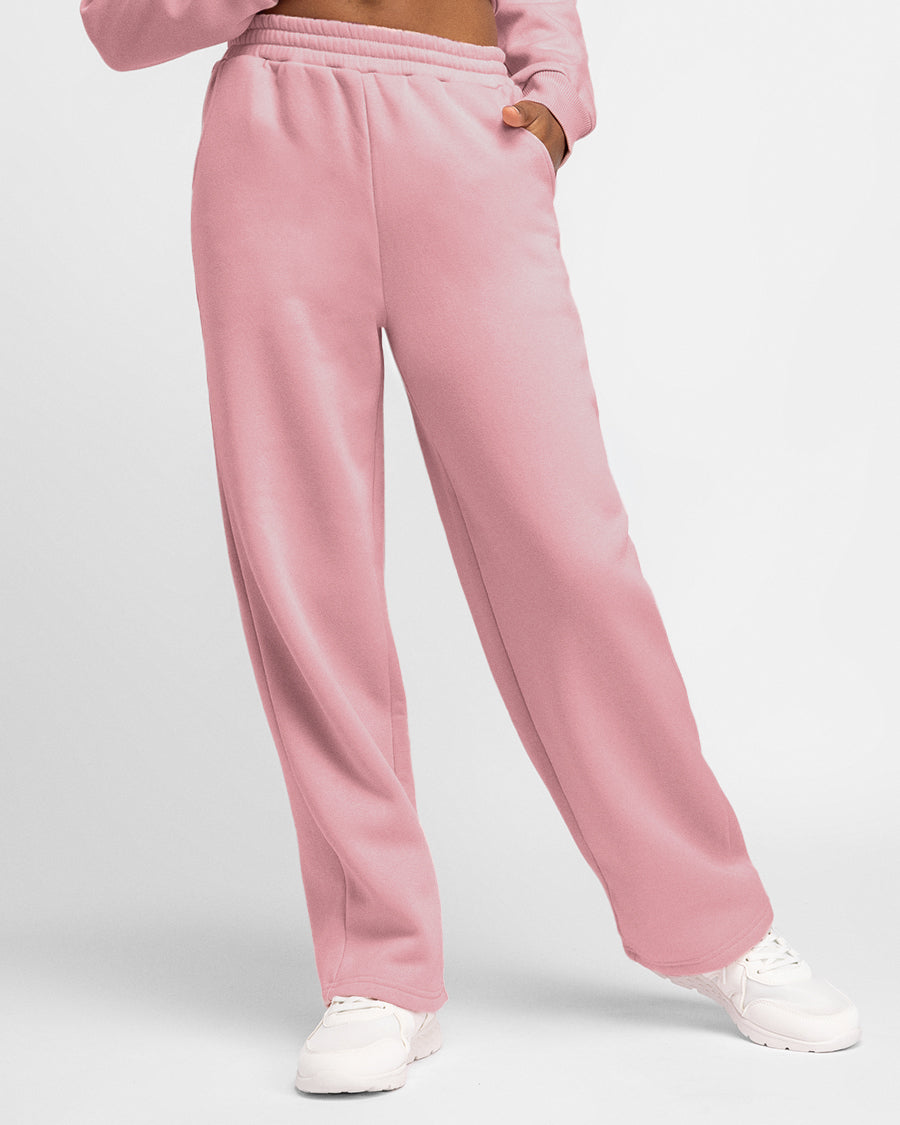
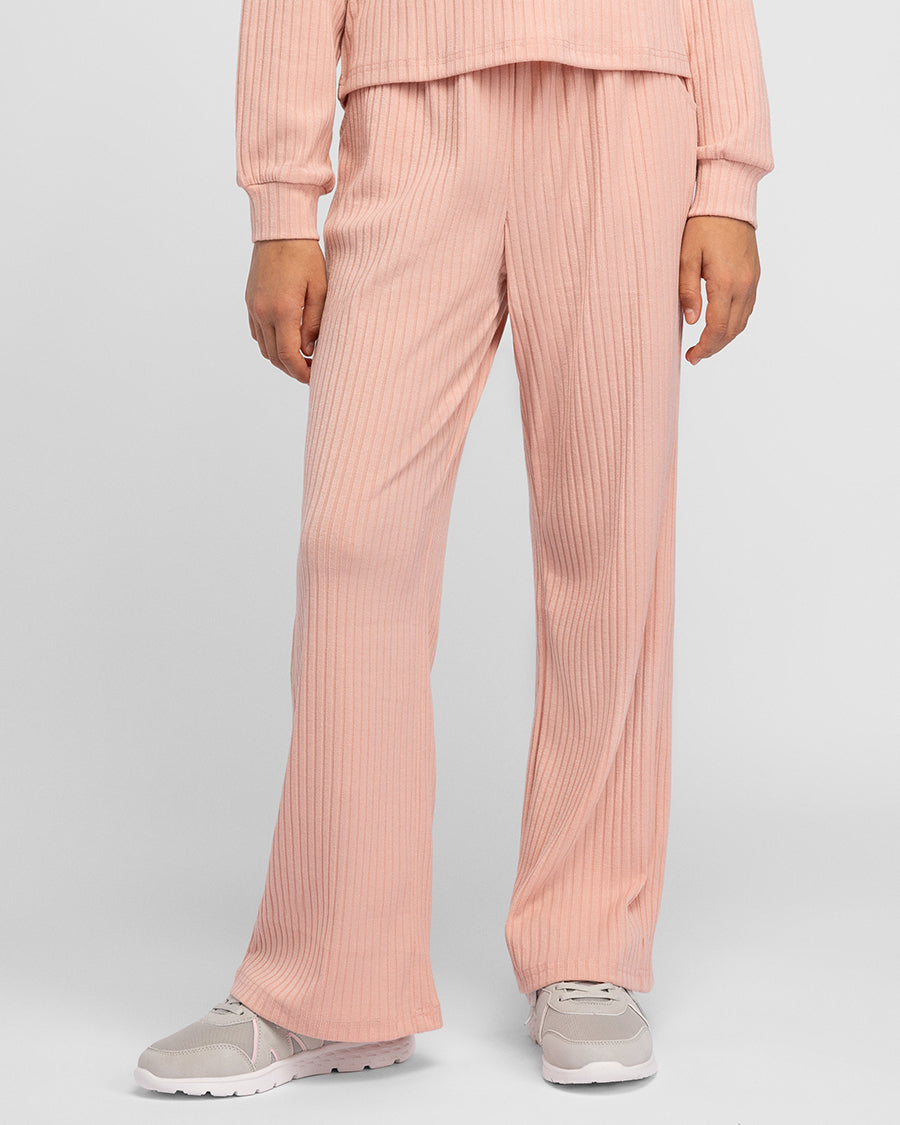
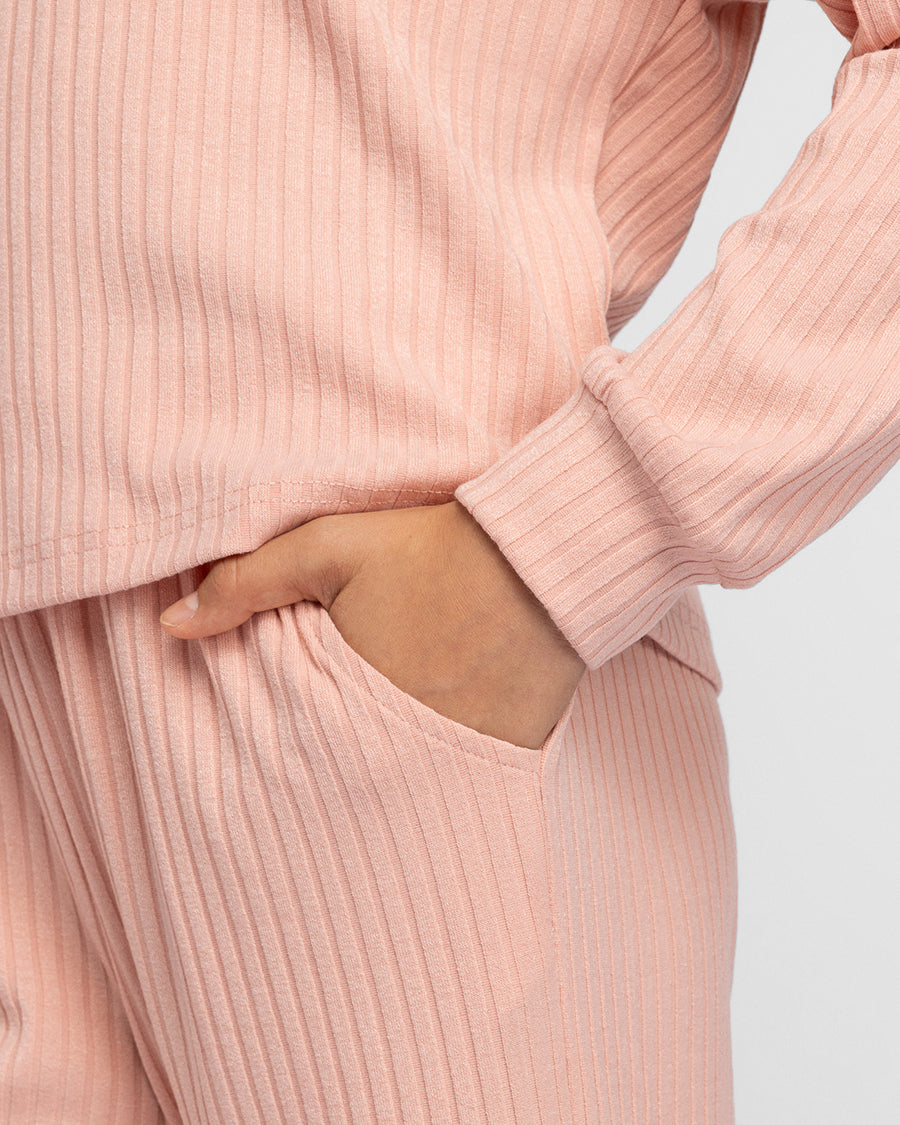
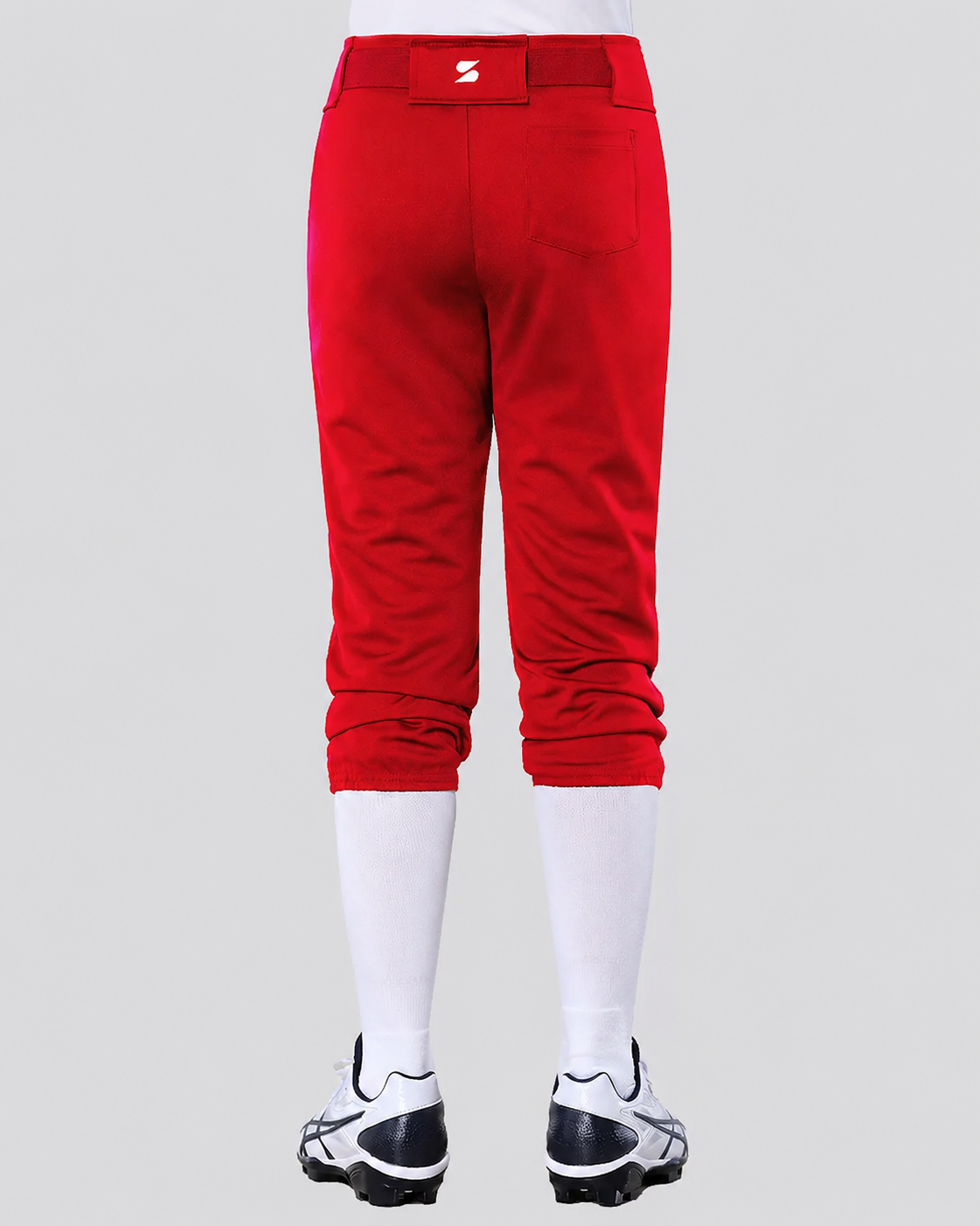
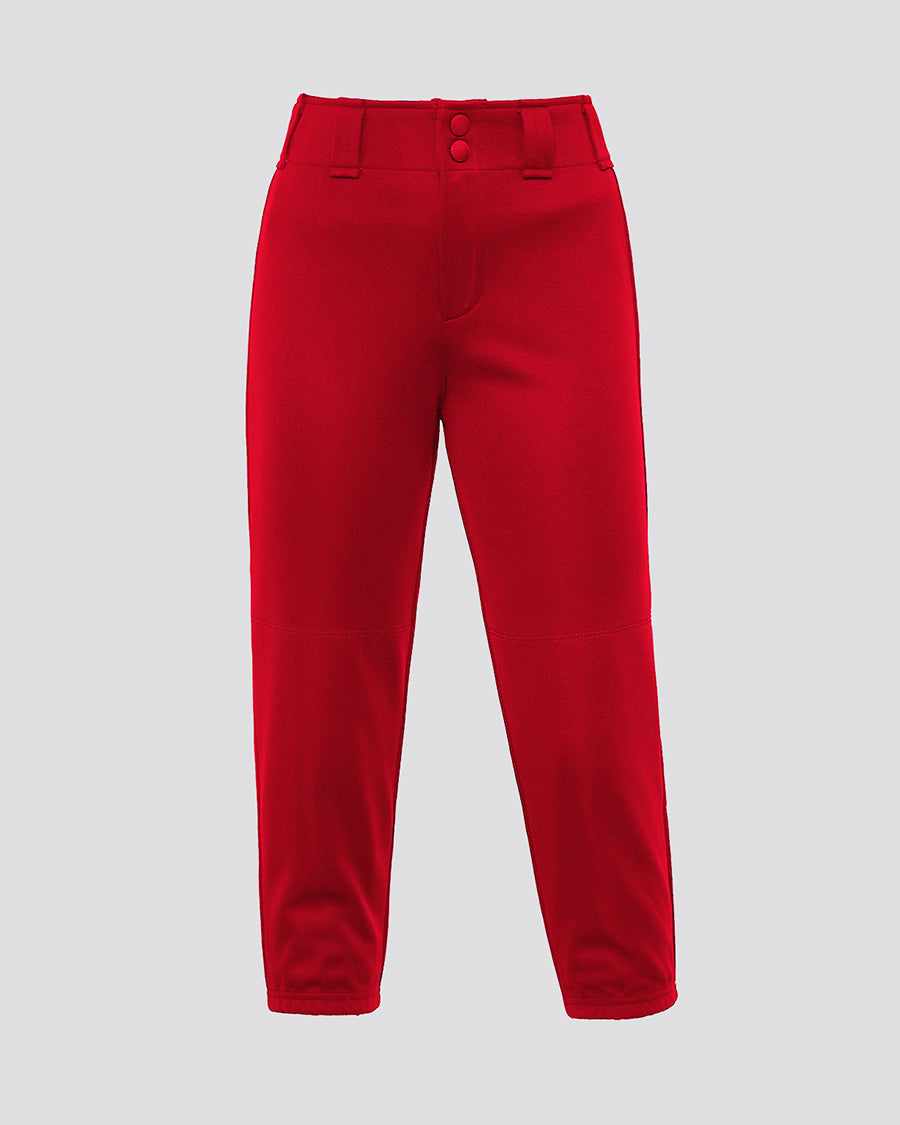
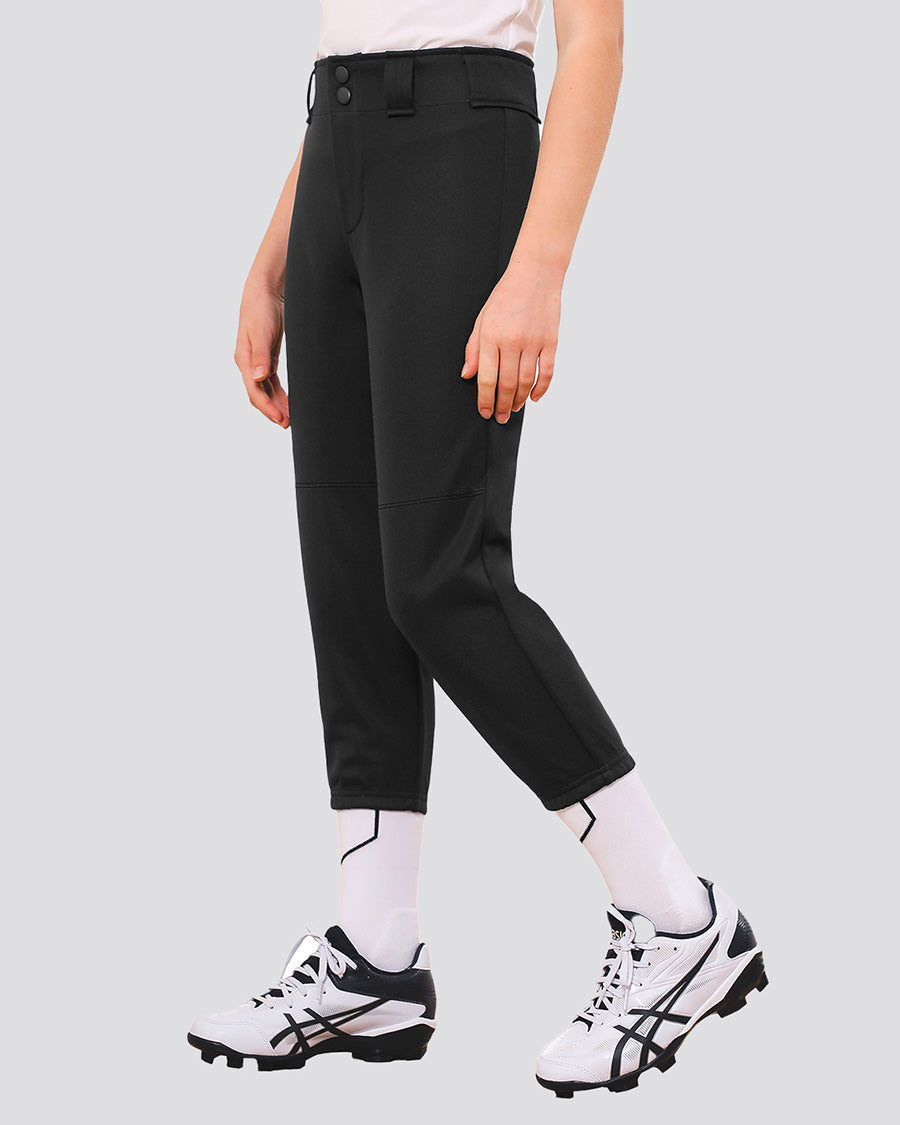
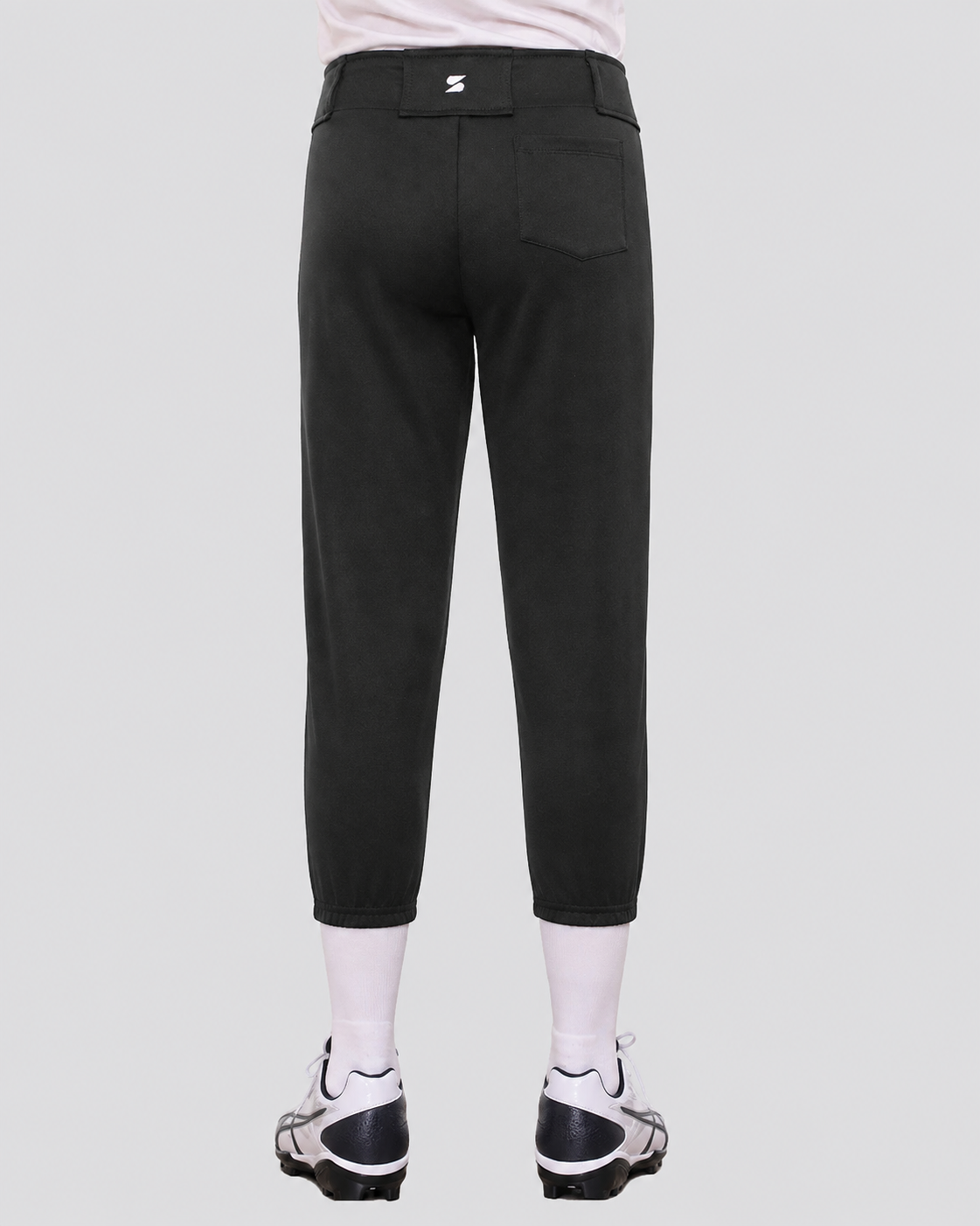
Warm-Up Pants and Booties
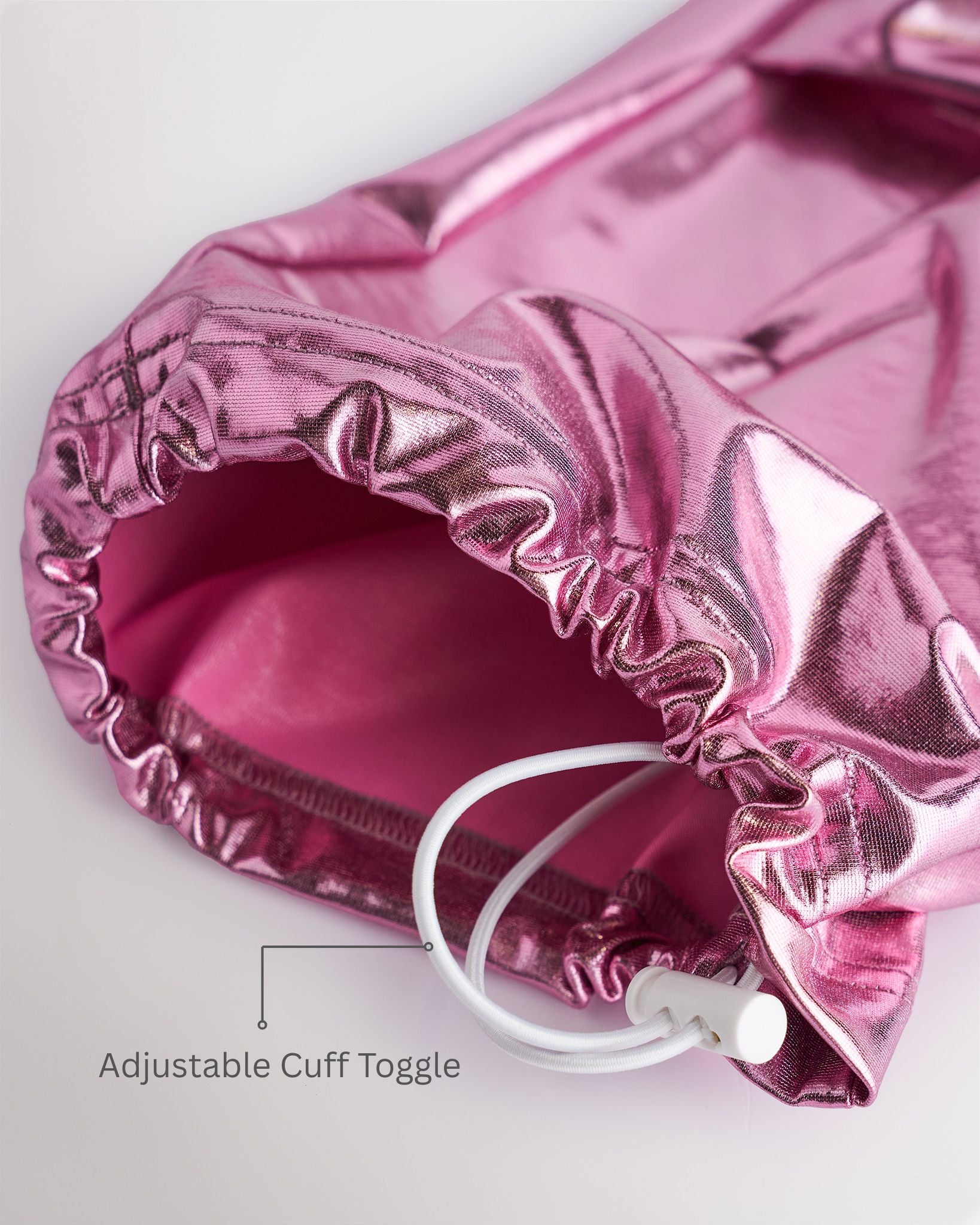
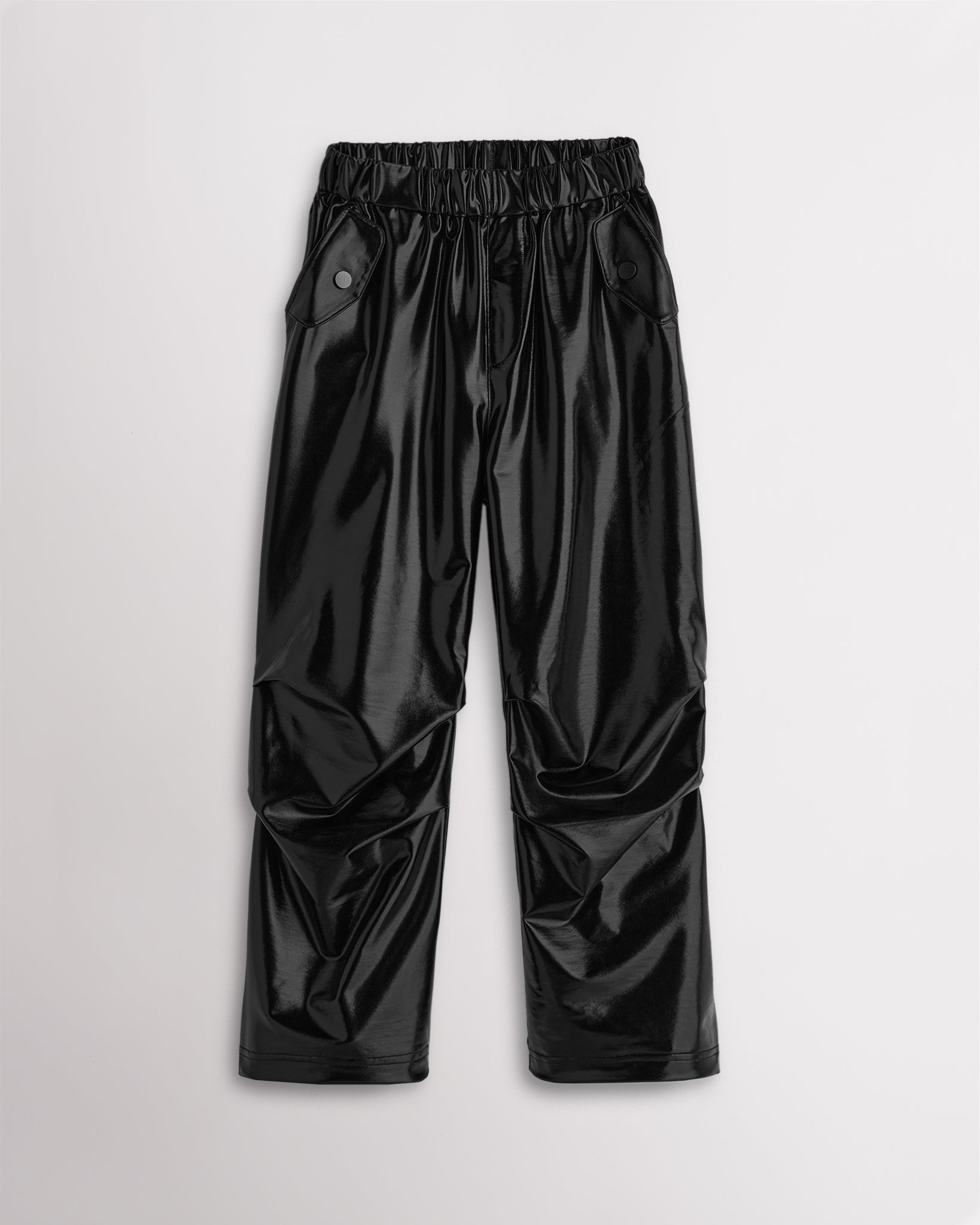
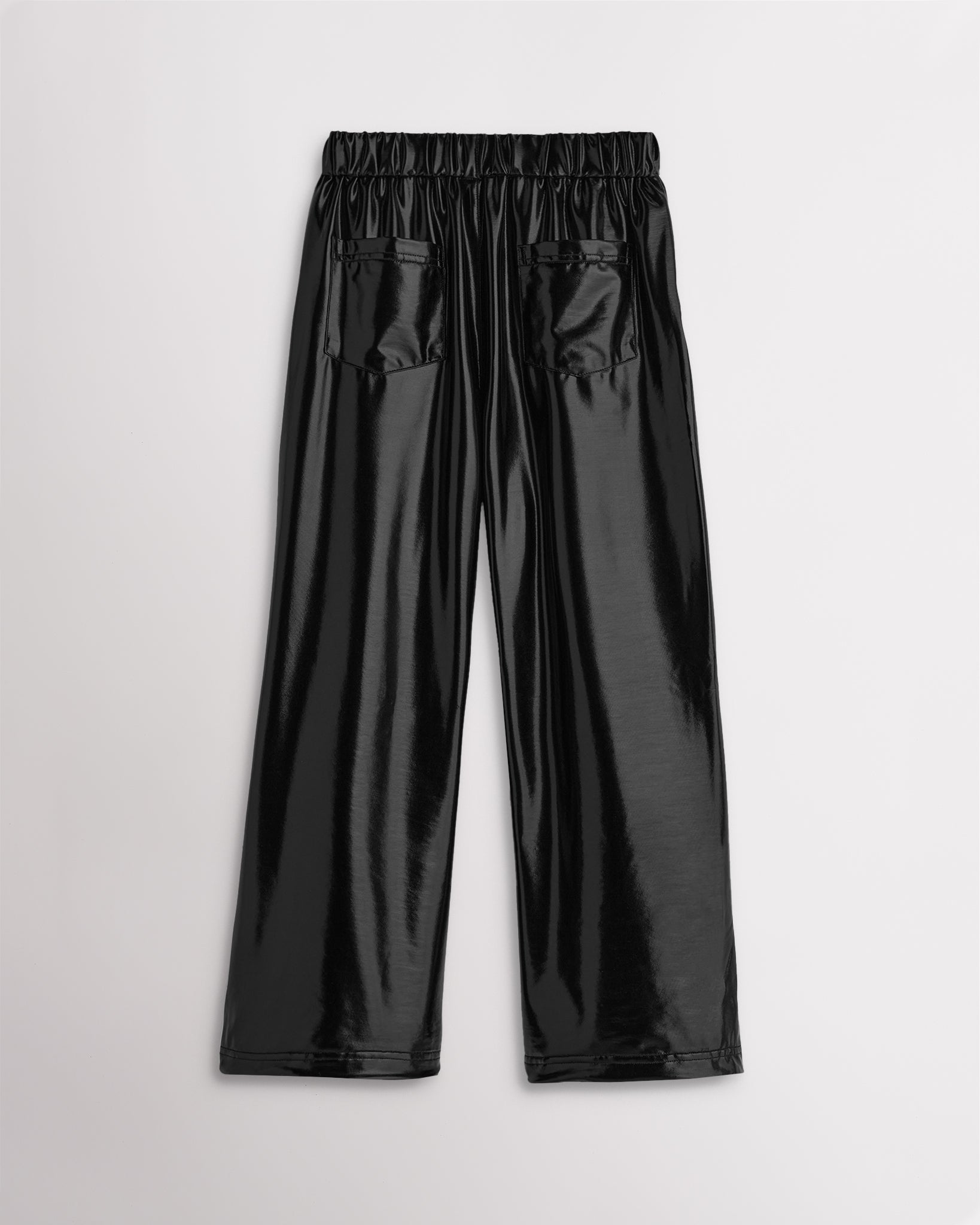
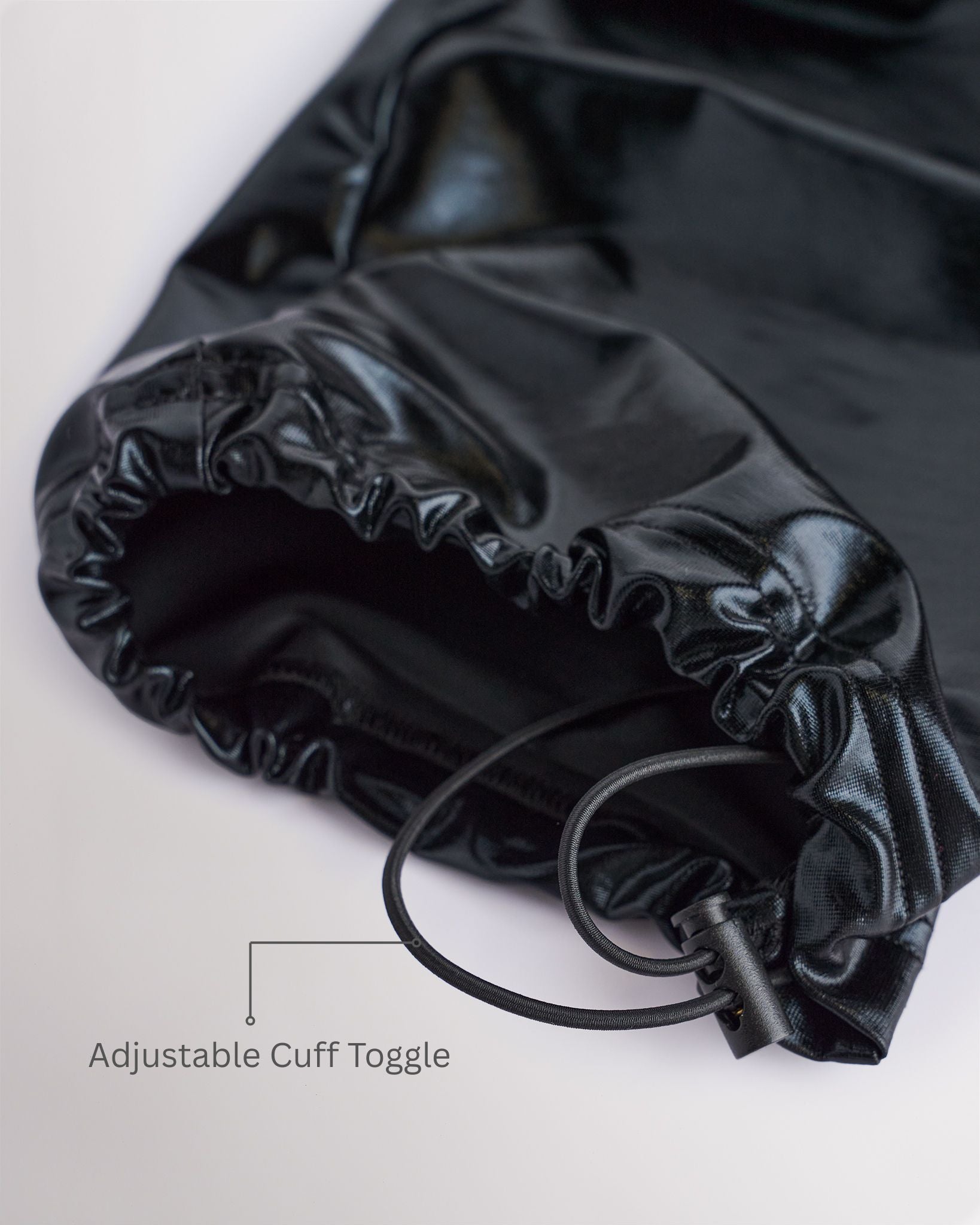
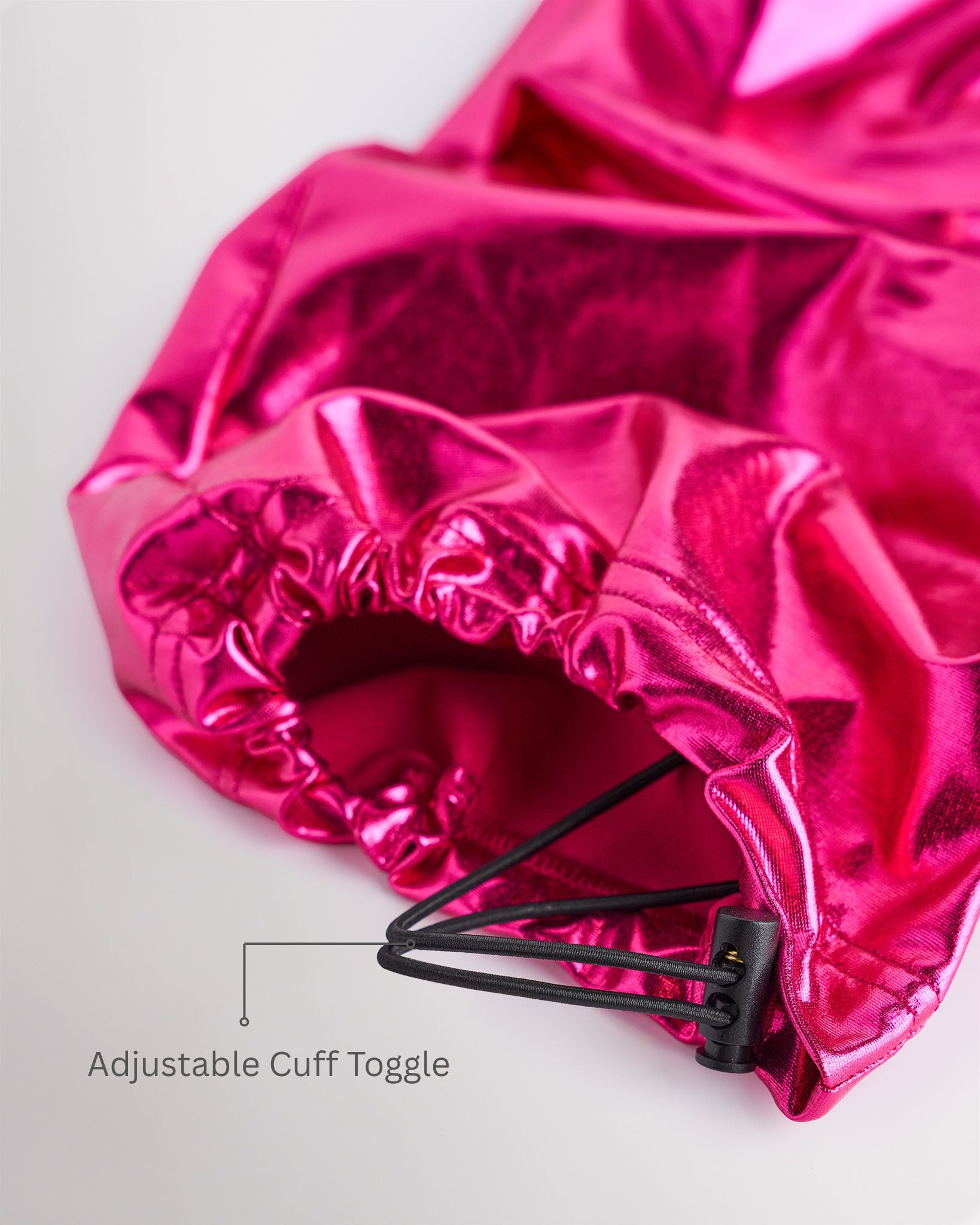
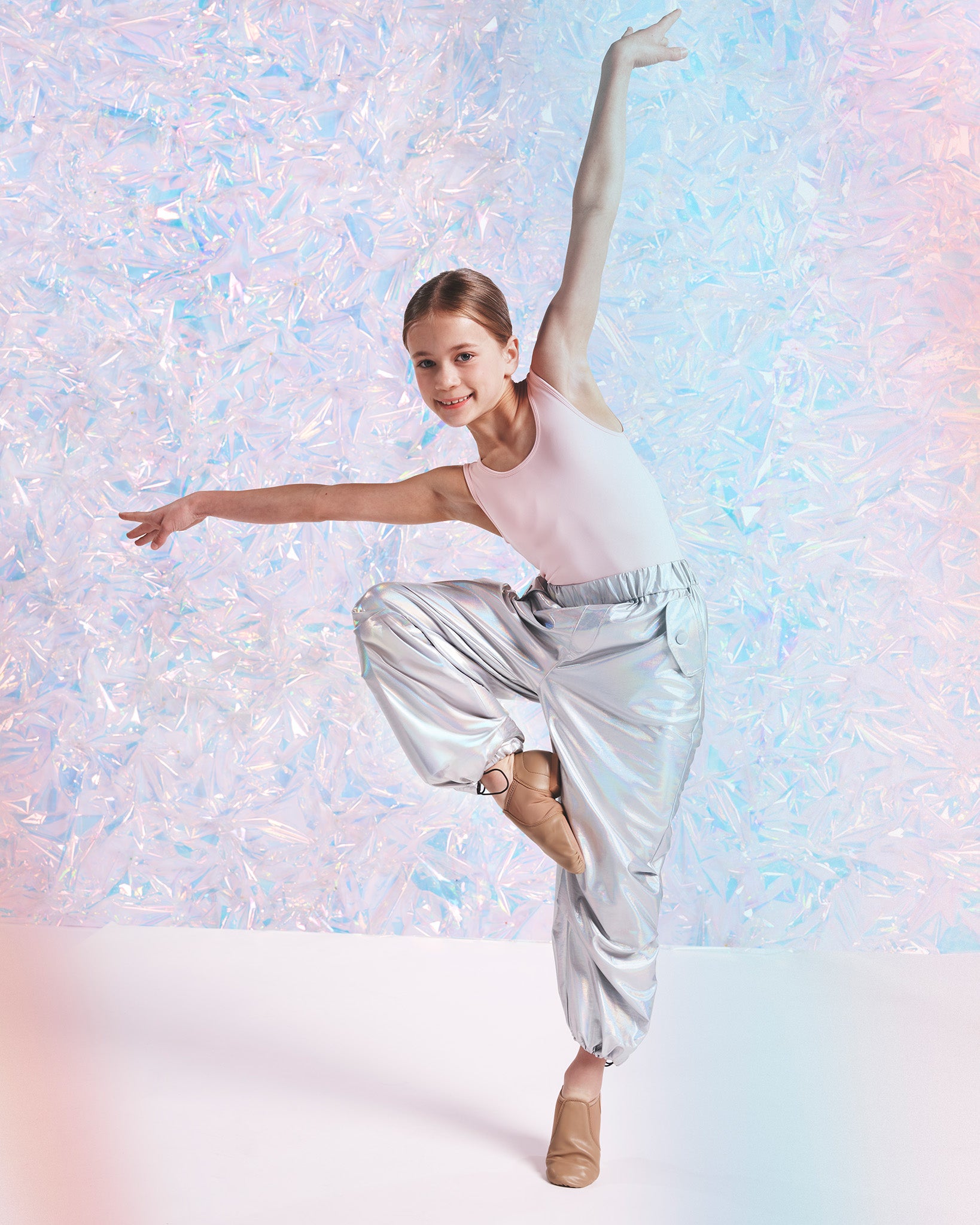
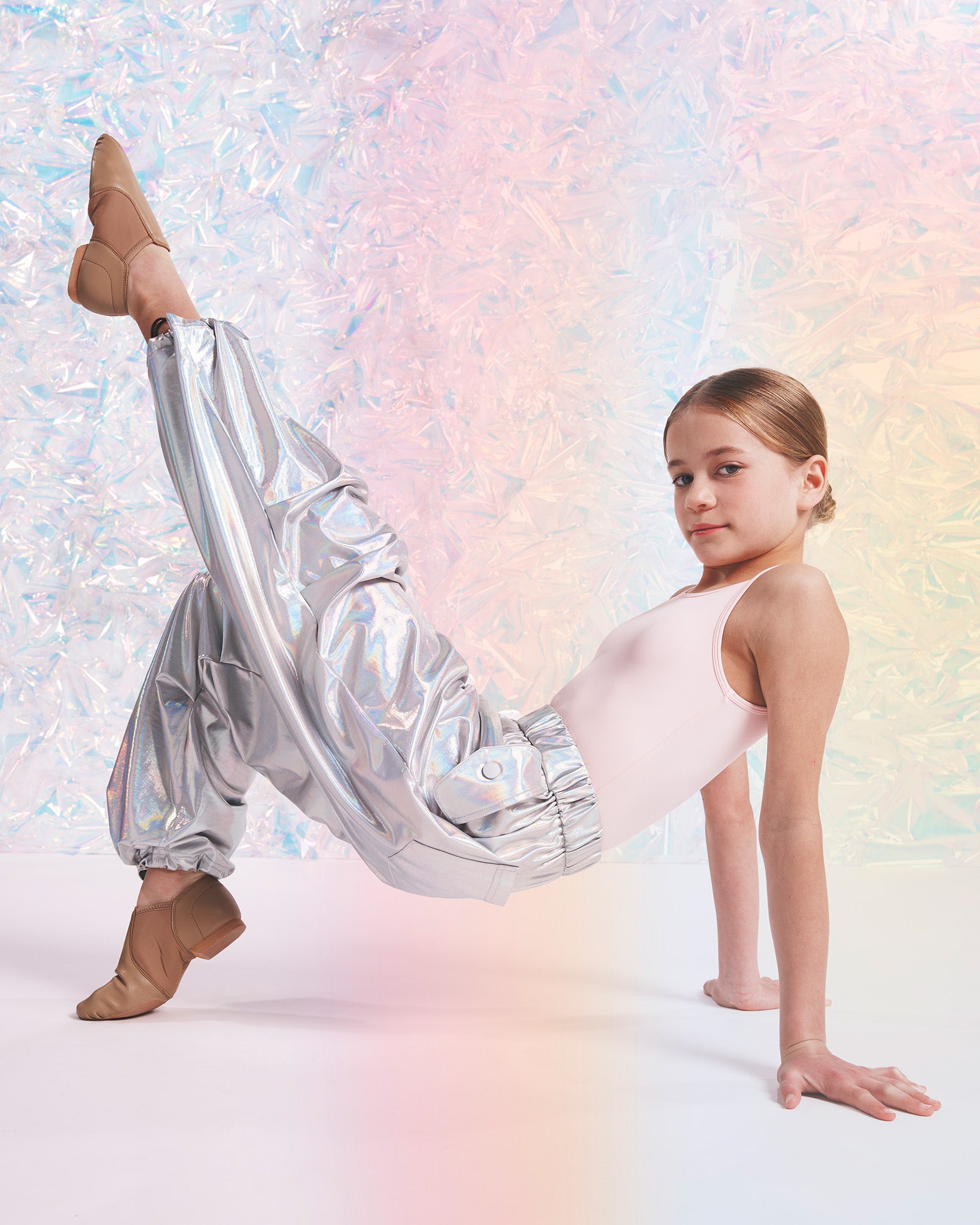
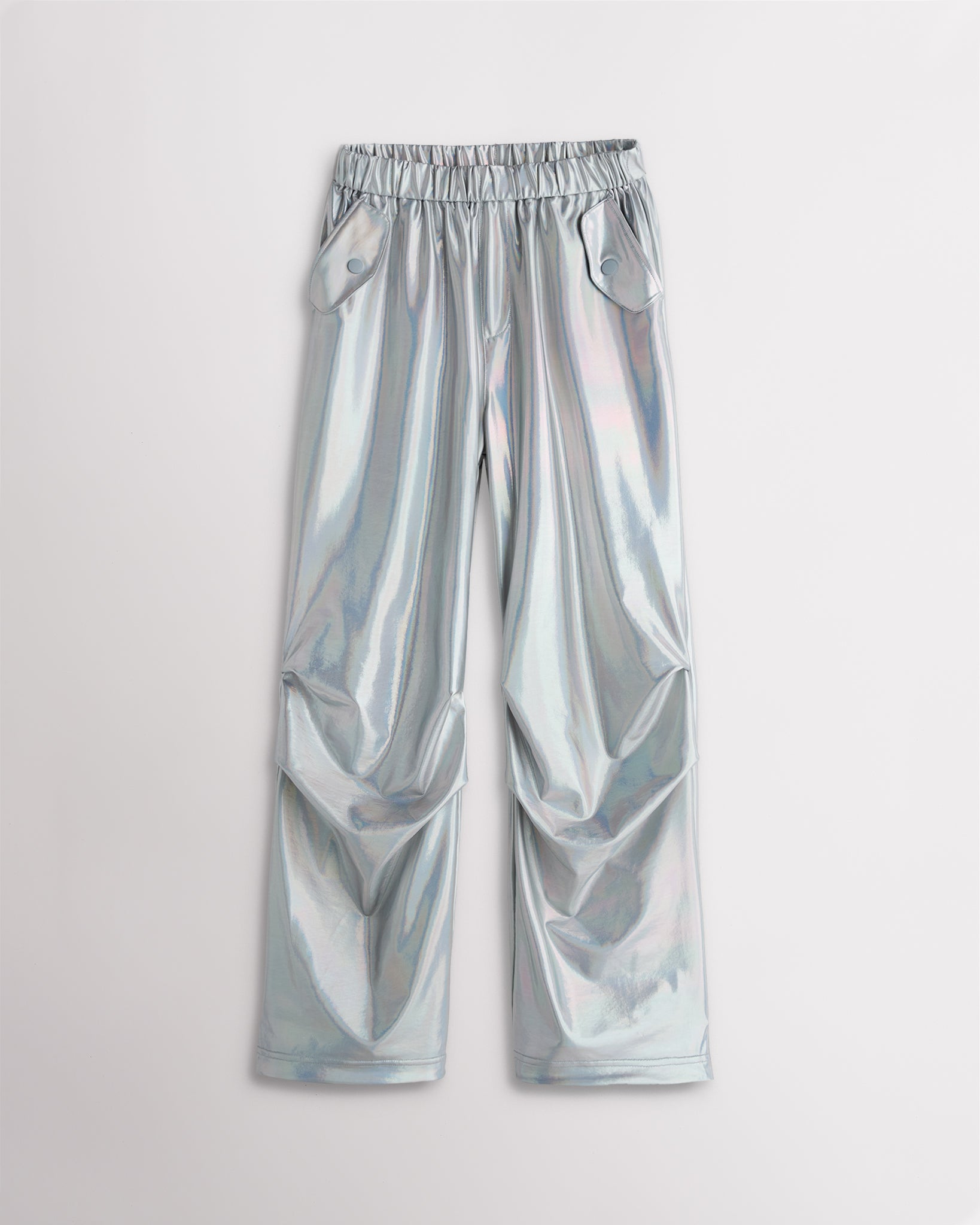
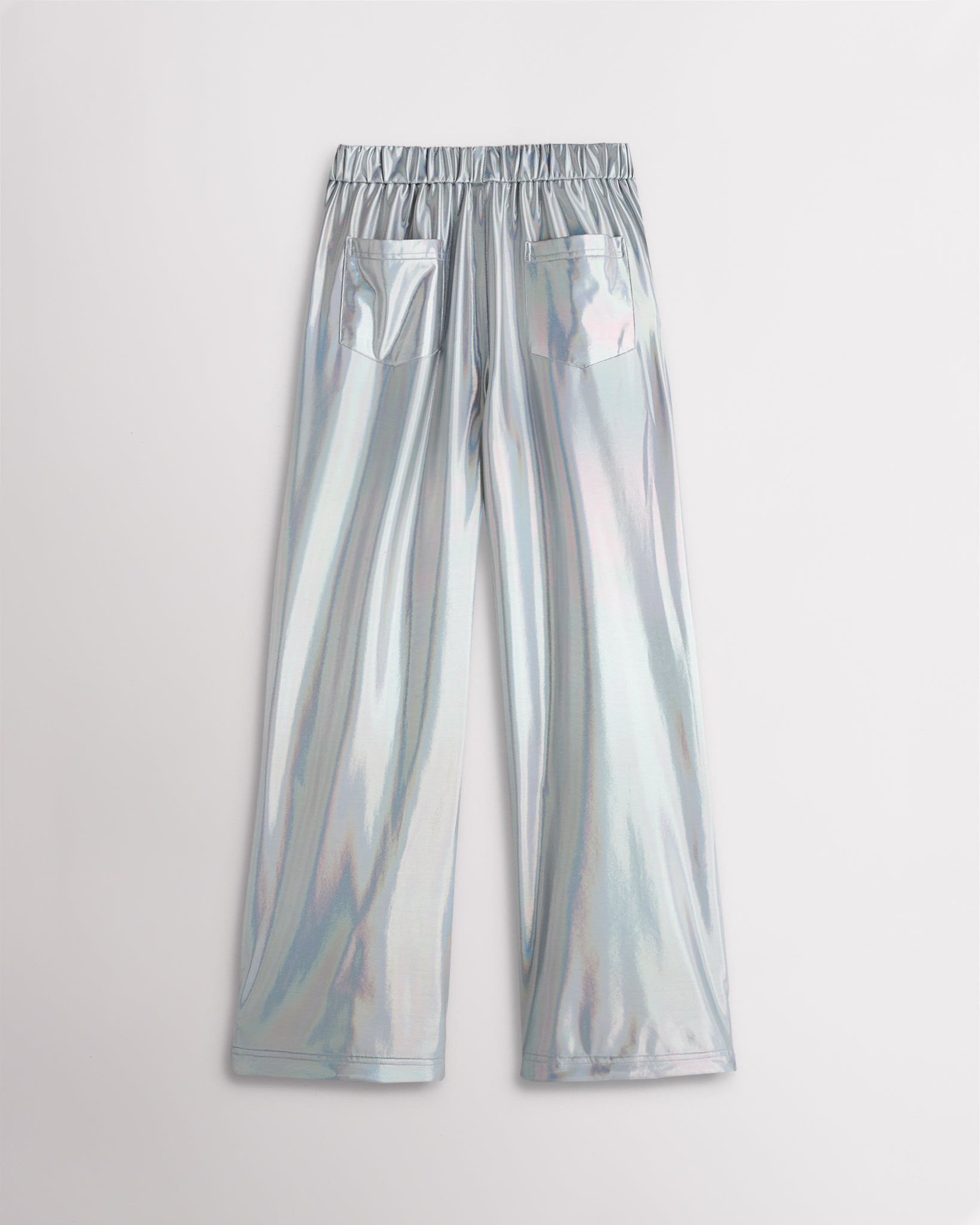
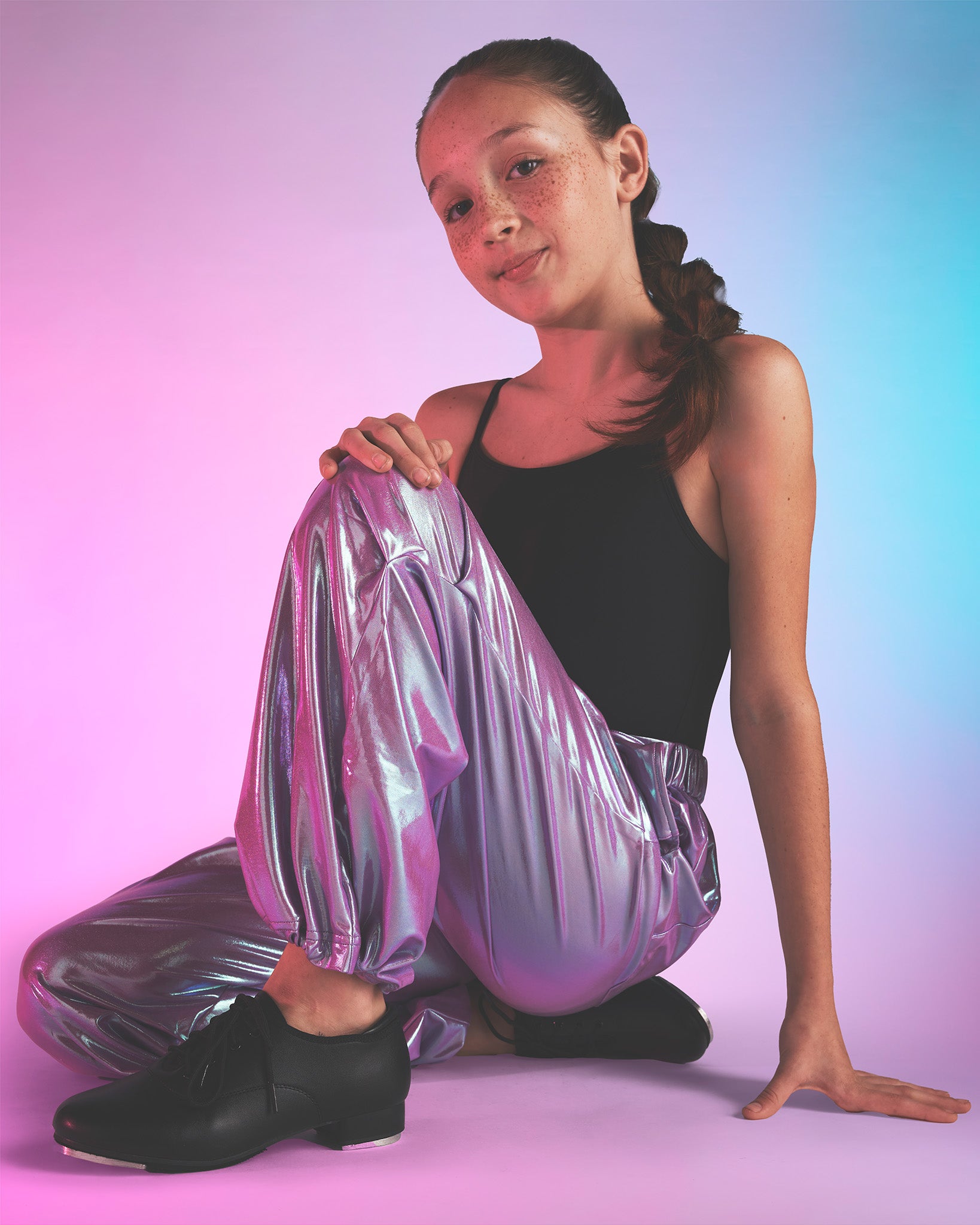
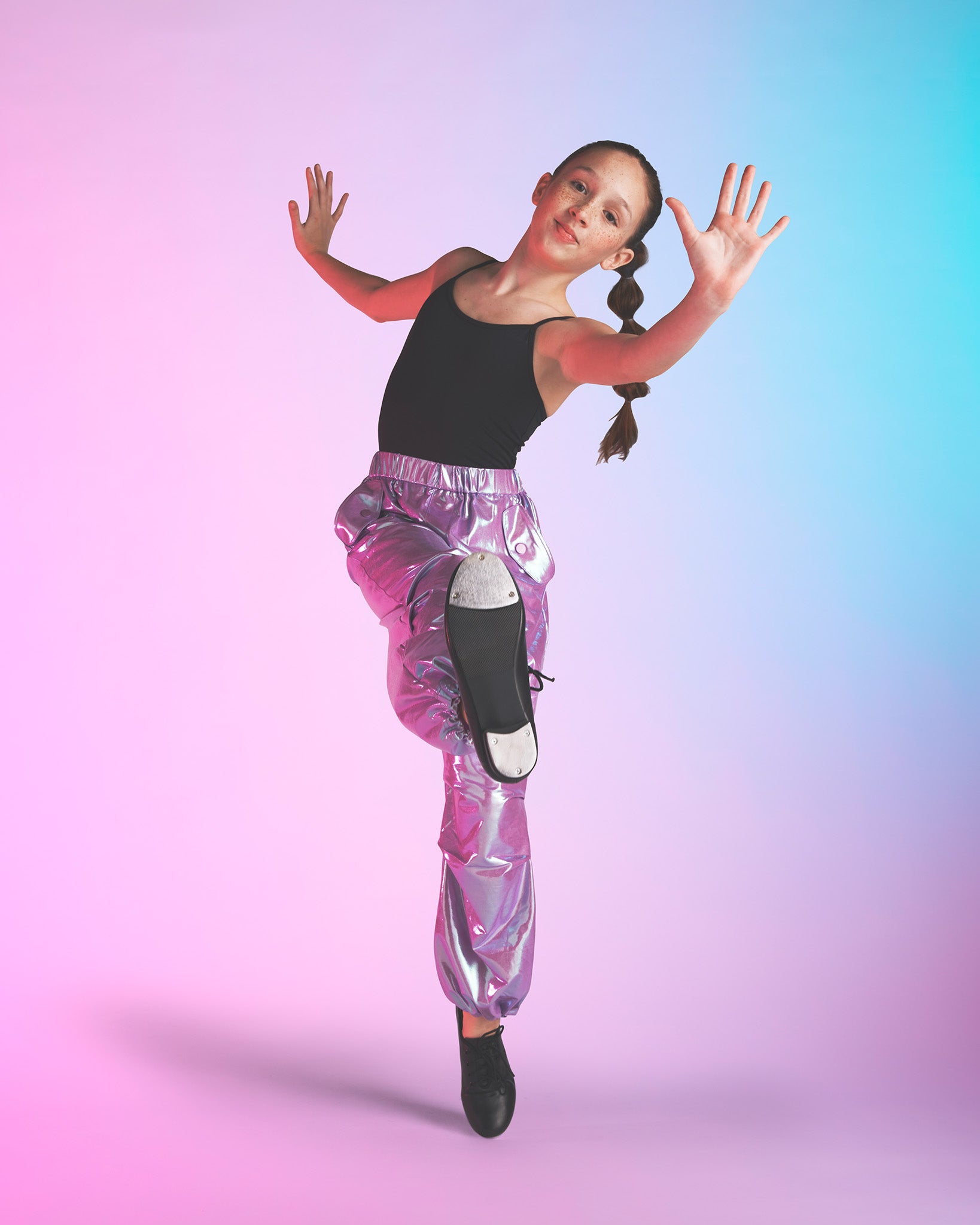
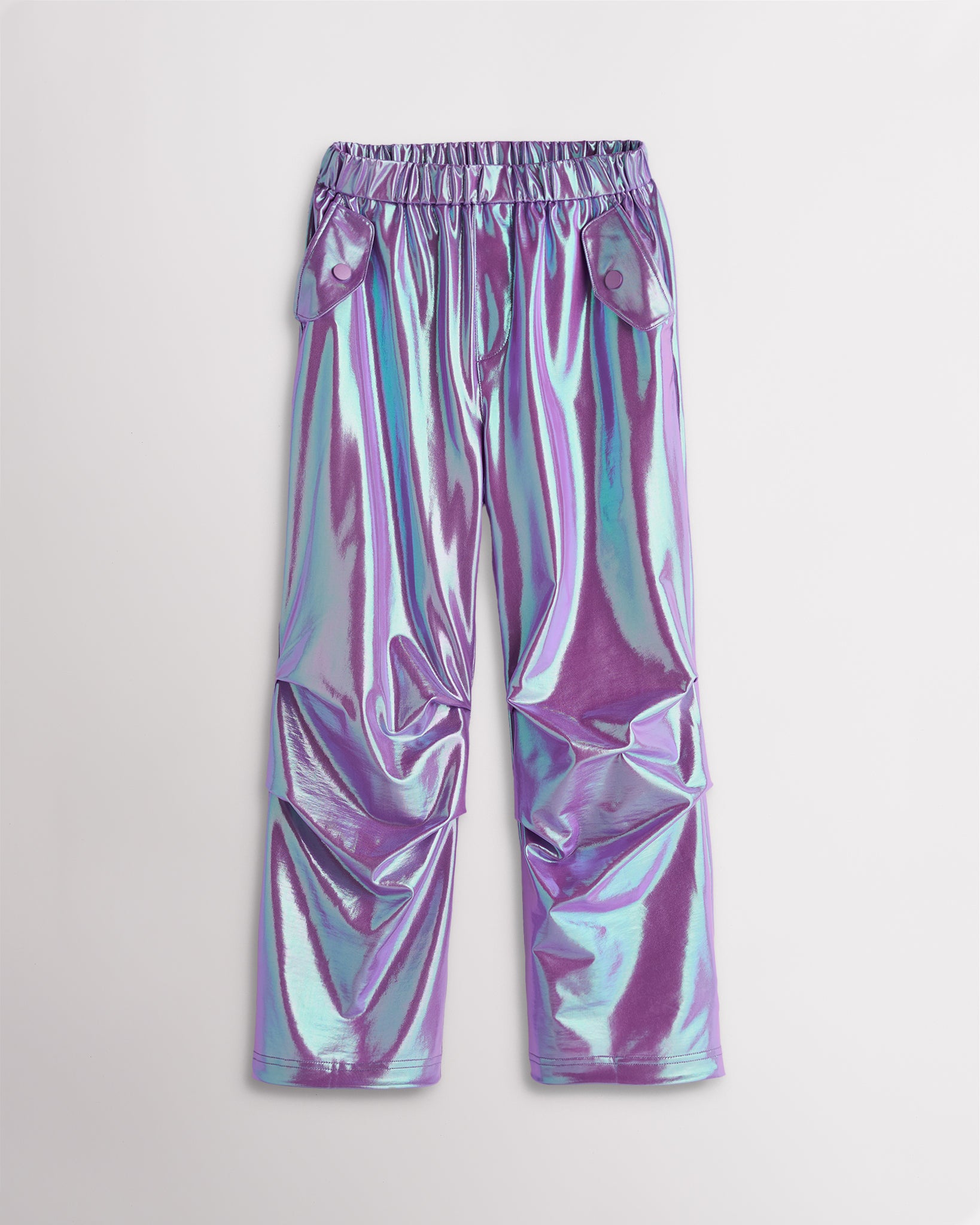
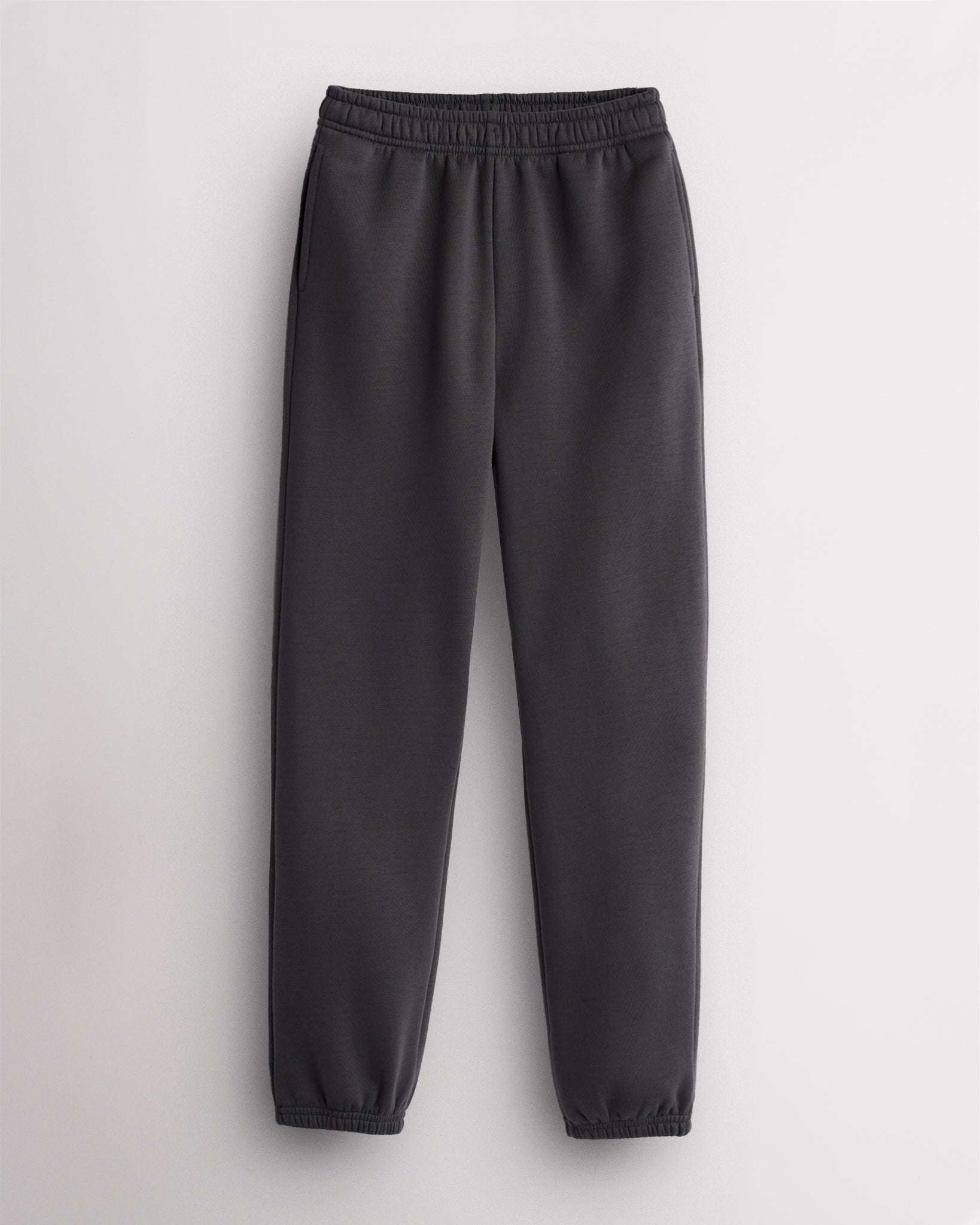
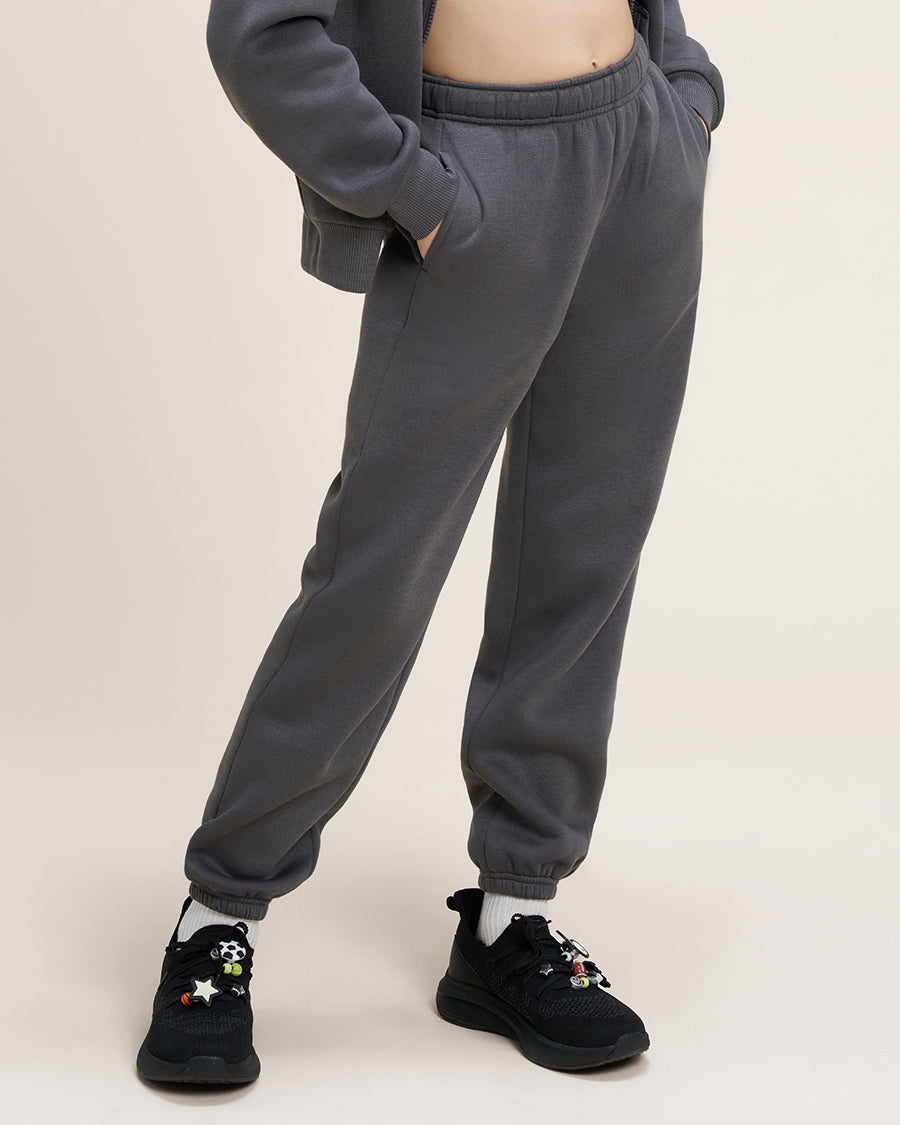
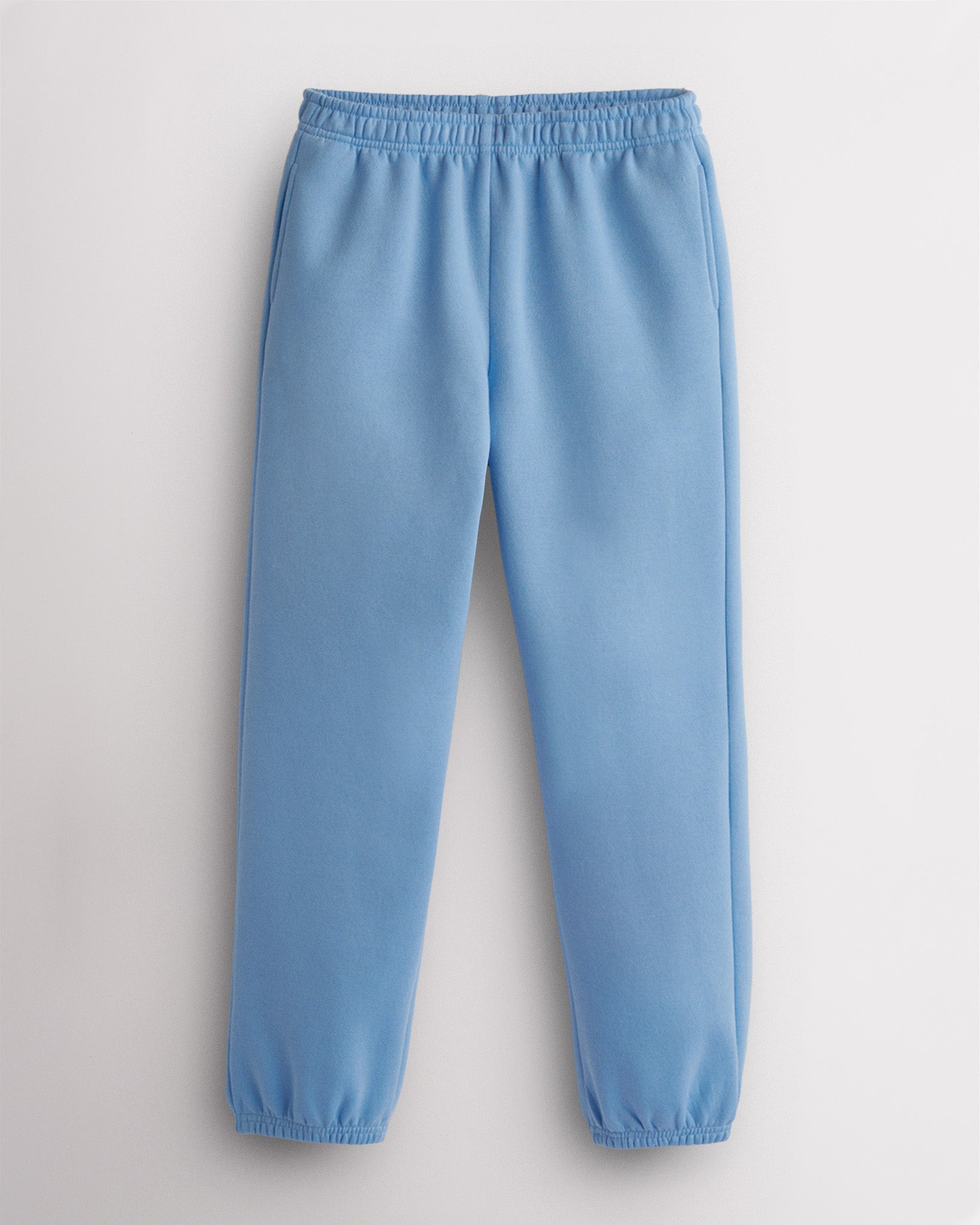
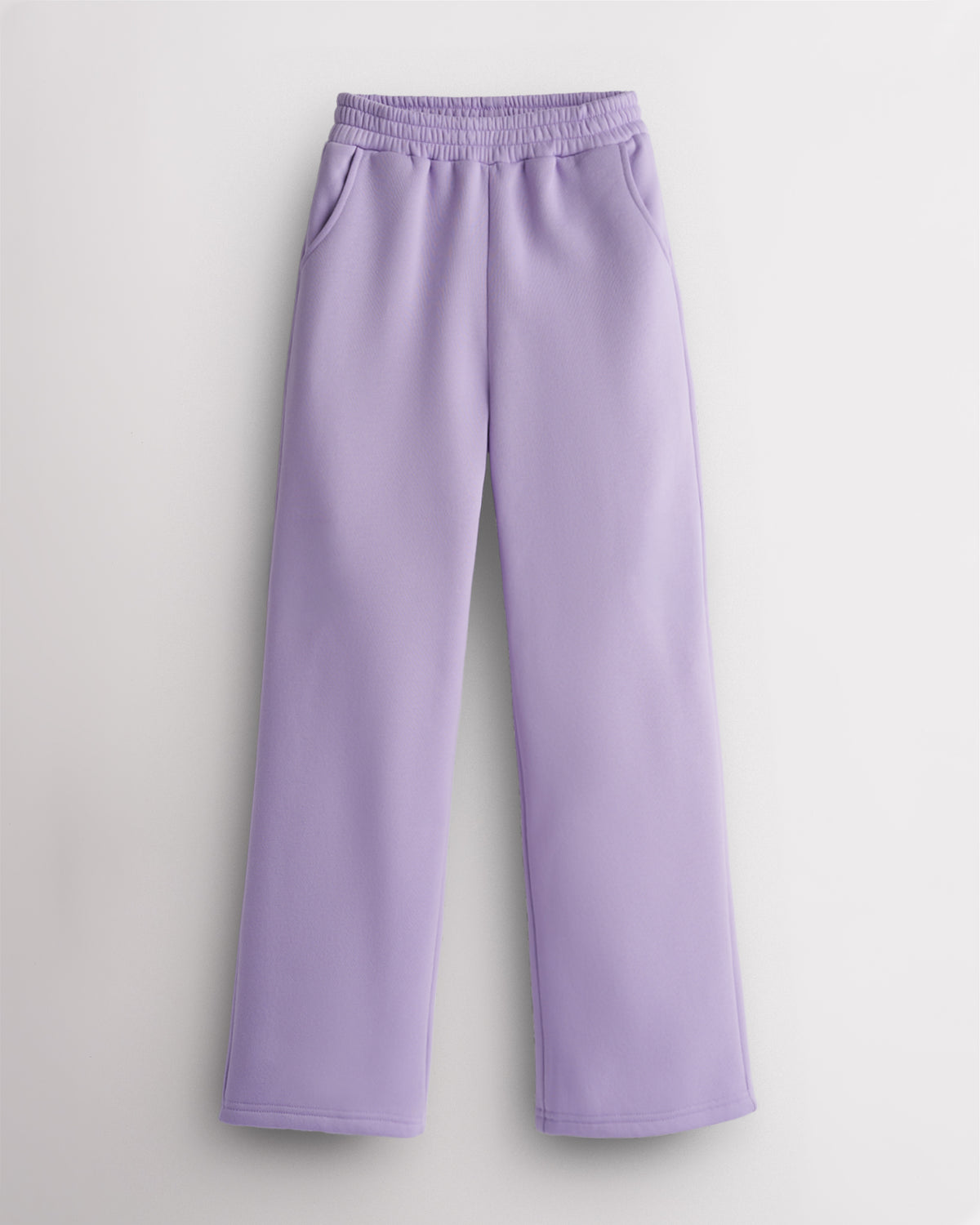
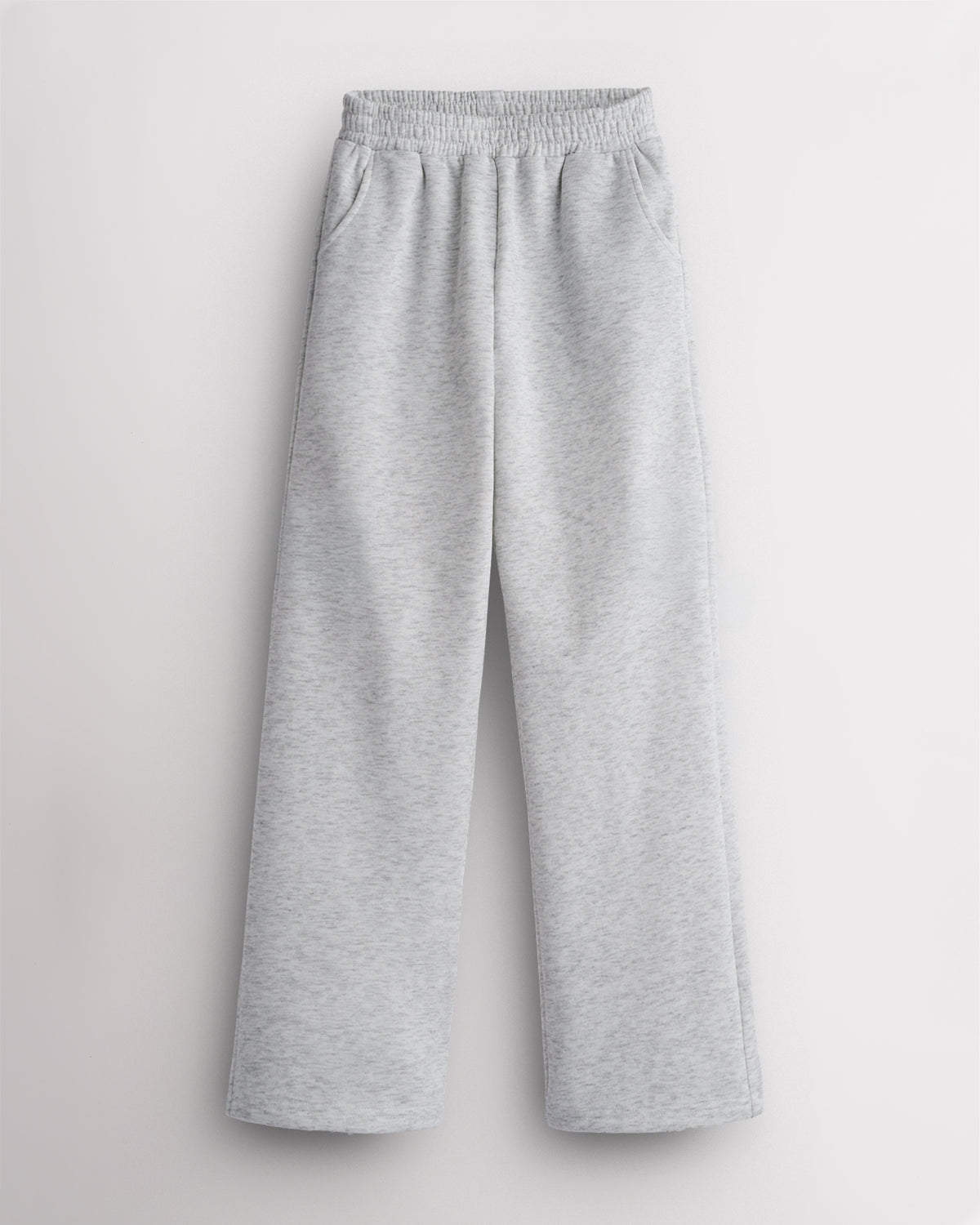
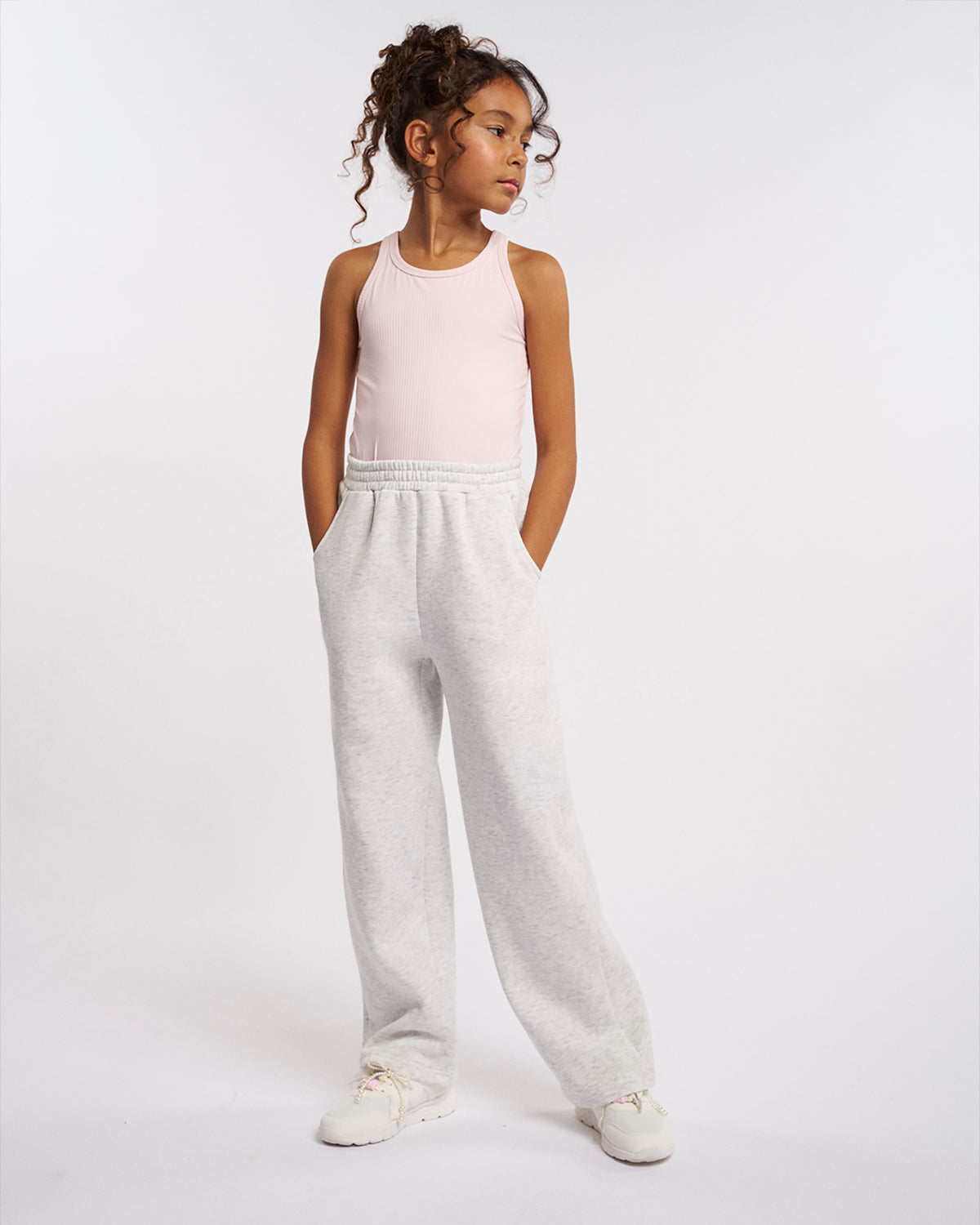
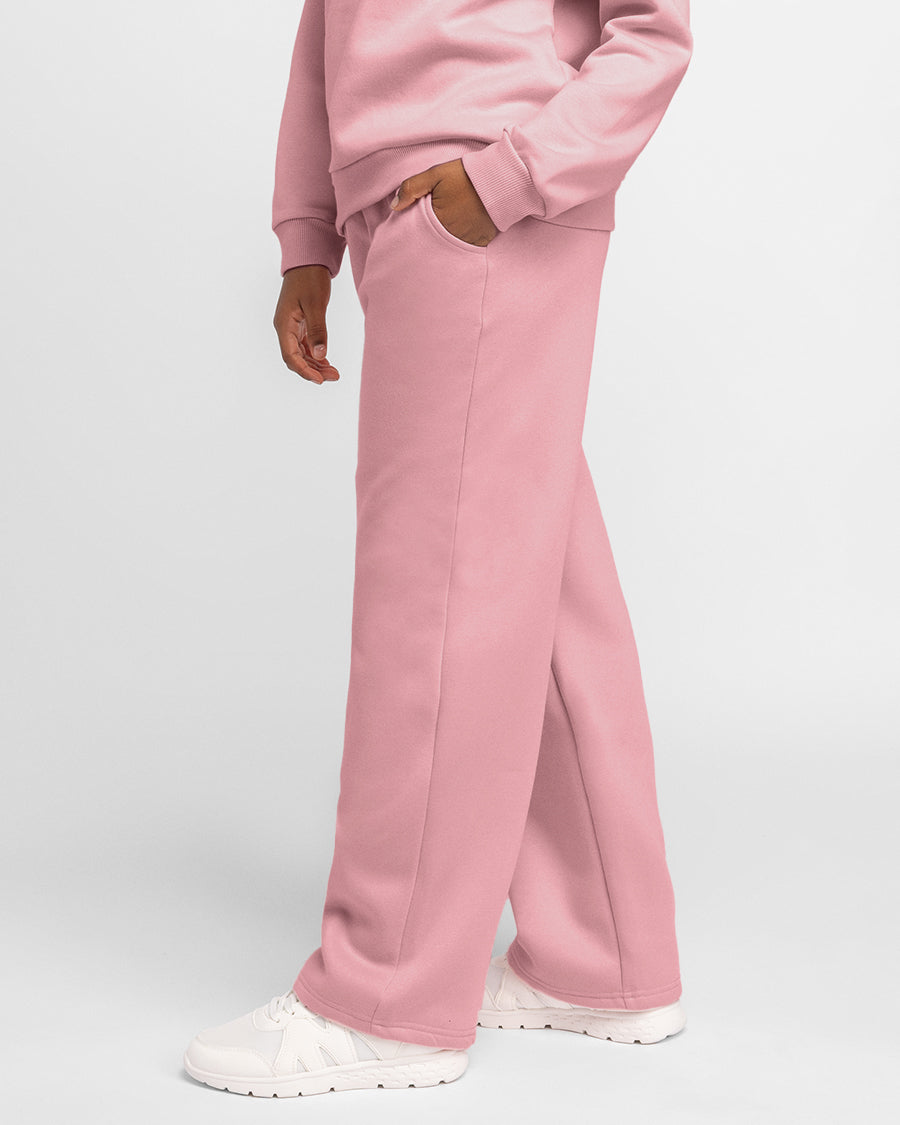
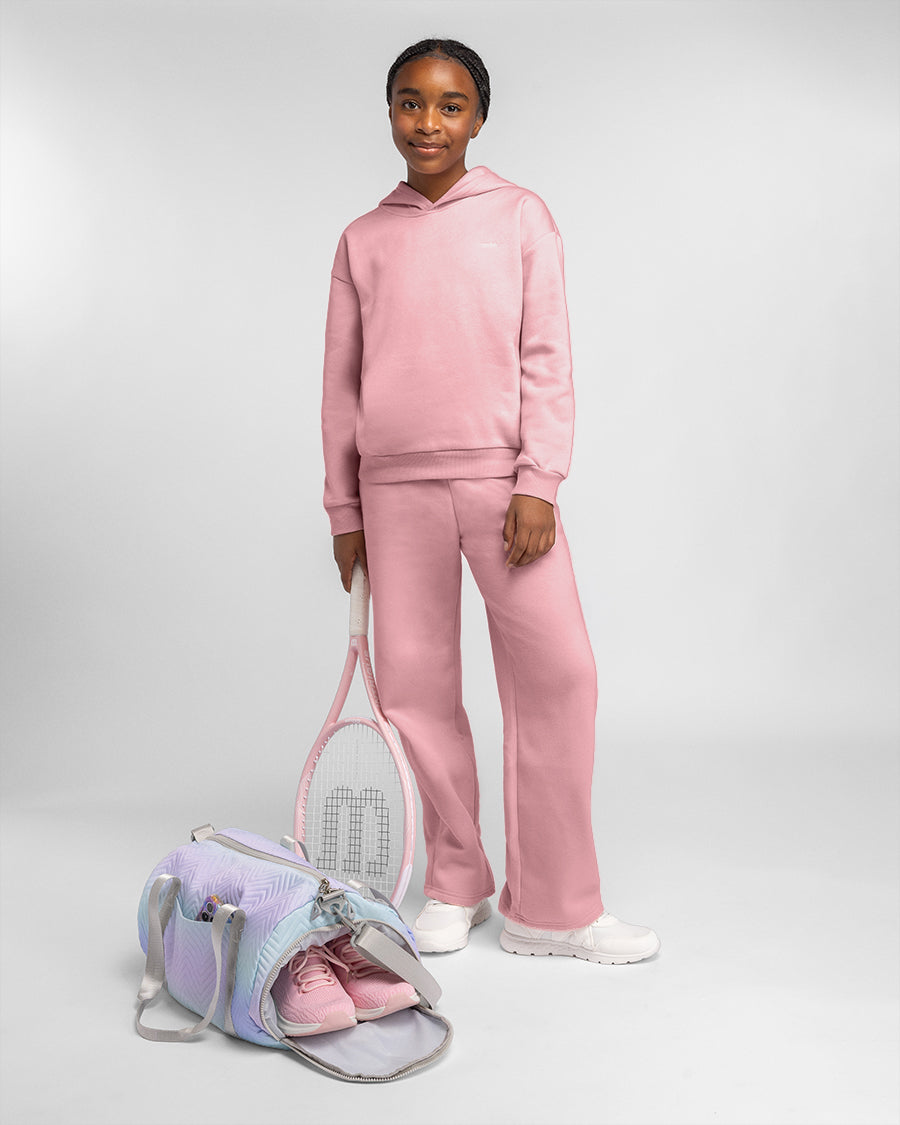
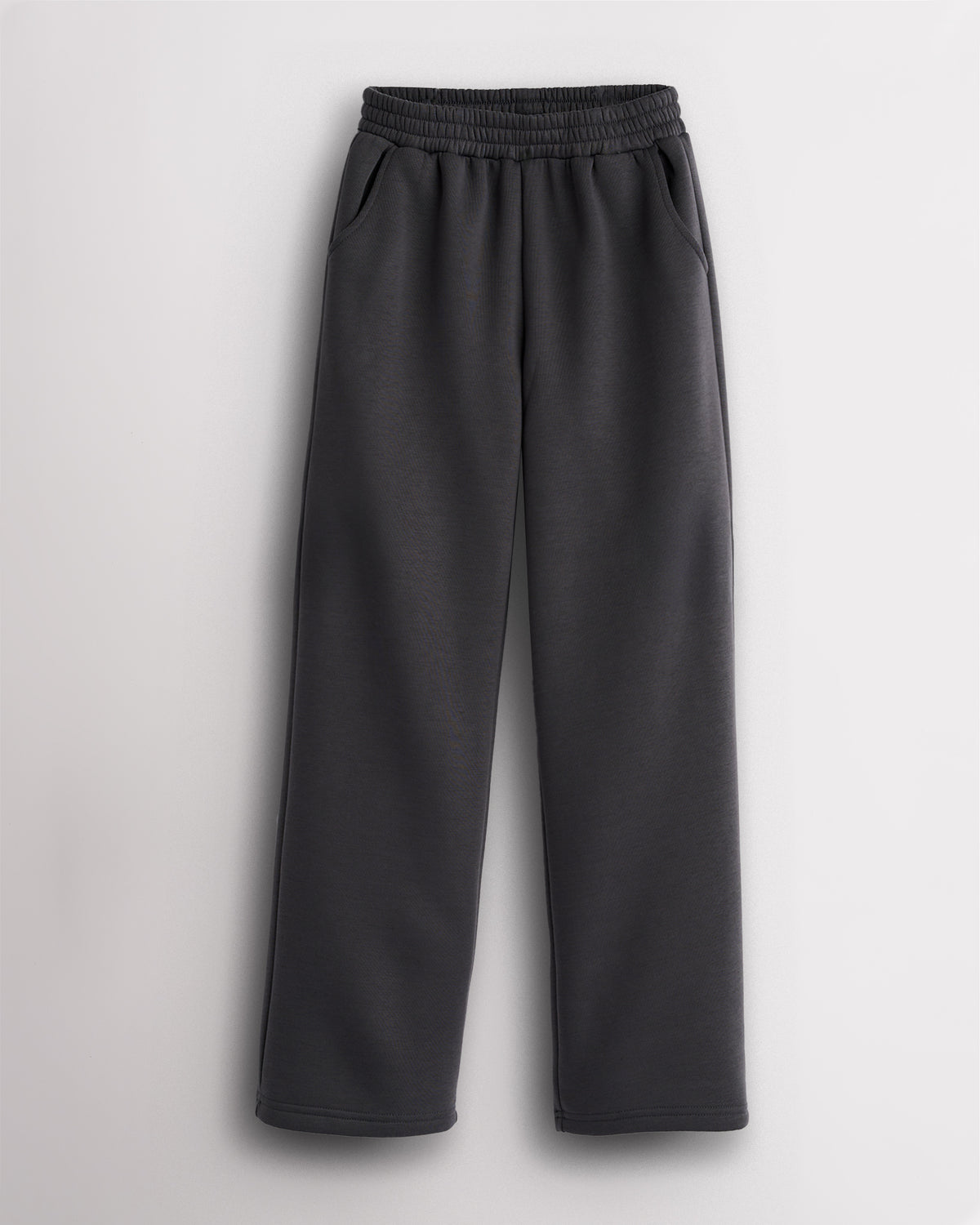
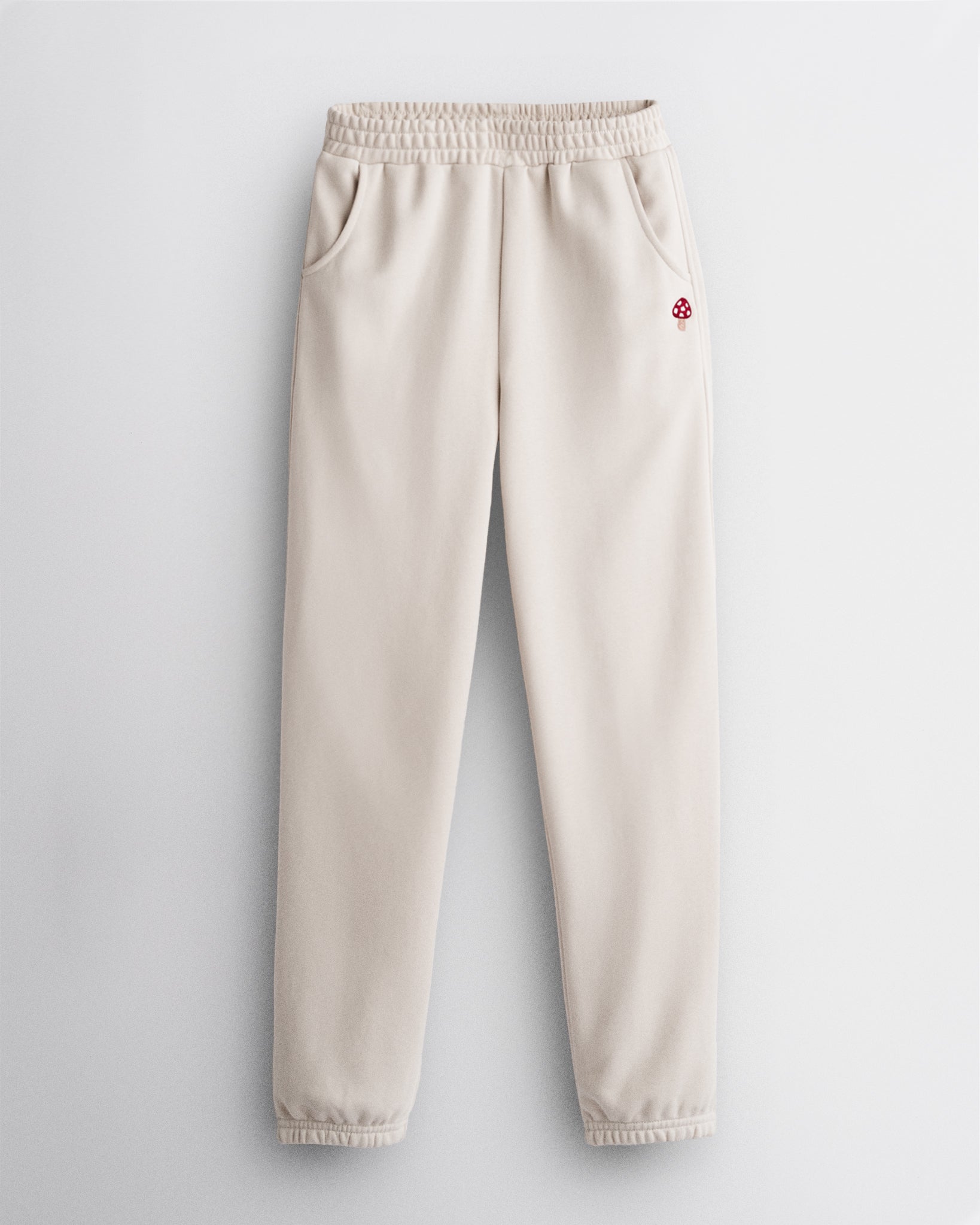
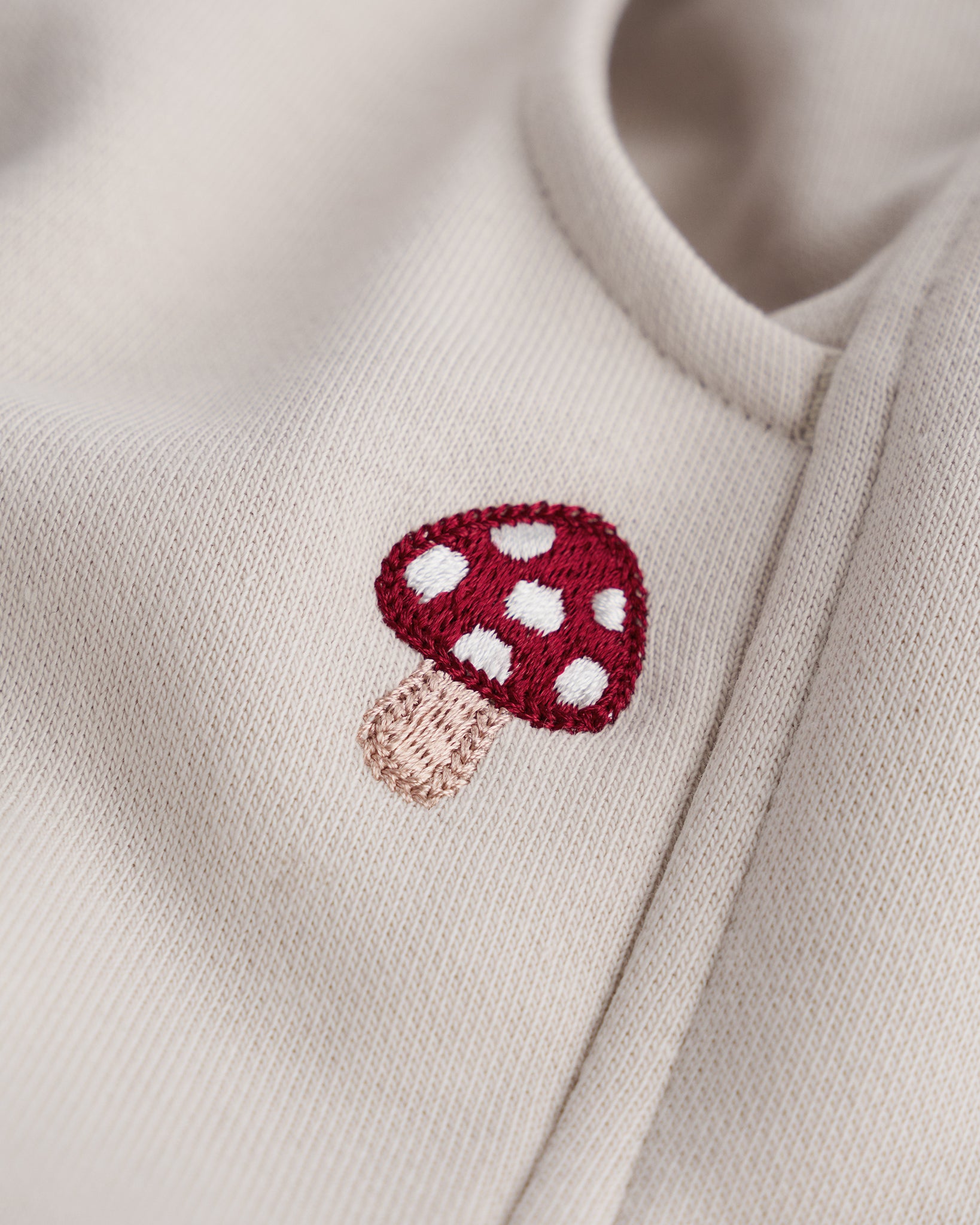
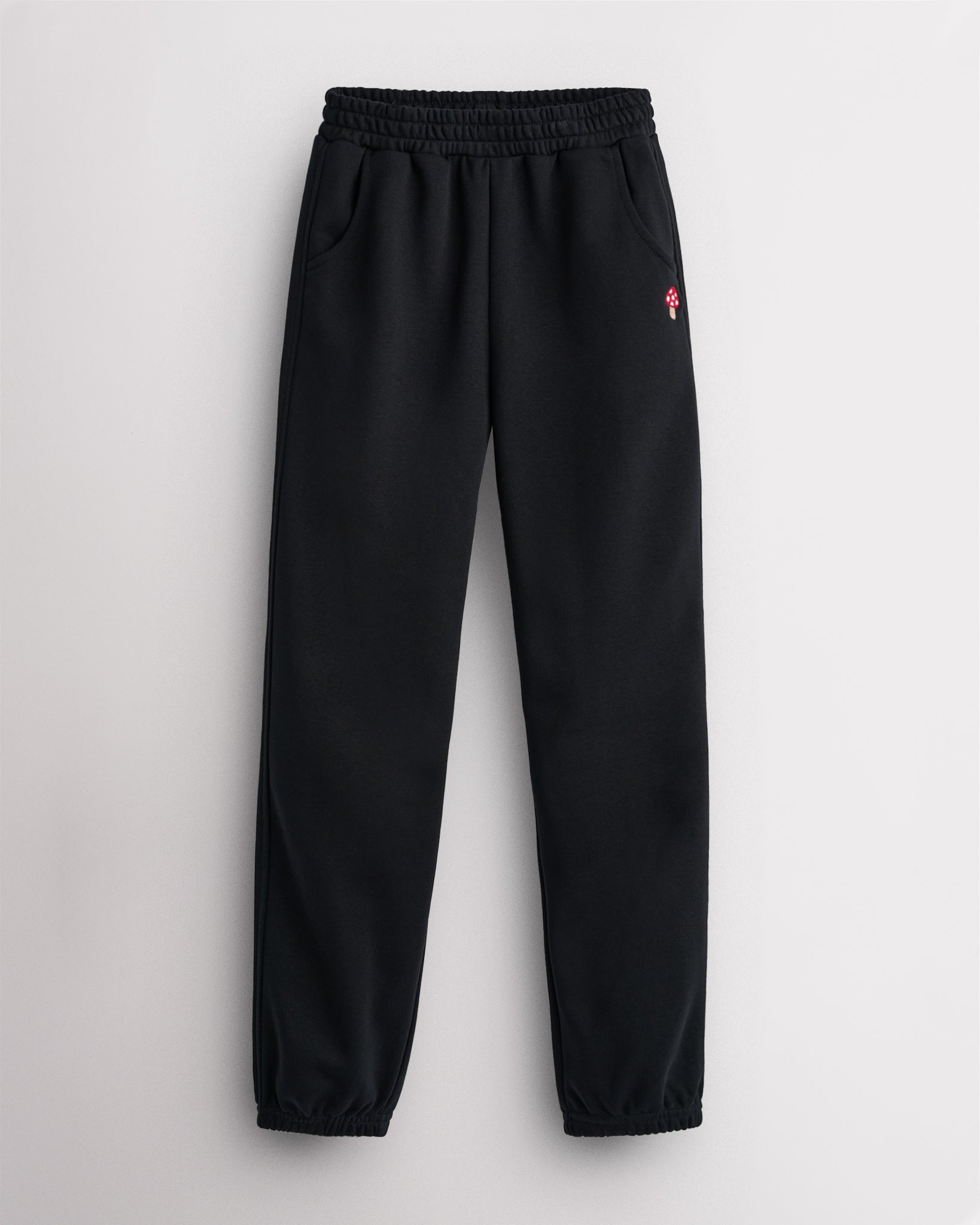
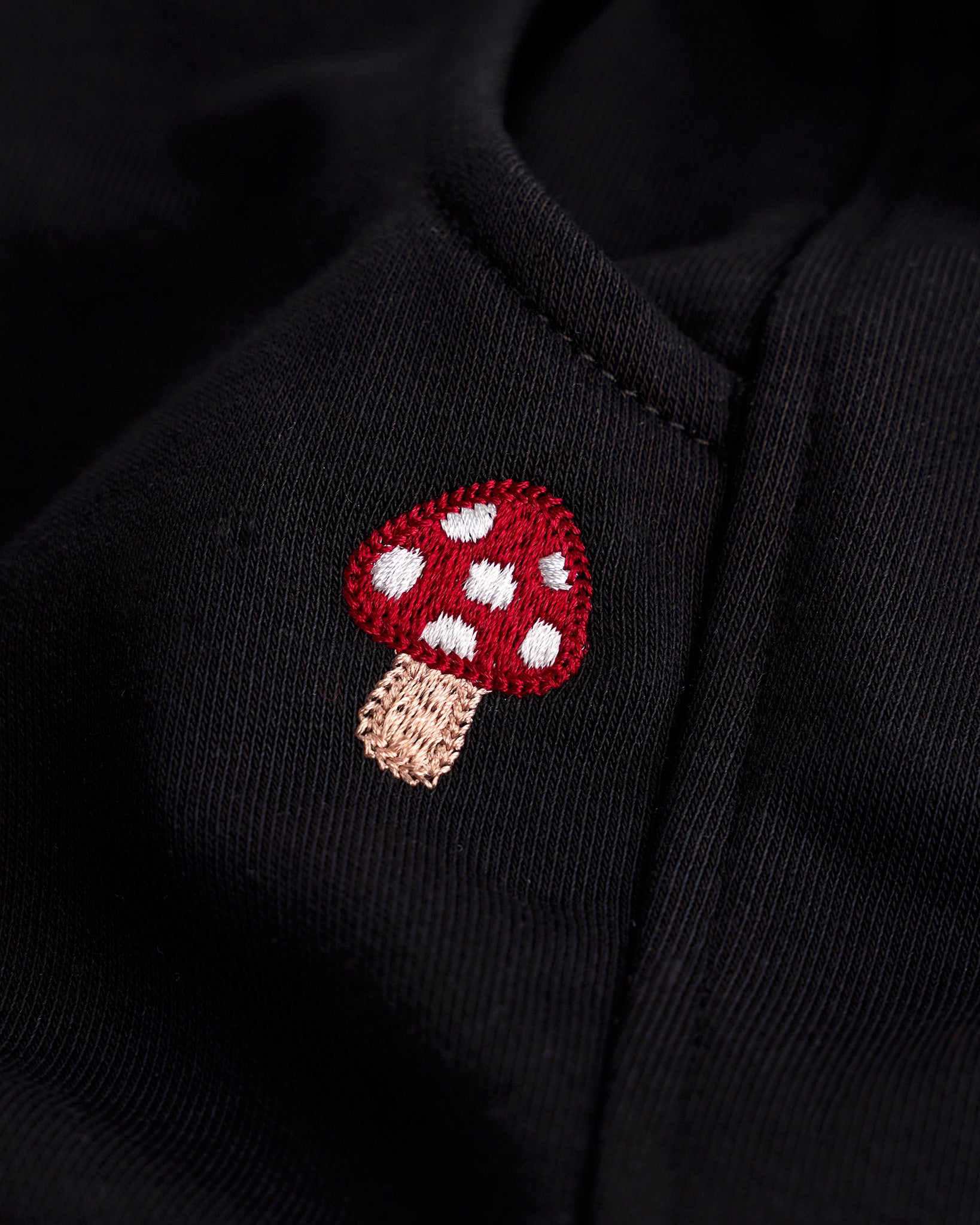
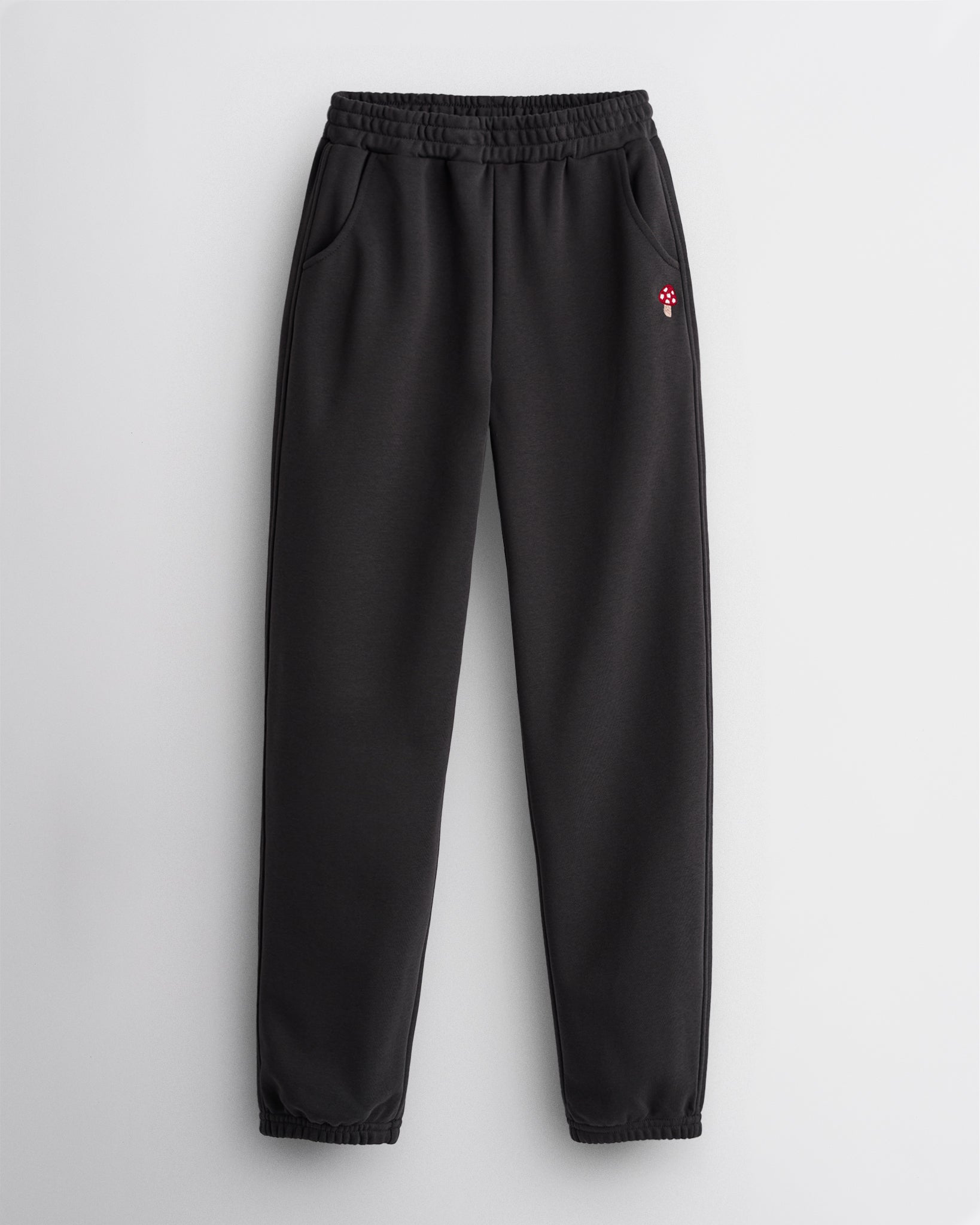
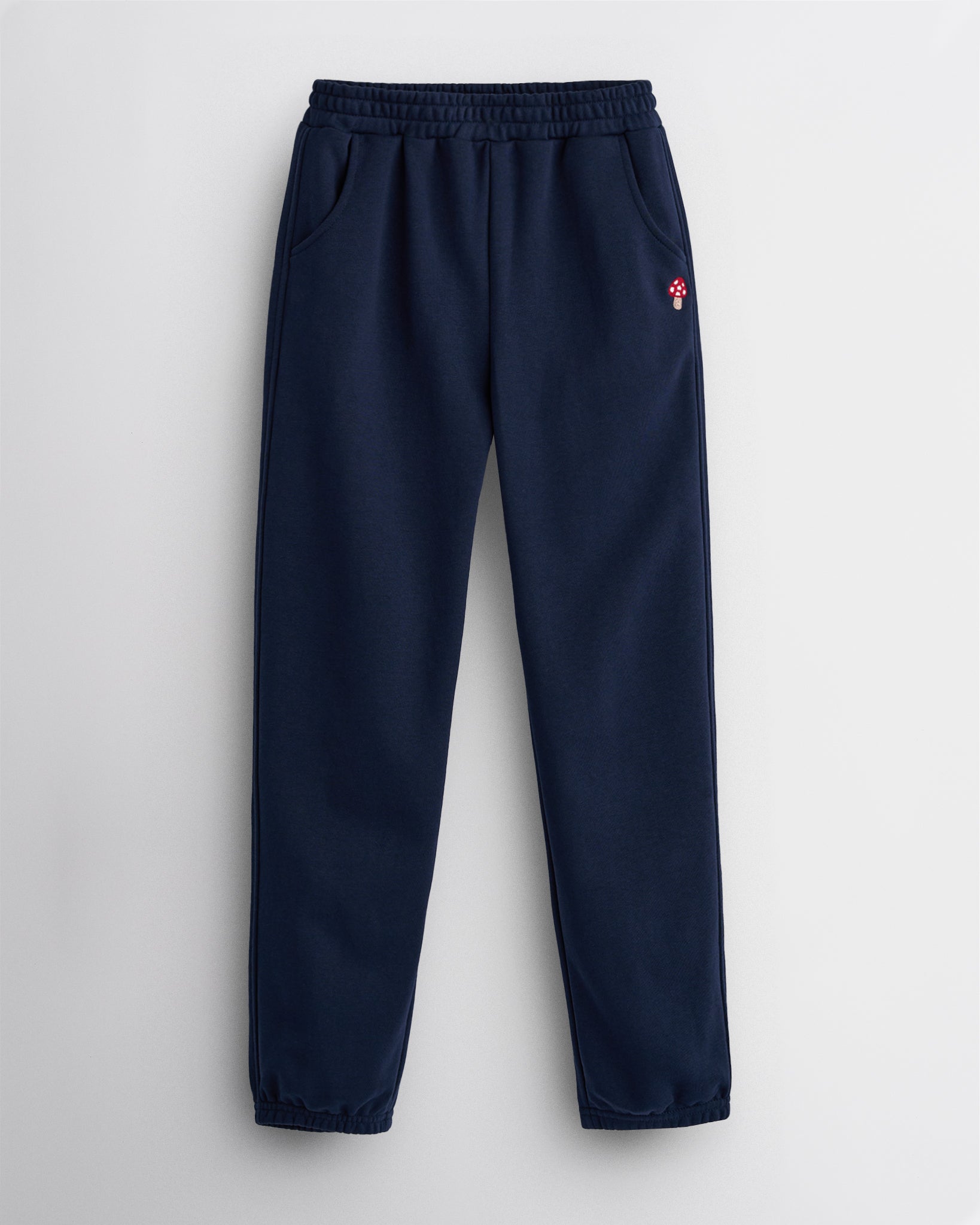
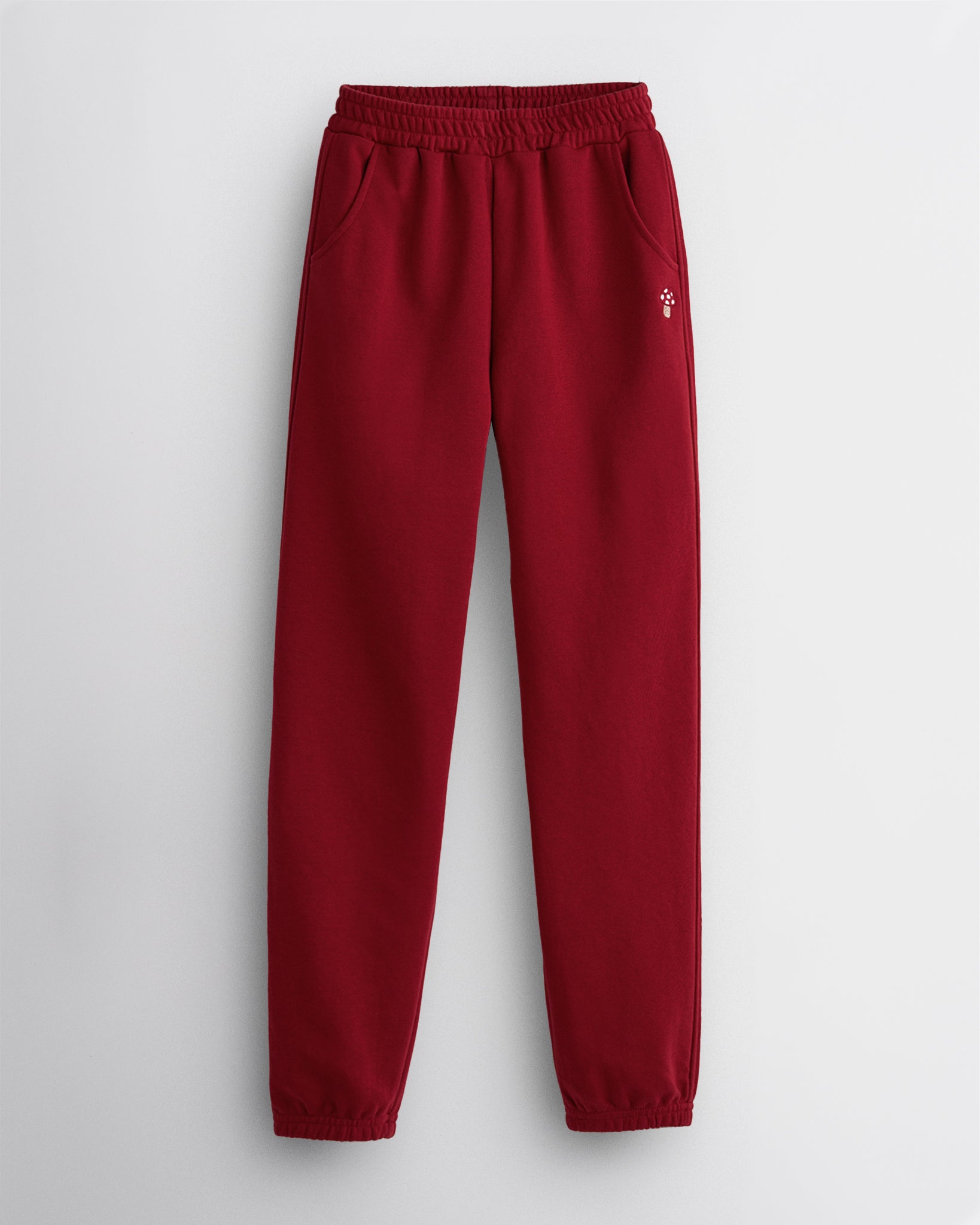
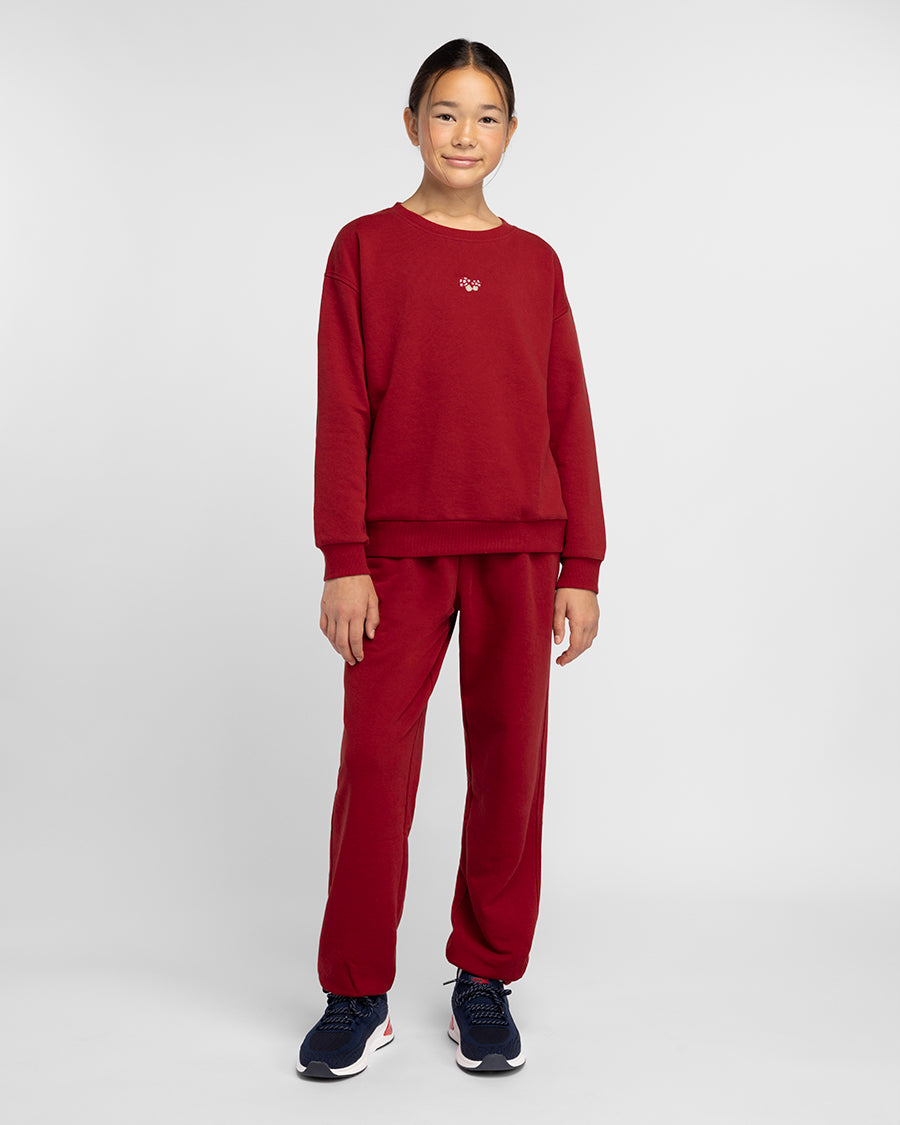
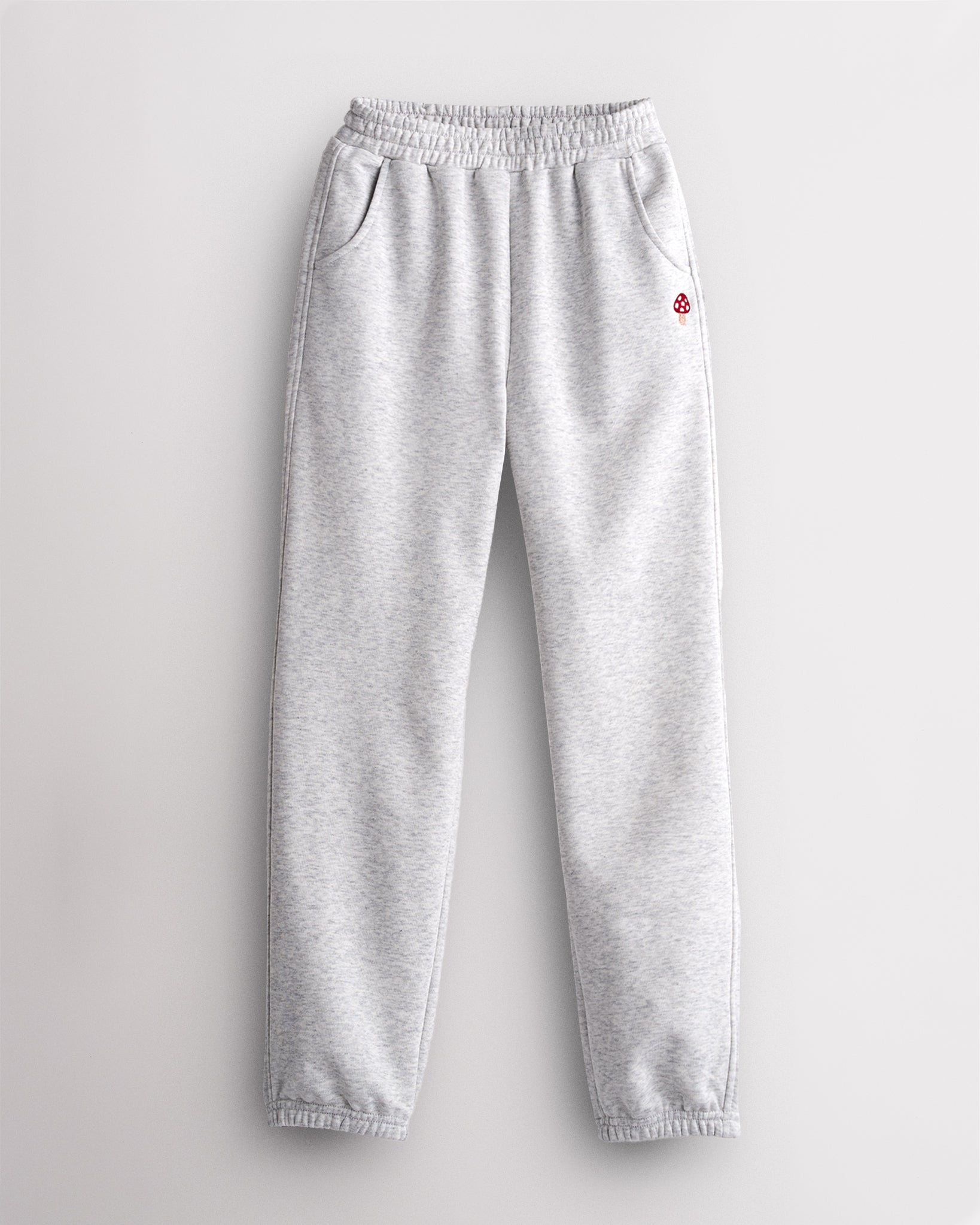
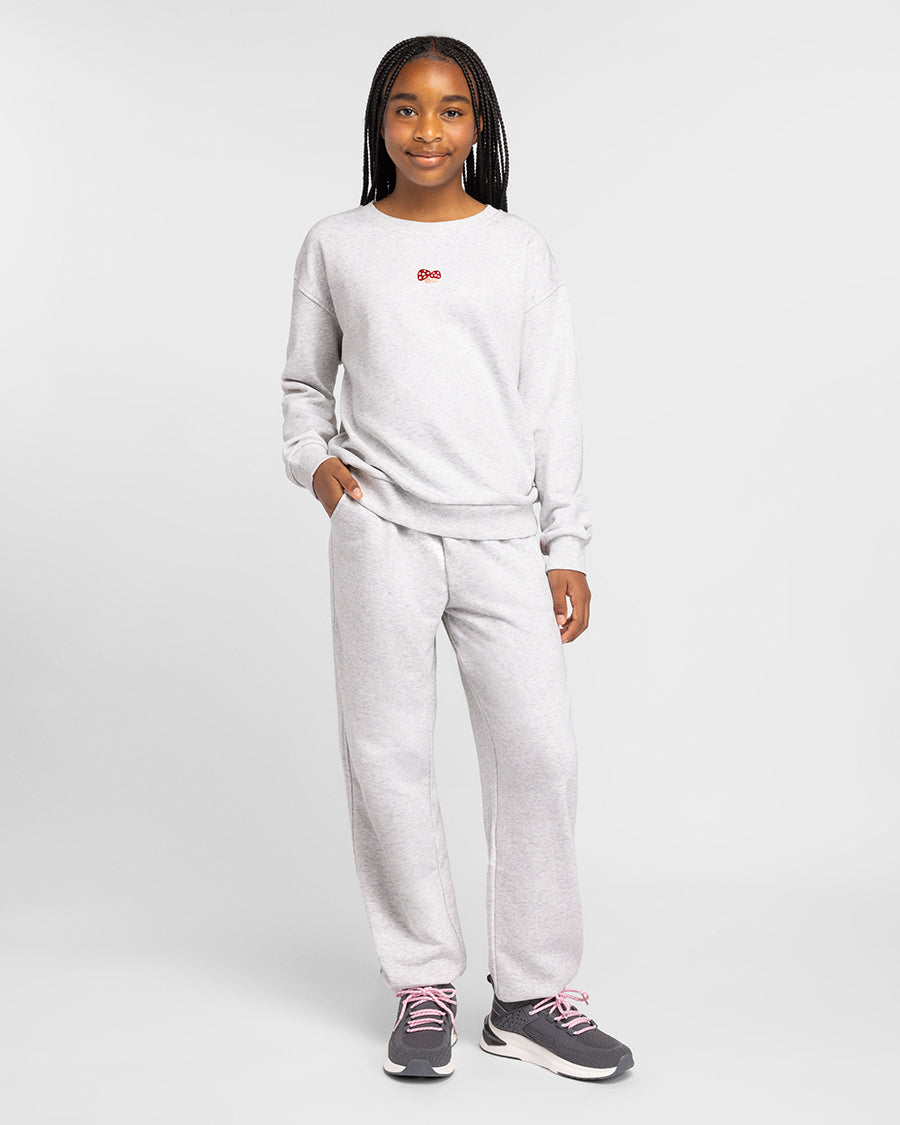
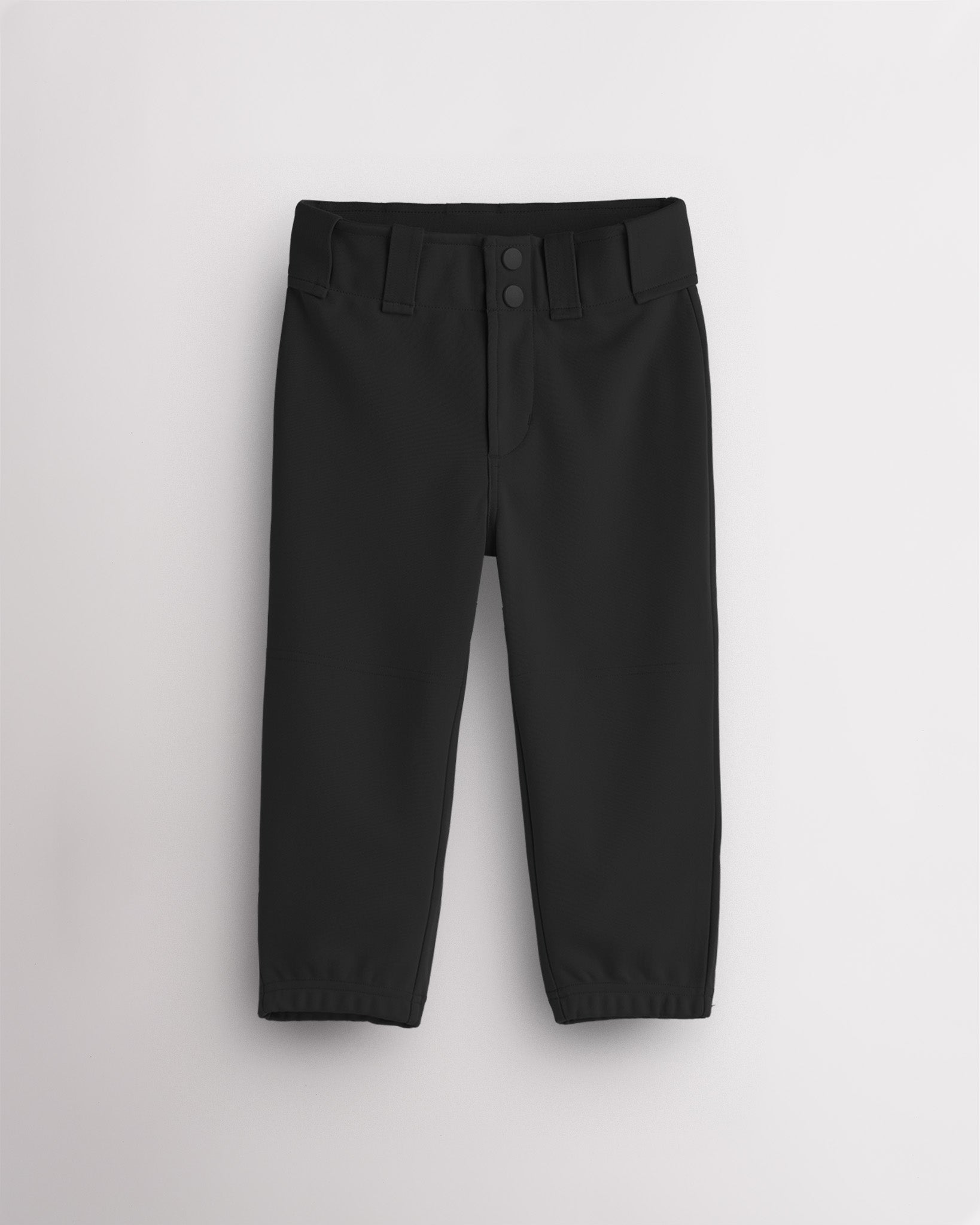
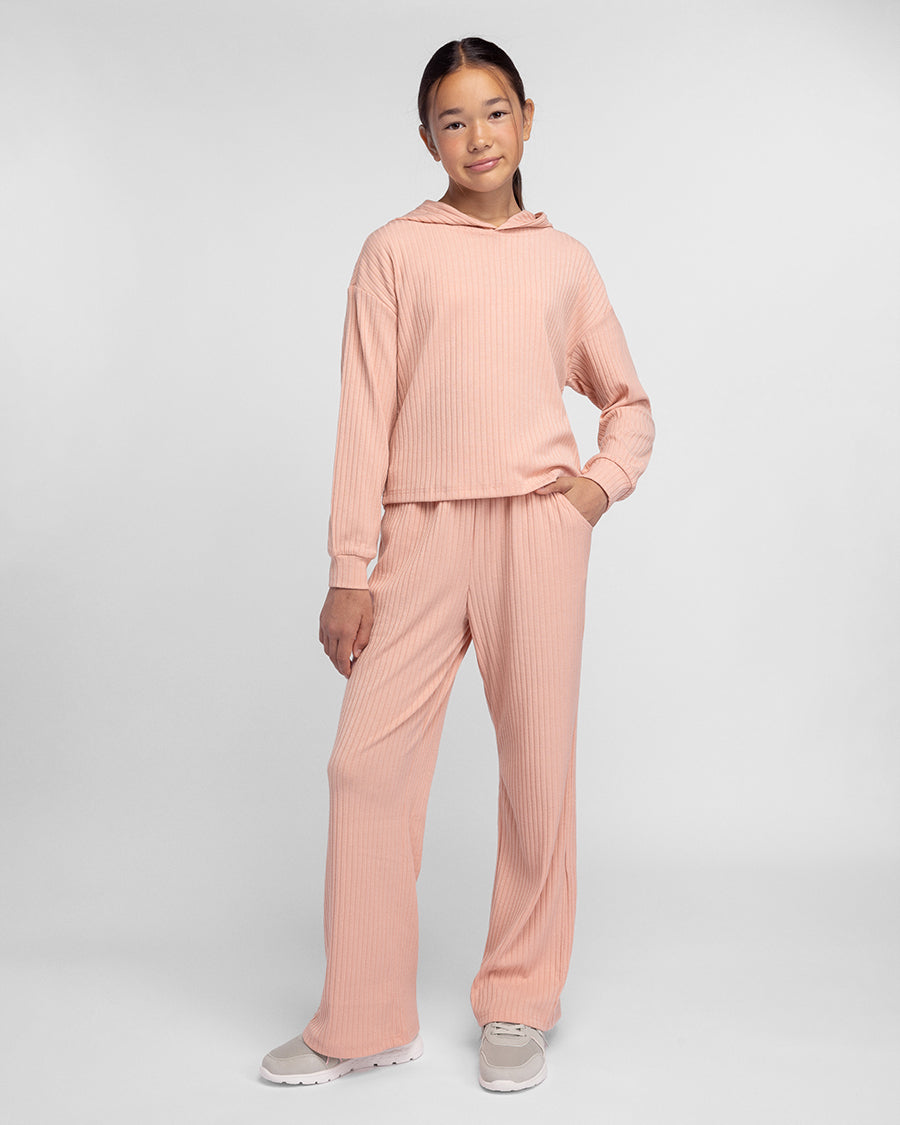
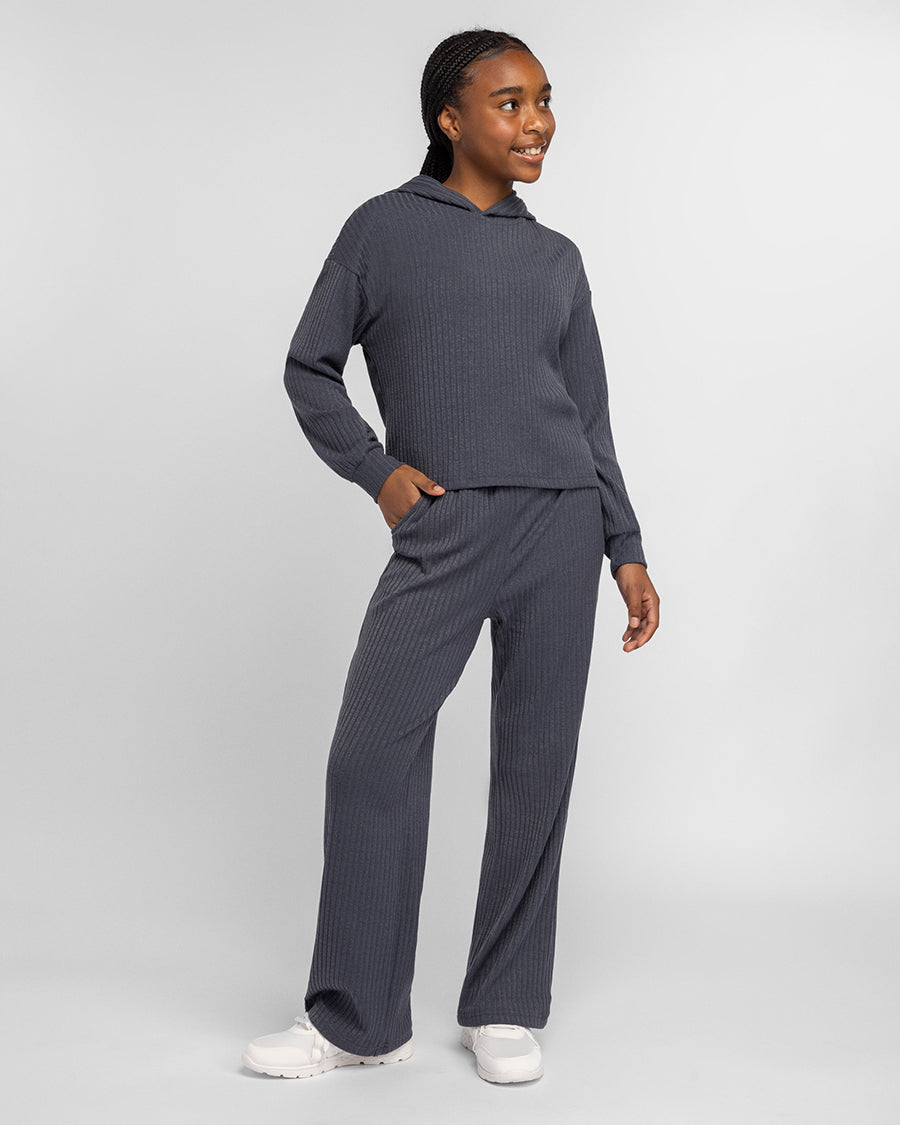
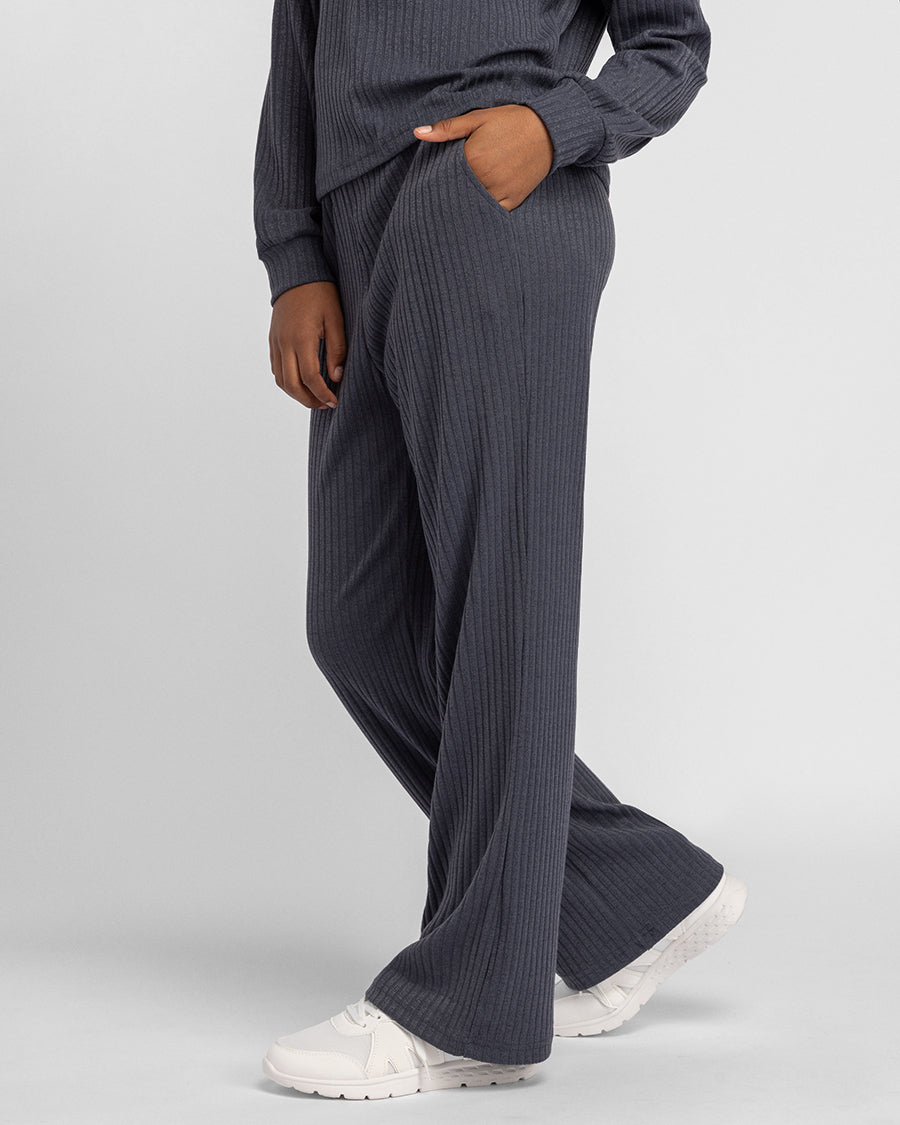
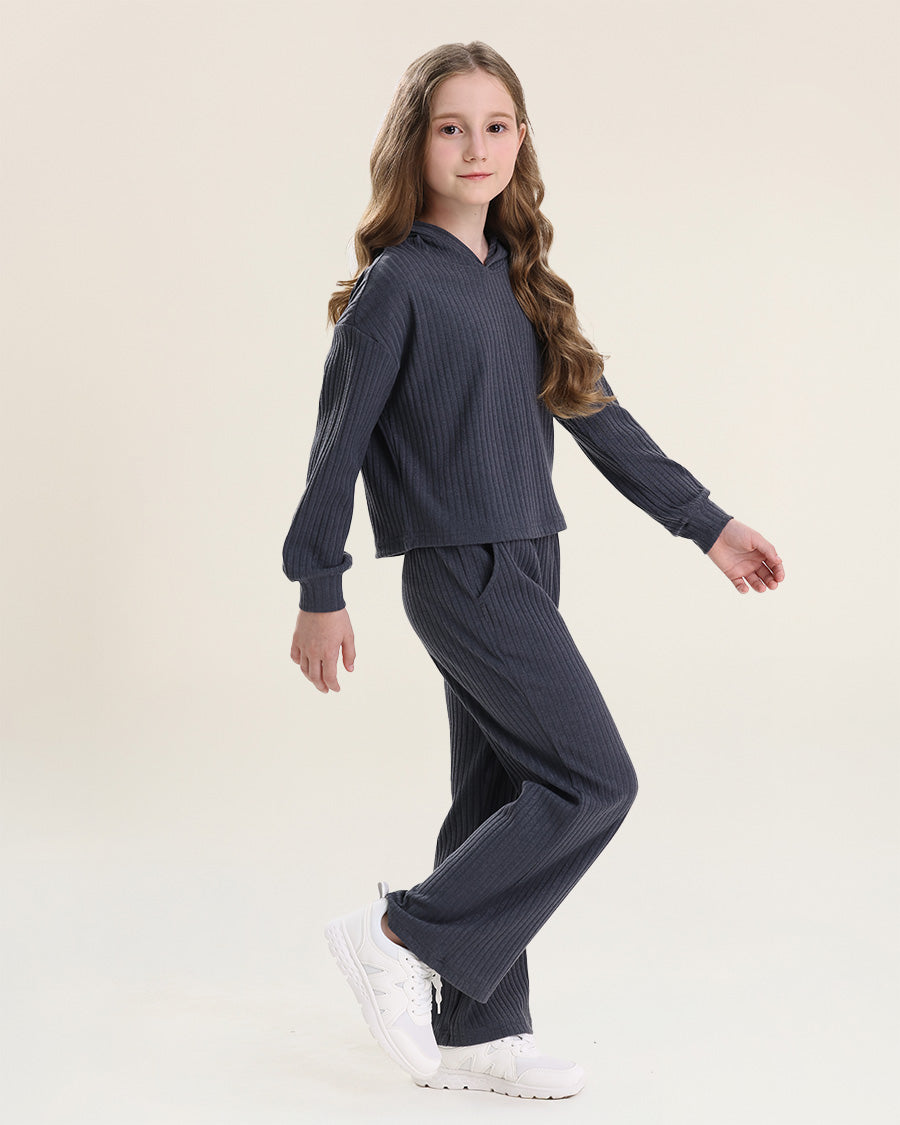
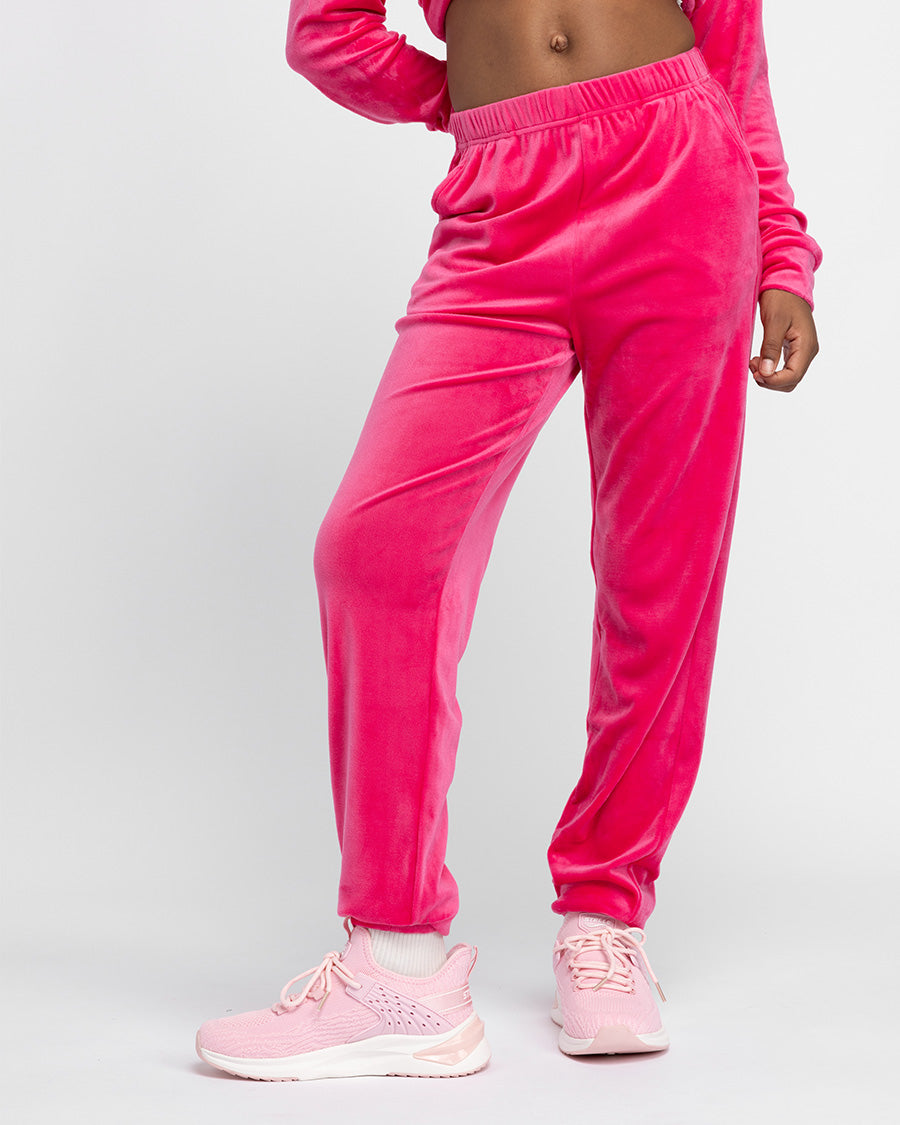
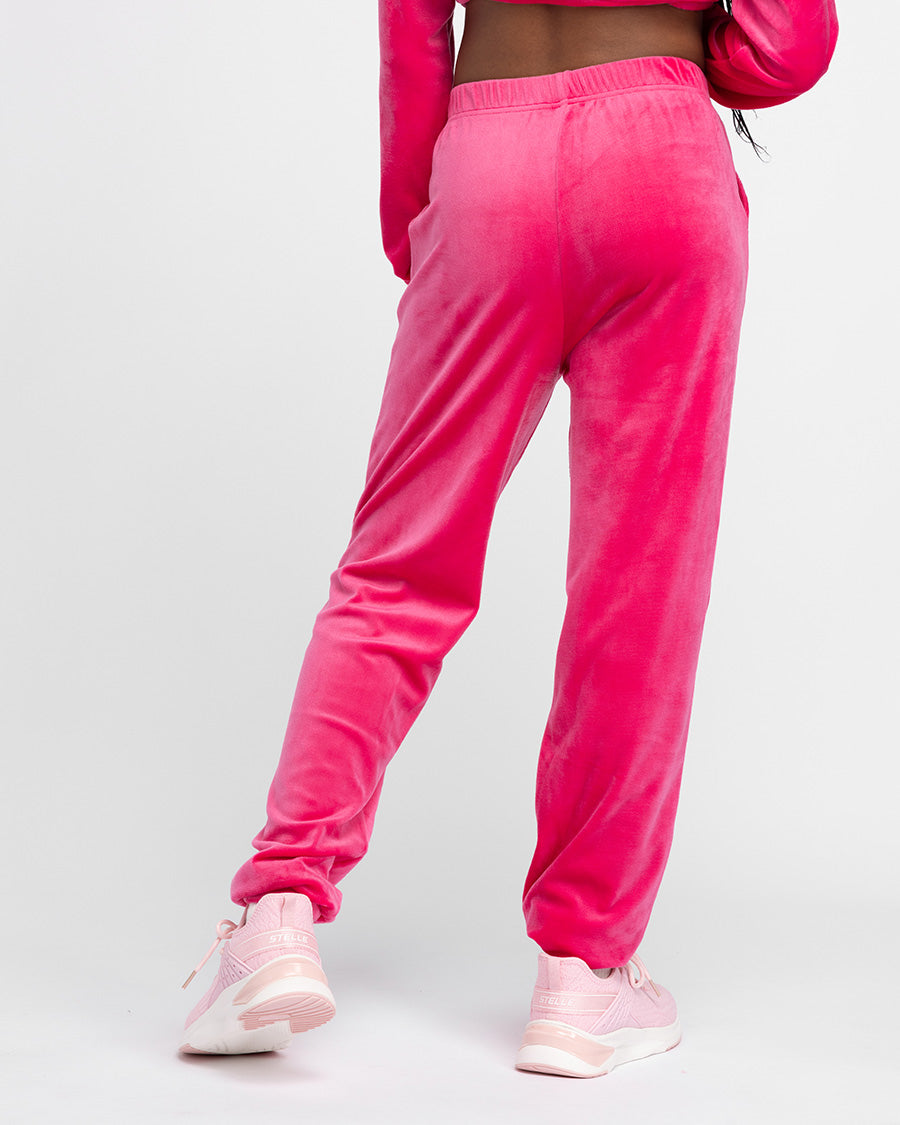
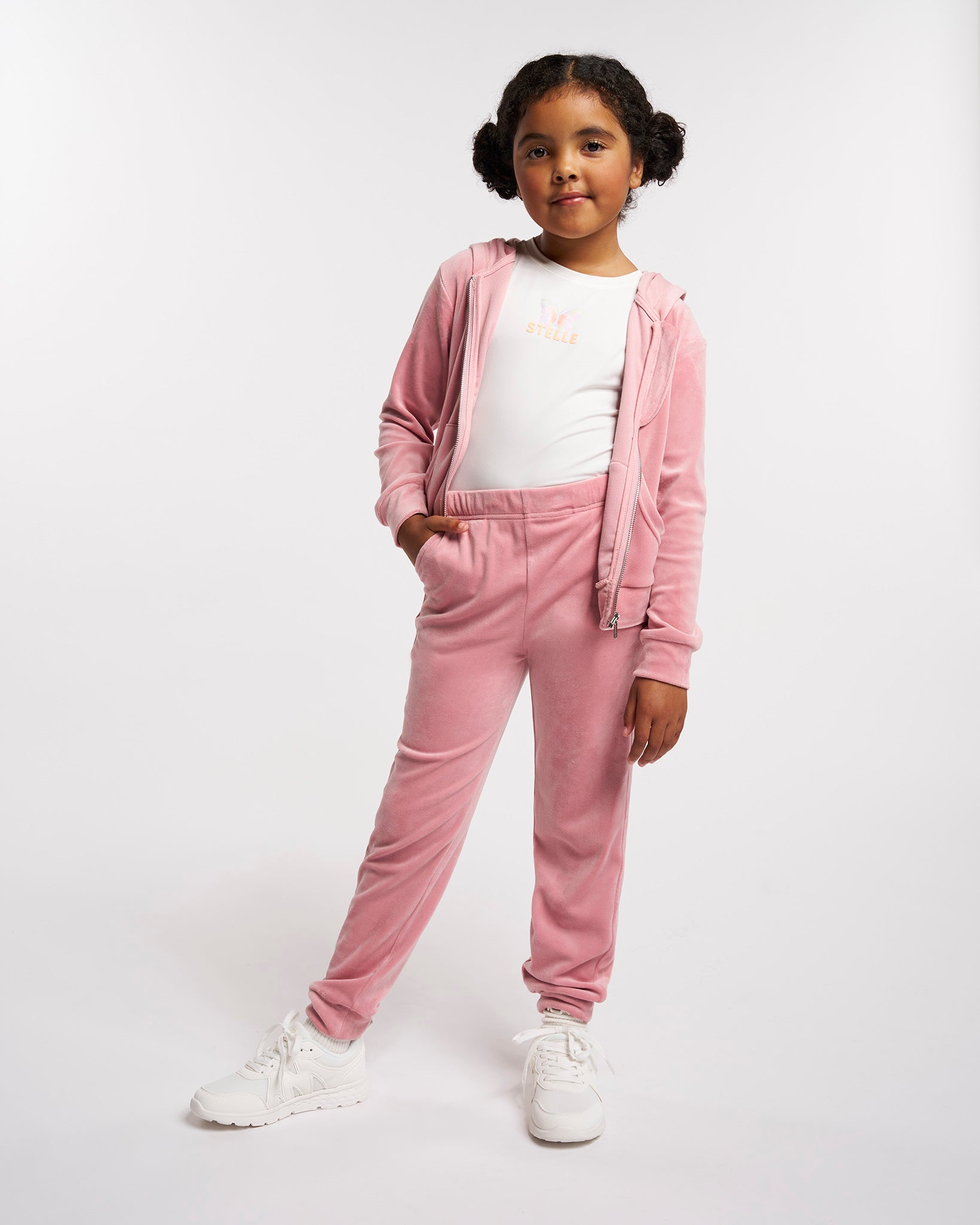
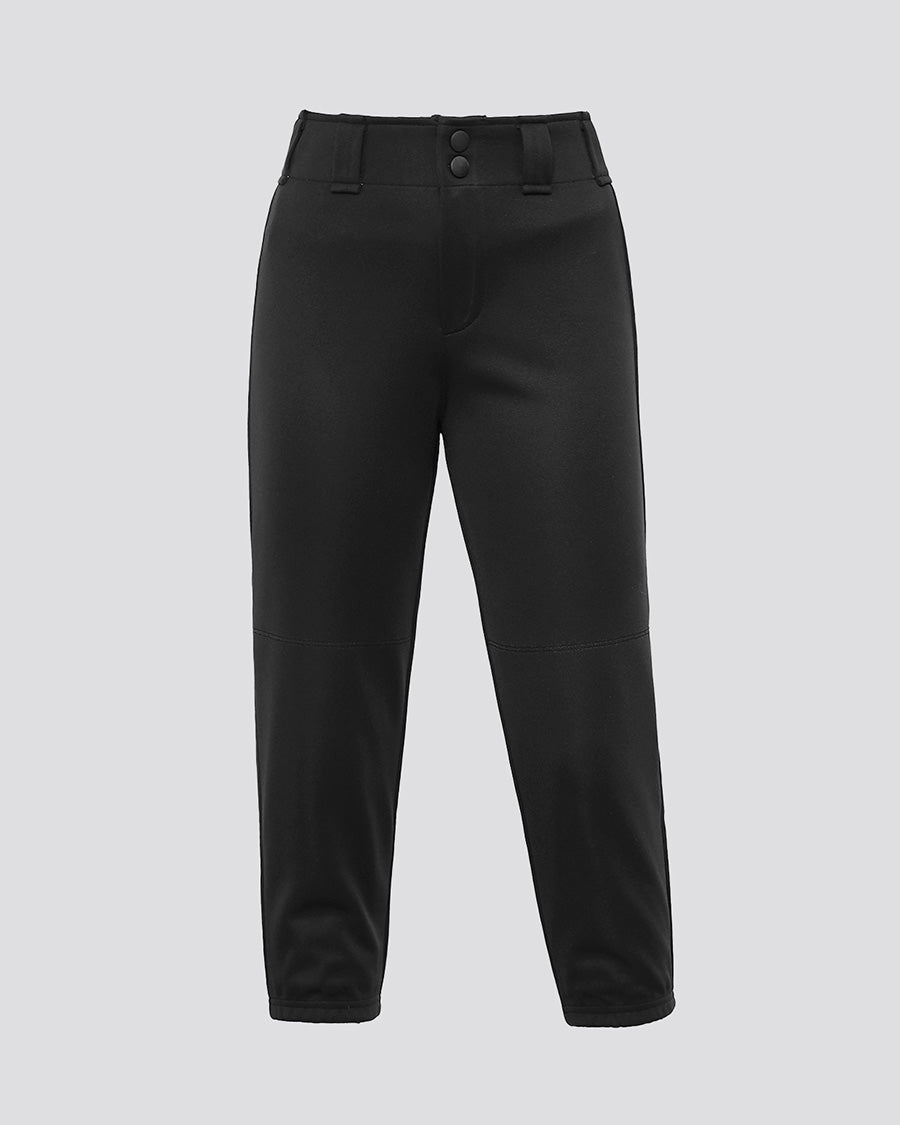
Warm-up pants (shops sometimes list them as warmup pants) are loose or knitted pants worn over tights on the way to class and while waiting around. Older dancers sometimes wear crinkly nylon versions, nicknamed trash bag pants, to trap heat fast; kids don't really need those. Warm-up booties are soft padded slippers worn over ballet shoes between classes. Both matter more for long rehearsal days and competition weekends than for one weekly class, so treat them as nice-to-haves.
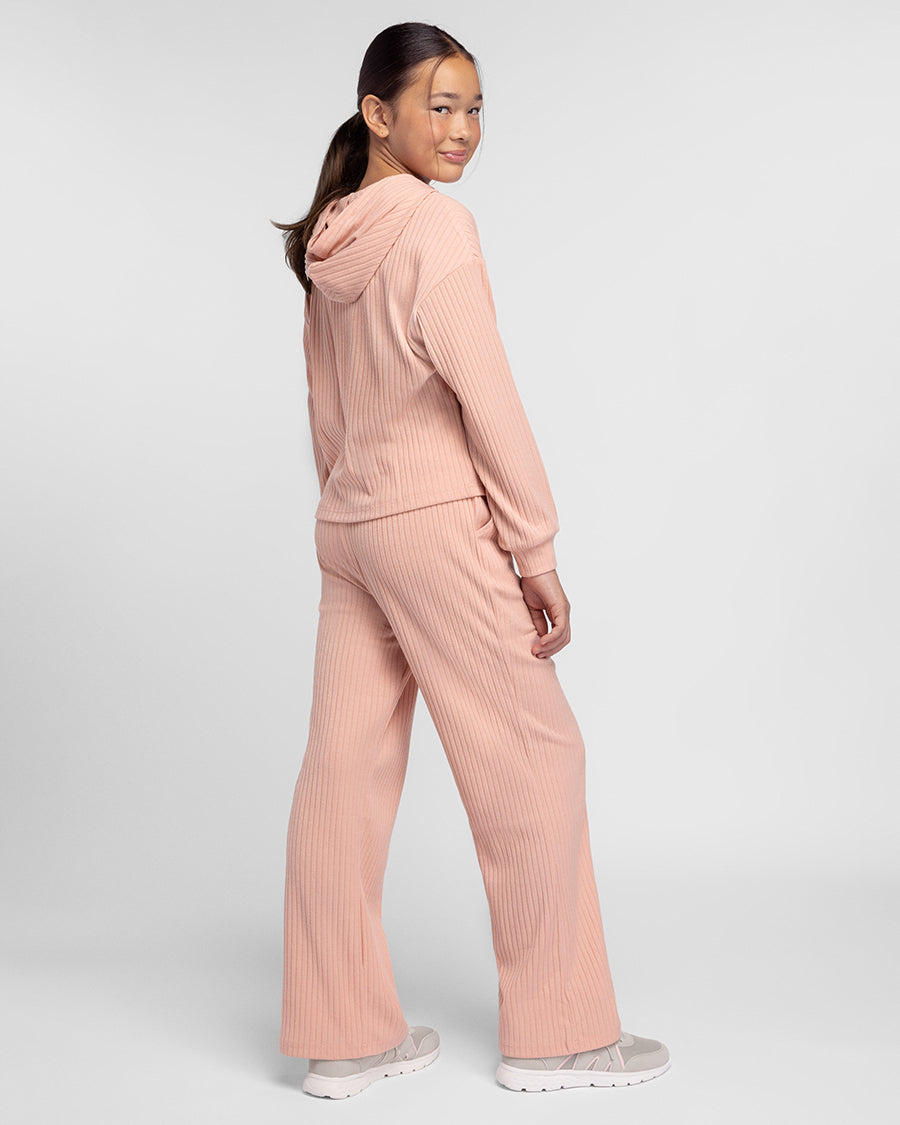
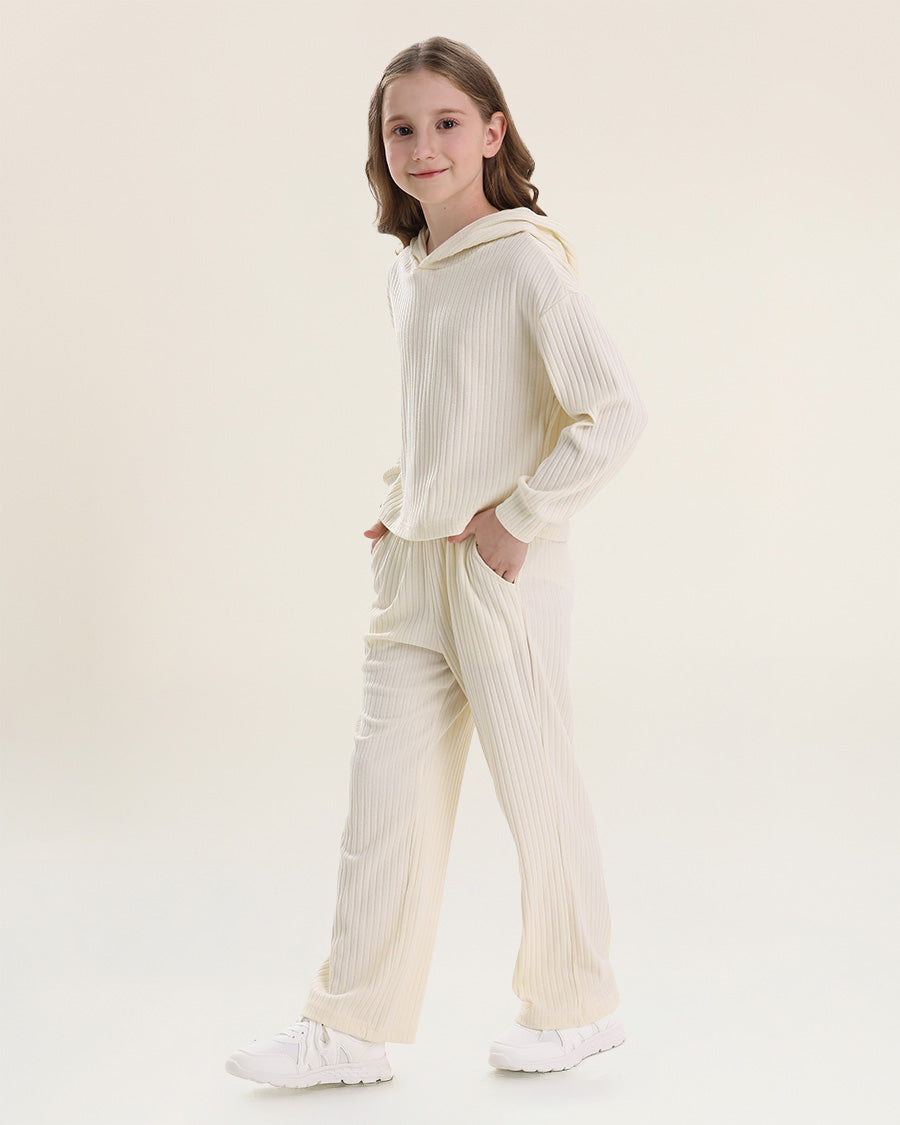
Dance Jackets
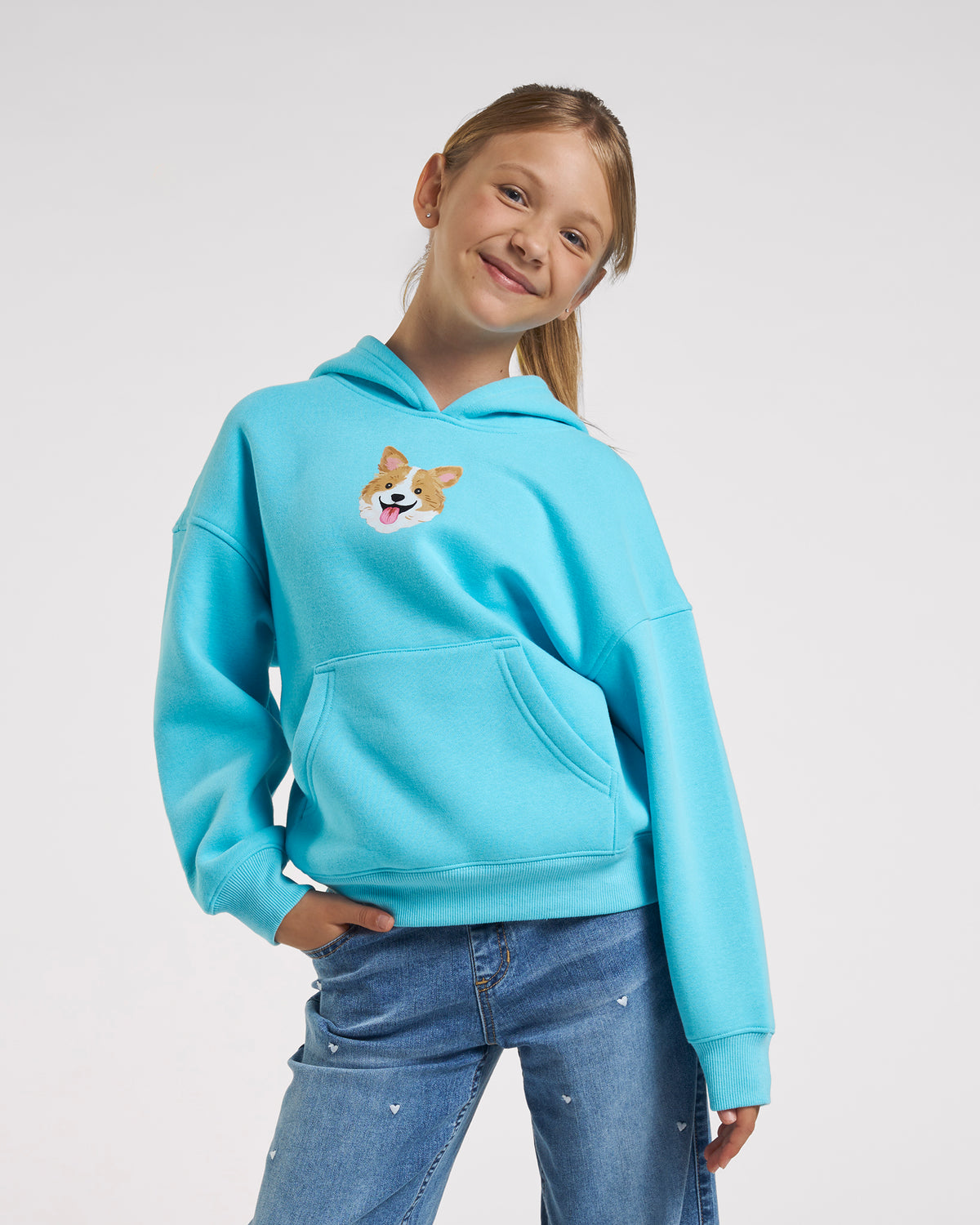
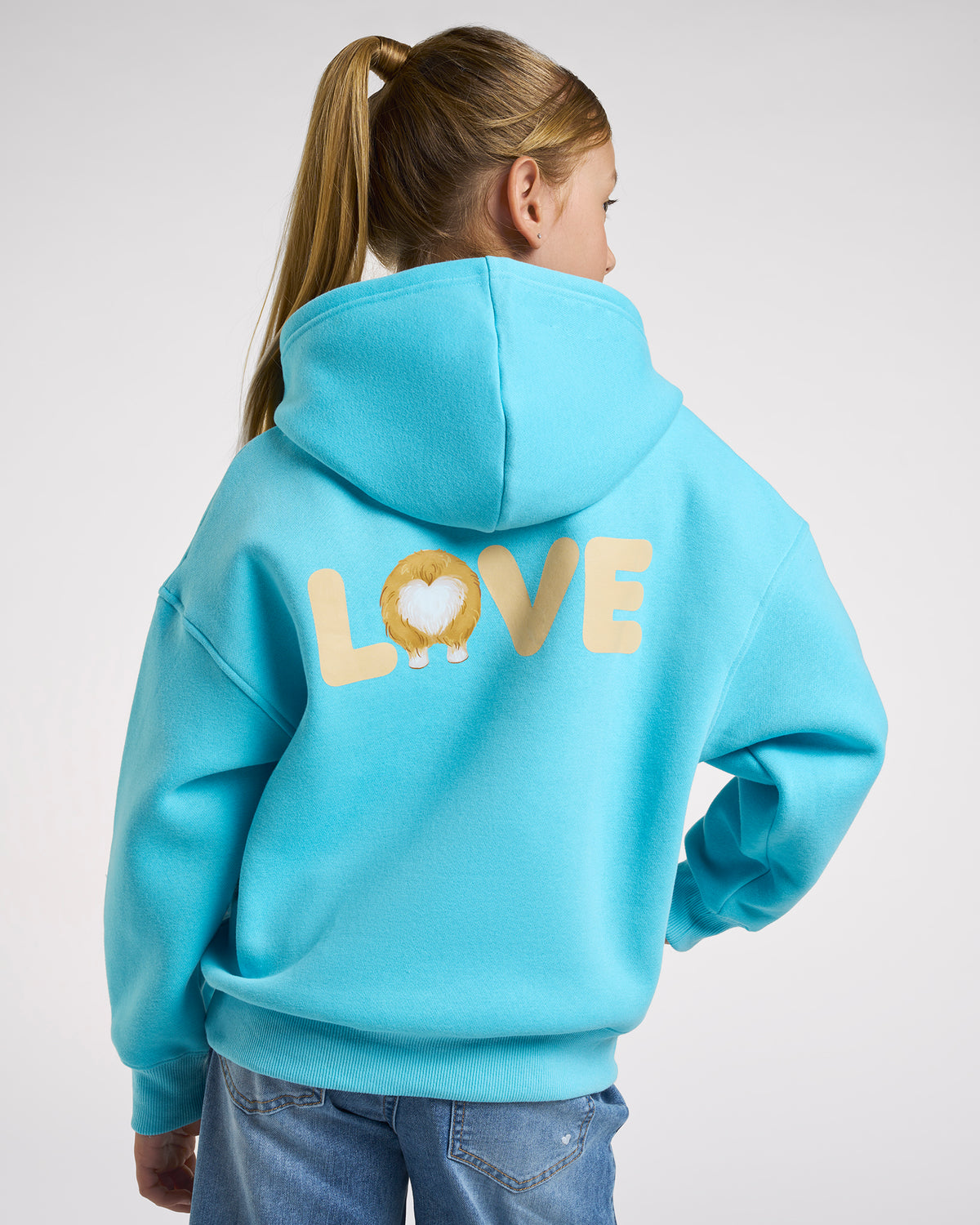
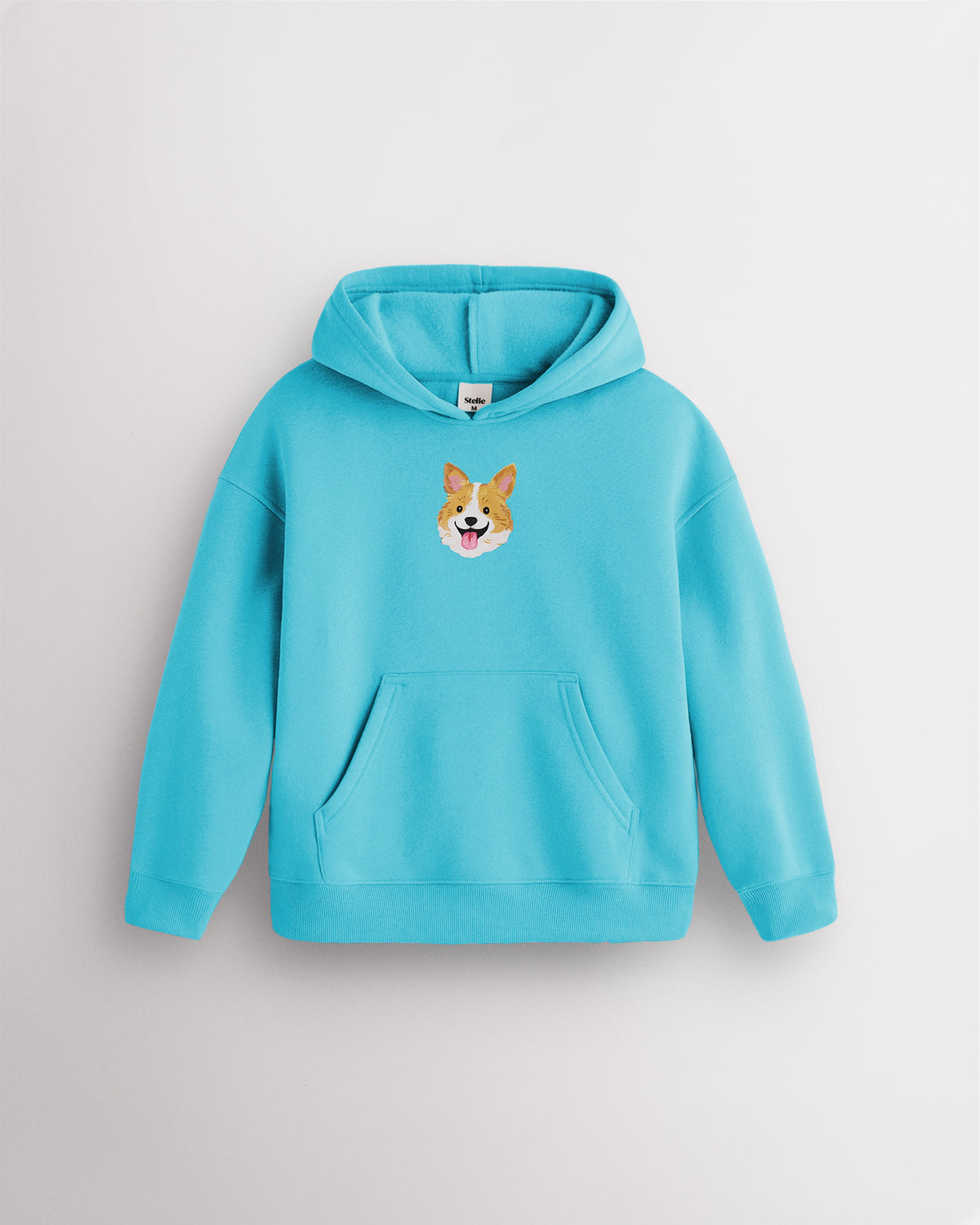
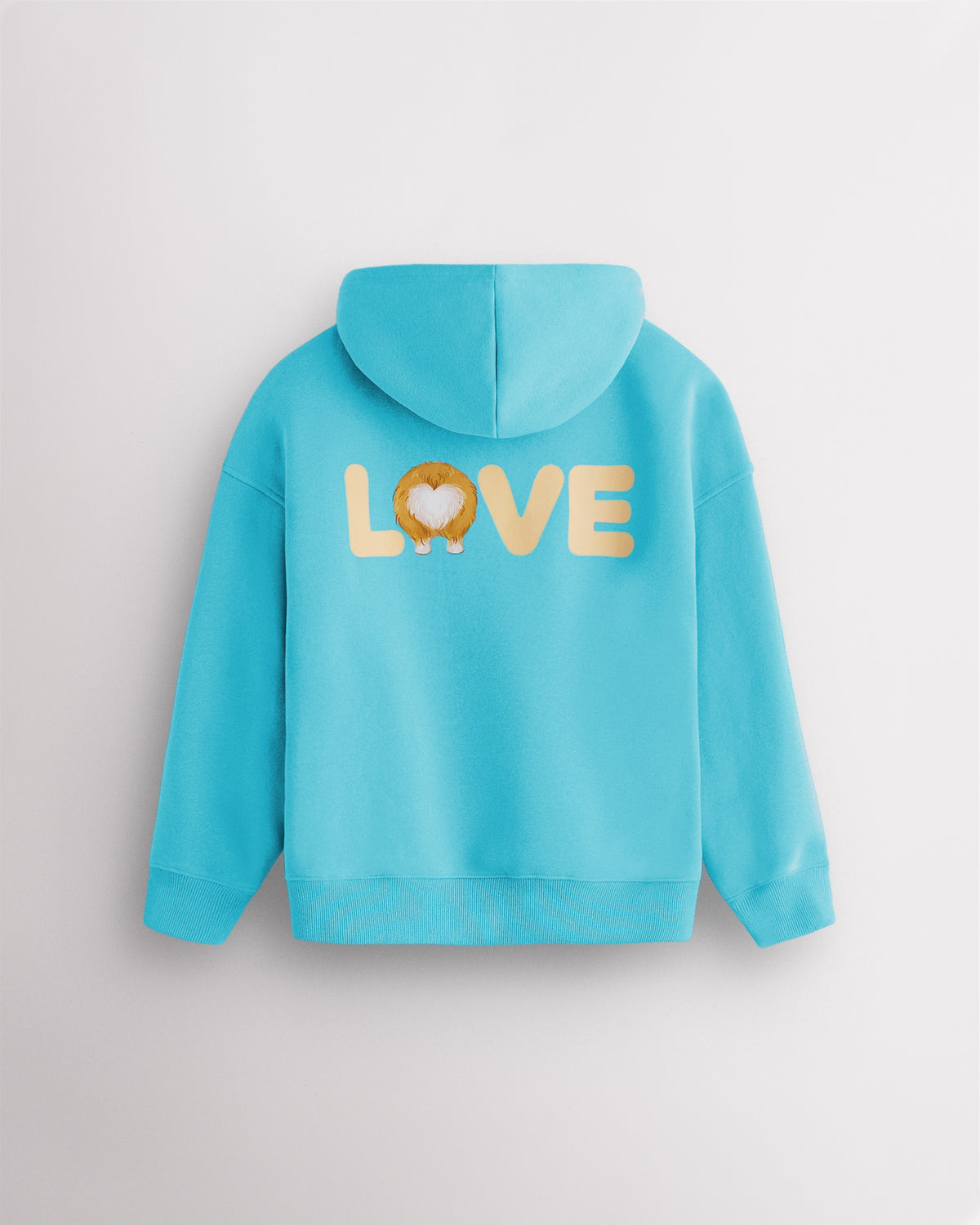
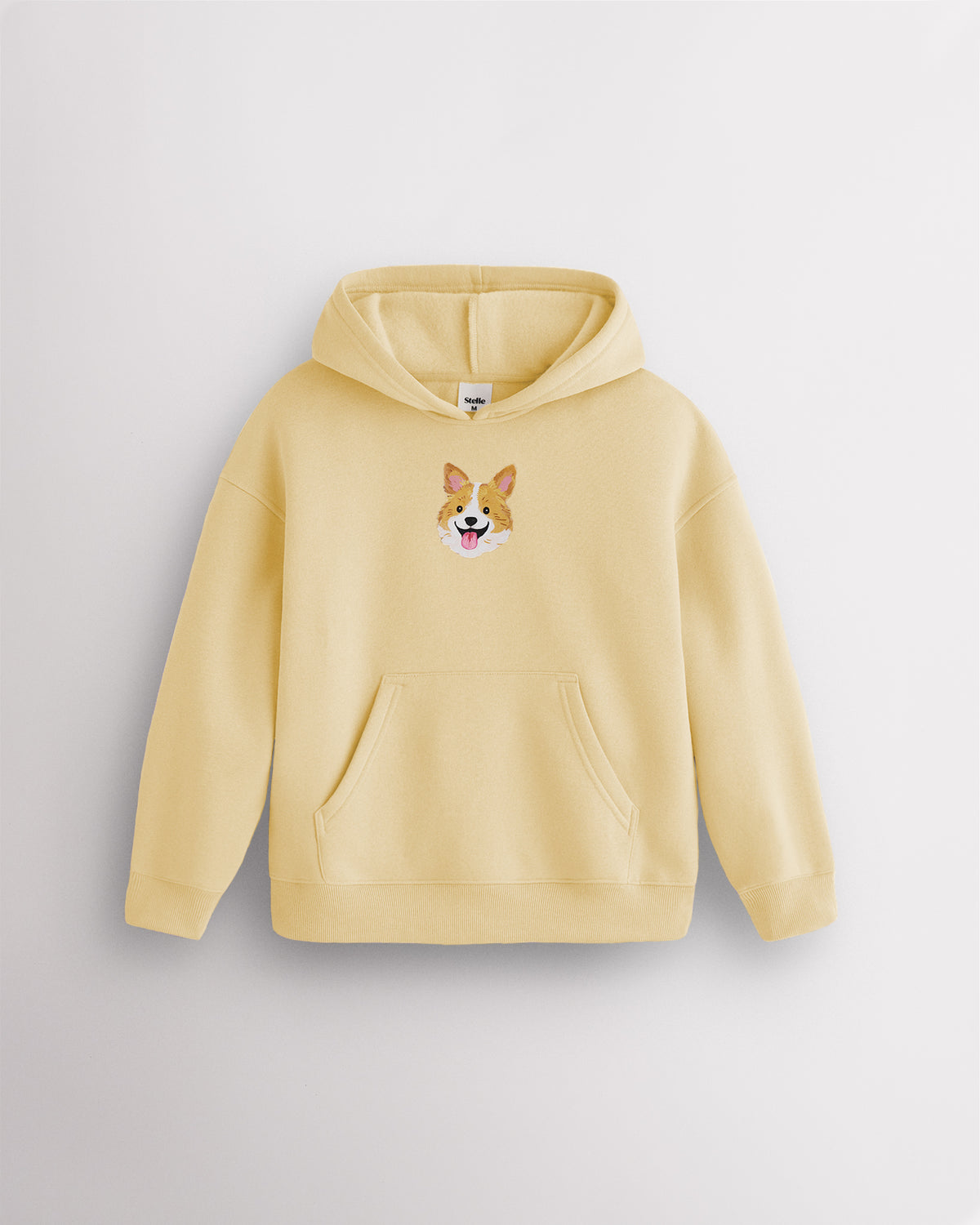
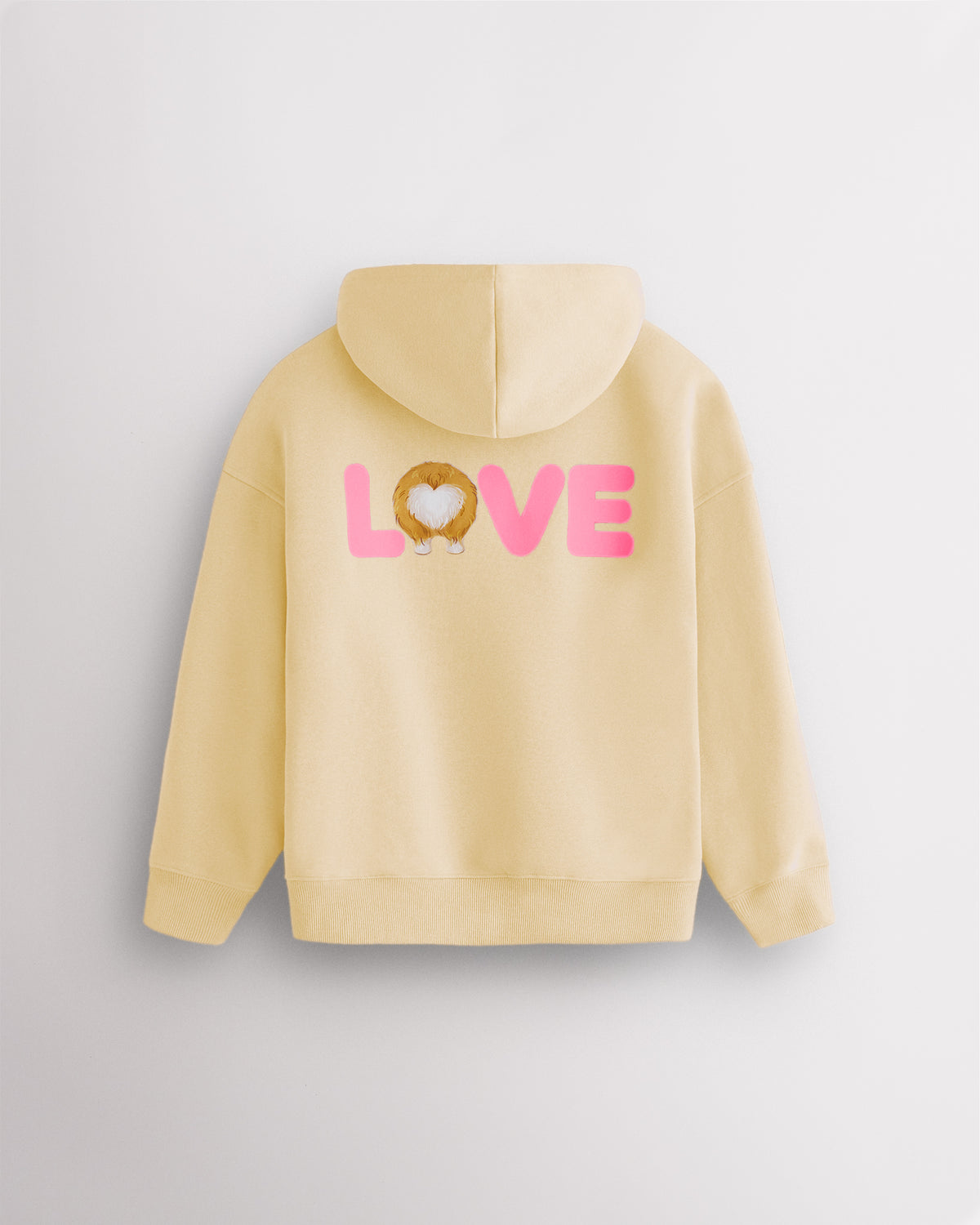
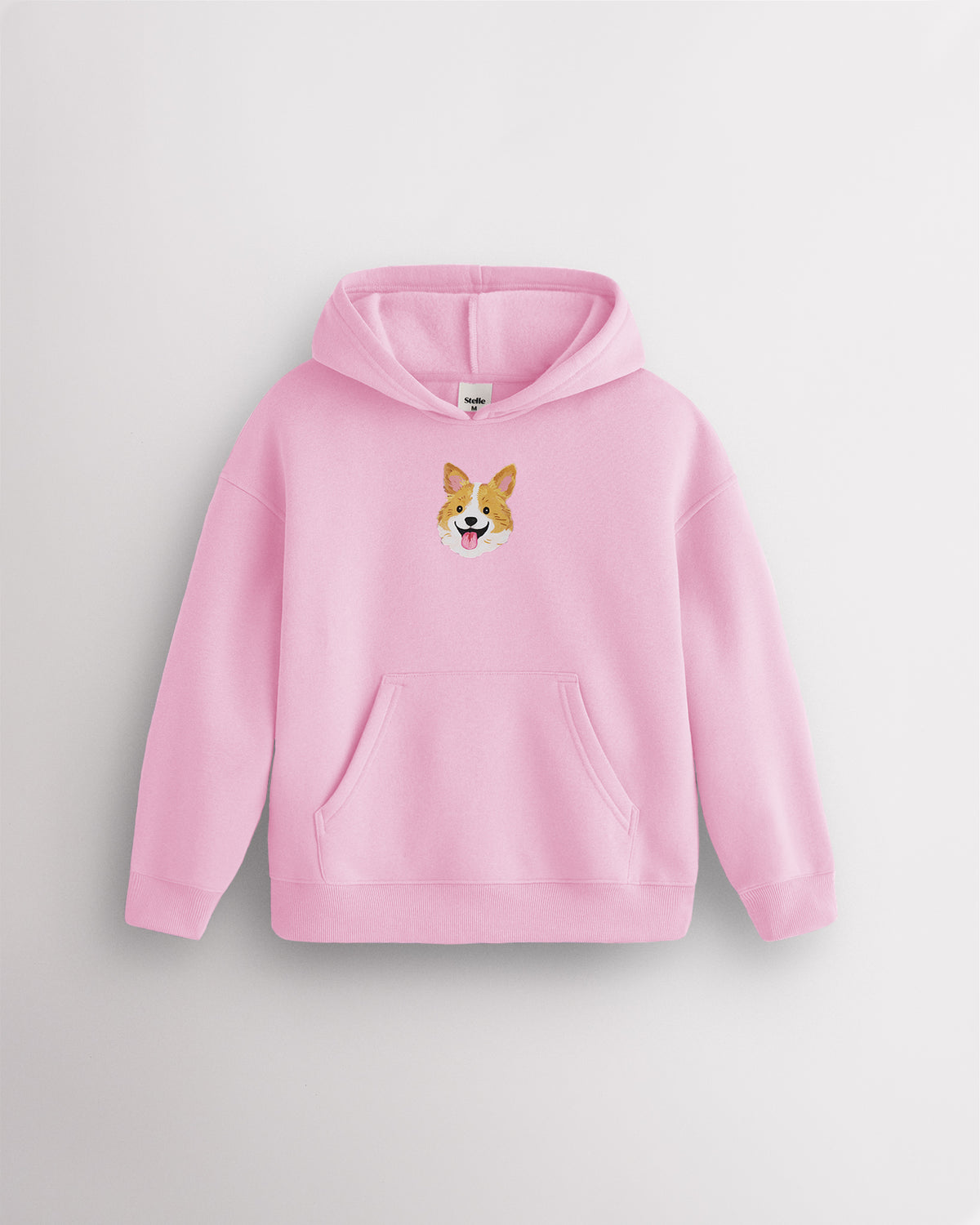
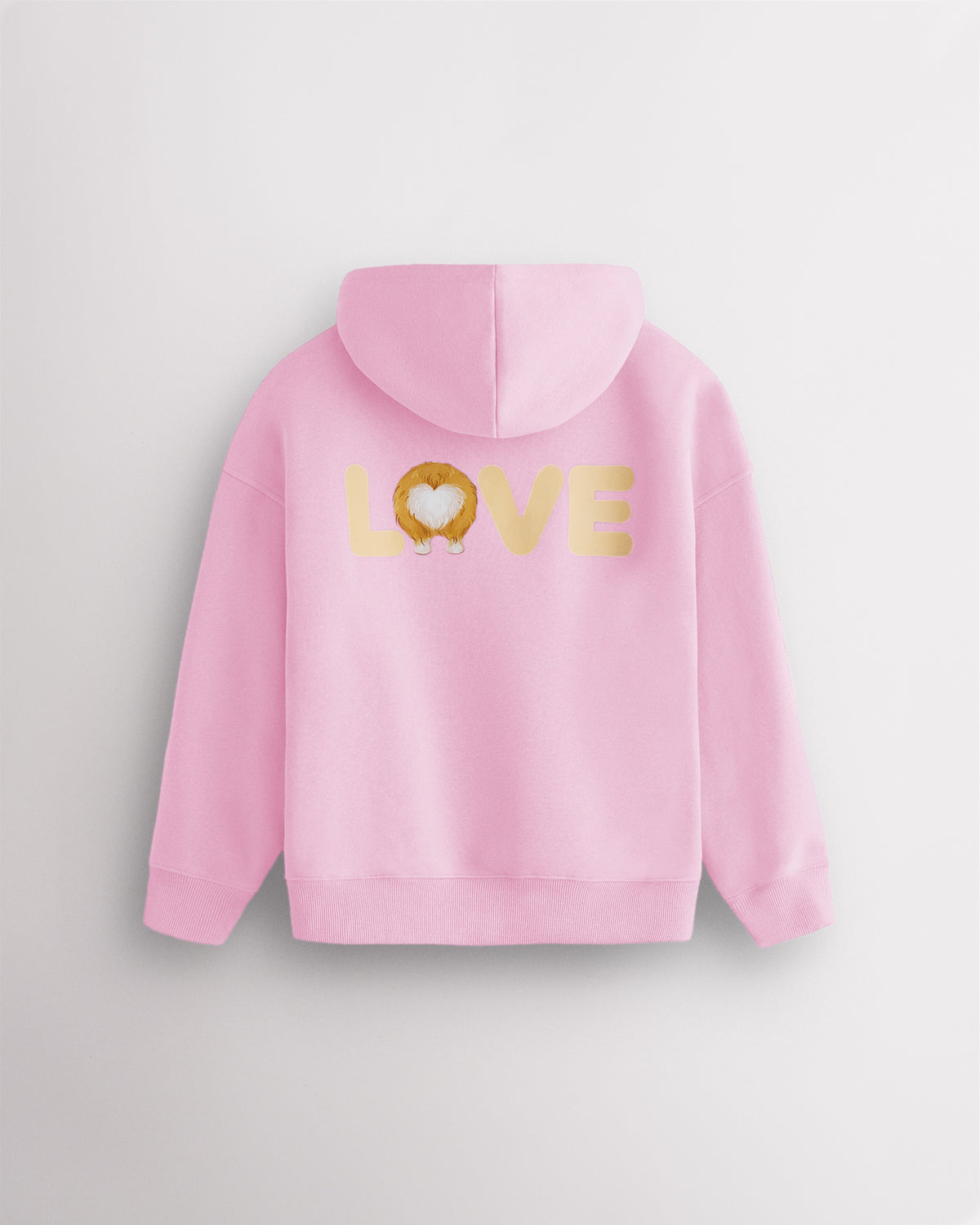
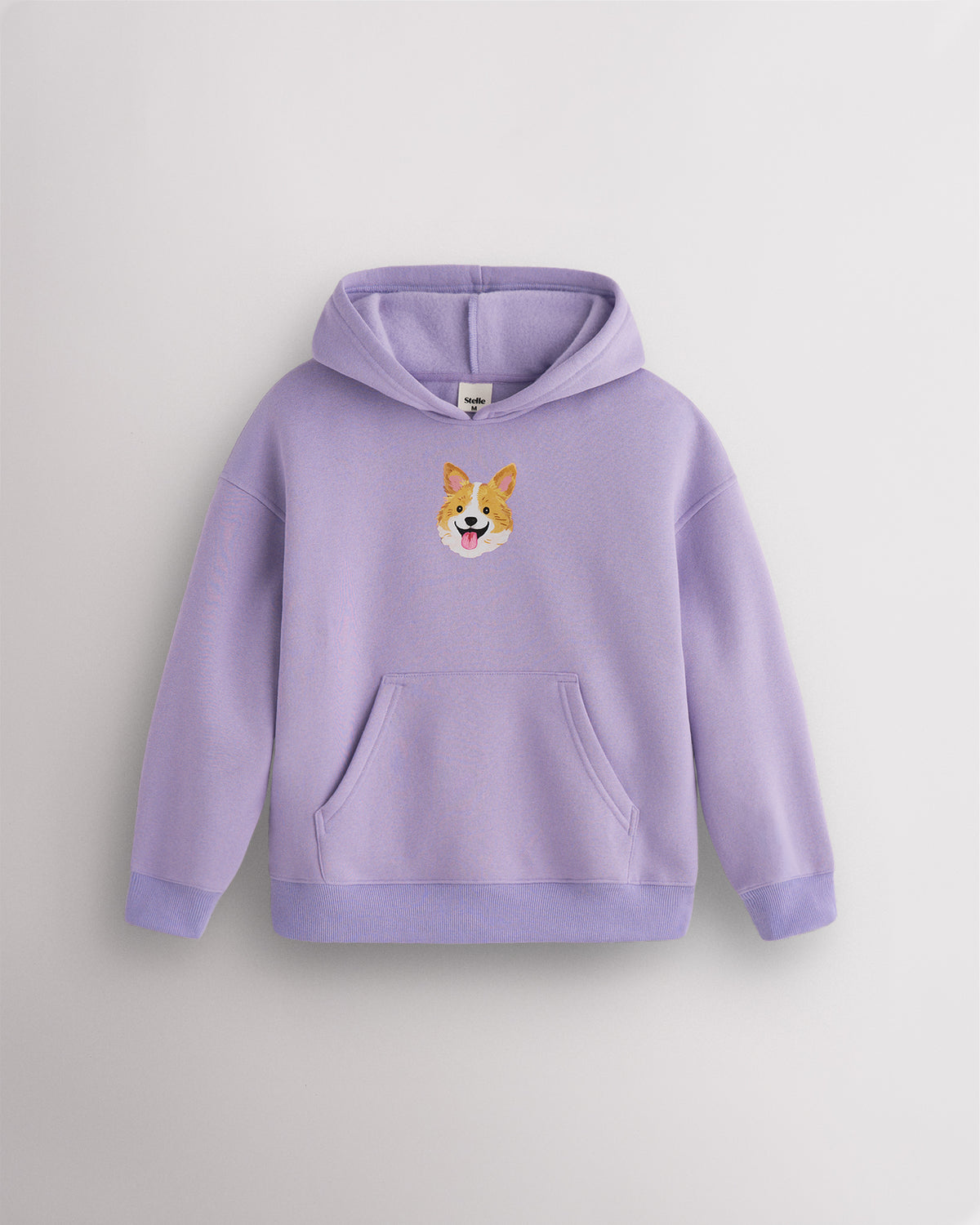
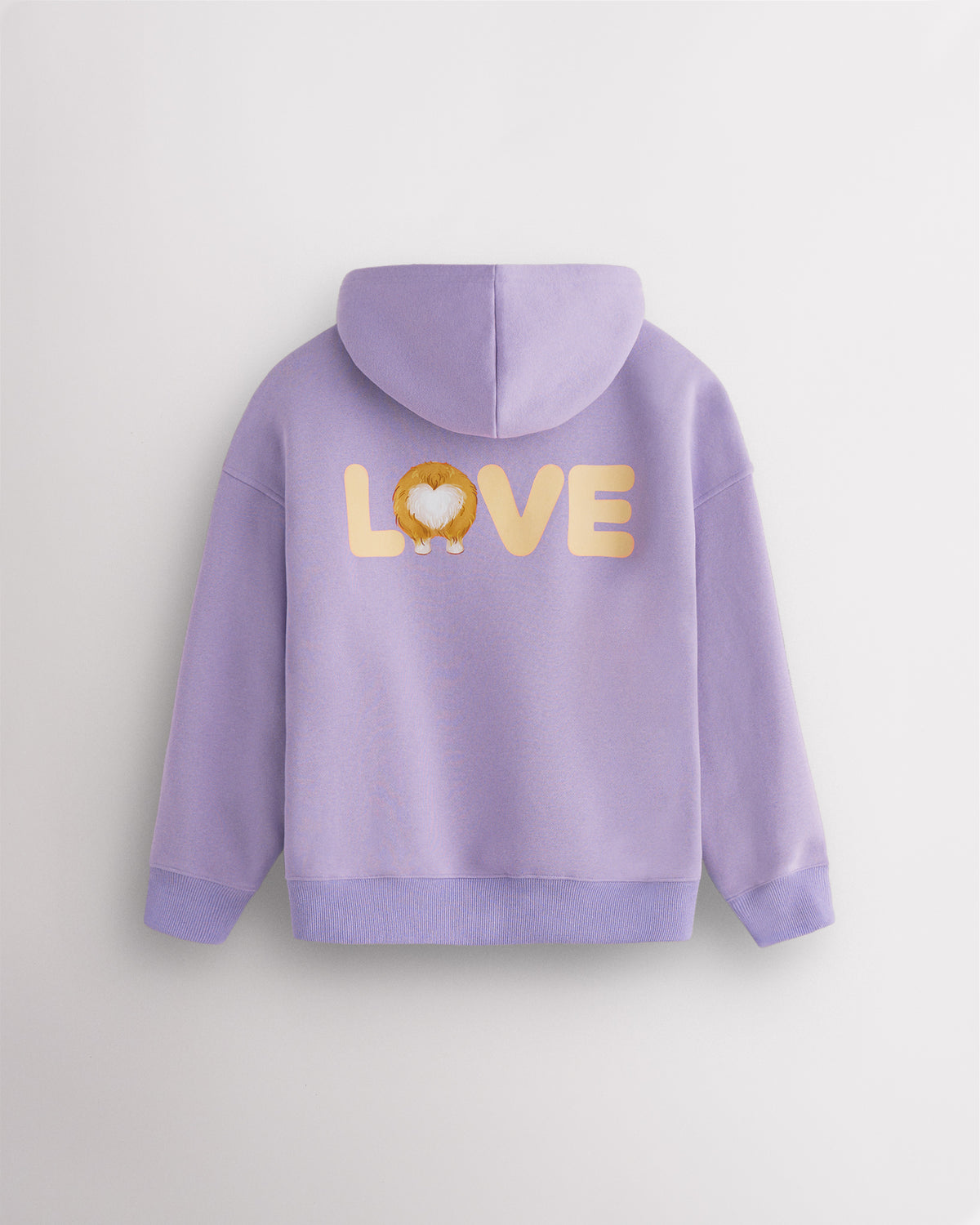
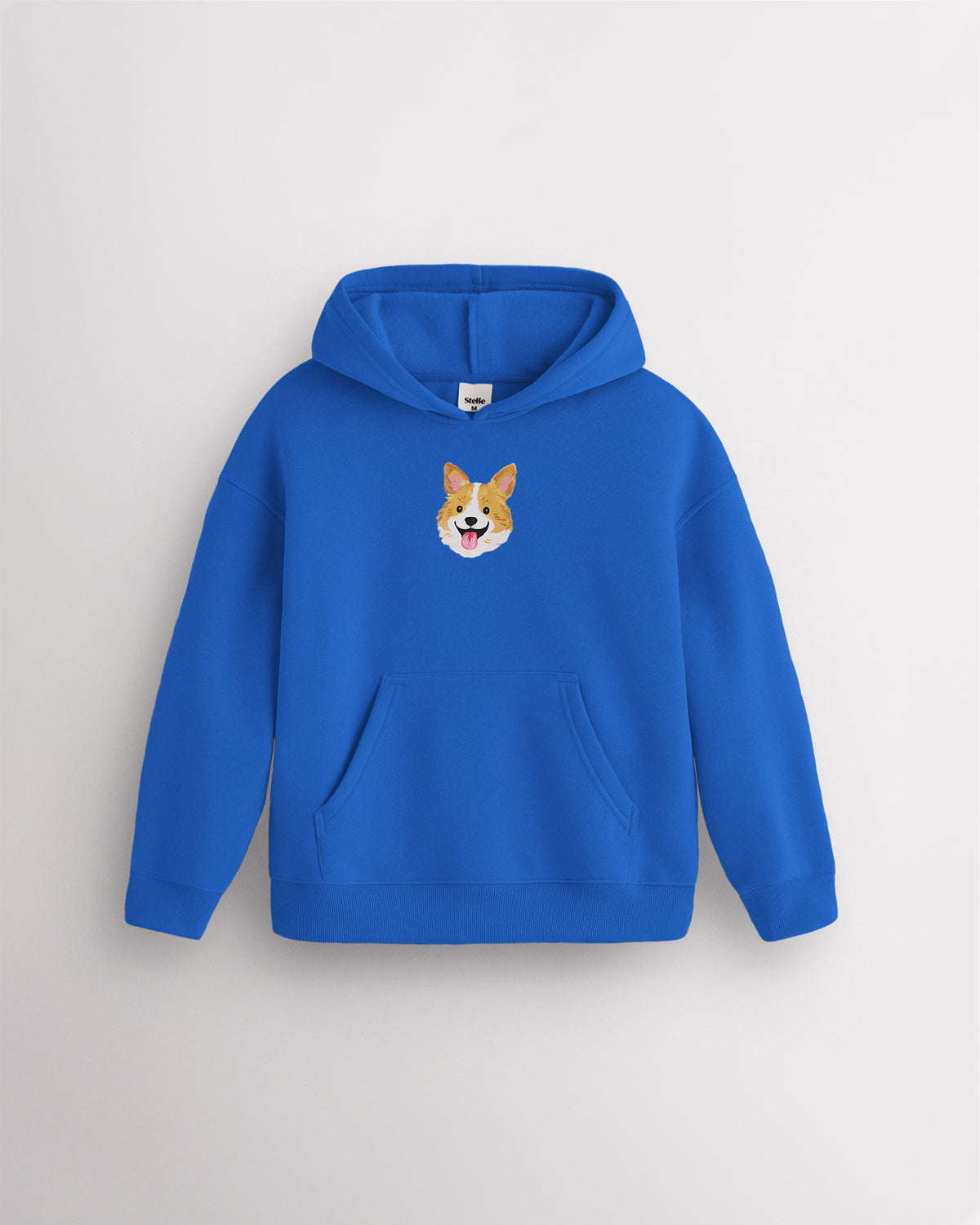
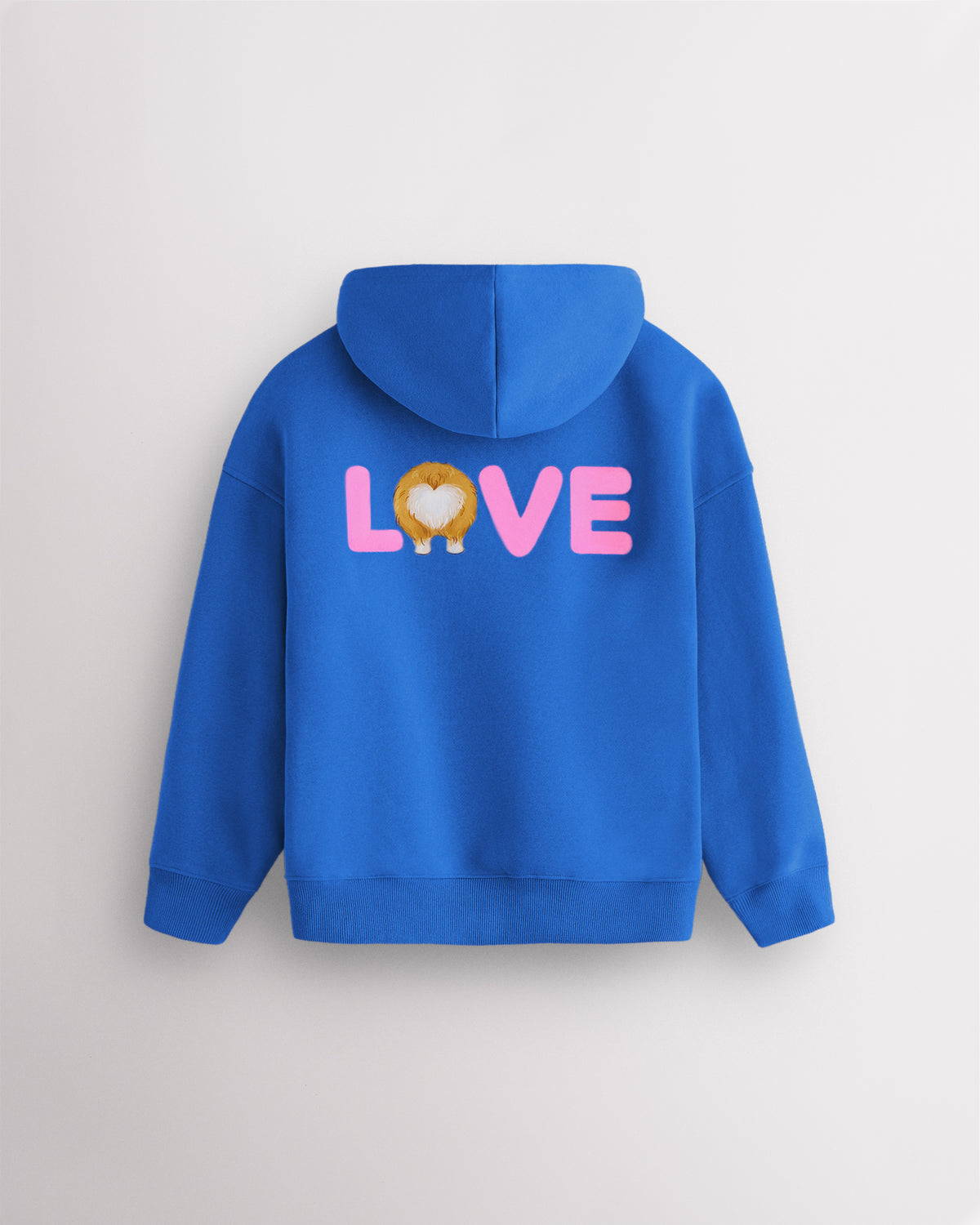
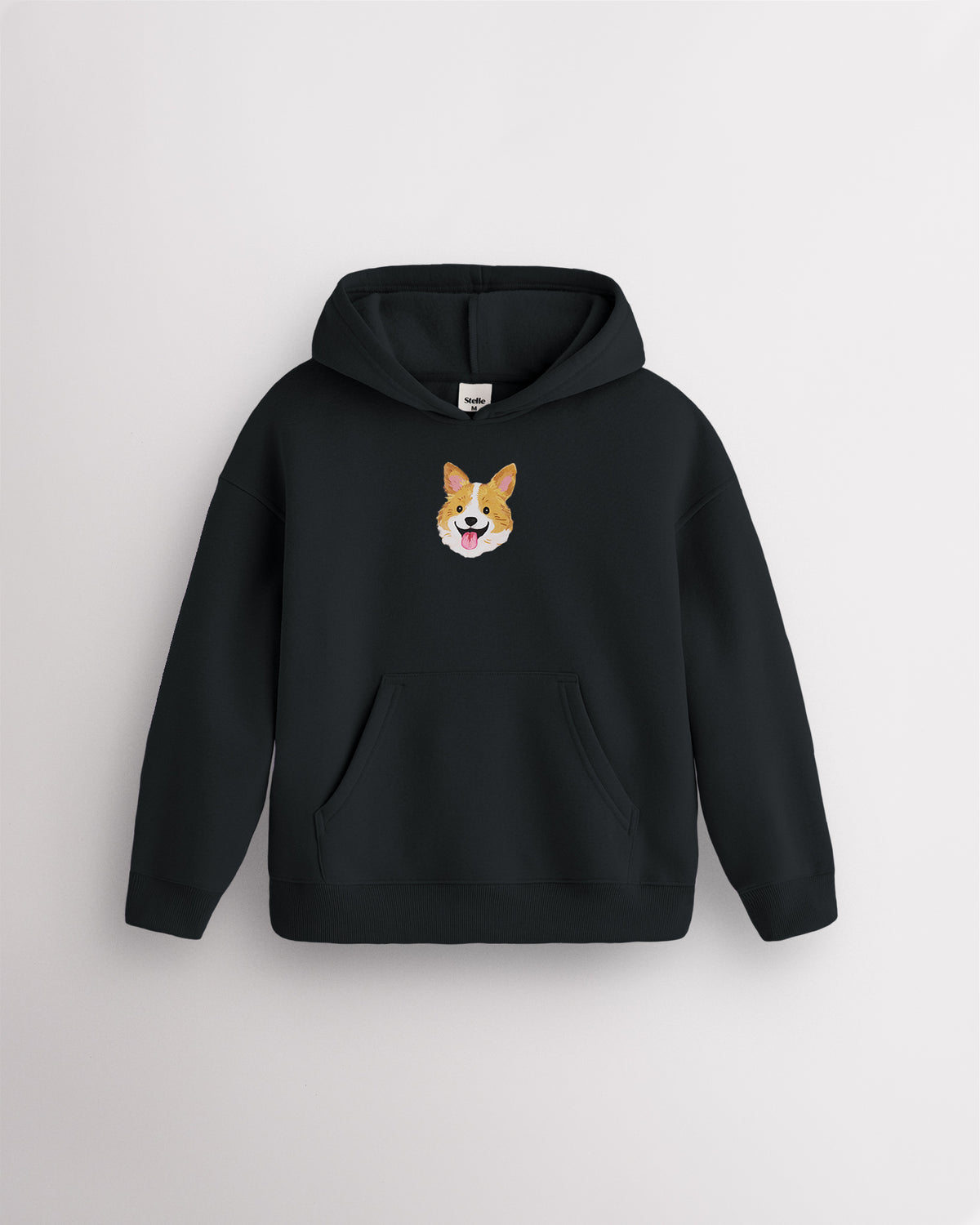
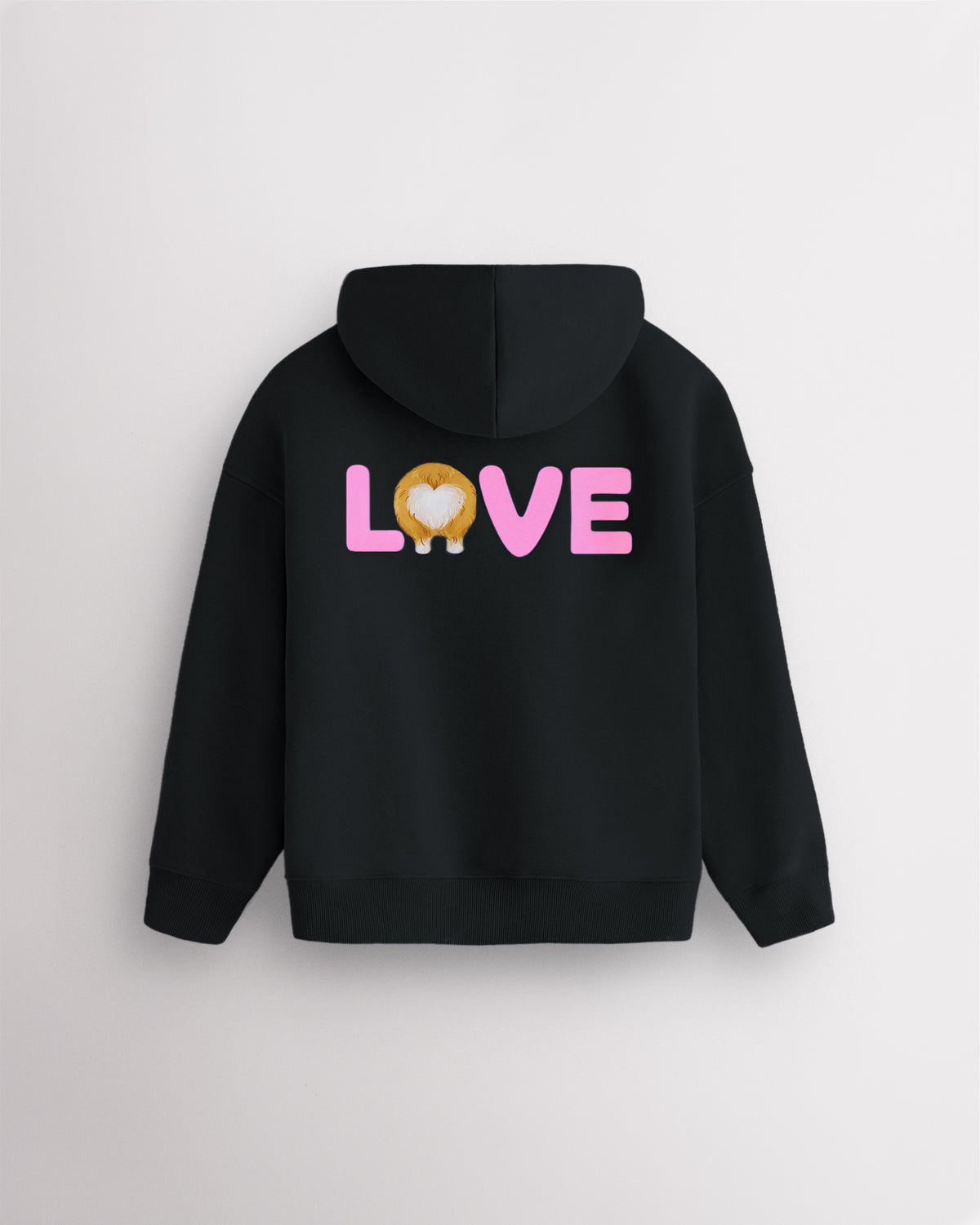
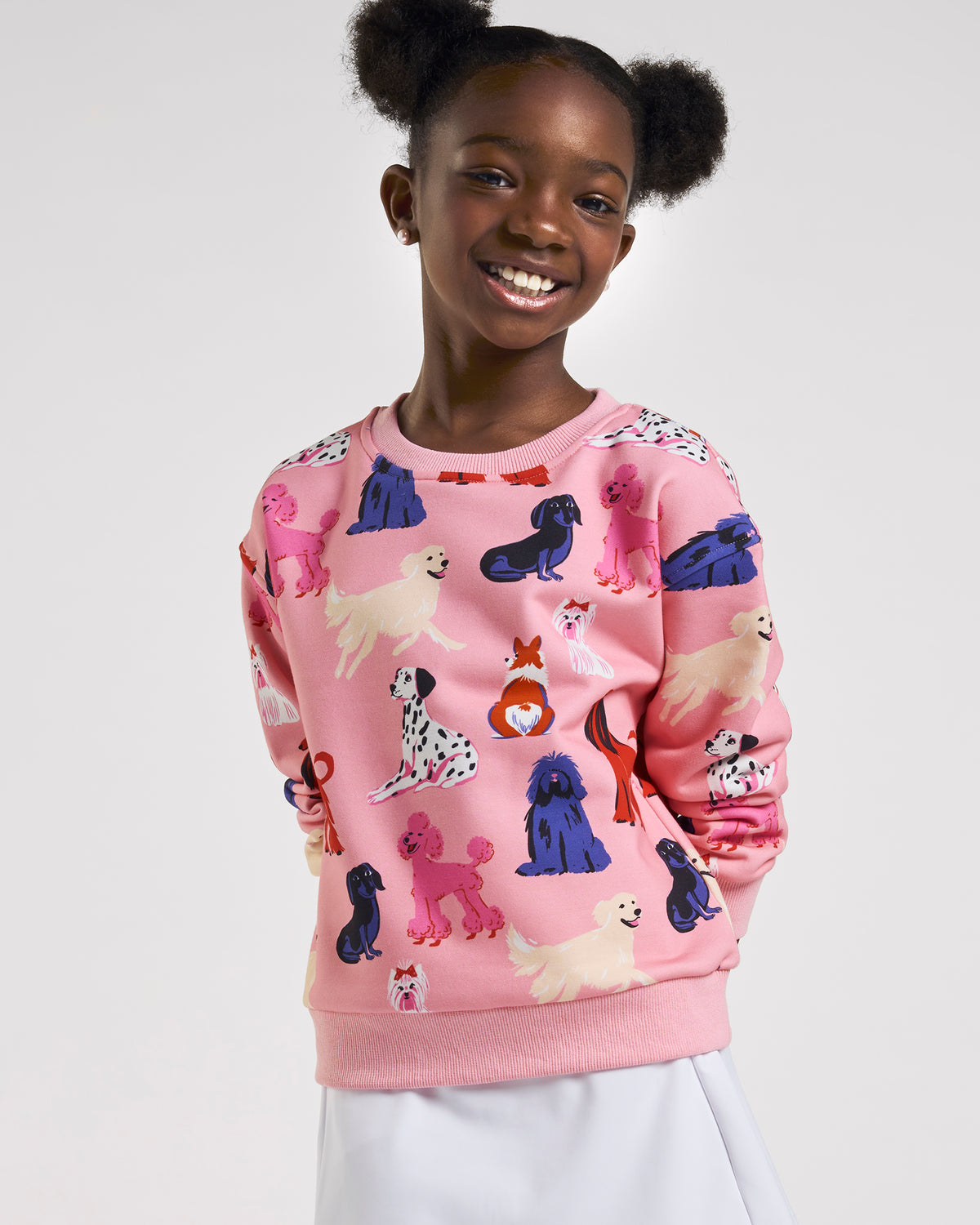
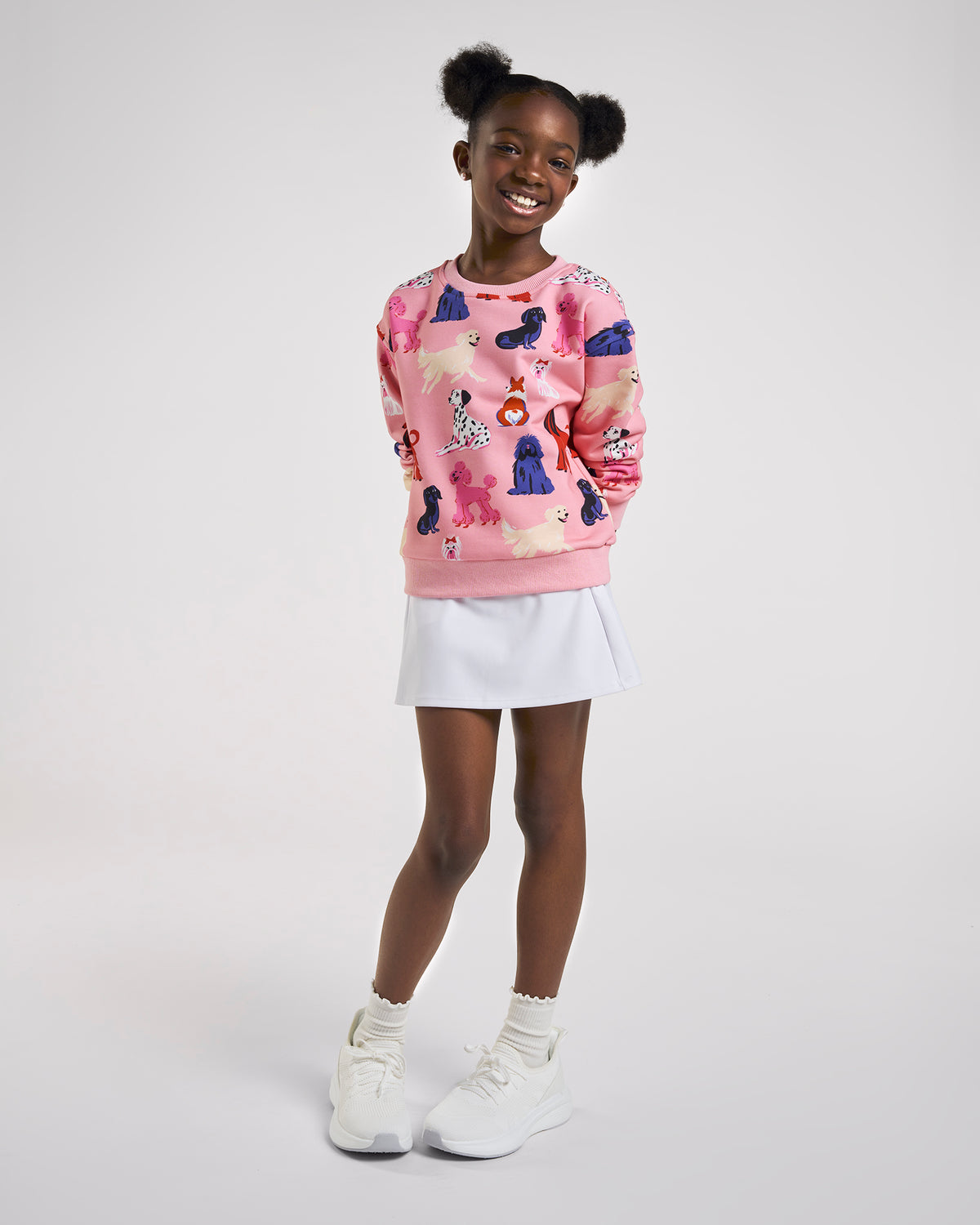
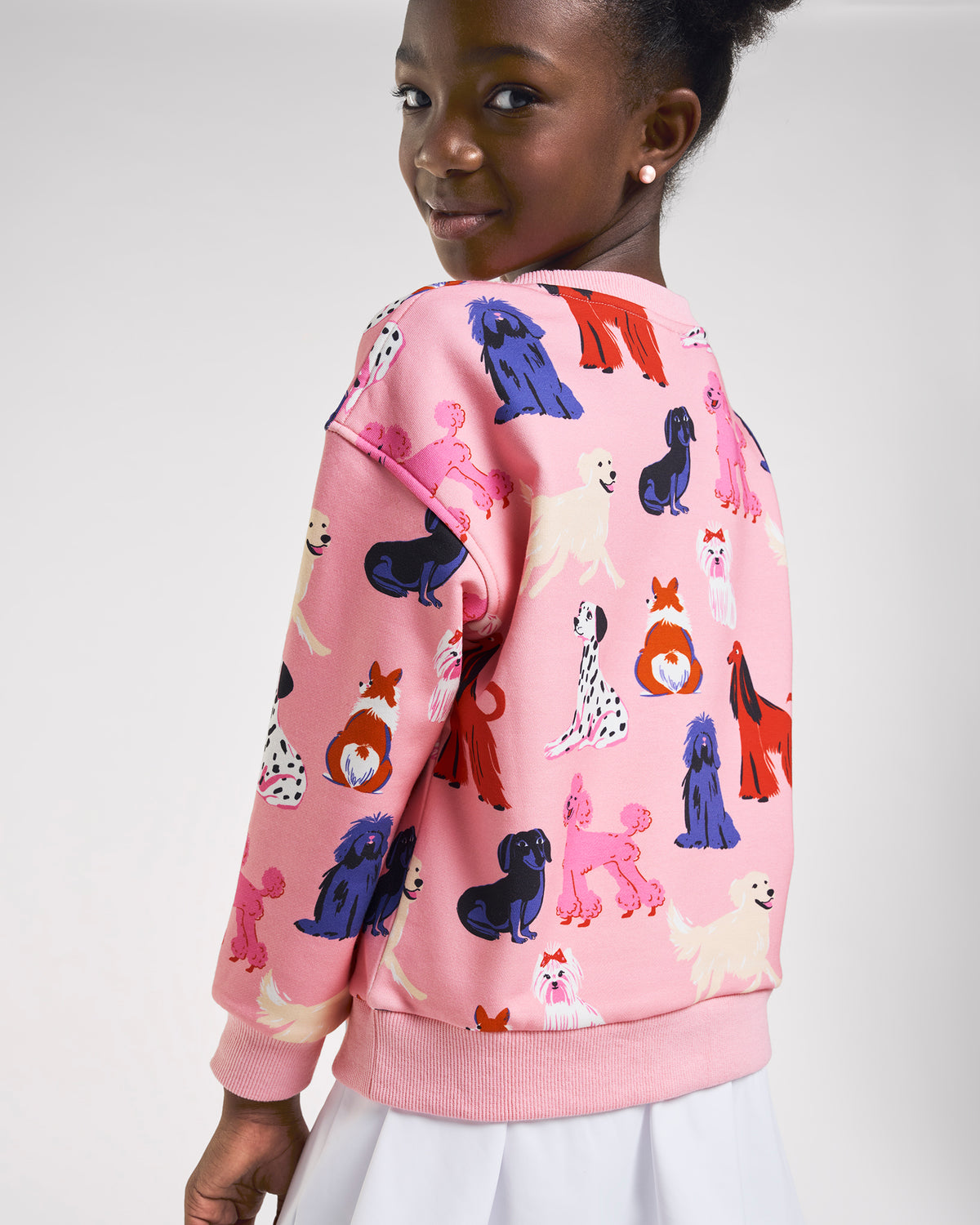
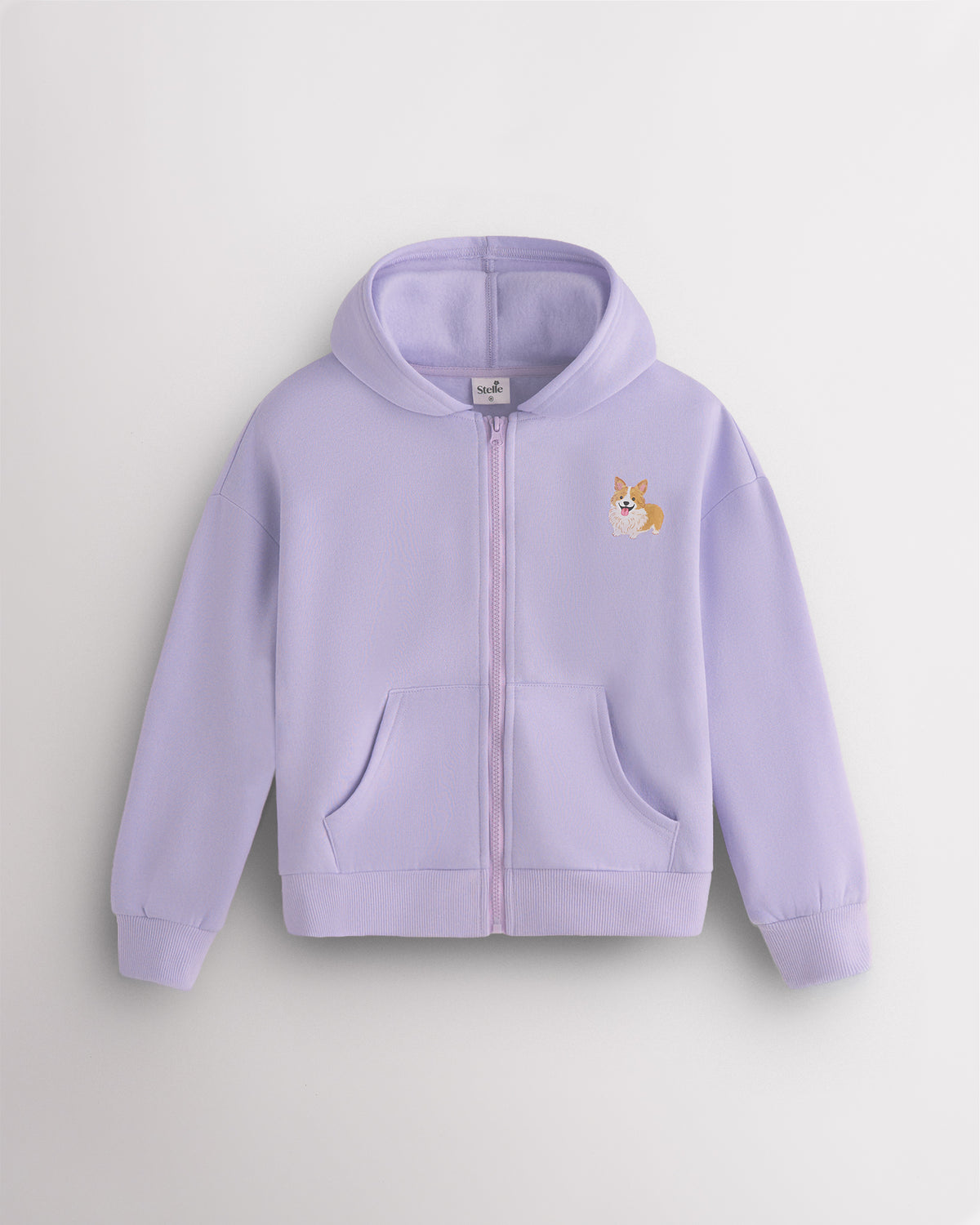
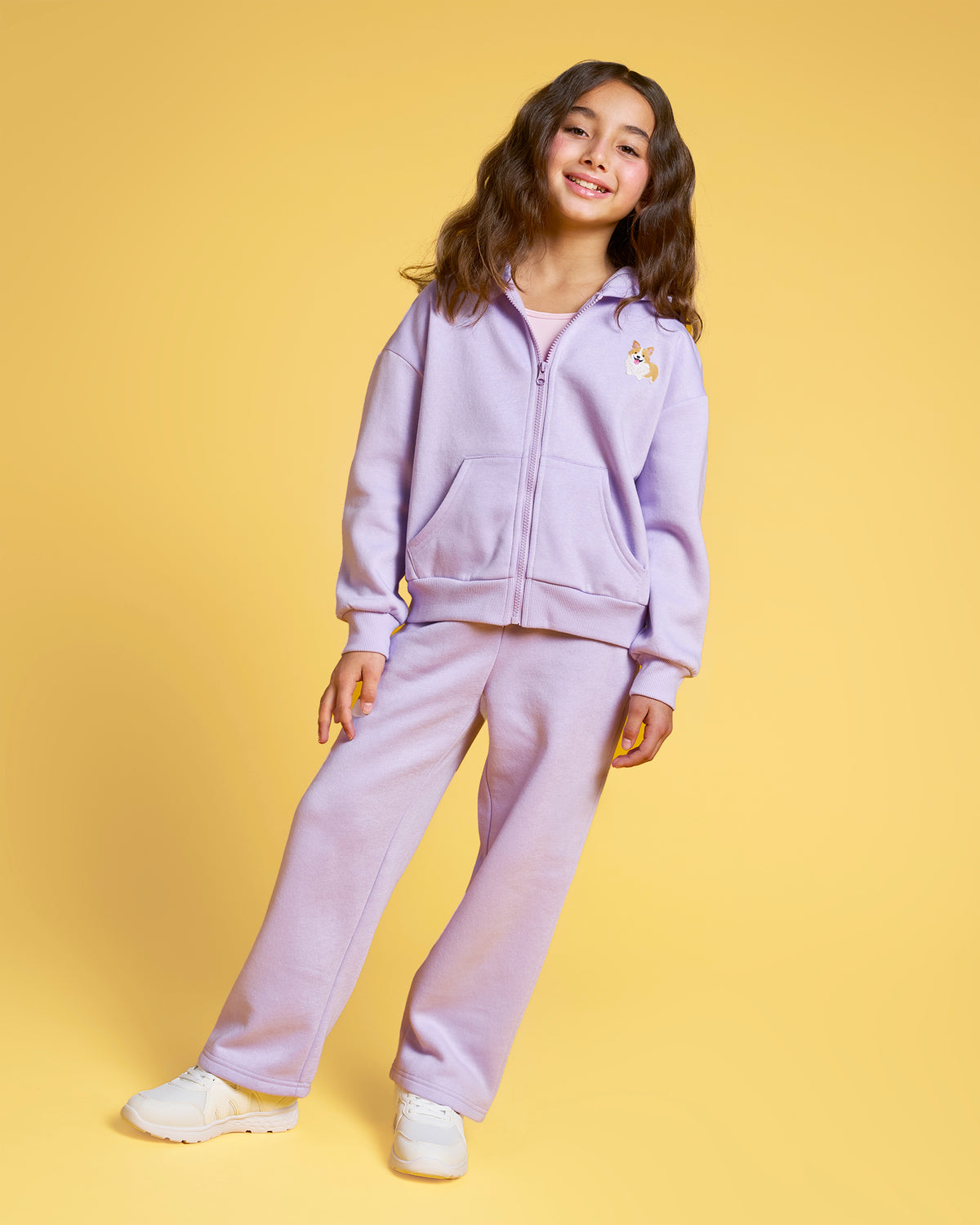
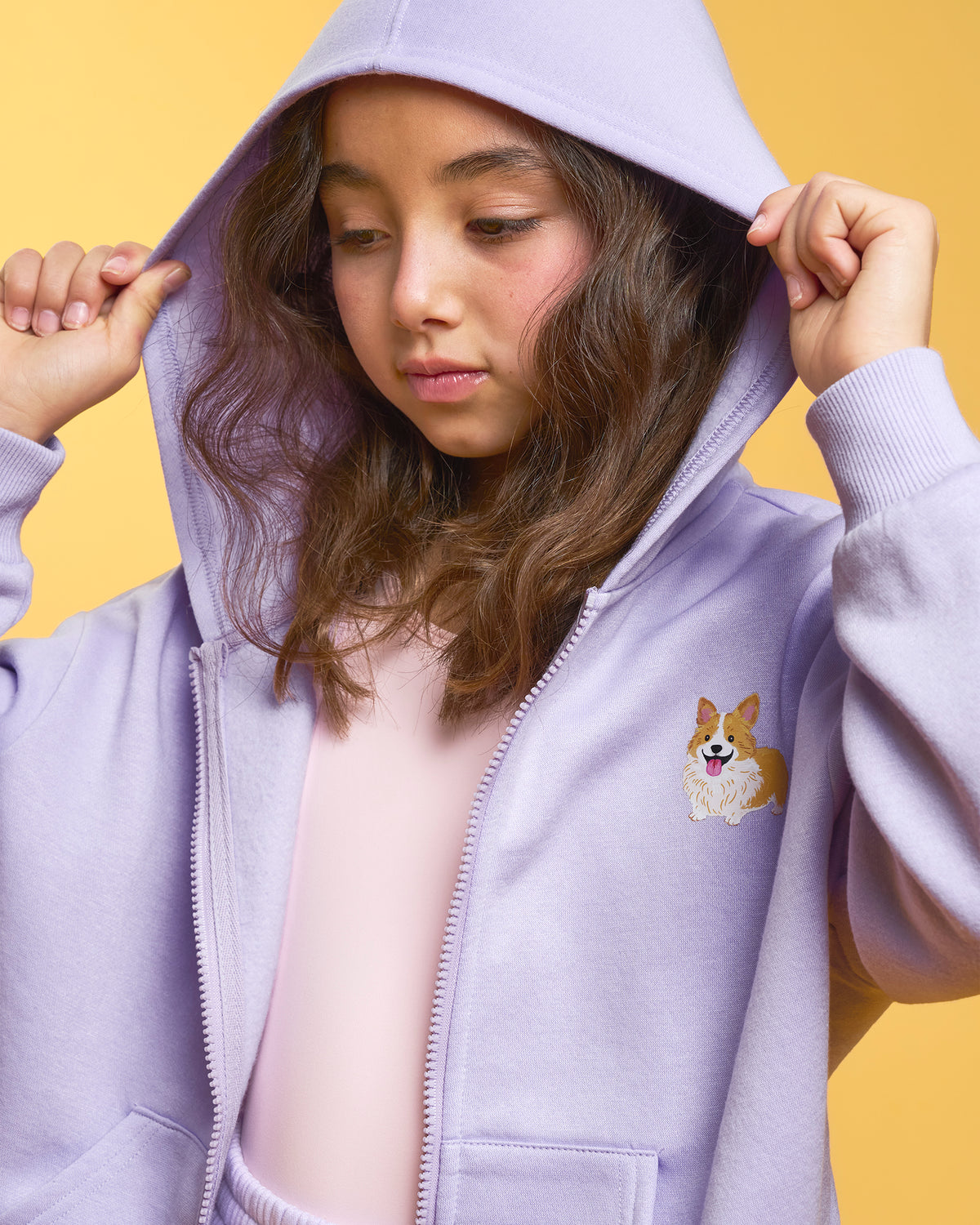
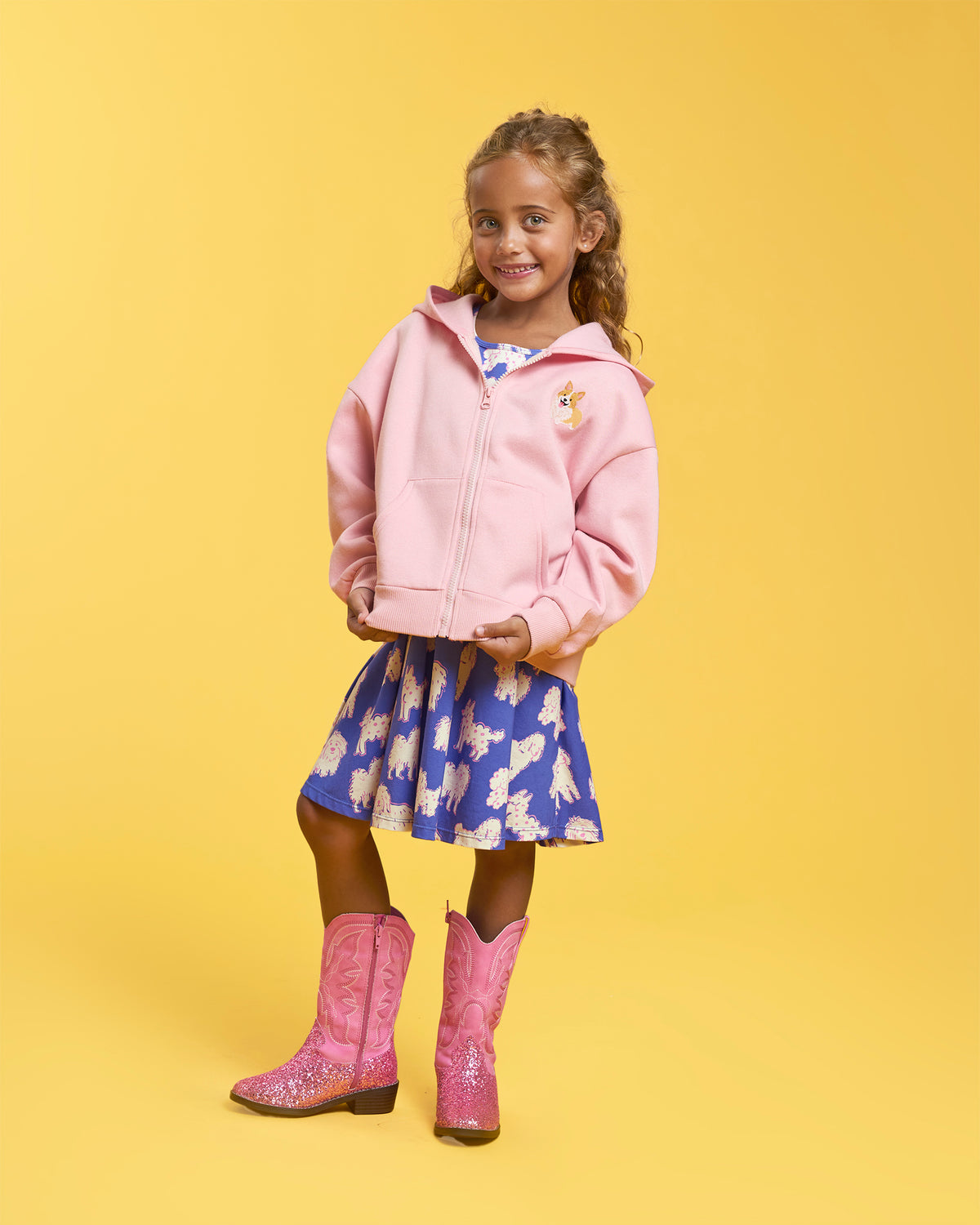
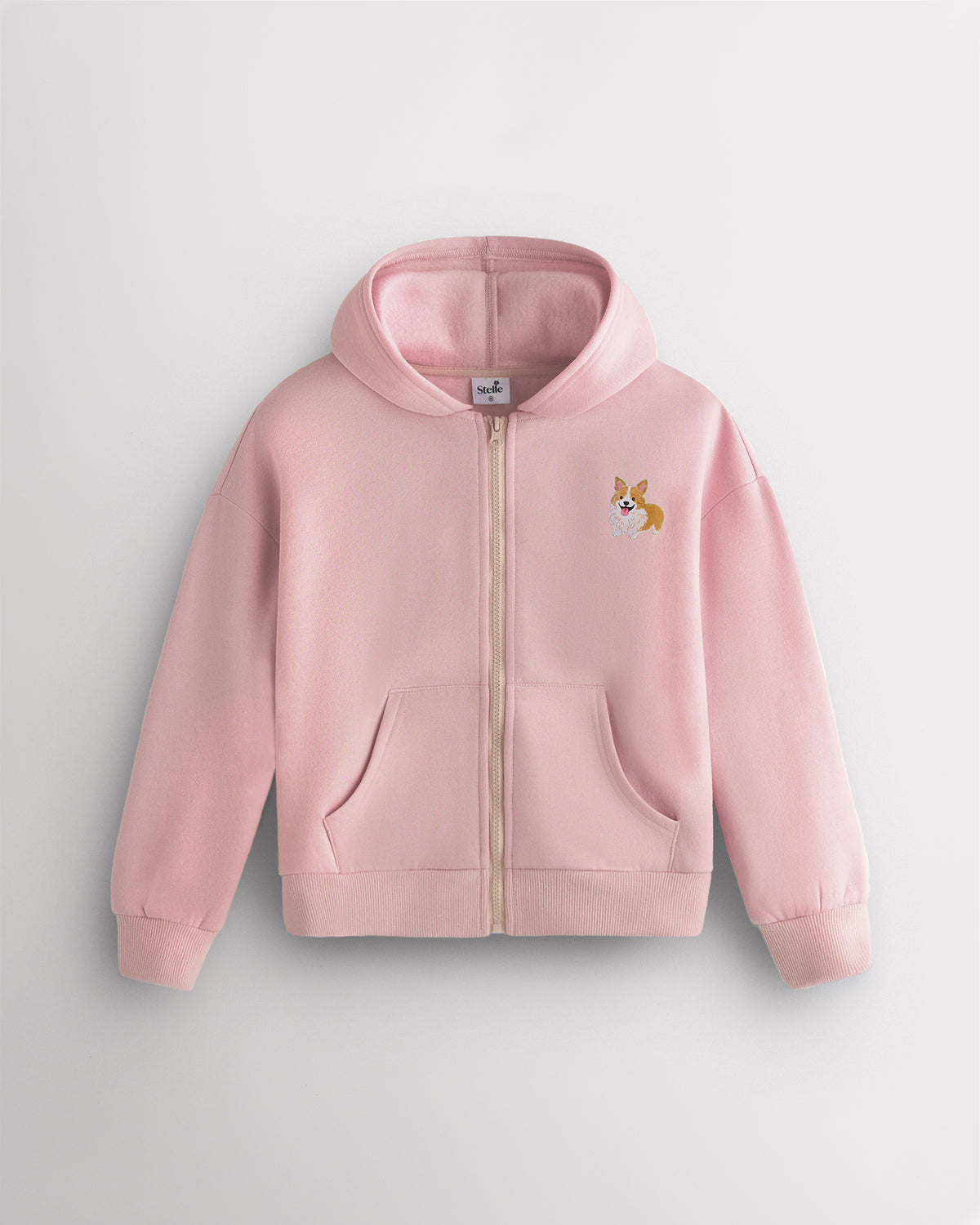
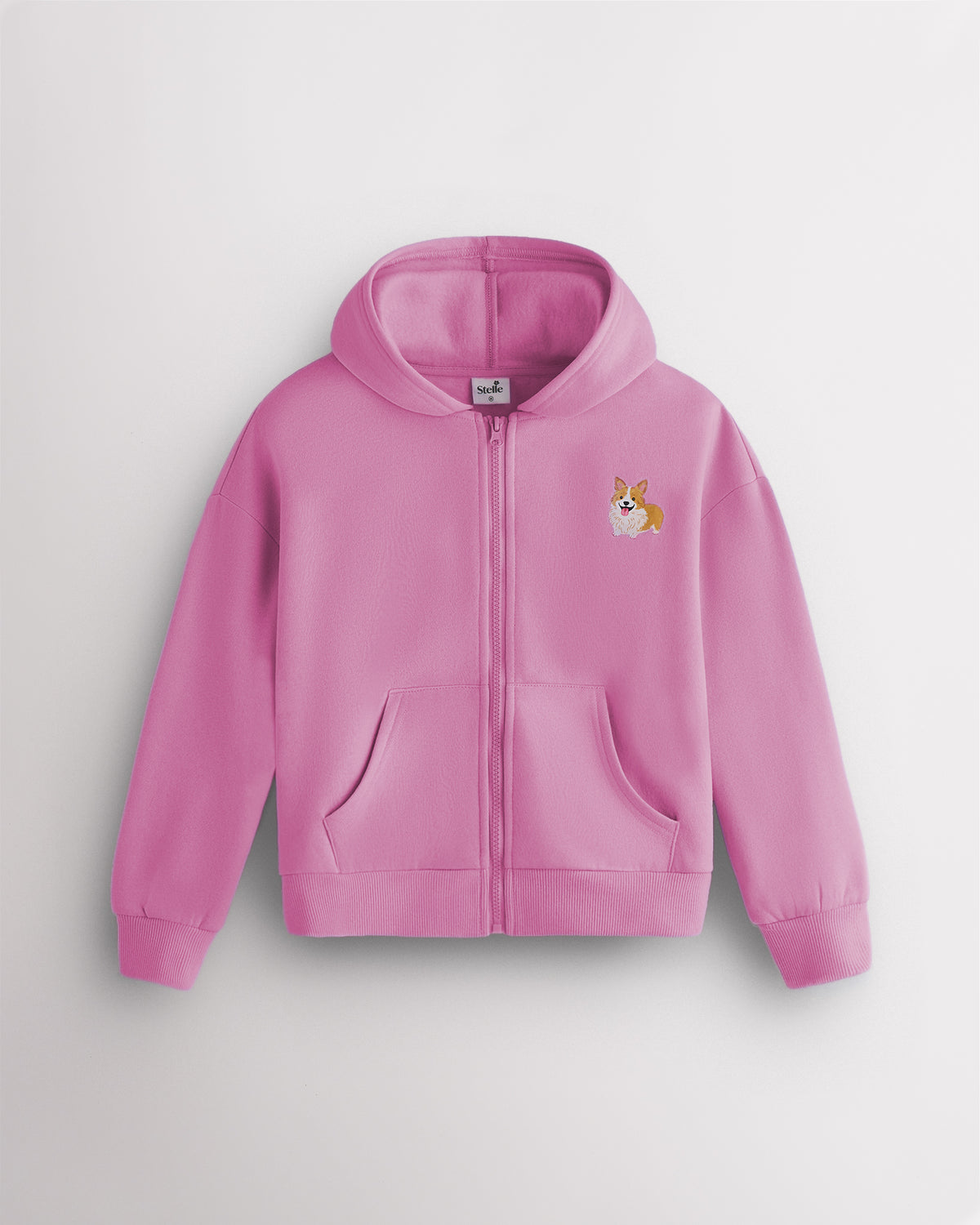
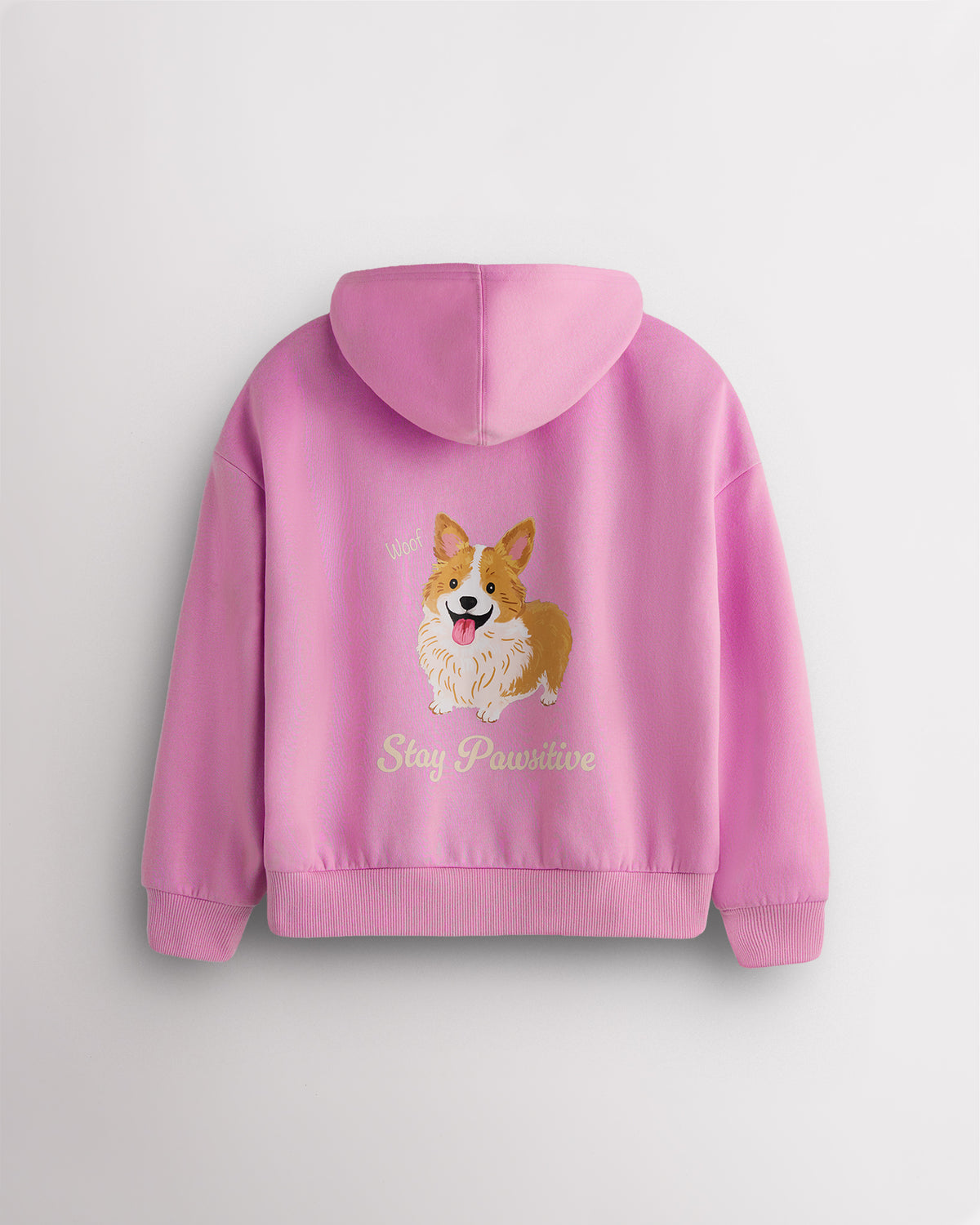
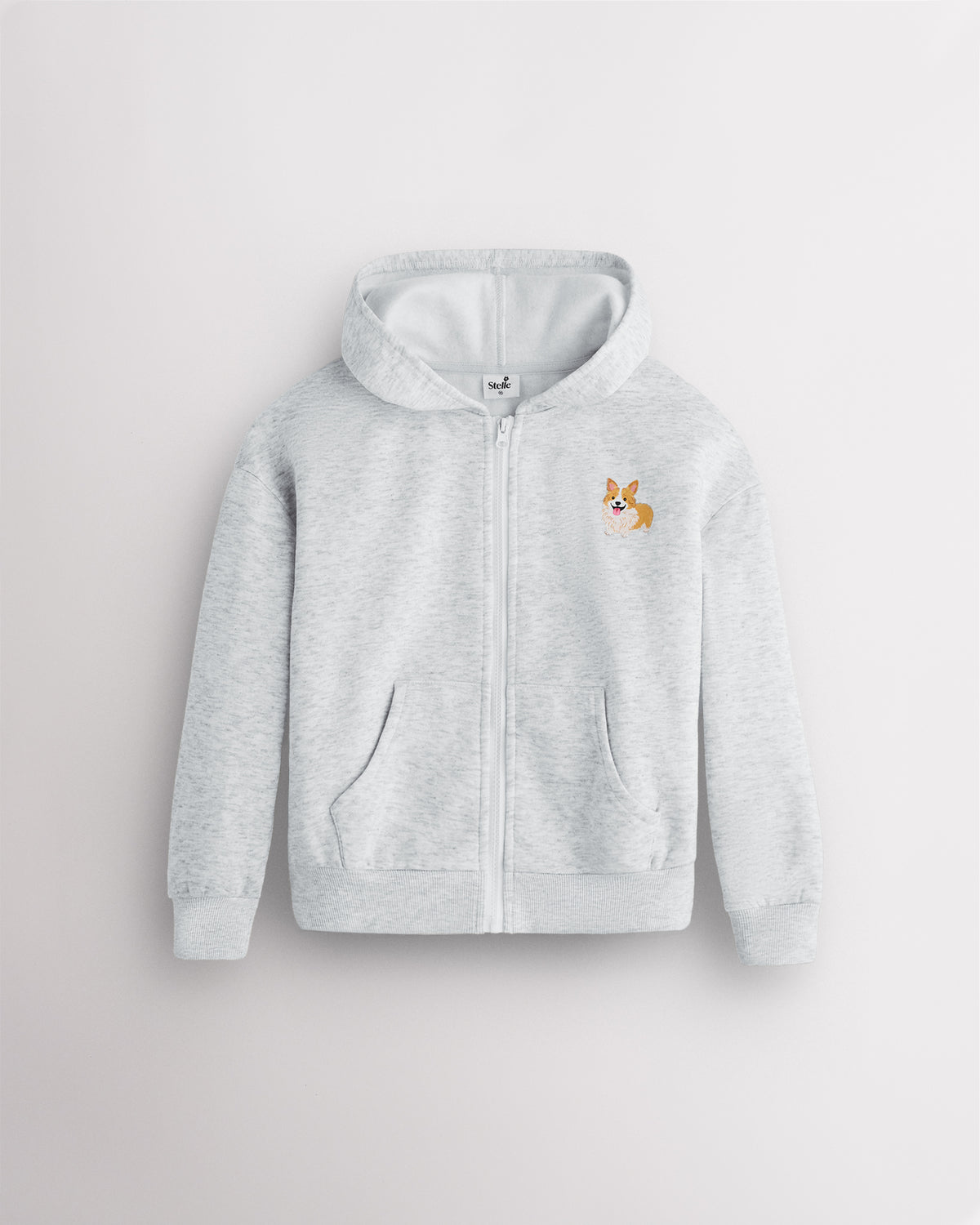
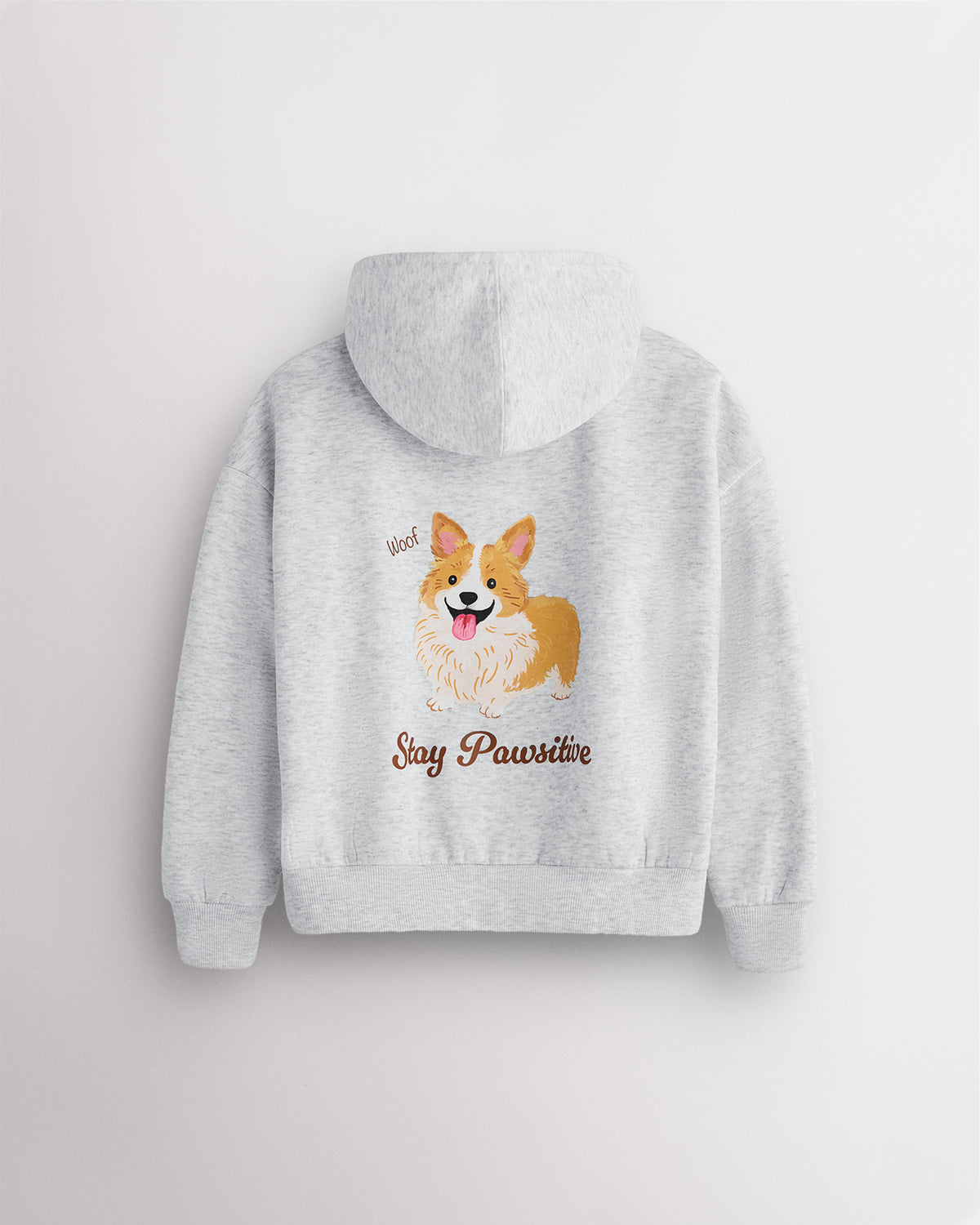
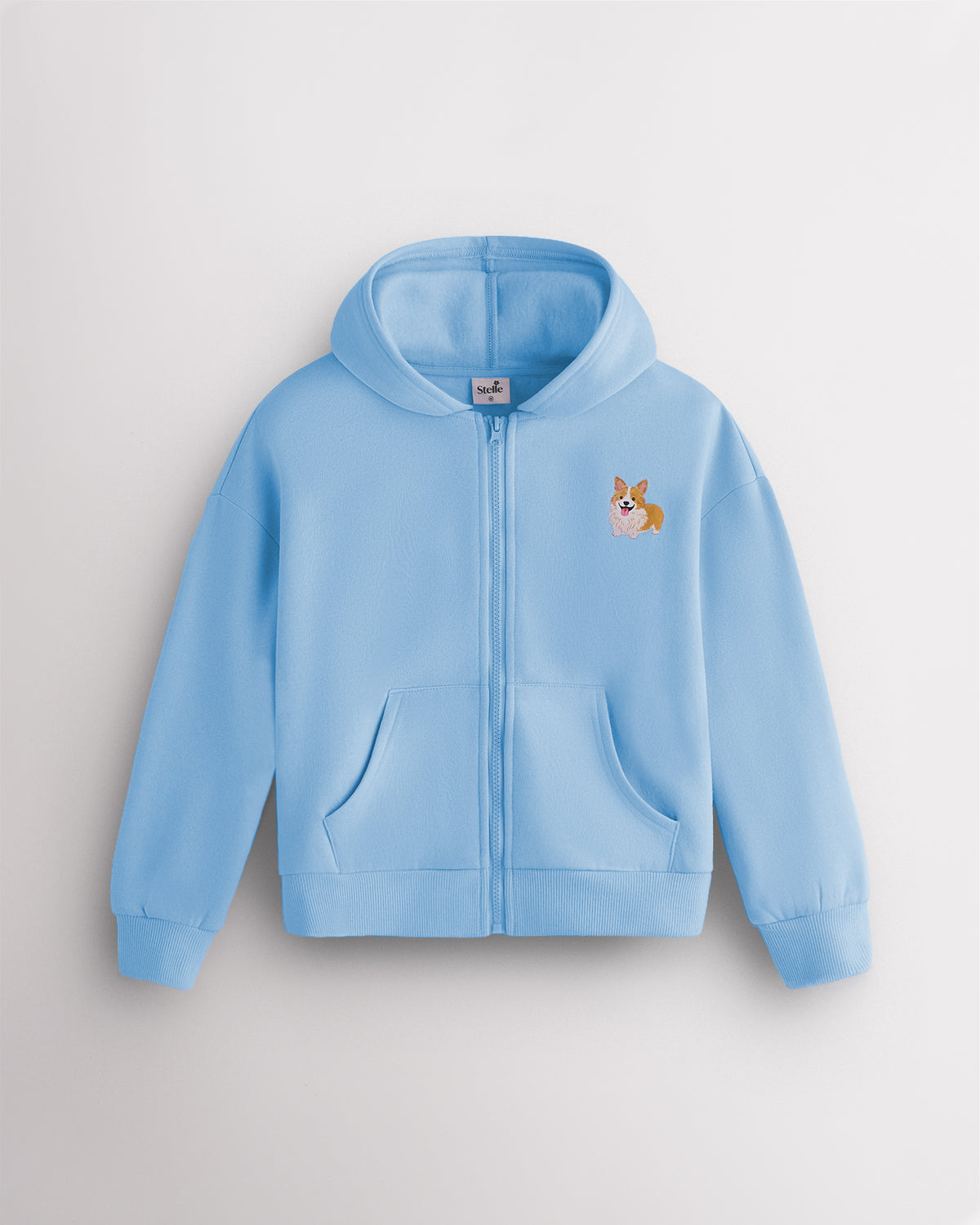
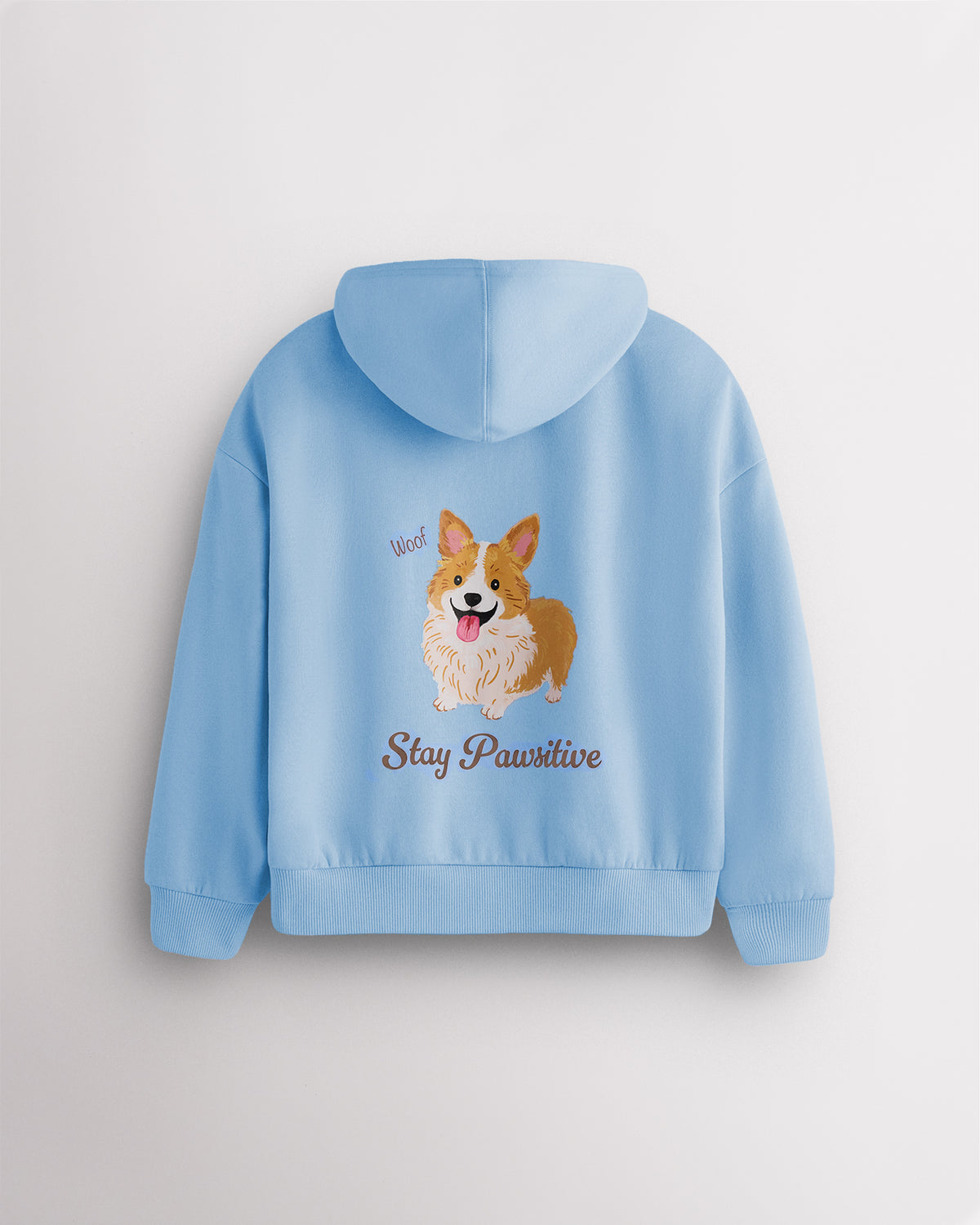
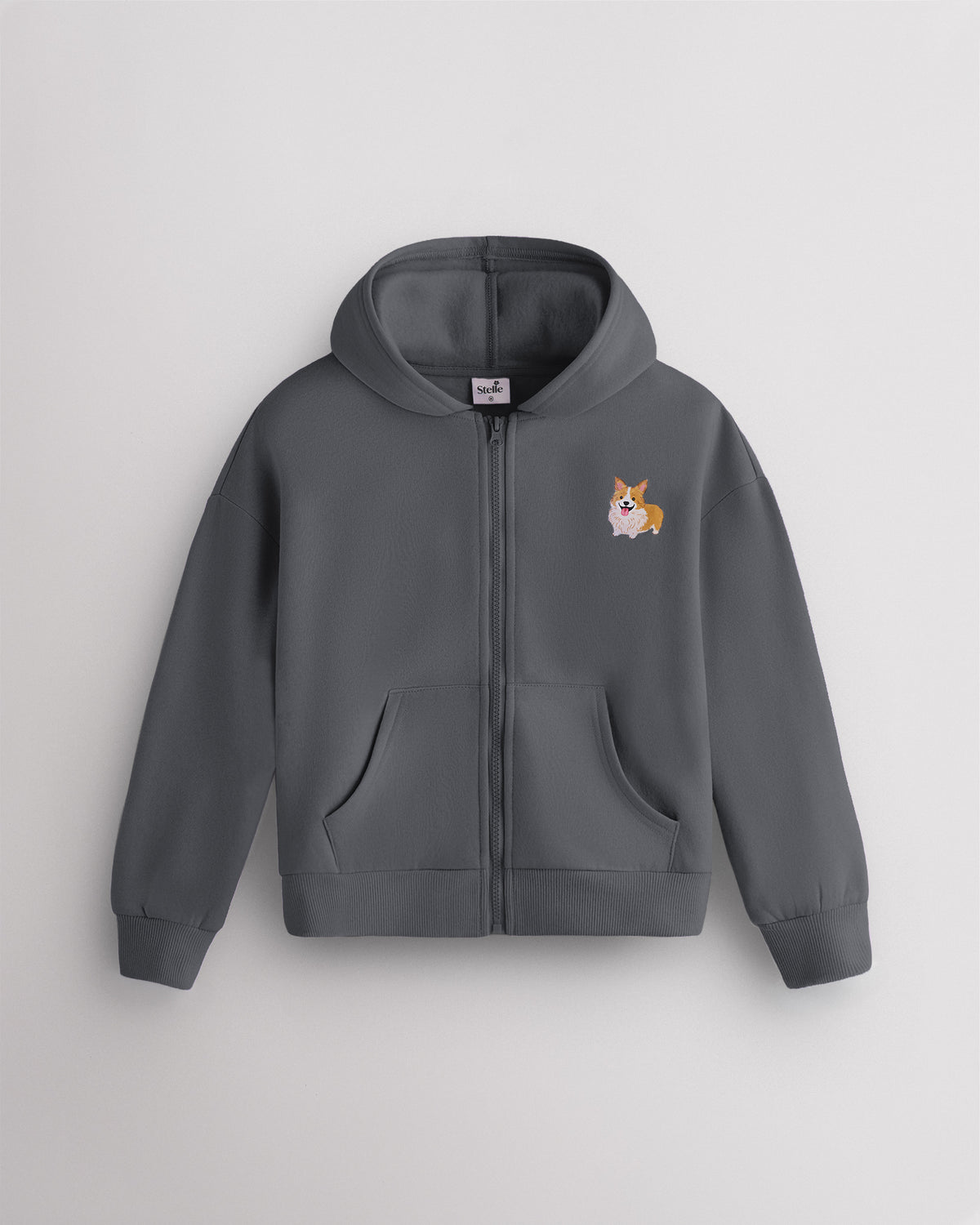
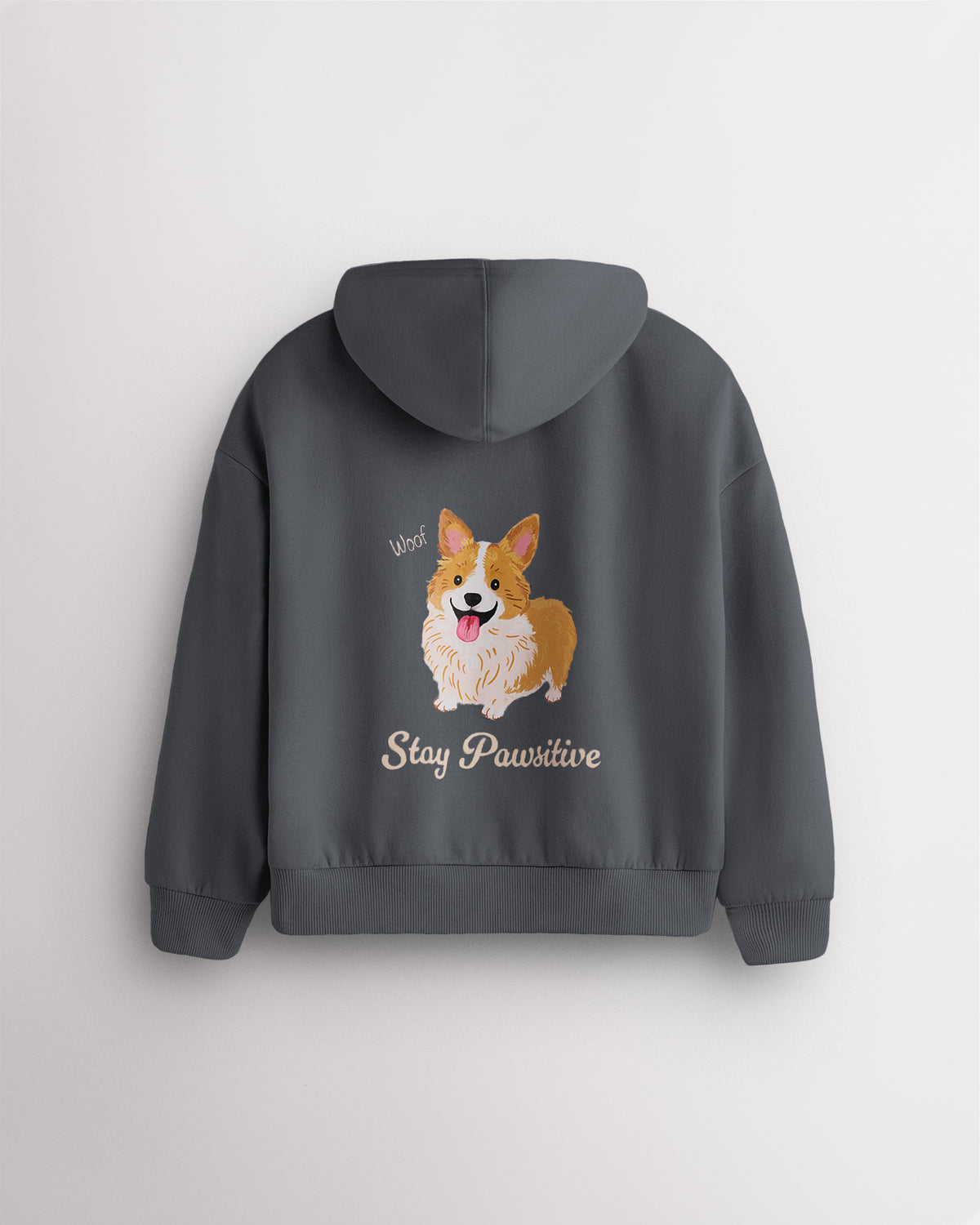
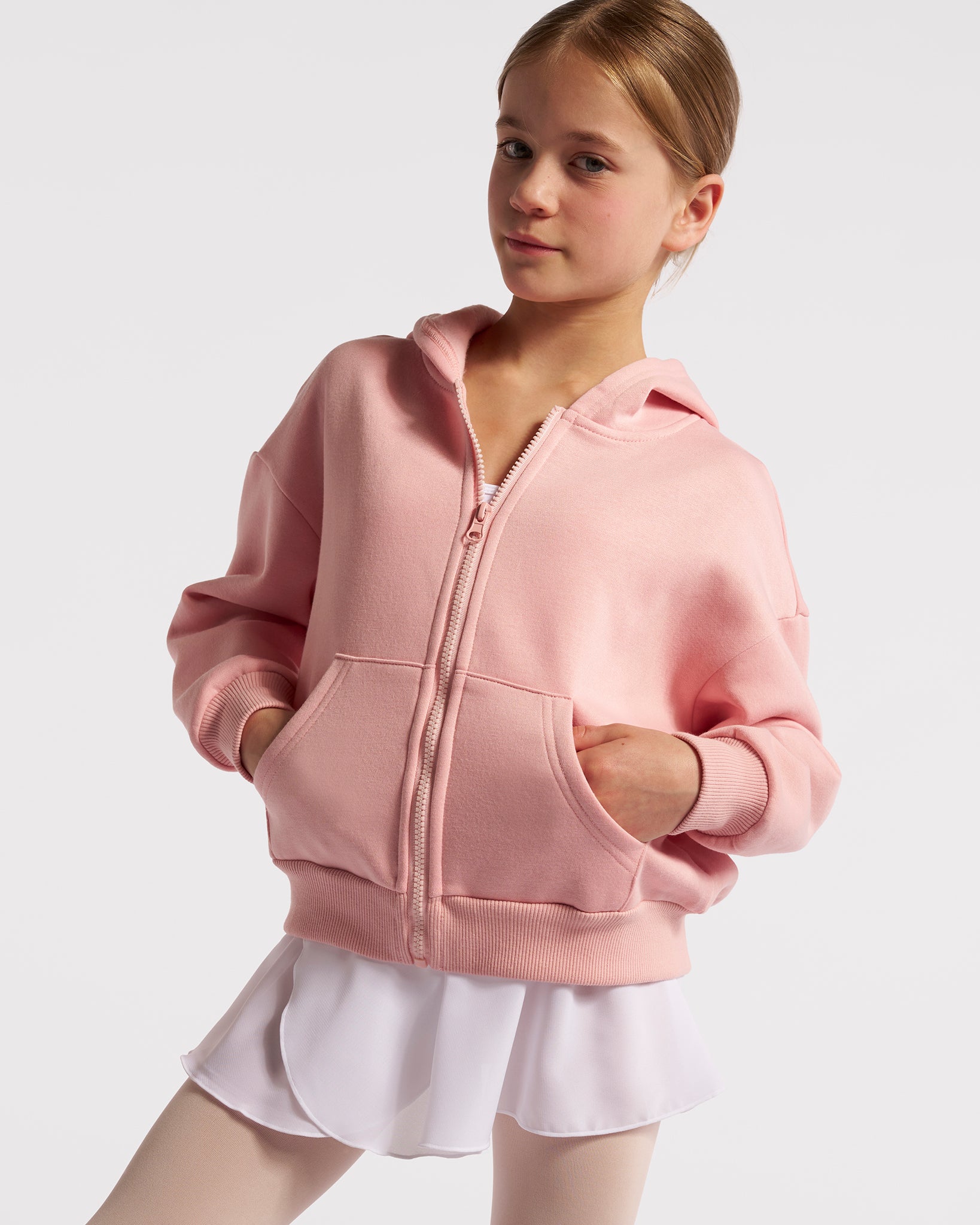
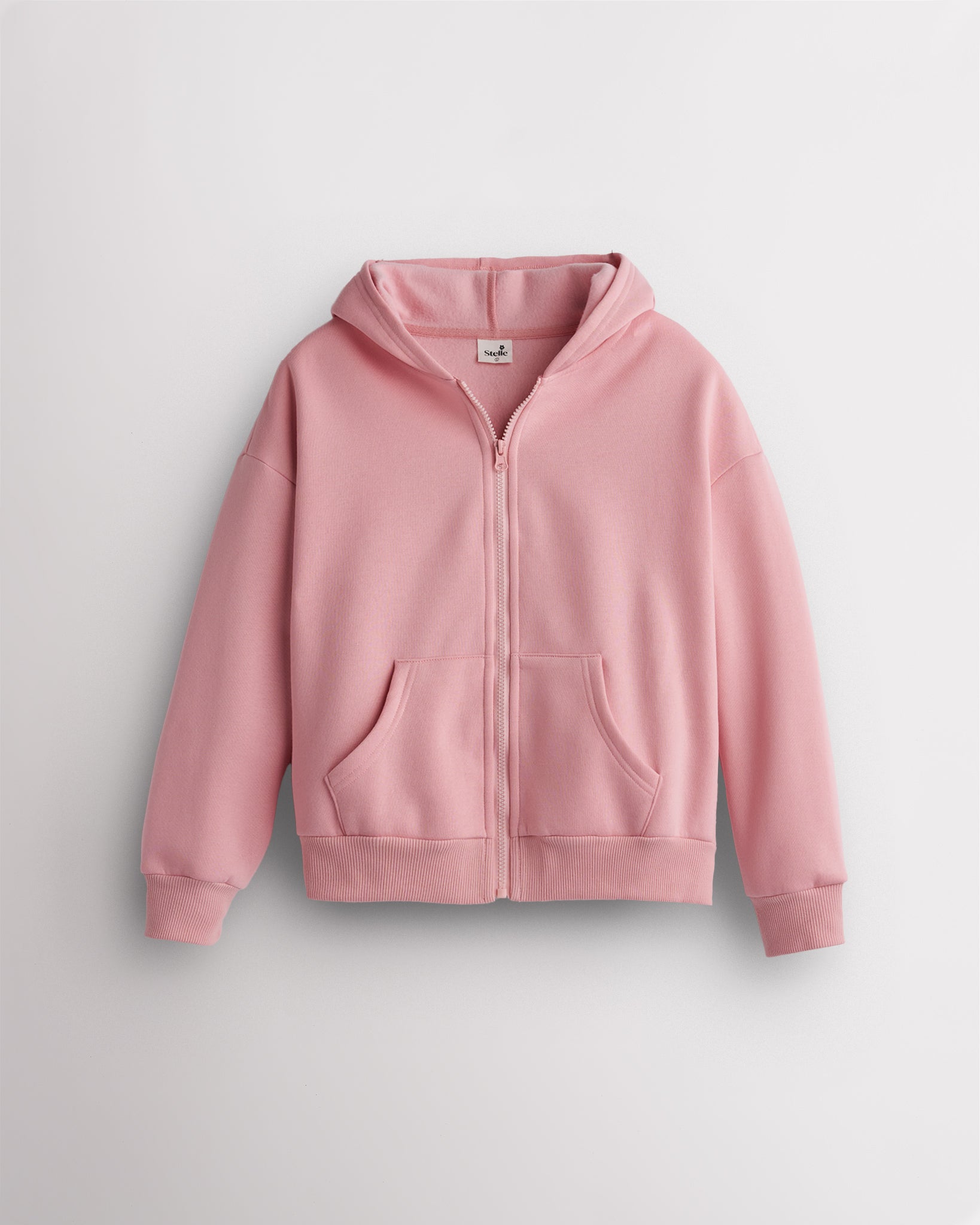
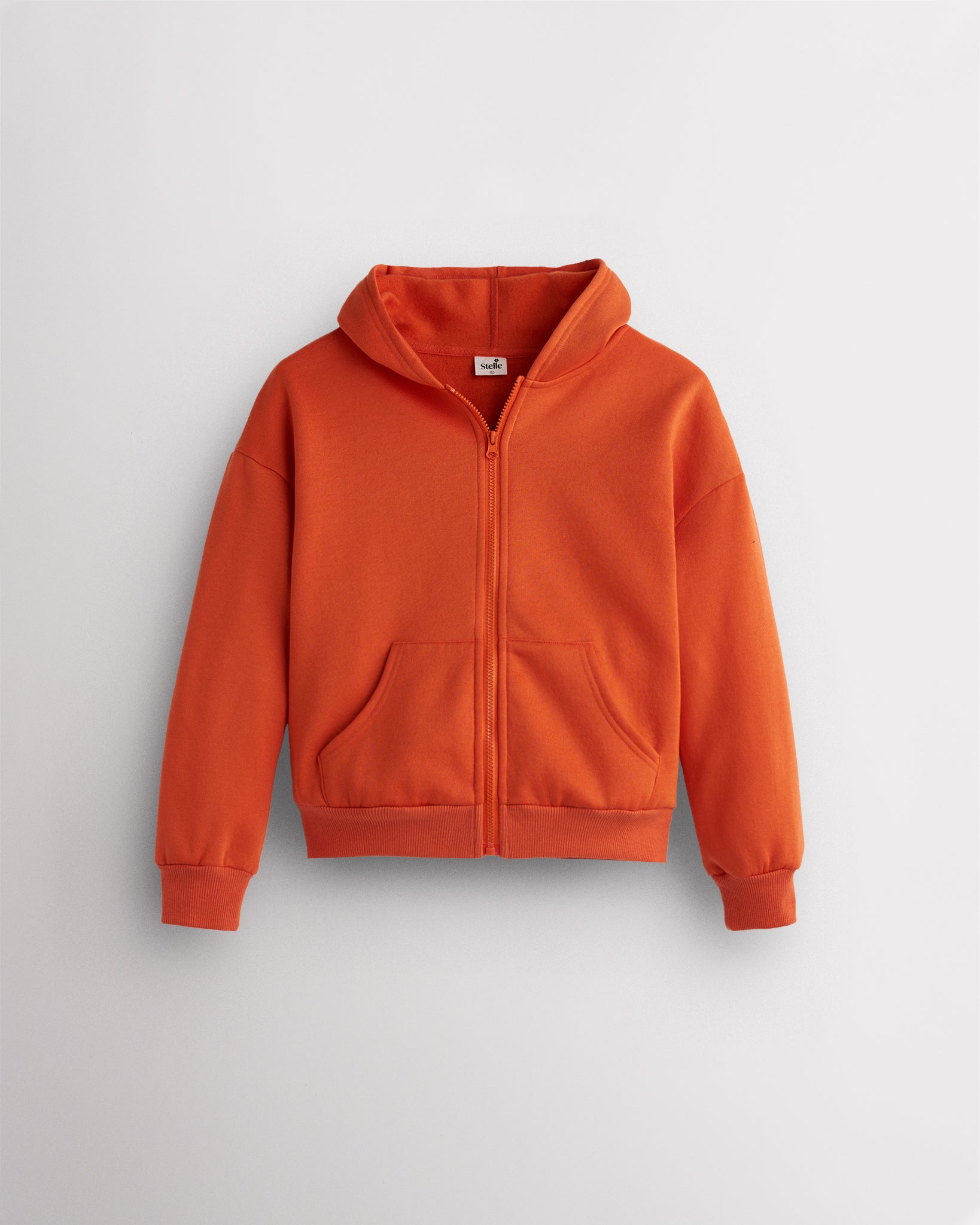
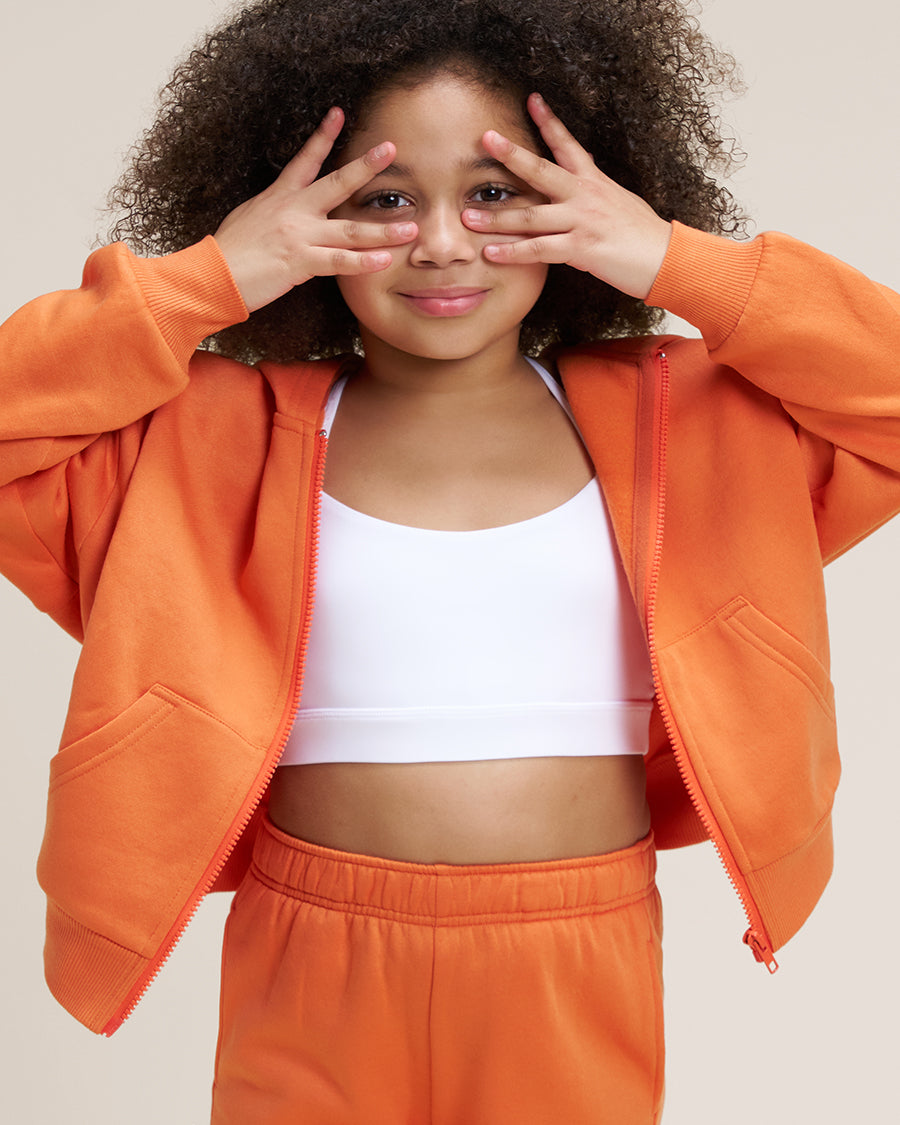
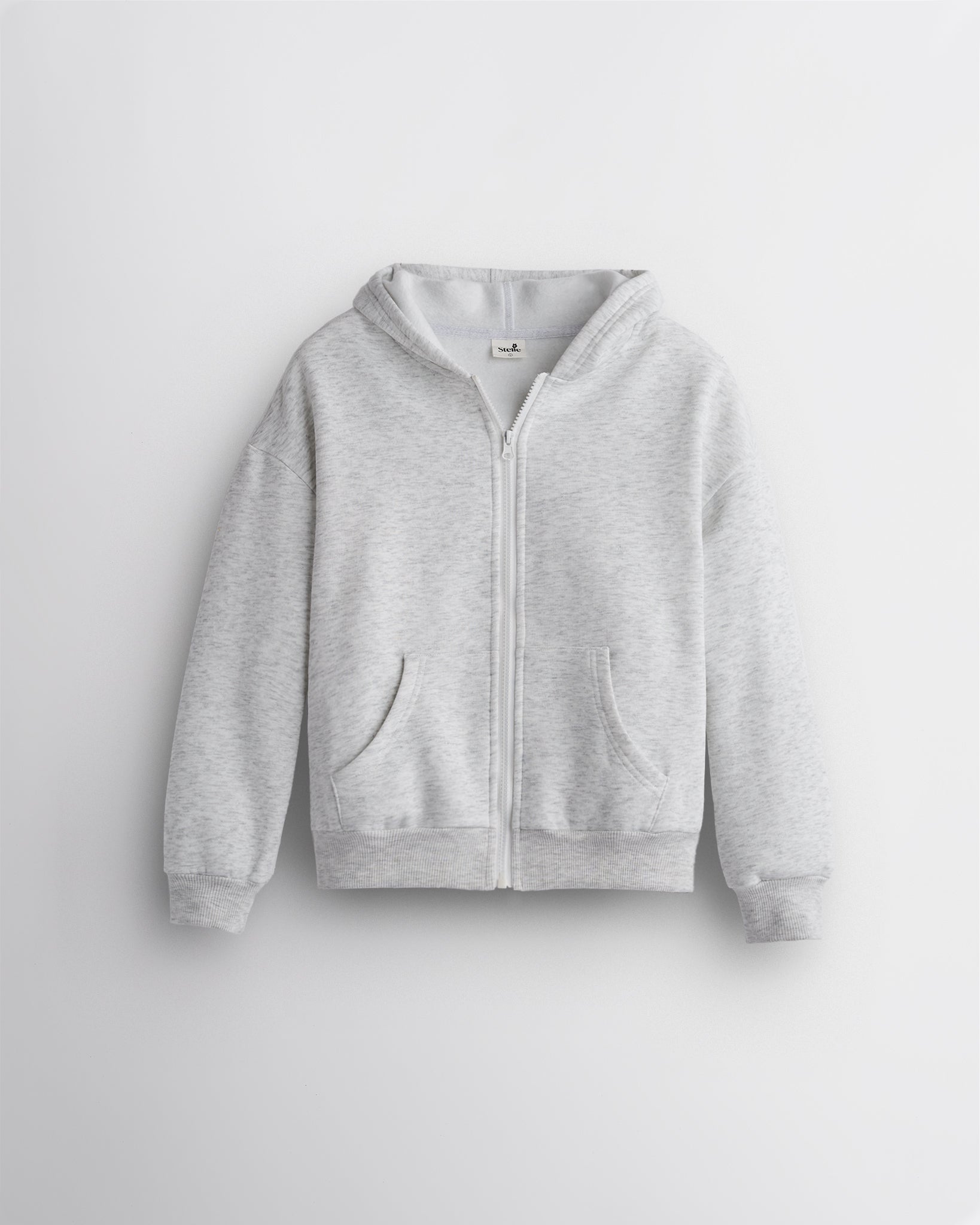
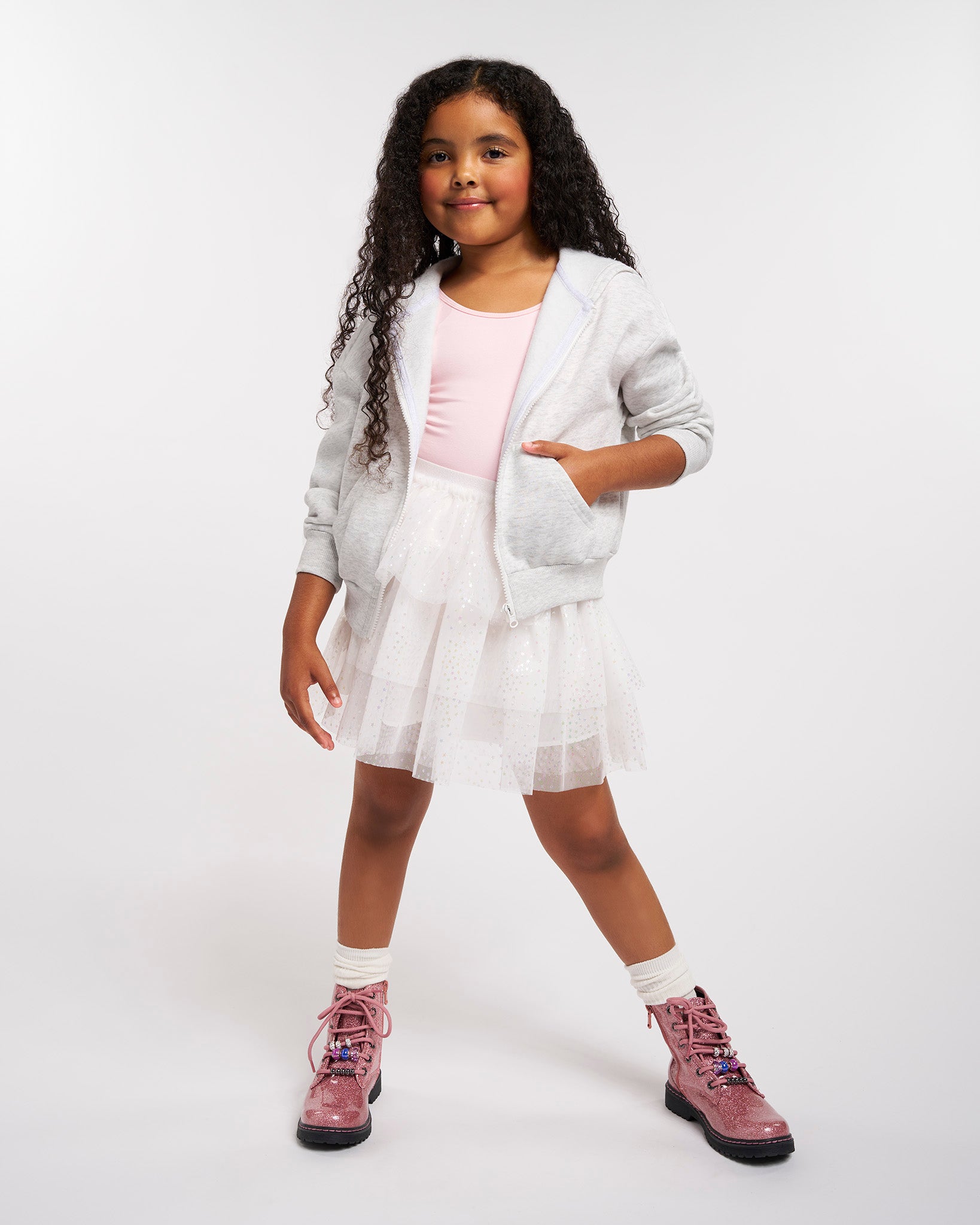
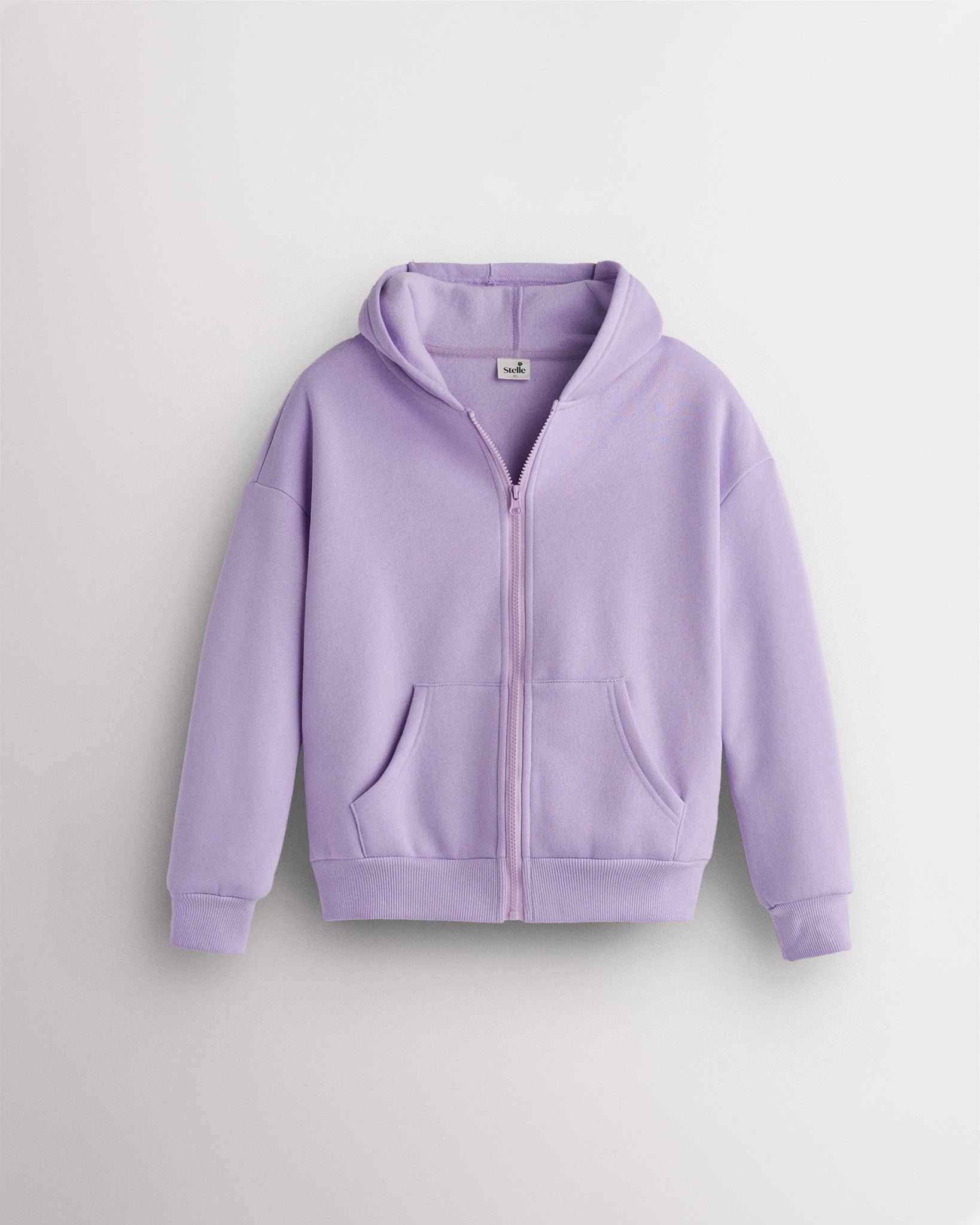
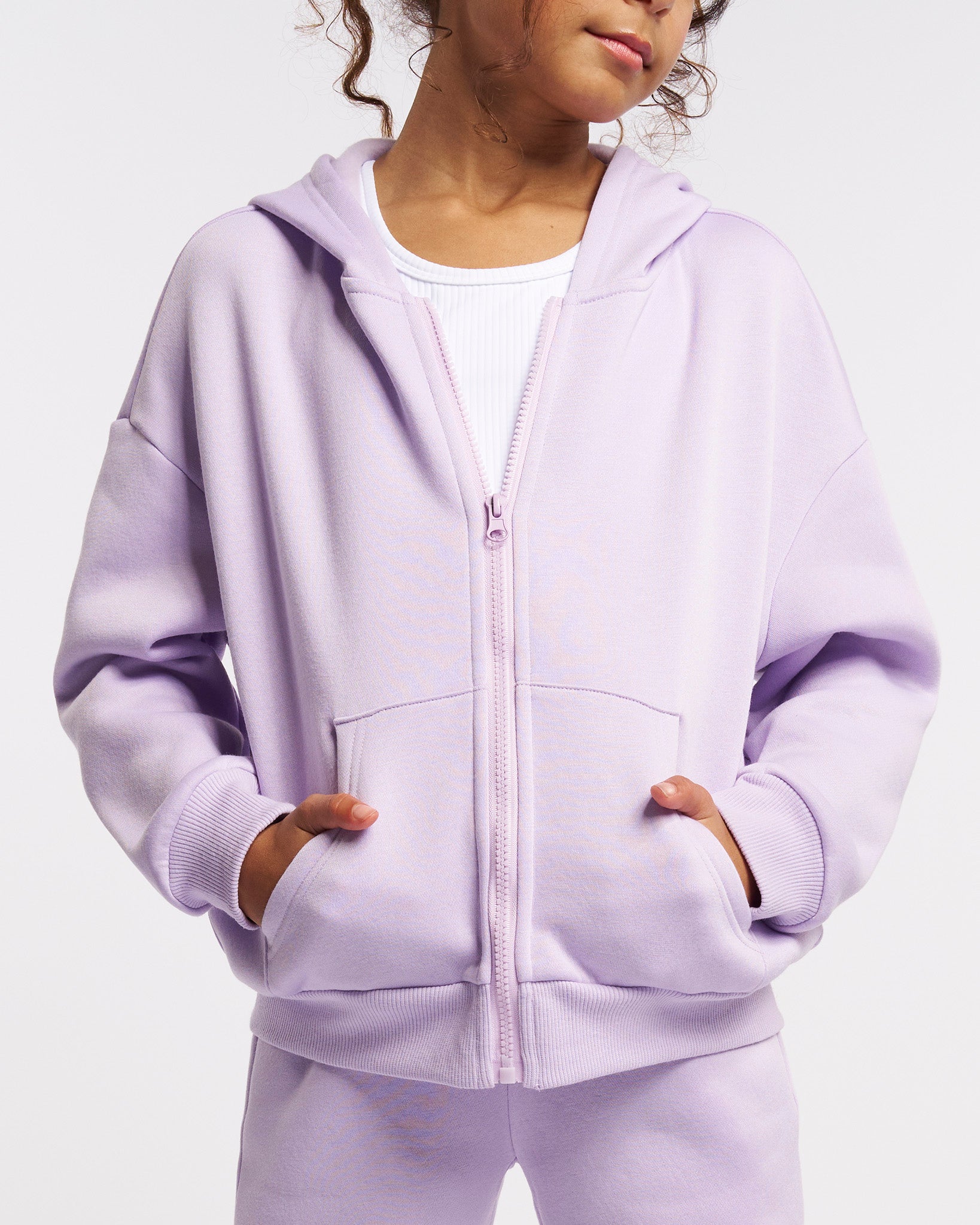
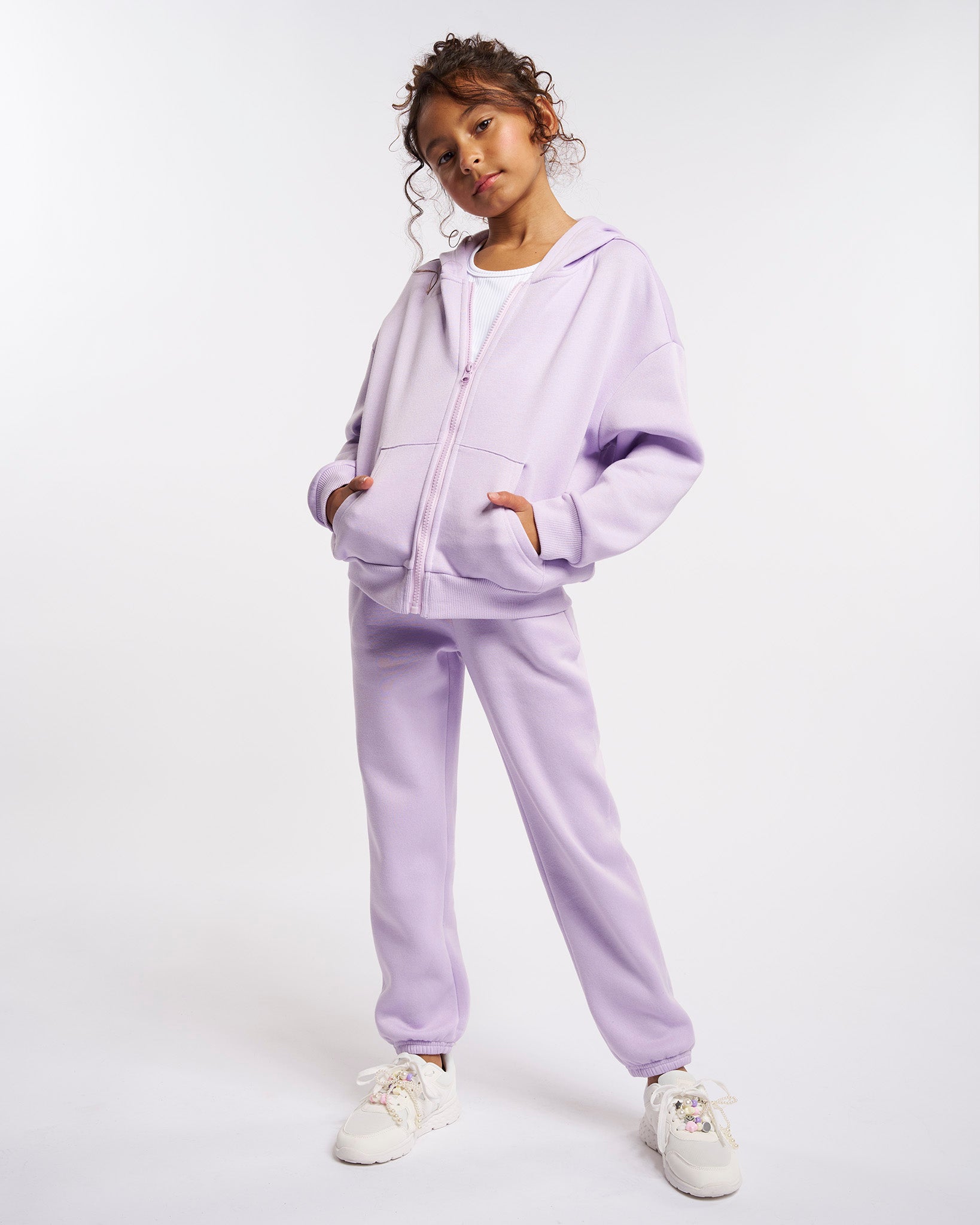
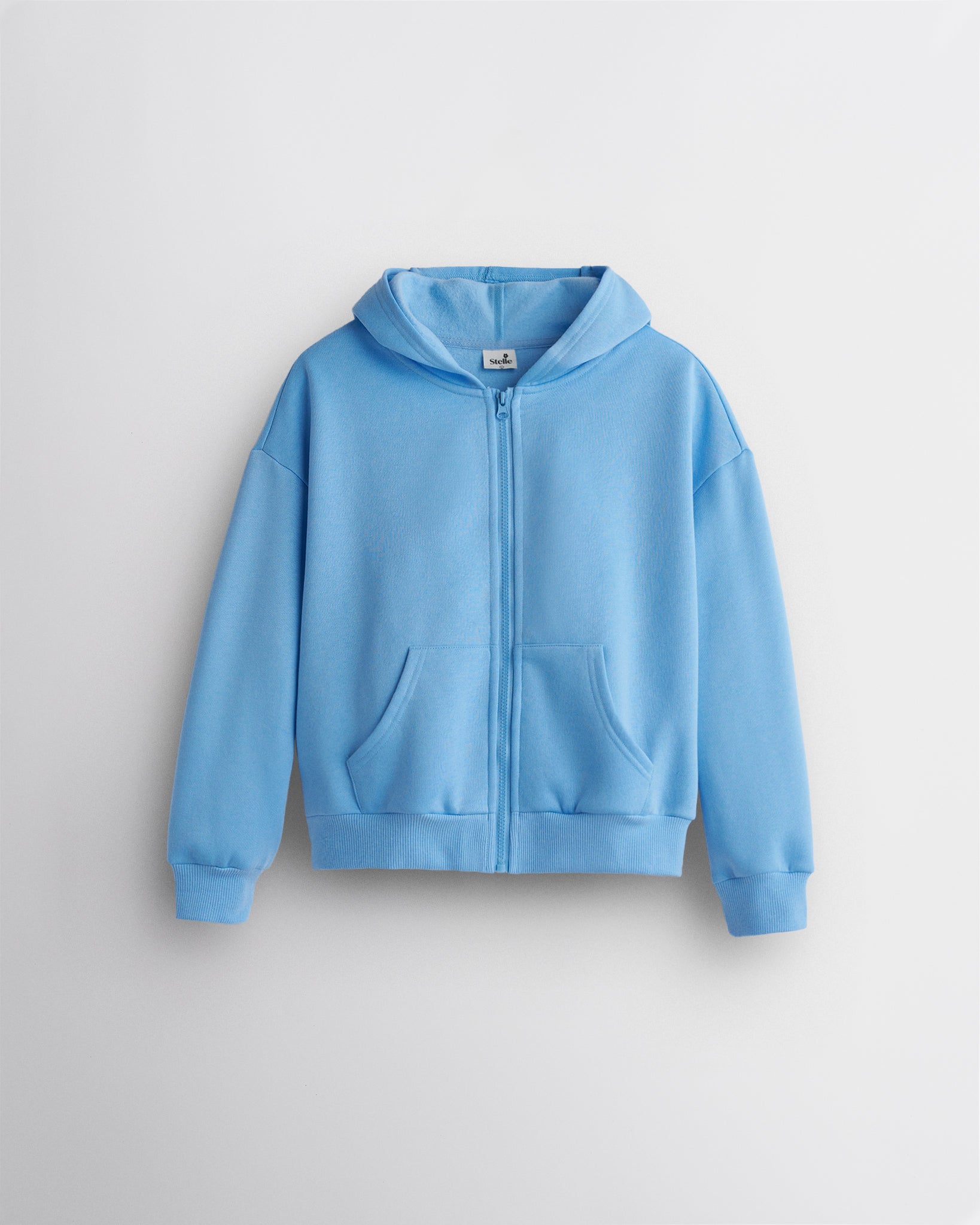
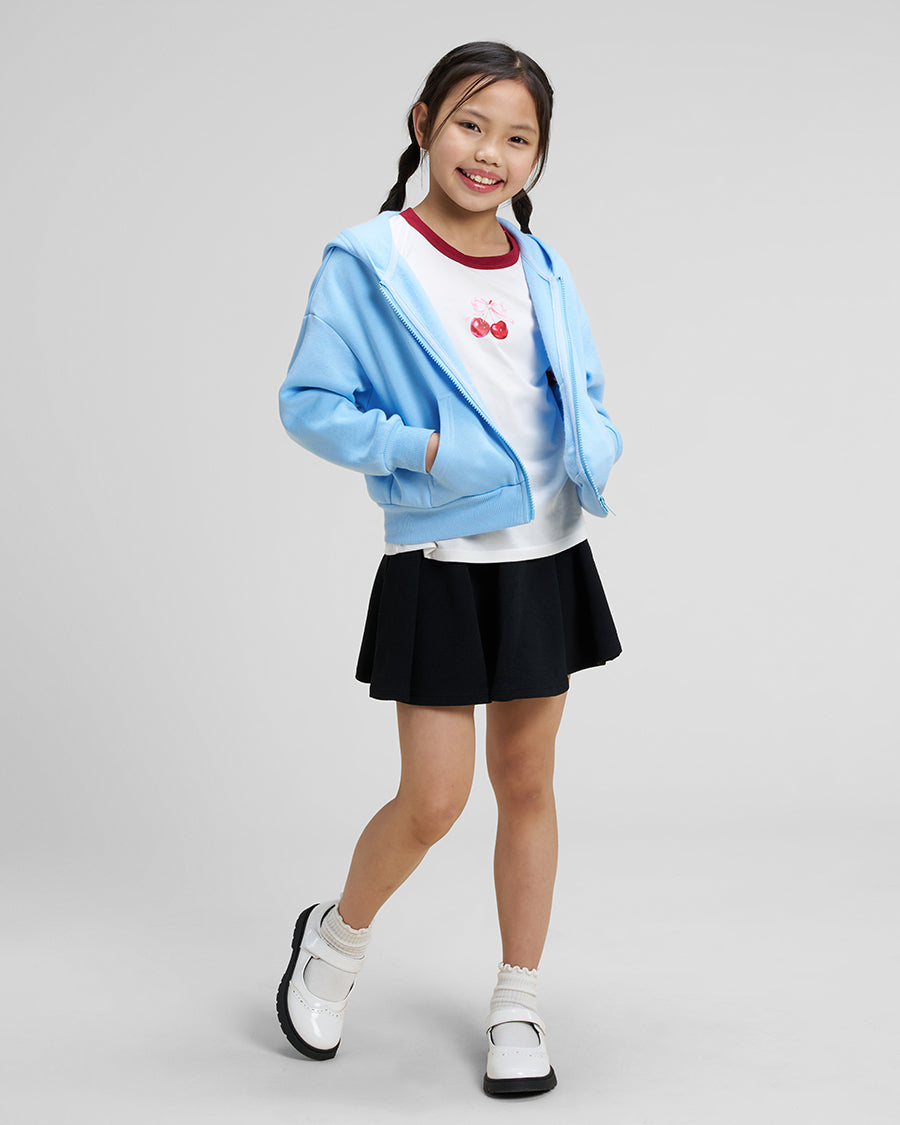
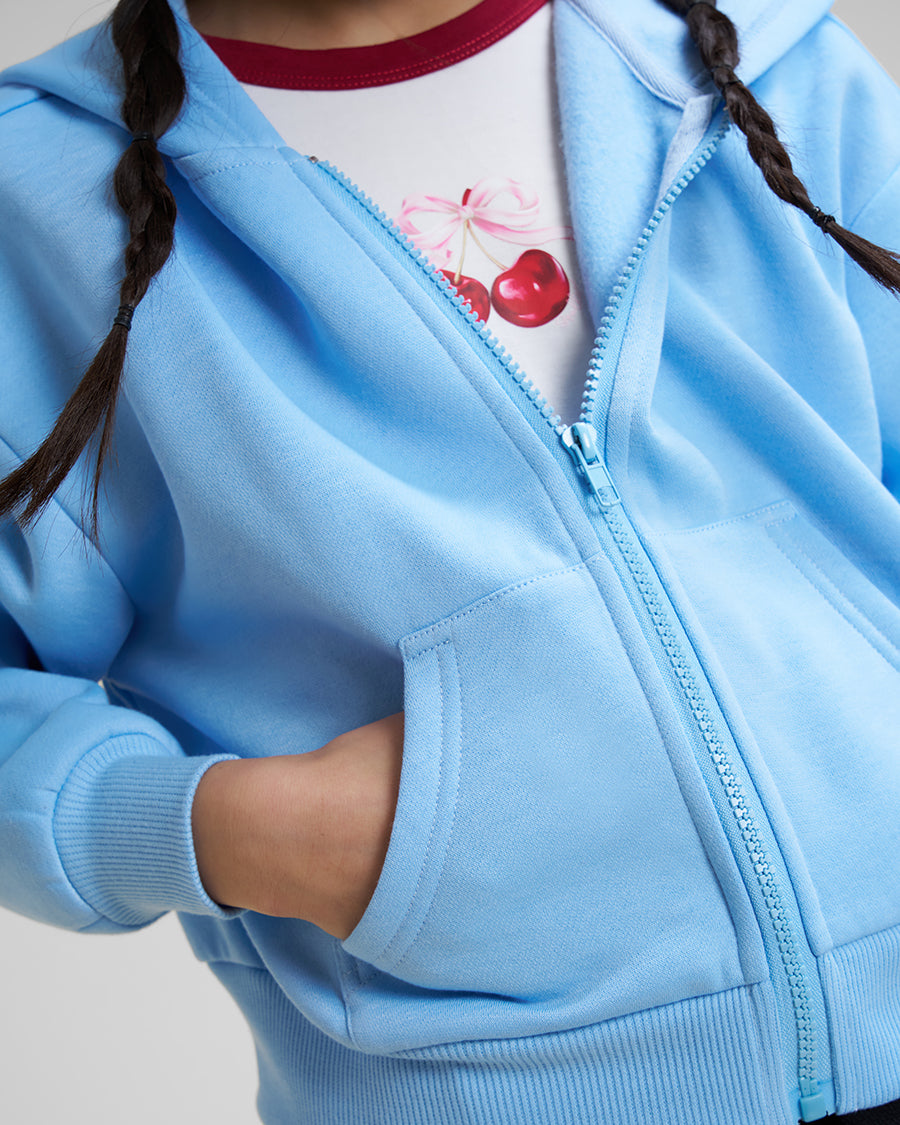
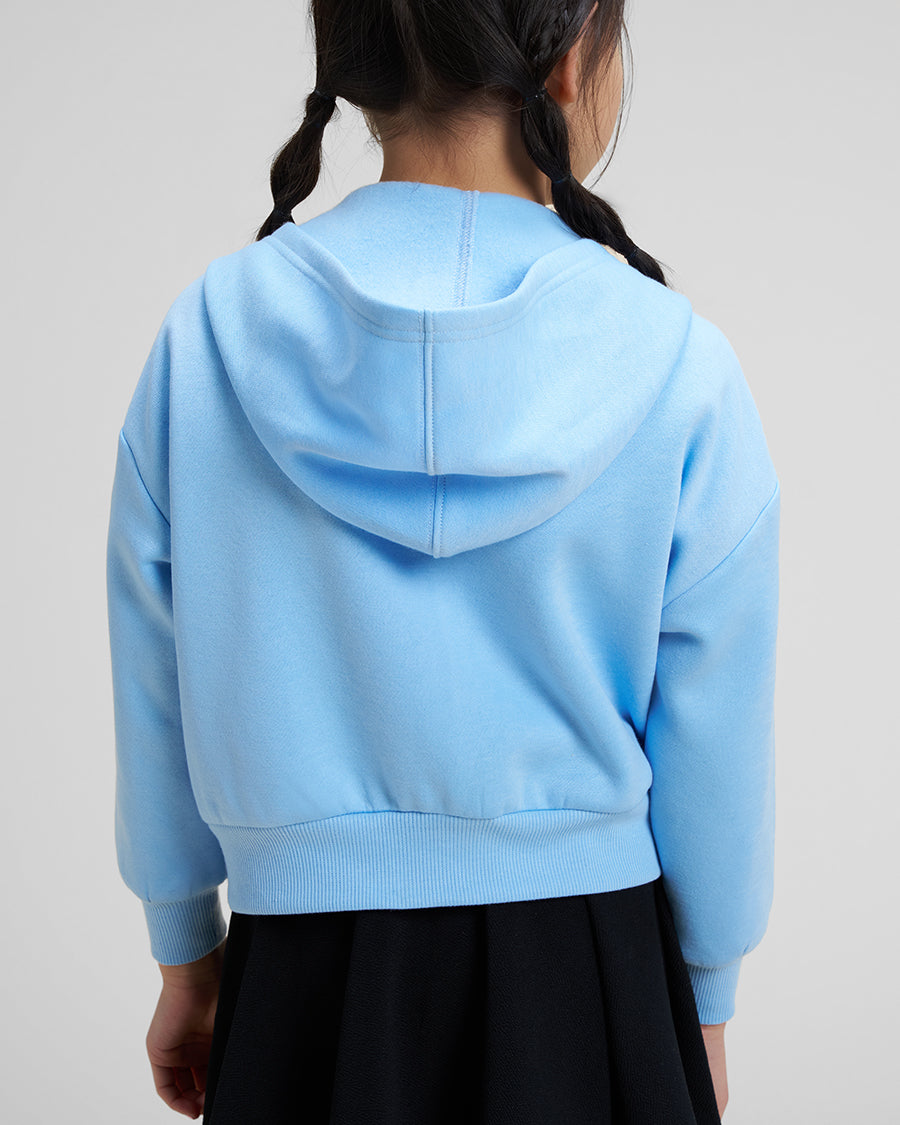
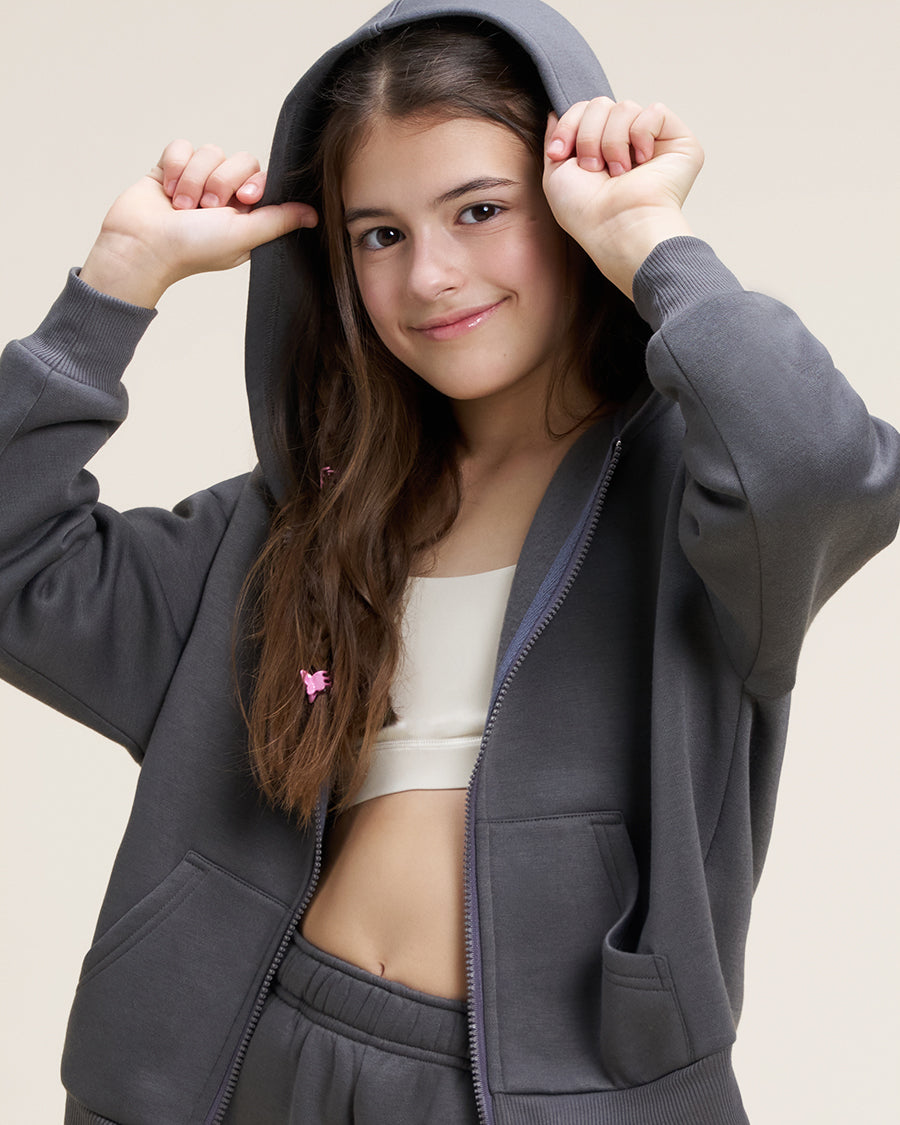
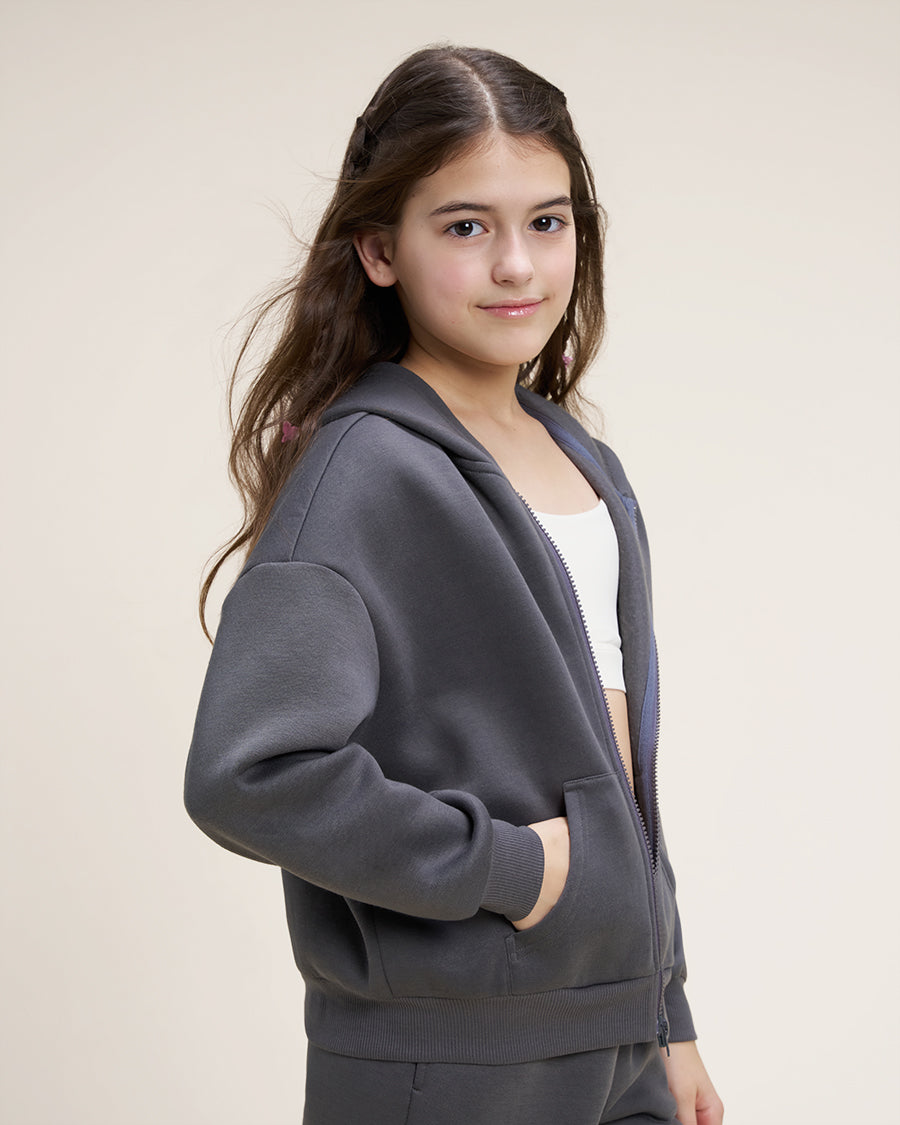
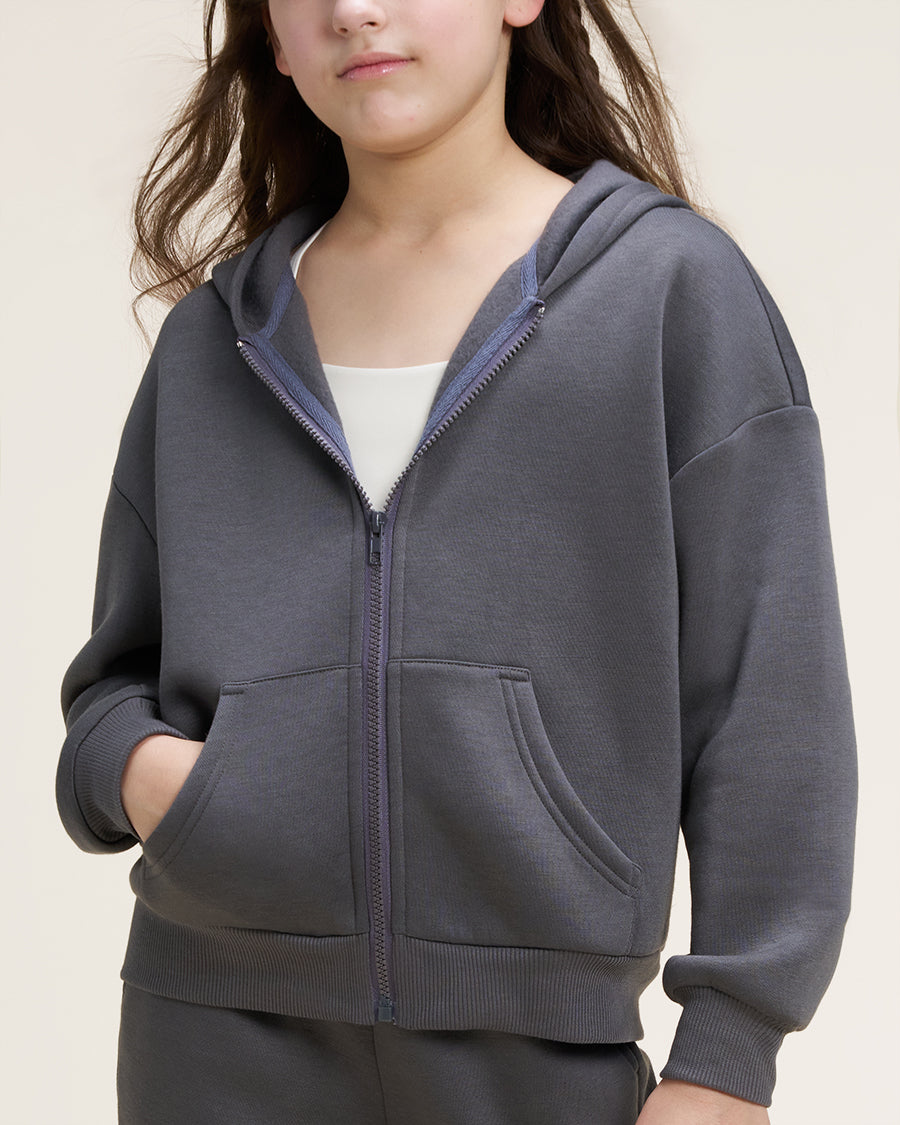
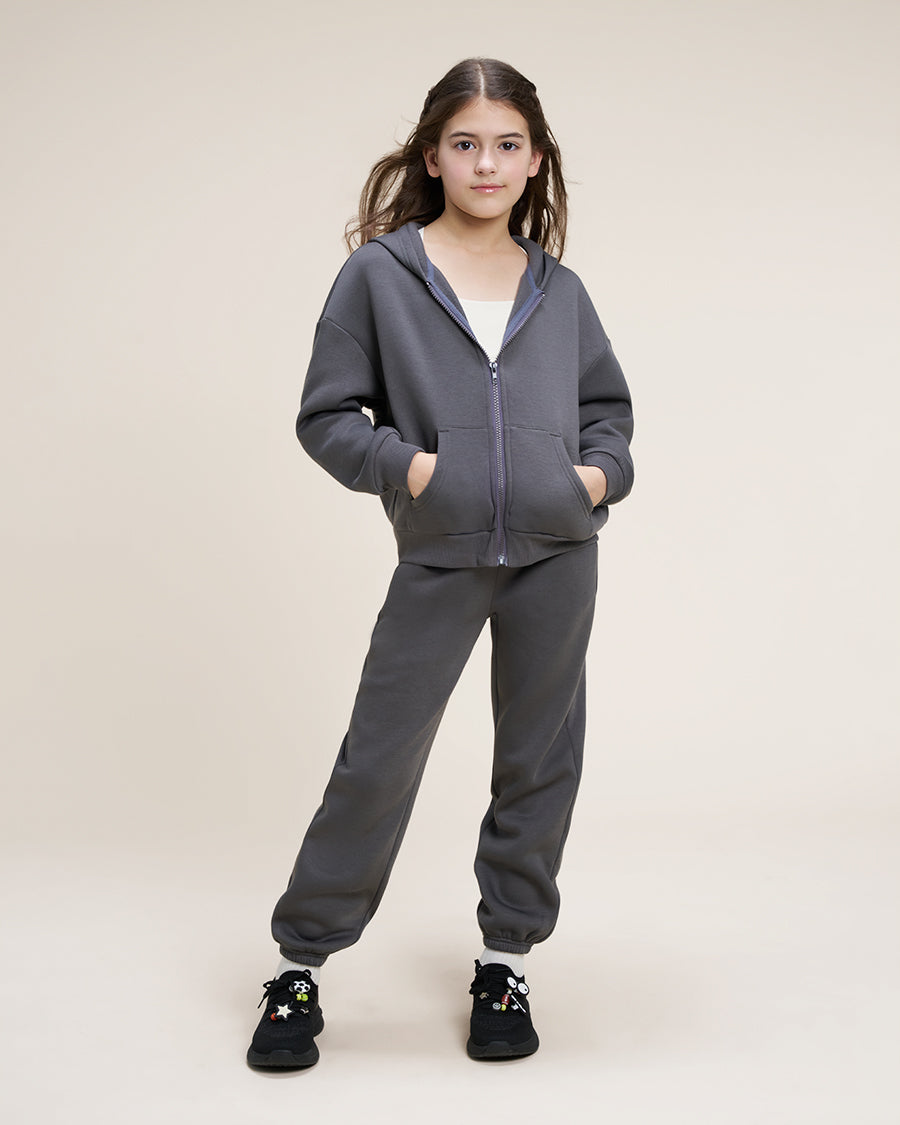
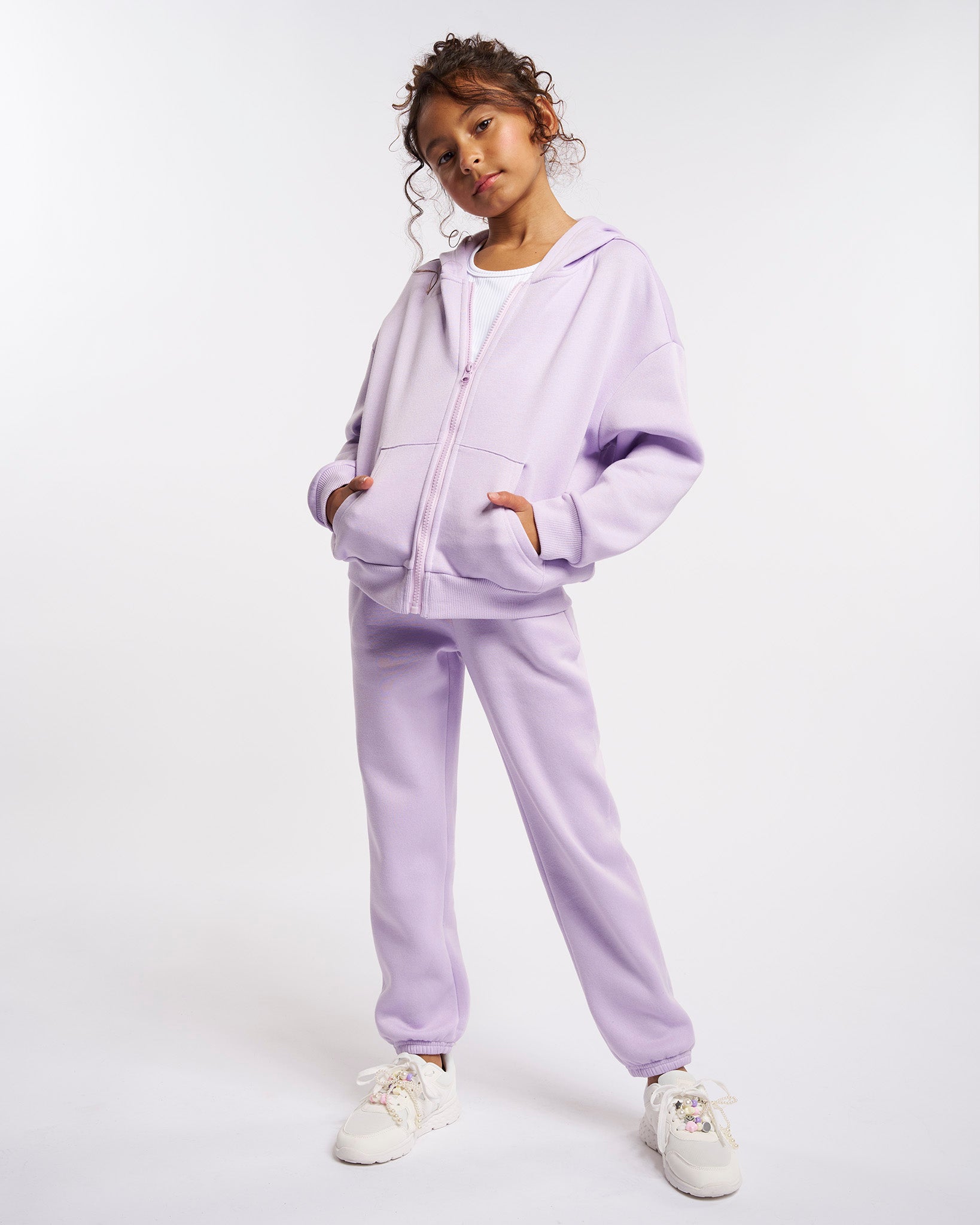
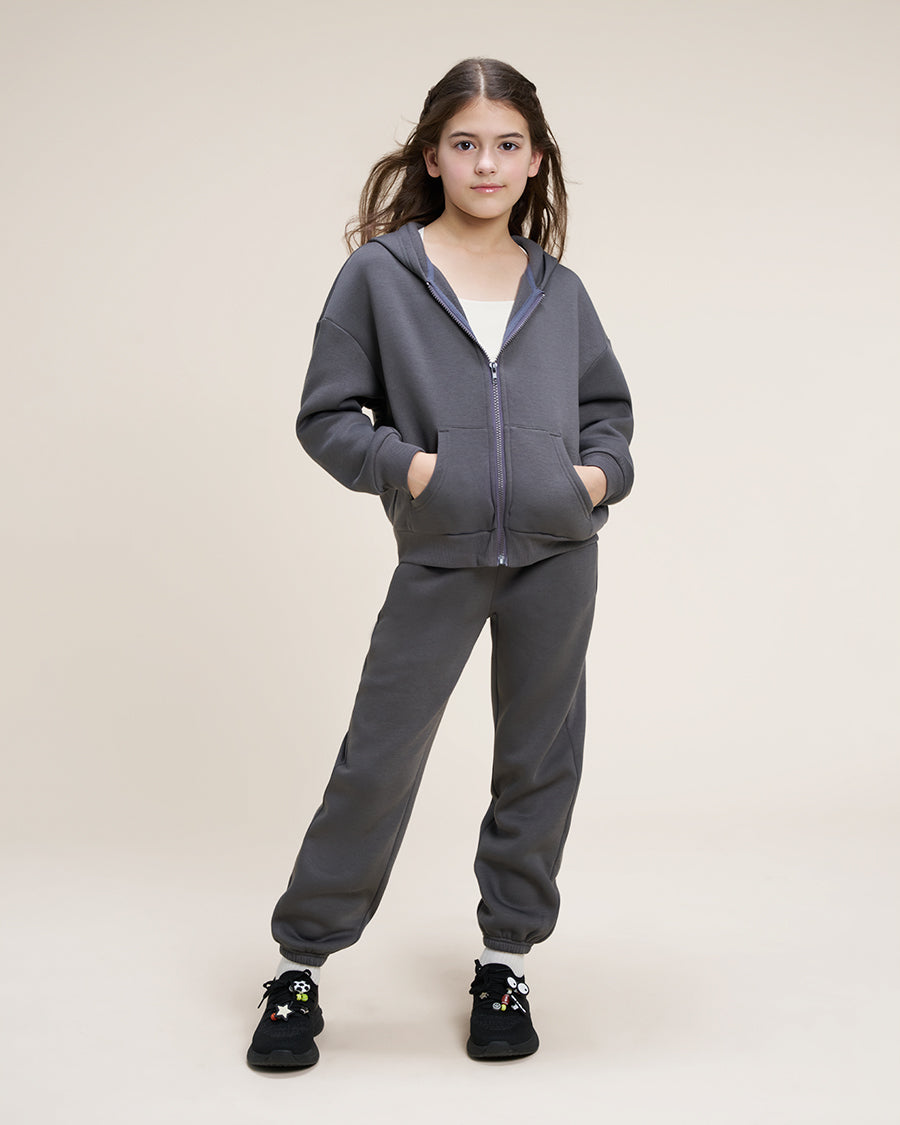
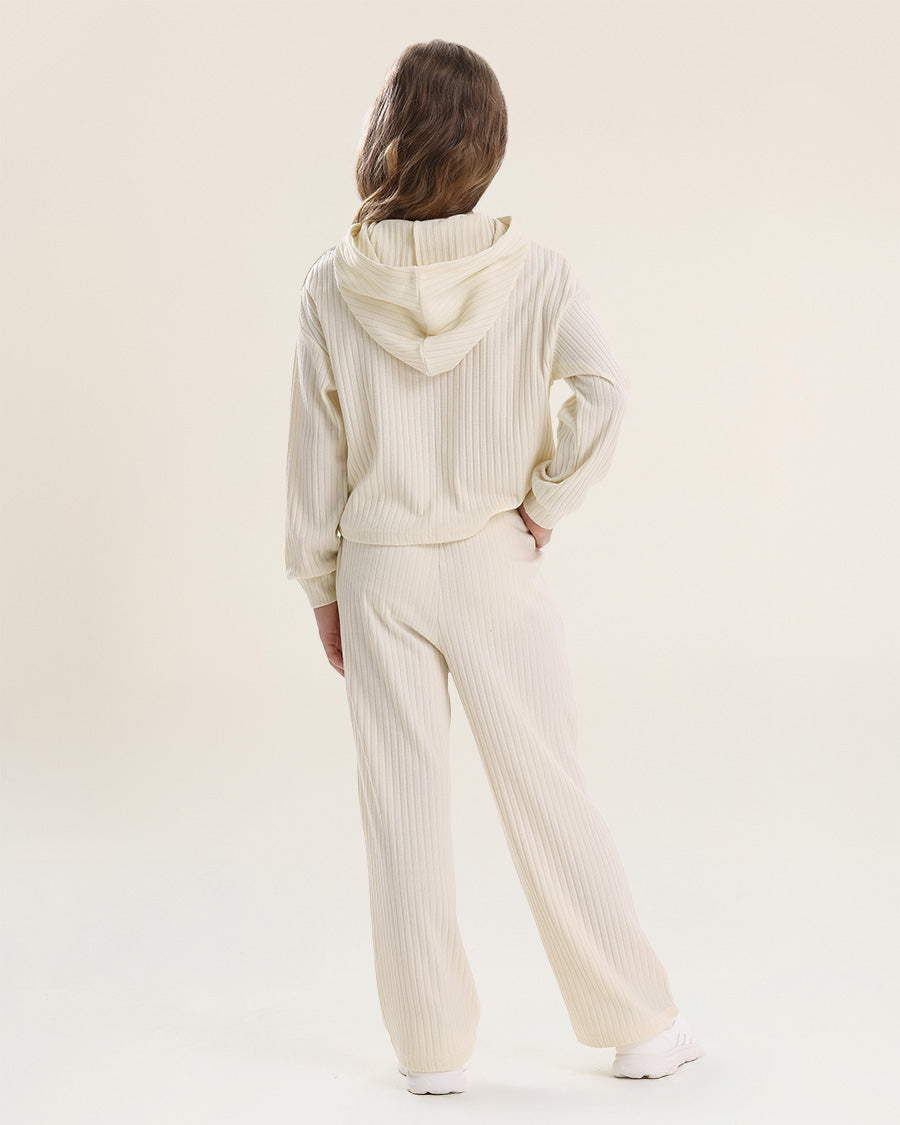
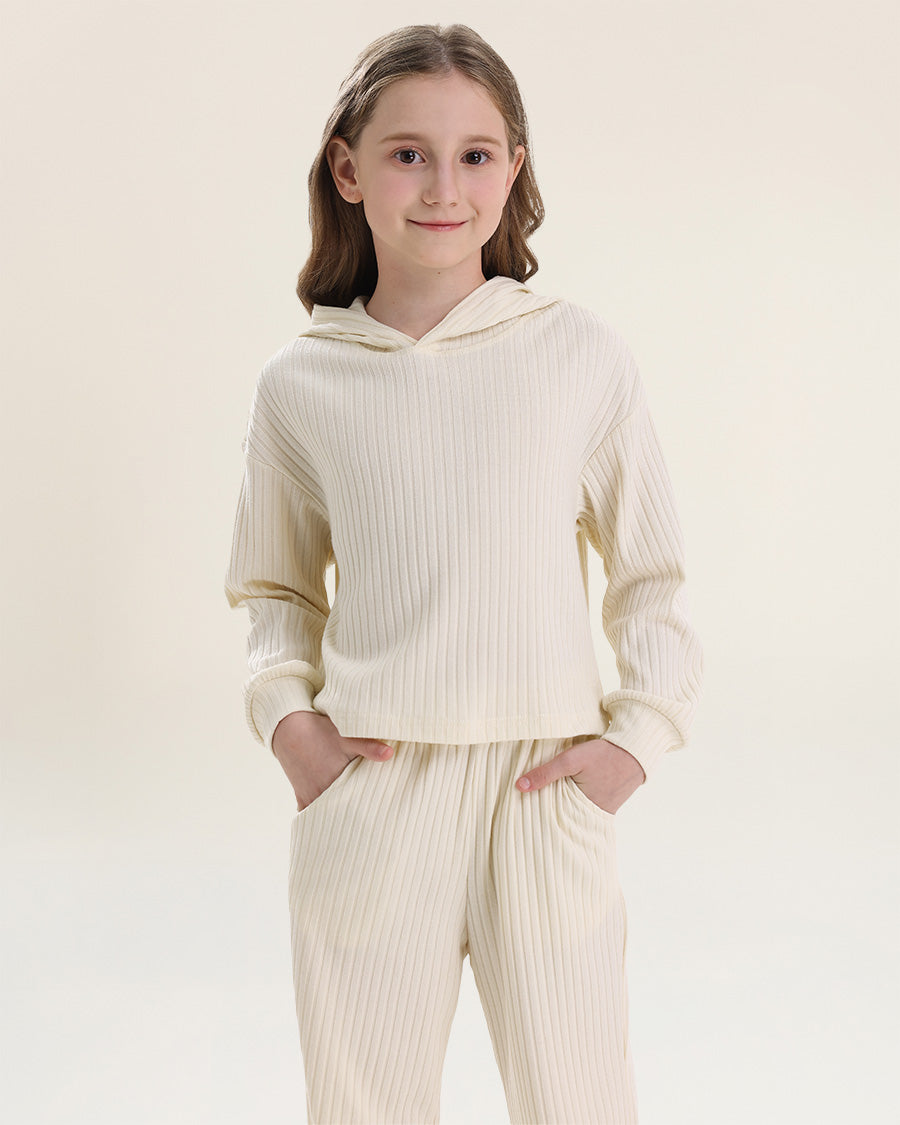
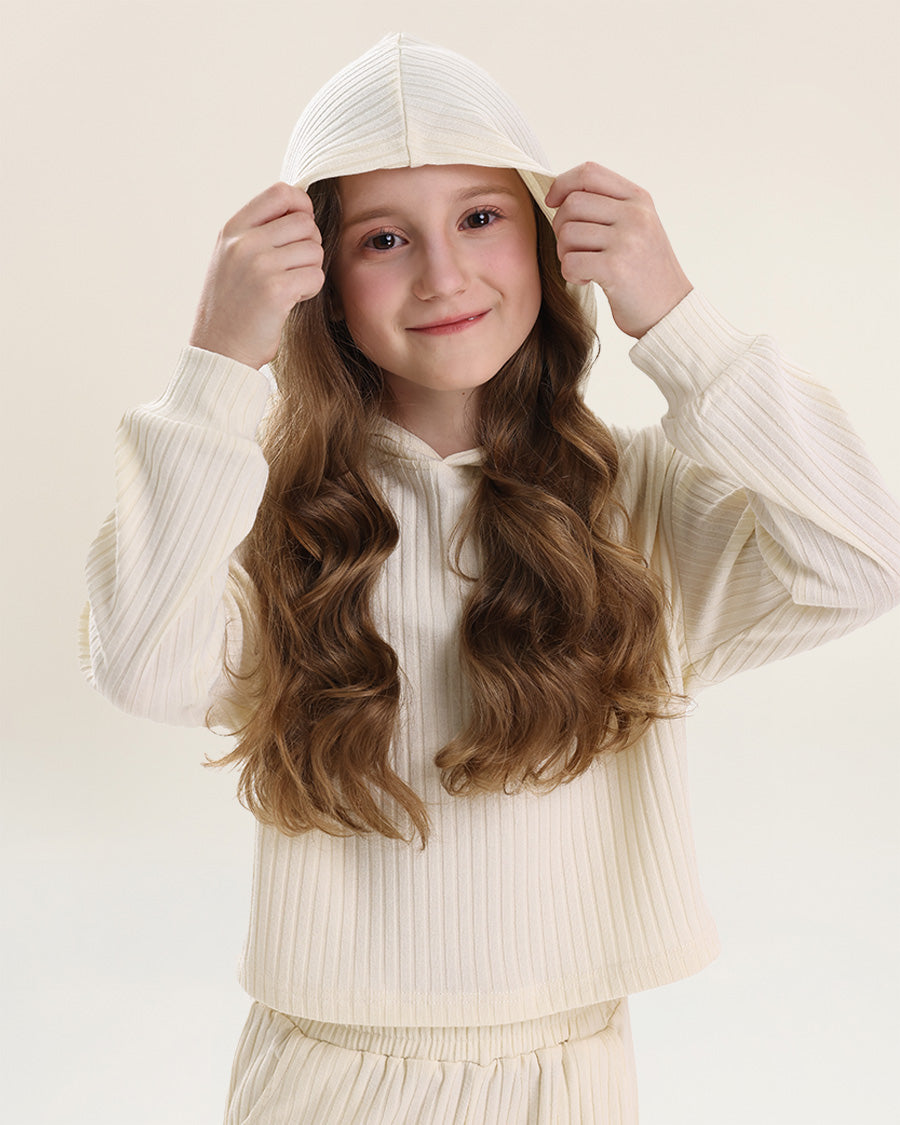
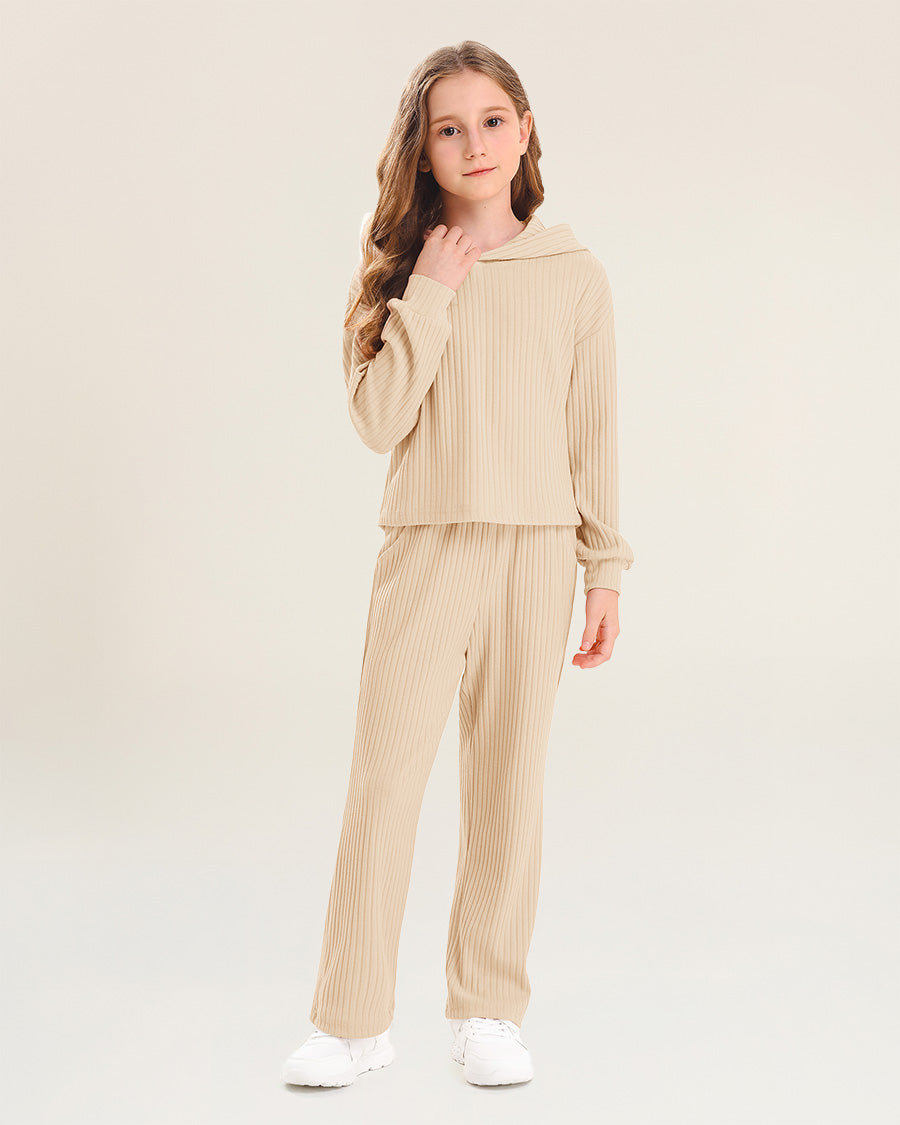
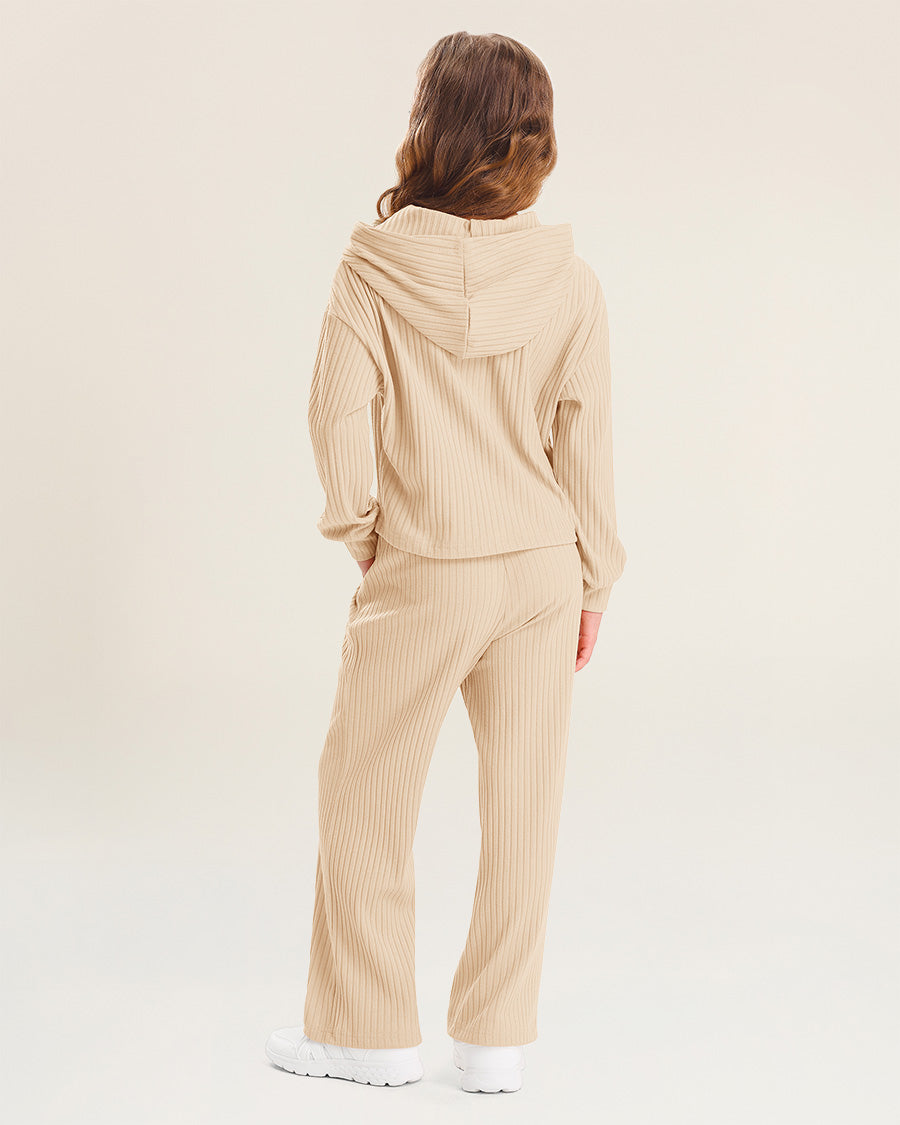
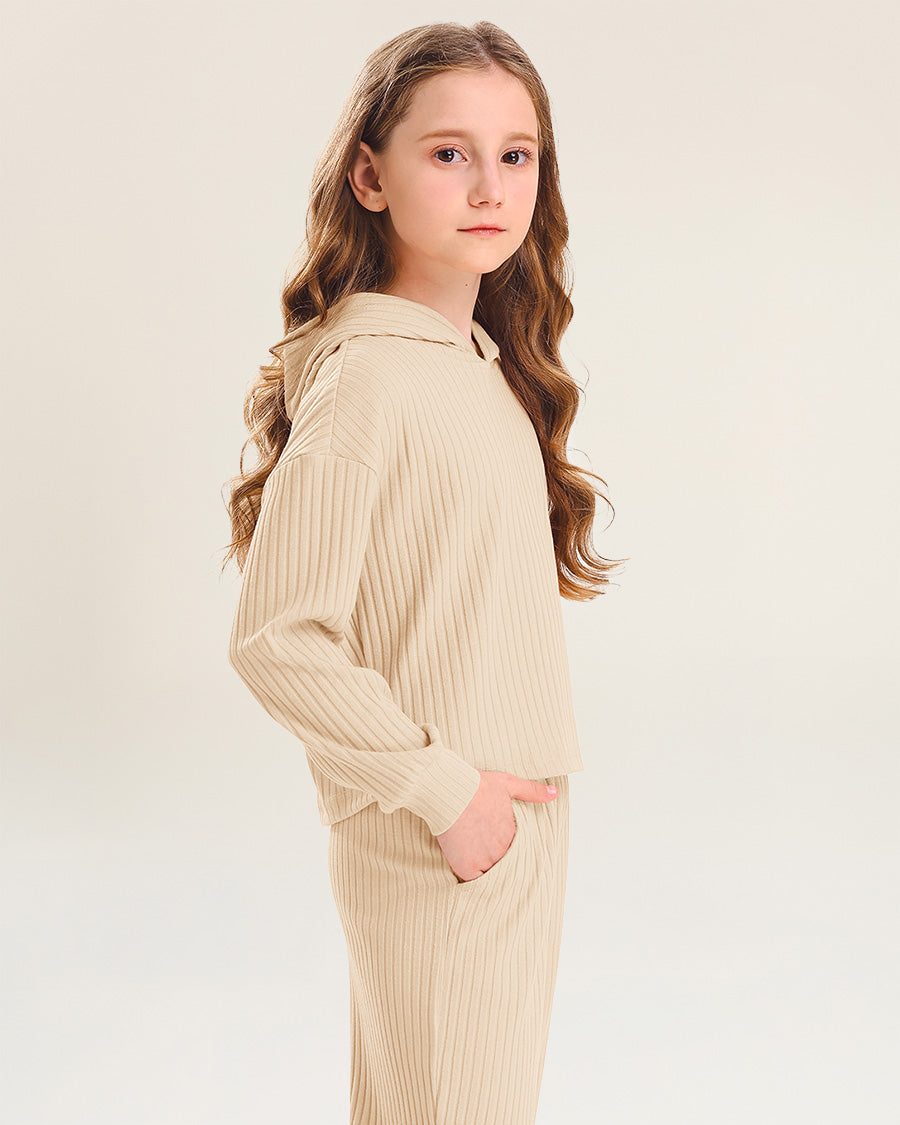
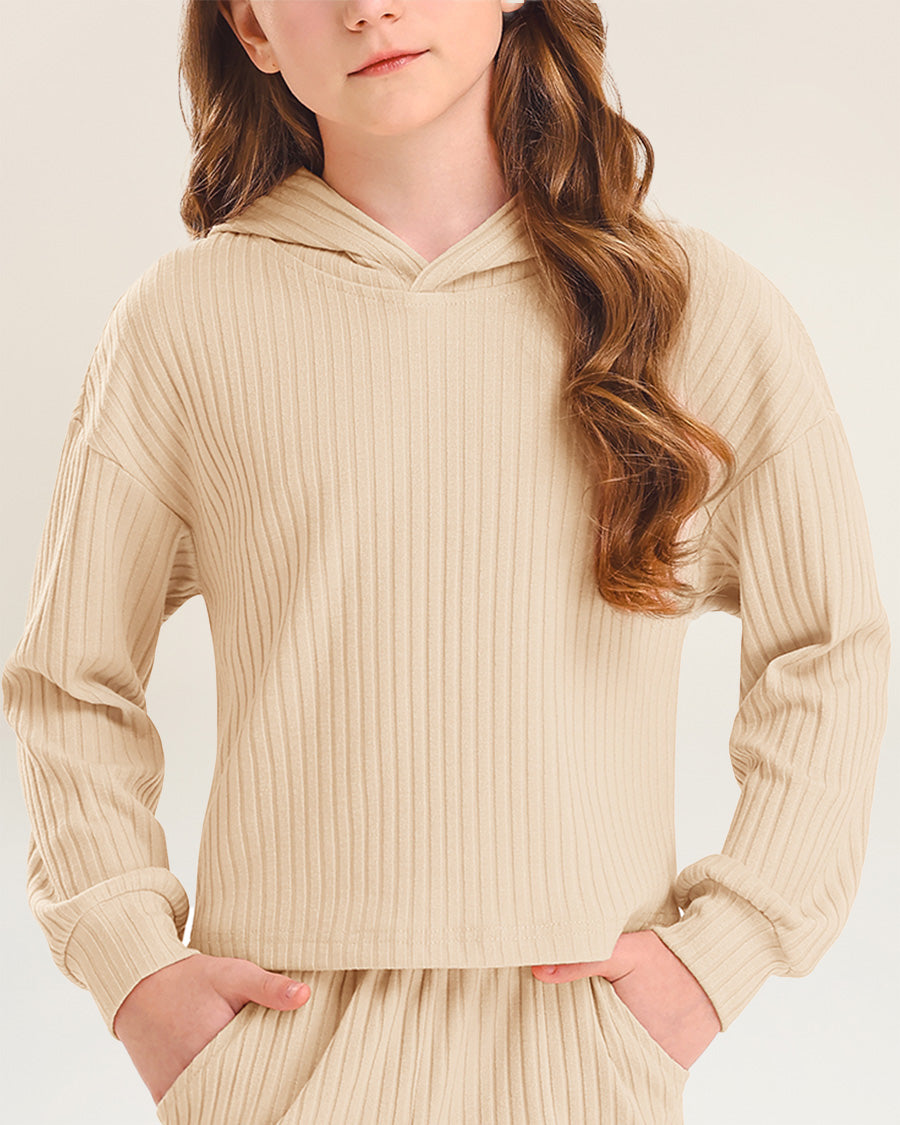
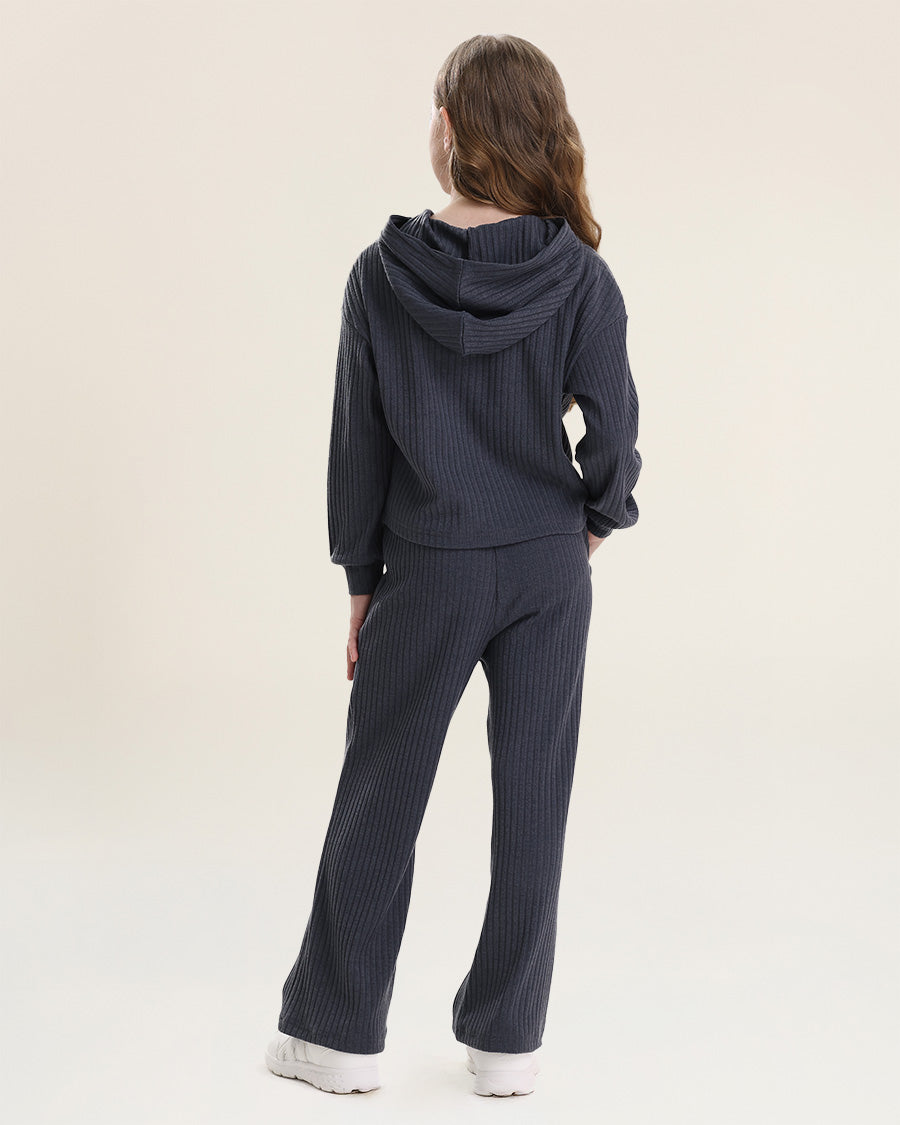
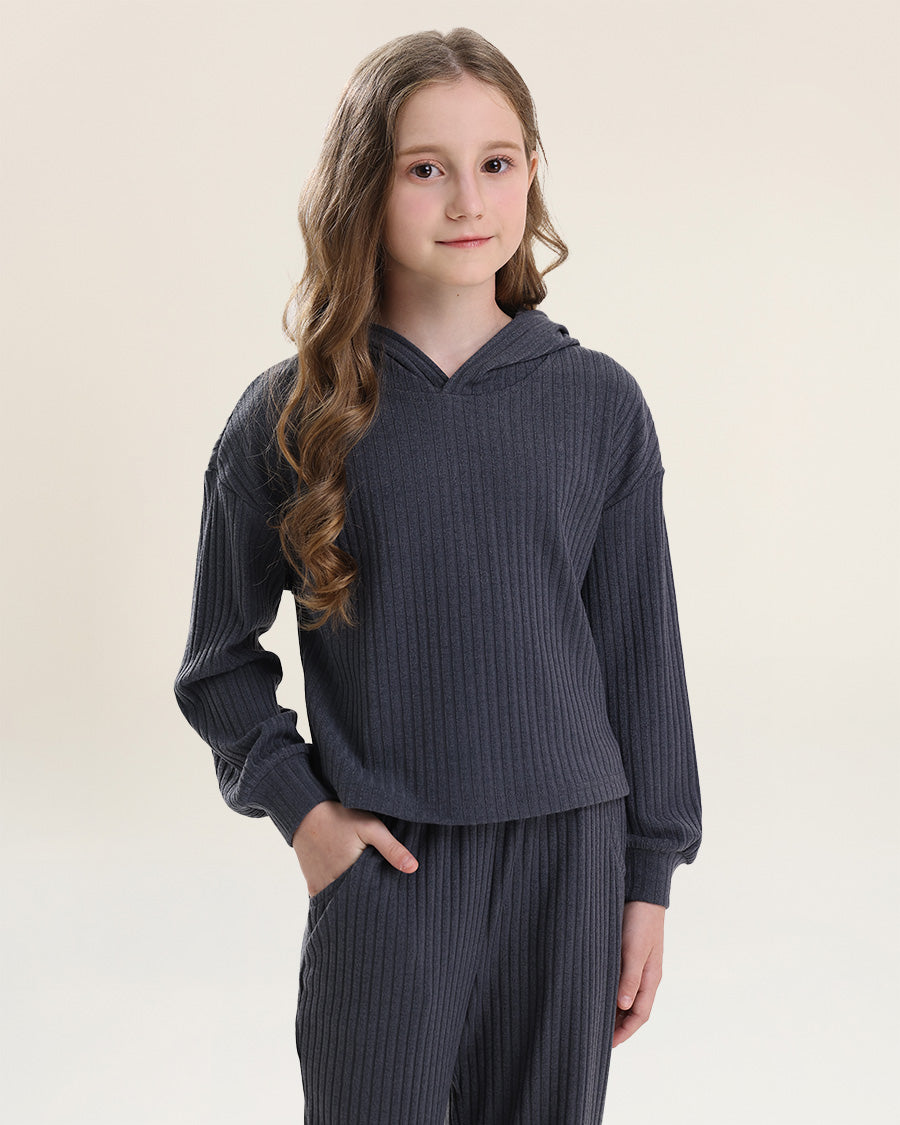
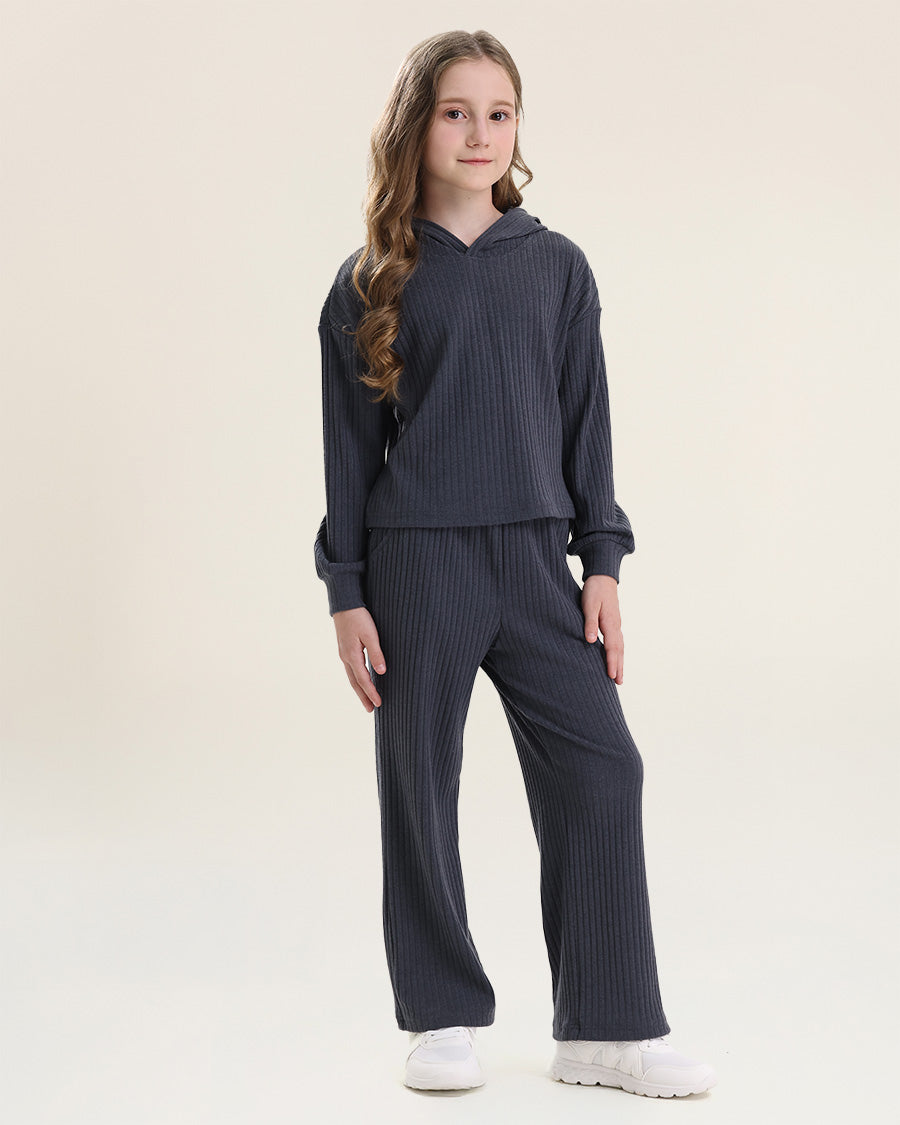
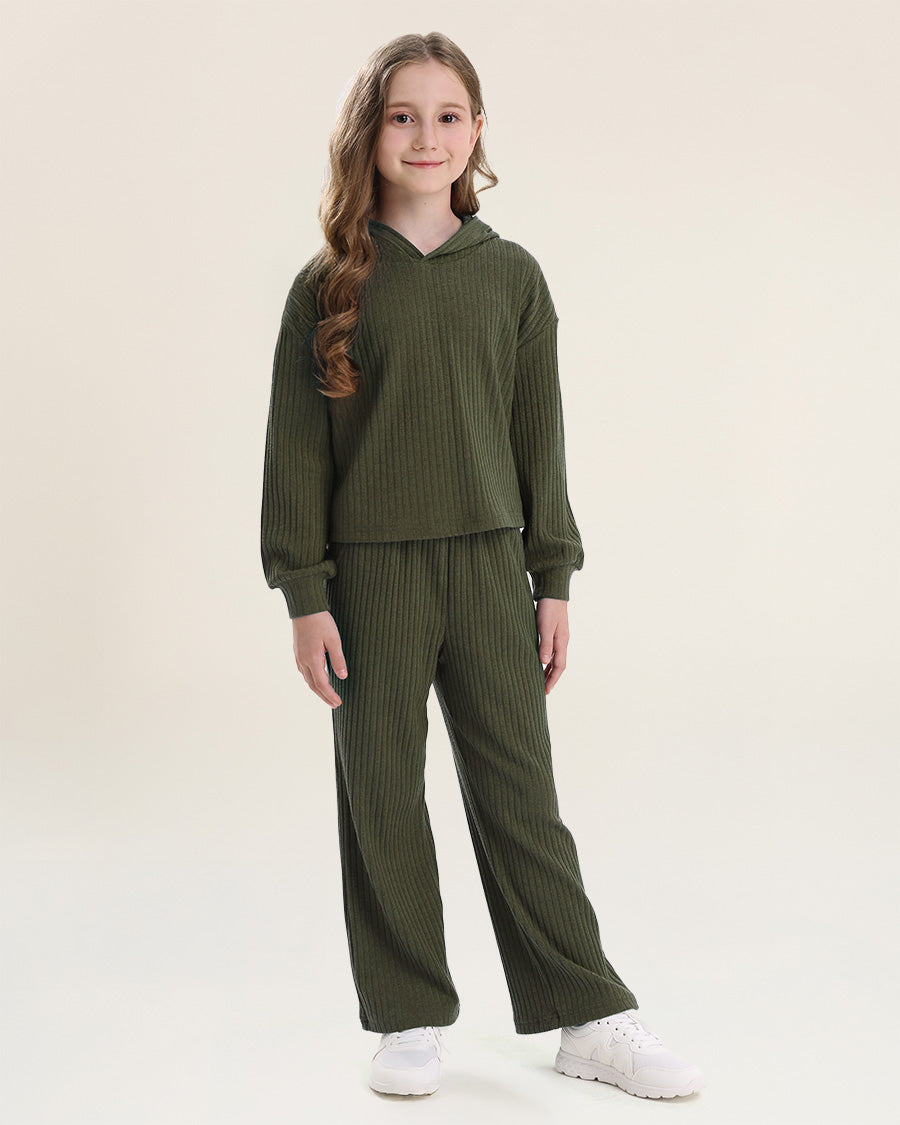
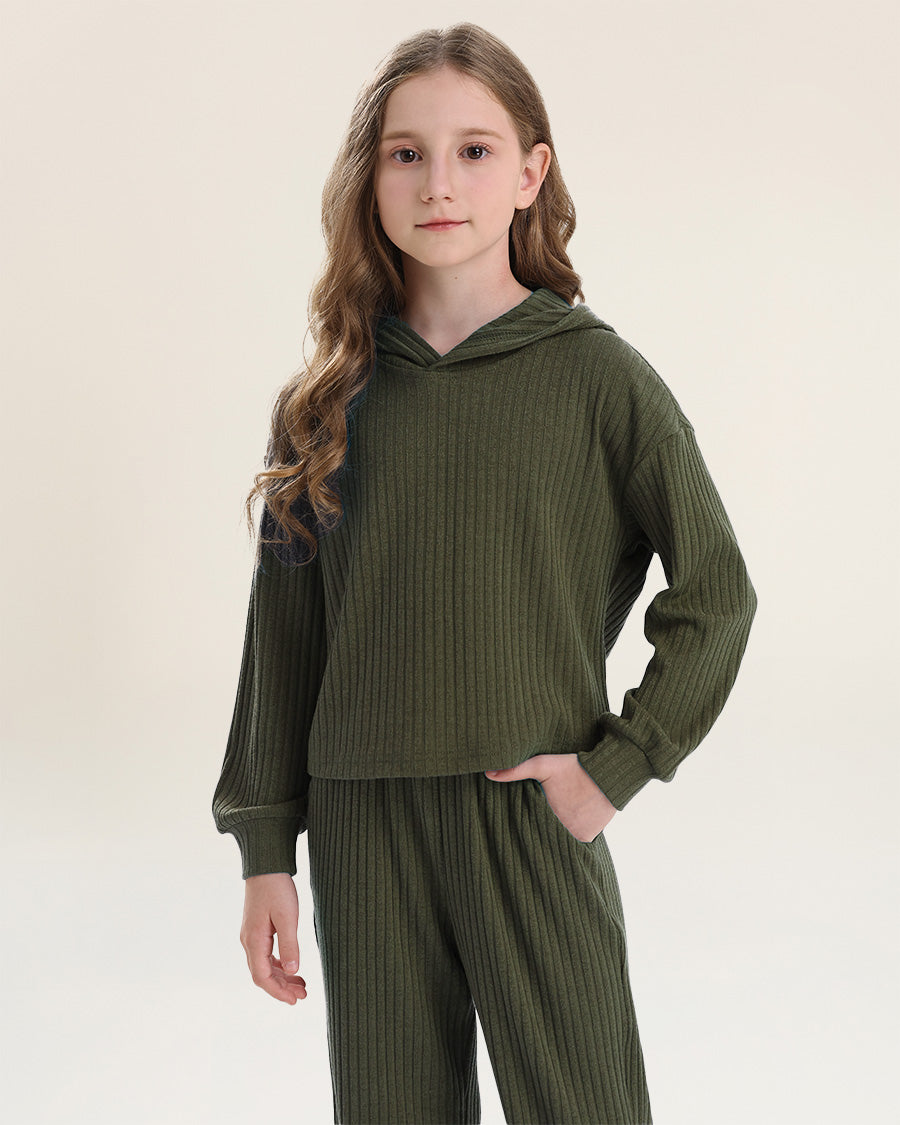
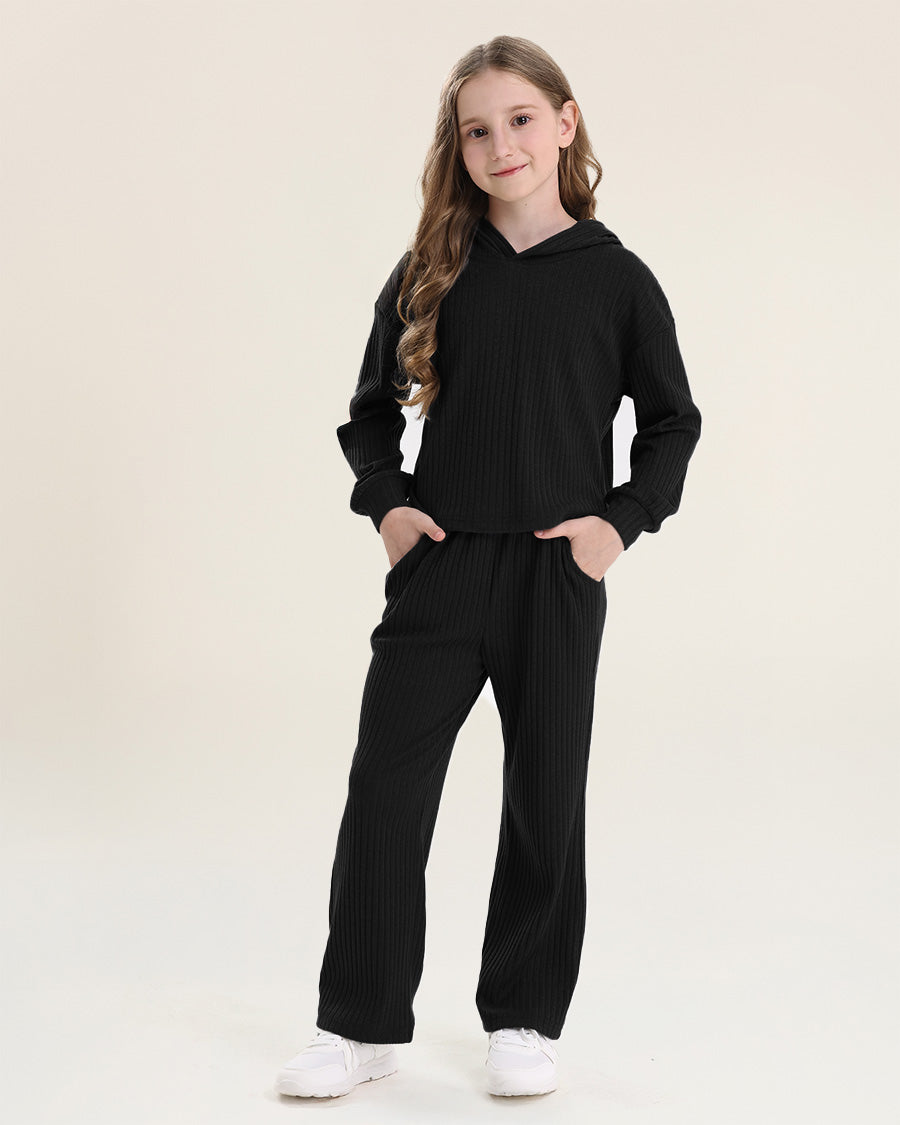
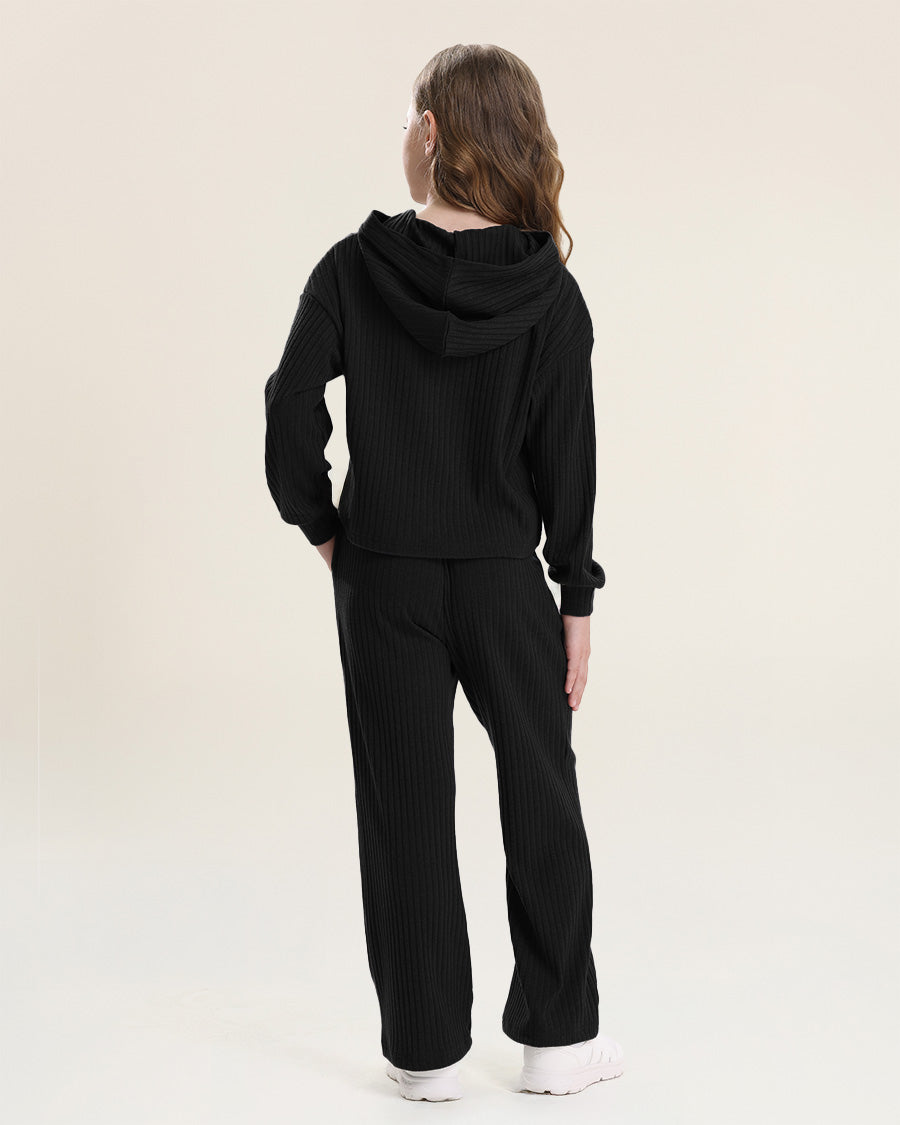
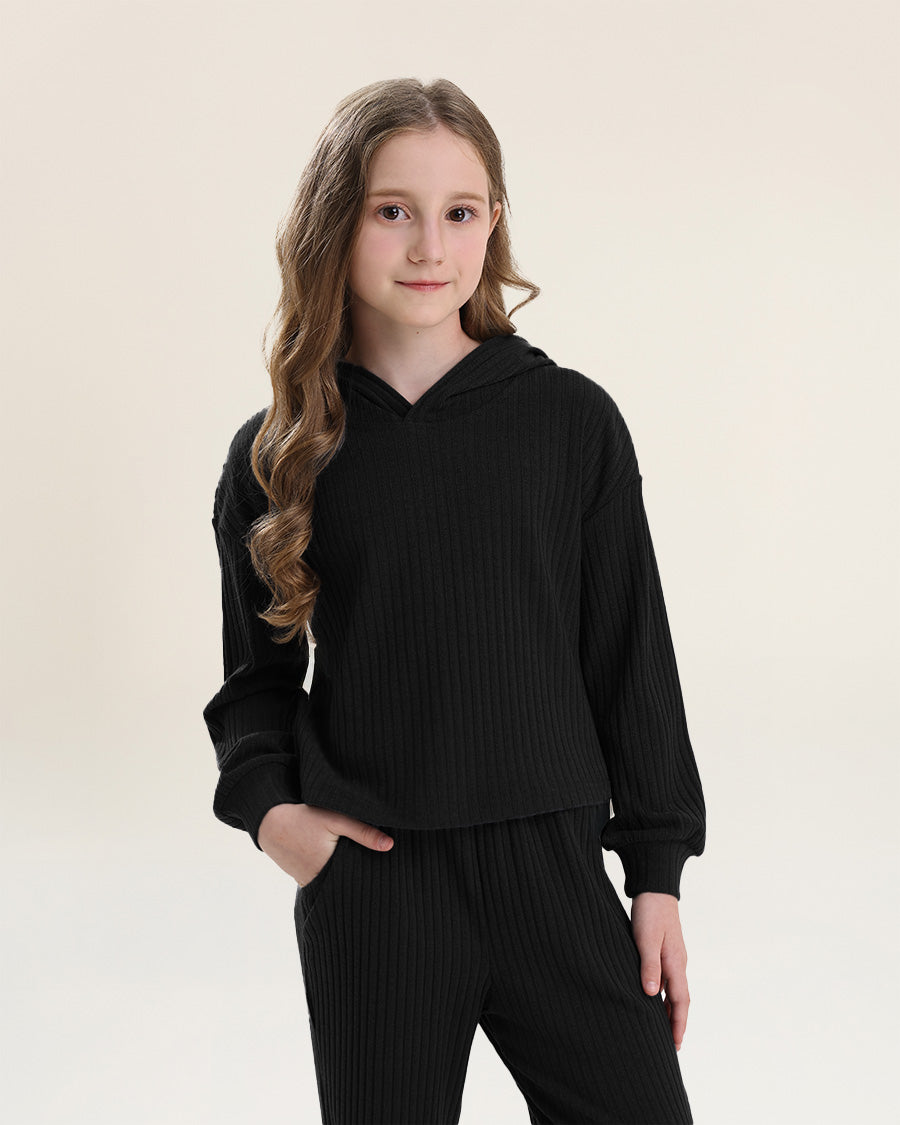
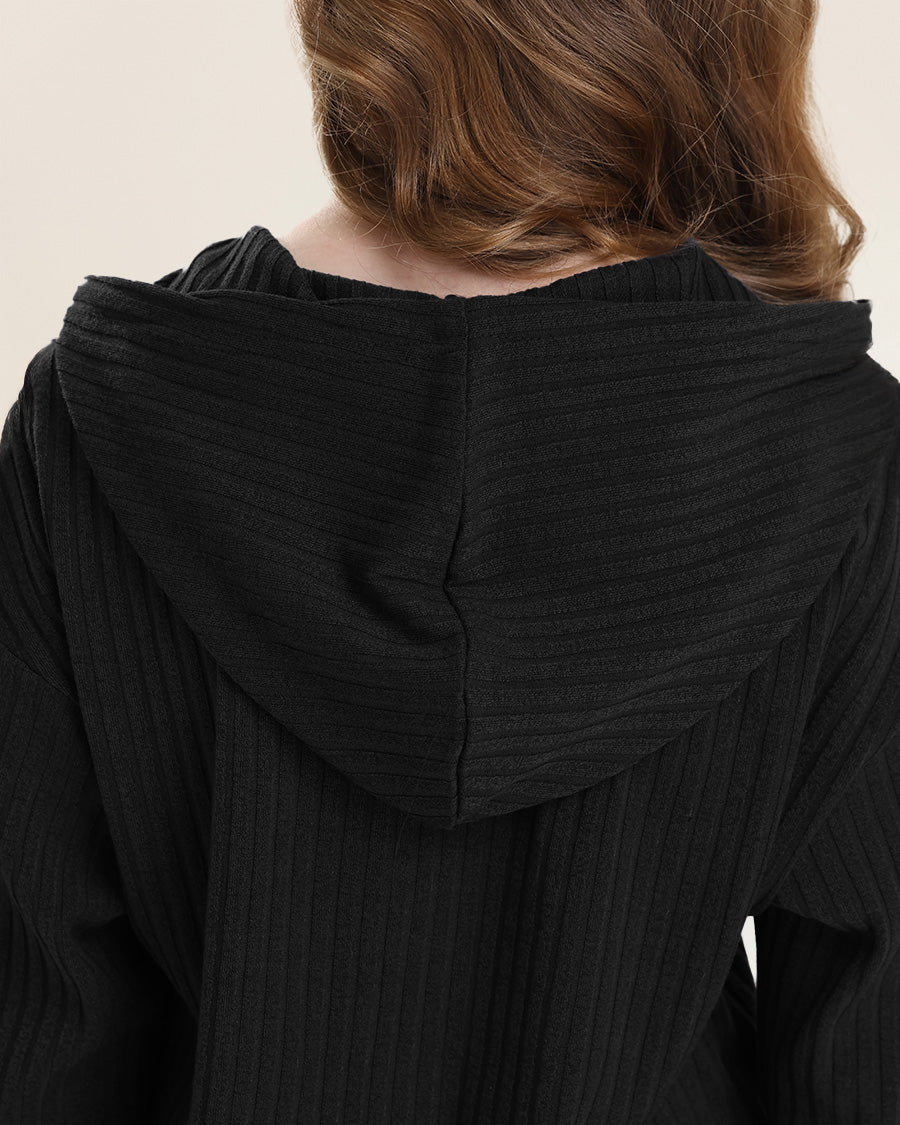
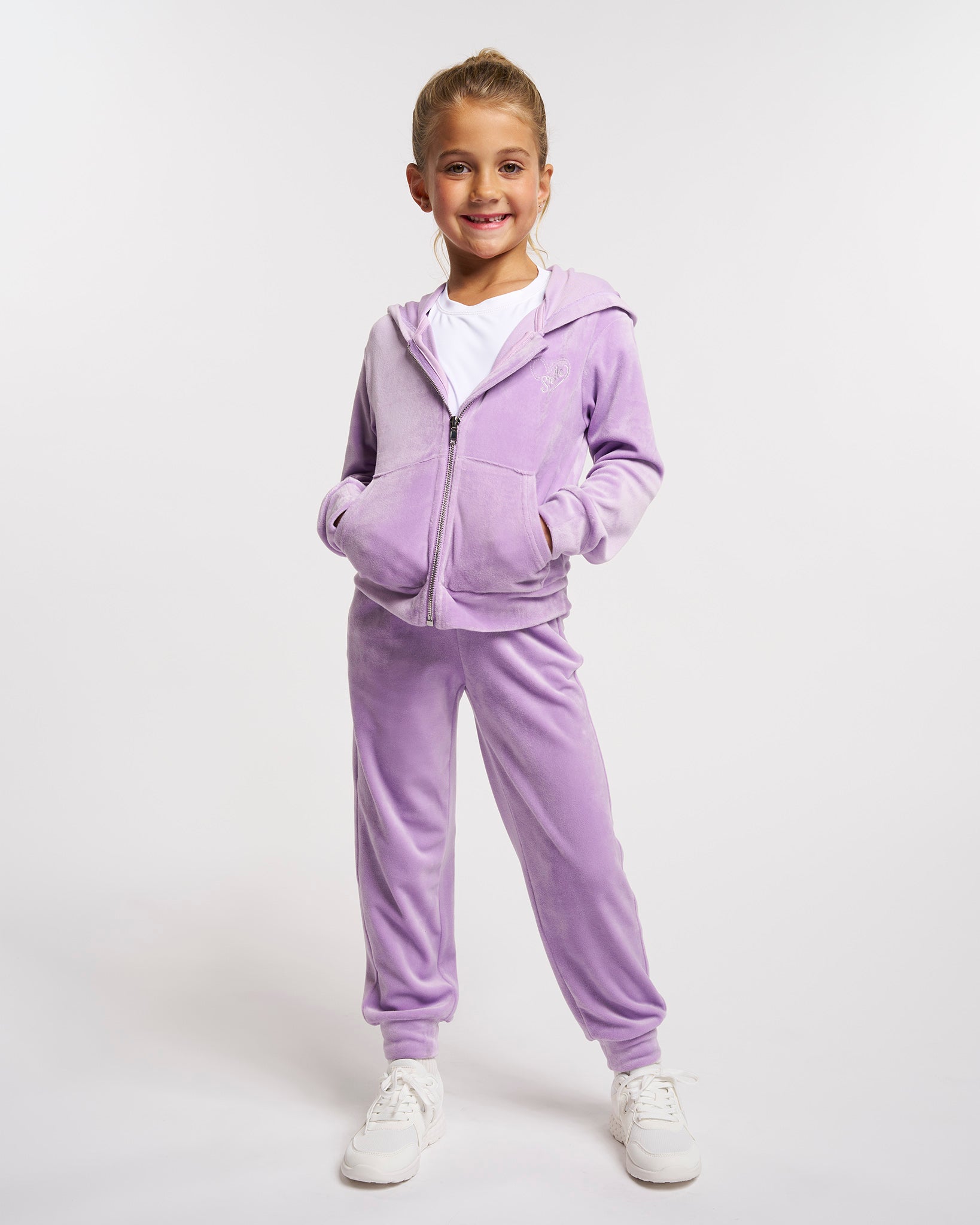
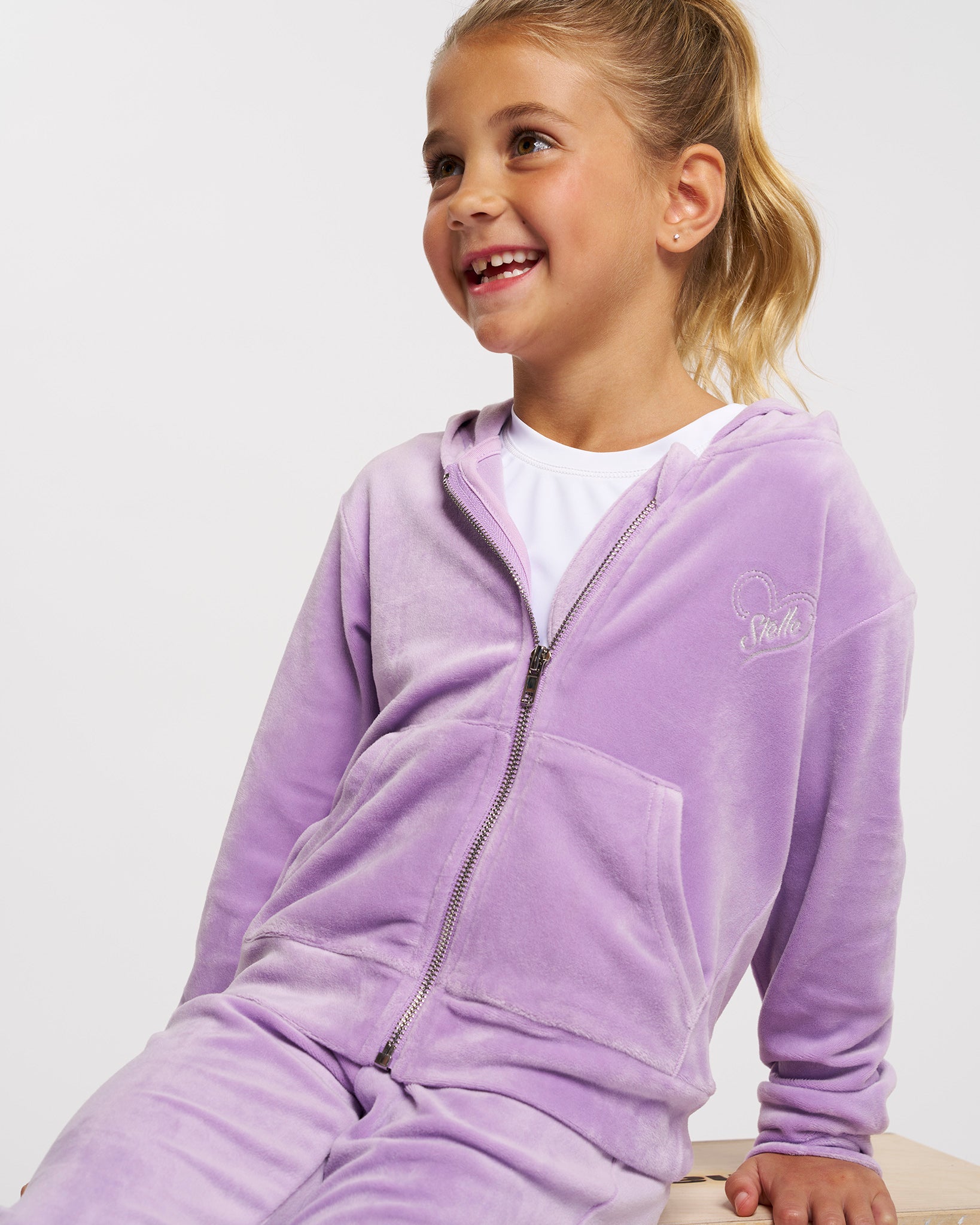
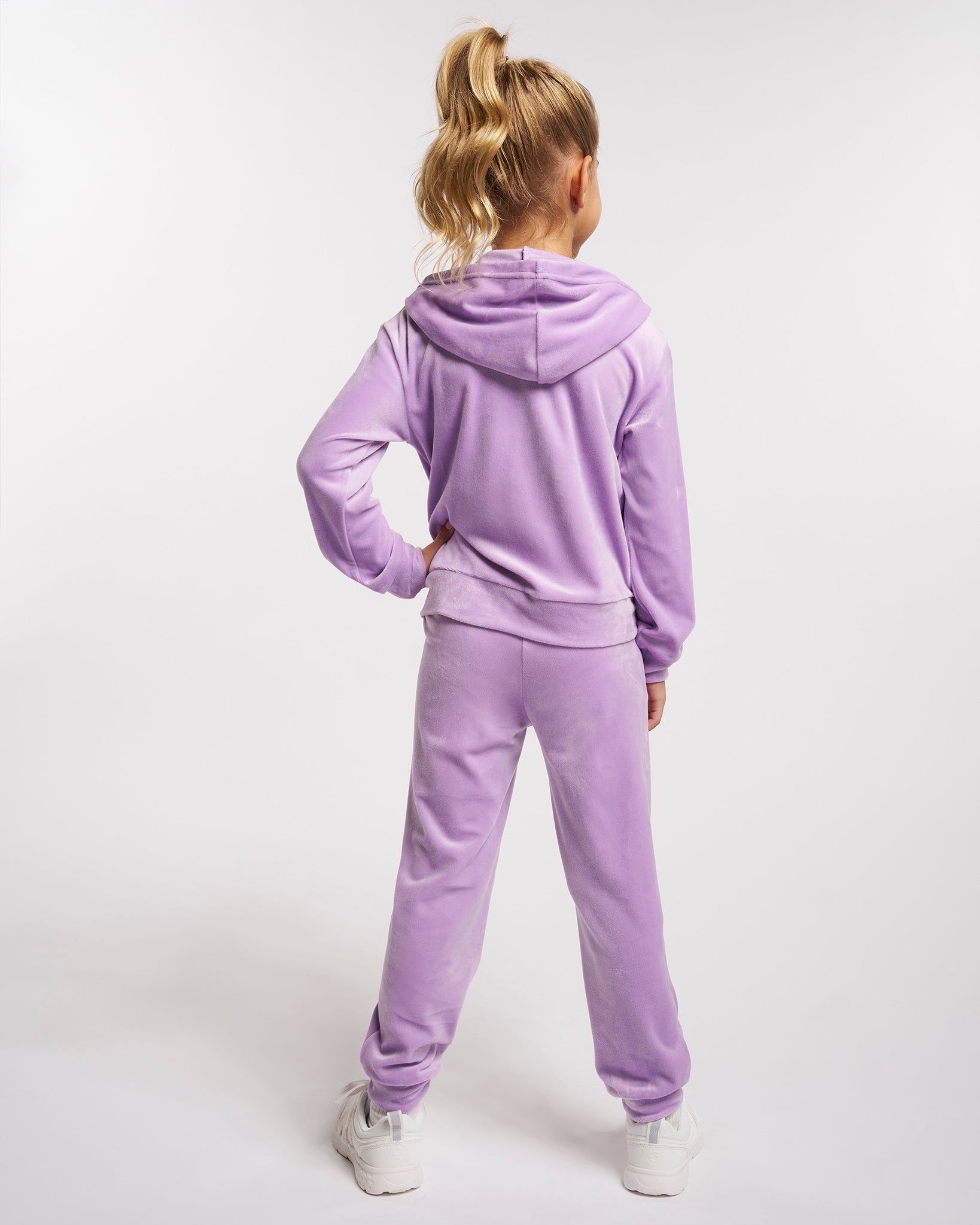
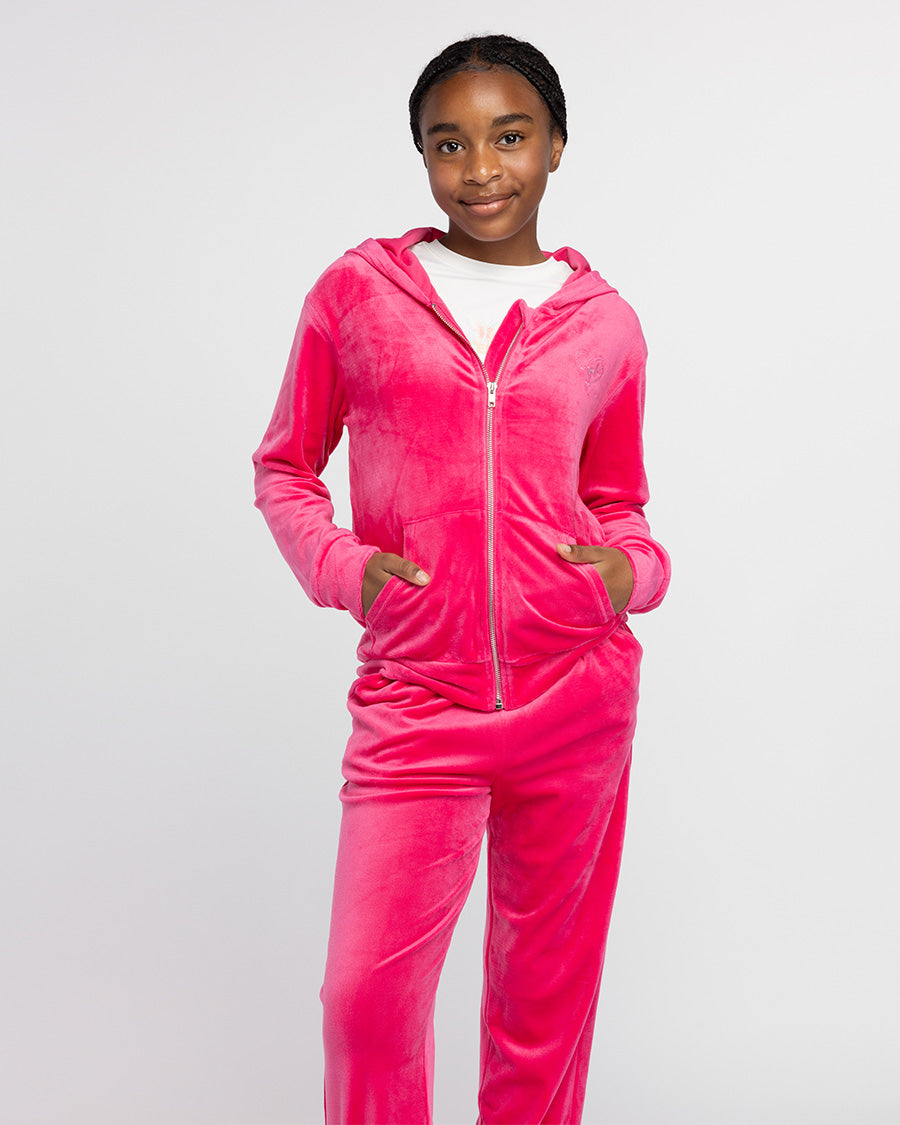
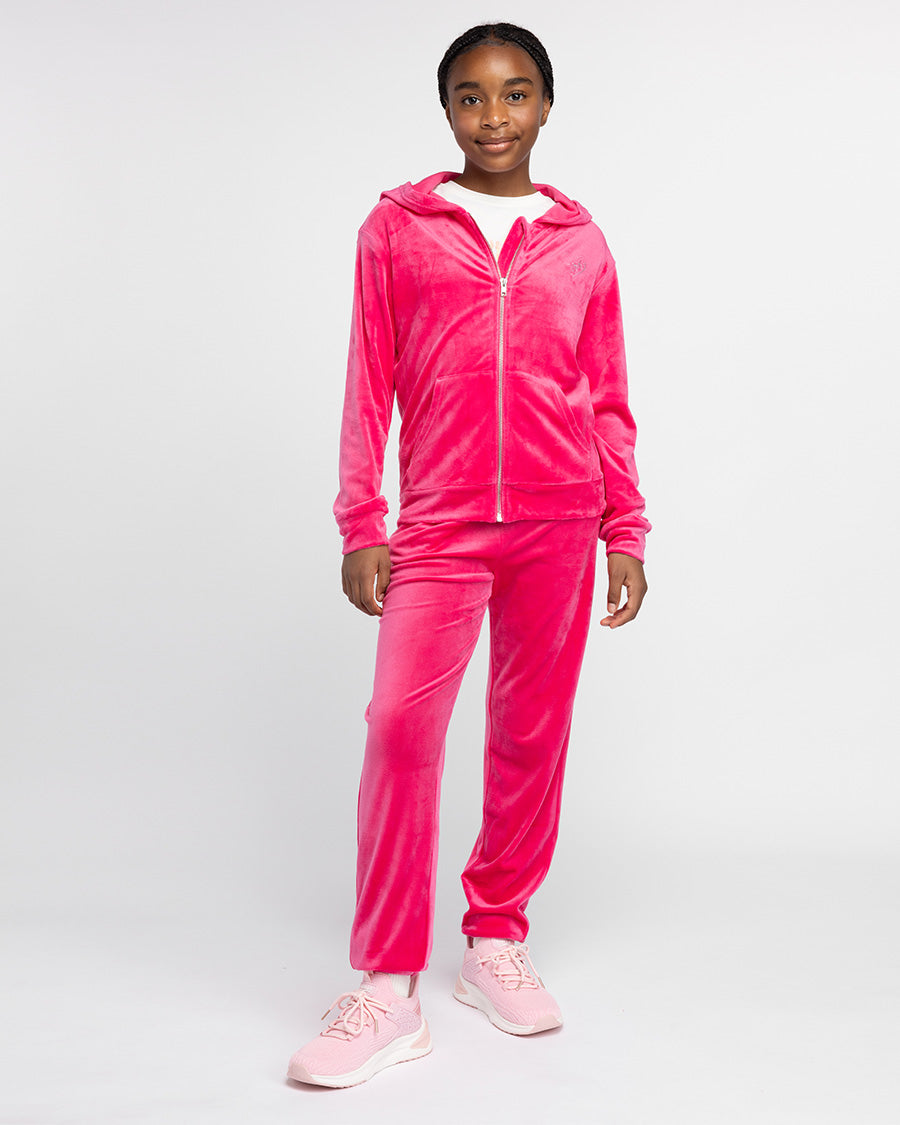
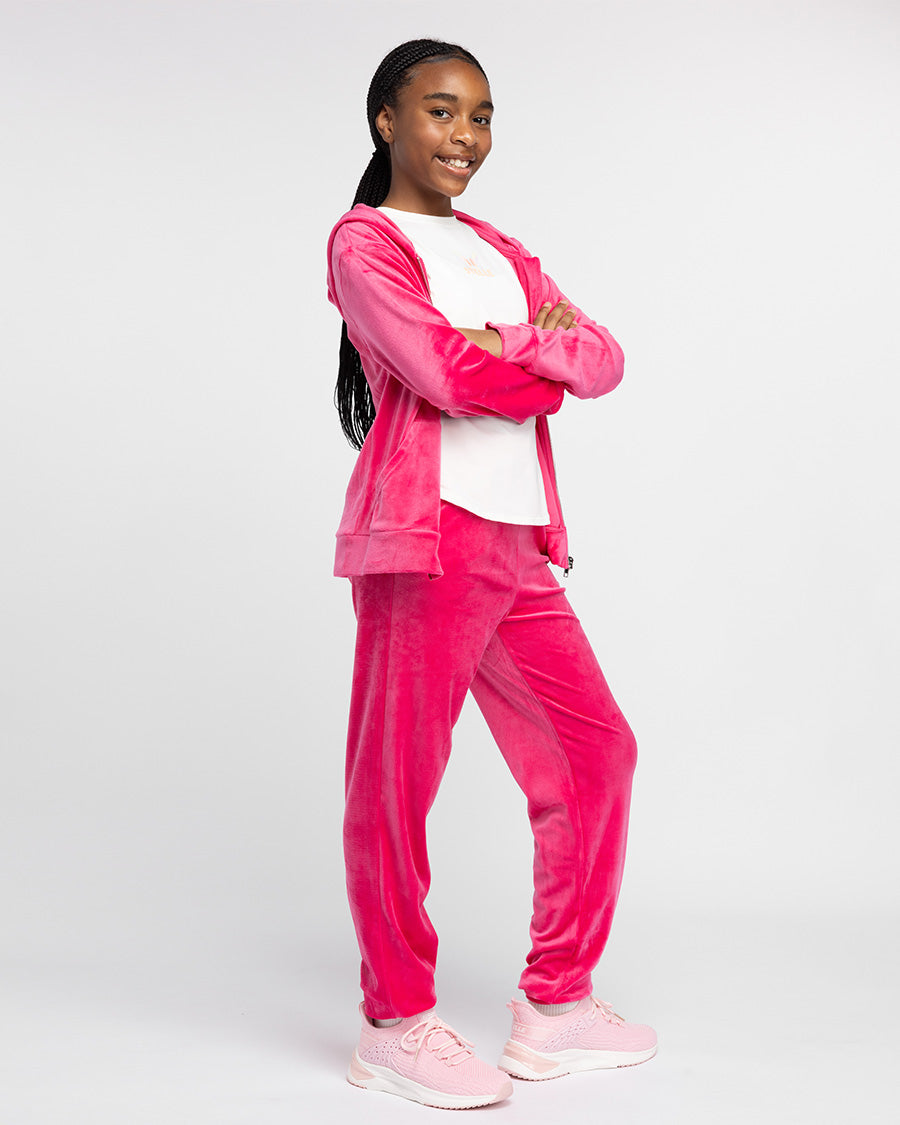
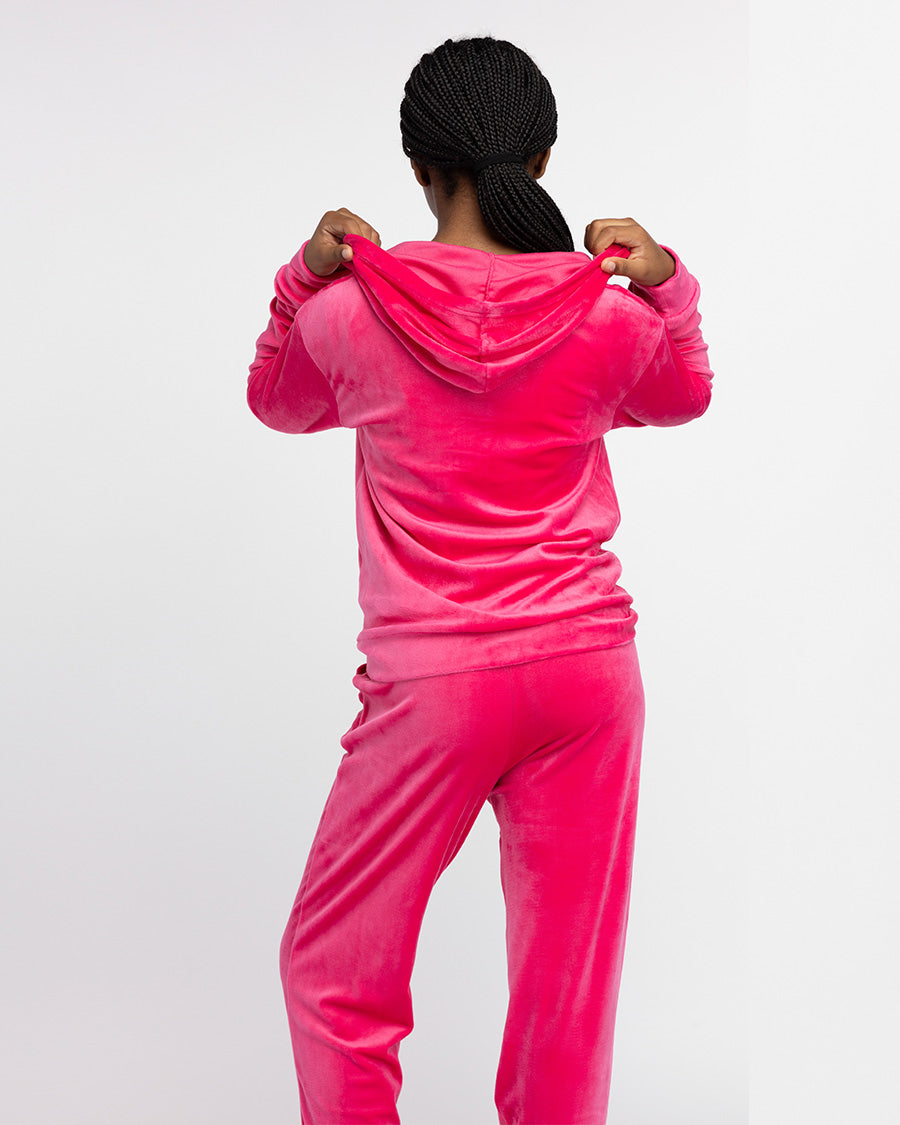
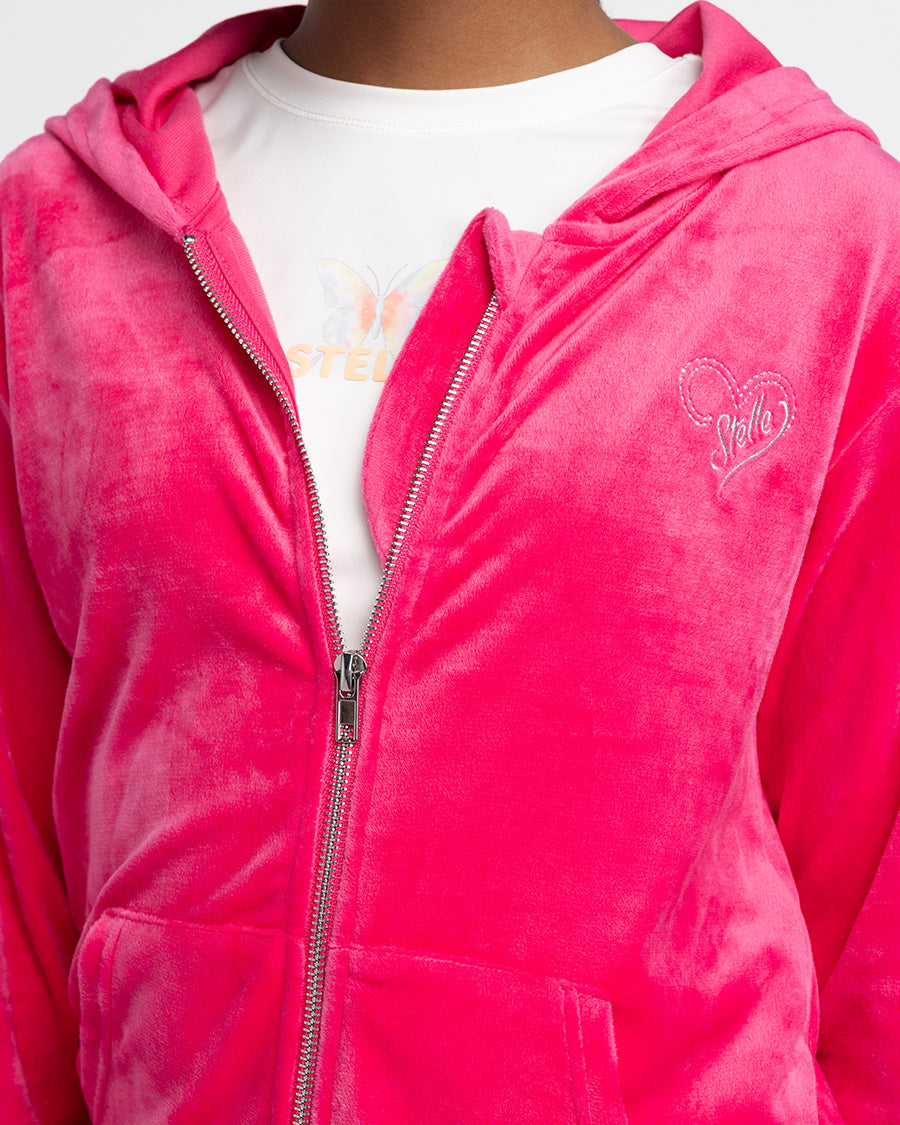
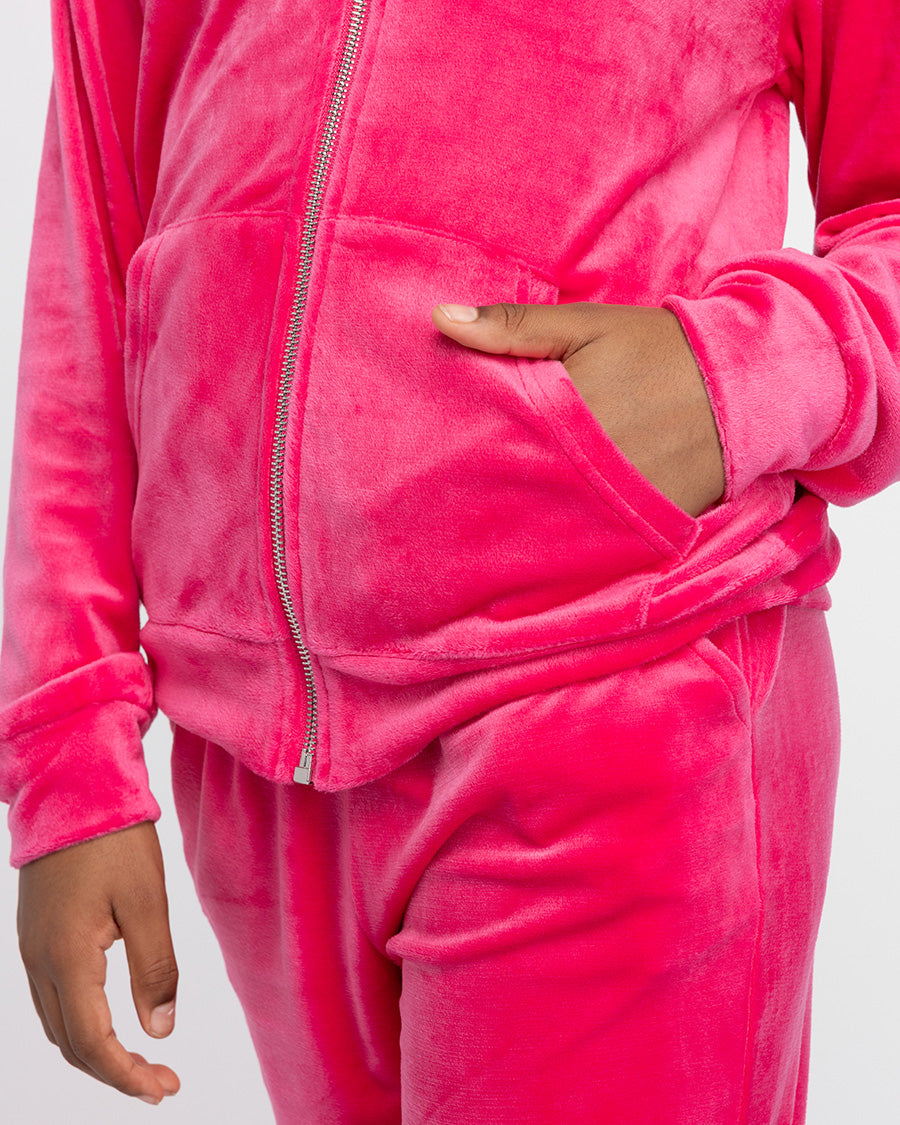
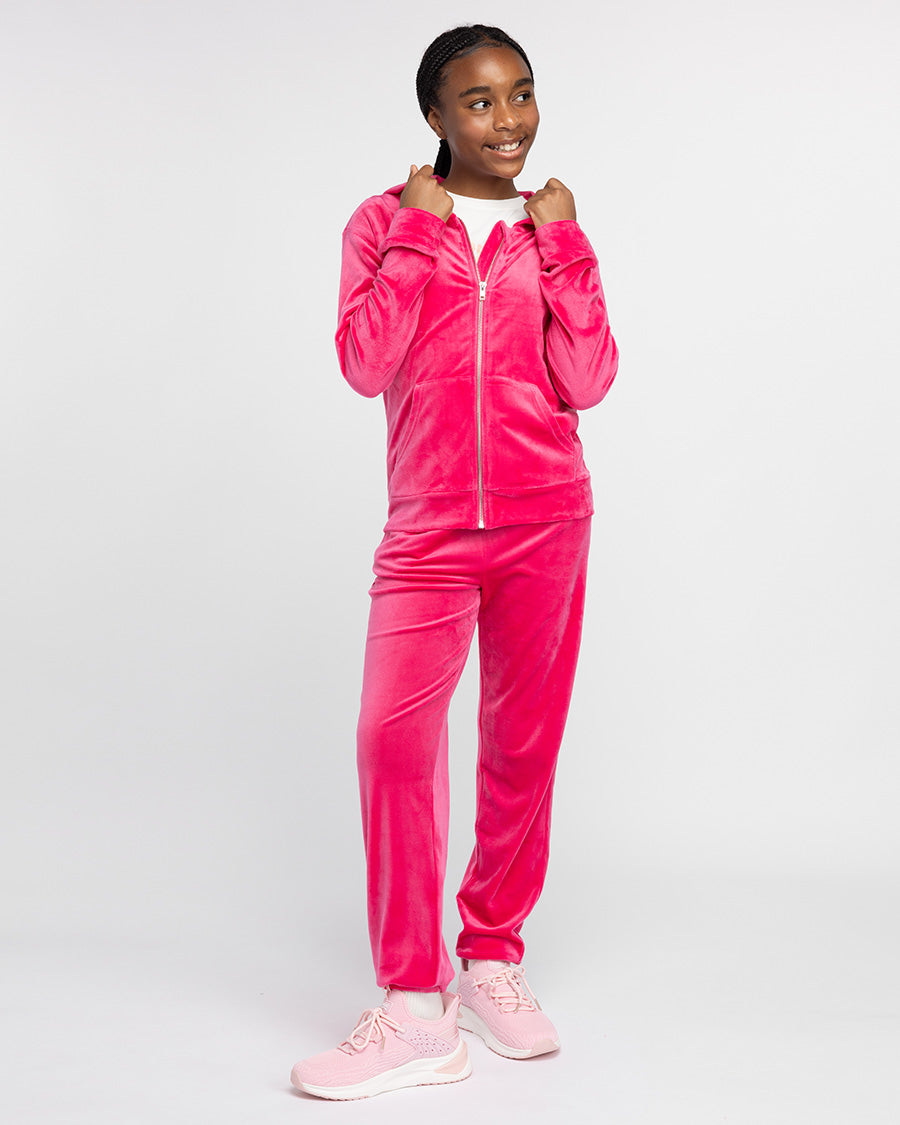
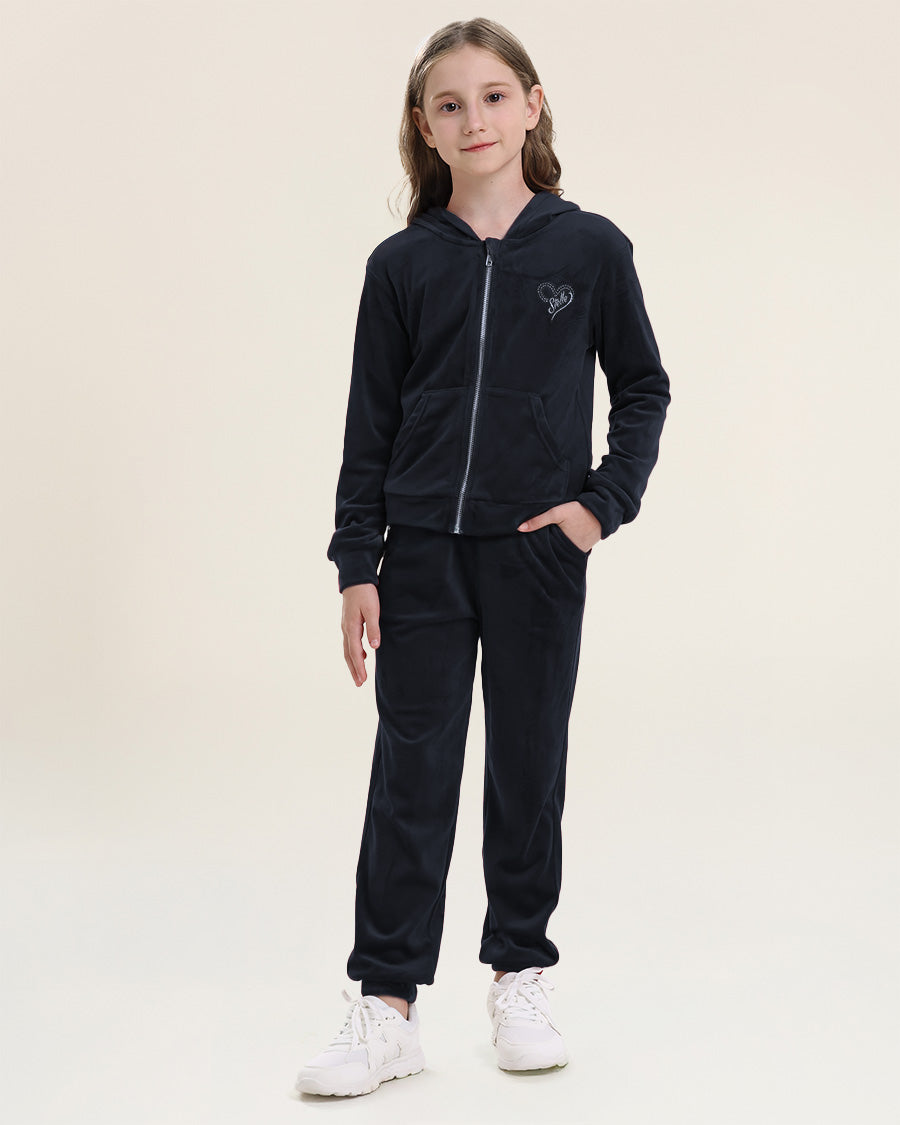
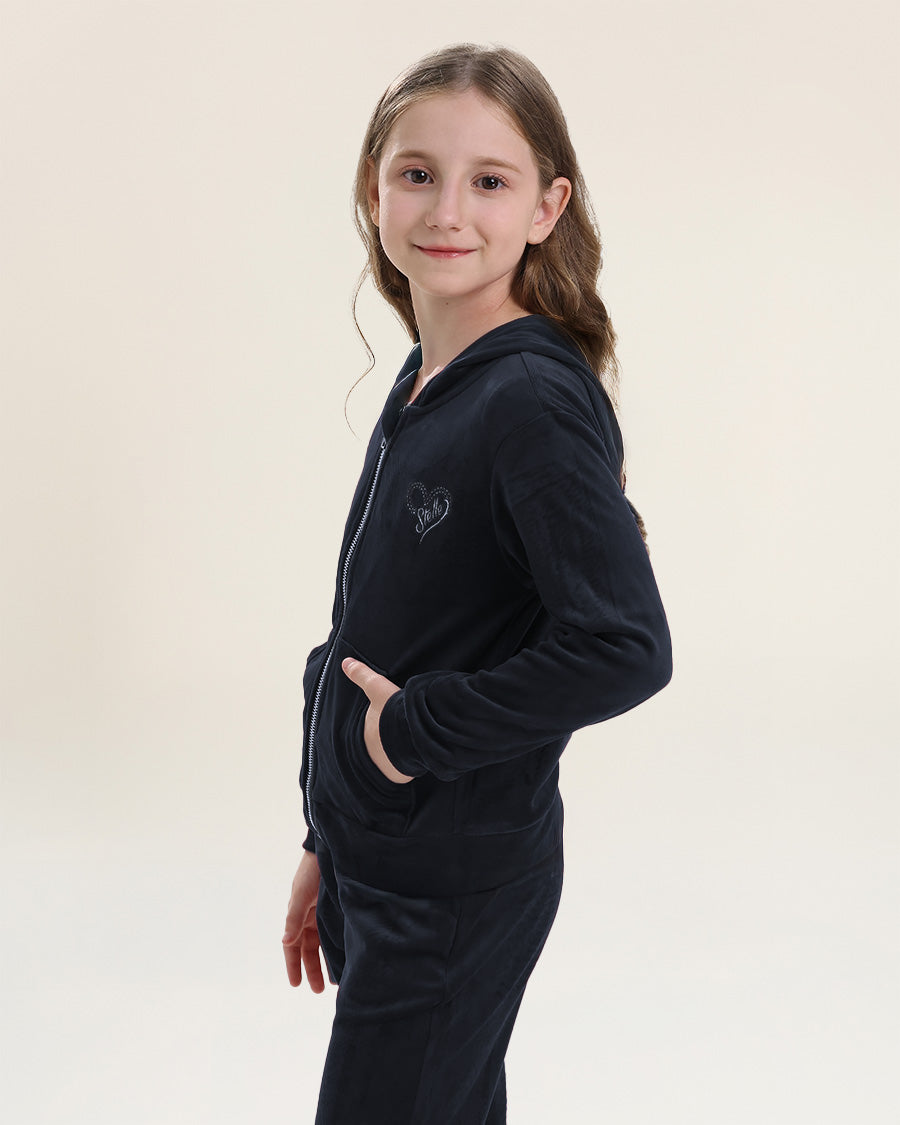
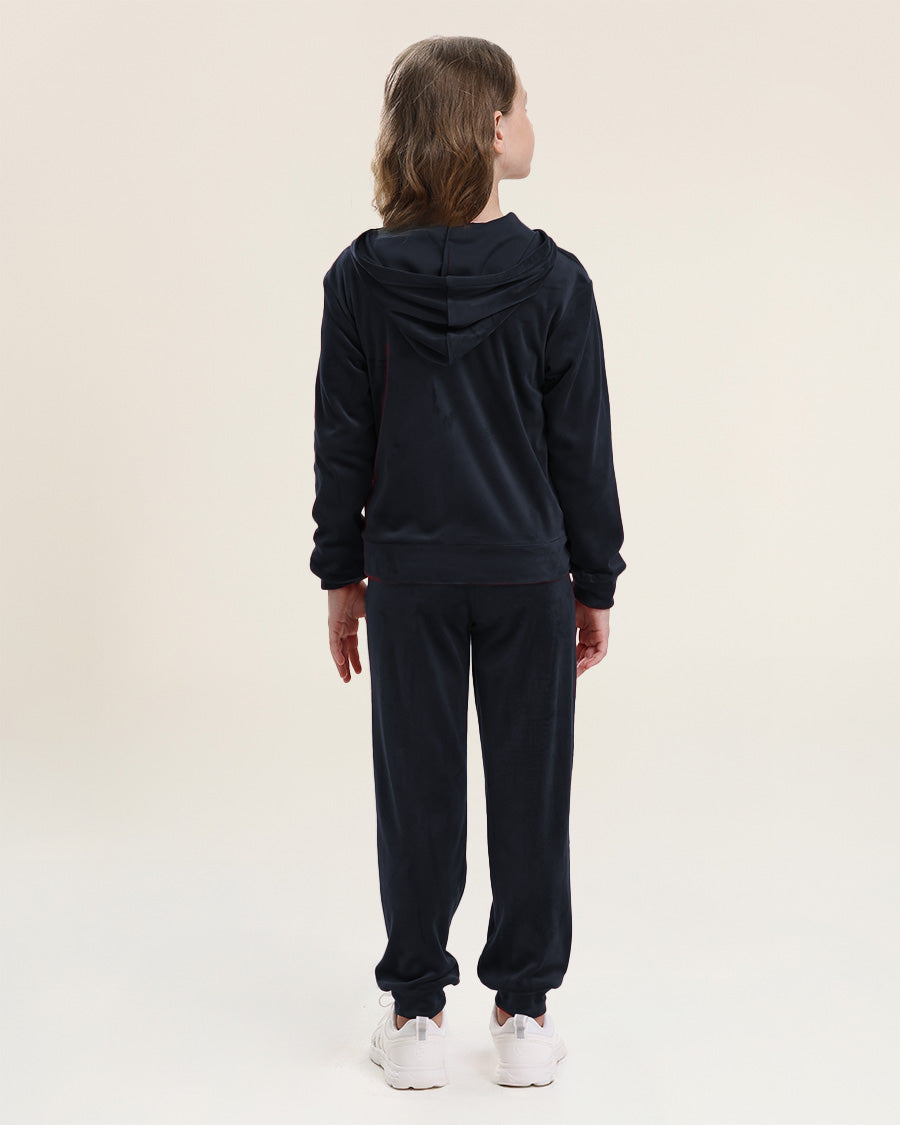
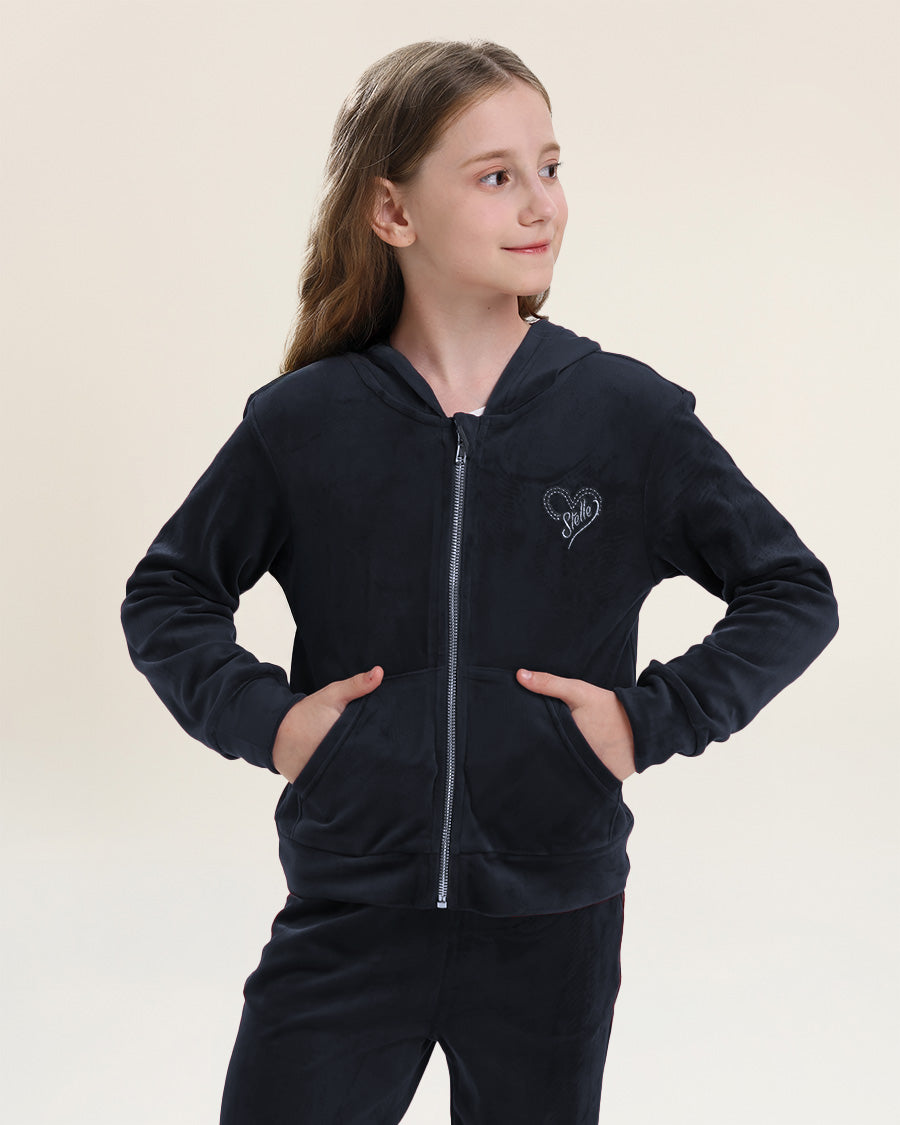
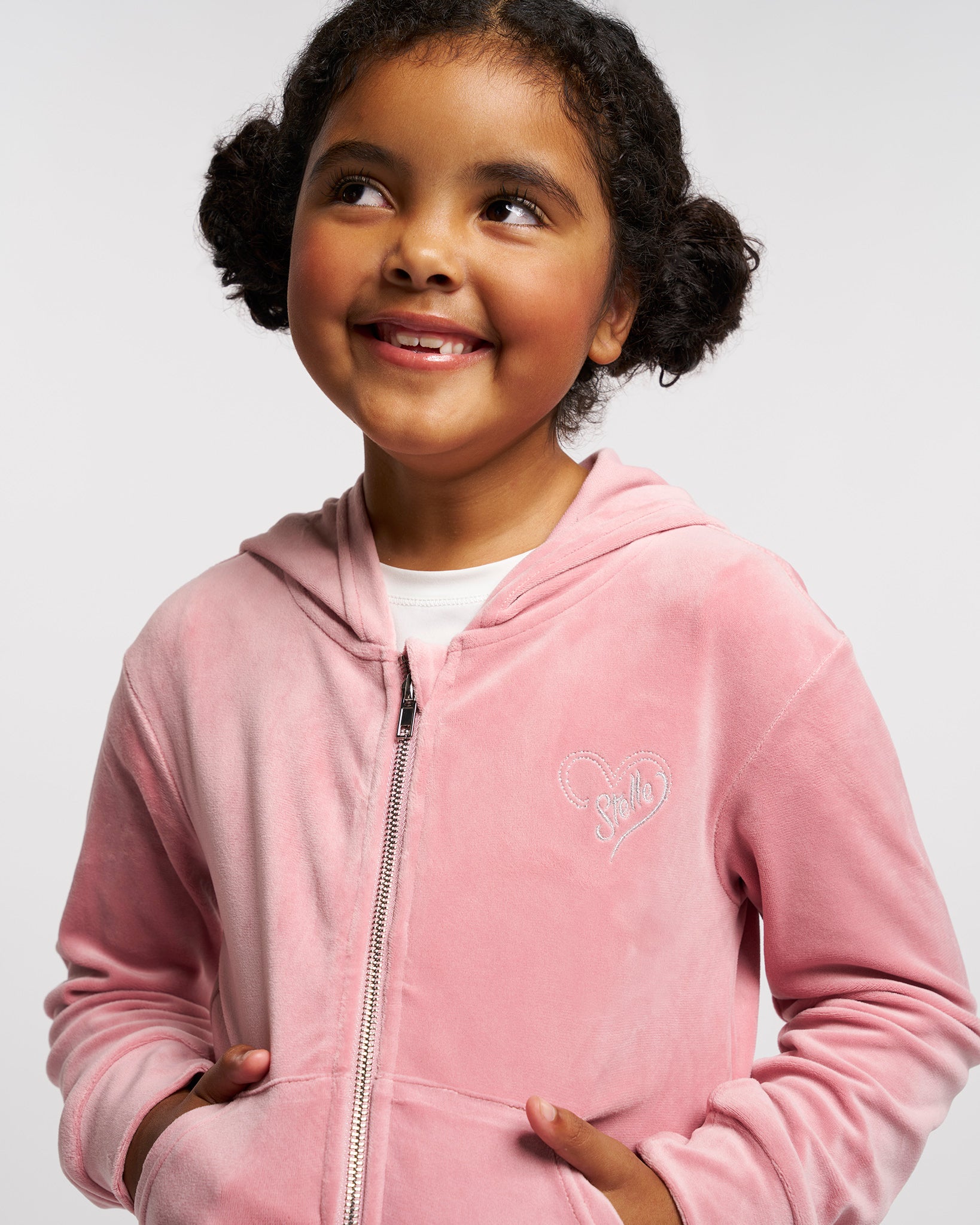
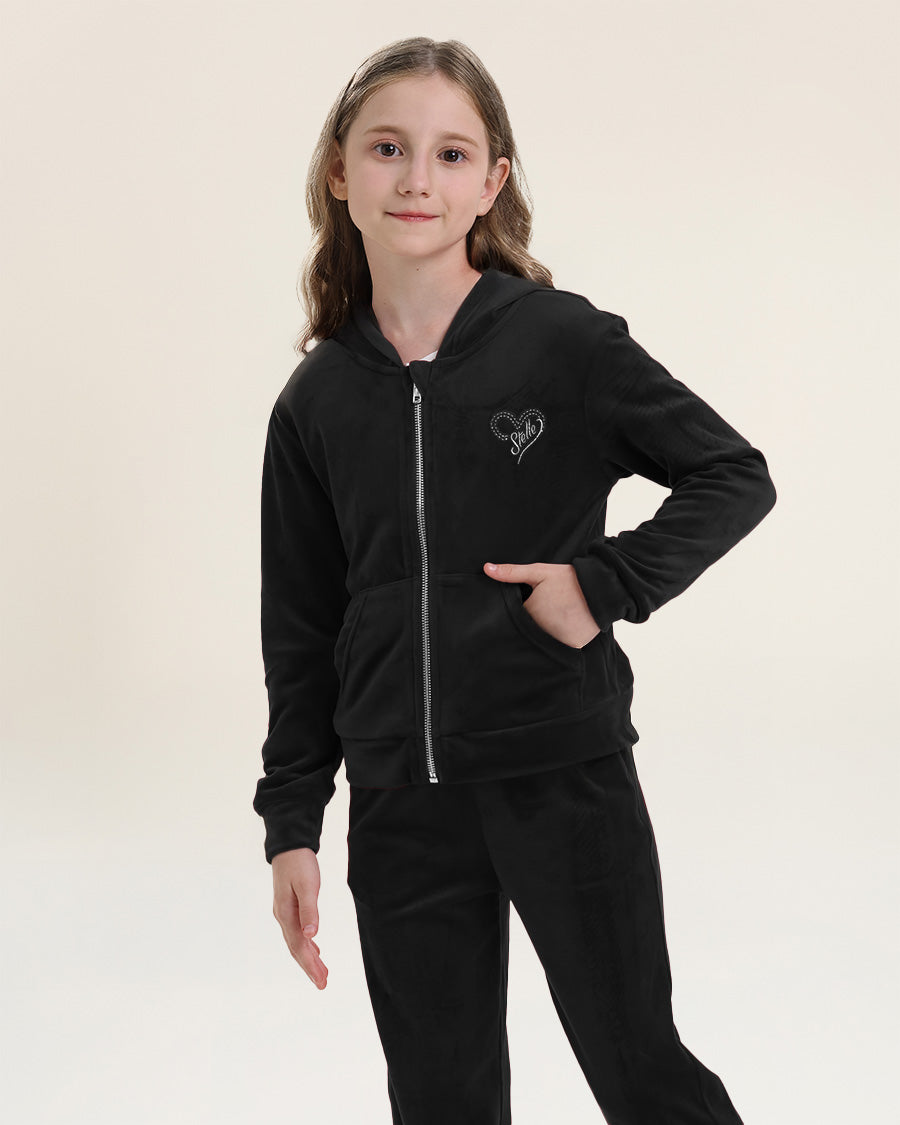
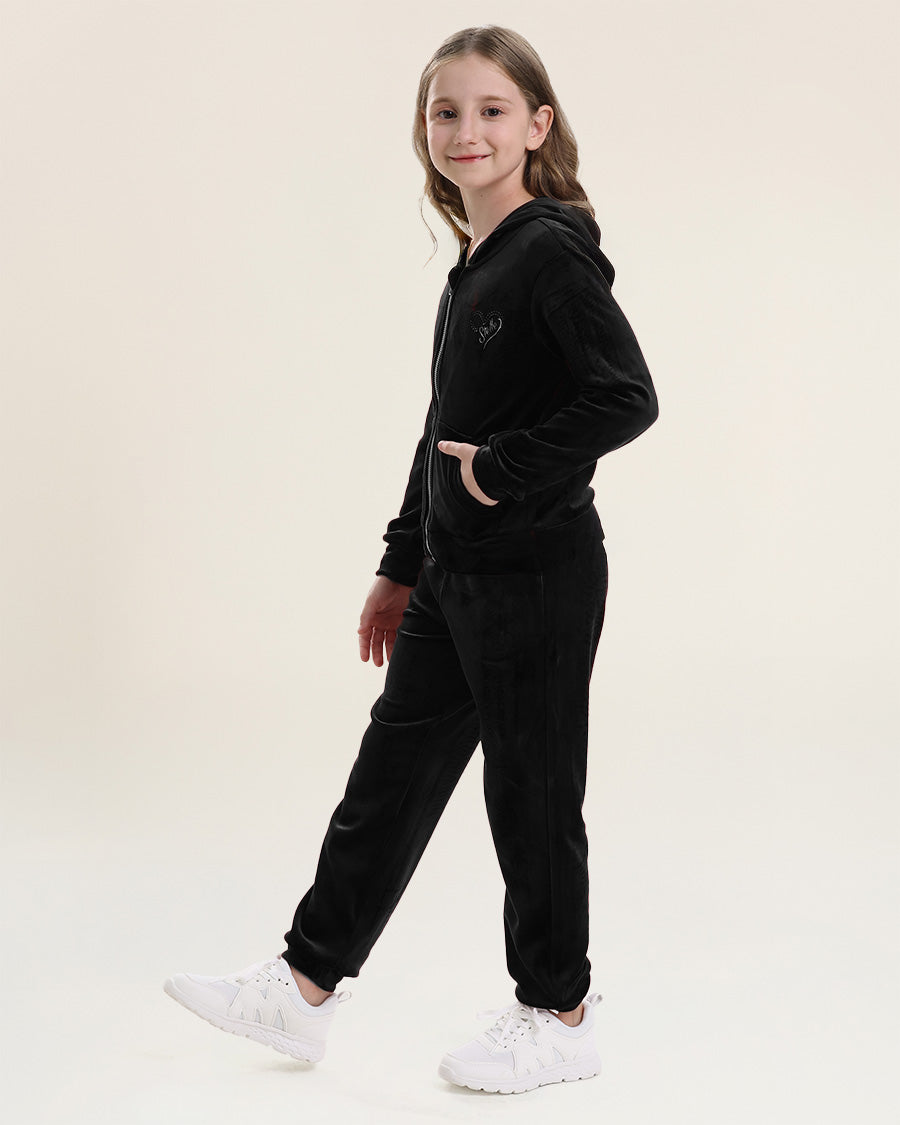
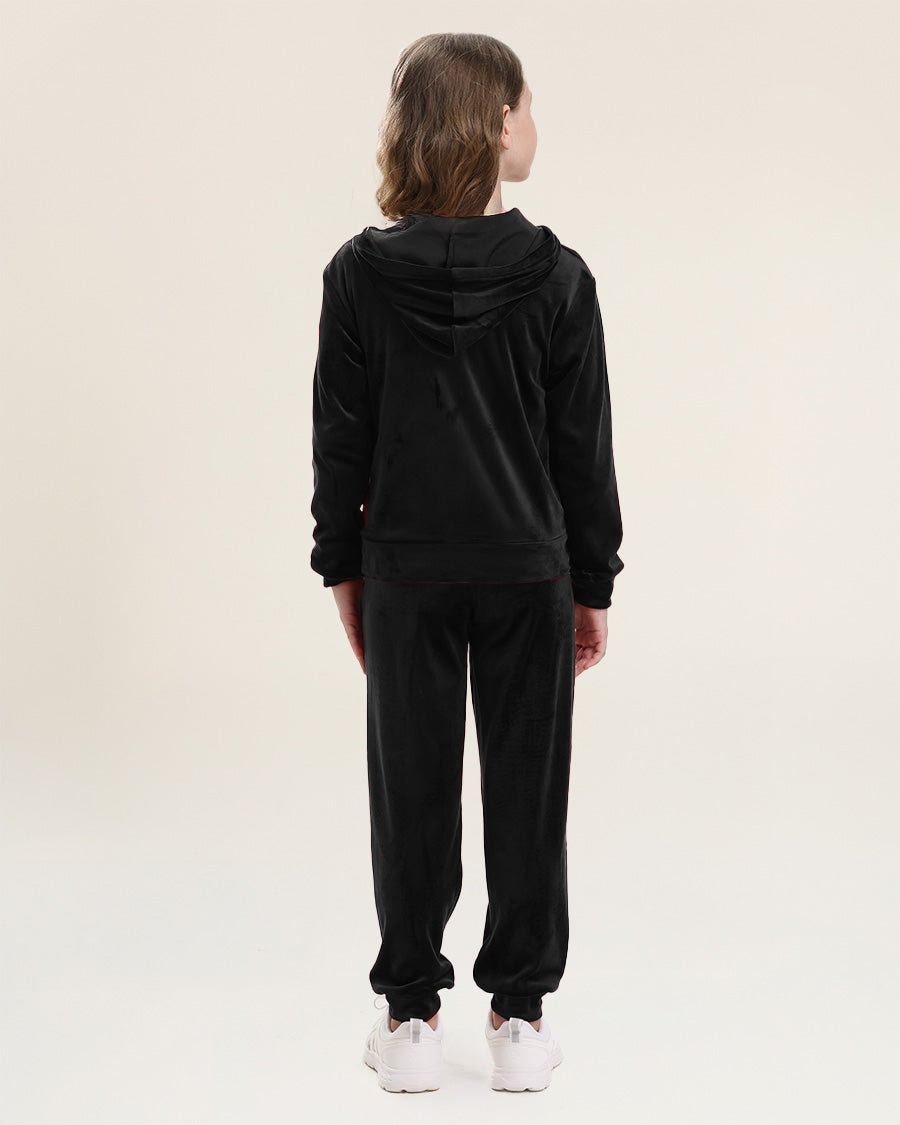
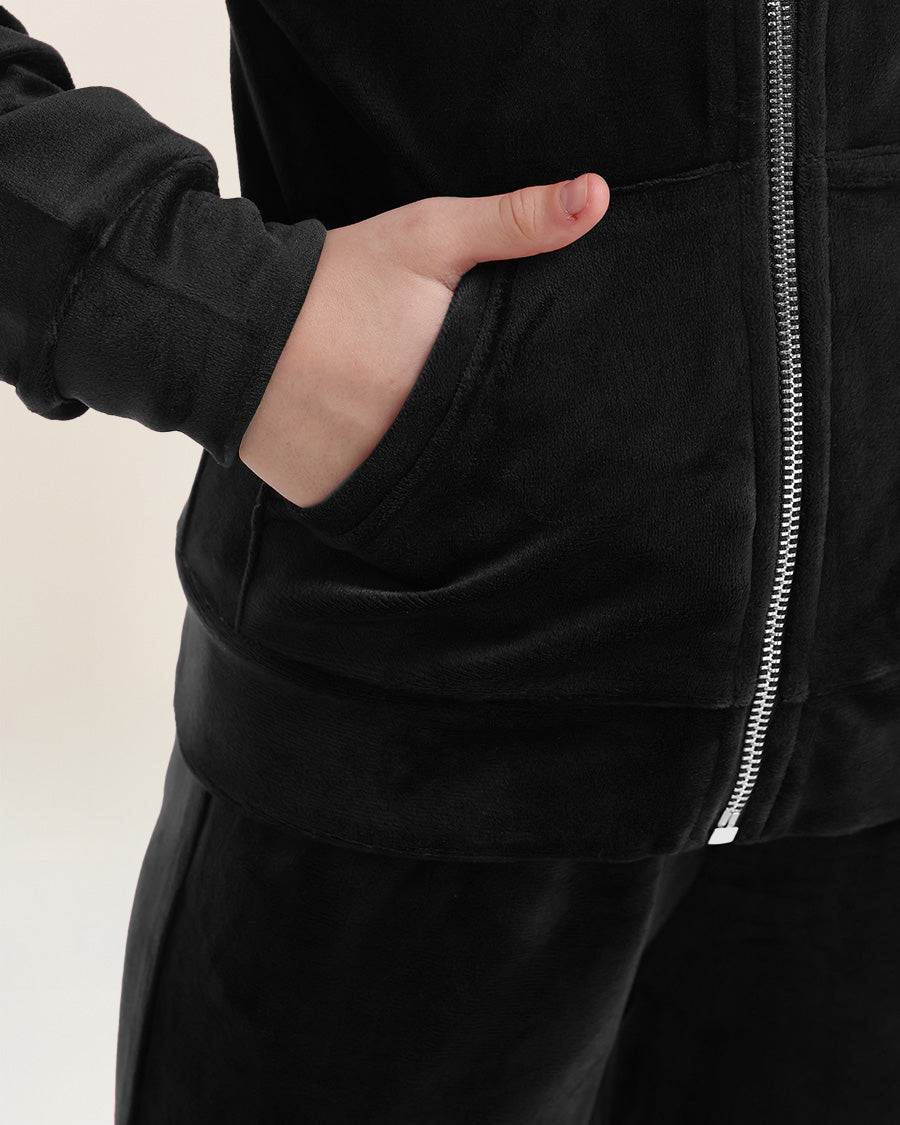
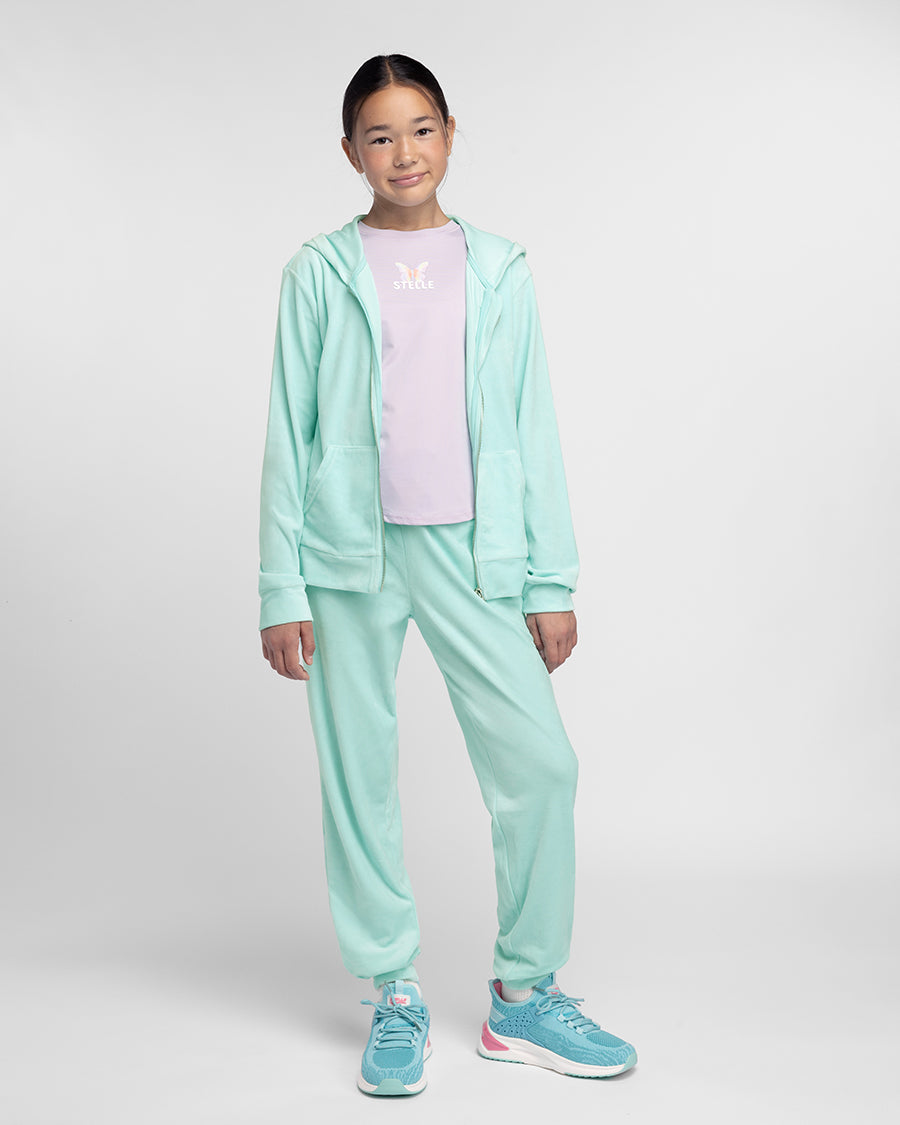
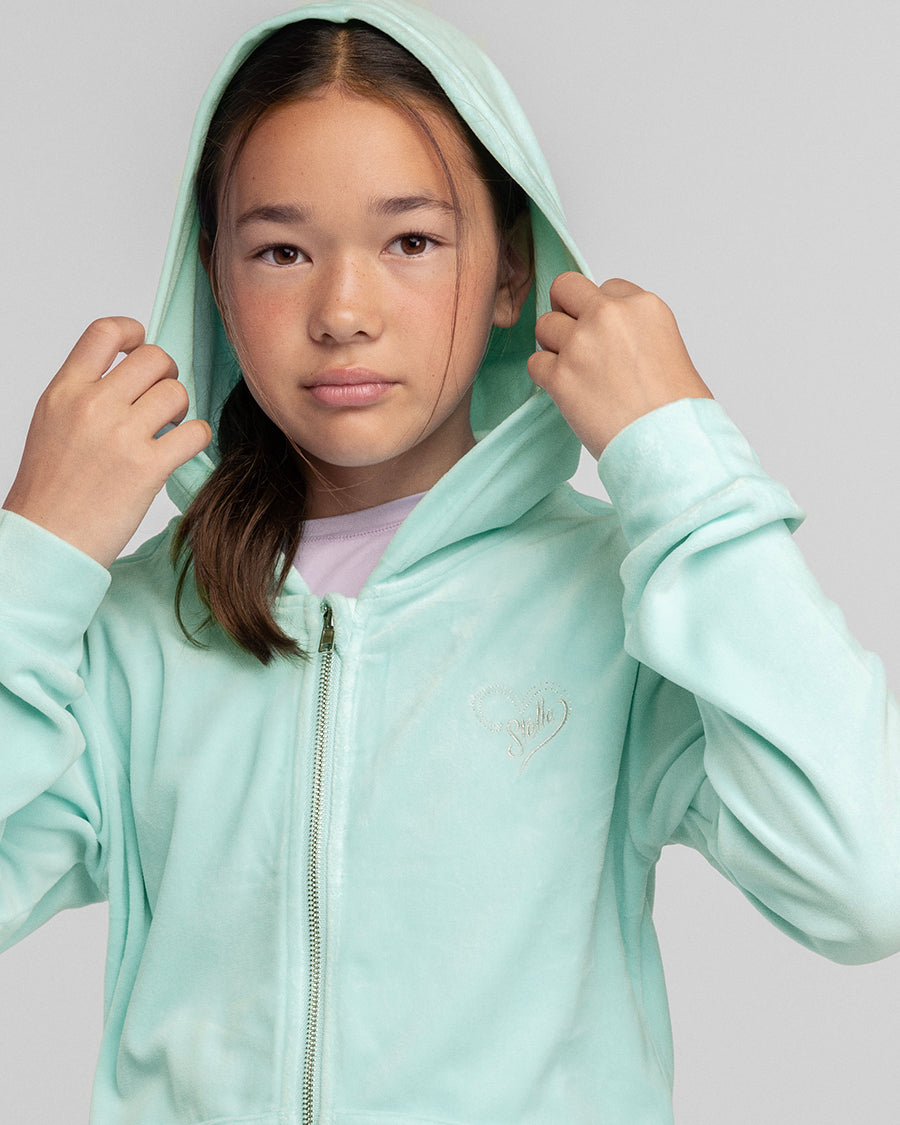
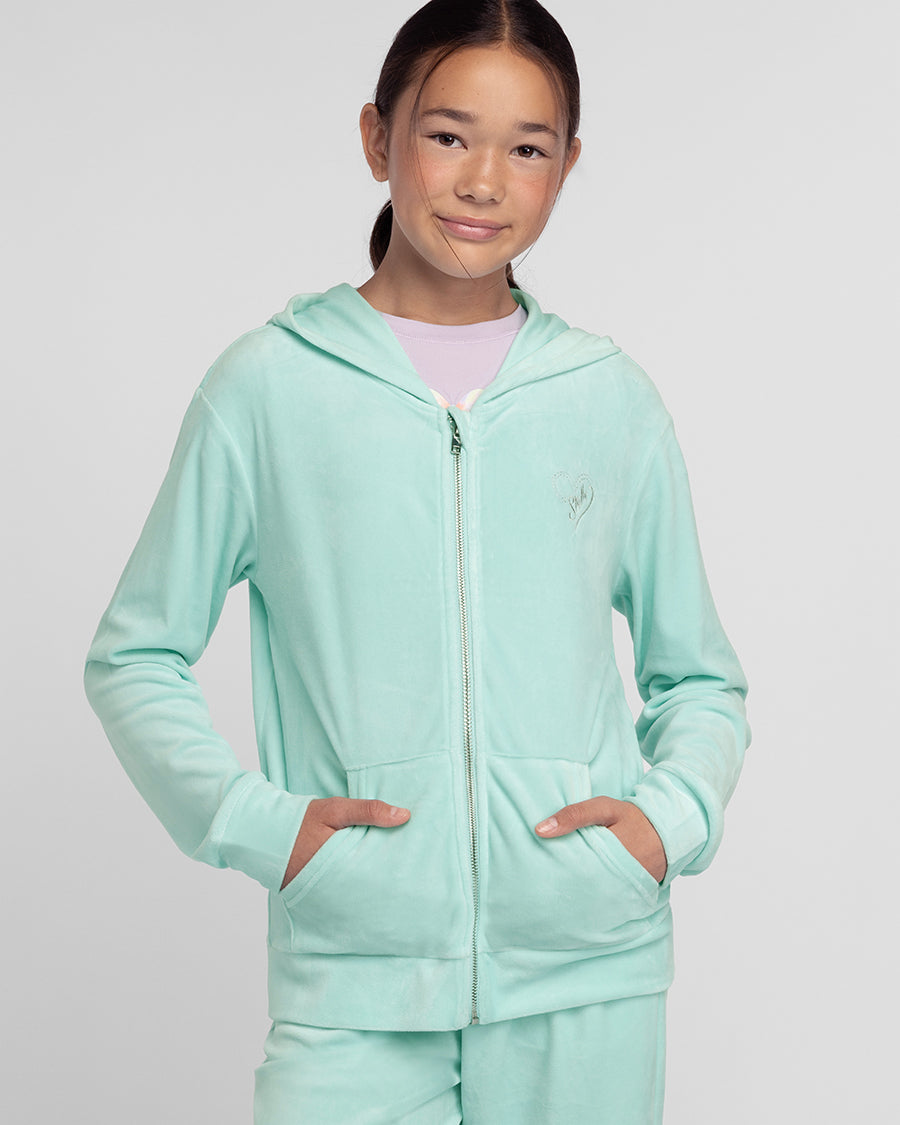
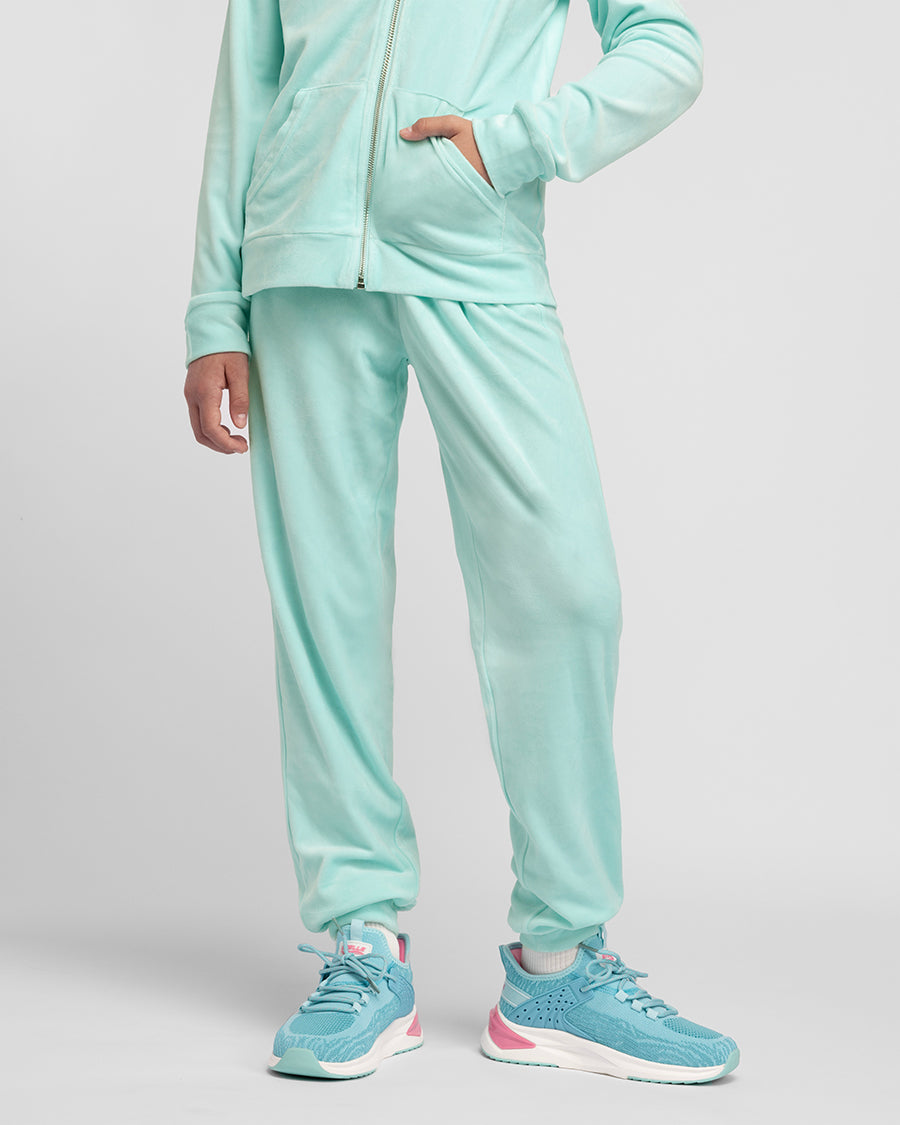
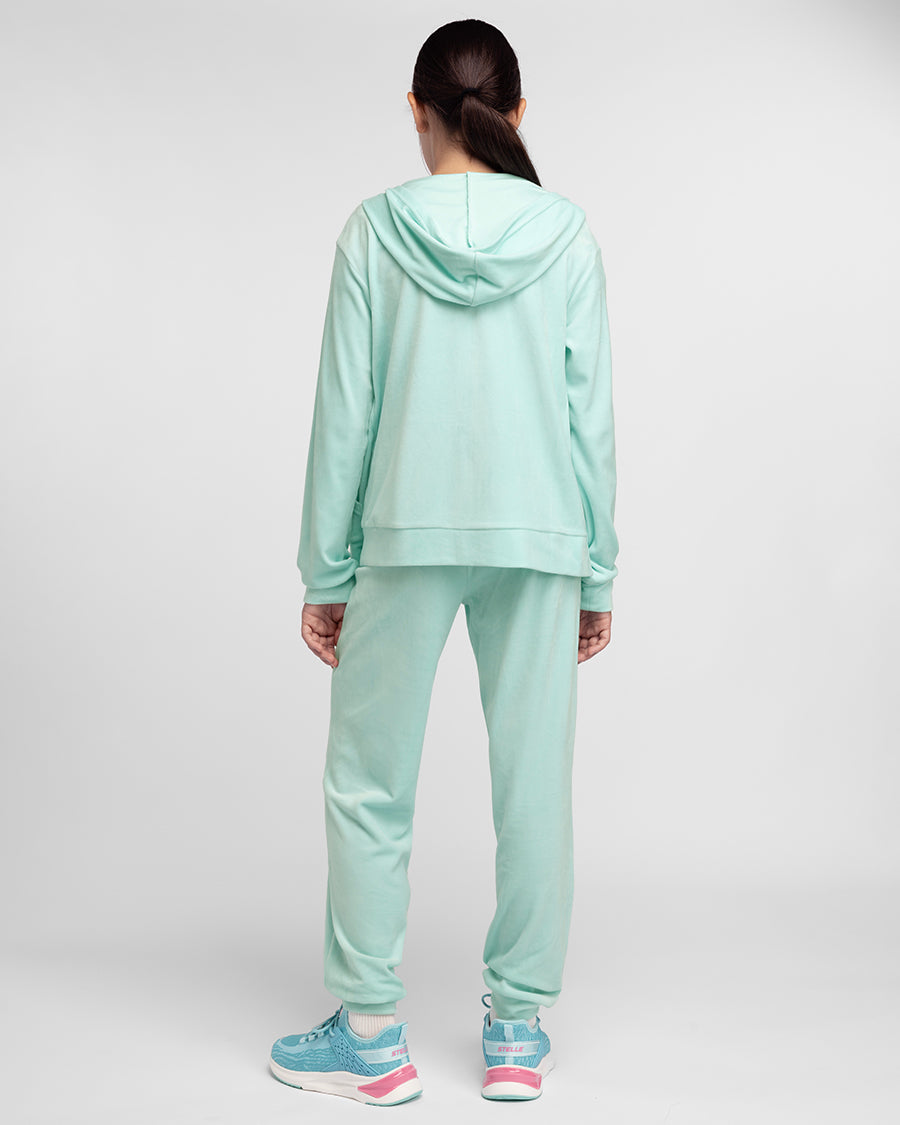
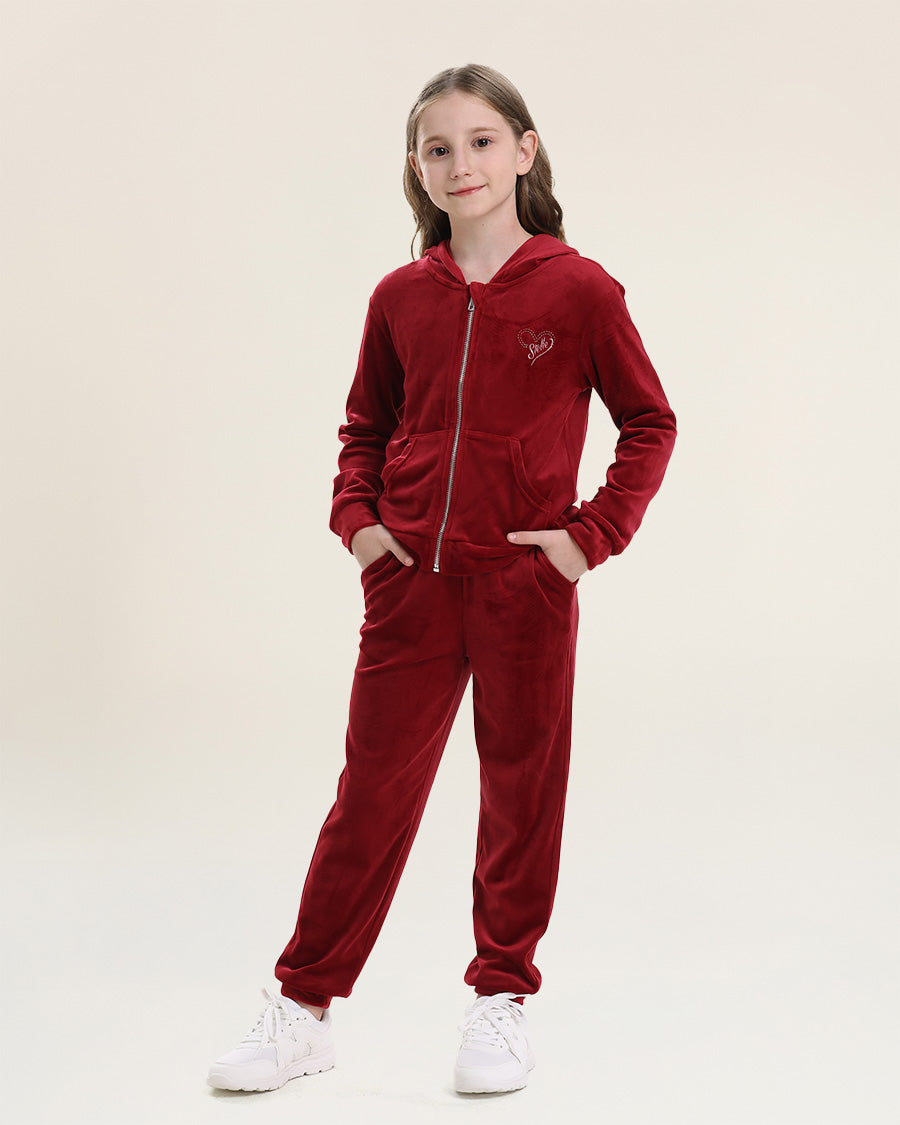
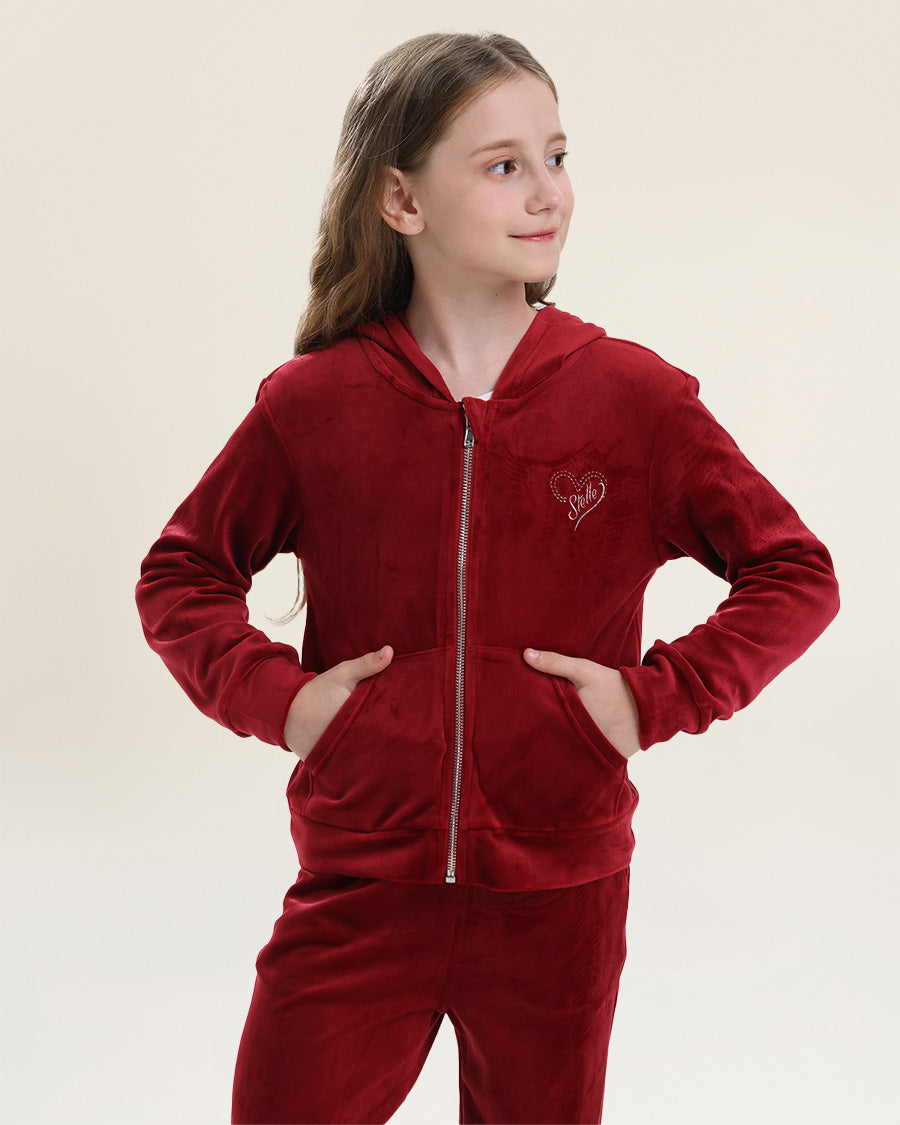
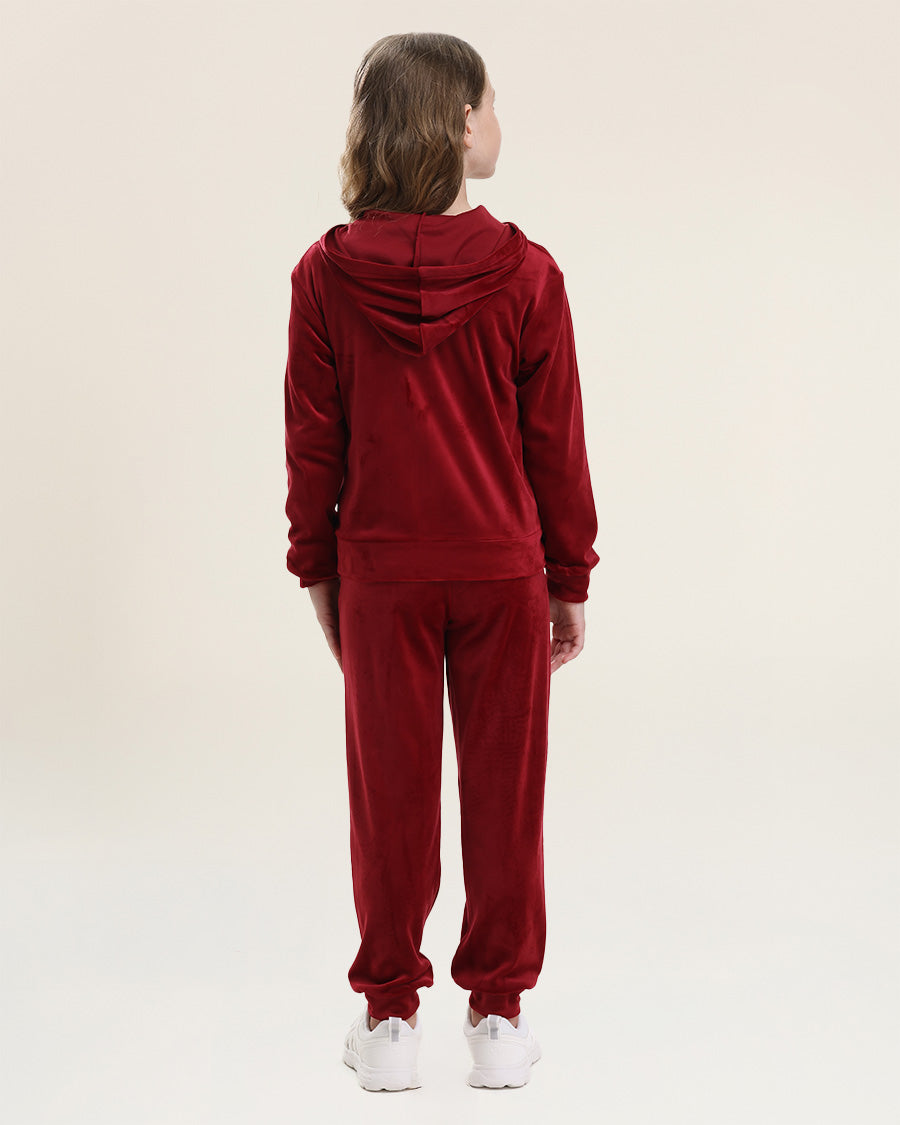
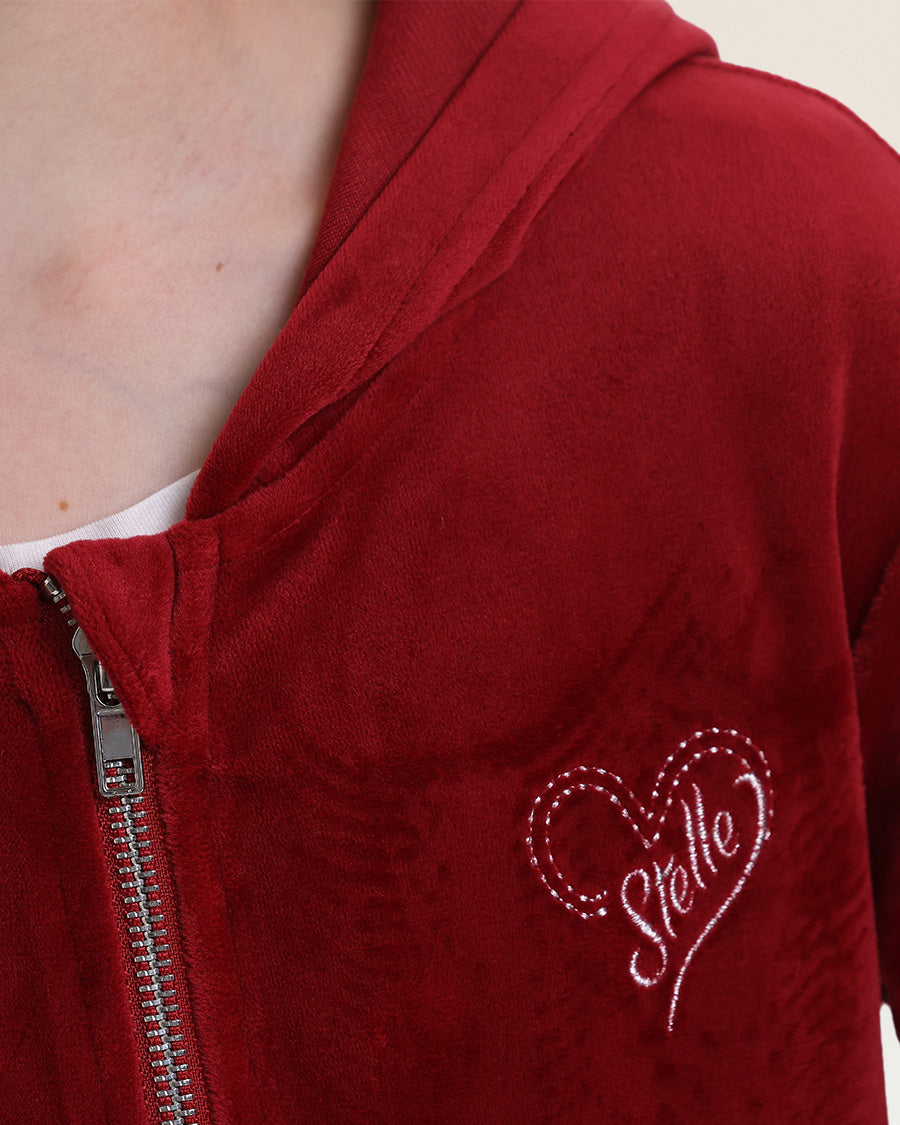
Dance jackets are fitted zip-up or wrap-style jackets that cover the arms and torso, the usual answer if you've been searching for what to wear over a leotard on the trip to and from the studio. A snug athletic jacket you already own does the same job for most weekly classes. If you're shopping, Stelle's kids jackets and coats and girls hoodies and sweatshirts layer well over dancewear and get worn to school too.

What Studios Allow in Class vs Before and After
Here's the part that surprises many parents: your child probably won't wear most of this during class. Ballet teachers need to see the line of the legs, knees, and back to correct placement, and layers hide exactly what they're checking. That's why most studios welcome warm-ups before class and at pick-up, then ask for them off once the barre begins.
Rules vary by school. One conservatory-level program, Peabody Preparatory, allows warm-ups over dress code clothing at the start of class or seasonally, requires solid black, athletic material, and a close fit, and permits no other warm-up styles in class. That's stricter than most rec studios, but the pattern holds. For parents, that means buying snug, plain pieces your child can peel off in ten seconds, and teaching them to stash layers in their bag, not on the studio floor.
What Colors Are Usually Safe
Black is the safe default at nearly any studio. Light pink and other pastels are common in young rec classes, and matching the layer to the leotard color rarely raises an eyebrow. The usual bans cover neon, loud prints, and character gear. If the handbook doesn't say, send black and ask the teacher.
Ballet Warm Up Outfits at a Glance
|
Piece |
What it does |
When kids wear it |
Rough cost (kids) |
|---|---|---|---|
|
Wrap sweater |
Warms the torso without hiding posture |
Arrival, sometimes early barre if allowed |
$15 to $35 |
|
Leg warmers |
Keep calves, knees, and ankles warm |
Before class, breaks, after class |
$8 to $25 |
|
Warm-up pants |
Full leg coverage over tights |
Travel to class, long waits, rehearsal days |
$20 to $40 |
|
Warm-up booties |
Keep feet warm over ballet shoes |
Between classes at intensives or competitions |
$25 to $45 |
|
Dance jacket |
Covers arms and torso door to door |
To and from the studio, watching rehearsals |
$25 to $60 |
Prices are typical US kids' ranges. Pro-level knitwear at specialty ballet shops often runs $40 to $70 per piece, one more reason to skip those collections for a growing child.
A Simple 3-Piece Starter Setup for Kids
No need for a full professional kit. For young dancers taking one or two classes a week, this covers it:
-
A wrap sweater in a studio-approved color, worn at arrival and whenever the teacher allows.
-
One pair of leg warmers for before and after class, plus chilly waiting rooms.
-
A fitted jacket or zip-up hoodie for the trip there and back, layered over the leotard and tights.
That's a complete ballet warm up outfit for kids at roughly $40 to $80 all in, and noticeably less if the jacket is one they already own. If you're still assembling the basics underneath, our Dance Starter Kit for Kids guide covers what new dancers actually need for class, and parents of the littlest dancers can start with what toddlers wear to ballet class.
Budget Swaps That Work
Warm-ups are one of the easiest places in dance to save money. Plain leggings over tights stand in for warm-up pants, and a snug cardigan from the regular closet handles the wrap sweater's job at rec level. Some parents cut the feet off adult tube socks for starter leg warmers, and hand-me-downs or the studio swap rack are worth a look since knits tend to outlast growth spurts. Mass-market basics are fine at this age; save the specialty knitwear for when your dancer is older and training more.
Materials, Sizing, and Care
Worth knowing before you buy:
-
Knit blends (acrylic, cotton, or wool mixes) are standard for sweaters and leg warmers. Acrylic blends survive the washing machine better and cost less; wool blends run warmer but often need gentle cycles.
-
Wash cold, lay flat to dry. Knits and dryers are not friends. A mesh laundry bag keeps leg warmers from stretching or snagging.
-
Label every layer. A name written inside helps, because warm-ups top the studio lost-and-found.
-
Check tights compatibility. Layers go over tights, so a well-fitting pair underneath matters more than the sweater on top. Our kids dance tights guide breaks down styles and sizing, and Stelle's dance tights collection has convertible and footed options that hold up to weekly wear.
A Quick Note on Sizing
Leg warmers often come one-size or in S/M/L, and a shorter ankle-to-knee length suits younger kids, while older dancers can manage over-the-knee styles. Wrap sweaters usually follow leotard sizing by height and age, so buy the size your child wears now. Between sizes, size down. A too-long leg warmer can bunch and get underfoot, and snug layers meet dress codes more easily.
FAQ
1. Why do ballerinas only wear one leg warmer?
Usually it's targeted care, meaning a dancer keeping extra warmth on a calf, ankle, or knee that feels tight or is recovering from a strain. Sometimes it's simply habit or style. If your child copies the look, no harm done.
2. Does my child really need warm-ups?
Need is a strong word. A dancer in a warm studio taking one 45-minute class can skip them. They earn their keep when studios run cold or training days get longer. Start with one piece and add more only if your child actually reaches for it.
3. What colors of warm-ups do studios usually allow?
Rec programs tend to accept black, pink, and soft pastels, while pre-professional schools often require solid black only. When in doubt, black over a matching leotard passes almost anywhere.
4. What if my child is between sizes?
Size down. Snug warm-ups stay put during movement, meet form-fitting dress codes, and come off faster when the teacher asks. An oversized layer mostly gets in the way.
5. What about boys?
Same idea, different pieces. A fitted long-sleeve top or thin athletic jacket covers the torso, and black warm-up or track pants go over tights or shorts. The wrap sweater convention is mostly a girls' thing, and the off-when-class-starts rule applies to both.
6. What are some good warm-up pants for ballet?
For kids, a simple $20 to $40 knit or fleece pair sized to go over tights covers it, and plain leggings do the same job at rec level. Premium knitted pants are built for professionals who warm up multiple times a day, so they're rarely worth it for a growing child.