







Giselle Ballet for Families: The Story, Characters, and History in Plain English
Table of contents
- Key Takeaways
- What Is the Ballet Giselle About?
- The Story of Giselle Ballet, Act by Act
- Giselle Ballet Characters, Explained
- The History: Why Giselle Mattered in 1841
- What Makes Giselle Special
- How Long Is Giselle Ballet?
- Is Giselle Right for Kids? What Age Works
- Quick Tips for Attending Giselle with Your Child
- FAQ
-
- About the Stelle Team
Giselle is a two-act Romantic ballet from 1841 about a village girl who falls for a nobleman in disguise, dies of a broken heart, and returns as a spirit to forgive and protect him. Most productions run about 2 hours 10 minutes with one intermission, and it suits kids around 8 and up.
Key Takeaways
-
Giselle premiered at the Paris Opera on June 28, 1841, with music by Adolphe Adam and choreography by Jean Coralli and Jules Perrot.
-
Act I is a sunny village love story that ends in heartbreak; Act II is a moonlit forest of spirits called the Wilis, where forgiveness wins.
-
Plan for roughly 2 hours 10 minutes including intermission; each act is a bit under an hour.
-
The famous Act I "mad scene" is sad, not scary; a short heads-up prepares most kids. Ages 8 and up is a reasonable start.
-
Giselle is widely considered the defining Romantic-era ballet, and its all-white second act shaped how ballet looks today.
What Is the Ballet Giselle About?
Strip away the tutus and Giselle is a story about a kind girl who is deceived, hurt terribly, and chooses forgiveness over revenge. If your child wants a one-sentence Giselle ballet summary, that is it.
The idea came from the poet Théophile Gautier, who read Heinrich Heine's account of a legend about the Wilis, spirits of young women who died before their wedding day. According to Britannica, Gautier shaped the scenario with playwright Jules-Henri Vernoy de Saint-Georges.
The storyline of Giselle ballet is easier to follow than most classics: one secret, one heartbreak, one night of ghosts, one act of mercy.
The Story of Giselle Ballet, Act by Act
The Giselle ballet storyline splits into two halves that look nothing alike: Act I is warm, colorful, and busy; Act II is quiet, silvery, and still. Keep this rundown handy on the way to the theater and your child should follow the evening without much whispering.

Giselle Ballet Plot at a Glance
Here is a short summary of Giselle ballet's two acts before the details.
|
Act |
Setting |
What happens |
Parent note |
|---|---|---|---|
|
Act I |
A Rhineland village at harvest time |
Giselle falls for a nobleman in disguise; the truth comes out and her fragile heart gives out from grief |
The "mad scene" is staged as sorrow, with no violence |
|
Act II |
A moonlit forest at midnight |
Ghostly Wilis make men dance to exhaustion; Giselle's spirit protects Albrecht until dawn |
Visually calm; quieter kids often love this act most |
Act I: The Village, the Disguise, and the Broken Heart
Giselle is a village girl who loves two things: dancing and a charming newcomer called Loys. She does not know Loys is really Count Albrecht, already engaged to a duke's daughter, Bathilde. Hilarion, a gamekeeper who also loves Giselle, grows suspicious.
During the harvest celebrations a hunting party arrives, Bathilde among them. Hilarion produces Albrecht's hidden sword, the disguise collapses in front of the village, and Giselle, whose mother Berthe has long warned that her heart is weak, is overwhelmed. In the famous mad scene she drifts through fragments of her happiest memories, dances a few broken steps, and collapses; her heart fails, and she dies in Albrecht's arms.
Most versions of the ballet Giselle plot differ only in small details here, and companies such as Philadelphia Ballet stage the moment as brief and tender rather than graphic. If your child asks, "her heart broke and stopped, and it happens very gently" is honest and enough.
Act II: The Wilis, the Forest, and Forgiveness
At midnight, Myrtha, queen of the Wilis, summons her ghostly sisters: spirits of young women who died of broken hearts before their wedding day, many of them betrayed by the men they loved. In long white tutus, they make wandering men dance until they drop from exhaustion. When a grieving Hilarion visits Giselle's grave, the Wilis surround him; in most stagings he does not survive the night.
Albrecht arrives next, carrying lilies, and Myrtha orders the same punishment, but Giselle's spirit steps in. She dances beside Albrecht, lending him strength until dawn breaks the Wilis' power. Her forgiveness saves his life and, as Britannica notes, frees her from becoming a vengeful Wili herself. She returns to rest in peace; Albrecht is left alive, grieving, and changed. That is the whole Giselle ballet plot summary your child needs before curtain; the rest is dancing.
Giselle Ballet Characters, Explained
Six names cover nearly everything your child needs to track.
|
Character |
Who they are |
One-line explanation for kids |
|---|---|---|
|
Giselle |
A dance-loving village girl with a weak heart |
The kind heroine the whole story is about |
|
Albrecht |
A count disguised as the villager "Loys" |
He lies about who he is, then regrets it deeply |
|
Hilarion |
A gamekeeper who loves Giselle |
He tells the truth, but out of jealousy |
|
Berthe |
Giselle's protective mother |
She worries her daughter dances too much |
|
Bathilde |
The noblewoman engaged to Albrecht |
Proof of the secret, not a villain |
|
Myrtha |
The stern queen of the Wilis |
The ghost queen whose rules Giselle defies |
The Wilis function as one more character: a corps of identical spirits moving in unison, the source of much of Act II's atmosphere.
The History: Why Giselle Mattered in 1841
Giselle premiered on June 28, 1841 at the Paris Opera, with a score by Adolphe Adam and choreography by Jean Coralli and Jules Perrot, per the Paris Opera's program notes. It was a sensation; the Paris Opera credits it with ushering in a new aesthetic built on pointe work, arabesques, and long white tutus.
Carlotta Grisi, the ballerina the role was created for, remained the definitive Giselle for years, and Lucien Petipa danced the first Albrecht, according to Atlanta Ballet. His brother Marius Petipa later revived the ballet in Russia, which is why modern programs, like American Ballet Theatre's synopsis, usually credit three choreographers. Our guide to famous ballerinas picks up that thread.
What Makes Giselle Special
Two things, mainly. First, the mad scene: a long stretch where the ballerina unravels using dance and gesture alone, demands that earned the title role the nickname "the Hamlet of ballet," per Atlanta Ballet. Second, the white act: Act II belongs to a tradition called ballet blanc, with dancers in white Romantic tutus moving in unison. In Giselle, the Wilis also dance on pointe, helping create the weightless, otherworldly effect that makes the second act so distinctive.
If the white act wins your child over, our Swan Lake guide covers the natural next ballet in this same act-by-act format.
How Long Is Giselle Ballet?
The length of Giselle ballet is usually about 2 hours 10 minutes including one intermission. The Paris Opera lists its current production at 2h10 with a 20-minute interval, and American Ballet Theatre's synopsis times the acts at about 53 and 47 minutes. Run times vary a little by company, so treat the time on your ticket page as the one to trust, especially before booking a school-night show. For kids, the Giselle ballet duration works in your favor: two acts under an hour each, with one real break, is an easier sit than a three-act epic.
Is Giselle Right for Kids? What Age Works
For most families, 8 and up is a comfortable floor. In our guide to 10 classic ballets to know we placed Giselle in the older-kids tier, alongside Romeo and Juliet, because the emotional weight is real: the heroine dies at the halfway point, and Act II lives in grief and moonlight. There are no jump scares and nothing gory; the hard parts are feelings, not images.
Dance students often handle it younger because they come for the dancing itself. For a first full-length ballet with a 4-to-7-year-old, our Nutcracker ballet guide covers the safer starter. Some theaters set minimum ages for the auditorium, so confirm the policy before booking seats.
Quick Tips for Attending Giselle with Your Child
A little prep goes a long way. Six things that help:
-
Tell the story beforehand. Most companies print a short ballet Giselle synopsis in the program, but a bedtime retelling works better; kids follow mime far more easily when they know what is coming.
-
Brief the sad part in one line: "the girl's heart stops from sadness, and in Act II she becomes a gentle ghost who saves her love." Naming it in advance softens the sting.
-
Frame Act II as the reward. Point out the Wilis' first crossing of the stage in unison, the image most kids talk about afterward.
-
Plan the intermission: bathroom first, then a snack if the venue allows one. Twenty minutes disappears fast.
-
Dress for a comfortable sit. A step nicer than school clothes is plenty; our what to wear to the ballet guide has specifics.
-
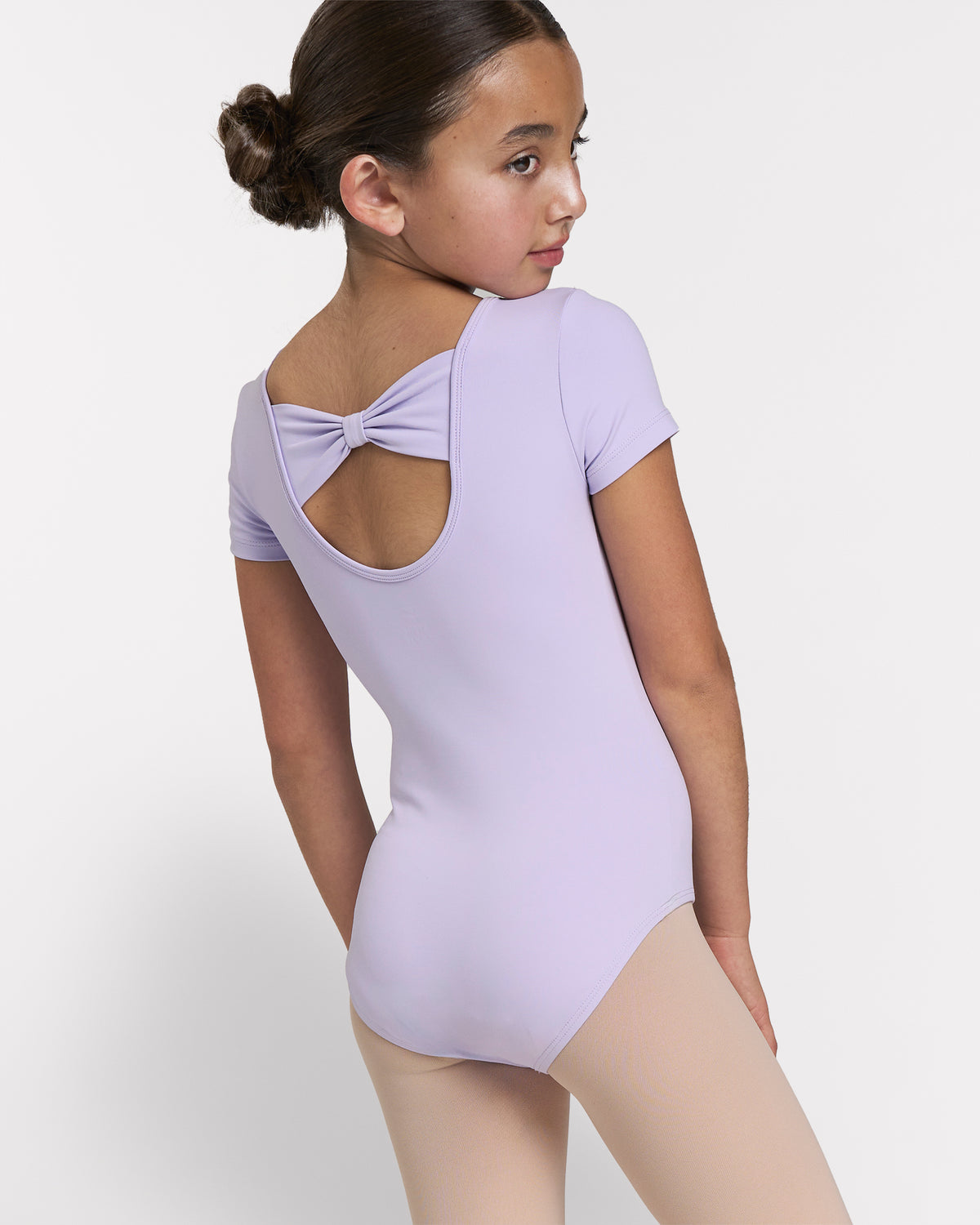
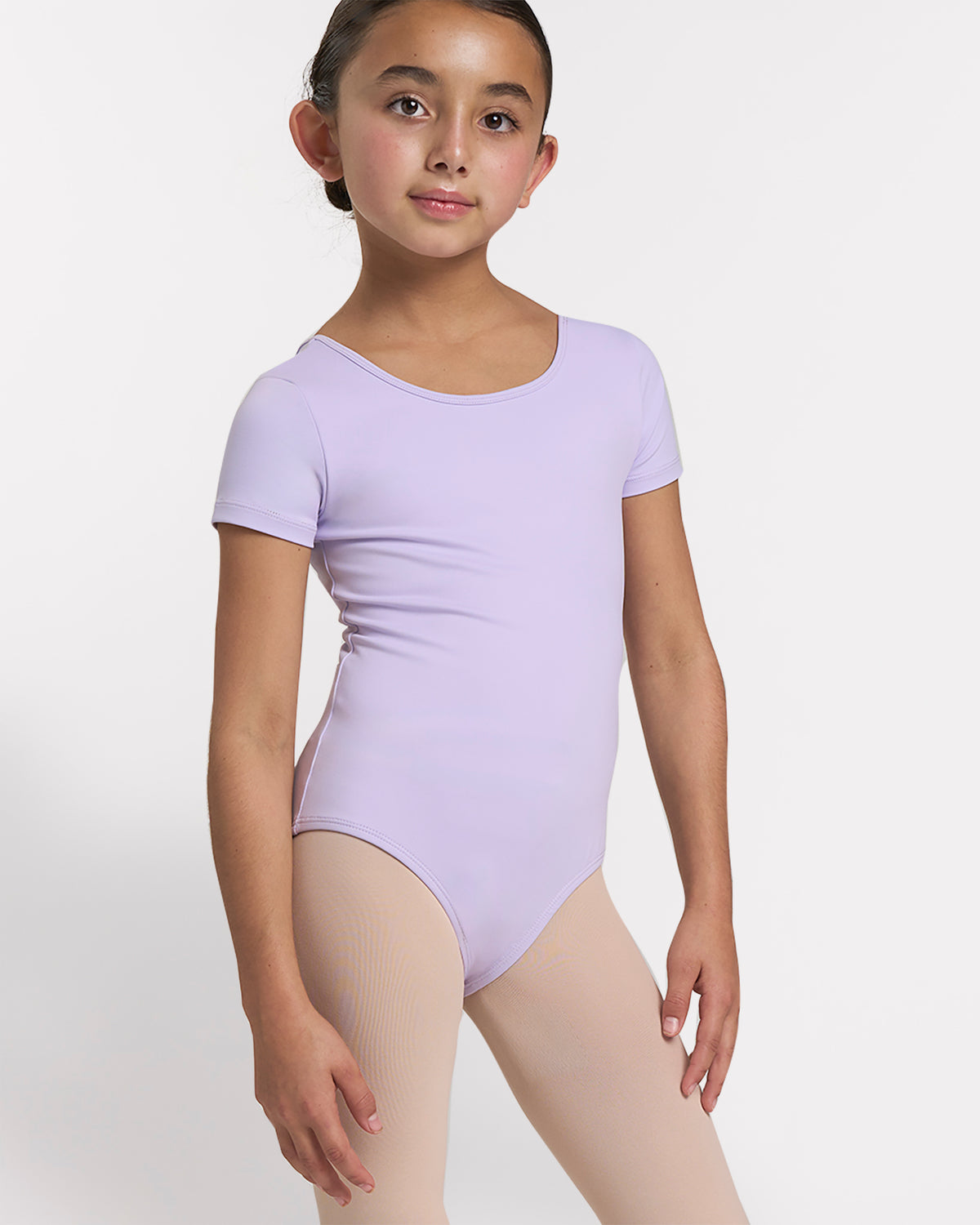
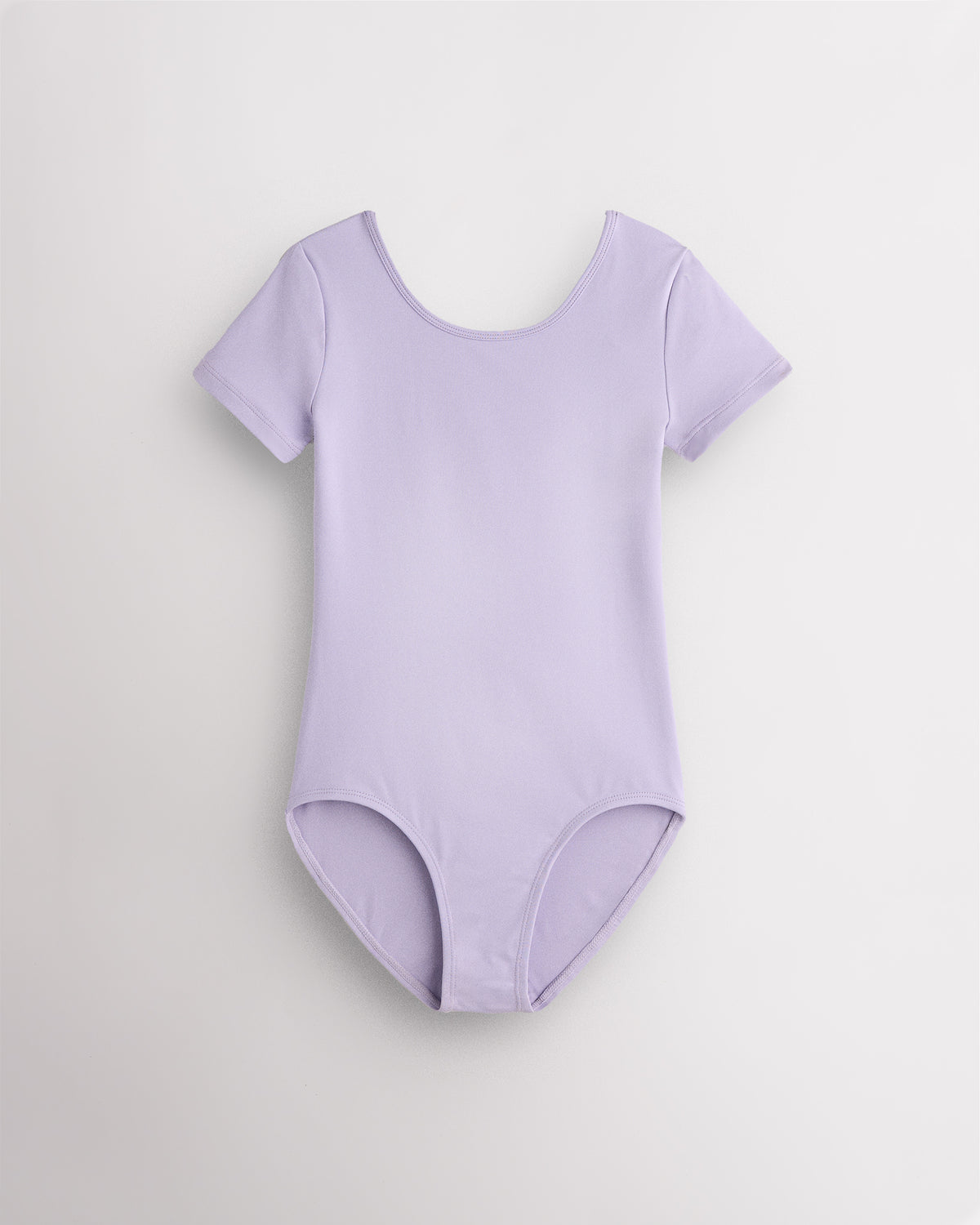
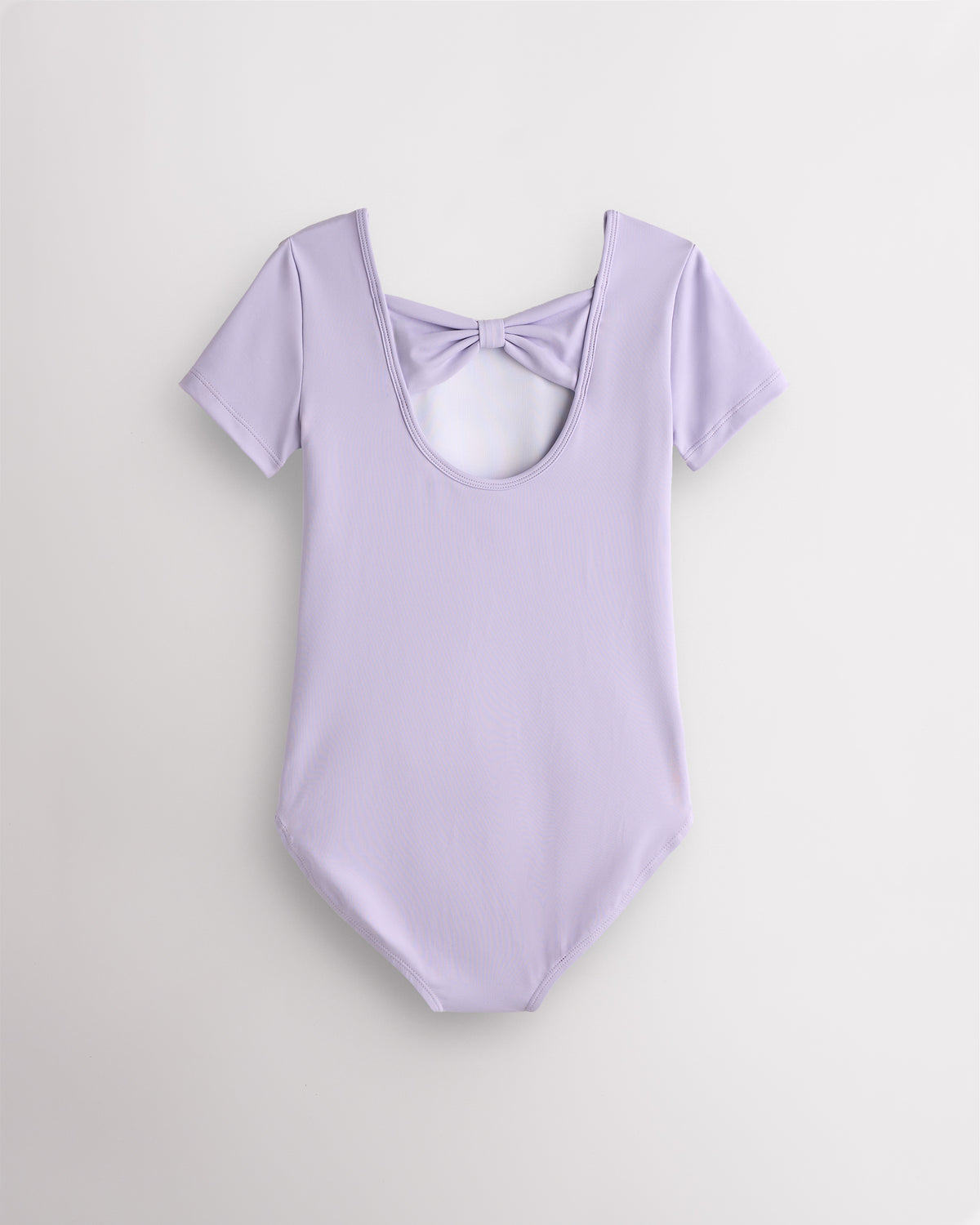
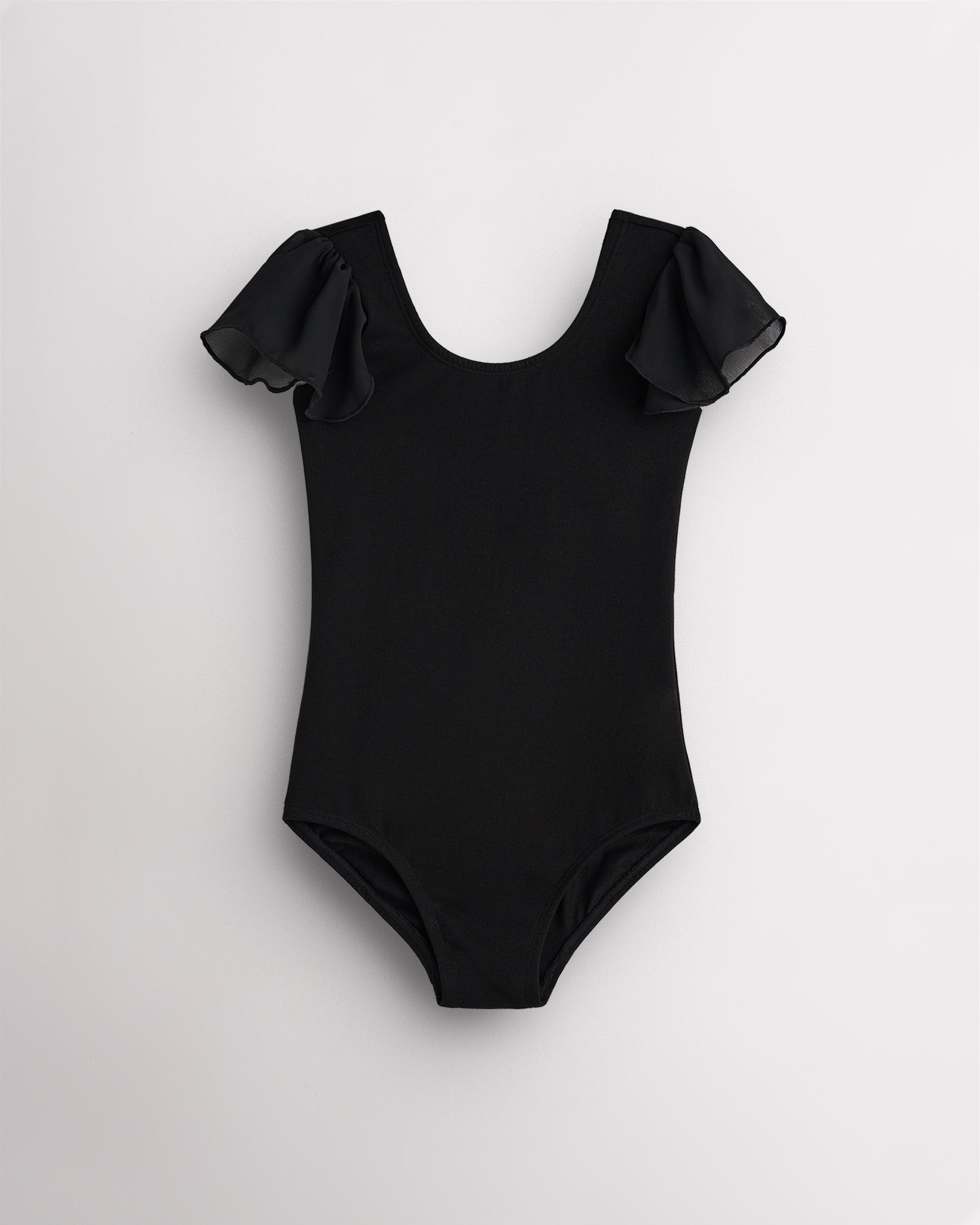
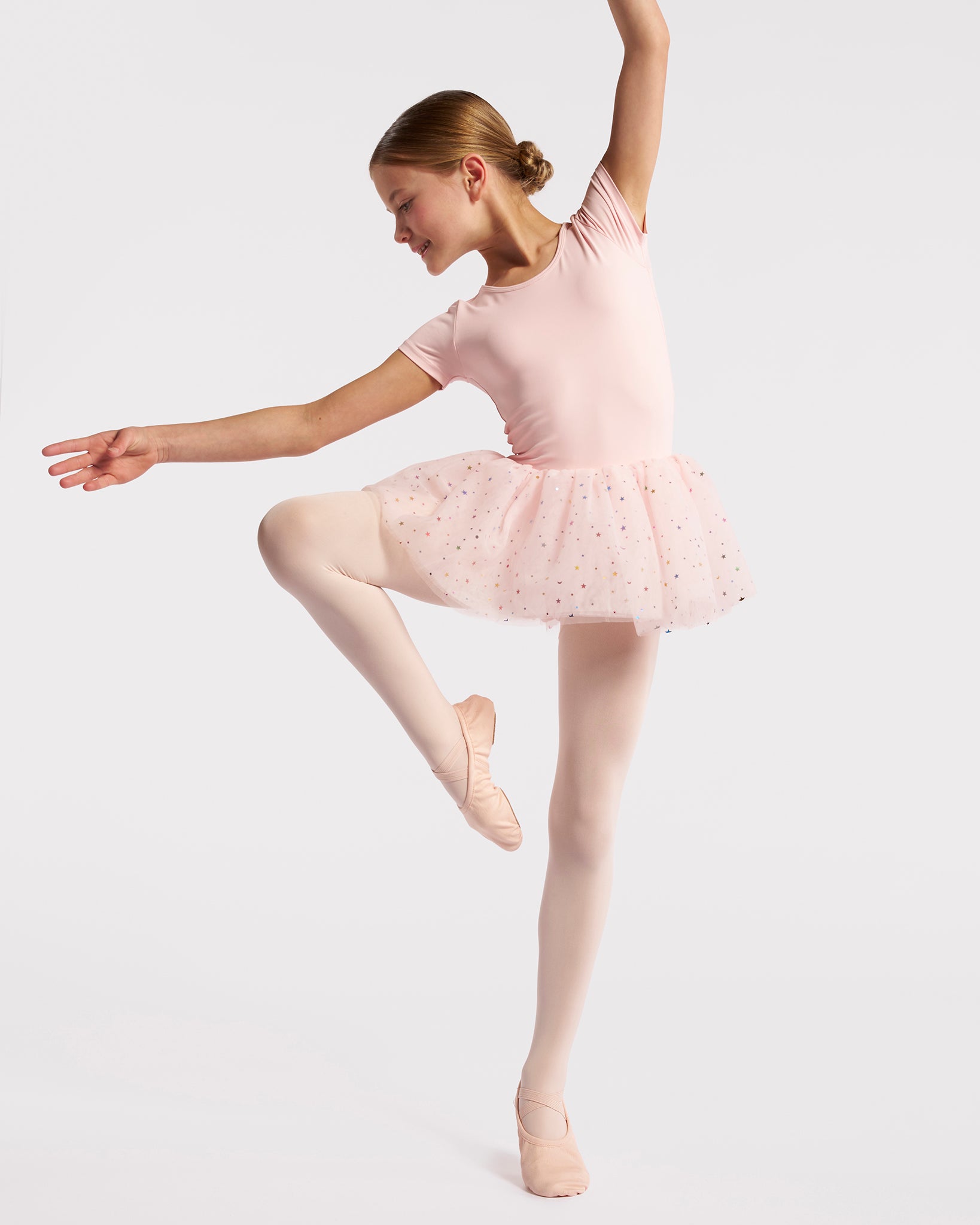
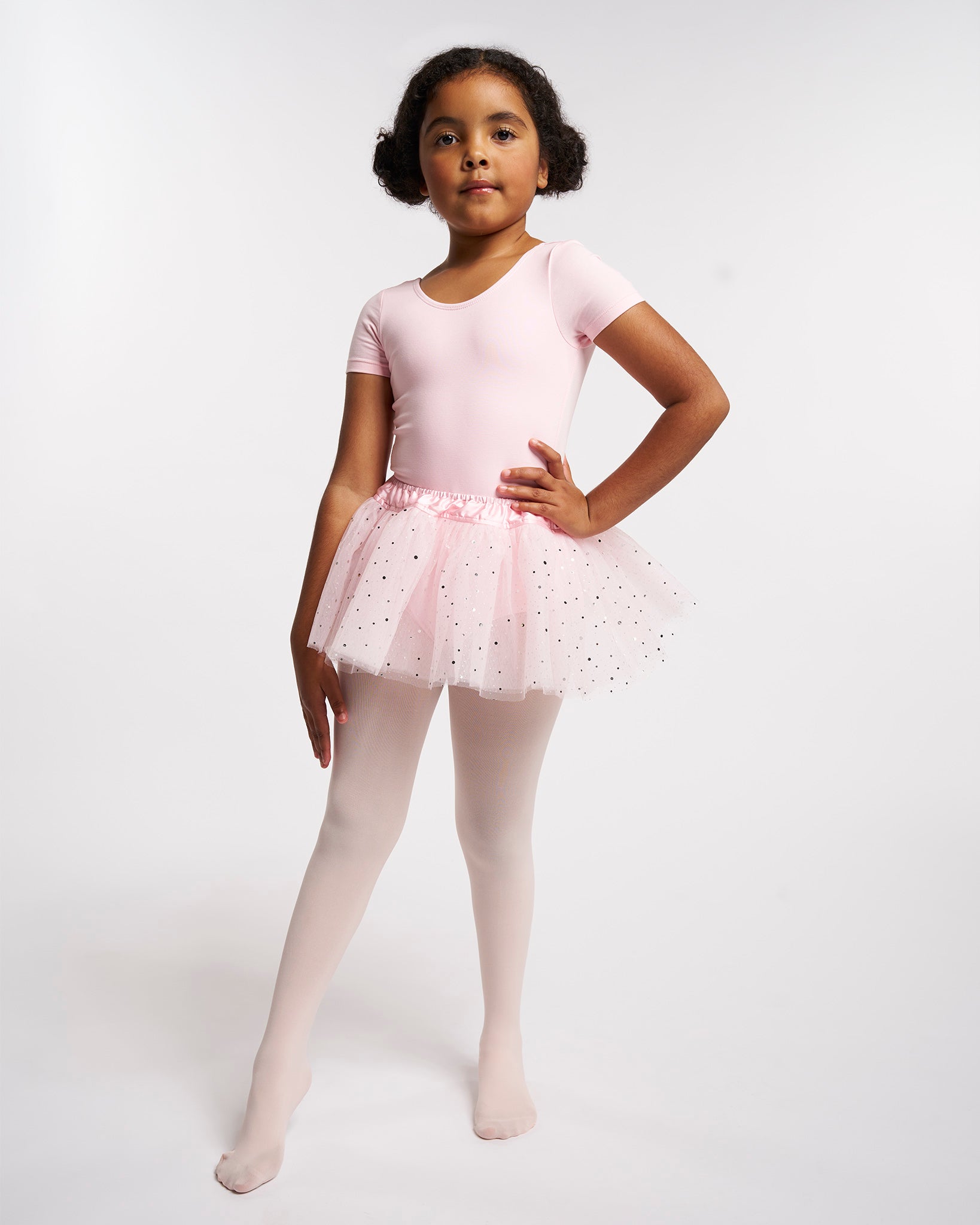
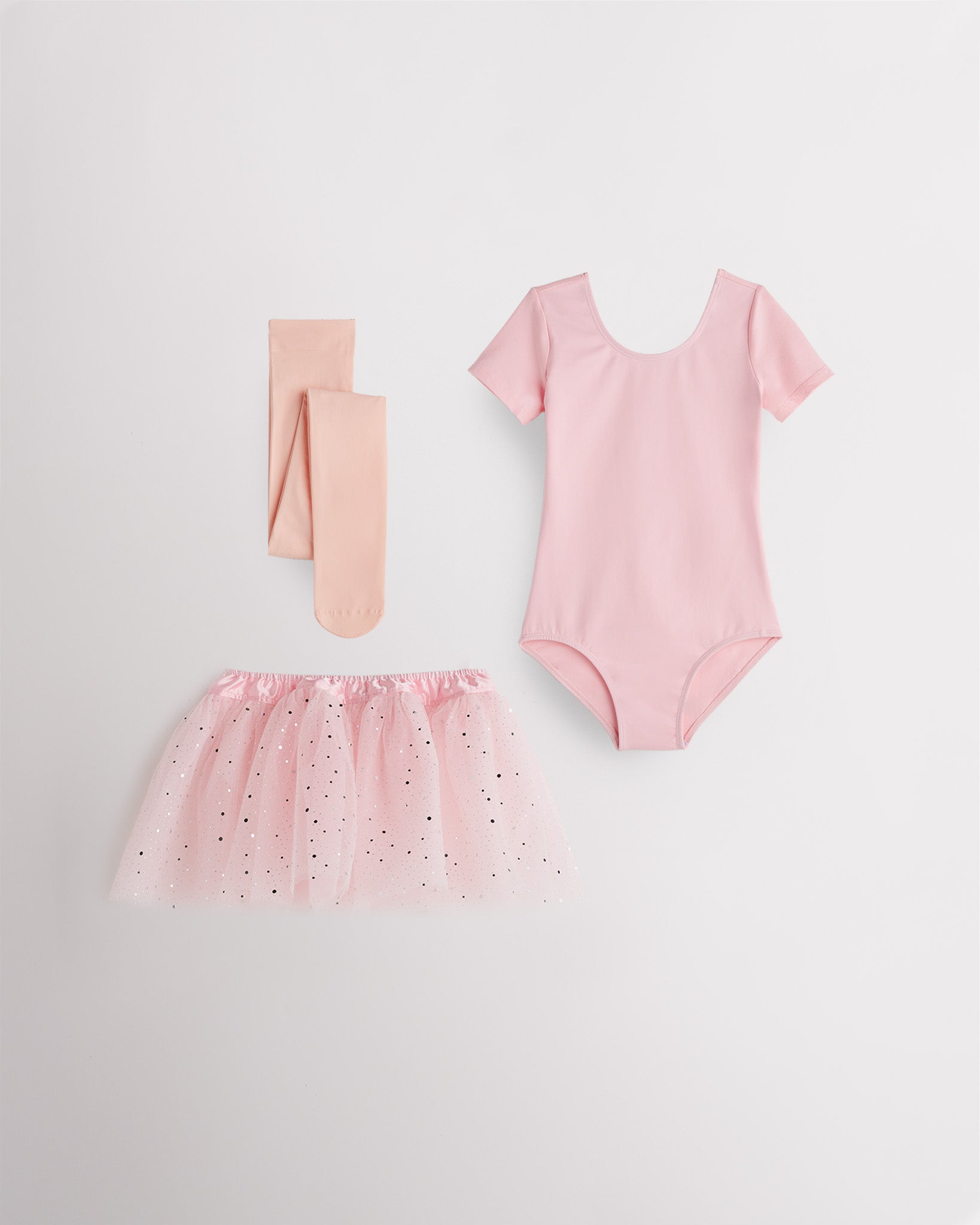
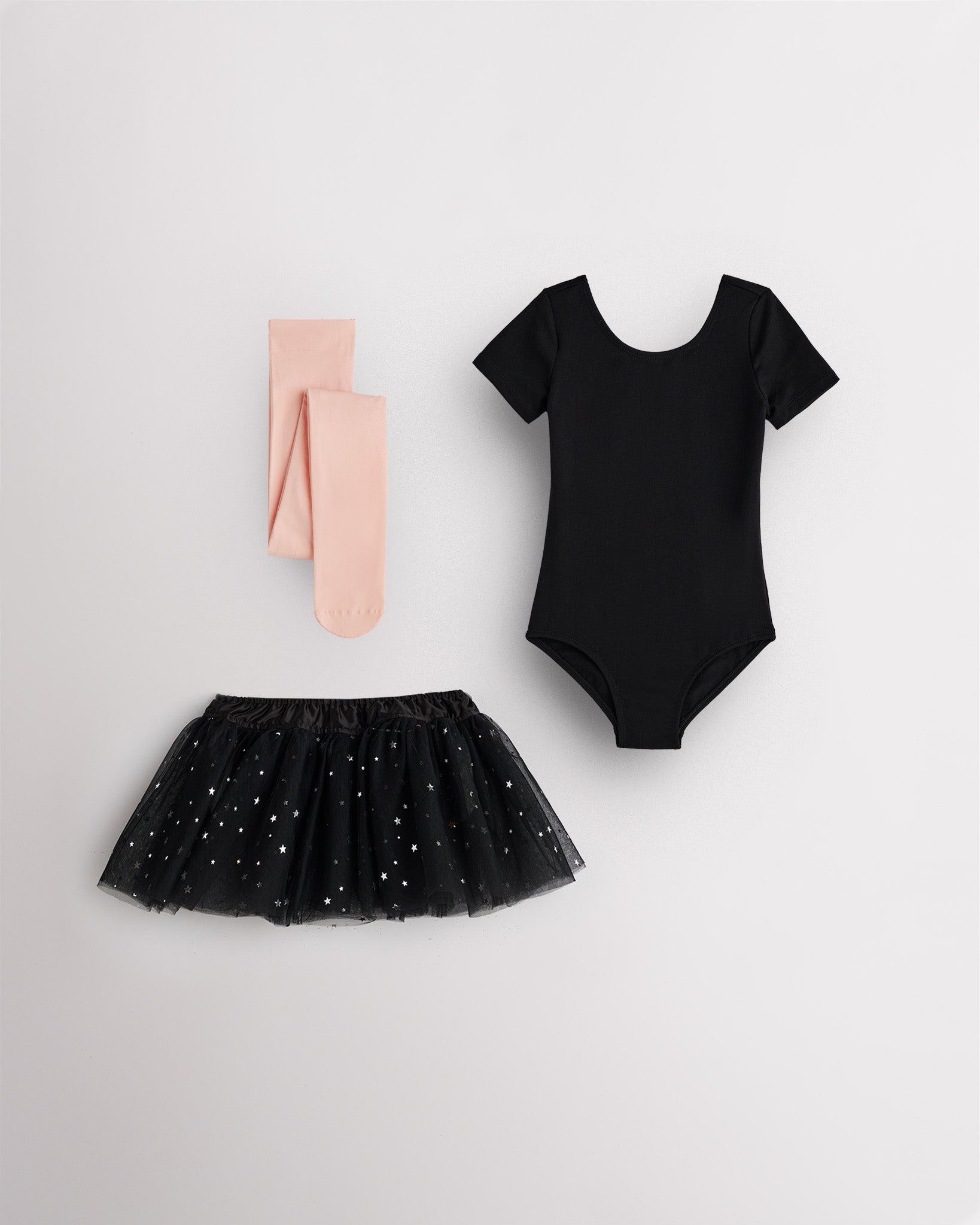
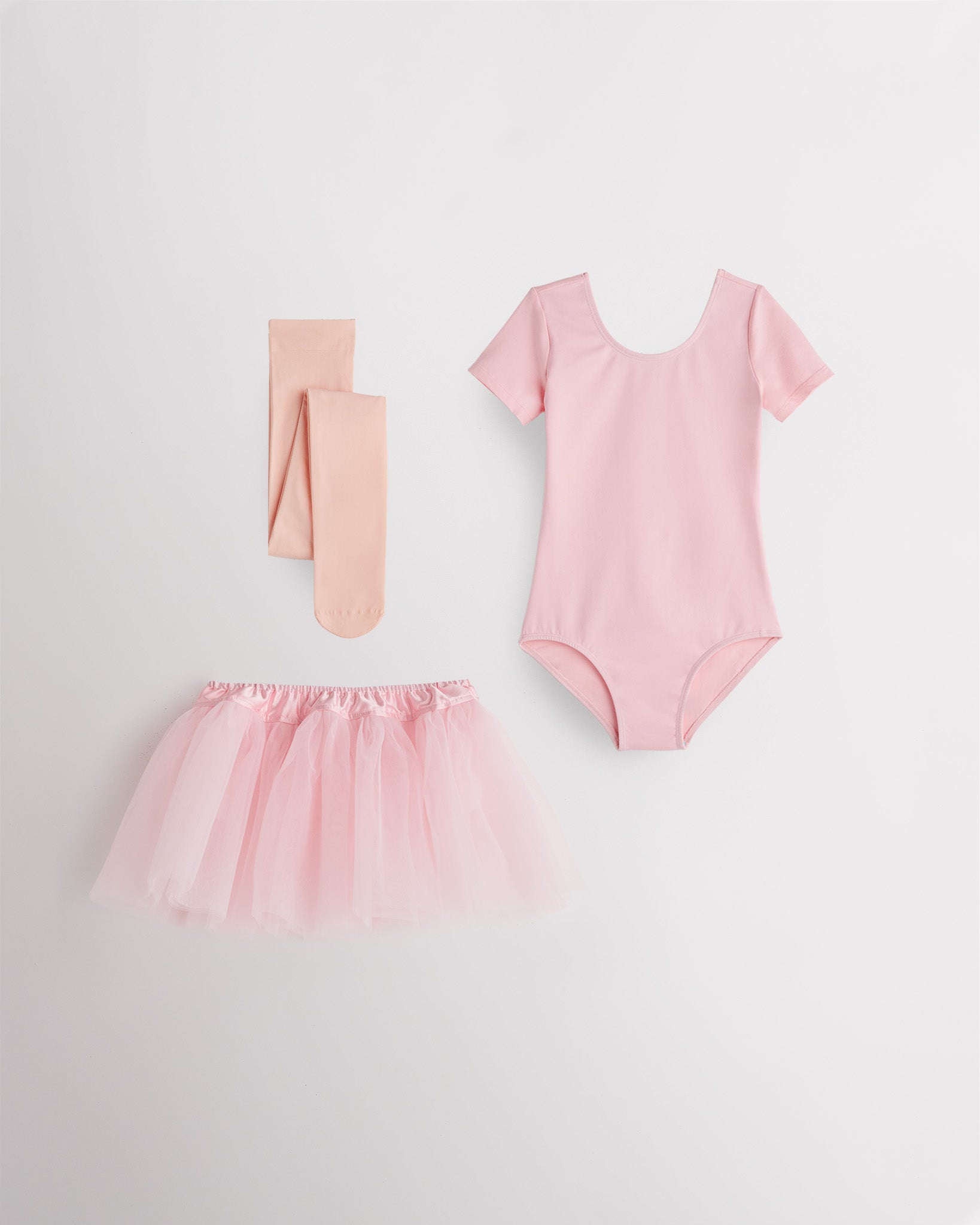
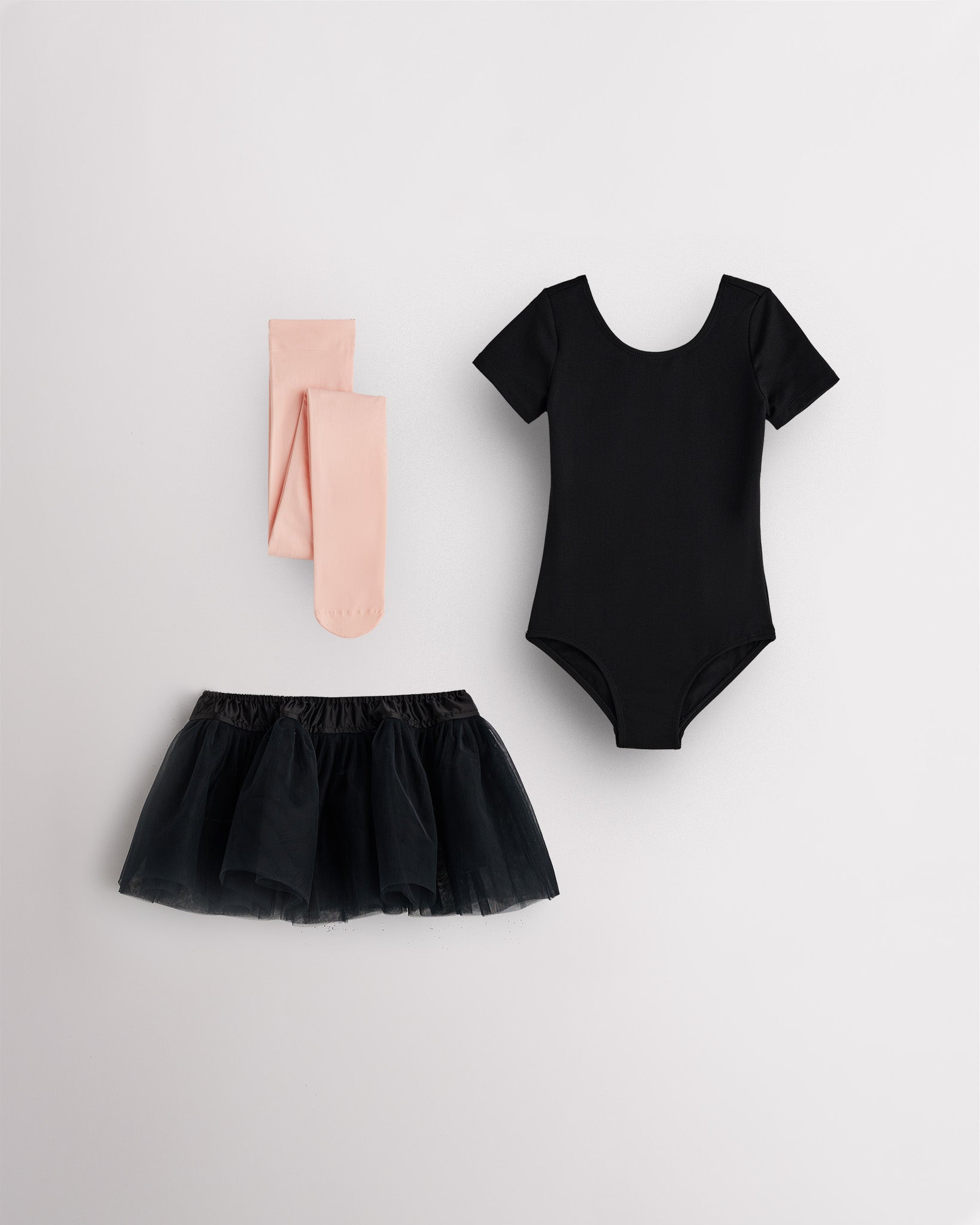
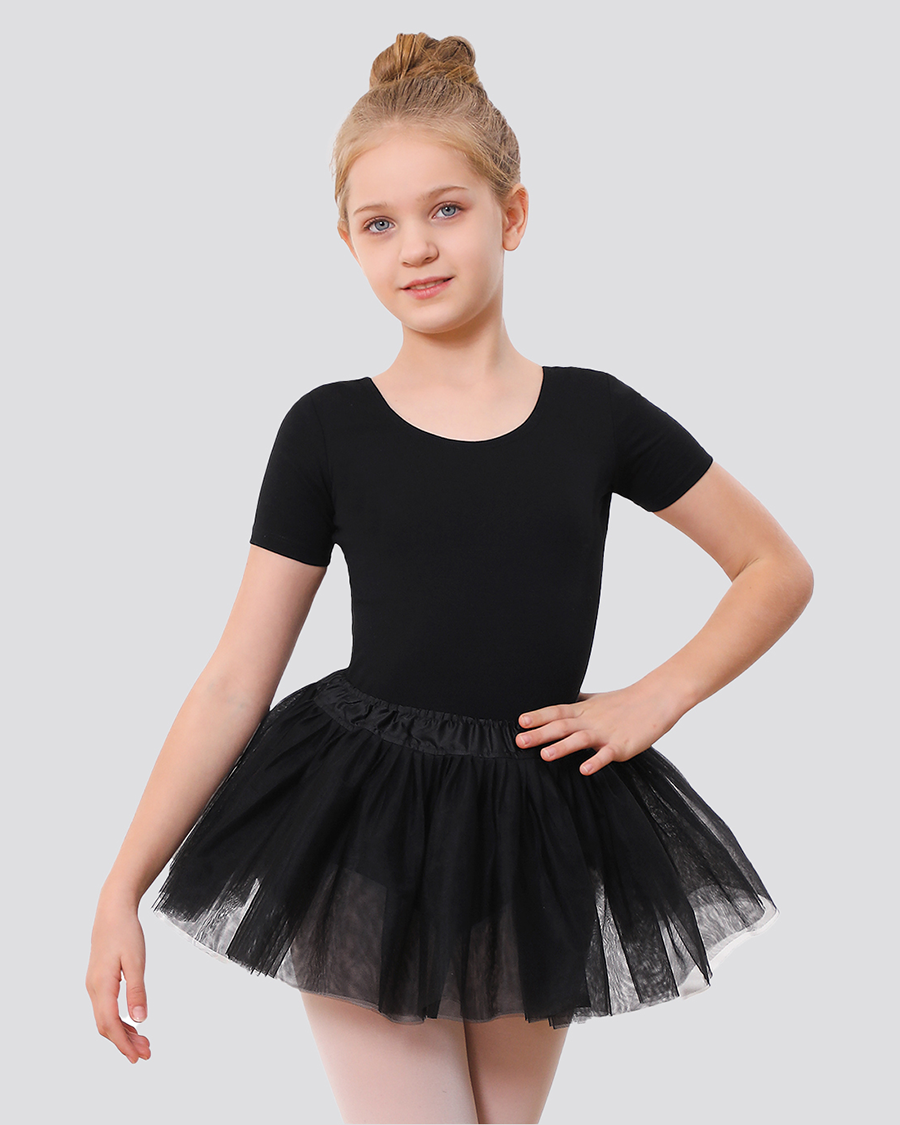
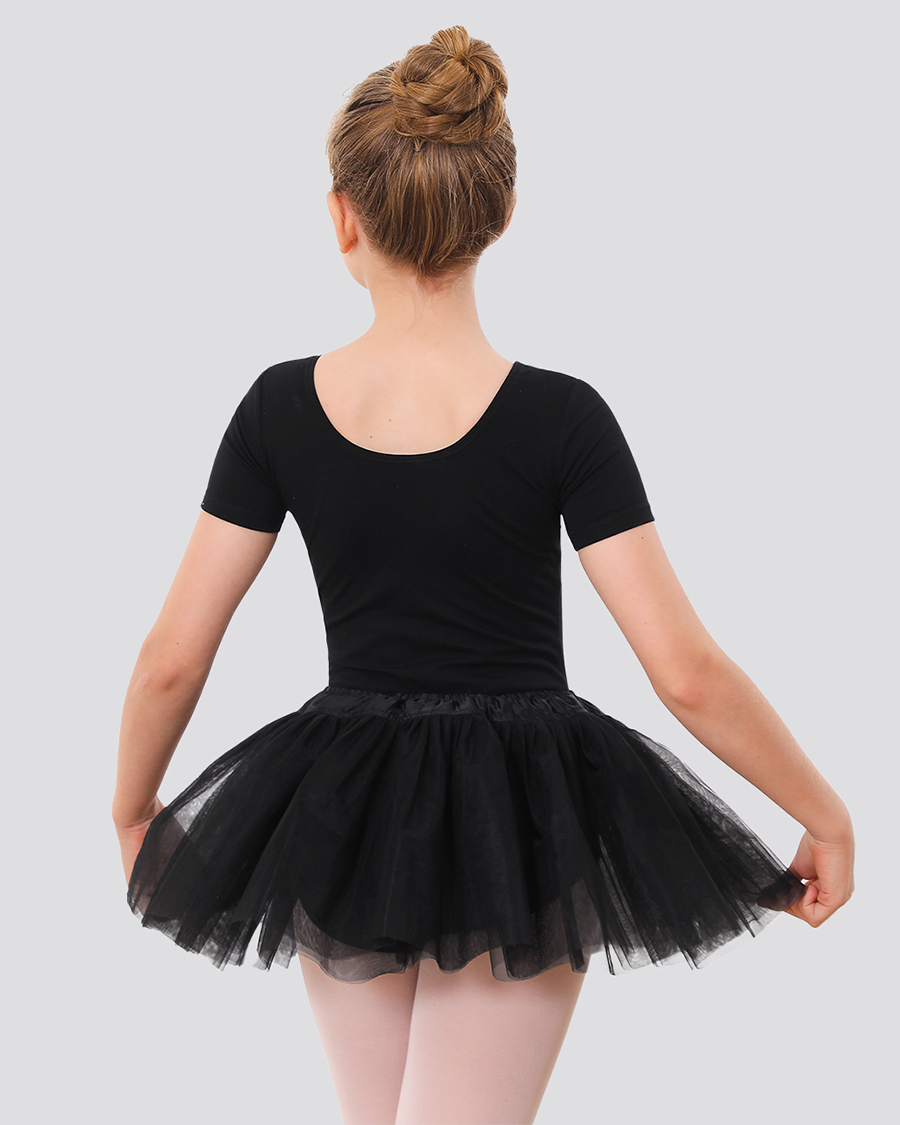
Expect twirling afterward. A basic leotard for home practice plus a practice tutu turn that post-show spark into an after-school habit.

FAQ
What is the story of Giselle ballet in one paragraph?
A quick Giselle ballet story summary: a village girl falls for a nobleman pretending to be a peasant. When the lie surfaces, her fragile heart gives out. She becomes a spirit among the Wilis, ghosts who make men dance to exhaustion, but instead of revenge she shields the man who wronged her until sunrise. In short: love, betrayal, forgiveness.
Is the mad scene too scary for kids?
Scary is the wrong word; sad is the right one. Nothing violent happens on stage: Giselle lets down her hair, drifts through her memories, and sinks down as her heart fails. Sensitive kids will feel it, so give the one-line heads-up beforehand; most children process it like a sad movie scene.
What are the Wilis?
The Wilis are spirits of young women who died of broken hearts before their wedding day, often after being betrayed, from an old European legend that Heinrich Heine wrote about and Théophile Gautier turned into this ballet. On stage they appear at midnight in white tutus, led by their queen Myrtha, and lose their power at dawn.
Is Giselle a good first ballet?
Usually not the first; The Nutcracker or Coppélia make gentler introductions. Giselle is a strong second or third outing, once your child can enjoy a story that ends bittersweet rather than happy.
Who was the first Giselle?
Carlotta Grisi, a young Italian ballerina, created the role at the 1841 premiere and remained its defining interpreter for years. Lucien Petipa, older brother of choreographer Marius Petipa, was her first Albrecht.
About the Stelle Team
Stelle is a mom-trusted dancewear & athleisure brand best known for girls’ ballet and dance essentials since 2015. Every article is created and reviewed by the team behind the products, drawing on what we hear from dance teachers, studio owners, and dance parents every day. Learn more about Stelle.